window.__IS_SSR__=true
window.__INITIAL_STATE__={
"attachmentsReducer": {
"audio_0": {
"type": "attachments",
"id": "audio_0",
"imgSizes": {
"kqedFullSize": {
"file": "https://ww2.kqed.org/news/wp-content/themes/KQED-unified/img/audio_bgs/background0.jpg"
}
}
},
"audio_1": {
"type": "attachments",
"id": "audio_1",
"imgSizes": {
"kqedFullSize": {
"file": "https://ww2.kqed.org/news/wp-content/themes/KQED-unified/img/audio_bgs/background1.jpg"
}
}
},
"audio_2": {
"type": "attachments",
"id": "audio_2",
"imgSizes": {
"kqedFullSize": {
"file": "https://ww2.kqed.org/news/wp-content/themes/KQED-unified/img/audio_bgs/background2.jpg"
}
}
},
"audio_3": {
"type": "attachments",
"id": "audio_3",
"imgSizes": {
"kqedFullSize": {
"file": "https://ww2.kqed.org/news/wp-content/themes/KQED-unified/img/audio_bgs/background3.jpg"
}
}
},
"audio_4": {
"type": "attachments",
"id": "audio_4",
"imgSizes": {
"kqedFullSize": {
"file": "https://ww2.kqed.org/news/wp-content/themes/KQED-unified/img/audio_bgs/background4.jpg"
}
}
},
"placeholder": {
"type": "attachments",
"id": "placeholder",
"imgSizes": {
"thumbnail": {
"file": "https://cdn.kqed.org/wp-content/uploads/2024/12/KQED-Default-Image-816638274-2000x1333-1-160x107.jpg",
"width": 160,
"height": 107,
"mimeType": "image/jpeg"
},
"medium": {
"file": "https://cdn.kqed.org/wp-content/uploads/2024/12/KQED-Default-Image-816638274-2000x1333-1-800x533.jpg",
"width": 800,
"height": 533,
"mimeType": "image/jpeg"
},
"medium_large": {
"file": "https://cdn.kqed.org/wp-content/uploads/2024/12/KQED-Default-Image-816638274-2000x1333-1-768x512.jpg",
"width": 768,
"height": 512,
"mimeType": "image/jpeg"
},
"large": {
"file": "https://cdn.kqed.org/wp-content/uploads/2024/12/KQED-Default-Image-816638274-2000x1333-1-1020x680.jpg",
"width": 1020,
"height": 680,
"mimeType": "image/jpeg"
},
"1536x1536": {
"file": "https://cdn.kqed.org/wp-content/uploads/2024/12/KQED-Default-Image-816638274-2000x1333-1-1536x1024.jpg",
"width": 1536,
"height": 1024,
"mimeType": "image/jpeg"
},
"fd-lrg": {
"file": "https://cdn.kqed.org/wp-content/uploads/2024/12/KQED-Default-Image-816638274-2000x1333-1-1536x1024.jpg",
"width": 1536,
"height": 1024,
"mimeType": "image/jpeg"
},
"fd-med": {
"file": "https://cdn.kqed.org/wp-content/uploads/2024/12/KQED-Default-Image-816638274-2000x1333-1-1020x680.jpg",
"width": 1020,
"height": 680,
"mimeType": "image/jpeg"
},
"fd-sm": {
"file": "https://cdn.kqed.org/wp-content/uploads/2024/12/KQED-Default-Image-816638274-2000x1333-1-800x533.jpg",
"width": 800,
"height": 533,
"mimeType": "image/jpeg"
},
"post-thumbnail": {
"file": "https://cdn.kqed.org/wp-content/uploads/2024/12/KQED-Default-Image-816638274-2000x1333-1-672x372.jpg",
"width": 672,
"height": 372,
"mimeType": "image/jpeg"
},
"twentyfourteen-full-width": {
"file": "https://cdn.kqed.org/wp-content/uploads/2024/12/KQED-Default-Image-816638274-2000x1333-1-1038x576.jpg",
"width": 1038,
"height": 576,
"mimeType": "image/jpeg"
},
"xxsmall": {
"file": "https://cdn.kqed.org/wp-content/uploads/2024/12/KQED-Default-Image-816638274-2000x1333-1-160x107.jpg",
"width": 160,
"height": 107,
"mimeType": "image/jpeg"
},
"xsmall": {
"file": "https://cdn.kqed.org/wp-content/uploads/2024/12/KQED-Default-Image-816638274-2000x1333-1-672x372.jpg",
"width": 672,
"height": 372,
"mimeType": "image/jpeg"
},
"small": {
"file": "https://cdn.kqed.org/wp-content/uploads/2024/12/KQED-Default-Image-816638274-2000x1333-1-672x372.jpg",
"width": 672,
"height": 372,
"mimeType": "image/jpeg"
},
"xlarge": {
"file": "https://cdn.kqed.org/wp-content/uploads/2024/12/KQED-Default-Image-816638274-2000x1333-1-1020x680.jpg",
"width": 1020,
"height": 680,
"mimeType": "image/jpeg"
},
"full-width": {
"file": "https://cdn.kqed.org/wp-content/uploads/2024/12/KQED-Default-Image-816638274-2000x1333-1-1920x1280.jpg",
"width": 1920,
"height": 1280,
"mimeType": "image/jpeg"
},
"guest-author-32": {
"file": "https://cdn.kqed.org/wp-content/uploads/2025/01/KQED-Default-Image-816638274-1333x1333-1-160x160.jpg",
"width": 32,
"height": 32,
"mimeType": "image/jpeg"
},
"guest-author-50": {
"file": "https://cdn.kqed.org/wp-content/uploads/2025/01/KQED-Default-Image-816638274-1333x1333-1-160x160.jpg",
"width": 50,
"height": 50,
"mimeType": "image/jpeg"
},
"guest-author-64": {
"file": "https://cdn.kqed.org/wp-content/uploads/2025/01/KQED-Default-Image-816638274-1333x1333-1-160x160.jpg",
"width": 64,
"height": 64,
"mimeType": "image/jpeg"
},
"guest-author-96": {
"file": "https://cdn.kqed.org/wp-content/uploads/2025/01/KQED-Default-Image-816638274-1333x1333-1-160x160.jpg",
"width": 96,
"height": 96,
"mimeType": "image/jpeg"
},
"guest-author-128": {
"file": "https://cdn.kqed.org/wp-content/uploads/2025/01/KQED-Default-Image-816638274-1333x1333-1-160x160.jpg",
"width": 128,
"height": 128,
"mimeType": "image/jpeg"
},
"detail": {
"file": "https://cdn.kqed.org/wp-content/uploads/2025/01/KQED-Default-Image-816638274-1333x1333-1-160x160.jpg",
"width": 160,
"height": 160,
"mimeType": "image/jpeg"
},
"kqedFullSize": {
"file": "https://cdn.kqed.org/wp-content/uploads/2024/12/KQED-Default-Image-816638274-2000x1333-1.jpg",
"width": 2000,
"height": 1333
}
}
},
"news_11712009": {
"type": "attachments",
"id": "news_11712009",
"meta": {
"index": "attachments_1716263798",
"site": "news",
"id": "11712009",
"found": true
},
"parent": 11712008,
"imgSizes": {
"twentyfourteen-full-width": {
"file": "https://ww2.kqed.org/app/uploads/sites/10/2018/12/ap_18345166165214-464388bd45963e44cd5ee0a3a31aece3648bb9d7-e1544641954593-1038x576.jpg",
"width": 1038,
"mimeType": "image/jpeg",
"height": 576
},
"thumbnail": {
"file": "https://ww2.kqed.org/app/uploads/sites/10/2018/12/ap_18345166165214-464388bd45963e44cd5ee0a3a31aece3648bb9d7-e1544641954593-160x120.jpg",
"width": 160,
"mimeType": "image/jpeg",
"height": 120
},
"post-thumbnail": {
"file": "https://ww2.kqed.org/app/uploads/sites/10/2018/12/ap_18345166165214-464388bd45963e44cd5ee0a3a31aece3648bb9d7-e1544641954593-672x372.jpg",
"width": 672,
"mimeType": "image/jpeg",
"height": 372
},
"kqedFullSize": {
"file": "https://ww2.kqed.org/app/uploads/sites/10/2018/12/ap_18345166165214-464388bd45963e44cd5ee0a3a31aece3648bb9d7-e1544641954593.jpg",
"width": 1920,
"height": 1440
},
"large": {
"file": "https://ww2.kqed.org/app/uploads/sites/10/2018/12/ap_18345166165214-464388bd45963e44cd5ee0a3a31aece3648bb9d7-e1544641954593-1020x765.jpg",
"width": 1020,
"mimeType": "image/jpeg",
"height": 765
},
"complete_open_graph": {
"file": "https://ww2.kqed.org/app/uploads/sites/10/2018/12/ap_18345166165214-464388bd45963e44cd5ee0a3a31aece3648bb9d7-e1544641954593-1200x900.jpg",
"width": 1200,
"mimeType": "image/jpeg",
"height": 900
},
"guest-author-50": {
"file": "https://ww2.kqed.org/app/uploads/sites/10/2018/12/ap_18345166165214-464388bd45963e44cd5ee0a3a31aece3648bb9d7-e1544641954593-50x50.jpg",
"width": 50,
"mimeType": "image/jpeg",
"height": 50
},
"guest-author-96": {
"file": "https://ww2.kqed.org/app/uploads/sites/10/2018/12/ap_18345166165214-464388bd45963e44cd5ee0a3a31aece3648bb9d7-e1544641954593-96x96.jpg",
"width": 96,
"mimeType": "image/jpeg",
"height": 96
},
"medium": {
"file": "https://ww2.kqed.org/app/uploads/sites/10/2018/12/ap_18345166165214-464388bd45963e44cd5ee0a3a31aece3648bb9d7-e1544641954593-800x600.jpg",
"width": 800,
"mimeType": "image/jpeg",
"height": 600
},
"guest-author-64": {
"file": "https://ww2.kqed.org/app/uploads/sites/10/2018/12/ap_18345166165214-464388bd45963e44cd5ee0a3a31aece3648bb9d7-e1544641954593-64x64.jpg",
"width": 64,
"mimeType": "image/jpeg",
"height": 64
},
"guest-author-32": {
"file": "https://ww2.kqed.org/app/uploads/sites/10/2018/12/ap_18345166165214-464388bd45963e44cd5ee0a3a31aece3648bb9d7-e1544641954593-32x32.jpg",
"width": 32,
"mimeType": "image/jpeg",
"height": 32
},
"full-width": {
"file": "https://ww2.kqed.org/app/uploads/sites/10/2018/12/ap_18345166165214-464388bd45963e44cd5ee0a3a31aece3648bb9d7-e1544641954593-1920x1440.jpg",
"width": 1920,
"mimeType": "image/jpeg",
"height": 1440
},
"detail": {
"file": "https://ww2.kqed.org/app/uploads/sites/10/2018/12/ap_18345166165214-464388bd45963e44cd5ee0a3a31aece3648bb9d7-e1544641954593-150x150.jpg",
"width": 150,
"mimeType": "image/jpeg",
"height": 150
},
"guest-author-128": {
"file": "https://ww2.kqed.org/app/uploads/sites/10/2018/12/ap_18345166165214-464388bd45963e44cd5ee0a3a31aece3648bb9d7-e1544641954593-128x128.jpg",
"width": 128,
"mimeType": "image/jpeg",
"height": 128
}
},
"publishDate": 1544641842,
"modified": 1544660771,
"caption": "Contractors work to reinforce a section of the U.S. border wall in San Diego where scores of Central American migrants have crossed illegally in recent weeks, photographed through the fence from Tijuana, Mexico.",
"description": "Contractors work to reinforce a section of the U.S. border wall in San Diego where scores of Central American migrants have crossed illegally in recent weeks, shot through the fence from Tijuana, Mexico.",
"title": "Contractors work to reinforce a section of the U.S. border wall in San Diego where scores of Central American migrants have crossed illegally in recent weeks, shot through the fence from Tijuana, Mexico.",
"credit": "Rebecca Blackwell/AP",
"status": "inherit",
"isLoading": false,
"fetchFailed": false
},
"news_11711833": {
"type": "attachments",
"id": "news_11711833",
"meta": {
"index": "attachments_1716263798",
"site": "news",
"id": "11711833",
"found": true
},
"parent": 11711814,
"imgSizes": {
"twentyfourteen-full-width": {
"file": "https://ww2.kqed.org/app/uploads/sites/10/2018/12/speaker_121118_final-1038x576.jpg",
"width": 1038,
"mimeType": "image/jpeg",
"height": 576
},
"thumbnail": {
"file": "https://ww2.kqed.org/app/uploads/sites/10/2018/12/speaker_121118_final-160x113.jpg",
"width": 160,
"mimeType": "image/jpeg",
"height": 113
},
"post-thumbnail": {
"file": "https://ww2.kqed.org/app/uploads/sites/10/2018/12/speaker_121118_final-672x372.jpg",
"width": 672,
"mimeType": "image/jpeg",
"height": 372
},
"kqedFullSize": {
"file": "https://ww2.kqed.org/app/uploads/sites/10/2018/12/speaker_121118_final.jpg",
"width": 1920,
"height": 1361
},
"large": {
"file": "https://ww2.kqed.org/app/uploads/sites/10/2018/12/speaker_121118_final-1020x723.jpg",
"width": 1020,
"mimeType": "image/jpeg",
"height": 723
},
"complete_open_graph": {
"file": "https://ww2.kqed.org/app/uploads/sites/10/2018/12/speaker_121118_final-1200x851.jpg",
"width": 1200,
"mimeType": "image/jpeg",
"height": 851
},
"guest-author-50": {
"file": "https://ww2.kqed.org/app/uploads/sites/10/2018/12/speaker_121118_final-50x50.jpg",
"width": 50,
"mimeType": "image/jpeg",
"height": 50
},
"guest-author-96": {
"file": "https://ww2.kqed.org/app/uploads/sites/10/2018/12/speaker_121118_final-96x96.jpg",
"width": 96,
"mimeType": "image/jpeg",
"height": 96
},
"medium": {
"file": "https://ww2.kqed.org/app/uploads/sites/10/2018/12/speaker_121118_final-800x567.jpg",
"width": 800,
"mimeType": "image/jpeg",
"height": 567
},
"guest-author-64": {
"file": "https://ww2.kqed.org/app/uploads/sites/10/2018/12/speaker_121118_final-64x64.jpg",
"width": 64,
"mimeType": "image/jpeg",
"height": 64
},
"guest-author-32": {
"file": "https://ww2.kqed.org/app/uploads/sites/10/2018/12/speaker_121118_final-32x32.jpg",
"width": 32,
"mimeType": "image/jpeg",
"height": 32
},
"full-width": {
"file": "https://ww2.kqed.org/app/uploads/sites/10/2018/12/speaker_121118_final-1920x1361.jpg",
"width": 1920,
"mimeType": "image/jpeg",
"height": 1361
},
"detail": {
"file": "https://ww2.kqed.org/app/uploads/sites/10/2018/12/speaker_121118_final-150x150.jpg",
"width": 150,
"mimeType": "image/jpeg",
"height": 150
},
"guest-author-128": {
"file": "https://ww2.kqed.org/app/uploads/sites/10/2018/12/speaker_121118_final-128x128.jpg",
"width": 128,
"mimeType": "image/jpeg",
"height": 128
}
},
"publishDate": 1544571337,
"modified": 1544571369,
"caption": null,
"description": null,
"title": "speaker_121118_final",
"credit": null,
"status": "inherit",
"isLoading": false,
"fetchFailed": false
},
"news_11711658": {
"type": "attachments",
"id": "news_11711658",
"meta": {
"index": "attachments_1716263798",
"site": "news",
"id": "11711658",
"found": true
},
"parent": 11711657,
"imgSizes": {
"twentyfourteen-full-width": {
"file": "https://ww2.kqed.org/app/uploads/sites/10/2018/12/gettyimages-10718178121_wide-066c1e0d08e9a5e3b4486732836ce5979c0a71df-1038x576.jpg",
"width": 1038,
"mimeType": "image/jpeg",
"height": 576
},
"thumbnail": {
"file": "https://ww2.kqed.org/app/uploads/sites/10/2018/12/gettyimages-10718178121_wide-066c1e0d08e9a5e3b4486732836ce5979c0a71df-160x90.jpg",
"width": 160,
"mimeType": "image/jpeg",
"height": 90
},
"post-thumbnail": {
"file": "https://ww2.kqed.org/app/uploads/sites/10/2018/12/gettyimages-10718178121_wide-066c1e0d08e9a5e3b4486732836ce5979c0a71df-672x372.jpg",
"width": 672,
"mimeType": "image/jpeg",
"height": 372
},
"kqedFullSize": {
"file": "https://ww2.kqed.org/app/uploads/sites/10/2018/12/gettyimages-10718178121_wide-066c1e0d08e9a5e3b4486732836ce5979c0a71df.jpg",
"width": 2986,
"height": 1680
},
"large": {
"file": "https://ww2.kqed.org/app/uploads/sites/10/2018/12/gettyimages-10718178121_wide-066c1e0d08e9a5e3b4486732836ce5979c0a71df-1020x574.jpg",
"width": 1020,
"mimeType": "image/jpeg",
"height": 574
},
"complete_open_graph": {
"file": "https://ww2.kqed.org/app/uploads/sites/10/2018/12/gettyimages-10718178121_wide-066c1e0d08e9a5e3b4486732836ce5979c0a71df-1200x675.jpg",
"width": 1200,
"mimeType": "image/jpeg",
"height": 675
},
"guest-author-50": {
"file": "https://ww2.kqed.org/app/uploads/sites/10/2018/12/gettyimages-10718178121_wide-066c1e0d08e9a5e3b4486732836ce5979c0a71df-50x50.jpg",
"width": 50,
"mimeType": "image/jpeg",
"height": 50
},
"guest-author-96": {
"file": "https://ww2.kqed.org/app/uploads/sites/10/2018/12/gettyimages-10718178121_wide-066c1e0d08e9a5e3b4486732836ce5979c0a71df-96x96.jpg",
"width": 96,
"mimeType": "image/jpeg",
"height": 96
},
"medium": {
"file": "https://ww2.kqed.org/app/uploads/sites/10/2018/12/gettyimages-10718178121_wide-066c1e0d08e9a5e3b4486732836ce5979c0a71df-800x450.jpg",
"width": 800,
"mimeType": "image/jpeg",
"height": 450
},
"guest-author-64": {
"file": "https://ww2.kqed.org/app/uploads/sites/10/2018/12/gettyimages-10718178121_wide-066c1e0d08e9a5e3b4486732836ce5979c0a71df-64x64.jpg",
"width": 64,
"mimeType": "image/jpeg",
"height": 64
},
"guest-author-32": {
"file": "https://ww2.kqed.org/app/uploads/sites/10/2018/12/gettyimages-10718178121_wide-066c1e0d08e9a5e3b4486732836ce5979c0a71df-32x32.jpg",
"width": 32,
"mimeType": "image/jpeg",
"height": 32
},
"full-width": {
"file": "https://ww2.kqed.org/app/uploads/sites/10/2018/12/gettyimages-10718178121_wide-066c1e0d08e9a5e3b4486732836ce5979c0a71df-1920x1080.jpg",
"width": 1920,
"mimeType": "image/jpeg",
"height": 1080
},
"detail": {
"file": "https://ww2.kqed.org/app/uploads/sites/10/2018/12/gettyimages-10718178121_wide-066c1e0d08e9a5e3b4486732836ce5979c0a71df-150x150.jpg",
"width": 150,
"mimeType": "image/jpeg",
"height": 150
},
"guest-author-128": {
"file": "https://ww2.kqed.org/app/uploads/sites/10/2018/12/gettyimages-10718178121_wide-066c1e0d08e9a5e3b4486732836ce5979c0a71df-128x128.jpg",
"width": 128,
"mimeType": "image/jpeg",
"height": 128
}
},
"publishDate": 1544560932,
"modified": 1544561470,
"caption": null,
"description": "With a partial government shutdown on the horizon, President Trump and Democratic leaders had a heated exchange over border security and wall funding in front of reporters.",
"title": "With a partial government shutdown on the horizon, President Trump and Democratic leaders had a heated exchange over border security and wall funding in front of reporters.",
"credit": "C-SPAN YouTube",
"status": "inherit",
"isLoading": false,
"fetchFailed": false
},
"news_11710416": {
"type": "attachments",
"id": "news_11710416",
"meta": {
"index": "attachments_1716263798",
"site": "news",
"id": "11710416",
"found": true
},
"parent": 11710361,
"imgSizes": {
"small": {
"file": "https://ww2.kqed.org/app/uploads/sites/10/2018/12/Mission_Bay_UCSF-1-520x372.jpg",
"width": 520,
"mimeType": "image/jpeg",
"height": 372
},
"twentyfourteen-full-width": {
"file": "https://ww2.kqed.org/app/uploads/sites/10/2018/12/Mission_Bay_UCSF-1-1038x576.jpg",
"width": 1038,
"mimeType": "image/jpeg",
"height": 576
},
"thumbnail": {
"file": "https://ww2.kqed.org/app/uploads/sites/10/2018/12/Mission_Bay_UCSF-1-160x114.jpg",
"width": 160,
"mimeType": "image/jpeg",
"height": 114
},
"fd-sm": {
"file": "https://ww2.kqed.org/app/uploads/sites/10/2018/12/Mission_Bay_UCSF-1-960x686.jpg",
"width": 960,
"mimeType": "image/jpeg",
"height": 686
},
"post-thumbnail": {
"file": "https://ww2.kqed.org/app/uploads/sites/10/2018/12/Mission_Bay_UCSF-1-672x372.jpg",
"width": 672,
"mimeType": "image/jpeg",
"height": 372
},
"xsmall": {
"file": "https://ww2.kqed.org/app/uploads/sites/10/2018/12/Mission_Bay_UCSF-1-375x268.jpg",
"width": 375,
"mimeType": "image/jpeg",
"height": 268
},
"kqedFullSize": {
"file": "https://ww2.kqed.org/app/uploads/sites/10/2018/12/Mission_Bay_UCSF-1-e1544063482281.jpg",
"width": 1920,
"height": 1373
},
"large": {
"file": "https://ww2.kqed.org/app/uploads/sites/10/2018/12/Mission_Bay_UCSF-1-1020x729.jpg",
"width": 1020,
"mimeType": "image/jpeg",
"height": 729
},
"xlarge": {
"file": "https://ww2.kqed.org/app/uploads/sites/10/2018/12/Mission_Bay_UCSF-1-1180x844.jpg",
"width": 1180,
"mimeType": "image/jpeg",
"height": 844
},
"complete_open_graph": {
"file": "https://ww2.kqed.org/app/uploads/sites/10/2018/12/Mission_Bay_UCSF-1-1200x858.jpg",
"width": 1200,
"mimeType": "image/jpeg",
"height": 858
},
"guest-author-50": {
"file": "https://ww2.kqed.org/app/uploads/sites/10/2018/12/Mission_Bay_UCSF-1-50x50.jpg",
"width": 50,
"mimeType": "image/jpeg",
"height": 50
},
"guest-author-96": {
"file": "https://ww2.kqed.org/app/uploads/sites/10/2018/12/Mission_Bay_UCSF-1-96x96.jpg",
"width": 96,
"mimeType": "image/jpeg",
"height": 96
},
"medium": {
"file": "https://ww2.kqed.org/app/uploads/sites/10/2018/12/Mission_Bay_UCSF-1-800x572.jpg",
"width": 800,
"mimeType": "image/jpeg",
"height": 572
},
"guest-author-64": {
"file": "https://ww2.kqed.org/app/uploads/sites/10/2018/12/Mission_Bay_UCSF-1-64x64.jpg",
"width": 64,
"mimeType": "image/jpeg",
"height": 64
},
"guest-author-32": {
"file": "https://ww2.kqed.org/app/uploads/sites/10/2018/12/Mission_Bay_UCSF-1-32x32.jpg",
"width": 32,
"mimeType": "image/jpeg",
"height": 32
},
"fd-lrg": {
"file": "https://ww2.kqed.org/app/uploads/sites/10/2018/12/Mission_Bay_UCSF-1-1920x1373.jpg",
"width": 1920,
"mimeType": "image/jpeg",
"height": 1373
},
"fd-med": {
"file": "https://ww2.kqed.org/app/uploads/sites/10/2018/12/Mission_Bay_UCSF-1-1180x844.jpg",
"width": 1180,
"mimeType": "image/jpeg",
"height": 844
},
"full-width": {
"file": "https://ww2.kqed.org/app/uploads/sites/10/2018/12/Mission_Bay_UCSF-1-1920x1373.jpg",
"width": 1920,
"mimeType": "image/jpeg",
"height": 1373
},
"detail": {
"file": "https://ww2.kqed.org/app/uploads/sites/10/2018/12/Mission_Bay_UCSF-1-150x150.jpg",
"width": 150,
"mimeType": "image/jpeg",
"height": 150
},
"guest-author-128": {
"file": "https://ww2.kqed.org/app/uploads/sites/10/2018/12/Mission_Bay_UCSF-1-128x128.jpg",
"width": 128,
"mimeType": "image/jpeg",
"height": 128
},
"xxsmall": {
"file": "https://ww2.kqed.org/app/uploads/sites/10/2018/12/Mission_Bay_UCSF-1-240x172.jpg",
"width": 240,
"mimeType": "image/jpeg",
"height": 172
}
},
"publishDate": 1544063163,
"modified": 1544063203,
"caption": "A view of the University of California San Francisco. ",
"description": null,
"title": "Mission_Bay,_UCSF-1",
"credit": "Payton Chung/Flickr",
"status": "inherit",
"isLoading": false,
"fetchFailed": false
},
"news_11710283": {
"type": "attachments",
"id": "news_11710283",
"meta": {
"index": "attachments_1716263798",
"site": "news",
"id": "11710283",
"found": true
},
"parent": 11710249,
"imgSizes": {
"twentyfourteen-full-width": {
"file": "https://ww2.kqed.org/app/uploads/sites/10/2018/12/GettyImages-1066361328-e1544050021171-1038x576.jpg",
"width": 1038,
"mimeType": "image/jpeg",
"height": 576
},
"thumbnail": {
"file": "https://ww2.kqed.org/app/uploads/sites/10/2018/12/GettyImages-1066361328-e1544050021171-160x107.jpg",
"width": 160,
"mimeType": "image/jpeg",
"height": 107
},
"post-thumbnail": {
"file": "https://ww2.kqed.org/app/uploads/sites/10/2018/12/GettyImages-1066361328-e1544050021171-672x372.jpg",
"width": 672,
"mimeType": "image/jpeg",
"height": 372
},
"kqedFullSize": {
"file": "https://ww2.kqed.org/app/uploads/sites/10/2018/12/GettyImages-1066361328-e1544050021171.jpg",
"width": 1920,
"height": 1278
},
"large": {
"file": "https://ww2.kqed.org/app/uploads/sites/10/2018/12/GettyImages-1066361328-e1544050021171-1020x679.jpg",
"width": 1020,
"mimeType": "image/jpeg",
"height": 679
},
"complete_open_graph": {
"file": "https://ww2.kqed.org/app/uploads/sites/10/2018/12/GettyImages-1066361328-e1544050021171-1200x799.jpg",
"width": 1200,
"mimeType": "image/jpeg",
"height": 799
},
"guest-author-50": {
"file": "https://ww2.kqed.org/app/uploads/sites/10/2018/12/GettyImages-1066361328-e1544050021171-50x50.jpg",
"width": 50,
"mimeType": "image/jpeg",
"height": 50
},
"guest-author-96": {
"file": "https://ww2.kqed.org/app/uploads/sites/10/2018/12/GettyImages-1066361328-e1544050021171-96x96.jpg",
"width": 96,
"mimeType": "image/jpeg",
"height": 96
},
"medium": {
"file": "https://ww2.kqed.org/app/uploads/sites/10/2018/12/GettyImages-1066361328-e1544050021171-800x533.jpg",
"width": 800,
"mimeType": "image/jpeg",
"height": 533
},
"guest-author-64": {
"file": "https://ww2.kqed.org/app/uploads/sites/10/2018/12/GettyImages-1066361328-e1544050021171-64x64.jpg",
"width": 64,
"mimeType": "image/jpeg",
"height": 64
},
"guest-author-32": {
"file": "https://ww2.kqed.org/app/uploads/sites/10/2018/12/GettyImages-1066361328-e1544050021171-32x32.jpg",
"width": 32,
"mimeType": "image/jpeg",
"height": 32
},
"full-width": {
"file": "https://ww2.kqed.org/app/uploads/sites/10/2018/12/GettyImages-1066361328-e1544050021171-1920x1278.jpg",
"width": 1920,
"mimeType": "image/jpeg",
"height": 1278
},
"detail": {
"file": "https://ww2.kqed.org/app/uploads/sites/10/2018/12/GettyImages-1066361328-e1544050021171-150x150.jpg",
"width": 150,
"mimeType": "image/jpeg",
"height": 150
},
"guest-author-128": {
"file": "https://ww2.kqed.org/app/uploads/sites/10/2018/12/GettyImages-1066361328-e1544050021171-128x128.jpg",
"width": 128,
"mimeType": "image/jpeg",
"height": 128
}
},
"publishDate": 1544048657,
"modified": 1544058062,
"caption": "President Trump speaks to reporters on Nov. 29, 2018 in Washington, D.C. ",
"description": "President Donald Trump speaks to reporters on Nov. 29, 2018 in Washington, D.C. ",
"title": "US-POLITICS-TRUMP",
"credit": "Brendan Smialowski/AFP/Getty Images",
"status": "inherit",
"isLoading": false,
"fetchFailed": false
},
"news_11708788": {
"type": "attachments",
"id": "news_11708788",
"meta": {
"index": "attachments_1716263798",
"site": "news",
"id": "11708788",
"found": true
},
"parent": 11708703,
"imgSizes": {
"small": {
"file": "https://ww2.kqed.org/app/uploads/sites/10/2018/11/GettyImages-988419450-520x347.jpg",
"width": 520,
"mimeType": "image/jpeg",
"height": 347
},
"twentyfourteen-full-width": {
"file": "https://ww2.kqed.org/app/uploads/sites/10/2018/11/GettyImages-988419450-1038x576.jpg",
"width": 1038,
"mimeType": "image/jpeg",
"height": 576
},
"thumbnail": {
"file": "https://ww2.kqed.org/app/uploads/sites/10/2018/11/GettyImages-988419450-160x107.jpg",
"width": 160,
"mimeType": "image/jpeg",
"height": 107
},
"fd-sm": {
"file": "https://ww2.kqed.org/app/uploads/sites/10/2018/11/GettyImages-988419450-960x640.jpg",
"width": 960,
"mimeType": "image/jpeg",
"height": 640
},
"post-thumbnail": {
"file": "https://ww2.kqed.org/app/uploads/sites/10/2018/11/GettyImages-988419450-672x372.jpg",
"width": 672,
"mimeType": "image/jpeg",
"height": 372
},
"xsmall": {
"file": "https://ww2.kqed.org/app/uploads/sites/10/2018/11/GettyImages-988419450-375x250.jpg",
"width": 375,
"mimeType": "image/jpeg",
"height": 250
},
"kqedFullSize": {
"file": "https://ww2.kqed.org/app/uploads/sites/10/2018/11/GettyImages-988419450-e1543437561875.jpg",
"width": 1920,
"height": 1280
},
"large": {
"file": "https://ww2.kqed.org/app/uploads/sites/10/2018/11/GettyImages-988419450-1020x680.jpg",
"width": 1020,
"mimeType": "image/jpeg",
"height": 680
},
"xlarge": {
"file": "https://ww2.kqed.org/app/uploads/sites/10/2018/11/GettyImages-988419450-1180x787.jpg",
"width": 1180,
"mimeType": "image/jpeg",
"height": 787
},
"complete_open_graph": {
"file": "https://ww2.kqed.org/app/uploads/sites/10/2018/11/GettyImages-988419450-1200x800.jpg",
"width": 1200,
"mimeType": "image/jpeg",
"height": 800
},
"guest-author-50": {
"file": "https://ww2.kqed.org/app/uploads/sites/10/2018/11/GettyImages-988419450-50x50.jpg",
"width": 50,
"mimeType": "image/jpeg",
"height": 50
},
"guest-author-96": {
"file": "https://ww2.kqed.org/app/uploads/sites/10/2018/11/GettyImages-988419450-96x96.jpg",
"width": 96,
"mimeType": "image/jpeg",
"height": 96
},
"medium": {
"file": "https://ww2.kqed.org/app/uploads/sites/10/2018/11/GettyImages-988419450-800x533.jpg",
"width": 800,
"mimeType": "image/jpeg",
"height": 533
},
"guest-author-64": {
"file": "https://ww2.kqed.org/app/uploads/sites/10/2018/11/GettyImages-988419450-64x64.jpg",
"width": 64,
"mimeType": "image/jpeg",
"height": 64
},
"guest-author-32": {
"file": "https://ww2.kqed.org/app/uploads/sites/10/2018/11/GettyImages-988419450-32x32.jpg",
"width": 32,
"mimeType": "image/jpeg",
"height": 32
},
"fd-lrg": {
"file": "https://ww2.kqed.org/app/uploads/sites/10/2018/11/GettyImages-988419450-1920x1280.jpg",
"width": 1920,
"mimeType": "image/jpeg",
"height": 1280
},
"fd-med": {
"file": "https://ww2.kqed.org/app/uploads/sites/10/2018/11/GettyImages-988419450-1180x787.jpg",
"width": 1180,
"mimeType": "image/jpeg",
"height": 787
},
"full-width": {
"file": "https://ww2.kqed.org/app/uploads/sites/10/2018/11/GettyImages-988419450-1920x1280.jpg",
"width": 1920,
"mimeType": "image/jpeg",
"height": 1280
},
"detail": {
"file": "https://ww2.kqed.org/app/uploads/sites/10/2018/11/GettyImages-988419450-150x150.jpg",
"width": 150,
"mimeType": "image/jpeg",
"height": 150
},
"guest-author-128": {
"file": "https://ww2.kqed.org/app/uploads/sites/10/2018/11/GettyImages-988419450-128x128.jpg",
"width": 128,
"mimeType": "image/jpeg",
"height": 128
},
"xxsmall": {
"file": "https://ww2.kqed.org/app/uploads/sites/10/2018/11/GettyImages-988419450-240x160.jpg",
"width": 240,
"mimeType": "image/jpeg",
"height": 160
}
},
"publishDate": 1543436850,
"modified": 1543443724,
"caption": "Women protest the Trump administration's immigration and refugee policies on June 30, 2018, in Los Angeles. ",
"description": "Women protest the Trump administration's immigration and refugee policies on June 30, 2018 in Los Angeles. ",
"title": "Thousands Across U.S March In Support Of Keeping Immigrant Families Together",
"credit": "David McNew/Getty Images",
"status": "inherit",
"isLoading": false,
"fetchFailed": false
},
"news_11708811": {
"type": "attachments",
"id": "news_11708811",
"meta": {
"index": "attachments_1716263798",
"site": "news",
"id": "11708811",
"found": true
},
"parent": 11708731,
"imgSizes": {
"small": {
"file": "https://ww2.kqed.org/app/uploads/sites/10/2018/11/GettyImages-1030088898-520x369.jpg",
"width": 520,
"mimeType": "image/jpeg",
"height": 369
},
"twentyfourteen-full-width": {
"file": "https://ww2.kqed.org/app/uploads/sites/10/2018/11/GettyImages-1030088898-1038x576.jpg",
"width": 1038,
"mimeType": "image/jpeg",
"height": 576
},
"thumbnail": {
"file": "https://ww2.kqed.org/app/uploads/sites/10/2018/11/GettyImages-1030088898-160x113.jpg",
"width": 160,
"mimeType": "image/jpeg",
"height": 113
},
"fd-sm": {
"file": "https://ww2.kqed.org/app/uploads/sites/10/2018/11/GettyImages-1030088898-960x681.jpg",
"width": 960,
"mimeType": "image/jpeg",
"height": 681
},
"post-thumbnail": {
"file": "https://ww2.kqed.org/app/uploads/sites/10/2018/11/GettyImages-1030088898-672x372.jpg",
"width": 672,
"mimeType": "image/jpeg",
"height": 372
},
"xsmall": {
"file": "https://ww2.kqed.org/app/uploads/sites/10/2018/11/GettyImages-1030088898-375x266.jpg",
"width": 375,
"mimeType": "image/jpeg",
"height": 266
},
"kqedFullSize": {
"file": "https://ww2.kqed.org/app/uploads/sites/10/2018/11/GettyImages-1030088898-e1543439229804.jpg",
"width": 1920,
"height": 1361
},
"large": {
"file": "https://ww2.kqed.org/app/uploads/sites/10/2018/11/GettyImages-1030088898-1020x723.jpg",
"width": 1020,
"mimeType": "image/jpeg",
"height": 723
},
"xlarge": {
"file": "https://ww2.kqed.org/app/uploads/sites/10/2018/11/GettyImages-1030088898-1180x837.jpg",
"width": 1180,
"mimeType": "image/jpeg",
"height": 837
},
"complete_open_graph": {
"file": "https://ww2.kqed.org/app/uploads/sites/10/2018/11/GettyImages-1030088898-1200x851.jpg",
"width": 1200,
"mimeType": "image/jpeg",
"height": 851
},
"guest-author-50": {
"file": "https://ww2.kqed.org/app/uploads/sites/10/2018/11/GettyImages-1030088898-50x50.jpg",
"width": 50,
"mimeType": "image/jpeg",
"height": 50
},
"guest-author-96": {
"file": "https://ww2.kqed.org/app/uploads/sites/10/2018/11/GettyImages-1030088898-96x96.jpg",
"width": 96,
"mimeType": "image/jpeg",
"height": 96
},
"medium": {
"file": "https://ww2.kqed.org/app/uploads/sites/10/2018/11/GettyImages-1030088898-800x567.jpg",
"width": 800,
"mimeType": "image/jpeg",
"height": 567
},
"guest-author-64": {
"file": "https://ww2.kqed.org/app/uploads/sites/10/2018/11/GettyImages-1030088898-64x64.jpg",
"width": 64,
"mimeType": "image/jpeg",
"height": 64
},
"guest-author-32": {
"file": "https://ww2.kqed.org/app/uploads/sites/10/2018/11/GettyImages-1030088898-32x32.jpg",
"width": 32,
"mimeType": "image/jpeg",
"height": 32
},
"fd-lrg": {
"file": "https://ww2.kqed.org/app/uploads/sites/10/2018/11/GettyImages-1030088898-1920x1361.jpg",
"width": 1920,
"mimeType": "image/jpeg",
"height": 1361
},
"fd-med": {
"file": "https://ww2.kqed.org/app/uploads/sites/10/2018/11/GettyImages-1030088898-1180x837.jpg",
"width": 1180,
"mimeType": "image/jpeg",
"height": 837
},
"full-width": {
"file": "https://ww2.kqed.org/app/uploads/sites/10/2018/11/GettyImages-1030088898-1920x1361.jpg",
"width": 1920,
"mimeType": "image/jpeg",
"height": 1361
},
"detail": {
"file": "https://ww2.kqed.org/app/uploads/sites/10/2018/11/GettyImages-1030088898-150x150.jpg",
"width": 150,
"mimeType": "image/jpeg",
"height": 150
},
"guest-author-128": {
"file": "https://ww2.kqed.org/app/uploads/sites/10/2018/11/GettyImages-1030088898-128x128.jpg",
"width": 128,
"mimeType": "image/jpeg",
"height": 128
},
"xxsmall": {
"file": "https://ww2.kqed.org/app/uploads/sites/10/2018/11/GettyImages-1030088898-240x170.jpg",
"width": 240,
"mimeType": "image/jpeg",
"height": 170
}
},
"publishDate": 1543438387,
"modified": 1543441328,
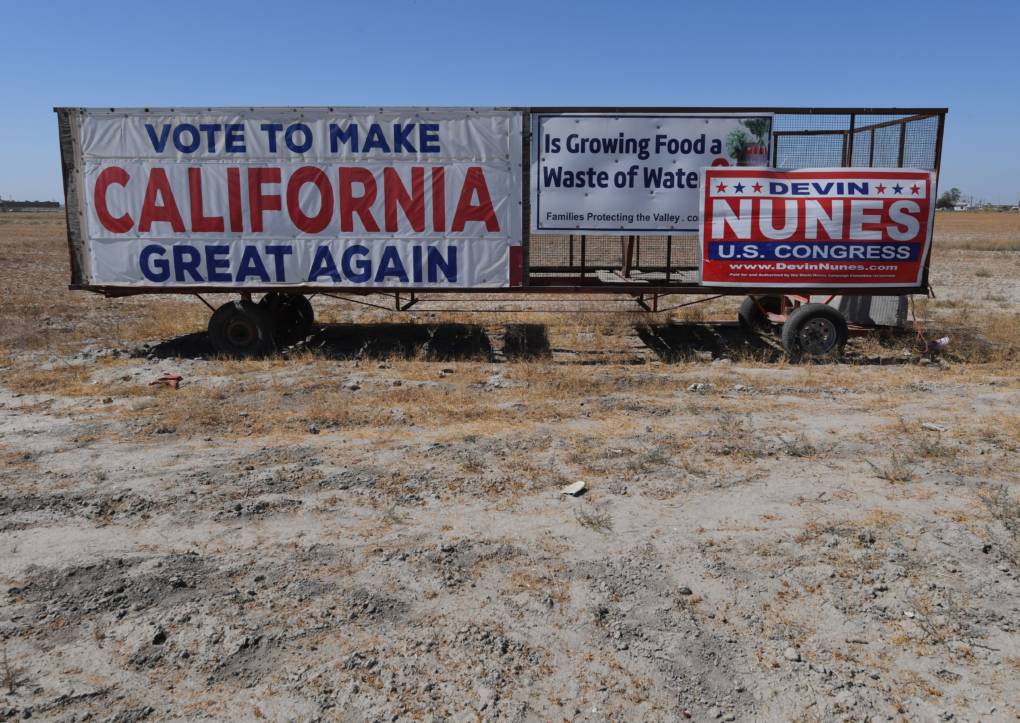
"caption": "A campaign poster for Republican Devin Nunes, displayed near his hometown of Tulare on Sept. 9, 2018. Nunes defeated challenger Andrew Janz in the November midterm election for California's 22nd Congressional District.",
"description": "A campaign poster for Republican Devin Nunes, displayed near his hometown of Tulare on Sept. 9, 2018. Nunes defeated challenger Andrew Janz in the November midterm election for California's 22nd Congressional District.",
"title": "US-POLITICS-VOTE-NUNES",
"credit": "Mark Ralston/AFP/Getty Images",
"status": "inherit",
"isLoading": false,
"fetchFailed": false
},
"news_11708229": {
"type": "attachments",
"id": "news_11708229",
"meta": {
"index": "attachments_1716263798",
"site": "news",
"id": "11708229",
"found": true
},
"parent": 11708219,
"imgSizes": {
"twentyfourteen-full-width": {
"file": "https://ww2.kqed.org/app/uploads/sites/10/2018/11/running_112618_final-1038x576.jpg",
"width": 1038,
"mimeType": "image/jpeg",
"height": 576
},
"thumbnail": {
"file": "https://ww2.kqed.org/app/uploads/sites/10/2018/11/running_112618_final-160x103.jpg",
"width": 160,
"mimeType": "image/jpeg",
"height": 103
},
"post-thumbnail": {
"file": "https://ww2.kqed.org/app/uploads/sites/10/2018/11/running_112618_final-672x372.jpg",
"width": 672,
"mimeType": "image/jpeg",
"height": 372
},
"kqedFullSize": {
"file": "https://ww2.kqed.org/app/uploads/sites/10/2018/11/running_112618_final.jpg",
"width": 1920,
"height": 1234
},
"large": {
"file": "https://ww2.kqed.org/app/uploads/sites/10/2018/11/running_112618_final-1020x656.jpg",
"width": 1020,
"mimeType": "image/jpeg",
"height": 656
},
"complete_open_graph": {
"file": "https://ww2.kqed.org/app/uploads/sites/10/2018/11/running_112618_final-1200x771.jpg",
"width": 1200,
"mimeType": "image/jpeg",
"height": 771
},
"guest-author-50": {
"file": "https://ww2.kqed.org/app/uploads/sites/10/2018/11/running_112618_final-50x50.jpg",
"width": 50,
"mimeType": "image/jpeg",
"height": 50
},
"guest-author-96": {
"file": "https://ww2.kqed.org/app/uploads/sites/10/2018/11/running_112618_final-96x96.jpg",
"width": 96,
"mimeType": "image/jpeg",
"height": 96
},
"medium": {
"file": "https://ww2.kqed.org/app/uploads/sites/10/2018/11/running_112618_final-800x514.jpg",
"width": 800,
"mimeType": "image/jpeg",
"height": 514
},
"guest-author-64": {
"file": "https://ww2.kqed.org/app/uploads/sites/10/2018/11/running_112618_final-64x64.jpg",
"width": 64,
"mimeType": "image/jpeg",
"height": 64
},
"guest-author-32": {
"file": "https://ww2.kqed.org/app/uploads/sites/10/2018/11/running_112618_final-32x32.jpg",
"width": 32,
"mimeType": "image/jpeg",
"height": 32
},
"full-width": {
"file": "https://ww2.kqed.org/app/uploads/sites/10/2018/11/running_112618_final-1920x1234.jpg",
"width": 1920,
"mimeType": "image/jpeg",
"height": 1234
},
"detail": {
"file": "https://ww2.kqed.org/app/uploads/sites/10/2018/11/running_112618_final-150x150.jpg",
"width": 150,
"mimeType": "image/jpeg",
"height": 150
},
"guest-author-128": {
"file": "https://ww2.kqed.org/app/uploads/sites/10/2018/11/running_112618_final-128x128.jpg",
"width": 128,
"mimeType": "image/jpeg",
"height": 128
}
},
"publishDate": 1543267886,
"modified": 1543267918,
"caption": null,
"description": null,
"title": "running_112618_final",
"credit": null,
"status": "inherit",
"isLoading": false,
"fetchFailed": false
},
"news_11707114": {
"type": "attachments",
"id": "news_11707114",
"meta": {
"index": "attachments_1716263798",
"site": "news",
"id": "11707114",
"found": true
},
"parent": 11707107,
"imgSizes": {
"twentyfourteen-full-width": {
"file": "https://ww2.kqed.org/app/uploads/sites/10/2018/11/GettyImages-1062888840-e1542488192259-1038x576.jpg",
"width": 1038,
"mimeType": "image/jpeg",
"height": 576
},
"thumbnail": {
"file": "https://ww2.kqed.org/app/uploads/sites/10/2018/11/GettyImages-1062888840-e1542488192259-160x107.jpg",
"width": 160,
"mimeType": "image/jpeg",
"height": 107
},
"post-thumbnail": {
"file": "https://ww2.kqed.org/app/uploads/sites/10/2018/11/GettyImages-1062888840-e1542488192259-672x372.jpg",
"width": 672,
"mimeType": "image/jpeg",
"height": 372
},
"kqedFullSize": {
"file": "https://ww2.kqed.org/app/uploads/sites/10/2018/11/GettyImages-1062888840-e1542488192259.jpg",
"width": 1920,
"height": 1284
},
"large": {
"file": "https://ww2.kqed.org/app/uploads/sites/10/2018/11/GettyImages-1062888840-e1542488192259-1020x682.jpg",
"width": 1020,
"mimeType": "image/jpeg",
"height": 682
},
"complete_open_graph": {
"file": "https://ww2.kqed.org/app/uploads/sites/10/2018/11/GettyImages-1062888840-e1542488192259-1200x803.jpg",
"width": 1200,
"mimeType": "image/jpeg",
"height": 803
},
"guest-author-50": {
"file": "https://ww2.kqed.org/app/uploads/sites/10/2018/11/GettyImages-1062888840-e1542488192259-50x50.jpg",
"width": 50,
"mimeType": "image/jpeg",
"height": 50
},
"guest-author-96": {
"file": "https://ww2.kqed.org/app/uploads/sites/10/2018/11/GettyImages-1062888840-e1542488192259-96x96.jpg",
"width": 96,
"mimeType": "image/jpeg",
"height": 96
},
"medium": {
"file": "https://ww2.kqed.org/app/uploads/sites/10/2018/11/GettyImages-1062888840-e1542488192259-800x535.jpg",
"width": 800,
"mimeType": "image/jpeg",
"height": 535
},
"guest-author-64": {
"file": "https://ww2.kqed.org/app/uploads/sites/10/2018/11/GettyImages-1062888840-e1542488192259-64x64.jpg",
"width": 64,
"mimeType": "image/jpeg",
"height": 64
},
"guest-author-32": {
"file": "https://ww2.kqed.org/app/uploads/sites/10/2018/11/GettyImages-1062888840-e1542488192259-32x32.jpg",
"width": 32,
"mimeType": "image/jpeg",
"height": 32
},
"full-width": {
"file": "https://ww2.kqed.org/app/uploads/sites/10/2018/11/GettyImages-1062888840-e1542488192259-1920x1284.jpg",
"width": 1920,
"mimeType": "image/jpeg",
"height": 1284
},
"detail": {
"file": "https://ww2.kqed.org/app/uploads/sites/10/2018/11/GettyImages-1062888840-e1542488192259-150x150.jpg",
"width": 150,
"mimeType": "image/jpeg",
"height": 150
},
"guest-author-128": {
"file": "https://ww2.kqed.org/app/uploads/sites/10/2018/11/GettyImages-1062888840-e1542488192259-128x128.jpg",
"width": 128,
"mimeType": "image/jpeg",
"height": 128
}
},
"publishDate": 1542488161,
"modified": 1542488219,
"caption": "US President Donald Trump (2L) looks on with Paradise Mayor Jody Jones (2R), Governor of California Jerry Brown (C), Administrator of the Federal Emergency Management Agency, Brock Long (R), and Lieutenant Governor of California, Gavin Newson, as they view damage from wildfires in Paradise, California on November 17, 2018. - President Donald Trump arrived in California to meet with officials, victims and the 'unbelievably brave' firefighters there, as more than 1,000 people remain listed as missing in the worst-ever wildfire to hit the US state.",
"description": "US President Donald Trump (2L) looks on with Paradise Mayor Jody Jones (2R), Governor of California Jerry Brown (C), Administrator of the Federal Emergency Management Agency, Brock Long (R), and Lieutenant Governor of California, Gavin Newson, as they view damage from wildfires in Paradise, California on November 17, 2018. - President Donald Trump arrived in California to meet with officials, victims and the 'unbelievably brave' firefighters there, as more than 1,000 people remain listed as missing in the worst-ever wildfire to hit the US state.",
"title": "US-POLITICS-TRUMP-fires",
"credit": "SAUL LOEB/AFP/Getty Images",
"status": "inherit",
"isLoading": false,
"fetchFailed": false
},
"news_11682818": {
"type": "attachments",
"id": "news_11682818",
"meta": {
"index": "attachments_1716263798",
"site": "news",
"id": "11682818",
"found": true
},
"parent": 11682814,
"imgSizes": {
"small": {
"file": "https://ww2.kqed.org/app/uploads/sites/10/2018/07/GettyImages-1004311102-520x360.jpg",
"width": 520,
"mimeType": "image/jpeg",
"height": 360
},
"twentyfourteen-full-width": {
"file": "https://ww2.kqed.org/app/uploads/sites/10/2018/07/GettyImages-1004311102-1038x576.jpg",
"width": 1038,
"mimeType": "image/jpeg",
"height": 576
},
"thumbnail": {
"file": "https://ww2.kqed.org/app/uploads/sites/10/2018/07/GettyImages-1004311102-160x111.jpg",
"width": 160,
"mimeType": "image/jpeg",
"height": 111
},
"fd-sm": {
"file": "https://ww2.kqed.org/app/uploads/sites/10/2018/07/GettyImages-1004311102-960x665.jpg",
"width": 960,
"mimeType": "image/jpeg",
"height": 665
},
"post-thumbnail": {
"file": "https://ww2.kqed.org/app/uploads/sites/10/2018/07/GettyImages-1004311102-672x372.jpg",
"width": 672,
"mimeType": "image/jpeg",
"height": 372
},
"xsmall": {
"file": "https://ww2.kqed.org/app/uploads/sites/10/2018/07/GettyImages-1004311102-375x260.jpg",
"width": 375,
"mimeType": "image/jpeg",
"height": 260
},
"kqedFullSize": {
"file": "https://ww2.kqed.org/app/uploads/sites/10/2018/07/GettyImages-1004311102-e1532626185142.jpg",
"width": 1920,
"height": 1330
},
"large": {
"file": "https://ww2.kqed.org/app/uploads/sites/10/2018/07/GettyImages-1004311102-1020x707.jpg",
"width": 1020,
"mimeType": "image/jpeg",
"height": 707
},
"xlarge": {
"file": "https://ww2.kqed.org/app/uploads/sites/10/2018/07/GettyImages-1004311102-1180x817.jpg",
"width": 1180,
"mimeType": "image/jpeg",
"height": 817
},
"complete_open_graph": {
"file": "https://ww2.kqed.org/app/uploads/sites/10/2018/07/GettyImages-1004311102-1200x831.jpg",
"width": 1200,
"mimeType": "image/jpeg",
"height": 831
},
"guest-author-50": {
"file": "https://ww2.kqed.org/app/uploads/sites/10/2018/07/GettyImages-1004311102-50x50.jpg",
"width": 50,
"mimeType": "image/jpeg",
"height": 50
},
"guest-author-96": {
"file": "https://ww2.kqed.org/app/uploads/sites/10/2018/07/GettyImages-1004311102-96x96.jpg",
"width": 96,
"mimeType": "image/jpeg",
"height": 96
},
"medium": {
"file": "https://ww2.kqed.org/app/uploads/sites/10/2018/07/GettyImages-1004311102-800x554.jpg",
"width": 800,
"mimeType": "image/jpeg",
"height": 554
},
"guest-author-64": {
"file": "https://ww2.kqed.org/app/uploads/sites/10/2018/07/GettyImages-1004311102-64x64.jpg",
"width": 64,
"mimeType": "image/jpeg",
"height": 64
},
"guest-author-32": {
"file": "https://ww2.kqed.org/app/uploads/sites/10/2018/07/GettyImages-1004311102-32x32.jpg",
"width": 32,
"mimeType": "image/jpeg",
"height": 32
},
"fd-lrg": {
"file": "https://ww2.kqed.org/app/uploads/sites/10/2018/07/GettyImages-1004311102-1920x1330.jpg",
"width": 1920,
"mimeType": "image/jpeg",
"height": 1330
},
"fd-med": {
"file": "https://ww2.kqed.org/app/uploads/sites/10/2018/07/GettyImages-1004311102-1180x817.jpg",
"width": 1180,
"mimeType": "image/jpeg",
"height": 817
},
"full-width": {
"file": "https://ww2.kqed.org/app/uploads/sites/10/2018/07/GettyImages-1004311102-1920x1330.jpg",
"width": 1920,
"mimeType": "image/jpeg",
"height": 1330
},
"detail": {
"file": "https://ww2.kqed.org/app/uploads/sites/10/2018/07/GettyImages-1004311102-150x150.jpg",
"width": 150,
"mimeType": "image/jpeg",
"height": 150
},
"guest-author-128": {
"file": "https://ww2.kqed.org/app/uploads/sites/10/2018/07/GettyImages-1004311102-128x128.jpg",
"width": 128,
"mimeType": "image/jpeg",
"height": 128
},
"xxsmall": {
"file": "https://ww2.kqed.org/app/uploads/sites/10/2018/07/GettyImages-1004311102-240x166.jpg",
"width": 240,
"mimeType": "image/jpeg",
"height": 166
}
},
"publishDate": 1532626127,
"modified": 1532626634,
"caption": "Seven-year-old Andy is reunited with his mother, Arely, at Baltimore-Washington International Airport July 23, 2018 in Linthicum, Maryland. Originally from El Salvador, the mother and son were separated upon entering the United States on June 13 with Arely being detained at the Port Isabel Detention Center in south Texas, and Andy being detained in New York.",
"description": "Seven-year-old Andy is reunited with his mother, Arely, at Baltimore-Washington International Airport July 23, 2018 in Linthicum, Maryland. Originally from El Salvador, the mother and son were separated upon entering the United States on June 13 with Arely being detained at the Port Isabel Detention Center in south Texas, and Andy being detained in New York.",
"title": "El Salvadoran Mother And Son Separated Since June 13 At US Border Reunited At BWI",
"credit": "Win McNamee/Getty Images",
"status": "inherit",
"isLoading": false,
"fetchFailed": false
},
"news_11705968": {
"type": "attachments",
"id": "news_11705968",
"meta": {
"index": "attachments_1716263798",
"site": "news",
"id": "11705968",
"found": true
},
"parent": 11705958,
"imgSizes": {
"twentyfourteen-full-width": {
"file": "https://ww2.kqed.org/app/uploads/sites/10/2018/11/GettyImages-1061160044-e1542137452145-1038x576.jpg",
"width": 1038,
"mimeType": "image/jpeg",
"height": 576
},
"thumbnail": {
"file": "https://ww2.kqed.org/app/uploads/sites/10/2018/11/GettyImages-1061160044-e1542137452145-160x107.jpg",
"width": 160,
"mimeType": "image/jpeg",
"height": 107
},
"post-thumbnail": {
"file": "https://ww2.kqed.org/app/uploads/sites/10/2018/11/GettyImages-1061160044-e1542137452145-672x372.jpg",
"width": 672,
"mimeType": "image/jpeg",
"height": 372
},
"kqedFullSize": {
"file": "https://ww2.kqed.org/app/uploads/sites/10/2018/11/GettyImages-1061160044-e1542137452145.jpg",
"width": 1920,
"height": 1280
},
"large": {
"file": "https://ww2.kqed.org/app/uploads/sites/10/2018/11/GettyImages-1061160044-e1542137452145-1020x680.jpg",
"width": 1020,
"mimeType": "image/jpeg",
"height": 680
},
"complete_open_graph": {
"file": "https://ww2.kqed.org/app/uploads/sites/10/2018/11/GettyImages-1061160044-e1542137452145-1200x800.jpg",
"width": 1200,
"mimeType": "image/jpeg",
"height": 800
},
"guest-author-50": {
"file": "https://ww2.kqed.org/app/uploads/sites/10/2018/11/GettyImages-1061160044-e1542137452145-50x50.jpg",
"width": 50,
"mimeType": "image/jpeg",
"height": 50
},
"guest-author-96": {
"file": "https://ww2.kqed.org/app/uploads/sites/10/2018/11/GettyImages-1061160044-e1542137452145-96x96.jpg",
"width": 96,
"mimeType": "image/jpeg",
"height": 96
},
"medium": {
"file": "https://ww2.kqed.org/app/uploads/sites/10/2018/11/GettyImages-1061160044-e1542137452145-800x533.jpg",
"width": 800,
"mimeType": "image/jpeg",
"height": 533
},
"guest-author-64": {
"file": "https://ww2.kqed.org/app/uploads/sites/10/2018/11/GettyImages-1061160044-e1542137452145-64x64.jpg",
"width": 64,
"mimeType": "image/jpeg",
"height": 64
},
"guest-author-32": {
"file": "https://ww2.kqed.org/app/uploads/sites/10/2018/11/GettyImages-1061160044-e1542137452145-32x32.jpg",
"width": 32,
"mimeType": "image/jpeg",
"height": 32
},
"full-width": {
"file": "https://ww2.kqed.org/app/uploads/sites/10/2018/11/GettyImages-1061160044-e1542137452145-1920x1280.jpg",
"width": 1920,
"mimeType": "image/jpeg",
"height": 1280
},
"detail": {
"file": "https://ww2.kqed.org/app/uploads/sites/10/2018/11/GettyImages-1061160044-e1542137452145-150x150.jpg",
"width": 150,
"mimeType": "image/jpeg",
"height": 150
},
"guest-author-128": {
"file": "https://ww2.kqed.org/app/uploads/sites/10/2018/11/GettyImages-1061160044-e1542137452145-128x128.jpg",
"width": 128,
"mimeType": "image/jpeg",
"height": 128
}
},
"publishDate": 1542137432,
"modified": 1542148442,
"caption": "U.S. Department of Defense personnel install barriers requested by Custom and Border Protection at the San Ysidro port of entry, San Diego, U.S., under the Operation Secure Line anticipating the arrival of Central American migrants heading toward the border on Nov. 13, 2018. ",
"description": null,
"title": "MEXICO-HONDURAS-US-MIGRATION",
"credit": "Guillermo Arias/AFP/Getty Images",
"status": "inherit",
"isLoading": false,
"fetchFailed": false
},
"news_11705904": {
"type": "attachments",
"id": "news_11705904",
"meta": {
"index": "attachments_1716263798",
"site": "news",
"id": "11705904",
"found": true
},
"parent": 11705903,
"imgSizes": {
"small": {
"file": "https://ww2.kqed.org/app/uploads/sites/10/2018/11/gettyimages-1060720780-31bbbffeed2d0d928d4f6332c56e7696f852e1ce-520x390.jpg",
"width": 520,
"mimeType": "image/jpeg",
"height": 390
},
"twentyfourteen-full-width": {
"file": "https://ww2.kqed.org/app/uploads/sites/10/2018/11/gettyimages-1060720780-31bbbffeed2d0d928d4f6332c56e7696f852e1ce-1038x576.jpg",
"width": 1038,
"mimeType": "image/jpeg",
"height": 576
},
"thumbnail": {
"file": "https://ww2.kqed.org/app/uploads/sites/10/2018/11/gettyimages-1060720780-31bbbffeed2d0d928d4f6332c56e7696f852e1ce-160x120.jpg",
"width": 160,
"mimeType": "image/jpeg",
"height": 120
},
"fd-sm": {
"file": "https://ww2.kqed.org/app/uploads/sites/10/2018/11/gettyimages-1060720780-31bbbffeed2d0d928d4f6332c56e7696f852e1ce-960x720.jpg",
"width": 960,
"mimeType": "image/jpeg",
"height": 720
},
"post-thumbnail": {
"file": "https://ww2.kqed.org/app/uploads/sites/10/2018/11/gettyimages-1060720780-31bbbffeed2d0d928d4f6332c56e7696f852e1ce-672x372.jpg",
"width": 672,
"mimeType": "image/jpeg",
"height": 372
},
"xsmall": {
"file": "https://ww2.kqed.org/app/uploads/sites/10/2018/11/gettyimages-1060720780-31bbbffeed2d0d928d4f6332c56e7696f852e1ce-375x281.jpg",
"width": 375,
"mimeType": "image/jpeg",
"height": 281
},
"kqedFullSize": {
"file": "https://ww2.kqed.org/app/uploads/sites/10/2018/11/gettyimages-1060720780-31bbbffeed2d0d928d4f6332c56e7696f852e1ce-e1542067736550.jpg",
"width": 1920,
"height": 1440
},
"large": {
"file": "https://ww2.kqed.org/app/uploads/sites/10/2018/11/gettyimages-1060720780-31bbbffeed2d0d928d4f6332c56e7696f852e1ce-1020x765.jpg",
"width": 1020,
"mimeType": "image/jpeg",
"height": 765
},
"xlarge": {
"file": "https://ww2.kqed.org/app/uploads/sites/10/2018/11/gettyimages-1060720780-31bbbffeed2d0d928d4f6332c56e7696f852e1ce-1180x885.jpg",
"width": 1180,
"mimeType": "image/jpeg",
"height": 885
},
"complete_open_graph": {
"file": "https://ww2.kqed.org/app/uploads/sites/10/2018/11/gettyimages-1060720780-31bbbffeed2d0d928d4f6332c56e7696f852e1ce-1200x900.jpg",
"width": 1200,
"mimeType": "image/jpeg",
"height": 900
},
"guest-author-50": {
"file": "https://ww2.kqed.org/app/uploads/sites/10/2018/11/gettyimages-1060720780-31bbbffeed2d0d928d4f6332c56e7696f852e1ce-50x50.jpg",
"width": 50,
"mimeType": "image/jpeg",
"height": 50
},
"guest-author-96": {
"file": "https://ww2.kqed.org/app/uploads/sites/10/2018/11/gettyimages-1060720780-31bbbffeed2d0d928d4f6332c56e7696f852e1ce-96x96.jpg",
"width": 96,
"mimeType": "image/jpeg",
"height": 96
},
"medium": {
"file": "https://ww2.kqed.org/app/uploads/sites/10/2018/11/gettyimages-1060720780-31bbbffeed2d0d928d4f6332c56e7696f852e1ce-800x600.jpg",
"width": 800,
"mimeType": "image/jpeg",
"height": 600
},
"guest-author-64": {
"file": "https://ww2.kqed.org/app/uploads/sites/10/2018/11/gettyimages-1060720780-31bbbffeed2d0d928d4f6332c56e7696f852e1ce-64x64.jpg",
"width": 64,
"mimeType": "image/jpeg",
"height": 64
},
"guest-author-32": {
"file": "https://ww2.kqed.org/app/uploads/sites/10/2018/11/gettyimages-1060720780-31bbbffeed2d0d928d4f6332c56e7696f852e1ce-32x32.jpg",
"width": 32,
"mimeType": "image/jpeg",
"height": 32
},
"fd-lrg": {
"file": "https://ww2.kqed.org/app/uploads/sites/10/2018/11/gettyimages-1060720780-31bbbffeed2d0d928d4f6332c56e7696f852e1ce-1920x1440.jpg",
"width": 1920,
"mimeType": "image/jpeg",
"height": 1440
},
"fd-med": {
"file": "https://ww2.kqed.org/app/uploads/sites/10/2018/11/gettyimages-1060720780-31bbbffeed2d0d928d4f6332c56e7696f852e1ce-1180x885.jpg",
"width": 1180,
"mimeType": "image/jpeg",
"height": 885
},
"full-width": {
"file": "https://ww2.kqed.org/app/uploads/sites/10/2018/11/gettyimages-1060720780-31bbbffeed2d0d928d4f6332c56e7696f852e1ce-1920x1440.jpg",
"width": 1920,
"mimeType": "image/jpeg",
"height": 1440
},
"detail": {
"file": "https://ww2.kqed.org/app/uploads/sites/10/2018/11/gettyimages-1060720780-31bbbffeed2d0d928d4f6332c56e7696f852e1ce-150x150.jpg",
"width": 150,
"mimeType": "image/jpeg",
"height": 150
},
"guest-author-128": {
"file": "https://ww2.kqed.org/app/uploads/sites/10/2018/11/gettyimages-1060720780-31bbbffeed2d0d928d4f6332c56e7696f852e1ce-128x128.jpg",
"width": 128,
"mimeType": "image/jpeg",
"height": 128
},
"xxsmall": {
"file": "https://ww2.kqed.org/app/uploads/sites/10/2018/11/gettyimages-1060720780-31bbbffeed2d0d928d4f6332c56e7696f852e1ce-240x180.jpg",
"width": 240,
"mimeType": "image/jpeg",
"height": 180
}
},
"publishDate": 1542066913,
"modified": 1542145828,
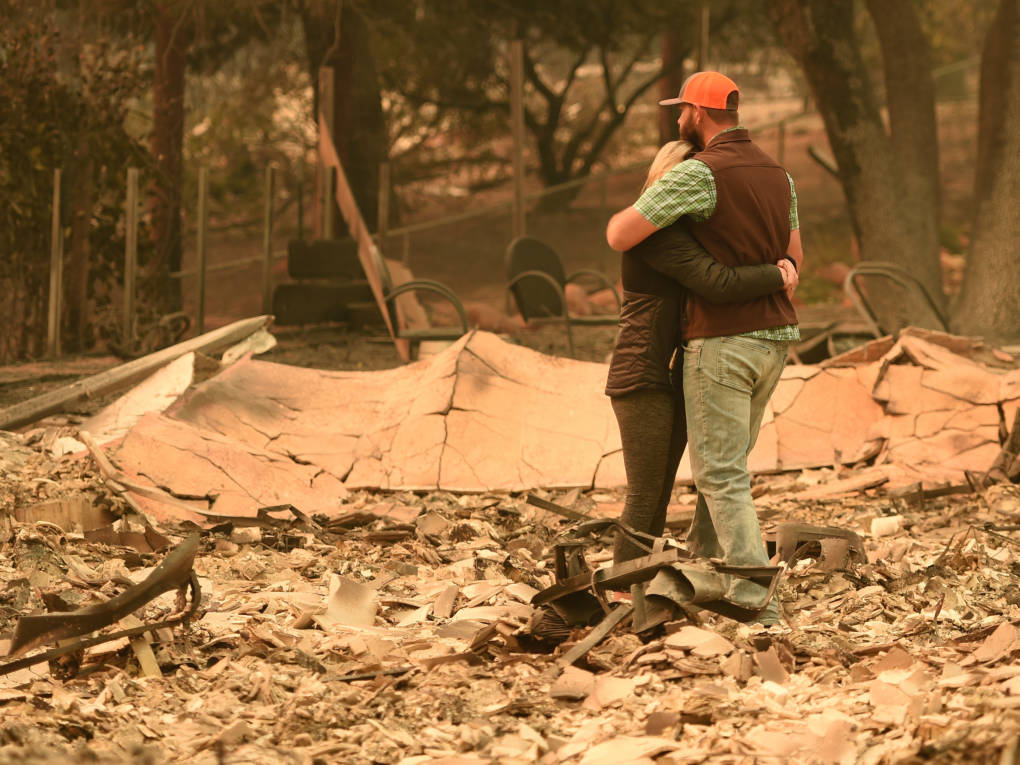
"caption": "Chris and Nancy Brown embrace Monday while looking over the remains of their burned residence after the Camp Fire tore through the region in Paradise. Dozens of people have been killed in the latest fires to hit the state.",
"description": null,
"title": "Chris and Nancy Brown embrace Monday while looking over the remains of their burned residence after the Camp Fire tore through the region in Paradise, Calif. Dozens of people have been killed in the latest fires to hit the state.",
"credit": "Josh Edelson/AFP/Getty Images",
"status": "inherit",
"isLoading": false,
"fetchFailed": false
}
},
"audioPlayerReducer": {
"postId": "stream_live",
"isPaused": true,
"isPlaying": false,
"pfsActive": false,
"pledgeModalIsOpen": true,
"playerDrawerIsOpen": false,
"liveAudioPlayStartedAt": 0,
"liveAudioPlayContext": ""
},
"authorsReducer": {
"byline_news_11712008": {
"type": "authors",
"id": "byline_news_11712008",
"meta": {
"override": true
},
"slug": "byline_news_11712008",
"name": "Richard Gonzales",
"isLoading": false
},
"byline_news_11711657": {
"type": "authors",
"id": "byline_news_11711657",
"meta": {
"override": true
},
"slug": "byline_news_11711657",
"name": "Jessica Taylor and Tamara Keith",
"isLoading": false
},
"byline_news_11710249": {
"type": "authors",
"id": "byline_news_11710249",
"meta": {
"override": true
},
"slug": "byline_news_11710249",
"name": "Jill Colvin\u003cbr>Associated Press",
"isLoading": false
},
"byline_news_11708731": {
"type": "authors",
"id": "byline_news_11708731",
"meta": {
"override": true
},
"slug": "byline_news_11708731",
"name": "\u003cstrong>\u003ca href=\"https://calmatters.org/articles/author/ben-christopher/\">Ben Christopher\u003c/a>\u003c/strong>",
"isLoading": false
},
"byline_news_11705958": {
"type": "authors",
"id": "byline_news_11705958",
"meta": {
"override": true
},
"slug": "byline_news_11705958",
"name": "\u003cstrong>Maria Versa\u003cbr />Associated Press\u003c/strong>",
"isLoading": false
},
"byline_news_11705903": {
"type": "authors",
"id": "byline_news_11705903",
"meta": {
"override": true
},
"slug": "byline_news_11705903",
"name": "\u003cstrong>\u003ca href=\"https://www.npr.org/people/161527830/ashley-westerman\">Ashley Westerman\u003c/a>\u003c/strong>",
"isLoading": false
},
"tarasiler": {
"type": "authors",
"id": "257",
"meta": {
"index": "authors_1716337520",
"id": "257",
"found": true
},
"name": "Tara Siler",
"firstName": "Tara",
"lastName": "Siler",
"slug": "tarasiler",
"email": "tsiler@kqed.org",
"display_author_email": false,
"staff_mastheads": [
"news"
],
"title": "KQED Contributor",
"bio": "Tara reports and anchors for KQED news. She covers a range of issues from community-police relations to local politics. Tara started out in community radio in the Bay Area, where she was raised. She eventually moved to Washington DC where she covered Congress for eight years for Pacifica and Monitor Radio. Her stories have also been heard on NPR's All Things Considered, Morning Edition and The World.\r\n\r\nTara lives with her husband in Oakland-- where they raised their two sons. She enjoys spending time with her family, gardening and hiking in the Oakland hills... and keeping up with the news.",
"avatar": "https://secure.gravatar.com/avatar/99802f9746fb80b65fd8ec6c57954450?s=600&d=blank&r=g",
"twitter": null,
"facebook": null,
"instagram": null,
"linkedin": null,
"sites": [
{
"site": "news",
"roles": [
"contributor",
"edit_others_posts"
]
},
{
"site": "stateofhealth",
"roles": [
"author"
]
}
],
"headData": {
"title": "Tara Siler | KQED",
"description": "KQED Contributor",
"ogImgSrc": "https://secure.gravatar.com/avatar/99802f9746fb80b65fd8ec6c57954450?s=600&d=blank&r=g",
"twImgSrc": "https://secure.gravatar.com/avatar/99802f9746fb80b65fd8ec6c57954450?s=600&d=blank&r=g"
},
"isLoading": false,
"link": "/author/tarasiler"
},
"markfiore": {
"type": "authors",
"id": "3236",
"meta": {
"index": "authors_1716337520",
"id": "3236",
"found": true
},
"name": "Mark Fiore",
"firstName": "Mark",
"lastName": "Fiore",
"slug": "markfiore",
"email": "mark@markfiore.com",
"display_author_email": false,
"staff_mastheads": [
"news"
],
"title": "KQED News Cartoonist",
"bio": "\u003ca href=\"http://www.MarkFiore.com\">MarkFiore.com\u003c/a> | \u003ca href=\"https://twitter.com/markfiore\">Follow on Twitter\u003c/a> | \u003ca href=\"https://www.facebook.com/pages/Mark-Fiore-Animated-Political-Cartoons/94451707396?ref=bookmarks\">Facebook\u003c/a> | \u003ca href=\"mailto:mark@markfiore.com\">email\u003c/a>\r\n\r\nPulitzer Prize-winner, Mark Fiore, who the Wall Street Journal has called “the undisputed guru of the form,” creates animated political cartoons in San Francisco, where his work has been featured regularly on the San Francisco Chronicle’s web site, SFGate.com. His work has appeared on Newsweek.com, Slate.com, CBSNews.com, MotherJones.com, DailyKos.com and NPR’s web site. Fiore’s political animation has appeared on CNN, Frontline, Bill Moyers Journal, Salon.com and cable and broadcast outlets across the globe.\r\n\r\nBeginning his professional life by drawing traditional political cartoons for newspapers, Fiore’s work appeared in publications ranging from the Washington Post to the Los Angeles Times. In the late 1990s, he began to experiment with animating political cartoons and, after a short stint at the San Jose Mercury News as their staff cartoonist, Fiore devoted all his energies to animation.\r\nGrowing up in California, Fiore also spent a good portion of his life in the backwoods of Idaho. It was this combination that shaped him politically. Mark majored in political science at Colorado College, where, in a perfect send-off for a cartoonist, he received his diploma in 1991 as commencement speaker Dick Cheney smiled approvingly.\r\nMark Fiore was awarded the Pulitzer Prize for political cartooning in 2010, a Robert F. Kennedy Journalism Award in 2004 and has twice received an Online Journalism Award for commentary from the Online News Association (2002, 2008). Fiore has received two awards for his work in new media from the National Cartoonists Society (2001, 2002), and in 2006 received The James Madison Freedom of Information Award from The Society of Professional Journalists.",
"avatar": "https://secure.gravatar.com/avatar/fc4e2a612b15b67bad0c6f0e1db4ca9b?s=600&d=blank&r=g",
"twitter": "MarkFiore",
"facebook": null,
"instagram": "https://www.instagram.com/markfiore/?hl=en",
"linkedin": null,
"sites": [
{
"site": "arts",
"roles": [
"contributor"
]
},
{
"site": "news",
"roles": [
"editor"
]
},
{
"site": "futureofyou",
"roles": [
"editor"
]
},
{
"site": "science",
"roles": [
"editor"
]
}
],
"headData": {
"title": "Mark Fiore | KQED",
"description": "KQED News Cartoonist",
"ogImgSrc": "https://secure.gravatar.com/avatar/fc4e2a612b15b67bad0c6f0e1db4ca9b?s=600&d=blank&r=g",
"twImgSrc": "https://secure.gravatar.com/avatar/fc4e2a612b15b67bad0c6f0e1db4ca9b?s=600&d=blank&r=g"
},
"isLoading": false,
"link": "/author/markfiore"
},
"jsmall": {
"type": "authors",
"id": "6625",
"meta": {
"index": "authors_1716337520",
"id": "6625",
"found": true
},
"name": "Julie Small",
"firstName": "Julie",
"lastName": "Small",
"slug": "jsmall",
"email": "jsmall@kqed.org",
"display_author_email": true,
"staff_mastheads": [
"news"
],
"title": "KQED Contributor",
"bio": "Julie Small reports on criminal justice and immigration.\r\n\r\nShe was part of a team at KQED awarded a regional 2019 Edward R. Murrow award for continuing coverage of the Trump Administration's family separation policy.\r\n\r\nThe Society for Professional Journalists recognized Julie's 2018 \u003ca href=\"https://www.kqed.org/news/11636262/the-officer-tased-him-31-times-the-sheriff-called-his-death-an-accident\">reporting\u003c/a> on the San Joaquin County Sheriff's \u003ca href=\"https://www.kqed.org/news/11634689/autopsy-doctors-sheriff-overrode-death-findings-to-protect-law-enforcement\">interference\u003c/a> in death investigations with an Excellence in Journalism Award for Ongoing Coverage.\r\n\r\nJulie's\u003ca href=\"https://www.kqed.org/news/11039666/two-mentally-ill-inmates-died-one-month-in-santa-clara\"> reporting\u003c/a> with Lisa Pickoff-White on the treatment of mentally ill offenders in California jails earned a 2017 regional Edward R. Murrow Award for news reporting and an investigative reporting award from the SPJ of Northern California.\r\n\r\nBefore joining KQED, Julie covered government and politics in Sacramento for Southern California Public Radio (SCPR). Her 2010 \u003ca href=\"https://www.scpr.org/specials/prisonmedical/\">series\u003c/a> on lapses in California’s prison medical care also won a regional Edward R. Murrow Award for investigative reporting and a Golden Mic Award from the RTNDA of Southern California.\r\n\r\nJulie began her career in journalism in 2000 as the deputy foreign editor for public radio's \u003cem>Marketplace, \u003c/em>while earning her master's degree in journalism from USC’s Annenberg School of Communication.",
"avatar": "https://secure.gravatar.com/avatar/4baedf201468df97be97c2a9dd7585d0?s=600&d=blank&r=g",
"twitter": "@SmallRadio2",
"facebook": null,
"instagram": null,
"linkedin": null,
"sites": [
{
"site": "news",
"roles": [
"editor"
]
},
{
"site": "stateofhealth",
"roles": [
"author"
]
},
{
"site": "science",
"roles": [
"author"
]
}
],
"headData": {
"title": "Julie Small | KQED",
"description": "KQED Contributor",
"ogImgSrc": "https://secure.gravatar.com/avatar/4baedf201468df97be97c2a9dd7585d0?s=600&d=blank&r=g",
"twImgSrc": "https://secure.gravatar.com/avatar/4baedf201468df97be97c2a9dd7585d0?s=600&d=blank&r=g"
},
"isLoading": false,
"link": "/author/jsmall"
},
"rlevi": {
"type": "authors",
"id": "11260",
"meta": {
"index": "authors_1716337520",
"id": "11260",
"found": true
},
"name": "Ryan Levi",
"firstName": "Ryan",
"lastName": "Levi",
"slug": "rlevi",
"email": "rlevi@KQED.org",
"display_author_email": false,
"staff_mastheads": [],
"title": "KQED Contributor",
"bio": "Ryan Levi was a reporter and podcast producer at KQED News from 2016-2019. He worked on \u003ca href=\"https://www.kqed.org/news/series/baycurious\">Bay Curious\u003c/a>, \u003ca href=\"https://www.kqed.org/news/tag/the-bay/\">The Bay, \u003c/a>and \u003ca href=\"https://podcasts.apple.com/us/podcast/the-california-report-magazine/id1314750545\">The California Report Magazine\u003c/a>, as well as hosting and producing the weekly \u003ca href=\"https://www.kqed.org/news/program/qedup/\">Q'ed Up podcast. \u003c/a>He also helped inaugurate KQED's weekend news coverage in 2017 as one of two original digital producers. Ryan holds degrees in multimedia journalism and Spanish from the University of Missouri.",
"avatar": "https://secure.gravatar.com/avatar/4cb2ddd028ac8807d1adf09609c5555d?s=600&d=blank&r=g",
"twitter": "ryan_levi",
"facebook": null,
"instagram": null,
"linkedin": null,
"sites": [
{
"site": "arts",
"roles": [
"editor"
]
},
{
"site": "news",
"roles": [
"subscriber"
]
},
{
"site": "stateofhealth",
"roles": [
"editor"
]
},
{
"site": "science",
"roles": [
"editor"
]
},
{
"site": "forum",
"roles": [
"administrator"
]
},
{
"site": "perspectives",
"roles": [
"administrator"
]
}
],
"headData": {
"title": "Ryan Levi | KQED",
"description": "KQED Contributor",
"ogImgSrc": "https://secure.gravatar.com/avatar/4cb2ddd028ac8807d1adf09609c5555d?s=600&d=blank&r=g",
"twImgSrc": "https://secure.gravatar.com/avatar/4cb2ddd028ac8807d1adf09609c5555d?s=600&d=blank&r=g"
},
"isLoading": false,
"link": "/author/rlevi"
}
},
"pagesReducer": {
"news_tag_donald-trump": {
"type": "terms",
"id": "news_1323",
"meta": {
"index": "terms_1716263798",
"site": "news",
"id": "1323",
"score": 8.557362
},
"featImg": null,
"name": "Donald Trump",
"description": null,
"taxonomy": "tag",
"headData": {
"twImgId": null,
"twTitle": null,
"ogTitle": null,
"ogImgId": null,
"twDescription": null,
"description": null,
"title": "Donald Trump Archives | KQED News",
"ogDescription": null
},
"ttid": 1335,
"slug": "donald-trump",
"isLoading": false,
"title": "Donald Trump",
"pageMeta": {
"site": "news",
"WpPageTemplate": "page-topic-editorial",
"currentPage": 120
},
"blocks": [
{
"blockName": "kqed/post-list",
"attrs": {
"layout": "cardArticle2",
"query": "posts/news?tag=donald-trump",
"seeMore": false,
"paginated": true,
"page": 120
}
},
{
"blockName": "kqed/ad"
}
]
}
},
"pfsSessionReducer": {},
"postsReducer": {
"stream_live": {
"type": "live",
"id": "stream_live",
"audioUrl": "https://streams.kqed.org/kqedradio",
"title": "Live Stream",
"excerpt": "Live Stream information currently unavailable.",
"link": "/radio",
"featImg": "",
"label": {
"name": "KQED Live",
"link": "/"
}
},
"stream_kqedNewscast": {
"type": "posts",
"id": "stream_kqedNewscast",
"audioUrl": "https://www.kqed.org/.stream/anon/radio/RDnews/newscast.mp3?_=1",
"title": "KQED Newscast",
"featImg": "",
"label": {
"name": "88.5 FM",
"link": "/"
}
},
"news_11712008": {
"type": "posts",
"id": "news_11712008",
"meta": {
"index": "posts_1716263798",
"site": "news",
"id": "11712008",
"score": null,
"sort": [
1544642569000
]
},
"guestAuthors": [],
"slug": "fact-check-trump-says-a-lot-of-wall-has-been-built-as-he-demands-we-build-more",
"title": "FACT CHECK: Trump Says 'A Lot of Wall Has Been Built' As He Demands We Build More",
"publishDate": 1544642569,
"format": "image",
"headTitle": "FACT CHECK: Trump Says ‘A Lot of Wall Has Been Built’ As He Demands We Build More | KQED",
"labelTerm": {},
"content": "\u003cp>In an \u003ca href=\"https://www.kqed.org/news/11711657/in-fight-with-chuck-and-nancy-trump-says-hed-be-proud-to-shut-down-government\">uncommonly contentious public exchange\u003c/a> in the Oval Office with House and Senate Democratic leaders, President Trump made several remarks about the southern border with Mexico justifying his demand for billions of dollars to build a wall to restrict illegal immigration.\u003c/p>\n\u003cp>Trump said:\u003c/p>\n\u003cblockquote>\u003cp>“One thing that I do have to say is: Tremendous amounts of wall have already been built, and a lot of — a lot of wall. When you include the renovation of existing fences and walls, we’ve renovated a tremendous amount and we’ve done a lot of work. In San Diego, we’re building new walls right now. And we’ve — right next to San Diego, we’ve completed a major section of wall and it’s really worked well.”\u003c/p>\u003c/blockquote>\n\u003cp>After promising voters that Mexico would pay for the border wall, the president has sought $25 billion from Congress to fund the project.\u003c/p>\n\u003cp>Despite Republican majorities in both houses of Congress, lawmakers have not approved such funding. In 2017, the president managed to secure about $1.6 billion for border protection projects, but they are primarily for fortifying \u003ca href=\"https://www.washingtonpost.com/news/fact-checker/wp/2018/04/05/president-trump-says-his-beautiful-wall-is-being-built-nope/?utm_term=.fb77f6a06d7c\">existing border fencing\u003c/a>, not expanding the current wall.\u003c/p>\n\u003cp>That appropriation by Congress did not authorize using the money for the border wall prototypes Trump has \u003ca href=\"https://www.npr.org/sections/thetwo-way/2018/03/13/593071082/trump-visits-u-s-mexico-border-to-tout-long-promised-wall\">promoted\u003c/a>.\u003c/p>\n\u003cp>[ad fullwidth]\u003c/p>\n\u003cp>The president is demanding $5 billion more for wall construction. Democrats are proposing to spend $1.3 billion on border security overall.\u003c/p>\n\u003cp>Trump said:\u003c/p>\n\u003cblockquote>\u003cp>“If you look at San Diego, illegal traffic dropped 92 percent once the wall was up. El Paso, illegal traffic dropped 72 percent, then ultimately 95 percent, once the wall was up. In Tucson, Arizona, illegal traffic dropped 92 percent. Yuma, it dropped illegal traffic 95 to 96 percent.”\u003c/p>\u003c/blockquote>\n\u003cp>Leaving aside the semantic difference between a wall and a fence, Trump is correct that fencing in San Diego, for example, significantly reduced “illegal traffic” when originally built decades ago. It also pushed border-crossers east, away from coastal San Diego, to areas where the fencing is less robust. Partly as a result, \u003ca href=\"https://www.sandiegouniontribune.com/news/immigration/sd-me-borderwall-update-20170124-story.html\">thousands have perished\u003c/a> trying to trek through deserts and mountains.\u003c/p>\n\u003cp>The other locales Trump mentioned do have many miles of existing fencing that is being replaced or strengthened. To date, the fencing is a hodgepodge of projects covering about \u003ca href=\"https://www.politico.com/story/2018/03/30/trump-border-wall-mexico-492767\">650 miles.\u003c/a>\u003c/p>\n\u003cp>In November, the government \u003ca href=\"https://www.cbp.gov/newsroom/national-media-release/border-wall-contract-award-arizona\">announced\u003c/a> a $324 million contract for 32 miles of “primary pedestrian replacement wall” in Arizona.\u003c/p>\n\u003cp>A \u003ca href=\"https://www.cbp.gov/newsroom/local-media-release/santa-teresa-border-wall-replacement-project-begin\">20-mile border wall replacement\u003c/a> project in Santa Teresa, New Mexico, was announced in April 2018. The cost is reported to be $73.3 million.\u003c/p>\n\u003cp>A 6-mile “\u003ca href=\"https://www.cbp.gov/newsroom/national-media-release/border-wall-construction-project-begin-texas\">levee wall system\u003c/a>” is set for construction in Texas’s Rio Grande Valley beginning in February 2019. It will cost $145 million.\u003c/p>\n\u003cp>A 14-mile “border wall construction project” along the border in San Diego was \u003ca href=\"https://www.cbp.gov/newsroom/local-media-release/border-wall-construction-project-starts-san-diego-sector\">announced in June 2018\u003c/a>. The project actually will replace an “eight-to-10 foot high scrap metal wall with an 18-to-30 foot bollard-style wall topped off with an anti-climbing plate.” The cost will be $147 million.\u003c/p>\n\u003caside class=\"alignright\">\n\u003ch3>\u003ca href=\"https://www.kqed.org/news/11711657/in-fight-with-chuck-and-nancy-trump-says-hed-be-proud-to-shut-down-government\">In Fight With ‘Chuck and Nancy,’ Trump Says He’d Be ‘Proud’ to Shut Down Government\u003c/a>\u003c/h3>\n\u003cfigure>\u003ca href=\"https://www.kqed.org/news/11711657/in-fight-with-chuck-and-nancy-trump-says-hed-be-proud-to-shut-down-government\">\u003cimg decoding=\"async\" src=\"https://ww2.kqed.org/news/wp-content/uploads/sites/10/2018/12/gettyimages-10718178121_wide-066c1e0d08e9a5e3b4486732836ce5979c0a71df-1180x664.jpg\" alt=\"\">\u003c/a>\u003c/figure>\n\u003c/aside>\n\u003cp>The dramatic declines in “illegal traffic,” as the president put it, appear to reflect the long-term impact of fencing and \u003ca href=\"https://urldefense.proofpoint.com/v2/url?u=https-3A__www.brookings.edu_research_the-2Dimpact-2Dof-2Dthe-2Dgreat-2Drecession-2Don-2Dmetropolitan-2Dimmigration-2Dtrends_&d=DwMFaQ&c=E2nBno7hEddFhl23N5nD1Q&r=AJlZncBfTCNtTh4d3iqfyg&m=QL2DcceBYvyn0mEalxNj6R7o2rwBsorz-4UHr2MqbNs&s=qulxLqDzUNO93hGzkVXtaYNi4Iw7kJ1z19i5Oaq8b-A&e=\">other factors\u003c/a> that go back to the 1990s.\u003c/p>\n\u003cp>The larger picture is more complicated. Border apprehensions — an indicator of overall unauthorized border crossings — have declined since \u003ca href=\"https://urldefense.proofpoint.com/v2/url?u=https-3A__www.cbp.gov_sites_default_files_assets_documents_2017-2DDec_BP-2520Total-2520Monthly-2520Apps-2520by-2520Sector-2520and-2520Area-252C-2520FY2000-2DFY2017.pdf&d=DwMFaQ&c=E2nBno7hEddFhl23N5nD1Q&r=AJlZncBfTCNtTh4d3iqfyg&m=QL2DcceBYvyn0mEalxNj6R7o2rwBsorz-4UHr2MqbNs&s=fYCSG4Pb6l81WG5EeE2SBGoL6DYfODWs4UMWkhrdoao&e=\">2000,\u003c/a> when monthly totals were as high as 220,000. That same year 1.6 million unauthorized border-crossers were detained.\u003c/p>\n\u003cp>Spending on border protection, on technology as well as on personnel, \u003ca href=\"https://urldefense.proofpoint.com/v2/url?u=https-3A__americasvoice.org_research_charts-5Fenforcement-5Fspending-5Fand-5Fdeportation-5Flevels-5Fcontinue-5Fto-5Fskyrock_&d=DwMFaQ&c=E2nBno7hEddFhl23N5nD1Q&r=AJlZncBfTCNtTh4d3iqfyg&m=QL2DcceBYvyn0mEalxNj6R7o2rwBsorz-4UHr2MqbNs&s=ok_jEpqPPO2s2SJzDB203aFC9TGLmQ9mnAr_5GgJPy8&e=\">climbed \u003c/a>under both presidents Bush and Obama.\u003c/p>\n\u003cp>In \u003ca href=\"https://www.cbp.gov/newsroom/stats/sw-border-migration/fy-2018\">FY 18,\u003c/a> which ended in September, 521,090 people were apprehended at the southwest border.\u003c/p>\n\u003cp>At the same time, \u003ca href=\"https://www.npr.org/2018/12/06/674434725/new-southwest-border-arrests-jump-78-percent-in-november\">monthly apprehensions are climbing\u003c/a>. More than 51,000 people were captured at the southwest border in November 2018. That’s a 78 percent increase over the same period last year. Yet it still far lower than the monthly totals in 2000.\u003c/p>\n\u003cp>The Pew Research Center finds that \u003ca href=\"https://www.npr.org/2018/11/27/671238799/u-s-seeing-lowest-level-of-unauthorized-immigrants-in-a-decade-says-pew-study\">far fewer Mexicans\u003c/a> are attempting to enter the U.S. and more Central Americans are making the trek, especially families with children.\u003c/p>\n\u003cp>Trump said:\u003c/p>\n\u003cblockquote>\u003cp>“A lot of the people that wanted to come into the country, and really, they were to come in no matter how they wanted to come in — they were going to come in even in a rough way — many of these people are leaving now and they’re going back to their countries: Honduras, Guatemala, El Salvador, and other countries. They’re leaving. If you noticed, it’s getting a lot less crowded in Mexico.”\u003c/p>\u003c/blockquote>\n\u003cp>There are preliminary reports that the migrant caravan has diminished in strength, as many have chosen to return home. As KPBS’s Jean Guerrero \u003ca href=\"https://www.npr.org/2018/12/06/674036694/location-of-new-tijuana-shelter-may-interfere-with-asylum-process\">reports\u003c/a>, “hundreds” have become disillusioned with the difficulty of entering the U.S. as asylees and have taken transport back to their native countries. Still, \u003ca href=\"https://www.npr.org/2018/12/09/675070386/asylum-seekers-rely-on-ad-hoc-group-of-migrant-coordinators\">several thousand remain\u003c/a> in Tijuana, Mexico, where they are \u003ca href=\"https://www.npr.org/2018/11/28/671429590/mexican-residents-grow-irritated-by-influx-of-central-american-migrants\">taxing local resources\u003c/a>. There’s no evidence that Mexico as a whole is getting a lot less crowded.\u003c/p>\n\u003cp>In a \u003ca href=\"https://twitter.com/realDonaldTrump/status/1072471575956504576\">tweet\u003c/a> before the Oval Office meeting, Trump said:\u003c/p>\n\u003cblockquote>\u003cp>“People do not yet realize how much of the Wall, including really effective renovation, has already been built. If the Democrats do not give us the votes to secure our Country, the Military will build the remaining sections of the Wall. They know how important it is!”\u003c/p>\u003c/blockquote>\n\u003cp>The Defense Department said in a statement Tuesday that while there are no current plans for the Pentagon to build the border wall, it could become involved in “border barrier projects.”\u003c/p>\n\u003caside class=\"alignright\">\n\u003ch3>\u003ca href=\"https://www.kqed.org/news/11710249/fact-check-trump-wrong-on-illegal-immigration-costs\">FACT CHECK: Trump Wrong on Illegal Immigration Costs\u003c/a>\u003c/h3>\n\u003cfigure>\u003ca href=\"https://www.kqed.org/news/11710249/fact-check-trump-wrong-on-illegal-immigration-costs\">\u003cimg decoding=\"async\" src=\"https://ww2.kqed.org/news/wp-content/uploads/sites/10/2018/12/GettyImages-1066361328-1180x785.jpg\" alt=\"\">\u003c/a>\u003c/figure>\n\u003c/aside>\n\u003cp>In an email to NPR’s Tom Bowman, Pentagon spokesman Lt. Col. Jamie Davis said:\u003c/p>\n\u003cp>“To date, there is no plan to build sections of the wall. However, Congress has provided options under Title 10 U.S. Code that could permit the Department of Defense to fund border barrier projects, such as in support of counter drug operations or national emergencies.”\u003c/p>\n\u003cp>Trump said:\u003c/p>\n\u003cblockquote>\u003cp>“People are pouring into our country, including terrorists. We have terrorists. We caught 10 terrorists over the last very short period of time. Ten. These are very serious people. Our border agents, all of our law enforcement has been incredible what they’ve done. But we caught 10 terrorists. These are people that were looking to do harm.”\u003c/p>\u003c/blockquote>\n\u003cp>According to statements from the Secretary of Homeland Security, Kirstjen Nielsen, the president may have underreported, or mis-reported, the number of terrorists caught at the border.\u003c/p>\n\u003cp>In June 2018, Nielsen \u003ca href=\"https://www.dhs.gov/news/2018/06/12/secretary-nielsen-receives-operational-briefing-israeli-security-technology-delivers\">said\u003c/a> U.S. security officials intercepted “ten known or suspected terrorists a day.” She did not say that they were caught at the southwest border.\u003c/p>\n\u003cp>Similarly, an official at DHS, in an e-mail to NPR, cited agency data derived from Customs and Border Protection.\u003c/p>\n\u003cp>[ad floatright]\u003c/p>\n\u003cp>“The data concerns individuals attempting to travel to the United States by air, sea, or land. On average last year, DHS prevented 10 individuals tied to terror—known or suspect terrorists—each day from traveling or attempting to travel to the United States. These are individuals that hit against U.S. terror watchlists. This is in addition to the 17,000 criminals and 3,000 special interest aliens that CBP apprehended at the border last year.”\u003c/p>\n\u003cdiv class=\"fullattribution\">Copyright 2018 NPR. To see more, visit https://www.npr.org.\u003cimg decoding=\"async\" src=\"https://www.google-analytics.com/__utm.gif?utmac=UA-5828686-4&utmdt=FACT+CHECK%3A+Trump+Says+%27A+Lot+Of+Wall+Has+Been+Built%27+As+He+Demands+We+Build+More&utme=8(APIKey)9(MDAxOTAwOTE4MDEyMTkxMDAzNjczZDljZA004)\">\u003c/div>\n\n",
"blocks": [],
"excerpt": "The president is threatening a government shutdown if he doesn't get funding to build his border wall. In a meeting with Democratic leaders, he said, 'tremendous amounts of wall have been built.'",
"status": "publish",
"parent": 0,
"modified": 1721153922,
"stats": {
"hasAudio": false,
"hasVideo": false,
"hasChartOrMap": false,
"iframeSrcs": [],
"hasGoogleForm": false,
"hasGallery": false,
"hasHearkenModule": false,
"hasPolis": false,
"paragraphCount": 37,
"wordCount": 1288
},
"headData": {
"title": "FACT CHECK: Trump Says 'A Lot of Wall Has Been Built' As He Demands We Build More | KQED",
"description": "The president is threatening a government shutdown if he doesn't get funding to build his border wall. In a meeting with Democratic leaders, he said, 'tremendous amounts of wall have been built.'",
"ogTitle": "",
"ogDescription": "",
"ogImgId": "",
"twTitle": "",
"twDescription": "",
"twImgId": "",
"schema": {
"@context": "https://schema.org",
"@type": "NewsArticle",
"headline": "FACT CHECK: Trump Says 'A Lot of Wall Has Been Built' As He Demands We Build More",
"datePublished": "2018-12-12T11:22:49-08:00",
"dateModified": "2024-07-16T11:18:42-07:00",
"image": "https://cdn.kqed.org/wp-content/uploads/2020/02/KQED-OG-Image@1x.png",
"isAccessibleForFree": "True",
"publisher": {
"@type": "NewsMediaOrganization",
"@id": "https://www.kqed.org/#organization",
"name": "KQED",
"logo": "https://cdn.kqed.org/wp-content/uploads/2020/02/KQED-OG-Image@1x.png",
"url": "https://www.kqed.org",
"sameAs": [
"https://www.facebook.com/KQED",
"https://twitter.com/KQED",
"https://www.instagram.com/kqed/",
"https://www.tiktok.com/@kqedofficial",
"https://www.linkedin.com/company/kqed",
"https://www.youtube.com/channel/UCeC0IOo7i1P_61zVUWbJ4nw"
]
}
}
},
"source": "NPR",
"sourceUrl": "https://www.npr.org/",
"sticky": false,
"nprImageCredit": "Rebecca Blackwell",
"nprByline": "Richard Gonzales",
"nprImageAgency": "AP",
"nprStoryId": "675892744",
"nprApiLink": "http://api.npr.org/query?id=675892744&apiKey=MDAxOTAwOTE4MDEyMTkxMDAzNjczZDljZA004",
"nprHtmlLink": "https://www.npr.org/2018/12/11/675892744/fact-check-trump-says-a-lot-of-wall-has-been-built-as-he-demands-we-build-more?ft=nprml&f=675892744",
"nprRetrievedStory": "1",
"nprPubDate": "Wed, 12 Dec 2018 12:21:00 -0500",
"nprStoryDate": "Tue, 11 Dec 2018 20:02:00 -0500",
"nprLastModifiedDate": "Wed, 12 Dec 2018 12:21:03 -0500",
"path": "/news/11712008/fact-check-trump-says-a-lot-of-wall-has-been-built-as-he-demands-we-build-more",
"audioTrackLength": null,
"parsedContent": [
{
"type": "contentString",
"content": "\u003cdiv class=\"post-body\">\u003cp>\u003cp>In an \u003ca href=\"https://www.kqed.org/news/11711657/in-fight-with-chuck-and-nancy-trump-says-hed-be-proud-to-shut-down-government\">uncommonly contentious public exchange\u003c/a> in the Oval Office with House and Senate Democratic leaders, President Trump made several remarks about the southern border with Mexico justifying his demand for billions of dollars to build a wall to restrict illegal immigration.\u003c/p>\n\u003cp>Trump said:\u003c/p>\n\u003cblockquote>\u003cp>“One thing that I do have to say is: Tremendous amounts of wall have already been built, and a lot of — a lot of wall. When you include the renovation of existing fences and walls, we’ve renovated a tremendous amount and we’ve done a lot of work. In San Diego, we’re building new walls right now. And we’ve — right next to San Diego, we’ve completed a major section of wall and it’s really worked well.”\u003c/p>\u003c/blockquote>\n\u003cp>After promising voters that Mexico would pay for the border wall, the president has sought $25 billion from Congress to fund the project.\u003c/p>\n\u003cp>Despite Republican majorities in both houses of Congress, lawmakers have not approved such funding. In 2017, the president managed to secure about $1.6 billion for border protection projects, but they are primarily for fortifying \u003ca href=\"https://www.washingtonpost.com/news/fact-checker/wp/2018/04/05/president-trump-says-his-beautiful-wall-is-being-built-nope/?utm_term=.fb77f6a06d7c\">existing border fencing\u003c/a>, not expanding the current wall.\u003c/p>\n\u003cp>That appropriation by Congress did not authorize using the money for the border wall prototypes Trump has \u003ca href=\"https://www.npr.org/sections/thetwo-way/2018/03/13/593071082/trump-visits-u-s-mexico-border-to-tout-long-promised-wall\">promoted\u003c/a>.\u003c/p>\n\u003cp>\u003c/p>\u003c/div>",
"attributes": {
"named": {},
"numeric": []
}
},
{
"type": "component",
"content": "",
"name": "ad",
"attributes": {
"named": {
"label": "fullwidth"
},
"numeric": [
"fullwidth"
]
}
},
{
"type": "contentString",
"content": "\u003cdiv class=\"post-body\">\u003cp>\u003c/p>\n\u003cp>The president is demanding $5 billion more for wall construction. Democrats are proposing to spend $1.3 billion on border security overall.\u003c/p>\n\u003cp>Trump said:\u003c/p>\n\u003cblockquote>\u003cp>“If you look at San Diego, illegal traffic dropped 92 percent once the wall was up. El Paso, illegal traffic dropped 72 percent, then ultimately 95 percent, once the wall was up. In Tucson, Arizona, illegal traffic dropped 92 percent. Yuma, it dropped illegal traffic 95 to 96 percent.”\u003c/p>\u003c/blockquote>\n\u003cp>Leaving aside the semantic difference between a wall and a fence, Trump is correct that fencing in San Diego, for example, significantly reduced “illegal traffic” when originally built decades ago. It also pushed border-crossers east, away from coastal San Diego, to areas where the fencing is less robust. Partly as a result, \u003ca href=\"https://www.sandiegouniontribune.com/news/immigration/sd-me-borderwall-update-20170124-story.html\">thousands have perished\u003c/a> trying to trek through deserts and mountains.\u003c/p>\n\u003cp>The other locales Trump mentioned do have many miles of existing fencing that is being replaced or strengthened. To date, the fencing is a hodgepodge of projects covering about \u003ca href=\"https://www.politico.com/story/2018/03/30/trump-border-wall-mexico-492767\">650 miles.\u003c/a>\u003c/p>\n\u003cp>In November, the government \u003ca href=\"https://www.cbp.gov/newsroom/national-media-release/border-wall-contract-award-arizona\">announced\u003c/a> a $324 million contract for 32 miles of “primary pedestrian replacement wall” in Arizona.\u003c/p>\n\u003cp>A \u003ca href=\"https://www.cbp.gov/newsroom/local-media-release/santa-teresa-border-wall-replacement-project-begin\">20-mile border wall replacement\u003c/a> project in Santa Teresa, New Mexico, was announced in April 2018. The cost is reported to be $73.3 million.\u003c/p>\n\u003cp>A 6-mile “\u003ca href=\"https://www.cbp.gov/newsroom/national-media-release/border-wall-construction-project-begin-texas\">levee wall system\u003c/a>” is set for construction in Texas’s Rio Grande Valley beginning in February 2019. It will cost $145 million.\u003c/p>\n\u003cp>A 14-mile “border wall construction project” along the border in San Diego was \u003ca href=\"https://www.cbp.gov/newsroom/local-media-release/border-wall-construction-project-starts-san-diego-sector\">announced in June 2018\u003c/a>. The project actually will replace an “eight-to-10 foot high scrap metal wall with an 18-to-30 foot bollard-style wall topped off with an anti-climbing plate.” The cost will be $147 million.\u003c/p>\n\u003caside class=\"alignright\">\n\u003ch3>\u003ca href=\"https://www.kqed.org/news/11711657/in-fight-with-chuck-and-nancy-trump-says-hed-be-proud-to-shut-down-government\">In Fight With ‘Chuck and Nancy,’ Trump Says He’d Be ‘Proud’ to Shut Down Government\u003c/a>\u003c/h3>\n\u003cfigure>\u003ca href=\"https://www.kqed.org/news/11711657/in-fight-with-chuck-and-nancy-trump-says-hed-be-proud-to-shut-down-government\">\u003cimg decoding=\"async\" src=\"https://ww2.kqed.org/news/wp-content/uploads/sites/10/2018/12/gettyimages-10718178121_wide-066c1e0d08e9a5e3b4486732836ce5979c0a71df-1180x664.jpg\" alt=\"\">\u003c/a>\u003c/figure>\n\u003c/aside>\n\u003cp>The dramatic declines in “illegal traffic,” as the president put it, appear to reflect the long-term impact of fencing and \u003ca href=\"https://urldefense.proofpoint.com/v2/url?u=https-3A__www.brookings.edu_research_the-2Dimpact-2Dof-2Dthe-2Dgreat-2Drecession-2Don-2Dmetropolitan-2Dimmigration-2Dtrends_&d=DwMFaQ&c=E2nBno7hEddFhl23N5nD1Q&r=AJlZncBfTCNtTh4d3iqfyg&m=QL2DcceBYvyn0mEalxNj6R7o2rwBsorz-4UHr2MqbNs&s=qulxLqDzUNO93hGzkVXtaYNi4Iw7kJ1z19i5Oaq8b-A&e=\">other factors\u003c/a> that go back to the 1990s.\u003c/p>\n\u003cp>The larger picture is more complicated. Border apprehensions — an indicator of overall unauthorized border crossings — have declined since \u003ca href=\"https://urldefense.proofpoint.com/v2/url?u=https-3A__www.cbp.gov_sites_default_files_assets_documents_2017-2DDec_BP-2520Total-2520Monthly-2520Apps-2520by-2520Sector-2520and-2520Area-252C-2520FY2000-2DFY2017.pdf&d=DwMFaQ&c=E2nBno7hEddFhl23N5nD1Q&r=AJlZncBfTCNtTh4d3iqfyg&m=QL2DcceBYvyn0mEalxNj6R7o2rwBsorz-4UHr2MqbNs&s=fYCSG4Pb6l81WG5EeE2SBGoL6DYfODWs4UMWkhrdoao&e=\">2000,\u003c/a> when monthly totals were as high as 220,000. That same year 1.6 million unauthorized border-crossers were detained.\u003c/p>\n\u003cp>Spending on border protection, on technology as well as on personnel, \u003ca href=\"https://urldefense.proofpoint.com/v2/url?u=https-3A__americasvoice.org_research_charts-5Fenforcement-5Fspending-5Fand-5Fdeportation-5Flevels-5Fcontinue-5Fto-5Fskyrock_&d=DwMFaQ&c=E2nBno7hEddFhl23N5nD1Q&r=AJlZncBfTCNtTh4d3iqfyg&m=QL2DcceBYvyn0mEalxNj6R7o2rwBsorz-4UHr2MqbNs&s=ok_jEpqPPO2s2SJzDB203aFC9TGLmQ9mnAr_5GgJPy8&e=\">climbed \u003c/a>under both presidents Bush and Obama.\u003c/p>\n\u003cp>In \u003ca href=\"https://www.cbp.gov/newsroom/stats/sw-border-migration/fy-2018\">FY 18,\u003c/a> which ended in September, 521,090 people were apprehended at the southwest border.\u003c/p>\n\u003cp>At the same time, \u003ca href=\"https://www.npr.org/2018/12/06/674434725/new-southwest-border-arrests-jump-78-percent-in-november\">monthly apprehensions are climbing\u003c/a>. More than 51,000 people were captured at the southwest border in November 2018. That’s a 78 percent increase over the same period last year. Yet it still far lower than the monthly totals in 2000.\u003c/p>\n\u003cp>The Pew Research Center finds that \u003ca href=\"https://www.npr.org/2018/11/27/671238799/u-s-seeing-lowest-level-of-unauthorized-immigrants-in-a-decade-says-pew-study\">far fewer Mexicans\u003c/a> are attempting to enter the U.S. and more Central Americans are making the trek, especially families with children.\u003c/p>\n\u003cp>Trump said:\u003c/p>\n\u003cblockquote>\u003cp>“A lot of the people that wanted to come into the country, and really, they were to come in no matter how they wanted to come in — they were going to come in even in a rough way — many of these people are leaving now and they’re going back to their countries: Honduras, Guatemala, El Salvador, and other countries. They’re leaving. If you noticed, it’s getting a lot less crowded in Mexico.”\u003c/p>\u003c/blockquote>\n\u003cp>There are preliminary reports that the migrant caravan has diminished in strength, as many have chosen to return home. As KPBS’s Jean Guerrero \u003ca href=\"https://www.npr.org/2018/12/06/674036694/location-of-new-tijuana-shelter-may-interfere-with-asylum-process\">reports\u003c/a>, “hundreds” have become disillusioned with the difficulty of entering the U.S. as asylees and have taken transport back to their native countries. Still, \u003ca href=\"https://www.npr.org/2018/12/09/675070386/asylum-seekers-rely-on-ad-hoc-group-of-migrant-coordinators\">several thousand remain\u003c/a> in Tijuana, Mexico, where they are \u003ca href=\"https://www.npr.org/2018/11/28/671429590/mexican-residents-grow-irritated-by-influx-of-central-american-migrants\">taxing local resources\u003c/a>. There’s no evidence that Mexico as a whole is getting a lot less crowded.\u003c/p>\n\u003cp>In a \u003ca href=\"https://twitter.com/realDonaldTrump/status/1072471575956504576\">tweet\u003c/a> before the Oval Office meeting, Trump said:\u003c/p>\n\u003cblockquote>\u003cp>“People do not yet realize how much of the Wall, including really effective renovation, has already been built. If the Democrats do not give us the votes to secure our Country, the Military will build the remaining sections of the Wall. They know how important it is!”\u003c/p>\u003c/blockquote>\n\u003cp>The Defense Department said in a statement Tuesday that while there are no current plans for the Pentagon to build the border wall, it could become involved in “border barrier projects.”\u003c/p>\n\u003caside class=\"alignright\">\n\u003ch3>\u003ca href=\"https://www.kqed.org/news/11710249/fact-check-trump-wrong-on-illegal-immigration-costs\">FACT CHECK: Trump Wrong on Illegal Immigration Costs\u003c/a>\u003c/h3>\n\u003cfigure>\u003ca href=\"https://www.kqed.org/news/11710249/fact-check-trump-wrong-on-illegal-immigration-costs\">\u003cimg decoding=\"async\" src=\"https://ww2.kqed.org/news/wp-content/uploads/sites/10/2018/12/GettyImages-1066361328-1180x785.jpg\" alt=\"\">\u003c/a>\u003c/figure>\n\u003c/aside>\n\u003cp>In an email to NPR’s Tom Bowman, Pentagon spokesman Lt. Col. Jamie Davis said:\u003c/p>\n\u003cp>“To date, there is no plan to build sections of the wall. However, Congress has provided options under Title 10 U.S. Code that could permit the Department of Defense to fund border barrier projects, such as in support of counter drug operations or national emergencies.”\u003c/p>\n\u003cp>Trump said:\u003c/p>\n\u003cblockquote>\u003cp>“People are pouring into our country, including terrorists. We have terrorists. We caught 10 terrorists over the last very short period of time. Ten. These are very serious people. Our border agents, all of our law enforcement has been incredible what they’ve done. But we caught 10 terrorists. These are people that were looking to do harm.”\u003c/p>\u003c/blockquote>\n\u003cp>According to statements from the Secretary of Homeland Security, Kirstjen Nielsen, the president may have underreported, or mis-reported, the number of terrorists caught at the border.\u003c/p>\n\u003cp>In June 2018, Nielsen \u003ca href=\"https://www.dhs.gov/news/2018/06/12/secretary-nielsen-receives-operational-briefing-israeli-security-technology-delivers\">said\u003c/a> U.S. security officials intercepted “ten known or suspected terrorists a day.” She did not say that they were caught at the southwest border.\u003c/p>\n\u003cp>Similarly, an official at DHS, in an e-mail to NPR, cited agency data derived from Customs and Border Protection.\u003c/p>\n\u003cp>\u003c/p>\u003c/div>",
"attributes": {
"named": {},
"numeric": []
}
},
{
"type": "component",
"content": "",
"name": "ad",
"attributes": {
"named": {
"label": "floatright"
},
"numeric": [
"floatright"
]
}
},
{
"type": "contentString",
"content": "\u003cdiv class=\"post-body\">\u003cp>\u003c/p>\n\u003cp>“The data concerns individuals attempting to travel to the United States by air, sea, or land. On average last year, DHS prevented 10 individuals tied to terror—known or suspect terrorists—each day from traveling or attempting to travel to the United States. These are individuals that hit against U.S. terror watchlists. This is in addition to the 17,000 criminals and 3,000 special interest aliens that CBP apprehended at the border last year.”\u003c/p>\n\u003cdiv class=\"fullattribution\">Copyright 2018 NPR. To see more, visit https://www.npr.org.\u003cimg decoding=\"async\" src=\"https://www.google-analytics.com/__utm.gif?utmac=UA-5828686-4&utmdt=FACT+CHECK%3A+Trump+Says+%27A+Lot+Of+Wall+Has+Been+Built%27+As+He+Demands+We+Build+More&utme=8(APIKey)9(MDAxOTAwOTE4MDEyMTkxMDAzNjczZDljZA004)\">\u003c/div>\n\n\u003c/div>\u003c/p>",
"attributes": {
"named": {},
"numeric": []
}
}
],
"link": "/news/11712008/fact-check-trump-says-a-lot-of-wall-has-been-built-as-he-demands-we-build-more",
"authors": [
"byline_news_11712008"
],
"programs": [
"news_72"
],
"categories": [
"news_1169",
"news_6188",
"news_8",
"news_13"
],
"tags": [
"news_20446",
"news_1323",
"news_2403",
"news_23138",
"news_177",
"news_21038"
],
"affiliates": [
"news_253"
],
"featImg": "news_11712009",
"label": "source_news_11712008"
},
"news_11711814": {
"type": "posts",
"id": "news_11711814",
"meta": {
"index": "posts_1716263798",
"site": "news",
"id": "11711814",
"score": null,
"sort": [
1544574800000
]
},
"parent": 0,
"labelTerm": {
"site": "news",
"term": 18515
},
"blocks": [],
"publishDate": 1544574800,
"format": "standard",
"disqusTitle": "Battle Over the Border Wall",
"title": "Battle Over the Border Wall",
"headTitle": "Mark Fiore: Drawn to the Bay | KQED News",
"content": "\u003cp>After a \u003ca href=\"http://bit.ly/fiorepelositrump\" target=\"_blank\" rel=\"noopener\">tense public exchange\u003c/a> with President Trump at the White House on border wall funding, Rep. Nancy Pelosi shared her anger with Democratic lawmakers.\u003c/p>\n\u003cp>At a meeting on Capitol Hill, Pelosi was quoted as saying, \"it’s like a manhood thing for him. As if manhood could ever be associated with him. This wall thing.\"\u003c/p>\n\u003cp>Trump told Pelosi and Sen. Chuck Schumer in the Oval Office that he would be \"proud\" to shut down the government to get $5 billion for border security.\u003c/p>\n\u003cp>Democrats believe funding should remain at the current level of $1.3 billion for a year.\u003c/p>\n\u003cp>[ad fullwidth]\u003c/p>\u003cp>\u003c/p>\n",
"disqusIdentifier": "11711814 https://ww2.kqed.org/news/?p=11711814",
"disqusUrl": "https://ww2.kqed.org/news/2018/12/11/battle-over-the-border-wall/",
"stats": {
"hasVideo": false,
"hasChartOrMap": false,
"hasAudio": false,
"hasPolis": false,
"wordCount": 103,
"hasGoogleForm": false,
"hasGallery": false,
"hasHearkenModule": false,
"iframeSrcs": [],
"paragraphCount": 6
},
"modified": 1544632027,
"excerpt": "After a tense public exchange with President Trump at the White House on border wall funding, Rep. Nancy Pelosi shared her anger with Democratic lawmakers.",
"headData": {
"twImgId": "",
"twTitle": "",
"ogTitle": "",
"ogImgId": "",
"twDescription": "",
"description": "After a tense public exchange with President Trump at the White House on border wall funding, Rep. Nancy Pelosi shared her anger with Democratic lawmakers.",
"title": "Battle Over the Border Wall | KQED",
"ogDescription": "",
"schema": {
"@context": "https://schema.org",
"@type": "NewsArticle",
"headline": "Battle Over the Border Wall",
"datePublished": "2018-12-11T16:33:20-08:00",
"dateModified": "2018-12-12T08:27:07-08:00",
"image": "https://cdn.kqed.org/wp-content/uploads/2020/02/KQED-OG-Image@1x.png",
"isAccessibleForFree": "True",
"publisher": {
"@type": "NewsMediaOrganization",
"@id": "https://www.kqed.org/#organization",
"name": "KQED",
"logo": "https://cdn.kqed.org/wp-content/uploads/2020/02/KQED-OG-Image@1x.png",
"url": "https://www.kqed.org",
"sameAs": [
"https://www.facebook.com/KQED",
"https://twitter.com/KQED",
"https://www.instagram.com/kqed/",
"https://www.tiktok.com/@kqedofficial",
"https://www.linkedin.com/company/kqed",
"https://www.youtube.com/channel/UCeC0IOo7i1P_61zVUWbJ4nw"
]
}
}
},
"guestAuthors": [],
"slug": "battle-over-the-border-wall",
"status": "publish",
"path": "/news/11711814/battle-over-the-border-wall",
"audioTrackLength": null,
"parsedContent": [
{
"type": "contentString",
"content": "\u003cdiv class=\"post-body\">\u003cp>\u003cp>After a \u003ca href=\"http://bit.ly/fiorepelositrump\" target=\"_blank\" rel=\"noopener\">tense public exchange\u003c/a> with President Trump at the White House on border wall funding, Rep. Nancy Pelosi shared her anger with Democratic lawmakers.\u003c/p>\n\u003cp>At a meeting on Capitol Hill, Pelosi was quoted as saying, \"it’s like a manhood thing for him. As if manhood could ever be associated with him. This wall thing.\"\u003c/p>\n\u003cp>Trump told Pelosi and Sen. Chuck Schumer in the Oval Office that he would be \"proud\" to shut down the government to get $5 billion for border security.\u003c/p>\n\u003cp>Democrats believe funding should remain at the current level of $1.3 billion for a year.\u003c/p>\n\u003cp>\u003c/p>\u003c/div>",
"attributes": {
"named": {},
"numeric": []
}
},
{
"type": "component",
"content": "",
"name": "ad",
"attributes": {
"named": {
"label": "fullwidth"
},
"numeric": [
"fullwidth"
]
}
},
{
"type": "contentString",
"content": "\u003cdiv class=\"post-body\">\u003cp>\u003c/p>\u003cp>\u003c/p>\n\u003c/div>\u003c/p>",
"attributes": {
"named": {},
"numeric": []
}
}
],
"link": "/news/11711814/battle-over-the-border-wall",
"authors": [
"3236"
],
"series": [
"news_18515"
],
"categories": [
"news_1169",
"news_6188",
"news_8",
"news_13"
],
"tags": [
"news_20446",
"news_1323",
"news_1204",
"news_20202",
"news_177"
],
"featImg": "news_11711833",
"label": "news_18515"
},
"news_11711657": {
"type": "posts",
"id": "news_11711657",
"meta": {
"index": "posts_1716263798",
"site": "news",
"id": "11711657",
"score": null,
"sort": [
1544562000000
]
},
"guestAuthors": [],
"slug": "in-fight-with-chuck-and-nancy-trump-says-hed-be-proud-to-shut-down-government",
"title": "In Fight With 'Chuck and Nancy,' Trump Says He'd Be 'Proud' to Shut Down Government",
"publishDate": 1544562000,
"format": "standard",
"headTitle": "In Fight With ‘Chuck and Nancy,’ Trump Says He’d Be ‘Proud’ to Shut Down Government | KQED",
"labelTerm": {},
"content": "\u003cp>\u003cstrong>Updated at 5:37 p.m. ET\u003c/strong>\u003c/p>\n\u003cp>In a testy Oval Office exchange with the two top congressional Democrats, Rep. Nancy Pelosi and Sen. Chuck Schumer, President Trump made clear he would be “proud” to shut down the government in less than two weeks if he doesn’t get funding for his border wall.\u003c/p>\n\u003cp>“I’ll be the one to shut it down. I will take the mantle. And I will shut it down for border security,” Trump told House and Senate Democratic leaders as Vice President Pence sat by stoically.\u003c/p>\n\u003cp>The statement from Trump came in an extraordinary show before the cameras and the press, with minutes of tense back-and-forth with both Pelosi, the likely incoming House speaker, and Schumer, the Senate minority leader.\u003c/p>\n\u003cp>Democratic leaders have made it clear they don’t intend to give the president a victory on funding for his signature border wall, and afterward released a statement reiterating that “We gave the president two options that would keep the government open. It’s his choice to accept one of those options or shut the government down.”\u003c/p>\n\u003cp>[ad fullwidth]\u003c/p>\n\u003cp>Pelosi told reporters on Capitol Hill at a holiday reception later Tuesday she and Trump had spoken on the phone but there was no response to the earlier offer from her and Schumer. According to an aide, the call was around 4 p.m. and lasted about a minute.\u003c/p>\n\u003cp>Speaking immediately afterthe meeting, both Schumer and Pelosi thought they had emerged with the upper hand after seemingly baiting Trump into taking the blame if there’s a partial shutdown just days before Christmas.\u003c/p>\n\u003cp>“This Trump shutdown, this temper tantrum he seems to want to throw, will not get him his wall,” the Senate minority leader told reporters outside the White House.\u003c/p>\n\u003cp>Throughout the meeting, Trump kept insisting that much of the wall has already been built (numerous fact checkers earlier this year \u003ca href=\"https://www.factcheck.org/2018/04/has-the-border-wall-begun/\">determined it hasn’t\u003c/a>, which Schumer pointed out) and he’s also said that the military can build the rest. In a statement provided to NPR Tuesday evening, a spokesperson for the Department of Defense said “to date, there is no plan to build sections of the wall.” But, “Congress has provided options under [existing law] that could permit the Department of Defense to fund border barrier projects, such as in support of counter drug operations or national emergencies.”\u003c/p>\n\u003cp>During the 2016 campaign, Trump also kept claiming that Mexico would pay to build the wall, but he has since dropped that talking point.\u003c/p>\n\u003cp>Pelosi insisted during the meeting that the cameras should leave, saying afterward she made such a request because “we didn’t want to contradict the president when he was putting forth figures that have no basis in fact. … I didn’t want to say in front of those people, ‘You have no idea what you’re talking about.'”\u003c/p>\n\u003cp>Except by making that comment just after leaving the Oval Office, Pelosi was saying just that. She also kept trying to explain to Trump that there wasn’t enough support even in the GOP-controlled House for his border wall, urging him to accept a continuous funding resolution at the current spending levels, or $1.3 billion for a year. But Trump kept interjecting to shift blame, saying a House vote wouldn’t matter since he needs to get to 60 votes in the Senate anyway and that would require help from Democrats — a frequent complaint of his.\u003c/p>\n\u003cp>Back on Capitol Hill, Pelosi told fellow Democratic lawmakers in private that she was “trying to be the mom” in the room.\u003c/p>\n\u003cp>“I can’t explain it to you. It was so wild. It goes to show you: You get into a tinkle contest with a skunk, you get tinkle all over you,'” Pelosi said, according to an aide in the room. “You can’t let him take you down that path. But the fact is we did get him to say, to fully own that the shutdown was his. That was an accomplishment.”\u003c/p>\n\u003cp>In another comment sure to irk the president, Pelosi went even further, saying that Trump’s obsession with the border wall is “like a manhood thing for him. As if manhood could ever be associated with him.”\u003c/p>\n\u003cp>The tense exchanges underscored the challenges in the coming two years of divided government. Trump diverted from discussing Democrats’ takeover of the House, choosing to focus on GOP gains in the Senate — thanks, in large part, to a very Republican-friendly map in the 2018 midterms.\u003c/p>\n\u003cp>“When the president brags that he won North Dakota and Indiana, he’s in real trouble,” Schumer jabbed.\u003c/p>\n\u003cp>“Well, I did,” Trump retorted.\u003c/p>\n\u003cp>The White House tried to paint a very different picture of the meeting after the fact, with press secretary Sarah Sanders saying in a statement, “President Trump had a constructive dialogue with Democrat Leaders Chuck Schumer and Nancy Pelosi,” although “Major disagreement remains on the issue of border security and transparency.”\u003c/p>\n\u003cp>Trump himself told reporters later on Tuesday that “believe it or not, I think it was a very friendly meeting….I’ve actually liked [Schumer and Pelosi] for a long period of time, and I respect them both” and that “when the press left, we had a fairly long meeting and we really discussed a lot of great subjects.”\u003c/p>\n\u003cp>And the president showed no regrets for having said he would own a shutdown if it comes to that.\u003c/p>\n\u003cp>“If we close down the country I will take it, because we’re closing it down for border security, and I think I win that every single time,” Trump said.\u003c/p>\n\u003cp>Speaking on Capitol Hill, Senate Majority Leader Mitch McConnell, R-Ky., acknowledged it had been a “spirited meeting” at the White House, but that “I’d still like to have a smooth ending here” and avoid a government shutdown.\u003c/p>\n\u003cp>“I’m sort of hoping for a Christmas miracle here that we’ll have a level of cooperation that we don’t normally have in getting bills across the Senate floor,” McConnell said, pointing to not just the government funding bill, but the farm bill and a \u003ca href=\"https://www.npr.org/2018/12/11/675596651/senate-to-vote-on-criminal-justice-bill-after-push-from-boosters-white-house\">criminal justice overhaul\u003c/a>.\u003c/p>\n\u003cp>Democratic resistance to funding the wall may have prompted President Trump’s pre-meeting tweetstorm, which over a series of five long tweets seemed to simultaneously \u003ca href=\"https://twitter.com/realDonaldTrump/status/1072471575956504576\">concede defeat\u003c/a> and declare victory on wall funding.\u003c/p>\n\u003cblockquote class=\"twitter-tweet\">\n\u003cp dir=\"ltr\" lang=\"en\">…..I look forward to my meeting with Chuck Schumer & Nancy Pelosi. In 2006, Democrats voted for a Wall, and they were right to do so. Today, they no longer want Border Security. They will fight it at all cost, and Nancy must get votes for Speaker. But the Wall will get built…\u003c/p>\n\u003cp>— Donald J. Trump (@realDonaldTrump) \u003ca href=\"https://twitter.com/realDonaldTrump/status/1072468779974713345?ref_src=twsrc%5Etfw\">December 11, 2018\u003c/a>\u003c/p>\u003c/blockquote>\n\u003cblockquote class=\"twitter-tweet\">\n\u003cp dir=\"ltr\" lang=\"en\">….People do not yet realize how much of the Wall, including really effective renovation, has already been built. If the Democrats do not give us the votes to secure our Country, the Military will build the remaining sections of the Wall. They know how important it is!\u003c/p>\n\u003cp>— Donald J. Trump (@realDonaldTrump) \u003ca href=\"https://twitter.com/realDonaldTrump/status/1072471575956504576?ref_src=twsrc%5Etfw\">December 11, 2018\u003c/a>\u003c/p>\u003c/blockquote>\n\u003cp>Troops have been stationed along the southern border with Mexico since just before the midterm elections, and while some are being extended through the end of January, other units have been sent home.\u003c/p>\n\u003cp>“He’s talking about reprogramming/transferring funds from other [Department of Defense] programs,” said Stan Collender, a federal budget expert, when asked if he could explain the Trump tweets. “That would indeed take away resources from other activities.”\u003c/p>\n\u003cp>Collender said he wasn’t sure how much discretion Trump would actually have to do this and said it will “get the new Democratic House very angry.”\u003c/p>\n\u003cp>Even before the Tuesday morning tweetstorm, in recent days Trump had been far less specific about his demands for border-wall funding than he has been in past rounds of budget talks. Sometimes he leaves out specific dollar amounts (though the standing ask is $5 billion). \u003ca href=\"https://twitter.com/realDonaldTrump/status/1070879369432850433\">And his use of the phrase “border security”\u003c/a> indicates more than just funding to build the wall.\u003c/p>\n\u003cblockquote class=\"twitter-tweet\">\n\u003cp dir=\"ltr\" lang=\"en\">Arizona, together with our Military and Border Patrol, is bracing for a massive surge at a NON-WALLED area. WE WILL NOT LET THEM THROUGH. Big danger. Nancy and Chuck must approve Boarder Security and the Wall!\u003c/p>\n\u003cp>— Donald J. Trump (@realDonaldTrump) \u003ca href=\"https://twitter.com/realDonaldTrump/status/1070879369432850433?ref_src=twsrc%5Etfw\">December 7, 2018\u003c/a>\u003c/p>\u003c/blockquote>\n\u003cp>“Congress must fully fund border security in the year-ending funding bill,” Trump said Friday in a speech at a law enforcement conference. “We have to — we have to get this done. They’re playing games. They’re playing political games. I actually think the politics of what they’re doing is very bad for them, but we’re going to very soon find out. Maybe I’m not right, but usually I’m right.”\u003c/p>\n\u003cp>Democrats, looking at public opinion, may feel they have some leverage in the talks. A \u003ca href=\"https://www.npr.org/2018/12/11/675334306/poll-americans-want-trump-to-compromise-on-border-wall-amid-possible-shutdown\">new NPR/PBS NewsHour/Marist poll \u003c/a>out Tuesday shows that 57 percent of Americans, including 63 percent of independents, want the president to compromise on the border wall to prevent gridlock and not risk a government shutdown. Two-thirds of Republicans, however, want the president to stand his ground. And President Trump is often laser focused on his base.\u003c/p>\n\u003ch3>\u003cstrong>A history of failed meetings with “Chuck and Nancy”\u003c/strong>\u003c/h3>\n\u003cp>The days of high expectations for White House summits leading to bipartisan breakthroughs were well in the past even before Tuesday’s Oval Office throw down.\u003c/p>\n\u003cp>A little more than a year ago, Trump had a couple of meetings with Schumer and Pelosi. He said he’d worked out a deal on immigration with “Chuck and Nancy,” as he called them.\u003c/p>\n\u003cp>“I think something can happen,” Trump told reporters. “We’ll see what happens. But something will happen.”\u003c/p>\n\u003cp>Nothing happened. The deal blew up without even an agreement on what the deal was.\u003c/p>\n\u003ch3>\u003cstrong>Can Trump work with a Democratic House next year?\u003c/strong>\u003c/h3>\n\u003cp>The sparring between Trump, Pelosi and Schumer may well be a preview of the next two years of divided government. Both Trump and Pelosi, who is expected to once again become speaker when Democrats take control of the House, have talked about the potential for bipartisan compromise on things like infrastructure and prescription drug prices. But they’ve also both foreshadowed conflict.\u003c/p>\n\u003cp>Pelosi and Democrats are promising robust investigations of Trump and his administration, and Trump has said that would lead to a “warlike posture.”\u003c/p>\n\u003cp>“Then at the end of two years, nothing is done,” Trump predicted. “Now what’s bad for them is being in the majority, I’m just going to blame them.”\u003c/p>\n\u003cp>This leaves many questions: Are Democrats willing or able to compromise with Trump? Is Trump willing to deal? If he is, will congressional Republicans go along? And, given the way Trump has changed his mind in the midst of past negotiations, will anyone trust him?\u003c/p>\n\u003cp>Still, allies of the president and Pelosi interviewed for this story say some limited compromise is possible.\u003c/p>\n\u003cp>“I think there’s several positions the president has that frankly line up more traditionally with Democrats,” said Marc Short, former director of legislative affairs for the Trump administration. “The question I think that is yet to be determined is whether or not Democrats will give their leadership the flexibility to negotiate with the president.”\u003c/p>\n\u003cp>That’s one way of pinning blame back on the other party when big things fail to get done. Short also questioned whether Democrats would be willing to give Trump a win as he begins his re-election campaign in earnest.\u003c/p>\n\u003cp>John Lawrence, a former chief of staff to Pelosi, countered that Democrats are likely open and looking to cut some deals.\u003c/p>\n\u003cp>“[Pelosi] is going to be, and I think Democrats in the House are going to be, concerned with proving that they can be trusted that they can govern,” Lawrence said.\u003c/p>\n\u003cp>Short and Lawrence both see incentives for their respective parties to get something done, while questioning whether those incentives exist for the other side. But first they have to make it to next year. And the budget fight brewing as 2018 closes out could well affect the relationship going forward.\u003c/p>\n\u003cp>[ad floatright]\u003c/p>\n\u003cp>\u003cem>NPR congressional correspondents Scott Detrow and Kelsey Snell contributed. \u003c/em>\u003c/p>\n\u003cdiv class=\"fullattribution\">Copyright 2018 NPR. To see more, visit https://www.npr.org.\u003cimg decoding=\"async\" src=\"https://www.google-analytics.com/__utm.gif?utmac=UA-5828686-4&utmdt=In+Fight+With+%27Chuck+And+Nancy%2C%27+Trump+Says+He%27d+Be+%27Proud%27+To+Shut+Down+Government&utme=8(APIKey)9(MDAxOTAwOTE4MDEyMTkxMDAzNjczZDljZA004)\">\u003c/div>\n\n",
"blocks": [],
"excerpt": "With a partial government shutdown on the horizon, President Trump and Democratic leaders had a heated exchange over border security and wall funding in front of reporters.",
"status": "publish",
"parent": 0,
"modified": 1738179034,
"stats": {
"hasAudio": false,
"hasVideo": false,
"hasChartOrMap": false,
"iframeSrcs": [],
"hasGoogleForm": false,
"hasGallery": false,
"hasHearkenModule": false,
"hasPolis": false,
"paragraphCount": 51,
"wordCount": 2160
},
"headData": {
"title": "In Fight With 'Chuck and Nancy,' Trump Says He'd Be 'Proud' to Shut Down Government | KQED",
"description": "With a partial government shutdown on the horizon, President Trump and Democratic leaders had a heated exchange over border security and wall funding in front of reporters.",
"ogTitle": "",
"ogDescription": "",
"ogImgId": "",
"twTitle": "",
"twDescription": "",
"twImgId": "",
"schema": {
"@context": "https://schema.org",
"@type": "NewsArticle",
"headline": "In Fight With 'Chuck and Nancy,' Trump Says He'd Be 'Proud' to Shut Down Government",
"datePublished": "2018-12-11T13:00:00-08:00",
"dateModified": "2025-01-29T11:30:34-08:00",
"image": "https://cdn.kqed.org/wp-content/uploads/2020/02/KQED-OG-Image@1x.png",
"isAccessibleForFree": "True",
"publisher": {
"@type": "NewsMediaOrganization",
"@id": "https://www.kqed.org/#organization",
"name": "KQED",
"logo": "https://cdn.kqed.org/wp-content/uploads/2020/02/KQED-OG-Image@1x.png",
"url": "https://www.kqed.org",
"sameAs": [
"https://www.facebook.com/KQED",
"https://twitter.com/KQED",
"https://www.instagram.com/kqed/",
"https://www.tiktok.com/@kqedofficial",
"https://www.linkedin.com/company/kqed",
"https://www.youtube.com/channel/UCeC0IOo7i1P_61zVUWbJ4nw"
]
}
}
},
"source": "NPR",
"sourceUrl": "https://www.npr.org/",
"sticky": false,
"nprImageCredit": "Mark Wilson",
"nprByline": "Jessica Taylor and Tamara Keith",
"nprImageAgency": "Getty Images",
"nprStoryId": "675425269",
"nprApiLink": "http://api.npr.org/query?id=675425269&apiKey=MDAxOTAwOTE4MDEyMTkxMDAzNjczZDljZA004",
"nprHtmlLink": "https://www.npr.org/2018/12/11/675425269/trump-to-meet-with-chuck-and-nancy-expectations-are-low?ft=nprml&f=675425269",
"nprRetrievedStory": "1",
"nprPubDate": "Tue, 11 Dec 2018 17:37:00 -0500",
"nprStoryDate": "Tue, 11 Dec 2018 05:01:00 -0500",
"nprLastModifiedDate": "Tue, 11 Dec 2018 17:37:29 -0500",
"nprAudio": "https://ondemand.npr.org/anon.npr-mp3/npr/me/2018/12/20181211_me_trump_to_meet_with_chuck_and_nancy_expectations_are_low.mp3?orgId=1&topicId=1014&d=250&p=3&story=675425269&ft=nprml&f=675425269",
"nprAudioM3u": "http://api.npr.org/m3u/1675505135-b8bb8c.m3u?orgId=1&topicId=1014&d=250&p=3&story=675425269&ft=nprml&f=675425269",
"audioTrackLength": 251,
"path": "/news/11711657/in-fight-with-chuck-and-nancy-trump-says-hed-be-proud-to-shut-down-government",
"audioUrl": "https://ondemand.npr.org/anon.npr-mp3/npr/me/2018/12/20181211_me_trump_to_meet_with_chuck_and_nancy_expectations_are_low.mp3?orgId=1&topicId=1014&d=250&p=3&story=675425269&ft=nprml&f=675425269",
"parsedContent": [
{
"type": "contentString",
"content": "\u003cdiv class=\"post-body\">\u003cp>\u003cp>\u003cstrong>Updated at 5:37 p.m. ET\u003c/strong>\u003c/p>\n\u003cp>In a testy Oval Office exchange with the two top congressional Democrats, Rep. Nancy Pelosi and Sen. Chuck Schumer, President Trump made clear he would be “proud” to shut down the government in less than two weeks if he doesn’t get funding for his border wall.\u003c/p>\n\u003cp>“I’ll be the one to shut it down. I will take the mantle. And I will shut it down for border security,” Trump told House and Senate Democratic leaders as Vice President Pence sat by stoically.\u003c/p>\n\u003cp>The statement from Trump came in an extraordinary show before the cameras and the press, with minutes of tense back-and-forth with both Pelosi, the likely incoming House speaker, and Schumer, the Senate minority leader.\u003c/p>\n\u003cp>Democratic leaders have made it clear they don’t intend to give the president a victory on funding for his signature border wall, and afterward released a statement reiterating that “We gave the president two options that would keep the government open. It’s his choice to accept one of those options or shut the government down.”\u003c/p>\n\u003cp>\u003c/p>\u003c/div>",
"attributes": {
"named": {},
"numeric": []
}
},
{
"type": "component",
"content": "",
"name": "ad",
"attributes": {
"named": {
"label": "fullwidth"
},
"numeric": [
"fullwidth"
]
}
},
{
"type": "contentString",
"content": "\u003cdiv class=\"post-body\">\u003cp>\u003c/p>\n\u003cp>Pelosi told reporters on Capitol Hill at a holiday reception later Tuesday she and Trump had spoken on the phone but there was no response to the earlier offer from her and Schumer. According to an aide, the call was around 4 p.m. and lasted about a minute.\u003c/p>\n\u003cp>Speaking immediately afterthe meeting, both Schumer and Pelosi thought they had emerged with the upper hand after seemingly baiting Trump into taking the blame if there’s a partial shutdown just days before Christmas.\u003c/p>\n\u003cp>“This Trump shutdown, this temper tantrum he seems to want to throw, will not get him his wall,” the Senate minority leader told reporters outside the White House.\u003c/p>\n\u003cp>Throughout the meeting, Trump kept insisting that much of the wall has already been built (numerous fact checkers earlier this year \u003ca href=\"https://www.factcheck.org/2018/04/has-the-border-wall-begun/\">determined it hasn’t\u003c/a>, which Schumer pointed out) and he’s also said that the military can build the rest. In a statement provided to NPR Tuesday evening, a spokesperson for the Department of Defense said “to date, there is no plan to build sections of the wall.” But, “Congress has provided options under [existing law] that could permit the Department of Defense to fund border barrier projects, such as in support of counter drug operations or national emergencies.”\u003c/p>\n\u003cp>During the 2016 campaign, Trump also kept claiming that Mexico would pay to build the wall, but he has since dropped that talking point.\u003c/p>\n\u003cp>Pelosi insisted during the meeting that the cameras should leave, saying afterward she made such a request because “we didn’t want to contradict the president when he was putting forth figures that have no basis in fact. … I didn’t want to say in front of those people, ‘You have no idea what you’re talking about.'”\u003c/p>\n\u003cp>Except by making that comment just after leaving the Oval Office, Pelosi was saying just that. She also kept trying to explain to Trump that there wasn’t enough support even in the GOP-controlled House for his border wall, urging him to accept a continuous funding resolution at the current spending levels, or $1.3 billion for a year. But Trump kept interjecting to shift blame, saying a House vote wouldn’t matter since he needs to get to 60 votes in the Senate anyway and that would require help from Democrats — a frequent complaint of his.\u003c/p>\n\u003cp>Back on Capitol Hill, Pelosi told fellow Democratic lawmakers in private that she was “trying to be the mom” in the room.\u003c/p>\n\u003cp>“I can’t explain it to you. It was so wild. It goes to show you: You get into a tinkle contest with a skunk, you get tinkle all over you,'” Pelosi said, according to an aide in the room. “You can’t let him take you down that path. But the fact is we did get him to say, to fully own that the shutdown was his. That was an accomplishment.”\u003c/p>\n\u003cp>In another comment sure to irk the president, Pelosi went even further, saying that Trump’s obsession with the border wall is “like a manhood thing for him. As if manhood could ever be associated with him.”\u003c/p>\n\u003cp>The tense exchanges underscored the challenges in the coming two years of divided government. Trump diverted from discussing Democrats’ takeover of the House, choosing to focus on GOP gains in the Senate — thanks, in large part, to a very Republican-friendly map in the 2018 midterms.\u003c/p>\n\u003cp>“When the president brags that he won North Dakota and Indiana, he’s in real trouble,” Schumer jabbed.\u003c/p>\n\u003cp>“Well, I did,” Trump retorted.\u003c/p>\n\u003cp>The White House tried to paint a very different picture of the meeting after the fact, with press secretary Sarah Sanders saying in a statement, “President Trump had a constructive dialogue with Democrat Leaders Chuck Schumer and Nancy Pelosi,” although “Major disagreement remains on the issue of border security and transparency.”\u003c/p>\n\u003cp>Trump himself told reporters later on Tuesday that “believe it or not, I think it was a very friendly meeting….I’ve actually liked [Schumer and Pelosi] for a long period of time, and I respect them both” and that “when the press left, we had a fairly long meeting and we really discussed a lot of great subjects.”\u003c/p>\n\u003cp>And the president showed no regrets for having said he would own a shutdown if it comes to that.\u003c/p>\n\u003cp>“If we close down the country I will take it, because we’re closing it down for border security, and I think I win that every single time,” Trump said.\u003c/p>\n\u003cp>Speaking on Capitol Hill, Senate Majority Leader Mitch McConnell, R-Ky., acknowledged it had been a “spirited meeting” at the White House, but that “I’d still like to have a smooth ending here” and avoid a government shutdown.\u003c/p>\n\u003cp>“I’m sort of hoping for a Christmas miracle here that we’ll have a level of cooperation that we don’t normally have in getting bills across the Senate floor,” McConnell said, pointing to not just the government funding bill, but the farm bill and a \u003ca href=\"https://www.npr.org/2018/12/11/675596651/senate-to-vote-on-criminal-justice-bill-after-push-from-boosters-white-house\">criminal justice overhaul\u003c/a>.\u003c/p>\n\u003cp>Democratic resistance to funding the wall may have prompted President Trump’s pre-meeting tweetstorm, which over a series of five long tweets seemed to simultaneously \u003ca href=\"https://twitter.com/realDonaldTrump/status/1072471575956504576\">concede defeat\u003c/a> and declare victory on wall funding.\u003c/p>\n\u003cblockquote class=\"twitter-tweet\">\n\u003cp dir=\"ltr\" lang=\"en\">…..I look forward to my meeting with Chuck Schumer & Nancy Pelosi. In 2006, Democrats voted for a Wall, and they were right to do so. Today, they no longer want Border Security. They will fight it at all cost, and Nancy must get votes for Speaker. But the Wall will get built…\u003c/p>\n\u003cp>— Donald J. Trump (@realDonaldTrump) \u003ca href=\"https://twitter.com/realDonaldTrump/status/1072468779974713345?ref_src=twsrc%5Etfw\">December 11, 2018\u003c/a>\u003c/p>\u003c/blockquote>\n\u003cblockquote class=\"twitter-tweet\">\n\u003cp dir=\"ltr\" lang=\"en\">….People do not yet realize how much of the Wall, including really effective renovation, has already been built. If the Democrats do not give us the votes to secure our Country, the Military will build the remaining sections of the Wall. They know how important it is!\u003c/p>\n\u003cp>— Donald J. Trump (@realDonaldTrump) \u003ca href=\"https://twitter.com/realDonaldTrump/status/1072471575956504576?ref_src=twsrc%5Etfw\">December 11, 2018\u003c/a>\u003c/p>\u003c/blockquote>\n\u003cp>Troops have been stationed along the southern border with Mexico since just before the midterm elections, and while some are being extended through the end of January, other units have been sent home.\u003c/p>\n\u003cp>“He’s talking about reprogramming/transferring funds from other [Department of Defense] programs,” said Stan Collender, a federal budget expert, when asked if he could explain the Trump tweets. “That would indeed take away resources from other activities.”\u003c/p>\n\u003cp>Collender said he wasn’t sure how much discretion Trump would actually have to do this and said it will “get the new Democratic House very angry.”\u003c/p>\n\u003cp>Even before the Tuesday morning tweetstorm, in recent days Trump had been far less specific about his demands for border-wall funding than he has been in past rounds of budget talks. Sometimes he leaves out specific dollar amounts (though the standing ask is $5 billion). \u003ca href=\"https://twitter.com/realDonaldTrump/status/1070879369432850433\">And his use of the phrase “border security”\u003c/a> indicates more than just funding to build the wall.\u003c/p>\n\u003cblockquote class=\"twitter-tweet\">\n\u003cp dir=\"ltr\" lang=\"en\">Arizona, together with our Military and Border Patrol, is bracing for a massive surge at a NON-WALLED area. WE WILL NOT LET THEM THROUGH. Big danger. Nancy and Chuck must approve Boarder Security and the Wall!\u003c/p>\n\u003cp>— Donald J. Trump (@realDonaldTrump) \u003ca href=\"https://twitter.com/realDonaldTrump/status/1070879369432850433?ref_src=twsrc%5Etfw\">December 7, 2018\u003c/a>\u003c/p>\u003c/blockquote>\n\u003cp>“Congress must fully fund border security in the year-ending funding bill,” Trump said Friday in a speech at a law enforcement conference. “We have to — we have to get this done. They’re playing games. They’re playing political games. I actually think the politics of what they’re doing is very bad for them, but we’re going to very soon find out. Maybe I’m not right, but usually I’m right.”\u003c/p>\n\u003cp>Democrats, looking at public opinion, may feel they have some leverage in the talks. A \u003ca href=\"https://www.npr.org/2018/12/11/675334306/poll-americans-want-trump-to-compromise-on-border-wall-amid-possible-shutdown\">new NPR/PBS NewsHour/Marist poll \u003c/a>out Tuesday shows that 57 percent of Americans, including 63 percent of independents, want the president to compromise on the border wall to prevent gridlock and not risk a government shutdown. Two-thirds of Republicans, however, want the president to stand his ground. And President Trump is often laser focused on his base.\u003c/p>\n\u003ch3>\u003cstrong>A history of failed meetings with “Chuck and Nancy”\u003c/strong>\u003c/h3>\n\u003cp>The days of high expectations for White House summits leading to bipartisan breakthroughs were well in the past even before Tuesday’s Oval Office throw down.\u003c/p>\n\u003cp>A little more than a year ago, Trump had a couple of meetings with Schumer and Pelosi. He said he’d worked out a deal on immigration with “Chuck and Nancy,” as he called them.\u003c/p>\n\u003cp>“I think something can happen,” Trump told reporters. “We’ll see what happens. But something will happen.”\u003c/p>\n\u003cp>Nothing happened. The deal blew up without even an agreement on what the deal was.\u003c/p>\n\u003ch3>\u003cstrong>Can Trump work with a Democratic House next year?\u003c/strong>\u003c/h3>\n\u003cp>The sparring between Trump, Pelosi and Schumer may well be a preview of the next two years of divided government. Both Trump and Pelosi, who is expected to once again become speaker when Democrats take control of the House, have talked about the potential for bipartisan compromise on things like infrastructure and prescription drug prices. But they’ve also both foreshadowed conflict.\u003c/p>\n\u003cp>Pelosi and Democrats are promising robust investigations of Trump and his administration, and Trump has said that would lead to a “warlike posture.”\u003c/p>\n\u003cp>“Then at the end of two years, nothing is done,” Trump predicted. “Now what’s bad for them is being in the majority, I’m just going to blame them.”\u003c/p>\n\u003cp>This leaves many questions: Are Democrats willing or able to compromise with Trump? Is Trump willing to deal? If he is, will congressional Republicans go along? And, given the way Trump has changed his mind in the midst of past negotiations, will anyone trust him?\u003c/p>\n\u003cp>Still, allies of the president and Pelosi interviewed for this story say some limited compromise is possible.\u003c/p>\n\u003cp>“I think there’s several positions the president has that frankly line up more traditionally with Democrats,” said Marc Short, former director of legislative affairs for the Trump administration. “The question I think that is yet to be determined is whether or not Democrats will give their leadership the flexibility to negotiate with the president.”\u003c/p>\n\u003cp>That’s one way of pinning blame back on the other party when big things fail to get done. Short also questioned whether Democrats would be willing to give Trump a win as he begins his re-election campaign in earnest.\u003c/p>\n\u003cp>John Lawrence, a former chief of staff to Pelosi, countered that Democrats are likely open and looking to cut some deals.\u003c/p>\n\u003cp>“[Pelosi] is going to be, and I think Democrats in the House are going to be, concerned with proving that they can be trusted that they can govern,” Lawrence said.\u003c/p>\n\u003cp>Short and Lawrence both see incentives for their respective parties to get something done, while questioning whether those incentives exist for the other side. But first they have to make it to next year. And the budget fight brewing as 2018 closes out could well affect the relationship going forward.\u003c/p>\n\u003cp>\u003c/p>\u003c/div>",
"attributes": {
"named": {},
"numeric": []
}
},
{
"type": "component",
"content": "",
"name": "ad",
"attributes": {
"named": {
"label": "floatright"
},
"numeric": [
"floatright"
]
}
},
{
"type": "contentString",
"content": "\u003cdiv class=\"post-body\">\u003cp>\u003c/p>\n\u003cp>\u003cem>NPR congressional correspondents Scott Detrow and Kelsey Snell contributed. \u003c/em>\u003c/p>\n\u003cdiv class=\"fullattribution\">Copyright 2018 NPR. To see more, visit https://www.npr.org.\u003cimg decoding=\"async\" src=\"https://www.google-analytics.com/__utm.gif?utmac=UA-5828686-4&utmdt=In+Fight+With+%27Chuck+And+Nancy%2C%27+Trump+Says+He%27d+Be+%27Proud%27+To+Shut+Down+Government&utme=8(APIKey)9(MDAxOTAwOTE4MDEyMTkxMDAzNjczZDljZA004)\">\u003c/div>\n\n\u003c/div>\u003c/p>",
"attributes": {
"named": {},
"numeric": []
}
}
],
"link": "/news/11711657/in-fight-with-chuck-and-nancy-trump-says-hed-be-proud-to-shut-down-government",
"authors": [
"byline_news_11711657"
],
"programs": [
"news_72"
],
"categories": [
"news_8",
"news_33520"
],
"tags": [
"news_20446",
"news_1323",
"news_177",
"news_17968"
],
"affiliates": [
"news_253"
],
"featImg": "news_11711658",
"label": "source_news_11711657"
},
"news_11710361": {
"type": "posts",
"id": "news_11710361",
"meta": {
"index": "posts_1716263798",
"site": "news",
"id": "11710361",
"score": null,
"sort": [
1544063550000
]
},
"guestAuthors": [],
"slug": "ucsf-hiv-research-lab-under-scrutiny-by-trump-administration",
"title": "UCSF HIV Research Lab Under Scrutiny by Trump Administration",
"publishDate": 1544063550,
"format": "audio",
"headTitle": "UCSF HIV Research Lab Under Scrutiny by Trump Administration | KQED",
"labelTerm": {
"term": 72,
"site": "news"
},
"content": "\u003cp>The Trump administration is pushing back on a \u003ca href=\"https://www.washingtonpost.com/national/health-science/trump-administration-threatens-future-of-hiv-research-hub/2018/12/04/f2e8e0ec-f7dd-11e8-863c-9e2f864d47e7_story.html?utm_term=.cfbea3c76cb7\">Washington Post story\u003c/a> that the federal government is moving to eliminate funding for a major UCSF research lab that tests new HIV treatments using fetal tissue.\u003c/p>\n\u003cp>The Post, citing anonymous sources outside the federal government, reported that the administration was ending the seven-year contract and that the decision was coming from the “highest levels.” That information reportedly came from an official with the National Institutes of Health.\u003c/p>\n\u003cp>“Unfortunately, the Washington Post chose to report assertions that are completely false,” said Caitlin Oakley, spokeswoman for the Department of Health and Human Services.\u003c/p>\n\u003cp>The HHS statement says no decision has been made about whether to extend or cancel the lab’s $2 million NIH contract. It said the story is based on “anonymous sources providing inaccurate information.”\u003c/p>\n\u003caside class=\"alignright\">\n\u003ch3>\u003ca href=\"https://www.kqed.org/futureofyou/444953/big-data-gives-a-boost-to-immunology-research-and-potentially-treatments\">Big Data Gives a Boost to Immunology Research and Potentially, Treatments\u003c/a>\u003c/h3>\n\u003cfigure>\u003ca href=\"https://www.kqed.org/futureofyou/444953/big-data-gives-a-boost-to-immunology-research-and-potentially-treatments\">\u003cimg decoding=\"async\" src=\"https://ww2.kqed.org/futureofyou/wp-content/uploads/sites/13/2018/10/iStock-824219476-1180x787.jpg\" alt=\"\">\u003c/a>\u003c/figure>\n\u003c/aside>\n\u003cp>However, the statement does confirm the UCSF contract is being audited for its compliance with regulations governing fetal tissue, which is mostly obtained from abortions.\u003c/p>\n\u003cp>The contract is set to expire today, and according to the Post, the NIH now says the contract would continue for 90 days while the review is underway.\u003c/p>\n\u003cp>The bottom line is that the laboratory’s future is “very much in limbo,” according to Amy Goldstein, the Post’s national health care policy writer. She describes the lab as being central to nearly all early testing of HIV therapies approved by the Food and Drug Administration since the 1990s.\u003c/p>\n\u003cp>[ad fullwidth]\u003c/p>\n\u003cp>In September, \u003ca href=\"https://www.hhs.gov/about/news/2018/09/24/statement-from-the-department-of-health-and-human-services.html\">HHS announced a broad audit\u003c/a> of all acquisitions involving fetal tissue to ensure all laws and regulations are being followed.\u003c/p>\n\u003cp>This comes amid stepped-up efforts by social conservatives to get the administration to end government support of fetal tissue research.\u003c/p>\n\u003cp>Goldstein describes the UCSF lab as a “central testing platform for assessing in animals the effectiveness and safety of chemical compounds” that seem promising for HIV treatments.\u003c/p>\n\u003caside class=\"alignright\">\n\u003ch3>\u003ca href=\"https://www.kqed.org/science/1934940/fda-says-it-will-overhaul-long-criticized-system-for-approving-medical-devices\">FDA Says It Will Overhaul Long-Criticized System for Approving Medical Devices\u003c/a>\u003c/h3>\n\u003cfigure>\u003ca href=\"https://www.kqed.org/science/1934940/fda-says-it-will-overhaul-long-criticized-system-for-approving-medical-devices\">\u003cimg decoding=\"async\" src=\"https://ww2.kqed.org/science/wp-content/uploads/sites/35/2018/11/iStock-700219242-1180x787.jpg\" alt=\"\">\u003c/a>\u003c/figure>\n\u003c/aside>\n\u003cp>The mice are implanted with small amounts of fetal tissue from the thymus glands. The thymus is critical because it produce T-cells — which become depleted in people and mice infected with HIV.\u003c/p>\n\u003cp>Eventually, the mice grow the equivalent of a human thymus, which researchers can use to test drugs to see which are effective and safe. Goldstein reports that this is the only lab doing this work under an NIH grant — and this grant is the sole source of funding for the lab.\u003c/p>\n\u003cp>In a statement, UCSF would not comment on the Post’s story, but the UC Office of the President called fetal tissue “vital to finding treatment and cures for a wide variety of adult and childhood diseases and medical conditions.”\u003c/p>\n\u003cp>Fetal tissue research has long been controversial. Federal funding of this type of research was banned in the 1980s.\u003c/p>\n\u003cp>The tissue comes from women who have had elective abortions. Opponents of this research argue the use of fetal tissue increases the rate of abortions in the country. Researchers counter that there is no evidence to back up that claim, according to Goldstein.\u003c/p>\n\u003cp>\u003c/p>\n",
"blocks": [],
"excerpt": "The Washington Post reports that the federal government is moving to eliminate funding, but the administration says the story is inaccurate.",
"status": "publish",
"parent": 0,
"modified": 1738180173,
"stats": {
"hasAudio": false,
"hasVideo": false,
"hasChartOrMap": false,
"iframeSrcs": [],
"hasGoogleForm": false,
"hasGallery": false,
"hasHearkenModule": false,
"hasPolis": false,
"paragraphCount": 17,
"wordCount": 540
},
"headData": {
"title": "UCSF HIV Research Lab Under Scrutiny by Trump Administration | KQED",
"description": "The Washington Post reports that the federal government is moving to eliminate funding, but the administration says the story is inaccurate.",
"ogTitle": "",
"ogDescription": "",
"ogImgId": "",
"twTitle": "",
"twDescription": "",
"twImgId": "",
"schema": {
"@context": "https://schema.org",
"@type": "NewsArticle",
"headline": "UCSF HIV Research Lab Under Scrutiny by Trump Administration",
"datePublished": "2018-12-05T18:32:30-08:00",
"dateModified": "2025-01-29T11:49:33-08:00",
"image": "https://cdn.kqed.org/wp-content/uploads/2020/02/KQED-OG-Image@1x.png",
"isAccessibleForFree": "True",
"publisher": {
"@type": "NewsMediaOrganization",
"@id": "https://www.kqed.org/#organization",
"name": "KQED",
"logo": "https://cdn.kqed.org/wp-content/uploads/2020/02/KQED-OG-Image@1x.png",
"url": "https://www.kqed.org",
"sameAs": [
"https://www.facebook.com/KQED",
"https://twitter.com/KQED",
"https://www.instagram.com/kqed/",
"https://www.tiktok.com/@kqedofficial",
"https://www.linkedin.com/company/kqed",
"https://www.youtube.com/channel/UCeC0IOo7i1P_61zVUWbJ4nw"
]
}
}
},
"audioUrl": "https://www.kqed.org/.stream/anon/radio/RDnews/2018/12/Siler2wayUCSFLabHIV.mp3",
"sticky": false,
"audioTrackLength": 244,
"path": "/news/11710361/ucsf-hiv-research-lab-under-scrutiny-by-trump-administration",
"parsedContent": [
{
"type": "contentString",
"content": "\u003cdiv class=\"post-body\">\u003cp>\u003cp>The Trump administration is pushing back on a \u003ca href=\"https://www.washingtonpost.com/national/health-science/trump-administration-threatens-future-of-hiv-research-hub/2018/12/04/f2e8e0ec-f7dd-11e8-863c-9e2f864d47e7_story.html?utm_term=.cfbea3c76cb7\">Washington Post story\u003c/a> that the federal government is moving to eliminate funding for a major UCSF research lab that tests new HIV treatments using fetal tissue.\u003c/p>\n\u003cp>The Post, citing anonymous sources outside the federal government, reported that the administration was ending the seven-year contract and that the decision was coming from the “highest levels.” That information reportedly came from an official with the National Institutes of Health.\u003c/p>\n\u003cp>“Unfortunately, the Washington Post chose to report assertions that are completely false,” said Caitlin Oakley, spokeswoman for the Department of Health and Human Services.\u003c/p>\n\u003cp>The HHS statement says no decision has been made about whether to extend or cancel the lab’s $2 million NIH contract. It said the story is based on “anonymous sources providing inaccurate information.”\u003c/p>\n\u003caside class=\"alignright\">\n\u003ch3>\u003ca href=\"https://www.kqed.org/futureofyou/444953/big-data-gives-a-boost-to-immunology-research-and-potentially-treatments\">Big Data Gives a Boost to Immunology Research and Potentially, Treatments\u003c/a>\u003c/h3>\n\u003cfigure>\u003ca href=\"https://www.kqed.org/futureofyou/444953/big-data-gives-a-boost-to-immunology-research-and-potentially-treatments\">\u003cimg decoding=\"async\" src=\"https://ww2.kqed.org/futureofyou/wp-content/uploads/sites/13/2018/10/iStock-824219476-1180x787.jpg\" alt=\"\">\u003c/a>\u003c/figure>\n\u003c/aside>\n\u003cp>However, the statement does confirm the UCSF contract is being audited for its compliance with regulations governing fetal tissue, which is mostly obtained from abortions.\u003c/p>\n\u003cp>The contract is set to expire today, and according to the Post, the NIH now says the contract would continue for 90 days while the review is underway.\u003c/p>\n\u003cp>The bottom line is that the laboratory’s future is “very much in limbo,” according to Amy Goldstein, the Post’s national health care policy writer. She describes the lab as being central to nearly all early testing of HIV therapies approved by the Food and Drug Administration since the 1990s.\u003c/p>\n\u003cp>\u003c/p>\u003c/div>",
"attributes": {
"named": {},
"numeric": []
}
},
{
"type": "component",
"content": "",
"name": "ad",
"attributes": {
"named": {
"label": "fullwidth"
},
"numeric": [
"fullwidth"
]
}
},
{
"type": "contentString",
"content": "\u003cdiv class=\"post-body\">\u003cp>\u003c/p>\n\u003cp>In September, \u003ca href=\"https://www.hhs.gov/about/news/2018/09/24/statement-from-the-department-of-health-and-human-services.html\">HHS announced a broad audit\u003c/a> of all acquisitions involving fetal tissue to ensure all laws and regulations are being followed.\u003c/p>\n\u003cp>This comes amid stepped-up efforts by social conservatives to get the administration to end government support of fetal tissue research.\u003c/p>\n\u003cp>Goldstein describes the UCSF lab as a “central testing platform for assessing in animals the effectiveness and safety of chemical compounds” that seem promising for HIV treatments.\u003c/p>\n\u003caside class=\"alignright\">\n\u003ch3>\u003ca href=\"https://www.kqed.org/science/1934940/fda-says-it-will-overhaul-long-criticized-system-for-approving-medical-devices\">FDA Says It Will Overhaul Long-Criticized System for Approving Medical Devices\u003c/a>\u003c/h3>\n\u003cfigure>\u003ca href=\"https://www.kqed.org/science/1934940/fda-says-it-will-overhaul-long-criticized-system-for-approving-medical-devices\">\u003cimg decoding=\"async\" src=\"https://ww2.kqed.org/science/wp-content/uploads/sites/35/2018/11/iStock-700219242-1180x787.jpg\" alt=\"\">\u003c/a>\u003c/figure>\n\u003c/aside>\n\u003cp>The mice are implanted with small amounts of fetal tissue from the thymus glands. The thymus is critical because it produce T-cells — which become depleted in people and mice infected with HIV.\u003c/p>\n\u003cp>Eventually, the mice grow the equivalent of a human thymus, which researchers can use to test drugs to see which are effective and safe. Goldstein reports that this is the only lab doing this work under an NIH grant — and this grant is the sole source of funding for the lab.\u003c/p>\n\u003cp>In a statement, UCSF would not comment on the Post’s story, but the UC Office of the President called fetal tissue “vital to finding treatment and cures for a wide variety of adult and childhood diseases and medical conditions.”\u003c/p>\n\u003cp>Fetal tissue research has long been controversial. Federal funding of this type of research was banned in the 1980s.\u003c/p>\n\u003cp>The tissue comes from women who have had elective abortions. Opponents of this research argue the use of fetal tissue increases the rate of abortions in the country. Researchers counter that there is no evidence to back up that claim, according to Goldstein.\u003c/p>\n\u003cp>\u003c/p>\n\u003c/div>\u003c/p>",
"attributes": {
"named": {},
"numeric": []
}
}
],
"link": "/news/11710361/ucsf-hiv-research-lab-under-scrutiny-by-trump-administration",
"authors": [
"257"
],
"programs": [
"news_72"
],
"categories": [
"news_457",
"news_8",
"news_33520",
"news_356"
],
"tags": [
"news_1323",
"news_18543",
"news_922"
],
"featImg": "news_11710416",
"label": "news_72"
},
"news_11710249": {
"type": "posts",
"id": "news_11710249",
"meta": {
"index": "posts_1716263798",
"site": "news",
"id": "11710249",
"score": null,
"sort": [
1544055495000
]
},
"parent": 0,
"labelTerm": {
"site": "news",
"term": 72
},
"blocks": [],
"publishDate": 1544055495,
"format": "standard",
"disqusTitle": "FACT CHECK: Trump Wrong on Illegal Immigration Costs",
"title": "FACT CHECK: Trump Wrong on Illegal Immigration Costs",
"headTitle": "The California Report | KQED News",
"content": "\u003cp>President Trump is spreading misleading numbers about the cost of illegal immigration.\u003c/p>\n\u003cp>As he tries to pressure Democrats to fund his long-promised southern border wall, Trump is claiming the country loses $250 billion a year on illegal immigration. But it remained unclear Tuesday where Trump had found that number, which is dramatically higher than previous estimates.\u003c/p>\n\u003cp>Here's a look at his claim:\u003c/p>\n\u003cp>https://twitter.com/realDonaldTrump/status/1069990310175014914\u003c/p>\n\u003cp>Trump's numbers left even those sympathetic to the president's position scratching their heads.\u003c/p>\n\u003cp>[ad fullwidth]\u003c/p>\n\u003cp>\"I'm not sure where the president got his numbers,\" said Dave Ray, a spokesman for the nonprofit group FAIR, the \u003ca href=\"http://www.fairus.org\">Federation for American Immigration Reform\u003c/a>, which advocates for lower immigration numbers.\u003c/p>\n\u003cp>Neither the White House nor the Department of Homeland Security responded to questions Tuesday about where the $250 billion estimate had come from.\u003c/p>\n\u003cp>\u003ca href=\"https://www.heritage.org\">The Heritage Foundation\u003c/a>, for instance, estimated in 2013 that households headed by immigrants living in the U.S. illegally impose a net fiscal burden of around $54.5 billion per year.\u003c/p>\n\u003cp>And even Trump himself has contradicted the figure. During his 2016 campaign, Trump claimed that illegal immigration cost the country more than $113 billion a year — less than half the number he tweeted Tuesday.\u003c/p>\n\u003caside class=\"alignright\">\n\u003ch3>\u003ca href=\"https://www.kqed.org/news/11708447/fact-check-whats-happening-on-the-u-s-mexico-border\">FACT CHECK: What's Happening on the U.S.-Mexico Border?\u003c/a>\u003c/h3>\n\u003cfigure>\u003ca href=\"https://www.kqed.org/news/11708447/fact-check-whats-happening-on-the-u-s-mexico-border\">\u003cimg src=\"https://ww2.kqed.org/news/wp-content/uploads/sites/10/2018/11/GettyImages-1065219482-e1543355344803.jpg\" alt=\"\">\u003c/a>\u003c/figure>\n\u003c/aside>\n\u003cp>That estimate appeared based on a paper by FAIR, which released an updated report in 2017 that claimed taxpayers \"shell out approximately $134.9 billion to cover the costs incurred by the presence of more than 12.5 million illegal aliens, and about 4.2 million citizen children of illegal aliens\" at the federal, state and local levels, with \"a tax burden of approximately $8,075 per illegal alien family member and a total of $115,894,597,664.\"\u003c/p>\n\u003cp>The $116 million figure included services like health care and education, as well as spending on agencies like U.S. Immigration and Customs Enforcement, minus the $19 billion the group concluded those who are living illegally in the country pay in taxes.\u003c/p>\n\u003cp>But it also included costs associated with the children of those immigrants in its tally, even when they are U.S. citizens. The estimate was criticized for making broad generalizations and other major methodological flaws.\u003c/p>\n\u003cp>Michelle Mittelstadt of the nonpartisan \u003ca href=\"https://www.migrationpolicy.org\">Migration Policy Institute\u003c/a> said that advocacy groups' numbers on both sides of the issue are notoriously flawed because \"they don't look at the other side of the ledger.\"\u003c/p>\n\u003caside class=\"alignright\">\n\u003ch3>\u003ca href=\"https://www.kqed.org/news/11693442/government-report-shows-border-wall-designs-can-be-broken\">Government Report Shows Border Wall Designs Can Be Broken\u003c/a>\u003c/h3>\n\u003cfigure>\u003ca href=\"https://www.kqed.org/news/11693442/government-report-shows-border-wall-designs-can-be-broken\">\u003cimg src=\"https://ww2.kqed.org/news/wp-content/uploads/sites/10/2018/09/TrumpBorderWallPrototypes.jpg\" alt=\"\">\u003c/a>\u003c/figure>\n\u003c/aside>\n\u003cp>\"Doing a rigorous analysis that fully captures costs and economic contributions to come up with a net fiscal impact is quite complicated, because it is far easier to assess the cost side of the ledger, particularly uncompensated medical care and education, than it is to capture the full economic activity generated by unauthorized immigrants,\" she said via email, pointing to \"their roles not just as workers and taxpayers but also as consumers.\"\u003c/p>\n\u003cp>\u003c/p>\n\u003cp>The nonpartisan \u003ca href=\"http://www.pewresearch.org\">Pew Research Center\u003c/a> also released new estimates last week that there were 10.7 million unauthorized immigrants living in the U.S. in 2016, down from a peak of 12.2 million in 2007 — less than groups like FAIR project.\u003c/p>\n\n",
"disqusIdentifier": "11710249 https://ww2.kqed.org/news/?p=11710249",
"disqusUrl": "https://ww2.kqed.org/news/2018/12/05/fact-check-trump-wrong-on-illegal-immigration-costs/",
"stats": {
"hasVideo": false,
"hasChartOrMap": false,
"hasAudio": false,
"hasPolis": false,
"wordCount": 533,
"hasGoogleForm": false,
"hasGallery": false,
"hasHearkenModule": false,
"iframeSrcs": [],
"paragraphCount": 16
},
"modified": 1544058112,
"excerpt": "As the president tries to pressure Democrats to fund his border wall, he claimed the U.S. loses $250 billion a year on illegal immigration. But it remained unclear where Trump got that number.",
"headData": {
"twImgId": "",
"twTitle": "",
"ogTitle": "",
"ogImgId": "",
"twDescription": "",
"description": "As the president tries to pressure Democrats to fund his border wall, he claimed the U.S. loses $250 billion a year on illegal immigration. But it remained unclear where Trump got that number.",
"title": "FACT CHECK: Trump Wrong on Illegal Immigration Costs | KQED",
"ogDescription": "",
"schema": {
"@context": "https://schema.org",
"@type": "NewsArticle",
"headline": "FACT CHECK: Trump Wrong on Illegal Immigration Costs",
"datePublished": "2018-12-05T16:18:15-08:00",
"dateModified": "2018-12-05T17:01:52-08:00",
"image": "https://cdn.kqed.org/wp-content/uploads/2020/02/KQED-OG-Image@1x.png",
"isAccessibleForFree": "True",
"publisher": {
"@type": "NewsMediaOrganization",
"@id": "https://www.kqed.org/#organization",
"name": "KQED",
"logo": "https://cdn.kqed.org/wp-content/uploads/2020/02/KQED-OG-Image@1x.png",
"url": "https://www.kqed.org",
"sameAs": [
"https://www.facebook.com/KQED",
"https://twitter.com/KQED",
"https://www.instagram.com/kqed/",
"https://www.tiktok.com/@kqedofficial",
"https://www.linkedin.com/company/kqed",
"https://www.youtube.com/channel/UCeC0IOo7i1P_61zVUWbJ4nw"
]
}
}
},
"guestAuthors": [],
"slug": "fact-check-trump-wrong-on-illegal-immigration-costs",
"status": "publish",
"nprByline": "Jill Colvin\u003cbr>Associated Press",
"path": "/news/11710249/fact-check-trump-wrong-on-illegal-immigration-costs",
"audioTrackLength": null,
"parsedContent": [
{
"type": "contentString",
"content": "\u003cdiv class=\"post-body\">\u003cp>\u003cp>President Trump is spreading misleading numbers about the cost of illegal immigration.\u003c/p>\n\u003cp>As he tries to pressure Democrats to fund his long-promised southern border wall, Trump is claiming the country loses $250 billion a year on illegal immigration. But it remained unclear Tuesday where Trump had found that number, which is dramatically higher than previous estimates.\u003c/p>\n\u003cp>Here's a look at his claim:\u003c/p>\u003c/p>\u003c/div>",
"attributes": {
"named": {},
"numeric": []
}
},
{
"type": "component",
"content": "",
"name": "singleTwitterStatus",
"attributes": {
"named": {
"id": "1069990310175014914"
},
"numeric": []
}
},
{
"type": "contentString",
"content": "\u003cdiv class=\"post-body\">\u003cp>\n\u003cp>Trump's numbers left even those sympathetic to the president's position scratching their heads.\u003c/p>\n\u003cp>\u003c/p>\u003c/div>",
"attributes": {
"named": {},
"numeric": []
}
},
{
"type": "component",
"content": "",
"name": "ad",
"attributes": {
"named": {
"label": "fullwidth"
},
"numeric": [
"fullwidth"
]
}
},
{
"type": "contentString",
"content": "\u003cdiv class=\"post-body\">\u003cp>\u003c/p>\n\u003cp>\"I'm not sure where the president got his numbers,\" said Dave Ray, a spokesman for the nonprofit group FAIR, the \u003ca href=\"http://www.fairus.org\">Federation for American Immigration Reform\u003c/a>, which advocates for lower immigration numbers.\u003c/p>\n\u003cp>Neither the White House nor the Department of Homeland Security responded to questions Tuesday about where the $250 billion estimate had come from.\u003c/p>\n\u003cp>\u003ca href=\"https://www.heritage.org\">The Heritage Foundation\u003c/a>, for instance, estimated in 2013 that households headed by immigrants living in the U.S. illegally impose a net fiscal burden of around $54.5 billion per year.\u003c/p>\n\u003cp>And even Trump himself has contradicted the figure. During his 2016 campaign, Trump claimed that illegal immigration cost the country more than $113 billion a year — less than half the number he tweeted Tuesday.\u003c/p>\n\u003caside class=\"alignright\">\n\u003ch3>\u003ca href=\"https://www.kqed.org/news/11708447/fact-check-whats-happening-on-the-u-s-mexico-border\">FACT CHECK: What's Happening on the U.S.-Mexico Border?\u003c/a>\u003c/h3>\n\u003cfigure>\u003ca href=\"https://www.kqed.org/news/11708447/fact-check-whats-happening-on-the-u-s-mexico-border\">\u003cimg src=\"https://ww2.kqed.org/news/wp-content/uploads/sites/10/2018/11/GettyImages-1065219482-e1543355344803.jpg\" alt=\"\">\u003c/a>\u003c/figure>\n\u003c/aside>\n\u003cp>That estimate appeared based on a paper by FAIR, which released an updated report in 2017 that claimed taxpayers \"shell out approximately $134.9 billion to cover the costs incurred by the presence of more than 12.5 million illegal aliens, and about 4.2 million citizen children of illegal aliens\" at the federal, state and local levels, with \"a tax burden of approximately $8,075 per illegal alien family member and a total of $115,894,597,664.\"\u003c/p>\n\u003cp>The $116 million figure included services like health care and education, as well as spending on agencies like U.S. Immigration and Customs Enforcement, minus the $19 billion the group concluded those who are living illegally in the country pay in taxes.\u003c/p>\n\u003cp>But it also included costs associated with the children of those immigrants in its tally, even when they are U.S. citizens. The estimate was criticized for making broad generalizations and other major methodological flaws.\u003c/p>\n\u003cp>Michelle Mittelstadt of the nonpartisan \u003ca href=\"https://www.migrationpolicy.org\">Migration Policy Institute\u003c/a> said that advocacy groups' numbers on both sides of the issue are notoriously flawed because \"they don't look at the other side of the ledger.\"\u003c/p>\n\u003caside class=\"alignright\">\n\u003ch3>\u003ca href=\"https://www.kqed.org/news/11693442/government-report-shows-border-wall-designs-can-be-broken\">Government Report Shows Border Wall Designs Can Be Broken\u003c/a>\u003c/h3>\n\u003cfigure>\u003ca href=\"https://www.kqed.org/news/11693442/government-report-shows-border-wall-designs-can-be-broken\">\u003cimg src=\"https://ww2.kqed.org/news/wp-content/uploads/sites/10/2018/09/TrumpBorderWallPrototypes.jpg\" alt=\"\">\u003c/a>\u003c/figure>\n\u003c/aside>\n\u003cp>\"Doing a rigorous analysis that fully captures costs and economic contributions to come up with a net fiscal impact is quite complicated, because it is far easier to assess the cost side of the ledger, particularly uncompensated medical care and education, than it is to capture the full economic activity generated by unauthorized immigrants,\" she said via email, pointing to \"their roles not just as workers and taxpayers but also as consumers.\"\u003c/p>\n\u003cp>\u003c/p>\n\u003cp>The nonpartisan \u003ca href=\"http://www.pewresearch.org\">Pew Research Center\u003c/a> also released new estimates last week that there were 10.7 million unauthorized immigrants living in the U.S. in 2016, down from a peak of 12.2 million in 2007 — less than groups like FAIR project.\u003c/p>\n\n\u003c/div>\u003c/p>",
"attributes": {
"named": {},
"numeric": []
}
}
],
"link": "/news/11710249/fact-check-trump-wrong-on-illegal-immigration-costs",
"authors": [
"byline_news_11710249"
],
"programs": [
"news_72"
],
"categories": [
"news_1169",
"news_6188",
"news_8",
"news_13"
],
"tags": [
"news_20446",
"news_3716",
"news_1323",
"news_21038"
],
"featImg": "news_11710283",
"label": "news_72"
},
"news_11708703": {
"type": "posts",
"id": "news_11708703",
"meta": {
"index": "posts_1716263798",
"site": "news",
"id": "11708703",
"score": null,
"sort": [
1543564882000
]
},
"parent": 0,
"labelTerm": {
"site": "news",
"term": 72
},
"blocks": [],
"publishDate": 1543564882,
"format": "audio",
"disqusTitle": "Judge Orders Reunification of Mother and Son From El Salvador",
"title": "Judge Orders Reunification of Mother and Son From El Salvador",
"headTitle": "The California Report | KQED News",
"content": "\u003cp>Updated November 30, 5 p.m.\u003c/p>\n\u003cp>Ms. Q. and her 4-year-old son, J. were reunited in a detention facility in Dilley, Texas, according to documents filed in federal court late Friday.\u003c/p>\n\u003cp>A federal judge in Washington, D.C., had ordered the Trump administration to reunite the Salvadoran mother and her son by midnight.\u003c/p>\n\u003cp>The two were separated at the border more than eight months ago, when they sought asylum in the U.S. They faced the threat of permanent separation after federal officials determined the mother was \"unfit\" to regain custody of her son, based on a warrant for her arrest in her home country.\u003c/p>\n\u003cp>U.S. District Judge Paul Friedman issued the order late Tuesday, following oral arguments in a case challenging the government's decision.\u003c/p>\n\u003cp>[ad fullwidth]\u003c/p>\n\u003cp>Attorneys for the mother, referred to as Ms. Q in court papers, argued that the warrant for her arrest was based on mere allegations that she was involved in a gang, and that she had no criminal convictions in El Salvador or the U.S. and should not be denied reunification with her son based on the warrant.\u003c/p>\n\u003cp>Judge Friedman agreed.\u003c/p>\n\u003cp>\"It is arbitrary, capricious, and punitive for the government to refuse to reunite Ms. Q and her young son J. on the basis of the warrant,” Friedman said, according to a report by \u003ca href=\"https://www.law360.com\">Law360\u003c/a>.\u003c/p>\n\u003cp>Ms. Q was separated from her son J. in March, a few days after being arrested by U.S. Customs and Border Protection officers, according to court filings by attorneys with the \u003ca href=\"https://www.immigrantjustice.org\">National Immigrant Justice Center\u003c/a>.\u003c/p>\n\u003cp>U.S. Immigration and Customs Enforcement (ICE) officials detained the mother in Laredo, Texas, while her son was sent to an Office of Refugee Resettlement shelter for unaccompanied minors in Chicago, Illinois.\u003c/p>\n\u003cp>On June 26, in a class-action lawsuit in San Diego, U.S. District Judge Dana Sabraw ordered the government to \u003ca href=\"https://www.kqed.org/news/11677646/judge-bars-migrant-family-separations-orders-return-of-children-within-30-days\">reunite parents and children separated at the border\u003c/a> within 30 days.\u003c/p>\n\u003cp>But ICE found Ms. Q unfit to regain custody of her son based on an arrest warrant from El Salvador, citing her possible affiliation with a gang.\u003c/p>\n\u003caside class=\"alignright\">\n\u003ch3>\u003ca href=\"https://www.kqed.org/news/11701148/federal-judge-approves-deal-for-separated-migrant-families-to-seek-asylum\">Federal Judge Approves Deal for Separated Migrant Families to Seek Asylum\u003c/a>\u003c/h3>\n\u003cfigure>\u003ca href=\"https://www.kqed.org/news/11701148/federal-judge-approves-deal-for-separated-migrant-families-to-seek-asylum\">\u003cimg src=\"https://ww2.kqed.org/news/wp-content/uploads/sites/10/2018/07/GettyImages-1004311102-1180x817.jpg\" alt=\"\">\u003c/a>\u003c/figure>\n\u003c/aside>\n\u003cp>Ms. Q. has denied the allegation, insisting that she fled her home country seeking protection from gang members who had beaten her severely.\u003c/p>\n\u003cp>In September, attorneys for the American Civil Liberties Union asked Judge Sabraw to overturn the government's decision not to reunite Ms. Q. with her son. They also challenged the ongoing separation of a father from his son, based on a charge of domestic violence for which the man was never convicted.\u003c/p>\n\u003cp>But Sabraw deferred to the government's judgment.\u003c/p>\n\u003cp>\"The record indicates Defendants have vetted these parents in good faith and made principled decisions in light of their criminal history and overarching concerns regarding safety of their children and the public,\" Sabraw wrote in a Sept. 19 order.\u003c/p>\n\u003cp>The Washington, D.C., court ruling could affect \u003ca href=\"https://www.kqed.org/news/11701148/federal-judge-approves-deal-for-separated-migrant-families-to-seek-asylum\" target=\"_blank\" rel=\"noopener\">28 additional parents\u003c/a> whom the government deemed ineligible to be reunited with their children.\u003c/p>\n\u003cp>The ACLU, which represents families in the San Diego suit, is in the process of deciding which of the remaining cases to ask the government to reconsider.\u003c/p>\n\u003cp>\u003c/p>\n\u003cp>J. was 3 years old when he was taken from his mother. The development of the boy, now 4, has been delayed as a result of the trauma of separation, and a psychiatrist has diagnosed him with a language disorder, according to a Sept. 13 declaration filed by his attorney.\u003c/p>\n\n",
"disqusIdentifier": "11708703 https://ww2.kqed.org/news/?p=11708703",
"disqusUrl": "https://ww2.kqed.org/news/2018/11/30/judge-orders-reunification-of-mother-and-son-from-el-salvador/",
"stats": {
"hasVideo": false,
"hasChartOrMap": false,
"hasAudio": false,
"hasPolis": false,
"wordCount": 592,
"hasGoogleForm": false,
"hasGallery": false,
"hasHearkenModule": false,
"iframeSrcs": [],
"paragraphCount": 21
},
"modified": 1543625977,
"excerpt": "Eight months after border separation, 4-year-old must be returned to his mother by Friday, federal judge rules, casting doubt on government's determination that mom was 'unfit.'\r\n",
"headData": {
"twImgId": "",
"twTitle": "",
"ogTitle": "",
"ogImgId": "",
"twDescription": "",
"description": "Eight months after border separation, 4-year-old must be returned to his mother by Friday, federal judge rules, casting doubt on government's determination that mom was 'unfit.'\r\n",
"title": "Judge Orders Reunification of Mother and Son From El Salvador | KQED",
"ogDescription": "",
"schema": {
"@context": "https://schema.org",
"@type": "NewsArticle",
"headline": "Judge Orders Reunification of Mother and Son From El Salvador",
"datePublished": "2018-11-30T00:01:22-08:00",
"dateModified": "2018-11-30T16:59:37-08:00",
"image": "https://cdn.kqed.org/wp-content/uploads/2020/02/KQED-OG-Image@1x.png",
"isAccessibleForFree": "True",
"publisher": {
"@type": "NewsMediaOrganization",
"@id": "https://www.kqed.org/#organization",
"name": "KQED",
"logo": "https://cdn.kqed.org/wp-content/uploads/2020/02/KQED-OG-Image@1x.png",
"url": "https://www.kqed.org",
"sameAs": [
"https://www.facebook.com/KQED",
"https://twitter.com/KQED",
"https://www.instagram.com/kqed/",
"https://www.tiktok.com/@kqedofficial",
"https://www.linkedin.com/company/kqed",
"https://www.youtube.com/channel/UCeC0IOo7i1P_61zVUWbJ4nw"
]
}
}
},
"guestAuthors": [],
"slug": "judge-orders-reunification-of-mother-and-son-from-el-salvador",
"status": "publish",
"audioUrl": "https://www.kqed.org/.stream/anon/radio/tcr/2018/11/Small.mp3",
"audioTrackLength": 93,
"path": "/news/11708703/judge-orders-reunification-of-mother-and-son-from-el-salvador",
"audioDuration": 94000,
"parsedContent": [
{
"type": "contentString",
"content": "\u003cdiv class=\"post-body\">\u003cp>\u003cp>Updated November 30, 5 p.m.\u003c/p>\n\u003cp>Ms. Q. and her 4-year-old son, J. were reunited in a detention facility in Dilley, Texas, according to documents filed in federal court late Friday.\u003c/p>\n\u003cp>A federal judge in Washington, D.C., had ordered the Trump administration to reunite the Salvadoran mother and her son by midnight.\u003c/p>\n\u003cp>The two were separated at the border more than eight months ago, when they sought asylum in the U.S. They faced the threat of permanent separation after federal officials determined the mother was \"unfit\" to regain custody of her son, based on a warrant for her arrest in her home country.\u003c/p>\n\u003cp>U.S. District Judge Paul Friedman issued the order late Tuesday, following oral arguments in a case challenging the government's decision.\u003c/p>\n\u003cp>\u003c/p>\u003c/div>",
"attributes": {
"named": {},
"numeric": []
}
},
{
"type": "component",
"content": "",
"name": "ad",
"attributes": {
"named": {
"label": "fullwidth"
},
"numeric": [
"fullwidth"
]
}
},
{
"type": "contentString",
"content": "\u003cdiv class=\"post-body\">\u003cp>\u003c/p>\n\u003cp>Attorneys for the mother, referred to as Ms. Q in court papers, argued that the warrant for her arrest was based on mere allegations that she was involved in a gang, and that she had no criminal convictions in El Salvador or the U.S. and should not be denied reunification with her son based on the warrant.\u003c/p>\n\u003cp>Judge Friedman agreed.\u003c/p>\n\u003cp>\"It is arbitrary, capricious, and punitive for the government to refuse to reunite Ms. Q and her young son J. on the basis of the warrant,” Friedman said, according to a report by \u003ca href=\"https://www.law360.com\">Law360\u003c/a>.\u003c/p>\n\u003cp>Ms. Q was separated from her son J. in March, a few days after being arrested by U.S. Customs and Border Protection officers, according to court filings by attorneys with the \u003ca href=\"https://www.immigrantjustice.org\">National Immigrant Justice Center\u003c/a>.\u003c/p>\n\u003cp>U.S. Immigration and Customs Enforcement (ICE) officials detained the mother in Laredo, Texas, while her son was sent to an Office of Refugee Resettlement shelter for unaccompanied minors in Chicago, Illinois.\u003c/p>\n\u003cp>On June 26, in a class-action lawsuit in San Diego, U.S. District Judge Dana Sabraw ordered the government to \u003ca href=\"https://www.kqed.org/news/11677646/judge-bars-migrant-family-separations-orders-return-of-children-within-30-days\">reunite parents and children separated at the border\u003c/a> within 30 days.\u003c/p>\n\u003cp>But ICE found Ms. Q unfit to regain custody of her son based on an arrest warrant from El Salvador, citing her possible affiliation with a gang.\u003c/p>\n\u003caside class=\"alignright\">\n\u003ch3>\u003ca href=\"https://www.kqed.org/news/11701148/federal-judge-approves-deal-for-separated-migrant-families-to-seek-asylum\">Federal Judge Approves Deal for Separated Migrant Families to Seek Asylum\u003c/a>\u003c/h3>\n\u003cfigure>\u003ca href=\"https://www.kqed.org/news/11701148/federal-judge-approves-deal-for-separated-migrant-families-to-seek-asylum\">\u003cimg src=\"https://ww2.kqed.org/news/wp-content/uploads/sites/10/2018/07/GettyImages-1004311102-1180x817.jpg\" alt=\"\">\u003c/a>\u003c/figure>\n\u003c/aside>\n\u003cp>Ms. Q. has denied the allegation, insisting that she fled her home country seeking protection from gang members who had beaten her severely.\u003c/p>\n\u003cp>In September, attorneys for the American Civil Liberties Union asked Judge Sabraw to overturn the government's decision not to reunite Ms. Q. with her son. They also challenged the ongoing separation of a father from his son, based on a charge of domestic violence for which the man was never convicted.\u003c/p>\n\u003cp>But Sabraw deferred to the government's judgment.\u003c/p>\n\u003cp>\"The record indicates Defendants have vetted these parents in good faith and made principled decisions in light of their criminal history and overarching concerns regarding safety of their children and the public,\" Sabraw wrote in a Sept. 19 order.\u003c/p>\n\u003cp>The Washington, D.C., court ruling could affect \u003ca href=\"https://www.kqed.org/news/11701148/federal-judge-approves-deal-for-separated-migrant-families-to-seek-asylum\" target=\"_blank\" rel=\"noopener\">28 additional parents\u003c/a> whom the government deemed ineligible to be reunited with their children.\u003c/p>\n\u003cp>The ACLU, which represents families in the San Diego suit, is in the process of deciding which of the remaining cases to ask the government to reconsider.\u003c/p>\n\u003cp>\u003c/p>\n\u003cp>J. was 3 years old when he was taken from his mother. The development of the boy, now 4, has been delayed as a result of the trauma of separation, and a psychiatrist has diagnosed him with a language disorder, according to a Sept. 13 declaration filed by his attorney.\u003c/p>\n\n\u003c/div>\u003c/p>",
"attributes": {
"named": {},
"numeric": []
}
}
],
"link": "/news/11708703/judge-orders-reunification-of-mother-and-son-from-el-salvador",
"authors": [
"6625"
],
"programs": [
"news_72"
],
"categories": [
"news_1169",
"news_6188",
"news_8",
"news_13"
],
"tags": [
"news_24082",
"news_23725",
"news_1323",
"news_23333",
"news_23720",
"news_23456",
"news_20857",
"news_21038"
],
"featImg": "news_11708788",
"label": "news_72"
},
"news_11708731": {
"type": "posts",
"id": "news_11708731",
"meta": {
"index": "posts_1716263798",
"site": "news",
"id": "11708731",
"score": null,
"sort": [
1543441837000
]
},
"guestAuthors": [],
"slug": "whiter-poorer-trumpier-the-new-republican-california",
"title": "Whiter, Poorer, Trumpier: the New Republican California",
"publishDate": 1543441837,
"format": "standard",
"headTitle": "Whiter, Poorer, Trumpier: the New Republican California | KQED",
"labelTerm": {},
"content": "\u003cp>After the shellacking that California Republicans took in this year’s midterm elections, many figures within the more pragmatic wings of the party establishment had \u003ca href=\"https://calmatters.org/articles/commentary/my-turn-california-republicans-missed-the-future/\">hoped\u003c/a> that the party would turn away from the divisive politics of President Trump and seek to become a more diverse coalition.\u003c/p>\n\u003cp>But in the short term, the midterm election whittled away all the purple sections of the state now represented by the GOP, leaving only the scarlet-red core. With striking losses in Orange County and the Central Valley, the Republican Party’s \u003ca href=\"https://www.kqed.org/news/11704247/these-7-california-congressional-races-could-determine-which-party-controls-the-house\">diminished congressional delegation\u003c/a> will now represent a less diverse and less well-off subset of Californians and an electorate that was most enamored with the president. It will also be a much smaller portion of the state.\u003c/p>\n\u003cp>This year, 26 percent of Californians are represented in Congress by a Republican. Next year, that number will fall to 13 percent.\u003c/p>\n\u003cp>Prior to the election, the average Californian living in a Republican-held district earned $65,634 per year. That’s slightly above the state average of $63,783. The average district was also slightly less educated than the state as whole (19 percent have bachelor’s degrees compared to 20 percent statewide) and significantly whiter (49 percent to 38 percent).\u003c/p>\n\u003cp>\u003ca href=\"http://infogram.com/changing-cagop-1hnq41wxzkvd63z\">http://infogram.com/changing-cagop-1hnq41wxzkvd63z\u003c/a>\u003c/p>\n\u003cp>[ad fullwidth]\u003c/p>\n\u003cp>But in an \u003ca href=\"https://www.kqed.org/elections/results\">election\u003c/a> that cost them seven of their 14 seats, the GOP was driven inland, losing every seat that touches the Pacific Ocean and tossed out of its former stronghold in Orange County.\u003c/p>\n\u003cp>The party also lost the suburbs north of Los Angeles and — assuming Democrat T.J. Cox maintains his lead over Rep. David Valadao in Hanford — two seats in the Central Valley.\u003c/p>\n\u003cp>And so come January, when only half of the Republican delegation will return to Washington, D.C., the average income of the new, diminished GOP-represented electorate will be nearly $5,000 lower. It will also be majority non-Latino white.\u003c/p>\n\u003cp>Only 16 percent of the population will have a college degree. And notably, every district in which less than a majority of voters supported Trump in 2016 abandoned the Republican brand this year. Only Trump country remains.\u003c/p>\n\u003cp>This could make it all the more difficult for Republicans who want to rebuild the party.\u003c/p>\n\u003cp>While the GOP’s broader electoral viability in California may depend on its willingness to disassociate itself from the politics of the president, the remaining Republican members of Congress — representing the most fiercely Trumpian corners of the state — may have little incentive to do that.\u003c/p>\n\u003cp>\u003c/p>\n\u003cp>\u003cem>\u003ca href=\"http://CALmatters.org\">CALmatters.org\u003c/a> is a nonprofit, nonpartisan media venture explaining California policies and politics.\u003c/em>\u003c/p>\n\n",
"blocks": [],
"excerpt": "The midterm election whittled away all the purple sections of the state now represented by the GOP, leaving only the scarlet-red core.",
"status": "publish",
"parent": 0,
"modified": 1729801621,
"stats": {
"hasAudio": false,
"hasVideo": false,
"hasChartOrMap": false,
"iframeSrcs": [],
"hasGoogleForm": false,
"hasGallery": false,
"hasHearkenModule": false,
"hasPolis": false,
"paragraphCount": 13,
"wordCount": 444
},
"headData": {
"title": "Whiter, Poorer, Trumpier: the New Republican California | KQED",
"description": "The midterm election whittled away all the purple sections of the state now represented by the GOP, leaving only the scarlet-red core.",
"ogTitle": "",
"ogDescription": "",
"ogImgId": "",
"twTitle": "",
"twDescription": "",
"twImgId": "",
"schema": {
"@context": "https://schema.org",
"@type": "NewsArticle",
"headline": "Whiter, Poorer, Trumpier: the New Republican California",
"datePublished": "2018-11-28T13:50:37-08:00",
"dateModified": "2024-10-24T13:27:01-07:00",
"image": "https://cdn.kqed.org/wp-content/uploads/2020/02/KQED-OG-Image@1x.png",
"isAccessibleForFree": "True",
"publisher": {
"@type": "NewsMediaOrganization",
"@id": "https://www.kqed.org/#organization",
"name": "KQED",
"logo": "https://cdn.kqed.org/wp-content/uploads/2020/02/KQED-OG-Image@1x.png",
"url": "https://www.kqed.org",
"sameAs": [
"https://www.facebook.com/KQED",
"https://twitter.com/KQED",
"https://www.instagram.com/kqed/",
"https://www.tiktok.com/@kqedofficial",
"https://www.linkedin.com/company/kqed",
"https://www.youtube.com/channel/UCeC0IOo7i1P_61zVUWbJ4nw"
]
}
}
},
"source": "CALmatters",
"sourceUrl": "https://calmatters.org",
"sticky": false,
"nprByline": "\u003cstrong>\u003ca href=\"https://calmatters.org/articles/author/ben-christopher/\">Ben Christopher\u003c/a>\u003c/strong>",
"path": "/news/11708731/whiter-poorer-trumpier-the-new-republican-california",
"audioTrackLength": null,
"parsedContent": [
{
"type": "contentString",
"content": "\u003cdiv class=\"post-body\">\u003cp>\u003cp>After the shellacking that California Republicans took in this year’s midterm elections, many figures within the more pragmatic wings of the party establishment had \u003ca href=\"https://calmatters.org/articles/commentary/my-turn-california-republicans-missed-the-future/\">hoped\u003c/a> that the party would turn away from the divisive politics of President Trump and seek to become a more diverse coalition.\u003c/p>\n\u003cp>But in the short term, the midterm election whittled away all the purple sections of the state now represented by the GOP, leaving only the scarlet-red core. With striking losses in Orange County and the Central Valley, the Republican Party’s \u003ca href=\"https://www.kqed.org/news/11704247/these-7-california-congressional-races-could-determine-which-party-controls-the-house\">diminished congressional delegation\u003c/a> will now represent a less diverse and less well-off subset of Californians and an electorate that was most enamored with the president. It will also be a much smaller portion of the state.\u003c/p>\n\u003cp>This year, 26 percent of Californians are represented in Congress by a Republican. Next year, that number will fall to 13 percent.\u003c/p>\n\u003cp>Prior to the election, the average Californian living in a Republican-held district earned $65,634 per year. That’s slightly above the state average of $63,783. The average district was also slightly less educated than the state as whole (19 percent have bachelor’s degrees compared to 20 percent statewide) and significantly whiter (49 percent to 38 percent).\u003c/p>\n\u003cp>\u003ca href=\"http://infogram.com/changing-cagop-1hnq41wxzkvd63z\">http://infogram.com/changing-cagop-1hnq41wxzkvd63z\u003c/a>\u003c/p>\n\u003cp>\u003c/p>\u003c/div>",
"attributes": {
"named": {},
"numeric": []
}
},
{
"type": "component",
"content": "",
"name": "ad",
"attributes": {
"named": {
"label": "fullwidth"
},
"numeric": [
"fullwidth"
]
}
},
{
"type": "contentString",
"content": "\u003cdiv class=\"post-body\">\u003cp>\u003c/p>\n\u003cp>But in an \u003ca href=\"https://www.kqed.org/elections/results\">election\u003c/a> that cost them seven of their 14 seats, the GOP was driven inland, losing every seat that touches the Pacific Ocean and tossed out of its former stronghold in Orange County.\u003c/p>\n\u003cp>The party also lost the suburbs north of Los Angeles and — assuming Democrat T.J. Cox maintains his lead over Rep. David Valadao in Hanford — two seats in the Central Valley.\u003c/p>\n\u003cp>And so come January, when only half of the Republican delegation will return to Washington, D.C., the average income of the new, diminished GOP-represented electorate will be nearly $5,000 lower. It will also be majority non-Latino white.\u003c/p>\n\u003cp>Only 16 percent of the population will have a college degree. And notably, every district in which less than a majority of voters supported Trump in 2016 abandoned the Republican brand this year. Only Trump country remains.\u003c/p>\n\u003cp>This could make it all the more difficult for Republicans who want to rebuild the party.\u003c/p>\n\u003cp>While the GOP’s broader electoral viability in California may depend on its willingness to disassociate itself from the politics of the president, the remaining Republican members of Congress — representing the most fiercely Trumpian corners of the state — may have little incentive to do that.\u003c/p>\n\u003cp>\u003c/p>\n\u003cp>\u003cem>\u003ca href=\"http://CALmatters.org\">CALmatters.org\u003c/a> is a nonprofit, nonpartisan media venture explaining California policies and politics.\u003c/em>\u003c/p>\n\n\u003c/div>\u003c/p>",
"attributes": {
"named": {},
"numeric": []
}
}
],
"link": "/news/11708731/whiter-poorer-trumpier-the-new-republican-california",
"authors": [
"byline_news_11708731"
],
"programs": [
"news_72"
],
"categories": [
"news_1758",
"news_18540",
"news_8",
"news_33520",
"news_13"
],
"tags": [
"news_1323",
"news_20191",
"news_23228",
"news_1585",
"news_21447",
"news_21603",
"news_387"
],
"affiliates": [
"news_18481"
],
"featImg": "news_11708811",
"label": "source_news_11708731"
},
"news_11708219": {
"type": "posts",
"id": "news_11708219",
"meta": {
"index": "posts_1716263798",
"site": "news",
"id": "11708219",
"score": null,
"sort": [
1543275645000
]
},
"guestAuthors": [],
"slug": "tear-gassing-asylum-seekers",
"title": "Tear-Gassing Asylum Seekers",
"publishDate": 1543275645,
"format": "standard",
"headTitle": "Tear-Gassing Asylum Seekers | KQED",
"labelTerm": {
"term": 72,
"site": "news"
},
"content": "\u003cp>U.S. agents \u003ca href=\"https://www.kqed.org/news/11708082/u-s-agents-spray-tear-gas-at-migrants-briefly-close-tijuana-border-entry\" target=\"_blank\" rel=\"noopener\">fired tear gas\u003c/a> at a group of migrants on Sunday.\u003c/p>\n\u003cp>Fewer than 100 asylum applications are being processed each day as \u003ca href=\"http://bit.ly/fioreasylumwait\" target=\"_blank\" rel=\"noopener\">over 4,000 asylum seekers wait in Tijuana\u003c/a>.\u003c/p>\n\u003cp>Guillén López, the incoming director of Mexico’s immigration agency said, “it looks like we are at the border between North and South Korea,” while a U.S. Customs and Border Protection spokesman said the agency processes undocumented migrants as “expeditiously as possible.”\u003c/p>\n\u003cp>[ad fullwidth]\u003c/p>\u003cp>\u003c/p>\n",
"blocks": [],
"excerpt": "U.S. agents fired tear gas at a group of migrants on Sunday. Fewer than 100 asylum applications are being processed each day as over 4,000 asylum seekers wait in Tijuana.",
"status": "publish",
"parent": 0,
"modified": 1738715393,
"stats": {
"hasAudio": false,
"hasVideo": false,
"hasChartOrMap": false,
"iframeSrcs": [],
"hasGoogleForm": false,
"hasGallery": false,
"hasHearkenModule": false,
"hasPolis": false,
"paragraphCount": 5,
"wordCount": 90
},
"headData": {
"title": "Tear-Gassing Asylum Seekers | KQED",
"description": "U.S. agents fired tear gas at a group of migrants on Sunday. Fewer than 100 asylum applications are being processed each day as over 4,000 asylum seekers wait in Tijuana.",
"ogTitle": "",
"ogDescription": "",
"ogImgId": "",
"twTitle": "",
"twDescription": "",
"twImgId": "",
"schema": {
"@context": "https://schema.org",
"@type": "NewsArticle",
"headline": "Tear-Gassing Asylum Seekers",
"datePublished": "2018-11-26T15:40:45-08:00",
"dateModified": "2025-02-04T16:29:53-08:00",
"image": "https://cdn.kqed.org/wp-content/uploads/2020/02/KQED-OG-Image@1x.png",
"isAccessibleForFree": "True",
"publisher": {
"@type": "NewsMediaOrganization",
"@id": "https://www.kqed.org/#organization",
"name": "KQED",
"logo": "https://cdn.kqed.org/wp-content/uploads/2020/02/KQED-OG-Image@1x.png",
"url": "https://www.kqed.org",
"sameAs": [
"https://www.facebook.com/KQED",
"https://twitter.com/KQED",
"https://www.instagram.com/kqed/",
"https://www.tiktok.com/@kqedofficial",
"https://www.linkedin.com/company/kqed",
"https://www.youtube.com/channel/UCeC0IOo7i1P_61zVUWbJ4nw"
]
}
}
},
"sticky": false,
"path": "/news/11708219/tear-gassing-asylum-seekers",
"audioTrackLength": null,
"parsedContent": [
{
"type": "contentString",
"content": "\u003cdiv class=\"post-body\">\u003cp>\u003cp>U.S. agents \u003ca href=\"https://www.kqed.org/news/11708082/u-s-agents-spray-tear-gas-at-migrants-briefly-close-tijuana-border-entry\" target=\"_blank\" rel=\"noopener\">fired tear gas\u003c/a> at a group of migrants on Sunday.\u003c/p>\n\u003cp>Fewer than 100 asylum applications are being processed each day as \u003ca href=\"http://bit.ly/fioreasylumwait\" target=\"_blank\" rel=\"noopener\">over 4,000 asylum seekers wait in Tijuana\u003c/a>.\u003c/p>\n\u003cp>Guillén López, the incoming director of Mexico’s immigration agency said, “it looks like we are at the border between North and South Korea,” while a U.S. Customs and Border Protection spokesman said the agency processes undocumented migrants as “expeditiously as possible.”\u003c/p>\n\u003cp>\u003c/p>\u003c/div>",
"attributes": {
"named": {},
"numeric": []
}
},
{
"type": "component",
"content": "",
"name": "ad",
"attributes": {
"named": {
"label": "fullwidth"
},
"numeric": [
"fullwidth"
]
}
},
{
"type": "contentString",
"content": "\u003cdiv class=\"post-body\">\u003cp>\u003c/p>\u003cp>\u003c/p>\n\u003c/div>\u003c/p>",
"attributes": {
"named": {},
"numeric": []
}
}
],
"link": "/news/11708219/tear-gassing-asylum-seekers",
"authors": [
"3236"
],
"programs": [
"news_72"
],
"series": [
"news_18515"
],
"categories": [
"news_1169",
"news_6188",
"news_8",
"news_33520",
"news_13"
],
"tags": [
"news_23087",
"news_23653",
"news_1323",
"news_686",
"news_6904",
"news_20579",
"news_20202",
"news_20949",
"news_23138",
"news_23792",
"news_23744",
"news_244"
],
"featImg": "news_11708229",
"label": "news_72"
},
"news_11707107": {
"type": "posts",
"id": "news_11707107",
"meta": {
"index": "posts_1716263798",
"site": "news",
"id": "11707107",
"score": null,
"sort": [
1542488519000
]
},
"parent": 0,
"labelTerm": {
"site": "news",
"term": 72
},
"blocks": [],
"publishDate": 1542488519,
"format": "image",
"disqusTitle": "'The Federal Government Is Behind You': Trump Tours Camp Fire Devastation with Brown, Newsom",
"title": "'The Federal Government Is Behind You': Trump Tours Camp Fire Devastation with Brown, Newsom",
"headTitle": "The California Report | KQED News",
"content": "\u003cp>\u003cem>\u003ca href=\"https://www.kqed.org/news/tag/wildfires/\" rel=\"noopener\" target=\"_blank\">Follow KQED's ongoing wildfire coverage.\u003c/a>\u003c/em>\u003c/p>\n\u003cp>President Trump pledged to work with California leaders to help the state recover from the deadly \u003ca href=\"https://www.kqed.org/news/11705243/california-wildfires-what-you-need-to-know\" rel=\"noopener\" target=\"_blank\">Camp Fire\u003c/a> during a visit to a burn site in Paradise on Saturday.\u003c/p>\n\u003cp>\"The federal government is behind you, we're all behind you,\" Trump said, standing between Gov. Jerry Brown and Gov.-elect Newsom, and in front of Paradise's burned-out landscape. As of Trump's visit on Saturday, the Camp Fire has scorched 148,000 acres and killed at least 71 people, with more than 1,000 still listed as missing.\u003c/p>\n\u003caside class=\"alignright\">\n\u003ch3>\u003ca href=\"https://www.kqed.org/news/11705243/california-wildfires-what-you-need-to-know\" target=\"_blank\" rel=\"noopener\">What You Need to Know: Butte County's Camp Fire\u003c/a>\u003c/h3>\n\u003cfigure>\u003ca href=\"https://www.kqed.org/news/11705243/california-wildfires-what-you-need-to-know\" target=\"_blank\" rel=\"noopener\">\u003cimg src=\"https://ww2.kqed.org/news/wp-content/uploads/sites/10/2018/11/GettyImages-1062441210-e1542468328110.jpg\" alt=\"\">\u003c/a>\u003c/figure>\n\u003cp>The latest information on the deadline Camp Fire. \u003ca href=\"https://www.kqed.org/news/11705243/california-wildfires-what-you-need-to-know\" target=\"_blank\" rel=\"noopener\">Read more\u003c/a> about how to protect yourself.\u003c/p>\u003c/aside>\n\u003cp>Trump was also joined by Paradise Mayor Jody Jones, Majority Leader Kevin McCarthy, U.S. Rep. Doug LaMalfa, U.S. Rep Ken Calvert and FEMA Administrator Brock Long.\u003c/p>\n\u003cp>The president praised FEMA and law enforcement officials for their work in the aftermath of the deadliest and most destructive wildfire in \u003ca href=\"https://www.kqed.org/science/1934332/the-largest-deadliest-and-most-destructive-fires-in-california-history\" rel=\"noopener\" target=\"_blank\">modern California history\u003c/a>.\u003c/p>\n\u003cp>\"Nobody would've ever thought this could happen,\" Trump said. \u003c/p>\n\u003cp>Trump's visit comes days after he seemed to blame state officials for contributing to the fire by not having proper forest management techniques, even though 57 percent of the state's forest land is owned by the federal government.\u003c/p>\n\u003cp>[ad fullwidth]\u003c/p>\n\u003cp>\"There is no reason for these massive, deadly and costly forest fires in California except that forest management is so poor,\" \u003ca href=\"https://twitter.com/realDonaldTrump/status/1061168803218948096\" rel=\"noopener\" target=\"_blank\">Trump tweeted\u003c/a> a week before his visit. \"Billions of dollars are given each year, with so many lives lost, all because of gross mismanagement of the forests. Remedy now, or no more Fed payments!\" \u003c/p>\n\u003cp>Two days later, Trump approved a major disaster declaration that Brown had requested, providing additional federal resources and money to help the state deal with the fire's devastation. \u003c/p>\n\u003cp>\"The people that are right here — local people, state people — are doing the work,\" Brown said on Saturday. \"Federal government provides some help and a lot of money and some expertise, and somehow we'll pull through it together.\"\u003c/p>\n\u003cp>Trump arrived in Chico by helicopter around 11 a.m. Dozens of supporters lined the exit to the airport and the motorcade's route, with many waving U.S. flags. One supporter held a \"Welcome President Trump\" sign, while another person along the route held one that said, \"Our Fault: Really?\"\u003c/p>\n\u003cp>According to Trump, he spoke with Brown and Newsom about what can be done to prevent future disasters, and he said they were all committed to improving forest management, a topic Trump brought up numerous times during his visit. \u003c/p>\n\u003cp>\"I think everybody's seen the light,\" Trump said. \"I don't think we'll have this again to this extent. Hopefully this will be the last of these because this was a really, really bad one.\"\u003c/p>\n\u003cp>\u003cem>This post has been updated to clarify the portion of California forests owned by the federal government.\u003c/em>\u003c/p>\n\u003cp>\u003c/p>\n",
"disqusIdentifier": "11707107 https://ww2.kqed.org/news/?p=11707107",
"disqusUrl": "https://ww2.kqed.org/news/2018/11/17/the-federal-government-is-behind-you-trump-tours-camp-fire-devastation-with-brown-newsom/",
"stats": {
"hasVideo": false,
"hasChartOrMap": false,
"hasAudio": false,
"hasPolis": false,
"wordCount": 495,
"hasGoogleForm": false,
"hasGallery": false,
"hasHearkenModule": false,
"iframeSrcs": [],
"paragraphCount": 17
},
"modified": 1542492038,
"excerpt": "President Trump pledged to work with California leaders to help the state recover from the deadly Camp Fire during a visit to a burn site in Paradise on Saturday.",
"headData": {
"twImgId": "",
"twTitle": "",
"ogTitle": "",
"ogImgId": "",
"twDescription": "",
"description": "President Trump pledged to work with California leaders to help the state recover from the deadly Camp Fire during a visit to a burn site in Paradise on Saturday.",
"title": "'The Federal Government Is Behind You': Trump Tours Camp Fire Devastation with Brown, Newsom | KQED",
"ogDescription": "",
"schema": {
"@context": "https://schema.org",
"@type": "NewsArticle",
"headline": "'The Federal Government Is Behind You': Trump Tours Camp Fire Devastation with Brown, Newsom",
"datePublished": "2018-11-17T13:01:59-08:00",
"dateModified": "2018-11-17T14:00:38-08:00",
"image": "https://cdn.kqed.org/wp-content/uploads/2020/02/KQED-OG-Image@1x.png",
"isAccessibleForFree": "True",
"publisher": {
"@type": "NewsMediaOrganization",
"@id": "https://www.kqed.org/#organization",
"name": "KQED",
"logo": "https://cdn.kqed.org/wp-content/uploads/2020/02/KQED-OG-Image@1x.png",
"url": "https://www.kqed.org",
"sameAs": [
"https://www.facebook.com/KQED",
"https://twitter.com/KQED",
"https://www.instagram.com/kqed/",
"https://www.tiktok.com/@kqedofficial",
"https://www.linkedin.com/company/kqed",
"https://www.youtube.com/channel/UCeC0IOo7i1P_61zVUWbJ4nw"
]
}
}
},
"guestAuthors": [],
"slug": "the-federal-government-is-behind-you-trump-tours-camp-fire-devastation-with-brown-newsom",
"status": "publish",
"path": "/news/11707107/the-federal-government-is-behind-you-trump-tours-camp-fire-devastation-with-brown-newsom",
"audioTrackLength": null,
"parsedContent": [
{
"type": "contentString",
"content": "\u003cdiv class=\"post-body\">\u003cp>\u003cp>\u003cem>\u003ca href=\"https://www.kqed.org/news/tag/wildfires/\" rel=\"noopener\" target=\"_blank\">Follow KQED's ongoing wildfire coverage.\u003c/a>\u003c/em>\u003c/p>\n\u003cp>President Trump pledged to work with California leaders to help the state recover from the deadly \u003ca href=\"https://www.kqed.org/news/11705243/california-wildfires-what-you-need-to-know\" rel=\"noopener\" target=\"_blank\">Camp Fire\u003c/a> during a visit to a burn site in Paradise on Saturday.\u003c/p>\n\u003cp>\"The federal government is behind you, we're all behind you,\" Trump said, standing between Gov. Jerry Brown and Gov.-elect Newsom, and in front of Paradise's burned-out landscape. As of Trump's visit on Saturday, the Camp Fire has scorched 148,000 acres and killed at least 71 people, with more than 1,000 still listed as missing.\u003c/p>\n\u003caside class=\"alignright\">\n\u003ch3>\u003ca href=\"https://www.kqed.org/news/11705243/california-wildfires-what-you-need-to-know\" target=\"_blank\" rel=\"noopener\">What You Need to Know: Butte County's Camp Fire\u003c/a>\u003c/h3>\n\u003cfigure>\u003ca href=\"https://www.kqed.org/news/11705243/california-wildfires-what-you-need-to-know\" target=\"_blank\" rel=\"noopener\">\u003cimg src=\"https://ww2.kqed.org/news/wp-content/uploads/sites/10/2018/11/GettyImages-1062441210-e1542468328110.jpg\" alt=\"\">\u003c/a>\u003c/figure>\n\u003cp>The latest information on the deadline Camp Fire. \u003ca href=\"https://www.kqed.org/news/11705243/california-wildfires-what-you-need-to-know\" target=\"_blank\" rel=\"noopener\">Read more\u003c/a> about how to protect yourself.\u003c/p>\u003c/aside>\n\u003cp>Trump was also joined by Paradise Mayor Jody Jones, Majority Leader Kevin McCarthy, U.S. Rep. Doug LaMalfa, U.S. Rep Ken Calvert and FEMA Administrator Brock Long.\u003c/p>\n\u003cp>The president praised FEMA and law enforcement officials for their work in the aftermath of the deadliest and most destructive wildfire in \u003ca href=\"https://www.kqed.org/science/1934332/the-largest-deadliest-and-most-destructive-fires-in-california-history\" rel=\"noopener\" target=\"_blank\">modern California history\u003c/a>.\u003c/p>\n\u003cp>\"Nobody would've ever thought this could happen,\" Trump said. \u003c/p>\n\u003cp>Trump's visit comes days after he seemed to blame state officials for contributing to the fire by not having proper forest management techniques, even though 57 percent of the state's forest land is owned by the federal government.\u003c/p>\n\u003cp>\u003c/p>\u003c/div>",
"attributes": {
"named": {},
"numeric": []
}
},
{
"type": "component",
"content": "",
"name": "ad",
"attributes": {
"named": {
"label": "fullwidth"
},
"numeric": [
"fullwidth"
]
}
},
{
"type": "contentString",
"content": "\u003cdiv class=\"post-body\">\u003cp>\u003c/p>\n\u003cp>\"There is no reason for these massive, deadly and costly forest fires in California except that forest management is so poor,\" \u003ca href=\"https://twitter.com/realDonaldTrump/status/1061168803218948096\" rel=\"noopener\" target=\"_blank\">Trump tweeted\u003c/a> a week before his visit. \"Billions of dollars are given each year, with so many lives lost, all because of gross mismanagement of the forests. Remedy now, or no more Fed payments!\" \u003c/p>\n\u003cp>Two days later, Trump approved a major disaster declaration that Brown had requested, providing additional federal resources and money to help the state deal with the fire's devastation. \u003c/p>\n\u003cp>\"The people that are right here — local people, state people — are doing the work,\" Brown said on Saturday. \"Federal government provides some help and a lot of money and some expertise, and somehow we'll pull through it together.\"\u003c/p>\n\u003cp>Trump arrived in Chico by helicopter around 11 a.m. Dozens of supporters lined the exit to the airport and the motorcade's route, with many waving U.S. flags. One supporter held a \"Welcome President Trump\" sign, while another person along the route held one that said, \"Our Fault: Really?\"\u003c/p>\n\u003cp>According to Trump, he spoke with Brown and Newsom about what can be done to prevent future disasters, and he said they were all committed to improving forest management, a topic Trump brought up numerous times during his visit. \u003c/p>\n\u003cp>\"I think everybody's seen the light,\" Trump said. \"I don't think we'll have this again to this extent. Hopefully this will be the last of these because this was a really, really bad one.\"\u003c/p>\n\u003cp>\u003cem>This post has been updated to clarify the portion of California forests owned by the federal government.\u003c/em>\u003c/p>\n\u003cp>\u003c/p>\n\u003c/div>\u003c/p>",
"attributes": {
"named": {},
"numeric": []
}
}
],
"link": "/news/11707107/the-federal-government-is-behind-you-trump-tours-camp-fire-devastation-with-brown-newsom",
"authors": [
"11260"
],
"programs": [
"news_72"
],
"categories": [
"news_8",
"news_356"
],
"tags": [
"news_24483",
"news_1323",
"news_19542",
"news_16",
"news_30",
"news_4463"
],
"featImg": "news_11707114",
"label": "news_72"
},
"news_11701148": {
"type": "posts",
"id": "news_11701148",
"meta": {
"index": "posts_1716263798",
"site": "news",
"id": "11701148",
"score": null,
"sort": [
1542386941000
]
},
"guestAuthors": [],
"slug": "federal-judge-approves-deal-for-separated-migrant-families-to-seek-asylum",
"title": "Federal Judge Approves Deal for Separated Migrant Families to Seek Asylum",
"publishDate": 1542386941,
"format": "standard",
"headTitle": "Federal Judge Approves Deal for Separated Migrant Families to Seek Asylum | KQED",
"labelTerm": {
"term": 72,
"site": "news"
},
"content": "\u003cp>A federal judge in California has approved a settlement that allows most of the nearly 2,700 migrant children taken from parents at the border this year to get another chance to apply for asylum. Many of their parents will also get that chance.\u003c/p>\n\u003cp>The settlement, reached between the government and the American Civil Liberties Union, resolved three lawsuits challenging the separation of migrant families.\u003c/p>\n\u003cp>“The settlement is a remarkable piece of work, accomplished through a great deal of time and effort by the parties,” said U.S. District Judge Dana Sabraw at a hearing in San Diego Thursday. “It’s not perfect, but we are dealing with a situation that is far from perfect.”\u003c/p>\n\u003cp>The agreement applies to children who were still in U.S. custody on June 26 — the date when Sabraw \u003ca href=\"https://www.kqed.org/news/11677646/judge-bars-migrant-family-separations-orders-return-of-children-within-30-days\" target=\"_blank\" rel=\"noopener\">ordered\u003c/a> the government to reunite the families. Parents of eligible children can also apply, but only if they are still in the United States.\u003c/p>\n\u003cp>“We believe it will help hundreds, if not thousands, of families,” said ACLU attorney Lee Gelernt after the hearing.\u003c/p>\n\u003cp>[ad fullwidth]\u003c/p>\n\u003cp>The plaintiffs argued that families had been so traumatized by the forcible separation that they may not have been able to make credible asylum claims initially.\u003c/p>\n\u003cp>But some advocates \u003ca href=\"https://www.kqed.org/news/11698629/parents-deported-without-their-kids-face-untenable-choice\" target=\"_blank\" rel=\"noopener\">objected\u003c/a> to the settlement because it excludes more than 400 parents who were deported without their children.\u003c/p>\n\u003cp>Those parents had to choose between being reunited with their children in their home countries or leaving their children in the U.S. in hopes they’d be allowed to stay.\u003c/p>\n\u003cp>In overruling that objection, Sabraw said the settlement addresses the issue of deported parents by allowing the ACLU to bring individual cases to the government to reconsider allowing them to reapply for asylum.\u003c/p>\n\u003cp>“The judge instructed the government to operate in good faith when reviewing these cases,” Gelernt said. “We’re hopeful the government will agree to return these parents and, if not, we may have to bring that issue back to Judge Sabraw.”\u003c/p>\n\u003cp>Attorneys have 30 days to decide which cases of deported parents to bring to the government.\u003c/p>\n\u003cp>Gelernt was also satisfied that the court ordered the government to fix some issues that affect a minority of the families.\u003c/p>\n\u003cp>For example, two women who petitioned the court to be included in the settlement are legal guardians of children — not parents — who are still in the U.S. They said they should be allowed to reapply for asylum, the same as any parent.\u003c/p>\n\u003cp>The judge ordered the parties to meet and confer to resolve the question.\u003c/p>\n\u003cp>\u003cstrong>Most Children Reunited With Families\u003c/strong>\u003c/p>\n\u003cp>Even as the settlement agreement winds down, the court will continue to oversee the reunification of families that remain separated.\u003c/p>\n\u003cp>In court papers filed Nov. 8, the government reported that 2,666 children have been identified as having been taken from a parent. And of those, 2,458 children have already been discharged from the government’s care to a parent, relative or sponsor.\u003c/p>\n\u003cp>Judge Sabraw has set a status conference for Nov. 30 to get an update on the reunification process.\u003c/p>\n\u003cp>\u003cstrong>‘Unfit’ Parents\u003c/strong>\u003c/p>\n\u003cp>Not all issues will be resolved in the settlement, including the question of what happens to 30 children who will not be returned to parents whom the government deemed “unfit” or dangerous.\u003c/p>\n\u003cp>In one such case, “Ms. Q”, a mother from El Salvador, was separated from her 3-year-old son, “J”, at the border. She was sent to U.S. Immigration and Customs Enforcement detention in Laredo, Texas. Her son was sent to a child care facility in Chicago. After three months the government informed Ms. Q she was “unfit” to be reunited with her son because the Salvadoran government had issued a warrant for her arrest on suspicion that she was affiliated with a gang. Through attorneys, she said she came to the U.S. to escape gang violence, after she was badly beaten by gang members.\u003c/p>\n\u003cp>Attorneys representing Ms. Q and her son recently challenged the government’s decision not to reunite them, in U.S. District Court in Washington, D.C.\u003c/p>\n\u003cp>\u003cstrong>The Policy That Was Not a Policy\u003c/strong>\u003c/p>\n\u003cp>The Trump administration has denied any official policy of separating families, but said families had to be split apart when parents faced criminal prosecution for entering the country illegally.\u003c/p>\n\u003cp>The “zero-tolerance policy” of prosecuting all adults crossing the border unlawfully, was adopted in April this year and publicly announced by the U.S. Department of Justice in May.\u003c/p>\n\u003cp>When U.S. Customs and Border Protection officials transferred parents to courthouses along the border to face charges, they sent the children to facilities managed by the Office of Refugee Resettlement.\u003c/p>\n\u003cp>Parents who pleaded guilty to misdemeanor illegal entry were often returned to Border Patrol stations within hours, only to discover that their children had been taken away with no explanation of where they had been sent.\u003c/p>\n\u003cp>\u003c/p>\n\u003cp>The separation of children, including infants, from their parents so outraged Americans that in June, President Trump issued an executive order to end the practice. That was followed, days later, by Sabraw’s order to reunite the families.\u003c/p>\n\n",
"blocks": [],
"excerpt": "Hundreds of children and parents will get another chance to apply for asylum. Advocates say families separated at the border were so traumatized they couldn't initially make a strong case. ",
"status": "publish",
"parent": 0,
"modified": 1721118954,
"stats": {
"hasAudio": false,
"hasVideo": false,
"hasChartOrMap": false,
"iframeSrcs": [],
"hasGoogleForm": false,
"hasGallery": false,
"hasHearkenModule": false,
"hasPolis": false,
"paragraphCount": 30,
"wordCount": 889
},
"headData": {
"title": "Federal Judge Approves Deal for Separated Migrant Families to Seek Asylum | KQED",
"description": "Hundreds of children and parents will get another chance to apply for asylum. Advocates say families separated at the border were so traumatized they couldn't initially make a strong case. ",
"ogTitle": "",
"ogDescription": "",
"ogImgId": "",
"twTitle": "",
"twDescription": "",
"twImgId": "",
"schema": {
"@context": "https://schema.org",
"@type": "NewsArticle",
"headline": "Federal Judge Approves Deal for Separated Migrant Families to Seek Asylum",
"datePublished": "2018-11-16T08:49:01-08:00",
"dateModified": "2024-07-16T01:35:54-07:00",
"image": "https://cdn.kqed.org/wp-content/uploads/2020/02/KQED-OG-Image@1x.png",
"isAccessibleForFree": "True",
"publisher": {
"@type": "NewsMediaOrganization",
"@id": "https://www.kqed.org/#organization",
"name": "KQED",
"logo": "https://cdn.kqed.org/wp-content/uploads/2020/02/KQED-OG-Image@1x.png",
"url": "https://www.kqed.org",
"sameAs": [
"https://www.facebook.com/KQED",
"https://twitter.com/KQED",
"https://www.instagram.com/kqed/",
"https://www.tiktok.com/@kqedofficial",
"https://www.linkedin.com/company/kqed",
"https://www.youtube.com/channel/UCeC0IOo7i1P_61zVUWbJ4nw"
]
}
}
},
"sticky": false,
"path": "/news/11701148/federal-judge-approves-deal-for-separated-migrant-families-to-seek-asylum",
"audioTrackLength": null,
"parsedContent": [
{
"type": "contentString",
"content": "\u003cdiv class=\"post-body\">\u003cp>\u003cp>A federal judge in California has approved a settlement that allows most of the nearly 2,700 migrant children taken from parents at the border this year to get another chance to apply for asylum. Many of their parents will also get that chance.\u003c/p>\n\u003cp>The settlement, reached between the government and the American Civil Liberties Union, resolved three lawsuits challenging the separation of migrant families.\u003c/p>\n\u003cp>“The settlement is a remarkable piece of work, accomplished through a great deal of time and effort by the parties,” said U.S. District Judge Dana Sabraw at a hearing in San Diego Thursday. “It’s not perfect, but we are dealing with a situation that is far from perfect.”\u003c/p>\n\u003cp>The agreement applies to children who were still in U.S. custody on June 26 — the date when Sabraw \u003ca href=\"https://www.kqed.org/news/11677646/judge-bars-migrant-family-separations-orders-return-of-children-within-30-days\" target=\"_blank\" rel=\"noopener\">ordered\u003c/a> the government to reunite the families. Parents of eligible children can also apply, but only if they are still in the United States.\u003c/p>\n\u003cp>“We believe it will help hundreds, if not thousands, of families,” said ACLU attorney Lee Gelernt after the hearing.\u003c/p>\n\u003cp>\u003c/p>\u003c/div>",
"attributes": {
"named": {},
"numeric": []
}
},
{
"type": "component",
"content": "",
"name": "ad",
"attributes": {
"named": {
"label": "fullwidth"
},
"numeric": [
"fullwidth"
]
}
},
{
"type": "contentString",
"content": "\u003cdiv class=\"post-body\">\u003cp>\u003c/p>\n\u003cp>The plaintiffs argued that families had been so traumatized by the forcible separation that they may not have been able to make credible asylum claims initially.\u003c/p>\n\u003cp>But some advocates \u003ca href=\"https://www.kqed.org/news/11698629/parents-deported-without-their-kids-face-untenable-choice\" target=\"_blank\" rel=\"noopener\">objected\u003c/a> to the settlement because it excludes more than 400 parents who were deported without their children.\u003c/p>\n\u003cp>Those parents had to choose between being reunited with their children in their home countries or leaving their children in the U.S. in hopes they’d be allowed to stay.\u003c/p>\n\u003cp>In overruling that objection, Sabraw said the settlement addresses the issue of deported parents by allowing the ACLU to bring individual cases to the government to reconsider allowing them to reapply for asylum.\u003c/p>\n\u003cp>“The judge instructed the government to operate in good faith when reviewing these cases,” Gelernt said. “We’re hopeful the government will agree to return these parents and, if not, we may have to bring that issue back to Judge Sabraw.”\u003c/p>\n\u003cp>Attorneys have 30 days to decide which cases of deported parents to bring to the government.\u003c/p>\n\u003cp>Gelernt was also satisfied that the court ordered the government to fix some issues that affect a minority of the families.\u003c/p>\n\u003cp>For example, two women who petitioned the court to be included in the settlement are legal guardians of children — not parents — who are still in the U.S. They said they should be allowed to reapply for asylum, the same as any parent.\u003c/p>\n\u003cp>The judge ordered the parties to meet and confer to resolve the question.\u003c/p>\n\u003cp>\u003cstrong>Most Children Reunited With Families\u003c/strong>\u003c/p>\n\u003cp>Even as the settlement agreement winds down, the court will continue to oversee the reunification of families that remain separated.\u003c/p>\n\u003cp>In court papers filed Nov. 8, the government reported that 2,666 children have been identified as having been taken from a parent. And of those, 2,458 children have already been discharged from the government’s care to a parent, relative or sponsor.\u003c/p>\n\u003cp>Judge Sabraw has set a status conference for Nov. 30 to get an update on the reunification process.\u003c/p>\n\u003cp>\u003cstrong>‘Unfit’ Parents\u003c/strong>\u003c/p>\n\u003cp>Not all issues will be resolved in the settlement, including the question of what happens to 30 children who will not be returned to parents whom the government deemed “unfit” or dangerous.\u003c/p>\n\u003cp>In one such case, “Ms. Q”, a mother from El Salvador, was separated from her 3-year-old son, “J”, at the border. She was sent to U.S. Immigration and Customs Enforcement detention in Laredo, Texas. Her son was sent to a child care facility in Chicago. After three months the government informed Ms. Q she was “unfit” to be reunited with her son because the Salvadoran government had issued a warrant for her arrest on suspicion that she was affiliated with a gang. Through attorneys, she said she came to the U.S. to escape gang violence, after she was badly beaten by gang members.\u003c/p>\n\u003cp>Attorneys representing Ms. Q and her son recently challenged the government’s decision not to reunite them, in U.S. District Court in Washington, D.C.\u003c/p>\n\u003cp>\u003cstrong>The Policy That Was Not a Policy\u003c/strong>\u003c/p>\n\u003cp>The Trump administration has denied any official policy of separating families, but said families had to be split apart when parents faced criminal prosecution for entering the country illegally.\u003c/p>\n\u003cp>The “zero-tolerance policy” of prosecuting all adults crossing the border unlawfully, was adopted in April this year and publicly announced by the U.S. Department of Justice in May.\u003c/p>\n\u003cp>When U.S. Customs and Border Protection officials transferred parents to courthouses along the border to face charges, they sent the children to facilities managed by the Office of Refugee Resettlement.\u003c/p>\n\u003cp>Parents who pleaded guilty to misdemeanor illegal entry were often returned to Border Patrol stations within hours, only to discover that their children had been taken away with no explanation of where they had been sent.\u003c/p>\n\u003cp>\u003c/p>\n\u003cp>The separation of children, including infants, from their parents so outraged Americans that in June, President Trump issued an executive order to end the practice. That was followed, days later, by Sabraw’s order to reunite the families.\u003c/p>\n\n\u003c/div>\u003c/p>",
"attributes": {
"named": {},
"numeric": []
}
}
],
"link": "/news/11701148/federal-judge-approves-deal-for-separated-migrant-families-to-seek-asylum",
"authors": [
"6625"
],
"programs": [
"news_72"
],
"categories": [
"news_1169",
"news_6188",
"news_8",
"news_13"
],
"tags": [
"news_1323",
"news_23456",
"news_20202"
],
"featImg": "news_11682818",
"label": "news_72"
},
"news_11705958": {
"type": "posts",
"id": "news_11705958",
"meta": {
"index": "posts_1716263798",
"site": "news",
"id": "11705958",
"score": null,
"sort": [
1542148531000
]
},
"parent": 0,
"labelTerm": {
"site": "news",
"term": 72
},
"blocks": [],
"publishDate": 1542148531,
"format": "audio",
"disqusTitle": "U.S. Hardens Border at Tijuana to Prepare for Migrant Caravan",
"title": "U.S. Hardens Border at Tijuana to Prepare for Migrant Caravan",
"headTitle": "The California Report | KQED News",
"content": "\u003cp>The U.S. government said it was starting work on Tuesday to \"harden\" the border crossing from Tijuana, Mexico, to prepare for the arrival of a \u003ca href=\"https://www.kqed.org/news/tag/migrant-caravan/\">migrant caravan\u003c/a> leapfrogging its way across western Mexico.\u003c/p>\n\u003cp>Customs and Border Protection announced it was closing four lanes at the busy San Ysidro and Otay Mesa ports of entry in San Diego.\u003c/p>\n\u003cp>It said the closures were needed \"to install and pre-position port hardening infrastructure equipment in preparation for the migrant caravan and the potential safety and security risk that it could cause.\"\u003c/p>\n\u003cp>The caravans became a campaign issue in U.S. midterm elections and President Trump has ordered the deployment of over 5,000 military troops to the border to help fend off the migrants. Trump has \u003ca href=\"https://www.kqed.org/news/11703507/fact-check-migrants-are-not-overwhelming-the-southwest-border\">insinuated without proof\u003c/a> that there are criminals or even terrorists in the group.\u003c/p>\n\u003cfigure id=\"attachment_11705971\" class=\"wp-caption alignnone\" style=\"max-width: 1920px\">\u003ca href=\"https://ww2.kqed.org/news/wp-content/uploads/sites/10/2018/11/GettyImages-1060687462.jpg\">\u003cimg class=\"wp-image-11705971 size-full\" src=\"https://ww2.kqed.org/news/wp-content/uploads/sites/10/2018/11/GettyImages-1060687462-e1542138150634.jpg\" alt=\"\" width=\"1920\" height=\"1236\">\u003c/a>\u003cfigcaption class=\"wp-caption-text\">A woman taking part in a caravan of migrants from poor Central American countries moving toward the United States in hopes of a better life carries a baby as she waits along the Irapuato-Guadalajara highway in the Mexican state of Guanajuato for a ride to Guadalajara on their trek north, on Nov. 12, 2018. \u003ccite>(Alfredo EstrellaAFP/Getty Images)\u003c/cite>\u003c/figcaption>\u003c/figure>\n\u003cp>To the thousands of Central American migrants making their way toward Mexico's Pacific Coast state of Nayarit, the prospect of meeting a hostile reception at the border is nothing new.\u003c/p>\n\u003cp>After a month on the road, through three countries, migrants like Maribel, 22, from La Ceiba, Honduras, are used to tough conditions.\u003c/p>\n\u003cp>Maribel, who did not want her last name used for fear of reprisals in Honduras, pushed a baby carriage with her 1-year-old daughter while her husband pushed another with their 3-year-old son along a highway leading from Guadalajara to the Nayarit capital of Tepic.\u003c/p>\n\u003cp>\"We are well aware of everything Trump has been saying,\" Maribel said. \"Let them close whatever they want to close, but we are going to get through anyway.\"\u003c/p>\n\u003cp>[ad fullwidth]\u003c/p>\n\u003cp>The thousands of Central American migrants left shelters in Guadalajara early Tuesday and were taken by bus to a highway toll booth to wait for rides to their next destination.\u003c/p>\n\u003cp>They thought other buses would be waiting for them to take them through hurricane-ravaged Nayarit to the neighboring state of Sinaloa, further north. But no other buses showed up and few trucks passed to pick them up, leaving many to walk.\u003c/p>\n\u003cp>Most appeared intent on taking the Pacific Coast route northward to the border city of Tijuana, which was still about 1,350 miles away. The migrants have come about 1,500 miles since they started out in Honduras around Oct. 13.\u003c/p>\n\u003cp>While they previously suffered from the heat on their journey through Honduras, Guatemala and southern Mexico, they now trek along highways wrapped in blankets to fend off the morning chill.\u003c/p>\n\u003cfigure id=\"attachment_11705970\" class=\"wp-caption alignright\" style=\"max-width: 1920px\">\u003ca href=\"https://ww2.kqed.org/news/wp-content/uploads/sites/10/2018/11/GettyImages-1060237168-e1542138184731.jpg\">\u003cimg class=\"size-full wp-image-11705970\" src=\"https://ww2.kqed.org/news/wp-content/uploads/sites/10/2018/11/GettyImages-1060237168-e1542138184731.jpg\" alt=\"\" width=\"1920\" height=\"1278\" srcset=\"https://ww2.kqed.org/app/uploads/sites/10/2018/11/GettyImages-1060237168-e1542138184731.jpg 1920w, https://ww2.kqed.org/app/uploads/sites/10/2018/11/GettyImages-1060237168-e1542138184731-160x107.jpg 160w, https://ww2.kqed.org/app/uploads/sites/10/2018/11/GettyImages-1060237168-e1542138184731-800x533.jpg 800w, https://ww2.kqed.org/app/uploads/sites/10/2018/11/GettyImages-1060237168-e1542138184731-1020x679.jpg 1020w, https://ww2.kqed.org/app/uploads/sites/10/2018/11/GettyImages-1060237168-e1542138184731-1200x799.jpg 1200w\" sizes=\"(max-width: 1920px) 100vw, 1920px\">\u003c/a>\u003cfigcaption class=\"wp-caption-text\">Central American migrants get on board a truck heading to Irapuato in the state of Guanajuato on Nov. 11, 2018. \u003ccite>(Alfredo Estrella/AFP/Getty Images)\u003c/cite>\u003c/figcaption>\u003c/figure>\n\u003cp>While the caravan previously averaged only about 30 miles a day, the migrants are now covering daily distances of 185 miles or more, partly because they are relying on hitchhiking rather than walking.\u003c/p>\n\u003cp>Migrants have hopped aboard different kinds of trucks, regardless of comfort or safety. Some have stacked themselves four levels high on a truck intended for pigs. On Monday, a few boarded a truck carrying a shipment of coffins, while others squeezed into a truck with narrow cages used for transporting chickens.\u003c/p>\n\u003cp>Many, especially men, travel on open platform trailers used to transport steel and cars or get in the freight containers of 18-wheelers and ride with one of the back doors open to provide air flow.\u003c/p>\n\u003cp>Last month, a Honduran man in the caravan died when he fell from a platform truck in the Mexican state of Chiapas.\u003c/p>\n\u003cfigure id=\"attachment_11705977\" class=\"wp-caption alignnone\" style=\"max-width: 1920px\">\u003ca href=\"https://ww2.kqed.org/news/wp-content/uploads/sites/10/2018/11/GettyImages-1060407892-e1542138449115.jpg\">\u003cimg class=\"wp-image-11705977 size-full\" src=\"https://ww2.kqed.org/news/wp-content/uploads/sites/10/2018/11/GettyImages-1060407892-e1542138449115.jpg\" alt=\"\" width=\"1920\" height=\"1278\" srcset=\"https://ww2.kqed.org/app/uploads/sites/10/2018/11/GettyImages-1060407892-e1542138449115.jpg 1920w, https://ww2.kqed.org/app/uploads/sites/10/2018/11/GettyImages-1060407892-e1542138449115-160x107.jpg 160w, https://ww2.kqed.org/app/uploads/sites/10/2018/11/GettyImages-1060407892-e1542138449115-800x533.jpg 800w, https://ww2.kqed.org/app/uploads/sites/10/2018/11/GettyImages-1060407892-e1542138449115-1020x679.jpg 1020w, https://ww2.kqed.org/app/uploads/sites/10/2018/11/GettyImages-1060407892-e1542138449115-1200x799.jpg 1200w\" sizes=\"(max-width: 1920px) 100vw, 1920px\">\u003c/a>\u003cfigcaption class=\"wp-caption-text\">Central American migrants, taking part in a caravan heading to the U.S., rest at a temporary shelter in Irapuato, Guanajuato state, Mexico on Nov. 11, 2018. \u003ccite>(Alfredo Estrella/AFP/Getty Images))\u003c/cite>\u003c/figcaption>\u003c/figure>\n\u003cp>A smaller, second caravan began arriving in Mexico City on Monday. By Tuesday, over 1,000 migrants had set up camp at the same Mexico City sports complex the larger caravan left Saturday. A third caravan was heading toward the capital.\u003c/p>\n\u003cp>Many say they are fleeing rampant poverty, gang violence and political instability primarily in Honduras, Guatemala, El Salvador and Nicaragua.\u003c/p>\n\u003cp>Mexico has offered refuge, asylum or work visas, and its government said Monday that 2,697 temporary visas had been issued to individuals and families to cover them during the 45-day application process for more permanent status. Some 533 migrants had requested a voluntary return to their countries, the government reported.\u003c/p>\n\u003cp>\u003c/p>\n",
"disqusIdentifier": "11705958 https://ww2.kqed.org/news/?p=11705958",
"disqusUrl": "https://ww2.kqed.org/news/2018/11/13/u-s-hardens-border-at-tijuana-to-prepare-for-migrant-caravan/",
"stats": {
"hasVideo": false,
"hasChartOrMap": false,
"hasAudio": false,
"hasPolis": false,
"wordCount": 784,
"hasGoogleForm": false,
"hasGallery": false,
"hasHearkenModule": false,
"iframeSrcs": [],
"paragraphCount": 21
},
"modified": 1542154124,
"excerpt": "President Trump has ordered the deployment of over 5,000 military troops to the border.",
"headData": {
"twImgId": "",
"twTitle": "",
"ogTitle": "",
"ogImgId": "",
"twDescription": "",
"description": "President Trump has ordered the deployment of over 5,000 military troops to the border.",
"title": "U.S. Hardens Border at Tijuana to Prepare for Migrant Caravan | KQED",
"ogDescription": "",
"schema": {
"@context": "https://schema.org",
"@type": "NewsArticle",
"headline": "U.S. Hardens Border at Tijuana to Prepare for Migrant Caravan",
"datePublished": "2018-11-13T14:35:31-08:00",
"dateModified": "2018-11-13T16:08:44-08:00",
"image": "https://cdn.kqed.org/wp-content/uploads/2020/02/KQED-OG-Image@1x.png",
"isAccessibleForFree": "True",
"publisher": {
"@type": "NewsMediaOrganization",
"@id": "https://www.kqed.org/#organization",
"name": "KQED",
"logo": "https://cdn.kqed.org/wp-content/uploads/2020/02/KQED-OG-Image@1x.png",
"url": "https://www.kqed.org",
"sameAs": [
"https://www.facebook.com/KQED",
"https://twitter.com/KQED",
"https://www.instagram.com/kqed/",
"https://www.tiktok.com/@kqedofficial",
"https://www.linkedin.com/company/kqed",
"https://www.youtube.com/channel/UCeC0IOo7i1P_61zVUWbJ4nw"
]
}
}
},
"guestAuthors": [],
"slug": "u-s-hardens-border-at-tijuana-to-prepare-for-migrant-caravan",
"status": "publish",
"audioUrl": "https://www.kqed.org/.stream/anon/radio/tcr/2018/11/TCRAM20181113WalshMarinesUPDATED.mp3",
"nprByline": "\u003cstrong>Maria Versa\u003cbr />Associated Press\u003c/strong>",
"path": "/news/11705958/u-s-hardens-border-at-tijuana-to-prepare-for-migrant-caravan",
"audioTrackLength": null,
"parsedContent": [
{
"type": "contentString",
"content": "\u003cdiv class=\"post-body\">\u003cp>\u003cp>The U.S. government said it was starting work on Tuesday to \"harden\" the border crossing from Tijuana, Mexico, to prepare for the arrival of a \u003ca href=\"https://www.kqed.org/news/tag/migrant-caravan/\">migrant caravan\u003c/a> leapfrogging its way across western Mexico.\u003c/p>\n\u003cp>Customs and Border Protection announced it was closing four lanes at the busy San Ysidro and Otay Mesa ports of entry in San Diego.\u003c/p>\n\u003cp>It said the closures were needed \"to install and pre-position port hardening infrastructure equipment in preparation for the migrant caravan and the potential safety and security risk that it could cause.\"\u003c/p>\n\u003cp>The caravans became a campaign issue in U.S. midterm elections and President Trump has ordered the deployment of over 5,000 military troops to the border to help fend off the migrants. Trump has \u003ca href=\"https://www.kqed.org/news/11703507/fact-check-migrants-are-not-overwhelming-the-southwest-border\">insinuated without proof\u003c/a> that there are criminals or even terrorists in the group.\u003c/p>\n\u003cfigure id=\"attachment_11705971\" class=\"wp-caption alignnone\" style=\"max-width: 1920px\">\u003ca href=\"https://ww2.kqed.org/news/wp-content/uploads/sites/10/2018/11/GettyImages-1060687462.jpg\">\u003cimg class=\"wp-image-11705971 size-full\" src=\"https://ww2.kqed.org/news/wp-content/uploads/sites/10/2018/11/GettyImages-1060687462-e1542138150634.jpg\" alt=\"\" width=\"1920\" height=\"1236\">\u003c/a>\u003cfigcaption class=\"wp-caption-text\">A woman taking part in a caravan of migrants from poor Central American countries moving toward the United States in hopes of a better life carries a baby as she waits along the Irapuato-Guadalajara highway in the Mexican state of Guanajuato for a ride to Guadalajara on their trek north, on Nov. 12, 2018. \u003ccite>(Alfredo EstrellaAFP/Getty Images)\u003c/cite>\u003c/figcaption>\u003c/figure>\n\u003cp>To the thousands of Central American migrants making their way toward Mexico's Pacific Coast state of Nayarit, the prospect of meeting a hostile reception at the border is nothing new.\u003c/p>\n\u003cp>After a month on the road, through three countries, migrants like Maribel, 22, from La Ceiba, Honduras, are used to tough conditions.\u003c/p>\n\u003cp>Maribel, who did not want her last name used for fear of reprisals in Honduras, pushed a baby carriage with her 1-year-old daughter while her husband pushed another with their 3-year-old son along a highway leading from Guadalajara to the Nayarit capital of Tepic.\u003c/p>\n\u003cp>\"We are well aware of everything Trump has been saying,\" Maribel said. \"Let them close whatever they want to close, but we are going to get through anyway.\"\u003c/p>\n\u003cp>\u003c/p>\u003c/div>",
"attributes": {
"named": {},
"numeric": []
}
},
{
"type": "component",
"content": "",
"name": "ad",
"attributes": {
"named": {
"label": "fullwidth"
},
"numeric": [
"fullwidth"
]
}
},
{
"type": "contentString",
"content": "\u003cdiv class=\"post-body\">\u003cp>\u003c/p>\n\u003cp>The thousands of Central American migrants left shelters in Guadalajara early Tuesday and were taken by bus to a highway toll booth to wait for rides to their next destination.\u003c/p>\n\u003cp>They thought other buses would be waiting for them to take them through hurricane-ravaged Nayarit to the neighboring state of Sinaloa, further north. But no other buses showed up and few trucks passed to pick them up, leaving many to walk.\u003c/p>\n\u003cp>Most appeared intent on taking the Pacific Coast route northward to the border city of Tijuana, which was still about 1,350 miles away. The migrants have come about 1,500 miles since they started out in Honduras around Oct. 13.\u003c/p>\n\u003cp>While they previously suffered from the heat on their journey through Honduras, Guatemala and southern Mexico, they now trek along highways wrapped in blankets to fend off the morning chill.\u003c/p>\n\u003cfigure id=\"attachment_11705970\" class=\"wp-caption alignright\" style=\"max-width: 1920px\">\u003ca href=\"https://ww2.kqed.org/news/wp-content/uploads/sites/10/2018/11/GettyImages-1060237168-e1542138184731.jpg\">\u003cimg class=\"size-full wp-image-11705970\" src=\"https://ww2.kqed.org/news/wp-content/uploads/sites/10/2018/11/GettyImages-1060237168-e1542138184731.jpg\" alt=\"\" width=\"1920\" height=\"1278\" srcset=\"https://ww2.kqed.org/app/uploads/sites/10/2018/11/GettyImages-1060237168-e1542138184731.jpg 1920w, https://ww2.kqed.org/app/uploads/sites/10/2018/11/GettyImages-1060237168-e1542138184731-160x107.jpg 160w, https://ww2.kqed.org/app/uploads/sites/10/2018/11/GettyImages-1060237168-e1542138184731-800x533.jpg 800w, https://ww2.kqed.org/app/uploads/sites/10/2018/11/GettyImages-1060237168-e1542138184731-1020x679.jpg 1020w, https://ww2.kqed.org/app/uploads/sites/10/2018/11/GettyImages-1060237168-e1542138184731-1200x799.jpg 1200w\" sizes=\"(max-width: 1920px) 100vw, 1920px\">\u003c/a>\u003cfigcaption class=\"wp-caption-text\">Central American migrants get on board a truck heading to Irapuato in the state of Guanajuato on Nov. 11, 2018. \u003ccite>(Alfredo Estrella/AFP/Getty Images)\u003c/cite>\u003c/figcaption>\u003c/figure>\n\u003cp>While the caravan previously averaged only about 30 miles a day, the migrants are now covering daily distances of 185 miles or more, partly because they are relying on hitchhiking rather than walking.\u003c/p>\n\u003cp>Migrants have hopped aboard different kinds of trucks, regardless of comfort or safety. Some have stacked themselves four levels high on a truck intended for pigs. On Monday, a few boarded a truck carrying a shipment of coffins, while others squeezed into a truck with narrow cages used for transporting chickens.\u003c/p>\n\u003cp>Many, especially men, travel on open platform trailers used to transport steel and cars or get in the freight containers of 18-wheelers and ride with one of the back doors open to provide air flow.\u003c/p>\n\u003cp>Last month, a Honduran man in the caravan died when he fell from a platform truck in the Mexican state of Chiapas.\u003c/p>\n\u003cfigure id=\"attachment_11705977\" class=\"wp-caption alignnone\" style=\"max-width: 1920px\">\u003ca href=\"https://ww2.kqed.org/news/wp-content/uploads/sites/10/2018/11/GettyImages-1060407892-e1542138449115.jpg\">\u003cimg class=\"wp-image-11705977 size-full\" src=\"https://ww2.kqed.org/news/wp-content/uploads/sites/10/2018/11/GettyImages-1060407892-e1542138449115.jpg\" alt=\"\" width=\"1920\" height=\"1278\" srcset=\"https://ww2.kqed.org/app/uploads/sites/10/2018/11/GettyImages-1060407892-e1542138449115.jpg 1920w, https://ww2.kqed.org/app/uploads/sites/10/2018/11/GettyImages-1060407892-e1542138449115-160x107.jpg 160w, https://ww2.kqed.org/app/uploads/sites/10/2018/11/GettyImages-1060407892-e1542138449115-800x533.jpg 800w, https://ww2.kqed.org/app/uploads/sites/10/2018/11/GettyImages-1060407892-e1542138449115-1020x679.jpg 1020w, https://ww2.kqed.org/app/uploads/sites/10/2018/11/GettyImages-1060407892-e1542138449115-1200x799.jpg 1200w\" sizes=\"(max-width: 1920px) 100vw, 1920px\">\u003c/a>\u003cfigcaption class=\"wp-caption-text\">Central American migrants, taking part in a caravan heading to the U.S., rest at a temporary shelter in Irapuato, Guanajuato state, Mexico on Nov. 11, 2018. \u003ccite>(Alfredo Estrella/AFP/Getty Images))\u003c/cite>\u003c/figcaption>\u003c/figure>\n\u003cp>A smaller, second caravan began arriving in Mexico City on Monday. By Tuesday, over 1,000 migrants had set up camp at the same Mexico City sports complex the larger caravan left Saturday. A third caravan was heading toward the capital.\u003c/p>\n\u003cp>Many say they are fleeing rampant poverty, gang violence and political instability primarily in Honduras, Guatemala, El Salvador and Nicaragua.\u003c/p>\n\u003cp>Mexico has offered refuge, asylum or work visas, and its government said Monday that 2,697 temporary visas had been issued to individuals and families to cover them during the 45-day application process for more permanent status. Some 533 migrants had requested a voluntary return to their countries, the government reported.\u003c/p>\n\u003cp>\u003c/p>\n\u003c/div>\u003c/p>",
"attributes": {
"named": {},
"numeric": []
}
}
],
"link": "/news/11705958/u-s-hardens-border-at-tijuana-to-prepare-for-migrant-caravan",
"authors": [
"byline_news_11705958"
],
"programs": [
"news_72"
],
"categories": [
"news_1169",
"news_8"
],
"tags": [
"news_20575",
"news_1323",
"news_23138",
"news_21038"
],
"featImg": "news_11705968",
"label": "news_72"
},
"news_11705903": {
"type": "posts",
"id": "news_11705903",
"meta": {
"index": "posts_1716263798",
"site": "news",
"id": "11705903",
"score": null,
"sort": [
1542068629000
]
},
"guestAuthors": [],
"slug": "megafires-more-frequent-because-of-climate-change-and-forest-management",
"title": "Megafires More Frequent Because Of Climate Change And Forest Management",
"publishDate": 1542068629,
"format": "standard",
"headTitle": "Megafires More Frequent Because Of Climate Change And Forest Management | KQED",
"labelTerm": {},
"content": "\u003cp>\u003cem>\u003ca href=\"https://www.kqed.org/news/tag/wildfires/\" rel=\"noopener\" target=\"_blank\">Follow KQED’s ongoing wildfire coverage.\u003c/a>\u003c/em>\u003c/p>\n\u003cp>Strong, dry winds are expected to continue through the early part of this week in California as the state battles several wildfires.\u003c/p>\n\u003cp>The \u003ca href=\"https://www.kqed.org/news/11705243/california-wildfires-what-you-need-to-know\">Camp Fire in Northern California\u003c/a>, which started Thursday, is the state’s most destructive fire ever, scorching more than 113,000 \u003ca href=\"http://www.fire.ca.gov/current_incidents\">acres \u003c/a>north of Sacramento and killing 29 people so far, according to state officials on Monday. In Southern California, officials say the Woolsey Fire, which also started Thursday, has killed at least two people and burned more than 91,000 acres.\u003c/p>\n\u003cp>Over the weekend President Trump twice \u003ca href=\"https://twitter.com/realDonaldTrump/status/1061168803218948096\">tweeted \u003c/a>that the \u003ca href=\"https://twitter.com/realDonaldTrump/status/1061554334276747264\">fires \u003c/a>were the result of poor forest management, threatening to withhold federal aid if the problem wasn’t remedied.\u003c/p>\n\u003cblockquote class=\"twitter-tweet\">\n\u003cp dir=\"ltr\" lang=\"en\">There is no reason for these massive, deadly and costly forest fires in California except that forest management is so poor. Billions of dollars are given each year, with so many lives lost, all because of gross mismanagement of the forests. Remedy now, or no more Fed payments!\u003c/p>\n\u003cp>— Donald J. Trump (@realDonaldTrump) \u003ca href=\"https://twitter.com/realDonaldTrump/status/1061168803218948096?ref_src=twsrc%5Etfw\">November 10, 2018\u003c/a>\u003c/p>\u003c/blockquote>\n\u003cp>California Gov. Jerry Brown, who has asked the White House for a “major disaster declaration,” hit back at the president on Sunday \u003ca href=\"https://www.youtube.com/watch?v=hAVF-SWaPOQ\">during a news conference\u003c/a>. He said forest management is only one element of preventing forest fires.\u003c/p>\n\u003cp>[ad fullwidth]\u003c/p>\n\u003cp>“Managing all the forests in every way we can does not stop climate change and those who deny that are definitely contributing to the tragedies that we are now witnessing and will continue to witness,” Brown said.\u003c/p>\n\u003cp>Scientists who study fire agree and say both a changing climate as well as how people have managed forests has created a new environment for big fires to thrive.\u003c/p>\n\u003cp>The global average temperature is more than 1 degree Fahrenheit higher than it used to be before the Industrial Revolution. And in a dry climate more heat equals more drying. Meaning: The hot dry air literally sucks the moisture out of the ground and out of vegetation.\u003c/p>\n\u003cp>“And it doesn’t take much,” says Jennifer Balch, a fire ecologist at the University of Colorado. “With just a little bit of drying you get a substantial increase in the amount of burning.”\u003c/p>\n\u003cp>In fact, the number of large fires across the Western U.S. has increased five-fold since the 1970s, says Balch.\u003c/p>\n\u003cp>\u003ca href=\"https://ww2.kqed.org/news/wp-content/uploads/sites/10/2018/11/Screen-Shot-2018-11-12-at-4.18.07-PM.png\">\u003cimg loading=\"lazy\" decoding=\"async\" class=\"alignnone size-full wp-image-11705918\" src=\"https://ww2.kqed.org/news/wp-content/uploads/sites/10/2018/11/Screen-Shot-2018-11-12-at-4.18.07-PM.png\" alt=\"\" width=\"802\" height=\"558\" srcset=\"https://cdn.kqed.org/wp-content/uploads/sites/10/2018/11/Screen-Shot-2018-11-12-at-4.18.07-PM.png 802w, https://cdn.kqed.org/wp-content/uploads/sites/10/2018/11/Screen-Shot-2018-11-12-at-4.18.07-PM-160x111.png 160w, https://cdn.kqed.org/wp-content/uploads/sites/10/2018/11/Screen-Shot-2018-11-12-at-4.18.07-PM-800x557.png 800w\" sizes=\"(max-width: 802px) 100vw, 802px\">\u003c/a>\u003c/p>\n\u003cp>Scientists say the warming climate has already caused a smaller snowpack in California’s mountains as well as a reduction in the amount of fog that rolls in off the Pacific Ocean. Both lead to drier vegetation, says Balch.\u003c/p>\n\u003cp>Human carelessness has also contributed to increased fire activity in the West, says Balch, noting that 84 percent of wildfires in the U.S. in the past two decades have been started by people.\u003c/p>\n\u003cp>They’re also putting themselves more at risk, she says. “We … have more and more people moving, literally building homes, in the line of fire,” says Balch. “And today there are about 1.8 million homes at high fire risk across the Western U.S.”\u003c/p>\n\u003cp>In addition to wildfires becoming more frequent — California’s fire season is almost year-round now — scientists have also found that the fires are becoming bigger.\u003c/p>\n\u003cp>It’s relentless, says Malcolm North, an ecologist with the U.S. Forest Service.\u003c/p>\n\u003cp>“In much of California we’re getting to a pretty much year-round fire season as in the past it used to be limited to five or six months out of the year,” says North.\u003c/p>\n\u003cp>Dry weather and strong winds also mean that what would have been small fires in the past are now monster fires that both damage trees and climb up into the canopy and kill whole forests, says North. This is due in part to the fact that forest managers have spent the last century putting out every fire they could, even small, natural fires, he says, and the forests have became choked with too much overgrowth, making them ready to burn.\u003c/p>\n\u003cp>Additionally, North says hurdles such as steep slopes, protected wildlife and complaints from homeowners about smoke limit how much federal and state mangers can thin or do controlled burns in forests.\u003c/p>\n\u003cp>\u003c/p>\n\u003cp>“Literally probably 80 to 90 percent of these dry, mid-elevation forests are chock-full of fuels that really drives high intensity fire,” he says.\u003c/p>\n\u003cdiv class=\"fullattribution\">Copyright 2018 NPR. To see more, visit \u003ca href=\"http://www.npr.org/\">http://www.npr.org/\u003c/a>.\u003cimg decoding=\"async\" src=\"https://www.google-analytics.com/__utm.gif?utmac=UA-5828686-4&utmdt=Megafires+More+Frequent+Because+Of+Climate+Change+And+Forest+Management&utme=8(APIKey)9(MDAxOTAwOTE4MDEyMTkxMDAzNjczZDljZA004)\">\u003c/div>\n\n",
"blocks": [],
"excerpt": "Dry weather and strong winds mean that what would have been small blazes in the past are now monster fires. And more people live in harm's way.",
"status": "publish",
"parent": 0,
"modified": 1726001345,
"stats": {
"hasAudio": false,
"hasVideo": false,
"hasChartOrMap": false,
"iframeSrcs": [],
"hasGoogleForm": false,
"hasGallery": false,
"hasHearkenModule": false,
"hasPolis": false,
"paragraphCount": 23,
"wordCount": 751
},
"headData": {
"title": "Megafires More Frequent Because Of Climate Change And Forest Management | KQED",
"description": "Dry weather and strong winds mean that what would have been small blazes in the past are now monster fires. And more people live in harm's way.",
"ogTitle": "",
"ogDescription": "",
"ogImgId": "",
"twTitle": "",
"twDescription": "",
"twImgId": "",
"schema": {
"@context": "https://schema.org",
"@type": "NewsArticle",
"headline": "Megafires More Frequent Because Of Climate Change And Forest Management",
"datePublished": "2018-11-12T16:23:49-08:00",
"dateModified": "2024-09-10T13:49:05-07:00",
"image": "https://cdn.kqed.org/wp-content/uploads/2020/02/KQED-OG-Image@1x.png",
"isAccessibleForFree": "True",
"publisher": {
"@type": "NewsMediaOrganization",
"@id": "https://www.kqed.org/#organization",
"name": "KQED",
"logo": "https://cdn.kqed.org/wp-content/uploads/2020/02/KQED-OG-Image@1x.png",
"url": "https://www.kqed.org",
"sameAs": [
"https://www.facebook.com/KQED",
"https://twitter.com/KQED",
"https://www.instagram.com/kqed/",
"https://www.tiktok.com/@kqedofficial",
"https://www.linkedin.com/company/kqed",
"https://www.youtube.com/channel/UCeC0IOo7i1P_61zVUWbJ4nw"
]
}
}
},
"source": "NPR",
"sourceUrl": "https://www.npr.org",
"sticky": false,
"nprImageCredit": "Josh Edelson",
"nprByline": "\u003cstrong>\u003ca href=\"https://www.npr.org/people/161527830/ashley-westerman\">Ashley Westerman\u003c/a>\u003c/strong>",
"nprImageAgency": "AFP/Getty Images",
"nprStoryId": "666951838",
"nprApiLink": "http://api.npr.org/query?id=666951838&apiKey=MDAxOTAwOTE4MDEyMTkxMDAzNjczZDljZA004",
"nprHtmlLink": "https://www.npr.org/2018/11/12/666951838/megafires-more-frequent-because-of-climate-change-and-forest-management?ft=nprml&f=666951838",
"nprRetrievedStory": "1",
"nprPubDate": "Mon, 12 Nov 2018 18:10:00 -0500",
"nprStoryDate": "Mon, 12 Nov 2018 16:21:00 -0500",
"nprLastModifiedDate": "Mon, 12 Nov 2018 18:07:24 -0500",
"nprAudio": "https://ondemand.npr.org/anon.npr-mp3/npr/atc/2018/11/20181112_atc_megafires_more_frequent_due_to_climate_change_and_forest_management.mp3?orgId=1&topicId=1007&d=213&p=2&story=666951838&ft=nprml&f=666951838",
"nprAudioM3u": "http://api.npr.org/m3u/1667118419-d468de.m3u?orgId=1&topicId=1007&d=213&p=2&story=666951838&ft=nprml&f=666951838",
"audioTrackLength": 213,
"path": "/news/11705903/megafires-more-frequent-because-of-climate-change-and-forest-management",
"audioUrl": "https://ondemand.npr.org/anon.npr-mp3/npr/atc/2018/11/20181112_atc_megafires_more_frequent_due_to_climate_change_and_forest_management.mp3?orgId=1&topicId=1007&d=213&p=2&story=666951838&ft=nprml&f=666951838",
"parsedContent": [
{
"type": "contentString",
"content": "\u003cdiv class=\"post-body\">\u003cp>\u003cp>\u003cem>\u003ca href=\"https://www.kqed.org/news/tag/wildfires/\" rel=\"noopener\" target=\"_blank\">Follow KQED’s ongoing wildfire coverage.\u003c/a>\u003c/em>\u003c/p>\n\u003cp>Strong, dry winds are expected to continue through the early part of this week in California as the state battles several wildfires.\u003c/p>\n\u003cp>The \u003ca href=\"https://www.kqed.org/news/11705243/california-wildfires-what-you-need-to-know\">Camp Fire in Northern California\u003c/a>, which started Thursday, is the state’s most destructive fire ever, scorching more than 113,000 \u003ca href=\"http://www.fire.ca.gov/current_incidents\">acres \u003c/a>north of Sacramento and killing 29 people so far, according to state officials on Monday. In Southern California, officials say the Woolsey Fire, which also started Thursday, has killed at least two people and burned more than 91,000 acres.\u003c/p>\n\u003cp>Over the weekend President Trump twice \u003ca href=\"https://twitter.com/realDonaldTrump/status/1061168803218948096\">tweeted \u003c/a>that the \u003ca href=\"https://twitter.com/realDonaldTrump/status/1061554334276747264\">fires \u003c/a>were the result of poor forest management, threatening to withhold federal aid if the problem wasn’t remedied.\u003c/p>\n\u003cblockquote class=\"twitter-tweet\">\n\u003cp dir=\"ltr\" lang=\"en\">There is no reason for these massive, deadly and costly forest fires in California except that forest management is so poor. Billions of dollars are given each year, with so many lives lost, all because of gross mismanagement of the forests. Remedy now, or no more Fed payments!\u003c/p>\n\u003cp>— Donald J. Trump (@realDonaldTrump) \u003ca href=\"https://twitter.com/realDonaldTrump/status/1061168803218948096?ref_src=twsrc%5Etfw\">November 10, 2018\u003c/a>\u003c/p>\u003c/blockquote>\n\u003cp>California Gov. Jerry Brown, who has asked the White House for a “major disaster declaration,” hit back at the president on Sunday \u003ca href=\"https://www.youtube.com/watch?v=hAVF-SWaPOQ\">during a news conference\u003c/a>. He said forest management is only one element of preventing forest fires.\u003c/p>\n\u003cp>\u003c/p>\u003c/div>",
"attributes": {
"named": {},
"numeric": []
}
},
{
"type": "component",
"content": "",
"name": "ad",
"attributes": {
"named": {
"label": "fullwidth"
},
"numeric": [
"fullwidth"
]
}
},
{
"type": "contentString",
"content": "\u003cdiv class=\"post-body\">\u003cp>\u003c/p>\n\u003cp>“Managing all the forests in every way we can does not stop climate change and those who deny that are definitely contributing to the tragedies that we are now witnessing and will continue to witness,” Brown said.\u003c/p>\n\u003cp>Scientists who study fire agree and say both a changing climate as well as how people have managed forests has created a new environment for big fires to thrive.\u003c/p>\n\u003cp>The global average temperature is more than 1 degree Fahrenheit higher than it used to be before the Industrial Revolution. And in a dry climate more heat equals more drying. Meaning: The hot dry air literally sucks the moisture out of the ground and out of vegetation.\u003c/p>\n\u003cp>“And it doesn’t take much,” says Jennifer Balch, a fire ecologist at the University of Colorado. “With just a little bit of drying you get a substantial increase in the amount of burning.”\u003c/p>\n\u003cp>In fact, the number of large fires across the Western U.S. has increased five-fold since the 1970s, says Balch.\u003c/p>\n\u003cp>\u003ca href=\"https://ww2.kqed.org/news/wp-content/uploads/sites/10/2018/11/Screen-Shot-2018-11-12-at-4.18.07-PM.png\">\u003cimg loading=\"lazy\" decoding=\"async\" class=\"alignnone size-full wp-image-11705918\" src=\"https://ww2.kqed.org/news/wp-content/uploads/sites/10/2018/11/Screen-Shot-2018-11-12-at-4.18.07-PM.png\" alt=\"\" width=\"802\" height=\"558\" srcset=\"https://cdn.kqed.org/wp-content/uploads/sites/10/2018/11/Screen-Shot-2018-11-12-at-4.18.07-PM.png 802w, https://cdn.kqed.org/wp-content/uploads/sites/10/2018/11/Screen-Shot-2018-11-12-at-4.18.07-PM-160x111.png 160w, https://cdn.kqed.org/wp-content/uploads/sites/10/2018/11/Screen-Shot-2018-11-12-at-4.18.07-PM-800x557.png 800w\" sizes=\"(max-width: 802px) 100vw, 802px\">\u003c/a>\u003c/p>\n\u003cp>Scientists say the warming climate has already caused a smaller snowpack in California’s mountains as well as a reduction in the amount of fog that rolls in off the Pacific Ocean. Both lead to drier vegetation, says Balch.\u003c/p>\n\u003cp>Human carelessness has also contributed to increased fire activity in the West, says Balch, noting that 84 percent of wildfires in the U.S. in the past two decades have been started by people.\u003c/p>\n\u003cp>They’re also putting themselves more at risk, she says. “We … have more and more people moving, literally building homes, in the line of fire,” says Balch. “And today there are about 1.8 million homes at high fire risk across the Western U.S.”\u003c/p>\n\u003cp>In addition to wildfires becoming more frequent — California’s fire season is almost year-round now — scientists have also found that the fires are becoming bigger.\u003c/p>\n\u003cp>It’s relentless, says Malcolm North, an ecologist with the U.S. Forest Service.\u003c/p>\n\u003cp>“In much of California we’re getting to a pretty much year-round fire season as in the past it used to be limited to five or six months out of the year,” says North.\u003c/p>\n\u003cp>Dry weather and strong winds also mean that what would have been small fires in the past are now monster fires that both damage trees and climb up into the canopy and kill whole forests, says North. This is due in part to the fact that forest managers have spent the last century putting out every fire they could, even small, natural fires, he says, and the forests have became choked with too much overgrowth, making them ready to burn.\u003c/p>\n\u003cp>Additionally, North says hurdles such as steep slopes, protected wildlife and complaints from homeowners about smoke limit how much federal and state mangers can thin or do controlled burns in forests.\u003c/p>\n\u003cp>\u003c/p>\n\u003cp>“Literally probably 80 to 90 percent of these dry, mid-elevation forests are chock-full of fuels that really drives high intensity fire,” he says.\u003c/p>\n\u003cdiv class=\"fullattribution\">Copyright 2018 NPR. To see more, visit \u003ca href=\"http://www.npr.org/\">http://www.npr.org/\u003c/a>.\u003cimg decoding=\"async\" src=\"https://www.google-analytics.com/__utm.gif?utmac=UA-5828686-4&utmdt=Megafires+More+Frequent+Because+Of+Climate+Change+And+Forest+Management&utme=8(APIKey)9(MDAxOTAwOTE4MDEyMTkxMDAzNjczZDljZA004)\">\u003c/div>\n\n\u003c/div>\u003c/p>",
"attributes": {
"named": {},
"numeric": []
}
}
],
"link": "/news/11705903/megafires-more-frequent-because-of-climate-change-and-forest-management",
"authors": [
"byline_news_11705903"
],
"categories": [
"news_34165",
"news_19906",
"news_8",
"news_356"
],
"tags": [
"news_22754",
"news_24483",
"news_255",
"news_1323",
"news_3187",
"news_4463",
"news_24487"
],
"affiliates": [
"news_253"
],
"featImg": "news_11705904",
"label": "source_news_11705903"
}
},
"podcastsReducer": {
"isFetching": false,
"fetchFailed": false,
"hasFetched": false,
"podcasts": {}
},
"radioProgramsReducer": {
"isFetching": false,
"fetchFailed": false,
"hasFetched": false,
"radioPrograms": {}
},
"radioSearchSegmentsReducer": {},
"programsReducer": {
"all-things-considered": {
"id": "all-things-considered",
"title": "All Things Considered",
"info": "Every weekday, \u003cem>All Things Considered\u003c/em> hosts Robert Siegel, Audie Cornish, Ari Shapiro, and Kelly McEvers present the program's trademark mix of news, interviews, commentaries, reviews, and offbeat features. Michel Martin hosts on the weekends.",
"airtime": "MON-FRI 1pm-2pm, 4:30pm-6:30pm\u003cbr />SAT-SUN 5pm-6pm",
"imageSrc": "https://cdn.kqed.org/wp-content/uploads/2024/04/All-Things-Considered-Podcast-Tile-360x360-1.jpg",
"officialWebsiteLink": "https://www.npr.org/programs/all-things-considered/",
"meta": {
"site": "news",
"source": "npr"
},
"link": "/radio/program/all-things-considered"
},
"american-suburb-podcast": {
"id": "american-suburb-podcast",
"title": "American Suburb: The Podcast",
"tagline": "The flip side of gentrification, told through one town",
"info": "Gentrification is changing cities across America, forcing people from neighborhoods they have long called home. Call them the displaced. Now those priced out of the Bay Area are looking for a better life in an unlikely place. American Suburb follows this migration to one California town along the Delta, 45 miles from San Francisco. But is this once sleepy suburb ready for them?",
"imageSrc": "https://cdn.kqed.org/wp-content/uploads/2024/04/American-Suburb-Podcast-Tile-703x703-1.jpg",
"officialWebsiteLink": "/news/series/american-suburb-podcast",
"meta": {
"site": "news",
"source": "kqed",
"order": 19
},
"link": "/news/series/american-suburb-podcast/",
"subscribe": {
"npr": "https://rpb3r.app.goo.gl/RBrW",
"apple": "https://itunes.apple.com/WebObjects/MZStore.woa/wa/viewPodcast?mt=2&id=1287748328",
"tuneIn": "https://tunein.com/radio/American-Suburb-p1086805/",
"rss": "https://ww2.kqed.org/news/series/american-suburb-podcast/feed/podcast",
"google": "https://podcasts.google.com/feed/aHR0cHM6Ly9mZWVkcy5tZWdhcGhvbmUuZm0vS1FJTkMzMDExODgxNjA5"
}
},
"baycurious": {
"id": "baycurious",
"title": "Bay Curious",
"tagline": "Exploring the Bay Area, one question at a time",
"info": "KQED’s new podcast, Bay Curious, gets to the bottom of the mysteries — both profound and peculiar — that give the Bay Area its unique identity. And we’ll do it with your help! You ask the questions. You decide what Bay Curious investigates. And you join us on the journey to find the answers.",
"imageSrc": "https://cdn.kqed.org/wp-content/uploads/2024/04/Bay-Curious-Podcast-Tile-703x703-1.jpg",
"imageAlt": "KQED Bay Curious",
"officialWebsiteLink": "/news/series/baycurious",
"meta": {
"site": "news",
"source": "kqed",
"order": 3
},
"link": "/podcasts/baycurious",
"subscribe": {
"apple": "https://podcasts.apple.com/us/podcast/bay-curious/id1172473406",
"npr": "https://www.npr.org/podcasts/500557090/bay-curious",
"rss": "https://ww2.kqed.org/news/category/bay-curious-podcast/feed/podcast",
"amazon": "https://music.amazon.com/podcasts/9a90d476-aa04-455d-9a4c-0871ed6216d4/bay-curious",
"stitcher": "https://www.stitcher.com/podcast/kqed/bay-curious",
"spotify": "https://open.spotify.com/show/6O76IdmhixfijmhTZLIJ8k"
}
},
"bbc-world-service": {
"id": "bbc-world-service",
"title": "BBC World Service",
"info": "The day's top stories from BBC News compiled twice daily in the week, once at weekends.",
"airtime": "MON-FRI 9pm-10pm, TUE-FRI 1am-2am",
"imageSrc": "https://cdn.kqed.org/wp-content/uploads/2024/04/BBC-World-Service-Podcast-Tile-360x360-1.jpg",
"officialWebsiteLink": "https://www.bbc.co.uk/sounds/play/live:bbc_world_service",
"meta": {
"site": "news",
"source": "BBC World Service"
},
"link": "/radio/program/bbc-world-service",
"subscribe": {
"apple": "https://itunes.apple.com/us/podcast/global-news-podcast/id135067274?mt=2",
"tuneIn": "https://tunein.com/radio/BBC-World-Service-p455581/",
"rss": "https://podcasts.files.bbci.co.uk/p02nq0gn.rss"
}
},
"californiareport": {
"id": "californiareport",
"title": "The California Report",
"tagline": "California, day by day",
"info": "KQED’s statewide radio news program providing daily coverage of issues, trends and public policy decisions.",
"imageSrc": "https://cdn.kqed.org/wp-content/uploads/2024/04/The-California-Report-Podcast-Tile-703x703-1.jpg",
"imageAlt": "KQED The California Report",
"officialWebsiteLink": "/californiareport",
"meta": {
"site": "news",
"source": "kqed",
"order": 8
},
"link": "/californiareport",
"subscribe": {
"apple": "https://podcasts.apple.com/us/podcast/kqeds-the-california-report/id79681292",
"amazon": "https://music.amazon.com/podcasts/26099305-72af-4542-9dde-ac1807fe36d5/kqed-s-the-california-report",
"npr": "https://www.npr.org/podcasts/432285393/the-california-report",
"stitcher": "https://www.stitcher.com/podcast/kqedfm-kqeds-the-california-report-podcast-8838",
"rss": "https://ww2.kqed.org/news/tag/tcram/feed/podcast"
}
},
"californiareportmagazine": {
"id": "californiareportmagazine",
"title": "The California Report Magazine",
"tagline": "Your state, your stories",
"info": "Every week, The California Report Magazine takes you on a road trip for the ears: to visit the places and meet the people who make California unique. The in-depth storytelling podcast from the California Report.",
"airtime": "FRI 4:30pm-5pm, 6:30pm-7pm, 11pm-11:30pm",
"imageSrc": "https://cdn.kqed.org/wp-content/uploads/2024/04/The-California-Report-Magazine-Podcast-Tile-703x703-1.jpg",
"imageAlt": "KQED The California Report Magazine",
"officialWebsiteLink": "/californiareportmagazine",
"meta": {
"site": "news",
"source": "kqed",
"order": 10
},
"link": "/californiareportmagazine",
"subscribe": {
"apple": "https://podcasts.apple.com/us/podcast/the-california-report-magazine/id1314750545",
"google": "https://podcasts.google.com/feed/aHR0cHM6Ly9mZWVkcy5tZWdhcGhvbmUuZm0vS1FJTkM3NjkwNjk1OTAz",
"npr": "https://www.npr.org/podcasts/564733126/the-california-report-magazine",
"stitcher": "https://www.stitcher.com/podcast/kqed/the-california-report-magazine",
"rss": "https://ww2.kqed.org/news/tag/tcrmag/feed/podcast"
}
},
"city-arts": {
"id": "city-arts",
"title": "City Arts & Lectures",
"info": "A one-hour radio program to hear celebrated writers, artists and thinkers address contemporary ideas and values, often discussing the creative process. Please note: tapes or transcripts are not available",
"imageSrc": "https://ww2.kqed.org/radio/wp-content/uploads/sites/50/2018/05/cityartsandlecture-300x300.jpg",
"officialWebsiteLink": "https://www.cityarts.net/",
"airtime": "SUN 1pm-2pm, TUE 10pm, WED 1am",
"meta": {
"site": "news",
"source": "City Arts & Lectures"
},
"link": "https://www.cityarts.net",
"subscribe": {
"tuneIn": "https://tunein.com/radio/City-Arts-and-Lectures-p692/",
"rss": "https://www.cityarts.net/feed/"
}
},
"closealltabs": {
"id": "closealltabs",
"title": "Close All Tabs",
"tagline": "Your irreverent guide to the trends redefining our world",
"info": "Close All Tabs breaks down how digital culture shapes our world through thoughtful insights and irreverent humor.",
"imageSrc": "https://cdn.kqed.org/wp-content/uploads/2025/02/CAT_2_Tile-scaled.jpg",
"imageAlt": "KQED Close All Tabs",
"officialWebsiteLink": "/podcasts/closealltabs",
"meta": {
"site": "news",
"source": "kqed",
"order": 1
},
"link": "/podcasts/closealltabs",
"subscribe": {
"apple": "https://podcasts.apple.com/us/podcast/close-all-tabs/id214663465",
"rss": "https://feeds.megaphone.fm/KQINC6993880386",
"amazon": "https://music.amazon.com/podcasts/92d9d4ac-67a3-4eed-b10a-fb45d45b1ef2/close-all-tabs",
"spotify": "https://open.spotify.com/show/6LAJFHnGK1pYXYzv6SIol6?si=deb0cae19813417c"
}
},
"code-switch-life-kit": {
"id": "code-switch-life-kit",
"title": "Code Switch / Life Kit",
"info": "\u003cem>Code Switch\u003c/em>, which listeners will hear in the first part of the hour, has fearless and much-needed conversations about race. Hosted by journalists of color, the show tackles the subject of race head-on, exploring how it impacts every part of society — from politics and pop culture to history, sports and more.\u003cbr />\u003cbr />\u003cem>Life Kit\u003c/em>, which will be in the second part of the hour, guides you through spaces and feelings no one prepares you for — from finances to mental health, from workplace microaggressions to imposter syndrome, from relationships to parenting. The show features experts with real world experience and shares their knowledge. Because everyone needs a little help being human.\u003cbr />\u003cbr />\u003ca href=\"https://www.npr.org/podcasts/510312/codeswitch\">\u003cem>Code Switch\u003c/em> offical site and podcast\u003c/a>\u003cbr />\u003ca href=\"https://www.npr.org/lifekit\">\u003cem>Life Kit\u003c/em> offical site and podcast\u003c/a>\u003cbr />",
"airtime": "SUN 9pm-10pm",
"imageSrc": "https://cdn.kqed.org/wp-content/uploads/2024/04/Code-Switch-Life-Kit-Podcast-Tile-360x360-1.jpg",
"meta": {
"site": "radio",
"source": "npr"
},
"link": "/radio/program/code-switch-life-kit",
"subscribe": {
"apple": "https://podcasts.apple.com/podcast/1112190608?mt=2&at=11l79Y&ct=nprdirectory",
"google": "https://podcasts.google.com/feed/aHR0cHM6Ly93d3cubnByLm9yZy9yc3MvcG9kY2FzdC5waHA_aWQ9NTEwMzEy",
"spotify": "https://open.spotify.com/show/3bExJ9JQpkwNhoHvaIIuyV",
"rss": "https://feeds.npr.org/510312/podcast.xml"
}
},
"commonwealth-club": {
"id": "commonwealth-club",
"title": "Commonwealth Club of California Podcast",
"info": "The Commonwealth Club of California is the nation's oldest and largest public affairs forum. As a non-partisan forum, The Club brings to the public airwaves diverse viewpoints on important topics. The Club's weekly radio broadcast - the oldest in the U.S., dating back to 1924 - is carried across the nation on public radio stations and is now podcasting. Our website archive features audio of our recent programs, as well as selected speeches from our long and distinguished history. This podcast feed is usually updated twice a week and is always un-edited.",
"airtime": "THU 10pm, FRI 1am",
"imageSrc": "https://cdn.kqed.org/wp-content/uploads/2024/04/Commonwealth-Club-Podcast-Tile-360x360-1.jpg",
"officialWebsiteLink": "https://www.commonwealthclub.org/podcasts",
"meta": {
"site": "news",
"source": "Commonwealth Club of California"
},
"link": "/radio/program/commonwealth-club",
"subscribe": {
"apple": "https://itunes.apple.com/us/podcast/commonwealth-club-of-california-podcast/id976334034?mt=2",
"google": "https://podcasts.google.com/feed/aHR0cDovL3d3dy5jb21tb253ZWFsdGhjbHViLm9yZy9hdWRpby9wb2RjYXN0L3dlZWtseS54bWw",
"tuneIn": "https://tunein.com/radio/Commonwealth-Club-of-California-p1060/"
}
},
"forum": {
"id": "forum",
"title": "Forum",
"tagline": "The conversation starts here",
"info": "KQED’s live call-in program discussing local, state, national and international issues, as well as in-depth interviews.",
"airtime": "MON-FRI 9am-11am, 10pm-11pm",
"imageSrc": "https://cdn.kqed.org/wp-content/uploads/2024/04/Forum-Podcast-Tile-703x703-1.jpg",
"imageAlt": "KQED Forum with Mina Kim and Alexis Madrigal",
"officialWebsiteLink": "/forum",
"meta": {
"site": "news",
"source": "kqed",
"order": 9
},
"link": "/forum",
"subscribe": {
"apple": "https://podcasts.apple.com/us/podcast/kqeds-forum/id73329719",
"google": "https://podcasts.google.com/feed/aHR0cHM6Ly9mZWVkcy5tZWdhcGhvbmUuZm0vS1FJTkM5NTU3MzgxNjMz",
"npr": "https://www.npr.org/podcasts/432307980/forum",
"stitcher": "https://www.stitcher.com/podcast/kqedfm-kqeds-forum-podcast",
"rss": "https://feeds.megaphone.fm/KQINC9557381633"
}
},
"freakonomics-radio": {
"id": "freakonomics-radio",
"title": "Freakonomics Radio",
"info": "Freakonomics Radio is a one-hour award-winning podcast and public-radio project hosted by Stephen Dubner, with co-author Steve Levitt as a regular guest. It is produced in partnership with WNYC.",
"imageSrc": "https://ww2.kqed.org/news/wp-content/uploads/sites/10/2018/05/freakonomicsRadio.png",
"officialWebsiteLink": "http://freakonomics.com/",
"airtime": "SUN 1am-2am, SAT 3pm-4pm",
"meta": {
"site": "radio",
"source": "WNYC"
},
"link": "/radio/program/freakonomics-radio",
"subscribe": {
"npr": "https://rpb3r.app.goo.gl/4s8b",
"apple": "https://itunes.apple.com/us/podcast/freakonomics-radio/id354668519",
"tuneIn": "https://tunein.com/podcasts/WNYC-Podcasts/Freakonomics-Radio-p272293/",
"rss": "https://feeds.feedburner.com/freakonomicsradio"
}
},
"fresh-air": {
"id": "fresh-air",
"title": "Fresh Air",
"info": "Hosted by Terry Gross, \u003cem>Fresh Air from WHYY\u003c/em> is the Peabody Award-winning weekday magazine of contemporary arts and issues. One of public radio's most popular programs, Fresh Air features intimate conversations with today's biggest luminaries.",
"airtime": "MON-FRI 7pm-8pm",
"imageSrc": "https://cdn.kqed.org/wp-content/uploads/2024/04/Fresh-Air-Podcast-Tile-360x360-1.jpg",
"officialWebsiteLink": "https://www.npr.org/programs/fresh-air/",
"meta": {
"site": "radio",
"source": "npr"
},
"link": "/radio/program/fresh-air",
"subscribe": {
"npr": "https://rpb3r.app.goo.gl/4s8b",
"apple": "https://itunes.apple.com/WebObjects/MZStore.woa/wa/viewPodcast?s=143441&mt=2&id=214089682&at=11l79Y&ct=nprdirectory",
"tuneIn": "https://tunein.com/radio/Fresh-Air-p17/",
"rss": "https://feeds.npr.org/381444908/podcast.xml"
}
},
"here-and-now": {
"id": "here-and-now",
"title": "Here & Now",
"info": "A live production of NPR and WBUR Boston, in collaboration with stations across the country, Here & Now reflects the fluid world of news as it's happening in the middle of the day, with timely, in-depth news, interviews and conversation. Hosted by Robin Young, Jeremy Hobson and Tonya Mosley.",
"airtime": "MON-THU 11am-12pm",
"imageSrc": "https://cdn.kqed.org/wp-content/uploads/2024/04/Here-And-Now-Podcast-Tile-360x360-1.jpg",
"officialWebsiteLink": "http://www.wbur.org/hereandnow",
"meta": {
"site": "news",
"source": "npr"
},
"link": "/radio/program/here-and-now",
"subsdcribe": {
"apple": "https://itunes.apple.com/WebObjects/MZStore.woa/wa/viewPodcast?mt=2&id=426698661",
"tuneIn": "https://tunein.com/radio/Here--Now-p211/",
"rss": "https://feeds.npr.org/510051/podcast.xml"
}
},
"hidden-brain": {
"id": "hidden-brain",
"title": "Hidden Brain",
"info": "Shankar Vedantam uses science and storytelling to reveal the unconscious patterns that drive human behavior, shape our choices and direct our relationships.",
"imageSrc": "https://ww2.kqed.org/radio/wp-content/uploads/sites/50/2018/05/hiddenbrain.jpg",
"officialWebsiteLink": "https://www.npr.org/series/423302056/hidden-brain",
"airtime": "SUN 7pm-8pm",
"meta": {
"site": "news",
"source": "NPR"
},
"link": "/radio/program/hidden-brain",
"subscribe": {
"apple": "https://itunes.apple.com/us/podcast/hidden-brain/id1028908750?mt=2",
"tuneIn": "https://tunein.com/podcasts/Science-Podcasts/Hidden-Brain-p787503/",
"rss": "https://feeds.npr.org/510308/podcast.xml"
}
},
"how-i-built-this": {
"id": "how-i-built-this",
"title": "How I Built This with Guy Raz",
"info": "Guy Raz dives into the stories behind some of the world's best known companies. How I Built This weaves a narrative journey about innovators, entrepreneurs and idealists—and the movements they built.",
"imageSrc": "https://ww2.kqed.org/news/wp-content/uploads/sites/10/2018/05/howIBuiltThis.png",
"officialWebsiteLink": "https://www.npr.org/podcasts/510313/how-i-built-this",
"airtime": "SUN 7:30pm-8pm",
"meta": {
"site": "news",
"source": "npr"
},
"link": "/radio/program/how-i-built-this",
"subscribe": {
"npr": "https://rpb3r.app.goo.gl/3zxy",
"apple": "https://itunes.apple.com/us/podcast/how-i-built-this-with-guy-raz/id1150510297?mt=2",
"tuneIn": "https://tunein.com/podcasts/Arts--Culture-Podcasts/How-I-Built-This-p910896/",
"rss": "https://feeds.npr.org/510313/podcast.xml"
}
},
"hyphenacion": {
"id": "hyphenacion",
"title": "Hyphenación",
"tagline": "Where conversation and cultura meet",
"info": "What kind of no sabo word is Hyphenación? For us, it’s about living within a hyphenation. Like being a third-gen Mexican-American from the Texas border now living that Bay Area Chicano life. Like Xorje! Each week we bring together a couple of hyphenated Latinos to talk all about personal life choices: family, careers, relationships, belonging … everything is on the table. ",
"imageSrc": "https://cdn.kqed.org/wp-content/uploads/2025/03/Hyphenacion_FinalAssets_PodcastTile.png",
"imageAlt": "KQED Hyphenación",
"officialWebsiteLink": "/podcasts/hyphenacion",
"meta": {
"site": "news",
"source": "kqed",
"order": 15
},
"link": "/podcasts/hyphenacion",
"subscribe": {
"apple": "https://podcasts.apple.com/us/podcast/hyphenaci%C3%B3n/id1191591838",
"spotify": "https://open.spotify.com/show/2p3Fifq96nw9BPcmFdIq0o?si=39209f7b25774f38",
"youtube": "https://www.youtube.com/c/kqedarts",
"amazon": "https://music.amazon.com/podcasts/6c3dd23c-93fb-4aab-97ba-1725fa6315f1/hyphenaci%C3%B3n",
"rss": "https://feeds.megaphone.fm/KQINC2275451163"
}
},
"jerrybrown": {
"id": "jerrybrown",
"title": "The Political Mind of Jerry Brown",
"tagline": "Lessons from a lifetime in politics",
"info": "The Political Mind of Jerry Brown brings listeners the wisdom of the former Governor, Mayor, and presidential candidate. Scott Shafer interviewed Brown for more than 40 hours, covering the former governor's life and half-century in the political game – and Brown has some lessons he'd like to share. ",
"imageSrc": "https://cdn.kqed.org/wp-content/uploads/2024/04/The-Political-Mind-of-Jerry-Brown-Podcast-Tile-703x703-1.jpg",
"imageAlt": "KQED The Political Mind of Jerry Brown",
"officialWebsiteLink": "/podcasts/jerrybrown",
"meta": {
"site": "news",
"source": "kqed",
"order": 18
},
"link": "/podcasts/jerrybrown",
"subscribe": {
"npr": "https://www.npr.org/podcasts/790253322/the-political-mind-of-jerry-brown",
"apple": "https://itunes.apple.com/us/podcast/id1492194549",
"rss": "https://ww2.kqed.org/news/series/jerrybrown/feed/podcast/",
"tuneIn": "http://tun.in/pjGcK",
"stitcher": "https://www.stitcher.com/podcast/kqed/the-political-mind-of-jerry-brown",
"spotify": "https://open.spotify.com/show/54C1dmuyFyKMFttY6X2j6r?si=K8SgRCoISNK6ZbjpXrX5-w",
"amazon": "https://music.amazon.com/podcasts/44420f75-3b0e-4301-ab3b-16da6b09e543/the-political-mind-of-jerry-brown"
}
},
"latino-usa": {
"id": "latino-usa",
"title": "Latino USA",
"airtime": "MON 1am-2am, SUN 6pm-7pm",
"info": "Latino USA, the radio journal of news and culture, is the only national, English-language radio program produced from a Latino perspective.",
"imageSrc": "https://ww2.kqed.org/radio/wp-content/uploads/sites/50/2018/04/latinoUsa.jpg",
"officialWebsiteLink": "http://latinousa.org/",
"meta": {
"site": "news",
"source": "npr"
},
"link": "/radio/program/latino-usa",
"subscribe": {
"npr": "https://rpb3r.app.goo.gl/xtTd",
"apple": "https://itunes.apple.com/WebObjects/MZStore.woa/wa/viewPodcast?s=143441&mt=2&id=79681317&at=11l79Y&ct=nprdirectory",
"tuneIn": "https://tunein.com/radio/Latino-USA-p621/",
"rss": "https://feeds.npr.org/510016/podcast.xml"
}
},
"marketplace": {
"id": "marketplace",
"title": "Marketplace",
"info": "Our flagship program, helmed by Kai Ryssdal, examines what the day in money delivered, through stories, conversations, newsworthy numbers and more. Updated Monday through Friday at about 3:30 p.m. PT.",
"airtime": "MON-FRI 4pm-4:30pm, MON-WED 6:30pm-7pm",
"imageSrc": "https://cdn.kqed.org/wp-content/uploads/2024/04/Marketplace-Podcast-Tile-360x360-1.jpg",
"officialWebsiteLink": "https://www.marketplace.org/",
"meta": {
"site": "news",
"source": "American Public Media"
},
"link": "/radio/program/marketplace",
"subscribe": {
"apple": "https://itunes.apple.com/WebObjects/MZStore.woa/wa/viewPodcast?s=143441&mt=2&id=201853034&at=11l79Y&ct=nprdirectory",
"tuneIn": "https://tunein.com/radio/APM-Marketplace-p88/",
"rss": "https://feeds.publicradio.org/public_feeds/marketplace-pm/rss/rss"
}
},
"masters-of-scale": {
"id": "masters-of-scale",
"title": "Masters of Scale",
"info": "Masters of Scale is an original podcast in which LinkedIn co-founder and Greylock Partner Reid Hoffman sets out to describe and prove theories that explain how great entrepreneurs take their companies from zero to a gazillion in ingenious fashion.",
"airtime": "Every other Wednesday June 12 through October 16 at 8pm (repeats Thursdays at 2am)",
"imageSrc": "https://cdn.kqed.org/wp-content/uploads/2024/04/Masters-of-Scale-Podcast-Tile-360x360-1.jpg",
"officialWebsiteLink": "https://mastersofscale.com/",
"meta": {
"site": "radio",
"source": "WaitWhat"
},
"link": "/radio/program/masters-of-scale",
"subscribe": {
"apple": "http://mastersofscale.app.link/",
"rss": "https://rss.art19.com/masters-of-scale"
}
},
"mindshift": {
"id": "mindshift",
"title": "MindShift",
"tagline": "A podcast about the future of learning and how we raise our kids",
"info": "The MindShift podcast explores the innovations in education that are shaping how kids learn. Hosts Ki Sung and Katrina Schwartz introduce listeners to educators, researchers, parents and students who are developing effective ways to improve how kids learn. We cover topics like how fed-up administrators are developing surprising tactics to deal with classroom disruptions; how listening to podcasts are helping kids develop reading skills; the consequences of overparenting; and why interdisciplinary learning can engage students on all ends of the traditional achievement spectrum. This podcast is part of the MindShift education site, a division of KQED News. KQED is an NPR/PBS member station based in San Francisco. You can also visit the MindShift website for episodes and supplemental blog posts or tweet us \u003ca href=\"https://twitter.com/MindShiftKQED\">@MindShiftKQED\u003c/a> or visit us at \u003ca href=\"/mindshift\">MindShift.KQED.org\u003c/a>",
"imageSrc": "https://cdn.kqed.org/wp-content/uploads/2024/04/Mindshift-Podcast-Tile-703x703-1.jpg",
"imageAlt": "KQED MindShift: How We Will Learn",
"officialWebsiteLink": "/mindshift/",
"meta": {
"site": "news",
"source": "kqed",
"order": 12
},
"link": "/podcasts/mindshift",
"subscribe": {
"apple": "https://podcasts.apple.com/us/podcast/mindshift-podcast/id1078765985",
"google": "https://podcasts.google.com/feed/aHR0cHM6Ly9mZWVkcy5tZWdhcGhvbmUuZm0vS1FJTkM1NzY0NjAwNDI5",
"npr": "https://www.npr.org/podcasts/464615685/mind-shift-podcast",
"stitcher": "https://www.stitcher.com/podcast/kqed/stories-teachers-share",
"spotify": "https://open.spotify.com/show/0MxSpNYZKNprFLCl7eEtyx"
}
},
"morning-edition": {
"id": "morning-edition",
"title": "Morning Edition",
"info": "\u003cem>Morning Edition\u003c/em> takes listeners around the country and the world with multi-faceted stories and commentaries every weekday. Hosts Steve Inskeep, David Greene and Rachel Martin bring you the latest breaking news and features to prepare you for the day.",
"airtime": "MON-FRI 3am-9am",
"imageSrc": "https://cdn.kqed.org/wp-content/uploads/2024/04/Morning-Edition-Podcast-Tile-360x360-1.jpg",
"officialWebsiteLink": "https://www.npr.org/programs/morning-edition/",
"meta": {
"site": "news",
"source": "npr"
},
"link": "/radio/program/morning-edition"
},
"onourwatch": {
"id": "onourwatch",
"title": "On Our Watch",
"tagline": "Deeply-reported investigative journalism",
"info": "For decades, the process for how police police themselves has been inconsistent – if not opaque. In some states, like California, these proceedings were completely hidden. After a new police transparency law unsealed scores of internal affairs files, our reporters set out to examine these cases and the shadow world of police discipline. On Our Watch brings listeners into the rooms where officers are questioned and witnesses are interrogated to find out who this system is really protecting. Is it the officers, or the public they've sworn to serve?",
"imageSrc": "https://cdn.kqed.org/wp-content/uploads/2024/04/On-Our-Watch-Podcast-Tile-703x703-1.jpg",
"imageAlt": "On Our Watch from NPR and KQED",
"officialWebsiteLink": "/podcasts/onourwatch",
"meta": {
"site": "news",
"source": "kqed",
"order": 11
},
"link": "/podcasts/onourwatch",
"subscribe": {
"apple": "https://podcasts.apple.com/podcast/id1567098962",
"google": "https://podcasts.google.com/feed/aHR0cHM6Ly9mZWVkcy5ucHIub3JnLzUxMDM2MC9wb2RjYXN0LnhtbD9zYz1nb29nbGVwb2RjYXN0cw",
"npr": "https://rpb3r.app.goo.gl/onourwatch",
"spotify": "https://open.spotify.com/show/0OLWoyizopu6tY1XiuX70x",
"tuneIn": "https://tunein.com/radio/On-Our-Watch-p1436229/",
"stitcher": "https://www.stitcher.com/show/on-our-watch",
"rss": "https://feeds.npr.org/510360/podcast.xml"
}
},
"on-the-media": {
"id": "on-the-media",
"title": "On The Media",
"info": "Our weekly podcast explores how the media 'sausage' is made, casts an incisive eye on fluctuations in the marketplace of ideas, and examines threats to the freedom of information and expression in America and abroad. For one hour a week, the show tries to lift the veil from the process of \"making media,\" especially news media, because it's through that lens that we see the world and the world sees us",
"airtime": "SUN 2pm-3pm, MON 12am-1am",
"imageSrc": "https://ww2.kqed.org/radio/wp-content/uploads/sites/50/2018/04/onTheMedia.png",
"officialWebsiteLink": "https://www.wnycstudios.org/shows/otm",
"meta": {
"site": "news",
"source": "wnyc"
},
"link": "/radio/program/on-the-media",
"subscribe": {
"apple": "https://itunes.apple.com/us/podcast/on-the-media/id73330715?mt=2",
"tuneIn": "https://tunein.com/radio/On-the-Media-p69/",
"rss": "http://feeds.wnyc.org/onthemedia"
}
},
"pbs-newshour": {
"id": "pbs-newshour",
"title": "PBS NewsHour",
"info": "Analysis, background reports and updates from the PBS NewsHour putting today's news in context.",
"airtime": "MON-FRI 3pm-4pm",
"imageSrc": "https://cdn.kqed.org/wp-content/uploads/2024/04/PBS-News-Hour-Podcast-Tile-360x360-1.jpg",
"officialWebsiteLink": "https://www.pbs.org/newshour/",
"meta": {
"site": "news",
"source": "pbs"
},
"link": "/radio/program/pbs-newshour",
"subscribe": {
"apple": "https://itunes.apple.com/us/podcast/pbs-newshour-full-show/id394432287?mt=2",
"tuneIn": "https://tunein.com/radio/PBS-NewsHour---Full-Show-p425698/",
"rss": "https://www.pbs.org/newshour/feeds/rss/podcasts/show"
}
},
"perspectives": {
"id": "perspectives",
"title": "Perspectives",
"tagline": "KQED's series of daily listener commentaries since 1991",
"info": "KQED's series of daily listener commentaries since 1991.",
"imageSrc": "https://cdn.kqed.org/wp-content/uploads/2025/01/Perspectives_Tile_Final.jpg",
"imageAlt": "KQED Perspectives",
"officialWebsiteLink": "/perspectives/",
"meta": {
"site": "radio",
"source": "kqed",
"order": 14
},
"link": "/perspectives",
"subscribe": {
"apple": "https://podcasts.apple.com/us/podcast/id73801135",
"npr": "https://www.npr.org/podcasts/432309616/perspectives",
"rss": "https://ww2.kqed.org/perspectives/category/perspectives/feed/",
"google": "https://podcasts.google.com/feed/aHR0cHM6Ly93dzIua3FlZC5vcmcvcGVyc3BlY3RpdmVzL2NhdGVnb3J5L3BlcnNwZWN0aXZlcy9mZWVkLw"
}
},
"planet-money": {
"id": "planet-money",
"title": "Planet Money",
"info": "The economy explained. Imagine you could call up a friend and say, Meet me at the bar and tell me what's going on with the economy. Now imagine that's actually a fun evening.",
"airtime": "SUN 3pm-4pm",
"imageSrc": "https://ww2.kqed.org/radio/wp-content/uploads/sites/50/2018/04/planetmoney.jpg",
"officialWebsiteLink": "https://www.npr.org/sections/money/",
"meta": {
"site": "news",
"source": "npr"
},
"link": "/radio/program/planet-money",
"subscribe": {
"npr": "https://rpb3r.app.goo.gl/M4f5",
"apple": "https://itunes.apple.com/us/podcast/planet-money/id290783428?mt=2",
"tuneIn": "https://tunein.com/podcasts/Business--Economics-Podcasts/Planet-Money-p164680/",
"rss": "https://feeds.npr.org/510289/podcast.xml"
}
},
"politicalbreakdown": {
"id": "politicalbreakdown",
"title": "Political Breakdown",
"tagline": "Politics from a personal perspective",
"info": "Political Breakdown is a new series that explores the political intersection of California and the nation. Each week hosts Scott Shafer and Marisa Lagos are joined with a new special guest to unpack politics -- with personality — and offer an insider’s glimpse at how politics happens.",
"airtime": "THU 6:30pm-7pm",
"imageSrc": "https://cdn.kqed.org/wp-content/uploads/2024/04/Political-Breakdown-2024-Podcast-Tile-703x703-1.jpg",
"imageAlt": "KQED Political Breakdown",
"officialWebsiteLink": "/podcasts/politicalbreakdown",
"meta": {
"site": "radio",
"source": "kqed",
"order": 5
},
"link": "/podcasts/politicalbreakdown",
"subscribe": {
"apple": "https://podcasts.apple.com/us/podcast/political-breakdown/id1327641087",
"amazon": "https://music.amazon.com/podcasts/e0c2d153-ad36-4c8d-901d-f1da6a724824/political-breakdown",
"npr": "https://www.npr.org/podcasts/572155894/political-breakdown",
"stitcher": "https://www.stitcher.com/podcast/kqed/political-breakdown",
"spotify": "https://open.spotify.com/show/07RVyIjIdk2WDuVehvBMoN",
"rss": "https://ww2.kqed.org/news/tag/political-breakdown/feed/podcast"
}
},
"possible": {
"id": "possible",
"title": "Possible",
"info": "Possible is hosted by entrepreneur Reid Hoffman and writer Aria Finger. Together in Possible, Hoffman and Finger lead enlightening discussions about building a brighter collective future. The show features interviews with visionary guests like Trevor Noah, Sam Altman and Janette Sadik-Khan. Possible paints an optimistic portrait of the world we can create through science, policy, business, art and our shared humanity. It asks: What if everything goes right for once? How can we get there? Each episode also includes a short fiction story generated by advanced AI GPT-4, serving as a thought-provoking springboard to speculate how humanity could leverage technology for good.",
"airtime": "SUN 2pm",
"imageSrc": "https://cdn.kqed.org/wp-content/uploads/2024/04/Possible-Podcast-Tile-360x360-1.jpg",
"officialWebsiteLink": "https://www.possible.fm/",
"meta": {
"site": "news",
"source": "Possible"
},
"link": "/radio/program/possible",
"subscribe": {
"apple": "https://podcasts.apple.com/us/podcast/possible/id1677184070",
"spotify": "https://open.spotify.com/show/730YpdUSNlMyPQwNnyjp4k"
}
},
"pri-the-world": {
"id": "pri-the-world",
"title": "PRI's The World: Latest Edition",
"info": "Each weekday, host Marco Werman and his team of producers bring you the world's most interesting stories in an hour of radio that reminds us just how small our planet really is.",
"airtime": "MON-FRI 2pm-3pm",
"imageSrc": "https://cdn.kqed.org/wp-content/uploads/2024/04/The-World-Podcast-Tile-360x360-1.jpg",
"officialWebsiteLink": "https://www.pri.org/programs/the-world",
"meta": {
"site": "news",
"source": "PRI"
},
"link": "/radio/program/pri-the-world",
"subscribe": {
"apple": "https://itunes.apple.com/us/podcast/pris-the-world-latest-edition/id278196007?mt=2",
"tuneIn": "https://tunein.com/podcasts/News--Politics-Podcasts/PRIs-The-World-p24/",
"rss": "http://feeds.feedburner.com/pri/theworld"
}
},
"radiolab": {
"id": "radiolab",
"title": "Radiolab",
"info": "A two-time Peabody Award-winner, Radiolab is an investigation told through sounds and stories, and centered around one big idea. In the Radiolab world, information sounds like music and science and culture collide. Hosted by Jad Abumrad and Robert Krulwich, the show is designed for listeners who demand skepticism, but appreciate wonder. WNYC Studios is the producer of other leading podcasts including Freakonomics Radio, Death, Sex & Money, On the Media and many more.",
"airtime": "SUN 12am-1am, SAT 2pm-3pm",
"imageSrc": "https://ww2.kqed.org/radio/wp-content/uploads/sites/50/2018/04/radiolab1400.png",
"officialWebsiteLink": "https://www.wnycstudios.org/shows/radiolab/",
"meta": {
"site": "science",
"source": "WNYC"
},
"link": "/radio/program/radiolab",
"subscribe": {
"apple": "https://itunes.apple.com/us/podcast/radiolab/id152249110?mt=2",
"tuneIn": "https://tunein.com/radio/RadioLab-p68032/",
"rss": "https://feeds.wnyc.org/radiolab"
}
},
"reveal": {
"id": "reveal",
"title": "Reveal",
"info": "Created by The Center for Investigative Reporting and PRX, Reveal is public radios first one-hour weekly radio show and podcast dedicated to investigative reporting. Credible, fact based and without a partisan agenda, Reveal combines the power and artistry of driveway moment storytelling with data-rich reporting on critically important issues. The result is stories that inform and inspire, arming our listeners with information to right injustices, hold the powerful accountable and improve lives.Reveal is hosted by Al Letson and showcases the award-winning work of CIR and newsrooms large and small across the nation. In a radio and podcast market crowded with choices, Reveal focuses on important and often surprising stories that illuminate the world for our listeners.",
"airtime": "SAT 4pm-5pm",
"imageSrc": "https://ww2.kqed.org/radio/wp-content/uploads/sites/50/2018/04/reveal300px.png",
"officialWebsiteLink": "https://www.revealnews.org/episodes/",
"meta": {
"site": "news",
"source": "npr"
},
"link": "/radio/program/reveal",
"subscribe": {
"apple": "https://itunes.apple.com/us/podcast/reveal/id886009669",
"tuneIn": "https://tunein.com/radio/Reveal-p679597/",
"rss": "http://feeds.revealradio.org/revealpodcast"
}
},
"rightnowish": {
"id": "rightnowish",
"title": "Rightnowish",
"tagline": "Art is where you find it",
"info": "Rightnowish digs into life in the Bay Area right now… ish. Journalist Pendarvis Harshaw takes us to galleries painted on the sides of liquor stores in West Oakland. We'll dance in warehouses in the Bayview, make smoothies with kids in South Berkeley, and listen to classical music in a 1984 Cutlass Supreme in Richmond. Every week, Pen talks to movers and shakers about how the Bay Area shapes what they create, and how they shape the place we call home.",
"imageSrc": "https://cdn.kqed.org/wp-content/uploads/2024/04/Rightnowish-Podcast-Tile-500x500-1.jpg",
"imageAlt": "KQED Rightnowish with Pendarvis Harshaw",
"officialWebsiteLink": "/podcasts/rightnowish",
"meta": {
"site": "arts",
"source": "kqed",
"order": 16
},
"link": "/podcasts/rightnowish",
"subscribe": {
"npr": "https://www.npr.org/podcasts/721590300/rightnowish",
"rss": "https://ww2.kqed.org/arts/programs/rightnowish/feed/podcast",
"apple": "https://podcasts.apple.com/us/podcast/rightnowish/id1482187648",
"stitcher": "https://www.stitcher.com/podcast/kqed/rightnowish",
"google": "https://podcasts.google.com/feed/aHR0cHM6Ly9mZWVkcy5tZWdhcGhvbmUuZm0vS1FJTkMxMjU5MTY3NDc4",
"spotify": "https://open.spotify.com/show/7kEJuafTzTVan7B78ttz1I"
}
},
"science-friday": {
"id": "science-friday",
"title": "Science Friday",
"info": "Science Friday is a weekly science talk show, broadcast live over public radio stations nationwide. Each week, the show focuses on science topics that are in the news and tries to bring an educated, balanced discussion to bear on the scientific issues at hand. Panels of expert guests join host Ira Flatow, a veteran science journalist, to discuss science and to take questions from listeners during the call-in portion of the program.",
"airtime": "FRI 11am-1pm",
"imageSrc": "https://cdn.kqed.org/wp-content/uploads/2024/04/Science-Friday-Podcast-Tile-360x360-1.jpg",
"officialWebsiteLink": "https://www.wnycstudios.org/shows/science-friday",
"meta": {
"site": "news",
"source": "npr"
},
"link": "/radio/program/science-friday",
"subscribe": {
"apple": "https://itunes.apple.com/WebObjects/MZStore.woa/wa/viewPodcast?s=143441&mt=2&id=73329284&at=11l79Y&ct=nprdirectory",
"tuneIn": "https://tunein.com/radio/Science-Friday-p394/",
"rss": "http://feeds.wnyc.org/science-friday"
}
},
"snap-judgment": {
"id": "snap-judgment",
"title": "Snap Judgment",
"tagline": "Real stories with killer beats",
"info": "The Snap Judgment radio show and podcast mixes real stories with killer beats to produce cinematic, dramatic radio. Snap's musical brand of storytelling dares listeners to see the world through the eyes of another. This is storytelling... with a BEAT!! Snap first aired on public radio stations nationwide in July 2010. Today, Snap Judgment airs on over 450 public radio stations and is brought to the airwaves by KQED & PRX.",
"airtime": "SAT 1pm-2pm, 9pm-10pm",
"imageSrc": "https://cdn.kqed.org/wp-content/uploads/2024/05/Snap-Judgment-Podcast-Tile-703x703-1.jpg",
"imageAlt": "KQED Snap Judgment",
"officialWebsiteLink": "https://snapjudgment.org",
"meta": {
"site": "arts",
"source": "kqed",
"order": 4
},
"link": "https://snapjudgment.org",
"subscribe": {
"apple": "https://podcasts.apple.com/us/podcast/snap-judgment/id283657561",
"npr": "https://www.npr.org/podcasts/449018144/snap-judgment",
"stitcher": "https://www.pandora.com/podcast/snap-judgment/PC:241?source=stitcher-sunset",
"spotify": "https://open.spotify.com/show/3Cct7ZWmxHNAtLgBTqjC5v",
"rss": "https://snap.feed.snapjudgment.org/"
}
},
"soldout": {
"id": "soldout",
"title": "SOLD OUT: Rethinking Housing in America",
"tagline": "A new future for housing",
"info": "Sold Out: Rethinking Housing in America",
"imageSrc": "https://cdn.kqed.org/wp-content/uploads/2024/04/Sold-Out-Podcast-Tile-703x703-1.jpg",
"imageAlt": "KQED Sold Out: Rethinking Housing in America",
"officialWebsiteLink": "/podcasts/soldout",
"meta": {
"site": "news",
"source": "kqed",
"order": 13
},
"link": "/podcasts/soldout",
"subscribe": {
"npr": "https://www.npr.org/podcasts/911586047/s-o-l-d-o-u-t-a-new-future-for-housing",
"apple": "https://podcasts.apple.com/us/podcast/introducing-sold-out-rethinking-housing-in-america/id1531354937",
"rss": "https://feeds.megaphone.fm/soldout",
"spotify": "https://open.spotify.com/show/38dTBSk2ISFoPiyYNoKn1X",
"stitcher": "https://www.stitcher.com/podcast/kqed/sold-out-rethinking-housing-in-america",
"tunein": "https://tunein.com/radio/SOLD-OUT-Rethinking-Housing-in-America-p1365871/"
}
},
"spooked": {
"id": "spooked",
"title": "Spooked",
"tagline": "True-life supernatural stories",
"info": "",
"imageSrc": "https://cdn.kqed.org/wp-content/uploads/2024/10/Spooked-Podcast-Tile-703x703-1.jpg",
"imageAlt": "KQED Spooked",
"officialWebsiteLink": "https://spookedpodcast.org/",
"meta": {
"site": "news",
"source": "kqed",
"order": 7
},
"link": "https://spookedpodcast.org/",
"subscribe": {
"apple": "https://podcasts.apple.com/us/podcast/spooked/id1279361017",
"npr": "https://www.npr.org/podcasts/549547848/snap-judgment-presents-spooked",
"spotify": "https://open.spotify.com/show/76571Rfl3m7PLJQZKQIGCT",
"rss": "https://feeds.simplecast.com/TBotaapn"
}
},
"tech-nation": {
"id": "tech-nation",
"title": "Tech Nation Radio Podcast",
"info": "Tech Nation is a weekly public radio program, hosted by Dr. Moira Gunn. Founded in 1993, it has grown from a simple interview show to a multi-faceted production, featuring conversations with noted technology and science leaders, and a weekly science and technology-related commentary.",
"airtime": "FRI 10pm",
"imageSrc": "https://cdn.kqed.org/wp-content/uploads/2024/04/Tech-Nation-Radio-Podcast-Tile-360x360-1.jpg",
"officialWebsiteLink": "http://technation.podomatic.com/",
"meta": {
"site": "science",
"source": "Tech Nation Media"
},
"link": "/radio/program/tech-nation",
"subscribe": {
"rss": "https://technation.podomatic.com/rss2.xml"
}
},
"ted-radio-hour": {
"id": "ted-radio-hour",
"title": "TED Radio Hour",
"info": "The TED Radio Hour is a journey through fascinating ideas, astonishing inventions, fresh approaches to old problems, and new ways to think and create.",
"airtime": "SUN 3pm-4pm, SAT 10pm-11pm",
"imageSrc": "https://ww2.kqed.org/radio/wp-content/uploads/sites/50/2018/04/tedRadioHour.jpg",
"officialWebsiteLink": "https://www.npr.org/programs/ted-radio-hour/?showDate=2018-06-22",
"meta": {
"site": "news",
"source": "npr"
},
"link": "/radio/program/ted-radio-hour",
"subscribe": {
"npr": "https://rpb3r.app.goo.gl/8vsS",
"apple": "https://itunes.apple.com/WebObjects/MZStore.woa/wa/viewPodcast?s=143441&mt=2&id=523121474&at=11l79Y&ct=nprdirectory",
"tuneIn": "https://tunein.com/radio/TED-Radio-Hour-p418021/",
"rss": "https://feeds.npr.org/510298/podcast.xml"
}
},
"thebay": {
"id": "thebay",
"title": "The Bay",
"tagline": "Local news to keep you rooted",
"info": "Host Devin Katayama walks you through the biggest story of the day with reporters and newsmakers.",
"imageSrc": "https://cdn.kqed.org/wp-content/uploads/2024/04/The-Bay-Podcast-Tile-703x703-1.jpg",
"imageAlt": "KQED The Bay",
"officialWebsiteLink": "/podcasts/thebay",
"meta": {
"site": "radio",
"source": "kqed",
"order": 2
},
"link": "/podcasts/thebay",
"subscribe": {
"apple": "https://podcasts.apple.com/us/podcast/the-bay/id1350043452",
"amazon": "https://music.amazon.com/podcasts/d800ea4c-7a2c-42f2-b861-edaf78a5db0b/the-bay",
"npr": "https://www.npr.org/podcasts/586725995/the-bay",
"stitcher": "https://www.stitcher.com/podcast/kqed/the-bay",
"spotify": "https://open.spotify.com/show/4BIKBKIujizLHlIlBNaAqQ",
"rss": "https://feeds.megaphone.fm/KQINC8259786327"
}
},
"thelatest": {
"id": "thelatest",
"title": "The Latest",
"tagline": "Trusted local news in real time",
"info": "",
"imageSrc": "https://cdn.kqed.org/wp-content/uploads/2025/05/The-Latest-2025-Podcast-Tile-703x703-1.jpg",
"imageAlt": "KQED The Latest",
"officialWebsiteLink": "/thelatest",
"meta": {
"site": "news",
"source": "kqed",
"order": 6
},
"link": "/thelatest",
"subscribe": {
"apple": "https://podcasts.apple.com/us/podcast/the-latest-from-kqed/id1197721799",
"npr": "https://www.npr.org/podcasts/1257949365/the-latest-from-k-q-e-d",
"spotify": "https://open.spotify.com/show/5KIIXMgM9GTi5AepwOYvIZ?si=bd3053fec7244dba",
"rss": "https://feeds.megaphone.fm/KQINC9137121918"
}
},
"theleap": {
"id": "theleap",
"title": "The Leap",
"tagline": "What if you closed your eyes, and jumped?",
"info": "Stories about people making dramatic, risky changes, told by award-winning public radio reporter Judy Campbell.",
"imageSrc": "https://cdn.kqed.org/wp-content/uploads/2024/04/The-Leap-Podcast-Tile-703x703-1.jpg",
"imageAlt": "KQED The Leap",
"officialWebsiteLink": "/podcasts/theleap",
"meta": {
"site": "news",
"source": "kqed",
"order": 17
},
"link": "/podcasts/theleap",
"subscribe": {
"apple": "https://podcasts.apple.com/us/podcast/the-leap/id1046668171",
"npr": "https://www.npr.org/podcasts/447248267/the-leap",
"stitcher": "https://www.stitcher.com/podcast/kqed/the-leap",
"spotify": "https://open.spotify.com/show/3sSlVHHzU0ytLwuGs1SD1U",
"rss": "https://ww2.kqed.org/news/programs/the-leap/feed/podcast"
}
},
"the-moth-radio-hour": {
"id": "the-moth-radio-hour",
"title": "The Moth Radio Hour",
"info": "Since its launch in 1997, The Moth has presented thousands of true stories, told live and without notes, to standing-room-only crowds worldwide. Moth storytellers stand alone, under a spotlight, with only a microphone and a roomful of strangers. The storyteller and the audience embark on a high-wire act of shared experience which is both terrifying and exhilarating. Since 2008, The Moth podcast has featured many of our favorite stories told live on Moth stages around the country. For information on all of our programs and live events, visit themoth.org.",
"airtime": "SAT 8pm-9pm and SUN 11am-12pm",
"imageSrc": "https://ww2.kqed.org/radio/wp-content/uploads/sites/50/2018/04/theMoth.jpg",
"officialWebsiteLink": "https://themoth.org/",
"meta": {
"site": "arts",
"source": "prx"
},
"link": "/radio/program/the-moth-radio-hour",
"subscribe": {
"apple": "https://itunes.apple.com/us/podcast/the-moth-podcast/id275699983?mt=2",
"tuneIn": "https://tunein.com/radio/The-Moth-p273888/",
"rss": "http://feeds.themoth.org/themothpodcast"
}
},
"the-new-yorker-radio-hour": {
"id": "the-new-yorker-radio-hour",
"title": "The New Yorker Radio Hour",
"info": "The New Yorker Radio Hour is a weekly program presented by the magazine's editor, David Remnick, and produced by WNYC Studios and The New Yorker. Each episode features a diverse mix of interviews, profiles, storytelling, and an occasional burst of humor inspired by the magazine, and shaped by its writers, artists, and editors. This isn't a radio version of a magazine, but something all its own, reflecting the rich possibilities of audio storytelling and conversation. Theme music for the show was composed and performed by Merrill Garbus of tUnE-YArDs.",
"airtime": "SAT 10am-11am",
"imageSrc": "https://cdn.kqed.org/wp-content/uploads/2024/04/The-New-Yorker-Podcast-Tile-360x360-1.jpg",
"officialWebsiteLink": "https://www.wnycstudios.org/shows/tnyradiohour",
"meta": {
"site": "arts",
"source": "WNYC"
},
"link": "/radio/program/the-new-yorker-radio-hour",
"subscribe": {
"apple": "https://itunes.apple.com/us/podcast/id1050430296",
"tuneIn": "https://tunein.com/podcasts/WNYC-Podcasts/New-Yorker-Radio-Hour-p803804/",
"rss": "https://feeds.feedburner.com/newyorkerradiohour"
}
},
"the-sam-sanders-show": {
"id": "the-sam-sanders-show",
"title": "The Sam Sanders Show",
"info": "One of public radio's most dynamic voices, Sam Sanders helped launch The NPR Politics Podcast and hosted NPR's hit show It's Been A Minute. Now, the award-winning host returns with something brand new, The Sam Sanders Show. Every week, Sam Sanders and friends dig into the culture that shapes our lives: what's driving the biggest trends, how artists really think, and even the memes you can't stop scrolling past. Sam is beloved for his way of unpacking the world and bringing you up close to fresh currents and engaging conversations. The Sam Sanders Show is smart, funny and always a good time.",
"airtime": "FRI 12-1pm AND SAT 11am-12pm",
"imageSrc": "https://cdn.kqed.org/wp-content/uploads/2025/11/The-Sam-Sanders-Show-Podcast-Tile-400x400-1.jpg",
"officialWebsiteLink": "https://www.kcrw.com/shows/the-sam-sanders-show/latest",
"meta": {
"site": "arts",
"source": "KCRW"
},
"link": "https://www.kcrw.com/shows/the-sam-sanders-show/latest",
"subscribe": {
"rss": "https://feed.cdnstream1.com/zjb/feed/download/ac/28/59/ac28594c-e1d0-4231-8728-61865cdc80e8.xml"
}
},
"the-splendid-table": {
"id": "the-splendid-table",
"title": "The Splendid Table",
"info": "\u003cem>The Splendid Table\u003c/em> hosts our nation's conversations about cooking, sustainability and food culture.",
"imageSrc": "https://cdn.kqed.org/wp-content/uploads/2024/04/The-Splendid-Table-Podcast-Tile-360x360-1.jpg",
"officialWebsiteLink": "https://www.splendidtable.org/",
"airtime": "SUN 10-11 pm",
"meta": {
"site": "radio",
"source": "npr"
},
"link": "/radio/program/the-splendid-table"
},
"this-american-life": {
"id": "this-american-life",
"title": "This American Life",
"info": "This American Life is a weekly public radio show, heard by 2.2 million people on more than 500 stations. Another 2.5 million people download the weekly podcast. It is hosted by Ira Glass, produced in collaboration with Chicago Public Media, delivered to stations by PRX The Public Radio Exchange, and has won all of the major broadcasting awards.",
"airtime": "SAT 12pm-1pm, 7pm-8pm",
"imageSrc": "https://ww2.kqed.org/radio/wp-content/uploads/sites/50/2018/04/thisAmericanLife.png",
"officialWebsiteLink": "https://www.thisamericanlife.org/",
"meta": {
"site": "news",
"source": "wbez"
},
"link": "/radio/program/this-american-life",
"subscribe": {
"apple": "https://itunes.apple.com/WebObjects/MZStore.woa/wa/viewPodcast?s=143441&mt=2&id=201671138&at=11l79Y&ct=nprdirectory",
"rss": "https://www.thisamericanlife.org/podcast/rss.xml"
}
},
"tinydeskradio": {
"id": "tinydeskradio",
"title": "Tiny Desk Radio",
"info": "We're bringing the best of Tiny Desk to the airwaves, only on public radio.",
"airtime": "SUN 8pm and SAT 9pm",
"imageSrc": "https://cdn.kqed.org/wp-content/uploads/2025/04/300x300-For-Member-Station-Logo-Tiny-Desk-Radio-@2x.png",
"officialWebsiteLink": "https://www.npr.org/series/g-s1-52030/tiny-desk-radio",
"meta": {
"site": "news",
"source": "npr"
},
"link": "/radio/program/tinydeskradio",
"subscribe": {
"rss": "https://feeds.npr.org/g-s1-52030/rss.xml"
}
},
"wait-wait-dont-tell-me": {
"id": "wait-wait-dont-tell-me",
"title": "Wait Wait... Don't Tell Me!",
"info": "Peter Sagal and Bill Kurtis host the weekly NPR News quiz show alongside some of the best and brightest news and entertainment personalities.",
"airtime": "SUN 10am-11am, SAT 11am-12pm, SAT 6pm-7pm",
"imageSrc": "https://cdn.kqed.org/wp-content/uploads/2024/04/Wait-Wait-Podcast-Tile-300x300-1.jpg",
"officialWebsiteLink": "https://www.npr.org/programs/wait-wait-dont-tell-me/",
"meta": {
"site": "news",
"source": "npr"
},
"link": "/radio/program/wait-wait-dont-tell-me",
"subscribe": {
"npr": "https://rpb3r.app.goo.gl/Xogv",
"apple": "https://itunes.apple.com/WebObjects/MZStore.woa/wa/viewPodcast?s=143441&mt=2&id=121493804&at=11l79Y&ct=nprdirectory",
"tuneIn": "https://tunein.com/radio/Wait-Wait-Dont-Tell-Me-p46/",
"rss": "https://feeds.npr.org/344098539/podcast.xml"
}
},
"weekend-edition-saturday": {
"id": "weekend-edition-saturday",
"title": "Weekend Edition Saturday",
"info": "Weekend Edition Saturday wraps up the week's news and offers a mix of analysis and features on a wide range of topics, including arts, sports, entertainment, and human interest stories. The two-hour program is hosted by NPR's Peabody Award-winning Scott Simon.",
"airtime": "SAT 5am-10am",
"imageSrc": "https://cdn.kqed.org/wp-content/uploads/2024/04/Weekend-Edition-Podcast-Tile-360x360-1.jpg",
"officialWebsiteLink": "https://www.npr.org/programs/weekend-edition-saturday/",
"meta": {
"site": "news",
"source": "npr"
},
"link": "/radio/program/weekend-edition-saturday"
},
"weekend-edition-sunday": {
"id": "weekend-edition-sunday",
"title": "Weekend Edition Sunday",
"info": "Weekend Edition Sunday features interviews with newsmakers, artists, scientists, politicians, musicians, writers, theologians and historians. The program has covered news events from Nelson Mandela's 1990 release from a South African prison to the capture of Saddam Hussein.",
"airtime": "SUN 5am-10am",
"imageSrc": "https://cdn.kqed.org/wp-content/uploads/2024/04/Weekend-Edition-Podcast-Tile-360x360-1.jpg",
"officialWebsiteLink": "https://www.npr.org/programs/weekend-edition-sunday/",
"meta": {
"site": "news",
"source": "npr"
},
"link": "/radio/program/weekend-edition-sunday"
}
},
"racesReducer": {},
"racesGenElectionReducer": {},
"racesGenElection2026Reducer": {},
"radioSchedulesReducer": {},
"listsReducer": {
"posts/news?tag=donald-trump": {
"isFetching": false,
"latestQuery": {
"from": 1428,
"size": 12
},
"vitalsOnly": false,
"totalRequested": 12,
"isLoading": false,
"isLoadingMore": true,
"total": {
"value": 2292,
"relation": "eq"
},
"items": [
"news_11712008",
"news_11711814",
"news_11711657",
"news_11710361",
"news_11710249",
"news_11708703",
"news_11708731",
"news_11708219",
"news_11707107",
"news_11701148",
"news_11705958",
"news_11705903"
],
"complete": true
}
},
"recallGuideReducer": {
"intros": {},
"policy": {},
"candidates": {}
},
"savedArticleReducer": {
"articles": [],
"status": {}
},
"newslettersReducer": {
"isFetching": false,
"fetchFailed": false,
"hasFetched": false,
"newsletters": {},
"isSubscribing": false,
"isUnsubscribing": false,
"subscribedNewsletters": {}
},
"termsReducer": {
"about": {
"name": "About",
"type": "terms",
"id": "about",
"slug": "about",
"link": "/about",
"taxonomy": "site"
},
"arts": {
"name": "Arts & Culture",
"grouping": [
"arts",
"pop",
"trulyca"
],
"description": "KQED Arts provides daily in-depth coverage of the Bay Area's music, art, film, performing arts, literature and arts news, as well as cultural commentary and criticism.",
"type": "terms",
"id": "arts",
"slug": "arts",
"link": "/arts",
"taxonomy": "site"
},
"artschool": {
"name": "Art School",
"parent": "arts",
"type": "terms",
"id": "artschool",
"slug": "artschool",
"link": "/artschool",
"taxonomy": "site"
},
"bayareabites": {
"name": "KQED food",
"grouping": [
"food",
"bayareabites",
"checkplease"
],
"parent": "food",
"type": "terms",
"id": "bayareabites",
"slug": "bayareabites",
"link": "/food",
"taxonomy": "site"
},
"bayareahiphop": {
"name": "Bay Area Hiphop",
"type": "terms",
"id": "bayareahiphop",
"slug": "bayareahiphop",
"link": "/bayareahiphop",
"taxonomy": "site"
},
"campaign21": {
"name": "Campaign 21",
"type": "terms",
"id": "campaign21",
"slug": "campaign21",
"link": "/campaign21",
"taxonomy": "site"
},
"careers": {
"name": "Careers",
"type": "terms",
"id": "careers",
"slug": "careers",
"link": "/careers",
"taxonomy": "site"
},
"checkplease": {
"name": "KQED food",
"grouping": [
"food",
"bayareabites",
"checkplease"
],
"parent": "food",
"type": "terms",
"id": "checkplease",
"slug": "checkplease",
"link": "/food",
"taxonomy": "site"
},
"education": {
"name": "Education",
"grouping": [
"education"
],
"type": "terms",
"id": "education",
"slug": "education",
"link": "/education",
"taxonomy": "site"
},
"elections": {
"name": "Elections",
"type": "terms",
"id": "elections",
"slug": "elections",
"link": "/elections",
"taxonomy": "site"
},
"events": {
"name": "Events",
"type": "terms",
"id": "events",
"slug": "events",
"link": "/events",
"taxonomy": "site"
},
"event": {
"name": "Event",
"alias": "events",
"type": "terms",
"id": "event",
"slug": "event",
"link": "/event",
"taxonomy": "site"
},
"filmschoolshorts": {
"name": "Film School Shorts",
"type": "terms",
"id": "filmschoolshorts",
"slug": "filmschoolshorts",
"link": "/filmschoolshorts",
"taxonomy": "site"
},
"food": {
"name": "KQED food",
"grouping": [
"food",
"bayareabites",
"checkplease"
],
"type": "terms",
"id": "food",
"slug": "food",
"link": "/food",
"taxonomy": "site"
},
"forum": {
"name": "Forum",
"relatedContentQuery": "posts/forum?",
"parent": "news",
"type": "terms",
"id": "forum",
"slug": "forum",
"link": "/forum",
"taxonomy": "site"
},
"futureofyou": {
"name": "Future of You",
"grouping": [
"science",
"futureofyou"
],
"parent": "science",
"type": "terms",
"id": "futureofyou",
"slug": "futureofyou",
"link": "/futureofyou",
"taxonomy": "site"
},
"jpepinheart": {
"name": "KQED food",
"relatedContentQuery": "posts/food,bayareabites,checkplease",
"parent": "food",
"type": "terms",
"id": "jpepinheart",
"slug": "jpepinheart",
"link": "/food",
"taxonomy": "site"
},
"liveblog": {
"name": "Live Blog",
"type": "terms",
"id": "liveblog",
"slug": "liveblog",
"link": "/liveblog",
"taxonomy": "site"
},
"livetv": {
"name": "Live TV",
"parent": "tv",
"type": "terms",
"id": "livetv",
"slug": "livetv",
"link": "/livetv",
"taxonomy": "site"
},
"lowdown": {
"name": "The Lowdown",
"relatedContentQuery": "posts/lowdown?",
"parent": "news",
"type": "terms",
"id": "lowdown",
"slug": "lowdown",
"link": "/lowdown",
"taxonomy": "site"
},
"mindshift": {
"name": "Mindshift",
"parent": "news",
"description": "MindShift explores the future of education by highlighting the innovative – and sometimes counterintuitive – ways educators and parents are helping all children succeed.",
"type": "terms",
"id": "mindshift",
"slug": "mindshift",
"link": "/mindshift",
"taxonomy": "site"
},
"news": {
"name": "News",
"grouping": [
"news",
"forum"
],
"type": "terms",
"id": "news",
"slug": "news",
"link": "/news",
"taxonomy": "site"
},
"newsletters": {
"name": "newsletters",
"type": "terms",
"id": "newsletters",
"slug": "newsletters",
"link": "/newsletters",
"taxonomy": "site"
},
"perspectives": {
"name": "Perspectives",
"parent": "radio",
"type": "terms",
"id": "perspectives",
"slug": "perspectives",
"link": "/perspectives",
"taxonomy": "site"
},
"podcasts": {
"name": "Podcasts",
"type": "terms",
"id": "podcasts",
"slug": "podcasts",
"link": "/podcasts",
"taxonomy": "site"
},
"pop": {
"name": "Pop",
"parent": "arts",
"type": "terms",
"id": "pop",
"slug": "pop",
"link": "/pop",
"taxonomy": "site"
},
"pressroom": {
"name": "Pressroom",
"type": "terms",
"id": "pressroom",
"slug": "pressroom",
"link": "/pressroom",
"taxonomy": "site"
},
"quest": {
"name": "Quest",
"parent": "science",
"type": "terms",
"id": "quest",
"slug": "quest",
"link": "/quest",
"taxonomy": "site"
},
"radio": {
"name": "Radio",
"grouping": [
"forum",
"perspectives"
],
"description": "Listen to KQED Public Radio – home of Forum and The California Report – on 88.5 FM in San Francisco, 89.3 FM in Sacramento, 88.3 FM in Santa Rosa and 88.1 FM in Martinez.",
"type": "terms",
"id": "radio",
"slug": "radio",
"link": "/radio",
"taxonomy": "site"
},
"root": {
"name": "KQED",
"image": "https://ww2.kqed.org/app/uploads/2020/02/KQED-OG-Image@1x.png",
"imageWidth": 1200,
"imageHeight": 630,
"headData": {
"title": "KQED | News, Radio, Podcasts, TV | Public Media for Northern California",
"description": "KQED provides public radio, television, and independent reporting on issues that matter to the Bay Area. We’re the NPR and PBS member station for Northern California."
},
"type": "terms",
"id": "root",
"slug": "root",
"link": "/root",
"taxonomy": "site"
},
"science": {
"name": "Science",
"grouping": [
"science",
"futureofyou"
],
"description": "KQED Science brings you award-winning science and environment coverage from the Bay Area and beyond.",
"type": "terms",
"id": "science",
"slug": "science",
"link": "/science",
"taxonomy": "site"
},
"stateofhealth": {
"name": "State of Health",
"parent": "science",
"type": "terms",
"id": "stateofhealth",
"slug": "stateofhealth",
"link": "/stateofhealth",
"taxonomy": "site"
},
"support": {
"name": "Support",
"type": "terms",
"id": "support",
"slug": "support",
"link": "/support",
"taxonomy": "site"
},
"thedolist": {
"name": "The Do List",
"parent": "arts",
"type": "terms",
"id": "thedolist",
"slug": "thedolist",
"link": "/thedolist",
"taxonomy": "site"
},
"trulyca": {
"name": "Truly CA",
"grouping": [
"arts",
"pop",
"trulyca"
],
"parent": "arts",
"type": "terms",
"id": "trulyca",
"slug": "trulyca",
"link": "/trulyca",
"taxonomy": "site"
},
"tv": {
"name": "TV",
"type": "terms",
"id": "tv",
"slug": "tv",
"link": "/tv",
"taxonomy": "site"
},
"voterguide": {
"name": "Voter Guide",
"parent": "elections",
"alias": "elections",
"type": "terms",
"id": "voterguide",
"slug": "voterguide",
"link": "/voterguide",
"taxonomy": "site"
},
"guiaelectoral": {
"name": "Guia Electoral",
"parent": "elections",
"alias": "elections",
"type": "terms",
"id": "guiaelectoral",
"slug": "guiaelectoral",
"link": "/guiaelectoral",
"taxonomy": "site"
},
"news_tag_donald-trump": {
"isLoading": true
},
"news_1323": {
"type": "terms",
"id": "news_1323",
"meta": {
"index": "terms_1716263798",
"site": "news",
"id": "1323",
"found": true
},
"relationships": {},
"featImg": null,
"name": "Donald Trump",
"description": null,
"taxonomy": "tag",
"headData": {
"twImgId": null,
"twTitle": null,
"ogTitle": null,
"ogImgId": null,
"twDescription": null,
"description": null,
"title": "Donald Trump Archives | KQED News",
"ogDescription": null
},
"ttid": 1335,
"slug": "donald-trump",
"isLoading": false,
"link": "/news/tag/donald-trump"
},
"source_news_11712008": {
"type": "terms",
"id": "source_news_11712008",
"meta": {
"override": true
},
"name": "NPR",
"link": "https://www.npr.org/",
"isLoading": false
},
"source_news_11711657": {
"type": "terms",
"id": "source_news_11711657",
"meta": {
"override": true
},
"name": "NPR",
"link": "https://www.npr.org/",
"isLoading": false
},
"source_news_11708731": {
"type": "terms",
"id": "source_news_11708731",
"meta": {
"override": true
},
"name": "CALmatters",
"link": "https://calmatters.org",
"isLoading": false
},
"source_news_11705903": {
"type": "terms",
"id": "source_news_11705903",
"meta": {
"override": true
},
"name": "NPR",
"link": "https://www.npr.org",
"isLoading": false
},
"news_72": {
"type": "terms",
"id": "news_72",
"meta": {
"index": "terms_1716263798",
"site": "news",
"id": "72",
"found": true
},
"relationships": {},
"featImg": "https://ww2.kqed.org/app/uploads/sites/10/2014/10/TCR-2-Logo-Web-Banners-03.png",
"name": "The California Report",
"description": null,
"taxonomy": "program",
"headData": {
"twImgId": null,
"twTitle": null,
"ogTitle": null,
"ogImgId": null,
"twDescription": null,
"description": null,
"title": "The California Report Archives | KQED News",
"ogDescription": null
},
"ttid": 6969,
"slug": "the-california-report",
"isLoading": false,
"link": "/news/program/the-california-report"
},
"news_1169": {
"type": "terms",
"id": "news_1169",
"meta": {
"index": "terms_1716263798",
"site": "news",
"id": "1169",
"found": true
},
"relationships": {},
"featImg": null,
"name": "Immigration",
"description": null,
"taxonomy": "category",
"headData": {
"twImgId": null,
"twTitle": null,
"ogTitle": null,
"ogImgId": null,
"twDescription": null,
"description": null,
"title": "Immigration Archives | KQED News",
"ogDescription": null
},
"ttid": 1180,
"slug": "immigration",
"isLoading": false,
"link": "/news/category/immigration"
},
"news_6188": {
"type": "terms",
"id": "news_6188",
"meta": {
"index": "terms_1716263798",
"site": "news",
"id": "6188",
"found": true
},
"relationships": {},
"featImg": null,
"name": "Law and Justice",
"description": null,
"taxonomy": "category",
"headData": {
"twImgId": null,
"twTitle": null,
"ogTitle": null,
"ogImgId": null,
"twDescription": null,
"description": null,
"title": "Law and Justice Archives | KQED News",
"ogDescription": null
},
"ttid": 6212,
"slug": "law-and-justice",
"isLoading": false,
"link": "/news/category/law-and-justice"
},
"news_8": {
"type": "terms",
"id": "news_8",
"meta": {
"index": "terms_1716263798",
"site": "news",
"id": "8",
"found": true
},
"relationships": {},
"featImg": null,
"name": "News",
"description": null,
"taxonomy": "category",
"headData": {
"twImgId": null,
"twTitle": null,
"ogTitle": null,
"ogImgId": null,
"twDescription": null,
"description": null,
"title": "News Archives | KQED News",
"ogDescription": null
},
"ttid": 8,
"slug": "news",
"isLoading": false,
"link": "/news/category/news"
},
"news_13": {
"type": "terms",
"id": "news_13",
"meta": {
"index": "terms_1716263798",
"site": "news",
"id": "13",
"found": true
},
"relationships": {},
"name": "Politics",
"slug": "politics",
"taxonomy": "category",
"description": null,
"featImg": null,
"headData": {
"title": "Politics | KQED News",
"description": null,
"ogTitle": null,
"ogDescription": null,
"ogImgId": null,
"twTitle": null,
"twDescription": null,
"twImgId": null
},
"ttid": 13,
"isLoading": false,
"link": "/news/category/politics"
},
"news_20446": {
"type": "terms",
"id": "news_20446",
"meta": {
"index": "terms_1716263798",
"site": "news",
"id": "20446",
"found": true
},
"relationships": {},
"featImg": null,
"name": "Border Wall",
"description": null,
"taxonomy": "tag",
"headData": {
"twImgId": null,
"twTitle": null,
"ogTitle": null,
"ogImgId": null,
"twDescription": null,
"description": null,
"title": "Border Wall Archives | KQED News",
"ogDescription": null
},
"ttid": 20463,
"slug": "border-wall",
"isLoading": false,
"link": "/news/tag/border-wall"
},
"news_2403": {
"type": "terms",
"id": "news_2403",
"meta": {
"index": "terms_1716263798",
"site": "news",
"id": "2403",
"found": true
},
"relationships": {},
"featImg": null,
"name": "Mexico",
"description": null,
"taxonomy": "tag",
"headData": {
"twImgId": null,
"twTitle": null,
"ogTitle": null,
"ogImgId": null,
"twDescription": null,
"description": null,
"title": "Mexico Archives | KQED News",
"ogDescription": null
},
"ttid": 2418,
"slug": "mexico",
"isLoading": false,
"link": "/news/tag/mexico"
},
"news_23138": {
"type": "terms",
"id": "news_23138",
"meta": {
"index": "terms_1716263798",
"site": "news",
"id": "23138",
"found": true
},
"relationships": {},
"featImg": null,
"name": "migrant caravan",
"description": null,
"taxonomy": "tag",
"headData": {
"twImgId": null,
"twTitle": null,
"ogTitle": null,
"ogImgId": null,
"twDescription": null,
"description": null,
"title": "migrant caravan Archives | KQED News",
"ogDescription": null
},
"ttid": 23155,
"slug": "migrant-caravan",
"isLoading": false,
"link": "/news/tag/migrant-caravan"
},
"news_177": {
"type": "terms",
"id": "news_177",
"meta": {
"index": "terms_1716263798",
"site": "news",
"id": "177",
"found": true
},
"relationships": {},
"featImg": null,
"name": "Nancy Pelosi",
"description": null,
"taxonomy": "tag",
"headData": {
"twImgId": null,
"twTitle": null,
"ogTitle": null,
"ogImgId": null,
"twDescription": null,
"description": null,
"title": "Nancy Pelosi Archives | KQED News",
"ogDescription": null
},
"ttid": 184,
"slug": "nancy-pelosi",
"isLoading": false,
"link": "/news/tag/nancy-pelosi"
},
"news_21038": {
"type": "terms",
"id": "news_21038",
"meta": {
"index": "terms_1716263798",
"site": "news",
"id": "21038",
"found": true
},
"relationships": {},
"featImg": null,
"name": "U.S. Mexico border",
"description": null,
"taxonomy": "tag",
"headData": {
"twImgId": null,
"twTitle": null,
"ogTitle": null,
"ogImgId": null,
"twDescription": null,
"description": null,
"title": "U.S. Mexico border Archives | KQED News",
"ogDescription": null
},
"ttid": 21055,
"slug": "u-s-mexico-border",
"isLoading": false,
"link": "/news/tag/u-s-mexico-border"
},
"news_253": {
"type": "terms",
"id": "news_253",
"meta": {
"index": "terms_1716263798",
"site": "news",
"id": "253",
"found": true
},
"relationships": {},
"featImg": null,
"name": "NPR",
"description": null,
"taxonomy": "affiliate",
"headData": {
"twImgId": null,
"twTitle": null,
"ogTitle": null,
"ogImgId": null,
"twDescription": null,
"description": "KQED is the NPR station for the Bay Area, providing award-winning news, programming, and community engagement.",
"title": "NPR Archives - Get the Latest News and Reports from California | KQED",
"ogDescription": null
},
"ttid": 7083,
"slug": "npr",
"isLoading": false,
"link": "/news/affiliate/npr"
},
"news_18515": {
"type": "terms",
"id": "news_18515",
"meta": {
"index": "terms_1716263798",
"site": "news",
"id": "18515",
"found": true
},
"relationships": {},
"featImg": "https://ww2.kqed.org/app/uploads/sites/10/2015/09/DrawnBayHeader.jpg",
"name": "Mark Fiore: Drawn to the Bay",
"description": "\"Mark Fiore: Drawn to the Bay\" is a look at the Bay Area through the eyes of a longtime local cartoonist. Sometimes current, sometimes quirky, always interesting and engaging, you can find Drawn to the Bay here and on KQED’s Facebook, Twitter and Instagram feeds Monday through Friday. Mark Fiore is a Pulitzer Prize-winning political animator and cartoonist who hatched in California before the Intertubes were even invented.\r\n",
"taxonomy": "series",
"headData": {
"twImgId": null,
"twTitle": null,
"ogTitle": null,
"ogImgId": null,
"twDescription": null,
"description": "\"Mark Fiore: Drawn to the Bay\" is a look at the Bay Area through the eyes of a longtime local cartoonist. Sometimes current, sometimes quirky, always interesting and engaging, you can find Drawn to the Bay here and on KQED’s Facebook, Twitter and Instagram feeds Monday through Friday. Mark Fiore is a Pulitzer Prize-winning political animator and cartoonist who hatched in California before the Intertubes were even invented.",
"title": "Mark Fiore: Drawn to the Bay Archives | KQED News",
"ogDescription": null
},
"ttid": 18549,
"slug": "mark-fiore-drawn-to-the-bay",
"isLoading": false,
"link": "/news/series/mark-fiore-drawn-to-the-bay"
},
"news_1204": {
"type": "terms",
"id": "news_1204",
"meta": {
"index": "terms_1716263798",
"site": "news",
"id": "1204",
"found": true
},
"relationships": {},
"featImg": null,
"name": "government shutdown",
"description": null,
"taxonomy": "tag",
"headData": {
"twImgId": null,
"twTitle": null,
"ogTitle": null,
"ogImgId": null,
"twDescription": null,
"description": null,
"title": "government shutdown Archives | KQED News",
"ogDescription": null
},
"ttid": 1216,
"slug": "government-shutdown",
"isLoading": false,
"link": "/news/tag/government-shutdown"
},
"news_20202": {
"type": "terms",
"id": "news_20202",
"meta": {
"index": "terms_1716263798",
"site": "news",
"id": "20202",
"found": true
},
"relationships": {},
"featImg": null,
"name": "immigration",
"description": null,
"taxonomy": "tag",
"headData": {
"twImgId": null,
"twTitle": null,
"ogTitle": null,
"ogImgId": null,
"twDescription": null,
"description": null,
"title": "immigration Archives | KQED News",
"ogDescription": null
},
"ttid": 20219,
"slug": "immigration",
"isLoading": false,
"link": "/news/tag/immigration"
},
"news_33520": {
"type": "terms",
"id": "news_33520",
"meta": {
"index": "terms_1716263798",
"site": "news",
"id": "33520",
"found": true
},
"relationships": {},
"featImg": null,
"name": "Podcast",
"description": null,
"taxonomy": "category",
"headData": {
"twImgId": null,
"twTitle": null,
"ogTitle": null,
"ogImgId": null,
"twDescription": null,
"description": null,
"title": "Podcast Archives | KQED News",
"ogDescription": null
},
"ttid": 33537,
"slug": "podcast",
"isLoading": false,
"link": "/news/category/podcast"
},
"news_17968": {
"type": "terms",
"id": "news_17968",
"meta": {
"index": "terms_1716263798",
"site": "news",
"id": "17968",
"found": true
},
"relationships": {},
"name": "Politics",
"slug": "politics",
"taxonomy": "tag",
"description": null,
"featImg": null,
"headData": {
"title": "Politics | KQED News",
"description": null,
"ogTitle": null,
"ogDescription": null,
"ogImgId": null,
"twTitle": null,
"twDescription": null,
"twImgId": null
},
"ttid": 18002,
"isLoading": false,
"link": "/news/tag/politics"
},
"news_457": {
"type": "terms",
"id": "news_457",
"meta": {
"index": "terms_1716263798",
"site": "news",
"id": "457",
"found": true
},
"relationships": {},
"featImg": null,
"name": "Health",
"description": null,
"taxonomy": "category",
"headData": {
"twImgId": null,
"twTitle": null,
"ogTitle": null,
"ogImgId": null,
"twDescription": null,
"description": null,
"title": "Health Archives | KQED News",
"ogDescription": null
},
"ttid": 16998,
"slug": "health",
"isLoading": false,
"link": "/news/category/health"
},
"news_356": {
"type": "terms",
"id": "news_356",
"meta": {
"index": "terms_1716263798",
"site": "news",
"id": "356",
"found": true
},
"relationships": {},
"featImg": null,
"name": "Science",
"description": null,
"taxonomy": "category",
"headData": {
"twImgId": null,
"twTitle": null,
"ogTitle": null,
"ogImgId": null,
"twDescription": null,
"description": null,
"title": "Science Archives | KQED News",
"ogDescription": null
},
"ttid": 364,
"slug": "science",
"isLoading": false,
"link": "/news/category/science"
},
"news_18543": {
"type": "terms",
"id": "news_18543",
"meta": {
"index": "terms_1716263798",
"site": "news",
"id": "18543",
"found": true
},
"relationships": {},
"featImg": null,
"name": "Health",
"description": null,
"taxonomy": "tag",
"headData": {
"twImgId": null,
"twTitle": null,
"ogTitle": null,
"ogImgId": null,
"twDescription": null,
"description": null,
"title": "Health Archives | KQED News",
"ogDescription": null
},
"ttid": 466,
"slug": "health",
"isLoading": false,
"link": "/news/tag/health"
},
"news_922": {
"type": "terms",
"id": "news_922",
"meta": {
"index": "terms_1716263798",
"site": "news",
"id": "922",
"found": true
},
"relationships": {},
"featImg": null,
"name": "ucsf",
"description": null,
"taxonomy": "tag",
"headData": {
"twImgId": null,
"twTitle": null,
"ogTitle": null,
"ogImgId": null,
"twDescription": null,
"description": null,
"title": "ucsf Archives | KQED News",
"ogDescription": null
},
"ttid": 932,
"slug": "ucsf",
"isLoading": false,
"link": "/news/tag/ucsf"
},
"news_3716": {
"type": "terms",
"id": "news_3716",
"meta": {
"index": "terms_1716263798",
"site": "news",
"id": "3716",
"found": true
},
"relationships": {},
"featImg": null,
"name": "Department of Homeland Security",
"description": null,
"taxonomy": "tag",
"headData": {
"twImgId": null,
"twTitle": null,
"ogTitle": null,
"ogImgId": null,
"twDescription": null,
"description": null,
"title": "Department of Homeland Security Archives | KQED News",
"ogDescription": null
},
"ttid": 3734,
"slug": "department-of-homeland-security",
"isLoading": false,
"link": "/news/tag/department-of-homeland-security"
},
"news_24082": {
"type": "terms",
"id": "news_24082",
"meta": {
"index": "terms_1716263798",
"site": "news",
"id": "24082",
"found": true
},
"relationships": {},
"featImg": null,
"name": "child migrants",
"description": null,
"taxonomy": "tag",
"headData": {
"twImgId": null,
"twTitle": null,
"ogTitle": null,
"ogImgId": null,
"twDescription": null,
"description": null,
"title": "child migrants Archives | KQED News",
"ogDescription": null
},
"ttid": 24099,
"slug": "child-migrants",
"isLoading": false,
"link": "/news/tag/child-migrants"
},
"news_23725": {
"type": "terms",
"id": "news_23725",
"meta": {
"index": "terms_1716263798",
"site": "news",
"id": "23725",
"found": true
},
"relationships": {},
"featImg": null,
"name": "Dana Sabraw",
"description": null,
"taxonomy": "tag",
"headData": {
"twImgId": null,
"twTitle": null,
"ogTitle": null,
"ogImgId": null,
"twDescription": null,
"description": null,
"title": "Dana Sabraw Archives | KQED News",
"ogDescription": null
},
"ttid": 23742,
"slug": "dana-sabraw",
"isLoading": false,
"link": "/news/tag/dana-sabraw"
},
"news_23333": {
"type": "terms",
"id": "news_23333",
"meta": {
"index": "terms_1716263798",
"site": "news",
"id": "23333",
"found": true
},
"relationships": {},
"featImg": null,
"name": "families",
"description": null,
"taxonomy": "tag",
"headData": {
"twImgId": null,
"twTitle": null,
"ogTitle": null,
"ogImgId": null,
"twDescription": null,
"description": null,
"title": "families Archives | KQED News",
"ogDescription": null
},
"ttid": 23350,
"slug": "families",
"isLoading": false,
"link": "/news/tag/families"
},
"news_23720": {
"type": "terms",
"id": "news_23720",
"meta": {
"index": "terms_1716263798",
"site": "news",
"id": "23720",
"found": true
},
"relationships": {},
"featImg": null,
"name": "family reunification",
"description": null,
"taxonomy": "tag",
"headData": {
"twImgId": null,
"twTitle": null,
"ogTitle": null,
"ogImgId": null,
"twDescription": null,
"description": null,
"title": "family reunification Archives | KQED News",
"ogDescription": null
},
"ttid": 23737,
"slug": "family-reunification",
"isLoading": false,
"link": "/news/tag/family-reunification"
},
"news_23456": {
"type": "terms",
"id": "news_23456",
"meta": {
"index": "terms_1716263798",
"site": "news",
"id": "23456",
"found": true
},
"relationships": {},
"featImg": null,
"name": "family separation",
"description": null,
"taxonomy": "tag",
"headData": {
"twImgId": null,
"twTitle": null,
"ogTitle": null,
"ogImgId": null,
"twDescription": null,
"description": null,
"title": "family separation Archives | KQED News",
"ogDescription": null
},
"ttid": 23473,
"slug": "family-separation",
"isLoading": false,
"link": "/news/tag/family-separation"
},
"news_20857": {
"type": "terms",
"id": "news_20857",
"meta": {
"index": "terms_1716263798",
"site": "news",
"id": "20857",
"found": true
},
"relationships": {},
"featImg": null,
"name": "Immigration Customs and Enforcement",
"description": null,
"taxonomy": "tag",
"headData": {
"twImgId": null,
"twTitle": null,
"ogTitle": null,
"ogImgId": null,
"twDescription": null,
"description": null,
"title": "Immigration Customs and Enforcement Archives | KQED News",
"ogDescription": null
},
"ttid": 20874,
"slug": "immigration-customs-and-enforcement",
"isLoading": false,
"link": "/news/tag/immigration-customs-and-enforcement"
},
"news_1758": {
"type": "terms",
"id": "news_1758",
"meta": {
"index": "terms_1716263798",
"site": "news",
"id": "1758",
"found": true
},
"relationships": {},
"featImg": null,
"name": "Economy",
"description": null,
"taxonomy": "category",
"headData": {
"twImgId": null,
"twTitle": null,
"ogTitle": null,
"ogImgId": null,
"twDescription": null,
"description": "Full coverage of the economy",
"title": "Economy Archives | KQED News",
"ogDescription": null
},
"ttid": 2648,
"slug": "economy",
"isLoading": false,
"link": "/news/category/economy"
},
"news_18540": {
"type": "terms",
"id": "news_18540",
"meta": {
"index": "terms_1716263798",
"site": "news",
"id": "18540",
"found": true
},
"relationships": {},
"featImg": null,
"name": "Education",
"description": null,
"taxonomy": "category",
"headData": {
"twImgId": null,
"twTitle": null,
"ogTitle": null,
"ogImgId": null,
"twDescription": null,
"description": null,
"title": "Education Archives | KQED News",
"ogDescription": null
},
"ttid": 2595,
"slug": "education",
"isLoading": false,
"link": "/news/category/education"
},
"news_20191": {
"type": "terms",
"id": "news_20191",
"meta": {
"index": "terms_1716263798",
"site": "news",
"id": "20191",
"found": true
},
"relationships": {},
"featImg": null,
"name": "election 2018",
"description": null,
"taxonomy": "tag",
"headData": {
"twImgId": null,
"twTitle": null,
"ogTitle": null,
"ogImgId": null,
"twDescription": null,
"description": null,
"title": "election 2018 Archives | KQED News",
"ogDescription": null
},
"ttid": 20208,
"slug": "election-2018",
"isLoading": false,
"link": "/news/tag/election-2018"
},
"news_23228": {
"type": "terms",
"id": "news_23228",
"meta": {
"index": "terms_1716263798",
"site": "news",
"id": "23228",
"found": true
},
"relationships": {},
"featImg": null,
"name": "House 2018",
"description": null,
"taxonomy": "tag",
"headData": {
"twImgId": null,
"twTitle": null,
"ogTitle": null,
"ogImgId": null,
"twDescription": null,
"description": null,
"title": "House 2018 Archives | KQED News",
"ogDescription": null
},
"ttid": 23245,
"slug": "house-2018",
"isLoading": false,
"link": "/news/tag/house-2018"
},
"news_1585": {
"type": "terms",
"id": "news_1585",
"meta": {
"index": "terms_1716263798",
"site": "news",
"id": "1585",
"found": true
},
"relationships": {},
"featImg": null,
"name": "poverty",
"description": null,
"taxonomy": "tag",
"headData": {
"twImgId": null,
"twTitle": null,
"ogTitle": null,
"ogImgId": null,
"twDescription": null,
"description": null,
"title": "poverty Archives | KQED News",
"ogDescription": null
},
"ttid": 1597,
"slug": "poverty",
"isLoading": false,
"link": "/news/tag/poverty"
},
"news_21447": {
"type": "terms",
"id": "news_21447",
"meta": {
"index": "terms_1716263798",
"site": "news",
"id": "21447",
"found": true
},
"relationships": {},
"featImg": null,
"name": "Republican Party",
"description": null,
"taxonomy": "tag",
"headData": {
"twImgId": null,
"twTitle": null,
"ogTitle": null,
"ogImgId": null,
"twDescription": null,
"description": null,
"title": "Republican Party Archives | KQED News",
"ogDescription": null
},
"ttid": 21464,
"slug": "republican-party",
"isLoading": false,
"link": "/news/tag/republican-party"
},
"news_21603": {
"type": "terms",
"id": "news_21603",
"meta": {
"index": "terms_1716263798",
"site": "news",
"id": "21603",
"found": true
},
"relationships": {},
"featImg": null,
"name": "rural California",
"description": null,
"taxonomy": "tag",
"headData": {
"twImgId": null,
"twTitle": null,
"ogTitle": null,
"ogImgId": null,
"twDescription": null,
"description": null,
"title": "rural California Archives | KQED News",
"ogDescription": null
},
"ttid": 21620,
"slug": "rural-california",
"isLoading": false,
"link": "/news/tag/rural-california"
},
"news_387": {
"type": "terms",
"id": "news_387",
"meta": {
"index": "terms_1716263798",
"site": "news",
"id": "387",
"found": true
},
"relationships": {},
"featImg": null,
"name": "U.S. House of Representatives",
"description": null,
"taxonomy": "tag",
"headData": {
"twImgId": null,
"twTitle": null,
"ogTitle": null,
"ogImgId": null,
"twDescription": null,
"description": null,
"title": "U.S. House of Representatives Archives | KQED News",
"ogDescription": null
},
"ttid": 395,
"slug": "u-s-house-of-representatives",
"isLoading": false,
"link": "/news/tag/u-s-house-of-representatives"
},
"news_18481": {
"type": "terms",
"id": "news_18481",
"meta": {
"index": "terms_1716263798",
"site": "news",
"id": "18481",
"found": true
},
"relationships": {},
"featImg": null,
"name": "CALmatters",
"description": null,
"taxonomy": "affiliate",
"headData": {
"twImgId": null,
"twTitle": null,
"ogTitle": null,
"ogImgId": null,
"twDescription": null,
"description": null,
"title": "CALmatters Archives | KQED Arts",
"ogDescription": null
},
"ttid": 18515,
"slug": "calmatters",
"isLoading": false,
"link": "/news/affiliate/calmatters"
},
"news_23087": {
"type": "terms",
"id": "news_23087",
"meta": {
"index": "terms_1716263798",
"site": "news",
"id": "23087",
"found": true
},
"relationships": {},
"featImg": null,
"name": "Asylum",
"description": null,
"taxonomy": "tag",
"headData": {
"twImgId": null,
"twTitle": null,
"ogTitle": null,
"ogImgId": null,
"twDescription": null,
"description": null,
"title": "Asylum Archives | KQED News",
"ogDescription": null
},
"ttid": 23104,
"slug": "asylum",
"isLoading": false,
"link": "/news/tag/asylum"
},
"news_23653": {
"type": "terms",
"id": "news_23653",
"meta": {
"index": "terms_1716263798",
"site": "news",
"id": "23653",
"found": true
},
"relationships": {},
"featImg": null,
"name": "Asylum-seekers",
"description": null,
"taxonomy": "tag",
"headData": {
"twImgId": null,
"twTitle": null,
"ogTitle": null,
"ogImgId": null,
"twDescription": null,
"description": null,
"title": "Asylum-seekers Archives | KQED News",
"ogDescription": null
},
"ttid": 23670,
"slug": "asylum-seekers",
"isLoading": false,
"link": "/news/tag/asylum-seekers"
},
"news_686": {
"type": "terms",
"id": "news_686",
"meta": {
"index": "terms_1716263798",
"site": "news",
"id": "686",
"found": true
},
"relationships": {},
"featImg": null,
"name": "Human Rights",
"description": null,
"taxonomy": "tag",
"headData": {
"twImgId": null,
"twTitle": null,
"ogTitle": null,
"ogImgId": null,
"twDescription": null,
"description": null,
"title": "Human Rights Archives | KQED News",
"ogDescription": null
},
"ttid": 695,
"slug": "human-rights",
"isLoading": false,
"link": "/news/tag/human-rights"
},
"news_6904": {
"type": "terms",
"id": "news_6904",
"meta": {
"index": "terms_1716263798",
"site": "news",
"id": "6904",
"found": true
},
"relationships": {},
"featImg": null,
"name": "immigrant children",
"description": null,
"taxonomy": "tag",
"headData": {
"twImgId": null,
"twTitle": null,
"ogTitle": null,
"ogImgId": null,
"twDescription": null,
"description": null,
"title": "immigrant children Archives | KQED News",
"ogDescription": null
},
"ttid": 6928,
"slug": "immigrant-children",
"isLoading": false,
"link": "/news/tag/immigrant-children"
},
"news_20579": {
"type": "terms",
"id": "news_20579",
"meta": {
"index": "terms_1716263798",
"site": "news",
"id": "20579",
"found": true
},
"relationships": {},
"featImg": null,
"name": "immigrant rights",
"description": null,
"taxonomy": "tag",
"headData": {
"twImgId": null,
"twTitle": null,
"ogTitle": null,
"ogImgId": null,
"twDescription": null,
"description": null,
"title": "immigrant rights Archives | KQED News",
"ogDescription": null
},
"ttid": 20596,
"slug": "immigrant-rights",
"isLoading": false,
"link": "/news/tag/immigrant-rights"
},
"news_20949": {
"type": "terms",
"id": "news_20949",
"meta": {
"index": "terms_1716263798",
"site": "news",
"id": "20949",
"found": true
},
"relationships": {},
"featImg": null,
"name": "mark-fiore-drawn-to-the-bay-featured",
"description": null,
"taxonomy": "tag",
"headData": {
"twImgId": null,
"twTitle": null,
"ogTitle": null,
"ogImgId": null,
"twDescription": null,
"description": null,
"title": "mark-fiore-drawn-to-the-bay-featured Archives | KQED News",
"ogDescription": null
},
"ttid": 20966,
"slug": "mark-fiore-drawn-to-the-bay-featured",
"isLoading": false,
"link": "/news/tag/mark-fiore-drawn-to-the-bay-featured"
},
"news_23792": {
"type": "terms",
"id": "news_23792",
"meta": {
"index": "terms_1716263798",
"site": "news",
"id": "23792",
"found": true
},
"relationships": {},
"featImg": null,
"name": "migrant families",
"description": null,
"taxonomy": "tag",
"headData": {
"twImgId": null,
"twTitle": null,
"ogTitle": null,
"ogImgId": null,
"twDescription": null,
"description": null,
"title": "migrant families Archives | KQED News",
"ogDescription": null
},
"ttid": 23809,
"slug": "migrant-families",
"isLoading": false,
"link": "/news/tag/migrant-families"
},
"news_23744": {
"type": "terms",
"id": "news_23744",
"meta": {
"index": "terms_1716263798",
"site": "news",
"id": "23744",
"found": true
},
"relationships": {},
"featImg": null,
"name": "U.S. Customs and Border Enforcement",
"description": null,
"taxonomy": "tag",
"headData": {
"twImgId": null,
"twTitle": null,
"ogTitle": null,
"ogImgId": null,
"twDescription": null,
"description": null,
"title": "U.S. Customs and Border Enforcement Archives | KQED News",
"ogDescription": null
},
"ttid": 23761,
"slug": "u-s-customs-and-border-enforcement",
"isLoading": false,
"link": "/news/tag/u-s-customs-and-border-enforcement"
},
"news_244": {
"type": "terms",
"id": "news_244",
"meta": {
"index": "terms_1716263798",
"site": "news",
"id": "244",
"found": true
},
"relationships": {},
"featImg": null,
"name": "undocumented immigrants",
"description": null,
"taxonomy": "tag",
"headData": {
"twImgId": null,
"twTitle": null,
"ogTitle": null,
"ogImgId": null,
"twDescription": null,
"description": null,
"title": "undocumented immigrants Archives | KQED News",
"ogDescription": null
},
"ttid": 252,
"slug": "undocumented-immigrants",
"isLoading": false,
"link": "/news/tag/undocumented-immigrants"
},
"news_24483": {
"type": "terms",
"id": "news_24483",
"meta": {
"index": "terms_1716263798",
"site": "news",
"id": "24483",
"found": true
},
"relationships": {},
"featImg": null,
"name": "Camp Fire",
"description": null,
"taxonomy": "tag",
"headData": {
"twImgId": null,
"twTitle": null,
"ogTitle": null,
"ogImgId": null,
"twDescription": null,
"description": null,
"title": "Camp Fire Archives | KQED News",
"ogDescription": null
},
"ttid": 24500,
"slug": "camp-fire",
"isLoading": false,
"link": "/news/tag/camp-fire"
},
"news_19542": {
"type": "terms",
"id": "news_19542",
"meta": {
"index": "terms_1716263798",
"site": "news",
"id": "19542",
"found": true
},
"relationships": {},
"featImg": null,
"name": "featured",
"description": null,
"taxonomy": "tag",
"headData": {
"twImgId": null,
"twTitle": null,
"ogTitle": null,
"ogImgId": null,
"twDescription": null,
"description": null,
"title": "featured Archives | KQED News",
"ogDescription": null
},
"ttid": 19559,
"slug": "featured",
"isLoading": false,
"link": "/news/tag/featured"
},
"news_16": {
"type": "terms",
"id": "news_16",
"meta": {
"index": "terms_1716263798",
"site": "news",
"id": "16",
"found": true
},
"relationships": {},
"featImg": null,
"name": "Gavin Newsom",
"description": null,
"taxonomy": "tag",
"headData": {
"twImgId": null,
"twTitle": null,
"ogTitle": null,
"ogImgId": null,
"twDescription": null,
"description": null,
"title": "Gavin Newsom Archives | KQED News",
"ogDescription": null
},
"ttid": 16,
"slug": "gavin-newsom",
"isLoading": false,
"link": "/news/tag/gavin-newsom"
},
"news_30": {
"type": "terms",
"id": "news_30",
"meta": {
"index": "terms_1716263798",
"site": "news",
"id": "30",
"found": true
},
"relationships": {},
"featImg": null,
"name": "Jerry Brown",
"description": null,
"taxonomy": "tag",
"headData": {
"twImgId": null,
"twTitle": null,
"ogTitle": null,
"ogImgId": null,
"twDescription": null,
"description": null,
"title": "Jerry Brown Archives | KQED News",
"ogDescription": null
},
"ttid": 30,
"slug": "jerry-brown",
"isLoading": false,
"link": "/news/tag/jerry-brown"
},
"news_4463": {
"type": "terms",
"id": "news_4463",
"meta": {
"index": "terms_1716263798",
"site": "news",
"id": "4463",
"found": true
},
"relationships": {},
"featImg": null,
"name": "wildfires",
"description": null,
"taxonomy": "tag",
"headData": {
"twImgId": null,
"twTitle": null,
"ogTitle": null,
"ogImgId": null,
"twDescription": null,
"description": null,
"title": "wildfires Archives | KQED News",
"ogDescription": null
},
"ttid": 4482,
"slug": "wildfires",
"isLoading": false,
"link": "/news/tag/wildfires"
},
"news_20575": {
"type": "terms",
"id": "news_20575",
"meta": {
"index": "terms_1716263798",
"site": "news",
"id": "20575",
"found": true
},
"relationships": {},
"featImg": null,
"name": "Central America",
"description": null,
"taxonomy": "tag",
"headData": {
"twImgId": null,
"twTitle": null,
"ogTitle": null,
"ogImgId": null,
"twDescription": null,
"description": null,
"title": "Central America Archives | KQED News",
"ogDescription": null
},
"ttid": 20592,
"slug": "central-america",
"isLoading": false,
"link": "/news/tag/central-america"
},
"news_34165": {
"type": "terms",
"id": "news_34165",
"meta": {
"index": "terms_1716263798",
"site": "news",
"id": "34165",
"found": true
},
"relationships": {},
"name": "Climate",
"slug": "climate",
"taxonomy": "category",
"description": null,
"featImg": null,
"headData": {
"title": "Climate Archives | KQED News",
"description": null,
"ogTitle": null,
"ogDescription": null,
"ogImgId": null,
"twTitle": null,
"twDescription": null,
"twImgId": null
},
"ttid": 34182,
"isLoading": false,
"link": "/news/category/climate"
},
"news_19906": {
"type": "terms",
"id": "news_19906",
"meta": {
"index": "terms_1716263798",
"site": "news",
"id": "19906",
"found": true
},
"relationships": {},
"featImg": null,
"name": "Environment",
"description": null,
"taxonomy": "category",
"headData": {
"twImgId": null,
"twTitle": null,
"ogTitle": null,
"ogImgId": null,
"twDescription": null,
"description": null,
"title": "Environment Archives | KQED News",
"ogDescription": null
},
"ttid": 19923,
"slug": "environment",
"isLoading": false,
"link": "/news/category/environment"
},
"news_22754": {
"type": "terms",
"id": "news_22754",
"meta": {
"index": "terms_1716263798",
"site": "news",
"id": "22754",
"found": true
},
"relationships": {},
"featImg": null,
"name": "Butte County",
"description": null,
"taxonomy": "tag",
"headData": {
"twImgId": null,
"twTitle": null,
"ogTitle": null,
"ogImgId": null,
"twDescription": null,
"description": null,
"title": "Butte County Archives | KQED News",
"ogDescription": null
},
"ttid": 22771,
"slug": "butte-county",
"isLoading": false,
"link": "/news/tag/butte-county"
},
"news_255": {
"type": "terms",
"id": "news_255",
"meta": {
"index": "terms_1716263798",
"site": "news",
"id": "255",
"found": true
},
"relationships": {},
"featImg": null,
"name": "climate change",
"description": null,
"taxonomy": "tag",
"headData": {
"twImgId": null,
"twTitle": null,
"ogTitle": null,
"ogImgId": null,
"twDescription": null,
"description": null,
"title": "climate change Archives | KQED News",
"ogDescription": null
},
"ttid": 263,
"slug": "climate-change",
"isLoading": false,
"link": "/news/tag/climate-change"
},
"news_3187": {
"type": "terms",
"id": "news_3187",
"meta": {
"index": "terms_1716263798",
"site": "news",
"id": "3187",
"found": true
},
"relationships": {},
"featImg": null,
"name": "science",
"description": null,
"taxonomy": "tag",
"headData": {
"twImgId": null,
"twTitle": null,
"ogTitle": null,
"ogImgId": null,
"twDescription": null,
"description": null,
"title": "science Archives | KQED News",
"ogDescription": null
},
"ttid": 3205,
"slug": "science-2",
"isLoading": false,
"link": "/news/tag/science-2"
},
"news_24487": {
"type": "terms",
"id": "news_24487",
"meta": {
"index": "terms_1716263798",
"site": "news",
"id": "24487",
"found": true
},
"relationships": {},
"featImg": null,
"name": "Woolsey Fire",
"description": null,
"taxonomy": "tag",
"headData": {
"twImgId": null,
"twTitle": null,
"ogTitle": null,
"ogImgId": null,
"twDescription": null,
"description": null,
"title": "Woolsey Fire Archives | KQED News",
"ogDescription": null
},
"ttid": 24504,
"slug": "woolsey-fire",
"isLoading": false,
"link": "/news/tag/woolsey-fire"
}
},
"userPermissionsReducer": {
"wpLoggedIn": false
},
"eventsReducer": {},
"fssReducer": {},
"tvDailyScheduleReducer": {},
"tvWeeklyScheduleReducer": {},
"tvPrimetimeScheduleReducer": {},
"tvMonthlyScheduleReducer": {},
"userAccountReducer": {
"user": {
"email": null,
"emailStatus": "EMAIL_UNVALIDATED",
"loggedStatus": "LOGGED_OUT",
"loggingChecked": false,
"articles": [],
"firstName": null,
"lastName": null,
"phoneNumber": null,
"fetchingMembership": false,
"membershipError": false,
"memberships": [
{
"id": null,
"startDate": null,
"firstName": null,
"lastName": null,
"familyNumber": null,
"memberNumber": null,
"memberSince": null,
"expirationDate": null,
"pfsEligible": false,
"isSustaining": false,
"membershipLevel": "Prospect",
"membershipStatus": "Non Member",
"lastGiftDate": null,
"renewalDate": null,
"lastDonationAmount": null
}
]
},
"authModal": {
"isOpen": false,
"view": "LANDING_VIEW"
},
"error": null
},
"youthMediaReducer": {},
"checkPleaseReducer": {
"filterData": {
"region": {
"key": "Restaurant Region",
"filters": [
"Any Region"
]
},
"cuisine": {
"key": "Restaurant Cuisine",
"filters": [
"Any Cuisine"
]
}
},
"restaurantDataById": {},
"restaurantIdsSorted": [],
"error": null
},
"userAgentReducer": {
"userAgent": "Mozilla/5.0 AppleWebKit/537.36 (KHTML, like Gecko; compatible; ClaudeBot/1.0; +claudebot@anthropic.com)",
"isBot": true
},
"requestOutcomesReducer": {
"notFound": []
}
}