window.__IS_SSR__=true
window.__INITIAL_STATE__={
"attachmentsReducer": {
"audio_0": {
"type": "attachments",
"id": "audio_0",
"imgSizes": {
"kqedFullSize": {
"file": "https://ww2.kqed.org/news/wp-content/themes/KQED-unified/img/audio_bgs/background0.jpg"
}
}
},
"audio_1": {
"type": "attachments",
"id": "audio_1",
"imgSizes": {
"kqedFullSize": {
"file": "https://ww2.kqed.org/news/wp-content/themes/KQED-unified/img/audio_bgs/background1.jpg"
}
}
},
"audio_2": {
"type": "attachments",
"id": "audio_2",
"imgSizes": {
"kqedFullSize": {
"file": "https://ww2.kqed.org/news/wp-content/themes/KQED-unified/img/audio_bgs/background2.jpg"
}
}
},
"audio_3": {
"type": "attachments",
"id": "audio_3",
"imgSizes": {
"kqedFullSize": {
"file": "https://ww2.kqed.org/news/wp-content/themes/KQED-unified/img/audio_bgs/background3.jpg"
}
}
},
"audio_4": {
"type": "attachments",
"id": "audio_4",
"imgSizes": {
"kqedFullSize": {
"file": "https://ww2.kqed.org/news/wp-content/themes/KQED-unified/img/audio_bgs/background4.jpg"
}
}
},
"placeholder": {
"type": "attachments",
"id": "placeholder",
"imgSizes": {
"thumbnail": {
"file": "https://cdn.kqed.org/wp-content/uploads/2024/12/KQED-Default-Image-816638274-2000x1333-1-160x107.jpg",
"width": 160,
"height": 107,
"mimeType": "image/jpeg"
},
"medium": {
"file": "https://cdn.kqed.org/wp-content/uploads/2024/12/KQED-Default-Image-816638274-2000x1333-1-800x533.jpg",
"width": 800,
"height": 533,
"mimeType": "image/jpeg"
},
"medium_large": {
"file": "https://cdn.kqed.org/wp-content/uploads/2024/12/KQED-Default-Image-816638274-2000x1333-1-768x512.jpg",
"width": 768,
"height": 512,
"mimeType": "image/jpeg"
},
"large": {
"file": "https://cdn.kqed.org/wp-content/uploads/2024/12/KQED-Default-Image-816638274-2000x1333-1-1020x680.jpg",
"width": 1020,
"height": 680,
"mimeType": "image/jpeg"
},
"1536x1536": {
"file": "https://cdn.kqed.org/wp-content/uploads/2024/12/KQED-Default-Image-816638274-2000x1333-1-1536x1024.jpg",
"width": 1536,
"height": 1024,
"mimeType": "image/jpeg"
},
"fd-lrg": {
"file": "https://cdn.kqed.org/wp-content/uploads/2024/12/KQED-Default-Image-816638274-2000x1333-1-1536x1024.jpg",
"width": 1536,
"height": 1024,
"mimeType": "image/jpeg"
},
"fd-med": {
"file": "https://cdn.kqed.org/wp-content/uploads/2024/12/KQED-Default-Image-816638274-2000x1333-1-1020x680.jpg",
"width": 1020,
"height": 680,
"mimeType": "image/jpeg"
},
"fd-sm": {
"file": "https://cdn.kqed.org/wp-content/uploads/2024/12/KQED-Default-Image-816638274-2000x1333-1-800x533.jpg",
"width": 800,
"height": 533,
"mimeType": "image/jpeg"
},
"post-thumbnail": {
"file": "https://cdn.kqed.org/wp-content/uploads/2024/12/KQED-Default-Image-816638274-2000x1333-1-672x372.jpg",
"width": 672,
"height": 372,
"mimeType": "image/jpeg"
},
"twentyfourteen-full-width": {
"file": "https://cdn.kqed.org/wp-content/uploads/2024/12/KQED-Default-Image-816638274-2000x1333-1-1038x576.jpg",
"width": 1038,
"height": 576,
"mimeType": "image/jpeg"
},
"xxsmall": {
"file": "https://cdn.kqed.org/wp-content/uploads/2024/12/KQED-Default-Image-816638274-2000x1333-1-160x107.jpg",
"width": 160,
"height": 107,
"mimeType": "image/jpeg"
},
"xsmall": {
"file": "https://cdn.kqed.org/wp-content/uploads/2024/12/KQED-Default-Image-816638274-2000x1333-1-672x372.jpg",
"width": 672,
"height": 372,
"mimeType": "image/jpeg"
},
"small": {
"file": "https://cdn.kqed.org/wp-content/uploads/2024/12/KQED-Default-Image-816638274-2000x1333-1-672x372.jpg",
"width": 672,
"height": 372,
"mimeType": "image/jpeg"
},
"xlarge": {
"file": "https://cdn.kqed.org/wp-content/uploads/2024/12/KQED-Default-Image-816638274-2000x1333-1-1020x680.jpg",
"width": 1020,
"height": 680,
"mimeType": "image/jpeg"
},
"full-width": {
"file": "https://cdn.kqed.org/wp-content/uploads/2024/12/KQED-Default-Image-816638274-2000x1333-1-1920x1280.jpg",
"width": 1920,
"height": 1280,
"mimeType": "image/jpeg"
},
"guest-author-32": {
"file": "https://cdn.kqed.org/wp-content/uploads/2025/01/KQED-Default-Image-816638274-1333x1333-1-160x160.jpg",
"width": 32,
"height": 32,
"mimeType": "image/jpeg"
},
"guest-author-50": {
"file": "https://cdn.kqed.org/wp-content/uploads/2025/01/KQED-Default-Image-816638274-1333x1333-1-160x160.jpg",
"width": 50,
"height": 50,
"mimeType": "image/jpeg"
},
"guest-author-64": {
"file": "https://cdn.kqed.org/wp-content/uploads/2025/01/KQED-Default-Image-816638274-1333x1333-1-160x160.jpg",
"width": 64,
"height": 64,
"mimeType": "image/jpeg"
},
"guest-author-96": {
"file": "https://cdn.kqed.org/wp-content/uploads/2025/01/KQED-Default-Image-816638274-1333x1333-1-160x160.jpg",
"width": 96,
"height": 96,
"mimeType": "image/jpeg"
},
"guest-author-128": {
"file": "https://cdn.kqed.org/wp-content/uploads/2025/01/KQED-Default-Image-816638274-1333x1333-1-160x160.jpg",
"width": 128,
"height": 128,
"mimeType": "image/jpeg"
},
"detail": {
"file": "https://cdn.kqed.org/wp-content/uploads/2025/01/KQED-Default-Image-816638274-1333x1333-1-160x160.jpg",
"width": 160,
"height": 160,
"mimeType": "image/jpeg"
},
"kqedFullSize": {
"file": "https://cdn.kqed.org/wp-content/uploads/2024/12/KQED-Default-Image-816638274-2000x1333-1.jpg",
"width": 2000,
"height": 1333
}
}
},
"news_11914998": {
"type": "attachments",
"id": "news_11914998",
"meta": {
"index": "attachments_1716263798",
"site": "news",
"id": "11914998",
"found": true
},
"parent": 11914993,
"imgSizes": {
"twentyfourteen-full-width": {
"file": "https://ww2.kqed.org/app/uploads/sites/10/2022/05/Drought-featured-image-1038x576.jpeg",
"width": 1038,
"mimeType": "image/jpeg",
"height": 576
},
"thumbnail": {
"file": "https://ww2.kqed.org/app/uploads/sites/10/2022/05/Drought-featured-image-160x107.jpeg",
"width": 160,
"mimeType": "image/jpeg",
"height": 107
},
"post-thumbnail": {
"file": "https://ww2.kqed.org/app/uploads/sites/10/2022/05/Drought-featured-image-672x372.jpeg",
"width": 672,
"mimeType": "image/jpeg",
"height": 372
},
"kqedFullSize": {
"file": "https://ww2.kqed.org/app/uploads/sites/10/2022/05/Drought-featured-image.jpeg",
"width": 2000,
"height": 1333
},
"large": {
"file": "https://ww2.kqed.org/app/uploads/sites/10/2022/05/Drought-featured-image-1020x680.jpeg",
"width": 1020,
"mimeType": "image/jpeg",
"height": 680
},
"1536x1536": {
"file": "https://ww2.kqed.org/app/uploads/sites/10/2022/05/Drought-featured-image-1536x1024.jpeg",
"width": 1536,
"mimeType": "image/jpeg",
"height": 1024
},
"full-width": {
"file": "https://ww2.kqed.org/app/uploads/sites/10/2022/05/Drought-featured-image-1920x1280.jpeg",
"width": 1920,
"mimeType": "image/jpeg",
"height": 1280
},
"medium": {
"file": "https://ww2.kqed.org/app/uploads/sites/10/2022/05/Drought-featured-image-800x533.jpeg",
"width": 800,
"mimeType": "image/jpeg",
"height": 533
}
},
"publishDate": 1653432062,
"modified": 1653609471,
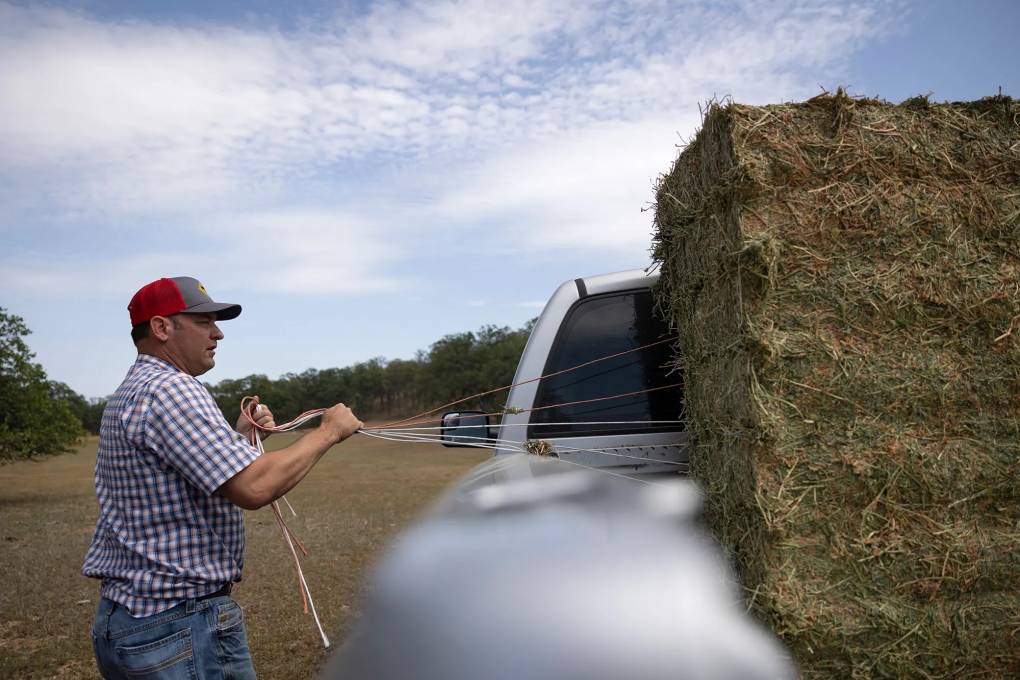
"caption": "The drought has stunted grasses that Josh Davy's cattle usually feed on, so he prepares hay for them at his ranch near Red Bluff. ",
"description": "The drought has stunted grasses that Josh Davy's cattle usually feed on so he prepares hay for them at his ranch near Red Bluff. ",
"title": "Drought",
"credit": "Miguel Gutierrez Jr./CalMatters",
"status": "inherit",
"altTag": "A man with white skin wearing jeans and a blue-and-white checked shirt pulls on ropes to load a stack of hay bales onto his truck. Trees ring a brown field in the background, under a blue sky with thin white clouds.",
"isLoading": false,
"fetchFailed": false
},
"news_11911586": {
"type": "attachments",
"id": "news_11911586",
"meta": {
"index": "attachments_1716263798",
"site": "news",
"id": "11911586",
"found": true
},
"parent": 11911582,
"imgSizes": {
"twentyfourteen-full-width": {
"file": "https://ww2.kqed.org/app/uploads/sites/10/2022/04/GettyImages-1237212007-1038x576.jpg",
"width": 1038,
"mimeType": "image/jpeg",
"height": 576
},
"thumbnail": {
"file": "https://ww2.kqed.org/app/uploads/sites/10/2022/04/GettyImages-1237212007-160x107.jpg",
"width": 160,
"mimeType": "image/jpeg",
"height": 107
},
"post-thumbnail": {
"file": "https://ww2.kqed.org/app/uploads/sites/10/2022/04/GettyImages-1237212007-672x372.jpg",
"width": 672,
"mimeType": "image/jpeg",
"height": 372
},
"kqedFullSize": {
"file": "https://ww2.kqed.org/app/uploads/sites/10/2022/04/GettyImages-1237212007-scaled.jpg",
"width": 2560,
"height": 1705
},
"2048x2048": {
"file": "https://ww2.kqed.org/app/uploads/sites/10/2022/04/GettyImages-1237212007-2048x1364.jpg",
"width": 2048,
"mimeType": "image/jpeg",
"height": 1364
},
"large": {
"file": "https://ww2.kqed.org/app/uploads/sites/10/2022/04/GettyImages-1237212007-1020x679.jpg",
"width": 1020,
"mimeType": "image/jpeg",
"height": 679
},
"1536x1536": {
"file": "https://ww2.kqed.org/app/uploads/sites/10/2022/04/GettyImages-1237212007-1536x1023.jpg",
"width": 1536,
"mimeType": "image/jpeg",
"height": 1023
},
"full-width": {
"file": "https://ww2.kqed.org/app/uploads/sites/10/2022/04/GettyImages-1237212007-1920x1279.jpg",
"width": 1920,
"mimeType": "image/jpeg",
"height": 1279
},
"medium": {
"file": "https://ww2.kqed.org/app/uploads/sites/10/2022/04/GettyImages-1237212007-800x533.jpg",
"width": 800,
"mimeType": "image/jpeg",
"height": 533
}
},
"publishDate": 1650409292,
"modified": 1650479454,
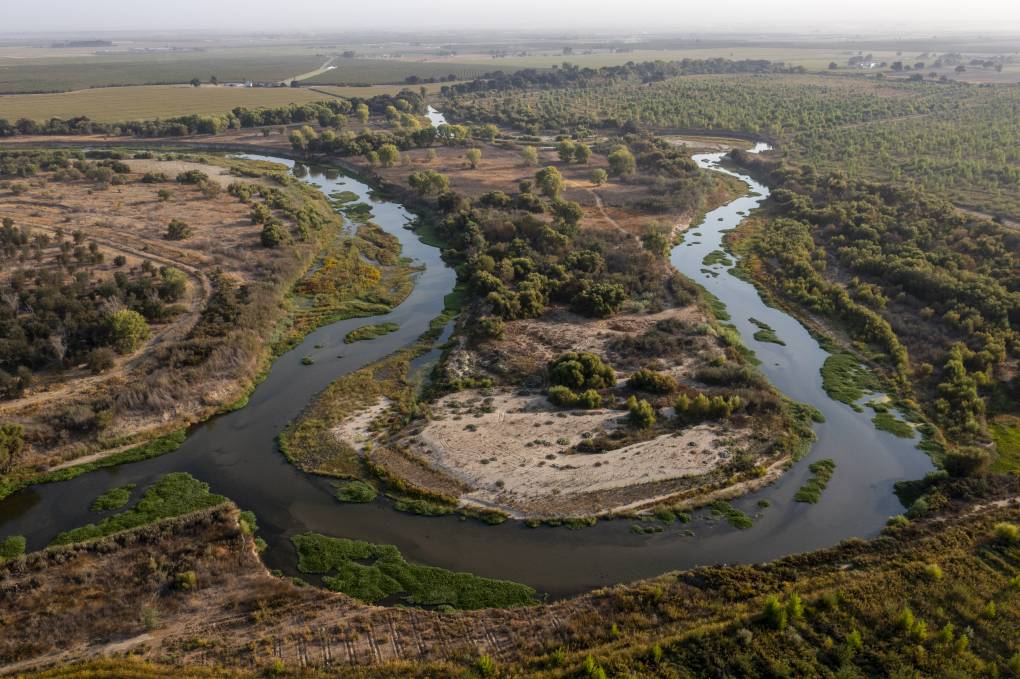
"caption": "The confluence of the San Joaquin River (left) and Tuolumne River (right) along the Dos Rios Ranch in 2021 in Modesto. The 2,100-acre Dos Rios Ranch Preserve is California's largest floodplain restoration project, designed to give the rivers room to breathe and restore traditional riparian habitats.",
"description": "The confluence of the San Joaquin River (left) and Tuolumne River (right) along the Dos Rios Ranch in 2021 in Modesto, CA. The 2,100-acre Do Rios Ranch Preserve is California's largest floodplain restoration project, designed to give the rivers room to breath and restore traditional riparian habitats. ",
"title": "rain climate change",
"credit": "Brian van der Brug/Los Angeles Times via Getty Images",
"status": "inherit",
"altTag": "An aerial view of two rivers snaking from the left and the right through a landscape of brown scrub and dark green trees. Where the rivers meet, they move off to the left of the photo.",
"isLoading": false,
"fetchFailed": false
},
"news_11897480": {
"type": "attachments",
"id": "news_11897480",
"meta": {
"index": "attachments_1716263798",
"site": "news",
"id": "11897480",
"found": true
},
"parent": 11897470,
"imgSizes": {
"twentyfourteen-full-width": {
"file": "https://ww2.kqed.org/app/uploads/sites/10/2021/11/111621-Gas-Lawn-Ban-CAD-CM-05-1038x576.jpg",
"width": 1038,
"mimeType": "image/jpeg",
"height": 576
},
"thumbnail": {
"file": "https://ww2.kqed.org/app/uploads/sites/10/2021/11/111621-Gas-Lawn-Ban-CAD-CM-05-160x107.jpg",
"width": 160,
"mimeType": "image/jpeg",
"height": 107
},
"post-thumbnail": {
"file": "https://ww2.kqed.org/app/uploads/sites/10/2021/11/111621-Gas-Lawn-Ban-CAD-CM-05-672x372.jpg",
"width": 672,
"mimeType": "image/jpeg",
"height": 372
},
"kqedFullSize": {
"file": "https://ww2.kqed.org/app/uploads/sites/10/2021/11/111621-Gas-Lawn-Ban-CAD-CM-05.jpg",
"width": 1200,
"height": 800
},
"large": {
"file": "https://ww2.kqed.org/app/uploads/sites/10/2021/11/111621-Gas-Lawn-Ban-CAD-CM-05-1020x680.jpg",
"width": 1020,
"mimeType": "image/jpeg",
"height": 680
},
"medium": {
"file": "https://ww2.kqed.org/app/uploads/sites/10/2021/11/111621-Gas-Lawn-Ban-CAD-CM-05-800x533.jpg",
"width": 800,
"mimeType": "image/jpeg",
"height": 533
}
},
"publishDate": 1637970750,
"modified": 1638219341,
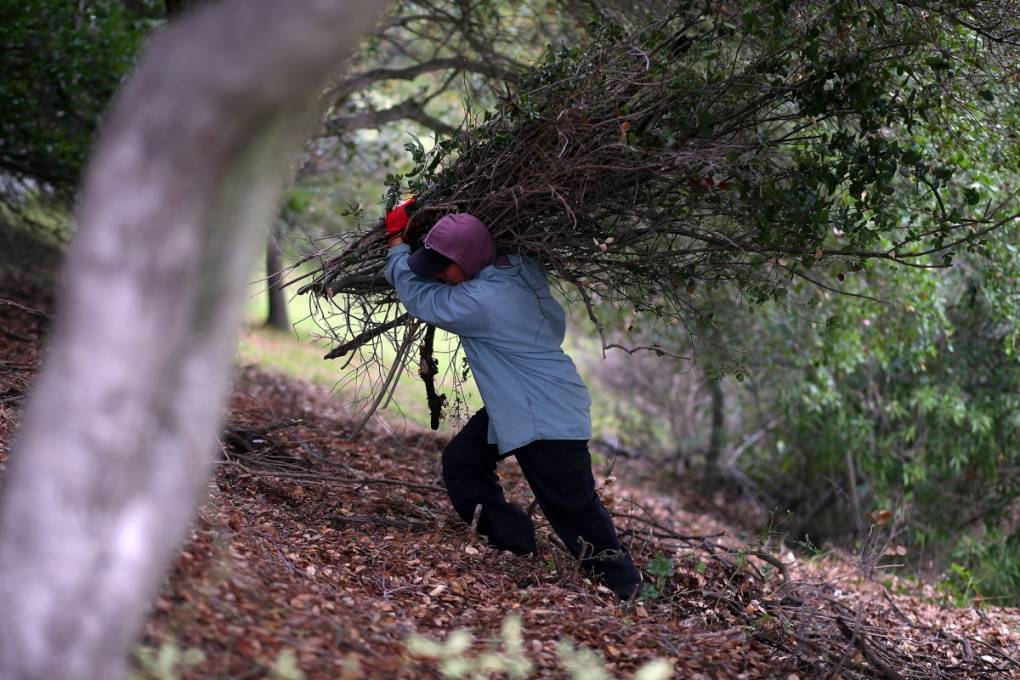
"caption": "An employee with Ken's Rototilling and Landscaping carries cut branches uphill during fire mitigation work at a property along Via Floreado in Orinda on Nov. 16, 2021.",
"description": "An employee with Ken’s Rototilling and Landscaping carries cut branches up hill during fire mitigation work at a property along Via Floreado road on in Orinda on Nov. 16, 2021.",
"title": "111621-Gas-Lawn-Ban-CAD-CM-05",
"credit": "Aric Crabb/Bay Area News Group",
"status": "inherit",
"altTag": "The branches that the worker carries are about two or three times the size of the employee. The hill has dense foliage.",
"isLoading": false,
"fetchFailed": false
},
"news_11896042": {
"type": "attachments",
"id": "news_11896042",
"meta": {
"index": "attachments_1716263798",
"site": "news",
"id": "11896042",
"found": true
},
"parent": 11896039,
"imgSizes": {
"twentyfourteen-full-width": {
"file": "https://ww2.kqed.org/app/uploads/sites/10/2021/11/GettyImages-1236495836-1024x576.jpg",
"width": 1024,
"mimeType": "image/jpeg",
"height": 576
},
"thumbnail": {
"file": "https://ww2.kqed.org/app/uploads/sites/10/2021/11/GettyImages-1236495836-160x107.jpg",
"width": 160,
"mimeType": "image/jpeg",
"height": 107
},
"post-thumbnail": {
"file": "https://ww2.kqed.org/app/uploads/sites/10/2021/11/GettyImages-1236495836-672x372.jpg",
"width": 672,
"mimeType": "image/jpeg",
"height": 372
},
"kqedFullSize": {
"file": "https://ww2.kqed.org/app/uploads/sites/10/2021/11/GettyImages-1236495836.jpg",
"width": 1024,
"height": 683
},
"large": {
"file": "https://ww2.kqed.org/app/uploads/sites/10/2021/11/GettyImages-1236495836-1020x680.jpg",
"width": 1020,
"mimeType": "image/jpeg",
"height": 680
},
"medium": {
"file": "https://ww2.kqed.org/app/uploads/sites/10/2021/11/GettyImages-1236495836-800x534.jpg",
"width": 800,
"mimeType": "image/jpeg",
"height": 534
}
},
"publishDate": 1636695880,
"modified": 1636695902,
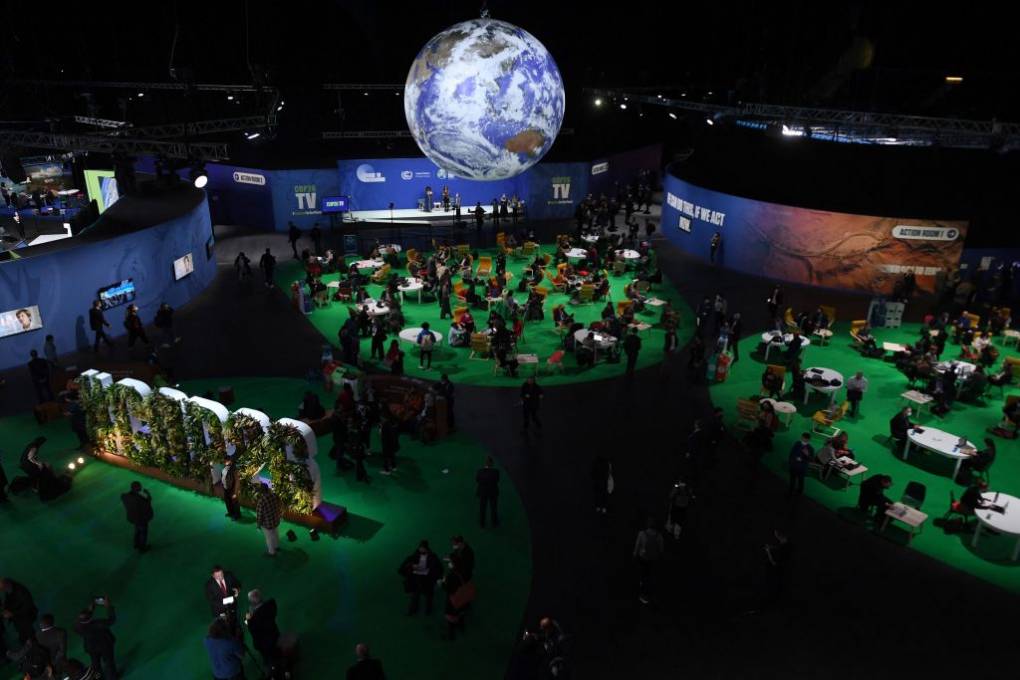
"caption": "A general view is seen of the Action Hub during the COP26 UN Climate Change Conference in Glasgow on November 11, 2021. - Experts on Thursday cautiously welcomed a joint pact by China and the United States to accelerate climate action this decade, as COP26 negotiations edged towards their end with no clear plan to limit heating to 1.5C.",
"description": null,
"title": "BRITAIN-UN-CLIMATE-COP26",
"credit": "(Photo by PAUL ELLIS/AFP via Getty Images)",
"status": "inherit",
"altTag": null,
"isLoading": false,
"fetchFailed": false
},
"news_11895442": {
"type": "attachments",
"id": "news_11895442",
"meta": {
"index": "attachments_1716263798",
"site": "news",
"id": "11895442",
"found": true
},
"parent": 11895441,
"imgSizes": {
"twentyfourteen-full-width": {
"file": "https://ww2.kqed.org/app/uploads/sites/10/2021/11/RS52425_Image-from-iOS-1-qut-1038x576.jpg",
"width": 1038,
"mimeType": "image/jpeg",
"height": 576
},
"thumbnail": {
"file": "https://ww2.kqed.org/app/uploads/sites/10/2021/11/RS52425_Image-from-iOS-1-qut-160x96.jpg",
"width": 160,
"mimeType": "image/jpeg",
"height": 96
},
"post-thumbnail": {
"file": "https://ww2.kqed.org/app/uploads/sites/10/2021/11/RS52425_Image-from-iOS-1-qut-672x372.jpg",
"width": 672,
"mimeType": "image/jpeg",
"height": 372
},
"kqedFullSize": {
"file": "https://ww2.kqed.org/app/uploads/sites/10/2021/11/RS52425_Image-from-iOS-1-qut.jpg",
"width": 1920,
"height": 1155
},
"large": {
"file": "https://ww2.kqed.org/app/uploads/sites/10/2021/11/RS52425_Image-from-iOS-1-qut-1020x614.jpg",
"width": 1020,
"mimeType": "image/jpeg",
"height": 614
},
"1536x1536": {
"file": "https://ww2.kqed.org/app/uploads/sites/10/2021/11/RS52425_Image-from-iOS-1-qut-1536x924.jpg",
"width": 1536,
"mimeType": "image/jpeg",
"height": 924
},
"medium": {
"file": "https://ww2.kqed.org/app/uploads/sites/10/2021/11/RS52425_Image-from-iOS-1-qut-800x481.jpg",
"width": 800,
"mimeType": "image/jpeg",
"height": 481
}
},
"publishDate": 1636226505,
"modified": 1636408559,
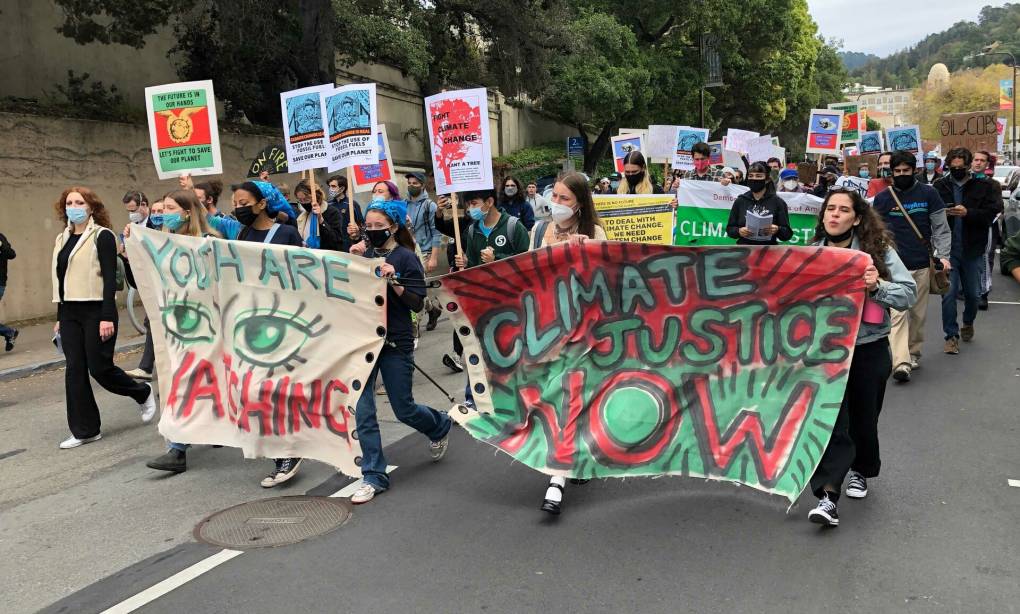
"caption": "Young people in Berkeley joined the global day of action for climate justice on Nov. 6, 2021. ",
"description": null,
"title": "RS52425_Image from iOS (1)-qut",
"credit": "Azul Dahlstrom-Eckman/KQED",
"status": "inherit",
"altTag": "Young people walk down a street in Berkeley with small signs and big signs saying 'Climate Justice Now'.",
"isLoading": false,
"fetchFailed": false
},
"news_11894760": {
"type": "attachments",
"id": "news_11894760",
"meta": {
"index": "attachments_1716263798",
"site": "news",
"id": "11894760",
"found": true
},
"parent": 11894759,
"imgSizes": {
"twentyfourteen-full-width": {
"file": "https://ww2.kqed.org/app/uploads/sites/10/2021/11/ap21118034576950-00fbee95f2cc30a233a9d3f5752c90b9a3ff1a7c-1038x576.jpg",
"width": 1038,
"mimeType": "image/jpeg",
"height": 576
},
"thumbnail": {
"file": "https://ww2.kqed.org/app/uploads/sites/10/2021/11/ap21118034576950-00fbee95f2cc30a233a9d3f5752c90b9a3ff1a7c-160x120.jpg",
"width": 160,
"mimeType": "image/jpeg",
"height": 120
},
"post-thumbnail": {
"file": "https://ww2.kqed.org/app/uploads/sites/10/2021/11/ap21118034576950-00fbee95f2cc30a233a9d3f5752c90b9a3ff1a7c-672x372.jpg",
"width": 672,
"mimeType": "image/jpeg",
"height": 372
},
"kqedFullSize": {
"file": "https://ww2.kqed.org/app/uploads/sites/10/2021/11/ap21118034576950-00fbee95f2cc30a233a9d3f5752c90b9a3ff1a7c.jpg",
"width": 1044,
"height": 783
},
"large": {
"file": "https://ww2.kqed.org/app/uploads/sites/10/2021/11/ap21118034576950-00fbee95f2cc30a233a9d3f5752c90b9a3ff1a7c-1020x765.jpg",
"width": 1020,
"mimeType": "image/jpeg",
"height": 765
},
"medium": {
"file": "https://ww2.kqed.org/app/uploads/sites/10/2021/11/ap21118034576950-00fbee95f2cc30a233a9d3f5752c90b9a3ff1a7c-800x600.jpg",
"width": 800,
"mimeType": "image/jpeg",
"height": 600
}
},
"publishDate": 1635880835,
"modified": 1635891417,
"caption": "The Trans-Alaska Pipeline and pump station north of Fairbanks, Alaska. Congressional Democrats are moving to reinstate regulations designed to limit potent greenhouse gas emissions from oil and gas fields. It's part of a broader effort by the Biden administration to combat climate change.",
"description": "The Trans-Alaska pipeline and pump station north of Fairbanks, Alaska. Congressional Democrats are moving to reinstate regulations designed to limit potent greenhouse gas emissions from oil and gas fields. It's part of a broader effort by the Biden administration to combat climate change.",
"title": "The Biden administration is announcing new and proposed regulations to limit climate-warming methane emissions from oil and gas operations and pipelines. This undated file photo shows the Trans-Alaska pipeline and pump station north of Fairbanks.",
"credit": "Al Grillo/AP",
"status": "inherit",
"altTag": "A long metal pipeline stretching across a grassy field with an industrial plant in the background.",
"isLoading": false,
"fetchFailed": false
},
"news_11894560": {
"type": "attachments",
"id": "news_11894560",
"meta": {
"index": "attachments_1716263798",
"site": "news",
"id": "11894560",
"found": true
},
"parent": 11894538,
"imgSizes": {
"twentyfourteen-full-width": {
"file": "https://ww2.kqed.org/app/uploads/sites/10/2021/11/GettyImages-1236276766-1038x576.jpg",
"width": 1038,
"mimeType": "image/jpeg",
"height": 576
},
"thumbnail": {
"file": "https://ww2.kqed.org/app/uploads/sites/10/2021/11/GettyImages-1236276766-160x107.jpg",
"width": 160,
"mimeType": "image/jpeg",
"height": 107
},
"post-thumbnail": {
"file": "https://ww2.kqed.org/app/uploads/sites/10/2021/11/GettyImages-1236276766-672x372.jpg",
"width": 672,
"mimeType": "image/jpeg",
"height": 372
},
"kqedFullSize": {
"file": "https://ww2.kqed.org/app/uploads/sites/10/2021/11/GettyImages-1236276766.jpg",
"width": 1920,
"height": 1278
},
"large": {
"file": "https://ww2.kqed.org/app/uploads/sites/10/2021/11/GettyImages-1236276766-1020x679.jpg",
"width": 1020,
"mimeType": "image/jpeg",
"height": 679
},
"1536x1536": {
"file": "https://ww2.kqed.org/app/uploads/sites/10/2021/11/GettyImages-1236276766-1536x1022.jpg",
"width": 1536,
"mimeType": "image/jpeg",
"height": 1022
},
"medium": {
"file": "https://ww2.kqed.org/app/uploads/sites/10/2021/11/GettyImages-1236276766-800x533.jpg",
"width": 800,
"mimeType": "image/jpeg",
"height": 533
}
},
"publishDate": 1635796738,
"modified": 1635812574,
"caption": "U.S. President Joe Biden presents his national statement during day two of COP26 on Nov. 1, 2021, in Glasgow, United Kingdom. 2021 sees the 26th United Nations Climate Change Conference.",
"description": null,
"title": "COP26 Summit - Day Two",
"credit": "Andy Buchanan/Pool/Getty Images",
"status": "inherit",
"altTag": "U.S. President Joe Biden, wearing a suit, stands behind a lectern before a blue, wall-size projection saying in white letters, \"United Nations Climate Change.\"",
"isLoading": false,
"fetchFailed": false
},
"news_11894398": {
"type": "attachments",
"id": "news_11894398",
"meta": {
"index": "attachments_1716263798",
"site": "news",
"id": "11894398",
"found": true
},
"parent": 11894391,
"imgSizes": {
"twentyfourteen-full-width": {
"file": "https://ww2.kqed.org/app/uploads/sites/10/2021/10/GettyImages-1344323430-1024x576.jpg",
"width": 1024,
"mimeType": "image/jpeg",
"height": 576
},
"thumbnail": {
"file": "https://ww2.kqed.org/app/uploads/sites/10/2021/10/GettyImages-1344323430-160x115.jpg",
"width": 160,
"mimeType": "image/jpeg",
"height": 115
},
"post-thumbnail": {
"file": "https://ww2.kqed.org/app/uploads/sites/10/2021/10/GettyImages-1344323430-672x372.jpg",
"width": 672,
"mimeType": "image/jpeg",
"height": 372
},
"kqedFullSize": {
"file": "https://ww2.kqed.org/app/uploads/sites/10/2021/10/GettyImages-1344323430.jpg",
"width": 1024,
"height": 739
},
"large": {
"file": "https://ww2.kqed.org/app/uploads/sites/10/2021/10/GettyImages-1344323430-1020x736.jpg",
"width": 1020,
"mimeType": "image/jpeg",
"height": 736
},
"medium": {
"file": "https://ww2.kqed.org/app/uploads/sites/10/2021/10/GettyImages-1344323430-800x577.jpg",
"width": 800,
"mimeType": "image/jpeg",
"height": 577
}
},
"publishDate": 1635541672,
"modified": 1646751034,
"caption": null,
"description": "Gov. Gavin Newsom speaks during a news conference after meeting with students at James Denman Middle School on Oct. 1, 2021 in San Francisco.",
"title": "Governor Gavin Newsom",
"credit": "Justin Sullivan/Getty Images",
"status": "inherit",
"altTag": "Gov. Gavin Newsom with his hands up.",
"isLoading": false,
"fetchFailed": false
},
"news_11892955": {
"type": "attachments",
"id": "news_11892955",
"meta": {
"index": "attachments_1716263798",
"site": "news",
"id": "11892955",
"found": true
},
"title": "US-AGRICULTURE-DROUGHT-CLIMATE-WITCH",
"publishDate": 1634685573,
"status": "inherit",
"parent": 11892939,
"modified": 1733351474,
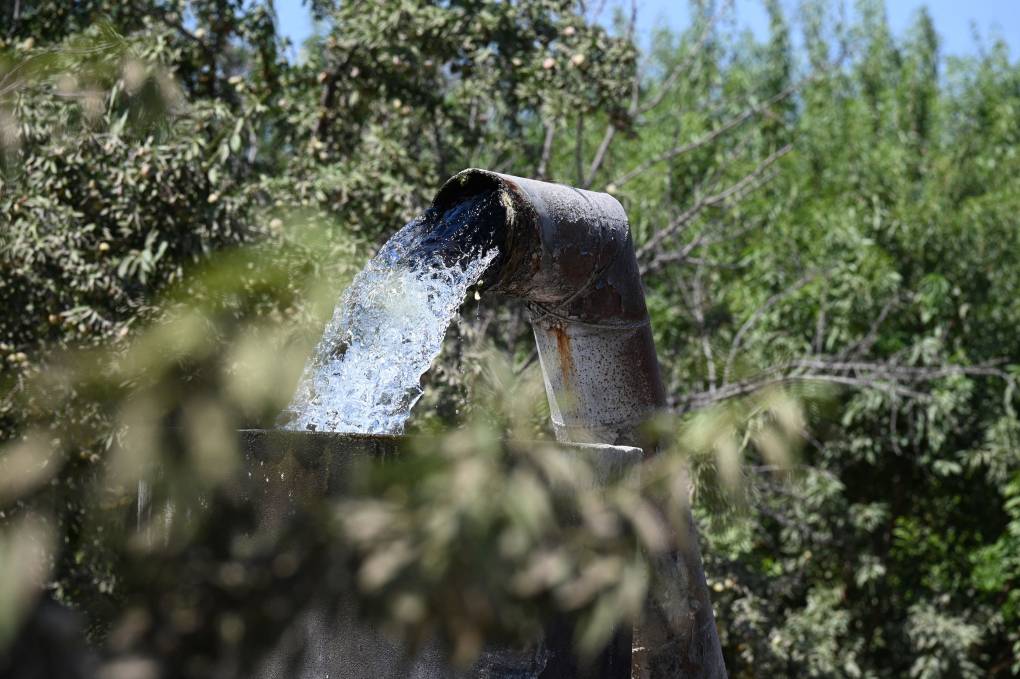
"caption": "Water pumped up from an underground well flows into a cistern on a farm in Fresno on July 24, 2021. ",
"credit": "Robyn Beck/AFP via Getty Images",
"altTag": "A metal cistern pumps a strong flow of water into a field full of green crops on a sunny day.",
"description": "Water pumped up from an underground well flows into a cistern on a farm in Fresno on July 24, 2021.",
"imgSizes": {
"medium": {
"file": "https://cdn.kqed.org/wp-content/uploads/sites/10/2021/10/GettyImages-1234437734-800x532.jpg",
"width": 800,
"height": 532,
"mimeType": "image/jpeg"
},
"large": {
"file": "https://cdn.kqed.org/wp-content/uploads/sites/10/2021/10/GettyImages-1234437734-1020x679.jpg",
"width": 1020,
"height": 679,
"mimeType": "image/jpeg"
},
"thumbnail": {
"file": "https://cdn.kqed.org/wp-content/uploads/sites/10/2021/10/GettyImages-1234437734-160x106.jpg",
"width": 160,
"height": 106,
"mimeType": "image/jpeg"
},
"1536x1536": {
"file": "https://cdn.kqed.org/wp-content/uploads/sites/10/2021/10/GettyImages-1234437734-1536x1022.jpg",
"width": 1536,
"height": 1022,
"mimeType": "image/jpeg"
},
"2048x2048": {
"file": "https://cdn.kqed.org/wp-content/uploads/sites/10/2021/10/GettyImages-1234437734-2048x1363.jpg",
"width": 2048,
"height": 1363,
"mimeType": "image/jpeg"
},
"post-thumbnail": {
"file": "https://cdn.kqed.org/wp-content/uploads/sites/10/2021/10/GettyImages-1234437734-672x372.jpg",
"width": 672,
"height": 372,
"mimeType": "image/jpeg"
},
"twentyfourteen-full-width": {
"file": "https://cdn.kqed.org/wp-content/uploads/sites/10/2021/10/GettyImages-1234437734-1038x576.jpg",
"width": 1038,
"height": 576,
"mimeType": "image/jpeg"
},
"full-width": {
"file": "https://cdn.kqed.org/wp-content/uploads/sites/10/2021/10/GettyImages-1234437734-1920x1278.jpg",
"width": 1920,
"height": 1278,
"mimeType": "image/jpeg"
},
"kqedFullSize": {
"file": "https://cdn.kqed.org/wp-content/uploads/sites/10/2021/10/GettyImages-1234437734-scaled.jpg",
"width": 2560,
"height": 1703
}
},
"isLoading": false,
"fetchFailed": false
},
"news_11890412": {
"type": "attachments",
"id": "news_11890412",
"meta": {
"index": "attachments_1716263798",
"site": "news",
"id": "11890412",
"found": true
},
"parent": 11889712,
"imgSizes": {
"twentyfourteen-full-width": {
"file": "https://ww2.kqed.org/app/uploads/sites/10/2021/09/7714839914_be59a06c0a_h-1038x576.jpg",
"width": 1038,
"mimeType": "image/jpeg",
"height": 576
},
"thumbnail": {
"file": "https://ww2.kqed.org/app/uploads/sites/10/2021/09/7714839914_be59a06c0a_h-160x112.jpg",
"width": 160,
"mimeType": "image/jpeg",
"height": 112
},
"post-thumbnail": {
"file": "https://ww2.kqed.org/app/uploads/sites/10/2021/09/7714839914_be59a06c0a_h-672x372.jpg",
"width": 672,
"mimeType": "image/jpeg",
"height": 372
},
"kqedFullSize": {
"file": "https://ww2.kqed.org/app/uploads/sites/10/2021/09/7714839914_be59a06c0a_h.jpg",
"width": 1600,
"height": 1120
},
"large": {
"file": "https://ww2.kqed.org/app/uploads/sites/10/2021/09/7714839914_be59a06c0a_h-1020x714.jpg",
"width": 1020,
"mimeType": "image/jpeg",
"height": 714
},
"1536x1536": {
"file": "https://ww2.kqed.org/app/uploads/sites/10/2021/09/7714839914_be59a06c0a_h-1536x1075.jpg",
"width": 1536,
"mimeType": "image/jpeg",
"height": 1075
},
"medium": {
"file": "https://ww2.kqed.org/app/uploads/sites/10/2021/09/7714839914_be59a06c0a_h-800x560.jpg",
"width": 800,
"mimeType": "image/jpeg",
"height": 560
}
},
"publishDate": 1632937541,
"modified": 1632949251,
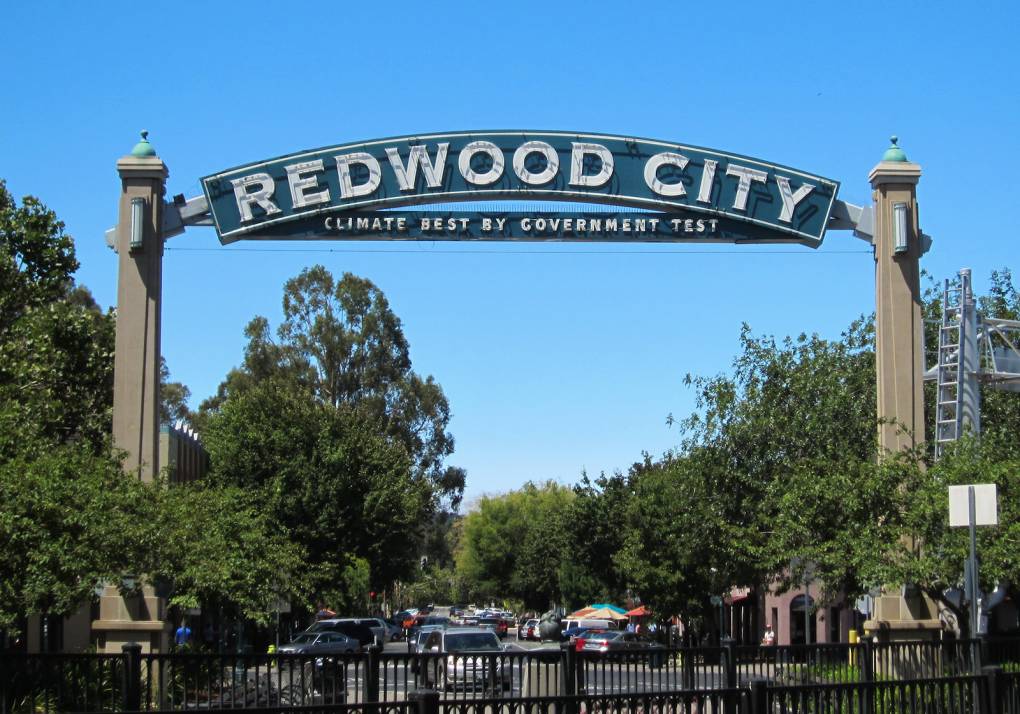
"caption": "How did Redwood City fix on the slogan \"Climate Best by Government Test\"?",
"description": "A green arching sign with white lettering that says \"Redwood City Climate Best By Government Test\".",
"title": "7714839914_be59a06c0a_h",
"credit": "\u003ca href=\"https://www.flickr.com/photos/donbrr/7714839914/in/photolist-8QVzeP-iRbj2-2jHSXME-reZH4B-oz8PAd-51szs5-51onL4-51ooTn-51oo32-Vf41cu-51szE1-51okhB-51sx9f-51ooAr-51sxqq-BaGwqh-51okB4-81ENa4-7nWKRX-28AwUGF-28AwUzM-6wPYyM-2iw8kHk-qUKgW-cKJz8h-5yAQGL-6xcF5U-dBmjaN-6KVkhL-2UaKoG-aDRpt6-cKF3G-d5DLr-riKw-6za6b\">Don Barrett\u003c/a>/Flickr",
"status": "inherit",
"altTag": "A long sign across a leafy street that says \"Redwood City,\" with the famous slogan in smaller type beneath.",
"isLoading": false,
"fetchFailed": false
},
"news_11886659": {
"type": "attachments",
"id": "news_11886659",
"meta": {
"index": "attachments_1716263798",
"site": "news",
"id": "11886659",
"found": true
},
"parent": 11886636,
"imgSizes": {
"twentyfourteen-full-width": {
"file": "https://ww2.kqed.org/app/uploads/sites/10/2021/08/GettyImages-1330125868-1-1038x576.jpg",
"width": 1038,
"mimeType": "image/jpeg",
"height": 576
},
"thumbnail": {
"file": "https://ww2.kqed.org/app/uploads/sites/10/2021/08/GettyImages-1330125868-1-160x107.jpg",
"width": 160,
"mimeType": "image/jpeg",
"height": 107
},
"post-thumbnail": {
"file": "https://ww2.kqed.org/app/uploads/sites/10/2021/08/GettyImages-1330125868-1-672x372.jpg",
"width": 672,
"mimeType": "image/jpeg",
"height": 372
},
"kqedFullSize": {
"file": "https://ww2.kqed.org/app/uploads/sites/10/2021/08/GettyImages-1330125868-1.jpg",
"width": 2000,
"height": 1333
},
"large": {
"file": "https://ww2.kqed.org/app/uploads/sites/10/2021/08/GettyImages-1330125868-1-1020x680.jpg",
"width": 1020,
"mimeType": "image/jpeg",
"height": 680
},
"1536x1536": {
"file": "https://ww2.kqed.org/app/uploads/sites/10/2021/08/GettyImages-1330125868-1-1536x1024.jpg",
"width": 1536,
"mimeType": "image/jpeg",
"height": 1024
},
"full-width": {
"file": "https://ww2.kqed.org/app/uploads/sites/10/2021/08/GettyImages-1330125868-1-1920x1280.jpg",
"width": 1920,
"mimeType": "image/jpeg",
"height": 1280
},
"medium": {
"file": "https://ww2.kqed.org/app/uploads/sites/10/2021/08/GettyImages-1330125868-1-800x533.jpg",
"width": 800,
"mimeType": "image/jpeg",
"height": 533
}
},
"publishDate": 1630104508,
"modified": 1630104572,
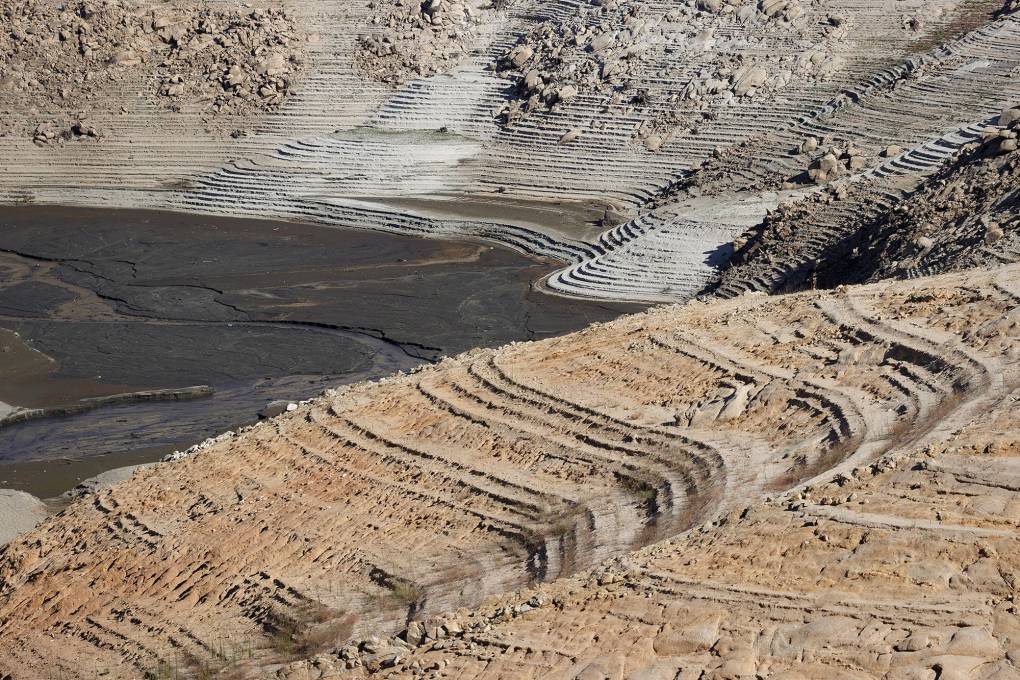
"caption": "Water lines are visible on the steep banks of Lake Oroville. As the extreme drought emergency continues in California, Lake Oroville's water levels are continuing to drop to 28 percent of capacity.",
"description": "An empty reservoir.",
"title": "California's Drought Brings Lake Oroville To Historic Low Level",
"credit": "Justin Sullivan/Getty Images",
"status": "inherit",
"altTag": null,
"isLoading": false,
"fetchFailed": false
},
"news_11886035": {
"type": "attachments",
"id": "news_11886035",
"meta": {
"index": "attachments_1716263798",
"site": "news",
"id": "11886035",
"found": true
},
"parent": 11886029,
"imgSizes": {
"twentyfourteen-full-width": {
"file": "https://ww2.kqed.org/app/uploads/sites/10/2021/08/1-feature-image-1038x576.jpeg",
"width": 1038,
"mimeType": "image/jpeg",
"height": 576
},
"thumbnail": {
"file": "https://ww2.kqed.org/app/uploads/sites/10/2021/08/1-feature-image-160x107.jpeg",
"width": 160,
"mimeType": "image/jpeg",
"height": 107
},
"post-thumbnail": {
"file": "https://ww2.kqed.org/app/uploads/sites/10/2021/08/1-feature-image-672x372.jpeg",
"width": 672,
"mimeType": "image/jpeg",
"height": 372
},
"kqedFullSize": {
"file": "https://ww2.kqed.org/app/uploads/sites/10/2021/08/1-feature-image.jpeg",
"width": 1170,
"height": 780
},
"large": {
"file": "https://ww2.kqed.org/app/uploads/sites/10/2021/08/1-feature-image-1020x680.jpeg",
"width": 1020,
"mimeType": "image/jpeg",
"height": 680
},
"medium": {
"file": "https://ww2.kqed.org/app/uploads/sites/10/2021/08/1-feature-image-800x533.jpeg",
"width": 800,
"mimeType": "image/jpeg",
"height": 533
}
},
"publishDate": 1629751548,
"modified": 1629751577,
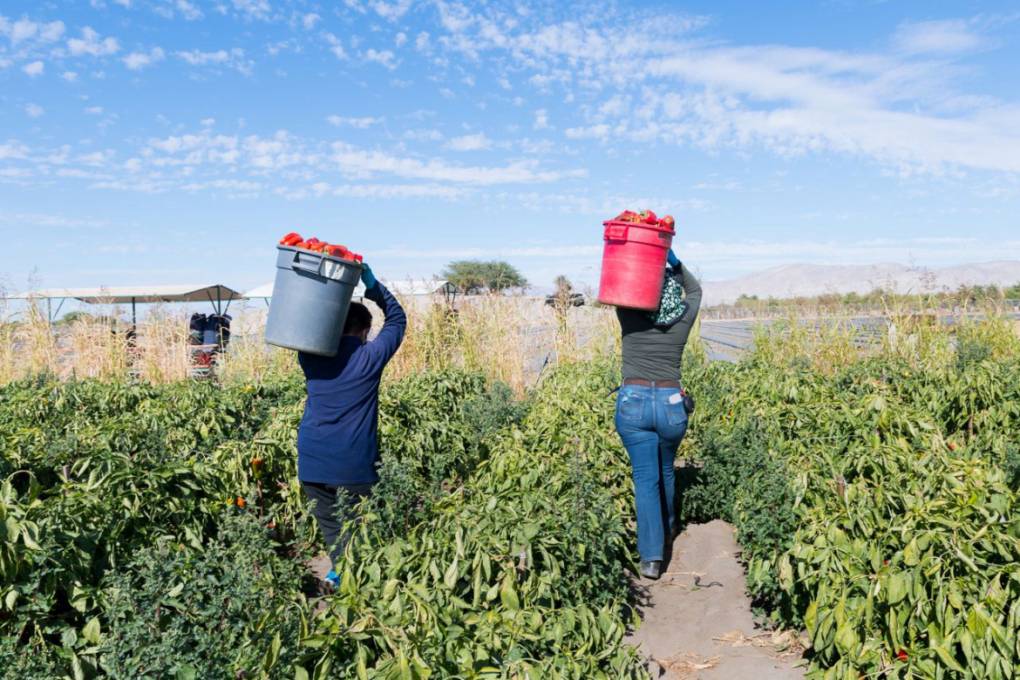
"caption": "Farmworkers work at a bell pepper farm in the Coachella Valley, one of the largest agricultural regions in the nation, in February 2021.",
"description": null,
"title": "1-feature-image",
"credit": "Heidi de Marco/KHN",
"status": "inherit",
"altTag": "Farmworkers work at a bell pepper farm in the Coachella Valley, one of the largest agricultural regions in the nation, in February 2021.",
"isLoading": false,
"fetchFailed": false
}
},
"audioPlayerReducer": {
"postId": "stream_live",
"isPaused": true,
"isPlaying": false,
"pfsActive": false,
"pledgeModalIsOpen": true,
"playerDrawerIsOpen": false,
"liveAudioPlayStartedAt": 0,
"liveAudioPlayContext": ""
},
"authorsReducer": {
"byline_news_11914993": {
"type": "authors",
"id": "byline_news_11914993",
"meta": {
"override": true
},
"slug": "byline_news_11914993",
"name": "Rachel Becker",
"isLoading": false
},
"byline_news_11911582": {
"type": "authors",
"id": "byline_news_11911582",
"meta": {
"override": true
},
"slug": "byline_news_11911582",
"name": "Kathleen Ronayne, Associated Press",
"isLoading": false
},
"byline_news_11897470": {
"type": "authors",
"id": "byline_news_11897470",
"meta": {
"override": true
},
"slug": "byline_news_11897470",
"name": "\u003ca href=\"https://calmatters.org/author/jesse-bedayn/\">Jesse Bedayn\u003c/a>",
"isLoading": false
},
"byline_news_11894759": {
"type": "authors",
"id": "byline_news_11894759",
"meta": {
"override": true
},
"slug": "byline_news_11894759",
"name": "Jeff Brady",
"isLoading": false
},
"byline_news_11894538": {
"type": "authors",
"id": "byline_news_11894538",
"meta": {
"override": true
},
"slug": "byline_news_11894538",
"name": "Brian Naylor",
"isLoading": false
},
"byline_news_11894391": {
"type": "authors",
"id": "byline_news_11894391",
"meta": {
"override": true
},
"slug": "byline_news_11894391",
"name": "Adam Beam and Kathleen Ronayne\u003cbr>Associated Press",
"isLoading": false
},
"byline_news_11892939": {
"type": "authors",
"id": "byline_news_11892939",
"meta": {
"override": true
},
"slug": "byline_news_11892939",
"name": "\u003ca href=\"https://www.npr.org/people/143160021/daniel-charles\">Dan Charles\u003c/a>",
"isLoading": false
},
"byline_news_11886636": {
"type": "authors",
"id": "byline_news_11886636",
"meta": {
"override": true
},
"slug": "byline_news_11886636",
"name": "Amy Mayer",
"isLoading": false
},
"byline_news_11886029": {
"type": "authors",
"id": "byline_news_11886029",
"meta": {
"override": true
},
"slug": "byline_news_11886029",
"name": "Miranda Green, Heidi de Marco",
"isLoading": false
},
"rachael-myrow": {
"type": "authors",
"id": "251",
"meta": {
"index": "authors_1716337520",
"id": "251",
"found": true
},
"name": "Rachael Myrow",
"firstName": "Rachael",
"lastName": "Myrow",
"slug": "rachael-myrow",
"email": "rmyrow@kqed.org",
"display_author_email": true,
"staff_mastheads": [
"news"
],
"title": "Senior Editor of KQED's Silicon Valley News Desk",
"bio": "• I write and edit stories about how Silicon Valley power and policies shape everyday life in California. I’m also passionate about making Bay Area history and culture more accessible to a broad public. • I’ve been a journalist for most of my life, starting in high school with The Franklin Press in Los Angeles, where I grew up. While earning my first degree in English at UC Berkeley, I got my start in public radio at KALX-FM. After completing a second degree in journalism at Cal, I landed my first professional job at Marketplace, then moved on to KPCC (now LAist), and then KQED, where I hosted The California Report for more than seven years. • My reporting has appeared on NPR, The World, WBUR’s \u003ci>Here & Now\u003c/i>, and the BBC. I also guest host for KQED’s \u003ci>Forum\u003c/i>, as well as the Commonwealth Club in San Francisco. • I speak periodically on media, democracy and technology issues, and do voiceover work for documentaries and educational video projects. • Outside of the studio, you'll find me hiking Bay Area trails and whipping up Insta-ready meals in my kitchen. • I do not accept gifts, money, or favors from anyone connected to my reporting, I don't pay people for information, and I do not support or donate to political causes. • I strive to treat the people I report on with fairness, honesty, and respect. I also recognize there are often multiple sides to a story and work to verify information through multiple sources and documentation. If I get something wrong, I correct it.",
"avatar": "https://secure.gravatar.com/avatar/3ed8a3c5f26025e4a805ba634cda8cd764906b97438a6d9ce216b044e340da4e?s=600&d=blank&r=g",
"twitter": "rachaelmyrow",
"bluesky": null,
"facebook": null,
"instagram": null,
"linkedin": "https://www.linkedin.com/in/rachaelmyrow/",
"sites": [
{
"site": "arts",
"roles": [
"administrator"
]
},
{
"site": "news",
"roles": [
"edit_others_posts",
"editor"
]
},
{
"site": "futureofyou",
"roles": [
"editor"
]
},
{
"site": "bayareabites",
"roles": [
"editor"
]
},
{
"site": "stateofhealth",
"roles": [
"editor"
]
},
{
"site": "science",
"roles": [
"editor"
]
},
{
"site": "food",
"roles": [
"editor"
]
},
{
"site": "forum",
"roles": [
"editor"
]
},
{
"site": "liveblog",
"roles": [
"author"
]
}
],
"headData": {
"title": "Rachael Myrow | KQED",
"description": "Senior Editor of KQED's Silicon Valley News Desk",
"ogImgSrc": "https://secure.gravatar.com/avatar/3ed8a3c5f26025e4a805ba634cda8cd764906b97438a6d9ce216b044e340da4e?s=600&d=blank&r=g",
"twImgSrc": "https://secure.gravatar.com/avatar/3ed8a3c5f26025e4a805ba634cda8cd764906b97438a6d9ce216b044e340da4e?s=600&d=blank&r=g"
},
"isLoading": false,
"link": "/author/rachael-myrow"
},
"ecruzguevarra": {
"type": "authors",
"id": "8654",
"meta": {
"index": "authors_1716337520",
"id": "8654",
"found": true
},
"name": "Ericka Cruz Guevarra",
"firstName": "Ericka",
"lastName": "Cruz Guevarra",
"slug": "ecruzguevarra",
"email": "ecruzguevarra@kqed.org",
"display_author_email": true,
"staff_mastheads": [
"news"
],
"title": "Producer, The Bay Podcast",
"bio": "Ericka Cruz Guevarra is host of \u003ca href=\"https://www.kqed.org/podcasts/thebay\">\u003cem>The Bay\u003c/em>\u003c/a> podcast at KQED. Before host, she was the show’s producer. Her work in that capacity includes a three-part reported series on policing in Vallejo, which won a 2020 excellence in journalism award from the Society of Professional Journalists. Ericka has worked as a breaking news reporter at Oregon Public Broadcasting, helped produce the Code Switch podcast, and was KQED’s inaugural Raul Ramirez Diversity Fund intern. She’s also an alumna of NPR’s Next Generation Radio program. Send her an email if you have strong feelings about whether Fairfield and Suisun City are the Bay. Ericka is represented by SAG-AFTRA.",
"avatar": "https://secure.gravatar.com/avatar/accefc1de4bafc7e234b69bcb9b6f6536c130fd84709bc3069ef11a78787e1bb?s=600&d=blank&r=g",
"twitter": "NotoriousECG",
"bluesky": null,
"facebook": null,
"instagram": null,
"linkedin": null,
"sites": [
{
"site": "arts",
"roles": [
"subscriber"
]
},
{
"site": "news",
"roles": [
"editor",
"manage_categories"
]
},
{
"site": "futureofyou",
"roles": [
"subscriber"
]
},
{
"site": "stateofhealth",
"roles": [
"subscriber"
]
},
{
"site": "science",
"roles": [
"editor"
]
},
{
"site": "forum",
"roles": [
"subscriber"
]
}
],
"headData": {
"title": "Ericka Cruz Guevarra | KQED",
"description": "Producer, The Bay Podcast",
"ogImgSrc": "https://secure.gravatar.com/avatar/accefc1de4bafc7e234b69bcb9b6f6536c130fd84709bc3069ef11a78787e1bb?s=600&d=blank&r=g",
"twImgSrc": "https://secure.gravatar.com/avatar/accefc1de4bafc7e234b69bcb9b6f6536c130fd84709bc3069ef11a78787e1bb?s=600&d=blank&r=g"
},
"isLoading": false,
"link": "/author/ecruzguevarra"
},
"rdillon": {
"type": "authors",
"id": "11495",
"meta": {
"index": "authors_1716337520",
"id": "11495",
"found": true
},
"name": "Raquel Maria Dillon",
"firstName": "Raquel Maria",
"lastName": "Dillon",
"slug": "rdillon",
"email": "rdillon@kqed.org",
"display_author_email": false,
"staff_mastheads": [],
"title": null,
"bio": "Raquel Maria Dillon was a reporter and host for KQED News. Previously, she produced the daily statewide California Report, edited newscasts, and covered health and education stories. Before returning to the Bay Area in 2016, she worked in Los Angeles as a wire reporter and one-woman-band video journalist for the Associated Press, where she shot, edited and reported breaking news and features across the West. Her work has appeared online and in print around the globe, and also on NPR’s Morning Edition, All Things Considered, Here and Now, Marketplace, On The Media, and Studio 360. She previously edited and mentored up-and-coming reporters at KALW, produced social videos for Timeline.com, and was a local TV news videographer for KTVU and digital producer for KNTV. She got her start as a Radio News Trainee at KQED, produced a weekly public affairs roundtable show for OPB, and covered health and politics at New Hampshire Public Radio. She has a BA in political science from Barnard College and a MA in video journalism from UC Berkeley, where she was awarded the Faith Fancher Scholarship and a Student Emmy. She has received numerous local awards from the Associated Press and the Society of Professional Journalists.",
"avatar": "https://secure.gravatar.com/avatar/b8e02ae982913d0950df605910267c1b?s=600&d=blank&r=g",
"twitter": "RaquelMDillon",
"facebook": null,
"instagram": null,
"linkedin": null,
"sites": [
{
"site": "news",
"roles": [
"subscriber"
]
},
{
"site": "stateofhealth",
"roles": [
"editor"
]
},
{
"site": "science",
"roles": [
"editor"
]
},
{
"site": "forum",
"roles": [
"editor"
]
}
],
"headData": {
"title": "Raquel Maria Dillon | KQED",
"description": null,
"ogImgSrc": "https://secure.gravatar.com/avatar/b8e02ae982913d0950df605910267c1b?s=600&d=blank&r=g",
"twImgSrc": "https://secure.gravatar.com/avatar/b8e02ae982913d0950df605910267c1b?s=600&d=blank&r=g"
},
"isLoading": false,
"link": "/author/rdillon"
},
"mfharvin": {
"type": "authors",
"id": "11583",
"meta": {
"index": "authors_1716337520",
"id": "11583",
"found": true
},
"name": "Mary Franklin Harvin",
"firstName": "Mary Franklin",
"lastName": "Harvin",
"slug": "mfharvin",
"email": "mfharvin@KQED.org",
"display_author_email": false,
"staff_mastheads": [
"news"
],
"title": "KQED Contributor",
"bio": null,
"avatar": "https://secure.gravatar.com/avatar/0e53510a7d48cfbdebfc9b11357d845f?s=600&d=blank&r=g",
"twitter": "EmEffHarvin",
"facebook": null,
"instagram": null,
"linkedin": null,
"sites": [
{
"site": "news",
"roles": [
"author",
"edit_others_posts"
]
},
{
"site": "science",
"roles": [
"editor"
]
}
],
"headData": {
"title": "Mary Franklin Harvin | KQED",
"description": "KQED Contributor",
"ogImgSrc": "https://secure.gravatar.com/avatar/0e53510a7d48cfbdebfc9b11357d845f?s=600&d=blank&r=g",
"twImgSrc": "https://secure.gravatar.com/avatar/0e53510a7d48cfbdebfc9b11357d845f?s=600&d=blank&r=g"
},
"isLoading": false,
"link": "/author/mfharvin"
},
"lsarah": {
"type": "authors",
"id": "11626",
"meta": {
"index": "authors_1716337520",
"id": "11626",
"found": true
},
"name": "Lakshmi Sarah",
"firstName": "Lakshmi",
"lastName": "Sarah",
"slug": "lsarah",
"email": "lsarah@kqed.org",
"display_author_email": false,
"staff_mastheads": [],
"title": "Digital Producer",
"bio": "Lakshmi Sarah is an educator, author and journalist with a focus on innovative storytelling. She has worked with newspapers, radio and magazines from Ahmedabad, India to Los Angeles, California. She has written and produced for Die Zeit, Global Voices, AJ+, KQED, Fusion Media Group and the New York Times.",
"avatar": "https://secure.gravatar.com/avatar/652dcaecd8b28826fc17a8b2d6bb4e93?s=600&d=blank&r=g",
"twitter": "lakitalki",
"facebook": null,
"instagram": "https://www.instagram.com/laki.talki/",
"linkedin": "https://www.linkedin.com/in/lakisarah/",
"sites": [
{
"site": "arts",
"roles": []
},
{
"site": "news",
"roles": []
},
{
"site": "bayareabites",
"roles": []
},
{
"site": "science",
"roles": []
}
],
"headData": {
"title": "Lakshmi Sarah | KQED",
"description": "Digital Producer",
"ogImgSrc": "https://secure.gravatar.com/avatar/652dcaecd8b28826fc17a8b2d6bb4e93?s=600&d=blank&r=g",
"twImgSrc": "https://secure.gravatar.com/avatar/652dcaecd8b28826fc17a8b2d6bb4e93?s=600&d=blank&r=g"
},
"isLoading": false,
"link": "/author/lsarah"
},
"amontecillo": {
"type": "authors",
"id": "11649",
"meta": {
"index": "authors_1716337520",
"id": "11649",
"found": true
},
"name": "Alan Montecillo",
"firstName": "Alan",
"lastName": "Montecillo",
"slug": "amontecillo",
"email": "amontecillo@kqed.org",
"display_author_email": false,
"staff_mastheads": [
"news"
],
"title": "KQED Contributor",
"bio": "Alan Montecillo is the senior editor of \u003cem>\u003ca href=\"http://kqed.org/thebay\">The Bay\u003c/a>, \u003c/em> KQED's local news podcast. Before moving to the Bay Area, he worked as a senior talk show producer for WILL in Champaign-Urbana, Illinois and at Oregon Public Broadcasting in Portland, Oregon. He has won journalism awards from the Society of Professional Journalists Northern California, the Public Media Journalists Association, The Signal Awards, and has also received a regional Edward R. Murrow award. Alan is a Filipino American from Hong Kong and a graduate of Reed College.",
"avatar": "https://secure.gravatar.com/avatar/268f53a2066899ea9efdd8a5900218b17c822d9862cbc9326cccec53ef41d349?s=600&d=blank&r=g",
"twitter": "alanmontecillo",
"bluesky": null,
"facebook": null,
"instagram": null,
"linkedin": null,
"sites": [
{
"site": "",
"roles": [
"editor"
]
},
{
"site": "news",
"roles": [
"editor",
"manage_categories"
]
}
],
"headData": {
"title": "Alan Montecillo | KQED",
"description": "KQED Contributor",
"ogImgSrc": "https://secure.gravatar.com/avatar/268f53a2066899ea9efdd8a5900218b17c822d9862cbc9326cccec53ef41d349?s=600&d=blank&r=g",
"twImgSrc": "https://secure.gravatar.com/avatar/268f53a2066899ea9efdd8a5900218b17c822d9862cbc9326cccec53ef41d349?s=600&d=blank&r=g"
},
"isLoading": false,
"link": "/author/amontecillo"
},
"adahlstromeckman": {
"type": "authors",
"id": "11785",
"meta": {
"index": "authors_1716337520",
"id": "11785",
"found": true
},
"name": "Azul Dahlstrom-Eckman",
"firstName": "Azul",
"lastName": "Dahlstrom-Eckman",
"slug": "adahlstromeckman",
"email": "adahlstrom-eckman@kqed.org",
"display_author_email": true,
"staff_mastheads": [],
"title": "Reporter",
"bio": "Azul is a reporter for KQED focusing on transportation and features. He joined KQED in 2021 as an alumna of KALW's Audio Academy radio journalism training program.",
"avatar": "https://secure.gravatar.com/avatar/9cb750298435add7815a777f55bf1f46845c1386bb8452555c60a7b820b5aba3?s=600&d=blank&r=g",
"twitter": "@zuliemann",
"bluesky": "@azul415.bsky.social",
"facebook": null,
"instagram": null,
"linkedin": null,
"sites": [
{
"site": "arts",
"roles": [
"editor"
]
},
{
"site": "news",
"roles": [
"editor"
]
},
{
"site": "science",
"roles": [
"editor"
]
},
{
"site": "liveblog",
"roles": [
"author"
]
}
],
"headData": {
"title": "Azul Dahlstrom-Eckman | KQED",
"description": "Reporter",
"ogImgSrc": "https://secure.gravatar.com/avatar/9cb750298435add7815a777f55bf1f46845c1386bb8452555c60a7b820b5aba3?s=600&d=blank&r=g",
"twImgSrc": "https://secure.gravatar.com/avatar/9cb750298435add7815a777f55bf1f46845c1386bb8452555c60a7b820b5aba3?s=600&d=blank&r=g"
},
"isLoading": false,
"link": "/author/adahlstromeckman"
}
},
"pagesReducer": {
"news_tag_climate": {
"type": "terms",
"id": "news_19204",
"meta": {
"index": "terms_1716263798",
"site": "news",
"id": "19204",
"score": 7.059374
},
"featImg": null,
"name": "climate",
"description": null,
"taxonomy": "tag",
"headData": {
"twImgId": null,
"twTitle": null,
"ogTitle": null,
"ogImgId": null,
"twDescription": null,
"description": null,
"title": "climate Archives | KQED News",
"ogDescription": null
},
"ttid": 19221,
"slug": "climate",
"isLoading": false,
"title": "climate",
"pageMeta": {
"site": "news",
"WpPageTemplate": "page-topic-editorial",
"currentPage": 27
},
"blocks": [
{
"blockName": "kqed/post-list",
"attrs": {
"layout": "cardArticle2",
"query": "posts/news?tag=climate",
"seeMore": false,
"paginated": true,
"page": 27
}
},
{
"blockName": "kqed/ad"
}
]
}
},
"pfsSessionReducer": {},
"postsReducer": {
"stream_live": {
"type": "live",
"id": "stream_live",
"audioUrl": "https://streams.kqed.org/kqedradio",
"title": "Live Stream",
"excerpt": "Live Stream information currently unavailable.",
"link": "/radio",
"featImg": "",
"label": {
"name": "KQED Live",
"link": "/"
}
},
"stream_kqedNewscast": {
"type": "posts",
"id": "stream_kqedNewscast",
"audioUrl": "https://www.kqed.org/.stream/anon/radio/RDnews/newscast.mp3?_=1",
"title": "KQED Newscast",
"featImg": "",
"label": {
"name": "88.5 FM",
"link": "/"
}
},
"news_11914993": {
"type": "posts",
"id": "news_11914993",
"meta": {
"index": "posts_1716263798",
"site": "news",
"id": "11914993",
"score": null,
"sort": [
1653614010000
]
},
"guestAuthors": [],
"slug": "severe-drought-in-sacramento-valley-slams-farmers-salmon-and-migratory-birds",
"title": "Severe Drought in Sacramento Valley Slams Farmers, Salmon and Migratory Birds",
"publishDate": 1653614010,
"format": "standard",
"headTitle": "Severe Drought in Sacramento Valley Slams Farmers, Salmon and Migratory Birds | KQED",
"labelTerm": {},
"content": "\u003cp>Standing on the grassy plateau where water is piped onto his property, Josh Davy wished his feet were wet and his irrigation ditch full.\u003c/p>\n\u003cp>Three years ago, when he sank everything he had into 66 acres of irrigated pasture in Shasta County, Davy thought he’d drought-proofed his cattle operation.\u003c/p>\n\u003cp>He’d been banking on the Sacramento Valley’s water supply, which was guaranteed even during the deepest of droughts almost 60 years ago, when irrigation districts up and down the valley cut a deal with the federal government. Buying this land was his insurance against droughts expected to intensify with climate change.\u003c/p>\n\u003cp>But this spring, for the first time ever, no water is flowing through his pipes and canals or those of his neighbors: The district won’t be delivering any water to Davy or any of its roughly 800 other customers.\u003c/p>\n\u003cp>[pullquote size='medium' citation='Mathew Garcia, rice farmer, Glenn County']‘Without the water, we have dirt. It’s basically worthless.’[/pullquote]\u003c/p>\n\u003cp>Without rain for rangeland grass where his cows forage in the winter, or water to irrigate his pasture, he will probably have to sell at least half the cows he’s raised for breeding and sell all his calves a season early. Davy expects to lose money this year — more than $120,000, he guesses, and if it happens again next year, he won’t be able to pay his bills.\u003c/p>\n\u003cp>“I would never have bought [this land] if I had known it wasn’t going to get water. Not when you pay the price you pay for it,” he said. “If this is a one-time fluke, I’ll suck it up and be fine. But I don’t have another year in me.”\u003c/p>\n\u003cp>Since 1964, the water supply of the western Sacramento Valley has been virtually guaranteed, even during critically dry years, the result of an arcane water rights system and legal agreements underlying operations of the Central Valley Project, the federal government’s massive water management system.\u003c/p>\n\u003cp>But as California weathers a third year of drought, conditions have grown so dry and reservoirs gotten so low that the valley’s landowners and irrigation districts are being forced to give up more water than ever before. Now, this region, which has relied on the largest portion of federally managed water flowing from Lake Shasta, is wrestling with what to do as its deal with the federal government no longer protects them.\u003c/p>\n\u003cfigure id=\"attachment_11915001\" class=\"wp-caption alignright\" style=\"max-width: 800px\">\u003ca href=\"https://ww2.kqed.org/app/uploads/sites/10/2022/05/Drought-Cattle-Ranching-MG-CM-16.jpg.jpeg\">\u003cimg loading=\"lazy\" decoding=\"async\" class=\"size-medium wp-image-11915001\" src=\"https://ww2.kqed.org/app/uploads/sites/10/2022/05/Drought-Cattle-Ranching-MG-CM-16.jpg-800x533.jpeg\" alt=\"An irrigation canal runs straight down the middle of the photo; the canal is filled with green grasses and brush, but no water. A thin strip of dark blue mountains is in the distance.\" width=\"800\" height=\"533\" srcset=\"https://cdn.kqed.org/wp-content/uploads/sites/10/2022/05/Drought-Cattle-Ranching-MG-CM-16.jpg-800x533.jpeg 800w, https://cdn.kqed.org/wp-content/uploads/sites/10/2022/05/Drought-Cattle-Ranching-MG-CM-16.jpg-1020x680.jpeg 1020w, https://cdn.kqed.org/wp-content/uploads/sites/10/2022/05/Drought-Cattle-Ranching-MG-CM-16.jpg-160x107.jpeg 160w, https://cdn.kqed.org/wp-content/uploads/sites/10/2022/05/Drought-Cattle-Ranching-MG-CM-16.jpg-1536x1024.jpeg 1536w, https://cdn.kqed.org/wp-content/uploads/sites/10/2022/05/Drought-Cattle-Ranching-MG-CM-16.jpg.jpeg 1568w\" sizes=\"(max-width: 800px) 100vw, 800px\">\u003c/a>\u003cfigcaption class=\"wp-caption-text\">An irrigation canal on Davy’s pasture in Shasta County is bone-dry on April 27, 2022. \u003ccite>(Miguel Gutierrez Jr./CalMatters)\u003c/cite>\u003c/figcaption>\u003c/figure>\n\u003cp>All relying on the lake’s supplies will make sacrifices: Many are struggling to keep their cattle and crops. Refuges for wildlife also will have to cope with less water from Lake Shasta, endangering migratory birds. And the eggs of endangered salmon that depend on cold water released from Shasta Dam are expected to die by the millions.\u003c/p>\n\u003cp>For decades, water wars have pitted growers and ranchers against nature, north against south. But in this new California, where everyone is suffering, no one is guaranteed anything.\u003c/p>\n\u003cp>“In the end, when one person wins, everybody loses,” Davy said. “And we don’t actually solve the problem.”\u003c/p>\n\u003ch2>Portioning out the river’s precious water\u003c/h2>\n\u003cp>This parched valley was once a land of floods, regularly inundated when the Sacramento River overflowed to turn grasslands and riverbank forests into a vast, seasonal lake.\u003c/p>\n\u003cp>Colonizers who flooded into California on the tide of the Gold Rush of 1849 staked their claims to the river’s flow with notices posted to trees in a system of “first in time, first in right.”\u003c/p>\n\u003cp>The river was corralled by levees, the region replumbed with drainage ditches and irrigation canals. Grasslands and swamps lush with tules turned to ranches and wheat fields, then to orchards, irrigated pasture and rice.\u003c/p>\n\u003cp>The federal government took over in the 1930s, when it began building the Central Valley Project’s Shasta Dam, which displaced the Winnemem Wintu people. A 20-year negotiation between water rights holders — the colonizers, who comprised miners, landowners and irrigation districts — and the U.S. Bureau of Reclamation culminated in a deal in 1964.\u003ca href=\"https://ww2.kqed.org/app/uploads/sites/10/2022/05/CalMatters-water-graphic.png\">\u003cimg loading=\"lazy\" decoding=\"async\" class=\"aligncenter size-medium wp-image-11915076\" src=\"https://ww2.kqed.org/app/uploads/sites/10/2022/05/CalMatters-water-graphic-800x1090.png\" alt=\"\" width=\"800\" height=\"1090\" srcset=\"https://cdn.kqed.org/wp-content/uploads/sites/10/2022/05/CalMatters-water-graphic-800x1090.png 800w, https://cdn.kqed.org/wp-content/uploads/sites/10/2022/05/CalMatters-water-graphic-1020x1390.png 1020w, https://cdn.kqed.org/wp-content/uploads/sites/10/2022/05/CalMatters-water-graphic-160x218.png 160w, https://cdn.kqed.org/wp-content/uploads/sites/10/2022/05/CalMatters-water-graphic.png 1120w\" sizes=\"(max-width: 800px) 100vw, 800px\">\u003c/a>\u003c/p>\n\u003cp>Today, under the agreements, which were renewed in 2005, nearly 150 landowners and irrigation districts that supply almost half a million acres of agriculture in the western Sacramento Valley are entitled to receive about three times more water than Los Angeles and San Francisco use in a year.\u003c/p>\n\u003cp>It’s a controversial amount in the parched state. Before this year, the Sacramento River Settlement Contractors, as they’re called, received the largest portion of the federally managed supply of water that flows from Shasta Lake. It’s more than cities receive, more than wildlife refuges, more even than other powerful agricultural suppliers like the Westlands Water District farther south.\u003c/p>\n\u003cp>Their contract bars the irrigation districts’ supply from being cut by more than a quarter in critically dry years. During the last drought in 2014, federal efforts to cut it to 40% of the contracted amount were met with resistance, and deliveries ultimately increased to the full 75% allocation for the dry year.\u003c/p>\n\u003cp>But this year, facing exceptionally dry conditions, the irrigation districts negotiated with state and federal agencies, and agreed in March to reduce their water deliveries to 18%. Other agricultural suppliers with less senior rights are set to get nothing.\u003c/p>\n\u003cp>[pullquote size='small' citation='\u003ca href=\"https://calmatters.org/california-drought-monitor/\">CalMatters California Water and Drought Tracker\u003c/a>']‘Urban water use statewide increased 18.9 percent between March 2020 and 2022.’[/pullquote]Growers understand that they have to sacrifice some water this year, said Thaddeus Bettner, general manager for Glenn-Colusa Irrigation District, the largest of the Sacramento River Settlement Contractors and one of the largest irrigation districts in the state. But he wondered why irrigation districts in the western Sacramento Valley draw so much of the blame.\u003c/p>\n\u003cp>“I understand we’re bigger than everybody so we catch the focus,” Bettner said. “We’re just trying to survive this year. Frankly, it’s just complete devastation up here. And it’s unfortunate that the view seems to be that we should get hurt even more to save fish.”\u003c/p>\n\u003cp>Cutting deliveries to growers means that more water can flow through the rivers, which slightly raises the chances for more endangered winter-run Chinook salmon to survive this year.\u003c/p>\n\u003cp>“They had the water rights to take 75% of their allocation instead of 18%, and we were anticipating another total bust,” said Howard Brown, senior policy advisor with NOAA Fisheries’ West Coast Region. “One hundred percent temperature-dependent mortality [of salmon eggs] would not have been something out of reason to imagine.”\u003c/p>\n\u003cp>Yet more than half the eggs of endangered winter-run Chinook salmon are expected to die this year, according to the National Marine Fisheries Service.\u003c/p>\n\u003cfigure id=\"attachment_11915079\" class=\"wp-caption aligncenter\" style=\"max-width: 800px\">\u003ca href=\"https://ww2.kqed.org/app/uploads/sites/10/2022/05/CalMatters-Shasta-Lake.jpg\">\u003cimg loading=\"lazy\" decoding=\"async\" class=\"size-medium wp-image-11915079\" src=\"https://ww2.kqed.org/app/uploads/sites/10/2022/05/CalMatters-Shasta-Lake-800x533.jpg\" alt=\"A steep embankment of brown dirt and clay borders Shasta Lake in April 2022, showing low water levels. A border of thick trees runs along the top of the brown embankment. Houseboats float at a pier.\" width=\"800\" height=\"533\" srcset=\"https://cdn.kqed.org/wp-content/uploads/sites/10/2022/05/CalMatters-Shasta-Lake-800x533.jpg 800w, https://cdn.kqed.org/wp-content/uploads/sites/10/2022/05/CalMatters-Shasta-Lake-1020x680.jpg 1020w, https://cdn.kqed.org/wp-content/uploads/sites/10/2022/05/CalMatters-Shasta-Lake-160x107.jpg 160w, https://cdn.kqed.org/wp-content/uploads/sites/10/2022/05/CalMatters-Shasta-Lake.jpg 1200w\" sizes=\"(max-width: 800px) 100vw, 800px\">\u003c/a>\u003cfigcaption class=\"wp-caption-text\">Low water levels at Shasta Lake on April 25, 2022. \u003ccite>(Miguel Gutierrez Jr./CalMatters)\u003c/cite>\u003c/figcaption>\u003c/figure>\n\u003cp>State and federal biologists are racing to move some of the adult salmon to a cooler tributary of the Sacramento River and a hatchery.\u003c/p>\n\u003cp>“We’re spreading the risk around, and putting our eggs in different baskets,” Brown said. “The animal that’s on the flag of California is extinct. How many can we afford to lose before we lose our identity as people and as citizens of California?”\u003c/p>\n\u003ch2>‘Nothing like I thought I’d ever see’ in the Sacramento Valley\u003c/h2>\n\u003cp>In any other year, Davy would run his cattle on rain-fed rangeland he leases in Tehama County until late spring before moving the herd to his home pasture, kept green and lush with spring and summer irrigation.\u003c/p>\n\u003cp>Davy, who grew up roping and running cattle, supports his career as a full-time rancher with his other full-time job as a farm adviser with the University of California Cooperative Extension, specializing in livestock, rangelands and natural resources.\u003c/p>\n\u003cp>Three years ago, he sold his home in Cottonwood, on the Shasta-Tehama county line, for a fixer-upper nearby with holes in the floor, a shoddy electrical system and windows that wouldn’t close. This fixer-upper had two inarguable selling points: a view of Mount Shasta, and water from the Anderson-Cottonwood Irrigation District, a settlement contractor.\u003c/p>\n\u003cp>This year, without rain, the grass where his cows forage through the winter crunches underfoot.\u003c/p>\n\u003cp>“This grass should be up to my waist right now,” Davy said, readying a chute he would soon use to transport his cattle. He unloaded hay from his pickup to feed the cows and calves until he could move them — unheard of, he said, in April.\u003c/p>\n\u003cfigure id=\"attachment_11915083\" class=\"wp-caption aligncenter\" style=\"max-width: 800px\">\u003ca href=\"https://ww2.kqed.org/app/uploads/sites/10/2022/05/CalMatters-cattle.jpg\">\u003cimg loading=\"lazy\" decoding=\"async\" class=\"size-medium wp-image-11915083\" src=\"https://ww2.kqed.org/app/uploads/sites/10/2022/05/CalMatters-cattle-800x533.jpg\" alt=\"About a dozen black, brown and tan cows feed on bales of , against a blurred backdrop of gray-green trees.ay. \" width=\"800\" height=\"533\" srcset=\"https://cdn.kqed.org/wp-content/uploads/sites/10/2022/05/CalMatters-cattle-800x533.jpg 800w, https://cdn.kqed.org/wp-content/uploads/sites/10/2022/05/CalMatters-cattle-1020x680.jpg 1020w, https://cdn.kqed.org/wp-content/uploads/sites/10/2022/05/CalMatters-cattle-160x107.jpg 160w, https://cdn.kqed.org/wp-content/uploads/sites/10/2022/05/CalMatters-cattle.jpg 1200w\" sizes=\"(max-width: 800px) 100vw, 800px\">\u003c/a>\u003cfigcaption class=\"wp-caption-text\">Cattle feed on hay in Tehama County. \u003ccite>(Miguel Gutierrez Jr./CalMatters)\u003c/cite>\u003c/figcaption>\u003c/figure>\n\u003cp>Forty miles away, his pasture, green from the April rains, is faring a little better — but the green can’t last without irrigation. Thinking about it too hard makes Davy feel sick.\u003c/p>\n\u003cp>“I try to stick to what I can get done today, and then assume next year I’ll be OK. I think that’s the mantra for agriculture: Next year will be better,” he said.\u003c/p>\n\u003cp>About 75 miles south of Davy’s ranch, rangeland and irrigated pastures open up to orchards and thousands of acres of empty rice fields.\u003c/p>\n\u003cp>“Nothing like I thought I’d ever see,” said Mathew Garcia, gazing at one of his dry rice fields in Glenn, about an hour and a half north of Sacramento.\u003c/p>\n\u003cp>In any other year, he would have been preparing to seed and flood the crumbled clay. This year, he had to abandon even the one field he’d planned to irrigate from a well; the ground was too thirsty to hold the water.\u003c/p>\n\u003cp>Garcia’s water comes from two different irrigation districts with settlement contracts. This year, the roughly 420 acres he farms will see water deliveries either eliminated or too diminished to plant rice. He’ll funnel the water instead to his tenant’s irrigated pasture where cattle graze.\u003c/p>\n\u003cp>“Without the water, we have dirt. It’s basically worthless,” Garcia said. “It’s very depressing.”\u003c/p>\n\u003cp>California is one of the main rice producers in the United States, and almost all is grown in the Sacramento Valley. It’s an especially water-demanding crop: The plants and evaporation drink up about two-thirds of the flows; the rest dribbles through the earth to refill groundwater stores or flows back into irrigation ditches that supply other crops, rivers and wetlands.\u003c/p>\n\u003cp>Garcia places some of the blame on the weather. But he also blames federal regulators, who allow water to flow from the reservoirs year-round for fish, wildlife and water quality.\u003c/p>\n\u003cp>“Everybody says, well, you shouldn’t farm in the desert. Does this look like a desert to you? No. It looks like fertile, beautiful farmland with the most amazing irrigation system that’s ever been put in. And they’re just taking the water from it. They’re creating a desert,” Garcia said.\u003c/p>\n\u003cfigure id=\"attachment_11915085\" class=\"wp-caption alignright\" style=\"max-width: 800px\">\u003ca href=\"https://ww2.kqed.org/app/uploads/sites/10/2022/05/CalMatters-farmer-in-field.jpg\">\u003cimg loading=\"lazy\" decoding=\"async\" class=\"size-medium wp-image-11915085\" src=\"https://ww2.kqed.org/app/uploads/sites/10/2022/05/CalMatters-farmer-in-field-800x533.jpg\" alt=\"A large-boned man with brown skin, wearing blue jeans and a black t-shirt stands in a field of brown dirt and bleached rice stalks. Behind him is a pale blue sky with whisps of clouds.\" width=\"800\" height=\"533\" srcset=\"https://cdn.kqed.org/wp-content/uploads/sites/10/2022/05/CalMatters-farmer-in-field-800x533.jpg 800w, https://cdn.kqed.org/wp-content/uploads/sites/10/2022/05/CalMatters-farmer-in-field-1020x680.jpg 1020w, https://cdn.kqed.org/wp-content/uploads/sites/10/2022/05/CalMatters-farmer-in-field-160x107.jpg 160w, https://cdn.kqed.org/wp-content/uploads/sites/10/2022/05/CalMatters-farmer-in-field.jpg 1200w\" sizes=\"(max-width: 800px) 100vw, 800px\">\u003c/a>\u003cfigcaption class=\"wp-caption-text\">Mathew Garcia, standing in one of his fallow rice fields in Glenn, says he can’t plant anything this year because of reduced water deliveries. \u003ccite>(Miguel Gutierrez Jr./CalMatters)\u003c/cite>\u003c/figcaption>\u003c/figure>\n\u003cp>In the depths of California’s last historic drought from 2012 through 2016, Garcia could still plant his fields. Even with last year’s reduced water deliveries, he planted — filling the gaps in water supply by pumping from his groundwater wells.\u003c/p>\n\u003cp>Garcia will survive this year: He credits his wife’s foresight to purchase crop insurance years ago. Without it, he said, he’d be done — he’d have to sell land, maybe find another job.\u003c/p>\n\u003cp>“If this drought sustains, I don’t know how long insurance is going to last. And then at what point do you throw in the towel?” said Garcia. “There’s a teetering point somewhere. Everybody’s is different. I don’t know where mine is yet.”\u003c/p>\n\u003cp>Local water suppliers anticipate that about 370,000 acres of cropland will go fallow in the western Sacramento Valley, the result of diminished deliveries to the settlement contractors. Most of those acres lie in Colusa and Glenn counties, where agriculture is the epicenter of the economy. Money and jobs radiate from the fields to the crop dusters and chemical suppliers, rice driers and warehouses.\u003c/p>\n\u003cp>And, like the water, jobs for farmworkers have dried up.\u003c/p>\n\u003cp>For nine years, Sergio Cortez has been traveling from Jalisco, Mexico, to work in Sacramento Valley fields. This is the driest he’s ever seen it, and he knows that next year could be worse.\u003c/p>\n\u003cp>“Aquí el agua es todo, pues,” he said. “Al no haber agua, pues no hay trabajo.” Water is everything, he said. If there’s no water, there’s no work.\u003c/p>\n\u003cp>The parking lot at the migrant farmworker housing in Colusa County where Cortez and his family live for part of the year was full of cars and pickups that would normally be parked at the fields. Cortez hadn’t worked in two days.\u003c/p>\n\u003cp>For Adolfo Morales Martinez, 74, it had been a month since he worked. And, at the end of April, his unemployment benefits were about to end.\u003c/p>\n\u003cp>“Desesperados. Estamos desesperados,” he said. “Pues en el campo gana uno poquito, no? Y sin nada? No mas.” We’re desperate, he said. In the fields, he can earn a little. But now, nothing.\u003c/p>\n\u003cp>Normally Morales Martinez drives a tractor, readying rice fields for planting. Now it’s like a desert, his wife, Alma Galavez, said.\u003c/p>\n\u003cp>“Eso está desértico, vea. Todo. Nada, nada. Está feo y triste,” she said. There’s nothing. It’s ugly and sad.\u003c/p>\n\u003ch2>Extreme effects on salmon and birds, too\u003c/h2>\n\u003cp>Environmental advocates and California tribes have been fighting the growers’ and irrigation districts’ claim to California’s finite water supply for years, citing inadequate water to maintain water quality and temperatures for endangered fish and the Sacramento Delta.\u003c/p>\n\u003cp>“People who have built their farms in the desert, or in areas where their water has to be exported to them, need to think about changing. Because that’s what’s killing the state,” said Caleen Sisk, chief and spiritual leader of the Winnemem Wintu Tribe, whose lands were flooded with the damming of Lake Shasta.\u003c/p>\n\u003cp>To Sisk, the salmon that once spawned in the tributaries above the Central Valley signal the region’s health. “If there are no salmon, there will be no people soon,” she said.\u003c/p>\n\u003cp>Federal scientists estimate that last year about three-quarters of endangered winter-run Chinook salmon eggs died because the water downstream of a depleted Lake Shasta was too warm. Only about 3% of the salmon ultimately survived to migrate downriver.\u003c/p>\n\u003cp>“It’s been clear for decades that there was a need to reduce diversions,” said Doug Obegi, senior attorney with the Natural Resources Defense Council. “The consequences are just becoming more and more extreme.”\u003c/p>\n\u003cp>In 2020, California sued the Trump administration over what it said were flawed federal assessments for how the Central Valley Project’s operations harm endangered species.\u003c/p>\n\u003cp>The judge sent the federal plans back for more work and approved what he called a “reasonable interim approach“ that called for prioritizing fish and public safety over irrigation districts. He called the contracts an “800-pound gorilla” and said they “make it exceedingly and increasingly difficult” for the federal government to be “sufficiently protective of winter-run [salmon].”\u003c/p>\n\u003cp>U.S. Bureau of Reclamation spokesperson Gary Pitzer said the agency worked with the districts to reach an agreement on how much water to deliver because “it’s the right thing to do, particularly during drought — one of the worst on record.”\u003c/p>\n\u003cp>Environmental advocacy groups applauded the reduced allocations to the Sacramento Valley irrigation districts. But they also raised concerns that other irrigation districts with similar contracts elsewhere in the state would still see their full dry-year allocations, and cautioned that the temperatures will still kill salmon by the scores this year.\u003c/p>\n\u003cp>Wildlife refuges where birds can rest and eat during their 4,000-mile winter journeys along the Pacific Flyway also are receiving significantly less water this year.\u003c/p>\n\u003cp>Curtis McCasland, manager of the Sacramento National Wildlife Refuge Complex, expects less than half a typical year’s water supply to be delivered to the refuges this year — cobbled together from purchased water supplies, federal deliveries and, he hopes, storm flows this winter.\u003c/p>\n\u003cp>North of Sacramento, the five refuges in the complex are painstakingly tended wilderness in a sea of agriculture. More than a century ago, wetlands fanned out for miles on either side of the flood-prone Sacramento River. Now, more than 90% of the state’s wetlands are gone, drained for fields, homes and businesses. Those remaining in these refuges now depend on water flowing from Shasta Dam and shunted through irrigation canals.\u003c/p>\n\u003cp>At the end of April, the Colusa National Wildlife Refuge offered an oasis among the barren rice fields, which normally provide about two-thirds of the migrating bird’s calories. Dark green bulrushes rose from shallow ponds where shorebirds jackhammered their bills in and out of the muck.\u003c/p>\n\u003cfigure id=\"attachment_11915087\" class=\"wp-caption aligncenter\" style=\"max-width: 800px\">\u003ca href=\"https://ww2.kqed.org/app/uploads/sites/10/2022/05/CalMatters-bittern.jpg\">\u003cimg loading=\"lazy\" decoding=\"async\" class=\"size-medium wp-image-11915087\" src=\"https://ww2.kqed.org/app/uploads/sites/10/2022/05/CalMatters-bittern-800x533.jpg\" alt=\"Dark water grasses looking black in a fading sun frame an image of pale blue water. An American bittern, a bird with a long neck and pointed beak, looks up toward the sky.\" width=\"800\" height=\"533\" srcset=\"https://cdn.kqed.org/wp-content/uploads/sites/10/2022/05/CalMatters-bittern-800x533.jpg 800w, https://cdn.kqed.org/wp-content/uploads/sites/10/2022/05/CalMatters-bittern-1020x680.jpg 1020w, https://cdn.kqed.org/wp-content/uploads/sites/10/2022/05/CalMatters-bittern-160x107.jpg 160w, https://cdn.kqed.org/wp-content/uploads/sites/10/2022/05/CalMatters-bittern.jpg 1200w\" sizes=\"(max-width: 800px) 100vw, 800px\">\u003c/a>\u003cfigcaption class=\"wp-caption-text\">An American bittern feeds at the Colusa National Wildlife Refuge on April 28, 2022. \u003ccite>(Miguel Gutierrez Jr./CalMatters)\u003c/cite>\u003c/figcaption>\u003c/figure>\n\u003cp>McCasland knows all this lush green can’t last. As he steered an SUV past black-necked stilts picking their way through the water and ducklings paddling ferociously, he talked of bracing for another dry year.\u003c/p>\n\u003cp>“Instead of being those postage stamps in a sea of rice, we’re going to be postage stamps in a sea of fallow fields,” McCasland said.\u003c/p>\n\u003cp>In a typical year, the refuge wetlands that depend on federal water get much less water than the settlement contractors are entitled to — about 4% of the total, McCasland estimates. And he worries that this year, whatever water they do receive won’t be enough to keep all these birds fed and healthy.\u003c/p>\n\u003cp>More than a million birds descend on the refuges every winter to rest and find food. More stop in the surrounding rice fields, which are largely dry this year.\u003c/p>\n\u003cp>“In years where Shasta is at a normal or average level, it should be no problem to get us the water,” he said. “In years like this, certainly it’s going to be terribly difficult.”\u003c/p>\n\u003cp>The drought may already have taken a toll. Last November, only 745,000 birds landed in the refuge, a decrease of more than 700,000 from November of 2019, although some may have remained farther north because of unseasonably balmy weather there.\u003c/p>\n\u003cp>The refuges are like a farm, where McCasland and his colleagues carefully cultivate tule, shrubs and grasses with pulses of summertime irrigations. With less water this summer, these wintertime food sources for birds will dry and shrivel. And with less water during the peak of fall and winter migrations, hungry birds will be packed together in the few remaining marshes — raising the risk of outbreaks from diseases like avian botulism or cholera.\u003c/p>\n\u003cp>“There’s not a lot of places for these birds to go,” McCasland said. “The Sacramento Valley has always been the bankable piece. … They do have wings, they may be able to move through.” But, he added, “the question is, what happens next?”\u003c/p>\n\u003cp>\u003cem>CalMatters Photo Editor Miguel Gutierrez contributed to this story.\u003c/em>\u003c/p>\n\u003cp>[ad fullwidth]\u003c/p>\n\u003cp>[ad floatright]\u003c/p>\n",
"blocks": [],
"excerpt": "Sacramento Valley growers protected for decades by their water rights are suffering for the first time during this record-breaking drought. Wildlife refuges are struggling, too.",
"status": "publish",
"parent": 0,
"modified": 1727905302,
"stats": {
"hasAudio": false,
"hasVideo": false,
"hasChartOrMap": false,
"iframeSrcs": [],
"hasGoogleForm": false,
"hasGallery": false,
"hasHearkenModule": false,
"hasPolis": false,
"paragraphCount": 78,
"wordCount": 3373
},
"headData": {
"title": "Severe Drought in Sacramento Valley Slams Farmers, Salmon and Migratory Birds | KQED",
"description": "Sacramento Valley growers protected for decades by their water rights are suffering for the first time during this record-breaking drought. Wildlife refuges are struggling, too.",
"ogTitle": "",
"ogDescription": "",
"ogImgId": "",
"twTitle": "",
"twDescription": "",
"twImgId": "",
"schema": {
"@context": "https://schema.org",
"@type": "NewsArticle",
"headline": "Severe Drought in Sacramento Valley Slams Farmers, Salmon and Migratory Birds",
"datePublished": "2022-05-26T18:13:30-07:00",
"dateModified": "2024-10-02T14:41:42-07:00",
"image": "https://cdn.kqed.org/wp-content/uploads/2020/02/KQED-OG-Image@1x.png",
"isAccessibleForFree": "True",
"publisher": {
"@type": "NewsMediaOrganization",
"@id": "https://www.kqed.org/#organization",
"name": "KQED",
"logo": "https://cdn.kqed.org/wp-content/uploads/2020/02/KQED-OG-Image@1x.png",
"url": "https://www.kqed.org",
"sameAs": [
"https://www.facebook.com/KQED",
"https://twitter.com/KQED",
"https://www.instagram.com/kqed/",
"https://www.tiktok.com/@kqedofficial",
"https://www.linkedin.com/company/kqed",
"https://www.youtube.com/channel/UCeC0IOo7i1P_61zVUWbJ4nw"
]
}
}
},
"source": "CalMatters",
"sticky": false,
"nprByline": "Rachel Becker",
"excludeFromSiteSearch": "Include",
"showOnAuthorArchivePages": "No",
"path": "/news/11914993/severe-drought-in-sacramento-valley-slams-farmers-salmon-and-migratory-birds",
"audioTrackLength": null,
"parsedContent": [
{
"type": "contentString",
"content": "\u003cdiv class=\"post-body\">\u003cp>\u003cp>Standing on the grassy plateau where water is piped onto his property, Josh Davy wished his feet were wet and his irrigation ditch full.\u003c/p>\n\u003cp>Three years ago, when he sank everything he had into 66 acres of irrigated pasture in Shasta County, Davy thought he’d drought-proofed his cattle operation.\u003c/p>\n\u003cp>He’d been banking on the Sacramento Valley’s water supply, which was guaranteed even during the deepest of droughts almost 60 years ago, when irrigation districts up and down the valley cut a deal with the federal government. Buying this land was his insurance against droughts expected to intensify with climate change.\u003c/p>\n\u003cp>But this spring, for the first time ever, no water is flowing through his pipes and canals or those of his neighbors: The district won’t be delivering any water to Davy or any of its roughly 800 other customers.\u003c/p>\n\u003cp>\u003c/p>\u003c/div>",
"attributes": {
"named": {},
"numeric": []
}
},
{
"type": "component",
"content": "‘Without the water, we have dirt. It’s basically worthless.’",
"name": "pullquote",
"attributes": {
"named": {
"size": "medium",
"citation": "Mathew Garcia, rice farmer, Glenn County",
"label": ""
},
"numeric": []
}
},
{
"type": "contentString",
"content": "\u003cdiv class=\"post-body\">\u003cp>\u003c/p>\n\u003cp>Without rain for rangeland grass where his cows forage in the winter, or water to irrigate his pasture, he will probably have to sell at least half the cows he’s raised for breeding and sell all his calves a season early. Davy expects to lose money this year — more than $120,000, he guesses, and if it happens again next year, he won’t be able to pay his bills.\u003c/p>\n\u003cp>“I would never have bought [this land] if I had known it wasn’t going to get water. Not when you pay the price you pay for it,” he said. “If this is a one-time fluke, I’ll suck it up and be fine. But I don’t have another year in me.”\u003c/p>\n\u003cp>Since 1964, the water supply of the western Sacramento Valley has been virtually guaranteed, even during critically dry years, the result of an arcane water rights system and legal agreements underlying operations of the Central Valley Project, the federal government’s massive water management system.\u003c/p>\n\u003cp>But as California weathers a third year of drought, conditions have grown so dry and reservoirs gotten so low that the valley’s landowners and irrigation districts are being forced to give up more water than ever before. Now, this region, which has relied on the largest portion of federally managed water flowing from Lake Shasta, is wrestling with what to do as its deal with the federal government no longer protects them.\u003c/p>\n\u003cfigure id=\"attachment_11915001\" class=\"wp-caption alignright\" style=\"max-width: 800px\">\u003ca href=\"https://ww2.kqed.org/app/uploads/sites/10/2022/05/Drought-Cattle-Ranching-MG-CM-16.jpg.jpeg\">\u003cimg loading=\"lazy\" decoding=\"async\" class=\"size-medium wp-image-11915001\" src=\"https://ww2.kqed.org/app/uploads/sites/10/2022/05/Drought-Cattle-Ranching-MG-CM-16.jpg-800x533.jpeg\" alt=\"An irrigation canal runs straight down the middle of the photo; the canal is filled with green grasses and brush, but no water. A thin strip of dark blue mountains is in the distance.\" width=\"800\" height=\"533\" srcset=\"https://cdn.kqed.org/wp-content/uploads/sites/10/2022/05/Drought-Cattle-Ranching-MG-CM-16.jpg-800x533.jpeg 800w, https://cdn.kqed.org/wp-content/uploads/sites/10/2022/05/Drought-Cattle-Ranching-MG-CM-16.jpg-1020x680.jpeg 1020w, https://cdn.kqed.org/wp-content/uploads/sites/10/2022/05/Drought-Cattle-Ranching-MG-CM-16.jpg-160x107.jpeg 160w, https://cdn.kqed.org/wp-content/uploads/sites/10/2022/05/Drought-Cattle-Ranching-MG-CM-16.jpg-1536x1024.jpeg 1536w, https://cdn.kqed.org/wp-content/uploads/sites/10/2022/05/Drought-Cattle-Ranching-MG-CM-16.jpg.jpeg 1568w\" sizes=\"(max-width: 800px) 100vw, 800px\">\u003c/a>\u003cfigcaption class=\"wp-caption-text\">An irrigation canal on Davy’s pasture in Shasta County is bone-dry on April 27, 2022. \u003ccite>(Miguel Gutierrez Jr./CalMatters)\u003c/cite>\u003c/figcaption>\u003c/figure>\n\u003cp>All relying on the lake’s supplies will make sacrifices: Many are struggling to keep their cattle and crops. Refuges for wildlife also will have to cope with less water from Lake Shasta, endangering migratory birds. And the eggs of endangered salmon that depend on cold water released from Shasta Dam are expected to die by the millions.\u003c/p>\n\u003cp>For decades, water wars have pitted growers and ranchers against nature, north against south. But in this new California, where everyone is suffering, no one is guaranteed anything.\u003c/p>\n\u003cp>“In the end, when one person wins, everybody loses,” Davy said. “And we don’t actually solve the problem.”\u003c/p>\n\u003ch2>Portioning out the river’s precious water\u003c/h2>\n\u003cp>This parched valley was once a land of floods, regularly inundated when the Sacramento River overflowed to turn grasslands and riverbank forests into a vast, seasonal lake.\u003c/p>\n\u003cp>Colonizers who flooded into California on the tide of the Gold Rush of 1849 staked their claims to the river’s flow with notices posted to trees in a system of “first in time, first in right.”\u003c/p>\n\u003cp>The river was corralled by levees, the region replumbed with drainage ditches and irrigation canals. Grasslands and swamps lush with tules turned to ranches and wheat fields, then to orchards, irrigated pasture and rice.\u003c/p>\n\u003cp>The federal government took over in the 1930s, when it began building the Central Valley Project’s Shasta Dam, which displaced the Winnemem Wintu people. A 20-year negotiation between water rights holders — the colonizers, who comprised miners, landowners and irrigation districts — and the U.S. Bureau of Reclamation culminated in a deal in 1964.\u003ca href=\"https://ww2.kqed.org/app/uploads/sites/10/2022/05/CalMatters-water-graphic.png\">\u003cimg loading=\"lazy\" decoding=\"async\" class=\"aligncenter size-medium wp-image-11915076\" src=\"https://ww2.kqed.org/app/uploads/sites/10/2022/05/CalMatters-water-graphic-800x1090.png\" alt=\"\" width=\"800\" height=\"1090\" srcset=\"https://cdn.kqed.org/wp-content/uploads/sites/10/2022/05/CalMatters-water-graphic-800x1090.png 800w, https://cdn.kqed.org/wp-content/uploads/sites/10/2022/05/CalMatters-water-graphic-1020x1390.png 1020w, https://cdn.kqed.org/wp-content/uploads/sites/10/2022/05/CalMatters-water-graphic-160x218.png 160w, https://cdn.kqed.org/wp-content/uploads/sites/10/2022/05/CalMatters-water-graphic.png 1120w\" sizes=\"(max-width: 800px) 100vw, 800px\">\u003c/a>\u003c/p>\n\u003cp>Today, under the agreements, which were renewed in 2005, nearly 150 landowners and irrigation districts that supply almost half a million acres of agriculture in the western Sacramento Valley are entitled to receive about three times more water than Los Angeles and San Francisco use in a year.\u003c/p>\n\u003cp>It’s a controversial amount in the parched state. Before this year, the Sacramento River Settlement Contractors, as they’re called, received the largest portion of the federally managed supply of water that flows from Shasta Lake. It’s more than cities receive, more than wildlife refuges, more even than other powerful agricultural suppliers like the Westlands Water District farther south.\u003c/p>\n\u003cp>Their contract bars the irrigation districts’ supply from being cut by more than a quarter in critically dry years. During the last drought in 2014, federal efforts to cut it to 40% of the contracted amount were met with resistance, and deliveries ultimately increased to the full 75% allocation for the dry year.\u003c/p>\n\u003cp>But this year, facing exceptionally dry conditions, the irrigation districts negotiated with state and federal agencies, and agreed in March to reduce their water deliveries to 18%. Other agricultural suppliers with less senior rights are set to get nothing.\u003c/p>\n\u003cp>\u003c/p>\u003c/div>",
"attributes": {
"named": {},
"numeric": []
}
},
{
"type": "component",
"content": "‘Urban water use statewide increased 18.9 percent between March 2020 and 2022.’",
"name": "pullquote",
"attributes": {
"named": {
"size": "small",
"citation": "\u003ca href=\"https://calmatters.org/california-drought-monitor/\">CalMatters California Water and Drought Tracker\u003c/a>",
"label": ""
},
"numeric": []
}
},
{
"type": "contentString",
"content": "\u003cdiv class=\"post-body\">\u003cp>Growers understand that they have to sacrifice some water this year, said Thaddeus Bettner, general manager for Glenn-Colusa Irrigation District, the largest of the Sacramento River Settlement Contractors and one of the largest irrigation districts in the state. But he wondered why irrigation districts in the western Sacramento Valley draw so much of the blame.\u003c/p>\n\u003cp>“I understand we’re bigger than everybody so we catch the focus,” Bettner said. “We’re just trying to survive this year. Frankly, it’s just complete devastation up here. And it’s unfortunate that the view seems to be that we should get hurt even more to save fish.”\u003c/p>\n\u003cp>Cutting deliveries to growers means that more water can flow through the rivers, which slightly raises the chances for more endangered winter-run Chinook salmon to survive this year.\u003c/p>\n\u003cp>“They had the water rights to take 75% of their allocation instead of 18%, and we were anticipating another total bust,” said Howard Brown, senior policy advisor with NOAA Fisheries’ West Coast Region. “One hundred percent temperature-dependent mortality [of salmon eggs] would not have been something out of reason to imagine.”\u003c/p>\n\u003cp>Yet more than half the eggs of endangered winter-run Chinook salmon are expected to die this year, according to the National Marine Fisheries Service.\u003c/p>\n\u003cfigure id=\"attachment_11915079\" class=\"wp-caption aligncenter\" style=\"max-width: 800px\">\u003ca href=\"https://ww2.kqed.org/app/uploads/sites/10/2022/05/CalMatters-Shasta-Lake.jpg\">\u003cimg loading=\"lazy\" decoding=\"async\" class=\"size-medium wp-image-11915079\" src=\"https://ww2.kqed.org/app/uploads/sites/10/2022/05/CalMatters-Shasta-Lake-800x533.jpg\" alt=\"A steep embankment of brown dirt and clay borders Shasta Lake in April 2022, showing low water levels. A border of thick trees runs along the top of the brown embankment. Houseboats float at a pier.\" width=\"800\" height=\"533\" srcset=\"https://cdn.kqed.org/wp-content/uploads/sites/10/2022/05/CalMatters-Shasta-Lake-800x533.jpg 800w, https://cdn.kqed.org/wp-content/uploads/sites/10/2022/05/CalMatters-Shasta-Lake-1020x680.jpg 1020w, https://cdn.kqed.org/wp-content/uploads/sites/10/2022/05/CalMatters-Shasta-Lake-160x107.jpg 160w, https://cdn.kqed.org/wp-content/uploads/sites/10/2022/05/CalMatters-Shasta-Lake.jpg 1200w\" sizes=\"(max-width: 800px) 100vw, 800px\">\u003c/a>\u003cfigcaption class=\"wp-caption-text\">Low water levels at Shasta Lake on April 25, 2022. \u003ccite>(Miguel Gutierrez Jr./CalMatters)\u003c/cite>\u003c/figcaption>\u003c/figure>\n\u003cp>State and federal biologists are racing to move some of the adult salmon to a cooler tributary of the Sacramento River and a hatchery.\u003c/p>\n\u003cp>“We’re spreading the risk around, and putting our eggs in different baskets,” Brown said. “The animal that’s on the flag of California is extinct. How many can we afford to lose before we lose our identity as people and as citizens of California?”\u003c/p>\n\u003ch2>‘Nothing like I thought I’d ever see’ in the Sacramento Valley\u003c/h2>\n\u003cp>In any other year, Davy would run his cattle on rain-fed rangeland he leases in Tehama County until late spring before moving the herd to his home pasture, kept green and lush with spring and summer irrigation.\u003c/p>\n\u003cp>Davy, who grew up roping and running cattle, supports his career as a full-time rancher with his other full-time job as a farm adviser with the University of California Cooperative Extension, specializing in livestock, rangelands and natural resources.\u003c/p>\n\u003cp>Three years ago, he sold his home in Cottonwood, on the Shasta-Tehama county line, for a fixer-upper nearby with holes in the floor, a shoddy electrical system and windows that wouldn’t close. This fixer-upper had two inarguable selling points: a view of Mount Shasta, and water from the Anderson-Cottonwood Irrigation District, a settlement contractor.\u003c/p>\n\u003cp>This year, without rain, the grass where his cows forage through the winter crunches underfoot.\u003c/p>\n\u003cp>“This grass should be up to my waist right now,” Davy said, readying a chute he would soon use to transport his cattle. He unloaded hay from his pickup to feed the cows and calves until he could move them — unheard of, he said, in April.\u003c/p>\n\u003cfigure id=\"attachment_11915083\" class=\"wp-caption aligncenter\" style=\"max-width: 800px\">\u003ca href=\"https://ww2.kqed.org/app/uploads/sites/10/2022/05/CalMatters-cattle.jpg\">\u003cimg loading=\"lazy\" decoding=\"async\" class=\"size-medium wp-image-11915083\" src=\"https://ww2.kqed.org/app/uploads/sites/10/2022/05/CalMatters-cattle-800x533.jpg\" alt=\"About a dozen black, brown and tan cows feed on bales of , against a blurred backdrop of gray-green trees.ay. \" width=\"800\" height=\"533\" srcset=\"https://cdn.kqed.org/wp-content/uploads/sites/10/2022/05/CalMatters-cattle-800x533.jpg 800w, https://cdn.kqed.org/wp-content/uploads/sites/10/2022/05/CalMatters-cattle-1020x680.jpg 1020w, https://cdn.kqed.org/wp-content/uploads/sites/10/2022/05/CalMatters-cattle-160x107.jpg 160w, https://cdn.kqed.org/wp-content/uploads/sites/10/2022/05/CalMatters-cattle.jpg 1200w\" sizes=\"(max-width: 800px) 100vw, 800px\">\u003c/a>\u003cfigcaption class=\"wp-caption-text\">Cattle feed on hay in Tehama County. \u003ccite>(Miguel Gutierrez Jr./CalMatters)\u003c/cite>\u003c/figcaption>\u003c/figure>\n\u003cp>Forty miles away, his pasture, green from the April rains, is faring a little better — but the green can’t last without irrigation. Thinking about it too hard makes Davy feel sick.\u003c/p>\n\u003cp>“I try to stick to what I can get done today, and then assume next year I’ll be OK. I think that’s the mantra for agriculture: Next year will be better,” he said.\u003c/p>\n\u003cp>About 75 miles south of Davy’s ranch, rangeland and irrigated pastures open up to orchards and thousands of acres of empty rice fields.\u003c/p>\n\u003cp>“Nothing like I thought I’d ever see,” said Mathew Garcia, gazing at one of his dry rice fields in Glenn, about an hour and a half north of Sacramento.\u003c/p>\n\u003cp>In any other year, he would have been preparing to seed and flood the crumbled clay. This year, he had to abandon even the one field he’d planned to irrigate from a well; the ground was too thirsty to hold the water.\u003c/p>\n\u003cp>Garcia’s water comes from two different irrigation districts with settlement contracts. This year, the roughly 420 acres he farms will see water deliveries either eliminated or too diminished to plant rice. He’ll funnel the water instead to his tenant’s irrigated pasture where cattle graze.\u003c/p>\n\u003cp>“Without the water, we have dirt. It’s basically worthless,” Garcia said. “It’s very depressing.”\u003c/p>\n\u003cp>California is one of the main rice producers in the United States, and almost all is grown in the Sacramento Valley. It’s an especially water-demanding crop: The plants and evaporation drink up about two-thirds of the flows; the rest dribbles through the earth to refill groundwater stores or flows back into irrigation ditches that supply other crops, rivers and wetlands.\u003c/p>\n\u003cp>Garcia places some of the blame on the weather. But he also blames federal regulators, who allow water to flow from the reservoirs year-round for fish, wildlife and water quality.\u003c/p>\n\u003cp>“Everybody says, well, you shouldn’t farm in the desert. Does this look like a desert to you? No. It looks like fertile, beautiful farmland with the most amazing irrigation system that’s ever been put in. And they’re just taking the water from it. They’re creating a desert,” Garcia said.\u003c/p>\n\u003cfigure id=\"attachment_11915085\" class=\"wp-caption alignright\" style=\"max-width: 800px\">\u003ca href=\"https://ww2.kqed.org/app/uploads/sites/10/2022/05/CalMatters-farmer-in-field.jpg\">\u003cimg loading=\"lazy\" decoding=\"async\" class=\"size-medium wp-image-11915085\" src=\"https://ww2.kqed.org/app/uploads/sites/10/2022/05/CalMatters-farmer-in-field-800x533.jpg\" alt=\"A large-boned man with brown skin, wearing blue jeans and a black t-shirt stands in a field of brown dirt and bleached rice stalks. Behind him is a pale blue sky with whisps of clouds.\" width=\"800\" height=\"533\" srcset=\"https://cdn.kqed.org/wp-content/uploads/sites/10/2022/05/CalMatters-farmer-in-field-800x533.jpg 800w, https://cdn.kqed.org/wp-content/uploads/sites/10/2022/05/CalMatters-farmer-in-field-1020x680.jpg 1020w, https://cdn.kqed.org/wp-content/uploads/sites/10/2022/05/CalMatters-farmer-in-field-160x107.jpg 160w, https://cdn.kqed.org/wp-content/uploads/sites/10/2022/05/CalMatters-farmer-in-field.jpg 1200w\" sizes=\"(max-width: 800px) 100vw, 800px\">\u003c/a>\u003cfigcaption class=\"wp-caption-text\">Mathew Garcia, standing in one of his fallow rice fields in Glenn, says he can’t plant anything this year because of reduced water deliveries. \u003ccite>(Miguel Gutierrez Jr./CalMatters)\u003c/cite>\u003c/figcaption>\u003c/figure>\n\u003cp>In the depths of California’s last historic drought from 2012 through 2016, Garcia could still plant his fields. Even with last year’s reduced water deliveries, he planted — filling the gaps in water supply by pumping from his groundwater wells.\u003c/p>\n\u003cp>Garcia will survive this year: He credits his wife’s foresight to purchase crop insurance years ago. Without it, he said, he’d be done — he’d have to sell land, maybe find another job.\u003c/p>\n\u003cp>“If this drought sustains, I don’t know how long insurance is going to last. And then at what point do you throw in the towel?” said Garcia. “There’s a teetering point somewhere. Everybody’s is different. I don’t know where mine is yet.”\u003c/p>\n\u003cp>Local water suppliers anticipate that about 370,000 acres of cropland will go fallow in the western Sacramento Valley, the result of diminished deliveries to the settlement contractors. Most of those acres lie in Colusa and Glenn counties, where agriculture is the epicenter of the economy. Money and jobs radiate from the fields to the crop dusters and chemical suppliers, rice driers and warehouses.\u003c/p>\n\u003cp>And, like the water, jobs for farmworkers have dried up.\u003c/p>\n\u003cp>For nine years, Sergio Cortez has been traveling from Jalisco, Mexico, to work in Sacramento Valley fields. This is the driest he’s ever seen it, and he knows that next year could be worse.\u003c/p>\n\u003cp>“Aquí el agua es todo, pues,” he said. “Al no haber agua, pues no hay trabajo.” Water is everything, he said. If there’s no water, there’s no work.\u003c/p>\n\u003cp>The parking lot at the migrant farmworker housing in Colusa County where Cortez and his family live for part of the year was full of cars and pickups that would normally be parked at the fields. Cortez hadn’t worked in two days.\u003c/p>\n\u003cp>For Adolfo Morales Martinez, 74, it had been a month since he worked. And, at the end of April, his unemployment benefits were about to end.\u003c/p>\n\u003cp>“Desesperados. Estamos desesperados,” he said. “Pues en el campo gana uno poquito, no? Y sin nada? No mas.” We’re desperate, he said. In the fields, he can earn a little. But now, nothing.\u003c/p>\n\u003cp>Normally Morales Martinez drives a tractor, readying rice fields for planting. Now it’s like a desert, his wife, Alma Galavez, said.\u003c/p>\n\u003cp>“Eso está desértico, vea. Todo. Nada, nada. Está feo y triste,” she said. There’s nothing. It’s ugly and sad.\u003c/p>\n\u003ch2>Extreme effects on salmon and birds, too\u003c/h2>\n\u003cp>Environmental advocates and California tribes have been fighting the growers’ and irrigation districts’ claim to California’s finite water supply for years, citing inadequate water to maintain water quality and temperatures for endangered fish and the Sacramento Delta.\u003c/p>\n\u003cp>“People who have built their farms in the desert, or in areas where their water has to be exported to them, need to think about changing. Because that’s what’s killing the state,” said Caleen Sisk, chief and spiritual leader of the Winnemem Wintu Tribe, whose lands were flooded with the damming of Lake Shasta.\u003c/p>\n\u003cp>To Sisk, the salmon that once spawned in the tributaries above the Central Valley signal the region’s health. “If there are no salmon, there will be no people soon,” she said.\u003c/p>\n\u003cp>Federal scientists estimate that last year about three-quarters of endangered winter-run Chinook salmon eggs died because the water downstream of a depleted Lake Shasta was too warm. Only about 3% of the salmon ultimately survived to migrate downriver.\u003c/p>\n\u003cp>“It’s been clear for decades that there was a need to reduce diversions,” said Doug Obegi, senior attorney with the Natural Resources Defense Council. “The consequences are just becoming more and more extreme.”\u003c/p>\n\u003cp>In 2020, California sued the Trump administration over what it said were flawed federal assessments for how the Central Valley Project’s operations harm endangered species.\u003c/p>\n\u003cp>The judge sent the federal plans back for more work and approved what he called a “reasonable interim approach“ that called for prioritizing fish and public safety over irrigation districts. He called the contracts an “800-pound gorilla” and said they “make it exceedingly and increasingly difficult” for the federal government to be “sufficiently protective of winter-run [salmon].”\u003c/p>\n\u003cp>U.S. Bureau of Reclamation spokesperson Gary Pitzer said the agency worked with the districts to reach an agreement on how much water to deliver because “it’s the right thing to do, particularly during drought — one of the worst on record.”\u003c/p>\n\u003cp>Environmental advocacy groups applauded the reduced allocations to the Sacramento Valley irrigation districts. But they also raised concerns that other irrigation districts with similar contracts elsewhere in the state would still see their full dry-year allocations, and cautioned that the temperatures will still kill salmon by the scores this year.\u003c/p>\n\u003cp>Wildlife refuges where birds can rest and eat during their 4,000-mile winter journeys along the Pacific Flyway also are receiving significantly less water this year.\u003c/p>\n\u003cp>Curtis McCasland, manager of the Sacramento National Wildlife Refuge Complex, expects less than half a typical year’s water supply to be delivered to the refuges this year — cobbled together from purchased water supplies, federal deliveries and, he hopes, storm flows this winter.\u003c/p>\n\u003cp>North of Sacramento, the five refuges in the complex are painstakingly tended wilderness in a sea of agriculture. More than a century ago, wetlands fanned out for miles on either side of the flood-prone Sacramento River. Now, more than 90% of the state’s wetlands are gone, drained for fields, homes and businesses. Those remaining in these refuges now depend on water flowing from Shasta Dam and shunted through irrigation canals.\u003c/p>\n\u003cp>At the end of April, the Colusa National Wildlife Refuge offered an oasis among the barren rice fields, which normally provide about two-thirds of the migrating bird’s calories. Dark green bulrushes rose from shallow ponds where shorebirds jackhammered their bills in and out of the muck.\u003c/p>\n\u003cfigure id=\"attachment_11915087\" class=\"wp-caption aligncenter\" style=\"max-width: 800px\">\u003ca href=\"https://ww2.kqed.org/app/uploads/sites/10/2022/05/CalMatters-bittern.jpg\">\u003cimg loading=\"lazy\" decoding=\"async\" class=\"size-medium wp-image-11915087\" src=\"https://ww2.kqed.org/app/uploads/sites/10/2022/05/CalMatters-bittern-800x533.jpg\" alt=\"Dark water grasses looking black in a fading sun frame an image of pale blue water. An American bittern, a bird with a long neck and pointed beak, looks up toward the sky.\" width=\"800\" height=\"533\" srcset=\"https://cdn.kqed.org/wp-content/uploads/sites/10/2022/05/CalMatters-bittern-800x533.jpg 800w, https://cdn.kqed.org/wp-content/uploads/sites/10/2022/05/CalMatters-bittern-1020x680.jpg 1020w, https://cdn.kqed.org/wp-content/uploads/sites/10/2022/05/CalMatters-bittern-160x107.jpg 160w, https://cdn.kqed.org/wp-content/uploads/sites/10/2022/05/CalMatters-bittern.jpg 1200w\" sizes=\"(max-width: 800px) 100vw, 800px\">\u003c/a>\u003cfigcaption class=\"wp-caption-text\">An American bittern feeds at the Colusa National Wildlife Refuge on April 28, 2022. \u003ccite>(Miguel Gutierrez Jr./CalMatters)\u003c/cite>\u003c/figcaption>\u003c/figure>\n\u003cp>McCasland knows all this lush green can’t last. As he steered an SUV past black-necked stilts picking their way through the water and ducklings paddling ferociously, he talked of bracing for another dry year.\u003c/p>\n\u003cp>“Instead of being those postage stamps in a sea of rice, we’re going to be postage stamps in a sea of fallow fields,” McCasland said.\u003c/p>\n\u003cp>In a typical year, the refuge wetlands that depend on federal water get much less water than the settlement contractors are entitled to — about 4% of the total, McCasland estimates. And he worries that this year, whatever water they do receive won’t be enough to keep all these birds fed and healthy.\u003c/p>\n\u003cp>More than a million birds descend on the refuges every winter to rest and find food. More stop in the surrounding rice fields, which are largely dry this year.\u003c/p>\n\u003cp>“In years where Shasta is at a normal or average level, it should be no problem to get us the water,” he said. “In years like this, certainly it’s going to be terribly difficult.”\u003c/p>\n\u003cp>The drought may already have taken a toll. Last November, only 745,000 birds landed in the refuge, a decrease of more than 700,000 from November of 2019, although some may have remained farther north because of unseasonably balmy weather there.\u003c/p>\n\u003cp>The refuges are like a farm, where McCasland and his colleagues carefully cultivate tule, shrubs and grasses with pulses of summertime irrigations. With less water this summer, these wintertime food sources for birds will dry and shrivel. And with less water during the peak of fall and winter migrations, hungry birds will be packed together in the few remaining marshes — raising the risk of outbreaks from diseases like avian botulism or cholera.\u003c/p>\n\u003cp>“There’s not a lot of places for these birds to go,” McCasland said. “The Sacramento Valley has always been the bankable piece. … They do have wings, they may be able to move through.” But, he added, “the question is, what happens next?”\u003c/p>\n\u003cp>\u003cem>CalMatters Photo Editor Miguel Gutierrez contributed to this story.\u003c/em>\u003c/p>\n\u003cp>\u003c/p>\u003c/div>",
"attributes": {
"named": {},
"numeric": []
}
},
{
"type": "component",
"content": "",
"name": "ad",
"attributes": {
"named": {
"label": "fullwidth"
},
"numeric": [
"fullwidth"
]
}
},
{
"type": "contentString",
"content": "\u003cdiv class=\"post-body\">\u003cp>\u003c/p>\n\u003cp>\u003c/p>\u003c/div>",
"attributes": {
"named": {},
"numeric": []
}
},
{
"type": "component",
"content": "",
"name": "ad",
"attributes": {
"named": {
"label": "floatright"
},
"numeric": [
"floatright"
]
}
},
{
"type": "contentString",
"content": "\u003cdiv class=\"post-body\">\u003cp>\u003c/p>\n\u003c/div>\u003c/p>",
"attributes": {
"named": {},
"numeric": []
}
}
],
"link": "/news/11914993/severe-drought-in-sacramento-valley-slams-farmers-salmon-and-migratory-birds",
"authors": [
"byline_news_11914993"
],
"categories": [
"news_34165",
"news_8",
"news_356"
],
"tags": [
"news_31711",
"news_20447",
"news_19204",
"news_28199"
],
"featImg": "news_11914998",
"label": "source_news_11914993"
},
"news_11911582": {
"type": "posts",
"id": "news_11911582",
"meta": {
"index": "posts_1716263798",
"site": "news",
"id": "11911582",
"score": null,
"sort": [
1650489988000
]
},
"guestAuthors": [],
"slug": "california-is-restoring-floodplains-to-lower-flood-risk-downstream",
"title": "California Is Restoring Floodplains to Lower Flood Risk Downstream",
"publishDate": 1650489988,
"format": "standard",
"headTitle": "California Is Restoring Floodplains to Lower Flood Risk Downstream | KQED",
"labelTerm": {
"site": "news"
},
"content": "\u003cp>Between vast almond orchards and dairy pastures in the heart of California’s farm country sits a property being redesigned to look like it did 150 years ago, before levees restricted the flow of rivers that weave across the landscape.\u003c/p>\n\u003cp>The 2,100 acres at the confluence of the Tuolumne and San Joaquin rivers in the state’s Central Valley are being reverted to a floodplain. That means when heavy rains cause the rivers to go over their banks, water will run onto the land, allowing traditional ecosystems to flourish and lowering flood risk downstream.\u003c/p>\n\u003cp>The Dos Rios Ranch Preserve is California’s largest single floodplain restoration project, part of the nation’s broadest effort to rethink how rivers flow as climate change alters the environment. The land it covers used to be a farm, but the owners sold it to the nonprofit River Partners to use for restoring wildlife habitat.\u003c/p>\n\u003cp>The state wants to fund and prioritize similar projects that lower risks to homes and property while providing other benefits, like boosting habitats, improving water quality and potentially recharging depleted groundwater supplies. With the notching or removal of levees, swelling rivers can flow onto land that no longer needs to be kept dry.\u003c/p>\n\u003cp>“It’s giving new life ecologically but in a way that’s consistent with, complementary to, the human systems that have developed over the 150 years since the Gold Rush,” said Julie Rentner, president of River Partners.\u003c/p>\n\u003cp>[ad fullwidth]\u003c/p>\n\u003cp>The Central Valley covers about 20,000 square miles and is an agricultural powerhouse — more than 250 crops are grown there. The region constitutes about 1% of U.S. farmland but produces 25% of the nation’s food while accounting for one-fifth of all groundwater pumping in the U.S.\u003c/p>\n\u003cp>A flood in the 1860s demonstrated the potential for disaster: Up to 6,000 square miles of the valley were submerged. As the state’s population rapidly expanded and farming boomed through the 20th century, the government engineered vast systems to move water around to supply people and farms, and erected levees to protect cities and crops.\u003c/p>\n\u003cp>Some of those levees cut off rivers from their natural floodplains. As climate change causes temperatures to warm, mountain snow that typically trickles into the state’s watershed may fill rivers much faster, increasing the flows beyond what levees can take.\u003c/p>\n\u003cfigure id=\"attachment_11911592\" class=\"wp-caption aligncenter\" style=\"max-width: 800px\">\u003ca href=\"https://ww2.kqed.org/app/uploads/sites/10/2022/04/GettyImages-1237211786-scaled.jpg\">\u003cimg loading=\"lazy\" decoding=\"async\" class=\"size-medium wp-image-11911592\" src=\"https://ww2.kqed.org/app/uploads/sites/10/2022/04/GettyImages-1237211786-800x533.jpg\" alt=\"A white woman with black hair in a ponytail stands in the foreground, wearing a yellow-and-white striped shirt and dark, outdoor vest. Behind her is a slender river, meandering through a landscape of lush grasses and low brush.\" width=\"800\" height=\"533\" srcset=\"https://cdn.kqed.org/wp-content/uploads/sites/10/2022/04/GettyImages-1237211786-800x533.jpg 800w, https://cdn.kqed.org/wp-content/uploads/sites/10/2022/04/GettyImages-1237211786-1020x680.jpg 1020w, https://cdn.kqed.org/wp-content/uploads/sites/10/2022/04/GettyImages-1237211786-160x107.jpg 160w, https://cdn.kqed.org/wp-content/uploads/sites/10/2022/04/GettyImages-1237211786-1536x1024.jpg 1536w, https://cdn.kqed.org/wp-content/uploads/sites/10/2022/04/GettyImages-1237211786-2048x1365.jpg 2048w, https://cdn.kqed.org/wp-content/uploads/sites/10/2022/04/GettyImages-1237211786-1920x1280.jpg 1920w\" sizes=\"(max-width: 800px) 100vw, 800px\">\u003c/a>\u003cfigcaption class=\"wp-caption-text\">River Partners President Julie Rentner stands along the bank of the Tuolumne River near a restored floodplain and riparian habitat on the Dos Rios Ranch in September 2021 in Modesto. \u003ccite>(Brian van der Brug/Los Angeles Times via Getty Images)\u003c/cite>\u003c/figcaption>\u003c/figure>\n\u003cp>Floodplain restoration can help. For projects like Dos Rios, land that farmers no longer want to manage is being turned into space where rivers can breathe. Farther north, barriers on the Feather River have been altered to allow more water to flow into an existing wildlife area. In West Sacramento, 4 miles of levee along the Sacramento River is being set back.\u003c/p>\n\u003cp>California officials began centralizing valley flood planning a decade ago. Though some of the worst and most notable floods in recent decades have occurred in places like Houston and New Orleans, parts of California are at serious risk that’s only expected to increase due to climate change. In 1997, major storms caused levees to break throughout the valley, including on the Tuolumne River, causing nearly $2 billion in damage and destroying more than 20,000 homes. Nine people died.\u003c/p>\n\u003cp>[pullquote size='small' citation='Barry Nelson, water consultant']‘One of the things that drives me crazy about California water is that decision-makers want to talk about floods in flood years and droughts in drought years. The weather whiplash we’re seeing this year is really teaching us we need to break out of that pattern.’[/pullquote]An update to the Central Valley Flood Protection Plan is set for release this week. It will detail ways to lower flood risk and protect the roughly 1.3 million people who live on floodplains, along with key infrastructure, agricultural lands and ecosystems.\u003c/p>\n\u003cp>In the last update five years ago, the state put a premium on floodplain restoration projects. Dos Rios is one of 17 identified by the state. Four have been completed since 2013, three are under construction, and 10 are proposed. They’ve cost $300 million so far, with money coming from bond funds and local and federal dollars.\u003c/p>\n\u003cp>“Dos Rios is an amazing example, but we need like 30 more of those,” said Jane Dolan, chair of the Central Valley Flood Protection Board.\u003c/p>\n\u003cp>Floodplain restoration isn’t unique to California. Washington state launched a program in 2013 called Floodplains by Design, and \u003ca href=\"https://apnews.com/article/tn-state-wire-nd-state-wire-mo-state-wire-michael-brown-ar-state-wire-aa5812a166b36687af3a4d0fc2a292b8\">projects are popping up along the Mississippi River\u003c/a>. But experts say California stands out for its emphasis on projects that provide ecological support.\u003c/p>\n\u003cp>“There’s tremendous potential for this kind of work, and I’m quite impressed by how deliberate and thoughtful California is being in this space,” said Todd Bridges, head of the Army Corps of Engineers’ \u003ca href=\"https://apnews.com/article/climate-change-technology-science-todd-bridges-floods-18d32b6cbe365cca92b6bd4b9384da83\">Engineering with Nature\u003c/a> program, which takes a similar approach.\u003c/p>\n\u003cp>The Biden administration set aside at least $1.75 billion in the infrastructure bill for multipurpose projects aimed at reducing flood risk.\u003c/p>\n\u003cfigure id=\"attachment_11911590\" class=\"wp-caption aligncenter\" style=\"max-width: 800px\">\u003ca href=\"https://ww2.kqed.org/app/uploads/sites/10/2022/04/feather-river.jpg\">\u003cimg loading=\"lazy\" decoding=\"async\" class=\"size-medium wp-image-11911590\" src=\"https://ww2.kqed.org/app/uploads/sites/10/2022/04/feather-river-800x481.jpg\" alt=\"Brown river water flows past a brown soil embankment that has broken off and fallen into the river. Trees slip down the embankment and green grass is in the background.\" width=\"800\" height=\"481\" srcset=\"https://cdn.kqed.org/wp-content/uploads/sites/10/2022/04/feather-river-800x481.jpg 800w, https://cdn.kqed.org/wp-content/uploads/sites/10/2022/04/feather-river-1020x613.jpg 1020w, https://cdn.kqed.org/wp-content/uploads/sites/10/2022/04/feather-river-160x96.jpg 160w, https://cdn.kqed.org/wp-content/uploads/sites/10/2022/04/feather-river-1536x923.jpg 1536w, https://cdn.kqed.org/wp-content/uploads/sites/10/2022/04/feather-river.jpg 1542w\" sizes=\"(max-width: 800px) 100vw, 800px\">\u003c/a>\u003cfigcaption class=\"wp-caption-text\">Rushing water from heavy rains tore apart this levee on the Feather River in 2017. \u003ccite>(Lauren Sommer/KQED)\u003c/cite>\u003c/figcaption>\u003c/figure>\n\u003cp>Just as climate change is making California’s dry periods drier, it’s expected to make the wet periods wetter. The state experienced an \u003ca href=\"https://apnews.com/article/wildfires-floods-california-los-angeles-droughts-7fabc66dc0cfab55441e1bf25c6c08f9\">atmospheric river in October\u003c/a> and major rain and snowfall in December, followed by its \u003ca href=\"https://apnews.com/article/wildfires-floods-california-los-angeles-droughts-7fabc66dc0cfab55441e1bf25c6c08f9\">driest January through March\u003c/a> on record.\u003c/p>\n\u003cp>“One of the things that drives me crazy about California water is that decision-makers want to talk about floods in flood years and droughts in drought years,” said Barry Nelson, a water consultant who worked on the Dos Rios project. “The weather whiplash we’re seeing this year is really teaching us we need to break out of that pattern.”\u003c/p>\n\u003cp>Since the 1850s, 95% of the historical wetlands and river habitats in the Central Valley have been eliminated, according to state flood planners. It would be impossible to restore all of that in a state of 40 million people, where major cities like the capital, Sacramento, and Stockton have been built in floodplains.\u003c/p>\n\u003cp>But the valley’s vast open spaces offer opportunities, such as on farmland that’s no longer in use. The property that Dos Rios sits on was most recently a dairy, and the owners approached River Partners about selling the land for conservation in the mid-2000s.\u003c/p>\n\u003cp>River Partners has notched berms to allow river water to flow onto 1,000 acres. The nonprofit is going through government hurdles to breach a federal levee keeping the Tuolumne River at bay. Eventually Dos Rios could hold up to 10,000 acre-feet of flood water, keeping it from flowing toward cities like Stockton. An acre-foot is about 325,850 gallons.\u003c/p>\n\u003cp>Fourteen kinds of woody trees and shrubs are planted in a way that’s designed to attract native species. The riparian brush rabbit, chinook salmon, steelhead trout, the yellow warbler and the sandhill crane are among the species that call Dos Rios home. The habitat there also supports the Aleutian cackling goose, which once was listed as an endangered species.\u003c/p>\n\u003cp>Advocates for such projects would like to see them built faster in California and beyond. Rentner, of River Partners, said that while there’s broad agreement on the value of restoring floodplains, concerns about the impact of land conversion on local tax bases and debates about how broadly to expand public access can slow things down.\u003c/p>\n\u003cp>But in the messy world of California water, floodplain restoration stands out, said Nelson, the water consultant.\u003c/p>\n\u003cp>[ad floatright]\u003c/p>\n\u003cp>“In this sort of ocean of disagreements about water policy, about all these other issues, flood management is this place where enormous change has happened in the last decade in a way that is incredibly broadly supported,” he said.\u003c/p>\n\n",
"blocks": [],
"excerpt": "In 1997, nine people died when major storms caused levees to break throughout the Central Valley. As storms and flooding worsen due to climate change, here's a solution to protect levees and communities. ",
"status": "publish",
"parent": 0,
"modified": 1727905306,
"stats": {
"hasAudio": false,
"hasVideo": false,
"hasChartOrMap": false,
"iframeSrcs": [],
"hasGoogleForm": false,
"hasGallery": false,
"hasHearkenModule": false,
"hasPolis": false,
"paragraphCount": 27,
"wordCount": 1369
},
"headData": {
"title": "California Is Restoring Floodplains to Lower Flood Risk Downstream | KQED",
"description": "In 1997, nine people died when major storms caused levees to break throughout the Central Valley. As storms and flooding worsen due to climate change, here's a solution to protect levees and communities. ",
"ogTitle": "",
"ogDescription": "",
"ogImgId": "",
"twTitle": "",
"twDescription": "",
"twImgId": "",
"schema": {
"@context": "https://schema.org",
"@type": "NewsArticle",
"headline": "California Is Restoring Floodplains to Lower Flood Risk Downstream",
"datePublished": "2022-04-20T14:26:28-07:00",
"dateModified": "2024-10-02T14:41:46-07:00",
"image": "https://cdn.kqed.org/wp-content/uploads/2020/02/KQED-OG-Image@1x.png",
"isAccessibleForFree": "True",
"publisher": {
"@type": "NewsMediaOrganization",
"@id": "https://www.kqed.org/#organization",
"name": "KQED",
"logo": "https://cdn.kqed.org/wp-content/uploads/2020/02/KQED-OG-Image@1x.png",
"url": "https://www.kqed.org",
"sameAs": [
"https://www.facebook.com/KQED",
"https://twitter.com/KQED",
"https://www.instagram.com/kqed/",
"https://www.tiktok.com/@kqedofficial",
"https://www.linkedin.com/company/kqed",
"https://www.youtube.com/channel/UCeC0IOo7i1P_61zVUWbJ4nw"
]
}
}
},
"sticky": false,
"nprByline": "Kathleen Ronayne, Associated Press",
"excludeFromSiteSearch": "Include",
"showOnAuthorArchivePages": "No",
"path": "/news/11911582/california-is-restoring-floodplains-to-lower-flood-risk-downstream",
"audioTrackLength": null,
"parsedContent": [
{
"type": "contentString",
"content": "\u003cdiv class=\"post-body\">\u003cp>\u003cp>Between vast almond orchards and dairy pastures in the heart of California’s farm country sits a property being redesigned to look like it did 150 years ago, before levees restricted the flow of rivers that weave across the landscape.\u003c/p>\n\u003cp>The 2,100 acres at the confluence of the Tuolumne and San Joaquin rivers in the state’s Central Valley are being reverted to a floodplain. That means when heavy rains cause the rivers to go over their banks, water will run onto the land, allowing traditional ecosystems to flourish and lowering flood risk downstream.\u003c/p>\n\u003cp>The Dos Rios Ranch Preserve is California’s largest single floodplain restoration project, part of the nation’s broadest effort to rethink how rivers flow as climate change alters the environment. The land it covers used to be a farm, but the owners sold it to the nonprofit River Partners to use for restoring wildlife habitat.\u003c/p>\n\u003cp>The state wants to fund and prioritize similar projects that lower risks to homes and property while providing other benefits, like boosting habitats, improving water quality and potentially recharging depleted groundwater supplies. With the notching or removal of levees, swelling rivers can flow onto land that no longer needs to be kept dry.\u003c/p>\n\u003cp>“It’s giving new life ecologically but in a way that’s consistent with, complementary to, the human systems that have developed over the 150 years since the Gold Rush,” said Julie Rentner, president of River Partners.\u003c/p>\n\u003cp>\u003c/p>\u003c/div>",
"attributes": {
"named": {},
"numeric": []
}
},
{
"type": "component",
"content": "",
"name": "ad",
"attributes": {
"named": {
"label": "fullwidth"
},
"numeric": [
"fullwidth"
]
}
},
{
"type": "contentString",
"content": "\u003cdiv class=\"post-body\">\u003cp>\u003c/p>\n\u003cp>The Central Valley covers about 20,000 square miles and is an agricultural powerhouse — more than 250 crops are grown there. The region constitutes about 1% of U.S. farmland but produces 25% of the nation’s food while accounting for one-fifth of all groundwater pumping in the U.S.\u003c/p>\n\u003cp>A flood in the 1860s demonstrated the potential for disaster: Up to 6,000 square miles of the valley were submerged. As the state’s population rapidly expanded and farming boomed through the 20th century, the government engineered vast systems to move water around to supply people and farms, and erected levees to protect cities and crops.\u003c/p>\n\u003cp>Some of those levees cut off rivers from their natural floodplains. As climate change causes temperatures to warm, mountain snow that typically trickles into the state’s watershed may fill rivers much faster, increasing the flows beyond what levees can take.\u003c/p>\n\u003cfigure id=\"attachment_11911592\" class=\"wp-caption aligncenter\" style=\"max-width: 800px\">\u003ca href=\"https://ww2.kqed.org/app/uploads/sites/10/2022/04/GettyImages-1237211786-scaled.jpg\">\u003cimg loading=\"lazy\" decoding=\"async\" class=\"size-medium wp-image-11911592\" src=\"https://ww2.kqed.org/app/uploads/sites/10/2022/04/GettyImages-1237211786-800x533.jpg\" alt=\"A white woman with black hair in a ponytail stands in the foreground, wearing a yellow-and-white striped shirt and dark, outdoor vest. Behind her is a slender river, meandering through a landscape of lush grasses and low brush.\" width=\"800\" height=\"533\" srcset=\"https://cdn.kqed.org/wp-content/uploads/sites/10/2022/04/GettyImages-1237211786-800x533.jpg 800w, https://cdn.kqed.org/wp-content/uploads/sites/10/2022/04/GettyImages-1237211786-1020x680.jpg 1020w, https://cdn.kqed.org/wp-content/uploads/sites/10/2022/04/GettyImages-1237211786-160x107.jpg 160w, https://cdn.kqed.org/wp-content/uploads/sites/10/2022/04/GettyImages-1237211786-1536x1024.jpg 1536w, https://cdn.kqed.org/wp-content/uploads/sites/10/2022/04/GettyImages-1237211786-2048x1365.jpg 2048w, https://cdn.kqed.org/wp-content/uploads/sites/10/2022/04/GettyImages-1237211786-1920x1280.jpg 1920w\" sizes=\"(max-width: 800px) 100vw, 800px\">\u003c/a>\u003cfigcaption class=\"wp-caption-text\">River Partners President Julie Rentner stands along the bank of the Tuolumne River near a restored floodplain and riparian habitat on the Dos Rios Ranch in September 2021 in Modesto. \u003ccite>(Brian van der Brug/Los Angeles Times via Getty Images)\u003c/cite>\u003c/figcaption>\u003c/figure>\n\u003cp>Floodplain restoration can help. For projects like Dos Rios, land that farmers no longer want to manage is being turned into space where rivers can breathe. Farther north, barriers on the Feather River have been altered to allow more water to flow into an existing wildlife area. In West Sacramento, 4 miles of levee along the Sacramento River is being set back.\u003c/p>\n\u003cp>California officials began centralizing valley flood planning a decade ago. Though some of the worst and most notable floods in recent decades have occurred in places like Houston and New Orleans, parts of California are at serious risk that’s only expected to increase due to climate change. In 1997, major storms caused levees to break throughout the valley, including on the Tuolumne River, causing nearly $2 billion in damage and destroying more than 20,000 homes. Nine people died.\u003c/p>\n\u003cp>\u003c/p>\u003c/div>",
"attributes": {
"named": {},
"numeric": []
}
},
{
"type": "component",
"content": "‘One of the things that drives me crazy about California water is that decision-makers want to talk about floods in flood years and droughts in drought years. The weather whiplash we’re seeing this year is really teaching us we need to break out of that pattern.’",
"name": "pullquote",
"attributes": {
"named": {
"size": "small",
"citation": "Barry Nelson, water consultant",
"label": ""
},
"numeric": []
}
},
{
"type": "contentString",
"content": "\u003cdiv class=\"post-body\">\u003cp>An update to the Central Valley Flood Protection Plan is set for release this week. It will detail ways to lower flood risk and protect the roughly 1.3 million people who live on floodplains, along with key infrastructure, agricultural lands and ecosystems.\u003c/p>\n\u003cp>In the last update five years ago, the state put a premium on floodplain restoration projects. Dos Rios is one of 17 identified by the state. Four have been completed since 2013, three are under construction, and 10 are proposed. They’ve cost $300 million so far, with money coming from bond funds and local and federal dollars.\u003c/p>\n\u003cp>“Dos Rios is an amazing example, but we need like 30 more of those,” said Jane Dolan, chair of the Central Valley Flood Protection Board.\u003c/p>\n\u003cp>Floodplain restoration isn’t unique to California. Washington state launched a program in 2013 called Floodplains by Design, and \u003ca href=\"https://apnews.com/article/tn-state-wire-nd-state-wire-mo-state-wire-michael-brown-ar-state-wire-aa5812a166b36687af3a4d0fc2a292b8\">projects are popping up along the Mississippi River\u003c/a>. But experts say California stands out for its emphasis on projects that provide ecological support.\u003c/p>\n\u003cp>“There’s tremendous potential for this kind of work, and I’m quite impressed by how deliberate and thoughtful California is being in this space,” said Todd Bridges, head of the Army Corps of Engineers’ \u003ca href=\"https://apnews.com/article/climate-change-technology-science-todd-bridges-floods-18d32b6cbe365cca92b6bd4b9384da83\">Engineering with Nature\u003c/a> program, which takes a similar approach.\u003c/p>\n\u003cp>The Biden administration set aside at least $1.75 billion in the infrastructure bill for multipurpose projects aimed at reducing flood risk.\u003c/p>\n\u003cfigure id=\"attachment_11911590\" class=\"wp-caption aligncenter\" style=\"max-width: 800px\">\u003ca href=\"https://ww2.kqed.org/app/uploads/sites/10/2022/04/feather-river.jpg\">\u003cimg loading=\"lazy\" decoding=\"async\" class=\"size-medium wp-image-11911590\" src=\"https://ww2.kqed.org/app/uploads/sites/10/2022/04/feather-river-800x481.jpg\" alt=\"Brown river water flows past a brown soil embankment that has broken off and fallen into the river. Trees slip down the embankment and green grass is in the background.\" width=\"800\" height=\"481\" srcset=\"https://cdn.kqed.org/wp-content/uploads/sites/10/2022/04/feather-river-800x481.jpg 800w, https://cdn.kqed.org/wp-content/uploads/sites/10/2022/04/feather-river-1020x613.jpg 1020w, https://cdn.kqed.org/wp-content/uploads/sites/10/2022/04/feather-river-160x96.jpg 160w, https://cdn.kqed.org/wp-content/uploads/sites/10/2022/04/feather-river-1536x923.jpg 1536w, https://cdn.kqed.org/wp-content/uploads/sites/10/2022/04/feather-river.jpg 1542w\" sizes=\"(max-width: 800px) 100vw, 800px\">\u003c/a>\u003cfigcaption class=\"wp-caption-text\">Rushing water from heavy rains tore apart this levee on the Feather River in 2017. \u003ccite>(Lauren Sommer/KQED)\u003c/cite>\u003c/figcaption>\u003c/figure>\n\u003cp>Just as climate change is making California’s dry periods drier, it’s expected to make the wet periods wetter. The state experienced an \u003ca href=\"https://apnews.com/article/wildfires-floods-california-los-angeles-droughts-7fabc66dc0cfab55441e1bf25c6c08f9\">atmospheric river in October\u003c/a> and major rain and snowfall in December, followed by its \u003ca href=\"https://apnews.com/article/wildfires-floods-california-los-angeles-droughts-7fabc66dc0cfab55441e1bf25c6c08f9\">driest January through March\u003c/a> on record.\u003c/p>\n\u003cp>“One of the things that drives me crazy about California water is that decision-makers want to talk about floods in flood years and droughts in drought years,” said Barry Nelson, a water consultant who worked on the Dos Rios project. “The weather whiplash we’re seeing this year is really teaching us we need to break out of that pattern.”\u003c/p>\n\u003cp>Since the 1850s, 95% of the historical wetlands and river habitats in the Central Valley have been eliminated, according to state flood planners. It would be impossible to restore all of that in a state of 40 million people, where major cities like the capital, Sacramento, and Stockton have been built in floodplains.\u003c/p>\n\u003cp>But the valley’s vast open spaces offer opportunities, such as on farmland that’s no longer in use. The property that Dos Rios sits on was most recently a dairy, and the owners approached River Partners about selling the land for conservation in the mid-2000s.\u003c/p>\n\u003cp>River Partners has notched berms to allow river water to flow onto 1,000 acres. The nonprofit is going through government hurdles to breach a federal levee keeping the Tuolumne River at bay. Eventually Dos Rios could hold up to 10,000 acre-feet of flood water, keeping it from flowing toward cities like Stockton. An acre-foot is about 325,850 gallons.\u003c/p>\n\u003cp>Fourteen kinds of woody trees and shrubs are planted in a way that’s designed to attract native species. The riparian brush rabbit, chinook salmon, steelhead trout, the yellow warbler and the sandhill crane are among the species that call Dos Rios home. The habitat there also supports the Aleutian cackling goose, which once was listed as an endangered species.\u003c/p>\n\u003cp>Advocates for such projects would like to see them built faster in California and beyond. Rentner, of River Partners, said that while there’s broad agreement on the value of restoring floodplains, concerns about the impact of land conversion on local tax bases and debates about how broadly to expand public access can slow things down.\u003c/p>\n\u003cp>But in the messy world of California water, floodplain restoration stands out, said Nelson, the water consultant.\u003c/p>\n\u003cp>\u003c/p>\u003c/div>",
"attributes": {
"named": {},
"numeric": []
}
},
{
"type": "component",
"content": "",
"name": "ad",
"attributes": {
"named": {
"label": "floatright"
},
"numeric": [
"floatright"
]
}
},
{
"type": "contentString",
"content": "\u003cdiv class=\"post-body\">\u003cp>\u003c/p>\n\u003cp>“In this sort of ocean of disagreements about water policy, about all these other issues, flood management is this place where enormous change has happened in the last decade in a way that is incredibly broadly supported,” he said.\u003c/p>\n\n\u003c/div>\u003c/p>",
"attributes": {
"named": {},
"numeric": []
}
}
],
"link": "/news/11911582/california-is-restoring-floodplains-to-lower-flood-risk-downstream",
"authors": [
"byline_news_11911582"
],
"categories": [
"news_34165",
"news_19906",
"news_8",
"news_356"
],
"tags": [
"news_31711",
"news_19204",
"news_20023",
"news_27626",
"news_3431"
],
"featImg": "news_11911586",
"label": "news"
},
"news_11897470": {
"type": "posts",
"id": "news_11897470",
"meta": {
"index": "posts_1716263798",
"site": "news",
"id": "11897470",
"score": null,
"sort": [
1637977508000
]
},
"guestAuthors": [],
"slug": "ahead-of-californias-ban-on-gas-powered-tools-some-landscapers-call-the-states-subsidy-inadequate",
"title": "Ahead of California's Ban on Gas-Powered Tools, Some Landscapers Call the State's Subsidy Inadequate",
"publishDate": 1637977508,
"format": "standard",
"headTitle": "Ahead of California’s Ban on Gas-Powered Tools, Some Landscapers Call the State’s Subsidy Inadequate | KQED",
"labelTerm": {
"term": 18481,
"site": "news"
},
"content": "\u003cp>\u003ca href=\"https://calmatters.org/calmatters-en-espanol/2021/11/un-cupon-del-50-de-descuento-para-una-herramienta-electrica-los-jardineros-dicen-que-el-subsidio-de-california-es-inadecuado/\">\u003cem>Leer en español.\u003c/em>\u003c/a>\u003c/p>\n\u003cp>Though Gov. Gavin Newsom has signed a bill \u003ca href=\"https://www.kqed.org/science/1977168/the-sounds-of-silence-california-bans-new-gas-powered-leaf-blowers\">banning the sale of most new gas-powered tools by 2024\u003c/a>, gardeners and landscapers say a $30 million state subsidy isn’t nearly enough to help small operators make the switch to electric.\u003c/p>\n\u003cp>The state agency responsible for administering the subsidy estimates it has only enough to give each self-employed gardener a 50% coupon for one tool, far from the truckload of leaf blowers, lawn mowers, small chain saws, brush cutters and trimmers most haul around.\u003c/p>\n\u003cp>[aside postID=\"science_1977168\" hero=\"https://ww2.kqed.org/app/uploads/sites/35/2021/10/RS52049_GettyImages-1346603572-qut-1020x695.jpg\"]In fact, local governments have learned they need to offer more. In Southern California, a regional air quality district that has been running a similar incentive program since 2017, saw few takers until it increased rebates to 75% per tool. The district paired that with an outreach program and encouraged landscapers to test electric equipment.\u003c/p>\n\u003cp>The California Air Resources Board is still figuring out who will qualify for the rebate, and Assemblymember Marc Berman, one of the authors of the bill, said he’s open to adding more funding if needed.\u003c/p>\n\u003cp>“Let’s not make the perfect be the enemy of the good,” said the Menlo Park Democrat.\u003c/p>\n\u003cp>Environmentalists hailed the first-in-the-nation law for advancing California’s clean energy goals, noting the state estimates that smog-forming pollution from small gas-powered engines will surpass emissions from passenger cars this year. But electrifying the landscaping industry creates financial and physical burdens for the estimated 60,000 one-person and often unlicensed landscaping operations, \u003ca href=\"https://www.bls.gov/oes/current/oes373011.htm\">an industry that sees an average income under $40,000 a year, according to the Bureau of Labor Statistics\u003c/a>.\u003c/p>\n\u003cfigure id=\"attachment_11897482\" class=\"wp-caption alignnone\" style=\"max-width: 1200px\">\u003cimg loading=\"lazy\" decoding=\"async\" class=\"wp-image-11897482 size-full\" src=\"https://ww2.kqed.org/app/uploads/sites/10/2021/11/111621-Gas-Lawn-Ban-CAD-CM-03.jpg\" alt=\"A chain saw lies on the ground, next to a red gasoline tank.\" width=\"1200\" height=\"800\" srcset=\"https://cdn.kqed.org/wp-content/uploads/sites/10/2021/11/111621-Gas-Lawn-Ban-CAD-CM-03.jpg 1200w, https://cdn.kqed.org/wp-content/uploads/sites/10/2021/11/111621-Gas-Lawn-Ban-CAD-CM-03-800x533.jpg 800w, https://cdn.kqed.org/wp-content/uploads/sites/10/2021/11/111621-Gas-Lawn-Ban-CAD-CM-03-1020x680.jpg 1020w, https://cdn.kqed.org/wp-content/uploads/sites/10/2021/11/111621-Gas-Lawn-Ban-CAD-CM-03-160x107.jpg 160w\" sizes=\"(max-width: 1200px) 100vw, 1200px\">\u003cfigcaption class=\"wp-caption-text\">A chain saw and gas can on the ground during fire mitigation work at a property along Via Floreado in Orinda on Nov. 16, 2021. Ken’s Rototilling and Landscaping owns around 50 gas-powered tools that could be affected by a state ban on new small gas motors. \u003ccite>(Aric Crabb/Bay Area News Group)\u003c/cite>\u003c/figcaption>\u003c/figure>\n\u003cp>There’s an argument for subsidizing the transition. An electric leaf blower and batteries cost nearly twice as much as a comparable gas version. California estimates that \u003ca href=\"https://ww2.arb.ca.gov/sites/default/files/barcu/regact/2021/sore21/isor.pdf#page=22\">a full transition of nearly 3 million tools used by landscaping professionals will cost $1.29 billion\u003c/a>.\u003c/p>\n\u003cp>Bryan, a landscaper who asked to be identified by his first name only because he fears losing business, uses a mix of electric and gas equipment. The electric ones fall short.\u003c/p>\n\u003cp>“I have 10 to 15 houses a day right now, but with electric [tools], I may do seven or five houses a day,” he said. That’s a loss of $1,000 a week.\u003c/p>\n\u003cp>Already, Bryan has told his kid he can’t afford books or a new laptop. The cost of a full conversion by purchasing all electric tools, he said, would require him to raise prices 30%. He fears his residential clients will purchase their own tools and do it themselves, pushing him out of a job.\u003c/p>\n\u003cp>When the bill was signed, Berman and Assemblymember Lorena Gonzalez of San Diego called it a win for both the environment and human health. Electric tools have already been widely adopted by California homeowners, \u003ca href=\"https://ww2.arb.ca.gov/sites/default/files/2021-03/3.24.21%20Workshop%20Staff%20Presentation.pdf\">but only a fraction of commercial landscaping companies have made the switch, according to a 2018 survey by the air resources board\u003c/a>.\u003c/p>\n\u003cp>[aside postID=\"science_1977672\" hero=\"https://ww2.kqed.org/app/uploads/sites/35/2021/11/RS52246_029_SanFrancisco_YouthClimateStrike_10292021-qut-1020x680.jpg\"]At that time, 8 in 10 landscapers said they planned on buying gas-powered equipment with many prioritizing performance, run time and cost. But operating a gas-powered leaf blower for one hour, for example, emits the same amount of pollution as driving a Toyota Camry from Los Angeles to Denver, according to the air board.\u003c/p>\n\u003cp>The lawn equipment conversion will bring the rest of the state in line with cities such as Palo Alto, Los Altos and Menlo Park, which have already banned noisy leaf blowers. The law also directs the air resources board to come up with statewide regulations for other small motor equipment, such as golf carts, small generators and power washers.\u003c/p>\n\u003cp>But the landscaping industry, the main target of the ban, says the transition has already been costly.\u003c/p>\n\u003cp>Steven Wood purchased four batteries for his electric leaf blower after a number of communities in the Bay Area banned gas-powered leaf blowers. Woods, who owns a small landscaping business, immediately noticed the batteries don’t go far enough.\u003c/p>\n\u003cp>“I never spent $200 on something that lasted 45 minutes,” Wood said, “and it doesn’t last for six to eight houses a day.”\u003c/p>\n\u003cp>Once the batteries drain, Wood’s two employees resort to raking, which takes three times as long to complete a job.\u003c/p>\n\u003cp>Tests back him up.\u003c/p>\n\u003cp>Consumer Reports rated gas and electric tools, such as \u003ca href=\"https://www.consumerreports.org/lawn-mowers-and-tractors/ego-electric-mower-vs-honda-gas-mower-face-off-a6853992124/\">lawn mowers\u003c/a>, \u003ca href=\"https://www.consumerreports.org/cro/leaf-blowers/buying-guide/index.htm\">leaf blowers\u003c/a> and \u003ca href=\"https://www.consumerreports.org/cro/leaf-blowers/buying-guide/index.htm\">string trimmers\u003c/a>, side by side. The nonprofit consumer organization found that battery-powered tools, with low maintenance and ease of use, were strong candidates for homeowners with less than an acre of land who could wait to recharge their batteries. But when it came to larger plots, more robust weeds to whack, or long hours of use, gas tools excelled.\u003c/p>\n\u003cp>“As an industry, we want this [battery-powered] equipment to be able to handle what we throw at it,” said Sandra Giarde, executive director of the California Landscape Contractors Association. “But it’s not there yet.”\u003c/p>\n\u003cfigure id=\"attachment_11897483\" class=\"wp-caption alignnone\" style=\"max-width: 2000px\">\u003cimg loading=\"lazy\" decoding=\"async\" class=\"size-full wp-image-11897483\" src=\"https://ww2.kqed.org/app/uploads/sites/10/2021/11/111621-Gas-Lawn-Ban-CAD-CM-01.jpg\" alt=\"A man holds up a chainsaw in the outdoors and looks up at the canopy.\" width=\"2000\" height=\"1333\" srcset=\"https://cdn.kqed.org/wp-content/uploads/sites/10/2021/11/111621-Gas-Lawn-Ban-CAD-CM-01.jpg 2000w, https://cdn.kqed.org/wp-content/uploads/sites/10/2021/11/111621-Gas-Lawn-Ban-CAD-CM-01-800x533.jpg 800w, https://cdn.kqed.org/wp-content/uploads/sites/10/2021/11/111621-Gas-Lawn-Ban-CAD-CM-01-1020x680.jpg 1020w, https://cdn.kqed.org/wp-content/uploads/sites/10/2021/11/111621-Gas-Lawn-Ban-CAD-CM-01-160x107.jpg 160w, https://cdn.kqed.org/wp-content/uploads/sites/10/2021/11/111621-Gas-Lawn-Ban-CAD-CM-01-1536x1024.jpg 1536w, https://cdn.kqed.org/wp-content/uploads/sites/10/2021/11/111621-Gas-Lawn-Ban-CAD-CM-01-1920x1280.jpg 1920w\" sizes=\"(max-width: 2000px) 100vw, 2000px\">\u003cfigcaption class=\"wp-caption-text\">Jorge Mijango of Ken’s Rototilling and Landscaping uses a chain saw to cut trees for fire mitigation at a property along Via Floreado in Orinda on Nov. 16, 2021. The landscaping company owns around 50 gas-powered tools that could be affected by a state ban on new small gas motors. \u003ccite>(Aric Crabb/Bay Area News Group)\u003c/cite>\u003c/figcaption>\u003c/figure>\n\u003cp>The air resources board said the technology is close enough. While electric tools may not have the same power, they offer other benefits, such as longer life span, better torque for some tools and savings on gas and maintenance, said air pollution specialist Christopher Dilbeck.\u003c/p>\n\u003cp>“We recognize that, yes, there will be substantial costs associated with what we are proposing,” said Dilbeck. “That is part of why this funding is available.”\u003c/p>\n\u003cp>[aside label ='Related Coverage' tag='climate']The board, which will allocate the state’s $30 million subsidy, has yet to release how it will hand out incentives other than saying it will target small operators, including those without a business license. In one scenario, California could offer 12,000 small landscapers a 50% discount on all their new tools, or every sole proprietor could receive a 50% discount on one tool.\u003c/p>\n\u003cp>“You are not going to be able to get the jobs done as fast,” said Ken Tamplen, owner of Ken’s Rototilling and Landscaping in Contra Costa County. “You’re not going to be able to make as much money.”\u003c/p>\n\u003cp>[ad fullwidth]\u003c/p>\n\u003cp>[ad floatright]\u003c/p>\n",
"blocks": [],
"excerpt": "California will ban most new gas-powered lawn equipment starting in 2024, but industry officials say the $30 million incentive program for small operators is not enough.",
"status": "publish",
"parent": 0,
"modified": 1727905309,
"stats": {
"hasAudio": false,
"hasVideo": false,
"hasChartOrMap": false,
"iframeSrcs": [],
"hasGoogleForm": false,
"hasGallery": false,
"hasHearkenModule": false,
"hasPolis": false,
"paragraphCount": 27,
"wordCount": 1198
},
"headData": {
"title": "Ahead of California's Ban on Gas-Powered Tools, Some Landscapers Call the State's Subsidy Inadequate | KQED",
"description": "California will ban most new gas-powered lawn equipment starting in 2024, but industry officials say the $30 million incentive program for small operators is not enough.",
"ogTitle": "",
"ogDescription": "",
"ogImgId": "",
"twTitle": "",
"twDescription": "",
"twImgId": "",
"schema": {
"@context": "https://schema.org",
"@type": "NewsArticle",
"headline": "Ahead of California's Ban on Gas-Powered Tools, Some Landscapers Call the State's Subsidy Inadequate",
"datePublished": "2021-11-26T17:45:08-08:00",
"dateModified": "2024-10-02T14:41:49-07:00",
"image": "https://cdn.kqed.org/wp-content/uploads/2020/02/KQED-OG-Image@1x.png",
"isAccessibleForFree": "True",
"publisher": {
"@type": "NewsMediaOrganization",
"@id": "https://www.kqed.org/#organization",
"name": "KQED",
"logo": "https://cdn.kqed.org/wp-content/uploads/2020/02/KQED-OG-Image@1x.png",
"url": "https://www.kqed.org",
"sameAs": [
"https://www.facebook.com/KQED",
"https://twitter.com/KQED",
"https://www.instagram.com/kqed/",
"https://www.tiktok.com/@kqedofficial",
"https://www.linkedin.com/company/kqed",
"https://www.youtube.com/channel/UCeC0IOo7i1P_61zVUWbJ4nw"
]
}
}
},
"sticky": false,
"nprByline": "\u003ca href=\"https://calmatters.org/author/jesse-bedayn/\">Jesse Bedayn\u003c/a>",
"excludeFromSiteSearch": "Include",
"showOnAuthorArchivePages": "No",
"path": "/news/11897470/ahead-of-californias-ban-on-gas-powered-tools-some-landscapers-call-the-states-subsidy-inadequate",
"audioTrackLength": null,
"parsedContent": [
{
"type": "contentString",
"content": "\u003cdiv class=\"post-body\">\u003cp>\u003cp>\u003ca href=\"https://calmatters.org/calmatters-en-espanol/2021/11/un-cupon-del-50-de-descuento-para-una-herramienta-electrica-los-jardineros-dicen-que-el-subsidio-de-california-es-inadecuado/\">\u003cem>Leer en español.\u003c/em>\u003c/a>\u003c/p>\n\u003cp>Though Gov. Gavin Newsom has signed a bill \u003ca href=\"https://www.kqed.org/science/1977168/the-sounds-of-silence-california-bans-new-gas-powered-leaf-blowers\">banning the sale of most new gas-powered tools by 2024\u003c/a>, gardeners and landscapers say a $30 million state subsidy isn’t nearly enough to help small operators make the switch to electric.\u003c/p>\n\u003cp>The state agency responsible for administering the subsidy estimates it has only enough to give each self-employed gardener a 50% coupon for one tool, far from the truckload of leaf blowers, lawn mowers, small chain saws, brush cutters and trimmers most haul around.\u003c/p>\n\u003cp>\u003c/p>\u003c/div>",
"attributes": {
"named": {},
"numeric": []
}
},
{
"type": "component",
"content": "",
"name": "aside",
"attributes": {
"named": {
"postid": "science_1977168",
"hero": "https://ww2.kqed.org/app/uploads/sites/35/2021/10/RS52049_GettyImages-1346603572-qut-1020x695.jpg",
"label": ""
},
"numeric": []
}
},
{
"type": "contentString",
"content": "\u003cdiv class=\"post-body\">\u003cp>In fact, local governments have learned they need to offer more. In Southern California, a regional air quality district that has been running a similar incentive program since 2017, saw few takers until it increased rebates to 75% per tool. The district paired that with an outreach program and encouraged landscapers to test electric equipment.\u003c/p>\n\u003cp>The California Air Resources Board is still figuring out who will qualify for the rebate, and Assemblymember Marc Berman, one of the authors of the bill, said he’s open to adding more funding if needed.\u003c/p>\n\u003cp>“Let’s not make the perfect be the enemy of the good,” said the Menlo Park Democrat.\u003c/p>\n\u003cp>Environmentalists hailed the first-in-the-nation law for advancing California’s clean energy goals, noting the state estimates that smog-forming pollution from small gas-powered engines will surpass emissions from passenger cars this year. But electrifying the landscaping industry creates financial and physical burdens for the estimated 60,000 one-person and often unlicensed landscaping operations, \u003ca href=\"https://www.bls.gov/oes/current/oes373011.htm\">an industry that sees an average income under $40,000 a year, according to the Bureau of Labor Statistics\u003c/a>.\u003c/p>\n\u003cfigure id=\"attachment_11897482\" class=\"wp-caption alignnone\" style=\"max-width: 1200px\">\u003cimg loading=\"lazy\" decoding=\"async\" class=\"wp-image-11897482 size-full\" src=\"https://ww2.kqed.org/app/uploads/sites/10/2021/11/111621-Gas-Lawn-Ban-CAD-CM-03.jpg\" alt=\"A chain saw lies on the ground, next to a red gasoline tank.\" width=\"1200\" height=\"800\" srcset=\"https://cdn.kqed.org/wp-content/uploads/sites/10/2021/11/111621-Gas-Lawn-Ban-CAD-CM-03.jpg 1200w, https://cdn.kqed.org/wp-content/uploads/sites/10/2021/11/111621-Gas-Lawn-Ban-CAD-CM-03-800x533.jpg 800w, https://cdn.kqed.org/wp-content/uploads/sites/10/2021/11/111621-Gas-Lawn-Ban-CAD-CM-03-1020x680.jpg 1020w, https://cdn.kqed.org/wp-content/uploads/sites/10/2021/11/111621-Gas-Lawn-Ban-CAD-CM-03-160x107.jpg 160w\" sizes=\"(max-width: 1200px) 100vw, 1200px\">\u003cfigcaption class=\"wp-caption-text\">A chain saw and gas can on the ground during fire mitigation work at a property along Via Floreado in Orinda on Nov. 16, 2021. Ken’s Rototilling and Landscaping owns around 50 gas-powered tools that could be affected by a state ban on new small gas motors. \u003ccite>(Aric Crabb/Bay Area News Group)\u003c/cite>\u003c/figcaption>\u003c/figure>\n\u003cp>There’s an argument for subsidizing the transition. An electric leaf blower and batteries cost nearly twice as much as a comparable gas version. California estimates that \u003ca href=\"https://ww2.arb.ca.gov/sites/default/files/barcu/regact/2021/sore21/isor.pdf#page=22\">a full transition of nearly 3 million tools used by landscaping professionals will cost $1.29 billion\u003c/a>.\u003c/p>\n\u003cp>Bryan, a landscaper who asked to be identified by his first name only because he fears losing business, uses a mix of electric and gas equipment. The electric ones fall short.\u003c/p>\n\u003cp>“I have 10 to 15 houses a day right now, but with electric [tools], I may do seven or five houses a day,” he said. That’s a loss of $1,000 a week.\u003c/p>\n\u003cp>Already, Bryan has told his kid he can’t afford books or a new laptop. The cost of a full conversion by purchasing all electric tools, he said, would require him to raise prices 30%. He fears his residential clients will purchase their own tools and do it themselves, pushing him out of a job.\u003c/p>\n\u003cp>When the bill was signed, Berman and Assemblymember Lorena Gonzalez of San Diego called it a win for both the environment and human health. Electric tools have already been widely adopted by California homeowners, \u003ca href=\"https://ww2.arb.ca.gov/sites/default/files/2021-03/3.24.21%20Workshop%20Staff%20Presentation.pdf\">but only a fraction of commercial landscaping companies have made the switch, according to a 2018 survey by the air resources board\u003c/a>.\u003c/p>\n\u003cp>\u003c/p>\u003c/div>",
"attributes": {
"named": {},
"numeric": []
}
},
{
"type": "component",
"content": "",
"name": "aside",
"attributes": {
"named": {
"postid": "science_1977672",
"hero": "https://ww2.kqed.org/app/uploads/sites/35/2021/11/RS52246_029_SanFrancisco_YouthClimateStrike_10292021-qut-1020x680.jpg",
"label": ""
},
"numeric": []
}
},
{
"type": "contentString",
"content": "\u003cdiv class=\"post-body\">\u003cp>At that time, 8 in 10 landscapers said they planned on buying gas-powered equipment with many prioritizing performance, run time and cost. But operating a gas-powered leaf blower for one hour, for example, emits the same amount of pollution as driving a Toyota Camry from Los Angeles to Denver, according to the air board.\u003c/p>\n\u003cp>The lawn equipment conversion will bring the rest of the state in line with cities such as Palo Alto, Los Altos and Menlo Park, which have already banned noisy leaf blowers. The law also directs the air resources board to come up with statewide regulations for other small motor equipment, such as golf carts, small generators and power washers.\u003c/p>\n\u003cp>But the landscaping industry, the main target of the ban, says the transition has already been costly.\u003c/p>\n\u003cp>Steven Wood purchased four batteries for his electric leaf blower after a number of communities in the Bay Area banned gas-powered leaf blowers. Woods, who owns a small landscaping business, immediately noticed the batteries don’t go far enough.\u003c/p>\n\u003cp>“I never spent $200 on something that lasted 45 minutes,” Wood said, “and it doesn’t last for six to eight houses a day.”\u003c/p>\n\u003cp>Once the batteries drain, Wood’s two employees resort to raking, which takes three times as long to complete a job.\u003c/p>\n\u003cp>Tests back him up.\u003c/p>\n\u003cp>Consumer Reports rated gas and electric tools, such as \u003ca href=\"https://www.consumerreports.org/lawn-mowers-and-tractors/ego-electric-mower-vs-honda-gas-mower-face-off-a6853992124/\">lawn mowers\u003c/a>, \u003ca href=\"https://www.consumerreports.org/cro/leaf-blowers/buying-guide/index.htm\">leaf blowers\u003c/a> and \u003ca href=\"https://www.consumerreports.org/cro/leaf-blowers/buying-guide/index.htm\">string trimmers\u003c/a>, side by side. The nonprofit consumer organization found that battery-powered tools, with low maintenance and ease of use, were strong candidates for homeowners with less than an acre of land who could wait to recharge their batteries. But when it came to larger plots, more robust weeds to whack, or long hours of use, gas tools excelled.\u003c/p>\n\u003cp>“As an industry, we want this [battery-powered] equipment to be able to handle what we throw at it,” said Sandra Giarde, executive director of the California Landscape Contractors Association. “But it’s not there yet.”\u003c/p>\n\u003cfigure id=\"attachment_11897483\" class=\"wp-caption alignnone\" style=\"max-width: 2000px\">\u003cimg loading=\"lazy\" decoding=\"async\" class=\"size-full wp-image-11897483\" src=\"https://ww2.kqed.org/app/uploads/sites/10/2021/11/111621-Gas-Lawn-Ban-CAD-CM-01.jpg\" alt=\"A man holds up a chainsaw in the outdoors and looks up at the canopy.\" width=\"2000\" height=\"1333\" srcset=\"https://cdn.kqed.org/wp-content/uploads/sites/10/2021/11/111621-Gas-Lawn-Ban-CAD-CM-01.jpg 2000w, https://cdn.kqed.org/wp-content/uploads/sites/10/2021/11/111621-Gas-Lawn-Ban-CAD-CM-01-800x533.jpg 800w, https://cdn.kqed.org/wp-content/uploads/sites/10/2021/11/111621-Gas-Lawn-Ban-CAD-CM-01-1020x680.jpg 1020w, https://cdn.kqed.org/wp-content/uploads/sites/10/2021/11/111621-Gas-Lawn-Ban-CAD-CM-01-160x107.jpg 160w, https://cdn.kqed.org/wp-content/uploads/sites/10/2021/11/111621-Gas-Lawn-Ban-CAD-CM-01-1536x1024.jpg 1536w, https://cdn.kqed.org/wp-content/uploads/sites/10/2021/11/111621-Gas-Lawn-Ban-CAD-CM-01-1920x1280.jpg 1920w\" sizes=\"(max-width: 2000px) 100vw, 2000px\">\u003cfigcaption class=\"wp-caption-text\">Jorge Mijango of Ken’s Rototilling and Landscaping uses a chain saw to cut trees for fire mitigation at a property along Via Floreado in Orinda on Nov. 16, 2021. The landscaping company owns around 50 gas-powered tools that could be affected by a state ban on new small gas motors. \u003ccite>(Aric Crabb/Bay Area News Group)\u003c/cite>\u003c/figcaption>\u003c/figure>\n\u003cp>The air resources board said the technology is close enough. While electric tools may not have the same power, they offer other benefits, such as longer life span, better torque for some tools and savings on gas and maintenance, said air pollution specialist Christopher Dilbeck.\u003c/p>\n\u003cp>“We recognize that, yes, there will be substantial costs associated with what we are proposing,” said Dilbeck. “That is part of why this funding is available.”\u003c/p>\n\u003cp>\u003c/p>\u003c/div>",
"attributes": {
"named": {},
"numeric": []
}
},
{
"type": "component",
"content": "",
"name": "aside",
"attributes": {
"named": {
"label": "Related Coverage ",
"tag": "climate"
},
"numeric": []
}
},
{
"type": "contentString",
"content": "\u003cdiv class=\"post-body\">\u003cp>The board, which will allocate the state’s $30 million subsidy, has yet to release how it will hand out incentives other than saying it will target small operators, including those without a business license. In one scenario, California could offer 12,000 small landscapers a 50% discount on all their new tools, or every sole proprietor could receive a 50% discount on one tool.\u003c/p>\n\u003cp>“You are not going to be able to get the jobs done as fast,” said Ken Tamplen, owner of Ken’s Rototilling and Landscaping in Contra Costa County. “You’re not going to be able to make as much money.”\u003c/p>\n\u003cp>\u003c/p>\u003c/div>",
"attributes": {
"named": {},
"numeric": []
}
},
{
"type": "component",
"content": "",
"name": "ad",
"attributes": {
"named": {
"label": "fullwidth"
},
"numeric": [
"fullwidth"
]
}
},
{
"type": "contentString",
"content": "\u003cdiv class=\"post-body\">\u003cp>\u003c/p>\n\u003cp>\u003c/p>\u003c/div>",
"attributes": {
"named": {},
"numeric": []
}
},
{
"type": "component",
"content": "",
"name": "ad",
"attributes": {
"named": {
"label": "floatright"
},
"numeric": [
"floatright"
]
}
},
{
"type": "contentString",
"content": "\u003cdiv class=\"post-body\">\u003cp>\u003c/p>\n\u003c/div>\u003c/p>",
"attributes": {
"named": {},
"numeric": []
}
}
],
"link": "/news/11897470/ahead-of-californias-ban-on-gas-powered-tools-some-landscapers-call-the-states-subsidy-inadequate",
"authors": [
"byline_news_11897470"
],
"categories": [
"news_34165",
"news_19906",
"news_8",
"news_356"
],
"tags": [
"news_2036",
"news_23716",
"news_19204",
"news_255",
"news_18299",
"news_21405",
"news_6402",
"news_2920"
],
"affiliates": [
"news_18481"
],
"featImg": "news_11897480",
"label": "news_18481"
},
"news_11896039": {
"type": "posts",
"id": "news_11896039",
"meta": {
"index": "posts_1716263798",
"site": "news",
"id": "11896039",
"score": null,
"sort": [
1636714857000
]
},
"guestAuthors": [],
"slug": "the-california-latinos-at-cop26",
"title": "The California Latinos at COP26",
"publishDate": 1636714857,
"format": "audio",
"headTitle": "The California Latinos at COP26 | KQED",
"labelTerm": {},
"content": "\u003cp>California sent many representatives to the 2021 United Nations Climate Change Conference in Glasgow, Scotland — including many Latinos, who are California’s largest ethnic group and are also \u003ca href=\"https://www.pewresearch.org/fact-tank/2021/10/04/most-u-s-latinos-say-global-climate-change-and-other-environmental-issues-impact-their-local-communities/\" target=\"_blank\" rel=\"noopener noreferrer\">more likely to say that climate change affects their local community\u003c/a>.\u003c/p>\n\u003cp>They include some of the state’s most powerful people, academics, leaders of non-profits, and activists. They also include protesters who are skeptical that this summit will lead to meaningful climate action.\u003c/p>\n\u003cp>\u003cstrong>Guest: \u003c/strong>\u003ca href=\"https://twitter.com/RaquelMDillon\" target=\"_blank\" rel=\"noopener noreferrer\">Raquel Maria Dillon\u003c/a>, KQED reporter\u003c/p>\n\u003cp>\u003cem>This episode was produced by Alan Montecillo and Mary Franklin Harvin, and hosted by Ericka Cruz Guevarra.\u003c/em>\u003c/p>\n\u003cp id=\"embed-code\" class=\"inconsolata\">\n\u003c!-- iframe plugin v.4.3 wordpress.org/plugins/iframe/ -->\u003cbr>\n\u003ciframe loading=\"lazy\" frameborder=\"0\" height=\"200\" scrolling=\"no\" src=\"https://playlist.megaphone.fm?e=KQINC5643783190&light=true\" width=\"100%\" class=\"iframe-class\">\u003c/iframe>\n\u003c/p>\n\u003cp>[ad fullwidth]\u003c/p>\n\u003cp>\u003c/p>\n\u003cp>\u003ca href=\"https://kqed.applytojob.com/apply/2Sdl1NZQzF/FullTime-Producer-The-Bay-Podcast\" target=\"_blank\" rel=\"noopener noreferrer\">\u003cem>KQED is hiring a producer for The Bay.\u003c/em>\u003c/a>\u003cem> This is a full-time job with benefits, based in the Bay Area. Please apply by Dec. 1.\u003c/em>\u003c/p>\n\n",
"blocks": [],
"excerpt": null,
"status": "publish",
"parent": 0,
"modified": 1727905311,
"stats": {
"hasAudio": true,
"hasVideo": false,
"hasChartOrMap": false,
"iframeSrcs": [],
"hasGoogleForm": false,
"hasGallery": false,
"hasHearkenModule": false,
"hasPolis": false,
"paragraphCount": 7,
"wordCount": 126
},
"headData": {
"title": "The California Latinos at COP26 | KQED",
"description": "California sent many representatives to the 2021 United Nations Climate Change Conference in Glasgow, Scotland — including many Latinos, who are California's largest ethnic group and are also more likely to say that climate change affects their local community. They include some of the state's most powerful people, academics, leaders of non-profits, and activists. They also include protesters who are skeptical that this summit will lead to meaningful climate action. Guest: Raquel Maria Dillon, KQED reporter This episode was produced by Alan Montecillo and Mary Franklin Harvin, and hosted by Ericka Cruz Guevarra. KQED is hiring a producer for The",
"ogTitle": "",
"ogDescription": "",
"ogImgId": "",
"twTitle": "",
"twDescription": "",
"twImgId": "",
"schema": {
"@context": "https://schema.org",
"@type": "NewsArticle",
"headline": "The California Latinos at COP26",
"datePublished": "2021-11-12T03:00:57-08:00",
"dateModified": "2024-10-02T14:41:51-07:00",
"image": "https://cdn.kqed.org/wp-content/uploads/2020/02/KQED-OG-Image@1x.png",
"isAccessibleForFree": "True",
"publisher": {
"@type": "NewsMediaOrganization",
"@id": "https://www.kqed.org/#organization",
"name": "KQED",
"logo": "https://cdn.kqed.org/wp-content/uploads/2020/02/KQED-OG-Image@1x.png",
"url": "https://www.kqed.org",
"sameAs": [
"https://www.facebook.com/KQED",
"https://twitter.com/KQED",
"https://www.instagram.com/kqed/",
"https://www.tiktok.com/@kqedofficial",
"https://www.linkedin.com/company/kqed",
"https://www.youtube.com/channel/UCeC0IOo7i1P_61zVUWbJ4nw"
]
}
}
},
"source": "The Bay",
"sourceUrl": "https://www.kqed.org/podcasts/thebay",
"audioUrl": "https://www.podtrac.com/pts/redirect.mp3/traffic.megaphone.fm/KQINC5643783190.mp3?updated=1636696318",
"sticky": false,
"excludeFromSiteSearch": "Include",
"path": "/news/11896039/the-california-latinos-at-cop26",
"audioTrackLength": null,
"parsedContent": [
{
"type": "contentString",
"content": "\u003cdiv class=\"post-body\">\u003cp>\u003cp>California sent many representatives to the 2021 United Nations Climate Change Conference in Glasgow, Scotland — including many Latinos, who are California’s largest ethnic group and are also \u003ca href=\"https://www.pewresearch.org/fact-tank/2021/10/04/most-u-s-latinos-say-global-climate-change-and-other-environmental-issues-impact-their-local-communities/\" target=\"_blank\" rel=\"noopener noreferrer\">more likely to say that climate change affects their local community\u003c/a>.\u003c/p>\n\u003cp>They include some of the state’s most powerful people, academics, leaders of non-profits, and activists. They also include protesters who are skeptical that this summit will lead to meaningful climate action.\u003c/p>\n\u003cp>\u003cstrong>Guest: \u003c/strong>\u003ca href=\"https://twitter.com/RaquelMDillon\" target=\"_blank\" rel=\"noopener noreferrer\">Raquel Maria Dillon\u003c/a>, KQED reporter\u003c/p>\n\u003cp>\u003cem>This episode was produced by Alan Montecillo and Mary Franklin Harvin, and hosted by Ericka Cruz Guevarra.\u003c/em>\u003c/p>\n\u003cp id=\"embed-code\" class=\"inconsolata\">\n\u003c!-- iframe plugin v.4.3 wordpress.org/plugins/iframe/ -->\u003cbr>\n\u003ciframe loading=\"lazy\" frameborder=\"0\" height=\"200\" scrolling=\"no\" src=\"https://playlist.megaphone.fm?e=KQINC5643783190&light=true\" width=\"100%\" class=\"iframe-class\">\u003c/iframe>\n\u003c/p>\n\u003cp>\u003c/p>\u003c/div>",
"attributes": {
"named": {},
"numeric": []
}
},
{
"type": "component",
"content": "",
"name": "ad",
"attributes": {
"named": {
"label": "fullwidth"
},
"numeric": [
"fullwidth"
]
}
},
{
"type": "contentString",
"content": "\u003cdiv class=\"post-body\">\u003cp>\u003c/p>\n\u003cp>\u003c/p>\n\u003cp>\u003ca href=\"https://kqed.applytojob.com/apply/2Sdl1NZQzF/FullTime-Producer-The-Bay-Podcast\" target=\"_blank\" rel=\"noopener noreferrer\">\u003cem>KQED is hiring a producer for The Bay.\u003c/em>\u003c/a>\u003cem> This is a full-time job with benefits, based in the Bay Area. Please apply by Dec. 1.\u003c/em>\u003c/p>\n\n\u003c/div>\u003c/p>",
"attributes": {
"named": {},
"numeric": []
}
}
],
"link": "/news/11896039/the-california-latinos-at-cop26",
"authors": [
"8654",
"11495",
"11583",
"11649"
],
"programs": [
"news_28779"
],
"categories": [
"news_34165",
"news_8",
"news_33520"
],
"tags": [
"news_19204",
"news_20605",
"news_17968",
"news_22598"
],
"featImg": "news_11896042",
"label": "source_news_11896039"
},
"news_11895441": {
"type": "posts",
"id": "news_11895441",
"meta": {
"index": "posts_1716263798",
"site": "news",
"id": "11895441",
"score": null,
"sort": [
1636317235000
]
},
"guestAuthors": [],
"slug": "were-kind-of-running-out-of-time-berkeley-joins-global-day-of-action-for-climate-justice",
"title": "'We're Kind of Running Out of Time': Berkeley Joins Global Day of Action for Climate Justice",
"publishDate": 1636317235,
"format": "audio",
"headTitle": "‘We’re Kind of Running Out of Time’: Berkeley Joins Global Day of Action for Climate Justice | KQED",
"labelTerm": {
"site": "news"
},
"content": "\u003cp>Over 100 people took to the streets of Berkeley on Saturday morning in solidarity with a global day of action for climate justice. Youth organizers coordinated the event, aligning their demands with a collective of grassroots community campaigns, racial justice networks and global groups focused on climate justice and ecological equity.\u003c/p>\n\u003cp>“We’re here rallying today to show that we have the power … and we’re paying attention,” said Zoe Jonick, a youth activist and organizer with \u003ca href=\"https://350bayarea.org/\" target=\"_blank\" rel=\"noopener noreferrer\">350 Bay Area\u003c/a>. “We’re going to make sure that those in charge are making decisions that will actually do something.” [pullquote size=\"medium\" align=\"right\" citation=\"Lauren Sanchez, senior climate adviser to Gov. Gavin Newsom\"]‘For Californians who look outside their window during fire season, we’re not doing enough and there’s so much more the state and communities and global leaders need to be doing.’[/pullquote]\u003c/p>\n\u003cp>“Things at COP are not as inclusive as they should be,” Jonick added, referring to the 2021 United Nations Climate Change Conference. “There’s a lot of exclusion of places in the Global South that don’t have the resources or the vaccines to attend.” \u003ca href=\"https://www.sei.org/perspectives/vaccine-apartheid-threatens-equity-climate-negotiations/\">Global organizations have cited “vaccine apartheid” as a threat to the equity of climate negotiations\u003c/a>, and in September over \u003ca href=\"https://www.commondreams.org/news/2021/09/07/citing-vaccine-apartheid-1500-global-groups-urge-delay-un-climate-summit\">1,500 global groups urged for a delay of the summit\u003c/a>.\u003c/p>\n\u003cp>“There’s voices that aren’t being heard, that aren’t coming to the table,” said Jonick.\u003c/p>\n\u003cp>Marches took place in \u003ca href=\"https://www.npr.org/2021/11/06/1053218525/cop26-glasgow-global-climate-action-protests\" target=\"_blank\" rel=\"noopener noreferrer\">Glasgow, Scotland, where COP26 is now happening, and around the world\u003c/a>. Demonstrators outlined a list of demands in solidarity with \u003ca href=\"https://cop26coalition.org/about/the-coalition/\" target=\"_blank\" rel=\"noopener noreferrer\">COP26 Coalition\u003c/a> and the \u003ca href=\"https://www.gcclp.org/\">Gulf Coast Center for Law and Policy\u003c/a>, according to one \u003ca href=\"https://docs.google.com/document/d/1pPXZMXdw3X-Aa_kUyHyD4uGvRpyhdqXA_9RBJPynBW0/edit#\" target=\"_blank\" rel=\"noopener noreferrer\">toolkit\u003c/a> shared in advance of the event.\u003c/p>\n\u003cp>The \u003ca href=\"https://docs.google.com/document/d/1pPXZMXdw3X-Aa_kUyHyD4uGvRpyhdqXA_9RBJPynBW0/edit#\">Berkeley march laid out a more specific set of local demands\u003c/a>, including closing the Richmond Chevron refinery; calling on CalSTRS, the second largest pension fund in the U.S. to divest from fossil fuels; ending development at the \u003ca href=\"https://www.kqed.org/news/11704679/there-were-once-more-than-425-shellmounds-in-the-bay-area-where-did-they-go\" target=\"_blank\" rel=\"noopener noreferrer\">Berkeley shellmound\u003c/a> and returning the area to “the care and vision of the Confederated Villages of Lisjan”; and investing in communities disproportionately affected by climate change and pollution.\u003c/p>\n\u003cp>“We’re already starting to see some of the really bigger effects of climate change,” said Aniya Butler, a 15-year-old Oakland activist with \u003ca href=\"https://www.youthvsapocalypse.org/\" target=\"_blank\" rel=\"noopener noreferrer\">Youth Vs. Apocalypse\u003c/a> who came out to help others get involved. [aside postID=\"news_11894453\"]\u003c/p>\n\u003cp>For Karly Hampshire, a medical student at UCSF who attended the march, the climate is directly related to health. “Climate solutions are health solutions, and the health of every person alive today on the planet will be fundamentally affected by climate change,” she said. “Health institutions need to join together and start taking climate change seriously.”\u003c/p>\n\u003cp>On the state level, Lauren Sanchez, Gov. Newsom’s senior climate adviser, also sees climate as a multilayered issue. “Truly tackling this crisis means integrating this issue into everything we do: the governor’s entire agenda on health care, on immigration, on education, and so much more,” she said. “We know that climate justice can deliver social and economic justice.”\u003c/p>\n\u003cp>Sanchez told KQED on Wednesday through a recorded message from Glasgow that her top agenda item is “to save the planet from our certain doom.” Sanchez said the state of California brings two important messages to the global stage and world leaders in Scotland: “One is around hope and the other around the urgency of this crisis,” she said.\u003c/p>\n\u003cp>While she said she’s been to many of these conferences, this one “feels different,” because of the sense of urgency. Her top concern when it comes to climate change is “the disproportionate impacts that we know this crisis has on low-income Californians and our communities of color that are already suffering from too many environmental and social burdens.”\u003c/p>\n\u003cp>Speaking alongside Sanchez from Glasgow, Jared Blumenfeld, the secretary of California’s Environmental Protection Agency echoed the importance of taking action quickly.\u003cspan style=\"font-weight: 400\">[pullquote size=\"medium\" citation=\"Wade Crowfoot, California's natural resources secretary\"]‘This is an all-hands-on-deck response to a five-alarm fire, and that’s the level of urgency that we’re bringing from California to Scotland.’[/pullquote] \u003c/span>“We’re kind of running out of time,” he said. The governor and the whole state are balancing the immediate emergency response to wildfires and heat waves alongside tackling the root causes of climate change, “and we need to do it really, really quickly,” he said. \u003ca href=\"https://www.ipcc.ch/2021/08/09/ar6-wg1-20210809-pr/\">Many of the changes to the climate are unprecedented\u003c/a>, and some changes — like sea-level rise — are irreversible in our lifetime.\u003c/p>\n\u003cp>Wade Crowfoot, California’s natural resources secretary, who spoke with KQED just before leaving for Scotland, put it in slightly starker terms: “This is an all-hands-on-deck response to a five-alarm fire, and that’s the level of urgency that we’re bringing from California to Scotland.”\u003c/p>\n\u003cp>“We need to maintain hope and we maintain hope through taking action,” he said. From his perspective, he sees that the only option is to understand the threat, and take the level of action that is needed.[aside tag=\"climate-change, cop-26\" label=\"More Related Coverage\"]\u003c/p>\n\u003cp>Blumenfeld also noted the importance of action at both the local and state levels, referencing what seems to be a glimmer of hope, should the pledges swiftly be converted into policy: “If the promises made actually can be turned into action, we can turn this crisis around,” he said.\u003c/p>\n\u003cp>Despite the promises to \u003ca href=\"https://www.bbc.com/news/science-environment-59088498\" target=\"_blank\" rel=\"noopener noreferrer\">end deforestation\u003c/a>, “for Californians who look outside their window during fire season,” Sanchez said, “we’re not doing enough and there’s so much more the state and communities and global leaders need to be doing.”\u003c/p>\n\u003cp>For Blumenfeld, it’s all about accountability. “These leaders go home, and you never hear about what happens next,” he said.\u003c/p>\n\u003cp>But, he said, California is unique because \u003ca href=\"https://calepa.ca.gov/climate-action/#icat\">the state is tracking each of the goals\u003c/a>, which allows the public to see what’s happening.\u003c/p>\n\u003cp>For many other states and countries, “there’s a lot of speeches … but really, what we need is action,” he said.\u003c/p>\n\u003cp>\u003cem>KQED’s Azul Dahlstrom-Eckman and Monica Lam contributed to this story.\u003c/em>\u003c/p>\n\u003cp>[ad fullwidth]\u003c/p>\n\u003cp>\u003c/p>\n",
"blocks": [],
"excerpt": "'We're here rallying today to show that we have the power … and we're paying attention,' said Zoe Jonick, a youth activist and organizer with 350 Bay Area.",
"status": "publish",
"parent": 0,
"modified": 1727905316,
"stats": {
"hasAudio": false,
"hasVideo": false,
"hasChartOrMap": false,
"iframeSrcs": [],
"hasGoogleForm": false,
"hasGallery": false,
"hasHearkenModule": false,
"hasPolis": false,
"paragraphCount": 22,
"wordCount": 1106
},
"headData": {
"title": "'We're Kind of Running Out of Time': Berkeley Joins Global Day of Action for Climate Justice | KQED",
"description": "'We're here rallying today to show that we have the power … and we're paying attention,' said Zoe Jonick, a youth activist and organizer with 350 Bay Area.",
"ogTitle": "",
"ogDescription": "",
"ogImgId": "",
"twTitle": "",
"twDescription": "",
"twImgId": "",
"schema": {
"@context": "https://schema.org",
"@type": "NewsArticle",
"headline": "'We're Kind of Running Out of Time': Berkeley Joins Global Day of Action for Climate Justice",
"datePublished": "2021-11-07T12:33:55-08:00",
"dateModified": "2024-10-02T14:41:56-07:00",
"image": "https://cdn.kqed.org/wp-content/uploads/2020/02/KQED-OG-Image@1x.png",
"isAccessibleForFree": "True",
"publisher": {
"@type": "NewsMediaOrganization",
"@id": "https://www.kqed.org/#organization",
"name": "KQED",
"logo": "https://cdn.kqed.org/wp-content/uploads/2020/02/KQED-OG-Image@1x.png",
"url": "https://www.kqed.org",
"sameAs": [
"https://www.facebook.com/KQED",
"https://twitter.com/KQED",
"https://www.instagram.com/kqed/",
"https://www.tiktok.com/@kqedofficial",
"https://www.linkedin.com/company/kqed",
"https://www.youtube.com/channel/UCeC0IOo7i1P_61zVUWbJ4nw"
]
}
}
},
"audioUrl": "https://traffic.omny.fm/d/clips/0af137ef-751e-4b19-a055-aaef00d2d578/ffca7e9f-6831-4[%E2%80%A6]f-aaef00f5a073/85a2ca88-de4d-493f-8e5e-adda0185289b/audio.mp3",
"sticky": false,
"excludeFromSiteSearch": "Include",
"path": "/news/11895441/were-kind-of-running-out-of-time-berkeley-joins-global-day-of-action-for-climate-justice",
"audioTrackLength": null,
"parsedContent": [
{
"type": "contentString",
"content": "\u003cdiv class=\"post-body\">\u003cp>\u003cp>Over 100 people took to the streets of Berkeley on Saturday morning in solidarity with a global day of action for climate justice. Youth organizers coordinated the event, aligning their demands with a collective of grassroots community campaigns, racial justice networks and global groups focused on climate justice and ecological equity.\u003c/p>\n\u003cp>“We’re here rallying today to show that we have the power … and we’re paying attention,” said Zoe Jonick, a youth activist and organizer with \u003ca href=\"https://350bayarea.org/\" target=\"_blank\" rel=\"noopener noreferrer\">350 Bay Area\u003c/a>. “We’re going to make sure that those in charge are making decisions that will actually do something.” \u003c/p>\u003c/div>",
"attributes": {
"named": {},
"numeric": []
}
},
{
"type": "component",
"content": "‘For Californians who look outside their window during fire season, we’re not doing enough and there’s so much more the state and communities and global leaders need to be doing.’",
"name": "pullquote",
"attributes": {
"named": {
"size": "medium",
"align": "right",
"citation": "Lauren Sanchez, senior climate adviser to Gov. Gavin Newsom",
"label": ""
},
"numeric": []
}
},
{
"type": "contentString",
"content": "\u003cdiv class=\"post-body\">\u003cp>\u003c/p>\n\u003cp>“Things at COP are not as inclusive as they should be,” Jonick added, referring to the 2021 United Nations Climate Change Conference. “There’s a lot of exclusion of places in the Global South that don’t have the resources or the vaccines to attend.” \u003ca href=\"https://www.sei.org/perspectives/vaccine-apartheid-threatens-equity-climate-negotiations/\">Global organizations have cited “vaccine apartheid” as a threat to the equity of climate negotiations\u003c/a>, and in September over \u003ca href=\"https://www.commondreams.org/news/2021/09/07/citing-vaccine-apartheid-1500-global-groups-urge-delay-un-climate-summit\">1,500 global groups urged for a delay of the summit\u003c/a>.\u003c/p>\n\u003cp>“There’s voices that aren’t being heard, that aren’t coming to the table,” said Jonick.\u003c/p>\n\u003cp>Marches took place in \u003ca href=\"https://www.npr.org/2021/11/06/1053218525/cop26-glasgow-global-climate-action-protests\" target=\"_blank\" rel=\"noopener noreferrer\">Glasgow, Scotland, where COP26 is now happening, and around the world\u003c/a>. Demonstrators outlined a list of demands in solidarity with \u003ca href=\"https://cop26coalition.org/about/the-coalition/\" target=\"_blank\" rel=\"noopener noreferrer\">COP26 Coalition\u003c/a> and the \u003ca href=\"https://www.gcclp.org/\">Gulf Coast Center for Law and Policy\u003c/a>, according to one \u003ca href=\"https://docs.google.com/document/d/1pPXZMXdw3X-Aa_kUyHyD4uGvRpyhdqXA_9RBJPynBW0/edit#\" target=\"_blank\" rel=\"noopener noreferrer\">toolkit\u003c/a> shared in advance of the event.\u003c/p>\n\u003cp>The \u003ca href=\"https://docs.google.com/document/d/1pPXZMXdw3X-Aa_kUyHyD4uGvRpyhdqXA_9RBJPynBW0/edit#\">Berkeley march laid out a more specific set of local demands\u003c/a>, including closing the Richmond Chevron refinery; calling on CalSTRS, the second largest pension fund in the U.S. to divest from fossil fuels; ending development at the \u003ca href=\"https://www.kqed.org/news/11704679/there-were-once-more-than-425-shellmounds-in-the-bay-area-where-did-they-go\" target=\"_blank\" rel=\"noopener noreferrer\">Berkeley shellmound\u003c/a> and returning the area to “the care and vision of the Confederated Villages of Lisjan”; and investing in communities disproportionately affected by climate change and pollution.\u003c/p>\n\u003cp>“We’re already starting to see some of the really bigger effects of climate change,” said Aniya Butler, a 15-year-old Oakland activist with \u003ca href=\"https://www.youthvsapocalypse.org/\" target=\"_blank\" rel=\"noopener noreferrer\">Youth Vs. Apocalypse\u003c/a> who came out to help others get involved. \u003c/p>\u003c/div>",
"attributes": {
"named": {},
"numeric": []
}
},
{
"type": "component",
"content": "",
"name": "aside",
"attributes": {
"named": {
"postid": "news_11894453",
"label": ""
},
"numeric": []
}
},
{
"type": "contentString",
"content": "\u003cdiv class=\"post-body\">\u003cp>\u003c/p>\n\u003cp>For Karly Hampshire, a medical student at UCSF who attended the march, the climate is directly related to health. “Climate solutions are health solutions, and the health of every person alive today on the planet will be fundamentally affected by climate change,” she said. “Health institutions need to join together and start taking climate change seriously.”\u003c/p>\n\u003cp>On the state level, Lauren Sanchez, Gov. Newsom’s senior climate adviser, also sees climate as a multilayered issue. “Truly tackling this crisis means integrating this issue into everything we do: the governor’s entire agenda on health care, on immigration, on education, and so much more,” she said. “We know that climate justice can deliver social and economic justice.”\u003c/p>\n\u003cp>Sanchez told KQED on Wednesday through a recorded message from Glasgow that her top agenda item is “to save the planet from our certain doom.” Sanchez said the state of California brings two important messages to the global stage and world leaders in Scotland: “One is around hope and the other around the urgency of this crisis,” she said.\u003c/p>\n\u003cp>While she said she’s been to many of these conferences, this one “feels different,” because of the sense of urgency. Her top concern when it comes to climate change is “the disproportionate impacts that we know this crisis has on low-income Californians and our communities of color that are already suffering from too many environmental and social burdens.”\u003c/p>\n\u003cp>Speaking alongside Sanchez from Glasgow, Jared Blumenfeld, the secretary of California’s Environmental Protection Agency echoed the importance of taking action quickly.\u003cspan style=\"font-weight: 400\">\u003c/p>\u003c/div>",
"attributes": {
"named": {},
"numeric": []
}
},
{
"type": "component",
"content": "‘This is an all-hands-on-deck response to a five-alarm fire, and that’s the level of urgency that we’re bringing from California to Scotland.’",
"name": "pullquote",
"attributes": {
"named": {
"size": "medium",
"citation": "Wade Crowfoot, California's natural resources secretary",
"label": ""
},
"numeric": []
}
},
{
"type": "contentString",
"content": "\u003cdiv class=\"post-body\">\u003cp> \u003c/span>“We’re kind of running out of time,” he said. The governor and the whole state are balancing the immediate emergency response to wildfires and heat waves alongside tackling the root causes of climate change, “and we need to do it really, really quickly,” he said. \u003ca href=\"https://www.ipcc.ch/2021/08/09/ar6-wg1-20210809-pr/\">Many of the changes to the climate are unprecedented\u003c/a>, and some changes — like sea-level rise — are irreversible in our lifetime.\u003c/p>\n\u003cp>Wade Crowfoot, California’s natural resources secretary, who spoke with KQED just before leaving for Scotland, put it in slightly starker terms: “This is an all-hands-on-deck response to a five-alarm fire, and that’s the level of urgency that we’re bringing from California to Scotland.”\u003c/p>\n\u003cp>“We need to maintain hope and we maintain hope through taking action,” he said. From his perspective, he sees that the only option is to understand the threat, and take the level of action that is needed.\u003c/p>\u003c/div>",
"attributes": {
"named": {},
"numeric": []
}
},
{
"type": "component",
"content": "",
"name": "aside",
"attributes": {
"named": {
"tag": "climate-change, cop-26",
"label": "More Related Coverage "
},
"numeric": []
}
},
{
"type": "contentString",
"content": "\u003cdiv class=\"post-body\">\u003cp>\u003c/p>\n\u003cp>Blumenfeld also noted the importance of action at both the local and state levels, referencing what seems to be a glimmer of hope, should the pledges swiftly be converted into policy: “If the promises made actually can be turned into action, we can turn this crisis around,” he said.\u003c/p>\n\u003cp>Despite the promises to \u003ca href=\"https://www.bbc.com/news/science-environment-59088498\" target=\"_blank\" rel=\"noopener noreferrer\">end deforestation\u003c/a>, “for Californians who look outside their window during fire season,” Sanchez said, “we’re not doing enough and there’s so much more the state and communities and global leaders need to be doing.”\u003c/p>\n\u003cp>For Blumenfeld, it’s all about accountability. “These leaders go home, and you never hear about what happens next,” he said.\u003c/p>\n\u003cp>But, he said, California is unique because \u003ca href=\"https://calepa.ca.gov/climate-action/#icat\">the state is tracking each of the goals\u003c/a>, which allows the public to see what’s happening.\u003c/p>\n\u003cp>For many other states and countries, “there’s a lot of speeches … but really, what we need is action,” he said.\u003c/p>\n\u003cp>\u003cem>KQED’s Azul Dahlstrom-Eckman and Monica Lam contributed to this story.\u003c/em>\u003c/p>\n\u003cp>\u003c/p>\u003c/div>",
"attributes": {
"named": {},
"numeric": []
}
},
{
"type": "component",
"content": "",
"name": "ad",
"attributes": {
"named": {
"label": "fullwidth"
},
"numeric": [
"fullwidth"
]
}
},
{
"type": "contentString",
"content": "\u003cdiv class=\"post-body\">\u003cp>\u003c/p>\n\u003cp>\u003c/p>\n\u003c/div>\u003c/p>",
"attributes": {
"named": {},
"numeric": []
}
}
],
"link": "/news/11895441/were-kind-of-running-out-of-time-berkeley-joins-global-day-of-action-for-climate-justice",
"authors": [
"11626",
"11785"
],
"categories": [
"news_34165",
"news_19906",
"news_28250",
"news_8"
],
"tags": [
"news_129",
"news_18538",
"news_19204",
"news_255",
"news_30169",
"news_27626"
],
"featImg": "news_11895442",
"label": "news"
},
"news_11894759": {
"type": "posts",
"id": "news_11894759",
"meta": {
"index": "posts_1716263798",
"site": "news",
"id": "11894759",
"score": null,
"sort": [
1635881459000
]
},
"guestAuthors": [],
"slug": "biden-joins-global-push-to-cut-climate-warming-methane-emissions",
"title": "Biden Joins Global Push to Cut Climate-Warming Methane Emissions",
"publishDate": 1635881459,
"format": "standard",
"headTitle": "Biden Joins Global Push to Cut Climate-Warming Methane Emissions | KQED",
"labelTerm": {},
"content": "\u003cdiv class=\"storyMajorUpdateDate\">\n\u003cp>\u003cem>Updated 11:30 a.m. Tuesday\u003c/em>\u003c/p>\n\u003c/div>\n\u003cp>The Biden administration is proposing stricter regulations to reduce leaks of methane from oil and gas industry operations. It comes as world leaders at the U.N. climate meeting in Glasgow, Scotland, are pushing countries to join a \u003ca href=\"https://www.bloomberg.com/news/articles/2021-11-01/why-the-low-key-methane-pledge-is-a-big-deal-for-the-climate\">global pledge to cut methane\u003c/a>, a climate-warming gas that’s even more potent than carbon dioxide.\u003c/p>\n\u003cp>Methane is the main ingredient in natural gas. But it doesn’t stay in the atmosphere nearly as long as carbon dioxide, the most common human-caused greenhouse gas. That’s why the \u003ca href=\"https://www.epa.gov/gmi/importance-methane\">Environmental Protection Agency says\u003c/a> reducing methane emissions now “would have a rapid and significant effect” on global warming.\u003c/p>\n\u003cp>Last April, \u003ca href=\"https://www.npr.org/2021/04/28/991635101/congress-votes-to-restore-regulations-on-climate-warming-methane-emissions\">Congress restored Obama-era methane regulations\u003c/a>, but they only apply to new and modified operations. In a major expansion, these new rules also will apply to existing facilities.\u003c/p>\n\u003cp>“America is back and leading by example in confronting the climate crisis with bold ambition,” said EPA Administrator Michael Regan.\u003c/p>\n\u003cp>His agency estimates the proposed regulations would reduce 41 million tons of methane emissions by 2035, more than the equivalent carbon dioxide emitted from all passenger cars and commercial aircraft in the country in 2019.\u003c/p>\n\u003cp>[ad fullwidth]\u003c/p>\n\u003cp>Another agency, the Pipeline and Hazardous Materials Safety Administration (PHMSA), is issuing a final rule that expands federal oversight of more natural gas pipelines. For the first time, more than 425,000 miles of “gathering pipelines” that move gas from production sites to interstate pipelines will be regulated by the U.S. Department of Transportation.\u003c/p>\n\u003cp>“After years in development, these new regulations represent a major step to enhance and modernize pipeline safety and environmental standards,” said U.S. Transportation Secretary Pete Buttigieg.\u003c/p>\n\u003cp>A senior administration official says that next year PHMSA also will propose a safety rule to regulate methane leaks from 2.3 million miles of distribution pipelines in cities.\u003c/p>\n\u003ch3>\u003cstrong>The oil industry is split on strict methane regulation\u003c/strong>\u003c/h3>\n\u003cp>The oil, gas and coal industries are the \u003ca href=\"https://svs.gsfc.nasa.gov/4799\">largest source of human-caused methane emissions\u003c/a>. A study from organizations including the Environmental Defense Fund found that \u003ca href=\"https://iopscience.iop.org/article/10.1088/1748-9326/abf9c8/pdf\">cutting methane emissions now could slow the near-term rate of global warming by as much as 30%\u003c/a>.[aside label=\"related coverage\" tag=\"climate-change\"]But the industry is split on whether there should be more government regulations. Big oil companies are generally supportive of more rules, while smaller ones typically oppose them.\u003c/p>\n\u003cp>The large companies are heavily invested in natural gas. They worry that if methane emissions aren’t controlled, that could undermine arguments that gas is cleaner-burning than coal for generating electricity.\u003c/p>\n\u003cp>BP says it “applauds the EPA for proposing new rules aimed at reducing methane emissions.” In a statement, BP America Chair and President David Lawler says the company “supports the direct federal regulation of methane emissions from new and existing sources.”\u003c/p>\n\u003cp>But smaller drillers worry the new rules will make it harder for them to stay in business.\u003c/p>\n\u003cp>“The methane regulations proposed today by EPA will likely result in significant new costs associated with compliance,” says Anne Bradbury, CEO of the American Exploration and Production Council. Hinting at a possible legal challenge, Bradbury says her group will work with the EPA to craft regulations that “are cost-effective and workable” and “can withstand legal scrutiny.”\u003c/p>\n\u003cp>In 2014, \u003ca href=\"https://www.cpr.org/2021/11/01/colorado-oil-and-gas-methane-emissions-testing/\">Colorado was the first state to regulate methane\u003c/a> produced by the oil and gas industry. Since then, the state has found — based on reports from oil and gas companies — that methane emissions have increased more slowly than oil production. But in Boston, a new study using a different method finds that \u003ca href=\"https://www.wgbh.org/news/local-news/2021/10/25/emissions-of-climate-changing-methane-are-6-times-higher-in-boston-than-state-estimates-study-finds\">methane leaks along smaller distribution lines are six times higher than state estimates\u003c/a>. The study authors indicate \u003ca href=\"https://www.pnas.org/content/118/44/e2105804118\">methane leaks in other cities may also be higher\u003c/a> than what the EPA has estimated.\u003c/p>\n\u003ch3>\u003cstrong>Methane is getting more attention globally\u003c/strong>\u003c/h3>\n\u003cp>Carbon dioxide gets most of the attention when it comes to greenhouse gases, but lately there’s been an increasing focus on methane. In May, \u003ca href=\"https://www.unep.org/news-and-stories/press-release/global-assessment-urgent-steps-must-be-taken-reduce-methane\">a U.N. report urged immediate cuts in methane\u003c/a>, calling it “the strongest lever we have to slow climate change over the next 25 years.”\u003c/p>\n\u003cp>As President Biden seeks to pass budget legislation to support his climate change plans, Democrats have drafted several forms of a methane fee. The \u003ca href=\"https://www.reuters.com/world/us/democrats-float-new-methane-fee-spending-bill-2021-10-29/\">details are still being worked out in Congress\u003c/a>, but essentially the fee would charge oil and gas companies for releasing certain amounts of methane and potentially pay them to monitor and reduce emissions. Past methane-fee proposals have faced opposition from the oil industry and even Democrats in fossil fuel states.\u003c/p>\n\u003cp>In Glasgow, the U.S. and the European Union are leading an effort for a \u003ca href=\"https://www.whitehouse.gov/briefing-room/statements-releases/2021/09/18/joint-us-eu-press-release-on-the-global-methane-pledge/\">Global Methane Pledge\u003c/a>. Countries that sign it commit to collectively reduce global methane emissions by at least 30% by 2030.\u003c/p>\n\u003cp>“It’s one of the most potent greenhouse gases there is,” said Biden as he addressed the U.N. climate meeting Tuesday. “It amounts to about half — half the warming we’re experiencing today — just methane.”\u003c/p>\n\u003cp>The White House says meeting that goal would reduce warming by at least 0.2 degrees Celsius (0.36 degrees Fahrenheit).\u003c/p>\n\u003cp>More than 100 countries have signed the pledge so far. Notably absent are some of the world’s largest methane emitters, including China, India and Russia. Biden didn’t mention those countries specifically, but he did encourage more countries to sign on to the pledge.\u003c/p>\n\u003cp>“For too long this potent super-pollutant has fallen off the agenda at major climate summits while its emissions have risen to all-time highs,” said Sarah Smith of the Clean Air Task Force. She said this risks “pushing our planet closer to potentially irreversible tipping points.”\u003c/p>\n\u003cp>\u003c/p>\n\u003cp>What the EPA announced today is just a proposed regulation. Now the agency will collect comments, with final rules expected by the end of 2022.\u003c/p>\n\u003cdiv class=\"fullattribution\">Copyright 2021 NPR. To see more, visit npr.org.\u003cimg decoding=\"async\" src=\"https://www.google-analytics.com/__utm.gif?utmac=UA-5828686-4&utmdt=Biden+joins+global+push+to+cut+climate-warming+methane+emissions&utme=8(APIKey)9(MDAxOTAwOTE4MDEyMTkxMDAzNjczZDljZA004)\">\u003c/div>\n\n",
"blocks": [],
"excerpt": "The expanded rules proposed by Biden would apply not only to new oil and gas operations but also older ones. Limiting the emissions of methane, a potent greenhouse gas, is considered key to slowing global warming.",
"status": "publish",
"parent": 0,
"modified": 1727905319,
"stats": {
"hasAudio": false,
"hasVideo": false,
"hasChartOrMap": false,
"iframeSrcs": [],
"hasGoogleForm": false,
"hasGallery": false,
"hasHearkenModule": false,
"hasPolis": false,
"paragraphCount": 25,
"wordCount": 1018
},
"headData": {
"title": "Biden Joins Global Push to Cut Climate-Warming Methane Emissions | KQED",
"description": "The expanded rules proposed by Biden would apply not only to new oil and gas operations but also older ones. Limiting the emissions of methane, a potent greenhouse gas, is considered key to slowing global warming.",
"ogTitle": "",
"ogDescription": "",
"ogImgId": "",
"twTitle": "",
"twDescription": "",
"twImgId": "",
"schema": {
"@context": "https://schema.org",
"@type": "NewsArticle",
"headline": "Biden Joins Global Push to Cut Climate-Warming Methane Emissions",
"datePublished": "2021-11-02T12:30:59-07:00",
"dateModified": "2024-10-02T14:41:59-07:00",
"image": "https://cdn.kqed.org/wp-content/uploads/2020/02/KQED-OG-Image@1x.png",
"isAccessibleForFree": "True",
"publisher": {
"@type": "NewsMediaOrganization",
"@id": "https://www.kqed.org/#organization",
"name": "KQED",
"logo": "https://cdn.kqed.org/wp-content/uploads/2020/02/KQED-OG-Image@1x.png",
"url": "https://www.kqed.org",
"sameAs": [
"https://www.facebook.com/KQED",
"https://twitter.com/KQED",
"https://www.instagram.com/kqed/",
"https://www.tiktok.com/@kqedofficial",
"https://www.linkedin.com/company/kqed",
"https://www.youtube.com/channel/UCeC0IOo7i1P_61zVUWbJ4nw"
]
}
}
},
"source": "NPR",
"sourceUrl": "https://www.npr.org",
"sticky": false,
"nprImageCredit": "Al Grillo",
"nprByline": "Jeff Brady",
"nprImageAgency": "AP",
"nprStoryId": "1051302469",
"nprApiLink": "http://api.npr.org/query?id=1051302469&apiKey=MDAxOTAwOTE4MDEyMTkxMDAzNjczZDljZA004",
"nprHtmlLink": "https://www.npr.org/2021/11/02/1051302469/biden-proposes-new-rules-to-cut-climate-warming-methane-emissions?ft=nprml&f=1051302469",
"nprRetrievedStory": "1",
"nprPubDate": "Tue, 02 Nov 2021 14:36:00 -0400",
"nprStoryDate": "Tue, 02 Nov 2021 01:02:21 -0400",
"nprLastModifiedDate": "Tue, 02 Nov 2021 14:36:31 -0400",
"excludeFromSiteSearch": "Include",
"path": "/news/11894759/biden-joins-global-push-to-cut-climate-warming-methane-emissions",
"audioTrackLength": null,
"parsedContent": [
{
"type": "contentString",
"content": "\u003cdiv class=\"post-body\">\u003cp>\u003cdiv class=\"storyMajorUpdateDate\">\n\u003cp>\u003cem>Updated 11:30 a.m. Tuesday\u003c/em>\u003c/p>\n\u003c/div>\n\u003cp>The Biden administration is proposing stricter regulations to reduce leaks of methane from oil and gas industry operations. It comes as world leaders at the U.N. climate meeting in Glasgow, Scotland, are pushing countries to join a \u003ca href=\"https://www.bloomberg.com/news/articles/2021-11-01/why-the-low-key-methane-pledge-is-a-big-deal-for-the-climate\">global pledge to cut methane\u003c/a>, a climate-warming gas that’s even more potent than carbon dioxide.\u003c/p>\n\u003cp>Methane is the main ingredient in natural gas. But it doesn’t stay in the atmosphere nearly as long as carbon dioxide, the most common human-caused greenhouse gas. That’s why the \u003ca href=\"https://www.epa.gov/gmi/importance-methane\">Environmental Protection Agency says\u003c/a> reducing methane emissions now “would have a rapid and significant effect” on global warming.\u003c/p>\n\u003cp>Last April, \u003ca href=\"https://www.npr.org/2021/04/28/991635101/congress-votes-to-restore-regulations-on-climate-warming-methane-emissions\">Congress restored Obama-era methane regulations\u003c/a>, but they only apply to new and modified operations. In a major expansion, these new rules also will apply to existing facilities.\u003c/p>\n\u003cp>“America is back and leading by example in confronting the climate crisis with bold ambition,” said EPA Administrator Michael Regan.\u003c/p>\n\u003cp>His agency estimates the proposed regulations would reduce 41 million tons of methane emissions by 2035, more than the equivalent carbon dioxide emitted from all passenger cars and commercial aircraft in the country in 2019.\u003c/p>\n\u003cp>\u003c/p>\u003c/div>",
"attributes": {
"named": {},
"numeric": []
}
},
{
"type": "component",
"content": "",
"name": "ad",
"attributes": {
"named": {
"label": "fullwidth"
},
"numeric": [
"fullwidth"
]
}
},
{
"type": "contentString",
"content": "\u003cdiv class=\"post-body\">\u003cp>\u003c/p>\n\u003cp>Another agency, the Pipeline and Hazardous Materials Safety Administration (PHMSA), is issuing a final rule that expands federal oversight of more natural gas pipelines. For the first time, more than 425,000 miles of “gathering pipelines” that move gas from production sites to interstate pipelines will be regulated by the U.S. Department of Transportation.\u003c/p>\n\u003cp>“After years in development, these new regulations represent a major step to enhance and modernize pipeline safety and environmental standards,” said U.S. Transportation Secretary Pete Buttigieg.\u003c/p>\n\u003cp>A senior administration official says that next year PHMSA also will propose a safety rule to regulate methane leaks from 2.3 million miles of distribution pipelines in cities.\u003c/p>\n\u003ch3>\u003cstrong>The oil industry is split on strict methane regulation\u003c/strong>\u003c/h3>\n\u003cp>The oil, gas and coal industries are the \u003ca href=\"https://svs.gsfc.nasa.gov/4799\">largest source of human-caused methane emissions\u003c/a>. A study from organizations including the Environmental Defense Fund found that \u003ca href=\"https://iopscience.iop.org/article/10.1088/1748-9326/abf9c8/pdf\">cutting methane emissions now could slow the near-term rate of global warming by as much as 30%\u003c/a>.\u003c/p>\u003c/div>",
"attributes": {
"named": {},
"numeric": []
}
},
{
"type": "component",
"content": "",
"name": "aside",
"attributes": {
"named": {
"label": "related coverage ",
"tag": "climate-change"
},
"numeric": []
}
},
{
"type": "contentString",
"content": "\u003cdiv class=\"post-body\">\u003cp>But the industry is split on whether there should be more government regulations. Big oil companies are generally supportive of more rules, while smaller ones typically oppose them.\u003c/p>\n\u003cp>The large companies are heavily invested in natural gas. They worry that if methane emissions aren’t controlled, that could undermine arguments that gas is cleaner-burning than coal for generating electricity.\u003c/p>\n\u003cp>BP says it “applauds the EPA for proposing new rules aimed at reducing methane emissions.” In a statement, BP America Chair and President David Lawler says the company “supports the direct federal regulation of methane emissions from new and existing sources.”\u003c/p>\n\u003cp>But smaller drillers worry the new rules will make it harder for them to stay in business.\u003c/p>\n\u003cp>“The methane regulations proposed today by EPA will likely result in significant new costs associated with compliance,” says Anne Bradbury, CEO of the American Exploration and Production Council. Hinting at a possible legal challenge, Bradbury says her group will work with the EPA to craft regulations that “are cost-effective and workable” and “can withstand legal scrutiny.”\u003c/p>\n\u003cp>In 2014, \u003ca href=\"https://www.cpr.org/2021/11/01/colorado-oil-and-gas-methane-emissions-testing/\">Colorado was the first state to regulate methane\u003c/a> produced by the oil and gas industry. Since then, the state has found — based on reports from oil and gas companies — that methane emissions have increased more slowly than oil production. But in Boston, a new study using a different method finds that \u003ca href=\"https://www.wgbh.org/news/local-news/2021/10/25/emissions-of-climate-changing-methane-are-6-times-higher-in-boston-than-state-estimates-study-finds\">methane leaks along smaller distribution lines are six times higher than state estimates\u003c/a>. The study authors indicate \u003ca href=\"https://www.pnas.org/content/118/44/e2105804118\">methane leaks in other cities may also be higher\u003c/a> than what the EPA has estimated.\u003c/p>\n\u003ch3>\u003cstrong>Methane is getting more attention globally\u003c/strong>\u003c/h3>\n\u003cp>Carbon dioxide gets most of the attention when it comes to greenhouse gases, but lately there’s been an increasing focus on methane. In May, \u003ca href=\"https://www.unep.org/news-and-stories/press-release/global-assessment-urgent-steps-must-be-taken-reduce-methane\">a U.N. report urged immediate cuts in methane\u003c/a>, calling it “the strongest lever we have to slow climate change over the next 25 years.”\u003c/p>\n\u003cp>As President Biden seeks to pass budget legislation to support his climate change plans, Democrats have drafted several forms of a methane fee. The \u003ca href=\"https://www.reuters.com/world/us/democrats-float-new-methane-fee-spending-bill-2021-10-29/\">details are still being worked out in Congress\u003c/a>, but essentially the fee would charge oil and gas companies for releasing certain amounts of methane and potentially pay them to monitor and reduce emissions. Past methane-fee proposals have faced opposition from the oil industry and even Democrats in fossil fuel states.\u003c/p>\n\u003cp>In Glasgow, the U.S. and the European Union are leading an effort for a \u003ca href=\"https://www.whitehouse.gov/briefing-room/statements-releases/2021/09/18/joint-us-eu-press-release-on-the-global-methane-pledge/\">Global Methane Pledge\u003c/a>. Countries that sign it commit to collectively reduce global methane emissions by at least 30% by 2030.\u003c/p>\n\u003cp>“It’s one of the most potent greenhouse gases there is,” said Biden as he addressed the U.N. climate meeting Tuesday. “It amounts to about half — half the warming we’re experiencing today — just methane.”\u003c/p>\n\u003cp>The White House says meeting that goal would reduce warming by at least 0.2 degrees Celsius (0.36 degrees Fahrenheit).\u003c/p>\n\u003cp>More than 100 countries have signed the pledge so far. Notably absent are some of the world’s largest methane emitters, including China, India and Russia. Biden didn’t mention those countries specifically, but he did encourage more countries to sign on to the pledge.\u003c/p>\n\u003cp>“For too long this potent super-pollutant has fallen off the agenda at major climate summits while its emissions have risen to all-time highs,” said Sarah Smith of the Clean Air Task Force. She said this risks “pushing our planet closer to potentially irreversible tipping points.”\u003c/p>\n\u003cp>\u003c/p>\n\u003cp>What the EPA announced today is just a proposed regulation. Now the agency will collect comments, with final rules expected by the end of 2022.\u003c/p>\n\u003cdiv class=\"fullattribution\">Copyright 2021 NPR. To see more, visit npr.org.\u003cimg decoding=\"async\" src=\"https://www.google-analytics.com/__utm.gif?utmac=UA-5828686-4&utmdt=Biden+joins+global+push+to+cut+climate-warming+methane+emissions&utme=8(APIKey)9(MDAxOTAwOTE4MDEyMTkxMDAzNjczZDljZA004)\">\u003c/div>\n\n\u003c/div>\u003c/p>",
"attributes": {
"named": {},
"numeric": []
}
}
],
"link": "/news/11894759/biden-joins-global-push-to-cut-climate-warming-methane-emissions",
"authors": [
"byline_news_11894759"
],
"categories": [
"news_34165",
"news_19906",
"news_8"
],
"tags": [
"news_19204",
"news_255",
"news_30169",
"news_717"
],
"featImg": "news_11894760",
"label": "source_news_11894759"
},
"news_11894538": {
"type": "posts",
"id": "news_11894538",
"meta": {
"index": "posts_1716263798",
"site": "news",
"id": "11894538",
"score": null,
"sort": [
1635796885000
]
},
"guestAuthors": [],
"slug": "at-glasgow-biden-unveils-financing-plan-to-help-the-world-adapt-to-climate-change",
"title": "At Glasgow, Biden Unveils Financing Plan to Help the World Adapt to Climate Change",
"publishDate": 1635796885,
"format": "standard",
"headTitle": "At Glasgow, Biden Unveils Financing Plan to Help the World Adapt to Climate Change | KQED",
"labelTerm": {},
"content": "\u003cdiv class=\"storyMajorUpdateDate\">\u003cem>Updated 9:23 a.m. Monday\u003c/em>\u003c/div>\n\u003cdiv>\u003c/div>\n\u003cp>President Biden pledged sharp cutbacks in U.S. carbon emissions on Monday, telling delegates to the U.N. climate summit in Glasgow, Scotland, that “there’s no more time to hang back or sit on the fence or argue among ourselves.”\u003c/p>\n\u003cp>Biden reiterated that the U.S. will reduce carbon emissions by 50%-52% below 2005 levels by 2030. The action, he said, “will demonstrate to the world,” that the U.S. is “not only back at the table” but will “hopefully lead by the power of our example.”\u003c/p>\n\u003cp>“I know it hasn’t been the case,” Biden said pointedly, adding that his administration “is working overtime to show that our climate commitment is action, not words.”\u003c/p>\n\u003cp>Biden told delegates at the COP26 summit that the U.S. will also seek to become a “net-zero-emissions economy” by no later than 2050. “We want to do more to help countries around the world, especially developing countries, accelerate their clean energy transition, address pollution and ensure the world we all must share a cleaner, safer, [healthier] planet,” he said.\u003c/p>\n\u003cp>Biden touted his \u003ca href=\"https://www.npr.org/1047975012\">legislative proposals, still awaiting passage by his fellow Democrats in Congress, that would allocate more than $500 billion to addressing climate change\u003c/a>, which he called “the most significant investment to deal with the climate crisis that any advanced nation has made. Ever.”\u003c/p>\n\u003cp>Biden concluded his 11-minute speech with a twist on his usual closing sentiments, saying, “God bless you all, and may God save the planet.”\u003c/p>\n\u003ch3>There’s a lot more work ahead\u003c/h3>\n\u003cp>While Biden cast the summit as a historic inflection point, his top national security adviser, Jake Sullivan, had a more pragmatic take, saying that Glasgow was only a starting point to reach climate goals. “We’re going to have to come back in ’22, ’23, ’24, ’25, ’26, ’27, ’28, ’29, and ’30 to ultimately be able to achieve what’s necessary to achieve,” he told reporters traveling to Scotland with Biden.\u003c/p>\n\u003cp>Biden’s national climate adviser Gina McCarthy earlier said that the carbon-reduction plan “illustrates how, within three decades, the U.S. can meet our global climate commitments by decarbonizing the power sector, electrifying transportation and buildings, transforming industry, reducing non-CO2 emissions and reinvigorating our natural lands,” she said.[aside postID=news_11894391,news_11894453,news_11894513 label='Related Posts']\u003c/p>\n\u003cp>Biden also plans to launch a new program to help countries with emerging economices adapt to climate change that he hopes will provide $3 billion in financing per year by fiscal year 2024, the White House said. The program, known by the acronym PREPARE, for the President’s Emergency Plan for Adaptation and Resilience, will need the approval of Congress. There also will be new commitments from private sector companies to help with finance, said John Kerry, Biden’s special envoy for climate.\u003c/p>\n\u003cp>Biden told reporters on Sunday that the United States would be able to meet its climate goals even though a key measure was cut from his sweeping spending package of climate incentives and social safety net programs.\u003c/p>\n\u003cp>That package, combined with \u003ca href=\"https://www.npr.org/2021/06/24/1009923468/heres-whats-included-in-the-infrastructure-deal-that-biden-struck-with-senators\">an infrastructure bill that has been passed by the Senate\u003c/a>, together contain $900 billion in climate and resilience measures, he said. Democrats, who hold a narrow majority in the U.S. Congress, have not yet agreed to the size and scope of the package, though Biden said he was confident they would vote on it in the coming days.\u003c/p>\n\u003ch3>Still to come during this year’s summit\u003c/h3>\n\u003cp>The summit, known as COP26, lasts for two weeks. Biden is in Glasgow for two days, meeting with leaders to press them to take bigger steps to cut their emissions. Over the next two weeks, more than 10 of his Cabinet secretaries and agency heads will be at the summit, as will more than 50 members of Congress, Kerry said.\u003c/p>\n\u003cp>Kerry said the United States plans to work with a number of countries to help them reach targets — for example:\u003c/p>\n\u003cul>\n\u003cli>Saudi Arabia, on a clean hydrogen initiative to boost the use of renewables for power\u003c/li>\n\u003cli>Indonesia, in an alliance to reduce the rate of deforestation\u003c/li>\n\u003cli>India, in a partnership to deploy more renewable power\u003c/li>\n\u003c/ul>\n\u003cp>Kerry said that countries representing 65% of global GDP have signed on to the goal of limiting global warming to 1.5 degrees Celsius (2.7 degrees Fahrenheit).\u003c/p>\n\u003cp>“Obviously, if you have 65% in, you got 35% out, and that’s the challenge coming out of Glasgow,” he said. “Can those countries step up? How fast will they step up? What will they pledge to do over the course of the next years?”\u003c/p>\n\u003cdiv class=\"fullattribution\">Copyright 2021 NPR. To see more, visit npr.org.\u003cimg decoding=\"async\" src=\"https://www.google-analytics.com/__utm.gif?utmac=UA-5828686-4&utmdt=Biden+announces+plan+in+Glasgow+to+help+poorer+countries+with+climate+change&utme=8(APIKey)9(MDAxOTAwOTE4MDEyMTkxMDAzNjczZDljZA004)\">\u003c/div>\n\u003cp>[ad fullwidth]\u003c/p>\n\u003cp>\u003c/p>\n",
"blocks": [],
"excerpt": "In a speech to the U.N. climate summit on Monday, President Biden laid out his strategy for reaching goals to curb emissions — and a plan to help countries with emerging economies adapt to climate change.",
"status": "publish",
"parent": 0,
"modified": 1727905322,
"stats": {
"hasAudio": false,
"hasVideo": false,
"hasChartOrMap": false,
"iframeSrcs": [],
"hasGoogleForm": false,
"hasGallery": false,
"hasHearkenModule": false,
"hasPolis": false,
"paragraphCount": 17,
"wordCount": 829
},
"headData": {
"title": "At Glasgow, Biden Unveils Financing Plan to Help the World Adapt to Climate Change | KQED",
"description": "In a speech to the U.N. climate summit on Monday, President Biden laid out his strategy for reaching goals to curb emissions — and a plan to help countries with emerging economies adapt to climate change.",
"ogTitle": "",
"ogDescription": "",
"ogImgId": "",
"twTitle": "",
"twDescription": "",
"twImgId": "",
"schema": {
"@context": "https://schema.org",
"@type": "NewsArticle",
"headline": "At Glasgow, Biden Unveils Financing Plan to Help the World Adapt to Climate Change",
"datePublished": "2021-11-01T13:01:25-07:00",
"dateModified": "2024-10-02T14:42:02-07:00",
"image": "https://cdn.kqed.org/wp-content/uploads/2020/02/KQED-OG-Image@1x.png",
"isAccessibleForFree": "True",
"publisher": {
"@type": "NewsMediaOrganization",
"@id": "https://www.kqed.org/#organization",
"name": "KQED",
"logo": "https://cdn.kqed.org/wp-content/uploads/2020/02/KQED-OG-Image@1x.png",
"url": "https://www.kqed.org",
"sameAs": [
"https://www.facebook.com/KQED",
"https://twitter.com/KQED",
"https://www.instagram.com/kqed/",
"https://www.tiktok.com/@kqedofficial",
"https://www.linkedin.com/company/kqed",
"https://www.youtube.com/channel/UCeC0IOo7i1P_61zVUWbJ4nw"
]
}
}
},
"source": "NPR",
"sourceUrl": "https://www.npr.org/",
"sticky": false,
"nprImageCredit": "Brendan Smialowski",
"nprByline": "Brian Naylor",
"nprImageAgency": "AFP via Getty Images",
"nprStoryId": "1050999296",
"nprApiLink": "http://api.npr.org/query?id=1050999296&apiKey=MDAxOTAwOTE4MDEyMTkxMDAzNjczZDljZA004",
"nprHtmlLink": "https://www.npr.org/2021/11/01/1050999296/biden-will-announce-a-plan-in-glasgow-to-help-poorer-countries-with-climate-chan?ft=nprml&f=1050999296",
"nprRetrievedStory": "1",
"nprPubDate": "Mon, 01 Nov 2021 12:23:00 -0400",
"nprStoryDate": "Mon, 01 Nov 2021 01:00:30 -0400",
"nprLastModifiedDate": "Mon, 01 Nov 2021 12:24:29 -0400",
"excludeFromSiteSearch": "Include",
"path": "/news/11894538/at-glasgow-biden-unveils-financing-plan-to-help-the-world-adapt-to-climate-change",
"audioTrackLength": null,
"parsedContent": [
{
"type": "contentString",
"content": "\u003cdiv class=\"post-body\">\u003cp>\u003cdiv class=\"storyMajorUpdateDate\">\u003cem>Updated 9:23 a.m. Monday\u003c/em>\u003c/div>\n\u003cdiv>\u003c/div>\n\u003cp>President Biden pledged sharp cutbacks in U.S. carbon emissions on Monday, telling delegates to the U.N. climate summit in Glasgow, Scotland, that “there’s no more time to hang back or sit on the fence or argue among ourselves.”\u003c/p>\n\u003cp>Biden reiterated that the U.S. will reduce carbon emissions by 50%-52% below 2005 levels by 2030. The action, he said, “will demonstrate to the world,” that the U.S. is “not only back at the table” but will “hopefully lead by the power of our example.”\u003c/p>\n\u003cp>“I know it hasn’t been the case,” Biden said pointedly, adding that his administration “is working overtime to show that our climate commitment is action, not words.”\u003c/p>\n\u003cp>Biden told delegates at the COP26 summit that the U.S. will also seek to become a “net-zero-emissions economy” by no later than 2050. “We want to do more to help countries around the world, especially developing countries, accelerate their clean energy transition, address pollution and ensure the world we all must share a cleaner, safer, [healthier] planet,” he said.\u003c/p>\n\u003cp>Biden touted his \u003ca href=\"https://www.npr.org/1047975012\">legislative proposals, still awaiting passage by his fellow Democrats in Congress, that would allocate more than $500 billion to addressing climate change\u003c/a>, which he called “the most significant investment to deal with the climate crisis that any advanced nation has made. Ever.”\u003c/p>\n\u003cp>Biden concluded his 11-minute speech with a twist on his usual closing sentiments, saying, “God bless you all, and may God save the planet.”\u003c/p>\n\u003ch3>There’s a lot more work ahead\u003c/h3>\n\u003cp>While Biden cast the summit as a historic inflection point, his top national security adviser, Jake Sullivan, had a more pragmatic take, saying that Glasgow was only a starting point to reach climate goals. “We’re going to have to come back in ’22, ’23, ’24, ’25, ’26, ’27, ’28, ’29, and ’30 to ultimately be able to achieve what’s necessary to achieve,” he told reporters traveling to Scotland with Biden.\u003c/p>\n\u003cp>Biden’s national climate adviser Gina McCarthy earlier said that the carbon-reduction plan “illustrates how, within three decades, the U.S. can meet our global climate commitments by decarbonizing the power sector, electrifying transportation and buildings, transforming industry, reducing non-CO2 emissions and reinvigorating our natural lands,” she said.\u003c/p>\u003c/div>",
"attributes": {
"named": {},
"numeric": []
}
},
{
"type": "component",
"content": "",
"name": "aside",
"attributes": {
"named": {
"postid": "news_11894391,news_11894453,news_11894513",
"label": "Related Posts "
},
"numeric": []
}
},
{
"type": "contentString",
"content": "\u003cdiv class=\"post-body\">\u003cp>\u003c/p>\n\u003cp>Biden also plans to launch a new program to help countries with emerging economices adapt to climate change that he hopes will provide $3 billion in financing per year by fiscal year 2024, the White House said. The program, known by the acronym PREPARE, for the President’s Emergency Plan for Adaptation and Resilience, will need the approval of Congress. There also will be new commitments from private sector companies to help with finance, said John Kerry, Biden’s special envoy for climate.\u003c/p>\n\u003cp>Biden told reporters on Sunday that the United States would be able to meet its climate goals even though a key measure was cut from his sweeping spending package of climate incentives and social safety net programs.\u003c/p>\n\u003cp>That package, combined with \u003ca href=\"https://www.npr.org/2021/06/24/1009923468/heres-whats-included-in-the-infrastructure-deal-that-biden-struck-with-senators\">an infrastructure bill that has been passed by the Senate\u003c/a>, together contain $900 billion in climate and resilience measures, he said. Democrats, who hold a narrow majority in the U.S. Congress, have not yet agreed to the size and scope of the package, though Biden said he was confident they would vote on it in the coming days.\u003c/p>\n\u003ch3>Still to come during this year’s summit\u003c/h3>\n\u003cp>The summit, known as COP26, lasts for two weeks. Biden is in Glasgow for two days, meeting with leaders to press them to take bigger steps to cut their emissions. Over the next two weeks, more than 10 of his Cabinet secretaries and agency heads will be at the summit, as will more than 50 members of Congress, Kerry said.\u003c/p>\n\u003cp>Kerry said the United States plans to work with a number of countries to help them reach targets — for example:\u003c/p>\n\u003cul>\n\u003cli>Saudi Arabia, on a clean hydrogen initiative to boost the use of renewables for power\u003c/li>\n\u003cli>Indonesia, in an alliance to reduce the rate of deforestation\u003c/li>\n\u003cli>India, in a partnership to deploy more renewable power\u003c/li>\n\u003c/ul>\n\u003cp>Kerry said that countries representing 65% of global GDP have signed on to the goal of limiting global warming to 1.5 degrees Celsius (2.7 degrees Fahrenheit).\u003c/p>\n\u003cp>“Obviously, if you have 65% in, you got 35% out, and that’s the challenge coming out of Glasgow,” he said. “Can those countries step up? How fast will they step up? What will they pledge to do over the course of the next years?”\u003c/p>\n\u003cdiv class=\"fullattribution\">Copyright 2021 NPR. To see more, visit npr.org.\u003cimg decoding=\"async\" src=\"https://www.google-analytics.com/__utm.gif?utmac=UA-5828686-4&utmdt=Biden+announces+plan+in+Glasgow+to+help+poorer+countries+with+climate+change&utme=8(APIKey)9(MDAxOTAwOTE4MDEyMTkxMDAzNjczZDljZA004)\">\u003c/div>\n\u003cp>\u003c/p>\u003c/div>",
"attributes": {
"named": {},
"numeric": []
}
},
{
"type": "component",
"content": "",
"name": "ad",
"attributes": {
"named": {
"label": "fullwidth"
},
"numeric": [
"fullwidth"
]
}
},
{
"type": "contentString",
"content": "\u003cdiv class=\"post-body\">\u003cp>\u003c/p>\n\u003cp>\u003c/p>\n\u003c/div>\u003c/p>",
"attributes": {
"named": {},
"numeric": []
}
}
],
"link": "/news/11894538/at-glasgow-biden-unveils-financing-plan-to-help-the-world-adapt-to-climate-change",
"authors": [
"byline_news_11894538"
],
"categories": [
"news_34165",
"news_19906",
"news_8"
],
"tags": [
"news_19204",
"news_255",
"news_30169",
"news_717"
],
"featImg": "news_11894560",
"label": "source_news_11894538"
},
"news_11894391": {
"type": "posts",
"id": "news_11894391",
"meta": {
"index": "posts_1716263798",
"site": "news",
"id": "11894391",
"score": null,
"sort": [
1635541757000
]
},
"guestAuthors": [],
"slug": "gov-newsom-abruptly-cancels-trip-to-un-climate-conference",
"title": "Gov. Newsom Abruptly Cancels Trip to UN Climate Conference",
"publishDate": 1635541757,
"format": "standard",
"headTitle": "Gov. Newsom Abruptly Cancels Trip to UN Climate Conference | KQED",
"labelTerm": {
"site": "news"
},
"content": "\u003cp>Gov. Gavin Newsom on Friday abruptly canceled his trip to the United Nations Climate Change Conference, just two days before it begins, forgoing a much-anticipated chance to appear on an international stage devoted to one of his signature issues.\u003c/p>\n\u003cp>Newsom, who has four children ages 5 to 12, won’t go because of “family obligations,” his spokesperson Erin Mellon said without elaborating. Instead, Newsom will participate virtually.\u003c/p>\n\u003cp>Lt. Gov. Eleni Kounalakis, a fellow Democrat, will lead California’s delegation to Glasgow, Scotland, in Newsom’s place. In an interview with The Associated Press, Kounalakis said she spoke to Newsom on Thursday and had a sense she might be asked to go.\u003c/p>\n\u003cp>“The governor has a young family and we should all be understanding, especially those of us who have been there,” said Kounalakis, who has two grown sons.\u003c/p>\n\u003cp>California has long been a global leader on climate issues, dating back to the 1970s when the federal government gave the state permission to set its own, tougher, emission standards for cars and trucks. While President Donald Trump was in office, California filed more than 100 lawsuits against the federal government, mostly over environmental issues.\u003c/p>\n\u003cp>[ad fullwidth]\u003c/p>\n\u003cp>Newsom has sought to extend California’s influence further through a series of ambitious executive orders, that should they survive a lengthy and contentious rule-making process, could fundamentally change how people live. So far, Newsom has proposed a bans on the sale of all new \u003ca href=\"https://apnews.com/article/technology-gavin-newsom-california-4956d87b72b000a917eed27392d16d8b\">gas-powered cars\u003c/a> in California by 2035, \u003ca href=\"https://apnews.com/article/business-government-and-politics-california-238524dd70f11e3754858197b8efeeb3\">all oil drilling \u003c/a>by 2045, and the sale of \u003ca href=\"https://apnews.com/article/business-gavin-newsom-california-pollution-environment-and-nature-a0110d773785d920558134c0009ba694\">gas-powered lawn equipment\u003c/a> by 2024 or whenever state regulators determine that is feasible.\u003c/p>\n\u003cp>[aside label=\"related coverage\" tag=\"gavin-newsom\"]Most recently, Newsom proposed a \u003ca href=\"https://apnews.com/article/climate-business-environment-and-nature-california-environment-bb336e5c302811249b97c17431b325f4\">ban on new oil and gas drilling\u003c/a> within 3,200 feet of schools, homes and hospitals in what would be the largest buffer zone in the U.S. in a state that is the country’s seventh-largest oil producer.\u003c/p>\n\u003cp>Newsom easily defeated a Republican-backed recall election last month that sought to remove him from office, solidifying his power in the nation’s most populous state. Newsom’s trip to Scotland would have been his most significant international trip as governor so far, providing him a global platform to highlight his agenda while pushing world leaders to do the same.\u003c/p>\n\u003cp>“Coming off after beating the recall, he’s got a buzz and of course he’s going to move on from governor to something else [someday]. It is a missed opportunity, so of course you have to think it’s something serious with his family,” said Shaun Bowler, a UC Riverside political science professor. “That’s what these events do, they give you good press at home.”\u003c/p>\n\u003cp>Newsom is up for reelection in 2022 and is a heavy favorite to remain in office for a second term. Under California law, governors are limited to two terms.\u003c/p>\n\u003cp>Newsom had only recently decided to attend the conference, which starts Sunday, sending staff, media organizations and other lawmakers scrambling to prepare for the trip without much notice. His decision not to go was equally abrupt and more surprising.\u003c/p>\n\u003cp>“I don’t think we want to read something into it,” said state Senate Majority Leader Bob Hertzberg, D-Van Nuys, who is attending the conference. “My sense is the person who’s probably most disappointed that he’s not going is Gavin Newsom, because I don’t think I’ve ever walked into his office without him talking about climate change. He loves this issue, he cares about it a lot. It’s a big deal to him, and I’m sure he desperately wanted to go.”\u003c/p>\n\u003cp>Hertzberg credited Newsom for putting his children first, while noting that the governor’s plan to attend virtually has become far more common since it became all but standard during the worst of the coronavirus pandemic.\u003c/p>\n\u003cp>Nor will it be too costly politically, Hertzberg said.\u003c/p>\n\u003cp>“Maybe he might miss some photo ops that might be happening,” he said. “The fact that he’s there or not there doesn’t impact California’s importance in this discussion on the one hand, and certainly doesn’t impact the political aspects in California, where he has to get reelected in the primary and the general [election].”\u003c/p>\n\u003cp>\u003c/p>\n\u003cp>“At some point, as much as we want to be out there in politics, you’re a human being. You’ve got to take care of your family,” Hertzberg said. And he’s doing it, and I think that’s a good thing.”\u003c/p>\n\n",
"blocks": [],
"excerpt": "In canceling his trip just two days before the start of the conference, Gov. Gavin Newsom is forgoing a much-anticipated chance to appear on an international stage devoted to one of his signature issues.\r\n",
"status": "publish",
"parent": 0,
"modified": 1727905325,
"stats": {
"hasAudio": false,
"hasVideo": false,
"hasChartOrMap": false,
"iframeSrcs": [],
"hasGoogleForm": false,
"hasGallery": false,
"hasHearkenModule": false,
"hasPolis": false,
"paragraphCount": 18,
"wordCount": 803
},
"headData": {
"title": "Gov. Newsom Abruptly Cancels Trip to UN Climate Conference | KQED",
"description": "In canceling his trip just two days before the start of the conference, Gov. Gavin Newsom is forgoing a much-anticipated chance to appear on an international stage devoted to one of his signature issues.\r\n",
"ogTitle": "",
"ogDescription": "",
"ogImgId": "",
"twTitle": "",
"twDescription": "",
"twImgId": "",
"schema": {
"@context": "https://schema.org",
"@type": "NewsArticle",
"headline": "Gov. Newsom Abruptly Cancels Trip to UN Climate Conference",
"datePublished": "2021-10-29T14:09:17-07:00",
"dateModified": "2024-10-02T14:42:05-07:00",
"image": "https://cdn.kqed.org/wp-content/uploads/2020/02/KQED-OG-Image@1x.png",
"isAccessibleForFree": "True",
"publisher": {
"@type": "NewsMediaOrganization",
"@id": "https://www.kqed.org/#organization",
"name": "KQED",
"logo": "https://cdn.kqed.org/wp-content/uploads/2020/02/KQED-OG-Image@1x.png",
"url": "https://www.kqed.org",
"sameAs": [
"https://www.facebook.com/KQED",
"https://twitter.com/KQED",
"https://www.instagram.com/kqed/",
"https://www.tiktok.com/@kqedofficial",
"https://www.linkedin.com/company/kqed",
"https://www.youtube.com/channel/UCeC0IOo7i1P_61zVUWbJ4nw"
]
}
}
},
"sticky": false,
"nprByline": "Adam Beam and Kathleen Ronayne\u003cbr>Associated Press",
"excludeFromSiteSearch": "Include",
"path": "/news/11894391/gov-newsom-abruptly-cancels-trip-to-un-climate-conference",
"audioTrackLength": null,
"parsedContent": [
{
"type": "contentString",
"content": "\u003cdiv class=\"post-body\">\u003cp>\u003cp>Gov. Gavin Newsom on Friday abruptly canceled his trip to the United Nations Climate Change Conference, just two days before it begins, forgoing a much-anticipated chance to appear on an international stage devoted to one of his signature issues.\u003c/p>\n\u003cp>Newsom, who has four children ages 5 to 12, won’t go because of “family obligations,” his spokesperson Erin Mellon said without elaborating. Instead, Newsom will participate virtually.\u003c/p>\n\u003cp>Lt. Gov. Eleni Kounalakis, a fellow Democrat, will lead California’s delegation to Glasgow, Scotland, in Newsom’s place. In an interview with The Associated Press, Kounalakis said she spoke to Newsom on Thursday and had a sense she might be asked to go.\u003c/p>\n\u003cp>“The governor has a young family and we should all be understanding, especially those of us who have been there,” said Kounalakis, who has two grown sons.\u003c/p>\n\u003cp>California has long been a global leader on climate issues, dating back to the 1970s when the federal government gave the state permission to set its own, tougher, emission standards for cars and trucks. While President Donald Trump was in office, California filed more than 100 lawsuits against the federal government, mostly over environmental issues.\u003c/p>\n\u003cp>\u003c/p>\u003c/div>",
"attributes": {
"named": {},
"numeric": []
}
},
{
"type": "component",
"content": "",
"name": "ad",
"attributes": {
"named": {
"label": "fullwidth"
},
"numeric": [
"fullwidth"
]
}
},
{
"type": "contentString",
"content": "\u003cdiv class=\"post-body\">\u003cp>\u003c/p>\n\u003cp>Newsom has sought to extend California’s influence further through a series of ambitious executive orders, that should they survive a lengthy and contentious rule-making process, could fundamentally change how people live. So far, Newsom has proposed a bans on the sale of all new \u003ca href=\"https://apnews.com/article/technology-gavin-newsom-california-4956d87b72b000a917eed27392d16d8b\">gas-powered cars\u003c/a> in California by 2035, \u003ca href=\"https://apnews.com/article/business-government-and-politics-california-238524dd70f11e3754858197b8efeeb3\">all oil drilling \u003c/a>by 2045, and the sale of \u003ca href=\"https://apnews.com/article/business-gavin-newsom-california-pollution-environment-and-nature-a0110d773785d920558134c0009ba694\">gas-powered lawn equipment\u003c/a> by 2024 or whenever state regulators determine that is feasible.\u003c/p>\n\u003cp>\u003c/p>\u003c/div>",
"attributes": {
"named": {},
"numeric": []
}
},
{
"type": "component",
"content": "",
"name": "aside",
"attributes": {
"named": {
"label": "related coverage ",
"tag": "gavin-newsom"
},
"numeric": []
}
},
{
"type": "contentString",
"content": "\u003cdiv class=\"post-body\">\u003cp>Most recently, Newsom proposed a \u003ca href=\"https://apnews.com/article/climate-business-environment-and-nature-california-environment-bb336e5c302811249b97c17431b325f4\">ban on new oil and gas drilling\u003c/a> within 3,200 feet of schools, homes and hospitals in what would be the largest buffer zone in the U.S. in a state that is the country’s seventh-largest oil producer.\u003c/p>\n\u003cp>Newsom easily defeated a Republican-backed recall election last month that sought to remove him from office, solidifying his power in the nation’s most populous state. Newsom’s trip to Scotland would have been his most significant international trip as governor so far, providing him a global platform to highlight his agenda while pushing world leaders to do the same.\u003c/p>\n\u003cp>“Coming off after beating the recall, he’s got a buzz and of course he’s going to move on from governor to something else [someday]. It is a missed opportunity, so of course you have to think it’s something serious with his family,” said Shaun Bowler, a UC Riverside political science professor. “That’s what these events do, they give you good press at home.”\u003c/p>\n\u003cp>Newsom is up for reelection in 2022 and is a heavy favorite to remain in office for a second term. Under California law, governors are limited to two terms.\u003c/p>\n\u003cp>Newsom had only recently decided to attend the conference, which starts Sunday, sending staff, media organizations and other lawmakers scrambling to prepare for the trip without much notice. His decision not to go was equally abrupt and more surprising.\u003c/p>\n\u003cp>“I don’t think we want to read something into it,” said state Senate Majority Leader Bob Hertzberg, D-Van Nuys, who is attending the conference. “My sense is the person who’s probably most disappointed that he’s not going is Gavin Newsom, because I don’t think I’ve ever walked into his office without him talking about climate change. He loves this issue, he cares about it a lot. It’s a big deal to him, and I’m sure he desperately wanted to go.”\u003c/p>\n\u003cp>Hertzberg credited Newsom for putting his children first, while noting that the governor’s plan to attend virtually has become far more common since it became all but standard during the worst of the coronavirus pandemic.\u003c/p>\n\u003cp>Nor will it be too costly politically, Hertzberg said.\u003c/p>\n\u003cp>“Maybe he might miss some photo ops that might be happening,” he said. “The fact that he’s there or not there doesn’t impact California’s importance in this discussion on the one hand, and certainly doesn’t impact the political aspects in California, where he has to get reelected in the primary and the general [election].”\u003c/p>\n\u003cp>\u003c/p>\n\u003cp>“At some point, as much as we want to be out there in politics, you’re a human being. You’ve got to take care of your family,” Hertzberg said. And he’s doing it, and I think that’s a good thing.”\u003c/p>\n\n\u003c/div>\u003c/p>",
"attributes": {
"named": {},
"numeric": []
}
}
],
"link": "/news/11894391/gov-newsom-abruptly-cancels-trip-to-un-climate-conference",
"authors": [
"byline_news_11894391"
],
"categories": [
"news_34165",
"news_19906",
"news_8",
"news_13"
],
"tags": [
"news_19204",
"news_255",
"news_16"
],
"featImg": "news_11894398",
"label": "news"
},
"news_11892939": {
"type": "posts",
"id": "news_11892939",
"meta": {
"index": "posts_1716263798",
"site": "news",
"id": "11892939",
"score": null,
"sort": [
1634688049000
]
},
"guestAuthors": [],
"slug": "satellites-are-becoming-a-part-of-californias-water-conservation-effort",
"title": "Satellites Are Becoming a Part of California's Water Conservation Strategy",
"publishDate": 1634688049,
"format": "standard",
"headTitle": "Satellites Are Becoming a Part of California’s Water Conservation Strategy | KQED",
"labelTerm": {},
"content": "\u003cp>In a new push to stop further depletion of California’s shrinking aquifers, state regulators are turning to technology once used to count Soviet missile silos during the Cold War: satellites.\u003c/p>\n\u003cp>[pullquote align=\"right\" size=\"medium\" citation=\"Joel Kimmelshue, co-founder of Land IQ\"]‘The days of agricultural anonymity are over.’[/pullquote]Historically, California’s farmers could pump as much as they wanted from their wells. But as a consequence of that unrestricted use, the underground water table has sunk by hundreds of feet in some areas, and the state is now trying to stabilize those aquifers.\u003c/p>\n\u003cp>Regulators need to calculate just how much water each farmer is using across California’s vast agricultural lands, and scientists and private companies are now offering a technique that uses images from orbiting satellites.\u003c/p>\n\u003cp>“The days of agricultural anonymity are over,” says \u003ca href=\"https://www.landiq.com/joel-kimmelshue\">Joel Kimmelshue\u003c/a>, co-founder of the company \u003ca href=\"https://www.landiq.com/\">Land IQ\u003c/a>, which is helping to hone the technique.\u003c/p>\n\u003cp>Water surveillance got a big boost when \u003ca href=\"https://www.kqed.org/news/11891246/california-farmers-are-storing-water-in-underground-aquifers-that-function-like-savings-accounts\">California passed a law in 2014 that aims to protect the state’s aquifers\u003c/a>. It places limits on the amount of water that farmers are allowed to pump.\u003cbr>\n[ad fullwidth]\u003cbr>\nThere was a big problem: Local officials like Eric Limas weren’t sure how to enforce limits on water use. Limas is general manager of the Lower Tule River and Pixley irrigation districts, in Tulare County, where aquifers are among the most depleted in the entire state. He’s also in charge of a newly established groundwater sustainability agency for that area.\u003c/p>\n\u003cp>“That was one of the first conversations that our groundwater committee tackled,” Limas says. “‘OK, how are we going to do that? Are we going to measure every molecule that’s pumped?'”\u003c/p>\n\u003cp>[aside postID=\"news_11891401\" hero=\"https://ww2.kqed.org/app/uploads/sites/10/2021/10/aquifer1-1020x679.jpg\"]Limas doesn’t even know exactly how many wells there are in his part of the county. Thousands of them are hidden away in the middle of cornfields and almond orchards.\u003c/p>\n\u003cp>Many farmers weren’t inclined to help him out, especially in the first years after the law was passed. Limas recalls the initial reaction: “At first it’s like, ‘You’re crazy if you think you’re going to come on my place and … figure out how much I’m pumping. That’s my water.'”\u003c/p>\n\u003cp>Then Limas heard that researchers at California Polytechnic State University had developed \u003ca href=\"http://www.itrc.org/projects/metric.htm\">a way to estimate the amount of water used by agricultural crops from images recorded by NASA-operated satellites\u003c/a>.\u003c/p>\n\u003cp>Land IQ, meanwhile, was using that same technique — supplemented with stations on the ground — to collect data on field-by-field water use. It sounded like “Star Wars stuff,” Limas recalls. But it also sounded easier and cheaper than getting water meters installed on every well in his district.\u003c/p>\n\u003cp>The technique involves several steps. The first is figuring out which crops are growing on each field. The satellite images, which are updated almost every week, contain clues: the shade of green, the spacing of vegetation, the time of year the field turns green.\u003c/p>\n\u003cp>Combining these clues, Kimmelshue says, produces a fingerprint of each crop. “We have a fingerprint for walnuts and a fingerprint for alfalfa, tomatoes and all these different crops,” he says.\u003c/p>\n\u003cfigure id=\"attachment_11892959\" class=\"wp-caption alignnone\" style=\"max-width: 1342px\">\u003cimg loading=\"lazy\" decoding=\"async\" class=\"wp-image-11892959 size-full\" src=\"https://ww2.kqed.org/app/uploads/sites/10/2021/10/alfa-maps-satellite.jpg\" alt=\"Two maps side-by-side created by LandIQ. Both use a multi-color, grid system to describe different factors present in a small patch of land in the Central Valley: what crops are grown and how much water is being consumed.\" width=\"1342\" height=\"870\" srcset=\"https://cdn.kqed.org/wp-content/uploads/sites/10/2021/10/alfa-maps-satellite.jpg 1342w, https://cdn.kqed.org/wp-content/uploads/sites/10/2021/10/alfa-maps-satellite-800x519.jpg 800w, https://cdn.kqed.org/wp-content/uploads/sites/10/2021/10/alfa-maps-satellite-1020x661.jpg 1020w, https://cdn.kqed.org/wp-content/uploads/sites/10/2021/10/alfa-maps-satellite-160x104.jpg 160w\" sizes=\"(max-width: 1342px) 100vw, 1342px\">\u003cfigcaption class=\"wp-caption-text\">Land IQ uses data from a NASA satellite to determine which crops are growing on each field. The map on the left shows one small part of California’s Central Valley. The darkest green areas are almond groves. The map on the right shows “evapotranspiration” (water used by crops or evaporated from soil) in the region during June 2020. Some fields (shown in dark blue) consumed 8 inches of water. \u003ccite>(Courtesy of LandIQ)\u003c/cite>\u003c/figcaption>\u003c/figure>\n\u003cp>About 4% of the time, Kimmelshue says, there’s a case of mistaken identity. “We might confuse almonds for peaches,” he says. “But a peach tree and an almond tree have similar water needs” so the estimate of water use still ends up being quite accurate.\u003c/p>\n\u003cp>Each crop, at a particular point in its life cycle, takes up a predictable amount of water and releases it through its leaves, depending on local weather conditions.\u003c/p>\n\u003cp>Land IQ has set up local monitoring stations to keep track of things like wind speed, heat and humidity, at hundreds of locations. Putting it all together, the company calculates the amount of “evapotranspiration” — the amount of water that the plants are releasing to the air, as well as what’s evaporating from the soil.\u003c/p>\n\u003cp>[aside postID=\"science_1976952\" hero=\"https://ww2.kqed.org/app/uploads/sites/35/2021/09/Grapes-1920x1440.jpg\"]That’s different from the amount that farmers are pumping because some irrigation water that’s pumped from the aquifer sinks back into the earth. Because of this, Kimmelshue has convinced officials like Limas that it’s more important to regulate water consumption, in the form of evapotranspiration, rather than water pumping.\u003c/p>\n\u003cp>He’s now selling that data to more than a dozen groundwater regulatory agencies, including the ones that Eric Limas manages.\u003c/p>\n\u003cp>Limas and his colleagues can monitor how much water is consumed by every farmer, field by field, and show farmers how that compares with their legal allotment under the new Sustainable Groundwater Management Act.\u003c/p>\n\u003cp>“A lot of guys are going in and looking at their water budgets and saying, ‘Oh, yeah, we don’t have enough water to plant that summer crop,'” Limas says.\u003c/p>\n\u003cp>That’s how the process is supposed to work. Farming practices are supposed to change to conserve aquifer water.\u003c/p>\n\u003cp>[aside label ='More Climate Coverage' tag='climate']Some officials worry that it won’t go so smoothly when limits on groundwater use get tighter over the next two decades, while others are predicting court battles over whether the satellite-based technique is accurate. Some farmers say that regulators ultimately may shift to using data from water meters that are installed on every well.\u003c/p>\n\u003cp>In the meantime, though, the technique is growing more popular.\u003c/p>\n\u003cp>Later this week, a coalition of scientists, NASA and environmental groups like the Environmental Defense Fund plans to launch a new version of space-based water monitoring. This one is called OpenET (“ET” refers to evapotranspiration). It will estimate water use in agricultural areas across much of the western United States, and make it available on the web for anyone to see.\u003cbr>\n[ad fullwidth]\u003c/p>\n\u003cp>[ad floatright]\u003c/p>\n",
"blocks": [],
"excerpt": "State regulators are turning to satellites to track how much water each farmer is using across California's vast agricultural lands in the face of a worsening drought.",
"status": "publish",
"parent": 0,
"modified": 1727905328,
"stats": {
"hasAudio": false,
"hasVideo": false,
"hasChartOrMap": false,
"iframeSrcs": [],
"hasGoogleForm": false,
"hasGallery": false,
"hasHearkenModule": false,
"hasPolis": false,
"paragraphCount": 24,
"wordCount": 1114
},
"headData": {
"title": "Satellites Are Becoming a Part of California's Water Conservation Strategy | KQED",
"description": "State regulators are turning to satellites to track how much water each farmer is using across California's vast agricultural lands in the face of a worsening drought.",
"ogTitle": "Satellites Are Becoming a Part of California's Water Conservation Strategy",
"ogDescription": "",
"ogImgId": "",
"twTitle": "Satellites Are Becoming a Part of California's Water Conservation Strategy",
"twDescription": "",
"twImgId": "",
"schema": {
"@context": "https://schema.org",
"@type": "NewsArticle",
"headline": "Satellites Are Becoming a Part of California's Water Conservation Strategy",
"datePublished": "2021-10-19T17:00:49-07:00",
"dateModified": "2024-10-02T14:42:08-07:00",
"image": "https://cdn.kqed.org/wp-content/uploads/2020/02/KQED-OG-Image@1x.png",
"isAccessibleForFree": "True",
"publisher": {
"@type": "NewsMediaOrganization",
"@id": "https://www.kqed.org/#organization",
"name": "KQED",
"logo": "https://cdn.kqed.org/wp-content/uploads/2020/02/KQED-OG-Image@1x.png",
"url": "https://www.kqed.org",
"sameAs": [
"https://www.facebook.com/KQED",
"https://twitter.com/KQED",
"https://www.instagram.com/kqed/",
"https://www.tiktok.com/@kqedofficial",
"https://www.linkedin.com/company/kqed",
"https://www.youtube.com/channel/UCeC0IOo7i1P_61zVUWbJ4nw"
]
}
}
},
"source": "NPR",
"sourceUrl": "https://www.npr.org/",
"sticky": false,
"nprByline": "\u003ca href=\"https://www.npr.org/people/143160021/daniel-charles\">Dan Charles\u003c/a>",
"path": "/news/11892939/satellites-are-becoming-a-part-of-californias-water-conservation-effort",
"audioTrackLength": null,
"parsedContent": [
{
"type": "contentString",
"content": "\u003cdiv class=\"post-body\">\u003cp>\u003cp>In a new push to stop further depletion of California’s shrinking aquifers, state regulators are turning to technology once used to count Soviet missile silos during the Cold War: satellites.\u003c/p>\n\u003cp>\u003c/p>\u003c/div>",
"attributes": {
"named": {},
"numeric": []
}
},
{
"type": "component",
"content": "‘The days of agricultural anonymity are over.’",
"name": "pullquote",
"attributes": {
"named": {
"align": "right",
"size": "medium",
"citation": "Joel Kimmelshue, co-founder of Land IQ",
"label": ""
},
"numeric": []
}
},
{
"type": "contentString",
"content": "\u003cdiv class=\"post-body\">\u003cp>Historically, California’s farmers could pump as much as they wanted from their wells. But as a consequence of that unrestricted use, the underground water table has sunk by hundreds of feet in some areas, and the state is now trying to stabilize those aquifers.\u003c/p>\n\u003cp>Regulators need to calculate just how much water each farmer is using across California’s vast agricultural lands, and scientists and private companies are now offering a technique that uses images from orbiting satellites.\u003c/p>\n\u003cp>“The days of agricultural anonymity are over,” says \u003ca href=\"https://www.landiq.com/joel-kimmelshue\">Joel Kimmelshue\u003c/a>, co-founder of the company \u003ca href=\"https://www.landiq.com/\">Land IQ\u003c/a>, which is helping to hone the technique.\u003c/p>\n\u003cp>Water surveillance got a big boost when \u003ca href=\"https://www.kqed.org/news/11891246/california-farmers-are-storing-water-in-underground-aquifers-that-function-like-savings-accounts\">California passed a law in 2014 that aims to protect the state’s aquifers\u003c/a>. It places limits on the amount of water that farmers are allowed to pump.\u003cbr>\n\u003c/p>\u003c/div>",
"attributes": {
"named": {},
"numeric": []
}
},
{
"type": "component",
"content": "",
"name": "ad",
"attributes": {
"named": {
"label": "fullwidth"
},
"numeric": [
"fullwidth"
]
}
},
{
"type": "contentString",
"content": "\u003cdiv class=\"post-body\">\u003cp>\u003cbr>\nThere was a big problem: Local officials like Eric Limas weren’t sure how to enforce limits on water use. Limas is general manager of the Lower Tule River and Pixley irrigation districts, in Tulare County, where aquifers are among the most depleted in the entire state. He’s also in charge of a newly established groundwater sustainability agency for that area.\u003c/p>\n\u003cp>“That was one of the first conversations that our groundwater committee tackled,” Limas says. “‘OK, how are we going to do that? Are we going to measure every molecule that’s pumped?'”\u003c/p>\n\u003cp>\u003c/p>\u003c/div>",
"attributes": {
"named": {},
"numeric": []
}
},
{
"type": "component",
"content": "",
"name": "aside",
"attributes": {
"named": {
"postid": "news_11891401",
"hero": "https://ww2.kqed.org/app/uploads/sites/10/2021/10/aquifer1-1020x679.jpg",
"label": ""
},
"numeric": []
}
},
{
"type": "contentString",
"content": "\u003cdiv class=\"post-body\">\u003cp>Limas doesn’t even know exactly how many wells there are in his part of the county. Thousands of them are hidden away in the middle of cornfields and almond orchards.\u003c/p>\n\u003cp>Many farmers weren’t inclined to help him out, especially in the first years after the law was passed. Limas recalls the initial reaction: “At first it’s like, ‘You’re crazy if you think you’re going to come on my place and … figure out how much I’m pumping. That’s my water.'”\u003c/p>\n\u003cp>Then Limas heard that researchers at California Polytechnic State University had developed \u003ca href=\"http://www.itrc.org/projects/metric.htm\">a way to estimate the amount of water used by agricultural crops from images recorded by NASA-operated satellites\u003c/a>.\u003c/p>\n\u003cp>Land IQ, meanwhile, was using that same technique — supplemented with stations on the ground — to collect data on field-by-field water use. It sounded like “Star Wars stuff,” Limas recalls. But it also sounded easier and cheaper than getting water meters installed on every well in his district.\u003c/p>\n\u003cp>The technique involves several steps. The first is figuring out which crops are growing on each field. The satellite images, which are updated almost every week, contain clues: the shade of green, the spacing of vegetation, the time of year the field turns green.\u003c/p>\n\u003cp>Combining these clues, Kimmelshue says, produces a fingerprint of each crop. “We have a fingerprint for walnuts and a fingerprint for alfalfa, tomatoes and all these different crops,” he says.\u003c/p>\n\u003cfigure id=\"attachment_11892959\" class=\"wp-caption alignnone\" style=\"max-width: 1342px\">\u003cimg loading=\"lazy\" decoding=\"async\" class=\"wp-image-11892959 size-full\" src=\"https://ww2.kqed.org/app/uploads/sites/10/2021/10/alfa-maps-satellite.jpg\" alt=\"Two maps side-by-side created by LandIQ. Both use a multi-color, grid system to describe different factors present in a small patch of land in the Central Valley: what crops are grown and how much water is being consumed.\" width=\"1342\" height=\"870\" srcset=\"https://cdn.kqed.org/wp-content/uploads/sites/10/2021/10/alfa-maps-satellite.jpg 1342w, https://cdn.kqed.org/wp-content/uploads/sites/10/2021/10/alfa-maps-satellite-800x519.jpg 800w, https://cdn.kqed.org/wp-content/uploads/sites/10/2021/10/alfa-maps-satellite-1020x661.jpg 1020w, https://cdn.kqed.org/wp-content/uploads/sites/10/2021/10/alfa-maps-satellite-160x104.jpg 160w\" sizes=\"(max-width: 1342px) 100vw, 1342px\">\u003cfigcaption class=\"wp-caption-text\">Land IQ uses data from a NASA satellite to determine which crops are growing on each field. The map on the left shows one small part of California’s Central Valley. The darkest green areas are almond groves. The map on the right shows “evapotranspiration” (water used by crops or evaporated from soil) in the region during June 2020. Some fields (shown in dark blue) consumed 8 inches of water. \u003ccite>(Courtesy of LandIQ)\u003c/cite>\u003c/figcaption>\u003c/figure>\n\u003cp>About 4% of the time, Kimmelshue says, there’s a case of mistaken identity. “We might confuse almonds for peaches,” he says. “But a peach tree and an almond tree have similar water needs” so the estimate of water use still ends up being quite accurate.\u003c/p>\n\u003cp>Each crop, at a particular point in its life cycle, takes up a predictable amount of water and releases it through its leaves, depending on local weather conditions.\u003c/p>\n\u003cp>Land IQ has set up local monitoring stations to keep track of things like wind speed, heat and humidity, at hundreds of locations. Putting it all together, the company calculates the amount of “evapotranspiration” — the amount of water that the plants are releasing to the air, as well as what’s evaporating from the soil.\u003c/p>\n\u003cp>\u003c/p>\u003c/div>",
"attributes": {
"named": {},
"numeric": []
}
},
{
"type": "component",
"content": "",
"name": "aside",
"attributes": {
"named": {
"postid": "science_1976952",
"hero": "https://ww2.kqed.org/app/uploads/sites/35/2021/09/Grapes-1920x1440.jpg",
"label": ""
},
"numeric": []
}
},
{
"type": "contentString",
"content": "\u003cdiv class=\"post-body\">\u003cp>That’s different from the amount that farmers are pumping because some irrigation water that’s pumped from the aquifer sinks back into the earth. Because of this, Kimmelshue has convinced officials like Limas that it’s more important to regulate water consumption, in the form of evapotranspiration, rather than water pumping.\u003c/p>\n\u003cp>He’s now selling that data to more than a dozen groundwater regulatory agencies, including the ones that Eric Limas manages.\u003c/p>\n\u003cp>Limas and his colleagues can monitor how much water is consumed by every farmer, field by field, and show farmers how that compares with their legal allotment under the new Sustainable Groundwater Management Act.\u003c/p>\n\u003cp>“A lot of guys are going in and looking at their water budgets and saying, ‘Oh, yeah, we don’t have enough water to plant that summer crop,'” Limas says.\u003c/p>\n\u003cp>That’s how the process is supposed to work. Farming practices are supposed to change to conserve aquifer water.\u003c/p>\n\u003cp>\u003c/p>\u003c/div>",
"attributes": {
"named": {},
"numeric": []
}
},
{
"type": "component",
"content": "",
"name": "aside",
"attributes": {
"named": {
"label": "More Climate Coverage ",
"tag": "climate"
},
"numeric": []
}
},
{
"type": "contentString",
"content": "\u003cdiv class=\"post-body\">\u003cp>Some officials worry that it won’t go so smoothly when limits on groundwater use get tighter over the next two decades, while others are predicting court battles over whether the satellite-based technique is accurate. Some farmers say that regulators ultimately may shift to using data from water meters that are installed on every well.\u003c/p>\n\u003cp>In the meantime, though, the technique is growing more popular.\u003c/p>\n\u003cp>Later this week, a coalition of scientists, NASA and environmental groups like the Environmental Defense Fund plans to launch a new version of space-based water monitoring. This one is called OpenET (“ET” refers to evapotranspiration). It will estimate water use in agricultural areas across much of the western United States, and make it available on the web for anyone to see.\u003cbr>\n\u003c/p>\u003c/div>",
"attributes": {
"named": {},
"numeric": []
}
},
{
"type": "component",
"content": "",
"name": "ad",
"attributes": {
"named": {
"label": "fullwidth"
},
"numeric": [
"fullwidth"
]
}
},
{
"type": "contentString",
"content": "\u003cdiv class=\"post-body\">\u003cp>\u003c/p>\n\u003cp>\u003c/p>\u003c/div>",
"attributes": {
"named": {},
"numeric": []
}
},
{
"type": "component",
"content": "",
"name": "ad",
"attributes": {
"named": {
"label": "floatright"
},
"numeric": [
"floatright"
]
}
},
{
"type": "contentString",
"content": "\u003cdiv class=\"post-body\">\u003cp>\u003c/p>\n\u003c/div>\u003c/p>",
"attributes": {
"named": {},
"numeric": []
}
}
],
"link": "/news/11892939/satellites-are-becoming-a-part-of-californias-water-conservation-effort",
"authors": [
"byline_news_11892939"
],
"categories": [
"news_34165",
"news_19906",
"news_24114",
"news_8",
"news_356",
"news_248"
],
"tags": [
"news_18022",
"news_311",
"news_19204",
"news_255",
"news_17601",
"news_20023",
"news_37",
"news_30099"
],
"affiliates": [
"news_253"
],
"featImg": "news_11892955",
"label": "source_news_11892939"
},
"news_11889712": {
"type": "posts",
"id": "news_11889712",
"meta": {
"index": "posts_1716263798",
"site": "news",
"id": "11889712",
"score": null,
"sort": [
1632996036000
]
},
"guestAuthors": [],
"slug": "can-redwood-city-really-boast-climate-best-by-government-test-yes-and-no",
"title": "Can Redwood City Really Boast \"Climate Best by Government Test\"? Yes and No",
"publishDate": 1632996036,
"format": "image",
"headTitle": "Can Redwood City Really Boast “Climate Best by Government Test”? Yes and No | KQED",
"labelTerm": {},
"content": "\u003cp>If you’ve spent any time at all in Redwood City, you know what we’re talking about: The sign! (Or signs, plural.) They say “Redwood City” across the top, and, in smaller font, is the city’s slogan: “Climate Best by Government Test.” Been there forever. Sounds kinda official. But is it?\u003c/p>\n\u003cp>“Does Redwood City actually have the best weather?” asks Lauren Tankeh of San Carlos, which lies just north of Redwood City. “I think it’s a little nicer in San Carlos. I think we actually have nicer weather.” There seems to be a somewhat competitive quality to Tankeh’s query. Time for a climate throw-down here in the Bay?\u003c/p>\n\u003cp>According to Michael Svanevik, historian and retired professor at the College of San Mateo, the sign’s origin dates back to 1925. At the time, Peninsula farmland had long given way to the suburbs of San Francisco, thanks to two things: the railroad that runs from San Francisco to San José (where Caltrain runs today), and \u003ca href=\"https://www.kqed.org/news/11621122/el-camino-not-so-real-the-true-story-of-the-ancient-road\" target=\"_blank\" rel=\"noopener noreferrer\">El Camino Real\u003c/a>, then called the County Road.\u003c/p>\n\u003cp>The mood of the day was growth. Many of the city founders owned a lot of real estate they bought on the cheap, and they were keen to sell it for profit. Also, there was lots of competition among the cities on the Peninsula, all vying for new residents.\u003c/p>\n\u003cp>“Right after [World War I], they started a number of advertising campaigns to attract people into their different communities,” Svanevik said.\u003c/p>\n\u003cfigure id=\"attachment_11890232\" class=\"wp-caption aligncenter\" style=\"max-width: 2560px\">\u003cimg loading=\"lazy\" decoding=\"async\" class=\"wp-image-11890232 size-full\" src=\"https://ww2.kqed.org/app/uploads/sites/10/2021/09/Doxsee-Family-@-G.-Rice-Title-Co.-scaled.jpg\" alt=\"A black-and-white photo of an office, with high windows along one wall, file cabinets, and a few desks. A man sits at one desk, a woman at another, and a second man leans against a cabinet.\" width=\"2560\" height=\"1689\" srcset=\"https://cdn.kqed.org/wp-content/uploads/sites/10/2021/09/Doxsee-Family-@-G.-Rice-Title-Co.-scaled.jpg 2560w, https://cdn.kqed.org/wp-content/uploads/sites/10/2021/09/Doxsee-Family-@-G.-Rice-Title-Co.-800x528.jpg 800w, https://cdn.kqed.org/wp-content/uploads/sites/10/2021/09/Doxsee-Family-@-G.-Rice-Title-Co.-1020x673.jpg 1020w, https://cdn.kqed.org/wp-content/uploads/sites/10/2021/09/Doxsee-Family-@-G.-Rice-Title-Co.-160x106.jpg 160w, https://cdn.kqed.org/wp-content/uploads/sites/10/2021/09/Doxsee-Family-@-G.-Rice-Title-Co.-1536x1013.jpg 1536w, https://cdn.kqed.org/wp-content/uploads/sites/10/2021/09/Doxsee-Family-@-G.-Rice-Title-Co.-2048x1351.jpg 2048w, https://cdn.kqed.org/wp-content/uploads/sites/10/2021/09/Doxsee-Family-@-G.-Rice-Title-Co.-1920x1266.jpg 1920w\" sizes=\"(max-width: 2560px) 100vw, 2560px\">\u003cfigcaption class=\"wp-caption-text\">The younger man, standing in this photo, is likely to be Wilbur Doxsee, the man who coined the phrase Redwood City is known for today. His father, Clarence, was president of the George H. Rice Abstract Company, which is pictured here. \u003ccite>(Courtesy: Redwood City Public Library)\u003c/cite>\u003c/figcaption>\u003c/figure>\n\u003cp>San Mateo built an amusement park, the ill-fated Pacific City, which may have been the most ambitious concept. Many cities just came up with slogans. Our question-asker Tankeh knows the one for her hometown, San Carlos: “The City of Good Living.”\u003c/p>\n\u003cp>[ad fullwidth]\u003c/p>\n\u003cp>[aside postID=\"news_11705654,news_11621122,news_11747125\" label=\"Related Coverage\"]In 1925, the Redwood City Chamber of Commerce and the Real Estate Board sponsored a contest for a slogan that would sum up the charms of Redwood City. Conveniently, the guy who won the contest was heavily involved in organizing the contest, in thick with the city founders because he was one himself: Wilbur Doxsee, the president of the Redwood City Chamber of Commerce.\u003c/p>\n\u003cp>Doxsee’s winning slogan? The one that beat out 78 other entries? “By Government Test, Our Climate Is Best” — later shortened to the somewhat catchier “Climate Best by Government Test.”\u003c/p>\n\u003cp>Svanevik said, “Immediately, somebody came forth and said, ‘Wilbur Doxsee, how do you know that’s true?’ And he said, ‘I don’t. I made it up.'”\u003c/p>\n\u003cp>Doxsee made the slogan up, but Svanevik suspects he was thinking of his friend, amateur meteorologist Henry C. Finkler. “He owned all the property that is today [Edgewood Park],” said Svanevik. That’s more than 450 acres.\u003c/p>\n\u003cfigure id=\"attachment_11890238\" class=\"wp-caption aligncenter\" style=\"max-width: 2560px\">\u003cimg loading=\"lazy\" decoding=\"async\" class=\"size-full wp-image-11890238\" src=\"https://ww2.kqed.org/app/uploads/sites/10/2021/09/Earliest-photo-of-Climate-Sign-scaled.jpg\" alt=\"This is believed to be the earliest known photo of Redwood City's "Climate Best by Government Test" slogan.\" width=\"2560\" height=\"1687\" srcset=\"https://cdn.kqed.org/wp-content/uploads/sites/10/2021/09/Earliest-photo-of-Climate-Sign-scaled.jpg 2560w, https://cdn.kqed.org/wp-content/uploads/sites/10/2021/09/Earliest-photo-of-Climate-Sign-800x527.jpg 800w, https://cdn.kqed.org/wp-content/uploads/sites/10/2021/09/Earliest-photo-of-Climate-Sign-1020x672.jpg 1020w, https://cdn.kqed.org/wp-content/uploads/sites/10/2021/09/Earliest-photo-of-Climate-Sign-160x105.jpg 160w, https://cdn.kqed.org/wp-content/uploads/sites/10/2021/09/Earliest-photo-of-Climate-Sign-1536x1012.jpg 1536w, https://cdn.kqed.org/wp-content/uploads/sites/10/2021/09/Earliest-photo-of-Climate-Sign-2048x1350.jpg 2048w, https://cdn.kqed.org/wp-content/uploads/sites/10/2021/09/Earliest-photo-of-Climate-Sign-1920x1265.jpg 1920w\" sizes=\"(max-width: 2560px) 100vw, 2560px\">\u003cfigcaption class=\"wp-caption-text\">This is believed to be the earliest known photo of Redwood City’s “Climate Best by Government Test” slogan. \u003ccite>(Courtesy Redwood City Library)\u003c/cite>\u003c/figcaption>\u003c/figure>\n\u003cp>“Henry C. Finkler was a bicyclist. And he became, I have to say, fanatically interested in weather. And he recorded, every day he rode down the hill, what the air temperature was, what the winds were, the number of days of rain,” Svanevik said.\u003c/p>\n\u003cp>It’s Finkler who first claimed there were only three parts of the world that had perfect weather: the Canary Islands off the coast of northwestern Africa, North Africa’s Mediterranean Coast, and anything within a 20-mile radius of Redwood City.\u003c/p>\n\u003cp>Finkler was buddies with a fellow cyclist, Franklin Lane, who was secretary of the interior under Woodrow Wilson when the U.S. got involved in World War I. Lane remembered his buddy Finkler with the weather research and, on the basis of that, convinced President Wilson to establish one of the first military bases on the West Coast, \u003ca href=\"https://www.kqed.org/news/11705654/wwi-and-the-peninsulas-forgotten-contribution-to-the-war-effort\" target=\"_blank\" rel=\"noopener noreferrer\">Camp Fremont\u003c/a>, in Menlo Park. (This put Menlo Park on the map, so to speak.)\u003c/p>\n\u003cp>Another way Doxsee may have been inspired comes from a nonmilitary, German weather survey conducted before World War I by the Kaiser Wilhelm Institute, a government research outfit in Berlin.\u003c/p>\n\u003cp>“In 1912, the German government asked counselor agents all over the world to send in statistics about weather in their area. Need I tell you not many people keep weather statistics. Well, Henry Finkler has it all,” Svanevik said.\u003c/p>\n\u003cp>Theory goes: Doxsee read an article in The San Francisco Chronicle about the climate survey, and this was how Finkler’s assessment of Redwood City got national, and even international, attention. Doxsee’s slogan sealed the deal.\u003c/p>\n\u003cp>“I feel almost cheated,” said our listener upon learning how bogus the science behind the sign was. She was thinking this story would go in an entirely different direction: “You know, is this test outdated? Has climate change shifted the best weather a little bit north to San Carlos?”\u003c/p>\n\u003cp>There is, of course, a good argument to be made that “best” weather is a purely subjective title. Lots of people love rain and fog. Some people like it hot. Speaking for myself, I think the weather on the Peninsula sits in the Goldilocks Zone: not too hot, not too cold, most of the time.\u003c/p>\n\u003cp>Which is to say, I think Finkler and Doxsee got it right. But then, I don’t live in San Carlos.\u003c/p>\n\u003cp>\u003c/p>\n\u003cp>[baycuriousquestion]\u003c/p>\n\n",
"blocks": [],
"excerpt": "The slogan has been used since the 1920s, when cities on the Peninsula were trying to lure new residents from San Francisco.",
"status": "publish",
"parent": 0,
"modified": 1729027845,
"stats": {
"hasAudio": false,
"hasVideo": false,
"hasChartOrMap": false,
"iframeSrcs": [],
"hasGoogleForm": false,
"hasGallery": false,
"hasHearkenModule": true,
"hasPolis": false,
"paragraphCount": 22,
"wordCount": 972
},
"headData": {
"title": "Can Redwood City Really Boast \"Climate Best by Government Test\"? Yes and No | KQED",
"description": "The slogan has been used since the 1920s, when cities on the Peninsula were trying to lure new residents from San Francisco.",
"ogTitle": "",
"ogDescription": "",
"ogImgId": "",
"twTitle": "",
"twDescription": "",
"twImgId": "",
"schema": {
"@context": "https://schema.org",
"@type": "NewsArticle",
"headline": "Can Redwood City Really Boast \"Climate Best by Government Test\"? Yes and No",
"datePublished": "2021-09-30T03:00:36-07:00",
"dateModified": "2024-10-15T14:30:45-07:00",
"image": "https://cdn.kqed.org/wp-content/uploads/2020/02/KQED-OG-Image@1x.png",
"isAccessibleForFree": "True",
"publisher": {
"@type": "NewsMediaOrganization",
"@id": "https://www.kqed.org/#organization",
"name": "KQED",
"logo": "https://cdn.kqed.org/wp-content/uploads/2020/02/KQED-OG-Image@1x.png",
"url": "https://www.kqed.org",
"sameAs": [
"https://www.facebook.com/KQED",
"https://twitter.com/KQED",
"https://www.instagram.com/kqed/",
"https://www.tiktok.com/@kqedofficial",
"https://www.linkedin.com/company/kqed",
"https://www.youtube.com/channel/UCeC0IOo7i1P_61zVUWbJ4nw"
]
}
}
},
"source": "Bay Curious",
"sourceUrl": "http://baycurious.org/",
"audioUrl": "https://www.podtrac.com/pts/redirect.mp3/traffic.megaphone.fm/KQINC4725240068.mp3?updated=1632937390",
"sticky": false,
"path": "/news/11889712/can-redwood-city-really-boast-climate-best-by-government-test-yes-and-no",
"audioTrackLength": null,
"parsedContent": [
{
"type": "contentString",
"content": "\u003cdiv class=\"post-body\">\u003cp>\u003cp>If you’ve spent any time at all in Redwood City, you know what we’re talking about: The sign! (Or signs, plural.) They say “Redwood City” across the top, and, in smaller font, is the city’s slogan: “Climate Best by Government Test.” Been there forever. Sounds kinda official. But is it?\u003c/p>\n\u003cp>“Does Redwood City actually have the best weather?” asks Lauren Tankeh of San Carlos, which lies just north of Redwood City. “I think it’s a little nicer in San Carlos. I think we actually have nicer weather.” There seems to be a somewhat competitive quality to Tankeh’s query. Time for a climate throw-down here in the Bay?\u003c/p>\n\u003cp>According to Michael Svanevik, historian and retired professor at the College of San Mateo, the sign’s origin dates back to 1925. At the time, Peninsula farmland had long given way to the suburbs of San Francisco, thanks to two things: the railroad that runs from San Francisco to San José (where Caltrain runs today), and \u003ca href=\"https://www.kqed.org/news/11621122/el-camino-not-so-real-the-true-story-of-the-ancient-road\" target=\"_blank\" rel=\"noopener noreferrer\">El Camino Real\u003c/a>, then called the County Road.\u003c/p>\n\u003cp>The mood of the day was growth. Many of the city founders owned a lot of real estate they bought on the cheap, and they were keen to sell it for profit. Also, there was lots of competition among the cities on the Peninsula, all vying for new residents.\u003c/p>\n\u003cp>“Right after [World War I], they started a number of advertising campaigns to attract people into their different communities,” Svanevik said.\u003c/p>\n\u003cfigure id=\"attachment_11890232\" class=\"wp-caption aligncenter\" style=\"max-width: 2560px\">\u003cimg loading=\"lazy\" decoding=\"async\" class=\"wp-image-11890232 size-full\" src=\"https://ww2.kqed.org/app/uploads/sites/10/2021/09/Doxsee-Family-@-G.-Rice-Title-Co.-scaled.jpg\" alt=\"A black-and-white photo of an office, with high windows along one wall, file cabinets, and a few desks. A man sits at one desk, a woman at another, and a second man leans against a cabinet.\" width=\"2560\" height=\"1689\" srcset=\"https://cdn.kqed.org/wp-content/uploads/sites/10/2021/09/Doxsee-Family-@-G.-Rice-Title-Co.-scaled.jpg 2560w, https://cdn.kqed.org/wp-content/uploads/sites/10/2021/09/Doxsee-Family-@-G.-Rice-Title-Co.-800x528.jpg 800w, https://cdn.kqed.org/wp-content/uploads/sites/10/2021/09/Doxsee-Family-@-G.-Rice-Title-Co.-1020x673.jpg 1020w, https://cdn.kqed.org/wp-content/uploads/sites/10/2021/09/Doxsee-Family-@-G.-Rice-Title-Co.-160x106.jpg 160w, https://cdn.kqed.org/wp-content/uploads/sites/10/2021/09/Doxsee-Family-@-G.-Rice-Title-Co.-1536x1013.jpg 1536w, https://cdn.kqed.org/wp-content/uploads/sites/10/2021/09/Doxsee-Family-@-G.-Rice-Title-Co.-2048x1351.jpg 2048w, https://cdn.kqed.org/wp-content/uploads/sites/10/2021/09/Doxsee-Family-@-G.-Rice-Title-Co.-1920x1266.jpg 1920w\" sizes=\"(max-width: 2560px) 100vw, 2560px\">\u003cfigcaption class=\"wp-caption-text\">The younger man, standing in this photo, is likely to be Wilbur Doxsee, the man who coined the phrase Redwood City is known for today. His father, Clarence, was president of the George H. Rice Abstract Company, which is pictured here. \u003ccite>(Courtesy: Redwood City Public Library)\u003c/cite>\u003c/figcaption>\u003c/figure>\n\u003cp>San Mateo built an amusement park, the ill-fated Pacific City, which may have been the most ambitious concept. Many cities just came up with slogans. Our question-asker Tankeh knows the one for her hometown, San Carlos: “The City of Good Living.”\u003c/p>\n\u003cp>\u003c/p>\u003c/div>",
"attributes": {
"named": {},
"numeric": []
}
},
{
"type": "component",
"content": "",
"name": "ad",
"attributes": {
"named": {
"label": "fullwidth"
},
"numeric": [
"fullwidth"
]
}
},
{
"type": "contentString",
"content": "\u003cdiv class=\"post-body\">\u003cp>\u003c/p>\n\u003cp>\u003c/p>\u003c/div>",
"attributes": {
"named": {},
"numeric": []
}
},
{
"type": "component",
"content": "",
"name": "aside",
"attributes": {
"named": {
"postid": "news_11705654,news_11621122,news_11747125",
"label": "Related Coverage "
},
"numeric": []
}
},
{
"type": "contentString",
"content": "\u003cdiv class=\"post-body\">\u003cp>In 1925, the Redwood City Chamber of Commerce and the Real Estate Board sponsored a contest for a slogan that would sum up the charms of Redwood City. Conveniently, the guy who won the contest was heavily involved in organizing the contest, in thick with the city founders because he was one himself: Wilbur Doxsee, the president of the Redwood City Chamber of Commerce.\u003c/p>\n\u003cp>Doxsee’s winning slogan? The one that beat out 78 other entries? “By Government Test, Our Climate Is Best” — later shortened to the somewhat catchier “Climate Best by Government Test.”\u003c/p>\n\u003cp>Svanevik said, “Immediately, somebody came forth and said, ‘Wilbur Doxsee, how do you know that’s true?’ And he said, ‘I don’t. I made it up.'”\u003c/p>\n\u003cp>Doxsee made the slogan up, but Svanevik suspects he was thinking of his friend, amateur meteorologist Henry C. Finkler. “He owned all the property that is today [Edgewood Park],” said Svanevik. That’s more than 450 acres.\u003c/p>\n\u003cfigure id=\"attachment_11890238\" class=\"wp-caption aligncenter\" style=\"max-width: 2560px\">\u003cimg loading=\"lazy\" decoding=\"async\" class=\"size-full wp-image-11890238\" src=\"https://ww2.kqed.org/app/uploads/sites/10/2021/09/Earliest-photo-of-Climate-Sign-scaled.jpg\" alt=\"This is believed to be the earliest known photo of Redwood City's "Climate Best by Government Test" slogan.\" width=\"2560\" height=\"1687\" srcset=\"https://cdn.kqed.org/wp-content/uploads/sites/10/2021/09/Earliest-photo-of-Climate-Sign-scaled.jpg 2560w, https://cdn.kqed.org/wp-content/uploads/sites/10/2021/09/Earliest-photo-of-Climate-Sign-800x527.jpg 800w, https://cdn.kqed.org/wp-content/uploads/sites/10/2021/09/Earliest-photo-of-Climate-Sign-1020x672.jpg 1020w, https://cdn.kqed.org/wp-content/uploads/sites/10/2021/09/Earliest-photo-of-Climate-Sign-160x105.jpg 160w, https://cdn.kqed.org/wp-content/uploads/sites/10/2021/09/Earliest-photo-of-Climate-Sign-1536x1012.jpg 1536w, https://cdn.kqed.org/wp-content/uploads/sites/10/2021/09/Earliest-photo-of-Climate-Sign-2048x1350.jpg 2048w, https://cdn.kqed.org/wp-content/uploads/sites/10/2021/09/Earliest-photo-of-Climate-Sign-1920x1265.jpg 1920w\" sizes=\"(max-width: 2560px) 100vw, 2560px\">\u003cfigcaption class=\"wp-caption-text\">This is believed to be the earliest known photo of Redwood City’s “Climate Best by Government Test” slogan. \u003ccite>(Courtesy Redwood City Library)\u003c/cite>\u003c/figcaption>\u003c/figure>\n\u003cp>“Henry C. Finkler was a bicyclist. And he became, I have to say, fanatically interested in weather. And he recorded, every day he rode down the hill, what the air temperature was, what the winds were, the number of days of rain,” Svanevik said.\u003c/p>\n\u003cp>It’s Finkler who first claimed there were only three parts of the world that had perfect weather: the Canary Islands off the coast of northwestern Africa, North Africa’s Mediterranean Coast, and anything within a 20-mile radius of Redwood City.\u003c/p>\n\u003cp>Finkler was buddies with a fellow cyclist, Franklin Lane, who was secretary of the interior under Woodrow Wilson when the U.S. got involved in World War I. Lane remembered his buddy Finkler with the weather research and, on the basis of that, convinced President Wilson to establish one of the first military bases on the West Coast, \u003ca href=\"https://www.kqed.org/news/11705654/wwi-and-the-peninsulas-forgotten-contribution-to-the-war-effort\" target=\"_blank\" rel=\"noopener noreferrer\">Camp Fremont\u003c/a>, in Menlo Park. (This put Menlo Park on the map, so to speak.)\u003c/p>\n\u003cp>Another way Doxsee may have been inspired comes from a nonmilitary, German weather survey conducted before World War I by the Kaiser Wilhelm Institute, a government research outfit in Berlin.\u003c/p>\n\u003cp>“In 1912, the German government asked counselor agents all over the world to send in statistics about weather in their area. Need I tell you not many people keep weather statistics. Well, Henry Finkler has it all,” Svanevik said.\u003c/p>\n\u003cp>Theory goes: Doxsee read an article in The San Francisco Chronicle about the climate survey, and this was how Finkler’s assessment of Redwood City got national, and even international, attention. Doxsee’s slogan sealed the deal.\u003c/p>\n\u003cp>“I feel almost cheated,” said our listener upon learning how bogus the science behind the sign was. She was thinking this story would go in an entirely different direction: “You know, is this test outdated? Has climate change shifted the best weather a little bit north to San Carlos?”\u003c/p>\n\u003cp>There is, of course, a good argument to be made that “best” weather is a purely subjective title. Lots of people love rain and fog. Some people like it hot. Speaking for myself, I think the weather on the Peninsula sits in the Goldilocks Zone: not too hot, not too cold, most of the time.\u003c/p>\n\u003cp>Which is to say, I think Finkler and Doxsee got it right. But then, I don’t live in San Carlos.\u003c/p>\n\u003cp>\u003c/p>\n\u003cp>\u003c/p>\u003c/div>",
"attributes": {
"named": {},
"numeric": []
}
},
{
"type": "component",
"content": "",
"name": "baycuriousquestion",
"attributes": {
"named": {
"label": ""
},
"numeric": []
}
},
{
"type": "contentString",
"content": "\u003cdiv class=\"post-body\">\u003cp>\u003c/p>\n\n\u003c/div>\u003c/p>",
"attributes": {
"named": {},
"numeric": []
}
}
],
"link": "/news/11889712/can-redwood-city-really-boast-climate-best-by-government-test-yes-and-no",
"authors": [
"251"
],
"programs": [
"news_28779",
"news_34552",
"news_33523"
],
"series": [
"news_17986"
],
"categories": [
"news_223",
"news_34165",
"news_1758",
"news_8",
"news_33520",
"news_248"
],
"tags": [
"news_3631",
"news_19204",
"news_480",
"news_2011",
"news_17867",
"news_1269",
"news_1631"
],
"featImg": "news_11890412",
"label": "source_news_11889712"
},
"news_11886636": {
"type": "posts",
"id": "news_11886636",
"meta": {
"index": "posts_1716263798",
"site": "news",
"id": "11886636",
"score": null,
"sort": [
1630404046000
]
},
"guestAuthors": [],
"slug": "is-california-in-a-megadrought-transcript",
"title": "Is California in a Megadrought? (Transcript)",
"publishDate": 1630404046,
"format": "standard",
"headTitle": "Is California in a Megadrought? (Transcript) | KQED",
"labelTerm": {},
"content": "\u003cp>California is in drought. Again. And the infrastructure used to sustain the state’s 40 million residents — and $50 billion agriculture industry — hasn’t kept up with changing climate patterns. The Bay Curious podcast will explore new ways of thinking about the future of water in \u003ca href=\"https://open.spotify.com/playlist/2QoyW8Jt9q3Tq11l8ws3wc?si=3d913de8a11c45a8&nd=1\">our state as part of a six part series: State of Drought.\u003c/a>\u003c/p>\n\u003cp>\u003c!-- iframe plugin v.4.3 wordpress.org/plugins/iframe/ -->\u003cbr>\n\u003ciframe loading=\"lazy\" frameborder=\"0\" height=\"200\" scrolling=\"no\" src=\"https://playlist.megaphone.fm?e=KQINC3142023629\" width=\"100%\" class=\"iframe-class\">\u003c/iframe>\u003c/p>\n\u003cp>\u003cem>Music starts\u003c/em>\u003cb>\u003c/b>\u003c/p>\n\u003cp>Olivia Allen-Price: \u003cem>[00:00:02] \u003c/em>You’re listening to the Bay Curious State of Drought series, I’m \u003ca href=\"https://twitter.com/oallenprice\">Olivia Allen Price\u003c/a>. A few weeks ago, we asked you, our audience, what you wanted to know about drought in California. And there was one question that came in that really caught my eye. It came from Nicholas Hardy. \u003c/p>\n\u003cp>\u003cb>Nicholas Hardy\u003c/b> \u003cem>[00:00:18] \u003c/em>Are we in the start of a drought or are we actually in the middle of a megadrought with some wet years thrown in?\u003c/p>\n\u003cp>[ad fullwidth]\u003c/p>\n\u003cp>\u003cb>Olivia Allen-Price: \u003c/b>\u003cem>[00:00:26] \u003c/em>Megadrought. The word alone sounds almost like a science fiction movie … something you’d spot at a video store alongside the movies Sharknado and San Andreas … if video stores still existed, that is. But megadrought is not fiction. It is a very real climate phenomenon. Today, we find the answer to Nicholas’s question and learn some fascinating things about our long term climate along the way. \u003c/p>\n\u003cp>Music ends\u003c/p>\n\u003cp>\u003cb>Olivia Allen-Price: \u003c/b>\u003cem>[00:00:50] \u003c/em>All right, so we’re setting out to answer Nicholas’s question about megadrought. Here to help us out as reporter Amy Mayer. Hey, Amy. \u003c/p>\n\u003cp>\u003cb>Amy Mayer: \u003c/b>\u003cem>[00:00:58] \u003c/em>Hi, Olivia. \u003c/p>\n\u003cp>[baycuriouspodcastinfo]\u003c/p>\n\u003cp>\u003cb>Olivia Allen-Price: \u003c/b>\u003cem>[00:00:59] \u003c/em>So looking around, I see the hills are dry and brown, but they’re always brown this time of year. Can you first explain how do we know it’s because of a drought and not just seasonal dryness? \u003c/p>\n\u003cp>\u003cb>Amy Mayer: \u003c/b>\u003cem>[00:01:10] \u003c/em>You really have to go back to the past winter. We didn’t have a lot of rain here, and especially in the mountains, there wasn’t a lot of snow. Plus parts of the state have really been hot this summer. So those are some of the measurements that go into something called the Drought Monitor, which is a map put together by a bunch of federal agencies and university scientists. They update it weekly based on certain concrete measurements, like soil moisture and stream flow, but also observations. They have UC Extension agents all over the state who are watching for different things. So the end of August of 2021, the whole state was in at least moderate drought.\u003c/p>\n\u003cp>\u003cb>Olivia Allen-Price: \u003c/b>\u003cem>[00:01:45] \u003c/em>And it’s not just California. Right. I know I’ve heard about low water levels across a lot of the West.\u003c/p>\n\u003cp>\u003cb>Amy Mayer: \u003c/b>\u003cem>[00:01:51] \u003c/em>That’s right. Yeah. The drought conditions extend across Arizona and Nevada, even Oregon. And the heat and low water obviously also have an impact on the Colorado River and everyone who uses water from that river.\u003c/p>\n\u003cp>\u003cb>Newscaster: \u003c/b>\u003cem>[00:02:04] \u003c/em>For the first time ever, the federal government has declared a water shortage on the Colorado River. Two decades of drought means reservoirs that store runoff are depleted and there’s not enough water to meet demand. \u003c/p>\n\u003cp>\u003cb>Amy Mayer: \u003c/b>\u003cem>[00:02:18] \u003c/em>So there’s five stages in that drought monitor. Nearly half of California, plus a large swath of Nevada right now, are in exceptional drought. That’s the top category. That includes six Bay Area counties. Paul Rogers of the San Jose Mercury News pulled out some old data showing that San Francisco is seeing its third driest year since the gold rush and San Jose experienced its driest year in 128 years of record keeping. \u003c/p>\n\u003cp>\u003cb>Olivia Allen-Price: \u003c/b>\u003cem>[00:02:47] \u003c/em>All right, so it’s bad. I know that we’ve been flirting with exceptional drought on and off for many years now, so much so that people, like our question asker Nicholas, bring up this term megadrought. What is a megadrought and are we in one? \u003c/p>\n\u003cp>\u003cb>Amy Mayer: \u003c/b>\u003cem>[00:03:03] \u003c/em>Well, yes, we are in a megadrought and it’s not really because of this summer’s conditions or the things we’ve been talking about this year. Megadrought is not a weather term. Mega drought is a climate word. And we’re in one now because across the southwest, these drier conditions and these hotter conditions have been going on for decades. So, Olivia, you might remember after what seemed like the last drought, roughly 2011 to 2017, we got some wet years. But it turns out they weren’t enough to overcome these drought conditions. Richard Seager is a climate scientist at the Lamont-Doherty Earth Observatory in New York. \u003c/p>\n\u003cp>\u003cb>Richard Seager: \u003c/b>\u003cem>[00:03:41] \u003c/em>In the Southwest, it’s been overall drier since the late 1990s. So we’re talking about a 20 year dry period here now. And using the term megadrought is justifiable because it stacks up in terms of the severity and the length with the ones that we’ve inferred from tree ring data back in the medieval period. \u003c/p>\n\u003cp>\u003cb>Olivia Allen-Price: \u003c/b>\u003cem>[00:04:04] \u003c/em>Tell me more about those tree rings. What’s that about? \u003c/p>\n\u003cp>\u003cb>Amy Mayer: \u003c/b>\u003cem>[00:04:07] \u003c/em>Well, in a dry year, trees just don’t grow as much. A lot of people are familiar with the rings that a tree adds each year, and when they’re closer together or they’re thinner, that tells scientists that a drought has happened and it can allow them to figure out how long a drought lasted. John Abatzoglou, is a professor at UC Merced and he looks at droughts both past and present. He was part of a big team that published a look at historic megadroughts. The paper came out last year and they looked at a lot of tree records across the southwest. \u003c/p>\n\u003cp>\u003cb>John Abatzoglou: \u003c/b>\u003cem>[00:04:35] \u003c/em>We can actually compile trees both that are living today, as well as trees that may have died, but their skeletons remain and sort of piece those together to go back a bit further through time. \u003c/p>\n\u003cp>\u003cb>Amy Mayer: \u003c/b>\u003cem>[00:04:46] \u003c/em>So these tree skeletons led them back thousands of years to droughts during medieval times that lasted for decades. And that helped them conclude the 20th century was anomalous for its lack of droughts in this area. \u003c/p>\n\u003cp>\u003cb>Olivia Allen-Price: \u003c/b>\u003cem>[00:04:59] \u003c/em>Wow. So that really turns everything on its head. I mean, really, California became what it is during a time when there was more water than historically there would have been. \u003c/p>\n\u003cp>\u003cb>Amy Mayer: \u003c/b>\u003cem>[00:05:09] \u003c/em>Yeah, that’s exactly what their studies have found. Even though we thought of California as dry. \u003c/p>\n\u003cp>\u003cb>Olivia Allen-Price: \u003c/b>\u003cem>[00:05:14] \u003c/em>Huh. So have we as humans played a factor in this megadrought? \u003c/p>\n\u003cp>[baycuriousbug]\u003c/p>\n\u003cp>\u003cb>Amy Mayer: \u003c/b>\u003cem>[00:05:19] \u003c/em>Well, these climate guys are confident that a megadrought would have come regardless. It’s just part of the climate cycle. But, yeah, having so many people and also the fact that we grow so much of the country’s fruits and vegetables and nuts, that likely makes it worse because we’re used to using more water and the water has always been there to use … even though this region was generally considered rather dry. So Abatzoglou says the water supply coming into this megadrought may have actually been lower than it was in the past when the area entered other megadroughts. \u003c/p>\n\u003cp>\u003cb>John Abatzoglou: \u003c/b>\u003cem>[00:05:52] \u003c/em>We have increased population. We have the bountiful Central Valley that is basically all irrigated. That has increased the demand through time, right? A human driven increase in demand. And that makes it easier to actually realize drought impacts. \u003c/p>\n\u003cp>\u003cb>Olivia Allen-Price: \u003c/b>\u003cem>[00:06:09] \u003c/em>That really gets us to a question that we heard from a lot of listeners, which was: long term, can a drier California be home to so many people?\u003c/p>\n\u003cp>\u003cb>Amy Mayer: \u003c/b>\u003cem>[00:06:19] \u003c/em>Well, both Seager and Abatzoglou think so, but how water is used and for what is probably going to need to change some. And of course, they both mentioned farming. Here’s Seager again. \u003c/p>\n\u003cp>\u003cb>Richard Seager: \u003c/b>\u003cem>[00:06:30] \u003c/em>A lot of agriculture in the United States is going to have to move from California in the southwest to other water rich areas of the United States. \u003c/p>\n\u003cp>\u003cb>Amy Mayer: \u003c/b>\u003cem>[00:06:38] \u003c/em>That would be a huge change for a lot of people. But Abatzoglou says maybe not so fast. Ingenuity and engineering might offer some solutions. And at UC Merced they’re actually putting in a smart farm to test a wide variety of ag tech research efforts, a lot of them aimed at better resource use, including water. \u003c/p>\n\u003cp>\u003cb>John Abatzoglou: \u003c/b>\u003cem>[00:06:58] \u003c/em>Some of these changes could actually lead to beneficial climate adaptation strategies being more efficient, like revolutionizing how we work with land, how we work with water. So there may be some good things that come out of dealing with hardship, which is what we’re going through in California.\u003c/p>\n\u003cp>[emailsignup newslettername=\"baycurious\" align=\"right\"]\u003c/p>\n\u003cp>\u003cb>Amy Mayer: \u003c/b>\u003cem>[00:07:14] \u003c/em>For example, sensors that could determine exactly how much water a specific plant needs so that custom micro irrigation can deliver just that amount and at the right time. \u003c/p>\n\u003cp>\u003cb>Olivia Allen-Price: \u003c/b>\u003cem>[00:07:24] \u003c/em>That’s a really cool idea. But ultimately, I think a lot of people want to know when are we going to get out of this? Are we going to get out of this? \u003c/p>\n\u003cp>\u003cb>Amy Mayer: \u003c/b>\u003cem>[00:07:32] \u003c/em>Right. Sure. That’s the big question. And again, there’s two parts to it, the short term and the long term. So first, when is there going to be more water? When are we going to get out of this acute drought situation? Abatzoglou says he and others are working on better ways to tell us what’s coming in the next water year. If we knew, then we could make smart decisions and he says that could help us not feel the impacts quite so severely. \u003c/p>\n\u003cp>\u003cb>John Abatzoglou: \u003c/b>\u003cem>[00:07:55] \u003c/em>Because drought is one of these sort of sneaking phenomenas or creeping phenomenas. Usually you don’t know you’re in a drought until it’s a little bit too late.\u003c/p>\n\u003cp>\u003cb>Amy Mayer: \u003c/b>\u003cem>[00:08:04] \u003c/em>But longer term, climate scientists are trying to develop tools to predict when overall drought conditions might change. That would help to define, you know, how long a megadrought might last year when another one might be starting. That would mean they would need better ways to forecast the ocean temperatures, because that’s one of the things that controls drought conditions. Seager says so far they just can’t project that out more than about a year. \u003c/p>\n\u003cp>\u003cb>Richard Seager: \u003c/b>\u003cem>[00:08:27] \u003c/em>There are big international research efforts to do that. But in the Pacific Ocean, that research to date has not met with a tremendous amount of success. It’s been rather disappointing in progress. \u003c/p>\n\u003cp>\u003cb>Amy Mayer: \u003c/b>\u003cem>[00:08:45] \u003c/em>We’ve got a new water year starting October 1st, and Governor Newsom is already saying that if it’s dry again this winter, he might need to impose some mandatory water reductions, possibly statewide. \u003c/p>\n\u003cp>\u003cb>Olivia Allen-Price: \u003c/b>\u003cem>[00:08:56] \u003c/em>Well, something to keep our eyes on. Reporter Amy Mayer, thanks for speaking with me. \u003c/p>\n\u003cp>\u003cb>Amy Mayer: \u003c/b>\u003cem>[00:09:01] \u003c/em>Thanks for having me. \u003c/p>\n\u003cp>\u003cb>Olivia Allen-Price: \u003c/b>\u003cem>[00:09:05] \u003c/em>That’s it for the third installment in our State of Drought series. Tomorrow, we’re going to start talking about solutions, beginning with what we as individuals can do in our own homes. Bay Curious is made by Katrina Schwartz, Brendan Willard, Sebastian Miño-Bucheli and me, Olivia Allen-Price. We’re a production of member-supported KQED in San Francisco. \u003c/p>\n\u003cp>[ad floatright]\u003c/p>\n\u003cp>[baycuriousquestion]\u003c/p>\n\n",
"blocks": [],
"excerpt": "Is California's current drought part of a bigger period of dryness in our climate? Reporter Amy Mayer brings us some answers. ",
"status": "publish",
"parent": 0,
"modified": 1727905482,
"stats": {
"hasAudio": true,
"hasVideo": false,
"hasChartOrMap": false,
"iframeSrcs": [],
"hasGoogleForm": false,
"hasGallery": false,
"hasHearkenModule": true,
"hasPolis": false,
"paragraphCount": 48,
"wordCount": 2059
},
"headData": {
"title": "Is California in a Megadrought? (Transcript) | KQED",
"description": "Is California's current drought part of a bigger period of dryness in our climate? Reporter Amy Mayer brings us some answers. ",
"ogTitle": "",
"ogDescription": "",
"ogImgId": "",
"twTitle": "",
"twDescription": "",
"twImgId": "",
"schema": {
"@context": "https://schema.org",
"@type": "NewsArticle",
"headline": "Is California in a Megadrought? (Transcript)",
"datePublished": "2021-08-31T03:00:46-07:00",
"dateModified": "2024-10-02T14:44:42-07:00",
"image": "https://cdn.kqed.org/wp-content/uploads/2020/02/KQED-OG-Image@1x.png",
"isAccessibleForFree": "True",
"publisher": {
"@type": "NewsMediaOrganization",
"@id": "https://www.kqed.org/#organization",
"name": "KQED",
"logo": "https://cdn.kqed.org/wp-content/uploads/2020/02/KQED-OG-Image@1x.png",
"url": "https://www.kqed.org",
"sameAs": [
"https://www.facebook.com/KQED",
"https://twitter.com/KQED",
"https://www.instagram.com/kqed/",
"https://www.tiktok.com/@kqedofficial",
"https://www.linkedin.com/company/kqed",
"https://www.youtube.com/channel/UCeC0IOo7i1P_61zVUWbJ4nw"
]
}
}
},
"source": "Bay Curious",
"sourceUrl": "http://baycurious.org/",
"audioUrl": "https://www.podtrac.com/pts/redirect.mp3/traffic.megaphone.fm/KQINC3142023629.mp3?updated=1630361169",
"sticky": false,
"nprByline": "Amy Mayer",
"path": "/news/11886636/is-california-in-a-megadrought-transcript",
"audioTrackLength": null,
"parsedContent": [
{
"type": "contentString",
"content": "\u003cdiv class=\"post-body\">\u003cp>\u003cp>California is in drought. Again. And the infrastructure used to sustain the state’s 40 million residents — and $50 billion agriculture industry — hasn’t kept up with changing climate patterns. The Bay Curious podcast will explore new ways of thinking about the future of water in \u003ca href=\"https://open.spotify.com/playlist/2QoyW8Jt9q3Tq11l8ws3wc?si=3d913de8a11c45a8&nd=1\">our state as part of a six part series: State of Drought.\u003c/a>\u003c/p>\n\u003cp>\u003c!-- iframe plugin v.4.3 wordpress.org/plugins/iframe/ -->\u003cbr>\n\u003ciframe loading=\"lazy\" frameborder=\"0\" height=\"200\" scrolling=\"no\" src=\"https://playlist.megaphone.fm?e=KQINC3142023629\" width=\"100%\" class=\"iframe-class\">\u003c/iframe>\u003c/p>\n\u003cp>\u003cem>Music starts\u003c/em>\u003cb>\u003c/b>\u003c/p>\n\u003cp>Olivia Allen-Price: \u003cem>[00:00:02] \u003c/em>You’re listening to the Bay Curious State of Drought series, I’m \u003ca href=\"https://twitter.com/oallenprice\">Olivia Allen Price\u003c/a>. A few weeks ago, we asked you, our audience, what you wanted to know about drought in California. And there was one question that came in that really caught my eye. It came from Nicholas Hardy. \u003c/p>\n\u003cp>\u003cb>Nicholas Hardy\u003c/b> \u003cem>[00:00:18] \u003c/em>Are we in the start of a drought or are we actually in the middle of a megadrought with some wet years thrown in?\u003c/p>\n\u003cp>\u003c/p>\u003c/div>",
"attributes": {
"named": {},
"numeric": []
}
},
{
"type": "component",
"content": "",
"name": "ad",
"attributes": {
"named": {
"label": "fullwidth"
},
"numeric": [
"fullwidth"
]
}
},
{
"type": "contentString",
"content": "\u003cdiv class=\"post-body\">\u003cp>\u003c/p>\n\u003cp>\u003cb>Olivia Allen-Price: \u003c/b>\u003cem>[00:00:26] \u003c/em>Megadrought. The word alone sounds almost like a science fiction movie … something you’d spot at a video store alongside the movies Sharknado and San Andreas … if video stores still existed, that is. But megadrought is not fiction. It is a very real climate phenomenon. Today, we find the answer to Nicholas’s question and learn some fascinating things about our long term climate along the way. \u003c/p>\n\u003cp>Music ends\u003c/p>\n\u003cp>\u003cb>Olivia Allen-Price: \u003c/b>\u003cem>[00:00:50] \u003c/em>All right, so we’re setting out to answer Nicholas’s question about megadrought. Here to help us out as reporter Amy Mayer. Hey, Amy. \u003c/p>\n\u003cp>\u003cb>Amy Mayer: \u003c/b>\u003cem>[00:00:58] \u003c/em>Hi, Olivia. \u003c/p>\n\u003cp>\u003c/p>\u003cp>\u003caside class=\"alignleft utils-parseShortcode-shortcodes-__bayCuriousPodcastShortcode__bayCurious\">\u003cimg src=https://cdn.kqed.org/wp-content/uploads/2023/02/bayCuriousLogo.png alt=\"Bay Curious Podcast\" loading=\"lazy\" />\n \u003ca href=\"/news/series/baycurious\">Bay Curious\u003c/a> is a podcast that answers your questions about the Bay Area.\n Subscribe on \u003ca href=\"https://itunes.apple.com/us/podcast/bay-curious/id1172473406\" target=\"_blank\" rel=\"noopener noreferrer\">Apple Podcasts\u003c/a>,\n \u003ca href=\"http://www.npr.org/podcasts/500557090/bay-curious\" target=\"_blank\" rel=\"noopener noreferrer\">NPR One\u003c/a> or your favorite podcast platform.\u003c/aside>\u003c/p>\u003cp>\u003c/p>\n\u003cp>\u003cb>Olivia Allen-Price: \u003c/b>\u003cem>[00:00:59] \u003c/em>So looking around, I see the hills are dry and brown, but they’re always brown this time of year. Can you first explain how do we know it’s because of a drought and not just seasonal dryness? \u003c/p>\n\u003cp>\u003cb>Amy Mayer: \u003c/b>\u003cem>[00:01:10] \u003c/em>You really have to go back to the past winter. We didn’t have a lot of rain here, and especially in the mountains, there wasn’t a lot of snow. Plus parts of the state have really been hot this summer. So those are some of the measurements that go into something called the Drought Monitor, which is a map put together by a bunch of federal agencies and university scientists. They update it weekly based on certain concrete measurements, like soil moisture and stream flow, but also observations. They have UC Extension agents all over the state who are watching for different things. So the end of August of 2021, the whole state was in at least moderate drought.\u003c/p>\n\u003cp>\u003cb>Olivia Allen-Price: \u003c/b>\u003cem>[00:01:45] \u003c/em>And it’s not just California. Right. I know I’ve heard about low water levels across a lot of the West.\u003c/p>\n\u003cp>\u003cb>Amy Mayer: \u003c/b>\u003cem>[00:01:51] \u003c/em>That’s right. Yeah. The drought conditions extend across Arizona and Nevada, even Oregon. And the heat and low water obviously also have an impact on the Colorado River and everyone who uses water from that river.\u003c/p>\n\u003cp>\u003cb>Newscaster: \u003c/b>\u003cem>[00:02:04] \u003c/em>For the first time ever, the federal government has declared a water shortage on the Colorado River. Two decades of drought means reservoirs that store runoff are depleted and there’s not enough water to meet demand. \u003c/p>\n\u003cp>\u003cb>Amy Mayer: \u003c/b>\u003cem>[00:02:18] \u003c/em>So there’s five stages in that drought monitor. Nearly half of California, plus a large swath of Nevada right now, are in exceptional drought. That’s the top category. That includes six Bay Area counties. Paul Rogers of the San Jose Mercury News pulled out some old data showing that San Francisco is seeing its third driest year since the gold rush and San Jose experienced its driest year in 128 years of record keeping. \u003c/p>\n\u003cp>\u003cb>Olivia Allen-Price: \u003c/b>\u003cem>[00:02:47] \u003c/em>All right, so it’s bad. I know that we’ve been flirting with exceptional drought on and off for many years now, so much so that people, like our question asker Nicholas, bring up this term megadrought. What is a megadrought and are we in one? \u003c/p>\n\u003cp>\u003cb>Amy Mayer: \u003c/b>\u003cem>[00:03:03] \u003c/em>Well, yes, we are in a megadrought and it’s not really because of this summer’s conditions or the things we’ve been talking about this year. Megadrought is not a weather term. Mega drought is a climate word. And we’re in one now because across the southwest, these drier conditions and these hotter conditions have been going on for decades. So, Olivia, you might remember after what seemed like the last drought, roughly 2011 to 2017, we got some wet years. But it turns out they weren’t enough to overcome these drought conditions. Richard Seager is a climate scientist at the Lamont-Doherty Earth Observatory in New York. \u003c/p>\n\u003cp>\u003cb>Richard Seager: \u003c/b>\u003cem>[00:03:41] \u003c/em>In the Southwest, it’s been overall drier since the late 1990s. So we’re talking about a 20 year dry period here now. And using the term megadrought is justifiable because it stacks up in terms of the severity and the length with the ones that we’ve inferred from tree ring data back in the medieval period. \u003c/p>\n\u003cp>\u003cb>Olivia Allen-Price: \u003c/b>\u003cem>[00:04:04] \u003c/em>Tell me more about those tree rings. What’s that about? \u003c/p>\n\u003cp>\u003cb>Amy Mayer: \u003c/b>\u003cem>[00:04:07] \u003c/em>Well, in a dry year, trees just don’t grow as much. A lot of people are familiar with the rings that a tree adds each year, and when they’re closer together or they’re thinner, that tells scientists that a drought has happened and it can allow them to figure out how long a drought lasted. John Abatzoglou, is a professor at UC Merced and he looks at droughts both past and present. He was part of a big team that published a look at historic megadroughts. The paper came out last year and they looked at a lot of tree records across the southwest. \u003c/p>\n\u003cp>\u003cb>John Abatzoglou: \u003c/b>\u003cem>[00:04:35] \u003c/em>We can actually compile trees both that are living today, as well as trees that may have died, but their skeletons remain and sort of piece those together to go back a bit further through time. \u003c/p>\n\u003cp>\u003cb>Amy Mayer: \u003c/b>\u003cem>[00:04:46] \u003c/em>So these tree skeletons led them back thousands of years to droughts during medieval times that lasted for decades. And that helped them conclude the 20th century was anomalous for its lack of droughts in this area. \u003c/p>\n\u003cp>\u003cb>Olivia Allen-Price: \u003c/b>\u003cem>[00:04:59] \u003c/em>Wow. So that really turns everything on its head. I mean, really, California became what it is during a time when there was more water than historically there would have been. \u003c/p>\n\u003cp>\u003cb>Amy Mayer: \u003c/b>\u003cem>[00:05:09] \u003c/em>Yeah, that’s exactly what their studies have found. Even though we thought of California as dry. \u003c/p>\n\u003cp>\u003cb>Olivia Allen-Price: \u003c/b>\u003cem>[00:05:14] \u003c/em>Huh. So have we as humans played a factor in this megadrought? \u003c/p>\n\u003cp>\u003c/p>\u003cp>\u003caside class=\"alignleft utils-parseShortcode-shortcodes-__bayCuriousPodcastShortcode__bayCurious\">\u003cimg src=https://cdn.kqed.org/wp-content/uploads/2023/02/bayCuriousLogo.png alt=\"Bay Curious Podcast\" loading=\"lazy\" />\n What do you wonder about the Bay Area, its culture or people that you want KQED to investigate?\n \u003ca href=\"/news/series/baycurious\">Ask Bay Curious.\u003c/a>\u003c/aside>\u003c/p>\u003cp>\u003c/p>\n\u003cp>\u003cb>Amy Mayer: \u003c/b>\u003cem>[00:05:19] \u003c/em>Well, these climate guys are confident that a megadrought would have come regardless. It’s just part of the climate cycle. But, yeah, having so many people and also the fact that we grow so much of the country’s fruits and vegetables and nuts, that likely makes it worse because we’re used to using more water and the water has always been there to use … even though this region was generally considered rather dry. So Abatzoglou says the water supply coming into this megadrought may have actually been lower than it was in the past when the area entered other megadroughts. \u003c/p>\n\u003cp>\u003cb>John Abatzoglou: \u003c/b>\u003cem>[00:05:52] \u003c/em>We have increased population. We have the bountiful Central Valley that is basically all irrigated. That has increased the demand through time, right? A human driven increase in demand. And that makes it easier to actually realize drought impacts. \u003c/p>\n\u003cp>\u003cb>Olivia Allen-Price: \u003c/b>\u003cem>[00:06:09] \u003c/em>That really gets us to a question that we heard from a lot of listeners, which was: long term, can a drier California be home to so many people?\u003c/p>\n\u003cp>\u003cb>Amy Mayer: \u003c/b>\u003cem>[00:06:19] \u003c/em>Well, both Seager and Abatzoglou think so, but how water is used and for what is probably going to need to change some. And of course, they both mentioned farming. Here’s Seager again. \u003c/p>\n\u003cp>\u003cb>Richard Seager: \u003c/b>\u003cem>[00:06:30] \u003c/em>A lot of agriculture in the United States is going to have to move from California in the southwest to other water rich areas of the United States. \u003c/p>\n\u003cp>\u003cb>Amy Mayer: \u003c/b>\u003cem>[00:06:38] \u003c/em>That would be a huge change for a lot of people. But Abatzoglou says maybe not so fast. Ingenuity and engineering might offer some solutions. And at UC Merced they’re actually putting in a smart farm to test a wide variety of ag tech research efforts, a lot of them aimed at better resource use, including water. \u003c/p>\n\u003cp>\u003cb>John Abatzoglou: \u003c/b>\u003cem>[00:06:58] \u003c/em>Some of these changes could actually lead to beneficial climate adaptation strategies being more efficient, like revolutionizing how we work with land, how we work with water. So there may be some good things that come out of dealing with hardship, which is what we’re going through in California.\u003c/p>\n\u003cp>\u003c/p>\u003c/div>",
"attributes": {
"named": {},
"numeric": []
}
},
{
"type": "component",
"content": "",
"name": "emailsignup",
"attributes": {
"named": {
"newslettername": "baycurious",
"align": "right",
"label": ""
},
"numeric": []
}
},
{
"type": "contentString",
"content": "\u003cdiv class=\"post-body\">\u003cp>\u003c/p>\n\u003cp>\u003cb>Amy Mayer: \u003c/b>\u003cem>[00:07:14] \u003c/em>For example, sensors that could determine exactly how much water a specific plant needs so that custom micro irrigation can deliver just that amount and at the right time. \u003c/p>\n\u003cp>\u003cb>Olivia Allen-Price: \u003c/b>\u003cem>[00:07:24] \u003c/em>That’s a really cool idea. But ultimately, I think a lot of people want to know when are we going to get out of this? Are we going to get out of this? \u003c/p>\n\u003cp>\u003cb>Amy Mayer: \u003c/b>\u003cem>[00:07:32] \u003c/em>Right. Sure. That’s the big question. And again, there’s two parts to it, the short term and the long term. So first, when is there going to be more water? When are we going to get out of this acute drought situation? Abatzoglou says he and others are working on better ways to tell us what’s coming in the next water year. If we knew, then we could make smart decisions and he says that could help us not feel the impacts quite so severely. \u003c/p>\n\u003cp>\u003cb>John Abatzoglou: \u003c/b>\u003cem>[00:07:55] \u003c/em>Because drought is one of these sort of sneaking phenomenas or creeping phenomenas. Usually you don’t know you’re in a drought until it’s a little bit too late.\u003c/p>\n\u003cp>\u003cb>Amy Mayer: \u003c/b>\u003cem>[00:08:04] \u003c/em>But longer term, climate scientists are trying to develop tools to predict when overall drought conditions might change. That would help to define, you know, how long a megadrought might last year when another one might be starting. That would mean they would need better ways to forecast the ocean temperatures, because that’s one of the things that controls drought conditions. Seager says so far they just can’t project that out more than about a year. \u003c/p>\n\u003cp>\u003cb>Richard Seager: \u003c/b>\u003cem>[00:08:27] \u003c/em>There are big international research efforts to do that. But in the Pacific Ocean, that research to date has not met with a tremendous amount of success. It’s been rather disappointing in progress. \u003c/p>\n\u003cp>\u003cb>Amy Mayer: \u003c/b>\u003cem>[00:08:45] \u003c/em>We’ve got a new water year starting October 1st, and Governor Newsom is already saying that if it’s dry again this winter, he might need to impose some mandatory water reductions, possibly statewide. \u003c/p>\n\u003cp>\u003cb>Olivia Allen-Price: \u003c/b>\u003cem>[00:08:56] \u003c/em>Well, something to keep our eyes on. Reporter Amy Mayer, thanks for speaking with me. \u003c/p>\n\u003cp>\u003cb>Amy Mayer: \u003c/b>\u003cem>[00:09:01] \u003c/em>Thanks for having me. \u003c/p>\n\u003cp>\u003cb>Olivia Allen-Price: \u003c/b>\u003cem>[00:09:05] \u003c/em>That’s it for the third installment in our State of Drought series. Tomorrow, we’re going to start talking about solutions, beginning with what we as individuals can do in our own homes. Bay Curious is made by Katrina Schwartz, Brendan Willard, Sebastian Miño-Bucheli and me, Olivia Allen-Price. We’re a production of member-supported KQED in San Francisco. \u003c/p>\n\u003cp>\u003c/p>\u003c/div>",
"attributes": {
"named": {},
"numeric": []
}
},
{
"type": "component",
"content": "",
"name": "ad",
"attributes": {
"named": {
"label": "floatright"
},
"numeric": [
"floatright"
]
}
},
{
"type": "contentString",
"content": "\u003cdiv class=\"post-body\">\u003cp>\u003c/p>\n\u003cp>\u003c/p>\u003c/div>",
"attributes": {
"named": {},
"numeric": []
}
},
{
"type": "component",
"content": "",
"name": "baycuriousquestion",
"attributes": {
"named": {
"label": ""
},
"numeric": []
}
},
{
"type": "contentString",
"content": "\u003cdiv class=\"post-body\">\u003cp>\u003c/p>\n\n\u003c/div>\u003c/p>",
"attributes": {
"named": {},
"numeric": []
}
}
],
"link": "/news/11886636/is-california-in-a-megadrought-transcript",
"authors": [
"byline_news_11886636"
],
"programs": [
"news_33523",
"news_34552",
"news_28779"
],
"series": [
"news_17986"
],
"categories": [
"news_34165",
"news_8",
"news_33520"
],
"tags": [
"news_4092",
"news_19204",
"news_29387",
"news_6739"
],
"featImg": "news_11886659",
"label": "source_news_11886636"
},
"news_11886029": {
"type": "posts",
"id": "news_11886029",
"meta": {
"index": "posts_1716263798",
"site": "news",
"id": "11886029",
"score": null,
"sort": [
1629760371000
]
},
"guestAuthors": [],
"slug": "on-the-front-lines-of-climate-change-heat-brings-health-risks-for-californias-farmworkers",
"title": "On the Front Lines of Climate Change: Heat Brings Health Risks for California's Farmworkers",
"publishDate": 1629760371,
"format": "standard",
"headTitle": "On the Front Lines of Climate Change: Heat Brings Health Risks for California’s Farmworkers | KQED",
"labelTerm": {},
"content": "\u003cp>Leoncio Antonio Trejo Galdamez, 58, died in his son’s arms on June 29 after spending the day laying irrigation pipes in California’s Coachella Valley. News of his death reverberated through the largely Latino community near the Mexican and Arizona borders — another casualty in a dangerous business.\u003c/p>\n\u003cp>“Farmworkers are at the front lines of climate change. And, in some instances, we’re seeing a perfect storm battering our workers: COVID-19, wildfire smoke and heat,” said Leydy Rangel, a spokesperson for the United Farm Workers Foundation.[pullquote size=\"medium\" align=\"right\" citation=\"Dr. Andrew Kassinove, emergency department physician at JFK Memorial Hospital in Indio\"]‘If we start seeing above 120 degrees in any regular capacity, we’re really in uncharted territory. The human body is not designed to exist in that kind of heat.’[/pullquote]\u003c/p>\n\u003cp>For workers like Trejo Galdamez, whose jobs depend on outdoor work, a few degrees can mean the difference between life and death. Farmworkers here wear long shirts, thick jeans, heavy boots and wide-brimmed hats to guard against the heat. Even so, ambulances are frequently called to the fields, and heat-related illness appears to be increasing in the area.\u003c/p>\n\u003cp>“The heat feels awful,” said Jaime Isidoro, 36. “You start to work, you start to sweat, and the shirt underneath gets drenched.”\u003c/p>\n\u003cfigure id=\"attachment_11886036\" class=\"wp-caption alignnone\" style=\"max-width: 800px\">\u003cimg loading=\"lazy\" decoding=\"async\" class=\"size-medium wp-image-11886036\" src=\"https://ww2.kqed.org/app/uploads/sites/10/2021/08/farmworker-heat-1-800x534.jpeg\" alt=\"Farmworker Jaime Isidoro has been working in the California fields since he migrated from Puebla, Mexico, in 2000. Isidoro says that most farmworkers wear a thin shirt underneath their clothes to combat the heat. “You start to work, you start to sweat, and the shirt underneath gets drenched and you kind of feel refreshed when you’re bathed in sweat.” \" width=\"800\" height=\"534\" srcset=\"https://cdn.kqed.org/wp-content/uploads/sites/10/2021/08/farmworker-heat-1-800x534.jpeg 800w, https://cdn.kqed.org/wp-content/uploads/sites/10/2021/08/farmworker-heat-1-1020x681.jpeg 1020w, https://cdn.kqed.org/wp-content/uploads/sites/10/2021/08/farmworker-heat-1-160x107.jpeg 160w, https://cdn.kqed.org/wp-content/uploads/sites/10/2021/08/farmworker-heat-1.jpeg 1350w\" sizes=\"(max-width: 800px) 100vw, 800px\">\u003cfigcaption class=\"wp-caption-text\">Farmworker Jaime Isidoro has been working in the California fields since he migrated from Puebla, Mexico, in 2000. Isidoro says that most farmworkers wear a thin shirt underneath their clothes to combat the heat. ‘You start to work, you start to sweat, and the shirt underneath gets drenched and you kind of feel refreshed when you’re bathed in sweat.’ \u003ccite>(Heidi de Marco/KHN)\u003c/cite>\u003c/figcaption>\u003c/figure>\n\u003cp>Born in Puebla, Mexico, Isidoro has been picking crops for two decades in the Coachella Valley. The region has one of the country’s longest growing seasons, providing most of America’s winter vegetables. It’s also home to hundreds of date farms, which thrive in the hot, dry climate.\u003c/p>\n\u003cp>Heat is a given here.\u003c/p>\n\u003cp>“A few years ago, my head started hurting. I started to get chills. I went to the clinic and they gave me a couple of shots,” said Isidoro. “They told me it was a heatstroke. You don’t know the symptoms. I didn’t know it was that until I had it.”\u003c/p>\n\u003cfigure id=\"attachment_11886037\" class=\"wp-caption alignnone\" style=\"max-width: 800px\">\u003cimg loading=\"lazy\" decoding=\"async\" class=\"size-medium wp-image-11886037\" src=\"https://ww2.kqed.org/app/uploads/sites/10/2021/08/farmworker-heat-4-800x534.jpeg\" alt=\"\" width=\"800\" height=\"534\" srcset=\"https://cdn.kqed.org/wp-content/uploads/sites/10/2021/08/farmworker-heat-4-800x534.jpeg 800w, https://cdn.kqed.org/wp-content/uploads/sites/10/2021/08/farmworker-heat-4-1020x681.jpeg 1020w, https://cdn.kqed.org/wp-content/uploads/sites/10/2021/08/farmworker-heat-4-160x107.jpeg 160w, https://cdn.kqed.org/wp-content/uploads/sites/10/2021/08/farmworker-heat-4.jpeg 1270w\" sizes=\"(max-width: 800px) 100vw, 800px\">\u003cfigcaption class=\"wp-caption-text\">Jaime Isidoro plants fruit trees in his backyard during his time off and says he has noticed the summers getting hotter every year. ‘This is the first time this guava tree bore fruit,’ he says. ‘I was expecting a good crop, but the heat is too high and it’s burning the fruit.’ \u003ccite>(Heidi de Marco/KHN)\u003c/cite>\u003c/figcaption>\u003c/figure>\n\u003cp>And the temperatures are getting more extreme.\u003c/p>\n\u003cp>On Aug. 4, three of the desert communities in the region surpassed their daily recorded highs, hitting 122 degrees in Palm Springs and Thermal, and 120 in Indio. Thermal set a record for its hottest temperature ever for August at 121 degrees. California registered its hottest June and July.\u003c/p>\n\u003cp>Heat is the leading weather-related cause of death in the United States: Heat stress killed 815 U.S. workers and seriously injured more than 70,000 workers from 1992 through 2017, according to the Bureau of Labor Statistics. In California, heat-related emergency room visits increased by 35% from 2005 to 2015, the latest year for which data was readily available, with disproportionate increases among Black, Latino and Asian American communities.\u003c/p>\n\u003cp>Medical staffers in the Coachella Valley say they’ve treated a rising number of patients suffering from heat exhaustion or heatstroke in recent years. In 2018 California saw 6,152 emergency room visits due to heat-related illness. Riverside County, which includes Coachella, Indio and Palm Springs, has among the highest rates of heat-related ER visits in the state.\u003c/p>\n\u003cp>“If we start seeing above 120 degrees in any regular capacity, we’re really in uncharted territory. The human body is not designed to exist in that kind of heat,” said Dr. Andrew Kassinove, emergency department physician and chief of staff at JFK Memorial Hospital in Indio.[ad fullwidth]\u003c/p>\n\u003cp>The hospital regularly treats people who work outside for heat exhaustion, characterized by nausea, lightheadedness, fatigue, muscle cramping and dizziness. Less frequently they see heatstroke, a more dangerous condition whose symptoms include headache, confusion, vomiting, rapid heart rate, fainting and a failure to sweat.\u003c/p>\n\u003cp>JFK Memorial has treated 129 heat-related cases already this year, compared with 85 in all of 2020 and 75 in 2019, said hospital spokesperson Todd Burke. [aside postID=news_11866519,news_11878212]\u003c/p>\n\u003cp>“Core body temperatures that are really elevated require lifesaving measures to treat them,” Kassinove said. As temperatures rise above the typical human temperature of 98.6 degrees Fahrenheit, the body struggles to dissipate the heat.\u003c/p>\n\u003cp>California has some of the strictest worker protections for heat exhaustion. A standard adopted by occupational safety officials in 2006 was the first in the country to apply to all outdoor jobs, mandating companies to provide workers with adequate shade, downtime and water. After a historic heat wave hit the Pacific Northwest this June, Oregon and Washington adopted similar protections. Some members of Congress have introduced a similar bill and want the Labor Department to establish federal standards.\u003c/p>\n\u003cfigure id=\"attachment_11886039\" class=\"wp-caption alignnone\" style=\"max-width: 800px\">\u003cimg loading=\"lazy\" decoding=\"async\" class=\"size-medium wp-image-11886039\" src=\"https://ww2.kqed.org/app/uploads/sites/10/2021/08/farmworker-heat-5-800x534.jpeg\" alt=\"Aguileo Rangel Rojas, originally from Guanajuato, Mexico, has been working as a farmworker in Coachella since 2004. \" width=\"800\" height=\"534\" srcset=\"https://cdn.kqed.org/wp-content/uploads/sites/10/2021/08/farmworker-heat-5-800x534.jpeg 800w, https://cdn.kqed.org/wp-content/uploads/sites/10/2021/08/farmworker-heat-5-1020x681.jpeg 1020w, https://cdn.kqed.org/wp-content/uploads/sites/10/2021/08/farmworker-heat-5-160x107.jpeg 160w, https://cdn.kqed.org/wp-content/uploads/sites/10/2021/08/farmworker-heat-5.jpeg 1350w\" sizes=\"(max-width: 800px) 100vw, 800px\">\u003cfigcaption class=\"wp-caption-text\">Aguileo Rangel Rojas, originally from Guanajuato, Mexico, has been working as a farmworker in Coachella since 2004. \u003ccite>(Heidi de Marco/KHN)\u003c/cite>\u003c/figcaption>\u003c/figure>\n\u003cp>But workers’ rights groups say the rules are not always enforced. And farmworkers, who are desperate for the money and often get paid per piece during harvests, often overlook their own safety, they say.\u003c/p>\n\u003cp>“Farmworkers are less likely to file complaints,” said the UFW’s Rangel. With no federal assistance during the pandemic, “they had no option. They had to keep showing up to work if they wanted to feed their family.”\u003c/p>\n\u003cp>Latinos, who represent the majority of California farmworkers, are as a group more likely to have conditions that can be exacerbated by the heat, like high blood pressure and kidney disease.\u003c/p>\n\u003cp>Health workers stress the importance of hydration and urge the workers to consume less dehydrating soda, coffee and alcohol, said nurse practitioner Jose Banuelos at Coachella’s Central Neighborhood Health Foundation. “You can’t change your job if your job is outside. But I tell people to wear sunscreen and a protective coating.”\u003c/p>\n\u003cp>The heat may also affect a patient’s use of medicines. Antipsychotics and antidepressants, for example, can reduce thirst and thus cause dehydration, as do diuretics, sometimes taken for swelling.\u003c/p>\n\u003cp>Isidoro, who said he’s looking for other jobs, often sees fellow workers struggling in the fields. If they feel faint, they can sit in the shade, or jump in a nearby truck for air conditioning — or call 911 if symptoms persist. But it’s a point of pride not to show the heat is getting to you, he said — and calls to slow down are often met with snickers.\u003c/p>\n\u003cp>Around Bakersfield, during the summer and fall harvest of table grapes, ambulances are a regular sight, Isidoro said. “Daily you would hear, ‘Here comes the ambulance’ or ‘So-and-so left early because he felt ill.’”\u003c/p>\n\u003cfigure id=\"attachment_11886040\" class=\"wp-caption alignnone\" style=\"max-width: 770px\">\u003cimg loading=\"lazy\" decoding=\"async\" class=\"size-full wp-image-11886040\" src=\"https://ww2.kqed.org/app/uploads/sites/10/2021/08/farmworker-heat-6.jpeg\" alt=\"Rangel Rojas lives in a trailer home with his wife in Thermal, California. He says working during such high heat is “indescribable.” At age 15, his son suffered heatstroke picking grapes in Bakersfield and spent 15 days in the hospital. \" width=\"770\" height=\"513\" srcset=\"https://cdn.kqed.org/wp-content/uploads/sites/10/2021/08/farmworker-heat-6.jpeg 770w, https://cdn.kqed.org/wp-content/uploads/sites/10/2021/08/farmworker-heat-6-160x107.jpeg 160w\" sizes=\"(max-width: 770px) 100vw, 770px\">\u003cfigcaption class=\"wp-caption-text\">Aguileo Rangel Rojas lives in a trailer home with his wife in Thermal, California. He says working during such high heat is ‘indescribable.’ At age 15, his son suffered heatstroke picking grapes in Bakersfield and spent 15 days in the hospital. \u003ccite>(Heidi de Marco/KHN)\u003c/cite>\u003c/figcaption>\u003c/figure>\n\u003cp>But many workers ignore the warning signs, said Aguileo Rangel Rojas, another farmworker: “They are OK risking their health, not thinking about it, to make sure they can make a wage.”\u003c/p>\n\u003cp>Rangel Rojas knows the risks all too well. In 2005, his then-15-year-old son, Cruz, suffered heatstroke while picking grapes. He spent 15 days in the hospital and the family wasn’t sure he would survive. His father teared up at the memory.\u003c/p>\n\u003cp>“We didn’t have money. We didn’t speak English. Without cars. Without anything,” he said. “We didn’t know our rights. It can rip your heart out.”\u003c/p>\n\u003cp>Cruz stopped picking after that and went back to high school; he’s now a UFW employee. His father, now 53, still works in the fields with his wife.\u003c/p>\n\u003cp>In August, Rangel Rojas began working nights, when temperatures go down to the low 80s. But even without extreme heat, there are risks. Evaporation from the crops hangs thick in the air, creating humidity that can bring on thunderstorms and flash floods. Lightning flashed around him while he was out cutting celery on a tractor on a recent predawn morning.\u003c/p>\n\u003cp>“We can get hit by lightning at any moment and we could all die,” he said. “There should be an instance when it’s raining and the bosses have us stop working, but they don’t. We don’t have the luxury of sitting behind a desk.”\u003c/p>\n\u003cp>\u003cem>This story was produced by \u003ca href=\"https://khn.org/\" target=\"_blank\" rel=\"noopener noreferrer\">Kaiser Health News\u003c/a>, which publishes \u003ca href=\"http://www.californiahealthline.org/\" target=\"_blank\" rel=\"noopener noreferrer\">California Healthline\u003c/a>, an editorially independent service of the \u003ca href=\"http://www.chcf.org/\" target=\"_blank\" rel=\"noopener noreferrer\">California Health Care Foundation\u003c/a>.\u003c/em>\u003c/p>\n\u003cp>[ad floatright]\u003c/p>\n",
"blocks": [],
"excerpt": "Workers who harvest crops ranging from grapes to cauliflower in the Coachella Valley are accustomed to temperatures well over 100 degrees. This summer the thermometer has already hit 122.",
"status": "publish",
"parent": 0,
"modified": 1726006234,
"stats": {
"hasAudio": false,
"hasVideo": false,
"hasChartOrMap": false,
"iframeSrcs": [],
"hasGoogleForm": false,
"hasGallery": false,
"hasHearkenModule": false,
"hasPolis": false,
"paragraphCount": 31,
"wordCount": 1570
},
"headData": {
"title": "On the Front Lines of Climate Change: Heat Brings Health Risks for California's Farmworkers | KQED",
"description": "Workers who harvest crops ranging from grapes to cauliflower in the Coachella Valley are accustomed to temperatures well over 100 degrees. This summer the thermometer has already hit 122.",
"ogTitle": "",
"ogDescription": "",
"ogImgId": "",
"twTitle": "",
"twDescription": "",
"twImgId": "",
"schema": {
"@context": "https://schema.org",
"@type": "NewsArticle",
"headline": "On the Front Lines of Climate Change: Heat Brings Health Risks for California's Farmworkers",
"datePublished": "2021-08-23T16:12:51-07:00",
"dateModified": "2024-09-10T15:10:34-07:00",
"image": "https://cdn.kqed.org/wp-content/uploads/2020/02/KQED-OG-Image@1x.png",
"isAccessibleForFree": "True",
"publisher": {
"@type": "NewsMediaOrganization",
"@id": "https://www.kqed.org/#organization",
"name": "KQED",
"logo": "https://cdn.kqed.org/wp-content/uploads/2020/02/KQED-OG-Image@1x.png",
"url": "https://www.kqed.org",
"sameAs": [
"https://www.facebook.com/KQED",
"https://twitter.com/KQED",
"https://www.instagram.com/kqed/",
"https://www.tiktok.com/@kqedofficial",
"https://www.linkedin.com/company/kqed",
"https://www.youtube.com/channel/UCeC0IOo7i1P_61zVUWbJ4nw"
]
}
}
},
"source": "Kaiser Health News",
"sourceUrl": "https://khn.org/",
"sticky": false,
"nprByline": "Miranda Green, Heidi de Marco",
"path": "/news/11886029/on-the-front-lines-of-climate-change-heat-brings-health-risks-for-californias-farmworkers",
"audioTrackLength": null,
"parsedContent": [
{
"type": "contentString",
"content": "\u003cdiv class=\"post-body\">\u003cp>\u003cp>Leoncio Antonio Trejo Galdamez, 58, died in his son’s arms on June 29 after spending the day laying irrigation pipes in California’s Coachella Valley. News of his death reverberated through the largely Latino community near the Mexican and Arizona borders — another casualty in a dangerous business.\u003c/p>\n\u003cp>“Farmworkers are at the front lines of climate change. And, in some instances, we’re seeing a perfect storm battering our workers: COVID-19, wildfire smoke and heat,” said Leydy Rangel, a spokesperson for the United Farm Workers Foundation.\u003c/p>\u003c/div>",
"attributes": {
"named": {},
"numeric": []
}
},
{
"type": "component",
"content": "‘If we start seeing above 120 degrees in any regular capacity, we’re really in uncharted territory. The human body is not designed to exist in that kind of heat.’",
"name": "pullquote",
"attributes": {
"named": {
"size": "medium",
"align": "right",
"citation": "Dr. Andrew Kassinove, emergency department physician at JFK Memorial Hospital in Indio",
"label": ""
},
"numeric": []
}
},
{
"type": "contentString",
"content": "\u003cdiv class=\"post-body\">\u003cp>\u003c/p>\n\u003cp>For workers like Trejo Galdamez, whose jobs depend on outdoor work, a few degrees can mean the difference between life and death. Farmworkers here wear long shirts, thick jeans, heavy boots and wide-brimmed hats to guard against the heat. Even so, ambulances are frequently called to the fields, and heat-related illness appears to be increasing in the area.\u003c/p>\n\u003cp>“The heat feels awful,” said Jaime Isidoro, 36. “You start to work, you start to sweat, and the shirt underneath gets drenched.”\u003c/p>\n\u003cfigure id=\"attachment_11886036\" class=\"wp-caption alignnone\" style=\"max-width: 800px\">\u003cimg loading=\"lazy\" decoding=\"async\" class=\"size-medium wp-image-11886036\" src=\"https://ww2.kqed.org/app/uploads/sites/10/2021/08/farmworker-heat-1-800x534.jpeg\" alt=\"Farmworker Jaime Isidoro has been working in the California fields since he migrated from Puebla, Mexico, in 2000. Isidoro says that most farmworkers wear a thin shirt underneath their clothes to combat the heat. “You start to work, you start to sweat, and the shirt underneath gets drenched and you kind of feel refreshed when you’re bathed in sweat.” \" width=\"800\" height=\"534\" srcset=\"https://cdn.kqed.org/wp-content/uploads/sites/10/2021/08/farmworker-heat-1-800x534.jpeg 800w, https://cdn.kqed.org/wp-content/uploads/sites/10/2021/08/farmworker-heat-1-1020x681.jpeg 1020w, https://cdn.kqed.org/wp-content/uploads/sites/10/2021/08/farmworker-heat-1-160x107.jpeg 160w, https://cdn.kqed.org/wp-content/uploads/sites/10/2021/08/farmworker-heat-1.jpeg 1350w\" sizes=\"(max-width: 800px) 100vw, 800px\">\u003cfigcaption class=\"wp-caption-text\">Farmworker Jaime Isidoro has been working in the California fields since he migrated from Puebla, Mexico, in 2000. Isidoro says that most farmworkers wear a thin shirt underneath their clothes to combat the heat. ‘You start to work, you start to sweat, and the shirt underneath gets drenched and you kind of feel refreshed when you’re bathed in sweat.’ \u003ccite>(Heidi de Marco/KHN)\u003c/cite>\u003c/figcaption>\u003c/figure>\n\u003cp>Born in Puebla, Mexico, Isidoro has been picking crops for two decades in the Coachella Valley. The region has one of the country’s longest growing seasons, providing most of America’s winter vegetables. It’s also home to hundreds of date farms, which thrive in the hot, dry climate.\u003c/p>\n\u003cp>Heat is a given here.\u003c/p>\n\u003cp>“A few years ago, my head started hurting. I started to get chills. I went to the clinic and they gave me a couple of shots,” said Isidoro. “They told me it was a heatstroke. You don’t know the symptoms. I didn’t know it was that until I had it.”\u003c/p>\n\u003cfigure id=\"attachment_11886037\" class=\"wp-caption alignnone\" style=\"max-width: 800px\">\u003cimg loading=\"lazy\" decoding=\"async\" class=\"size-medium wp-image-11886037\" src=\"https://ww2.kqed.org/app/uploads/sites/10/2021/08/farmworker-heat-4-800x534.jpeg\" alt=\"\" width=\"800\" height=\"534\" srcset=\"https://cdn.kqed.org/wp-content/uploads/sites/10/2021/08/farmworker-heat-4-800x534.jpeg 800w, https://cdn.kqed.org/wp-content/uploads/sites/10/2021/08/farmworker-heat-4-1020x681.jpeg 1020w, https://cdn.kqed.org/wp-content/uploads/sites/10/2021/08/farmworker-heat-4-160x107.jpeg 160w, https://cdn.kqed.org/wp-content/uploads/sites/10/2021/08/farmworker-heat-4.jpeg 1270w\" sizes=\"(max-width: 800px) 100vw, 800px\">\u003cfigcaption class=\"wp-caption-text\">Jaime Isidoro plants fruit trees in his backyard during his time off and says he has noticed the summers getting hotter every year. ‘This is the first time this guava tree bore fruit,’ he says. ‘I was expecting a good crop, but the heat is too high and it’s burning the fruit.’ \u003ccite>(Heidi de Marco/KHN)\u003c/cite>\u003c/figcaption>\u003c/figure>\n\u003cp>And the temperatures are getting more extreme.\u003c/p>\n\u003cp>On Aug. 4, three of the desert communities in the region surpassed their daily recorded highs, hitting 122 degrees in Palm Springs and Thermal, and 120 in Indio. Thermal set a record for its hottest temperature ever for August at 121 degrees. California registered its hottest June and July.\u003c/p>\n\u003cp>Heat is the leading weather-related cause of death in the United States: Heat stress killed 815 U.S. workers and seriously injured more than 70,000 workers from 1992 through 2017, according to the Bureau of Labor Statistics. In California, heat-related emergency room visits increased by 35% from 2005 to 2015, the latest year for which data was readily available, with disproportionate increases among Black, Latino and Asian American communities.\u003c/p>\n\u003cp>Medical staffers in the Coachella Valley say they’ve treated a rising number of patients suffering from heat exhaustion or heatstroke in recent years. In 2018 California saw 6,152 emergency room visits due to heat-related illness. Riverside County, which includes Coachella, Indio and Palm Springs, has among the highest rates of heat-related ER visits in the state.\u003c/p>\n\u003cp>“If we start seeing above 120 degrees in any regular capacity, we’re really in uncharted territory. The human body is not designed to exist in that kind of heat,” said Dr. Andrew Kassinove, emergency department physician and chief of staff at JFK Memorial Hospital in Indio.\u003c/p>\u003c/div>",
"attributes": {
"named": {},
"numeric": []
}
},
{
"type": "component",
"content": "",
"name": "ad",
"attributes": {
"named": {
"label": "fullwidth"
},
"numeric": [
"fullwidth"
]
}
},
{
"type": "contentString",
"content": "\u003cdiv class=\"post-body\">\u003cp>\u003c/p>\n\u003cp>The hospital regularly treats people who work outside for heat exhaustion, characterized by nausea, lightheadedness, fatigue, muscle cramping and dizziness. Less frequently they see heatstroke, a more dangerous condition whose symptoms include headache, confusion, vomiting, rapid heart rate, fainting and a failure to sweat.\u003c/p>\n\u003cp>JFK Memorial has treated 129 heat-related cases already this year, compared with 85 in all of 2020 and 75 in 2019, said hospital spokesperson Todd Burke. \u003c/p>\u003c/div>",
"attributes": {
"named": {},
"numeric": []
}
},
{
"type": "component",
"content": "",
"name": "aside",
"attributes": {
"named": {
"postid": "news_11866519,news_11878212",
"label": ""
},
"numeric": []
}
},
{
"type": "contentString",
"content": "\u003cdiv class=\"post-body\">\u003cp>\u003c/p>\n\u003cp>“Core body temperatures that are really elevated require lifesaving measures to treat them,” Kassinove said. As temperatures rise above the typical human temperature of 98.6 degrees Fahrenheit, the body struggles to dissipate the heat.\u003c/p>\n\u003cp>California has some of the strictest worker protections for heat exhaustion. A standard adopted by occupational safety officials in 2006 was the first in the country to apply to all outdoor jobs, mandating companies to provide workers with adequate shade, downtime and water. After a historic heat wave hit the Pacific Northwest this June, Oregon and Washington adopted similar protections. Some members of Congress have introduced a similar bill and want the Labor Department to establish federal standards.\u003c/p>\n\u003cfigure id=\"attachment_11886039\" class=\"wp-caption alignnone\" style=\"max-width: 800px\">\u003cimg loading=\"lazy\" decoding=\"async\" class=\"size-medium wp-image-11886039\" src=\"https://ww2.kqed.org/app/uploads/sites/10/2021/08/farmworker-heat-5-800x534.jpeg\" alt=\"Aguileo Rangel Rojas, originally from Guanajuato, Mexico, has been working as a farmworker in Coachella since 2004. \" width=\"800\" height=\"534\" srcset=\"https://cdn.kqed.org/wp-content/uploads/sites/10/2021/08/farmworker-heat-5-800x534.jpeg 800w, https://cdn.kqed.org/wp-content/uploads/sites/10/2021/08/farmworker-heat-5-1020x681.jpeg 1020w, https://cdn.kqed.org/wp-content/uploads/sites/10/2021/08/farmworker-heat-5-160x107.jpeg 160w, https://cdn.kqed.org/wp-content/uploads/sites/10/2021/08/farmworker-heat-5.jpeg 1350w\" sizes=\"(max-width: 800px) 100vw, 800px\">\u003cfigcaption class=\"wp-caption-text\">Aguileo Rangel Rojas, originally from Guanajuato, Mexico, has been working as a farmworker in Coachella since 2004. \u003ccite>(Heidi de Marco/KHN)\u003c/cite>\u003c/figcaption>\u003c/figure>\n\u003cp>But workers’ rights groups say the rules are not always enforced. And farmworkers, who are desperate for the money and often get paid per piece during harvests, often overlook their own safety, they say.\u003c/p>\n\u003cp>“Farmworkers are less likely to file complaints,” said the UFW’s Rangel. With no federal assistance during the pandemic, “they had no option. They had to keep showing up to work if they wanted to feed their family.”\u003c/p>\n\u003cp>Latinos, who represent the majority of California farmworkers, are as a group more likely to have conditions that can be exacerbated by the heat, like high blood pressure and kidney disease.\u003c/p>\n\u003cp>Health workers stress the importance of hydration and urge the workers to consume less dehydrating soda, coffee and alcohol, said nurse practitioner Jose Banuelos at Coachella’s Central Neighborhood Health Foundation. “You can’t change your job if your job is outside. But I tell people to wear sunscreen and a protective coating.”\u003c/p>\n\u003cp>The heat may also affect a patient’s use of medicines. Antipsychotics and antidepressants, for example, can reduce thirst and thus cause dehydration, as do diuretics, sometimes taken for swelling.\u003c/p>\n\u003cp>Isidoro, who said he’s looking for other jobs, often sees fellow workers struggling in the fields. If they feel faint, they can sit in the shade, or jump in a nearby truck for air conditioning — or call 911 if symptoms persist. But it’s a point of pride not to show the heat is getting to you, he said — and calls to slow down are often met with snickers.\u003c/p>\n\u003cp>Around Bakersfield, during the summer and fall harvest of table grapes, ambulances are a regular sight, Isidoro said. “Daily you would hear, ‘Here comes the ambulance’ or ‘So-and-so left early because he felt ill.’”\u003c/p>\n\u003cfigure id=\"attachment_11886040\" class=\"wp-caption alignnone\" style=\"max-width: 770px\">\u003cimg loading=\"lazy\" decoding=\"async\" class=\"size-full wp-image-11886040\" src=\"https://ww2.kqed.org/app/uploads/sites/10/2021/08/farmworker-heat-6.jpeg\" alt=\"Rangel Rojas lives in a trailer home with his wife in Thermal, California. He says working during such high heat is “indescribable.” At age 15, his son suffered heatstroke picking grapes in Bakersfield and spent 15 days in the hospital. \" width=\"770\" height=\"513\" srcset=\"https://cdn.kqed.org/wp-content/uploads/sites/10/2021/08/farmworker-heat-6.jpeg 770w, https://cdn.kqed.org/wp-content/uploads/sites/10/2021/08/farmworker-heat-6-160x107.jpeg 160w\" sizes=\"(max-width: 770px) 100vw, 770px\">\u003cfigcaption class=\"wp-caption-text\">Aguileo Rangel Rojas lives in a trailer home with his wife in Thermal, California. He says working during such high heat is ‘indescribable.’ At age 15, his son suffered heatstroke picking grapes in Bakersfield and spent 15 days in the hospital. \u003ccite>(Heidi de Marco/KHN)\u003c/cite>\u003c/figcaption>\u003c/figure>\n\u003cp>But many workers ignore the warning signs, said Aguileo Rangel Rojas, another farmworker: “They are OK risking their health, not thinking about it, to make sure they can make a wage.”\u003c/p>\n\u003cp>Rangel Rojas knows the risks all too well. In 2005, his then-15-year-old son, Cruz, suffered heatstroke while picking grapes. He spent 15 days in the hospital and the family wasn’t sure he would survive. His father teared up at the memory.\u003c/p>\n\u003cp>“We didn’t have money. We didn’t speak English. Without cars. Without anything,” he said. “We didn’t know our rights. It can rip your heart out.”\u003c/p>\n\u003cp>Cruz stopped picking after that and went back to high school; he’s now a UFW employee. His father, now 53, still works in the fields with his wife.\u003c/p>\n\u003cp>In August, Rangel Rojas began working nights, when temperatures go down to the low 80s. But even without extreme heat, there are risks. Evaporation from the crops hangs thick in the air, creating humidity that can bring on thunderstorms and flash floods. Lightning flashed around him while he was out cutting celery on a tractor on a recent predawn morning.\u003c/p>\n\u003cp>“We can get hit by lightning at any moment and we could all die,” he said. “There should be an instance when it’s raining and the bosses have us stop working, but they don’t. We don’t have the luxury of sitting behind a desk.”\u003c/p>\n\u003cp>\u003cem>This story was produced by \u003ca href=\"https://khn.org/\" target=\"_blank\" rel=\"noopener noreferrer\">Kaiser Health News\u003c/a>, which publishes \u003ca href=\"http://www.californiahealthline.org/\" target=\"_blank\" rel=\"noopener noreferrer\">California Healthline\u003c/a>, an editorially independent service of the \u003ca href=\"http://www.chcf.org/\" target=\"_blank\" rel=\"noopener noreferrer\">California Health Care Foundation\u003c/a>.\u003c/em>\u003c/p>\n\u003cp>\u003c/p>\u003c/div>",
"attributes": {
"named": {},
"numeric": []
}
},
{
"type": "component",
"content": "",
"name": "ad",
"attributes": {
"named": {
"label": "floatright"
},
"numeric": [
"floatright"
]
}
},
{
"type": "contentString",
"content": "\u003cdiv class=\"post-body\">\u003cp>\u003c/p>\n\u003c/div>\u003c/p>",
"attributes": {
"named": {},
"numeric": []
}
}
],
"link": "/news/11886029/on-the-front-lines-of-climate-change-heat-brings-health-risks-for-californias-farmworkers",
"authors": [
"byline_news_11886029"
],
"categories": [
"news_34165",
"news_19906",
"news_24114",
"news_457",
"news_8"
],
"tags": [
"news_4092",
"news_19204",
"news_255",
"news_18269",
"news_333",
"news_18543",
"news_6387"
],
"featImg": "news_11886035",
"label": "source_news_11886029"
}
},
"podcastsReducer": {
"isFetching": false,
"fetchFailed": false,
"hasFetched": false,
"podcasts": {}
},
"radioProgramsReducer": {
"isFetching": false,
"fetchFailed": false,
"hasFetched": false,
"radioPrograms": {}
},
"radioSearchSegmentsReducer": {},
"programsReducer": {
"all-things-considered": {
"id": "all-things-considered",
"title": "All Things Considered",
"info": "Every weekday, \u003cem>All Things Considered\u003c/em> hosts Robert Siegel, Audie Cornish, Ari Shapiro, and Kelly McEvers present the program's trademark mix of news, interviews, commentaries, reviews, and offbeat features. Michel Martin hosts on the weekends.",
"airtime": "MON-FRI 1pm-2pm, 4:30pm-6:30pm\u003cbr />SAT-SUN 5pm-6pm",
"imageSrc": "https://cdn.kqed.org/wp-content/uploads/2024/04/All-Things-Considered-Podcast-Tile-360x360-1.jpg",
"officialWebsiteLink": "https://www.npr.org/programs/all-things-considered/",
"meta": {
"site": "news",
"source": "npr"
},
"link": "/radio/program/all-things-considered"
},
"american-suburb-podcast": {
"id": "american-suburb-podcast",
"title": "American Suburb: The Podcast",
"tagline": "The flip side of gentrification, told through one town",
"info": "Gentrification is changing cities across America, forcing people from neighborhoods they have long called home. Call them the displaced. Now those priced out of the Bay Area are looking for a better life in an unlikely place. American Suburb follows this migration to one California town along the Delta, 45 miles from San Francisco. But is this once sleepy suburb ready for them?",
"imageSrc": "https://cdn.kqed.org/wp-content/uploads/2024/04/American-Suburb-Podcast-Tile-703x703-1.jpg",
"officialWebsiteLink": "/news/series/american-suburb-podcast",
"meta": {
"site": "news",
"source": "kqed",
"order": 19
},
"link": "/news/series/american-suburb-podcast/",
"subscribe": {
"npr": "https://rpb3r.app.goo.gl/RBrW",
"apple": "https://itunes.apple.com/WebObjects/MZStore.woa/wa/viewPodcast?mt=2&id=1287748328",
"tuneIn": "https://tunein.com/radio/American-Suburb-p1086805/",
"rss": "https://ww2.kqed.org/news/series/american-suburb-podcast/feed/podcast",
"google": "https://podcasts.google.com/feed/aHR0cHM6Ly9mZWVkcy5tZWdhcGhvbmUuZm0vS1FJTkMzMDExODgxNjA5"
}
},
"baycurious": {
"id": "baycurious",
"title": "Bay Curious",
"tagline": "Exploring the Bay Area, one question at a time",
"info": "KQED’s new podcast, Bay Curious, gets to the bottom of the mysteries — both profound and peculiar — that give the Bay Area its unique identity. And we’ll do it with your help! You ask the questions. You decide what Bay Curious investigates. And you join us on the journey to find the answers.",
"imageSrc": "https://cdn.kqed.org/wp-content/uploads/2024/04/Bay-Curious-Podcast-Tile-703x703-1.jpg",
"imageAlt": "KQED Bay Curious",
"officialWebsiteLink": "/news/series/baycurious",
"meta": {
"site": "news",
"source": "kqed",
"order": 3
},
"link": "/podcasts/baycurious",
"subscribe": {
"apple": "https://podcasts.apple.com/us/podcast/bay-curious/id1172473406",
"npr": "https://www.npr.org/podcasts/500557090/bay-curious",
"rss": "https://ww2.kqed.org/news/category/bay-curious-podcast/feed/podcast",
"amazon": "https://music.amazon.com/podcasts/9a90d476-aa04-455d-9a4c-0871ed6216d4/bay-curious",
"stitcher": "https://www.stitcher.com/podcast/kqed/bay-curious",
"spotify": "https://open.spotify.com/show/6O76IdmhixfijmhTZLIJ8k"
}
},
"bbc-world-service": {
"id": "bbc-world-service",
"title": "BBC World Service",
"info": "The day's top stories from BBC News compiled twice daily in the week, once at weekends.",
"airtime": "MON-FRI 9pm-10pm, TUE-FRI 1am-2am",
"imageSrc": "https://cdn.kqed.org/wp-content/uploads/2024/04/BBC-World-Service-Podcast-Tile-360x360-1.jpg",
"officialWebsiteLink": "https://www.bbc.co.uk/sounds/play/live:bbc_world_service",
"meta": {
"site": "news",
"source": "BBC World Service"
},
"link": "/radio/program/bbc-world-service",
"subscribe": {
"apple": "https://itunes.apple.com/us/podcast/global-news-podcast/id135067274?mt=2",
"tuneIn": "https://tunein.com/radio/BBC-World-Service-p455581/",
"rss": "https://podcasts.files.bbci.co.uk/p02nq0gn.rss"
}
},
"californiareport": {
"id": "californiareport",
"title": "The California Report",
"tagline": "California, day by day",
"info": "KQED’s statewide radio news program providing daily coverage of issues, trends and public policy decisions.",
"imageSrc": "https://cdn.kqed.org/wp-content/uploads/2024/04/The-California-Report-Podcast-Tile-703x703-1.jpg",
"imageAlt": "KQED The California Report",
"officialWebsiteLink": "/californiareport",
"meta": {
"site": "news",
"source": "kqed",
"order": 8
},
"link": "/californiareport",
"subscribe": {
"apple": "https://podcasts.apple.com/us/podcast/kqeds-the-california-report/id79681292",
"amazon": "https://music.amazon.com/podcasts/26099305-72af-4542-9dde-ac1807fe36d5/kqed-s-the-california-report",
"npr": "https://www.npr.org/podcasts/432285393/the-california-report",
"stitcher": "https://www.stitcher.com/podcast/kqedfm-kqeds-the-california-report-podcast-8838",
"rss": "https://ww2.kqed.org/news/tag/tcram/feed/podcast"
}
},
"californiareportmagazine": {
"id": "californiareportmagazine",
"title": "The California Report Magazine",
"tagline": "Your state, your stories",
"info": "Every week, The California Report Magazine takes you on a road trip for the ears: to visit the places and meet the people who make California unique. The in-depth storytelling podcast from the California Report.",
"airtime": "FRI 4:30pm-5pm, 6:30pm-7pm, 11pm-11:30pm",
"imageSrc": "https://cdn.kqed.org/wp-content/uploads/2024/04/The-California-Report-Magazine-Podcast-Tile-703x703-1.jpg",
"imageAlt": "KQED The California Report Magazine",
"officialWebsiteLink": "/californiareportmagazine",
"meta": {
"site": "news",
"source": "kqed",
"order": 10
},
"link": "/californiareportmagazine",
"subscribe": {
"apple": "https://podcasts.apple.com/us/podcast/the-california-report-magazine/id1314750545",
"google": "https://podcasts.google.com/feed/aHR0cHM6Ly9mZWVkcy5tZWdhcGhvbmUuZm0vS1FJTkM3NjkwNjk1OTAz",
"npr": "https://www.npr.org/podcasts/564733126/the-california-report-magazine",
"stitcher": "https://www.stitcher.com/podcast/kqed/the-california-report-magazine",
"rss": "https://ww2.kqed.org/news/tag/tcrmag/feed/podcast"
}
},
"city-arts": {
"id": "city-arts",
"title": "City Arts & Lectures",
"info": "A one-hour radio program to hear celebrated writers, artists and thinkers address contemporary ideas and values, often discussing the creative process. Please note: tapes or transcripts are not available",
"imageSrc": "https://ww2.kqed.org/radio/wp-content/uploads/sites/50/2018/05/cityartsandlecture-300x300.jpg",
"officialWebsiteLink": "https://www.cityarts.net/",
"airtime": "SUN 1pm-2pm, TUE 10pm, WED 1am",
"meta": {
"site": "news",
"source": "City Arts & Lectures"
},
"link": "https://www.cityarts.net",
"subscribe": {
"tuneIn": "https://tunein.com/radio/City-Arts-and-Lectures-p692/",
"rss": "https://www.cityarts.net/feed/"
}
},
"closealltabs": {
"id": "closealltabs",
"title": "Close All Tabs",
"tagline": "Your irreverent guide to the trends redefining our world",
"info": "Close All Tabs breaks down how digital culture shapes our world through thoughtful insights and irreverent humor.",
"imageSrc": "https://cdn.kqed.org/wp-content/uploads/2025/02/CAT_2_Tile-scaled.jpg",
"imageAlt": "KQED Close All Tabs",
"officialWebsiteLink": "/podcasts/closealltabs",
"meta": {
"site": "news",
"source": "kqed",
"order": 1
},
"link": "/podcasts/closealltabs",
"subscribe": {
"apple": "https://podcasts.apple.com/us/podcast/close-all-tabs/id214663465",
"rss": "https://feeds.megaphone.fm/KQINC6993880386",
"amazon": "https://music.amazon.com/podcasts/92d9d4ac-67a3-4eed-b10a-fb45d45b1ef2/close-all-tabs",
"spotify": "https://open.spotify.com/show/6LAJFHnGK1pYXYzv6SIol6?si=deb0cae19813417c"
}
},
"code-switch-life-kit": {
"id": "code-switch-life-kit",
"title": "Code Switch / Life Kit",
"info": "\u003cem>Code Switch\u003c/em>, which listeners will hear in the first part of the hour, has fearless and much-needed conversations about race. Hosted by journalists of color, the show tackles the subject of race head-on, exploring how it impacts every part of society — from politics and pop culture to history, sports and more.\u003cbr />\u003cbr />\u003cem>Life Kit\u003c/em>, which will be in the second part of the hour, guides you through spaces and feelings no one prepares you for — from finances to mental health, from workplace microaggressions to imposter syndrome, from relationships to parenting. The show features experts with real world experience and shares their knowledge. Because everyone needs a little help being human.\u003cbr />\u003cbr />\u003ca href=\"https://www.npr.org/podcasts/510312/codeswitch\">\u003cem>Code Switch\u003c/em> offical site and podcast\u003c/a>\u003cbr />\u003ca href=\"https://www.npr.org/lifekit\">\u003cem>Life Kit\u003c/em> offical site and podcast\u003c/a>\u003cbr />",
"airtime": "SUN 9pm-10pm",
"imageSrc": "https://cdn.kqed.org/wp-content/uploads/2024/04/Code-Switch-Life-Kit-Podcast-Tile-360x360-1.jpg",
"meta": {
"site": "radio",
"source": "npr"
},
"link": "/radio/program/code-switch-life-kit",
"subscribe": {
"apple": "https://podcasts.apple.com/podcast/1112190608?mt=2&at=11l79Y&ct=nprdirectory",
"google": "https://podcasts.google.com/feed/aHR0cHM6Ly93d3cubnByLm9yZy9yc3MvcG9kY2FzdC5waHA_aWQ9NTEwMzEy",
"spotify": "https://open.spotify.com/show/3bExJ9JQpkwNhoHvaIIuyV",
"rss": "https://feeds.npr.org/510312/podcast.xml"
}
},
"commonwealth-club": {
"id": "commonwealth-club",
"title": "Commonwealth Club of California Podcast",
"info": "The Commonwealth Club of California is the nation's oldest and largest public affairs forum. As a non-partisan forum, The Club brings to the public airwaves diverse viewpoints on important topics. The Club's weekly radio broadcast - the oldest in the U.S., dating back to 1924 - is carried across the nation on public radio stations and is now podcasting. Our website archive features audio of our recent programs, as well as selected speeches from our long and distinguished history. This podcast feed is usually updated twice a week and is always un-edited.",
"airtime": "THU 10pm, FRI 1am",
"imageSrc": "https://cdn.kqed.org/wp-content/uploads/2024/04/Commonwealth-Club-Podcast-Tile-360x360-1.jpg",
"officialWebsiteLink": "https://www.commonwealthclub.org/podcasts",
"meta": {
"site": "news",
"source": "Commonwealth Club of California"
},
"link": "/radio/program/commonwealth-club",
"subscribe": {
"apple": "https://itunes.apple.com/us/podcast/commonwealth-club-of-california-podcast/id976334034?mt=2",
"google": "https://podcasts.google.com/feed/aHR0cDovL3d3dy5jb21tb253ZWFsdGhjbHViLm9yZy9hdWRpby9wb2RjYXN0L3dlZWtseS54bWw",
"tuneIn": "https://tunein.com/radio/Commonwealth-Club-of-California-p1060/"
}
},
"forum": {
"id": "forum",
"title": "Forum",
"tagline": "The conversation starts here",
"info": "KQED’s live call-in program discussing local, state, national and international issues, as well as in-depth interviews.",
"airtime": "MON-FRI 9am-11am, 10pm-11pm",
"imageSrc": "https://cdn.kqed.org/wp-content/uploads/2024/04/Forum-Podcast-Tile-703x703-1.jpg",
"imageAlt": "KQED Forum with Mina Kim and Alexis Madrigal",
"officialWebsiteLink": "/forum",
"meta": {
"site": "news",
"source": "kqed",
"order": 9
},
"link": "/forum",
"subscribe": {
"apple": "https://podcasts.apple.com/us/podcast/kqeds-forum/id73329719",
"google": "https://podcasts.google.com/feed/aHR0cHM6Ly9mZWVkcy5tZWdhcGhvbmUuZm0vS1FJTkM5NTU3MzgxNjMz",
"npr": "https://www.npr.org/podcasts/432307980/forum",
"stitcher": "https://www.stitcher.com/podcast/kqedfm-kqeds-forum-podcast",
"rss": "https://feeds.megaphone.fm/KQINC9557381633"
}
},
"freakonomics-radio": {
"id": "freakonomics-radio",
"title": "Freakonomics Radio",
"info": "Freakonomics Radio is a one-hour award-winning podcast and public-radio project hosted by Stephen Dubner, with co-author Steve Levitt as a regular guest. It is produced in partnership with WNYC.",
"imageSrc": "https://ww2.kqed.org/news/wp-content/uploads/sites/10/2018/05/freakonomicsRadio.png",
"officialWebsiteLink": "http://freakonomics.com/",
"airtime": "SUN 1am-2am, SAT 3pm-4pm",
"meta": {
"site": "radio",
"source": "WNYC"
},
"link": "/radio/program/freakonomics-radio",
"subscribe": {
"npr": "https://rpb3r.app.goo.gl/4s8b",
"apple": "https://itunes.apple.com/us/podcast/freakonomics-radio/id354668519",
"tuneIn": "https://tunein.com/podcasts/WNYC-Podcasts/Freakonomics-Radio-p272293/",
"rss": "https://feeds.feedburner.com/freakonomicsradio"
}
},
"fresh-air": {
"id": "fresh-air",
"title": "Fresh Air",
"info": "Hosted by Terry Gross, \u003cem>Fresh Air from WHYY\u003c/em> is the Peabody Award-winning weekday magazine of contemporary arts and issues. One of public radio's most popular programs, Fresh Air features intimate conversations with today's biggest luminaries.",
"airtime": "MON-FRI 7pm-8pm",
"imageSrc": "https://cdn.kqed.org/wp-content/uploads/2024/04/Fresh-Air-Podcast-Tile-360x360-1.jpg",
"officialWebsiteLink": "https://www.npr.org/programs/fresh-air/",
"meta": {
"site": "radio",
"source": "npr"
},
"link": "/radio/program/fresh-air",
"subscribe": {
"npr": "https://rpb3r.app.goo.gl/4s8b",
"apple": "https://itunes.apple.com/WebObjects/MZStore.woa/wa/viewPodcast?s=143441&mt=2&id=214089682&at=11l79Y&ct=nprdirectory",
"tuneIn": "https://tunein.com/radio/Fresh-Air-p17/",
"rss": "https://feeds.npr.org/381444908/podcast.xml"
}
},
"here-and-now": {
"id": "here-and-now",
"title": "Here & Now",
"info": "A live production of NPR and WBUR Boston, in collaboration with stations across the country, Here & Now reflects the fluid world of news as it's happening in the middle of the day, with timely, in-depth news, interviews and conversation. Hosted by Robin Young, Jeremy Hobson and Tonya Mosley.",
"airtime": "MON-THU 11am-12pm",
"imageSrc": "https://cdn.kqed.org/wp-content/uploads/2024/04/Here-And-Now-Podcast-Tile-360x360-1.jpg",
"officialWebsiteLink": "http://www.wbur.org/hereandnow",
"meta": {
"site": "news",
"source": "npr"
},
"link": "/radio/program/here-and-now",
"subsdcribe": {
"apple": "https://itunes.apple.com/WebObjects/MZStore.woa/wa/viewPodcast?mt=2&id=426698661",
"tuneIn": "https://tunein.com/radio/Here--Now-p211/",
"rss": "https://feeds.npr.org/510051/podcast.xml"
}
},
"hidden-brain": {
"id": "hidden-brain",
"title": "Hidden Brain",
"info": "Shankar Vedantam uses science and storytelling to reveal the unconscious patterns that drive human behavior, shape our choices and direct our relationships.",
"imageSrc": "https://ww2.kqed.org/radio/wp-content/uploads/sites/50/2018/05/hiddenbrain.jpg",
"officialWebsiteLink": "https://www.npr.org/series/423302056/hidden-brain",
"airtime": "SUN 7pm-8pm",
"meta": {
"site": "news",
"source": "NPR"
},
"link": "/radio/program/hidden-brain",
"subscribe": {
"apple": "https://itunes.apple.com/us/podcast/hidden-brain/id1028908750?mt=2",
"tuneIn": "https://tunein.com/podcasts/Science-Podcasts/Hidden-Brain-p787503/",
"rss": "https://feeds.npr.org/510308/podcast.xml"
}
},
"how-i-built-this": {
"id": "how-i-built-this",
"title": "How I Built This with Guy Raz",
"info": "Guy Raz dives into the stories behind some of the world's best known companies. How I Built This weaves a narrative journey about innovators, entrepreneurs and idealists—and the movements they built.",
"imageSrc": "https://ww2.kqed.org/news/wp-content/uploads/sites/10/2018/05/howIBuiltThis.png",
"officialWebsiteLink": "https://www.npr.org/podcasts/510313/how-i-built-this",
"airtime": "SUN 7:30pm-8pm",
"meta": {
"site": "news",
"source": "npr"
},
"link": "/radio/program/how-i-built-this",
"subscribe": {
"npr": "https://rpb3r.app.goo.gl/3zxy",
"apple": "https://itunes.apple.com/us/podcast/how-i-built-this-with-guy-raz/id1150510297?mt=2",
"tuneIn": "https://tunein.com/podcasts/Arts--Culture-Podcasts/How-I-Built-This-p910896/",
"rss": "https://feeds.npr.org/510313/podcast.xml"
}
},
"hyphenacion": {
"id": "hyphenacion",
"title": "Hyphenación",
"tagline": "Where conversation and cultura meet",
"info": "What kind of no sabo word is Hyphenación? For us, it’s about living within a hyphenation. Like being a third-gen Mexican-American from the Texas border now living that Bay Area Chicano life. Like Xorje! Each week we bring together a couple of hyphenated Latinos to talk all about personal life choices: family, careers, relationships, belonging … everything is on the table. ",
"imageSrc": "https://cdn.kqed.org/wp-content/uploads/2025/03/Hyphenacion_FinalAssets_PodcastTile.png",
"imageAlt": "KQED Hyphenación",
"officialWebsiteLink": "/podcasts/hyphenacion",
"meta": {
"site": "news",
"source": "kqed",
"order": 15
},
"link": "/podcasts/hyphenacion",
"subscribe": {
"apple": "https://podcasts.apple.com/us/podcast/hyphenaci%C3%B3n/id1191591838",
"spotify": "https://open.spotify.com/show/2p3Fifq96nw9BPcmFdIq0o?si=39209f7b25774f38",
"youtube": "https://www.youtube.com/c/kqedarts",
"amazon": "https://music.amazon.com/podcasts/6c3dd23c-93fb-4aab-97ba-1725fa6315f1/hyphenaci%C3%B3n",
"rss": "https://feeds.megaphone.fm/KQINC2275451163"
}
},
"jerrybrown": {
"id": "jerrybrown",
"title": "The Political Mind of Jerry Brown",
"tagline": "Lessons from a lifetime in politics",
"info": "The Political Mind of Jerry Brown brings listeners the wisdom of the former Governor, Mayor, and presidential candidate. Scott Shafer interviewed Brown for more than 40 hours, covering the former governor's life and half-century in the political game – and Brown has some lessons he'd like to share. ",
"imageSrc": "https://cdn.kqed.org/wp-content/uploads/2024/04/The-Political-Mind-of-Jerry-Brown-Podcast-Tile-703x703-1.jpg",
"imageAlt": "KQED The Political Mind of Jerry Brown",
"officialWebsiteLink": "/podcasts/jerrybrown",
"meta": {
"site": "news",
"source": "kqed",
"order": 18
},
"link": "/podcasts/jerrybrown",
"subscribe": {
"npr": "https://www.npr.org/podcasts/790253322/the-political-mind-of-jerry-brown",
"apple": "https://itunes.apple.com/us/podcast/id1492194549",
"rss": "https://ww2.kqed.org/news/series/jerrybrown/feed/podcast/",
"tuneIn": "http://tun.in/pjGcK",
"stitcher": "https://www.stitcher.com/podcast/kqed/the-political-mind-of-jerry-brown",
"spotify": "https://open.spotify.com/show/54C1dmuyFyKMFttY6X2j6r?si=K8SgRCoISNK6ZbjpXrX5-w",
"amazon": "https://music.amazon.com/podcasts/44420f75-3b0e-4301-ab3b-16da6b09e543/the-political-mind-of-jerry-brown"
}
},
"latino-usa": {
"id": "latino-usa",
"title": "Latino USA",
"airtime": "MON 1am-2am, SUN 6pm-7pm",
"info": "Latino USA, the radio journal of news and culture, is the only national, English-language radio program produced from a Latino perspective.",
"imageSrc": "https://ww2.kqed.org/radio/wp-content/uploads/sites/50/2018/04/latinoUsa.jpg",
"officialWebsiteLink": "http://latinousa.org/",
"meta": {
"site": "news",
"source": "npr"
},
"link": "/radio/program/latino-usa",
"subscribe": {
"npr": "https://rpb3r.app.goo.gl/xtTd",
"apple": "https://itunes.apple.com/WebObjects/MZStore.woa/wa/viewPodcast?s=143441&mt=2&id=79681317&at=11l79Y&ct=nprdirectory",
"tuneIn": "https://tunein.com/radio/Latino-USA-p621/",
"rss": "https://feeds.npr.org/510016/podcast.xml"
}
},
"marketplace": {
"id": "marketplace",
"title": "Marketplace",
"info": "Our flagship program, helmed by Kai Ryssdal, examines what the day in money delivered, through stories, conversations, newsworthy numbers and more. Updated Monday through Friday at about 3:30 p.m. PT.",
"airtime": "MON-FRI 4pm-4:30pm, MON-WED 6:30pm-7pm",
"imageSrc": "https://cdn.kqed.org/wp-content/uploads/2024/04/Marketplace-Podcast-Tile-360x360-1.jpg",
"officialWebsiteLink": "https://www.marketplace.org/",
"meta": {
"site": "news",
"source": "American Public Media"
},
"link": "/radio/program/marketplace",
"subscribe": {
"apple": "https://itunes.apple.com/WebObjects/MZStore.woa/wa/viewPodcast?s=143441&mt=2&id=201853034&at=11l79Y&ct=nprdirectory",
"tuneIn": "https://tunein.com/radio/APM-Marketplace-p88/",
"rss": "https://feeds.publicradio.org/public_feeds/marketplace-pm/rss/rss"
}
},
"masters-of-scale": {
"id": "masters-of-scale",
"title": "Masters of Scale",
"info": "Masters of Scale is an original podcast in which LinkedIn co-founder and Greylock Partner Reid Hoffman sets out to describe and prove theories that explain how great entrepreneurs take their companies from zero to a gazillion in ingenious fashion.",
"airtime": "Every other Wednesday June 12 through October 16 at 8pm (repeats Thursdays at 2am)",
"imageSrc": "https://cdn.kqed.org/wp-content/uploads/2024/04/Masters-of-Scale-Podcast-Tile-360x360-1.jpg",
"officialWebsiteLink": "https://mastersofscale.com/",
"meta": {
"site": "radio",
"source": "WaitWhat"
},
"link": "/radio/program/masters-of-scale",
"subscribe": {
"apple": "http://mastersofscale.app.link/",
"rss": "https://rss.art19.com/masters-of-scale"
}
},
"mindshift": {
"id": "mindshift",
"title": "MindShift",
"tagline": "A podcast about the future of learning and how we raise our kids",
"info": "The MindShift podcast explores the innovations in education that are shaping how kids learn. Hosts Ki Sung and Katrina Schwartz introduce listeners to educators, researchers, parents and students who are developing effective ways to improve how kids learn. We cover topics like how fed-up administrators are developing surprising tactics to deal with classroom disruptions; how listening to podcasts are helping kids develop reading skills; the consequences of overparenting; and why interdisciplinary learning can engage students on all ends of the traditional achievement spectrum. This podcast is part of the MindShift education site, a division of KQED News. KQED is an NPR/PBS member station based in San Francisco. You can also visit the MindShift website for episodes and supplemental blog posts or tweet us \u003ca href=\"https://twitter.com/MindShiftKQED\">@MindShiftKQED\u003c/a> or visit us at \u003ca href=\"/mindshift\">MindShift.KQED.org\u003c/a>",
"imageSrc": "https://cdn.kqed.org/wp-content/uploads/2024/04/Mindshift-Podcast-Tile-703x703-1.jpg",
"imageAlt": "KQED MindShift: How We Will Learn",
"officialWebsiteLink": "/mindshift/",
"meta": {
"site": "news",
"source": "kqed",
"order": 12
},
"link": "/podcasts/mindshift",
"subscribe": {
"apple": "https://podcasts.apple.com/us/podcast/mindshift-podcast/id1078765985",
"google": "https://podcasts.google.com/feed/aHR0cHM6Ly9mZWVkcy5tZWdhcGhvbmUuZm0vS1FJTkM1NzY0NjAwNDI5",
"npr": "https://www.npr.org/podcasts/464615685/mind-shift-podcast",
"stitcher": "https://www.stitcher.com/podcast/kqed/stories-teachers-share",
"spotify": "https://open.spotify.com/show/0MxSpNYZKNprFLCl7eEtyx"
}
},
"morning-edition": {
"id": "morning-edition",
"title": "Morning Edition",
"info": "\u003cem>Morning Edition\u003c/em> takes listeners around the country and the world with multi-faceted stories and commentaries every weekday. Hosts Steve Inskeep, David Greene and Rachel Martin bring you the latest breaking news and features to prepare you for the day.",
"airtime": "MON-FRI 3am-9am",
"imageSrc": "https://cdn.kqed.org/wp-content/uploads/2024/04/Morning-Edition-Podcast-Tile-360x360-1.jpg",
"officialWebsiteLink": "https://www.npr.org/programs/morning-edition/",
"meta": {
"site": "news",
"source": "npr"
},
"link": "/radio/program/morning-edition"
},
"onourwatch": {
"id": "onourwatch",
"title": "On Our Watch",
"tagline": "Deeply-reported investigative journalism",
"info": "For decades, the process for how police police themselves has been inconsistent – if not opaque. In some states, like California, these proceedings were completely hidden. After a new police transparency law unsealed scores of internal affairs files, our reporters set out to examine these cases and the shadow world of police discipline. On Our Watch brings listeners into the rooms where officers are questioned and witnesses are interrogated to find out who this system is really protecting. Is it the officers, or the public they've sworn to serve?",
"imageSrc": "https://cdn.kqed.org/wp-content/uploads/2024/04/On-Our-Watch-Podcast-Tile-703x703-1.jpg",
"imageAlt": "On Our Watch from NPR and KQED",
"officialWebsiteLink": "/podcasts/onourwatch",
"meta": {
"site": "news",
"source": "kqed",
"order": 11
},
"link": "/podcasts/onourwatch",
"subscribe": {
"apple": "https://podcasts.apple.com/podcast/id1567098962",
"google": "https://podcasts.google.com/feed/aHR0cHM6Ly9mZWVkcy5ucHIub3JnLzUxMDM2MC9wb2RjYXN0LnhtbD9zYz1nb29nbGVwb2RjYXN0cw",
"npr": "https://rpb3r.app.goo.gl/onourwatch",
"spotify": "https://open.spotify.com/show/0OLWoyizopu6tY1XiuX70x",
"tuneIn": "https://tunein.com/radio/On-Our-Watch-p1436229/",
"stitcher": "https://www.stitcher.com/show/on-our-watch",
"rss": "https://feeds.npr.org/510360/podcast.xml"
}
},
"on-the-media": {
"id": "on-the-media",
"title": "On The Media",
"info": "Our weekly podcast explores how the media 'sausage' is made, casts an incisive eye on fluctuations in the marketplace of ideas, and examines threats to the freedom of information and expression in America and abroad. For one hour a week, the show tries to lift the veil from the process of \"making media,\" especially news media, because it's through that lens that we see the world and the world sees us",
"airtime": "SUN 2pm-3pm, MON 12am-1am",
"imageSrc": "https://ww2.kqed.org/radio/wp-content/uploads/sites/50/2018/04/onTheMedia.png",
"officialWebsiteLink": "https://www.wnycstudios.org/shows/otm",
"meta": {
"site": "news",
"source": "wnyc"
},
"link": "/radio/program/on-the-media",
"subscribe": {
"apple": "https://itunes.apple.com/us/podcast/on-the-media/id73330715?mt=2",
"tuneIn": "https://tunein.com/radio/On-the-Media-p69/",
"rss": "http://feeds.wnyc.org/onthemedia"
}
},
"pbs-newshour": {
"id": "pbs-newshour",
"title": "PBS NewsHour",
"info": "Analysis, background reports and updates from the PBS NewsHour putting today's news in context.",
"airtime": "MON-FRI 3pm-4pm",
"imageSrc": "https://cdn.kqed.org/wp-content/uploads/2024/04/PBS-News-Hour-Podcast-Tile-360x360-1.jpg",
"officialWebsiteLink": "https://www.pbs.org/newshour/",
"meta": {
"site": "news",
"source": "pbs"
},
"link": "/radio/program/pbs-newshour",
"subscribe": {
"apple": "https://itunes.apple.com/us/podcast/pbs-newshour-full-show/id394432287?mt=2",
"tuneIn": "https://tunein.com/radio/PBS-NewsHour---Full-Show-p425698/",
"rss": "https://www.pbs.org/newshour/feeds/rss/podcasts/show"
}
},
"perspectives": {
"id": "perspectives",
"title": "Perspectives",
"tagline": "KQED's series of daily listener commentaries since 1991",
"info": "KQED's series of daily listener commentaries since 1991.",
"imageSrc": "https://cdn.kqed.org/wp-content/uploads/2025/01/Perspectives_Tile_Final.jpg",
"imageAlt": "KQED Perspectives",
"officialWebsiteLink": "/perspectives/",
"meta": {
"site": "radio",
"source": "kqed",
"order": 14
},
"link": "/perspectives",
"subscribe": {
"apple": "https://podcasts.apple.com/us/podcast/id73801135",
"npr": "https://www.npr.org/podcasts/432309616/perspectives",
"rss": "https://ww2.kqed.org/perspectives/category/perspectives/feed/",
"google": "https://podcasts.google.com/feed/aHR0cHM6Ly93dzIua3FlZC5vcmcvcGVyc3BlY3RpdmVzL2NhdGVnb3J5L3BlcnNwZWN0aXZlcy9mZWVkLw"
}
},
"planet-money": {
"id": "planet-money",
"title": "Planet Money",
"info": "The economy explained. Imagine you could call up a friend and say, Meet me at the bar and tell me what's going on with the economy. Now imagine that's actually a fun evening.",
"airtime": "SUN 3pm-4pm",
"imageSrc": "https://ww2.kqed.org/radio/wp-content/uploads/sites/50/2018/04/planetmoney.jpg",
"officialWebsiteLink": "https://www.npr.org/sections/money/",
"meta": {
"site": "news",
"source": "npr"
},
"link": "/radio/program/planet-money",
"subscribe": {
"npr": "https://rpb3r.app.goo.gl/M4f5",
"apple": "https://itunes.apple.com/us/podcast/planet-money/id290783428?mt=2",
"tuneIn": "https://tunein.com/podcasts/Business--Economics-Podcasts/Planet-Money-p164680/",
"rss": "https://feeds.npr.org/510289/podcast.xml"
}
},
"politicalbreakdown": {
"id": "politicalbreakdown",
"title": "Political Breakdown",
"tagline": "Politics from a personal perspective",
"info": "Political Breakdown is a new series that explores the political intersection of California and the nation. Each week hosts Scott Shafer and Marisa Lagos are joined with a new special guest to unpack politics -- with personality — and offer an insider’s glimpse at how politics happens.",
"airtime": "THU 6:30pm-7pm",
"imageSrc": "https://cdn.kqed.org/wp-content/uploads/2024/04/Political-Breakdown-2024-Podcast-Tile-703x703-1.jpg",
"imageAlt": "KQED Political Breakdown",
"officialWebsiteLink": "/podcasts/politicalbreakdown",
"meta": {
"site": "radio",
"source": "kqed",
"order": 5
},
"link": "/podcasts/politicalbreakdown",
"subscribe": {
"apple": "https://podcasts.apple.com/us/podcast/political-breakdown/id1327641087",
"amazon": "https://music.amazon.com/podcasts/e0c2d153-ad36-4c8d-901d-f1da6a724824/political-breakdown",
"npr": "https://www.npr.org/podcasts/572155894/political-breakdown",
"stitcher": "https://www.stitcher.com/podcast/kqed/political-breakdown",
"spotify": "https://open.spotify.com/show/07RVyIjIdk2WDuVehvBMoN",
"rss": "https://ww2.kqed.org/news/tag/political-breakdown/feed/podcast"
}
},
"possible": {
"id": "possible",
"title": "Possible",
"info": "Possible is hosted by entrepreneur Reid Hoffman and writer Aria Finger. Together in Possible, Hoffman and Finger lead enlightening discussions about building a brighter collective future. The show features interviews with visionary guests like Trevor Noah, Sam Altman and Janette Sadik-Khan. Possible paints an optimistic portrait of the world we can create through science, policy, business, art and our shared humanity. It asks: What if everything goes right for once? How can we get there? Each episode also includes a short fiction story generated by advanced AI GPT-4, serving as a thought-provoking springboard to speculate how humanity could leverage technology for good.",
"airtime": "SUN 2pm",
"imageSrc": "https://cdn.kqed.org/wp-content/uploads/2024/04/Possible-Podcast-Tile-360x360-1.jpg",
"officialWebsiteLink": "https://www.possible.fm/",
"meta": {
"site": "news",
"source": "Possible"
},
"link": "/radio/program/possible",
"subscribe": {
"apple": "https://podcasts.apple.com/us/podcast/possible/id1677184070",
"spotify": "https://open.spotify.com/show/730YpdUSNlMyPQwNnyjp4k"
}
},
"pri-the-world": {
"id": "pri-the-world",
"title": "PRI's The World: Latest Edition",
"info": "Each weekday, host Marco Werman and his team of producers bring you the world's most interesting stories in an hour of radio that reminds us just how small our planet really is.",
"airtime": "MON-FRI 2pm-3pm",
"imageSrc": "https://cdn.kqed.org/wp-content/uploads/2024/04/The-World-Podcast-Tile-360x360-1.jpg",
"officialWebsiteLink": "https://www.pri.org/programs/the-world",
"meta": {
"site": "news",
"source": "PRI"
},
"link": "/radio/program/pri-the-world",
"subscribe": {
"apple": "https://itunes.apple.com/us/podcast/pris-the-world-latest-edition/id278196007?mt=2",
"tuneIn": "https://tunein.com/podcasts/News--Politics-Podcasts/PRIs-The-World-p24/",
"rss": "http://feeds.feedburner.com/pri/theworld"
}
},
"radiolab": {
"id": "radiolab",
"title": "Radiolab",
"info": "A two-time Peabody Award-winner, Radiolab is an investigation told through sounds and stories, and centered around one big idea. In the Radiolab world, information sounds like music and science and culture collide. Hosted by Jad Abumrad and Robert Krulwich, the show is designed for listeners who demand skepticism, but appreciate wonder. WNYC Studios is the producer of other leading podcasts including Freakonomics Radio, Death, Sex & Money, On the Media and many more.",
"airtime": "SUN 12am-1am, SAT 2pm-3pm",
"imageSrc": "https://ww2.kqed.org/radio/wp-content/uploads/sites/50/2018/04/radiolab1400.png",
"officialWebsiteLink": "https://www.wnycstudios.org/shows/radiolab/",
"meta": {
"site": "science",
"source": "WNYC"
},
"link": "/radio/program/radiolab",
"subscribe": {
"apple": "https://itunes.apple.com/us/podcast/radiolab/id152249110?mt=2",
"tuneIn": "https://tunein.com/radio/RadioLab-p68032/",
"rss": "https://feeds.wnyc.org/radiolab"
}
},
"reveal": {
"id": "reveal",
"title": "Reveal",
"info": "Created by The Center for Investigative Reporting and PRX, Reveal is public radios first one-hour weekly radio show and podcast dedicated to investigative reporting. Credible, fact based and without a partisan agenda, Reveal combines the power and artistry of driveway moment storytelling with data-rich reporting on critically important issues. The result is stories that inform and inspire, arming our listeners with information to right injustices, hold the powerful accountable and improve lives.Reveal is hosted by Al Letson and showcases the award-winning work of CIR and newsrooms large and small across the nation. In a radio and podcast market crowded with choices, Reveal focuses on important and often surprising stories that illuminate the world for our listeners.",
"airtime": "SAT 4pm-5pm",
"imageSrc": "https://ww2.kqed.org/radio/wp-content/uploads/sites/50/2018/04/reveal300px.png",
"officialWebsiteLink": "https://www.revealnews.org/episodes/",
"meta": {
"site": "news",
"source": "npr"
},
"link": "/radio/program/reveal",
"subscribe": {
"apple": "https://itunes.apple.com/us/podcast/reveal/id886009669",
"tuneIn": "https://tunein.com/radio/Reveal-p679597/",
"rss": "http://feeds.revealradio.org/revealpodcast"
}
},
"rightnowish": {
"id": "rightnowish",
"title": "Rightnowish",
"tagline": "Art is where you find it",
"info": "Rightnowish digs into life in the Bay Area right now… ish. Journalist Pendarvis Harshaw takes us to galleries painted on the sides of liquor stores in West Oakland. We'll dance in warehouses in the Bayview, make smoothies with kids in South Berkeley, and listen to classical music in a 1984 Cutlass Supreme in Richmond. Every week, Pen talks to movers and shakers about how the Bay Area shapes what they create, and how they shape the place we call home.",
"imageSrc": "https://cdn.kqed.org/wp-content/uploads/2024/04/Rightnowish-Podcast-Tile-500x500-1.jpg",
"imageAlt": "KQED Rightnowish with Pendarvis Harshaw",
"officialWebsiteLink": "/podcasts/rightnowish",
"meta": {
"site": "arts",
"source": "kqed",
"order": 16
},
"link": "/podcasts/rightnowish",
"subscribe": {
"npr": "https://www.npr.org/podcasts/721590300/rightnowish",
"rss": "https://ww2.kqed.org/arts/programs/rightnowish/feed/podcast",
"apple": "https://podcasts.apple.com/us/podcast/rightnowish/id1482187648",
"stitcher": "https://www.stitcher.com/podcast/kqed/rightnowish",
"google": "https://podcasts.google.com/feed/aHR0cHM6Ly9mZWVkcy5tZWdhcGhvbmUuZm0vS1FJTkMxMjU5MTY3NDc4",
"spotify": "https://open.spotify.com/show/7kEJuafTzTVan7B78ttz1I"
}
},
"science-friday": {
"id": "science-friday",
"title": "Science Friday",
"info": "Science Friday is a weekly science talk show, broadcast live over public radio stations nationwide. Each week, the show focuses on science topics that are in the news and tries to bring an educated, balanced discussion to bear on the scientific issues at hand. Panels of expert guests join host Ira Flatow, a veteran science journalist, to discuss science and to take questions from listeners during the call-in portion of the program.",
"airtime": "FRI 11am-1pm",
"imageSrc": "https://cdn.kqed.org/wp-content/uploads/2024/04/Science-Friday-Podcast-Tile-360x360-1.jpg",
"officialWebsiteLink": "https://www.wnycstudios.org/shows/science-friday",
"meta": {
"site": "news",
"source": "npr"
},
"link": "/radio/program/science-friday",
"subscribe": {
"apple": "https://itunes.apple.com/WebObjects/MZStore.woa/wa/viewPodcast?s=143441&mt=2&id=73329284&at=11l79Y&ct=nprdirectory",
"tuneIn": "https://tunein.com/radio/Science-Friday-p394/",
"rss": "http://feeds.wnyc.org/science-friday"
}
},
"snap-judgment": {
"id": "snap-judgment",
"title": "Snap Judgment",
"tagline": "Real stories with killer beats",
"info": "The Snap Judgment radio show and podcast mixes real stories with killer beats to produce cinematic, dramatic radio. Snap's musical brand of storytelling dares listeners to see the world through the eyes of another. This is storytelling... with a BEAT!! Snap first aired on public radio stations nationwide in July 2010. Today, Snap Judgment airs on over 450 public radio stations and is brought to the airwaves by KQED & PRX.",
"airtime": "SAT 1pm-2pm, 9pm-10pm",
"imageSrc": "https://cdn.kqed.org/wp-content/uploads/2024/05/Snap-Judgment-Podcast-Tile-703x703-1.jpg",
"imageAlt": "KQED Snap Judgment",
"officialWebsiteLink": "https://snapjudgment.org",
"meta": {
"site": "arts",
"source": "kqed",
"order": 4
},
"link": "https://snapjudgment.org",
"subscribe": {
"apple": "https://podcasts.apple.com/us/podcast/snap-judgment/id283657561",
"npr": "https://www.npr.org/podcasts/449018144/snap-judgment",
"stitcher": "https://www.pandora.com/podcast/snap-judgment/PC:241?source=stitcher-sunset",
"spotify": "https://open.spotify.com/show/3Cct7ZWmxHNAtLgBTqjC5v",
"rss": "https://snap.feed.snapjudgment.org/"
}
},
"soldout": {
"id": "soldout",
"title": "SOLD OUT: Rethinking Housing in America",
"tagline": "A new future for housing",
"info": "Sold Out: Rethinking Housing in America",
"imageSrc": "https://cdn.kqed.org/wp-content/uploads/2024/04/Sold-Out-Podcast-Tile-703x703-1.jpg",
"imageAlt": "KQED Sold Out: Rethinking Housing in America",
"officialWebsiteLink": "/podcasts/soldout",
"meta": {
"site": "news",
"source": "kqed",
"order": 13
},
"link": "/podcasts/soldout",
"subscribe": {
"npr": "https://www.npr.org/podcasts/911586047/s-o-l-d-o-u-t-a-new-future-for-housing",
"apple": "https://podcasts.apple.com/us/podcast/introducing-sold-out-rethinking-housing-in-america/id1531354937",
"rss": "https://feeds.megaphone.fm/soldout",
"spotify": "https://open.spotify.com/show/38dTBSk2ISFoPiyYNoKn1X",
"stitcher": "https://www.stitcher.com/podcast/kqed/sold-out-rethinking-housing-in-america",
"tunein": "https://tunein.com/radio/SOLD-OUT-Rethinking-Housing-in-America-p1365871/"
}
},
"spooked": {
"id": "spooked",
"title": "Spooked",
"tagline": "True-life supernatural stories",
"info": "",
"imageSrc": "https://cdn.kqed.org/wp-content/uploads/2024/10/Spooked-Podcast-Tile-703x703-1.jpg",
"imageAlt": "KQED Spooked",
"officialWebsiteLink": "https://spookedpodcast.org/",
"meta": {
"site": "news",
"source": "kqed",
"order": 7
},
"link": "https://spookedpodcast.org/",
"subscribe": {
"apple": "https://podcasts.apple.com/us/podcast/spooked/id1279361017",
"npr": "https://www.npr.org/podcasts/549547848/snap-judgment-presents-spooked",
"spotify": "https://open.spotify.com/show/76571Rfl3m7PLJQZKQIGCT",
"rss": "https://feeds.simplecast.com/TBotaapn"
}
},
"tech-nation": {
"id": "tech-nation",
"title": "Tech Nation Radio Podcast",
"info": "Tech Nation is a weekly public radio program, hosted by Dr. Moira Gunn. Founded in 1993, it has grown from a simple interview show to a multi-faceted production, featuring conversations with noted technology and science leaders, and a weekly science and technology-related commentary.",
"airtime": "FRI 10pm",
"imageSrc": "https://cdn.kqed.org/wp-content/uploads/2024/04/Tech-Nation-Radio-Podcast-Tile-360x360-1.jpg",
"officialWebsiteLink": "http://technation.podomatic.com/",
"meta": {
"site": "science",
"source": "Tech Nation Media"
},
"link": "/radio/program/tech-nation",
"subscribe": {
"rss": "https://technation.podomatic.com/rss2.xml"
}
},
"ted-radio-hour": {
"id": "ted-radio-hour",
"title": "TED Radio Hour",
"info": "The TED Radio Hour is a journey through fascinating ideas, astonishing inventions, fresh approaches to old problems, and new ways to think and create.",
"airtime": "SUN 3pm-4pm, SAT 10pm-11pm",
"imageSrc": "https://ww2.kqed.org/radio/wp-content/uploads/sites/50/2018/04/tedRadioHour.jpg",
"officialWebsiteLink": "https://www.npr.org/programs/ted-radio-hour/?showDate=2018-06-22",
"meta": {
"site": "news",
"source": "npr"
},
"link": "/radio/program/ted-radio-hour",
"subscribe": {
"npr": "https://rpb3r.app.goo.gl/8vsS",
"apple": "https://itunes.apple.com/WebObjects/MZStore.woa/wa/viewPodcast?s=143441&mt=2&id=523121474&at=11l79Y&ct=nprdirectory",
"tuneIn": "https://tunein.com/radio/TED-Radio-Hour-p418021/",
"rss": "https://feeds.npr.org/510298/podcast.xml"
}
},
"thebay": {
"id": "thebay",
"title": "The Bay",
"tagline": "Local news to keep you rooted",
"info": "Host Devin Katayama walks you through the biggest story of the day with reporters and newsmakers.",
"imageSrc": "https://cdn.kqed.org/wp-content/uploads/2024/04/The-Bay-Podcast-Tile-703x703-1.jpg",
"imageAlt": "KQED The Bay",
"officialWebsiteLink": "/podcasts/thebay",
"meta": {
"site": "radio",
"source": "kqed",
"order": 2
},
"link": "/podcasts/thebay",
"subscribe": {
"apple": "https://podcasts.apple.com/us/podcast/the-bay/id1350043452",
"amazon": "https://music.amazon.com/podcasts/d800ea4c-7a2c-42f2-b861-edaf78a5db0b/the-bay",
"npr": "https://www.npr.org/podcasts/586725995/the-bay",
"stitcher": "https://www.stitcher.com/podcast/kqed/the-bay",
"spotify": "https://open.spotify.com/show/4BIKBKIujizLHlIlBNaAqQ",
"rss": "https://feeds.megaphone.fm/KQINC8259786327"
}
},
"thelatest": {
"id": "thelatest",
"title": "The Latest",
"tagline": "Trusted local news in real time",
"info": "",
"imageSrc": "https://cdn.kqed.org/wp-content/uploads/2025/05/The-Latest-2025-Podcast-Tile-703x703-1.jpg",
"imageAlt": "KQED The Latest",
"officialWebsiteLink": "/thelatest",
"meta": {
"site": "news",
"source": "kqed",
"order": 6
},
"link": "/thelatest",
"subscribe": {
"apple": "https://podcasts.apple.com/us/podcast/the-latest-from-kqed/id1197721799",
"npr": "https://www.npr.org/podcasts/1257949365/the-latest-from-k-q-e-d",
"spotify": "https://open.spotify.com/show/5KIIXMgM9GTi5AepwOYvIZ?si=bd3053fec7244dba",
"rss": "https://feeds.megaphone.fm/KQINC9137121918"
}
},
"theleap": {
"id": "theleap",
"title": "The Leap",
"tagline": "What if you closed your eyes, and jumped?",
"info": "Stories about people making dramatic, risky changes, told by award-winning public radio reporter Judy Campbell.",
"imageSrc": "https://cdn.kqed.org/wp-content/uploads/2024/04/The-Leap-Podcast-Tile-703x703-1.jpg",
"imageAlt": "KQED The Leap",
"officialWebsiteLink": "/podcasts/theleap",
"meta": {
"site": "news",
"source": "kqed",
"order": 17
},
"link": "/podcasts/theleap",
"subscribe": {
"apple": "https://podcasts.apple.com/us/podcast/the-leap/id1046668171",
"npr": "https://www.npr.org/podcasts/447248267/the-leap",
"stitcher": "https://www.stitcher.com/podcast/kqed/the-leap",
"spotify": "https://open.spotify.com/show/3sSlVHHzU0ytLwuGs1SD1U",
"rss": "https://ww2.kqed.org/news/programs/the-leap/feed/podcast"
}
},
"the-moth-radio-hour": {
"id": "the-moth-radio-hour",
"title": "The Moth Radio Hour",
"info": "Since its launch in 1997, The Moth has presented thousands of true stories, told live and without notes, to standing-room-only crowds worldwide. Moth storytellers stand alone, under a spotlight, with only a microphone and a roomful of strangers. The storyteller and the audience embark on a high-wire act of shared experience which is both terrifying and exhilarating. Since 2008, The Moth podcast has featured many of our favorite stories told live on Moth stages around the country. For information on all of our programs and live events, visit themoth.org.",
"airtime": "SAT 8pm-9pm and SUN 11am-12pm",
"imageSrc": "https://ww2.kqed.org/radio/wp-content/uploads/sites/50/2018/04/theMoth.jpg",
"officialWebsiteLink": "https://themoth.org/",
"meta": {
"site": "arts",
"source": "prx"
},
"link": "/radio/program/the-moth-radio-hour",
"subscribe": {
"apple": "https://itunes.apple.com/us/podcast/the-moth-podcast/id275699983?mt=2",
"tuneIn": "https://tunein.com/radio/The-Moth-p273888/",
"rss": "http://feeds.themoth.org/themothpodcast"
}
},
"the-new-yorker-radio-hour": {
"id": "the-new-yorker-radio-hour",
"title": "The New Yorker Radio Hour",
"info": "The New Yorker Radio Hour is a weekly program presented by the magazine's editor, David Remnick, and produced by WNYC Studios and The New Yorker. Each episode features a diverse mix of interviews, profiles, storytelling, and an occasional burst of humor inspired by the magazine, and shaped by its writers, artists, and editors. This isn't a radio version of a magazine, but something all its own, reflecting the rich possibilities of audio storytelling and conversation. Theme music for the show was composed and performed by Merrill Garbus of tUnE-YArDs.",
"airtime": "SAT 10am-11am",
"imageSrc": "https://cdn.kqed.org/wp-content/uploads/2024/04/The-New-Yorker-Podcast-Tile-360x360-1.jpg",
"officialWebsiteLink": "https://www.wnycstudios.org/shows/tnyradiohour",
"meta": {
"site": "arts",
"source": "WNYC"
},
"link": "/radio/program/the-new-yorker-radio-hour",
"subscribe": {
"apple": "https://itunes.apple.com/us/podcast/id1050430296",
"tuneIn": "https://tunein.com/podcasts/WNYC-Podcasts/New-Yorker-Radio-Hour-p803804/",
"rss": "https://feeds.feedburner.com/newyorkerradiohour"
}
},
"the-sam-sanders-show": {
"id": "the-sam-sanders-show",
"title": "The Sam Sanders Show",
"info": "One of public radio's most dynamic voices, Sam Sanders helped launch The NPR Politics Podcast and hosted NPR's hit show It's Been A Minute. Now, the award-winning host returns with something brand new, The Sam Sanders Show. Every week, Sam Sanders and friends dig into the culture that shapes our lives: what's driving the biggest trends, how artists really think, and even the memes you can't stop scrolling past. Sam is beloved for his way of unpacking the world and bringing you up close to fresh currents and engaging conversations. The Sam Sanders Show is smart, funny and always a good time.",
"airtime": "FRI 12-1pm AND SAT 11am-12pm",
"imageSrc": "https://cdn.kqed.org/wp-content/uploads/2025/11/The-Sam-Sanders-Show-Podcast-Tile-400x400-1.jpg",
"officialWebsiteLink": "https://www.kcrw.com/shows/the-sam-sanders-show/latest",
"meta": {
"site": "arts",
"source": "KCRW"
},
"link": "https://www.kcrw.com/shows/the-sam-sanders-show/latest",
"subscribe": {
"rss": "https://feed.cdnstream1.com/zjb/feed/download/ac/28/59/ac28594c-e1d0-4231-8728-61865cdc80e8.xml"
}
},
"the-splendid-table": {
"id": "the-splendid-table",
"title": "The Splendid Table",
"info": "\u003cem>The Splendid Table\u003c/em> hosts our nation's conversations about cooking, sustainability and food culture.",
"imageSrc": "https://cdn.kqed.org/wp-content/uploads/2024/04/The-Splendid-Table-Podcast-Tile-360x360-1.jpg",
"officialWebsiteLink": "https://www.splendidtable.org/",
"airtime": "SUN 10-11 pm",
"meta": {
"site": "radio",
"source": "npr"
},
"link": "/radio/program/the-splendid-table"
},
"this-american-life": {
"id": "this-american-life",
"title": "This American Life",
"info": "This American Life is a weekly public radio show, heard by 2.2 million people on more than 500 stations. Another 2.5 million people download the weekly podcast. It is hosted by Ira Glass, produced in collaboration with Chicago Public Media, delivered to stations by PRX The Public Radio Exchange, and has won all of the major broadcasting awards.",
"airtime": "SAT 12pm-1pm, 7pm-8pm",
"imageSrc": "https://ww2.kqed.org/radio/wp-content/uploads/sites/50/2018/04/thisAmericanLife.png",
"officialWebsiteLink": "https://www.thisamericanlife.org/",
"meta": {
"site": "news",
"source": "wbez"
},
"link": "/radio/program/this-american-life",
"subscribe": {
"apple": "https://itunes.apple.com/WebObjects/MZStore.woa/wa/viewPodcast?s=143441&mt=2&id=201671138&at=11l79Y&ct=nprdirectory",
"rss": "https://www.thisamericanlife.org/podcast/rss.xml"
}
},
"tinydeskradio": {
"id": "tinydeskradio",
"title": "Tiny Desk Radio",
"info": "We're bringing the best of Tiny Desk to the airwaves, only on public radio.",
"airtime": "SUN 8pm and SAT 9pm",
"imageSrc": "https://cdn.kqed.org/wp-content/uploads/2025/04/300x300-For-Member-Station-Logo-Tiny-Desk-Radio-@2x.png",
"officialWebsiteLink": "https://www.npr.org/series/g-s1-52030/tiny-desk-radio",
"meta": {
"site": "news",
"source": "npr"
},
"link": "/radio/program/tinydeskradio",
"subscribe": {
"rss": "https://feeds.npr.org/g-s1-52030/rss.xml"
}
},
"wait-wait-dont-tell-me": {
"id": "wait-wait-dont-tell-me",
"title": "Wait Wait... Don't Tell Me!",
"info": "Peter Sagal and Bill Kurtis host the weekly NPR News quiz show alongside some of the best and brightest news and entertainment personalities.",
"airtime": "SUN 10am-11am, SAT 11am-12pm, SAT 6pm-7pm",
"imageSrc": "https://cdn.kqed.org/wp-content/uploads/2024/04/Wait-Wait-Podcast-Tile-300x300-1.jpg",
"officialWebsiteLink": "https://www.npr.org/programs/wait-wait-dont-tell-me/",
"meta": {
"site": "news",
"source": "npr"
},
"link": "/radio/program/wait-wait-dont-tell-me",
"subscribe": {
"npr": "https://rpb3r.app.goo.gl/Xogv",
"apple": "https://itunes.apple.com/WebObjects/MZStore.woa/wa/viewPodcast?s=143441&mt=2&id=121493804&at=11l79Y&ct=nprdirectory",
"tuneIn": "https://tunein.com/radio/Wait-Wait-Dont-Tell-Me-p46/",
"rss": "https://feeds.npr.org/344098539/podcast.xml"
}
},
"weekend-edition-saturday": {
"id": "weekend-edition-saturday",
"title": "Weekend Edition Saturday",
"info": "Weekend Edition Saturday wraps up the week's news and offers a mix of analysis and features on a wide range of topics, including arts, sports, entertainment, and human interest stories. The two-hour program is hosted by NPR's Peabody Award-winning Scott Simon.",
"airtime": "SAT 5am-10am",
"imageSrc": "https://cdn.kqed.org/wp-content/uploads/2024/04/Weekend-Edition-Podcast-Tile-360x360-1.jpg",
"officialWebsiteLink": "https://www.npr.org/programs/weekend-edition-saturday/",
"meta": {
"site": "news",
"source": "npr"
},
"link": "/radio/program/weekend-edition-saturday"
},
"weekend-edition-sunday": {
"id": "weekend-edition-sunday",
"title": "Weekend Edition Sunday",
"info": "Weekend Edition Sunday features interviews with newsmakers, artists, scientists, politicians, musicians, writers, theologians and historians. The program has covered news events from Nelson Mandela's 1990 release from a South African prison to the capture of Saddam Hussein.",
"airtime": "SUN 5am-10am",
"imageSrc": "https://cdn.kqed.org/wp-content/uploads/2024/04/Weekend-Edition-Podcast-Tile-360x360-1.jpg",
"officialWebsiteLink": "https://www.npr.org/programs/weekend-edition-sunday/",
"meta": {
"site": "news",
"source": "npr"
},
"link": "/radio/program/weekend-edition-sunday"
}
},
"racesReducer": {},
"racesGenElectionReducer": {},
"racesGenElection2026Reducer": {},
"radioSchedulesReducer": {},
"listsReducer": {
"posts/news?tag=climate": {
"isFetching": false,
"latestQuery": {
"from": 312,
"size": 12
},
"vitalsOnly": false,
"totalRequested": 12,
"isLoading": false,
"isLoadingMore": true,
"total": {
"value": 362,
"relation": "eq"
},
"items": [
"news_11914993",
"news_11911582",
"news_11897470",
"news_11896039",
"news_11895441",
"news_11894759",
"news_11894538",
"news_11894391",
"news_11892939",
"news_11889712",
"news_11886636",
"news_11886029"
],
"complete": true
}
},
"recallGuideReducer": {
"intros": {},
"policy": {},
"candidates": {}
},
"savedArticleReducer": {
"articles": [],
"status": {}
},
"newslettersReducer": {
"isFetching": false,
"fetchFailed": false,
"hasFetched": false,
"newsletters": {},
"isSubscribing": false,
"isUnsubscribing": false,
"subscribedNewsletters": {}
},
"termsReducer": {
"about": {
"name": "About",
"type": "terms",
"id": "about",
"slug": "about",
"link": "/about",
"taxonomy": "site"
},
"arts": {
"name": "Arts & Culture",
"grouping": [
"arts",
"pop",
"trulyca"
],
"description": "KQED Arts provides daily in-depth coverage of the Bay Area's music, art, film, performing arts, literature and arts news, as well as cultural commentary and criticism.",
"type": "terms",
"id": "arts",
"slug": "arts",
"link": "/arts",
"taxonomy": "site"
},
"artschool": {
"name": "Art School",
"parent": "arts",
"type": "terms",
"id": "artschool",
"slug": "artschool",
"link": "/artschool",
"taxonomy": "site"
},
"bayareabites": {
"name": "KQED food",
"grouping": [
"food",
"bayareabites",
"checkplease"
],
"parent": "food",
"type": "terms",
"id": "bayareabites",
"slug": "bayareabites",
"link": "/food",
"taxonomy": "site"
},
"bayareahiphop": {
"name": "Bay Area Hiphop",
"type": "terms",
"id": "bayareahiphop",
"slug": "bayareahiphop",
"link": "/bayareahiphop",
"taxonomy": "site"
},
"campaign21": {
"name": "Campaign 21",
"type": "terms",
"id": "campaign21",
"slug": "campaign21",
"link": "/campaign21",
"taxonomy": "site"
},
"careers": {
"name": "Careers",
"type": "terms",
"id": "careers",
"slug": "careers",
"link": "/careers",
"taxonomy": "site"
},
"checkplease": {
"name": "KQED food",
"grouping": [
"food",
"bayareabites",
"checkplease"
],
"parent": "food",
"type": "terms",
"id": "checkplease",
"slug": "checkplease",
"link": "/food",
"taxonomy": "site"
},
"education": {
"name": "Education",
"grouping": [
"education"
],
"type": "terms",
"id": "education",
"slug": "education",
"link": "/education",
"taxonomy": "site"
},
"elections": {
"name": "Elections",
"type": "terms",
"id": "elections",
"slug": "elections",
"link": "/elections",
"taxonomy": "site"
},
"events": {
"name": "Events",
"type": "terms",
"id": "events",
"slug": "events",
"link": "/events",
"taxonomy": "site"
},
"event": {
"name": "Event",
"alias": "events",
"type": "terms",
"id": "event",
"slug": "event",
"link": "/event",
"taxonomy": "site"
},
"filmschoolshorts": {
"name": "Film School Shorts",
"type": "terms",
"id": "filmschoolshorts",
"slug": "filmschoolshorts",
"link": "/filmschoolshorts",
"taxonomy": "site"
},
"food": {
"name": "KQED food",
"grouping": [
"food",
"bayareabites",
"checkplease"
],
"type": "terms",
"id": "food",
"slug": "food",
"link": "/food",
"taxonomy": "site"
},
"forum": {
"name": "Forum",
"relatedContentQuery": "posts/forum?",
"parent": "news",
"type": "terms",
"id": "forum",
"slug": "forum",
"link": "/forum",
"taxonomy": "site"
},
"futureofyou": {
"name": "Future of You",
"grouping": [
"science",
"futureofyou"
],
"parent": "science",
"type": "terms",
"id": "futureofyou",
"slug": "futureofyou",
"link": "/futureofyou",
"taxonomy": "site"
},
"jpepinheart": {
"name": "KQED food",
"relatedContentQuery": "posts/food,bayareabites,checkplease",
"parent": "food",
"type": "terms",
"id": "jpepinheart",
"slug": "jpepinheart",
"link": "/food",
"taxonomy": "site"
},
"liveblog": {
"name": "Live Blog",
"type": "terms",
"id": "liveblog",
"slug": "liveblog",
"link": "/liveblog",
"taxonomy": "site"
},
"livetv": {
"name": "Live TV",
"parent": "tv",
"type": "terms",
"id": "livetv",
"slug": "livetv",
"link": "/livetv",
"taxonomy": "site"
},
"lowdown": {
"name": "The Lowdown",
"relatedContentQuery": "posts/lowdown?",
"parent": "news",
"type": "terms",
"id": "lowdown",
"slug": "lowdown",
"link": "/lowdown",
"taxonomy": "site"
},
"mindshift": {
"name": "Mindshift",
"parent": "news",
"description": "MindShift explores the future of education by highlighting the innovative – and sometimes counterintuitive – ways educators and parents are helping all children succeed.",
"type": "terms",
"id": "mindshift",
"slug": "mindshift",
"link": "/mindshift",
"taxonomy": "site"
},
"news": {
"name": "News",
"grouping": [
"news",
"forum"
],
"type": "terms",
"id": "news",
"slug": "news",
"link": "/news",
"taxonomy": "site"
},
"newsletters": {
"name": "newsletters",
"type": "terms",
"id": "newsletters",
"slug": "newsletters",
"link": "/newsletters",
"taxonomy": "site"
},
"perspectives": {
"name": "Perspectives",
"parent": "radio",
"type": "terms",
"id": "perspectives",
"slug": "perspectives",
"link": "/perspectives",
"taxonomy": "site"
},
"podcasts": {
"name": "Podcasts",
"type": "terms",
"id": "podcasts",
"slug": "podcasts",
"link": "/podcasts",
"taxonomy": "site"
},
"pop": {
"name": "Pop",
"parent": "arts",
"type": "terms",
"id": "pop",
"slug": "pop",
"link": "/pop",
"taxonomy": "site"
},
"pressroom": {
"name": "Pressroom",
"type": "terms",
"id": "pressroom",
"slug": "pressroom",
"link": "/pressroom",
"taxonomy": "site"
},
"quest": {
"name": "Quest",
"parent": "science",
"type": "terms",
"id": "quest",
"slug": "quest",
"link": "/quest",
"taxonomy": "site"
},
"radio": {
"name": "Radio",
"grouping": [
"forum",
"perspectives"
],
"description": "Listen to KQED Public Radio – home of Forum and The California Report – on 88.5 FM in San Francisco, 89.3 FM in Sacramento, 88.3 FM in Santa Rosa and 88.1 FM in Martinez.",
"type": "terms",
"id": "radio",
"slug": "radio",
"link": "/radio",
"taxonomy": "site"
},
"root": {
"name": "KQED",
"image": "https://ww2.kqed.org/app/uploads/2020/02/KQED-OG-Image@1x.png",
"imageWidth": 1200,
"imageHeight": 630,
"headData": {
"title": "KQED | News, Radio, Podcasts, TV | Public Media for Northern California",
"description": "KQED provides public radio, television, and independent reporting on issues that matter to the Bay Area. We’re the NPR and PBS member station for Northern California."
},
"type": "terms",
"id": "root",
"slug": "root",
"link": "/root",
"taxonomy": "site"
},
"science": {
"name": "Science",
"grouping": [
"science",
"futureofyou"
],
"description": "KQED Science brings you award-winning science and environment coverage from the Bay Area and beyond.",
"type": "terms",
"id": "science",
"slug": "science",
"link": "/science",
"taxonomy": "site"
},
"stateofhealth": {
"name": "State of Health",
"parent": "science",
"type": "terms",
"id": "stateofhealth",
"slug": "stateofhealth",
"link": "/stateofhealth",
"taxonomy": "site"
},
"support": {
"name": "Support",
"type": "terms",
"id": "support",
"slug": "support",
"link": "/support",
"taxonomy": "site"
},
"thedolist": {
"name": "The Do List",
"parent": "arts",
"type": "terms",
"id": "thedolist",
"slug": "thedolist",
"link": "/thedolist",
"taxonomy": "site"
},
"trulyca": {
"name": "Truly CA",
"grouping": [
"arts",
"pop",
"trulyca"
],
"parent": "arts",
"type": "terms",
"id": "trulyca",
"slug": "trulyca",
"link": "/trulyca",
"taxonomy": "site"
},
"tv": {
"name": "TV",
"type": "terms",
"id": "tv",
"slug": "tv",
"link": "/tv",
"taxonomy": "site"
},
"voterguide": {
"name": "Voter Guide",
"parent": "elections",
"alias": "elections",
"type": "terms",
"id": "voterguide",
"slug": "voterguide",
"link": "/voterguide",
"taxonomy": "site"
},
"guiaelectoral": {
"name": "Guia Electoral",
"parent": "elections",
"alias": "elections",
"type": "terms",
"id": "guiaelectoral",
"slug": "guiaelectoral",
"link": "/guiaelectoral",
"taxonomy": "site"
},
"news_tag_climate": {
"isLoading": true
},
"news_19204": {
"type": "terms",
"id": "news_19204",
"meta": {
"index": "terms_1716263798",
"site": "news",
"id": "19204",
"found": true
},
"relationships": {},
"featImg": null,
"name": "climate",
"description": null,
"taxonomy": "tag",
"headData": {
"twImgId": null,
"twTitle": null,
"ogTitle": null,
"ogImgId": null,
"twDescription": null,
"description": null,
"title": "climate Archives | KQED News",
"ogDescription": null
},
"ttid": 19221,
"slug": "climate",
"isLoading": false,
"link": "/news/tag/climate"
},
"source_news_11914993": {
"type": "terms",
"id": "source_news_11914993",
"meta": {
"override": true
},
"name": "CalMatters",
"isLoading": false
},
"source_news_11896039": {
"type": "terms",
"id": "source_news_11896039",
"meta": {
"override": true
},
"name": "The Bay",
"link": "https://www.kqed.org/podcasts/thebay",
"isLoading": false
},
"source_news_11894759": {
"type": "terms",
"id": "source_news_11894759",
"meta": {
"override": true
},
"name": "NPR",
"link": "https://www.npr.org",
"isLoading": false
},
"source_news_11894538": {
"type": "terms",
"id": "source_news_11894538",
"meta": {
"override": true
},
"name": "NPR",
"link": "https://www.npr.org/",
"isLoading": false
},
"source_news_11892939": {
"type": "terms",
"id": "source_news_11892939",
"meta": {
"override": true
},
"name": "NPR",
"link": "https://www.npr.org/",
"isLoading": false
},
"source_news_11889712": {
"type": "terms",
"id": "source_news_11889712",
"meta": {
"override": true
},
"name": "Bay Curious",
"link": "http://baycurious.org/",
"isLoading": false
},
"source_news_11886636": {
"type": "terms",
"id": "source_news_11886636",
"meta": {
"override": true
},
"name": "Bay Curious",
"link": "http://baycurious.org/",
"isLoading": false
},
"source_news_11886029": {
"type": "terms",
"id": "source_news_11886029",
"meta": {
"override": true
},
"name": "Kaiser Health News",
"link": "https://khn.org/",
"isLoading": false
},
"news_34165": {
"type": "terms",
"id": "news_34165",
"meta": {
"index": "terms_1716263798",
"site": "news",
"id": "34165",
"found": true
},
"relationships": {},
"name": "Climate",
"slug": "climate",
"taxonomy": "category",
"description": null,
"featImg": null,
"headData": {
"title": "Climate Archives | KQED News",
"description": null,
"ogTitle": null,
"ogDescription": null,
"ogImgId": null,
"twTitle": null,
"twDescription": null,
"twImgId": null
},
"ttid": 34182,
"isLoading": false,
"link": "/news/category/climate"
},
"news_8": {
"type": "terms",
"id": "news_8",
"meta": {
"index": "terms_1716263798",
"site": "news",
"id": "8",
"found": true
},
"relationships": {},
"featImg": null,
"name": "News",
"description": null,
"taxonomy": "category",
"headData": {
"twImgId": null,
"twTitle": null,
"ogTitle": null,
"ogImgId": null,
"twDescription": null,
"description": null,
"title": "News Archives | KQED News",
"ogDescription": null
},
"ttid": 8,
"slug": "news",
"isLoading": false,
"link": "/news/category/news"
},
"news_356": {
"type": "terms",
"id": "news_356",
"meta": {
"index": "terms_1716263798",
"site": "news",
"id": "356",
"found": true
},
"relationships": {},
"featImg": null,
"name": "Science",
"description": null,
"taxonomy": "category",
"headData": {
"twImgId": null,
"twTitle": null,
"ogTitle": null,
"ogImgId": null,
"twDescription": null,
"description": null,
"title": "Science Archives | KQED News",
"ogDescription": null
},
"ttid": 364,
"slug": "science",
"isLoading": false,
"link": "/news/category/science"
},
"news_31711": {
"type": "terms",
"id": "news_31711",
"meta": {
"index": "terms_1716263798",
"site": "news",
"id": "31711",
"found": true
},
"relationships": {},
"name": "#water",
"slug": "water",
"taxonomy": "tag",
"description": null,
"featImg": null,
"headData": {
"title": "#water | KQED News",
"description": null,
"ogTitle": null,
"ogDescription": null,
"ogImgId": null,
"twTitle": null,
"twDescription": null,
"twImgId": null
},
"ttid": 31728,
"isLoading": false,
"link": "/news/tag/water"
},
"news_20447": {
"type": "terms",
"id": "news_20447",
"meta": {
"index": "terms_1716263798",
"site": "news",
"id": "20447",
"found": true
},
"relationships": {},
"featImg": null,
"name": "California water",
"description": null,
"taxonomy": "tag",
"headData": {
"twImgId": null,
"twTitle": null,
"ogTitle": null,
"ogImgId": null,
"twDescription": null,
"description": null,
"title": "California water Archives | KQED News",
"ogDescription": null
},
"ttid": 20464,
"slug": "california-water",
"isLoading": false,
"link": "/news/tag/california-water"
},
"news_28199": {
"type": "terms",
"id": "news_28199",
"meta": {
"index": "terms_1716263798",
"site": "news",
"id": "28199",
"found": true
},
"relationships": {},
"featImg": null,
"name": "featured-science",
"description": null,
"taxonomy": "tag",
"headData": {
"twImgId": null,
"twTitle": null,
"ogTitle": null,
"ogImgId": null,
"twDescription": null,
"description": null,
"title": "featured-science Archives | KQED News",
"ogDescription": null
},
"ttid": 28216,
"slug": "featured-science",
"isLoading": false,
"link": "/news/tag/featured-science"
},
"news_19906": {
"type": "terms",
"id": "news_19906",
"meta": {
"index": "terms_1716263798",
"site": "news",
"id": "19906",
"found": true
},
"relationships": {},
"featImg": null,
"name": "Environment",
"description": null,
"taxonomy": "category",
"headData": {
"twImgId": null,
"twTitle": null,
"ogTitle": null,
"ogImgId": null,
"twDescription": null,
"description": null,
"title": "Environment Archives | KQED News",
"ogDescription": null
},
"ttid": 19923,
"slug": "environment",
"isLoading": false,
"link": "/news/category/environment"
},
"news_20023": {
"type": "terms",
"id": "news_20023",
"meta": {
"index": "terms_1716263798",
"site": "news",
"id": "20023",
"found": true
},
"relationships": {},
"featImg": null,
"name": "environment",
"description": null,
"taxonomy": "tag",
"headData": {
"twImgId": null,
"twTitle": null,
"ogTitle": null,
"ogImgId": null,
"twDescription": null,
"description": null,
"title": "environment Archives | KQED News",
"ogDescription": null
},
"ttid": 20040,
"slug": "environment",
"isLoading": false,
"link": "/news/tag/environment"
},
"news_27626": {
"type": "terms",
"id": "news_27626",
"meta": {
"index": "terms_1716263798",
"site": "news",
"id": "27626",
"found": true
},
"relationships": {},
"featImg": null,
"name": "featured-news",
"description": null,
"taxonomy": "tag",
"headData": {
"twImgId": null,
"twTitle": null,
"ogTitle": null,
"ogImgId": null,
"twDescription": null,
"description": null,
"title": "featured-news Archives | KQED News",
"ogDescription": null
},
"ttid": 27643,
"slug": "featured-news",
"isLoading": false,
"link": "/news/tag/featured-news"
},
"news_3431": {
"type": "terms",
"id": "news_3431",
"meta": {
"index": "terms_1716263798",
"site": "news",
"id": "3431",
"found": true
},
"relationships": {},
"name": "Flooding",
"slug": "flooding",
"taxonomy": "tag",
"description": null,
"featImg": null,
"headData": {
"title": "Flooding | KQED News",
"description": null,
"ogTitle": null,
"ogDescription": null,
"ogImgId": null,
"twTitle": null,
"twDescription": null,
"twImgId": null
},
"ttid": 3449,
"isLoading": false,
"link": "/news/tag/flooding"
},
"news_2036": {
"type": "terms",
"id": "news_2036",
"meta": {
"index": "terms_1716263798",
"site": "news",
"id": "2036",
"found": true
},
"relationships": {},
"featImg": null,
"name": "air pollution",
"description": null,
"taxonomy": "tag",
"headData": {
"twImgId": null,
"twTitle": null,
"ogTitle": null,
"ogImgId": null,
"twDescription": null,
"description": null,
"title": "air pollution Archives | KQED News",
"ogDescription": null
},
"ttid": 2051,
"slug": "air-pollution",
"isLoading": false,
"link": "/news/tag/air-pollution"
},
"news_23716": {
"type": "terms",
"id": "news_23716",
"meta": {
"index": "terms_1716263798",
"site": "news",
"id": "23716",
"found": true
},
"relationships": {},
"featImg": null,
"name": "carbon emissions",
"description": null,
"taxonomy": "tag",
"headData": {
"twImgId": null,
"twTitle": null,
"ogTitle": null,
"ogImgId": null,
"twDescription": null,
"description": null,
"title": "carbon emissions Archives | KQED News",
"ogDescription": null
},
"ttid": 23733,
"slug": "carbon-emissions",
"isLoading": false,
"link": "/news/tag/carbon-emissions"
},
"news_255": {
"type": "terms",
"id": "news_255",
"meta": {
"index": "terms_1716263798",
"site": "news",
"id": "255",
"found": true
},
"relationships": {},
"featImg": null,
"name": "climate change",
"description": null,
"taxonomy": "tag",
"headData": {
"twImgId": null,
"twTitle": null,
"ogTitle": null,
"ogImgId": null,
"twDescription": null,
"description": null,
"title": "climate change Archives | KQED News",
"ogDescription": null
},
"ttid": 263,
"slug": "climate-change",
"isLoading": false,
"link": "/news/tag/climate-change"
},
"news_18299": {
"type": "terms",
"id": "news_18299",
"meta": {
"index": "terms_1716263798",
"site": "news",
"id": "18299",
"found": true
},
"relationships": {},
"featImg": null,
"name": "environmental justice",
"description": null,
"taxonomy": "tag",
"headData": {
"twImgId": null,
"twTitle": null,
"ogTitle": null,
"ogImgId": null,
"twDescription": null,
"description": null,
"title": "environmental justice Archives | KQED News",
"ogDescription": null
},
"ttid": 18333,
"slug": "environmental-justice",
"isLoading": false,
"link": "/news/tag/environmental-justice"
},
"news_21405": {
"type": "terms",
"id": "news_21405",
"meta": {
"index": "terms_1716263798",
"site": "news",
"id": "21405",
"found": true
},
"relationships": {},
"featImg": null,
"name": "equity",
"description": null,
"taxonomy": "tag",
"headData": {
"twImgId": null,
"twTitle": null,
"ogTitle": null,
"ogImgId": null,
"twDescription": null,
"description": null,
"title": "equity Archives | KQED News",
"ogDescription": null
},
"ttid": 21422,
"slug": "equity",
"isLoading": false,
"link": "/news/tag/equity"
},
"news_6402": {
"type": "terms",
"id": "news_6402",
"meta": {
"index": "terms_1716263798",
"site": "news",
"id": "6402",
"found": true
},
"relationships": {},
"featImg": null,
"name": "greenhouse emissions",
"description": null,
"taxonomy": "tag",
"headData": {
"twImgId": null,
"twTitle": null,
"ogTitle": null,
"ogImgId": null,
"twDescription": null,
"description": null,
"title": "greenhouse emissions Archives | KQED News",
"ogDescription": null
},
"ttid": 6426,
"slug": "greenhouse-emissions",
"isLoading": false,
"link": "/news/tag/greenhouse-emissions"
},
"news_2920": {
"type": "terms",
"id": "news_2920",
"meta": {
"index": "terms_1716263798",
"site": "news",
"id": "2920",
"found": true
},
"relationships": {},
"featImg": null,
"name": "pollution",
"description": null,
"taxonomy": "tag",
"headData": {
"twImgId": null,
"twTitle": null,
"ogTitle": null,
"ogImgId": null,
"twDescription": null,
"description": null,
"title": "pollution Archives | KQED News",
"ogDescription": null
},
"ttid": 2938,
"slug": "pollution",
"isLoading": false,
"link": "/news/tag/pollution"
},
"news_18481": {
"type": "terms",
"id": "news_18481",
"meta": {
"index": "terms_1716263798",
"site": "news",
"id": "18481",
"found": true
},
"relationships": {},
"featImg": null,
"name": "CALmatters",
"description": null,
"taxonomy": "affiliate",
"headData": {
"twImgId": null,
"twTitle": null,
"ogTitle": null,
"ogImgId": null,
"twDescription": null,
"description": null,
"title": "CALmatters Archives | KQED Arts",
"ogDescription": null
},
"ttid": 18515,
"slug": "calmatters",
"isLoading": false,
"link": "/news/affiliate/calmatters"
},
"news_28779": {
"type": "terms",
"id": "news_28779",
"meta": {
"index": "terms_1716263798",
"site": "news",
"id": "28779",
"found": true
},
"relationships": {},
"featImg": null,
"name": "The Bay",
"description": null,
"taxonomy": "program",
"headData": {
"twImgId": null,
"twTitle": null,
"ogTitle": null,
"ogImgId": null,
"twDescription": null,
"description": "The Bay is a daily news and culture program from KQED that covers the latest headlines, trends, and stories that matter to the Bay Area.",
"title": "The Bay Area Archives | KQED",
"ogDescription": null
},
"ttid": 28796,
"slug": "the-bay",
"isLoading": false,
"link": "/news/program/the-bay"
},
"news_33520": {
"type": "terms",
"id": "news_33520",
"meta": {
"index": "terms_1716263798",
"site": "news",
"id": "33520",
"found": true
},
"relationships": {},
"featImg": null,
"name": "Podcast",
"description": null,
"taxonomy": "category",
"headData": {
"twImgId": null,
"twTitle": null,
"ogTitle": null,
"ogImgId": null,
"twDescription": null,
"description": null,
"title": "Podcast Archives | KQED News",
"ogDescription": null
},
"ttid": 33537,
"slug": "podcast",
"isLoading": false,
"link": "/news/category/podcast"
},
"news_20605": {
"type": "terms",
"id": "news_20605",
"meta": {
"index": "terms_1716263798",
"site": "news",
"id": "20605",
"found": true
},
"relationships": {},
"featImg": null,
"name": "Latino",
"description": null,
"taxonomy": "tag",
"headData": {
"twImgId": null,
"twTitle": null,
"ogTitle": null,
"ogImgId": null,
"twDescription": null,
"description": null,
"title": "Latino Archives | KQED News",
"ogDescription": null
},
"ttid": 20622,
"slug": "latino",
"isLoading": false,
"link": "/news/tag/latino"
},
"news_17968": {
"type": "terms",
"id": "news_17968",
"meta": {
"index": "terms_1716263798",
"site": "news",
"id": "17968",
"found": true
},
"relationships": {},
"name": "Politics",
"slug": "politics",
"taxonomy": "tag",
"description": null,
"featImg": null,
"headData": {
"title": "Politics | KQED News",
"description": null,
"ogTitle": null,
"ogDescription": null,
"ogImgId": null,
"twTitle": null,
"twDescription": null,
"twImgId": null
},
"ttid": 18002,
"isLoading": false,
"link": "/news/tag/politics"
},
"news_22598": {
"type": "terms",
"id": "news_22598",
"meta": {
"index": "terms_1716263798",
"site": "news",
"id": "22598",
"found": true
},
"relationships": {},
"featImg": null,
"name": "The Bay",
"description": "\u003cimg class=\"alignnone size-medium wp-image-11638190\" src=\"https://ww2.kqed.org/news/wp-content/uploads/sites/10/2018/02/TheBay_1200x6301.png\" alt=\"\" />\r\n\u003cbr/>\r\n\r\nEvery good story starts local. So that’s where we start. \u003ci>The Bay\u003c/i> is storytelling for daily news. KQED host Devin Katayama talks with reporters to help us make sense of what’s happening in the Bay Area. One story. One conversation. One idea.\r\n\r\n\u003cstrong>Subscribe to The Bay:\u003c/strong>\r\n\r\n\u003ca href=\"https://itunes.apple.com/us/podcast/the-bay/id1350043452?mt=2\">\u003cimg src=\"https://ww2.kqed.org/news/wp-content/uploads/sites/10/2018/01/Listen_on_Apple_Podcasts_sRGB_US-e1515635079510.png\" />\u003c/a>",
"taxonomy": "tag",
"headData": {
"twImgId": null,
"twTitle": null,
"ogTitle": null,
"ogImgId": null,
"twDescription": null,
"description": "Every good story starts local. So that’s where we start. The Bay is storytelling for daily news. KQED host Devin Katayama talks with reporters to help us make sense of what’s happening in the Bay Area. One story. One conversation. One idea. Subscribe to The Bay:",
"title": "The Bay Archives | KQED News",
"ogDescription": null
},
"ttid": 22615,
"slug": "the-bay",
"isLoading": false,
"link": "/news/tag/the-bay"
},
"news_28250": {
"type": "terms",
"id": "news_28250",
"meta": {
"index": "terms_1716263798",
"site": "news",
"id": "28250",
"found": true
},
"relationships": {},
"featImg": null,
"name": "Local",
"description": null,
"taxonomy": "category",
"headData": {
"twImgId": null,
"twTitle": null,
"ogTitle": null,
"ogImgId": null,
"twDescription": null,
"description": null,
"title": "Local Archives | KQED News",
"ogDescription": null
},
"ttid": 28267,
"slug": "local",
"isLoading": false,
"link": "/news/category/local"
},
"news_129": {
"type": "terms",
"id": "news_129",
"meta": {
"index": "terms_1716263798",
"site": "news",
"id": "129",
"found": true
},
"relationships": {},
"featImg": null,
"name": "Berkeley",
"description": null,
"taxonomy": "tag",
"headData": {
"twImgId": null,
"twTitle": null,
"ogTitle": null,
"ogImgId": null,
"twDescription": null,
"description": null,
"title": "Berkeley Archives | KQED News",
"ogDescription": null
},
"ttid": 133,
"slug": "berkeley",
"isLoading": false,
"link": "/news/tag/berkeley"
},
"news_18538": {
"type": "terms",
"id": "news_18538",
"meta": {
"index": "terms_1716263798",
"site": "news",
"id": "18538",
"found": true
},
"relationships": {},
"featImg": null,
"name": "California",
"description": null,
"taxonomy": "tag",
"headData": {
"twImgId": null,
"twTitle": null,
"ogTitle": null,
"ogImgId": null,
"twDescription": null,
"description": null,
"title": "California Archives | KQED News",
"ogDescription": null
},
"ttid": 31,
"slug": "california",
"isLoading": false,
"link": "/news/tag/california"
},
"news_30169": {
"type": "terms",
"id": "news_30169",
"meta": {
"index": "terms_1716263798",
"site": "news",
"id": "30169",
"found": true
},
"relationships": {},
"featImg": null,
"name": "COP26",
"description": null,
"taxonomy": "tag",
"headData": {
"twImgId": null,
"twTitle": null,
"ogTitle": null,
"ogImgId": null,
"twDescription": null,
"description": null,
"title": "COP26 Archives | KQED News",
"ogDescription": null
},
"ttid": 30186,
"slug": "cop26",
"isLoading": false,
"link": "/news/tag/cop26"
},
"news_717": {
"type": "terms",
"id": "news_717",
"meta": {
"index": "terms_1716263798",
"site": "news",
"id": "717",
"found": true
},
"relationships": {},
"featImg": null,
"name": "Joe Biden",
"description": null,
"taxonomy": "tag",
"headData": {
"twImgId": null,
"twTitle": null,
"ogTitle": null,
"ogImgId": null,
"twDescription": null,
"description": null,
"title": "Joe Biden Archives | KQED News",
"ogDescription": null
},
"ttid": 726,
"slug": "joe-biden",
"isLoading": false,
"link": "/news/tag/joe-biden"
},
"news_13": {
"type": "terms",
"id": "news_13",
"meta": {
"index": "terms_1716263798",
"site": "news",
"id": "13",
"found": true
},
"relationships": {},
"name": "Politics",
"slug": "politics",
"taxonomy": "category",
"description": null,
"featImg": null,
"headData": {
"title": "Politics | KQED News",
"description": null,
"ogTitle": null,
"ogDescription": null,
"ogImgId": null,
"twTitle": null,
"twDescription": null,
"twImgId": null
},
"ttid": 13,
"isLoading": false,
"link": "/news/category/politics"
},
"news_16": {
"type": "terms",
"id": "news_16",
"meta": {
"index": "terms_1716263798",
"site": "news",
"id": "16",
"found": true
},
"relationships": {},
"featImg": null,
"name": "Gavin Newsom",
"description": null,
"taxonomy": "tag",
"headData": {
"twImgId": null,
"twTitle": null,
"ogTitle": null,
"ogImgId": null,
"twDescription": null,
"description": null,
"title": "Gavin Newsom Archives | KQED News",
"ogDescription": null
},
"ttid": 16,
"slug": "gavin-newsom",
"isLoading": false,
"link": "/news/tag/gavin-newsom"
},
"news_24114": {
"type": "terms",
"id": "news_24114",
"meta": {
"index": "terms_1716263798",
"site": "news",
"id": "24114",
"found": true
},
"relationships": {},
"featImg": null,
"name": "Food",
"description": null,
"taxonomy": "category",
"headData": {
"twImgId": null,
"twTitle": null,
"ogTitle": null,
"ogImgId": null,
"twDescription": null,
"description": null,
"title": "Food Archives | KQED News",
"ogDescription": null
},
"ttid": 24131,
"slug": "food",
"isLoading": false,
"link": "/news/category/food"
},
"news_248": {
"type": "terms",
"id": "news_248",
"meta": {
"index": "terms_1716263798",
"site": "news",
"id": "248",
"found": true
},
"relationships": {},
"featImg": null,
"name": "Technology",
"description": null,
"taxonomy": "category",
"headData": {
"twImgId": null,
"twTitle": null,
"ogTitle": null,
"ogImgId": null,
"twDescription": null,
"description": null,
"title": "Technology Archives | KQED News",
"ogDescription": null
},
"ttid": 256,
"slug": "technology",
"isLoading": false,
"link": "/news/category/technology"
},
"news_18022": {
"type": "terms",
"id": "news_18022",
"meta": {
"index": "terms_1716263798",
"site": "news",
"id": "18022",
"found": true
},
"relationships": {},
"featImg": null,
"name": "California Drought",
"description": null,
"taxonomy": "tag",
"headData": {
"twImgId": null,
"twTitle": null,
"ogTitle": null,
"ogImgId": null,
"twDescription": null,
"description": null,
"title": "California Drought Archives | KQED News",
"ogDescription": null
},
"ttid": 18056,
"slug": "california-drought",
"isLoading": false,
"link": "/news/tag/california-drought"
},
"news_311": {
"type": "terms",
"id": "news_311",
"meta": {
"index": "terms_1716263798",
"site": "news",
"id": "311",
"found": true
},
"relationships": {},
"featImg": null,
"name": "Central Valley",
"description": null,
"taxonomy": "tag",
"headData": {
"twImgId": null,
"twTitle": null,
"ogTitle": null,
"ogImgId": null,
"twDescription": null,
"description": null,
"title": "Central Valley Archives | KQED News",
"ogDescription": null
},
"ttid": 319,
"slug": "central-valley",
"isLoading": false,
"link": "/news/tag/central-valley"
},
"news_17601": {
"type": "terms",
"id": "news_17601",
"meta": {
"index": "terms_1716263798",
"site": "news",
"id": "17601",
"found": true
},
"relationships": {},
"featImg": null,
"name": "Drought",
"description": null,
"taxonomy": "tag",
"headData": {
"twImgId": null,
"twTitle": null,
"ogTitle": null,
"ogImgId": null,
"twDescription": null,
"description": null,
"title": "Drought Archives | KQED News",
"ogDescription": null
},
"ttid": 17635,
"slug": "drought",
"isLoading": false,
"link": "/news/tag/drought"
},
"news_37": {
"type": "terms",
"id": "news_37",
"meta": {
"index": "terms_1716263798",
"site": "news",
"id": "37",
"found": true
},
"relationships": {},
"featImg": null,
"name": "Fresno",
"description": null,
"taxonomy": "tag",
"headData": {
"twImgId": null,
"twTitle": null,
"ogTitle": null,
"ogImgId": null,
"twDescription": null,
"description": null,
"title": "Fresno Archives | KQED News",
"ogDescription": null
},
"ttid": 37,
"slug": "fresno",
"isLoading": false,
"link": "/news/tag/fresno"
},
"news_30099": {
"type": "terms",
"id": "news_30099",
"meta": {
"index": "terms_1716263798",
"site": "news",
"id": "30099",
"found": true
},
"relationships": {},
"name": "satellite tracking",
"slug": "satellite-tracking",
"taxonomy": "tag",
"description": null,
"featImg": null,
"headData": {
"title": "satellite tracking | KQED News",
"description": null,
"ogTitle": null,
"ogDescription": null,
"ogImgId": null,
"twTitle": null,
"twDescription": null,
"twImgId": null,
"metaRobotsNoIndex": "noindex"
},
"ttid": 30116,
"isLoading": false,
"link": "/news/tag/satellite-tracking"
},
"news_253": {
"type": "terms",
"id": "news_253",
"meta": {
"index": "terms_1716263798",
"site": "news",
"id": "253",
"found": true
},
"relationships": {},
"featImg": null,
"name": "NPR",
"description": null,
"taxonomy": "affiliate",
"headData": {
"twImgId": null,
"twTitle": null,
"ogTitle": null,
"ogImgId": null,
"twDescription": null,
"description": "KQED is the NPR station for the Bay Area, providing award-winning news, programming, and community engagement.",
"title": "NPR Archives - Get the Latest News and Reports from California | KQED",
"ogDescription": null
},
"ttid": 7083,
"slug": "npr",
"isLoading": false,
"link": "/news/affiliate/npr"
},
"news_34552": {
"type": "terms",
"id": "news_34552",
"meta": {
"index": "terms_1716263798",
"site": "news",
"id": "34552",
"found": true
},
"relationships": {},
"name": "baycurious",
"slug": "baycurious",
"taxonomy": "program",
"description": null,
"featImg": null,
"headData": {
"title": "baycurious | KQED News",
"description": null,
"ogTitle": null,
"ogDescription": null,
"ogImgId": null,
"twTitle": null,
"twDescription": null,
"twImgId": null
},
"ttid": 34569,
"isLoading": false,
"link": "/news/program/baycurious"
},
"news_33523": {
"type": "terms",
"id": "news_33523",
"meta": {
"index": "terms_1716263798",
"site": "news",
"id": "33523",
"found": true
},
"relationships": {},
"featImg": null,
"name": "Bay Curious",
"description": null,
"taxonomy": "program",
"headData": {
"twImgId": null,
"twTitle": null,
"ogTitle": null,
"ogImgId": null,
"twDescription": null,
"description": null,
"title": "Bay Curious Archives | KQED News",
"ogDescription": null
},
"ttid": 33540,
"slug": "bay-curious",
"isLoading": false,
"link": "/news/program/bay-curious"
},
"news_17986": {
"type": "terms",
"id": "news_17986",
"meta": {
"index": "terms_1716263798",
"site": "news",
"id": "17986",
"found": true
},
"relationships": {},
"featImg": "https://ww2.kqed.org/app/uploads/sites/10/2016/11/BayCuriousLogoFinal01-e1493662037229.png",
"name": "Bay Curious",
"description": "\u003ch2>A podcast exploring the Bay Area one question at a time\u003c/h2>\r\n\r\n\u003caside>\r\n\u003cdiv style=\"width: 100%; padding-right: 20px;\">\r\n\r\nKQED’s \u003cstrong>Bay Curious\u003c/strong> gets to the bottom of the mysteries — both profound and peculiar — that give the Bay Area its unique identity. And we’ll do it with your help! You ask the questions. You decide what Bay Curious investigates. And you join us on the journey to find the answers.\r\n\u003cbr />\r\n\u003cspan class=\"alignleft\">\u003ca href=\"https://itunes.apple.com/us/podcast/id1172473406\">\u003cimg width=\"75px\" src=\"https://ww2.kqed.org/news/wp-content/uploads/sites/10/2016/11/DownloadOniTunes_100x100.png\">\u003c/a> \u003ca href=\"https://goo.gl/app/playmusic?ibi=com.google.PlayMusic&isi=691797987&ius=googleplaymusic&link=https://play.google.com/music/m/Ipi2mc5aqfen4nr2daayiziiyuy?t%3DBay_Curious\">\u003cimg width=\"75px\" src=\"https://ww2.kqed.org/news/wp-content/uploads/sites/10/2016/11/Google_Play_100x100.png\">\u003c/a>\u003c/span>\u003c/div>\r\n\u003c/aside> \r\n\u003ch2>What's your question?\u003c/h2>\r\n\u003cdiv id=\"huxq6\" class=\"curiosity-module\" data-pym-src=\"//modules.wearehearken.com/kqed/curiosity_modules/133\">\u003c/div>\r\n\u003cscript src=\"//assets.wearehearken.com/production/thirdparty/p.m.js\">\u003c/script>\r\n\u003ch2>Bay Curious monthly newsletter\u003c/h2>\r\nWe're launching it soon! \u003ca href=\"https://docs.google.com/forms/d/e/1FAIpQLSdEtzbyNbSQkRHCCAkKhoGiAl3Bd0zWxhk0ZseJ1KH_o_ZDjQ/viewform\" target=\"_blank\">Sign up\u003c/a> so you don't miss it when it drops.\r\n",
"taxonomy": "series",
"headData": {
"twImgId": null,
"twTitle": null,
"ogTitle": null,
"ogImgId": null,
"twDescription": null,
"description": "A podcast exploring the Bay Area one question at a time KQED’s Bay Curious gets to the bottom of the mysteries — both profound and peculiar — that give the Bay Area its unique identity. And we’ll do it with your help! You ask the questions. You decide what Bay Curious investigates. And you join us on the journey to find the answers. What's your question? Bay Curious monthly newsletter We're launching it soon! Sign up so you don't miss it when it drops.",
"title": "Bay Curious Archives | KQED News",
"ogDescription": null
},
"ttid": 18020,
"slug": "baycurious",
"isLoading": false,
"link": "/news/series/baycurious"
},
"news_223": {
"type": "terms",
"id": "news_223",
"meta": {
"index": "terms_1716263798",
"site": "news",
"id": "223",
"found": true
},
"relationships": {},
"featImg": null,
"name": "Arts and Culture",
"description": null,
"taxonomy": "category",
"headData": {
"twImgId": null,
"twTitle": null,
"ogTitle": null,
"ogImgId": null,
"twDescription": null,
"description": null,
"title": "Arts and Culture Archives | KQED News",
"ogDescription": null
},
"ttid": 231,
"slug": "arts-and-culture",
"isLoading": false,
"link": "/news/category/arts-and-culture"
},
"news_1758": {
"type": "terms",
"id": "news_1758",
"meta": {
"index": "terms_1716263798",
"site": "news",
"id": "1758",
"found": true
},
"relationships": {},
"featImg": null,
"name": "Economy",
"description": null,
"taxonomy": "category",
"headData": {
"twImgId": null,
"twTitle": null,
"ogTitle": null,
"ogImgId": null,
"twDescription": null,
"description": "Full coverage of the economy",
"title": "Economy Archives | KQED News",
"ogDescription": null
},
"ttid": 2648,
"slug": "economy",
"isLoading": false,
"link": "/news/category/economy"
},
"news_3631": {
"type": "terms",
"id": "news_3631",
"meta": {
"index": "terms_1716263798",
"site": "news",
"id": "3631",
"found": true
},
"relationships": {},
"featImg": null,
"name": "Bay Area History",
"description": null,
"taxonomy": "tag",
"headData": {
"twImgId": null,
"twTitle": null,
"ogTitle": null,
"ogImgId": null,
"twDescription": null,
"description": null,
"title": "Bay Area History Archives | KQED News",
"ogDescription": null
},
"ttid": 3649,
"slug": "bay-area-history",
"isLoading": false,
"link": "/news/tag/bay-area-history"
},
"news_480": {
"type": "terms",
"id": "news_480",
"meta": {
"index": "terms_1716263798",
"site": "news",
"id": "480",
"found": true
},
"relationships": {},
"featImg": null,
"name": "Menlo Park",
"description": null,
"taxonomy": "tag",
"headData": {
"twImgId": null,
"twTitle": null,
"ogTitle": null,
"ogImgId": null,
"twDescription": null,
"description": null,
"title": "Menlo Park Archives | KQED News",
"ogDescription": null
},
"ttid": 489,
"slug": "menlo-park",
"isLoading": false,
"link": "/news/tag/menlo-park"
},
"news_2011": {
"type": "terms",
"id": "news_2011",
"meta": {
"index": "terms_1716263798",
"site": "news",
"id": "2011",
"found": true
},
"relationships": {},
"featImg": null,
"name": "Rachael Myrow",
"description": null,
"taxonomy": "tag",
"headData": {
"twImgId": null,
"twTitle": null,
"ogTitle": null,
"ogImgId": null,
"twDescription": null,
"description": null,
"title": "Rachael Myrow Archives | KQED News",
"ogDescription": null
},
"ttid": 2026,
"slug": "rachael-myrow-2",
"isLoading": false,
"link": "/news/tag/rachael-myrow-2"
},
"news_17867": {
"type": "terms",
"id": "news_17867",
"meta": {
"index": "terms_1716263798",
"site": "news",
"id": "17867",
"found": true
},
"relationships": {},
"featImg": null,
"name": "Redwood City",
"description": null,
"taxonomy": "tag",
"headData": {
"twImgId": null,
"twTitle": null,
"ogTitle": null,
"ogImgId": null,
"twDescription": null,
"description": null,
"title": "Redwood City Archives | KQED News",
"ogDescription": null
},
"ttid": 17901,
"slug": "redwood-city",
"isLoading": false,
"link": "/news/tag/redwood-city"
},
"news_1269": {
"type": "terms",
"id": "news_1269",
"meta": {
"index": "terms_1716263798",
"site": "news",
"id": "1269",
"found": true
},
"relationships": {},
"name": "San Carlos",
"slug": "san-carlos",
"taxonomy": "tag",
"description": null,
"featImg": null,
"headData": {
"title": "San Carlos | KQED News",
"description": null,
"ogTitle": null,
"ogDescription": null,
"ogImgId": null,
"twTitle": null,
"twDescription": null,
"twImgId": null,
"metaRobotsNoIndex": "noindex"
},
"ttid": 1281,
"isLoading": false,
"link": "/news/tag/san-carlos"
},
"news_1631": {
"type": "terms",
"id": "news_1631",
"meta": {
"index": "terms_1716263798",
"site": "news",
"id": "1631",
"found": true
},
"relationships": {},
"name": "Technology",
"slug": "technology",
"taxonomy": "tag",
"description": null,
"featImg": null,
"headData": {
"title": "Technology | KQED News",
"description": null,
"ogTitle": null,
"ogDescription": null,
"ogImgId": null,
"twTitle": null,
"twDescription": null,
"twImgId": null
},
"ttid": 1643,
"isLoading": false,
"link": "/news/tag/technology"
},
"news_4092": {
"type": "terms",
"id": "news_4092",
"meta": {
"index": "terms_1716263798",
"site": "news",
"id": "4092",
"found": true
},
"relationships": {},
"featImg": null,
"name": "agriculture",
"description": null,
"taxonomy": "tag",
"headData": {
"twImgId": null,
"twTitle": null,
"ogTitle": null,
"ogImgId": null,
"twDescription": null,
"description": null,
"title": "agriculture Archives | KQED News",
"ogDescription": null
},
"ttid": 4111,
"slug": "agriculture-2",
"isLoading": false,
"link": "/news/tag/agriculture-2"
},
"news_29387": {
"type": "terms",
"id": "news_29387",
"meta": {
"index": "terms_1716263798",
"site": "news",
"id": "29387",
"found": true
},
"relationships": {},
"featImg": null,
"name": "megadrought",
"description": null,
"taxonomy": "tag",
"headData": {
"twImgId": null,
"twTitle": null,
"ogTitle": null,
"ogImgId": null,
"twDescription": null,
"description": null,
"title": "megadrought Archives | KQED News",
"ogDescription": null
},
"ttid": 29404,
"slug": "megadrought",
"isLoading": false,
"link": "/news/tag/megadrought"
},
"news_6739": {
"type": "terms",
"id": "news_6739",
"meta": {
"index": "terms_1716263798",
"site": "news",
"id": "6739",
"found": true
},
"relationships": {},
"featImg": null,
"name": "State of Drought",
"description": "\u003cp class=\"p1\">California is in drought. Again. And the infrastructure used to sustain the state’s 40 million residents — and its $50 billion agriculture industry — hasn’t kept up with new climate patterns. Join the Bay Curious podcast as we explore new ways of thinking about water management and the future of our state.\u003c/p>",
"taxonomy": "tag",
"headData": {
"twImgId": null,
"twTitle": null,
"ogTitle": null,
"ogImgId": null,
"twDescription": null,
"description": "California is in drought. Again. And the infrastructure used to sustain the state’s 40 million residents — and its $50 billion agriculture industry — hasn’t kept up with new climate patterns. Join the Bay Curious podcast as we explore new ways of thinking about water management and the future of our state.",
"title": "State of Drought Archives | KQED News",
"ogDescription": null
},
"ttid": 6763,
"slug": "state-of-drought",
"isLoading": false,
"link": "/news/tag/state-of-drought"
},
"news_457": {
"type": "terms",
"id": "news_457",
"meta": {
"index": "terms_1716263798",
"site": "news",
"id": "457",
"found": true
},
"relationships": {},
"featImg": null,
"name": "Health",
"description": null,
"taxonomy": "category",
"headData": {
"twImgId": null,
"twTitle": null,
"ogTitle": null,
"ogImgId": null,
"twDescription": null,
"description": null,
"title": "Health Archives | KQED News",
"ogDescription": null
},
"ttid": 16998,
"slug": "health",
"isLoading": false,
"link": "/news/category/health"
},
"news_18269": {
"type": "terms",
"id": "news_18269",
"meta": {
"index": "terms_1716263798",
"site": "news",
"id": "18269",
"found": true
},
"relationships": {},
"featImg": null,
"name": "farmworkers",
"description": null,
"taxonomy": "tag",
"headData": {
"twImgId": null,
"twTitle": null,
"ogTitle": null,
"ogImgId": null,
"twDescription": null,
"description": null,
"title": "farmworkers Archives | KQED News",
"ogDescription": null
},
"ttid": 18303,
"slug": "farmworkers",
"isLoading": false,
"link": "/news/tag/farmworkers"
},
"news_333": {
"type": "terms",
"id": "news_333",
"meta": {
"index": "terms_1716263798",
"site": "news",
"id": "333",
"found": true
},
"relationships": {},
"featImg": null,
"name": "Food",
"description": null,
"taxonomy": "tag",
"headData": {
"twImgId": null,
"twTitle": null,
"ogTitle": null,
"ogImgId": null,
"twDescription": null,
"description": null,
"title": "Food Archives | KQED News",
"ogDescription": null
},
"ttid": 341,
"slug": "food",
"isLoading": false,
"link": "/news/tag/food"
},
"news_18543": {
"type": "terms",
"id": "news_18543",
"meta": {
"index": "terms_1716263798",
"site": "news",
"id": "18543",
"found": true
},
"relationships": {},
"featImg": null,
"name": "Health",
"description": null,
"taxonomy": "tag",
"headData": {
"twImgId": null,
"twTitle": null,
"ogTitle": null,
"ogImgId": null,
"twDescription": null,
"description": null,
"title": "Health Archives | KQED News",
"ogDescription": null
},
"ttid": 466,
"slug": "health",
"isLoading": false,
"link": "/news/tag/health"
},
"news_6387": {
"type": "terms",
"id": "news_6387",
"meta": {
"index": "terms_1716263798",
"site": "news",
"id": "6387",
"found": true
},
"relationships": {},
"featImg": null,
"name": "work",
"description": null,
"taxonomy": "tag",
"headData": {
"twImgId": null,
"twTitle": null,
"ogTitle": null,
"ogImgId": null,
"twDescription": null,
"description": null,
"title": "work Archives | KQED News",
"ogDescription": null
},
"ttid": 6411,
"slug": "work",
"isLoading": false,
"link": "/news/tag/work"
}
},
"userPermissionsReducer": {
"wpLoggedIn": false
},
"eventsReducer": {},
"fssReducer": {},
"tvDailyScheduleReducer": {},
"tvWeeklyScheduleReducer": {},
"tvPrimetimeScheduleReducer": {},
"tvMonthlyScheduleReducer": {},
"userAccountReducer": {
"user": {
"email": null,
"emailStatus": "EMAIL_UNVALIDATED",
"loggedStatus": "LOGGED_OUT",
"loggingChecked": false,
"articles": [],
"firstName": null,
"lastName": null,
"phoneNumber": null,
"fetchingMembership": false,
"membershipError": false,
"memberships": [
{
"id": null,
"startDate": null,
"firstName": null,
"lastName": null,
"familyNumber": null,
"memberNumber": null,
"memberSince": null,
"expirationDate": null,
"pfsEligible": false,
"isSustaining": false,
"membershipLevel": "Prospect",
"membershipStatus": "Non Member",
"lastGiftDate": null,
"renewalDate": null,
"lastDonationAmount": null
}
]
},
"authModal": {
"isOpen": false,
"view": "LANDING_VIEW"
},
"error": null
},
"youthMediaReducer": {},
"checkPleaseReducer": {
"filterData": {
"region": {
"key": "Restaurant Region",
"filters": [
"Any Region"
]
},
"cuisine": {
"key": "Restaurant Cuisine",
"filters": [
"Any Cuisine"
]
}
},
"restaurantDataById": {},
"restaurantIdsSorted": [],
"error": null
},
"userAgentReducer": {
"userAgent": "Mozilla/5.0 AppleWebKit/537.36 (KHTML, like Gecko; compatible; ClaudeBot/1.0; +claudebot@anthropic.com)",
"isBot": true
},
"requestOutcomesReducer": {
"notFound": []
}
}