window.__IS_SSR__=true
window.__INITIAL_STATE__={
"attachmentsReducer": {
"audio_0": {
"type": "attachments",
"id": "audio_0",
"imgSizes": {
"kqedFullSize": {
"file": "https://ww2.kqed.org/news/wp-content/themes/KQED-unified/img/audio_bgs/background0.jpg"
}
}
},
"audio_1": {
"type": "attachments",
"id": "audio_1",
"imgSizes": {
"kqedFullSize": {
"file": "https://ww2.kqed.org/news/wp-content/themes/KQED-unified/img/audio_bgs/background1.jpg"
}
}
},
"audio_2": {
"type": "attachments",
"id": "audio_2",
"imgSizes": {
"kqedFullSize": {
"file": "https://ww2.kqed.org/news/wp-content/themes/KQED-unified/img/audio_bgs/background2.jpg"
}
}
},
"audio_3": {
"type": "attachments",
"id": "audio_3",
"imgSizes": {
"kqedFullSize": {
"file": "https://ww2.kqed.org/news/wp-content/themes/KQED-unified/img/audio_bgs/background3.jpg"
}
}
},
"audio_4": {
"type": "attachments",
"id": "audio_4",
"imgSizes": {
"kqedFullSize": {
"file": "https://ww2.kqed.org/news/wp-content/themes/KQED-unified/img/audio_bgs/background4.jpg"
}
}
},
"placeholder": {
"type": "attachments",
"id": "placeholder",
"imgSizes": {
"thumbnail": {
"file": "https://cdn.kqed.org/wp-content/uploads/2024/12/KQED-Default-Image-816638274-2000x1333-1-160x107.jpg",
"width": 160,
"height": 107,
"mimeType": "image/jpeg"
},
"medium": {
"file": "https://cdn.kqed.org/wp-content/uploads/2024/12/KQED-Default-Image-816638274-2000x1333-1-800x533.jpg",
"width": 800,
"height": 533,
"mimeType": "image/jpeg"
},
"medium_large": {
"file": "https://cdn.kqed.org/wp-content/uploads/2024/12/KQED-Default-Image-816638274-2000x1333-1-768x512.jpg",
"width": 768,
"height": 512,
"mimeType": "image/jpeg"
},
"large": {
"file": "https://cdn.kqed.org/wp-content/uploads/2024/12/KQED-Default-Image-816638274-2000x1333-1-1020x680.jpg",
"width": 1020,
"height": 680,
"mimeType": "image/jpeg"
},
"1536x1536": {
"file": "https://cdn.kqed.org/wp-content/uploads/2024/12/KQED-Default-Image-816638274-2000x1333-1-1536x1024.jpg",
"width": 1536,
"height": 1024,
"mimeType": "image/jpeg"
},
"fd-lrg": {
"file": "https://cdn.kqed.org/wp-content/uploads/2024/12/KQED-Default-Image-816638274-2000x1333-1-1536x1024.jpg",
"width": 1536,
"height": 1024,
"mimeType": "image/jpeg"
},
"fd-med": {
"file": "https://cdn.kqed.org/wp-content/uploads/2024/12/KQED-Default-Image-816638274-2000x1333-1-1020x680.jpg",
"width": 1020,
"height": 680,
"mimeType": "image/jpeg"
},
"fd-sm": {
"file": "https://cdn.kqed.org/wp-content/uploads/2024/12/KQED-Default-Image-816638274-2000x1333-1-800x533.jpg",
"width": 800,
"height": 533,
"mimeType": "image/jpeg"
},
"post-thumbnail": {
"file": "https://cdn.kqed.org/wp-content/uploads/2024/12/KQED-Default-Image-816638274-2000x1333-1-672x372.jpg",
"width": 672,
"height": 372,
"mimeType": "image/jpeg"
},
"twentyfourteen-full-width": {
"file": "https://cdn.kqed.org/wp-content/uploads/2024/12/KQED-Default-Image-816638274-2000x1333-1-1038x576.jpg",
"width": 1038,
"height": 576,
"mimeType": "image/jpeg"
},
"xxsmall": {
"file": "https://cdn.kqed.org/wp-content/uploads/2024/12/KQED-Default-Image-816638274-2000x1333-1-160x107.jpg",
"width": 160,
"height": 107,
"mimeType": "image/jpeg"
},
"xsmall": {
"file": "https://cdn.kqed.org/wp-content/uploads/2024/12/KQED-Default-Image-816638274-2000x1333-1-672x372.jpg",
"width": 672,
"height": 372,
"mimeType": "image/jpeg"
},
"small": {
"file": "https://cdn.kqed.org/wp-content/uploads/2024/12/KQED-Default-Image-816638274-2000x1333-1-672x372.jpg",
"width": 672,
"height": 372,
"mimeType": "image/jpeg"
},
"xlarge": {
"file": "https://cdn.kqed.org/wp-content/uploads/2024/12/KQED-Default-Image-816638274-2000x1333-1-1020x680.jpg",
"width": 1020,
"height": 680,
"mimeType": "image/jpeg"
},
"full-width": {
"file": "https://cdn.kqed.org/wp-content/uploads/2024/12/KQED-Default-Image-816638274-2000x1333-1-1920x1280.jpg",
"width": 1920,
"height": 1280,
"mimeType": "image/jpeg"
},
"guest-author-32": {
"file": "https://cdn.kqed.org/wp-content/uploads/2025/01/KQED-Default-Image-816638274-1333x1333-1-160x160.jpg",
"width": 32,
"height": 32,
"mimeType": "image/jpeg"
},
"guest-author-50": {
"file": "https://cdn.kqed.org/wp-content/uploads/2025/01/KQED-Default-Image-816638274-1333x1333-1-160x160.jpg",
"width": 50,
"height": 50,
"mimeType": "image/jpeg"
},
"guest-author-64": {
"file": "https://cdn.kqed.org/wp-content/uploads/2025/01/KQED-Default-Image-816638274-1333x1333-1-160x160.jpg",
"width": 64,
"height": 64,
"mimeType": "image/jpeg"
},
"guest-author-96": {
"file": "https://cdn.kqed.org/wp-content/uploads/2025/01/KQED-Default-Image-816638274-1333x1333-1-160x160.jpg",
"width": 96,
"height": 96,
"mimeType": "image/jpeg"
},
"guest-author-128": {
"file": "https://cdn.kqed.org/wp-content/uploads/2025/01/KQED-Default-Image-816638274-1333x1333-1-160x160.jpg",
"width": 128,
"height": 128,
"mimeType": "image/jpeg"
},
"detail": {
"file": "https://cdn.kqed.org/wp-content/uploads/2025/01/KQED-Default-Image-816638274-1333x1333-1-160x160.jpg",
"width": 160,
"height": 160,
"mimeType": "image/jpeg"
},
"kqedFullSize": {
"file": "https://cdn.kqed.org/wp-content/uploads/2024/12/KQED-Default-Image-816638274-2000x1333-1.jpg",
"width": 2000,
"height": 1333
}
}
},
"news_11986664": {
"type": "attachments",
"id": "news_11986664",
"meta": {
"index": "attachments_1716263798",
"site": "news",
"id": "11986664",
"found": true
},
"parent": 11986659,
"imgSizes": {
"twentyfourteen-full-width": {
"file": "https://cdn.kqed.org/wp-content/uploads/sites/10/2024/05/AP24137831052211-1038x576.jpg",
"width": 1038,
"mimeType": "image/jpeg",
"height": 576
},
"thumbnail": {
"file": "https://cdn.kqed.org/wp-content/uploads/sites/10/2024/05/AP24137831052211-160x103.jpg",
"width": 160,
"mimeType": "image/jpeg",
"height": 103
},
"post-thumbnail": {
"file": "https://cdn.kqed.org/wp-content/uploads/sites/10/2024/05/AP24137831052211-672x372.jpg",
"width": 672,
"mimeType": "image/jpeg",
"height": 372
},
"kqedFullSize": {
"file": "https://cdn.kqed.org/wp-content/uploads/sites/10/2024/05/AP24137831052211.jpg",
"width": 2255,
"height": 1458
},
"2048x2048": {
"file": "https://cdn.kqed.org/wp-content/uploads/sites/10/2024/05/AP24137831052211-2048x1324.jpg",
"width": 2048,
"mimeType": "image/jpeg",
"height": 1324
},
"large": {
"file": "https://cdn.kqed.org/wp-content/uploads/sites/10/2024/05/AP24137831052211-1020x659.jpg",
"width": 1020,
"mimeType": "image/jpeg",
"height": 659
},
"1536x1536": {
"file": "https://cdn.kqed.org/wp-content/uploads/sites/10/2024/05/AP24137831052211-1536x993.jpg",
"width": 1536,
"mimeType": "image/jpeg",
"height": 993
},
"full-width": {
"file": "https://cdn.kqed.org/wp-content/uploads/sites/10/2024/05/AP24137831052211-1920x1241.jpg",
"width": 1920,
"mimeType": "image/jpeg",
"height": 1241
},
"medium": {
"file": "https://cdn.kqed.org/wp-content/uploads/sites/10/2024/05/AP24137831052211-800x517.jpg",
"width": 800,
"mimeType": "image/jpeg",
"height": 517
}
},
"publishDate": 1715911506,
"modified": 1715911582,
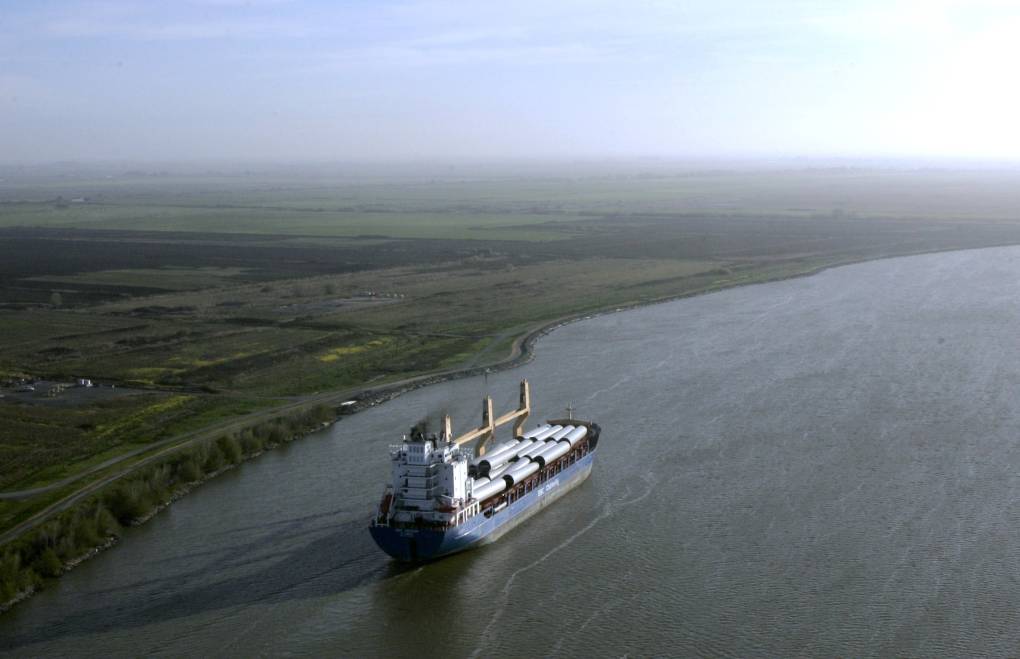
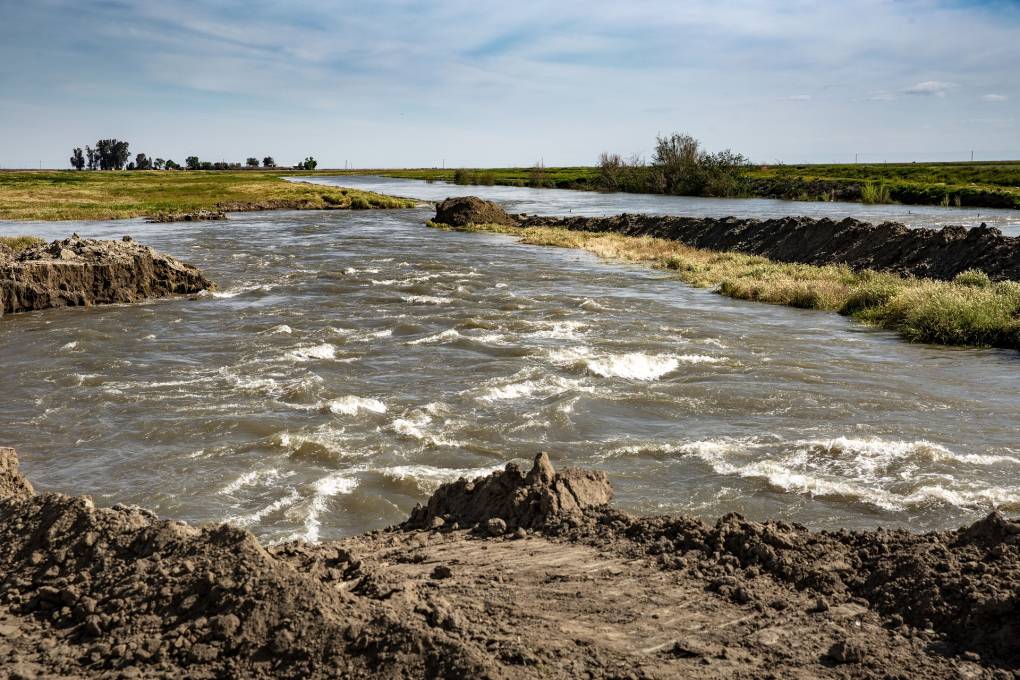
"caption": "A ship moves through the Sacramento-San Joaquin River Delta near Bethel Island, Contra Costa County, March 12, 2008. California Gov. Gavin Newsom's administration now says it will cost more than $20 billion to build a giant tunnel so the state can catch more water when it rains and store it to better prepare for longer droughts caused by climate change. ",
"description": null,
"title": "California Water Tunnel",
"credit": "Rich Pedroncelli/AP Photo",
"status": "inherit",
"altTag": null,
"isLoading": false,
"fetchFailed": false
},
"news_11985123": {
"type": "attachments",
"id": "news_11985123",
"meta": {
"index": "attachments_1716263798",
"site": "news",
"id": "11985123",
"found": true
},
"parent": 11985122,
"imgSizes": {
"twentyfourteen-full-width": {
"file": "https://cdn.kqed.org/wp-content/uploads/sites/10/2024/05/AP24127763537127-1038x576.jpg",
"width": 1038,
"mimeType": "image/jpeg",
"height": 576
},
"thumbnail": {
"file": "https://cdn.kqed.org/wp-content/uploads/sites/10/2024/05/AP24127763537127-160x107.jpg",
"width": 160,
"mimeType": "image/jpeg",
"height": 107
},
"post-thumbnail": {
"file": "https://cdn.kqed.org/wp-content/uploads/sites/10/2024/05/AP24127763537127-672x372.jpg",
"width": 672,
"mimeType": "image/jpeg",
"height": 372
},
"kqedFullSize": {
"file": "https://cdn.kqed.org/wp-content/uploads/sites/10/2024/05/AP24127763537127.jpg",
"width": 1920,
"height": 1280
},
"large": {
"file": "https://cdn.kqed.org/wp-content/uploads/sites/10/2024/05/AP24127763537127-1020x680.jpg",
"width": 1020,
"mimeType": "image/jpeg",
"height": 680
},
"1536x1536": {
"file": "https://cdn.kqed.org/wp-content/uploads/sites/10/2024/05/AP24127763537127-1536x1024.jpg",
"width": 1536,
"mimeType": "image/jpeg",
"height": 1024
},
"medium": {
"file": "https://cdn.kqed.org/wp-content/uploads/sites/10/2024/05/AP24127763537127-800x533.jpg",
"width": 800,
"mimeType": "image/jpeg",
"height": 533
}
},
"publishDate": 1715034628,
"modified": 1715037491,
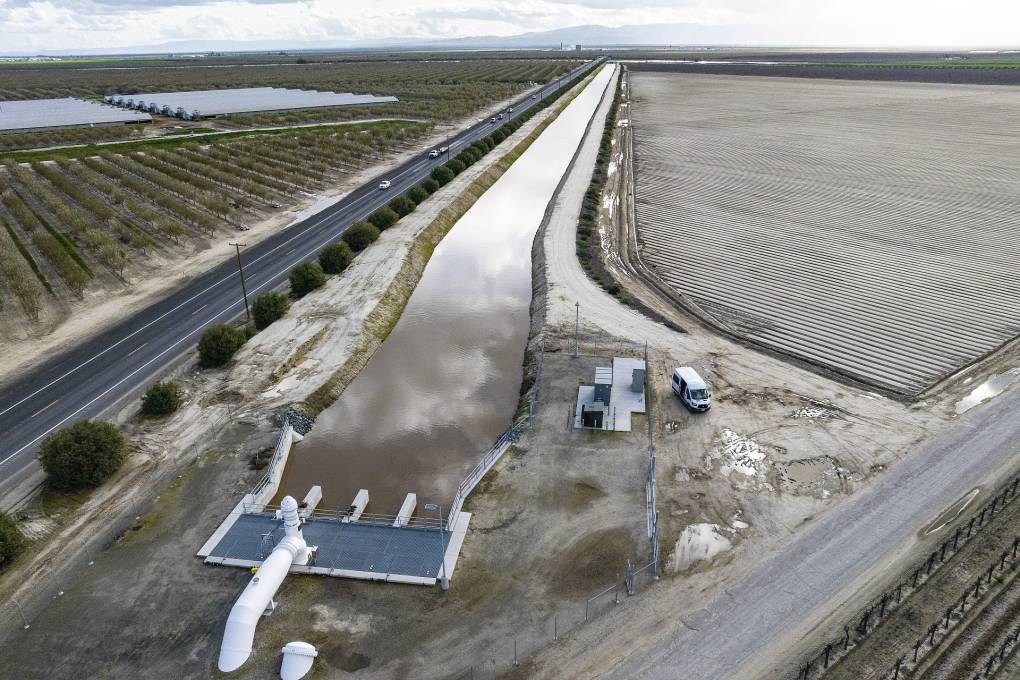
"caption": "In this aerial drone photo provided by the California Department of Water Resources, the primary pump in the foreground is part of a groundwater recharge project designed to capture excess flow for groundwater storage in Fresno County on March 13, 2023. After massive downpours flooded California’s rivers and packed mountains with snow, the state reported Monday, May 6, 2024, the first increase in groundwater supplies in four years.",
"description": null,
"title": "California Groundwater",
"credit": "Andrew Innerarity/California Department of Water Resources via AP",
"status": "inherit",
"altTag": null,
"isLoading": false,
"fetchFailed": false
},
"news_11982891": {
"type": "attachments",
"id": "news_11982891",
"meta": {
"index": "attachments_1716263798",
"site": "news",
"id": "11982891",
"found": true
},
"parent": 11982884,
"imgSizes": {
"twentyfourteen-full-width": {
"file": "https://cdn.kqed.org/wp-content/uploads/sites/10/2024/04/102523-Paradise-Rebuild-AP-CM-01-copy-1038x576.jpg",
"width": 1038,
"mimeType": "image/jpeg",
"height": 576
},
"thumbnail": {
"file": "https://cdn.kqed.org/wp-content/uploads/sites/10/2024/04/102523-Paradise-Rebuild-AP-CM-01-copy-160x106.jpg",
"width": 160,
"mimeType": "image/jpeg",
"height": 106
},
"post-thumbnail": {
"file": "https://cdn.kqed.org/wp-content/uploads/sites/10/2024/04/102523-Paradise-Rebuild-AP-CM-01-copy-672x372.jpg",
"width": 672,
"mimeType": "image/jpeg",
"height": 372
},
"kqedFullSize": {
"file": "https://cdn.kqed.org/wp-content/uploads/sites/10/2024/04/102523-Paradise-Rebuild-AP-CM-01-copy.jpg",
"width": 2000,
"height": 1331
},
"large": {
"file": "https://cdn.kqed.org/wp-content/uploads/sites/10/2024/04/102523-Paradise-Rebuild-AP-CM-01-copy-1020x679.jpg",
"width": 1020,
"mimeType": "image/jpeg",
"height": 679
},
"1536x1536": {
"file": "https://cdn.kqed.org/wp-content/uploads/sites/10/2024/04/102523-Paradise-Rebuild-AP-CM-01-copy-1536x1022.jpg",
"width": 1536,
"mimeType": "image/jpeg",
"height": 1022
},
"full-width": {
"file": "https://cdn.kqed.org/wp-content/uploads/sites/10/2024/04/102523-Paradise-Rebuild-AP-CM-01-copy-1920x1278.jpg",
"width": 1920,
"mimeType": "image/jpeg",
"height": 1278
},
"medium": {
"file": "https://cdn.kqed.org/wp-content/uploads/sites/10/2024/04/102523-Paradise-Rebuild-AP-CM-01-copy-800x532.jpg",
"width": 800,
"mimeType": "image/jpeg",
"height": 532
}
},
"publishDate": 1713032814,
"modified": 1713032859,
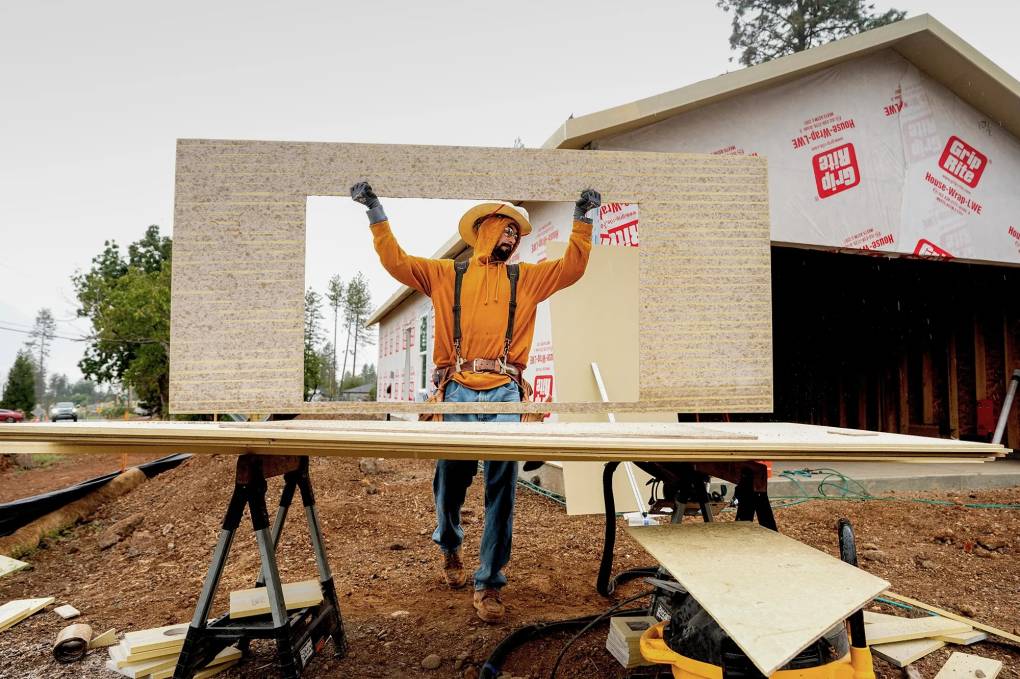
"caption": "Jose Villanueva carries siding while building a home in Paradise, Butte County, on Oct. 25, 2023. The project is partly funded by ReCoverCA, a state program providing money to rebuild homes in disaster areas.",
"description": null,
"title": "102523-Paradise-Rebuild-AP-CM-01 copy",
"credit": "Noah Berger/AP Photo",
"status": "inherit",
"altTag": null,
"isLoading": false,
"fetchFailed": false
},
"news_11980096": {
"type": "attachments",
"id": "news_11980096",
"meta": {
"index": "attachments_1716263798",
"site": "news",
"id": "11980096",
"found": true
},
"parent": 11980088,
"imgSizes": {
"twentyfourteen-full-width": {
"file": "https://cdn.kqed.org/wp-content/uploads/sites/10/2024/03/GettyImages-2087330277-1024x576.jpg",
"width": 1024,
"mimeType": "image/jpeg",
"height": 576
},
"thumbnail": {
"file": "https://cdn.kqed.org/wp-content/uploads/sites/10/2024/03/GettyImages-2087330277-160x107.jpg",
"width": 160,
"mimeType": "image/jpeg",
"height": 107
},
"post-thumbnail": {
"file": "https://cdn.kqed.org/wp-content/uploads/sites/10/2024/03/GettyImages-2087330277-672x372.jpg",
"width": 672,
"mimeType": "image/jpeg",
"height": 372
},
"kqedFullSize": {
"file": "https://cdn.kqed.org/wp-content/uploads/sites/10/2024/03/GettyImages-2087330277.jpg",
"width": 1024,
"height": 683
},
"large": {
"file": "https://cdn.kqed.org/wp-content/uploads/sites/10/2024/03/GettyImages-2087330277-1020x680.jpg",
"width": 1020,
"mimeType": "image/jpeg",
"height": 680
},
"medium": {
"file": "https://cdn.kqed.org/wp-content/uploads/sites/10/2024/03/GettyImages-2087330277-800x534.jpg",
"width": 800,
"mimeType": "image/jpeg",
"height": 534
}
},
"publishDate": 1710957494,
"modified": 1710957558,
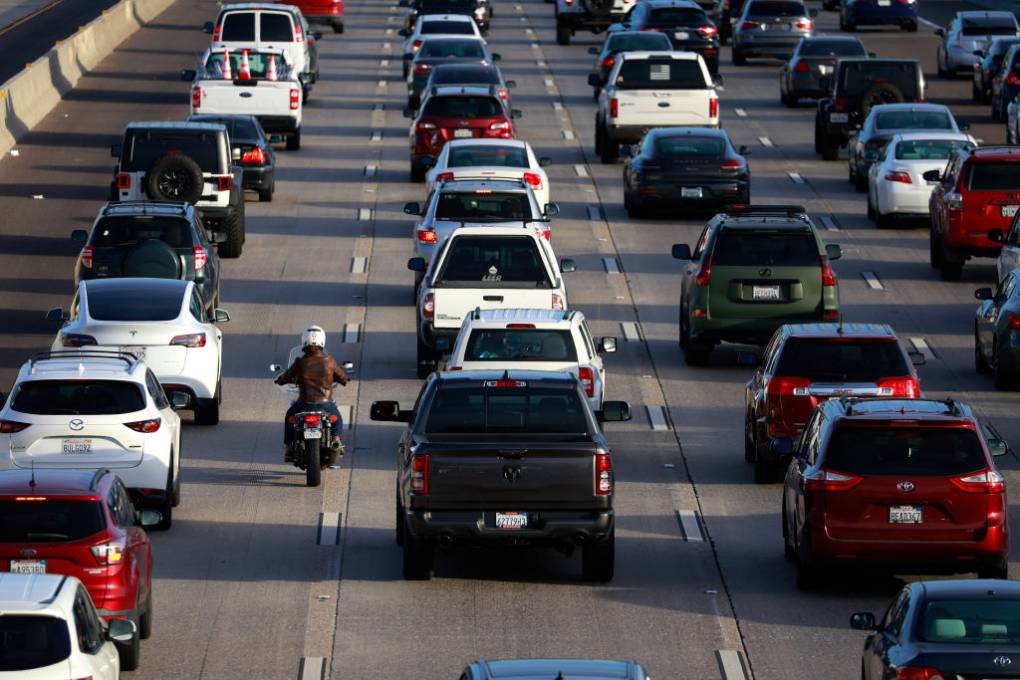
"caption": "Afternoon commute traffic heading into downtown San Diego on March 12, 2024 in San Diego.",
"description": null,
"title": "San Diego Traffic",
"credit": "Kevin Carter/Getty Images",
"status": "inherit",
"altTag": null,
"isLoading": false,
"fetchFailed": false
},
"news_11978158": {
"type": "attachments",
"id": "news_11978158",
"meta": {
"index": "attachments_1716263798",
"site": "news",
"id": "11978158",
"found": true
},
"parent": 11978157,
"imgSizes": {
"twentyfourteen-full-width": {
"file": "https://cdn.kqed.org/wp-content/uploads/sites/10/2024/03/rocket.falcon-e16f78272c2a1c64771caf753b22eec463597627-1038x576.jpg",
"width": 1038,
"mimeType": "image/jpeg",
"height": 576
},
"thumbnail": {
"file": "https://cdn.kqed.org/wp-content/uploads/sites/10/2024/03/rocket.falcon-e16f78272c2a1c64771caf753b22eec463597627-160x120.jpg",
"width": 160,
"mimeType": "image/jpeg",
"height": 120
},
"post-thumbnail": {
"file": "https://cdn.kqed.org/wp-content/uploads/sites/10/2024/03/rocket.falcon-e16f78272c2a1c64771caf753b22eec463597627-672x372.jpg",
"width": 672,
"mimeType": "image/jpeg",
"height": 372
},
"kqedFullSize": {
"file": "https://cdn.kqed.org/wp-content/uploads/sites/10/2024/03/rocket.falcon-e16f78272c2a1c64771caf753b22eec463597627-scaled.jpg",
"width": 2560,
"height": 1920
},
"2048x2048": {
"file": "https://cdn.kqed.org/wp-content/uploads/sites/10/2024/03/rocket.falcon-e16f78272c2a1c64771caf753b22eec463597627-2048x1536.jpg",
"width": 2048,
"mimeType": "image/jpeg",
"height": 1536
},
"large": {
"file": "https://cdn.kqed.org/wp-content/uploads/sites/10/2024/03/rocket.falcon-e16f78272c2a1c64771caf753b22eec463597627-1020x765.jpg",
"width": 1020,
"mimeType": "image/jpeg",
"height": 765
},
"1536x1536": {
"file": "https://cdn.kqed.org/wp-content/uploads/sites/10/2024/03/rocket.falcon-e16f78272c2a1c64771caf753b22eec463597627-1536x1152.jpg",
"width": 1536,
"mimeType": "image/jpeg",
"height": 1152
},
"full-width": {
"file": "https://cdn.kqed.org/wp-content/uploads/sites/10/2024/03/rocket.falcon-e16f78272c2a1c64771caf753b22eec463597627-1920x1440.jpg",
"width": 1920,
"mimeType": "image/jpeg",
"height": 1440
},
"medium": {
"file": "https://cdn.kqed.org/wp-content/uploads/sites/10/2024/03/rocket.falcon-e16f78272c2a1c64771caf753b22eec463597627-800x600.jpg",
"width": 800,
"mimeType": "image/jpeg",
"height": 600
}
},
"publishDate": 1709668636,
"modified": 1709678993,
"caption": "A SpaceX Falcon 9 rocket blasts into space. On board is a satellite with a climate solutions mission. It's designed to detect methane, a potent planet-warming gas.",
"description": null,
"title": "A SpaceX Falcon 9 rocket blasts into space. On board is a satellite with a climate solutions mission. It's designed to detect methane, a potent planet warming gas.",
"credit": null,
"status": "inherit",
"altTag": null,
"isLoading": false,
"fetchFailed": false
},
"news_11972235": {
"type": "attachments",
"id": "news_11972235",
"meta": {
"index": "attachments_1716263798",
"site": "news",
"id": "11972235",
"found": true
},
"parent": 11972226,
"imgSizes": {
"twentyfourteen-full-width": {
"file": "https://cdn.kqed.org/wp-content/uploads/sites/10/2024/01/AP24010715773560-1038x576.jpg",
"width": 1038,
"mimeType": "image/jpeg",
"height": 576
},
"thumbnail": {
"file": "https://cdn.kqed.org/wp-content/uploads/sites/10/2024/01/AP24010715773560-160x107.jpg",
"width": 160,
"mimeType": "image/jpeg",
"height": 107
},
"post-thumbnail": {
"file": "https://cdn.kqed.org/wp-content/uploads/sites/10/2024/01/AP24010715773560-672x372.jpg",
"width": 672,
"mimeType": "image/jpeg",
"height": 372
},
"kqedFullSize": {
"file": "https://cdn.kqed.org/wp-content/uploads/sites/10/2024/01/AP24010715773560-scaled.jpg",
"width": 2560,
"height": 1707
},
"2048x2048": {
"file": "https://cdn.kqed.org/wp-content/uploads/sites/10/2024/01/AP24010715773560-2048x1365.jpg",
"width": 2048,
"mimeType": "image/jpeg",
"height": 1365
},
"large": {
"file": "https://cdn.kqed.org/wp-content/uploads/sites/10/2024/01/AP24010715773560-1020x680.jpg",
"width": 1020,
"mimeType": "image/jpeg",
"height": 680
},
"1536x1536": {
"file": "https://cdn.kqed.org/wp-content/uploads/sites/10/2024/01/AP24010715773560-1536x1024.jpg",
"width": 1536,
"mimeType": "image/jpeg",
"height": 1024
},
"full-width": {
"file": "https://cdn.kqed.org/wp-content/uploads/sites/10/2024/01/AP24010715773560-1920x1280.jpg",
"width": 1920,
"mimeType": "image/jpeg",
"height": 1280
},
"medium": {
"file": "https://cdn.kqed.org/wp-content/uploads/sites/10/2024/01/AP24010715773560-800x533.jpg",
"width": 800,
"mimeType": "image/jpeg",
"height": 533
}
},
"publishDate": 1704925987,
"modified": 1704930899,
"caption": "California Gov. Gavin Newsom discusses his proposed state budget for the 2024–25 fiscal year during a news conference in Sacramento on Wednesday, Jan. 10, 2024.",
"description": null,
"title": "Gavin Newsom",
"credit": "Rich Pedroncelli/AP Photo",
"status": "inherit",
"altTag": "Gov. Gavin Newsom at a podium.",
"isLoading": false,
"fetchFailed": false
},
"news_11960227": {
"type": "attachments",
"id": "news_11960227",
"meta": {
"index": "attachments_1716263798",
"site": "news",
"id": "11960227",
"found": true
},
"parent": 0,
"imgSizes": {
"twentyfourteen-full-width": {
"file": "https://ww2.kqed.org/app/uploads/sites/10/2023/09/RS68665_230901-CentralValleyClimateSolutions-40-BL-KQED-1038x576.jpg",
"width": 1038,
"mimeType": "image/jpeg",
"height": 576
},
"thumbnail": {
"file": "https://ww2.kqed.org/app/uploads/sites/10/2023/09/RS68665_230901-CentralValleyClimateSolutions-40-BL-KQED-160x107.jpg",
"width": 160,
"mimeType": "image/jpeg",
"height": 107
},
"post-thumbnail": {
"file": "https://ww2.kqed.org/app/uploads/sites/10/2023/09/RS68665_230901-CentralValleyClimateSolutions-40-BL-KQED-672x372.jpg",
"width": 672,
"mimeType": "image/jpeg",
"height": 372
},
"kqedFullSize": {
"file": "https://ww2.kqed.org/app/uploads/sites/10/2023/09/RS68665_230901-CentralValleyClimateSolutions-40-BL-KQED.jpg",
"width": 2000,
"height": 1333
},
"large": {
"file": "https://ww2.kqed.org/app/uploads/sites/10/2023/09/RS68665_230901-CentralValleyClimateSolutions-40-BL-KQED-1020x680.jpg",
"width": 1020,
"mimeType": "image/jpeg",
"height": 680
},
"1536x1536": {
"file": "https://ww2.kqed.org/app/uploads/sites/10/2023/09/RS68665_230901-CentralValleyClimateSolutions-40-BL-KQED-1536x1024.jpg",
"width": 1536,
"mimeType": "image/jpeg",
"height": 1024
},
"full-width": {
"file": "https://ww2.kqed.org/app/uploads/sites/10/2023/09/RS68665_230901-CentralValleyClimateSolutions-40-BL-KQED-1920x1280.jpg",
"width": 1920,
"mimeType": "image/jpeg",
"height": 1280
},
"medium": {
"file": "https://ww2.kqed.org/app/uploads/sites/10/2023/09/RS68665_230901-CentralValleyClimateSolutions-40-BL-KQED-800x533.jpg",
"width": 800,
"mimeType": "image/jpeg",
"height": 533
}
},
"publishDate": 1694030988,
"modified": 1699570919,
"caption": "Huron Mayor Rey León walks through a community garden and compost hub run by the Latino Equity Advocacy & Policy Institute offices, known as LEAP, in Huron, Calif., on Sept. 1, 2023.",
"description": null,
"title": "RS68665_230901-CentralValleyClimateSolutions-40-BL-KQED",
"credit": "Beth LaBerge/KQED",
"status": "inherit",
"altTag": "A person with a mustache wearing a baseball cap looks at a plant in a garden.",
"isLoading": false,
"fetchFailed": false
},
"news_11878448": {
"type": "attachments",
"id": "news_11878448",
"meta": {
"index": "attachments_1716263798",
"site": "news",
"id": "11878448",
"found": true
},
"parent": 11878442,
"imgSizes": {
"twentyfourteen-full-width": {
"file": "https://ww2.kqed.org/app/uploads/sites/10/2021/06/IMG_0088-scaled-1-1038x576.jpeg",
"width": 1038,
"mimeType": "image/jpeg",
"height": 576
},
"thumbnail": {
"file": "https://ww2.kqed.org/app/uploads/sites/10/2021/06/IMG_0088-scaled-1-160x107.jpeg",
"width": 160,
"mimeType": "image/jpeg",
"height": 107
},
"post-thumbnail": {
"file": "https://ww2.kqed.org/app/uploads/sites/10/2021/06/IMG_0088-scaled-1-672x372.jpeg",
"width": 672,
"mimeType": "image/jpeg",
"height": 372
},
"kqedFullSize": {
"file": "https://ww2.kqed.org/app/uploads/sites/10/2021/06/IMG_0088-scaled-1.jpeg",
"width": 2560,
"height": 1707
},
"2048x2048": {
"file": "https://ww2.kqed.org/app/uploads/sites/10/2021/06/IMG_0088-scaled-1-2048x1366.jpeg",
"width": 2048,
"mimeType": "image/jpeg",
"height": 1366
},
"large": {
"file": "https://ww2.kqed.org/app/uploads/sites/10/2021/06/IMG_0088-scaled-1-1020x680.jpeg",
"width": 1020,
"mimeType": "image/jpeg",
"height": 680
},
"1536x1536": {
"file": "https://ww2.kqed.org/app/uploads/sites/10/2021/06/IMG_0088-scaled-1-1536x1024.jpeg",
"width": 1536,
"mimeType": "image/jpeg",
"height": 1024
},
"full-width": {
"file": "https://ww2.kqed.org/app/uploads/sites/10/2021/06/IMG_0088-scaled-1-1920x1280.jpeg",
"width": 1920,
"mimeType": "image/jpeg",
"height": 1280
},
"medium": {
"file": "https://ww2.kqed.org/app/uploads/sites/10/2021/06/IMG_0088-scaled-1-800x533.jpeg",
"width": 800,
"mimeType": "image/jpeg",
"height": 533
}
},
"publishDate": 1623962303,
"modified": 1623962318,
"caption": "Prescribed fire burn training, from 2019.",
"description": null,
"title": "IMG_0088-scaled",
"credit": null,
"status": "inherit",
"altTag": null,
"isLoading": false,
"fetchFailed": false
},
"news_135276": {
"type": "attachments",
"id": "news_135276",
"meta": {
"index": "attachments_1716263798",
"site": "news",
"id": "135276",
"found": true
},
"parent": 135256,
"imgSizes": {
"kqedFullSize": {
"file": "https://ww2.kqed.org/app/uploads/sites/10/2014/05/salmon-3.jpg",
"width": 800,
"height": 533
}
},
"publishDate": 1399412130,
"modified": 1399412130,
"caption": "Kenny Belov, co-owner of 2xSea, cuts a piece of salmon (Mark Andrew Boyer/KQED)",
"description": null,
"title": "salmon-3",
"credit": null,
"status": "inherit",
"isLoading": false,
"fetchFailed": false
},
"news_11948951": {
"type": "attachments",
"id": "news_11948951",
"meta": {
"index": "attachments_1716263798",
"site": "news",
"id": "11948951",
"found": true
},
"parent": 11948948,
"imgSizes": {
"twentyfourteen-full-width": {
"file": "https://ww2.kqed.org/app/uploads/sites/10/2023/05/018_KQED_HetchHetchyCentennial_05022023-1038x576.jpg",
"width": 1038,
"mimeType": "image/jpeg",
"height": 576
},
"thumbnail": {
"file": "https://ww2.kqed.org/app/uploads/sites/10/2023/05/018_KQED_HetchHetchyCentennial_05022023-160x107.jpg",
"width": 160,
"mimeType": "image/jpeg",
"height": 107
},
"post-thumbnail": {
"file": "https://ww2.kqed.org/app/uploads/sites/10/2023/05/018_KQED_HetchHetchyCentennial_05022023-672x372.jpg",
"width": 672,
"mimeType": "image/jpeg",
"height": 372
},
"kqedFullSize": {
"file": "https://ww2.kqed.org/app/uploads/sites/10/2023/05/018_KQED_HetchHetchyCentennial_05022023.jpg",
"width": 1920,
"height": 1280
},
"large": {
"file": "https://ww2.kqed.org/app/uploads/sites/10/2023/05/018_KQED_HetchHetchyCentennial_05022023-1020x680.jpg",
"width": 1020,
"mimeType": "image/jpeg",
"height": 680
},
"1536x1536": {
"file": "https://ww2.kqed.org/app/uploads/sites/10/2023/05/018_KQED_HetchHetchyCentennial_05022023-1536x1024.jpg",
"width": 1536,
"mimeType": "image/jpeg",
"height": 1024
},
"medium": {
"file": "https://ww2.kqed.org/app/uploads/sites/10/2023/05/018_KQED_HetchHetchyCentennial_05022023-800x533.jpg",
"width": 800,
"mimeType": "image/jpeg",
"height": 533
}
},
"publishDate": 1683673194,
"modified": 1683673233,
"caption": null,
"description": null,
"title": "018_KQED_HetchHetchyCentennial_05022023",
"credit": "KQED/Beth LaBerge",
"status": "inherit",
"altTag": null,
"isLoading": false,
"fetchFailed": false
},
"news_11947467": {
"type": "attachments",
"id": "news_11947467",
"meta": {
"index": "attachments_1716263798",
"site": "news",
"id": "11947467",
"found": true
},
"parent": 0,
"imgSizes": {
"twentyfourteen-full-width": {
"file": "https://ww2.kqed.org/app/uploads/sites/10/2023/04/GettyImages-1482628208-1-1038x576.jpg",
"width": 1038,
"mimeType": "image/jpeg",
"height": 576
},
"thumbnail": {
"file": "https://ww2.kqed.org/app/uploads/sites/10/2023/04/GettyImages-1482628208-1-160x107.jpg",
"width": 160,
"mimeType": "image/jpeg",
"height": 107
},
"post-thumbnail": {
"file": "https://ww2.kqed.org/app/uploads/sites/10/2023/04/GettyImages-1482628208-1-672x372.jpg",
"width": 672,
"mimeType": "image/jpeg",
"height": 372
},
"kqedFullSize": {
"file": "https://ww2.kqed.org/app/uploads/sites/10/2023/04/GettyImages-1482628208-1.jpg",
"width": 1920,
"height": 1280
},
"large": {
"file": "https://ww2.kqed.org/app/uploads/sites/10/2023/04/GettyImages-1482628208-1-1020x680.jpg",
"width": 1020,
"mimeType": "image/jpeg",
"height": 680
},
"1536x1536": {
"file": "https://ww2.kqed.org/app/uploads/sites/10/2023/04/GettyImages-1482628208-1-1536x1024.jpg",
"width": 1536,
"mimeType": "image/jpeg",
"height": 1024
},
"medium": {
"file": "https://ww2.kqed.org/app/uploads/sites/10/2023/04/GettyImages-1482628208-1-800x533.jpg",
"width": 800,
"mimeType": "image/jpeg",
"height": 533
}
},
"publishDate": 1682365289,
"modified": 1682367530,
"caption": "The Kings River, now flowing into Tulare Lake, a once great body of water in the southern Central Valley that is filling again due to the recent series of major rain and heavy snowmelt in the Sierra Nevada, on April 13, 2023, in Statford.",
"description": null,
"title": "Central Valley's Tulare Lake Begins to Fill",
"credit": "George Rose/Getty Images",
"status": "inherit",
"altTag": "A rushing river flows through and fills a nearby lake on a sunny day.",
"isLoading": false,
"fetchFailed": false
},
"news_11944099": {
"type": "attachments",
"id": "news_11944099",
"meta": {
"index": "attachments_1716263798",
"site": "news",
"id": "11944099",
"found": true
},
"parent": 11944098,
"imgSizes": {
"twentyfourteen-full-width": {
"file": "https://ww2.kqed.org/app/uploads/sites/10/2023/03/ap23074543190373-b38c74bd289a7fb08077c96ce2938d6bb0634ce1-1038x576.jpg",
"width": 1038,
"mimeType": "image/jpeg",
"height": 576
},
"thumbnail": {
"file": "https://ww2.kqed.org/app/uploads/sites/10/2023/03/ap23074543190373-b38c74bd289a7fb08077c96ce2938d6bb0634ce1-160x120.jpg",
"width": 160,
"mimeType": "image/jpeg",
"height": 120
},
"post-thumbnail": {
"file": "https://ww2.kqed.org/app/uploads/sites/10/2023/03/ap23074543190373-b38c74bd289a7fb08077c96ce2938d6bb0634ce1-672x372.jpg",
"width": 672,
"mimeType": "image/jpeg",
"height": 372
},
"kqedFullSize": {
"file": "https://ww2.kqed.org/app/uploads/sites/10/2023/03/ap23074543190373-b38c74bd289a7fb08077c96ce2938d6bb0634ce1-scaled.jpg",
"width": 2560,
"height": 1920
},
"2048x2048": {
"file": "https://ww2.kqed.org/app/uploads/sites/10/2023/03/ap23074543190373-b38c74bd289a7fb08077c96ce2938d6bb0634ce1-2048x1536.jpg",
"width": 2048,
"mimeType": "image/jpeg",
"height": 1536
},
"large": {
"file": "https://ww2.kqed.org/app/uploads/sites/10/2023/03/ap23074543190373-b38c74bd289a7fb08077c96ce2938d6bb0634ce1-1020x765.jpg",
"width": 1020,
"mimeType": "image/jpeg",
"height": 765
},
"1536x1536": {
"file": "https://ww2.kqed.org/app/uploads/sites/10/2023/03/ap23074543190373-b38c74bd289a7fb08077c96ce2938d6bb0634ce1-1536x1152.jpg",
"width": 1536,
"mimeType": "image/jpeg",
"height": 1152
},
"full-width": {
"file": "https://ww2.kqed.org/app/uploads/sites/10/2023/03/ap23074543190373-b38c74bd289a7fb08077c96ce2938d6bb0634ce1-1920x1440.jpg",
"width": 1920,
"mimeType": "image/jpeg",
"height": 1440
},
"medium": {
"file": "https://ww2.kqed.org/app/uploads/sites/10/2023/03/ap23074543190373-b38c74bd289a7fb08077c96ce2938d6bb0634ce1-800x600.jpg",
"width": 800,
"mimeType": "image/jpeg",
"height": 600
}
},
"publishDate": 1679335140,
"modified": 1679337896,
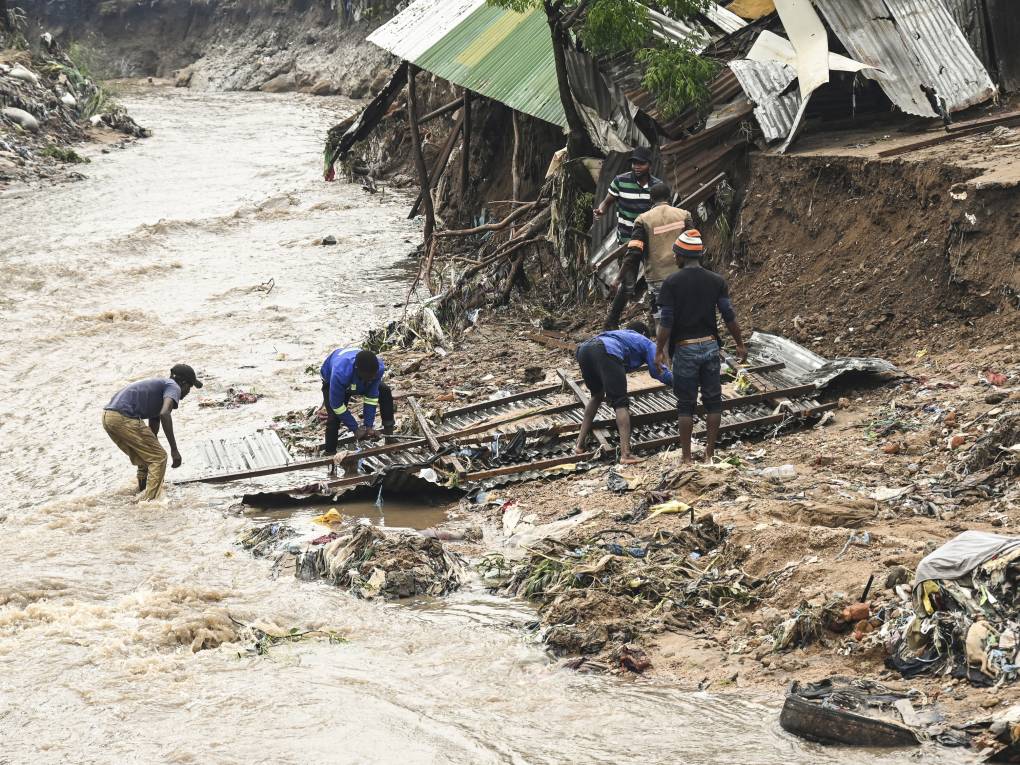
"caption": "Men salvage parts from their destroyed home, following heavy rains caused by Cyclone Freddy in Blantyre, southern Malawi, Wednesday, March 15, 2023. From devastating cyclones and floods to an unrelenting drought, African countries are spending between 2% and 9% of their budgets to respond to extreme weather events, according to a report released by the United Nations on Wednesday.",
"description": null,
"title": "Residents in southern Malawi repair a home destroyed by heavy rain from Cyclone Freddy. Climate change is causing cyclones and hurricanes to get more intense and dangerous.",
"credit": "Thoko Chikondi/AP Photo",
"status": "inherit",
"altTag": "A massive stream of brown water flows rapidly between an embankment as six men work to salvage wood and metal scraps from a recent flood in Africa.",
"isLoading": false,
"fetchFailed": false
}
},
"audioPlayerReducer": {
"postId": "stream_live",
"isPaused": true,
"isPlaying": false,
"pfsActive": false,
"pledgeModalIsOpen": true,
"playerDrawerIsOpen": false,
"liveAudioPlayStartedAt": 0,
"liveAudioPlayContext": ""
},
"authorsReducer": {
"byline_news_11986659": {
"type": "authors",
"id": "byline_news_11986659",
"meta": {
"override": true
},
"slug": "byline_news_11986659",
"name": "Adam Beam, The Associated Press",
"isLoading": false
},
"byline_news_11985122": {
"type": "authors",
"id": "byline_news_11985122",
"meta": {
"override": true
},
"slug": "byline_news_11985122",
"name": "The Associated Press",
"isLoading": false
},
"byline_news_11982884": {
"type": "authors",
"id": "byline_news_11982884",
"meta": {
"override": true
},
"slug": "byline_news_11982884",
"name": "\u003ca href=\"https://calmatters.org/author/ryan-sabalow/\">Ryan Sabalow\u003c/a>",
"isLoading": false
},
"byline_news_11980088": {
"type": "authors",
"id": "byline_news_11980088",
"meta": {
"override": true
},
"slug": "byline_news_11980088",
"name": "\u003ca href=\"https://www.npr.org/people/348744968/camila-domonoske\">Camila Domonoske\u003c/a>, \u003ca href=\"https://www.npr.org/people/1134404086/michael-copley\">Michael Copley\u003c/a>",
"isLoading": false
},
"byline_news_11978157": {
"type": "authors",
"id": "byline_news_11978157",
"meta": {
"override": true
},
"slug": "byline_news_11978157",
"name": "Julia Simon",
"isLoading": false
},
"byline_news_11944098": {
"type": "authors",
"id": "byline_news_11944098",
"meta": {
"override": true
},
"slug": "byline_news_11944098",
"name": "\u003ca href=\"https://www.npr.org/people/384067907/rebecca-hersher\">Rebecca Hersher\u003c/a>",
"isLoading": false
},
"gmarzorati": {
"type": "authors",
"id": "227",
"meta": {
"index": "authors_1716337520",
"id": "227",
"found": true
},
"name": "Guy Marzorati",
"firstName": "Guy",
"lastName": "Marzorati",
"slug": "gmarzorati",
"email": "gmarzorati@KQED.org",
"display_author_email": true,
"staff_mastheads": [
"news"
],
"title": "Correspondent",
"bio": "Guy Marzorati is a correspondent on KQED's California Politics and Government Desk, based in San Jose. A graduate of Santa Clara University, Guy joined KQED in 2013. He reports on state and local politics and produces KQED's digital voter guide.",
"avatar": "https://secure.gravatar.com/avatar/e7038b8dbfd55b104369b76b1cd0b9de?s=600&d=blank&r=g",
"twitter": "guymarzorati",
"facebook": null,
"instagram": null,
"linkedin": null,
"sites": [
{
"site": "",
"roles": [
"editor"
]
},
{
"site": "news",
"roles": [
"editor"
]
},
{
"site": "science",
"roles": [
"editor"
]
},
{
"site": "forum",
"roles": [
"editor"
]
},
{
"site": "elections",
"roles": [
"editor"
]
},
{
"site": "liveblog",
"roles": [
"editor"
]
}
],
"headData": {
"title": "Guy Marzorati | KQED",
"description": "Correspondent",
"ogImgSrc": "https://secure.gravatar.com/avatar/e7038b8dbfd55b104369b76b1cd0b9de?s=600&d=blank&r=g",
"twImgSrc": "https://secure.gravatar.com/avatar/e7038b8dbfd55b104369b76b1cd0b9de?s=600&d=blank&r=g"
},
"isLoading": false,
"link": "/author/gmarzorati"
},
"tychehendricks": {
"type": "authors",
"id": "259",
"meta": {
"index": "authors_1716337520",
"id": "259",
"found": true
},
"name": "Tyche Hendricks",
"firstName": "Tyche",
"lastName": "Hendricks",
"slug": "tychehendricks",
"email": "thendricks@kqed.org",
"display_author_email": true,
"staff_mastheads": [
"news"
],
"title": "KQED Senior Editor, Immigration",
"bio": "\u003cspan style=\"font-weight: 400;\">Tyche Hendricks is KQED’s senior editor for immigration, leading coverage of the policy and politics that affect California’s immigrant communities. Her work for KQED’s radio and online audiences is also carried on NPR and other national outlets. She has been recognized with awards from the Radio and Television News Directors Association, the Society for Professional Journalists; the Education Writers Association; the Best of the West and the National Federation of Community Broadcasters. Before joining KQED in 2010, Tyche spent more than a dozen years as a newspaper reporter, notably at the \u003c/span>\u003ci>\u003cspan style=\"font-weight: 400;\">San Francisco Chronicle\u003c/span>\u003c/i>\u003cspan style=\"font-weight: 400;\">. At different times she has covered criminal justice, government and politics and urban planning. Tyche has taught in the MFA Creative Writing program at the University of San Francisco and at UC Berkeley’s Graduate School of Journalism, where she was co-director of a national immigration symposium for professional journalists. She is the author of \u003c/span>\u003ci>\u003cspan style=\"font-weight: 400;\">The Wind Doesn't Need a Passport: Stories from the U.S.-Mexico Borderlands\u003c/span>\u003c/i>\u003cspan style=\"font-weight: 400;\"> (University of California Press). \u003c/span>",
"avatar": "https://secure.gravatar.com/avatar/b8ee458e2731c2d43df86882ce17267e?s=600&d=blank&r=g",
"twitter": "tychehendricks",
"facebook": null,
"instagram": null,
"linkedin": null,
"sites": [
{
"site": "news",
"roles": [
"editor"
]
},
{
"site": "stateofhealth",
"roles": [
"editor"
]
}
],
"headData": {
"title": "Tyche Hendricks | KQED",
"description": "KQED Senior Editor, Immigration",
"ogImgSrc": "https://secure.gravatar.com/avatar/b8ee458e2731c2d43df86882ce17267e?s=600&d=blank&r=g",
"twImgSrc": "https://secure.gravatar.com/avatar/b8ee458e2731c2d43df86882ce17267e?s=600&d=blank&r=g"
},
"isLoading": false,
"link": "/author/tychehendricks"
},
"ecruzguevarra": {
"type": "authors",
"id": "8654",
"meta": {
"index": "authors_1716337520",
"id": "8654",
"found": true
},
"name": "Ericka Cruz Guevarra",
"firstName": "Ericka",
"lastName": "Cruz Guevarra",
"slug": "ecruzguevarra",
"email": "ecruzguevarra@kqed.org",
"display_author_email": true,
"staff_mastheads": [
"news"
],
"title": "Producer, The Bay Podcast",
"bio": "Ericka Cruz Guevarra is host of \u003ca href=\"https://www.kqed.org/podcasts/thebay\">\u003cem>The Bay\u003c/em>\u003c/a> podcast at KQED. Before host, she was the show’s producer. Her work in that capacity includes a three-part reported series on policing in Vallejo, which won a 2020 excellence in journalism award from the Society of Professional Journalists. Ericka has worked as a breaking news reporter at Oregon Public Broadcasting, helped produce the Code Switch podcast, and was KQED’s inaugural Raul Ramirez Diversity Fund intern. She’s also an alumna of NPR’s Next Generation Radio program. Send her an email if you have strong feelings about whether Fairfield and Suisun City are the Bay. Ericka is represented by SAG-AFTRA.",
"avatar": "https://secure.gravatar.com/avatar/accefc1de4bafc7e234b69bcb9b6f6536c130fd84709bc3069ef11a78787e1bb?s=600&d=blank&r=g",
"twitter": "NotoriousECG",
"bluesky": null,
"facebook": null,
"instagram": null,
"linkedin": null,
"sites": [
{
"site": "arts",
"roles": [
"subscriber"
]
},
{
"site": "news",
"roles": [
"editor",
"manage_categories"
]
},
{
"site": "futureofyou",
"roles": [
"subscriber"
]
},
{
"site": "stateofhealth",
"roles": [
"subscriber"
]
},
{
"site": "science",
"roles": [
"editor"
]
},
{
"site": "forum",
"roles": [
"subscriber"
]
}
],
"headData": {
"title": "Ericka Cruz Guevarra | KQED",
"description": "Producer, The Bay Podcast",
"ogImgSrc": "https://secure.gravatar.com/avatar/accefc1de4bafc7e234b69bcb9b6f6536c130fd84709bc3069ef11a78787e1bb?s=600&d=blank&r=g",
"twImgSrc": "https://secure.gravatar.com/avatar/accefc1de4bafc7e234b69bcb9b6f6536c130fd84709bc3069ef11a78787e1bb?s=600&d=blank&r=g"
},
"isLoading": false,
"link": "/author/ecruzguevarra"
},
"dventon": {
"type": "authors",
"id": "11088",
"meta": {
"index": "authors_1716337520",
"id": "11088",
"found": true
},
"name": "Danielle Venton",
"firstName": "Danielle",
"lastName": "Venton",
"slug": "dventon",
"email": "dventon@kqed.org",
"display_author_email": true,
"staff_mastheads": [
"science"
],
"title": "Science reporter",
"bio": "Danielle Venton is a reporter for KQED Science. She covers wildfires, space and oceans (though she is prone to sea sickness).\r\n\r\nBefore joining KQED in 2015, Danielle was a staff reporter at KRCB in Sonoma County and a freelancer. She studied science communication at UC Santa Cruz and formerly worked at CERN in Geneva, Switzerland where she wrote about computing. She lives in Sonoma County and enjoys backpacking.",
"avatar": "https://secure.gravatar.com/avatar/37b292b5c40c8d93959c4f48d73b5286f41b7abd8588277e941905a3ed4c801c?s=600&d=blank&r=g",
"twitter": "DanielleVenton",
"bluesky": null,
"facebook": null,
"instagram": null,
"linkedin": null,
"sites": [
{
"site": "arts",
"roles": [
"contributor"
]
},
{
"site": "news",
"roles": [
"editor"
]
},
{
"site": "futureofyou",
"roles": [
"editor"
]
},
{
"site": "science",
"roles": [
"editor"
]
},
{
"site": "liveblog",
"roles": [
"contributor"
]
}
],
"headData": {
"title": "Danielle Venton | KQED",
"description": "Science reporter",
"ogImgSrc": "https://secure.gravatar.com/avatar/37b292b5c40c8d93959c4f48d73b5286f41b7abd8588277e941905a3ed4c801c?s=600&d=blank&r=g",
"twImgSrc": "https://secure.gravatar.com/avatar/37b292b5c40c8d93959c4f48d73b5286f41b7abd8588277e941905a3ed4c801c?s=600&d=blank&r=g"
},
"isLoading": false,
"link": "/author/dventon"
},
"dcronin": {
"type": "authors",
"id": "11362",
"meta": {
"index": "authors_1716337520",
"id": "11362",
"found": true
},
"name": "Dana Cronin",
"firstName": "Dana",
"lastName": "Cronin",
"slug": "dcronin",
"email": "dcronin@KQED.org",
"display_author_email": true,
"staff_mastheads": [],
"title": "KQED Contributor",
"bio": "Dana Cronin is a reporter for KQED News. She loves writing stories about climate change, environmental issues, food and agriculture. She's reported across the country, from Colorado to Washington D.C. to Illinois, and has won numerous awards for her coverage. Her work is regularly featured on national broadcasts, including NPR’s Morning Edition, All Things Considered, PBS Newshour and Science Friday. She lives in Oakland and has an avocado tree in her back yard.",
"avatar": "https://secure.gravatar.com/avatar/bcf89e3455ff7235f96ab6fa7258dd95?s=600&d=blank&r=g",
"twitter": "DanaHCronin",
"facebook": null,
"instagram": null,
"linkedin": null,
"sites": [
{
"site": "arts",
"roles": [
"author"
]
},
{
"site": "news",
"roles": [
"editor"
]
},
{
"site": "science",
"roles": [
"author"
]
},
{
"site": "liveblog",
"roles": [
"author"
]
}
],
"headData": {
"title": "Dana Cronin | KQED",
"description": "KQED Contributor",
"ogImgSrc": "https://secure.gravatar.com/avatar/bcf89e3455ff7235f96ab6fa7258dd95?s=600&d=blank&r=g",
"twImgSrc": "https://secure.gravatar.com/avatar/bcf89e3455ff7235f96ab6fa7258dd95?s=600&d=blank&r=g"
},
"isLoading": false,
"link": "/author/dcronin"
},
"amontecillo": {
"type": "authors",
"id": "11649",
"meta": {
"index": "authors_1716337520",
"id": "11649",
"found": true
},
"name": "Alan Montecillo",
"firstName": "Alan",
"lastName": "Montecillo",
"slug": "amontecillo",
"email": "amontecillo@kqed.org",
"display_author_email": false,
"staff_mastheads": [
"news"
],
"title": "KQED Contributor",
"bio": "Alan Montecillo is the senior editor of \u003cem>\u003ca href=\"http://kqed.org/thebay\">The Bay\u003c/a>, \u003c/em> KQED's local news podcast. Before moving to the Bay Area, he worked as a senior talk show producer for WILL in Champaign-Urbana, Illinois and at Oregon Public Broadcasting in Portland, Oregon. He has won journalism awards from the Society of Professional Journalists Northern California, the Public Media Journalists Association, The Signal Awards, and has also received a regional Edward R. Murrow award. Alan is a Filipino American from Hong Kong and a graduate of Reed College.",
"avatar": "https://secure.gravatar.com/avatar/268f53a2066899ea9efdd8a5900218b17c822d9862cbc9326cccec53ef41d349?s=600&d=blank&r=g",
"twitter": "alanmontecillo",
"bluesky": null,
"facebook": null,
"instagram": null,
"linkedin": null,
"sites": [
{
"site": "",
"roles": [
"editor"
]
},
{
"site": "news",
"roles": [
"editor",
"manage_categories"
]
}
],
"headData": {
"title": "Alan Montecillo | KQED",
"description": "KQED Contributor",
"ogImgSrc": "https://secure.gravatar.com/avatar/268f53a2066899ea9efdd8a5900218b17c822d9862cbc9326cccec53ef41d349?s=600&d=blank&r=g",
"twImgSrc": "https://secure.gravatar.com/avatar/268f53a2066899ea9efdd8a5900218b17c822d9862cbc9326cccec53ef41d349?s=600&d=blank&r=g"
},
"isLoading": false,
"link": "/author/amontecillo"
},
"eromero": {
"type": "authors",
"id": "11746",
"meta": {
"index": "authors_1716337520",
"id": "11746",
"found": true
},
"name": "Ezra David Romero",
"firstName": "Ezra David",
"lastName": "Romero",
"slug": "eromero",
"email": "eromero@kqed.org",
"display_author_email": true,
"staff_mastheads": [
"news",
"science"
],
"title": "Climate Reporter",
"bio": "Ezra David Romero is a climate reporter for KQED News. He covers the absence and excess of water in the Bay Area — think sea level rise, flooding and drought. For nearly a decade he’s covered how warming temperatures are altering the lives of Californians. He’s reported on farmers worried their pistachio trees aren’t getting enough sleep, families desperate for water, scientists studying dying giant sequoias, and alongside firefighters containing wildfires. His work has appeared on local stations across California and nationally on public radio shows like Morning Edition, Here and Now, All Things Considered and Science Friday. ",
"avatar": "https://secure.gravatar.com/avatar/c76404d287c10ed40224227551ac36e24352c7306f106632caf6fead76f8801f?s=600&d=blank&r=g",
"twitter": "ezraromero",
"bluesky": null,
"facebook": null,
"instagram": null,
"linkedin": null,
"sites": [
{
"site": "arts",
"roles": [
"editor"
]
},
{
"site": "news",
"roles": [
"editor"
]
},
{
"site": "science",
"roles": [
"editor"
]
},
{
"site": "liveblog",
"roles": [
"author"
]
}
],
"headData": {
"title": "Ezra David Romero | KQED",
"description": "Climate Reporter",
"ogImgSrc": "https://secure.gravatar.com/avatar/c76404d287c10ed40224227551ac36e24352c7306f106632caf6fead76f8801f?s=600&d=blank&r=g",
"twImgSrc": "https://secure.gravatar.com/avatar/c76404d287c10ed40224227551ac36e24352c7306f106632caf6fead76f8801f?s=600&d=blank&r=g"
},
"isLoading": false,
"link": "/author/eromero"
},
"mesquinca": {
"type": "authors",
"id": "11802",
"meta": {
"index": "authors_1716337520",
"id": "11802",
"found": true
},
"name": "Maria Esquinca",
"firstName": "Maria",
"lastName": "Esquinca",
"slug": "mesquinca",
"email": "mesquinca@kqed.org",
"display_author_email": false,
"staff_mastheads": [],
"title": "Producer, The Bay",
"bio": "María Esquinca is a producer of The Bay. Before that, she was a New York Women’s Foundation IGNITE Fellow at Latino USA. She worked at Radio Bilingue where she covered the San Joaquin Valley. Maria has interned at WLRN, News 21, The New York Times Student Journalism Institute and at Crain’s Detroit Business as a Dow Jones News Fund Business Reporting Intern. She is an MFA graduate from the University of Miami. In 2017, she graduated from the Walter Cronkite School of Journalism and Mass Communication with a Master of Mass Communication. A fronteriza, she was born in Ciudad Juárez, Chihuahua, Mexico and grew up in El Paso, Texas.",
"avatar": "https://secure.gravatar.com/avatar/77cedba18aae91da775038ba06dcd8d0?s=600&d=blank&r=g",
"twitter": "@m_esquinca",
"facebook": null,
"instagram": null,
"linkedin": null,
"sites": [
{
"site": "news",
"roles": []
}
],
"headData": {
"title": "Maria Esquinca | KQED",
"description": "Producer, The Bay",
"ogImgSrc": "https://secure.gravatar.com/avatar/77cedba18aae91da775038ba06dcd8d0?s=600&d=blank&r=g",
"twImgSrc": "https://secure.gravatar.com/avatar/77cedba18aae91da775038ba06dcd8d0?s=600&d=blank&r=g"
},
"isLoading": false,
"link": "/author/mesquinca"
}
},
"pagesReducer": {
"news_tag_climate": {
"type": "terms",
"id": "news_19204",
"meta": {
"index": "terms_1716263798",
"site": "news",
"id": "19204",
"score": 7.059374
},
"featImg": null,
"name": "climate",
"description": null,
"taxonomy": "tag",
"headData": {
"twImgId": null,
"twTitle": null,
"ogTitle": null,
"ogImgId": null,
"twDescription": null,
"description": null,
"title": "climate Archives | KQED News",
"ogDescription": null
},
"ttid": 19221,
"slug": "climate",
"isLoading": false,
"title": "climate",
"pageMeta": {
"site": "news",
"WpPageTemplate": "page-topic-editorial",
"currentPage": 25
},
"blocks": [
{
"blockName": "kqed/post-list",
"attrs": {
"layout": "cardArticle2",
"query": "posts/news?tag=climate",
"seeMore": false,
"paginated": true,
"page": 25
}
},
{
"blockName": "kqed/ad"
}
]
}
},
"pfsSessionReducer": {},
"postsReducer": {
"stream_live": {
"type": "live",
"id": "stream_live",
"audioUrl": "https://streams.kqed.org/kqedradio",
"title": "Live Stream",
"excerpt": "Live Stream information currently unavailable.",
"link": "/radio",
"featImg": "",
"label": {
"name": "KQED Live",
"link": "/"
}
},
"stream_kqedNewscast": {
"type": "posts",
"id": "stream_kqedNewscast",
"audioUrl": "https://www.kqed.org/.stream/anon/radio/RDnews/newscast.mp3?_=1",
"title": "KQED Newscast",
"featImg": "",
"label": {
"name": "88.5 FM",
"link": "/"
}
},
"news_11986659": {
"type": "posts",
"id": "news_11986659",
"meta": {
"index": "posts_1716263798",
"site": "news",
"id": "11986659",
"score": null,
"sort": [
1715943608000
]
},
"guestAuthors": [],
"slug": "newsom-says-california-water-tunnel-will-cost-20-billion-officials-and-experts-say-its-worth-it",
"title": "Newsom Says California Water Tunnel Will Cost $20 Billion. Officials and Experts Say It's Worth It",
"publishDate": 1715943608,
"format": "standard",
"headTitle": "Newsom Says California Water Tunnel Will Cost $20 Billion. Officials and Experts Say It’s Worth It | KQED",
"labelTerm": {
"site": "news"
},
"content": "\u003cp>California Gov. Gavin Newsom’s administration says Thursday it will now cost more than $20 billion to build a giant tunnel to catch more water when it rains and store it to better prepare for longer droughts caused by climate change.\u003c/p>\n\u003cp>State regulators have been trying to build some version of \u003ca href=\"https://apnews.com/article/california-water-tunnel-gavin-newsom-7948a83b9db5e6cdaebede07ca456316\">a water tunnel system\u003c/a> for decades. The latest form championed by the Democratic governor is \u003ca href=\"https://apnews.com/article/california-sacramento-jerry-brown-trending-news-82c1f2b378ef01793dc69fb3140cf294\">a single giant tunnel\u003c/a>, down from two tunnels proposed by his predecessor, Jerry Brown. Newsom’s administration says the state can capture more water from the Sacramento River during major storms and send it south for storage.\u003c/p>\n\u003cp>The last cost estimate, from 2020, put the price tag for a single tunnel project at $16 billion. The new analysis says the tunnel will cost $20.1 billion, an increase they attribute almost entirely to inflation, which soared after the pandemic.\u003c/p>\n\u003cp>The project would be paid for by 29 local public water agencies, which get their money from customers.\u003c/p>\n\u003cp>The analysis, conducted by the Berkeley Research Group but paid for by the state, says the tunnel would yield $38 billion in benefits, mostly because of an increased water supply that would be better protected from natural disasters like earthquakes.\u003c/p>\n\u003cp>[ad fullwidth]\u003c/p>\n\u003cp>“The benefits clearly justify the costs,” says David Sunding, emeritus professor at the University of California, Berkeley, who led the analysis.\u003c/p>\n\u003cp>Despite that rosy outlook, the tunnel remains one of the most controversial projects in recent memory. Environmental groups say its construction would have devastating impacts on the already vanishing ecosystem of the Sacramento-San Joaquin River Delta, the largest estuary on the West Coast that is home to endangered species of salmon and other fish.\u003c/p>\n\u003cp>The analysis released Thursday notes the environmental impacts, which include lost agricultural land, reduced water quality in the Delta, and impacts on air quality, transportation and noise.\u003c/p>\n\u003cp>“Instead of foisting the costs of this boondoggle project onto Californians, the state should invest in sustainable water solutions that promise to restore the Delta ecosystem, not destroy it,” says Barbara Barrigan-Parrilla, executive director of the environmental advocacy group Restore the Delta.\u003c/p>\n\u003cp>State officials note the project now includes $200 million for grants to fund local projects in areas impacted by construction.\u003c/p>\n\u003cp>Beyond environmental concerns, the project has become a political landmine throughout the Central Valley’s farming communities, where it is seen as yet another attempt by Southern California to steal their water. While most of California’s population lives in the southern part of the state, most of the state’s water comes from the north. In the state Legislature, lawmakers have \u003ca href=\"https://apnews.com/article/california-budget-delta-water-tunnel-newsom-bc1fb2a61ebb8b2bcb077312c69b3fd1\">blocked any effort\u003c/a> to benefit or speed up the tunnel’s construction.\u003c/p>\n\u003cp>“This new analysis acknowledges what we’ve known all along: the Delta Tunnel is meant to benefit Beverly Hills and leave Delta communities out to dry,” says U.S. Rep. Josh Harder, a Democrat whose district includes the Central Valley communities like Stockton, Lodi and Galt. “I’m sick and tired of politicians in Sacramento ignoring our Valley voices, and I will do everything in my power to stop them from stealing our water.”\u003c/p>\n\u003cp>The tunnel would be part of the State Water Project — a complex system of reservoirs, dams and canals that provides water to 27 million people while irrigating 750,000 acres of farmland.\u003c/p>\n\u003cp>[aside label=\"Related Stories\" postID=\"news_11969648,science_1992194,news_11981787\"]Climate change is threatening that supply. A recent drought saw the three driest years on record, which dropped reservoirs around the state to \u003ca href=\"https://apnews.com/article/california-droughts-government-and-politics-science-business-76709d5854394905e0f46880ed6dab9c\">dangerously low levels\u003c/a> and prompted mandatory rationing and even caused some hydroelectric power plants to shut down. State officials predict that by 2070, State Water Project deliveries will decline by 22% because of climate change.\u003c/p>\n\u003cp>The proposed tunnel would be about 45 miles long and 36 feet wide or large enough to carry more than 161 million gallons of water per hour. State officials say this tunnel would let the state capture more water when hit by “atmospheric rivers” — large storms that can drench the state for weeks during the rainy season.\u003c/p>\n\u003cp>The analysis released Thursday says the tunnel would increase water deliveries by about 17%, nearly accounting for the anticipated decline because of climate change.\u003c/p>\n\u003cp>“There is a very real cost to do nothing. It is vastly more efficient and economical to avoid declining supplies,” says Karla Nemeth, director of the California Department of Water Resources. “Water shortages, mandatory restrictions, land fallowing and job loss all impact our state and local economies.”\u003c/p>\n\u003cp>\u003c/p>\n",
"blocks": [],
"excerpt": "California Gov. Gavin Newsom's administration says it will cost more than $20 billion to build a giant tunnel to capture and store more water and better prepare for longer droughts caused by climate change.",
"status": "publish",
"parent": 0,
"modified": 1727905211,
"stats": {
"hasAudio": false,
"hasVideo": false,
"hasChartOrMap": false,
"iframeSrcs": [],
"hasGoogleForm": false,
"hasGallery": false,
"hasHearkenModule": false,
"hasPolis": false,
"paragraphCount": 19,
"wordCount": 773
},
"headData": {
"title": "Newsom Says California Water Tunnel Will Cost $20 Billion. Officials and Experts Say It's Worth It | KQED",
"description": "California Gov. Gavin Newsom's administration says it will cost more than $20 billion to build a giant tunnel to capture and store more water and better prepare for longer droughts caused by climate change.",
"ogTitle": "",
"ogDescription": "",
"ogImgId": "",
"twTitle": "",
"twDescription": "",
"twImgId": "",
"schema": {
"@context": "https://schema.org",
"@type": "NewsArticle",
"headline": "Newsom Says California Water Tunnel Will Cost $20 Billion. Officials and Experts Say It's Worth It",
"datePublished": "2024-05-17T04:00:08-07:00",
"dateModified": "2024-10-02T14:40:11-07:00",
"image": "https://cdn.kqed.org/wp-content/uploads/2020/02/KQED-OG-Image@1x.png",
"isAccessibleForFree": "True",
"publisher": {
"@type": "NewsMediaOrganization",
"@id": "https://www.kqed.org/#organization",
"name": "KQED",
"logo": "https://cdn.kqed.org/wp-content/uploads/2020/02/KQED-OG-Image@1x.png",
"url": "https://www.kqed.org",
"sameAs": [
"https://www.facebook.com/KQED",
"https://twitter.com/KQED",
"https://www.instagram.com/kqed/",
"https://www.tiktok.com/@kqedofficial",
"https://www.linkedin.com/company/kqed",
"https://www.youtube.com/channel/UCeC0IOo7i1P_61zVUWbJ4nw"
]
}
}
},
"sticky": false,
"nprByline": "Adam Beam, The Associated Press",
"nprStoryId": "kqed-11986659",
"excludeFromSiteSearch": "Include",
"showOnAuthorArchivePages": "No",
"articleAge": "0",
"path": "/news/11986659/newsom-says-california-water-tunnel-will-cost-20-billion-officials-and-experts-say-its-worth-it",
"audioTrackLength": null,
"parsedContent": [
{
"type": "contentString",
"content": "\u003cdiv class=\"post-body\">\u003cp>\u003cp>California Gov. Gavin Newsom’s administration says Thursday it will now cost more than $20 billion to build a giant tunnel to catch more water when it rains and store it to better prepare for longer droughts caused by climate change.\u003c/p>\n\u003cp>State regulators have been trying to build some version of \u003ca href=\"https://apnews.com/article/california-water-tunnel-gavin-newsom-7948a83b9db5e6cdaebede07ca456316\">a water tunnel system\u003c/a> for decades. The latest form championed by the Democratic governor is \u003ca href=\"https://apnews.com/article/california-sacramento-jerry-brown-trending-news-82c1f2b378ef01793dc69fb3140cf294\">a single giant tunnel\u003c/a>, down from two tunnels proposed by his predecessor, Jerry Brown. Newsom’s administration says the state can capture more water from the Sacramento River during major storms and send it south for storage.\u003c/p>\n\u003cp>The last cost estimate, from 2020, put the price tag for a single tunnel project at $16 billion. The new analysis says the tunnel will cost $20.1 billion, an increase they attribute almost entirely to inflation, which soared after the pandemic.\u003c/p>\n\u003cp>The project would be paid for by 29 local public water agencies, which get their money from customers.\u003c/p>\n\u003cp>The analysis, conducted by the Berkeley Research Group but paid for by the state, says the tunnel would yield $38 billion in benefits, mostly because of an increased water supply that would be better protected from natural disasters like earthquakes.\u003c/p>\n\u003cp>\u003c/p>\u003c/div>",
"attributes": {
"named": {},
"numeric": []
}
},
{
"type": "component",
"content": "",
"name": "ad",
"attributes": {
"named": {
"label": "fullwidth"
},
"numeric": [
"fullwidth"
]
}
},
{
"type": "contentString",
"content": "\u003cdiv class=\"post-body\">\u003cp>\u003c/p>\n\u003cp>“The benefits clearly justify the costs,” says David Sunding, emeritus professor at the University of California, Berkeley, who led the analysis.\u003c/p>\n\u003cp>Despite that rosy outlook, the tunnel remains one of the most controversial projects in recent memory. Environmental groups say its construction would have devastating impacts on the already vanishing ecosystem of the Sacramento-San Joaquin River Delta, the largest estuary on the West Coast that is home to endangered species of salmon and other fish.\u003c/p>\n\u003cp>The analysis released Thursday notes the environmental impacts, which include lost agricultural land, reduced water quality in the Delta, and impacts on air quality, transportation and noise.\u003c/p>\n\u003cp>“Instead of foisting the costs of this boondoggle project onto Californians, the state should invest in sustainable water solutions that promise to restore the Delta ecosystem, not destroy it,” says Barbara Barrigan-Parrilla, executive director of the environmental advocacy group Restore the Delta.\u003c/p>\n\u003cp>State officials note the project now includes $200 million for grants to fund local projects in areas impacted by construction.\u003c/p>\n\u003cp>Beyond environmental concerns, the project has become a political landmine throughout the Central Valley’s farming communities, where it is seen as yet another attempt by Southern California to steal their water. While most of California’s population lives in the southern part of the state, most of the state’s water comes from the north. In the state Legislature, lawmakers have \u003ca href=\"https://apnews.com/article/california-budget-delta-water-tunnel-newsom-bc1fb2a61ebb8b2bcb077312c69b3fd1\">blocked any effort\u003c/a> to benefit or speed up the tunnel’s construction.\u003c/p>\n\u003cp>“This new analysis acknowledges what we’ve known all along: the Delta Tunnel is meant to benefit Beverly Hills and leave Delta communities out to dry,” says U.S. Rep. Josh Harder, a Democrat whose district includes the Central Valley communities like Stockton, Lodi and Galt. “I’m sick and tired of politicians in Sacramento ignoring our Valley voices, and I will do everything in my power to stop them from stealing our water.”\u003c/p>\n\u003cp>The tunnel would be part of the State Water Project — a complex system of reservoirs, dams and canals that provides water to 27 million people while irrigating 750,000 acres of farmland.\u003c/p>\n\u003cp>\u003c/p>\u003c/div>",
"attributes": {
"named": {},
"numeric": []
}
},
{
"type": "component",
"content": "",
"name": "aside",
"attributes": {
"named": {
"label": "Related Stories ",
"postid": "news_11969648,science_1992194,news_11981787"
},
"numeric": []
}
},
{
"type": "contentString",
"content": "\u003cdiv class=\"post-body\">\u003cp>Climate change is threatening that supply. A recent drought saw the three driest years on record, which dropped reservoirs around the state to \u003ca href=\"https://apnews.com/article/california-droughts-government-and-politics-science-business-76709d5854394905e0f46880ed6dab9c\">dangerously low levels\u003c/a> and prompted mandatory rationing and even caused some hydroelectric power plants to shut down. State officials predict that by 2070, State Water Project deliveries will decline by 22% because of climate change.\u003c/p>\n\u003cp>The proposed tunnel would be about 45 miles long and 36 feet wide or large enough to carry more than 161 million gallons of water per hour. State officials say this tunnel would let the state capture more water when hit by “atmospheric rivers” — large storms that can drench the state for weeks during the rainy season.\u003c/p>\n\u003cp>The analysis released Thursday says the tunnel would increase water deliveries by about 17%, nearly accounting for the anticipated decline because of climate change.\u003c/p>\n\u003cp>“There is a very real cost to do nothing. It is vastly more efficient and economical to avoid declining supplies,” says Karla Nemeth, director of the California Department of Water Resources. “Water shortages, mandatory restrictions, land fallowing and job loss all impact our state and local economies.”\u003c/p>\n\u003cp>\u003c/p>\n\u003c/div>\u003c/p>",
"attributes": {
"named": {},
"numeric": []
}
}
],
"link": "/news/11986659/newsom-says-california-water-tunnel-will-cost-20-billion-officials-and-experts-say-its-worth-it",
"authors": [
"byline_news_11986659"
],
"categories": [
"news_34165",
"news_1758",
"news_19906",
"news_8",
"news_13",
"news_356"
],
"tags": [
"news_20447",
"news_19204",
"news_16",
"news_3187"
],
"featImg": "news_11986664",
"label": "news"
},
"news_11985122": {
"type": "posts",
"id": "news_11985122",
"meta": {
"index": "posts_1716263798",
"site": "news",
"id": "11985122",
"score": null,
"sort": [
1715092202000
]
},
"guestAuthors": [],
"slug": "californias-remarkable-groundwater-recharge-hits-over-4-million-acre-feet",
"title": "California Groundwater Surges After Torrential Rain and Snowstorms",
"publishDate": 1715092202,
"format": "standard",
"headTitle": "California Groundwater Surges After Torrential Rain and Snowstorms | KQED",
"labelTerm": {
"site": "news"
},
"content": "\u003cp>After massive \u003ca style=\"font-weight: var(--font-weight-reg)\" href=\"https://apnews.com/article/california-storm-atmospheric-river-a220927b40b0eb5cc3e45f2b5f204e2f\">downpours flooded California’s rivers\u003c/a> and packed mountains with snow, the state reported Monday the first increase in groundwater supplies in four years.\u003c/p>\n\u003cp>The state saw 4.1 million acre-feet of managed groundwater recharge in the water year ending in September and an 8.7 million acre-feet increase in groundwater storage, California’s Department of Water Resources said. Groundwater supplies are critical to growing much of the country’s fresh produce.\u003c/p>\n\u003cp>The semiannual report came after water officials stepped up efforts during last year’s rains to capture water flows from melting \u003ca style=\"font-weight: var(--font-weight-reg)\" href=\"https://apnews.com/article/weather-california-droughts-climate-and-environment-storms-6816d3f123af4b2b33e2d0ca5d4f45bf\">snowpack\u003c/a> in the mountains and encouraged farmers to \u003ca style=\"font-weight: var(--font-weight-reg)\" href=\"https://apnews.com/article/california-farms-groundwater-recharge-drought-pumping-234e0303f9211ed8675132f3f5466ef5\">flood fields\u003c/a> to replenish groundwater basins.\u003c/p>\n\u003cp>[ad fullwidth]\u003c/p>\n\u003cp>“The impressive recharge numbers in 2023 are the result of hard work by the local agencies combined with dedicated efforts from the state, but we must do more to be prepared to capture and store water when the wet years come,” Paul Gosselin, deputy director of sustainable water management for the agency, said in a statement.\u003c/p>\n\u003cp>California has sought to step up groundwater recharge with ever-drier years expected from \u003ca style=\"font-weight: var(--font-weight-reg)\" href=\"https://apnews.com/hub/climate-change\">climate change\u003c/a>. Much of the state’s population counts on groundwater for drinking water in their homes, and farmers that grow much of the country’s food rely on the precious resource for crops ranging from carrots and almonds to berries and leafy greens.[aside postID=news_11970558 hero='https://cdn.kqed.org/wp-content/uploads/sites/10/2023/12/15070582505_2539dd4809_o-1020x680.jpg']For many years, Californians pumped groundwater from wells without measuring how much they were taking. However, as some \u003ca style=\"font-weight: var(--font-weight-reg)\" href=\"https://apnews.com/article/california-droughts-climate-and-environment-e49c8c5c34ead7ef7f83b770082f20bc\">wells ran dry\u003c/a> and land began sinking, the state enacted a law requiring local communities to start measuring and regulating groundwater pumping to ensure the basins would be sustainable for years to come.\u003c/p>\n\u003cp>In Monday’s report, California water officials noted that some areas where land had been sinking saw a rebound as users pumped less groundwater since more surface water was available following the rains. Overall, the state extracted 9.5 million acre-feet of groundwater during the last water year, down from 17 million a year before, the report said.\u003c/p>\n\u003cp>Some California farmers have reported a recovery in their wells this year, prompting them to question how much the state needs to cut groundwater pumping. Joaquin Contente, a dairy farmer in the crop-rich San Joaquin Valley, said he has seen a recovery in his wells, with one returning to 19 feet deep from more than 30 feet deep two years ago.\u003c/p>\n\u003cp>“They’ve already come back to almost a normal level,” he said.\u003c/p>\n\u003cp>California water officials welcomed the recharge but said it would take five rainy years like last year to boost groundwater storage to levels needed after so many years of overpumping.\u003c/p>\n\u003cp>\u003c/p>\n",
"blocks": [],
"excerpt": "California’s Department of Water Resources said Monday the state saw 4.1 million acre-feet of managed groundwater recharge in the water year ending in September.",
"status": "publish",
"parent": 0,
"modified": 1727905217,
"stats": {
"hasAudio": false,
"hasVideo": false,
"hasChartOrMap": false,
"iframeSrcs": [],
"hasGoogleForm": false,
"hasGallery": false,
"hasHearkenModule": false,
"hasPolis": false,
"paragraphCount": 11,
"wordCount": 477
},
"headData": {
"title": "California Groundwater Surges After Torrential Rain and Snowstorms | KQED",
"description": "California’s Department of Water Resources said Monday the state saw 4.1 million acre-feet of managed groundwater recharge in the water year ending in September.",
"ogTitle": "",
"ogDescription": "",
"ogImgId": "",
"twTitle": "",
"twDescription": "",
"twImgId": "",
"schema": {
"@context": "https://schema.org",
"@type": "NewsArticle",
"headline": "California Groundwater Surges After Torrential Rain and Snowstorms",
"datePublished": "2024-05-07T07:30:02-07:00",
"dateModified": "2024-10-02T14:40:17-07:00",
"image": "https://cdn.kqed.org/wp-content/uploads/2020/02/KQED-OG-Image@1x.png",
"isAccessibleForFree": "True",
"publisher": {
"@type": "NewsMediaOrganization",
"@id": "https://www.kqed.org/#organization",
"name": "KQED",
"logo": "https://cdn.kqed.org/wp-content/uploads/2020/02/KQED-OG-Image@1x.png",
"url": "https://www.kqed.org",
"sameAs": [
"https://www.facebook.com/KQED",
"https://twitter.com/KQED",
"https://www.instagram.com/kqed/",
"https://www.tiktok.com/@kqedofficial",
"https://www.linkedin.com/company/kqed",
"https://www.youtube.com/channel/UCeC0IOo7i1P_61zVUWbJ4nw"
]
}
}
},
"sticky": false,
"nprByline": "The Associated Press",
"nprStoryId": "kqed-11985122",
"excludeFromSiteSearch": "Include",
"showOnAuthorArchivePages": "No",
"articleAge": "0",
"path": "/news/11985122/californias-remarkable-groundwater-recharge-hits-over-4-million-acre-feet",
"audioTrackLength": null,
"parsedContent": [
{
"type": "contentString",
"content": "\u003cdiv class=\"post-body\">\u003cp>\u003cp>After massive \u003ca style=\"font-weight: var(--font-weight-reg)\" href=\"https://apnews.com/article/california-storm-atmospheric-river-a220927b40b0eb5cc3e45f2b5f204e2f\">downpours flooded California’s rivers\u003c/a> and packed mountains with snow, the state reported Monday the first increase in groundwater supplies in four years.\u003c/p>\n\u003cp>The state saw 4.1 million acre-feet of managed groundwater recharge in the water year ending in September and an 8.7 million acre-feet increase in groundwater storage, California’s Department of Water Resources said. Groundwater supplies are critical to growing much of the country’s fresh produce.\u003c/p>\n\u003cp>The semiannual report came after water officials stepped up efforts during last year’s rains to capture water flows from melting \u003ca style=\"font-weight: var(--font-weight-reg)\" href=\"https://apnews.com/article/weather-california-droughts-climate-and-environment-storms-6816d3f123af4b2b33e2d0ca5d4f45bf\">snowpack\u003c/a> in the mountains and encouraged farmers to \u003ca style=\"font-weight: var(--font-weight-reg)\" href=\"https://apnews.com/article/california-farms-groundwater-recharge-drought-pumping-234e0303f9211ed8675132f3f5466ef5\">flood fields\u003c/a> to replenish groundwater basins.\u003c/p>\n\u003cp>\u003c/p>\u003c/div>",
"attributes": {
"named": {},
"numeric": []
}
},
{
"type": "component",
"content": "",
"name": "ad",
"attributes": {
"named": {
"label": "fullwidth"
},
"numeric": [
"fullwidth"
]
}
},
{
"type": "contentString",
"content": "\u003cdiv class=\"post-body\">\u003cp>\u003c/p>\n\u003cp>“The impressive recharge numbers in 2023 are the result of hard work by the local agencies combined with dedicated efforts from the state, but we must do more to be prepared to capture and store water when the wet years come,” Paul Gosselin, deputy director of sustainable water management for the agency, said in a statement.\u003c/p>\n\u003cp>California has sought to step up groundwater recharge with ever-drier years expected from \u003ca style=\"font-weight: var(--font-weight-reg)\" href=\"https://apnews.com/hub/climate-change\">climate change\u003c/a>. Much of the state’s population counts on groundwater for drinking water in their homes, and farmers that grow much of the country’s food rely on the precious resource for crops ranging from carrots and almonds to berries and leafy greens.\u003c/p>\u003c/div>",
"attributes": {
"named": {},
"numeric": []
}
},
{
"type": "component",
"content": "",
"name": "aside",
"attributes": {
"named": {
"postid": "news_11970558",
"hero": "https://cdn.kqed.org/wp-content/uploads/sites/10/2023/12/15070582505_2539dd4809_o-1020x680.jpg",
"label": ""
},
"numeric": []
}
},
{
"type": "contentString",
"content": "\u003cdiv class=\"post-body\">\u003cp>For many years, Californians pumped groundwater from wells without measuring how much they were taking. However, as some \u003ca style=\"font-weight: var(--font-weight-reg)\" href=\"https://apnews.com/article/california-droughts-climate-and-environment-e49c8c5c34ead7ef7f83b770082f20bc\">wells ran dry\u003c/a> and land began sinking, the state enacted a law requiring local communities to start measuring and regulating groundwater pumping to ensure the basins would be sustainable for years to come.\u003c/p>\n\u003cp>In Monday’s report, California water officials noted that some areas where land had been sinking saw a rebound as users pumped less groundwater since more surface water was available following the rains. Overall, the state extracted 9.5 million acre-feet of groundwater during the last water year, down from 17 million a year before, the report said.\u003c/p>\n\u003cp>Some California farmers have reported a recovery in their wells this year, prompting them to question how much the state needs to cut groundwater pumping. Joaquin Contente, a dairy farmer in the crop-rich San Joaquin Valley, said he has seen a recovery in his wells, with one returning to 19 feet deep from more than 30 feet deep two years ago.\u003c/p>\n\u003cp>“They’ve already come back to almost a normal level,” he said.\u003c/p>\n\u003cp>California water officials welcomed the recharge but said it would take five rainy years like last year to boost groundwater storage to levels needed after so many years of overpumping.\u003c/p>\n\u003cp>\u003c/p>\n\u003c/div>\u003c/p>",
"attributes": {
"named": {},
"numeric": []
}
}
],
"link": "/news/11985122/californias-remarkable-groundwater-recharge-hits-over-4-million-acre-feet",
"authors": [
"byline_news_11985122"
],
"categories": [
"news_34165",
"news_8",
"news_356"
],
"tags": [
"news_18538",
"news_19204",
"news_20023",
"news_5892",
"news_3187"
],
"featImg": "news_11985123",
"label": "news"
},
"news_11982884": {
"type": "posts",
"id": "news_11982884",
"meta": {
"index": "posts_1716263798",
"site": "news",
"id": "11982884",
"score": null,
"sort": [
1713034843000
]
},
"guestAuthors": [],
"slug": "california-requires-solar-panels-on-new-homes-should-wildfire-victims-get-a-break",
"title": "California Requires Solar Panels on New Homes. Should Wildfire Victims Get a Break?",
"publishDate": 1713034843,
"format": "standard",
"headTitle": "California Requires Solar Panels on New Homes. Should Wildfire Victims Get a Break? | KQED",
"labelTerm": {
"term": 18481,
"site": "news"
},
"content": "\u003cp>Hundreds of homes in Joe Patterson’s Northern California Assembly district burned to the ground in the \u003ca href=\"https://calmatters.org/newsletters/whatmatters/2021/08/california-wildfires-caldor-fire-lake-tahoe/\">Caldor Fire\u003c/a>.\u003c/p>\n\u003cp>In the three years since that devastating summer, many of those rebuilding homeowners have ended up on the hook for tens of thousands of dollars, thanks to state laws that require solar panels on new homes — even on those that didn’t have them before they burned down.\u003c/p>\n\u003cp>“Trust me when I say this: $25,000 to build solar onto a house where people do not have solar is 100% an impediment to rebuilding,” \u003ca href=\"https://digitaldemocracy.calmatters.org/legislators/joe-patterson-133512\">Patterson, a Republican from Rocklin\u003c/a>, told the Assembly Natural Resources Committee earlier this week.\u003c/p>\n\u003cp>[ad fullwidth]\u003c/p>\n\u003cp>Patterson’s \u003ca href=\"https://digitaldemocracy.calmatters.org/bills/ca_202320240ab2787?slug=CA_202320240AB2787\">Assembly Bill 2787\u003c/a>, which passed the committee unanimously, would give some of those poorly-insured, low- and middle-income homeowners rebuilding after a natural disaster a break from the state’s solar-panel building requirement.\u003c/p>\n\u003cp>The bill would exempt homeowners at or below the median income for their county from the state’s building codes that require new solar on homes if they’re damaged or destroyed in a natural disaster. The legislation, which would expire in 2028, also would limit the benefit to those who don’t have an insurance plan that would cover the costs of the upgrade to new solar.\u003c/p>\n\u003cp>The bill now moves to the Assembly Appropriations Committee, where it faces an uncertain future. Last year, that committee killed a similar bill by Republican Assemblymember \u003ca href=\"https://digitaldemocracy.calmatters.org/legislators/jim-patterson-119\">Jim Patterson\u003c/a> of Fresno.\u003c/p>\n\u003cp>Joe Patterson, no relation, told CalMatters he expects his bill, which is coauthored by the Fresno Republican, to make it through the committee this time since it doesn’t contain funding for a study like last year’s bill.\u003c/p>\n\u003cp>[pullquote align=\"right\" size=\"medium\" citation=\"Assemblymember Joe Patterson (R-Rocklin)\"]‘$25,000 to build solar onto a house where people do not have solar is 100% an impediment to rebuilding.’[/pullquote]It’s another matter whether Gov. Gavin Newsom will sign it if the bill is also approved in the Senate and reaches his desk. In 2022, Newsom vetoed a similar bill, citing the need for solar power to reduce greenhouse gases that are a contributing factor for wildfires.\u003c/p>\n\u003cp>\u003ca href=\"https://calmatters.org/environment/climate-change/2024/01/california-solar-demand-plummets/\">Solar power\u003c/a> is a critical part of the \u003ca href=\"https://www.energy.ca.gov/news/2021-03/california-releases-report-charting-path-100-percent-clean-electricity\">state’s ambitious goal\u003c/a> to achieve 90% carbon-free electricity by 2035 and 100% by 2045. Large-scale and rooftop solar is projected to prove more than half of the grid’s power by 2045.\u003c/p>\n\u003cp>“Extending this exemption would nullify these positive outcomes and instead would increase homeowner energy costs at a time when many homeowners are facing rising electric rates and bills,” \u003ca href=\"https://www.gov.ca.gov/wp-content/uploads/2022/09/AB-1078-VETO.pdf?emrc=bded57\">Newsom wrote in his veto message (PDF)\u003c/a>.\u003c/p>\n\u003cp>Asked about this latest bill, Newsom’s press office responded that the governor doesn’t typically comment on pending legislation.\u003c/p>\n\u003cp>Joe Patterson said he hopes Newsom would support this bill, given that it’s more narrow than the one he vetoed in 2022, and because some Caldor Fire victims with poor insurance say they never received \u003ca href=\"https://www.latimes.com/california/story/2022-03-01/wildfire-survivors-decry-lack-of-fema-aid\">federal disaster relief cash to help them rebuild\u003c/a>.\u003c/p>\n\u003cfigure id=\"attachment_11982889\" class=\"wp-caption alignnone\" style=\"max-width: 1568px\">\u003cimg loading=\"lazy\" decoding=\"async\" class=\"size-full wp-image-11982889\" src=\"https://cdn.kqed.org/wp-content/uploads/sites/10/2024/04/102523-Paradise-Rebuild-AP-CM-02-copy.jpg\" alt=\"\" width=\"1568\" height=\"881\" srcset=\"https://cdn.kqed.org/wp-content/uploads/sites/10/2024/04/102523-Paradise-Rebuild-AP-CM-02-copy.jpg 1568w, https://cdn.kqed.org/wp-content/uploads/sites/10/2024/04/102523-Paradise-Rebuild-AP-CM-02-copy-800x449.jpg 800w, https://cdn.kqed.org/wp-content/uploads/sites/10/2024/04/102523-Paradise-Rebuild-AP-CM-02-copy-1020x573.jpg 1020w, https://cdn.kqed.org/wp-content/uploads/sites/10/2024/04/102523-Paradise-Rebuild-AP-CM-02-copy-160x90.jpg 160w, https://cdn.kqed.org/wp-content/uploads/sites/10/2024/04/102523-Paradise-Rebuild-AP-CM-02-copy-1536x863.jpg 1536w\" sizes=\"(max-width: 1568px) 100vw, 1568px\">\u003cfigcaption class=\"wp-caption-text\">The sun sets over Valley Ridge Drive in Paradise, Butte County, on Oct. 26, 2023. Empty lots, homes under construction and residences built after the Camp Fire line the street. \u003ccite>(Noah Berger/AP Photo)\u003c/cite>\u003c/figcaption>\u003c/figure>\n\u003cp>Meanwhile, the insurance crisis in California’s wildfire country has only gotten worse since.\u003c/p>\n\u003cp>After the devastating wildfire seasons of 2017 and 2018, private insurance companies have been dropping policies for hundreds of thousands of Californians, forcing many to join the state’s home insurer of last resort known as FAIR plan or risk going uninsured.\u003c/p>\n\u003cp>Just last month, State Farm announced it wasn’t renewing \u003ca href=\"https://www.ktvu.com/news/state-filing-shows-california-zip-codes-where-state-farm-plans-to-drop-policy-holders\">72,000 California home and apartment policies\u003c/a>.\u003c/p>\n\u003cp>In his \u003ca href=\"https://digitaldemocracy.calmatters.org/hearings/257724?t=1381&f=e9a00eed954ce559cf08ecd40c56158e\">testimony before the Natural Resources Committee\u003c/a>, Patterson said his district has seen skyrocketing numbers of constituents on the FAIR Plan.\u003c/p>\n\u003cp>[aside label=\"Related Stories\" postID=\"science_1991404,science_1985611\"]“In 2019, we had roughly 8,100 households covered by the FAIR Plan in my district,” Joe Patterson told the committee. “Now, in 2023, we have 41,000 people covered by the FAIR Plan.”\u003c/p>\n\u003cp>He said the FAIR plan, at most, will only pay 10% of the costs to upgrade a destroyed home to the most current building codes including mandatory solar panels.\u003c/p>\n\u003cp>“And that 10% coverage really won’t go very far, especially to cover a solar system that costs about $25,000,” Patterson told the committee.\u003c/p>\n\u003cdiv class=\"cm-leg-card cm-leg-card-padding\">\n\u003cp>As Patterson testified, sitting beside him was El Dorado County Supervisor George Turnboo. His district includes Grizzly Flats, which was torched in the Caldor Fire.\u003c/p>\n\u003cp>“The costly burden on the Caldor Fire survivors trying to rebuild their lives is not worth the minimal benefit solar technology provides them in a very high snow and forest region,” Turnboo said.\u003c/p>\n\u003cp>Their arguments resonated with the 11 members of the Natural Resources Committee, including eight Democrats, who voted to pass the bill over objections from the solar industry.\u003c/p>\n\u003cp>“We understand the very sympathetic plight that some of these folks are in,” said Kim Stone, a lobbyist for \u003ca href=\"https://digitaldemocracy.calmatters.org/people/926\">the California Solar and Storage Association\u003c/a>. “But we don’t exempt them from other building code upgrade requirements.”\u003c/p>\n\u003c/div>\n\u003cp>\u003c/p>\n",
"blocks": [],
"excerpt": "A California Republican’s bill would exempt low- and middle-income wildfire victims from solar panels requirements on rebuilt homes that didn’t have them when they burned down.",
"status": "publish",
"parent": 0,
"modified": 1727905222,
"stats": {
"hasAudio": false,
"hasVideo": false,
"hasChartOrMap": false,
"iframeSrcs": [],
"hasGoogleForm": false,
"hasGallery": false,
"hasHearkenModule": false,
"hasPolis": false,
"paragraphCount": 25,
"wordCount": 904
},
"headData": {
"title": "California Requires Solar Panels on New Homes. Should Wildfire Victims Get a Break? | KQED",
"description": "A California Republican’s bill would exempt low- and middle-income wildfire victims from solar panels requirements on rebuilt homes that didn’t have them when they burned down.",
"ogTitle": "",
"ogDescription": "",
"ogImgId": "",
"twTitle": "",
"twDescription": "",
"twImgId": "",
"schema": {
"@context": "https://schema.org",
"@type": "NewsArticle",
"headline": "California Requires Solar Panels on New Homes. Should Wildfire Victims Get a Break?",
"datePublished": "2024-04-13T12:00:43-07:00",
"dateModified": "2024-10-02T14:40:22-07:00",
"image": "https://cdn.kqed.org/wp-content/uploads/2020/02/KQED-OG-Image@1x.png",
"isAccessibleForFree": "True",
"publisher": {
"@type": "NewsMediaOrganization",
"@id": "https://www.kqed.org/#organization",
"name": "KQED",
"logo": "https://cdn.kqed.org/wp-content/uploads/2020/02/KQED-OG-Image@1x.png",
"url": "https://www.kqed.org",
"sameAs": [
"https://www.facebook.com/KQED",
"https://twitter.com/KQED",
"https://www.instagram.com/kqed/",
"https://www.tiktok.com/@kqedofficial",
"https://www.linkedin.com/company/kqed",
"https://www.youtube.com/channel/UCeC0IOo7i1P_61zVUWbJ4nw"
]
}
}
},
"sticky": false,
"nprByline": "\u003ca href=\"https://calmatters.org/author/ryan-sabalow/\">Ryan Sabalow\u003c/a>",
"excludeFromSiteSearch": "Include",
"showOnAuthorArchivePages": "No",
"articleAge": "0",
"path": "/news/11982884/california-requires-solar-panels-on-new-homes-should-wildfire-victims-get-a-break",
"audioTrackLength": null,
"parsedContent": [
{
"type": "contentString",
"content": "\u003cdiv class=\"post-body\">\u003cp>\u003cp>Hundreds of homes in Joe Patterson’s Northern California Assembly district burned to the ground in the \u003ca href=\"https://calmatters.org/newsletters/whatmatters/2021/08/california-wildfires-caldor-fire-lake-tahoe/\">Caldor Fire\u003c/a>.\u003c/p>\n\u003cp>In the three years since that devastating summer, many of those rebuilding homeowners have ended up on the hook for tens of thousands of dollars, thanks to state laws that require solar panels on new homes — even on those that didn’t have them before they burned down.\u003c/p>\n\u003cp>“Trust me when I say this: $25,000 to build solar onto a house where people do not have solar is 100% an impediment to rebuilding,” \u003ca href=\"https://digitaldemocracy.calmatters.org/legislators/joe-patterson-133512\">Patterson, a Republican from Rocklin\u003c/a>, told the Assembly Natural Resources Committee earlier this week.\u003c/p>\n\u003cp>\u003c/p>\u003c/div>",
"attributes": {
"named": {},
"numeric": []
}
},
{
"type": "component",
"content": "",
"name": "ad",
"attributes": {
"named": {
"label": "fullwidth"
},
"numeric": [
"fullwidth"
]
}
},
{
"type": "contentString",
"content": "\u003cdiv class=\"post-body\">\u003cp>\u003c/p>\n\u003cp>Patterson’s \u003ca href=\"https://digitaldemocracy.calmatters.org/bills/ca_202320240ab2787?slug=CA_202320240AB2787\">Assembly Bill 2787\u003c/a>, which passed the committee unanimously, would give some of those poorly-insured, low- and middle-income homeowners rebuilding after a natural disaster a break from the state’s solar-panel building requirement.\u003c/p>\n\u003cp>The bill would exempt homeowners at or below the median income for their county from the state’s building codes that require new solar on homes if they’re damaged or destroyed in a natural disaster. The legislation, which would expire in 2028, also would limit the benefit to those who don’t have an insurance plan that would cover the costs of the upgrade to new solar.\u003c/p>\n\u003cp>The bill now moves to the Assembly Appropriations Committee, where it faces an uncertain future. Last year, that committee killed a similar bill by Republican Assemblymember \u003ca href=\"https://digitaldemocracy.calmatters.org/legislators/jim-patterson-119\">Jim Patterson\u003c/a> of Fresno.\u003c/p>\n\u003cp>Joe Patterson, no relation, told CalMatters he expects his bill, which is coauthored by the Fresno Republican, to make it through the committee this time since it doesn’t contain funding for a study like last year’s bill.\u003c/p>\n\u003cp>\u003c/p>\u003c/div>",
"attributes": {
"named": {},
"numeric": []
}
},
{
"type": "component",
"content": "‘$25,000 to build solar onto a house where people do not have solar is 100% an impediment to rebuilding.’",
"name": "pullquote",
"attributes": {
"named": {
"align": "right",
"size": "medium",
"citation": "Assemblymember Joe Patterson (R-Rocklin)",
"label": ""
},
"numeric": []
}
},
{
"type": "contentString",
"content": "\u003cdiv class=\"post-body\">\u003cp>It’s another matter whether Gov. Gavin Newsom will sign it if the bill is also approved in the Senate and reaches his desk. In 2022, Newsom vetoed a similar bill, citing the need for solar power to reduce greenhouse gases that are a contributing factor for wildfires.\u003c/p>\n\u003cp>\u003ca href=\"https://calmatters.org/environment/climate-change/2024/01/california-solar-demand-plummets/\">Solar power\u003c/a> is a critical part of the \u003ca href=\"https://www.energy.ca.gov/news/2021-03/california-releases-report-charting-path-100-percent-clean-electricity\">state’s ambitious goal\u003c/a> to achieve 90% carbon-free electricity by 2035 and 100% by 2045. Large-scale and rooftop solar is projected to prove more than half of the grid’s power by 2045.\u003c/p>\n\u003cp>“Extending this exemption would nullify these positive outcomes and instead would increase homeowner energy costs at a time when many homeowners are facing rising electric rates and bills,” \u003ca href=\"https://www.gov.ca.gov/wp-content/uploads/2022/09/AB-1078-VETO.pdf?emrc=bded57\">Newsom wrote in his veto message (PDF)\u003c/a>.\u003c/p>\n\u003cp>Asked about this latest bill, Newsom’s press office responded that the governor doesn’t typically comment on pending legislation.\u003c/p>\n\u003cp>Joe Patterson said he hopes Newsom would support this bill, given that it’s more narrow than the one he vetoed in 2022, and because some Caldor Fire victims with poor insurance say they never received \u003ca href=\"https://www.latimes.com/california/story/2022-03-01/wildfire-survivors-decry-lack-of-fema-aid\">federal disaster relief cash to help them rebuild\u003c/a>.\u003c/p>\n\u003cfigure id=\"attachment_11982889\" class=\"wp-caption alignnone\" style=\"max-width: 1568px\">\u003cimg loading=\"lazy\" decoding=\"async\" class=\"size-full wp-image-11982889\" src=\"https://cdn.kqed.org/wp-content/uploads/sites/10/2024/04/102523-Paradise-Rebuild-AP-CM-02-copy.jpg\" alt=\"\" width=\"1568\" height=\"881\" srcset=\"https://cdn.kqed.org/wp-content/uploads/sites/10/2024/04/102523-Paradise-Rebuild-AP-CM-02-copy.jpg 1568w, https://cdn.kqed.org/wp-content/uploads/sites/10/2024/04/102523-Paradise-Rebuild-AP-CM-02-copy-800x449.jpg 800w, https://cdn.kqed.org/wp-content/uploads/sites/10/2024/04/102523-Paradise-Rebuild-AP-CM-02-copy-1020x573.jpg 1020w, https://cdn.kqed.org/wp-content/uploads/sites/10/2024/04/102523-Paradise-Rebuild-AP-CM-02-copy-160x90.jpg 160w, https://cdn.kqed.org/wp-content/uploads/sites/10/2024/04/102523-Paradise-Rebuild-AP-CM-02-copy-1536x863.jpg 1536w\" sizes=\"(max-width: 1568px) 100vw, 1568px\">\u003cfigcaption class=\"wp-caption-text\">The sun sets over Valley Ridge Drive in Paradise, Butte County, on Oct. 26, 2023. Empty lots, homes under construction and residences built after the Camp Fire line the street. \u003ccite>(Noah Berger/AP Photo)\u003c/cite>\u003c/figcaption>\u003c/figure>\n\u003cp>Meanwhile, the insurance crisis in California’s wildfire country has only gotten worse since.\u003c/p>\n\u003cp>After the devastating wildfire seasons of 2017 and 2018, private insurance companies have been dropping policies for hundreds of thousands of Californians, forcing many to join the state’s home insurer of last resort known as FAIR plan or risk going uninsured.\u003c/p>\n\u003cp>Just last month, State Farm announced it wasn’t renewing \u003ca href=\"https://www.ktvu.com/news/state-filing-shows-california-zip-codes-where-state-farm-plans-to-drop-policy-holders\">72,000 California home and apartment policies\u003c/a>.\u003c/p>\n\u003cp>In his \u003ca href=\"https://digitaldemocracy.calmatters.org/hearings/257724?t=1381&f=e9a00eed954ce559cf08ecd40c56158e\">testimony before the Natural Resources Committee\u003c/a>, Patterson said his district has seen skyrocketing numbers of constituents on the FAIR Plan.\u003c/p>\n\u003cp>\u003c/p>\u003c/div>",
"attributes": {
"named": {},
"numeric": []
}
},
{
"type": "component",
"content": "",
"name": "aside",
"attributes": {
"named": {
"label": "Related Stories ",
"postid": "science_1991404,science_1985611"
},
"numeric": []
}
},
{
"type": "contentString",
"content": "\u003cdiv class=\"post-body\">\u003cp>“In 2019, we had roughly 8,100 households covered by the FAIR Plan in my district,” Joe Patterson told the committee. “Now, in 2023, we have 41,000 people covered by the FAIR Plan.”\u003c/p>\n\u003cp>He said the FAIR plan, at most, will only pay 10% of the costs to upgrade a destroyed home to the most current building codes including mandatory solar panels.\u003c/p>\n\u003cp>“And that 10% coverage really won’t go very far, especially to cover a solar system that costs about $25,000,” Patterson told the committee.\u003c/p>\n\u003cdiv class=\"cm-leg-card cm-leg-card-padding\">\n\u003cp>As Patterson testified, sitting beside him was El Dorado County Supervisor George Turnboo. His district includes Grizzly Flats, which was torched in the Caldor Fire.\u003c/p>\n\u003cp>“The costly burden on the Caldor Fire survivors trying to rebuild their lives is not worth the minimal benefit solar technology provides them in a very high snow and forest region,” Turnboo said.\u003c/p>\n\u003cp>Their arguments resonated with the 11 members of the Natural Resources Committee, including eight Democrats, who voted to pass the bill over objections from the solar industry.\u003c/p>\n\u003cp>“We understand the very sympathetic plight that some of these folks are in,” said Kim Stone, a lobbyist for \u003ca href=\"https://digitaldemocracy.calmatters.org/people/926\">the California Solar and Storage Association\u003c/a>. “But we don’t exempt them from other building code upgrade requirements.”\u003c/p>\n\u003c/div>\n\u003cp>\u003c/p>\n\u003c/div>\u003c/p>",
"attributes": {
"named": {},
"numeric": []
}
}
],
"link": "/news/11982884/california-requires-solar-panels-on-new-homes-should-wildfire-victims-get-a-break",
"authors": [
"byline_news_11982884"
],
"categories": [
"news_31795",
"news_34165",
"news_1758",
"news_19906",
"news_6266",
"news_8",
"news_356"
],
"tags": [
"news_19204",
"news_18545",
"news_1775",
"news_3187",
"news_1857",
"news_4463"
],
"affiliates": [
"news_18481"
],
"featImg": "news_11982891",
"label": "news_18481"
},
"news_11980088": {
"type": "posts",
"id": "news_11980088",
"meta": {
"index": "posts_1716263798",
"site": "news",
"id": "11980088",
"score": null,
"sort": [
1710963036000
]
},
"guestAuthors": [],
"slug": "in-boost-for-electric-vehicles-epa-sets-strict-limits-on-tailpipe-emissions",
"title": "EPA Finalizes Strict New Rules Limiting Tailpipe Emissions in Boost for Electric Vehicles",
"publishDate": 1710963036,
"format": "standard",
"headTitle": "EPA Finalizes Strict New Rules Limiting Tailpipe Emissions in Boost for Electric Vehicles | KQED",
"labelTerm": {
"term": 253,
"site": "news"
},
"content": "\u003cp>After nearly a year of frantic lobbying and debate, the EPA has finalized strict new rules on vehicle emissions that will push the auto industry to accelerate its transition to electric vehicles.\u003c/p>\n\u003cp>The EPA expects that under the new rules, EVs could account for up to 56% of new passenger vehicles sold for model years 2030 through 2032, meeting a goal that \u003ca href=\"https://www.whitehouse.gov/briefing-room/statements-releases/2021/08/05/fact-sheet-president-biden-announces-steps-to-drive-american-leadership-forward-on-clean-cars-and-trucks/\">President Biden set in 2021\u003c/a>.\u003c/p>\n\u003cp>The regulations are a cornerstone of the Biden administration’s efforts to fight climate change.\u003c/p>\n\u003cp>Combined with investments the U.S. is making in battery and electric vehicle manufacturing, the auto regulations will help shift the U.S. away from relying on fossil fuels for transportation, a senior administration official said during a call with reporters.\u003c/p>\n\u003cp>[ad fullwidth]\u003c/p>\n\u003cdiv>\n\u003cp>“Three years ago, I set an ambitious target: that half of all new cars and trucks sold in 2030 would be zero-emission,” Biden said in a statement, adding that the country will meet that goal “and race forward in the years ahead.”\u003c/p>\n\u003cp>Biden added that U.S. workers “will lead the world on autos making clean cars and trucks, each stamped ‘Made in America.'”\u003c/p>\n\u003cp>The new rules require auto manufacturers to slash emissions of greenhouse gases like carbon dioxide that are heating the planet, as well as air pollutants that contribute to soot and smog. The administration said the new standards will avoid more than 7 billion tons of carbon dioxide emissions and deliver almost $100 billion in annual benefits, including $13 billion in health benefits as a result of less pollution.\u003c/p>\n\u003cp>“That’s going to have immediate benefits in improving air quality, but also improving people’s health,” Cara Cook, director of programs at the Alliance of Nurses for Healthy Environments, told reporters ahead of the EPA’s announcement. “So they’re not breathing in dirty air, especially for those who are living near major roadways and highways, heavy traffic [areas]. Those are the ones that are going to really experience a significant amount of benefits from these rules.”\u003c/p>\n\u003ch2>Entire fleets, not individual cars, must meet strict rules\u003c/h2>\n\u003cp>The rules cover light- and medium-duty vehicles — cars, SUVs, vans and pickup trucks, but not 18-wheelers — from model years 2027 to 2032.\u003c/p>\n\u003cp>For light-duty vehicles, the EPA expects the rules will result in an industry-wide average emissions target of 85 grams of carbon dioxide per mile, representing an almost 50% reduction compared to existing standards for model year 2026 vehicles. The agency expects the average CO2 emissions target for medium-duty vehicles to fall by 44%.\u003c/p>\n\u003cp>[pullquote align=\"right\" size=\"medium\" citation=\"Cara Cook, director of programs, Alliance of Nurses for Healthy Environments\"]‘That’s going to have immediate benefits in improving air quality, but also improving people’s health. … especially for those who are living near major roadways and highways.’[/pullquote]The EPA rules are not written as an EV mandate or a ban on the sale of gas cars, like some states and other countries have adopted. Instead, the EPA sets standards that apply across an entire fleet — meaning an automaker still can make vehicles with higher emissions, as long as they also make enough very low or zero-emission vehicles that it averages out.\u003c/p>\n\u003cp>That means over the next decade, automakers can continue offering a range of vehicle types, but the “menu” available to consumers will shift to be cleaner overall.\u003c/p>\n\u003cp>The rules will likely drive a shift not just among automakers but among their suppliers and in infrastructure, said Thomas Boylan, regulatory director at the Zero Emission Transportation Association, which advocates for electric vehicles.\u003c/p>\n\u003cp>“I think it creates a substantial tailwind in the EV market itself, but I think it’s even more pronounced throughout the supply chain” for things like parts manufacturing and charging infrastructure, Boylan said.\u003c/p>\n\u003cp>“It’s really that full supply chain that has an additional level of certainty with these types of rules.”\u003c/p>\n\u003cp>The EPA said consumers can also opt for gas-powered vehicles with particulate filters and gas-electric hybrids.\u003c/p>\n\u003cp>Electric vehicles have higher price tags, on average, than gas-powered vehicles, although the gap has been narrowing and federal tax credits sometimes exceed the difference. Consumer groups have expressed\u003ca href=\"https://advocacy.consumerreports.org/research/clean-vehicle-standards-deliver-benefits-for-consumers/\"> support\u003c/a> for the EPA’s rules, noting that EVs save drivers money over the life of the vehicle because it’s almost always cheaper to charge than to fuel up. Researchers last year found the proposed rule would\u003ca href=\"https://www.resources.org/common-resources/new-proposed-emissions-standards-for-passenger-vehicles-who-benefits-the-most/\"> save all drivers money\u003c/a>, with the biggest savings for lower-income Americans.\u003c/p>\n\u003cp>[pullquote align=\"right\" size=\"medium\" citation=\"Chris Harto, senior policy analyst for transportation and energy, Consumer Reports\"]‘This is one of the biggest pieces of climate regulation in history.’[/pullquote]The EPA said it expects the new rules will deliver fuel savings to consumers of up to $46 billion annually, plus savings on maintenance and repairs that the agency values at $16 billion annually.\u003c/p>\n\u003cp>“This is one of the biggest pieces of climate regulation in history,” Chris Harto, senior policy analyst for transportation and energy at Consumer Reports, said on a call with reporters.\u003c/p>\n\u003cp>“It’s going to have opponents,” Harto added because the money consumers will save is “coming out of the pockets of the oil industry.”\u003c/p>\n\u003cp>In addition to reducing greenhouse gas emissions, the rules also call for reducing other types of tailpipe pollution. A senior Biden administration official said those pollution regulations will reduce hospitalizations and prevent 2,500 premature deaths in 2055.\u003c/p>\n\u003ch2>Auto industry asked for a slower start\u003c/h2>\n\u003cp>The auto industry is in the midst of a dramatic transformation, with virtually all major companies pivoting toward making electric vehicles — albeit at different speeds.\u003c/p>\n\u003cp>In the U.S., EV sales increased by 50% last year to just under 10% of new car sales. Automakers are also looking to Europe and China, which have embraced the idea of an electric future and are shifting their global plans accordingly.\u003c/p>\n\u003cp>[aside label=\"Related Stories\" postID=\"news_11980045,news_11974466,science_1991185\"]But U.S. charging infrastructure is not increasing fast enough to keep pace with EV growth. Most EVs for sale right now are luxury vehicles, with relatively fewer options on the cheaper end of the scale. And, significantly, legacy automakers are making far more money on their gas-powered vehicles than their EVs, some of which are not yet profitable at all.\u003c/p>\n\u003cp>The Alliance for Automotive Innovation, a trade group representing auto manufacturers, asked the EPA to adjust the timeline for the new rules, dialing down the ambition for the next few years and then cranking up the pace toward the end of the time frame. The United Auto Workers union made a similar appeal.\u003c/p>\n\u003cp>The approach reflected what the Alliance calls a “Goldilocks problem”: Automakers see huge risks if they move too slowly \u003cem>or \u003c/em>too quickly toward EVs.\u003c/p>\n\u003cp>Of course, the auto industry is not a monolith. All-electric automakers like Tesla and Rivian encouraged the EPA to set even more stringent rules. Dealers, who have generally been more skeptical of EVs than manufacturers, sharply criticized the EPA’s original proposed rules.\u003c/p>\n\u003cp>The final rules the EPA settled on reflect the input from automakers, labor unions and car dealers, a senior administration official said. Manufacturers will be able to make more gradual cuts to emissions in the early years, the official said, but the rules will ultimately deliver the same reductions as the agency’s initial proposal.\u003c/p>\n\u003ch2>The oil industry is fundamentally opposed\u003c/h2>\n\u003cp>The oil industry, meanwhile, has been an even more vocal critic of these rules and other policies promoting EVs. Rising adoption of electric vehicles is expected to reduce oil demand over time, although it will take decades for the global fleet of vehicles to turn over.\u003c/p>\n\u003cp>Oil trade groups call the new EPA rule a ban on gas-powered cars, although the regulations allow the continued sale of gas vehicles. The American Petroleum Institute has\u003ca href=\"https://www.api.org/news-policy-and-issues/blog/2023/07/11/epas-tailpipe-emissions-rule-threatens-freedom-reliability-security\"> said\u003c/a> the rule “threatens consumer freedom, energy reliability and national security.”\u003c/p>\n\u003cp>The American Fuel and Petrochemical Manufacturers, which has spent millions on ads against the EPA rules and other policies, also criticized the EPA for not considering the environmental impact of manufacturing a giant battery or charging an EV. A\u003ca href=\"https://theicct.org/publication/a-global-comparison-of-the-life-cycle-greenhouse-gas-emissions-of-combustion-engine-and-electric-passenger-cars/\"> large body of research\u003c/a> has found that even\u003ca href=\"https://www.osti.gov/biblio/1875764/\"> with those impacts factored in\u003c/a>, EVs are still\u003ca href=\"https://www.ucsusa.org/resources/driving-cleaner\"> vastly better for the planet\u003c/a> than comparable fossil fuel vehicles. It’s true, however, that larger, less efficient EVs have a bigger environmental footprint than smaller ones.\u003c/p>\n\u003cp>But the oil industry’s opposition goes even further. The attorney general of Texas has previously\u003ca href=\"https://climatecasechart.com/case/texas-v-epa-2/\"> filed a lawsuit\u003c/a> challenging the EPA’s authority to set rules designed to promote electric vehicles. Multiple oil trade groups backed Texas in the case. The auto industry sided with the EPA, noting that carmakers are investing billions in going electric and that reducing greenhouse gas emissions is a “national priority.”\u003c/p>\n\u003cp>In fact, cutting greenhouse gas emissions is a global priority. The world \u003ca href=\"https://www.npr.org/2023/12/13/1218125835/climate-talks-end-on-a-first-ever-call-for-the-world-to-move-away-from-fossil-fu\">has now agreed\u003c/a> that transitioning away from fossil fuels is key to reducing the devastating impacts of climate change that, even in the best-case scenario, will disrupt ecosystems and human lives around the world.\u003c/p>\n\u003cp>And as the EPA sets rules designed to accelerate the shift away from fossil fuels, carmakers and oil producers are responding very differently.\u003c/p>\n\u003cp>The auto industry sees a profitable zero-emissions future — if it can figure out how (and when) to get there. The oil industry is fighting to defend its core product.\u003c/p>\n\u003cp>On a call with reporters earlier this month, Chet Thompson, the CEO of the AFPM, lambasted media reports that the EPA was considering a “compromise” that would give the auto industry a few more years of more lenient standards, buying companies time to prepare for the EV transition.\u003c/p>\n\u003cp>Thompson emphasized that the EPA rules would still fundamentally aim to make most cars sold in the U.S. run on batteries.\u003c/p>\n\u003cp>“At 2032, it’s the same outcome,” Thompson said, frustrated. “This administration should not be calling that a compromise when, in fact, they want to take us to the same place.”\u003c/p>\n\u003c/div>\n\u003cp>[ad floatright]\u003c/p>\n",
"blocks": [],
"excerpt": "The EPA expects that under the new rules, EVs could account for up to 56% of new passenger vehicles sold for model years 2030 through 2032, meeting a goal that President Biden set in 2021.",
"status": "publish",
"parent": 0,
"modified": 1727905225,
"stats": {
"hasAudio": false,
"hasVideo": false,
"hasChartOrMap": false,
"iframeSrcs": [],
"hasGoogleForm": false,
"hasGallery": false,
"hasHearkenModule": false,
"hasPolis": false,
"paragraphCount": 40,
"wordCount": 1748
},
"headData": {
"title": "EPA Finalizes Strict New Rules Limiting Tailpipe Emissions in Boost for Electric Vehicles | KQED",
"description": "The EPA expects that under the new rules, EVs could account for up to 56% of new passenger vehicles sold for model years 2030 through 2032, meeting a goal that President Biden set in 2021.",
"ogTitle": "",
"ogDescription": "",
"ogImgId": "",
"twTitle": "",
"twDescription": "",
"twImgId": "",
"schema": {
"@context": "https://schema.org",
"@type": "NewsArticle",
"headline": "EPA Finalizes Strict New Rules Limiting Tailpipe Emissions in Boost for Electric Vehicles",
"datePublished": "2024-03-20T12:30:36-07:00",
"dateModified": "2024-10-02T14:40:25-07:00",
"image": "https://cdn.kqed.org/wp-content/uploads/2020/02/KQED-OG-Image@1x.png",
"isAccessibleForFree": "True",
"publisher": {
"@type": "NewsMediaOrganization",
"@id": "https://www.kqed.org/#organization",
"name": "KQED",
"logo": "https://cdn.kqed.org/wp-content/uploads/2020/02/KQED-OG-Image@1x.png",
"url": "https://www.kqed.org",
"sameAs": [
"https://www.facebook.com/KQED",
"https://twitter.com/KQED",
"https://www.instagram.com/kqed/",
"https://www.tiktok.com/@kqedofficial",
"https://www.linkedin.com/company/kqed",
"https://www.youtube.com/channel/UCeC0IOo7i1P_61zVUWbJ4nw"
]
}
}
},
"sticky": false,
"nprByline": "\u003ca href=\"https://www.npr.org/people/348744968/camila-domonoske\">Camila Domonoske\u003c/a>, \u003ca href=\"https://www.npr.org/people/1134404086/michael-copley\">Michael Copley\u003c/a>",
"excludeFromSiteSearch": "Include",
"showOnAuthorArchivePages": "No",
"articleAge": "0",
"path": "/news/11980088/in-boost-for-electric-vehicles-epa-sets-strict-limits-on-tailpipe-emissions",
"audioTrackLength": null,
"parsedContent": [
{
"type": "contentString",
"content": "\u003cdiv class=\"post-body\">\u003cp>\u003cp>After nearly a year of frantic lobbying and debate, the EPA has finalized strict new rules on vehicle emissions that will push the auto industry to accelerate its transition to electric vehicles.\u003c/p>\n\u003cp>The EPA expects that under the new rules, EVs could account for up to 56% of new passenger vehicles sold for model years 2030 through 2032, meeting a goal that \u003ca href=\"https://www.whitehouse.gov/briefing-room/statements-releases/2021/08/05/fact-sheet-president-biden-announces-steps-to-drive-american-leadership-forward-on-clean-cars-and-trucks/\">President Biden set in 2021\u003c/a>.\u003c/p>\n\u003cp>The regulations are a cornerstone of the Biden administration’s efforts to fight climate change.\u003c/p>\n\u003cp>Combined with investments the U.S. is making in battery and electric vehicle manufacturing, the auto regulations will help shift the U.S. away from relying on fossil fuels for transportation, a senior administration official said during a call with reporters.\u003c/p>\n\u003cp>\u003c/p>\u003c/div>",
"attributes": {
"named": {},
"numeric": []
}
},
{
"type": "component",
"content": "",
"name": "ad",
"attributes": {
"named": {
"label": "fullwidth"
},
"numeric": [
"fullwidth"
]
}
},
{
"type": "contentString",
"content": "\u003cdiv class=\"post-body\">\u003cp>\u003c/p>\n\u003cdiv>\n\u003cp>“Three years ago, I set an ambitious target: that half of all new cars and trucks sold in 2030 would be zero-emission,” Biden said in a statement, adding that the country will meet that goal “and race forward in the years ahead.”\u003c/p>\n\u003cp>Biden added that U.S. workers “will lead the world on autos making clean cars and trucks, each stamped ‘Made in America.'”\u003c/p>\n\u003cp>The new rules require auto manufacturers to slash emissions of greenhouse gases like carbon dioxide that are heating the planet, as well as air pollutants that contribute to soot and smog. The administration said the new standards will avoid more than 7 billion tons of carbon dioxide emissions and deliver almost $100 billion in annual benefits, including $13 billion in health benefits as a result of less pollution.\u003c/p>\n\u003cp>“That’s going to have immediate benefits in improving air quality, but also improving people’s health,” Cara Cook, director of programs at the Alliance of Nurses for Healthy Environments, told reporters ahead of the EPA’s announcement. “So they’re not breathing in dirty air, especially for those who are living near major roadways and highways, heavy traffic [areas]. Those are the ones that are going to really experience a significant amount of benefits from these rules.”\u003c/p>\n\u003ch2>Entire fleets, not individual cars, must meet strict rules\u003c/h2>\n\u003cp>The rules cover light- and medium-duty vehicles — cars, SUVs, vans and pickup trucks, but not 18-wheelers — from model years 2027 to 2032.\u003c/p>\n\u003cp>For light-duty vehicles, the EPA expects the rules will result in an industry-wide average emissions target of 85 grams of carbon dioxide per mile, representing an almost 50% reduction compared to existing standards for model year 2026 vehicles. The agency expects the average CO2 emissions target for medium-duty vehicles to fall by 44%.\u003c/p>\n\u003cp>\u003c/p>\u003c/div>",
"attributes": {
"named": {},
"numeric": []
}
},
{
"type": "component",
"content": "‘That’s going to have immediate benefits in improving air quality, but also improving people’s health. … especially for those who are living near major roadways and highways.’",
"name": "pullquote",
"attributes": {
"named": {
"align": "right",
"size": "medium",
"citation": "Cara Cook, director of programs, Alliance of Nurses for Healthy Environments",
"label": ""
},
"numeric": []
}
},
{
"type": "contentString",
"content": "\u003cdiv class=\"post-body\">\u003cp>The EPA rules are not written as an EV mandate or a ban on the sale of gas cars, like some states and other countries have adopted. Instead, the EPA sets standards that apply across an entire fleet — meaning an automaker still can make vehicles with higher emissions, as long as they also make enough very low or zero-emission vehicles that it averages out.\u003c/p>\n\u003cp>That means over the next decade, automakers can continue offering a range of vehicle types, but the “menu” available to consumers will shift to be cleaner overall.\u003c/p>\n\u003cp>The rules will likely drive a shift not just among automakers but among their suppliers and in infrastructure, said Thomas Boylan, regulatory director at the Zero Emission Transportation Association, which advocates for electric vehicles.\u003c/p>\n\u003cp>“I think it creates a substantial tailwind in the EV market itself, but I think it’s even more pronounced throughout the supply chain” for things like parts manufacturing and charging infrastructure, Boylan said.\u003c/p>\n\u003cp>“It’s really that full supply chain that has an additional level of certainty with these types of rules.”\u003c/p>\n\u003cp>The EPA said consumers can also opt for gas-powered vehicles with particulate filters and gas-electric hybrids.\u003c/p>\n\u003cp>Electric vehicles have higher price tags, on average, than gas-powered vehicles, although the gap has been narrowing and federal tax credits sometimes exceed the difference. Consumer groups have expressed\u003ca href=\"https://advocacy.consumerreports.org/research/clean-vehicle-standards-deliver-benefits-for-consumers/\"> support\u003c/a> for the EPA’s rules, noting that EVs save drivers money over the life of the vehicle because it’s almost always cheaper to charge than to fuel up. Researchers last year found the proposed rule would\u003ca href=\"https://www.resources.org/common-resources/new-proposed-emissions-standards-for-passenger-vehicles-who-benefits-the-most/\"> save all drivers money\u003c/a>, with the biggest savings for lower-income Americans.\u003c/p>\n\u003cp>\u003c/p>\u003c/div>",
"attributes": {
"named": {},
"numeric": []
}
},
{
"type": "component",
"content": "‘This is one of the biggest pieces of climate regulation in history.’",
"name": "pullquote",
"attributes": {
"named": {
"align": "right",
"size": "medium",
"citation": "Chris Harto, senior policy analyst for transportation and energy, Consumer Reports",
"label": ""
},
"numeric": []
}
},
{
"type": "contentString",
"content": "\u003cdiv class=\"post-body\">\u003cp>The EPA said it expects the new rules will deliver fuel savings to consumers of up to $46 billion annually, plus savings on maintenance and repairs that the agency values at $16 billion annually.\u003c/p>\n\u003cp>“This is one of the biggest pieces of climate regulation in history,” Chris Harto, senior policy analyst for transportation and energy at Consumer Reports, said on a call with reporters.\u003c/p>\n\u003cp>“It’s going to have opponents,” Harto added because the money consumers will save is “coming out of the pockets of the oil industry.”\u003c/p>\n\u003cp>In addition to reducing greenhouse gas emissions, the rules also call for reducing other types of tailpipe pollution. A senior Biden administration official said those pollution regulations will reduce hospitalizations and prevent 2,500 premature deaths in 2055.\u003c/p>\n\u003ch2>Auto industry asked for a slower start\u003c/h2>\n\u003cp>The auto industry is in the midst of a dramatic transformation, with virtually all major companies pivoting toward making electric vehicles — albeit at different speeds.\u003c/p>\n\u003cp>In the U.S., EV sales increased by 50% last year to just under 10% of new car sales. Automakers are also looking to Europe and China, which have embraced the idea of an electric future and are shifting their global plans accordingly.\u003c/p>\n\u003cp>\u003c/p>\u003c/div>",
"attributes": {
"named": {},
"numeric": []
}
},
{
"type": "component",
"content": "",
"name": "aside",
"attributes": {
"named": {
"label": "Related Stories ",
"postid": "news_11980045,news_11974466,science_1991185"
},
"numeric": []
}
},
{
"type": "contentString",
"content": "\u003cdiv class=\"post-body\">\u003cp>But U.S. charging infrastructure is not increasing fast enough to keep pace with EV growth. Most EVs for sale right now are luxury vehicles, with relatively fewer options on the cheaper end of the scale. And, significantly, legacy automakers are making far more money on their gas-powered vehicles than their EVs, some of which are not yet profitable at all.\u003c/p>\n\u003cp>The Alliance for Automotive Innovation, a trade group representing auto manufacturers, asked the EPA to adjust the timeline for the new rules, dialing down the ambition for the next few years and then cranking up the pace toward the end of the time frame. The United Auto Workers union made a similar appeal.\u003c/p>\n\u003cp>The approach reflected what the Alliance calls a “Goldilocks problem”: Automakers see huge risks if they move too slowly \u003cem>or \u003c/em>too quickly toward EVs.\u003c/p>\n\u003cp>Of course, the auto industry is not a monolith. All-electric automakers like Tesla and Rivian encouraged the EPA to set even more stringent rules. Dealers, who have generally been more skeptical of EVs than manufacturers, sharply criticized the EPA’s original proposed rules.\u003c/p>\n\u003cp>The final rules the EPA settled on reflect the input from automakers, labor unions and car dealers, a senior administration official said. Manufacturers will be able to make more gradual cuts to emissions in the early years, the official said, but the rules will ultimately deliver the same reductions as the agency’s initial proposal.\u003c/p>\n\u003ch2>The oil industry is fundamentally opposed\u003c/h2>\n\u003cp>The oil industry, meanwhile, has been an even more vocal critic of these rules and other policies promoting EVs. Rising adoption of electric vehicles is expected to reduce oil demand over time, although it will take decades for the global fleet of vehicles to turn over.\u003c/p>\n\u003cp>Oil trade groups call the new EPA rule a ban on gas-powered cars, although the regulations allow the continued sale of gas vehicles. The American Petroleum Institute has\u003ca href=\"https://www.api.org/news-policy-and-issues/blog/2023/07/11/epas-tailpipe-emissions-rule-threatens-freedom-reliability-security\"> said\u003c/a> the rule “threatens consumer freedom, energy reliability and national security.”\u003c/p>\n\u003cp>The American Fuel and Petrochemical Manufacturers, which has spent millions on ads against the EPA rules and other policies, also criticized the EPA for not considering the environmental impact of manufacturing a giant battery or charging an EV. A\u003ca href=\"https://theicct.org/publication/a-global-comparison-of-the-life-cycle-greenhouse-gas-emissions-of-combustion-engine-and-electric-passenger-cars/\"> large body of research\u003c/a> has found that even\u003ca href=\"https://www.osti.gov/biblio/1875764/\"> with those impacts factored in\u003c/a>, EVs are still\u003ca href=\"https://www.ucsusa.org/resources/driving-cleaner\"> vastly better for the planet\u003c/a> than comparable fossil fuel vehicles. It’s true, however, that larger, less efficient EVs have a bigger environmental footprint than smaller ones.\u003c/p>\n\u003cp>But the oil industry’s opposition goes even further. The attorney general of Texas has previously\u003ca href=\"https://climatecasechart.com/case/texas-v-epa-2/\"> filed a lawsuit\u003c/a> challenging the EPA’s authority to set rules designed to promote electric vehicles. Multiple oil trade groups backed Texas in the case. The auto industry sided with the EPA, noting that carmakers are investing billions in going electric and that reducing greenhouse gas emissions is a “national priority.”\u003c/p>\n\u003cp>In fact, cutting greenhouse gas emissions is a global priority. The world \u003ca href=\"https://www.npr.org/2023/12/13/1218125835/climate-talks-end-on-a-first-ever-call-for-the-world-to-move-away-from-fossil-fu\">has now agreed\u003c/a> that transitioning away from fossil fuels is key to reducing the devastating impacts of climate change that, even in the best-case scenario, will disrupt ecosystems and human lives around the world.\u003c/p>\n\u003cp>And as the EPA sets rules designed to accelerate the shift away from fossil fuels, carmakers and oil producers are responding very differently.\u003c/p>\n\u003cp>The auto industry sees a profitable zero-emissions future — if it can figure out how (and when) to get there. The oil industry is fighting to defend its core product.\u003c/p>\n\u003cp>On a call with reporters earlier this month, Chet Thompson, the CEO of the AFPM, lambasted media reports that the EPA was considering a “compromise” that would give the auto industry a few more years of more lenient standards, buying companies time to prepare for the EV transition.\u003c/p>\n\u003cp>Thompson emphasized that the EPA rules would still fundamentally aim to make most cars sold in the U.S. run on batteries.\u003c/p>\n\u003cp>“At 2032, it’s the same outcome,” Thompson said, frustrated. “This administration should not be calling that a compromise when, in fact, they want to take us to the same place.”\u003c/p>\n\u003c/div>\n\u003cp>\u003c/p>\u003c/div>",
"attributes": {
"named": {},
"numeric": []
}
},
{
"type": "component",
"content": "",
"name": "ad",
"attributes": {
"named": {
"label": "floatright"
},
"numeric": [
"floatright"
]
}
},
{
"type": "contentString",
"content": "\u003cdiv class=\"post-body\">\u003cp>\u003c/p>\n\u003c/div>\u003c/p>",
"attributes": {
"named": {},
"numeric": []
}
}
],
"link": "/news/11980088/in-boost-for-electric-vehicles-epa-sets-strict-limits-on-tailpipe-emissions",
"authors": [
"byline_news_11980088"
],
"categories": [
"news_34165",
"news_8",
"news_356",
"news_248",
"news_1397"
],
"tags": [
"news_23716",
"news_19204",
"news_22457",
"news_21506",
"news_3187",
"news_20517"
],
"affiliates": [
"news_253"
],
"featImg": "news_11980096",
"label": "news_253"
},
"news_11978157": {
"type": "posts",
"id": "news_11978157",
"meta": {
"index": "posts_1716263798",
"site": "news",
"id": "11978157",
"score": null,
"sort": [
1709755234000
]
},
"guestAuthors": [],
"slug": "spacex-rocket-launched-new-satellite-that-tracks-climate-warming-pollution",
"title": "SpaceX Rocket Launched New Satellite That Tracks Climate-Warming Pollution",
"publishDate": 1709755234,
"format": "standard",
"headTitle": "SpaceX Rocket Launched New Satellite That Tracks Climate-Warming Pollution | KQED",
"labelTerm": {
"term": 253,
"site": "news"
},
"content": "\u003cp>Not far from the Pacific Ocean, where just to the south, \u003ca href=\"https://www.independent.com/2022/01/19/so-long-offshore-platforms/\">oil platforms\u003c/a> dot the horizon, a SpaceX Falcon 9 rocket blasted into space Monday with dozens of satellites on board.\u003c/p>\n\u003cp>Four miles away from the launch site, a crowd including scientists, engineers and their families erupted into celebration. They were applauding largely for one satellite on board: \u003ca href=\"https://www.methanesat.org/\">MethaneSAT\u003c/a>, which is built to detect methane. That’s a gas that, in the short term, packs an even bigger planet-warming punch than carbon dioxide.[pullquote size=\"medium\" align=\"right\" citation=\"Steven Hamburg, chief scientist, Environmental Defense Fund\"]‘For the first time [we’ll] have high-quality empirical data for an entire sector across the globe.’[/pullquote]MethaneSAT — led by the Environmental Defense Fund — will focus on spotting methane from the oil and gas industry, which leaks at various parts of the fossil fuel production process. Sometimes, oil companies deliberately burn methane gas if they can’t pipe it somewhere.\u003c/p>\n\u003cp>Reducing methane pollution can help the \u003ca href=\"https://www.npr.org/2023/11/20/1213207121/this-is-how-far-behind-the-world-is-on-controlling-planet-warming-pollution#:~:text=Under%20the%20Paris%20Agreement%2C%20nations,re%20currently%20on%20track%20to.\">world meet its climate targets,\u003c/a> but for years, researchers had little understanding of where exactly methane leaks were coming from. \u003ca href=\"https://www.jpl.nasa.gov/news/nasa-mission-excels-at-spotting-greenhouse-gas-emission-sources\">Recent projects have helped\u003c/a> give a clearer picture. Still, the data hasn’t always been public or precise — especially from oil fields, says \u003ca href=\"https://www.edf.org/people/steven-hamburg\">Steven Hamburg\u003c/a>, chief scientist for the Environmental Defense Fund (EDF) who led the MethaneSAT project.\u003c/p>\n\u003cp>The goal of MethaneSAT is to have a granular picture of where exactly methane comes from in oil and gas operations around the globe, in places like Texas, Russia and Nigeria. “For the first time [we’ll] have high-quality empirical data for an entire sector across the globe,” Hamburg says.\u003c/p>\n\u003cp>[ad fullwidth]\u003c/p>\n\u003cp>The oil and gas industry has historically had a culture of confidentiality, says \u003ca href=\"https://www.energypolicy.columbia.edu/antoine-halff/\">Antoine Halff\u003c/a>, chief analyst at Kayrros, a climate analytics firm. “They like to keep their data private,” he says. “There’s, I think, a cultural discomfort with the transparency provided by independent monitoring.”\u003c/p>\n\u003cp>When this satellite is fully operational in the coming months, it will provide data that will be free to the public. That will allow governments, researchers and others to have an unbiased view from space of most oil and gas operations, says \u003ca href=\"https://profiles.stanford.edu/adam-brandt\">Adam Brandt\u003c/a>, a professor in the Department of Energy Science and Engineering at Stanford University who was not involved with the project.\u003c/p>\n\u003cp>“The beauty of having MethaneSAT,” Brandt says, is “we don’t have to ask [oil companies] permission nicely to go on site and make measurements, right?”\u003c/p>\n\u003ch2>The decision to look at oil and gas pollution\u003c/h2>\n\u003cp>\u003ca href=\"https://wedocs.unep.org/bitstream/handle/20.500.11822/44216/eye_on_methane_summary.pdf?sequence=3\">About 30% of global warming\u003c/a> comes from human-caused methane pollution. \u003ca href=\"https://www.edf.org/people/mark-brownstein\">Mark Brownstein\u003c/a>, a senior vice president at EDF, says the question for a long time was how much methane comes from the oil and gas sector.\u003c/p>\n\u003cp>Other sectors also create methane pollution. Agriculture — specifically gas-belching cows and gas-emitting manure — \u003ca href=\"https://www.epa.gov/ghgemissions/overview-greenhouse-gases#methane\">is the single biggest source of methane in the U.S\u003c/a>., according to data from the Environmental Protection Agency (EPA).[aside label='More on Climate Change' tag='climate-change']But focusing on the oil and gas sector was strategic, Hamburg says. Oil and gas have a concentrated number of players with bigger budgets to clean up their operations. “The ability to remediate is much greater, and it’s cost-effective,” he says.\u003c/p>\n\u003cp>In the past six years, EDF put together a team — including scientists from Harvard University and other groups — to build a satellite to get a better picture of the oil industry. The satellite has sensors specifically designed to pick up the fingerprint of the methane molecule. The sensors now orbiting in space will then send data back to Earth in the coming months.\u003c/p>\n\u003cp>The hope is that regulators will use this data, Hamburg says. “There’s interest. There’s conversations, not just with the U.S. EPA, but in other governments and other regulators,” he says.\u003c/p>\n\u003cp>Late last year, \u003ca href=\"https://www.npr.org/2023/12/02/1216401828/epa-aims-to-slash-the-oil-industrys-climate-warming-methane-pollution\">the EPA made a new rule that, for the first time,\u003c/a> requires oil and gas operators to \u003ca href=\"https://www.epa.gov/controlling-air-pollution-oil-and-natural-gas-operations/epas-final-rule-oil-and-natural-gas\">monitor, detect and fix methane leaks\u003c/a>.\u003c/p>\n\u003cp>A spokesperson for the EPA says in an emailed statement that the EPA’s new rule “has a mechanism for third-party notifiers using approved remote sensing technologies to be certified — enabling them to notify EPA of methane super-emitter events.” Super-emitter events happen when large amounts of methane are released. “EDF, along with other owners of remote sensing technologies, may apply to be certified,” the EPA says.[pullquote size=\"medium\" align=\"right\" citation=\"Aaron Padilla, vice president of corporate policy, American Petroleum Institute\"]‘Our industry’s experience shows that one really needs to use a range of technologies working together across their strengths and weaknesses in order to get a truly accurate picture of where you have methane emissions.’[/pullquote]\u003ca href=\"https://www.api.org/about/aaron-padilla\">Aaron Padilla\u003c/a>, vice president of corporate policy at the American Petroleum Institute, the country’s largest oil and gas lobby, says his industry has many years of experience using its own satellites and technologies to identify and then reduce methane emissions.\u003c/p>\n\u003cp>“Our industry’s experience shows that one really needs to use a range of technologies working together across their strengths and weaknesses in order to get a truly accurate picture of where you have methane emissions,” Padilla says.\u003c/p>\n\u003cp>Ultimately, Hamburg says he hopes that data from the MethaneSAT will move more oil and gas companies to clean up methane pollution.\u003c/p>\n\u003cp>“This is an industry that recognizes that their reputation, their markets are under threat,” Hamburg says. “So, if you’re going to compete in a world in which the demand is going down, you want to prove that you’re a better actor.”\u003c/p>\n\u003cp>\u003c/p>\n",
"blocks": [],
"excerpt": "A satellite with a climate solutions mission blasted off on a SpaceX rocket Monday. It's on a mission to detect planet-heating methane pollution from the oil and gas sector.",
"status": "publish",
"parent": 0,
"modified": 1727905228,
"stats": {
"hasAudio": false,
"hasVideo": false,
"hasChartOrMap": false,
"iframeSrcs": [],
"hasGoogleForm": false,
"hasGallery": false,
"hasHearkenModule": false,
"hasPolis": false,
"paragraphCount": 18,
"wordCount": 985
},
"headData": {
"title": "SpaceX Rocket Launched New Satellite That Tracks Climate-Warming Pollution | KQED",
"description": "A satellite with a climate solutions mission blasted off on a SpaceX rocket Monday. It's on a mission to detect planet-heating methane pollution from the oil and gas sector.",
"ogTitle": "",
"ogDescription": "",
"ogImgId": "",
"twTitle": "",
"twDescription": "",
"twImgId": "",
"schema": {
"@context": "https://schema.org",
"@type": "NewsArticle",
"headline": "SpaceX Rocket Launched New Satellite That Tracks Climate-Warming Pollution",
"datePublished": "2024-03-06T12:00:34-08:00",
"dateModified": "2024-10-02T14:40:28-07:00",
"image": "https://cdn.kqed.org/wp-content/uploads/2020/02/KQED-OG-Image@1x.png",
"isAccessibleForFree": "True",
"publisher": {
"@type": "NewsMediaOrganization",
"@id": "https://www.kqed.org/#organization",
"name": "KQED",
"logo": "https://cdn.kqed.org/wp-content/uploads/2020/02/KQED-OG-Image@1x.png",
"url": "https://www.kqed.org",
"sameAs": [
"https://www.facebook.com/KQED",
"https://twitter.com/KQED",
"https://www.instagram.com/kqed/",
"https://www.tiktok.com/@kqedofficial",
"https://www.linkedin.com/company/kqed",
"https://www.youtube.com/channel/UCeC0IOo7i1P_61zVUWbJ4nw"
]
}
}
},
"sticky": false,
"nprByline": "Julia Simon",
"nprImageAgency": "Courtesy SpaceX",
"nprStoryId": "1235694992",
"nprApiLink": "http://api.npr.org/query?id=1235694992&apiKey=MDAxOTAwOTE4MDEyMTkxMDAzNjczZDljZA004",
"nprHtmlLink": "https://www.npr.org/2024/03/05/1235694992/a-new-satellite-will-track-climate-warming-pollution-heres-why-thats-a-big-deal?ft=nprml&f=1235694992",
"nprRetrievedStory": "1",
"nprPubDate": "Tue, 05 Mar 2024 14:29:00 -0500",
"nprStoryDate": "Tue, 05 Mar 2024 06:00:37 -0500",
"nprLastModifiedDate": "Tue, 05 Mar 2024 14:29:36 -0500",
"nprAudio": "https://play.podtrac.com/npr-191676894/ondemand.npr.org/anon.npr-mp3/npr/me/2024/03/20240305_me_methane_satellite.mp3?orgId=1&topicId=1167&d=213&story=1235694992&ft=nprml&f=1235694992",
"nprAudioM3u": "http://api.npr.org/m3u/11236012662-dbd7d3.m3u?orgId=1&topicId=1167&d=213&story=1235694992&ft=nprml&f=1235694992",
"excludeFromSiteSearch": "Include",
"showOnAuthorArchivePages": "No",
"articleAge": "0",
"path": "/news/11978157/spacex-rocket-launched-new-satellite-that-tracks-climate-warming-pollution",
"audioUrl": "https://play.podtrac.com/npr-191676894/ondemand.npr.org/anon.npr-mp3/npr/me/2024/03/20240305_me_methane_satellite.mp3?orgId=1&topicId=1167&d=213&story=1235694992&ft=nprml&f=1235694992",
"audioTrackLength": null,
"parsedContent": [
{
"type": "contentString",
"content": "\u003cdiv class=\"post-body\">\u003cp>\u003cp>Not far from the Pacific Ocean, where just to the south, \u003ca href=\"https://www.independent.com/2022/01/19/so-long-offshore-platforms/\">oil platforms\u003c/a> dot the horizon, a SpaceX Falcon 9 rocket blasted into space Monday with dozens of satellites on board.\u003c/p>\n\u003cp>Four miles away from the launch site, a crowd including scientists, engineers and their families erupted into celebration. They were applauding largely for one satellite on board: \u003ca href=\"https://www.methanesat.org/\">MethaneSAT\u003c/a>, which is built to detect methane. That’s a gas that, in the short term, packs an even bigger planet-warming punch than carbon dioxide.\u003c/p>\u003c/div>",
"attributes": {
"named": {},
"numeric": []
}
},
{
"type": "component",
"content": "‘For the first time [we’ll] have high-quality empirical data for an entire sector across the globe.’",
"name": "pullquote",
"attributes": {
"named": {
"size": "medium",
"align": "right",
"citation": "Steven Hamburg, chief scientist, Environmental Defense Fund",
"label": ""
},
"numeric": []
}
},
{
"type": "contentString",
"content": "\u003cdiv class=\"post-body\">\u003cp>MethaneSAT — led by the Environmental Defense Fund — will focus on spotting methane from the oil and gas industry, which leaks at various parts of the fossil fuel production process. Sometimes, oil companies deliberately burn methane gas if they can’t pipe it somewhere.\u003c/p>\n\u003cp>Reducing methane pollution can help the \u003ca href=\"https://www.npr.org/2023/11/20/1213207121/this-is-how-far-behind-the-world-is-on-controlling-planet-warming-pollution#:~:text=Under%20the%20Paris%20Agreement%2C%20nations,re%20currently%20on%20track%20to.\">world meet its climate targets,\u003c/a> but for years, researchers had little understanding of where exactly methane leaks were coming from. \u003ca href=\"https://www.jpl.nasa.gov/news/nasa-mission-excels-at-spotting-greenhouse-gas-emission-sources\">Recent projects have helped\u003c/a> give a clearer picture. Still, the data hasn’t always been public or precise — especially from oil fields, says \u003ca href=\"https://www.edf.org/people/steven-hamburg\">Steven Hamburg\u003c/a>, chief scientist for the Environmental Defense Fund (EDF) who led the MethaneSAT project.\u003c/p>\n\u003cp>The goal of MethaneSAT is to have a granular picture of where exactly methane comes from in oil and gas operations around the globe, in places like Texas, Russia and Nigeria. “For the first time [we’ll] have high-quality empirical data for an entire sector across the globe,” Hamburg says.\u003c/p>\n\u003cp>\u003c/p>\u003c/div>",
"attributes": {
"named": {},
"numeric": []
}
},
{
"type": "component",
"content": "",
"name": "ad",
"attributes": {
"named": {
"label": "fullwidth"
},
"numeric": [
"fullwidth"
]
}
},
{
"type": "contentString",
"content": "\u003cdiv class=\"post-body\">\u003cp>\u003c/p>\n\u003cp>The oil and gas industry has historically had a culture of confidentiality, says \u003ca href=\"https://www.energypolicy.columbia.edu/antoine-halff/\">Antoine Halff\u003c/a>, chief analyst at Kayrros, a climate analytics firm. “They like to keep their data private,” he says. “There’s, I think, a cultural discomfort with the transparency provided by independent monitoring.”\u003c/p>\n\u003cp>When this satellite is fully operational in the coming months, it will provide data that will be free to the public. That will allow governments, researchers and others to have an unbiased view from space of most oil and gas operations, says \u003ca href=\"https://profiles.stanford.edu/adam-brandt\">Adam Brandt\u003c/a>, a professor in the Department of Energy Science and Engineering at Stanford University who was not involved with the project.\u003c/p>\n\u003cp>“The beauty of having MethaneSAT,” Brandt says, is “we don’t have to ask [oil companies] permission nicely to go on site and make measurements, right?”\u003c/p>\n\u003ch2>The decision to look at oil and gas pollution\u003c/h2>\n\u003cp>\u003ca href=\"https://wedocs.unep.org/bitstream/handle/20.500.11822/44216/eye_on_methane_summary.pdf?sequence=3\">About 30% of global warming\u003c/a> comes from human-caused methane pollution. \u003ca href=\"https://www.edf.org/people/mark-brownstein\">Mark Brownstein\u003c/a>, a senior vice president at EDF, says the question for a long time was how much methane comes from the oil and gas sector.\u003c/p>\n\u003cp>Other sectors also create methane pollution. Agriculture — specifically gas-belching cows and gas-emitting manure — \u003ca href=\"https://www.epa.gov/ghgemissions/overview-greenhouse-gases#methane\">is the single biggest source of methane in the U.S\u003c/a>., according to data from the Environmental Protection Agency (EPA).\u003c/p>\u003c/div>",
"attributes": {
"named": {},
"numeric": []
}
},
{
"type": "component",
"content": "",
"name": "aside",
"attributes": {
"named": {
"label": "More on Climate Change ",
"tag": "climate-change"
},
"numeric": []
}
},
{
"type": "contentString",
"content": "\u003cdiv class=\"post-body\">\u003cp>But focusing on the oil and gas sector was strategic, Hamburg says. Oil and gas have a concentrated number of players with bigger budgets to clean up their operations. “The ability to remediate is much greater, and it’s cost-effective,” he says.\u003c/p>\n\u003cp>In the past six years, EDF put together a team — including scientists from Harvard University and other groups — to build a satellite to get a better picture of the oil industry. The satellite has sensors specifically designed to pick up the fingerprint of the methane molecule. The sensors now orbiting in space will then send data back to Earth in the coming months.\u003c/p>\n\u003cp>The hope is that regulators will use this data, Hamburg says. “There’s interest. There’s conversations, not just with the U.S. EPA, but in other governments and other regulators,” he says.\u003c/p>\n\u003cp>Late last year, \u003ca href=\"https://www.npr.org/2023/12/02/1216401828/epa-aims-to-slash-the-oil-industrys-climate-warming-methane-pollution\">the EPA made a new rule that, for the first time,\u003c/a> requires oil and gas operators to \u003ca href=\"https://www.epa.gov/controlling-air-pollution-oil-and-natural-gas-operations/epas-final-rule-oil-and-natural-gas\">monitor, detect and fix methane leaks\u003c/a>.\u003c/p>\n\u003cp>A spokesperson for the EPA says in an emailed statement that the EPA’s new rule “has a mechanism for third-party notifiers using approved remote sensing technologies to be certified — enabling them to notify EPA of methane super-emitter events.” Super-emitter events happen when large amounts of methane are released. “EDF, along with other owners of remote sensing technologies, may apply to be certified,” the EPA says.\u003c/p>\u003c/div>",
"attributes": {
"named": {},
"numeric": []
}
},
{
"type": "component",
"content": "‘Our industry’s experience shows that one really needs to use a range of technologies working together across their strengths and weaknesses in order to get a truly accurate picture of where you have methane emissions.’",
"name": "pullquote",
"attributes": {
"named": {
"size": "medium",
"align": "right",
"citation": "Aaron Padilla, vice president of corporate policy, American Petroleum Institute",
"label": ""
},
"numeric": []
}
},
{
"type": "contentString",
"content": "\u003cdiv class=\"post-body\">\u003cp>\u003ca href=\"https://www.api.org/about/aaron-padilla\">Aaron Padilla\u003c/a>, vice president of corporate policy at the American Petroleum Institute, the country’s largest oil and gas lobby, says his industry has many years of experience using its own satellites and technologies to identify and then reduce methane emissions.\u003c/p>\n\u003cp>“Our industry’s experience shows that one really needs to use a range of technologies working together across their strengths and weaknesses in order to get a truly accurate picture of where you have methane emissions,” Padilla says.\u003c/p>\n\u003cp>Ultimately, Hamburg says he hopes that data from the MethaneSAT will move more oil and gas companies to clean up methane pollution.\u003c/p>\n\u003cp>“This is an industry that recognizes that their reputation, their markets are under threat,” Hamburg says. “So, if you’re going to compete in a world in which the demand is going down, you want to prove that you’re a better actor.”\u003c/p>\n\u003cp>\u003c/p>\n\u003c/div>\u003c/p>",
"attributes": {
"named": {},
"numeric": []
}
}
],
"link": "/news/11978157/spacex-rocket-launched-new-satellite-that-tracks-climate-warming-pollution",
"authors": [
"byline_news_11978157"
],
"categories": [
"news_34165",
"news_8",
"news_356"
],
"tags": [
"news_19204",
"news_255",
"news_31830",
"news_27626",
"news_2920",
"news_3187"
],
"affiliates": [
"news_253"
],
"featImg": "news_11978158",
"label": "news_253"
},
"news_11972226": {
"type": "posts",
"id": "news_11972226",
"meta": {
"index": "posts_1716263798",
"site": "news",
"id": "11972226",
"score": null,
"sort": [
1704929758000
]
},
"guestAuthors": [],
"slug": "how-newsoms-291-billion-spending-plan-aims-to-tackle-californias-formidable-budget-shortfall",
"title": "How Newsom's $291 Billion Spending Plan Aims to Tackle California's Formidable Budget Shortfall",
"publishDate": 1704929758,
"format": "standard",
"headTitle": "How Newsom’s $291 Billion Spending Plan Aims to Tackle California’s Formidable Budget Shortfall | KQED",
"labelTerm": {
"site": "news"
},
"content": "\u003cp>California Gov. Gavin Newsom \u003ca href=\"https://ebudget.ca.gov/FullBudgetSummary.pdf\">unveiled his plan\u003c/a> on Wednesday to close an estimated $37.9 billion budget shortfall by drawing down on state reserves and cutting some previous investments in climate and housing programs.\u003c/p>\n\u003cp>Newsom’s proposal — a $291.5 billion spending plan that kicks off the year’s budget process at the capitol — estimates a smaller deficit than earlier projections from state analysts. Nevertheless, the governor offered a sober assessment of the toll the inflation-battered economy has taken on state finances. [pullquote size=\"medium\" align=\"right\" citation=\"California Gov. Gavin Newsom\"]‘All of this uncertainty happened because we experienced something we’ve never experienced in the modern history in this state. We had a blindfold on.’[/pullquote]“For decades and decades, we’ve come to expect the unexpected as it relates to the volatility of our tax system,” Newsom said at a press conference in Sacramento, calling the fiscal problems “a story of correction, a story of normalization” after record surpluses during his first term.\u003c/p>\n\u003cp>Further complicating matters, much of the revenue shortfall is in the budget year that ended last June. Delayed tax collection made it difficult for lawmakers to grasp how much revenue would arrive in state coffers when they negotiated the budget last summer.\u003c/p>\n\u003cp>“All of this uncertainty happened because we experienced something we’ve never experienced in the modern history in this state,” Newsom said. “We had a blindfold on.”\u003c/p>\n\u003cp>[ad fullwidth]\u003c/p>\n\u003cp>In response, Newsom’s budget taps $13.1 billion from the state’s reserves, cuts $8.5 billion in spending and pulls in $5.7 billion through internal borrowing and a tax on health care providers.\u003c/p>\n\u003cp>In December, the nonpartisan \u003ca href=\"https://lao.ca.gov/Publications/Report/4819\">Legislative Analyst’s Office pegged the budget shortfall at $68 billion\u003c/a>, as income tax collections fell 25% in the 2022–23 fiscal year.\u003c/p>\n\u003cp>Newsom said his administration’s smaller deficit projection was largely due to differing estimates of tax revenue in the coming year.\u003c/p>\n\u003cp>“We are just a little less pessimistic than they are about the next year,” he said.\u003c/p>\n\u003cp>Going forward, Newsom said he wants to increase the amount of money the state can stash in reserves during surplus years, which is currently capped at 10% of the general fund.\u003c/p>\n\u003cp>“Ten percent is not adequate,” Newsom said. “We’ve got to reconcile the volatility of the capital gains [tax revenue] … and it’s really important to capture more going forward.”\u003c/p>\n\u003cp>Senate leader Toni Atkins said the rainy-day savings over the last decade have put the state in a stronger position to weather this deficit than in the years following the Great Recession. [aside label='More on California’s Budget' tag='california-budget']“Now, because of more than a decade of responsible budgeting, we’re better prepared to protect the path of progress we’ve made,” Atkins said in a statement.\u003c/p>\n\u003cp>Some Republicans called for Newsom to enact further cuts before tapping state reserves.\u003c/p>\n\u003cp>“Years of out-of-control spending by the governor and the legislative Democrats have added billions of dollars of new ongoing costs,” said Assemblymember Vince Fong (R-Bakersfield) the vice chair of the Assembly Budget Committee. “Until the governor takes control of the unsustainable spending, it is premature to tap the rainy day fund.”\u003c/p>\n\u003cp>Throughout his press conference, Newsom bristled at calls for new taxes, suggesting that even discussing ideas such as a “wealth tax” plan damage the state’s reputation.\u003c/p>\n\u003cp>That proposal, which would tax the net worth of high-income residents, is expected to receive an initial hearing in the Legislature on Wednesday afternoon.\u003c/p>\n\u003cp>“There’s no wealth tax, there’s no income tax,” Newsom said.\u003c/p>\n\u003cp>The cuts in Newsom’s budget are centered on reductions on climate programs, with investments dropping from $54 billion to $48.3 billion, by trimming investments in biking and walking projects, along with fire prevention programs such as home hardening and prescribed fires.\u003c/p>\n\u003cp>Water and energy are the largest climate reductions of more than a billion dollars. At the same time, there are nearly $160 million in new investments for flood protection, levee repair and the restoration of the Salton Sea.\u003c/p>\n\u003cp>Some environmental groups said they are glad the cuts aren’t deep into the climate sector.\u003c/p>\n\u003cp>“But, the climate crisis and the corporations who are causing it will not pause while we wait for another budget surplus — and neither can we,” said David Weiskopf, senior policy advisor with NextGen California.\u003c/p>\n\u003cp>Newsom said the Biden administration’s investments in transportation and climate projects through the Bipartisan Infrastructure Act and the Inflation Reduction Act “helped supplement some of the modest cuts we’re making in this space.”\u003c/p>\n\u003cp>But Laura Deehan, state director at Environment California, said she was disappointed in the cuts to clean car and rooftop solar incentives.\u003c/p>\n\u003cp>“Clean energy and climate programs are investments we make for our kids and grandkids,” Deehan said in a statement. “If we cut now, they pay more later in health and in their environment as well as money.”\u003c/p>\n\u003cp>Newsom’s budget proposal also pauses funding to implement all newly signed laws — including the Climate Accountability Package made up of two laws that would require large corporations to publicly disclose their greenhouse gas emissions, carbon embedded in supply chains and climate risks — until the state’s finances are clear in May.\u003c/p>\n\u003cp>“It’s critical that the May budget include funding to implement these laws so that businesses have the certainty they need to prepare to make these new disclosures,” Sen. Scott Wiener (D-San Francisco) said.\u003c/p>\n\u003cp>Elsewhere in the budget, Newsom proposed $1.2 billion in cuts to housing programs supporting rental housing development, infill development and homeownership, along with a modest drop in per-pupil spending and deferred some funding for higher education and capital transit projects. [pullquote size=\"medium\" align=\"right\" citation=\"Matt Schwartz, CEO, California Housing Partnership\"]‘They will result in some short-term savings, and they will have long-term costs that will exceed the savings.’[/pullquote]Matt Schwartz, CEO of the California Housing Partnership, expressed dismay with the cuts to housing programs. “They will result in some short-term savings,” he said, “and they will have long-term costs that will exceed the savings.\u003c/p>\n\u003cp>According to his analysis, the proposed cuts could lead to 6,400 fewer affordable homes built, including many reserved for people exiting homelessness. “The state has been only producing about 20,000 new affordable homes a year. So we’re talking about a reduction of about a third,” he said.\u003c/p>\n\u003cp>The governor’s budget aims to protect spending on homelessness, including $1 billion for local homelessness funding.\u003c/p>\n\u003cp>“We’re seeing more and more people fall into homelessness, and a reversal of those funding streams would be dangerous at a time when folks are really struggling,” said Christopher Martin, policy director for Housing California.\u003c/p>\n\u003cp>Newsom’s plan also seeks to maintain investments in high-profile health services commitments, including $3.4 billion to expand access to Medi-Cal coverage to all low-income immigrant adults, regardless of their legal status. The budget also includes $234 million to build the infrastructure for Newsom’s CARE Courts, which aim to help people with serious psychotic illnesses into treatment.\u003c/p>\n\u003cp>The budget “prioritizes what we learned during the pandemic, that our health is dependent on the health and wellness of our community members, from our neighbors to the essential workers we rely on,” said Anthony Wright, executive director of the consumer group, Health Access California.\u003c/p>\n\u003cp>The governor said he would honor the bill he signed into law last year to raise the minimum wage for health care workers to $25 an hour, but his budget plan did not include funding for it, raising some concerns that negotiations between labor and industry might need to resume.\u003c/p>\n\u003cp>The Legislature will hold hearings on Newsom’s proposal in the coming months, and the governor will propose a revised budget in May.\u003c/p>\n\u003cp>\u003cem>KQED’s \u003ca href=\"https://www.kqed.org/author/eromero\">Ezra David Romero\u003c/a>, \u003ca href=\"https://www.kqed.org/author/vrancano\">Vanessa Rancaño, \u003c/a> \u003ca href=\"https://www.kqed.org/author/adembosky\">April Dembosky\u003c/a> and \u003ca href=\"https://www.kqed.org/author/mlagos\">Marisa Lagos\u003c/a> contributed to this story.\u003c/em>\u003c/p>\n\u003cp>[ad floatright]\u003c/p>\n",
"blocks": [],
"excerpt": "The governor projected a significantly smaller deficit than legislative analysts had predicted, but one that still called for major spending cuts.",
"status": "publish",
"parent": 0,
"modified": 1727905231,
"stats": {
"hasAudio": false,
"hasVideo": false,
"hasChartOrMap": false,
"iframeSrcs": [],
"hasGoogleForm": false,
"hasGallery": false,
"hasHearkenModule": false,
"hasPolis": false,
"paragraphCount": 36,
"wordCount": 1415
},
"headData": {
"title": "How Newsom's $291 Billion Spending Plan Aims to Tackle California's Formidable Budget Shortfall | KQED",
"description": "The governor projected a significantly smaller deficit than legislative analysts had predicted, but one that still called for major spending cuts.",
"ogTitle": "",
"ogDescription": "",
"ogImgId": "",
"twTitle": "",
"twDescription": "",
"twImgId": "",
"schema": {
"@context": "https://schema.org",
"@type": "NewsArticle",
"headline": "How Newsom's $291 Billion Spending Plan Aims to Tackle California's Formidable Budget Shortfall",
"datePublished": "2024-01-10T15:35:58-08:00",
"dateModified": "2024-10-02T14:40:31-07:00",
"image": "https://cdn.kqed.org/wp-content/uploads/2020/02/KQED-OG-Image@1x.png",
"isAccessibleForFree": "True",
"publisher": {
"@type": "NewsMediaOrganization",
"@id": "https://www.kqed.org/#organization",
"name": "KQED",
"logo": "https://cdn.kqed.org/wp-content/uploads/2020/02/KQED-OG-Image@1x.png",
"url": "https://www.kqed.org",
"sameAs": [
"https://www.facebook.com/KQED",
"https://twitter.com/KQED",
"https://www.instagram.com/kqed/",
"https://www.tiktok.com/@kqedofficial",
"https://www.linkedin.com/company/kqed",
"https://www.youtube.com/channel/UCeC0IOo7i1P_61zVUWbJ4nw"
]
}
}
},
"sticky": false,
"WpOldSlug": "newsoms-291-billion-spending-plan-aims-to-address-californias-budget-crisis",
"excludeFromSiteSearch": "Include",
"articleAge": "0",
"path": "/news/11972226/how-newsoms-291-billion-spending-plan-aims-to-tackle-californias-formidable-budget-shortfall",
"audioTrackLength": null,
"parsedContent": [
{
"type": "contentString",
"content": "\u003cdiv class=\"post-body\">\u003cp>\u003cp>California Gov. Gavin Newsom \u003ca href=\"https://ebudget.ca.gov/FullBudgetSummary.pdf\">unveiled his plan\u003c/a> on Wednesday to close an estimated $37.9 billion budget shortfall by drawing down on state reserves and cutting some previous investments in climate and housing programs.\u003c/p>\n\u003cp>Newsom’s proposal — a $291.5 billion spending plan that kicks off the year’s budget process at the capitol — estimates a smaller deficit than earlier projections from state analysts. Nevertheless, the governor offered a sober assessment of the toll the inflation-battered economy has taken on state finances. \u003c/p>\u003c/div>",
"attributes": {
"named": {},
"numeric": []
}
},
{
"type": "component",
"content": "‘All of this uncertainty happened because we experienced something we’ve never experienced in the modern history in this state. We had a blindfold on.’",
"name": "pullquote",
"attributes": {
"named": {
"size": "medium",
"align": "right",
"citation": "California Gov. Gavin Newsom",
"label": ""
},
"numeric": []
}
},
{
"type": "contentString",
"content": "\u003cdiv class=\"post-body\">\u003cp>“For decades and decades, we’ve come to expect the unexpected as it relates to the volatility of our tax system,” Newsom said at a press conference in Sacramento, calling the fiscal problems “a story of correction, a story of normalization” after record surpluses during his first term.\u003c/p>\n\u003cp>Further complicating matters, much of the revenue shortfall is in the budget year that ended last June. Delayed tax collection made it difficult for lawmakers to grasp how much revenue would arrive in state coffers when they negotiated the budget last summer.\u003c/p>\n\u003cp>“All of this uncertainty happened because we experienced something we’ve never experienced in the modern history in this state,” Newsom said. “We had a blindfold on.”\u003c/p>\n\u003cp>\u003c/p>\u003c/div>",
"attributes": {
"named": {},
"numeric": []
}
},
{
"type": "component",
"content": "",
"name": "ad",
"attributes": {
"named": {
"label": "fullwidth"
},
"numeric": [
"fullwidth"
]
}
},
{
"type": "contentString",
"content": "\u003cdiv class=\"post-body\">\u003cp>\u003c/p>\n\u003cp>In response, Newsom’s budget taps $13.1 billion from the state’s reserves, cuts $8.5 billion in spending and pulls in $5.7 billion through internal borrowing and a tax on health care providers.\u003c/p>\n\u003cp>In December, the nonpartisan \u003ca href=\"https://lao.ca.gov/Publications/Report/4819\">Legislative Analyst’s Office pegged the budget shortfall at $68 billion\u003c/a>, as income tax collections fell 25% in the 2022–23 fiscal year.\u003c/p>\n\u003cp>Newsom said his administration’s smaller deficit projection was largely due to differing estimates of tax revenue in the coming year.\u003c/p>\n\u003cp>“We are just a little less pessimistic than they are about the next year,” he said.\u003c/p>\n\u003cp>Going forward, Newsom said he wants to increase the amount of money the state can stash in reserves during surplus years, which is currently capped at 10% of the general fund.\u003c/p>\n\u003cp>“Ten percent is not adequate,” Newsom said. “We’ve got to reconcile the volatility of the capital gains [tax revenue] … and it’s really important to capture more going forward.”\u003c/p>\n\u003cp>Senate leader Toni Atkins said the rainy-day savings over the last decade have put the state in a stronger position to weather this deficit than in the years following the Great Recession. \u003c/p>\u003c/div>",
"attributes": {
"named": {},
"numeric": []
}
},
{
"type": "component",
"content": "",
"name": "aside",
"attributes": {
"named": {
"label": "More on Californias Budget ",
"tag": "california-budget"
},
"numeric": []
}
},
{
"type": "contentString",
"content": "\u003cdiv class=\"post-body\">\u003cp>“Now, because of more than a decade of responsible budgeting, we’re better prepared to protect the path of progress we’ve made,” Atkins said in a statement.\u003c/p>\n\u003cp>Some Republicans called for Newsom to enact further cuts before tapping state reserves.\u003c/p>\n\u003cp>“Years of out-of-control spending by the governor and the legislative Democrats have added billions of dollars of new ongoing costs,” said Assemblymember Vince Fong (R-Bakersfield) the vice chair of the Assembly Budget Committee. “Until the governor takes control of the unsustainable spending, it is premature to tap the rainy day fund.”\u003c/p>\n\u003cp>Throughout his press conference, Newsom bristled at calls for new taxes, suggesting that even discussing ideas such as a “wealth tax” plan damage the state’s reputation.\u003c/p>\n\u003cp>That proposal, which would tax the net worth of high-income residents, is expected to receive an initial hearing in the Legislature on Wednesday afternoon.\u003c/p>\n\u003cp>“There’s no wealth tax, there’s no income tax,” Newsom said.\u003c/p>\n\u003cp>The cuts in Newsom’s budget are centered on reductions on climate programs, with investments dropping from $54 billion to $48.3 billion, by trimming investments in biking and walking projects, along with fire prevention programs such as home hardening and prescribed fires.\u003c/p>\n\u003cp>Water and energy are the largest climate reductions of more than a billion dollars. At the same time, there are nearly $160 million in new investments for flood protection, levee repair and the restoration of the Salton Sea.\u003c/p>\n\u003cp>Some environmental groups said they are glad the cuts aren’t deep into the climate sector.\u003c/p>\n\u003cp>“But, the climate crisis and the corporations who are causing it will not pause while we wait for another budget surplus — and neither can we,” said David Weiskopf, senior policy advisor with NextGen California.\u003c/p>\n\u003cp>Newsom said the Biden administration’s investments in transportation and climate projects through the Bipartisan Infrastructure Act and the Inflation Reduction Act “helped supplement some of the modest cuts we’re making in this space.”\u003c/p>\n\u003cp>But Laura Deehan, state director at Environment California, said she was disappointed in the cuts to clean car and rooftop solar incentives.\u003c/p>\n\u003cp>“Clean energy and climate programs are investments we make for our kids and grandkids,” Deehan said in a statement. “If we cut now, they pay more later in health and in their environment as well as money.”\u003c/p>\n\u003cp>Newsom’s budget proposal also pauses funding to implement all newly signed laws — including the Climate Accountability Package made up of two laws that would require large corporations to publicly disclose their greenhouse gas emissions, carbon embedded in supply chains and climate risks — until the state’s finances are clear in May.\u003c/p>\n\u003cp>“It’s critical that the May budget include funding to implement these laws so that businesses have the certainty they need to prepare to make these new disclosures,” Sen. Scott Wiener (D-San Francisco) said.\u003c/p>\n\u003cp>Elsewhere in the budget, Newsom proposed $1.2 billion in cuts to housing programs supporting rental housing development, infill development and homeownership, along with a modest drop in per-pupil spending and deferred some funding for higher education and capital transit projects. \u003c/p>\u003c/div>",
"attributes": {
"named": {},
"numeric": []
}
},
{
"type": "component",
"content": "‘They will result in some short-term savings, and they will have long-term costs that will exceed the savings.’",
"name": "pullquote",
"attributes": {
"named": {
"size": "medium",
"align": "right",
"citation": "Matt Schwartz, CEO, California Housing Partnership",
"label": ""
},
"numeric": []
}
},
{
"type": "contentString",
"content": "\u003cdiv class=\"post-body\">\u003cp>Matt Schwartz, CEO of the California Housing Partnership, expressed dismay with the cuts to housing programs. “They will result in some short-term savings,” he said, “and they will have long-term costs that will exceed the savings.\u003c/p>\n\u003cp>According to his analysis, the proposed cuts could lead to 6,400 fewer affordable homes built, including many reserved for people exiting homelessness. “The state has been only producing about 20,000 new affordable homes a year. So we’re talking about a reduction of about a third,” he said.\u003c/p>\n\u003cp>The governor’s budget aims to protect spending on homelessness, including $1 billion for local homelessness funding.\u003c/p>\n\u003cp>“We’re seeing more and more people fall into homelessness, and a reversal of those funding streams would be dangerous at a time when folks are really struggling,” said Christopher Martin, policy director for Housing California.\u003c/p>\n\u003cp>Newsom’s plan also seeks to maintain investments in high-profile health services commitments, including $3.4 billion to expand access to Medi-Cal coverage to all low-income immigrant adults, regardless of their legal status. The budget also includes $234 million to build the infrastructure for Newsom’s CARE Courts, which aim to help people with serious psychotic illnesses into treatment.\u003c/p>\n\u003cp>The budget “prioritizes what we learned during the pandemic, that our health is dependent on the health and wellness of our community members, from our neighbors to the essential workers we rely on,” said Anthony Wright, executive director of the consumer group, Health Access California.\u003c/p>\n\u003cp>The governor said he would honor the bill he signed into law last year to raise the minimum wage for health care workers to $25 an hour, but his budget plan did not include funding for it, raising some concerns that negotiations between labor and industry might need to resume.\u003c/p>\n\u003cp>The Legislature will hold hearings on Newsom’s proposal in the coming months, and the governor will propose a revised budget in May.\u003c/p>\n\u003cp>\u003cem>KQED’s \u003ca href=\"https://www.kqed.org/author/eromero\">Ezra David Romero\u003c/a>, \u003ca href=\"https://www.kqed.org/author/vrancano\">Vanessa Rancaño, \u003c/a> \u003ca href=\"https://www.kqed.org/author/adembosky\">April Dembosky\u003c/a> and \u003ca href=\"https://www.kqed.org/author/mlagos\">Marisa Lagos\u003c/a> contributed to this story.\u003c/em>\u003c/p>\n\u003cp>\u003c/p>\u003c/div>",
"attributes": {
"named": {},
"numeric": []
}
},
{
"type": "component",
"content": "",
"name": "ad",
"attributes": {
"named": {
"label": "floatright"
},
"numeric": [
"floatright"
]
}
},
{
"type": "contentString",
"content": "\u003cdiv class=\"post-body\">\u003cp>\u003c/p>\n\u003c/div>\u003c/p>",
"attributes": {
"named": {},
"numeric": []
}
}
],
"link": "/news/11972226/how-newsoms-291-billion-spending-plan-aims-to-tackle-californias-formidable-budget-shortfall",
"authors": [
"227"
],
"categories": [
"news_34165",
"news_6266",
"news_8",
"news_13"
],
"tags": [
"news_402",
"news_19204",
"news_27626",
"news_16",
"news_1775",
"news_17968"
],
"featImg": "news_11972235",
"label": "news"
},
"news_11966862": {
"type": "posts",
"id": "news_11966862",
"meta": {
"index": "posts_1716263798",
"site": "news",
"id": "11966862",
"score": null,
"sort": [
1699876819000
]
},
"guestAuthors": [],
"slug": "how-central-valley-farmworker-communities-are-tackling-climate-change",
"title": "How Central Valley Farmworker Communities Are Tackling Climate Change",
"publishDate": 1699876819,
"format": "standard",
"headTitle": "How Central Valley Farmworker Communities Are Tackling Climate Change | KQED",
"labelTerm": {
"term": 72,
"site": "news"
},
"content": "\u003cp>A rural community on the banks of the San Joaquin River was spared from flooding during last winter’s powerful storms after hundreds of acres of former farmland were \u003ca href=\"https://www.kqed.org/news/11965257/california-looks-to-restore-floodplains-to-protect-communities-from-impacts-of-climate-change\">restored to their natural state as floodplains\u003c/a>, giving the rising water a place to go.\u003c/p>\n\u003cp>An immigrant family in the Central Valley city of Tulare got relief from 100-degree heat and sky-high energy bills with insulation and energy retrofits installed under a state program to weatherize the homes of low-income farmworkers.\u003c/p>\n\u003cp>A small town mayor in a region with some of the most polluted air in the nation launched a free rideshare program with a fleet of electric vehicles — the first step in his goal of creating hundreds of green jobs.\u003c/p>\n\u003cp>These are a few of the climate resilience strategies emerging in hard-hit agricultural communities in California’s Central Valley, supported by state and federal funds that could enable local initiatives to scale up. But the very places that need help the most may have the hardest time accessing the funding available, \u003ca href=\"https://protect-us.mimecast.com/s/aYv2COYZQzi2BvYEskPu2V?domain=next10.org\">research shows\u003c/a>.\u003c/p>\n\u003cp>[ad fullwidth]\u003c/p>\n\u003cp>Residents of San Joaquin Valley face a barrage of challenges as the planet warms and weather patterns shift, often with catastrophic results. Land development has been engineered over decades to maximize agricultural productivity, with little attention to environmental resilience. And low-income immigrant workers, who are the backbone of this economy, are on the front lines, living in communities that lack resources and critical infrastructure to cope.\u003c/p>\n\u003cp>Summer temperatures throughout the valley routinely spike into triple digits, making outdoor work dangerous and shoddily built homes stifling. Wildfires repeatedly blanket the region with smoke, exacerbating the air pollution that leads to the state’s worst rates of asthma.\u003c/p>\n\u003cfigure id=\"attachment_11966814\" class=\"wp-caption aligncenter\" style=\"max-width: 2000px\">\u003cimg loading=\"lazy\" decoding=\"async\" class=\"size-full wp-image-11966814\" src=\"https://ww2.kqed.org/app/uploads/sites/10/2023/11/231108-CLIMATE-FLOODPLAIN-TH-02-KQED.jpg\" alt=\"A dry field with an irrigation channel alongside it.\" width=\"2000\" height=\"1333\" srcset=\"https://cdn.kqed.org/wp-content/uploads/sites/10/2023/11/231108-CLIMATE-FLOODPLAIN-TH-02-KQED.jpg 2000w, https://cdn.kqed.org/wp-content/uploads/sites/10/2023/11/231108-CLIMATE-FLOODPLAIN-TH-02-KQED-800x533.jpg 800w, https://cdn.kqed.org/wp-content/uploads/sites/10/2023/11/231108-CLIMATE-FLOODPLAIN-TH-02-KQED-1020x680.jpg 1020w, https://cdn.kqed.org/wp-content/uploads/sites/10/2023/11/231108-CLIMATE-FLOODPLAIN-TH-02-KQED-160x107.jpg 160w, https://cdn.kqed.org/wp-content/uploads/sites/10/2023/11/231108-CLIMATE-FLOODPLAIN-TH-02-KQED-1536x1024.jpg 1536w, https://cdn.kqed.org/wp-content/uploads/sites/10/2023/11/231108-CLIMATE-FLOODPLAIN-TH-02-KQED-1920x1280.jpg 1920w\" sizes=\"(max-width: 2000px) 100vw, 2000px\">\u003cfigcaption class=\"wp-caption-text\">An irrigation channel carries water to new plantings in the recently restored floodplain on the banks of the San Joaquin River near Grayson, Calif., on Aug. 31. The restoration work was conducted by the nonprofit River Partners to allow the fast-moving river to spread out over a wider expanse, diminishing its destructive force and preventing catastrophic flooding. \u003ccite>(Tyche Hendricks/KQED)\u003c/cite>\u003c/figcaption>\u003c/figure>\n\u003cp>Violent floods wash away homes and livelihoods in communities with neglected levees and insufficient storm drains. And recurring drought contributes to the fact that most of the \u003ca href=\"https://www.auditor.ca.gov/reports/2021-118/index.html\">nearly 1 million Californians who lack access to safe drinking water\u003c/a> live in the Central Valley. [pullquote size=\"medium\" align=\"right\" citation=\"Pablo Ortiz-Partida, senior water and climate scientist, Union of Concerned Scientists\"]‘The biggest problem is the combination of things: farmworker communities not having a rest from one climate impact to another.’[/pullquote]“The biggest problem is the combination of things: farmworker communities not having a rest from one climate impact to another,” said Pablo Ortiz-Partida, senior water and climate scientist with the Union of Concerned Scientists. “All these things start interconnecting.”\u003c/p>\n\u003cp>Ortiz-Partida said policymakers must listen to those who live with these impacts daily.\u003c/p>\n\u003cp>“There needs to be some top-down solutions, but also some bottom-up solutions,” he said. “How can we start that process of equitable transition to cleaner energies? … How can we start bringing a new, more sustainable vision of agriculture in the San Joaquin Valley?”\u003c/p>\n\u003ch2>Left behind in the clean energy transition\u003c/h2>\n\u003cp>California has established itself as a national leader in climate policy. The \u003ca href=\"https://www.nrdc.org/bio/merrian-borgeson/ca-climate-energy-policy-update-summer-2023\">Natural Resources Defense Council estimates\u003c/a> the state has committed to spend more than $52 billion over the next several years to \u003ca href=\"https://ww2.arb.ca.gov/our-work/programs/ab-32-climate-change-scoping-plan/2022-scoping-plan-documents\">transition off fossil fuels\u003c/a> and tackle the effects of climate change. That’s in addition to the hundreds of millions of dollars from President Joe Biden’s Infrastructure Act and \u003ca href=\"https://www.whitehouse.gov/wp-content/uploads/2022/08/California.pdf\">Inflation Reduction Act\u003c/a> that will soon flow to the state to fight climate change.\u003c/p>\n\u003cp>Yet low-income immigrant communities in rural areas that are among the most impacted have not always seen the benefit — and could be at risk of losing out again. [aside postID=news_11943590 hero='https://ww2.kqed.org/app/uploads/sites/10/2023/03/CalMatters_01-1020x680.jpg'] A \u003ca href=\"https://www.next10.org/publications/local-climate\">new report\u003c/a> from UC Berkeley’s Center for Law, Energy, & the Environment, and two nonprofits — the Institute for Local Government and Next 10 — found that many California municipalities, especially smaller ones, need to staff up and develop detailed climate action plans if they want a shot at competitive grants for the unprecedented funding.\u003c/p>\n\u003cp>“As the state faces worsening impacts from climate change, local governments are the front-line defense for our communities,” said F. Noel Perry, founder of Next 10. “We need to identify the barriers cities and counties face so we can take full advantage of the historic federal and state funding available to better protect ourselves now and in the future.”\u003c/p>\n\u003cp>State Sen. Anna Caballero represents some of the San Joaquin Valley’s poorest places and said climate policies don’t work if they only benefit wealthier residents of coastal cities like Los Angeles and San Francisco.\u003c/p>\n\u003cp>She’s seen plenty of well-intentioned climate programs miss the mark for her Central Valley constituents. One example is rebates for purchasing electric cars and solar panels, which require paying the full price upfront and getting the discount later.\u003c/p>\n\u003cp>“The urgency of getting this right and including rural communities in our discussion about climate change is that we’re going to end up with two separate worlds,” she said. “If you can afford it, you have an electric vehicle and a solar rooftop. And if you can’t, there’s nothing for you. There’s no job. There’s no way to pay your bills. And your community has no way of sustaining itself.” [pullquote size=\"medium\" align=\"right\" citation=\"State Sen. Anna Caballero\"]‘If you can afford it, you have an electric vehicle and a solar rooftop. And if you can’t, there’s nothing for you.’[/pullquote]The region’s economy is dominated by agriculture and fossil fuel extraction industries, whose leaders trend Republican and have often resisted Democratic moves to slash carbon emissions and protect water and ecosystems.\u003c/p>\n\u003cp>Meanwhile, 55% of the San Joaquin Valley’s 4.3 million residents live in disadvantaged communities, according to \u003ca href=\"https://www.energy.ca.gov/sites/default/files/2022-01/CA4_CCA_SJ_Region_Eng_ada.pdf\">California’s Fourth Climate Change Assessment\u003c/a> for the region. \u003ca href=\"https://www.dol.gov/sites/dolgov/files/ETA/naws/pdfs/NAWS%20Research%20Report%2015.pdf\">Among California farmworkers, 9 in 10 are immigrants\u003c/a>, and 8 in 10 are not citizens. Though their labor is essential, and many have lived here for decades, they can’t vote, so their voices and experiences aren’t always represented.\u003c/p>\n\u003cp>Yet Caballero, a Democrat, and many other lawmakers and advocates have been pushing for equitable solutions, and some are beginning to bear fruit.\u003c/p>\n\u003ch2>‘The river is their backyard’\u003c/h2>\n\u003cp>The unincorporated community of Grayson, on the west bank of the San Joaquin River, is just five-by-six blocks. The only business, The One-Stop, is a gas station, convenience store, lunch counter and laundromat rolled into one. Residents rely on wells for drinking water that are often contaminated with agricultural chemicals from surrounding fields. Flooding has long been a risk.\u003c/p>\n\u003cp>Lilia Lomelí-Gil, who runs the Grayson United Community Center, pointed out some older homes on Charles Street, where the water rose ominously as rain pounded the region last winter.\u003c/p>\n\u003cfigure id=\"attachment_11966813\" class=\"wp-caption aligncenter\" style=\"max-width: 2000px\">\u003cimg loading=\"lazy\" decoding=\"async\" class=\"size-full wp-image-11966813\" src=\"https://ww2.kqed.org/app/uploads/sites/10/2023/11/231108-CLIMATE-FLOODPLAIN-TH-01-KQED.jpg\" alt=\"A person with long hair stands in front of a dry field.\" width=\"2000\" height=\"1333\" srcset=\"https://cdn.kqed.org/wp-content/uploads/sites/10/2023/11/231108-CLIMATE-FLOODPLAIN-TH-01-KQED.jpg 2000w, https://cdn.kqed.org/wp-content/uploads/sites/10/2023/11/231108-CLIMATE-FLOODPLAIN-TH-01-KQED-800x533.jpg 800w, https://cdn.kqed.org/wp-content/uploads/sites/10/2023/11/231108-CLIMATE-FLOODPLAIN-TH-01-KQED-1020x680.jpg 1020w, https://cdn.kqed.org/wp-content/uploads/sites/10/2023/11/231108-CLIMATE-FLOODPLAIN-TH-01-KQED-160x107.jpg 160w, https://cdn.kqed.org/wp-content/uploads/sites/10/2023/11/231108-CLIMATE-FLOODPLAIN-TH-01-KQED-1536x1024.jpg 1536w, https://cdn.kqed.org/wp-content/uploads/sites/10/2023/11/231108-CLIMATE-FLOODPLAIN-TH-01-KQED-1920x1280.jpg 1920w\" sizes=\"(max-width: 2000px) 100vw, 2000px\">\u003cfigcaption class=\"wp-caption-text\">Lilia Lomelí-Gil walks along the recently restored floodplain on the banks of the San Joaquin River near her home in Grayson, Calif., on Aug. 31. Lomelí-Gil, who runs the Grayson United Community Center, said the natural floodplain protected Grayson from flooding last winter and creates a place where community residents can get closer to nature. \u003ccite>(Tyche Hendricks/KQED)\u003c/cite>\u003c/figcaption>\u003c/figure>\n\u003cp>“The river is their backyard,” she said. “The lady that lives right there in that little house was at risk of getting flooded. It did go up to their yard.”\u003c/p>\n\u003cp>Lomelí-Gil, 71, knows that risk firsthand. Back in 1997, she was living in nearby Modesto when \u003ca href=\"https://www.youtube.com/watch?v=mXEza6kPyFk\">a massive flood hit on New Year’s Day\u003c/a>.\u003c/p>\n\u003cp>“I lost my home,” she said. “Because the waters came in 4-feet high. And since we were downriver from the sewage plant, of course, it was all contaminated waters.”\u003c/p>\n\u003cp>She salvaged what she could and moved back to Grayson, where she’d grown up the daughter of farmworkers from Mexico. [pullquote size=\"medium\" align=\"right\" citation=\"Lilia Lomelí-Gil, co-founder, Grayson United Community Center\"]‘Going back to nature … It works with mental health and your physical health and your spiritual health. I think that triangle is the key to facing life’s challenges.’[/pullquote]During last winter’s storms, levees failed and catastrophic floods devastated other farmworker communities, like Pajaro and Planada.\u003c/p>\n\u003cp>In Grayson, the San Joaquin River surged, but the outcome was very different: the town did not flood. One reason? A \u003ca href=\"https://www.npr.org/2023/05/28/1178441292/flood-protection-california\">recent floodplain restoration project\u003c/a> allowed the fast-moving river to spread over a wider expanse, diminishing its destructive force.\u003c/p>\n\u003cp>The work was done by \u003ca href=\"https://riverpartners.org\">River Partners\u003c/a>, a nonprofit organization that restores riverside habitats around California. The group purchased unused farmland abutting the river, then removed the earthen berms holding the water in its channel. Dozens of people from the local community, including Lomelí-Gil, got involved in planting native tree saplings and grasses to restore wildlife habitat in the new floodplain.\u003c/p>\n\u003cp>On a recent weekday, Lomelí-Gil tramped down an abandoned road at the end of Minnie Street to show off the plantings. Once the work is complete, she said, she’s looking forward to taking kids and seniors from the community center out to walk along trails by the river.\u003c/p>\n\u003cp>“Going back to nature … It works with mental health and your physical health and your spiritual health,” she said, stopping to listen to the sound of the birds and the babbling water. “I think that triangle is the key to facing life’s challenges.”\u003c/p>\n\u003cp>Removing levees to allow floods to flow across fallow farmland is a low-tech solution with significant payoffs, River Partners executive director Julie Rentner said. It not only reduces flood risk and expands wildlife habitat and space for recreation, but it refills underground aquifers that have been depleted by decades of over-pumping — and that should lead to cleaner drinking water for Lomelí-Gil and her neighbors.\u003c/p>\n\u003cp>Similar projects will soon break ground. In the wake of last winter’s storms, state lawmakers budgeted nearly half a billion dollars to shore up levees and rebuild damaged communities. Tucked in there was $40 million for River Partners to restore natural floodplains on 2,500 more acres elsewhere along the San Joaquin River.\u003c/p>\n\u003cp>That money is only a downpayment on what’s ultimately needed, Rentner said, but it’s an important step that could be a game-changer.\u003c/p>\n\u003cp>“It’s thinking more holistically about how we manage our water and our soil and our communities,” she said. ”So that we can find solutions to climate resilience that benefit us all.”\u003c/p>\n\u003ch2>‘Weatherization on steroids’\u003c/h2>\n\u003cp>Extreme heat is another consequence of climate change hitting the San Joaquin Valley hard. Scientists calculate that annual average maximum \u003ca href=\"https://www.energy.ca.gov/sites/default/files/2022-01/CA4_CCA_SJ_Region_Eng_ada.pdf\">temperatures increased by 1F from 1950 to 2020\u003c/a>. In 2021, Fresno experienced \u003ca href=\"https://www.weather.gov/media/hnx/SEPTEMBER%202021%20WEATHER%20SUMMARY.pdf\">a record 69 straight days with temperatures over 100F\u003c/a>.\u003c/p>\n\u003cp>Outside the little city of Tulare, nearly three hours south of Grayson, Arturo Yañez, 55, unloads crates of kiwis and pomegranates. He said in the three decades he’s lived in the valley, he’s felt it get a little hotter each year.\u003c/p>\n\u003cfigure id=\"attachment_11966816\" class=\"wp-caption aligncenter\" style=\"max-width: 2000px\">\u003cimg loading=\"lazy\" decoding=\"async\" class=\"size-full wp-image-11966816\" src=\"https://ww2.kqed.org/app/uploads/sites/10/2023/11/231108-CLIMATE-FLOODPLAIN-TH-04-KQED.jpg\" alt=\"A person in a baseball cap looks at photos on a shelf inside a home.\" width=\"2000\" height=\"1333\" srcset=\"https://cdn.kqed.org/wp-content/uploads/sites/10/2023/11/231108-CLIMATE-FLOODPLAIN-TH-04-KQED.jpg 2000w, https://cdn.kqed.org/wp-content/uploads/sites/10/2023/11/231108-CLIMATE-FLOODPLAIN-TH-04-KQED-800x533.jpg 800w, https://cdn.kqed.org/wp-content/uploads/sites/10/2023/11/231108-CLIMATE-FLOODPLAIN-TH-04-KQED-1020x680.jpg 1020w, https://cdn.kqed.org/wp-content/uploads/sites/10/2023/11/231108-CLIMATE-FLOODPLAIN-TH-04-KQED-160x107.jpg 160w, https://cdn.kqed.org/wp-content/uploads/sites/10/2023/11/231108-CLIMATE-FLOODPLAIN-TH-04-KQED-1536x1024.jpg 1536w, https://cdn.kqed.org/wp-content/uploads/sites/10/2023/11/231108-CLIMATE-FLOODPLAIN-TH-04-KQED-1920x1280.jpg 1920w\" sizes=\"(max-width: 2000px) 100vw, 2000px\">\u003cfigcaption class=\"wp-caption-text\">Arturo Yañez looks at family photos at his home in Tulare on Aug. 31. He received home weatherization and solar panels through a state program for green energy retrofits for farmworkers’ households. \u003ccite>(Tyche Hendricks/KQED)\u003c/cite>\u003c/figcaption>\u003c/figure>\n\u003cp>“This year, too, it was extremely hot,” he said in Spanish. “To work in these temperatures is tough.”\u003c/p>\n\u003cp>To help mitigate the heat, California uses funds from the state’s \u003ca href=\"https://ww2.arb.ca.gov/our-work/programs/california-climate-investments\">cap-and-trade program\u003c/a> to weatherize homes of low-income families, with some of that money \u003ca href=\"https://www.csd.ca.gov/Pages/Farmworker-Housing-Component.aspx\">carved out for the small percentage of farmworkers who are homeowners\u003c/a>.\u003c/p>\n\u003cp>Yañez is one of them. On a late summer afternoon, he showed where a crew had laid insulation in his attic and installed ceiling fans. An efficient, electric air-conditioning system was on the way.\u003c/p>\n\u003cp>With the thermometer outdoors still reading 103 F at 5 p.m., those measures would make the house more comfortable, he said, and keep his energy costs more manageable.\u003c/p>\n\u003cp>“Sometimes, it’s tough to cover all the bills,” he said, adding that when it’s too hot to safely work outside, farmworkers are sent home early, costing them hours on their paychecks. [pullquote size=\"medium\" align=\"right\" citation=\"Arturo Yañez, San Joaquin Valley resident\"]‘We’ll be saving energy. And we can help reduce global warming too.’[/pullquote]Yañez had also applied for solar panels through the weatherization program, and that afternoon he learned that he’d qualified. His face lit up in relief.\u003c/p>\n\u003cp>“That’s wonderful!” he said. “We’ll be saving energy. And we can help reduce global warming too.”\u003c/p>\n\u003cp>Caballero said efforts like these are exactly what the valley needs but they must expand rapidly, to include hundreds of thousands of farmworker families who rent, often in shoddy homes with poor insulation and no air conditioning.\u003c/p>\n\u003cp>“It’s kind of ‘weatherization on steroids,’” she said. “The benefits could be very, very powerful.”\u003c/p>\n\u003cp>Last year, Gov. Gavin Newsom’s office published an \u003ca href=\"https://resources.ca.gov/-/media/CNRA-Website/Files/Initiatives/Climate-Resilience/2022-Final-Extreme-Heat-Action-Plan.pdf\">extreme heat action plan\u003c/a>, and the legislature budgeted $1.1 billion for “decarbonization” retrofits in the homes of low- and moderate-income Californians, such as electric appliances and heat pumps for heating and cooling.\u003c/p>\n\u003cp>This year, Caballero wrote a bill, signed by Gov. Newsom, to monitor where those funds are spent.\u003c/p>\n\u003cp>“We wanted to make sure that, with limited funds, we started with the communities that had the worst extreme heat,” she said.\u003c/p>\n\u003ch2>Building a greener economy\u003c/h2>\n\u003cp>In the town of Huron, becoming more climate resilient is also about creating new jobs.\u003c/p>\n\u003cp>Surrounded by tomato fields and almond orchards, the Fresno County town of about 6,000 is not the kind of place you’d expect to see Teslas and Chevy Volts. The poverty rate is 40%, and just 3 in 10 adults have finished high school.\u003c/p>\n\u003cfigure id=\"attachment_11960228\" class=\"wp-caption aligncenter\" style=\"max-width: 2000px\">\u003cimg loading=\"lazy\" decoding=\"async\" class=\"size-full wp-image-11960228\" src=\"https://ww2.kqed.org/app/uploads/sites/10/2023/09/RS68672_230901-CentralValleyClimateSolutions-50-BL-KQED-1.jpg\" alt=\"A person with a moustache and wearing a baseball cap stands in front of a white car.\" width=\"2000\" height=\"1333\" srcset=\"https://cdn.kqed.org/wp-content/uploads/sites/10/2023/09/RS68672_230901-CentralValleyClimateSolutions-50-BL-KQED-1.jpg 2000w, https://cdn.kqed.org/wp-content/uploads/sites/10/2023/09/RS68672_230901-CentralValleyClimateSolutions-50-BL-KQED-1-800x533.jpg 800w, https://cdn.kqed.org/wp-content/uploads/sites/10/2023/09/RS68672_230901-CentralValleyClimateSolutions-50-BL-KQED-1-1020x680.jpg 1020w, https://cdn.kqed.org/wp-content/uploads/sites/10/2023/09/RS68672_230901-CentralValleyClimateSolutions-50-BL-KQED-1-160x107.jpg 160w, https://cdn.kqed.org/wp-content/uploads/sites/10/2023/09/RS68672_230901-CentralValleyClimateSolutions-50-BL-KQED-1-1536x1024.jpg 1536w, https://cdn.kqed.org/wp-content/uploads/sites/10/2023/09/RS68672_230901-CentralValleyClimateSolutions-50-BL-KQED-1-1920x1280.jpg 1920w\" sizes=\"(max-width: 2000px) 100vw, 2000px\">\u003cfigcaption class=\"wp-caption-text\">Huron Mayor Rey León stands near an electric vehicle outside the Latino Equity Advocacy & Policy Institute offices, known as LEAP, in Huron, Calif., on Sept. 1, 2023. \u003ccite>(Beth LaBerge/KQED)\u003c/cite>\u003c/figcaption>\u003c/figure>\n\u003cp>Yet, from a former diesel garage on an alley behind the struggling main street, a busy rideshare service dispatches drivers in shiny electric cars to ferry Huron residents to the doctor and other appointments.\u003c/p>\n\u003cp>The free program is called \u003ca href=\"https://greenraiteros.org\">Green Raiteros\u003c/a>, a play on the Spanish slang for someone who gives rides. The five-year-old project is the brainchild of Rey León, founding director of the nonprofit \u003ca href=\"https://theleapinstitute.org\">Latino Equity Advocacy & Policy Institute\u003c/a>, or LEAP. Green Raiteros is funded with state grants. And drivers are employees, not gig workers, with pay starting at $18 per hour, according to LEAP staff.\u003c/p>\n\u003cp>León, who’s also Huron’s mayor, said the program is part of his vision of meeting basic needs like transportation while leaning into the green economy. The hope is to both reduce emissions and create jobs, preparing the workforce as climate change-induced drought disrupts the agricultural economy of the Central Valley. [pullquote size=\"medium\" align=\"right\" citation=\"Huron Mayor Rey León\"]‘Huron is in an area that’s been not just drought-stricken, but poverty-stricken for a very long time.’[/pullquote]“Huron is in an area that’s been not just drought-stricken, but poverty-stricken for a very long time,” said León, sitting in his office upstairs from the dispatchers. “We hope we can make the investments necessary to employ, empower and really animate folks from the community to advance their economy — with innovative technologies so that we can simultaneously fight the climate crisis.”\u003c/p>\n\u003cp>León sees the physical health of his community as intertwined with its economic health — and both as inextricably linked with the health of the environment where they live: \u003ca href=\"https://www.pbs.org/newshour/nation/california-has-some-of-the-worst-air-quality-in-the-country-the-problem-is-rooted-in-the-san-joaquin-valley\">one of the most contaminated air basins in the nation\u003c/a>. Huron residents breathe air that carries dust from the fields, pesticides and smog from nearby Interstate 5.\u003c/p>\n\u003cp>Among other efforts, León has installed 30 EV charging stations around town, planted 300 street trees and enacted measures to promote water conservation.\u003c/p>\n\u003cp>Meanwhile, León is aware that \u003ca href=\"https://www.kvpr.org/environment/2022-11-03/amid-californias-three-year-drought-a-san-joaquin-valley-farmworker-considers-seeking-work-outside-the-region\">tens of thousands of agricultural jobs could dry up\u003c/a> in coming years, as climate-change-fueled drought persists and environmental laws to restore depleted aquifers take effect. The LEAP headquarters on the alley is an incubator for projects he hopes will eventually lead to hundreds of well-paying jobs in manufacturing and environmental stewardship.\u003c/p>\n\u003cfigure id=\"attachment_11960224\" class=\"wp-caption aligncenter\" style=\"max-width: 2000px\">\u003cimg loading=\"lazy\" decoding=\"async\" class=\"size-full wp-image-11960224\" src=\"https://ww2.kqed.org/app/uploads/sites/10/2023/09/RS68646_230901-CentralValleyClimateSolutions-13-BL-KQED-1.jpg\" alt=\"A person wearing a baseball cap looks out the window from the backseat of a car.\" width=\"2000\" height=\"1333\" srcset=\"https://cdn.kqed.org/wp-content/uploads/sites/10/2023/09/RS68646_230901-CentralValleyClimateSolutions-13-BL-KQED-1.jpg 2000w, https://cdn.kqed.org/wp-content/uploads/sites/10/2023/09/RS68646_230901-CentralValleyClimateSolutions-13-BL-KQED-1-800x533.jpg 800w, https://cdn.kqed.org/wp-content/uploads/sites/10/2023/09/RS68646_230901-CentralValleyClimateSolutions-13-BL-KQED-1-1020x680.jpg 1020w, https://cdn.kqed.org/wp-content/uploads/sites/10/2023/09/RS68646_230901-CentralValleyClimateSolutions-13-BL-KQED-1-160x107.jpg 160w, https://cdn.kqed.org/wp-content/uploads/sites/10/2023/09/RS68646_230901-CentralValleyClimateSolutions-13-BL-KQED-1-1536x1024.jpg 1536w, https://cdn.kqed.org/wp-content/uploads/sites/10/2023/09/RS68646_230901-CentralValleyClimateSolutions-13-BL-KQED-1-1920x1280.jpg 1920w\" sizes=\"(max-width: 2000px) 100vw, 2000px\">\u003cfigcaption class=\"wp-caption-text\">Enrique Contreras gets a ride in an all-electric vehicle from the Green Raiteros rideshare program in Huron, Calif., to a doctor’s appointment on Sept. 1, 2023. The program is run by Latino Equity Advocacy & Policy Institute offices, known as Leap. \u003ccite>(Beth LaBerge/KQED)\u003c/cite>\u003c/figcaption>\u003c/figure>\n\u003cp>In one bay of the garage, several men were building prototypes of portable trailers with solar panels on top, that the \u003ca href=\"https://www.grants.ca.gov/grants/gfo-20-310-mobile-renewable-backup-generation-morbugs/\">California Energy Commission hopes can serve as emergency shelters\u003c/a> and power stations, to deploy during wildfires or other disasters.\u003c/p>\n\u003cp>And in a greenhouse behind the garage, two workers are running an experiment, funded by the USDA, to test a liquid organic fertilizer on tomatoes — with hopes of scaling up production and using local agricultural waste.\u003c/p>\n\u003cp>As Huron’s mayor, León is also \u003ca href=\"https://www.grants.ca.gov/grants/gfo-20-310-mobile-renewable-backup-generation-morbugs/\">scoping the possibility of developing a park\u003c/a> and nature conservancy on 3,000 acres of overgrown federal land just outside of town. He envisions replenishing the underground aquifer there using the town’s treated wastewater, and employing residents to build trails and plant native trees grown in LEAP greenhouses.\u003cbr>\n[pullquote size=\"medium\" align=\"right\" citation=\"Solange Gould, co-director, Human Impact Partners\"]‘There’s a lot of funding, but the state needs to provide more technical assistance to Central Valley groups to be able to access that money.’[/pullquote]León’s dreams are big, but they’ll take more money, political muscle and capacity building to realize. He knows they won’t happen overnight and, for now, he’s experimenting at a small scale. The Green Raiteros fleet in Huron has 11 cars, but state grants are funding an expansion, with five additional vehicles in Fresno and three more in the Salinas Valley town of Pajaro. In a poor community like his, León said, such government funding has been essential.\u003c/p>\n\u003cp>“If not for the resources provided by state agencies, it really wouldn’t be possible,” he said. “We’re farmworkers and, traditionally, farmworkers have never been afforded the privilege of being able to build up wealth. … We hope that with the projects we’re doing, they could see them as pilots for what could be done in similar communities throughout the state.”\u003c/p>\n\u003cp>Small farming towns like Huron have had some success winning competitive grants. But even with all the new money flowing from state and federal governments, it often goes to big cities and large nonprofits with sophisticated fundraising operations, leaving small, rural places at a disadvantage — even if their need is intense, some advocates say.\u003c/p>\n\u003cp>“There are dire inequities on every measure of human wellbeing in the Central Valley because of past and current policies and disinvestment,” said Solange Gould, co-director of Human Impact Partners, a nonprofit that advocates for health equity. “There’s a lot of funding, but the state needs to provide more technical assistance to Central Valley groups to be able to access that money.”\u003c/p>\n\u003cp>[ad floatright]\u003c/p>\n",
"blocks": [],
"excerpt": "The Central Valley’s agriculture-driven communities strive for climate resilience with state and federal aid, but funding hurdles persist for its most vulnerable residents.",
"status": "publish",
"parent": 0,
"modified": 1727905235,
"stats": {
"hasAudio": false,
"hasVideo": false,
"hasChartOrMap": false,
"iframeSrcs": [],
"hasGoogleForm": false,
"hasGallery": false,
"hasHearkenModule": false,
"hasPolis": false,
"paragraphCount": 60,
"wordCount": 3418
},
"headData": {
"title": "How Central Valley Farmworker Communities Are Tackling Climate Change | KQED",
"description": "The Central Valley’s agriculture-driven communities strive for climate resilience with state and federal aid, but funding hurdles persist for its most vulnerable residents.",
"ogTitle": "",
"ogDescription": "",
"ogImgId": "",
"twTitle": "",
"twDescription": "",
"twImgId": "",
"schema": {
"@context": "https://schema.org",
"@type": "NewsArticle",
"headline": "How Central Valley Farmworker Communities Are Tackling Climate Change",
"datePublished": "2023-11-13T04:00:19-08:00",
"dateModified": "2024-10-02T14:40:35-07:00",
"image": "https://cdn.kqed.org/wp-content/uploads/2020/02/KQED-OG-Image@1x.png",
"isAccessibleForFree": "True",
"publisher": {
"@type": "NewsMediaOrganization",
"@id": "https://www.kqed.org/#organization",
"name": "KQED",
"logo": "https://cdn.kqed.org/wp-content/uploads/2020/02/KQED-OG-Image@1x.png",
"url": "https://www.kqed.org",
"sameAs": [
"https://www.facebook.com/KQED",
"https://twitter.com/KQED",
"https://www.instagram.com/kqed/",
"https://www.tiktok.com/@kqedofficial",
"https://www.linkedin.com/company/kqed",
"https://www.youtube.com/channel/UCeC0IOo7i1P_61zVUWbJ4nw"
]
}
}
},
"audioUrl": "https://traffic.omny.fm/d/clips/0af137ef-751e-4b19-a055-aaef00d2d578/ffca7e9f-6831-41c5-bcaf-aaef00f5a073/52c0dce5-45de-4888-8ce0-b0b9010e9b06/audio.mp3",
"sticky": false,
"excludeFromSiteSearch": "Include",
"articleAge": "0",
"path": "/news/11966862/how-central-valley-farmworker-communities-are-tackling-climate-change",
"audioTrackLength": null,
"parsedContent": [
{
"type": "contentString",
"content": "\u003cdiv class=\"post-body\">\u003cp>\u003cp>A rural community on the banks of the San Joaquin River was spared from flooding during last winter’s powerful storms after hundreds of acres of former farmland were \u003ca href=\"https://www.kqed.org/news/11965257/california-looks-to-restore-floodplains-to-protect-communities-from-impacts-of-climate-change\">restored to their natural state as floodplains\u003c/a>, giving the rising water a place to go.\u003c/p>\n\u003cp>An immigrant family in the Central Valley city of Tulare got relief from 100-degree heat and sky-high energy bills with insulation and energy retrofits installed under a state program to weatherize the homes of low-income farmworkers.\u003c/p>\n\u003cp>A small town mayor in a region with some of the most polluted air in the nation launched a free rideshare program with a fleet of electric vehicles — the first step in his goal of creating hundreds of green jobs.\u003c/p>\n\u003cp>These are a few of the climate resilience strategies emerging in hard-hit agricultural communities in California’s Central Valley, supported by state and federal funds that could enable local initiatives to scale up. But the very places that need help the most may have the hardest time accessing the funding available, \u003ca href=\"https://protect-us.mimecast.com/s/aYv2COYZQzi2BvYEskPu2V?domain=next10.org\">research shows\u003c/a>.\u003c/p>\n\u003cp>\u003c/p>\u003c/div>",
"attributes": {
"named": {},
"numeric": []
}
},
{
"type": "component",
"content": "",
"name": "ad",
"attributes": {
"named": {
"label": "fullwidth"
},
"numeric": [
"fullwidth"
]
}
},
{
"type": "contentString",
"content": "\u003cdiv class=\"post-body\">\u003cp>\u003c/p>\n\u003cp>Residents of San Joaquin Valley face a barrage of challenges as the planet warms and weather patterns shift, often with catastrophic results. Land development has been engineered over decades to maximize agricultural productivity, with little attention to environmental resilience. And low-income immigrant workers, who are the backbone of this economy, are on the front lines, living in communities that lack resources and critical infrastructure to cope.\u003c/p>\n\u003cp>Summer temperatures throughout the valley routinely spike into triple digits, making outdoor work dangerous and shoddily built homes stifling. Wildfires repeatedly blanket the region with smoke, exacerbating the air pollution that leads to the state’s worst rates of asthma.\u003c/p>\n\u003cfigure id=\"attachment_11966814\" class=\"wp-caption aligncenter\" style=\"max-width: 2000px\">\u003cimg loading=\"lazy\" decoding=\"async\" class=\"size-full wp-image-11966814\" src=\"https://ww2.kqed.org/app/uploads/sites/10/2023/11/231108-CLIMATE-FLOODPLAIN-TH-02-KQED.jpg\" alt=\"A dry field with an irrigation channel alongside it.\" width=\"2000\" height=\"1333\" srcset=\"https://cdn.kqed.org/wp-content/uploads/sites/10/2023/11/231108-CLIMATE-FLOODPLAIN-TH-02-KQED.jpg 2000w, https://cdn.kqed.org/wp-content/uploads/sites/10/2023/11/231108-CLIMATE-FLOODPLAIN-TH-02-KQED-800x533.jpg 800w, https://cdn.kqed.org/wp-content/uploads/sites/10/2023/11/231108-CLIMATE-FLOODPLAIN-TH-02-KQED-1020x680.jpg 1020w, https://cdn.kqed.org/wp-content/uploads/sites/10/2023/11/231108-CLIMATE-FLOODPLAIN-TH-02-KQED-160x107.jpg 160w, https://cdn.kqed.org/wp-content/uploads/sites/10/2023/11/231108-CLIMATE-FLOODPLAIN-TH-02-KQED-1536x1024.jpg 1536w, https://cdn.kqed.org/wp-content/uploads/sites/10/2023/11/231108-CLIMATE-FLOODPLAIN-TH-02-KQED-1920x1280.jpg 1920w\" sizes=\"(max-width: 2000px) 100vw, 2000px\">\u003cfigcaption class=\"wp-caption-text\">An irrigation channel carries water to new plantings in the recently restored floodplain on the banks of the San Joaquin River near Grayson, Calif., on Aug. 31. The restoration work was conducted by the nonprofit River Partners to allow the fast-moving river to spread out over a wider expanse, diminishing its destructive force and preventing catastrophic flooding. \u003ccite>(Tyche Hendricks/KQED)\u003c/cite>\u003c/figcaption>\u003c/figure>\n\u003cp>Violent floods wash away homes and livelihoods in communities with neglected levees and insufficient storm drains. And recurring drought contributes to the fact that most of the \u003ca href=\"https://www.auditor.ca.gov/reports/2021-118/index.html\">nearly 1 million Californians who lack access to safe drinking water\u003c/a> live in the Central Valley. \u003c/p>\u003c/div>",
"attributes": {
"named": {},
"numeric": []
}
},
{
"type": "component",
"content": "‘The biggest problem is the combination of things: farmworker communities not having a rest from one climate impact to another.’",
"name": "pullquote",
"attributes": {
"named": {
"size": "medium",
"align": "right",
"citation": "Pablo Ortiz-Partida, senior water and climate scientist, Union of Concerned Scientists",
"label": ""
},
"numeric": []
}
},
{
"type": "contentString",
"content": "\u003cdiv class=\"post-body\">\u003cp>“The biggest problem is the combination of things: farmworker communities not having a rest from one climate impact to another,” said Pablo Ortiz-Partida, senior water and climate scientist with the Union of Concerned Scientists. “All these things start interconnecting.”\u003c/p>\n\u003cp>Ortiz-Partida said policymakers must listen to those who live with these impacts daily.\u003c/p>\n\u003cp>“There needs to be some top-down solutions, but also some bottom-up solutions,” he said. “How can we start that process of equitable transition to cleaner energies? … How can we start bringing a new, more sustainable vision of agriculture in the San Joaquin Valley?”\u003c/p>\n\u003ch2>Left behind in the clean energy transition\u003c/h2>\n\u003cp>California has established itself as a national leader in climate policy. The \u003ca href=\"https://www.nrdc.org/bio/merrian-borgeson/ca-climate-energy-policy-update-summer-2023\">Natural Resources Defense Council estimates\u003c/a> the state has committed to spend more than $52 billion over the next several years to \u003ca href=\"https://ww2.arb.ca.gov/our-work/programs/ab-32-climate-change-scoping-plan/2022-scoping-plan-documents\">transition off fossil fuels\u003c/a> and tackle the effects of climate change. That’s in addition to the hundreds of millions of dollars from President Joe Biden’s Infrastructure Act and \u003ca href=\"https://www.whitehouse.gov/wp-content/uploads/2022/08/California.pdf\">Inflation Reduction Act\u003c/a> that will soon flow to the state to fight climate change.\u003c/p>\n\u003cp>Yet low-income immigrant communities in rural areas that are among the most impacted have not always seen the benefit — and could be at risk of losing out again. \u003c/p>\u003c/div>",
"attributes": {
"named": {},
"numeric": []
}
},
{
"type": "component",
"content": "",
"name": "aside",
"attributes": {
"named": {
"postid": "news_11943590",
"hero": "https://ww2.kqed.org/app/uploads/sites/10/2023/03/CalMatters_01-1020x680.jpg",
"label": ""
},
"numeric": []
}
},
{
"type": "contentString",
"content": "\u003cdiv class=\"post-body\">\u003cp> A \u003ca href=\"https://www.next10.org/publications/local-climate\">new report\u003c/a> from UC Berkeley’s Center for Law, Energy, & the Environment, and two nonprofits — the Institute for Local Government and Next 10 — found that many California municipalities, especially smaller ones, need to staff up and develop detailed climate action plans if they want a shot at competitive grants for the unprecedented funding.\u003c/p>\n\u003cp>“As the state faces worsening impacts from climate change, local governments are the front-line defense for our communities,” said F. Noel Perry, founder of Next 10. “We need to identify the barriers cities and counties face so we can take full advantage of the historic federal and state funding available to better protect ourselves now and in the future.”\u003c/p>\n\u003cp>State Sen. Anna Caballero represents some of the San Joaquin Valley’s poorest places and said climate policies don’t work if they only benefit wealthier residents of coastal cities like Los Angeles and San Francisco.\u003c/p>\n\u003cp>She’s seen plenty of well-intentioned climate programs miss the mark for her Central Valley constituents. One example is rebates for purchasing electric cars and solar panels, which require paying the full price upfront and getting the discount later.\u003c/p>\n\u003cp>“The urgency of getting this right and including rural communities in our discussion about climate change is that we’re going to end up with two separate worlds,” she said. “If you can afford it, you have an electric vehicle and a solar rooftop. And if you can’t, there’s nothing for you. There’s no job. There’s no way to pay your bills. And your community has no way of sustaining itself.” \u003c/p>\u003c/div>",
"attributes": {
"named": {},
"numeric": []
}
},
{
"type": "component",
"content": "‘If you can afford it, you have an electric vehicle and a solar rooftop. And if you can’t, there’s nothing for you.’",
"name": "pullquote",
"attributes": {
"named": {
"size": "medium",
"align": "right",
"citation": "State Sen. Anna Caballero",
"label": ""
},
"numeric": []
}
},
{
"type": "contentString",
"content": "\u003cdiv class=\"post-body\">\u003cp>The region’s economy is dominated by agriculture and fossil fuel extraction industries, whose leaders trend Republican and have often resisted Democratic moves to slash carbon emissions and protect water and ecosystems.\u003c/p>\n\u003cp>Meanwhile, 55% of the San Joaquin Valley’s 4.3 million residents live in disadvantaged communities, according to \u003ca href=\"https://www.energy.ca.gov/sites/default/files/2022-01/CA4_CCA_SJ_Region_Eng_ada.pdf\">California’s Fourth Climate Change Assessment\u003c/a> for the region. \u003ca href=\"https://www.dol.gov/sites/dolgov/files/ETA/naws/pdfs/NAWS%20Research%20Report%2015.pdf\">Among California farmworkers, 9 in 10 are immigrants\u003c/a>, and 8 in 10 are not citizens. Though their labor is essential, and many have lived here for decades, they can’t vote, so their voices and experiences aren’t always represented.\u003c/p>\n\u003cp>Yet Caballero, a Democrat, and many other lawmakers and advocates have been pushing for equitable solutions, and some are beginning to bear fruit.\u003c/p>\n\u003ch2>‘The river is their backyard’\u003c/h2>\n\u003cp>The unincorporated community of Grayson, on the west bank of the San Joaquin River, is just five-by-six blocks. The only business, The One-Stop, is a gas station, convenience store, lunch counter and laundromat rolled into one. Residents rely on wells for drinking water that are often contaminated with agricultural chemicals from surrounding fields. Flooding has long been a risk.\u003c/p>\n\u003cp>Lilia Lomelí-Gil, who runs the Grayson United Community Center, pointed out some older homes on Charles Street, where the water rose ominously as rain pounded the region last winter.\u003c/p>\n\u003cfigure id=\"attachment_11966813\" class=\"wp-caption aligncenter\" style=\"max-width: 2000px\">\u003cimg loading=\"lazy\" decoding=\"async\" class=\"size-full wp-image-11966813\" src=\"https://ww2.kqed.org/app/uploads/sites/10/2023/11/231108-CLIMATE-FLOODPLAIN-TH-01-KQED.jpg\" alt=\"A person with long hair stands in front of a dry field.\" width=\"2000\" height=\"1333\" srcset=\"https://cdn.kqed.org/wp-content/uploads/sites/10/2023/11/231108-CLIMATE-FLOODPLAIN-TH-01-KQED.jpg 2000w, https://cdn.kqed.org/wp-content/uploads/sites/10/2023/11/231108-CLIMATE-FLOODPLAIN-TH-01-KQED-800x533.jpg 800w, https://cdn.kqed.org/wp-content/uploads/sites/10/2023/11/231108-CLIMATE-FLOODPLAIN-TH-01-KQED-1020x680.jpg 1020w, https://cdn.kqed.org/wp-content/uploads/sites/10/2023/11/231108-CLIMATE-FLOODPLAIN-TH-01-KQED-160x107.jpg 160w, https://cdn.kqed.org/wp-content/uploads/sites/10/2023/11/231108-CLIMATE-FLOODPLAIN-TH-01-KQED-1536x1024.jpg 1536w, https://cdn.kqed.org/wp-content/uploads/sites/10/2023/11/231108-CLIMATE-FLOODPLAIN-TH-01-KQED-1920x1280.jpg 1920w\" sizes=\"(max-width: 2000px) 100vw, 2000px\">\u003cfigcaption class=\"wp-caption-text\">Lilia Lomelí-Gil walks along the recently restored floodplain on the banks of the San Joaquin River near her home in Grayson, Calif., on Aug. 31. Lomelí-Gil, who runs the Grayson United Community Center, said the natural floodplain protected Grayson from flooding last winter and creates a place where community residents can get closer to nature. \u003ccite>(Tyche Hendricks/KQED)\u003c/cite>\u003c/figcaption>\u003c/figure>\n\u003cp>“The river is their backyard,” she said. “The lady that lives right there in that little house was at risk of getting flooded. It did go up to their yard.”\u003c/p>\n\u003cp>Lomelí-Gil, 71, knows that risk firsthand. Back in 1997, she was living in nearby Modesto when \u003ca href=\"https://www.youtube.com/watch?v=mXEza6kPyFk\">a massive flood hit on New Year’s Day\u003c/a>.\u003c/p>\n\u003cp>“I lost my home,” she said. “Because the waters came in 4-feet high. And since we were downriver from the sewage plant, of course, it was all contaminated waters.”\u003c/p>\n\u003cp>She salvaged what she could and moved back to Grayson, where she’d grown up the daughter of farmworkers from Mexico. \u003c/p>\u003c/div>",
"attributes": {
"named": {},
"numeric": []
}
},
{
"type": "component",
"content": "‘Going back to nature … It works with mental health and your physical health and your spiritual health. I think that triangle is the key to facing life’s challenges.’",
"name": "pullquote",
"attributes": {
"named": {
"size": "medium",
"align": "right",
"citation": "Lilia Lomelí-Gil, co-founder, Grayson United Community Center",
"label": ""
},
"numeric": []
}
},
{
"type": "contentString",
"content": "\u003cdiv class=\"post-body\">\u003cp>During last winter’s storms, levees failed and catastrophic floods devastated other farmworker communities, like Pajaro and Planada.\u003c/p>\n\u003cp>In Grayson, the San Joaquin River surged, but the outcome was very different: the town did not flood. One reason? A \u003ca href=\"https://www.npr.org/2023/05/28/1178441292/flood-protection-california\">recent floodplain restoration project\u003c/a> allowed the fast-moving river to spread over a wider expanse, diminishing its destructive force.\u003c/p>\n\u003cp>The work was done by \u003ca href=\"https://riverpartners.org\">River Partners\u003c/a>, a nonprofit organization that restores riverside habitats around California. The group purchased unused farmland abutting the river, then removed the earthen berms holding the water in its channel. Dozens of people from the local community, including Lomelí-Gil, got involved in planting native tree saplings and grasses to restore wildlife habitat in the new floodplain.\u003c/p>\n\u003cp>On a recent weekday, Lomelí-Gil tramped down an abandoned road at the end of Minnie Street to show off the plantings. Once the work is complete, she said, she’s looking forward to taking kids and seniors from the community center out to walk along trails by the river.\u003c/p>\n\u003cp>“Going back to nature … It works with mental health and your physical health and your spiritual health,” she said, stopping to listen to the sound of the birds and the babbling water. “I think that triangle is the key to facing life’s challenges.”\u003c/p>\n\u003cp>Removing levees to allow floods to flow across fallow farmland is a low-tech solution with significant payoffs, River Partners executive director Julie Rentner said. It not only reduces flood risk and expands wildlife habitat and space for recreation, but it refills underground aquifers that have been depleted by decades of over-pumping — and that should lead to cleaner drinking water for Lomelí-Gil and her neighbors.\u003c/p>\n\u003cp>Similar projects will soon break ground. In the wake of last winter’s storms, state lawmakers budgeted nearly half a billion dollars to shore up levees and rebuild damaged communities. Tucked in there was $40 million for River Partners to restore natural floodplains on 2,500 more acres elsewhere along the San Joaquin River.\u003c/p>\n\u003cp>That money is only a downpayment on what’s ultimately needed, Rentner said, but it’s an important step that could be a game-changer.\u003c/p>\n\u003cp>“It’s thinking more holistically about how we manage our water and our soil and our communities,” she said. ”So that we can find solutions to climate resilience that benefit us all.”\u003c/p>\n\u003ch2>‘Weatherization on steroids’\u003c/h2>\n\u003cp>Extreme heat is another consequence of climate change hitting the San Joaquin Valley hard. Scientists calculate that annual average maximum \u003ca href=\"https://www.energy.ca.gov/sites/default/files/2022-01/CA4_CCA_SJ_Region_Eng_ada.pdf\">temperatures increased by 1F from 1950 to 2020\u003c/a>. In 2021, Fresno experienced \u003ca href=\"https://www.weather.gov/media/hnx/SEPTEMBER%202021%20WEATHER%20SUMMARY.pdf\">a record 69 straight days with temperatures over 100F\u003c/a>.\u003c/p>\n\u003cp>Outside the little city of Tulare, nearly three hours south of Grayson, Arturo Yañez, 55, unloads crates of kiwis and pomegranates. He said in the three decades he’s lived in the valley, he’s felt it get a little hotter each year.\u003c/p>\n\u003cfigure id=\"attachment_11966816\" class=\"wp-caption aligncenter\" style=\"max-width: 2000px\">\u003cimg loading=\"lazy\" decoding=\"async\" class=\"size-full wp-image-11966816\" src=\"https://ww2.kqed.org/app/uploads/sites/10/2023/11/231108-CLIMATE-FLOODPLAIN-TH-04-KQED.jpg\" alt=\"A person in a baseball cap looks at photos on a shelf inside a home.\" width=\"2000\" height=\"1333\" srcset=\"https://cdn.kqed.org/wp-content/uploads/sites/10/2023/11/231108-CLIMATE-FLOODPLAIN-TH-04-KQED.jpg 2000w, https://cdn.kqed.org/wp-content/uploads/sites/10/2023/11/231108-CLIMATE-FLOODPLAIN-TH-04-KQED-800x533.jpg 800w, https://cdn.kqed.org/wp-content/uploads/sites/10/2023/11/231108-CLIMATE-FLOODPLAIN-TH-04-KQED-1020x680.jpg 1020w, https://cdn.kqed.org/wp-content/uploads/sites/10/2023/11/231108-CLIMATE-FLOODPLAIN-TH-04-KQED-160x107.jpg 160w, https://cdn.kqed.org/wp-content/uploads/sites/10/2023/11/231108-CLIMATE-FLOODPLAIN-TH-04-KQED-1536x1024.jpg 1536w, https://cdn.kqed.org/wp-content/uploads/sites/10/2023/11/231108-CLIMATE-FLOODPLAIN-TH-04-KQED-1920x1280.jpg 1920w\" sizes=\"(max-width: 2000px) 100vw, 2000px\">\u003cfigcaption class=\"wp-caption-text\">Arturo Yañez looks at family photos at his home in Tulare on Aug. 31. He received home weatherization and solar panels through a state program for green energy retrofits for farmworkers’ households. \u003ccite>(Tyche Hendricks/KQED)\u003c/cite>\u003c/figcaption>\u003c/figure>\n\u003cp>“This year, too, it was extremely hot,” he said in Spanish. “To work in these temperatures is tough.”\u003c/p>\n\u003cp>To help mitigate the heat, California uses funds from the state’s \u003ca href=\"https://ww2.arb.ca.gov/our-work/programs/california-climate-investments\">cap-and-trade program\u003c/a> to weatherize homes of low-income families, with some of that money \u003ca href=\"https://www.csd.ca.gov/Pages/Farmworker-Housing-Component.aspx\">carved out for the small percentage of farmworkers who are homeowners\u003c/a>.\u003c/p>\n\u003cp>Yañez is one of them. On a late summer afternoon, he showed where a crew had laid insulation in his attic and installed ceiling fans. An efficient, electric air-conditioning system was on the way.\u003c/p>\n\u003cp>With the thermometer outdoors still reading 103 F at 5 p.m., those measures would make the house more comfortable, he said, and keep his energy costs more manageable.\u003c/p>\n\u003cp>“Sometimes, it’s tough to cover all the bills,” he said, adding that when it’s too hot to safely work outside, farmworkers are sent home early, costing them hours on their paychecks. \u003c/p>\u003c/div>",
"attributes": {
"named": {},
"numeric": []
}
},
{
"type": "component",
"content": "‘We’ll be saving energy. And we can help reduce global warming too.’",
"name": "pullquote",
"attributes": {
"named": {
"size": "medium",
"align": "right",
"citation": "Arturo Yañez, San Joaquin Valley resident",
"label": ""
},
"numeric": []
}
},
{
"type": "contentString",
"content": "\u003cdiv class=\"post-body\">\u003cp>Yañez had also applied for solar panels through the weatherization program, and that afternoon he learned that he’d qualified. His face lit up in relief.\u003c/p>\n\u003cp>“That’s wonderful!” he said. “We’ll be saving energy. And we can help reduce global warming too.”\u003c/p>\n\u003cp>Caballero said efforts like these are exactly what the valley needs but they must expand rapidly, to include hundreds of thousands of farmworker families who rent, often in shoddy homes with poor insulation and no air conditioning.\u003c/p>\n\u003cp>“It’s kind of ‘weatherization on steroids,’” she said. “The benefits could be very, very powerful.”\u003c/p>\n\u003cp>Last year, Gov. Gavin Newsom’s office published an \u003ca href=\"https://resources.ca.gov/-/media/CNRA-Website/Files/Initiatives/Climate-Resilience/2022-Final-Extreme-Heat-Action-Plan.pdf\">extreme heat action plan\u003c/a>, and the legislature budgeted $1.1 billion for “decarbonization” retrofits in the homes of low- and moderate-income Californians, such as electric appliances and heat pumps for heating and cooling.\u003c/p>\n\u003cp>This year, Caballero wrote a bill, signed by Gov. Newsom, to monitor where those funds are spent.\u003c/p>\n\u003cp>“We wanted to make sure that, with limited funds, we started with the communities that had the worst extreme heat,” she said.\u003c/p>\n\u003ch2>Building a greener economy\u003c/h2>\n\u003cp>In the town of Huron, becoming more climate resilient is also about creating new jobs.\u003c/p>\n\u003cp>Surrounded by tomato fields and almond orchards, the Fresno County town of about 6,000 is not the kind of place you’d expect to see Teslas and Chevy Volts. The poverty rate is 40%, and just 3 in 10 adults have finished high school.\u003c/p>\n\u003cfigure id=\"attachment_11960228\" class=\"wp-caption aligncenter\" style=\"max-width: 2000px\">\u003cimg loading=\"lazy\" decoding=\"async\" class=\"size-full wp-image-11960228\" src=\"https://ww2.kqed.org/app/uploads/sites/10/2023/09/RS68672_230901-CentralValleyClimateSolutions-50-BL-KQED-1.jpg\" alt=\"A person with a moustache and wearing a baseball cap stands in front of a white car.\" width=\"2000\" height=\"1333\" srcset=\"https://cdn.kqed.org/wp-content/uploads/sites/10/2023/09/RS68672_230901-CentralValleyClimateSolutions-50-BL-KQED-1.jpg 2000w, https://cdn.kqed.org/wp-content/uploads/sites/10/2023/09/RS68672_230901-CentralValleyClimateSolutions-50-BL-KQED-1-800x533.jpg 800w, https://cdn.kqed.org/wp-content/uploads/sites/10/2023/09/RS68672_230901-CentralValleyClimateSolutions-50-BL-KQED-1-1020x680.jpg 1020w, https://cdn.kqed.org/wp-content/uploads/sites/10/2023/09/RS68672_230901-CentralValleyClimateSolutions-50-BL-KQED-1-160x107.jpg 160w, https://cdn.kqed.org/wp-content/uploads/sites/10/2023/09/RS68672_230901-CentralValleyClimateSolutions-50-BL-KQED-1-1536x1024.jpg 1536w, https://cdn.kqed.org/wp-content/uploads/sites/10/2023/09/RS68672_230901-CentralValleyClimateSolutions-50-BL-KQED-1-1920x1280.jpg 1920w\" sizes=\"(max-width: 2000px) 100vw, 2000px\">\u003cfigcaption class=\"wp-caption-text\">Huron Mayor Rey León stands near an electric vehicle outside the Latino Equity Advocacy & Policy Institute offices, known as LEAP, in Huron, Calif., on Sept. 1, 2023. \u003ccite>(Beth LaBerge/KQED)\u003c/cite>\u003c/figcaption>\u003c/figure>\n\u003cp>Yet, from a former diesel garage on an alley behind the struggling main street, a busy rideshare service dispatches drivers in shiny electric cars to ferry Huron residents to the doctor and other appointments.\u003c/p>\n\u003cp>The free program is called \u003ca href=\"https://greenraiteros.org\">Green Raiteros\u003c/a>, a play on the Spanish slang for someone who gives rides. The five-year-old project is the brainchild of Rey León, founding director of the nonprofit \u003ca href=\"https://theleapinstitute.org\">Latino Equity Advocacy & Policy Institute\u003c/a>, or LEAP. Green Raiteros is funded with state grants. And drivers are employees, not gig workers, with pay starting at $18 per hour, according to LEAP staff.\u003c/p>\n\u003cp>León, who’s also Huron’s mayor, said the program is part of his vision of meeting basic needs like transportation while leaning into the green economy. The hope is to both reduce emissions and create jobs, preparing the workforce as climate change-induced drought disrupts the agricultural economy of the Central Valley. \u003c/p>\u003c/div>",
"attributes": {
"named": {},
"numeric": []
}
},
{
"type": "component",
"content": "‘Huron is in an area that’s been not just drought-stricken, but poverty-stricken for a very long time.’",
"name": "pullquote",
"attributes": {
"named": {
"size": "medium",
"align": "right",
"citation": "Huron Mayor Rey León",
"label": ""
},
"numeric": []
}
},
{
"type": "contentString",
"content": "\u003cdiv class=\"post-body\">\u003cp>“Huron is in an area that’s been not just drought-stricken, but poverty-stricken for a very long time,” said León, sitting in his office upstairs from the dispatchers. “We hope we can make the investments necessary to employ, empower and really animate folks from the community to advance their economy — with innovative technologies so that we can simultaneously fight the climate crisis.”\u003c/p>\n\u003cp>León sees the physical health of his community as intertwined with its economic health — and both as inextricably linked with the health of the environment where they live: \u003ca href=\"https://www.pbs.org/newshour/nation/california-has-some-of-the-worst-air-quality-in-the-country-the-problem-is-rooted-in-the-san-joaquin-valley\">one of the most contaminated air basins in the nation\u003c/a>. Huron residents breathe air that carries dust from the fields, pesticides and smog from nearby Interstate 5.\u003c/p>\n\u003cp>Among other efforts, León has installed 30 EV charging stations around town, planted 300 street trees and enacted measures to promote water conservation.\u003c/p>\n\u003cp>Meanwhile, León is aware that \u003ca href=\"https://www.kvpr.org/environment/2022-11-03/amid-californias-three-year-drought-a-san-joaquin-valley-farmworker-considers-seeking-work-outside-the-region\">tens of thousands of agricultural jobs could dry up\u003c/a> in coming years, as climate-change-fueled drought persists and environmental laws to restore depleted aquifers take effect. The LEAP headquarters on the alley is an incubator for projects he hopes will eventually lead to hundreds of well-paying jobs in manufacturing and environmental stewardship.\u003c/p>\n\u003cfigure id=\"attachment_11960224\" class=\"wp-caption aligncenter\" style=\"max-width: 2000px\">\u003cimg loading=\"lazy\" decoding=\"async\" class=\"size-full wp-image-11960224\" src=\"https://ww2.kqed.org/app/uploads/sites/10/2023/09/RS68646_230901-CentralValleyClimateSolutions-13-BL-KQED-1.jpg\" alt=\"A person wearing a baseball cap looks out the window from the backseat of a car.\" width=\"2000\" height=\"1333\" srcset=\"https://cdn.kqed.org/wp-content/uploads/sites/10/2023/09/RS68646_230901-CentralValleyClimateSolutions-13-BL-KQED-1.jpg 2000w, https://cdn.kqed.org/wp-content/uploads/sites/10/2023/09/RS68646_230901-CentralValleyClimateSolutions-13-BL-KQED-1-800x533.jpg 800w, https://cdn.kqed.org/wp-content/uploads/sites/10/2023/09/RS68646_230901-CentralValleyClimateSolutions-13-BL-KQED-1-1020x680.jpg 1020w, https://cdn.kqed.org/wp-content/uploads/sites/10/2023/09/RS68646_230901-CentralValleyClimateSolutions-13-BL-KQED-1-160x107.jpg 160w, https://cdn.kqed.org/wp-content/uploads/sites/10/2023/09/RS68646_230901-CentralValleyClimateSolutions-13-BL-KQED-1-1536x1024.jpg 1536w, https://cdn.kqed.org/wp-content/uploads/sites/10/2023/09/RS68646_230901-CentralValleyClimateSolutions-13-BL-KQED-1-1920x1280.jpg 1920w\" sizes=\"(max-width: 2000px) 100vw, 2000px\">\u003cfigcaption class=\"wp-caption-text\">Enrique Contreras gets a ride in an all-electric vehicle from the Green Raiteros rideshare program in Huron, Calif., to a doctor’s appointment on Sept. 1, 2023. The program is run by Latino Equity Advocacy & Policy Institute offices, known as Leap. \u003ccite>(Beth LaBerge/KQED)\u003c/cite>\u003c/figcaption>\u003c/figure>\n\u003cp>In one bay of the garage, several men were building prototypes of portable trailers with solar panels on top, that the \u003ca href=\"https://www.grants.ca.gov/grants/gfo-20-310-mobile-renewable-backup-generation-morbugs/\">California Energy Commission hopes can serve as emergency shelters\u003c/a> and power stations, to deploy during wildfires or other disasters.\u003c/p>\n\u003cp>And in a greenhouse behind the garage, two workers are running an experiment, funded by the USDA, to test a liquid organic fertilizer on tomatoes — with hopes of scaling up production and using local agricultural waste.\u003c/p>\n\u003cp>As Huron’s mayor, León is also \u003ca href=\"https://www.grants.ca.gov/grants/gfo-20-310-mobile-renewable-backup-generation-morbugs/\">scoping the possibility of developing a park\u003c/a> and nature conservancy on 3,000 acres of overgrown federal land just outside of town. He envisions replenishing the underground aquifer there using the town’s treated wastewater, and employing residents to build trails and plant native trees grown in LEAP greenhouses.\u003cbr>\n\u003c/p>\u003c/div>",
"attributes": {
"named": {},
"numeric": []
}
},
{
"type": "component",
"content": "‘There’s a lot of funding, but the state needs to provide more technical assistance to Central Valley groups to be able to access that money.’",
"name": "pullquote",
"attributes": {
"named": {
"size": "medium",
"align": "right",
"citation": "Solange Gould, co-director, Human Impact Partners",
"label": ""
},
"numeric": []
}
},
{
"type": "contentString",
"content": "\u003cdiv class=\"post-body\">\u003cp>León’s dreams are big, but they’ll take more money, political muscle and capacity building to realize. He knows they won’t happen overnight and, for now, he’s experimenting at a small scale. The Green Raiteros fleet in Huron has 11 cars, but state grants are funding an expansion, with five additional vehicles in Fresno and three more in the Salinas Valley town of Pajaro. In a poor community like his, León said, such government funding has been essential.\u003c/p>\n\u003cp>“If not for the resources provided by state agencies, it really wouldn’t be possible,” he said. “We’re farmworkers and, traditionally, farmworkers have never been afforded the privilege of being able to build up wealth. … We hope that with the projects we’re doing, they could see them as pilots for what could be done in similar communities throughout the state.”\u003c/p>\n\u003cp>Small farming towns like Huron have had some success winning competitive grants. But even with all the new money flowing from state and federal governments, it often goes to big cities and large nonprofits with sophisticated fundraising operations, leaving small, rural places at a disadvantage — even if their need is intense, some advocates say.\u003c/p>\n\u003cp>“There are dire inequities on every measure of human wellbeing in the Central Valley because of past and current policies and disinvestment,” said Solange Gould, co-director of Human Impact Partners, a nonprofit that advocates for health equity. “There’s a lot of funding, but the state needs to provide more technical assistance to Central Valley groups to be able to access that money.”\u003c/p>\n\u003cp>\u003c/p>\u003c/div>",
"attributes": {
"named": {},
"numeric": []
}
},
{
"type": "component",
"content": "",
"name": "ad",
"attributes": {
"named": {
"label": "floatright"
},
"numeric": [
"floatright"
]
}
},
{
"type": "contentString",
"content": "\u003cdiv class=\"post-body\">\u003cp>\u003c/p>\n\u003c/div>\u003c/p>",
"attributes": {
"named": {},
"numeric": []
}
}
],
"link": "/news/11966862/how-central-valley-farmworker-communities-are-tackling-climate-change",
"authors": [
"259"
],
"programs": [
"news_72"
],
"categories": [
"news_34165",
"news_6266",
"news_1169",
"news_8",
"news_33520"
],
"tags": [
"news_4092",
"news_18538",
"news_311",
"news_21349",
"news_19204",
"news_255",
"news_20023",
"news_18269",
"news_27626",
"news_3431",
"news_37",
"news_32157",
"news_2929",
"news_31551",
"news_5525",
"news_1775",
"news_32889",
"news_20202",
"news_32519",
"news_4695",
"news_18699"
],
"featImg": "news_11960227",
"label": "news_72"
},
"news_11964433": {
"type": "posts",
"id": "news_11964433",
"meta": {
"index": "posts_1716263798",
"site": "news",
"id": "11964433",
"score": null,
"sort": [
1697450435000
]
},
"guestAuthors": [],
"slug": "are-we-burning-enough-good-fires",
"title": "Are We Burning Enough 'Good Fires'?",
"publishDate": 1697450435,
"format": "audio",
"headTitle": "Are We Burning Enough ‘Good Fires’? | KQED",
"labelTerm": {},
"content": "\u003cp>\u003ca href=\"#episode-transcript\">\u003ci>\u003cspan style=\"font-weight: 400\">View the full episode transcript.\u003c/span>\u003c/i>\u003c/a>\u003c/p>\n\u003cp>\u003cspan style=\"font-weight: 400\">Ecologists, indigenous groups, and forest management agencies agree that burning more “prescribed fire” — where overgrown areas of forests are burned off — is critical to preventing dangerous megafires in the future. KQED’s Dana Cronin explains how this process works, and whether we’ve done enough so far this year.\u003c/span>\u003c/p>\n\u003cdiv class=\"card card--enclosed grey\">\n\u003cp id=\"embed-code\" class=\"inconsolata\">\n\u003c!-- iframe plugin v.4.3 wordpress.org/plugins/iframe/ -->\u003cbr>\n\u003ciframe loading=\"lazy\" frameborder=\"0\" height=\"200\" scrolling=\"no\" src=\"https://playlist.megaphone.fm/?e=KQINC8772510641&light=true\" width=\"100%\" class=\"iframe-class\">\u003c/iframe>\n\u003c/p>\n\u003ch2 id=\"episode-transcript\">Episode Transcript\u003c/h2>\n\u003cp>\u003ci>\u003cspan style=\"font-weight: 400\">This is a computer-generated transcript. While our team has reviewed it, there may be errors.\u003c/span>\u003c/i>\u003c/p>\n\u003cp>\u003cstrong>Ericka Cruz Guevarra: \u003c/strong> I’m Ericka Cruz Guevarra, and welcome to The Bay; local news to keep you rooted. This is still kind of funny to say, but some fires are actually good. Prescribed burning, to be exact, is great. That’s when we burn off overgrown forests that end up feeding those bad mega-fires that threaten homes and communities. The kind of fires that we don’t want. Thanks to decades of fire suppression, we’ve got a lot of prescribed burning to do.\u003c/p>\n\u003cp>\u003cstrong>Dana Cronin: \u003c/strong>Ecologists and indigenous tribes have said for a long time that we’re not doing enough. And certainly they say right now there’s not enough prescribed burning happening.\u003c/p>\n\u003cp>\u003cstrong>Ericka Cruz Guevarra: \u003c/strong>Today, what it takes to burn a good fire in California.\u003c/p>\n\u003cp>\u003cstrong>Dana Cronin: \u003c/strong>It’s important for us Californians to remember that our state, California, needs to burn.\u003c/p>\n\u003cp>\u003cstrong>Ericka Cruz Guevarra: \u003c/strong>Dana Cronin is an editor and reporter for KQED.\u003c/p>\n\u003cp>\u003cstrong>Dana Cronin: \u003c/strong>Fire is part of our ecosystem here. It has been part of our ecosystem here for centuries. Our forests really need it to avoid getting too dense. This is something that indigenous tribes have known forever.\u003c/p>\n\u003cp>\u003cstrong>Elizabeth Azzuz: \u003c/strong>Prescribed fire really is beneficial.\u003c/p>\n\u003cp>\u003cstrong>Dana Cronin: \u003c/strong>I talked to Elizabeth Azzuz. She is the director of Indigenous and Family Burning for the Cultural Fire Management Council and she’s a York tribal member up in far north California.\u003c/p>\n\u003cp>\u003cstrong>Elizabeth Azzuz: \u003c/strong>It’s basically like the floors are littered with trees and brush and invasive species that have taken over. And when that happens, it kills all the native and and indigenous plants in the understory.\u003c/p>\n\u003cp>\u003cstrong>Dana Cronin: \u003c/strong>She told me that right now we have about 200 years worth of dead fuels. That’s things like dead leaves and sticks covering our forest floors. And that’s really bad for our ecosystem.\u003c/p>\n\u003cp>\u003cstrong>Elizabeth Azzuz: \u003c/strong>When you don’t have prescribed fire and you have all that fuel loading, that’s when you get the really ugly, unhealthy air quality. You know, the the levels that are so bad that they’re toxic to humans. That’s basically because no one is caring for the land. No one is restoring those environments. My father had a goal to be able to walk out in the forest and look as far as he could see in any direction. And we are actually making progress on that level currently. We’ve been able to see the elk and the deer return to the areas that we burned. So the prescribed fire really, honestly, is a prescription for the land.\u003c/p>\n\u003cp>\u003cstrong>Ericka Cruz Guevarra: \u003c/strong>Well, what goes into a prescribed fire, Dana? Like, who even does this work?\u003c/p>\n\u003cp>\u003cstrong>Dana Cronin: \u003c/strong>It’s somewhat of a piecemeal system because it is up to landowners and to managers to burn on their land. So our state fire agency, Cal Fire, does a lot of burning. The U.S. Forest Service, indigenous tribes. Even private landowners can get burn permits. The way they do this, it’s very complicated. It takes a lot of planning, but, you know, essentially they light certain sections of forests on fire. You know, they, of course, have it very meticulously planned out. They bulldoze containment lines to make sure that the fire stays within a certain perimeter. They’ve, you know, ensured that conditions are perfect for burning. So, yeah, it takes a lot of of work on the front end and end, you know, as the fire is happening as well.\u003c/p>\n\u003cp>\u003cstrong>Ericka Cruz Guevarra: \u003c/strong>What are the conditions that have to exist in order to burn a good fire?\u003c/p>\n\u003cp>\u003cstrong>Dana Cronin: \u003c/strong>The conditions are very specific. As you can imagine, you don’t want to set a fire on a day that’s too dry or too windy, because then you run the risk of it burning out of control. But it also can’t be too cool or too rainy because then it won’t burn enough. The fuel moisture also has to be just right, meaning trees and sticks and, you know, things on the ground can’t be too moist or else they won’t ignite. So it’s basically like this Goldilocks perfect set of conditions that are ideal for setting safe fires. Typically, though, that Goldilocks set of conditions happen in most of the spring and sometimes in the fall months.\u003c/p>\n\u003cp>\u003cstrong>Ericka Cruz Guevarra: \u003c/strong>Well, then how does this year fit into that? Because I know we have had a pretty cold and wet year. Has California been burning good fires like it’s supposed to, given that?\u003c/p>\n\u003cp>\u003cstrong>Dana Cronin: \u003c/strong> This year in general, there have been fewer prescribed fires than normal in California? That’s according to Cal Fire and some researchers have pointed that out, have noticed that and are wondering why in a seemingly, like you said, quote unquote, good fire year, fire agencies didn’t take advantage of that.\u003c/p>\n\u003cp>\u003cstrong>Daniel Swain: \u003c/strong>It was pretty clear this is going to be not a bad fire year wildfire wise and potentially a very favorable year for for doing prescribed burning.\u003c/p>\n\u003cp>\u003cstrong>Dana Cronin: \u003c/strong>I talked to Daniel Swain. He is a climate researcher at UCLA, and he looked at his climate models that showed him the number of days this year that were favorable for prescribed burning and found that on those days, not much fire activity happened.\u003c/p>\n\u003cp>\u003cstrong>Daniel Swain: \u003c/strong>We implemented the methods in our study. We looked at the data from this year after the fact. And lo and behold, you know, there’s this broad swath of areas in California that would have seen far above the usual number of days favorable for prescribed fire this year.\u003c/p>\n\u003cp>\u003cstrong>Dana Cronin: \u003c/strong>Daniel is a climate scientist, not a fire scientist. I will just lead with that. But, you know, he’s especially concerned about that because he put out some research recently showing that climate change is actually narrowing the window for prescribed burn days across the West. Basically, climate change is making it harder to reach those Goldilocks conditions that we need to conduct safe burns. In fact, his research showed that the Bay Area is a hot spot for losing those safe burn days. Because it’s getting hotter here, it’s getting drier here. We could lose as many as 30 of them by the year 2060.\u003c/p>\n\u003cp>\u003cstrong>Ericka Cruz Guevarra: \u003c/strong>Climate isn’t the only factor dictating when we do prescribed burns. It’s also a question of resources. Daniel Swain, the researcher, mentioned that federal fire crews are mostly seasonal, which means there are more of them working in the summertime, but not so much in the cooler months when prescribed burns could theoretically happen. On the other hand, there are so many stakeholders responsible for prescribed burns in California, and one of the biggest ones said burning this year wasn’t so easy.\u003c/p>\n\u003cp>\u003cstrong>Dana Cronin: \u003c/strong>I did talk to someone from Cal Fire. I brought these concerns to them. Gregg Bratcher is his name. He helps oversee the prescribed burning program in Sacramento. He did confirm that Cal Fire did not conduct as much prescribed burning this year as they normally do. But he said that, you know, while Daniel’s climate models might have shown these favorable conditions for safe burning, the conditions on the ground did not support that.\u003c/p>\n\u003cp>\u003cstrong>Gregg Bratcher: \u003c/strong>That we’ve lost a lot of burn days because it was just straight too wet.\u003c/p>\n\u003cp>\u003cstrong>Dana Cronin: \u003c/strong>He said that in the spring months, when most prescribed burning happens, the ground was still just too wet to light, you know, meaningful fires and to keep them burning.\u003c/p>\n\u003cp>\u003cstrong>Gregg Bratcher: \u003c/strong>So we’ve seen some prescribed fire projects occur over the last couple of weeks. The lower elevations are yielding itself a little better for prescribed fire, but at the higher elevations, still fuel moisture or to wet even the dead fuel moisture components are still on the wetter side.\u003c/p>\n\u003cp>\u003cstrong>Dana Cronin: \u003c/strong>He says, you know, a Cal fire, they’re pretty used to having to balance their resources, especially, you know, depending on the year. This year, there were fewer fires. Presumably they had more staff available to to do things like conduct safe prescribed burns. What was a bigger hurdle in his mind is getting the public on board with prescribed burning.\u003c/p>\n\u003cp>\u003cstrong>Gregg Bratcher: \u003c/strong>We’re not a landowner. Cal. Fire is not. We’re a little bit tired, you know, just because we want to or highly suggest to a landowner that this is what should occur, they still have the opportunity to say no.\u003c/p>\n\u003cp>\u003cstrong>Dana Cronin: \u003c/strong>You might remember that a couple weeks ago, a few weeks ago here in the Bay Area, we had really bad air quality for a few days. That was from smoke from wildfires burning in the northern part of the state. Those fires started naturally. They were ignited by lightning strikes. But agencies and tribes up there who manage that land decided to let them burn because they were located in such remote areas and conditions were good for burning fires safely. It’s another form of, quote unquote, good fire. Obviously, that bad air was a nuisance. I was annoyed. Same. But, you know, fire managers say that better a few days than, you know, many weeks on end like we’ve experienced in the past.\u003c/p>\n\u003cp>\u003cstrong>Gregg Bratcher: \u003c/strong>You know, a live fire scares some people. They’re not, you know, excited to see that and have smoke in their their homes. So we have to balance everything we use our environmental scientists or fire personnel, resource management folks, all that be looking at all the different angles, air quality, fuel, moisture as smoke management to make sure that we’ve got the right windows to do that.\u003c/p>\n\u003cp>\u003cstrong>Ericka Cruz Guevarra: \u003c/strong>It does seem like everyone agrees more prescribed reading needs to happen and that climate change is really impacting our state’s ability to do that.\u003c/p>\n\u003cp>\u003cstrong>Dana Cronin: \u003c/strong>Prescribed burning is hands down the best way to manage our forests and prevent those big mega-fires. You know, that’s according to like decades of research. And also, you know, indigenous tribes have been doing this for centuries. It is the best tool in our toolbox, but obviously they are getting harder to do safely. So there are other tools that we can use.\u003c/p>\n\u003cp>\u003cstrong>Gregg Bratcher: \u003c/strong>It’s not the only tool that we use.\u003c/p>\n\u003cp>\u003cstrong>Dana Cronin: \u003c/strong>Gregg Bratcher with Cal Fire told me that they are starting to do more mechanical maintenance, which is basically like taking chainsaws and wood chippers and cleaning up the forest that way, like by hand, which is obviously very time consuming and again requires a lot of manpower. But he said that we need as many tools in our toolbox as we can get going forward.\u003c/p>\n\u003cp>\u003cstrong>Gregg Bratcher: \u003c/strong>We’re going to continue with our with our prescribed fire program. We will certainly we know the constraints that we have and we’ll keep moving forward with them. But like I said, the other the other tool is is cutting, masticating, piling on site for four burn piles or 100% removal of material offsite.\u003c/p>\n\u003cp>\u003cstrong>Dana Cronin: \u003c/strong>I think there’s sort of a glass half full and a glass half empty view. The glass half empty would be. And Daniel said, like, if we’re not doing enough and climate change is going to make it harder to do, then you know, what hope do we have going forward? But, you know, on the flipside, there’s so much opportunity here. We aren’t doing enough. We could be doing so much more. We have you know, according to Cal Fire, we have resources. Yes, the window is narrowing, but we’re not even meeting a certain threshold right now. There’s, you know, so much opportunity for us to really ramp up our prescribed burning.\u003c/p>\n\u003cp>\u003cstrong>Ericka Cruz Guevarra: \u003c/strong>Well, Dana, thank you so much for sharing your reporting with us. I really appreciate it. Thank you. That was Dana Cronin, an editor and reporter for KQED. This 15 minute conversation with Dana was cut and edited by senior editor Alan Montecillo. It was produced and scored by me. Music courtesy of the audio network. The Bay is a production of member supported KQED. I’m Ericka Cruz Guevarra. Thanks for listening. Talk to you next time.\u003c/p>\n\u003c/div>\n\u003cp>[ad fullwidth]\u003c/p>\u003cp>[ad floatright]\u003c/p>\n",
"blocks": [],
"excerpt": "Ecologists, indigenous groups, and forest management agencies agree that burning more ‘prescribed fire’ is critical to preventing dangerous megafires in the future.",
"status": "publish",
"parent": 0,
"modified": 1727905239,
"stats": {
"hasAudio": true,
"hasVideo": false,
"hasChartOrMap": false,
"iframeSrcs": [],
"hasGoogleForm": false,
"hasGallery": false,
"hasHearkenModule": false,
"hasPolis": false,
"paragraphCount": 42,
"wordCount": 2223
},
"headData": {
"title": "Are We Burning Enough 'Good Fires'? | KQED",
"description": "Ecologists, indigenous groups, and forest management agencies agree that burning more ‘prescribed fire’ is critical to preventing dangerous megafires in the future.",
"ogTitle": "",
"ogDescription": "",
"ogImgId": "",
"twTitle": "",
"twDescription": "",
"twImgId": "",
"schema": {
"@context": "https://schema.org",
"@type": "NewsArticle",
"headline": "Are We Burning Enough 'Good Fires'?",
"datePublished": "2023-10-16T03:00:35-07:00",
"dateModified": "2024-10-02T14:40:39-07:00",
"image": "https://cdn.kqed.org/wp-content/uploads/2020/02/KQED-OG-Image@1x.png",
"isAccessibleForFree": "True",
"publisher": {
"@type": "NewsMediaOrganization",
"@id": "https://www.kqed.org/#organization",
"name": "KQED",
"logo": "https://cdn.kqed.org/wp-content/uploads/2020/02/KQED-OG-Image@1x.png",
"url": "https://www.kqed.org",
"sameAs": [
"https://www.facebook.com/KQED",
"https://twitter.com/KQED",
"https://www.instagram.com/kqed/",
"https://www.tiktok.com/@kqedofficial",
"https://www.linkedin.com/company/kqed",
"https://www.youtube.com/channel/UCeC0IOo7i1P_61zVUWbJ4nw"
]
}
}
},
"source": "The Bay",
"sourceUrl": "https://www.kqed.org/podcasts/thebay",
"audioUrl": "https://www.podtrac.com/pts/redirect.mp3/chrt.fm/track/G6C7C3/traffic.megaphone.fm/KQINC8772510641.mp3?updated=1697227705",
"sticky": false,
"excludeFromSiteSearch": "Include",
"articleAge": "0",
"path": "/news/11964433/are-we-burning-enough-good-fires",
"audioTrackLength": null,
"parsedContent": [
{
"type": "contentString",
"content": "\u003cdiv class=\"post-body\">\u003cp>\u003cp>\u003ca href=\"#episode-transcript\">\u003ci>\u003cspan style=\"font-weight: 400\">View the full episode transcript.\u003c/span>\u003c/i>\u003c/a>\u003c/p>\n\u003cp>\u003cspan style=\"font-weight: 400\">Ecologists, indigenous groups, and forest management agencies agree that burning more “prescribed fire” — where overgrown areas of forests are burned off — is critical to preventing dangerous megafires in the future. KQED’s Dana Cronin explains how this process works, and whether we’ve done enough so far this year.\u003c/span>\u003c/p>\n\u003cdiv class=\"card card--enclosed grey\">\n\u003cp id=\"embed-code\" class=\"inconsolata\">\n\u003c!-- iframe plugin v.4.3 wordpress.org/plugins/iframe/ -->\u003cbr>\n\u003ciframe loading=\"lazy\" frameborder=\"0\" height=\"200\" scrolling=\"no\" src=\"https://playlist.megaphone.fm/?e=KQINC8772510641&light=true\" width=\"100%\" class=\"iframe-class\">\u003c/iframe>\u003c/div>",
"attributes": {
"named": {},
"numeric": []
}
},
{
"type": "contentString",
"content": "\u003cdiv class=\"post-content post-body\">\u003ch2 id=\"episode-transcript\">Episode Transcript\u003c/h2>\n\u003cp>\u003ci>\u003cspan style=\"font-weight: 400\">This is a computer-generated transcript. While our team has reviewed it, there may be errors.\u003c/span>\u003c/i>\u003c/p>\n\u003cp>\u003cstrong>Ericka Cruz Guevarra: \u003c/strong> I’m Ericka Cruz Guevarra, and welcome to The Bay; local news to keep you rooted. This is still kind of funny to say, but some fires are actually good. Prescribed burning, to be exact, is great. That’s when we burn off overgrown forests that end up feeding those bad mega-fires that threaten homes and communities. The kind of fires that we don’t want. Thanks to decades of fire suppression, we’ve got a lot of prescribed burning to do.\u003c/p>\n\u003cp>\u003cstrong>Dana Cronin: \u003c/strong>Ecologists and indigenous tribes have said for a long time that we’re not doing enough. And certainly they say right now there’s not enough prescribed burning happening.\u003c/p>\n\u003cp>\u003cstrong>Ericka Cruz Guevarra: \u003c/strong>Today, what it takes to burn a good fire in California.\u003c/p>\n\u003cp>\u003cstrong>Dana Cronin: \u003c/strong>It’s important for us Californians to remember that our state, California, needs to burn.\u003c/p>\n\u003cp>\u003cstrong>Ericka Cruz Guevarra: \u003c/strong>Dana Cronin is an editor and reporter for KQED.\u003c/p>\n\u003cp>\u003cstrong>Dana Cronin: \u003c/strong>Fire is part of our ecosystem here. It has been part of our ecosystem here for centuries. Our forests really need it to avoid getting too dense. This is something that indigenous tribes have known forever.\u003c/p>\n\u003cp>\u003cstrong>Elizabeth Azzuz: \u003c/strong>Prescribed fire really is beneficial.\u003c/p>\n\u003cp>\u003cstrong>Dana Cronin: \u003c/strong>I talked to Elizabeth Azzuz. She is the director of Indigenous and Family Burning for the Cultural Fire Management Council and she’s a York tribal member up in far north California.\u003c/p>\n\u003cp>\u003cstrong>Elizabeth Azzuz: \u003c/strong>It’s basically like the floors are littered with trees and brush and invasive species that have taken over. And when that happens, it kills all the native and and indigenous plants in the understory.\u003c/p>\n\u003cp>\u003cstrong>Dana Cronin: \u003c/strong>She told me that right now we have about 200 years worth of dead fuels. That’s things like dead leaves and sticks covering our forest floors. And that’s really bad for our ecosystem.\u003c/p>\n\u003cp>\u003cstrong>Elizabeth Azzuz: \u003c/strong>When you don’t have prescribed fire and you have all that fuel loading, that’s when you get the really ugly, unhealthy air quality. You know, the the levels that are so bad that they’re toxic to humans. That’s basically because no one is caring for the land. No one is restoring those environments. My father had a goal to be able to walk out in the forest and look as far as he could see in any direction. And we are actually making progress on that level currently. We’ve been able to see the elk and the deer return to the areas that we burned. So the prescribed fire really, honestly, is a prescription for the land.\u003c/p>\n\u003cp>\u003cstrong>Ericka Cruz Guevarra: \u003c/strong>Well, what goes into a prescribed fire, Dana? Like, who even does this work?\u003c/p>\n\u003cp>\u003cstrong>Dana Cronin: \u003c/strong>It’s somewhat of a piecemeal system because it is up to landowners and to managers to burn on their land. So our state fire agency, Cal Fire, does a lot of burning. The U.S. Forest Service, indigenous tribes. Even private landowners can get burn permits. The way they do this, it’s very complicated. It takes a lot of planning, but, you know, essentially they light certain sections of forests on fire. You know, they, of course, have it very meticulously planned out. They bulldoze containment lines to make sure that the fire stays within a certain perimeter. They’ve, you know, ensured that conditions are perfect for burning. So, yeah, it takes a lot of of work on the front end and end, you know, as the fire is happening as well.\u003c/p>\n\u003cp>\u003cstrong>Ericka Cruz Guevarra: \u003c/strong>What are the conditions that have to exist in order to burn a good fire?\u003c/p>\n\u003cp>\u003cstrong>Dana Cronin: \u003c/strong>The conditions are very specific. As you can imagine, you don’t want to set a fire on a day that’s too dry or too windy, because then you run the risk of it burning out of control. But it also can’t be too cool or too rainy because then it won’t burn enough. The fuel moisture also has to be just right, meaning trees and sticks and, you know, things on the ground can’t be too moist or else they won’t ignite. So it’s basically like this Goldilocks perfect set of conditions that are ideal for setting safe fires. Typically, though, that Goldilocks set of conditions happen in most of the spring and sometimes in the fall months.\u003c/p>\n\u003cp>\u003cstrong>Ericka Cruz Guevarra: \u003c/strong>Well, then how does this year fit into that? Because I know we have had a pretty cold and wet year. Has California been burning good fires like it’s supposed to, given that?\u003c/p>\n\u003cp>\u003cstrong>Dana Cronin: \u003c/strong> This year in general, there have been fewer prescribed fires than normal in California? That’s according to Cal Fire and some researchers have pointed that out, have noticed that and are wondering why in a seemingly, like you said, quote unquote, good fire year, fire agencies didn’t take advantage of that.\u003c/p>\n\u003cp>\u003cstrong>Daniel Swain: \u003c/strong>It was pretty clear this is going to be not a bad fire year wildfire wise and potentially a very favorable year for for doing prescribed burning.\u003c/p>\n\u003cp>\u003cstrong>Dana Cronin: \u003c/strong>I talked to Daniel Swain. He is a climate researcher at UCLA, and he looked at his climate models that showed him the number of days this year that were favorable for prescribed burning and found that on those days, not much fire activity happened.\u003c/p>\n\u003cp>\u003cstrong>Daniel Swain: \u003c/strong>We implemented the methods in our study. We looked at the data from this year after the fact. And lo and behold, you know, there’s this broad swath of areas in California that would have seen far above the usual number of days favorable for prescribed fire this year.\u003c/p>\n\u003cp>\u003cstrong>Dana Cronin: \u003c/strong>Daniel is a climate scientist, not a fire scientist. I will just lead with that. But, you know, he’s especially concerned about that because he put out some research recently showing that climate change is actually narrowing the window for prescribed burn days across the West. Basically, climate change is making it harder to reach those Goldilocks conditions that we need to conduct safe burns. In fact, his research showed that the Bay Area is a hot spot for losing those safe burn days. Because it’s getting hotter here, it’s getting drier here. We could lose as many as 30 of them by the year 2060.\u003c/p>\n\u003cp>\u003cstrong>Ericka Cruz Guevarra: \u003c/strong>Climate isn’t the only factor dictating when we do prescribed burns. It’s also a question of resources. Daniel Swain, the researcher, mentioned that federal fire crews are mostly seasonal, which means there are more of them working in the summertime, but not so much in the cooler months when prescribed burns could theoretically happen. On the other hand, there are so many stakeholders responsible for prescribed burns in California, and one of the biggest ones said burning this year wasn’t so easy.\u003c/p>\n\u003cp>\u003cstrong>Dana Cronin: \u003c/strong>I did talk to someone from Cal Fire. I brought these concerns to them. Gregg Bratcher is his name. He helps oversee the prescribed burning program in Sacramento. He did confirm that Cal Fire did not conduct as much prescribed burning this year as they normally do. But he said that, you know, while Daniel’s climate models might have shown these favorable conditions for safe burning, the conditions on the ground did not support that.\u003c/p>\n\u003cp>\u003cstrong>Gregg Bratcher: \u003c/strong>That we’ve lost a lot of burn days because it was just straight too wet.\u003c/p>\n\u003cp>\u003cstrong>Dana Cronin: \u003c/strong>He said that in the spring months, when most prescribed burning happens, the ground was still just too wet to light, you know, meaningful fires and to keep them burning.\u003c/p>\n\u003cp>\u003cstrong>Gregg Bratcher: \u003c/strong>So we’ve seen some prescribed fire projects occur over the last couple of weeks. The lower elevations are yielding itself a little better for prescribed fire, but at the higher elevations, still fuel moisture or to wet even the dead fuel moisture components are still on the wetter side.\u003c/p>\n\u003cp>\u003cstrong>Dana Cronin: \u003c/strong>He says, you know, a Cal fire, they’re pretty used to having to balance their resources, especially, you know, depending on the year. This year, there were fewer fires. Presumably they had more staff available to to do things like conduct safe prescribed burns. What was a bigger hurdle in his mind is getting the public on board with prescribed burning.\u003c/p>\n\u003cp>\u003cstrong>Gregg Bratcher: \u003c/strong>We’re not a landowner. Cal. Fire is not. We’re a little bit tired, you know, just because we want to or highly suggest to a landowner that this is what should occur, they still have the opportunity to say no.\u003c/p>\n\u003cp>\u003cstrong>Dana Cronin: \u003c/strong>You might remember that a couple weeks ago, a few weeks ago here in the Bay Area, we had really bad air quality for a few days. That was from smoke from wildfires burning in the northern part of the state. Those fires started naturally. They were ignited by lightning strikes. But agencies and tribes up there who manage that land decided to let them burn because they were located in such remote areas and conditions were good for burning fires safely. It’s another form of, quote unquote, good fire. Obviously, that bad air was a nuisance. I was annoyed. Same. But, you know, fire managers say that better a few days than, you know, many weeks on end like we’ve experienced in the past.\u003c/p>\n\u003cp>\u003cstrong>Gregg Bratcher: \u003c/strong>You know, a live fire scares some people. They’re not, you know, excited to see that and have smoke in their their homes. So we have to balance everything we use our environmental scientists or fire personnel, resource management folks, all that be looking at all the different angles, air quality, fuel, moisture as smoke management to make sure that we’ve got the right windows to do that.\u003c/p>\n\u003cp>\u003cstrong>Ericka Cruz Guevarra: \u003c/strong>It does seem like everyone agrees more prescribed reading needs to happen and that climate change is really impacting our state’s ability to do that.\u003c/p>\n\u003cp>\u003cstrong>Dana Cronin: \u003c/strong>Prescribed burning is hands down the best way to manage our forests and prevent those big mega-fires. You know, that’s according to like decades of research. And also, you know, indigenous tribes have been doing this for centuries. It is the best tool in our toolbox, but obviously they are getting harder to do safely. So there are other tools that we can use.\u003c/p>\n\u003cp>\u003cstrong>Gregg Bratcher: \u003c/strong>It’s not the only tool that we use.\u003c/p>\n\u003cp>\u003cstrong>Dana Cronin: \u003c/strong>Gregg Bratcher with Cal Fire told me that they are starting to do more mechanical maintenance, which is basically like taking chainsaws and wood chippers and cleaning up the forest that way, like by hand, which is obviously very time consuming and again requires a lot of manpower. But he said that we need as many tools in our toolbox as we can get going forward.\u003c/p>\n\u003cp>\u003cstrong>Gregg Bratcher: \u003c/strong>We’re going to continue with our with our prescribed fire program. We will certainly we know the constraints that we have and we’ll keep moving forward with them. But like I said, the other the other tool is is cutting, masticating, piling on site for four burn piles or 100% removal of material offsite.\u003c/p>\n\u003cp>\u003cstrong>Dana Cronin: \u003c/strong>I think there’s sort of a glass half full and a glass half empty view. The glass half empty would be. And Daniel said, like, if we’re not doing enough and climate change is going to make it harder to do, then you know, what hope do we have going forward? But, you know, on the flipside, there’s so much opportunity here. We aren’t doing enough. We could be doing so much more. We have you know, according to Cal Fire, we have resources. Yes, the window is narrowing, but we’re not even meeting a certain threshold right now. There’s, you know, so much opportunity for us to really ramp up our prescribed burning.\u003c/p>\n\u003cp>\u003cstrong>Ericka Cruz Guevarra: \u003c/strong>Well, Dana, thank you so much for sharing your reporting with us. I really appreciate it. Thank you. That was Dana Cronin, an editor and reporter for KQED. This 15 minute conversation with Dana was cut and edited by senior editor Alan Montecillo. It was produced and scored by me. Music courtesy of the audio network. The Bay is a production of member supported KQED. I’m Ericka Cruz Guevarra. Thanks for listening. Talk to you next time.\u003c/p>\n\u003c/div>\n\u003cp>\u003c/p>\u003cp>\u003c/p>\n\u003c/div>"
}
],
"link": "/news/11964433/are-we-burning-enough-good-fires",
"authors": [
"8654",
"11362",
"11649"
],
"programs": [
"news_28779"
],
"categories": [
"news_34165",
"news_8",
"news_33520"
],
"tags": [
"news_19204",
"news_212",
"news_22598"
],
"featImg": "news_11878448",
"label": "source_news_11964433"
},
"news_11957340": {
"type": "posts",
"id": "news_11957340",
"meta": {
"index": "posts_1716263798",
"site": "news",
"id": "11957340",
"score": null,
"sort": [
1691143212000
]
},
"guestAuthors": [],
"slug": "why-californias-salmon-season-was-canceled",
"title": "Why California’s Salmon Season Was Canceled",
"publishDate": 1691143212,
"format": "audio",
"headTitle": "Why California’s Salmon Season Was Canceled | KQED",
"labelTerm": {},
"content": "\u003cp>\u003ca href=\"#episode-transcript\">\u003ci>\u003cspan style=\"font-weight: 400\">View the full episode transcript.\u003c/span>\u003c/i>\u003c/a>\u003c/p>\n\u003cp>\u003cspan style=\"font-weight: 400\">For the first time since 2009, there is no salmon fishing season in California. This decision has hit fishers, coastal towns, and Native communities hard. \u003c/span>\u003c/p>\n\u003cp>\u003cspan style=\"font-weight: 400\">But it also wasn’t inevitable. KQED climate and science reporter Danielle Venton explains how the state’s choices around water management played a major role.\u003c/span>\u003c/p>\n\u003cdiv class=\"card card--enclosed grey\">\n\u003cp id=\"embed-code\" class=\"inconsolata\">\n\u003c!-- iframe plugin v.4.3 wordpress.org/plugins/iframe/ -->\u003cbr>\n\u003ciframe loading=\"lazy\" frameborder=\"0\" height=\"200\" scrolling=\"no\" src=\"https://playlist.megaphone.fm/?e=KQINC1724950656&light=true\" width=\"100%\" class=\"iframe-class\">\u003c/iframe>\n\u003c/p>\n\u003ch2 id=\"episode-transcript\">Episode Transcript\u003c/h2>\n\u003cp>\u003ci>\u003cspan style=\"font-weight: 400\">This is a computer-generated transcript. While our team has reviewed it, there may be errors.\u003c/span>\u003c/i>\u003c/p>\n\u003cp style=\"font-weight: 400\">\u003cstrong>Ericka Cruz Guevarra: \u003c/strong>I’m Ericka Cruz Guevarra, and welcome to The Bay. Local News to keep you rooted. Something is missing from the ocean this summer as a result of declining populations. Fisheries regulators have made a drastic decision to cancel salmon fishing season.\u003c/p>\n\u003cp style=\"font-weight: 400\">\u003cstrong>Sarah Bates: \u003c/strong>There’s a huge, conspicuous absence not only on the barbecue. There’s an absence in my fish hold. There’s an absence on the docks in San Francisco. There’s an absence in our markets, because there’s no fish in the ocean.\u003c/p>\n\u003cp style=\"font-weight: 400\">\u003cstrong>Ericka Cruz Guevarra: \u003c/strong>Commercial fishers who rely on the salmon to make their living are struggling to get by.\u003c/p>\n\u003cp style=\"font-weight: 400\">\u003cstrong>John McManus: \u003c/strong>Some people will be able to make a little bit of money targeting other species, but they’re going to lose a significant portion of their annual income.\u003c/p>\n\u003cp style=\"font-weight: 400\">\u003cstrong>Ericka Cruz Guevarra: \u003c/strong>And it’s not just commercial fishers who are feeling this. It’s the entire ecosystem of the state and California’s native tribes who’ve relied on the health of the salmon for generations.\u003c/p>\n\u003cp style=\"font-weight: 400\">\u003cstrong>Jason Jackson-Reed: \u003c/strong>We believe as Hupa peopl, that our social well-being and our physical our cultural, our spiritual well-being, it all runs parallel to the salmon.\u003c/p>\n\u003cp style=\"font-weight: 400\">\u003cstrong>Ericka Cruz Guevarra: \u003c/strong>Today, we’re going to talk with KQED reporter Danielle Vinton about what happened to the salmon and how decisions by the state helped bring us here. Stay with us.\u003c/p>\n\u003cp style=\"font-weight: 400\">\u003cstrong>Danielle Venton: \u003c/strong>I come from a family of fisher folk. I think I knew how to Filet-O-Fish before I knew how to ride a bike.\u003c/p>\n\u003cp style=\"font-weight: 400\">\u003cstrong>Ericka Cruz Guevarra: \u003c/strong>Danielle Venton is a science and climate reporter for KQED.\u003c/p>\n\u003cp style=\"font-weight: 400\">\u003cstrong>Danielle Venton: \u003c/strong>My dad was a big recreational fisherman and even tried commercial fishing for one year. When my cousin got married for the dinner, my dad and uncle and cousins would just go out day after day, catching their limit until we had enough salmon to barbecue for 200 people. You know, it’s a really cool kind of local thing, like a really cool thing to do, but that wouldn’t be possible this year. Obviously.\u003c/p>\n\u003cp style=\"font-weight: 400\">\u003cstrong>Ericka Cruz Guevarra: \u003c/strong>Let’s dive into it, Danielle. What exactly, I guess, is the state of the salmon season this year?\u003c/p>\n\u003cp style=\"font-weight: 400\">\u003cstrong>Danielle Venton: \u003c/strong>Well, unfortunately, there is no salmon season. Usually the commercial season runs from May to October, so we should be right in the middle of it. Recreational season starts a little earlier than that and both are closed this year. There is no locally fresh caught salmon to be had. This is an industry that is valued at around $500 million. It’s also restaurants, tackle shops, private fishing guides, campgrounds. You know, there’s this whole tourism industry that is centered around California’s salmon season, and that’s dried up this year. The rules for tribal people are different because they’re different nations. So there is some tribal take allowed in rivers, but they are very much affected when salmon numbers are in decline. This is very abnormal. And the last time something like this happened was in 2008 and nine, and I don’t believe it had ever happened before that. Part of that reason is that we have rules and policies that are supposed to prevent exactly this kind of thing. I mean, this is a failure.\u003c/p>\n\u003cp style=\"font-weight: 400\">\u003cstrong>Ericka Cruz Guevarra: \u003c/strong>Okay, before we get into the policy stuff, I want to understand the basics when it comes to salmon. How would you describe the life cycle of these fish? Like what is supposed to happen?\u003c/p>\n\u003cp style=\"font-weight: 400\">\u003cstrong>Danielle Venton: \u003c/strong>Salmon are these strange kind of semi magical creatures. Salman are born in natal rivers and streams and in nests called reds. They hatch and they begin migrating downstream, even though they’ve been spent their entire life in a freshwater habitat. They’re able to change and live in a saltwater habitat. And they feed out in the ocean and fatten up their food for whales and all of us. And then they reach maturity and they feel the call of home and they return to the same rivers and streams that they were born in. Swim back up there and they spawn. The female like wiggles around in the gravel, builds a nest, lays her eggs. Male fish fertilize them, and then their bodies give out and they then feed their natural surroundings. You know, this is very important way where nutrients get transferred from the ocean back up into the streams. These are fish that kind of define an ecosystem.\u003c/p>\n\u003cp style=\"font-weight: 400\">\u003cstrong>Ericka Cruz Guevarra: \u003c/strong>And here’s where humans come in. We decide how much water from our dams should go to the rivers where the seminar versus to irrigators like farms and agriculture. So what happened this time? Well, it starts a few years ago during a bad drought year when salmon didn’t get the water they needed.\u003c/p>\n\u003cp style=\"font-weight: 400\">\u003cstrong>Danielle Venton: \u003c/strong>The fish that should be in the ocean right now waiting to be caught in on our dinner plate were born in their birth streams back in the fall of 2020. 2020 was a drought year. 2019 was a really wet year. And so water managers had delivered a lot of water to irrigators in 2019. They didn’t save it in reservoirs and as we went into 2020, there wasn’t a lot of water in the dams. There was a case of kind of climate whiplash and that water is needed to be released into the river to maintain kind of minimum flows like the amount of water that’s flowing down and to maintain temperatures. These fish like cool, clean flowing water. And so as we went into 2020, there wasn’t a lot of water to be released into these dams and some of the nests and that were born that year. They dried up and a lot of the fish that were born kind of cooked to death because conditions were just so warm.\u003c/p>\n\u003cp style=\"font-weight: 400\">\u003cstrong>Ericka Cruz Guevarra: \u003c/strong>That’s a chilling, chilling image, like these eggs being cooked. Was this inevitable? I mean, climate change is happening, right?\u003c/p>\n\u003cp style=\"font-weight: 400\">\u003cstrong>Danielle Venton: \u003c/strong>So climate change is definitely happening and puts more stress on the rivers. But also, California has made a lot of policy decisions that pushed us in this direction.\u003c/p>\n\u003cp style=\"font-weight: 400\">\u003cstrong>Jon Rosenfield \u003c/strong>Yeah, it’s inextricably linked to state and federal water policies.\u003c/p>\n\u003cp style=\"font-weight: 400\">\u003cstrong>Danielle Venton: \u003c/strong>So, someone who pays really close attention to this is Jon Rosenfield, and he’s the senior scientist with the San Francisco Baykeeper. He points to inaction on part of the state as leading to this.\u003c/p>\n\u003cp style=\"font-weight: 400\">\u003cstrong>Jon Rosenfield \u003c/strong>We have increasingly good scientific evidence that that journey, the success of that journey, is really dependent on the flow and in rivers when the fish are trying to migrate. The lower the flow, the less they survive. And that flow in the rivers is also determined by state and federal water management policies.\u003c/p>\n\u003cp style=\"font-weight: 400\">\u003cstrong>Danielle Venton: \u003c/strong>So in California, we have these kind of sets of rules that govern how water should work in the state. And what is supposed to happen is that they are meant to be reevaluated and updated if needed every three years. In reality, the plan controlling what happens in the Sacramento Delta. It dates from 1995. It’s been updated here and there, but it is really awaiting a big overhaul. In 2018, the Jerry Brown administration tried to update part of those rules. He allowed his water agency to kind of take, you know, exert some control in this area. They were coming up with a new plan to increase the flows and to really improve conditions in those rivers. It was going to mean less water for irrigators. Irrigators were really upset. But it was seen as a plan that was very effective for improving ecosystem health and, you know, advocating on behalf of the fish and on behalf of communities that live along these rivers that kind of want to enjoy clean, flowing water. But 2018 was also the year that Governor Newsom was elected. And before they could go into effect, he basically put a chill on that and said, we’re just going to pause and we’re not going to do that right now.\u003c/p>\n\u003cp style=\"font-weight: 400\">\u003cstrong>Jon Rosenfield \u003c/strong>Governor Newsom and throughout his administration, starting on election night, has actively blocked update of those water quality standards.\u003c/p>\n\u003cp style=\"font-weight: 400\">\u003cstrong>Ericka Cruz Guevarra: \u003c/strong>Why has governor, after governor failed to update these rules, which seem really important, especially when water just increasingly seems to be this sort of like finite resource and is we have to make decisions about where that water goes, right?\u003c/p>\n\u003cp style=\"font-weight: 400\">\u003cstrong>Danielle Venton: \u003c/strong>I mean, this is not a politically winning issue. It’s very difficult. You have different sides that have different values. It’s a hard it’s a hard issue. I mean, people talk about, you know, these California water wars. This is something that’s been going on for decades and it’s still going on. And, you know, to some people’s mind, they just don’t feel winnable. I mean, agriculture is a very big political player in our state, and a lot of money can be made in agriculture. They have very old claims on water and there is a lot of political power behind, you know, big agribusiness interests. And Governor, after governor and you know, many people believe Newsom in particular is very loathe to do anything to upset them.\u003c/p>\n\u003cp style=\"font-weight: 400\">\u003cstrong>Ericka Cruz Guevarra: \u003c/strong>Governor Newsom has gotten a lot of heat for this. How has he responded to allegations that their policy decisions are to blame for what’s happened to the salmon this year?\u003c/p>\n\u003cp style=\"font-weight: 400\">\u003cstrong>Danielle Venton: \u003c/strong>Governor Newsom has pushed away the idea of any responsibility for this.\u003c/p>\n\u003cp style=\"font-weight: 400\">\u003cstrong>Gavin Newsom: \u003c/strong>I take this issue seriously. I’ll take a backseat to no governor in the United States of America in terms of my environmental stewardship and passion.\u003c/p>\n\u003cp style=\"font-weight: 400\">\u003cstrong>Danielle Venton: \u003c/strong>He was asked about this at a press conference this spring. And, you know, his response was pretty striking.\u003c/p>\n\u003cp style=\"font-weight: 400\">\u003cstrong>Gavin Newsom: \u003c/strong>What what occurs? The salmon that happened three years ago. So anyone who suggests otherwise is being purposely misleading or a knowingly misleading.\u003c/p>\n\u003cp style=\"font-weight: 400\">\u003cstrong>Danielle Venton: \u003c/strong>I basically I couldn’t possibly have had any effect on that. You know, and he he has been governor for four and a half years.\u003c/p>\n\u003cp style=\"font-weight: 400\">\u003cstrong>Ericka Cruz Guevarra: \u003c/strong>It seems like everyone affected agrees that something went wrong. And the governor clearly thinks he has nothing to do with it. But, I mean, going back to these rules, Danielle, they haven’t been updated in decades. So what is the state’s vision here?\u003c/p>\n\u003cp style=\"font-weight: 400\">\u003cstrong>Danielle Venton: \u003c/strong>So the state has put its emphasis behind what are called voluntary agreements, and these are non regulatory frameworks. The state says that these are voluntary agreements are a better approach because if everyone can kind of get the part that they really care about, then maybe we can avoid lawsuits. That’s part of why these plans are so hard to update because they are tied up in litigation for years and years and years and years. Tribes and conservation groups and environmental justice groups say that these agreements are completely unacceptable because they cut them out of the decision making process when the real important decisions are being made and that the state has only asked for feedback on their voluntary agreements after, you know, they were largely hashed out. And they say that’s totally unacceptable. And the big emphasis of these voluntary agreements are restoring habitat, which is great, but it seems a big emphasis of these agreements is not putting more water in the rivers and allowing more water to flow. And, you know, fish can have all the habitat they want, but if there’s not water in the river, they’re not going to make it.\u003c/p>\n\u003cp style=\"font-weight: 400\">\u003cstrong>Ericka Cruz Guevarra: \u003c/strong>It sounds like you’re saying it’s just kind of impossible at this point to really think that we can satisfy everyone when it comes to water, when there isn’t enough of it, and someone has to make that hard decision.\u003c/p>\n\u003cp style=\"font-weight: 400\">\u003cstrong>Danielle Venton: \u003c/strong>Yeah, but I would say like there is definitely enough water for everyone to have drinking water for everyone to wash their dishes and have showers and stuff. I mean, the point where this gets really difficult is like, can we grow hundreds of thousands of acres of nut trees that are exported around the world and that are extremely profitable and are extremely thirsty crops? We’re not talking about subsistence agriculture here. We’re not talking about growing the food that we’re going to survive on. You know, to hear some people at the state level talk, you would think that like if we all just sit together at the same table and put our heads together and hash it out, we can come up with some compromise where everyone can get their needs and wants met. And I’m not sure that that’s realistic, especially in difficult dry years if salmon are going to get the amount of water that they need to support them. We are not also going to be able to support the number of acres that are currently planted. Something is going to give.\u003c/p>\n\u003cp style=\"font-weight: 400\">\u003cstrong>Ericka Cruz Guevarra: \u003c/strong>I mean, what’s next here, Danielle? Like, what are these communities, these fissures, these tribes? What are they pushing for now?\u003c/p>\n\u003cp style=\"font-weight: 400\">\u003cstrong>Danielle Venton: \u003c/strong>They’re pushing for the state to take more action. They’re pushing for a seat at the table. I recently attended a rally in Sacramento on the Capitol steps where, you know, this broad coalition came together to try to get the attention of lawmakers. There’s also a group that feels so neglected by the state that they are petitioning the Environmental Protection Agents Agency, a federal agency, to step in and enforce the Clean Water Act. They say that’s how dire it is and that the state is not taking care of their needs and that that is a violation of their civil rights. And the last I heard, the EPA was kind of looking at this issue and deciding if they had the authority to step in.\u003c/p>\n\u003cp style=\"font-weight: 400\">\u003cstrong>Jason Jackson-Reed: \u003c/strong>And if the salmon aren’t doing good, we’re not doing good.\u003c/p>\n\u003cp style=\"font-weight: 400\">\u003cstrong>Danielle Venton: \u003c/strong>So I spoke with a man, Jason Jackson-Reed, who’s a member of the Hoopa Valley Tribe.\u003c/p>\n\u003cp style=\"font-weight: 400\">\u003cstrong>Jason Jackson-Reed: \u003c/strong>Our physical, our cultural, our spiritual well-being, it all runs parallel to the salmon.\u003c/p>\n\u003cp style=\"font-weight: 400\">\u003cstrong>Danielle Venton: \u003c/strong>And he was there at the rally with his one year, one month old son cradled in a carrier, very much thinking about the next generation. He said that this story is not going to change until native people start having a role in making management decisions.\u003c/p>\n\u003cp style=\"font-weight: 400\">\u003cstrong>Jason Jackson-Reed: \u003c/strong>It’s not going to change until, you know, the natives start writing the narrative and we start reading, digitizing, you know, a management.\u003c/p>\n\u003cp style=\"font-weight: 400\">\u003cstrong>Ericka Cruz Guevarra: \u003c/strong>We’ve been talking about salmon. And I think it’s fair to say that most people interact with salmon when they eat it. But beyond that, why should we all have a stake in having a healthy salmon season.\u003c/p>\n\u003cp style=\"font-weight: 400\">\u003cstrong>Danielle Venton: \u003c/strong>When salmon are doing well, the environment is doing well, and that’s an environment that supports us all and that we all enjoy. It is part of the natural heritage of the state. And supporting salmon also supports the native people who were the original caretakers of this land. A lot of people talk about this issue in these very simple terms, this very simple dichotomy of fish versus farms. And of course, we support farms and we need food. But salmon are also food, and a healthy salmon run means a healthy environment. Salmon. And to simplify it. Almond trees are not equivalent species. You know, one is integral to California environment, the people of California. And one is an export crop that is profitable and that is optional to grow. Each of us can decide where our values lie within that. But, you know, for thinking about the long term future, our life is getting better. Our children’s life is going to be better if we do take care of rivers and streams and the health of our salmon.\u003c/p>\n\u003cp style=\"font-weight: 400\">\u003cstrong>Ericka Cruz Guevarra: \u003c/strong>Danielle, thank you so much for joining us. I appreciate it.\u003c/p>\n\u003cp style=\"font-weight: 400\">\u003cstrong>Danielle Venton: \u003c/strong>Thank you so much for having me, Ericka.\u003c/p>\n\u003cp style=\"font-weight: 400\">\u003cstrong>Ericka Cruz Guevarra: \u003c/strong>Governor Newsom has requested federal disaster relief money for commercial fishers impacted by the canceled salmon season. Danielle says that money is believed to be on its way, but it’s not here yet. Meanwhile, Danielle says fishers that she’s spoken with have told her they’d much rather fish than have to rely on these funds. That was Danielle Venton, a science and climate reporter for KQED. At the top of this episode, you also heard from Sarah Bates, a commercial fisher. John McManus with the Golden State Salmon Association. And Jason Jackson Reed, a member of the Hoopa Valley Tribe. This 45-minute conversation with Danielle was cut down and edited by our senior editor, Alan Montecillo. Maria Esquinca is our producer. She scored this episode and added all the tape. The rest of our team here at KQED includes Jen Chien. Our director of podcasts, Katie Sprenger, our podcast operations manager. César Saldaña, our podcast engagement producer. And Holly Kernan, our chief content officer. The Bay is a production of a member supported KQED in San Francisco. I’m Ericka Cruz Guevara. Thank you so much for listening. From all of us here at The Bay, Peace.\u003c/p>\n\u003cp style=\"font-weight: 400\">\n\u003c/p>\u003c/div>\n\u003cp>[ad fullwidth]\u003c/p>\u003cp>[ad floatright]\u003c/p>\n",
"blocks": [],
"excerpt": null,
"status": "publish",
"parent": 0,
"modified": 1727905245,
"stats": {
"hasAudio": true,
"hasVideo": false,
"hasChartOrMap": false,
"iframeSrcs": [],
"hasGoogleForm": false,
"hasGallery": false,
"hasHearkenModule": false,
"hasPolis": false,
"paragraphCount": 6,
"wordCount": 3146
},
"headData": {
"title": "Why California’s Salmon Season Was Canceled | KQED",
"description": "View the full episode transcript. For the first time since 2009, there is no salmon fishing season in California. This decision has hit fishers, coastal towns, and Native communities hard. But it also wasn’t inevitable. KQED climate and science reporter Danielle Venton explains how the state’s choices around water management played a major role. Episode Transcript This is a computer-generated transcript. While our team has reviewed it, there may be errors. Ericka Cruz Guevarra: I'm Ericka Cruz Guevarra, and welcome to The Bay. Local News to keep you rooted. Something is missing from the ocean this summer as a result",
"ogTitle": "",
"ogDescription": "",
"ogImgId": "",
"twTitle": "",
"twDescription": "",
"twImgId": "",
"schema": {
"@context": "https://schema.org",
"@type": "NewsArticle",
"headline": "Why California’s Salmon Season Was Canceled",
"datePublished": "2023-08-04T03:00:12-07:00",
"dateModified": "2024-10-02T14:40:45-07:00",
"image": "https://cdn.kqed.org/wp-content/uploads/2020/02/KQED-OG-Image@1x.png",
"isAccessibleForFree": "True",
"publisher": {
"@type": "NewsMediaOrganization",
"@id": "https://www.kqed.org/#organization",
"name": "KQED",
"logo": "https://cdn.kqed.org/wp-content/uploads/2020/02/KQED-OG-Image@1x.png",
"url": "https://www.kqed.org",
"sameAs": [
"https://www.facebook.com/KQED",
"https://twitter.com/KQED",
"https://www.instagram.com/kqed/",
"https://www.tiktok.com/@kqedofficial",
"https://www.linkedin.com/company/kqed",
"https://www.youtube.com/channel/UCeC0IOo7i1P_61zVUWbJ4nw"
]
}
}
},
"source": "The Bay",
"sourceUrl": "https://www.kqed.org/podcasts/thebay",
"audioUrl": "https://www.podtrac.com/pts/redirect.mp3/chrt.fm/track/G6C7C3/traffic.megaphone.fm/KQINC1724950656.mp3?updated=1691099700",
"sticky": false,
"excludeFromSiteSearch": "Include",
"articleAge": "0",
"path": "/news/11957340/why-californias-salmon-season-was-canceled",
"audioTrackLength": null,
"parsedContent": [
{
"type": "contentString",
"content": "\u003cdiv class=\"post-body\">\u003cp>\u003cp>\u003ca href=\"#episode-transcript\">\u003ci>\u003cspan style=\"font-weight: 400\">View the full episode transcript.\u003c/span>\u003c/i>\u003c/a>\u003c/p>\n\u003cp>\u003cspan style=\"font-weight: 400\">For the first time since 2009, there is no salmon fishing season in California. This decision has hit fishers, coastal towns, and Native communities hard. \u003c/span>\u003c/p>\n\u003cp>\u003cspan style=\"font-weight: 400\">But it also wasn’t inevitable. KQED climate and science reporter Danielle Venton explains how the state’s choices around water management played a major role.\u003c/span>\u003c/p>\n\u003cdiv class=\"card card--enclosed grey\">\n\u003cp id=\"embed-code\" class=\"inconsolata\">\n\u003c!-- iframe plugin v.4.3 wordpress.org/plugins/iframe/ -->\u003cbr>\n\u003ciframe loading=\"lazy\" frameborder=\"0\" height=\"200\" scrolling=\"no\" src=\"https://playlist.megaphone.fm/?e=KQINC1724950656&light=true\" width=\"100%\" class=\"iframe-class\">\u003c/iframe>\u003c/div>",
"attributes": {
"named": {},
"numeric": []
}
},
{
"type": "contentString",
"content": "\u003cdiv class=\"post-content post-body\">\u003ch2 id=\"episode-transcript\">Episode Transcript\u003c/h2>\n\u003cp>\u003ci>\u003cspan style=\"font-weight: 400\">This is a computer-generated transcript. While our team has reviewed it, there may be errors.\u003c/span>\u003c/i>\u003c/p>\n\u003cp style=\"font-weight: 400\">\u003cstrong>Ericka Cruz Guevarra: \u003c/strong>I’m Ericka Cruz Guevarra, and welcome to The Bay. Local News to keep you rooted. Something is missing from the ocean this summer as a result of declining populations. Fisheries regulators have made a drastic decision to cancel salmon fishing season.\u003c/p>\n\u003cp style=\"font-weight: 400\">\u003cstrong>Sarah Bates: \u003c/strong>There’s a huge, conspicuous absence not only on the barbecue. There’s an absence in my fish hold. There’s an absence on the docks in San Francisco. There’s an absence in our markets, because there’s no fish in the ocean.\u003c/p>\n\u003cp style=\"font-weight: 400\">\u003cstrong>Ericka Cruz Guevarra: \u003c/strong>Commercial fishers who rely on the salmon to make their living are struggling to get by.\u003c/p>\n\u003cp style=\"font-weight: 400\">\u003cstrong>John McManus: \u003c/strong>Some people will be able to make a little bit of money targeting other species, but they’re going to lose a significant portion of their annual income.\u003c/p>\n\u003cp style=\"font-weight: 400\">\u003cstrong>Ericka Cruz Guevarra: \u003c/strong>And it’s not just commercial fishers who are feeling this. It’s the entire ecosystem of the state and California’s native tribes who’ve relied on the health of the salmon for generations.\u003c/p>\n\u003cp style=\"font-weight: 400\">\u003cstrong>Jason Jackson-Reed: \u003c/strong>We believe as Hupa peopl, that our social well-being and our physical our cultural, our spiritual well-being, it all runs parallel to the salmon.\u003c/p>\n\u003cp style=\"font-weight: 400\">\u003cstrong>Ericka Cruz Guevarra: \u003c/strong>Today, we’re going to talk with KQED reporter Danielle Vinton about what happened to the salmon and how decisions by the state helped bring us here. Stay with us.\u003c/p>\n\u003cp style=\"font-weight: 400\">\u003cstrong>Danielle Venton: \u003c/strong>I come from a family of fisher folk. I think I knew how to Filet-O-Fish before I knew how to ride a bike.\u003c/p>\n\u003cp style=\"font-weight: 400\">\u003cstrong>Ericka Cruz Guevarra: \u003c/strong>Danielle Venton is a science and climate reporter for KQED.\u003c/p>\n\u003cp style=\"font-weight: 400\">\u003cstrong>Danielle Venton: \u003c/strong>My dad was a big recreational fisherman and even tried commercial fishing for one year. When my cousin got married for the dinner, my dad and uncle and cousins would just go out day after day, catching their limit until we had enough salmon to barbecue for 200 people. You know, it’s a really cool kind of local thing, like a really cool thing to do, but that wouldn’t be possible this year. Obviously.\u003c/p>\n\u003cp style=\"font-weight: 400\">\u003cstrong>Ericka Cruz Guevarra: \u003c/strong>Let’s dive into it, Danielle. What exactly, I guess, is the state of the salmon season this year?\u003c/p>\n\u003cp style=\"font-weight: 400\">\u003cstrong>Danielle Venton: \u003c/strong>Well, unfortunately, there is no salmon season. Usually the commercial season runs from May to October, so we should be right in the middle of it. Recreational season starts a little earlier than that and both are closed this year. There is no locally fresh caught salmon to be had. This is an industry that is valued at around $500 million. It’s also restaurants, tackle shops, private fishing guides, campgrounds. You know, there’s this whole tourism industry that is centered around California’s salmon season, and that’s dried up this year. The rules for tribal people are different because they’re different nations. So there is some tribal take allowed in rivers, but they are very much affected when salmon numbers are in decline. This is very abnormal. And the last time something like this happened was in 2008 and nine, and I don’t believe it had ever happened before that. Part of that reason is that we have rules and policies that are supposed to prevent exactly this kind of thing. I mean, this is a failure.\u003c/p>\n\u003cp style=\"font-weight: 400\">\u003cstrong>Ericka Cruz Guevarra: \u003c/strong>Okay, before we get into the policy stuff, I want to understand the basics when it comes to salmon. How would you describe the life cycle of these fish? Like what is supposed to happen?\u003c/p>\n\u003cp style=\"font-weight: 400\">\u003cstrong>Danielle Venton: \u003c/strong>Salmon are these strange kind of semi magical creatures. Salman are born in natal rivers and streams and in nests called reds. They hatch and they begin migrating downstream, even though they’ve been spent their entire life in a freshwater habitat. They’re able to change and live in a saltwater habitat. And they feed out in the ocean and fatten up their food for whales and all of us. And then they reach maturity and they feel the call of home and they return to the same rivers and streams that they were born in. Swim back up there and they spawn. The female like wiggles around in the gravel, builds a nest, lays her eggs. Male fish fertilize them, and then their bodies give out and they then feed their natural surroundings. You know, this is very important way where nutrients get transferred from the ocean back up into the streams. These are fish that kind of define an ecosystem.\u003c/p>\n\u003cp style=\"font-weight: 400\">\u003cstrong>Ericka Cruz Guevarra: \u003c/strong>And here’s where humans come in. We decide how much water from our dams should go to the rivers where the seminar versus to irrigators like farms and agriculture. So what happened this time? Well, it starts a few years ago during a bad drought year when salmon didn’t get the water they needed.\u003c/p>\n\u003cp style=\"font-weight: 400\">\u003cstrong>Danielle Venton: \u003c/strong>The fish that should be in the ocean right now waiting to be caught in on our dinner plate were born in their birth streams back in the fall of 2020. 2020 was a drought year. 2019 was a really wet year. And so water managers had delivered a lot of water to irrigators in 2019. They didn’t save it in reservoirs and as we went into 2020, there wasn’t a lot of water in the dams. There was a case of kind of climate whiplash and that water is needed to be released into the river to maintain kind of minimum flows like the amount of water that’s flowing down and to maintain temperatures. These fish like cool, clean flowing water. And so as we went into 2020, there wasn’t a lot of water to be released into these dams and some of the nests and that were born that year. They dried up and a lot of the fish that were born kind of cooked to death because conditions were just so warm.\u003c/p>\n\u003cp style=\"font-weight: 400\">\u003cstrong>Ericka Cruz Guevarra: \u003c/strong>That’s a chilling, chilling image, like these eggs being cooked. Was this inevitable? I mean, climate change is happening, right?\u003c/p>\n\u003cp style=\"font-weight: 400\">\u003cstrong>Danielle Venton: \u003c/strong>So climate change is definitely happening and puts more stress on the rivers. But also, California has made a lot of policy decisions that pushed us in this direction.\u003c/p>\n\u003cp style=\"font-weight: 400\">\u003cstrong>Jon Rosenfield \u003c/strong>Yeah, it’s inextricably linked to state and federal water policies.\u003c/p>\n\u003cp style=\"font-weight: 400\">\u003cstrong>Danielle Venton: \u003c/strong>So, someone who pays really close attention to this is Jon Rosenfield, and he’s the senior scientist with the San Francisco Baykeeper. He points to inaction on part of the state as leading to this.\u003c/p>\n\u003cp style=\"font-weight: 400\">\u003cstrong>Jon Rosenfield \u003c/strong>We have increasingly good scientific evidence that that journey, the success of that journey, is really dependent on the flow and in rivers when the fish are trying to migrate. The lower the flow, the less they survive. And that flow in the rivers is also determined by state and federal water management policies.\u003c/p>\n\u003cp style=\"font-weight: 400\">\u003cstrong>Danielle Venton: \u003c/strong>So in California, we have these kind of sets of rules that govern how water should work in the state. And what is supposed to happen is that they are meant to be reevaluated and updated if needed every three years. In reality, the plan controlling what happens in the Sacramento Delta. It dates from 1995. It’s been updated here and there, but it is really awaiting a big overhaul. In 2018, the Jerry Brown administration tried to update part of those rules. He allowed his water agency to kind of take, you know, exert some control in this area. They were coming up with a new plan to increase the flows and to really improve conditions in those rivers. It was going to mean less water for irrigators. Irrigators were really upset. But it was seen as a plan that was very effective for improving ecosystem health and, you know, advocating on behalf of the fish and on behalf of communities that live along these rivers that kind of want to enjoy clean, flowing water. But 2018 was also the year that Governor Newsom was elected. And before they could go into effect, he basically put a chill on that and said, we’re just going to pause and we’re not going to do that right now.\u003c/p>\n\u003cp style=\"font-weight: 400\">\u003cstrong>Jon Rosenfield \u003c/strong>Governor Newsom and throughout his administration, starting on election night, has actively blocked update of those water quality standards.\u003c/p>\n\u003cp style=\"font-weight: 400\">\u003cstrong>Ericka Cruz Guevarra: \u003c/strong>Why has governor, after governor failed to update these rules, which seem really important, especially when water just increasingly seems to be this sort of like finite resource and is we have to make decisions about where that water goes, right?\u003c/p>\n\u003cp style=\"font-weight: 400\">\u003cstrong>Danielle Venton: \u003c/strong>I mean, this is not a politically winning issue. It’s very difficult. You have different sides that have different values. It’s a hard it’s a hard issue. I mean, people talk about, you know, these California water wars. This is something that’s been going on for decades and it’s still going on. And, you know, to some people’s mind, they just don’t feel winnable. I mean, agriculture is a very big political player in our state, and a lot of money can be made in agriculture. They have very old claims on water and there is a lot of political power behind, you know, big agribusiness interests. And Governor, after governor and you know, many people believe Newsom in particular is very loathe to do anything to upset them.\u003c/p>\n\u003cp style=\"font-weight: 400\">\u003cstrong>Ericka Cruz Guevarra: \u003c/strong>Governor Newsom has gotten a lot of heat for this. How has he responded to allegations that their policy decisions are to blame for what’s happened to the salmon this year?\u003c/p>\n\u003cp style=\"font-weight: 400\">\u003cstrong>Danielle Venton: \u003c/strong>Governor Newsom has pushed away the idea of any responsibility for this.\u003c/p>\n\u003cp style=\"font-weight: 400\">\u003cstrong>Gavin Newsom: \u003c/strong>I take this issue seriously. I’ll take a backseat to no governor in the United States of America in terms of my environmental stewardship and passion.\u003c/p>\n\u003cp style=\"font-weight: 400\">\u003cstrong>Danielle Venton: \u003c/strong>He was asked about this at a press conference this spring. And, you know, his response was pretty striking.\u003c/p>\n\u003cp style=\"font-weight: 400\">\u003cstrong>Gavin Newsom: \u003c/strong>What what occurs? The salmon that happened three years ago. So anyone who suggests otherwise is being purposely misleading or a knowingly misleading.\u003c/p>\n\u003cp style=\"font-weight: 400\">\u003cstrong>Danielle Venton: \u003c/strong>I basically I couldn’t possibly have had any effect on that. You know, and he he has been governor for four and a half years.\u003c/p>\n\u003cp style=\"font-weight: 400\">\u003cstrong>Ericka Cruz Guevarra: \u003c/strong>It seems like everyone affected agrees that something went wrong. And the governor clearly thinks he has nothing to do with it. But, I mean, going back to these rules, Danielle, they haven’t been updated in decades. So what is the state’s vision here?\u003c/p>\n\u003cp style=\"font-weight: 400\">\u003cstrong>Danielle Venton: \u003c/strong>So the state has put its emphasis behind what are called voluntary agreements, and these are non regulatory frameworks. The state says that these are voluntary agreements are a better approach because if everyone can kind of get the part that they really care about, then maybe we can avoid lawsuits. That’s part of why these plans are so hard to update because they are tied up in litigation for years and years and years and years. Tribes and conservation groups and environmental justice groups say that these agreements are completely unacceptable because they cut them out of the decision making process when the real important decisions are being made and that the state has only asked for feedback on their voluntary agreements after, you know, they were largely hashed out. And they say that’s totally unacceptable. And the big emphasis of these voluntary agreements are restoring habitat, which is great, but it seems a big emphasis of these agreements is not putting more water in the rivers and allowing more water to flow. And, you know, fish can have all the habitat they want, but if there’s not water in the river, they’re not going to make it.\u003c/p>\n\u003cp style=\"font-weight: 400\">\u003cstrong>Ericka Cruz Guevarra: \u003c/strong>It sounds like you’re saying it’s just kind of impossible at this point to really think that we can satisfy everyone when it comes to water, when there isn’t enough of it, and someone has to make that hard decision.\u003c/p>\n\u003cp style=\"font-weight: 400\">\u003cstrong>Danielle Venton: \u003c/strong>Yeah, but I would say like there is definitely enough water for everyone to have drinking water for everyone to wash their dishes and have showers and stuff. I mean, the point where this gets really difficult is like, can we grow hundreds of thousands of acres of nut trees that are exported around the world and that are extremely profitable and are extremely thirsty crops? We’re not talking about subsistence agriculture here. We’re not talking about growing the food that we’re going to survive on. You know, to hear some people at the state level talk, you would think that like if we all just sit together at the same table and put our heads together and hash it out, we can come up with some compromise where everyone can get their needs and wants met. And I’m not sure that that’s realistic, especially in difficult dry years if salmon are going to get the amount of water that they need to support them. We are not also going to be able to support the number of acres that are currently planted. Something is going to give.\u003c/p>\n\u003cp style=\"font-weight: 400\">\u003cstrong>Ericka Cruz Guevarra: \u003c/strong>I mean, what’s next here, Danielle? Like, what are these communities, these fissures, these tribes? What are they pushing for now?\u003c/p>\n\u003cp style=\"font-weight: 400\">\u003cstrong>Danielle Venton: \u003c/strong>They’re pushing for the state to take more action. They’re pushing for a seat at the table. I recently attended a rally in Sacramento on the Capitol steps where, you know, this broad coalition came together to try to get the attention of lawmakers. There’s also a group that feels so neglected by the state that they are petitioning the Environmental Protection Agents Agency, a federal agency, to step in and enforce the Clean Water Act. They say that’s how dire it is and that the state is not taking care of their needs and that that is a violation of their civil rights. And the last I heard, the EPA was kind of looking at this issue and deciding if they had the authority to step in.\u003c/p>\n\u003cp style=\"font-weight: 400\">\u003cstrong>Jason Jackson-Reed: \u003c/strong>And if the salmon aren’t doing good, we’re not doing good.\u003c/p>\n\u003cp style=\"font-weight: 400\">\u003cstrong>Danielle Venton: \u003c/strong>So I spoke with a man, Jason Jackson-Reed, who’s a member of the Hoopa Valley Tribe.\u003c/p>\n\u003cp style=\"font-weight: 400\">\u003cstrong>Jason Jackson-Reed: \u003c/strong>Our physical, our cultural, our spiritual well-being, it all runs parallel to the salmon.\u003c/p>\n\u003cp style=\"font-weight: 400\">\u003cstrong>Danielle Venton: \u003c/strong>And he was there at the rally with his one year, one month old son cradled in a carrier, very much thinking about the next generation. He said that this story is not going to change until native people start having a role in making management decisions.\u003c/p>\n\u003cp style=\"font-weight: 400\">\u003cstrong>Jason Jackson-Reed: \u003c/strong>It’s not going to change until, you know, the natives start writing the narrative and we start reading, digitizing, you know, a management.\u003c/p>\n\u003cp style=\"font-weight: 400\">\u003cstrong>Ericka Cruz Guevarra: \u003c/strong>We’ve been talking about salmon. And I think it’s fair to say that most people interact with salmon when they eat it. But beyond that, why should we all have a stake in having a healthy salmon season.\u003c/p>\n\u003cp style=\"font-weight: 400\">\u003cstrong>Danielle Venton: \u003c/strong>When salmon are doing well, the environment is doing well, and that’s an environment that supports us all and that we all enjoy. It is part of the natural heritage of the state. And supporting salmon also supports the native people who were the original caretakers of this land. A lot of people talk about this issue in these very simple terms, this very simple dichotomy of fish versus farms. And of course, we support farms and we need food. But salmon are also food, and a healthy salmon run means a healthy environment. Salmon. And to simplify it. Almond trees are not equivalent species. You know, one is integral to California environment, the people of California. And one is an export crop that is profitable and that is optional to grow. Each of us can decide where our values lie within that. But, you know, for thinking about the long term future, our life is getting better. Our children’s life is going to be better if we do take care of rivers and streams and the health of our salmon.\u003c/p>\n\u003cp style=\"font-weight: 400\">\u003cstrong>Ericka Cruz Guevarra: \u003c/strong>Danielle, thank you so much for joining us. I appreciate it.\u003c/p>\n\u003cp style=\"font-weight: 400\">\u003cstrong>Danielle Venton: \u003c/strong>Thank you so much for having me, Ericka.\u003c/p>\n\u003cp style=\"font-weight: 400\">\u003cstrong>Ericka Cruz Guevarra: \u003c/strong>Governor Newsom has requested federal disaster relief money for commercial fishers impacted by the canceled salmon season. Danielle says that money is believed to be on its way, but it’s not here yet. Meanwhile, Danielle says fishers that she’s spoken with have told her they’d much rather fish than have to rely on these funds. That was Danielle Venton, a science and climate reporter for KQED. At the top of this episode, you also heard from Sarah Bates, a commercial fisher. John McManus with the Golden State Salmon Association. And Jason Jackson Reed, a member of the Hoopa Valley Tribe. This 45-minute conversation with Danielle was cut down and edited by our senior editor, Alan Montecillo. Maria Esquinca is our producer. She scored this episode and added all the tape. The rest of our team here at KQED includes Jen Chien. Our director of podcasts, Katie Sprenger, our podcast operations manager. César Saldaña, our podcast engagement producer. And Holly Kernan, our chief content officer. The Bay is a production of a member supported KQED in San Francisco. I’m Ericka Cruz Guevara. Thank you so much for listening. From all of us here at The Bay, Peace.\u003c/p>\n\u003cp style=\"font-weight: 400\">\n\u003c/p>\u003c/div>\n\u003cp>\u003c/p>\u003cp>\u003c/p>\n\u003c/div>"
}
],
"link": "/news/11957340/why-californias-salmon-season-was-canceled",
"authors": [
"8654",
"11088",
"11802",
"11649"
],
"programs": [
"news_28779"
],
"categories": [
"news_34165",
"news_8",
"news_33520"
],
"tags": [
"news_31711",
"news_19204",
"news_3531",
"news_22598"
],
"featImg": "news_135276",
"label": "source_news_11957340"
},
"news_11948948": {
"type": "posts",
"id": "news_11948948",
"meta": {
"index": "posts_1716263798",
"site": "news",
"id": "11948948",
"score": null,
"sort": [
1683712819000
]
},
"guestAuthors": [],
"slug": "the-past-present-and-future-of-the-hetch-hetchy-reservoir",
"title": "The Hetch Hetchy Reservoir Turns 100. How Will Climate Change Affect Its Future?",
"publishDate": 1683712819,
"format": "audio",
"headTitle": "The Hetch Hetchy Reservoir Turns 100. How Will Climate Change Affect Its Future? | KQED",
"labelTerm": {},
"content": "\u003cp>\u003cspan style=\"font-weight: 400\">For the last 100 years, the Hetch Hetchy reservoir in Yosemite has supplied millions of Bay Area residents with some of the cleanest water in the country. A feat of human engineering, Hetch Hetchy has both an impressive and tainted history; its construction came at both an environmental and human cost to the indigenous people of the area.\u003c/span>\u003c/p>\n\u003cp>\u003cspan style=\"font-weight: 400\">Now, climate change is making it harder to manage the reservoir, and scientists say something has to change to adapt Hetch Hetchy to the future.\u003c/span>\u003c/p>\n\u003cp>\u003ca href=\"https://drive.google.com/file/d/1scLDLvt7oq-91CO4KxsIJQ3Wn8cEwSXm/view?usp=share_link\">\u003cem>Episode transcript\u003c/em>\u003c/a>\u003c/p>\n\u003cp>\u003cspan style=\"font-weight: 400\">\u003cstrong>Guest\u003c/strong>: Ezra David Romero, KQED climate reporter\u003c/span>\u003c/p>\n\u003cdiv class=\"card card--enclosed grey\">\n\u003cp id=\"embed-code\" class=\"inconsolata\">\n\u003c!-- iframe plugin v.4.3 wordpress.org/plugins/iframe/ -->\u003cbr>\n\u003ciframe loading=\"lazy\" frameborder=\"0\" height=\"200\" scrolling=\"no\" src=\"https://playlist.megaphone.fm/?e=KQINC3108069852&light=true\" width=\"100%\" class=\"iframe-class\">\u003c/iframe>\n\u003c/p>\n\u003c/div>\n\u003cp>[ad fullwidth]\u003c/p>\u003cp>\u003c/p>\n",
"blocks": [],
"excerpt": "The reservoir turns 100 this year. In the face of climate change, what is its future?",
"status": "publish",
"parent": 0,
"modified": 1727905250,
"stats": {
"hasAudio": true,
"hasVideo": false,
"hasChartOrMap": false,
"iframeSrcs": [],
"hasGoogleForm": false,
"hasGallery": false,
"hasHearkenModule": false,
"hasPolis": false,
"paragraphCount": 6,
"wordCount": 94
},
"headData": {
"title": "The Hetch Hetchy Reservoir Turns 100. How Will Climate Change Affect Its Future? | KQED",
"description": "The reservoir turns 100 this year. In the face of climate change, what is its future?",
"ogTitle": "",
"ogDescription": "",
"ogImgId": "",
"twTitle": "",
"twDescription": "",
"twImgId": "",
"schema": {
"@context": "https://schema.org",
"@type": "NewsArticle",
"headline": "The Hetch Hetchy Reservoir Turns 100. How Will Climate Change Affect Its Future?",
"datePublished": "2023-05-10T03:00:19-07:00",
"dateModified": "2024-10-02T14:40:50-07:00",
"image": "https://cdn.kqed.org/wp-content/uploads/2020/02/KQED-OG-Image@1x.png",
"isAccessibleForFree": "True",
"publisher": {
"@type": "NewsMediaOrganization",
"@id": "https://www.kqed.org/#organization",
"name": "KQED",
"logo": "https://cdn.kqed.org/wp-content/uploads/2020/02/KQED-OG-Image@1x.png",
"url": "https://www.kqed.org",
"sameAs": [
"https://www.facebook.com/KQED",
"https://twitter.com/KQED",
"https://www.instagram.com/kqed/",
"https://www.tiktok.com/@kqedofficial",
"https://www.linkedin.com/company/kqed",
"https://www.youtube.com/channel/UCeC0IOo7i1P_61zVUWbJ4nw"
]
}
}
},
"source": "The Bay",
"sourceUrl": "https://www.kqed.org/podcasts/thebay",
"audioUrl": "https://www.podtrac.com/pts/redirect.mp3/chrt.fm/track/A511B8/traffic.megaphone.fm/KQINC3108069852.mp3?updated=1683674000",
"sticky": false,
"excludeFromSiteSearch": "Include",
"articleAge": "0",
"path": "/news/11948948/the-past-present-and-future-of-the-hetch-hetchy-reservoir",
"audioTrackLength": null,
"parsedContent": [
{
"type": "contentString",
"content": "\u003cdiv class=\"post-body\">\u003cp>\u003cp>\u003cspan style=\"font-weight: 400\">For the last 100 years, the Hetch Hetchy reservoir in Yosemite has supplied millions of Bay Area residents with some of the cleanest water in the country. A feat of human engineering, Hetch Hetchy has both an impressive and tainted history; its construction came at both an environmental and human cost to the indigenous people of the area.\u003c/span>\u003c/p>\n\u003cp>\u003cspan style=\"font-weight: 400\">Now, climate change is making it harder to manage the reservoir, and scientists say something has to change to adapt Hetch Hetchy to the future.\u003c/span>\u003c/p>\n\u003cp>\u003ca href=\"https://drive.google.com/file/d/1scLDLvt7oq-91CO4KxsIJQ3Wn8cEwSXm/view?usp=share_link\">\u003cem>Episode transcript\u003c/em>\u003c/a>\u003c/p>\n\u003cp>\u003cspan style=\"font-weight: 400\">\u003cstrong>Guest\u003c/strong>: Ezra David Romero, KQED climate reporter\u003c/span>\u003c/p>\n\u003cdiv class=\"card card--enclosed grey\">\n\u003cp id=\"embed-code\" class=\"inconsolata\">\n\u003c!-- iframe plugin v.4.3 wordpress.org/plugins/iframe/ -->\u003cbr>\n\u003ciframe loading=\"lazy\" frameborder=\"0\" height=\"200\" scrolling=\"no\" src=\"https://playlist.megaphone.fm/?e=KQINC3108069852&light=true\" width=\"100%\" class=\"iframe-class\">\u003c/iframe>\n\u003c/p>\n\u003c/div>\n\u003cp>\u003c/p>\u003c/div>",
"attributes": {
"named": {},
"numeric": []
}
},
{
"type": "component",
"content": "",
"name": "ad",
"attributes": {
"named": {
"label": "fullwidth"
},
"numeric": [
"fullwidth"
]
}
},
{
"type": "contentString",
"content": "\u003cdiv class=\"post-body\">\u003cp>\u003c/p>\u003cp>\u003c/p>\n\u003c/div>\u003c/p>",
"attributes": {
"named": {},
"numeric": []
}
}
],
"link": "/news/11948948/the-past-present-and-future-of-the-hetch-hetchy-reservoir",
"authors": [
"11649",
"8654",
"11844",
"11802"
],
"programs": [
"news_28779"
],
"categories": [
"news_34165",
"news_8",
"news_33520"
],
"tags": [
"news_31711",
"news_19204",
"news_22598"
],
"featImg": "news_11948951",
"label": "source_news_11948948"
},
"news_11947435": {
"type": "posts",
"id": "news_11947435",
"meta": {
"index": "posts_1716263798",
"site": "news",
"id": "11947435",
"score": null,
"sort": [
1682367675000
]
},
"guestAuthors": [],
"slug": "what-will-the-big-melt-look-like-in-california-and-how-much-could-it-affect-fire-season",
"title": "What Will 'The Big Melt' Look Like in California — and How Much Could It Affect Fire Season?",
"publishDate": 1682367675,
"format": "standard",
"headTitle": "What Will ‘The Big Melt’ Look Like in California — and How Much Could It Affect Fire Season? | KQED",
"labelTerm": {
"site": "news"
},
"content": "\u003cp>The big melt is upon us.\u003c/p>\n\u003cp>Weather forecasters and climate scientists expect an early season heat wave by midweek across California that will likely cause \u003ca href=\"https://www.kqed.org/science/1982079/this-winters-floods-may-be-only-a-taste-of-the-megafloods-to-come-climate-scientists-warn\">flooding as snow melts\u003c/a>, especially along rivers in the southern Sierra Nevada, where there is still a record amount of snow layered on the mountain range, said UCLA climate scientist Daniel Swain.\u003c/p>\n\u003cp>“It is looking like this week is going to be an exclamation point on this melting process,” he said.\u003c/p>\n\u003cp>Swain said the heat could bring further disruptive flooding in the Tulare Lake basin, where an inland lake has appeared, drowning farmland and threatening cities.\u003c/p>\n\u003cp>[ad fullwidth]\u003c/p>\n\u003cp>“This week is just going to get progressively worse and then maybe relent a bit the following week,” he said. “The problem is there’s nowhere else for this water to go and the Tulare Lake basin is just going to fill up like a bathtub.”\u003c/p>\n\u003cp>The snowmelt is expected to speed up into the weekend and into next week. Swain said there is no indication of any atmospheric rivers in the forecast that could add to or further melt the snowpack.\u003c/p>\n\u003cp>“Of course, it isn’t all going to melt this week,” he said. “The snowpack in some parts of the southern Sierra will remain through mid-summer and will be melting for months.”\u003c/p>\n\u003cp>Flooding is also expected on the Merced River up into Yosemite Valley, but will likely be less in other watersheds in the middle or northern Sierra.\u003c/p>\n\u003cp>“There is still a record amount of snow water that is yet to come down the mountain, and it all has to come down at some point,” he said.\u003c/p>\n\u003cp>https://twitter.com/NWSHanford/status/1650318665643085824\u003c/p>\n\u003cp>Swain said the flood risk across the Central Valley, but particularly in the southern part of the range, will not go away anytime soon and there’s a growing likelihood that next winter will also be a wet season. He said that just how wet the upcoming winter will be will depend, in part, on how strong El Niño is during that time; he notes predictions will become more evident this summer.\u003c/p>\n\u003cp>[pullquote size=\"medium\" align=\"right\" citation=\"Daniel Swain, climate scientist, UCLA\"]‘A strong or extreme El Niño event next winter would raise the odds of another unusually wet winter in some parts of California. That is a real possibility we should be thinking about right now.’[/pullquote]\u003c/p>\n\u003cp>“A strong or extreme El Niño event next winter would raise the odds of another unusually wet winter in some parts of California,” he said. “That is a real possibility we should be thinking about right now.”\u003c/p>\n\u003cp>But the aftereffects of a wetter-than-normal winter aren’t all negative. Swain said there’s a likelihood that the soils at higher elevations remain saturated into next winter, decreasing the possibility of wildfires seen in previous years that burned hundreds of thousands of acres near alpine towns like South Lake Tahoe.\u003c/p>\n\u003cp>The record levels of snow, he said, mean the forest floor will likely be painted white for the first portion of the wildfire season.\u003c/p>\n\u003cp>“This is one reason why I think that the high-elevation fire season will be significantly attenuated this year,” he said. “It’s a different story at lower elevations because we had a lot of extra vegetation growth that is still going to dry out this summer.”\u003c/p>\n\u003cp>\u003c/p>\n",
"blocks": [],
"excerpt": "California's Sierra Nevada mountains as well as other ranges still have a bounty of snow, but an upcoming heat wave is set to trigger what climate scientists have coined 'The Big Melt.'",
"status": "publish",
"parent": 0,
"modified": 1727905255,
"stats": {
"hasAudio": false,
"hasVideo": false,
"hasChartOrMap": false,
"iframeSrcs": [],
"hasGoogleForm": false,
"hasGallery": false,
"hasHearkenModule": false,
"hasPolis": false,
"paragraphCount": 17,
"wordCount": 593
},
"headData": {
"title": "What Will 'The Big Melt' Look Like in California — and How Much Could It Affect Fire Season? | KQED",
"description": "California's Sierra Nevada mountains as well as other ranges still have a bounty of snow, but an upcoming heat wave is set to trigger what climate scientists have coined 'The Big Melt.'",
"ogTitle": "",
"ogDescription": "",
"ogImgId": "",
"twTitle": "",
"twDescription": "",
"twImgId": "",
"schema": {
"@context": "https://schema.org",
"@type": "NewsArticle",
"headline": "What Will 'The Big Melt' Look Like in California — and How Much Could It Affect Fire Season?",
"datePublished": "2023-04-24T13:21:15-07:00",
"dateModified": "2024-10-02T14:40:55-07:00",
"image": "https://cdn.kqed.org/wp-content/uploads/2020/02/KQED-OG-Image@1x.png",
"isAccessibleForFree": "True",
"publisher": {
"@type": "NewsMediaOrganization",
"@id": "https://www.kqed.org/#organization",
"name": "KQED",
"logo": "https://cdn.kqed.org/wp-content/uploads/2020/02/KQED-OG-Image@1x.png",
"url": "https://www.kqed.org",
"sameAs": [
"https://www.facebook.com/KQED",
"https://twitter.com/KQED",
"https://www.instagram.com/kqed/",
"https://www.tiktok.com/@kqedofficial",
"https://www.linkedin.com/company/kqed",
"https://www.youtube.com/channel/UCeC0IOo7i1P_61zVUWbJ4nw"
]
}
}
},
"sticky": false,
"excludeFromSiteSearch": "Include",
"articleAge": "0",
"path": "/news/11947435/what-will-the-big-melt-look-like-in-california-and-how-much-could-it-affect-fire-season",
"audioTrackLength": null,
"parsedContent": [
{
"type": "contentString",
"content": "\u003cdiv class=\"post-body\">\u003cp>\u003cp>The big melt is upon us.\u003c/p>\n\u003cp>Weather forecasters and climate scientists expect an early season heat wave by midweek across California that will likely cause \u003ca href=\"https://www.kqed.org/science/1982079/this-winters-floods-may-be-only-a-taste-of-the-megafloods-to-come-climate-scientists-warn\">flooding as snow melts\u003c/a>, especially along rivers in the southern Sierra Nevada, where there is still a record amount of snow layered on the mountain range, said UCLA climate scientist Daniel Swain.\u003c/p>\n\u003cp>“It is looking like this week is going to be an exclamation point on this melting process,” he said.\u003c/p>\n\u003cp>Swain said the heat could bring further disruptive flooding in the Tulare Lake basin, where an inland lake has appeared, drowning farmland and threatening cities.\u003c/p>\n\u003cp>\u003c/p>\u003c/div>",
"attributes": {
"named": {},
"numeric": []
}
},
{
"type": "component",
"content": "",
"name": "ad",
"attributes": {
"named": {
"label": "fullwidth"
},
"numeric": [
"fullwidth"
]
}
},
{
"type": "contentString",
"content": "\u003cdiv class=\"post-body\">\u003cp>\u003c/p>\n\u003cp>“This week is just going to get progressively worse and then maybe relent a bit the following week,” he said. “The problem is there’s nowhere else for this water to go and the Tulare Lake basin is just going to fill up like a bathtub.”\u003c/p>\n\u003cp>The snowmelt is expected to speed up into the weekend and into next week. Swain said there is no indication of any atmospheric rivers in the forecast that could add to or further melt the snowpack.\u003c/p>\n\u003cp>“Of course, it isn’t all going to melt this week,” he said. “The snowpack in some parts of the southern Sierra will remain through mid-summer and will be melting for months.”\u003c/p>\n\u003cp>Flooding is also expected on the Merced River up into Yosemite Valley, but will likely be less in other watersheds in the middle or northern Sierra.\u003c/p>\n\u003cp>“There is still a record amount of snow water that is yet to come down the mountain, and it all has to come down at some point,” he said.\u003c/p>\u003c/p>\u003c/div>",
"attributes": {
"named": {},
"numeric": []
}
},
{
"type": "component",
"content": "",
"name": "singleTwitterStatus",
"attributes": {
"named": {
"id": "1650318665643085824"
},
"numeric": []
}
},
{
"type": "contentString",
"content": "\u003cdiv class=\"post-body\">\u003cp>\n\u003cp>Swain said the flood risk across the Central Valley, but particularly in the southern part of the range, will not go away anytime soon and there’s a growing likelihood that next winter will also be a wet season. He said that just how wet the upcoming winter will be will depend, in part, on how strong El Niño is during that time; he notes predictions will become more evident this summer.\u003c/p>\n\u003cp>\u003c/p>\u003c/div>",
"attributes": {
"named": {},
"numeric": []
}
},
{
"type": "component",
"content": "‘A strong or extreme El Niño event next winter would raise the odds of another unusually wet winter in some parts of California. That is a real possibility we should be thinking about right now.’",
"name": "pullquote",
"attributes": {
"named": {
"size": "medium",
"align": "right",
"citation": "Daniel Swain, climate scientist, UCLA",
"label": ""
},
"numeric": []
}
},
{
"type": "contentString",
"content": "\u003cdiv class=\"post-body\">\u003cp>\u003c/p>\n\u003cp>“A strong or extreme El Niño event next winter would raise the odds of another unusually wet winter in some parts of California,” he said. “That is a real possibility we should be thinking about right now.”\u003c/p>\n\u003cp>But the aftereffects of a wetter-than-normal winter aren’t all negative. Swain said there’s a likelihood that the soils at higher elevations remain saturated into next winter, decreasing the possibility of wildfires seen in previous years that burned hundreds of thousands of acres near alpine towns like South Lake Tahoe.\u003c/p>\n\u003cp>The record levels of snow, he said, mean the forest floor will likely be painted white for the first portion of the wildfire season.\u003c/p>\n\u003cp>“This is one reason why I think that the high-elevation fire season will be significantly attenuated this year,” he said. “It’s a different story at lower elevations because we had a lot of extra vegetation growth that is still going to dry out this summer.”\u003c/p>\n\u003cp>\u003c/p>\n\u003c/div>\u003c/p>",
"attributes": {
"named": {},
"numeric": []
}
}
],
"link": "/news/11947435/what-will-the-big-melt-look-like-in-california-and-how-much-could-it-affect-fire-season",
"authors": [
"11746"
],
"categories": [
"news_34165",
"news_19906",
"news_8",
"news_356"
],
"tags": [
"news_18538",
"news_23064",
"news_19204",
"news_6217",
"news_1430",
"news_4747",
"news_466",
"news_467",
"news_25259",
"news_18699",
"news_29941",
"news_3",
"news_3868"
],
"featImg": "news_11947467",
"label": "news"
},
"news_11944098": {
"type": "posts",
"id": "news_11944098",
"meta": {
"index": "posts_1716263798",
"site": "news",
"id": "11944098",
"score": null,
"sort": [
1679344042000
]
},
"guestAuthors": [],
"slug": "top-climate-scientists-warn-planet-on-track-for-catastrophic-warming-heres-what-world-leaders-can-do-now",
"title": "Top Climate Scientists Warn Planet on Track for 'Catastrophic Warming.' Here's What World Leaders Can Do Now",
"publishDate": 1679344042,
"format": "standard",
"headTitle": "Top Climate Scientists Warn Planet on Track for ‘Catastrophic Warming.’ Here’s What World Leaders Can Do Now | KQED",
"labelTerm": {
"term": 253,
"site": "news"
},
"content": "\u003cp>The planet is on track for catastrophic warming, but world leaders already have many options to reduce greenhouse gas pollution and protect people, according to a major new climate change report from the United Nations.\u003c/p>\n\u003cp>The report was drafted by top climate scientists and reviewed by delegates from nearly 200 countries. The authors hope it will provide crucial guidance to politicians around the world ahead of negotiations later this year aimed at reining in climate change.\u003c/p>\n\u003cp>[aside postID=news_11933485 hero='https://ww2.kqed.org/app/uploads/sites/10/2021/11/Webp.net-resizeimage-5-1020x680.jpg']\u003c/p>\n\u003cp>The planet faces an increasingly dire situation, according to the report. Climate change is already disrupting daily life around the world. Extreme weather, including heat waves, droughts, floods, wildfires and hurricanes, is killing and displacing people worldwide, and causing massive economic damage. And the amount of carbon dioxide accumulating in the atmosphere is \u003ca href=\"https://gml.noaa.gov/ccgg/trends/\">still rising\u003c/a>.\u003c/p>\n\u003cp>“Climate change is a threat to human well-being and planetary health,” the report states. “There is a rapidly closing window of opportunity to secure a liveable and sustainable future for all.”\u003c/p>\n\u003cp>But there are many choices readily available to policymakers who want to address climate change, the report makes clear.\u003c/p>\n\u003cp>[ad fullwidth]\u003c/p>\n\u003cp>Those choices include straightforward, immediate solutions such as quickly adopting renewable sources of electricity and clamping down on new oil and gas extraction. They are also more aspirational ones, such as investing in research that could one day allow technology to \u003ca href=\"https://www.npr.org/2022/04/04/1090577162/climate-change-un-ipcc-report\">suck carbon dioxide out of the air.\u003c/a>\u003c/p>\n\u003cp>The authors of the report are not prescriptive. No solution is held up as the “right” one. Instead, scientists warn that \u003ca href=\"https://www.npr.org/2021/08/09/1025898341/major-report-warns-climate-change-is-accelerating-and-humans-must-cut-emissions-\">there is no time, and no reason, to delay action\u003c/a> on climate change. And every potential path forward includes reducing reliance on fossil fuels, the main driver of climate change.\u003c/p>\n\u003ch2>The Earth is really hot and getting hotter\u003c/h2>\n\u003cp>The report lays out \u003ca href=\"https://www.npr.org/2021/10/29/1045344199/cop26-glasgow-climate-summit\">sobering facts about the state of the Earth’s climate\u003c/a>.\u003c/p>\n\u003cp>The planet is nearly 2 degrees Fahrenheit warmer than it was in the late 1800s, and is on track to exceed 5 degrees Fahrenheit of warming by the end of the century, it warns.\u003c/p>\n\u003cp>That kind of extreme warming would spell disaster for billions of people, as well as critical ecosystems, and would lead to irreversible sea level rise and mass extinction of plants and animals.\u003c/p>\n\u003cp>But it is still possible to change course, the report states. If humans can limit warming to no more than 2.7 degrees Fahrenheit (1.5 degrees Celsius), some of the more catastrophic effects of climate change can be avoided. Sea levels would rise a lot less. Heat waves and storms would be less deadly. And many ecosystems on land and in the oceans would be more able to adapt or recover.\u003c/p>\n\u003cp>To achieve that goal, global emissions would need to be slashed in half by the end of the decade, something the report authors say is still possible if countries around the world quickly pivot away from fossil fuels. Right now, \u003ca href=\"https://www.c2es.org/content/international-emissions/\">total global emissions are not falling\u003c/a>.\u003c/p>\n\u003cp>\u003c!-- iframe plugin v.4.3 wordpress.org/plugins/iframe/ -->\u003cbr>\n\u003ciframe loading=\"lazy\" src=\"https://apps.npr.org/dailygraphics/graphics/cop26-emissions-gap-20211019/?initialWidth=763&childId=responsive-embed-cop26-emissions-gap-20211019&parentTitle=Earth%20is%20on%20track%20for%20catastrophic%20warming%2C%20U.N.%20warns%20%3A%20NPR&parentUrl=https%3A%2F%2Fwww.npr.org%2F2023%2F03%2F20%2F1162711459%2Fcut-emissions-quickly-to-save-lives-scientists-warn-in-a-new-u-n-report\" width=\"100%\" height=\"800\" scrolling=\"yes\" class=\"iframe-class\" frameborder=\"0\">\u003c/iframe>\u003c/p>\n\u003ch2>A cheat sheet for world leaders to tackle climate change\u003c/h2>\n\u003cp>Over the last two years, hundreds of scientists working for the U.N.’s Intergovernmental Panel on Climate Change (IPCC) have published three sprawling reports that highlighted the disproportionate effects of climate change on poor people, the need to cut emissions rapidly and the policy options available for doing so. Each of those documents ran hundreds of pages long.\u003c/p>\n\u003cp>This latest report is the slim summary of all that work: a cheat-sheet for policymakers who face increasing pressure to address global warming.\u003c/p>\n\u003cp>The timing of its publication coincides with an important deadline under the 2015 Paris Agreement, which aims to keep warming to less than 2 degrees Celsius (3.6 degrees Fahrenheit), and ideally to 1.5 degrees Celsius. The Paris Agreement requires countries to review their progress toward that goal at climate negotiations later this year in the United Arab Emirates.\u003c/p>\n\u003cp>The hope is that the new report will serve as a shared scientific foundation for those negotiations, as well as a menu of solutions available to world leaders.\u003c/p>\n\u003cp>“When we talk about climate change it’s often really easy to focus on the bad outcomes, the things that are really scary,” says Solomon Hsiang, a climate scientist at the University of California, Berkeley who has worked with the IPCC.\u003c/p>\n\u003cp>[pullquote size=\"medium\" align=\"right\" citation=\"Solomon Hsiang, climate scientist, University of California, Berkeley\"]‘Investments in reducing emissions are investments in improving people’s health and education and economic opportunities, and protecting the people we care about.’[/pullquote]\u003c/p>\n\u003cp>He says it’s important that policymakers, and the wider public, not lose hope in the face of relentless news about extreme weather and other dangerous effects of global warming. \u003ca href=\"https://impactlab.org/news-insights/lives-saved-calculator/\">Hsiang’s own research\u003c/a> has found that millions of lives, and billions of dollars, can be saved by reducing global reliance on fossil fuels, in part because extracting and burning fossil fuels releases enormous amounts of air and water pollution, on top of their damage to the climate.\u003c/p>\n\u003cp>“Investments in reducing emissions are investments in improving people’s health and education and economic opportunities, and protecting the people we care about,” he explains.\u003c/p>\n\u003ch2>Poor people are most threatened by climate change\u003c/h2>\n\u003cp>The other big takeaway from the report is that people in developing countries, and poor people around the world, are disproportionately affected by climate change.\u003c/p>\n\u003cp>“Vulnerable communities who have historically contributed the least to current climate change are disproportionately affected,” the report states.\u003c/p>\n\u003cp>For example, “between 2010 and 2020, human mortality from floods, droughts and storms was 15 times higher in highly vulnerable regions, compared to regions with very low vulnerability,” the authors write.\u003c/p>\n\u003cp>The most vulnerable communities include people who live in low-income countries, low-lying areas and island nations, and Indigenous groups around the world, according to the report.\u003c/p>\n\u003cp>“We are not all in this together,” says Patricia Romero-Lankao, a climate researcher at the National Renewable Energy Laboratory and the University of Chicago who works with the IPCC. “The poorest and most marginalized communities are the most vulnerable, in all cities and in all regions.”\u003c/p>\n\u003cp>Reducing emissions will help protect such communities, now and in the future, says Romero-Lankao.\u003c/p>\n\u003cp>For example, investing in low-carbon public transit, designing communities to support walking or biking, building homes and other buildings to be resilient and building cleaner power plants can reduce air pollution and save lives in low-lying and low-income neighborhoods that are currently suffering disproportionate damage, the report notes.\u003c/p>\n\u003cp>One of the \u003ca href=\"https://www.npr.org/2022/11/07/1133270753/climate-change-loss-damage-cop27\">biggest topics at international climate negotiations\u003c/a> later this year will be how much richer, industrialized countries will pay to help poorer countries transition to clean energy and recover from damage caused by climate change. The industrialized world has historically been the biggest contributor of the pollution now driving climate change.\u003c/p>\n\u003cdiv class=\"fullattribution\">Copyright 2023 NPR. To see more, visit https://www.npr.org.\u003cimg decoding=\"async\" src=\"https://www.google-analytics.com/__utm.gif?utmac=UA-5828686-4&utmdt=Cut+emissions+quickly+to+save+lives%2C+scientists+warn+in+a+new+U.N.+report&utme=8(APIKey)9(MDAxOTAwOTE4MDEyMTkxMDAzNjczZDljZA004)\">\u003c/div>\n\u003cp>[ad floatright]\u003c/p>\n",
"blocks": [],
"excerpt": "A major new climate change report from the United Nations warns that the planet is on track for catastrophic warming. But world leaders have many options to change course.",
"status": "publish",
"parent": 0,
"modified": 1738793950,
"stats": {
"hasAudio": false,
"hasVideo": false,
"hasChartOrMap": true,
"iframeSrcs": [
"https://apps.npr.org/dailygraphics/graphics/cop26-emissions-gap-20211019/"
],
"hasGoogleForm": false,
"hasGallery": false,
"hasHearkenModule": false,
"hasPolis": false,
"paragraphCount": 32,
"wordCount": 1188
},
"headData": {
"title": "Top Climate Scientists Warn Planet on Track for 'Catastrophic Warming.' Here's What World Leaders Can Do Now | KQED",
"description": "A major new climate change report from the United Nations warns that the planet is on track for catastrophic warming. But world leaders have many options to change course.",
"ogTitle": "",
"ogDescription": "",
"ogImgId": "",
"twTitle": "",
"twDescription": "",
"twImgId": "",
"schema": {
"@context": "https://schema.org",
"@type": "NewsArticle",
"headline": "Top Climate Scientists Warn Planet on Track for 'Catastrophic Warming.' Here's What World Leaders Can Do Now",
"datePublished": "2023-03-20T13:27:22-07:00",
"dateModified": "2025-02-05T14:19:10-08:00",
"image": "https://cdn.kqed.org/wp-content/uploads/2020/02/KQED-OG-Image@1x.png",
"isAccessibleForFree": "True",
"publisher": {
"@type": "NewsMediaOrganization",
"@id": "https://www.kqed.org/#organization",
"name": "KQED",
"logo": "https://cdn.kqed.org/wp-content/uploads/2020/02/KQED-OG-Image@1x.png",
"url": "https://www.kqed.org",
"sameAs": [
"https://www.facebook.com/KQED",
"https://twitter.com/KQED",
"https://www.instagram.com/kqed/",
"https://www.tiktok.com/@kqedofficial",
"https://www.linkedin.com/company/kqed",
"https://www.youtube.com/channel/UCeC0IOo7i1P_61zVUWbJ4nw"
]
}
}
},
"sticky": false,
"nprImageCredit": "Thoko Chikondi",
"nprByline": "\u003ca href=\"https://www.npr.org/people/384067907/rebecca-hersher\">Rebecca Hersher\u003c/a>",
"nprImageAgency": "AP",
"nprStoryId": "1162711459",
"nprApiLink": "http://api.npr.org/query?id=1162711459&apiKey=MDAxOTAwOTE4MDEyMTkxMDAzNjczZDljZA004",
"nprHtmlLink": "https://www.npr.org/2023/03/20/1162711459/cut-emissions-quickly-to-save-lives-scientists-warn-in-a-new-u-n-report?ft=nprml&f=1162711459",
"nprRetrievedStory": "1",
"nprPubDate": "Mon, 20 Mar 2023 13:45:00 -0400",
"nprStoryDate": "Mon, 20 Mar 2023 09:00:00 -0400",
"nprLastModifiedDate": "Mon, 20 Mar 2023 13:45:14 -0400",
"nprAudio": "https://ondemand.npr.org/anon.npr-mp3/npr/me/2023/03/20230320_me_cut_emissions_quickly_to_save_lives_scientists_warn_in_a_new_un_report.mp3?orgId=1&topicId=1167&d=208&p=3&story=1162711459&ft=nprml&f=1162711459",
"nprAudioM3u": "http://api.npr.org/m3u/11164689599-b0bc5f.m3u?orgId=1&topicId=1167&d=208&p=3&story=1162711459&ft=nprml&f=1162711459",
"excludeFromSiteSearch": "Include",
"showOnAuthorArchivePages": "No",
"articleAge": "0",
"path": "/news/11944098/top-climate-scientists-warn-planet-on-track-for-catastrophic-warming-heres-what-world-leaders-can-do-now",
"audioUrl": "https://ondemand.npr.org/anon.npr-mp3/npr/me/2023/03/20230320_me_cut_emissions_quickly_to_save_lives_scientists_warn_in_a_new_un_report.mp3?orgId=1&topicId=1167&d=208&p=3&story=1162711459&ft=nprml&f=1162711459",
"audioTrackLength": null,
"parsedContent": [
{
"type": "contentString",
"content": "\u003cdiv class=\"post-body\">\u003cp>\u003cp>The planet is on track for catastrophic warming, but world leaders already have many options to reduce greenhouse gas pollution and protect people, according to a major new climate change report from the United Nations.\u003c/p>\n\u003cp>The report was drafted by top climate scientists and reviewed by delegates from nearly 200 countries. The authors hope it will provide crucial guidance to politicians around the world ahead of negotiations later this year aimed at reining in climate change.\u003c/p>\n\u003cp>\u003c/p>\u003c/div>",
"attributes": {
"named": {},
"numeric": []
}
},
{
"type": "component",
"content": "",
"name": "aside",
"attributes": {
"named": {
"postid": "news_11933485",
"hero": "https://ww2.kqed.org/app/uploads/sites/10/2021/11/Webp.net-resizeimage-5-1020x680.jpg",
"label": ""
},
"numeric": []
}
},
{
"type": "contentString",
"content": "\u003cdiv class=\"post-body\">\u003cp>\u003c/p>\n\u003cp>The planet faces an increasingly dire situation, according to the report. Climate change is already disrupting daily life around the world. Extreme weather, including heat waves, droughts, floods, wildfires and hurricanes, is killing and displacing people worldwide, and causing massive economic damage. And the amount of carbon dioxide accumulating in the atmosphere is \u003ca href=\"https://gml.noaa.gov/ccgg/trends/\">still rising\u003c/a>.\u003c/p>\n\u003cp>“Climate change is a threat to human well-being and planetary health,” the report states. “There is a rapidly closing window of opportunity to secure a liveable and sustainable future for all.”\u003c/p>\n\u003cp>But there are many choices readily available to policymakers who want to address climate change, the report makes clear.\u003c/p>\n\u003cp>\u003c/p>\u003c/div>",
"attributes": {
"named": {},
"numeric": []
}
},
{
"type": "component",
"content": "",
"name": "ad",
"attributes": {
"named": {
"label": "fullwidth"
},
"numeric": [
"fullwidth"
]
}
},
{
"type": "contentString",
"content": "\u003cdiv class=\"post-body\">\u003cp>\u003c/p>\n\u003cp>Those choices include straightforward, immediate solutions such as quickly adopting renewable sources of electricity and clamping down on new oil and gas extraction. They are also more aspirational ones, such as investing in research that could one day allow technology to \u003ca href=\"https://www.npr.org/2022/04/04/1090577162/climate-change-un-ipcc-report\">suck carbon dioxide out of the air.\u003c/a>\u003c/p>\n\u003cp>The authors of the report are not prescriptive. No solution is held up as the “right” one. Instead, scientists warn that \u003ca href=\"https://www.npr.org/2021/08/09/1025898341/major-report-warns-climate-change-is-accelerating-and-humans-must-cut-emissions-\">there is no time, and no reason, to delay action\u003c/a> on climate change. And every potential path forward includes reducing reliance on fossil fuels, the main driver of climate change.\u003c/p>\n\u003ch2>The Earth is really hot and getting hotter\u003c/h2>\n\u003cp>The report lays out \u003ca href=\"https://www.npr.org/2021/10/29/1045344199/cop26-glasgow-climate-summit\">sobering facts about the state of the Earth’s climate\u003c/a>.\u003c/p>\n\u003cp>The planet is nearly 2 degrees Fahrenheit warmer than it was in the late 1800s, and is on track to exceed 5 degrees Fahrenheit of warming by the end of the century, it warns.\u003c/p>\n\u003cp>That kind of extreme warming would spell disaster for billions of people, as well as critical ecosystems, and would lead to irreversible sea level rise and mass extinction of plants and animals.\u003c/p>\n\u003cp>But it is still possible to change course, the report states. If humans can limit warming to no more than 2.7 degrees Fahrenheit (1.5 degrees Celsius), some of the more catastrophic effects of climate change can be avoided. Sea levels would rise a lot less. Heat waves and storms would be less deadly. And many ecosystems on land and in the oceans would be more able to adapt or recover.\u003c/p>\n\u003cp>To achieve that goal, global emissions would need to be slashed in half by the end of the decade, something the report authors say is still possible if countries around the world quickly pivot away from fossil fuels. Right now, \u003ca href=\"https://www.c2es.org/content/international-emissions/\">total global emissions are not falling\u003c/a>.\u003c/p>\n\u003cp>\u003c!-- iframe plugin v.4.3 wordpress.org/plugins/iframe/ -->\u003cbr>\n\u003ciframe loading=\"lazy\" src=\"https://apps.npr.org/dailygraphics/graphics/cop26-emissions-gap-20211019/?initialWidth=763&childId=responsive-embed-cop26-emissions-gap-20211019&parentTitle=Earth%20is%20on%20track%20for%20catastrophic%20warming%2C%20U.N.%20warns%20%3A%20NPR&parentUrl=https%3A%2F%2Fwww.npr.org%2F2023%2F03%2F20%2F1162711459%2Fcut-emissions-quickly-to-save-lives-scientists-warn-in-a-new-u-n-report\" width=\"100%\" height=\"800\" scrolling=\"yes\" class=\"iframe-class\" frameborder=\"0\">\u003c/iframe>\u003c/p>\n\u003ch2>A cheat sheet for world leaders to tackle climate change\u003c/h2>\n\u003cp>Over the last two years, hundreds of scientists working for the U.N.’s Intergovernmental Panel on Climate Change (IPCC) have published three sprawling reports that highlighted the disproportionate effects of climate change on poor people, the need to cut emissions rapidly and the policy options available for doing so. Each of those documents ran hundreds of pages long.\u003c/p>\n\u003cp>This latest report is the slim summary of all that work: a cheat-sheet for policymakers who face increasing pressure to address global warming.\u003c/p>\n\u003cp>The timing of its publication coincides with an important deadline under the 2015 Paris Agreement, which aims to keep warming to less than 2 degrees Celsius (3.6 degrees Fahrenheit), and ideally to 1.5 degrees Celsius. The Paris Agreement requires countries to review their progress toward that goal at climate negotiations later this year in the United Arab Emirates.\u003c/p>\n\u003cp>The hope is that the new report will serve as a shared scientific foundation for those negotiations, as well as a menu of solutions available to world leaders.\u003c/p>\n\u003cp>“When we talk about climate change it’s often really easy to focus on the bad outcomes, the things that are really scary,” says Solomon Hsiang, a climate scientist at the University of California, Berkeley who has worked with the IPCC.\u003c/p>\n\u003cp>\u003c/p>\u003c/div>",
"attributes": {
"named": {},
"numeric": []
}
},
{
"type": "component",
"content": "‘Investments in reducing emissions are investments in improving people’s health and education and economic opportunities, and protecting the people we care about.’",
"name": "pullquote",
"attributes": {
"named": {
"size": "medium",
"align": "right",
"citation": "Solomon Hsiang, climate scientist, University of California, Berkeley",
"label": ""
},
"numeric": []
}
},
{
"type": "contentString",
"content": "\u003cdiv class=\"post-body\">\u003cp>\u003c/p>\n\u003cp>He says it’s important that policymakers, and the wider public, not lose hope in the face of relentless news about extreme weather and other dangerous effects of global warming. \u003ca href=\"https://impactlab.org/news-insights/lives-saved-calculator/\">Hsiang’s own research\u003c/a> has found that millions of lives, and billions of dollars, can be saved by reducing global reliance on fossil fuels, in part because extracting and burning fossil fuels releases enormous amounts of air and water pollution, on top of their damage to the climate.\u003c/p>\n\u003cp>“Investments in reducing emissions are investments in improving people’s health and education and economic opportunities, and protecting the people we care about,” he explains.\u003c/p>\n\u003ch2>Poor people are most threatened by climate change\u003c/h2>\n\u003cp>The other big takeaway from the report is that people in developing countries, and poor people around the world, are disproportionately affected by climate change.\u003c/p>\n\u003cp>“Vulnerable communities who have historically contributed the least to current climate change are disproportionately affected,” the report states.\u003c/p>\n\u003cp>For example, “between 2010 and 2020, human mortality from floods, droughts and storms was 15 times higher in highly vulnerable regions, compared to regions with very low vulnerability,” the authors write.\u003c/p>\n\u003cp>The most vulnerable communities include people who live in low-income countries, low-lying areas and island nations, and Indigenous groups around the world, according to the report.\u003c/p>\n\u003cp>“We are not all in this together,” says Patricia Romero-Lankao, a climate researcher at the National Renewable Energy Laboratory and the University of Chicago who works with the IPCC. “The poorest and most marginalized communities are the most vulnerable, in all cities and in all regions.”\u003c/p>\n\u003cp>Reducing emissions will help protect such communities, now and in the future, says Romero-Lankao.\u003c/p>\n\u003cp>For example, investing in low-carbon public transit, designing communities to support walking or biking, building homes and other buildings to be resilient and building cleaner power plants can reduce air pollution and save lives in low-lying and low-income neighborhoods that are currently suffering disproportionate damage, the report notes.\u003c/p>\n\u003cp>One of the \u003ca href=\"https://www.npr.org/2022/11/07/1133270753/climate-change-loss-damage-cop27\">biggest topics at international climate negotiations\u003c/a> later this year will be how much richer, industrialized countries will pay to help poorer countries transition to clean energy and recover from damage caused by climate change. The industrialized world has historically been the biggest contributor of the pollution now driving climate change.\u003c/p>\n\u003cdiv class=\"fullattribution\">Copyright 2023 NPR. To see more, visit https://www.npr.org.\u003cimg decoding=\"async\" src=\"https://www.google-analytics.com/__utm.gif?utmac=UA-5828686-4&utmdt=Cut+emissions+quickly+to+save+lives%2C+scientists+warn+in+a+new+U.N.+report&utme=8(APIKey)9(MDAxOTAwOTE4MDEyMTkxMDAzNjczZDljZA004)\">\u003c/div>\n\u003cp>\u003c/p>\u003c/div>",
"attributes": {
"named": {},
"numeric": []
}
},
{
"type": "component",
"content": "",
"name": "ad",
"attributes": {
"named": {
"label": "floatright"
},
"numeric": [
"floatright"
]
}
},
{
"type": "contentString",
"content": "\u003cdiv class=\"post-body\">\u003cp>\u003c/p>\n\u003c/div>\u003c/p>",
"attributes": {
"named": {},
"numeric": []
}
}
],
"link": "/news/11944098/top-climate-scientists-warn-planet-on-track-for-catastrophic-warming-heres-what-world-leaders-can-do-now",
"authors": [
"byline_news_11944098"
],
"categories": [
"news_34165",
"news_19906",
"news_8",
"news_13",
"news_356"
],
"tags": [
"news_23716",
"news_19204",
"news_255",
"news_20023",
"news_3431",
"news_328",
"news_3430",
"news_1875",
"news_3"
],
"affiliates": [
"news_253"
],
"featImg": "news_11944099",
"label": "news_253"
}
},
"podcastsReducer": {
"isFetching": false,
"fetchFailed": false,
"hasFetched": false,
"podcasts": {}
},
"radioProgramsReducer": {
"isFetching": false,
"fetchFailed": false,
"hasFetched": false,
"radioPrograms": {}
},
"radioSearchSegmentsReducer": {},
"programsReducer": {
"all-things-considered": {
"id": "all-things-considered",
"title": "All Things Considered",
"info": "Every weekday, \u003cem>All Things Considered\u003c/em> hosts Robert Siegel, Audie Cornish, Ari Shapiro, and Kelly McEvers present the program's trademark mix of news, interviews, commentaries, reviews, and offbeat features. Michel Martin hosts on the weekends.",
"airtime": "MON-FRI 1pm-2pm, 4:30pm-6:30pm\u003cbr />SAT-SUN 5pm-6pm",
"imageSrc": "https://cdn.kqed.org/wp-content/uploads/2024/04/All-Things-Considered-Podcast-Tile-360x360-1.jpg",
"officialWebsiteLink": "https://www.npr.org/programs/all-things-considered/",
"meta": {
"site": "news",
"source": "npr"
},
"link": "/radio/program/all-things-considered"
},
"american-suburb-podcast": {
"id": "american-suburb-podcast",
"title": "American Suburb: The Podcast",
"tagline": "The flip side of gentrification, told through one town",
"info": "Gentrification is changing cities across America, forcing people from neighborhoods they have long called home. Call them the displaced. Now those priced out of the Bay Area are looking for a better life in an unlikely place. American Suburb follows this migration to one California town along the Delta, 45 miles from San Francisco. But is this once sleepy suburb ready for them?",
"imageSrc": "https://cdn.kqed.org/wp-content/uploads/2024/04/American-Suburb-Podcast-Tile-703x703-1.jpg",
"officialWebsiteLink": "/news/series/american-suburb-podcast",
"meta": {
"site": "news",
"source": "kqed",
"order": 19
},
"link": "/news/series/american-suburb-podcast/",
"subscribe": {
"npr": "https://rpb3r.app.goo.gl/RBrW",
"apple": "https://itunes.apple.com/WebObjects/MZStore.woa/wa/viewPodcast?mt=2&id=1287748328",
"tuneIn": "https://tunein.com/radio/American-Suburb-p1086805/",
"rss": "https://ww2.kqed.org/news/series/american-suburb-podcast/feed/podcast",
"google": "https://podcasts.google.com/feed/aHR0cHM6Ly9mZWVkcy5tZWdhcGhvbmUuZm0vS1FJTkMzMDExODgxNjA5"
}
},
"baycurious": {
"id": "baycurious",
"title": "Bay Curious",
"tagline": "Exploring the Bay Area, one question at a time",
"info": "KQED’s new podcast, Bay Curious, gets to the bottom of the mysteries — both profound and peculiar — that give the Bay Area its unique identity. And we’ll do it with your help! You ask the questions. You decide what Bay Curious investigates. And you join us on the journey to find the answers.",
"imageSrc": "https://cdn.kqed.org/wp-content/uploads/2024/04/Bay-Curious-Podcast-Tile-703x703-1.jpg",
"imageAlt": "KQED Bay Curious",
"officialWebsiteLink": "/news/series/baycurious",
"meta": {
"site": "news",
"source": "kqed",
"order": 3
},
"link": "/podcasts/baycurious",
"subscribe": {
"apple": "https://podcasts.apple.com/us/podcast/bay-curious/id1172473406",
"npr": "https://www.npr.org/podcasts/500557090/bay-curious",
"rss": "https://ww2.kqed.org/news/category/bay-curious-podcast/feed/podcast",
"amazon": "https://music.amazon.com/podcasts/9a90d476-aa04-455d-9a4c-0871ed6216d4/bay-curious",
"stitcher": "https://www.stitcher.com/podcast/kqed/bay-curious",
"spotify": "https://open.spotify.com/show/6O76IdmhixfijmhTZLIJ8k"
}
},
"bbc-world-service": {
"id": "bbc-world-service",
"title": "BBC World Service",
"info": "The day's top stories from BBC News compiled twice daily in the week, once at weekends.",
"airtime": "MON-FRI 9pm-10pm, TUE-FRI 1am-2am",
"imageSrc": "https://cdn.kqed.org/wp-content/uploads/2024/04/BBC-World-Service-Podcast-Tile-360x360-1.jpg",
"officialWebsiteLink": "https://www.bbc.co.uk/sounds/play/live:bbc_world_service",
"meta": {
"site": "news",
"source": "BBC World Service"
},
"link": "/radio/program/bbc-world-service",
"subscribe": {
"apple": "https://itunes.apple.com/us/podcast/global-news-podcast/id135067274?mt=2",
"tuneIn": "https://tunein.com/radio/BBC-World-Service-p455581/",
"rss": "https://podcasts.files.bbci.co.uk/p02nq0gn.rss"
}
},
"californiareport": {
"id": "californiareport",
"title": "The California Report",
"tagline": "California, day by day",
"info": "KQED’s statewide radio news program providing daily coverage of issues, trends and public policy decisions.",
"imageSrc": "https://cdn.kqed.org/wp-content/uploads/2024/04/The-California-Report-Podcast-Tile-703x703-1.jpg",
"imageAlt": "KQED The California Report",
"officialWebsiteLink": "/californiareport",
"meta": {
"site": "news",
"source": "kqed",
"order": 8
},
"link": "/californiareport",
"subscribe": {
"apple": "https://podcasts.apple.com/us/podcast/kqeds-the-california-report/id79681292",
"amazon": "https://music.amazon.com/podcasts/26099305-72af-4542-9dde-ac1807fe36d5/kqed-s-the-california-report",
"npr": "https://www.npr.org/podcasts/432285393/the-california-report",
"stitcher": "https://www.stitcher.com/podcast/kqedfm-kqeds-the-california-report-podcast-8838",
"rss": "https://ww2.kqed.org/news/tag/tcram/feed/podcast"
}
},
"californiareportmagazine": {
"id": "californiareportmagazine",
"title": "The California Report Magazine",
"tagline": "Your state, your stories",
"info": "Every week, The California Report Magazine takes you on a road trip for the ears: to visit the places and meet the people who make California unique. The in-depth storytelling podcast from the California Report.",
"airtime": "FRI 4:30pm-5pm, 6:30pm-7pm, 11pm-11:30pm",
"imageSrc": "https://cdn.kqed.org/wp-content/uploads/2024/04/The-California-Report-Magazine-Podcast-Tile-703x703-1.jpg",
"imageAlt": "KQED The California Report Magazine",
"officialWebsiteLink": "/californiareportmagazine",
"meta": {
"site": "news",
"source": "kqed",
"order": 10
},
"link": "/californiareportmagazine",
"subscribe": {
"apple": "https://podcasts.apple.com/us/podcast/the-california-report-magazine/id1314750545",
"google": "https://podcasts.google.com/feed/aHR0cHM6Ly9mZWVkcy5tZWdhcGhvbmUuZm0vS1FJTkM3NjkwNjk1OTAz",
"npr": "https://www.npr.org/podcasts/564733126/the-california-report-magazine",
"stitcher": "https://www.stitcher.com/podcast/kqed/the-california-report-magazine",
"rss": "https://ww2.kqed.org/news/tag/tcrmag/feed/podcast"
}
},
"city-arts": {
"id": "city-arts",
"title": "City Arts & Lectures",
"info": "A one-hour radio program to hear celebrated writers, artists and thinkers address contemporary ideas and values, often discussing the creative process. Please note: tapes or transcripts are not available",
"imageSrc": "https://ww2.kqed.org/radio/wp-content/uploads/sites/50/2018/05/cityartsandlecture-300x300.jpg",
"officialWebsiteLink": "https://www.cityarts.net/",
"airtime": "SUN 1pm-2pm, TUE 10pm, WED 1am",
"meta": {
"site": "news",
"source": "City Arts & Lectures"
},
"link": "https://www.cityarts.net",
"subscribe": {
"tuneIn": "https://tunein.com/radio/City-Arts-and-Lectures-p692/",
"rss": "https://www.cityarts.net/feed/"
}
},
"closealltabs": {
"id": "closealltabs",
"title": "Close All Tabs",
"tagline": "Your irreverent guide to the trends redefining our world",
"info": "Close All Tabs breaks down how digital culture shapes our world through thoughtful insights and irreverent humor.",
"imageSrc": "https://cdn.kqed.org/wp-content/uploads/2025/02/CAT_2_Tile-scaled.jpg",
"imageAlt": "KQED Close All Tabs",
"officialWebsiteLink": "/podcasts/closealltabs",
"meta": {
"site": "news",
"source": "kqed",
"order": 1
},
"link": "/podcasts/closealltabs",
"subscribe": {
"apple": "https://podcasts.apple.com/us/podcast/close-all-tabs/id214663465",
"rss": "https://feeds.megaphone.fm/KQINC6993880386",
"amazon": "https://music.amazon.com/podcasts/92d9d4ac-67a3-4eed-b10a-fb45d45b1ef2/close-all-tabs",
"spotify": "https://open.spotify.com/show/6LAJFHnGK1pYXYzv6SIol6?si=deb0cae19813417c"
}
},
"code-switch-life-kit": {
"id": "code-switch-life-kit",
"title": "Code Switch / Life Kit",
"info": "\u003cem>Code Switch\u003c/em>, which listeners will hear in the first part of the hour, has fearless and much-needed conversations about race. Hosted by journalists of color, the show tackles the subject of race head-on, exploring how it impacts every part of society — from politics and pop culture to history, sports and more.\u003cbr />\u003cbr />\u003cem>Life Kit\u003c/em>, which will be in the second part of the hour, guides you through spaces and feelings no one prepares you for — from finances to mental health, from workplace microaggressions to imposter syndrome, from relationships to parenting. The show features experts with real world experience and shares their knowledge. Because everyone needs a little help being human.\u003cbr />\u003cbr />\u003ca href=\"https://www.npr.org/podcasts/510312/codeswitch\">\u003cem>Code Switch\u003c/em> offical site and podcast\u003c/a>\u003cbr />\u003ca href=\"https://www.npr.org/lifekit\">\u003cem>Life Kit\u003c/em> offical site and podcast\u003c/a>\u003cbr />",
"airtime": "SUN 9pm-10pm",
"imageSrc": "https://cdn.kqed.org/wp-content/uploads/2024/04/Code-Switch-Life-Kit-Podcast-Tile-360x360-1.jpg",
"meta": {
"site": "radio",
"source": "npr"
},
"link": "/radio/program/code-switch-life-kit",
"subscribe": {
"apple": "https://podcasts.apple.com/podcast/1112190608?mt=2&at=11l79Y&ct=nprdirectory",
"google": "https://podcasts.google.com/feed/aHR0cHM6Ly93d3cubnByLm9yZy9yc3MvcG9kY2FzdC5waHA_aWQ9NTEwMzEy",
"spotify": "https://open.spotify.com/show/3bExJ9JQpkwNhoHvaIIuyV",
"rss": "https://feeds.npr.org/510312/podcast.xml"
}
},
"commonwealth-club": {
"id": "commonwealth-club",
"title": "Commonwealth Club of California Podcast",
"info": "The Commonwealth Club of California is the nation's oldest and largest public affairs forum. As a non-partisan forum, The Club brings to the public airwaves diverse viewpoints on important topics. The Club's weekly radio broadcast - the oldest in the U.S., dating back to 1924 - is carried across the nation on public radio stations and is now podcasting. Our website archive features audio of our recent programs, as well as selected speeches from our long and distinguished history. This podcast feed is usually updated twice a week and is always un-edited.",
"airtime": "THU 10pm, FRI 1am",
"imageSrc": "https://cdn.kqed.org/wp-content/uploads/2024/04/Commonwealth-Club-Podcast-Tile-360x360-1.jpg",
"officialWebsiteLink": "https://www.commonwealthclub.org/podcasts",
"meta": {
"site": "news",
"source": "Commonwealth Club of California"
},
"link": "/radio/program/commonwealth-club",
"subscribe": {
"apple": "https://itunes.apple.com/us/podcast/commonwealth-club-of-california-podcast/id976334034?mt=2",
"google": "https://podcasts.google.com/feed/aHR0cDovL3d3dy5jb21tb253ZWFsdGhjbHViLm9yZy9hdWRpby9wb2RjYXN0L3dlZWtseS54bWw",
"tuneIn": "https://tunein.com/radio/Commonwealth-Club-of-California-p1060/"
}
},
"forum": {
"id": "forum",
"title": "Forum",
"tagline": "The conversation starts here",
"info": "KQED’s live call-in program discussing local, state, national and international issues, as well as in-depth interviews.",
"airtime": "MON-FRI 9am-11am, 10pm-11pm",
"imageSrc": "https://cdn.kqed.org/wp-content/uploads/2024/04/Forum-Podcast-Tile-703x703-1.jpg",
"imageAlt": "KQED Forum with Mina Kim and Alexis Madrigal",
"officialWebsiteLink": "/forum",
"meta": {
"site": "news",
"source": "kqed",
"order": 9
},
"link": "/forum",
"subscribe": {
"apple": "https://podcasts.apple.com/us/podcast/kqeds-forum/id73329719",
"google": "https://podcasts.google.com/feed/aHR0cHM6Ly9mZWVkcy5tZWdhcGhvbmUuZm0vS1FJTkM5NTU3MzgxNjMz",
"npr": "https://www.npr.org/podcasts/432307980/forum",
"stitcher": "https://www.stitcher.com/podcast/kqedfm-kqeds-forum-podcast",
"rss": "https://feeds.megaphone.fm/KQINC9557381633"
}
},
"freakonomics-radio": {
"id": "freakonomics-radio",
"title": "Freakonomics Radio",
"info": "Freakonomics Radio is a one-hour award-winning podcast and public-radio project hosted by Stephen Dubner, with co-author Steve Levitt as a regular guest. It is produced in partnership with WNYC.",
"imageSrc": "https://ww2.kqed.org/news/wp-content/uploads/sites/10/2018/05/freakonomicsRadio.png",
"officialWebsiteLink": "http://freakonomics.com/",
"airtime": "SUN 1am-2am, SAT 3pm-4pm",
"meta": {
"site": "radio",
"source": "WNYC"
},
"link": "/radio/program/freakonomics-radio",
"subscribe": {
"npr": "https://rpb3r.app.goo.gl/4s8b",
"apple": "https://itunes.apple.com/us/podcast/freakonomics-radio/id354668519",
"tuneIn": "https://tunein.com/podcasts/WNYC-Podcasts/Freakonomics-Radio-p272293/",
"rss": "https://feeds.feedburner.com/freakonomicsradio"
}
},
"fresh-air": {
"id": "fresh-air",
"title": "Fresh Air",
"info": "Hosted by Terry Gross, \u003cem>Fresh Air from WHYY\u003c/em> is the Peabody Award-winning weekday magazine of contemporary arts and issues. One of public radio's most popular programs, Fresh Air features intimate conversations with today's biggest luminaries.",
"airtime": "MON-FRI 7pm-8pm",
"imageSrc": "https://cdn.kqed.org/wp-content/uploads/2024/04/Fresh-Air-Podcast-Tile-360x360-1.jpg",
"officialWebsiteLink": "https://www.npr.org/programs/fresh-air/",
"meta": {
"site": "radio",
"source": "npr"
},
"link": "/radio/program/fresh-air",
"subscribe": {
"npr": "https://rpb3r.app.goo.gl/4s8b",
"apple": "https://itunes.apple.com/WebObjects/MZStore.woa/wa/viewPodcast?s=143441&mt=2&id=214089682&at=11l79Y&ct=nprdirectory",
"tuneIn": "https://tunein.com/radio/Fresh-Air-p17/",
"rss": "https://feeds.npr.org/381444908/podcast.xml"
}
},
"here-and-now": {
"id": "here-and-now",
"title": "Here & Now",
"info": "A live production of NPR and WBUR Boston, in collaboration with stations across the country, Here & Now reflects the fluid world of news as it's happening in the middle of the day, with timely, in-depth news, interviews and conversation. Hosted by Robin Young, Jeremy Hobson and Tonya Mosley.",
"airtime": "MON-THU 11am-12pm",
"imageSrc": "https://cdn.kqed.org/wp-content/uploads/2024/04/Here-And-Now-Podcast-Tile-360x360-1.jpg",
"officialWebsiteLink": "http://www.wbur.org/hereandnow",
"meta": {
"site": "news",
"source": "npr"
},
"link": "/radio/program/here-and-now",
"subsdcribe": {
"apple": "https://itunes.apple.com/WebObjects/MZStore.woa/wa/viewPodcast?mt=2&id=426698661",
"tuneIn": "https://tunein.com/radio/Here--Now-p211/",
"rss": "https://feeds.npr.org/510051/podcast.xml"
}
},
"hidden-brain": {
"id": "hidden-brain",
"title": "Hidden Brain",
"info": "Shankar Vedantam uses science and storytelling to reveal the unconscious patterns that drive human behavior, shape our choices and direct our relationships.",
"imageSrc": "https://ww2.kqed.org/radio/wp-content/uploads/sites/50/2018/05/hiddenbrain.jpg",
"officialWebsiteLink": "https://www.npr.org/series/423302056/hidden-brain",
"airtime": "SUN 7pm-8pm",
"meta": {
"site": "news",
"source": "NPR"
},
"link": "/radio/program/hidden-brain",
"subscribe": {
"apple": "https://itunes.apple.com/us/podcast/hidden-brain/id1028908750?mt=2",
"tuneIn": "https://tunein.com/podcasts/Science-Podcasts/Hidden-Brain-p787503/",
"rss": "https://feeds.npr.org/510308/podcast.xml"
}
},
"how-i-built-this": {
"id": "how-i-built-this",
"title": "How I Built This with Guy Raz",
"info": "Guy Raz dives into the stories behind some of the world's best known companies. How I Built This weaves a narrative journey about innovators, entrepreneurs and idealists—and the movements they built.",
"imageSrc": "https://ww2.kqed.org/news/wp-content/uploads/sites/10/2018/05/howIBuiltThis.png",
"officialWebsiteLink": "https://www.npr.org/podcasts/510313/how-i-built-this",
"airtime": "SUN 7:30pm-8pm",
"meta": {
"site": "news",
"source": "npr"
},
"link": "/radio/program/how-i-built-this",
"subscribe": {
"npr": "https://rpb3r.app.goo.gl/3zxy",
"apple": "https://itunes.apple.com/us/podcast/how-i-built-this-with-guy-raz/id1150510297?mt=2",
"tuneIn": "https://tunein.com/podcasts/Arts--Culture-Podcasts/How-I-Built-This-p910896/",
"rss": "https://feeds.npr.org/510313/podcast.xml"
}
},
"hyphenacion": {
"id": "hyphenacion",
"title": "Hyphenación",
"tagline": "Where conversation and cultura meet",
"info": "What kind of no sabo word is Hyphenación? For us, it’s about living within a hyphenation. Like being a third-gen Mexican-American from the Texas border now living that Bay Area Chicano life. Like Xorje! Each week we bring together a couple of hyphenated Latinos to talk all about personal life choices: family, careers, relationships, belonging … everything is on the table. ",
"imageSrc": "https://cdn.kqed.org/wp-content/uploads/2025/03/Hyphenacion_FinalAssets_PodcastTile.png",
"imageAlt": "KQED Hyphenación",
"officialWebsiteLink": "/podcasts/hyphenacion",
"meta": {
"site": "news",
"source": "kqed",
"order": 15
},
"link": "/podcasts/hyphenacion",
"subscribe": {
"apple": "https://podcasts.apple.com/us/podcast/hyphenaci%C3%B3n/id1191591838",
"spotify": "https://open.spotify.com/show/2p3Fifq96nw9BPcmFdIq0o?si=39209f7b25774f38",
"youtube": "https://www.youtube.com/c/kqedarts",
"amazon": "https://music.amazon.com/podcasts/6c3dd23c-93fb-4aab-97ba-1725fa6315f1/hyphenaci%C3%B3n",
"rss": "https://feeds.megaphone.fm/KQINC2275451163"
}
},
"jerrybrown": {
"id": "jerrybrown",
"title": "The Political Mind of Jerry Brown",
"tagline": "Lessons from a lifetime in politics",
"info": "The Political Mind of Jerry Brown brings listeners the wisdom of the former Governor, Mayor, and presidential candidate. Scott Shafer interviewed Brown for more than 40 hours, covering the former governor's life and half-century in the political game – and Brown has some lessons he'd like to share. ",
"imageSrc": "https://cdn.kqed.org/wp-content/uploads/2024/04/The-Political-Mind-of-Jerry-Brown-Podcast-Tile-703x703-1.jpg",
"imageAlt": "KQED The Political Mind of Jerry Brown",
"officialWebsiteLink": "/podcasts/jerrybrown",
"meta": {
"site": "news",
"source": "kqed",
"order": 18
},
"link": "/podcasts/jerrybrown",
"subscribe": {
"npr": "https://www.npr.org/podcasts/790253322/the-political-mind-of-jerry-brown",
"apple": "https://itunes.apple.com/us/podcast/id1492194549",
"rss": "https://ww2.kqed.org/news/series/jerrybrown/feed/podcast/",
"tuneIn": "http://tun.in/pjGcK",
"stitcher": "https://www.stitcher.com/podcast/kqed/the-political-mind-of-jerry-brown",
"spotify": "https://open.spotify.com/show/54C1dmuyFyKMFttY6X2j6r?si=K8SgRCoISNK6ZbjpXrX5-w",
"amazon": "https://music.amazon.com/podcasts/44420f75-3b0e-4301-ab3b-16da6b09e543/the-political-mind-of-jerry-brown"
}
},
"latino-usa": {
"id": "latino-usa",
"title": "Latino USA",
"airtime": "MON 1am-2am, SUN 6pm-7pm",
"info": "Latino USA, the radio journal of news and culture, is the only national, English-language radio program produced from a Latino perspective.",
"imageSrc": "https://ww2.kqed.org/radio/wp-content/uploads/sites/50/2018/04/latinoUsa.jpg",
"officialWebsiteLink": "http://latinousa.org/",
"meta": {
"site": "news",
"source": "npr"
},
"link": "/radio/program/latino-usa",
"subscribe": {
"npr": "https://rpb3r.app.goo.gl/xtTd",
"apple": "https://itunes.apple.com/WebObjects/MZStore.woa/wa/viewPodcast?s=143441&mt=2&id=79681317&at=11l79Y&ct=nprdirectory",
"tuneIn": "https://tunein.com/radio/Latino-USA-p621/",
"rss": "https://feeds.npr.org/510016/podcast.xml"
}
},
"marketplace": {
"id": "marketplace",
"title": "Marketplace",
"info": "Our flagship program, helmed by Kai Ryssdal, examines what the day in money delivered, through stories, conversations, newsworthy numbers and more. Updated Monday through Friday at about 3:30 p.m. PT.",
"airtime": "MON-FRI 4pm-4:30pm, MON-WED 6:30pm-7pm",
"imageSrc": "https://cdn.kqed.org/wp-content/uploads/2024/04/Marketplace-Podcast-Tile-360x360-1.jpg",
"officialWebsiteLink": "https://www.marketplace.org/",
"meta": {
"site": "news",
"source": "American Public Media"
},
"link": "/radio/program/marketplace",
"subscribe": {
"apple": "https://itunes.apple.com/WebObjects/MZStore.woa/wa/viewPodcast?s=143441&mt=2&id=201853034&at=11l79Y&ct=nprdirectory",
"tuneIn": "https://tunein.com/radio/APM-Marketplace-p88/",
"rss": "https://feeds.publicradio.org/public_feeds/marketplace-pm/rss/rss"
}
},
"masters-of-scale": {
"id": "masters-of-scale",
"title": "Masters of Scale",
"info": "Masters of Scale is an original podcast in which LinkedIn co-founder and Greylock Partner Reid Hoffman sets out to describe and prove theories that explain how great entrepreneurs take their companies from zero to a gazillion in ingenious fashion.",
"airtime": "Every other Wednesday June 12 through October 16 at 8pm (repeats Thursdays at 2am)",
"imageSrc": "https://cdn.kqed.org/wp-content/uploads/2024/04/Masters-of-Scale-Podcast-Tile-360x360-1.jpg",
"officialWebsiteLink": "https://mastersofscale.com/",
"meta": {
"site": "radio",
"source": "WaitWhat"
},
"link": "/radio/program/masters-of-scale",
"subscribe": {
"apple": "http://mastersofscale.app.link/",
"rss": "https://rss.art19.com/masters-of-scale"
}
},
"mindshift": {
"id": "mindshift",
"title": "MindShift",
"tagline": "A podcast about the future of learning and how we raise our kids",
"info": "The MindShift podcast explores the innovations in education that are shaping how kids learn. Hosts Ki Sung and Katrina Schwartz introduce listeners to educators, researchers, parents and students who are developing effective ways to improve how kids learn. We cover topics like how fed-up administrators are developing surprising tactics to deal with classroom disruptions; how listening to podcasts are helping kids develop reading skills; the consequences of overparenting; and why interdisciplinary learning can engage students on all ends of the traditional achievement spectrum. This podcast is part of the MindShift education site, a division of KQED News. KQED is an NPR/PBS member station based in San Francisco. You can also visit the MindShift website for episodes and supplemental blog posts or tweet us \u003ca href=\"https://twitter.com/MindShiftKQED\">@MindShiftKQED\u003c/a> or visit us at \u003ca href=\"/mindshift\">MindShift.KQED.org\u003c/a>",
"imageSrc": "https://cdn.kqed.org/wp-content/uploads/2024/04/Mindshift-Podcast-Tile-703x703-1.jpg",
"imageAlt": "KQED MindShift: How We Will Learn",
"officialWebsiteLink": "/mindshift/",
"meta": {
"site": "news",
"source": "kqed",
"order": 12
},
"link": "/podcasts/mindshift",
"subscribe": {
"apple": "https://podcasts.apple.com/us/podcast/mindshift-podcast/id1078765985",
"google": "https://podcasts.google.com/feed/aHR0cHM6Ly9mZWVkcy5tZWdhcGhvbmUuZm0vS1FJTkM1NzY0NjAwNDI5",
"npr": "https://www.npr.org/podcasts/464615685/mind-shift-podcast",
"stitcher": "https://www.stitcher.com/podcast/kqed/stories-teachers-share",
"spotify": "https://open.spotify.com/show/0MxSpNYZKNprFLCl7eEtyx"
}
},
"morning-edition": {
"id": "morning-edition",
"title": "Morning Edition",
"info": "\u003cem>Morning Edition\u003c/em> takes listeners around the country and the world with multi-faceted stories and commentaries every weekday. Hosts Steve Inskeep, David Greene and Rachel Martin bring you the latest breaking news and features to prepare you for the day.",
"airtime": "MON-FRI 3am-9am",
"imageSrc": "https://cdn.kqed.org/wp-content/uploads/2024/04/Morning-Edition-Podcast-Tile-360x360-1.jpg",
"officialWebsiteLink": "https://www.npr.org/programs/morning-edition/",
"meta": {
"site": "news",
"source": "npr"
},
"link": "/radio/program/morning-edition"
},
"onourwatch": {
"id": "onourwatch",
"title": "On Our Watch",
"tagline": "Deeply-reported investigative journalism",
"info": "For decades, the process for how police police themselves has been inconsistent – if not opaque. In some states, like California, these proceedings were completely hidden. After a new police transparency law unsealed scores of internal affairs files, our reporters set out to examine these cases and the shadow world of police discipline. On Our Watch brings listeners into the rooms where officers are questioned and witnesses are interrogated to find out who this system is really protecting. Is it the officers, or the public they've sworn to serve?",
"imageSrc": "https://cdn.kqed.org/wp-content/uploads/2024/04/On-Our-Watch-Podcast-Tile-703x703-1.jpg",
"imageAlt": "On Our Watch from NPR and KQED",
"officialWebsiteLink": "/podcasts/onourwatch",
"meta": {
"site": "news",
"source": "kqed",
"order": 11
},
"link": "/podcasts/onourwatch",
"subscribe": {
"apple": "https://podcasts.apple.com/podcast/id1567098962",
"google": "https://podcasts.google.com/feed/aHR0cHM6Ly9mZWVkcy5ucHIub3JnLzUxMDM2MC9wb2RjYXN0LnhtbD9zYz1nb29nbGVwb2RjYXN0cw",
"npr": "https://rpb3r.app.goo.gl/onourwatch",
"spotify": "https://open.spotify.com/show/0OLWoyizopu6tY1XiuX70x",
"tuneIn": "https://tunein.com/radio/On-Our-Watch-p1436229/",
"stitcher": "https://www.stitcher.com/show/on-our-watch",
"rss": "https://feeds.npr.org/510360/podcast.xml"
}
},
"on-the-media": {
"id": "on-the-media",
"title": "On The Media",
"info": "Our weekly podcast explores how the media 'sausage' is made, casts an incisive eye on fluctuations in the marketplace of ideas, and examines threats to the freedom of information and expression in America and abroad. For one hour a week, the show tries to lift the veil from the process of \"making media,\" especially news media, because it's through that lens that we see the world and the world sees us",
"airtime": "SUN 2pm-3pm, MON 12am-1am",
"imageSrc": "https://ww2.kqed.org/radio/wp-content/uploads/sites/50/2018/04/onTheMedia.png",
"officialWebsiteLink": "https://www.wnycstudios.org/shows/otm",
"meta": {
"site": "news",
"source": "wnyc"
},
"link": "/radio/program/on-the-media",
"subscribe": {
"apple": "https://itunes.apple.com/us/podcast/on-the-media/id73330715?mt=2",
"tuneIn": "https://tunein.com/radio/On-the-Media-p69/",
"rss": "http://feeds.wnyc.org/onthemedia"
}
},
"pbs-newshour": {
"id": "pbs-newshour",
"title": "PBS NewsHour",
"info": "Analysis, background reports and updates from the PBS NewsHour putting today's news in context.",
"airtime": "MON-FRI 3pm-4pm",
"imageSrc": "https://cdn.kqed.org/wp-content/uploads/2024/04/PBS-News-Hour-Podcast-Tile-360x360-1.jpg",
"officialWebsiteLink": "https://www.pbs.org/newshour/",
"meta": {
"site": "news",
"source": "pbs"
},
"link": "/radio/program/pbs-newshour",
"subscribe": {
"apple": "https://itunes.apple.com/us/podcast/pbs-newshour-full-show/id394432287?mt=2",
"tuneIn": "https://tunein.com/radio/PBS-NewsHour---Full-Show-p425698/",
"rss": "https://www.pbs.org/newshour/feeds/rss/podcasts/show"
}
},
"perspectives": {
"id": "perspectives",
"title": "Perspectives",
"tagline": "KQED's series of daily listener commentaries since 1991",
"info": "KQED's series of daily listener commentaries since 1991.",
"imageSrc": "https://cdn.kqed.org/wp-content/uploads/2025/01/Perspectives_Tile_Final.jpg",
"imageAlt": "KQED Perspectives",
"officialWebsiteLink": "/perspectives/",
"meta": {
"site": "radio",
"source": "kqed",
"order": 14
},
"link": "/perspectives",
"subscribe": {
"apple": "https://podcasts.apple.com/us/podcast/id73801135",
"npr": "https://www.npr.org/podcasts/432309616/perspectives",
"rss": "https://ww2.kqed.org/perspectives/category/perspectives/feed/",
"google": "https://podcasts.google.com/feed/aHR0cHM6Ly93dzIua3FlZC5vcmcvcGVyc3BlY3RpdmVzL2NhdGVnb3J5L3BlcnNwZWN0aXZlcy9mZWVkLw"
}
},
"planet-money": {
"id": "planet-money",
"title": "Planet Money",
"info": "The economy explained. Imagine you could call up a friend and say, Meet me at the bar and tell me what's going on with the economy. Now imagine that's actually a fun evening.",
"airtime": "SUN 3pm-4pm",
"imageSrc": "https://ww2.kqed.org/radio/wp-content/uploads/sites/50/2018/04/planetmoney.jpg",
"officialWebsiteLink": "https://www.npr.org/sections/money/",
"meta": {
"site": "news",
"source": "npr"
},
"link": "/radio/program/planet-money",
"subscribe": {
"npr": "https://rpb3r.app.goo.gl/M4f5",
"apple": "https://itunes.apple.com/us/podcast/planet-money/id290783428?mt=2",
"tuneIn": "https://tunein.com/podcasts/Business--Economics-Podcasts/Planet-Money-p164680/",
"rss": "https://feeds.npr.org/510289/podcast.xml"
}
},
"politicalbreakdown": {
"id": "politicalbreakdown",
"title": "Political Breakdown",
"tagline": "Politics from a personal perspective",
"info": "Political Breakdown is a new series that explores the political intersection of California and the nation. Each week hosts Scott Shafer and Marisa Lagos are joined with a new special guest to unpack politics -- with personality — and offer an insider’s glimpse at how politics happens.",
"airtime": "THU 6:30pm-7pm",
"imageSrc": "https://cdn.kqed.org/wp-content/uploads/2024/04/Political-Breakdown-2024-Podcast-Tile-703x703-1.jpg",
"imageAlt": "KQED Political Breakdown",
"officialWebsiteLink": "/podcasts/politicalbreakdown",
"meta": {
"site": "radio",
"source": "kqed",
"order": 5
},
"link": "/podcasts/politicalbreakdown",
"subscribe": {
"apple": "https://podcasts.apple.com/us/podcast/political-breakdown/id1327641087",
"amazon": "https://music.amazon.com/podcasts/e0c2d153-ad36-4c8d-901d-f1da6a724824/political-breakdown",
"npr": "https://www.npr.org/podcasts/572155894/political-breakdown",
"stitcher": "https://www.stitcher.com/podcast/kqed/political-breakdown",
"spotify": "https://open.spotify.com/show/07RVyIjIdk2WDuVehvBMoN",
"rss": "https://ww2.kqed.org/news/tag/political-breakdown/feed/podcast"
}
},
"possible": {
"id": "possible",
"title": "Possible",
"info": "Possible is hosted by entrepreneur Reid Hoffman and writer Aria Finger. Together in Possible, Hoffman and Finger lead enlightening discussions about building a brighter collective future. The show features interviews with visionary guests like Trevor Noah, Sam Altman and Janette Sadik-Khan. Possible paints an optimistic portrait of the world we can create through science, policy, business, art and our shared humanity. It asks: What if everything goes right for once? How can we get there? Each episode also includes a short fiction story generated by advanced AI GPT-4, serving as a thought-provoking springboard to speculate how humanity could leverage technology for good.",
"airtime": "SUN 2pm",
"imageSrc": "https://cdn.kqed.org/wp-content/uploads/2024/04/Possible-Podcast-Tile-360x360-1.jpg",
"officialWebsiteLink": "https://www.possible.fm/",
"meta": {
"site": "news",
"source": "Possible"
},
"link": "/radio/program/possible",
"subscribe": {
"apple": "https://podcasts.apple.com/us/podcast/possible/id1677184070",
"spotify": "https://open.spotify.com/show/730YpdUSNlMyPQwNnyjp4k"
}
},
"pri-the-world": {
"id": "pri-the-world",
"title": "PRI's The World: Latest Edition",
"info": "Each weekday, host Marco Werman and his team of producers bring you the world's most interesting stories in an hour of radio that reminds us just how small our planet really is.",
"airtime": "MON-FRI 2pm-3pm",
"imageSrc": "https://cdn.kqed.org/wp-content/uploads/2024/04/The-World-Podcast-Tile-360x360-1.jpg",
"officialWebsiteLink": "https://www.pri.org/programs/the-world",
"meta": {
"site": "news",
"source": "PRI"
},
"link": "/radio/program/pri-the-world",
"subscribe": {
"apple": "https://itunes.apple.com/us/podcast/pris-the-world-latest-edition/id278196007?mt=2",
"tuneIn": "https://tunein.com/podcasts/News--Politics-Podcasts/PRIs-The-World-p24/",
"rss": "http://feeds.feedburner.com/pri/theworld"
}
},
"radiolab": {
"id": "radiolab",
"title": "Radiolab",
"info": "A two-time Peabody Award-winner, Radiolab is an investigation told through sounds and stories, and centered around one big idea. In the Radiolab world, information sounds like music and science and culture collide. Hosted by Jad Abumrad and Robert Krulwich, the show is designed for listeners who demand skepticism, but appreciate wonder. WNYC Studios is the producer of other leading podcasts including Freakonomics Radio, Death, Sex & Money, On the Media and many more.",
"airtime": "SUN 12am-1am, SAT 2pm-3pm",
"imageSrc": "https://ww2.kqed.org/radio/wp-content/uploads/sites/50/2018/04/radiolab1400.png",
"officialWebsiteLink": "https://www.wnycstudios.org/shows/radiolab/",
"meta": {
"site": "science",
"source": "WNYC"
},
"link": "/radio/program/radiolab",
"subscribe": {
"apple": "https://itunes.apple.com/us/podcast/radiolab/id152249110?mt=2",
"tuneIn": "https://tunein.com/radio/RadioLab-p68032/",
"rss": "https://feeds.wnyc.org/radiolab"
}
},
"reveal": {
"id": "reveal",
"title": "Reveal",
"info": "Created by The Center for Investigative Reporting and PRX, Reveal is public radios first one-hour weekly radio show and podcast dedicated to investigative reporting. Credible, fact based and without a partisan agenda, Reveal combines the power and artistry of driveway moment storytelling with data-rich reporting on critically important issues. The result is stories that inform and inspire, arming our listeners with information to right injustices, hold the powerful accountable and improve lives.Reveal is hosted by Al Letson and showcases the award-winning work of CIR and newsrooms large and small across the nation. In a radio and podcast market crowded with choices, Reveal focuses on important and often surprising stories that illuminate the world for our listeners.",
"airtime": "SAT 4pm-5pm",
"imageSrc": "https://ww2.kqed.org/radio/wp-content/uploads/sites/50/2018/04/reveal300px.png",
"officialWebsiteLink": "https://www.revealnews.org/episodes/",
"meta": {
"site": "news",
"source": "npr"
},
"link": "/radio/program/reveal",
"subscribe": {
"apple": "https://itunes.apple.com/us/podcast/reveal/id886009669",
"tuneIn": "https://tunein.com/radio/Reveal-p679597/",
"rss": "http://feeds.revealradio.org/revealpodcast"
}
},
"rightnowish": {
"id": "rightnowish",
"title": "Rightnowish",
"tagline": "Art is where you find it",
"info": "Rightnowish digs into life in the Bay Area right now… ish. Journalist Pendarvis Harshaw takes us to galleries painted on the sides of liquor stores in West Oakland. We'll dance in warehouses in the Bayview, make smoothies with kids in South Berkeley, and listen to classical music in a 1984 Cutlass Supreme in Richmond. Every week, Pen talks to movers and shakers about how the Bay Area shapes what they create, and how they shape the place we call home.",
"imageSrc": "https://cdn.kqed.org/wp-content/uploads/2024/04/Rightnowish-Podcast-Tile-500x500-1.jpg",
"imageAlt": "KQED Rightnowish with Pendarvis Harshaw",
"officialWebsiteLink": "/podcasts/rightnowish",
"meta": {
"site": "arts",
"source": "kqed",
"order": 16
},
"link": "/podcasts/rightnowish",
"subscribe": {
"npr": "https://www.npr.org/podcasts/721590300/rightnowish",
"rss": "https://ww2.kqed.org/arts/programs/rightnowish/feed/podcast",
"apple": "https://podcasts.apple.com/us/podcast/rightnowish/id1482187648",
"stitcher": "https://www.stitcher.com/podcast/kqed/rightnowish",
"google": "https://podcasts.google.com/feed/aHR0cHM6Ly9mZWVkcy5tZWdhcGhvbmUuZm0vS1FJTkMxMjU5MTY3NDc4",
"spotify": "https://open.spotify.com/show/7kEJuafTzTVan7B78ttz1I"
}
},
"science-friday": {
"id": "science-friday",
"title": "Science Friday",
"info": "Science Friday is a weekly science talk show, broadcast live over public radio stations nationwide. Each week, the show focuses on science topics that are in the news and tries to bring an educated, balanced discussion to bear on the scientific issues at hand. Panels of expert guests join host Ira Flatow, a veteran science journalist, to discuss science and to take questions from listeners during the call-in portion of the program.",
"airtime": "FRI 11am-1pm",
"imageSrc": "https://cdn.kqed.org/wp-content/uploads/2024/04/Science-Friday-Podcast-Tile-360x360-1.jpg",
"officialWebsiteLink": "https://www.wnycstudios.org/shows/science-friday",
"meta": {
"site": "news",
"source": "npr"
},
"link": "/radio/program/science-friday",
"subscribe": {
"apple": "https://itunes.apple.com/WebObjects/MZStore.woa/wa/viewPodcast?s=143441&mt=2&id=73329284&at=11l79Y&ct=nprdirectory",
"tuneIn": "https://tunein.com/radio/Science-Friday-p394/",
"rss": "http://feeds.wnyc.org/science-friday"
}
},
"snap-judgment": {
"id": "snap-judgment",
"title": "Snap Judgment",
"tagline": "Real stories with killer beats",
"info": "The Snap Judgment radio show and podcast mixes real stories with killer beats to produce cinematic, dramatic radio. Snap's musical brand of storytelling dares listeners to see the world through the eyes of another. This is storytelling... with a BEAT!! Snap first aired on public radio stations nationwide in July 2010. Today, Snap Judgment airs on over 450 public radio stations and is brought to the airwaves by KQED & PRX.",
"airtime": "SAT 1pm-2pm, 9pm-10pm",
"imageSrc": "https://cdn.kqed.org/wp-content/uploads/2024/05/Snap-Judgment-Podcast-Tile-703x703-1.jpg",
"imageAlt": "KQED Snap Judgment",
"officialWebsiteLink": "https://snapjudgment.org",
"meta": {
"site": "arts",
"source": "kqed",
"order": 4
},
"link": "https://snapjudgment.org",
"subscribe": {
"apple": "https://podcasts.apple.com/us/podcast/snap-judgment/id283657561",
"npr": "https://www.npr.org/podcasts/449018144/snap-judgment",
"stitcher": "https://www.pandora.com/podcast/snap-judgment/PC:241?source=stitcher-sunset",
"spotify": "https://open.spotify.com/show/3Cct7ZWmxHNAtLgBTqjC5v",
"rss": "https://snap.feed.snapjudgment.org/"
}
},
"soldout": {
"id": "soldout",
"title": "SOLD OUT: Rethinking Housing in America",
"tagline": "A new future for housing",
"info": "Sold Out: Rethinking Housing in America",
"imageSrc": "https://cdn.kqed.org/wp-content/uploads/2024/04/Sold-Out-Podcast-Tile-703x703-1.jpg",
"imageAlt": "KQED Sold Out: Rethinking Housing in America",
"officialWebsiteLink": "/podcasts/soldout",
"meta": {
"site": "news",
"source": "kqed",
"order": 13
},
"link": "/podcasts/soldout",
"subscribe": {
"npr": "https://www.npr.org/podcasts/911586047/s-o-l-d-o-u-t-a-new-future-for-housing",
"apple": "https://podcasts.apple.com/us/podcast/introducing-sold-out-rethinking-housing-in-america/id1531354937",
"rss": "https://feeds.megaphone.fm/soldout",
"spotify": "https://open.spotify.com/show/38dTBSk2ISFoPiyYNoKn1X",
"stitcher": "https://www.stitcher.com/podcast/kqed/sold-out-rethinking-housing-in-america",
"tunein": "https://tunein.com/radio/SOLD-OUT-Rethinking-Housing-in-America-p1365871/"
}
},
"spooked": {
"id": "spooked",
"title": "Spooked",
"tagline": "True-life supernatural stories",
"info": "",
"imageSrc": "https://cdn.kqed.org/wp-content/uploads/2024/10/Spooked-Podcast-Tile-703x703-1.jpg",
"imageAlt": "KQED Spooked",
"officialWebsiteLink": "https://spookedpodcast.org/",
"meta": {
"site": "news",
"source": "kqed",
"order": 7
},
"link": "https://spookedpodcast.org/",
"subscribe": {
"apple": "https://podcasts.apple.com/us/podcast/spooked/id1279361017",
"npr": "https://www.npr.org/podcasts/549547848/snap-judgment-presents-spooked",
"spotify": "https://open.spotify.com/show/76571Rfl3m7PLJQZKQIGCT",
"rss": "https://feeds.simplecast.com/TBotaapn"
}
},
"tech-nation": {
"id": "tech-nation",
"title": "Tech Nation Radio Podcast",
"info": "Tech Nation is a weekly public radio program, hosted by Dr. Moira Gunn. Founded in 1993, it has grown from a simple interview show to a multi-faceted production, featuring conversations with noted technology and science leaders, and a weekly science and technology-related commentary.",
"airtime": "FRI 10pm",
"imageSrc": "https://cdn.kqed.org/wp-content/uploads/2024/04/Tech-Nation-Radio-Podcast-Tile-360x360-1.jpg",
"officialWebsiteLink": "http://technation.podomatic.com/",
"meta": {
"site": "science",
"source": "Tech Nation Media"
},
"link": "/radio/program/tech-nation",
"subscribe": {
"rss": "https://technation.podomatic.com/rss2.xml"
}
},
"ted-radio-hour": {
"id": "ted-radio-hour",
"title": "TED Radio Hour",
"info": "The TED Radio Hour is a journey through fascinating ideas, astonishing inventions, fresh approaches to old problems, and new ways to think and create.",
"airtime": "SUN 3pm-4pm, SAT 10pm-11pm",
"imageSrc": "https://ww2.kqed.org/radio/wp-content/uploads/sites/50/2018/04/tedRadioHour.jpg",
"officialWebsiteLink": "https://www.npr.org/programs/ted-radio-hour/?showDate=2018-06-22",
"meta": {
"site": "news",
"source": "npr"
},
"link": "/radio/program/ted-radio-hour",
"subscribe": {
"npr": "https://rpb3r.app.goo.gl/8vsS",
"apple": "https://itunes.apple.com/WebObjects/MZStore.woa/wa/viewPodcast?s=143441&mt=2&id=523121474&at=11l79Y&ct=nprdirectory",
"tuneIn": "https://tunein.com/radio/TED-Radio-Hour-p418021/",
"rss": "https://feeds.npr.org/510298/podcast.xml"
}
},
"thebay": {
"id": "thebay",
"title": "The Bay",
"tagline": "Local news to keep you rooted",
"info": "Host Devin Katayama walks you through the biggest story of the day with reporters and newsmakers.",
"imageSrc": "https://cdn.kqed.org/wp-content/uploads/2024/04/The-Bay-Podcast-Tile-703x703-1.jpg",
"imageAlt": "KQED The Bay",
"officialWebsiteLink": "/podcasts/thebay",
"meta": {
"site": "radio",
"source": "kqed",
"order": 2
},
"link": "/podcasts/thebay",
"subscribe": {
"apple": "https://podcasts.apple.com/us/podcast/the-bay/id1350043452",
"amazon": "https://music.amazon.com/podcasts/d800ea4c-7a2c-42f2-b861-edaf78a5db0b/the-bay",
"npr": "https://www.npr.org/podcasts/586725995/the-bay",
"stitcher": "https://www.stitcher.com/podcast/kqed/the-bay",
"spotify": "https://open.spotify.com/show/4BIKBKIujizLHlIlBNaAqQ",
"rss": "https://feeds.megaphone.fm/KQINC8259786327"
}
},
"thelatest": {
"id": "thelatest",
"title": "The Latest",
"tagline": "Trusted local news in real time",
"info": "",
"imageSrc": "https://cdn.kqed.org/wp-content/uploads/2025/05/The-Latest-2025-Podcast-Tile-703x703-1.jpg",
"imageAlt": "KQED The Latest",
"officialWebsiteLink": "/thelatest",
"meta": {
"site": "news",
"source": "kqed",
"order": 6
},
"link": "/thelatest",
"subscribe": {
"apple": "https://podcasts.apple.com/us/podcast/the-latest-from-kqed/id1197721799",
"npr": "https://www.npr.org/podcasts/1257949365/the-latest-from-k-q-e-d",
"spotify": "https://open.spotify.com/show/5KIIXMgM9GTi5AepwOYvIZ?si=bd3053fec7244dba",
"rss": "https://feeds.megaphone.fm/KQINC9137121918"
}
},
"theleap": {
"id": "theleap",
"title": "The Leap",
"tagline": "What if you closed your eyes, and jumped?",
"info": "Stories about people making dramatic, risky changes, told by award-winning public radio reporter Judy Campbell.",
"imageSrc": "https://cdn.kqed.org/wp-content/uploads/2024/04/The-Leap-Podcast-Tile-703x703-1.jpg",
"imageAlt": "KQED The Leap",
"officialWebsiteLink": "/podcasts/theleap",
"meta": {
"site": "news",
"source": "kqed",
"order": 17
},
"link": "/podcasts/theleap",
"subscribe": {
"apple": "https://podcasts.apple.com/us/podcast/the-leap/id1046668171",
"npr": "https://www.npr.org/podcasts/447248267/the-leap",
"stitcher": "https://www.stitcher.com/podcast/kqed/the-leap",
"spotify": "https://open.spotify.com/show/3sSlVHHzU0ytLwuGs1SD1U",
"rss": "https://ww2.kqed.org/news/programs/the-leap/feed/podcast"
}
},
"the-moth-radio-hour": {
"id": "the-moth-radio-hour",
"title": "The Moth Radio Hour",
"info": "Since its launch in 1997, The Moth has presented thousands of true stories, told live and without notes, to standing-room-only crowds worldwide. Moth storytellers stand alone, under a spotlight, with only a microphone and a roomful of strangers. The storyteller and the audience embark on a high-wire act of shared experience which is both terrifying and exhilarating. Since 2008, The Moth podcast has featured many of our favorite stories told live on Moth stages around the country. For information on all of our programs and live events, visit themoth.org.",
"airtime": "SAT 8pm-9pm and SUN 11am-12pm",
"imageSrc": "https://ww2.kqed.org/radio/wp-content/uploads/sites/50/2018/04/theMoth.jpg",
"officialWebsiteLink": "https://themoth.org/",
"meta": {
"site": "arts",
"source": "prx"
},
"link": "/radio/program/the-moth-radio-hour",
"subscribe": {
"apple": "https://itunes.apple.com/us/podcast/the-moth-podcast/id275699983?mt=2",
"tuneIn": "https://tunein.com/radio/The-Moth-p273888/",
"rss": "http://feeds.themoth.org/themothpodcast"
}
},
"the-new-yorker-radio-hour": {
"id": "the-new-yorker-radio-hour",
"title": "The New Yorker Radio Hour",
"info": "The New Yorker Radio Hour is a weekly program presented by the magazine's editor, David Remnick, and produced by WNYC Studios and The New Yorker. Each episode features a diverse mix of interviews, profiles, storytelling, and an occasional burst of humor inspired by the magazine, and shaped by its writers, artists, and editors. This isn't a radio version of a magazine, but something all its own, reflecting the rich possibilities of audio storytelling and conversation. Theme music for the show was composed and performed by Merrill Garbus of tUnE-YArDs.",
"airtime": "SAT 10am-11am",
"imageSrc": "https://cdn.kqed.org/wp-content/uploads/2024/04/The-New-Yorker-Podcast-Tile-360x360-1.jpg",
"officialWebsiteLink": "https://www.wnycstudios.org/shows/tnyradiohour",
"meta": {
"site": "arts",
"source": "WNYC"
},
"link": "/radio/program/the-new-yorker-radio-hour",
"subscribe": {
"apple": "https://itunes.apple.com/us/podcast/id1050430296",
"tuneIn": "https://tunein.com/podcasts/WNYC-Podcasts/New-Yorker-Radio-Hour-p803804/",
"rss": "https://feeds.feedburner.com/newyorkerradiohour"
}
},
"the-sam-sanders-show": {
"id": "the-sam-sanders-show",
"title": "The Sam Sanders Show",
"info": "One of public radio's most dynamic voices, Sam Sanders helped launch The NPR Politics Podcast and hosted NPR's hit show It's Been A Minute. Now, the award-winning host returns with something brand new, The Sam Sanders Show. Every week, Sam Sanders and friends dig into the culture that shapes our lives: what's driving the biggest trends, how artists really think, and even the memes you can't stop scrolling past. Sam is beloved for his way of unpacking the world and bringing you up close to fresh currents and engaging conversations. The Sam Sanders Show is smart, funny and always a good time.",
"airtime": "FRI 12-1pm AND SAT 11am-12pm",
"imageSrc": "https://cdn.kqed.org/wp-content/uploads/2025/11/The-Sam-Sanders-Show-Podcast-Tile-400x400-1.jpg",
"officialWebsiteLink": "https://www.kcrw.com/shows/the-sam-sanders-show/latest",
"meta": {
"site": "arts",
"source": "KCRW"
},
"link": "https://www.kcrw.com/shows/the-sam-sanders-show/latest",
"subscribe": {
"rss": "https://feed.cdnstream1.com/zjb/feed/download/ac/28/59/ac28594c-e1d0-4231-8728-61865cdc80e8.xml"
}
},
"the-splendid-table": {
"id": "the-splendid-table",
"title": "The Splendid Table",
"info": "\u003cem>The Splendid Table\u003c/em> hosts our nation's conversations about cooking, sustainability and food culture.",
"imageSrc": "https://cdn.kqed.org/wp-content/uploads/2024/04/The-Splendid-Table-Podcast-Tile-360x360-1.jpg",
"officialWebsiteLink": "https://www.splendidtable.org/",
"airtime": "SUN 10-11 pm",
"meta": {
"site": "radio",
"source": "npr"
},
"link": "/radio/program/the-splendid-table"
},
"this-american-life": {
"id": "this-american-life",
"title": "This American Life",
"info": "This American Life is a weekly public radio show, heard by 2.2 million people on more than 500 stations. Another 2.5 million people download the weekly podcast. It is hosted by Ira Glass, produced in collaboration with Chicago Public Media, delivered to stations by PRX The Public Radio Exchange, and has won all of the major broadcasting awards.",
"airtime": "SAT 12pm-1pm, 7pm-8pm",
"imageSrc": "https://ww2.kqed.org/radio/wp-content/uploads/sites/50/2018/04/thisAmericanLife.png",
"officialWebsiteLink": "https://www.thisamericanlife.org/",
"meta": {
"site": "news",
"source": "wbez"
},
"link": "/radio/program/this-american-life",
"subscribe": {
"apple": "https://itunes.apple.com/WebObjects/MZStore.woa/wa/viewPodcast?s=143441&mt=2&id=201671138&at=11l79Y&ct=nprdirectory",
"rss": "https://www.thisamericanlife.org/podcast/rss.xml"
}
},
"tinydeskradio": {
"id": "tinydeskradio",
"title": "Tiny Desk Radio",
"info": "We're bringing the best of Tiny Desk to the airwaves, only on public radio.",
"airtime": "SUN 8pm and SAT 9pm",
"imageSrc": "https://cdn.kqed.org/wp-content/uploads/2025/04/300x300-For-Member-Station-Logo-Tiny-Desk-Radio-@2x.png",
"officialWebsiteLink": "https://www.npr.org/series/g-s1-52030/tiny-desk-radio",
"meta": {
"site": "news",
"source": "npr"
},
"link": "/radio/program/tinydeskradio",
"subscribe": {
"rss": "https://feeds.npr.org/g-s1-52030/rss.xml"
}
},
"wait-wait-dont-tell-me": {
"id": "wait-wait-dont-tell-me",
"title": "Wait Wait... Don't Tell Me!",
"info": "Peter Sagal and Bill Kurtis host the weekly NPR News quiz show alongside some of the best and brightest news and entertainment personalities.",
"airtime": "SUN 10am-11am, SAT 11am-12pm, SAT 6pm-7pm",
"imageSrc": "https://cdn.kqed.org/wp-content/uploads/2024/04/Wait-Wait-Podcast-Tile-300x300-1.jpg",
"officialWebsiteLink": "https://www.npr.org/programs/wait-wait-dont-tell-me/",
"meta": {
"site": "news",
"source": "npr"
},
"link": "/radio/program/wait-wait-dont-tell-me",
"subscribe": {
"npr": "https://rpb3r.app.goo.gl/Xogv",
"apple": "https://itunes.apple.com/WebObjects/MZStore.woa/wa/viewPodcast?s=143441&mt=2&id=121493804&at=11l79Y&ct=nprdirectory",
"tuneIn": "https://tunein.com/radio/Wait-Wait-Dont-Tell-Me-p46/",
"rss": "https://feeds.npr.org/344098539/podcast.xml"
}
},
"weekend-edition-saturday": {
"id": "weekend-edition-saturday",
"title": "Weekend Edition Saturday",
"info": "Weekend Edition Saturday wraps up the week's news and offers a mix of analysis and features on a wide range of topics, including arts, sports, entertainment, and human interest stories. The two-hour program is hosted by NPR's Peabody Award-winning Scott Simon.",
"airtime": "SAT 5am-10am",
"imageSrc": "https://cdn.kqed.org/wp-content/uploads/2024/04/Weekend-Edition-Podcast-Tile-360x360-1.jpg",
"officialWebsiteLink": "https://www.npr.org/programs/weekend-edition-saturday/",
"meta": {
"site": "news",
"source": "npr"
},
"link": "/radio/program/weekend-edition-saturday"
},
"weekend-edition-sunday": {
"id": "weekend-edition-sunday",
"title": "Weekend Edition Sunday",
"info": "Weekend Edition Sunday features interviews with newsmakers, artists, scientists, politicians, musicians, writers, theologians and historians. The program has covered news events from Nelson Mandela's 1990 release from a South African prison to the capture of Saddam Hussein.",
"airtime": "SUN 5am-10am",
"imageSrc": "https://cdn.kqed.org/wp-content/uploads/2024/04/Weekend-Edition-Podcast-Tile-360x360-1.jpg",
"officialWebsiteLink": "https://www.npr.org/programs/weekend-edition-sunday/",
"meta": {
"site": "news",
"source": "npr"
},
"link": "/radio/program/weekend-edition-sunday"
}
},
"racesReducer": {},
"racesGenElectionReducer": {},
"racesGenElection2026Reducer": {},
"radioSchedulesReducer": {},
"listsReducer": {
"posts/news?tag=climate": {
"isFetching": false,
"latestQuery": {
"from": 288,
"size": 12
},
"vitalsOnly": false,
"totalRequested": 12,
"isLoading": false,
"isLoadingMore": true,
"total": {
"value": 362,
"relation": "eq"
},
"items": [
"news_11986659",
"news_11985122",
"news_11982884",
"news_11980088",
"news_11978157",
"news_11972226",
"news_11966862",
"news_11964433",
"news_11957340",
"news_11948948",
"news_11947435",
"news_11944098"
],
"complete": true
}
},
"recallGuideReducer": {
"intros": {},
"policy": {},
"candidates": {}
},
"savedArticleReducer": {
"articles": [],
"status": {}
},
"newslettersReducer": {
"isFetching": false,
"fetchFailed": false,
"hasFetched": false,
"newsletters": {},
"isSubscribing": false,
"isUnsubscribing": false,
"subscribedNewsletters": {}
},
"termsReducer": {
"about": {
"name": "About",
"type": "terms",
"id": "about",
"slug": "about",
"link": "/about",
"taxonomy": "site"
},
"arts": {
"name": "Arts & Culture",
"grouping": [
"arts",
"pop",
"trulyca"
],
"description": "KQED Arts provides daily in-depth coverage of the Bay Area's music, art, film, performing arts, literature and arts news, as well as cultural commentary and criticism.",
"type": "terms",
"id": "arts",
"slug": "arts",
"link": "/arts",
"taxonomy": "site"
},
"artschool": {
"name": "Art School",
"parent": "arts",
"type": "terms",
"id": "artschool",
"slug": "artschool",
"link": "/artschool",
"taxonomy": "site"
},
"bayareabites": {
"name": "KQED food",
"grouping": [
"food",
"bayareabites",
"checkplease"
],
"parent": "food",
"type": "terms",
"id": "bayareabites",
"slug": "bayareabites",
"link": "/food",
"taxonomy": "site"
},
"bayareahiphop": {
"name": "Bay Area Hiphop",
"type": "terms",
"id": "bayareahiphop",
"slug": "bayareahiphop",
"link": "/bayareahiphop",
"taxonomy": "site"
},
"campaign21": {
"name": "Campaign 21",
"type": "terms",
"id": "campaign21",
"slug": "campaign21",
"link": "/campaign21",
"taxonomy": "site"
},
"careers": {
"name": "Careers",
"type": "terms",
"id": "careers",
"slug": "careers",
"link": "/careers",
"taxonomy": "site"
},
"checkplease": {
"name": "KQED food",
"grouping": [
"food",
"bayareabites",
"checkplease"
],
"parent": "food",
"type": "terms",
"id": "checkplease",
"slug": "checkplease",
"link": "/food",
"taxonomy": "site"
},
"education": {
"name": "Education",
"grouping": [
"education"
],
"type": "terms",
"id": "education",
"slug": "education",
"link": "/education",
"taxonomy": "site"
},
"elections": {
"name": "Elections",
"type": "terms",
"id": "elections",
"slug": "elections",
"link": "/elections",
"taxonomy": "site"
},
"events": {
"name": "Events",
"type": "terms",
"id": "events",
"slug": "events",
"link": "/events",
"taxonomy": "site"
},
"event": {
"name": "Event",
"alias": "events",
"type": "terms",
"id": "event",
"slug": "event",
"link": "/event",
"taxonomy": "site"
},
"filmschoolshorts": {
"name": "Film School Shorts",
"type": "terms",
"id": "filmschoolshorts",
"slug": "filmschoolshorts",
"link": "/filmschoolshorts",
"taxonomy": "site"
},
"food": {
"name": "KQED food",
"grouping": [
"food",
"bayareabites",
"checkplease"
],
"type": "terms",
"id": "food",
"slug": "food",
"link": "/food",
"taxonomy": "site"
},
"forum": {
"name": "Forum",
"relatedContentQuery": "posts/forum?",
"parent": "news",
"type": "terms",
"id": "forum",
"slug": "forum",
"link": "/forum",
"taxonomy": "site"
},
"futureofyou": {
"name": "Future of You",
"grouping": [
"science",
"futureofyou"
],
"parent": "science",
"type": "terms",
"id": "futureofyou",
"slug": "futureofyou",
"link": "/futureofyou",
"taxonomy": "site"
},
"jpepinheart": {
"name": "KQED food",
"relatedContentQuery": "posts/food,bayareabites,checkplease",
"parent": "food",
"type": "terms",
"id": "jpepinheart",
"slug": "jpepinheart",
"link": "/food",
"taxonomy": "site"
},
"liveblog": {
"name": "Live Blog",
"type": "terms",
"id": "liveblog",
"slug": "liveblog",
"link": "/liveblog",
"taxonomy": "site"
},
"livetv": {
"name": "Live TV",
"parent": "tv",
"type": "terms",
"id": "livetv",
"slug": "livetv",
"link": "/livetv",
"taxonomy": "site"
},
"lowdown": {
"name": "The Lowdown",
"relatedContentQuery": "posts/lowdown?",
"parent": "news",
"type": "terms",
"id": "lowdown",
"slug": "lowdown",
"link": "/lowdown",
"taxonomy": "site"
},
"mindshift": {
"name": "Mindshift",
"parent": "news",
"description": "MindShift explores the future of education by highlighting the innovative – and sometimes counterintuitive – ways educators and parents are helping all children succeed.",
"type": "terms",
"id": "mindshift",
"slug": "mindshift",
"link": "/mindshift",
"taxonomy": "site"
},
"news": {
"name": "News",
"grouping": [
"news",
"forum"
],
"type": "terms",
"id": "news",
"slug": "news",
"link": "/news",
"taxonomy": "site"
},
"newsletters": {
"name": "newsletters",
"type": "terms",
"id": "newsletters",
"slug": "newsletters",
"link": "/newsletters",
"taxonomy": "site"
},
"perspectives": {
"name": "Perspectives",
"parent": "radio",
"type": "terms",
"id": "perspectives",
"slug": "perspectives",
"link": "/perspectives",
"taxonomy": "site"
},
"podcasts": {
"name": "Podcasts",
"type": "terms",
"id": "podcasts",
"slug": "podcasts",
"link": "/podcasts",
"taxonomy": "site"
},
"pop": {
"name": "Pop",
"parent": "arts",
"type": "terms",
"id": "pop",
"slug": "pop",
"link": "/pop",
"taxonomy": "site"
},
"pressroom": {
"name": "Pressroom",
"type": "terms",
"id": "pressroom",
"slug": "pressroom",
"link": "/pressroom",
"taxonomy": "site"
},
"quest": {
"name": "Quest",
"parent": "science",
"type": "terms",
"id": "quest",
"slug": "quest",
"link": "/quest",
"taxonomy": "site"
},
"radio": {
"name": "Radio",
"grouping": [
"forum",
"perspectives"
],
"description": "Listen to KQED Public Radio – home of Forum and The California Report – on 88.5 FM in San Francisco, 89.3 FM in Sacramento, 88.3 FM in Santa Rosa and 88.1 FM in Martinez.",
"type": "terms",
"id": "radio",
"slug": "radio",
"link": "/radio",
"taxonomy": "site"
},
"root": {
"name": "KQED",
"image": "https://ww2.kqed.org/app/uploads/2020/02/KQED-OG-Image@1x.png",
"imageWidth": 1200,
"imageHeight": 630,
"headData": {
"title": "KQED | News, Radio, Podcasts, TV | Public Media for Northern California",
"description": "KQED provides public radio, television, and independent reporting on issues that matter to the Bay Area. We’re the NPR and PBS member station for Northern California."
},
"type": "terms",
"id": "root",
"slug": "root",
"link": "/root",
"taxonomy": "site"
},
"science": {
"name": "Science",
"grouping": [
"science",
"futureofyou"
],
"description": "KQED Science brings you award-winning science and environment coverage from the Bay Area and beyond.",
"type": "terms",
"id": "science",
"slug": "science",
"link": "/science",
"taxonomy": "site"
},
"stateofhealth": {
"name": "State of Health",
"parent": "science",
"type": "terms",
"id": "stateofhealth",
"slug": "stateofhealth",
"link": "/stateofhealth",
"taxonomy": "site"
},
"support": {
"name": "Support",
"type": "terms",
"id": "support",
"slug": "support",
"link": "/support",
"taxonomy": "site"
},
"thedolist": {
"name": "The Do List",
"parent": "arts",
"type": "terms",
"id": "thedolist",
"slug": "thedolist",
"link": "/thedolist",
"taxonomy": "site"
},
"trulyca": {
"name": "Truly CA",
"grouping": [
"arts",
"pop",
"trulyca"
],
"parent": "arts",
"type": "terms",
"id": "trulyca",
"slug": "trulyca",
"link": "/trulyca",
"taxonomy": "site"
},
"tv": {
"name": "TV",
"type": "terms",
"id": "tv",
"slug": "tv",
"link": "/tv",
"taxonomy": "site"
},
"voterguide": {
"name": "Voter Guide",
"parent": "elections",
"alias": "elections",
"type": "terms",
"id": "voterguide",
"slug": "voterguide",
"link": "/voterguide",
"taxonomy": "site"
},
"guiaelectoral": {
"name": "Guia Electoral",
"parent": "elections",
"alias": "elections",
"type": "terms",
"id": "guiaelectoral",
"slug": "guiaelectoral",
"link": "/guiaelectoral",
"taxonomy": "site"
},
"news_tag_climate": {
"isLoading": true
},
"news_19204": {
"type": "terms",
"id": "news_19204",
"meta": {
"index": "terms_1716263798",
"site": "news",
"id": "19204",
"found": true
},
"relationships": {},
"featImg": null,
"name": "climate",
"description": null,
"taxonomy": "tag",
"headData": {
"twImgId": null,
"twTitle": null,
"ogTitle": null,
"ogImgId": null,
"twDescription": null,
"description": null,
"title": "climate Archives | KQED News",
"ogDescription": null
},
"ttid": 19221,
"slug": "climate",
"isLoading": false,
"link": "/news/tag/climate"
},
"source_news_11964433": {
"type": "terms",
"id": "source_news_11964433",
"meta": {
"override": true
},
"name": "The Bay",
"link": "https://www.kqed.org/podcasts/thebay",
"isLoading": false
},
"source_news_11957340": {
"type": "terms",
"id": "source_news_11957340",
"meta": {
"override": true
},
"name": "The Bay",
"link": "https://www.kqed.org/podcasts/thebay",
"isLoading": false
},
"source_news_11948948": {
"type": "terms",
"id": "source_news_11948948",
"meta": {
"override": true
},
"name": "The Bay",
"link": "https://www.kqed.org/podcasts/thebay",
"isLoading": false
},
"news_34165": {
"type": "terms",
"id": "news_34165",
"meta": {
"index": "terms_1716263798",
"site": "news",
"id": "34165",
"found": true
},
"relationships": {},
"name": "Climate",
"slug": "climate",
"taxonomy": "category",
"description": null,
"featImg": null,
"headData": {
"title": "Climate Archives | KQED News",
"description": null,
"ogTitle": null,
"ogDescription": null,
"ogImgId": null,
"twTitle": null,
"twDescription": null,
"twImgId": null
},
"ttid": 34182,
"isLoading": false,
"link": "/news/category/climate"
},
"news_1758": {
"type": "terms",
"id": "news_1758",
"meta": {
"index": "terms_1716263798",
"site": "news",
"id": "1758",
"found": true
},
"relationships": {},
"featImg": null,
"name": "Economy",
"description": null,
"taxonomy": "category",
"headData": {
"twImgId": null,
"twTitle": null,
"ogTitle": null,
"ogImgId": null,
"twDescription": null,
"description": "Full coverage of the economy",
"title": "Economy Archives | KQED News",
"ogDescription": null
},
"ttid": 2648,
"slug": "economy",
"isLoading": false,
"link": "/news/category/economy"
},
"news_19906": {
"type": "terms",
"id": "news_19906",
"meta": {
"index": "terms_1716263798",
"site": "news",
"id": "19906",
"found": true
},
"relationships": {},
"featImg": null,
"name": "Environment",
"description": null,
"taxonomy": "category",
"headData": {
"twImgId": null,
"twTitle": null,
"ogTitle": null,
"ogImgId": null,
"twDescription": null,
"description": null,
"title": "Environment Archives | KQED News",
"ogDescription": null
},
"ttid": 19923,
"slug": "environment",
"isLoading": false,
"link": "/news/category/environment"
},
"news_8": {
"type": "terms",
"id": "news_8",
"meta": {
"index": "terms_1716263798",
"site": "news",
"id": "8",
"found": true
},
"relationships": {},
"featImg": null,
"name": "News",
"description": null,
"taxonomy": "category",
"headData": {
"twImgId": null,
"twTitle": null,
"ogTitle": null,
"ogImgId": null,
"twDescription": null,
"description": null,
"title": "News Archives | KQED News",
"ogDescription": null
},
"ttid": 8,
"slug": "news",
"isLoading": false,
"link": "/news/category/news"
},
"news_13": {
"type": "terms",
"id": "news_13",
"meta": {
"index": "terms_1716263798",
"site": "news",
"id": "13",
"found": true
},
"relationships": {},
"name": "Politics",
"slug": "politics",
"taxonomy": "category",
"description": null,
"featImg": null,
"headData": {
"title": "Politics | KQED News",
"description": null,
"ogTitle": null,
"ogDescription": null,
"ogImgId": null,
"twTitle": null,
"twDescription": null,
"twImgId": null
},
"ttid": 13,
"isLoading": false,
"link": "/news/category/politics"
},
"news_356": {
"type": "terms",
"id": "news_356",
"meta": {
"index": "terms_1716263798",
"site": "news",
"id": "356",
"found": true
},
"relationships": {},
"featImg": null,
"name": "Science",
"description": null,
"taxonomy": "category",
"headData": {
"twImgId": null,
"twTitle": null,
"ogTitle": null,
"ogImgId": null,
"twDescription": null,
"description": null,
"title": "Science Archives | KQED News",
"ogDescription": null
},
"ttid": 364,
"slug": "science",
"isLoading": false,
"link": "/news/category/science"
},
"news_20447": {
"type": "terms",
"id": "news_20447",
"meta": {
"index": "terms_1716263798",
"site": "news",
"id": "20447",
"found": true
},
"relationships": {},
"featImg": null,
"name": "California water",
"description": null,
"taxonomy": "tag",
"headData": {
"twImgId": null,
"twTitle": null,
"ogTitle": null,
"ogImgId": null,
"twDescription": null,
"description": null,
"title": "California water Archives | KQED News",
"ogDescription": null
},
"ttid": 20464,
"slug": "california-water",
"isLoading": false,
"link": "/news/tag/california-water"
},
"news_16": {
"type": "terms",
"id": "news_16",
"meta": {
"index": "terms_1716263798",
"site": "news",
"id": "16",
"found": true
},
"relationships": {},
"featImg": null,
"name": "Gavin Newsom",
"description": null,
"taxonomy": "tag",
"headData": {
"twImgId": null,
"twTitle": null,
"ogTitle": null,
"ogImgId": null,
"twDescription": null,
"description": null,
"title": "Gavin Newsom Archives | KQED News",
"ogDescription": null
},
"ttid": 16,
"slug": "gavin-newsom",
"isLoading": false,
"link": "/news/tag/gavin-newsom"
},
"news_3187": {
"type": "terms",
"id": "news_3187",
"meta": {
"index": "terms_1716263798",
"site": "news",
"id": "3187",
"found": true
},
"relationships": {},
"featImg": null,
"name": "science",
"description": null,
"taxonomy": "tag",
"headData": {
"twImgId": null,
"twTitle": null,
"ogTitle": null,
"ogImgId": null,
"twDescription": null,
"description": null,
"title": "science Archives | KQED News",
"ogDescription": null
},
"ttid": 3205,
"slug": "science-2",
"isLoading": false,
"link": "/news/tag/science-2"
},
"news_33738": {
"type": "terms",
"id": "news_33738",
"meta": {
"index": "terms_1716263798",
"site": "news",
"id": "33738",
"found": true
},
"relationships": {},
"featImg": null,
"name": "California",
"description": null,
"taxonomy": "interest",
"headData": {
"twImgId": null,
"twTitle": null,
"ogTitle": null,
"ogImgId": null,
"twDescription": null,
"description": null,
"title": "California Archives | KQED News",
"ogDescription": null
},
"ttid": 33755,
"slug": "california",
"isLoading": false,
"link": "/news/interest/california"
},
"news_33750": {
"type": "terms",
"id": "news_33750",
"meta": {
"index": "terms_1716263798",
"site": "news",
"id": "33750",
"found": true
},
"relationships": {},
"featImg": null,
"name": "Climate",
"description": null,
"taxonomy": "interest",
"headData": {
"twImgId": null,
"twTitle": null,
"ogTitle": null,
"ogImgId": null,
"twDescription": null,
"description": null,
"title": "Climate Archives | KQED News",
"ogDescription": null
},
"ttid": 33767,
"slug": "climate",
"isLoading": false,
"link": "/news/interest/climate"
},
"news_33733": {
"type": "terms",
"id": "news_33733",
"meta": {
"index": "terms_1716263798",
"site": "news",
"id": "33733",
"found": true
},
"relationships": {},
"featImg": null,
"name": "News",
"description": null,
"taxonomy": "interest",
"headData": {
"twImgId": null,
"twTitle": null,
"ogTitle": null,
"ogImgId": null,
"twDescription": null,
"description": null,
"title": "News Archives | KQED News",
"ogDescription": null
},
"ttid": 33750,
"slug": "news",
"isLoading": false,
"link": "/news/interest/news"
},
"news_33737": {
"type": "terms",
"id": "news_33737",
"meta": {
"index": "terms_1716263798",
"site": "news",
"id": "33737",
"found": true
},
"relationships": {},
"featImg": null,
"name": "Science",
"description": null,
"taxonomy": "interest",
"headData": {
"twImgId": null,
"twTitle": null,
"ogTitle": null,
"ogImgId": null,
"twDescription": null,
"description": null,
"title": "Science Archives | KQED News",
"ogDescription": null
},
"ttid": 33754,
"slug": "science",
"isLoading": false,
"link": "/news/interest/science"
},
"news_18538": {
"type": "terms",
"id": "news_18538",
"meta": {
"index": "terms_1716263798",
"site": "news",
"id": "18538",
"found": true
},
"relationships": {},
"featImg": null,
"name": "California",
"description": null,
"taxonomy": "tag",
"headData": {
"twImgId": null,
"twTitle": null,
"ogTitle": null,
"ogImgId": null,
"twDescription": null,
"description": null,
"title": "California Archives | KQED News",
"ogDescription": null
},
"ttid": 31,
"slug": "california",
"isLoading": false,
"link": "/news/tag/california"
},
"news_20023": {
"type": "terms",
"id": "news_20023",
"meta": {
"index": "terms_1716263798",
"site": "news",
"id": "20023",
"found": true
},
"relationships": {},
"featImg": null,
"name": "environment",
"description": null,
"taxonomy": "tag",
"headData": {
"twImgId": null,
"twTitle": null,
"ogTitle": null,
"ogImgId": null,
"twDescription": null,
"description": null,
"title": "environment Archives | KQED News",
"ogDescription": null
},
"ttid": 20040,
"slug": "environment",
"isLoading": false,
"link": "/news/tag/environment"
},
"news_5892": {
"type": "terms",
"id": "news_5892",
"meta": {
"index": "terms_1716263798",
"site": "news",
"id": "5892",
"found": true
},
"relationships": {},
"featImg": null,
"name": "groundwater",
"description": null,
"taxonomy": "tag",
"headData": {
"twImgId": null,
"twTitle": null,
"ogTitle": null,
"ogImgId": null,
"twDescription": null,
"description": null,
"title": "groundwater Archives | KQED News",
"ogDescription": null
},
"ttid": 5916,
"slug": "groundwater",
"isLoading": false,
"link": "/news/tag/groundwater"
},
"news_31795": {
"type": "terms",
"id": "news_31795",
"meta": {
"index": "terms_1716263798",
"site": "news",
"id": "31795",
"found": true
},
"relationships": {},
"featImg": null,
"name": "California",
"description": null,
"taxonomy": "category",
"headData": {
"twImgId": null,
"twTitle": null,
"ogTitle": null,
"ogImgId": null,
"twDescription": null,
"description": null,
"title": "California Archives | KQED News",
"ogDescription": null
},
"ttid": 31812,
"slug": "california",
"isLoading": false,
"link": "/news/category/california"
},
"news_6266": {
"type": "terms",
"id": "news_6266",
"meta": {
"index": "terms_1716263798",
"site": "news",
"id": "6266",
"found": true
},
"relationships": {},
"featImg": null,
"name": "Housing",
"description": null,
"taxonomy": "category",
"headData": {
"twImgId": null,
"twTitle": null,
"ogTitle": null,
"ogImgId": null,
"twDescription": null,
"description": null,
"title": "Housing Archives | KQED News",
"ogDescription": null
},
"ttid": 6290,
"slug": "housing",
"isLoading": false,
"link": "/news/category/housing"
},
"news_18545": {
"type": "terms",
"id": "news_18545",
"meta": {
"index": "terms_1716263798",
"site": "news",
"id": "18545",
"found": true
},
"relationships": {},
"featImg": null,
"name": "Economy",
"description": null,
"taxonomy": "tag",
"headData": {
"twImgId": null,
"twTitle": null,
"ogTitle": null,
"ogImgId": null,
"twDescription": null,
"description": null,
"title": "Economy Archives | KQED News",
"ogDescription": null
},
"ttid": 1771,
"slug": "economy",
"isLoading": false,
"link": "/news/tag/economy"
},
"news_1775": {
"type": "terms",
"id": "news_1775",
"meta": {
"index": "terms_1716263798",
"site": "news",
"id": "1775",
"found": true
},
"relationships": {},
"featImg": null,
"name": "housing",
"description": null,
"taxonomy": "tag",
"headData": {
"twImgId": null,
"twTitle": null,
"ogTitle": null,
"ogImgId": null,
"twDescription": null,
"description": null,
"title": "housing Archives | KQED News",
"ogDescription": null
},
"ttid": 1790,
"slug": "housing",
"isLoading": false,
"link": "/news/tag/housing"
},
"news_1857": {
"type": "terms",
"id": "news_1857",
"meta": {
"index": "terms_1716263798",
"site": "news",
"id": "1857",
"found": true
},
"relationships": {},
"featImg": null,
"name": "Solar",
"description": null,
"taxonomy": "tag",
"headData": {
"twImgId": null,
"twTitle": null,
"ogTitle": null,
"ogImgId": null,
"twDescription": null,
"description": null,
"title": "Solar Archives | KQED News",
"ogDescription": null
},
"ttid": 1872,
"slug": "solar",
"isLoading": false,
"link": "/news/tag/solar"
},
"news_4463": {
"type": "terms",
"id": "news_4463",
"meta": {
"index": "terms_1716263798",
"site": "news",
"id": "4463",
"found": true
},
"relationships": {},
"featImg": null,
"name": "wildfires",
"description": null,
"taxonomy": "tag",
"headData": {
"twImgId": null,
"twTitle": null,
"ogTitle": null,
"ogImgId": null,
"twDescription": null,
"description": null,
"title": "wildfires Archives | KQED News",
"ogDescription": null
},
"ttid": 4482,
"slug": "wildfires",
"isLoading": false,
"link": "/news/tag/wildfires"
},
"news_18481": {
"type": "terms",
"id": "news_18481",
"meta": {
"index": "terms_1716263798",
"site": "news",
"id": "18481",
"found": true
},
"relationships": {},
"featImg": null,
"name": "CALmatters",
"description": null,
"taxonomy": "affiliate",
"headData": {
"twImgId": null,
"twTitle": null,
"ogTitle": null,
"ogImgId": null,
"twDescription": null,
"description": null,
"title": "CALmatters Archives | KQED Arts",
"ogDescription": null
},
"ttid": 18515,
"slug": "calmatters",
"isLoading": false,
"link": "/news/affiliate/calmatters"
},
"news_33739": {
"type": "terms",
"id": "news_33739",
"meta": {
"index": "terms_1716263798",
"site": "news",
"id": "33739",
"found": true
},
"relationships": {},
"featImg": null,
"name": "Housing",
"description": null,
"taxonomy": "interest",
"headData": {
"twImgId": null,
"twTitle": null,
"ogTitle": null,
"ogImgId": null,
"twDescription": null,
"description": null,
"title": "Housing Archives | KQED News",
"ogDescription": null
},
"ttid": 33756,
"slug": "housing",
"isLoading": false,
"link": "/news/interest/housing"
},
"news_248": {
"type": "terms",
"id": "news_248",
"meta": {
"index": "terms_1716263798",
"site": "news",
"id": "248",
"found": true
},
"relationships": {},
"featImg": null,
"name": "Technology",
"description": null,
"taxonomy": "category",
"headData": {
"twImgId": null,
"twTitle": null,
"ogTitle": null,
"ogImgId": null,
"twDescription": null,
"description": null,
"title": "Technology Archives | KQED News",
"ogDescription": null
},
"ttid": 256,
"slug": "technology",
"isLoading": false,
"link": "/news/category/technology"
},
"news_1397": {
"type": "terms",
"id": "news_1397",
"meta": {
"index": "terms_1716263798",
"site": "news",
"id": "1397",
"found": true
},
"relationships": {},
"featImg": null,
"name": "Transportation",
"description": null,
"taxonomy": "category",
"headData": {
"twImgId": null,
"twTitle": null,
"ogTitle": null,
"ogImgId": null,
"twDescription": null,
"description": null,
"title": "Transportation Archives | KQED News",
"ogDescription": null
},
"ttid": 1409,
"slug": "transportation",
"isLoading": false,
"link": "/news/category/transportation"
},
"news_23716": {
"type": "terms",
"id": "news_23716",
"meta": {
"index": "terms_1716263798",
"site": "news",
"id": "23716",
"found": true
},
"relationships": {},
"featImg": null,
"name": "carbon emissions",
"description": null,
"taxonomy": "tag",
"headData": {
"twImgId": null,
"twTitle": null,
"ogTitle": null,
"ogImgId": null,
"twDescription": null,
"description": null,
"title": "carbon emissions Archives | KQED News",
"ogDescription": null
},
"ttid": 23733,
"slug": "carbon-emissions",
"isLoading": false,
"link": "/news/tag/carbon-emissions"
},
"news_22457": {
"type": "terms",
"id": "news_22457",
"meta": {
"index": "terms_1716263798",
"site": "news",
"id": "22457",
"found": true
},
"relationships": {},
"featImg": null,
"name": "electric cars",
"description": null,
"taxonomy": "tag",
"headData": {
"twImgId": null,
"twTitle": null,
"ogTitle": null,
"ogImgId": null,
"twDescription": null,
"description": null,
"title": "electric cars Archives | KQED News",
"ogDescription": null
},
"ttid": 22474,
"slug": "electric-cars",
"isLoading": false,
"link": "/news/tag/electric-cars"
},
"news_21506": {
"type": "terms",
"id": "news_21506",
"meta": {
"index": "terms_1716263798",
"site": "news",
"id": "21506",
"found": true
},
"relationships": {},
"featImg": null,
"name": "Environmental Protection Agency",
"description": null,
"taxonomy": "tag",
"headData": {
"twImgId": null,
"twTitle": null,
"ogTitle": null,
"ogImgId": null,
"twDescription": null,
"description": null,
"title": "Environmental Protection Agency Archives | KQED News",
"ogDescription": null
},
"ttid": 21523,
"slug": "environmental-protection-agency",
"isLoading": false,
"link": "/news/tag/environmental-protection-agency"
},
"news_20517": {
"type": "terms",
"id": "news_20517",
"meta": {
"index": "terms_1716263798",
"site": "news",
"id": "20517",
"found": true
},
"relationships": {},
"featImg": null,
"name": "transportation",
"description": null,
"taxonomy": "tag",
"headData": {
"twImgId": null,
"twTitle": null,
"ogTitle": null,
"ogImgId": null,
"twDescription": null,
"description": null,
"title": "transportation Archives | KQED News",
"ogDescription": null
},
"ttid": 20534,
"slug": "transportation",
"isLoading": false,
"link": "/news/tag/transportation"
},
"news_253": {
"type": "terms",
"id": "news_253",
"meta": {
"index": "terms_1716263798",
"site": "news",
"id": "253",
"found": true
},
"relationships": {},
"featImg": null,
"name": "NPR",
"description": null,
"taxonomy": "affiliate",
"headData": {
"twImgId": null,
"twTitle": null,
"ogTitle": null,
"ogImgId": null,
"twDescription": null,
"description": "KQED is the NPR station for the Bay Area, providing award-winning news, programming, and community engagement.",
"title": "NPR Archives - Get the Latest News and Reports from California | KQED",
"ogDescription": null
},
"ttid": 7083,
"slug": "npr",
"isLoading": false,
"link": "/news/affiliate/npr"
},
"news_33732": {
"type": "terms",
"id": "news_33732",
"meta": {
"index": "terms_1716263798",
"site": "news",
"id": "33732",
"found": true
},
"relationships": {},
"featImg": null,
"name": "Technology",
"description": null,
"taxonomy": "interest",
"headData": {
"twImgId": null,
"twTitle": null,
"ogTitle": null,
"ogImgId": null,
"twDescription": null,
"description": null,
"title": "Technology Archives | KQED News",
"ogDescription": null
},
"ttid": 33749,
"slug": "technology",
"isLoading": false,
"link": "/news/interest/technology"
},
"news_255": {
"type": "terms",
"id": "news_255",
"meta": {
"index": "terms_1716263798",
"site": "news",
"id": "255",
"found": true
},
"relationships": {},
"featImg": null,
"name": "climate change",
"description": null,
"taxonomy": "tag",
"headData": {
"twImgId": null,
"twTitle": null,
"ogTitle": null,
"ogImgId": null,
"twDescription": null,
"description": null,
"title": "climate change Archives | KQED News",
"ogDescription": null
},
"ttid": 263,
"slug": "climate-change",
"isLoading": false,
"link": "/news/tag/climate-change"
},
"news_31830": {
"type": "terms",
"id": "news_31830",
"meta": {
"index": "terms_1716263798",
"site": "news",
"id": "31830",
"found": true
},
"relationships": {},
"featImg": null,
"name": "environmental pollution",
"description": null,
"taxonomy": "tag",
"headData": {
"twImgId": null,
"twTitle": null,
"ogTitle": null,
"ogImgId": null,
"twDescription": null,
"description": null,
"title": "environmental pollution Archives | KQED News",
"ogDescription": null
},
"ttid": 31847,
"slug": "environmental-pollution",
"isLoading": false,
"link": "/news/tag/environmental-pollution"
},
"news_27626": {
"type": "terms",
"id": "news_27626",
"meta": {
"index": "terms_1716263798",
"site": "news",
"id": "27626",
"found": true
},
"relationships": {},
"featImg": null,
"name": "featured-news",
"description": null,
"taxonomy": "tag",
"headData": {
"twImgId": null,
"twTitle": null,
"ogTitle": null,
"ogImgId": null,
"twDescription": null,
"description": null,
"title": "featured-news Archives | KQED News",
"ogDescription": null
},
"ttid": 27643,
"slug": "featured-news",
"isLoading": false,
"link": "/news/tag/featured-news"
},
"news_2920": {
"type": "terms",
"id": "news_2920",
"meta": {
"index": "terms_1716263798",
"site": "news",
"id": "2920",
"found": true
},
"relationships": {},
"featImg": null,
"name": "pollution",
"description": null,
"taxonomy": "tag",
"headData": {
"twImgId": null,
"twTitle": null,
"ogTitle": null,
"ogImgId": null,
"twDescription": null,
"description": null,
"title": "pollution Archives | KQED News",
"ogDescription": null
},
"ttid": 2938,
"slug": "pollution",
"isLoading": false,
"link": "/news/tag/pollution"
},
"news_402": {
"type": "terms",
"id": "news_402",
"meta": {
"index": "terms_1716263798",
"site": "news",
"id": "402",
"found": true
},
"relationships": {},
"featImg": null,
"name": "California budget",
"description": null,
"taxonomy": "tag",
"headData": {
"twImgId": null,
"twTitle": null,
"ogTitle": null,
"ogImgId": null,
"twDescription": null,
"description": null,
"title": "California budget Archives | KQED News",
"ogDescription": null
},
"ttid": 410,
"slug": "california-budget",
"isLoading": false,
"link": "/news/tag/california-budget"
},
"news_17968": {
"type": "terms",
"id": "news_17968",
"meta": {
"index": "terms_1716263798",
"site": "news",
"id": "17968",
"found": true
},
"relationships": {},
"name": "Politics",
"slug": "politics",
"taxonomy": "tag",
"description": null,
"featImg": null,
"headData": {
"title": "Politics | KQED News",
"description": null,
"ogTitle": null,
"ogDescription": null,
"ogImgId": null,
"twTitle": null,
"twDescription": null,
"twImgId": null
},
"ttid": 18002,
"isLoading": false,
"link": "/news/tag/politics"
},
"news_72": {
"type": "terms",
"id": "news_72",
"meta": {
"index": "terms_1716263798",
"site": "news",
"id": "72",
"found": true
},
"relationships": {},
"featImg": "https://ww2.kqed.org/app/uploads/sites/10/2014/10/TCR-2-Logo-Web-Banners-03.png",
"name": "The California Report",
"description": null,
"taxonomy": "program",
"headData": {
"twImgId": null,
"twTitle": null,
"ogTitle": null,
"ogImgId": null,
"twDescription": null,
"description": null,
"title": "The California Report Archives | KQED News",
"ogDescription": null
},
"ttid": 6969,
"slug": "the-california-report",
"isLoading": false,
"link": "/news/program/the-california-report"
},
"news_1169": {
"type": "terms",
"id": "news_1169",
"meta": {
"index": "terms_1716263798",
"site": "news",
"id": "1169",
"found": true
},
"relationships": {},
"featImg": null,
"name": "Immigration",
"description": null,
"taxonomy": "category",
"headData": {
"twImgId": null,
"twTitle": null,
"ogTitle": null,
"ogImgId": null,
"twDescription": null,
"description": null,
"title": "Immigration Archives | KQED News",
"ogDescription": null
},
"ttid": 1180,
"slug": "immigration",
"isLoading": false,
"link": "/news/category/immigration"
},
"news_33520": {
"type": "terms",
"id": "news_33520",
"meta": {
"index": "terms_1716263798",
"site": "news",
"id": "33520",
"found": true
},
"relationships": {},
"featImg": null,
"name": "Podcast",
"description": null,
"taxonomy": "category",
"headData": {
"twImgId": null,
"twTitle": null,
"ogTitle": null,
"ogImgId": null,
"twDescription": null,
"description": null,
"title": "Podcast Archives | KQED News",
"ogDescription": null
},
"ttid": 33537,
"slug": "podcast",
"isLoading": false,
"link": "/news/category/podcast"
},
"news_4092": {
"type": "terms",
"id": "news_4092",
"meta": {
"index": "terms_1716263798",
"site": "news",
"id": "4092",
"found": true
},
"relationships": {},
"featImg": null,
"name": "agriculture",
"description": null,
"taxonomy": "tag",
"headData": {
"twImgId": null,
"twTitle": null,
"ogTitle": null,
"ogImgId": null,
"twDescription": null,
"description": null,
"title": "agriculture Archives | KQED News",
"ogDescription": null
},
"ttid": 4111,
"slug": "agriculture-2",
"isLoading": false,
"link": "/news/tag/agriculture-2"
},
"news_311": {
"type": "terms",
"id": "news_311",
"meta": {
"index": "terms_1716263798",
"site": "news",
"id": "311",
"found": true
},
"relationships": {},
"featImg": null,
"name": "Central Valley",
"description": null,
"taxonomy": "tag",
"headData": {
"twImgId": null,
"twTitle": null,
"ogTitle": null,
"ogImgId": null,
"twDescription": null,
"description": null,
"title": "Central Valley Archives | KQED News",
"ogDescription": null
},
"ttid": 319,
"slug": "central-valley",
"isLoading": false,
"link": "/news/tag/central-valley"
},
"news_21349": {
"type": "terms",
"id": "news_21349",
"meta": {
"index": "terms_1716263798",
"site": "news",
"id": "21349",
"found": true
},
"relationships": {},
"featImg": null,
"name": "clean energy",
"description": null,
"taxonomy": "tag",
"headData": {
"twImgId": null,
"twTitle": null,
"ogTitle": null,
"ogImgId": null,
"twDescription": null,
"description": null,
"title": "clean energy Archives | KQED News",
"ogDescription": null
},
"ttid": 21366,
"slug": "clean-energy",
"isLoading": false,
"link": "/news/tag/clean-energy"
},
"news_18269": {
"type": "terms",
"id": "news_18269",
"meta": {
"index": "terms_1716263798",
"site": "news",
"id": "18269",
"found": true
},
"relationships": {},
"featImg": null,
"name": "farmworkers",
"description": null,
"taxonomy": "tag",
"headData": {
"twImgId": null,
"twTitle": null,
"ogTitle": null,
"ogImgId": null,
"twDescription": null,
"description": null,
"title": "farmworkers Archives | KQED News",
"ogDescription": null
},
"ttid": 18303,
"slug": "farmworkers",
"isLoading": false,
"link": "/news/tag/farmworkers"
},
"news_3431": {
"type": "terms",
"id": "news_3431",
"meta": {
"index": "terms_1716263798",
"site": "news",
"id": "3431",
"found": true
},
"relationships": {},
"name": "Flooding",
"slug": "flooding",
"taxonomy": "tag",
"description": null,
"featImg": null,
"headData": {
"title": "Flooding | KQED News",
"description": null,
"ogTitle": null,
"ogDescription": null,
"ogImgId": null,
"twTitle": null,
"twDescription": null,
"twImgId": null
},
"ttid": 3449,
"isLoading": false,
"link": "/news/tag/flooding"
},
"news_37": {
"type": "terms",
"id": "news_37",
"meta": {
"index": "terms_1716263798",
"site": "news",
"id": "37",
"found": true
},
"relationships": {},
"featImg": null,
"name": "Fresno",
"description": null,
"taxonomy": "tag",
"headData": {
"twImgId": null,
"twTitle": null,
"ogTitle": null,
"ogImgId": null,
"twDescription": null,
"description": null,
"title": "Fresno Archives | KQED News",
"ogDescription": null
},
"ttid": 37,
"slug": "fresno",
"isLoading": false,
"link": "/news/tag/fresno"
},
"news_32157": {
"type": "terms",
"id": "news_32157",
"meta": {
"index": "terms_1716263798",
"site": "news",
"id": "32157",
"found": true
},
"relationships": {},
"featImg": null,
"name": "green energy",
"description": null,
"taxonomy": "tag",
"headData": {
"twImgId": null,
"twTitle": null,
"ogTitle": null,
"ogImgId": null,
"twDescription": null,
"description": null,
"title": "green energy Archives | KQED News",
"ogDescription": null
},
"ttid": 32174,
"slug": "green-energy",
"isLoading": false,
"link": "/news/tag/green-energy"
},
"news_2929": {
"type": "terms",
"id": "news_2929",
"meta": {
"index": "terms_1716263798",
"site": "news",
"id": "2929",
"found": true
},
"relationships": {},
"featImg": null,
"name": "heat",
"description": null,
"taxonomy": "tag",
"headData": {
"twImgId": null,
"twTitle": null,
"ogTitle": null,
"ogImgId": null,
"twDescription": null,
"description": null,
"title": "heat Archives | KQED News",
"ogDescription": null
},
"ttid": 2947,
"slug": "heat",
"isLoading": false,
"link": "/news/tag/heat"
},
"news_31551": {
"type": "terms",
"id": "news_31551",
"meta": {
"index": "terms_1716263798",
"site": "news",
"id": "31551",
"found": true
},
"relationships": {},
"featImg": null,
"name": "heat illness",
"description": null,
"taxonomy": "tag",
"headData": {
"twImgId": null,
"twTitle": null,
"ogTitle": null,
"ogImgId": null,
"twDescription": null,
"description": null,
"title": "heat illness Archives | KQED News",
"ogDescription": null
},
"ttid": 31568,
"slug": "heat-illness",
"isLoading": false,
"link": "/news/tag/heat-illness"
},
"news_5525": {
"type": "terms",
"id": "news_5525",
"meta": {
"index": "terms_1716263798",
"site": "news",
"id": "5525",
"found": true
},
"relationships": {},
"name": "high temperatures",
"slug": "high-temperatures",
"taxonomy": "tag",
"description": null,
"featImg": null,
"headData": {
"title": "high temperatures | KQED News",
"description": null,
"ogTitle": null,
"ogDescription": null,
"ogImgId": null,
"twTitle": null,
"twDescription": null,
"twImgId": null,
"metaRobotsNoIndex": "noindex"
},
"ttid": 5548,
"isLoading": false,
"link": "/news/tag/high-temperatures"
},
"news_32889": {
"type": "terms",
"id": "news_32889",
"meta": {
"index": "terms_1716263798",
"site": "news",
"id": "32889",
"found": true
},
"relationships": {},
"featImg": null,
"name": "immigrant farmworkers",
"description": null,
"taxonomy": "tag",
"headData": {
"twImgId": null,
"twTitle": null,
"ogTitle": null,
"ogImgId": null,
"twDescription": null,
"description": null,
"title": "immigrant farmworkers Archives | KQED News",
"ogDescription": null
},
"ttid": 32906,
"slug": "immigrant-farmworkers",
"isLoading": false,
"link": "/news/tag/immigrant-farmworkers"
},
"news_20202": {
"type": "terms",
"id": "news_20202",
"meta": {
"index": "terms_1716263798",
"site": "news",
"id": "20202",
"found": true
},
"relationships": {},
"featImg": null,
"name": "immigration",
"description": null,
"taxonomy": "tag",
"headData": {
"twImgId": null,
"twTitle": null,
"ogTitle": null,
"ogImgId": null,
"twDescription": null,
"description": null,
"title": "immigration Archives | KQED News",
"ogDescription": null
},
"ttid": 20219,
"slug": "immigration",
"isLoading": false,
"link": "/news/tag/immigration"
},
"news_32519": {
"type": "terms",
"id": "news_32519",
"meta": {
"index": "terms_1716263798",
"site": "news",
"id": "32519",
"found": true
},
"relationships": {},
"featImg": null,
"name": "pajaro",
"description": null,
"taxonomy": "tag",
"headData": {
"twImgId": null,
"twTitle": null,
"ogTitle": null,
"ogImgId": null,
"twDescription": null,
"description": null,
"title": "pajaro Archives | KQED News",
"ogDescription": null
},
"ttid": 32536,
"slug": "pajaro",
"isLoading": false,
"link": "/news/tag/pajaro"
},
"news_4695": {
"type": "terms",
"id": "news_4695",
"meta": {
"index": "terms_1716263798",
"site": "news",
"id": "4695",
"found": true
},
"relationships": {},
"featImg": null,
"name": "solar energy",
"description": null,
"taxonomy": "tag",
"headData": {
"twImgId": null,
"twTitle": null,
"ogTitle": null,
"ogImgId": null,
"twDescription": null,
"description": null,
"title": "solar energy Archives | KQED News",
"ogDescription": null
},
"ttid": 4714,
"slug": "solar-energy",
"isLoading": false,
"link": "/news/tag/solar-energy"
},
"news_18699": {
"type": "terms",
"id": "news_18699",
"meta": {
"index": "terms_1716263798",
"site": "news",
"id": "18699",
"found": true
},
"relationships": {},
"featImg": null,
"name": "Tulare",
"description": null,
"taxonomy": "tag",
"headData": {
"twImgId": null,
"twTitle": null,
"ogTitle": null,
"ogImgId": null,
"twDescription": null,
"description": null,
"title": "Tulare Archives | KQED News",
"ogDescription": null
},
"ttid": 18716,
"slug": "tulare",
"isLoading": false,
"link": "/news/tag/tulare"
},
"news_28779": {
"type": "terms",
"id": "news_28779",
"meta": {
"index": "terms_1716263798",
"site": "news",
"id": "28779",
"found": true
},
"relationships": {},
"featImg": null,
"name": "The Bay",
"description": null,
"taxonomy": "program",
"headData": {
"twImgId": null,
"twTitle": null,
"ogTitle": null,
"ogImgId": null,
"twDescription": null,
"description": "The Bay is a daily news and culture program from KQED that covers the latest headlines, trends, and stories that matter to the Bay Area.",
"title": "The Bay Area Archives | KQED",
"ogDescription": null
},
"ttid": 28796,
"slug": "the-bay",
"isLoading": false,
"link": "/news/program/the-bay"
},
"news_212": {
"type": "terms",
"id": "news_212",
"meta": {
"index": "terms_1716263798",
"site": "news",
"id": "212",
"found": true
},
"relationships": {},
"featImg": null,
"name": "Fire",
"description": null,
"taxonomy": "tag",
"headData": {
"twImgId": null,
"twTitle": null,
"ogTitle": null,
"ogImgId": null,
"twDescription": null,
"description": null,
"title": "Fire Archives | KQED News",
"ogDescription": null
},
"ttid": 220,
"slug": "fire",
"isLoading": false,
"link": "/news/tag/fire"
},
"news_22598": {
"type": "terms",
"id": "news_22598",
"meta": {
"index": "terms_1716263798",
"site": "news",
"id": "22598",
"found": true
},
"relationships": {},
"featImg": null,
"name": "The Bay",
"description": "\u003cimg class=\"alignnone size-medium wp-image-11638190\" src=\"https://ww2.kqed.org/news/wp-content/uploads/sites/10/2018/02/TheBay_1200x6301.png\" alt=\"\" />\r\n\u003cbr/>\r\n\r\nEvery good story starts local. So that’s where we start. \u003ci>The Bay\u003c/i> is storytelling for daily news. KQED host Devin Katayama talks with reporters to help us make sense of what’s happening in the Bay Area. One story. One conversation. One idea.\r\n\r\n\u003cstrong>Subscribe to The Bay:\u003c/strong>\r\n\r\n\u003ca href=\"https://itunes.apple.com/us/podcast/the-bay/id1350043452?mt=2\">\u003cimg src=\"https://ww2.kqed.org/news/wp-content/uploads/sites/10/2018/01/Listen_on_Apple_Podcasts_sRGB_US-e1515635079510.png\" />\u003c/a>",
"taxonomy": "tag",
"headData": {
"twImgId": null,
"twTitle": null,
"ogTitle": null,
"ogImgId": null,
"twDescription": null,
"description": "Every good story starts local. So that’s where we start. The Bay is storytelling for daily news. KQED host Devin Katayama talks with reporters to help us make sense of what’s happening in the Bay Area. One story. One conversation. One idea. Subscribe to The Bay:",
"title": "The Bay Archives | KQED News",
"ogDescription": null
},
"ttid": 22615,
"slug": "the-bay",
"isLoading": false,
"link": "/news/tag/the-bay"
},
"news_31711": {
"type": "terms",
"id": "news_31711",
"meta": {
"index": "terms_1716263798",
"site": "news",
"id": "31711",
"found": true
},
"relationships": {},
"name": "#water",
"slug": "water",
"taxonomy": "tag",
"description": null,
"featImg": null,
"headData": {
"title": "#water | KQED News",
"description": null,
"ogTitle": null,
"ogDescription": null,
"ogImgId": null,
"twTitle": null,
"twDescription": null,
"twImgId": null
},
"ttid": 31728,
"isLoading": false,
"link": "/news/tag/water"
},
"news_3531": {
"type": "terms",
"id": "news_3531",
"meta": {
"index": "terms_1716263798",
"site": "news",
"id": "3531",
"found": true
},
"relationships": {},
"featImg": null,
"name": "salmon",
"description": null,
"taxonomy": "tag",
"headData": {
"twImgId": null,
"twTitle": null,
"ogTitle": null,
"ogImgId": null,
"twDescription": null,
"description": null,
"title": "salmon Archives | KQED News",
"ogDescription": null
},
"ttid": 3549,
"slug": "salmon",
"isLoading": false,
"link": "/news/tag/salmon"
},
"news_23064": {
"type": "terms",
"id": "news_23064",
"meta": {
"index": "terms_1716263798",
"site": "news",
"id": "23064",
"found": true
},
"relationships": {},
"featImg": null,
"name": "California weather",
"description": null,
"taxonomy": "tag",
"headData": {
"twImgId": null,
"twTitle": null,
"ogTitle": null,
"ogImgId": null,
"twDescription": null,
"description": null,
"title": "California weather Archives | KQED News",
"ogDescription": null
},
"ttid": 23081,
"slug": "california-weather",
"isLoading": false,
"link": "/news/tag/california-weather"
},
"news_6217": {
"type": "terms",
"id": "news_6217",
"meta": {
"index": "terms_1716263798",
"site": "news",
"id": "6217",
"found": true
},
"relationships": {},
"featImg": null,
"name": "El Niño",
"description": null,
"taxonomy": "tag",
"headData": {
"twImgId": null,
"twTitle": null,
"ogTitle": null,
"ogImgId": null,
"twDescription": null,
"description": null,
"title": "El Niño Archives | KQED News",
"ogDescription": null
},
"ttid": 6241,
"slug": "el-nino",
"isLoading": false,
"link": "/news/tag/el-nino"
},
"news_1430": {
"type": "terms",
"id": "news_1430",
"meta": {
"index": "terms_1716263798",
"site": "news",
"id": "1430",
"found": true
},
"relationships": {},
"featImg": null,
"name": "Lake Tahoe",
"description": null,
"taxonomy": "tag",
"headData": {
"twImgId": null,
"twTitle": null,
"ogTitle": null,
"ogImgId": null,
"twDescription": null,
"description": null,
"title": "Lake Tahoe Archives | KQED News",
"ogDescription": null
},
"ttid": 1442,
"slug": "lake-tahoe",
"isLoading": false,
"link": "/news/tag/lake-tahoe"
},
"news_4747": {
"type": "terms",
"id": "news_4747",
"meta": {
"index": "terms_1716263798",
"site": "news",
"id": "4747",
"found": true
},
"relationships": {},
"featImg": null,
"name": "Sierra Nevada",
"description": null,
"taxonomy": "tag",
"headData": {
"twImgId": null,
"twTitle": null,
"ogTitle": null,
"ogImgId": null,
"twDescription": null,
"description": null,
"title": "Sierra Nevada Archives | KQED News",
"ogDescription": null
},
"ttid": 4766,
"slug": "sierra-nevada",
"isLoading": false,
"link": "/news/tag/sierra-nevada"
},
"news_466": {
"type": "terms",
"id": "news_466",
"meta": {
"index": "terms_1716263798",
"site": "news",
"id": "466",
"found": true
},
"relationships": {},
"featImg": null,
"name": "snow",
"description": null,
"taxonomy": "tag",
"headData": {
"twImgId": null,
"twTitle": null,
"ogTitle": null,
"ogImgId": null,
"twDescription": null,
"description": null,
"title": "snow Archives | KQED News",
"ogDescription": null
},
"ttid": 475,
"slug": "snow",
"isLoading": false,
"link": "/news/tag/snow"
},
"news_467": {
"type": "terms",
"id": "news_467",
"meta": {
"index": "terms_1716263798",
"site": "news",
"id": "467",
"found": true
},
"relationships": {},
"featImg": null,
"name": "snowpack",
"description": null,
"taxonomy": "tag",
"headData": {
"twImgId": null,
"twTitle": null,
"ogTitle": null,
"ogImgId": null,
"twDescription": null,
"description": null,
"title": "snowpack Archives | KQED News",
"ogDescription": null
},
"ttid": 476,
"slug": "snowpack",
"isLoading": false,
"link": "/news/tag/snowpack"
},
"news_25259": {
"type": "terms",
"id": "news_25259",
"meta": {
"index": "terms_1716263798",
"site": "news",
"id": "25259",
"found": true
},
"relationships": {},
"featImg": null,
"name": "South Lake Tahoe",
"description": null,
"taxonomy": "tag",
"headData": {
"twImgId": null,
"twTitle": null,
"ogTitle": null,
"ogImgId": null,
"twDescription": null,
"description": null,
"title": "South Lake Tahoe Archives | KQED News",
"ogDescription": null
},
"ttid": 25276,
"slug": "south-lake-tahoe",
"isLoading": false,
"link": "/news/tag/south-lake-tahoe"
},
"news_29941": {
"type": "terms",
"id": "news_29941",
"meta": {
"index": "terms_1716263798",
"site": "news",
"id": "29941",
"found": true
},
"relationships": {},
"featImg": null,
"name": "Tulare County",
"description": null,
"taxonomy": "tag",
"headData": {
"twImgId": null,
"twTitle": null,
"ogTitle": null,
"ogImgId": null,
"twDescription": null,
"description": null,
"title": "Tulare County Archives | KQED News",
"ogDescription": null
},
"ttid": 29958,
"slug": "tulare-county",
"isLoading": false,
"link": "/news/tag/tulare-county"
},
"news_3": {
"type": "terms",
"id": "news_3",
"meta": {
"index": "terms_1716263798",
"site": "news",
"id": "3",
"found": true
},
"relationships": {},
"featImg": null,
"name": "weather",
"description": null,
"taxonomy": "tag",
"headData": {
"twImgId": null,
"twTitle": null,
"ogTitle": null,
"ogImgId": null,
"twDescription": null,
"description": null,
"title": "weather Archives | KQED News",
"ogDescription": null
},
"ttid": 3,
"slug": "weather",
"isLoading": false,
"link": "/news/tag/weather"
},
"news_3868": {
"type": "terms",
"id": "news_3868",
"meta": {
"index": "terms_1716263798",
"site": "news",
"id": "3868",
"found": true
},
"relationships": {},
"featImg": null,
"name": "winter",
"description": null,
"taxonomy": "tag",
"headData": {
"twImgId": null,
"twTitle": null,
"ogTitle": null,
"ogImgId": null,
"twDescription": null,
"description": null,
"title": "winter Archives | KQED News",
"ogDescription": null
},
"ttid": 3887,
"slug": "winter",
"isLoading": false,
"link": "/news/tag/winter"
},
"news_328": {
"type": "terms",
"id": "news_328",
"meta": {
"index": "terms_1716263798",
"site": "news",
"id": "328",
"found": true
},
"relationships": {},
"featImg": null,
"name": "global warming",
"description": null,
"taxonomy": "tag",
"headData": {
"twImgId": null,
"twTitle": null,
"ogTitle": null,
"ogImgId": null,
"twDescription": null,
"description": null,
"title": "global warming Archives | KQED News",
"ogDescription": null
},
"ttid": 336,
"slug": "global-warming",
"isLoading": false,
"link": "/news/tag/global-warming"
},
"news_3430": {
"type": "terms",
"id": "news_3430",
"meta": {
"index": "terms_1716263798",
"site": "news",
"id": "3430",
"found": true
},
"relationships": {},
"featImg": null,
"name": "sea levels",
"description": null,
"taxonomy": "tag",
"headData": {
"twImgId": null,
"twTitle": null,
"ogTitle": null,
"ogImgId": null,
"twDescription": null,
"description": null,
"title": "sea levels Archives | KQED News",
"ogDescription": null
},
"ttid": 3448,
"slug": "sea-levels",
"isLoading": false,
"link": "/news/tag/sea-levels"
},
"news_1875": {
"type": "terms",
"id": "news_1875",
"meta": {
"index": "terms_1716263798",
"site": "news",
"id": "1875",
"found": true
},
"relationships": {},
"name": "United Nations",
"slug": "united-nations",
"taxonomy": "tag",
"description": null,
"featImg": null,
"headData": {
"title": "United Nations | KQED News",
"description": null,
"ogTitle": null,
"ogDescription": null,
"ogImgId": null,
"twTitle": null,
"twDescription": null,
"twImgId": null,
"metaRobotsNoIndex": "noindex"
},
"ttid": 1890,
"isLoading": false,
"link": "/news/tag/united-nations"
}
},
"userPermissionsReducer": {
"wpLoggedIn": false
},
"eventsReducer": {},
"fssReducer": {},
"tvDailyScheduleReducer": {},
"tvWeeklyScheduleReducer": {},
"tvPrimetimeScheduleReducer": {},
"tvMonthlyScheduleReducer": {},
"userAccountReducer": {
"user": {
"email": null,
"emailStatus": "EMAIL_UNVALIDATED",
"loggedStatus": "LOGGED_OUT",
"loggingChecked": false,
"articles": [],
"firstName": null,
"lastName": null,
"phoneNumber": null,
"fetchingMembership": false,
"membershipError": false,
"memberships": [
{
"id": null,
"startDate": null,
"firstName": null,
"lastName": null,
"familyNumber": null,
"memberNumber": null,
"memberSince": null,
"expirationDate": null,
"pfsEligible": false,
"isSustaining": false,
"membershipLevel": "Prospect",
"membershipStatus": "Non Member",
"lastGiftDate": null,
"renewalDate": null,
"lastDonationAmount": null
}
]
},
"authModal": {
"isOpen": false,
"view": "LANDING_VIEW"
},
"error": null
},
"youthMediaReducer": {},
"checkPleaseReducer": {
"filterData": {
"region": {
"key": "Restaurant Region",
"filters": [
"Any Region"
]
},
"cuisine": {
"key": "Restaurant Cuisine",
"filters": [
"Any Cuisine"
]
}
},
"restaurantDataById": {},
"restaurantIdsSorted": [],
"error": null
},
"userAgentReducer": {
"userAgent": "Mozilla/5.0 AppleWebKit/537.36 (KHTML, like Gecko; compatible; ClaudeBot/1.0; +claudebot@anthropic.com)",
"isBot": true
},
"requestOutcomesReducer": {
"notFound": []
}
}