window.__IS_SSR__=true
window.__INITIAL_STATE__={
"attachmentsReducer": {
"audio_0": {
"type": "attachments",
"id": "audio_0",
"imgSizes": {
"kqedFullSize": {
"file": "https://ww2.kqed.org/news/wp-content/themes/KQED-unified/img/audio_bgs/background0.jpg"
}
}
},
"audio_1": {
"type": "attachments",
"id": "audio_1",
"imgSizes": {
"kqedFullSize": {
"file": "https://ww2.kqed.org/news/wp-content/themes/KQED-unified/img/audio_bgs/background1.jpg"
}
}
},
"audio_2": {
"type": "attachments",
"id": "audio_2",
"imgSizes": {
"kqedFullSize": {
"file": "https://ww2.kqed.org/news/wp-content/themes/KQED-unified/img/audio_bgs/background2.jpg"
}
}
},
"audio_3": {
"type": "attachments",
"id": "audio_3",
"imgSizes": {
"kqedFullSize": {
"file": "https://ww2.kqed.org/news/wp-content/themes/KQED-unified/img/audio_bgs/background3.jpg"
}
}
},
"audio_4": {
"type": "attachments",
"id": "audio_4",
"imgSizes": {
"kqedFullSize": {
"file": "https://ww2.kqed.org/news/wp-content/themes/KQED-unified/img/audio_bgs/background4.jpg"
}
}
},
"placeholder": {
"type": "attachments",
"id": "placeholder",
"imgSizes": {
"thumbnail": {
"file": "https://cdn.kqed.org/wp-content/uploads/2024/12/KQED-Default-Image-816638274-2000x1333-1-160x107.jpg",
"width": 160,
"height": 107,
"mimeType": "image/jpeg"
},
"medium": {
"file": "https://cdn.kqed.org/wp-content/uploads/2024/12/KQED-Default-Image-816638274-2000x1333-1-800x533.jpg",
"width": 800,
"height": 533,
"mimeType": "image/jpeg"
},
"medium_large": {
"file": "https://cdn.kqed.org/wp-content/uploads/2024/12/KQED-Default-Image-816638274-2000x1333-1-768x512.jpg",
"width": 768,
"height": 512,
"mimeType": "image/jpeg"
},
"large": {
"file": "https://cdn.kqed.org/wp-content/uploads/2024/12/KQED-Default-Image-816638274-2000x1333-1-1020x680.jpg",
"width": 1020,
"height": 680,
"mimeType": "image/jpeg"
},
"1536x1536": {
"file": "https://cdn.kqed.org/wp-content/uploads/2024/12/KQED-Default-Image-816638274-2000x1333-1-1536x1024.jpg",
"width": 1536,
"height": 1024,
"mimeType": "image/jpeg"
},
"fd-lrg": {
"file": "https://cdn.kqed.org/wp-content/uploads/2024/12/KQED-Default-Image-816638274-2000x1333-1-1536x1024.jpg",
"width": 1536,
"height": 1024,
"mimeType": "image/jpeg"
},
"fd-med": {
"file": "https://cdn.kqed.org/wp-content/uploads/2024/12/KQED-Default-Image-816638274-2000x1333-1-1020x680.jpg",
"width": 1020,
"height": 680,
"mimeType": "image/jpeg"
},
"fd-sm": {
"file": "https://cdn.kqed.org/wp-content/uploads/2024/12/KQED-Default-Image-816638274-2000x1333-1-800x533.jpg",
"width": 800,
"height": 533,
"mimeType": "image/jpeg"
},
"post-thumbnail": {
"file": "https://cdn.kqed.org/wp-content/uploads/2024/12/KQED-Default-Image-816638274-2000x1333-1-672x372.jpg",
"width": 672,
"height": 372,
"mimeType": "image/jpeg"
},
"twentyfourteen-full-width": {
"file": "https://cdn.kqed.org/wp-content/uploads/2024/12/KQED-Default-Image-816638274-2000x1333-1-1038x576.jpg",
"width": 1038,
"height": 576,
"mimeType": "image/jpeg"
},
"xxsmall": {
"file": "https://cdn.kqed.org/wp-content/uploads/2024/12/KQED-Default-Image-816638274-2000x1333-1-160x107.jpg",
"width": 160,
"height": 107,
"mimeType": "image/jpeg"
},
"xsmall": {
"file": "https://cdn.kqed.org/wp-content/uploads/2024/12/KQED-Default-Image-816638274-2000x1333-1-672x372.jpg",
"width": 672,
"height": 372,
"mimeType": "image/jpeg"
},
"small": {
"file": "https://cdn.kqed.org/wp-content/uploads/2024/12/KQED-Default-Image-816638274-2000x1333-1-672x372.jpg",
"width": 672,
"height": 372,
"mimeType": "image/jpeg"
},
"xlarge": {
"file": "https://cdn.kqed.org/wp-content/uploads/2024/12/KQED-Default-Image-816638274-2000x1333-1-1020x680.jpg",
"width": 1020,
"height": 680,
"mimeType": "image/jpeg"
},
"full-width": {
"file": "https://cdn.kqed.org/wp-content/uploads/2024/12/KQED-Default-Image-816638274-2000x1333-1-1920x1280.jpg",
"width": 1920,
"height": 1280,
"mimeType": "image/jpeg"
},
"guest-author-32": {
"file": "https://cdn.kqed.org/wp-content/uploads/2025/01/KQED-Default-Image-816638274-1333x1333-1-160x160.jpg",
"width": 32,
"height": 32,
"mimeType": "image/jpeg"
},
"guest-author-50": {
"file": "https://cdn.kqed.org/wp-content/uploads/2025/01/KQED-Default-Image-816638274-1333x1333-1-160x160.jpg",
"width": 50,
"height": 50,
"mimeType": "image/jpeg"
},
"guest-author-64": {
"file": "https://cdn.kqed.org/wp-content/uploads/2025/01/KQED-Default-Image-816638274-1333x1333-1-160x160.jpg",
"width": 64,
"height": 64,
"mimeType": "image/jpeg"
},
"guest-author-96": {
"file": "https://cdn.kqed.org/wp-content/uploads/2025/01/KQED-Default-Image-816638274-1333x1333-1-160x160.jpg",
"width": 96,
"height": 96,
"mimeType": "image/jpeg"
},
"guest-author-128": {
"file": "https://cdn.kqed.org/wp-content/uploads/2025/01/KQED-Default-Image-816638274-1333x1333-1-160x160.jpg",
"width": 128,
"height": 128,
"mimeType": "image/jpeg"
},
"detail": {
"file": "https://cdn.kqed.org/wp-content/uploads/2025/01/KQED-Default-Image-816638274-1333x1333-1-160x160.jpg",
"width": 160,
"height": 160,
"mimeType": "image/jpeg"
},
"kqedFullSize": {
"file": "https://cdn.kqed.org/wp-content/uploads/2024/12/KQED-Default-Image-816638274-2000x1333-1.jpg",
"width": 2000,
"height": 1333
}
}
},
"news_11066281": {
"type": "attachments",
"id": "news_11066281",
"meta": {
"index": "attachments_1716263798",
"site": "news",
"id": "11066281",
"found": true
},
"parent": 11066256,
"imgSizes": {
"twentyfourteen-full-width": {
"file": "https://ww2.kqed.org/app/uploads/sites/10/2016/08/BurnArea-1038x576.jpg",
"width": 1038,
"mimeType": "image/jpeg",
"height": 576
},
"thumbnail": {
"file": "https://ww2.kqed.org/app/uploads/sites/10/2016/08/BurnArea-400x267.jpg",
"width": 400,
"mimeType": "image/jpeg",
"height": 267
},
"fd-sm": {
"file": "https://ww2.kqed.org/app/uploads/sites/10/2016/08/BurnArea-960x641.jpg",
"width": 960,
"mimeType": "image/jpeg",
"height": 641
},
"post-thumbnail": {
"file": "https://ww2.kqed.org/app/uploads/sites/10/2016/08/BurnArea-672x372.jpg",
"width": 672,
"mimeType": "image/jpeg",
"height": 372
},
"kqedFullSize": {
"file": "https://ww2.kqed.org/app/uploads/sites/10/2016/08/BurnArea.jpg",
"width": 1920,
"height": 1281
},
"large": {
"file": "https://ww2.kqed.org/app/uploads/sites/10/2016/08/BurnArea-1920x1281.jpg",
"width": 1920,
"mimeType": "image/jpeg",
"height": 1281
},
"guest-author-50": {
"file": "https://ww2.kqed.org/app/uploads/sites/10/2016/08/BurnArea-50x50.jpg",
"width": 50,
"mimeType": "image/jpeg",
"height": 50
},
"guest-author-96": {
"file": "https://ww2.kqed.org/app/uploads/sites/10/2016/08/BurnArea-96x96.jpg",
"width": 96,
"mimeType": "image/jpeg",
"height": 96
},
"medium": {
"file": "https://ww2.kqed.org/app/uploads/sites/10/2016/08/BurnArea-800x534.jpg",
"width": 800,
"mimeType": "image/jpeg",
"height": 534
},
"guest-author-64": {
"file": "https://ww2.kqed.org/app/uploads/sites/10/2016/08/BurnArea-64x64.jpg",
"width": 64,
"mimeType": "image/jpeg",
"height": 64
},
"guest-author-32": {
"file": "https://ww2.kqed.org/app/uploads/sites/10/2016/08/BurnArea-32x32.jpg",
"width": 32,
"mimeType": "image/jpeg",
"height": 32
},
"jmtc-small-thumb": {
"file": "https://ww2.kqed.org/app/uploads/sites/10/2016/08/BurnArea-280x150.jpg",
"width": 280,
"mimeType": "image/jpeg",
"height": 150
},
"fd-lrg": {
"file": "https://ww2.kqed.org/app/uploads/sites/10/2016/08/BurnArea-1920x1281.jpg",
"width": 1920,
"mimeType": "image/jpeg",
"height": 1281
},
"fd-med": {
"file": "https://ww2.kqed.org/app/uploads/sites/10/2016/08/BurnArea-1180x787.jpg",
"width": 1180,
"mimeType": "image/jpeg",
"height": 787
},
"detail": {
"file": "https://ww2.kqed.org/app/uploads/sites/10/2016/08/BurnArea-150x150.jpg",
"width": 150,
"mimeType": "image/jpeg",
"height": 150
},
"guest-author-128": {
"file": "https://ww2.kqed.org/app/uploads/sites/10/2016/08/BurnArea-128x128.jpg",
"width": 128,
"mimeType": "image/jpeg",
"height": 128
}
},
"publishDate": 1472604041,
"modified": 1472683753,
"caption": "U.S. Forest Service crew members Paris Krause and Michael DeNicola walk along a high-intensity burn area (mostly dead Jeffrey pines and white firs) one year after the Lake Fire in the San Bernardino National Forest on July 20, 2016.",
"description": "U.S. Forest Service crew members Paris Krause and Michael DeNicola walk along a high intensity burn area (mostly dead Jeffrey pines and White firs) one year after the Lake Fire in the San Bernardino National Forest on July 20, 2016.",
"title": "BurnArea",
"credit": "Susanica Tam/KPCC",
"status": "inherit",
"isLoading": false,
"fetchFailed": false
},
"science_946592": {
"type": "attachments",
"id": "science_946592",
"meta": {
"index": "attachments_1716263798",
"site": "science",
"id": "946592",
"found": true
},
"parent": 946591,
"imgSizes": {
"thumbnail": {
"file": "https://ww2.kqed.org/app/uploads/sites/35/2016/08/Capitol-sacramento-400x225.jpg",
"width": 400,
"mimeType": "image/jpeg",
"height": 225
},
"post-thumbnail": {
"file": "https://ww2.kqed.org/app/uploads/sites/35/2016/08/Capitol-sacramento-672x372.jpg",
"width": 672,
"mimeType": "image/jpeg",
"height": 372
},
"kqedFullSize": {
"file": "https://ww2.kqed.org/app/uploads/sites/35/2016/08/Capitol-sacramento.jpg",
"width": 720,
"height": 405
},
"guest-author-50": {
"file": "https://ww2.kqed.org/app/uploads/sites/35/2016/08/Capitol-sacramento-50x50.jpg",
"width": 50,
"mimeType": "image/jpeg",
"height": 50
},
"guest-author-96": {
"file": "https://ww2.kqed.org/app/uploads/sites/35/2016/08/Capitol-sacramento-96x96.jpg",
"width": 96,
"mimeType": "image/jpeg",
"height": 96
},
"guest-author-64": {
"file": "https://ww2.kqed.org/app/uploads/sites/35/2016/08/Capitol-sacramento-64x64.jpg",
"width": 64,
"mimeType": "image/jpeg",
"height": 64
},
"detail": {
"file": "https://ww2.kqed.org/app/uploads/sites/35/2016/08/Capitol-sacramento-150x150.jpg",
"width": 150,
"mimeType": "image/jpeg",
"height": 150
},
"guest-author-32": {
"file": "https://ww2.kqed.org/app/uploads/sites/35/2016/08/Capitol-sacramento-32x32.jpg",
"width": 32,
"mimeType": "image/jpeg",
"height": 32
},
"guest-author-128": {
"file": "https://ww2.kqed.org/app/uploads/sites/35/2016/08/Capitol-sacramento-128x128.jpg",
"width": 128,
"mimeType": "image/jpeg",
"height": 128
}
},
"publishDate": 1472237695,
"modified": 1472237724,
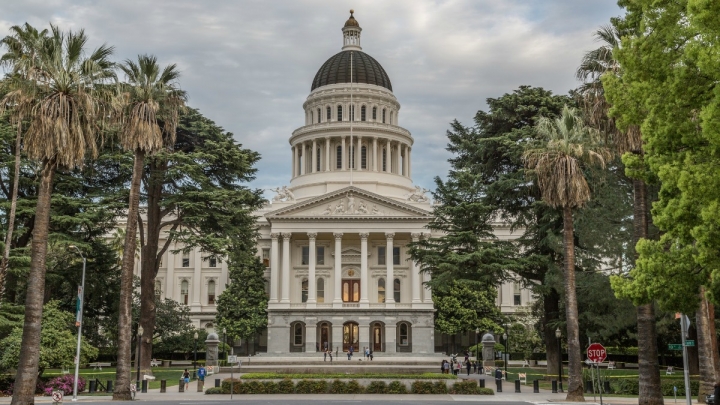
"caption": "California State Capitol in Sacramento.\n",
"description": null,
"title": "Capitol sacramento",
"credit": "Tony Webster/flickr",
"status": "inherit",
"isLoading": false,
"fetchFailed": false
},
"science_943995": {
"type": "attachments",
"id": "science_943995",
"meta": {
"index": "attachments_1716263798",
"site": "science",
"id": "943995",
"found": true
},
"parent": 943904,
"imgSizes": {
"twentyfourteen-full-width": {
"file": "https://ww2.kqed.org/app/uploads/sites/35/2016/08/Pinnacles-1038x576.jpg",
"width": 1038,
"mimeType": "image/jpeg",
"height": 576
},
"thumbnail": {
"file": "https://ww2.kqed.org/app/uploads/sites/35/2016/08/Pinnacles-400x267.jpg",
"width": 400,
"mimeType": "image/jpeg",
"height": 267
},
"fd-sm": {
"file": "https://ww2.kqed.org/app/uploads/sites/35/2016/08/Pinnacles-960x640.jpg",
"width": 960,
"mimeType": "image/jpeg",
"height": 640
},
"post-thumbnail": {
"file": "https://ww2.kqed.org/app/uploads/sites/35/2016/08/Pinnacles-672x372.jpg",
"width": 672,
"mimeType": "image/jpeg",
"height": 372
},
"kqedFullSize": {
"file": "https://ww2.kqed.org/app/uploads/sites/35/2016/08/Pinnacles.jpg",
"width": 2048,
"height": 1365
},
"large": {
"file": "https://ww2.kqed.org/app/uploads/sites/35/2016/08/Pinnacles-1440x960.jpg",
"width": 1440,
"mimeType": "image/jpeg",
"height": 960
},
"guest-author-50": {
"file": "https://ww2.kqed.org/app/uploads/sites/35/2016/08/Pinnacles-50x50.jpg",
"width": 50,
"mimeType": "image/jpeg",
"height": 50
},
"guest-author-96": {
"file": "https://ww2.kqed.org/app/uploads/sites/35/2016/08/Pinnacles-96x96.jpg",
"width": 96,
"mimeType": "image/jpeg",
"height": 96
},
"medium": {
"file": "https://ww2.kqed.org/app/uploads/sites/35/2016/08/Pinnacles-800x533.jpg",
"width": 800,
"mimeType": "image/jpeg",
"height": 533
},
"guest-author-64": {
"file": "https://ww2.kqed.org/app/uploads/sites/35/2016/08/Pinnacles-64x64.jpg",
"width": 64,
"mimeType": "image/jpeg",
"height": 64
},
"guest-author-32": {
"file": "https://ww2.kqed.org/app/uploads/sites/35/2016/08/Pinnacles-32x32.jpg",
"width": 32,
"mimeType": "image/jpeg",
"height": 32
},
"fd-lrg": {
"file": "https://ww2.kqed.org/app/uploads/sites/35/2016/08/Pinnacles-1920x1280.jpg",
"width": 1920,
"mimeType": "image/jpeg",
"height": 1280
},
"fd-med": {
"file": "https://ww2.kqed.org/app/uploads/sites/35/2016/08/Pinnacles-1180x786.jpg",
"width": 1180,
"mimeType": "image/jpeg",
"height": 786
},
"detail": {
"file": "https://ww2.kqed.org/app/uploads/sites/35/2016/08/Pinnacles-150x150.jpg",
"width": 150,
"mimeType": "image/jpeg",
"height": 150
},
"medium_large": {
"file": "https://ww2.kqed.org/app/uploads/sites/35/2016/08/Pinnacles-768x512.jpg",
"width": 768,
"mimeType": "image/jpeg",
"height": 512
},
"guest-author-128": {
"file": "https://ww2.kqed.org/app/uploads/sites/35/2016/08/Pinnacles-128x128.jpg",
"width": 128,
"mimeType": "image/jpeg",
"height": 128
}
},
"publishDate": 1472145770,
"modified": 1472145973,
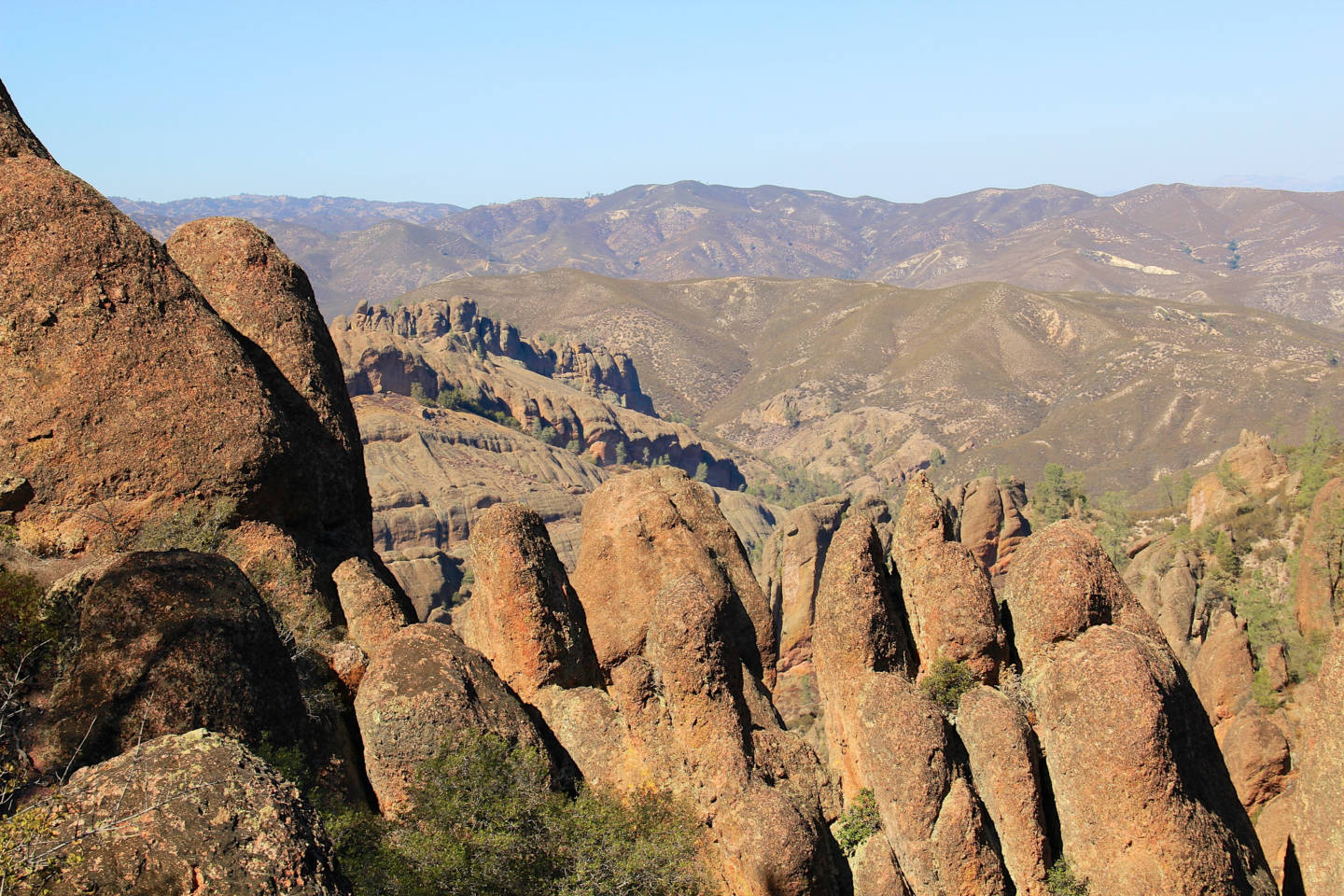
"caption": "Pinnacles National Park east of the Salinas Valley in Central California. By 2100 scientists predict that summers in Pinnacles will be like summers in southeast Georgia.",
"description": null,
"title": "Pinnacles",
"credit": "David Fulmer/flickr",
"status": "inherit",
"isLoading": false,
"fetchFailed": false
},
"news_11058995": {
"type": "attachments",
"id": "news_11058995",
"meta": {
"index": "attachments_1716263798",
"site": "news",
"id": "11058995",
"found": true
},
"parent": 11058993,
"imgSizes": {
"twentyfourteen-full-width": {
"file": "https://ww2.kqed.org/app/uploads/sites/10/2016/08/RS563_windpower_20120910-1038x576.jpg",
"width": 1038,
"mimeType": "image/jpeg",
"height": 576
},
"thumbnail": {
"file": "https://ww2.kqed.org/app/uploads/sites/10/2016/08/RS563_windpower_20120910-400x229.jpg",
"width": 400,
"mimeType": "image/jpeg",
"height": 229
},
"fd-sm": {
"file": "https://ww2.kqed.org/app/uploads/sites/10/2016/08/RS563_windpower_20120910-960x550.jpg",
"width": 960,
"mimeType": "image/jpeg",
"height": 550
},
"post-thumbnail": {
"file": "https://ww2.kqed.org/app/uploads/sites/10/2016/08/RS563_windpower_20120910-672x372.jpg",
"width": 672,
"mimeType": "image/jpeg",
"height": 372
},
"kqedFullSize": {
"file": "https://ww2.kqed.org/app/uploads/sites/10/2016/08/RS563_windpower_20120910-e1471991321663.jpg",
"width": 1920,
"height": 1100
},
"large": {
"file": "https://ww2.kqed.org/app/uploads/sites/10/2016/08/RS563_windpower_20120910-1920x1100.jpg",
"width": 1920,
"mimeType": "image/jpeg",
"height": 1100
},
"guest-author-50": {
"file": "https://ww2.kqed.org/app/uploads/sites/10/2016/08/RS563_windpower_20120910-50x50.jpg",
"width": 50,
"mimeType": "image/jpeg",
"height": 50
},
"guest-author-96": {
"file": "https://ww2.kqed.org/app/uploads/sites/10/2016/08/RS563_windpower_20120910-96x96.jpg",
"width": 96,
"mimeType": "image/jpeg",
"height": 96
},
"medium": {
"file": "https://ww2.kqed.org/app/uploads/sites/10/2016/08/RS563_windpower_20120910-800x458.jpg",
"width": 800,
"mimeType": "image/jpeg",
"height": 458
},
"guest-author-64": {
"file": "https://ww2.kqed.org/app/uploads/sites/10/2016/08/RS563_windpower_20120910-64x64.jpg",
"width": 64,
"mimeType": "image/jpeg",
"height": 64
},
"guest-author-32": {
"file": "https://ww2.kqed.org/app/uploads/sites/10/2016/08/RS563_windpower_20120910-32x32.jpg",
"width": 32,
"mimeType": "image/jpeg",
"height": 32
},
"jmtc-small-thumb": {
"file": "https://ww2.kqed.org/app/uploads/sites/10/2016/08/RS563_windpower_20120910-280x150.jpg",
"width": 280,
"mimeType": "image/jpeg",
"height": 150
},
"fd-lrg": {
"file": "https://ww2.kqed.org/app/uploads/sites/10/2016/08/RS563_windpower_20120910-1920x1100.jpg",
"width": 1920,
"mimeType": "image/jpeg",
"height": 1100
},
"fd-med": {
"file": "https://ww2.kqed.org/app/uploads/sites/10/2016/08/RS563_windpower_20120910-1180x676.jpg",
"width": 1180,
"mimeType": "image/jpeg",
"height": 676
},
"detail": {
"file": "https://ww2.kqed.org/app/uploads/sites/10/2016/08/RS563_windpower_20120910-150x150.jpg",
"width": 150,
"mimeType": "image/jpeg",
"height": 150
},
"guest-author-128": {
"file": "https://ww2.kqed.org/app/uploads/sites/10/2016/08/RS563_windpower_20120910-128x128.jpg",
"width": 128,
"mimeType": "image/jpeg",
"height": 128
}
},
"publishDate": 1471991264,
"modified": 1471991315,
"caption": "A view of wind turbines at the Kumeyaay Wind Project on the Campo Reservation outside of San Diego, California.",
"description": "A view of wind turbines at the Kumeyaay Wind Project on the Campo Reservation outside of San Diego, California.",
"title": "Native Americans Turn To Wind Power To Generate Revenue",
"credit": "Sandy Huffaker/Getty Images",
"status": "inherit",
"isLoading": false,
"fetchFailed": false
},
"science_929167": {
"type": "attachments",
"id": "science_929167",
"meta": {
"index": "attachments_1716263798",
"site": "science",
"id": "929167",
"found": true
},
"parent": 929164,
"imgSizes": {
"twentyfourteen-full-width": {
"file": "https://ww2.kqed.org/app/uploads/sites/35/2016/08/gettyimages-499278260_custom-251a1e424273effc1057dc0938b2558a0ee8e962-1-1038x576.jpg",
"width": 1038,
"mimeType": "image/jpeg",
"height": 576
},
"thumbnail": {
"file": "https://ww2.kqed.org/app/uploads/sites/35/2016/08/gettyimages-499278260_custom-251a1e424273effc1057dc0938b2558a0ee8e962-1-400x284.jpg",
"width": 400,
"mimeType": "image/jpeg",
"height": 284
},
"fd-sm": {
"file": "https://ww2.kqed.org/app/uploads/sites/35/2016/08/gettyimages-499278260_custom-251a1e424273effc1057dc0938b2558a0ee8e962-1-960x681.jpg",
"width": 960,
"mimeType": "image/jpeg",
"height": 681
},
"post-thumbnail": {
"file": "https://ww2.kqed.org/app/uploads/sites/35/2016/08/gettyimages-499278260_custom-251a1e424273effc1057dc0938b2558a0ee8e962-1-672x372.jpg",
"width": 672,
"mimeType": "image/jpeg",
"height": 372
},
"kqedFullSize": {
"file": "https://ww2.kqed.org/app/uploads/sites/35/2016/08/gettyimages-499278260_custom-251a1e424273effc1057dc0938b2558a0ee8e962-1.jpg",
"width": 3004,
"height": 2131
},
"large": {
"file": "https://ww2.kqed.org/app/uploads/sites/35/2016/08/gettyimages-499278260_custom-251a1e424273effc1057dc0938b2558a0ee8e962-1-1440x1022.jpg",
"width": 1440,
"mimeType": "image/jpeg",
"height": 1022
},
"guest-author-50": {
"file": "https://ww2.kqed.org/app/uploads/sites/35/2016/08/gettyimages-499278260_custom-251a1e424273effc1057dc0938b2558a0ee8e962-1-50x50.jpg",
"width": 50,
"mimeType": "image/jpeg",
"height": 50
},
"guest-author-96": {
"file": "https://ww2.kqed.org/app/uploads/sites/35/2016/08/gettyimages-499278260_custom-251a1e424273effc1057dc0938b2558a0ee8e962-1-96x96.jpg",
"width": 96,
"mimeType": "image/jpeg",
"height": 96
},
"medium": {
"file": "https://ww2.kqed.org/app/uploads/sites/35/2016/08/gettyimages-499278260_custom-251a1e424273effc1057dc0938b2558a0ee8e962-1-800x568.jpg",
"width": 800,
"mimeType": "image/jpeg",
"height": 568
},
"guest-author-64": {
"file": "https://ww2.kqed.org/app/uploads/sites/35/2016/08/gettyimages-499278260_custom-251a1e424273effc1057dc0938b2558a0ee8e962-1-64x64.jpg",
"width": 64,
"mimeType": "image/jpeg",
"height": 64
},
"guest-author-32": {
"file": "https://ww2.kqed.org/app/uploads/sites/35/2016/08/gettyimages-499278260_custom-251a1e424273effc1057dc0938b2558a0ee8e962-1-32x32.jpg",
"width": 32,
"mimeType": "image/jpeg",
"height": 32
},
"fd-lrg": {
"file": "https://ww2.kqed.org/app/uploads/sites/35/2016/08/gettyimages-499278260_custom-251a1e424273effc1057dc0938b2558a0ee8e962-1-1920x1362.jpg",
"width": 1920,
"mimeType": "image/jpeg",
"height": 1362
},
"fd-med": {
"file": "https://ww2.kqed.org/app/uploads/sites/35/2016/08/gettyimages-499278260_custom-251a1e424273effc1057dc0938b2558a0ee8e962-1-1180x837.jpg",
"width": 1180,
"mimeType": "image/jpeg",
"height": 837
},
"detail": {
"file": "https://ww2.kqed.org/app/uploads/sites/35/2016/08/gettyimages-499278260_custom-251a1e424273effc1057dc0938b2558a0ee8e962-1-150x150.jpg",
"width": 150,
"mimeType": "image/jpeg",
"height": 150
},
"medium_large": {
"file": "https://ww2.kqed.org/app/uploads/sites/35/2016/08/gettyimages-499278260_custom-251a1e424273effc1057dc0938b2558a0ee8e962-1-768x545.jpg",
"width": 768,
"mimeType": "image/jpeg",
"height": 545
},
"guest-author-128": {
"file": "https://ww2.kqed.org/app/uploads/sites/35/2016/08/gettyimages-499278260_custom-251a1e424273effc1057dc0938b2558a0ee8e962-1-128x128.jpg",
"width": 128,
"mimeType": "image/jpeg",
"height": 128
}
},
"publishDate": 1471541427,
"modified": 1471542121,
"caption": "A conference attendee looks at a projection of Earth on the opening day of the COP 21 United Nations conference on climate change, in November on the outskirts of Paris.",
"description": null,
"title": "A conference attendee looks at a projection of Earth on the opening day of the COP 21 United Nations conference on climate change, in November on the outskirts of Paris.",
"credit": "Alain Jocard/AFP/Getty Images",
"status": "inherit",
"isLoading": false,
"fetchFailed": false
},
"news_11040464": {
"type": "attachments",
"id": "news_11040464",
"meta": {
"index": "attachments_1716263798",
"site": "news",
"id": "11040464",
"found": true
},
"parent": 11040430,
"imgSizes": {
"twentyfourteen-full-width": {
"file": "https://ww2.kqed.org/app/uploads/sites/10/2016/08/CloggedHighway-1038x576.jpg",
"width": 1038,
"mimeType": "image/jpeg",
"height": 576
},
"thumbnail": {
"file": "https://ww2.kqed.org/app/uploads/sites/10/2016/08/CloggedHighway-400x173.jpg",
"width": 400,
"mimeType": "image/jpeg",
"height": 173
},
"fd-sm": {
"file": "https://ww2.kqed.org/app/uploads/sites/10/2016/08/CloggedHighway-960x415.jpg",
"width": 960,
"mimeType": "image/jpeg",
"height": 415
},
"post-thumbnail": {
"file": "https://ww2.kqed.org/app/uploads/sites/10/2016/08/CloggedHighway-672x372.jpg",
"width": 672,
"mimeType": "image/jpeg",
"height": 372
},
"kqedFullSize": {
"file": "https://ww2.kqed.org/app/uploads/sites/10/2016/08/CloggedHighway.jpg",
"width": 1920,
"height": 829
},
"large": {
"file": "https://ww2.kqed.org/app/uploads/sites/10/2016/08/CloggedHighway-1920x829.jpg",
"width": 1920,
"mimeType": "image/jpeg",
"height": 829
},
"guest-author-50": {
"file": "https://ww2.kqed.org/app/uploads/sites/10/2016/08/CloggedHighway-50x50.jpg",
"width": 50,
"mimeType": "image/jpeg",
"height": 50
},
"guest-author-96": {
"file": "https://ww2.kqed.org/app/uploads/sites/10/2016/08/CloggedHighway-96x96.jpg",
"width": 96,
"mimeType": "image/jpeg",
"height": 96
},
"medium": {
"file": "https://ww2.kqed.org/app/uploads/sites/10/2016/08/CloggedHighway-800x345.jpg",
"width": 800,
"mimeType": "image/jpeg",
"height": 345
},
"guest-author-64": {
"file": "https://ww2.kqed.org/app/uploads/sites/10/2016/08/CloggedHighway-64x64.jpg",
"width": 64,
"mimeType": "image/jpeg",
"height": 64
},
"guest-author-32": {
"file": "https://ww2.kqed.org/app/uploads/sites/10/2016/08/CloggedHighway-32x32.jpg",
"width": 32,
"mimeType": "image/jpeg",
"height": 32
},
"jmtc-small-thumb": {
"file": "https://ww2.kqed.org/app/uploads/sites/10/2016/08/CloggedHighway-280x150.jpg",
"width": 280,
"mimeType": "image/jpeg",
"height": 150
},
"fd-lrg": {
"file": "https://ww2.kqed.org/app/uploads/sites/10/2016/08/CloggedHighway-1920x829.jpg",
"width": 1920,
"mimeType": "image/jpeg",
"height": 829
},
"fd-med": {
"file": "https://ww2.kqed.org/app/uploads/sites/10/2016/08/CloggedHighway-1180x509.jpg",
"width": 1180,
"mimeType": "image/jpeg",
"height": 509
},
"detail": {
"file": "https://ww2.kqed.org/app/uploads/sites/10/2016/08/CloggedHighway-150x150.jpg",
"width": 150,
"mimeType": "image/jpeg",
"height": 150
},
"guest-author-128": {
"file": "https://ww2.kqed.org/app/uploads/sites/10/2016/08/CloggedHighway-128x128.jpg",
"width": 128,
"mimeType": "image/jpeg",
"height": 128
}
},
"publishDate": 1470258237,
"modified": 1470258290,
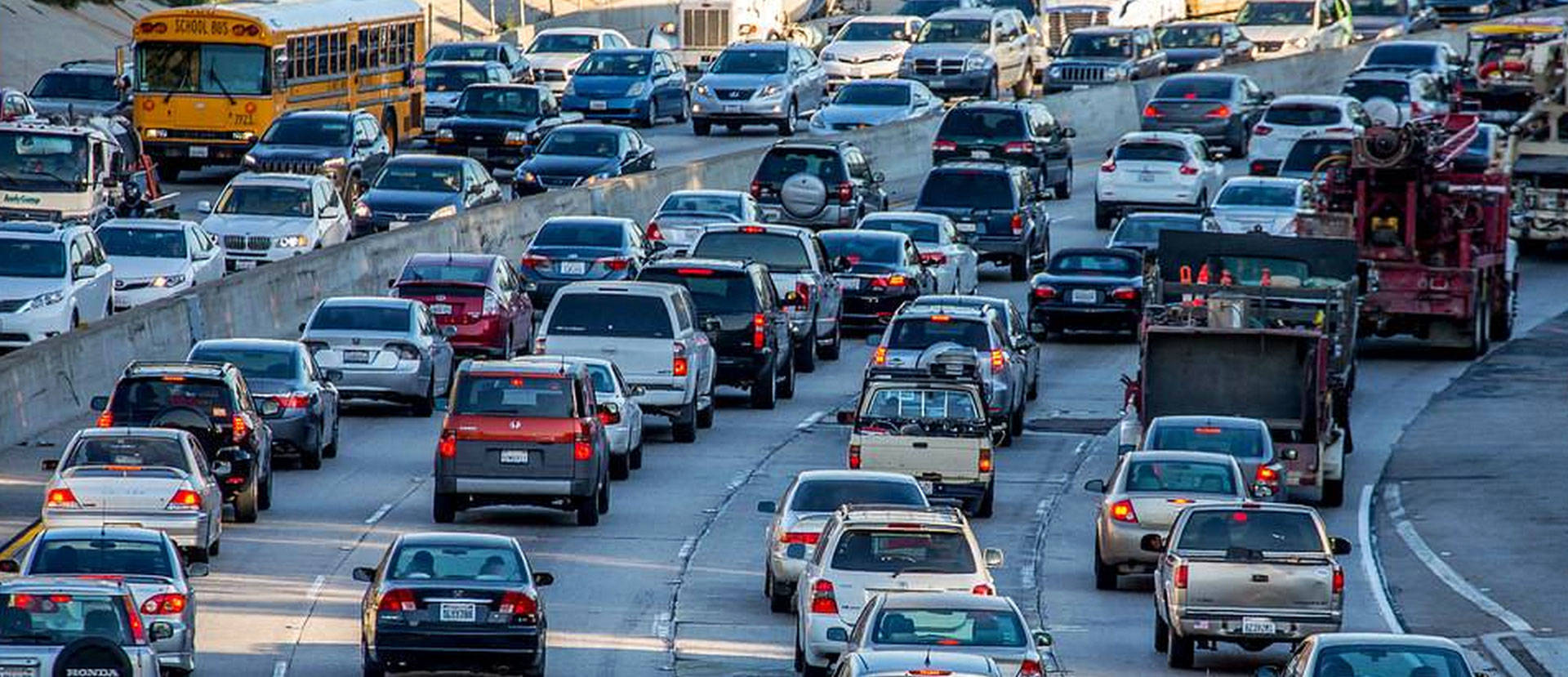
"caption": "The traffic clogging California's roadways spews streams of greenhouse gases into the air.",
"description": "The traffic clogging California's roadways spews streams of greenhouse gases into the air.",
"title": "CloggedHighway",
"credit": "Eric Demarcq/Creative Commons",
"status": "inherit",
"isLoading": false,
"fetchFailed": false
},
"science_893469": {
"type": "attachments",
"id": "science_893469",
"meta": {
"index": "attachments_1716263798",
"site": "science",
"id": "893469",
"found": true
},
"parent": 893464,
"imgSizes": {
"twentyfourteen-full-width": {
"file": "https://ww2.kqed.org/app/uploads/sites/35/2016/08/14303705100_08422e995f_k-1038x576.jpg",
"width": 1038,
"mimeType": "image/jpeg",
"height": 576
},
"thumbnail": {
"file": "https://ww2.kqed.org/app/uploads/sites/35/2016/08/14303705100_08422e995f_k-400x224.jpg",
"width": 400,
"mimeType": "image/jpeg",
"height": 224
},
"fd-sm": {
"file": "https://ww2.kqed.org/app/uploads/sites/35/2016/08/14303705100_08422e995f_k-960x539.jpg",
"width": 960,
"mimeType": "image/jpeg",
"height": 539
},
"post-thumbnail": {
"file": "https://ww2.kqed.org/app/uploads/sites/35/2016/08/14303705100_08422e995f_k-672x372.jpg",
"width": 672,
"mimeType": "image/jpeg",
"height": 372
},
"kqedFullSize": {
"file": "https://ww2.kqed.org/app/uploads/sites/35/2016/08/14303705100_08422e995f_k.jpg",
"width": 2048,
"height": 1149
},
"large": {
"file": "https://ww2.kqed.org/app/uploads/sites/35/2016/08/14303705100_08422e995f_k-1440x808.jpg",
"width": 1440,
"mimeType": "image/jpeg",
"height": 808
},
"guest-author-50": {
"file": "https://ww2.kqed.org/app/uploads/sites/35/2016/08/14303705100_08422e995f_k-50x50.jpg",
"width": 50,
"mimeType": "image/jpeg",
"height": 50
},
"guest-author-96": {
"file": "https://ww2.kqed.org/app/uploads/sites/35/2016/08/14303705100_08422e995f_k-96x96.jpg",
"width": 96,
"mimeType": "image/jpeg",
"height": 96
},
"medium": {
"file": "https://ww2.kqed.org/app/uploads/sites/35/2016/08/14303705100_08422e995f_k-800x449.jpg",
"width": 800,
"mimeType": "image/jpeg",
"height": 449
},
"guest-author-64": {
"file": "https://ww2.kqed.org/app/uploads/sites/35/2016/08/14303705100_08422e995f_k-64x64.jpg",
"width": 64,
"mimeType": "image/jpeg",
"height": 64
},
"guest-author-32": {
"file": "https://ww2.kqed.org/app/uploads/sites/35/2016/08/14303705100_08422e995f_k-32x32.jpg",
"width": 32,
"mimeType": "image/jpeg",
"height": 32
},
"fd-lrg": {
"file": "https://ww2.kqed.org/app/uploads/sites/35/2016/08/14303705100_08422e995f_k-1920x1077.jpg",
"width": 1920,
"mimeType": "image/jpeg",
"height": 1077
},
"fd-med": {
"file": "https://ww2.kqed.org/app/uploads/sites/35/2016/08/14303705100_08422e995f_k-1180x662.jpg",
"width": 1180,
"mimeType": "image/jpeg",
"height": 662
},
"detail": {
"file": "https://ww2.kqed.org/app/uploads/sites/35/2016/08/14303705100_08422e995f_k-150x150.jpg",
"width": 150,
"mimeType": "image/jpeg",
"height": 150
},
"medium_large": {
"file": "https://ww2.kqed.org/app/uploads/sites/35/2016/08/14303705100_08422e995f_k-768x431.jpg",
"width": 768,
"mimeType": "image/jpeg",
"height": 431
},
"guest-author-128": {
"file": "https://ww2.kqed.org/app/uploads/sites/35/2016/08/14303705100_08422e995f_k-128x128.jpg",
"width": 128,
"mimeType": "image/jpeg",
"height": 128
}
},
"publishDate": 1470173789,
"modified": 1470182272,
"caption": "Sand dunes near Stovepipe Wells in Death Valley.",
"description": null,
"title": "14303705100_08422e995f_k",
"credit": "\u003ca href=\"https://www.flickr.com/photos/86755183@N04/14303705100/in/photolist-nMYecb-fbzyqA-7mS7fB-qcriFF-cYAZE9-dW5evq-jL3fbP-baiY6t-jL1QgB-jL3F16-dW5fMG-eELmzb-jL2914-vDP8q-dY73ik-7dhAvy-5AV2rQ-dW5bWq-jL3Lvf-5hQsSK-dY72W2-6Z8Ptu-6Z4Pi2-dW5d2f-5hQA7r-ezzKgu-qgCbiR-2CrCdw-4KETSE-ekbEPM-5NZvW4-pxTkpv-dQrRfg-3qjyGN-evHbEE-bk3jrR-MpnFU-dVGWUD-cWBhTw-c6zy7f-diGsKV-aEVh8J-csKz31-nCsyiG-biyuVF-rgGVGb-avHsTL-eQWf7C-6QJJ6z-cdYuSE/\" target=\"_blank\">Fred Moore/flickr\u003c/a>",
"status": "inherit",
"isLoading": false,
"fetchFailed": false
},
"science_884300": {
"type": "attachments",
"id": "science_884300",
"meta": {
"index": "attachments_1716263798",
"site": "science",
"id": "884300",
"found": true
},
"parent": 884295,
"imgSizes": {
"twentyfourteen-full-width": {
"file": "https://ww2.kqed.org/app/uploads/sites/35/2016/07/JoshuaTree-1-web2-1-1038x576.jpg",
"width": 1038,
"mimeType": "image/jpeg",
"height": 576
},
"thumbnail": {
"file": "https://ww2.kqed.org/app/uploads/sites/35/2016/07/JoshuaTree-1-web2-1-400x187.jpg",
"width": 400,
"mimeType": "image/jpeg",
"height": 187
},
"fd-sm": {
"file": "https://ww2.kqed.org/app/uploads/sites/35/2016/07/JoshuaTree-1-web2-1-960x448.jpg",
"width": 960,
"mimeType": "image/jpeg",
"height": 448
},
"post-thumbnail": {
"file": "https://ww2.kqed.org/app/uploads/sites/35/2016/07/JoshuaTree-1-web2-1-672x372.jpg",
"width": 672,
"mimeType": "image/jpeg",
"height": 372
},
"kqedFullSize": {
"file": "https://ww2.kqed.org/app/uploads/sites/35/2016/07/JoshuaTree-1-web2-1.jpg",
"width": 1918,
"height": 895
},
"large": {
"file": "https://ww2.kqed.org/app/uploads/sites/35/2016/07/JoshuaTree-1-web2-1-1440x672.jpg",
"width": 1440,
"mimeType": "image/jpeg",
"height": 672
},
"guest-author-50": {
"file": "https://ww2.kqed.org/app/uploads/sites/35/2016/07/JoshuaTree-1-web2-1-50x50.jpg",
"width": 50,
"mimeType": "image/jpeg",
"height": 50
},
"guest-author-96": {
"file": "https://ww2.kqed.org/app/uploads/sites/35/2016/07/JoshuaTree-1-web2-1-96x96.jpg",
"width": 96,
"mimeType": "image/jpeg",
"height": 96
},
"medium": {
"file": "https://ww2.kqed.org/app/uploads/sites/35/2016/07/JoshuaTree-1-web2-1-800x373.jpg",
"width": 800,
"mimeType": "image/jpeg",
"height": 373
},
"guest-author-64": {
"file": "https://ww2.kqed.org/app/uploads/sites/35/2016/07/JoshuaTree-1-web2-1-64x64.jpg",
"width": 64,
"mimeType": "image/jpeg",
"height": 64
},
"guest-author-32": {
"file": "https://ww2.kqed.org/app/uploads/sites/35/2016/07/JoshuaTree-1-web2-1-32x32.jpg",
"width": 32,
"mimeType": "image/jpeg",
"height": 32
},
"fd-med": {
"file": "https://ww2.kqed.org/app/uploads/sites/35/2016/07/JoshuaTree-1-web2-1-1180x551.jpg",
"width": 1180,
"mimeType": "image/jpeg",
"height": 551
},
"detail": {
"file": "https://ww2.kqed.org/app/uploads/sites/35/2016/07/JoshuaTree-1-web2-1-150x150.jpg",
"width": 150,
"mimeType": "image/jpeg",
"height": 150
},
"medium_large": {
"file": "https://ww2.kqed.org/app/uploads/sites/35/2016/07/JoshuaTree-1-web2-1-768x358.jpg",
"width": 768,
"mimeType": "image/jpeg",
"height": 358
},
"guest-author-128": {
"file": "https://ww2.kqed.org/app/uploads/sites/35/2016/07/JoshuaTree-1-web2-1-128x128.jpg",
"width": 128,
"mimeType": "image/jpeg",
"height": 128
}
},
"publishDate": 1469828948,
"modified": 1469828977,
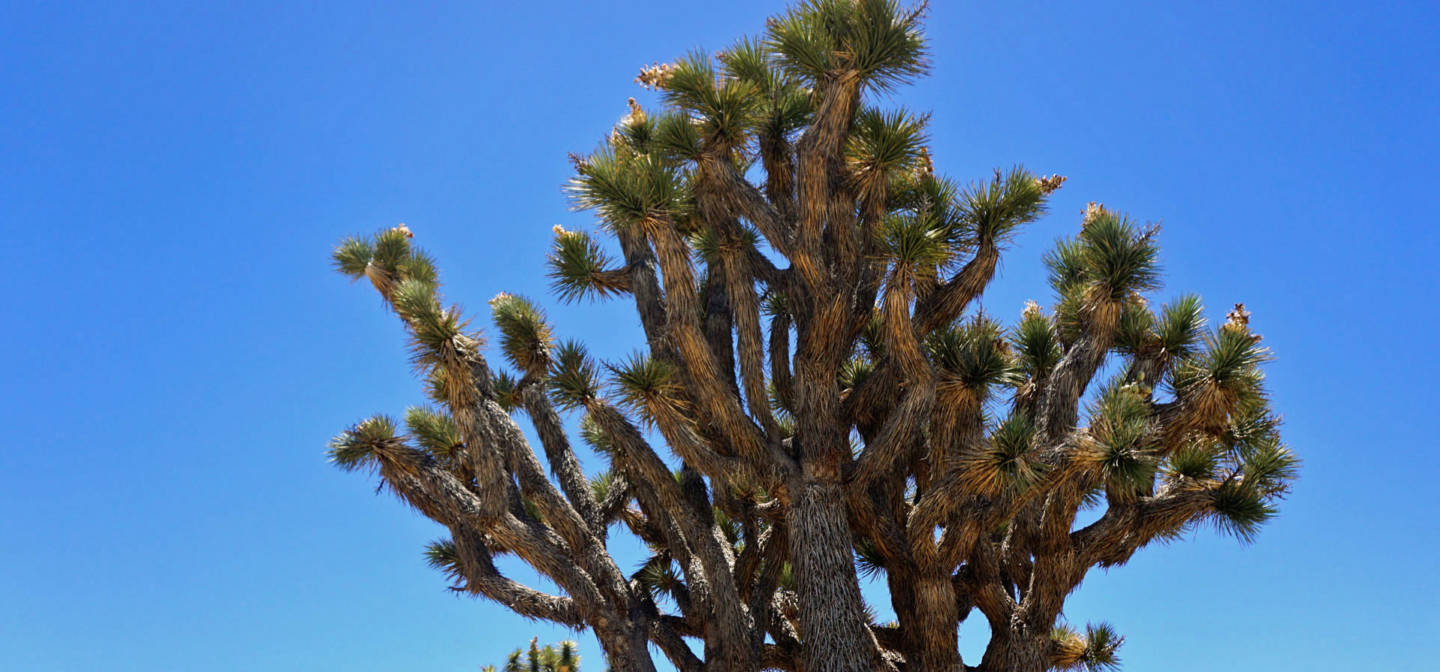
"caption": "Joshua tree habitat is expected to shrink dramatically because of climate change.",
"description": null,
"title": "JoshuaTree-1-web2",
"credit": "Lauren Sommer/KQED",
"status": "inherit",
"isLoading": false,
"fetchFailed": false
},
"science_881997": {
"type": "attachments",
"id": "science_881997",
"meta": {
"index": "attachments_1716263798",
"site": "science",
"id": "881997",
"found": true
},
"parent": 881900,
"imgSizes": {
"twentyfourteen-full-width": {
"file": "https://ww2.kqed.org/app/uploads/sites/35/2016/07/SierraOAP_1859-1038x576.jpeg",
"width": 1038,
"mimeType": "image/jpeg",
"height": 576
},
"thumbnail": {
"file": "https://ww2.kqed.org/app/uploads/sites/35/2016/07/SierraOAP_1859-400x300.jpeg",
"width": 400,
"mimeType": "image/jpeg",
"height": 300
},
"fd-sm": {
"file": "https://ww2.kqed.org/app/uploads/sites/35/2016/07/SierraOAP_1859-960x720.jpeg",
"width": 960,
"mimeType": "image/jpeg",
"height": 720
},
"post-thumbnail": {
"file": "https://ww2.kqed.org/app/uploads/sites/35/2016/07/SierraOAP_1859-672x372.jpeg",
"width": 672,
"mimeType": "image/jpeg",
"height": 372
},
"kqedFullSize": {
"file": "https://ww2.kqed.org/app/uploads/sites/35/2016/07/SierraOAP_1859-e1469741938789.jpeg",
"width": 2000,
"height": 1500
},
"large": {
"file": "https://ww2.kqed.org/app/uploads/sites/35/2016/07/SierraOAP_1859-1440x1080.jpeg",
"width": 1440,
"mimeType": "image/jpeg",
"height": 1080
},
"guest-author-50": {
"file": "https://ww2.kqed.org/app/uploads/sites/35/2016/07/SierraOAP_1859-50x50.jpeg",
"width": 50,
"mimeType": "image/jpeg",
"height": 50
},
"guest-author-96": {
"file": "https://ww2.kqed.org/app/uploads/sites/35/2016/07/SierraOAP_1859-96x96.jpeg",
"width": 96,
"mimeType": "image/jpeg",
"height": 96
},
"medium": {
"file": "https://ww2.kqed.org/app/uploads/sites/35/2016/07/SierraOAP_1859-800x600.jpeg",
"width": 800,
"mimeType": "image/jpeg",
"height": 600
},
"guest-author-64": {
"file": "https://ww2.kqed.org/app/uploads/sites/35/2016/07/SierraOAP_1859-64x64.jpeg",
"width": 64,
"mimeType": "image/jpeg",
"height": 64
},
"guest-author-32": {
"file": "https://ww2.kqed.org/app/uploads/sites/35/2016/07/SierraOAP_1859-32x32.jpeg",
"width": 32,
"mimeType": "image/jpeg",
"height": 32
},
"fd-lrg": {
"file": "https://ww2.kqed.org/app/uploads/sites/35/2016/07/SierraOAP_1859-1920x1440.jpeg",
"width": 1920,
"mimeType": "image/jpeg",
"height": 1440
},
"fd-med": {
"file": "https://ww2.kqed.org/app/uploads/sites/35/2016/07/SierraOAP_1859-1180x885.jpeg",
"width": 1180,
"mimeType": "image/jpeg",
"height": 885
},
"detail": {
"file": "https://ww2.kqed.org/app/uploads/sites/35/2016/07/SierraOAP_1859-150x150.jpeg",
"width": 150,
"mimeType": "image/jpeg",
"height": 150
},
"medium_large": {
"file": "https://ww2.kqed.org/app/uploads/sites/35/2016/07/SierraOAP_1859-768x576.jpeg",
"width": 768,
"mimeType": "image/jpeg",
"height": 576
},
"guest-author-128": {
"file": "https://ww2.kqed.org/app/uploads/sites/35/2016/07/SierraOAP_1859-128x128.jpeg",
"width": 128,
"mimeType": "image/jpeg",
"height": 128
}
},
"publishDate": 1469741913,
"modified": 1469753597,
"caption": "As scientists have long predicted, more winter precipitation at Lake Tahoe is falling as rain, rather than snow.",
"description": "As scientists have long predicted, more winter precipitation at Lake Tahoe is falling as rain, rather than snow.",
"title": "SierraOAP_1859",
"credit": "Olivia Allen-Price/KQED",
"status": "inherit",
"isLoading": false,
"fetchFailed": false
},
"science_841350": {
"type": "attachments",
"id": "science_841350",
"meta": {
"index": "attachments_1716263798",
"site": "science",
"id": "841350",
"found": true
},
"parent": 841345,
"imgSizes": {
"twentyfourteen-full-width": {
"file": "https://ww2.kqed.org/app/uploads/sites/35/2016/07/RS14681_04-01-15-Snow_Survey_2-1-1038x576.jpg",
"width": 1038,
"mimeType": "image/jpeg",
"height": 576
},
"thumbnail": {
"file": "https://ww2.kqed.org/app/uploads/sites/35/2016/07/RS14681_04-01-15-Snow_Survey_2-1-400x267.jpg",
"width": 400,
"mimeType": "image/jpeg",
"height": 267
},
"fd-sm": {
"file": "https://ww2.kqed.org/app/uploads/sites/35/2016/07/RS14681_04-01-15-Snow_Survey_2-1-960x641.jpg",
"width": 960,
"mimeType": "image/jpeg",
"height": 641
},
"post-thumbnail": {
"file": "https://ww2.kqed.org/app/uploads/sites/35/2016/07/RS14681_04-01-15-Snow_Survey_2-1-672x372.jpg",
"width": 672,
"mimeType": "image/jpeg",
"height": 372
},
"kqedFullSize": {
"file": "https://ww2.kqed.org/app/uploads/sites/35/2016/07/RS14681_04-01-15-Snow_Survey_2-1.jpg",
"width": 1440,
"height": 961
},
"large": {
"file": "https://ww2.kqed.org/app/uploads/sites/35/2016/07/RS14681_04-01-15-Snow_Survey_2-1-1440x961.jpg",
"width": 1440,
"mimeType": "image/jpeg",
"height": 961
},
"guest-author-50": {
"file": "https://ww2.kqed.org/app/uploads/sites/35/2016/07/RS14681_04-01-15-Snow_Survey_2-1-50x50.jpg",
"width": 50,
"mimeType": "image/jpeg",
"height": 50
},
"guest-author-96": {
"file": "https://ww2.kqed.org/app/uploads/sites/35/2016/07/RS14681_04-01-15-Snow_Survey_2-1-96x96.jpg",
"width": 96,
"mimeType": "image/jpeg",
"height": 96
},
"medium": {
"file": "https://ww2.kqed.org/app/uploads/sites/35/2016/07/RS14681_04-01-15-Snow_Survey_2-1-800x534.jpg",
"width": 800,
"mimeType": "image/jpeg",
"height": 534
},
"guest-author-64": {
"file": "https://ww2.kqed.org/app/uploads/sites/35/2016/07/RS14681_04-01-15-Snow_Survey_2-1-64x64.jpg",
"width": 64,
"mimeType": "image/jpeg",
"height": 64
},
"guest-author-32": {
"file": "https://ww2.kqed.org/app/uploads/sites/35/2016/07/RS14681_04-01-15-Snow_Survey_2-1-32x32.jpg",
"width": 32,
"mimeType": "image/jpeg",
"height": 32
},
"fd-med": {
"file": "https://ww2.kqed.org/app/uploads/sites/35/2016/07/RS14681_04-01-15-Snow_Survey_2-1-1180x787.jpg",
"width": 1180,
"mimeType": "image/jpeg",
"height": 787
},
"detail": {
"file": "https://ww2.kqed.org/app/uploads/sites/35/2016/07/RS14681_04-01-15-Snow_Survey_2-1-150x150.jpg",
"width": 150,
"mimeType": "image/jpeg",
"height": 150
},
"medium_large": {
"file": "https://ww2.kqed.org/app/uploads/sites/35/2016/07/RS14681_04-01-15-Snow_Survey_2-1-768x513.jpg",
"width": 768,
"mimeType": "image/jpeg",
"height": 513
},
"guest-author-128": {
"file": "https://ww2.kqed.org/app/uploads/sites/35/2016/07/RS14681_04-01-15-Snow_Survey_2-1-128x128.jpg",
"width": 128,
"mimeType": "image/jpeg",
"height": 128
}
},
"publishDate": 1468267044,
"modified": 1468267271,
"caption": "Gov. Jerry Brown speaking at a snow survey in 2015, when the California Department of Water Resources \nobserved below-normal precipitation during unusually warm weather.",
"description": null,
"title": "RS14681_04-01-15-Snow_Survey_2 (1)",
"credit": "Florence Low/California Dept. of Water Resources",
"status": "inherit",
"isLoading": false,
"fetchFailed": false
},
"news_11012648": {
"type": "attachments",
"id": "news_11012648",
"meta": {
"index": "attachments_1716263798",
"site": "news",
"id": "11012648",
"found": true
},
"parent": 11012602,
"imgSizes": {
"twentyfourteen-full-width": {
"file": "https://ww2.kqed.org/app/uploads/sites/10/2016/07/KernOilField-1038x576.jpg",
"width": 1038,
"mimeType": "image/jpeg",
"height": 576
},
"thumbnail": {
"file": "https://ww2.kqed.org/app/uploads/sites/10/2016/07/KernOilField-400x241.jpg",
"width": 400,
"mimeType": "image/jpeg",
"height": 241
},
"fd-sm": {
"file": "https://ww2.kqed.org/app/uploads/sites/10/2016/07/KernOilField-960x579.jpg",
"width": 960,
"mimeType": "image/jpeg",
"height": 579
},
"post-thumbnail": {
"file": "https://ww2.kqed.org/app/uploads/sites/10/2016/07/KernOilField-672x372.jpg",
"width": 672,
"mimeType": "image/jpeg",
"height": 372
},
"kqedFullSize": {
"file": "https://ww2.kqed.org/app/uploads/sites/10/2016/07/KernOilField.jpg",
"width": 1920,
"height": 1157
},
"large": {
"file": "https://ww2.kqed.org/app/uploads/sites/10/2016/07/KernOilField-1920x1157.jpg",
"width": 1920,
"mimeType": "image/jpeg",
"height": 1157
},
"guest-author-50": {
"file": "https://ww2.kqed.org/app/uploads/sites/10/2016/07/KernOilField-50x50.jpg",
"width": 50,
"mimeType": "image/jpeg",
"height": 50
},
"guest-author-96": {
"file": "https://ww2.kqed.org/app/uploads/sites/10/2016/07/KernOilField-96x96.jpg",
"width": 96,
"mimeType": "image/jpeg",
"height": 96
},
"medium": {
"file": "https://ww2.kqed.org/app/uploads/sites/10/2016/07/KernOilField-800x482.jpg",
"width": 800,
"mimeType": "image/jpeg",
"height": 482
},
"guest-author-64": {
"file": "https://ww2.kqed.org/app/uploads/sites/10/2016/07/KernOilField-64x64.jpg",
"width": 64,
"mimeType": "image/jpeg",
"height": 64
},
"guest-author-32": {
"file": "https://ww2.kqed.org/app/uploads/sites/10/2016/07/KernOilField-32x32.jpg",
"width": 32,
"mimeType": "image/jpeg",
"height": 32
},
"jmtc-small-thumb": {
"file": "https://ww2.kqed.org/app/uploads/sites/10/2016/07/KernOilField-280x150.jpg",
"width": 280,
"mimeType": "image/jpeg",
"height": 150
},
"fd-lrg": {
"file": "https://ww2.kqed.org/app/uploads/sites/10/2016/07/KernOilField-1920x1157.jpg",
"width": 1920,
"mimeType": "image/jpeg",
"height": 1157
},
"fd-med": {
"file": "https://ww2.kqed.org/app/uploads/sites/10/2016/07/KernOilField-1180x711.jpg",
"width": 1180,
"mimeType": "image/jpeg",
"height": 711
},
"detail": {
"file": "https://ww2.kqed.org/app/uploads/sites/10/2016/07/KernOilField-150x150.jpg",
"width": 150,
"mimeType": "image/jpeg",
"height": 150
},
"guest-author-128": {
"file": "https://ww2.kqed.org/app/uploads/sites/10/2016/07/KernOilField-128x128.jpg",
"width": 128,
"mimeType": "image/jpeg",
"height": 128
}
},
"publishDate": 1467918069,
"modified": 1467930061,
"caption": "Oil companies such as Chevron, which is the principal operator at the Kern River Oil Field, must report their emissions to the state.",
"description": "Oil companies such as Chevron, which is the principal operator at the Kern River Oil Field, must report their emissions to the state.",
"title": "KernOilField",
"credit": "Mark Ralston/AFP/Getty Images",
"status": "inherit",
"isLoading": false,
"fetchFailed": false
},
"science_771686": {
"type": "attachments",
"id": "science_771686",
"meta": {
"index": "attachments_1716263798",
"site": "science",
"id": "771686",
"found": true
},
"parent": 771685,
"imgSizes": {
"thumbnail": {
"file": "https://ww2.kqed.org/app/uploads/sites/35/2016/06/globe_heat-e1465856238170-400x242.jpg",
"width": 400,
"mimeType": "image/jpeg",
"height": 242
},
"post-thumbnail": {
"file": "https://ww2.kqed.org/app/uploads/sites/35/2016/06/globe_heat-e1465856238170-672x372.jpg",
"width": 672,
"mimeType": "image/jpeg",
"height": 372
},
"kqedFullSize": {
"file": "https://ww2.kqed.org/app/uploads/sites/35/2016/06/globe_heat-e1465856238170.jpg",
"width": 719,
"height": 435
},
"guest-author-50": {
"file": "https://ww2.kqed.org/app/uploads/sites/35/2016/06/globe_heat-e1465856238170-50x50.jpg",
"width": 50,
"mimeType": "image/jpeg",
"height": 50
},
"guest-author-96": {
"file": "https://ww2.kqed.org/app/uploads/sites/35/2016/06/globe_heat-e1465856238170-96x96.jpg",
"width": 96,
"mimeType": "image/jpeg",
"height": 96
},
"guest-author-64": {
"file": "https://ww2.kqed.org/app/uploads/sites/35/2016/06/globe_heat-e1465856238170-64x64.jpg",
"width": 64,
"mimeType": "image/jpeg",
"height": 64
},
"detail": {
"file": "https://ww2.kqed.org/app/uploads/sites/35/2016/06/globe_heat-e1465856238170-150x150.jpg",
"width": 150,
"mimeType": "image/jpeg",
"height": 150
},
"guest-author-32": {
"file": "https://ww2.kqed.org/app/uploads/sites/35/2016/06/globe_heat-e1465856238170-32x32.jpg",
"width": 32,
"mimeType": "image/jpeg",
"height": 32
},
"guest-author-128": {
"file": "https://ww2.kqed.org/app/uploads/sites/35/2016/06/globe_heat-e1465856238170-128x128.jpg",
"width": 128,
"mimeType": "image/jpeg",
"height": 128
}
},
"publishDate": 1465856043,
"modified": 1465856188,
"caption": "The map shows temperatures in May 2016 compared to the 1951-1980 average for May, with temperatures represented in Celsius.",
"description": null,
"title": "globe_heat",
"credit": "NASA",
"status": "inherit",
"isLoading": false,
"fetchFailed": false
}
},
"audioPlayerReducer": {
"postId": "stream_live",
"isPaused": true,
"isPlaying": false,
"pfsActive": false,
"pledgeModalIsOpen": true,
"playerDrawerIsOpen": false,
"liveAudioPlayStartedAt": 0,
"liveAudioPlayContext": ""
},
"authorsReducer": {
"byline_news_11066256": {
"type": "authors",
"id": "byline_news_11066256",
"meta": {
"override": true
},
"slug": "byline_news_11066256",
"name": "\u003cstrong>\u003ca href=\"http://www.scpr.org/about/people/staff/sanden-totten\">Sanden Totten\u003c/a>\u003cbr>\u003ca href=\"http://www.scpr.org/\">KPCC\u003c/a>\u003c/strong>",
"isLoading": false
},
"byline_science_946591": {
"type": "authors",
"id": "byline_science_946591",
"meta": {
"override": true
},
"slug": "byline_science_946591",
"name": "John Upton\u003c/br> Climate Central",
"isLoading": false
},
"byline_science_943904": {
"type": "authors",
"id": "byline_science_943904",
"meta": {
"override": true
},
"slug": "byline_science_943904",
"name": "Brian Kahn\u003c/br>Climate Central",
"isLoading": false
},
"byline_science_929164": {
"type": "authors",
"id": "byline_science_929164",
"meta": {
"override": true
},
"slug": "byline_science_929164",
"name": "Jennifer Ludden\u003c/br>NPR",
"isLoading": false
},
"byline_news_11040430": {
"type": "authors",
"id": "byline_news_11040430",
"meta": {
"override": true
},
"slug": "byline_news_11040430",
"name": "\u003cstrong>\u003ca href=\"https://calmatters.org/about/staff/laurel-rosenhall/\">Laurel Rosenhall\u003c/a>\u003cbr>\u003ca href=\"https://calmatters.org/\">CALmatters\u003c/a>\u003c/strong>",
"isLoading": false
},
"byline_science_893464": {
"type": "authors",
"id": "byline_science_893464",
"meta": {
"override": true
},
"slug": "byline_science_893464",
"name": "Andrea Thompson\u003c/br>Climate Central",
"isLoading": false
},
"byline_science_841345": {
"type": "authors",
"id": "byline_science_841345",
"meta": {
"override": true
},
"slug": "byline_science_841345",
"name": "Ellen Knickmeyer\u003c/br>Associated Press",
"isLoading": false
},
"byline_news_11012602": {
"type": "authors",
"id": "byline_news_11012602",
"meta": {
"override": true
},
"slug": "byline_news_11012602",
"name": "\u003cstrong>\u003ca href=\"https://calmatters.org/about/staff/julie-cart/\">Julie Cart\u003c/a>\u003cbr>\u003ca href=\"https://calmatters.org/\">CALmatters\u003c/a>\u003c/strong>",
"isLoading": false
},
"byline_science_771685": {
"type": "authors",
"id": "byline_science_771685",
"meta": {
"override": true
},
"slug": "byline_science_771685",
"name": "Andrea Thompson\u003c/br>Climate Central",
"isLoading": false
},
"cmiller": {
"type": "authors",
"id": "221",
"meta": {
"index": "authors_1716337520",
"id": "221",
"found": true
},
"name": "Craig Miller",
"firstName": "Craig",
"lastName": "Miller",
"slug": "cmiller",
"email": "craig@voxterra.net",
"display_author_email": false,
"staff_mastheads": [
"science"
],
"title": "Editor Emeritus, Science",
"bio": "Craig is a former KQED Science editor, specializing in weather, climate, water & energy issues, with a little seismology thrown in just to shake things up. Prior to that, he launched and led the station's award-winning multimedia project, Climate Watch. Craig is also an accomplished writer/producer of television documentaries, with a focus on natural resource issues.",
"avatar": "https://secure.gravatar.com/avatar/b91661df645e001a9cafe0861fa685f9?s=600&d=blank&r=g",
"twitter": "voxterra",
"facebook": null,
"instagram": null,
"linkedin": null,
"sites": [
{
"site": "news",
"roles": [
"author"
]
},
{
"site": "futureofyou",
"roles": [
"editor"
]
},
{
"site": "stateofhealth",
"roles": [
"author"
]
},
{
"site": "science",
"roles": [
"editor"
]
},
{
"site": "quest",
"roles": [
"editor"
]
}
],
"headData": {
"title": "Craig Miller | KQED",
"description": "Editor Emeritus, Science",
"ogImgSrc": "https://secure.gravatar.com/avatar/b91661df645e001a9cafe0861fa685f9?s=600&d=blank&r=g",
"twImgSrc": "https://secure.gravatar.com/avatar/b91661df645e001a9cafe0861fa685f9?s=600&d=blank&r=g"
},
"isLoading": false,
"link": "/author/cmiller"
},
"laurensommer": {
"type": "authors",
"id": "239",
"meta": {
"index": "authors_1716337520",
"id": "239",
"found": true
},
"name": "Lauren Sommer",
"firstName": "Lauren",
"lastName": "Sommer",
"slug": "laurensommer",
"email": "lsommer@kqed.org",
"display_author_email": false,
"staff_mastheads": [],
"title": "KQED Contributor",
"bio": "Lauren is a radio reporter formerly covering environment, water, and energy for KQED Science. As part of her day job, she has scaled Sierra Nevada peaks, run from charging elephant seals, and desperately tried to get her sea legs - all in pursuit of good radio. Her work has appeared on Marketplace, Living on Earth, Science Friday and NPR's Morning Edition and All Things Considered. You can find her on Twitter at \u003ca href=\"https://twitter.com/lesommer\">@lesommer\u003c/a>.",
"avatar": "https://secure.gravatar.com/avatar/33aa3772bb86c6ad45b8aca6a238bbdf?s=600&d=blank&r=g",
"twitter": null,
"facebook": null,
"instagram": null,
"linkedin": null,
"sites": [
{
"site": "news",
"roles": [
"author"
]
},
{
"site": "science",
"roles": [
"editor",
"manage_content_types",
"manage_taxonomies"
]
},
{
"site": "quest",
"roles": [
"editor"
]
}
],
"headData": {
"title": "Lauren Sommer | KQED",
"description": "KQED Contributor",
"ogImgSrc": "https://secure.gravatar.com/avatar/33aa3772bb86c6ad45b8aca6a238bbdf?s=600&d=blank&r=g",
"twImgSrc": "https://secure.gravatar.com/avatar/33aa3772bb86c6ad45b8aca6a238bbdf?s=600&d=blank&r=g"
},
"isLoading": false,
"link": "/author/laurensommer"
},
"mlagos": {
"type": "authors",
"id": "3239",
"meta": {
"index": "authors_1716337520",
"id": "3239",
"found": true
},
"name": "Marisa Lagos",
"firstName": "Marisa",
"lastName": "Lagos",
"slug": "mlagos",
"email": "mlagos@kqed.org",
"display_author_email": false,
"staff_mastheads": [
"news"
],
"title": "KQED Contributor",
"bio": "Marisa Lagos is a correspondent for KQED’s California Politics and Government Desk and co-hosts the award-winning show and podcast, Political Breakdown. At KQED, Lagos also conducts reporting, analysis and investigations into state, local and national politics for radio, TV, online and onstage. In 2022, she and co-host, Scott Shafer, moderated the only gubernatorial debate in California. In 2020, the \u003ci>Washington Post\u003c/i> named her one of the top political journalists in California; she was nominated for a Peabody and won several other awards for her work investigating the 2017 California wildfires. She has worked at the \u003ci>San Francisco Chronicle\u003c/i>, \u003ci>San Francisco Examiner\u003c/i> and \u003ci>Los Angeles Times\u003c/i>. A UC Santa Barbara graduate, she lives in San Francisco with her two sons and husband.",
"avatar": "https://secure.gravatar.com/avatar/a261a0d3696fc066871ef96b85b5e7d2?s=600&d=blank&r=g",
"twitter": "@mlagos",
"facebook": null,
"instagram": null,
"linkedin": null,
"sites": [
{
"site": "arts",
"roles": [
"author"
]
},
{
"site": "news",
"roles": [
"editor"
]
},
{
"site": "science",
"roles": [
"editor"
]
},
{
"site": "forum",
"roles": [
"author"
]
},
{
"site": "liveblog",
"roles": [
"author"
]
}
],
"headData": {
"title": "Marisa Lagos | KQED",
"description": "KQED Contributor",
"ogImgSrc": "https://secure.gravatar.com/avatar/a261a0d3696fc066871ef96b85b5e7d2?s=600&d=blank&r=g",
"twImgSrc": "https://secure.gravatar.com/avatar/a261a0d3696fc066871ef96b85b5e7d2?s=600&d=blank&r=g"
},
"isLoading": false,
"link": "/author/mlagos"
},
"korr": {
"type": "authors",
"id": "11200",
"meta": {
"index": "authors_1716337520",
"id": "11200",
"found": true
},
"name": "Katie Orr",
"firstName": "Katie",
"lastName": "Orr",
"slug": "korr",
"email": "korr@kqed.org",
"display_author_email": false,
"staff_mastheads": [],
"title": "KQED Contributor",
"bio": "Katie Orr was a Sacramento-based reporter for KQED's Politics and Government Desk, covering the state Capitol and a variety of issues including women in politics, voting and elections and legislation. Prior to joining KQED in 2016, Katie was state government reporter for Capital Public Radio in Sacramento. She's also worked for KPBS in San Diego, where she covered City Hall.\r\n\r\nKatie received her masters degree in political science from San Diego State University and holds a Bachelors degree in broadcast journalism from Arizona State University.\r\n\r\nIn 2015 Katie won a national Clarion Award for a series of stories she did on women in California politics. She's been honored by the Society for Professional Journalists and, in 2013, was named by \u003cem>The Washington Post\u003c/em> as one of the country's top state Capitol reporters. She's also reported for the award-winning documentary series \u003cem>The View from Here \u003c/em>and was part of the team that won national PRNDI and Gabriel Awards in 2015. She lives in Sacramento with her husband. Twitter: @1KatieOrr",
"avatar": "https://secure.gravatar.com/avatar/41a40b25845adc78f50808670860449e?s=600&d=blank&r=g",
"twitter": "1katieorr",
"facebook": null,
"instagram": null,
"linkedin": null,
"sites": [
{
"site": "news",
"roles": [
"subscriber"
]
},
{
"site": "stateofhealth",
"roles": [
"author"
]
},
{
"site": "forum",
"roles": [
"author"
]
}
],
"headData": {
"title": "Katie Orr | KQED",
"description": "KQED Contributor",
"ogImgSrc": "https://secure.gravatar.com/avatar/41a40b25845adc78f50808670860449e?s=600&d=blank&r=g",
"twImgSrc": "https://secure.gravatar.com/avatar/41a40b25845adc78f50808670860449e?s=600&d=blank&r=g"
},
"isLoading": false,
"link": "/author/korr"
}
},
"pagesReducer": {
"news_tag_climate-change": {
"type": "terms",
"id": "news_255",
"meta": {
"index": "terms_1716263798",
"site": "news",
"id": "255",
"score": 7.9464917
},
"featImg": null,
"name": "climate change",
"description": null,
"taxonomy": "tag",
"headData": {
"twImgId": null,
"twTitle": null,
"ogTitle": null,
"ogImgId": null,
"twDescription": null,
"description": null,
"title": "climate change Archives | KQED News",
"ogDescription": null
},
"ttid": 263,
"slug": "climate-change",
"isLoading": false,
"title": "climate change",
"pageMeta": {
"site": "news",
"WpPageTemplate": "page-topic-editorial",
"currentPage": 43
},
"blocks": [
{
"blockName": "kqed/post-list",
"attrs": {
"layout": "cardArticle2",
"query": "posts/news?tag=climate-change",
"seeMore": false,
"paginated": true,
"page": 43
}
},
{
"blockName": "kqed/ad"
}
]
}
},
"pfsSessionReducer": {},
"postsReducer": {
"stream_live": {
"type": "live",
"id": "stream_live",
"audioUrl": "https://streams.kqed.org/kqedradio",
"title": "Live Stream",
"excerpt": "Live Stream information currently unavailable.",
"link": "/radio",
"featImg": "",
"label": {
"name": "KQED Live",
"link": "/"
}
},
"stream_kqedNewscast": {
"type": "posts",
"id": "stream_kqedNewscast",
"audioUrl": "https://www.kqed.org/.stream/anon/radio/RDnews/newscast.mp3?_=1",
"title": "KQED Newscast",
"featImg": "",
"label": {
"name": "88.5 FM",
"link": "/"
}
},
"news_11066256": {
"type": "posts",
"id": "news_11066256",
"meta": {
"index": "posts_1716263798",
"site": "news",
"id": "11066256",
"score": null,
"sort": [
1472631339000
]
},
"guestAuthors": [],
"slug": "why-climate-change-could-mean-more-explosive-southern-california-fires",
"title": "Why Climate Change Could Mean More Explosive Southern California Fires",
"publishDate": 1472631339,
"format": "standard",
"headTitle": "Why Climate Change Could Mean More Explosive Southern California Fires | KQED",
"labelTerm": {},
"content": "\u003cp>Southern California is home to some of the most diverse plant communities in the world, from coastal sage scrub and oak woodlands to conifer forests and inland chaparral.\u003c/p>\n\u003cp>But where biologists see ecological niches, fire officials see fuel sources for wildfire.\u003c/p>\n\u003cp>Many climate models predict that greenhouse gases will create a hotter, drier future for California over the next century. And that will likely amp up the potential for big blazes on these varying landscapes, creating new challenges for firefighters.\u003c/p>\n\u003cp>One plant community already feeling the heat is the high-elevation pine woodlands in places like Mount Baldy, Idyllwild and Big Bear.\u003c/p>\n\u003cp>“Here we have a lot of Jeffrey pines and a lot of white firs,” Paris Krause pointed out on a recent hike through the piney peaks of the San Bernardino Mountains.\u003c/p>\n\u003cp>[ad fullwidth]\u003c/p>\n\u003cp>She’s a contract botanist with the U.S. Forest Service, hired to study the aftermath of 2015’s Lake Fire near Big Bear.\u003c/p>\n\u003cfigure id=\"attachment_11066259\" class=\"wp-caption aligncenter\" style=\"max-width: 800px\">\u003cimg loading=\"lazy\" decoding=\"async\" class=\"size-medium wp-image-11066259\" src=\"http://ww2.kqed.org/news/wp-content/uploads/sites/10/2016/08/Paris-800x534.jpg\" alt=\"U.S. Forest Service crew member and botanist Paris Krause drives through moderate and high-intensity burn areas one year after the Lake Fire in the San Bernardino National Forest on July 20, 2016.\" width=\"800\" height=\"534\" srcset=\"https://cdn.kqed.org/wp-content/uploads/sites/10/2016/08/Paris-800x534.jpg 800w, https://cdn.kqed.org/wp-content/uploads/sites/10/2016/08/Paris-400x267.jpg 400w, https://cdn.kqed.org/wp-content/uploads/sites/10/2016/08/Paris.jpg 1920w, https://cdn.kqed.org/wp-content/uploads/sites/10/2016/08/Paris-1180x787.jpg 1180w, https://cdn.kqed.org/wp-content/uploads/sites/10/2016/08/Paris-960x641.jpg 960w\" sizes=\"(max-width: 800px) 100vw, 800px\">\u003cfigcaption class=\"wp-caption-text\">U.S. Forest Service crew member and botanist Paris Krause drives through moderate and high-intensity burn areas one year after the Lake Fire in the San Bernardino National Forest on July 20, 2016. \u003ccite>(Susanica Tam/KPCC)\u003c/cite>\u003c/figcaption>\u003c/figure>\n\u003cp>Thanks to extremely dry conditions, that fire quickly spread across 48 miles, reducing entire hillsides of pines to charred trunks.\u003c/p>\n\u003cp>“There are a few needles left on trees. Like this tree in front of us has four needles at the very peak,” she said.\u003c/p>\n\u003cp>Even with the needles, that tree and scores around it are dead. Krause said the fire was so intense it likely baked any seeds resting in the ground, making it hard for new trees to come back.\u003c/p>\n\u003cp>That opens the door for another plant community to move in.\u003c/p>\n\u003cp>“Right here this is a white thorn or a Ceanothus,” Krause says, pointing to a small green cluster of leaves. “And right over there, that is a baby Manzanita.”\u003c/p>\n\u003cfigure id=\"attachment_11066264\" class=\"wp-caption aligncenter\" style=\"max-width: 800px\">\u003cimg loading=\"lazy\" decoding=\"async\" class=\"size-medium wp-image-11066264\" src=\"http://ww2.kqed.org/news/wp-content/uploads/sites/10/2016/08/NewPlants-800x534.jpg\" alt=\"New chaparral whitethorn (L) and manzanita (R) grow on the forest floor one year after the Lake Fire in the San Bernardino National Forest on July 20, 2016.\" width=\"800\" height=\"534\" srcset=\"https://cdn.kqed.org/wp-content/uploads/sites/10/2016/08/NewPlants-800x534.jpg 800w, https://cdn.kqed.org/wp-content/uploads/sites/10/2016/08/NewPlants-400x267.jpg 400w, https://cdn.kqed.org/wp-content/uploads/sites/10/2016/08/NewPlants.jpg 1920w, https://cdn.kqed.org/wp-content/uploads/sites/10/2016/08/NewPlants-1180x787.jpg 1180w, https://cdn.kqed.org/wp-content/uploads/sites/10/2016/08/NewPlants-960x641.jpg 960w\" sizes=\"(max-width: 800px) 100vw, 800px\">\u003cfigcaption class=\"wp-caption-text\">New chaparral whitethorn (L) and manzanita (R) grow on the forest floor one year after the Lake Fire in the San Bernardino National Forest on July 20, 2016. \u003ccite>(Susanica Tam/KPCC)\u003c/cite>\u003c/figcaption>\u003c/figure>\n\u003cp>These are both common chaparral species that are now thriving in the wake of the Lake Fire.\u003c/p>\n\u003cp>“That’s actually a pattern that is quite familiar to us in California,” said James Thorne, a researcher with UC Davis.\u003c/p>\n\u003cp>He says chaparral often comes into piney areas right after a fire, but it doesn’t typically stick around as new saplings grow through it. But that could change.\u003c/p>\n\u003cp>Thorne and his team of researchers modeled future climate conditions in the state and found that if we don’t significantly curb greenhouse gases, it’s likely that areas now dominated by conifer forests may not be able to sustain them.\u003c/p>\n\u003cp>“It’ll become more suitable for the chaparral,” Thorne said.\u003c/p>\n\u003cp>That means in a hotter, drier future we may permanently lose our conifers to chaparral. For firefighters, that would mean a shift in approach.\u003c/p>\n\u003cp>http://i.imgur.com/JVCkGPP.gif\u003cbr>\n\u003cem>This GIF depicts areas of pine forests from 1981 to 2099. Blue areas show suitable conditions for these forests to thrive. Red areas show unsuitable conditions triggered by climate change. (Source: UC Davis)\u003cbr>\n\u003c/em>\u003c/p>\n\u003cp>“The problem with chaparral, and as we see an increase in it, is that it burns very hot and very rapidly,” said Mike Mohler from Cal Fire.\u003c/p>\n\u003cp>He says chaparral fires grow fast and out of control. Since so many Southern Californians live near chaparral, he says these are the fires that often destroy homes.\u003c/p>\n\u003cp>The recent Sand Fire was a textbook example: It torched more than 40,000 acres, claimed one life and burned nearly 20 structures.\u003c/p>\n\u003cp>Mohler says fires in pine forests are hard to fight up close, because there are often few roads and lots of trees. Instead, crews make fire breaks and back-burn to take away fuel as the fire advances.\u003c/p>\n\u003cp>Chaparral fires, on the other hand, are easier to attack head-on with hoses and hand crews, but that puts firefighters in more danger, he said.\u003c/p>\n\u003cp>http://imgur.com/vXLadxr\u003cbr>\n\u003cem>This GIF depicts areas of chaparral from 1981 to 2099. Blue areas show suitable conditions for chaparral. Red areas show unsuitable conditions because of climate change. (Source: UC Davis)\u003cbr>\n\u003c/em>\u003c/p>\n\u003cp>Still, even as chaparral threatens to take over pine forests, chaparral itself is at risk of being replaced by an even more flammable plant community, according to Rick Halsey.\u003c/p>\n\u003cp>Halsey runs the nonprofit Chaparral Institute, and he is full of facts on the benefits of this ever-present ecosystem. For instance, he says chaparral plants prevent erosion, help rainwater absorb deeper into soils and provide habitat for many animals.\u003c/p>\n\u003cp>Halsey said most people, though, just see chaparral as a fire waiting to happen.\u003c/p>\n\u003cp>“And so as a consequence they look at these areas as a place of fear and danger rather than an important part of California’s ecology,” he said.\u003c/p>\n\u003cp>Chaparral systems actually need fire every couple of decades to help certain plants germinate and to weed out others. But he adds that too many fires in too short a time means even these plants can disappear.\u003c/p>\n\u003cp>That happened on a hillside of the Del Dios Highlands Preserve in San Diego County where a fire struck in 1997 and another one hit 10 years later.\u003c/p>\n\u003cfigure id=\"attachment_11066277\" class=\"wp-caption aligncenter\" style=\"max-width: 800px\">\u003cimg loading=\"lazy\" decoding=\"async\" class=\"size-medium wp-image-11066277\" src=\"http://ww2.kqed.org/news/wp-content/uploads/sites/10/2016/08/Halsey-800x600.jpg\" alt=\"Rick Halsey researches the benefits of chaparral ecosystems and the threats facing these plant communities.\" width=\"800\" height=\"600\" srcset=\"https://cdn.kqed.org/wp-content/uploads/sites/10/2016/08/Halsey-800x600.jpg 800w, https://cdn.kqed.org/wp-content/uploads/sites/10/2016/08/Halsey-400x300.jpg 400w, https://cdn.kqed.org/wp-content/uploads/sites/10/2016/08/Halsey.jpg 1920w, https://cdn.kqed.org/wp-content/uploads/sites/10/2016/08/Halsey-1180x885.jpg 1180w, https://cdn.kqed.org/wp-content/uploads/sites/10/2016/08/Halsey-960x720.jpg 960w\" sizes=\"(max-width: 800px) 100vw, 800px\">\u003cfigcaption class=\"wp-caption-text\">Rick Halsey researches the benefits of chaparral ecosystems and the threats facing these plant communities. \u003ccite>(Sanden Totten/KPCC)\u003c/cite>\u003c/figcaption>\u003c/figure>\n\u003cp>Now the hillside is covered in non-native, weedy grasses.\u003c/p>\n\u003cp>“The point is there’s no shrubs, and they were here before. The frequency between the two fires eliminated the shrubs and allowed different species to come in.”\u003c/p>\n\u003cp>Halsey says the non-native grasses that are choking out the chaparral dry out easily and burn even faster than the native shrubs that were here before.\u003c/p>\n\u003cp>Grasslands aren’t new to California, says Cal Fire’s Mohler, but they may be the most dangerous of all the plant types because of how quickly a fire can shift.\u003c/p>\n\u003cp>“[The fire] can turn in a moment’s notice with just a minor wind shift, and come back against fire personnel, and cause massive burns,” Mohler said.\u003c/p>\n\u003cp>He said firefighters have to be on high alert when dealing with grass fires, but luckily they respond well to attacks from above with water- and retardant-dropping planes.\u003c/p>\n\u003cp>Mohler says firefighters and forest managers can work together to mitigate new fire risks from changing plant communities, but a lot of the changes expected from global warming can’t be stopped.\u003c/p>\n\u003cp>He and others worry that as these effects strengthen, explosive fires will be the new normal for every ecosystem in Southern California.\u003c/p>\n\u003cp>\u003cem>This story is part of \u003ca href=\"http://www.scpr.org/topics/forever-fire-season\" target=\"_blank\" rel=\"noopener\">Forever Fire Season\u003c/a>, KPCC’s in-depth coverage of the new reality of year-round fire season in Southern California. Over the next few weeks we’ll cover those affected by the summer’s destructive wildfires and efforts to develop better firefighting tools and reduce the risk of property damage.\u003c/em>\u003c/p>\n\u003cp>[ad floatright]\u003c/p>\n\u003cp>\u003cem>Let us know your thoughts and questions below in the comments section or \u003ca href=\"https://www.facebook.com/kpcc\">on KPCC’s Facebook page.\u003c/a>\u003c/em>\u003c/p>\n\n",
"blocks": [],
"excerpt": "A hotter, drier future could mean more chaparral where pine forests used to be — and eventually still more flammable grasses where chaparral used to be.",
"status": "publish",
"parent": 0,
"modified": 1726001881,
"stats": {
"hasAudio": false,
"hasVideo": false,
"hasChartOrMap": false,
"iframeSrcs": [],
"hasGoogleForm": false,
"hasGallery": false,
"hasHearkenModule": false,
"hasPolis": false,
"paragraphCount": 40,
"wordCount": 1216
},
"headData": {
"title": "Why Climate Change Could Mean More Explosive Southern California Fires | KQED",
"description": "A hotter, drier future could mean more chaparral where pine forests used to be — and eventually still more flammable grasses where chaparral used to be.",
"ogTitle": "",
"ogDescription": "",
"ogImgId": "",
"twTitle": "",
"twDescription": "",
"twImgId": "",
"schema": {
"@context": "https://schema.org",
"@type": "NewsArticle",
"headline": "Why Climate Change Could Mean More Explosive Southern California Fires",
"datePublished": "2016-08-31T01:15:39-07:00",
"dateModified": "2024-09-10T13:58:01-07:00",
"image": "https://cdn.kqed.org/wp-content/uploads/2020/02/KQED-OG-Image@1x.png",
"isAccessibleForFree": "True",
"publisher": {
"@type": "NewsMediaOrganization",
"@id": "https://www.kqed.org/#organization",
"name": "KQED",
"logo": "https://cdn.kqed.org/wp-content/uploads/2020/02/KQED-OG-Image@1x.png",
"url": "https://www.kqed.org",
"sameAs": [
"https://www.facebook.com/KQED",
"https://twitter.com/KQED",
"https://www.instagram.com/kqed/",
"https://www.tiktok.com/@kqedofficial",
"https://www.linkedin.com/company/kqed",
"https://www.youtube.com/channel/UCeC0IOo7i1P_61zVUWbJ4nw"
]
}
}
},
"source": "KPCC",
"sourceUrl": "http://www.scpr.org/",
"sticky": false,
"nprByline": "\u003cstrong>\u003ca href=\"http://www.scpr.org/about/people/staff/sanden-totten\">Sanden Totten\u003c/a>\u003cbr>\u003ca href=\"http://www.scpr.org/\">KPCC\u003c/a>\u003c/strong>",
"nprStoryId": "492053915",
"path": "/news/11066256/why-climate-change-could-mean-more-explosive-southern-california-fires",
"audioTrackLength": null,
"parsedContent": [
{
"type": "contentString",
"content": "\u003cdiv class=\"post-body\">\u003cp>\u003cp>Southern California is home to some of the most diverse plant communities in the world, from coastal sage scrub and oak woodlands to conifer forests and inland chaparral.\u003c/p>\n\u003cp>But where biologists see ecological niches, fire officials see fuel sources for wildfire.\u003c/p>\n\u003cp>Many climate models predict that greenhouse gases will create a hotter, drier future for California over the next century. And that will likely amp up the potential for big blazes on these varying landscapes, creating new challenges for firefighters.\u003c/p>\n\u003cp>One plant community already feeling the heat is the high-elevation pine woodlands in places like Mount Baldy, Idyllwild and Big Bear.\u003c/p>\n\u003cp>“Here we have a lot of Jeffrey pines and a lot of white firs,” Paris Krause pointed out on a recent hike through the piney peaks of the San Bernardino Mountains.\u003c/p>\n\u003cp>\u003c/p>\u003c/div>",
"attributes": {
"named": {},
"numeric": []
}
},
{
"type": "component",
"content": "",
"name": "ad",
"attributes": {
"named": {
"label": "fullwidth"
},
"numeric": [
"fullwidth"
]
}
},
{
"type": "contentString",
"content": "\u003cdiv class=\"post-body\">\u003cp>\u003c/p>\n\u003cp>She’s a contract botanist with the U.S. Forest Service, hired to study the aftermath of 2015’s Lake Fire near Big Bear.\u003c/p>\n\u003cfigure id=\"attachment_11066259\" class=\"wp-caption aligncenter\" style=\"max-width: 800px\">\u003cimg loading=\"lazy\" decoding=\"async\" class=\"size-medium wp-image-11066259\" src=\"http://ww2.kqed.org/news/wp-content/uploads/sites/10/2016/08/Paris-800x534.jpg\" alt=\"U.S. Forest Service crew member and botanist Paris Krause drives through moderate and high-intensity burn areas one year after the Lake Fire in the San Bernardino National Forest on July 20, 2016.\" width=\"800\" height=\"534\" srcset=\"https://cdn.kqed.org/wp-content/uploads/sites/10/2016/08/Paris-800x534.jpg 800w, https://cdn.kqed.org/wp-content/uploads/sites/10/2016/08/Paris-400x267.jpg 400w, https://cdn.kqed.org/wp-content/uploads/sites/10/2016/08/Paris.jpg 1920w, https://cdn.kqed.org/wp-content/uploads/sites/10/2016/08/Paris-1180x787.jpg 1180w, https://cdn.kqed.org/wp-content/uploads/sites/10/2016/08/Paris-960x641.jpg 960w\" sizes=\"(max-width: 800px) 100vw, 800px\">\u003cfigcaption class=\"wp-caption-text\">U.S. Forest Service crew member and botanist Paris Krause drives through moderate and high-intensity burn areas one year after the Lake Fire in the San Bernardino National Forest on July 20, 2016. \u003ccite>(Susanica Tam/KPCC)\u003c/cite>\u003c/figcaption>\u003c/figure>\n\u003cp>Thanks to extremely dry conditions, that fire quickly spread across 48 miles, reducing entire hillsides of pines to charred trunks.\u003c/p>\n\u003cp>“There are a few needles left on trees. Like this tree in front of us has four needles at the very peak,” she said.\u003c/p>\n\u003cp>Even with the needles, that tree and scores around it are dead. Krause said the fire was so intense it likely baked any seeds resting in the ground, making it hard for new trees to come back.\u003c/p>\n\u003cp>That opens the door for another plant community to move in.\u003c/p>\n\u003cp>“Right here this is a white thorn or a Ceanothus,” Krause says, pointing to a small green cluster of leaves. “And right over there, that is a baby Manzanita.”\u003c/p>\n\u003cfigure id=\"attachment_11066264\" class=\"wp-caption aligncenter\" style=\"max-width: 800px\">\u003cimg loading=\"lazy\" decoding=\"async\" class=\"size-medium wp-image-11066264\" src=\"http://ww2.kqed.org/news/wp-content/uploads/sites/10/2016/08/NewPlants-800x534.jpg\" alt=\"New chaparral whitethorn (L) and manzanita (R) grow on the forest floor one year after the Lake Fire in the San Bernardino National Forest on July 20, 2016.\" width=\"800\" height=\"534\" srcset=\"https://cdn.kqed.org/wp-content/uploads/sites/10/2016/08/NewPlants-800x534.jpg 800w, https://cdn.kqed.org/wp-content/uploads/sites/10/2016/08/NewPlants-400x267.jpg 400w, https://cdn.kqed.org/wp-content/uploads/sites/10/2016/08/NewPlants.jpg 1920w, https://cdn.kqed.org/wp-content/uploads/sites/10/2016/08/NewPlants-1180x787.jpg 1180w, https://cdn.kqed.org/wp-content/uploads/sites/10/2016/08/NewPlants-960x641.jpg 960w\" sizes=\"(max-width: 800px) 100vw, 800px\">\u003cfigcaption class=\"wp-caption-text\">New chaparral whitethorn (L) and manzanita (R) grow on the forest floor one year after the Lake Fire in the San Bernardino National Forest on July 20, 2016. \u003ccite>(Susanica Tam/KPCC)\u003c/cite>\u003c/figcaption>\u003c/figure>\n\u003cp>These are both common chaparral species that are now thriving in the wake of the Lake Fire.\u003c/p>\n\u003cp>“That’s actually a pattern that is quite familiar to us in California,” said James Thorne, a researcher with UC Davis.\u003c/p>\n\u003cp>He says chaparral often comes into piney areas right after a fire, but it doesn’t typically stick around as new saplings grow through it. But that could change.\u003c/p>\n\u003cp>Thorne and his team of researchers modeled future climate conditions in the state and found that if we don’t significantly curb greenhouse gases, it’s likely that areas now dominated by conifer forests may not be able to sustain them.\u003c/p>\n\u003cp>“It’ll become more suitable for the chaparral,” Thorne said.\u003c/p>\n\u003cp>That means in a hotter, drier future we may permanently lose our conifers to chaparral. For firefighters, that would mean a shift in approach.\u003c/p>\n\u003cp>http://i.imgur.com/JVCkGPP.gif\u003cbr>\n\u003cem>This GIF depicts areas of pine forests from 1981 to 2099. Blue areas show suitable conditions for these forests to thrive. Red areas show unsuitable conditions triggered by climate change. (Source: UC Davis)\u003cbr>\n\u003c/em>\u003c/p>\n\u003cp>“The problem with chaparral, and as we see an increase in it, is that it burns very hot and very rapidly,” said Mike Mohler from Cal Fire.\u003c/p>\n\u003cp>He says chaparral fires grow fast and out of control. Since so many Southern Californians live near chaparral, he says these are the fires that often destroy homes.\u003c/p>\n\u003cp>The recent Sand Fire was a textbook example: It torched more than 40,000 acres, claimed one life and burned nearly 20 structures.\u003c/p>\n\u003cp>Mohler says fires in pine forests are hard to fight up close, because there are often few roads and lots of trees. Instead, crews make fire breaks and back-burn to take away fuel as the fire advances.\u003c/p>\n\u003cp>Chaparral fires, on the other hand, are easier to attack head-on with hoses and hand crews, but that puts firefighters in more danger, he said.\u003c/p>\n\u003cp>http://imgur.com/vXLadxr\u003cbr>\n\u003cem>This GIF depicts areas of chaparral from 1981 to 2099. Blue areas show suitable conditions for chaparral. Red areas show unsuitable conditions because of climate change. (Source: UC Davis)\u003cbr>\n\u003c/em>\u003c/p>\n\u003cp>Still, even as chaparral threatens to take over pine forests, chaparral itself is at risk of being replaced by an even more flammable plant community, according to Rick Halsey.\u003c/p>\n\u003cp>Halsey runs the nonprofit Chaparral Institute, and he is full of facts on the benefits of this ever-present ecosystem. For instance, he says chaparral plants prevent erosion, help rainwater absorb deeper into soils and provide habitat for many animals.\u003c/p>\n\u003cp>Halsey said most people, though, just see chaparral as a fire waiting to happen.\u003c/p>\n\u003cp>“And so as a consequence they look at these areas as a place of fear and danger rather than an important part of California’s ecology,” he said.\u003c/p>\n\u003cp>Chaparral systems actually need fire every couple of decades to help certain plants germinate and to weed out others. But he adds that too many fires in too short a time means even these plants can disappear.\u003c/p>\n\u003cp>That happened on a hillside of the Del Dios Highlands Preserve in San Diego County where a fire struck in 1997 and another one hit 10 years later.\u003c/p>\n\u003cfigure id=\"attachment_11066277\" class=\"wp-caption aligncenter\" style=\"max-width: 800px\">\u003cimg loading=\"lazy\" decoding=\"async\" class=\"size-medium wp-image-11066277\" src=\"http://ww2.kqed.org/news/wp-content/uploads/sites/10/2016/08/Halsey-800x600.jpg\" alt=\"Rick Halsey researches the benefits of chaparral ecosystems and the threats facing these plant communities.\" width=\"800\" height=\"600\" srcset=\"https://cdn.kqed.org/wp-content/uploads/sites/10/2016/08/Halsey-800x600.jpg 800w, https://cdn.kqed.org/wp-content/uploads/sites/10/2016/08/Halsey-400x300.jpg 400w, https://cdn.kqed.org/wp-content/uploads/sites/10/2016/08/Halsey.jpg 1920w, https://cdn.kqed.org/wp-content/uploads/sites/10/2016/08/Halsey-1180x885.jpg 1180w, https://cdn.kqed.org/wp-content/uploads/sites/10/2016/08/Halsey-960x720.jpg 960w\" sizes=\"(max-width: 800px) 100vw, 800px\">\u003cfigcaption class=\"wp-caption-text\">Rick Halsey researches the benefits of chaparral ecosystems and the threats facing these plant communities. \u003ccite>(Sanden Totten/KPCC)\u003c/cite>\u003c/figcaption>\u003c/figure>\n\u003cp>Now the hillside is covered in non-native, weedy grasses.\u003c/p>\n\u003cp>“The point is there’s no shrubs, and they were here before. The frequency between the two fires eliminated the shrubs and allowed different species to come in.”\u003c/p>\n\u003cp>Halsey says the non-native grasses that are choking out the chaparral dry out easily and burn even faster than the native shrubs that were here before.\u003c/p>\n\u003cp>Grasslands aren’t new to California, says Cal Fire’s Mohler, but they may be the most dangerous of all the plant types because of how quickly a fire can shift.\u003c/p>\n\u003cp>“[The fire] can turn in a moment’s notice with just a minor wind shift, and come back against fire personnel, and cause massive burns,” Mohler said.\u003c/p>\n\u003cp>He said firefighters have to be on high alert when dealing with grass fires, but luckily they respond well to attacks from above with water- and retardant-dropping planes.\u003c/p>\n\u003cp>Mohler says firefighters and forest managers can work together to mitigate new fire risks from changing plant communities, but a lot of the changes expected from global warming can’t be stopped.\u003c/p>\n\u003cp>He and others worry that as these effects strengthen, explosive fires will be the new normal for every ecosystem in Southern California.\u003c/p>\n\u003cp>\u003cem>This story is part of \u003ca href=\"http://www.scpr.org/topics/forever-fire-season\" target=\"_blank\" rel=\"noopener\">Forever Fire Season\u003c/a>, KPCC’s in-depth coverage of the new reality of year-round fire season in Southern California. Over the next few weeks we’ll cover those affected by the summer’s destructive wildfires and efforts to develop better firefighting tools and reduce the risk of property damage.\u003c/em>\u003c/p>\n\u003cp>\u003c/p>\u003c/div>",
"attributes": {
"named": {},
"numeric": []
}
},
{
"type": "component",
"content": "",
"name": "ad",
"attributes": {
"named": {
"label": "floatright"
},
"numeric": [
"floatright"
]
}
},
{
"type": "contentString",
"content": "\u003cdiv class=\"post-body\">\u003cp>\u003c/p>\n\u003cp>\u003cem>Let us know your thoughts and questions below in the comments section or \u003ca href=\"https://www.facebook.com/kpcc\">on KPCC’s Facebook page.\u003c/a>\u003c/em>\u003c/p>\n\n\u003c/div>\u003c/p>",
"attributes": {
"named": {},
"numeric": []
}
}
],
"link": "/news/11066256/why-climate-change-could-mean-more-explosive-southern-california-fires",
"authors": [
"byline_news_11066256"
],
"programs": [
"news_72"
],
"categories": [
"news_34165",
"news_19906",
"news_8",
"news_356"
],
"tags": [
"news_255",
"news_17286",
"news_17041",
"news_4463"
],
"affiliates": [
"news_7055"
],
"featImg": "news_11066281",
"label": "source_news_11066256"
},
"science_946591": {
"type": "posts",
"id": "science_946591",
"meta": {
"index": "posts_1716263798",
"site": "science",
"id": "946591",
"score": null,
"sort": [
1472237923000
]
},
"parent": 0,
"labelTerm": {},
"blocks": [],
"publishDate": 1472237923,
"format": "standard",
"title": "California’s New Climate Rules, Explained",
"headTitle": "California’s New Climate Rules, Explained | KQED",
"content": "\u003cp>Following more than a year of legislative toing and froing, California’s leaders agreed this week on how ambitious the state will be in the fight against climate change after 2020.\u003c/p>\n\u003cp>Short answer: very.\u003c/p>\n\u003cp>A progressive culture and Silicon Valley-style innovation a decade ago thrust California toward the head of the worldwide pack when it comes to shifting away from polluting fossil fuels in favor of cleaner alternatives.\u003c/p>\n\u003cp>This week, the state Assembly and Senate ensured the state’s leadership will be strengthened when lawmakers approved two key bills.\u003c/p>\n\u003cp>The legislation will require Californian agencies take steps needed to reduce greenhouse gas pollution by 40 percent in 2030, compared with 1990 levels. Gov. Jerry Brown plans to sign it.\u003c/p>\n\u003cp>[ad fullwidth]\u003c/p>\n\u003cp>\u003cstrong>How do California’s Goals Stack Up?\u003c/strong>\u003c/p>\n\u003cp>The state’s new climate goals are far more ambitious than those of the U.S. overall, and they’re in line with ambitions in Europe, which is a world leader on climate action.\u003c/p>\n\u003cp>Both the European Union and California are shooting for 40 percent pollution reductions in 2030 compared with 1990 levels. The Europeans got off to an earlier start, setting a more ambitious target for 2020 than California. That means California will have to work harder to reach its goals for 2030.\u003c/p>\n\u003cp>“This is exactly the right goal for California,” said \u003ca href=\"http://energyinnovation.org/team-member/chris-busch/\">Chris Busch\u003c/a>, director of research at Energy Innovation, a policy think tank in California. “It’s strong but undeniably achievable and beneficial.”\u003c/p>\n\u003cp>\u003cstrong>Are any countries or states more ambitious than California?\u003c/strong>\u003c/p>\n\u003cp>Just as California is the star of climate action in the U.S., the European Union has its own big shot — Germany. Germany aims to reduce its climate impacts by 40 percent by 2020 compared with 1990 levels, which is something California and the EU aim to achieve a decade later.\u003c/p>\n\u003cp>Still, per person, Californians and Germans continue to be heavier polluters than most Europeans, releasing the equivalent of about \u003ca href=\"http://www.arb.ca.gov/newsrel/newsrelease.php?id=740\">12 tons each\u003c/a> of heat-trapping carbon dioxide in 2013. That’s a third more than the \u003ca href=\"http://ec.europa.eu/eurostat/tgm/table.do?tab=table&init=1&language=en&pcode=t2020_rd300&plugin=1\">European Union average\u003c/a>.\u003c/p>\n\u003cp>For comparison, the \u003ca href=\"http://data.worldbank.org/indicator/EN.ATM.CO2E.PC\">average Indian\u003c/a> releases less than 2 tons a year, a figure that is rising as the country’s economy grows.\u003c/p>\n\u003cp>\u003cstrong>How will California hit its goals?\u003c/strong>\u003c/p>\n\u003cp>California runs a number of programs that help it reduce its climate pollution, including financial support for electric vehicle purchases, mandates on biofuels and requirements that utilities source a substantial amount of their power from renewable sources.\u003c/p>\n\u003cp>The new legislation requires the California Air Resources Board to strengthen these programs, or roll out new ones, to ensure that the new targets are met.\u003c/p>\n\u003cp>California also was among the first in the world to set up a cap-and-trade program, which imposes a limit on the amount of pollution that industry can release each year. By selling tradeable allowances needed to pollute, the state raises money that reduces electricity bills and that funds programs that can reduce climate pollution.\u003c/p>\n\u003cp>\u003cstrong>How is the cap-and-trade program faring?\u003c/strong>\u003c/p>\n\u003cp>The cap-and-trade program is withering like a Californian tomato left out in the sun.\u003c/p>\n\u003cp>One problem is that California’s notoriously dysfunctional legislature can’t agree on how to spend more than $1 billion in cap-and-trade funds, meaning the money is just sitting around instead of being put to work.\u003c/p>\n\u003cp>“It’s not like a savings account that we put in the bank and wait for retirement,” a frustrated Sen. Fran Pavley \u003ca href=\"http://www.latimes.com/politics/la-pol-sac-cap-trade-cash-businesses-20160817-snap-htmlstory.html\">recently opined\u003c/a> to the L.A. Times.\u003c/p>\n\u003cp>The final legislative sessions for the year are planned for next week, ahead of elections scheduled for November. Many hope the spending will be approved before the break.\u003c/p>\n\u003cp>“We still have a few more days,” the Environmental Defense Fund’s \u003ca href=\"https://www.edf.org/people/erica-morehouse\">Erica Morehouse\u003c/a> optimistically pointed out\u003c/p>\n\u003cp>\u003cstrong>Is that the biggest problem for cap-and-trade?\u003c/strong>\u003c/p>\n\u003cp>Not even close.\u003c/p>\n\u003cp>A bigger problem is that the cap-and-trade program expires at the end of 2020. \u003ca href=\"http://www.climatecentral.org/news/legal-doubts-over-californias-cap-and-trade-20607\">Legal experts have concluded\u003c/a> that a two-thirds vote from the Assembly and Senate may be needed to extend the program after 2020.\u003c/p>\n\u003cp>That could see the program destroyed just when it’s needed the most — to help achieve increasingly ambitious climate goals.\u003c/p>\n\u003cp>“The important thing to recognize about the post-2020 market in California is that the level of effort fundamentally changes,” Stanford expert \u003ca href=\"https://law.stanford.edu/directory/michael-wara/\">Michael Wara\u003c/a> said.\u003c/p>\n\u003cp>The unlikelihood of supermajority lawmaker support for cap-and-trade may help to explain why just a small portion of pollution allowances were sold during California’s last two quarterly auctions, reducing anticipated funds flowing into California by nearly $1 billion.\u003c/p>\n\u003cp>\u003cstrong>Can California’s cap-and-trade program be saved?\u003c/strong>\u003c/p>\n\u003cp>California officials have been reluctant to even admit that the legal conundrum exists, perhaps wary of weakening their position in a future court battle. This week, though, senior Brown advisor \u003ca href=\"http://www.climatecentral.org/news/program-in-doubt-as-california-climate-bill-approved--20628\">Nancy McFadden\u003c/a> suggested a ballot measure might help circumvent the need for supermajority lawmaker support.\u003c/p>\n\u003cp>When a reporter asked Brown about the future of cap-and-trade on Wednesday, he said he expects California’s business community will eventually demand that lawmakers support it, because it would provide an efficient way of helping to comply with the new law.\u003c/p>\n\u003cp>“I think a lot of it’s going to be driven by the business interests themselves,” Brown said. “They’re going to plead for a market system called cap-and-trade.”\u003c/p>\n\u003cp>Independent experts also point out the program could probably continue operating after 2020 under current law, but only if it hands out the pollution allowances for free. Such an idea is likely be opposed as a handout by Californian lawmakers.\u003c/p>\n\u003cp>\u003c/p>\n\u003cp>\u003ca href=\"http://www.climatecentral.org/\">\u003cspan style=\"font-weight: 400\">Climate Central\u003c/span>\u003c/a> \u003ci>\u003cspan style=\"font-weight: 400\">is an independent organization that researches and reports on climate change.\u003c/span>\u003c/i>\u003c/p>\n\n",
"stats": {
"hasVideo": false,
"hasChartOrMap": false,
"hasAudio": false,
"hasPolis": false,
"wordCount": 981,
"hasGoogleForm": false,
"hasGallery": false,
"hasHearkenModule": false,
"iframeSrcs": [],
"paragraphCount": 37
},
"modified": 1704929707,
"excerpt": "A progressive culture and Silicon Valley-style innovation turned California into a climate leader.",
"headData": {
"twImgId": "",
"twTitle": "",
"ogTitle": "",
"ogImgId": "",
"twDescription": "",
"description": "A progressive culture and Silicon Valley-style innovation turned California into a climate leader.",
"title": "California’s New Climate Rules, Explained | KQED",
"ogDescription": "",
"schema": {
"@context": "https://schema.org",
"@type": "Article",
"headline": "California’s New Climate Rules, Explained",
"datePublished": "2016-08-26T11:58:43-07:00",
"dateModified": "2024-01-10T15:35:07-08:00",
"image": "https://cdn.kqed.org/wp-content/uploads/2020/02/KQED-OG-Image@1x.png"
}
},
"guestAuthors": [],
"slug": "californias-new-climate-rules-explained",
"status": "publish",
"sourceUrl": "http://www.climatecentral.org/",
"nprByline": "John Upton\u003c/br> Climate Central",
"sticky": false,
"source": "Climate Central",
"path": "/science/946591/californias-new-climate-rules-explained",
"audioTrackLength": null,
"parsedContent": [
{
"type": "contentString",
"content": "\u003cdiv class=\"post-body\">\u003cp>\u003cp>Following more than a year of legislative toing and froing, California’s leaders agreed this week on how ambitious the state will be in the fight against climate change after 2020.\u003c/p>\n\u003cp>Short answer: very.\u003c/p>\n\u003cp>A progressive culture and Silicon Valley-style innovation a decade ago thrust California toward the head of the worldwide pack when it comes to shifting away from polluting fossil fuels in favor of cleaner alternatives.\u003c/p>\n\u003cp>This week, the state Assembly and Senate ensured the state’s leadership will be strengthened when lawmakers approved two key bills.\u003c/p>\n\u003cp>The legislation will require Californian agencies take steps needed to reduce greenhouse gas pollution by 40 percent in 2030, compared with 1990 levels. Gov. Jerry Brown plans to sign it.\u003c/p>\n\u003cp>\u003c/p>\u003c/div>",
"attributes": {
"named": {},
"numeric": []
}
},
{
"type": "component",
"content": "",
"name": "ad",
"attributes": {
"named": {
"label": "fullwidth"
},
"numeric": [
"fullwidth"
]
}
},
{
"type": "contentString",
"content": "\u003cdiv class=\"post-body\">\u003cp>\u003c/p>\n\u003cp>\u003cstrong>How do California’s Goals Stack Up?\u003c/strong>\u003c/p>\n\u003cp>The state’s new climate goals are far more ambitious than those of the U.S. overall, and they’re in line with ambitions in Europe, which is a world leader on climate action.\u003c/p>\n\u003cp>Both the European Union and California are shooting for 40 percent pollution reductions in 2030 compared with 1990 levels. The Europeans got off to an earlier start, setting a more ambitious target for 2020 than California. That means California will have to work harder to reach its goals for 2030.\u003c/p>\n\u003cp>“This is exactly the right goal for California,” said \u003ca href=\"http://energyinnovation.org/team-member/chris-busch/\">Chris Busch\u003c/a>, director of research at Energy Innovation, a policy think tank in California. “It’s strong but undeniably achievable and beneficial.”\u003c/p>\n\u003cp>\u003cstrong>Are any countries or states more ambitious than California?\u003c/strong>\u003c/p>\n\u003cp>Just as California is the star of climate action in the U.S., the European Union has its own big shot — Germany. Germany aims to reduce its climate impacts by 40 percent by 2020 compared with 1990 levels, which is something California and the EU aim to achieve a decade later.\u003c/p>\n\u003cp>Still, per person, Californians and Germans continue to be heavier polluters than most Europeans, releasing the equivalent of about \u003ca href=\"http://www.arb.ca.gov/newsrel/newsrelease.php?id=740\">12 tons each\u003c/a> of heat-trapping carbon dioxide in 2013. That’s a third more than the \u003ca href=\"http://ec.europa.eu/eurostat/tgm/table.do?tab=table&init=1&language=en&pcode=t2020_rd300&plugin=1\">European Union average\u003c/a>.\u003c/p>\n\u003cp>For comparison, the \u003ca href=\"http://data.worldbank.org/indicator/EN.ATM.CO2E.PC\">average Indian\u003c/a> releases less than 2 tons a year, a figure that is rising as the country’s economy grows.\u003c/p>\n\u003cp>\u003cstrong>How will California hit its goals?\u003c/strong>\u003c/p>\n\u003cp>California runs a number of programs that help it reduce its climate pollution, including financial support for electric vehicle purchases, mandates on biofuels and requirements that utilities source a substantial amount of their power from renewable sources.\u003c/p>\n\u003cp>The new legislation requires the California Air Resources Board to strengthen these programs, or roll out new ones, to ensure that the new targets are met.\u003c/p>\n\u003cp>California also was among the first in the world to set up a cap-and-trade program, which imposes a limit on the amount of pollution that industry can release each year. By selling tradeable allowances needed to pollute, the state raises money that reduces electricity bills and that funds programs that can reduce climate pollution.\u003c/p>\n\u003cp>\u003cstrong>How is the cap-and-trade program faring?\u003c/strong>\u003c/p>\n\u003cp>The cap-and-trade program is withering like a Californian tomato left out in the sun.\u003c/p>\n\u003cp>One problem is that California’s notoriously dysfunctional legislature can’t agree on how to spend more than $1 billion in cap-and-trade funds, meaning the money is just sitting around instead of being put to work.\u003c/p>\n\u003cp>“It’s not like a savings account that we put in the bank and wait for retirement,” a frustrated Sen. Fran Pavley \u003ca href=\"http://www.latimes.com/politics/la-pol-sac-cap-trade-cash-businesses-20160817-snap-htmlstory.html\">recently opined\u003c/a> to the L.A. Times.\u003c/p>\n\u003cp>The final legislative sessions for the year are planned for next week, ahead of elections scheduled for November. Many hope the spending will be approved before the break.\u003c/p>\n\u003cp>“We still have a few more days,” the Environmental Defense Fund’s \u003ca href=\"https://www.edf.org/people/erica-morehouse\">Erica Morehouse\u003c/a> optimistically pointed out\u003c/p>\n\u003cp>\u003cstrong>Is that the biggest problem for cap-and-trade?\u003c/strong>\u003c/p>\n\u003cp>Not even close.\u003c/p>\n\u003cp>A bigger problem is that the cap-and-trade program expires at the end of 2020. \u003ca href=\"http://www.climatecentral.org/news/legal-doubts-over-californias-cap-and-trade-20607\">Legal experts have concluded\u003c/a> that a two-thirds vote from the Assembly and Senate may be needed to extend the program after 2020.\u003c/p>\n\u003cp>That could see the program destroyed just when it’s needed the most — to help achieve increasingly ambitious climate goals.\u003c/p>\n\u003cp>“The important thing to recognize about the post-2020 market in California is that the level of effort fundamentally changes,” Stanford expert \u003ca href=\"https://law.stanford.edu/directory/michael-wara/\">Michael Wara\u003c/a> said.\u003c/p>\n\u003cp>The unlikelihood of supermajority lawmaker support for cap-and-trade may help to explain why just a small portion of pollution allowances were sold during California’s last two quarterly auctions, reducing anticipated funds flowing into California by nearly $1 billion.\u003c/p>\n\u003cp>\u003cstrong>Can California’s cap-and-trade program be saved?\u003c/strong>\u003c/p>\n\u003cp>California officials have been reluctant to even admit that the legal conundrum exists, perhaps wary of weakening their position in a future court battle. This week, though, senior Brown advisor \u003ca href=\"http://www.climatecentral.org/news/program-in-doubt-as-california-climate-bill-approved--20628\">Nancy McFadden\u003c/a> suggested a ballot measure might help circumvent the need for supermajority lawmaker support.\u003c/p>\n\u003cp>When a reporter asked Brown about the future of cap-and-trade on Wednesday, he said he expects California’s business community will eventually demand that lawmakers support it, because it would provide an efficient way of helping to comply with the new law.\u003c/p>\n\u003cp>“I think a lot of it’s going to be driven by the business interests themselves,” Brown said. “They’re going to plead for a market system called cap-and-trade.”\u003c/p>\n\u003cp>Independent experts also point out the program could probably continue operating after 2020 under current law, but only if it hands out the pollution allowances for free. Such an idea is likely be opposed as a handout by Californian lawmakers.\u003c/p>\n\u003cp>\u003c/p>\n\u003cp>\u003ca href=\"http://www.climatecentral.org/\">\u003cspan style=\"font-weight: 400\">Climate Central\u003c/span>\u003c/a> \u003ci>\u003cspan style=\"font-weight: 400\">is an independent organization that researches and reports on climate change.\u003c/span>\u003c/i>\u003c/p>\n\n\u003c/div>\u003c/p>",
"attributes": {
"named": {},
"numeric": []
}
}
],
"link": "/science/946591/californias-new-climate-rules-explained",
"authors": [
"byline_science_946591"
],
"categories": [
"science_31",
"science_35",
"science_40"
],
"featImg": "science_946592",
"label": "source_science_946591"
},
"science_943904": {
"type": "posts",
"id": "science_943904",
"meta": {
"index": "posts_1716263798",
"site": "science",
"id": "943904",
"score": null,
"sort": [
1472146499000
]
},
"parent": 0,
"labelTerm": {},
"blocks": [],
"publishDate": 1472146499,
"format": "standard",
"title": "The Future of National Parks is Going to be a Lot Hotter",
"headTitle": "The Future of National Parks is Going to be a Lot Hotter | KQED",
"content": "\u003cp>Summertime is primetime for national parks. As snow melts, wildflowers bloom and waterfalls roar, generations of visitors have flocked to the natural wonders that dot the American landscape (to say nothing of all the amazing cultural sites the National Park Service protects).\u003c/p>\n\u003cp>The National Park Service was created a century ago — August 25, 1916 to be exact — to keep an eye on the growing treasure trove of national parks. It’s been a good century as more and more land has been set aside and annual visitors now number more than 300 million, but it’s also not been without challenges. Chief among them is \u003ca href=\"http://reports.climatecentral.org/nps/director/\">climate change\u003c/a>, which will drastically \u003ca href=\"http://reports.climatecentral.org/nps/quiz/\">alter national park landscapes\u003c/a> in the coming decades including cranking up the \u003ca href=\"http://www.climatecentral.org/gallery/graphics/100-years-of-warming-at-the-national-parks\">heat\u003c/a>.\u003c/p>\n\u003caside class=\"pullquote alignright\">Joshua Tree National Park in southern California will face the greatest geographical climate shift, with temperatures more like Abu Dhabi by 2100.\u003c/aside>\n\u003cp>As part of Climate Central’s ongoing \u003ca href=\"http://statesatrisk.org/\">States at Risk\u003c/a> project, we analyzed just how much hotter parks are projected to get later this century. We looked at the future summer temperatures in all the parks in the Lower 48 states except Dry Tortugas National Park (sorry, Fort Jefferson lovers!) assuming greenhouse gas emissions continue on their current trend.\u003c/p>\n\u003cp>The results could make you sweat. Parks are projected to have summers that are 8-12°F hotter by 2100. That means currently cool mountainous parks could be as hot as the plains. Parks in the Southeast, already a pretty hot place, will face even more extreme temperatures with a climate more like southern Texas. And otherworldly Joshua Tree National Park in southern California will face the greatest geographical climate shift, with temperatures more like Abu Dhabi by 2100.\u003c/p>\n\u003cp>We also analyzed how many more days with extreme heat the parks could face. \u003ca href=\"http://wxshift.com/climate-change/climate-indicators/extreme-heat\">Extreme heat\u003c/a> is a hallmark of global warming, and its impact will be most arresting in the national parks where people go, by design, to be outside in the summer. Like the rest of the country, parks are going to be seeing more dangerously hot days above 90°F, 95°F, and 100°F.\u003c/p>\n\u003cp>[ad fullwidth]\u003c/p>\n\u003cp>By 2100, the glaciers of Montana’s Glacier National Park \u003ca href=\"http://reports.climatecentral.org/nps/glacier/\">will be long gone\u003c/a> and rising temperatures will be one of the big reasons why. Visitors will not only have to contend with an ice-free landscape, but also hotter temperatures. Today the park sees an average of only one 90°F day each year. It could see 27 days with temperatures above 90°F by the end of the century.\u003c/p>\n\u003cp>Yosemite National Park, high in the Sierra Nevada mountains of California, currently sees about two weeks of 90°F weather every year. By 2050, it could see nearly a month of those temperatures, and by 2100 it could get nearly 50 such days each year.\u003c/p>\n\u003cp>And the Great Smoky Mountains, currently the most-visited National Park, could go from fewer than 10 days above 90°F each year, on average now, to three months with those scorching temperatures.\u003c/p>\n\u003cp>In numerous other parks, the number of days above 100°F is projected to skyrocket. Big Bend National Park in Texas could see more than 110 days above 100°F each year, on average. And Great Basin National Park in Nevada, which currently doesn’t have any days above 100°F in a typical year, could see a month of those temperatures each year by 2100.\u003c/p>\n\u003cp>It’s likely that parks on the more extreme end of the temperature scale will see a drop in summer visitation, but more visitors are \u003ca href=\"http://www.climatecentral.org/news/national-parks-warm-temps-19123\">likely to show up in fall\u003c/a> and spring when it won’t be fry-an-egg-on-the-sidewalk hot. That may stretch park resources thin as most parks are set up to handle summer crowds and quieter shoulder seasons. How parks deal with the change in visitation season is an open question.\u003c/p>\n\u003cp>And all this is to say nothing about the impacts extreme heat will have on the natural resources around which we created national parks in the first place. Joshua Tree could become too hot for its namesake trees and there’s evidence that extreme summer days could create more rockfalls in Yosemite, which could change the face of the stunning valley at the center of the park. \u003ca href=\"http://www.climatecentral.org/news/western-wildfires-climate-change-20475\">Wildfire risk\u003c/a> will also skyrocket across the West and could make summer park vacations not only more hot but \u003ca href=\"http://www.climatecentral.org/news/wildfires-national-park-service-birthday-19371\">more smoky\u003c/a>.\u003c/p>\n\u003cp>Those are just the most visible changes. Whole ecosystems are likely to be disrupted and there are consequences scientists probably haven’t even uncovered yet (those are the ones that \u003ca href=\"http://www.climatecentral.org/news/gradual-climate-changes-could-cause-sudden-impacts-16792\">could be the worst\u003c/a> since we’ll be least prepared).\u003c/p>\n\u003cp>Despite the daunting situation facing the National Park Service in its second century, there are signs it’s up for the challenge. It’s already addressing climate change from \u003ca href=\"http://reports.climatecentral.org/nps/new-york-parks-sea-level-rise/\">the coast\u003c/a> to the \u003ca href=\"http://reports.climatecentral.org/nps/glacier/\">high mountains\u003c/a> and has an \u003ca href=\"http://reports.climatecentral.org/nps/overview/\">A-Team team of experts\u003c/a> to help parks answer the gnarly questions they face.\u003c/p>\n\u003cp>There’s no denying that national parks will look a lot different by the end of the century, but that won’t make them any less a part of the fabric of American identity.\u003c/p>\n\u003cp>\u003ca href=\"http://www.climatecentral.org/\">Climate Central\u003c/a> \u003cem>is an independent organization that researches and reports on climate change.\u003c/em>\u003c/p>\n\u003cp>\u003cem>Analysis by James Bronzan and Alyson Kenward, PhD.\u003c/em>\u003c/p>\n\u003cp>\u003c/p>\n\u003cp>\u003cem>\u003cstrong>Methodology:\u003c/strong>\u003cem> Future temperatures for 47 National Parks were calculated based on the median of 29 spatially downscaled climate models (CMIP5) at 1/8 degree scale, then averaged within park boundaries. National parks in Alaska and Hawaii, along with Dry Tortugas National Park, were excluded because projections at this resolution were unavailable. Temperatures for 2050 are based on the 20-year average of 2041-2060 and for 2100 are based on the period 2080-2099. Projected temperatures assume that greenhouse gas emissions continue at their current rate (RCP8.5). The interactive map features the average summer daily high temperature (June-August), while days over 90\u003csup>o\u003c/sup>F, 95\u003csup>o\u003c/sup>F, and 100\u003csup>o\u003c/sup>F were counted annually. The current period values for parks and climate divisions are based on the 1991-2010 average calculated using a gridded observational dataset by Ed Maurer of Santa Clara University. \u003c/em>\u003c/em>\u003c/p>\n\n",
"stats": {
"hasVideo": false,
"hasChartOrMap": false,
"hasAudio": false,
"hasPolis": false,
"wordCount": 1049,
"hasGoogleForm": false,
"hasGallery": false,
"hasHearkenModule": false,
"iframeSrcs": [],
"paragraphCount": 19
},
"modified": 1704929716,
"excerpt": "National Parks' physical boundaries might not change, but their climate boundaries will as the world warms.",
"headData": {
"twImgId": "",
"twTitle": "",
"ogTitle": "",
"ogImgId": "",
"twDescription": "",
"description": "National Parks' physical boundaries might not change, but their climate boundaries will as the world warms.",
"title": "The Future of National Parks is Going to be a Lot Hotter | KQED",
"ogDescription": "",
"schema": {
"@context": "https://schema.org",
"@type": "Article",
"headline": "The Future of National Parks is Going to be a Lot Hotter",
"datePublished": "2016-08-25T10:34:59-07:00",
"dateModified": "2024-01-10T15:35:16-08:00",
"image": "https://cdn.kqed.org/wp-content/uploads/2020/02/KQED-OG-Image@1x.png"
}
},
"guestAuthors": [],
"slug": "the-future-of-national-parks-is-going-to-be-a-lot-hotter",
"status": "publish",
"sourceUrl": "http://www.climatecentral.org/",
"nprByline": "Brian Kahn\u003c/br>Climate Central",
"sticky": false,
"source": "Climate Central",
"path": "/science/943904/the-future-of-national-parks-is-going-to-be-a-lot-hotter",
"audioTrackLength": null,
"parsedContent": [
{
"type": "contentString",
"content": "\u003cdiv class=\"post-body\">\u003cp>\u003cp>Summertime is primetime for national parks. As snow melts, wildflowers bloom and waterfalls roar, generations of visitors have flocked to the natural wonders that dot the American landscape (to say nothing of all the amazing cultural sites the National Park Service protects).\u003c/p>\n\u003cp>The National Park Service was created a century ago — August 25, 1916 to be exact — to keep an eye on the growing treasure trove of national parks. It’s been a good century as more and more land has been set aside and annual visitors now number more than 300 million, but it’s also not been without challenges. Chief among them is \u003ca href=\"http://reports.climatecentral.org/nps/director/\">climate change\u003c/a>, which will drastically \u003ca href=\"http://reports.climatecentral.org/nps/quiz/\">alter national park landscapes\u003c/a> in the coming decades including cranking up the \u003ca href=\"http://www.climatecentral.org/gallery/graphics/100-years-of-warming-at-the-national-parks\">heat\u003c/a>.\u003c/p>\n\u003caside class=\"pullquote alignright\">Joshua Tree National Park in southern California will face the greatest geographical climate shift, with temperatures more like Abu Dhabi by 2100.\u003c/aside>\n\u003cp>As part of Climate Central’s ongoing \u003ca href=\"http://statesatrisk.org/\">States at Risk\u003c/a> project, we analyzed just how much hotter parks are projected to get later this century. We looked at the future summer temperatures in all the parks in the Lower 48 states except Dry Tortugas National Park (sorry, Fort Jefferson lovers!) assuming greenhouse gas emissions continue on their current trend.\u003c/p>\n\u003cp>The results could make you sweat. Parks are projected to have summers that are 8-12°F hotter by 2100. That means currently cool mountainous parks could be as hot as the plains. Parks in the Southeast, already a pretty hot place, will face even more extreme temperatures with a climate more like southern Texas. And otherworldly Joshua Tree National Park in southern California will face the greatest geographical climate shift, with temperatures more like Abu Dhabi by 2100.\u003c/p>\n\u003cp>We also analyzed how many more days with extreme heat the parks could face. \u003ca href=\"http://wxshift.com/climate-change/climate-indicators/extreme-heat\">Extreme heat\u003c/a> is a hallmark of global warming, and its impact will be most arresting in the national parks where people go, by design, to be outside in the summer. Like the rest of the country, parks are going to be seeing more dangerously hot days above 90°F, 95°F, and 100°F.\u003c/p>\n\u003cp>\u003c/p>\u003c/div>",
"attributes": {
"named": {},
"numeric": []
}
},
{
"type": "component",
"content": "",
"name": "ad",
"attributes": {
"named": {
"label": "fullwidth"
},
"numeric": [
"fullwidth"
]
}
},
{
"type": "contentString",
"content": "\u003cdiv class=\"post-body\">\u003cp>\u003c/p>\n\u003cp>By 2100, the glaciers of Montana’s Glacier National Park \u003ca href=\"http://reports.climatecentral.org/nps/glacier/\">will be long gone\u003c/a> and rising temperatures will be one of the big reasons why. Visitors will not only have to contend with an ice-free landscape, but also hotter temperatures. Today the park sees an average of only one 90°F day each year. It could see 27 days with temperatures above 90°F by the end of the century.\u003c/p>\n\u003cp>Yosemite National Park, high in the Sierra Nevada mountains of California, currently sees about two weeks of 90°F weather every year. By 2050, it could see nearly a month of those temperatures, and by 2100 it could get nearly 50 such days each year.\u003c/p>\n\u003cp>And the Great Smoky Mountains, currently the most-visited National Park, could go from fewer than 10 days above 90°F each year, on average now, to three months with those scorching temperatures.\u003c/p>\n\u003cp>In numerous other parks, the number of days above 100°F is projected to skyrocket. Big Bend National Park in Texas could see more than 110 days above 100°F each year, on average. And Great Basin National Park in Nevada, which currently doesn’t have any days above 100°F in a typical year, could see a month of those temperatures each year by 2100.\u003c/p>\n\u003cp>It’s likely that parks on the more extreme end of the temperature scale will see a drop in summer visitation, but more visitors are \u003ca href=\"http://www.climatecentral.org/news/national-parks-warm-temps-19123\">likely to show up in fall\u003c/a> and spring when it won’t be fry-an-egg-on-the-sidewalk hot. That may stretch park resources thin as most parks are set up to handle summer crowds and quieter shoulder seasons. How parks deal with the change in visitation season is an open question.\u003c/p>\n\u003cp>And all this is to say nothing about the impacts extreme heat will have on the natural resources around which we created national parks in the first place. Joshua Tree could become too hot for its namesake trees and there’s evidence that extreme summer days could create more rockfalls in Yosemite, which could change the face of the stunning valley at the center of the park. \u003ca href=\"http://www.climatecentral.org/news/western-wildfires-climate-change-20475\">Wildfire risk\u003c/a> will also skyrocket across the West and could make summer park vacations not only more hot but \u003ca href=\"http://www.climatecentral.org/news/wildfires-national-park-service-birthday-19371\">more smoky\u003c/a>.\u003c/p>\n\u003cp>Those are just the most visible changes. Whole ecosystems are likely to be disrupted and there are consequences scientists probably haven’t even uncovered yet (those are the ones that \u003ca href=\"http://www.climatecentral.org/news/gradual-climate-changes-could-cause-sudden-impacts-16792\">could be the worst\u003c/a> since we’ll be least prepared).\u003c/p>\n\u003cp>Despite the daunting situation facing the National Park Service in its second century, there are signs it’s up for the challenge. It’s already addressing climate change from \u003ca href=\"http://reports.climatecentral.org/nps/new-york-parks-sea-level-rise/\">the coast\u003c/a> to the \u003ca href=\"http://reports.climatecentral.org/nps/glacier/\">high mountains\u003c/a> and has an \u003ca href=\"http://reports.climatecentral.org/nps/overview/\">A-Team team of experts\u003c/a> to help parks answer the gnarly questions they face.\u003c/p>\n\u003cp>There’s no denying that national parks will look a lot different by the end of the century, but that won’t make them any less a part of the fabric of American identity.\u003c/p>\n\u003cp>\u003ca href=\"http://www.climatecentral.org/\">Climate Central\u003c/a> \u003cem>is an independent organization that researches and reports on climate change.\u003c/em>\u003c/p>\n\u003cp>\u003cem>Analysis by James Bronzan and Alyson Kenward, PhD.\u003c/em>\u003c/p>\n\u003cp>\u003c/p>\n\u003cp>\u003cem>\u003cstrong>Methodology:\u003c/strong>\u003cem> Future temperatures for 47 National Parks were calculated based on the median of 29 spatially downscaled climate models (CMIP5) at 1/8 degree scale, then averaged within park boundaries. National parks in Alaska and Hawaii, along with Dry Tortugas National Park, were excluded because projections at this resolution were unavailable. Temperatures for 2050 are based on the 20-year average of 2041-2060 and for 2100 are based on the period 2080-2099. Projected temperatures assume that greenhouse gas emissions continue at their current rate (RCP8.5). The interactive map features the average summer daily high temperature (June-August), while days over 90\u003csup>o\u003c/sup>F, 95\u003csup>o\u003c/sup>F, and 100\u003csup>o\u003c/sup>F were counted annually. The current period values for parks and climate divisions are based on the 1991-2010 average calculated using a gridded observational dataset by Ed Maurer of Santa Clara University. \u003c/em>\u003c/em>\u003c/p>\n\n\u003c/div>\u003c/p>",
"attributes": {
"named": {},
"numeric": []
}
}
],
"link": "/science/943904/the-future-of-national-parks-is-going-to-be-a-lot-hotter",
"authors": [
"byline_science_943904"
],
"series": [
"science_3081",
"science_3259"
],
"categories": [
"science_31",
"science_35",
"science_40"
],
"featImg": "science_943995",
"label": "source_science_943904"
},
"news_11058993": {
"type": "posts",
"id": "news_11058993",
"meta": {
"index": "posts_1716263798",
"site": "news",
"id": "11058993",
"score": null,
"sort": [
1472076392000
]
},
"guestAuthors": [],
"slug": "tougher-greenhouse-gas-emission-limits-move-forward-in-legislature",
"title": "Update: Tougher Greenhouse Gas Limits Move to Gov. Brown's Desk",
"publishDate": 1472076392,
"format": "standard",
"headTitle": "Update: Tougher Greenhouse Gas Limits Move to Gov. Brown’s Desk | KQED",
"labelTerm": {
"term": 72,
"site": "news"
},
"content": "\u003cp>\u003cstrong>Update, 4:15 p.m. Wednesday, Aug. 24:\u003c/strong>\u003c/p>\n\u003cp>Lawmakers on Wednesday sent Gov. Jerry Brown a package of climate change legislation that he vowed to sign into law, capping weeks of uncertainty over the future of an issue that both legislative leaders and the governor consider among their top priorities.\u003c/p>\n\u003cp>\u003ca href=\"http://leginfo.legislature.ca.gov/faces/billTextClient.xhtml?bill_id=201520160SB32\" target=\"_blank\" rel=\"noopener\">Senate Bill 32\u003c/a> and \u003ca href=\"http://leginfo.legislature.ca.gov/faces/billNavClient.xhtml?bill_id=201520160AB197\">Assembly Bill 197\u003c/a> would, together, set out much more ambitious greenhouse gas reduction goals, give lawmakers more oversight over the controversial California Air Resources Board and direct the board to prioritize disadvantaged communities when setting rules that help reduce pollution.\u003c/p>\n\u003cp>“Today, California took another historic step forward to clean up our air and reduce harmful fuel emissions,” said state Senate President Pro Tem Kevin \u003cspan class=\"il\">de\u003c/span> \u003cspan class=\"il\">León\u003c/span>, D-Los Angeles. “We showed, also, that we will not be intimidated. We carried out the will of the people of California who overwhelmingly want us to take action, and we are sending a very clear message to the state, the nation and the world that we are committed to our economy.\u003c/p>\n\u003cp>“We know that we can grow and prosper without poisoning our communities or the lungs of our children. and we have proof beyond question that there is indeed a better way,” he said.\u003c/p>\n\u003cp>[ad fullwidth]\u003c/p>\n\u003cp>The portion of AB 197 that attempts to help low-income, highly polluted regions is a response to complaints that past environmental measures have mostly benefited already wealthy communities. Its inclusion, along with the increased legislative oversight of regulators, helped convince moderate Democrats and even a few Republicans to support the bill package.\u003c/p>\n\u003cp>“In passing SB 32, we drew up a road map. AB 197 is the vehicle that gets us there,” said Assembly Speaker Anthony Rendon, D-Los Angeles. \u003cspan class=\"s1\">“Assembly Bill 197 provides the mechanisms to make sure the goals we set in SB 32 are reached. Greater legislative oversight, as well as agency accountability and data transparency from the Air Resources Board, will only make our climate change efforts benefit all Californians.”\u003c/span>\u003c/p>\n\u003cfigure id=\"attachment_11060153\" class=\"wp-caption aligncenter\" style=\"max-width: 800px\">\u003cimg loading=\"lazy\" decoding=\"async\" class=\"wp-image-11060153 size-medium\" src=\"http://ww2.kqed.org/news/wp-content/uploads/sites/10/2016/08/Brown-800x559.jpg\" alt='Gov. Jerry Brown has announced he supports the bills, calling them an “important milestone.\"' width=\"800\" height=\"559\" srcset=\"https://cdn.kqed.org/wp-content/uploads/sites/10/2016/08/Brown-800x559.jpg 800w, https://cdn.kqed.org/wp-content/uploads/sites/10/2016/08/Brown-400x279.jpg 400w, https://cdn.kqed.org/wp-content/uploads/sites/10/2016/08/Brown.jpg 1920w, https://cdn.kqed.org/wp-content/uploads/sites/10/2016/08/Brown-1180x824.jpg 1180w, https://cdn.kqed.org/wp-content/uploads/sites/10/2016/08/Brown-960x671.jpg 960w\" sizes=\"(max-width: 800px) 100vw, 800px\">\u003cfigcaption class=\"wp-caption-text\">Gov. Jerry Brown has announced he supports the bills, calling them an ‘important milestone.’ \u003ccite>(Justin Sullivan/Getty Images)\u003c/cite>\u003c/figcaption>\u003c/figure>\n\u003cp>AB 197 attempts to help disadvantaged communities by directing the Air Resources Board to collect and publicly release more data and create regulations that would reduce pollution at the biggest “stationary” and “mobile” polluters — i.e., industries and vehicles that could be harming those communities.\u003c/p>\n\u003cp>That led to charges that supporters were trying to move away from the state’s cap-and-trade program, which lets big polluters buy the right to emit greenhouse gases, in favor of reducing emissions at their source, like at factories and in cars. While backers of the bills say that’s not the case, the legislation doesn’t specifically mention the state’s cap-and-trade program, which has an uncertain future in part because it is being fought by business groups in court.\u003c/p>\n\u003cp>Brown called the bills an “important milestone,” acknowledging the strong opposition to all of the state’s climate change policies and laws by the oil industry and others.\u003c/p>\n\u003cp>“The passage of these bills gives legislative force to our goals for 2030. This is a real commitment backed up by real power as a result as the votes taken,” he said. “And in many ways the struggle of the last few days is actually quite helpful because often people talk about clean air and global warming in a very abstract way, but the effort to decarbonize our economy in California and throughout the world is a tall hill that we are climbing. And there is opposition, and it is a struggle.”\u003c/p>\n\u003cp>But Republican Assemblywoman Kristin Olsen, of Modesto, said the legislation will only exacerbate the “tale of two Californians” by continuing to pit poorer inland areas against wealthier coastal communities and destroying jobs.\u003c/p>\n\u003cp>“We all want cleaner air. My son has asthma, I get it — we all want to work on policies that will improve the environment, but the question is at what cost?” she said. “And we have already seen thousands upon thousands of Californians hurt, middle-class families, hurt by the policies we have already passed. And we will be driving more people into poverty.”\u003c/p>\n\u003cp>\u003cstrong>Original Post, Tuesday, August 23:\u003c/strong>\u003c/p>\n\u003cp>The Assembly on Tuesday approved \u003ca href=\"http://leginfo.legislature.ca.gov/faces/billTextClient.xhtml?bill_id=201520160SB32\">Senate Bill 32\u003c/a>, which would require California to reduce greenhouse gas emissions to 40 percent below 1990 levels by the year 2030. That’s a step up from the \u003ca href=\"http://leginfo.legislature.ca.gov/faces/billNavClient.xhtml?bill_id=200520060AB32\">current law\u003c/a> that requires emissions meet 1990 levels by 2020.\u003c/p>\n\u003cp>To get there, the state would focus on things like increasing the use of renewable energy and encouraging the use of electric vehicles.\u003c/p>\n\u003cp>Assemblyman Eduardo Garcia (D-Coachella) cast the issue as a moral one.\u003c/p>\n\u003cp>“In this context of climate change and global warming, you know we talk a lot about making sure we save polar bears,” he says. “Well, I want to talk about saving children and making sure they don’t have to live with dirty air.”\u003c/p>\n\u003cp>A broader version of the bill \u003ca href=\"http://ww2.kqed.org/news/2015/09/10/lawmakers-rush-to-pass-bills-by-Friday-deadline/\">failed in the Assembly\u003c/a> last year, and the 2016 version still has many critics. Among them is Assemblyman James Gallagher (R-Plumas Lake). He says the policy undercuts job-creating industries like trucking, construction and manufacturing.\u003c/p>\n\u003cp>“And everybody just likes to just pile it on the oil and gas industry. Those are good-paying jobs that employ a whole lot of people in this state,” he says. “A heck of a lot more than any solar array company does.”\u003c/p>\n\u003cp>The bill faces a final vote in the Senate before it can go to Gov. Jerry Brown, who announced his support in a statement on Tuesday:\u003c/p>\n\u003cblockquote>\u003cp>Yesterday, big oil bought a full-page ad in the capital city’s newspaper of record to halt action on climate. Today, the Assembly Speaker, most Democrats and one brave Republican passed SB 32, rejecting the brazen deception of the oil lobby and their Trump-inspired allies who deny science and fight every reasonable effort to curb global warming.\u003c/p>\n\u003cp>I look forward to signing this bill – and AB 197 – when they land on my desk.\u003c/p>\n\u003cp>With these bills, California’s charting a clear path on climate beyond 2020 and we’ll continue to work to shore up the cap-and-trade program, reduce super pollutants and direct more investment to disadvantaged communities.\u003c/p>\u003c/blockquote>\n\u003cp>But SB 32 can take effect only if \u003ca href=\"http://leginfo.legislature.ca.gov/faces/billNavClient.xhtml?bill_id=201520160AB197\">Assembly Bill 197\u003c/a>, which would regulate the California Air Resources Board, is approved as well.\u003c/p>\n\u003cp>[ad floatright]\u003c/p>\n\u003cp>\u003cem>KQED reporter Marisa Lagos contributed to this report. \u003c/em>\u003c/p>\n\n",
"blocks": [],
"excerpt": "Lawmakers on Wednesday sent Gov. Brown a package of climate change legislation that he vowed to sign into law, capping weeks of uncertainty.",
"status": "publish",
"parent": 0,
"modified": 1726001891,
"stats": {
"hasAudio": false,
"hasVideo": false,
"hasChartOrMap": false,
"iframeSrcs": [],
"hasGoogleForm": false,
"hasGallery": false,
"hasHearkenModule": false,
"hasPolis": false,
"paragraphCount": 28,
"wordCount": 1146
},
"headData": {
"title": "Update: Tougher Greenhouse Gas Limits Move to Gov. Brown's Desk | KQED",
"description": "Lawmakers on Wednesday sent Gov. Brown a package of climate change legislation that he vowed to sign into law, capping weeks of uncertainty.",
"ogTitle": "",
"ogDescription": "",
"ogImgId": "",
"twTitle": "",
"twDescription": "",
"twImgId": "",
"schema": {
"@context": "https://schema.org",
"@type": "NewsArticle",
"headline": "Update: Tougher Greenhouse Gas Limits Move to Gov. Brown's Desk",
"datePublished": "2016-08-24T15:06:32-07:00",
"dateModified": "2024-09-10T13:58:11-07:00",
"image": "https://cdn.kqed.org/wp-content/uploads/2020/02/KQED-OG-Image@1x.png",
"isAccessibleForFree": "True",
"publisher": {
"@type": "NewsMediaOrganization",
"@id": "https://www.kqed.org/#organization",
"name": "KQED",
"logo": "https://cdn.kqed.org/wp-content/uploads/2020/02/KQED-OG-Image@1x.png",
"url": "https://www.kqed.org",
"sameAs": [
"https://www.facebook.com/KQED",
"https://twitter.com/KQED",
"https://www.instagram.com/kqed/",
"https://www.tiktok.com/@kqedofficial",
"https://www.linkedin.com/company/kqed",
"https://www.youtube.com/channel/UCeC0IOo7i1P_61zVUWbJ4nw"
]
}
}
},
"sticky": false,
"customPermalink": "2016/08/23/tougher-greenhouse-gas-emission-limits-move-forward-in-legislature/",
"path": "/news/11058993/tougher-greenhouse-gas-emission-limits-move-forward-in-legislature",
"audioTrackLength": null,
"parsedContent": [
{
"type": "contentString",
"content": "\u003cdiv class=\"post-body\">\u003cp>\u003cp>\u003cstrong>Update, 4:15 p.m. Wednesday, Aug. 24:\u003c/strong>\u003c/p>\n\u003cp>Lawmakers on Wednesday sent Gov. Jerry Brown a package of climate change legislation that he vowed to sign into law, capping weeks of uncertainty over the future of an issue that both legislative leaders and the governor consider among their top priorities.\u003c/p>\n\u003cp>\u003ca href=\"http://leginfo.legislature.ca.gov/faces/billTextClient.xhtml?bill_id=201520160SB32\" target=\"_blank\" rel=\"noopener\">Senate Bill 32\u003c/a> and \u003ca href=\"http://leginfo.legislature.ca.gov/faces/billNavClient.xhtml?bill_id=201520160AB197\">Assembly Bill 197\u003c/a> would, together, set out much more ambitious greenhouse gas reduction goals, give lawmakers more oversight over the controversial California Air Resources Board and direct the board to prioritize disadvantaged communities when setting rules that help reduce pollution.\u003c/p>\n\u003cp>“Today, California took another historic step forward to clean up our air and reduce harmful fuel emissions,” said state Senate President Pro Tem Kevin \u003cspan class=\"il\">de\u003c/span> \u003cspan class=\"il\">León\u003c/span>, D-Los Angeles. “We showed, also, that we will not be intimidated. We carried out the will of the people of California who overwhelmingly want us to take action, and we are sending a very clear message to the state, the nation and the world that we are committed to our economy.\u003c/p>\n\u003cp>“We know that we can grow and prosper without poisoning our communities or the lungs of our children. and we have proof beyond question that there is indeed a better way,” he said.\u003c/p>\n\u003cp>\u003c/p>\u003c/div>",
"attributes": {
"named": {},
"numeric": []
}
},
{
"type": "component",
"content": "",
"name": "ad",
"attributes": {
"named": {
"label": "fullwidth"
},
"numeric": [
"fullwidth"
]
}
},
{
"type": "contentString",
"content": "\u003cdiv class=\"post-body\">\u003cp>\u003c/p>\n\u003cp>The portion of AB 197 that attempts to help low-income, highly polluted regions is a response to complaints that past environmental measures have mostly benefited already wealthy communities. Its inclusion, along with the increased legislative oversight of regulators, helped convince moderate Democrats and even a few Republicans to support the bill package.\u003c/p>\n\u003cp>“In passing SB 32, we drew up a road map. AB 197 is the vehicle that gets us there,” said Assembly Speaker Anthony Rendon, D-Los Angeles. \u003cspan class=\"s1\">“Assembly Bill 197 provides the mechanisms to make sure the goals we set in SB 32 are reached. Greater legislative oversight, as well as agency accountability and data transparency from the Air Resources Board, will only make our climate change efforts benefit all Californians.”\u003c/span>\u003c/p>\n\u003cfigure id=\"attachment_11060153\" class=\"wp-caption aligncenter\" style=\"max-width: 800px\">\u003cimg loading=\"lazy\" decoding=\"async\" class=\"wp-image-11060153 size-medium\" src=\"http://ww2.kqed.org/news/wp-content/uploads/sites/10/2016/08/Brown-800x559.jpg\" alt='Gov. Jerry Brown has announced he supports the bills, calling them an “important milestone.\"' width=\"800\" height=\"559\" srcset=\"https://cdn.kqed.org/wp-content/uploads/sites/10/2016/08/Brown-800x559.jpg 800w, https://cdn.kqed.org/wp-content/uploads/sites/10/2016/08/Brown-400x279.jpg 400w, https://cdn.kqed.org/wp-content/uploads/sites/10/2016/08/Brown.jpg 1920w, https://cdn.kqed.org/wp-content/uploads/sites/10/2016/08/Brown-1180x824.jpg 1180w, https://cdn.kqed.org/wp-content/uploads/sites/10/2016/08/Brown-960x671.jpg 960w\" sizes=\"(max-width: 800px) 100vw, 800px\">\u003cfigcaption class=\"wp-caption-text\">Gov. Jerry Brown has announced he supports the bills, calling them an ‘important milestone.’ \u003ccite>(Justin Sullivan/Getty Images)\u003c/cite>\u003c/figcaption>\u003c/figure>\n\u003cp>AB 197 attempts to help disadvantaged communities by directing the Air Resources Board to collect and publicly release more data and create regulations that would reduce pollution at the biggest “stationary” and “mobile” polluters — i.e., industries and vehicles that could be harming those communities.\u003c/p>\n\u003cp>That led to charges that supporters were trying to move away from the state’s cap-and-trade program, which lets big polluters buy the right to emit greenhouse gases, in favor of reducing emissions at their source, like at factories and in cars. While backers of the bills say that’s not the case, the legislation doesn’t specifically mention the state’s cap-and-trade program, which has an uncertain future in part because it is being fought by business groups in court.\u003c/p>\n\u003cp>Brown called the bills an “important milestone,” acknowledging the strong opposition to all of the state’s climate change policies and laws by the oil industry and others.\u003c/p>\n\u003cp>“The passage of these bills gives legislative force to our goals for 2030. This is a real commitment backed up by real power as a result as the votes taken,” he said. “And in many ways the struggle of the last few days is actually quite helpful because often people talk about clean air and global warming in a very abstract way, but the effort to decarbonize our economy in California and throughout the world is a tall hill that we are climbing. And there is opposition, and it is a struggle.”\u003c/p>\n\u003cp>But Republican Assemblywoman Kristin Olsen, of Modesto, said the legislation will only exacerbate the “tale of two Californians” by continuing to pit poorer inland areas against wealthier coastal communities and destroying jobs.\u003c/p>\n\u003cp>“We all want cleaner air. My son has asthma, I get it — we all want to work on policies that will improve the environment, but the question is at what cost?” she said. “And we have already seen thousands upon thousands of Californians hurt, middle-class families, hurt by the policies we have already passed. And we will be driving more people into poverty.”\u003c/p>\n\u003cp>\u003cstrong>Original Post, Tuesday, August 23:\u003c/strong>\u003c/p>\n\u003cp>The Assembly on Tuesday approved \u003ca href=\"http://leginfo.legislature.ca.gov/faces/billTextClient.xhtml?bill_id=201520160SB32\">Senate Bill 32\u003c/a>, which would require California to reduce greenhouse gas emissions to 40 percent below 1990 levels by the year 2030. That’s a step up from the \u003ca href=\"http://leginfo.legislature.ca.gov/faces/billNavClient.xhtml?bill_id=200520060AB32\">current law\u003c/a> that requires emissions meet 1990 levels by 2020.\u003c/p>\n\u003cp>To get there, the state would focus on things like increasing the use of renewable energy and encouraging the use of electric vehicles.\u003c/p>\n\u003cp>Assemblyman Eduardo Garcia (D-Coachella) cast the issue as a moral one.\u003c/p>\n\u003cp>“In this context of climate change and global warming, you know we talk a lot about making sure we save polar bears,” he says. “Well, I want to talk about saving children and making sure they don’t have to live with dirty air.”\u003c/p>\n\u003cp>A broader version of the bill \u003ca href=\"http://ww2.kqed.org/news/2015/09/10/lawmakers-rush-to-pass-bills-by-Friday-deadline/\">failed in the Assembly\u003c/a> last year, and the 2016 version still has many critics. Among them is Assemblyman James Gallagher (R-Plumas Lake). He says the policy undercuts job-creating industries like trucking, construction and manufacturing.\u003c/p>\n\u003cp>“And everybody just likes to just pile it on the oil and gas industry. Those are good-paying jobs that employ a whole lot of people in this state,” he says. “A heck of a lot more than any solar array company does.”\u003c/p>\n\u003cp>The bill faces a final vote in the Senate before it can go to Gov. Jerry Brown, who announced his support in a statement on Tuesday:\u003c/p>\n\u003cblockquote>\u003cp>Yesterday, big oil bought a full-page ad in the capital city’s newspaper of record to halt action on climate. Today, the Assembly Speaker, most Democrats and one brave Republican passed SB 32, rejecting the brazen deception of the oil lobby and their Trump-inspired allies who deny science and fight every reasonable effort to curb global warming.\u003c/p>\n\u003cp>I look forward to signing this bill – and AB 197 – when they land on my desk.\u003c/p>\n\u003cp>With these bills, California’s charting a clear path on climate beyond 2020 and we’ll continue to work to shore up the cap-and-trade program, reduce super pollutants and direct more investment to disadvantaged communities.\u003c/p>\u003c/blockquote>\n\u003cp>But SB 32 can take effect only if \u003ca href=\"http://leginfo.legislature.ca.gov/faces/billNavClient.xhtml?bill_id=201520160AB197\">Assembly Bill 197\u003c/a>, which would regulate the California Air Resources Board, is approved as well.\u003c/p>\n\u003cp>\u003c/p>\u003c/div>",
"attributes": {
"named": {},
"numeric": []
}
},
{
"type": "component",
"content": "",
"name": "ad",
"attributes": {
"named": {
"label": "floatright"
},
"numeric": [
"floatright"
]
}
},
{
"type": "contentString",
"content": "\u003cdiv class=\"post-body\">\u003cp>\u003c/p>\n\u003cp>\u003cem>KQED reporter Marisa Lagos contributed to this report. \u003c/em>\u003c/p>\n\n\u003c/div>\u003c/p>",
"attributes": {
"named": {},
"numeric": []
}
}
],
"link": "/news/11058993/tougher-greenhouse-gas-emission-limits-move-forward-in-legislature",
"authors": [
"11200",
"3239"
],
"programs": [
"news_6944",
"news_72"
],
"categories": [
"news_34165",
"news_1758",
"news_19906",
"news_8",
"news_13",
"news_356"
],
"tags": [
"news_2704",
"news_255",
"news_19542",
"news_17286",
"news_17041"
],
"featImg": "news_11058995",
"label": "news_72"
},
"science_929164": {
"type": "posts",
"id": "science_929164",
"meta": {
"index": "posts_1716263798",
"site": "science",
"id": "929164",
"score": null,
"sort": [
1471542273000
]
},
"parent": 0,
"labelTerm": {},
"blocks": [],
"publishDate": 1471542273,
"format": "standard",
"title": "Should We Be Having Kids in the Age of Climate Change?",
"headTitle": "Should We Be Having Kids in the Age of Climate Change? | KQED",
"content": "\u003cp>Standing before several dozen students in a college classroom, Travis Rieder tries to convince them not to have children. Or at least not too many.\u003c/p>\n\u003cp>He’s at James Madison University in southwest Virginia to talk about a “small-family ethic” — to question the assumptions of a society that sees having children as good, throws parties for expecting parents, and in which parents then pressure their kids to “give them grandchildren.”\u003c/p>\n\u003caside class=\"pullquote alignright\">‘Maybe we should protect our kids by not having them.’\u003ccite>philosopher Travis Rieder\u003c/cite>\u003c/aside>\n\u003cp>Why question such assumptions? The prospect of climate catastrophe.\u003c/p>\n\u003cp>For years, people have lamented how bad things might get “for our grandchildren,” but Rieder tells the students that future isn’t so far off anymore.\u003c/p>\n\u003cp>He asks how old they will be in 2036, and, if they are thinking of having kids, how old their kids will be.\u003c/p>\n\u003cp>[ad fullwidth]\u003c/p>\n\u003cp>“Dangerous climate change \u003ca href=\"http://www.scientificamerican.com/article/earth-will-cross-the-climate-danger-threshold-by-2036/\">is going to be happening by then\u003c/a>,” he says. “Very, very soon.”\u003c/p>\n\u003cp>Rieder wears a tweedy jacket and tennis shoes, and he limps because of a motorcycle accident. He’s a philosopher with the \u003ca href=\"http://www.bioethicsinstitute.org/\">Berman Institute of Bioethics\u003c/a> at Johns Hopkins University in Baltimore, and his arguments against having children are moral.\u003c/p>\n\u003cp>Americans and other rich nations produce the most carbon emissions per capita, he says. Yet people in the world’s poorest nations are most likely to suffer severe climate impacts, “and that seems unfair,” he says.\u003c/p>\n\u003cp>There’s also a moral duty to future generations that will live amid the climate devastation being created now.\u003c/p>\n\u003cp>“Here’s a provocative thought: Maybe we should protect our kids by not having them,” Rieder says.\u003c/p>\n\u003cp>His arguments sound pretty persuasive in the classroom. At home, it was a different matter.\u003c/p>\n\u003cp>\u003cstrong>The Philosopher’s Personal Dilemma\u003c/strong>\u003c/p>\n\u003cp>“I have been one of those women who actually craved to have a baby,” says Sadiye Rieder, smiling as she sits next to her husband in the sunroom of their Maryland home. “To go through pregnancy and everything, that mattered to me a lot.”\u003c/p>\n\u003cp>Sadiye also wanted a big family. She grew up among extended relatives in the Turkish part of Cyprus and says she enjoyed having people around all the time.\u003c/p>\n\u003cp>This was not a problem early in their marriage, as each focused on their studies. But by the time Sadiye began feeling ready for motherhood, Travis’ research had delved into the morality of adoption, which led to the ethics of procreation and to its impact on the climate.\u003c/p>\n\u003cp>They knew they had to talk.\u003c/p>\n\u003cp>“It’s not easy to convince a philosopher!” Sadiye says with a laugh.\u003c/p>\n\u003cfigure id=\"attachment_929168\" class=\"wp-caption aligncenter\" style=\"max-width: 3000px\">\u003cimg loading=\"lazy\" decoding=\"async\" class=\"size-full wp-image-929168\" src=\"http://ww2.kqed.org/science/wp-content/uploads/sites/35/2016/08/2016-04-10-family-ethicist-rieder-0029-edit_custom-1a10f9a95f1400982ae78ee8b5d9b5cf0ecf1ec5-1.jpg\" alt=\"Travis and Sadiye Rieder read a book with their 2-year-old daughter, Sinem, in their Maryland home. Travis is a philosopher and ethicist who argues against having too many children, for moral and environmental reasons. His wife always wanted to have a big family.\" width=\"3000\" height=\"1998\" srcset=\"https://cdn.kqed.org/wp-content/uploads/sites/35/2016/08/2016-04-10-family-ethicist-rieder-0029-edit_custom-1a10f9a95f1400982ae78ee8b5d9b5cf0ecf1ec5-1.jpg 3000w, https://cdn.kqed.org/wp-content/uploads/sites/35/2016/08/2016-04-10-family-ethicist-rieder-0029-edit_custom-1a10f9a95f1400982ae78ee8b5d9b5cf0ecf1ec5-1-400x266.jpg 400w, https://cdn.kqed.org/wp-content/uploads/sites/35/2016/08/2016-04-10-family-ethicist-rieder-0029-edit_custom-1a10f9a95f1400982ae78ee8b5d9b5cf0ecf1ec5-1-800x533.jpg 800w, https://cdn.kqed.org/wp-content/uploads/sites/35/2016/08/2016-04-10-family-ethicist-rieder-0029-edit_custom-1a10f9a95f1400982ae78ee8b5d9b5cf0ecf1ec5-1-768x511.jpg 768w, https://cdn.kqed.org/wp-content/uploads/sites/35/2016/08/2016-04-10-family-ethicist-rieder-0029-edit_custom-1a10f9a95f1400982ae78ee8b5d9b5cf0ecf1ec5-1-1440x959.jpg 1440w, https://cdn.kqed.org/wp-content/uploads/sites/35/2016/08/2016-04-10-family-ethicist-rieder-0029-edit_custom-1a10f9a95f1400982ae78ee8b5d9b5cf0ecf1ec5-1-1920x1279.jpg 1920w, https://cdn.kqed.org/wp-content/uploads/sites/35/2016/08/2016-04-10-family-ethicist-rieder-0029-edit_custom-1a10f9a95f1400982ae78ee8b5d9b5cf0ecf1ec5-1-1180x786.jpg 1180w, https://cdn.kqed.org/wp-content/uploads/sites/35/2016/08/2016-04-10-family-ethicist-rieder-0029-edit_custom-1a10f9a95f1400982ae78ee8b5d9b5cf0ecf1ec5-1-960x639.jpg 960w\" sizes=\"(max-width: 3000px) 100vw, 3000px\">\u003cfigcaption class=\"wp-caption-text\">Travis and Sadiye Rieder read a book with their 2-year-old daughter, Sinem, in their Maryland home. Travis is a philosopher and ethicist who argues against having too many children, for moral and environmental reasons. His wife always wanted to have a big family. \u003ccite>(Ariel Zambelich/NPR)\u003c/cite>\u003c/figcaption>\u003c/figure>\n\u003cp>Scientists warn that a catastrophic tipping point is possible in the next few decades. By midcentury, possibly before, the average global temperature is projected to rise by more than \u003ca href=\"http://www.npr.org/sections/thetwo-way/2015/12/12/459502597/2-degrees-100-billion-the-world-climate-agreement-by-the-numbers\">2 degrees Celsius\u003c/a>, the point scientists and world leaders agree would trigger cataclysmic consequences. Last year’s historic \u003ca href=\"http://www.npr.org/sections/thetwo-way/2015/12/12/459464621/final-draft-of-world-climate-agreement-goes-to-a-vote-in-paris-saturday\">Paris climate agreement\u003c/a> falls short of preventing that, so more drastic cuts in carbon emissions are needed.\u003c/p>\n\u003cp>Adding to that challenge, the world is expected to add several billion people in the next few decades, each one producing more emissions.\u003c/p>\n\u003cp>In fact, without dramatic action, climatologists say, the world is on track to hit 4 degrees Celsius of warming by the end of the century, and worse beyond that. A \u003ca href=\"http://www-wds.worldbank.org/external/default/WDSContentServer/WDSP/IB/2013/03/26/000445729_20130326120429/Rendered/PDF/632190WP0Turn000Box374367B00PUBLIC0.pdf\">World Bank report\u003c/a> says this must be avoided, and warns of unprecedented heat waves, severe drought and serious impacts on ecosystems and “human systems.”\u003c/p>\n\u003cp>Back in the classroom, Rieder puts this in less technical terms: 4 degrees of warming would be “largely uninhabitable for humans.”\u003c/p>\n\u003cp>“It’s gonna be post-apocalyptic movie time,” he says.\u003c/p>\n\u003cp>The room is quiet. No one fidgets. Later, a few students say they had no idea the situation was so bad. One says he appreciated the talk but found it terrifying, and hadn’t planned on being so shaken before heading off to start the weekend.\u003c/p>\n\u003cp>Still. Even given the apocalyptic scenarios: Can you actually expect people to forgo something as deeply personal as having children? To deny the biological imperative that’s driven civilization?\u003c/p>\n\u003cp>Rieder and two colleagues, Colin Hickey and Jake Earl of Georgetown University, have \u003ca href=\"http://www.npr.org/documents/2016/jun/population_engineering.pdf\">a strategy for trying to do just that\u003c/a>. Rieder is \u003ca href=\"http://www.springer.com/us/book/9783319338699\">publishing a book\u003c/a> on the subject later this year, and expects to take plenty of heat. But he’s hardly alone in thinking the climate crisis has come to this.\u003c/p>\n\u003cp>\u003cstrong>“The Climate Crisis Is a Reproductive Crisis”\u003c/strong>\u003c/p>\n\u003cp>Meghan Hoskins is among a dozen people gathered in the spare office of an environmental group in Keene, N.H., earlier this year. They sit on folding chairs in a circle, the room humming with multiple conversations.\u003c/p>\n\u003cp>“If I had told my boyfriend at the time, ‘I’m not ready to have children because I don’t know what the climate’s gonna be like in 50 years,’ he wouldn’t have understood. There’s no way,” says Hoskins, a 23-year-old whose red hair is twisted in a long braid.\u003c/p>\n\u003cfigure id=\"attachment_929169\" class=\"wp-caption aligncenter\" style=\"max-width: 3262px\">\u003cimg loading=\"lazy\" decoding=\"async\" class=\"size-full wp-image-929169\" src=\"http://ww2.kqed.org/science/wp-content/uploads/sites/35/2016/08/img_3377-edit-178c9ad1462417f07c63451fb15142318a874939-1.jpg\" alt='Josephine Ferorelli (left) and Meghan Kallman are the co-founders of Conceivable Future, a nonprofit founded on the notion that \"the climate crisis is a reproductive crisis.\"' width=\"3262\" height=\"2446\" srcset=\"https://cdn.kqed.org/wp-content/uploads/sites/35/2016/08/img_3377-edit-178c9ad1462417f07c63451fb15142318a874939-1.jpg 3262w, https://cdn.kqed.org/wp-content/uploads/sites/35/2016/08/img_3377-edit-178c9ad1462417f07c63451fb15142318a874939-1-400x300.jpg 400w, https://cdn.kqed.org/wp-content/uploads/sites/35/2016/08/img_3377-edit-178c9ad1462417f07c63451fb15142318a874939-1-800x600.jpg 800w, https://cdn.kqed.org/wp-content/uploads/sites/35/2016/08/img_3377-edit-178c9ad1462417f07c63451fb15142318a874939-1-768x576.jpg 768w, https://cdn.kqed.org/wp-content/uploads/sites/35/2016/08/img_3377-edit-178c9ad1462417f07c63451fb15142318a874939-1-1440x1080.jpg 1440w, https://cdn.kqed.org/wp-content/uploads/sites/35/2016/08/img_3377-edit-178c9ad1462417f07c63451fb15142318a874939-1-1920x1440.jpg 1920w, https://cdn.kqed.org/wp-content/uploads/sites/35/2016/08/img_3377-edit-178c9ad1462417f07c63451fb15142318a874939-1-1180x885.jpg 1180w, https://cdn.kqed.org/wp-content/uploads/sites/35/2016/08/img_3377-edit-178c9ad1462417f07c63451fb15142318a874939-1-960x720.jpg 960w\" sizes=\"(max-width: 3262px) 100vw, 3262px\">\u003cfigcaption class=\"wp-caption-text\">Josephine Ferorelli (left) and Meghan Kallman are the co-founders of Conceivable Future, a nonprofit founded on the notion that “the climate crisis is a reproductive crisis.” \u003ccite>(Jennifer Ludden/NPR)\u003c/cite>\u003c/figcaption>\u003c/figure>\n\u003cp>This is one of 16 meetings over the past year and a half organized by \u003ca href=\"http://conceivablefuture.org/\">Conceivable Future\u003c/a>, a nonprofit founded on the notion that “the climate crisis is a reproductive crisis.”\u003c/p>\n\u003cp>Hoskins says she’s always wanted “little redheaded babies” — as do her parents, the sooner the better.\u003c/p>\n\u003cp>But she’s a grad student in environmental studies, and the more she learns, the more she questions what kind of life those babies would have.\u003c/p>\n\u003cp>In a country where even the idea of climate change can be polarizing and political, Hoskins has never shared that fear until now.\u003c/p>\n\u003cp>Meghan Kallman is a co-founder of Conceivable Future. “I can’t count the number of times people have said, ‘Oh, my God, it’s so nice to know I’m not the only person that worries about this,’ ” she says.\u003c/p>\n\u003cp>In November 2014, Kallman and Josephine Ferorelli created Conceivable Future to make these personal struggles public. The group’s ultimate goal is ending U.S. fossil fuel subsidies, though its immediate role seems one of commiseration.\u003c/p>\n\u003cp>Conceivable Future targets climate activists immersed in scary data. \u003ca href=\"https://www.newsecuritybeat.org/2015/09/droughts-floods-die-offs-proliferate-climate-trauma-growing-phenomenon/\">There’s already a term for how some feel: climate trauma\u003c/a>.\u003c/p>\n\u003cp>But Kallman and Ferorelli say the focus on numbers fails to capture the emotion that drives many to work on the issue in the first place. For activists of childbearing age, Ferorelli says, climate change isn’t just an intellectual problem but “a heart problem.”\u003c/p>\n\u003cp>Ferorelli, 33, and Kallman, 32, are both in committed relationships, and in the throes of this problem. Ferorelli recently helped her widowed mother pack up her house, saving cherished items with the unspoken assumption that they are for a next generation.\u003c/p>\n\u003cp>And yet, when she imagines raising a child, Ferorelli says she can’t help but envision the nightmare scenarios that have dogged her since she first heard the term “global warming” in elementary school.\u003c/p>\n\u003cp>“Knowing that I gave that future to somebody is something that just doesn’t sit very well,” she says.\u003c/p>\n\u003cfigure id=\"attachment_929165\" class=\"wp-caption aligncenter\" style=\"max-width: 3000px\">\u003cimg loading=\"lazy\" decoding=\"async\" class=\"size-full wp-image-929165\" src=\"http://ww2.kqed.org/science/wp-content/uploads/sites/35/2016/08/2016-04-10-family-ethicist-rieder-0157-edit_custom-a9acc0f91efa6293ac35199118d66c92120c742e-1.jpg\" alt=\"Travis and Sadiye Rieder play with Sinem in their home. They've agreed that if they want more children, they'll adopt.\" width=\"3000\" height=\"1998\" srcset=\"https://cdn.kqed.org/wp-content/uploads/sites/35/2016/08/2016-04-10-family-ethicist-rieder-0157-edit_custom-a9acc0f91efa6293ac35199118d66c92120c742e-1.jpg 3000w, https://cdn.kqed.org/wp-content/uploads/sites/35/2016/08/2016-04-10-family-ethicist-rieder-0157-edit_custom-a9acc0f91efa6293ac35199118d66c92120c742e-1-400x266.jpg 400w, https://cdn.kqed.org/wp-content/uploads/sites/35/2016/08/2016-04-10-family-ethicist-rieder-0157-edit_custom-a9acc0f91efa6293ac35199118d66c92120c742e-1-800x533.jpg 800w, https://cdn.kqed.org/wp-content/uploads/sites/35/2016/08/2016-04-10-family-ethicist-rieder-0157-edit_custom-a9acc0f91efa6293ac35199118d66c92120c742e-1-768x511.jpg 768w, https://cdn.kqed.org/wp-content/uploads/sites/35/2016/08/2016-04-10-family-ethicist-rieder-0157-edit_custom-a9acc0f91efa6293ac35199118d66c92120c742e-1-1440x959.jpg 1440w, https://cdn.kqed.org/wp-content/uploads/sites/35/2016/08/2016-04-10-family-ethicist-rieder-0157-edit_custom-a9acc0f91efa6293ac35199118d66c92120c742e-1-1920x1279.jpg 1920w, https://cdn.kqed.org/wp-content/uploads/sites/35/2016/08/2016-04-10-family-ethicist-rieder-0157-edit_custom-a9acc0f91efa6293ac35199118d66c92120c742e-1-1180x786.jpg 1180w, https://cdn.kqed.org/wp-content/uploads/sites/35/2016/08/2016-04-10-family-ethicist-rieder-0157-edit_custom-a9acc0f91efa6293ac35199118d66c92120c742e-1-960x639.jpg 960w\" sizes=\"(max-width: 3000px) 100vw, 3000px\">\u003cfigcaption class=\"wp-caption-text\">Travis and Sadiye Rieder play with Sinem in their home. They’ve agreed that if they want more children, they’ll adopt. \u003ccite>(Ariel Zambelich/NPR)\u003c/cite>\u003c/figcaption>\u003c/figure>\n\u003cp>At the New Hampshire meeting, 67-year-old Nancy Nolan tells two younger women that people didn’t know about climate change in the 1980s when she had her kids. Once her children were grown, “I said to them, ‘I hope you never have children,’ which is an awful thing to say,” Nolan says, her voice wavering. “It can bring me to tears easily.”\u003c/p>\n\u003cp>She adds that of course people are driven to procreate, and you can’t really tell them not to.\u003c/p>\n\u003cp>One woman looks a little stunned. She’s not a climate activist — just tagged along with a friend — and says she had no idea that deciding not to have kids because of the climate was even a thing.\u003c/p>\n\u003cp>These aren’t the first would-be parents to ask whether it’s fair to bring a child into the world. U.S. birth rates plummeted during the Great Depression. Many also must have thought twice amid warnings of overpopulation in the 1960s and ’70s, and under the threat of nuclear holocaust.\u003c/p>\n\u003cp>Kallman says she’s heard from women who remember that; their reaction surprised her.\u003c/p>\n\u003cp>“Things like, ‘Oh, I thought we were gonna blow ourselves up in nuclear war, but it didn’t happen. And therefore, just be quiet and have some babies, and, see, everything will be all right,’ ” she says.\u003c/p>\n\u003cp>The comments may be well-intentioned, but as Kallman and Ferorelli see it, the threat from climate change is worse. It’s not a possibility. It’s happening.\u003c/p>\n\u003cp>Not everyone at the New Hampshire meeting is as pessimistic about the future. Becky Whitley still plans to have a second child. She’s with the advocacy group \u003ca href=\"http://www.momscleanairforce.org/\">Moms Clean Air Force\u003c/a> and says becoming a parent is precisely what motivated her to care about the climate.\u003c/p>\n\u003cp>“I think I really do come from a place of hope because I am a mother,” she says.\u003c/p>\n\u003cp>Kallman and Ferorelli say they don’t want to tell anyone what to do. In fact, neither is ready to rule out children herself.\u003c/p>\n\u003cp>“I’m not ready to get rid of the fantasy,” says Ferorelli. “In certain versions of the future, I would love to have a kid.”\u003c/p>\n\u003cp>\u003cstrong>An Easier Way?\u003c/strong>\u003c/p>\n\u003cp>Back at James Madison University, Travis Rieder explains a PowerPoint graph that seems to offer hope. Bringing down global fertility by just half a child per woman “could be the thing that saves us,” he says.\u003c/p>\n\u003cp>He cites a \u003ca href=\"http://www.pnas.org/content/107/41/17521.full\">study from 2010\u003c/a> that looked at the impact of demographic change on global carbon emissions. It found that slowing population growth could eliminate one-fifth to one-quarter of all the carbon emissions that need to be cut by midcentury to avoid that potentially catastrophic tipping point.\u003c/p>\n\u003cp>Rieder’s audience seems to want an easier way. A student asks about the carbon savings from not eating meat.\u003c/p>\n\u003cp>Excellent idea, Rieder says. But no amount of conservation gives you a pass. Oregon State University researchers \u003ca href=\"http://blog.oregonlive.com/environment_impact/2009/07/carbon%20legacy.pdf\">have calculated the savings\u003c/a> from all kinds of conservation measures: driving a hybrid, driving less, recycling, using energy-efficient appliances, windows and light bulbs.\u003c/p>\n\u003cp>For an American, the total metric tons of carbon dioxide saved by all of those measures over an entire lifetime of 80 years: 488. By contrast, the metric tons saved when a person chooses to have one fewer child: 9,441.\u003c/p>\n\u003cp>Another student asks: “What happens if that kid you decided not to have would have been the person who grew up and essentially cured this?”\u003c/p>\n\u003cp>Again, great question, says Rieder, but the answer is still no. First, the chances are slim. More to the point, he says, valuing children as a means to an end — be it to cure climate change or, say, provide soldiers for the state — is ethically problematic.\u003c/p>\n\u003cp>With all that’s at stake, he says, we need to shift our cultural attitudes. “It’s not the childless who must justify their lifestyle. It’s the rest of us.”\u003c/p>\n\u003cp>And that includes Rieder.\u003c/p>\n\u003cp>\u003cstrong>“One and Done”\u003c/strong>\u003c/p>\n\u003cp>At home, Travis Rieder’s face lights up when his 2-year-old daughter, Sinem, sings a favorite song. She stands at her mother’s knee, bouncing up and down on her toes, giggling as her parents clap.\u003c/p>\n\u003cp>After many conversations, he and Sadiye ended up convincing each other. Travis decided you can’t deny someone the hard-wired human fulfillment of creating a child.\u003c/p>\n\u003cp>But Sadiye agreed that the moral bar for a second child is much higher. The couple is “one and done.” Any more children will come through adoption.\u003c/p>\n\u003cp>Travis also argues that someone who doesn’t feel that deep longing to procreate is morally compelled to think twice before having any children at all.\u003c/p>\n\u003cp>When he writes online, Rieder often gets nasty comments, and inevitably people will say he must not have children. He believes it’s important that he understand viscerally what he’s asking of people. His daughter, he says, is “the most amazing thing we’ve ever done with our lives.”\u003c/p>\n\u003cp>So how do you persuade millions or billions of people around the world to sacrifice that? To avert climate disaster, the fertility rate would have to fall much faster than it has been. It would require more than educating women and expanding access to contraception, as aid agencies have been doing for decades.\u003c/p>\n\u003cp>\u003cstrong>Carrots for the Poor, Sticks for the Rich\u003c/strong>\u003c/p>\n\u003cp>Rieder and his Georgetown collaborators have a proposal, and the first thing they stress is that it’s not like China’s abusive \u003ca href=\"http://www.npr.org/sections/parallels/2013/11/29/247782924/chinese-welcome-two-child-policy-but-can-they-afford-it\">one-child policy\u003c/a>. It aims to persuade people to choose fewer children with a strategy that boils down to \u003ca href=\"http://www.npr.org/documents/2016/jun/population_engineering.pdf\">carrots for the poor, sticks for the rich.\u003c/a>\u003c/p>\n\u003cp>Ethically, Rieder says poor nations get some slack because they’re still developing, and because their per capita emissions are a sliver of the developed world’s. Plus, it just doesn’t look good for rich, Western nations to tell people in poor ones not to have kids. He suggests things like paying poor women to refill their birth control and — something that’s had proven success — widespread media campaigns.\u003c/p>\n\u003cp>In the 1970s and ’80s, a wave of educational soap operas in Latin America, Asia and Africa wove family planning into their plot lines. Some countries did this when they faced economic crisis. The shows are credited with actually \u003ca href=\"http://www.apa.org/monitor/oct02/theory.aspx\">changing people’s opinions\u003c/a> about family size.\u003c/p>\n\u003cp>For the sticks part of the plan, Rieder proposes that richer nations do away with tax breaks for having children and actually penalize new parents. He says the penalty should be progressive, based on income, and could increase with each additional child.\u003c/p>\n\u003cp>Think of it like a carbon tax, on kids. He knows that sounds crazy.\u003c/p>\n\u003cp>“But children, in a kind of cold way of looking at it, are an externality,” he says. “We as parents, we as family members, we get the good. And the world, the community, pays the cost.”\u003c/p>\n\u003cp>Of course, there are ethical concerns. \u003ca href=\"https://kennedyinstitute.georgetown.edu/people/rebecca-kukla/\">Rebecca Kukla\u003c/a> of Georgetown University worries about stigma, especially against poor and minority women. If cultural norms do change, she says, there could be a backlash against families with more children than is deemed socially appropriate.\u003c/p>\n\u003cp>Kukla appreciates that Rieder’s penalty on procreation would be progressive. But since it could not be so high as to be coercive, she says \u003ca href=\"https://www.academia.edu/27846638/Whose_Job_Is_It_to_Fight_Climate_Change_A_Response_to_Hickey_Rieder_and_Earl\" target=\"_blank\" rel=\"noopener\">it would inevitably be unfair\u003c/a>.\u003c/p>\n\u003cp>“What that will actually translate into is it becoming much easier for wealthy people to have children than for other people to have children,” Kukla says.\u003c/p>\n\u003cp>An even bigger hurdle is the sheer unlikelihood of it all. Rieder has no illusions. In fact, he says, some countries that have successfully reduced fertility rates have since reversed course, afraid that falling population will hurt their economies. (He has an answer — just as controversial — to that, too. He would have nations open up immigration to allow in the expected tens of millions of climate refugees.) Rieder’s real hope is to change people’s way of thinking about childbearing.\u003c/p>\n\u003cp>But if his idea seems like a last-ditch Hail Mary play, he wouldn’t disagree.\u003c/p>\n\u003cp>“The situation is bleak, it’s just dark,” he says. “Population engineering, maybe it’s an extreme move. But it gives us a chance.”\u003c/p>\n\u003cp>Still, Rieder wonders: Is it really so crazy? Scientists have proposed incredibly risky schemes to \u003ca href=\"http://www.npr.org/2013/10/20/238548240/turning-to-scientists-to-engineer-a-cooler-climate\">geoengineer the clouds and oceans\u003c/a>. They’re researching ways to suck carbon out of the air on a mass scale. Some have even called for overhauling the global system of \u003ca href=\"http://www.nybooks.com/articles/2014/12/04/can-climate-change-cure-capitalism/\">free-market capitalism\u003c/a>.\u003c/p>\n\u003cp>Compared to all that, Rieder says, bringing down the fertility rate seems downright easy.\u003c/p>\n\u003cp>[ad floatright]\u003c/p>\n\u003cp>“We know exactly how to make fewer babies,” he says. And it’s something people can start doing today.\u003c/p>\n\u003cdiv class=\"fullattribution\">Copyright 2016 NPR. To see more, visit http://www.npr.org/.\u003cimg decoding=\"async\" src=\"http://www.google-analytics.com/__utm.gif?utmac=UA-5828686-4&utmdt=Should+We+Be+Having+Kids+In+The+Age+Of+Climate+Change%3F+&utme=8(APIKey)9(MDAxOTAwOTE4MDEyMTkxMDAzNjczZDljZA004)\">\u003c/div>\n\n",
"stats": {
"hasVideo": false,
"hasChartOrMap": false,
"hasAudio": false,
"hasPolis": false,
"wordCount": 2902,
"hasGoogleForm": false,
"hasGallery": false,
"hasHearkenModule": false,
"iframeSrcs": [],
"paragraphCount": 85
},
"modified": 1704929756,
"excerpt": "For some climate activists, the personal decision to have a child is also fraught with moral consequences: the negative impact on the environment, and on the quality of life for those children.",
"headData": {
"twImgId": "",
"twTitle": "",
"ogTitle": "",
"ogImgId": "",
"twDescription": "",
"description": "For some climate activists, the personal decision to have a child is also fraught with moral consequences: the negative impact on the environment, and on the quality of life for those children.",
"title": "Should We Be Having Kids in the Age of Climate Change? | KQED",
"ogDescription": "",
"schema": {
"@context": "https://schema.org",
"@type": "Article",
"headline": "Should We Be Having Kids in the Age of Climate Change?",
"datePublished": "2016-08-18T10:44:33-07:00",
"dateModified": "2024-01-10T15:35:56-08:00",
"image": "https://cdn.kqed.org/wp-content/uploads/2020/02/KQED-OG-Image@1x.png"
}
},
"guestAuthors": [],
"slug": "should-we-be-having-kids-in-the-age-of-climate-change",
"status": "publish",
"nprApiLink": "http://api.npr.org/query?id=479349760&apiKey=MDAxOTAwOTE4MDEyMTkxMDAzNjczZDljZA004",
"nprStoryDate": "Thu, 18 Aug 2016 11:09:00 -0400",
"nprLastModifiedDate": "Thu, 18 Aug 2016 12:24:33 -0400",
"nprHtmlLink": "http://www.npr.org/2016/08/18/479349760/should-we-be-having-kids-in-the-age-of-climate-change?ft=nprml&f=479349760",
"nprImageAgency": "NPR",
"source": "NPR",
"nprStoryId": "479349760",
"sourceUrl": "http://www.npr.org/",
"nprByline": "Jennifer Ludden\u003c/br>NPR",
"sticky": false,
"nprImageCredit": "Ariel Zambelich",
"nprRetrievedStory": "1",
"nprPubDate": "Thu, 18 Aug 2016 12:24:00 -0400",
"path": "/science/929164/should-we-be-having-kids-in-the-age-of-climate-change",
"audioTrackLength": null,
"parsedContent": [
{
"type": "contentString",
"content": "\u003cdiv class=\"post-body\">\u003cp>\u003cp>Standing before several dozen students in a college classroom, Travis Rieder tries to convince them not to have children. Or at least not too many.\u003c/p>\n\u003cp>He’s at James Madison University in southwest Virginia to talk about a “small-family ethic” — to question the assumptions of a society that sees having children as good, throws parties for expecting parents, and in which parents then pressure their kids to “give them grandchildren.”\u003c/p>\n\u003caside class=\"pullquote alignright\">‘Maybe we should protect our kids by not having them.’\u003ccite>philosopher Travis Rieder\u003c/cite>\u003c/aside>\n\u003cp>Why question such assumptions? The prospect of climate catastrophe.\u003c/p>\n\u003cp>For years, people have lamented how bad things might get “for our grandchildren,” but Rieder tells the students that future isn’t so far off anymore.\u003c/p>\n\u003cp>He asks how old they will be in 2036, and, if they are thinking of having kids, how old their kids will be.\u003c/p>\n\u003cp>\u003c/p>\u003c/div>",
"attributes": {
"named": {},
"numeric": []
}
},
{
"type": "component",
"content": "",
"name": "ad",
"attributes": {
"named": {
"label": "fullwidth"
},
"numeric": [
"fullwidth"
]
}
},
{
"type": "contentString",
"content": "\u003cdiv class=\"post-body\">\u003cp>\u003c/p>\n\u003cp>“Dangerous climate change \u003ca href=\"http://www.scientificamerican.com/article/earth-will-cross-the-climate-danger-threshold-by-2036/\">is going to be happening by then\u003c/a>,” he says. “Very, very soon.”\u003c/p>\n\u003cp>Rieder wears a tweedy jacket and tennis shoes, and he limps because of a motorcycle accident. He’s a philosopher with the \u003ca href=\"http://www.bioethicsinstitute.org/\">Berman Institute of Bioethics\u003c/a> at Johns Hopkins University in Baltimore, and his arguments against having children are moral.\u003c/p>\n\u003cp>Americans and other rich nations produce the most carbon emissions per capita, he says. Yet people in the world’s poorest nations are most likely to suffer severe climate impacts, “and that seems unfair,” he says.\u003c/p>\n\u003cp>There’s also a moral duty to future generations that will live amid the climate devastation being created now.\u003c/p>\n\u003cp>“Here’s a provocative thought: Maybe we should protect our kids by not having them,” Rieder says.\u003c/p>\n\u003cp>His arguments sound pretty persuasive in the classroom. At home, it was a different matter.\u003c/p>\n\u003cp>\u003cstrong>The Philosopher’s Personal Dilemma\u003c/strong>\u003c/p>\n\u003cp>“I have been one of those women who actually craved to have a baby,” says Sadiye Rieder, smiling as she sits next to her husband in the sunroom of their Maryland home. “To go through pregnancy and everything, that mattered to me a lot.”\u003c/p>\n\u003cp>Sadiye also wanted a big family. She grew up among extended relatives in the Turkish part of Cyprus and says she enjoyed having people around all the time.\u003c/p>\n\u003cp>This was not a problem early in their marriage, as each focused on their studies. But by the time Sadiye began feeling ready for motherhood, Travis’ research had delved into the morality of adoption, which led to the ethics of procreation and to its impact on the climate.\u003c/p>\n\u003cp>They knew they had to talk.\u003c/p>\n\u003cp>“It’s not easy to convince a philosopher!” Sadiye says with a laugh.\u003c/p>\n\u003cfigure id=\"attachment_929168\" class=\"wp-caption aligncenter\" style=\"max-width: 3000px\">\u003cimg loading=\"lazy\" decoding=\"async\" class=\"size-full wp-image-929168\" src=\"http://ww2.kqed.org/science/wp-content/uploads/sites/35/2016/08/2016-04-10-family-ethicist-rieder-0029-edit_custom-1a10f9a95f1400982ae78ee8b5d9b5cf0ecf1ec5-1.jpg\" alt=\"Travis and Sadiye Rieder read a book with their 2-year-old daughter, Sinem, in their Maryland home. Travis is a philosopher and ethicist who argues against having too many children, for moral and environmental reasons. His wife always wanted to have a big family.\" width=\"3000\" height=\"1998\" srcset=\"https://cdn.kqed.org/wp-content/uploads/sites/35/2016/08/2016-04-10-family-ethicist-rieder-0029-edit_custom-1a10f9a95f1400982ae78ee8b5d9b5cf0ecf1ec5-1.jpg 3000w, https://cdn.kqed.org/wp-content/uploads/sites/35/2016/08/2016-04-10-family-ethicist-rieder-0029-edit_custom-1a10f9a95f1400982ae78ee8b5d9b5cf0ecf1ec5-1-400x266.jpg 400w, https://cdn.kqed.org/wp-content/uploads/sites/35/2016/08/2016-04-10-family-ethicist-rieder-0029-edit_custom-1a10f9a95f1400982ae78ee8b5d9b5cf0ecf1ec5-1-800x533.jpg 800w, https://cdn.kqed.org/wp-content/uploads/sites/35/2016/08/2016-04-10-family-ethicist-rieder-0029-edit_custom-1a10f9a95f1400982ae78ee8b5d9b5cf0ecf1ec5-1-768x511.jpg 768w, https://cdn.kqed.org/wp-content/uploads/sites/35/2016/08/2016-04-10-family-ethicist-rieder-0029-edit_custom-1a10f9a95f1400982ae78ee8b5d9b5cf0ecf1ec5-1-1440x959.jpg 1440w, https://cdn.kqed.org/wp-content/uploads/sites/35/2016/08/2016-04-10-family-ethicist-rieder-0029-edit_custom-1a10f9a95f1400982ae78ee8b5d9b5cf0ecf1ec5-1-1920x1279.jpg 1920w, https://cdn.kqed.org/wp-content/uploads/sites/35/2016/08/2016-04-10-family-ethicist-rieder-0029-edit_custom-1a10f9a95f1400982ae78ee8b5d9b5cf0ecf1ec5-1-1180x786.jpg 1180w, https://cdn.kqed.org/wp-content/uploads/sites/35/2016/08/2016-04-10-family-ethicist-rieder-0029-edit_custom-1a10f9a95f1400982ae78ee8b5d9b5cf0ecf1ec5-1-960x639.jpg 960w\" sizes=\"(max-width: 3000px) 100vw, 3000px\">\u003cfigcaption class=\"wp-caption-text\">Travis and Sadiye Rieder read a book with their 2-year-old daughter, Sinem, in their Maryland home. Travis is a philosopher and ethicist who argues against having too many children, for moral and environmental reasons. His wife always wanted to have a big family. \u003ccite>(Ariel Zambelich/NPR)\u003c/cite>\u003c/figcaption>\u003c/figure>\n\u003cp>Scientists warn that a catastrophic tipping point is possible in the next few decades. By midcentury, possibly before, the average global temperature is projected to rise by more than \u003ca href=\"http://www.npr.org/sections/thetwo-way/2015/12/12/459502597/2-degrees-100-billion-the-world-climate-agreement-by-the-numbers\">2 degrees Celsius\u003c/a>, the point scientists and world leaders agree would trigger cataclysmic consequences. Last year’s historic \u003ca href=\"http://www.npr.org/sections/thetwo-way/2015/12/12/459464621/final-draft-of-world-climate-agreement-goes-to-a-vote-in-paris-saturday\">Paris climate agreement\u003c/a> falls short of preventing that, so more drastic cuts in carbon emissions are needed.\u003c/p>\n\u003cp>Adding to that challenge, the world is expected to add several billion people in the next few decades, each one producing more emissions.\u003c/p>\n\u003cp>In fact, without dramatic action, climatologists say, the world is on track to hit 4 degrees Celsius of warming by the end of the century, and worse beyond that. A \u003ca href=\"http://www-wds.worldbank.org/external/default/WDSContentServer/WDSP/IB/2013/03/26/000445729_20130326120429/Rendered/PDF/632190WP0Turn000Box374367B00PUBLIC0.pdf\">World Bank report\u003c/a> says this must be avoided, and warns of unprecedented heat waves, severe drought and serious impacts on ecosystems and “human systems.”\u003c/p>\n\u003cp>Back in the classroom, Rieder puts this in less technical terms: 4 degrees of warming would be “largely uninhabitable for humans.”\u003c/p>\n\u003cp>“It’s gonna be post-apocalyptic movie time,” he says.\u003c/p>\n\u003cp>The room is quiet. No one fidgets. Later, a few students say they had no idea the situation was so bad. One says he appreciated the talk but found it terrifying, and hadn’t planned on being so shaken before heading off to start the weekend.\u003c/p>\n\u003cp>Still. Even given the apocalyptic scenarios: Can you actually expect people to forgo something as deeply personal as having children? To deny the biological imperative that’s driven civilization?\u003c/p>\n\u003cp>Rieder and two colleagues, Colin Hickey and Jake Earl of Georgetown University, have \u003ca href=\"http://www.npr.org/documents/2016/jun/population_engineering.pdf\">a strategy for trying to do just that\u003c/a>. Rieder is \u003ca href=\"http://www.springer.com/us/book/9783319338699\">publishing a book\u003c/a> on the subject later this year, and expects to take plenty of heat. But he’s hardly alone in thinking the climate crisis has come to this.\u003c/p>\n\u003cp>\u003cstrong>“The Climate Crisis Is a Reproductive Crisis”\u003c/strong>\u003c/p>\n\u003cp>Meghan Hoskins is among a dozen people gathered in the spare office of an environmental group in Keene, N.H., earlier this year. They sit on folding chairs in a circle, the room humming with multiple conversations.\u003c/p>\n\u003cp>“If I had told my boyfriend at the time, ‘I’m not ready to have children because I don’t know what the climate’s gonna be like in 50 years,’ he wouldn’t have understood. There’s no way,” says Hoskins, a 23-year-old whose red hair is twisted in a long braid.\u003c/p>\n\u003cfigure id=\"attachment_929169\" class=\"wp-caption aligncenter\" style=\"max-width: 3262px\">\u003cimg loading=\"lazy\" decoding=\"async\" class=\"size-full wp-image-929169\" src=\"http://ww2.kqed.org/science/wp-content/uploads/sites/35/2016/08/img_3377-edit-178c9ad1462417f07c63451fb15142318a874939-1.jpg\" alt='Josephine Ferorelli (left) and Meghan Kallman are the co-founders of Conceivable Future, a nonprofit founded on the notion that \"the climate crisis is a reproductive crisis.\"' width=\"3262\" height=\"2446\" srcset=\"https://cdn.kqed.org/wp-content/uploads/sites/35/2016/08/img_3377-edit-178c9ad1462417f07c63451fb15142318a874939-1.jpg 3262w, https://cdn.kqed.org/wp-content/uploads/sites/35/2016/08/img_3377-edit-178c9ad1462417f07c63451fb15142318a874939-1-400x300.jpg 400w, https://cdn.kqed.org/wp-content/uploads/sites/35/2016/08/img_3377-edit-178c9ad1462417f07c63451fb15142318a874939-1-800x600.jpg 800w, https://cdn.kqed.org/wp-content/uploads/sites/35/2016/08/img_3377-edit-178c9ad1462417f07c63451fb15142318a874939-1-768x576.jpg 768w, https://cdn.kqed.org/wp-content/uploads/sites/35/2016/08/img_3377-edit-178c9ad1462417f07c63451fb15142318a874939-1-1440x1080.jpg 1440w, https://cdn.kqed.org/wp-content/uploads/sites/35/2016/08/img_3377-edit-178c9ad1462417f07c63451fb15142318a874939-1-1920x1440.jpg 1920w, https://cdn.kqed.org/wp-content/uploads/sites/35/2016/08/img_3377-edit-178c9ad1462417f07c63451fb15142318a874939-1-1180x885.jpg 1180w, https://cdn.kqed.org/wp-content/uploads/sites/35/2016/08/img_3377-edit-178c9ad1462417f07c63451fb15142318a874939-1-960x720.jpg 960w\" sizes=\"(max-width: 3262px) 100vw, 3262px\">\u003cfigcaption class=\"wp-caption-text\">Josephine Ferorelli (left) and Meghan Kallman are the co-founders of Conceivable Future, a nonprofit founded on the notion that “the climate crisis is a reproductive crisis.” \u003ccite>(Jennifer Ludden/NPR)\u003c/cite>\u003c/figcaption>\u003c/figure>\n\u003cp>This is one of 16 meetings over the past year and a half organized by \u003ca href=\"http://conceivablefuture.org/\">Conceivable Future\u003c/a>, a nonprofit founded on the notion that “the climate crisis is a reproductive crisis.”\u003c/p>\n\u003cp>Hoskins says she’s always wanted “little redheaded babies” — as do her parents, the sooner the better.\u003c/p>\n\u003cp>But she’s a grad student in environmental studies, and the more she learns, the more she questions what kind of life those babies would have.\u003c/p>\n\u003cp>In a country where even the idea of climate change can be polarizing and political, Hoskins has never shared that fear until now.\u003c/p>\n\u003cp>Meghan Kallman is a co-founder of Conceivable Future. “I can’t count the number of times people have said, ‘Oh, my God, it’s so nice to know I’m not the only person that worries about this,’ ” she says.\u003c/p>\n\u003cp>In November 2014, Kallman and Josephine Ferorelli created Conceivable Future to make these personal struggles public. The group’s ultimate goal is ending U.S. fossil fuel subsidies, though its immediate role seems one of commiseration.\u003c/p>\n\u003cp>Conceivable Future targets climate activists immersed in scary data. \u003ca href=\"https://www.newsecuritybeat.org/2015/09/droughts-floods-die-offs-proliferate-climate-trauma-growing-phenomenon/\">There’s already a term for how some feel: climate trauma\u003c/a>.\u003c/p>\n\u003cp>But Kallman and Ferorelli say the focus on numbers fails to capture the emotion that drives many to work on the issue in the first place. For activists of childbearing age, Ferorelli says, climate change isn’t just an intellectual problem but “a heart problem.”\u003c/p>\n\u003cp>Ferorelli, 33, and Kallman, 32, are both in committed relationships, and in the throes of this problem. Ferorelli recently helped her widowed mother pack up her house, saving cherished items with the unspoken assumption that they are for a next generation.\u003c/p>\n\u003cp>And yet, when she imagines raising a child, Ferorelli says she can’t help but envision the nightmare scenarios that have dogged her since she first heard the term “global warming” in elementary school.\u003c/p>\n\u003cp>“Knowing that I gave that future to somebody is something that just doesn’t sit very well,” she says.\u003c/p>\n\u003cfigure id=\"attachment_929165\" class=\"wp-caption aligncenter\" style=\"max-width: 3000px\">\u003cimg loading=\"lazy\" decoding=\"async\" class=\"size-full wp-image-929165\" src=\"http://ww2.kqed.org/science/wp-content/uploads/sites/35/2016/08/2016-04-10-family-ethicist-rieder-0157-edit_custom-a9acc0f91efa6293ac35199118d66c92120c742e-1.jpg\" alt=\"Travis and Sadiye Rieder play with Sinem in their home. They've agreed that if they want more children, they'll adopt.\" width=\"3000\" height=\"1998\" srcset=\"https://cdn.kqed.org/wp-content/uploads/sites/35/2016/08/2016-04-10-family-ethicist-rieder-0157-edit_custom-a9acc0f91efa6293ac35199118d66c92120c742e-1.jpg 3000w, https://cdn.kqed.org/wp-content/uploads/sites/35/2016/08/2016-04-10-family-ethicist-rieder-0157-edit_custom-a9acc0f91efa6293ac35199118d66c92120c742e-1-400x266.jpg 400w, https://cdn.kqed.org/wp-content/uploads/sites/35/2016/08/2016-04-10-family-ethicist-rieder-0157-edit_custom-a9acc0f91efa6293ac35199118d66c92120c742e-1-800x533.jpg 800w, https://cdn.kqed.org/wp-content/uploads/sites/35/2016/08/2016-04-10-family-ethicist-rieder-0157-edit_custom-a9acc0f91efa6293ac35199118d66c92120c742e-1-768x511.jpg 768w, https://cdn.kqed.org/wp-content/uploads/sites/35/2016/08/2016-04-10-family-ethicist-rieder-0157-edit_custom-a9acc0f91efa6293ac35199118d66c92120c742e-1-1440x959.jpg 1440w, https://cdn.kqed.org/wp-content/uploads/sites/35/2016/08/2016-04-10-family-ethicist-rieder-0157-edit_custom-a9acc0f91efa6293ac35199118d66c92120c742e-1-1920x1279.jpg 1920w, https://cdn.kqed.org/wp-content/uploads/sites/35/2016/08/2016-04-10-family-ethicist-rieder-0157-edit_custom-a9acc0f91efa6293ac35199118d66c92120c742e-1-1180x786.jpg 1180w, https://cdn.kqed.org/wp-content/uploads/sites/35/2016/08/2016-04-10-family-ethicist-rieder-0157-edit_custom-a9acc0f91efa6293ac35199118d66c92120c742e-1-960x639.jpg 960w\" sizes=\"(max-width: 3000px) 100vw, 3000px\">\u003cfigcaption class=\"wp-caption-text\">Travis and Sadiye Rieder play with Sinem in their home. They’ve agreed that if they want more children, they’ll adopt. \u003ccite>(Ariel Zambelich/NPR)\u003c/cite>\u003c/figcaption>\u003c/figure>\n\u003cp>At the New Hampshire meeting, 67-year-old Nancy Nolan tells two younger women that people didn’t know about climate change in the 1980s when she had her kids. Once her children were grown, “I said to them, ‘I hope you never have children,’ which is an awful thing to say,” Nolan says, her voice wavering. “It can bring me to tears easily.”\u003c/p>\n\u003cp>She adds that of course people are driven to procreate, and you can’t really tell them not to.\u003c/p>\n\u003cp>One woman looks a little stunned. She’s not a climate activist — just tagged along with a friend — and says she had no idea that deciding not to have kids because of the climate was even a thing.\u003c/p>\n\u003cp>These aren’t the first would-be parents to ask whether it’s fair to bring a child into the world. U.S. birth rates plummeted during the Great Depression. Many also must have thought twice amid warnings of overpopulation in the 1960s and ’70s, and under the threat of nuclear holocaust.\u003c/p>\n\u003cp>Kallman says she’s heard from women who remember that; their reaction surprised her.\u003c/p>\n\u003cp>“Things like, ‘Oh, I thought we were gonna blow ourselves up in nuclear war, but it didn’t happen. And therefore, just be quiet and have some babies, and, see, everything will be all right,’ ” she says.\u003c/p>\n\u003cp>The comments may be well-intentioned, but as Kallman and Ferorelli see it, the threat from climate change is worse. It’s not a possibility. It’s happening.\u003c/p>\n\u003cp>Not everyone at the New Hampshire meeting is as pessimistic about the future. Becky Whitley still plans to have a second child. She’s with the advocacy group \u003ca href=\"http://www.momscleanairforce.org/\">Moms Clean Air Force\u003c/a> and says becoming a parent is precisely what motivated her to care about the climate.\u003c/p>\n\u003cp>“I think I really do come from a place of hope because I am a mother,” she says.\u003c/p>\n\u003cp>Kallman and Ferorelli say they don’t want to tell anyone what to do. In fact, neither is ready to rule out children herself.\u003c/p>\n\u003cp>“I’m not ready to get rid of the fantasy,” says Ferorelli. “In certain versions of the future, I would love to have a kid.”\u003c/p>\n\u003cp>\u003cstrong>An Easier Way?\u003c/strong>\u003c/p>\n\u003cp>Back at James Madison University, Travis Rieder explains a PowerPoint graph that seems to offer hope. Bringing down global fertility by just half a child per woman “could be the thing that saves us,” he says.\u003c/p>\n\u003cp>He cites a \u003ca href=\"http://www.pnas.org/content/107/41/17521.full\">study from 2010\u003c/a> that looked at the impact of demographic change on global carbon emissions. It found that slowing population growth could eliminate one-fifth to one-quarter of all the carbon emissions that need to be cut by midcentury to avoid that potentially catastrophic tipping point.\u003c/p>\n\u003cp>Rieder’s audience seems to want an easier way. A student asks about the carbon savings from not eating meat.\u003c/p>\n\u003cp>Excellent idea, Rieder says. But no amount of conservation gives you a pass. Oregon State University researchers \u003ca href=\"http://blog.oregonlive.com/environment_impact/2009/07/carbon%20legacy.pdf\">have calculated the savings\u003c/a> from all kinds of conservation measures: driving a hybrid, driving less, recycling, using energy-efficient appliances, windows and light bulbs.\u003c/p>\n\u003cp>For an American, the total metric tons of carbon dioxide saved by all of those measures over an entire lifetime of 80 years: 488. By contrast, the metric tons saved when a person chooses to have one fewer child: 9,441.\u003c/p>\n\u003cp>Another student asks: “What happens if that kid you decided not to have would have been the person who grew up and essentially cured this?”\u003c/p>\n\u003cp>Again, great question, says Rieder, but the answer is still no. First, the chances are slim. More to the point, he says, valuing children as a means to an end — be it to cure climate change or, say, provide soldiers for the state — is ethically problematic.\u003c/p>\n\u003cp>With all that’s at stake, he says, we need to shift our cultural attitudes. “It’s not the childless who must justify their lifestyle. It’s the rest of us.”\u003c/p>\n\u003cp>And that includes Rieder.\u003c/p>\n\u003cp>\u003cstrong>“One and Done”\u003c/strong>\u003c/p>\n\u003cp>At home, Travis Rieder’s face lights up when his 2-year-old daughter, Sinem, sings a favorite song. She stands at her mother’s knee, bouncing up and down on her toes, giggling as her parents clap.\u003c/p>\n\u003cp>After many conversations, he and Sadiye ended up convincing each other. Travis decided you can’t deny someone the hard-wired human fulfillment of creating a child.\u003c/p>\n\u003cp>But Sadiye agreed that the moral bar for a second child is much higher. The couple is “one and done.” Any more children will come through adoption.\u003c/p>\n\u003cp>Travis also argues that someone who doesn’t feel that deep longing to procreate is morally compelled to think twice before having any children at all.\u003c/p>\n\u003cp>When he writes online, Rieder often gets nasty comments, and inevitably people will say he must not have children. He believes it’s important that he understand viscerally what he’s asking of people. His daughter, he says, is “the most amazing thing we’ve ever done with our lives.”\u003c/p>\n\u003cp>So how do you persuade millions or billions of people around the world to sacrifice that? To avert climate disaster, the fertility rate would have to fall much faster than it has been. It would require more than educating women and expanding access to contraception, as aid agencies have been doing for decades.\u003c/p>\n\u003cp>\u003cstrong>Carrots for the Poor, Sticks for the Rich\u003c/strong>\u003c/p>\n\u003cp>Rieder and his Georgetown collaborators have a proposal, and the first thing they stress is that it’s not like China’s abusive \u003ca href=\"http://www.npr.org/sections/parallels/2013/11/29/247782924/chinese-welcome-two-child-policy-but-can-they-afford-it\">one-child policy\u003c/a>. It aims to persuade people to choose fewer children with a strategy that boils down to \u003ca href=\"http://www.npr.org/documents/2016/jun/population_engineering.pdf\">carrots for the poor, sticks for the rich.\u003c/a>\u003c/p>\n\u003cp>Ethically, Rieder says poor nations get some slack because they’re still developing, and because their per capita emissions are a sliver of the developed world’s. Plus, it just doesn’t look good for rich, Western nations to tell people in poor ones not to have kids. He suggests things like paying poor women to refill their birth control and — something that’s had proven success — widespread media campaigns.\u003c/p>\n\u003cp>In the 1970s and ’80s, a wave of educational soap operas in Latin America, Asia and Africa wove family planning into their plot lines. Some countries did this when they faced economic crisis. The shows are credited with actually \u003ca href=\"http://www.apa.org/monitor/oct02/theory.aspx\">changing people’s opinions\u003c/a> about family size.\u003c/p>\n\u003cp>For the sticks part of the plan, Rieder proposes that richer nations do away with tax breaks for having children and actually penalize new parents. He says the penalty should be progressive, based on income, and could increase with each additional child.\u003c/p>\n\u003cp>Think of it like a carbon tax, on kids. He knows that sounds crazy.\u003c/p>\n\u003cp>“But children, in a kind of cold way of looking at it, are an externality,” he says. “We as parents, we as family members, we get the good. And the world, the community, pays the cost.”\u003c/p>\n\u003cp>Of course, there are ethical concerns. \u003ca href=\"https://kennedyinstitute.georgetown.edu/people/rebecca-kukla/\">Rebecca Kukla\u003c/a> of Georgetown University worries about stigma, especially against poor and minority women. If cultural norms do change, she says, there could be a backlash against families with more children than is deemed socially appropriate.\u003c/p>\n\u003cp>Kukla appreciates that Rieder’s penalty on procreation would be progressive. But since it could not be so high as to be coercive, she says \u003ca href=\"https://www.academia.edu/27846638/Whose_Job_Is_It_to_Fight_Climate_Change_A_Response_to_Hickey_Rieder_and_Earl\" target=\"_blank\" rel=\"noopener\">it would inevitably be unfair\u003c/a>.\u003c/p>\n\u003cp>“What that will actually translate into is it becoming much easier for wealthy people to have children than for other people to have children,” Kukla says.\u003c/p>\n\u003cp>An even bigger hurdle is the sheer unlikelihood of it all. Rieder has no illusions. In fact, he says, some countries that have successfully reduced fertility rates have since reversed course, afraid that falling population will hurt their economies. (He has an answer — just as controversial — to that, too. He would have nations open up immigration to allow in the expected tens of millions of climate refugees.) Rieder’s real hope is to change people’s way of thinking about childbearing.\u003c/p>\n\u003cp>But if his idea seems like a last-ditch Hail Mary play, he wouldn’t disagree.\u003c/p>\n\u003cp>“The situation is bleak, it’s just dark,” he says. “Population engineering, maybe it’s an extreme move. But it gives us a chance.”\u003c/p>\n\u003cp>Still, Rieder wonders: Is it really so crazy? Scientists have proposed incredibly risky schemes to \u003ca href=\"http://www.npr.org/2013/10/20/238548240/turning-to-scientists-to-engineer-a-cooler-climate\">geoengineer the clouds and oceans\u003c/a>. They’re researching ways to suck carbon out of the air on a mass scale. Some have even called for overhauling the global system of \u003ca href=\"http://www.nybooks.com/articles/2014/12/04/can-climate-change-cure-capitalism/\">free-market capitalism\u003c/a>.\u003c/p>\n\u003cp>Compared to all that, Rieder says, bringing down the fertility rate seems downright easy.\u003c/p>\n\u003cp>\u003c/p>\u003c/div>",
"attributes": {
"named": {},
"numeric": []
}
},
{
"type": "component",
"content": "",
"name": "ad",
"attributes": {
"named": {
"label": "floatright"
},
"numeric": [
"floatright"
]
}
},
{
"type": "contentString",
"content": "\u003cdiv class=\"post-body\">\u003cp>\u003c/p>\n\u003cp>“We know exactly how to make fewer babies,” he says. And it’s something people can start doing today.\u003c/p>\n\u003cdiv class=\"fullattribution\">Copyright 2016 NPR. To see more, visit http://www.npr.org/.\u003cimg decoding=\"async\" src=\"http://www.google-analytics.com/__utm.gif?utmac=UA-5828686-4&utmdt=Should+We+Be+Having+Kids+In+The+Age+Of+Climate+Change%3F+&utme=8(APIKey)9(MDAxOTAwOTE4MDEyMTkxMDAzNjczZDljZA004)\">\u003c/div>\n\n\u003c/div>\u003c/p>",
"attributes": {
"named": {},
"numeric": []
}
}
],
"link": "/science/929164/should-we-be-having-kids-in-the-age-of-climate-change",
"authors": [
"byline_science_929164"
],
"categories": [
"science_31",
"science_40"
],
"featImg": "science_929167",
"label": "source_science_929164"
},
"news_11040430": {
"type": "posts",
"id": "news_11040430",
"meta": {
"index": "posts_1716263798",
"site": "news",
"id": "11040430",
"score": null,
"sort": [
1470294648000
]
},
"guestAuthors": [],
"slug": "climate-retreat-legislature-may-ditch-plan-to-radically-reduce-emissions",
"title": "Climate Retreat? Legislature May Ditch Plan to Radically Reduce Emissions",
"publishDate": 1470294648,
"format": "image",
"headTitle": "Climate Retreat? Legislature May Ditch Plan to Radically Reduce Emissions | KQED",
"labelTerm": {},
"content": "\u003cp>Gov. Jerry Brown has taken the national stage to tout California’s fight against global warming, telling cheering throngs at the Democratic National Convention that the state has “the toughest climate laws in the country.” Yet inside the state Capitol, the fate of the policy’s centerpiece—legislation to drastically reduce greenhouse gas emissions—is in peril.\u003c/p>\n\u003cp>One ominous sign: The Democratic leader of the Assembly has not thrown his weight behind the bill.\u003c/p>\n\u003cp>“For us, it’s not imperative that it get done this year,” said Anthony Rendon, who has a background as an environmentalist but \u003ca href=\"https://calmatters.org/articles/gripping-power-for-the-long-term/\">rose to speaker\u003c/a> this year with support from a powerful bloc of business-friendly Democrats. “It’s a program that has had its success, but at the same time there are some corrections that could be made. We just want to make sure that if we’re going to set something up for the long term, that we get it right.”\u003c/p>\n\u003cp>Senate Bill 32 is shaping up as the biggest fight lawmakers are likely to tackle in what remains of the legislative year. It pits environmentalist Democrats, mostly from the state’s more prosperous coastal areas, against Democrats and Republicans from struggling inland areas who side with oil companies and other businesses, and whose constituents could be harder hit by rising energy prices.\u003c/p>\n\u003cp>The bill, which sets ambitious targets to cut planet-warming emissions by 2030, faces a critical deadline with the Legislature set to wrap up for the year on Aug. 31.\u003c/p>\n\u003cfigure id=\"attachment_11040582\" class=\"wp-caption aligncenter\" style=\"max-width: 800px\">\u003cimg loading=\"lazy\" decoding=\"async\" class=\"size-medium wp-image-11040582\" src=\"http://ww2.kqed.org/news/wp-content/uploads/sites/10/2016/08/Pavley-800x571.jpg\" alt=\"California State Sen. Fran Pavley.\" width=\"800\" height=\"571\" srcset=\"https://cdn.kqed.org/wp-content/uploads/sites/10/2016/08/Pavley-800x571.jpg 800w, https://cdn.kqed.org/wp-content/uploads/sites/10/2016/08/Pavley-400x286.jpg 400w, https://cdn.kqed.org/wp-content/uploads/sites/10/2016/08/Pavley.jpg 1920w, https://cdn.kqed.org/wp-content/uploads/sites/10/2016/08/Pavley-1180x843.jpg 1180w, https://cdn.kqed.org/wp-content/uploads/sites/10/2016/08/Pavley-960x686.jpg 960w\" sizes=\"(max-width: 800px) 100vw, 800px\">\u003cfigcaption class=\"wp-caption-text\">California State Sen. Fran Pavley. \u003ccite>(Max Whittaker/CALmatters)\u003c/cite>\u003c/figcaption>\u003c/figure>\n\u003cp>Sen. Fran Pavley—the Agoura Hills Democrat widely regarded as an \u003ca href=\"https://calmatters.org/articles/sen-fran-pavley-a-quiet-force-in-the-climate-storm/\">environmental champion\u003c/a>—authored the legislation to build on a pioneering climate change agenda the Legislature enacted a decade ago, when it passed her Assembly Bill 32. That bill set targets for reducing greenhouse gas emissions by 2020 and led to California’s \u003ca href=\"https://calmatters.org/articles/cap-and-trade-in-two-and-half-minutes-video/\">cap and trade system\u003c/a>, which limits how much climate-warming gas businesses can emit while allowing them to buy and sell permits to pollute.\u003c/p>\n\u003cp>[ad fullwidth]\u003c/p>\n\u003cp>Pavley, now serving her last year in the Legislature, wants to extend the approach further into the future. But the Legislature has changed a lot since her earlier bill passed in 2006—no one currently in the Assembly was in office then—and the lower house rejected SB 32 last year amid \u003ca href=\"https://calmatters.org/articles/ad-blitz-heats-up-climate-change-fight/\">intense lobbying\u003c/a> by the oil industry.\u003c/p>\n\u003cp>Failure again this month would indicate a major about-face for the California Legislature, reversing course on the environmental leadership role that Brown routinely boasts of in national and international appearances. It would also mark defeat for Pavley, a maverick in the war on global warming who is leaving the Capitol because of term limits.\u003c/p>\n\u003cp>“It’s really not about me,” she said, but about the Legislature’s commitment to keep combatting climate change.\u003c/p>\n\u003cp>“This should be easier to pass this year than it was 10 years ago, because now we can show that putting a cap on emissions and rolling it back does send signals for investment (in clean energy businesses). And we’re seeing those new jobs here in California. We have success stories to tell but the challenge has been that the Assembly, of course, hasn’t been paying close attention because they weren’t here.”\u003c/p>\n\u003cp>\u003c!-- iframe plugin v.4.3 wordpress.org/plugins/iframe/ -->\u003cbr>\n\u003ciframe loading=\"lazy\" width=\"800\" height=\"550\" src=\"https://calmatters.org/static/iframes/20150709_greenhouse/\" scrolling=\"yes\" class=\"iframe-class\" frameborder=\"0\">\u003c/iframe>\u003c/p>\n\u003cp>Her effort is backed by a big advertising push from environmental groups. NextGen Climate, headed by San Francisco \u003ca href=\"https://calmatters.org/articles/climate-soulmates/\">billionaire Tom Steyer\u003c/a>, is spending $1.2 million to air \u003ca href=\"https://www.youtube.com/watch?v=znS2E_IU9BM&feature=youtu.be\">television ads\u003c/a> around the state criticizing oil companies for “trying to weaken our clean air laws.” The California League of Conservation Voters has launched a \u003ca href=\"https://www.facebook.com/ecovote/posts/10153782360091245\">social media campaign\u003c/a> urging voters to contact Democrats who helped defeat SB 32 last year.\u003c/p>\n\u003cp>“We saw what happened last year,” said spokeswoman Jenesse Miller, “so this year going in we knew we were going to have to ask those lawmakers to do the right thing and vote the way their constituents want.”\u003c/p>\n\u003cp>Recent \u003ca href=\"http://www.ppic.org/main/publication.asp?i=1200\">polling\u003c/a> found that a majority of Californians support reducing greenhouse gas emissions, even if it means paying more for gas and electricity.\u003c/p>\n\u003cp>But businesses that use lots of electricity say their costs have already \u003ca href=\"http://www.cmta.net/multimedia/20160614_ca_electricity_premium_for_classes_since_2010.pdf\">gone up\u003c/a> too much—and they fear SB 32 will trigger continual increases without enough oversight from legislators.\u003c/p>\n\u003cp>“When we’re moving from 2020 to 2030, we need to understand what the policies are going to be that will be available to be used,” said Dorothy Rothrock, president of the California Manufacturers and Technology Association, which opposes the bill. “With simply a goal with nothing else attached to it, it’s throwing it all over to (\u003ca href=\"https://calmatters.org/articles/battling-climate-change-agency-draws-controversy/\">the Air Resources Board\u003c/a>) to do whatever they want to do.”\u003c/p>\n\u003cp>That board, largely made up of Brown appointees and beyond the Legislature’s control, is already at work on a Plan B—drafting rules that could act as a back-up for Brown’s environmental agenda in case SB 32 withers. But environmentalists want the state’s climate policy to have the political backing of the Legislature, knowing that it’s hard to reverse a law. If the policy is carried out simply as the go-it-alone work of a governor who will leave office in two years, it could be undone, or face a legal challenge.\u003c/p>\n\u003cp>[contextly_sidebar id=”xR11dKfqMQ4IaeasVIF1ippPmHkXGcuI”]\u003c/p>\n\u003cp>And the board’s work to require emissions cuts and continue cap and trade—along with a Chamber of Commerce lawsuit asserting that cap and trade is an illegal tax—could also stymie climate policy action in the Legislature. Dean Florez, a former state lawmaker who now sits on the air board, said he’s talked to lawmakers who feel less pressure to vote for a controversial bill because the governor is pursuing his agenda without them.\u003c/p>\n\u003cp>“They are ‘sitting pretty’ because they can say the Governor has spoken and the courts will ultimately decide and thus there’s no hurry to act on SB 32 now,” Florez said by text message.\u003c/p>\n\u003cp>These Democrats “can have their cake and eat it too,” he wrote. “They get to say they are with the Governor AND with the oil companies.”\u003c/p>\n\u003cp>The governor himself won’t say whether he’s pulling for SB 32 or is satisfied to let the air board decide policy. All Brown’s office would say, via an email from spokeswoman Deborah Hoffman is: “We will not meet our world-leading clean air and emission reduction targets unless we solidify and redouble our commitment to the state’s cap and trade program and climate goals beyond 2020 and we will work hard to get that done.”\u003c/p>\n\u003cp>Senate supporters of SB 32, meanwhile, say they remain undaunted. Senate President pro Tem Kevin de Leon, a Democrat, said extending the targets past 2020 “will get done one way or the other.” And Pavley is getting creative and seeking new allies to rescue her bill. One of those is Assemblyman Eduardo Garcia, a Coachella Democrat who did not support SB 32 last year. The two got to know each other during the global climate negotiations \u003ca href=\"https://calmatters.org/articles/california-a-climate-model-for-the-world-has-work-to-do-at-home/\">in Paris\u003c/a> last year.\u003c/p>\n\u003cp>Now, Garcia is carrying a bill to give legislators more oversight of the Air Resources Board, and it is linked to Pavley’s emissions reductions bill—each one can only pass if the other one does too. The alliance illustrates how Pavley is working to win over previous opponents, particularly Democrats who represent people in struggling inland areas who could be hit harder by rising gas and electricity prices.\u003c/p>\n\u003cp>“The goal is to be more encompassing of California’s economically disadvantaged communities,” Garcia said of his bill. “I think it is a piece of the puzzle in order to get people closer to supporting Senate Bill 32.”\u003c/p>\n\u003cp>Another puzzle piece: money.\u003c/p>\n\u003cp>Assemblyman Jim Cooper, an Elk Grove Democrat who leads the caucus of moderate Democrats, argues that too many incentives for solar panels and electric vehicles have gone to California’s wealthy enclaves. “Take care of the poor people first,” he said.\u003c/p>\n\u003cp>Democrats who objected to SB 32 last year could be persuadable if, say, their districts get new money for environmental projects. And it just so happens the state is sitting on $1.4 billion from cap and trade auctions—money that legally must be spent on projects that reduce emissions.\u003c/p>\n\u003cp>\u003cem>This post has been updated.\u003cbr>\n\u003c/em>\u003c/p>\n\u003cp>[ad floatright]\u003c/p>\n\u003cp>\u003cem>CALmatters is a nonprofit journalism venture dedicated to exploring state policy and politics. For more stories by Laurel Rosenhall, go to \u003ca href=\"https://calmatters.org/\" target=\"_blank\" rel=\"noopener\">CALmatters.org\u003c/a>\u003c/em>\u003c/p>\n\n",
"blocks": [],
"excerpt": "California aims to be a global leader, but its ambitious policy divides Democrats and lacks the Assembly Speaker's full support.",
"status": "publish",
"parent": 0,
"modified": 1726001898,
"stats": {
"hasAudio": false,
"hasVideo": false,
"hasChartOrMap": true,
"iframeSrcs": [
"https://calmatters.org/static/iframes/20150709_greenhouse/"
],
"hasGoogleForm": false,
"hasGallery": false,
"hasHearkenModule": false,
"hasPolis": false,
"paragraphCount": 32,
"wordCount": 1482
},
"headData": {
"title": "Climate Retreat? Legislature May Ditch Plan to Radically Reduce Emissions | KQED",
"description": "California aims to be a global leader, but its ambitious policy divides Democrats and lacks the Assembly Speaker's full support.",
"ogTitle": "",
"ogDescription": "",
"ogImgId": "",
"twTitle": "",
"twDescription": "",
"twImgId": "",
"schema": {
"@context": "https://schema.org",
"@type": "NewsArticle",
"headline": "Climate Retreat? Legislature May Ditch Plan to Radically Reduce Emissions",
"datePublished": "2016-08-04T00:10:48-07:00",
"dateModified": "2024-09-10T13:58:18-07:00",
"image": "https://cdn.kqed.org/wp-content/uploads/2020/02/KQED-OG-Image@1x.png",
"isAccessibleForFree": "True",
"publisher": {
"@type": "NewsMediaOrganization",
"@id": "https://www.kqed.org/#organization",
"name": "KQED",
"logo": "https://cdn.kqed.org/wp-content/uploads/2020/02/KQED-OG-Image@1x.png",
"url": "https://www.kqed.org",
"sameAs": [
"https://www.facebook.com/KQED",
"https://twitter.com/KQED",
"https://www.instagram.com/kqed/",
"https://www.tiktok.com/@kqedofficial",
"https://www.linkedin.com/company/kqed",
"https://www.youtube.com/channel/UCeC0IOo7i1P_61zVUWbJ4nw"
]
}
}
},
"source": "CALmatters",
"sourceUrl": "https://calmatters.org/",
"sticky": false,
"nprByline": "\u003cstrong>\u003ca href=\"https://calmatters.org/about/staff/laurel-rosenhall/\">Laurel Rosenhall\u003c/a>\u003cbr>\u003ca href=\"https://calmatters.org/\">CALmatters\u003c/a>\u003c/strong>",
"path": "/news/11040430/climate-retreat-legislature-may-ditch-plan-to-radically-reduce-emissions",
"audioTrackLength": null,
"parsedContent": [
{
"type": "contentString",
"content": "\u003cdiv class=\"post-body\">\u003cp>\u003cp>Gov. Jerry Brown has taken the national stage to tout California’s fight against global warming, telling cheering throngs at the Democratic National Convention that the state has “the toughest climate laws in the country.” Yet inside the state Capitol, the fate of the policy’s centerpiece—legislation to drastically reduce greenhouse gas emissions—is in peril.\u003c/p>\n\u003cp>One ominous sign: The Democratic leader of the Assembly has not thrown his weight behind the bill.\u003c/p>\n\u003cp>“For us, it’s not imperative that it get done this year,” said Anthony Rendon, who has a background as an environmentalist but \u003ca href=\"https://calmatters.org/articles/gripping-power-for-the-long-term/\">rose to speaker\u003c/a> this year with support from a powerful bloc of business-friendly Democrats. “It’s a program that has had its success, but at the same time there are some corrections that could be made. We just want to make sure that if we’re going to set something up for the long term, that we get it right.”\u003c/p>\n\u003cp>Senate Bill 32 is shaping up as the biggest fight lawmakers are likely to tackle in what remains of the legislative year. It pits environmentalist Democrats, mostly from the state’s more prosperous coastal areas, against Democrats and Republicans from struggling inland areas who side with oil companies and other businesses, and whose constituents could be harder hit by rising energy prices.\u003c/p>\n\u003cp>The bill, which sets ambitious targets to cut planet-warming emissions by 2030, faces a critical deadline with the Legislature set to wrap up for the year on Aug. 31.\u003c/p>\n\u003cfigure id=\"attachment_11040582\" class=\"wp-caption aligncenter\" style=\"max-width: 800px\">\u003cimg loading=\"lazy\" decoding=\"async\" class=\"size-medium wp-image-11040582\" src=\"http://ww2.kqed.org/news/wp-content/uploads/sites/10/2016/08/Pavley-800x571.jpg\" alt=\"California State Sen. Fran Pavley.\" width=\"800\" height=\"571\" srcset=\"https://cdn.kqed.org/wp-content/uploads/sites/10/2016/08/Pavley-800x571.jpg 800w, https://cdn.kqed.org/wp-content/uploads/sites/10/2016/08/Pavley-400x286.jpg 400w, https://cdn.kqed.org/wp-content/uploads/sites/10/2016/08/Pavley.jpg 1920w, https://cdn.kqed.org/wp-content/uploads/sites/10/2016/08/Pavley-1180x843.jpg 1180w, https://cdn.kqed.org/wp-content/uploads/sites/10/2016/08/Pavley-960x686.jpg 960w\" sizes=\"(max-width: 800px) 100vw, 800px\">\u003cfigcaption class=\"wp-caption-text\">California State Sen. Fran Pavley. \u003ccite>(Max Whittaker/CALmatters)\u003c/cite>\u003c/figcaption>\u003c/figure>\n\u003cp>Sen. Fran Pavley—the Agoura Hills Democrat widely regarded as an \u003ca href=\"https://calmatters.org/articles/sen-fran-pavley-a-quiet-force-in-the-climate-storm/\">environmental champion\u003c/a>—authored the legislation to build on a pioneering climate change agenda the Legislature enacted a decade ago, when it passed her Assembly Bill 32. That bill set targets for reducing greenhouse gas emissions by 2020 and led to California’s \u003ca href=\"https://calmatters.org/articles/cap-and-trade-in-two-and-half-minutes-video/\">cap and trade system\u003c/a>, which limits how much climate-warming gas businesses can emit while allowing them to buy and sell permits to pollute.\u003c/p>\n\u003cp>\u003c/p>\u003c/div>",
"attributes": {
"named": {},
"numeric": []
}
},
{
"type": "component",
"content": "",
"name": "ad",
"attributes": {
"named": {
"label": "fullwidth"
},
"numeric": [
"fullwidth"
]
}
},
{
"type": "contentString",
"content": "\u003cdiv class=\"post-body\">\u003cp>\u003c/p>\n\u003cp>Pavley, now serving her last year in the Legislature, wants to extend the approach further into the future. But the Legislature has changed a lot since her earlier bill passed in 2006—no one currently in the Assembly was in office then—and the lower house rejected SB 32 last year amid \u003ca href=\"https://calmatters.org/articles/ad-blitz-heats-up-climate-change-fight/\">intense lobbying\u003c/a> by the oil industry.\u003c/p>\n\u003cp>Failure again this month would indicate a major about-face for the California Legislature, reversing course on the environmental leadership role that Brown routinely boasts of in national and international appearances. It would also mark defeat for Pavley, a maverick in the war on global warming who is leaving the Capitol because of term limits.\u003c/p>\n\u003cp>“It’s really not about me,” she said, but about the Legislature’s commitment to keep combatting climate change.\u003c/p>\n\u003cp>“This should be easier to pass this year than it was 10 years ago, because now we can show that putting a cap on emissions and rolling it back does send signals for investment (in clean energy businesses). And we’re seeing those new jobs here in California. We have success stories to tell but the challenge has been that the Assembly, of course, hasn’t been paying close attention because they weren’t here.”\u003c/p>\n\u003cp>\u003c!-- iframe plugin v.4.3 wordpress.org/plugins/iframe/ -->\u003cbr>\n\u003ciframe loading=\"lazy\" width=\"800\" height=\"550\" src=\"https://calmatters.org/static/iframes/20150709_greenhouse/\" scrolling=\"yes\" class=\"iframe-class\" frameborder=\"0\">\u003c/iframe>\u003c/p>\n\u003cp>Her effort is backed by a big advertising push from environmental groups. NextGen Climate, headed by San Francisco \u003ca href=\"https://calmatters.org/articles/climate-soulmates/\">billionaire Tom Steyer\u003c/a>, is spending $1.2 million to air \u003ca href=\"https://www.youtube.com/watch?v=znS2E_IU9BM&feature=youtu.be\">television ads\u003c/a> around the state criticizing oil companies for “trying to weaken our clean air laws.” The California League of Conservation Voters has launched a \u003ca href=\"https://www.facebook.com/ecovote/posts/10153782360091245\">social media campaign\u003c/a> urging voters to contact Democrats who helped defeat SB 32 last year.\u003c/p>\n\u003cp>“We saw what happened last year,” said spokeswoman Jenesse Miller, “so this year going in we knew we were going to have to ask those lawmakers to do the right thing and vote the way their constituents want.”\u003c/p>\n\u003cp>Recent \u003ca href=\"http://www.ppic.org/main/publication.asp?i=1200\">polling\u003c/a> found that a majority of Californians support reducing greenhouse gas emissions, even if it means paying more for gas and electricity.\u003c/p>\n\u003cp>But businesses that use lots of electricity say their costs have already \u003ca href=\"http://www.cmta.net/multimedia/20160614_ca_electricity_premium_for_classes_since_2010.pdf\">gone up\u003c/a> too much—and they fear SB 32 will trigger continual increases without enough oversight from legislators.\u003c/p>\n\u003cp>“When we’re moving from 2020 to 2030, we need to understand what the policies are going to be that will be available to be used,” said Dorothy Rothrock, president of the California Manufacturers and Technology Association, which opposes the bill. “With simply a goal with nothing else attached to it, it’s throwing it all over to (\u003ca href=\"https://calmatters.org/articles/battling-climate-change-agency-draws-controversy/\">the Air Resources Board\u003c/a>) to do whatever they want to do.”\u003c/p>\n\u003cp>That board, largely made up of Brown appointees and beyond the Legislature’s control, is already at work on a Plan B—drafting rules that could act as a back-up for Brown’s environmental agenda in case SB 32 withers. But environmentalists want the state’s climate policy to have the political backing of the Legislature, knowing that it’s hard to reverse a law. If the policy is carried out simply as the go-it-alone work of a governor who will leave office in two years, it could be undone, or face a legal challenge.\u003c/p>\n\u003cp>\u003c/p>\u003cp>\u003c/p>\u003cp>\u003c/p>\n\u003cp>And the board’s work to require emissions cuts and continue cap and trade—along with a Chamber of Commerce lawsuit asserting that cap and trade is an illegal tax—could also stymie climate policy action in the Legislature. Dean Florez, a former state lawmaker who now sits on the air board, said he’s talked to lawmakers who feel less pressure to vote for a controversial bill because the governor is pursuing his agenda without them.\u003c/p>\n\u003cp>“They are ‘sitting pretty’ because they can say the Governor has spoken and the courts will ultimately decide and thus there’s no hurry to act on SB 32 now,” Florez said by text message.\u003c/p>\n\u003cp>These Democrats “can have their cake and eat it too,” he wrote. “They get to say they are with the Governor AND with the oil companies.”\u003c/p>\n\u003cp>The governor himself won’t say whether he’s pulling for SB 32 or is satisfied to let the air board decide policy. All Brown’s office would say, via an email from spokeswoman Deborah Hoffman is: “We will not meet our world-leading clean air and emission reduction targets unless we solidify and redouble our commitment to the state’s cap and trade program and climate goals beyond 2020 and we will work hard to get that done.”\u003c/p>\n\u003cp>Senate supporters of SB 32, meanwhile, say they remain undaunted. Senate President pro Tem Kevin de Leon, a Democrat, said extending the targets past 2020 “will get done one way or the other.” And Pavley is getting creative and seeking new allies to rescue her bill. One of those is Assemblyman Eduardo Garcia, a Coachella Democrat who did not support SB 32 last year. The two got to know each other during the global climate negotiations \u003ca href=\"https://calmatters.org/articles/california-a-climate-model-for-the-world-has-work-to-do-at-home/\">in Paris\u003c/a> last year.\u003c/p>\n\u003cp>Now, Garcia is carrying a bill to give legislators more oversight of the Air Resources Board, and it is linked to Pavley’s emissions reductions bill—each one can only pass if the other one does too. The alliance illustrates how Pavley is working to win over previous opponents, particularly Democrats who represent people in struggling inland areas who could be hit harder by rising gas and electricity prices.\u003c/p>\n\u003cp>“The goal is to be more encompassing of California’s economically disadvantaged communities,” Garcia said of his bill. “I think it is a piece of the puzzle in order to get people closer to supporting Senate Bill 32.”\u003c/p>\n\u003cp>Another puzzle piece: money.\u003c/p>\n\u003cp>Assemblyman Jim Cooper, an Elk Grove Democrat who leads the caucus of moderate Democrats, argues that too many incentives for solar panels and electric vehicles have gone to California’s wealthy enclaves. “Take care of the poor people first,” he said.\u003c/p>\n\u003cp>Democrats who objected to SB 32 last year could be persuadable if, say, their districts get new money for environmental projects. And it just so happens the state is sitting on $1.4 billion from cap and trade auctions—money that legally must be spent on projects that reduce emissions.\u003c/p>\n\u003cp>\u003cem>This post has been updated.\u003cbr>\n\u003c/em>\u003c/p>\n\u003cp>\u003c/p>\u003c/div>",
"attributes": {
"named": {},
"numeric": []
}
},
{
"type": "component",
"content": "",
"name": "ad",
"attributes": {
"named": {
"label": "floatright"
},
"numeric": [
"floatright"
]
}
},
{
"type": "contentString",
"content": "\u003cdiv class=\"post-body\">\u003cp>\u003c/p>\n\u003cp>\u003cem>CALmatters is a nonprofit journalism venture dedicated to exploring state policy and politics. For more stories by Laurel Rosenhall, go to \u003ca href=\"https://calmatters.org/\" target=\"_blank\" rel=\"noopener\">CALmatters.org\u003c/a>\u003c/em>\u003c/p>\n\n\u003c/div>\u003c/p>",
"attributes": {
"named": {},
"numeric": []
}
}
],
"link": "/news/11040430/climate-retreat-legislature-may-ditch-plan-to-radically-reduce-emissions",
"authors": [
"byline_news_11040430"
],
"programs": [
"news_72"
],
"categories": [
"news_34165",
"news_19906",
"news_8",
"news_13",
"news_356"
],
"tags": [
"news_2704",
"news_255",
"news_30",
"news_17286",
"news_17041"
],
"affiliates": [
"news_18481"
],
"featImg": "news_11040464",
"label": "source_news_11040430"
},
"science_893464": {
"type": "posts",
"id": "science_893464",
"meta": {
"index": "posts_1716263798",
"site": "science",
"id": "893464",
"score": null,
"sort": [
1470173982000
]
},
"parent": 0,
"labelTerm": {},
"blocks": [],
"publishDate": 1470173982,
"format": "standard",
"title": "Well, It's Official: 2015 Set Multiple Climate Records",
"headTitle": "Well, It’s Official: 2015 Set Multiple Climate Records | KQED",
"content": "\u003cp>The warming of the world’s climate has reached a fever pitch in recent years, causing records to fall like dominoes. In 2015, the planet saw a number of such records set, from the hottest global temperature measured to the largest annual increase in carbon dioxide.\u003c/p>\n\u003cp>Those records — along with numerous other indicators of the considerable change wrought on land, in the oceans and air, and to ecosystems — are detailed in the annual \u003ca href=\"https://www.ametsoc.org/ams/index.cfm/publications/bulletin-of-the-american-meteorological-society-bams/state-of-the-climate/\">State of the Climate Report\u003c/a> released Tuesday by the U.S. National Oceanic and Atmospheric Administration.\u003c/p>\n\u003caside class=\"pullquote alignright\">‘We have to understand how the planet is changing and varying…in order to understand where we may be going in the future.’\u003ccite>Thomas Karl, NOAA\u003c/cite>\u003c/aside>\n\u003cp>The report, now in its 26th year and published as a special edition of the journal Bulletin of the American Meteorological Society, was put together by 456 authors in 62 countries and provides a checkup of Earth’s health.\u003c/p>\n\u003cp>“We have to understand how the planet is changing and varying . . . in order to understand where we may be going in the future,” Thomas Karl, director of NOAA’s National Centers for Environmental Information, said during a press teleconference.\u003c/p>\n\u003cp>While a strong El Niño provided a boost to global temperatures last year, the \u003ca href=\"http://www.climatecentral.org/news/global-warming-key-driver-record-heat-19734\">main driver of the planet’s temperature surge\u003c/a>, as well as other climate trends, is the warming caused by the buildup of greenhouse gases in the atmosphere.\u003c/p>\n\u003cp>[ad fullwidth]\u003c/p>\n\u003cp>And just as many of the records of 2015 broke those set only one year earlier, 2016 has broken or is poised to break several of 2015’s records:\u003c/p>\n\u003cp>\u003cstrong>Global Temperature\u003c/strong>\u003c/p>\n\u003cp>The average temperature for the world in 2015 was record warm in all four major datasets, which are run independently by different U.S. and international agencies. The year beat out 2014 by 0.2°F (0.1°C) — the highest margin for such a record since 1998.\u003c/p>\n\u003cp>From the perspective of how much temperatures have risen since preindustrial times, 2015 was more than 1°C (1.8°F) above temperatures from the mid- to late-19th century. Nations have pledged to \u003ca href=\"http://www.climatecentral.org/news/see-earths-temperature-spiral-toward-2c-20332\">limit warming to 2°C\u003c/a> above preindustrial temperatures by the end of this century, with some discussion of tightening that cap to 1.5°C.\u003c/p>\n\u003cp>Global temperatures have continued to soar in 2016, which for the first half of the year is \u003ca href=\"http://www.climatecentral.org/news/first-half-of-2016-record-hot-by-far-20540\">ahead of 2015 by a long shot\u003c/a>and has nudged the planet even closer to the \u003ca href=\"http://www.climatecentral.org/news/world-flirts-with-1.5C-threshold-20260\">1.5°C benchmark\u003c/a>.\u003c/p>\n\u003cp>Whether 2016 takes the title of hottest year or not depends on how the second half of the year plays out, with a La Niña event possibly forming in the wake of the exceptionally strong El Niño that held sway in 2015 and early 2016. La Niñas have a cooling effect on global temperatures. The latest model forecasts are less confident that a La Niña will form, which would mean 2016 has a better chance of besting 2015.\u003c/p>\n\u003cp>“It’s quite possible that 2016 will set a new global temperature record,” Jessica Blunden, a NOAA climatologist and lead author of the report, said.\u003c/p>\n\u003cp>\u003cstrong>Carbon Dioxide\u003c/strong>\u003c/p>\n\u003cp>Greenhouse gas levels — the driver behind the steady warming of the planet — also set records in 2015.\u003c/p>\n\u003cp>The annual average of carbon dioxide levels at the Mauna Loa Observatory in Hawaii, which keeps the longest-running record of atmospheric CO2, was 400.8 parts per million. That was the first time the measurement was over 400 ppm for the year. While that benchmark is somewhat symbolic, it shows how far those levels have risen since preindustrial times, when CO2 measured about 280 ppm.\u003c/p>\n\u003cp>The year also saw the \u003ca href=\"http://www.climatecentral.org/news/unprecedented-spike-co2-levels-2015-20125\">biggest year-over-year increase\u003c/a> on record at Mauna Loa, 3.1 ppm. While 2016 is only halfway over, it is slightly ahead of 2015 by this measure.\u003c/p>\n\u003cp>The global CO2 average for 2015 was just under 400 ppm, “which means that 2016 is easily going to surpass this milestone,” Blunden said. In fact, one of the last places on Earth that had yet to cross that mark, the South Pole, finally\u003ca href=\"http://www.climatecentral.org/news/antarctica-co2-400-ppm-million-years-20451\">did so this year\u003c/a>.\u003c/p>\n\u003cp>\u003cstrong>Ocean Heat\u003c/strong>\u003c/p>\n\u003cp>One of the key drivers of 2015’s record heat was the global oceans, which take up \u003ca href=\"http://www.climatecentral.org/news/global-warming-ocean-heat-18905\">90 percent of the excess heat\u003c/a> trapped by the atmosphere.\u003c/p>\n\u003cp>Sea surface temperatures and the heat contained in the upper portion of the oceans both set global records, surpassing those set in 2014.\u003c/p>\n\u003cp>Because water expands as it warms, that heat also meant that sea surface heights were record high, measuring about 2.75 inches higher than at the beginning of the satellite altimeter record in 1993. \u003ca href=\"http://sealevel.climatecentral.org/\">Rising seas\u003c/a> are one of the key concerns of global warming, as they stand to inundate coastal areas that are currently home to millions.\u003c/p>\n\u003cp>\u003cstrong>Arctic Sea Ice\u003c/strong>\u003c/p>\n\u003cp>One of the planet’s hotspots has been the outsized warming in the Arctic, which is seeing a temperature rise double that of the global average.\u003c/p>\n\u003cp>This rapid warming has caused substantial changes, perhaps most notably to the ice that covers the Arctic Ocean. Loss of this ice has ramifications for polar ecosystems, as well as potentially to weather patterns in Europe, Asia, and North America.\u003c/p>\n\u003cp>Arctic sea ice reaches its peak at the end of the winter; last year that winter peak \u003ca href=\"http://www.climatecentral.org/news/arctic-sea-hits-record-low-winter-peak-18795\">set a record low\u003c/a>. That record has \u003ca href=\"http://www.climatecentral.org/news/arctic-sea-ice-peak-record-low-again-20183\">already been beaten this year\u003c/a>.\u003c/p>\n\u003cp>\u003ca href=\"http://www.climatecentral.org/news/arctic-sea-ice-breaks-may-record-20415\">May\u003c/a> and \u003ca href=\"http://www.climatecentral.org/news/arctic-sea-ice-record-low-for-june-20508\">June\u003c/a> this year also saw record low sea ice levels, though the decline eased off in July. Still, sea ice is far below the long-term average and stands to rank among the lowest years on record at its end-of-summer nadir.\u003c/p>\n\u003cp>This spate of records won’t necessarily continue over the next few years, particularly if a La Niña does materialize. Even with a long-term background trend of rising temperatures, other climate factors contribute to yearly ups and downs. But as long as greenhouse gases continue to build up in the atmosphere unabated, the scales are heavily weighted toward \u003ca href=\"http://www.climatecentral.org/news/2014-set-for-record-hot-record-cold-thing-of-the-past-18360\">more record heat\u003c/a>, ever lower sea ice levels and ever higher seas.\u003c/p>\n\u003cp>\u003c/p>\n\u003cp>\u003ca href=\"http://www.climatecentral.org/\">\u003cspan style=\"font-weight: 400\">Climate Central\u003c/span>\u003c/a> \u003ci>\u003cspan style=\"font-weight: 400\">is an independent organization that researches and reports on climate change.\u003c/span>\u003c/i>\u003c/p>\n\n",
"stats": {
"hasVideo": false,
"hasChartOrMap": false,
"hasAudio": false,
"hasPolis": false,
"wordCount": 1055,
"hasGoogleForm": false,
"hasGallery": false,
"hasHearkenModule": false,
"iframeSrcs": [],
"paragraphCount": 30
},
"modified": 1704929824,
"excerpt": null,
"headData": {
"twImgId": "",
"twTitle": "",
"ogTitle": "",
"ogImgId": "",
"twDescription": "",
"description": "The warming of the world’s climate has reached a fever pitch in recent years, causing records to fall like dominoes. In 2015, the planet saw a number of such records set, from the hottest global temperature measured to the largest annual increase in carbon dioxide. Those records — along with numerous other indicators of the",
"title": "Well, It's Official: 2015 Set Multiple Climate Records | KQED",
"ogDescription": "",
"schema": {
"@context": "https://schema.org",
"@type": "Article",
"headline": "Well, It's Official: 2015 Set Multiple Climate Records",
"datePublished": "2016-08-02T14:39:42-07:00",
"dateModified": "2024-01-10T15:37:04-08:00",
"image": "https://cdn.kqed.org/wp-content/uploads/2020/02/KQED-OG-Image@1x.png"
}
},
"guestAuthors": [],
"slug": "well-its-official-2015-set-multiple-climate-records",
"status": "publish",
"sourceUrl": "http://www.climatecentral.org/",
"nprByline": "Andrea Thompson\u003c/br>Climate Central",
"sticky": false,
"source": "Climate Central",
"path": "/science/893464/well-its-official-2015-set-multiple-climate-records",
"audioTrackLength": null,
"parsedContent": [
{
"type": "contentString",
"content": "\u003cdiv class=\"post-body\">\u003cp>\u003cp>The warming of the world’s climate has reached a fever pitch in recent years, causing records to fall like dominoes. In 2015, the planet saw a number of such records set, from the hottest global temperature measured to the largest annual increase in carbon dioxide.\u003c/p>\n\u003cp>Those records — along with numerous other indicators of the considerable change wrought on land, in the oceans and air, and to ecosystems — are detailed in the annual \u003ca href=\"https://www.ametsoc.org/ams/index.cfm/publications/bulletin-of-the-american-meteorological-society-bams/state-of-the-climate/\">State of the Climate Report\u003c/a> released Tuesday by the U.S. National Oceanic and Atmospheric Administration.\u003c/p>\n\u003caside class=\"pullquote alignright\">‘We have to understand how the planet is changing and varying…in order to understand where we may be going in the future.’\u003ccite>Thomas Karl, NOAA\u003c/cite>\u003c/aside>\n\u003cp>The report, now in its 26th year and published as a special edition of the journal Bulletin of the American Meteorological Society, was put together by 456 authors in 62 countries and provides a checkup of Earth’s health.\u003c/p>\n\u003cp>“We have to understand how the planet is changing and varying . . . in order to understand where we may be going in the future,” Thomas Karl, director of NOAA’s National Centers for Environmental Information, said during a press teleconference.\u003c/p>\n\u003cp>While a strong El Niño provided a boost to global temperatures last year, the \u003ca href=\"http://www.climatecentral.org/news/global-warming-key-driver-record-heat-19734\">main driver of the planet’s temperature surge\u003c/a>, as well as other climate trends, is the warming caused by the buildup of greenhouse gases in the atmosphere.\u003c/p>\n\u003cp>\u003c/p>\u003c/div>",
"attributes": {
"named": {},
"numeric": []
}
},
{
"type": "component",
"content": "",
"name": "ad",
"attributes": {
"named": {
"label": "fullwidth"
},
"numeric": [
"fullwidth"
]
}
},
{
"type": "contentString",
"content": "\u003cdiv class=\"post-body\">\u003cp>\u003c/p>\n\u003cp>And just as many of the records of 2015 broke those set only one year earlier, 2016 has broken or is poised to break several of 2015’s records:\u003c/p>\n\u003cp>\u003cstrong>Global Temperature\u003c/strong>\u003c/p>\n\u003cp>The average temperature for the world in 2015 was record warm in all four major datasets, which are run independently by different U.S. and international agencies. The year beat out 2014 by 0.2°F (0.1°C) — the highest margin for such a record since 1998.\u003c/p>\n\u003cp>From the perspective of how much temperatures have risen since preindustrial times, 2015 was more than 1°C (1.8°F) above temperatures from the mid- to late-19th century. Nations have pledged to \u003ca href=\"http://www.climatecentral.org/news/see-earths-temperature-spiral-toward-2c-20332\">limit warming to 2°C\u003c/a> above preindustrial temperatures by the end of this century, with some discussion of tightening that cap to 1.5°C.\u003c/p>\n\u003cp>Global temperatures have continued to soar in 2016, which for the first half of the year is \u003ca href=\"http://www.climatecentral.org/news/first-half-of-2016-record-hot-by-far-20540\">ahead of 2015 by a long shot\u003c/a>and has nudged the planet even closer to the \u003ca href=\"http://www.climatecentral.org/news/world-flirts-with-1.5C-threshold-20260\">1.5°C benchmark\u003c/a>.\u003c/p>\n\u003cp>Whether 2016 takes the title of hottest year or not depends on how the second half of the year plays out, with a La Niña event possibly forming in the wake of the exceptionally strong El Niño that held sway in 2015 and early 2016. La Niñas have a cooling effect on global temperatures. The latest model forecasts are less confident that a La Niña will form, which would mean 2016 has a better chance of besting 2015.\u003c/p>\n\u003cp>“It’s quite possible that 2016 will set a new global temperature record,” Jessica Blunden, a NOAA climatologist and lead author of the report, said.\u003c/p>\n\u003cp>\u003cstrong>Carbon Dioxide\u003c/strong>\u003c/p>\n\u003cp>Greenhouse gas levels — the driver behind the steady warming of the planet — also set records in 2015.\u003c/p>\n\u003cp>The annual average of carbon dioxide levels at the Mauna Loa Observatory in Hawaii, which keeps the longest-running record of atmospheric CO2, was 400.8 parts per million. That was the first time the measurement was over 400 ppm for the year. While that benchmark is somewhat symbolic, it shows how far those levels have risen since preindustrial times, when CO2 measured about 280 ppm.\u003c/p>\n\u003cp>The year also saw the \u003ca href=\"http://www.climatecentral.org/news/unprecedented-spike-co2-levels-2015-20125\">biggest year-over-year increase\u003c/a> on record at Mauna Loa, 3.1 ppm. While 2016 is only halfway over, it is slightly ahead of 2015 by this measure.\u003c/p>\n\u003cp>The global CO2 average for 2015 was just under 400 ppm, “which means that 2016 is easily going to surpass this milestone,” Blunden said. In fact, one of the last places on Earth that had yet to cross that mark, the South Pole, finally\u003ca href=\"http://www.climatecentral.org/news/antarctica-co2-400-ppm-million-years-20451\">did so this year\u003c/a>.\u003c/p>\n\u003cp>\u003cstrong>Ocean Heat\u003c/strong>\u003c/p>\n\u003cp>One of the key drivers of 2015’s record heat was the global oceans, which take up \u003ca href=\"http://www.climatecentral.org/news/global-warming-ocean-heat-18905\">90 percent of the excess heat\u003c/a> trapped by the atmosphere.\u003c/p>\n\u003cp>Sea surface temperatures and the heat contained in the upper portion of the oceans both set global records, surpassing those set in 2014.\u003c/p>\n\u003cp>Because water expands as it warms, that heat also meant that sea surface heights were record high, measuring about 2.75 inches higher than at the beginning of the satellite altimeter record in 1993. \u003ca href=\"http://sealevel.climatecentral.org/\">Rising seas\u003c/a> are one of the key concerns of global warming, as they stand to inundate coastal areas that are currently home to millions.\u003c/p>\n\u003cp>\u003cstrong>Arctic Sea Ice\u003c/strong>\u003c/p>\n\u003cp>One of the planet’s hotspots has been the outsized warming in the Arctic, which is seeing a temperature rise double that of the global average.\u003c/p>\n\u003cp>This rapid warming has caused substantial changes, perhaps most notably to the ice that covers the Arctic Ocean. Loss of this ice has ramifications for polar ecosystems, as well as potentially to weather patterns in Europe, Asia, and North America.\u003c/p>\n\u003cp>Arctic sea ice reaches its peak at the end of the winter; last year that winter peak \u003ca href=\"http://www.climatecentral.org/news/arctic-sea-hits-record-low-winter-peak-18795\">set a record low\u003c/a>. That record has \u003ca href=\"http://www.climatecentral.org/news/arctic-sea-ice-peak-record-low-again-20183\">already been beaten this year\u003c/a>.\u003c/p>\n\u003cp>\u003ca href=\"http://www.climatecentral.org/news/arctic-sea-ice-breaks-may-record-20415\">May\u003c/a> and \u003ca href=\"http://www.climatecentral.org/news/arctic-sea-ice-record-low-for-june-20508\">June\u003c/a> this year also saw record low sea ice levels, though the decline eased off in July. Still, sea ice is far below the long-term average and stands to rank among the lowest years on record at its end-of-summer nadir.\u003c/p>\n\u003cp>This spate of records won’t necessarily continue over the next few years, particularly if a La Niña does materialize. Even with a long-term background trend of rising temperatures, other climate factors contribute to yearly ups and downs. But as long as greenhouse gases continue to build up in the atmosphere unabated, the scales are heavily weighted toward \u003ca href=\"http://www.climatecentral.org/news/2014-set-for-record-hot-record-cold-thing-of-the-past-18360\">more record heat\u003c/a>, ever lower sea ice levels and ever higher seas.\u003c/p>\n\u003cp>\u003c/p>\n\u003cp>\u003ca href=\"http://www.climatecentral.org/\">\u003cspan style=\"font-weight: 400\">Climate Central\u003c/span>\u003c/a> \u003ci>\u003cspan style=\"font-weight: 400\">is an independent organization that researches and reports on climate change.\u003c/span>\u003c/i>\u003c/p>\n\n\u003c/div>\u003c/p>",
"attributes": {
"named": {},
"numeric": []
}
}
],
"link": "/science/893464/well-its-official-2015-set-multiple-climate-records",
"authors": [
"byline_science_893464"
],
"categories": [
"science_31",
"science_40"
],
"featImg": "science_893469",
"label": "source_science_893464"
},
"science_884295": {
"type": "posts",
"id": "science_884295",
"meta": {
"index": "posts_1716263798",
"site": "science",
"id": "884295",
"score": null,
"sort": [
1563490808000
]
},
"parent": 0,
"labelTerm": {
"site": "science",
"term": 3081
},
"blocks": [],
"publishDate": 1563490808,
"format": "image",
"title": "Disappearing Icons: Joshua Trees Could Die Out in Park That Bears Their Name",
"headTitle": "Disappearing Icons: Joshua Trees Could Die Out in Park That Bears Their Name | KQED",
"content": "\u003cp>\u003cem>Editor’s Note: This story has been updated with new research. The original post was published on August 1, 2016.\u003c/em>\u003c/p>\n\u003cp>Many national parks were chosen for, and even named after, the country’s iconic natural sights, like sequoia trees, everglades and glaciers. Now, as the climate warms, many of these icons are beginning to disappear.\u003c/p>\n\u003cp>A new \u003ca href=\"https://esajournals.onlinelibrary.wiley.com/doi/epdf/10.1002/ecs2.2763\" target=\"_blank\" rel=\"noopener\">study\u003c/a> on the future of \u003ca href=\"https://www.nps.gov/jotr/index.htm\" target=\"_blank\" rel=\"noopener\">Joshua Tree National Park\u003c/a> finds that the eponymous trees’ survival there depends on how forcefully humans act to restrict carbon pollution. The study from the Center for Conservation Biology and UC Riverside says that with little to no change in carbon emissions, by the end of the century, the trees could die off entirely within the park that bears their name. With moderate or strong interventions, the trees could survive in small remnant patches.\u003c/p>\n\u003cp>\u003cstrong>Vanishing Trees\u003c/strong>\u003c/p>\n\u003cp>At Joshua Tree National Park in the Southern California desert, its namesake quirky trees are unmissable on the horizon, with twisted branches, shaggy bark and needle-like leaves.\u003c/p>\n\u003cp>[ad fullwidth]\u003c/p>\n\u003cp>“It’s something you don’t even imagine could live on Earth and here it is,” observes Cameron Barrows, an ecologist with UC Riverside and co-author of the new study. “It’s like a Dr. Seuss book.”\u003c/p>\n\u003cp>LISTEN:\u003cbr>\nhttp://www.kqed.org/.stream/anon/radio/science/2016/07/WEBNationalParksClimateSommer160801.mp3\u003c/p>\n\u003cfigure id=\"attachment_884306\" class=\"wp-caption aligncenter\" style=\"max-width: 800px\">\u003cimg loading=\"lazy\" decoding=\"async\" class=\"wp-image-884306 size-medium\" src=\"http://ww2.kqed.org/science/wp-content/uploads/sites/35/2016/07/Joshua2-web2-800x450.jpg\" alt=\"Joshua2-web2\" width=\"800\" height=\"450\" srcset=\"https://cdn.kqed.org/wp-content/uploads/sites/35/2016/07/Joshua2-web2-800x450.jpg 800w, https://cdn.kqed.org/wp-content/uploads/sites/35/2016/07/Joshua2-web2-400x225.jpg 400w, https://cdn.kqed.org/wp-content/uploads/sites/35/2016/07/Joshua2-web2-768x432.jpg 768w, https://cdn.kqed.org/wp-content/uploads/sites/35/2016/07/Joshua2-web2-1440x810.jpg 1440w, https://cdn.kqed.org/wp-content/uploads/sites/35/2016/07/Joshua2-web2.jpg 1920w, https://cdn.kqed.org/wp-content/uploads/sites/35/2016/07/Joshua2-web2-1180x664.jpg 1180w, https://cdn.kqed.org/wp-content/uploads/sites/35/2016/07/Joshua2-web2-960x540.jpg 960w\" sizes=\"(max-width: 800px) 100vw, 800px\">\u003cfigcaption class=\"wp-caption-text\">Ecologist Cameron Barrows and National Park Service biologist Kristen Lalumiere in a “climate refuge” in Joshua Tree National Park. \u003ccite>(Lauren Sommer/KQED)\u003c/cite>\u003c/figcaption>\u003c/figure>\n\u003cp>Were we all in a Dr. Seuss book, Barrows would be the Lorax, the character who speaks for the trees. He’s been trying to predict what will happen to Joshua trees in a warming climate.\u003c/p>\n\u003cp>“The biggest ones over there, those could be anywhere from 150 to 250 years old,” he says, pointing across the dusty valley we’re in, two hours east of Los Angeles. “Not bad for something that’s essentially a giant lily.”\u003c/p>\n\u003cp>A field crew from UC Riverside and the National Park Service has marked several large rectangular plots on the ground, mapping the location and condition of every Joshua tree, as well as every shrub and cactus. It’s part of an annual vegetation survey to document how things are changing.\u003c/p>\n\u003caside class=\"pullquote alignright\">‘You walk to a site where there are some and your spirits lift.’\u003cbr>\n\u003ccite>Kristen Lalumiere, National Park Service Biologist\u003c/cite>\u003c/aside>\n\u003cp>To the untrained eye, the Joshua trees in this valley look big and healthy. But that worries Barrows.\u003c/p>\n\u003cp>“We want to see babies and what we’re not seeing are individual seedlings that are coming up,” he says.\u003c/p>\n\u003cp>The youngest trees around us are 30-to-40 years old, which means seedlings aren’t surviving. The likely culprit, Barrows says, is climate change.\u003c/p>\n\u003cp>Joshua trees already live on the edge, surviving 120-degree summer days and as little as one inch of rain per year.\u003c/p>\n\u003cp>“They’re well adapted to what we have now,” Barrow says. “But you turn up the temperature a couple of degrees and that would be the end of most of these plants.”\u003c/p>\n\u003cp>Adult Joshua trees can withstand punishing desert conditions by storing water in their trunks. Seedlings are much more vulnerable.\u003c/p>\n\u003cdiv class=\"sharedaddy show-for-medium-up\">\u003cimg loading=\"lazy\" decoding=\"async\" class=\"aligncenter size-full wp-image-897894\" src=\"http://ww2.kqed.org/science/wp-content/uploads/sites/35/2016/08/Joshua_Desktop_edited.jpg\" alt=\"Joshua_Desktop_edited\" width=\"1040\" height=\"835\" srcset=\"https://cdn.kqed.org/wp-content/uploads/sites/35/2016/08/Joshua_Desktop_edited.jpg 1040w, https://cdn.kqed.org/wp-content/uploads/sites/35/2016/08/Joshua_Desktop_edited-400x321.jpg 400w, https://cdn.kqed.org/wp-content/uploads/sites/35/2016/08/Joshua_Desktop_edited-800x642.jpg 800w, https://cdn.kqed.org/wp-content/uploads/sites/35/2016/08/Joshua_Desktop_edited-768x617.jpg 768w, https://cdn.kqed.org/wp-content/uploads/sites/35/2016/08/Joshua_Desktop_edited-960x771.jpg 960w\" sizes=\"(max-width: 1040px) 100vw, 1040px\">\u003c/div>\n\u003cdiv class=\"show-for-small-only\">\u003cimg loading=\"lazy\" decoding=\"async\" class=\"aligncenter size-full wp-image-897896\" src=\"http://ww2.kqed.org/science/wp-content/uploads/sites/35/2016/08/Joshua_Mobile_edited.png\" alt=\"Joshua_Mobile_edited\" width=\"751\" height=\"1334\" srcset=\"https://cdn.kqed.org/wp-content/uploads/sites/35/2016/08/Joshua_Mobile_edited.png 751w, https://cdn.kqed.org/wp-content/uploads/sites/35/2016/08/Joshua_Mobile_edited-400x711.png 400w\" sizes=\"(max-width: 751px) 100vw, 751px\">\u003c/div>\n\u003cp> \u003c/p>\n\u003cp>At the rate the planet is warming, Barrows expects Joshua tree habitat in the park to \u003ca href=\"https://www.researchgate.net/publication/233729230_Modeling_impacts_of_climate_change_on_Joshua_trees_at_their_southern_boundary_How_scale_impacts_predictions\" target=\"_blank\" rel=\"noopener\">shrink \u003c/a>by anywhere from \u003ca href=\"https://esajournals.onlinelibrary.wiley.com/doi/epdf/10.1002/ecs2.2763\" target=\"_blank\" rel=\"noopener\">80 percent\u003c/a> to \u003ca href=\"https://www.researchgate.net/publication/233729230_Modeling_impacts_of_climate_change_on_Joshua_trees_at_their_southern_boundary_How_scale_impacts_predictions\" target=\"_blank\" rel=\"noopener\">90 percent\u003c/a> by the end of the century, disappearing altogether if humans take little action to cut carbon emissions.\u003c/p>\n\u003cp>The findings shook those who love the park’s stark landscape. The bleak joke is that without Joshua trees, the park would have to change its name. Barrows says there may be a way to avoid that.\u003c/p>\n\u003cp>\u003cstrong>Finding Climate Refuges\u003c/strong>\u003c/p>\n\u003cp>About half an hour away, Barrows is finding baby Joshua trees.\u003c/p>\n\u003cp>“There’s a little one sprouting there,” Barrows says, pointing to a Joshua tree that’s knee-high.\u003c/p>\n\u003cp>This site is at a higher elevation, where it’s a bit cooler and wetter.\u003c/p>\n\u003cp>“There are these little niches in this landscape that should be able to sustain Joshua trees,” Barrows says.\u003c/p>\n\u003cp>The little pockets, or “climate refugia” as Barrows called them, make up a small fraction of the habitat that’s here now, but they’re still within the national park boundary.\u003c/p>\n\u003cp>“This site is actually looking pretty good,” says Kristen Lalumiere, a wildlife biologist with the park.\u003c/p>\n\u003cp>“You walk to a site where there are some and your spirits lift,” she says.\u003c/p>\n\u003cfigure id=\"attachment_884316\" class=\"wp-caption aligncenter\" style=\"max-width: 1920px\">\u003cimg loading=\"lazy\" decoding=\"async\" class=\"wp-image-884316 size-full\" src=\"http://ww2.kqed.org/science/wp-content/uploads/sites/35/2016/07/Joshua3-web.jpg\" alt=\"James Heintz of UC Riverside maps out plant life for a yearly ecosystem census.\" width=\"1920\" height=\"1080\" srcset=\"https://cdn.kqed.org/wp-content/uploads/sites/35/2016/07/Joshua3-web.jpg 1920w, https://cdn.kqed.org/wp-content/uploads/sites/35/2016/07/Joshua3-web-400x225.jpg 400w, https://cdn.kqed.org/wp-content/uploads/sites/35/2016/07/Joshua3-web-800x450.jpg 800w, https://cdn.kqed.org/wp-content/uploads/sites/35/2016/07/Joshua3-web-768x432.jpg 768w, https://cdn.kqed.org/wp-content/uploads/sites/35/2016/07/Joshua3-web-1440x810.jpg 1440w, https://cdn.kqed.org/wp-content/uploads/sites/35/2016/07/Joshua3-web-1180x664.jpg 1180w, https://cdn.kqed.org/wp-content/uploads/sites/35/2016/07/Joshua3-web-960x540.jpg 960w\" sizes=\"(max-width: 1920px) 100vw, 1920px\">\u003cfigcaption class=\"wp-caption-text\">James Heintz of UC Riverside maps out plant life for a yearly ecosystem census. \u003ccite>(Lauren Sommer/KQED)\u003c/cite>\u003c/figcaption>\u003c/figure>\n\u003cp>The park service is looking at how to manage the refuge areas to preserve the trees there. That will likely mean protecting them from wildfires. Joshua trees aren’t adapted to withstand fire and invasive grasses in the park have made it easier for fire to spread.\u003c/p>\n\u003cp>As the climate warms, Joshua trees may be able to shift outside the park’s boundary, where some already exist. In February, President Obama established the Mojave Trails National Monument, protecting 1.6 million acres next to Joshua Tree. Two other national monuments, Sand to Snow and Castle Mountains, were also created nearby.\u003c/p>\n\u003cp>“They connect this landscape to other protected landscapes,” says Barrows. “We’ve created an undistributed, continuous landscape where species can shift and move. The future is much brighter for biodiversity.”\u003c/p>\n\u003cp>Even so, park officials are considering public displays, explaining to visitors that the Joshua trees they see today might one day be gone.\u003c/p>\n\u003cp>\u003cstrong>Evolving Parks\u003c/strong>\u003c/p>\n\u003cp>“We are already seeing the effects of climate change throughout the National Park system,” says Jon Jarvis, director of the National Park Service.\u003c/p>\n\u003cp>There’s a long list of examples. Sea level rise threatens the everglades of Everglades National Park in Florida. Sequoia trees in Sequoia & Kings Canyon National Park face drought stress from a shrinking Sierra snowpack. At Glacier National Park in Montana, its glaciers could all grind to a halt by 2030, according to Park Service projections.\u003c/p>\n\u003cp>“I think it is inevitable at this point,” he says.\u003c/p>\n\u003cfigure id=\"attachment_884322\" class=\"wp-caption aligncenter\" style=\"max-width: 1920px\">\u003cimg loading=\"lazy\" decoding=\"async\" class=\"wp-image-884322 size-full\" src=\"http://ww2.kqed.org/science/wp-content/uploads/sites/35/2016/07/Joshua5-web.jpg\" alt=\"The National Park Service is looking at protecting areas where Joshua trees could survive.\" width=\"1920\" height=\"1132\" srcset=\"https://cdn.kqed.org/wp-content/uploads/sites/35/2016/07/Joshua5-web.jpg 1920w, https://cdn.kqed.org/wp-content/uploads/sites/35/2016/07/Joshua5-web-400x236.jpg 400w, https://cdn.kqed.org/wp-content/uploads/sites/35/2016/07/Joshua5-web-800x472.jpg 800w, https://cdn.kqed.org/wp-content/uploads/sites/35/2016/07/Joshua5-web-768x453.jpg 768w, https://cdn.kqed.org/wp-content/uploads/sites/35/2016/07/Joshua5-web-1440x849.jpg 1440w, https://cdn.kqed.org/wp-content/uploads/sites/35/2016/07/Joshua5-web-1180x696.jpg 1180w, https://cdn.kqed.org/wp-content/uploads/sites/35/2016/07/Joshua5-web-960x566.jpg 960w\" sizes=\"(max-width: 1920px) 100vw, 1920px\">\u003cfigcaption class=\"wp-caption-text\">The National Park Service is looking at protecting areas where Joshua trees could survive. \u003ccite>(Lauren Sommer/KQED)\u003c/cite>\u003c/figcaption>\u003c/figure>\n\u003cp>That creates a more complicated mission for the parks. Until now, the goal has been preserving parks and all the plants and animals in them. Now, maintaining that historic picture probably isn’t possible.\u003c/p>\n\u003cp>“Managing for continuous change? That’s harder to imagine, harder to visualize,” Jarvis says.\u003c/p>\n\u003cp>Connecting the parks to open spaces will be key, so plants and animals have places to move to as the climate changes.\u003c/p>\n\u003cp>The Park Service’s other job will be helping the public understand what’s happening.\u003c/p>\n\u003cp>“These are places that people care about,” says Jarvis. “And maybe it can stimulate their own actions as a result of seeing the effects of climate change in our national parks.”\u003c/p>\n\u003cp>[ad floatright]\u003c/p>\n\u003cp>Jarvis hopes that 100 years from now, visitors will still see Joshua trees in the wild, instead of only in pictures on the park’s welcome sign.\u003c/p>\n\n",
"stats": {
"hasVideo": false,
"hasChartOrMap": false,
"hasAudio": true,
"hasPolis": false,
"wordCount": 1224,
"hasGoogleForm": false,
"hasGallery": false,
"hasHearkenModule": false,
"iframeSrcs": [],
"paragraphCount": 42
},
"modified": 1704848489,
"excerpt": "Joshua trees could largely vanish in the national park that bears their name, but park officials are trying to save them.",
"headData": {
"twImgId": "",
"twTitle": "",
"ogTitle": "",
"ogImgId": "",
"twDescription": "",
"description": "Joshua trees could largely vanish in the national park that bears their name, but park officials are trying to save them.",
"title": "Disappearing Icons: Joshua Trees Could Die Out in Park That Bears Their Name | KQED",
"ogDescription": "",
"schema": {
"@context": "https://schema.org",
"@type": "Article",
"headline": "Disappearing Icons: Joshua Trees Could Die Out in Park That Bears Their Name",
"datePublished": "2019-07-18T16:00:08-07:00",
"dateModified": "2024-01-09T17:01:29-08:00",
"image": "https://cdn.kqed.org/wp-content/uploads/2020/02/KQED-OG-Image@1x.png"
}
},
"guestAuthors": [],
"slug": "disappearing-icons-re-imagining-the-national-parks-after-climate-change",
"status": "publish",
"sticky": false,
"path": "/science/884295/disappearing-icons-re-imagining-the-national-parks-after-climate-change",
"audioTrackLength": null,
"parsedContent": [
{
"type": "contentString",
"content": "\u003cdiv class=\"post-body\">\u003cp>\u003cp>\u003cem>Editor’s Note: This story has been updated with new research. The original post was published on August 1, 2016.\u003c/em>\u003c/p>\n\u003cp>Many national parks were chosen for, and even named after, the country’s iconic natural sights, like sequoia trees, everglades and glaciers. Now, as the climate warms, many of these icons are beginning to disappear.\u003c/p>\n\u003cp>A new \u003ca href=\"https://esajournals.onlinelibrary.wiley.com/doi/epdf/10.1002/ecs2.2763\" target=\"_blank\" rel=\"noopener\">study\u003c/a> on the future of \u003ca href=\"https://www.nps.gov/jotr/index.htm\" target=\"_blank\" rel=\"noopener\">Joshua Tree National Park\u003c/a> finds that the eponymous trees’ survival there depends on how forcefully humans act to restrict carbon pollution. The study from the Center for Conservation Biology and UC Riverside says that with little to no change in carbon emissions, by the end of the century, the trees could die off entirely within the park that bears their name. With moderate or strong interventions, the trees could survive in small remnant patches.\u003c/p>\n\u003cp>\u003cstrong>Vanishing Trees\u003c/strong>\u003c/p>\n\u003cp>At Joshua Tree National Park in the Southern California desert, its namesake quirky trees are unmissable on the horizon, with twisted branches, shaggy bark and needle-like leaves.\u003c/p>\n\u003cp>\u003c/p>\u003c/div>",
"attributes": {
"named": {},
"numeric": []
}
},
{
"type": "component",
"content": "",
"name": "ad",
"attributes": {
"named": {
"label": "fullwidth"
},
"numeric": [
"fullwidth"
]
}
},
{
"type": "contentString",
"content": "\u003cdiv class=\"post-body\">\u003cp>\u003c/p>\n\u003cp>“It’s something you don’t even imagine could live on Earth and here it is,” observes Cameron Barrows, an ecologist with UC Riverside and co-author of the new study. “It’s like a Dr. Seuss book.”\u003c/p>\n\u003cp>LISTEN:\u003cbr>\u003c/p>\u003c/div>",
"attributes": {
"named": {},
"numeric": []
}
},
{
"type": "component",
"content": "",
"name": "audioLink",
"attributes": {
"named": {
"src": "http://www.kqed.org/.stream/anon/radio/science/2016/07/WEBNationalParksClimateSommer160801.mp3"
},
"numeric": []
}
},
{
"type": "contentString",
"content": "\u003cdiv class=\"post-body\">\u003cp>\u003cfigure id=\"attachment_884306\" class=\"wp-caption aligncenter\" style=\"max-width: 800px\">\u003cimg loading=\"lazy\" decoding=\"async\" class=\"wp-image-884306 size-medium\" src=\"http://ww2.kqed.org/science/wp-content/uploads/sites/35/2016/07/Joshua2-web2-800x450.jpg\" alt=\"Joshua2-web2\" width=\"800\" height=\"450\" srcset=\"https://cdn.kqed.org/wp-content/uploads/sites/35/2016/07/Joshua2-web2-800x450.jpg 800w, https://cdn.kqed.org/wp-content/uploads/sites/35/2016/07/Joshua2-web2-400x225.jpg 400w, https://cdn.kqed.org/wp-content/uploads/sites/35/2016/07/Joshua2-web2-768x432.jpg 768w, https://cdn.kqed.org/wp-content/uploads/sites/35/2016/07/Joshua2-web2-1440x810.jpg 1440w, https://cdn.kqed.org/wp-content/uploads/sites/35/2016/07/Joshua2-web2.jpg 1920w, https://cdn.kqed.org/wp-content/uploads/sites/35/2016/07/Joshua2-web2-1180x664.jpg 1180w, https://cdn.kqed.org/wp-content/uploads/sites/35/2016/07/Joshua2-web2-960x540.jpg 960w\" sizes=\"(max-width: 800px) 100vw, 800px\">\u003cfigcaption class=\"wp-caption-text\">Ecologist Cameron Barrows and National Park Service biologist Kristen Lalumiere in a “climate refuge” in Joshua Tree National Park. \u003ccite>(Lauren Sommer/KQED)\u003c/cite>\u003c/figcaption>\u003c/figure>\n\u003cp>Were we all in a Dr. Seuss book, Barrows would be the Lorax, the character who speaks for the trees. He’s been trying to predict what will happen to Joshua trees in a warming climate.\u003c/p>\n\u003cp>“The biggest ones over there, those could be anywhere from 150 to 250 years old,” he says, pointing across the dusty valley we’re in, two hours east of Los Angeles. “Not bad for something that’s essentially a giant lily.”\u003c/p>\n\u003cp>A field crew from UC Riverside and the National Park Service has marked several large rectangular plots on the ground, mapping the location and condition of every Joshua tree, as well as every shrub and cactus. It’s part of an annual vegetation survey to document how things are changing.\u003c/p>\n\u003caside class=\"pullquote alignright\">‘You walk to a site where there are some and your spirits lift.’\u003cbr>\n\u003ccite>Kristen Lalumiere, National Park Service Biologist\u003c/cite>\u003c/aside>\n\u003cp>To the untrained eye, the Joshua trees in this valley look big and healthy. But that worries Barrows.\u003c/p>\n\u003cp>“We want to see babies and what we’re not seeing are individual seedlings that are coming up,” he says.\u003c/p>\n\u003cp>The youngest trees around us are 30-to-40 years old, which means seedlings aren’t surviving. The likely culprit, Barrows says, is climate change.\u003c/p>\n\u003cp>Joshua trees already live on the edge, surviving 120-degree summer days and as little as one inch of rain per year.\u003c/p>\n\u003cp>“They’re well adapted to what we have now,” Barrow says. “But you turn up the temperature a couple of degrees and that would be the end of most of these plants.”\u003c/p>\n\u003cp>Adult Joshua trees can withstand punishing desert conditions by storing water in their trunks. Seedlings are much more vulnerable.\u003c/p>\n\u003cdiv class=\"sharedaddy show-for-medium-up\">\u003cimg loading=\"lazy\" decoding=\"async\" class=\"aligncenter size-full wp-image-897894\" src=\"http://ww2.kqed.org/science/wp-content/uploads/sites/35/2016/08/Joshua_Desktop_edited.jpg\" alt=\"Joshua_Desktop_edited\" width=\"1040\" height=\"835\" srcset=\"https://cdn.kqed.org/wp-content/uploads/sites/35/2016/08/Joshua_Desktop_edited.jpg 1040w, https://cdn.kqed.org/wp-content/uploads/sites/35/2016/08/Joshua_Desktop_edited-400x321.jpg 400w, https://cdn.kqed.org/wp-content/uploads/sites/35/2016/08/Joshua_Desktop_edited-800x642.jpg 800w, https://cdn.kqed.org/wp-content/uploads/sites/35/2016/08/Joshua_Desktop_edited-768x617.jpg 768w, https://cdn.kqed.org/wp-content/uploads/sites/35/2016/08/Joshua_Desktop_edited-960x771.jpg 960w\" sizes=\"(max-width: 1040px) 100vw, 1040px\">\u003c/div>\n\u003cdiv class=\"show-for-small-only\">\u003cimg loading=\"lazy\" decoding=\"async\" class=\"aligncenter size-full wp-image-897896\" src=\"http://ww2.kqed.org/science/wp-content/uploads/sites/35/2016/08/Joshua_Mobile_edited.png\" alt=\"Joshua_Mobile_edited\" width=\"751\" height=\"1334\" srcset=\"https://cdn.kqed.org/wp-content/uploads/sites/35/2016/08/Joshua_Mobile_edited.png 751w, https://cdn.kqed.org/wp-content/uploads/sites/35/2016/08/Joshua_Mobile_edited-400x711.png 400w\" sizes=\"(max-width: 751px) 100vw, 751px\">\u003c/div>\n\u003cp> \u003c/p>\n\u003cp>At the rate the planet is warming, Barrows expects Joshua tree habitat in the park to \u003ca href=\"https://www.researchgate.net/publication/233729230_Modeling_impacts_of_climate_change_on_Joshua_trees_at_their_southern_boundary_How_scale_impacts_predictions\" target=\"_blank\" rel=\"noopener\">shrink \u003c/a>by anywhere from \u003ca href=\"https://esajournals.onlinelibrary.wiley.com/doi/epdf/10.1002/ecs2.2763\" target=\"_blank\" rel=\"noopener\">80 percent\u003c/a> to \u003ca href=\"https://www.researchgate.net/publication/233729230_Modeling_impacts_of_climate_change_on_Joshua_trees_at_their_southern_boundary_How_scale_impacts_predictions\" target=\"_blank\" rel=\"noopener\">90 percent\u003c/a> by the end of the century, disappearing altogether if humans take little action to cut carbon emissions.\u003c/p>\n\u003cp>The findings shook those who love the park’s stark landscape. The bleak joke is that without Joshua trees, the park would have to change its name. Barrows says there may be a way to avoid that.\u003c/p>\n\u003cp>\u003cstrong>Finding Climate Refuges\u003c/strong>\u003c/p>\n\u003cp>About half an hour away, Barrows is finding baby Joshua trees.\u003c/p>\n\u003cp>“There’s a little one sprouting there,” Barrows says, pointing to a Joshua tree that’s knee-high.\u003c/p>\n\u003cp>This site is at a higher elevation, where it’s a bit cooler and wetter.\u003c/p>\n\u003cp>“There are these little niches in this landscape that should be able to sustain Joshua trees,” Barrows says.\u003c/p>\n\u003cp>The little pockets, or “climate refugia” as Barrows called them, make up a small fraction of the habitat that’s here now, but they’re still within the national park boundary.\u003c/p>\n\u003cp>“This site is actually looking pretty good,” says Kristen Lalumiere, a wildlife biologist with the park.\u003c/p>\n\u003cp>“You walk to a site where there are some and your spirits lift,” she says.\u003c/p>\n\u003cfigure id=\"attachment_884316\" class=\"wp-caption aligncenter\" style=\"max-width: 1920px\">\u003cimg loading=\"lazy\" decoding=\"async\" class=\"wp-image-884316 size-full\" src=\"http://ww2.kqed.org/science/wp-content/uploads/sites/35/2016/07/Joshua3-web.jpg\" alt=\"James Heintz of UC Riverside maps out plant life for a yearly ecosystem census.\" width=\"1920\" height=\"1080\" srcset=\"https://cdn.kqed.org/wp-content/uploads/sites/35/2016/07/Joshua3-web.jpg 1920w, https://cdn.kqed.org/wp-content/uploads/sites/35/2016/07/Joshua3-web-400x225.jpg 400w, https://cdn.kqed.org/wp-content/uploads/sites/35/2016/07/Joshua3-web-800x450.jpg 800w, https://cdn.kqed.org/wp-content/uploads/sites/35/2016/07/Joshua3-web-768x432.jpg 768w, https://cdn.kqed.org/wp-content/uploads/sites/35/2016/07/Joshua3-web-1440x810.jpg 1440w, https://cdn.kqed.org/wp-content/uploads/sites/35/2016/07/Joshua3-web-1180x664.jpg 1180w, https://cdn.kqed.org/wp-content/uploads/sites/35/2016/07/Joshua3-web-960x540.jpg 960w\" sizes=\"(max-width: 1920px) 100vw, 1920px\">\u003cfigcaption class=\"wp-caption-text\">James Heintz of UC Riverside maps out plant life for a yearly ecosystem census. \u003ccite>(Lauren Sommer/KQED)\u003c/cite>\u003c/figcaption>\u003c/figure>\n\u003cp>The park service is looking at how to manage the refuge areas to preserve the trees there. That will likely mean protecting them from wildfires. Joshua trees aren’t adapted to withstand fire and invasive grasses in the park have made it easier for fire to spread.\u003c/p>\n\u003cp>As the climate warms, Joshua trees may be able to shift outside the park’s boundary, where some already exist. In February, President Obama established the Mojave Trails National Monument, protecting 1.6 million acres next to Joshua Tree. Two other national monuments, Sand to Snow and Castle Mountains, were also created nearby.\u003c/p>\n\u003cp>“They connect this landscape to other protected landscapes,” says Barrows. “We’ve created an undistributed, continuous landscape where species can shift and move. The future is much brighter for biodiversity.”\u003c/p>\n\u003cp>Even so, park officials are considering public displays, explaining to visitors that the Joshua trees they see today might one day be gone.\u003c/p>\n\u003cp>\u003cstrong>Evolving Parks\u003c/strong>\u003c/p>\n\u003cp>“We are already seeing the effects of climate change throughout the National Park system,” says Jon Jarvis, director of the National Park Service.\u003c/p>\n\u003cp>There’s a long list of examples. Sea level rise threatens the everglades of Everglades National Park in Florida. Sequoia trees in Sequoia & Kings Canyon National Park face drought stress from a shrinking Sierra snowpack. At Glacier National Park in Montana, its glaciers could all grind to a halt by 2030, according to Park Service projections.\u003c/p>\n\u003cp>“I think it is inevitable at this point,” he says.\u003c/p>\n\u003cfigure id=\"attachment_884322\" class=\"wp-caption aligncenter\" style=\"max-width: 1920px\">\u003cimg loading=\"lazy\" decoding=\"async\" class=\"wp-image-884322 size-full\" src=\"http://ww2.kqed.org/science/wp-content/uploads/sites/35/2016/07/Joshua5-web.jpg\" alt=\"The National Park Service is looking at protecting areas where Joshua trees could survive.\" width=\"1920\" height=\"1132\" srcset=\"https://cdn.kqed.org/wp-content/uploads/sites/35/2016/07/Joshua5-web.jpg 1920w, https://cdn.kqed.org/wp-content/uploads/sites/35/2016/07/Joshua5-web-400x236.jpg 400w, https://cdn.kqed.org/wp-content/uploads/sites/35/2016/07/Joshua5-web-800x472.jpg 800w, https://cdn.kqed.org/wp-content/uploads/sites/35/2016/07/Joshua5-web-768x453.jpg 768w, https://cdn.kqed.org/wp-content/uploads/sites/35/2016/07/Joshua5-web-1440x849.jpg 1440w, https://cdn.kqed.org/wp-content/uploads/sites/35/2016/07/Joshua5-web-1180x696.jpg 1180w, https://cdn.kqed.org/wp-content/uploads/sites/35/2016/07/Joshua5-web-960x566.jpg 960w\" sizes=\"(max-width: 1920px) 100vw, 1920px\">\u003cfigcaption class=\"wp-caption-text\">The National Park Service is looking at protecting areas where Joshua trees could survive. \u003ccite>(Lauren Sommer/KQED)\u003c/cite>\u003c/figcaption>\u003c/figure>\n\u003cp>That creates a more complicated mission for the parks. Until now, the goal has been preserving parks and all the plants and animals in them. Now, maintaining that historic picture probably isn’t possible.\u003c/p>\n\u003cp>“Managing for continuous change? That’s harder to imagine, harder to visualize,” Jarvis says.\u003c/p>\n\u003cp>Connecting the parks to open spaces will be key, so plants and animals have places to move to as the climate changes.\u003c/p>\n\u003cp>The Park Service’s other job will be helping the public understand what’s happening.\u003c/p>\n\u003cp>“These are places that people care about,” says Jarvis. “And maybe it can stimulate their own actions as a result of seeing the effects of climate change in our national parks.”\u003c/p>\n\u003cp>\u003c/p>\u003c/div>",
"attributes": {
"named": {},
"numeric": []
}
},
{
"type": "component",
"content": "",
"name": "ad",
"attributes": {
"named": {
"label": "floatright"
},
"numeric": [
"floatright"
]
}
},
{
"type": "contentString",
"content": "\u003cdiv class=\"post-body\">\u003cp>\u003c/p>\n\u003cp>Jarvis hopes that 100 years from now, visitors will still see Joshua trees in the wild, instead of only in pictures on the park’s welcome sign.\u003c/p>\n\n\u003c/div>\u003c/p>",
"attributes": {
"named": {},
"numeric": []
}
}
],
"link": "/science/884295/disappearing-icons-re-imagining-the-national-parks-after-climate-change",
"authors": [
"239"
],
"series": [
"science_3081"
],
"categories": [
"science_31",
"science_35",
"science_40",
"science_43"
],
"tags": [
"science_194",
"science_205",
"science_3832",
"science_1349"
],
"featImg": "science_884300",
"label": "science_3081"
},
"science_881900": {
"type": "posts",
"id": "science_881900",
"meta": {
"index": "posts_1716263798",
"site": "science",
"id": "881900",
"score": null,
"sort": [
1469748897000
]
},
"parent": 0,
"labelTerm": {
"site": "science",
"term": 1151
},
"blocks": [],
"publishDate": 1469748897,
"format": "standard",
"title": "Warming at Alarming Rate, Lake Tahoe Reflects Rapid Sierra Climate Change",
"headTitle": "Warming at Alarming Rate, Lake Tahoe Reflects Rapid Sierra Climate Change | KQED",
"content": "\u003cp>Lake Tahoe is showing some severe impacts from the changing climate.\u003c/p>\n\u003cp>Indicators released Thursday in the annual “\u003ca href=\"http://terc.ucdavis.edu/\" target=\"_blank\" rel=\"noopener\">State of the Lake\u003c/a>” report packed a few surprises, even for scientists.\u003c/p>\n\u003cp>For one thing, the lake has been warming faster than ever recorded. In 2015 the lake’s average temperature rose 0.48 degrees Fahrenheit — and over the last four years, the rise was 15 times faster than the lake’s historic warming rate.\u003c/p>\n\u003cp>“That came as a surprise to me,” says Geoffrey Schladow, a UC Davis freshwater scientist and lead author of the report.\u003c/p>\n\u003cp>Given the enormous volume of Lake Tahoe, Schladow is struck by how quickly it warmed. Schladow says if you took the full volume of water in Tahoe and spread it out over California, it would cover the state in 15 inches of water.\u003c/p>\n\u003cp>[ad fullwidth]\u003c/p>\n\u003cp>“That’s a lot of water,” he notes. “We’re not saying that it’s going to keep increasing at that rate, but the fact that it can change so quickly is disturbing.”\u003c/p>\n\u003caside class=\"pullquote alignright\">‘The fact that it can change so quickly is disturbing.’\u003ccite>Geoffrey Schladow, UC Davis freshwater scientist\u003c/cite>\u003c/aside>\n\u003cp>Even more disturbing to scientists is how all this warming has affected the lake’s ability to mix its own waters, a natural process that is thermally driven. The warm winters have stunted that process, meaning that oxygen-rich surface water is not making it to the lake bottom, depriving fish and other life forms of oxygen. Scientists routinely measure how deep the mixing occurs — the deeper, the healthier for the lake — and last year’s level was 262 feet, the most shallow ever recorded. Tahoe’s maximum depth is more than 1600 feet.\u003c/p>\n\u003cp>“What we’re seeing now is that the climate and the weather are starting to affect the lake more directly,” says Schladow, who notes that Tahoe is only a mirror held up to the rest of the state; if this critical mixing process is shutting down in Tahoe, it’s doubtless happening in other lakes around the West.\u003c/p>\n\u003cfigure id=\"attachment_882001\" class=\"wp-caption aligncenter\" style=\"max-width: 716px\">\u003cimg loading=\"lazy\" decoding=\"async\" class=\"size-full wp-image-882001\" src=\"http://ww2.kqed.org/science/wp-content/uploads/sites/35/2016/07/sotl_2016_snow_as_precipitation_ver1605263-716x429.jpg\" alt=\"The long-term trend at Lake Tahoe -- and elsewhere in the Sierra -- is for more rain and less snow, which affects the state's water supply.\" width=\"716\" height=\"429\" srcset=\"https://cdn.kqed.org/wp-content/uploads/sites/35/2016/07/sotl_2016_snow_as_precipitation_ver1605263-716x429.jpg 716w, https://cdn.kqed.org/wp-content/uploads/sites/35/2016/07/sotl_2016_snow_as_precipitation_ver1605263-716x429-400x240.jpg 400w\" sizes=\"(max-width: 716px) 100vw, 716px\">\u003cfigcaption class=\"wp-caption-text\">The long-term trend at Lake Tahoe — and elsewhere in the Sierra — is for more rain and less snow, which affects the state’s water supply. \u003ccite>(UC Davis)\u003c/cite>\u003c/figcaption>\u003c/figure>\n\u003cp>\u003c/p>\n\u003cp>For years, scientists have warned that the Sierra would gradually see more rain and less snow because of the warming climate, a trend that has potentially dire consequences for California’s water supply. But the trend of the last few years has been stunning. The report’s authors noted that during the winter of 2014-2015, just 6.5 percent of precipitation at the lake level fell in the form of snow. Decades ago it was more like a 50-50 mix.\u003c/p>\n\n",
"stats": {
"hasVideo": false,
"hasChartOrMap": false,
"hasAudio": false,
"hasPolis": false,
"wordCount": 478,
"hasGoogleForm": false,
"hasGallery": false,
"hasHearkenModule": false,
"iframeSrcs": [],
"paragraphCount": 11
},
"modified": 1704929842,
"excerpt": "The findings surprised even scientists who monitor Tahoe's vitals, and could show climate change impacts coming faster than expected.",
"headData": {
"twImgId": "",
"twTitle": "",
"ogTitle": "",
"ogImgId": "",
"twDescription": "",
"description": "The findings surprised even scientists who monitor Tahoe's vitals, and could show climate change impacts coming faster than expected.",
"title": "Warming at Alarming Rate, Lake Tahoe Reflects Rapid Sierra Climate Change | KQED",
"ogDescription": "",
"schema": {
"@context": "https://schema.org",
"@type": "Article",
"headline": "Warming at Alarming Rate, Lake Tahoe Reflects Rapid Sierra Climate Change",
"datePublished": "2016-07-28T16:34:57-07:00",
"dateModified": "2024-01-10T15:37:22-08:00",
"image": "https://cdn.kqed.org/wp-content/uploads/2020/02/KQED-OG-Image@1x.png"
}
},
"guestAuthors": [],
"slug": "warming-at-alarming-rate-lake-tahoe-reflects-rapid-sierra-climate-change",
"status": "publish",
"sticky": false,
"path": "/science/881900/warming-at-alarming-rate-lake-tahoe-reflects-rapid-sierra-climate-change",
"audioTrackLength": null,
"parsedContent": [
{
"type": "contentString",
"content": "\u003cdiv class=\"post-body\">\u003cp>\u003cp>Lake Tahoe is showing some severe impacts from the changing climate.\u003c/p>\n\u003cp>Indicators released Thursday in the annual “\u003ca href=\"http://terc.ucdavis.edu/\" target=\"_blank\" rel=\"noopener\">State of the Lake\u003c/a>” report packed a few surprises, even for scientists.\u003c/p>\n\u003cp>For one thing, the lake has been warming faster than ever recorded. In 2015 the lake’s average temperature rose 0.48 degrees Fahrenheit — and over the last four years, the rise was 15 times faster than the lake’s historic warming rate.\u003c/p>\n\u003cp>“That came as a surprise to me,” says Geoffrey Schladow, a UC Davis freshwater scientist and lead author of the report.\u003c/p>\n\u003cp>Given the enormous volume of Lake Tahoe, Schladow is struck by how quickly it warmed. Schladow says if you took the full volume of water in Tahoe and spread it out over California, it would cover the state in 15 inches of water.\u003c/p>\n\u003cp>\u003c/p>\u003c/div>",
"attributes": {
"named": {},
"numeric": []
}
},
{
"type": "component",
"content": "",
"name": "ad",
"attributes": {
"named": {
"label": "fullwidth"
},
"numeric": [
"fullwidth"
]
}
},
{
"type": "contentString",
"content": "\u003cdiv class=\"post-body\">\u003cp>\u003c/p>\n\u003cp>“That’s a lot of water,” he notes. “We’re not saying that it’s going to keep increasing at that rate, but the fact that it can change so quickly is disturbing.”\u003c/p>\n\u003caside class=\"pullquote alignright\">‘The fact that it can change so quickly is disturbing.’\u003ccite>Geoffrey Schladow, UC Davis freshwater scientist\u003c/cite>\u003c/aside>\n\u003cp>Even more disturbing to scientists is how all this warming has affected the lake’s ability to mix its own waters, a natural process that is thermally driven. The warm winters have stunted that process, meaning that oxygen-rich surface water is not making it to the lake bottom, depriving fish and other life forms of oxygen. Scientists routinely measure how deep the mixing occurs — the deeper, the healthier for the lake — and last year’s level was 262 feet, the most shallow ever recorded. Tahoe’s maximum depth is more than 1600 feet.\u003c/p>\n\u003cp>“What we’re seeing now is that the climate and the weather are starting to affect the lake more directly,” says Schladow, who notes that Tahoe is only a mirror held up to the rest of the state; if this critical mixing process is shutting down in Tahoe, it’s doubtless happening in other lakes around the West.\u003c/p>\n\u003cfigure id=\"attachment_882001\" class=\"wp-caption aligncenter\" style=\"max-width: 716px\">\u003cimg loading=\"lazy\" decoding=\"async\" class=\"size-full wp-image-882001\" src=\"http://ww2.kqed.org/science/wp-content/uploads/sites/35/2016/07/sotl_2016_snow_as_precipitation_ver1605263-716x429.jpg\" alt=\"The long-term trend at Lake Tahoe -- and elsewhere in the Sierra -- is for more rain and less snow, which affects the state's water supply.\" width=\"716\" height=\"429\" srcset=\"https://cdn.kqed.org/wp-content/uploads/sites/35/2016/07/sotl_2016_snow_as_precipitation_ver1605263-716x429.jpg 716w, https://cdn.kqed.org/wp-content/uploads/sites/35/2016/07/sotl_2016_snow_as_precipitation_ver1605263-716x429-400x240.jpg 400w\" sizes=\"(max-width: 716px) 100vw, 716px\">\u003cfigcaption class=\"wp-caption-text\">The long-term trend at Lake Tahoe — and elsewhere in the Sierra — is for more rain and less snow, which affects the state’s water supply. \u003ccite>(UC Davis)\u003c/cite>\u003c/figcaption>\u003c/figure>\n\u003cp>\u003c/p>\n\u003cp>For years, scientists have warned that the Sierra would gradually see more rain and less snow because of the warming climate, a trend that has potentially dire consequences for California’s water supply. But the trend of the last few years has been stunning. The report’s authors noted that during the winter of 2014-2015, just 6.5 percent of precipitation at the lake level fell in the form of snow. Decades ago it was more like a 50-50 mix.\u003c/p>\n\n\u003c/div>\u003c/p>",
"attributes": {
"named": {},
"numeric": []
}
}
],
"link": "/science/881900/warming-at-alarming-rate-lake-tahoe-reflects-rapid-sierra-climate-change",
"authors": [
"221"
],
"series": [
"science_1151"
],
"categories": [
"science_30",
"science_31",
"science_35",
"science_40",
"science_43",
"science_98"
],
"tags": [
"science_572",
"science_5185",
"science_813"
],
"featImg": "science_881997",
"label": "science_1151"
},
"science_841345": {
"type": "posts",
"id": "science_841345",
"meta": {
"index": "posts_1716263798",
"site": "science",
"id": "841345",
"score": null,
"sort": [
1468267511000
]
},
"parent": 0,
"labelTerm": {},
"blocks": [],
"publishDate": 1468267511,
"format": "standard",
"title": "Governor Brown Looks to Extend Climate-Change Efforts",
"headTitle": "Governor Brown Looks to Extend Climate-Change Efforts | KQED",
"content": "\u003cp>Gov. Jerry Brown has launched a campaign to extend some of the most ambitious climate-change programs in the country and ensure his environmental legacy when he leaves office in two years.\u003c/p>\n\u003cp>The centerpiece of the push is a cap-and-trade program that aims to reduce the use of fossil fuels by forcing manufacturers and other companies to meet tougher emissions limits or pay up to exceed them. The program has been one of the most-watched efforts in the world aimed at the climate-changing fuels.\u003c/p>\n\u003cp>[contextly_sidebar id=”mucZabSoq9pMwf5Ev8R1JTwKRNTFHUFM”]The four-year-old program, however, is only authorized to operate until 2020 and faces a litany of challenges, including a lawsuit questioning its legality, poor sales of credits, and lukewarm support among Democratic legislators to extend it.\u003c/p>\n\u003cp>On Tuesday, the California Air Resources Board will release a proposed blueprint for continuing the cap-and-trade program until 2030, with a vote expected next year.\u003c/p>\n\u003cp>Supporters credit the strategy — born under previous Gov. Arnold Schwarzenegger, a Republican, and stemming from other climate change programs initiated under Brown — with helping to cut California’s overall output of emissions by 1.5 percent in its first two years, despite the massive energy demands of the state’s thriving economy.\u003c/p>\n\u003cp>[ad fullwidth]\u003c/p>\n\u003cp>With Brown set to leave office in 2018, a state appeals court is considering a challenge from the California Chamber of Commerce contending the pollution-credit program is an illegal tax, not a fee.\u003c/p>\n\u003cp>Environmental groups say the lawsuit and overall uncertainty about the survival of the program are undermining the market for pollution credits. A May auction saw companies buy only one-tenth of the available credits, leaving the state billions of dollars short in projected revenue from the sales.\u003c/p>\n\u003cp>Meanwhile, groups representing oil interests confirmed last week that they are in direct talks with the Brown administration over cap-and-trade.\u003c/p>\n\u003cp>California oil companies have long sought to alter or repeal the state’s low-carbon fuel standard. By 2020, those companies would be required to reduce the carbon content of gasoline and other fuels by 10 percent, a significant jump from the current 2 percent.\u003c/p>\n\u003cp>Any deal-making on climate change would reflect a pragmatic approach to the oil industry by Brown, who took office encouraging immediate boosts in oil and gas drilling to spur California’s economy, even as he promoted incentives that would reduce long-term reliance on fossil fuels.\u003c/p>\n\u003cp>“What you’re seeing now is an all-hands-on-deck effort to formulate the most responsible way forward.” said Derek Walker, an associate vice president of the Environmental Defense Fund. “They’re talking to the oil industry, talking to environmental groups, to organized labor — they’re talking to everybody.”\u003c/p>\n\u003cp>Brown has leveraged his position as governor to help draw attention to the battle against climate change. He has set non-binding mandates for increased use of solar, wind and other renewable energy sources in California in the decades to come while signing accords and global support statements aimed at easing climate change.\u003c/p>\n\u003cp>At home, though, Brown has encountered trouble from moderate Democrats in the state Assembly who last year blocked his plan to slash statewide petroleum use in half within 15 years.\u003c/p>\n\u003cp>The same lawmakers refused to endorse legislation by Sen. Fran Pavley, D-Agoura Hills, seeking to dramatically cut greenhouse gas emissions through 2050. Pavley was forced to scale back her proposal that now would extend only to 2030. She has since compromised even further, agreeing last month to merge parts of her plan with legislation mandating that revenues from such programs be spent in low-income communities affected by pollution.\u003c/p>\n\u003cp>Winning legislative support could be key for Brown in ensuring the survival of the cap-and-trade program, said Jessica Levinson, a political science professor at Loyola Law School.\u003c/p>\n\u003cp>“His ability to solidify cap and trade is a big part of being able to say to other governors, to other countries, ‘We’re doing something big and specific and real and it works,'” Levinson said.\u003c/p>\n\u003cp>\u003c/p>\n\u003cp>Should the program succumb to legal challenges, market weakness or legislative ambivalence: “Jerry Brown’s fingerprints will be on whatever we ultimately decide to do,” Levinson said.\u003c/p>\n\n",
"stats": {
"hasVideo": false,
"hasChartOrMap": false,
"hasAudio": false,
"hasPolis": false,
"wordCount": 723,
"hasGoogleForm": false,
"hasGallery": false,
"hasHearkenModule": false,
"iframeSrcs": [],
"paragraphCount": 19
},
"modified": 1704929940,
"excerpt": "On Tuesday, the California Air Resources Board will release a proposal for continuing the state's cap-and-trade program beyond 2020.",
"headData": {
"twImgId": "",
"twTitle": "",
"ogTitle": "",
"ogImgId": "",
"twDescription": "",
"description": "On Tuesday, the California Air Resources Board will release a proposal for continuing the state's cap-and-trade program beyond 2020.",
"title": "Governor Brown Looks to Extend Climate-Change Efforts | KQED",
"ogDescription": "",
"schema": {
"@context": "https://schema.org",
"@type": "Article",
"headline": "Governor Brown Looks to Extend Climate-Change Efforts",
"datePublished": "2016-07-11T13:05:11-07:00",
"dateModified": "2024-01-10T15:39:00-08:00",
"image": "https://cdn.kqed.org/wp-content/uploads/2020/02/KQED-OG-Image@1x.png"
}
},
"guestAuthors": [],
"slug": "governor-brown-looks-to-extend-climate-change-efforts",
"status": "publish",
"nprByline": "Ellen Knickmeyer\u003c/br>Associated Press",
"sticky": false,
"source": "Associated Press",
"path": "/science/841345/governor-brown-looks-to-extend-climate-change-efforts",
"audioTrackLength": null,
"parsedContent": [
{
"type": "contentString",
"content": "\u003cdiv class=\"post-body\">\u003cp>\u003cp>Gov. Jerry Brown has launched a campaign to extend some of the most ambitious climate-change programs in the country and ensure his environmental legacy when he leaves office in two years.\u003c/p>\n\u003cp>The centerpiece of the push is a cap-and-trade program that aims to reduce the use of fossil fuels by forcing manufacturers and other companies to meet tougher emissions limits or pay up to exceed them. The program has been one of the most-watched efforts in the world aimed at the climate-changing fuels.\u003c/p>\n\u003cp>\u003c/p>\u003cp>\u003c/p>\u003cp>The four-year-old program, however, is only authorized to operate until 2020 and faces a litany of challenges, including a lawsuit questioning its legality, poor sales of credits, and lukewarm support among Democratic legislators to extend it.\u003c/p>\n\u003cp>On Tuesday, the California Air Resources Board will release a proposed blueprint for continuing the cap-and-trade program until 2030, with a vote expected next year.\u003c/p>\n\u003cp>Supporters credit the strategy — born under previous Gov. Arnold Schwarzenegger, a Republican, and stemming from other climate change programs initiated under Brown — with helping to cut California’s overall output of emissions by 1.5 percent in its first two years, despite the massive energy demands of the state’s thriving economy.\u003c/p>\n\u003cp>\u003c/p>\u003c/div>",
"attributes": {
"named": {},
"numeric": []
}
},
{
"type": "component",
"content": "",
"name": "ad",
"attributes": {
"named": {
"label": "fullwidth"
},
"numeric": [
"fullwidth"
]
}
},
{
"type": "contentString",
"content": "\u003cdiv class=\"post-body\">\u003cp>\u003c/p>\n\u003cp>With Brown set to leave office in 2018, a state appeals court is considering a challenge from the California Chamber of Commerce contending the pollution-credit program is an illegal tax, not a fee.\u003c/p>\n\u003cp>Environmental groups say the lawsuit and overall uncertainty about the survival of the program are undermining the market for pollution credits. A May auction saw companies buy only one-tenth of the available credits, leaving the state billions of dollars short in projected revenue from the sales.\u003c/p>\n\u003cp>Meanwhile, groups representing oil interests confirmed last week that they are in direct talks with the Brown administration over cap-and-trade.\u003c/p>\n\u003cp>California oil companies have long sought to alter or repeal the state’s low-carbon fuel standard. By 2020, those companies would be required to reduce the carbon content of gasoline and other fuels by 10 percent, a significant jump from the current 2 percent.\u003c/p>\n\u003cp>Any deal-making on climate change would reflect a pragmatic approach to the oil industry by Brown, who took office encouraging immediate boosts in oil and gas drilling to spur California’s economy, even as he promoted incentives that would reduce long-term reliance on fossil fuels.\u003c/p>\n\u003cp>“What you’re seeing now is an all-hands-on-deck effort to formulate the most responsible way forward.” said Derek Walker, an associate vice president of the Environmental Defense Fund. “They’re talking to the oil industry, talking to environmental groups, to organized labor — they’re talking to everybody.”\u003c/p>\n\u003cp>Brown has leveraged his position as governor to help draw attention to the battle against climate change. He has set non-binding mandates for increased use of solar, wind and other renewable energy sources in California in the decades to come while signing accords and global support statements aimed at easing climate change.\u003c/p>\n\u003cp>At home, though, Brown has encountered trouble from moderate Democrats in the state Assembly who last year blocked his plan to slash statewide petroleum use in half within 15 years.\u003c/p>\n\u003cp>The same lawmakers refused to endorse legislation by Sen. Fran Pavley, D-Agoura Hills, seeking to dramatically cut greenhouse gas emissions through 2050. Pavley was forced to scale back her proposal that now would extend only to 2030. She has since compromised even further, agreeing last month to merge parts of her plan with legislation mandating that revenues from such programs be spent in low-income communities affected by pollution.\u003c/p>\n\u003cp>Winning legislative support could be key for Brown in ensuring the survival of the cap-and-trade program, said Jessica Levinson, a political science professor at Loyola Law School.\u003c/p>\n\u003cp>“His ability to solidify cap and trade is a big part of being able to say to other governors, to other countries, ‘We’re doing something big and specific and real and it works,'” Levinson said.\u003c/p>\n\u003cp>\u003c/p>\n\u003cp>Should the program succumb to legal challenges, market weakness or legislative ambivalence: “Jerry Brown’s fingerprints will be on whatever we ultimately decide to do,” Levinson said.\u003c/p>\n\n\u003c/div>\u003c/p>",
"attributes": {
"named": {},
"numeric": []
}
}
],
"link": "/science/841345/governor-brown-looks-to-extend-climate-change-efforts",
"authors": [
"byline_science_841345"
],
"categories": [
"science_31",
"science_40"
],
"featImg": "science_841350",
"label": "source_science_841345"
},
"news_11012602": {
"type": "posts",
"id": "news_11012602",
"meta": {
"index": "posts_1716263798",
"site": "news",
"id": "11012602",
"score": null,
"sort": [
1467925607000
]
},
"guestAuthors": [],
"slug": "with-cap-and-trade-in-doubt-key-questions-go-unanswered",
"title": "With Cap and Trade in Doubt, Key Questions Go Unanswered",
"publishDate": 1467925607,
"format": "image",
"headTitle": "With Cap and Trade in Doubt, Key Questions Go Unanswered | KQED",
"labelTerm": {},
"content": "\u003cp>\u003cem>Editor’s Note: In response to comments from the California Air Resources Board, this story was modified July 8 to clarify language about the operation of state climate change laws.\u003c/em>\u003c/p>\n\u003cp>Assemblyman Brian Jones leaned in to the microphone with a tight smile. It was May, and legislators were debating whether to request an audit of the California Air Resources Board.\u003c/p>\n\u003cp>Frustrated that the agency was not more forthcoming about aspects of the cap-and-trade program it runs, Jones fixed his gaze on the embattled regulator assigned to parry lawmakers’ questions.\u003c/p>\n\u003cp>“My experience is: The longer we give CARB to respond, the more unresponsive they become,” said the legislator, a Republican from Santee.\u003c/p>\n\u003cp>His comment touched off a scathing bipartisan scolding over a lack of transparency surrounding cap and trade, the state’s signature climate-change policy, which is intended to help rewind greenhouse gas emissions to 1990 levels within the next four years.\u003c/p>\n\u003cp>[ad fullwidth]\u003c/p>\n\u003cp>[EmissionsGuage]\u003c/p>\n\u003cp>In Sacramento and elsewhere, fundamental questions about the program’s effectiveness are unanswered, and criticism has been growing over how billions of dollars from auctions of emissions “credits” are doled out. Many of the complaints echo an admonition familiar to schoolchildren: Show your work. Provide the public with a way to track the state’s performance.\u003c/p>\n\u003cp>Is cap and trade, which essentially levies fees on major polluters, a success? How do we know? Which companies still exceed allowed emissions? Which don’t? The air board has consistently said California would reach its emissions targets; how much is cap and trade contributing?\u003c/p>\n\u003cp>These and other issues persist as the program is assailed from legal, political and financial quarters:\u003c/p>\n\u003cul>\n\u003cli>A lawsuit by the California Chamber of Commerce asserts that the price major polluters pay for excessive emissions is an illegal tax. Should the suit prevail, the aspect of the 2006 law that authorized cap and trade could be voided. New legislation would need approval by two-thirds of state lawmakers. That would mean some Republican support — a big ask.\u003c/li>\n\u003c/ul>\n\u003cul>\n\u003cli>Jerry Brown’s scooping up of auction proceeds to help fund the state’s controversial high-speed rail project has given cap and trade’s opponents a fulcrum for complaint, and the Legislature has yet to decide whether to extend the law past its 2020 expiration date. That’s not a sure bet.\u003c/li>\n\u003c/ul>\n\u003cul>\n\u003cli>The uncertainty surrounding the future of cap and trade has resounded in the market where emissions credits are bought and sold. Since 2015, each quarterly auction had produced at least $500 million \u003ca href=\"http://ww2.kqed.org/news/2016/05/26/demand-plummets-for-california-cap-and-trade-pollution-credits\" target=\"_blank\" rel=\"noopener\">until the one held in May\u003c/a>, which yielded only $10 million. A June reserve auction was canceled after no bidders registered.\u003c/li>\n\u003c/ul>\n\u003cp>Michael Gibbs, an assistant executive officer at the air board, insisted that cap and trade is working.\u003c/p>\n\u003cp>“We can see from the evidence that we are making progress, and moving toward our goals,” Gibbs said in an interview. “We’re getting there.”\u003c/p>\n\u003cp>The agency forecast two years ago that cap and trade would account for about a third of total emissions reductions four years from now. But it’s too soon to say how much improvement so far is attributable to cap and trade.\u003c/p>\n\u003cp>“We have a very short data trail on cap and trade at this point, so there is no way to credit specific programs as yet,” agency spokesman Dave Clegern said by email.\u003c/p>\n\u003cp>The program, which began in earnest in 2013 after years of analysis and planning, is only one piece of California’s strategy for fighting climate change. But as the cornerstone of that effort, it is too important to lose, officials say.\u003c/p>\n\u003cp>Cap and trade, authorized by the \u003ca href=\"http://www.arb.ca.gov/cc/ab32/ab32.htm\">landmark legislation\u003c/a> signed by then-Gov. Arnold Schwarzenegger, was conceived to motivate firms to reduce their carbon footprints by innovating — upgrading to more energy-efficient equipment and technology.\u003c/p>\n\u003cp>The state sets an annual limit, or cap, on the cumulative emissions of a wide range of businesses. Those operating above their limits must find ways to function more cleanly or buy allowances from less-polluting businesses that sell credits at auction.\u003c/p>\n\u003cp>The success of the auctions created a deep trough of money — $4 billion so far — that by law must be used to fund projects that lower greenhouse gas emissions, including projects in disadvantaged communities.\u003c/p>\n\u003cp>[CapTradeProceeds]\u003c/p>\n\u003cp>The governor’s rail project has been awarded $850 million from the fund, drawing fire from critics who see only a tenuous connection between the multibillion-dollar long-term project and overall emissions reduction. And officials have struggled to rationalize other expenditures – forestry and agriculture initiatives and other transportation projects, for example, especially when costs are weighed against the emissions they cut.\u003c/p>\n\u003cp>The nonpartisan Legislative Analyst’s Office, which advises lawmakers on financial matters, says that all the projects funded so far will, over their lifetimes, remove a total of about 14 million metric tons of emissions from California’s atmosphere.\u003c/p>\n\u003cp>The state’s annual greenhouse gas \u003ca href=\"http://www.arb.ca.gov/cc/inventory/data/data.htm\">emissions in 2014\u003c/a>, the latest year for which figures are available, were estimated at 441 million metric tons, continuing a downward trend. If the trend holds, California is likely to meet its goal for 2020: 431 million metric tons. The U.S. Environmental Protection Agency estimates that an average American home annually releases about 12 metric tons of carbon dioxide — a greenhouse gas.\u003c/p>\n\u003cp>[contextly_sidebar id=”5A9sqDwTNegDTBvLWkYCCECU1l4pGZ44″]\u003c/p>\n\u003cp>The analyst’s finding, detailed in a \u003ca href=\"http://www.lao.ca.gov/Publications/Detail/3446\">report to the Legislature\u003c/a> in April, excluded the high-speed train, which will not be operational for a decade or more. Once it does begin ferrying passengers up and down the state, according to state estimates, it will reduce state carbon emissions by 44 million tons over 50 years — less than 1 million tons a year.\u003c/p>\n\u003cp>The analyst also found that not all projects are cost-efficient. For example, the usual price in the auctions of reducing one metric ton of emissions is $12.73. Although some of the projects funded by auction proceeds are excellent deals, some cost more than 10 times that sum to achieve the same result, according to the report.\u003c/p>\n\u003cp>The cap-and-trade system was developed with industry at the table.\u003c/p>\n\u003cp>Companies subject to a cap must submit annual pollution reports, and officials say that overall the state’s emissions are declining by about 3 percent a year — a remarkable accomplishment in a growing economy, the air board notes.\u003c/p>\n\u003cp>But there is no mechanism for the public to see whether California companies are reducing their emissions by innovating in the way the law intended or are simply writing checks to continue emitting excess carbon dioxide.\u003c/p>\n\u003cp>Nor can the public know which companies participate in the auctions, or what the bids are. Those details are kept secret, the regulators say, to prevent illegal price fixing. And officials won’t divulge the location where the online trading is managed.\u003c/p>\n\u003cp>[TopEmitters]\u003c/p>\n\u003cp>Some business interests are at pains to say they support cap and trade, even as they complain about the cost of compliance and object to some planned changes.\u003c/p>\n\u003cp>For example, to ease the transition for companies that must reduce their emissions, the air board grants free allowances, which some companies may sell at auction, keeping the money. But regulators plan to begin reducing the free credits next year, saying most firms have successfully integrated the cost of compliance into their business plans.\u003c/p>\n\u003cp>Dorothy Rothrock, president of the California Manufacturers & Technology Association, disagreed, saying companies still rely on those subsidies, which help level the playing field.\u003c/p>\n\u003cp>“California is making manufacturing inhospitable for any number of reasons,” she said, adding that firms here compete against companies elsewhere that are not subject to the same strict rules.\u003c/p>\n\u003cp>But the helping hand to industry will continue to take a bite out of potential auction proceeds, according to air board projections examined by the state Department of Finance.\u003c/p>\n\u003cp>Which companies receive the free credits, and how many? That’s secret.\u003c/p>\n\u003cp>“It’s certainly a challenging time for California climate policy,” said Craig Ebert, president of Climate Action Reserve, a private company that helps businesses with compliance issues. “The tea leaves are murky.”\u003c/p>\n\u003cp>[contextly_sidebar id=”iPJxxI9CkXMYlz1JESyPBHhla58C72bk”]\u003c/p>\n\u003cp>Indeed, even the state’s emissions-reduction goals have been called into question. The Legislature’s attorneys concluded that \u003ca href=\"http://district16.cssrc.us/sites/default/files/160422_LegCounselOpinion_GGRF.pdf\">Brown overreached\u003c/a> last year when he ordered the air board to ramp them up after 2020.\u003c/p>\n\u003cp>But the governor and the air board are resolute. The agency maintains that it has existing authority to operate the cap-and-trade system beyond 2020 and is drafting rules for doing so, to be delivered later in the summer.\u003c/p>\n\u003cp>Gibbs acknowledges that uncertainty “inevitably has some impact” on the cap-and-trade program, citing the poor showing in the May auction.\u003c/p>\n\u003cp>“Understanding what is going to happen post-2020 is fundamental,” Gibbs said. “As those issues get resolved, the uncertainty will be resolved.”\u003c/p>\n\u003cp>Advocates argue that cap and trade is the most effective method of cutting emissions and complements California’s myriad other climate policies.\u003c/p>\n\u003cp>“First and foremost, cap and trade is about reducing emissions, capping them, and ensuring that we don’t exceed the amount of emissions we’ve committed to as a state,” said Erica Morehouse, an attorney for the Environmental Defense Fund, a national group.\u003c/p>\n\u003cp>Can the state meet its target without cap and trade?\u003c/p>\n\u003cp>“It’s still sort of to be determined,” said Ross Brown of the Legislative Analyst’s Office.\u003c/p>\n\u003cp>“Even though we are a few years in,” he said, “I don’t know at this point if I could say it’s successful. We aren’t there yet.”\u003c/p>\n\u003cp>[ad floatright]\u003c/p>\n\u003cp>\u003cem>\u003ca href=\"https://calmatters.org/\" target=\"_blank\" rel=\"noopener\">CALmatters\u003c/a> is a nonprofit journalism venture dedicated to exploring state policies and politics. For more stories by Julie Cart, \u003ca href=\"https://calmatters.org/about/staff/julie-cart/\" target=\"_blank\" rel=\"noopener\">click here\u003c/a>.\u003c/em>\u003c/p>\n\n",
"blocks": [],
"excerpt": "Critics point to a lack of transparency over how billions of dollars from auctions of emissions 'credits' are doled out in California.",
"status": "publish",
"parent": 0,
"modified": 1726001911,
"stats": {
"hasAudio": false,
"hasVideo": false,
"hasChartOrMap": false,
"iframeSrcs": [],
"hasGoogleForm": false,
"hasGallery": false,
"hasHearkenModule": false,
"hasPolis": false,
"paragraphCount": 49,
"wordCount": 1680
},
"headData": {
"title": "With Cap and Trade in Doubt, Key Questions Go Unanswered | KQED",
"description": "Critics point to a lack of transparency over how billions of dollars from auctions of emissions 'credits' are doled out in California.",
"ogTitle": "",
"ogDescription": "",
"ogImgId": "",
"twTitle": "",
"twDescription": "",
"twImgId": "",
"schema": {
"@context": "https://schema.org",
"@type": "NewsArticle",
"headline": "With Cap and Trade in Doubt, Key Questions Go Unanswered",
"datePublished": "2016-07-07T14:06:47-07:00",
"dateModified": "2024-09-10T13:58:31-07:00",
"image": "https://cdn.kqed.org/wp-content/uploads/2020/02/KQED-OG-Image@1x.png",
"isAccessibleForFree": "True",
"publisher": {
"@type": "NewsMediaOrganization",
"@id": "https://www.kqed.org/#organization",
"name": "KQED",
"logo": "https://cdn.kqed.org/wp-content/uploads/2020/02/KQED-OG-Image@1x.png",
"url": "https://www.kqed.org",
"sameAs": [
"https://www.facebook.com/KQED",
"https://twitter.com/KQED",
"https://www.instagram.com/kqed/",
"https://www.tiktok.com/@kqedofficial",
"https://www.linkedin.com/company/kqed",
"https://www.youtube.com/channel/UCeC0IOo7i1P_61zVUWbJ4nw"
]
}
}
},
"source": "CALmatters",
"sourceUrl": "https://calmatters.org/",
"sticky": false,
"nprByline": "\u003cstrong>\u003ca href=\"https://calmatters.org/about/staff/julie-cart/\">Julie Cart\u003c/a>\u003cbr>\u003ca href=\"https://calmatters.org/\">CALmatters\u003c/a>\u003c/strong>",
"path": "/news/11012602/with-cap-and-trade-in-doubt-key-questions-go-unanswered",
"audioTrackLength": null,
"parsedContent": [
{
"type": "contentString",
"content": "\u003cdiv class=\"post-body\">\u003cp>\u003cp>\u003cem>Editor’s Note: In response to comments from the California Air Resources Board, this story was modified July 8 to clarify language about the operation of state climate change laws.\u003c/em>\u003c/p>\n\u003cp>Assemblyman Brian Jones leaned in to the microphone with a tight smile. It was May, and legislators were debating whether to request an audit of the California Air Resources Board.\u003c/p>\n\u003cp>Frustrated that the agency was not more forthcoming about aspects of the cap-and-trade program it runs, Jones fixed his gaze on the embattled regulator assigned to parry lawmakers’ questions.\u003c/p>\n\u003cp>“My experience is: The longer we give CARB to respond, the more unresponsive they become,” said the legislator, a Republican from Santee.\u003c/p>\n\u003cp>His comment touched off a scathing bipartisan scolding over a lack of transparency surrounding cap and trade, the state’s signature climate-change policy, which is intended to help rewind greenhouse gas emissions to 1990 levels within the next four years.\u003c/p>\n\u003cp>\u003c/p>\u003c/div>",
"attributes": {
"named": {},
"numeric": []
}
},
{
"type": "component",
"content": "",
"name": "ad",
"attributes": {
"named": {
"label": "fullwidth"
},
"numeric": [
"fullwidth"
]
}
},
{
"type": "contentString",
"content": "\u003cdiv class=\"post-body\">\u003cp>\u003c/p>\n\u003cp>[EmissionsGuage]\u003c/p>\n\u003cp>In Sacramento and elsewhere, fundamental questions about the program’s effectiveness are unanswered, and criticism has been growing over how billions of dollars from auctions of emissions “credits” are doled out. Many of the complaints echo an admonition familiar to schoolchildren: Show your work. Provide the public with a way to track the state’s performance.\u003c/p>\n\u003cp>Is cap and trade, which essentially levies fees on major polluters, a success? How do we know? Which companies still exceed allowed emissions? Which don’t? The air board has consistently said California would reach its emissions targets; how much is cap and trade contributing?\u003c/p>\n\u003cp>These and other issues persist as the program is assailed from legal, political and financial quarters:\u003c/p>\n\u003cul>\n\u003cli>A lawsuit by the California Chamber of Commerce asserts that the price major polluters pay for excessive emissions is an illegal tax. Should the suit prevail, the aspect of the 2006 law that authorized cap and trade could be voided. New legislation would need approval by two-thirds of state lawmakers. That would mean some Republican support — a big ask.\u003c/li>\n\u003c/ul>\n\u003cul>\n\u003cli>Jerry Brown’s scooping up of auction proceeds to help fund the state’s controversial high-speed rail project has given cap and trade’s opponents a fulcrum for complaint, and the Legislature has yet to decide whether to extend the law past its 2020 expiration date. That’s not a sure bet.\u003c/li>\n\u003c/ul>\n\u003cul>\n\u003cli>The uncertainty surrounding the future of cap and trade has resounded in the market where emissions credits are bought and sold. Since 2015, each quarterly auction had produced at least $500 million \u003ca href=\"http://ww2.kqed.org/news/2016/05/26/demand-plummets-for-california-cap-and-trade-pollution-credits\" target=\"_blank\" rel=\"noopener\">until the one held in May\u003c/a>, which yielded only $10 million. A June reserve auction was canceled after no bidders registered.\u003c/li>\n\u003c/ul>\n\u003cp>Michael Gibbs, an assistant executive officer at the air board, insisted that cap and trade is working.\u003c/p>\n\u003cp>“We can see from the evidence that we are making progress, and moving toward our goals,” Gibbs said in an interview. “We’re getting there.”\u003c/p>\n\u003cp>The agency forecast two years ago that cap and trade would account for about a third of total emissions reductions four years from now. But it’s too soon to say how much improvement so far is attributable to cap and trade.\u003c/p>\n\u003cp>“We have a very short data trail on cap and trade at this point, so there is no way to credit specific programs as yet,” agency spokesman Dave Clegern said by email.\u003c/p>\n\u003cp>The program, which began in earnest in 2013 after years of analysis and planning, is only one piece of California’s strategy for fighting climate change. But as the cornerstone of that effort, it is too important to lose, officials say.\u003c/p>\n\u003cp>Cap and trade, authorized by the \u003ca href=\"http://www.arb.ca.gov/cc/ab32/ab32.htm\">landmark legislation\u003c/a> signed by then-Gov. Arnold Schwarzenegger, was conceived to motivate firms to reduce their carbon footprints by innovating — upgrading to more energy-efficient equipment and technology.\u003c/p>\n\u003cp>The state sets an annual limit, or cap, on the cumulative emissions of a wide range of businesses. Those operating above their limits must find ways to function more cleanly or buy allowances from less-polluting businesses that sell credits at auction.\u003c/p>\n\u003cp>The success of the auctions created a deep trough of money — $4 billion so far — that by law must be used to fund projects that lower greenhouse gas emissions, including projects in disadvantaged communities.\u003c/p>\n\u003cp>[CapTradeProceeds]\u003c/p>\n\u003cp>The governor’s rail project has been awarded $850 million from the fund, drawing fire from critics who see only a tenuous connection between the multibillion-dollar long-term project and overall emissions reduction. And officials have struggled to rationalize other expenditures – forestry and agriculture initiatives and other transportation projects, for example, especially when costs are weighed against the emissions they cut.\u003c/p>\n\u003cp>The nonpartisan Legislative Analyst’s Office, which advises lawmakers on financial matters, says that all the projects funded so far will, over their lifetimes, remove a total of about 14 million metric tons of emissions from California’s atmosphere.\u003c/p>\n\u003cp>The state’s annual greenhouse gas \u003ca href=\"http://www.arb.ca.gov/cc/inventory/data/data.htm\">emissions in 2014\u003c/a>, the latest year for which figures are available, were estimated at 441 million metric tons, continuing a downward trend. If the trend holds, California is likely to meet its goal for 2020: 431 million metric tons. The U.S. Environmental Protection Agency estimates that an average American home annually releases about 12 metric tons of carbon dioxide — a greenhouse gas.\u003c/p>\n\u003cp>\u003c/p>\u003cp>\u003c/p>\u003cp>\u003c/p>\n\u003cp>The analyst’s finding, detailed in a \u003ca href=\"http://www.lao.ca.gov/Publications/Detail/3446\">report to the Legislature\u003c/a> in April, excluded the high-speed train, which will not be operational for a decade or more. Once it does begin ferrying passengers up and down the state, according to state estimates, it will reduce state carbon emissions by 44 million tons over 50 years — less than 1 million tons a year.\u003c/p>\n\u003cp>The analyst also found that not all projects are cost-efficient. For example, the usual price in the auctions of reducing one metric ton of emissions is $12.73. Although some of the projects funded by auction proceeds are excellent deals, some cost more than 10 times that sum to achieve the same result, according to the report.\u003c/p>\n\u003cp>The cap-and-trade system was developed with industry at the table.\u003c/p>\n\u003cp>Companies subject to a cap must submit annual pollution reports, and officials say that overall the state’s emissions are declining by about 3 percent a year — a remarkable accomplishment in a growing economy, the air board notes.\u003c/p>\n\u003cp>But there is no mechanism for the public to see whether California companies are reducing their emissions by innovating in the way the law intended or are simply writing checks to continue emitting excess carbon dioxide.\u003c/p>\n\u003cp>Nor can the public know which companies participate in the auctions, or what the bids are. Those details are kept secret, the regulators say, to prevent illegal price fixing. And officials won’t divulge the location where the online trading is managed.\u003c/p>\n\u003cp>[TopEmitters]\u003c/p>\n\u003cp>Some business interests are at pains to say they support cap and trade, even as they complain about the cost of compliance and object to some planned changes.\u003c/p>\n\u003cp>For example, to ease the transition for companies that must reduce their emissions, the air board grants free allowances, which some companies may sell at auction, keeping the money. But regulators plan to begin reducing the free credits next year, saying most firms have successfully integrated the cost of compliance into their business plans.\u003c/p>\n\u003cp>Dorothy Rothrock, president of the California Manufacturers & Technology Association, disagreed, saying companies still rely on those subsidies, which help level the playing field.\u003c/p>\n\u003cp>“California is making manufacturing inhospitable for any number of reasons,” she said, adding that firms here compete against companies elsewhere that are not subject to the same strict rules.\u003c/p>\n\u003cp>But the helping hand to industry will continue to take a bite out of potential auction proceeds, according to air board projections examined by the state Department of Finance.\u003c/p>\n\u003cp>Which companies receive the free credits, and how many? That’s secret.\u003c/p>\n\u003cp>“It’s certainly a challenging time for California climate policy,” said Craig Ebert, president of Climate Action Reserve, a private company that helps businesses with compliance issues. “The tea leaves are murky.”\u003c/p>\n\u003cp>\u003c/p>\u003cp>\u003c/p>\u003cp>\u003c/p>\n\u003cp>Indeed, even the state’s emissions-reduction goals have been called into question. The Legislature’s attorneys concluded that \u003ca href=\"http://district16.cssrc.us/sites/default/files/160422_LegCounselOpinion_GGRF.pdf\">Brown overreached\u003c/a> last year when he ordered the air board to ramp them up after 2020.\u003c/p>\n\u003cp>But the governor and the air board are resolute. The agency maintains that it has existing authority to operate the cap-and-trade system beyond 2020 and is drafting rules for doing so, to be delivered later in the summer.\u003c/p>\n\u003cp>Gibbs acknowledges that uncertainty “inevitably has some impact” on the cap-and-trade program, citing the poor showing in the May auction.\u003c/p>\n\u003cp>“Understanding what is going to happen post-2020 is fundamental,” Gibbs said. “As those issues get resolved, the uncertainty will be resolved.”\u003c/p>\n\u003cp>Advocates argue that cap and trade is the most effective method of cutting emissions and complements California’s myriad other climate policies.\u003c/p>\n\u003cp>“First and foremost, cap and trade is about reducing emissions, capping them, and ensuring that we don’t exceed the amount of emissions we’ve committed to as a state,” said Erica Morehouse, an attorney for the Environmental Defense Fund, a national group.\u003c/p>\n\u003cp>Can the state meet its target without cap and trade?\u003c/p>\n\u003cp>“It’s still sort of to be determined,” said Ross Brown of the Legislative Analyst’s Office.\u003c/p>\n\u003cp>“Even though we are a few years in,” he said, “I don’t know at this point if I could say it’s successful. We aren’t there yet.”\u003c/p>\n\u003cp>\u003c/p>\u003c/div>",
"attributes": {
"named": {},
"numeric": []
}
},
{
"type": "component",
"content": "",
"name": "ad",
"attributes": {
"named": {
"label": "floatright"
},
"numeric": [
"floatright"
]
}
},
{
"type": "contentString",
"content": "\u003cdiv class=\"post-body\">\u003cp>\u003c/p>\n\u003cp>\u003cem>\u003ca href=\"https://calmatters.org/\" target=\"_blank\" rel=\"noopener\">CALmatters\u003c/a> is a nonprofit journalism venture dedicated to exploring state policies and politics. For more stories by Julie Cart, \u003ca href=\"https://calmatters.org/about/staff/julie-cart/\" target=\"_blank\" rel=\"noopener\">click here\u003c/a>.\u003c/em>\u003c/p>\n\n\u003c/div>\u003c/p>",
"attributes": {
"named": {},
"numeric": []
}
}
],
"link": "/news/11012602/with-cap-and-trade-in-doubt-key-questions-go-unanswered",
"authors": [
"byline_news_11012602"
],
"programs": [
"news_72"
],
"categories": [
"news_34165",
"news_19906",
"news_8",
"news_13",
"news_356"
],
"tags": [
"news_782",
"news_255",
"news_17286"
],
"affiliates": [
"news_18481"
],
"featImg": "news_11012648",
"label": "source_news_11012602"
},
"science_771685": {
"type": "posts",
"id": "science_771685",
"meta": {
"index": "posts_1716263798",
"site": "science",
"id": "771685",
"score": null,
"sort": [
1465856279000
]
},
"parent": 0,
"labelTerm": {},
"blocks": [],
"publishDate": 1465856279,
"format": "standard",
"title": "May Marks One More Record Hot Month for the World",
"headTitle": "May Marks One More Record Hot Month for the World | KQED",
"content": "\u003cp>The streak continues: May was record warm for the globe, according to \u003ca href=\"http://data.giss.nasa.gov/gistemp/tabledata_v3/GLB.Ts+dSST.txt\">NASA data\u003c/a> released Monday.\u003c/p>\n\u003cp>It’s now even more likely that 2016 will be the hottest year ever recorded, despite the demise of one of the strongest El Niños on record.\u003c/p>\n\u003cp>NASA put May at 1.67°F (0.93°C) warmer than the 1951-1980 average for the month, the first month since October 2015 to be less than 1.8 degrees Fahrenheit above average in their dataset, which extends back to 1880.\u003c/p>\n\u003cp>So far this year every month has been record warm. February and March actually set consecutive records for the \u003ca href=\"http://www.climatecentral.org/news/march-continues-streak-exceptional-global-warmth-20258\">most anomalously warm month\u003c/a>, according to data from the National Oceanic and Atmospheric Administration (NOAA). February retained that record by NASA’s reckoning.\u003c/p>\n\u003cp>NOAA will release its global temperature data on Friday. If it also rates May as record warm, it will be the 13th month in a row to reach that mark in its records. NASA and NOAA use slightly different methods to process the temperature data and use different baseline periods for comparison (NOAA uses the 20th century average).\u003c/p>\n\u003cp>[ad fullwidth]\u003c/p>\n\u003cp>Even without May’s record heat, there was a \u003ca href=\"http://www.climatecentral.org/news/99-percent-chance-2016-hottest-year-20359\">99 percent chance\u003c/a> that 2016 was going to best 2015 as the \u003ca href=\"http://www.climatecentral.org/news/2015-hottest-year-2016-could-surpass-19929\">warmest year on record\u003c/a>.\u003c/p>\n\u003cp>Whether that happens depends on how the remainder of the year plays out. A La Niña — which tends to depress global temperatures — is \u003ca href=\"http://www.climatecentral.org/news/will-la-nina-follow-one-of-strongest-el-ninos-20223\">expected to form by fall\u003c/a>, but La Niña’s biggest effects will likely come in 2017.\u003c/p>\n\u003cp>And though El Niño provided a small boost to those temperatures, the main driver is the excess heat that has been trapped by decades of unabated emissions of carbon dioxide and other greenhouse gases. In fact, La Niña years now are hotter than El Niño years of several decades ago.\u003c/p>\n\u003cp>To show how much the average temperature of the planet has warmed since preindustrial times, \u003ca href=\"http://www.climatecentral.org/news/world-flirts-with-1.5C-threshold-20260\">Climate Central reanalyzed\u003c/a> both datasets, averaging together the NOAA and NASA temperatures and comparing them to those from the period 1881-1910. Through April, the global average temperature was 2.6 degrees Fahrenheit above the average from that earlier period.\u003c/p>\n\u003cp>\u003c/p>\n\u003cp>Nations have agreed to limit carbon dioxide emissions to \u003ca href=\"http://www.climatecentral.org/news/see-earths-temperature-spiral-toward-2c-20332\">keep warming under 2 degrees Celsius\u003c/a> (4 degrees Fahrenheit) by the end of the century, but have discussed trying to achieve an even more ambitious target of 1.5 degrees Celsius (3 degrees Fahrenheit).\u003c/p>\n\n",
"stats": {
"hasVideo": false,
"hasChartOrMap": false,
"hasAudio": false,
"hasPolis": false,
"wordCount": 420,
"hasGoogleForm": false,
"hasGallery": false,
"hasHearkenModule": false,
"iframeSrcs": [],
"paragraphCount": 12
},
"modified": 1704930066,
"excerpt": "May was the fifth record warm month this year, upping the odds that 2016 will be the hottest year on record.",
"headData": {
"twImgId": "",
"twTitle": "",
"ogTitle": "",
"ogImgId": "",
"twDescription": "",
"description": "May was the fifth record warm month this year, upping the odds that 2016 will be the hottest year on record.",
"title": "May Marks One More Record Hot Month for the World | KQED",
"ogDescription": "",
"schema": {
"@context": "https://schema.org",
"@type": "Article",
"headline": "May Marks One More Record Hot Month for the World",
"datePublished": "2016-06-13T15:17:59-07:00",
"dateModified": "2024-01-10T15:41:06-08:00",
"image": "https://cdn.kqed.org/wp-content/uploads/2020/02/KQED-OG-Image@1x.png"
}
},
"guestAuthors": [],
"slug": "may-marks-one-more-record-hot-month-for-the-world",
"status": "publish",
"sourceUrl": "http://www.climatecentral.org/",
"nprByline": "Andrea Thompson\u003c/br>Climate Central",
"sticky": false,
"source": "Climate Central",
"path": "/science/771685/may-marks-one-more-record-hot-month-for-the-world",
"audioTrackLength": null,
"parsedContent": [
{
"type": "contentString",
"content": "\u003cdiv class=\"post-body\">\u003cp>\u003cp>The streak continues: May was record warm for the globe, according to \u003ca href=\"http://data.giss.nasa.gov/gistemp/tabledata_v3/GLB.Ts+dSST.txt\">NASA data\u003c/a> released Monday.\u003c/p>\n\u003cp>It’s now even more likely that 2016 will be the hottest year ever recorded, despite the demise of one of the strongest El Niños on record.\u003c/p>\n\u003cp>NASA put May at 1.67°F (0.93°C) warmer than the 1951-1980 average for the month, the first month since October 2015 to be less than 1.8 degrees Fahrenheit above average in their dataset, which extends back to 1880.\u003c/p>\n\u003cp>So far this year every month has been record warm. February and March actually set consecutive records for the \u003ca href=\"http://www.climatecentral.org/news/march-continues-streak-exceptional-global-warmth-20258\">most anomalously warm month\u003c/a>, according to data from the National Oceanic and Atmospheric Administration (NOAA). February retained that record by NASA’s reckoning.\u003c/p>\n\u003cp>NOAA will release its global temperature data on Friday. If it also rates May as record warm, it will be the 13th month in a row to reach that mark in its records. NASA and NOAA use slightly different methods to process the temperature data and use different baseline periods for comparison (NOAA uses the 20th century average).\u003c/p>\n\u003cp>\u003c/p>\u003c/div>",
"attributes": {
"named": {},
"numeric": []
}
},
{
"type": "component",
"content": "",
"name": "ad",
"attributes": {
"named": {
"label": "fullwidth"
},
"numeric": [
"fullwidth"
]
}
},
{
"type": "contentString",
"content": "\u003cdiv class=\"post-body\">\u003cp>\u003c/p>\n\u003cp>Even without May’s record heat, there was a \u003ca href=\"http://www.climatecentral.org/news/99-percent-chance-2016-hottest-year-20359\">99 percent chance\u003c/a> that 2016 was going to best 2015 as the \u003ca href=\"http://www.climatecentral.org/news/2015-hottest-year-2016-could-surpass-19929\">warmest year on record\u003c/a>.\u003c/p>\n\u003cp>Whether that happens depends on how the remainder of the year plays out. A La Niña — which tends to depress global temperatures — is \u003ca href=\"http://www.climatecentral.org/news/will-la-nina-follow-one-of-strongest-el-ninos-20223\">expected to form by fall\u003c/a>, but La Niña’s biggest effects will likely come in 2017.\u003c/p>\n\u003cp>And though El Niño provided a small boost to those temperatures, the main driver is the excess heat that has been trapped by decades of unabated emissions of carbon dioxide and other greenhouse gases. In fact, La Niña years now are hotter than El Niño years of several decades ago.\u003c/p>\n\u003cp>To show how much the average temperature of the planet has warmed since preindustrial times, \u003ca href=\"http://www.climatecentral.org/news/world-flirts-with-1.5C-threshold-20260\">Climate Central reanalyzed\u003c/a> both datasets, averaging together the NOAA and NASA temperatures and comparing them to those from the period 1881-1910. Through April, the global average temperature was 2.6 degrees Fahrenheit above the average from that earlier period.\u003c/p>\n\u003cp>\u003c/p>\n\u003cp>Nations have agreed to limit carbon dioxide emissions to \u003ca href=\"http://www.climatecentral.org/news/see-earths-temperature-spiral-toward-2c-20332\">keep warming under 2 degrees Celsius\u003c/a> (4 degrees Fahrenheit) by the end of the century, but have discussed trying to achieve an even more ambitious target of 1.5 degrees Celsius (3 degrees Fahrenheit).\u003c/p>\n\n\u003c/div>\u003c/p>",
"attributes": {
"named": {},
"numeric": []
}
}
],
"link": "/science/771685/may-marks-one-more-record-hot-month-for-the-world",
"authors": [
"byline_science_771685"
],
"categories": [
"science_31",
"science_40"
],
"featImg": "science_771686",
"label": "source_science_771685"
}
},
"podcastsReducer": {
"isFetching": false,
"fetchFailed": false,
"hasFetched": false,
"podcasts": {}
},
"radioProgramsReducer": {
"isFetching": false,
"fetchFailed": false,
"hasFetched": false,
"radioPrograms": {}
},
"radioSearchSegmentsReducer": {},
"programsReducer": {
"all-things-considered": {
"id": "all-things-considered",
"title": "All Things Considered",
"info": "Every weekday, \u003cem>All Things Considered\u003c/em> hosts Robert Siegel, Audie Cornish, Ari Shapiro, and Kelly McEvers present the program's trademark mix of news, interviews, commentaries, reviews, and offbeat features. Michel Martin hosts on the weekends.",
"airtime": "MON-FRI 1pm-2pm, 4:30pm-6:30pm\u003cbr />SAT-SUN 5pm-6pm",
"imageSrc": "https://cdn.kqed.org/wp-content/uploads/2024/04/All-Things-Considered-Podcast-Tile-360x360-1.jpg",
"officialWebsiteLink": "https://www.npr.org/programs/all-things-considered/",
"meta": {
"site": "news",
"source": "npr"
},
"link": "/radio/program/all-things-considered"
},
"american-suburb-podcast": {
"id": "american-suburb-podcast",
"title": "American Suburb: The Podcast",
"tagline": "The flip side of gentrification, told through one town",
"info": "Gentrification is changing cities across America, forcing people from neighborhoods they have long called home. Call them the displaced. Now those priced out of the Bay Area are looking for a better life in an unlikely place. American Suburb follows this migration to one California town along the Delta, 45 miles from San Francisco. But is this once sleepy suburb ready for them?",
"imageSrc": "https://cdn.kqed.org/wp-content/uploads/2024/04/American-Suburb-Podcast-Tile-703x703-1.jpg",
"officialWebsiteLink": "/news/series/american-suburb-podcast",
"meta": {
"site": "news",
"source": "kqed",
"order": 19
},
"link": "/news/series/american-suburb-podcast/",
"subscribe": {
"npr": "https://rpb3r.app.goo.gl/RBrW",
"apple": "https://itunes.apple.com/WebObjects/MZStore.woa/wa/viewPodcast?mt=2&id=1287748328",
"tuneIn": "https://tunein.com/radio/American-Suburb-p1086805/",
"rss": "https://ww2.kqed.org/news/series/american-suburb-podcast/feed/podcast",
"google": "https://podcasts.google.com/feed/aHR0cHM6Ly9mZWVkcy5tZWdhcGhvbmUuZm0vS1FJTkMzMDExODgxNjA5"
}
},
"baycurious": {
"id": "baycurious",
"title": "Bay Curious",
"tagline": "Exploring the Bay Area, one question at a time",
"info": "KQED’s new podcast, Bay Curious, gets to the bottom of the mysteries — both profound and peculiar — that give the Bay Area its unique identity. And we’ll do it with your help! You ask the questions. You decide what Bay Curious investigates. And you join us on the journey to find the answers.",
"imageSrc": "https://cdn.kqed.org/wp-content/uploads/2024/04/Bay-Curious-Podcast-Tile-703x703-1.jpg",
"imageAlt": "KQED Bay Curious",
"officialWebsiteLink": "/news/series/baycurious",
"meta": {
"site": "news",
"source": "kqed",
"order": 3
},
"link": "/podcasts/baycurious",
"subscribe": {
"apple": "https://podcasts.apple.com/us/podcast/bay-curious/id1172473406",
"npr": "https://www.npr.org/podcasts/500557090/bay-curious",
"rss": "https://ww2.kqed.org/news/category/bay-curious-podcast/feed/podcast",
"amazon": "https://music.amazon.com/podcasts/9a90d476-aa04-455d-9a4c-0871ed6216d4/bay-curious",
"stitcher": "https://www.stitcher.com/podcast/kqed/bay-curious",
"spotify": "https://open.spotify.com/show/6O76IdmhixfijmhTZLIJ8k"
}
},
"bbc-world-service": {
"id": "bbc-world-service",
"title": "BBC World Service",
"info": "The day's top stories from BBC News compiled twice daily in the week, once at weekends.",
"airtime": "MON-FRI 9pm-10pm, TUE-FRI 1am-2am",
"imageSrc": "https://cdn.kqed.org/wp-content/uploads/2024/04/BBC-World-Service-Podcast-Tile-360x360-1.jpg",
"officialWebsiteLink": "https://www.bbc.co.uk/sounds/play/live:bbc_world_service",
"meta": {
"site": "news",
"source": "BBC World Service"
},
"link": "/radio/program/bbc-world-service",
"subscribe": {
"apple": "https://itunes.apple.com/us/podcast/global-news-podcast/id135067274?mt=2",
"tuneIn": "https://tunein.com/radio/BBC-World-Service-p455581/",
"rss": "https://podcasts.files.bbci.co.uk/p02nq0gn.rss"
}
},
"californiareport": {
"id": "californiareport",
"title": "The California Report",
"tagline": "California, day by day",
"info": "KQED’s statewide radio news program providing daily coverage of issues, trends and public policy decisions.",
"imageSrc": "https://cdn.kqed.org/wp-content/uploads/2024/04/The-California-Report-Podcast-Tile-703x703-1.jpg",
"imageAlt": "KQED The California Report",
"officialWebsiteLink": "/californiareport",
"meta": {
"site": "news",
"source": "kqed",
"order": 8
},
"link": "/californiareport",
"subscribe": {
"apple": "https://podcasts.apple.com/us/podcast/kqeds-the-california-report/id79681292",
"amazon": "https://music.amazon.com/podcasts/26099305-72af-4542-9dde-ac1807fe36d5/kqed-s-the-california-report",
"npr": "https://www.npr.org/podcasts/432285393/the-california-report",
"stitcher": "https://www.stitcher.com/podcast/kqedfm-kqeds-the-california-report-podcast-8838",
"rss": "https://ww2.kqed.org/news/tag/tcram/feed/podcast"
}
},
"californiareportmagazine": {
"id": "californiareportmagazine",
"title": "The California Report Magazine",
"tagline": "Your state, your stories",
"info": "Every week, The California Report Magazine takes you on a road trip for the ears: to visit the places and meet the people who make California unique. The in-depth storytelling podcast from the California Report.",
"airtime": "FRI 4:30pm-5pm, 6:30pm-7pm, 11pm-11:30pm",
"imageSrc": "https://cdn.kqed.org/wp-content/uploads/2024/04/The-California-Report-Magazine-Podcast-Tile-703x703-1.jpg",
"imageAlt": "KQED The California Report Magazine",
"officialWebsiteLink": "/californiareportmagazine",
"meta": {
"site": "news",
"source": "kqed",
"order": 10
},
"link": "/californiareportmagazine",
"subscribe": {
"apple": "https://podcasts.apple.com/us/podcast/the-california-report-magazine/id1314750545",
"google": "https://podcasts.google.com/feed/aHR0cHM6Ly9mZWVkcy5tZWdhcGhvbmUuZm0vS1FJTkM3NjkwNjk1OTAz",
"npr": "https://www.npr.org/podcasts/564733126/the-california-report-magazine",
"stitcher": "https://www.stitcher.com/podcast/kqed/the-california-report-magazine",
"rss": "https://ww2.kqed.org/news/tag/tcrmag/feed/podcast"
}
},
"city-arts": {
"id": "city-arts",
"title": "City Arts & Lectures",
"info": "A one-hour radio program to hear celebrated writers, artists and thinkers address contemporary ideas and values, often discussing the creative process. Please note: tapes or transcripts are not available",
"imageSrc": "https://ww2.kqed.org/radio/wp-content/uploads/sites/50/2018/05/cityartsandlecture-300x300.jpg",
"officialWebsiteLink": "https://www.cityarts.net/",
"airtime": "SUN 1pm-2pm, TUE 10pm, WED 1am",
"meta": {
"site": "news",
"source": "City Arts & Lectures"
},
"link": "https://www.cityarts.net",
"subscribe": {
"tuneIn": "https://tunein.com/radio/City-Arts-and-Lectures-p692/",
"rss": "https://www.cityarts.net/feed/"
}
},
"closealltabs": {
"id": "closealltabs",
"title": "Close All Tabs",
"tagline": "Your irreverent guide to the trends redefining our world",
"info": "Close All Tabs breaks down how digital culture shapes our world through thoughtful insights and irreverent humor.",
"imageSrc": "https://cdn.kqed.org/wp-content/uploads/2025/02/CAT_2_Tile-scaled.jpg",
"imageAlt": "KQED Close All Tabs",
"officialWebsiteLink": "/podcasts/closealltabs",
"meta": {
"site": "news",
"source": "kqed",
"order": 1
},
"link": "/podcasts/closealltabs",
"subscribe": {
"apple": "https://podcasts.apple.com/us/podcast/close-all-tabs/id214663465",
"rss": "https://feeds.megaphone.fm/KQINC6993880386",
"amazon": "https://music.amazon.com/podcasts/92d9d4ac-67a3-4eed-b10a-fb45d45b1ef2/close-all-tabs",
"spotify": "https://open.spotify.com/show/6LAJFHnGK1pYXYzv6SIol6?si=deb0cae19813417c"
}
},
"code-switch-life-kit": {
"id": "code-switch-life-kit",
"title": "Code Switch / Life Kit",
"info": "\u003cem>Code Switch\u003c/em>, which listeners will hear in the first part of the hour, has fearless and much-needed conversations about race. Hosted by journalists of color, the show tackles the subject of race head-on, exploring how it impacts every part of society — from politics and pop culture to history, sports and more.\u003cbr />\u003cbr />\u003cem>Life Kit\u003c/em>, which will be in the second part of the hour, guides you through spaces and feelings no one prepares you for — from finances to mental health, from workplace microaggressions to imposter syndrome, from relationships to parenting. The show features experts with real world experience and shares their knowledge. Because everyone needs a little help being human.\u003cbr />\u003cbr />\u003ca href=\"https://www.npr.org/podcasts/510312/codeswitch\">\u003cem>Code Switch\u003c/em> offical site and podcast\u003c/a>\u003cbr />\u003ca href=\"https://www.npr.org/lifekit\">\u003cem>Life Kit\u003c/em> offical site and podcast\u003c/a>\u003cbr />",
"airtime": "SUN 9pm-10pm",
"imageSrc": "https://cdn.kqed.org/wp-content/uploads/2024/04/Code-Switch-Life-Kit-Podcast-Tile-360x360-1.jpg",
"meta": {
"site": "radio",
"source": "npr"
},
"link": "/radio/program/code-switch-life-kit",
"subscribe": {
"apple": "https://podcasts.apple.com/podcast/1112190608?mt=2&at=11l79Y&ct=nprdirectory",
"google": "https://podcasts.google.com/feed/aHR0cHM6Ly93d3cubnByLm9yZy9yc3MvcG9kY2FzdC5waHA_aWQ9NTEwMzEy",
"spotify": "https://open.spotify.com/show/3bExJ9JQpkwNhoHvaIIuyV",
"rss": "https://feeds.npr.org/510312/podcast.xml"
}
},
"commonwealth-club": {
"id": "commonwealth-club",
"title": "Commonwealth Club of California Podcast",
"info": "The Commonwealth Club of California is the nation's oldest and largest public affairs forum. As a non-partisan forum, The Club brings to the public airwaves diverse viewpoints on important topics. The Club's weekly radio broadcast - the oldest in the U.S., dating back to 1924 - is carried across the nation on public radio stations and is now podcasting. Our website archive features audio of our recent programs, as well as selected speeches from our long and distinguished history. This podcast feed is usually updated twice a week and is always un-edited.",
"airtime": "THU 10pm, FRI 1am",
"imageSrc": "https://cdn.kqed.org/wp-content/uploads/2024/04/Commonwealth-Club-Podcast-Tile-360x360-1.jpg",
"officialWebsiteLink": "https://www.commonwealthclub.org/podcasts",
"meta": {
"site": "news",
"source": "Commonwealth Club of California"
},
"link": "/radio/program/commonwealth-club",
"subscribe": {
"apple": "https://itunes.apple.com/us/podcast/commonwealth-club-of-california-podcast/id976334034?mt=2",
"google": "https://podcasts.google.com/feed/aHR0cDovL3d3dy5jb21tb253ZWFsdGhjbHViLm9yZy9hdWRpby9wb2RjYXN0L3dlZWtseS54bWw",
"tuneIn": "https://tunein.com/radio/Commonwealth-Club-of-California-p1060/"
}
},
"forum": {
"id": "forum",
"title": "Forum",
"tagline": "The conversation starts here",
"info": "KQED’s live call-in program discussing local, state, national and international issues, as well as in-depth interviews.",
"airtime": "MON-FRI 9am-11am, 10pm-11pm",
"imageSrc": "https://cdn.kqed.org/wp-content/uploads/2024/04/Forum-Podcast-Tile-703x703-1.jpg",
"imageAlt": "KQED Forum with Mina Kim and Alexis Madrigal",
"officialWebsiteLink": "/forum",
"meta": {
"site": "news",
"source": "kqed",
"order": 9
},
"link": "/forum",
"subscribe": {
"apple": "https://podcasts.apple.com/us/podcast/kqeds-forum/id73329719",
"google": "https://podcasts.google.com/feed/aHR0cHM6Ly9mZWVkcy5tZWdhcGhvbmUuZm0vS1FJTkM5NTU3MzgxNjMz",
"npr": "https://www.npr.org/podcasts/432307980/forum",
"stitcher": "https://www.stitcher.com/podcast/kqedfm-kqeds-forum-podcast",
"rss": "https://feeds.megaphone.fm/KQINC9557381633"
}
},
"freakonomics-radio": {
"id": "freakonomics-radio",
"title": "Freakonomics Radio",
"info": "Freakonomics Radio is a one-hour award-winning podcast and public-radio project hosted by Stephen Dubner, with co-author Steve Levitt as a regular guest. It is produced in partnership with WNYC.",
"imageSrc": "https://ww2.kqed.org/news/wp-content/uploads/sites/10/2018/05/freakonomicsRadio.png",
"officialWebsiteLink": "http://freakonomics.com/",
"airtime": "SUN 1am-2am, SAT 3pm-4pm",
"meta": {
"site": "radio",
"source": "WNYC"
},
"link": "/radio/program/freakonomics-radio",
"subscribe": {
"npr": "https://rpb3r.app.goo.gl/4s8b",
"apple": "https://itunes.apple.com/us/podcast/freakonomics-radio/id354668519",
"tuneIn": "https://tunein.com/podcasts/WNYC-Podcasts/Freakonomics-Radio-p272293/",
"rss": "https://feeds.feedburner.com/freakonomicsradio"
}
},
"fresh-air": {
"id": "fresh-air",
"title": "Fresh Air",
"info": "Hosted by Terry Gross, \u003cem>Fresh Air from WHYY\u003c/em> is the Peabody Award-winning weekday magazine of contemporary arts and issues. One of public radio's most popular programs, Fresh Air features intimate conversations with today's biggest luminaries.",
"airtime": "MON-FRI 7pm-8pm",
"imageSrc": "https://cdn.kqed.org/wp-content/uploads/2024/04/Fresh-Air-Podcast-Tile-360x360-1.jpg",
"officialWebsiteLink": "https://www.npr.org/programs/fresh-air/",
"meta": {
"site": "radio",
"source": "npr"
},
"link": "/radio/program/fresh-air",
"subscribe": {
"npr": "https://rpb3r.app.goo.gl/4s8b",
"apple": "https://itunes.apple.com/WebObjects/MZStore.woa/wa/viewPodcast?s=143441&mt=2&id=214089682&at=11l79Y&ct=nprdirectory",
"tuneIn": "https://tunein.com/radio/Fresh-Air-p17/",
"rss": "https://feeds.npr.org/381444908/podcast.xml"
}
},
"here-and-now": {
"id": "here-and-now",
"title": "Here & Now",
"info": "A live production of NPR and WBUR Boston, in collaboration with stations across the country, Here & Now reflects the fluid world of news as it's happening in the middle of the day, with timely, in-depth news, interviews and conversation. Hosted by Robin Young, Jeremy Hobson and Tonya Mosley.",
"airtime": "MON-THU 11am-12pm",
"imageSrc": "https://cdn.kqed.org/wp-content/uploads/2024/04/Here-And-Now-Podcast-Tile-360x360-1.jpg",
"officialWebsiteLink": "http://www.wbur.org/hereandnow",
"meta": {
"site": "news",
"source": "npr"
},
"link": "/radio/program/here-and-now",
"subsdcribe": {
"apple": "https://itunes.apple.com/WebObjects/MZStore.woa/wa/viewPodcast?mt=2&id=426698661",
"tuneIn": "https://tunein.com/radio/Here--Now-p211/",
"rss": "https://feeds.npr.org/510051/podcast.xml"
}
},
"hidden-brain": {
"id": "hidden-brain",
"title": "Hidden Brain",
"info": "Shankar Vedantam uses science and storytelling to reveal the unconscious patterns that drive human behavior, shape our choices and direct our relationships.",
"imageSrc": "https://ww2.kqed.org/radio/wp-content/uploads/sites/50/2018/05/hiddenbrain.jpg",
"officialWebsiteLink": "https://www.npr.org/series/423302056/hidden-brain",
"airtime": "SUN 7pm-8pm",
"meta": {
"site": "news",
"source": "NPR"
},
"link": "/radio/program/hidden-brain",
"subscribe": {
"apple": "https://itunes.apple.com/us/podcast/hidden-brain/id1028908750?mt=2",
"tuneIn": "https://tunein.com/podcasts/Science-Podcasts/Hidden-Brain-p787503/",
"rss": "https://feeds.npr.org/510308/podcast.xml"
}
},
"how-i-built-this": {
"id": "how-i-built-this",
"title": "How I Built This with Guy Raz",
"info": "Guy Raz dives into the stories behind some of the world's best known companies. How I Built This weaves a narrative journey about innovators, entrepreneurs and idealists—and the movements they built.",
"imageSrc": "https://ww2.kqed.org/news/wp-content/uploads/sites/10/2018/05/howIBuiltThis.png",
"officialWebsiteLink": "https://www.npr.org/podcasts/510313/how-i-built-this",
"airtime": "SUN 7:30pm-8pm",
"meta": {
"site": "news",
"source": "npr"
},
"link": "/radio/program/how-i-built-this",
"subscribe": {
"npr": "https://rpb3r.app.goo.gl/3zxy",
"apple": "https://itunes.apple.com/us/podcast/how-i-built-this-with-guy-raz/id1150510297?mt=2",
"tuneIn": "https://tunein.com/podcasts/Arts--Culture-Podcasts/How-I-Built-This-p910896/",
"rss": "https://feeds.npr.org/510313/podcast.xml"
}
},
"hyphenacion": {
"id": "hyphenacion",
"title": "Hyphenación",
"tagline": "Where conversation and cultura meet",
"info": "What kind of no sabo word is Hyphenación? For us, it’s about living within a hyphenation. Like being a third-gen Mexican-American from the Texas border now living that Bay Area Chicano life. Like Xorje! Each week we bring together a couple of hyphenated Latinos to talk all about personal life choices: family, careers, relationships, belonging … everything is on the table. ",
"imageSrc": "https://cdn.kqed.org/wp-content/uploads/2025/03/Hyphenacion_FinalAssets_PodcastTile.png",
"imageAlt": "KQED Hyphenación",
"officialWebsiteLink": "/podcasts/hyphenacion",
"meta": {
"site": "news",
"source": "kqed",
"order": 15
},
"link": "/podcasts/hyphenacion",
"subscribe": {
"apple": "https://podcasts.apple.com/us/podcast/hyphenaci%C3%B3n/id1191591838",
"spotify": "https://open.spotify.com/show/2p3Fifq96nw9BPcmFdIq0o?si=39209f7b25774f38",
"youtube": "https://www.youtube.com/c/kqedarts",
"amazon": "https://music.amazon.com/podcasts/6c3dd23c-93fb-4aab-97ba-1725fa6315f1/hyphenaci%C3%B3n",
"rss": "https://feeds.megaphone.fm/KQINC2275451163"
}
},
"jerrybrown": {
"id": "jerrybrown",
"title": "The Political Mind of Jerry Brown",
"tagline": "Lessons from a lifetime in politics",
"info": "The Political Mind of Jerry Brown brings listeners the wisdom of the former Governor, Mayor, and presidential candidate. Scott Shafer interviewed Brown for more than 40 hours, covering the former governor's life and half-century in the political game – and Brown has some lessons he'd like to share. ",
"imageSrc": "https://cdn.kqed.org/wp-content/uploads/2024/04/The-Political-Mind-of-Jerry-Brown-Podcast-Tile-703x703-1.jpg",
"imageAlt": "KQED The Political Mind of Jerry Brown",
"officialWebsiteLink": "/podcasts/jerrybrown",
"meta": {
"site": "news",
"source": "kqed",
"order": 18
},
"link": "/podcasts/jerrybrown",
"subscribe": {
"npr": "https://www.npr.org/podcasts/790253322/the-political-mind-of-jerry-brown",
"apple": "https://itunes.apple.com/us/podcast/id1492194549",
"rss": "https://ww2.kqed.org/news/series/jerrybrown/feed/podcast/",
"tuneIn": "http://tun.in/pjGcK",
"stitcher": "https://www.stitcher.com/podcast/kqed/the-political-mind-of-jerry-brown",
"spotify": "https://open.spotify.com/show/54C1dmuyFyKMFttY6X2j6r?si=K8SgRCoISNK6ZbjpXrX5-w",
"amazon": "https://music.amazon.com/podcasts/44420f75-3b0e-4301-ab3b-16da6b09e543/the-political-mind-of-jerry-brown"
}
},
"latino-usa": {
"id": "latino-usa",
"title": "Latino USA",
"airtime": "MON 1am-2am, SUN 6pm-7pm",
"info": "Latino USA, the radio journal of news and culture, is the only national, English-language radio program produced from a Latino perspective.",
"imageSrc": "https://ww2.kqed.org/radio/wp-content/uploads/sites/50/2018/04/latinoUsa.jpg",
"officialWebsiteLink": "http://latinousa.org/",
"meta": {
"site": "news",
"source": "npr"
},
"link": "/radio/program/latino-usa",
"subscribe": {
"npr": "https://rpb3r.app.goo.gl/xtTd",
"apple": "https://itunes.apple.com/WebObjects/MZStore.woa/wa/viewPodcast?s=143441&mt=2&id=79681317&at=11l79Y&ct=nprdirectory",
"tuneIn": "https://tunein.com/radio/Latino-USA-p621/",
"rss": "https://feeds.npr.org/510016/podcast.xml"
}
},
"marketplace": {
"id": "marketplace",
"title": "Marketplace",
"info": "Our flagship program, helmed by Kai Ryssdal, examines what the day in money delivered, through stories, conversations, newsworthy numbers and more. Updated Monday through Friday at about 3:30 p.m. PT.",
"airtime": "MON-FRI 4pm-4:30pm, MON-WED 6:30pm-7pm",
"imageSrc": "https://cdn.kqed.org/wp-content/uploads/2024/04/Marketplace-Podcast-Tile-360x360-1.jpg",
"officialWebsiteLink": "https://www.marketplace.org/",
"meta": {
"site": "news",
"source": "American Public Media"
},
"link": "/radio/program/marketplace",
"subscribe": {
"apple": "https://itunes.apple.com/WebObjects/MZStore.woa/wa/viewPodcast?s=143441&mt=2&id=201853034&at=11l79Y&ct=nprdirectory",
"tuneIn": "https://tunein.com/radio/APM-Marketplace-p88/",
"rss": "https://feeds.publicradio.org/public_feeds/marketplace-pm/rss/rss"
}
},
"masters-of-scale": {
"id": "masters-of-scale",
"title": "Masters of Scale",
"info": "Masters of Scale is an original podcast in which LinkedIn co-founder and Greylock Partner Reid Hoffman sets out to describe and prove theories that explain how great entrepreneurs take their companies from zero to a gazillion in ingenious fashion.",
"airtime": "Every other Wednesday June 12 through October 16 at 8pm (repeats Thursdays at 2am)",
"imageSrc": "https://cdn.kqed.org/wp-content/uploads/2024/04/Masters-of-Scale-Podcast-Tile-360x360-1.jpg",
"officialWebsiteLink": "https://mastersofscale.com/",
"meta": {
"site": "radio",
"source": "WaitWhat"
},
"link": "/radio/program/masters-of-scale",
"subscribe": {
"apple": "http://mastersofscale.app.link/",
"rss": "https://rss.art19.com/masters-of-scale"
}
},
"mindshift": {
"id": "mindshift",
"title": "MindShift",
"tagline": "A podcast about the future of learning and how we raise our kids",
"info": "The MindShift podcast explores the innovations in education that are shaping how kids learn. Hosts Ki Sung and Katrina Schwartz introduce listeners to educators, researchers, parents and students who are developing effective ways to improve how kids learn. We cover topics like how fed-up administrators are developing surprising tactics to deal with classroom disruptions; how listening to podcasts are helping kids develop reading skills; the consequences of overparenting; and why interdisciplinary learning can engage students on all ends of the traditional achievement spectrum. This podcast is part of the MindShift education site, a division of KQED News. KQED is an NPR/PBS member station based in San Francisco. You can also visit the MindShift website for episodes and supplemental blog posts or tweet us \u003ca href=\"https://twitter.com/MindShiftKQED\">@MindShiftKQED\u003c/a> or visit us at \u003ca href=\"/mindshift\">MindShift.KQED.org\u003c/a>",
"imageSrc": "https://cdn.kqed.org/wp-content/uploads/2024/04/Mindshift-Podcast-Tile-703x703-1.jpg",
"imageAlt": "KQED MindShift: How We Will Learn",
"officialWebsiteLink": "/mindshift/",
"meta": {
"site": "news",
"source": "kqed",
"order": 12
},
"link": "/podcasts/mindshift",
"subscribe": {
"apple": "https://podcasts.apple.com/us/podcast/mindshift-podcast/id1078765985",
"google": "https://podcasts.google.com/feed/aHR0cHM6Ly9mZWVkcy5tZWdhcGhvbmUuZm0vS1FJTkM1NzY0NjAwNDI5",
"npr": "https://www.npr.org/podcasts/464615685/mind-shift-podcast",
"stitcher": "https://www.stitcher.com/podcast/kqed/stories-teachers-share",
"spotify": "https://open.spotify.com/show/0MxSpNYZKNprFLCl7eEtyx"
}
},
"morning-edition": {
"id": "morning-edition",
"title": "Morning Edition",
"info": "\u003cem>Morning Edition\u003c/em> takes listeners around the country and the world with multi-faceted stories and commentaries every weekday. Hosts Steve Inskeep, David Greene and Rachel Martin bring you the latest breaking news and features to prepare you for the day.",
"airtime": "MON-FRI 3am-9am",
"imageSrc": "https://cdn.kqed.org/wp-content/uploads/2024/04/Morning-Edition-Podcast-Tile-360x360-1.jpg",
"officialWebsiteLink": "https://www.npr.org/programs/morning-edition/",
"meta": {
"site": "news",
"source": "npr"
},
"link": "/radio/program/morning-edition"
},
"onourwatch": {
"id": "onourwatch",
"title": "On Our Watch",
"tagline": "Deeply-reported investigative journalism",
"info": "For decades, the process for how police police themselves has been inconsistent – if not opaque. In some states, like California, these proceedings were completely hidden. After a new police transparency law unsealed scores of internal affairs files, our reporters set out to examine these cases and the shadow world of police discipline. On Our Watch brings listeners into the rooms where officers are questioned and witnesses are interrogated to find out who this system is really protecting. Is it the officers, or the public they've sworn to serve?",
"imageSrc": "https://cdn.kqed.org/wp-content/uploads/2024/04/On-Our-Watch-Podcast-Tile-703x703-1.jpg",
"imageAlt": "On Our Watch from NPR and KQED",
"officialWebsiteLink": "/podcasts/onourwatch",
"meta": {
"site": "news",
"source": "kqed",
"order": 11
},
"link": "/podcasts/onourwatch",
"subscribe": {
"apple": "https://podcasts.apple.com/podcast/id1567098962",
"google": "https://podcasts.google.com/feed/aHR0cHM6Ly9mZWVkcy5ucHIub3JnLzUxMDM2MC9wb2RjYXN0LnhtbD9zYz1nb29nbGVwb2RjYXN0cw",
"npr": "https://rpb3r.app.goo.gl/onourwatch",
"spotify": "https://open.spotify.com/show/0OLWoyizopu6tY1XiuX70x",
"tuneIn": "https://tunein.com/radio/On-Our-Watch-p1436229/",
"stitcher": "https://www.stitcher.com/show/on-our-watch",
"rss": "https://feeds.npr.org/510360/podcast.xml"
}
},
"on-the-media": {
"id": "on-the-media",
"title": "On The Media",
"info": "Our weekly podcast explores how the media 'sausage' is made, casts an incisive eye on fluctuations in the marketplace of ideas, and examines threats to the freedom of information and expression in America and abroad. For one hour a week, the show tries to lift the veil from the process of \"making media,\" especially news media, because it's through that lens that we see the world and the world sees us",
"airtime": "SUN 2pm-3pm, MON 12am-1am",
"imageSrc": "https://ww2.kqed.org/radio/wp-content/uploads/sites/50/2018/04/onTheMedia.png",
"officialWebsiteLink": "https://www.wnycstudios.org/shows/otm",
"meta": {
"site": "news",
"source": "wnyc"
},
"link": "/radio/program/on-the-media",
"subscribe": {
"apple": "https://itunes.apple.com/us/podcast/on-the-media/id73330715?mt=2",
"tuneIn": "https://tunein.com/radio/On-the-Media-p69/",
"rss": "http://feeds.wnyc.org/onthemedia"
}
},
"pbs-newshour": {
"id": "pbs-newshour",
"title": "PBS NewsHour",
"info": "Analysis, background reports and updates from the PBS NewsHour putting today's news in context.",
"airtime": "MON-FRI 3pm-4pm",
"imageSrc": "https://cdn.kqed.org/wp-content/uploads/2024/04/PBS-News-Hour-Podcast-Tile-360x360-1.jpg",
"officialWebsiteLink": "https://www.pbs.org/newshour/",
"meta": {
"site": "news",
"source": "pbs"
},
"link": "/radio/program/pbs-newshour",
"subscribe": {
"apple": "https://itunes.apple.com/us/podcast/pbs-newshour-full-show/id394432287?mt=2",
"tuneIn": "https://tunein.com/radio/PBS-NewsHour---Full-Show-p425698/",
"rss": "https://www.pbs.org/newshour/feeds/rss/podcasts/show"
}
},
"perspectives": {
"id": "perspectives",
"title": "Perspectives",
"tagline": "KQED's series of daily listener commentaries since 1991",
"info": "KQED's series of daily listener commentaries since 1991.",
"imageSrc": "https://cdn.kqed.org/wp-content/uploads/2025/01/Perspectives_Tile_Final.jpg",
"imageAlt": "KQED Perspectives",
"officialWebsiteLink": "/perspectives/",
"meta": {
"site": "radio",
"source": "kqed",
"order": 14
},
"link": "/perspectives",
"subscribe": {
"apple": "https://podcasts.apple.com/us/podcast/id73801135",
"npr": "https://www.npr.org/podcasts/432309616/perspectives",
"rss": "https://ww2.kqed.org/perspectives/category/perspectives/feed/",
"google": "https://podcasts.google.com/feed/aHR0cHM6Ly93dzIua3FlZC5vcmcvcGVyc3BlY3RpdmVzL2NhdGVnb3J5L3BlcnNwZWN0aXZlcy9mZWVkLw"
}
},
"planet-money": {
"id": "planet-money",
"title": "Planet Money",
"info": "The economy explained. Imagine you could call up a friend and say, Meet me at the bar and tell me what's going on with the economy. Now imagine that's actually a fun evening.",
"airtime": "SUN 3pm-4pm",
"imageSrc": "https://ww2.kqed.org/radio/wp-content/uploads/sites/50/2018/04/planetmoney.jpg",
"officialWebsiteLink": "https://www.npr.org/sections/money/",
"meta": {
"site": "news",
"source": "npr"
},
"link": "/radio/program/planet-money",
"subscribe": {
"npr": "https://rpb3r.app.goo.gl/M4f5",
"apple": "https://itunes.apple.com/us/podcast/planet-money/id290783428?mt=2",
"tuneIn": "https://tunein.com/podcasts/Business--Economics-Podcasts/Planet-Money-p164680/",
"rss": "https://feeds.npr.org/510289/podcast.xml"
}
},
"politicalbreakdown": {
"id": "politicalbreakdown",
"title": "Political Breakdown",
"tagline": "Politics from a personal perspective",
"info": "Political Breakdown is a new series that explores the political intersection of California and the nation. Each week hosts Scott Shafer and Marisa Lagos are joined with a new special guest to unpack politics -- with personality — and offer an insider’s glimpse at how politics happens.",
"airtime": "THU 6:30pm-7pm",
"imageSrc": "https://cdn.kqed.org/wp-content/uploads/2024/04/Political-Breakdown-2024-Podcast-Tile-703x703-1.jpg",
"imageAlt": "KQED Political Breakdown",
"officialWebsiteLink": "/podcasts/politicalbreakdown",
"meta": {
"site": "radio",
"source": "kqed",
"order": 5
},
"link": "/podcasts/politicalbreakdown",
"subscribe": {
"apple": "https://podcasts.apple.com/us/podcast/political-breakdown/id1327641087",
"amazon": "https://music.amazon.com/podcasts/e0c2d153-ad36-4c8d-901d-f1da6a724824/political-breakdown",
"npr": "https://www.npr.org/podcasts/572155894/political-breakdown",
"stitcher": "https://www.stitcher.com/podcast/kqed/political-breakdown",
"spotify": "https://open.spotify.com/show/07RVyIjIdk2WDuVehvBMoN",
"rss": "https://ww2.kqed.org/news/tag/political-breakdown/feed/podcast"
}
},
"possible": {
"id": "possible",
"title": "Possible",
"info": "Possible is hosted by entrepreneur Reid Hoffman and writer Aria Finger. Together in Possible, Hoffman and Finger lead enlightening discussions about building a brighter collective future. The show features interviews with visionary guests like Trevor Noah, Sam Altman and Janette Sadik-Khan. Possible paints an optimistic portrait of the world we can create through science, policy, business, art and our shared humanity. It asks: What if everything goes right for once? How can we get there? Each episode also includes a short fiction story generated by advanced AI GPT-4, serving as a thought-provoking springboard to speculate how humanity could leverage technology for good.",
"airtime": "SUN 2pm",
"imageSrc": "https://cdn.kqed.org/wp-content/uploads/2024/04/Possible-Podcast-Tile-360x360-1.jpg",
"officialWebsiteLink": "https://www.possible.fm/",
"meta": {
"site": "news",
"source": "Possible"
},
"link": "/radio/program/possible",
"subscribe": {
"apple": "https://podcasts.apple.com/us/podcast/possible/id1677184070",
"spotify": "https://open.spotify.com/show/730YpdUSNlMyPQwNnyjp4k"
}
},
"pri-the-world": {
"id": "pri-the-world",
"title": "PRI's The World: Latest Edition",
"info": "Each weekday, host Marco Werman and his team of producers bring you the world's most interesting stories in an hour of radio that reminds us just how small our planet really is.",
"airtime": "MON-FRI 2pm-3pm",
"imageSrc": "https://cdn.kqed.org/wp-content/uploads/2024/04/The-World-Podcast-Tile-360x360-1.jpg",
"officialWebsiteLink": "https://www.pri.org/programs/the-world",
"meta": {
"site": "news",
"source": "PRI"
},
"link": "/radio/program/pri-the-world",
"subscribe": {
"apple": "https://itunes.apple.com/us/podcast/pris-the-world-latest-edition/id278196007?mt=2",
"tuneIn": "https://tunein.com/podcasts/News--Politics-Podcasts/PRIs-The-World-p24/",
"rss": "http://feeds.feedburner.com/pri/theworld"
}
},
"radiolab": {
"id": "radiolab",
"title": "Radiolab",
"info": "A two-time Peabody Award-winner, Radiolab is an investigation told through sounds and stories, and centered around one big idea. In the Radiolab world, information sounds like music and science and culture collide. Hosted by Jad Abumrad and Robert Krulwich, the show is designed for listeners who demand skepticism, but appreciate wonder. WNYC Studios is the producer of other leading podcasts including Freakonomics Radio, Death, Sex & Money, On the Media and many more.",
"airtime": "SUN 12am-1am, SAT 2pm-3pm",
"imageSrc": "https://ww2.kqed.org/radio/wp-content/uploads/sites/50/2018/04/radiolab1400.png",
"officialWebsiteLink": "https://www.wnycstudios.org/shows/radiolab/",
"meta": {
"site": "science",
"source": "WNYC"
},
"link": "/radio/program/radiolab",
"subscribe": {
"apple": "https://itunes.apple.com/us/podcast/radiolab/id152249110?mt=2",
"tuneIn": "https://tunein.com/radio/RadioLab-p68032/",
"rss": "https://feeds.wnyc.org/radiolab"
}
},
"reveal": {
"id": "reveal",
"title": "Reveal",
"info": "Created by The Center for Investigative Reporting and PRX, Reveal is public radios first one-hour weekly radio show and podcast dedicated to investigative reporting. Credible, fact based and without a partisan agenda, Reveal combines the power and artistry of driveway moment storytelling with data-rich reporting on critically important issues. The result is stories that inform and inspire, arming our listeners with information to right injustices, hold the powerful accountable and improve lives.Reveal is hosted by Al Letson and showcases the award-winning work of CIR and newsrooms large and small across the nation. In a radio and podcast market crowded with choices, Reveal focuses on important and often surprising stories that illuminate the world for our listeners.",
"airtime": "SAT 4pm-5pm",
"imageSrc": "https://ww2.kqed.org/radio/wp-content/uploads/sites/50/2018/04/reveal300px.png",
"officialWebsiteLink": "https://www.revealnews.org/episodes/",
"meta": {
"site": "news",
"source": "npr"
},
"link": "/radio/program/reveal",
"subscribe": {
"apple": "https://itunes.apple.com/us/podcast/reveal/id886009669",
"tuneIn": "https://tunein.com/radio/Reveal-p679597/",
"rss": "http://feeds.revealradio.org/revealpodcast"
}
},
"rightnowish": {
"id": "rightnowish",
"title": "Rightnowish",
"tagline": "Art is where you find it",
"info": "Rightnowish digs into life in the Bay Area right now… ish. Journalist Pendarvis Harshaw takes us to galleries painted on the sides of liquor stores in West Oakland. We'll dance in warehouses in the Bayview, make smoothies with kids in South Berkeley, and listen to classical music in a 1984 Cutlass Supreme in Richmond. Every week, Pen talks to movers and shakers about how the Bay Area shapes what they create, and how they shape the place we call home.",
"imageSrc": "https://cdn.kqed.org/wp-content/uploads/2024/04/Rightnowish-Podcast-Tile-500x500-1.jpg",
"imageAlt": "KQED Rightnowish with Pendarvis Harshaw",
"officialWebsiteLink": "/podcasts/rightnowish",
"meta": {
"site": "arts",
"source": "kqed",
"order": 16
},
"link": "/podcasts/rightnowish",
"subscribe": {
"npr": "https://www.npr.org/podcasts/721590300/rightnowish",
"rss": "https://ww2.kqed.org/arts/programs/rightnowish/feed/podcast",
"apple": "https://podcasts.apple.com/us/podcast/rightnowish/id1482187648",
"stitcher": "https://www.stitcher.com/podcast/kqed/rightnowish",
"google": "https://podcasts.google.com/feed/aHR0cHM6Ly9mZWVkcy5tZWdhcGhvbmUuZm0vS1FJTkMxMjU5MTY3NDc4",
"spotify": "https://open.spotify.com/show/7kEJuafTzTVan7B78ttz1I"
}
},
"science-friday": {
"id": "science-friday",
"title": "Science Friday",
"info": "Science Friday is a weekly science talk show, broadcast live over public radio stations nationwide. Each week, the show focuses on science topics that are in the news and tries to bring an educated, balanced discussion to bear on the scientific issues at hand. Panels of expert guests join host Ira Flatow, a veteran science journalist, to discuss science and to take questions from listeners during the call-in portion of the program.",
"airtime": "FRI 11am-1pm",
"imageSrc": "https://cdn.kqed.org/wp-content/uploads/2024/04/Science-Friday-Podcast-Tile-360x360-1.jpg",
"officialWebsiteLink": "https://www.wnycstudios.org/shows/science-friday",
"meta": {
"site": "news",
"source": "npr"
},
"link": "/radio/program/science-friday",
"subscribe": {
"apple": "https://itunes.apple.com/WebObjects/MZStore.woa/wa/viewPodcast?s=143441&mt=2&id=73329284&at=11l79Y&ct=nprdirectory",
"tuneIn": "https://tunein.com/radio/Science-Friday-p394/",
"rss": "http://feeds.wnyc.org/science-friday"
}
},
"snap-judgment": {
"id": "snap-judgment",
"title": "Snap Judgment",
"tagline": "Real stories with killer beats",
"info": "The Snap Judgment radio show and podcast mixes real stories with killer beats to produce cinematic, dramatic radio. Snap's musical brand of storytelling dares listeners to see the world through the eyes of another. This is storytelling... with a BEAT!! Snap first aired on public radio stations nationwide in July 2010. Today, Snap Judgment airs on over 450 public radio stations and is brought to the airwaves by KQED & PRX.",
"airtime": "SAT 1pm-2pm, 9pm-10pm",
"imageSrc": "https://cdn.kqed.org/wp-content/uploads/2024/05/Snap-Judgment-Podcast-Tile-703x703-1.jpg",
"imageAlt": "KQED Snap Judgment",
"officialWebsiteLink": "https://snapjudgment.org",
"meta": {
"site": "arts",
"source": "kqed",
"order": 4
},
"link": "https://snapjudgment.org",
"subscribe": {
"apple": "https://podcasts.apple.com/us/podcast/snap-judgment/id283657561",
"npr": "https://www.npr.org/podcasts/449018144/snap-judgment",
"stitcher": "https://www.pandora.com/podcast/snap-judgment/PC:241?source=stitcher-sunset",
"spotify": "https://open.spotify.com/show/3Cct7ZWmxHNAtLgBTqjC5v",
"rss": "https://snap.feed.snapjudgment.org/"
}
},
"soldout": {
"id": "soldout",
"title": "SOLD OUT: Rethinking Housing in America",
"tagline": "A new future for housing",
"info": "Sold Out: Rethinking Housing in America",
"imageSrc": "https://cdn.kqed.org/wp-content/uploads/2024/04/Sold-Out-Podcast-Tile-703x703-1.jpg",
"imageAlt": "KQED Sold Out: Rethinking Housing in America",
"officialWebsiteLink": "/podcasts/soldout",
"meta": {
"site": "news",
"source": "kqed",
"order": 13
},
"link": "/podcasts/soldout",
"subscribe": {
"npr": "https://www.npr.org/podcasts/911586047/s-o-l-d-o-u-t-a-new-future-for-housing",
"apple": "https://podcasts.apple.com/us/podcast/introducing-sold-out-rethinking-housing-in-america/id1531354937",
"rss": "https://feeds.megaphone.fm/soldout",
"spotify": "https://open.spotify.com/show/38dTBSk2ISFoPiyYNoKn1X",
"stitcher": "https://www.stitcher.com/podcast/kqed/sold-out-rethinking-housing-in-america",
"tunein": "https://tunein.com/radio/SOLD-OUT-Rethinking-Housing-in-America-p1365871/"
}
},
"spooked": {
"id": "spooked",
"title": "Spooked",
"tagline": "True-life supernatural stories",
"info": "",
"imageSrc": "https://cdn.kqed.org/wp-content/uploads/2024/10/Spooked-Podcast-Tile-703x703-1.jpg",
"imageAlt": "KQED Spooked",
"officialWebsiteLink": "https://spookedpodcast.org/",
"meta": {
"site": "news",
"source": "kqed",
"order": 7
},
"link": "https://spookedpodcast.org/",
"subscribe": {
"apple": "https://podcasts.apple.com/us/podcast/spooked/id1279361017",
"npr": "https://www.npr.org/podcasts/549547848/snap-judgment-presents-spooked",
"spotify": "https://open.spotify.com/show/76571Rfl3m7PLJQZKQIGCT",
"rss": "https://feeds.simplecast.com/TBotaapn"
}
},
"tech-nation": {
"id": "tech-nation",
"title": "Tech Nation Radio Podcast",
"info": "Tech Nation is a weekly public radio program, hosted by Dr. Moira Gunn. Founded in 1993, it has grown from a simple interview show to a multi-faceted production, featuring conversations with noted technology and science leaders, and a weekly science and technology-related commentary.",
"airtime": "FRI 10pm",
"imageSrc": "https://cdn.kqed.org/wp-content/uploads/2024/04/Tech-Nation-Radio-Podcast-Tile-360x360-1.jpg",
"officialWebsiteLink": "http://technation.podomatic.com/",
"meta": {
"site": "science",
"source": "Tech Nation Media"
},
"link": "/radio/program/tech-nation",
"subscribe": {
"rss": "https://technation.podomatic.com/rss2.xml"
}
},
"ted-radio-hour": {
"id": "ted-radio-hour",
"title": "TED Radio Hour",
"info": "The TED Radio Hour is a journey through fascinating ideas, astonishing inventions, fresh approaches to old problems, and new ways to think and create.",
"airtime": "SUN 3pm-4pm, SAT 10pm-11pm",
"imageSrc": "https://ww2.kqed.org/radio/wp-content/uploads/sites/50/2018/04/tedRadioHour.jpg",
"officialWebsiteLink": "https://www.npr.org/programs/ted-radio-hour/?showDate=2018-06-22",
"meta": {
"site": "news",
"source": "npr"
},
"link": "/radio/program/ted-radio-hour",
"subscribe": {
"npr": "https://rpb3r.app.goo.gl/8vsS",
"apple": "https://itunes.apple.com/WebObjects/MZStore.woa/wa/viewPodcast?s=143441&mt=2&id=523121474&at=11l79Y&ct=nprdirectory",
"tuneIn": "https://tunein.com/radio/TED-Radio-Hour-p418021/",
"rss": "https://feeds.npr.org/510298/podcast.xml"
}
},
"thebay": {
"id": "thebay",
"title": "The Bay",
"tagline": "Local news to keep you rooted",
"info": "Host Devin Katayama walks you through the biggest story of the day with reporters and newsmakers.",
"imageSrc": "https://cdn.kqed.org/wp-content/uploads/2024/04/The-Bay-Podcast-Tile-703x703-1.jpg",
"imageAlt": "KQED The Bay",
"officialWebsiteLink": "/podcasts/thebay",
"meta": {
"site": "radio",
"source": "kqed",
"order": 2
},
"link": "/podcasts/thebay",
"subscribe": {
"apple": "https://podcasts.apple.com/us/podcast/the-bay/id1350043452",
"amazon": "https://music.amazon.com/podcasts/d800ea4c-7a2c-42f2-b861-edaf78a5db0b/the-bay",
"npr": "https://www.npr.org/podcasts/586725995/the-bay",
"stitcher": "https://www.stitcher.com/podcast/kqed/the-bay",
"spotify": "https://open.spotify.com/show/4BIKBKIujizLHlIlBNaAqQ",
"rss": "https://feeds.megaphone.fm/KQINC8259786327"
}
},
"thelatest": {
"id": "thelatest",
"title": "The Latest",
"tagline": "Trusted local news in real time",
"info": "",
"imageSrc": "https://cdn.kqed.org/wp-content/uploads/2025/05/The-Latest-2025-Podcast-Tile-703x703-1.jpg",
"imageAlt": "KQED The Latest",
"officialWebsiteLink": "/thelatest",
"meta": {
"site": "news",
"source": "kqed",
"order": 6
},
"link": "/thelatest",
"subscribe": {
"apple": "https://podcasts.apple.com/us/podcast/the-latest-from-kqed/id1197721799",
"npr": "https://www.npr.org/podcasts/1257949365/the-latest-from-k-q-e-d",
"spotify": "https://open.spotify.com/show/5KIIXMgM9GTi5AepwOYvIZ?si=bd3053fec7244dba",
"rss": "https://feeds.megaphone.fm/KQINC9137121918"
}
},
"theleap": {
"id": "theleap",
"title": "The Leap",
"tagline": "What if you closed your eyes, and jumped?",
"info": "Stories about people making dramatic, risky changes, told by award-winning public radio reporter Judy Campbell.",
"imageSrc": "https://cdn.kqed.org/wp-content/uploads/2024/04/The-Leap-Podcast-Tile-703x703-1.jpg",
"imageAlt": "KQED The Leap",
"officialWebsiteLink": "/podcasts/theleap",
"meta": {
"site": "news",
"source": "kqed",
"order": 17
},
"link": "/podcasts/theleap",
"subscribe": {
"apple": "https://podcasts.apple.com/us/podcast/the-leap/id1046668171",
"npr": "https://www.npr.org/podcasts/447248267/the-leap",
"stitcher": "https://www.stitcher.com/podcast/kqed/the-leap",
"spotify": "https://open.spotify.com/show/3sSlVHHzU0ytLwuGs1SD1U",
"rss": "https://ww2.kqed.org/news/programs/the-leap/feed/podcast"
}
},
"the-moth-radio-hour": {
"id": "the-moth-radio-hour",
"title": "The Moth Radio Hour",
"info": "Since its launch in 1997, The Moth has presented thousands of true stories, told live and without notes, to standing-room-only crowds worldwide. Moth storytellers stand alone, under a spotlight, with only a microphone and a roomful of strangers. The storyteller and the audience embark on a high-wire act of shared experience which is both terrifying and exhilarating. Since 2008, The Moth podcast has featured many of our favorite stories told live on Moth stages around the country. For information on all of our programs and live events, visit themoth.org.",
"airtime": "SAT 8pm-9pm and SUN 11am-12pm",
"imageSrc": "https://ww2.kqed.org/radio/wp-content/uploads/sites/50/2018/04/theMoth.jpg",
"officialWebsiteLink": "https://themoth.org/",
"meta": {
"site": "arts",
"source": "prx"
},
"link": "/radio/program/the-moth-radio-hour",
"subscribe": {
"apple": "https://itunes.apple.com/us/podcast/the-moth-podcast/id275699983?mt=2",
"tuneIn": "https://tunein.com/radio/The-Moth-p273888/",
"rss": "http://feeds.themoth.org/themothpodcast"
}
},
"the-new-yorker-radio-hour": {
"id": "the-new-yorker-radio-hour",
"title": "The New Yorker Radio Hour",
"info": "The New Yorker Radio Hour is a weekly program presented by the magazine's editor, David Remnick, and produced by WNYC Studios and The New Yorker. Each episode features a diverse mix of interviews, profiles, storytelling, and an occasional burst of humor inspired by the magazine, and shaped by its writers, artists, and editors. This isn't a radio version of a magazine, but something all its own, reflecting the rich possibilities of audio storytelling and conversation. Theme music for the show was composed and performed by Merrill Garbus of tUnE-YArDs.",
"airtime": "SAT 10am-11am",
"imageSrc": "https://cdn.kqed.org/wp-content/uploads/2024/04/The-New-Yorker-Podcast-Tile-360x360-1.jpg",
"officialWebsiteLink": "https://www.wnycstudios.org/shows/tnyradiohour",
"meta": {
"site": "arts",
"source": "WNYC"
},
"link": "/radio/program/the-new-yorker-radio-hour",
"subscribe": {
"apple": "https://itunes.apple.com/us/podcast/id1050430296",
"tuneIn": "https://tunein.com/podcasts/WNYC-Podcasts/New-Yorker-Radio-Hour-p803804/",
"rss": "https://feeds.feedburner.com/newyorkerradiohour"
}
},
"the-sam-sanders-show": {
"id": "the-sam-sanders-show",
"title": "The Sam Sanders Show",
"info": "One of public radio's most dynamic voices, Sam Sanders helped launch The NPR Politics Podcast and hosted NPR's hit show It's Been A Minute. Now, the award-winning host returns with something brand new, The Sam Sanders Show. Every week, Sam Sanders and friends dig into the culture that shapes our lives: what's driving the biggest trends, how artists really think, and even the memes you can't stop scrolling past. Sam is beloved for his way of unpacking the world and bringing you up close to fresh currents and engaging conversations. The Sam Sanders Show is smart, funny and always a good time.",
"airtime": "FRI 12-1pm AND SAT 11am-12pm",
"imageSrc": "https://cdn.kqed.org/wp-content/uploads/2025/11/The-Sam-Sanders-Show-Podcast-Tile-400x400-1.jpg",
"officialWebsiteLink": "https://www.kcrw.com/shows/the-sam-sanders-show/latest",
"meta": {
"site": "arts",
"source": "KCRW"
},
"link": "https://www.kcrw.com/shows/the-sam-sanders-show/latest",
"subscribe": {
"rss": "https://feed.cdnstream1.com/zjb/feed/download/ac/28/59/ac28594c-e1d0-4231-8728-61865cdc80e8.xml"
}
},
"the-splendid-table": {
"id": "the-splendid-table",
"title": "The Splendid Table",
"info": "\u003cem>The Splendid Table\u003c/em> hosts our nation's conversations about cooking, sustainability and food culture.",
"imageSrc": "https://cdn.kqed.org/wp-content/uploads/2024/04/The-Splendid-Table-Podcast-Tile-360x360-1.jpg",
"officialWebsiteLink": "https://www.splendidtable.org/",
"airtime": "SUN 10-11 pm",
"meta": {
"site": "radio",
"source": "npr"
},
"link": "/radio/program/the-splendid-table"
},
"this-american-life": {
"id": "this-american-life",
"title": "This American Life",
"info": "This American Life is a weekly public radio show, heard by 2.2 million people on more than 500 stations. Another 2.5 million people download the weekly podcast. It is hosted by Ira Glass, produced in collaboration with Chicago Public Media, delivered to stations by PRX The Public Radio Exchange, and has won all of the major broadcasting awards.",
"airtime": "SAT 12pm-1pm, 7pm-8pm",
"imageSrc": "https://ww2.kqed.org/radio/wp-content/uploads/sites/50/2018/04/thisAmericanLife.png",
"officialWebsiteLink": "https://www.thisamericanlife.org/",
"meta": {
"site": "news",
"source": "wbez"
},
"link": "/radio/program/this-american-life",
"subscribe": {
"apple": "https://itunes.apple.com/WebObjects/MZStore.woa/wa/viewPodcast?s=143441&mt=2&id=201671138&at=11l79Y&ct=nprdirectory",
"rss": "https://www.thisamericanlife.org/podcast/rss.xml"
}
},
"tinydeskradio": {
"id": "tinydeskradio",
"title": "Tiny Desk Radio",
"info": "We're bringing the best of Tiny Desk to the airwaves, only on public radio.",
"airtime": "SUN 8pm and SAT 9pm",
"imageSrc": "https://cdn.kqed.org/wp-content/uploads/2025/04/300x300-For-Member-Station-Logo-Tiny-Desk-Radio-@2x.png",
"officialWebsiteLink": "https://www.npr.org/series/g-s1-52030/tiny-desk-radio",
"meta": {
"site": "news",
"source": "npr"
},
"link": "/radio/program/tinydeskradio",
"subscribe": {
"rss": "https://feeds.npr.org/g-s1-52030/rss.xml"
}
},
"wait-wait-dont-tell-me": {
"id": "wait-wait-dont-tell-me",
"title": "Wait Wait... Don't Tell Me!",
"info": "Peter Sagal and Bill Kurtis host the weekly NPR News quiz show alongside some of the best and brightest news and entertainment personalities.",
"airtime": "SUN 10am-11am, SAT 11am-12pm, SAT 6pm-7pm",
"imageSrc": "https://cdn.kqed.org/wp-content/uploads/2024/04/Wait-Wait-Podcast-Tile-300x300-1.jpg",
"officialWebsiteLink": "https://www.npr.org/programs/wait-wait-dont-tell-me/",
"meta": {
"site": "news",
"source": "npr"
},
"link": "/radio/program/wait-wait-dont-tell-me",
"subscribe": {
"npr": "https://rpb3r.app.goo.gl/Xogv",
"apple": "https://itunes.apple.com/WebObjects/MZStore.woa/wa/viewPodcast?s=143441&mt=2&id=121493804&at=11l79Y&ct=nprdirectory",
"tuneIn": "https://tunein.com/radio/Wait-Wait-Dont-Tell-Me-p46/",
"rss": "https://feeds.npr.org/344098539/podcast.xml"
}
},
"weekend-edition-saturday": {
"id": "weekend-edition-saturday",
"title": "Weekend Edition Saturday",
"info": "Weekend Edition Saturday wraps up the week's news and offers a mix of analysis and features on a wide range of topics, including arts, sports, entertainment, and human interest stories. The two-hour program is hosted by NPR's Peabody Award-winning Scott Simon.",
"airtime": "SAT 5am-10am",
"imageSrc": "https://cdn.kqed.org/wp-content/uploads/2024/04/Weekend-Edition-Podcast-Tile-360x360-1.jpg",
"officialWebsiteLink": "https://www.npr.org/programs/weekend-edition-saturday/",
"meta": {
"site": "news",
"source": "npr"
},
"link": "/radio/program/weekend-edition-saturday"
},
"weekend-edition-sunday": {
"id": "weekend-edition-sunday",
"title": "Weekend Edition Sunday",
"info": "Weekend Edition Sunday features interviews with newsmakers, artists, scientists, politicians, musicians, writers, theologians and historians. The program has covered news events from Nelson Mandela's 1990 release from a South African prison to the capture of Saddam Hussein.",
"airtime": "SUN 5am-10am",
"imageSrc": "https://cdn.kqed.org/wp-content/uploads/2024/04/Weekend-Edition-Podcast-Tile-360x360-1.jpg",
"officialWebsiteLink": "https://www.npr.org/programs/weekend-edition-sunday/",
"meta": {
"site": "news",
"source": "npr"
},
"link": "/radio/program/weekend-edition-sunday"
}
},
"racesReducer": {},
"racesGenElectionReducer": {},
"racesGenElection2026Reducer": {},
"radioSchedulesReducer": {},
"listsReducer": {
"posts/news?tag=climate-change": {
"isFetching": false,
"latestQuery": {
"from": 504,
"size": 12
},
"vitalsOnly": false,
"totalRequested": 12,
"isLoading": false,
"isLoadingMore": true,
"total": {
"value": 578,
"relation": "eq"
},
"items": [
"news_11066256",
"science_946591",
"science_943904",
"news_11058993",
"science_929164",
"news_11040430",
"science_893464",
"science_884295",
"science_881900",
"science_841345",
"news_11012602",
"science_771685"
],
"complete": true
}
},
"recallGuideReducer": {
"intros": {},
"policy": {},
"candidates": {}
},
"savedArticleReducer": {
"articles": [],
"status": {}
},
"newslettersReducer": {
"isFetching": false,
"fetchFailed": false,
"hasFetched": false,
"newsletters": {},
"isSubscribing": false,
"isUnsubscribing": false,
"subscribedNewsletters": {}
},
"termsReducer": {
"about": {
"name": "About",
"type": "terms",
"id": "about",
"slug": "about",
"link": "/about",
"taxonomy": "site"
},
"arts": {
"name": "Arts & Culture",
"grouping": [
"arts",
"pop",
"trulyca"
],
"description": "KQED Arts provides daily in-depth coverage of the Bay Area's music, art, film, performing arts, literature and arts news, as well as cultural commentary and criticism.",
"type": "terms",
"id": "arts",
"slug": "arts",
"link": "/arts",
"taxonomy": "site"
},
"artschool": {
"name": "Art School",
"parent": "arts",
"type": "terms",
"id": "artschool",
"slug": "artschool",
"link": "/artschool",
"taxonomy": "site"
},
"bayareabites": {
"name": "KQED food",
"grouping": [
"food",
"bayareabites",
"checkplease"
],
"parent": "food",
"type": "terms",
"id": "bayareabites",
"slug": "bayareabites",
"link": "/food",
"taxonomy": "site"
},
"bayareahiphop": {
"name": "Bay Area Hiphop",
"type": "terms",
"id": "bayareahiphop",
"slug": "bayareahiphop",
"link": "/bayareahiphop",
"taxonomy": "site"
},
"campaign21": {
"name": "Campaign 21",
"type": "terms",
"id": "campaign21",
"slug": "campaign21",
"link": "/campaign21",
"taxonomy": "site"
},
"careers": {
"name": "Careers",
"type": "terms",
"id": "careers",
"slug": "careers",
"link": "/careers",
"taxonomy": "site"
},
"checkplease": {
"name": "KQED food",
"grouping": [
"food",
"bayareabites",
"checkplease"
],
"parent": "food",
"type": "terms",
"id": "checkplease",
"slug": "checkplease",
"link": "/food",
"taxonomy": "site"
},
"education": {
"name": "Education",
"grouping": [
"education"
],
"type": "terms",
"id": "education",
"slug": "education",
"link": "/education",
"taxonomy": "site"
},
"elections": {
"name": "Elections",
"type": "terms",
"id": "elections",
"slug": "elections",
"link": "/elections",
"taxonomy": "site"
},
"events": {
"name": "Events",
"type": "terms",
"id": "events",
"slug": "events",
"link": "/events",
"taxonomy": "site"
},
"event": {
"name": "Event",
"alias": "events",
"type": "terms",
"id": "event",
"slug": "event",
"link": "/event",
"taxonomy": "site"
},
"filmschoolshorts": {
"name": "Film School Shorts",
"type": "terms",
"id": "filmschoolshorts",
"slug": "filmschoolshorts",
"link": "/filmschoolshorts",
"taxonomy": "site"
},
"food": {
"name": "KQED food",
"grouping": [
"food",
"bayareabites",
"checkplease"
],
"type": "terms",
"id": "food",
"slug": "food",
"link": "/food",
"taxonomy": "site"
},
"forum": {
"name": "Forum",
"relatedContentQuery": "posts/forum?",
"parent": "news",
"type": "terms",
"id": "forum",
"slug": "forum",
"link": "/forum",
"taxonomy": "site"
},
"futureofyou": {
"name": "Future of You",
"grouping": [
"science",
"futureofyou"
],
"parent": "science",
"type": "terms",
"id": "futureofyou",
"slug": "futureofyou",
"link": "/futureofyou",
"taxonomy": "site"
},
"jpepinheart": {
"name": "KQED food",
"relatedContentQuery": "posts/food,bayareabites,checkplease",
"parent": "food",
"type": "terms",
"id": "jpepinheart",
"slug": "jpepinheart",
"link": "/food",
"taxonomy": "site"
},
"liveblog": {
"name": "Live Blog",
"type": "terms",
"id": "liveblog",
"slug": "liveblog",
"link": "/liveblog",
"taxonomy": "site"
},
"livetv": {
"name": "Live TV",
"parent": "tv",
"type": "terms",
"id": "livetv",
"slug": "livetv",
"link": "/livetv",
"taxonomy": "site"
},
"lowdown": {
"name": "The Lowdown",
"relatedContentQuery": "posts/lowdown?",
"parent": "news",
"type": "terms",
"id": "lowdown",
"slug": "lowdown",
"link": "/lowdown",
"taxonomy": "site"
},
"mindshift": {
"name": "Mindshift",
"parent": "news",
"description": "MindShift explores the future of education by highlighting the innovative – and sometimes counterintuitive – ways educators and parents are helping all children succeed.",
"type": "terms",
"id": "mindshift",
"slug": "mindshift",
"link": "/mindshift",
"taxonomy": "site"
},
"news": {
"name": "News",
"grouping": [
"news",
"forum"
],
"type": "terms",
"id": "news",
"slug": "news",
"link": "/news",
"taxonomy": "site"
},
"newsletters": {
"name": "newsletters",
"type": "terms",
"id": "newsletters",
"slug": "newsletters",
"link": "/newsletters",
"taxonomy": "site"
},
"perspectives": {
"name": "Perspectives",
"parent": "radio",
"type": "terms",
"id": "perspectives",
"slug": "perspectives",
"link": "/perspectives",
"taxonomy": "site"
},
"podcasts": {
"name": "Podcasts",
"type": "terms",
"id": "podcasts",
"slug": "podcasts",
"link": "/podcasts",
"taxonomy": "site"
},
"pop": {
"name": "Pop",
"parent": "arts",
"type": "terms",
"id": "pop",
"slug": "pop",
"link": "/pop",
"taxonomy": "site"
},
"pressroom": {
"name": "Pressroom",
"type": "terms",
"id": "pressroom",
"slug": "pressroom",
"link": "/pressroom",
"taxonomy": "site"
},
"quest": {
"name": "Quest",
"parent": "science",
"type": "terms",
"id": "quest",
"slug": "quest",
"link": "/quest",
"taxonomy": "site"
},
"radio": {
"name": "Radio",
"grouping": [
"forum",
"perspectives"
],
"description": "Listen to KQED Public Radio – home of Forum and The California Report – on 88.5 FM in San Francisco, 89.3 FM in Sacramento, 88.3 FM in Santa Rosa and 88.1 FM in Martinez.",
"type": "terms",
"id": "radio",
"slug": "radio",
"link": "/radio",
"taxonomy": "site"
},
"root": {
"name": "KQED",
"image": "https://ww2.kqed.org/app/uploads/2020/02/KQED-OG-Image@1x.png",
"imageWidth": 1200,
"imageHeight": 630,
"headData": {
"title": "KQED | News, Radio, Podcasts, TV | Public Media for Northern California",
"description": "KQED provides public radio, television, and independent reporting on issues that matter to the Bay Area. We’re the NPR and PBS member station for Northern California."
},
"type": "terms",
"id": "root",
"slug": "root",
"link": "/root",
"taxonomy": "site"
},
"science": {
"name": "Science",
"grouping": [
"science",
"futureofyou"
],
"description": "KQED Science brings you award-winning science and environment coverage from the Bay Area and beyond.",
"type": "terms",
"id": "science",
"slug": "science",
"link": "/science",
"taxonomy": "site"
},
"stateofhealth": {
"name": "State of Health",
"parent": "science",
"type": "terms",
"id": "stateofhealth",
"slug": "stateofhealth",
"link": "/stateofhealth",
"taxonomy": "site"
},
"support": {
"name": "Support",
"type": "terms",
"id": "support",
"slug": "support",
"link": "/support",
"taxonomy": "site"
},
"thedolist": {
"name": "The Do List",
"parent": "arts",
"type": "terms",
"id": "thedolist",
"slug": "thedolist",
"link": "/thedolist",
"taxonomy": "site"
},
"trulyca": {
"name": "Truly CA",
"grouping": [
"arts",
"pop",
"trulyca"
],
"parent": "arts",
"type": "terms",
"id": "trulyca",
"slug": "trulyca",
"link": "/trulyca",
"taxonomy": "site"
},
"tv": {
"name": "TV",
"type": "terms",
"id": "tv",
"slug": "tv",
"link": "/tv",
"taxonomy": "site"
},
"voterguide": {
"name": "Voter Guide",
"parent": "elections",
"alias": "elections",
"type": "terms",
"id": "voterguide",
"slug": "voterguide",
"link": "/voterguide",
"taxonomy": "site"
},
"guiaelectoral": {
"name": "Guia Electoral",
"parent": "elections",
"alias": "elections",
"type": "terms",
"id": "guiaelectoral",
"slug": "guiaelectoral",
"link": "/guiaelectoral",
"taxonomy": "site"
},
"news_tag_climate-change": {
"isLoading": true
},
"news_255": {
"type": "terms",
"id": "news_255",
"meta": {
"index": "terms_1716263798",
"site": "news",
"id": "255",
"found": true
},
"relationships": {},
"featImg": null,
"name": "climate change",
"description": null,
"taxonomy": "tag",
"headData": {
"twImgId": null,
"twTitle": null,
"ogTitle": null,
"ogImgId": null,
"twDescription": null,
"description": null,
"title": "climate change Archives | KQED News",
"ogDescription": null
},
"ttid": 263,
"slug": "climate-change",
"isLoading": false,
"link": "/news/tag/climate-change"
},
"source_news_11066256": {
"type": "terms",
"id": "source_news_11066256",
"meta": {
"override": true
},
"name": "KPCC",
"link": "http://www.scpr.org/",
"isLoading": false
},
"source_science_946591": {
"type": "terms",
"id": "source_science_946591",
"meta": {
"override": true
},
"name": "Climate Central",
"link": "http://www.climatecentral.org/",
"isLoading": false
},
"source_science_943904": {
"type": "terms",
"id": "source_science_943904",
"meta": {
"override": true
},
"name": "Climate Central",
"link": "http://www.climatecentral.org/",
"isLoading": false
},
"source_science_929164": {
"type": "terms",
"id": "source_science_929164",
"meta": {
"override": true
},
"name": "NPR",
"link": "http://www.npr.org/",
"isLoading": false
},
"source_news_11040430": {
"type": "terms",
"id": "source_news_11040430",
"meta": {
"override": true
},
"name": "CALmatters",
"link": "https://calmatters.org/",
"isLoading": false
},
"source_science_893464": {
"type": "terms",
"id": "source_science_893464",
"meta": {
"override": true
},
"name": "Climate Central",
"link": "http://www.climatecentral.org/",
"isLoading": false
},
"source_science_841345": {
"type": "terms",
"id": "source_science_841345",
"meta": {
"override": true
},
"name": "Associated Press",
"isLoading": false
},
"source_news_11012602": {
"type": "terms",
"id": "source_news_11012602",
"meta": {
"override": true
},
"name": "CALmatters",
"link": "https://calmatters.org/",
"isLoading": false
},
"source_science_771685": {
"type": "terms",
"id": "source_science_771685",
"meta": {
"override": true
},
"name": "Climate Central",
"link": "http://www.climatecentral.org/",
"isLoading": false
},
"news_72": {
"type": "terms",
"id": "news_72",
"meta": {
"index": "terms_1716263798",
"site": "news",
"id": "72",
"found": true
},
"relationships": {},
"featImg": "https://ww2.kqed.org/app/uploads/sites/10/2014/10/TCR-2-Logo-Web-Banners-03.png",
"name": "The California Report",
"description": null,
"taxonomy": "program",
"headData": {
"twImgId": null,
"twTitle": null,
"ogTitle": null,
"ogImgId": null,
"twDescription": null,
"description": null,
"title": "The California Report Archives | KQED News",
"ogDescription": null
},
"ttid": 6969,
"slug": "the-california-report",
"isLoading": false,
"link": "/news/program/the-california-report"
},
"news_34165": {
"type": "terms",
"id": "news_34165",
"meta": {
"index": "terms_1716263798",
"site": "news",
"id": "34165",
"found": true
},
"relationships": {},
"name": "Climate",
"slug": "climate",
"taxonomy": "category",
"description": null,
"featImg": null,
"headData": {
"title": "Climate Archives | KQED News",
"description": null,
"ogTitle": null,
"ogDescription": null,
"ogImgId": null,
"twTitle": null,
"twDescription": null,
"twImgId": null
},
"ttid": 34182,
"isLoading": false,
"link": "/news/category/climate"
},
"news_19906": {
"type": "terms",
"id": "news_19906",
"meta": {
"index": "terms_1716263798",
"site": "news",
"id": "19906",
"found": true
},
"relationships": {},
"featImg": null,
"name": "Environment",
"description": null,
"taxonomy": "category",
"headData": {
"twImgId": null,
"twTitle": null,
"ogTitle": null,
"ogImgId": null,
"twDescription": null,
"description": null,
"title": "Environment Archives | KQED News",
"ogDescription": null
},
"ttid": 19923,
"slug": "environment",
"isLoading": false,
"link": "/news/category/environment"
},
"news_8": {
"type": "terms",
"id": "news_8",
"meta": {
"index": "terms_1716263798",
"site": "news",
"id": "8",
"found": true
},
"relationships": {},
"featImg": null,
"name": "News",
"description": null,
"taxonomy": "category",
"headData": {
"twImgId": null,
"twTitle": null,
"ogTitle": null,
"ogImgId": null,
"twDescription": null,
"description": null,
"title": "News Archives | KQED News",
"ogDescription": null
},
"ttid": 8,
"slug": "news",
"isLoading": false,
"link": "/news/category/news"
},
"news_356": {
"type": "terms",
"id": "news_356",
"meta": {
"index": "terms_1716263798",
"site": "news",
"id": "356",
"found": true
},
"relationships": {},
"featImg": null,
"name": "Science",
"description": null,
"taxonomy": "category",
"headData": {
"twImgId": null,
"twTitle": null,
"ogTitle": null,
"ogImgId": null,
"twDescription": null,
"description": null,
"title": "Science Archives | KQED News",
"ogDescription": null
},
"ttid": 364,
"slug": "science",
"isLoading": false,
"link": "/news/category/science"
},
"news_17286": {
"type": "terms",
"id": "news_17286",
"meta": {
"index": "terms_1716263798",
"site": "news",
"id": "17286",
"found": true
},
"relationships": {},
"featImg": null,
"name": "tcr",
"description": null,
"taxonomy": "tag",
"headData": {
"twImgId": null,
"twTitle": null,
"ogTitle": null,
"ogImgId": null,
"twDescription": null,
"description": null,
"title": "tcr Archives | KQED News",
"ogDescription": null
},
"ttid": 17318,
"slug": "tcr",
"isLoading": false,
"link": "/news/tag/tcr"
},
"news_17041": {
"type": "terms",
"id": "news_17041",
"meta": {
"index": "terms_1716263798",
"site": "news",
"id": "17041",
"found": true
},
"relationships": {},
"featImg": null,
"name": "the-california-report-featured",
"description": null,
"taxonomy": "tag",
"headData": {
"twImgId": null,
"twTitle": null,
"ogTitle": null,
"ogImgId": null,
"twDescription": null,
"description": null,
"title": "the-california-report-featured Archives | KQED News",
"ogDescription": null
},
"ttid": 17067,
"slug": "the-california-report-featured",
"isLoading": false,
"link": "/news/tag/the-california-report-featured"
},
"news_4463": {
"type": "terms",
"id": "news_4463",
"meta": {
"index": "terms_1716263798",
"site": "news",
"id": "4463",
"found": true
},
"relationships": {},
"featImg": null,
"name": "wildfires",
"description": null,
"taxonomy": "tag",
"headData": {
"twImgId": null,
"twTitle": null,
"ogTitle": null,
"ogImgId": null,
"twDescription": null,
"description": null,
"title": "wildfires Archives | KQED News",
"ogDescription": null
},
"ttid": 4482,
"slug": "wildfires",
"isLoading": false,
"link": "/news/tag/wildfires"
},
"news_7055": {
"type": "terms",
"id": "news_7055",
"meta": {
"index": "terms_1716263798",
"site": "news",
"id": "7055",
"found": true
},
"relationships": {},
"featImg": null,
"name": "KPCC",
"description": null,
"taxonomy": "affiliate",
"headData": {
"twImgId": null,
"twTitle": null,
"ogTitle": null,
"ogImgId": null,
"twDescription": null,
"description": null,
"title": "KPCC Archives | KQED Arts",
"ogDescription": null
},
"ttid": 7082,
"slug": "kpcc",
"isLoading": false,
"link": "/news/affiliate/kpcc"
},
"science_31": {
"type": "terms",
"id": "science_31",
"meta": {
"index": "terms_1716263798",
"site": "science",
"id": "31",
"found": true
},
"relationships": {},
"featImg": null,
"name": "Climate",
"description": null,
"taxonomy": "category",
"headData": {
"twImgId": null,
"twTitle": null,
"ogTitle": null,
"ogImgId": null,
"twDescription": null,
"description": null,
"title": "Climate Archives | KQED Science",
"ogDescription": null
},
"ttid": 33,
"slug": "climate",
"isLoading": false,
"link": "/science/category/climate"
},
"science_35": {
"type": "terms",
"id": "science_35",
"meta": {
"index": "terms_1716263798",
"site": "science",
"id": "35",
"found": true
},
"relationships": {},
"featImg": null,
"name": "Environment",
"description": null,
"taxonomy": "category",
"headData": {
"twImgId": null,
"twTitle": null,
"ogTitle": null,
"ogImgId": null,
"twDescription": null,
"description": null,
"title": "Environment Archives | KQED Science",
"ogDescription": null
},
"ttid": 37,
"slug": "environment",
"isLoading": false,
"link": "/science/category/environment"
},
"science_40": {
"type": "terms",
"id": "science_40",
"meta": {
"index": "terms_1716263798",
"site": "science",
"id": "40",
"found": true
},
"relationships": {},
"featImg": null,
"name": "News",
"description": null,
"taxonomy": "category",
"headData": {
"twImgId": null,
"twTitle": null,
"ogTitle": null,
"ogImgId": null,
"twDescription": null,
"description": null,
"title": "News Archives | KQED Science",
"ogDescription": null
},
"ttid": 42,
"slug": "news",
"isLoading": false,
"link": "/science/category/news"
},
"science_3081": {
"type": "terms",
"id": "science_3081",
"meta": {
"index": "terms_1716263798",
"site": "science",
"id": "3081",
"found": true
},
"relationships": {},
"featImg": null,
"name": "National Parks",
"description": null,
"taxonomy": "series",
"headData": {
"twImgId": null,
"twTitle": null,
"ogTitle": null,
"ogImgId": null,
"twDescription": null,
"description": null,
"title": "National Parks Archives | KQED Science",
"ogDescription": null
},
"ttid": 3081,
"slug": "national-parks",
"isLoading": false,
"link": "/science/series/national-parks"
},
"science_3259": {
"type": "terms",
"id": "science_3259",
"meta": {
"index": "terms_1716263798",
"site": "science",
"id": "3259",
"found": true
},
"relationships": {},
"featImg": null,
"name": "PBS Nature Presents Yosemite",
"description": "\u003ciframe width=\"640\" height=\"470\" src=\"https://player.pbs.org/viralplayer/2365985049/?chapter=1\" frameborder=\"0\" marginwidth=\"0\" marginheight=\"0\" scrolling=\"no\" seamless allowfullscreen>\u003c/iframe>\r\n\r\nYosemite Valley is a land forged in wildfire and sculpted by water, the delicate balance of these two elements are essential to the creatures and trees that call this land their home. But with climates changing and temperatures rising, the Sierras are under siege. Water is scarcer and the threat of fire is more common. Join scientists, experts, and adventurers as they trudge through mountains of snow, climb trees as tall as buildings, and soar high in the air to spy just how these global changes are affecting one of America’s greatest wildernesses.\r\n\r\nPBS NATURE'S \u003cem>\u003cstrong>YOSEMITE\u003c/strong>\u003c/em> airs Wednesday, March 29 at 8PM on KQED 9.\r\n\r\n[youtube https://www.youtube.com/watch?v=HwMPQjTZFLg]\r\n\r\n\u003cstrong>Featured Stories\u003c/strong>",
"taxonomy": "series",
"headData": {
"twImgId": null,
"twTitle": null,
"ogTitle": null,
"ogImgId": null,
"twDescription": null,
"description": "Yosemite Valley is a land forged in wildfire and sculpted by water, the delicate balance of these two elements are essential to the creatures and trees that call this land their home. But with climates changing and temperatures rising, the Sierras are under siege. Water is scarcer and the threat of fire is more common. Join scientists, experts, and adventurers as they trudge through mountains of snow, climb trees as tall as buildings, and soar high in the air to spy just how these global changes are affecting one of America’s greatest wildernesses. PBS NATURE'S YOSEMITE airs Wednesday, March 29 at 8PM on KQED 9. [youtube https://www.youtube.com/watch?v=HwMPQjTZFLg] Featured Stories",
"title": "PBS Nature Presents Yosemite Archives | KQED Science",
"ogDescription": null
},
"ttid": 3259,
"slug": "yosemite",
"isLoading": false,
"link": "/science/series/yosemite"
},
"news_6944": {
"type": "terms",
"id": "news_6944",
"meta": {
"index": "terms_1716263798",
"site": "news",
"id": "6944",
"found": true
},
"relationships": {},
"featImg": "https://ww2.kqed.org/app/uploads/sites/10/2014/10/News-Fix-Logo-Web-Banners-04.png",
"name": "News Fix",
"description": null,
"taxonomy": "program",
"headData": {
"twImgId": null,
"twTitle": null,
"ogTitle": null,
"ogImgId": null,
"twDescription": null,
"description": "The News Fix is a daily news podcast from KQED that breaks down the latest headlines and provides in-depth analysis of the stories that matter to the Bay Area.",
"title": "News Fix - Daily Dose of Bay Area News | KQED",
"ogDescription": null
},
"ttid": 6968,
"slug": "news-fix",
"isLoading": false,
"link": "/news/program/news-fix"
},
"news_1758": {
"type": "terms",
"id": "news_1758",
"meta": {
"index": "terms_1716263798",
"site": "news",
"id": "1758",
"found": true
},
"relationships": {},
"featImg": null,
"name": "Economy",
"description": null,
"taxonomy": "category",
"headData": {
"twImgId": null,
"twTitle": null,
"ogTitle": null,
"ogImgId": null,
"twDescription": null,
"description": "Full coverage of the economy",
"title": "Economy Archives | KQED News",
"ogDescription": null
},
"ttid": 2648,
"slug": "economy",
"isLoading": false,
"link": "/news/category/economy"
},
"news_13": {
"type": "terms",
"id": "news_13",
"meta": {
"index": "terms_1716263798",
"site": "news",
"id": "13",
"found": true
},
"relationships": {},
"name": "Politics",
"slug": "politics",
"taxonomy": "category",
"description": null,
"featImg": null,
"headData": {
"title": "Politics | KQED News",
"description": null,
"ogTitle": null,
"ogDescription": null,
"ogImgId": null,
"twTitle": null,
"twDescription": null,
"twImgId": null
},
"ttid": 13,
"isLoading": false,
"link": "/news/category/politics"
},
"news_2704": {
"type": "terms",
"id": "news_2704",
"meta": {
"index": "terms_1716263798",
"site": "news",
"id": "2704",
"found": true
},
"relationships": {},
"featImg": null,
"name": "California Legislature",
"description": null,
"taxonomy": "tag",
"headData": {
"twImgId": null,
"twTitle": null,
"ogTitle": null,
"ogImgId": null,
"twDescription": null,
"description": null,
"title": "California Legislature Archives | KQED News",
"ogDescription": null
},
"ttid": 2722,
"slug": "california-legislature",
"isLoading": false,
"link": "/news/tag/california-legislature"
},
"news_19542": {
"type": "terms",
"id": "news_19542",
"meta": {
"index": "terms_1716263798",
"site": "news",
"id": "19542",
"found": true
},
"relationships": {},
"featImg": null,
"name": "featured",
"description": null,
"taxonomy": "tag",
"headData": {
"twImgId": null,
"twTitle": null,
"ogTitle": null,
"ogImgId": null,
"twDescription": null,
"description": null,
"title": "featured Archives | KQED News",
"ogDescription": null
},
"ttid": 19559,
"slug": "featured",
"isLoading": false,
"link": "/news/tag/featured"
},
"news_30": {
"type": "terms",
"id": "news_30",
"meta": {
"index": "terms_1716263798",
"site": "news",
"id": "30",
"found": true
},
"relationships": {},
"featImg": null,
"name": "Jerry Brown",
"description": null,
"taxonomy": "tag",
"headData": {
"twImgId": null,
"twTitle": null,
"ogTitle": null,
"ogImgId": null,
"twDescription": null,
"description": null,
"title": "Jerry Brown Archives | KQED News",
"ogDescription": null
},
"ttid": 30,
"slug": "jerry-brown",
"isLoading": false,
"link": "/news/tag/jerry-brown"
},
"news_18481": {
"type": "terms",
"id": "news_18481",
"meta": {
"index": "terms_1716263798",
"site": "news",
"id": "18481",
"found": true
},
"relationships": {},
"featImg": null,
"name": "CALmatters",
"description": null,
"taxonomy": "affiliate",
"headData": {
"twImgId": null,
"twTitle": null,
"ogTitle": null,
"ogImgId": null,
"twDescription": null,
"description": null,
"title": "CALmatters Archives | KQED Arts",
"ogDescription": null
},
"ttid": 18515,
"slug": "calmatters",
"isLoading": false,
"link": "/news/affiliate/calmatters"
},
"science_43": {
"type": "terms",
"id": "science_43",
"meta": {
"index": "terms_1716263798",
"site": "science",
"id": "43",
"found": true
},
"relationships": {},
"featImg": null,
"name": "Radio",
"description": null,
"taxonomy": "category",
"headData": {
"twImgId": null,
"twTitle": null,
"ogTitle": null,
"ogImgId": null,
"twDescription": null,
"description": null,
"title": "Radio Archives | KQED Science",
"ogDescription": null
},
"ttid": 45,
"slug": "radio",
"isLoading": false,
"link": "/science/category/radio"
},
"science_194": {
"type": "terms",
"id": "science_194",
"meta": {
"index": "terms_1716263798",
"site": "science",
"id": "194",
"found": true
},
"relationships": {},
"featImg": null,
"name": "climate change",
"description": null,
"taxonomy": "tag",
"headData": {
"twImgId": null,
"twTitle": null,
"ogTitle": null,
"ogImgId": null,
"twDescription": null,
"description": null,
"title": "climate change Archives | KQED Science",
"ogDescription": null
},
"ttid": 198,
"slug": "climate-change",
"isLoading": false,
"link": "/science/tag/climate-change"
},
"science_205": {
"type": "terms",
"id": "science_205",
"meta": {
"index": "terms_1716263798",
"site": "science",
"id": "205",
"found": true
},
"relationships": {},
"featImg": null,
"name": "conservation",
"description": null,
"taxonomy": "tag",
"headData": {
"twImgId": null,
"twTitle": null,
"ogTitle": null,
"ogImgId": null,
"twDescription": null,
"description": null,
"title": "conservation Archives | KQED Science",
"ogDescription": null
},
"ttid": 209,
"slug": "conservation",
"isLoading": false,
"link": "/science/tag/conservation"
},
"science_3832": {
"type": "terms",
"id": "science_3832",
"meta": {
"index": "terms_1716263798",
"site": "science",
"id": "3832",
"found": true
},
"relationships": {},
"featImg": null,
"name": "FeatureText",
"description": null,
"taxonomy": "tag",
"headData": {
"twImgId": null,
"twTitle": null,
"ogTitle": null,
"ogImgId": null,
"twDescription": null,
"description": null,
"title": "FeatureText Archives | KQED Science",
"ogDescription": null
},
"ttid": 3832,
"slug": "featuretext",
"isLoading": false,
"link": "/science/tag/featuretext"
},
"science_1349": {
"type": "terms",
"id": "science_1349",
"meta": {
"index": "terms_1716263798",
"site": "science",
"id": "1349",
"found": true
},
"relationships": {},
"featImg": null,
"name": "national parks",
"description": null,
"taxonomy": "tag",
"headData": {
"twImgId": null,
"twTitle": null,
"ogTitle": null,
"ogImgId": null,
"twDescription": null,
"description": null,
"title": "national parks Archives | KQED Science",
"ogDescription": null
},
"ttid": 1358,
"slug": "national-parks",
"isLoading": false,
"link": "/science/tag/national-parks"
},
"science_1151": {
"type": "terms",
"id": "science_1151",
"meta": {
"index": "terms_1716263798",
"site": "science",
"id": "1151",
"found": true
},
"relationships": {},
"featImg": null,
"name": "Drought Watch",
"description": "\u003cem>What California's reservoirs look like right now (From KQED's \u003ca href=\"http://ww2.kqed.org/lowdown/\">The Lowdown\u003c/a>)\u003c/em>\r\n\r\n[iframe src=\"http://kroodsma.com/KQED/water-supply-master/public/map.html\" width=\"640\" height=\"720\" frameborder=\"0\" scrolling=\"no\"]\r\n\r\n\u003cem>We’re collecting all of our California drought coverage here, starting with the current state of the drought, then providing the \u003ca href=\"#background\">background\u003c/a> and rounding up \u003ca href=\"#river\">all the stories\u003c/a> we’ve produced.\u003c/em>\r\n\r\n\u003cstrong>Relief at Last\r\n\u003c/strong>\r\n\r\nIn early April, after more than five years of the most withering drought on record, California Governor Jerry Brown finally lifted the emergency drought order he issued in January of 2014. By that time, the record-setting winter of 2016-17 had removed all doubt that the drought was over, though concerns over depleted groundwater levels still remain. According to the \u003ca href=\"http://droughtmonitor.unl.edu/\" target=\"_blank\">U.S. Drought Monitor\u003c/a>, less than 10 percent of California remains in “moderate drought” — compared to nearly 100 percent of the state a year ago.\r\n\r\n[http_redir]",
"taxonomy": "series",
"headData": {
"twImgId": null,
"twTitle": null,
"ogTitle": null,
"ogImgId": null,
"twDescription": null,
"description": "What California's reservoirs look like right now (From KQED's The Lowdown) [iframe src=\"http://kroodsma.com/KQED/water-supply-master/public/map.html\" width=\"640\" height=\"720\" frameborder=\"0\" scrolling=\"no\"] We’re collecting all of our California drought coverage here, starting with the current state of the drought, then providing the background and rounding up all the stories we’ve produced. Relief at Last In early April, after more than five years of the most withering drought on record, California Governor Jerry Brown finally lifted the emergency drought order he issued in January of 2014. By that time, the record-setting winter of 2016-17 had removed all doubt that the drought was over, though concerns over depleted groundwater levels still remain. According to the U.S. Drought Monitor, less than 10 percent of California remains in “moderate drought” — compared to nearly 100 percent of the state a year ago. [http_redir]",
"title": "Drought Watch Archives | KQED Science",
"ogDescription": null
},
"ttid": 1160,
"slug": "california-drought-watch",
"isLoading": false,
"link": "/science/series/california-drought-watch"
},
"science_30": {
"type": "terms",
"id": "science_30",
"meta": {
"index": "terms_1716263798",
"site": "science",
"id": "30",
"found": true
},
"relationships": {},
"featImg": null,
"name": "Biology",
"description": null,
"taxonomy": "category",
"headData": {
"twImgId": null,
"twTitle": null,
"ogTitle": null,
"ogImgId": null,
"twDescription": null,
"description": null,
"title": "Biology Archives | KQED Science",
"ogDescription": null
},
"ttid": 32,
"slug": "biology",
"isLoading": false,
"link": "/science/category/biology"
},
"science_98": {
"type": "terms",
"id": "science_98",
"meta": {
"index": "terms_1716263798",
"site": "science",
"id": "98",
"found": true
},
"relationships": {},
"featImg": null,
"name": "Water",
"description": null,
"taxonomy": "category",
"headData": {
"twImgId": null,
"twTitle": null,
"ogTitle": null,
"ogImgId": null,
"twDescription": null,
"description": null,
"title": "Water Archives | KQED Science",
"ogDescription": null
},
"ttid": 102,
"slug": "water",
"isLoading": false,
"link": "/science/category/water"
},
"science_572": {
"type": "terms",
"id": "science_572",
"meta": {
"index": "terms_1716263798",
"site": "science",
"id": "572",
"found": true
},
"relationships": {},
"featImg": null,
"name": "drought",
"description": null,
"taxonomy": "tag",
"headData": {
"twImgId": null,
"twTitle": null,
"ogTitle": null,
"ogImgId": null,
"twDescription": null,
"description": null,
"title": "drought Archives | KQED Science",
"ogDescription": null
},
"ttid": 578,
"slug": "drought",
"isLoading": false,
"link": "/science/tag/drought"
},
"science_5185": {
"type": "terms",
"id": "science_5185",
"meta": {
"index": "terms_1716263798",
"site": "science",
"id": "5185",
"found": true
},
"relationships": {},
"featImg": null,
"name": "Lake Tahoe",
"description": null,
"taxonomy": "tag",
"headData": {
"twImgId": null,
"twTitle": null,
"ogTitle": null,
"ogImgId": null,
"twDescription": null,
"description": null,
"title": "Lake Tahoe Archives | KQED Science",
"ogDescription": null
},
"ttid": 5185,
"slug": "lake-tahoe",
"isLoading": false,
"link": "/science/tag/lake-tahoe"
},
"science_813": {
"type": "terms",
"id": "science_813",
"meta": {
"index": "terms_1716263798",
"site": "science",
"id": "813",
"found": true
},
"relationships": {},
"featImg": null,
"name": "news",
"description": null,
"taxonomy": "tag",
"headData": {
"twImgId": null,
"twTitle": null,
"ogTitle": null,
"ogImgId": null,
"twDescription": null,
"description": null,
"title": "news Archives | KQED Science",
"ogDescription": null
},
"ttid": 820,
"slug": "news-2",
"isLoading": false,
"link": "/science/tag/news-2"
},
"news_782": {
"type": "terms",
"id": "news_782",
"meta": {
"index": "terms_1716263798",
"site": "news",
"id": "782",
"found": true
},
"relationships": {},
"featImg": null,
"name": "cap and trade",
"description": null,
"taxonomy": "tag",
"headData": {
"twImgId": null,
"twTitle": null,
"ogTitle": null,
"ogImgId": null,
"twDescription": null,
"description": null,
"title": "cap and trade Archives | KQED News",
"ogDescription": null
},
"ttid": 791,
"slug": "cap-and-trade",
"isLoading": false,
"link": "/news/tag/cap-and-trade"
}
},
"userPermissionsReducer": {
"wpLoggedIn": false
},
"eventsReducer": {},
"fssReducer": {},
"tvDailyScheduleReducer": {},
"tvWeeklyScheduleReducer": {},
"tvPrimetimeScheduleReducer": {},
"tvMonthlyScheduleReducer": {},
"userAccountReducer": {
"user": {
"email": null,
"emailStatus": "EMAIL_UNVALIDATED",
"loggedStatus": "LOGGED_OUT",
"loggingChecked": false,
"articles": [],
"firstName": null,
"lastName": null,
"phoneNumber": null,
"fetchingMembership": false,
"membershipError": false,
"memberships": [
{
"id": null,
"startDate": null,
"firstName": null,
"lastName": null,
"familyNumber": null,
"memberNumber": null,
"memberSince": null,
"expirationDate": null,
"pfsEligible": false,
"isSustaining": false,
"membershipLevel": "Prospect",
"membershipStatus": "Non Member",
"lastGiftDate": null,
"renewalDate": null,
"lastDonationAmount": null
}
]
},
"authModal": {
"isOpen": false,
"view": "LANDING_VIEW"
},
"error": null
},
"youthMediaReducer": {},
"checkPleaseReducer": {
"filterData": {
"region": {
"key": "Restaurant Region",
"filters": [
"Any Region"
]
},
"cuisine": {
"key": "Restaurant Cuisine",
"filters": [
"Any Cuisine"
]
}
},
"restaurantDataById": {},
"restaurantIdsSorted": [],
"error": null
},
"userAgentReducer": {
"userAgent": "Mozilla/5.0 AppleWebKit/537.36 (KHTML, like Gecko; compatible; ClaudeBot/1.0; +claudebot@anthropic.com)",
"isBot": true
},
"requestOutcomesReducer": {
"notFound": []
}
}