window.__IS_SSR__=true
window.__INITIAL_STATE__={
"attachmentsReducer": {
"audio_0": {
"type": "attachments",
"id": "audio_0",
"imgSizes": {
"kqedFullSize": {
"file": "https://ww2.kqed.org/news/wp-content/themes/KQED-unified/img/audio_bgs/background0.jpg"
}
}
},
"audio_1": {
"type": "attachments",
"id": "audio_1",
"imgSizes": {
"kqedFullSize": {
"file": "https://ww2.kqed.org/news/wp-content/themes/KQED-unified/img/audio_bgs/background1.jpg"
}
}
},
"audio_2": {
"type": "attachments",
"id": "audio_2",
"imgSizes": {
"kqedFullSize": {
"file": "https://ww2.kqed.org/news/wp-content/themes/KQED-unified/img/audio_bgs/background2.jpg"
}
}
},
"audio_3": {
"type": "attachments",
"id": "audio_3",
"imgSizes": {
"kqedFullSize": {
"file": "https://ww2.kqed.org/news/wp-content/themes/KQED-unified/img/audio_bgs/background3.jpg"
}
}
},
"audio_4": {
"type": "attachments",
"id": "audio_4",
"imgSizes": {
"kqedFullSize": {
"file": "https://ww2.kqed.org/news/wp-content/themes/KQED-unified/img/audio_bgs/background4.jpg"
}
}
},
"placeholder": {
"type": "attachments",
"id": "placeholder",
"imgSizes": {
"thumbnail": {
"file": "https://cdn.kqed.org/wp-content/uploads/2024/12/KQED-Default-Image-816638274-2000x1333-1-160x107.jpg",
"width": 160,
"height": 107,
"mimeType": "image/jpeg"
},
"medium": {
"file": "https://cdn.kqed.org/wp-content/uploads/2024/12/KQED-Default-Image-816638274-2000x1333-1-800x533.jpg",
"width": 800,
"height": 533,
"mimeType": "image/jpeg"
},
"medium_large": {
"file": "https://cdn.kqed.org/wp-content/uploads/2024/12/KQED-Default-Image-816638274-2000x1333-1-768x512.jpg",
"width": 768,
"height": 512,
"mimeType": "image/jpeg"
},
"large": {
"file": "https://cdn.kqed.org/wp-content/uploads/2024/12/KQED-Default-Image-816638274-2000x1333-1-1020x680.jpg",
"width": 1020,
"height": 680,
"mimeType": "image/jpeg"
},
"1536x1536": {
"file": "https://cdn.kqed.org/wp-content/uploads/2024/12/KQED-Default-Image-816638274-2000x1333-1-1536x1024.jpg",
"width": 1536,
"height": 1024,
"mimeType": "image/jpeg"
},
"fd-lrg": {
"file": "https://cdn.kqed.org/wp-content/uploads/2024/12/KQED-Default-Image-816638274-2000x1333-1-1536x1024.jpg",
"width": 1536,
"height": 1024,
"mimeType": "image/jpeg"
},
"fd-med": {
"file": "https://cdn.kqed.org/wp-content/uploads/2024/12/KQED-Default-Image-816638274-2000x1333-1-1020x680.jpg",
"width": 1020,
"height": 680,
"mimeType": "image/jpeg"
},
"fd-sm": {
"file": "https://cdn.kqed.org/wp-content/uploads/2024/12/KQED-Default-Image-816638274-2000x1333-1-800x533.jpg",
"width": 800,
"height": 533,
"mimeType": "image/jpeg"
},
"post-thumbnail": {
"file": "https://cdn.kqed.org/wp-content/uploads/2024/12/KQED-Default-Image-816638274-2000x1333-1-672x372.jpg",
"width": 672,
"height": 372,
"mimeType": "image/jpeg"
},
"twentyfourteen-full-width": {
"file": "https://cdn.kqed.org/wp-content/uploads/2024/12/KQED-Default-Image-816638274-2000x1333-1-1038x576.jpg",
"width": 1038,
"height": 576,
"mimeType": "image/jpeg"
},
"xxsmall": {
"file": "https://cdn.kqed.org/wp-content/uploads/2024/12/KQED-Default-Image-816638274-2000x1333-1-160x107.jpg",
"width": 160,
"height": 107,
"mimeType": "image/jpeg"
},
"xsmall": {
"file": "https://cdn.kqed.org/wp-content/uploads/2024/12/KQED-Default-Image-816638274-2000x1333-1-672x372.jpg",
"width": 672,
"height": 372,
"mimeType": "image/jpeg"
},
"small": {
"file": "https://cdn.kqed.org/wp-content/uploads/2024/12/KQED-Default-Image-816638274-2000x1333-1-672x372.jpg",
"width": 672,
"height": 372,
"mimeType": "image/jpeg"
},
"xlarge": {
"file": "https://cdn.kqed.org/wp-content/uploads/2024/12/KQED-Default-Image-816638274-2000x1333-1-1020x680.jpg",
"width": 1020,
"height": 680,
"mimeType": "image/jpeg"
},
"full-width": {
"file": "https://cdn.kqed.org/wp-content/uploads/2024/12/KQED-Default-Image-816638274-2000x1333-1-1920x1280.jpg",
"width": 1920,
"height": 1280,
"mimeType": "image/jpeg"
},
"guest-author-32": {
"file": "https://cdn.kqed.org/wp-content/uploads/2025/01/KQED-Default-Image-816638274-1333x1333-1-160x160.jpg",
"width": 32,
"height": 32,
"mimeType": "image/jpeg"
},
"guest-author-50": {
"file": "https://cdn.kqed.org/wp-content/uploads/2025/01/KQED-Default-Image-816638274-1333x1333-1-160x160.jpg",
"width": 50,
"height": 50,
"mimeType": "image/jpeg"
},
"guest-author-64": {
"file": "https://cdn.kqed.org/wp-content/uploads/2025/01/KQED-Default-Image-816638274-1333x1333-1-160x160.jpg",
"width": 64,
"height": 64,
"mimeType": "image/jpeg"
},
"guest-author-96": {
"file": "https://cdn.kqed.org/wp-content/uploads/2025/01/KQED-Default-Image-816638274-1333x1333-1-160x160.jpg",
"width": 96,
"height": 96,
"mimeType": "image/jpeg"
},
"guest-author-128": {
"file": "https://cdn.kqed.org/wp-content/uploads/2025/01/KQED-Default-Image-816638274-1333x1333-1-160x160.jpg",
"width": 128,
"height": 128,
"mimeType": "image/jpeg"
},
"detail": {
"file": "https://cdn.kqed.org/wp-content/uploads/2025/01/KQED-Default-Image-816638274-1333x1333-1-160x160.jpg",
"width": 160,
"height": 160,
"mimeType": "image/jpeg"
},
"kqedFullSize": {
"file": "https://cdn.kqed.org/wp-content/uploads/2024/12/KQED-Default-Image-816638274-2000x1333-1.jpg",
"width": 2000,
"height": 1333
}
}
},
"news_11617814": {
"type": "attachments",
"id": "news_11617814",
"meta": {
"index": "attachments_1716263798",
"site": "news",
"id": "11617814",
"found": true
},
"parent": 11617675,
"imgSizes": {
"small": {
"file": "https://ww2.kqed.org/app/uploads/sites/10/2017/09/irrigationwater-520x346.jpg",
"width": 520,
"mimeType": "image/jpeg",
"height": 346
},
"twentyfourteen-full-width": {
"file": "https://ww2.kqed.org/app/uploads/sites/10/2017/09/irrigationwater-1038x576.jpg",
"width": 1038,
"mimeType": "image/jpeg",
"height": 576
},
"thumbnail": {
"file": "https://ww2.kqed.org/app/uploads/sites/10/2017/09/irrigationwater-160x107.jpg",
"width": 160,
"mimeType": "image/jpeg",
"height": 107
},
"fd-sm": {
"file": "https://ww2.kqed.org/app/uploads/sites/10/2017/09/irrigationwater-960x639.jpg",
"width": 960,
"mimeType": "image/jpeg",
"height": 639
},
"post-thumbnail": {
"file": "https://ww2.kqed.org/app/uploads/sites/10/2017/09/irrigationwater-672x372.jpg",
"width": 672,
"mimeType": "image/jpeg",
"height": 372
},
"xsmall": {
"file": "https://ww2.kqed.org/app/uploads/sites/10/2017/09/irrigationwater-375x250.jpg",
"width": 375,
"mimeType": "image/jpeg",
"height": 250
},
"kqedFullSize": {
"file": "https://ww2.kqed.org/app/uploads/sites/10/2017/09/irrigationwater.jpg",
"width": 1920,
"height": 1278
},
"large": {
"file": "https://ww2.kqed.org/app/uploads/sites/10/2017/09/irrigationwater-1020x679.jpg",
"width": 1020,
"mimeType": "image/jpeg",
"height": 679
},
"xlarge": {
"file": "https://ww2.kqed.org/app/uploads/sites/10/2017/09/irrigationwater-1180x785.jpg",
"width": 1180,
"mimeType": "image/jpeg",
"height": 785
},
"guest-author-50": {
"file": "https://ww2.kqed.org/app/uploads/sites/10/2017/09/irrigationwater-50x50.jpg",
"width": 50,
"mimeType": "image/jpeg",
"height": 50
},
"guest-author-96": {
"file": "https://ww2.kqed.org/app/uploads/sites/10/2017/09/irrigationwater-96x96.jpg",
"width": 96,
"mimeType": "image/jpeg",
"height": 96
},
"medium": {
"file": "https://ww2.kqed.org/app/uploads/sites/10/2017/09/irrigationwater-800x533.jpg",
"width": 800,
"mimeType": "image/jpeg",
"height": 533
},
"guest-author-64": {
"file": "https://ww2.kqed.org/app/uploads/sites/10/2017/09/irrigationwater-64x64.jpg",
"width": 64,
"mimeType": "image/jpeg",
"height": 64
},
"guest-author-32": {
"file": "https://ww2.kqed.org/app/uploads/sites/10/2017/09/irrigationwater-32x32.jpg",
"width": 32,
"mimeType": "image/jpeg",
"height": 32
},
"fd-lrg": {
"file": "https://ww2.kqed.org/app/uploads/sites/10/2017/09/irrigationwater-1920x1278.jpg",
"width": 1920,
"mimeType": "image/jpeg",
"height": 1278
},
"fd-med": {
"file": "https://ww2.kqed.org/app/uploads/sites/10/2017/09/irrigationwater-1180x785.jpg",
"width": 1180,
"mimeType": "image/jpeg",
"height": 785
},
"full-width": {
"file": "https://ww2.kqed.org/app/uploads/sites/10/2017/09/irrigationwater-1920x1278.jpg",
"width": 1920,
"mimeType": "image/jpeg",
"height": 1278
},
"detail": {
"file": "https://ww2.kqed.org/app/uploads/sites/10/2017/09/irrigationwater-150x150.jpg",
"width": 150,
"mimeType": "image/jpeg",
"height": 150
},
"guest-author-128": {
"file": "https://ww2.kqed.org/app/uploads/sites/10/2017/09/irrigationwater-128x128.jpg",
"width": 128,
"mimeType": "image/jpeg",
"height": 128
},
"xxsmall": {
"file": "https://ww2.kqed.org/app/uploads/sites/10/2017/09/irrigationwater-240x160.jpg",
"width": 240,
"mimeType": "image/jpeg",
"height": 160
}
},
"publishDate": 1505862422,
"modified": 1505862517,
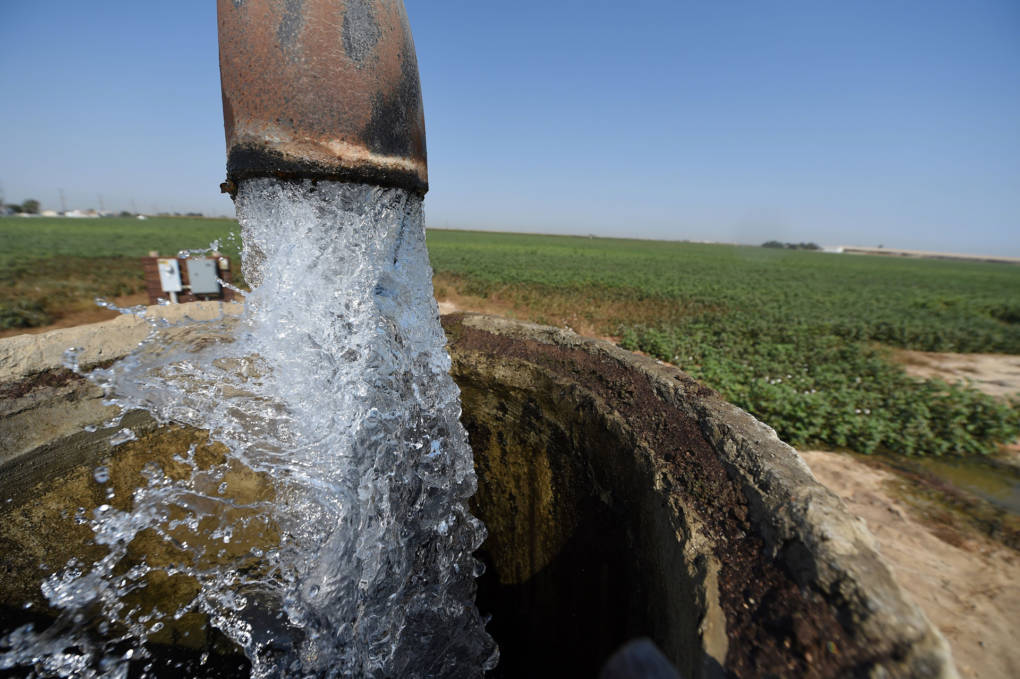
"caption": "Irrigation water flows at a cotton field in Porterville. The nation's largest irrigation district has rejected participation in Gov. Brown's $16 billion plan to build two giant tunnels to re-engineer California's north-south water delivery system.",
"description": "Irrigation water flows at a cotton field in Porterville. The nation's largest irrigation district has rejected participation in Gov. Brown's $16 billion plan to build two giant tunnels to re-engineer California's north-south water delivery system.",
"title": "irrigationwater",
"credit": "ROBYN BECK/AFP/Getty Images",
"status": "inherit",
"isLoading": false,
"fetchFailed": false
},
"news_11578014": {
"type": "attachments",
"id": "news_11578014",
"meta": {
"index": "attachments_1716263798",
"site": "news",
"id": "11578014",
"found": true
},
"parent": 11577946,
"imgSizes": {
"small": {
"file": "https://ww2.kqed.org/app/uploads/sites/10/2017/07/water_072017_final-1-520x520.jpg",
"width": 520,
"mimeType": "image/jpeg",
"height": 520
},
"twentyfourteen-full-width": {
"file": "https://ww2.kqed.org/app/uploads/sites/10/2017/07/water_072017_final-1-1038x576.jpg",
"width": 1038,
"mimeType": "image/jpeg",
"height": 576
},
"thumbnail": {
"file": "https://ww2.kqed.org/app/uploads/sites/10/2017/07/water_072017_final-1-160x160.jpg",
"width": 160,
"mimeType": "image/jpeg",
"height": 160
},
"fd-sm": {
"file": "https://ww2.kqed.org/app/uploads/sites/10/2017/07/water_072017_final-1-960x960.jpg",
"width": 960,
"mimeType": "image/jpeg",
"height": 960
},
"post-thumbnail": {
"file": "https://ww2.kqed.org/app/uploads/sites/10/2017/07/water_072017_final-1-672x372.jpg",
"width": 672,
"mimeType": "image/jpeg",
"height": 372
},
"xsmall": {
"file": "https://ww2.kqed.org/app/uploads/sites/10/2017/07/water_072017_final-1-375x375.jpg",
"width": 375,
"mimeType": "image/jpeg",
"height": 375
},
"kqedFullSize": {
"file": "https://ww2.kqed.org/app/uploads/sites/10/2017/07/water_072017_final-1.jpg",
"width": 1920,
"height": 1920
},
"large": {
"file": "https://ww2.kqed.org/app/uploads/sites/10/2017/07/water_072017_final-1-1020x1020.jpg",
"width": 1020,
"mimeType": "image/jpeg",
"height": 1020
},
"xlarge": {
"file": "https://ww2.kqed.org/app/uploads/sites/10/2017/07/water_072017_final-1-1180x1180.jpg",
"width": 1180,
"mimeType": "image/jpeg",
"height": 1180
},
"guest-author-50": {
"file": "https://ww2.kqed.org/app/uploads/sites/10/2017/07/water_072017_final-1-50x50.jpg",
"width": 50,
"mimeType": "image/jpeg",
"height": 50
},
"guest-author-96": {
"file": "https://ww2.kqed.org/app/uploads/sites/10/2017/07/water_072017_final-1-96x96.jpg",
"width": 96,
"mimeType": "image/jpeg",
"height": 96
},
"medium": {
"file": "https://ww2.kqed.org/app/uploads/sites/10/2017/07/water_072017_final-1-800x800.jpg",
"width": 800,
"mimeType": "image/jpeg",
"height": 800
},
"guest-author-64": {
"file": "https://ww2.kqed.org/app/uploads/sites/10/2017/07/water_072017_final-1-64x64.jpg",
"width": 64,
"mimeType": "image/jpeg",
"height": 64
},
"guest-author-32": {
"file": "https://ww2.kqed.org/app/uploads/sites/10/2017/07/water_072017_final-1-32x32.jpg",
"width": 32,
"mimeType": "image/jpeg",
"height": 32
},
"fd-lrg": {
"file": "https://ww2.kqed.org/app/uploads/sites/10/2017/07/water_072017_final-1-1920x1920.jpg",
"width": 1920,
"mimeType": "image/jpeg",
"height": 1920
},
"fd-med": {
"file": "https://ww2.kqed.org/app/uploads/sites/10/2017/07/water_072017_final-1-1180x1180.jpg",
"width": 1180,
"mimeType": "image/jpeg",
"height": 1180
},
"full-width": {
"file": "https://ww2.kqed.org/app/uploads/sites/10/2017/07/water_072017_final-1-1920x1920.jpg",
"width": 1920,
"mimeType": "image/jpeg",
"height": 1920
},
"detail": {
"file": "https://ww2.kqed.org/app/uploads/sites/10/2017/07/water_072017_final-1-150x150.jpg",
"width": 150,
"mimeType": "image/jpeg",
"height": 150
},
"guest-author-128": {
"file": "https://ww2.kqed.org/app/uploads/sites/10/2017/07/water_072017_final-1-128x128.jpg",
"width": 128,
"mimeType": "image/jpeg",
"height": 128
},
"xxsmall": {
"file": "https://ww2.kqed.org/app/uploads/sites/10/2017/07/water_072017_final-1-240x240.jpg",
"width": 240,
"mimeType": "image/jpeg",
"height": 240
}
},
"publishDate": 1500588227,
"modified": 1500588284,
"caption": null,
"description": null,
"title": "water_072017_final",
"credit": null,
"status": "inherit",
"isLoading": false,
"fetchFailed": false
},
"news_11568045": {
"type": "attachments",
"id": "news_11568045",
"meta": {
"index": "attachments_1716263798",
"site": "news",
"id": "11568045",
"found": true
},
"parent": 11512311,
"imgSizes": {
"small": {
"file": "https://ww2.kqed.org/app/uploads/sites/10/2017/07/NoLongerNameless1-520x270.jpg",
"width": 520,
"mimeType": "image/jpeg",
"height": 270
},
"twentyfourteen-full-width": {
"file": "https://ww2.kqed.org/app/uploads/sites/10/2017/07/NoLongerNameless1-1038x576.jpg",
"width": 1038,
"mimeType": "image/jpeg",
"height": 576
},
"thumbnail": {
"file": "https://ww2.kqed.org/app/uploads/sites/10/2017/07/NoLongerNameless1-160x83.jpg",
"width": 160,
"mimeType": "image/jpeg",
"height": 83
},
"fd-sm": {
"file": "https://ww2.kqed.org/app/uploads/sites/10/2017/07/NoLongerNameless1-960x499.jpg",
"width": 960,
"mimeType": "image/jpeg",
"height": 499
},
"post-thumbnail": {
"file": "https://ww2.kqed.org/app/uploads/sites/10/2017/07/NoLongerNameless1-672x372.jpg",
"width": 672,
"mimeType": "image/jpeg",
"height": 372
},
"xsmall": {
"file": "https://ww2.kqed.org/app/uploads/sites/10/2017/07/NoLongerNameless1-375x195.jpg",
"width": 375,
"mimeType": "image/jpeg",
"height": 195
},
"kqedFullSize": {
"file": "https://ww2.kqed.org/app/uploads/sites/10/2017/07/NoLongerNameless1.jpg",
"width": 1920,
"height": 997
},
"large": {
"file": "https://ww2.kqed.org/app/uploads/sites/10/2017/07/NoLongerNameless1-1020x530.jpg",
"width": 1020,
"mimeType": "image/jpeg",
"height": 530
},
"xlarge": {
"file": "https://ww2.kqed.org/app/uploads/sites/10/2017/07/NoLongerNameless1-1180x613.jpg",
"width": 1180,
"mimeType": "image/jpeg",
"height": 613
},
"guest-author-50": {
"file": "https://ww2.kqed.org/app/uploads/sites/10/2017/07/NoLongerNameless1-50x50.jpg",
"width": 50,
"mimeType": "image/jpeg",
"height": 50
},
"guest-author-96": {
"file": "https://ww2.kqed.org/app/uploads/sites/10/2017/07/NoLongerNameless1-96x96.jpg",
"width": 96,
"mimeType": "image/jpeg",
"height": 96
},
"medium": {
"file": "https://ww2.kqed.org/app/uploads/sites/10/2017/07/NoLongerNameless1-800x415.jpg",
"width": 800,
"mimeType": "image/jpeg",
"height": 415
},
"guest-author-64": {
"file": "https://ww2.kqed.org/app/uploads/sites/10/2017/07/NoLongerNameless1-64x64.jpg",
"width": 64,
"mimeType": "image/jpeg",
"height": 64
},
"guest-author-32": {
"file": "https://ww2.kqed.org/app/uploads/sites/10/2017/07/NoLongerNameless1-32x32.jpg",
"width": 32,
"mimeType": "image/jpeg",
"height": 32
},
"fd-lrg": {
"file": "https://ww2.kqed.org/app/uploads/sites/10/2017/07/NoLongerNameless1-1920x997.jpg",
"width": 1920,
"mimeType": "image/jpeg",
"height": 997
},
"fd-med": {
"file": "https://ww2.kqed.org/app/uploads/sites/10/2017/07/NoLongerNameless1-1180x613.jpg",
"width": 1180,
"mimeType": "image/jpeg",
"height": 613
},
"full-width": {
"file": "https://ww2.kqed.org/app/uploads/sites/10/2017/07/NoLongerNameless1-1920x997.jpg",
"width": 1920,
"mimeType": "image/jpeg",
"height": 997
},
"detail": {
"file": "https://ww2.kqed.org/app/uploads/sites/10/2017/07/NoLongerNameless1-150x150.jpg",
"width": 150,
"mimeType": "image/jpeg",
"height": 150
},
"guest-author-128": {
"file": "https://ww2.kqed.org/app/uploads/sites/10/2017/07/NoLongerNameless1-128x128.jpg",
"width": 128,
"mimeType": "image/jpeg",
"height": 128
},
"xxsmall": {
"file": "https://ww2.kqed.org/app/uploads/sites/10/2017/07/NoLongerNameless1-240x125.jpg",
"width": 240,
"mimeType": "image/jpeg",
"height": 125
}
},
"publishDate": 1500070484,
"modified": 1500076813,
"caption": "A video for Lance Canales and the Flood's version of Woody Guthrie’s ballad 'Deportee' features author Tim Z. Hernandez whispering the names of those who died in the 1948 plane crash, and of people holding signs painted with those names.",
"description": "A video for Lance Canales and the Flood's version of Woodie Guthrie’s ballad 'Deportee' features author Tim Z. Hernandez whispering the names of those who died in the 1948 plane crash, and of people holding signs painted with those names.",
"title": "NoLongerNameless1",
"credit": "YouTube",
"status": "inherit",
"isLoading": false,
"fetchFailed": false
},
"news_11477451": {
"type": "attachments",
"id": "news_11477451",
"meta": {
"index": "attachments_1716263798",
"site": "news",
"id": "11477451",
"found": true
},
"parent": 11477376,
"imgSizes": {
"small": {
"file": "https://ww2.kqed.org/app/uploads/sites/10/2017/05/IMG_3847-e1495744680703-520x392.jpg",
"width": 520,
"mimeType": "image/jpeg",
"height": 392
},
"twentyfourteen-full-width": {
"file": "https://ww2.kqed.org/app/uploads/sites/10/2017/05/IMG_3847-e1495744680703-1038x576.jpg",
"width": 1038,
"mimeType": "image/jpeg",
"height": 576
},
"thumbnail": {
"file": "https://ww2.kqed.org/app/uploads/sites/10/2017/05/IMG_3847-e1495744680703-160x121.jpg",
"width": 160,
"mimeType": "image/jpeg",
"height": 121
},
"fd-sm": {
"file": "https://ww2.kqed.org/app/uploads/sites/10/2017/05/IMG_3847-e1495744680703-960x723.jpg",
"width": 960,
"mimeType": "image/jpeg",
"height": 723
},
"post-thumbnail": {
"file": "https://ww2.kqed.org/app/uploads/sites/10/2017/05/IMG_3847-e1495744680703-672x372.jpg",
"width": 672,
"mimeType": "image/jpeg",
"height": 372
},
"xsmall": {
"file": "https://ww2.kqed.org/app/uploads/sites/10/2017/05/IMG_3847-e1495744680703-375x282.jpg",
"width": 375,
"mimeType": "image/jpeg",
"height": 282
},
"kqedFullSize": {
"file": "https://ww2.kqed.org/app/uploads/sites/10/2017/05/IMG_3847-e1495744680703.jpg",
"width": 1819,
"height": 1370
},
"large": {
"file": "https://ww2.kqed.org/app/uploads/sites/10/2017/05/IMG_3847-e1495744680703-1020x768.jpg",
"width": 1020,
"mimeType": "image/jpeg",
"height": 768
},
"xlarge": {
"file": "https://ww2.kqed.org/app/uploads/sites/10/2017/05/IMG_3847-e1495744680703-1180x889.jpg",
"width": 1180,
"mimeType": "image/jpeg",
"height": 889
},
"guest-author-50": {
"file": "https://ww2.kqed.org/app/uploads/sites/10/2017/05/IMG_3847-e1495744680703-50x50.jpg",
"width": 50,
"mimeType": "image/jpeg",
"height": 50
},
"guest-author-96": {
"file": "https://ww2.kqed.org/app/uploads/sites/10/2017/05/IMG_3847-e1495744680703-96x96.jpg",
"width": 96,
"mimeType": "image/jpeg",
"height": 96
},
"medium": {
"file": "https://ww2.kqed.org/app/uploads/sites/10/2017/05/IMG_3847-e1495744680703-800x603.jpg",
"width": 800,
"mimeType": "image/jpeg",
"height": 603
},
"guest-author-64": {
"file": "https://ww2.kqed.org/app/uploads/sites/10/2017/05/IMG_3847-e1495744680703-64x64.jpg",
"width": 64,
"mimeType": "image/jpeg",
"height": 64
},
"guest-author-32": {
"file": "https://ww2.kqed.org/app/uploads/sites/10/2017/05/IMG_3847-e1495744680703-32x32.jpg",
"width": 32,
"mimeType": "image/jpeg",
"height": 32
},
"fd-lrg": {
"file": "https://ww2.kqed.org/app/uploads/sites/10/2017/05/IMG_3847-1920x1440.jpg",
"width": 1920,
"mimeType": "image/jpeg",
"height": 1440
},
"fd-med": {
"file": "https://ww2.kqed.org/app/uploads/sites/10/2017/05/IMG_3847-e1495744680703-1180x889.jpg",
"width": 1180,
"mimeType": "image/jpeg",
"height": 889
},
"full-width": {
"file": "https://ww2.kqed.org/app/uploads/sites/10/2017/05/IMG_3847-1920x1440.jpg",
"width": 1920,
"mimeType": "image/jpeg",
"height": 1440
},
"detail": {
"file": "https://ww2.kqed.org/app/uploads/sites/10/2017/05/IMG_3847-e1495744680703-150x150.jpg",
"width": 150,
"mimeType": "image/jpeg",
"height": 150
},
"guest-author-128": {
"file": "https://ww2.kqed.org/app/uploads/sites/10/2017/05/IMG_3847-e1495744680703-128x128.jpg",
"width": 128,
"mimeType": "image/jpeg",
"height": 128
},
"xxsmall": {
"file": "https://ww2.kqed.org/app/uploads/sites/10/2017/05/IMG_3847-e1495744680703-240x181.jpg",
"width": 240,
"mimeType": "image/jpeg",
"height": 181
}
},
"publishDate": 1495742830,
"modified": 1495743164,
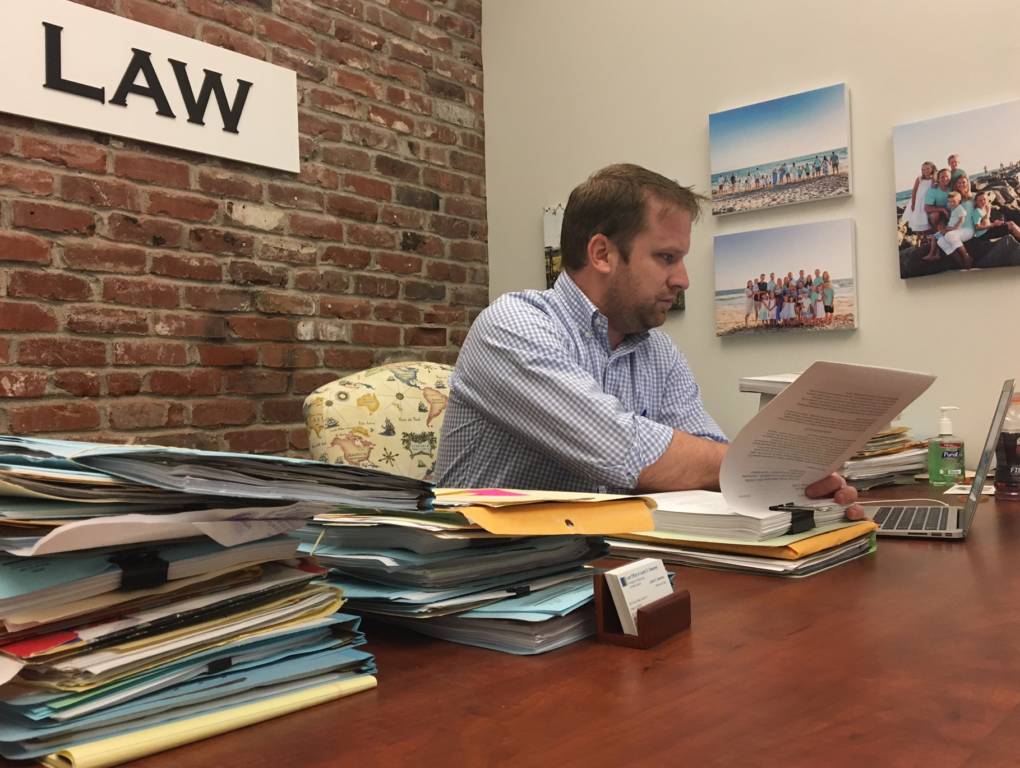
"caption": "Fresno immigration attorney Justin Sweeney says the early months of this year have been the busiest of his career.",
"description": null,
"title": "IMG_3847",
"credit": "Vanessa Rancano/KQED",
"status": "inherit",
"isLoading": false,
"fetchFailed": false
},
"news_11442418": {
"type": "attachments",
"id": "news_11442418",
"meta": {
"index": "attachments_1716263798",
"site": "news",
"id": "11442418",
"found": true
},
"parent": 11439095,
"imgSizes": {
"small": {
"file": "https://ww2.kqed.org/app/uploads/sites/10/2017/05/FresnoBBoys-1-520x335.jpg",
"width": 520,
"mimeType": "image/jpeg",
"height": 335
},
"twentyfourteen-full-width": {
"file": "https://ww2.kqed.org/app/uploads/sites/10/2017/05/FresnoBBoys-1-1038x576.jpg",
"width": 1038,
"mimeType": "image/jpeg",
"height": 576
},
"thumbnail": {
"file": "https://ww2.kqed.org/app/uploads/sites/10/2017/05/FresnoBBoys-1-160x103.jpg",
"width": 160,
"mimeType": "image/jpeg",
"height": 103
},
"fd-sm": {
"file": "https://ww2.kqed.org/app/uploads/sites/10/2017/05/FresnoBBoys-1-960x618.jpg",
"width": 960,
"mimeType": "image/jpeg",
"height": 618
},
"post-thumbnail": {
"file": "https://ww2.kqed.org/app/uploads/sites/10/2017/05/FresnoBBoys-1-672x372.jpg",
"width": 672,
"mimeType": "image/jpeg",
"height": 372
},
"xsmall": {
"file": "https://ww2.kqed.org/app/uploads/sites/10/2017/05/FresnoBBoys-1-375x241.jpg",
"width": 375,
"mimeType": "image/jpeg",
"height": 241
},
"kqedFullSize": {
"file": "https://ww2.kqed.org/app/uploads/sites/10/2017/05/FresnoBBoys-1.jpg",
"width": 1920,
"height": 1236
},
"large": {
"file": "https://ww2.kqed.org/app/uploads/sites/10/2017/05/FresnoBBoys-1-1020x657.jpg",
"width": 1020,
"mimeType": "image/jpeg",
"height": 657
},
"xlarge": {
"file": "https://ww2.kqed.org/app/uploads/sites/10/2017/05/FresnoBBoys-1-1180x760.jpg",
"width": 1180,
"mimeType": "image/jpeg",
"height": 760
},
"guest-author-50": {
"file": "https://ww2.kqed.org/app/uploads/sites/10/2017/05/FresnoBBoys-1-50x50.jpg",
"width": 50,
"mimeType": "image/jpeg",
"height": 50
},
"guest-author-96": {
"file": "https://ww2.kqed.org/app/uploads/sites/10/2017/05/FresnoBBoys-1-96x96.jpg",
"width": 96,
"mimeType": "image/jpeg",
"height": 96
},
"medium": {
"file": "https://ww2.kqed.org/app/uploads/sites/10/2017/05/FresnoBBoys-1-800x515.jpg",
"width": 800,
"mimeType": "image/jpeg",
"height": 515
},
"guest-author-64": {
"file": "https://ww2.kqed.org/app/uploads/sites/10/2017/05/FresnoBBoys-1-64x64.jpg",
"width": 64,
"mimeType": "image/jpeg",
"height": 64
},
"guest-author-32": {
"file": "https://ww2.kqed.org/app/uploads/sites/10/2017/05/FresnoBBoys-1-32x32.jpg",
"width": 32,
"mimeType": "image/jpeg",
"height": 32
},
"fd-lrg": {
"file": "https://ww2.kqed.org/app/uploads/sites/10/2017/05/FresnoBBoys-1-1920x1236.jpg",
"width": 1920,
"mimeType": "image/jpeg",
"height": 1236
},
"fd-med": {
"file": "https://ww2.kqed.org/app/uploads/sites/10/2017/05/FresnoBBoys-1-1180x760.jpg",
"width": 1180,
"mimeType": "image/jpeg",
"height": 760
},
"full-width": {
"file": "https://ww2.kqed.org/app/uploads/sites/10/2017/05/FresnoBBoys-1-1920x1236.jpg",
"width": 1920,
"mimeType": "image/jpeg",
"height": 1236
},
"detail": {
"file": "https://ww2.kqed.org/app/uploads/sites/10/2017/05/FresnoBBoys-1-150x150.jpg",
"width": 150,
"mimeType": "image/jpeg",
"height": 150
},
"guest-author-128": {
"file": "https://ww2.kqed.org/app/uploads/sites/10/2017/05/FresnoBBoys-1-128x128.jpg",
"width": 128,
"mimeType": "image/jpeg",
"height": 128
},
"xxsmall": {
"file": "https://ww2.kqed.org/app/uploads/sites/10/2017/05/FresnoBBoys-1-240x155.jpg",
"width": 240,
"mimeType": "image/jpeg",
"height": 155
}
},
"publishDate": 1494032755,
"modified": 1494032782,
"caption": "B-boys showcase their skills in Fresno.",
"description": "B-boys showcase their skills in Fresno.",
"title": "FresnoBBoys",
"credit": "Ce Vang/Valley Public History Initiative",
"status": "inherit",
"isLoading": false,
"fetchFailed": false
},
"news_11420685": {
"type": "attachments",
"id": "news_11420685",
"meta": {
"index": "attachments_1716263798",
"site": "news",
"id": "11420685",
"found": true
},
"parent": 11397172,
"imgSizes": {
"small": {
"file": "https://ww2.kqed.org/app/uploads/sites/10/2017/04/Moe-1-520x315.jpg",
"width": 520,
"mimeType": "image/jpeg",
"height": 315
},
"twentyfourteen-full-width": {
"file": "https://ww2.kqed.org/app/uploads/sites/10/2017/04/Moe-1-1038x576.jpg",
"width": 1038,
"mimeType": "image/jpeg",
"height": 576
},
"thumbnail": {
"file": "https://ww2.kqed.org/app/uploads/sites/10/2017/04/Moe-1-160x97.jpg",
"width": 160,
"mimeType": "image/jpeg",
"height": 97
},
"fd-sm": {
"file": "https://ww2.kqed.org/app/uploads/sites/10/2017/04/Moe-1-960x581.jpg",
"width": 960,
"mimeType": "image/jpeg",
"height": 581
},
"post-thumbnail": {
"file": "https://ww2.kqed.org/app/uploads/sites/10/2017/04/Moe-1-672x372.jpg",
"width": 672,
"mimeType": "image/jpeg",
"height": 372
},
"xsmall": {
"file": "https://ww2.kqed.org/app/uploads/sites/10/2017/04/Moe-1-375x227.jpg",
"width": 375,
"mimeType": "image/jpeg",
"height": 227
},
"kqedFullSize": {
"file": "https://ww2.kqed.org/app/uploads/sites/10/2017/04/Moe-1.jpg",
"width": 1920,
"height": 1162
},
"large": {
"file": "https://ww2.kqed.org/app/uploads/sites/10/2017/04/Moe-1-1020x617.jpg",
"width": 1020,
"mimeType": "image/jpeg",
"height": 617
},
"xlarge": {
"file": "https://ww2.kqed.org/app/uploads/sites/10/2017/04/Moe-1-1180x714.jpg",
"width": 1180,
"mimeType": "image/jpeg",
"height": 714
},
"guest-author-50": {
"file": "https://ww2.kqed.org/app/uploads/sites/10/2017/04/Moe-1-50x50.jpg",
"width": 50,
"mimeType": "image/jpeg",
"height": 50
},
"guest-author-96": {
"file": "https://ww2.kqed.org/app/uploads/sites/10/2017/04/Moe-1-96x96.jpg",
"width": 96,
"mimeType": "image/jpeg",
"height": 96
},
"medium": {
"file": "https://ww2.kqed.org/app/uploads/sites/10/2017/04/Moe-1-800x484.jpg",
"width": 800,
"mimeType": "image/jpeg",
"height": 484
},
"guest-author-64": {
"file": "https://ww2.kqed.org/app/uploads/sites/10/2017/04/Moe-1-64x64.jpg",
"width": 64,
"mimeType": "image/jpeg",
"height": 64
},
"guest-author-32": {
"file": "https://ww2.kqed.org/app/uploads/sites/10/2017/04/Moe-1-32x32.jpg",
"width": 32,
"mimeType": "image/jpeg",
"height": 32
},
"fd-lrg": {
"file": "https://ww2.kqed.org/app/uploads/sites/10/2017/04/Moe-1-1920x1162.jpg",
"width": 1920,
"mimeType": "image/jpeg",
"height": 1162
},
"fd-med": {
"file": "https://ww2.kqed.org/app/uploads/sites/10/2017/04/Moe-1-1180x714.jpg",
"width": 1180,
"mimeType": "image/jpeg",
"height": 714
},
"full-width": {
"file": "https://ww2.kqed.org/app/uploads/sites/10/2017/04/Moe-1-1920x1162.jpg",
"width": 1920,
"mimeType": "image/jpeg",
"height": 1162
},
"detail": {
"file": "https://ww2.kqed.org/app/uploads/sites/10/2017/04/Moe-1-150x150.jpg",
"width": 150,
"mimeType": "image/jpeg",
"height": 150
},
"guest-author-128": {
"file": "https://ww2.kqed.org/app/uploads/sites/10/2017/04/Moe-1-128x128.jpg",
"width": 128,
"mimeType": "image/jpeg",
"height": 128
},
"xxsmall": {
"file": "https://ww2.kqed.org/app/uploads/sites/10/2017/04/Moe-1-240x145.jpg",
"width": 240,
"mimeType": "image/jpeg",
"height": 145
}
},
"publishDate": 1492819303,
"modified": 1492819322,
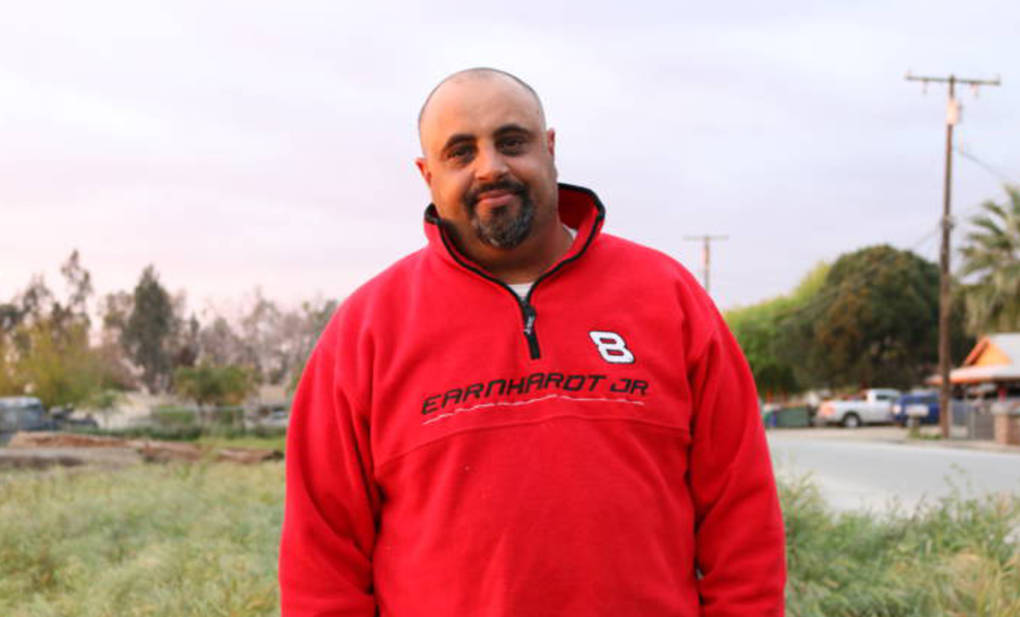
"caption": "Saber Askar stands outside his apartment in East Porterville. A U.S. citizen, he's struggling to bring his family to the U.S. from Yemen.",
"description": "Saber Askar stands outside his apartment in East Porterville. A U.S. citizen, he's struggling to bring his family to the U.S. from Yemen.",
"title": "Moe",
"credit": "Vanessa Rancano/KQED",
"status": "inherit",
"isLoading": false,
"fetchFailed": false
},
"news_11385524": {
"type": "attachments",
"id": "news_11385524",
"meta": {
"index": "attachments_1716263798",
"site": "news",
"id": "11385524",
"found": true
},
"parent": 11385505,
"imgSizes": {
"small": {
"file": "https://ww2.kqed.org/app/uploads/sites/10/2017/03/Nunes-protest-TCR-size-5-520x390.jpg",
"width": 520,
"mimeType": "image/jpeg",
"height": 390
},
"twentyfourteen-full-width": {
"file": "https://ww2.kqed.org/app/uploads/sites/10/2017/03/Nunes-protest-TCR-size-5-1038x576.jpg",
"width": 1038,
"mimeType": "image/jpeg",
"height": 576
},
"thumbnail": {
"file": "https://ww2.kqed.org/app/uploads/sites/10/2017/03/Nunes-protest-TCR-size-5-160x120.jpg",
"width": 160,
"mimeType": "image/jpeg",
"height": 120
},
"fd-sm": {
"file": "https://ww2.kqed.org/app/uploads/sites/10/2017/03/Nunes-protest-TCR-size-5-960x720.jpg",
"width": 960,
"mimeType": "image/jpeg",
"height": 720
},
"post-thumbnail": {
"file": "https://ww2.kqed.org/app/uploads/sites/10/2017/03/Nunes-protest-TCR-size-5-672x372.jpg",
"width": 672,
"mimeType": "image/jpeg",
"height": 372
},
"xsmall": {
"file": "https://ww2.kqed.org/app/uploads/sites/10/2017/03/Nunes-protest-TCR-size-5-375x281.jpg",
"width": 375,
"mimeType": "image/jpeg",
"height": 281
},
"kqedFullSize": {
"file": "https://ww2.kqed.org/app/uploads/sites/10/2017/03/Nunes-protest-TCR-size-5.jpg",
"width": 1920,
"height": 1440
},
"large": {
"file": "https://ww2.kqed.org/app/uploads/sites/10/2017/03/Nunes-protest-TCR-size-5-1020x765.jpg",
"width": 1020,
"mimeType": "image/jpeg",
"height": 765
},
"xlarge": {
"file": "https://ww2.kqed.org/app/uploads/sites/10/2017/03/Nunes-protest-TCR-size-5-1180x885.jpg",
"width": 1180,
"mimeType": "image/jpeg",
"height": 885
},
"guest-author-50": {
"file": "https://ww2.kqed.org/app/uploads/sites/10/2017/03/Nunes-protest-TCR-size-5-50x50.jpg",
"width": 50,
"mimeType": "image/jpeg",
"height": 50
},
"guest-author-96": {
"file": "https://ww2.kqed.org/app/uploads/sites/10/2017/03/Nunes-protest-TCR-size-5-96x96.jpg",
"width": 96,
"mimeType": "image/jpeg",
"height": 96
},
"medium": {
"file": "https://ww2.kqed.org/app/uploads/sites/10/2017/03/Nunes-protest-TCR-size-5-800x600.jpg",
"width": 800,
"mimeType": "image/jpeg",
"height": 600
},
"guest-author-64": {
"file": "https://ww2.kqed.org/app/uploads/sites/10/2017/03/Nunes-protest-TCR-size-5-64x64.jpg",
"width": 64,
"mimeType": "image/jpeg",
"height": 64
},
"guest-author-32": {
"file": "https://ww2.kqed.org/app/uploads/sites/10/2017/03/Nunes-protest-TCR-size-5-32x32.jpg",
"width": 32,
"mimeType": "image/jpeg",
"height": 32
},
"fd-lrg": {
"file": "https://ww2.kqed.org/app/uploads/sites/10/2017/03/Nunes-protest-TCR-size-5-1920x1440.jpg",
"width": 1920,
"mimeType": "image/jpeg",
"height": 1440
},
"fd-med": {
"file": "https://ww2.kqed.org/app/uploads/sites/10/2017/03/Nunes-protest-TCR-size-5-1180x885.jpg",
"width": 1180,
"mimeType": "image/jpeg",
"height": 885
},
"full-width": {
"file": "https://ww2.kqed.org/app/uploads/sites/10/2017/03/Nunes-protest-TCR-size-5-1920x1440.jpg",
"width": 1920,
"mimeType": "image/jpeg",
"height": 1440
},
"detail": {
"file": "https://ww2.kqed.org/app/uploads/sites/10/2017/03/Nunes-protest-TCR-size-5-150x150.jpg",
"width": 150,
"mimeType": "image/jpeg",
"height": 150
},
"guest-author-128": {
"file": "https://ww2.kqed.org/app/uploads/sites/10/2017/03/Nunes-protest-TCR-size-5-128x128.jpg",
"width": 128,
"mimeType": "image/jpeg",
"height": 128
},
"xxsmall": {
"file": "https://ww2.kqed.org/app/uploads/sites/10/2017/03/Nunes-protest-TCR-size-5-240x180.jpg",
"width": 240,
"mimeType": "image/jpeg",
"height": 180
}
},
"publishDate": 1491000955,
"modified": 1491012298,
"caption": "Demonstrators outside an event in Fresno where Republican Congressman Devin Nunes spoke to a farming industry group on March 31, 2017.",
"description": null,
"title": "Nunes protest TCR size 5",
"credit": "Vanessa Rancano/KQED",
"status": "inherit",
"isLoading": false,
"fetchFailed": false
},
"news_11337015": {
"type": "attachments",
"id": "news_11337015",
"meta": {
"index": "attachments_1716263798",
"site": "news",
"id": "11337015",
"found": true
},
"parent": 11331738,
"imgSizes": {
"small": {
"file": "https://ww2.kqed.org/app/uploads/sites/10/2017/02/TulareVigil-520x441.jpg",
"width": 520,
"mimeType": "image/jpeg",
"height": 441
},
"twentyfourteen-full-width": {
"file": "https://ww2.kqed.org/app/uploads/sites/10/2017/02/TulareVigil-1038x576.jpg",
"width": 1038,
"mimeType": "image/jpeg",
"height": 576
},
"thumbnail": {
"file": "https://ww2.kqed.org/app/uploads/sites/10/2017/02/TulareVigil-160x136.jpg",
"width": 160,
"mimeType": "image/jpeg",
"height": 136
},
"fd-sm": {
"file": "https://ww2.kqed.org/app/uploads/sites/10/2017/02/TulareVigil-960x814.jpg",
"width": 960,
"mimeType": "image/jpeg",
"height": 814
},
"post-thumbnail": {
"file": "https://ww2.kqed.org/app/uploads/sites/10/2017/02/TulareVigil-672x372.jpg",
"width": 672,
"mimeType": "image/jpeg",
"height": 372
},
"xsmall": {
"file": "https://ww2.kqed.org/app/uploads/sites/10/2017/02/TulareVigil-375x318.jpg",
"width": 375,
"mimeType": "image/jpeg",
"height": 318
},
"kqedFullSize": {
"file": "https://ww2.kqed.org/app/uploads/sites/10/2017/02/TulareVigil.jpg",
"width": 1920,
"height": 1627
},
"large": {
"file": "https://ww2.kqed.org/app/uploads/sites/10/2017/02/TulareVigil-1020x864.jpg",
"width": 1020,
"mimeType": "image/jpeg",
"height": 864
},
"xlarge": {
"file": "https://ww2.kqed.org/app/uploads/sites/10/2017/02/TulareVigil-1180x1000.jpg",
"width": 1180,
"mimeType": "image/jpeg",
"height": 1000
},
"guest-author-50": {
"file": "https://ww2.kqed.org/app/uploads/sites/10/2017/02/TulareVigil-50x50.jpg",
"width": 50,
"mimeType": "image/jpeg",
"height": 50
},
"guest-author-96": {
"file": "https://ww2.kqed.org/app/uploads/sites/10/2017/02/TulareVigil-96x96.jpg",
"width": 96,
"mimeType": "image/jpeg",
"height": 96
},
"medium": {
"file": "https://ww2.kqed.org/app/uploads/sites/10/2017/02/TulareVigil-800x678.jpg",
"width": 800,
"mimeType": "image/jpeg",
"height": 678
},
"guest-author-64": {
"file": "https://ww2.kqed.org/app/uploads/sites/10/2017/02/TulareVigil-64x64.jpg",
"width": 64,
"mimeType": "image/jpeg",
"height": 64
},
"guest-author-32": {
"file": "https://ww2.kqed.org/app/uploads/sites/10/2017/02/TulareVigil-32x32.jpg",
"width": 32,
"mimeType": "image/jpeg",
"height": 32
},
"fd-lrg": {
"file": "https://ww2.kqed.org/app/uploads/sites/10/2017/02/TulareVigil-1920x1627.jpg",
"width": 1920,
"mimeType": "image/jpeg",
"height": 1627
},
"fd-med": {
"file": "https://ww2.kqed.org/app/uploads/sites/10/2017/02/TulareVigil-1180x1000.jpg",
"width": 1180,
"mimeType": "image/jpeg",
"height": 1000
},
"full-width": {
"file": "https://ww2.kqed.org/app/uploads/sites/10/2017/02/TulareVigil-1920x1627.jpg",
"width": 1920,
"mimeType": "image/jpeg",
"height": 1627
},
"detail": {
"file": "https://ww2.kqed.org/app/uploads/sites/10/2017/02/TulareVigil-150x150.jpg",
"width": 150,
"mimeType": "image/jpeg",
"height": 150
},
"guest-author-128": {
"file": "https://ww2.kqed.org/app/uploads/sites/10/2017/02/TulareVigil-128x128.jpg",
"width": 128,
"mimeType": "image/jpeg",
"height": 128
},
"xxsmall": {
"file": "https://ww2.kqed.org/app/uploads/sites/10/2017/02/TulareVigil-240x203.jpg",
"width": 240,
"mimeType": "image/jpeg",
"height": 203
}
},
"publishDate": 1488247908,
"modified": 1488247954,
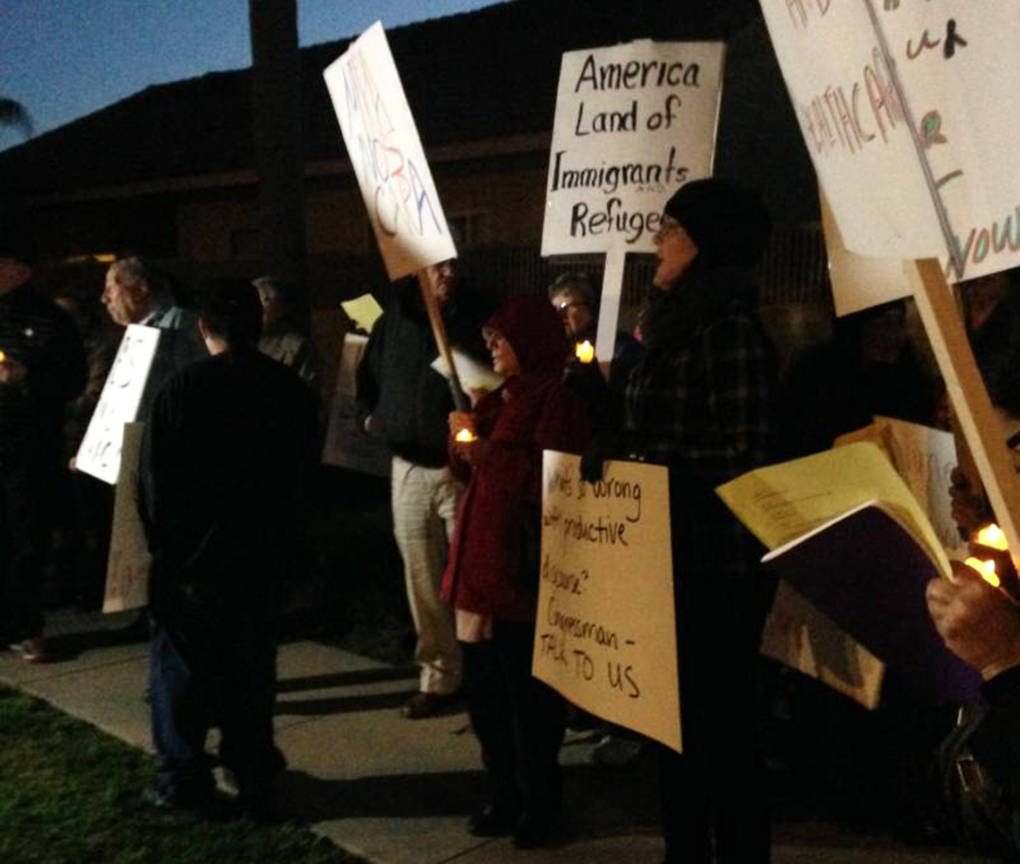
"caption": "Demonstrators at a candlelight vigil in Tulare call on Rep. Devin Nunes to hold a town hall meeting.",
"description": "Demonstrators at a candlelight vigil in Tulare call on Rep. Devin Nunes to hold a town hall meeting.",
"title": "TulareVigil",
"credit": "Alice Daniel/KQED",
"status": "inherit",
"isLoading": false,
"fetchFailed": false
},
"news_11321842": {
"type": "attachments",
"id": "news_11321842",
"meta": {
"index": "attachments_1716263798",
"site": "news",
"id": "11321842",
"found": true
},
"parent": 11321315,
"imgSizes": {
"small": {
"file": "https://ww2.kqed.org/app/uploads/sites/10/2017/02/AssyriansMain-520x364.jpg",
"width": 520,
"mimeType": "image/jpeg",
"height": 364
},
"twentyfourteen-full-width": {
"file": "https://ww2.kqed.org/app/uploads/sites/10/2017/02/AssyriansMain-1038x576.jpg",
"width": 1038,
"mimeType": "image/jpeg",
"height": 576
},
"thumbnail": {
"file": "https://ww2.kqed.org/app/uploads/sites/10/2017/02/AssyriansMain-160x112.jpg",
"width": 160,
"mimeType": "image/jpeg",
"height": 112
},
"fd-sm": {
"file": "https://ww2.kqed.org/app/uploads/sites/10/2017/02/AssyriansMain-960x672.jpg",
"width": 960,
"mimeType": "image/jpeg",
"height": 672
},
"post-thumbnail": {
"file": "https://ww2.kqed.org/app/uploads/sites/10/2017/02/AssyriansMain-672x372.jpg",
"width": 672,
"mimeType": "image/jpeg",
"height": 372
},
"xsmall": {
"file": "https://ww2.kqed.org/app/uploads/sites/10/2017/02/AssyriansMain-375x263.jpg",
"width": 375,
"mimeType": "image/jpeg",
"height": 263
},
"kqedFullSize": {
"file": "https://ww2.kqed.org/app/uploads/sites/10/2017/02/AssyriansMain.jpg",
"width": 1920,
"height": 1344
},
"large": {
"file": "https://ww2.kqed.org/app/uploads/sites/10/2017/02/AssyriansMain-1020x714.jpg",
"width": 1020,
"mimeType": "image/jpeg",
"height": 714
},
"xlarge": {
"file": "https://ww2.kqed.org/app/uploads/sites/10/2017/02/AssyriansMain-1180x826.jpg",
"width": 1180,
"mimeType": "image/jpeg",
"height": 826
},
"guest-author-50": {
"file": "https://ww2.kqed.org/app/uploads/sites/10/2017/02/AssyriansMain-50x50.jpg",
"width": 50,
"mimeType": "image/jpeg",
"height": 50
},
"guest-author-96": {
"file": "https://ww2.kqed.org/app/uploads/sites/10/2017/02/AssyriansMain-96x96.jpg",
"width": 96,
"mimeType": "image/jpeg",
"height": 96
},
"medium": {
"file": "https://ww2.kqed.org/app/uploads/sites/10/2017/02/AssyriansMain-800x560.jpg",
"width": 800,
"mimeType": "image/jpeg",
"height": 560
},
"guest-author-64": {
"file": "https://ww2.kqed.org/app/uploads/sites/10/2017/02/AssyriansMain-64x64.jpg",
"width": 64,
"mimeType": "image/jpeg",
"height": 64
},
"guest-author-32": {
"file": "https://ww2.kqed.org/app/uploads/sites/10/2017/02/AssyriansMain-32x32.jpg",
"width": 32,
"mimeType": "image/jpeg",
"height": 32
},
"fd-lrg": {
"file": "https://ww2.kqed.org/app/uploads/sites/10/2017/02/AssyriansMain-1920x1344.jpg",
"width": 1920,
"mimeType": "image/jpeg",
"height": 1344
},
"fd-med": {
"file": "https://ww2.kqed.org/app/uploads/sites/10/2017/02/AssyriansMain-1180x826.jpg",
"width": 1180,
"mimeType": "image/jpeg",
"height": 826
},
"full-width": {
"file": "https://ww2.kqed.org/app/uploads/sites/10/2017/02/AssyriansMain-1920x1344.jpg",
"width": 1920,
"mimeType": "image/jpeg",
"height": 1344
},
"detail": {
"file": "https://ww2.kqed.org/app/uploads/sites/10/2017/02/AssyriansMain-150x150.jpg",
"width": 150,
"mimeType": "image/jpeg",
"height": 150
},
"guest-author-128": {
"file": "https://ww2.kqed.org/app/uploads/sites/10/2017/02/AssyriansMain-128x128.jpg",
"width": 128,
"mimeType": "image/jpeg",
"height": 128
},
"xxsmall": {
"file": "https://ww2.kqed.org/app/uploads/sites/10/2017/02/AssyriansMain-240x168.jpg",
"width": 240,
"mimeType": "image/jpeg",
"height": 168
}
},
"publishDate": 1487384188,
"modified": 1487384223,
"caption": "Mervat Shlemoun (L) and Carmen Morad hold up Assyrian flags. ",
"description": "Mervat Shlemoun (L) and Carmen Morad hold up Assyrian flags. ",
"title": "AssyriansMain",
"credit": "Alice Daniel/KQED",
"status": "inherit",
"isLoading": false,
"fetchFailed": false
},
"stateofhealth_291429": {
"type": "attachments",
"id": "stateofhealth_291429",
"meta": {
"index": "attachments_1716263798",
"site": "stateofhealth",
"id": "291429",
"found": true
},
"parent": 291413,
"imgSizes": {
"small": {
"file": "https://ww2.kqed.org/app/uploads/sites/27/2017/02/Nuwintore1-520x390.jpg",
"width": 520,
"mimeType": "image/jpeg",
"height": 390
},
"twentyfourteen-full-width": {
"file": "https://ww2.kqed.org/app/uploads/sites/27/2017/02/Nuwintore1-1038x576.jpg",
"width": 1038,
"mimeType": "image/jpeg",
"height": 576
},
"thumbnail": {
"file": "https://ww2.kqed.org/app/uploads/sites/27/2017/02/Nuwintore1-160x120.jpg",
"width": 160,
"mimeType": "image/jpeg",
"height": 120
},
"fd-sm": {
"file": "https://ww2.kqed.org/app/uploads/sites/27/2017/02/Nuwintore1-960x720.jpg",
"width": 960,
"mimeType": "image/jpeg",
"height": 720
},
"post-thumbnail": {
"file": "https://ww2.kqed.org/app/uploads/sites/27/2017/02/Nuwintore1-672x372.jpg",
"width": 672,
"mimeType": "image/jpeg",
"height": 372
},
"xsmall": {
"file": "https://ww2.kqed.org/app/uploads/sites/27/2017/02/Nuwintore1-375x281.jpg",
"width": 375,
"mimeType": "image/jpeg",
"height": 281
},
"kqedFullSize": {
"file": "https://ww2.kqed.org/app/uploads/sites/27/2017/02/Nuwintore1.jpg",
"width": 2876,
"height": 2157
},
"large": {
"file": "https://ww2.kqed.org/app/uploads/sites/27/2017/02/Nuwintore1-1020x765.jpg",
"width": 1020,
"mimeType": "image/jpeg",
"height": 765
},
"xlarge": {
"file": "https://ww2.kqed.org/app/uploads/sites/27/2017/02/Nuwintore1-1180x885.jpg",
"width": 1180,
"mimeType": "image/jpeg",
"height": 885
},
"guest-author-50": {
"file": "https://ww2.kqed.org/app/uploads/sites/27/2017/02/Nuwintore1-50x50.jpg",
"width": 50,
"mimeType": "image/jpeg",
"height": 50
},
"guest-author-96": {
"file": "https://ww2.kqed.org/app/uploads/sites/27/2017/02/Nuwintore1-96x96.jpg",
"width": 96,
"mimeType": "image/jpeg",
"height": 96
},
"medium": {
"file": "https://ww2.kqed.org/app/uploads/sites/27/2017/02/Nuwintore1-800x600.jpg",
"width": 800,
"mimeType": "image/jpeg",
"height": 600
},
"guest-author-64": {
"file": "https://ww2.kqed.org/app/uploads/sites/27/2017/02/Nuwintore1-64x64.jpg",
"width": 64,
"mimeType": "image/jpeg",
"height": 64
},
"guest-author-32": {
"file": "https://ww2.kqed.org/app/uploads/sites/27/2017/02/Nuwintore1-32x32.jpg",
"width": 32,
"mimeType": "image/jpeg",
"height": 32
},
"fd-lrg": {
"file": "https://ww2.kqed.org/app/uploads/sites/27/2017/02/Nuwintore1-1920x1440.jpg",
"width": 1920,
"mimeType": "image/jpeg",
"height": 1440
},
"fd-med": {
"file": "https://ww2.kqed.org/app/uploads/sites/27/2017/02/Nuwintore1-1180x885.jpg",
"width": 1180,
"mimeType": "image/jpeg",
"height": 885
},
"full-width": {
"file": "https://ww2.kqed.org/app/uploads/sites/27/2017/02/Nuwintore1-1920x1440.jpg",
"width": 1920,
"mimeType": "image/jpeg",
"height": 1440
},
"detail": {
"file": "https://ww2.kqed.org/app/uploads/sites/27/2017/02/Nuwintore1-150x150.jpg",
"width": 150,
"mimeType": "image/jpeg",
"height": 150
},
"medium_large": {
"file": "https://ww2.kqed.org/app/uploads/sites/27/2017/02/Nuwintore1-768x576.jpg",
"width": 768,
"mimeType": "image/jpeg",
"height": 576
},
"guest-author-128": {
"file": "https://ww2.kqed.org/app/uploads/sites/27/2017/02/Nuwintore1-128x128.jpg",
"width": 128,
"mimeType": "image/jpeg",
"height": 128
},
"xxsmall": {
"file": "https://ww2.kqed.org/app/uploads/sites/27/2017/02/Nuwintore1-240x180.jpg",
"width": 240,
"mimeType": "image/jpeg",
"height": 180
}
},
"publishDate": 1486503882,
"modified": 1486578759,
"caption": "Five years after his diagnosis, Richard Nuwintore suffers severe stomach pain and fatigue from the antifungal pills he takes twice every day.",
"description": null,
"title": "Nuwintore1",
"credit": "Kerry Klein/Valley Public Radio",
"status": "inherit",
"isLoading": false,
"fetchFailed": false
},
"news_11309133": {
"type": "attachments",
"id": "news_11309133",
"meta": {
"index": "attachments_1716263798",
"site": "news",
"id": "11309133",
"found": true
},
"parent": 11309129,
"imgSizes": {
"small": {
"file": "https://ww2.kqed.org/app/uploads/sites/10/2017/02/FLBridge-520x304.jpg",
"width": 520,
"mimeType": "image/jpeg",
"height": 304
},
"twentyfourteen-full-width": {
"file": "https://ww2.kqed.org/app/uploads/sites/10/2017/02/FLBridge-1038x576.jpg",
"width": 1038,
"mimeType": "image/jpeg",
"height": 576
},
"thumbnail": {
"file": "https://ww2.kqed.org/app/uploads/sites/10/2017/02/FLBridge-160x93.jpg",
"width": 160,
"mimeType": "image/jpeg",
"height": 93
},
"fd-sm": {
"file": "https://ww2.kqed.org/app/uploads/sites/10/2017/02/FLBridge-960x561.jpg",
"width": 960,
"mimeType": "image/jpeg",
"height": 561
},
"post-thumbnail": {
"file": "https://ww2.kqed.org/app/uploads/sites/10/2017/02/FLBridge-672x372.jpg",
"width": 672,
"mimeType": "image/jpeg",
"height": 372
},
"xsmall": {
"file": "https://ww2.kqed.org/app/uploads/sites/10/2017/02/FLBridge-375x219.jpg",
"width": 375,
"mimeType": "image/jpeg",
"height": 219
},
"kqedFullSize": {
"file": "https://ww2.kqed.org/app/uploads/sites/10/2017/02/FLBridge.jpg",
"width": 1920,
"height": 1121
},
"large": {
"file": "https://ww2.kqed.org/app/uploads/sites/10/2017/02/FLBridge-1020x596.jpg",
"width": 1020,
"mimeType": "image/jpeg",
"height": 596
},
"xlarge": {
"file": "https://ww2.kqed.org/app/uploads/sites/10/2017/02/FLBridge-1180x689.jpg",
"width": 1180,
"mimeType": "image/jpeg",
"height": 689
},
"guest-author-50": {
"file": "https://ww2.kqed.org/app/uploads/sites/10/2017/02/FLBridge-50x50.jpg",
"width": 50,
"mimeType": "image/jpeg",
"height": 50
},
"guest-author-96": {
"file": "https://ww2.kqed.org/app/uploads/sites/10/2017/02/FLBridge-96x96.jpg",
"width": 96,
"mimeType": "image/jpeg",
"height": 96
},
"medium": {
"file": "https://ww2.kqed.org/app/uploads/sites/10/2017/02/FLBridge-800x467.jpg",
"width": 800,
"mimeType": "image/jpeg",
"height": 467
},
"guest-author-64": {
"file": "https://ww2.kqed.org/app/uploads/sites/10/2017/02/FLBridge-64x64.jpg",
"width": 64,
"mimeType": "image/jpeg",
"height": 64
},
"guest-author-32": {
"file": "https://ww2.kqed.org/app/uploads/sites/10/2017/02/FLBridge-32x32.jpg",
"width": 32,
"mimeType": "image/jpeg",
"height": 32
},
"fd-lrg": {
"file": "https://ww2.kqed.org/app/uploads/sites/10/2017/02/FLBridge-1920x1121.jpg",
"width": 1920,
"mimeType": "image/jpeg",
"height": 1121
},
"fd-med": {
"file": "https://ww2.kqed.org/app/uploads/sites/10/2017/02/FLBridge-1180x689.jpg",
"width": 1180,
"mimeType": "image/jpeg",
"height": 689
},
"full-width": {
"file": "https://ww2.kqed.org/app/uploads/sites/10/2017/02/FLBridge-1920x1121.jpg",
"width": 1920,
"mimeType": "image/jpeg",
"height": 1121
},
"detail": {
"file": "https://ww2.kqed.org/app/uploads/sites/10/2017/02/FLBridge-150x150.jpg",
"width": 150,
"mimeType": "image/jpeg",
"height": 150
},
"guest-author-128": {
"file": "https://ww2.kqed.org/app/uploads/sites/10/2017/02/FLBridge-128x128.jpg",
"width": 128,
"mimeType": "image/jpeg",
"height": 128
},
"xxsmall": {
"file": "https://ww2.kqed.org/app/uploads/sites/10/2017/02/FLBridge-240x140.jpg",
"width": 240,
"mimeType": "image/jpeg",
"height": 140
}
},
"publishDate": 1486678465,
"modified": 1486678554,
"caption": "The Russell Avenue bridge over the Delta-Mendota Canal in Firebaugh had subsided so much in July, 2015 that there was almost no space between the bottom of the bridge and the canal water.",
"description": "The Russell Avenue bridge over the Delta-Mendota Canal in Firebaugh had subsided so much in July, 2015 that there was almost no space between the bottom of the bridge and the canal water.",
"title": "FLBridge",
"credit": "Department of Water Resources",
"status": "inherit",
"isLoading": false,
"fetchFailed": false
},
"news_11284823": {
"type": "attachments",
"id": "news_11284823",
"meta": {
"index": "attachments_1716263798",
"site": "news",
"id": "11284823",
"found": true
},
"parent": 11284765,
"imgSizes": {
"small": {
"file": "https://ww2.kqed.org/app/uploads/sites/10/2017/01/AlmondOrchard-520x293.jpg",
"width": 520,
"mimeType": "image/jpeg",
"height": 293
},
"twentyfourteen-full-width": {
"file": "https://ww2.kqed.org/app/uploads/sites/10/2017/01/AlmondOrchard-1038x576.jpg",
"width": 1038,
"mimeType": "image/jpeg",
"height": 576
},
"thumbnail": {
"file": "https://ww2.kqed.org/app/uploads/sites/10/2017/01/AlmondOrchard-160x90.jpg",
"width": 160,
"mimeType": "image/jpeg",
"height": 90
},
"fd-sm": {
"file": "https://ww2.kqed.org/app/uploads/sites/10/2017/01/AlmondOrchard-960x540.jpg",
"width": 960,
"mimeType": "image/jpeg",
"height": 540
},
"post-thumbnail": {
"file": "https://ww2.kqed.org/app/uploads/sites/10/2017/01/AlmondOrchard-672x372.jpg",
"width": 672,
"mimeType": "image/jpeg",
"height": 372
},
"xsmall": {
"file": "https://ww2.kqed.org/app/uploads/sites/10/2017/01/AlmondOrchard-375x211.jpg",
"width": 375,
"mimeType": "image/jpeg",
"height": 211
},
"kqedFullSize": {
"file": "https://ww2.kqed.org/app/uploads/sites/10/2017/01/AlmondOrchard.jpg",
"width": 1920,
"height": 1080
},
"large": {
"file": "https://ww2.kqed.org/app/uploads/sites/10/2017/01/AlmondOrchard-1020x574.jpg",
"width": 1020,
"mimeType": "image/jpeg",
"height": 574
},
"xlarge": {
"file": "https://ww2.kqed.org/app/uploads/sites/10/2017/01/AlmondOrchard-1180x664.jpg",
"width": 1180,
"mimeType": "image/jpeg",
"height": 664
},
"guest-author-50": {
"file": "https://ww2.kqed.org/app/uploads/sites/10/2017/01/AlmondOrchard-50x50.jpg",
"width": 50,
"mimeType": "image/jpeg",
"height": 50
},
"guest-author-96": {
"file": "https://ww2.kqed.org/app/uploads/sites/10/2017/01/AlmondOrchard-96x96.jpg",
"width": 96,
"mimeType": "image/jpeg",
"height": 96
},
"medium": {
"file": "https://ww2.kqed.org/app/uploads/sites/10/2017/01/AlmondOrchard-800x450.jpg",
"width": 800,
"mimeType": "image/jpeg",
"height": 450
},
"guest-author-64": {
"file": "https://ww2.kqed.org/app/uploads/sites/10/2017/01/AlmondOrchard-64x64.jpg",
"width": 64,
"mimeType": "image/jpeg",
"height": 64
},
"guest-author-32": {
"file": "https://ww2.kqed.org/app/uploads/sites/10/2017/01/AlmondOrchard-32x32.jpg",
"width": 32,
"mimeType": "image/jpeg",
"height": 32
},
"jmtc-small-thumb": {
"file": "https://ww2.kqed.org/app/uploads/sites/10/2017/01/AlmondOrchard-280x150.jpg",
"width": 280,
"mimeType": "image/jpeg",
"height": 150
},
"fd-lrg": {
"file": "https://ww2.kqed.org/app/uploads/sites/10/2017/01/AlmondOrchard-1920x1080.jpg",
"width": 1920,
"mimeType": "image/jpeg",
"height": 1080
},
"fd-med": {
"file": "https://ww2.kqed.org/app/uploads/sites/10/2017/01/AlmondOrchard-1180x664.jpg",
"width": 1180,
"mimeType": "image/jpeg",
"height": 664
},
"full-width": {
"file": "https://ww2.kqed.org/app/uploads/sites/10/2017/01/AlmondOrchard-1920x1080.jpg",
"width": 1920,
"mimeType": "image/jpeg",
"height": 1080
},
"detail": {
"file": "https://ww2.kqed.org/app/uploads/sites/10/2017/01/AlmondOrchard-150x150.jpg",
"width": 150,
"mimeType": "image/jpeg",
"height": 150
},
"guest-author-128": {
"file": "https://ww2.kqed.org/app/uploads/sites/10/2017/01/AlmondOrchard-128x128.jpg",
"width": 128,
"mimeType": "image/jpeg",
"height": 128
},
"xxsmall": {
"file": "https://ww2.kqed.org/app/uploads/sites/10/2017/01/AlmondOrchard-240x135.jpg",
"width": 240,
"mimeType": "image/jpeg",
"height": 135
}
},
"publishDate": 1485289574,
"modified": 1485296392,
"caption": "A grower walks through his almond orchard in Woodville (Tulare County) during harvest season. The TPP could have meant $562 million in sales for California growers of fruits and nuts, the American Farm Bureau estimated.",
"description": "A grower walks through his almond orchard in Woodville during harvest season. The TPP could have meant $562 million in sales for California growers of fruits and nuts, the American Farm Bureau estimated.",
"title": "AlmondOrchard",
"credit": "Jeremy Raff/KQED",
"status": "inherit",
"isLoading": false,
"fetchFailed": false
}
},
"audioPlayerReducer": {
"postId": "stream_live",
"isPaused": true,
"isPlaying": false,
"pfsActive": false,
"pledgeModalIsOpen": true,
"playerDrawerIsOpen": false,
"liveAudioPlayStartedAt": 0,
"liveAudioPlayContext": ""
},
"authorsReducer": {
"byline_news_11617675": {
"type": "authors",
"id": "byline_news_11617675",
"meta": {
"override": true
},
"slug": "byline_news_11617675",
"name": "Scott Smith \u003cbr> Associated Press",
"isLoading": false
},
"byline_stateofhealth_291413": {
"type": "authors",
"id": "byline_stateofhealth_291413",
"meta": {
"override": true
},
"slug": "byline_stateofhealth_291413",
"name": "\u003cstrong> \u003ca href=\"http://kvpr.org/people/kerry-klein\" target=\"_blank\">Kerry Klein\u003c/a>\u003c/strong>\u003c/br>\u003ca href=\"http://kvpr.org/\" target=\"_blank\">Valley Public Radio\u003c/a>",
"isLoading": false
},
"byline_news_11309129": {
"type": "authors",
"id": "byline_news_11309129",
"meta": {
"override": true
},
"slug": "byline_news_11309129",
"name": "Scott Smith \u003cbr> Associated Press",
"isLoading": false
},
"dmarks": {
"type": "authors",
"id": "182",
"meta": {
"index": "authors_1716337520",
"id": "182",
"found": true
},
"name": "David Marks",
"firstName": "David",
"lastName": "Marks",
"slug": "dmarks",
"email": "dmarks@kqed.org",
"display_author_email": false,
"staff_mastheads": [],
"title": "KQED Editor",
"bio": "David Marks is a senior digital editor for KQED News. \u003c/a>Reach him at dmarks@kqed.org.",
"avatar": "https://secure.gravatar.com/avatar/b88bd6227ce6cb96ae33fefaf42b2a29?s=600&d=mm&r=g",
"twitter": "divadskram",
"facebook": null,
"instagram": null,
"linkedin": null,
"sites": [
{
"site": "news",
"roles": []
},
{
"site": "science",
"roles": []
},
{
"site": "perspectives",
"roles": []
},
{
"site": "liveblog",
"roles": []
}
],
"headData": {
"title": "David Marks | KQED",
"description": "KQED Editor",
"ogImgSrc": "https://secure.gravatar.com/avatar/b88bd6227ce6cb96ae33fefaf42b2a29?s=600&d=mm&r=g",
"twImgSrc": "https://secure.gravatar.com/avatar/b88bd6227ce6cb96ae33fefaf42b2a29?s=600&d=mm&r=g"
},
"isLoading": false,
"link": "/author/dmarks"
},
"aliceldaniel": {
"type": "authors",
"id": "208",
"meta": {
"index": "authors_1716337520",
"id": "208",
"found": true
},
"name": "Alice Daniel",
"firstName": "Alice",
"lastName": "Daniel",
"slug": "aliceldaniel",
"email": "adaniel@kqed.org",
"display_author_email": false,
"staff_mastheads": [],
"title": null,
"bio": "Alice Daniel loves the listening aspect of reporting because she gets to briefly walk in other people’s shoes. She has rappelled down into caves and gone up in helicopters for KQED’s The California Report but her favorite place to pursue a story is the High Sierra or any family-run bakery, of course. Alice has a masters in journalism from Columbia University and teaches at Fresno State. She is a California Healthline Regional Correspondent and a frequent contributor to Success magazine. In her free time, she skis and hikes, throws pottery, practices piano and looks out the window.",
"avatar": "https://secure.gravatar.com/avatar/e611aa06593b114a67f9f123a8e875ad?s=600&d=blank&r=g",
"twitter": null,
"facebook": null,
"instagram": null,
"linkedin": null,
"sites": [
{
"site": "news",
"roles": [
"author"
]
},
{
"site": "stateofhealth",
"roles": [
"author"
]
}
],
"headData": {
"title": "Alice Daniel | KQED",
"description": null,
"ogImgSrc": "https://secure.gravatar.com/avatar/e611aa06593b114a67f9f123a8e875ad?s=600&d=blank&r=g",
"twImgSrc": "https://secure.gravatar.com/avatar/e611aa06593b114a67f9f123a8e875ad?s=600&d=blank&r=g"
},
"isLoading": false,
"link": "/author/aliceldaniel"
},
"sasha-khokha": {
"type": "authors",
"id": "254",
"meta": {
"index": "authors_1716337520",
"id": "254",
"found": true
},
"name": "Sasha Khokha",
"firstName": "Sasha",
"lastName": "Khokha",
"slug": "sasha-khokha",
"email": "skhokha@kqed.org",
"display_author_email": true,
"staff_mastheads": [
"news"
],
"title": "Host, The California Report Magazine",
"bio": "Sasha Khokha is the host of \u003cem>The California Report's \u003c/em> weekly magazine program, which takes listeners on sound-rich excursions to meet the people that make the Golden State unique -- through audio documentaries and long-form stories. As \u003cem>The California Report's\u003c/em> Central Valley Bureau Chief based in Fresno for nearly a dozen years, Sasha brought the lives and concerns of rural Californians to listeners around the state. Her reporting helped expose the hidden price immigrant women janitors and farmworkers may pay to keep their jobs: sexual assault at work. It inspired two new California laws to protect them from sexual harassment. She was a key member of the reporting team for the Frontline film \u003cem>Rape on the Night Shift, \u003c/em>which was nominated for two national Emmys. Sasha has also won a national Edward R. Murrow and a national PRNDI award for investigative reporting, as well as multiple prizes from the Society for Professional Journalists. Sasha is a proud alum of the UC Berkeley Graduate School of Journalism and Brown University and a member of the South Asian Journalists Association.",
"avatar": "https://secure.gravatar.com/avatar/e4b5e1541aaeea2aa356aa1fb2a68950?s=600&d=blank&r=g",
"twitter": "KQEDSashaKhokha",
"facebook": null,
"instagram": null,
"linkedin": null,
"sites": [
{
"site": "news",
"roles": [
"editor"
]
},
{
"site": "stateofhealth",
"roles": [
"author"
]
},
{
"site": "science",
"roles": [
"author"
]
},
{
"site": "quest",
"roles": [
"subscriber"
]
}
],
"headData": {
"title": "Sasha Khokha | KQED",
"description": "Host, The California Report Magazine",
"ogImgSrc": "https://secure.gravatar.com/avatar/e4b5e1541aaeea2aa356aa1fb2a68950?s=600&d=blank&r=g",
"twImgSrc": "https://secure.gravatar.com/avatar/e4b5e1541aaeea2aa356aa1fb2a68950?s=600&d=blank&r=g"
},
"isLoading": false,
"link": "/author/sasha-khokha"
},
"markfiore": {
"type": "authors",
"id": "3236",
"meta": {
"index": "authors_1716337520",
"id": "3236",
"found": true
},
"name": "Mark Fiore",
"firstName": "Mark",
"lastName": "Fiore",
"slug": "markfiore",
"email": "mark@markfiore.com",
"display_author_email": false,
"staff_mastheads": [
"news"
],
"title": "KQED News Cartoonist",
"bio": "\u003ca href=\"http://www.MarkFiore.com\">MarkFiore.com\u003c/a> | \u003ca href=\"https://twitter.com/markfiore\">Follow on Twitter\u003c/a> | \u003ca href=\"https://www.facebook.com/pages/Mark-Fiore-Animated-Political-Cartoons/94451707396?ref=bookmarks\">Facebook\u003c/a> | \u003ca href=\"mailto:mark@markfiore.com\">email\u003c/a>\r\n\r\nPulitzer Prize-winner, Mark Fiore, who the Wall Street Journal has called “the undisputed guru of the form,” creates animated political cartoons in San Francisco, where his work has been featured regularly on the San Francisco Chronicle’s web site, SFGate.com. His work has appeared on Newsweek.com, Slate.com, CBSNews.com, MotherJones.com, DailyKos.com and NPR’s web site. Fiore’s political animation has appeared on CNN, Frontline, Bill Moyers Journal, Salon.com and cable and broadcast outlets across the globe.\r\n\r\nBeginning his professional life by drawing traditional political cartoons for newspapers, Fiore’s work appeared in publications ranging from the Washington Post to the Los Angeles Times. In the late 1990s, he began to experiment with animating political cartoons and, after a short stint at the San Jose Mercury News as their staff cartoonist, Fiore devoted all his energies to animation.\r\nGrowing up in California, Fiore also spent a good portion of his life in the backwoods of Idaho. It was this combination that shaped him politically. Mark majored in political science at Colorado College, where, in a perfect send-off for a cartoonist, he received his diploma in 1991 as commencement speaker Dick Cheney smiled approvingly.\r\nMark Fiore was awarded the Pulitzer Prize for political cartooning in 2010, a Robert F. Kennedy Journalism Award in 2004 and has twice received an Online Journalism Award for commentary from the Online News Association (2002, 2008). Fiore has received two awards for his work in new media from the National Cartoonists Society (2001, 2002), and in 2006 received The James Madison Freedom of Information Award from The Society of Professional Journalists.",
"avatar": "https://secure.gravatar.com/avatar/fc4e2a612b15b67bad0c6f0e1db4ca9b?s=600&d=blank&r=g",
"twitter": "MarkFiore",
"facebook": null,
"instagram": "https://www.instagram.com/markfiore/?hl=en",
"linkedin": null,
"sites": [
{
"site": "arts",
"roles": [
"contributor"
]
},
{
"site": "news",
"roles": [
"editor"
]
},
{
"site": "futureofyou",
"roles": [
"editor"
]
},
{
"site": "science",
"roles": [
"editor"
]
}
],
"headData": {
"title": "Mark Fiore | KQED",
"description": "KQED News Cartoonist",
"ogImgSrc": "https://secure.gravatar.com/avatar/fc4e2a612b15b67bad0c6f0e1db4ca9b?s=600&d=blank&r=g",
"twImgSrc": "https://secure.gravatar.com/avatar/fc4e2a612b15b67bad0c6f0e1db4ca9b?s=600&d=blank&r=g"
},
"isLoading": false,
"link": "/author/markfiore"
},
"vrancano": {
"type": "authors",
"id": "11276",
"meta": {
"index": "authors_1716337520",
"id": "11276",
"found": true
},
"name": "Vanessa Rancaño",
"firstName": "Vanessa",
"lastName": "Rancaño",
"slug": "vrancano",
"email": "vrancano@kqed.org",
"display_author_email": false,
"staff_mastheads": [
"news"
],
"title": "Reporter",
"bio": "Vanessa Rancaño is a features reporter for KQED. She’s also covered homelessness and education for the station and reported from the Central Valley. Her work has aired across public radio, from flagship national news shows to longform narrative podcasts. Before taking up a mic, she worked as a freelance print journalist. She’s been recognized with a number of national and regional awards. Vanessa grew up in California's Central Valley. She's a former NPR Kroc Fellow, and a graduate of the UC Berkeley Graduate School of Journalism.",
"avatar": "https://secure.gravatar.com/avatar/b3a383dfb0e7ee1c17568f2cf067904ab654d6e3de9743fc661f3c788ade1bed?s=600&d=blank&r=g",
"twitter": "vanessarancano",
"bluesky": null,
"facebook": null,
"instagram": null,
"linkedin": null,
"sites": [
{
"site": "arts",
"roles": [
"editor"
]
},
{
"site": "news",
"roles": [
"editor"
]
},
{
"site": "liveblog",
"roles": [
"contributor"
]
}
],
"headData": {
"title": "Vanessa Rancaño | KQED",
"description": "Reporter",
"ogImgSrc": "https://secure.gravatar.com/avatar/b3a383dfb0e7ee1c17568f2cf067904ab654d6e3de9743fc661f3c788ade1bed?s=600&d=blank&r=g",
"twImgSrc": "https://secure.gravatar.com/avatar/b3a383dfb0e7ee1c17568f2cf067904ab654d6e3de9743fc661f3c788ade1bed?s=600&d=blank&r=g"
},
"isLoading": false,
"link": "/author/vrancano"
}
},
"pagesReducer": {
"news_tag_central-valley": {
"type": "terms",
"id": "news_311",
"meta": {
"index": "terms_1716263798",
"site": "news",
"id": "311",
"score": 8.669886
},
"featImg": null,
"name": "Central Valley",
"description": null,
"taxonomy": "tag",
"headData": {
"twImgId": null,
"twTitle": null,
"ogTitle": null,
"ogImgId": null,
"twDescription": null,
"description": null,
"title": "Central Valley Archives | KQED News",
"ogDescription": null
},
"ttid": 319,
"slug": "central-valley",
"isLoading": false,
"title": "Central Valley",
"pageMeta": {
"site": "news",
"WpPageTemplate": "page-topic-editorial",
"currentPage": 10
},
"blocks": [
{
"blockName": "kqed/post-list",
"attrs": {
"layout": "cardArticle2",
"query": "posts/news?tag=central-valley",
"seeMore": false,
"paginated": true,
"page": 10
}
},
{
"blockName": "kqed/ad"
}
]
}
},
"pfsSessionReducer": {},
"postsReducer": {
"stream_live": {
"type": "live",
"id": "stream_live",
"audioUrl": "https://streams.kqed.org/kqedradio",
"title": "Live Stream",
"excerpt": "Live Stream information currently unavailable.",
"link": "/radio",
"featImg": "",
"label": {
"name": "KQED Live",
"link": "/"
}
},
"stream_kqedNewscast": {
"type": "posts",
"id": "stream_kqedNewscast",
"audioUrl": "https://www.kqed.org/.stream/anon/radio/RDnews/newscast.mp3?_=1",
"title": "KQED Newscast",
"featImg": "",
"label": {
"name": "88.5 FM",
"link": "/"
}
},
"news_11617675": {
"type": "posts",
"id": "news_11617675",
"meta": {
"index": "posts_1716263798",
"site": "news",
"id": "11617675",
"score": null,
"sort": [
1505862768000
]
},
"parent": 0,
"labelTerm": {
"site": "news",
"term": 72
},
"blocks": [],
"publishDate": 1505862768,
"format": "image",
"disqusTitle": "Key California Farm District Rejects Governor's Delta Tunnels Plan",
"title": "Key California Farm District Rejects Governor's Delta Tunnels Plan",
"headTitle": "The California Report | KQED News",
"content": "\u003cp>FRESNO — The board of the nation's largest irrigation district on Tuesday rejected participation in Gov. Jerry Brown's $16 billion plan to build two giant tunnels to re-engineer California's north-south water delivery system, dealing a major blow to the project.\u003c/p>\n\u003cp>The board of Westlands Water District, a key player in the project's success or failure, voted 7-1 against the project after more than an hour of tense discussion and comments from farmers, many of whom concluded the tunnels were too expensive.\u003c/p>\n\u003cp>The district already has invested millions of dollars toward planning but had not committed to shouldering a share of the hefty construction costs.\u003c/p>\n\u003cp>Westlands general manager Thomas Birmingham said he believes the no vote in Fresno could kill the tunnels project.\u003c/p>\n\u003cp>\"This thing dies, the project will be over,\" he said.\u003c/p>\n\u003cp>[ad fullwidth]\u003c/p>\n\u003cp>Westlands is the first water district to vote on the project. Officials in other districts were watching the vote as they prepare to make their decisions on the project that has been on the drawing board for more than a decade.\u003c/p>\n\u003cp>Thus far, the biggest water project proposed for California in more than a half-century has no firm financial commitments from local water districts. Some fear it would drive up the cost of water delivered to farms and residents.\u003c/p>\n\u003cp>The vote came a day after \u003ca href=\"https://www.apnews.com/712b5954fa3a4b4e9494cbbadefa6575/APNewsBreak:-California-wants-millions-to-fund-water-project\" target=\"_blank\" rel=\"noopener noreferrer\">The Associated Press reported\u003c/a> state plans to put dozens more water agencies and millions of families and farmers on the hook for funding the tunnels.\u003c/p>\n\u003cp>[contextly_sidebar id=\"nBcA9U4v5gnDFwShx4qfVNhheL7rnjez\"]\u003c/p>\n\u003cp>The approach pivots from long-standing state and federal assurances that only water districts that seek to participate would pay.\u003c/p>\n\u003cp>The powerful Westlands agency provides irrigation water to 1,000 square miles (2,590 square kilometers) in the San Joaquin Valley, some of the nation's richest farmland.\u003c/p>\n\u003cp>Brown is pressing to secure the project before he leaves office next year.\u003c/p>\n\u003cp>It calls for building two 35-mile-long (56-kilometer-long) tunnels east of San Francisco to deliver water from the Sacramento River mostly to farms and cities hundreds of miles away in Central and Southern California.\u003c/p>\n\u003cp>Backers say the tunnels will stabilize flows, bolster endangered fish and ensure a reliable water supply. Critics say the project will be used to drain Northern California dry and further harm native fish.\u003c/p>\n\u003cp>\u003c/p>\n\u003cp>Water districts in the Silicon Valley and those in the farm-rich Central Valley and Southern California are due to vote in the coming weeks.\u003c/p>\n\n",
"disqusIdentifier": "11617675 https://ww2.kqed.org/news/?p=11617675",
"disqusUrl": "https://ww2.kqed.org/news/2017/09/19/key-california-farm-district-rejects-governors-delta-tunnels-plan/",
"stats": {
"hasVideo": false,
"hasChartOrMap": false,
"hasAudio": false,
"hasPolis": false,
"wordCount": 411,
"hasGoogleForm": false,
"hasGallery": false,
"hasHearkenModule": false,
"iframeSrcs": [],
"paragraphCount": 17
},
"modified": 1505867051,
"excerpt": "The nation's largest irrigation district has rejected participation in Gov. Brown's $16 billion plan to build two giant tunnels to re-engineer California's north-south water delivery system.",
"headData": {
"twImgId": "",
"twTitle": "",
"ogTitle": "",
"ogImgId": "",
"twDescription": "",
"description": "The nation's largest irrigation district has rejected participation in Gov. Brown's $16 billion plan to build two giant tunnels to re-engineer California's north-south water delivery system.",
"title": "Key California Farm District Rejects Governor's Delta Tunnels Plan | KQED",
"ogDescription": "",
"schema": {
"@context": "https://schema.org",
"@type": "NewsArticle",
"headline": "Key California Farm District Rejects Governor's Delta Tunnels Plan",
"datePublished": "2017-09-19T16:12:48-07:00",
"dateModified": "2017-09-19T17:24:11-07:00",
"image": "https://cdn.kqed.org/wp-content/uploads/2020/02/KQED-OG-Image@1x.png",
"isAccessibleForFree": "True",
"publisher": {
"@type": "NewsMediaOrganization",
"@id": "https://www.kqed.org/#organization",
"name": "KQED",
"logo": "https://cdn.kqed.org/wp-content/uploads/2020/02/KQED-OG-Image@1x.png",
"url": "https://www.kqed.org",
"sameAs": [
"https://www.facebook.com/KQED",
"https://twitter.com/KQED",
"https://www.instagram.com/kqed/",
"https://www.tiktok.com/@kqedofficial",
"https://www.linkedin.com/company/kqed",
"https://www.youtube.com/channel/UCeC0IOo7i1P_61zVUWbJ4nw"
]
}
}
},
"guestAuthors": [],
"slug": "key-california-farm-district-rejects-governors-delta-tunnels-plan",
"status": "publish",
"nprByline": "Scott Smith \u003cbr> Associated Press",
"path": "/news/11617675/key-california-farm-district-rejects-governors-delta-tunnels-plan",
"audioTrackLength": null,
"parsedContent": [
{
"type": "contentString",
"content": "\u003cdiv class=\"post-body\">\u003cp>\u003cp>FRESNO — The board of the nation's largest irrigation district on Tuesday rejected participation in Gov. Jerry Brown's $16 billion plan to build two giant tunnels to re-engineer California's north-south water delivery system, dealing a major blow to the project.\u003c/p>\n\u003cp>The board of Westlands Water District, a key player in the project's success or failure, voted 7-1 against the project after more than an hour of tense discussion and comments from farmers, many of whom concluded the tunnels were too expensive.\u003c/p>\n\u003cp>The district already has invested millions of dollars toward planning but had not committed to shouldering a share of the hefty construction costs.\u003c/p>\n\u003cp>Westlands general manager Thomas Birmingham said he believes the no vote in Fresno could kill the tunnels project.\u003c/p>\n\u003cp>\"This thing dies, the project will be over,\" he said.\u003c/p>\n\u003cp>\u003c/p>\u003c/div>",
"attributes": {
"named": {},
"numeric": []
}
},
{
"type": "component",
"content": "",
"name": "ad",
"attributes": {
"named": {
"label": "fullwidth"
},
"numeric": [
"fullwidth"
]
}
},
{
"type": "contentString",
"content": "\u003cdiv class=\"post-body\">\u003cp>\u003c/p>\n\u003cp>Westlands is the first water district to vote on the project. Officials in other districts were watching the vote as they prepare to make their decisions on the project that has been on the drawing board for more than a decade.\u003c/p>\n\u003cp>Thus far, the biggest water project proposed for California in more than a half-century has no firm financial commitments from local water districts. Some fear it would drive up the cost of water delivered to farms and residents.\u003c/p>\n\u003cp>The vote came a day after \u003ca href=\"https://www.apnews.com/712b5954fa3a4b4e9494cbbadefa6575/APNewsBreak:-California-wants-millions-to-fund-water-project\" target=\"_blank\" rel=\"noopener noreferrer\">The Associated Press reported\u003c/a> state plans to put dozens more water agencies and millions of families and farmers on the hook for funding the tunnels.\u003c/p>\n\u003cp>\u003c/p>\u003cp>\u003c/p>\u003cp>\u003c/p>\n\u003cp>The approach pivots from long-standing state and federal assurances that only water districts that seek to participate would pay.\u003c/p>\n\u003cp>The powerful Westlands agency provides irrigation water to 1,000 square miles (2,590 square kilometers) in the San Joaquin Valley, some of the nation's richest farmland.\u003c/p>\n\u003cp>Brown is pressing to secure the project before he leaves office next year.\u003c/p>\n\u003cp>It calls for building two 35-mile-long (56-kilometer-long) tunnels east of San Francisco to deliver water from the Sacramento River mostly to farms and cities hundreds of miles away in Central and Southern California.\u003c/p>\n\u003cp>Backers say the tunnels will stabilize flows, bolster endangered fish and ensure a reliable water supply. Critics say the project will be used to drain Northern California dry and further harm native fish.\u003c/p>\n\u003cp>\u003c/p>\n\u003cp>Water districts in the Silicon Valley and those in the farm-rich Central Valley and Southern California are due to vote in the coming weeks.\u003c/p>\n\n\u003c/div>\u003c/p>",
"attributes": {
"named": {},
"numeric": []
}
}
],
"link": "/news/11617675/key-california-farm-district-rejects-governors-delta-tunnels-plan",
"authors": [
"byline_news_11617675"
],
"programs": [
"news_6944",
"news_72"
],
"categories": [
"news_19906",
"news_8",
"news_13",
"news_356"
],
"tags": [
"news_311",
"news_18163",
"news_2513",
"news_17286",
"news_483"
],
"featImg": "news_11617814",
"label": "news_72"
},
"news_11577946": {
"type": "posts",
"id": "news_11577946",
"meta": {
"index": "posts_1716263798",
"site": "news",
"id": "11577946",
"score": null,
"sort": [
1500589450000
]
},
"guestAuthors": [],
"slug": "water-wars-the-sequel",
"title": "Water Wars, the Sequel",
"publishDate": 1500589450,
"format": "standard",
"headTitle": "Water Wars, the Sequel | KQED",
"labelTerm": {
"term": 18515,
"site": "news"
},
"content": "\u003cp>House Republicans are trying to drastically change the way California uses water. \u003ca href=\"https://valadao.house.gov/uploadedfiles/the_grow_act_bill_text.pdf\">H.R. 23\u003c/a> would send more water to farms, and less to wildlife refuges. \u003c/p>\n\u003cp>In a \u003ca href=\"https://www.oag.ca.gov/news/press-releases/attorney-general-becerra-us-house-oppose-bill-requiring-california-adopt\">strongly-worded statement\u003c/a>, Attorney General Xavier Becerra pointed out that this bill would force California to adopt weaker federal water quality standards instead of the state’s tougher environmental regulations.\u003c/p>\n\u003cp>[ad fullwidth]\u003c/p>\u003cp>\u003c/p>\n",
"blocks": [],
"excerpt": "House Republicans are trying to drastically change the way California uses water. H.R. 23 would send more water to farms, less to wildlife refuges.",
"status": "publish",
"parent": 0,
"modified": 1721106543,
"stats": {
"hasAudio": false,
"hasVideo": false,
"hasChartOrMap": false,
"iframeSrcs": [],
"hasGoogleForm": false,
"hasGallery": false,
"hasHearkenModule": false,
"hasPolis": false,
"paragraphCount": 4,
"wordCount": 61
},
"headData": {
"title": "Water Wars, the Sequel | KQED",
"description": "House Republicans are trying to drastically change the way California uses water. H.R. 23 would send more water to farms, less to wildlife refuges.",
"ogTitle": "",
"ogDescription": "",
"ogImgId": "",
"twTitle": "",
"twDescription": "",
"twImgId": "",
"schema": {
"@context": "https://schema.org",
"@type": "NewsArticle",
"headline": "Water Wars, the Sequel",
"datePublished": "2017-07-20T15:24:10-07:00",
"dateModified": "2024-07-15T22:09:03-07:00",
"image": "https://cdn.kqed.org/wp-content/uploads/2020/02/KQED-OG-Image@1x.png",
"isAccessibleForFree": "True",
"publisher": {
"@type": "NewsMediaOrganization",
"@id": "https://www.kqed.org/#organization",
"name": "KQED",
"logo": "https://cdn.kqed.org/wp-content/uploads/2020/02/KQED-OG-Image@1x.png",
"url": "https://www.kqed.org",
"sameAs": [
"https://www.facebook.com/KQED",
"https://twitter.com/KQED",
"https://www.instagram.com/kqed/",
"https://www.tiktok.com/@kqedofficial",
"https://www.linkedin.com/company/kqed",
"https://www.youtube.com/channel/UCeC0IOo7i1P_61zVUWbJ4nw"
]
}
}
},
"sticky": false,
"path": "/news/11577946/water-wars-the-sequel",
"audioTrackLength": null,
"parsedContent": [
{
"type": "contentString",
"content": "\u003cdiv class=\"post-body\">\u003cp>\u003cp>House Republicans are trying to drastically change the way California uses water. \u003ca href=\"https://valadao.house.gov/uploadedfiles/the_grow_act_bill_text.pdf\">H.R. 23\u003c/a> would send more water to farms, and less to wildlife refuges. \u003c/p>\n\u003cp>In a \u003ca href=\"https://www.oag.ca.gov/news/press-releases/attorney-general-becerra-us-house-oppose-bill-requiring-california-adopt\">strongly-worded statement\u003c/a>, Attorney General Xavier Becerra pointed out that this bill would force California to adopt weaker federal water quality standards instead of the state’s tougher environmental regulations.\u003c/p>\n\u003cp>\u003c/p>\u003c/div>",
"attributes": {
"named": {},
"numeric": []
}
},
{
"type": "component",
"content": "",
"name": "ad",
"attributes": {
"named": {
"label": "fullwidth"
},
"numeric": [
"fullwidth"
]
}
},
{
"type": "contentString",
"content": "\u003cdiv class=\"post-body\">\u003cp>\u003c/p>\u003cp>\u003c/p>\n\u003c/div>\u003c/p>",
"attributes": {
"named": {},
"numeric": []
}
}
],
"link": "/news/11577946/water-wars-the-sequel",
"authors": [
"3236"
],
"series": [
"news_18515"
],
"categories": [
"news_1758",
"news_19906",
"news_8",
"news_13",
"news_356"
],
"tags": [
"news_31711",
"news_6179",
"news_311",
"news_20150",
"news_20949",
"news_3531",
"news_6108",
"news_312",
"news_483"
],
"featImg": "news_11578014",
"label": "news_18515"
},
"news_11512311": {
"type": "posts",
"id": "news_11512311",
"meta": {
"index": "posts_1716263798",
"site": "news",
"id": "11512311",
"score": null,
"sort": [
1500073267000
]
},
"parent": 0,
"labelTerm": {
"site": "news",
"term": 72
},
"blocks": [],
"publishDate": 1500073267,
"format": "audio",
"disqusTitle": "Immortalized by Woody Guthrie, ‘Deportees’ Who Died in Plane Crash Are Nameless No Longer",
"title": "Immortalized by Woody Guthrie, ‘Deportees’ Who Died in Plane Crash Are Nameless No Longer",
"headTitle": "The California Report | KQED News",
"content": "\u003cp>So many artists -- from Bruce Springsteen to Bob Dylan -- have recorded Woody Guthrie's famous ballad \"Deportee,\" about one of the worst airplane disasters in California history. But a big piece of the story was missing. Until now.\u003c/p>\n\u003cp>One cold winter morning in January 1948, 32 passengers were killed when a plane crashed in Los Gatos Canyon, near the Central Valley town of Coalinga.\u003c/p>\n\u003cp>The dead included 28 Mexican workers in the process of being deported by the U.S. government. Guthrie was outraged that newspaper accounts of the crash omitted the names of the Mexican passengers, simply calling them “deportees.\" So he penned a song, giving symbolic names to the dead:\u003c/p>\n\u003cp>\u003ci>\u003cspan style=\"font-weight: 400\">Goodbye to my Juan, g\u003c/span>\u003c/i>\u003ci>\u003cspan style=\"font-weight: 400\">oodbye, Rosalita\u003cbr>\n\u003c/span>\u003c/i>\u003ci>\u003cspan style=\"font-weight: 400\">Adios mis Amigos, Jesus y Maria;\u003cbr>\n\u003c/span>\u003c/i>\u003ci>\u003cspan style=\"font-weight: 400\">You won’t have your names when you ride the big airplane,\u003cbr>\n\u003c/span>\u003c/i>\u003ci>\u003cspan style=\"font-weight: 400\">All they will call you will be \"deportees\"\u003c/span>\u003c/i>\u003c/p>\n\u003cp>For seven decades, the real names of those deportees were unknown, their bodies buried in a mass grave in Fresno. Until \u003ca href=\"https://timzhernandez.com/\">Tim Z. Hernandez\u003c/a> -- a previous winner of the American Book Award for poetry -- spent years investigating in both Mexico and the U.S., interviewing families and unearthing records.\u003c/p>\n\u003cp>[ad fullwidth]\u003c/p>\n\u003cp>The band Lance Canales and the Flood play a version of Woody Guthrie's \"Deportee,\" with author Tim Z. Hernandez whispering the names of those who died in the 1948 plane crash.\u003c/p>\n\u003cp>https://www.youtube.com/watch?v=CeCstLTB0EI\u003c/p>\n\u003cp>Hernandez's new book, “\u003ca href=\"http://www.uapress.arizona.edu/Books/bid2680.htm\">All They Will Call You\u003c/a>,” explores his journey uncovering their stories. From the book's forward:\u003c/p>\n\u003cblockquote>\u003cp>To stumble upon a plane crash is to stumble upon the fragmented and broken shards of stories, and to have faith that from these clues, our own glaring humanity offers enough light to fill in the unknown. The facts of what occurred on that day are not, nor have they ever been, the purpose of this book. The telling is not interested in the calculable details, but rather, the testimonies themselves, from the people whose lives were touched in incalculable ways. How a tragedy and a song had a profound, lasting effect on the people who lived it.\u003c/p>\u003c/blockquote>\n\u003cfigure id=\"attachment_11567947\" class=\"wp-caption aligncenter\" style=\"max-width: 800px\">\u003cimg class=\"size-medium wp-image-11567947\" src=\"https://ww2.kqed.org/news/wp-content/uploads/sites/10/2017/07/HernandezDC3-800x589.jpg\" alt=\"Author Tim Z. Hernandez inside a Douglas DC-3 airplane, similar to the one that crashed in 1948.\" width=\"800\" height=\"589\" srcset=\"https://ww2.kqed.org/app/uploads/sites/10/2017/07/HernandezDC3.jpg 800w, https://ww2.kqed.org/app/uploads/sites/10/2017/07/HernandezDC3-160x118.jpg 160w, https://ww2.kqed.org/app/uploads/sites/10/2017/07/HernandezDC3-240x177.jpg 240w, https://ww2.kqed.org/app/uploads/sites/10/2017/07/HernandezDC3-375x276.jpg 375w, https://ww2.kqed.org/app/uploads/sites/10/2017/07/HernandezDC3-520x383.jpg 520w\" sizes=\"(max-width: 800px) 100vw, 800px\">\u003cfigcaption class=\"wp-caption-text\">Author Tim Z. Hernandez inside a Douglas DC-3 airplane, similar to the one that crashed in 1948. \u003ccite>(Courtesy Tim Z. Hernandez)\u003c/cite>\u003c/figcaption>\u003c/figure>\n\u003cp>\"I’m the son of migrant farmworkers,\" explains Hernandez. \"It was raw curiosity that sprung me forth to look for these names. I wanted to know who they were.\"\u003c/p>\n\u003cp>But he had few leads to go on. Only a single shred of newspaper from an Associated Press report after the crash, which didn’t include any names of the Mexican passengers. He found an erroneous list of names Guthrie fans had tried to compile on the internet. He then went to Fresno's Holy Cross Cemetery, where the remains of the Mexican passengers were buried in an unmarked grave. The cemetery had a list, but instead of individual names, it logged the term “Mexican National” 28 times.\u003c/p>\n\u003cp>Hernandez pushed on, digging up records and putting an ad in a bilingual newspaper looking for family members. After years of traveling across the U.S. and Mexico, he managed to locate the families of seven passengers.\u003c/p>\n\u003cfigure id=\"attachment_11512422\" class=\"wp-caption aligncenter\" style=\"max-width: 640px\">\u003cimg class=\"wp-image-11512422 size-full\" src=\"https://ww2.kqed.org/news/wp-content/uploads/sites/10/2017/06/RS25685_image002-qut.jpg\" alt=\"Guillermo and Jaime Ramirez, brothers who are related to two of the passengers who died in the 1948 plane crash.\" width=\"640\" height=\"480\" srcset=\"https://ww2.kqed.org/app/uploads/sites/10/2017/06/RS25685_image002-qut.jpg 640w, https://ww2.kqed.org/app/uploads/sites/10/2017/06/RS25685_image002-qut-160x120.jpg 160w, https://ww2.kqed.org/app/uploads/sites/10/2017/06/RS25685_image002-qut-240x180.jpg 240w, https://ww2.kqed.org/app/uploads/sites/10/2017/06/RS25685_image002-qut-375x281.jpg 375w, https://ww2.kqed.org/app/uploads/sites/10/2017/06/RS25685_image002-qut-520x390.jpg 520w\" sizes=\"(max-width: 640px) 100vw, 640px\">\u003cfigcaption class=\"wp-caption-text\">Guillermo and Jaime Ramirez, brothers who are related to two of the passengers who died in the 1948 plane crash. \u003ccite>(Photo courtesy of Tim Z. Hernandez)\u003c/cite>\u003c/figcaption>\u003c/figure>\n\u003cp>The book reconstructs profiles of those passengers, fleshing out their love affairs, families and histories -- expanding the narrative of their lives beyond their identities as laborers or farmworkers.\u003c/p>\n\u003cp>Like Ramon Paredes Gonzales, who crossed back and forth to work in the U.S. for years, and whose daughter, Caratina Paredes Murillo, was just 10 years old when he died in the crash. Decades later, an elderly Murillo still remembers the lyrics of the song her father sang every time he returned to their village.\u003c/p>\n\u003cp>\"For so grim a subject, one of the jobs was to find the light in each of their stories,\" says Hernandez. \"I always asked the families to tell me one of their fondest memories of their relatives.\"\u003c/p>\n\u003cp>The book doesn’t just include the intimate stories of the Mexican farmworkers, but also the stories of witnesses to the crash, the pilot, stewardess and the immigration agent accompanying the deportees.\u003c/p>\n\u003cfigure id=\"attachment_11567953\" class=\"wp-caption aligncenter\" style=\"max-width: 800px\">\u003cimg class=\"size-medium wp-image-11567953\" src=\"https://ww2.kqed.org/news/wp-content/uploads/sites/10/2017/07/HernandezStone-800x493.jpg\" alt=\"Tim Z. Hernandez with the updated headstone that lists the full names of those who died in the plane crash. \" width=\"800\" height=\"493\" srcset=\"https://ww2.kqed.org/app/uploads/sites/10/2017/07/HernandezStone-800x493.jpg 800w, https://ww2.kqed.org/app/uploads/sites/10/2017/07/HernandezStone-160x99.jpg 160w, https://ww2.kqed.org/app/uploads/sites/10/2017/07/HernandezStone-1020x629.jpg 1020w, https://ww2.kqed.org/app/uploads/sites/10/2017/07/HernandezStone.jpg 1920w, https://ww2.kqed.org/app/uploads/sites/10/2017/07/HernandezStone-1180x728.jpg 1180w, https://ww2.kqed.org/app/uploads/sites/10/2017/07/HernandezStone-960x592.jpg 960w, https://ww2.kqed.org/app/uploads/sites/10/2017/07/HernandezStone-240x148.jpg 240w, https://ww2.kqed.org/app/uploads/sites/10/2017/07/HernandezStone-375x231.jpg 375w, https://ww2.kqed.org/app/uploads/sites/10/2017/07/HernandezStone-520x321.jpg 520w\" sizes=\"(max-width: 800px) 100vw, 800px\">\u003cfigcaption class=\"wp-caption-text\">Tim Z. Hernandez with the updated headstone that lists the full names of those who died in the plane crash. \u003ccite>(Juan Esparza Loera)\u003c/cite>\u003c/figcaption>\u003c/figure>\n\u003cp>\"Omissions are wrong,\" says Hernandez. \"Erasure is wrong, no matter what your background is, or nationality you are. Let's talk about the Mexican nationals, and the pilot and the stewardess, the family who owned the ranch whose children saw people falling out of the sky. And later on, how the song affected the people who made the melody, who sang it. This one incident had such a ripple effect across borders, and across lives.\"\u003c/p>\n\u003cp>Hernandez \u003ca href=\"http://audio.californiareport.org/archive/R201303291630/c\">helped get a headstone \u003c/a>with some of the names he discovered placed on the mass grave for the deportees. People all over the San Joaquin Valley helped raise money to make these names visible.\u003c/p>\n\u003cp>Hernandez also re-recorded a new version of the song with musician Lance Canales. He whispers the actual names as Canales sings the lyrics.\u003c/p>\n\u003cp>“It’s important to honor all of us. To honor that we have had a history and a legacy, and that we once were here on earth, loving,” says Hernandez.\u003c/p>\n\u003cfigure id=\"attachment_11512426\" class=\"wp-caption aligncenter\" style=\"max-width: 800px\">\u003cimg class=\"size-medium wp-image-11512426\" src=\"https://ww2.kqed.org/news/wp-content/uploads/sites/10/2017/06/RS25684_image001-qut-800x600.jpg\" alt=\"\" width=\"800\" height=\"600\" srcset=\"https://ww2.kqed.org/app/uploads/sites/10/2017/06/RS25684_image001-qut.jpg 800w, https://ww2.kqed.org/app/uploads/sites/10/2017/06/RS25684_image001-qut-160x120.jpg 160w, https://ww2.kqed.org/app/uploads/sites/10/2017/06/RS25684_image001-qut-240x180.jpg 240w, https://ww2.kqed.org/app/uploads/sites/10/2017/06/RS25684_image001-qut-375x281.jpg 375w, https://ww2.kqed.org/app/uploads/sites/10/2017/06/RS25684_image001-qut-520x390.jpg 520w\" sizes=\"(max-width: 800px) 100vw, 800px\">\u003cfigcaption class=\"wp-caption-text\">Author Tim Z. Hernandez with the families of two of the passengers in Charco de Pantoja, Guanajuato, Mexico. \u003ccite>(Courtesy Tim Z. Hernandez)\u003c/cite>\u003c/figcaption>\u003c/figure>\n\u003cp>\"We have much more in common side by side than we do differences, and certainly, this airplane that crashed, becomes almost a kind of analogy,\" he adds. \"We’re all in this ship together, hurling toward a common fate.\"\u003c/p>\n\u003cp>The story, he says, is deeply relevant to today’s political climate.\u003c/p>\n\u003cp>[ad floatright]\u003c/p>\n\u003cp>“Back then, they referred to the Mexican passengers simply as 'deportees.' That kind of rhetoric perpetuates this idea of a single narrative, one way of looking at these folks who come to this country and work to feed us,\" he says. \"Today we hear other words being used, 'illegal,' or 'alien.' All those kind of abstractions are used to erase the face, or the stories, of the people we’re talking about.\"\u003c/p>\n\n",
"disqusIdentifier": "11512311 https://ww2.kqed.org/news/?p=11512311",
"disqusUrl": "https://ww2.kqed.org/news/2017/07/14/immortalized-by-woody-guthrie-deportees-who-died-in-plane-crash-are-nameless-no-longer/",
"stats": {
"hasVideo": true,
"hasChartOrMap": false,
"hasAudio": false,
"hasPolis": false,
"wordCount": 1064,
"hasGoogleForm": false,
"hasGallery": false,
"hasHearkenModule": false,
"iframeSrcs": [],
"paragraphCount": 24
},
"modified": 1500664441,
"excerpt": "Tim Z. Hernandez spent years unearthing the names and stories of 28 people who died in one of California's worst plane crashes, until now identified only as ‘deportees.’",
"headData": {
"twImgId": "",
"twTitle": "",
"ogTitle": "",
"ogImgId": "",
"twDescription": "",
"description": "Tim Z. Hernandez spent years unearthing the names and stories of 28 people who died in one of California's worst plane crashes, until now identified only as ‘deportees.’",
"title": "Immortalized by Woody Guthrie, ‘Deportees’ Who Died in Plane Crash Are Nameless No Longer | KQED",
"ogDescription": "",
"schema": {
"@context": "https://schema.org",
"@type": "NewsArticle",
"headline": "Immortalized by Woody Guthrie, ‘Deportees’ Who Died in Plane Crash Are Nameless No Longer",
"datePublished": "2017-07-14T16:01:07-07:00",
"dateModified": "2017-07-21T12:14:01-07:00",
"image": "https://cdn.kqed.org/wp-content/uploads/2020/02/KQED-OG-Image@1x.png",
"isAccessibleForFree": "True",
"publisher": {
"@type": "NewsMediaOrganization",
"@id": "https://www.kqed.org/#organization",
"name": "KQED",
"logo": "https://cdn.kqed.org/wp-content/uploads/2020/02/KQED-OG-Image@1x.png",
"url": "https://www.kqed.org",
"sameAs": [
"https://www.facebook.com/KQED",
"https://twitter.com/KQED",
"https://www.instagram.com/kqed/",
"https://www.tiktok.com/@kqedofficial",
"https://www.linkedin.com/company/kqed",
"https://www.youtube.com/channel/UCeC0IOo7i1P_61zVUWbJ4nw"
]
}
}
},
"guestAuthors": [],
"slug": "immortalized-by-woody-guthrie-deportees-who-died-in-plane-crash-are-nameless-no-longer",
"status": "publish",
"audioUrl": "http://www.kqed.org/.stream/anon/radio/tcrmag/2017/07/Deportees.mp3",
"guestFields": "0",
"path": "/news/11512311/immortalized-by-woody-guthrie-deportees-who-died-in-plane-crash-are-nameless-no-longer",
"audioTrackLength": null,
"parsedContent": [
{
"type": "contentString",
"content": "\u003cdiv class=\"post-body\">\u003cp>\u003cp>So many artists -- from Bruce Springsteen to Bob Dylan -- have recorded Woody Guthrie's famous ballad \"Deportee,\" about one of the worst airplane disasters in California history. But a big piece of the story was missing. Until now.\u003c/p>\n\u003cp>One cold winter morning in January 1948, 32 passengers were killed when a plane crashed in Los Gatos Canyon, near the Central Valley town of Coalinga.\u003c/p>\n\u003cp>The dead included 28 Mexican workers in the process of being deported by the U.S. government. Guthrie was outraged that newspaper accounts of the crash omitted the names of the Mexican passengers, simply calling them “deportees.\" So he penned a song, giving symbolic names to the dead:\u003c/p>\n\u003cp>\u003ci>\u003cspan style=\"font-weight: 400\">Goodbye to my Juan, g\u003c/span>\u003c/i>\u003ci>\u003cspan style=\"font-weight: 400\">oodbye, Rosalita\u003cbr>\n\u003c/span>\u003c/i>\u003ci>\u003cspan style=\"font-weight: 400\">Adios mis Amigos, Jesus y Maria;\u003cbr>\n\u003c/span>\u003c/i>\u003ci>\u003cspan style=\"font-weight: 400\">You won’t have your names when you ride the big airplane,\u003cbr>\n\u003c/span>\u003c/i>\u003ci>\u003cspan style=\"font-weight: 400\">All they will call you will be \"deportees\"\u003c/span>\u003c/i>\u003c/p>\n\u003cp>For seven decades, the real names of those deportees were unknown, their bodies buried in a mass grave in Fresno. Until \u003ca href=\"https://timzhernandez.com/\">Tim Z. Hernandez\u003c/a> -- a previous winner of the American Book Award for poetry -- spent years investigating in both Mexico and the U.S., interviewing families and unearthing records.\u003c/p>\n\u003cp>\u003c/p>\u003c/div>",
"attributes": {
"named": {},
"numeric": []
}
},
{
"type": "component",
"content": "",
"name": "ad",
"attributes": {
"named": {
"label": "fullwidth"
},
"numeric": [
"fullwidth"
]
}
},
{
"type": "contentString",
"content": "\u003cdiv class=\"post-body\">\u003cp>\u003c/p>\n\u003cp>The band Lance Canales and the Flood play a version of Woody Guthrie's \"Deportee,\" with author Tim Z. Hernandez whispering the names of those who died in the 1948 plane crash.\u003c/p>\u003c/p>\u003cp>\u003cspan class='utils-parseShortcode-shortcodes-__youtubeShortcode__embedYoutube'>\n \u003cspan class='utils-parseShortcode-shortcodes-__youtubeShortcode__embedYoutubeInside'>\n \u003ciframe\n loading='lazy'\n class='utils-parseShortcode-shortcodes-__youtubeShortcode__youtubePlayer'\n type='text/html'\n src='//www.youtube.com/embed/CeCstLTB0EI'\n title='//www.youtube.com/embed/CeCstLTB0EI'\n allowfullscreen='true'\n style='border:0;'>\u003c/iframe>\n \u003c/span>\n \u003c/span>\u003c/p>\u003cp>\u003cp>Hernandez's new book, “\u003ca href=\"http://www.uapress.arizona.edu/Books/bid2680.htm\">All They Will Call You\u003c/a>,” explores his journey uncovering their stories. From the book's forward:\u003c/p>\n\u003cblockquote>\u003cp>To stumble upon a plane crash is to stumble upon the fragmented and broken shards of stories, and to have faith that from these clues, our own glaring humanity offers enough light to fill in the unknown. The facts of what occurred on that day are not, nor have they ever been, the purpose of this book. The telling is not interested in the calculable details, but rather, the testimonies themselves, from the people whose lives were touched in incalculable ways. How a tragedy and a song had a profound, lasting effect on the people who lived it.\u003c/p>\u003c/blockquote>\n\u003cfigure id=\"attachment_11567947\" class=\"wp-caption aligncenter\" style=\"max-width: 800px\">\u003cimg class=\"size-medium wp-image-11567947\" src=\"https://ww2.kqed.org/news/wp-content/uploads/sites/10/2017/07/HernandezDC3-800x589.jpg\" alt=\"Author Tim Z. Hernandez inside a Douglas DC-3 airplane, similar to the one that crashed in 1948.\" width=\"800\" height=\"589\" srcset=\"https://ww2.kqed.org/app/uploads/sites/10/2017/07/HernandezDC3.jpg 800w, https://ww2.kqed.org/app/uploads/sites/10/2017/07/HernandezDC3-160x118.jpg 160w, https://ww2.kqed.org/app/uploads/sites/10/2017/07/HernandezDC3-240x177.jpg 240w, https://ww2.kqed.org/app/uploads/sites/10/2017/07/HernandezDC3-375x276.jpg 375w, https://ww2.kqed.org/app/uploads/sites/10/2017/07/HernandezDC3-520x383.jpg 520w\" sizes=\"(max-width: 800px) 100vw, 800px\">\u003cfigcaption class=\"wp-caption-text\">Author Tim Z. Hernandez inside a Douglas DC-3 airplane, similar to the one that crashed in 1948. \u003ccite>(Courtesy Tim Z. Hernandez)\u003c/cite>\u003c/figcaption>\u003c/figure>\n\u003cp>\"I’m the son of migrant farmworkers,\" explains Hernandez. \"It was raw curiosity that sprung me forth to look for these names. I wanted to know who they were.\"\u003c/p>\n\u003cp>But he had few leads to go on. Only a single shred of newspaper from an Associated Press report after the crash, which didn’t include any names of the Mexican passengers. He found an erroneous list of names Guthrie fans had tried to compile on the internet. He then went to Fresno's Holy Cross Cemetery, where the remains of the Mexican passengers were buried in an unmarked grave. The cemetery had a list, but instead of individual names, it logged the term “Mexican National” 28 times.\u003c/p>\n\u003cp>Hernandez pushed on, digging up records and putting an ad in a bilingual newspaper looking for family members. After years of traveling across the U.S. and Mexico, he managed to locate the families of seven passengers.\u003c/p>\n\u003cfigure id=\"attachment_11512422\" class=\"wp-caption aligncenter\" style=\"max-width: 640px\">\u003cimg class=\"wp-image-11512422 size-full\" src=\"https://ww2.kqed.org/news/wp-content/uploads/sites/10/2017/06/RS25685_image002-qut.jpg\" alt=\"Guillermo and Jaime Ramirez, brothers who are related to two of the passengers who died in the 1948 plane crash.\" width=\"640\" height=\"480\" srcset=\"https://ww2.kqed.org/app/uploads/sites/10/2017/06/RS25685_image002-qut.jpg 640w, https://ww2.kqed.org/app/uploads/sites/10/2017/06/RS25685_image002-qut-160x120.jpg 160w, https://ww2.kqed.org/app/uploads/sites/10/2017/06/RS25685_image002-qut-240x180.jpg 240w, https://ww2.kqed.org/app/uploads/sites/10/2017/06/RS25685_image002-qut-375x281.jpg 375w, https://ww2.kqed.org/app/uploads/sites/10/2017/06/RS25685_image002-qut-520x390.jpg 520w\" sizes=\"(max-width: 640px) 100vw, 640px\">\u003cfigcaption class=\"wp-caption-text\">Guillermo and Jaime Ramirez, brothers who are related to two of the passengers who died in the 1948 plane crash. \u003ccite>(Photo courtesy of Tim Z. Hernandez)\u003c/cite>\u003c/figcaption>\u003c/figure>\n\u003cp>The book reconstructs profiles of those passengers, fleshing out their love affairs, families and histories -- expanding the narrative of their lives beyond their identities as laborers or farmworkers.\u003c/p>\n\u003cp>Like Ramon Paredes Gonzales, who crossed back and forth to work in the U.S. for years, and whose daughter, Caratina Paredes Murillo, was just 10 years old when he died in the crash. Decades later, an elderly Murillo still remembers the lyrics of the song her father sang every time he returned to their village.\u003c/p>\n\u003cp>\"For so grim a subject, one of the jobs was to find the light in each of their stories,\" says Hernandez. \"I always asked the families to tell me one of their fondest memories of their relatives.\"\u003c/p>\n\u003cp>The book doesn’t just include the intimate stories of the Mexican farmworkers, but also the stories of witnesses to the crash, the pilot, stewardess and the immigration agent accompanying the deportees.\u003c/p>\n\u003cfigure id=\"attachment_11567953\" class=\"wp-caption aligncenter\" style=\"max-width: 800px\">\u003cimg class=\"size-medium wp-image-11567953\" src=\"https://ww2.kqed.org/news/wp-content/uploads/sites/10/2017/07/HernandezStone-800x493.jpg\" alt=\"Tim Z. Hernandez with the updated headstone that lists the full names of those who died in the plane crash. \" width=\"800\" height=\"493\" srcset=\"https://ww2.kqed.org/app/uploads/sites/10/2017/07/HernandezStone-800x493.jpg 800w, https://ww2.kqed.org/app/uploads/sites/10/2017/07/HernandezStone-160x99.jpg 160w, https://ww2.kqed.org/app/uploads/sites/10/2017/07/HernandezStone-1020x629.jpg 1020w, https://ww2.kqed.org/app/uploads/sites/10/2017/07/HernandezStone.jpg 1920w, https://ww2.kqed.org/app/uploads/sites/10/2017/07/HernandezStone-1180x728.jpg 1180w, https://ww2.kqed.org/app/uploads/sites/10/2017/07/HernandezStone-960x592.jpg 960w, https://ww2.kqed.org/app/uploads/sites/10/2017/07/HernandezStone-240x148.jpg 240w, https://ww2.kqed.org/app/uploads/sites/10/2017/07/HernandezStone-375x231.jpg 375w, https://ww2.kqed.org/app/uploads/sites/10/2017/07/HernandezStone-520x321.jpg 520w\" sizes=\"(max-width: 800px) 100vw, 800px\">\u003cfigcaption class=\"wp-caption-text\">Tim Z. Hernandez with the updated headstone that lists the full names of those who died in the plane crash. \u003ccite>(Juan Esparza Loera)\u003c/cite>\u003c/figcaption>\u003c/figure>\n\u003cp>\"Omissions are wrong,\" says Hernandez. \"Erasure is wrong, no matter what your background is, or nationality you are. Let's talk about the Mexican nationals, and the pilot and the stewardess, the family who owned the ranch whose children saw people falling out of the sky. And later on, how the song affected the people who made the melody, who sang it. This one incident had such a ripple effect across borders, and across lives.\"\u003c/p>\n\u003cp>Hernandez \u003ca href=\"http://audio.californiareport.org/archive/R201303291630/c\">helped get a headstone \u003c/a>with some of the names he discovered placed on the mass grave for the deportees. People all over the San Joaquin Valley helped raise money to make these names visible.\u003c/p>\n\u003cp>Hernandez also re-recorded a new version of the song with musician Lance Canales. He whispers the actual names as Canales sings the lyrics.\u003c/p>\n\u003cp>“It’s important to honor all of us. To honor that we have had a history and a legacy, and that we once were here on earth, loving,” says Hernandez.\u003c/p>\n\u003cfigure id=\"attachment_11512426\" class=\"wp-caption aligncenter\" style=\"max-width: 800px\">\u003cimg class=\"size-medium wp-image-11512426\" src=\"https://ww2.kqed.org/news/wp-content/uploads/sites/10/2017/06/RS25684_image001-qut-800x600.jpg\" alt=\"\" width=\"800\" height=\"600\" srcset=\"https://ww2.kqed.org/app/uploads/sites/10/2017/06/RS25684_image001-qut.jpg 800w, https://ww2.kqed.org/app/uploads/sites/10/2017/06/RS25684_image001-qut-160x120.jpg 160w, https://ww2.kqed.org/app/uploads/sites/10/2017/06/RS25684_image001-qut-240x180.jpg 240w, https://ww2.kqed.org/app/uploads/sites/10/2017/06/RS25684_image001-qut-375x281.jpg 375w, https://ww2.kqed.org/app/uploads/sites/10/2017/06/RS25684_image001-qut-520x390.jpg 520w\" sizes=\"(max-width: 800px) 100vw, 800px\">\u003cfigcaption class=\"wp-caption-text\">Author Tim Z. Hernandez with the families of two of the passengers in Charco de Pantoja, Guanajuato, Mexico. \u003ccite>(Courtesy Tim Z. Hernandez)\u003c/cite>\u003c/figcaption>\u003c/figure>\n\u003cp>\"We have much more in common side by side than we do differences, and certainly, this airplane that crashed, becomes almost a kind of analogy,\" he adds. \"We’re all in this ship together, hurling toward a common fate.\"\u003c/p>\n\u003cp>The story, he says, is deeply relevant to today’s political climate.\u003c/p>\n\u003cp>\u003c/p>\u003c/div>",
"attributes": {
"named": {},
"numeric": []
}
},
{
"type": "component",
"content": "",
"name": "ad",
"attributes": {
"named": {
"label": "floatright"
},
"numeric": [
"floatright"
]
}
},
{
"type": "contentString",
"content": "\u003cdiv class=\"post-body\">\u003cp>\u003c/p>\n\u003cp>“Back then, they referred to the Mexican passengers simply as 'deportees.' That kind of rhetoric perpetuates this idea of a single narrative, one way of looking at these folks who come to this country and work to feed us,\" he says. \"Today we hear other words being used, 'illegal,' or 'alien.' All those kind of abstractions are used to erase the face, or the stories, of the people we’re talking about.\"\u003c/p>\n\n\u003c/div>\u003c/p>",
"attributes": {
"named": {},
"numeric": []
}
}
],
"link": "/news/11512311/immortalized-by-woody-guthrie-deportees-who-died-in-plane-crash-are-nameless-no-longer",
"authors": [
"254"
],
"programs": [
"news_72"
],
"categories": [
"news_223",
"news_1169",
"news_8"
],
"tags": [
"news_20397",
"news_311",
"news_18269",
"news_160",
"news_18142",
"news_1425",
"news_17286",
"news_17041"
],
"featImg": "news_11568045",
"label": "news_72"
},
"news_11477376": {
"type": "posts",
"id": "news_11477376",
"meta": {
"index": "posts_1716263798",
"site": "news",
"id": "11477376",
"score": null,
"sort": [
1496127700000
]
},
"parent": 0,
"labelTerm": {
"site": "news",
"term": 72
},
"blocks": [],
"publishDate": 1496127700,
"format": "audio",
"disqusTitle": "Demand for Immigration Lawyers Surges in Central Valley",
"title": "Demand for Immigration Lawyers Surges in Central Valley",
"headTitle": "The California Report | KQED News",
"content": "\u003cp>Justin Sweeney’s desk is piled with file folders and law books. He’s been practicing immigration law for five years, and so far this has been the busiest of his career -- he's seen a 400 percent increase in consultations and new client contracts over the same period last year.\u003c/p>\n\u003cp>“I used to do an appointment every hour, but now because there’s so many people coming in we do an appointment every half-hour,” he says. “It gets crazy.”\u003c/p>\n\u003cp>A steady stream of clients files through Sweeney’s small downtown Fresno office. While he meets with one client, his secretary helps another. A toddler crawls around in the hallway while her parents wait for their appointment. The phone rings off the hook.\u003c/p>\n\u003cp>When Sweeney picks up the phone, it’s a last-minute request for him to represent someone at an upcoming court appearance.\u003c/p>\n\u003cp>“OK,” he tells the caller. “So on Friday I have 1, 2, 3, 4, 5 ... 15 -- 15 appointments for Friday already scheduled. So I obviously can’t go Friday.”\u003c/p>\n\u003cp>[ad fullwidth]\u003c/p>\n\u003cp>[contextly_sidebar id=\"ajv70syqA8iaCOacRxQnBM1P9OQxu4To\"]\u003c/p>\n\u003cp>Immigration lawyers across California have been scrambling to meet rising demand, as people worried by President Trump's tough talk on immigration are rushing to solidify their legal status -- or defend against deportation. Perhaps nowhere is the crunch so tight as in the Central Valley, where a huge immigrant population is vying for a tiny number of immigration attorneys.\u003c/p>\n\u003cp>The \u003ca href=\"http://www.aila.org/\">American Immigration Lawyers Association\u003c/a> has about 500 members in San Francisco and Oakland alone. In the entire Central Valley there are barely 40.\u003c/p>\n\u003cp>And for this small number of immigration lawyers, there are \u003ca href=\"http://data.cmsny.org/puma.html\">close to 300,000 legal immigrants eligible to become citizens in the region\u003c/a> -- and \u003ca href=\"http://www.ppic.org/main/publication_show.asp?i=818\">almost as many undocumented immigrants\u003c/a>.\u003c/p>\n\u003cp>The lack of attorneys poses one challenge to potential clients, as well as the fact that most of the lawyers are based in the cities that dot this vast agricultural region. But money also keeps a lot of people from getting legal help. Sweeney is well aware that most of his clients are farmworkers, with little cash to spare.\u003c/p>\n\u003cfigure id=\"attachment_11477450\" class=\"wp-caption aligncenter\" style=\"max-width: 800px\">\u003cimg class=\"wp-image-11477450 size-medium\" src=\"https://ww2.kqed.org/news/wp-content/uploads/sites/10/2017/05/IMG_3845-e1495743457233-800x518.jpg\" alt=\"\" width=\"800\" height=\"518\" srcset=\"https://ww2.kqed.org/app/uploads/sites/10/2017/05/IMG_3845-e1495743457233-800x518.jpg 800w, https://ww2.kqed.org/app/uploads/sites/10/2017/05/IMG_3845-e1495743457233-160x104.jpg 160w, https://ww2.kqed.org/app/uploads/sites/10/2017/05/IMG_3845-e1495743457233-1020x660.jpg 1020w, https://ww2.kqed.org/app/uploads/sites/10/2017/05/IMG_3845-e1495743457233-1180x764.jpg 1180w, https://ww2.kqed.org/app/uploads/sites/10/2017/05/IMG_3845-e1495743457233-960x621.jpg 960w, https://ww2.kqed.org/app/uploads/sites/10/2017/05/IMG_3845-e1495743457233-240x155.jpg 240w, https://ww2.kqed.org/app/uploads/sites/10/2017/05/IMG_3845-e1495743457233-375x243.jpg 375w, https://ww2.kqed.org/app/uploads/sites/10/2017/05/IMG_3845-e1495743457233-520x337.jpg 520w, https://ww2.kqed.org/app/uploads/sites/10/2017/05/IMG_3845-e1495743457233.jpg 1829w\" sizes=\"(max-width: 800px) 100vw, 800px\">\u003cfigcaption class=\"wp-caption-text\">Justin Sweeney has seen an uptick in family-based immigration cases as well as deportation cases. \u003ccite>(Vanessa Rancano/KQED)\u003c/cite>\u003c/figcaption>\u003c/figure>\n\u003cp>\"This is an expensive case,\" Sweeney tells a green-card client who’s trying to help his undocumented wife become a legal resident. “I charge $5,000, and I need a $1,000 retainer upfront.”\u003c/p>\n\u003cp>He adds: “I know, it’s a lot.”\u003c/p>\n\u003cp>For someone like Lupe Santoyo, that’s just too much. \u003c/p>\n\u003cp>“Where are you gonna get that? Can’t do it,” she tells me. “It’s all low-income families that work out here.”\u003c/p>\n\u003cp>Santoyo lives in rural Firebaugh, about an hour outside Fresno. She’s eager to get her husband some legal help. She says he’s had his green card for 30 years, but he’s scared to apply for citizenship because of an old DUI.\u003c/p>\n\u003cp>“He really is afraid,” she says, explaining his concern that submitting the application requires alerting immigration authorities to this criminal history: “‘What if I submit the application and they’re going to deport me?’”\u003c/p>\n\u003cp>Lawyers are hard to come by in Santoyo’s town, and money’s tight. So when she heard about a presentation on immigration law in town, she jumped at the chance to get advice.\u003c/p>\n\u003cp>At a local library, \u003ca href=\"https://www.ilrc.org/allison-davenport\" target=\"_blank\" rel=\"noopener noreferrer\">attorney Allison Davenport of the Immigrant Legal Resource Center\u003c/a> leads a presentation on immigration law basics. To reach people like Santoyo, Davenport is going out into rural communities. Nonprofit groups like hers are trying to fill the gap for those who can’t afford private lawyers. But they’re overwhelmed, too.\u003c/p>\n\u003cfigure id=\"attachment_11477449\" class=\"wp-caption aligncenter\" style=\"max-width: 800px\">\u003cimg class=\"wp-image-11477449 size-medium\" src=\"https://ww2.kqed.org/news/wp-content/uploads/sites/10/2017/05/IMG_3699-e1495742976614-800x635.jpg\" alt=\"\" width=\"800\" height=\"635\" srcset=\"https://ww2.kqed.org/app/uploads/sites/10/2017/05/IMG_3699-e1495742976614-800x635.jpg 800w, https://ww2.kqed.org/app/uploads/sites/10/2017/05/IMG_3699-e1495742976614-160x127.jpg 160w, https://ww2.kqed.org/app/uploads/sites/10/2017/05/IMG_3699-e1495742976614-1020x810.jpg 1020w, https://ww2.kqed.org/app/uploads/sites/10/2017/05/IMG_3699-e1495742976614-1180x937.jpg 1180w, https://ww2.kqed.org/app/uploads/sites/10/2017/05/IMG_3699-e1495742976614-960x762.jpg 960w, https://ww2.kqed.org/app/uploads/sites/10/2017/05/IMG_3699-e1495742976614-240x190.jpg 240w, https://ww2.kqed.org/app/uploads/sites/10/2017/05/IMG_3699-e1495742976614-375x298.jpg 375w, https://ww2.kqed.org/app/uploads/sites/10/2017/05/IMG_3699-e1495742976614-520x413.jpg 520w, https://ww2.kqed.org/app/uploads/sites/10/2017/05/IMG_3699-e1495742976614.jpg 1638w\" sizes=\"(max-width: 800px) 100vw, 800px\">\u003cfigcaption class=\"wp-caption-text\">Attorney Allison Davenport presents on immigration law basics at a forum in Firebaugh, California. \u003ccite>(Vanessa Rancano/KQED)\u003c/cite>\u003c/figcaption>\u003c/figure>\n\u003cp>\u003cspan style=\"font-weight: 400\">California-based \u003c/span>\u003ca href=\"https://onejustice.org/\">\u003cspan style=\"font-weight: 400\">OneJustice\u003c/span>\u003c/a>\u003cspan style=\"font-weight: 400\">, an organization that works to expand access to legal help, has been mapping immigration services in the state. It has identified more than 400 nonprofit immigration providers in California. Only 28 of them work in the Central Valley.\u003c/span>\u003c/p>\n\u003cp>Part of the reason there are so few immigration attorneys or nonprofits working here, Davenport says, comes down to logistics. \u003c/p>\n\u003cp>“Geography makes it a complicated place to practice,” she says. The nearest immigration courts are in San Francisco and Los Angeles, and though attorneys can often make their appearances by phone, in some instances they’ve got to show up in person. That makes for lots of driving, and additional expenses for clients.\u003c/p>\n\u003cp>When Davenport’s Firebaugh presentation comes to an end, a crowd forms around her. Hardly anyone here says they’ve consulted with any kind of immigration provider, and everyone is bursting with questions.\u003c/p>\n\u003cp>“I’m gonna stay to answer a few individual questions,” Davenport says, “but they’ve got to be quick because there are so many.”\u003c/p>\n\u003caside class=\"pullquote alignright\">'A lot of attorneys in the area, a lot of their caseload is cleaning up the mess created by fraudulent providers.'\u003ccite>Allison Davenport\u003c/cite>\u003c/aside>\n\u003cp>For Lupe Santoyo the advice was well worth the wait -- she got some good news about her husband. “The lawyer said, 'Tell him to go ahead and fill it out and become a United States citizen.'\"\u003c/p>\n\u003cp>Now Santoyo’s challenge is finding trustworthy help with the paperwork. Because there are so few lawyers, the Central Valley is ripe for immigration fraud. “When you cannot connect people to quality service providers,” Davenport says, “they’re going to go to the person nearest them.”\u003c/p>\n\u003cp>Often that means an unqualified provider. In California, immigration consultants -- often known as \u003cem>notarios\u003c/em> in Spanish -- are barred from giving legal advice to clients, as they are not attorneys. In Mexico, \u003cem>notarios,\u003c/em> or notaries, are licensed to practice law, which leads some immigrants in the United States to trust any legal services they charge for. Some of these businesses are incompetent, while others are swindlers.\u003c/p>\n\u003cp>“It’s a big, big problem,” Davenport says. “A lot of attorneys in the area, a lot of their caseload is cleaning up the mess created by fraudulent providers.”\u003c/p>\n\u003cp>Fresno attorney Sweeney does his share of cleanup. But sometimes it’s too late.\u003c/p>\n\u003cp>“Two weeks ago, a grown man in my office, crying because his wife is in Mexico,” Sweeney tells me. “The notary sent her to Mexico.”\u003c/p>\n\u003cp>Sweeney says the notary wrongly told the family the wife would be eligible for a green card after returning to Mexico for an interview at an American consulate.\u003c/p>\n\u003cp>“In five minutes I determined she was not eligible,” Sweeney says. “And he’s like, ‘What can we do now?’ Nothing. There’s nothing legally that I can do to bring her back. And I literally see that every week.”\u003c/p>\n\u003cp>[ad floatright]\u003c/p>\n\u003cp>Things have gotten a little better here for immigrants seeking help to navigate the complexities of immigration law. There’s a bit more funding than there used to be, and nonprofits have expanded services in the Central Valley. But there’s a long way to go before people get the legal help they need.\u003c/p>\n\n",
"disqusIdentifier": "11477376 https://ww2.kqed.org/news/?p=11477376",
"disqusUrl": "https://ww2.kqed.org/news/2017/05/30/in-central-valley-many-immigrants-but-few-immigration-lawyers/",
"stats": {
"hasVideo": false,
"hasChartOrMap": false,
"hasAudio": false,
"hasPolis": false,
"wordCount": 1250,
"hasGoogleForm": false,
"hasGallery": false,
"hasHearkenModule": false,
"iframeSrcs": [],
"paragraphCount": 34
},
"modified": 1496166556,
"excerpt": "Need grows as people fearing Trump's tough immigration stance rush to solidify legal status, or fight deportation.",
"headData": {
"twImgId": "",
"twTitle": "",
"ogTitle": "",
"ogImgId": "",
"twDescription": "",
"description": "Need grows as people fearing Trump's tough immigration stance rush to solidify legal status, or fight deportation.",
"title": "Demand for Immigration Lawyers Surges in Central Valley | KQED",
"ogDescription": "",
"schema": {
"@context": "https://schema.org",
"@type": "NewsArticle",
"headline": "Demand for Immigration Lawyers Surges in Central Valley",
"datePublished": "2017-05-30T00:01:40-07:00",
"dateModified": "2017-05-30T10:49:16-07:00",
"image": "https://cdn.kqed.org/wp-content/uploads/2020/02/KQED-OG-Image@1x.png",
"isAccessibleForFree": "True",
"publisher": {
"@type": "NewsMediaOrganization",
"@id": "https://www.kqed.org/#organization",
"name": "KQED",
"logo": "https://cdn.kqed.org/wp-content/uploads/2020/02/KQED-OG-Image@1x.png",
"url": "https://www.kqed.org",
"sameAs": [
"https://www.facebook.com/KQED",
"https://twitter.com/KQED",
"https://www.instagram.com/kqed/",
"https://www.tiktok.com/@kqedofficial",
"https://www.linkedin.com/company/kqed",
"https://www.youtube.com/channel/UCeC0IOo7i1P_61zVUWbJ4nw"
]
}
}
},
"guestAuthors": [],
"slug": "in-central-valley-many-immigrants-but-few-immigration-lawyers",
"status": "publish",
"audioUrl": "http://www.kqed.org/.stream/anon/radio/tcr/2017/05/2017-05-30b-tcr.mp3",
"guestFields": "0",
"path": "/news/11477376/in-central-valley-many-immigrants-but-few-immigration-lawyers",
"audioTrackLength": null,
"parsedContent": [
{
"type": "contentString",
"content": "\u003cdiv class=\"post-body\">\u003cp>\u003cp>Justin Sweeney’s desk is piled with file folders and law books. He’s been practicing immigration law for five years, and so far this has been the busiest of his career -- he's seen a 400 percent increase in consultations and new client contracts over the same period last year.\u003c/p>\n\u003cp>“I used to do an appointment every hour, but now because there’s so many people coming in we do an appointment every half-hour,” he says. “It gets crazy.”\u003c/p>\n\u003cp>A steady stream of clients files through Sweeney’s small downtown Fresno office. While he meets with one client, his secretary helps another. A toddler crawls around in the hallway while her parents wait for their appointment. The phone rings off the hook.\u003c/p>\n\u003cp>When Sweeney picks up the phone, it’s a last-minute request for him to represent someone at an upcoming court appearance.\u003c/p>\n\u003cp>“OK,” he tells the caller. “So on Friday I have 1, 2, 3, 4, 5 ... 15 -- 15 appointments for Friday already scheduled. So I obviously can’t go Friday.”\u003c/p>\n\u003cp>\u003c/p>\u003c/div>",
"attributes": {
"named": {},
"numeric": []
}
},
{
"type": "component",
"content": "",
"name": "ad",
"attributes": {
"named": {
"label": "fullwidth"
},
"numeric": [
"fullwidth"
]
}
},
{
"type": "contentString",
"content": "\u003cdiv class=\"post-body\">\u003cp>\u003c/p>\n\u003cp>\u003c/p>\u003cp>\u003c/p>\u003cp>\u003c/p>\n\u003cp>Immigration lawyers across California have been scrambling to meet rising demand, as people worried by President Trump's tough talk on immigration are rushing to solidify their legal status -- or defend against deportation. Perhaps nowhere is the crunch so tight as in the Central Valley, where a huge immigrant population is vying for a tiny number of immigration attorneys.\u003c/p>\n\u003cp>The \u003ca href=\"http://www.aila.org/\">American Immigration Lawyers Association\u003c/a> has about 500 members in San Francisco and Oakland alone. In the entire Central Valley there are barely 40.\u003c/p>\n\u003cp>And for this small number of immigration lawyers, there are \u003ca href=\"http://data.cmsny.org/puma.html\">close to 300,000 legal immigrants eligible to become citizens in the region\u003c/a> -- and \u003ca href=\"http://www.ppic.org/main/publication_show.asp?i=818\">almost as many undocumented immigrants\u003c/a>.\u003c/p>\n\u003cp>The lack of attorneys poses one challenge to potential clients, as well as the fact that most of the lawyers are based in the cities that dot this vast agricultural region. But money also keeps a lot of people from getting legal help. Sweeney is well aware that most of his clients are farmworkers, with little cash to spare.\u003c/p>\n\u003cfigure id=\"attachment_11477450\" class=\"wp-caption aligncenter\" style=\"max-width: 800px\">\u003cimg class=\"wp-image-11477450 size-medium\" src=\"https://ww2.kqed.org/news/wp-content/uploads/sites/10/2017/05/IMG_3845-e1495743457233-800x518.jpg\" alt=\"\" width=\"800\" height=\"518\" srcset=\"https://ww2.kqed.org/app/uploads/sites/10/2017/05/IMG_3845-e1495743457233-800x518.jpg 800w, https://ww2.kqed.org/app/uploads/sites/10/2017/05/IMG_3845-e1495743457233-160x104.jpg 160w, https://ww2.kqed.org/app/uploads/sites/10/2017/05/IMG_3845-e1495743457233-1020x660.jpg 1020w, https://ww2.kqed.org/app/uploads/sites/10/2017/05/IMG_3845-e1495743457233-1180x764.jpg 1180w, https://ww2.kqed.org/app/uploads/sites/10/2017/05/IMG_3845-e1495743457233-960x621.jpg 960w, https://ww2.kqed.org/app/uploads/sites/10/2017/05/IMG_3845-e1495743457233-240x155.jpg 240w, https://ww2.kqed.org/app/uploads/sites/10/2017/05/IMG_3845-e1495743457233-375x243.jpg 375w, https://ww2.kqed.org/app/uploads/sites/10/2017/05/IMG_3845-e1495743457233-520x337.jpg 520w, https://ww2.kqed.org/app/uploads/sites/10/2017/05/IMG_3845-e1495743457233.jpg 1829w\" sizes=\"(max-width: 800px) 100vw, 800px\">\u003cfigcaption class=\"wp-caption-text\">Justin Sweeney has seen an uptick in family-based immigration cases as well as deportation cases. \u003ccite>(Vanessa Rancano/KQED)\u003c/cite>\u003c/figcaption>\u003c/figure>\n\u003cp>\"This is an expensive case,\" Sweeney tells a green-card client who’s trying to help his undocumented wife become a legal resident. “I charge $5,000, and I need a $1,000 retainer upfront.”\u003c/p>\n\u003cp>He adds: “I know, it’s a lot.”\u003c/p>\n\u003cp>For someone like Lupe Santoyo, that’s just too much. \u003c/p>\n\u003cp>“Where are you gonna get that? Can’t do it,” she tells me. “It’s all low-income families that work out here.”\u003c/p>\n\u003cp>Santoyo lives in rural Firebaugh, about an hour outside Fresno. She’s eager to get her husband some legal help. She says he’s had his green card for 30 years, but he’s scared to apply for citizenship because of an old DUI.\u003c/p>\n\u003cp>“He really is afraid,” she says, explaining his concern that submitting the application requires alerting immigration authorities to this criminal history: “‘What if I submit the application and they’re going to deport me?’”\u003c/p>\n\u003cp>Lawyers are hard to come by in Santoyo’s town, and money’s tight. So when she heard about a presentation on immigration law in town, she jumped at the chance to get advice.\u003c/p>\n\u003cp>At a local library, \u003ca href=\"https://www.ilrc.org/allison-davenport\" target=\"_blank\" rel=\"noopener noreferrer\">attorney Allison Davenport of the Immigrant Legal Resource Center\u003c/a> leads a presentation on immigration law basics. To reach people like Santoyo, Davenport is going out into rural communities. Nonprofit groups like hers are trying to fill the gap for those who can’t afford private lawyers. But they’re overwhelmed, too.\u003c/p>\n\u003cfigure id=\"attachment_11477449\" class=\"wp-caption aligncenter\" style=\"max-width: 800px\">\u003cimg class=\"wp-image-11477449 size-medium\" src=\"https://ww2.kqed.org/news/wp-content/uploads/sites/10/2017/05/IMG_3699-e1495742976614-800x635.jpg\" alt=\"\" width=\"800\" height=\"635\" srcset=\"https://ww2.kqed.org/app/uploads/sites/10/2017/05/IMG_3699-e1495742976614-800x635.jpg 800w, https://ww2.kqed.org/app/uploads/sites/10/2017/05/IMG_3699-e1495742976614-160x127.jpg 160w, https://ww2.kqed.org/app/uploads/sites/10/2017/05/IMG_3699-e1495742976614-1020x810.jpg 1020w, https://ww2.kqed.org/app/uploads/sites/10/2017/05/IMG_3699-e1495742976614-1180x937.jpg 1180w, https://ww2.kqed.org/app/uploads/sites/10/2017/05/IMG_3699-e1495742976614-960x762.jpg 960w, https://ww2.kqed.org/app/uploads/sites/10/2017/05/IMG_3699-e1495742976614-240x190.jpg 240w, https://ww2.kqed.org/app/uploads/sites/10/2017/05/IMG_3699-e1495742976614-375x298.jpg 375w, https://ww2.kqed.org/app/uploads/sites/10/2017/05/IMG_3699-e1495742976614-520x413.jpg 520w, https://ww2.kqed.org/app/uploads/sites/10/2017/05/IMG_3699-e1495742976614.jpg 1638w\" sizes=\"(max-width: 800px) 100vw, 800px\">\u003cfigcaption class=\"wp-caption-text\">Attorney Allison Davenport presents on immigration law basics at a forum in Firebaugh, California. \u003ccite>(Vanessa Rancano/KQED)\u003c/cite>\u003c/figcaption>\u003c/figure>\n\u003cp>\u003cspan style=\"font-weight: 400\">California-based \u003c/span>\u003ca href=\"https://onejustice.org/\">\u003cspan style=\"font-weight: 400\">OneJustice\u003c/span>\u003c/a>\u003cspan style=\"font-weight: 400\">, an organization that works to expand access to legal help, has been mapping immigration services in the state. It has identified more than 400 nonprofit immigration providers in California. Only 28 of them work in the Central Valley.\u003c/span>\u003c/p>\n\u003cp>Part of the reason there are so few immigration attorneys or nonprofits working here, Davenport says, comes down to logistics. \u003c/p>\n\u003cp>“Geography makes it a complicated place to practice,” she says. The nearest immigration courts are in San Francisco and Los Angeles, and though attorneys can often make their appearances by phone, in some instances they’ve got to show up in person. That makes for lots of driving, and additional expenses for clients.\u003c/p>\n\u003cp>When Davenport’s Firebaugh presentation comes to an end, a crowd forms around her. Hardly anyone here says they’ve consulted with any kind of immigration provider, and everyone is bursting with questions.\u003c/p>\n\u003cp>“I’m gonna stay to answer a few individual questions,” Davenport says, “but they’ve got to be quick because there are so many.”\u003c/p>\n\u003caside class=\"pullquote alignright\">'A lot of attorneys in the area, a lot of their caseload is cleaning up the mess created by fraudulent providers.'\u003ccite>Allison Davenport\u003c/cite>\u003c/aside>\n\u003cp>For Lupe Santoyo the advice was well worth the wait -- she got some good news about her husband. “The lawyer said, 'Tell him to go ahead and fill it out and become a United States citizen.'\"\u003c/p>\n\u003cp>Now Santoyo’s challenge is finding trustworthy help with the paperwork. Because there are so few lawyers, the Central Valley is ripe for immigration fraud. “When you cannot connect people to quality service providers,” Davenport says, “they’re going to go to the person nearest them.”\u003c/p>\n\u003cp>Often that means an unqualified provider. In California, immigration consultants -- often known as \u003cem>notarios\u003c/em> in Spanish -- are barred from giving legal advice to clients, as they are not attorneys. In Mexico, \u003cem>notarios,\u003c/em> or notaries, are licensed to practice law, which leads some immigrants in the United States to trust any legal services they charge for. Some of these businesses are incompetent, while others are swindlers.\u003c/p>\n\u003cp>“It’s a big, big problem,” Davenport says. “A lot of attorneys in the area, a lot of their caseload is cleaning up the mess created by fraudulent providers.”\u003c/p>\n\u003cp>Fresno attorney Sweeney does his share of cleanup. But sometimes it’s too late.\u003c/p>\n\u003cp>“Two weeks ago, a grown man in my office, crying because his wife is in Mexico,” Sweeney tells me. “The notary sent her to Mexico.”\u003c/p>\n\u003cp>Sweeney says the notary wrongly told the family the wife would be eligible for a green card after returning to Mexico for an interview at an American consulate.\u003c/p>\n\u003cp>“In five minutes I determined she was not eligible,” Sweeney says. “And he’s like, ‘What can we do now?’ Nothing. There’s nothing legally that I can do to bring her back. And I literally see that every week.”\u003c/p>\n\u003cp>\u003c/p>\u003c/div>",
"attributes": {
"named": {},
"numeric": []
}
},
{
"type": "component",
"content": "",
"name": "ad",
"attributes": {
"named": {
"label": "floatright"
},
"numeric": [
"floatright"
]
}
},
{
"type": "contentString",
"content": "\u003cdiv class=\"post-body\">\u003cp>\u003c/p>\n\u003cp>Things have gotten a little better here for immigrants seeking help to navigate the complexities of immigration law. There’s a bit more funding than there used to be, and nonprofits have expanded services in the Central Valley. But there’s a long way to go before people get the legal help they need.\u003c/p>\n\n\u003c/div>\u003c/p>",
"attributes": {
"named": {},
"numeric": []
}
}
],
"link": "/news/11477376/in-central-valley-many-immigrants-but-few-immigration-lawyers",
"authors": [
"11276"
],
"programs": [
"news_72"
],
"categories": [
"news_1169",
"news_6188",
"news_8"
],
"tags": [
"news_311",
"news_17286",
"news_17041",
"news_244"
],
"featImg": "news_11477451",
"label": "news_72"
},
"news_11439095": {
"type": "posts",
"id": "news_11439095",
"meta": {
"index": "posts_1716263798",
"site": "news",
"id": "11439095",
"score": null,
"sort": [
1494054613000
]
},
"parent": 0,
"labelTerm": {
"site": "news",
"term": 72
},
"blocks": [],
"publishDate": 1494054613,
"format": "audio",
"disqusTitle": "Preserving the Legacy of Fresno's Hmong B-Boys",
"title": "Preserving the Legacy of Fresno's Hmong B-Boys",
"headTitle": "The California Report | KQED News",
"content": "\u003cp>Documentary filmmaker Christopher Woon-Chen says he wanted to understand his own relationship with hip-hop culture and breakdancing. He’s Chinese-American and he asked himself, \"Can Asian-Americans be a part of hip-hop, and can we be so authentically?\"\u003c/p>\n\u003cp>He says he thought he could answer this question by “seeking out stories of others doing it, and not just in isolated experiences. I wanted to know about groups of Asian-Americans who were doing hip-hop en masse, and outside of Filipino-Americans in the '90s, that was also Hmong-Americans in the Central Valley.”\u003c/p>\n\u003cp>[contextly_sidebar id=\"vaSK9TaTtRXgMsTgxWwaugDD2JUUQQzU\"]\u003c/p>\n\u003cp>So he started in the Central Valley and found the stories so interesting that he made a 2011 documentary called \u003ca href=\"https://vimeo.com/ondemand/amongbboys/69136669\">\"Among B-Boys.\"\u003c/a> And, he says, the answer to his question about Asian-Americans being a part of hip-hop \u003ca href=\"http://newamericamedia.org/2011/04/hmong-youth-finding-a-place-among-b-boys.php\">was an unequivocal yes\u003c/a>.\u003c/p>\n\u003cp>Historians Romeo Guzman and Sean Slusser at Fresno State agree. They’re currently working alongside graduate students to collect oral histories from Fresno’s Hmong b-boys and b-girls. The \"b\" stands for \"break.\" The project will be archived at Fresno State as part of the \u003ca href=\"https://www.facebook.com/FresnoStatePublicHistory/\">Valley Public History Initiative.\u003c/a>\u003c/p>\n\u003cfigure id=\"attachment_11439105\" class=\"wp-caption aligncenter\" style=\"max-width: 800px\">\u003cimg class=\"size-medium wp-image-11439105\" src=\"https://ww2.kqed.org/news/wp-content/uploads/sites/10/2017/05/panel-3-800x600.jpg\" alt=\"\" width=\"800\" height=\"600\" srcset=\"https://ww2.kqed.org/app/uploads/sites/10/2017/05/panel-3-800x600.jpg 800w, https://ww2.kqed.org/app/uploads/sites/10/2017/05/panel-3-160x120.jpg 160w, https://ww2.kqed.org/app/uploads/sites/10/2017/05/panel-3-1020x765.jpg 1020w, https://ww2.kqed.org/app/uploads/sites/10/2017/05/panel-3-960x720.jpg 960w, https://ww2.kqed.org/app/uploads/sites/10/2017/05/panel-3-240x180.jpg 240w, https://ww2.kqed.org/app/uploads/sites/10/2017/05/panel-3-375x281.jpg 375w, https://ww2.kqed.org/app/uploads/sites/10/2017/05/panel-3-520x390.jpg 520w, https://ww2.kqed.org/app/uploads/sites/10/2017/05/panel-3.jpg 1024w\" sizes=\"(max-width: 800px) 100vw, 800px\">\u003cfigcaption class=\"wp-caption-text\">David Yang, Bobby Bilatout and Ville Thao (L-R) were all Hmong b-boys in the 1990s. \u003ccite>(Valley Public History Initiative)\u003c/cite>\u003c/figcaption>\u003c/figure>\n\u003cp>The oral histories start with kids whose parents had fled Laos after the Vietnam War. Many of the older generation had helped the U.S. in the CIA’s Secret War and later came to Fresno after living in refugee camps in Thailand. But the neighborhood they moved into wasn’t exactly easy: lots of crime, a high murder rate and rival gangs everywhere.\u003c/p>\n\u003cp>[ad fullwidth]\u003c/p>\n\u003cp>Slusser writes in \u003ca href=\"https://tropicsofmeta.wordpress.com/2017/03/31/smurfs-wizards-and-the-history-of-hmong-b-boy-culture-in-southeast-fresno/\">\"Tropics of Meta\"\u003c/a> that the b-boy and b-girl crews \u003cspan style=\"font-weight: 400\">“fulfilled the same function as more traditional community organizations or even gangs. Yet, these bonds were forged through the quintessentially American expression and language of hip-hop.\"\u003c/span>\u003c/p>\n\u003cp>They also were using hip-hop to survive economic depression and crime. Slusser writes, “Ultimately, b-boying was at once a form of self-expression, a way to cope with high levels of poverty, and a tool for refugees and the children of refugees to build community among each other while simultaneously establishing roots in a new land.”\u003c/p>\n\u003cp>Forty-year-old James Vang says he got into a lot of trouble as a teenager and was in a gang. But then he found dance.\u003c/p>\n\u003cp>“This really helped save my life, you know, to help me do something else with my time.”\u003c/p>\n\u003caside class=\"pullquote alignright\">'[The Hmong b-boys] were known throughout the city as the best b-boys. So if you wanted to earn your stripes, if you wanted to earn your reputation as a b-boy, you had to kind of get their respect first.'\u003c/aside>\n\u003cp>He was one of Fresno’s first generation Hmong b-boys.\u003ci>\u003cspan style=\"font-weight: 400\">“\u003c/span>\u003c/i>\u003cspan style=\"font-weight: 400\">We didn’t really have anyone to teach us,” he says. “We were just watching it off of movies [like \"Beat Street\"\u003cem>]\u003c/em> and catching what we could. Kind of make things up as we went. Try to get a signature move, try to create your own identity.\"\u003c/span>\u003c/p>\n\u003cp>He and other kids taught their younger siblings and their cousins. The Hmong community was tight-knit and breakdancing spread like wildfire, not only in Fresno but eventually to other Hmong communities in the Midwest.\u003c/p>\n\u003cp>\"At the time, just being Asian was hard. Once we started breakdancing, it opened up a whole different world,” Vang says.\u003c/p>\n\u003cp>A different world that gave Hmong kids a stake in this new land. It was a world their elders didn’t understand at first.\u003c/p>\n\u003cp>“There wasn’t really a term for 'breakdancing' in the Hmong language,” says Billy Xiong, who also danced in the '90s. He says his mother worried about his safety. She didn’t like him dancing on his head.\u003c/p>\n\u003cp>Slusser says breakdancing had died down around the country after the '80s dance craze. B-boys revived it in the Central Valley.\u003c/p>\n\u003cp>“It was the Hmong b-boys that were kind of the gatekeepers, They were known kind of throughout the city as the best b-boys. So if you wanted to earn your stripes, if you wanted to kind of earn your reputation as a b-boy, you had to kind of get their respect first.”\u003c/p>\n\u003cp>https://www.youtube.com/watch?v=95MGpzuOjvY\u003c/p>\n\u003cp>Take Charles Montgomery, aka \u003ca href=\"http://www.thespincap.com/bboy-goku-charles-montgomery.html\">B-boy Goku\u003c/a>, He’s part Creole, part Mexican, but he got the gatekeepers’ respect.\u003c/p>\n\u003cp>He is Fresno’s most well-known b-boy today. Goku grew up in the same rough area as the Hmong b-boys. He says it makes sense that they embraced hip-hop.\u003c/p>\n\u003cp>\"Of course, you’re coming out of like rural areas, you just got people struggling, they just want to find some type of way to let it out. We were like a country-town Bronx, you know?” he says.\u003c/p>\n\u003cp>Goku still travels the world breakdancing. But he’ll never forget how the Hmong b-boys inspired him when he was a teenager back in the '90s.\u003c/p>\n\u003cp>“The Hmong really picked it up here,” he says. “It was the thing to do in the Central Valley. Windmills and flares and 90s and head-spins. You’re just like, ‘Wow, this is like a comic book, live-action comic book,' you know?' ”\u003c/p>\n\u003cfigure id=\"attachment_11439163\" class=\"wp-caption aligncenter\" style=\"max-width: 800px\">\u003cimg class=\"size-medium wp-image-11439163\" src=\"https://ww2.kqed.org/news/wp-content/uploads/sites/10/2017/05/panel-2-800x600.jpg\" alt=\"\" width=\"800\" height=\"600\" srcset=\"https://ww2.kqed.org/app/uploads/sites/10/2017/05/panel-2-800x600.jpg 800w, https://ww2.kqed.org/app/uploads/sites/10/2017/05/panel-2-160x120.jpg 160w, https://ww2.kqed.org/app/uploads/sites/10/2017/05/panel-2-1020x765.jpg 1020w, https://ww2.kqed.org/app/uploads/sites/10/2017/05/panel-2-960x720.jpg 960w, https://ww2.kqed.org/app/uploads/sites/10/2017/05/panel-2-240x180.jpg 240w, https://ww2.kqed.org/app/uploads/sites/10/2017/05/panel-2-375x281.jpg 375w, https://ww2.kqed.org/app/uploads/sites/10/2017/05/panel-2-520x390.jpg 520w, https://ww2.kqed.org/app/uploads/sites/10/2017/05/panel-2.jpg 1024w\" sizes=\"(max-width: 800px) 100vw, 800px\">\u003cfigcaption class=\"wp-caption-text\">(l-r) Yoshi Yang, Billy Xiong, Gary Yang and Ville Thao share their stories at a Fresno State oral history event run by Sean Slusser. (far right). \u003ccite>(Valley Public History Initiative)\u003c/cite>\u003c/figcaption>\u003c/figure>\n\u003cp>Thirty-seven-year-old Ville Thao can still show off the moves, and today -- the first Saturday in April -- he’s dancing in front of a crowd at Fresno State as part of the oral history project. Earlier in the day, he was part of a panel discussing the Hmong b-boys’ contributions to hip-hop in Fresno.\u003c/p>\n\u003cp>“I wish I could show more but I don’t want to get hurt today. I’ll be hurting tomorrow,” he says, a little breathlessly. “I’m gonna feel it.”\u003c/p>\n\u003cp>But that’s OK. There are plenty of younger folks ready to step up. Even now, new generations of Hmong b-boys perform at the huge Hmong New Year festival in Fresno.\u003c/p>\n\u003cp>[ad floatright]\u003c/p>\n\u003cp>\"I have nephews and nieces now. They come up and they’ll breakdance in front of me, and then their auntie would like say, ‘Yeah, you know your uncle used to breakdance,’ and they look at me and they’re like ‘him?' \" says Thao with a laugh.\u003c/p>\n\n",
"disqusIdentifier": "11439095 https://ww2.kqed.org/news/?p=11439095",
"disqusUrl": "https://ww2.kqed.org/news/2017/05/06/preserving-the-legacy-of-fresnos-hmong-b-boys/",
"stats": {
"hasVideo": true,
"hasChartOrMap": false,
"hasAudio": false,
"hasPolis": false,
"wordCount": 1151,
"hasGoogleForm": false,
"hasGallery": false,
"hasHearkenModule": false,
"iframeSrcs": [],
"paragraphCount": 28
},
"modified": 1494262828,
"excerpt": "Breakdancing gave these ‘90s kids -- many of them refugees from Laos -- a stake in their new homeland.",
"headData": {
"twImgId": "",
"twTitle": "",
"ogTitle": "",
"ogImgId": "",
"twDescription": "",
"description": "Breakdancing gave these ‘90s kids -- many of them refugees from Laos -- a stake in their new homeland.",
"title": "Preserving the Legacy of Fresno's Hmong B-Boys | KQED",
"ogDescription": "",
"schema": {
"@context": "https://schema.org",
"@type": "NewsArticle",
"headline": "Preserving the Legacy of Fresno's Hmong B-Boys",
"datePublished": "2017-05-06T00:10:13-07:00",
"dateModified": "2017-05-08T10:00:28-07:00",
"image": "https://cdn.kqed.org/wp-content/uploads/2020/02/KQED-OG-Image@1x.png",
"isAccessibleForFree": "True",
"publisher": {
"@type": "NewsMediaOrganization",
"@id": "https://www.kqed.org/#organization",
"name": "KQED",
"logo": "https://cdn.kqed.org/wp-content/uploads/2020/02/KQED-OG-Image@1x.png",
"url": "https://www.kqed.org",
"sameAs": [
"https://www.facebook.com/KQED",
"https://twitter.com/KQED",
"https://www.instagram.com/kqed/",
"https://www.tiktok.com/@kqedofficial",
"https://www.linkedin.com/company/kqed",
"https://www.youtube.com/channel/UCeC0IOo7i1P_61zVUWbJ4nw"
]
}
}
},
"guestAuthors": [],
"slug": "preserving-the-legacy-of-fresnos-hmong-b-boys",
"status": "publish",
"audioUrl": "http://www.kqed.org/.stream/anon/radio/tcrmag/2017/05/2017-05-05c-tcrmag.mp3",
"guestFields": "0",
"path": "/news/11439095/preserving-the-legacy-of-fresnos-hmong-b-boys",
"audioTrackLength": null,
"parsedContent": [
{
"type": "contentString",
"content": "\u003cdiv class=\"post-body\">\u003cp>\u003cp>Documentary filmmaker Christopher Woon-Chen says he wanted to understand his own relationship with hip-hop culture and breakdancing. He’s Chinese-American and he asked himself, \"Can Asian-Americans be a part of hip-hop, and can we be so authentically?\"\u003c/p>\n\u003cp>He says he thought he could answer this question by “seeking out stories of others doing it, and not just in isolated experiences. I wanted to know about groups of Asian-Americans who were doing hip-hop en masse, and outside of Filipino-Americans in the '90s, that was also Hmong-Americans in the Central Valley.”\u003c/p>\n\u003cp>\u003c/p>\u003cp>\u003c/p>\u003cp>\u003c/p>\n\u003cp>So he started in the Central Valley and found the stories so interesting that he made a 2011 documentary called \u003ca href=\"https://vimeo.com/ondemand/amongbboys/69136669\">\"Among B-Boys.\"\u003c/a> And, he says, the answer to his question about Asian-Americans being a part of hip-hop \u003ca href=\"http://newamericamedia.org/2011/04/hmong-youth-finding-a-place-among-b-boys.php\">was an unequivocal yes\u003c/a>.\u003c/p>\n\u003cp>Historians Romeo Guzman and Sean Slusser at Fresno State agree. They’re currently working alongside graduate students to collect oral histories from Fresno’s Hmong b-boys and b-girls. The \"b\" stands for \"break.\" The project will be archived at Fresno State as part of the \u003ca href=\"https://www.facebook.com/FresnoStatePublicHistory/\">Valley Public History Initiative.\u003c/a>\u003c/p>\n\u003cfigure id=\"attachment_11439105\" class=\"wp-caption aligncenter\" style=\"max-width: 800px\">\u003cimg class=\"size-medium wp-image-11439105\" src=\"https://ww2.kqed.org/news/wp-content/uploads/sites/10/2017/05/panel-3-800x600.jpg\" alt=\"\" width=\"800\" height=\"600\" srcset=\"https://ww2.kqed.org/app/uploads/sites/10/2017/05/panel-3-800x600.jpg 800w, https://ww2.kqed.org/app/uploads/sites/10/2017/05/panel-3-160x120.jpg 160w, https://ww2.kqed.org/app/uploads/sites/10/2017/05/panel-3-1020x765.jpg 1020w, https://ww2.kqed.org/app/uploads/sites/10/2017/05/panel-3-960x720.jpg 960w, https://ww2.kqed.org/app/uploads/sites/10/2017/05/panel-3-240x180.jpg 240w, https://ww2.kqed.org/app/uploads/sites/10/2017/05/panel-3-375x281.jpg 375w, https://ww2.kqed.org/app/uploads/sites/10/2017/05/panel-3-520x390.jpg 520w, https://ww2.kqed.org/app/uploads/sites/10/2017/05/panel-3.jpg 1024w\" sizes=\"(max-width: 800px) 100vw, 800px\">\u003cfigcaption class=\"wp-caption-text\">David Yang, Bobby Bilatout and Ville Thao (L-R) were all Hmong b-boys in the 1990s. \u003ccite>(Valley Public History Initiative)\u003c/cite>\u003c/figcaption>\u003c/figure>\n\u003cp>The oral histories start with kids whose parents had fled Laos after the Vietnam War. Many of the older generation had helped the U.S. in the CIA’s Secret War and later came to Fresno after living in refugee camps in Thailand. But the neighborhood they moved into wasn’t exactly easy: lots of crime, a high murder rate and rival gangs everywhere.\u003c/p>\n\u003cp>\u003c/p>\u003c/div>",
"attributes": {
"named": {},
"numeric": []
}
},
{
"type": "component",
"content": "",
"name": "ad",
"attributes": {
"named": {
"label": "fullwidth"
},
"numeric": [
"fullwidth"
]
}
},
{
"type": "contentString",
"content": "\u003cdiv class=\"post-body\">\u003cp>\u003c/p>\n\u003cp>Slusser writes in \u003ca href=\"https://tropicsofmeta.wordpress.com/2017/03/31/smurfs-wizards-and-the-history-of-hmong-b-boy-culture-in-southeast-fresno/\">\"Tropics of Meta\"\u003c/a> that the b-boy and b-girl crews \u003cspan style=\"font-weight: 400\">“fulfilled the same function as more traditional community organizations or even gangs. Yet, these bonds were forged through the quintessentially American expression and language of hip-hop.\"\u003c/span>\u003c/p>\n\u003cp>They also were using hip-hop to survive economic depression and crime. Slusser writes, “Ultimately, b-boying was at once a form of self-expression, a way to cope with high levels of poverty, and a tool for refugees and the children of refugees to build community among each other while simultaneously establishing roots in a new land.”\u003c/p>\n\u003cp>Forty-year-old James Vang says he got into a lot of trouble as a teenager and was in a gang. But then he found dance.\u003c/p>\n\u003cp>“This really helped save my life, you know, to help me do something else with my time.”\u003c/p>\n\u003caside class=\"pullquote alignright\">'[The Hmong b-boys] were known throughout the city as the best b-boys. So if you wanted to earn your stripes, if you wanted to earn your reputation as a b-boy, you had to kind of get their respect first.'\u003c/aside>\n\u003cp>He was one of Fresno’s first generation Hmong b-boys.\u003ci>\u003cspan style=\"font-weight: 400\">“\u003c/span>\u003c/i>\u003cspan style=\"font-weight: 400\">We didn’t really have anyone to teach us,” he says. “We were just watching it off of movies [like \"Beat Street\"\u003cem>]\u003c/em> and catching what we could. Kind of make things up as we went. Try to get a signature move, try to create your own identity.\"\u003c/span>\u003c/p>\n\u003cp>He and other kids taught their younger siblings and their cousins. The Hmong community was tight-knit and breakdancing spread like wildfire, not only in Fresno but eventually to other Hmong communities in the Midwest.\u003c/p>\n\u003cp>\"At the time, just being Asian was hard. Once we started breakdancing, it opened up a whole different world,” Vang says.\u003c/p>\n\u003cp>A different world that gave Hmong kids a stake in this new land. It was a world their elders didn’t understand at first.\u003c/p>\n\u003cp>“There wasn’t really a term for 'breakdancing' in the Hmong language,” says Billy Xiong, who also danced in the '90s. He says his mother worried about his safety. She didn’t like him dancing on his head.\u003c/p>\n\u003cp>Slusser says breakdancing had died down around the country after the '80s dance craze. B-boys revived it in the Central Valley.\u003c/p>\n\u003cp>“It was the Hmong b-boys that were kind of the gatekeepers, They were known kind of throughout the city as the best b-boys. So if you wanted to earn your stripes, if you wanted to kind of earn your reputation as a b-boy, you had to kind of get their respect first.”\u003c/p>\u003c/p>\u003cp>\u003cspan class='utils-parseShortcode-shortcodes-__youtubeShortcode__embedYoutube'>\n \u003cspan class='utils-parseShortcode-shortcodes-__youtubeShortcode__embedYoutubeInside'>\n \u003ciframe\n loading='lazy'\n class='utils-parseShortcode-shortcodes-__youtubeShortcode__youtubePlayer'\n type='text/html'\n src='//www.youtube.com/embed/95MGpzuOjvY'\n title='//www.youtube.com/embed/95MGpzuOjvY'\n allowfullscreen='true'\n style='border:0;'>\u003c/iframe>\n \u003c/span>\n \u003c/span>\u003c/p>\u003cp>\u003cp>Take Charles Montgomery, aka \u003ca href=\"http://www.thespincap.com/bboy-goku-charles-montgomery.html\">B-boy Goku\u003c/a>, He’s part Creole, part Mexican, but he got the gatekeepers’ respect.\u003c/p>\n\u003cp>He is Fresno’s most well-known b-boy today. Goku grew up in the same rough area as the Hmong b-boys. He says it makes sense that they embraced hip-hop.\u003c/p>\n\u003cp>\"Of course, you’re coming out of like rural areas, you just got people struggling, they just want to find some type of way to let it out. We were like a country-town Bronx, you know?” he says.\u003c/p>\n\u003cp>Goku still travels the world breakdancing. But he’ll never forget how the Hmong b-boys inspired him when he was a teenager back in the '90s.\u003c/p>\n\u003cp>“The Hmong really picked it up here,” he says. “It was the thing to do in the Central Valley. Windmills and flares and 90s and head-spins. You’re just like, ‘Wow, this is like a comic book, live-action comic book,' you know?' ”\u003c/p>\n\u003cfigure id=\"attachment_11439163\" class=\"wp-caption aligncenter\" style=\"max-width: 800px\">\u003cimg class=\"size-medium wp-image-11439163\" src=\"https://ww2.kqed.org/news/wp-content/uploads/sites/10/2017/05/panel-2-800x600.jpg\" alt=\"\" width=\"800\" height=\"600\" srcset=\"https://ww2.kqed.org/app/uploads/sites/10/2017/05/panel-2-800x600.jpg 800w, https://ww2.kqed.org/app/uploads/sites/10/2017/05/panel-2-160x120.jpg 160w, https://ww2.kqed.org/app/uploads/sites/10/2017/05/panel-2-1020x765.jpg 1020w, https://ww2.kqed.org/app/uploads/sites/10/2017/05/panel-2-960x720.jpg 960w, https://ww2.kqed.org/app/uploads/sites/10/2017/05/panel-2-240x180.jpg 240w, https://ww2.kqed.org/app/uploads/sites/10/2017/05/panel-2-375x281.jpg 375w, https://ww2.kqed.org/app/uploads/sites/10/2017/05/panel-2-520x390.jpg 520w, https://ww2.kqed.org/app/uploads/sites/10/2017/05/panel-2.jpg 1024w\" sizes=\"(max-width: 800px) 100vw, 800px\">\u003cfigcaption class=\"wp-caption-text\">(l-r) Yoshi Yang, Billy Xiong, Gary Yang and Ville Thao share their stories at a Fresno State oral history event run by Sean Slusser. (far right). \u003ccite>(Valley Public History Initiative)\u003c/cite>\u003c/figcaption>\u003c/figure>\n\u003cp>Thirty-seven-year-old Ville Thao can still show off the moves, and today -- the first Saturday in April -- he’s dancing in front of a crowd at Fresno State as part of the oral history project. Earlier in the day, he was part of a panel discussing the Hmong b-boys’ contributions to hip-hop in Fresno.\u003c/p>\n\u003cp>“I wish I could show more but I don’t want to get hurt today. I’ll be hurting tomorrow,” he says, a little breathlessly. “I’m gonna feel it.”\u003c/p>\n\u003cp>But that’s OK. There are plenty of younger folks ready to step up. Even now, new generations of Hmong b-boys perform at the huge Hmong New Year festival in Fresno.\u003c/p>\n\u003cp>\u003c/p>\u003c/div>",
"attributes": {
"named": {},
"numeric": []
}
},
{
"type": "component",
"content": "",
"name": "ad",
"attributes": {
"named": {
"label": "floatright"
},
"numeric": [
"floatright"
]
}
},
{
"type": "contentString",
"content": "\u003cdiv class=\"post-body\">\u003cp>\u003c/p>\n\u003cp>\"I have nephews and nieces now. They come up and they’ll breakdance in front of me, and then their auntie would like say, ‘Yeah, you know your uncle used to breakdance,’ and they look at me and they’re like ‘him?' \" says Thao with a laugh.\u003c/p>\n\n\u003c/div>\u003c/p>",
"attributes": {
"named": {},
"numeric": []
}
}
],
"link": "/news/11439095/preserving-the-legacy-of-fresnos-hmong-b-boys",
"authors": [
"208"
],
"programs": [
"news_72"
],
"categories": [
"news_223",
"news_1169"
],
"tags": [
"news_311",
"news_37",
"news_18477",
"news_20632",
"news_17286",
"news_17041"
],
"featImg": "news_11442418",
"label": "news_72"
},
"news_11397172": {
"type": "posts",
"id": "news_11397172",
"meta": {
"index": "posts_1716263798",
"site": "news",
"id": "11397172",
"score": null,
"sort": [
1492810187000
]
},
"parent": 0,
"labelTerm": {
"site": "news",
"term": 72
},
"blocks": [],
"publishDate": 1492810187,
"format": "audio",
"disqusTitle": "Longtime Citizen Struggles to Bring Yemeni Family to Central Valley",
"title": "Longtime Citizen Struggles to Bring Yemeni Family to Central Valley",
"headTitle": "The California Report | KQED News",
"content": "\u003cp>La Buena Vista is a corner store with a butcher in the back, a taco truck out front and a stray dog for a mascot. It’s the type of place that sells everything from lotto scratchers to engine oil to cilantro. It’s in East Porterville, a small farmworker town at the edge of the Central Valley where there aren’t any sidewalks, and there are as many dirt roads as paved streets.\u003c/p>\n\u003cp>It's an agricultural town in Tulare County, home to plenty of undocumented farmworkers who are feeling vulnerable nowadays. The guy behind the register at La Buena Vista, though, is an immigrant whose life has been turned upside down by recent changes in immigration policy. And he's an American citizen.\u003c/p>\n\u003cp>He's a big guy with weary eyes and a warm smile. He's from Yemen. His real name is Saber Askar, but he saves that for the DMV.\u003c/p>\n\u003cp>Here, he’s \"Moe.\"\u003c/p>\n\u003caside class=\"pullquote alignright\">'[My family] cannot find enough food to eat and every week it's getting worse. They want to come here, but they don’t know what to do.'\u003ccite>Moe\u003c/cite>\u003c/aside>\n\u003cp>He was 15 when he immigrated. Moe's dad had been living in the U.S. for a while when he sent for him. Moe spent more than a decade working in factories in Indiana, then moved to East Porterville to help his cousin with the market.\u003c/p>\n\u003cp>[ad fullwidth]\u003c/p>\n\u003cp>He’s been here eight years now, and picked up a lot of Spanish.\u003c/p>\n\u003cp>“Como estamos, hermano?” (How you doing, brother?) he asks a guy in a cowboy hat. “Trabajar hoy o no?” (Working today or no?) He’s also taught his customers some Arabic, so the store’s official language is a kind of patois.\u003c/p>\n\u003cp>He shouts a greeting in Arabic as customers walk in. “Halahala!\"\u003c/p>\n\u003cp>Some respond in kind, putting their own accented gloss on the word.\u003c/p>\n\u003cp>At the market everyone knows Moe as the goofy guy behind the cash register. But the cheerful demeanor masks another side of Moe -- one I saw when I visited him at home.\u003c/p>\n\u003cfigure id=\"attachment_11407085\" class=\"wp-caption aligncenter\" style=\"max-width: 800px\">\u003cimg class=\"size-medium wp-image-11407085\" src=\"https://ww2.kqed.org/news/wp-content/uploads/sites/10/2017/04/20000101_Moe_0002-800x533.jpg\" alt=\"Moe riding a horse with his two youngest daughters near the Red Sea in Yemen.\" width=\"800\" height=\"533\" srcset=\"https://ww2.kqed.org/app/uploads/sites/10/2017/04/20000101_Moe_0002-800x533.jpg 800w, https://ww2.kqed.org/app/uploads/sites/10/2017/04/20000101_Moe_0002-160x107.jpg 160w, https://ww2.kqed.org/app/uploads/sites/10/2017/04/20000101_Moe_0002-1020x680.jpg 1020w, https://ww2.kqed.org/app/uploads/sites/10/2017/04/20000101_Moe_0002-1920x1280.jpg 1920w, https://ww2.kqed.org/app/uploads/sites/10/2017/04/20000101_Moe_0002-1180x787.jpg 1180w, https://ww2.kqed.org/app/uploads/sites/10/2017/04/20000101_Moe_0002-960x640.jpg 960w, https://ww2.kqed.org/app/uploads/sites/10/2017/04/20000101_Moe_0002-240x160.jpg 240w, https://ww2.kqed.org/app/uploads/sites/10/2017/04/20000101_Moe_0002-375x250.jpg 375w, https://ww2.kqed.org/app/uploads/sites/10/2017/04/20000101_Moe_0002-520x347.jpg 520w\" sizes=\"(max-width: 800px) 100vw, 800px\">\u003cfigcaption class=\"wp-caption-text\">Moe riding a horse with his two youngest daughters near the Red Sea in Yemen. \u003ccite>(Vanessa Rancano/KQED)\u003c/cite>\u003c/figcaption>\u003c/figure>\n\u003cp>Moe has a wife and three daughters in Yemen. He calls them most nights. He says he always planned to bring them to the U.S. He wanted to save up money and buy a house so they’d have a nice place to live. But \u003ca href=\"http://www.aljazeera.com/news/2016/06/key-facts-war-yemen-160607112342462.html\" target=\"_blank\">since the civil war started two years ago\u003c/a>, he’s been desperate to get them here.\u003c/p>\n\u003cp>When he calls his family in Sanaa, Yemen, his 16-year-old daughter answers. He asks how she’s doing. Moe interprets for me: \"She says the airplanes is all the time in the air and they scared they’re gonna drop stuff to them. She said she cannot sleep at nighttime.\"\u003c/p>\n\u003cp>Moe is especially worried about his 10-year-old daughter. The bombing has taken a toll, physically and psychologically. She has a hard time keeping her food down, so she’s lost a lot of weight. Moe says she has to go to a clinic for IV treatments regularly.\u003c/p>\n\u003cfigure id=\"attachment_11407096\" class=\"wp-caption aligncenter\" style=\"max-width: 800px\">\u003cimg class=\"size-medium wp-image-11407096\" src=\"https://ww2.kqed.org/news/wp-content/uploads/sites/10/2017/04/IMG_0050-800x533.jpg\" alt=\"The war has been especially hard on Moe's 10-year-old daughter, Tuhfh. She regularly needs IV treatment because she has a hard time eating.\" width=\"800\" height=\"533\" srcset=\"https://ww2.kqed.org/app/uploads/sites/10/2017/04/IMG_0050-800x533.jpg 800w, https://ww2.kqed.org/app/uploads/sites/10/2017/04/IMG_0050-160x107.jpg 160w, https://ww2.kqed.org/app/uploads/sites/10/2017/04/IMG_0050-1020x680.jpg 1020w, https://ww2.kqed.org/app/uploads/sites/10/2017/04/IMG_0050-1920x1280.jpg 1920w, https://ww2.kqed.org/app/uploads/sites/10/2017/04/IMG_0050-1180x787.jpg 1180w, https://ww2.kqed.org/app/uploads/sites/10/2017/04/IMG_0050-960x640.jpg 960w, https://ww2.kqed.org/app/uploads/sites/10/2017/04/IMG_0050-240x160.jpg 240w, https://ww2.kqed.org/app/uploads/sites/10/2017/04/IMG_0050-375x250.jpg 375w, https://ww2.kqed.org/app/uploads/sites/10/2017/04/IMG_0050-520x347.jpg 520w\" sizes=\"(max-width: 800px) 100vw, 800px\">\u003cfigcaption class=\"wp-caption-text\">The war has been especially hard on Moe's 10-year-old daughter, Tuhfh. She regularly needs IV treatment because she has a hard time eating. \u003ccite>(Vanessa Rancano/KQED)\u003c/cite>\u003c/figcaption>\u003c/figure>\n\u003cp>“\u003ca href=\"http://www1.wfp.org/yemen-emergency\" target=\"_blank\">They cannot find enough food to eat\u003c/a> and every week it’s getting worse,\" Moe says. \"They want to come here, but they don’t know what to do.\"\u003c/p>\n\u003cp>He filed \u003ca href=\"https://www.uscis.gov/i-130\" target=\"_blank\">the applications to bring his family to America\u003c/a> about two years ago. Because of the war in Yemen, it’s been difficult to provide all the required documents.\u003c/p>\n\u003cp>“I try to explain to [my family], just give me a little time and then you guys gonna be here, then you guys gonna be OK,” Moe says.\u003c/p>\n\u003cp>With \u003ca href=\"http://www.npr.org/sections/thetwo-way/2017/03/30/521999595/federal-judge-in-hawaii-extends-his-block-on-trump-travel-ban\" target=\"_blank\">the Trump administration’s looming travel ban\u003c/a>, though, it’s hard for them to believe that. Moe and his family are left praying it won’t go into effect -- or that they get approval to come before it does.\u003c/p>\n\u003cp>After the phone call, Moe looks crushed.\u003c/p>\n\u003cp>\"They make me bleed inside,\" he says. \"I don’t know what to do. Every time I call I’m afraid they not answer anymore.\"\u003c/p>\n\u003cp>[contextly_sidebar id=\"qjlQWVMYf4C4AD8qk6gbxr65iu1BnXcx\"]\u003c/p>\n\u003cp>The next day at the local mosque, people are gathered for Friday prayer.\u003c/p>\n\u003cp>The mosque manager, Basem Aqra, says it draws more than 100 families from Porterville and surrounding towns.\u003c/p>\n\u003cp>“They’re from all over, from Yemen, Palestine, from Egypt, from Jordan,” he says.\u003c/p>\n\u003cp>Some came as refugees or asylum seekers fleeing conflicts. Others, like Moe, followed family members here. The weather and agricultural lifestyle in the valley are familiar, and some started out working in farming. Aqra says today most of them are business owners, and he says recently they’re scared.\u003c/p>\n\u003cp>“We’ve never seen anything like that,” he says, referring to the rhetoric and policies of the Trump era. “People even they worry if they’re stopped with a traffic ticket or something they’re gonna be targeted.”\u003c/p>\n\u003cp>Luckily, Aqra says,\u003ca href=\"http://www.latimes.com/local/lanow/la-me-ln-mosque-letters-trump-20161126-story.html\" target=\"_blank\"> this mosque hasn’t gotten any threats like others around the state\u003c/a>. But that doesn’t give Moe much comfort.\u003c/p>\n\u003cp>\"I get afraid, you know, if something’s going to happen,\" he says. “They’re shooting people when they pray in mosques, stuff like that. So I think about this kind of stuff, too.”\u003c/p>\n\u003cp>Moe lived through 9/11 in the U.S., and it was hard. He says the climate today feels worse. For more than a year Moe watched the presidential campaign whip up anti-immigrant feeling among some of his fellow Americans.\u003c/p>\n\u003cp>“The last couple months I feel different,” he says. “They make me feel different. Even if you're an American citizen, you're nothing. That hurts my feelings bad.”\u003c/p>\n\u003cfigure id=\"attachment_11407091\" class=\"wp-caption aligncenter\" style=\"max-width: 800px\">\u003cimg class=\"size-medium wp-image-11407091\" src=\"https://ww2.kqed.org/news/wp-content/uploads/sites/10/2017/04/20000101_Moe_0068-800x533.jpg\" alt=\"Moe outside La Buena Vista market in East Porterville, where he works. \" width=\"800\" height=\"533\">\u003cfigcaption class=\"wp-caption-text\">Moe outside La Buena Vista market in East Porterville, where he works. \u003ccite>(Vanessa Rancano/KQED)\u003c/cite>\u003c/figcaption>\u003c/figure>\n\u003cp>Now, after 17 years as a citizen, Moe’s place in this country feels precarious. He’s not just worried for himself, his family and fellow Muslims. He's also worried for his customers: the vulnerable farmworker families that keep his market in business.\u003c/p>\n\u003cp>Through all of this he has one solid source of support: his best friend, Darla. She’s been helping him with the immigration paperwork for his family. But even this friendship is strained now. Darla voted for Trump.\u003c/p>\n\u003cp>After a dinner of chicken and orange rice one night, Moe broaches the subject.\u003c/p>\n\u003cp>\"At least say you’re sorry, you know,” he says.\u003c/p>\n\u003cp>“I don’t think I did anything wrong!” she responds. But before she can explain, Moe butts in. “Yes you did! Do you feel it now? He’s not good!” Moe shouts.\u003c/p>\n\u003cp>Darla is quiet for a moment.\u003c/p>\n\u003cp>“You know, I do feel bad,” she says finally. “I feel bad if you feel insulted that I would choose a president who is so discriminating and so racist. I had no idea. I had no idea that he was going to do any of that.\"\u003c/p>\n\u003cp>Moe's face softens a little as he listens, and Darla continues, \"I just have total faith that everything will be OK,” she says. “Inshallah\" (God willing).\u003c/p>\n\u003cp>[ad floatright]\u003c/p>\n\u003cp>Moe replies softly, “Inshallah.”\u003c/p>\n\n",
"disqusIdentifier": "11397172 https://ww2.kqed.org/news/?p=11397172",
"disqusUrl": "https://ww2.kqed.org/news/2017/04/21/for-a-longtime-citizen-the-trump-age-brings-uncertainty/",
"stats": {
"hasVideo": false,
"hasChartOrMap": false,
"hasAudio": false,
"hasPolis": false,
"wordCount": 1283,
"hasGoogleForm": false,
"hasGallery": false,
"hasHearkenModule": false,
"iframeSrcs": [],
"paragraphCount": 40
},
"modified": 1492969206,
"excerpt": "After 9/11, life in the U.S. was hard for Moe. But as he desperately tries to bring his wife and daughters from Yemen, he says things are worse now.",
"headData": {
"twImgId": "",
"twTitle": "",
"ogTitle": "",
"ogImgId": "",
"twDescription": "",
"description": "After 9/11, life in the U.S. was hard for Moe. But as he desperately tries to bring his wife and daughters from Yemen, he says things are worse now.",
"title": "Longtime Citizen Struggles to Bring Yemeni Family to Central Valley | KQED",
"ogDescription": "",
"schema": {
"@context": "https://schema.org",
"@type": "NewsArticle",
"headline": "Longtime Citizen Struggles to Bring Yemeni Family to Central Valley",
"datePublished": "2017-04-21T14:29:47-07:00",
"dateModified": "2017-04-23T10:40:06-07:00",
"image": "https://cdn.kqed.org/wp-content/uploads/2020/02/KQED-OG-Image@1x.png",
"isAccessibleForFree": "True",
"publisher": {
"@type": "NewsMediaOrganization",
"@id": "https://www.kqed.org/#organization",
"name": "KQED",
"logo": "https://cdn.kqed.org/wp-content/uploads/2020/02/KQED-OG-Image@1x.png",
"url": "https://www.kqed.org",
"sameAs": [
"https://www.facebook.com/KQED",
"https://twitter.com/KQED",
"https://www.instagram.com/kqed/",
"https://www.tiktok.com/@kqedofficial",
"https://www.linkedin.com/company/kqed",
"https://www.youtube.com/channel/UCeC0IOo7i1P_61zVUWbJ4nw"
]
}
}
},
"guestAuthors": [],
"slug": "for-a-longtime-citizen-the-trump-age-brings-uncertainty",
"status": "publish",
"audioUrl": "http://www.kqed.org/.stream/anon/radio/tcrmag/2017/04/2017-04-21d-tcrmag.mp3",
"guestFields": "0",
"path": "/news/11397172/for-a-longtime-citizen-the-trump-age-brings-uncertainty",
"audioTrackLength": null,
"parsedContent": [
{
"type": "contentString",
"content": "\u003cdiv class=\"post-body\">\u003cp>\u003cp>La Buena Vista is a corner store with a butcher in the back, a taco truck out front and a stray dog for a mascot. It’s the type of place that sells everything from lotto scratchers to engine oil to cilantro. It’s in East Porterville, a small farmworker town at the edge of the Central Valley where there aren’t any sidewalks, and there are as many dirt roads as paved streets.\u003c/p>\n\u003cp>It's an agricultural town in Tulare County, home to plenty of undocumented farmworkers who are feeling vulnerable nowadays. The guy behind the register at La Buena Vista, though, is an immigrant whose life has been turned upside down by recent changes in immigration policy. And he's an American citizen.\u003c/p>\n\u003cp>He's a big guy with weary eyes and a warm smile. He's from Yemen. His real name is Saber Askar, but he saves that for the DMV.\u003c/p>\n\u003cp>Here, he’s \"Moe.\"\u003c/p>\n\u003caside class=\"pullquote alignright\">'[My family] cannot find enough food to eat and every week it's getting worse. They want to come here, but they don’t know what to do.'\u003ccite>Moe\u003c/cite>\u003c/aside>\n\u003cp>He was 15 when he immigrated. Moe's dad had been living in the U.S. for a while when he sent for him. Moe spent more than a decade working in factories in Indiana, then moved to East Porterville to help his cousin with the market.\u003c/p>\n\u003cp>\u003c/p>\u003c/div>",
"attributes": {
"named": {},
"numeric": []
}
},
{
"type": "component",
"content": "",
"name": "ad",
"attributes": {
"named": {
"label": "fullwidth"
},
"numeric": [
"fullwidth"
]
}
},
{
"type": "contentString",
"content": "\u003cdiv class=\"post-body\">\u003cp>\u003c/p>\n\u003cp>He’s been here eight years now, and picked up a lot of Spanish.\u003c/p>\n\u003cp>“Como estamos, hermano?” (How you doing, brother?) he asks a guy in a cowboy hat. “Trabajar hoy o no?” (Working today or no?) He’s also taught his customers some Arabic, so the store’s official language is a kind of patois.\u003c/p>\n\u003cp>He shouts a greeting in Arabic as customers walk in. “Halahala!\"\u003c/p>\n\u003cp>Some respond in kind, putting their own accented gloss on the word.\u003c/p>\n\u003cp>At the market everyone knows Moe as the goofy guy behind the cash register. But the cheerful demeanor masks another side of Moe -- one I saw when I visited him at home.\u003c/p>\n\u003cfigure id=\"attachment_11407085\" class=\"wp-caption aligncenter\" style=\"max-width: 800px\">\u003cimg class=\"size-medium wp-image-11407085\" src=\"https://ww2.kqed.org/news/wp-content/uploads/sites/10/2017/04/20000101_Moe_0002-800x533.jpg\" alt=\"Moe riding a horse with his two youngest daughters near the Red Sea in Yemen.\" width=\"800\" height=\"533\" srcset=\"https://ww2.kqed.org/app/uploads/sites/10/2017/04/20000101_Moe_0002-800x533.jpg 800w, https://ww2.kqed.org/app/uploads/sites/10/2017/04/20000101_Moe_0002-160x107.jpg 160w, https://ww2.kqed.org/app/uploads/sites/10/2017/04/20000101_Moe_0002-1020x680.jpg 1020w, https://ww2.kqed.org/app/uploads/sites/10/2017/04/20000101_Moe_0002-1920x1280.jpg 1920w, https://ww2.kqed.org/app/uploads/sites/10/2017/04/20000101_Moe_0002-1180x787.jpg 1180w, https://ww2.kqed.org/app/uploads/sites/10/2017/04/20000101_Moe_0002-960x640.jpg 960w, https://ww2.kqed.org/app/uploads/sites/10/2017/04/20000101_Moe_0002-240x160.jpg 240w, https://ww2.kqed.org/app/uploads/sites/10/2017/04/20000101_Moe_0002-375x250.jpg 375w, https://ww2.kqed.org/app/uploads/sites/10/2017/04/20000101_Moe_0002-520x347.jpg 520w\" sizes=\"(max-width: 800px) 100vw, 800px\">\u003cfigcaption class=\"wp-caption-text\">Moe riding a horse with his two youngest daughters near the Red Sea in Yemen. \u003ccite>(Vanessa Rancano/KQED)\u003c/cite>\u003c/figcaption>\u003c/figure>\n\u003cp>Moe has a wife and three daughters in Yemen. He calls them most nights. He says he always planned to bring them to the U.S. He wanted to save up money and buy a house so they’d have a nice place to live. But \u003ca href=\"http://www.aljazeera.com/news/2016/06/key-facts-war-yemen-160607112342462.html\" target=\"_blank\">since the civil war started two years ago\u003c/a>, he’s been desperate to get them here.\u003c/p>\n\u003cp>When he calls his family in Sanaa, Yemen, his 16-year-old daughter answers. He asks how she’s doing. Moe interprets for me: \"She says the airplanes is all the time in the air and they scared they’re gonna drop stuff to them. She said she cannot sleep at nighttime.\"\u003c/p>\n\u003cp>Moe is especially worried about his 10-year-old daughter. The bombing has taken a toll, physically and psychologically. She has a hard time keeping her food down, so she’s lost a lot of weight. Moe says she has to go to a clinic for IV treatments regularly.\u003c/p>\n\u003cfigure id=\"attachment_11407096\" class=\"wp-caption aligncenter\" style=\"max-width: 800px\">\u003cimg class=\"size-medium wp-image-11407096\" src=\"https://ww2.kqed.org/news/wp-content/uploads/sites/10/2017/04/IMG_0050-800x533.jpg\" alt=\"The war has been especially hard on Moe's 10-year-old daughter, Tuhfh. She regularly needs IV treatment because she has a hard time eating.\" width=\"800\" height=\"533\" srcset=\"https://ww2.kqed.org/app/uploads/sites/10/2017/04/IMG_0050-800x533.jpg 800w, https://ww2.kqed.org/app/uploads/sites/10/2017/04/IMG_0050-160x107.jpg 160w, https://ww2.kqed.org/app/uploads/sites/10/2017/04/IMG_0050-1020x680.jpg 1020w, https://ww2.kqed.org/app/uploads/sites/10/2017/04/IMG_0050-1920x1280.jpg 1920w, https://ww2.kqed.org/app/uploads/sites/10/2017/04/IMG_0050-1180x787.jpg 1180w, https://ww2.kqed.org/app/uploads/sites/10/2017/04/IMG_0050-960x640.jpg 960w, https://ww2.kqed.org/app/uploads/sites/10/2017/04/IMG_0050-240x160.jpg 240w, https://ww2.kqed.org/app/uploads/sites/10/2017/04/IMG_0050-375x250.jpg 375w, https://ww2.kqed.org/app/uploads/sites/10/2017/04/IMG_0050-520x347.jpg 520w\" sizes=\"(max-width: 800px) 100vw, 800px\">\u003cfigcaption class=\"wp-caption-text\">The war has been especially hard on Moe's 10-year-old daughter, Tuhfh. She regularly needs IV treatment because she has a hard time eating. \u003ccite>(Vanessa Rancano/KQED)\u003c/cite>\u003c/figcaption>\u003c/figure>\n\u003cp>“\u003ca href=\"http://www1.wfp.org/yemen-emergency\" target=\"_blank\">They cannot find enough food to eat\u003c/a> and every week it’s getting worse,\" Moe says. \"They want to come here, but they don’t know what to do.\"\u003c/p>\n\u003cp>He filed \u003ca href=\"https://www.uscis.gov/i-130\" target=\"_blank\">the applications to bring his family to America\u003c/a> about two years ago. Because of the war in Yemen, it’s been difficult to provide all the required documents.\u003c/p>\n\u003cp>“I try to explain to [my family], just give me a little time and then you guys gonna be here, then you guys gonna be OK,” Moe says.\u003c/p>\n\u003cp>With \u003ca href=\"http://www.npr.org/sections/thetwo-way/2017/03/30/521999595/federal-judge-in-hawaii-extends-his-block-on-trump-travel-ban\" target=\"_blank\">the Trump administration’s looming travel ban\u003c/a>, though, it’s hard for them to believe that. Moe and his family are left praying it won’t go into effect -- or that they get approval to come before it does.\u003c/p>\n\u003cp>After the phone call, Moe looks crushed.\u003c/p>\n\u003cp>\"They make me bleed inside,\" he says. \"I don’t know what to do. Every time I call I’m afraid they not answer anymore.\"\u003c/p>\n\u003cp>\u003c/p>\u003cp>\u003c/p>\u003cp>\u003c/p>\n\u003cp>The next day at the local mosque, people are gathered for Friday prayer.\u003c/p>\n\u003cp>The mosque manager, Basem Aqra, says it draws more than 100 families from Porterville and surrounding towns.\u003c/p>\n\u003cp>“They’re from all over, from Yemen, Palestine, from Egypt, from Jordan,” he says.\u003c/p>\n\u003cp>Some came as refugees or asylum seekers fleeing conflicts. Others, like Moe, followed family members here. The weather and agricultural lifestyle in the valley are familiar, and some started out working in farming. Aqra says today most of them are business owners, and he says recently they’re scared.\u003c/p>\n\u003cp>“We’ve never seen anything like that,” he says, referring to the rhetoric and policies of the Trump era. “People even they worry if they’re stopped with a traffic ticket or something they’re gonna be targeted.”\u003c/p>\n\u003cp>Luckily, Aqra says,\u003ca href=\"http://www.latimes.com/local/lanow/la-me-ln-mosque-letters-trump-20161126-story.html\" target=\"_blank\"> this mosque hasn’t gotten any threats like others around the state\u003c/a>. But that doesn’t give Moe much comfort.\u003c/p>\n\u003cp>\"I get afraid, you know, if something’s going to happen,\" he says. “They’re shooting people when they pray in mosques, stuff like that. So I think about this kind of stuff, too.”\u003c/p>\n\u003cp>Moe lived through 9/11 in the U.S., and it was hard. He says the climate today feels worse. For more than a year Moe watched the presidential campaign whip up anti-immigrant feeling among some of his fellow Americans.\u003c/p>\n\u003cp>“The last couple months I feel different,” he says. “They make me feel different. Even if you're an American citizen, you're nothing. That hurts my feelings bad.”\u003c/p>\n\u003cfigure id=\"attachment_11407091\" class=\"wp-caption aligncenter\" style=\"max-width: 800px\">\u003cimg class=\"size-medium wp-image-11407091\" src=\"https://ww2.kqed.org/news/wp-content/uploads/sites/10/2017/04/20000101_Moe_0068-800x533.jpg\" alt=\"Moe outside La Buena Vista market in East Porterville, where he works. \" width=\"800\" height=\"533\">\u003cfigcaption class=\"wp-caption-text\">Moe outside La Buena Vista market in East Porterville, where he works. \u003ccite>(Vanessa Rancano/KQED)\u003c/cite>\u003c/figcaption>\u003c/figure>\n\u003cp>Now, after 17 years as a citizen, Moe’s place in this country feels precarious. He’s not just worried for himself, his family and fellow Muslims. He's also worried for his customers: the vulnerable farmworker families that keep his market in business.\u003c/p>\n\u003cp>Through all of this he has one solid source of support: his best friend, Darla. She’s been helping him with the immigration paperwork for his family. But even this friendship is strained now. Darla voted for Trump.\u003c/p>\n\u003cp>After a dinner of chicken and orange rice one night, Moe broaches the subject.\u003c/p>\n\u003cp>\"At least say you’re sorry, you know,” he says.\u003c/p>\n\u003cp>“I don’t think I did anything wrong!” she responds. But before she can explain, Moe butts in. “Yes you did! Do you feel it now? He’s not good!” Moe shouts.\u003c/p>\n\u003cp>Darla is quiet for a moment.\u003c/p>\n\u003cp>“You know, I do feel bad,” she says finally. “I feel bad if you feel insulted that I would choose a president who is so discriminating and so racist. I had no idea. I had no idea that he was going to do any of that.\"\u003c/p>\n\u003cp>Moe's face softens a little as he listens, and Darla continues, \"I just have total faith that everything will be OK,” she says. “Inshallah\" (God willing).\u003c/p>\n\u003cp>\u003c/p>\u003c/div>",
"attributes": {
"named": {},
"numeric": []
}
},
{
"type": "component",
"content": "",
"name": "ad",
"attributes": {
"named": {
"label": "floatright"
},
"numeric": [
"floatright"
]
}
},
{
"type": "contentString",
"content": "\u003cdiv class=\"post-body\">\u003cp>\u003c/p>\n\u003cp>Moe replies softly, “Inshallah.”\u003c/p>\n\n\u003c/div>\u003c/p>",
"attributes": {
"named": {},
"numeric": []
}
}
],
"link": "/news/11397172/for-a-longtime-citizen-the-trump-age-brings-uncertainty",
"authors": [
"11276"
],
"programs": [
"news_72"
],
"categories": [
"news_1169",
"news_8",
"news_13"
],
"tags": [
"news_311",
"news_1323",
"news_4272",
"news_17286",
"news_20483"
],
"featImg": "news_11420685",
"label": "news_72"
},
"news_11385505": {
"type": "posts",
"id": "news_11385505",
"meta": {
"index": "posts_1716263798",
"site": "news",
"id": "11385505",
"score": null,
"sort": [
1491012447000
]
},
"guestAuthors": [],
"slug": "russia-controversy-follows-congressman-nunes-to-fresno",
"title": "Russia Controversy Follows Congressman Nunes to Fresno",
"publishDate": 1491012447,
"format": "standard",
"headTitle": "Russia Controversy Follows Congressman Nunes to Fresno | KQED",
"labelTerm": {
"term": 72,
"site": "news"
},
"content": "\u003cp>\u003cspan style=\"font-weight: 400\">Republican Congressman Devin Nunes has gotten a lot of flak for his role in the U.S. House Intelligence Committee investigation into Russian meddling in the 2016 presidential election. And protesters made sure he wasn’t getting away from the controversy during a visit back home on Friday to the Central Valley.\u003cbr>\n\u003c/span>\u003c/p>\n\u003cp>Nunes, who chairs the committee, is under fire from Democrats who argue he is biased in favor of the Trump administration and should give up his role in leading the investigation. Nunes dismisses the criticism and says there’s no reason to step aside.\u003c/p>\n\u003cp>\u003cspan style=\"font-weight: 400\">During a speech by the Tulare congressman to a meeting \u003ca href=\"http://www.aglenders.org/annual-meeting\" target=\"_blank\">of agriculture industry lenders\u003c/a> in Fresno, a few hundred protesters lined a street near a busy intersection carrying signs and bullhorns. Passing cars honked their approval and gave the crowd a thumbs up. A loudspeaker blared the Russian national anthem. \u003c/span>\u003c/p>\n\u003cp>“Many people here, we haven’t been out since the ‘60s,” said Dave Derby, a former Clovis school principal turned community organizer. “I never thought we’d be back doing this again, but here we are. We’re in our 60s and 70s — I think it’s amazing what’s happening.”\u003c/p>\n\u003cfigure id=\"attachment_11385513\" class=\"wp-caption alignnone\" style=\"max-width: 800px\">\u003cimg loading=\"lazy\" decoding=\"async\" class=\"size-medium wp-image-11385513\" src=\"https://ww2.kqed.org/news/wp-content/uploads/sites/10/2017/03/Nunes-protest-TCR-size-6-800x600.jpg\" alt=\"Demonstrators show off their signs outside an event where Republican congressman Devin Nunes spoke to a farming industry group.\" width=\"800\" height=\"600\" srcset=\"https://cdn.kqed.org/wp-content/uploads/sites/10/2017/03/Nunes-protest-TCR-size-6-800x600.jpg 800w, https://cdn.kqed.org/wp-content/uploads/sites/10/2017/03/Nunes-protest-TCR-size-6-160x120.jpg 160w, https://cdn.kqed.org/wp-content/uploads/sites/10/2017/03/Nunes-protest-TCR-size-6-1020x765.jpg 1020w, https://cdn.kqed.org/wp-content/uploads/sites/10/2017/03/Nunes-protest-TCR-size-6.jpg 1920w, https://cdn.kqed.org/wp-content/uploads/sites/10/2017/03/Nunes-protest-TCR-size-6-1180x885.jpg 1180w, https://cdn.kqed.org/wp-content/uploads/sites/10/2017/03/Nunes-protest-TCR-size-6-960x720.jpg 960w, https://cdn.kqed.org/wp-content/uploads/sites/10/2017/03/Nunes-protest-TCR-size-6-240x180.jpg 240w, https://cdn.kqed.org/wp-content/uploads/sites/10/2017/03/Nunes-protest-TCR-size-6-375x281.jpg 375w, https://cdn.kqed.org/wp-content/uploads/sites/10/2017/03/Nunes-protest-TCR-size-6-520x390.jpg 520w\" sizes=\"auto, (max-width: 800px) 100vw, 800px\">\u003cfigcaption class=\"wp-caption-text\">Demonstrators show off their signs outside an event where Republican Congressman Nunes spoke to a farming industry group in Fresno on March 31, 2017. \u003ccite>(Vanessa Rancano/KQED)\u003c/cite>\u003c/figcaption>\u003c/figure>\n\u003cp>Derby and his wife started the group Every Tuesday Vigil, which holds weekly demonstrations outside Nunes’ Clovis district office. He said the group was one of several that grew out of protests at the Fresno airport in the wake of President Trump’s travel ban announcement earlier this year.\u003c/p>\n\u003cp>[ad fullwidth]\u003c/p>\n\u003cp>\u003cspan style=\"font-weight: 400\">A few people drove in from out of town, like a group from Stockton that rejects Nunes’ stance on California water issues. \u003c/span>\u003c/p>\n\u003cp>\u003cspan style=\"font-weight: 400\">But most were Central Valley constituents. \u003c/span>One of them, a lifelong Republican named John Essex who voted for Nunes in 2004, said \u003ca href=\"http://www.npr.org/2017/03/28/521776396/trump-supporter-or-investigator-5-problems-for-devin-nunes-and-the-trump-white-h\" target=\"_blank\">Nunes’ recent secret intelligence briefing with White House officials\u003c/a> raises serious questions about the congressman’s ability to lead an investigation into that very administration.\u003c/p>\n\u003cp>“I don’t think our congressman needs to be making midnight trips in Uber to the White House,” he said, referring to reports that’s how Nunes met up with officials for the intelligence briefing.\u003c/p>\n\u003cfigure id=\"attachment_11385514\" class=\"wp-caption aligncenter\" style=\"max-width: 800px\">\u003cimg loading=\"lazy\" decoding=\"async\" class=\"wp-image-11385514 size-medium\" src=\"https://ww2.kqed.org/news/wp-content/uploads/sites/10/2017/03/Nunes-protest-TCR-size-7-800x1198.jpg\" alt=\"Nunes protest TCR size 7\" width=\"800\" height=\"1198\" srcset=\"https://cdn.kqed.org/wp-content/uploads/sites/10/2017/03/Nunes-protest-TCR-size-7-800x1198.jpg 800w, https://cdn.kqed.org/wp-content/uploads/sites/10/2017/03/Nunes-protest-TCR-size-7-160x240.jpg 160w, https://cdn.kqed.org/wp-content/uploads/sites/10/2017/03/Nunes-protest-TCR-size-7-1020x1528.jpg 1020w, https://cdn.kqed.org/wp-content/uploads/sites/10/2017/03/Nunes-protest-TCR-size-7-1180x1768.jpg 1180w, https://cdn.kqed.org/wp-content/uploads/sites/10/2017/03/Nunes-protest-TCR-size-7-960x1438.jpg 960w, https://cdn.kqed.org/wp-content/uploads/sites/10/2017/03/Nunes-protest-TCR-size-7-240x360.jpg 240w, https://cdn.kqed.org/wp-content/uploads/sites/10/2017/03/Nunes-protest-TCR-size-7-375x562.jpg 375w, https://cdn.kqed.org/wp-content/uploads/sites/10/2017/03/Nunes-protest-TCR-size-7-520x779.jpg 520w, https://cdn.kqed.org/wp-content/uploads/sites/10/2017/03/Nunes-protest-TCR-size-7.jpg 1516w\" sizes=\"auto, (max-width: 800px) 100vw, 800px\">\u003cfigcaption class=\"wp-caption-text\">A few hundred people people lined the street outside the Fresno restaurant where Congressman Nunes spoke to a farming industry group on March 31, 2017. \u003ccite>(Howard Watkins)\u003c/cite>\u003c/figcaption>\u003c/figure>\n\u003cp>While the recent controversy has shoved the little-known Republican from rural California into the national spotlight, Essex and others here say their beef with him goes way back.\u003c/p>\n\u003cp>“If anything, Devin Nunes needs to come and talk to us. It’s been years and years since he’s held a public town hall. No one sees Nunes!”\u003c/p>\n\u003cp>\u003cspan style=\"font-weight: 400\">And that didn’t change today. Nunes slipped into the event through a back entrance and left without demonstrators getting a glimpse of him.\u003c/span>\u003c/p>\n\u003cp>\u003c/p>\n\u003cp>Here are more photos of the protest:\u003c/p>\n\u003cfigure id=\"attachment_11385516\" class=\"wp-caption aligncenter\" style=\"max-width: 800px\">\u003cimg loading=\"lazy\" decoding=\"async\" class=\"wp-image-11385516 size-medium\" src=\"https://ww2.kqed.org/news/wp-content/uploads/sites/10/2017/03/Nunes-protest-TCR-size-9-e1491001197646-800x672.jpg\" alt=\"Nunes protest TCR size 9\" width=\"800\" height=\"672\" srcset=\"https://cdn.kqed.org/wp-content/uploads/sites/10/2017/03/Nunes-protest-TCR-size-9-e1491001197646-800x672.jpg 800w, https://cdn.kqed.org/wp-content/uploads/sites/10/2017/03/Nunes-protest-TCR-size-9-e1491001197646-160x134.jpg 160w, https://cdn.kqed.org/wp-content/uploads/sites/10/2017/03/Nunes-protest-TCR-size-9-e1491001197646-1020x857.jpg 1020w, https://cdn.kqed.org/wp-content/uploads/sites/10/2017/03/Nunes-protest-TCR-size-9-e1491001197646-1180x991.jpg 1180w, https://cdn.kqed.org/wp-content/uploads/sites/10/2017/03/Nunes-protest-TCR-size-9-e1491001197646-960x806.jpg 960w, https://cdn.kqed.org/wp-content/uploads/sites/10/2017/03/Nunes-protest-TCR-size-9-e1491001197646-240x202.jpg 240w, https://cdn.kqed.org/wp-content/uploads/sites/10/2017/03/Nunes-protest-TCR-size-9-e1491001197646-375x315.jpg 375w, https://cdn.kqed.org/wp-content/uploads/sites/10/2017/03/Nunes-protest-TCR-size-9-e1491001197646-520x437.jpg 520w, https://cdn.kqed.org/wp-content/uploads/sites/10/2017/03/Nunes-protest-TCR-size-9-e1491001197646.jpg 1651w\" sizes=\"auto, (max-width: 800px) 100vw, 800px\">\u003cfigcaption class=\"wp-caption-text\">Demonstrators outside an event where Republican Congressman Devin Nunes spoke to a farming industry group in Fresno on March 31, 2017. \u003ccite>(Vanessa Rancano/KQED)\u003c/cite>\u003c/figcaption>\u003c/figure>\n\u003cfigure id=\"attachment_11385515\" class=\"wp-caption aligncenter\" style=\"max-width: 800px\">\u003cimg loading=\"lazy\" decoding=\"async\" class=\"wp-image-11385515 size-medium\" src=\"https://ww2.kqed.org/news/wp-content/uploads/sites/10/2017/03/Nunes-protest-TCR-size-8-e1491001345402-800x658.jpg\" alt=\"Nunes protest TCR size 8\" width=\"800\" height=\"658\" srcset=\"https://cdn.kqed.org/wp-content/uploads/sites/10/2017/03/Nunes-protest-TCR-size-8-e1491001345402-800x658.jpg 800w, https://cdn.kqed.org/wp-content/uploads/sites/10/2017/03/Nunes-protest-TCR-size-8-e1491001345402-160x132.jpg 160w, https://cdn.kqed.org/wp-content/uploads/sites/10/2017/03/Nunes-protest-TCR-size-8-e1491001345402-1020x838.jpg 1020w, https://cdn.kqed.org/wp-content/uploads/sites/10/2017/03/Nunes-protest-TCR-size-8-e1491001345402-1180x970.jpg 1180w, https://cdn.kqed.org/wp-content/uploads/sites/10/2017/03/Nunes-protest-TCR-size-8-e1491001345402-960x789.jpg 960w, https://cdn.kqed.org/wp-content/uploads/sites/10/2017/03/Nunes-protest-TCR-size-8-e1491001345402-240x197.jpg 240w, https://cdn.kqed.org/wp-content/uploads/sites/10/2017/03/Nunes-protest-TCR-size-8-e1491001345402-375x308.jpg 375w, https://cdn.kqed.org/wp-content/uploads/sites/10/2017/03/Nunes-protest-TCR-size-8-e1491001345402-520x427.jpg 520w, https://cdn.kqed.org/wp-content/uploads/sites/10/2017/03/Nunes-protest-TCR-size-8-e1491001345402.jpg 1646w\" sizes=\"auto, (max-width: 800px) 100vw, 800px\">\u003cfigcaption class=\"wp-caption-text\">Many signs at the demonstration in Fresno on March 31, 2017, made reference to the Russia investigation that has Congressman Devin Nunes in the national spotlight. \u003ccite>(Vanessa Rancano/KQED)\u003c/cite>\u003c/figcaption>\u003c/figure>\n\u003cfigure id=\"attachment_11385520\" class=\"wp-caption aligncenter\" style=\"max-width: 800px\">\u003cimg loading=\"lazy\" decoding=\"async\" class=\"wp-image-11385520 size-medium\" src=\"https://ww2.kqed.org/news/wp-content/uploads/sites/10/2017/03/Nunes-protest-TCR-size-1-800x600.jpg\" alt=\"Nunes protest TCR size 1\" width=\"800\" height=\"600\" srcset=\"https://cdn.kqed.org/wp-content/uploads/sites/10/2017/03/Nunes-protest-TCR-size-1-800x600.jpg 800w, https://cdn.kqed.org/wp-content/uploads/sites/10/2017/03/Nunes-protest-TCR-size-1-160x120.jpg 160w, https://cdn.kqed.org/wp-content/uploads/sites/10/2017/03/Nunes-protest-TCR-size-1-1020x765.jpg 1020w, https://cdn.kqed.org/wp-content/uploads/sites/10/2017/03/Nunes-protest-TCR-size-1.jpg 1920w, https://cdn.kqed.org/wp-content/uploads/sites/10/2017/03/Nunes-protest-TCR-size-1-1180x885.jpg 1180w, https://cdn.kqed.org/wp-content/uploads/sites/10/2017/03/Nunes-protest-TCR-size-1-960x720.jpg 960w, https://cdn.kqed.org/wp-content/uploads/sites/10/2017/03/Nunes-protest-TCR-size-1-240x180.jpg 240w, https://cdn.kqed.org/wp-content/uploads/sites/10/2017/03/Nunes-protest-TCR-size-1-375x281.jpg 375w, https://cdn.kqed.org/wp-content/uploads/sites/10/2017/03/Nunes-protest-TCR-size-1-520x390.jpg 520w\" sizes=\"auto, (max-width: 800px) 100vw, 800px\">\u003cfigcaption class=\"wp-caption-text\">A few hundred people lined the street outside the Fresno restaurant where Congressman Nunes spoke to a farming industry group on March 31, 2017. \u003ccite>(Vanessa Rancano/KQED)\u003c/cite>\u003c/figcaption>\u003c/figure>\n\u003cfigure id=\"attachment_11385521\" class=\"wp-caption aligncenter\" style=\"max-width: 800px\">\u003cimg loading=\"lazy\" decoding=\"async\" class=\"wp-image-11385521 size-medium\" src=\"https://ww2.kqed.org/news/wp-content/uploads/sites/10/2017/03/Nunes-protest-TCR-size-2-800x600.jpg\" alt=\"Nunes protest TCR size 2\" width=\"800\" height=\"600\" srcset=\"https://cdn.kqed.org/wp-content/uploads/sites/10/2017/03/Nunes-protest-TCR-size-2-800x600.jpg 800w, https://cdn.kqed.org/wp-content/uploads/sites/10/2017/03/Nunes-protest-TCR-size-2-160x120.jpg 160w, https://cdn.kqed.org/wp-content/uploads/sites/10/2017/03/Nunes-protest-TCR-size-2-1020x765.jpg 1020w, https://cdn.kqed.org/wp-content/uploads/sites/10/2017/03/Nunes-protest-TCR-size-2.jpg 1920w, https://cdn.kqed.org/wp-content/uploads/sites/10/2017/03/Nunes-protest-TCR-size-2-1180x885.jpg 1180w, https://cdn.kqed.org/wp-content/uploads/sites/10/2017/03/Nunes-protest-TCR-size-2-960x720.jpg 960w, https://cdn.kqed.org/wp-content/uploads/sites/10/2017/03/Nunes-protest-TCR-size-2-240x180.jpg 240w, https://cdn.kqed.org/wp-content/uploads/sites/10/2017/03/Nunes-protest-TCR-size-2-375x281.jpg 375w, https://cdn.kqed.org/wp-content/uploads/sites/10/2017/03/Nunes-protest-TCR-size-2-520x390.jpg 520w\" sizes=\"auto, (max-width: 800px) 100vw, 800px\">\u003cfigcaption class=\"wp-caption-text\">Many demonstrators at the protest in Fresno on said while they’re upset about Nunes’ role in the Russia investigation, they’re most angry that he hasn’t held a town hall meeting. \u003ccite>(Vanessa Rancano/KQED)\u003c/cite>\u003c/figcaption>\u003c/figure>\n\u003cfigure id=\"attachment_11385522\" class=\"wp-caption aligncenter\" style=\"max-width: 800px\">\u003cimg loading=\"lazy\" decoding=\"async\" class=\"wp-image-11385522 size-medium\" src=\"https://ww2.kqed.org/news/wp-content/uploads/sites/10/2017/03/Nunes-protest-TCR-size-3-800x600.jpg\" alt=\"Nunes protest TCR size 3\" width=\"800\" height=\"600\" srcset=\"https://cdn.kqed.org/wp-content/uploads/sites/10/2017/03/Nunes-protest-TCR-size-3-800x600.jpg 800w, https://cdn.kqed.org/wp-content/uploads/sites/10/2017/03/Nunes-protest-TCR-size-3-160x120.jpg 160w, https://cdn.kqed.org/wp-content/uploads/sites/10/2017/03/Nunes-protest-TCR-size-3-1020x765.jpg 1020w, https://cdn.kqed.org/wp-content/uploads/sites/10/2017/03/Nunes-protest-TCR-size-3.jpg 1920w, https://cdn.kqed.org/wp-content/uploads/sites/10/2017/03/Nunes-protest-TCR-size-3-1180x885.jpg 1180w, https://cdn.kqed.org/wp-content/uploads/sites/10/2017/03/Nunes-protest-TCR-size-3-960x720.jpg 960w, https://cdn.kqed.org/wp-content/uploads/sites/10/2017/03/Nunes-protest-TCR-size-3-240x180.jpg 240w, https://cdn.kqed.org/wp-content/uploads/sites/10/2017/03/Nunes-protest-TCR-size-3-375x281.jpg 375w, https://cdn.kqed.org/wp-content/uploads/sites/10/2017/03/Nunes-protest-TCR-size-3-520x390.jpg 520w\" sizes=\"auto, (max-width: 800px) 100vw, 800px\">\u003cfigcaption class=\"wp-caption-text\">Demonstrators outside an event in Fresno where Republican congressman Devin Nunes spoke to a farming industry group on March 31, 2017. \u003ccite>(Vanessa Rancano/KQED)\u003c/cite>\u003c/figcaption>\u003c/figure>\n\u003cfigure id=\"attachment_11385523\" class=\"wp-caption aligncenter\" style=\"max-width: 800px\">\u003cimg loading=\"lazy\" decoding=\"async\" class=\"wp-image-11385523 size-medium\" src=\"https://ww2.kqed.org/news/wp-content/uploads/sites/10/2017/03/Nunes-protest-TCR-size-4-800x600.jpg\" alt=\"Nunes protest TCR size 4\" width=\"800\" height=\"600\" srcset=\"https://cdn.kqed.org/wp-content/uploads/sites/10/2017/03/Nunes-protest-TCR-size-4-800x600.jpg 800w, https://cdn.kqed.org/wp-content/uploads/sites/10/2017/03/Nunes-protest-TCR-size-4-160x120.jpg 160w, https://cdn.kqed.org/wp-content/uploads/sites/10/2017/03/Nunes-protest-TCR-size-4-1020x765.jpg 1020w, https://cdn.kqed.org/wp-content/uploads/sites/10/2017/03/Nunes-protest-TCR-size-4.jpg 1920w, https://cdn.kqed.org/wp-content/uploads/sites/10/2017/03/Nunes-protest-TCR-size-4-1180x885.jpg 1180w, https://cdn.kqed.org/wp-content/uploads/sites/10/2017/03/Nunes-protest-TCR-size-4-960x720.jpg 960w, https://cdn.kqed.org/wp-content/uploads/sites/10/2017/03/Nunes-protest-TCR-size-4-240x180.jpg 240w, https://cdn.kqed.org/wp-content/uploads/sites/10/2017/03/Nunes-protest-TCR-size-4-375x281.jpg 375w, https://cdn.kqed.org/wp-content/uploads/sites/10/2017/03/Nunes-protest-TCR-size-4-520x390.jpg 520w\" sizes=\"auto, (max-width: 800px) 100vw, 800px\">\u003cfigcaption class=\"wp-caption-text\">Protesters in Fresno didn’t catch a glimpse of Congressman Nunes: He slipped into the event through a back door and left without addressing the crowd. \u003ccite>(Vanessa Rancano/KQED)\u003c/cite>\u003c/figcaption>\u003c/figure>\n\u003cfigure id=\"attachment_11385518\" class=\"wp-caption aligncenter\" style=\"max-width: 800px\">\u003cimg loading=\"lazy\" decoding=\"async\" class=\"size-medium wp-image-11385518\" src=\"https://ww2.kqed.org/news/wp-content/uploads/sites/10/2017/03/Nunes-protest-TCR-size-11-800x600.jpg\" alt=\"Demonstrators show off their signs outside an event where Republican congressman Devin Nunes spoke to a farming industry group.\" width=\"800\" height=\"600\" srcset=\"https://cdn.kqed.org/wp-content/uploads/sites/10/2017/03/Nunes-protest-TCR-size-11-800x600.jpg 800w, https://cdn.kqed.org/wp-content/uploads/sites/10/2017/03/Nunes-protest-TCR-size-11-160x120.jpg 160w, https://cdn.kqed.org/wp-content/uploads/sites/10/2017/03/Nunes-protest-TCR-size-11-1020x765.jpg 1020w, https://cdn.kqed.org/wp-content/uploads/sites/10/2017/03/Nunes-protest-TCR-size-11.jpg 1920w, https://cdn.kqed.org/wp-content/uploads/sites/10/2017/03/Nunes-protest-TCR-size-11-1180x885.jpg 1180w, https://cdn.kqed.org/wp-content/uploads/sites/10/2017/03/Nunes-protest-TCR-size-11-960x720.jpg 960w, https://cdn.kqed.org/wp-content/uploads/sites/10/2017/03/Nunes-protest-TCR-size-11-240x180.jpg 240w, https://cdn.kqed.org/wp-content/uploads/sites/10/2017/03/Nunes-protest-TCR-size-11-375x281.jpg 375w, https://cdn.kqed.org/wp-content/uploads/sites/10/2017/03/Nunes-protest-TCR-size-11-520x390.jpg 520w\" sizes=\"auto, (max-width: 800px) 100vw, 800px\">\u003cfigcaption class=\"wp-caption-text\">Demonstrators show off their signs outside an event in Fresno where Republican congressman Devin Nunes spoke to a farming industry group on March 31, 2017. \u003ccite>(Vanessa Rancano/KQED)\u003c/cite>\u003c/figcaption>\u003c/figure>\n\n",
"blocks": [],
"excerpt": "While the controversy has shoved the little-known Republican from rural California into the national spotlight, protesters say their beef with Nunes goes way back.",
"status": "publish",
"parent": 0,
"modified": 1738180347,
"stats": {
"hasAudio": false,
"hasVideo": false,
"hasChartOrMap": false,
"iframeSrcs": [],
"hasGoogleForm": false,
"hasGallery": false,
"hasHearkenModule": false,
"hasPolis": false,
"paragraphCount": 14,
"wordCount": 736
},
"headData": {
"title": "Russia Controversy Follows Congressman Nunes to Fresno | KQED",
"description": "While the controversy has shoved the little-known Republican from rural California into the national spotlight, protesters say their beef with Nunes goes way back.",
"ogTitle": "",
"ogDescription": "",
"ogImgId": "",
"twTitle": "",
"twDescription": "",
"twImgId": "",
"schema": {
"@context": "https://schema.org",
"@type": "NewsArticle",
"headline": "Russia Controversy Follows Congressman Nunes to Fresno",
"datePublished": "2017-03-31T19:07:27-07:00",
"dateModified": "2025-01-29T11:52:27-08:00",
"image": "https://cdn.kqed.org/wp-content/uploads/2020/02/KQED-OG-Image@1x.png",
"isAccessibleForFree": "True",
"publisher": {
"@type": "NewsMediaOrganization",
"@id": "https://www.kqed.org/#organization",
"name": "KQED",
"logo": "https://cdn.kqed.org/wp-content/uploads/2020/02/KQED-OG-Image@1x.png",
"url": "https://www.kqed.org",
"sameAs": [
"https://www.facebook.com/KQED",
"https://twitter.com/KQED",
"https://www.instagram.com/kqed/",
"https://www.tiktok.com/@kqedofficial",
"https://www.linkedin.com/company/kqed",
"https://www.youtube.com/channel/UCeC0IOo7i1P_61zVUWbJ4nw"
]
}
}
},
"sticky": false,
"path": "/news/11385505/russia-controversy-follows-congressman-nunes-to-fresno",
"audioTrackLength": null,
"parsedContent": [
{
"type": "contentString",
"content": "\u003cdiv class=\"post-body\">\u003cp>\u003cp>\u003cspan style=\"font-weight: 400\">Republican Congressman Devin Nunes has gotten a lot of flak for his role in the U.S. House Intelligence Committee investigation into Russian meddling in the 2016 presidential election. And protesters made sure he wasn’t getting away from the controversy during a visit back home on Friday to the Central Valley.\u003cbr>\n\u003c/span>\u003c/p>\n\u003cp>Nunes, who chairs the committee, is under fire from Democrats who argue he is biased in favor of the Trump administration and should give up his role in leading the investigation. Nunes dismisses the criticism and says there’s no reason to step aside.\u003c/p>\n\u003cp>\u003cspan style=\"font-weight: 400\">During a speech by the Tulare congressman to a meeting \u003ca href=\"http://www.aglenders.org/annual-meeting\" target=\"_blank\">of agriculture industry lenders\u003c/a> in Fresno, a few hundred protesters lined a street near a busy intersection carrying signs and bullhorns. Passing cars honked their approval and gave the crowd a thumbs up. A loudspeaker blared the Russian national anthem. \u003c/span>\u003c/p>\n\u003cp>“Many people here, we haven’t been out since the ‘60s,” said Dave Derby, a former Clovis school principal turned community organizer. “I never thought we’d be back doing this again, but here we are. We’re in our 60s and 70s — I think it’s amazing what’s happening.”\u003c/p>\n\u003cfigure id=\"attachment_11385513\" class=\"wp-caption alignnone\" style=\"max-width: 800px\">\u003cimg loading=\"lazy\" decoding=\"async\" class=\"size-medium wp-image-11385513\" src=\"https://ww2.kqed.org/news/wp-content/uploads/sites/10/2017/03/Nunes-protest-TCR-size-6-800x600.jpg\" alt=\"Demonstrators show off their signs outside an event where Republican congressman Devin Nunes spoke to a farming industry group.\" width=\"800\" height=\"600\" srcset=\"https://cdn.kqed.org/wp-content/uploads/sites/10/2017/03/Nunes-protest-TCR-size-6-800x600.jpg 800w, https://cdn.kqed.org/wp-content/uploads/sites/10/2017/03/Nunes-protest-TCR-size-6-160x120.jpg 160w, https://cdn.kqed.org/wp-content/uploads/sites/10/2017/03/Nunes-protest-TCR-size-6-1020x765.jpg 1020w, https://cdn.kqed.org/wp-content/uploads/sites/10/2017/03/Nunes-protest-TCR-size-6.jpg 1920w, https://cdn.kqed.org/wp-content/uploads/sites/10/2017/03/Nunes-protest-TCR-size-6-1180x885.jpg 1180w, https://cdn.kqed.org/wp-content/uploads/sites/10/2017/03/Nunes-protest-TCR-size-6-960x720.jpg 960w, https://cdn.kqed.org/wp-content/uploads/sites/10/2017/03/Nunes-protest-TCR-size-6-240x180.jpg 240w, https://cdn.kqed.org/wp-content/uploads/sites/10/2017/03/Nunes-protest-TCR-size-6-375x281.jpg 375w, https://cdn.kqed.org/wp-content/uploads/sites/10/2017/03/Nunes-protest-TCR-size-6-520x390.jpg 520w\" sizes=\"auto, (max-width: 800px) 100vw, 800px\">\u003cfigcaption class=\"wp-caption-text\">Demonstrators show off their signs outside an event where Republican Congressman Nunes spoke to a farming industry group in Fresno on March 31, 2017. \u003ccite>(Vanessa Rancano/KQED)\u003c/cite>\u003c/figcaption>\u003c/figure>\n\u003cp>Derby and his wife started the group Every Tuesday Vigil, which holds weekly demonstrations outside Nunes’ Clovis district office. He said the group was one of several that grew out of protests at the Fresno airport in the wake of President Trump’s travel ban announcement earlier this year.\u003c/p>\n\u003cp>\u003c/p>\u003c/div>",
"attributes": {
"named": {},
"numeric": []
}
},
{
"type": "component",
"content": "",
"name": "ad",
"attributes": {
"named": {
"label": "fullwidth"
},
"numeric": [
"fullwidth"
]
}
},
{
"type": "contentString",
"content": "\u003cdiv class=\"post-body\">\u003cp>\u003c/p>\n\u003cp>\u003cspan style=\"font-weight: 400\">A few people drove in from out of town, like a group from Stockton that rejects Nunes’ stance on California water issues. \u003c/span>\u003c/p>\n\u003cp>\u003cspan style=\"font-weight: 400\">But most were Central Valley constituents. \u003c/span>One of them, a lifelong Republican named John Essex who voted for Nunes in 2004, said \u003ca href=\"http://www.npr.org/2017/03/28/521776396/trump-supporter-or-investigator-5-problems-for-devin-nunes-and-the-trump-white-h\" target=\"_blank\">Nunes’ recent secret intelligence briefing with White House officials\u003c/a> raises serious questions about the congressman’s ability to lead an investigation into that very administration.\u003c/p>\n\u003cp>“I don’t think our congressman needs to be making midnight trips in Uber to the White House,” he said, referring to reports that’s how Nunes met up with officials for the intelligence briefing.\u003c/p>\n\u003cfigure id=\"attachment_11385514\" class=\"wp-caption aligncenter\" style=\"max-width: 800px\">\u003cimg loading=\"lazy\" decoding=\"async\" class=\"wp-image-11385514 size-medium\" src=\"https://ww2.kqed.org/news/wp-content/uploads/sites/10/2017/03/Nunes-protest-TCR-size-7-800x1198.jpg\" alt=\"Nunes protest TCR size 7\" width=\"800\" height=\"1198\" srcset=\"https://cdn.kqed.org/wp-content/uploads/sites/10/2017/03/Nunes-protest-TCR-size-7-800x1198.jpg 800w, https://cdn.kqed.org/wp-content/uploads/sites/10/2017/03/Nunes-protest-TCR-size-7-160x240.jpg 160w, https://cdn.kqed.org/wp-content/uploads/sites/10/2017/03/Nunes-protest-TCR-size-7-1020x1528.jpg 1020w, https://cdn.kqed.org/wp-content/uploads/sites/10/2017/03/Nunes-protest-TCR-size-7-1180x1768.jpg 1180w, https://cdn.kqed.org/wp-content/uploads/sites/10/2017/03/Nunes-protest-TCR-size-7-960x1438.jpg 960w, https://cdn.kqed.org/wp-content/uploads/sites/10/2017/03/Nunes-protest-TCR-size-7-240x360.jpg 240w, https://cdn.kqed.org/wp-content/uploads/sites/10/2017/03/Nunes-protest-TCR-size-7-375x562.jpg 375w, https://cdn.kqed.org/wp-content/uploads/sites/10/2017/03/Nunes-protest-TCR-size-7-520x779.jpg 520w, https://cdn.kqed.org/wp-content/uploads/sites/10/2017/03/Nunes-protest-TCR-size-7.jpg 1516w\" sizes=\"auto, (max-width: 800px) 100vw, 800px\">\u003cfigcaption class=\"wp-caption-text\">A few hundred people people lined the street outside the Fresno restaurant where Congressman Nunes spoke to a farming industry group on March 31, 2017. \u003ccite>(Howard Watkins)\u003c/cite>\u003c/figcaption>\u003c/figure>\n\u003cp>While the recent controversy has shoved the little-known Republican from rural California into the national spotlight, Essex and others here say their beef with him goes way back.\u003c/p>\n\u003cp>“If anything, Devin Nunes needs to come and talk to us. It’s been years and years since he’s held a public town hall. No one sees Nunes!”\u003c/p>\n\u003cp>\u003cspan style=\"font-weight: 400\">And that didn’t change today. Nunes slipped into the event through a back entrance and left without demonstrators getting a glimpse of him.\u003c/span>\u003c/p>\n\u003cp>\u003c/p>\n\u003cp>Here are more photos of the protest:\u003c/p>\n\u003cfigure id=\"attachment_11385516\" class=\"wp-caption aligncenter\" style=\"max-width: 800px\">\u003cimg loading=\"lazy\" decoding=\"async\" class=\"wp-image-11385516 size-medium\" src=\"https://ww2.kqed.org/news/wp-content/uploads/sites/10/2017/03/Nunes-protest-TCR-size-9-e1491001197646-800x672.jpg\" alt=\"Nunes protest TCR size 9\" width=\"800\" height=\"672\" srcset=\"https://cdn.kqed.org/wp-content/uploads/sites/10/2017/03/Nunes-protest-TCR-size-9-e1491001197646-800x672.jpg 800w, https://cdn.kqed.org/wp-content/uploads/sites/10/2017/03/Nunes-protest-TCR-size-9-e1491001197646-160x134.jpg 160w, https://cdn.kqed.org/wp-content/uploads/sites/10/2017/03/Nunes-protest-TCR-size-9-e1491001197646-1020x857.jpg 1020w, https://cdn.kqed.org/wp-content/uploads/sites/10/2017/03/Nunes-protest-TCR-size-9-e1491001197646-1180x991.jpg 1180w, https://cdn.kqed.org/wp-content/uploads/sites/10/2017/03/Nunes-protest-TCR-size-9-e1491001197646-960x806.jpg 960w, https://cdn.kqed.org/wp-content/uploads/sites/10/2017/03/Nunes-protest-TCR-size-9-e1491001197646-240x202.jpg 240w, https://cdn.kqed.org/wp-content/uploads/sites/10/2017/03/Nunes-protest-TCR-size-9-e1491001197646-375x315.jpg 375w, https://cdn.kqed.org/wp-content/uploads/sites/10/2017/03/Nunes-protest-TCR-size-9-e1491001197646-520x437.jpg 520w, https://cdn.kqed.org/wp-content/uploads/sites/10/2017/03/Nunes-protest-TCR-size-9-e1491001197646.jpg 1651w\" sizes=\"auto, (max-width: 800px) 100vw, 800px\">\u003cfigcaption class=\"wp-caption-text\">Demonstrators outside an event where Republican Congressman Devin Nunes spoke to a farming industry group in Fresno on March 31, 2017. \u003ccite>(Vanessa Rancano/KQED)\u003c/cite>\u003c/figcaption>\u003c/figure>\n\u003cfigure id=\"attachment_11385515\" class=\"wp-caption aligncenter\" style=\"max-width: 800px\">\u003cimg loading=\"lazy\" decoding=\"async\" class=\"wp-image-11385515 size-medium\" src=\"https://ww2.kqed.org/news/wp-content/uploads/sites/10/2017/03/Nunes-protest-TCR-size-8-e1491001345402-800x658.jpg\" alt=\"Nunes protest TCR size 8\" width=\"800\" height=\"658\" srcset=\"https://cdn.kqed.org/wp-content/uploads/sites/10/2017/03/Nunes-protest-TCR-size-8-e1491001345402-800x658.jpg 800w, https://cdn.kqed.org/wp-content/uploads/sites/10/2017/03/Nunes-protest-TCR-size-8-e1491001345402-160x132.jpg 160w, https://cdn.kqed.org/wp-content/uploads/sites/10/2017/03/Nunes-protest-TCR-size-8-e1491001345402-1020x838.jpg 1020w, https://cdn.kqed.org/wp-content/uploads/sites/10/2017/03/Nunes-protest-TCR-size-8-e1491001345402-1180x970.jpg 1180w, https://cdn.kqed.org/wp-content/uploads/sites/10/2017/03/Nunes-protest-TCR-size-8-e1491001345402-960x789.jpg 960w, https://cdn.kqed.org/wp-content/uploads/sites/10/2017/03/Nunes-protest-TCR-size-8-e1491001345402-240x197.jpg 240w, https://cdn.kqed.org/wp-content/uploads/sites/10/2017/03/Nunes-protest-TCR-size-8-e1491001345402-375x308.jpg 375w, https://cdn.kqed.org/wp-content/uploads/sites/10/2017/03/Nunes-protest-TCR-size-8-e1491001345402-520x427.jpg 520w, https://cdn.kqed.org/wp-content/uploads/sites/10/2017/03/Nunes-protest-TCR-size-8-e1491001345402.jpg 1646w\" sizes=\"auto, (max-width: 800px) 100vw, 800px\">\u003cfigcaption class=\"wp-caption-text\">Many signs at the demonstration in Fresno on March 31, 2017, made reference to the Russia investigation that has Congressman Devin Nunes in the national spotlight. \u003ccite>(Vanessa Rancano/KQED)\u003c/cite>\u003c/figcaption>\u003c/figure>\n\u003cfigure id=\"attachment_11385520\" class=\"wp-caption aligncenter\" style=\"max-width: 800px\">\u003cimg loading=\"lazy\" decoding=\"async\" class=\"wp-image-11385520 size-medium\" src=\"https://ww2.kqed.org/news/wp-content/uploads/sites/10/2017/03/Nunes-protest-TCR-size-1-800x600.jpg\" alt=\"Nunes protest TCR size 1\" width=\"800\" height=\"600\" srcset=\"https://cdn.kqed.org/wp-content/uploads/sites/10/2017/03/Nunes-protest-TCR-size-1-800x600.jpg 800w, https://cdn.kqed.org/wp-content/uploads/sites/10/2017/03/Nunes-protest-TCR-size-1-160x120.jpg 160w, https://cdn.kqed.org/wp-content/uploads/sites/10/2017/03/Nunes-protest-TCR-size-1-1020x765.jpg 1020w, https://cdn.kqed.org/wp-content/uploads/sites/10/2017/03/Nunes-protest-TCR-size-1.jpg 1920w, https://cdn.kqed.org/wp-content/uploads/sites/10/2017/03/Nunes-protest-TCR-size-1-1180x885.jpg 1180w, https://cdn.kqed.org/wp-content/uploads/sites/10/2017/03/Nunes-protest-TCR-size-1-960x720.jpg 960w, https://cdn.kqed.org/wp-content/uploads/sites/10/2017/03/Nunes-protest-TCR-size-1-240x180.jpg 240w, https://cdn.kqed.org/wp-content/uploads/sites/10/2017/03/Nunes-protest-TCR-size-1-375x281.jpg 375w, https://cdn.kqed.org/wp-content/uploads/sites/10/2017/03/Nunes-protest-TCR-size-1-520x390.jpg 520w\" sizes=\"auto, (max-width: 800px) 100vw, 800px\">\u003cfigcaption class=\"wp-caption-text\">A few hundred people lined the street outside the Fresno restaurant where Congressman Nunes spoke to a farming industry group on March 31, 2017. \u003ccite>(Vanessa Rancano/KQED)\u003c/cite>\u003c/figcaption>\u003c/figure>\n\u003cfigure id=\"attachment_11385521\" class=\"wp-caption aligncenter\" style=\"max-width: 800px\">\u003cimg loading=\"lazy\" decoding=\"async\" class=\"wp-image-11385521 size-medium\" src=\"https://ww2.kqed.org/news/wp-content/uploads/sites/10/2017/03/Nunes-protest-TCR-size-2-800x600.jpg\" alt=\"Nunes protest TCR size 2\" width=\"800\" height=\"600\" srcset=\"https://cdn.kqed.org/wp-content/uploads/sites/10/2017/03/Nunes-protest-TCR-size-2-800x600.jpg 800w, https://cdn.kqed.org/wp-content/uploads/sites/10/2017/03/Nunes-protest-TCR-size-2-160x120.jpg 160w, https://cdn.kqed.org/wp-content/uploads/sites/10/2017/03/Nunes-protest-TCR-size-2-1020x765.jpg 1020w, https://cdn.kqed.org/wp-content/uploads/sites/10/2017/03/Nunes-protest-TCR-size-2.jpg 1920w, https://cdn.kqed.org/wp-content/uploads/sites/10/2017/03/Nunes-protest-TCR-size-2-1180x885.jpg 1180w, https://cdn.kqed.org/wp-content/uploads/sites/10/2017/03/Nunes-protest-TCR-size-2-960x720.jpg 960w, https://cdn.kqed.org/wp-content/uploads/sites/10/2017/03/Nunes-protest-TCR-size-2-240x180.jpg 240w, https://cdn.kqed.org/wp-content/uploads/sites/10/2017/03/Nunes-protest-TCR-size-2-375x281.jpg 375w, https://cdn.kqed.org/wp-content/uploads/sites/10/2017/03/Nunes-protest-TCR-size-2-520x390.jpg 520w\" sizes=\"auto, (max-width: 800px) 100vw, 800px\">\u003cfigcaption class=\"wp-caption-text\">Many demonstrators at the protest in Fresno on said while they’re upset about Nunes’ role in the Russia investigation, they’re most angry that he hasn’t held a town hall meeting. \u003ccite>(Vanessa Rancano/KQED)\u003c/cite>\u003c/figcaption>\u003c/figure>\n\u003cfigure id=\"attachment_11385522\" class=\"wp-caption aligncenter\" style=\"max-width: 800px\">\u003cimg loading=\"lazy\" decoding=\"async\" class=\"wp-image-11385522 size-medium\" src=\"https://ww2.kqed.org/news/wp-content/uploads/sites/10/2017/03/Nunes-protest-TCR-size-3-800x600.jpg\" alt=\"Nunes protest TCR size 3\" width=\"800\" height=\"600\" srcset=\"https://cdn.kqed.org/wp-content/uploads/sites/10/2017/03/Nunes-protest-TCR-size-3-800x600.jpg 800w, https://cdn.kqed.org/wp-content/uploads/sites/10/2017/03/Nunes-protest-TCR-size-3-160x120.jpg 160w, https://cdn.kqed.org/wp-content/uploads/sites/10/2017/03/Nunes-protest-TCR-size-3-1020x765.jpg 1020w, https://cdn.kqed.org/wp-content/uploads/sites/10/2017/03/Nunes-protest-TCR-size-3.jpg 1920w, https://cdn.kqed.org/wp-content/uploads/sites/10/2017/03/Nunes-protest-TCR-size-3-1180x885.jpg 1180w, https://cdn.kqed.org/wp-content/uploads/sites/10/2017/03/Nunes-protest-TCR-size-3-960x720.jpg 960w, https://cdn.kqed.org/wp-content/uploads/sites/10/2017/03/Nunes-protest-TCR-size-3-240x180.jpg 240w, https://cdn.kqed.org/wp-content/uploads/sites/10/2017/03/Nunes-protest-TCR-size-3-375x281.jpg 375w, https://cdn.kqed.org/wp-content/uploads/sites/10/2017/03/Nunes-protest-TCR-size-3-520x390.jpg 520w\" sizes=\"auto, (max-width: 800px) 100vw, 800px\">\u003cfigcaption class=\"wp-caption-text\">Demonstrators outside an event in Fresno where Republican congressman Devin Nunes spoke to a farming industry group on March 31, 2017. \u003ccite>(Vanessa Rancano/KQED)\u003c/cite>\u003c/figcaption>\u003c/figure>\n\u003cfigure id=\"attachment_11385523\" class=\"wp-caption aligncenter\" style=\"max-width: 800px\">\u003cimg loading=\"lazy\" decoding=\"async\" class=\"wp-image-11385523 size-medium\" src=\"https://ww2.kqed.org/news/wp-content/uploads/sites/10/2017/03/Nunes-protest-TCR-size-4-800x600.jpg\" alt=\"Nunes protest TCR size 4\" width=\"800\" height=\"600\" srcset=\"https://cdn.kqed.org/wp-content/uploads/sites/10/2017/03/Nunes-protest-TCR-size-4-800x600.jpg 800w, https://cdn.kqed.org/wp-content/uploads/sites/10/2017/03/Nunes-protest-TCR-size-4-160x120.jpg 160w, https://cdn.kqed.org/wp-content/uploads/sites/10/2017/03/Nunes-protest-TCR-size-4-1020x765.jpg 1020w, https://cdn.kqed.org/wp-content/uploads/sites/10/2017/03/Nunes-protest-TCR-size-4.jpg 1920w, https://cdn.kqed.org/wp-content/uploads/sites/10/2017/03/Nunes-protest-TCR-size-4-1180x885.jpg 1180w, https://cdn.kqed.org/wp-content/uploads/sites/10/2017/03/Nunes-protest-TCR-size-4-960x720.jpg 960w, https://cdn.kqed.org/wp-content/uploads/sites/10/2017/03/Nunes-protest-TCR-size-4-240x180.jpg 240w, https://cdn.kqed.org/wp-content/uploads/sites/10/2017/03/Nunes-protest-TCR-size-4-375x281.jpg 375w, https://cdn.kqed.org/wp-content/uploads/sites/10/2017/03/Nunes-protest-TCR-size-4-520x390.jpg 520w\" sizes=\"auto, (max-width: 800px) 100vw, 800px\">\u003cfigcaption class=\"wp-caption-text\">Protesters in Fresno didn’t catch a glimpse of Congressman Nunes: He slipped into the event through a back door and left without addressing the crowd. \u003ccite>(Vanessa Rancano/KQED)\u003c/cite>\u003c/figcaption>\u003c/figure>\n\u003cfigure id=\"attachment_11385518\" class=\"wp-caption aligncenter\" style=\"max-width: 800px\">\u003cimg loading=\"lazy\" decoding=\"async\" class=\"size-medium wp-image-11385518\" src=\"https://ww2.kqed.org/news/wp-content/uploads/sites/10/2017/03/Nunes-protest-TCR-size-11-800x600.jpg\" alt=\"Demonstrators show off their signs outside an event where Republican congressman Devin Nunes spoke to a farming industry group.\" width=\"800\" height=\"600\" srcset=\"https://cdn.kqed.org/wp-content/uploads/sites/10/2017/03/Nunes-protest-TCR-size-11-800x600.jpg 800w, https://cdn.kqed.org/wp-content/uploads/sites/10/2017/03/Nunes-protest-TCR-size-11-160x120.jpg 160w, https://cdn.kqed.org/wp-content/uploads/sites/10/2017/03/Nunes-protest-TCR-size-11-1020x765.jpg 1020w, https://cdn.kqed.org/wp-content/uploads/sites/10/2017/03/Nunes-protest-TCR-size-11.jpg 1920w, https://cdn.kqed.org/wp-content/uploads/sites/10/2017/03/Nunes-protest-TCR-size-11-1180x885.jpg 1180w, https://cdn.kqed.org/wp-content/uploads/sites/10/2017/03/Nunes-protest-TCR-size-11-960x720.jpg 960w, https://cdn.kqed.org/wp-content/uploads/sites/10/2017/03/Nunes-protest-TCR-size-11-240x180.jpg 240w, https://cdn.kqed.org/wp-content/uploads/sites/10/2017/03/Nunes-protest-TCR-size-11-375x281.jpg 375w, https://cdn.kqed.org/wp-content/uploads/sites/10/2017/03/Nunes-protest-TCR-size-11-520x390.jpg 520w\" sizes=\"auto, (max-width: 800px) 100vw, 800px\">\u003cfigcaption class=\"wp-caption-text\">Demonstrators show off their signs outside an event in Fresno where Republican congressman Devin Nunes spoke to a farming industry group on March 31, 2017. \u003ccite>(Vanessa Rancano/KQED)\u003c/cite>\u003c/figcaption>\u003c/figure>\n\n\u003c/div>\u003c/p>",
"attributes": {
"named": {},
"numeric": []
}
}
],
"link": "/news/11385505/russia-controversy-follows-congressman-nunes-to-fresno",
"authors": [
"11276"
],
"programs": [
"news_6944",
"news_72"
],
"categories": [
"news_8",
"news_33520",
"news_13"
],
"tags": [
"news_3976",
"news_311",
"news_20149",
"news_20597",
"news_1323",
"news_37",
"news_20742",
"news_20279"
],
"featImg": "news_11385524",
"label": "news_72"
},
"news_11331738": {
"type": "posts",
"id": "news_11331738",
"meta": {
"index": "posts_1716263798",
"site": "news",
"id": "11331738",
"score": null,
"sort": [
1488309738000
]
},
"guestAuthors": [],
"slug": "wheres-my-rep-tulare-joins-vigil-for-congressmembers-missing-from-town-halls",
"title": "Where's My Rep? Tulare Joins Vigil for Congress Members Missing From Town Halls",
"publishDate": 1488309738,
"format": "audio",
"headTitle": "Where’s My Rep? Tulare Joins Vigil for Congress Members Missing From Town Halls | KQED",
"labelTerm": {
"term": 72,
"site": "news"
},
"content": "\u003cp>Tulare isn’t known much for demonstrations, but last Thursday the small Central Valley farming town became the latest stop in a campaign to call out members of Congress who were skipping town hall meetings during the congressional recess.\u003c/p>\n\u003cp>About 100 demonstrators gathered in a city park at dusk. With signs reading “No Wall” and “Yes to the ACA,” marchers chanted “Keep our health care! No repeal!” as they were escorted across a busy street by police officers. They walked back and forth on the sidewalk outside of the gated neighborhood where Rep. Devin Nunes owns a home.\u003c/p>\n\u003cp>Brian Carroll, a public school teacher in nearby Farmersville, held up a large white sign that listed some of his concerns: “No Reductions to Social Security. No Keystone.”\u003c/p>\n\u003cp>And then he read out loud from the bottom of the sign: “I am not a paid protester. I live in the 93292 ZIP code and I am a constituent in California’s 22nd District.”\u003c/p>\n\u003cp>Carroll said he’s met all his former representatives at town hall meetings or other public events. He said one even came to talk to his eighth-grade class.\u003c/p>\n\u003cp>[ad fullwidth]\u003c/p>\n\u003cp>“Congressmen are supposed to get out and meet their constituents,” he said.\u003c/p>\n\u003cfigure id=\"attachment_11331760\" class=\"wp-caption alignright\" style=\"max-width: 800px\">\u003cimg loading=\"lazy\" decoding=\"async\" class=\"size-medium wp-image-11331760\" src=\"https://ww2.kqed.org/news/wp-content/uploads/sites/10/2017/02/photo-6-800x1067.jpg\" alt=\"Brian Carroll signs a list to hear about upcoming protests\" width=\"800\" height=\"1067\" srcset=\"https://cdn.kqed.org/wp-content/uploads/sites/10/2017/02/photo-6-800x1067.jpg 800w, https://cdn.kqed.org/wp-content/uploads/sites/10/2017/02/photo-6-160x213.jpg 160w, https://cdn.kqed.org/wp-content/uploads/sites/10/2017/02/photo-6-1020x1360.jpg 1020w, https://cdn.kqed.org/wp-content/uploads/sites/10/2017/02/photo-6-1920x2560.jpg 1920w, https://cdn.kqed.org/wp-content/uploads/sites/10/2017/02/photo-6-1180x1573.jpg 1180w, https://cdn.kqed.org/wp-content/uploads/sites/10/2017/02/photo-6-960x1280.jpg 960w, https://cdn.kqed.org/wp-content/uploads/sites/10/2017/02/photo-6-240x320.jpg 240w, https://cdn.kqed.org/wp-content/uploads/sites/10/2017/02/photo-6-375x500.jpg 375w, https://cdn.kqed.org/wp-content/uploads/sites/10/2017/02/photo-6-520x693.jpg 520w\" sizes=\"(max-width: 800px) 100vw, 800px\">\u003cfigcaption class=\"wp-caption-text\">Brian Carroll signs a list to hear about upcoming protests \u003ccite>(Alice Daniel/KQED)\u003c/cite>\u003c/figcaption>\u003c/figure>\n\u003cp>At least one marcher, Roberto Bustos, had some experience in acts of resistance.\u003c/p>\n\u003cp>“I’m one of the original strikers of the 1965 Delano Grape Strike,” he said.\u003c/p>\n\u003cp>Bustos also helped lead the historic United Farm Workers march from Delano to Sacramento. He said he joined the Tulare vigil to continue the fight for immigrant rights.\u003c/p>\n\u003cp>Kate Connor of the California-based \u003ca href=\"https://couragecampaign.org/\">Courage Campaign\u003c/a> was one of the organizers for the event. She said people across the state held candlelight vigils asking “Have You Seen my Congressperson?”\u003c/p>\n\u003cp>They called out David Valadao (CA-21), Rep. Jeff Denham (CA-10) Rep. Kevin McCarthy (CA-23), Rep. Dana Rohrabacher (CA-48), Rep. Ed Royce (CA-39) and Rep. Steve Knight (CA-25) for not scheduling town hall meetings.\u003c/p>\n\u003cp>Connor said last week was a good one to hold a town hall event because most representatives, including Nunes, were back in their districts.\u003c/p>\n\u003cp>“We knew that he was home. He had an event in Bakersfield just two nights ago,” she said last week.\u003c/p>\n\u003cp>\u003c/p>\n\u003cp>Nunes, who is a member of President Donald Trump’s transition team and the chairman of the House Intelligence Committee, was a keynote speaker at a fundraiser for the GOP.\u003c/p>\n\n",
"blocks": [],
"excerpt": "Even in a small agricultural town, marchers called out their representative for not holding a town hall meeting last week.",
"status": "publish",
"parent": 0,
"modified": 1721109762,
"stats": {
"hasAudio": false,
"hasVideo": false,
"hasChartOrMap": false,
"iframeSrcs": [],
"hasGoogleForm": false,
"hasGallery": false,
"hasHearkenModule": false,
"hasPolis": false,
"paragraphCount": 16,
"wordCount": 441
},
"headData": {
"title": "Where's My Rep? Tulare Joins Vigil for Congress Members Missing From Town Halls | KQED",
"description": "Even in a small agricultural town, marchers called out their representative for not holding a town hall meeting last week.",
"ogTitle": "",
"ogDescription": "",
"ogImgId": "",
"twTitle": "",
"twDescription": "",
"twImgId": "",
"schema": {
"@context": "https://schema.org",
"@type": "NewsArticle",
"headline": "Where's My Rep? Tulare Joins Vigil for Congress Members Missing From Town Halls",
"datePublished": "2017-02-28T11:22:18-08:00",
"dateModified": "2024-07-15T23:02:42-07:00",
"image": "https://cdn.kqed.org/wp-content/uploads/2020/02/KQED-OG-Image@1x.png",
"isAccessibleForFree": "True",
"publisher": {
"@type": "NewsMediaOrganization",
"@id": "https://www.kqed.org/#organization",
"name": "KQED",
"logo": "https://cdn.kqed.org/wp-content/uploads/2020/02/KQED-OG-Image@1x.png",
"url": "https://www.kqed.org",
"sameAs": [
"https://www.facebook.com/KQED",
"https://twitter.com/KQED",
"https://www.instagram.com/kqed/",
"https://www.tiktok.com/@kqedofficial",
"https://www.linkedin.com/company/kqed",
"https://www.youtube.com/channel/UCeC0IOo7i1P_61zVUWbJ4nw"
]
}
}
},
"audioUrl": "http://www.kqed.org/.stream/anon/radio/tcr/2017/02/2017-02-24e-tcr.mp3",
"guestFields": "0",
"sticky": false,
"path": "/news/11331738/wheres-my-rep-tulare-joins-vigil-for-congressmembers-missing-from-town-halls",
"audioTrackLength": null,
"parsedContent": [
{
"type": "contentString",
"content": "\u003cdiv class=\"post-body\">\u003cp>\u003cp>Tulare isn’t known much for demonstrations, but last Thursday the small Central Valley farming town became the latest stop in a campaign to call out members of Congress who were skipping town hall meetings during the congressional recess.\u003c/p>\n\u003cp>About 100 demonstrators gathered in a city park at dusk. With signs reading “No Wall” and “Yes to the ACA,” marchers chanted “Keep our health care! No repeal!” as they were escorted across a busy street by police officers. They walked back and forth on the sidewalk outside of the gated neighborhood where Rep. Devin Nunes owns a home.\u003c/p>\n\u003cp>Brian Carroll, a public school teacher in nearby Farmersville, held up a large white sign that listed some of his concerns: “No Reductions to Social Security. No Keystone.”\u003c/p>\n\u003cp>And then he read out loud from the bottom of the sign: “I am not a paid protester. I live in the 93292 ZIP code and I am a constituent in California’s 22nd District.”\u003c/p>\n\u003cp>Carroll said he’s met all his former representatives at town hall meetings or other public events. He said one even came to talk to his eighth-grade class.\u003c/p>\n\u003cp>\u003c/p>\u003c/div>",
"attributes": {
"named": {},
"numeric": []
}
},
{
"type": "component",
"content": "",
"name": "ad",
"attributes": {
"named": {
"label": "fullwidth"
},
"numeric": [
"fullwidth"
]
}
},
{
"type": "contentString",
"content": "\u003cdiv class=\"post-body\">\u003cp>\u003c/p>\n\u003cp>“Congressmen are supposed to get out and meet their constituents,” he said.\u003c/p>\n\u003cfigure id=\"attachment_11331760\" class=\"wp-caption alignright\" style=\"max-width: 800px\">\u003cimg loading=\"lazy\" decoding=\"async\" class=\"size-medium wp-image-11331760\" src=\"https://ww2.kqed.org/news/wp-content/uploads/sites/10/2017/02/photo-6-800x1067.jpg\" alt=\"Brian Carroll signs a list to hear about upcoming protests\" width=\"800\" height=\"1067\" srcset=\"https://cdn.kqed.org/wp-content/uploads/sites/10/2017/02/photo-6-800x1067.jpg 800w, https://cdn.kqed.org/wp-content/uploads/sites/10/2017/02/photo-6-160x213.jpg 160w, https://cdn.kqed.org/wp-content/uploads/sites/10/2017/02/photo-6-1020x1360.jpg 1020w, https://cdn.kqed.org/wp-content/uploads/sites/10/2017/02/photo-6-1920x2560.jpg 1920w, https://cdn.kqed.org/wp-content/uploads/sites/10/2017/02/photo-6-1180x1573.jpg 1180w, https://cdn.kqed.org/wp-content/uploads/sites/10/2017/02/photo-6-960x1280.jpg 960w, https://cdn.kqed.org/wp-content/uploads/sites/10/2017/02/photo-6-240x320.jpg 240w, https://cdn.kqed.org/wp-content/uploads/sites/10/2017/02/photo-6-375x500.jpg 375w, https://cdn.kqed.org/wp-content/uploads/sites/10/2017/02/photo-6-520x693.jpg 520w\" sizes=\"(max-width: 800px) 100vw, 800px\">\u003cfigcaption class=\"wp-caption-text\">Brian Carroll signs a list to hear about upcoming protests \u003ccite>(Alice Daniel/KQED)\u003c/cite>\u003c/figcaption>\u003c/figure>\n\u003cp>At least one marcher, Roberto Bustos, had some experience in acts of resistance.\u003c/p>\n\u003cp>“I’m one of the original strikers of the 1965 Delano Grape Strike,” he said.\u003c/p>\n\u003cp>Bustos also helped lead the historic United Farm Workers march from Delano to Sacramento. He said he joined the Tulare vigil to continue the fight for immigrant rights.\u003c/p>\n\u003cp>Kate Connor of the California-based \u003ca href=\"https://couragecampaign.org/\">Courage Campaign\u003c/a> was one of the organizers for the event. She said people across the state held candlelight vigils asking “Have You Seen my Congressperson?”\u003c/p>\n\u003cp>They called out David Valadao (CA-21), Rep. Jeff Denham (CA-10) Rep. Kevin McCarthy (CA-23), Rep. Dana Rohrabacher (CA-48), Rep. Ed Royce (CA-39) and Rep. Steve Knight (CA-25) for not scheduling town hall meetings.\u003c/p>\n\u003cp>Connor said last week was a good one to hold a town hall event because most representatives, including Nunes, were back in their districts.\u003c/p>\n\u003cp>“We knew that he was home. He had an event in Bakersfield just two nights ago,” she said last week.\u003c/p>\n\u003cp>\u003c/p>\n\u003cp>Nunes, who is a member of President Donald Trump’s transition team and the chairman of the House Intelligence Committee, was a keynote speaker at a fundraiser for the GOP.\u003c/p>\n\n\u003c/div>\u003c/p>",
"attributes": {
"named": {},
"numeric": []
}
}
],
"link": "/news/11331738/wheres-my-rep-tulare-joins-vigil-for-congressmembers-missing-from-town-halls",
"authors": [
"208"
],
"programs": [
"news_72"
],
"categories": [
"news_1169",
"news_6188",
"news_8",
"news_13"
],
"tags": [
"news_20578",
"news_311",
"news_20149",
"news_20597",
"news_17968",
"news_17286"
],
"featImg": "news_11337015",
"label": "news_72"
},
"news_11321315": {
"type": "posts",
"id": "news_11321315",
"meta": {
"index": "posts_1716263798",
"site": "news",
"id": "11321315",
"score": null,
"sort": [
1487579451000
]
},
"parent": 0,
"labelTerm": {
"site": "news",
"term": 72
},
"blocks": [],
"publishDate": 1487579451,
"format": "standard",
"disqusTitle": "Long Persecuted, Assyrians Find Safe Haven in the Central Valley",
"title": "Long Persecuted, Assyrians Find Safe Haven in the Central Valley",
"headTitle": "The California Report | KQED News",
"content": "\u003cp>Inside the \u003ca href=\"http://www.aaccot.club/home.html\">Assyrian American Civic Club of Turlock\u003c/a> there’s a large banquet hall, a catering company and a radio station that broadcasts Assyrian music.\u003c/p>\n\u003cp>“The music that you’re hearing, this is the original language. We speak the modern Aramaic dialect,” says the club’s president, Sam David.\u003c/p>\n\u003cp>Assyrians are some of the earliest Christians. They're indigenous to Mesopotamia, which is defined as the land between the Tigris and Euphrates rivers, including much of modern-day Iraq. Assyrians also scattered to parts of modern-day Syria, Turkey, Lebanon and Iran.\u003c/p>\n\u003cp>[audio src=\"http://www.kqed.org/.stream/anon/radio/tcrmag/2017/02/2017-02-17c-tcrmag.mp3\" Image=\"https://ww2.kqed.org/news/wp-content/uploads/sites/10/2017/02/AssyriansMain-800x560.jpg\" Title=\"Long Persecuted, Assyrians Find Safe Haven in the Central Valley\" program=\"The California Report\"]\u003c/p>\n\u003cp>Assyrians are a stateless nation, and the diaspora is huge. In California, Turlock has the largest number of Assyrians, about 20,000. That’s a quarter of the town. And the civic club has become a gathering place for everyone, not just Assyrians.\u003c/p>\n\u003cp>[ad fullwidth]\u003c/p>\n\u003cp>\"It’s the city’s community center,” says David. “The majority of events are here. We have a lot of quinceaneras, weddings ...\"\u003c/p>\n\u003cp>And funeral receptions. Like the one in early February for 92-year-old Hank Adams, the first Assyrian born in Turlock. His father, the Rev. Isaac Adams, founded an Assyrian farming community here in 1911.\u003c/p>\n\u003cp>Not long after, in Turkey, the Ottoman Empire waged \u003ca href=\"https://www.ncas.rutgers.edu/center-study-genocide-conflict-resolution-and-human-rights/genocide-ottoman-greeks-1914-1923\">genocide\u003c/a> against Armenians, Greeks and Assyrians.\u003c/p>\n\u003cp>“Well, the Assyrians are never talked about,” says David. “There were 750,000 Assyrians massacred. And this genocide has been going on and on for the last 100 years. And we just had another genocide in 2014, where the Christians were being massacred because they were Christians.\"\u003c/p>\n\u003cp>David says Assyrians have been persecuted over and over again. It’s why some Assyrians are not opposed to President Trump’s travel ban that targets seven majority-Muslim countries.\u003c/p>\n\u003cp>\"It’s important for this country to protect its security interests, and for us as Assyrian-Americans it’s equally important, if not more important,\" says David.\u003c/p>\n\u003cp>But he acknowledges it's complicated. The ban would also keep Assyrians out of the United States, at least temporarily. \"Of course we're not happy they're stuck there,” he says. “But it’s just another waiting process.”\u003c/p>\n\u003cp>Community leader Carmen Morad says Assyrians continue to be \u003ca href=\"http://www.cbsnews.com/news/iraq-christians-persecuted-by-isis-60-minutes/\">persecuted\u003c/a> in Iraq and Syria by ISIS.\u003c/p>\n\u003cp>“As you and I speak, there are Assyrian Christians that are in refugee camps. They are awaiting their resettlement paperwork to come,” she says. “Their homes have been destroyed. They are seeking an environment where they can go to school without fear of being blown up, where they can worship freely.\"\u003c/p>\n\u003cp>She says the vetting process is rigorous and expensive. “Being a stateless nation, for them to be able to come over here, my opinion is they should be allowed to enter even though they still go through the vetting process.\"\u003c/p>\n\u003cp>Morad and I visit a family who has experienced the vetting process: Mervat Shlemoun and her 17-year-old son, Matius Anioel. They escaped Baghdad 10 years ago and ended up in Syria. It took them five years to come to California as refugees. Shlemoun feels fortunate she got a job at a fast-food place.\u003c/p>\n\u003cp>\"The Taco Bell,” she says. “Thanks for God.”\u003c/p>\n\u003cfigure id=\"attachment_11321856\" class=\"wp-caption aligncenter\" style=\"max-width: 800px\">\u003cimg class=\"size-medium wp-image-11321856\" src=\"https://ww2.kqed.org/news/wp-content/uploads/sites/10/2017/02/Matius-800x943.jpg\" alt=\"Matius Anioel says he may return to Iraq one day to help his people. He wants to be a doctor.\" width=\"800\" height=\"943\" srcset=\"https://ww2.kqed.org/app/uploads/sites/10/2017/02/Matius-800x943.jpg 800w, https://ww2.kqed.org/app/uploads/sites/10/2017/02/Matius-160x189.jpg 160w, https://ww2.kqed.org/app/uploads/sites/10/2017/02/Matius-1020x1202.jpg 1020w, https://ww2.kqed.org/app/uploads/sites/10/2017/02/Matius.jpg 1920w, https://ww2.kqed.org/app/uploads/sites/10/2017/02/Matius-1180x1391.jpg 1180w, https://ww2.kqed.org/app/uploads/sites/10/2017/02/Matius-960x1132.jpg 960w, https://ww2.kqed.org/app/uploads/sites/10/2017/02/Matius-240x283.jpg 240w, https://ww2.kqed.org/app/uploads/sites/10/2017/02/Matius-375x442.jpg 375w, https://ww2.kqed.org/app/uploads/sites/10/2017/02/Matius-520x613.jpg 520w\" sizes=\"(max-width: 800px) 100vw, 800px\">\u003cfigcaption class=\"wp-caption-text\">Matius Anioel says he may return to Iraq one day to help his people. He wants to be a doctor. \u003ccite>(Alice Daniel/KQED)\u003c/cite>\u003c/figcaption>\u003c/figure>\n\u003cp>She worked so hard when she first moved here that she rarely saw her son. She missed spending time with him. But he was safe. She was no longer thinking, ‘How is he? Where is he? What’s happening?’\u003c/p>\n\u003cp>“Because when I’m living in the Iraq,” Shlemoun says, “I send him to school, sometimes we listen to the bomb, and I’m running to him at school, I wanna see if he safe or no.”\u003c/p>\n\u003cp>Matius is doing well. He’s volunteering at a medical center and plans to be a family practice doctor.\u003c/p>\n\u003cp>And now, she says, she can freely practice her religion. Orthodox Christian icons hang on her living room wall above an altar with candles and crosses. She shows Morad an Assyrian star around her neck and then goes to the bookshelf to pick up a new license plate.\u003c/p>\n\u003cp>“In my country I cannot drive. Here I drive, I’m working, going to the church,” she says. Shlemoun is almost giddy with excitement. She’s speaking in Aramaic now, and Morad interprets for her.\u003c/p>\n\u003cp>“She says in Iraq she would never wear her necklace or display her flag,” says Morad. “She says here she feels her freedom where she can display the Assyrian flag on her license plate on her car.”\u003c/p>\n\u003cp>In the center of the flag, there’s a four-pointed star symbolizing the four corners of the world, what the diaspora calls home.\u003c/p>\n\u003cfigure id=\"attachment_11321448\" class=\"wp-caption aligncenter\" style=\"max-width: 800px\">\u003cimg class=\"size-medium wp-image-11321448\" src=\"https://ww2.kqed.org/news/wp-content/uploads/sites/10/2017/02/patrick-e1487365690311-800x1067.jpg\" alt=\"Immigration lawyer Patrick Kolasinski is interviewed on Assyria Today via Skype. Carmen Morad serves as the interpreter. \" width=\"800\" height=\"1067\" srcset=\"https://ww2.kqed.org/app/uploads/sites/10/2017/02/patrick-e1487365690311-800x1067.jpg 800w, https://ww2.kqed.org/app/uploads/sites/10/2017/02/patrick-e1487365690311-160x213.jpg 160w, https://ww2.kqed.org/app/uploads/sites/10/2017/02/patrick-e1487365690311-1020x1360.jpg 1020w, https://ww2.kqed.org/app/uploads/sites/10/2017/02/patrick-e1487365690311-1920x2560.jpg 1920w, https://ww2.kqed.org/app/uploads/sites/10/2017/02/patrick-e1487365690311-1180x1573.jpg 1180w, https://ww2.kqed.org/app/uploads/sites/10/2017/02/patrick-e1487365690311-960x1280.jpg 960w, https://ww2.kqed.org/app/uploads/sites/10/2017/02/patrick-e1487365690311-240x320.jpg 240w, https://ww2.kqed.org/app/uploads/sites/10/2017/02/patrick-e1487365690311-375x500.jpg 375w, https://ww2.kqed.org/app/uploads/sites/10/2017/02/patrick-e1487365690311-520x693.jpg 520w\" sizes=\"(max-width: 800px) 100vw, 800px\">\u003cfigcaption class=\"wp-caption-text\">Immigration lawyer Patrick Kolasinski is interviewed on Assyria Today'via Skype. Carmen Morad serves as the interpreter.\u003c/figcaption>\u003c/figure>\n\u003cp>Shlemoun and her son still have friends in Iraq and Syria. “They always say, ‘It is not good, no water, no electricity, it’s not safe,’” says Matius.\u003c/p>\n\u003cp>Matius says he understands Trump’s role is to protect America, but he worries about Assyrians and others who are targeted by ISIS.\u003c/p>\n\u003cp>“He’s trying to target like the extremists, but he’s not only targeting extremists but he’s targeting Christian communities and other people who are being persecuted and trying to get out just to survive,” he says.\u003c/p>\n\u003cp>These kinds of concerns are exactly why the hosts of \u003ca href=\"http://assyriatodaynetwork.com/tv-programs/\">Assyria Today \u003c/a>are doing an interview with Patrick Kolasinski, an immigration lawyer in Modesto. Kolasinski is answering questions via Skype about the travel ban. Assyria Today is a global satellite TV network based in Los Angeles.\u003c/p>\n\u003cp>One question centers on Trump’s statement that he will prioritize Christian refugees coming to the United States. Kolasinski says it’s unlikely a provision like that could survive.\u003c/p>\n\u003cp>“Prioritizing based on religion is by and large considered to be against the Constitution.”\u003c/p>\n\u003cp>[ad floatright]\u003c/p>\n\u003cp>Meanwhile, Assyrians are doing what they can to help refugees by mobilizing in their churches and sending money and provisions. Mervat Shlemoun says it’s that kind of worldwide community involvement that helped her survive her long journey.\u003c/p>\n\n",
"disqusIdentifier": "11321315 https://ww2.kqed.org/news/?p=11321315",
"disqusUrl": "https://ww2.kqed.org/news/2017/02/20/long-persecuted-assyrians-find-safe-haven-in-the-central-valley/",
"stats": {
"hasVideo": false,
"hasChartOrMap": false,
"hasAudio": true,
"hasPolis": false,
"wordCount": 1137,
"hasGoogleForm": false,
"hasGallery": false,
"hasHearkenModule": false,
"iframeSrcs": [],
"paragraphCount": 32
},
"modified": 1487724351,
"excerpt": "They’re some of the earliest Christians, indigenous to Mesopotamia. And they’ve been persecuted over and over again, most recently by ISIS.",
"headData": {
"twImgId": "",
"twTitle": "",
"ogTitle": "",
"ogImgId": "",
"twDescription": "",
"description": "They’re some of the earliest Christians, indigenous to Mesopotamia. And they’ve been persecuted over and over again, most recently by ISIS.",
"title": "Long Persecuted, Assyrians Find Safe Haven in the Central Valley | KQED",
"ogDescription": "",
"schema": {
"@context": "https://schema.org",
"@type": "NewsArticle",
"headline": "Long Persecuted, Assyrians Find Safe Haven in the Central Valley",
"datePublished": "2017-02-20T00:30:51-08:00",
"dateModified": "2017-02-21T16:45:51-08:00",
"image": "https://cdn.kqed.org/wp-content/uploads/2020/02/KQED-OG-Image@1x.png",
"isAccessibleForFree": "True",
"publisher": {
"@type": "NewsMediaOrganization",
"@id": "https://www.kqed.org/#organization",
"name": "KQED",
"logo": "https://cdn.kqed.org/wp-content/uploads/2020/02/KQED-OG-Image@1x.png",
"url": "https://www.kqed.org",
"sameAs": [
"https://www.facebook.com/KQED",
"https://twitter.com/KQED",
"https://www.instagram.com/kqed/",
"https://www.tiktok.com/@kqedofficial",
"https://www.linkedin.com/company/kqed",
"https://www.youtube.com/channel/UCeC0IOo7i1P_61zVUWbJ4nw"
]
}
}
},
"guestAuthors": [],
"slug": "long-persecuted-assyrians-find-safe-haven-in-the-central-valley",
"status": "publish",
"path": "/news/11321315/long-persecuted-assyrians-find-safe-haven-in-the-central-valley",
"audioTrackLength": null,
"parsedContent": [
{
"type": "contentString",
"content": "\u003cdiv class=\"post-body\">\u003cp>\u003cp>Inside the \u003ca href=\"http://www.aaccot.club/home.html\">Assyrian American Civic Club of Turlock\u003c/a> there’s a large banquet hall, a catering company and a radio station that broadcasts Assyrian music.\u003c/p>\n\u003cp>“The music that you’re hearing, this is the original language. We speak the modern Aramaic dialect,” says the club’s president, Sam David.\u003c/p>\n\u003cp>Assyrians are some of the earliest Christians. They're indigenous to Mesopotamia, which is defined as the land between the Tigris and Euphrates rivers, including much of modern-day Iraq. Assyrians also scattered to parts of modern-day Syria, Turkey, Lebanon and Iran.\u003c/p>\n\u003cp>\u003c/p>\u003c/div>",
"attributes": {
"named": {},
"numeric": []
}
},
{
"type": "component",
"content": "",
"name": "audio",
"attributes": {
"named": {
"src": "http://www.kqed.org/.stream/anon/radio/tcrmag/2017/02/2017-02-17c-tcrmag.mp3",
"image": "https://ww2.kqed.org/news/wp-content/uploads/sites/10/2017/02/AssyriansMain-800x560.jpg",
"title": "Long Persecuted, Assyrians Find Safe Haven in the Central Valley",
"program": "The California Report",
"label": ""
},
"numeric": []
}
},
{
"type": "contentString",
"content": "\u003cdiv class=\"post-body\">\u003cp>\u003c/p>\n\u003cp>Assyrians are a stateless nation, and the diaspora is huge. In California, Turlock has the largest number of Assyrians, about 20,000. That’s a quarter of the town. And the civic club has become a gathering place for everyone, not just Assyrians.\u003c/p>\n\u003cp>\u003c/p>\u003c/div>",
"attributes": {
"named": {},
"numeric": []
}
},
{
"type": "component",
"content": "",
"name": "ad",
"attributes": {
"named": {
"label": "fullwidth"
},
"numeric": [
"fullwidth"
]
}
},
{
"type": "contentString",
"content": "\u003cdiv class=\"post-body\">\u003cp>\u003c/p>\n\u003cp>\"It’s the city’s community center,” says David. “The majority of events are here. We have a lot of quinceaneras, weddings ...\"\u003c/p>\n\u003cp>And funeral receptions. Like the one in early February for 92-year-old Hank Adams, the first Assyrian born in Turlock. His father, the Rev. Isaac Adams, founded an Assyrian farming community here in 1911.\u003c/p>\n\u003cp>Not long after, in Turkey, the Ottoman Empire waged \u003ca href=\"https://www.ncas.rutgers.edu/center-study-genocide-conflict-resolution-and-human-rights/genocide-ottoman-greeks-1914-1923\">genocide\u003c/a> against Armenians, Greeks and Assyrians.\u003c/p>\n\u003cp>“Well, the Assyrians are never talked about,” says David. “There were 750,000 Assyrians massacred. And this genocide has been going on and on for the last 100 years. And we just had another genocide in 2014, where the Christians were being massacred because they were Christians.\"\u003c/p>\n\u003cp>David says Assyrians have been persecuted over and over again. It’s why some Assyrians are not opposed to President Trump’s travel ban that targets seven majority-Muslim countries.\u003c/p>\n\u003cp>\"It’s important for this country to protect its security interests, and for us as Assyrian-Americans it’s equally important, if not more important,\" says David.\u003c/p>\n\u003cp>But he acknowledges it's complicated. The ban would also keep Assyrians out of the United States, at least temporarily. \"Of course we're not happy they're stuck there,” he says. “But it’s just another waiting process.”\u003c/p>\n\u003cp>Community leader Carmen Morad says Assyrians continue to be \u003ca href=\"http://www.cbsnews.com/news/iraq-christians-persecuted-by-isis-60-minutes/\">persecuted\u003c/a> in Iraq and Syria by ISIS.\u003c/p>\n\u003cp>“As you and I speak, there are Assyrian Christians that are in refugee camps. They are awaiting their resettlement paperwork to come,” she says. “Their homes have been destroyed. They are seeking an environment where they can go to school without fear of being blown up, where they can worship freely.\"\u003c/p>\n\u003cp>She says the vetting process is rigorous and expensive. “Being a stateless nation, for them to be able to come over here, my opinion is they should be allowed to enter even though they still go through the vetting process.\"\u003c/p>\n\u003cp>Morad and I visit a family who has experienced the vetting process: Mervat Shlemoun and her 17-year-old son, Matius Anioel. They escaped Baghdad 10 years ago and ended up in Syria. It took them five years to come to California as refugees. Shlemoun feels fortunate she got a job at a fast-food place.\u003c/p>\n\u003cp>\"The Taco Bell,” she says. “Thanks for God.”\u003c/p>\n\u003cfigure id=\"attachment_11321856\" class=\"wp-caption aligncenter\" style=\"max-width: 800px\">\u003cimg class=\"size-medium wp-image-11321856\" src=\"https://ww2.kqed.org/news/wp-content/uploads/sites/10/2017/02/Matius-800x943.jpg\" alt=\"Matius Anioel says he may return to Iraq one day to help his people. He wants to be a doctor.\" width=\"800\" height=\"943\" srcset=\"https://ww2.kqed.org/app/uploads/sites/10/2017/02/Matius-800x943.jpg 800w, https://ww2.kqed.org/app/uploads/sites/10/2017/02/Matius-160x189.jpg 160w, https://ww2.kqed.org/app/uploads/sites/10/2017/02/Matius-1020x1202.jpg 1020w, https://ww2.kqed.org/app/uploads/sites/10/2017/02/Matius.jpg 1920w, https://ww2.kqed.org/app/uploads/sites/10/2017/02/Matius-1180x1391.jpg 1180w, https://ww2.kqed.org/app/uploads/sites/10/2017/02/Matius-960x1132.jpg 960w, https://ww2.kqed.org/app/uploads/sites/10/2017/02/Matius-240x283.jpg 240w, https://ww2.kqed.org/app/uploads/sites/10/2017/02/Matius-375x442.jpg 375w, https://ww2.kqed.org/app/uploads/sites/10/2017/02/Matius-520x613.jpg 520w\" sizes=\"(max-width: 800px) 100vw, 800px\">\u003cfigcaption class=\"wp-caption-text\">Matius Anioel says he may return to Iraq one day to help his people. He wants to be a doctor. \u003ccite>(Alice Daniel/KQED)\u003c/cite>\u003c/figcaption>\u003c/figure>\n\u003cp>She worked so hard when she first moved here that she rarely saw her son. She missed spending time with him. But he was safe. She was no longer thinking, ‘How is he? Where is he? What’s happening?’\u003c/p>\n\u003cp>“Because when I’m living in the Iraq,” Shlemoun says, “I send him to school, sometimes we listen to the bomb, and I’m running to him at school, I wanna see if he safe or no.”\u003c/p>\n\u003cp>Matius is doing well. He’s volunteering at a medical center and plans to be a family practice doctor.\u003c/p>\n\u003cp>And now, she says, she can freely practice her religion. Orthodox Christian icons hang on her living room wall above an altar with candles and crosses. She shows Morad an Assyrian star around her neck and then goes to the bookshelf to pick up a new license plate.\u003c/p>\n\u003cp>“In my country I cannot drive. Here I drive, I’m working, going to the church,” she says. Shlemoun is almost giddy with excitement. She’s speaking in Aramaic now, and Morad interprets for her.\u003c/p>\n\u003cp>“She says in Iraq she would never wear her necklace or display her flag,” says Morad. “She says here she feels her freedom where she can display the Assyrian flag on her license plate on her car.”\u003c/p>\n\u003cp>In the center of the flag, there’s a four-pointed star symbolizing the four corners of the world, what the diaspora calls home.\u003c/p>\n\u003cfigure id=\"attachment_11321448\" class=\"wp-caption aligncenter\" style=\"max-width: 800px\">\u003cimg class=\"size-medium wp-image-11321448\" src=\"https://ww2.kqed.org/news/wp-content/uploads/sites/10/2017/02/patrick-e1487365690311-800x1067.jpg\" alt=\"Immigration lawyer Patrick Kolasinski is interviewed on Assyria Today via Skype. Carmen Morad serves as the interpreter. \" width=\"800\" height=\"1067\" srcset=\"https://ww2.kqed.org/app/uploads/sites/10/2017/02/patrick-e1487365690311-800x1067.jpg 800w, https://ww2.kqed.org/app/uploads/sites/10/2017/02/patrick-e1487365690311-160x213.jpg 160w, https://ww2.kqed.org/app/uploads/sites/10/2017/02/patrick-e1487365690311-1020x1360.jpg 1020w, https://ww2.kqed.org/app/uploads/sites/10/2017/02/patrick-e1487365690311-1920x2560.jpg 1920w, https://ww2.kqed.org/app/uploads/sites/10/2017/02/patrick-e1487365690311-1180x1573.jpg 1180w, https://ww2.kqed.org/app/uploads/sites/10/2017/02/patrick-e1487365690311-960x1280.jpg 960w, https://ww2.kqed.org/app/uploads/sites/10/2017/02/patrick-e1487365690311-240x320.jpg 240w, https://ww2.kqed.org/app/uploads/sites/10/2017/02/patrick-e1487365690311-375x500.jpg 375w, https://ww2.kqed.org/app/uploads/sites/10/2017/02/patrick-e1487365690311-520x693.jpg 520w\" sizes=\"(max-width: 800px) 100vw, 800px\">\u003cfigcaption class=\"wp-caption-text\">Immigration lawyer Patrick Kolasinski is interviewed on Assyria Today'via Skype. Carmen Morad serves as the interpreter.\u003c/figcaption>\u003c/figure>\n\u003cp>Shlemoun and her son still have friends in Iraq and Syria. “They always say, ‘It is not good, no water, no electricity, it’s not safe,’” says Matius.\u003c/p>\n\u003cp>Matius says he understands Trump’s role is to protect America, but he worries about Assyrians and others who are targeted by ISIS.\u003c/p>\n\u003cp>“He’s trying to target like the extremists, but he’s not only targeting extremists but he’s targeting Christian communities and other people who are being persecuted and trying to get out just to survive,” he says.\u003c/p>\n\u003cp>These kinds of concerns are exactly why the hosts of \u003ca href=\"http://assyriatodaynetwork.com/tv-programs/\">Assyria Today \u003c/a>are doing an interview with Patrick Kolasinski, an immigration lawyer in Modesto. Kolasinski is answering questions via Skype about the travel ban. Assyria Today is a global satellite TV network based in Los Angeles.\u003c/p>\n\u003cp>One question centers on Trump’s statement that he will prioritize Christian refugees coming to the United States. Kolasinski says it’s unlikely a provision like that could survive.\u003c/p>\n\u003cp>“Prioritizing based on religion is by and large considered to be against the Constitution.”\u003c/p>\n\u003cp>\u003c/p>\u003c/div>",
"attributes": {
"named": {},
"numeric": []
}
},
{
"type": "component",
"content": "",
"name": "ad",
"attributes": {
"named": {
"label": "floatright"
},
"numeric": [
"floatright"
]
}
},
{
"type": "contentString",
"content": "\u003cdiv class=\"post-body\">\u003cp>\u003c/p>\n\u003cp>Meanwhile, Assyrians are doing what they can to help refugees by mobilizing in their churches and sending money and provisions. Mervat Shlemoun says it’s that kind of worldwide community involvement that helped her survive her long journey.\u003c/p>\n\n\u003c/div>\u003c/p>",
"attributes": {
"named": {},
"numeric": []
}
}
],
"link": "/news/11321315/long-persecuted-assyrians-find-safe-haven-in-the-central-valley",
"authors": [
"208"
],
"programs": [
"news_72"
],
"categories": [
"news_1169",
"news_6188",
"news_8",
"news_13"
],
"tags": [
"news_311",
"news_1323",
"news_19006",
"news_856",
"news_17286",
"news_17041",
"news_20467"
],
"featImg": "news_11321842",
"label": "news_72"
},
"stateofhealth_291413": {
"type": "posts",
"id": "stateofhealth_291413",
"meta": {
"index": "posts_1716263798",
"site": "stateofhealth",
"id": "291413",
"score": null,
"sort": [
1487192784000
]
},
"parent": 0,
"labelTerm": {
"site": "stateofhealth",
"term": 3043
},
"blocks": [],
"publishDate": 1487192784,
"format": "standard",
"disqusTitle": "California Prisons Fight to Reduce Dangerous 'Valley Fever' Infections Among Inmates",
"title": "California Prisons Fight to Reduce Dangerous 'Valley Fever' Infections Among Inmates",
"headTitle": "Valley Public Radio | State of Health | KQED News",
"content": "\u003cp>[soundcloud url=\"https://api.soundcloud.com/tracks/307877957\" params=\"color=ff5500&auto_play=false&hide_related=false&show_comments=true&show_user=true&show_reposts=false\" width=\"100%\" height=\"166\" iframe=\"true\" /]\u003c/p>\n\u003caside class=\"alignright\">\n\u003ch2>\u003cstrong>\"Just One Breath\"\u003c/strong>: Read More \u003ca href=\"http://www.centerforhealthjournalism.org/valleyfever\" target=\"_blank\">Investigations\u003c/a> About Valley Fever\u003c/h2>\n\u003cp>The \u003ca href=\"http://www.centerforhealthjournalism.org/valleyfever\" target=\"_blank\">“Just One Breath”\u003c/a> project results from an innovative reporting venture, the Center for Health Journalism Collaborative, which currently involves the Bakersfield Californian, Radio Bilingüe in Fresno, Valley Public Radio in Fresno and Bakersfield, Vida en el Valle in Fresno, Hanford Sentinel, the Voice of OC in Santa Ana, the Arizona Daily Star in Tucson and La Estrella de Tucsón. The collaborative is an initiative of the \u003ca href=\"http://www.centerforhealthjournalism.org/\" target=\"_blank\">Center for Health Journalism\u003c/a> at the University of Southern California’s Annenberg School for Communication and Journalism.\u003c/p>\n\u003c/aside>\n\u003cp>When the wind kicks up in the town of Coalinga, dust devils whirl over almond orchards and pumpjacks. You can even see the narrow brown funnels from the grounds of Pleasant Valley State Prison, on the outskirts of town.\u003c/p>\n\u003cp>But at the prison itself, there’s hardly any dust. That's evidence of years of work by the California Department of Corrections and Rehabilitation to reduce and control the San Joaquin Valley's ubiquitous wind-borne dust. The dust carries the spores of the debilitating fungal disease known as \u003ca href=\"https://www.cdc.gov/fungal/diseases/coccidioidomycosis/\" target=\"_blank\">coccidioidomycosis\u003c/a>, or \"valley fever.\"\u003c/p>\n\u003cp>“As you can see, it’s a slight breeze but there’s nothing blowing around,” says prison spokesman Matt Martin, gesturing toward dirt-packed exercise yards and the unpaved shoulders of nearby roads. \"It’s a dirt spray, it’ll keep the dust down.”\u003c/p>\n\u003cp>\u003cspan style=\"font-weight: 400\">Inhaling the dust can be deadly. Spores of the dangerous fungus lurk inside the dust, and if prisoners inhale those spores, they can get sick.\u003c/span>\u003c/p>\n\u003cp>[ad fullwidth]\u003c/p>\n\u003cp>\u003cspan style=\"font-weight: 400\">By 2011, hundreds of state prisoners were falling ill with the disease every year. Annual prisoner deaths from the disease ranged between six to nine. Pleasant Valley had the most cases; in 2011, the prison's diagnosis rate was more than 600 times the general California rate. \u003c/span>\u003c/p>\n\u003cp>\u003cspan style=\"font-weight: 400\">Prisoners are especially vulnerable to valley fever. They can’t install new air filters or double-paned windows. And they obviously can’t leave.\u003c/span>\u003c/p>\n\u003cfigure id=\"attachment_291432\" class=\"wp-caption alignnone\" style=\"max-width: 800px\">\u003cimg class=\"size-medium wp-image-291432\" src=\"https://ww2.kqed.org/stateofhealth/wp-content/uploads/sites/27/2017/02/PleasantValley3-800x533.jpg\" alt=\"Pleasant Valley State Prison in western Fresno County has reported the most cases of valley fever of any California state prison.\" width=\"800\" height=\"533\" srcset=\"https://ww2.kqed.org/app/uploads/sites/27/2017/02/PleasantValley3-800x533.jpg 800w, https://ww2.kqed.org/app/uploads/sites/27/2017/02/PleasantValley3-160x107.jpg 160w, https://ww2.kqed.org/app/uploads/sites/27/2017/02/PleasantValley3-768x512.jpg 768w, https://ww2.kqed.org/app/uploads/sites/27/2017/02/PleasantValley3-1020x680.jpg 1020w, https://ww2.kqed.org/app/uploads/sites/27/2017/02/PleasantValley3-1180x787.jpg 1180w, https://ww2.kqed.org/app/uploads/sites/27/2017/02/PleasantValley3-960x640.jpg 960w, https://ww2.kqed.org/app/uploads/sites/27/2017/02/PleasantValley3-240x160.jpg 240w, https://ww2.kqed.org/app/uploads/sites/27/2017/02/PleasantValley3-375x250.jpg 375w, https://ww2.kqed.org/app/uploads/sites/27/2017/02/PleasantValley3-520x347.jpg 520w\" sizes=\"(max-width: 800px) 100vw, 800px\">\u003cfigcaption class=\"wp-caption-text\">Pleasant Valley State Prison in western Fresno County has reported the most cases of valley fever of any California state prison. \u003ccite>(Kerry Klein/Valley Public Radio)\u003c/cite>\u003c/figcaption>\u003c/figure>\n\u003cp>\u003cspan style=\"font-weight: 400\">“Preventing this disease is challenging because we all breathe, and many of us live in areas where this fungus is found,” says Dr. Tom Chiller, chief of the \u003ca href=\"https://www.cdc.gov/ncezid/dfwed/mycotics/\" target=\"_blank\">mycotic diseases branch \u003c/a>of the Centers for Disease Control and Prevention.\u003c/span>\u003c/p>\n\u003cp>\u003cspan style=\"font-weight: 400\">But in the last few years, California’s state prisons have made progress. They’ve worked to screen out the prisoners most vulnerable to the disease and have taken measures to lower the risk to inmates incarcerated there. Between 2011 and 2015, while background valley fever rates in the southwest dropped by 30 to 50 percent, rates in state prisons fell close to 90 percent overall. Those improvements did not happen quickly or easily, and some required intervention by outsiders.\u003c/span>\u003c/p>\n\u003cp>\u003cb>Some prisoners more vulnerable than others\u003c/b>\u003c/p>\n\u003cp>\u003cspan style=\"font-weight: 400\">Richard Nuwintore was barely three weeks into his sentence at Taft Correctional Institution when he began to cough and experience chest pain. Within a few days, it was obvious something was wrong.\u003c/span>\u003c/p>\n\u003cp>\u003cb>“\u003c/b>\u003cspan style=\"font-weight: 400\">I could touch my skin and I was really hot,” Nuwintore recalls. “I had the coughing, the night sweats. My appetite was gone. I couldn't eat. I couldn't swallow, and I was losing weight really, really fast.”\u003c/span>\u003c/p>\n\u003cp>\u003cspan style=\"font-weight: 400\">Valley fever is endemic to dusty areas of the southwestern United States. Most who inhale the spores overcome the disease without ever knowing it. Some develop symptoms resembling pneumonia or bronchitis. In a small minority, the disease causes severe lung infection or disseminates throughout the body, requiring lifelong treatment. In the worst cases, the infection leads to fatal meningitis. \u003c/span>\u003c/p>\n\u003cp>The disease draws its name from the San Joaquin Valley, the agricultural belt in the center of the state where the disease is concentrated. Kern County — where Nuwintore was incarcerated at Taft — has the highest valley fever incidence of any California county.\u003c/p>\n\u003cp>Originally a refugee from the east African country of Burundi, Nuwintore had never heard of the disease before arriving at Taft.\u003c/p>\n\u003cp>“Other inmates were telling me about valley fever, and I was like, ‘What is it? What is it?’ ” he says. “It was something scary, you know?”\u003c/p>\n\u003cp>\u003cspan style=\"font-weight: 400\">Nuwintore was a victim of confinement in an endemic area, but weather and genetics also played a role. In 2011, when he was diagnosed, valley fever rates in Arizona and California were skyrocketing — a peak experts largely attribute to\u003c/span>\u003ca href=\"http://www.bakersfield.com/special/just-one-breath/valley-fever-cases-spike-is-it-the-weather/article_7ce6b232-d0a0-5674-bdf6-e512a3d46d42.html\"> \u003cspan style=\"font-weight: 400\">weather cycles of rain and drought\u003c/span>\u003c/a>\u003cspan style=\"font-weight: 400\">. And research shows that individuals of African-American or African descent, like Nuwintore, are especially prone to the disease.\u003c/span>\u003c/p>\n\u003cp>\u003cspan style=\"font-weight: 400\">Taft is a federal prison and its health data have not been made available. But in state prisons all around Taft, the disease simmered. Between 2007 and 2015, almost 3,500 state prisoners in California were diagnosed with valley fever — many of whom, like Nuwintore, still struggle to manage the disease.\u003c/span>\u003c/p>\n\u003cp>\u003cb>Prisons take steps to reduce risk\u003c/b>\u003c/p>\n\u003cp>\u003cspan style=\"font-weight: 400\">The California Department of Corrections and Rehabilitation began taking steps to prevent valley fever long before the alarming 2011 spike in cases.\u003c/span>\u003c/p>\n\u003cp>Beginning in 2006, prison officials began excluding inmates with weakened immune systems — due to factors such as HIV or chemotherapy — from all eight prisons in the Central Valley. But valley fever rates still rose among prisoners.\u003c/p>\n\u003cfigure id=\"attachment_291430\" class=\"wp-caption alignnone\" style=\"max-width: 800px\">\u003cimg class=\"size-medium wp-image-291430\" src=\"https://ww2.kqed.org/stateofhealth/wp-content/uploads/sites/27/2017/02/PleasantValley1-800x533.jpg\" alt=\"Between 2007 and 2015, almost 3,500 state prisoners in California were diagnosed with valley fever.\" width=\"800\" height=\"533\" srcset=\"https://ww2.kqed.org/app/uploads/sites/27/2017/02/PleasantValley1-800x533.jpg 800w, https://ww2.kqed.org/app/uploads/sites/27/2017/02/PleasantValley1-160x107.jpg 160w, https://ww2.kqed.org/app/uploads/sites/27/2017/02/PleasantValley1-768x512.jpg 768w, https://ww2.kqed.org/app/uploads/sites/27/2017/02/PleasantValley1-1020x680.jpg 1020w, https://ww2.kqed.org/app/uploads/sites/27/2017/02/PleasantValley1-1180x787.jpg 1180w, https://ww2.kqed.org/app/uploads/sites/27/2017/02/PleasantValley1-960x640.jpg 960w, https://ww2.kqed.org/app/uploads/sites/27/2017/02/PleasantValley1-240x160.jpg 240w, https://ww2.kqed.org/app/uploads/sites/27/2017/02/PleasantValley1-375x250.jpg 375w, https://ww2.kqed.org/app/uploads/sites/27/2017/02/PleasantValley1-520x347.jpg 520w\" sizes=\"(max-width: 800px) 100vw, 800px\">\u003cfigcaption class=\"wp-caption-text\">Between 2007 and 2015, almost 3,500 state prisoners in California were diagnosed with valley fever. \u003ccite>(Kerry Klein/Valley Public Radio)\u003c/cite>\u003c/figcaption>\u003c/figure>\n\u003cp>\u003cspan style=\"font-weight: 400\">More sweeping interventions arrived in 2013, at the behest of federal officials who by that time had taken over the administration of prison health care in California. \u003c/span>\u003c/p>\n\u003cp>\u003cspan style=\"font-weight: 400\">The federal oversight officials added a new rule specifically for prisoners who are African-American or Filipino, another group that is especially susceptible to the disease. The rule held that inmates from those two ethnic groups could \u003cem>not\u003c/em> be sent to the two most affected prisons, Pleasant Valley and nearby Avenal State Prison.\u003c/span>\u003c/p>\n\u003cp>At those two prisons, officials have distributed dust masks that inmates can wear outside. Prisoners also have the option to stay indoors when wind speeds are high.\u003c/p>\n\u003cp>\u003cspan style=\"font-weight: 400\">“I think [valley fever] is one of the biggest issues that we've had in this system,” says Janet Mohle-Boetani, a health administrator with the California Department of Corrections and Rehabilitation. “We're taking precautions for every prison in the Central Valley, and we're taking extra special precautions for the two prisons that have the very high rates of valley fever.”\u003c/span>\u003c/p>\n\u003cp>\u003cspan style=\"font-weight: 400\">The most significant change, perhaps, arrived in 2015 on the recommendation of the Centers for Disease Control and Prevention. It’s\u003c/span>\u003ca href=\"http://kvpr.org/post/new-valley-fever-skin-test-shows-promise-obstacles-remain\"> \u003cspan style=\"font-weight: 400\">a skin test called Spherusol\u003c/span>\u003c/a>\u003cspan style=\"font-weight: 400\"> that can detect valley fever immunity, and it’s offered to every inmate entering the state prison system. An individual who tests positive has already been exposed to the fungus and fought it off successfully, and is henceforth immune. Inmates who test negative are still at risk. \u003c/span>\u003c/p>\n\u003cp>\u003cspan style=\"font-weight: 400\">“If they inhale the dust with the fungus in it and they've tested negative, they're much more likely to get the disease than someone who has a positive test,” says Mohle-Boetani. “So if someone comes into the reception center and then they test negative, we put a medical restriction on those patients so they are not sent to live in Avenal or Pleasant Valley State Prison.”\u003c/span>\u003c/p>\n\u003cp>\u003cspan style=\"font-weight: 400\">People gain immunity after successfully fighting off the disease. In a mass screening in early 2015, around 35,000 inmates in the California prison system took the test and roughly 9 percent were shown to be immune.\u003c/span>\u003c/p>\n\u003cp>\u003cspan style=\"font-weight: 400\">The CDC recommended Spherusol to the state prison system shortly after the test became commercially available in 2014. The FDA has not actually approved Spherusol for this purpose, but like other medical products, it is being used off-label to sort the prisoners by risk.\u003c/span>\u003c/p>\n\u003cp>\u003cspan style=\"font-weight: 400\">“Given the fact that they were having such high rates of cocci, we knew that we needed to do whatever we could to try to help them lower the risk,” says the CDC’s Tom Chiller, referring to valley fever by its scientific nickname, cocci. “We immediately thought 'Maybe this could be used to understand which prisoners could exist in an area with the fungal spores but not get infected, or at least have an extremely low risk of getting infected.'”\u003c/span>\u003c/p>\n\u003cp>\u003cspan style=\"font-weight: 400\">John Galgiani, director of the University of Arizona’s Valley Fever Center for Excellence, is optimistic about the decline in valley fever reported in California’s prisons, but he says it’s too early to determine the exact reasons.\u003c/span>\u003c/p>\n\u003cp>\u003cspan style=\"font-weight: 400\">“I think they should be given credit for the drop to some extent,” Galgiani says, “but it'll take time to see if it stays low, to see if it's because of the policies that are now put in place.”\u003c/span>\u003c/p>\n\u003cp>\u003cb>Health impacts linger after prison sentence\u003c/b>\u003c/p>\n\u003cp>\u003cspan style=\"font-weight: 400\">Today, Richard Nuwintore lives on a suburban cul-de-sac outside Sacramento with his mother and girlfriend.\u003c/span>\u003c/p>\n\u003cp>\u003cspan style=\"font-weight: 400\">He may be free from prison, but he’s not free of the disease. He’s too sick to work, and he’ll probably be on antifungal medications for the rest of his life. The fat pink and blue pills keep him alive, but their side effects are almost as bad as the disease itself.\u003c/span>\u003c/p>\n\u003cp>“You wake up, you have a little bit of energy, but as the day goes by you start to just feel pain in the joints,” he says. “Of course, your stomach is still on fire because the medicine is kind of powerful. And [there's] fatigue, and sometimes you get dizzy.”\u003c/p>\n\u003cp>[ad floatright]\u003c/p>\n\u003cp>Last year, Nuwintore and another inmate won a landmark case that established the right of prisoners to sue the federal government for damages related to the disease, even though Taft is managed by a private contractor. They’ve now filed a second lawsuit to recoup their medical costs and lost earnings — a sum that could reach millions.\u003c/p>\n\n",
"disqusIdentifier": "291413 https://ww2.kqed.org/stateofhealth/?p=291413",
"disqusUrl": "https://ww2.kqed.org/stateofhealth/2017/02/15/california-prisons-fight-to-reduce-dangerous-valley-fever-infections-among-inmates/",
"stats": {
"hasVideo": false,
"hasChartOrMap": false,
"hasAudio": false,
"hasPolis": false,
"wordCount": 1744,
"hasGoogleForm": false,
"hasGallery": false,
"hasHearkenModule": false,
"iframeSrcs": [],
"paragraphCount": 40
},
"modified": 1487717974,
"excerpt": "Fungal spores swirling within the dust of the San Joaquin Valley have forced state prisons to ramp up prevention efforts.",
"headData": {
"twImgId": "",
"twTitle": "",
"ogTitle": "",
"ogImgId": "",
"twDescription": "",
"description": "Fungal spores swirling within the dust of the San Joaquin Valley have forced state prisons to ramp up prevention efforts.",
"title": "California Prisons Fight to Reduce Dangerous 'Valley Fever' Infections Among Inmates | KQED",
"ogDescription": "",
"schema": {
"@context": "https://schema.org",
"@type": "Article",
"headline": "California Prisons Fight to Reduce Dangerous 'Valley Fever' Infections Among Inmates",
"datePublished": "2017-02-15T13:06:24-08:00",
"dateModified": "2017-02-21T14:59:34-08:00",
"image": "https://cdn.kqed.org/wp-content/uploads/2020/02/KQED-OG-Image@1x.png"
}
},
"guestAuthors": [],
"slug": "california-prisons-fight-to-reduce-dangerous-valley-fever-infections-among-inmates",
"status": "publish",
"nprByline": "\u003cstrong> \u003ca href=\"http://kvpr.org/people/kerry-klein\" target=\"_blank\">Kerry Klein\u003c/a>\u003c/strong>\u003c/br>\u003ca href=\"http://kvpr.org/\" target=\"_blank\">Valley Public Radio\u003c/a>",
"path": "/stateofhealth/291413/california-prisons-fight-to-reduce-dangerous-valley-fever-infections-among-inmates",
"audioTrackLength": null,
"parsedContent": [
{
"type": "contentString",
"content": "\u003cdiv class=\"post-body\">\u003cp>\u003cp>\u003c/p>\u003cp>\u003cdiv class='utils-parseShortcode-shortcodes-__shortcodes__shortcodeWrapper'>\n \u003ciframe width='100%' height='166'\n scrolling='no' frameborder='no'\n src='https://w.soundcloud.com/player/?url=https://api.soundcloud.com/tracks/307877957&visual=true&color=ff5500&auto_play=false&hide_related=false&show_comments=true&show_user=true&show_reposts=false'\n title='https://api.soundcloud.com/tracks/307877957'>\n \u003c/iframe>\n \u003c/div>\u003c/p>\u003cp>\u003c/p>\n\u003caside class=\"alignright\">\n\u003ch2>\u003cstrong>\"Just One Breath\"\u003c/strong>: Read More \u003ca href=\"http://www.centerforhealthjournalism.org/valleyfever\" target=\"_blank\">Investigations\u003c/a> About Valley Fever\u003c/h2>\n\u003cp>The \u003ca href=\"http://www.centerforhealthjournalism.org/valleyfever\" target=\"_blank\">“Just One Breath”\u003c/a> project results from an innovative reporting venture, the Center for Health Journalism Collaborative, which currently involves the Bakersfield Californian, Radio Bilingüe in Fresno, Valley Public Radio in Fresno and Bakersfield, Vida en el Valle in Fresno, Hanford Sentinel, the Voice of OC in Santa Ana, the Arizona Daily Star in Tucson and La Estrella de Tucsón. The collaborative is an initiative of the \u003ca href=\"http://www.centerforhealthjournalism.org/\" target=\"_blank\">Center for Health Journalism\u003c/a> at the University of Southern California’s Annenberg School for Communication and Journalism.\u003c/p>\n\u003c/aside>\n\u003cp>When the wind kicks up in the town of Coalinga, dust devils whirl over almond orchards and pumpjacks. You can even see the narrow brown funnels from the grounds of Pleasant Valley State Prison, on the outskirts of town.\u003c/p>\n\u003cp>But at the prison itself, there’s hardly any dust. That's evidence of years of work by the California Department of Corrections and Rehabilitation to reduce and control the San Joaquin Valley's ubiquitous wind-borne dust. The dust carries the spores of the debilitating fungal disease known as \u003ca href=\"https://www.cdc.gov/fungal/diseases/coccidioidomycosis/\" target=\"_blank\">coccidioidomycosis\u003c/a>, or \"valley fever.\"\u003c/p>\n\u003cp>“As you can see, it’s a slight breeze but there’s nothing blowing around,” says prison spokesman Matt Martin, gesturing toward dirt-packed exercise yards and the unpaved shoulders of nearby roads. \"It’s a dirt spray, it’ll keep the dust down.”\u003c/p>\n\u003cp>\u003cspan style=\"font-weight: 400\">Inhaling the dust can be deadly. Spores of the dangerous fungus lurk inside the dust, and if prisoners inhale those spores, they can get sick.\u003c/span>\u003c/p>\n\u003cp>\u003c/p>\u003c/div>",
"attributes": {
"named": {},
"numeric": []
}
},
{
"type": "component",
"content": "",
"name": "ad",
"attributes": {
"named": {
"label": "fullwidth"
},
"numeric": [
"fullwidth"
]
}
},
{
"type": "contentString",
"content": "\u003cdiv class=\"post-body\">\u003cp>\u003c/p>\n\u003cp>\u003cspan style=\"font-weight: 400\">By 2011, hundreds of state prisoners were falling ill with the disease every year. Annual prisoner deaths from the disease ranged between six to nine. Pleasant Valley had the most cases; in 2011, the prison's diagnosis rate was more than 600 times the general California rate. \u003c/span>\u003c/p>\n\u003cp>\u003cspan style=\"font-weight: 400\">Prisoners are especially vulnerable to valley fever. They can’t install new air filters or double-paned windows. And they obviously can’t leave.\u003c/span>\u003c/p>\n\u003cfigure id=\"attachment_291432\" class=\"wp-caption alignnone\" style=\"max-width: 800px\">\u003cimg class=\"size-medium wp-image-291432\" src=\"https://ww2.kqed.org/stateofhealth/wp-content/uploads/sites/27/2017/02/PleasantValley3-800x533.jpg\" alt=\"Pleasant Valley State Prison in western Fresno County has reported the most cases of valley fever of any California state prison.\" width=\"800\" height=\"533\" srcset=\"https://ww2.kqed.org/app/uploads/sites/27/2017/02/PleasantValley3-800x533.jpg 800w, https://ww2.kqed.org/app/uploads/sites/27/2017/02/PleasantValley3-160x107.jpg 160w, https://ww2.kqed.org/app/uploads/sites/27/2017/02/PleasantValley3-768x512.jpg 768w, https://ww2.kqed.org/app/uploads/sites/27/2017/02/PleasantValley3-1020x680.jpg 1020w, https://ww2.kqed.org/app/uploads/sites/27/2017/02/PleasantValley3-1180x787.jpg 1180w, https://ww2.kqed.org/app/uploads/sites/27/2017/02/PleasantValley3-960x640.jpg 960w, https://ww2.kqed.org/app/uploads/sites/27/2017/02/PleasantValley3-240x160.jpg 240w, https://ww2.kqed.org/app/uploads/sites/27/2017/02/PleasantValley3-375x250.jpg 375w, https://ww2.kqed.org/app/uploads/sites/27/2017/02/PleasantValley3-520x347.jpg 520w\" sizes=\"(max-width: 800px) 100vw, 800px\">\u003cfigcaption class=\"wp-caption-text\">Pleasant Valley State Prison in western Fresno County has reported the most cases of valley fever of any California state prison. \u003ccite>(Kerry Klein/Valley Public Radio)\u003c/cite>\u003c/figcaption>\u003c/figure>\n\u003cp>\u003cspan style=\"font-weight: 400\">“Preventing this disease is challenging because we all breathe, and many of us live in areas where this fungus is found,” says Dr. Tom Chiller, chief of the \u003ca href=\"https://www.cdc.gov/ncezid/dfwed/mycotics/\" target=\"_blank\">mycotic diseases branch \u003c/a>of the Centers for Disease Control and Prevention.\u003c/span>\u003c/p>\n\u003cp>\u003cspan style=\"font-weight: 400\">But in the last few years, California’s state prisons have made progress. They’ve worked to screen out the prisoners most vulnerable to the disease and have taken measures to lower the risk to inmates incarcerated there. Between 2011 and 2015, while background valley fever rates in the southwest dropped by 30 to 50 percent, rates in state prisons fell close to 90 percent overall. Those improvements did not happen quickly or easily, and some required intervention by outsiders.\u003c/span>\u003c/p>\n\u003cp>\u003cb>Some prisoners more vulnerable than others\u003c/b>\u003c/p>\n\u003cp>\u003cspan style=\"font-weight: 400\">Richard Nuwintore was barely three weeks into his sentence at Taft Correctional Institution when he began to cough and experience chest pain. Within a few days, it was obvious something was wrong.\u003c/span>\u003c/p>\n\u003cp>\u003cb>“\u003c/b>\u003cspan style=\"font-weight: 400\">I could touch my skin and I was really hot,” Nuwintore recalls. “I had the coughing, the night sweats. My appetite was gone. I couldn't eat. I couldn't swallow, and I was losing weight really, really fast.”\u003c/span>\u003c/p>\n\u003cp>\u003cspan style=\"font-weight: 400\">Valley fever is endemic to dusty areas of the southwestern United States. Most who inhale the spores overcome the disease without ever knowing it. Some develop symptoms resembling pneumonia or bronchitis. In a small minority, the disease causes severe lung infection or disseminates throughout the body, requiring lifelong treatment. In the worst cases, the infection leads to fatal meningitis. \u003c/span>\u003c/p>\n\u003cp>The disease draws its name from the San Joaquin Valley, the agricultural belt in the center of the state where the disease is concentrated. Kern County — where Nuwintore was incarcerated at Taft — has the highest valley fever incidence of any California county.\u003c/p>\n\u003cp>Originally a refugee from the east African country of Burundi, Nuwintore had never heard of the disease before arriving at Taft.\u003c/p>\n\u003cp>“Other inmates were telling me about valley fever, and I was like, ‘What is it? What is it?’ ” he says. “It was something scary, you know?”\u003c/p>\n\u003cp>\u003cspan style=\"font-weight: 400\">Nuwintore was a victim of confinement in an endemic area, but weather and genetics also played a role. In 2011, when he was diagnosed, valley fever rates in Arizona and California were skyrocketing — a peak experts largely attribute to\u003c/span>\u003ca href=\"http://www.bakersfield.com/special/just-one-breath/valley-fever-cases-spike-is-it-the-weather/article_7ce6b232-d0a0-5674-bdf6-e512a3d46d42.html\"> \u003cspan style=\"font-weight: 400\">weather cycles of rain and drought\u003c/span>\u003c/a>\u003cspan style=\"font-weight: 400\">. And research shows that individuals of African-American or African descent, like Nuwintore, are especially prone to the disease.\u003c/span>\u003c/p>\n\u003cp>\u003cspan style=\"font-weight: 400\">Taft is a federal prison and its health data have not been made available. But in state prisons all around Taft, the disease simmered. Between 2007 and 2015, almost 3,500 state prisoners in California were diagnosed with valley fever — many of whom, like Nuwintore, still struggle to manage the disease.\u003c/span>\u003c/p>\n\u003cp>\u003cb>Prisons take steps to reduce risk\u003c/b>\u003c/p>\n\u003cp>\u003cspan style=\"font-weight: 400\">The California Department of Corrections and Rehabilitation began taking steps to prevent valley fever long before the alarming 2011 spike in cases.\u003c/span>\u003c/p>\n\u003cp>Beginning in 2006, prison officials began excluding inmates with weakened immune systems — due to factors such as HIV or chemotherapy — from all eight prisons in the Central Valley. But valley fever rates still rose among prisoners.\u003c/p>\n\u003cfigure id=\"attachment_291430\" class=\"wp-caption alignnone\" style=\"max-width: 800px\">\u003cimg class=\"size-medium wp-image-291430\" src=\"https://ww2.kqed.org/stateofhealth/wp-content/uploads/sites/27/2017/02/PleasantValley1-800x533.jpg\" alt=\"Between 2007 and 2015, almost 3,500 state prisoners in California were diagnosed with valley fever.\" width=\"800\" height=\"533\" srcset=\"https://ww2.kqed.org/app/uploads/sites/27/2017/02/PleasantValley1-800x533.jpg 800w, https://ww2.kqed.org/app/uploads/sites/27/2017/02/PleasantValley1-160x107.jpg 160w, https://ww2.kqed.org/app/uploads/sites/27/2017/02/PleasantValley1-768x512.jpg 768w, https://ww2.kqed.org/app/uploads/sites/27/2017/02/PleasantValley1-1020x680.jpg 1020w, https://ww2.kqed.org/app/uploads/sites/27/2017/02/PleasantValley1-1180x787.jpg 1180w, https://ww2.kqed.org/app/uploads/sites/27/2017/02/PleasantValley1-960x640.jpg 960w, https://ww2.kqed.org/app/uploads/sites/27/2017/02/PleasantValley1-240x160.jpg 240w, https://ww2.kqed.org/app/uploads/sites/27/2017/02/PleasantValley1-375x250.jpg 375w, https://ww2.kqed.org/app/uploads/sites/27/2017/02/PleasantValley1-520x347.jpg 520w\" sizes=\"(max-width: 800px) 100vw, 800px\">\u003cfigcaption class=\"wp-caption-text\">Between 2007 and 2015, almost 3,500 state prisoners in California were diagnosed with valley fever. \u003ccite>(Kerry Klein/Valley Public Radio)\u003c/cite>\u003c/figcaption>\u003c/figure>\n\u003cp>\u003cspan style=\"font-weight: 400\">More sweeping interventions arrived in 2013, at the behest of federal officials who by that time had taken over the administration of prison health care in California. \u003c/span>\u003c/p>\n\u003cp>\u003cspan style=\"font-weight: 400\">The federal oversight officials added a new rule specifically for prisoners who are African-American or Filipino, another group that is especially susceptible to the disease. The rule held that inmates from those two ethnic groups could \u003cem>not\u003c/em> be sent to the two most affected prisons, Pleasant Valley and nearby Avenal State Prison.\u003c/span>\u003c/p>\n\u003cp>At those two prisons, officials have distributed dust masks that inmates can wear outside. Prisoners also have the option to stay indoors when wind speeds are high.\u003c/p>\n\u003cp>\u003cspan style=\"font-weight: 400\">“I think [valley fever] is one of the biggest issues that we've had in this system,” says Janet Mohle-Boetani, a health administrator with the California Department of Corrections and Rehabilitation. “We're taking precautions for every prison in the Central Valley, and we're taking extra special precautions for the two prisons that have the very high rates of valley fever.”\u003c/span>\u003c/p>\n\u003cp>\u003cspan style=\"font-weight: 400\">The most significant change, perhaps, arrived in 2015 on the recommendation of the Centers for Disease Control and Prevention. It’s\u003c/span>\u003ca href=\"http://kvpr.org/post/new-valley-fever-skin-test-shows-promise-obstacles-remain\"> \u003cspan style=\"font-weight: 400\">a skin test called Spherusol\u003c/span>\u003c/a>\u003cspan style=\"font-weight: 400\"> that can detect valley fever immunity, and it’s offered to every inmate entering the state prison system. An individual who tests positive has already been exposed to the fungus and fought it off successfully, and is henceforth immune. Inmates who test negative are still at risk. \u003c/span>\u003c/p>\n\u003cp>\u003cspan style=\"font-weight: 400\">“If they inhale the dust with the fungus in it and they've tested negative, they're much more likely to get the disease than someone who has a positive test,” says Mohle-Boetani. “So if someone comes into the reception center and then they test negative, we put a medical restriction on those patients so they are not sent to live in Avenal or Pleasant Valley State Prison.”\u003c/span>\u003c/p>\n\u003cp>\u003cspan style=\"font-weight: 400\">People gain immunity after successfully fighting off the disease. In a mass screening in early 2015, around 35,000 inmates in the California prison system took the test and roughly 9 percent were shown to be immune.\u003c/span>\u003c/p>\n\u003cp>\u003cspan style=\"font-weight: 400\">The CDC recommended Spherusol to the state prison system shortly after the test became commercially available in 2014. The FDA has not actually approved Spherusol for this purpose, but like other medical products, it is being used off-label to sort the prisoners by risk.\u003c/span>\u003c/p>\n\u003cp>\u003cspan style=\"font-weight: 400\">“Given the fact that they were having such high rates of cocci, we knew that we needed to do whatever we could to try to help them lower the risk,” says the CDC’s Tom Chiller, referring to valley fever by its scientific nickname, cocci. “We immediately thought 'Maybe this could be used to understand which prisoners could exist in an area with the fungal spores but not get infected, or at least have an extremely low risk of getting infected.'”\u003c/span>\u003c/p>\n\u003cp>\u003cspan style=\"font-weight: 400\">John Galgiani, director of the University of Arizona’s Valley Fever Center for Excellence, is optimistic about the decline in valley fever reported in California’s prisons, but he says it’s too early to determine the exact reasons.\u003c/span>\u003c/p>\n\u003cp>\u003cspan style=\"font-weight: 400\">“I think they should be given credit for the drop to some extent,” Galgiani says, “but it'll take time to see if it stays low, to see if it's because of the policies that are now put in place.”\u003c/span>\u003c/p>\n\u003cp>\u003cb>Health impacts linger after prison sentence\u003c/b>\u003c/p>\n\u003cp>\u003cspan style=\"font-weight: 400\">Today, Richard Nuwintore lives on a suburban cul-de-sac outside Sacramento with his mother and girlfriend.\u003c/span>\u003c/p>\n\u003cp>\u003cspan style=\"font-weight: 400\">He may be free from prison, but he’s not free of the disease. He’s too sick to work, and he’ll probably be on antifungal medications for the rest of his life. The fat pink and blue pills keep him alive, but their side effects are almost as bad as the disease itself.\u003c/span>\u003c/p>\n\u003cp>“You wake up, you have a little bit of energy, but as the day goes by you start to just feel pain in the joints,” he says. “Of course, your stomach is still on fire because the medicine is kind of powerful. And [there's] fatigue, and sometimes you get dizzy.”\u003c/p>\n\u003cp>\u003c/p>\u003c/div>",
"attributes": {
"named": {},
"numeric": []
}
},
{
"type": "component",
"content": "",
"name": "ad",
"attributes": {
"named": {
"label": "floatright"
},
"numeric": [
"floatright"
]
}
},
{
"type": "contentString",
"content": "\u003cdiv class=\"post-body\">\u003cp>\u003c/p>\n\u003cp>Last year, Nuwintore and another inmate won a landmark case that established the right of prisoners to sue the federal government for damages related to the disease, even though Taft is managed by a private contractor. They’ve now filed a second lawsuit to recoup their medical costs and lost earnings — a sum that could reach millions.\u003c/p>\n\n\u003c/div>\u003c/p>",
"attributes": {
"named": {},
"numeric": []
}
}
],
"link": "/stateofhealth/291413/california-prisons-fight-to-reduce-dangerous-valley-fever-infections-among-inmates",
"authors": [
"byline_stateofhealth_291413"
],
"categories": [
"stateofhealth_11",
"stateofhealth_166",
"stateofhealth_2746"
],
"tags": [
"stateofhealth_2808",
"stateofhealth_2519",
"stateofhealth_3046",
"stateofhealth_2735",
"stateofhealth_356"
],
"affiliates": [
"stateofhealth_3043"
],
"featImg": "stateofhealth_291429",
"label": "stateofhealth_3043"
},
"news_11309129": {
"type": "posts",
"id": "news_11309129",
"meta": {
"index": "posts_1716263798",
"site": "news",
"id": "11309129",
"score": null,
"sort": [
1486681972000
]
},
"parent": 0,
"labelTerm": {
"site": "news",
"term": 72
},
"blocks": [],
"publishDate": 1486681972,
"format": "standard",
"disqusTitle": "Central Valley's Sinking Land Threatens Vital Canals",
"title": "Central Valley's Sinking Land Threatens Vital Canals",
"headTitle": "The California Report | KQED News",
"content": "\u003cp>FRESNO — Land in the Central Valley is sinking so much from over-pumping of groundwater during the drought that officials said Thursday they will press for new laws to limit drilling.\u003c/p>\n\u003cp>The sinking threatens to curtail as much as one-fifth of water deliveries through the vital California Aqueduct to San Joaquin Valley farms and millions of Southern California residents, state water managers said.\u003c/p>\n\u003cp>They cited NASA satellite images that show the land dropping in places by as much as a foot a year.\u003c/p>\n\u003cp>[contextly_sidebar id=\"WKsmUP3fsVnZWahCcIjUOXAyOIrKVWlG\"]\u003c/p>\n\u003cp>In 2014, \u003ca href=\"http://ww2.kqed.org/science/2014/09/17/what-to-know-about-californias-new-groundwater-law/\" target=\"_blank\">lawmakers approved legislation\u003c/a> ending a Gold Rush-era policy that generally let property owners pump as much water as they wanted. However, the law gave local agencies until 2040 to fully implement groundwater plans.\u003c/p>\n\u003cp>[ad fullwidth]\u003c/p>\n\u003cp>\"Considering the damage we've seen now, we can't wait until 2040,\" said Jeanine Jones, a California Department of Water Resources manager.\u003c/p>\n\u003cp>The California Aqueduct stretches 444 miles from the San Joaquin-Sacramento River Delta east of San Francisco to Southern California, providing water to 25 million people and nearly a million acres of farmland.\u003c/p>\n\u003cp>Sections of the concrete canal have dropped more than two feet in some places, officials say.\u003c/p>\n\u003cfigure id=\"attachment_11309208\" class=\"wp-caption aligncenter\" style=\"max-width: 800px\">\u003cimg src=\"https://ww2.kqed.org/news/wp-content/uploads/sites/10/2017/02/CAAqueduct-800x503.jpg\" alt=\"The sinking Central Valley threatens to curtail as much as one-fifth of water deliveries through the vital California Aqueduct to San Joaquin Valley farms and millions of Southern California residents.\" width=\"800\" height=\"503\" class=\"size-medium wp-image-11309208\" srcset=\"https://ww2.kqed.org/app/uploads/sites/10/2017/02/CAAqueduct-800x503.jpg 800w, https://ww2.kqed.org/app/uploads/sites/10/2017/02/CAAqueduct-160x101.jpg 160w, https://ww2.kqed.org/app/uploads/sites/10/2017/02/CAAqueduct-1020x641.jpg 1020w, https://ww2.kqed.org/app/uploads/sites/10/2017/02/CAAqueduct.jpg 1920w, https://ww2.kqed.org/app/uploads/sites/10/2017/02/CAAqueduct-1180x741.jpg 1180w, https://ww2.kqed.org/app/uploads/sites/10/2017/02/CAAqueduct-960x603.jpg 960w, https://ww2.kqed.org/app/uploads/sites/10/2017/02/CAAqueduct-240x151.jpg 240w, https://ww2.kqed.org/app/uploads/sites/10/2017/02/CAAqueduct-375x236.jpg 375w, https://ww2.kqed.org/app/uploads/sites/10/2017/02/CAAqueduct-520x327.jpg 520w\" sizes=\"(max-width: 800px) 100vw, 800px\">\u003cfigcaption class=\"wp-caption-text\">The sinking Central Valley threatens to curtail as much as one-fifth of water deliveries through the vital California Aqueduct to San Joaquin Valley farms and millions of Southern California residents. \u003ccite>(Dan Brekke/KQED)\u003c/cite>\u003c/figcaption>\u003c/figure>\n\u003cp>The NASA images also show the separate Delta-Mendota Canal in the valley has dropped 22 inches, threatening supplies to 2 million residents and 3 million acres of farmland, officials say.\u003c/p>\n\u003cp>Jones said the satellite images show thousands of existing wells within a few miles of low areas.\u003c/p>\n\u003cp>The state Department of Water Resources said it would like the Legislature to give it authority to establish zones where pumping is limited, she said.\u003c/p>\n\u003cp>[contextly_sidebar id=\"8YVOi7a3iOHtSAg3hAFB5QZkkSvhN5U7\"]\u003c/p>\n\u003cp>Signs of the sinking land have been visible since the 1920s. In the current drought, farmers in the agriculturally rich San Joaquin Valley relied heavily on well water because little rain and snow had fallen to fill reservoirs.\u003c/p>\n\u003cp>Chris White, general manager of the Central California Irrigation District, said he would prefer a more targeted approach because each problem caused by over-pumping is unique. He said his district has spent $7 million to repair a buckling canal and a waterlogged bridge.\u003c/p>\n\u003cp>\u003c/p>\n\u003cp>\"A big part of this answer is not adopting legislation that handles this in a one-size shoe fits all feet,\" said White, adding that he had not reviewed he state's latest plan. \"They will require understanding each of the specific problems and developing the solutions.\"\u003c/p>\n\n",
"disqusIdentifier": "11309129 https://ww2.kqed.org/news/?p=11309129",
"disqusUrl": "https://ww2.kqed.org/news/2017/02/09/central-valleys-sinking-land-threatens-vital-canals/",
"stats": {
"hasVideo": false,
"hasChartOrMap": false,
"hasAudio": false,
"hasPolis": false,
"wordCount": 437,
"hasGoogleForm": false,
"hasGallery": false,
"hasHearkenModule": false,
"iframeSrcs": [],
"paragraphCount": 17
},
"modified": 1486681972,
"excerpt": "The sinking threatens to curtail as much as one-fifth of water deliveries through the California Aqueduct to San Joaquin Valley farms and millions of Southern California residents.",
"headData": {
"twImgId": "",
"twTitle": "",
"ogTitle": "",
"ogImgId": "",
"twDescription": "",
"description": "The sinking threatens to curtail as much as one-fifth of water deliveries through the California Aqueduct to San Joaquin Valley farms and millions of Southern California residents.",
"title": "Central Valley's Sinking Land Threatens Vital Canals | KQED",
"ogDescription": "",
"schema": {
"@context": "https://schema.org",
"@type": "NewsArticle",
"headline": "Central Valley's Sinking Land Threatens Vital Canals",
"datePublished": "2017-02-09T15:12:52-08:00",
"dateModified": "2017-02-09T15:12:52-08:00",
"image": "https://cdn.kqed.org/wp-content/uploads/2020/02/KQED-OG-Image@1x.png",
"isAccessibleForFree": "True",
"publisher": {
"@type": "NewsMediaOrganization",
"@id": "https://www.kqed.org/#organization",
"name": "KQED",
"logo": "https://cdn.kqed.org/wp-content/uploads/2020/02/KQED-OG-Image@1x.png",
"url": "https://www.kqed.org",
"sameAs": [
"https://www.facebook.com/KQED",
"https://twitter.com/KQED",
"https://www.instagram.com/kqed/",
"https://www.tiktok.com/@kqedofficial",
"https://www.linkedin.com/company/kqed",
"https://www.youtube.com/channel/UCeC0IOo7i1P_61zVUWbJ4nw"
]
}
}
},
"guestAuthors": [],
"slug": "central-valleys-sinking-land-threatens-vital-canals",
"status": "publish",
"nprByline": "Scott Smith \u003cbr> Associated Press",
"path": "/news/11309129/central-valleys-sinking-land-threatens-vital-canals",
"audioTrackLength": null,
"parsedContent": [
{
"type": "contentString",
"content": "\u003cdiv class=\"post-body\">\u003cp>\u003cp>FRESNO — Land in the Central Valley is sinking so much from over-pumping of groundwater during the drought that officials said Thursday they will press for new laws to limit drilling.\u003c/p>\n\u003cp>The sinking threatens to curtail as much as one-fifth of water deliveries through the vital California Aqueduct to San Joaquin Valley farms and millions of Southern California residents, state water managers said.\u003c/p>\n\u003cp>They cited NASA satellite images that show the land dropping in places by as much as a foot a year.\u003c/p>\n\u003cp>\u003c/p>\u003cp>\u003c/p>\u003cp>\u003c/p>\n\u003cp>In 2014, \u003ca href=\"http://ww2.kqed.org/science/2014/09/17/what-to-know-about-californias-new-groundwater-law/\" target=\"_blank\">lawmakers approved legislation\u003c/a> ending a Gold Rush-era policy that generally let property owners pump as much water as they wanted. However, the law gave local agencies until 2040 to fully implement groundwater plans.\u003c/p>\n\u003cp>\u003c/p>\u003c/div>",
"attributes": {
"named": {},
"numeric": []
}
},
{
"type": "component",
"content": "",
"name": "ad",
"attributes": {
"named": {
"label": "fullwidth"
},
"numeric": [
"fullwidth"
]
}
},
{
"type": "contentString",
"content": "\u003cdiv class=\"post-body\">\u003cp>\u003c/p>\n\u003cp>\"Considering the damage we've seen now, we can't wait until 2040,\" said Jeanine Jones, a California Department of Water Resources manager.\u003c/p>\n\u003cp>The California Aqueduct stretches 444 miles from the San Joaquin-Sacramento River Delta east of San Francisco to Southern California, providing water to 25 million people and nearly a million acres of farmland.\u003c/p>\n\u003cp>Sections of the concrete canal have dropped more than two feet in some places, officials say.\u003c/p>\n\u003cfigure id=\"attachment_11309208\" class=\"wp-caption aligncenter\" style=\"max-width: 800px\">\u003cimg src=\"https://ww2.kqed.org/news/wp-content/uploads/sites/10/2017/02/CAAqueduct-800x503.jpg\" alt=\"The sinking Central Valley threatens to curtail as much as one-fifth of water deliveries through the vital California Aqueduct to San Joaquin Valley farms and millions of Southern California residents.\" width=\"800\" height=\"503\" class=\"size-medium wp-image-11309208\" srcset=\"https://ww2.kqed.org/app/uploads/sites/10/2017/02/CAAqueduct-800x503.jpg 800w, https://ww2.kqed.org/app/uploads/sites/10/2017/02/CAAqueduct-160x101.jpg 160w, https://ww2.kqed.org/app/uploads/sites/10/2017/02/CAAqueduct-1020x641.jpg 1020w, https://ww2.kqed.org/app/uploads/sites/10/2017/02/CAAqueduct.jpg 1920w, https://ww2.kqed.org/app/uploads/sites/10/2017/02/CAAqueduct-1180x741.jpg 1180w, https://ww2.kqed.org/app/uploads/sites/10/2017/02/CAAqueduct-960x603.jpg 960w, https://ww2.kqed.org/app/uploads/sites/10/2017/02/CAAqueduct-240x151.jpg 240w, https://ww2.kqed.org/app/uploads/sites/10/2017/02/CAAqueduct-375x236.jpg 375w, https://ww2.kqed.org/app/uploads/sites/10/2017/02/CAAqueduct-520x327.jpg 520w\" sizes=\"(max-width: 800px) 100vw, 800px\">\u003cfigcaption class=\"wp-caption-text\">The sinking Central Valley threatens to curtail as much as one-fifth of water deliveries through the vital California Aqueduct to San Joaquin Valley farms and millions of Southern California residents. \u003ccite>(Dan Brekke/KQED)\u003c/cite>\u003c/figcaption>\u003c/figure>\n\u003cp>The NASA images also show the separate Delta-Mendota Canal in the valley has dropped 22 inches, threatening supplies to 2 million residents and 3 million acres of farmland, officials say.\u003c/p>\n\u003cp>Jones said the satellite images show thousands of existing wells within a few miles of low areas.\u003c/p>\n\u003cp>The state Department of Water Resources said it would like the Legislature to give it authority to establish zones where pumping is limited, she said.\u003c/p>\n\u003cp>\u003c/p>\u003cp>\u003c/p>\u003cp>\u003c/p>\n\u003cp>Signs of the sinking land have been visible since the 1920s. In the current drought, farmers in the agriculturally rich San Joaquin Valley relied heavily on well water because little rain and snow had fallen to fill reservoirs.\u003c/p>\n\u003cp>Chris White, general manager of the Central California Irrigation District, said he would prefer a more targeted approach because each problem caused by over-pumping is unique. He said his district has spent $7 million to repair a buckling canal and a waterlogged bridge.\u003c/p>\n\u003cp>\u003c/p>\n\u003cp>\"A big part of this answer is not adopting legislation that handles this in a one-size shoe fits all feet,\" said White, adding that he had not reviewed he state's latest plan. \"They will require understanding each of the specific problems and developing the solutions.\"\u003c/p>\n\n\u003c/div>\u003c/p>",
"attributes": {
"named": {},
"numeric": []
}
}
],
"link": "/news/11309129/central-valleys-sinking-land-threatens-vital-canals",
"authors": [
"byline_news_11309129"
],
"programs": [
"news_6944",
"news_72"
],
"categories": [
"news_19906",
"news_8",
"news_356"
],
"tags": [
"news_311",
"news_5892",
"news_17286"
],
"featImg": "news_11309133",
"label": "news_72"
},
"news_11284765": {
"type": "posts",
"id": "news_11284765",
"meta": {
"index": "posts_1716263798",
"site": "news",
"id": "11284765",
"score": null,
"sort": [
1485293053000
]
},
"guestAuthors": [],
"slug": "why-trumps-rejection-of-the-trans-pacific-partnership-hurts-california-farmers",
"title": "Why Trump’s Rejection of the Trans-Pacific Partnership Hurts California Farmers",
"publishDate": 1485293053,
"format": "image",
"headTitle": "Why Trump’s Rejection of the Trans-Pacific Partnership Hurts California Farmers | KQED",
"labelTerm": {
"term": 72,
"site": "news"
},
"content": "\u003cp>White House Press Secretary Sean Spicer \u003ca href=\"https://ww2.kqed.org/news/2017/01/23/trump-signs-3-memorandums-including-withdrawal-from-pacific-trade-deal/\" target=\"_blank\" rel=\"noopener\">announced Monday that the Trans-Pacific Partnership (TPP) is dead\u003c/a>. A \u003ca href=\"http://www.npr.org/assets/news/2017/01/TPPwithdrawal.pdf\" target=\"_blank\" rel=\"noopener\">memorandum\u003c/a> signed by President Donald Trump withdrawing from the proposed trade deal with 12 Pacific Rim nations was largely symbolic, because it was never ratified due to congressional opposition. The TPP was strongly backed by the Obama administration.\u003c/p>\n\u003cp>If the deal had gone through, California fruit and nut growers could have raked in $562 million in sales thanks to lower tariffs or the elimination of tariffs, the \u003ca href=\"http://www.fb.org/issues/trade/trans-pacific-partnership-tpp-agreement/\" target=\"_blank\" rel=\"noopener\">American Farm Bureau\u003c/a> estimated. Dairy producers could have potentially pulled in $53 million in added revenue, according to the \u003ca href=\"http://www.fresnobee.com/news/business/agriculture/article128296454.html\" target=\"_blank\" rel=\"noopener\">Fresno Bee\u003c/a>.\u003c/p>\n\u003cp>On the campaign trail President Trump promised to kill the deal, so it’s not exactly a surprise. But that doesn’t mean it’s easier for California’s agriculture sector to swallow.\u003c/p>\n\u003cp>\u003ca href=\"http://www.cfbf.com/\" target=\"_blank\" rel=\"noopener\">California Farm Bureau\u003c/a> President Paul Wenger says the state’s farmers want access to Asia’s growing middle-class markets.\u003c/p>\n\u003cp>“Unfortunately, we have never had real good access to a lot of those markets. They come with some pretty significant tariffs or non-tariff trade barriers. So TPP for agriculture was a way to break down some of those barriers and give us access to the world consumer,” Wenger says.\u003c/p>\n\u003cp>[ad fullwidth]\u003c/p>\n\u003cp>[soundcloud url=”https://api.soundcloud.com/tracks/304288599″ params=”auto_play=false&hide_related=false&show_comments=true&show_user=true&show_reposts=false&visual=true” width=”100%” height=”450″ iframe=”true” /]\u003c/p>\n\u003cp>So what kinds of trade barriers do California goods currently face that a deal like the TPP could potentially remove?\u003c/p>\n\u003cp>“A lot of times it’s a pest, a codling moth, a naval orange worm or something like that. They’ll say, ‘Well, because you have the codling moth in California we’re not going to allow your product to come into our country.’ And there’s no clear guidelines. … So when you go through a TPP type of agreement, you usually establish what are those metrics that we have to meet, and let’s make sure we know what they are, rather than when the product is already in transit,” Wenger says.\u003c/p>\n\u003cp>[contextly_sidebar id=”hNjwG58FajBxg1eRI6EkVSvIxohMDDrn”]\u003c/p>\n\u003cp>Not only can a large volume of agricultural goods spoil while held up in port in that scenario, according to Wenger, “usually what you see in situations like that [is] they’ll look the other way if the price for the product comes down.”\u003c/p>\n\u003cp>Given that a lot of \u003ca href=\"https://ww2.kqed.org/news/2016/10/22/why-these-central-valley-republicans-stand-by-donald-trump/\" target=\"_blank\" rel=\"noopener\">farmers in the Central Valley voted for Trump\u003c/a>, would Wenger now say they voted against their interests?\u003c/p>\n\u003cp>\u003c/p>\n\u003cp>“No, I wouldn’t say that at all. A lot of folks that voted for Donald Trump were worried about the stance on trade, although the Clinton campaign also was anti-TPP. We’ll see how it goes now. It looks like the die has been cast,” Wenger says.\u003c/p>\n\n",
"blocks": [],
"excerpt": "Trump has long promised to kill the trade deal, so it's not exactly a surprise. But that doesn't mean it's easier for California's agriculture sector to swallow.",
"status": "publish",
"parent": 0,
"modified": 1721151975,
"stats": {
"hasAudio": false,
"hasVideo": false,
"hasChartOrMap": false,
"iframeSrcs": [],
"hasGoogleForm": false,
"hasGallery": false,
"hasHearkenModule": false,
"hasPolis": false,
"paragraphCount": 14,
"wordCount": 518
},
"headData": {
"title": "Why Trump’s Rejection of the Trans-Pacific Partnership Hurts California Farmers | KQED",
"description": "Trump has long promised to kill the trade deal, so it's not exactly a surprise. But that doesn't mean it's easier for California's agriculture sector to swallow.",
"ogTitle": "",
"ogDescription": "",
"ogImgId": "",
"twTitle": "",
"twDescription": "",
"twImgId": "",
"schema": {
"@context": "https://schema.org",
"@type": "NewsArticle",
"headline": "Why Trump’s Rejection of the Trans-Pacific Partnership Hurts California Farmers",
"datePublished": "2017-01-24T13:24:13-08:00",
"dateModified": "2024-07-16T10:46:15-07:00",
"image": "https://cdn.kqed.org/wp-content/uploads/2020/02/KQED-OG-Image@1x.png",
"isAccessibleForFree": "True",
"publisher": {
"@type": "NewsMediaOrganization",
"@id": "https://www.kqed.org/#organization",
"name": "KQED",
"logo": "https://cdn.kqed.org/wp-content/uploads/2020/02/KQED-OG-Image@1x.png",
"url": "https://www.kqed.org",
"sameAs": [
"https://www.facebook.com/KQED",
"https://twitter.com/KQED",
"https://www.instagram.com/kqed/",
"https://www.tiktok.com/@kqedofficial",
"https://www.linkedin.com/company/kqed",
"https://www.youtube.com/channel/UCeC0IOo7i1P_61zVUWbJ4nw"
]
}
}
},
"sticky": false,
"path": "/news/11284765/why-trumps-rejection-of-the-trans-pacific-partnership-hurts-california-farmers",
"audioTrackLength": null,
"parsedContent": [
{
"type": "contentString",
"content": "\u003cdiv class=\"post-body\">\u003cp>\u003cp>White House Press Secretary Sean Spicer \u003ca href=\"https://ww2.kqed.org/news/2017/01/23/trump-signs-3-memorandums-including-withdrawal-from-pacific-trade-deal/\" target=\"_blank\" rel=\"noopener\">announced Monday that the Trans-Pacific Partnership (TPP) is dead\u003c/a>. A \u003ca href=\"http://www.npr.org/assets/news/2017/01/TPPwithdrawal.pdf\" target=\"_blank\" rel=\"noopener\">memorandum\u003c/a> signed by President Donald Trump withdrawing from the proposed trade deal with 12 Pacific Rim nations was largely symbolic, because it was never ratified due to congressional opposition. The TPP was strongly backed by the Obama administration.\u003c/p>\n\u003cp>If the deal had gone through, California fruit and nut growers could have raked in $562 million in sales thanks to lower tariffs or the elimination of tariffs, the \u003ca href=\"http://www.fb.org/issues/trade/trans-pacific-partnership-tpp-agreement/\" target=\"_blank\" rel=\"noopener\">American Farm Bureau\u003c/a> estimated. Dairy producers could have potentially pulled in $53 million in added revenue, according to the \u003ca href=\"http://www.fresnobee.com/news/business/agriculture/article128296454.html\" target=\"_blank\" rel=\"noopener\">Fresno Bee\u003c/a>.\u003c/p>\n\u003cp>On the campaign trail President Trump promised to kill the deal, so it’s not exactly a surprise. But that doesn’t mean it’s easier for California’s agriculture sector to swallow.\u003c/p>\n\u003cp>\u003ca href=\"http://www.cfbf.com/\" target=\"_blank\" rel=\"noopener\">California Farm Bureau\u003c/a> President Paul Wenger says the state’s farmers want access to Asia’s growing middle-class markets.\u003c/p>\n\u003cp>“Unfortunately, we have never had real good access to a lot of those markets. They come with some pretty significant tariffs or non-tariff trade barriers. So TPP for agriculture was a way to break down some of those barriers and give us access to the world consumer,” Wenger says.\u003c/p>\n\u003cp>\u003c/p>\u003c/div>",
"attributes": {
"named": {},
"numeric": []
}
},
{
"type": "component",
"content": "",
"name": "ad",
"attributes": {
"named": {
"label": "fullwidth"
},
"numeric": [
"fullwidth"
]
}
},
{
"type": "contentString",
"content": "\u003cdiv class=\"post-body\">\u003cp>\u003c/p>\n\u003cp>\u003c/p>\u003cp>\u003cdiv class='utils-parseShortcode-shortcodes-__shortcodes__shortcodeWrapper'>\n \u003ciframe width='”100%”' height='”450″'\n scrolling='no' frameborder='no'\n src='https://w.soundcloud.com/player/?url=”https://api.soundcloud.com/tracks/304288599″&visual=true&”auto_play=false&hide_related=false&show_comments=true&show_user=true&show_reposts=false&visual=true”'\n title='”https://api.soundcloud.com/tracks/304288599″'>\n \u003c/iframe>\n \u003c/div>\u003c/p>\u003cp>\u003c/p>\n\u003cp>So what kinds of trade barriers do California goods currently face that a deal like the TPP could potentially remove?\u003c/p>\n\u003cp>“A lot of times it’s a pest, a codling moth, a naval orange worm or something like that. They’ll say, ‘Well, because you have the codling moth in California we’re not going to allow your product to come into our country.’ And there’s no clear guidelines. … So when you go through a TPP type of agreement, you usually establish what are those metrics that we have to meet, and let’s make sure we know what they are, rather than when the product is already in transit,” Wenger says.\u003c/p>\n\u003cp>\u003c/p>\u003cp>\u003c/p>\u003cp>\u003c/p>\n\u003cp>Not only can a large volume of agricultural goods spoil while held up in port in that scenario, according to Wenger, “usually what you see in situations like that [is] they’ll look the other way if the price for the product comes down.”\u003c/p>\n\u003cp>Given that a lot of \u003ca href=\"https://ww2.kqed.org/news/2016/10/22/why-these-central-valley-republicans-stand-by-donald-trump/\" target=\"_blank\" rel=\"noopener\">farmers in the Central Valley voted for Trump\u003c/a>, would Wenger now say they voted against their interests?\u003c/p>\n\u003cp>\u003c/p>\n\u003cp>“No, I wouldn’t say that at all. A lot of folks that voted for Donald Trump were worried about the stance on trade, although the Clinton campaign also was anti-TPP. We’ll see how it goes now. It looks like the die has been cast,” Wenger says.\u003c/p>\n\n\u003c/div>\u003c/p>",
"attributes": {
"named": {},
"numeric": []
}
}
],
"link": "/news/11284765/why-trumps-rejection-of-the-trans-pacific-partnership-hurts-california-farmers",
"authors": [
"182"
],
"programs": [
"news_6944",
"news_72"
],
"categories": [
"news_1758",
"news_8",
"news_13"
],
"tags": [
"news_311",
"news_1323",
"news_18163",
"news_17286"
],
"featImg": "news_11284823",
"label": "news_72"
}
},
"podcastsReducer": {
"isFetching": false,
"fetchFailed": false,
"hasFetched": false,
"podcasts": {}
},
"radioProgramsReducer": {
"isFetching": false,
"fetchFailed": false,
"hasFetched": false,
"radioPrograms": {}
},
"radioSearchSegmentsReducer": {},
"programsReducer": {
"all-things-considered": {
"id": "all-things-considered",
"title": "All Things Considered",
"info": "Every weekday, \u003cem>All Things Considered\u003c/em> hosts Robert Siegel, Audie Cornish, Ari Shapiro, and Kelly McEvers present the program's trademark mix of news, interviews, commentaries, reviews, and offbeat features. Michel Martin hosts on the weekends.",
"airtime": "MON-FRI 1pm-2pm, 4:30pm-6:30pm\u003cbr />SAT-SUN 5pm-6pm",
"imageSrc": "https://cdn.kqed.org/wp-content/uploads/2024/04/All-Things-Considered-Podcast-Tile-360x360-1.jpg",
"officialWebsiteLink": "https://www.npr.org/programs/all-things-considered/",
"meta": {
"site": "news",
"source": "npr"
},
"link": "/radio/program/all-things-considered"
},
"american-suburb-podcast": {
"id": "american-suburb-podcast",
"title": "American Suburb: The Podcast",
"tagline": "The flip side of gentrification, told through one town",
"info": "Gentrification is changing cities across America, forcing people from neighborhoods they have long called home. Call them the displaced. Now those priced out of the Bay Area are looking for a better life in an unlikely place. American Suburb follows this migration to one California town along the Delta, 45 miles from San Francisco. But is this once sleepy suburb ready for them?",
"imageSrc": "https://cdn.kqed.org/wp-content/uploads/2024/04/American-Suburb-Podcast-Tile-703x703-1.jpg",
"officialWebsiteLink": "/news/series/american-suburb-podcast",
"meta": {
"site": "news",
"source": "kqed",
"order": 19
},
"link": "/news/series/american-suburb-podcast/",
"subscribe": {
"npr": "https://rpb3r.app.goo.gl/RBrW",
"apple": "https://itunes.apple.com/WebObjects/MZStore.woa/wa/viewPodcast?mt=2&id=1287748328",
"tuneIn": "https://tunein.com/radio/American-Suburb-p1086805/",
"rss": "https://ww2.kqed.org/news/series/american-suburb-podcast/feed/podcast",
"google": "https://podcasts.google.com/feed/aHR0cHM6Ly9mZWVkcy5tZWdhcGhvbmUuZm0vS1FJTkMzMDExODgxNjA5"
}
},
"baycurious": {
"id": "baycurious",
"title": "Bay Curious",
"tagline": "Exploring the Bay Area, one question at a time",
"info": "KQED’s new podcast, Bay Curious, gets to the bottom of the mysteries — both profound and peculiar — that give the Bay Area its unique identity. And we’ll do it with your help! You ask the questions. You decide what Bay Curious investigates. And you join us on the journey to find the answers.",
"imageSrc": "https://cdn.kqed.org/wp-content/uploads/2024/04/Bay-Curious-Podcast-Tile-703x703-1.jpg",
"imageAlt": "KQED Bay Curious",
"officialWebsiteLink": "/news/series/baycurious",
"meta": {
"site": "news",
"source": "kqed",
"order": 3
},
"link": "/podcasts/baycurious",
"subscribe": {
"apple": "https://podcasts.apple.com/us/podcast/bay-curious/id1172473406",
"npr": "https://www.npr.org/podcasts/500557090/bay-curious",
"rss": "https://ww2.kqed.org/news/category/bay-curious-podcast/feed/podcast",
"amazon": "https://music.amazon.com/podcasts/9a90d476-aa04-455d-9a4c-0871ed6216d4/bay-curious",
"stitcher": "https://www.stitcher.com/podcast/kqed/bay-curious",
"spotify": "https://open.spotify.com/show/6O76IdmhixfijmhTZLIJ8k"
}
},
"bbc-world-service": {
"id": "bbc-world-service",
"title": "BBC World Service",
"info": "The day's top stories from BBC News compiled twice daily in the week, once at weekends.",
"airtime": "MON-FRI 9pm-10pm, TUE-FRI 1am-2am",
"imageSrc": "https://cdn.kqed.org/wp-content/uploads/2024/04/BBC-World-Service-Podcast-Tile-360x360-1.jpg",
"officialWebsiteLink": "https://www.bbc.co.uk/sounds/play/live:bbc_world_service",
"meta": {
"site": "news",
"source": "BBC World Service"
},
"link": "/radio/program/bbc-world-service",
"subscribe": {
"apple": "https://itunes.apple.com/us/podcast/global-news-podcast/id135067274?mt=2",
"tuneIn": "https://tunein.com/radio/BBC-World-Service-p455581/",
"rss": "https://podcasts.files.bbci.co.uk/p02nq0gn.rss"
}
},
"californiareport": {
"id": "californiareport",
"title": "The California Report",
"tagline": "California, day by day",
"info": "KQED’s statewide radio news program providing daily coverage of issues, trends and public policy decisions.",
"imageSrc": "https://cdn.kqed.org/wp-content/uploads/2024/04/The-California-Report-Podcast-Tile-703x703-1.jpg",
"imageAlt": "KQED The California Report",
"officialWebsiteLink": "/californiareport",
"meta": {
"site": "news",
"source": "kqed",
"order": 8
},
"link": "/californiareport",
"subscribe": {
"apple": "https://podcasts.apple.com/us/podcast/kqeds-the-california-report/id79681292",
"amazon": "https://music.amazon.com/podcasts/26099305-72af-4542-9dde-ac1807fe36d5/kqed-s-the-california-report",
"npr": "https://www.npr.org/podcasts/432285393/the-california-report",
"stitcher": "https://www.stitcher.com/podcast/kqedfm-kqeds-the-california-report-podcast-8838",
"rss": "https://ww2.kqed.org/news/tag/tcram/feed/podcast"
}
},
"californiareportmagazine": {
"id": "californiareportmagazine",
"title": "The California Report Magazine",
"tagline": "Your state, your stories",
"info": "Every week, The California Report Magazine takes you on a road trip for the ears: to visit the places and meet the people who make California unique. The in-depth storytelling podcast from the California Report.",
"airtime": "FRI 4:30pm-5pm, 6:30pm-7pm, 11pm-11:30pm",
"imageSrc": "https://cdn.kqed.org/wp-content/uploads/2024/04/The-California-Report-Magazine-Podcast-Tile-703x703-1.jpg",
"imageAlt": "KQED The California Report Magazine",
"officialWebsiteLink": "/californiareportmagazine",
"meta": {
"site": "news",
"source": "kqed",
"order": 10
},
"link": "/californiareportmagazine",
"subscribe": {
"apple": "https://podcasts.apple.com/us/podcast/the-california-report-magazine/id1314750545",
"google": "https://podcasts.google.com/feed/aHR0cHM6Ly9mZWVkcy5tZWdhcGhvbmUuZm0vS1FJTkM3NjkwNjk1OTAz",
"npr": "https://www.npr.org/podcasts/564733126/the-california-report-magazine",
"stitcher": "https://www.stitcher.com/podcast/kqed/the-california-report-magazine",
"rss": "https://ww2.kqed.org/news/tag/tcrmag/feed/podcast"
}
},
"city-arts": {
"id": "city-arts",
"title": "City Arts & Lectures",
"info": "A one-hour radio program to hear celebrated writers, artists and thinkers address contemporary ideas and values, often discussing the creative process. Please note: tapes or transcripts are not available",
"imageSrc": "https://ww2.kqed.org/radio/wp-content/uploads/sites/50/2018/05/cityartsandlecture-300x300.jpg",
"officialWebsiteLink": "https://www.cityarts.net/",
"airtime": "SUN 1pm-2pm, TUE 10pm, WED 1am",
"meta": {
"site": "news",
"source": "City Arts & Lectures"
},
"link": "https://www.cityarts.net",
"subscribe": {
"tuneIn": "https://tunein.com/radio/City-Arts-and-Lectures-p692/",
"rss": "https://www.cityarts.net/feed/"
}
},
"closealltabs": {
"id": "closealltabs",
"title": "Close All Tabs",
"tagline": "Your irreverent guide to the trends redefining our world",
"info": "Close All Tabs breaks down how digital culture shapes our world through thoughtful insights and irreverent humor.",
"imageSrc": "https://cdn.kqed.org/wp-content/uploads/2025/02/CAT_2_Tile-scaled.jpg",
"imageAlt": "KQED Close All Tabs",
"officialWebsiteLink": "/podcasts/closealltabs",
"meta": {
"site": "news",
"source": "kqed",
"order": 1
},
"link": "/podcasts/closealltabs",
"subscribe": {
"apple": "https://podcasts.apple.com/us/podcast/close-all-tabs/id214663465",
"rss": "https://feeds.megaphone.fm/KQINC6993880386",
"amazon": "https://music.amazon.com/podcasts/92d9d4ac-67a3-4eed-b10a-fb45d45b1ef2/close-all-tabs",
"spotify": "https://open.spotify.com/show/6LAJFHnGK1pYXYzv6SIol6?si=deb0cae19813417c"
}
},
"code-switch-life-kit": {
"id": "code-switch-life-kit",
"title": "Code Switch / Life Kit",
"info": "\u003cem>Code Switch\u003c/em>, which listeners will hear in the first part of the hour, has fearless and much-needed conversations about race. Hosted by journalists of color, the show tackles the subject of race head-on, exploring how it impacts every part of society — from politics and pop culture to history, sports and more.\u003cbr />\u003cbr />\u003cem>Life Kit\u003c/em>, which will be in the second part of the hour, guides you through spaces and feelings no one prepares you for — from finances to mental health, from workplace microaggressions to imposter syndrome, from relationships to parenting. The show features experts with real world experience and shares their knowledge. Because everyone needs a little help being human.\u003cbr />\u003cbr />\u003ca href=\"https://www.npr.org/podcasts/510312/codeswitch\">\u003cem>Code Switch\u003c/em> offical site and podcast\u003c/a>\u003cbr />\u003ca href=\"https://www.npr.org/lifekit\">\u003cem>Life Kit\u003c/em> offical site and podcast\u003c/a>\u003cbr />",
"airtime": "SUN 9pm-10pm",
"imageSrc": "https://cdn.kqed.org/wp-content/uploads/2024/04/Code-Switch-Life-Kit-Podcast-Tile-360x360-1.jpg",
"meta": {
"site": "radio",
"source": "npr"
},
"link": "/radio/program/code-switch-life-kit",
"subscribe": {
"apple": "https://podcasts.apple.com/podcast/1112190608?mt=2&at=11l79Y&ct=nprdirectory",
"google": "https://podcasts.google.com/feed/aHR0cHM6Ly93d3cubnByLm9yZy9yc3MvcG9kY2FzdC5waHA_aWQ9NTEwMzEy",
"spotify": "https://open.spotify.com/show/3bExJ9JQpkwNhoHvaIIuyV",
"rss": "https://feeds.npr.org/510312/podcast.xml"
}
},
"commonwealth-club": {
"id": "commonwealth-club",
"title": "Commonwealth Club of California Podcast",
"info": "The Commonwealth Club of California is the nation's oldest and largest public affairs forum. As a non-partisan forum, The Club brings to the public airwaves diverse viewpoints on important topics. The Club's weekly radio broadcast - the oldest in the U.S., dating back to 1924 - is carried across the nation on public radio stations and is now podcasting. Our website archive features audio of our recent programs, as well as selected speeches from our long and distinguished history. This podcast feed is usually updated twice a week and is always un-edited.",
"airtime": "THU 10pm, FRI 1am",
"imageSrc": "https://cdn.kqed.org/wp-content/uploads/2024/04/Commonwealth-Club-Podcast-Tile-360x360-1.jpg",
"officialWebsiteLink": "https://www.commonwealthclub.org/podcasts",
"meta": {
"site": "news",
"source": "Commonwealth Club of California"
},
"link": "/radio/program/commonwealth-club",
"subscribe": {
"apple": "https://itunes.apple.com/us/podcast/commonwealth-club-of-california-podcast/id976334034?mt=2",
"google": "https://podcasts.google.com/feed/aHR0cDovL3d3dy5jb21tb253ZWFsdGhjbHViLm9yZy9hdWRpby9wb2RjYXN0L3dlZWtseS54bWw",
"tuneIn": "https://tunein.com/radio/Commonwealth-Club-of-California-p1060/"
}
},
"forum": {
"id": "forum",
"title": "Forum",
"tagline": "The conversation starts here",
"info": "KQED’s live call-in program discussing local, state, national and international issues, as well as in-depth interviews.",
"airtime": "MON-FRI 9am-11am, 10pm-11pm",
"imageSrc": "https://cdn.kqed.org/wp-content/uploads/2024/04/Forum-Podcast-Tile-703x703-1.jpg",
"imageAlt": "KQED Forum with Mina Kim and Alexis Madrigal",
"officialWebsiteLink": "/forum",
"meta": {
"site": "news",
"source": "kqed",
"order": 9
},
"link": "/forum",
"subscribe": {
"apple": "https://podcasts.apple.com/us/podcast/kqeds-forum/id73329719",
"google": "https://podcasts.google.com/feed/aHR0cHM6Ly9mZWVkcy5tZWdhcGhvbmUuZm0vS1FJTkM5NTU3MzgxNjMz",
"npr": "https://www.npr.org/podcasts/432307980/forum",
"stitcher": "https://www.stitcher.com/podcast/kqedfm-kqeds-forum-podcast",
"rss": "https://feeds.megaphone.fm/KQINC9557381633"
}
},
"freakonomics-radio": {
"id": "freakonomics-radio",
"title": "Freakonomics Radio",
"info": "Freakonomics Radio is a one-hour award-winning podcast and public-radio project hosted by Stephen Dubner, with co-author Steve Levitt as a regular guest. It is produced in partnership with WNYC.",
"imageSrc": "https://ww2.kqed.org/news/wp-content/uploads/sites/10/2018/05/freakonomicsRadio.png",
"officialWebsiteLink": "http://freakonomics.com/",
"airtime": "SUN 1am-2am, SAT 3pm-4pm",
"meta": {
"site": "radio",
"source": "WNYC"
},
"link": "/radio/program/freakonomics-radio",
"subscribe": {
"npr": "https://rpb3r.app.goo.gl/4s8b",
"apple": "https://itunes.apple.com/us/podcast/freakonomics-radio/id354668519",
"tuneIn": "https://tunein.com/podcasts/WNYC-Podcasts/Freakonomics-Radio-p272293/",
"rss": "https://feeds.feedburner.com/freakonomicsradio"
}
},
"fresh-air": {
"id": "fresh-air",
"title": "Fresh Air",
"info": "Hosted by Terry Gross, \u003cem>Fresh Air from WHYY\u003c/em> is the Peabody Award-winning weekday magazine of contemporary arts and issues. One of public radio's most popular programs, Fresh Air features intimate conversations with today's biggest luminaries.",
"airtime": "MON-FRI 7pm-8pm",
"imageSrc": "https://cdn.kqed.org/wp-content/uploads/2024/04/Fresh-Air-Podcast-Tile-360x360-1.jpg",
"officialWebsiteLink": "https://www.npr.org/programs/fresh-air/",
"meta": {
"site": "radio",
"source": "npr"
},
"link": "/radio/program/fresh-air",
"subscribe": {
"npr": "https://rpb3r.app.goo.gl/4s8b",
"apple": "https://itunes.apple.com/WebObjects/MZStore.woa/wa/viewPodcast?s=143441&mt=2&id=214089682&at=11l79Y&ct=nprdirectory",
"tuneIn": "https://tunein.com/radio/Fresh-Air-p17/",
"rss": "https://feeds.npr.org/381444908/podcast.xml"
}
},
"here-and-now": {
"id": "here-and-now",
"title": "Here & Now",
"info": "A live production of NPR and WBUR Boston, in collaboration with stations across the country, Here & Now reflects the fluid world of news as it's happening in the middle of the day, with timely, in-depth news, interviews and conversation. Hosted by Robin Young, Jeremy Hobson and Tonya Mosley.",
"airtime": "MON-THU 11am-12pm",
"imageSrc": "https://cdn.kqed.org/wp-content/uploads/2024/04/Here-And-Now-Podcast-Tile-360x360-1.jpg",
"officialWebsiteLink": "http://www.wbur.org/hereandnow",
"meta": {
"site": "news",
"source": "npr"
},
"link": "/radio/program/here-and-now",
"subsdcribe": {
"apple": "https://itunes.apple.com/WebObjects/MZStore.woa/wa/viewPodcast?mt=2&id=426698661",
"tuneIn": "https://tunein.com/radio/Here--Now-p211/",
"rss": "https://feeds.npr.org/510051/podcast.xml"
}
},
"hidden-brain": {
"id": "hidden-brain",
"title": "Hidden Brain",
"info": "Shankar Vedantam uses science and storytelling to reveal the unconscious patterns that drive human behavior, shape our choices and direct our relationships.",
"imageSrc": "https://ww2.kqed.org/radio/wp-content/uploads/sites/50/2018/05/hiddenbrain.jpg",
"officialWebsiteLink": "https://www.npr.org/series/423302056/hidden-brain",
"airtime": "SUN 7pm-8pm",
"meta": {
"site": "news",
"source": "NPR"
},
"link": "/radio/program/hidden-brain",
"subscribe": {
"apple": "https://itunes.apple.com/us/podcast/hidden-brain/id1028908750?mt=2",
"tuneIn": "https://tunein.com/podcasts/Science-Podcasts/Hidden-Brain-p787503/",
"rss": "https://feeds.npr.org/510308/podcast.xml"
}
},
"how-i-built-this": {
"id": "how-i-built-this",
"title": "How I Built This with Guy Raz",
"info": "Guy Raz dives into the stories behind some of the world's best known companies. How I Built This weaves a narrative journey about innovators, entrepreneurs and idealists—and the movements they built.",
"imageSrc": "https://ww2.kqed.org/news/wp-content/uploads/sites/10/2018/05/howIBuiltThis.png",
"officialWebsiteLink": "https://www.npr.org/podcasts/510313/how-i-built-this",
"airtime": "SUN 7:30pm-8pm",
"meta": {
"site": "news",
"source": "npr"
},
"link": "/radio/program/how-i-built-this",
"subscribe": {
"npr": "https://rpb3r.app.goo.gl/3zxy",
"apple": "https://itunes.apple.com/us/podcast/how-i-built-this-with-guy-raz/id1150510297?mt=2",
"tuneIn": "https://tunein.com/podcasts/Arts--Culture-Podcasts/How-I-Built-This-p910896/",
"rss": "https://feeds.npr.org/510313/podcast.xml"
}
},
"hyphenacion": {
"id": "hyphenacion",
"title": "Hyphenación",
"tagline": "Where conversation and cultura meet",
"info": "What kind of no sabo word is Hyphenación? For us, it’s about living within a hyphenation. Like being a third-gen Mexican-American from the Texas border now living that Bay Area Chicano life. Like Xorje! Each week we bring together a couple of hyphenated Latinos to talk all about personal life choices: family, careers, relationships, belonging … everything is on the table. ",
"imageSrc": "https://cdn.kqed.org/wp-content/uploads/2025/03/Hyphenacion_FinalAssets_PodcastTile.png",
"imageAlt": "KQED Hyphenación",
"officialWebsiteLink": "/podcasts/hyphenacion",
"meta": {
"site": "news",
"source": "kqed",
"order": 15
},
"link": "/podcasts/hyphenacion",
"subscribe": {
"apple": "https://podcasts.apple.com/us/podcast/hyphenaci%C3%B3n/id1191591838",
"spotify": "https://open.spotify.com/show/2p3Fifq96nw9BPcmFdIq0o?si=39209f7b25774f38",
"youtube": "https://www.youtube.com/c/kqedarts",
"amazon": "https://music.amazon.com/podcasts/6c3dd23c-93fb-4aab-97ba-1725fa6315f1/hyphenaci%C3%B3n",
"rss": "https://feeds.megaphone.fm/KQINC2275451163"
}
},
"jerrybrown": {
"id": "jerrybrown",
"title": "The Political Mind of Jerry Brown",
"tagline": "Lessons from a lifetime in politics",
"info": "The Political Mind of Jerry Brown brings listeners the wisdom of the former Governor, Mayor, and presidential candidate. Scott Shafer interviewed Brown for more than 40 hours, covering the former governor's life and half-century in the political game – and Brown has some lessons he'd like to share. ",
"imageSrc": "https://cdn.kqed.org/wp-content/uploads/2024/04/The-Political-Mind-of-Jerry-Brown-Podcast-Tile-703x703-1.jpg",
"imageAlt": "KQED The Political Mind of Jerry Brown",
"officialWebsiteLink": "/podcasts/jerrybrown",
"meta": {
"site": "news",
"source": "kqed",
"order": 18
},
"link": "/podcasts/jerrybrown",
"subscribe": {
"npr": "https://www.npr.org/podcasts/790253322/the-political-mind-of-jerry-brown",
"apple": "https://itunes.apple.com/us/podcast/id1492194549",
"rss": "https://ww2.kqed.org/news/series/jerrybrown/feed/podcast/",
"tuneIn": "http://tun.in/pjGcK",
"stitcher": "https://www.stitcher.com/podcast/kqed/the-political-mind-of-jerry-brown",
"spotify": "https://open.spotify.com/show/54C1dmuyFyKMFttY6X2j6r?si=K8SgRCoISNK6ZbjpXrX5-w",
"amazon": "https://music.amazon.com/podcasts/44420f75-3b0e-4301-ab3b-16da6b09e543/the-political-mind-of-jerry-brown"
}
},
"latino-usa": {
"id": "latino-usa",
"title": "Latino USA",
"airtime": "MON 1am-2am, SUN 6pm-7pm",
"info": "Latino USA, the radio journal of news and culture, is the only national, English-language radio program produced from a Latino perspective.",
"imageSrc": "https://ww2.kqed.org/radio/wp-content/uploads/sites/50/2018/04/latinoUsa.jpg",
"officialWebsiteLink": "http://latinousa.org/",
"meta": {
"site": "news",
"source": "npr"
},
"link": "/radio/program/latino-usa",
"subscribe": {
"npr": "https://rpb3r.app.goo.gl/xtTd",
"apple": "https://itunes.apple.com/WebObjects/MZStore.woa/wa/viewPodcast?s=143441&mt=2&id=79681317&at=11l79Y&ct=nprdirectory",
"tuneIn": "https://tunein.com/radio/Latino-USA-p621/",
"rss": "https://feeds.npr.org/510016/podcast.xml"
}
},
"marketplace": {
"id": "marketplace",
"title": "Marketplace",
"info": "Our flagship program, helmed by Kai Ryssdal, examines what the day in money delivered, through stories, conversations, newsworthy numbers and more. Updated Monday through Friday at about 3:30 p.m. PT.",
"airtime": "MON-FRI 4pm-4:30pm, MON-WED 6:30pm-7pm",
"imageSrc": "https://cdn.kqed.org/wp-content/uploads/2024/04/Marketplace-Podcast-Tile-360x360-1.jpg",
"officialWebsiteLink": "https://www.marketplace.org/",
"meta": {
"site": "news",
"source": "American Public Media"
},
"link": "/radio/program/marketplace",
"subscribe": {
"apple": "https://itunes.apple.com/WebObjects/MZStore.woa/wa/viewPodcast?s=143441&mt=2&id=201853034&at=11l79Y&ct=nprdirectory",
"tuneIn": "https://tunein.com/radio/APM-Marketplace-p88/",
"rss": "https://feeds.publicradio.org/public_feeds/marketplace-pm/rss/rss"
}
},
"masters-of-scale": {
"id": "masters-of-scale",
"title": "Masters of Scale",
"info": "Masters of Scale is an original podcast in which LinkedIn co-founder and Greylock Partner Reid Hoffman sets out to describe and prove theories that explain how great entrepreneurs take their companies from zero to a gazillion in ingenious fashion.",
"airtime": "Every other Wednesday June 12 through October 16 at 8pm (repeats Thursdays at 2am)",
"imageSrc": "https://cdn.kqed.org/wp-content/uploads/2024/04/Masters-of-Scale-Podcast-Tile-360x360-1.jpg",
"officialWebsiteLink": "https://mastersofscale.com/",
"meta": {
"site": "radio",
"source": "WaitWhat"
},
"link": "/radio/program/masters-of-scale",
"subscribe": {
"apple": "http://mastersofscale.app.link/",
"rss": "https://rss.art19.com/masters-of-scale"
}
},
"mindshift": {
"id": "mindshift",
"title": "MindShift",
"tagline": "A podcast about the future of learning and how we raise our kids",
"info": "The MindShift podcast explores the innovations in education that are shaping how kids learn. Hosts Ki Sung and Katrina Schwartz introduce listeners to educators, researchers, parents and students who are developing effective ways to improve how kids learn. We cover topics like how fed-up administrators are developing surprising tactics to deal with classroom disruptions; how listening to podcasts are helping kids develop reading skills; the consequences of overparenting; and why interdisciplinary learning can engage students on all ends of the traditional achievement spectrum. This podcast is part of the MindShift education site, a division of KQED News. KQED is an NPR/PBS member station based in San Francisco. You can also visit the MindShift website for episodes and supplemental blog posts or tweet us \u003ca href=\"https://twitter.com/MindShiftKQED\">@MindShiftKQED\u003c/a> or visit us at \u003ca href=\"/mindshift\">MindShift.KQED.org\u003c/a>",
"imageSrc": "https://cdn.kqed.org/wp-content/uploads/2024/04/Mindshift-Podcast-Tile-703x703-1.jpg",
"imageAlt": "KQED MindShift: How We Will Learn",
"officialWebsiteLink": "/mindshift/",
"meta": {
"site": "news",
"source": "kqed",
"order": 12
},
"link": "/podcasts/mindshift",
"subscribe": {
"apple": "https://podcasts.apple.com/us/podcast/mindshift-podcast/id1078765985",
"google": "https://podcasts.google.com/feed/aHR0cHM6Ly9mZWVkcy5tZWdhcGhvbmUuZm0vS1FJTkM1NzY0NjAwNDI5",
"npr": "https://www.npr.org/podcasts/464615685/mind-shift-podcast",
"stitcher": "https://www.stitcher.com/podcast/kqed/stories-teachers-share",
"spotify": "https://open.spotify.com/show/0MxSpNYZKNprFLCl7eEtyx"
}
},
"morning-edition": {
"id": "morning-edition",
"title": "Morning Edition",
"info": "\u003cem>Morning Edition\u003c/em> takes listeners around the country and the world with multi-faceted stories and commentaries every weekday. Hosts Steve Inskeep, David Greene and Rachel Martin bring you the latest breaking news and features to prepare you for the day.",
"airtime": "MON-FRI 3am-9am",
"imageSrc": "https://cdn.kqed.org/wp-content/uploads/2024/04/Morning-Edition-Podcast-Tile-360x360-1.jpg",
"officialWebsiteLink": "https://www.npr.org/programs/morning-edition/",
"meta": {
"site": "news",
"source": "npr"
},
"link": "/radio/program/morning-edition"
},
"onourwatch": {
"id": "onourwatch",
"title": "On Our Watch",
"tagline": "Deeply-reported investigative journalism",
"info": "For decades, the process for how police police themselves has been inconsistent – if not opaque. In some states, like California, these proceedings were completely hidden. After a new police transparency law unsealed scores of internal affairs files, our reporters set out to examine these cases and the shadow world of police discipline. On Our Watch brings listeners into the rooms where officers are questioned and witnesses are interrogated to find out who this system is really protecting. Is it the officers, or the public they've sworn to serve?",
"imageSrc": "https://cdn.kqed.org/wp-content/uploads/2024/04/On-Our-Watch-Podcast-Tile-703x703-1.jpg",
"imageAlt": "On Our Watch from NPR and KQED",
"officialWebsiteLink": "/podcasts/onourwatch",
"meta": {
"site": "news",
"source": "kqed",
"order": 11
},
"link": "/podcasts/onourwatch",
"subscribe": {
"apple": "https://podcasts.apple.com/podcast/id1567098962",
"google": "https://podcasts.google.com/feed/aHR0cHM6Ly9mZWVkcy5ucHIub3JnLzUxMDM2MC9wb2RjYXN0LnhtbD9zYz1nb29nbGVwb2RjYXN0cw",
"npr": "https://rpb3r.app.goo.gl/onourwatch",
"spotify": "https://open.spotify.com/show/0OLWoyizopu6tY1XiuX70x",
"tuneIn": "https://tunein.com/radio/On-Our-Watch-p1436229/",
"stitcher": "https://www.stitcher.com/show/on-our-watch",
"rss": "https://feeds.npr.org/510360/podcast.xml"
}
},
"on-the-media": {
"id": "on-the-media",
"title": "On The Media",
"info": "Our weekly podcast explores how the media 'sausage' is made, casts an incisive eye on fluctuations in the marketplace of ideas, and examines threats to the freedom of information and expression in America and abroad. For one hour a week, the show tries to lift the veil from the process of \"making media,\" especially news media, because it's through that lens that we see the world and the world sees us",
"airtime": "SUN 2pm-3pm, MON 12am-1am",
"imageSrc": "https://ww2.kqed.org/radio/wp-content/uploads/sites/50/2018/04/onTheMedia.png",
"officialWebsiteLink": "https://www.wnycstudios.org/shows/otm",
"meta": {
"site": "news",
"source": "wnyc"
},
"link": "/radio/program/on-the-media",
"subscribe": {
"apple": "https://itunes.apple.com/us/podcast/on-the-media/id73330715?mt=2",
"tuneIn": "https://tunein.com/radio/On-the-Media-p69/",
"rss": "http://feeds.wnyc.org/onthemedia"
}
},
"pbs-newshour": {
"id": "pbs-newshour",
"title": "PBS NewsHour",
"info": "Analysis, background reports and updates from the PBS NewsHour putting today's news in context.",
"airtime": "MON-FRI 3pm-4pm",
"imageSrc": "https://cdn.kqed.org/wp-content/uploads/2024/04/PBS-News-Hour-Podcast-Tile-360x360-1.jpg",
"officialWebsiteLink": "https://www.pbs.org/newshour/",
"meta": {
"site": "news",
"source": "pbs"
},
"link": "/radio/program/pbs-newshour",
"subscribe": {
"apple": "https://itunes.apple.com/us/podcast/pbs-newshour-full-show/id394432287?mt=2",
"tuneIn": "https://tunein.com/radio/PBS-NewsHour---Full-Show-p425698/",
"rss": "https://www.pbs.org/newshour/feeds/rss/podcasts/show"
}
},
"perspectives": {
"id": "perspectives",
"title": "Perspectives",
"tagline": "KQED's series of daily listener commentaries since 1991",
"info": "KQED's series of daily listener commentaries since 1991.",
"imageSrc": "https://cdn.kqed.org/wp-content/uploads/2025/01/Perspectives_Tile_Final.jpg",
"imageAlt": "KQED Perspectives",
"officialWebsiteLink": "/perspectives/",
"meta": {
"site": "radio",
"source": "kqed",
"order": 14
},
"link": "/perspectives",
"subscribe": {
"apple": "https://podcasts.apple.com/us/podcast/id73801135",
"npr": "https://www.npr.org/podcasts/432309616/perspectives",
"rss": "https://ww2.kqed.org/perspectives/category/perspectives/feed/",
"google": "https://podcasts.google.com/feed/aHR0cHM6Ly93dzIua3FlZC5vcmcvcGVyc3BlY3RpdmVzL2NhdGVnb3J5L3BlcnNwZWN0aXZlcy9mZWVkLw"
}
},
"planet-money": {
"id": "planet-money",
"title": "Planet Money",
"info": "The economy explained. Imagine you could call up a friend and say, Meet me at the bar and tell me what's going on with the economy. Now imagine that's actually a fun evening.",
"airtime": "SUN 3pm-4pm",
"imageSrc": "https://ww2.kqed.org/radio/wp-content/uploads/sites/50/2018/04/planetmoney.jpg",
"officialWebsiteLink": "https://www.npr.org/sections/money/",
"meta": {
"site": "news",
"source": "npr"
},
"link": "/radio/program/planet-money",
"subscribe": {
"npr": "https://rpb3r.app.goo.gl/M4f5",
"apple": "https://itunes.apple.com/us/podcast/planet-money/id290783428?mt=2",
"tuneIn": "https://tunein.com/podcasts/Business--Economics-Podcasts/Planet-Money-p164680/",
"rss": "https://feeds.npr.org/510289/podcast.xml"
}
},
"politicalbreakdown": {
"id": "politicalbreakdown",
"title": "Political Breakdown",
"tagline": "Politics from a personal perspective",
"info": "Political Breakdown is a new series that explores the political intersection of California and the nation. Each week hosts Scott Shafer and Marisa Lagos are joined with a new special guest to unpack politics -- with personality — and offer an insider’s glimpse at how politics happens.",
"airtime": "THU 6:30pm-7pm",
"imageSrc": "https://cdn.kqed.org/wp-content/uploads/2024/04/Political-Breakdown-2024-Podcast-Tile-703x703-1.jpg",
"imageAlt": "KQED Political Breakdown",
"officialWebsiteLink": "/podcasts/politicalbreakdown",
"meta": {
"site": "radio",
"source": "kqed",
"order": 5
},
"link": "/podcasts/politicalbreakdown",
"subscribe": {
"apple": "https://podcasts.apple.com/us/podcast/political-breakdown/id1327641087",
"amazon": "https://music.amazon.com/podcasts/e0c2d153-ad36-4c8d-901d-f1da6a724824/political-breakdown",
"npr": "https://www.npr.org/podcasts/572155894/political-breakdown",
"stitcher": "https://www.stitcher.com/podcast/kqed/political-breakdown",
"spotify": "https://open.spotify.com/show/07RVyIjIdk2WDuVehvBMoN",
"rss": "https://ww2.kqed.org/news/tag/political-breakdown/feed/podcast"
}
},
"possible": {
"id": "possible",
"title": "Possible",
"info": "Possible is hosted by entrepreneur Reid Hoffman and writer Aria Finger. Together in Possible, Hoffman and Finger lead enlightening discussions about building a brighter collective future. The show features interviews with visionary guests like Trevor Noah, Sam Altman and Janette Sadik-Khan. Possible paints an optimistic portrait of the world we can create through science, policy, business, art and our shared humanity. It asks: What if everything goes right for once? How can we get there? Each episode also includes a short fiction story generated by advanced AI GPT-4, serving as a thought-provoking springboard to speculate how humanity could leverage technology for good.",
"airtime": "SUN 2pm",
"imageSrc": "https://cdn.kqed.org/wp-content/uploads/2024/04/Possible-Podcast-Tile-360x360-1.jpg",
"officialWebsiteLink": "https://www.possible.fm/",
"meta": {
"site": "news",
"source": "Possible"
},
"link": "/radio/program/possible",
"subscribe": {
"apple": "https://podcasts.apple.com/us/podcast/possible/id1677184070",
"spotify": "https://open.spotify.com/show/730YpdUSNlMyPQwNnyjp4k"
}
},
"pri-the-world": {
"id": "pri-the-world",
"title": "PRI's The World: Latest Edition",
"info": "Each weekday, host Marco Werman and his team of producers bring you the world's most interesting stories in an hour of radio that reminds us just how small our planet really is.",
"airtime": "MON-FRI 2pm-3pm",
"imageSrc": "https://cdn.kqed.org/wp-content/uploads/2024/04/The-World-Podcast-Tile-360x360-1.jpg",
"officialWebsiteLink": "https://www.pri.org/programs/the-world",
"meta": {
"site": "news",
"source": "PRI"
},
"link": "/radio/program/pri-the-world",
"subscribe": {
"apple": "https://itunes.apple.com/us/podcast/pris-the-world-latest-edition/id278196007?mt=2",
"tuneIn": "https://tunein.com/podcasts/News--Politics-Podcasts/PRIs-The-World-p24/",
"rss": "http://feeds.feedburner.com/pri/theworld"
}
},
"radiolab": {
"id": "radiolab",
"title": "Radiolab",
"info": "A two-time Peabody Award-winner, Radiolab is an investigation told through sounds and stories, and centered around one big idea. In the Radiolab world, information sounds like music and science and culture collide. Hosted by Jad Abumrad and Robert Krulwich, the show is designed for listeners who demand skepticism, but appreciate wonder. WNYC Studios is the producer of other leading podcasts including Freakonomics Radio, Death, Sex & Money, On the Media and many more.",
"airtime": "SUN 12am-1am, SAT 2pm-3pm",
"imageSrc": "https://ww2.kqed.org/radio/wp-content/uploads/sites/50/2018/04/radiolab1400.png",
"officialWebsiteLink": "https://www.wnycstudios.org/shows/radiolab/",
"meta": {
"site": "science",
"source": "WNYC"
},
"link": "/radio/program/radiolab",
"subscribe": {
"apple": "https://itunes.apple.com/us/podcast/radiolab/id152249110?mt=2",
"tuneIn": "https://tunein.com/radio/RadioLab-p68032/",
"rss": "https://feeds.wnyc.org/radiolab"
}
},
"reveal": {
"id": "reveal",
"title": "Reveal",
"info": "Created by The Center for Investigative Reporting and PRX, Reveal is public radios first one-hour weekly radio show and podcast dedicated to investigative reporting. Credible, fact based and without a partisan agenda, Reveal combines the power and artistry of driveway moment storytelling with data-rich reporting on critically important issues. The result is stories that inform and inspire, arming our listeners with information to right injustices, hold the powerful accountable and improve lives.Reveal is hosted by Al Letson and showcases the award-winning work of CIR and newsrooms large and small across the nation. In a radio and podcast market crowded with choices, Reveal focuses on important and often surprising stories that illuminate the world for our listeners.",
"airtime": "SAT 4pm-5pm",
"imageSrc": "https://ww2.kqed.org/radio/wp-content/uploads/sites/50/2018/04/reveal300px.png",
"officialWebsiteLink": "https://www.revealnews.org/episodes/",
"meta": {
"site": "news",
"source": "npr"
},
"link": "/radio/program/reveal",
"subscribe": {
"apple": "https://itunes.apple.com/us/podcast/reveal/id886009669",
"tuneIn": "https://tunein.com/radio/Reveal-p679597/",
"rss": "http://feeds.revealradio.org/revealpodcast"
}
},
"rightnowish": {
"id": "rightnowish",
"title": "Rightnowish",
"tagline": "Art is where you find it",
"info": "Rightnowish digs into life in the Bay Area right now… ish. Journalist Pendarvis Harshaw takes us to galleries painted on the sides of liquor stores in West Oakland. We'll dance in warehouses in the Bayview, make smoothies with kids in South Berkeley, and listen to classical music in a 1984 Cutlass Supreme in Richmond. Every week, Pen talks to movers and shakers about how the Bay Area shapes what they create, and how they shape the place we call home.",
"imageSrc": "https://cdn.kqed.org/wp-content/uploads/2024/04/Rightnowish-Podcast-Tile-500x500-1.jpg",
"imageAlt": "KQED Rightnowish with Pendarvis Harshaw",
"officialWebsiteLink": "/podcasts/rightnowish",
"meta": {
"site": "arts",
"source": "kqed",
"order": 16
},
"link": "/podcasts/rightnowish",
"subscribe": {
"npr": "https://www.npr.org/podcasts/721590300/rightnowish",
"rss": "https://ww2.kqed.org/arts/programs/rightnowish/feed/podcast",
"apple": "https://podcasts.apple.com/us/podcast/rightnowish/id1482187648",
"stitcher": "https://www.stitcher.com/podcast/kqed/rightnowish",
"google": "https://podcasts.google.com/feed/aHR0cHM6Ly9mZWVkcy5tZWdhcGhvbmUuZm0vS1FJTkMxMjU5MTY3NDc4",
"spotify": "https://open.spotify.com/show/7kEJuafTzTVan7B78ttz1I"
}
},
"science-friday": {
"id": "science-friday",
"title": "Science Friday",
"info": "Science Friday is a weekly science talk show, broadcast live over public radio stations nationwide. Each week, the show focuses on science topics that are in the news and tries to bring an educated, balanced discussion to bear on the scientific issues at hand. Panels of expert guests join host Ira Flatow, a veteran science journalist, to discuss science and to take questions from listeners during the call-in portion of the program.",
"airtime": "FRI 11am-1pm",
"imageSrc": "https://cdn.kqed.org/wp-content/uploads/2024/04/Science-Friday-Podcast-Tile-360x360-1.jpg",
"officialWebsiteLink": "https://www.wnycstudios.org/shows/science-friday",
"meta": {
"site": "news",
"source": "npr"
},
"link": "/radio/program/science-friday",
"subscribe": {
"apple": "https://itunes.apple.com/WebObjects/MZStore.woa/wa/viewPodcast?s=143441&mt=2&id=73329284&at=11l79Y&ct=nprdirectory",
"tuneIn": "https://tunein.com/radio/Science-Friday-p394/",
"rss": "http://feeds.wnyc.org/science-friday"
}
},
"snap-judgment": {
"id": "snap-judgment",
"title": "Snap Judgment",
"tagline": "Real stories with killer beats",
"info": "The Snap Judgment radio show and podcast mixes real stories with killer beats to produce cinematic, dramatic radio. Snap's musical brand of storytelling dares listeners to see the world through the eyes of another. This is storytelling... with a BEAT!! Snap first aired on public radio stations nationwide in July 2010. Today, Snap Judgment airs on over 450 public radio stations and is brought to the airwaves by KQED & PRX.",
"airtime": "SAT 1pm-2pm, 9pm-10pm",
"imageSrc": "https://cdn.kqed.org/wp-content/uploads/2024/05/Snap-Judgment-Podcast-Tile-703x703-1.jpg",
"imageAlt": "KQED Snap Judgment",
"officialWebsiteLink": "https://snapjudgment.org",
"meta": {
"site": "arts",
"source": "kqed",
"order": 4
},
"link": "https://snapjudgment.org",
"subscribe": {
"apple": "https://podcasts.apple.com/us/podcast/snap-judgment/id283657561",
"npr": "https://www.npr.org/podcasts/449018144/snap-judgment",
"stitcher": "https://www.pandora.com/podcast/snap-judgment/PC:241?source=stitcher-sunset",
"spotify": "https://open.spotify.com/show/3Cct7ZWmxHNAtLgBTqjC5v",
"rss": "https://snap.feed.snapjudgment.org/"
}
},
"soldout": {
"id": "soldout",
"title": "SOLD OUT: Rethinking Housing in America",
"tagline": "A new future for housing",
"info": "Sold Out: Rethinking Housing in America",
"imageSrc": "https://cdn.kqed.org/wp-content/uploads/2024/04/Sold-Out-Podcast-Tile-703x703-1.jpg",
"imageAlt": "KQED Sold Out: Rethinking Housing in America",
"officialWebsiteLink": "/podcasts/soldout",
"meta": {
"site": "news",
"source": "kqed",
"order": 13
},
"link": "/podcasts/soldout",
"subscribe": {
"npr": "https://www.npr.org/podcasts/911586047/s-o-l-d-o-u-t-a-new-future-for-housing",
"apple": "https://podcasts.apple.com/us/podcast/introducing-sold-out-rethinking-housing-in-america/id1531354937",
"rss": "https://feeds.megaphone.fm/soldout",
"spotify": "https://open.spotify.com/show/38dTBSk2ISFoPiyYNoKn1X",
"stitcher": "https://www.stitcher.com/podcast/kqed/sold-out-rethinking-housing-in-america",
"tunein": "https://tunein.com/radio/SOLD-OUT-Rethinking-Housing-in-America-p1365871/"
}
},
"spooked": {
"id": "spooked",
"title": "Spooked",
"tagline": "True-life supernatural stories",
"info": "",
"imageSrc": "https://cdn.kqed.org/wp-content/uploads/2024/10/Spooked-Podcast-Tile-703x703-1.jpg",
"imageAlt": "KQED Spooked",
"officialWebsiteLink": "https://spookedpodcast.org/",
"meta": {
"site": "news",
"source": "kqed",
"order": 7
},
"link": "https://spookedpodcast.org/",
"subscribe": {
"apple": "https://podcasts.apple.com/us/podcast/spooked/id1279361017",
"npr": "https://www.npr.org/podcasts/549547848/snap-judgment-presents-spooked",
"spotify": "https://open.spotify.com/show/76571Rfl3m7PLJQZKQIGCT",
"rss": "https://feeds.simplecast.com/TBotaapn"
}
},
"tech-nation": {
"id": "tech-nation",
"title": "Tech Nation Radio Podcast",
"info": "Tech Nation is a weekly public radio program, hosted by Dr. Moira Gunn. Founded in 1993, it has grown from a simple interview show to a multi-faceted production, featuring conversations with noted technology and science leaders, and a weekly science and technology-related commentary.",
"airtime": "FRI 10pm",
"imageSrc": "https://cdn.kqed.org/wp-content/uploads/2024/04/Tech-Nation-Radio-Podcast-Tile-360x360-1.jpg",
"officialWebsiteLink": "http://technation.podomatic.com/",
"meta": {
"site": "science",
"source": "Tech Nation Media"
},
"link": "/radio/program/tech-nation",
"subscribe": {
"rss": "https://technation.podomatic.com/rss2.xml"
}
},
"ted-radio-hour": {
"id": "ted-radio-hour",
"title": "TED Radio Hour",
"info": "The TED Radio Hour is a journey through fascinating ideas, astonishing inventions, fresh approaches to old problems, and new ways to think and create.",
"airtime": "SUN 3pm-4pm, SAT 10pm-11pm",
"imageSrc": "https://ww2.kqed.org/radio/wp-content/uploads/sites/50/2018/04/tedRadioHour.jpg",
"officialWebsiteLink": "https://www.npr.org/programs/ted-radio-hour/?showDate=2018-06-22",
"meta": {
"site": "news",
"source": "npr"
},
"link": "/radio/program/ted-radio-hour",
"subscribe": {
"npr": "https://rpb3r.app.goo.gl/8vsS",
"apple": "https://itunes.apple.com/WebObjects/MZStore.woa/wa/viewPodcast?s=143441&mt=2&id=523121474&at=11l79Y&ct=nprdirectory",
"tuneIn": "https://tunein.com/radio/TED-Radio-Hour-p418021/",
"rss": "https://feeds.npr.org/510298/podcast.xml"
}
},
"thebay": {
"id": "thebay",
"title": "The Bay",
"tagline": "Local news to keep you rooted",
"info": "Host Devin Katayama walks you through the biggest story of the day with reporters and newsmakers.",
"imageSrc": "https://cdn.kqed.org/wp-content/uploads/2024/04/The-Bay-Podcast-Tile-703x703-1.jpg",
"imageAlt": "KQED The Bay",
"officialWebsiteLink": "/podcasts/thebay",
"meta": {
"site": "radio",
"source": "kqed",
"order": 2
},
"link": "/podcasts/thebay",
"subscribe": {
"apple": "https://podcasts.apple.com/us/podcast/the-bay/id1350043452",
"amazon": "https://music.amazon.com/podcasts/d800ea4c-7a2c-42f2-b861-edaf78a5db0b/the-bay",
"npr": "https://www.npr.org/podcasts/586725995/the-bay",
"stitcher": "https://www.stitcher.com/podcast/kqed/the-bay",
"spotify": "https://open.spotify.com/show/4BIKBKIujizLHlIlBNaAqQ",
"rss": "https://feeds.megaphone.fm/KQINC8259786327"
}
},
"thelatest": {
"id": "thelatest",
"title": "The Latest",
"tagline": "Trusted local news in real time",
"info": "",
"imageSrc": "https://cdn.kqed.org/wp-content/uploads/2025/05/The-Latest-2025-Podcast-Tile-703x703-1.jpg",
"imageAlt": "KQED The Latest",
"officialWebsiteLink": "/thelatest",
"meta": {
"site": "news",
"source": "kqed",
"order": 6
},
"link": "/thelatest",
"subscribe": {
"apple": "https://podcasts.apple.com/us/podcast/the-latest-from-kqed/id1197721799",
"npr": "https://www.npr.org/podcasts/1257949365/the-latest-from-k-q-e-d",
"spotify": "https://open.spotify.com/show/5KIIXMgM9GTi5AepwOYvIZ?si=bd3053fec7244dba",
"rss": "https://feeds.megaphone.fm/KQINC9137121918"
}
},
"theleap": {
"id": "theleap",
"title": "The Leap",
"tagline": "What if you closed your eyes, and jumped?",
"info": "Stories about people making dramatic, risky changes, told by award-winning public radio reporter Judy Campbell.",
"imageSrc": "https://cdn.kqed.org/wp-content/uploads/2024/04/The-Leap-Podcast-Tile-703x703-1.jpg",
"imageAlt": "KQED The Leap",
"officialWebsiteLink": "/podcasts/theleap",
"meta": {
"site": "news",
"source": "kqed",
"order": 17
},
"link": "/podcasts/theleap",
"subscribe": {
"apple": "https://podcasts.apple.com/us/podcast/the-leap/id1046668171",
"npr": "https://www.npr.org/podcasts/447248267/the-leap",
"stitcher": "https://www.stitcher.com/podcast/kqed/the-leap",
"spotify": "https://open.spotify.com/show/3sSlVHHzU0ytLwuGs1SD1U",
"rss": "https://ww2.kqed.org/news/programs/the-leap/feed/podcast"
}
},
"the-moth-radio-hour": {
"id": "the-moth-radio-hour",
"title": "The Moth Radio Hour",
"info": "Since its launch in 1997, The Moth has presented thousands of true stories, told live and without notes, to standing-room-only crowds worldwide. Moth storytellers stand alone, under a spotlight, with only a microphone and a roomful of strangers. The storyteller and the audience embark on a high-wire act of shared experience which is both terrifying and exhilarating. Since 2008, The Moth podcast has featured many of our favorite stories told live on Moth stages around the country. For information on all of our programs and live events, visit themoth.org.",
"airtime": "SAT 8pm-9pm and SUN 11am-12pm",
"imageSrc": "https://ww2.kqed.org/radio/wp-content/uploads/sites/50/2018/04/theMoth.jpg",
"officialWebsiteLink": "https://themoth.org/",
"meta": {
"site": "arts",
"source": "prx"
},
"link": "/radio/program/the-moth-radio-hour",
"subscribe": {
"apple": "https://itunes.apple.com/us/podcast/the-moth-podcast/id275699983?mt=2",
"tuneIn": "https://tunein.com/radio/The-Moth-p273888/",
"rss": "http://feeds.themoth.org/themothpodcast"
}
},
"the-new-yorker-radio-hour": {
"id": "the-new-yorker-radio-hour",
"title": "The New Yorker Radio Hour",
"info": "The New Yorker Radio Hour is a weekly program presented by the magazine's editor, David Remnick, and produced by WNYC Studios and The New Yorker. Each episode features a diverse mix of interviews, profiles, storytelling, and an occasional burst of humor inspired by the magazine, and shaped by its writers, artists, and editors. This isn't a radio version of a magazine, but something all its own, reflecting the rich possibilities of audio storytelling and conversation. Theme music for the show was composed and performed by Merrill Garbus of tUnE-YArDs.",
"airtime": "SAT 10am-11am",
"imageSrc": "https://cdn.kqed.org/wp-content/uploads/2024/04/The-New-Yorker-Podcast-Tile-360x360-1.jpg",
"officialWebsiteLink": "https://www.wnycstudios.org/shows/tnyradiohour",
"meta": {
"site": "arts",
"source": "WNYC"
},
"link": "/radio/program/the-new-yorker-radio-hour",
"subscribe": {
"apple": "https://itunes.apple.com/us/podcast/id1050430296",
"tuneIn": "https://tunein.com/podcasts/WNYC-Podcasts/New-Yorker-Radio-Hour-p803804/",
"rss": "https://feeds.feedburner.com/newyorkerradiohour"
}
},
"the-sam-sanders-show": {
"id": "the-sam-sanders-show",
"title": "The Sam Sanders Show",
"info": "One of public radio's most dynamic voices, Sam Sanders helped launch The NPR Politics Podcast and hosted NPR's hit show It's Been A Minute. Now, the award-winning host returns with something brand new, The Sam Sanders Show. Every week, Sam Sanders and friends dig into the culture that shapes our lives: what's driving the biggest trends, how artists really think, and even the memes you can't stop scrolling past. Sam is beloved for his way of unpacking the world and bringing you up close to fresh currents and engaging conversations. The Sam Sanders Show is smart, funny and always a good time.",
"airtime": "FRI 12-1pm AND SAT 11am-12pm",
"imageSrc": "https://cdn.kqed.org/wp-content/uploads/2025/11/The-Sam-Sanders-Show-Podcast-Tile-400x400-1.jpg",
"officialWebsiteLink": "https://www.kcrw.com/shows/the-sam-sanders-show/latest",
"meta": {
"site": "arts",
"source": "KCRW"
},
"link": "https://www.kcrw.com/shows/the-sam-sanders-show/latest",
"subscribe": {
"rss": "https://feed.cdnstream1.com/zjb/feed/download/ac/28/59/ac28594c-e1d0-4231-8728-61865cdc80e8.xml"
}
},
"the-splendid-table": {
"id": "the-splendid-table",
"title": "The Splendid Table",
"info": "\u003cem>The Splendid Table\u003c/em> hosts our nation's conversations about cooking, sustainability and food culture.",
"imageSrc": "https://cdn.kqed.org/wp-content/uploads/2024/04/The-Splendid-Table-Podcast-Tile-360x360-1.jpg",
"officialWebsiteLink": "https://www.splendidtable.org/",
"airtime": "SUN 10-11 pm",
"meta": {
"site": "radio",
"source": "npr"
},
"link": "/radio/program/the-splendid-table"
},
"this-american-life": {
"id": "this-american-life",
"title": "This American Life",
"info": "This American Life is a weekly public radio show, heard by 2.2 million people on more than 500 stations. Another 2.5 million people download the weekly podcast. It is hosted by Ira Glass, produced in collaboration with Chicago Public Media, delivered to stations by PRX The Public Radio Exchange, and has won all of the major broadcasting awards.",
"airtime": "SAT 12pm-1pm, 7pm-8pm",
"imageSrc": "https://ww2.kqed.org/radio/wp-content/uploads/sites/50/2018/04/thisAmericanLife.png",
"officialWebsiteLink": "https://www.thisamericanlife.org/",
"meta": {
"site": "news",
"source": "wbez"
},
"link": "/radio/program/this-american-life",
"subscribe": {
"apple": "https://itunes.apple.com/WebObjects/MZStore.woa/wa/viewPodcast?s=143441&mt=2&id=201671138&at=11l79Y&ct=nprdirectory",
"rss": "https://www.thisamericanlife.org/podcast/rss.xml"
}
},
"tinydeskradio": {
"id": "tinydeskradio",
"title": "Tiny Desk Radio",
"info": "We're bringing the best of Tiny Desk to the airwaves, only on public radio.",
"airtime": "SUN 8pm and SAT 9pm",
"imageSrc": "https://cdn.kqed.org/wp-content/uploads/2025/04/300x300-For-Member-Station-Logo-Tiny-Desk-Radio-@2x.png",
"officialWebsiteLink": "https://www.npr.org/series/g-s1-52030/tiny-desk-radio",
"meta": {
"site": "news",
"source": "npr"
},
"link": "/radio/program/tinydeskradio",
"subscribe": {
"rss": "https://feeds.npr.org/g-s1-52030/rss.xml"
}
},
"wait-wait-dont-tell-me": {
"id": "wait-wait-dont-tell-me",
"title": "Wait Wait... Don't Tell Me!",
"info": "Peter Sagal and Bill Kurtis host the weekly NPR News quiz show alongside some of the best and brightest news and entertainment personalities.",
"airtime": "SUN 10am-11am, SAT 11am-12pm, SAT 6pm-7pm",
"imageSrc": "https://cdn.kqed.org/wp-content/uploads/2024/04/Wait-Wait-Podcast-Tile-300x300-1.jpg",
"officialWebsiteLink": "https://www.npr.org/programs/wait-wait-dont-tell-me/",
"meta": {
"site": "news",
"source": "npr"
},
"link": "/radio/program/wait-wait-dont-tell-me",
"subscribe": {
"npr": "https://rpb3r.app.goo.gl/Xogv",
"apple": "https://itunes.apple.com/WebObjects/MZStore.woa/wa/viewPodcast?s=143441&mt=2&id=121493804&at=11l79Y&ct=nprdirectory",
"tuneIn": "https://tunein.com/radio/Wait-Wait-Dont-Tell-Me-p46/",
"rss": "https://feeds.npr.org/344098539/podcast.xml"
}
},
"weekend-edition-saturday": {
"id": "weekend-edition-saturday",
"title": "Weekend Edition Saturday",
"info": "Weekend Edition Saturday wraps up the week's news and offers a mix of analysis and features on a wide range of topics, including arts, sports, entertainment, and human interest stories. The two-hour program is hosted by NPR's Peabody Award-winning Scott Simon.",
"airtime": "SAT 5am-10am",
"imageSrc": "https://cdn.kqed.org/wp-content/uploads/2024/04/Weekend-Edition-Podcast-Tile-360x360-1.jpg",
"officialWebsiteLink": "https://www.npr.org/programs/weekend-edition-saturday/",
"meta": {
"site": "news",
"source": "npr"
},
"link": "/radio/program/weekend-edition-saturday"
},
"weekend-edition-sunday": {
"id": "weekend-edition-sunday",
"title": "Weekend Edition Sunday",
"info": "Weekend Edition Sunday features interviews with newsmakers, artists, scientists, politicians, musicians, writers, theologians and historians. The program has covered news events from Nelson Mandela's 1990 release from a South African prison to the capture of Saddam Hussein.",
"airtime": "SUN 5am-10am",
"imageSrc": "https://cdn.kqed.org/wp-content/uploads/2024/04/Weekend-Edition-Podcast-Tile-360x360-1.jpg",
"officialWebsiteLink": "https://www.npr.org/programs/weekend-edition-sunday/",
"meta": {
"site": "news",
"source": "npr"
},
"link": "/radio/program/weekend-edition-sunday"
}
},
"racesReducer": {},
"racesGenElectionReducer": {},
"racesGenElection2026Reducer": {},
"racesGenElection2026PresidentialReducer": {},
"radioSchedulesReducer": {},
"listsReducer": {
"posts/news?tag=central-valley": {
"isFetching": false,
"latestQuery": {
"from": 108,
"size": 12
},
"vitalsOnly": false,
"totalRequested": 12,
"isLoading": false,
"isLoadingMore": true,
"total": {
"value": 167,
"relation": "eq"
},
"items": [
"news_11617675",
"news_11577946",
"news_11512311",
"news_11477376",
"news_11439095",
"news_11397172",
"news_11385505",
"news_11331738",
"news_11321315",
"stateofhealth_291413",
"news_11309129",
"news_11284765"
],
"complete": true
}
},
"recallGuideReducer": {
"intros": {},
"policy": {},
"candidates": {}
},
"savedArticleReducer": {
"articles": [],
"status": {}
},
"newslettersReducer": {
"isFetching": false,
"fetchFailed": false,
"hasFetched": false,
"newsletters": {},
"isSubscribing": false,
"isUnsubscribing": false,
"subscribedNewsletters": {}
},
"termsReducer": {
"about": {
"name": "About",
"type": "terms",
"id": "about",
"slug": "about",
"link": "/about",
"taxonomy": "site"
},
"arts": {
"name": "Arts & Culture",
"grouping": [
"arts",
"pop",
"trulyca"
],
"description": "KQED Arts provides daily in-depth coverage of the Bay Area's music, art, film, performing arts, literature and arts news, as well as cultural commentary and criticism.",
"type": "terms",
"id": "arts",
"slug": "arts",
"link": "/arts",
"taxonomy": "site"
},
"artschool": {
"name": "Art School",
"parent": "arts",
"type": "terms",
"id": "artschool",
"slug": "artschool",
"link": "/artschool",
"taxonomy": "site"
},
"bayareabites": {
"name": "KQED food",
"grouping": [
"food",
"bayareabites",
"checkplease"
],
"parent": "food",
"type": "terms",
"id": "bayareabites",
"slug": "bayareabites",
"link": "/food",
"taxonomy": "site"
},
"bayareahiphop": {
"name": "Bay Area Hiphop",
"type": "terms",
"id": "bayareahiphop",
"slug": "bayareahiphop",
"link": "/bayareahiphop",
"taxonomy": "site"
},
"campaign21": {
"name": "Campaign 21",
"type": "terms",
"id": "campaign21",
"slug": "campaign21",
"link": "/campaign21",
"taxonomy": "site"
},
"careers": {
"name": "Careers",
"type": "terms",
"id": "careers",
"slug": "careers",
"link": "/careers",
"taxonomy": "site"
},
"checkplease": {
"name": "KQED food",
"grouping": [
"food",
"bayareabites",
"checkplease"
],
"parent": "food",
"type": "terms",
"id": "checkplease",
"slug": "checkplease",
"link": "/food",
"taxonomy": "site"
},
"education": {
"name": "Education",
"grouping": [
"education"
],
"type": "terms",
"id": "education",
"slug": "education",
"link": "/education",
"taxonomy": "site"
},
"elections": {
"name": "Elections",
"type": "terms",
"id": "elections",
"slug": "elections",
"link": "/elections",
"taxonomy": "site"
},
"events": {
"name": "Events",
"type": "terms",
"id": "events",
"slug": "events",
"link": "/events",
"taxonomy": "site"
},
"event": {
"name": "Event",
"alias": "events",
"type": "terms",
"id": "event",
"slug": "event",
"link": "/event",
"taxonomy": "site"
},
"filmschoolshorts": {
"name": "Film School Shorts",
"type": "terms",
"id": "filmschoolshorts",
"slug": "filmschoolshorts",
"link": "/filmschoolshorts",
"taxonomy": "site"
},
"food": {
"name": "KQED food",
"grouping": [
"food",
"bayareabites",
"checkplease"
],
"type": "terms",
"id": "food",
"slug": "food",
"link": "/food",
"taxonomy": "site"
},
"forum": {
"name": "Forum",
"relatedContentQuery": "posts/forum?",
"parent": "news",
"type": "terms",
"id": "forum",
"slug": "forum",
"link": "/forum",
"taxonomy": "site"
},
"futureofyou": {
"name": "Future of You",
"grouping": [
"science",
"futureofyou"
],
"parent": "science",
"type": "terms",
"id": "futureofyou",
"slug": "futureofyou",
"link": "/futureofyou",
"taxonomy": "site"
},
"jpepinheart": {
"name": "KQED food",
"relatedContentQuery": "posts/food,bayareabites,checkplease",
"parent": "food",
"type": "terms",
"id": "jpepinheart",
"slug": "jpepinheart",
"link": "/food",
"taxonomy": "site"
},
"liveblog": {
"name": "Live Blog",
"type": "terms",
"id": "liveblog",
"slug": "liveblog",
"link": "/liveblog",
"taxonomy": "site"
},
"livetv": {
"name": "Live TV",
"parent": "tv",
"type": "terms",
"id": "livetv",
"slug": "livetv",
"link": "/livetv",
"taxonomy": "site"
},
"lowdown": {
"name": "The Lowdown",
"relatedContentQuery": "posts/lowdown?",
"parent": "news",
"type": "terms",
"id": "lowdown",
"slug": "lowdown",
"link": "/lowdown",
"taxonomy": "site"
},
"mindshift": {
"name": "Mindshift",
"parent": "news",
"description": "MindShift explores the future of education by highlighting the innovative – and sometimes counterintuitive – ways educators and parents are helping all children succeed.",
"type": "terms",
"id": "mindshift",
"slug": "mindshift",
"link": "/mindshift",
"taxonomy": "site"
},
"news": {
"name": "News",
"grouping": [
"news",
"forum"
],
"type": "terms",
"id": "news",
"slug": "news",
"link": "/news",
"taxonomy": "site"
},
"newsletters": {
"name": "newsletters",
"type": "terms",
"id": "newsletters",
"slug": "newsletters",
"link": "/newsletters",
"taxonomy": "site"
},
"perspectives": {
"name": "Perspectives",
"parent": "radio",
"type": "terms",
"id": "perspectives",
"slug": "perspectives",
"link": "/perspectives",
"taxonomy": "site"
},
"podcasts": {
"name": "Podcasts",
"type": "terms",
"id": "podcasts",
"slug": "podcasts",
"link": "/podcasts",
"taxonomy": "site"
},
"pop": {
"name": "Pop",
"parent": "arts",
"type": "terms",
"id": "pop",
"slug": "pop",
"link": "/pop",
"taxonomy": "site"
},
"pressroom": {
"name": "Pressroom",
"type": "terms",
"id": "pressroom",
"slug": "pressroom",
"link": "/pressroom",
"taxonomy": "site"
},
"quest": {
"name": "Quest",
"parent": "science",
"type": "terms",
"id": "quest",
"slug": "quest",
"link": "/quest",
"taxonomy": "site"
},
"radio": {
"name": "Radio",
"grouping": [
"forum",
"perspectives"
],
"description": "Listen to KQED Public Radio – home of Forum and The California Report – on 88.5 FM in San Francisco, 89.3 FM in Sacramento, 88.3 FM in Santa Rosa and 88.1 FM in Martinez.",
"type": "terms",
"id": "radio",
"slug": "radio",
"link": "/radio",
"taxonomy": "site"
},
"root": {
"name": "KQED",
"image": "https://ww2.kqed.org/app/uploads/2020/02/KQED-OG-Image@1x.png",
"imageWidth": 1200,
"imageHeight": 630,
"headData": {
"title": "KQED | News, Radio, Podcasts, TV | Public Media for Northern California",
"description": "KQED provides public radio, television, and independent reporting on issues that matter to the Bay Area. We’re the NPR and PBS member station for Northern California."
},
"type": "terms",
"id": "root",
"slug": "root",
"link": "/root",
"taxonomy": "site"
},
"science": {
"name": "Science",
"grouping": [
"science",
"futureofyou"
],
"description": "KQED Science brings you award-winning science and environment coverage from the Bay Area and beyond.",
"type": "terms",
"id": "science",
"slug": "science",
"link": "/science",
"taxonomy": "site"
},
"stateofhealth": {
"name": "State of Health",
"parent": "science",
"type": "terms",
"id": "stateofhealth",
"slug": "stateofhealth",
"link": "/stateofhealth",
"taxonomy": "site"
},
"support": {
"name": "Support",
"type": "terms",
"id": "support",
"slug": "support",
"link": "/support",
"taxonomy": "site"
},
"thedolist": {
"name": "The Do List",
"parent": "arts",
"type": "terms",
"id": "thedolist",
"slug": "thedolist",
"link": "/thedolist",
"taxonomy": "site"
},
"trulyca": {
"name": "Truly CA",
"grouping": [
"arts",
"pop",
"trulyca"
],
"parent": "arts",
"type": "terms",
"id": "trulyca",
"slug": "trulyca",
"link": "/trulyca",
"taxonomy": "site"
},
"tv": {
"name": "TV",
"type": "terms",
"id": "tv",
"slug": "tv",
"link": "/tv",
"taxonomy": "site"
},
"voterguide": {
"name": "Voter Guide",
"parent": "elections",
"alias": "elections",
"type": "terms",
"id": "voterguide",
"slug": "voterguide",
"link": "/voterguide",
"taxonomy": "site"
},
"guiaelectoral": {
"name": "Guia Electoral",
"parent": "elections",
"alias": "elections",
"type": "terms",
"id": "guiaelectoral",
"slug": "guiaelectoral",
"link": "/guiaelectoral",
"taxonomy": "site"
},
"news_tag_central-valley": {
"isLoading": true
},
"news_311": {
"type": "terms",
"id": "news_311",
"meta": {
"index": "terms_1716263798",
"site": "news",
"id": "311",
"found": true
},
"relationships": {},
"featImg": null,
"name": "Central Valley",
"description": null,
"taxonomy": "tag",
"headData": {
"twImgId": null,
"twTitle": null,
"ogTitle": null,
"ogImgId": null,
"twDescription": null,
"description": null,
"title": "Central Valley Archives | KQED News",
"ogDescription": null
},
"ttid": 319,
"slug": "central-valley",
"isLoading": false,
"link": "/news/tag/central-valley"
},
"news_6944": {
"type": "terms",
"id": "news_6944",
"meta": {
"index": "terms_1716263798",
"site": "news",
"id": "6944",
"found": true
},
"relationships": {},
"featImg": "https://ww2.kqed.org/app/uploads/sites/10/2014/10/News-Fix-Logo-Web-Banners-04.png",
"name": "News Fix",
"description": null,
"taxonomy": "program",
"headData": {
"twImgId": null,
"twTitle": null,
"ogTitle": null,
"ogImgId": null,
"twDescription": null,
"description": "The News Fix is a daily news podcast from KQED that breaks down the latest headlines and provides in-depth analysis of the stories that matter to the Bay Area.",
"title": "News Fix - Daily Dose of Bay Area News | KQED",
"ogDescription": null
},
"ttid": 6968,
"slug": "news-fix",
"isLoading": false,
"link": "/news/program/news-fix"
},
"news_72": {
"type": "terms",
"id": "news_72",
"meta": {
"index": "terms_1716263798",
"site": "news",
"id": "72",
"found": true
},
"relationships": {},
"featImg": "https://ww2.kqed.org/app/uploads/sites/10/2014/10/TCR-2-Logo-Web-Banners-03.png",
"name": "The California Report",
"description": null,
"taxonomy": "program",
"headData": {
"twImgId": null,
"twTitle": null,
"ogTitle": null,
"ogImgId": null,
"twDescription": null,
"description": null,
"title": "The California Report Archives | KQED News",
"ogDescription": null
},
"ttid": 6969,
"slug": "the-california-report",
"isLoading": false,
"link": "/news/program/the-california-report"
},
"news_19906": {
"type": "terms",
"id": "news_19906",
"meta": {
"index": "terms_1716263798",
"site": "news",
"id": "19906",
"found": true
},
"relationships": {},
"featImg": null,
"name": "Environment",
"description": null,
"taxonomy": "category",
"headData": {
"twImgId": null,
"twTitle": null,
"ogTitle": null,
"ogImgId": null,
"twDescription": null,
"description": null,
"title": "Environment Archives | KQED News",
"ogDescription": null
},
"ttid": 19923,
"slug": "environment",
"isLoading": false,
"link": "/news/category/environment"
},
"news_8": {
"type": "terms",
"id": "news_8",
"meta": {
"index": "terms_1716263798",
"site": "news",
"id": "8",
"found": true
},
"relationships": {},
"featImg": null,
"name": "News",
"description": null,
"taxonomy": "category",
"headData": {
"twImgId": null,
"twTitle": null,
"ogTitle": null,
"ogImgId": null,
"twDescription": null,
"description": null,
"title": "News Archives | KQED News",
"ogDescription": null
},
"ttid": 8,
"slug": "news",
"isLoading": false,
"link": "/news/category/news"
},
"news_13": {
"type": "terms",
"id": "news_13",
"meta": {
"index": "terms_1716263798",
"site": "news",
"id": "13",
"found": true
},
"relationships": {},
"name": "Politics",
"slug": "politics",
"taxonomy": "category",
"description": null,
"featImg": null,
"headData": {
"title": "Politics | KQED News",
"description": null,
"ogTitle": null,
"ogDescription": null,
"ogImgId": null,
"twTitle": null,
"twDescription": null,
"twImgId": null
},
"ttid": 13,
"isLoading": false,
"link": "/news/category/politics"
},
"news_356": {
"type": "terms",
"id": "news_356",
"meta": {
"index": "terms_1716263798",
"site": "news",
"id": "356",
"found": true
},
"relationships": {},
"featImg": null,
"name": "Science",
"description": null,
"taxonomy": "category",
"headData": {
"twImgId": null,
"twTitle": null,
"ogTitle": null,
"ogImgId": null,
"twDescription": null,
"description": null,
"title": "Science Archives | KQED News",
"ogDescription": null
},
"ttid": 364,
"slug": "science",
"isLoading": false,
"link": "/news/category/science"
},
"news_18163": {
"type": "terms",
"id": "news_18163",
"meta": {
"index": "terms_1716263798",
"site": "news",
"id": "18163",
"found": true
},
"relationships": {},
"featImg": null,
"name": "Farmers",
"description": null,
"taxonomy": "tag",
"headData": {
"twImgId": null,
"twTitle": null,
"ogTitle": null,
"ogImgId": null,
"twDescription": null,
"description": null,
"title": "Farmers Archives | KQED News",
"ogDescription": null
},
"ttid": 18197,
"slug": "farmers",
"isLoading": false,
"link": "/news/tag/farmers"
},
"news_2513": {
"type": "terms",
"id": "news_2513",
"meta": {
"index": "terms_1716263798",
"site": "news",
"id": "2513",
"found": true
},
"relationships": {},
"featImg": null,
"name": "Sacramento-San Joaquin Delta",
"description": null,
"taxonomy": "tag",
"headData": {
"twImgId": null,
"twTitle": null,
"ogTitle": null,
"ogImgId": null,
"twDescription": null,
"description": null,
"title": "Sacramento-San Joaquin Delta Archives | KQED News",
"ogDescription": null
},
"ttid": 2528,
"slug": "sacramento-san-joaquin-delta",
"isLoading": false,
"link": "/news/tag/sacramento-san-joaquin-delta"
},
"news_17286": {
"type": "terms",
"id": "news_17286",
"meta": {
"index": "terms_1716263798",
"site": "news",
"id": "17286",
"found": true
},
"relationships": {},
"featImg": null,
"name": "tcr",
"description": null,
"taxonomy": "tag",
"headData": {
"twImgId": null,
"twTitle": null,
"ogTitle": null,
"ogImgId": null,
"twDescription": null,
"description": null,
"title": "tcr Archives | KQED News",
"ogDescription": null
},
"ttid": 17318,
"slug": "tcr",
"isLoading": false,
"link": "/news/tag/tcr"
},
"news_483": {
"type": "terms",
"id": "news_483",
"meta": {
"index": "terms_1716263798",
"site": "news",
"id": "483",
"found": true
},
"relationships": {},
"featImg": null,
"name": "water",
"description": null,
"taxonomy": "tag",
"headData": {
"twImgId": null,
"twTitle": null,
"ogTitle": null,
"ogImgId": null,
"twDescription": null,
"description": null,
"title": "water Archives | KQED News",
"ogDescription": null
},
"ttid": 492,
"slug": "water-2",
"isLoading": false,
"link": "/news/tag/water-2"
},
"news_18515": {
"type": "terms",
"id": "news_18515",
"meta": {
"index": "terms_1716263798",
"site": "news",
"id": "18515",
"found": true
},
"relationships": {},
"featImg": "https://ww2.kqed.org/app/uploads/sites/10/2015/09/DrawnBayHeader.jpg",
"name": "Mark Fiore: Drawn to the Bay",
"description": "\"Mark Fiore: Drawn to the Bay\" is a look at the Bay Area through the eyes of a longtime local cartoonist. Sometimes current, sometimes quirky, always interesting and engaging, you can find Drawn to the Bay here and on KQED’s Facebook, Twitter and Instagram feeds Monday through Friday. Mark Fiore is a Pulitzer Prize-winning political animator and cartoonist who hatched in California before the Intertubes were even invented.\r\n",
"taxonomy": "series",
"headData": {
"twImgId": null,
"twTitle": null,
"ogTitle": null,
"ogImgId": null,
"twDescription": null,
"description": "\"Mark Fiore: Drawn to the Bay\" is a look at the Bay Area through the eyes of a longtime local cartoonist. Sometimes current, sometimes quirky, always interesting and engaging, you can find Drawn to the Bay here and on KQED’s Facebook, Twitter and Instagram feeds Monday through Friday. Mark Fiore is a Pulitzer Prize-winning political animator and cartoonist who hatched in California before the Intertubes were even invented.",
"title": "Mark Fiore: Drawn to the Bay Archives | KQED News",
"ogDescription": null
},
"ttid": 18549,
"slug": "mark-fiore-drawn-to-the-bay",
"isLoading": false,
"link": "/news/series/mark-fiore-drawn-to-the-bay"
},
"news_1758": {
"type": "terms",
"id": "news_1758",
"meta": {
"index": "terms_1716263798",
"site": "news",
"id": "1758",
"found": true
},
"relationships": {},
"featImg": null,
"name": "Economy",
"description": null,
"taxonomy": "category",
"headData": {
"twImgId": null,
"twTitle": null,
"ogTitle": null,
"ogImgId": null,
"twDescription": null,
"description": "Full coverage of the economy",
"title": "Economy Archives | KQED News",
"ogDescription": null
},
"ttid": 2648,
"slug": "economy",
"isLoading": false,
"link": "/news/category/economy"
},
"news_31711": {
"type": "terms",
"id": "news_31711",
"meta": {
"index": "terms_1716263798",
"site": "news",
"id": "31711",
"found": true
},
"relationships": {},
"name": "#water",
"slug": "water",
"taxonomy": "tag",
"description": null,
"featImg": null,
"headData": {
"title": "#water | KQED News",
"description": null,
"ogTitle": null,
"ogDescription": null,
"ogImgId": null,
"twTitle": null,
"twDescription": null,
"twImgId": null
},
"ttid": 31728,
"isLoading": false,
"link": "/news/tag/water"
},
"news_6179": {
"type": "terms",
"id": "news_6179",
"meta": {
"index": "terms_1716263798",
"site": "news",
"id": "6179",
"found": true
},
"relationships": {},
"featImg": null,
"name": "california delta",
"description": null,
"taxonomy": "tag",
"headData": {
"twImgId": null,
"twTitle": null,
"ogTitle": null,
"ogImgId": null,
"twDescription": null,
"description": null,
"title": "california delta Archives | KQED News",
"ogDescription": null
},
"ttid": 6203,
"slug": "california-delta",
"isLoading": false,
"link": "/news/tag/california-delta"
},
"news_20150": {
"type": "terms",
"id": "news_20150",
"meta": {
"index": "terms_1716263798",
"site": "news",
"id": "20150",
"found": true
},
"relationships": {},
"featImg": null,
"name": "exclude",
"description": null,
"taxonomy": "tag",
"headData": {
"twImgId": null,
"twTitle": null,
"ogTitle": null,
"ogImgId": null,
"twDescription": null,
"description": null,
"title": "exclude Archives | KQED News",
"ogDescription": null
},
"ttid": 20167,
"slug": "exclude",
"isLoading": false,
"link": "/news/tag/exclude"
},
"news_20949": {
"type": "terms",
"id": "news_20949",
"meta": {
"index": "terms_1716263798",
"site": "news",
"id": "20949",
"found": true
},
"relationships": {},
"featImg": null,
"name": "mark-fiore-drawn-to-the-bay-featured",
"description": null,
"taxonomy": "tag",
"headData": {
"twImgId": null,
"twTitle": null,
"ogTitle": null,
"ogImgId": null,
"twDescription": null,
"description": null,
"title": "mark-fiore-drawn-to-the-bay-featured Archives | KQED News",
"ogDescription": null
},
"ttid": 20966,
"slug": "mark-fiore-drawn-to-the-bay-featured",
"isLoading": false,
"link": "/news/tag/mark-fiore-drawn-to-the-bay-featured"
},
"news_3531": {
"type": "terms",
"id": "news_3531",
"meta": {
"index": "terms_1716263798",
"site": "news",
"id": "3531",
"found": true
},
"relationships": {},
"featImg": null,
"name": "salmon",
"description": null,
"taxonomy": "tag",
"headData": {
"twImgId": null,
"twTitle": null,
"ogTitle": null,
"ogImgId": null,
"twDescription": null,
"description": null,
"title": "salmon Archives | KQED News",
"ogDescription": null
},
"ttid": 3549,
"slug": "salmon",
"isLoading": false,
"link": "/news/tag/salmon"
},
"news_6108": {
"type": "terms",
"id": "news_6108",
"meta": {
"index": "terms_1716263798",
"site": "news",
"id": "6108",
"found": true
},
"relationships": {},
"featImg": null,
"name": "San Joaquin River",
"description": null,
"taxonomy": "tag",
"headData": {
"twImgId": null,
"twTitle": null,
"ogTitle": null,
"ogImgId": null,
"twDescription": null,
"description": null,
"title": "San Joaquin River Archives | KQED News",
"ogDescription": null
},
"ttid": 6132,
"slug": "san-joaquin-river",
"isLoading": false,
"link": "/news/tag/san-joaquin-river"
},
"news_312": {
"type": "terms",
"id": "news_312",
"meta": {
"index": "terms_1716263798",
"site": "news",
"id": "312",
"found": true
},
"relationships": {},
"featImg": null,
"name": "San Joaquin Valley",
"description": null,
"taxonomy": "tag",
"headData": {
"twImgId": null,
"twTitle": null,
"ogTitle": null,
"ogImgId": null,
"twDescription": null,
"description": null,
"title": "San Joaquin Valley Archives | KQED News",
"ogDescription": null
},
"ttid": 320,
"slug": "san-joaquin-valley",
"isLoading": false,
"link": "/news/tag/san-joaquin-valley"
},
"news_223": {
"type": "terms",
"id": "news_223",
"meta": {
"index": "terms_1716263798",
"site": "news",
"id": "223",
"found": true
},
"relationships": {},
"featImg": null,
"name": "Arts and Culture",
"description": null,
"taxonomy": "category",
"headData": {
"twImgId": null,
"twTitle": null,
"ogTitle": null,
"ogImgId": null,
"twDescription": null,
"description": null,
"title": "Arts and Culture Archives | KQED News",
"ogDescription": null
},
"ttid": 231,
"slug": "arts-and-culture",
"isLoading": false,
"link": "/news/category/arts-and-culture"
},
"news_1169": {
"type": "terms",
"id": "news_1169",
"meta": {
"index": "terms_1716263798",
"site": "news",
"id": "1169",
"found": true
},
"relationships": {},
"featImg": null,
"name": "Immigration",
"description": null,
"taxonomy": "category",
"headData": {
"twImgId": null,
"twTitle": null,
"ogTitle": null,
"ogImgId": null,
"twDescription": null,
"description": null,
"title": "Immigration Archives | KQED News",
"ogDescription": null
},
"ttid": 1180,
"slug": "immigration",
"isLoading": false,
"link": "/news/category/immigration"
},
"news_20397": {
"type": "terms",
"id": "news_20397",
"meta": {
"index": "terms_1716263798",
"site": "news",
"id": "20397",
"found": true
},
"relationships": {},
"featImg": null,
"name": "California history",
"description": null,
"taxonomy": "tag",
"headData": {
"twImgId": null,
"twTitle": null,
"ogTitle": null,
"ogImgId": null,
"twDescription": null,
"description": null,
"title": "California history Archives | KQED News",
"ogDescription": null
},
"ttid": 20414,
"slug": "california-history",
"isLoading": false,
"link": "/news/tag/california-history"
},
"news_18269": {
"type": "terms",
"id": "news_18269",
"meta": {
"index": "terms_1716263798",
"site": "news",
"id": "18269",
"found": true
},
"relationships": {},
"featImg": null,
"name": "farmworkers",
"description": null,
"taxonomy": "tag",
"headData": {
"twImgId": null,
"twTitle": null,
"ogTitle": null,
"ogImgId": null,
"twDescription": null,
"description": null,
"title": "farmworkers Archives | KQED News",
"ogDescription": null
},
"ttid": 18303,
"slug": "farmworkers",
"isLoading": false,
"link": "/news/tag/farmworkers"
},
"news_160": {
"type": "terms",
"id": "news_160",
"meta": {
"index": "terms_1716263798",
"site": "news",
"id": "160",
"found": true
},
"relationships": {},
"featImg": null,
"name": "history",
"description": null,
"taxonomy": "tag",
"headData": {
"twImgId": null,
"twTitle": null,
"ogTitle": null,
"ogImgId": null,
"twDescription": null,
"description": null,
"title": "history Archives | KQED News",
"ogDescription": null
},
"ttid": 167,
"slug": "history",
"isLoading": false,
"link": "/news/tag/history"
},
"news_18142": {
"type": "terms",
"id": "news_18142",
"meta": {
"index": "terms_1716263798",
"site": "news",
"id": "18142",
"found": true
},
"relationships": {},
"featImg": null,
"name": "Latinos",
"description": null,
"taxonomy": "tag",
"headData": {
"twImgId": null,
"twTitle": null,
"ogTitle": null,
"ogImgId": null,
"twDescription": null,
"description": null,
"title": "Latinos Archives | KQED News",
"ogDescription": null
},
"ttid": 18176,
"slug": "latinos",
"isLoading": false,
"link": "/news/tag/latinos"
},
"news_1425": {
"type": "terms",
"id": "news_1425",
"meta": {
"index": "terms_1716263798",
"site": "news",
"id": "1425",
"found": true
},
"relationships": {},
"featImg": null,
"name": "music",
"description": null,
"taxonomy": "tag",
"headData": {
"twImgId": null,
"twTitle": null,
"ogTitle": null,
"ogImgId": null,
"twDescription": null,
"description": null,
"title": "music Archives | KQED News",
"ogDescription": null
},
"ttid": 1437,
"slug": "music",
"isLoading": false,
"link": "/news/tag/music"
},
"news_17041": {
"type": "terms",
"id": "news_17041",
"meta": {
"index": "terms_1716263798",
"site": "news",
"id": "17041",
"found": true
},
"relationships": {},
"featImg": null,
"name": "the-california-report-featured",
"description": null,
"taxonomy": "tag",
"headData": {
"twImgId": null,
"twTitle": null,
"ogTitle": null,
"ogImgId": null,
"twDescription": null,
"description": null,
"title": "the-california-report-featured Archives | KQED News",
"ogDescription": null
},
"ttid": 17067,
"slug": "the-california-report-featured",
"isLoading": false,
"link": "/news/tag/the-california-report-featured"
},
"news_6188": {
"type": "terms",
"id": "news_6188",
"meta": {
"index": "terms_1716263798",
"site": "news",
"id": "6188",
"found": true
},
"relationships": {},
"featImg": null,
"name": "Law and Justice",
"description": null,
"taxonomy": "category",
"headData": {
"twImgId": null,
"twTitle": null,
"ogTitle": null,
"ogImgId": null,
"twDescription": null,
"description": null,
"title": "Law and Justice Archives | KQED News",
"ogDescription": null
},
"ttid": 6212,
"slug": "law-and-justice",
"isLoading": false,
"link": "/news/category/law-and-justice"
},
"news_244": {
"type": "terms",
"id": "news_244",
"meta": {
"index": "terms_1716263798",
"site": "news",
"id": "244",
"found": true
},
"relationships": {},
"featImg": null,
"name": "undocumented immigrants",
"description": null,
"taxonomy": "tag",
"headData": {
"twImgId": null,
"twTitle": null,
"ogTitle": null,
"ogImgId": null,
"twDescription": null,
"description": null,
"title": "undocumented immigrants Archives | KQED News",
"ogDescription": null
},
"ttid": 252,
"slug": "undocumented-immigrants",
"isLoading": false,
"link": "/news/tag/undocumented-immigrants"
},
"news_37": {
"type": "terms",
"id": "news_37",
"meta": {
"index": "terms_1716263798",
"site": "news",
"id": "37",
"found": true
},
"relationships": {},
"featImg": null,
"name": "Fresno",
"description": null,
"taxonomy": "tag",
"headData": {
"twImgId": null,
"twTitle": null,
"ogTitle": null,
"ogImgId": null,
"twDescription": null,
"description": null,
"title": "Fresno Archives | KQED News",
"ogDescription": null
},
"ttid": 37,
"slug": "fresno",
"isLoading": false,
"link": "/news/tag/fresno"
},
"news_18477": {
"type": "terms",
"id": "news_18477",
"meta": {
"index": "terms_1716263798",
"site": "news",
"id": "18477",
"found": true
},
"relationships": {},
"featImg": null,
"name": "hip-hop",
"description": null,
"taxonomy": "tag",
"headData": {
"twImgId": null,
"twTitle": null,
"ogTitle": null,
"ogImgId": null,
"twDescription": null,
"description": null,
"title": "hip-hop Archives | KQED News",
"ogDescription": null
},
"ttid": 18511,
"slug": "hip-hop",
"isLoading": false,
"link": "/news/tag/hip-hop"
},
"news_20632": {
"type": "terms",
"id": "news_20632",
"meta": {
"index": "terms_1716263798",
"site": "news",
"id": "20632",
"found": true
},
"relationships": {},
"featImg": null,
"name": "Hmong",
"description": null,
"taxonomy": "tag",
"headData": {
"twImgId": null,
"twTitle": null,
"ogTitle": null,
"ogImgId": null,
"twDescription": null,
"description": null,
"title": "Hmong Archives | KQED News",
"ogDescription": null
},
"ttid": 20649,
"slug": "hmong",
"isLoading": false,
"link": "/news/tag/hmong"
},
"news_1323": {
"type": "terms",
"id": "news_1323",
"meta": {
"index": "terms_1716263798",
"site": "news",
"id": "1323",
"found": true
},
"relationships": {},
"featImg": null,
"name": "Donald Trump",
"description": null,
"taxonomy": "tag",
"headData": {
"twImgId": null,
"twTitle": null,
"ogTitle": null,
"ogImgId": null,
"twDescription": null,
"description": null,
"title": "Donald Trump Archives | KQED News",
"ogDescription": null
},
"ttid": 1335,
"slug": "donald-trump",
"isLoading": false,
"link": "/news/tag/donald-trump"
},
"news_4272": {
"type": "terms",
"id": "news_4272",
"meta": {
"index": "terms_1716263798",
"site": "news",
"id": "4272",
"found": true
},
"relationships": {},
"featImg": null,
"name": "Muslims",
"description": null,
"taxonomy": "tag",
"headData": {
"twImgId": null,
"twTitle": null,
"ogTitle": null,
"ogImgId": null,
"twDescription": null,
"description": null,
"title": "Muslims Archives | KQED News",
"ogDescription": null
},
"ttid": 4291,
"slug": "muslims",
"isLoading": false,
"link": "/news/tag/muslims"
},
"news_20483": {
"type": "terms",
"id": "news_20483",
"meta": {
"index": "terms_1716263798",
"site": "news",
"id": "20483",
"found": true
},
"relationships": {},
"featImg": null,
"name": "Yemen",
"description": null,
"taxonomy": "tag",
"headData": {
"twImgId": null,
"twTitle": null,
"ogTitle": null,
"ogImgId": null,
"twDescription": null,
"description": null,
"title": "Yemen Archives | KQED News",
"ogDescription": null
},
"ttid": 20500,
"slug": "yemen",
"isLoading": false,
"link": "/news/tag/yemen"
},
"news_33520": {
"type": "terms",
"id": "news_33520",
"meta": {
"index": "terms_1716263798",
"site": "news",
"id": "33520",
"found": true
},
"relationships": {},
"featImg": null,
"name": "Podcast",
"description": null,
"taxonomy": "category",
"headData": {
"twImgId": null,
"twTitle": null,
"ogTitle": null,
"ogImgId": null,
"twDescription": null,
"description": null,
"title": "Podcast Archives | KQED News",
"ogDescription": null
},
"ttid": 33537,
"slug": "podcast",
"isLoading": false,
"link": "/news/category/podcast"
},
"news_3976": {
"type": "terms",
"id": "news_3976",
"meta": {
"index": "terms_1716263798",
"site": "news",
"id": "3976",
"found": true
},
"relationships": {},
"featImg": null,
"name": "California Republicans",
"description": null,
"taxonomy": "tag",
"headData": {
"twImgId": null,
"twTitle": null,
"ogTitle": null,
"ogImgId": null,
"twDescription": null,
"description": null,
"title": "California Republicans Archives | KQED News",
"ogDescription": null
},
"ttid": 3995,
"slug": "california-republicans",
"isLoading": false,
"link": "/news/tag/california-republicans"
},
"news_20149": {
"type": "terms",
"id": "news_20149",
"meta": {
"index": "terms_1716263798",
"site": "news",
"id": "20149",
"found": true
},
"relationships": {},
"featImg": null,
"name": "Congress",
"description": null,
"taxonomy": "tag",
"headData": {
"twImgId": null,
"twTitle": null,
"ogTitle": null,
"ogImgId": null,
"twDescription": null,
"description": null,
"title": "Congress Archives | KQED News",
"ogDescription": null
},
"ttid": 20166,
"slug": "congress",
"isLoading": false,
"link": "/news/tag/congress"
},
"news_20597": {
"type": "terms",
"id": "news_20597",
"meta": {
"index": "terms_1716263798",
"site": "news",
"id": "20597",
"found": true
},
"relationships": {},
"featImg": null,
"name": "Devin Nunes",
"description": null,
"taxonomy": "tag",
"headData": {
"twImgId": null,
"twTitle": null,
"ogTitle": null,
"ogImgId": null,
"twDescription": null,
"description": null,
"title": "Devin Nunes Archives | KQED News",
"ogDescription": null
},
"ttid": 20614,
"slug": "devin-nunes",
"isLoading": false,
"link": "/news/tag/devin-nunes"
},
"news_20742": {
"type": "terms",
"id": "news_20742",
"meta": {
"index": "terms_1716263798",
"site": "news",
"id": "20742",
"found": true
},
"relationships": {},
"featImg": null,
"name": "House Intelligence Committee",
"description": null,
"taxonomy": "tag",
"headData": {
"twImgId": null,
"twTitle": null,
"ogTitle": null,
"ogImgId": null,
"twDescription": null,
"description": null,
"title": "House Intelligence Committee Archives | KQED News",
"ogDescription": null
},
"ttid": 20759,
"slug": "house-intelligence-committee",
"isLoading": false,
"link": "/news/tag/house-intelligence-committee"
},
"news_20279": {
"type": "terms",
"id": "news_20279",
"meta": {
"index": "terms_1716263798",
"site": "news",
"id": "20279",
"found": true
},
"relationships": {},
"featImg": null,
"name": "Russia",
"description": null,
"taxonomy": "tag",
"headData": {
"twImgId": null,
"twTitle": null,
"ogTitle": null,
"ogImgId": null,
"twDescription": null,
"description": null,
"title": "Russia Archives | KQED News",
"ogDescription": null
},
"ttid": 20296,
"slug": "russia",
"isLoading": false,
"link": "/news/tag/russia"
},
"news_20578": {
"type": "terms",
"id": "news_20578",
"meta": {
"index": "terms_1716263798",
"site": "news",
"id": "20578",
"found": true
},
"relationships": {},
"featImg": null,
"name": "ACA",
"description": null,
"taxonomy": "tag",
"headData": {
"twImgId": null,
"twTitle": null,
"ogTitle": null,
"ogImgId": null,
"twDescription": null,
"description": null,
"title": "ACA Archives | KQED News",
"ogDescription": null
},
"ttid": 20595,
"slug": "aca",
"isLoading": false,
"link": "/news/tag/aca"
},
"news_17968": {
"type": "terms",
"id": "news_17968",
"meta": {
"index": "terms_1716263798",
"site": "news",
"id": "17968",
"found": true
},
"relationships": {},
"name": "Politics",
"slug": "politics",
"taxonomy": "tag",
"description": null,
"featImg": null,
"headData": {
"title": "Politics | KQED News",
"description": null,
"ogTitle": null,
"ogDescription": null,
"ogImgId": null,
"twTitle": null,
"twDescription": null,
"twImgId": null
},
"ttid": 18002,
"isLoading": false,
"link": "/news/tag/politics"
},
"news_19006": {
"type": "terms",
"id": "news_19006",
"meta": {
"index": "terms_1716263798",
"site": "news",
"id": "19006",
"found": true
},
"relationships": {},
"featImg": null,
"name": "refugees",
"description": null,
"taxonomy": "tag",
"headData": {
"twImgId": null,
"twTitle": null,
"ogTitle": null,
"ogImgId": null,
"twDescription": null,
"description": null,
"title": "refugees Archives | KQED News",
"ogDescription": null
},
"ttid": 19023,
"slug": "refugees",
"isLoading": false,
"link": "/news/tag/refugees"
},
"news_856": {
"type": "terms",
"id": "news_856",
"meta": {
"index": "terms_1716263798",
"site": "news",
"id": "856",
"found": true
},
"relationships": {},
"featImg": null,
"name": "Religion",
"description": null,
"taxonomy": "tag",
"headData": {
"twImgId": null,
"twTitle": null,
"ogTitle": null,
"ogImgId": null,
"twDescription": null,
"description": null,
"title": "Religion Archives | KQED News",
"ogDescription": null
},
"ttid": 866,
"slug": "religion",
"isLoading": false,
"link": "/news/tag/religion"
},
"news_20467": {
"type": "terms",
"id": "news_20467",
"meta": {
"index": "terms_1716263798",
"site": "news",
"id": "20467",
"found": true
},
"relationships": {},
"featImg": null,
"name": "Travel Ban",
"description": null,
"taxonomy": "tag",
"headData": {
"twImgId": null,
"twTitle": null,
"ogTitle": null,
"ogImgId": null,
"twDescription": null,
"description": null,
"title": "Travel Ban Archives | KQED News",
"ogDescription": null
},
"ttid": 20484,
"slug": "travel-ban",
"isLoading": false,
"link": "/news/tag/travel-ban"
},
"stateofhealth_11": {
"type": "terms",
"id": "stateofhealth_11",
"meta": {
"index": "terms_1716263798",
"site": "stateofhealth",
"id": "11",
"found": true
},
"relationships": {},
"featImg": null,
"name": "Community Health",
"description": "\r\n\r\nFrom rural California to urban neighborhoods, where you live affects your health",
"taxonomy": "category",
"headData": {
"twImgId": null,
"twTitle": null,
"ogTitle": null,
"ogImgId": null,
"twDescription": null,
"description": "From rural California to urban neighborhoods, where you live affects your health",
"title": "Community Health Archives | KQED Arts",
"ogDescription": null
},
"ttid": 11,
"slug": "place-matters",
"isLoading": false,
"link": "/stateofhealth/category/place-matters"
},
"stateofhealth_166": {
"type": "terms",
"id": "stateofhealth_166",
"meta": {
"index": "terms_1716263798",
"site": "stateofhealth",
"id": "166",
"found": true
},
"relationships": {},
"featImg": null,
"name": "KQED blogs",
"description": null,
"taxonomy": "category",
"headData": {
"twImgId": null,
"twTitle": null,
"ogTitle": null,
"ogImgId": null,
"twDescription": null,
"description": null,
"title": "KQED blogs Archives | KQED Arts",
"ogDescription": null
},
"ttid": 166,
"slug": "kqed-blogs",
"isLoading": false,
"link": "/stateofhealth/category/kqed-blogs"
},
"stateofhealth_2746": {
"type": "terms",
"id": "stateofhealth_2746",
"meta": {
"index": "terms_1716263798",
"site": "stateofhealth",
"id": "2746",
"found": true
},
"relationships": {},
"featImg": null,
"name": "Public Health",
"description": null,
"taxonomy": "category",
"headData": {
"twImgId": null,
"twTitle": null,
"ogTitle": null,
"ogImgId": null,
"twDescription": null,
"description": null,
"title": "Public Health Archives | KQED Arts",
"ogDescription": null
},
"ttid": 2755,
"slug": "public-health",
"isLoading": false,
"link": "/stateofhealth/category/public-health"
},
"stateofhealth_2808": {
"type": "terms",
"id": "stateofhealth_2808",
"meta": {
"index": "terms_1716263798",
"site": "stateofhealth",
"id": "2808",
"found": true
},
"relationships": {},
"featImg": null,
"name": "featured",
"description": null,
"taxonomy": "tag",
"headData": {
"twImgId": null,
"twTitle": null,
"ogTitle": null,
"ogImgId": null,
"twDescription": null,
"description": null,
"title": "featured Archives | KQED Arts",
"ogDescription": null
},
"ttid": 2817,
"slug": "featured",
"isLoading": false,
"link": "/stateofhealth/tag/featured"
},
"stateofhealth_2519": {
"type": "terms",
"id": "stateofhealth_2519",
"meta": {
"index": "terms_1716263798",
"site": "stateofhealth",
"id": "2519",
"found": true
},
"relationships": {},
"featImg": null,
"name": "News",
"description": null,
"taxonomy": "tag",
"headData": {
"twImgId": null,
"twTitle": null,
"ogTitle": null,
"ogImgId": null,
"twDescription": null,
"description": null,
"title": "News Archives | KQED Arts",
"ogDescription": null
},
"ttid": 2528,
"slug": "news",
"isLoading": false,
"link": "/stateofhealth/tag/news"
},
"stateofhealth_3046": {
"type": "terms",
"id": "stateofhealth_3046",
"meta": {
"index": "terms_1716263798",
"site": "stateofhealth",
"id": "3046",
"found": true
},
"relationships": {},
"featImg": null,
"name": "prison",
"description": null,
"taxonomy": "tag",
"headData": {
"twImgId": null,
"twTitle": null,
"ogTitle": null,
"ogImgId": null,
"twDescription": null,
"description": null,
"title": "prison Archives | KQED Arts",
"ogDescription": null
},
"ttid": 3055,
"slug": "prison",
"isLoading": false,
"link": "/stateofhealth/tag/prison"
},
"stateofhealth_2735": {
"type": "terms",
"id": "stateofhealth_2735",
"meta": {
"index": "terms_1716263798",
"site": "stateofhealth",
"id": "2735",
"found": true
},
"relationships": {},
"featImg": null,
"name": "tcr",
"description": null,
"taxonomy": "tag",
"headData": {
"twImgId": null,
"twTitle": null,
"ogTitle": null,
"ogImgId": null,
"twDescription": null,
"description": null,
"title": "tcr Archives | KQED Arts",
"ogDescription": null
},
"ttid": 2744,
"slug": "tcr",
"isLoading": false,
"link": "/stateofhealth/tag/tcr"
},
"stateofhealth_356": {
"type": "terms",
"id": "stateofhealth_356",
"meta": {
"index": "terms_1716263798",
"site": "stateofhealth",
"id": "356",
"found": true
},
"relationships": {},
"featImg": null,
"name": "Valley Fever",
"description": null,
"taxonomy": "tag",
"headData": {
"twImgId": null,
"twTitle": null,
"ogTitle": null,
"ogImgId": null,
"twDescription": null,
"description": null,
"title": "Valley Fever Archives | KQED Arts",
"ogDescription": null
},
"ttid": 357,
"slug": "valley-fever",
"isLoading": false,
"link": "/stateofhealth/tag/valley-fever"
},
"stateofhealth_3043": {
"type": "terms",
"id": "stateofhealth_3043",
"meta": {
"index": "terms_1716263798",
"site": "stateofhealth",
"id": "3043",
"found": true
},
"relationships": {},
"featImg": null,
"name": "Valley Public Radio",
"description": null,
"taxonomy": "affiliate",
"headData": {
"twImgId": null,
"twTitle": null,
"ogTitle": null,
"ogImgId": null,
"twDescription": null,
"description": null,
"title": "Valley Public Radio Archives | KQED Arts",
"ogDescription": null
},
"ttid": 3052,
"slug": "valley-public-radio",
"isLoading": false,
"link": "/stateofhealth/affiliate/valley-public-radio"
},
"news_5892": {
"type": "terms",
"id": "news_5892",
"meta": {
"index": "terms_1716263798",
"site": "news",
"id": "5892",
"found": true
},
"relationships": {},
"featImg": null,
"name": "groundwater",
"description": null,
"taxonomy": "tag",
"headData": {
"twImgId": null,
"twTitle": null,
"ogTitle": null,
"ogImgId": null,
"twDescription": null,
"description": null,
"title": "groundwater Archives | KQED News",
"ogDescription": null
},
"ttid": 5916,
"slug": "groundwater",
"isLoading": false,
"link": "/news/tag/groundwater"
}
},
"userPermissionsReducer": {
"wpLoggedIn": false
},
"eventsReducer": {},
"fssReducer": {},
"tvDailyScheduleReducer": {},
"tvWeeklyScheduleReducer": {},
"tvPrimetimeScheduleReducer": {},
"tvMonthlyScheduleReducer": {},
"userAccountReducer": {
"user": {
"email": null,
"emailStatus": "EMAIL_UNVALIDATED",
"loggedStatus": "LOGGED_OUT",
"loggingChecked": false,
"articles": [],
"firstName": null,
"lastName": null,
"phoneNumber": null,
"fetchingMembership": false,
"membershipError": false,
"memberships": [
{
"id": null,
"startDate": null,
"firstName": null,
"lastName": null,
"familyNumber": null,
"memberNumber": null,
"memberSince": null,
"expirationDate": null,
"pfsEligible": false,
"isSustaining": false,
"membershipLevel": "Prospect",
"membershipStatus": "Non Member",
"lastGiftDate": null,
"renewalDate": null,
"lastDonationAmount": null
}
]
},
"authModal": {
"isOpen": false,
"view": "LANDING_VIEW"
},
"error": null
},
"youthMediaReducer": {},
"checkPleaseReducer": {
"filterData": {
"region": {
"key": "Restaurant Region",
"filters": [
"Any Region"
]
},
"cuisine": {
"key": "Restaurant Cuisine",
"filters": [
"Any Cuisine"
]
}
},
"restaurantDataById": {},
"restaurantIdsSorted": [],
"error": null
},
"userAgentReducer": {
"userAgent": "Mozilla/5.0 AppleWebKit/537.36 (KHTML, like Gecko; compatible; ClaudeBot/1.0; +claudebot@anthropic.com)",
"isBot": true
},
"requestOutcomesReducer": {
"notFound": []
}
}