window.__IS_SSR__=true
window.__INITIAL_STATE__={
"attachmentsReducer": {
"audio_0": {
"type": "attachments",
"id": "audio_0",
"imgSizes": {
"kqedFullSize": {
"file": "https://ww2.kqed.org/news/wp-content/themes/KQED-unified/img/audio_bgs/background0.jpg"
}
}
},
"audio_1": {
"type": "attachments",
"id": "audio_1",
"imgSizes": {
"kqedFullSize": {
"file": "https://ww2.kqed.org/news/wp-content/themes/KQED-unified/img/audio_bgs/background1.jpg"
}
}
},
"audio_2": {
"type": "attachments",
"id": "audio_2",
"imgSizes": {
"kqedFullSize": {
"file": "https://ww2.kqed.org/news/wp-content/themes/KQED-unified/img/audio_bgs/background2.jpg"
}
}
},
"audio_3": {
"type": "attachments",
"id": "audio_3",
"imgSizes": {
"kqedFullSize": {
"file": "https://ww2.kqed.org/news/wp-content/themes/KQED-unified/img/audio_bgs/background3.jpg"
}
}
},
"audio_4": {
"type": "attachments",
"id": "audio_4",
"imgSizes": {
"kqedFullSize": {
"file": "https://ww2.kqed.org/news/wp-content/themes/KQED-unified/img/audio_bgs/background4.jpg"
}
}
},
"placeholder": {
"type": "attachments",
"id": "placeholder",
"imgSizes": {
"thumbnail": {
"file": "https://cdn.kqed.org/wp-content/uploads/2024/12/KQED-Default-Image-816638274-2000x1333-1-160x107.jpg",
"width": 160,
"height": 107,
"mimeType": "image/jpeg"
},
"medium": {
"file": "https://cdn.kqed.org/wp-content/uploads/2024/12/KQED-Default-Image-816638274-2000x1333-1-800x533.jpg",
"width": 800,
"height": 533,
"mimeType": "image/jpeg"
},
"medium_large": {
"file": "https://cdn.kqed.org/wp-content/uploads/2024/12/KQED-Default-Image-816638274-2000x1333-1-768x512.jpg",
"width": 768,
"height": 512,
"mimeType": "image/jpeg"
},
"large": {
"file": "https://cdn.kqed.org/wp-content/uploads/2024/12/KQED-Default-Image-816638274-2000x1333-1-1020x680.jpg",
"width": 1020,
"height": 680,
"mimeType": "image/jpeg"
},
"1536x1536": {
"file": "https://cdn.kqed.org/wp-content/uploads/2024/12/KQED-Default-Image-816638274-2000x1333-1-1536x1024.jpg",
"width": 1536,
"height": 1024,
"mimeType": "image/jpeg"
},
"fd-lrg": {
"file": "https://cdn.kqed.org/wp-content/uploads/2024/12/KQED-Default-Image-816638274-2000x1333-1-1536x1024.jpg",
"width": 1536,
"height": 1024,
"mimeType": "image/jpeg"
},
"fd-med": {
"file": "https://cdn.kqed.org/wp-content/uploads/2024/12/KQED-Default-Image-816638274-2000x1333-1-1020x680.jpg",
"width": 1020,
"height": 680,
"mimeType": "image/jpeg"
},
"fd-sm": {
"file": "https://cdn.kqed.org/wp-content/uploads/2024/12/KQED-Default-Image-816638274-2000x1333-1-800x533.jpg",
"width": 800,
"height": 533,
"mimeType": "image/jpeg"
},
"post-thumbnail": {
"file": "https://cdn.kqed.org/wp-content/uploads/2024/12/KQED-Default-Image-816638274-2000x1333-1-672x372.jpg",
"width": 672,
"height": 372,
"mimeType": "image/jpeg"
},
"twentyfourteen-full-width": {
"file": "https://cdn.kqed.org/wp-content/uploads/2024/12/KQED-Default-Image-816638274-2000x1333-1-1038x576.jpg",
"width": 1038,
"height": 576,
"mimeType": "image/jpeg"
},
"xxsmall": {
"file": "https://cdn.kqed.org/wp-content/uploads/2024/12/KQED-Default-Image-816638274-2000x1333-1-160x107.jpg",
"width": 160,
"height": 107,
"mimeType": "image/jpeg"
},
"xsmall": {
"file": "https://cdn.kqed.org/wp-content/uploads/2024/12/KQED-Default-Image-816638274-2000x1333-1-672x372.jpg",
"width": 672,
"height": 372,
"mimeType": "image/jpeg"
},
"small": {
"file": "https://cdn.kqed.org/wp-content/uploads/2024/12/KQED-Default-Image-816638274-2000x1333-1-672x372.jpg",
"width": 672,
"height": 372,
"mimeType": "image/jpeg"
},
"xlarge": {
"file": "https://cdn.kqed.org/wp-content/uploads/2024/12/KQED-Default-Image-816638274-2000x1333-1-1020x680.jpg",
"width": 1020,
"height": 680,
"mimeType": "image/jpeg"
},
"full-width": {
"file": "https://cdn.kqed.org/wp-content/uploads/2024/12/KQED-Default-Image-816638274-2000x1333-1-1920x1280.jpg",
"width": 1920,
"height": 1280,
"mimeType": "image/jpeg"
},
"guest-author-32": {
"file": "https://cdn.kqed.org/wp-content/uploads/2025/01/KQED-Default-Image-816638274-1333x1333-1-160x160.jpg",
"width": 32,
"height": 32,
"mimeType": "image/jpeg"
},
"guest-author-50": {
"file": "https://cdn.kqed.org/wp-content/uploads/2025/01/KQED-Default-Image-816638274-1333x1333-1-160x160.jpg",
"width": 50,
"height": 50,
"mimeType": "image/jpeg"
},
"guest-author-64": {
"file": "https://cdn.kqed.org/wp-content/uploads/2025/01/KQED-Default-Image-816638274-1333x1333-1-160x160.jpg",
"width": 64,
"height": 64,
"mimeType": "image/jpeg"
},
"guest-author-96": {
"file": "https://cdn.kqed.org/wp-content/uploads/2025/01/KQED-Default-Image-816638274-1333x1333-1-160x160.jpg",
"width": 96,
"height": 96,
"mimeType": "image/jpeg"
},
"guest-author-128": {
"file": "https://cdn.kqed.org/wp-content/uploads/2025/01/KQED-Default-Image-816638274-1333x1333-1-160x160.jpg",
"width": 128,
"height": 128,
"mimeType": "image/jpeg"
},
"detail": {
"file": "https://cdn.kqed.org/wp-content/uploads/2025/01/KQED-Default-Image-816638274-1333x1333-1-160x160.jpg",
"width": 160,
"height": 160,
"mimeType": "image/jpeg"
},
"kqedFullSize": {
"file": "https://cdn.kqed.org/wp-content/uploads/2024/12/KQED-Default-Image-816638274-2000x1333-1.jpg",
"width": 2000,
"height": 1333
}
}
},
"news_11712166": {
"type": "attachments",
"id": "news_11712166",
"meta": {
"index": "attachments_1716263798",
"site": "news",
"id": "11712166",
"found": true
},
"parent": 11712036,
"imgSizes": {
"twentyfourteen-full-width": {
"file": "https://ww2.kqed.org/app/uploads/sites/10/2018/12/ClarksBelongings-1038x576.jpg",
"width": 1038,
"mimeType": "image/jpeg",
"height": 576
},
"thumbnail": {
"file": "https://ww2.kqed.org/app/uploads/sites/10/2018/12/ClarksBelongings-160x113.jpg",
"width": 160,
"mimeType": "image/jpeg",
"height": 113
},
"post-thumbnail": {
"file": "https://ww2.kqed.org/app/uploads/sites/10/2018/12/ClarksBelongings-672x372.jpg",
"width": 672,
"mimeType": "image/jpeg",
"height": 372
},
"kqedFullSize": {
"file": "https://ww2.kqed.org/app/uploads/sites/10/2018/12/ClarksBelongings.jpg",
"width": 1920,
"height": 1358
},
"large": {
"file": "https://ww2.kqed.org/app/uploads/sites/10/2018/12/ClarksBelongings-1020x721.jpg",
"width": 1020,
"mimeType": "image/jpeg",
"height": 721
},
"complete_open_graph": {
"file": "https://ww2.kqed.org/app/uploads/sites/10/2018/12/ClarksBelongings-1200x849.jpg",
"width": 1200,
"mimeType": "image/jpeg",
"height": 849
},
"guest-author-50": {
"file": "https://ww2.kqed.org/app/uploads/sites/10/2018/12/ClarksBelongings-50x50.jpg",
"width": 50,
"mimeType": "image/jpeg",
"height": 50
},
"guest-author-96": {
"file": "https://ww2.kqed.org/app/uploads/sites/10/2018/12/ClarksBelongings-96x96.jpg",
"width": 96,
"mimeType": "image/jpeg",
"height": 96
},
"medium": {
"file": "https://ww2.kqed.org/app/uploads/sites/10/2018/12/ClarksBelongings-800x566.jpg",
"width": 800,
"mimeType": "image/jpeg",
"height": 566
},
"guest-author-64": {
"file": "https://ww2.kqed.org/app/uploads/sites/10/2018/12/ClarksBelongings-64x64.jpg",
"width": 64,
"mimeType": "image/jpeg",
"height": 64
},
"guest-author-32": {
"file": "https://ww2.kqed.org/app/uploads/sites/10/2018/12/ClarksBelongings-32x32.jpg",
"width": 32,
"mimeType": "image/jpeg",
"height": 32
},
"full-width": {
"file": "https://ww2.kqed.org/app/uploads/sites/10/2018/12/ClarksBelongings-1920x1358.jpg",
"width": 1920,
"mimeType": "image/jpeg",
"height": 1358
},
"detail": {
"file": "https://ww2.kqed.org/app/uploads/sites/10/2018/12/ClarksBelongings-150x150.jpg",
"width": 150,
"mimeType": "image/jpeg",
"height": 150
},
"guest-author-128": {
"file": "https://ww2.kqed.org/app/uploads/sites/10/2018/12/ClarksBelongings-128x128.jpg",
"width": 128,
"mimeType": "image/jpeg",
"height": 128
}
},
"publishDate": 1544662535,
"modified": 1544935463,
"caption": "A few of the Clarks' Christmas ornaments and Janet's SF Giants mug were spared by the Camp Fire.",
"description": "A few of the Clarks' Christmas ornaments and Janet's SF Giants mug were spared by the Camp Fire.",
"title": "ClarksBelongings",
"credit": "Jeremy Siegel/KQED",
"status": "inherit",
"isLoading": false,
"fetchFailed": false
},
"news_11712784": {
"type": "attachments",
"id": "news_11712784",
"meta": {
"index": "attachments_1716263798",
"site": "news",
"id": "11712784",
"found": true
},
"parent": 11712721,
"imgSizes": {
"twentyfourteen-full-width": {
"file": "https://ww2.kqed.org/app/uploads/sites/10/2018/12/GettyImages-452938164-e1544834576189-1038x576.jpg",
"width": 1038,
"mimeType": "image/jpeg",
"height": 576
},
"thumbnail": {
"file": "https://ww2.kqed.org/app/uploads/sites/10/2018/12/GettyImages-452938164-e1544834576189-160x106.jpg",
"width": 160,
"mimeType": "image/jpeg",
"height": 106
},
"post-thumbnail": {
"file": "https://ww2.kqed.org/app/uploads/sites/10/2018/12/GettyImages-452938164-e1544834576189-672x372.jpg",
"width": 672,
"mimeType": "image/jpeg",
"height": 372
},
"kqedFullSize": {
"file": "https://ww2.kqed.org/app/uploads/sites/10/2018/12/GettyImages-452938164-e1544834576189.jpg",
"width": 1920,
"height": 1272
},
"large": {
"file": "https://ww2.kqed.org/app/uploads/sites/10/2018/12/GettyImages-452938164-e1544834576189-1020x676.jpg",
"width": 1020,
"mimeType": "image/jpeg",
"height": 676
},
"complete_open_graph": {
"file": "https://ww2.kqed.org/app/uploads/sites/10/2018/12/GettyImages-452938164-e1544834576189-1200x795.jpg",
"width": 1200,
"mimeType": "image/jpeg",
"height": 795
},
"guest-author-50": {
"file": "https://ww2.kqed.org/app/uploads/sites/10/2018/12/GettyImages-452938164-e1544834576189-50x50.jpg",
"width": 50,
"mimeType": "image/jpeg",
"height": 50
},
"guest-author-96": {
"file": "https://ww2.kqed.org/app/uploads/sites/10/2018/12/GettyImages-452938164-e1544834576189-96x96.jpg",
"width": 96,
"mimeType": "image/jpeg",
"height": 96
},
"medium": {
"file": "https://ww2.kqed.org/app/uploads/sites/10/2018/12/GettyImages-452938164-e1544834576189-800x530.jpg",
"width": 800,
"mimeType": "image/jpeg",
"height": 530
},
"guest-author-64": {
"file": "https://ww2.kqed.org/app/uploads/sites/10/2018/12/GettyImages-452938164-e1544834576189-64x64.jpg",
"width": 64,
"mimeType": "image/jpeg",
"height": 64
},
"guest-author-32": {
"file": "https://ww2.kqed.org/app/uploads/sites/10/2018/12/GettyImages-452938164-e1544834576189-32x32.jpg",
"width": 32,
"mimeType": "image/jpeg",
"height": 32
},
"full-width": {
"file": "https://ww2.kqed.org/app/uploads/sites/10/2018/12/GettyImages-452938164-e1544834576189-1920x1272.jpg",
"width": 1920,
"mimeType": "image/jpeg",
"height": 1272
},
"detail": {
"file": "https://ww2.kqed.org/app/uploads/sites/10/2018/12/GettyImages-452938164-e1544834576189-150x150.jpg",
"width": 150,
"mimeType": "image/jpeg",
"height": 150
},
"guest-author-128": {
"file": "https://ww2.kqed.org/app/uploads/sites/10/2018/12/GettyImages-452938164-e1544834576189-128x128.jpg",
"width": 128,
"mimeType": "image/jpeg",
"height": 128
}
},
"publishDate": 1544834442,
"modified": 1544834570,
"caption": "The California Public Utilities Commission is looking into allegations that PG&E falsified reports relating to construction crew and homeowner requests to locate and mark natural gas lines. ",
"description": null,
"title": "PG&E",
"credit": "Justin Sullivan/Getty Images",
"status": "inherit",
"isLoading": false,
"fetchFailed": false
},
"news_11712676": {
"type": "attachments",
"id": "news_11712676",
"meta": {
"index": "attachments_1716263798",
"site": "news",
"id": "11712676",
"found": true
},
"parent": 11712563,
"imgSizes": {
"twentyfourteen-full-width": {
"file": "https://ww2.kqed.org/app/uploads/sites/10/2018/12/Pimlott-1024x576.jpg",
"width": 1024,
"mimeType": "image/jpeg",
"height": 576
},
"thumbnail": {
"file": "https://ww2.kqed.org/app/uploads/sites/10/2018/12/Pimlott-160x103.jpg",
"width": 160,
"mimeType": "image/jpeg",
"height": 103
},
"post-thumbnail": {
"file": "https://ww2.kqed.org/app/uploads/sites/10/2018/12/Pimlott-672x372.jpg",
"width": 672,
"mimeType": "image/jpeg",
"height": 372
},
"kqedFullSize": {
"file": "https://ww2.kqed.org/app/uploads/sites/10/2018/12/Pimlott.jpg",
"width": 1024,
"height": 661
},
"large": {
"file": "https://ww2.kqed.org/app/uploads/sites/10/2018/12/Pimlott-1020x658.jpg",
"width": 1020,
"mimeType": "image/jpeg",
"height": 658
},
"guest-author-50": {
"file": "https://ww2.kqed.org/app/uploads/sites/10/2018/12/Pimlott-50x50.jpg",
"width": 50,
"mimeType": "image/jpeg",
"height": 50
},
"guest-author-96": {
"file": "https://ww2.kqed.org/app/uploads/sites/10/2018/12/Pimlott-96x96.jpg",
"width": 96,
"mimeType": "image/jpeg",
"height": 96
},
"medium": {
"file": "https://ww2.kqed.org/app/uploads/sites/10/2018/12/Pimlott-800x516.jpg",
"width": 800,
"mimeType": "image/jpeg",
"height": 516
},
"guest-author-64": {
"file": "https://ww2.kqed.org/app/uploads/sites/10/2018/12/Pimlott-64x64.jpg",
"width": 64,
"mimeType": "image/jpeg",
"height": 64
},
"detail": {
"file": "https://ww2.kqed.org/app/uploads/sites/10/2018/12/Pimlott-150x150.jpg",
"width": 150,
"mimeType": "image/jpeg",
"height": 150
},
"guest-author-32": {
"file": "https://ww2.kqed.org/app/uploads/sites/10/2018/12/Pimlott-32x32.jpg",
"width": 32,
"mimeType": "image/jpeg",
"height": 32
},
"guest-author-128": {
"file": "https://ww2.kqed.org/app/uploads/sites/10/2018/12/Pimlott-128x128.jpg",
"width": 128,
"mimeType": "image/jpeg",
"height": 128
}
},
"publishDate": 1544824938,
"modified": 1544825027,
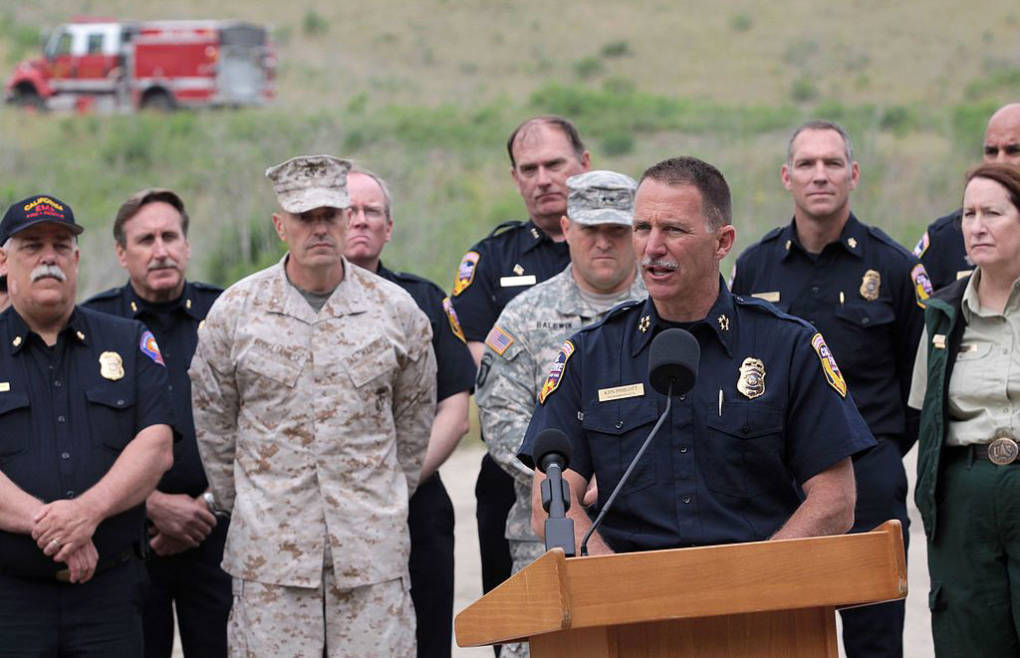
"caption": "Ken Pimlott, chief of the California Department of Forestry and Fire Protection, speaks following a join wildland firefighting exercise with the U.S. Marine Corps in 2010.",
"description": "Ken Pimlott, chief of the California Department of Forestry and Fire Protection, speaks following a join wildland firefighting exercise with the U.S. Marine Corps in 2010.",
"title": "Pimlott",
"credit": "Wikimedia Commons/United States Marine Corps",
"status": "inherit",
"isLoading": false,
"fetchFailed": false
},
"news_11712709": {
"type": "attachments",
"id": "news_11712709",
"meta": {
"index": "attachments_1716263798",
"site": "news",
"id": "11712709",
"found": true
},
"parent": 11712682,
"imgSizes": {
"twentyfourteen-full-width": {
"file": "https://ww2.kqed.org/app/uploads/sites/10/2018/12/ratehike_121418_final-1038x576.jpg",
"width": 1038,
"mimeType": "image/jpeg",
"height": 576
},
"thumbnail": {
"file": "https://ww2.kqed.org/app/uploads/sites/10/2018/12/ratehike_121418_final-160x112.jpg",
"width": 160,
"mimeType": "image/jpeg",
"height": 112
},
"post-thumbnail": {
"file": "https://ww2.kqed.org/app/uploads/sites/10/2018/12/ratehike_121418_final-672x372.jpg",
"width": 672,
"mimeType": "image/jpeg",
"height": 372
},
"kqedFullSize": {
"file": "https://ww2.kqed.org/app/uploads/sites/10/2018/12/ratehike_121418_final.jpg",
"width": 1920,
"height": 1338
},
"large": {
"file": "https://ww2.kqed.org/app/uploads/sites/10/2018/12/ratehike_121418_final-1020x711.jpg",
"width": 1020,
"mimeType": "image/jpeg",
"height": 711
},
"complete_open_graph": {
"file": "https://ww2.kqed.org/app/uploads/sites/10/2018/12/ratehike_121418_final-1200x836.jpg",
"width": 1200,
"mimeType": "image/jpeg",
"height": 836
},
"guest-author-50": {
"file": "https://ww2.kqed.org/app/uploads/sites/10/2018/12/ratehike_121418_final-50x50.jpg",
"width": 50,
"mimeType": "image/jpeg",
"height": 50
},
"guest-author-96": {
"file": "https://ww2.kqed.org/app/uploads/sites/10/2018/12/ratehike_121418_final-96x96.jpg",
"width": 96,
"mimeType": "image/jpeg",
"height": 96
},
"medium": {
"file": "https://ww2.kqed.org/app/uploads/sites/10/2018/12/ratehike_121418_final-800x558.jpg",
"width": 800,
"mimeType": "image/jpeg",
"height": 558
},
"guest-author-64": {
"file": "https://ww2.kqed.org/app/uploads/sites/10/2018/12/ratehike_121418_final-64x64.jpg",
"width": 64,
"mimeType": "image/jpeg",
"height": 64
},
"guest-author-32": {
"file": "https://ww2.kqed.org/app/uploads/sites/10/2018/12/ratehike_121418_final-32x32.jpg",
"width": 32,
"mimeType": "image/jpeg",
"height": 32
},
"full-width": {
"file": "https://ww2.kqed.org/app/uploads/sites/10/2018/12/ratehike_121418_final-1920x1338.jpg",
"width": 1920,
"mimeType": "image/jpeg",
"height": 1338
},
"detail": {
"file": "https://ww2.kqed.org/app/uploads/sites/10/2018/12/ratehike_121418_final-150x150.jpg",
"width": 150,
"mimeType": "image/jpeg",
"height": 150
},
"guest-author-128": {
"file": "https://ww2.kqed.org/app/uploads/sites/10/2018/12/ratehike_121418_final-128x128.jpg",
"width": 128,
"mimeType": "image/jpeg",
"height": 128
}
},
"publishDate": 1544826851,
"modified": 1544826872,
"caption": null,
"description": null,
"title": "ratehike_121418_final",
"credit": null,
"status": "inherit",
"isLoading": false,
"fetchFailed": false
},
"news_11712598": {
"type": "attachments",
"id": "news_11712598",
"meta": {
"index": "attachments_1716263798",
"site": "news",
"id": "11712598",
"found": true
},
"title": "11953_transform",
"publishDate": 1544819485,
"status": "inherit",
"parent": 11712531,
"modified": 1753474818,
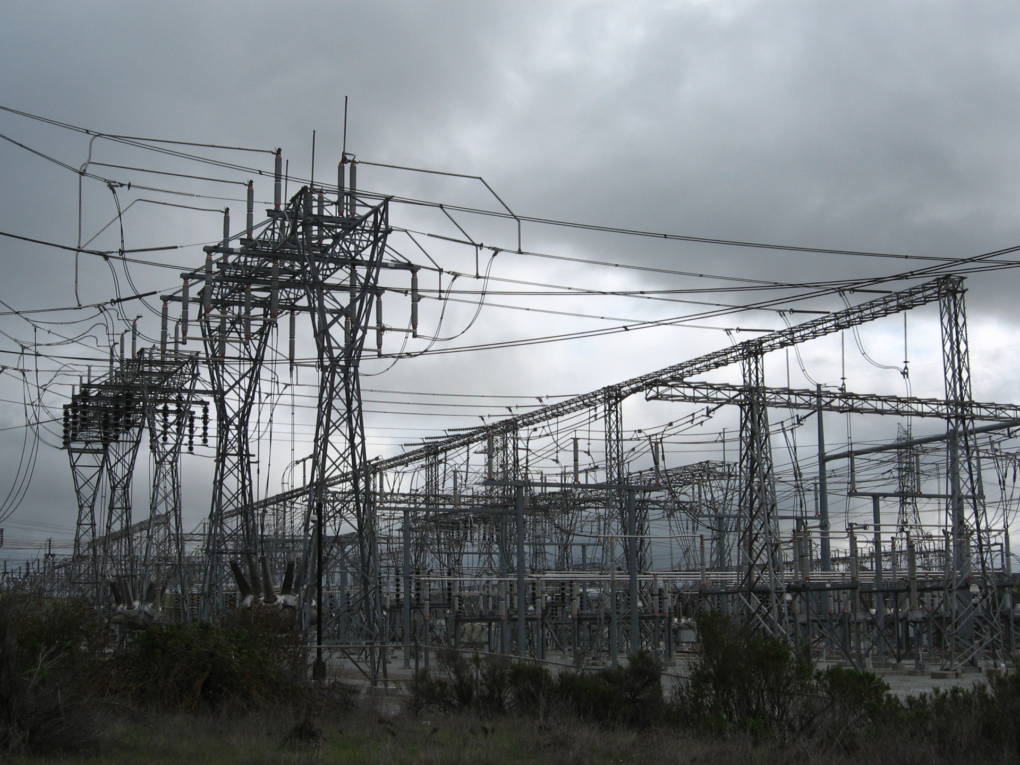
"caption": "PG&E's Metcalf Transmission Substation southeast of San José.",
"credit": "Craig Miller/KQED",
"altTag": "PG&E's Metcalf Transmission Substation southeast of San Jose.",
"description": "PG&E's Metcalf Transmission Substation southeast of San Jose.",
"imgSizes": {
"thumbnail": {
"file": "https://cdn.kqed.org/wp-content/uploads/sites/10/2018/12/11953_transform-160x120.jpg",
"width": 160,
"height": 120,
"mimeType": "image/jpeg"
},
"medium": {
"file": "https://cdn.kqed.org/wp-content/uploads/sites/10/2018/12/11953_transform-800x600.jpg",
"width": 800,
"height": 600,
"mimeType": "image/jpeg"
},
"large": {
"file": "https://cdn.kqed.org/wp-content/uploads/sites/10/2018/12/11953_transform-1020x765.jpg",
"width": 1020,
"height": 765,
"mimeType": "image/jpeg"
},
"complete_open_graph": {
"file": "https://cdn.kqed.org/wp-content/uploads/sites/10/2018/12/11953_transform-1200x900.jpg",
"width": 1200,
"height": 900,
"mimeType": "image/jpeg"
},
"post-thumbnail": {
"file": "https://cdn.kqed.org/wp-content/uploads/sites/10/2018/12/11953_transform-672x372.jpg",
"width": 672,
"height": 372,
"mimeType": "image/jpeg"
},
"twentyfourteen-full-width": {
"file": "https://cdn.kqed.org/wp-content/uploads/sites/10/2018/12/11953_transform-1038x576.jpg",
"width": 1038,
"height": 576,
"mimeType": "image/jpeg"
},
"full-width": {
"file": "https://cdn.kqed.org/wp-content/uploads/sites/10/2018/12/11953_transform-1920x1440.jpg",
"width": 1920,
"height": 1440,
"mimeType": "image/jpeg"
},
"guest-author-32": {
"file": "https://cdn.kqed.org/wp-content/uploads/sites/10/2018/12/11953_transform-32x32.jpg",
"width": 32,
"height": 32,
"mimeType": "image/jpeg"
},
"guest-author-50": {
"file": "https://cdn.kqed.org/wp-content/uploads/sites/10/2018/12/11953_transform-50x50.jpg",
"width": 50,
"height": 50,
"mimeType": "image/jpeg"
},
"guest-author-64": {
"file": "https://cdn.kqed.org/wp-content/uploads/sites/10/2018/12/11953_transform-64x64.jpg",
"width": 64,
"height": 64,
"mimeType": "image/jpeg"
},
"guest-author-96": {
"file": "https://cdn.kqed.org/wp-content/uploads/sites/10/2018/12/11953_transform-96x96.jpg",
"width": 96,
"height": 96,
"mimeType": "image/jpeg"
},
"guest-author-128": {
"file": "https://cdn.kqed.org/wp-content/uploads/sites/10/2018/12/11953_transform-128x128.jpg",
"width": 128,
"height": 128,
"mimeType": "image/jpeg"
},
"detail": {
"file": "https://cdn.kqed.org/wp-content/uploads/sites/10/2018/12/11953_transform-150x150.jpg",
"width": 150,
"height": 150,
"mimeType": "image/jpeg"
},
"kqedFullSize": {
"file": "https://cdn.kqed.org/wp-content/uploads/sites/10/2018/12/11953_transform.jpg",
"width": 1920,
"height": 1440
}
},
"isLoading": false,
"fetchFailed": false
},
"news_11712497": {
"type": "attachments",
"id": "news_11712497",
"meta": {
"index": "attachments_1716263798",
"site": "news",
"id": "11712497",
"found": true
},
"parent": 11712473,
"imgSizes": {
"twentyfourteen-full-width": {
"file": "https://ww2.kqed.org/app/uploads/sites/10/2018/12/GettyImages-1059650064-e1544808714440-1038x576.jpg",
"width": 1038,
"mimeType": "image/jpeg",
"height": 576
},
"thumbnail": {
"file": "https://ww2.kqed.org/app/uploads/sites/10/2018/12/GettyImages-1059650064-e1544808714440-160x108.jpg",
"width": 160,
"mimeType": "image/jpeg",
"height": 108
},
"post-thumbnail": {
"file": "https://ww2.kqed.org/app/uploads/sites/10/2018/12/GettyImages-1059650064-e1544808714440-672x372.jpg",
"width": 672,
"mimeType": "image/jpeg",
"height": 372
},
"kqedFullSize": {
"file": "https://ww2.kqed.org/app/uploads/sites/10/2018/12/GettyImages-1059650064-e1544808714440.jpg",
"width": 1920,
"height": 1291
},
"large": {
"file": "https://ww2.kqed.org/app/uploads/sites/10/2018/12/GettyImages-1059650064-e1544808714440-1020x686.jpg",
"width": 1020,
"mimeType": "image/jpeg",
"height": 686
},
"complete_open_graph": {
"file": "https://ww2.kqed.org/app/uploads/sites/10/2018/12/GettyImages-1059650064-e1544808714440-1200x807.jpg",
"width": 1200,
"mimeType": "image/jpeg",
"height": 807
},
"guest-author-50": {
"file": "https://ww2.kqed.org/app/uploads/sites/10/2018/12/GettyImages-1059650064-e1544808714440-50x50.jpg",
"width": 50,
"mimeType": "image/jpeg",
"height": 50
},
"guest-author-96": {
"file": "https://ww2.kqed.org/app/uploads/sites/10/2018/12/GettyImages-1059650064-e1544808714440-96x96.jpg",
"width": 96,
"mimeType": "image/jpeg",
"height": 96
},
"medium": {
"file": "https://ww2.kqed.org/app/uploads/sites/10/2018/12/GettyImages-1059650064-e1544808714440-800x538.jpg",
"width": 800,
"mimeType": "image/jpeg",
"height": 538
},
"guest-author-64": {
"file": "https://ww2.kqed.org/app/uploads/sites/10/2018/12/GettyImages-1059650064-e1544808714440-64x64.jpg",
"width": 64,
"mimeType": "image/jpeg",
"height": 64
},
"guest-author-32": {
"file": "https://ww2.kqed.org/app/uploads/sites/10/2018/12/GettyImages-1059650064-e1544808714440-32x32.jpg",
"width": 32,
"mimeType": "image/jpeg",
"height": 32
},
"full-width": {
"file": "https://ww2.kqed.org/app/uploads/sites/10/2018/12/GettyImages-1059650064-e1544808714440-1920x1291.jpg",
"width": 1920,
"mimeType": "image/jpeg",
"height": 1291
},
"detail": {
"file": "https://ww2.kqed.org/app/uploads/sites/10/2018/12/GettyImages-1059650064-e1544808714440-150x150.jpg",
"width": 150,
"mimeType": "image/jpeg",
"height": 150
},
"guest-author-128": {
"file": "https://ww2.kqed.org/app/uploads/sites/10/2018/12/GettyImages-1059650064-e1544808714440-128x128.jpg",
"width": 128,
"mimeType": "image/jpeg",
"height": 128
}
},
"publishDate": 1544808641,
"modified": 1544816757,
"caption": "A Cal Fire firefighter monitored a burning home as the Camp Fire moved through Magalia on Nov. 9. ",
"description": "A Cal Fire firefighter monitored a burning home as the Camp Fire moved through Magalia on Nov. 9. ",
"title": "Camp Fire-Magalia",
"credit": "Justin Sullivan/Getty Images",
"status": "inherit",
"isLoading": false,
"fetchFailed": false
},
"news_11712274": {
"type": "attachments",
"id": "news_11712274",
"meta": {
"index": "attachments_1716263798",
"site": "news",
"id": "11712274",
"found": true
},
"parent": 11712273,
"imgSizes": {
"twentyfourteen-full-width": {
"file": "https://ww2.kqed.org/app/uploads/sites/10/2018/12/camp-fire-aerials_1204-1_slide-3ff44eddd42500fa99f419920feb001415882a26-1038x576.jpg",
"width": 1038,
"mimeType": "image/jpeg",
"height": 576
},
"thumbnail": {
"file": "https://ww2.kqed.org/app/uploads/sites/10/2018/12/camp-fire-aerials_1204-1_slide-3ff44eddd42500fa99f419920feb001415882a26-160x107.jpg",
"width": 160,
"mimeType": "image/jpeg",
"height": 107
},
"post-thumbnail": {
"file": "https://ww2.kqed.org/app/uploads/sites/10/2018/12/camp-fire-aerials_1204-1_slide-3ff44eddd42500fa99f419920feb001415882a26-672x372.jpg",
"width": 672,
"mimeType": "image/jpeg",
"height": 372
},
"kqedFullSize": {
"file": "https://ww2.kqed.org/app/uploads/sites/10/2018/12/camp-fire-aerials_1204-1_slide-3ff44eddd42500fa99f419920feb001415882a26.jpg",
"width": 5094,
"height": 3396
},
"large": {
"file": "https://ww2.kqed.org/app/uploads/sites/10/2018/12/camp-fire-aerials_1204-1_slide-3ff44eddd42500fa99f419920feb001415882a26-1020x680.jpg",
"width": 1020,
"mimeType": "image/jpeg",
"height": 680
},
"complete_open_graph": {
"file": "https://ww2.kqed.org/app/uploads/sites/10/2018/12/camp-fire-aerials_1204-1_slide-3ff44eddd42500fa99f419920feb001415882a26-1200x800.jpg",
"width": 1200,
"mimeType": "image/jpeg",
"height": 800
},
"guest-author-50": {
"file": "https://ww2.kqed.org/app/uploads/sites/10/2018/12/camp-fire-aerials_1204-1_slide-3ff44eddd42500fa99f419920feb001415882a26-50x50.jpg",
"width": 50,
"mimeType": "image/jpeg",
"height": 50
},
"guest-author-96": {
"file": "https://ww2.kqed.org/app/uploads/sites/10/2018/12/camp-fire-aerials_1204-1_slide-3ff44eddd42500fa99f419920feb001415882a26-96x96.jpg",
"width": 96,
"mimeType": "image/jpeg",
"height": 96
},
"medium": {
"file": "https://ww2.kqed.org/app/uploads/sites/10/2018/12/camp-fire-aerials_1204-1_slide-3ff44eddd42500fa99f419920feb001415882a26-800x533.jpg",
"width": 800,
"mimeType": "image/jpeg",
"height": 533
},
"guest-author-64": {
"file": "https://ww2.kqed.org/app/uploads/sites/10/2018/12/camp-fire-aerials_1204-1_slide-3ff44eddd42500fa99f419920feb001415882a26-64x64.jpg",
"width": 64,
"mimeType": "image/jpeg",
"height": 64
},
"guest-author-32": {
"file": "https://ww2.kqed.org/app/uploads/sites/10/2018/12/camp-fire-aerials_1204-1_slide-3ff44eddd42500fa99f419920feb001415882a26-32x32.jpg",
"width": 32,
"mimeType": "image/jpeg",
"height": 32
},
"full-width": {
"file": "https://ww2.kqed.org/app/uploads/sites/10/2018/12/camp-fire-aerials_1204-1_slide-3ff44eddd42500fa99f419920feb001415882a26-1920x1280.jpg",
"width": 1920,
"mimeType": "image/jpeg",
"height": 1280
},
"detail": {
"file": "https://ww2.kqed.org/app/uploads/sites/10/2018/12/camp-fire-aerials_1204-1_slide-3ff44eddd42500fa99f419920feb001415882a26-150x150.jpg",
"width": 150,
"mimeType": "image/jpeg",
"height": 150
},
"guest-author-128": {
"file": "https://ww2.kqed.org/app/uploads/sites/10/2018/12/camp-fire-aerials_1204-1_slide-3ff44eddd42500fa99f419920feb001415882a26-128x128.jpg",
"width": 128,
"mimeType": "image/jpeg",
"height": 128
}
},
"publishDate": 1544732649,
"modified": 1544741147,
"caption": "Just outside Paradise, the charred remains of the Camp Fire stop just short of a home that survived the blaze.",
"description": "Just outside of Paradise, the charred remains of the Camp Fire stops just short of a home that survived the blaze.",
"title": "Just outside of Paradise, the charred remains of the Camp Fire stops just short of a home that survived the blaze.",
"credit": "Adam Grossberg/KQED",
"status": "inherit",
"isLoading": false,
"fetchFailed": false
},
"news_11712283": {
"type": "attachments",
"id": "news_11712283",
"meta": {
"index": "attachments_1716263798",
"site": "news",
"id": "11712283",
"found": true
},
"parent": 11712264,
"imgSizes": {
"twentyfourteen-full-width": {
"file": "https://ww2.kqed.org/app/uploads/sites/10/2018/12/RS33848_couple_GettyImages-1060720780-qut-1038x576.jpg",
"width": 1038,
"mimeType": "image/jpeg",
"height": 576
},
"thumbnail": {
"file": "https://ww2.kqed.org/app/uploads/sites/10/2018/12/RS33848_couple_GettyImages-1060720780-qut-160x103.jpg",
"width": 160,
"mimeType": "image/jpeg",
"height": 103
},
"post-thumbnail": {
"file": "https://ww2.kqed.org/app/uploads/sites/10/2018/12/RS33848_couple_GettyImages-1060720780-qut-672x372.jpg",
"width": 672,
"mimeType": "image/jpeg",
"height": 372
},
"kqedFullSize": {
"file": "https://ww2.kqed.org/app/uploads/sites/10/2018/12/RS33848_couple_GettyImages-1060720780-qut.jpg",
"width": 1920,
"height": 1233
},
"large": {
"file": "https://ww2.kqed.org/app/uploads/sites/10/2018/12/RS33848_couple_GettyImages-1060720780-qut-1020x655.jpg",
"width": 1020,
"mimeType": "image/jpeg",
"height": 655
},
"complete_open_graph": {
"file": "https://ww2.kqed.org/app/uploads/sites/10/2018/12/RS33848_couple_GettyImages-1060720780-qut-1200x771.jpg",
"width": 1200,
"mimeType": "image/jpeg",
"height": 771
},
"guest-author-50": {
"file": "https://ww2.kqed.org/app/uploads/sites/10/2018/12/RS33848_couple_GettyImages-1060720780-qut-50x50.jpg",
"width": 50,
"mimeType": "image/jpeg",
"height": 50
},
"guest-author-96": {
"file": "https://ww2.kqed.org/app/uploads/sites/10/2018/12/RS33848_couple_GettyImages-1060720780-qut-96x96.jpg",
"width": 96,
"mimeType": "image/jpeg",
"height": 96
},
"medium": {
"file": "https://ww2.kqed.org/app/uploads/sites/10/2018/12/RS33848_couple_GettyImages-1060720780-qut-800x514.jpg",
"width": 800,
"mimeType": "image/jpeg",
"height": 514
},
"guest-author-64": {
"file": "https://ww2.kqed.org/app/uploads/sites/10/2018/12/RS33848_couple_GettyImages-1060720780-qut-64x64.jpg",
"width": 64,
"mimeType": "image/jpeg",
"height": 64
},
"guest-author-32": {
"file": "https://ww2.kqed.org/app/uploads/sites/10/2018/12/RS33848_couple_GettyImages-1060720780-qut-32x32.jpg",
"width": 32,
"mimeType": "image/jpeg",
"height": 32
},
"full-width": {
"file": "https://ww2.kqed.org/app/uploads/sites/10/2018/12/RS33848_couple_GettyImages-1060720780-qut-1920x1233.jpg",
"width": 1920,
"mimeType": "image/jpeg",
"height": 1233
},
"detail": {
"file": "https://ww2.kqed.org/app/uploads/sites/10/2018/12/RS33848_couple_GettyImages-1060720780-qut-150x150.jpg",
"width": 150,
"mimeType": "image/jpeg",
"height": 150
},
"guest-author-128": {
"file": "https://ww2.kqed.org/app/uploads/sites/10/2018/12/RS33848_couple_GettyImages-1060720780-qut-128x128.jpg",
"width": 128,
"mimeType": "image/jpeg",
"height": 128
}
},
"publishDate": 1544733044,
"modified": 1544747781,
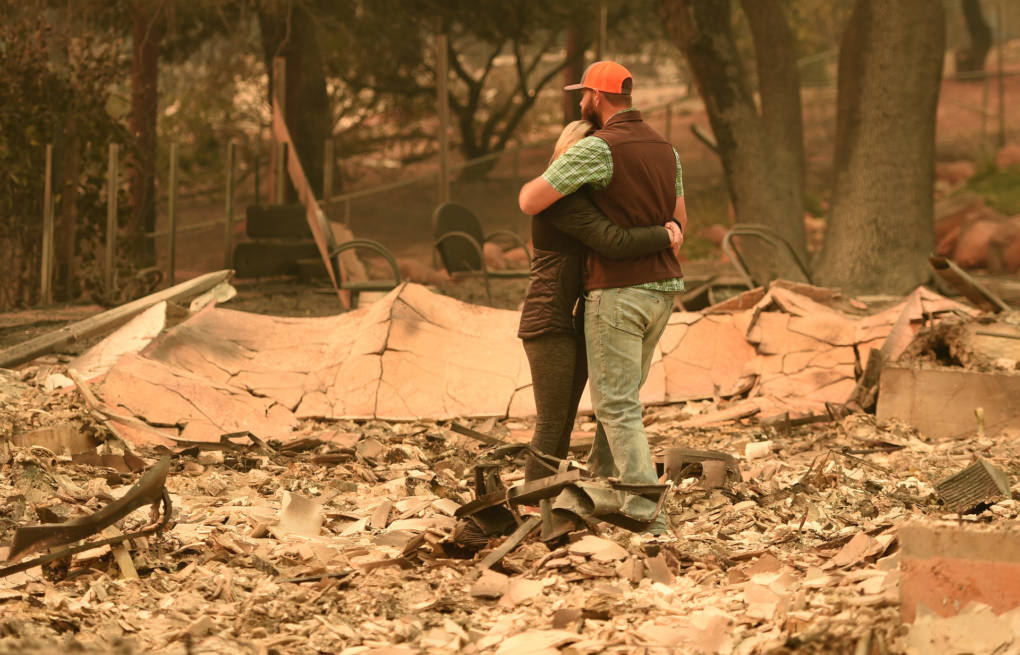
"caption": "Chris and Nancy Brown embrace while looking over the remains of their burned residence after the Camp Rire tore through Paradise, California in early November 2018. ",
"description": null,
"title": "TOPSHOT-US-FIRE-CALIFORNIA-ENVIORNMENT-WEATHER",
"credit": "Josh Edelson/AFP/Getty Images",
"status": "inherit",
"isLoading": false,
"fetchFailed": false
},
"news_11712146": {
"type": "attachments",
"id": "news_11712146",
"meta": {
"index": "attachments_1716263798",
"site": "news",
"id": "11712146",
"found": true
},
"parent": 11712036,
"imgSizes": {
"twentyfourteen-full-width": {
"file": "https://ww2.kqed.org/app/uploads/sites/10/2018/12/DonClark-1038x576.jpg",
"width": 1038,
"mimeType": "image/jpeg",
"height": 576
},
"thumbnail": {
"file": "https://ww2.kqed.org/app/uploads/sites/10/2018/12/DonClark-160x114.jpg",
"width": 160,
"mimeType": "image/jpeg",
"height": 114
},
"post-thumbnail": {
"file": "https://ww2.kqed.org/app/uploads/sites/10/2018/12/DonClark-672x372.jpg",
"width": 672,
"mimeType": "image/jpeg",
"height": 372
},
"kqedFullSize": {
"file": "https://ww2.kqed.org/app/uploads/sites/10/2018/12/DonClark.jpg",
"width": 1920,
"height": 1366
},
"large": {
"file": "https://ww2.kqed.org/app/uploads/sites/10/2018/12/DonClark-1020x726.jpg",
"width": 1020,
"mimeType": "image/jpeg",
"height": 726
},
"complete_open_graph": {
"file": "https://ww2.kqed.org/app/uploads/sites/10/2018/12/DonClark-1200x854.jpg",
"width": 1200,
"mimeType": "image/jpeg",
"height": 854
},
"guest-author-50": {
"file": "https://ww2.kqed.org/app/uploads/sites/10/2018/12/DonClark-50x50.jpg",
"width": 50,
"mimeType": "image/jpeg",
"height": 50
},
"guest-author-96": {
"file": "https://ww2.kqed.org/app/uploads/sites/10/2018/12/DonClark-96x96.jpg",
"width": 96,
"mimeType": "image/jpeg",
"height": 96
},
"medium": {
"file": "https://ww2.kqed.org/app/uploads/sites/10/2018/12/DonClark-800x569.jpg",
"width": 800,
"mimeType": "image/jpeg",
"height": 569
},
"guest-author-64": {
"file": "https://ww2.kqed.org/app/uploads/sites/10/2018/12/DonClark-64x64.jpg",
"width": 64,
"mimeType": "image/jpeg",
"height": 64
},
"guest-author-32": {
"file": "https://ww2.kqed.org/app/uploads/sites/10/2018/12/DonClark-32x32.jpg",
"width": 32,
"mimeType": "image/jpeg",
"height": 32
},
"full-width": {
"file": "https://ww2.kqed.org/app/uploads/sites/10/2018/12/DonClark-1920x1366.jpg",
"width": 1920,
"mimeType": "image/jpeg",
"height": 1366
},
"detail": {
"file": "https://ww2.kqed.org/app/uploads/sites/10/2018/12/DonClark-150x150.jpg",
"width": 150,
"mimeType": "image/jpeg",
"height": 150
},
"guest-author-128": {
"file": "https://ww2.kqed.org/app/uploads/sites/10/2018/12/DonClark-128x128.jpg",
"width": 128,
"mimeType": "image/jpeg",
"height": 128
}
},
"publishDate": 1544660599,
"modified": 1544740791,
"caption": "Don Clark stands in front of where his home was in Paradise. It was destroyed by the Camp Fire.",
"description": "Don Clark stands in front of his home in Paradise, which was destroyed by the Camp Fire.",
"title": "DonClark",
"credit": "Jeremy Siegel/KQED",
"status": "inherit",
"isLoading": false,
"fetchFailed": false
},
"news_11711376": {
"type": "attachments",
"id": "news_11711376",
"meta": {
"index": "attachments_1716263798",
"site": "news",
"id": "11711376",
"found": true
},
"parent": 11711341,
"imgSizes": {
"twentyfourteen-full-width": {
"file": "https://ww2.kqed.org/app/uploads/sites/10/2018/12/RS34403_Photo-Dec-09-12-29-02-PM-qut-1038x576.jpg",
"width": 1038,
"mimeType": "image/jpeg",
"height": 576
},
"thumbnail": {
"file": "https://ww2.kqed.org/app/uploads/sites/10/2018/12/RS34403_Photo-Dec-09-12-29-02-PM-qut-160x114.jpg",
"width": 160,
"mimeType": "image/jpeg",
"height": 114
},
"post-thumbnail": {
"file": "https://ww2.kqed.org/app/uploads/sites/10/2018/12/RS34403_Photo-Dec-09-12-29-02-PM-qut-672x372.jpg",
"width": 672,
"mimeType": "image/jpeg",
"height": 372
},
"kqedFullSize": {
"file": "https://ww2.kqed.org/app/uploads/sites/10/2018/12/RS34403_Photo-Dec-09-12-29-02-PM-qut.jpg",
"width": 1920,
"height": 1368
},
"large": {
"file": "https://ww2.kqed.org/app/uploads/sites/10/2018/12/RS34403_Photo-Dec-09-12-29-02-PM-qut-1020x727.jpg",
"width": 1020,
"mimeType": "image/jpeg",
"height": 727
},
"complete_open_graph": {
"file": "https://ww2.kqed.org/app/uploads/sites/10/2018/12/RS34403_Photo-Dec-09-12-29-02-PM-qut-1200x855.jpg",
"width": 1200,
"mimeType": "image/jpeg",
"height": 855
},
"guest-author-50": {
"file": "https://ww2.kqed.org/app/uploads/sites/10/2018/12/RS34403_Photo-Dec-09-12-29-02-PM-qut-50x50.jpg",
"width": 50,
"mimeType": "image/jpeg",
"height": 50
},
"guest-author-96": {
"file": "https://ww2.kqed.org/app/uploads/sites/10/2018/12/RS34403_Photo-Dec-09-12-29-02-PM-qut-96x96.jpg",
"width": 96,
"mimeType": "image/jpeg",
"height": 96
},
"medium": {
"file": "https://ww2.kqed.org/app/uploads/sites/10/2018/12/RS34403_Photo-Dec-09-12-29-02-PM-qut-800x570.jpg",
"width": 800,
"mimeType": "image/jpeg",
"height": 570
},
"guest-author-64": {
"file": "https://ww2.kqed.org/app/uploads/sites/10/2018/12/RS34403_Photo-Dec-09-12-29-02-PM-qut-64x64.jpg",
"width": 64,
"mimeType": "image/jpeg",
"height": 64
},
"guest-author-32": {
"file": "https://ww2.kqed.org/app/uploads/sites/10/2018/12/RS34403_Photo-Dec-09-12-29-02-PM-qut-32x32.jpg",
"width": 32,
"mimeType": "image/jpeg",
"height": 32
},
"full-width": {
"file": "https://ww2.kqed.org/app/uploads/sites/10/2018/12/RS34403_Photo-Dec-09-12-29-02-PM-qut-1920x1368.jpg",
"width": 1920,
"mimeType": "image/jpeg",
"height": 1368
},
"detail": {
"file": "https://ww2.kqed.org/app/uploads/sites/10/2018/12/RS34403_Photo-Dec-09-12-29-02-PM-qut-150x150.jpg",
"width": 150,
"mimeType": "image/jpeg",
"height": 150
},
"guest-author-128": {
"file": "https://ww2.kqed.org/app/uploads/sites/10/2018/12/RS34403_Photo-Dec-09-12-29-02-PM-qut-128x128.jpg",
"width": 128,
"mimeType": "image/jpeg",
"height": 128
}
},
"publishDate": 1544483249,
"modified": 1544487533,
"caption": "Melissa Johnson relaxes with newborn Annette Marie and her cat, Damon Chewy, in their apartment in Carmichael after a harrowing month. The entire family escaped the Camp Fire in Paradise with little beyond the clothes on their backs, but found support from relatives as well as an Airbnb host in Sacramento and her friends. ",
"description": "Melissa Johnson relaxes with newborn Annette Marie and her cat Damon Chewy in their apartment in Carmichael after a harrowing month. The entire family escaped the Camp Fire in Paradise with little beyond the clothes on their backs, but found support from family as well as an Airbnb host in Sacramento and her friends. ",
"title": "RS34403_Photo Dec 09, 12 29 02 PM-qut",
"credit": "Rachael Myrow/KQED",
"status": "inherit",
"isLoading": false,
"fetchFailed": false
},
"news_11709438": {
"type": "attachments",
"id": "news_11709438",
"meta": {
"index": "attachments_1716263798",
"site": "news",
"id": "11709438",
"found": true
},
"parent": 11709413,
"imgSizes": {
"twentyfourteen-full-width": {
"file": "https://ww2.kqed.org/app/uploads/sites/10/2018/11/RS33765_GettyImages-1059345734-qut-1038x576.jpg",
"width": 1038,
"mimeType": "image/jpeg",
"height": 576
},
"thumbnail": {
"file": "https://ww2.kqed.org/app/uploads/sites/10/2018/11/RS33765_GettyImages-1059345734-qut-160x109.jpg",
"width": 160,
"mimeType": "image/jpeg",
"height": 109
},
"post-thumbnail": {
"file": "https://ww2.kqed.org/app/uploads/sites/10/2018/11/RS33765_GettyImages-1059345734-qut-672x372.jpg",
"width": 672,
"mimeType": "image/jpeg",
"height": 372
},
"kqedFullSize": {
"file": "https://ww2.kqed.org/app/uploads/sites/10/2018/11/RS33765_GettyImages-1059345734-qut.jpg",
"width": 1920,
"height": 1312
},
"large": {
"file": "https://ww2.kqed.org/app/uploads/sites/10/2018/11/RS33765_GettyImages-1059345734-qut-1020x697.jpg",
"width": 1020,
"mimeType": "image/jpeg",
"height": 697
},
"complete_open_graph": {
"file": "https://ww2.kqed.org/app/uploads/sites/10/2018/11/RS33765_GettyImages-1059345734-qut-1200x820.jpg",
"width": 1200,
"mimeType": "image/jpeg",
"height": 820
},
"guest-author-50": {
"file": "https://ww2.kqed.org/app/uploads/sites/10/2018/11/RS33765_GettyImages-1059345734-qut-50x50.jpg",
"width": 50,
"mimeType": "image/jpeg",
"height": 50
},
"guest-author-96": {
"file": "https://ww2.kqed.org/app/uploads/sites/10/2018/11/RS33765_GettyImages-1059345734-qut-96x96.jpg",
"width": 96,
"mimeType": "image/jpeg",
"height": 96
},
"medium": {
"file": "https://ww2.kqed.org/app/uploads/sites/10/2018/11/RS33765_GettyImages-1059345734-qut-800x547.jpg",
"width": 800,
"mimeType": "image/jpeg",
"height": 547
},
"guest-author-64": {
"file": "https://ww2.kqed.org/app/uploads/sites/10/2018/11/RS33765_GettyImages-1059345734-qut-64x64.jpg",
"width": 64,
"mimeType": "image/jpeg",
"height": 64
},
"guest-author-32": {
"file": "https://ww2.kqed.org/app/uploads/sites/10/2018/11/RS33765_GettyImages-1059345734-qut-32x32.jpg",
"width": 32,
"mimeType": "image/jpeg",
"height": 32
},
"full-width": {
"file": "https://ww2.kqed.org/app/uploads/sites/10/2018/11/RS33765_GettyImages-1059345734-qut-1920x1312.jpg",
"width": 1920,
"mimeType": "image/jpeg",
"height": 1312
},
"detail": {
"file": "https://ww2.kqed.org/app/uploads/sites/10/2018/11/RS33765_GettyImages-1059345734-qut-150x150.jpg",
"width": 150,
"mimeType": "image/jpeg",
"height": 150
},
"guest-author-128": {
"file": "https://ww2.kqed.org/app/uploads/sites/10/2018/11/RS33765_GettyImages-1059345734-qut-128x128.jpg",
"width": 128,
"mimeType": "image/jpeg",
"height": 128
}
},
"publishDate": 1543625532,
"modified": 1544653452,
"caption": "A home is overshadowed by towering smoke plumes as the Camp Fire races through town in Paradise, California, on Nov. 8, 2018. ",
"description": "A home is overshadowed by towering smoke plumes as the Camp fire races through town in Paradise, California on November 8, 2018. ",
"title": "Camp Fire-Paradise",
"credit": "Josh Edelson/AFP-Getty Images)",
"status": "inherit",
"isLoading": false,
"fetchFailed": false
},
"news_11711616": {
"type": "attachments",
"id": "news_11711616",
"meta": {
"index": "attachments_1716263798",
"site": "news",
"id": "11711616",
"found": true
},
"parent": 11711508,
"imgSizes": {
"twentyfourteen-full-width": {
"file": "https://ww2.kqed.org/app/uploads/sites/10/2018/12/IMG_5205-e1544575101689-1038x576.jpg",
"width": 1038,
"mimeType": "image/jpeg",
"height": 576
},
"thumbnail": {
"file": "https://ww2.kqed.org/app/uploads/sites/10/2018/12/IMG_5205-e1544575101689-160x120.jpg",
"width": 160,
"mimeType": "image/jpeg",
"height": 120
},
"post-thumbnail": {
"file": "https://ww2.kqed.org/app/uploads/sites/10/2018/12/IMG_5205-e1544575101689-672x372.jpg",
"width": 672,
"mimeType": "image/jpeg",
"height": 372
},
"kqedFullSize": {
"file": "https://ww2.kqed.org/app/uploads/sites/10/2018/12/IMG_5205-e1544575101689.jpg",
"width": 1920,
"height": 1440
},
"large": {
"file": "https://ww2.kqed.org/app/uploads/sites/10/2018/12/IMG_5205-e1544575101689-1020x765.jpg",
"width": 1020,
"mimeType": "image/jpeg",
"height": 765
},
"complete_open_graph": {
"file": "https://ww2.kqed.org/app/uploads/sites/10/2018/12/IMG_5205-e1544575101689-1200x900.jpg",
"width": 1200,
"mimeType": "image/jpeg",
"height": 900
},
"guest-author-50": {
"file": "https://ww2.kqed.org/app/uploads/sites/10/2018/12/IMG_5205-e1544575101689-50x50.jpg",
"width": 50,
"mimeType": "image/jpeg",
"height": 50
},
"guest-author-96": {
"file": "https://ww2.kqed.org/app/uploads/sites/10/2018/12/IMG_5205-e1544575101689-96x96.jpg",
"width": 96,
"mimeType": "image/jpeg",
"height": 96
},
"medium": {
"file": "https://ww2.kqed.org/app/uploads/sites/10/2018/12/IMG_5205-e1544575101689-800x600.jpg",
"width": 800,
"mimeType": "image/jpeg",
"height": 600
},
"guest-author-64": {
"file": "https://ww2.kqed.org/app/uploads/sites/10/2018/12/IMG_5205-e1544575101689-64x64.jpg",
"width": 64,
"mimeType": "image/jpeg",
"height": 64
},
"guest-author-32": {
"file": "https://ww2.kqed.org/app/uploads/sites/10/2018/12/IMG_5205-e1544575101689-32x32.jpg",
"width": 32,
"mimeType": "image/jpeg",
"height": 32
},
"full-width": {
"file": "https://ww2.kqed.org/app/uploads/sites/10/2018/12/IMG_5205-e1544575101689-1920x1440.jpg",
"width": 1920,
"mimeType": "image/jpeg",
"height": 1440
},
"detail": {
"file": "https://ww2.kqed.org/app/uploads/sites/10/2018/12/IMG_5205-e1544575101689-150x150.jpg",
"width": 150,
"mimeType": "image/jpeg",
"height": 150
},
"guest-author-128": {
"file": "https://ww2.kqed.org/app/uploads/sites/10/2018/12/IMG_5205-e1544575101689-128x128.jpg",
"width": 128,
"mimeType": "image/jpeg",
"height": 128
}
},
"publishDate": 1544556589,
"modified": 1544575092,
"caption": "One of 12 'travel trailers' delivered to the RV Park at Rolling Hills for survivors of the Camp Fire.",
"description": "One of 12 'travel trailers' delivered to the RV Park at Rolling Hills for survivors of the Camp Fire.",
"title": "IMG_5205",
"credit": "Photo by Brad Pierce, spokesman for FEMA",
"status": "inherit",
"isLoading": false,
"fetchFailed": false
}
},
"audioPlayerReducer": {
"postId": "stream_live",
"isPaused": true,
"isPlaying": false,
"pfsActive": false,
"pledgeModalIsOpen": true,
"playerDrawerIsOpen": false,
"liveAudioPlayStartedAt": 0,
"liveAudioPlayContext": ""
},
"authorsReducer": {
"byline_news_11712273": {
"type": "authors",
"id": "byline_news_11712273",
"meta": {
"override": true
},
"slug": "byline_news_11712273",
"name": "\u003ca href=\"https://www.npr.org/people/188396171/kirk-siegler\" rel=\"noopener\" target=\"_blank\">Kirk Siegler\u003c/a>",
"isLoading": false
},
"byline_news_11712264": {
"type": "authors",
"id": "byline_news_11712264",
"meta": {
"override": true
},
"slug": "byline_news_11712264",
"name": "Kathleen Ronayne \u003c/br>Associated Press",
"isLoading": false
},
"lisapickoffwhite-2": {
"type": "authors",
"id": "199",
"meta": {
"index": "authors_1716337520",
"id": "199",
"found": true
},
"name": "Lisa Pickoff-White",
"firstName": "Lisa",
"lastName": "Pickoff-White",
"slug": "lisapickoffwhite-2",
"email": "lpickoffwhite@kqed.org",
"display_author_email": false,
"staff_mastheads": [
"news"
],
"title": "Data Journalist, Senior Producer",
"bio": "Lisa Pickoff-White is KQED's data reporter. Lisa specializes in simplifying complex topics and bringing them to life through compelling visuals, including photography and data visualizations. She previously has worked at the Center for Investigative Reporting and other national outlets. Her work has been honored with awards from the Online News Association, Investigative Reporters and Editors, the Society of Professional Journalists and SXSW Interactive. \u003cstrong> \u003c/strong>",
"avatar": "https://secure.gravatar.com/avatar/5513c5f3967df792aa65bee2501e84d6?s=600&d=blank&r=g",
"twitter": "pickoffwhite",
"facebook": null,
"instagram": null,
"linkedin": null,
"sites": [
{
"site": "",
"roles": [
"editor"
]
},
{
"site": "arts",
"roles": []
},
{
"site": "news",
"roles": [
"administrator"
]
},
{
"site": "about",
"roles": [
"editor"
]
},
{
"site": "stateofhealth",
"roles": [
"administrator"
]
},
{
"site": "science",
"roles": [
"editor"
]
},
{
"site": "quest",
"roles": [
"editor"
]
},
{
"site": "forum",
"roles": [
"editor"
]
}
],
"headData": {
"title": "Lisa Pickoff-White | KQED",
"description": "Data Journalist, Senior Producer",
"ogImgSrc": "https://secure.gravatar.com/avatar/5513c5f3967df792aa65bee2501e84d6?s=600&d=blank&r=g",
"twImgSrc": "https://secure.gravatar.com/avatar/5513c5f3967df792aa65bee2501e84d6?s=600&d=blank&r=g"
},
"isLoading": false,
"link": "/author/lisapickoffwhite-2"
},
"danbrekke": {
"type": "authors",
"id": "222",
"meta": {
"index": "authors_1716337520",
"id": "222",
"found": true
},
"name": "Dan Brekke",
"firstName": "Dan",
"lastName": "Brekke",
"slug": "danbrekke",
"email": "dbrekke@kqed.org",
"display_author_email": true,
"staff_mastheads": [
"news",
"science"
],
"title": "KQED Editor and Reporter",
"bio": "Dan Brekke is a reporter and editor for KQED News, responsible for coverage of topics ranging from California water issues to the Bay Area's transportation challenges. In a newsroom career that began in Chicago in 1972, Dan has worked for \u003cem>The San Francisco Examiner,\u003c/em> Wired and TechTV and has been published in The New York Times, The New York Times Magazine, Business 2.0, Salon and elsewhere.\r\n\r\nSince joining KQED in 2007, Dan has reported, edited and produced both radio and online features and breaking news pieces. He has shared as both editor and reporter in four Society of Professional Journalists Norcal Excellence in Journalism awards and one Edward R. Murrow regional award. He was chosen for a spring 2017 residency at the Mesa Refuge to advance his research on California salmon.\r\n\r\nEmail Dan at: \u003ca href=\"mailto:dbrekke@kqed.org\">dbrekke@kqed.org\u003c/a>\r\n\r\n\u003cstrong>Twitter:\u003c/strong> \u003ca href=\"https://twitter.com/danbrekke\" rel=\"noopener noreferrer\">twitter.com/danbrekke\u003c/a>\r\n\u003cstrong>Facebook:\u003c/strong> \u003ca href=\"https://www.facebook.com/danbrekke\" rel=\"noopener noreferrer\">www.facebook.com/danbrekke\u003c/a>\r\n\u003cstrong>LinkedIn:\u003c/strong> \u003ca href=\"https://www.linkedin.com/in/danbrekke\" rel=\"noopener noreferrer\">www.linkedin.com/in/danbrekke\u003c/a>",
"avatar": "https://secure.gravatar.com/avatar/c8126230345efca3f7aa89b1a402be45?s=600&d=mm&r=g",
"twitter": "danbrekke",
"facebook": null,
"instagram": "https://www.instagram.com/dan.brekke/",
"linkedin": "https://www.linkedin.com/in/danbrekke/",
"sites": [
{
"site": "news",
"roles": [
"administrator",
"create_posts"
]
},
{
"site": "stateofhealth",
"roles": [
"editor"
]
},
{
"site": "science",
"roles": [
"editor"
]
},
{
"site": "quest",
"roles": [
"contributor"
]
},
{
"site": "food",
"roles": [
"contributor"
]
},
{
"site": "forum",
"roles": [
"contributor"
]
},
{
"site": "liveblog",
"roles": [
"editor"
]
}
],
"headData": {
"title": "Dan Brekke | KQED",
"description": "KQED Editor and Reporter",
"ogImgSrc": "https://secure.gravatar.com/avatar/c8126230345efca3f7aa89b1a402be45?s=600&d=mm&r=g",
"twImgSrc": "https://secure.gravatar.com/avatar/c8126230345efca3f7aa89b1a402be45?s=600&d=mm&r=g"
},
"isLoading": false,
"link": "/author/danbrekke"
},
"pollystryker": {
"type": "authors",
"id": "250",
"meta": {
"index": "authors_1716337520",
"id": "250",
"found": true
},
"name": "Polly Stryker",
"firstName": "Polly",
"lastName": "Stryker",
"slug": "pollystryker",
"email": "pstryker@kqed.org",
"display_author_email": false,
"staff_mastheads": [
"science"
],
"title": "Editor",
"bio": "Polly Stryker is a former editor for KQED's Science desk. She and reporter/host Rachael Myrow produced the KQED podcast, \u003ca href=\"http://www.npr.org/podcasts/448072249/love-in-the-digital-age\">Love in the Digital Age\u003c/a>.\r\n\r\nPolly has worked for a variety of news and public affairs programs, including most recently as editor of \u003cem>The California Report\u003c/em>. She also edited \u003ca href=\"https://ww2.kqed.org/news/programs/the-california-report\" target=\"_blank\" rel=\"noopener noreferrer\">\u003cem>The California Report'\u003c/em>s\u003c/a> \u003ca href=\"http://www.californiareport.org/healthdialogues/\" target=\"_blank\" rel=\"noopener noreferrer\">“Health Dialogues.”\u003c/a> Before that, she was a producer on \u003cem>\u003ca href=\"http://www.scpr.org/programs/airtalk/\" target=\"_blank\" rel=\"noopener noreferrer\">AirTalk\u003c/a>\u003c/em> with Larry Mantle on \u003ca href=\"http://www.scpr.org/\" target=\"_blank\" rel=\"noopener noreferrer\">KPCC\u003c/a> radio, and \u003cem>\u003ca href=\"http://www.kpbs.org/news/midday-edition/\">These Days\u003c/a>\u003c/em> on KPBS. Polly’s work has won awards from the Radio and Television News Directors Association of Northern California, the Society of Professional Journalists (Southern California and Northern California chapters), the Radio and Television News Association. She's also won a Taste Award.\r\n\r\nShe considers herself to be a citizen of the world, having grown up in Cairo before coming to the United States. Polly speaks Arabic and can say, \"I’d like a martini, please\" in Swahili.",
"avatar": "https://secure.gravatar.com/avatar/5012854a99868cb15a517a876d88f736?s=600&d=blank&r=g",
"twitter": null,
"facebook": null,
"instagram": null,
"linkedin": null,
"sites": [
{
"site": "",
"roles": [
"editor"
]
},
{
"site": "arts",
"roles": [
"administrator"
]
},
{
"site": "news",
"roles": [
"subscriber"
]
},
{
"site": "stateofhealth",
"roles": [
"author"
]
},
{
"site": "science",
"roles": [
"editor"
]
},
{
"site": "forum",
"roles": [
"editor"
]
}
],
"headData": {
"title": "Polly Stryker | KQED",
"description": "Editor",
"ogImgSrc": "https://secure.gravatar.com/avatar/5012854a99868cb15a517a876d88f736?s=600&d=blank&r=g",
"twImgSrc": "https://secure.gravatar.com/avatar/5012854a99868cb15a517a876d88f736?s=600&d=blank&r=g"
},
"isLoading": false,
"link": "/author/pollystryker"
},
"rachael-myrow": {
"type": "authors",
"id": "251",
"meta": {
"index": "authors_1716337520",
"id": "251",
"found": true
},
"name": "Rachael Myrow",
"firstName": "Rachael",
"lastName": "Myrow",
"slug": "rachael-myrow",
"email": "rmyrow@kqed.org",
"display_author_email": true,
"staff_mastheads": [
"news"
],
"title": "Senior Editor of KQED's Silicon Valley News Desk",
"bio": "• I write and edit stories about how Silicon Valley power and policies shape everyday life in California. I’m also passionate about making Bay Area history and culture more accessible to a broad public. • I’ve been a journalist for most of my life, starting in high school with The Franklin Press in Los Angeles, where I grew up. While earning my first degree in English at UC Berkeley, I got my start in public radio at KALX-FM. After completing a second degree in journalism at Cal, I landed my first professional job at Marketplace, then moved on to KPCC (now LAist), and then KQED, where I hosted The California Report for more than seven years. • My reporting has appeared on NPR, The World, WBUR’s \u003ci>Here & Now\u003c/i>, and the BBC. I also guest host for KQED’s \u003ci>Forum\u003c/i>, as well as the Commonwealth Club in San Francisco. • I speak periodically on media, democracy and technology issues, and do voiceover work for documentaries and educational video projects. • Outside of the studio, you'll find me hiking Bay Area trails and whipping up Insta-ready meals in my kitchen. • I do not accept gifts, money, or favors from anyone connected to my reporting, I don't pay people for information, and I do not support or donate to political causes. • I strive to treat the people I report on with fairness, honesty, and respect. I also recognize there are often multiple sides to a story and work to verify information through multiple sources and documentation. If I get something wrong, I correct it.",
"avatar": "https://secure.gravatar.com/avatar/3ed8a3c5f26025e4a805ba634cda8cd764906b97438a6d9ce216b044e340da4e?s=600&d=blank&r=g",
"twitter": "rachaelmyrow",
"bluesky": null,
"facebook": null,
"instagram": null,
"linkedin": "https://www.linkedin.com/in/rachaelmyrow/",
"sites": [
{
"site": "arts",
"roles": [
"administrator"
]
},
{
"site": "news",
"roles": [
"edit_others_posts",
"editor"
]
},
{
"site": "futureofyou",
"roles": [
"editor"
]
},
{
"site": "bayareabites",
"roles": [
"editor"
]
},
{
"site": "stateofhealth",
"roles": [
"editor"
]
},
{
"site": "science",
"roles": [
"editor"
]
},
{
"site": "food",
"roles": [
"editor"
]
},
{
"site": "forum",
"roles": [
"editor"
]
},
{
"site": "liveblog",
"roles": [
"author"
]
}
],
"headData": {
"title": "Rachael Myrow | KQED",
"description": "Senior Editor of KQED's Silicon Valley News Desk",
"ogImgSrc": "https://secure.gravatar.com/avatar/3ed8a3c5f26025e4a805ba634cda8cd764906b97438a6d9ce216b044e340da4e?s=600&d=blank&r=g",
"twImgSrc": "https://secure.gravatar.com/avatar/3ed8a3c5f26025e4a805ba634cda8cd764906b97438a6d9ce216b044e340da4e?s=600&d=blank&r=g"
},
"isLoading": false,
"link": "/author/rachael-myrow"
},
"tgoldberg": {
"type": "authors",
"id": "258",
"meta": {
"index": "authors_1716337520",
"id": "258",
"found": true
},
"name": "Ted Goldberg",
"firstName": "Ted",
"lastName": "Goldberg",
"slug": "tgoldberg",
"email": "tgoldberg@kqed.org",
"display_author_email": true,
"staff_mastheads": [
"news"
],
"title": "KQED Managing Editor, News and Newscasts",
"bio": "Ted Goldberg is Managing Editor of News and Newscasts at KQED. His main reporting beat is the Bay Area's oil refining industry.\r\n\r\nPrior to joining KQED in 2014, Ted worked at CBS News and WCBS AM in New York and Bay City News and KCBS Radio in San Francisco. He graduated from Oberlin College in Ohio in 1998.",
"avatar": "https://secure.gravatar.com/avatar/30ce2e4fe89135e104f89be2394d16225b9d36c121b5b3cb7651ce642978b96f?s=600&d=blank&r=g",
"twitter": "TedrickG",
"bluesky": null,
"facebook": null,
"instagram": null,
"linkedin": null,
"sites": [
{
"site": "news",
"roles": [
"editor"
]
},
{
"site": "science",
"roles": [
"editor"
]
}
],
"headData": {
"title": "Ted Goldberg | KQED",
"description": "KQED Managing Editor, News and Newscasts",
"ogImgSrc": "https://secure.gravatar.com/avatar/30ce2e4fe89135e104f89be2394d16225b9d36c121b5b3cb7651ce642978b96f?s=600&d=blank&r=g",
"twImgSrc": "https://secure.gravatar.com/avatar/30ce2e4fe89135e104f89be2394d16225b9d36c121b5b3cb7651ce642978b96f?s=600&d=blank&r=g"
},
"isLoading": false,
"link": "/author/tgoldberg"
},
"markfiore": {
"type": "authors",
"id": "3236",
"meta": {
"index": "authors_1716337520",
"id": "3236",
"found": true
},
"name": "Mark Fiore",
"firstName": "Mark",
"lastName": "Fiore",
"slug": "markfiore",
"email": "mark@markfiore.com",
"display_author_email": false,
"staff_mastheads": [
"news"
],
"title": "KQED News Cartoonist",
"bio": "\u003ca href=\"http://www.MarkFiore.com\">MarkFiore.com\u003c/a> | \u003ca href=\"https://twitter.com/markfiore\">Follow on Twitter\u003c/a> | \u003ca href=\"https://www.facebook.com/pages/Mark-Fiore-Animated-Political-Cartoons/94451707396?ref=bookmarks\">Facebook\u003c/a> | \u003ca href=\"mailto:mark@markfiore.com\">email\u003c/a>\r\n\r\nPulitzer Prize-winner, Mark Fiore, who the Wall Street Journal has called “the undisputed guru of the form,” creates animated political cartoons in San Francisco, where his work has been featured regularly on the San Francisco Chronicle’s web site, SFGate.com. His work has appeared on Newsweek.com, Slate.com, CBSNews.com, MotherJones.com, DailyKos.com and NPR’s web site. Fiore’s political animation has appeared on CNN, Frontline, Bill Moyers Journal, Salon.com and cable and broadcast outlets across the globe.\r\n\r\nBeginning his professional life by drawing traditional political cartoons for newspapers, Fiore’s work appeared in publications ranging from the Washington Post to the Los Angeles Times. In the late 1990s, he began to experiment with animating political cartoons and, after a short stint at the San Jose Mercury News as their staff cartoonist, Fiore devoted all his energies to animation.\r\nGrowing up in California, Fiore also spent a good portion of his life in the backwoods of Idaho. It was this combination that shaped him politically. Mark majored in political science at Colorado College, where, in a perfect send-off for a cartoonist, he received his diploma in 1991 as commencement speaker Dick Cheney smiled approvingly.\r\nMark Fiore was awarded the Pulitzer Prize for political cartooning in 2010, a Robert F. Kennedy Journalism Award in 2004 and has twice received an Online Journalism Award for commentary from the Online News Association (2002, 2008). Fiore has received two awards for his work in new media from the National Cartoonists Society (2001, 2002), and in 2006 received The James Madison Freedom of Information Award from The Society of Professional Journalists.",
"avatar": "https://secure.gravatar.com/avatar/fc4e2a612b15b67bad0c6f0e1db4ca9b?s=600&d=blank&r=g",
"twitter": "MarkFiore",
"facebook": null,
"instagram": "https://www.instagram.com/markfiore/?hl=en",
"linkedin": null,
"sites": [
{
"site": "arts",
"roles": [
"contributor"
]
},
{
"site": "news",
"roles": [
"editor"
]
},
{
"site": "futureofyou",
"roles": [
"editor"
]
},
{
"site": "science",
"roles": [
"editor"
]
}
],
"headData": {
"title": "Mark Fiore | KQED",
"description": "KQED News Cartoonist",
"ogImgSrc": "https://secure.gravatar.com/avatar/fc4e2a612b15b67bad0c6f0e1db4ca9b?s=600&d=blank&r=g",
"twImgSrc": "https://secure.gravatar.com/avatar/fc4e2a612b15b67bad0c6f0e1db4ca9b?s=600&d=blank&r=g"
},
"isLoading": false,
"link": "/author/markfiore"
},
"jeremysiegel": {
"type": "authors",
"id": "11258",
"meta": {
"index": "authors_1716337520",
"id": "11258",
"found": true
},
"name": "Jeremy Siegel",
"firstName": "Jeremy",
"lastName": "Siegel",
"slug": "jeremysiegel",
"email": "jsiegel@kqed.org",
"display_author_email": false,
"staff_mastheads": [],
"title": "KQED Contributor",
"bio": "Jeremy Siegel is is the weekend afternoon news anchor for KQED. His reporting can be heard on KQED News, Morning Edition, All Things Considered and The California Report. Jeremy's coverage of the Camp Fire in Butte County won the 2019 Society of Professional Journalists, Northern California Chapter, Excellence in Journalism Award for Breaking News. Jeremy grew up in Cincinnati, Ohio, and graduated from UC Berkeley.",
"avatar": "https://secure.gravatar.com/avatar/3921a64ceb9ed5d0ba47d9ae9782f1ab?s=600&d=blank&r=g",
"twitter": "jersiegel",
"facebook": null,
"instagram": null,
"linkedin": null,
"sites": [
{
"site": "arts",
"roles": []
},
{
"site": "news",
"roles": [
"subscriber"
]
},
{
"site": "science",
"roles": []
}
],
"headData": {
"title": "Jeremy Siegel | KQED",
"description": "KQED Contributor",
"ogImgSrc": "https://secure.gravatar.com/avatar/3921a64ceb9ed5d0ba47d9ae9782f1ab?s=600&d=blank&r=g",
"twImgSrc": "https://secure.gravatar.com/avatar/3921a64ceb9ed5d0ba47d9ae9782f1ab?s=600&d=blank&r=g"
},
"isLoading": false,
"link": "/author/jeremysiegel"
},
"rlevi": {
"type": "authors",
"id": "11260",
"meta": {
"index": "authors_1716337520",
"id": "11260",
"found": true
},
"name": "Ryan Levi",
"firstName": "Ryan",
"lastName": "Levi",
"slug": "rlevi",
"email": "rlevi@KQED.org",
"display_author_email": false,
"staff_mastheads": [],
"title": "KQED Contributor",
"bio": "Ryan Levi was a reporter and podcast producer at KQED News from 2016-2019. He worked on \u003ca href=\"https://www.kqed.org/news/series/baycurious\">Bay Curious\u003c/a>, \u003ca href=\"https://www.kqed.org/news/tag/the-bay/\">The Bay, \u003c/a>and \u003ca href=\"https://podcasts.apple.com/us/podcast/the-california-report-magazine/id1314750545\">The California Report Magazine\u003c/a>, as well as hosting and producing the weekly \u003ca href=\"https://www.kqed.org/news/program/qedup/\">Q'ed Up podcast. \u003c/a>He also helped inaugurate KQED's weekend news coverage in 2017 as one of two original digital producers. Ryan holds degrees in multimedia journalism and Spanish from the University of Missouri.",
"avatar": "https://secure.gravatar.com/avatar/4cb2ddd028ac8807d1adf09609c5555d?s=600&d=blank&r=g",
"twitter": "ryan_levi",
"facebook": null,
"instagram": null,
"linkedin": null,
"sites": [
{
"site": "arts",
"roles": [
"editor"
]
},
{
"site": "news",
"roles": [
"subscriber"
]
},
{
"site": "stateofhealth",
"roles": [
"editor"
]
},
{
"site": "science",
"roles": [
"editor"
]
},
{
"site": "forum",
"roles": [
"administrator"
]
},
{
"site": "perspectives",
"roles": [
"administrator"
]
}
],
"headData": {
"title": "Ryan Levi | KQED",
"description": "KQED Contributor",
"ogImgSrc": "https://secure.gravatar.com/avatar/4cb2ddd028ac8807d1adf09609c5555d?s=600&d=blank&r=g",
"twImgSrc": "https://secure.gravatar.com/avatar/4cb2ddd028ac8807d1adf09609c5555d?s=600&d=blank&r=g"
},
"isLoading": false,
"link": "/author/rlevi"
},
"mwiley": {
"type": "authors",
"id": "11526",
"meta": {
"index": "authors_1716337520",
"id": "11526",
"found": true
},
"name": "Michelle Wiley",
"firstName": "Michelle",
"lastName": "Wiley",
"slug": "mwiley",
"email": "mwiley@KQED.org",
"display_author_email": true,
"staff_mastheads": [],
"title": null,
"bio": "Michelle Wiley was the senior editor of weekends.",
"avatar": "https://secure.gravatar.com/avatar/3b897d82a09e8587e8e73fa69fbcc635?s=600&d=blank&r=g",
"twitter": "michelleewiley",
"facebook": null,
"instagram": null,
"linkedin": null,
"sites": [
{
"site": "",
"roles": [
"editor"
]
},
{
"site": "arts",
"roles": [
"editor"
]
},
{
"site": "news",
"roles": [
"subscriber"
]
},
{
"site": "lowdown",
"roles": [
"editor"
]
},
{
"site": "science",
"roles": [
"editor"
]
},
{
"site": "podcasts",
"roles": [
"editor"
]
}
],
"headData": {
"title": "Michelle Wiley | KQED",
"description": null,
"ogImgSrc": "https://secure.gravatar.com/avatar/3b897d82a09e8587e8e73fa69fbcc635?s=600&d=blank&r=g",
"twImgSrc": "https://secure.gravatar.com/avatar/3b897d82a09e8587e8e73fa69fbcc635?s=600&d=blank&r=g"
},
"isLoading": false,
"link": "/author/mwiley"
},
"ktandy": {
"type": "authors",
"id": "11545",
"meta": {
"index": "authors_1716337520",
"id": "11545",
"found": true
},
"name": "Katie Tandy",
"firstName": "Katie",
"lastName": "Tandy",
"slug": "ktandy",
"email": "ktandy@kqed.org",
"display_author_email": false,
"staff_mastheads": [],
"title": "KQED Contributor",
"bio": "Katie Tandy is the co-founding editor of\u003ca href=\"http://www.theestablishment.co\"> The Establishment,\u003c/a> an online news+culture publication which champions the voices and stories of those who have been marginalized by mainstream media.\r\nShe is a former on-call interactive producer for KQED.",
"avatar": "https://secure.gravatar.com/avatar/1f877a62bab50d75c8bbef40e4ebe7f6?s=600&d=blank&r=g",
"twitter": null,
"facebook": null,
"instagram": null,
"linkedin": null,
"sites": [
{
"site": "news",
"roles": [
"subscriber"
]
}
],
"headData": {
"title": "Katie Tandy | KQED",
"description": "KQED Contributor",
"ogImgSrc": "https://secure.gravatar.com/avatar/1f877a62bab50d75c8bbef40e4ebe7f6?s=600&d=blank&r=g",
"twImgSrc": "https://secure.gravatar.com/avatar/1f877a62bab50d75c8bbef40e4ebe7f6?s=600&d=blank&r=g"
},
"isLoading": false,
"link": "/author/ktandy"
}
},
"pagesReducer": {
"news_tag_camp-fire": {
"type": "terms",
"id": "news_24483",
"meta": {
"index": "terms_1716263798",
"site": "news",
"id": "24483",
"score": 9.304781
},
"featImg": null,
"name": "Camp Fire",
"description": null,
"taxonomy": "tag",
"headData": {
"twImgId": null,
"twTitle": null,
"ogTitle": null,
"ogImgId": null,
"twDescription": null,
"description": null,
"title": "Camp Fire Archives | KQED News",
"ogDescription": null
},
"ttid": 24500,
"slug": "camp-fire",
"isLoading": false,
"title": "Camp Fire",
"pageMeta": {
"site": "news",
"WpPageTemplate": "page-topic-editorial",
"currentPage": 11
},
"blocks": [
{
"blockName": "kqed/post-list",
"attrs": {
"layout": "cardArticle2",
"query": "posts/news?tag=camp-fire",
"seeMore": false,
"paginated": true,
"page": 11
}
},
{
"blockName": "kqed/ad"
}
]
}
},
"pfsSessionReducer": {},
"postsReducer": {
"stream_live": {
"type": "live",
"id": "stream_live",
"audioUrl": "https://streams.kqed.org/kqedradio",
"title": "Live Stream",
"excerpt": "Live Stream information currently unavailable.",
"link": "/radio",
"featImg": "",
"label": {
"name": "KQED Live",
"link": "/"
}
},
"stream_kqedNewscast": {
"type": "posts",
"id": "stream_kqedNewscast",
"audioUrl": "https://www.kqed.org/.stream/anon/radio/RDnews/newscast.mp3?_=1",
"title": "KQED Newscast",
"featImg": "",
"label": {
"name": "88.5 FM",
"link": "/"
}
},
"news_11712927": {
"type": "posts",
"id": "news_11712927",
"meta": {
"index": "posts_1716263798",
"site": "news",
"id": "11712927",
"score": null,
"sort": [
1544958030000
]
},
"parent": 0,
"labelTerm": {},
"blocks": [],
"publishDate": 1544958030,
"format": "audio",
"disqusTitle": "Coming Home to Paradise",
"title": "Coming Home to Paradise",
"headTitle": "The California Report | KQED News",
"content": "\u003cp>When the Camp Fire broke out on Nov. 8, Janet Clark waited through hours of gridlock traffic before making it to safety in Chico. Her husband Don stayed behind at their property in Paradise. Now, they've come back together to look through what's left of their home.\u003c/p>\n\u003cp>Read Michelle Wiley and Jeremy Siegel's story \u003ca href=\"https://www.kqed.org/news/11712036/separated-for-weeks-by-camp-fire-couple-returns-together\" rel=\"noopener\" target=\"_blank\">about the Clarks\u003c/a>.\u003c/p>\n\u003cp>[ad fullwidth]\u003c/p>\u003cp>\u003c/p>\n",
"disqusIdentifier": "11712927 https://ww2.kqed.org/news/?p=11712927",
"disqusUrl": "https://ww2.kqed.org/news/2018/12/16/coming-home-to-paradise/",
"stats": {
"hasVideo": false,
"hasChartOrMap": false,
"hasAudio": false,
"hasPolis": false,
"wordCount": 62,
"hasGoogleForm": false,
"hasGallery": false,
"hasHearkenModule": false,
"iframeSrcs": [],
"paragraphCount": 4
},
"modified": 1547255983,
"excerpt": "Separated for weeks by fire, a couple comes together to look through what's left of their home.",
"headData": {
"twImgId": "",
"twTitle": "",
"ogTitle": "",
"ogImgId": "",
"twDescription": "",
"description": "Separated for weeks by fire, a couple comes together to look through what's left of their home.",
"title": "Coming Home to Paradise | KQED",
"ogDescription": "",
"schema": {
"@context": "https://schema.org",
"@type": "NewsArticle",
"headline": "Coming Home to Paradise",
"datePublished": "2018-12-16T03:00:30-08:00",
"dateModified": "2019-01-11T17:19:43-08:00",
"image": "https://cdn.kqed.org/wp-content/uploads/2020/02/KQED-OG-Image@1x.png",
"isAccessibleForFree": "True",
"publisher": {
"@type": "NewsMediaOrganization",
"@id": "https://www.kqed.org/#organization",
"name": "KQED",
"logo": "https://cdn.kqed.org/wp-content/uploads/2020/02/KQED-OG-Image@1x.png",
"url": "https://www.kqed.org",
"sameAs": [
"https://www.facebook.com/KQED",
"https://twitter.com/KQED",
"https://www.instagram.com/kqed/",
"https://www.tiktok.com/@kqedofficial",
"https://www.linkedin.com/company/kqed",
"https://www.youtube.com/channel/UCeC0IOo7i1P_61zVUWbJ4nw"
]
}
}
},
"guestAuthors": [],
"slug": "coming-home-to-paradise",
"status": "publish",
"sourceUrl": "https://www.kqed.org/news/program/qedup/",
"audioUrl": "https://www.kqed.org/.stream/anon/radio/qed-up/2018/12/QEDUP181216FINAL.mp3",
"audioTrackLength": 445,
"source": "Q'ed Up",
"path": "/news/11712927/coming-home-to-paradise",
"audioDuration": 432000,
"parsedContent": [
{
"type": "contentString",
"content": "\u003cdiv class=\"post-body\">\u003cp>\u003cp>When the Camp Fire broke out on Nov. 8, Janet Clark waited through hours of gridlock traffic before making it to safety in Chico. Her husband Don stayed behind at their property in Paradise. Now, they've come back together to look through what's left of their home.\u003c/p>\n\u003cp>Read Michelle Wiley and Jeremy Siegel's story \u003ca href=\"https://www.kqed.org/news/11712036/separated-for-weeks-by-camp-fire-couple-returns-together\" rel=\"noopener\" target=\"_blank\">about the Clarks\u003c/a>.\u003c/p>\n\u003cp>\u003c/p>\u003c/div>",
"attributes": {
"named": {},
"numeric": []
}
},
{
"type": "component",
"content": "",
"name": "ad",
"attributes": {
"named": {
"label": "fullwidth"
},
"numeric": [
"fullwidth"
]
}
},
{
"type": "contentString",
"content": "\u003cdiv class=\"post-body\">\u003cp>\u003c/p>\u003cp>\u003c/p>\n\u003c/div>\u003c/p>",
"attributes": {
"named": {},
"numeric": []
}
}
],
"link": "/news/11712927/coming-home-to-paradise",
"authors": [
"11260",
"11526",
"11258"
],
"programs": [
"news_20407",
"news_72"
],
"categories": [
"news_8"
],
"tags": [
"news_24483",
"news_20564",
"news_4463"
],
"featImg": "news_11712166",
"label": "source_news_11712927"
},
"news_11712721": {
"type": "posts",
"id": "news_11712721",
"meta": {
"index": "posts_1716263798",
"site": "news",
"id": "11712721",
"score": null,
"sort": [
1544834756000
]
},
"parent": 0,
"labelTerm": {
"site": "news",
"term": 72
},
"blocks": [],
"publishDate": 1544834756,
"format": "standard",
"disqusTitle": "CPUC: Investigators Found PG&E Falsified Thousands of 'Call Before You Dig' Records",
"title": "CPUC: Investigators Found PG&E Falsified Thousands of 'Call Before You Dig' Records",
"headTitle": "The California Report | KQED News",
"content": "\u003cp>State utility regulators announced Friday they're launching an investigation into whether PG&E has falsified records related to requests from construction crews and homeowners to mark the location of its natural gas lines. \u003c/p>\n\u003cp>The formal California Public Utilities Commission probe follows an exhaustive review of PG&E's \"locate and mark\" practices by the agency's Safety and Enforcement Division.\u003c/p>\n\u003cp>The locate and mark program, best known through a national publicity campaign that urges people to \"\u003ca href=\"https://www.pge.com/en_US/safety/yard-safety/digging/call-811-before-you-dig.page\" rel=\"noopener\" target=\"_blank\">Call Before You Dig\u003c/a>,\" is designed to lessen the threat to life and property caused by breaches of natural gas lines.\u003c/p>\n\u003cp>In \u003ca href=\"https://assets.documentcloud.org/documents/5629155/246120841.pdf\" rel=\"noopener\" target=\"_blank\">an order issued Thursday\u003c/a> and made public Friday, the CPUC said its safety division is alleging the company violated state law requiring utilities to promptly respond to excavators' requests to find and mark underground utilities so that they would not be damaged during construction. \u003c/p>\n\u003cp>The safety division says PG&E then created records that falsely reported that the company had responded within the legally specified timeframe to the \"locate and mark\" requests. \u003c/p>\n\u003cp>[ad fullwidth]\u003c/p>\n\u003cp>Under California law, the CPUC reports says, utilities are generally obligated to locate and mark underground utilities between two and 14 days after an excavator's request. The companies file \"late tickets\" when they fail to carry out the location and marking on time. \u003c/p>\n\u003cp>In PG&E's case, the safety division found that the company's failure to ensure records were kept accurately resulted in undercounting \"tens of thousands of late tickets\" each year between 2012 and 2016.\u003c/p>\n\u003cp>The Safety Enforcement Division's conclusions are outlined in a massive report that relied on its own investigation and studies done by consultants hired by PG&E. \u003c/p>\n\u003caside class=\"alignright\">\n\u003ch3>\u003ca href=\"https://www.kqed.org/news/11712531/pge-asks-for-billions-of-dollars-from-ratepayers-for-fire-safety-plant-decommissioning\">PG&E Asks for Billions of Dollars From Ratepayers for Fire Safety, Plant Decommissioning\u003c/a>\u003c/h3>\n\u003cfigure>\u003ca href=\"https://www.kqed.org/news/11712531/pge-asks-for-billions-of-dollars-from-ratepayers-for-fire-safety-plant-decommissioning\">\u003cimg src=\"https://ww2.kqed.org/news/wp-content/uploads/sites/10/2018/12/11953_transform-1180x885.jpg\" alt=\"\">\u003c/a>\u003c/figure>\n\u003c/aside>\n\u003cp>One of the consultant's reports concluded that PG&E didn't have enough personnel to locate and mark utilities in a timely manner, that the company \"placed inherent pressure\" on employees to complete the work, and that \"it was common knowledge among supervisors that locators entered false notes to avoid tickets from going late.\"\u003c/p>\n\u003cp>The CPUC's order emphasized it has not yet determined that PG&E broke the law. But the document noted that the time frame targeted in the safety division's investigation was one during which the utility was under especially close scrutiny for its safety practices. \u003c/p>\n\u003cp>\"This is the period immediately following the 2010 San Bruno gas explosion and fire that resulted in eight fatalities, numerous injuries and damage to property,\" the order said. \"This commission would expect that after such a tragedy, caused by multiple proven violations of law, PG&E would have sought to vigorously enhance and increase its effectiveness in all aspects of its gas safety.\"\u003c/p>\n\u003cp>The company seemed to acknowledge missteps in a statement issued late Friday afternoon:\u003c/p>\n\u003cblockquote>\u003cp>\"At PG&E, our most important responsibility is public and employee safety. We’re committed to accurate and thorough reporting and record-keeping, and we didn’t live up to that commitment in this case. Once that became apparent, we took and continue to take additional actions to meet the regulatory standards related to our Locate and Mark record-keeping. Among those actions are: improvements to our system that tracks 811 tickets; an upgraded review and audit protocol; hiring more employees, and enhanced training for employees, to perform this work. We are aware of and cooperating with the CPUC’s investigation. We are fully committed to keeping our customers, communities and co-workers safe every single day.\"\u003c/p>\u003c/blockquote>\n\u003cp>The utility was convicted in 2016 of violating federal pipeline safety laws before the San Bruno disaster and is currently serving five years of probation. A CPUC finding that PG&E falsified records and violated state statues would violate the first condition of the company's probation, which is that it shall not break federal, state, or local laws. \u003c/p>\n\u003cp>PG&E's possible role in starting the catastrophic Camp Fire in Butte County has already been raised in connection with the utility's probation in the San Bruno case.\u003c/p>\n\u003cp>U.S. District Court Judge William Alsup, currently overseeing utility's probation, recently ordered the company, the U.S. attorney's office in San Francisco and court-appointed monitor Christopher Keegan to report on what role, if any, PG&E had in causing the Camp Fire and all other fires since its probation began early last year. \u003c/p>\n\u003cp>In an order issued late last month, Alsup also asked for an assessment of whether \"any inaccurate, slow, or failed reporting of information about any wildfire\" by PG&E might violate its probation. \u003c/p>\n\u003cp>He followed those requests with an invitation to the office of California Attorney General Xavier Becerra to weigh in on whether \"reckless operation or maintenance\" of PG&E power lines would in itself break state law. \u003c/p>\n\u003cp>\u003c/p>\n\u003cp>Answers are due to Alsup by Dec. 31. \u003c/p>\n\n",
"disqusIdentifier": "11712721 https://ww2.kqed.org/news/?p=11712721",
"disqusUrl": "https://ww2.kqed.org/news/2018/12/14/cpuc-investigators-found-pge-falsified-thousands-of-call-before-you-dig-records/",
"stats": {
"hasVideo": false,
"hasChartOrMap": false,
"hasAudio": false,
"hasPolis": false,
"wordCount": 828,
"hasGoogleForm": false,
"hasGallery": false,
"hasHearkenModule": false,
"iframeSrcs": [],
"paragraphCount": 21
},
"modified": 1545169016,
"excerpt": "Utility regulator says company, which is required by law to help crews excavating construction sites to avoid underground gas lines, sought to hide evidence of thousands of late inspections. ",
"headData": {
"twImgId": "",
"twTitle": "",
"ogTitle": "",
"ogImgId": "",
"twDescription": "",
"description": "Utility regulator says company, which is required by law to help crews excavating construction sites to avoid underground gas lines, sought to hide evidence of thousands of late inspections. ",
"title": "CPUC: Investigators Found PG&E Falsified Thousands of 'Call Before You Dig' Records | KQED",
"ogDescription": "",
"schema": {
"@context": "https://schema.org",
"@type": "NewsArticle",
"headline": "CPUC: Investigators Found PG&E Falsified Thousands of 'Call Before You Dig' Records",
"datePublished": "2018-12-14T16:45:56-08:00",
"dateModified": "2018-12-18T13:36:56-08:00",
"image": "https://cdn.kqed.org/wp-content/uploads/2020/02/KQED-OG-Image@1x.png",
"isAccessibleForFree": "True",
"publisher": {
"@type": "NewsMediaOrganization",
"@id": "https://www.kqed.org/#organization",
"name": "KQED",
"logo": "https://cdn.kqed.org/wp-content/uploads/2020/02/KQED-OG-Image@1x.png",
"url": "https://www.kqed.org",
"sameAs": [
"https://www.facebook.com/KQED",
"https://twitter.com/KQED",
"https://www.instagram.com/kqed/",
"https://www.tiktok.com/@kqedofficial",
"https://www.linkedin.com/company/kqed",
"https://www.youtube.com/channel/UCeC0IOo7i1P_61zVUWbJ4nw"
]
}
}
},
"guestAuthors": [],
"slug": "cpuc-investigators-found-pge-falsified-thousands-of-call-before-you-dig-records",
"status": "publish",
"path": "/news/11712721/cpuc-investigators-found-pge-falsified-thousands-of-call-before-you-dig-records",
"audioTrackLength": null,
"parsedContent": [
{
"type": "contentString",
"content": "\u003cdiv class=\"post-body\">\u003cp>\u003cp>State utility regulators announced Friday they're launching an investigation into whether PG&E has falsified records related to requests from construction crews and homeowners to mark the location of its natural gas lines. \u003c/p>\n\u003cp>The formal California Public Utilities Commission probe follows an exhaustive review of PG&E's \"locate and mark\" practices by the agency's Safety and Enforcement Division.\u003c/p>\n\u003cp>The locate and mark program, best known through a national publicity campaign that urges people to \"\u003ca href=\"https://www.pge.com/en_US/safety/yard-safety/digging/call-811-before-you-dig.page\" rel=\"noopener\" target=\"_blank\">Call Before You Dig\u003c/a>,\" is designed to lessen the threat to life and property caused by breaches of natural gas lines.\u003c/p>\n\u003cp>In \u003ca href=\"https://assets.documentcloud.org/documents/5629155/246120841.pdf\" rel=\"noopener\" target=\"_blank\">an order issued Thursday\u003c/a> and made public Friday, the CPUC said its safety division is alleging the company violated state law requiring utilities to promptly respond to excavators' requests to find and mark underground utilities so that they would not be damaged during construction. \u003c/p>\n\u003cp>The safety division says PG&E then created records that falsely reported that the company had responded within the legally specified timeframe to the \"locate and mark\" requests. \u003c/p>\n\u003cp>\u003c/p>\u003c/div>",
"attributes": {
"named": {},
"numeric": []
}
},
{
"type": "component",
"content": "",
"name": "ad",
"attributes": {
"named": {
"label": "fullwidth"
},
"numeric": [
"fullwidth"
]
}
},
{
"type": "contentString",
"content": "\u003cdiv class=\"post-body\">\u003cp>\u003c/p>\n\u003cp>Under California law, the CPUC reports says, utilities are generally obligated to locate and mark underground utilities between two and 14 days after an excavator's request. The companies file \"late tickets\" when they fail to carry out the location and marking on time. \u003c/p>\n\u003cp>In PG&E's case, the safety division found that the company's failure to ensure records were kept accurately resulted in undercounting \"tens of thousands of late tickets\" each year between 2012 and 2016.\u003c/p>\n\u003cp>The Safety Enforcement Division's conclusions are outlined in a massive report that relied on its own investigation and studies done by consultants hired by PG&E. \u003c/p>\n\u003caside class=\"alignright\">\n\u003ch3>\u003ca href=\"https://www.kqed.org/news/11712531/pge-asks-for-billions-of-dollars-from-ratepayers-for-fire-safety-plant-decommissioning\">PG&E Asks for Billions of Dollars From Ratepayers for Fire Safety, Plant Decommissioning\u003c/a>\u003c/h3>\n\u003cfigure>\u003ca href=\"https://www.kqed.org/news/11712531/pge-asks-for-billions-of-dollars-from-ratepayers-for-fire-safety-plant-decommissioning\">\u003cimg src=\"https://ww2.kqed.org/news/wp-content/uploads/sites/10/2018/12/11953_transform-1180x885.jpg\" alt=\"\">\u003c/a>\u003c/figure>\n\u003c/aside>\n\u003cp>One of the consultant's reports concluded that PG&E didn't have enough personnel to locate and mark utilities in a timely manner, that the company \"placed inherent pressure\" on employees to complete the work, and that \"it was common knowledge among supervisors that locators entered false notes to avoid tickets from going late.\"\u003c/p>\n\u003cp>The CPUC's order emphasized it has not yet determined that PG&E broke the law. But the document noted that the time frame targeted in the safety division's investigation was one during which the utility was under especially close scrutiny for its safety practices. \u003c/p>\n\u003cp>\"This is the period immediately following the 2010 San Bruno gas explosion and fire that resulted in eight fatalities, numerous injuries and damage to property,\" the order said. \"This commission would expect that after such a tragedy, caused by multiple proven violations of law, PG&E would have sought to vigorously enhance and increase its effectiveness in all aspects of its gas safety.\"\u003c/p>\n\u003cp>The company seemed to acknowledge missteps in a statement issued late Friday afternoon:\u003c/p>\n\u003cblockquote>\u003cp>\"At PG&E, our most important responsibility is public and employee safety. We’re committed to accurate and thorough reporting and record-keeping, and we didn’t live up to that commitment in this case. Once that became apparent, we took and continue to take additional actions to meet the regulatory standards related to our Locate and Mark record-keeping. Among those actions are: improvements to our system that tracks 811 tickets; an upgraded review and audit protocol; hiring more employees, and enhanced training for employees, to perform this work. We are aware of and cooperating with the CPUC’s investigation. We are fully committed to keeping our customers, communities and co-workers safe every single day.\"\u003c/p>\u003c/blockquote>\n\u003cp>The utility was convicted in 2016 of violating federal pipeline safety laws before the San Bruno disaster and is currently serving five years of probation. A CPUC finding that PG&E falsified records and violated state statues would violate the first condition of the company's probation, which is that it shall not break federal, state, or local laws. \u003c/p>\n\u003cp>PG&E's possible role in starting the catastrophic Camp Fire in Butte County has already been raised in connection with the utility's probation in the San Bruno case.\u003c/p>\n\u003cp>U.S. District Court Judge William Alsup, currently overseeing utility's probation, recently ordered the company, the U.S. attorney's office in San Francisco and court-appointed monitor Christopher Keegan to report on what role, if any, PG&E had in causing the Camp Fire and all other fires since its probation began early last year. \u003c/p>\n\u003cp>In an order issued late last month, Alsup also asked for an assessment of whether \"any inaccurate, slow, or failed reporting of information about any wildfire\" by PG&E might violate its probation. \u003c/p>\n\u003cp>He followed those requests with an invitation to the office of California Attorney General Xavier Becerra to weigh in on whether \"reckless operation or maintenance\" of PG&E power lines would in itself break state law. \u003c/p>\n\u003cp>\u003c/p>\n\u003cp>Answers are due to Alsup by Dec. 31. \u003c/p>\n\n\u003c/div>\u003c/p>",
"attributes": {
"named": {},
"numeric": []
}
}
],
"link": "/news/11712721/cpuc-investigators-found-pge-falsified-thousands-of-call-before-you-dig-records",
"authors": [
"222"
],
"programs": [
"news_72"
],
"categories": [
"news_19906",
"news_6188",
"news_8"
],
"tags": [
"news_24483",
"news_19179",
"news_19542",
"news_140",
"news_4463"
],
"featImg": "news_11712784",
"label": "news_72"
},
"news_11712563": {
"type": "posts",
"id": "news_11712563",
"meta": {
"index": "posts_1716263798",
"site": "news",
"id": "11712563",
"score": null,
"sort": [
1544832567000
]
},
"guestAuthors": [],
"slug": "cal-fires-retiring-chief-firefighters-face-the-impacts-of-climate-change-every-day",
"title": "Cal Fire's Retiring Chief: 'Firefighters Face the Impacts of Climate Change Every Day'",
"publishDate": 1544832567,
"format": "audio",
"headTitle": "Cal Fire’s Retiring Chief: ‘Firefighters Face the Impacts of Climate Change Every Day’ | KQED",
"labelTerm": {
"term": 72,
"site": "news"
},
"content": "\u003cp>After three decades of firefighting and managing some of the \u003ca href=\"http://www.fire.ca.gov/communications/downloads/fact_sheets/Top20_Destruction.pdf\">worst blazes in California history\u003c/a>, Ken Pimlott, chief of the California Department of Forestry and Fire Protection, is retiring today.\u003c/p>\n\u003cp>As Pimlott reflects on his 30 years of fire management, he says California currently finds itself with the “dubious distinction of breaking records” in terms of wildfire prevalence, intensity and deadliness.\u003c/p>\n\u003cp>In 2017, 1.2 million acres of land were destroyed by almost \u003ca href=\"https://www.washingtonpost.com/graphics/2017/national/california-wildfires-comparison/?noredirect=on&utm_term=.ef8dcc086de2\">9,000 wildfires\u003c/a>, including the massive \u003ca href=\"https://www.kqed.org/news/tag/thomas-fire\" target=\"_blank\" rel=\"noopener\">Thomas\u003c/a> and \u003ca href=\"https://www.kqed.org/news/tag/tubbs-fire\" target=\"_blank\" rel=\"noopener\">Tubbs\u003c/a> infernos. By the time the Thomas Fire was 100 percent contained, it had set the record for the largest wildfire in modern California history. It took less than a year for another fire to break that record.\u003c/p>\n\u003caside class=\"pullquote alignright\">‘The reality of it is these fires are beyond the intensities of anything we have experienced.’\u003ccite>Ken Pimlott, Cal Fire chief\u003c/cite>\u003c/aside>\n\u003cp>This year saw the \u003ca href=\"https://www.kqed.org/news/tag/woolsey-fire\" target=\"_blank\" rel=\"noopener\">Woolsey Fire\u003c/a> and the \u003ca href=\"https://www.kqed.org/news/11705243/california-wildfires-what-you-need-to-know\" target=\"_blank\" rel=\"noopener\">Camp Fire\u003c/a>. The deadliest and most destructive blaze in modern California’s history, the Camp Fire destroyed almost 14,000 homes and claimed at least 86 lives. Between those two blazes alone, plus the Hill Fire, insurance claims \u003ca href=\"https://www.kqed.org/news/11712264/insurance-claims-at-9-billion-from-recent-california-fires\">have risen to $9 billion\u003c/a>.\u003c/p>\n\u003cp>The damage — physically and psychologically — is staggering.\u003c/p>\n\u003cp>While Cal Fire explains that there are \u003ca href=\"https://www.fire.ca.gov/communications/downloads/fact_sheets/TheBenefitsofFire.pdf\">marked ecological benefits\u003c/a> to forest fires such as soil nourishment, the creation of new habitats for animals, the elimination of disease and seed regeneration, Pimlott says that in the past three of four years, the fires have far exceeded their natural cycles and are damaging, “not just the wildlife in the watershed, but are having significant impact on communities.”\u003c/p>\n\u003cfigure id=\"attachment_11712677\" class=\"wp-caption aligncenter\" style=\"max-width: 800px\">\u003cimg loading=\"lazy\" decoding=\"async\" class=\"size-medium wp-image-11712677\" src=\"https://ww2.kqed.org/news/wp-content/uploads/sites/10/2018/12/PimlottCampFire-800x581.jpg\" alt=\"Rep. Kevin McCarthy, Gov. Jerry Brown, Gov.-elect Gavin Newson and President Donald Trump listen to Cal Fire Chief Ken Pimlott during Trump's visit to the Camp Fire in Chico on Nov. 17, 2018.\" width=\"800\" height=\"581\" srcset=\"https://cdn.kqed.org/wp-content/uploads/sites/10/2018/12/PimlottCampFire-800x581.jpg 800w, https://cdn.kqed.org/wp-content/uploads/sites/10/2018/12/PimlottCampFire-160x116.jpg 160w, https://cdn.kqed.org/wp-content/uploads/sites/10/2018/12/PimlottCampFire-1020x741.jpg 1020w, https://cdn.kqed.org/wp-content/uploads/sites/10/2018/12/PimlottCampFire-1200x872.jpg 1200w, https://cdn.kqed.org/wp-content/uploads/sites/10/2018/12/PimlottCampFire.jpg 1920w\" sizes=\"(max-width: 800px) 100vw, 800px\">\u003cfigcaption class=\"wp-caption-text\">Rep. Kevin McCarthy, Gov. Jerry Brown, Gov.-elect Gavin Newsom and President Trump listen to Cal Fire Chief Ken Pimlott during Trump’s visit to the Camp Fire in Chico on Nov. 17, 2018. \u003ccite>(Paul Kitagaki Jr.-Pool/Getty Images)\u003c/cite>\u003c/figcaption>\u003c/figure>\n\u003cp>Despite President Trump’s accusations that California’s vulnerability to recent fire decimation is due to botched forest management, Pimlott says California has invested more as a state than any other over the next five years, committing $1 billion in \u003ca href=\"https://www.c2es.org/content/california-cap-and-trade/\">cap-and-trade\u003c/a> funding specifically slated for forest health, fire prevention, fuels treatment and public education.\u003c/p>\n\u003cblockquote class=\"twitter-tweet\">\n\u003cp dir=\"ltr\" lang=\"en\">There is no reason for these massive, deadly and costly forest fires in California except that forest management is so poor. Billions of dollars are given each year, with so many lives lost, all because of gross mismanagement of the forests. Remedy now, or no more Fed payments!\u003c/p>\n\u003cp>— Donald J. Trump (@realDonaldTrump) \u003ca href=\"https://twitter.com/realDonaldTrump/status/1061168803218948096?ref_src=twsrc%5Etfw\">November 10, 2018\u003c/a>\u003c/p>\u003c/blockquote>\n\u003cp>“We’ve been ramping up the state’s capabilities — along with our local government partners and the federal firefighting agencies — to respond,” says Pimlott. “We have been continuing to invest in [fire prevention], but understanding that just every year the intensities continue to increase.”\u003c/p>\n\u003cp>Despite rainfall and weather patterns in the past two years that have given California a respite of moisture, the vegetation remains “critically dry.” Cal Fire’s herculean financial and infrastructural efforts remain no match for the unprecedented fires caused by climate change.\u003c/p>\n\u003cp>“Firefighters are facing the impacts of climate change every day, literally,” Pimlott says.\u003c/p>\n\u003cblockquote>\u003cp>“They’re the indicators, they’re the ones that are deployed for months at a time. They’re the ones that are experiencing these increased fire conditions and you can go out and talk to any experienced firefighter and they will tell you…things have significantly changed over the last several decades.”\u003c/p>\u003c/blockquote>\n\u003cp>As the ubiquity of these blazes isn’t likely to change, he says we have to learn from past fires and continue to take a hard look at determining where houses can be built in the future.\u003c/p>\n\u003cp>Pimlott says that the state will absolutely continue to build — there are, after all, 40 million people in California who need places to call home — and there is a commitment to rebuild Paradise. In the wake of these fires, newfound focus is being put on land use planning, identifying high fire hazard severity zones, building codes, construction, placement in the urban interface and even cluster development to maximize protection.\u003c/p>\n\u003cp>“There just may be areas in drainage or that are critical fire corridors that intensify winds that it will make it impossible to protect a structure,” he continues. “How do we build smartly to make sure we’re not putting people in harm’s way? There’s a lot to look at.”\u003c/p>\n\u003cp>Pimlott explains that the state is not interested in dictating ordinances or legislation down to local government, but “we’re going to be bringing everyone along and having those hard conversations.”\u003c/p>\n\u003cp>[ad fullwidth]\u003c/p>\n\u003cp>Gavin Newsom, governor-elect of California, has yet to name Pimlott’s successor, but whoever takes over will have a daunting task as California scrambles to combat our new normal amid threats of depleted federal funding.\u003c/p>\n\u003cp>“The reality of it is these fires are beyond the intensities of anything we have experienced,” Pimlott says. “We have to learn to live with fire in California.”\u003c/p>\n\u003cp>\u003c/p>\n",
"blocks": [],
"excerpt": "Ken Pimlott says we have to learn from past blazes and continue to take a hard look at determining where California’s houses can be built in the future.",
"status": "publish",
"parent": 0,
"modified": 1726001325,
"stats": {
"hasAudio": false,
"hasVideo": false,
"hasChartOrMap": false,
"iframeSrcs": [],
"hasGoogleForm": false,
"hasGallery": false,
"hasHearkenModule": false,
"hasPolis": false,
"paragraphCount": 20,
"wordCount": 873
},
"headData": {
"title": "Cal Fire's Retiring Chief: 'Firefighters Face the Impacts of Climate Change Every Day' | KQED",
"description": "Ken Pimlott says we have to learn from past blazes and continue to take a hard look at determining where California’s houses can be built in the future.",
"ogTitle": "",
"ogDescription": "",
"ogImgId": "",
"twTitle": "",
"twDescription": "",
"twImgId": "",
"schema": {
"@context": "https://schema.org",
"@type": "NewsArticle",
"headline": "Cal Fire's Retiring Chief: 'Firefighters Face the Impacts of Climate Change Every Day'",
"datePublished": "2018-12-14T16:09:27-08:00",
"dateModified": "2024-09-10T13:48:45-07:00",
"image": "https://cdn.kqed.org/wp-content/uploads/2020/02/KQED-OG-Image@1x.png",
"isAccessibleForFree": "True",
"publisher": {
"@type": "NewsMediaOrganization",
"@id": "https://www.kqed.org/#organization",
"name": "KQED",
"logo": "https://cdn.kqed.org/wp-content/uploads/2020/02/KQED-OG-Image@1x.png",
"url": "https://www.kqed.org",
"sameAs": [
"https://www.facebook.com/KQED",
"https://twitter.com/KQED",
"https://www.instagram.com/kqed/",
"https://www.tiktok.com/@kqedofficial",
"https://www.linkedin.com/company/kqed",
"https://www.youtube.com/channel/UCeC0IOo7i1P_61zVUWbJ4nw"
]
}
}
},
"audioUrl": "https://www.kqed.org/.stream/anon/radio/RDnews/2018/12/Pimlott2way.mp3",
"sticky": false,
"audioTrackLength": 248,
"path": "/news/11712563/cal-fires-retiring-chief-firefighters-face-the-impacts-of-climate-change-every-day",
"parsedContent": [
{
"type": "contentString",
"content": "\u003cdiv class=\"post-body\">\u003cp>\u003cp>After three decades of firefighting and managing some of the \u003ca href=\"http://www.fire.ca.gov/communications/downloads/fact_sheets/Top20_Destruction.pdf\">worst blazes in California history\u003c/a>, Ken Pimlott, chief of the California Department of Forestry and Fire Protection, is retiring today.\u003c/p>\n\u003cp>As Pimlott reflects on his 30 years of fire management, he says California currently finds itself with the “dubious distinction of breaking records” in terms of wildfire prevalence, intensity and deadliness.\u003c/p>\n\u003cp>In 2017, 1.2 million acres of land were destroyed by almost \u003ca href=\"https://www.washingtonpost.com/graphics/2017/national/california-wildfires-comparison/?noredirect=on&utm_term=.ef8dcc086de2\">9,000 wildfires\u003c/a>, including the massive \u003ca href=\"https://www.kqed.org/news/tag/thomas-fire\" target=\"_blank\" rel=\"noopener\">Thomas\u003c/a> and \u003ca href=\"https://www.kqed.org/news/tag/tubbs-fire\" target=\"_blank\" rel=\"noopener\">Tubbs\u003c/a> infernos. By the time the Thomas Fire was 100 percent contained, it had set the record for the largest wildfire in modern California history. It took less than a year for another fire to break that record.\u003c/p>\n\u003caside class=\"pullquote alignright\">‘The reality of it is these fires are beyond the intensities of anything we have experienced.’\u003ccite>Ken Pimlott, Cal Fire chief\u003c/cite>\u003c/aside>\n\u003cp>This year saw the \u003ca href=\"https://www.kqed.org/news/tag/woolsey-fire\" target=\"_blank\" rel=\"noopener\">Woolsey Fire\u003c/a> and the \u003ca href=\"https://www.kqed.org/news/11705243/california-wildfires-what-you-need-to-know\" target=\"_blank\" rel=\"noopener\">Camp Fire\u003c/a>. The deadliest and most destructive blaze in modern California’s history, the Camp Fire destroyed almost 14,000 homes and claimed at least 86 lives. Between those two blazes alone, plus the Hill Fire, insurance claims \u003ca href=\"https://www.kqed.org/news/11712264/insurance-claims-at-9-billion-from-recent-california-fires\">have risen to $9 billion\u003c/a>.\u003c/p>\n\u003cp>The damage — physically and psychologically — is staggering.\u003c/p>\n\u003cp>While Cal Fire explains that there are \u003ca href=\"https://www.fire.ca.gov/communications/downloads/fact_sheets/TheBenefitsofFire.pdf\">marked ecological benefits\u003c/a> to forest fires such as soil nourishment, the creation of new habitats for animals, the elimination of disease and seed regeneration, Pimlott says that in the past three of four years, the fires have far exceeded their natural cycles and are damaging, “not just the wildlife in the watershed, but are having significant impact on communities.”\u003c/p>\n\u003cfigure id=\"attachment_11712677\" class=\"wp-caption aligncenter\" style=\"max-width: 800px\">\u003cimg loading=\"lazy\" decoding=\"async\" class=\"size-medium wp-image-11712677\" src=\"https://ww2.kqed.org/news/wp-content/uploads/sites/10/2018/12/PimlottCampFire-800x581.jpg\" alt=\"Rep. Kevin McCarthy, Gov. Jerry Brown, Gov.-elect Gavin Newson and President Donald Trump listen to Cal Fire Chief Ken Pimlott during Trump's visit to the Camp Fire in Chico on Nov. 17, 2018.\" width=\"800\" height=\"581\" srcset=\"https://cdn.kqed.org/wp-content/uploads/sites/10/2018/12/PimlottCampFire-800x581.jpg 800w, https://cdn.kqed.org/wp-content/uploads/sites/10/2018/12/PimlottCampFire-160x116.jpg 160w, https://cdn.kqed.org/wp-content/uploads/sites/10/2018/12/PimlottCampFire-1020x741.jpg 1020w, https://cdn.kqed.org/wp-content/uploads/sites/10/2018/12/PimlottCampFire-1200x872.jpg 1200w, https://cdn.kqed.org/wp-content/uploads/sites/10/2018/12/PimlottCampFire.jpg 1920w\" sizes=\"(max-width: 800px) 100vw, 800px\">\u003cfigcaption class=\"wp-caption-text\">Rep. Kevin McCarthy, Gov. Jerry Brown, Gov.-elect Gavin Newsom and President Trump listen to Cal Fire Chief Ken Pimlott during Trump’s visit to the Camp Fire in Chico on Nov. 17, 2018. \u003ccite>(Paul Kitagaki Jr.-Pool/Getty Images)\u003c/cite>\u003c/figcaption>\u003c/figure>\n\u003cp>Despite President Trump’s accusations that California’s vulnerability to recent fire decimation is due to botched forest management, Pimlott says California has invested more as a state than any other over the next five years, committing $1 billion in \u003ca href=\"https://www.c2es.org/content/california-cap-and-trade/\">cap-and-trade\u003c/a> funding specifically slated for forest health, fire prevention, fuels treatment and public education.\u003c/p>\n\u003cblockquote class=\"twitter-tweet\">\n\u003cp dir=\"ltr\" lang=\"en\">There is no reason for these massive, deadly and costly forest fires in California except that forest management is so poor. Billions of dollars are given each year, with so many lives lost, all because of gross mismanagement of the forests. Remedy now, or no more Fed payments!\u003c/p>\n\u003cp>— Donald J. Trump (@realDonaldTrump) \u003ca href=\"https://twitter.com/realDonaldTrump/status/1061168803218948096?ref_src=twsrc%5Etfw\">November 10, 2018\u003c/a>\u003c/p>\u003c/blockquote>\n\u003cp>“We’ve been ramping up the state’s capabilities — along with our local government partners and the federal firefighting agencies — to respond,” says Pimlott. “We have been continuing to invest in [fire prevention], but understanding that just every year the intensities continue to increase.”\u003c/p>\n\u003cp>Despite rainfall and weather patterns in the past two years that have given California a respite of moisture, the vegetation remains “critically dry.” Cal Fire’s herculean financial and infrastructural efforts remain no match for the unprecedented fires caused by climate change.\u003c/p>\n\u003cp>“Firefighters are facing the impacts of climate change every day, literally,” Pimlott says.\u003c/p>\n\u003cblockquote>\u003cp>“They’re the indicators, they’re the ones that are deployed for months at a time. They’re the ones that are experiencing these increased fire conditions and you can go out and talk to any experienced firefighter and they will tell you…things have significantly changed over the last several decades.”\u003c/p>\u003c/blockquote>\n\u003cp>As the ubiquity of these blazes isn’t likely to change, he says we have to learn from past fires and continue to take a hard look at determining where houses can be built in the future.\u003c/p>\n\u003cp>Pimlott says that the state will absolutely continue to build — there are, after all, 40 million people in California who need places to call home — and there is a commitment to rebuild Paradise. In the wake of these fires, newfound focus is being put on land use planning, identifying high fire hazard severity zones, building codes, construction, placement in the urban interface and even cluster development to maximize protection.\u003c/p>\n\u003cp>“There just may be areas in drainage or that are critical fire corridors that intensify winds that it will make it impossible to protect a structure,” he continues. “How do we build smartly to make sure we’re not putting people in harm’s way? There’s a lot to look at.”\u003c/p>\n\u003cp>Pimlott explains that the state is not interested in dictating ordinances or legislation down to local government, but “we’re going to be bringing everyone along and having those hard conversations.”\u003c/p>\n\u003cp>\u003c/p>\u003c/div>",
"attributes": {
"named": {},
"numeric": []
}
},
{
"type": "component",
"content": "",
"name": "ad",
"attributes": {
"named": {
"label": "fullwidth"
},
"numeric": [
"fullwidth"
]
}
},
{
"type": "contentString",
"content": "\u003cdiv class=\"post-body\">\u003cp>\u003c/p>\n\u003cp>Gavin Newsom, governor-elect of California, has yet to name Pimlott’s successor, but whoever takes over will have a daunting task as California scrambles to combat our new normal amid threats of depleted federal funding.\u003c/p>\n\u003cp>“The reality of it is these fires are beyond the intensities of anything we have experienced,” Pimlott says. “We have to learn to live with fire in California.”\u003c/p>\n\u003cp>\u003c/p>\n\u003c/div>\u003c/p>",
"attributes": {
"named": {},
"numeric": []
}
}
],
"link": "/news/11712563/cal-fires-retiring-chief-firefighters-face-the-impacts-of-climate-change-every-day",
"authors": [
"11545"
],
"programs": [
"news_72"
],
"categories": [
"news_34165",
"news_19906",
"news_8",
"news_356"
],
"tags": [
"news_24483",
"news_255",
"news_4463",
"news_24487"
],
"featImg": "news_11712676",
"label": "news_72"
},
"news_11712682": {
"type": "posts",
"id": "news_11712682",
"meta": {
"index": "posts_1716263798",
"site": "news",
"id": "11712682",
"score": null,
"sort": [
1544830339000
]
},
"parent": 0,
"labelTerm": {
"site": "news",
"term": 18515
},
"blocks": [],
"publishDate": 1544830339,
"format": "standard",
"disqusTitle": "Here Come the PG&E Rate Increases",
"title": "Here Come the PG&E Rate Increases",
"headTitle": "Mark Fiore: Drawn to the Bay | KQED News",
"content": "\u003cp>PG&E is asking regulators to \u003ca href=\"http://bit.ly/fiorepgerate\" target=\"_blank\" rel=\"noopener\">approve big rate increases\u003c/a>, none of which would cover any legal claims from this year's deadly Camp Fire or the North Bay wildfires of 2017.\u003c/p>\n\u003cp>The utility company asked the California Public Utilities Commission to OK a rate hike of over $1 billion that would be collected from customers in 2019 to cover costs associated with operations and wildfire safety.\u003c/p>\n\u003cp>Even before the Camp Fire, PG&E was facing billions of dollars in liabilities from last year's North Bay wildfires that led to the passage of SB901, which some refer to as a \u003ca href=\"https://www.kqed.org/news/11689138/last-minute-deal-allows-utilities-to-pass-along-costs-of-2017-fires\" target=\"_blank\" rel=\"noopener\">'bailout' bill\u003c/a>.\u003c/p>\n\u003cp>The company's stock has fallen substantially since \u003ca href=\"https://www.kqed.org/news/11705306/pge-transmission-line-may-be-tied-to-disastrous-butte-county-fire\" target=\"_blank\" rel=\"noopener\">reports surfaced\u003c/a> that PG&E equipment may have started the deadliest and most destructive wildfire in California history, although legislation has eased fears of bankruptcy somewhat.\u003c/p>\n\u003cp>[ad fullwidth]\u003c/p>\u003cp>\u003c/p>\n",
"disqusIdentifier": "11712682 https://ww2.kqed.org/news/?p=11712682",
"disqusUrl": "https://ww2.kqed.org/news/2018/12/14/here-come-the-pge-rate-increases/",
"stats": {
"hasVideo": false,
"hasChartOrMap": false,
"hasAudio": false,
"hasPolis": false,
"wordCount": 142,
"hasGoogleForm": false,
"hasGallery": false,
"hasHearkenModule": false,
"iframeSrcs": [],
"paragraphCount": 6
},
"modified": 1544830339,
"excerpt": "PG&E is asking regulators to approve big rate increases, none of which would cover any legal claims from this year's deadly Camp Fire or the North Bay wildfires of 2017. ",
"headData": {
"twImgId": "",
"twTitle": "",
"ogTitle": "",
"ogImgId": "",
"twDescription": "",
"description": "PG&E is asking regulators to approve big rate increases, none of which would cover any legal claims from this year's deadly Camp Fire or the North Bay wildfires of 2017. ",
"title": "Here Come the PG&E Rate Increases | KQED",
"ogDescription": "",
"schema": {
"@context": "https://schema.org",
"@type": "NewsArticle",
"headline": "Here Come the PG&E Rate Increases",
"datePublished": "2018-12-14T15:32:19-08:00",
"dateModified": "2018-12-14T15:32:19-08:00",
"image": "https://cdn.kqed.org/wp-content/uploads/2020/02/KQED-OG-Image@1x.png",
"isAccessibleForFree": "True",
"publisher": {
"@type": "NewsMediaOrganization",
"@id": "https://www.kqed.org/#organization",
"name": "KQED",
"logo": "https://cdn.kqed.org/wp-content/uploads/2020/02/KQED-OG-Image@1x.png",
"url": "https://www.kqed.org",
"sameAs": [
"https://www.facebook.com/KQED",
"https://twitter.com/KQED",
"https://www.instagram.com/kqed/",
"https://www.tiktok.com/@kqedofficial",
"https://www.linkedin.com/company/kqed",
"https://www.youtube.com/channel/UCeC0IOo7i1P_61zVUWbJ4nw"
]
}
}
},
"guestAuthors": [],
"slug": "here-come-the-pge-rate-increases",
"status": "publish",
"path": "/news/11712682/here-come-the-pge-rate-increases",
"audioTrackLength": null,
"parsedContent": [
{
"type": "contentString",
"content": "\u003cdiv class=\"post-body\">\u003cp>\u003cp>PG&E is asking regulators to \u003ca href=\"http://bit.ly/fiorepgerate\" target=\"_blank\" rel=\"noopener\">approve big rate increases\u003c/a>, none of which would cover any legal claims from this year's deadly Camp Fire or the North Bay wildfires of 2017.\u003c/p>\n\u003cp>The utility company asked the California Public Utilities Commission to OK a rate hike of over $1 billion that would be collected from customers in 2019 to cover costs associated with operations and wildfire safety.\u003c/p>\n\u003cp>Even before the Camp Fire, PG&E was facing billions of dollars in liabilities from last year's North Bay wildfires that led to the passage of SB901, which some refer to as a \u003ca href=\"https://www.kqed.org/news/11689138/last-minute-deal-allows-utilities-to-pass-along-costs-of-2017-fires\" target=\"_blank\" rel=\"noopener\">'bailout' bill\u003c/a>.\u003c/p>\n\u003cp>The company's stock has fallen substantially since \u003ca href=\"https://www.kqed.org/news/11705306/pge-transmission-line-may-be-tied-to-disastrous-butte-county-fire\" target=\"_blank\" rel=\"noopener\">reports surfaced\u003c/a> that PG&E equipment may have started the deadliest and most destructive wildfire in California history, although legislation has eased fears of bankruptcy somewhat.\u003c/p>\n\u003cp>\u003c/p>\u003c/div>",
"attributes": {
"named": {},
"numeric": []
}
},
{
"type": "component",
"content": "",
"name": "ad",
"attributes": {
"named": {
"label": "fullwidth"
},
"numeric": [
"fullwidth"
]
}
},
{
"type": "contentString",
"content": "\u003cdiv class=\"post-body\">\u003cp>\u003c/p>\u003cp>\u003c/p>\n\u003c/div>\u003c/p>",
"attributes": {
"named": {},
"numeric": []
}
}
],
"link": "/news/11712682/here-come-the-pge-rate-increases",
"authors": [
"3236"
],
"series": [
"news_18515"
],
"categories": [
"news_1758",
"news_19906",
"news_8",
"news_13"
],
"tags": [
"news_24483",
"news_20949",
"news_140",
"news_4463"
],
"featImg": "news_11712709",
"label": "news_18515"
},
"news_11712531": {
"type": "posts",
"id": "news_11712531",
"meta": {
"index": "posts_1716263798",
"site": "news",
"id": "11712531",
"score": null,
"sort": [
1544820734000
]
},
"parent": 0,
"labelTerm": {
"site": "news",
"term": 72
},
"blocks": [],
"publishDate": 1544820734,
"format": "standard",
"disqusTitle": "PG&E Asks for Billions of Dollars From Ratepayers for Fire Safety, Plant Decommissioning",
"title": "PG&E Asks for Billions of Dollars From Ratepayers for Fire Safety, Plant Decommissioning",
"headTitle": "The California Report | KQED News",
"content": "\u003cp>PG&E is asking state regulators to allow major gas and electricity rate increases in coming years -- in large part, the company says, to help pay for a wildfire prevention program including new poles, covered power lines, weather stations and cameras.\u003c/p>\n\u003cp>If the California Public Utilities Commission approves \u003ca href=\"https://assets.documentcloud.org/documents/5628509/PG-E-2020-Ratecase.pdf\" rel=\"noopener\" target=\"_blank\">the proposal\u003c/a>, the average residential customer would see a monthly increase of 6.4 percent, or $10.57, starting in 2020. \u003c/p>\n\u003cp>The increase would amount to $1.06 billion more than what the commission approved the utility to collect in 2019. In the filing, PG&E says that additional funding be spent in three areas:\u003c/p>\n\u003cul>\n\u003cli>$579 million would go toward the company's wildfire safety program.\u003c/li>\n\u003cli>$273 million would go toward increases in liability insurance.\u003c/li>\n\u003cli>$204 million for gas and electric operations.\u003c/li>\n\u003c/ul>\n\u003cp>The utility's request, filed Thursday, was part of a routine process where the commission decides how much utilities can ask from ratepayers over a three-year period. This current request is for electric and gas rates covering 2020 to 2022. PG&E is proposing to invest a total of about $5 billion on wildfire safety measures over the next four years, \u003ca href=\"https://www.documentcloud.org/documents/5628509-PG-E-2020-Ratecase.html\" rel=\"noopener\" target=\"_blank\">according to the filing\u003c/a>.\u003c/p>\n\u003cp>None of the new revenue would go toward legal claims from the deadly fires of 2018 or 2017, PG&E said. In the filing, the company says it had planned on asking for money for the safety improvements months before the deadly Camp Fire burned through Butte County, killing 86 people. \u003c/p>\n\u003caside class=\"alignright\">\n\u003ch4>\u003ca href=\"https://www.kqed.org/news/11711342/pge-may-have-dodged-probation-violation-by-striking-deal-with-butte-county\" target=\"_blank\" rel=\"noopener\">\u003cspan style=\"color: #000000\">PG&E May Have Dodged Probation Violation by Striking Deal With Butte County\u003c/span>\u003c/a>\u003c/h4>\n\u003ch4>\u003ca href=\"https://www.kqed.org/news/11705306/pge-transmission-line-may-be-tied-to-disastrous-butte-county-fire\" target=\"_blank\" rel=\"noopener\">\u003cspan style=\"color: #000000\">PG&E Transmission Line May Be Tied to Disastrous Butte County Fire\u003c/span>\u003c/a>\u003c/h4>\n\u003c/aside>\n\u003cp>Cal Fire investigators have found that PG&E equipment sparked at least 16 of the fires during last year's deadly fire siege. They referred 11 of those cases to local authorities to prosecute. Authorities are still investigating the causes of the Camp Fire and Tubbs Fire, which killed 22 people in Sonoma County last year. \u003c/p>\n\u003cp>[ad fullwidth]\u003c/p>\n\u003cp>A \u003ca href=\"https://www.kqed.org/news/11708517/judge-to-pge-explain-any-role-you-had-in-camp-fire\" rel=\"noopener\" target=\"_blank\">federal judge has asked\u003c/a> the utility and its court-appointed monitor to determine whether the company had violated its probation stemming from the 2010 San Bruno pipeline explosion. Answers to the judge's query are due Dec. 31. \u003c/p>\n\u003cp>PG&E says that it's committed to safety. \u003c/p>\n\u003cp>\"We understand and embrace our responsibility to safely provide electricity and gas to the communities we have the privilege to serve. As California experiences more frequent and intense wildfires and other extreme weather events, we must take necessary, bold and urgent steps to protect our customers. The prudent investments we are proposing will help build a safer and more resilient energy system for the future,\" said Steve Malnight, PG&E senior vice president of energy supply and policy. \u003c/p>\n\u003cp>The commission will hold a public workshop on the requested increases on Jan. 11, 2019, with public hearings to follow next summer.\u003c/p>\n\u003cp>Separately, the utility is also asking the commission to collect an additional $1.6 billion from ratepayers over a six-year period to \u003ca href=\"https://www.sanluisobispo.com/news/local/environment/article223058625.html\" rel=\"noopener\" target=\"_blank\">pay for the decommissioning\u003c/a> of the Diablo Canyon nuclear power plant in San Luis Obispo County. Under that proposal the average residential customer would pay an additional 2 percent, or $1.98 a month, over the next six years. \u003c/p>\n\u003cp>\u003c/p>\n\u003cp>The commission denied the utility's requests for additional money to decommission the nuclear power plant in 2014 and 2017. \u003c/p>\n\n",
"disqusIdentifier": "11712531 https://ww2.kqed.org/news/?p=11712531",
"disqusUrl": "https://ww2.kqed.org/news/2018/12/14/pge-asks-for-billions-of-dollars-from-ratepayers-for-fire-safety-plant-decommissioning/",
"stats": {
"hasVideo": false,
"hasChartOrMap": false,
"hasAudio": false,
"hasPolis": false,
"wordCount": 569,
"hasGoogleForm": false,
"hasGallery": false,
"hasHearkenModule": false,
"iframeSrcs": [],
"paragraphCount": 14
},
"modified": 1544821524,
"excerpt": "The utility is asking to increase the average gas and electricity customer's monthly bill by $12.55 in 2020.",
"headData": {
"twImgId": "",
"twTitle": "",
"ogTitle": "",
"ogImgId": "",
"twDescription": "",
"description": "The utility is asking to increase the average gas and electricity customer's monthly bill by $12.55 in 2020.",
"title": "PG&E Asks for Billions of Dollars From Ratepayers for Fire Safety, Plant Decommissioning | KQED",
"ogDescription": "",
"schema": {
"@context": "https://schema.org",
"@type": "NewsArticle",
"headline": "PG&E Asks for Billions of Dollars From Ratepayers for Fire Safety, Plant Decommissioning",
"datePublished": "2018-12-14T12:52:14-08:00",
"dateModified": "2018-12-14T13:05:24-08:00",
"image": "https://cdn.kqed.org/wp-content/uploads/2020/02/KQED-OG-Image@1x.png",
"isAccessibleForFree": "True",
"publisher": {
"@type": "NewsMediaOrganization",
"@id": "https://www.kqed.org/#organization",
"name": "KQED",
"logo": "https://cdn.kqed.org/wp-content/uploads/2020/02/KQED-OG-Image@1x.png",
"url": "https://www.kqed.org",
"sameAs": [
"https://www.facebook.com/KQED",
"https://twitter.com/KQED",
"https://www.instagram.com/kqed/",
"https://www.tiktok.com/@kqedofficial",
"https://www.linkedin.com/company/kqed",
"https://www.youtube.com/channel/UCeC0IOo7i1P_61zVUWbJ4nw"
]
}
}
},
"guestAuthors": [],
"slug": "pge-asks-for-billions-of-dollars-from-ratepayers-for-fire-safety-plant-decommissioning",
"status": "publish",
"path": "/news/11712531/pge-asks-for-billions-of-dollars-from-ratepayers-for-fire-safety-plant-decommissioning",
"audioTrackLength": null,
"parsedContent": [
{
"type": "contentString",
"content": "\u003cdiv class=\"post-body\">\u003cp>\u003cp>PG&E is asking state regulators to allow major gas and electricity rate increases in coming years -- in large part, the company says, to help pay for a wildfire prevention program including new poles, covered power lines, weather stations and cameras.\u003c/p>\n\u003cp>If the California Public Utilities Commission approves \u003ca href=\"https://assets.documentcloud.org/documents/5628509/PG-E-2020-Ratecase.pdf\" rel=\"noopener\" target=\"_blank\">the proposal\u003c/a>, the average residential customer would see a monthly increase of 6.4 percent, or $10.57, starting in 2020. \u003c/p>\n\u003cp>The increase would amount to $1.06 billion more than what the commission approved the utility to collect in 2019. In the filing, PG&E says that additional funding be spent in three areas:\u003c/p>\n\u003cul>\n\u003cli>$579 million would go toward the company's wildfire safety program.\u003c/li>\n\u003cli>$273 million would go toward increases in liability insurance.\u003c/li>\n\u003cli>$204 million for gas and electric operations.\u003c/li>\n\u003c/ul>\n\u003cp>The utility's request, filed Thursday, was part of a routine process where the commission decides how much utilities can ask from ratepayers over a three-year period. This current request is for electric and gas rates covering 2020 to 2022. PG&E is proposing to invest a total of about $5 billion on wildfire safety measures over the next four years, \u003ca href=\"https://www.documentcloud.org/documents/5628509-PG-E-2020-Ratecase.html\" rel=\"noopener\" target=\"_blank\">according to the filing\u003c/a>.\u003c/p>\n\u003cp>None of the new revenue would go toward legal claims from the deadly fires of 2018 or 2017, PG&E said. In the filing, the company says it had planned on asking for money for the safety improvements months before the deadly Camp Fire burned through Butte County, killing 86 people. \u003c/p>\n\u003caside class=\"alignright\">\n\u003ch4>\u003ca href=\"https://www.kqed.org/news/11711342/pge-may-have-dodged-probation-violation-by-striking-deal-with-butte-county\" target=\"_blank\" rel=\"noopener\">\u003cspan style=\"color: #000000\">PG&E May Have Dodged Probation Violation by Striking Deal With Butte County\u003c/span>\u003c/a>\u003c/h4>\n\u003ch4>\u003ca href=\"https://www.kqed.org/news/11705306/pge-transmission-line-may-be-tied-to-disastrous-butte-county-fire\" target=\"_blank\" rel=\"noopener\">\u003cspan style=\"color: #000000\">PG&E Transmission Line May Be Tied to Disastrous Butte County Fire\u003c/span>\u003c/a>\u003c/h4>\n\u003c/aside>\n\u003cp>Cal Fire investigators have found that PG&E equipment sparked at least 16 of the fires during last year's deadly fire siege. They referred 11 of those cases to local authorities to prosecute. Authorities are still investigating the causes of the Camp Fire and Tubbs Fire, which killed 22 people in Sonoma County last year. \u003c/p>\n\u003cp>\u003c/p>\u003c/div>",
"attributes": {
"named": {},
"numeric": []
}
},
{
"type": "component",
"content": "",
"name": "ad",
"attributes": {
"named": {
"label": "fullwidth"
},
"numeric": [
"fullwidth"
]
}
},
{
"type": "contentString",
"content": "\u003cdiv class=\"post-body\">\u003cp>\u003c/p>\n\u003cp>A \u003ca href=\"https://www.kqed.org/news/11708517/judge-to-pge-explain-any-role-you-had-in-camp-fire\" rel=\"noopener\" target=\"_blank\">federal judge has asked\u003c/a> the utility and its court-appointed monitor to determine whether the company had violated its probation stemming from the 2010 San Bruno pipeline explosion. Answers to the judge's query are due Dec. 31. \u003c/p>\n\u003cp>PG&E says that it's committed to safety. \u003c/p>\n\u003cp>\"We understand and embrace our responsibility to safely provide electricity and gas to the communities we have the privilege to serve. As California experiences more frequent and intense wildfires and other extreme weather events, we must take necessary, bold and urgent steps to protect our customers. The prudent investments we are proposing will help build a safer and more resilient energy system for the future,\" said Steve Malnight, PG&E senior vice president of energy supply and policy. \u003c/p>\n\u003cp>The commission will hold a public workshop on the requested increases on Jan. 11, 2019, with public hearings to follow next summer.\u003c/p>\n\u003cp>Separately, the utility is also asking the commission to collect an additional $1.6 billion from ratepayers over a six-year period to \u003ca href=\"https://www.sanluisobispo.com/news/local/environment/article223058625.html\" rel=\"noopener\" target=\"_blank\">pay for the decommissioning\u003c/a> of the Diablo Canyon nuclear power plant in San Luis Obispo County. Under that proposal the average residential customer would pay an additional 2 percent, or $1.98 a month, over the next six years. \u003c/p>\n\u003cp>\u003c/p>\n\u003cp>The commission denied the utility's requests for additional money to decommission the nuclear power plant in 2014 and 2017. \u003c/p>\n\n\u003c/div>\u003c/p>",
"attributes": {
"named": {},
"numeric": []
}
}
],
"link": "/news/11712531/pge-asks-for-billions-of-dollars-from-ratepayers-for-fire-safety-plant-decommissioning",
"authors": [
"199"
],
"programs": [
"news_72"
],
"categories": [
"news_8",
"news_13"
],
"tags": [
"news_24483",
"news_140",
"news_21760",
"news_4463"
],
"featImg": "news_11712598",
"label": "news_72"
},
"news_11712473": {
"type": "posts",
"id": "news_11712473",
"meta": {
"index": "posts_1716263798",
"site": "news",
"id": "11712473",
"score": null,
"sort": [
1544809178000
]
},
"parent": 0,
"labelTerm": {
"site": "news",
"term": 72
},
"blocks": [],
"publishDate": 1544809178,
"format": "image",
"disqusTitle": "Report Details Injuries to 5 Firefighters in Camp Fire, Compares Blaze's Ferocity to WWII Attack",
"title": "Report Details Injuries to 5 Firefighters in Camp Fire, Compares Blaze's Ferocity to WWII Attack",
"headTitle": "The California Report | KQED News",
"content": "\u003cp>A Cal Fire report on injuries suffered by five firefighters in the first day of the \u003ca href=\"https://www.kqed.org/news/11705243/california-wildfires-what-you-need-to-know\" rel=\"noopener\" target=\"_blank\">Camp Fire\u003c/a> in Butte County gives graphic new details of the chaos that crews confronted as violently shifting winds turned a wildland blaze into an explosive urban firestorm. \u003c/p>\n\u003cp>The agency \u003ca href=\"https://assets.documentcloud.org/documents/5628194/18-CA-BTU-016737-Camp-Green-Sheet.pdf\" rel=\"noopener\" target=\"_blank\">Green Sheet\u003c/a> focuses on two episodes in the fire's first 24 hours: one in which three firefighters were burned after becoming trapped by a sudden wind shift and a second in which two firefighters trying to save homes were injured by an exploding propane tank. \u003c/p>\n\u003cp>The report also sets the scene for the devastating fire — drought, high winds and areas of thick vegetation that had not burned in recorded history. Those conditions led to a blaze that moved with shocking speed on Nov. 8, consuming an estimated 76 acres a minute and advancing 15 miles from its origin near the Feather River community of Pulga in just 12 hours. The fire ultimately killed at least 86 people and burned 14,000 homes in Paradise and the communities of Concow and Magalia.\u003c/p>\n\u003cp>In describing the fire's ferocity as it raced through the town of Paradise, the Green Sheet resorts to a comparison drawn not from previous wildfires, but from the annals of World War II. \u003c/p>\n\u003cp>\"When the fire reached the town of Paradise,\" the Green Sheet says, \"an urban firestorm began to spread from building to building independent of the vegetation, similar to the firestorm that consumed Hamburg, Germany, in 1943.\"\u003c/p>\n\u003cp>In July and August of that year, British and U.S. planes \u003ca href=\"https://www.bbc.com/news/uk-england-43546839\" target=\"_blank\" rel=\"noopener\">carried out raids for eight days and nights\u003c/a> that destroyed much of the city and killed at least 34,000 people.\u003c/p>\n\u003cfigure id=\"attachment_11712556\" class=\"wp-caption aligncenter\" style=\"max-width: 800px\">\u003cimg src=\"https://ww2.kqed.org/news/wp-content/uploads/sites/10/2018/12/Hamburg1943-800x603.jpg\" alt=\"Burned-out buildings in Hamburg, Germany, following the 1943 allied bombing and resulting firestorm.\" width=\"800\" height=\"603\" class=\"size-medium wp-image-11712556\" srcset=\"https://ww2.kqed.org/app/uploads/sites/10/2018/12/Hamburg1943.jpg 800w, https://ww2.kqed.org/app/uploads/sites/10/2018/12/Hamburg1943-160x121.jpg 160w\" sizes=\"(max-width: 800px) 100vw, 800px\">\u003cfigcaption class=\"wp-caption-text\">Burned-out buildings in Hamburg, Germany, following the 1943 allied bombing and resulting firestorm. \u003ccite>(Wikimedia Commons)\u003c/cite>\u003c/figcaption>\u003c/figure>\n\u003cp>[ad fullwidth]\u003c/p>\n\u003ch3>Firefighters Trapped\u003c/h3>\n\u003cp>The Camp Fire Green Sheet says the first three firefighters were hurt as they prepared to conduct a defensive firing operation — often called a backfire — along Rattlesnake Flats Road and Clark Road, just outside Paradise, at around 2:45 p.m. on Nov. 8. \u003c/p>\n\u003cp>At that point the fire was estimated to be one-quarter mile north of a team including three inmate firefighters and edging slowly to the south toward them. But the winds suddenly changed direction and \"significantly increased velocity,\" propelling the fire toward the team, the report says.\u003c/p>\n\u003cp>As flames roared toward the firefighters, several of them got cut off as they tried to retreat. Fire was also rushing toward a second group of firefighters.\u003c/p>\n\u003cfigure id=\"attachment_11712579\" class=\"wp-caption aligncenter\" style=\"max-width: 800px\">\u003cimg src=\"https://ww2.kqed.org/news/wp-content/uploads/sites/10/2018/12/EmbersBlow-800x533.jpg\" alt=\"Embers fly as the Camp Fire tears through Paradise on Nov. 8, 2018.\" width=\"800\" height=\"533\" class=\"size-medium wp-image-11712579\" srcset=\"https://ww2.kqed.org/app/uploads/sites/10/2018/12/EmbersBlow-800x533.jpg 800w, https://ww2.kqed.org/app/uploads/sites/10/2018/12/EmbersBlow-160x107.jpg 160w, https://ww2.kqed.org/app/uploads/sites/10/2018/12/EmbersBlow-1020x680.jpg 1020w, https://ww2.kqed.org/app/uploads/sites/10/2018/12/EmbersBlow-1200x800.jpg 1200w, https://ww2.kqed.org/app/uploads/sites/10/2018/12/EmbersBlow.jpg 1920w\" sizes=\"(max-width: 800px) 100vw, 800px\">\u003cfigcaption class=\"wp-caption-text\">Embers fly as the Camp Fire tears through Paradise on Nov. 8, 2018. \u003ccite>(JOSH EDELSON/AFP/Getty Images)\u003c/cite>\u003c/figcaption>\u003c/figure>\n\u003cp>One of the inmate firefighters tried to escape by dodging through the advancing flames but ran into a barbed-wire fence on the north side of Rattlesnake Flats Road and was burned.\u003c/p>\n\u003cp>Another inmate firefighter ran to the other side of the road and tried to jump over a fence there. His gear got caught on barbed wire, and he fell face down on the ground. The fire overtook him, the report says, \"igniting his hair, beard and mustache, resulting in burns to his face and neck.\"\u003c/p>\n\u003cp>A Cal Fire fire captain also suffered burns in the incident. Eventually, the three firefighters were hospitalized.\u003c/p>\n\u003cp>The injured Cal Fire captain was released from the Firefighters Burn Institute at UC Davis just over a week ago, according to Cal Fire spokesman Scott McLean. That firefighter is at home recuperating, McLean said Friday morning in an email.\u003c/p>\n\u003cp>State prison officials say one of the inmate firefighters, an unidentified 27-year-old, received burns to 3 percent of his body. The other inmate, aged 39, received minor injures. Both men were treated at outside hospitals and released back to the California Department of Corrections and Rehabilitation, according to the agency's spokeswoman, Vicky Waters.\u003c/p>\n\u003ch3>Spot Fires and an Exploding Propane Tank\u003c/h3>\n\u003cp>The second incident related in the Green Sheet occurred before dawn the following morning in the community of Magalia as a Cal Fire engine strike team tried to protect structures. \u003c/p>\n\u003cp>The crew was attempting to contain two small spot fires near Ponderosa Way and Chestnut Circle when a propane tank about 200 feet away exploded.\u003c/p>\n\u003caside class=\"alignright\">\n\u003ch3>\u003ca href=\"https://www.kqed.org/news/11711958/pge-details-damage-to-power-lines-in-area-where-camp-fire-began\">PG&E Details Damage to Power Lines in Area Where Camp Fire Began\u003c/a>\u003c/h3>\n\u003cfigure>\u003ca href=\"https://www.kqed.org/news/11711958/pge-details-damage-to-power-lines-in-area-where-camp-fire-began\">\u003cimg src=\"https://ww2.kqed.org/news/wp-content/uploads/sites/10/2018/11/RS33765_GettyImages-1059345734-qut-1180x806.jpg\" alt=\"\">\u003c/a>\u003c/figure>\n\u003c/aside>\n\u003cp>A fire captain was hit with a barrage of burning sticks, branches, pine cones and bark as well as molten aluminum from the 250-gallon tank.\u003c/p>\n\u003cp>A second firefighter was hit with embers and pieces of a fence. He was knocked down to one knee and became disoriented.\u003c/p>\n\u003cp>McLean says the two firefighters received minor burns and were hospitalized, released the same day and returned to work.\u003c/p>\n\u003cp>California's Department of Occupational Safety and Health is investigating the two incidents, according to agency spokesman Frank Polizzi.\u003c/p>\n\u003cp>Among the \"lessons learned\" listed in the report are notes on the importance of wearing personal protective equipment, including gloves, goggles and shrouds that drop below the rear and sides of firefighter hardhats and protect the neck and face.\u003c/p>\n\u003cp>\u003c/p>\n",
"disqusIdentifier": "11712473 https://ww2.kqed.org/news/?p=11712473",
"disqusUrl": "https://ww2.kqed.org/news/2018/12/14/cal-fire-report-reviews-injuries-to-five-firefighters-in-camp-fire-and-compares-blazes-ferocity-to-ww-ii-attack/",
"stats": {
"hasVideo": false,
"hasChartOrMap": false,
"hasAudio": false,
"hasPolis": false,
"wordCount": 841,
"hasGoogleForm": false,
"hasGallery": false,
"hasHearkenModule": false,
"iframeSrcs": [],
"paragraphCount": 23
},
"modified": 1544818598,
"excerpt": "Cal Fire's preliminary review says fire in Paradise was an 'urban firestorm' that resembled the one following the Allied bombing of the German city of Hamburg in 1943.",
"headData": {
"twImgId": "",
"twTitle": "",
"ogTitle": "",
"ogImgId": "",
"twDescription": "",
"description": "Cal Fire's preliminary review says fire in Paradise was an 'urban firestorm' that resembled the one following the Allied bombing of the German city of Hamburg in 1943.",
"title": "Report Details Injuries to 5 Firefighters in Camp Fire, Compares Blaze's Ferocity to WWII Attack | KQED",
"ogDescription": "",
"schema": {
"@context": "https://schema.org",
"@type": "NewsArticle",
"headline": "Report Details Injuries to 5 Firefighters in Camp Fire, Compares Blaze's Ferocity to WWII Attack",
"datePublished": "2018-12-14T09:39:38-08:00",
"dateModified": "2018-12-14T12:16:38-08:00",
"image": "https://cdn.kqed.org/wp-content/uploads/2020/02/KQED-OG-Image@1x.png",
"isAccessibleForFree": "True",
"publisher": {
"@type": "NewsMediaOrganization",
"@id": "https://www.kqed.org/#organization",
"name": "KQED",
"logo": "https://cdn.kqed.org/wp-content/uploads/2020/02/KQED-OG-Image@1x.png",
"url": "https://www.kqed.org",
"sameAs": [
"https://www.facebook.com/KQED",
"https://twitter.com/KQED",
"https://www.instagram.com/kqed/",
"https://www.tiktok.com/@kqedofficial",
"https://www.linkedin.com/company/kqed",
"https://www.youtube.com/channel/UCeC0IOo7i1P_61zVUWbJ4nw"
]
}
}
},
"guestAuthors": [],
"slug": "cal-fire-report-reviews-injuries-to-five-firefighters-in-camp-fire-and-compares-blazes-ferocity-to-ww-ii-attack",
"status": "publish",
"path": "/news/11712473/cal-fire-report-reviews-injuries-to-five-firefighters-in-camp-fire-and-compares-blazes-ferocity-to-ww-ii-attack",
"audioTrackLength": null,
"parsedContent": [
{
"type": "contentString",
"content": "\u003cdiv class=\"post-body\">\u003cp>\u003cp>A Cal Fire report on injuries suffered by five firefighters in the first day of the \u003ca href=\"https://www.kqed.org/news/11705243/california-wildfires-what-you-need-to-know\" rel=\"noopener\" target=\"_blank\">Camp Fire\u003c/a> in Butte County gives graphic new details of the chaos that crews confronted as violently shifting winds turned a wildland blaze into an explosive urban firestorm. \u003c/p>\n\u003cp>The agency \u003ca href=\"https://assets.documentcloud.org/documents/5628194/18-CA-BTU-016737-Camp-Green-Sheet.pdf\" rel=\"noopener\" target=\"_blank\">Green Sheet\u003c/a> focuses on two episodes in the fire's first 24 hours: one in which three firefighters were burned after becoming trapped by a sudden wind shift and a second in which two firefighters trying to save homes were injured by an exploding propane tank. \u003c/p>\n\u003cp>The report also sets the scene for the devastating fire — drought, high winds and areas of thick vegetation that had not burned in recorded history. Those conditions led to a blaze that moved with shocking speed on Nov. 8, consuming an estimated 76 acres a minute and advancing 15 miles from its origin near the Feather River community of Pulga in just 12 hours. The fire ultimately killed at least 86 people and burned 14,000 homes in Paradise and the communities of Concow and Magalia.\u003c/p>\n\u003cp>In describing the fire's ferocity as it raced through the town of Paradise, the Green Sheet resorts to a comparison drawn not from previous wildfires, but from the annals of World War II. \u003c/p>\n\u003cp>\"When the fire reached the town of Paradise,\" the Green Sheet says, \"an urban firestorm began to spread from building to building independent of the vegetation, similar to the firestorm that consumed Hamburg, Germany, in 1943.\"\u003c/p>\n\u003cp>In July and August of that year, British and U.S. planes \u003ca href=\"https://www.bbc.com/news/uk-england-43546839\" target=\"_blank\" rel=\"noopener\">carried out raids for eight days and nights\u003c/a> that destroyed much of the city and killed at least 34,000 people.\u003c/p>\n\u003cfigure id=\"attachment_11712556\" class=\"wp-caption aligncenter\" style=\"max-width: 800px\">\u003cimg src=\"https://ww2.kqed.org/news/wp-content/uploads/sites/10/2018/12/Hamburg1943-800x603.jpg\" alt=\"Burned-out buildings in Hamburg, Germany, following the 1943 allied bombing and resulting firestorm.\" width=\"800\" height=\"603\" class=\"size-medium wp-image-11712556\" srcset=\"https://ww2.kqed.org/app/uploads/sites/10/2018/12/Hamburg1943.jpg 800w, https://ww2.kqed.org/app/uploads/sites/10/2018/12/Hamburg1943-160x121.jpg 160w\" sizes=\"(max-width: 800px) 100vw, 800px\">\u003cfigcaption class=\"wp-caption-text\">Burned-out buildings in Hamburg, Germany, following the 1943 allied bombing and resulting firestorm. \u003ccite>(Wikimedia Commons)\u003c/cite>\u003c/figcaption>\u003c/figure>\n\u003cp>\u003c/p>\u003c/div>",
"attributes": {
"named": {},
"numeric": []
}
},
{
"type": "component",
"content": "",
"name": "ad",
"attributes": {
"named": {
"label": "fullwidth"
},
"numeric": [
"fullwidth"
]
}
},
{
"type": "contentString",
"content": "\u003cdiv class=\"post-body\">\u003cp>\u003c/p>\n\u003ch3>Firefighters Trapped\u003c/h3>\n\u003cp>The Camp Fire Green Sheet says the first three firefighters were hurt as they prepared to conduct a defensive firing operation — often called a backfire — along Rattlesnake Flats Road and Clark Road, just outside Paradise, at around 2:45 p.m. on Nov. 8. \u003c/p>\n\u003cp>At that point the fire was estimated to be one-quarter mile north of a team including three inmate firefighters and edging slowly to the south toward them. But the winds suddenly changed direction and \"significantly increased velocity,\" propelling the fire toward the team, the report says.\u003c/p>\n\u003cp>As flames roared toward the firefighters, several of them got cut off as they tried to retreat. Fire was also rushing toward a second group of firefighters.\u003c/p>\n\u003cfigure id=\"attachment_11712579\" class=\"wp-caption aligncenter\" style=\"max-width: 800px\">\u003cimg src=\"https://ww2.kqed.org/news/wp-content/uploads/sites/10/2018/12/EmbersBlow-800x533.jpg\" alt=\"Embers fly as the Camp Fire tears through Paradise on Nov. 8, 2018.\" width=\"800\" height=\"533\" class=\"size-medium wp-image-11712579\" srcset=\"https://ww2.kqed.org/app/uploads/sites/10/2018/12/EmbersBlow-800x533.jpg 800w, https://ww2.kqed.org/app/uploads/sites/10/2018/12/EmbersBlow-160x107.jpg 160w, https://ww2.kqed.org/app/uploads/sites/10/2018/12/EmbersBlow-1020x680.jpg 1020w, https://ww2.kqed.org/app/uploads/sites/10/2018/12/EmbersBlow-1200x800.jpg 1200w, https://ww2.kqed.org/app/uploads/sites/10/2018/12/EmbersBlow.jpg 1920w\" sizes=\"(max-width: 800px) 100vw, 800px\">\u003cfigcaption class=\"wp-caption-text\">Embers fly as the Camp Fire tears through Paradise on Nov. 8, 2018. \u003ccite>(JOSH EDELSON/AFP/Getty Images)\u003c/cite>\u003c/figcaption>\u003c/figure>\n\u003cp>One of the inmate firefighters tried to escape by dodging through the advancing flames but ran into a barbed-wire fence on the north side of Rattlesnake Flats Road and was burned.\u003c/p>\n\u003cp>Another inmate firefighter ran to the other side of the road and tried to jump over a fence there. His gear got caught on barbed wire, and he fell face down on the ground. The fire overtook him, the report says, \"igniting his hair, beard and mustache, resulting in burns to his face and neck.\"\u003c/p>\n\u003cp>A Cal Fire fire captain also suffered burns in the incident. Eventually, the three firefighters were hospitalized.\u003c/p>\n\u003cp>The injured Cal Fire captain was released from the Firefighters Burn Institute at UC Davis just over a week ago, according to Cal Fire spokesman Scott McLean. That firefighter is at home recuperating, McLean said Friday morning in an email.\u003c/p>\n\u003cp>State prison officials say one of the inmate firefighters, an unidentified 27-year-old, received burns to 3 percent of his body. The other inmate, aged 39, received minor injures. Both men were treated at outside hospitals and released back to the California Department of Corrections and Rehabilitation, according to the agency's spokeswoman, Vicky Waters.\u003c/p>\n\u003ch3>Spot Fires and an Exploding Propane Tank\u003c/h3>\n\u003cp>The second incident related in the Green Sheet occurred before dawn the following morning in the community of Magalia as a Cal Fire engine strike team tried to protect structures. \u003c/p>\n\u003cp>The crew was attempting to contain two small spot fires near Ponderosa Way and Chestnut Circle when a propane tank about 200 feet away exploded.\u003c/p>\n\u003caside class=\"alignright\">\n\u003ch3>\u003ca href=\"https://www.kqed.org/news/11711958/pge-details-damage-to-power-lines-in-area-where-camp-fire-began\">PG&E Details Damage to Power Lines in Area Where Camp Fire Began\u003c/a>\u003c/h3>\n\u003cfigure>\u003ca href=\"https://www.kqed.org/news/11711958/pge-details-damage-to-power-lines-in-area-where-camp-fire-began\">\u003cimg src=\"https://ww2.kqed.org/news/wp-content/uploads/sites/10/2018/11/RS33765_GettyImages-1059345734-qut-1180x806.jpg\" alt=\"\">\u003c/a>\u003c/figure>\n\u003c/aside>\n\u003cp>A fire captain was hit with a barrage of burning sticks, branches, pine cones and bark as well as molten aluminum from the 250-gallon tank.\u003c/p>\n\u003cp>A second firefighter was hit with embers and pieces of a fence. He was knocked down to one knee and became disoriented.\u003c/p>\n\u003cp>McLean says the two firefighters received minor burns and were hospitalized, released the same day and returned to work.\u003c/p>\n\u003cp>California's Department of Occupational Safety and Health is investigating the two incidents, according to agency spokesman Frank Polizzi.\u003c/p>\n\u003cp>Among the \"lessons learned\" listed in the report are notes on the importance of wearing personal protective equipment, including gloves, goggles and shrouds that drop below the rear and sides of firefighter hardhats and protect the neck and face.\u003c/p>\n\u003cp>\u003c/p>\n\u003c/div>\u003c/p>",
"attributes": {
"named": {},
"numeric": []
}
}
],
"link": "/news/11712473/cal-fire-report-reviews-injuries-to-five-firefighters-in-camp-fire-and-compares-blazes-ferocity-to-ww-ii-attack",
"authors": [
"258"
],
"programs": [
"news_72"
],
"categories": [
"news_19906",
"news_6266",
"news_8",
"news_356"
],
"tags": [
"news_22754",
"news_6383",
"news_24483",
"news_17041",
"news_4463",
"news_236"
],
"featImg": "news_11712497",
"label": "news_72"
},
"news_11712273": {
"type": "posts",
"id": "news_11712273",
"meta": {
"index": "posts_1716263798",
"site": "news",
"id": "11712273",
"score": null,
"sort": [
1544739863000
]
},
"guestAuthors": [],
"slug": "rethinking-the-past-in-the-aftermath-of-californias-deadly-wildfires",
"title": "'Rethinking the Past' in the Aftermath of California's Deadly Wildfires",
"publishDate": 1544739863,
"format": "image",
"headTitle": "‘Rethinking the Past’ in the Aftermath of California’s Deadly Wildfires | KQED",
"labelTerm": {
"term": 253,
"site": "news"
},
"content": "\u003cp>From the air, the scale of the devastation in and around Paradise, California, is, simply put, alarming.\u003c/p>\n\u003cp>Whole neighborhoods and commercial districts are completely decimated, turned to rubble amid the tall, orange-singed pine trees with blackened trunks. Deeper into the mountains, illegal pot plantations were suddenly exposed — and charred. Then there’s the odd home on a ridge top or Rite Aid store that has been randomly spared.\u003c/p>\n\u003cp>“See how hot that burned, there’s nothing left down there,” says Dan Tomascheski, talking through a headset over the roar of the helicopter.\u003c/p>\n\u003cp>He’s vice president of resources for Sierra Pacific Industries, one of Northern California’s biggest timber companies. About 10,000 acres of the company’s private land was scorched by the Camp Fire, the largest and deadliest wildfire in California history.\u003c/p>\n\u003cp>“We’ll have to get [down] there quickly and harvest what’s big enough to make lumber,” Tomascheski says.\u003c/p>\n\u003cp>[ad fullwidth]\u003c/p>\n\u003cp>In the immediate term, his company will try to salvage as many of the burned trees as they can before they’re taken over by bugs or rot. The longer-term strategy is more complicated and, in the past, politically fraught. But now, many on the ground in beleaguered Butte County — from the timber industry to environmentalists, forest ecologists and firefighters — see this fire as a possible turning point in the long-running debate over how Western forests should be managed.\u003c/p>\n\u003cfigure id=\"attachment_11712313\" class=\"wp-caption aligncenter\" style=\"max-width: 800px\">\u003cimg loading=\"lazy\" decoding=\"async\" class=\"size-medium wp-image-11712313\" src=\"https://ww2.kqed.org/news/wp-content/uploads/sites/10/2018/12/Siegler_Sierra-Pacific-lumber-2-800x557.jpg\" alt=\"Sierra Pacific\" width=\"800\" height=\"557\" srcset=\"https://cdn.kqed.org/wp-content/uploads/sites/10/2018/12/Siegler_Sierra-Pacific-lumber-2-800x557.jpg 800w, https://cdn.kqed.org/wp-content/uploads/sites/10/2018/12/Siegler_Sierra-Pacific-lumber-2-160x111.jpg 160w, https://cdn.kqed.org/wp-content/uploads/sites/10/2018/12/Siegler_Sierra-Pacific-lumber-2-1020x711.jpg 1020w, https://cdn.kqed.org/wp-content/uploads/sites/10/2018/12/Siegler_Sierra-Pacific-lumber-2-1200x836.jpg 1200w, https://cdn.kqed.org/wp-content/uploads/sites/10/2018/12/Siegler_Sierra-Pacific-lumber-2.jpg 1837w\" sizes=\"(max-width: 800px) 100vw, 800px\">\u003cfigcaption class=\"wp-caption-text\">Part of Sierra Pacific’s defensible space project next to Paradise Lake, as seen from the air. The tree thinning can be seen in comparison to the denser forest in the background. \u003ccite>(Adam Grossberg/KQED)\u003c/cite>\u003c/figcaption>\u003c/figure>\n\u003cp>“Every one of the fires, Thomas, Tubbs, Carr, and of course Camp, have all been leading us down the same direction — we have to rethink the past,” said Jim Broshears, emergency operations coordinator for the town of Paradise.\u003c/p>\n\u003cp>Even as Paradise and the communities around it are still reeling in crisis, foresters are already eyeing the critical forest health and restoration work ahead.\u003c/p>\n\u003cp>“There’s an agreement now that we have overstocked forests that are not resilient to drought, disease and wildfire,” Broshears says.\u003c/p>\n\u003cp>In many Northern California forests, they are so overgrown there are 10 times as many trees as there would be in a healthy, natural forest. All of that overgrowth, dried out from hotter and longer summers and a history of suppressing wildfires, is a big reason why we’re now seeing deadly infernos like the Camp Fire.\u003c/p>\n\u003cp>\u003cstrong>Trees as a ‘liability’\u003c/strong>\u003c/p>\n\u003cp>In the mountains near the old sawmill town of Stirling City, Dan Tomascheski has traded a chopper for a pickup so he can get a closer look at the extent of some of the damage to Sierra Pacific’s timber lands. In one forested rural neighborhood that didn’t burn, it is astounding how dense the woods are, thick with brush and small-diameter trees. It is similar to how many forested areas near Paradise looked before last month.\u003c/p>\n\u003cp>“People love the trees and they’re beautiful,” Tomascheski says. “But they can be a liability.”\u003c/p>\n\u003cfigure id=\"attachment_11712315\" class=\"wp-caption aligncenter\" style=\"max-width: 800px\">\u003cimg loading=\"lazy\" decoding=\"async\" class=\"wp-image-11712315 size-medium\" src=\"https://ww2.kqed.org/news/wp-content/uploads/sites/10/2018/12/Siegler_Sierra-Pacific-lumber-6-800x533.jpg\" alt=\"Tomasheski\" width=\"800\" height=\"533\" srcset=\"https://cdn.kqed.org/wp-content/uploads/sites/10/2018/12/Siegler_Sierra-Pacific-lumber-6-800x533.jpg 800w, https://cdn.kqed.org/wp-content/uploads/sites/10/2018/12/Siegler_Sierra-Pacific-lumber-6-160x107.jpg 160w, https://cdn.kqed.org/wp-content/uploads/sites/10/2018/12/Siegler_Sierra-Pacific-lumber-6-1020x680.jpg 1020w, https://cdn.kqed.org/wp-content/uploads/sites/10/2018/12/Siegler_Sierra-Pacific-lumber-6-1200x800.jpg 1200w, https://cdn.kqed.org/wp-content/uploads/sites/10/2018/12/Siegler_Sierra-Pacific-lumber-6.jpg 1824w\" sizes=\"(max-width: 800px) 100vw, 800px\">\u003cfigcaption class=\"wp-caption-text\">Sierra Pacific Vice President Dan Tomascheski \u003ccite>(Adam Grossberg/KQED)\u003c/cite>\u003c/figcaption>\u003c/figure>\n\u003cp>Tomascheski stops near Paradise Lake to point out a small clearing in the forest where the large trees mostly survived the fire. Earlier this year, Sierra Pacific had thinned out underbrush and some of the trees to create what’s known as a fuel break. This had the effect of slowing down the Camp Fire long enough to allow firefighters to safely stage here and make a stand against the fire.\u003c/p>\n\u003cp>“We don’t think we’re being naive in that this is a panacea for every condition every time, but this really is a start,” Tomascheski says. You’re never going to stop these modern megafires once they blow up, he says, but a key fuel break like this might give firefighters the upper hand on the second or third day.\u003c/p>\n\u003cp>There isn’t a lot of good news after the Camp Fire. But the small success around this fuel break makes the case for the kind of work that foresters say needs to be done now across millions of acres of private and public lands in the West.\u003c/p>\n\u003cp>\u003cstrong>Landscape-level restoration \u003c/strong>\u003c/p>\n\u003cp>An estimated 90 percent of all of the homes in Paradise, which had a population of almost 27,000, were destroyed. Jim Broshears’ place was spared, which he credits to the extensive brush clearing and other mitigation work he’d done prior to the fire. But he says this work creating defensible space and fuel breaks can’t just be focused in and around towns that have been built out into fire-prone areas. Attention also needs to be paid way out into the forests, doing selective thinning projects, brush clearing and controlled burns.\u003c/p>\n\u003cp>“I hope that one of the outcomes of this is that we’ll all be at the same table,” Broshears says.\u003c/p>\n\u003cfigure id=\"attachment_11712314\" class=\"wp-caption aligncenter\" style=\"max-width: 800px\">\u003cimg loading=\"lazy\" decoding=\"async\" class=\"size-medium wp-image-11712314\" src=\"https://ww2.kqed.org/news/wp-content/uploads/sites/10/2018/12/Siegler_Sierra-Pacific-lumber-4-800x523.jpg\" alt=\"Sierra Pacific\" width=\"800\" height=\"523\" srcset=\"https://cdn.kqed.org/wp-content/uploads/sites/10/2018/12/Siegler_Sierra-Pacific-lumber-4-800x523.jpg 800w, https://cdn.kqed.org/wp-content/uploads/sites/10/2018/12/Siegler_Sierra-Pacific-lumber-4-160x105.jpg 160w, https://cdn.kqed.org/wp-content/uploads/sites/10/2018/12/Siegler_Sierra-Pacific-lumber-4-1020x667.jpg 1020w, https://cdn.kqed.org/wp-content/uploads/sites/10/2018/12/Siegler_Sierra-Pacific-lumber-4-1200x785.jpg 1200w, https://cdn.kqed.org/wp-content/uploads/sites/10/2018/12/Siegler_Sierra-Pacific-lumber-4.jpg 1920w\" sizes=\"(max-width: 800px) 100vw, 800px\">\u003cfigcaption class=\"wp-caption-text\">Part of Sierra Pacific’s defensible space project outside the town of Stirling City. This thinned area was used as a Cal Fire staging area and was one of the northern boundaries of the Camp Fire. \u003ccite>(Adam Grossberg/KQED)\u003c/cite>\u003c/figcaption>\u003c/figure>\n\u003cp>The so-called timber wars of the 1980s and ’90s pitted environmentalists against the logging industry. Battles over the spotted owl and other issues led to a significant drop in timber harvests on federal public land. But Broshears and others who work on the land say, these days, what’s really holding up these critical forest management projects is funding, not those environmental battles or lawsuits.\u003c/p>\n\u003cp>Arielle Halpern, a wildfire scientist with the Mount Shasta Bioregional Ecology Center, says there’s a realization now that all the finger-pointing and blaming of the past wasn’t constructive.\u003c/p>\n\u003cp>“I think there are a lot of discussions that need to happen and everybody could use some education,” she says. “I say this for myself as well.”\u003c/p>\n\u003cp>North of Paradise near the town of Mount Shasta, Halpern is organizing her neighbors — from hippies to ranchers — into community groups that will conduct prescribed burns on private land.\u003c/p>\n\u003cp>“We do have common goals; we all like to have safe homes and families,” Halpern says. “You talk to an environmentalist on the far left and someone on the far right, and I bet that they could agree with that statement.”\u003c/p>\n\u003cp>\u003cstrong>Rural economic rebound? \u003c/strong>\u003c/p>\n\u003cp>Back in the woods, near the old sawmill town of Stirling City, Dan Tomascheski says his industry is now talking and compromising with groups they might not have even agreed to meet with a couple of decades ago.\u003c/p>\n\u003cp>“It takes time. You go to more meetings than you’d like to, but you need to build a consensus,” he says.\u003c/p>\n\u003cp>There’s too much at stake not to build that consensus, foresters say. There’s valuable timber, of course. But the forests are also important wildlife habitat. They serve as critical watersheds for many cities in the West, and the recent megafires are emitting enormous amounts of carbon into the atmosphere, worsening global warming.\u003c/p>\n\u003cp>“It’s in nobody’s interest to burn the whole resource up,” Tomascheski says.\u003c/p>\n\u003cp>In recent years, Sierra Pacific and other companies have begun making retrofits to mills in order to process the smaller-diameter wood and biomass that needs to be cleared out from the forests, and turn it into a commercially viable product.\u003c/p>\n\u003cp>[ad floatright]\u003c/p>\n\u003cp>If the industry knows there will be a steady market, Tomascheski says, they’ll invest and expand. He sees an upside amid all this tragedy — the potential for a rural economic boom.\u003c/p>\n\n",
"blocks": [],
"excerpt": "November's devastating Camp Fire has become a turning point in the debate over how Western forests should be managed. ",
"status": "publish",
"parent": 0,
"modified": 1722640540,
"stats": {
"hasAudio": false,
"hasVideo": false,
"hasChartOrMap": false,
"iframeSrcs": [],
"hasGoogleForm": false,
"hasGallery": false,
"hasHearkenModule": false,
"hasPolis": false,
"paragraphCount": 33,
"wordCount": 1329
},
"headData": {
"title": "'Rethinking the Past' in the Aftermath of California's Deadly Wildfires | KQED",
"description": "November's devastating Camp Fire has become a turning point in the debate over how Western forests should be managed. ",
"ogTitle": "",
"ogDescription": "",
"ogImgId": "",
"twTitle": "",
"twDescription": "",
"twImgId": "",
"schema": {
"@context": "https://schema.org",
"@type": "NewsArticle",
"headline": "'Rethinking the Past' in the Aftermath of California's Deadly Wildfires",
"datePublished": "2018-12-13T14:24:23-08:00",
"dateModified": "2024-08-02T16:15:40-07:00",
"image": "https://cdn.kqed.org/wp-content/uploads/2020/02/KQED-OG-Image@1x.png",
"isAccessibleForFree": "True",
"publisher": {
"@type": "NewsMediaOrganization",
"@id": "https://www.kqed.org/#organization",
"name": "KQED",
"logo": "https://cdn.kqed.org/wp-content/uploads/2020/02/KQED-OG-Image@1x.png",
"url": "https://www.kqed.org",
"sameAs": [
"https://www.facebook.com/KQED",
"https://twitter.com/KQED",
"https://www.instagram.com/kqed/",
"https://www.tiktok.com/@kqedofficial",
"https://www.linkedin.com/company/kqed",
"https://www.youtube.com/channel/UCeC0IOo7i1P_61zVUWbJ4nw"
]
}
}
},
"sticky": false,
"nprImageCredit": "Adam Grossberg",
"nprByline": "\u003ca href=\"https://www.npr.org/people/188396171/kirk-siegler\" rel=\"noopener\" target=\"_blank\">Kirk Siegler\u003c/a>",
"nprImageAgency": "KQED",
"nprStoryId": "674612113",
"nprApiLink": "http://api.npr.org/query?id=674612113&apiKey=MDAxOTAwOTE4MDEyMTkxMDAzNjczZDljZA004",
"nprHtmlLink": "https://www.npr.org/2018/12/12/674612113/rethinking-the-past-in-the-aftermath-of-california-s-deadly-wildfires?ft=nprml&f=674612113",
"nprRetrievedStory": "1",
"nprPubDate": "Wed, 12 Dec 2018 19:49:00 -0500",
"nprStoryDate": "Wed, 12 Dec 2018 17:29:00 -0500",
"nprLastModifiedDate": "Wed, 12 Dec 2018 19:53:22 -0500",
"nprAudio": "https://ondemand.npr.org/anon.npr-mp3/npr/atc/2018/12/20181212_atc_rethinking_the_past_in_the_aftermath_of_californias_deadly_wildfires_.mp3?orgId=1&topicId=1003&d=307&p=2&story=674612113&ft=nprml&f=674612113",
"nprAudioM3u": "http://api.npr.org/m3u/1676199119-8d2646.m3u?orgId=1&topicId=1003&d=307&p=2&story=674612113&ft=nprml&f=674612113",
"audioTrackLength": 307,
"path": "/news/11712273/rethinking-the-past-in-the-aftermath-of-californias-deadly-wildfires",
"audioUrl": "https://ondemand.npr.org/anon.npr-mp3/npr/atc/2018/12/20181212_atc_rethinking_the_past_in_the_aftermath_of_californias_deadly_wildfires_.mp3?orgId=1&topicId=1003&d=307&p=2&story=674612113&ft=nprml&f=674612113",
"parsedContent": [
{
"type": "contentString",
"content": "\u003cdiv class=\"post-body\">\u003cp>\u003cp>From the air, the scale of the devastation in and around Paradise, California, is, simply put, alarming.\u003c/p>\n\u003cp>Whole neighborhoods and commercial districts are completely decimated, turned to rubble amid the tall, orange-singed pine trees with blackened trunks. Deeper into the mountains, illegal pot plantations were suddenly exposed — and charred. Then there’s the odd home on a ridge top or Rite Aid store that has been randomly spared.\u003c/p>\n\u003cp>“See how hot that burned, there’s nothing left down there,” says Dan Tomascheski, talking through a headset over the roar of the helicopter.\u003c/p>\n\u003cp>He’s vice president of resources for Sierra Pacific Industries, one of Northern California’s biggest timber companies. About 10,000 acres of the company’s private land was scorched by the Camp Fire, the largest and deadliest wildfire in California history.\u003c/p>\n\u003cp>“We’ll have to get [down] there quickly and harvest what’s big enough to make lumber,” Tomascheski says.\u003c/p>\n\u003cp>\u003c/p>\u003c/div>",
"attributes": {
"named": {},
"numeric": []
}
},
{
"type": "component",
"content": "",
"name": "ad",
"attributes": {
"named": {
"label": "fullwidth"
},
"numeric": [
"fullwidth"
]
}
},
{
"type": "contentString",
"content": "\u003cdiv class=\"post-body\">\u003cp>\u003c/p>\n\u003cp>In the immediate term, his company will try to salvage as many of the burned trees as they can before they’re taken over by bugs or rot. The longer-term strategy is more complicated and, in the past, politically fraught. But now, many on the ground in beleaguered Butte County — from the timber industry to environmentalists, forest ecologists and firefighters — see this fire as a possible turning point in the long-running debate over how Western forests should be managed.\u003c/p>\n\u003cfigure id=\"attachment_11712313\" class=\"wp-caption aligncenter\" style=\"max-width: 800px\">\u003cimg loading=\"lazy\" decoding=\"async\" class=\"size-medium wp-image-11712313\" src=\"https://ww2.kqed.org/news/wp-content/uploads/sites/10/2018/12/Siegler_Sierra-Pacific-lumber-2-800x557.jpg\" alt=\"Sierra Pacific\" width=\"800\" height=\"557\" srcset=\"https://cdn.kqed.org/wp-content/uploads/sites/10/2018/12/Siegler_Sierra-Pacific-lumber-2-800x557.jpg 800w, https://cdn.kqed.org/wp-content/uploads/sites/10/2018/12/Siegler_Sierra-Pacific-lumber-2-160x111.jpg 160w, https://cdn.kqed.org/wp-content/uploads/sites/10/2018/12/Siegler_Sierra-Pacific-lumber-2-1020x711.jpg 1020w, https://cdn.kqed.org/wp-content/uploads/sites/10/2018/12/Siegler_Sierra-Pacific-lumber-2-1200x836.jpg 1200w, https://cdn.kqed.org/wp-content/uploads/sites/10/2018/12/Siegler_Sierra-Pacific-lumber-2.jpg 1837w\" sizes=\"(max-width: 800px) 100vw, 800px\">\u003cfigcaption class=\"wp-caption-text\">Part of Sierra Pacific’s defensible space project next to Paradise Lake, as seen from the air. The tree thinning can be seen in comparison to the denser forest in the background. \u003ccite>(Adam Grossberg/KQED)\u003c/cite>\u003c/figcaption>\u003c/figure>\n\u003cp>“Every one of the fires, Thomas, Tubbs, Carr, and of course Camp, have all been leading us down the same direction — we have to rethink the past,” said Jim Broshears, emergency operations coordinator for the town of Paradise.\u003c/p>\n\u003cp>Even as Paradise and the communities around it are still reeling in crisis, foresters are already eyeing the critical forest health and restoration work ahead.\u003c/p>\n\u003cp>“There’s an agreement now that we have overstocked forests that are not resilient to drought, disease and wildfire,” Broshears says.\u003c/p>\n\u003cp>In many Northern California forests, they are so overgrown there are 10 times as many trees as there would be in a healthy, natural forest. All of that overgrowth, dried out from hotter and longer summers and a history of suppressing wildfires, is a big reason why we’re now seeing deadly infernos like the Camp Fire.\u003c/p>\n\u003cp>\u003cstrong>Trees as a ‘liability’\u003c/strong>\u003c/p>\n\u003cp>In the mountains near the old sawmill town of Stirling City, Dan Tomascheski has traded a chopper for a pickup so he can get a closer look at the extent of some of the damage to Sierra Pacific’s timber lands. In one forested rural neighborhood that didn’t burn, it is astounding how dense the woods are, thick with brush and small-diameter trees. It is similar to how many forested areas near Paradise looked before last month.\u003c/p>\n\u003cp>“People love the trees and they’re beautiful,” Tomascheski says. “But they can be a liability.”\u003c/p>\n\u003cfigure id=\"attachment_11712315\" class=\"wp-caption aligncenter\" style=\"max-width: 800px\">\u003cimg loading=\"lazy\" decoding=\"async\" class=\"wp-image-11712315 size-medium\" src=\"https://ww2.kqed.org/news/wp-content/uploads/sites/10/2018/12/Siegler_Sierra-Pacific-lumber-6-800x533.jpg\" alt=\"Tomasheski\" width=\"800\" height=\"533\" srcset=\"https://cdn.kqed.org/wp-content/uploads/sites/10/2018/12/Siegler_Sierra-Pacific-lumber-6-800x533.jpg 800w, https://cdn.kqed.org/wp-content/uploads/sites/10/2018/12/Siegler_Sierra-Pacific-lumber-6-160x107.jpg 160w, https://cdn.kqed.org/wp-content/uploads/sites/10/2018/12/Siegler_Sierra-Pacific-lumber-6-1020x680.jpg 1020w, https://cdn.kqed.org/wp-content/uploads/sites/10/2018/12/Siegler_Sierra-Pacific-lumber-6-1200x800.jpg 1200w, https://cdn.kqed.org/wp-content/uploads/sites/10/2018/12/Siegler_Sierra-Pacific-lumber-6.jpg 1824w\" sizes=\"(max-width: 800px) 100vw, 800px\">\u003cfigcaption class=\"wp-caption-text\">Sierra Pacific Vice President Dan Tomascheski \u003ccite>(Adam Grossberg/KQED)\u003c/cite>\u003c/figcaption>\u003c/figure>\n\u003cp>Tomascheski stops near Paradise Lake to point out a small clearing in the forest where the large trees mostly survived the fire. Earlier this year, Sierra Pacific had thinned out underbrush and some of the trees to create what’s known as a fuel break. This had the effect of slowing down the Camp Fire long enough to allow firefighters to safely stage here and make a stand against the fire.\u003c/p>\n\u003cp>“We don’t think we’re being naive in that this is a panacea for every condition every time, but this really is a start,” Tomascheski says. You’re never going to stop these modern megafires once they blow up, he says, but a key fuel break like this might give firefighters the upper hand on the second or third day.\u003c/p>\n\u003cp>There isn’t a lot of good news after the Camp Fire. But the small success around this fuel break makes the case for the kind of work that foresters say needs to be done now across millions of acres of private and public lands in the West.\u003c/p>\n\u003cp>\u003cstrong>Landscape-level restoration \u003c/strong>\u003c/p>\n\u003cp>An estimated 90 percent of all of the homes in Paradise, which had a population of almost 27,000, were destroyed. Jim Broshears’ place was spared, which he credits to the extensive brush clearing and other mitigation work he’d done prior to the fire. But he says this work creating defensible space and fuel breaks can’t just be focused in and around towns that have been built out into fire-prone areas. Attention also needs to be paid way out into the forests, doing selective thinning projects, brush clearing and controlled burns.\u003c/p>\n\u003cp>“I hope that one of the outcomes of this is that we’ll all be at the same table,” Broshears says.\u003c/p>\n\u003cfigure id=\"attachment_11712314\" class=\"wp-caption aligncenter\" style=\"max-width: 800px\">\u003cimg loading=\"lazy\" decoding=\"async\" class=\"size-medium wp-image-11712314\" src=\"https://ww2.kqed.org/news/wp-content/uploads/sites/10/2018/12/Siegler_Sierra-Pacific-lumber-4-800x523.jpg\" alt=\"Sierra Pacific\" width=\"800\" height=\"523\" srcset=\"https://cdn.kqed.org/wp-content/uploads/sites/10/2018/12/Siegler_Sierra-Pacific-lumber-4-800x523.jpg 800w, https://cdn.kqed.org/wp-content/uploads/sites/10/2018/12/Siegler_Sierra-Pacific-lumber-4-160x105.jpg 160w, https://cdn.kqed.org/wp-content/uploads/sites/10/2018/12/Siegler_Sierra-Pacific-lumber-4-1020x667.jpg 1020w, https://cdn.kqed.org/wp-content/uploads/sites/10/2018/12/Siegler_Sierra-Pacific-lumber-4-1200x785.jpg 1200w, https://cdn.kqed.org/wp-content/uploads/sites/10/2018/12/Siegler_Sierra-Pacific-lumber-4.jpg 1920w\" sizes=\"(max-width: 800px) 100vw, 800px\">\u003cfigcaption class=\"wp-caption-text\">Part of Sierra Pacific’s defensible space project outside the town of Stirling City. This thinned area was used as a Cal Fire staging area and was one of the northern boundaries of the Camp Fire. \u003ccite>(Adam Grossberg/KQED)\u003c/cite>\u003c/figcaption>\u003c/figure>\n\u003cp>The so-called timber wars of the 1980s and ’90s pitted environmentalists against the logging industry. Battles over the spotted owl and other issues led to a significant drop in timber harvests on federal public land. But Broshears and others who work on the land say, these days, what’s really holding up these critical forest management projects is funding, not those environmental battles or lawsuits.\u003c/p>\n\u003cp>Arielle Halpern, a wildfire scientist with the Mount Shasta Bioregional Ecology Center, says there’s a realization now that all the finger-pointing and blaming of the past wasn’t constructive.\u003c/p>\n\u003cp>“I think there are a lot of discussions that need to happen and everybody could use some education,” she says. “I say this for myself as well.”\u003c/p>\n\u003cp>North of Paradise near the town of Mount Shasta, Halpern is organizing her neighbors — from hippies to ranchers — into community groups that will conduct prescribed burns on private land.\u003c/p>\n\u003cp>“We do have common goals; we all like to have safe homes and families,” Halpern says. “You talk to an environmentalist on the far left and someone on the far right, and I bet that they could agree with that statement.”\u003c/p>\n\u003cp>\u003cstrong>Rural economic rebound? \u003c/strong>\u003c/p>\n\u003cp>Back in the woods, near the old sawmill town of Stirling City, Dan Tomascheski says his industry is now talking and compromising with groups they might not have even agreed to meet with a couple of decades ago.\u003c/p>\n\u003cp>“It takes time. You go to more meetings than you’d like to, but you need to build a consensus,” he says.\u003c/p>\n\u003cp>There’s too much at stake not to build that consensus, foresters say. There’s valuable timber, of course. But the forests are also important wildlife habitat. They serve as critical watersheds for many cities in the West, and the recent megafires are emitting enormous amounts of carbon into the atmosphere, worsening global warming.\u003c/p>\n\u003cp>“It’s in nobody’s interest to burn the whole resource up,” Tomascheski says.\u003c/p>\n\u003cp>In recent years, Sierra Pacific and other companies have begun making retrofits to mills in order to process the smaller-diameter wood and biomass that needs to be cleared out from the forests, and turn it into a commercially viable product.\u003c/p>\n\u003cp>\u003c/p>\u003c/div>",
"attributes": {
"named": {},
"numeric": []
}
},
{
"type": "component",
"content": "",
"name": "ad",
"attributes": {
"named": {
"label": "floatright"
},
"numeric": [
"floatright"
]
}
},
{
"type": "contentString",
"content": "\u003cdiv class=\"post-body\">\u003cp>\u003c/p>\n\u003cp>If the industry knows there will be a steady market, Tomascheski says, they’ll invest and expand. He sees an upside amid all this tragedy — the potential for a rural economic boom.\u003c/p>\n\n\u003c/div>\u003c/p>",
"attributes": {
"named": {},
"numeric": []
}
}
],
"link": "/news/11712273/rethinking-the-past-in-the-aftermath-of-californias-deadly-wildfires",
"authors": [
"byline_news_11712273"
],
"categories": [
"news_19906",
"news_6266",
"news_8"
],
"tags": [
"news_24483",
"news_4463"
],
"affiliates": [
"news_253"
],
"featImg": "news_11712274",
"label": "news_253"
},
"news_11712264": {
"type": "posts",
"id": "news_11712264",
"meta": {
"index": "posts_1716263798",
"site": "news",
"id": "11712264",
"score": null,
"sort": [
1544733504000
]
},
"guestAuthors": [],
"slug": "insurance-claims-at-9-billion-from-recent-california-fires",
"title": "Insurance Claims at $9 Billion From Recent California Fires",
"publishDate": 1544733504,
"format": "standard",
"headTitle": "Insurance Claims at $9 Billion From Recent California Fires | KQED",
"labelTerm": {
"term": 72,
"site": "news"
},
"content": "\u003cp>Insurance claims from last month’s California wildfires already are at $9 billion and expected to increase, the state’s insurance commissioner announced Wednesday.\u003c/p>\n\u003cp>About $7 billion in claims are from the Camp Fire that destroyed the Northern California city of Paradise and killed at least 86 people, making it the deadliest U.S. wildfire in at least a century. The rest is from the Woolsey and Hill fires in Southern California.\u003c/p>\n\u003cp>Collectively, the fires destroyed or damaged more than 20,000 structures, with the vast majority in and around Paradise. On Tuesday, state and federal authorities estimated it will cost at least $3 billion just to clear debris.\u003c/p>\n\u003cp>“As the claims get perfected, as individuals get access to their former homes and neighborhoods, as they dialogue with their insurance companies and share more information about the scope of their loss, we expect these numbers to rise,” Insurance Commissioner Dave Jones said of the $9 billion estimate.\u003c/p>\n\u003cp>There are more than 28,000 claims for residential personal property, nearly 2,000 from commercial property, and 9,400 in auto and other claims for the fires.\u003c/p>\n\u003cp>[ad fullwidth]\u003c/p>\n\u003cp>That’s well above the number of claims filed following a series of fires that tore through Northern California’s wine country last year. Losses from those fires were initially pegged at $3.3 billion but eventually grew to $10 billion.\u003c/p>\n\u003cp>While the Camp Fire destroyed about double the number of structures as the 2017 fires, home values in Butte County are far lower than those in Sonoma County. That’s part of the reason total claims may seem low compared to the 2017 figures, Jones said. Median home values in Sonoma County are more than double those in Butte.\u003c/p>\n\u003cp>Jones advised homeowners to be cautious of “fraudsters and scam artists” trying to take advantage of vulnerable communities.\u003cbr>\nHe also said it’s time for California to start rethinking how and if it builds in fire-prone areas. Ken Pimlott, outgoing director of the California Department of Forestry and Fire Protection, told The Associated Press this week that the state should consider banning construction in vulnerable areas.\u003c/p>\n\u003cp>Jones said local governments may not be fully considering the long-term impacts of building in areas at high risk of fire, floods and rising sea levels.\u003c/p>\n\u003cp>“That’s going to be a hard conversation. Everybody likes to build new, people obviously want to rebuild their communities,” he said. “We’re in a new era where these risks are so bad I think we’ve really got to take a look at how we’re making these decisions.”\u003c/p>\n\u003cp>Authorities are still determining what caused the fire.\u003c/p>\n\u003cp>Pacific Gas & Electric told regulators that a high-voltage power line malfunctioned at the time at a spot where investigators believe the fire started on Nov. 8.\u003c/p>\n\u003cp>The San Francisco-based utility told the California Public Utilities Commission on Tuesday that several miles away workers found a fallen power pole and equipment with bullet holes.\u003c/p>\n\u003cp>A number of fire victims have filed lawsuits alleging that PG&E’s equipment started the fire that destroyed the town of Paradise and killed at least 86 people.\u003c/p>\n\u003cp>The cleanup costs for last month’s fires will far surpass the record expense of $1.3 billion the U.S. Army Corps of Engineers spent on debris removal in Northern California in 2017.\u003c/p>\n\u003cp>California Office of Emergency Services Director Mark Ghilarducci said the state will manage cleanup contracts this time. Last year, hundreds of Northern California homeowners complained that contractors paid by the ton hauled away too much dirt and damaged unbroken driveways, sidewalks and pipes.\u003c/p>\n\u003cp>The state OES spent millions repairing that damage.\u003c/p>\n\u003cp>Ghilarducci said the state OES will hire auditors and monitors to watch over debris removal in hopes of cutting down on the number of over-eager contractors.\u003c/p>\n\u003cp>“We learned a great number of things” last year, Ghilarducci said.\u003c/p>\n\u003cp>He said the U.S. Corps of Engineers was asked to lead the effort last year because state resources were stretched thin after responding to more than a dozen wildfires. This year, he said state officials can manage the cleanup, and costs will be shared among state, federal and local authorities.\u003c/p>\n\u003cp>Cleanup is expected to begin in January and take about a year to complete. State and federal officials are currently removing hazardous household materials from the damaged properties.\u003c/p>\n\u003cp>\u003c/p>\n\u003cp>___\u003cbr>\nAssociated Press writer Paul Elias in San Francisco contributed to this story.\u003c/p>\n\n",
"blocks": [],
"excerpt": "There are more than 28,000 claims for residential personal property, nearly 2,000 from commercial property, and 9,400 in auto and other claims for the fires.",
"status": "publish",
"parent": 0,
"modified": 1722632764,
"stats": {
"hasAudio": false,
"hasVideo": false,
"hasChartOrMap": false,
"iframeSrcs": [],
"hasGoogleForm": false,
"hasGallery": false,
"hasHearkenModule": false,
"hasPolis": false,
"paragraphCount": 24,
"wordCount": 763
},
"headData": {
"title": "Insurance Claims at $9 Billion From Recent California Fires | KQED",
"description": "There are more than 28,000 claims for residential personal property, nearly 2,000 from commercial property, and 9,400 in auto and other claims for the fires.",
"ogTitle": "",
"ogDescription": "",
"ogImgId": "",
"twTitle": "",
"twDescription": "",
"twImgId": "",
"schema": {
"@context": "https://schema.org",
"@type": "NewsArticle",
"headline": "Insurance Claims at $9 Billion From Recent California Fires",
"datePublished": "2018-12-13T12:38:24-08:00",
"dateModified": "2024-08-02T14:06:04-07:00",
"image": "https://cdn.kqed.org/wp-content/uploads/2020/02/KQED-OG-Image@1x.png",
"isAccessibleForFree": "True",
"publisher": {
"@type": "NewsMediaOrganization",
"@id": "https://www.kqed.org/#organization",
"name": "KQED",
"logo": "https://cdn.kqed.org/wp-content/uploads/2020/02/KQED-OG-Image@1x.png",
"url": "https://www.kqed.org",
"sameAs": [
"https://www.facebook.com/KQED",
"https://twitter.com/KQED",
"https://www.instagram.com/kqed/",
"https://www.tiktok.com/@kqedofficial",
"https://www.linkedin.com/company/kqed",
"https://www.youtube.com/channel/UCeC0IOo7i1P_61zVUWbJ4nw"
]
}
}
},
"sticky": false,
"nprByline": "Kathleen Ronayne \u003c/br>Associated Press",
"audioTrackLength": 84,
"path": "/news/11712264/insurance-claims-at-9-billion-from-recent-california-fires",
"parsedContent": [
{
"type": "contentString",
"content": "\u003cdiv class=\"post-body\">\u003cp>\u003cp>Insurance claims from last month’s California wildfires already are at $9 billion and expected to increase, the state’s insurance commissioner announced Wednesday.\u003c/p>\n\u003cp>About $7 billion in claims are from the Camp Fire that destroyed the Northern California city of Paradise and killed at least 86 people, making it the deadliest U.S. wildfire in at least a century. The rest is from the Woolsey and Hill fires in Southern California.\u003c/p>\n\u003cp>Collectively, the fires destroyed or damaged more than 20,000 structures, with the vast majority in and around Paradise. On Tuesday, state and federal authorities estimated it will cost at least $3 billion just to clear debris.\u003c/p>\n\u003cp>“As the claims get perfected, as individuals get access to their former homes and neighborhoods, as they dialogue with their insurance companies and share more information about the scope of their loss, we expect these numbers to rise,” Insurance Commissioner Dave Jones said of the $9 billion estimate.\u003c/p>\n\u003cp>There are more than 28,000 claims for residential personal property, nearly 2,000 from commercial property, and 9,400 in auto and other claims for the fires.\u003c/p>\n\u003cp>\u003c/p>\u003c/div>",
"attributes": {
"named": {},
"numeric": []
}
},
{
"type": "component",
"content": "",
"name": "ad",
"attributes": {
"named": {
"label": "fullwidth"
},
"numeric": [
"fullwidth"
]
}
},
{
"type": "contentString",
"content": "\u003cdiv class=\"post-body\">\u003cp>\u003c/p>\n\u003cp>That’s well above the number of claims filed following a series of fires that tore through Northern California’s wine country last year. Losses from those fires were initially pegged at $3.3 billion but eventually grew to $10 billion.\u003c/p>\n\u003cp>While the Camp Fire destroyed about double the number of structures as the 2017 fires, home values in Butte County are far lower than those in Sonoma County. That’s part of the reason total claims may seem low compared to the 2017 figures, Jones said. Median home values in Sonoma County are more than double those in Butte.\u003c/p>\n\u003cp>Jones advised homeowners to be cautious of “fraudsters and scam artists” trying to take advantage of vulnerable communities.\u003cbr>\nHe also said it’s time for California to start rethinking how and if it builds in fire-prone areas. Ken Pimlott, outgoing director of the California Department of Forestry and Fire Protection, told The Associated Press this week that the state should consider banning construction in vulnerable areas.\u003c/p>\n\u003cp>Jones said local governments may not be fully considering the long-term impacts of building in areas at high risk of fire, floods and rising sea levels.\u003c/p>\n\u003cp>“That’s going to be a hard conversation. Everybody likes to build new, people obviously want to rebuild their communities,” he said. “We’re in a new era where these risks are so bad I think we’ve really got to take a look at how we’re making these decisions.”\u003c/p>\n\u003cp>Authorities are still determining what caused the fire.\u003c/p>\n\u003cp>Pacific Gas & Electric told regulators that a high-voltage power line malfunctioned at the time at a spot where investigators believe the fire started on Nov. 8.\u003c/p>\n\u003cp>The San Francisco-based utility told the California Public Utilities Commission on Tuesday that several miles away workers found a fallen power pole and equipment with bullet holes.\u003c/p>\n\u003cp>A number of fire victims have filed lawsuits alleging that PG&E’s equipment started the fire that destroyed the town of Paradise and killed at least 86 people.\u003c/p>\n\u003cp>The cleanup costs for last month’s fires will far surpass the record expense of $1.3 billion the U.S. Army Corps of Engineers spent on debris removal in Northern California in 2017.\u003c/p>\n\u003cp>California Office of Emergency Services Director Mark Ghilarducci said the state will manage cleanup contracts this time. Last year, hundreds of Northern California homeowners complained that contractors paid by the ton hauled away too much dirt and damaged unbroken driveways, sidewalks and pipes.\u003c/p>\n\u003cp>The state OES spent millions repairing that damage.\u003c/p>\n\u003cp>Ghilarducci said the state OES will hire auditors and monitors to watch over debris removal in hopes of cutting down on the number of over-eager contractors.\u003c/p>\n\u003cp>“We learned a great number of things” last year, Ghilarducci said.\u003c/p>\n\u003cp>He said the U.S. Corps of Engineers was asked to lead the effort last year because state resources were stretched thin after responding to more than a dozen wildfires. This year, he said state officials can manage the cleanup, and costs will be shared among state, federal and local authorities.\u003c/p>\n\u003cp>Cleanup is expected to begin in January and take about a year to complete. State and federal officials are currently removing hazardous household materials from the damaged properties.\u003c/p>\n\u003cp>\u003c/p>\n\u003cp>___\u003cbr>\nAssociated Press writer Paul Elias in San Francisco contributed to this story.\u003c/p>\n\n\u003c/div>\u003c/p>",
"attributes": {
"named": {},
"numeric": []
}
}
],
"link": "/news/11712264/insurance-claims-at-9-billion-from-recent-california-fires",
"authors": [
"byline_news_11712264"
],
"programs": [
"news_72"
],
"categories": [
"news_19906",
"news_6266",
"news_8"
],
"tags": [
"news_24483",
"news_24336",
"news_22753",
"news_4463",
"news_24487"
],
"featImg": "news_11712283",
"label": "news_72"
},
"news_11712036": {
"type": "posts",
"id": "news_11712036",
"meta": {
"index": "posts_1716263798",
"site": "news",
"id": "11712036",
"score": null,
"sort": [
1544706045000
]
},
"parent": 0,
"labelTerm": {
"site": "news",
"term": 72
},
"blocks": [],
"publishDate": 1544706045,
"format": "image",
"disqusTitle": "Separated for Weeks by Camp Fire, Couple Return to Where Their Home Used to Be",
"title": "Separated for Weeks by Camp Fire, Couple Return to Where Their Home Used to Be",
"headTitle": "The California Report | KQED News",
"content": "\u003cp>[dropcap]J[/dropcap]anet and Don Clark are used to spending time apart. Janet's a big camper, and she used to leave their Paradise home for weeks at a time for camping trips. But that was before the deadliest wildfire in modern California history swept through and destroyed their town. And the two weeks they spent apart after the blaze were different.\u003c/p>\n\u003cp>When the \u003ca href=\"https://www.kqed.org/news/11705243/california-wildfires-what-you-need-to-know\" target=\"_blank\" rel=\"noopener\">Camp Fire\u003c/a> broke out early Nov. 8, Janet and Don knew they needed to get out. They could see the flames from their home of more than 30 years, so they packed up some of their belongings in separate cars and left. But once they got on the road, traffic was gridlocked.\u003c/p>\n\u003cp>\"People just got out of their cars,\" Don said. \"[They] just left 'em right in the middle of the road and took off running.\"\u003c/p>\n\u003caside class=\"pullquote alignright\">'We can’t afford to really move somewhere else ... We’re old, y’know, and that’s a lot of people. A lot of people are elderly. How do you start over and how long do you wait before you start over?'\u003ccite>Janet Clark\u003c/cite>\u003c/aside>\n\u003cp>So he turned his van around and went back to their property. The fire had already moved through the area, so he figured it was safe enough.\u003c/p>\n\u003cp>But Janet stayed, stuck in traffic. The smoke made the skyline dark and hard to see. At one point, a bicycle seat sticking out of her window caught on fire and she had to pull over, with propane tanks exploding and new flames erupting all around her.\u003c/p>\n\u003cp>After several hours, she was finally able to make it off the hill and into Chico.\u003c/p>\n\u003cp>Back in Paradise, their home was gone. It burned down within 10 minutes. But Don Clark stayed — for 14 days.\u003c/p>\n\u003cp>\"I was not allowed to leave the property,\" Don said. That's because of laws requiring people to shelter in place.\u003c/p>\n\u003cp>[ad fullwidth]\u003c/p>\n\u003cp>Don said that he did sneak away, \"but if I was caught off the property, they could force me to go to Chico. You can stay here as long as you don't leave. Once you leave, you're not allowed to come back.\"\u003c/p>\n\u003cp>Don said he initially spent his time walking around the neighborhood, clearing brush and trying to put out spot fires he saw near vacant properties. Some of his neighbors even credit him with saving their homes.\u003c/p>\n\u003cp>\"I think I served a purpose being here,\" he said. \"Because the firemen had to drive up and down the road, they didn't have time to go down these little roads and put out little fires that are still burning.\"\u003c/p>\n\u003cp>Even after the fires went out, Don still stayed. He took stock of their losses and organized some of the remnants of their old home.\u003c/p>\n\u003cfigure id=\"attachment_11712166\" class=\"wp-caption aligncenter\" style=\"max-width: 800px\">\u003cimg class=\"wp-image-11712166 size-medium\" src=\"https://ww2.kqed.org/news/wp-content/uploads/sites/10/2018/12/ClarksBelongings-800x566.jpg\" alt=\"A few of the Clarks' Christmas ornaments, and Janet's SF Giants mug, were spared by the Camp Fire.\" width=\"800\" height=\"566\" srcset=\"https://ww2.kqed.org/app/uploads/sites/10/2018/12/ClarksBelongings-800x566.jpg 800w, https://ww2.kqed.org/app/uploads/sites/10/2018/12/ClarksBelongings-160x113.jpg 160w, https://ww2.kqed.org/app/uploads/sites/10/2018/12/ClarksBelongings-1020x721.jpg 1020w, https://ww2.kqed.org/app/uploads/sites/10/2018/12/ClarksBelongings-1200x849.jpg 1200w, https://ww2.kqed.org/app/uploads/sites/10/2018/12/ClarksBelongings.jpg 1920w\" sizes=\"(max-width: 800px) 100vw, 800px\">\u003cfigcaption class=\"wp-caption-text\">A few of the Clarks' Christmas ornaments, and Janet's San Francisco Giants mug, were spared by the Camp Fire. \u003ccite>(Jeremy Siegel/KQED)\u003c/cite>\u003c/figcaption>\u003c/figure>\n\u003cp>There were also a number of animals left behind in the fire. Don took it upon himself to watch over and feed them. His neighbors have a cat, and he'd slide food under their door whenever he got a chance.\u003c/p>\n\u003cp>\"I just did things I thought might be good,\" Don said. \"There were horses and animals here for a while. I'd take them little things that I'd find, like an apple.\"\u003c/p>\n\u003cp>Don's a big blues fan and a seasoned musician. He and some other residents used to get together weekly for jam sessions. When the fire hit, Don was able to save a guitar, an amplifier and a generator. But he didn't have a cord to connect the instrument to the amp.\u003c/p>\n\u003cp>So firefighters brought him one, free of charge.\u003c/p>\n\u003cp>\"The firemen were good to me,\" Don recalled. \"They brought me food. They brought me water.\"\u003c/p>\n\u003cp>Don said he would spend his days sitting outside the rubble of his old home, playing guitar, watching first responders and PG&E crews drive by, all while coming to terms with his loss.\u003c/p>\n\u003cp>\"So this is my situation,\" he said. \"I could hate it — which I do — and I could be very mad, and I could get all uptight inside. Or I could just let it go. And I had two weeks to do that.\"\u003c/p>\n\u003cp>For Janet, who fled the fire zone, her experience was much different.\u003c/p>\n\u003cfigure id=\"attachment_11712159\" class=\"wp-caption aligncenter\" style=\"max-width: 800px\">\u003cimg class=\"wp-image-11712159 size-medium\" src=\"https://ww2.kqed.org/news/wp-content/uploads/sites/10/2018/12/ClarksChristmas-800x563.jpg\" alt=\"Janet Clark holds a photograph of her husband Don and herself standing in front of their now-destroyed home, adorned with Christmas decorations.\" width=\"800\" height=\"563\" srcset=\"https://ww2.kqed.org/app/uploads/sites/10/2018/12/ClarksChristmas-800x563.jpg 800w, https://ww2.kqed.org/app/uploads/sites/10/2018/12/ClarksChristmas-160x113.jpg 160w, https://ww2.kqed.org/app/uploads/sites/10/2018/12/ClarksChristmas-1020x718.jpg 1020w, https://ww2.kqed.org/app/uploads/sites/10/2018/12/ClarksChristmas-1200x845.jpg 1200w, https://ww2.kqed.org/app/uploads/sites/10/2018/12/ClarksChristmas.jpg 1920w\" sizes=\"(max-width: 800px) 100vw, 800px\">\u003cfigcaption class=\"wp-caption-text\">Janet Clark holds a photograph of her husband, Don, and herself standing in front of their now-destroyed home, adorned with the Christmas decorations they were famous for. \u003ccite>(Michelle Wiley/KQED)\u003c/cite>\u003c/figcaption>\u003c/figure>\n\u003cp>After her hours-long trip out of Paradise, Janet started sleeping off and on outside the Walmart parking lot. While Don had weeks stuck at the site coming to terms with his situation, Janet was seeing it for the first time.\u003c/p>\n\u003cp>\"I can't even recognize my own house,\" said Janet. \"I can't even \u003cem>recognize\u003c/em> my own house.\"\u003c/p>\n\u003cp>On their lot were the remnants of what used to be a small house, several cars and a motor home that Janet would use for camping.\u003c/p>\n\u003cp>\"I had five tents, five canopies, six heaters, seven lanterns,\" said Janet. All of it was destroyed in the blaze.\u003c/p>\n\u003cp>The old cars had Christmas presents hidden in them. All of them burned in the fire.\u003c/p>\n\u003cp>\"Everything, I just keep going over it,\" said Janet. \"Everything. And you'll think of something you haven't even thought about and just... boom. Gone.\"\u003c/p>\n\u003caside class=\"alignright\">\n\u003ch3>\u003ca href=\"https://www.kqed.org/news/11711341/with-help-from-strangers-on-airbnb-paradise-family-lands-on-its-feet\">With Help From Strangers on Airbnb, Paradise Family Lands on Its Feet\u003c/a>\u003c/h3>\n\u003cfigure>\u003ca href=\"https://www.kqed.org/news/11711341/with-help-from-strangers-on-airbnb-paradise-family-lands-on-its-feet\">\u003cimg src=\"https://ww2.kqed.org/news/wp-content/uploads/sites/10/2018/12/RS34403_Photo-Dec-09-12-29-02-PM-qut-1180x841.jpg\" alt=\"\">\u003c/a>\u003c/figure>\n\u003c/aside>\n\u003cp>The Clarks are famous for their yearly Christmas display. Colorful strings of lights and decorations, given to them by friends and family, would blanket the yard. When the fire hit, they'd already started putting up the first of their decorations.\u003c/p>\n\u003cp>The remnants of the display still circle the yard. Charred icicle lights and burned plastic Christmas trees.\u003c/p>\n\u003cp>\"I had so many beautiful things,\" said Janet. \"My house was such shit, but I had a lot of beautiful, beautiful things.\"\u003c/p>\n\u003cp>It's unclear what's next for the Clarks. The lot they live on is paid for, but they don't have insurance and Janet doesn't have a job.\u003c/p>\n\u003cp>\"We can’t afford to really move somewhere else,\" said Janet. \"Y’know, the land’s paid for. We gotta figure out ... we’re old, y’know, and that’s a lot of people. A lot of people are elderly. How do you start over and how long do you wait before you start over?\"\u003c/p>\n\u003cp>And even if you start over, there are some things you can't rebuild. Like Janet's baseball memorabilia, which she'd been collecting for years.\u003c/p>\n\u003cp>But, sifting through the debris, Janet did find one thing that made her smile. Her San Francisco Giants mug.\u003c/p>\n\u003cp>[ad floatright]\u003c/p>\n",
"disqusIdentifier": "11712036 https://ww2.kqed.org/news/?p=11712036",
"disqusUrl": "https://ww2.kqed.org/news/2018/12/13/separated-for-weeks-by-camp-fire-couple-returns-together/",
"stats": {
"hasVideo": false,
"hasChartOrMap": false,
"hasAudio": false,
"hasPolis": false,
"wordCount": 1144,
"hasGoogleForm": false,
"hasGallery": false,
"hasHearkenModule": false,
"iframeSrcs": [],
"paragraphCount": 35
},
"modified": 1544747182,
"excerpt": "When Janet and Don Clark piled into their cars and fled, they didn’t know they wouldn’t see each other again for a long time. Or that their separation would mean a very different grieving process over the loss of their home.",
"headData": {
"twImgId": "",
"twTitle": "",
"ogTitle": "",
"ogImgId": "",
"twDescription": "",
"description": "When Janet and Don Clark piled into their cars and fled, they didn’t know they wouldn’t see each other again for a long time. Or that their separation would mean a very different grieving process over the loss of their home.",
"title": "Separated for Weeks by Camp Fire, Couple Return to Where Their Home Used to Be | KQED",
"ogDescription": "",
"schema": {
"@context": "https://schema.org",
"@type": "NewsArticle",
"headline": "Separated for Weeks by Camp Fire, Couple Return to Where Their Home Used to Be",
"datePublished": "2018-12-13T05:00:45-08:00",
"dateModified": "2018-12-13T16:26:22-08:00",
"image": "https://cdn.kqed.org/wp-content/uploads/2020/02/KQED-OG-Image@1x.png",
"isAccessibleForFree": "True",
"publisher": {
"@type": "NewsMediaOrganization",
"@id": "https://www.kqed.org/#organization",
"name": "KQED",
"logo": "https://cdn.kqed.org/wp-content/uploads/2020/02/KQED-OG-Image@1x.png",
"url": "https://www.kqed.org",
"sameAs": [
"https://www.facebook.com/KQED",
"https://twitter.com/KQED",
"https://www.instagram.com/kqed/",
"https://www.tiktok.com/@kqedofficial",
"https://www.linkedin.com/company/kqed",
"https://www.youtube.com/channel/UCeC0IOo7i1P_61zVUWbJ4nw"
]
}
}
},
"guestAuthors": [],
"slug": "separated-for-weeks-by-camp-fire-couple-returns-together",
"status": "publish",
"audioUrl": "https://www.kqed.org/.stream/anon/radio/RDnews/2018/12/SeigelHutsonFireCouple.mp3",
"audioTrackLength": 409,
"path": "/news/11712036/separated-for-weeks-by-camp-fire-couple-returns-together",
"audioDuration": 396000,
"parsedContent": [
{
"type": "contentString",
"content": "\u003cdiv class=\"post-body\">\u003cp>\u003cp>\u003c/p>\u003cp>\u003cspan class=\"utils-parseShortcode-shortcodes-__dropcapShortcode__dropcap\">J\u003c/span>\u003c/p>\u003cp>anet and Don Clark are used to spending time apart. Janet's a big camper, and she used to leave their Paradise home for weeks at a time for camping trips. But that was before the deadliest wildfire in modern California history swept through and destroyed their town. And the two weeks they spent apart after the blaze were different.\u003c/p>\n\u003cp>When the \u003ca href=\"https://www.kqed.org/news/11705243/california-wildfires-what-you-need-to-know\" target=\"_blank\" rel=\"noopener\">Camp Fire\u003c/a> broke out early Nov. 8, Janet and Don knew they needed to get out. They could see the flames from their home of more than 30 years, so they packed up some of their belongings in separate cars and left. But once they got on the road, traffic was gridlocked.\u003c/p>\n\u003cp>\"People just got out of their cars,\" Don said. \"[They] just left 'em right in the middle of the road and took off running.\"\u003c/p>\n\u003caside class=\"pullquote alignright\">'We can’t afford to really move somewhere else ... We’re old, y’know, and that’s a lot of people. A lot of people are elderly. How do you start over and how long do you wait before you start over?'\u003ccite>Janet Clark\u003c/cite>\u003c/aside>\n\u003cp>So he turned his van around and went back to their property. The fire had already moved through the area, so he figured it was safe enough.\u003c/p>\n\u003cp>But Janet stayed, stuck in traffic. The smoke made the skyline dark and hard to see. At one point, a bicycle seat sticking out of her window caught on fire and she had to pull over, with propane tanks exploding and new flames erupting all around her.\u003c/p>\n\u003cp>After several hours, she was finally able to make it off the hill and into Chico.\u003c/p>\n\u003cp>Back in Paradise, their home was gone. It burned down within 10 minutes. But Don Clark stayed — for 14 days.\u003c/p>\n\u003cp>\"I was not allowed to leave the property,\" Don said. That's because of laws requiring people to shelter in place.\u003c/p>\n\u003cp>\u003c/p>\u003c/div>",
"attributes": {
"named": {},
"numeric": []
}
},
{
"type": "component",
"content": "",
"name": "ad",
"attributes": {
"named": {
"label": "fullwidth"
},
"numeric": [
"fullwidth"
]
}
},
{
"type": "contentString",
"content": "\u003cdiv class=\"post-body\">\u003cp>\u003c/p>\n\u003cp>Don said that he did sneak away, \"but if I was caught off the property, they could force me to go to Chico. You can stay here as long as you don't leave. Once you leave, you're not allowed to come back.\"\u003c/p>\n\u003cp>Don said he initially spent his time walking around the neighborhood, clearing brush and trying to put out spot fires he saw near vacant properties. Some of his neighbors even credit him with saving their homes.\u003c/p>\n\u003cp>\"I think I served a purpose being here,\" he said. \"Because the firemen had to drive up and down the road, they didn't have time to go down these little roads and put out little fires that are still burning.\"\u003c/p>\n\u003cp>Even after the fires went out, Don still stayed. He took stock of their losses and organized some of the remnants of their old home.\u003c/p>\n\u003cfigure id=\"attachment_11712166\" class=\"wp-caption aligncenter\" style=\"max-width: 800px\">\u003cimg class=\"wp-image-11712166 size-medium\" src=\"https://ww2.kqed.org/news/wp-content/uploads/sites/10/2018/12/ClarksBelongings-800x566.jpg\" alt=\"A few of the Clarks' Christmas ornaments, and Janet's SF Giants mug, were spared by the Camp Fire.\" width=\"800\" height=\"566\" srcset=\"https://ww2.kqed.org/app/uploads/sites/10/2018/12/ClarksBelongings-800x566.jpg 800w, https://ww2.kqed.org/app/uploads/sites/10/2018/12/ClarksBelongings-160x113.jpg 160w, https://ww2.kqed.org/app/uploads/sites/10/2018/12/ClarksBelongings-1020x721.jpg 1020w, https://ww2.kqed.org/app/uploads/sites/10/2018/12/ClarksBelongings-1200x849.jpg 1200w, https://ww2.kqed.org/app/uploads/sites/10/2018/12/ClarksBelongings.jpg 1920w\" sizes=\"(max-width: 800px) 100vw, 800px\">\u003cfigcaption class=\"wp-caption-text\">A few of the Clarks' Christmas ornaments, and Janet's San Francisco Giants mug, were spared by the Camp Fire. \u003ccite>(Jeremy Siegel/KQED)\u003c/cite>\u003c/figcaption>\u003c/figure>\n\u003cp>There were also a number of animals left behind in the fire. Don took it upon himself to watch over and feed them. His neighbors have a cat, and he'd slide food under their door whenever he got a chance.\u003c/p>\n\u003cp>\"I just did things I thought might be good,\" Don said. \"There were horses and animals here for a while. I'd take them little things that I'd find, like an apple.\"\u003c/p>\n\u003cp>Don's a big blues fan and a seasoned musician. He and some other residents used to get together weekly for jam sessions. When the fire hit, Don was able to save a guitar, an amplifier and a generator. But he didn't have a cord to connect the instrument to the amp.\u003c/p>\n\u003cp>So firefighters brought him one, free of charge.\u003c/p>\n\u003cp>\"The firemen were good to me,\" Don recalled. \"They brought me food. They brought me water.\"\u003c/p>\n\u003cp>Don said he would spend his days sitting outside the rubble of his old home, playing guitar, watching first responders and PG&E crews drive by, all while coming to terms with his loss.\u003c/p>\n\u003cp>\"So this is my situation,\" he said. \"I could hate it — which I do — and I could be very mad, and I could get all uptight inside. Or I could just let it go. And I had two weeks to do that.\"\u003c/p>\n\u003cp>For Janet, who fled the fire zone, her experience was much different.\u003c/p>\n\u003cfigure id=\"attachment_11712159\" class=\"wp-caption aligncenter\" style=\"max-width: 800px\">\u003cimg class=\"wp-image-11712159 size-medium\" src=\"https://ww2.kqed.org/news/wp-content/uploads/sites/10/2018/12/ClarksChristmas-800x563.jpg\" alt=\"Janet Clark holds a photograph of her husband Don and herself standing in front of their now-destroyed home, adorned with Christmas decorations.\" width=\"800\" height=\"563\" srcset=\"https://ww2.kqed.org/app/uploads/sites/10/2018/12/ClarksChristmas-800x563.jpg 800w, https://ww2.kqed.org/app/uploads/sites/10/2018/12/ClarksChristmas-160x113.jpg 160w, https://ww2.kqed.org/app/uploads/sites/10/2018/12/ClarksChristmas-1020x718.jpg 1020w, https://ww2.kqed.org/app/uploads/sites/10/2018/12/ClarksChristmas-1200x845.jpg 1200w, https://ww2.kqed.org/app/uploads/sites/10/2018/12/ClarksChristmas.jpg 1920w\" sizes=\"(max-width: 800px) 100vw, 800px\">\u003cfigcaption class=\"wp-caption-text\">Janet Clark holds a photograph of her husband, Don, and herself standing in front of their now-destroyed home, adorned with the Christmas decorations they were famous for. \u003ccite>(Michelle Wiley/KQED)\u003c/cite>\u003c/figcaption>\u003c/figure>\n\u003cp>After her hours-long trip out of Paradise, Janet started sleeping off and on outside the Walmart parking lot. While Don had weeks stuck at the site coming to terms with his situation, Janet was seeing it for the first time.\u003c/p>\n\u003cp>\"I can't even recognize my own house,\" said Janet. \"I can't even \u003cem>recognize\u003c/em> my own house.\"\u003c/p>\n\u003cp>On their lot were the remnants of what used to be a small house, several cars and a motor home that Janet would use for camping.\u003c/p>\n\u003cp>\"I had five tents, five canopies, six heaters, seven lanterns,\" said Janet. All of it was destroyed in the blaze.\u003c/p>\n\u003cp>The old cars had Christmas presents hidden in them. All of them burned in the fire.\u003c/p>\n\u003cp>\"Everything, I just keep going over it,\" said Janet. \"Everything. And you'll think of something you haven't even thought about and just... boom. Gone.\"\u003c/p>\n\u003caside class=\"alignright\">\n\u003ch3>\u003ca href=\"https://www.kqed.org/news/11711341/with-help-from-strangers-on-airbnb-paradise-family-lands-on-its-feet\">With Help From Strangers on Airbnb, Paradise Family Lands on Its Feet\u003c/a>\u003c/h3>\n\u003cfigure>\u003ca href=\"https://www.kqed.org/news/11711341/with-help-from-strangers-on-airbnb-paradise-family-lands-on-its-feet\">\u003cimg src=\"https://ww2.kqed.org/news/wp-content/uploads/sites/10/2018/12/RS34403_Photo-Dec-09-12-29-02-PM-qut-1180x841.jpg\" alt=\"\">\u003c/a>\u003c/figure>\n\u003c/aside>\n\u003cp>The Clarks are famous for their yearly Christmas display. Colorful strings of lights and decorations, given to them by friends and family, would blanket the yard. When the fire hit, they'd already started putting up the first of their decorations.\u003c/p>\n\u003cp>The remnants of the display still circle the yard. Charred icicle lights and burned plastic Christmas trees.\u003c/p>\n\u003cp>\"I had so many beautiful things,\" said Janet. \"My house was such shit, but I had a lot of beautiful, beautiful things.\"\u003c/p>\n\u003cp>It's unclear what's next for the Clarks. The lot they live on is paid for, but they don't have insurance and Janet doesn't have a job.\u003c/p>\n\u003cp>\"We can’t afford to really move somewhere else,\" said Janet. \"Y’know, the land’s paid for. We gotta figure out ... we’re old, y’know, and that’s a lot of people. A lot of people are elderly. How do you start over and how long do you wait before you start over?\"\u003c/p>\n\u003cp>And even if you start over, there are some things you can't rebuild. Like Janet's baseball memorabilia, which she'd been collecting for years.\u003c/p>\n\u003cp>But, sifting through the debris, Janet did find one thing that made her smile. Her San Francisco Giants mug.\u003c/p>\n\u003cp>\u003c/p>\u003c/div>",
"attributes": {
"named": {},
"numeric": []
}
},
{
"type": "component",
"content": "",
"name": "ad",
"attributes": {
"named": {
"label": "floatright"
},
"numeric": [
"floatright"
]
}
},
{
"type": "contentString",
"content": "\u003cdiv class=\"post-body\">\u003cp>\u003c/p>\n\u003c/div>\u003c/p>",
"attributes": {
"named": {},
"numeric": []
}
}
],
"link": "/news/11712036/separated-for-weeks-by-camp-fire-couple-returns-together",
"authors": [
"11526",
"11258"
],
"programs": [
"news_72"
],
"categories": [
"news_19906",
"news_6266",
"news_8"
],
"tags": [
"news_24483",
"news_19542",
"news_22753",
"news_17041",
"news_4463"
],
"featImg": "news_11712146",
"label": "news_72"
},
"news_11711341": {
"type": "posts",
"id": "news_11711341",
"meta": {
"index": "posts_1716263798",
"site": "news",
"id": "11711341",
"score": null,
"sort": [
1544702421000
]
},
"parent": 0,
"labelTerm": {
"site": "news",
"term": 72
},
"blocks": [],
"publishDate": 1544702421,
"format": "audio",
"disqusTitle": "With Help From Strangers on Airbnb, Paradise Family Lands on Its Feet",
"title": "With Help From Strangers on Airbnb, Paradise Family Lands on Its Feet",
"headTitle": "The California Report | KQED News",
"content": "\u003cp>On the morning of Nov. 8, 2018, with flames and smoke darkening the sky above Paradise, a very pregnant Melissa Johnson packed her whole family into two cars and fled down the hill.\u003c/p>\n\u003cp>\"At the time, it was my daughter who's 14 and my son who’s 11. My father-in-law, he’s disabled, and so is my husband. He’s disabled as well. We had three dogs and a cat and a rabbit.\"\u003c/p>\n\u003cp>They managed to get out, as did three other households in her extended family. In total, 14 people, 11 dogs, five cats, two birds and the rabbit gathered at her sister’s one-bedroom apartment in Chico. \u003c/p>\n\u003cp>\"That night, we knew we couldn’t stay there. It was too crowded,\" said a remarkably optimistic Johnson.\u003c/p>\n\u003cp>Fortunately, Johnson made it out of Paradise with her cellphone and her bank card, so she started calling hotels. But she was one of tens of thousands of desperate people doing the same thing at the same time. The \u003ca href=\"https://www.kqed.org/news/11705243/california-wildfires-what-you-need-to-know\" rel=\"noopener\" target=\"_blank\">Camp Fire\u003c/a> displaced roughly 50,000 people. She finally found two hotel rooms way up north, in Redding.\u003c/p>\n\u003cfigure id=\"attachment_11711377\" class=\"wp-caption aligncenter\" style=\"max-width: 800px\">\u003cimg class=\"size-medium wp-image-11711377\" src=\"https://ww2.kqed.org/news/wp-content/uploads/sites/10/2018/12/RS34404_Photo-Dec-10-2-50-06-PM-qut-800x603.jpg\" alt=\"Lilly and William sleep on an air mattress in a Redding hotel in November, before Melissa Johnson found a better, free option through the Airbnb Open Homes program.\" width=\"800\" height=\"603\" srcset=\"https://ww2.kqed.org/app/uploads/sites/10/2018/12/RS34404_Photo-Dec-10-2-50-06-PM-qut-800x603.jpg 800w, https://ww2.kqed.org/app/uploads/sites/10/2018/12/RS34404_Photo-Dec-10-2-50-06-PM-qut-160x121.jpg 160w, https://ww2.kqed.org/app/uploads/sites/10/2018/12/RS34404_Photo-Dec-10-2-50-06-PM-qut-1020x768.jpg 1020w, https://ww2.kqed.org/app/uploads/sites/10/2018/12/RS34404_Photo-Dec-10-2-50-06-PM-qut-1200x904.jpg 1200w, https://ww2.kqed.org/app/uploads/sites/10/2018/12/RS34404_Photo-Dec-10-2-50-06-PM-qut.jpg 1920w\" sizes=\"(max-width: 800px) 100vw, 800px\">\u003cfigcaption class=\"wp-caption-text\">Lilly and William sleep on an air mattress in a Redding hotel in November, before Melissa Johnson found a better, free option through the Airbnb Open Homes program. \u003ccite>(Courtesy of Melissa Johnson)\u003c/cite>\u003c/figcaption>\u003c/figure>\n\u003cp>In less than a week, Johnson spent $1,000 on hotel rooms before somebody told her about Airbnb’s \u003ca href=\"https://www.airbnb.com/welcome/evacuees/buttecounty\" target=\"_blank\" rel=\"noopener\">Open Homes\u003c/a> program, which pairs hosts with disaster survivors and relief workers in need of free temporary housing.\u003c/p>\n\u003cp>[ad fullwidth]\u003c/p>\n\u003cp>Airbnb waives its fees, as part of the program, and the hosts do, too. Kellie Bentz, chief of the company’s \u003ca href=\"https://www.airbnbcitizen.com/disaster-response/\" target=\"_blank\" rel=\"noopener\">Global Disaster Response & Relief\u003c/a>, calls Open Homes “surge capacity,” adding that it \"hits a sweet spot, creating a bit of comfort in a really tough time.\"\u003c/p>\n\u003ch3>Meanwhile, in Sacramento\u003c/h3>\n\u003cp>Cinde Dolphin is originally from Southern California, where her block once survived a fire unscathed. Dolphin said the experience sensitized her to the plight of those escaping the Camp Fire. \u003c/p>\n\u003cp>\"It was just gut-wrenching,\" Dolphin said. \"It just seemed as though there was very little help for those in Paradise.\"\u003c/p>\n\u003cp>Dolphin signed up her spare mother-in-law studio apartment on Airbnb, and within an hour received a query from Melissa Johnson.\u003c/p>\n\u003cfigure id=\"attachment_11711385\" class=\"wp-caption aligncenter\" style=\"max-width: 800px\">\u003cimg class=\"size-medium wp-image-11711385\" src=\"https://ww2.kqed.org/news/wp-content/uploads/sites/10/2018/12/RS34405_Screen-Shot-2018-12-07-at-4.16.57-PM-qut-800x421.jpg\" alt='When Cinde Dolphin posted about her involvement with the Airbnb Open Homes program, her community of friends volunteered to provide material support to the Johnson family. \"People showed up with meals, a crib, playpen, baseball caps for their son.\"' width=\"800\" height=\"421\" srcset=\"https://ww2.kqed.org/app/uploads/sites/10/2018/12/RS34405_Screen-Shot-2018-12-07-at-4.16.57-PM-qut-800x421.jpg 800w, https://ww2.kqed.org/app/uploads/sites/10/2018/12/RS34405_Screen-Shot-2018-12-07-at-4.16.57-PM-qut-160x84.jpg 160w, https://ww2.kqed.org/app/uploads/sites/10/2018/12/RS34405_Screen-Shot-2018-12-07-at-4.16.57-PM-qut-1020x537.jpg 1020w, https://ww2.kqed.org/app/uploads/sites/10/2018/12/RS34405_Screen-Shot-2018-12-07-at-4.16.57-PM-qut-1200x632.jpg 1200w, https://ww2.kqed.org/app/uploads/sites/10/2018/12/RS34405_Screen-Shot-2018-12-07-at-4.16.57-PM-qut.jpg 1920w\" sizes=\"(max-width: 800px) 100vw, 800px\">\u003cfigcaption class=\"wp-caption-text\">When Cinde Dolphin posted about her involvement with the Airbnb Open Homes program, her community of friends volunteered to provide material support to the Johnson family. \"People showed up with meals, a crib, playpen, baseball caps for their son.\" \u003ccite>(Courtesy of Cinde Dolphin)\u003c/cite>\u003c/figcaption>\u003c/figure>\n\u003cp>\"I was a bit skeptical that they would be comfortable in my house,\" Dolphin said. \"But [Johnson] said, 'Anything is better than where we are right now.'\"\u003c/p>\n\u003cp>It was enough to get Johnson through until she found a two-bedroom apartment in Carmichael, east of Sacramento. She figures they'll stay there for at least the next six months, given how long the cleanup and rebuilding effort in Paradise is likely to take. Johnson is a professional caregiver, and near Sacramento, she's in a better position to look for new clients, after she lost a primary one who relocated three hours away after the Camp Fire.\u003c/p>\n\u003cp>In the meantime, everything they have is donated, including a baby shower's worth of gifts for little Annette Marie, born 10 days after the Camp Fire started, at a robust 11 pounds 2 ounces. Dolphin posted about Johnson’s family on Facebook, and her social circle responded with everything from a playpen for the baby to a Christmas tree.\u003c/p>\n\u003cp>Melissa, Annette, Trevor, Jerry, Kalea, William, the Great Danes Lilly and Penelope, the toy poodle Callie, the cat Damon Chewy, and the rabbit, JJ, will all celebrate Christmas here while they negotiate with their insurance company. Johnson plans to rebuild the Paradise home they moved into \u003cem>one week\u003c/em> before the Camp Fire struck.\u003c/p>\n\u003cfigure id=\"attachment_11711395\" class=\"wp-caption aligncenter\" style=\"max-width: 800px\">\u003cimg class=\"size-medium wp-image-11711395\" src=\"https://ww2.kqed.org/news/wp-content/uploads/sites/10/2018/12/RS34406_Screen-Shot-2018-11-20-at-3.15.22-PM-800x521.png\" alt=\"More than 2,500 Airbnb hosts in California volunteered their properties for the company's Open Homes program during the wildfire season, providing temporary shelter for roughly 1,800 people.\" width=\"800\" height=\"521\" srcset=\"https://ww2.kqed.org/app/uploads/sites/10/2018/12/RS34406_Screen-Shot-2018-11-20-at-3.15.22-PM-800x521.png 800w, https://ww2.kqed.org/app/uploads/sites/10/2018/12/RS34406_Screen-Shot-2018-11-20-at-3.15.22-PM-160x104.png 160w, https://ww2.kqed.org/app/uploads/sites/10/2018/12/RS34406_Screen-Shot-2018-11-20-at-3.15.22-PM-1020x664.png 1020w, https://ww2.kqed.org/app/uploads/sites/10/2018/12/RS34406_Screen-Shot-2018-11-20-at-3.15.22-PM-1200x781.png 1200w, https://ww2.kqed.org/app/uploads/sites/10/2018/12/RS34406_Screen-Shot-2018-11-20-at-3.15.22-PM-1920x1250.png 1920w\" sizes=\"(max-width: 800px) 100vw, 800px\">\u003cfigcaption class=\"wp-caption-text\">More than 2,500 Airbnb hosts in California volunteered their properties for the company's Open Homes program during the wildfire season, providing temporary shelter for roughly 1,800 people. \u003ccite>(Courtesy of Airbnb)\u003c/cite>\u003c/figcaption>\u003c/figure>\n\u003cp>\"We still own it … what’s left of it. It was beautiful, surrounded by trees. Dogs ran and played all day long,\" Johnson said.\u003c/p>\n\u003cp>It's fair to say Johnson's family relies on her strength and generosity every day, but she said she’s been overwhelmed by the generosity she’s received from people who were strangers before the Camp Fire. \u003c/p>\n\u003cp>\"It’s been overwhelming to see how kindhearted and supportive people have been. It just makes me realize how I want to be like that. You know? Not only in time of need, but in general.\"\u003c/p>\n\u003cp>The experience had a big impact on Dolphin, too.\u003c/p>\n\u003cp>\u003c/p>\n\u003cp>\"This experience really reinforced in my thinking that we are so blessed and fortunate to have what we have,\" she said. \"And if we can share it with others, just give them a place to regroup and plan for the next step, it makes a huge difference.\"\u003c/p>\n\n",
"disqusIdentifier": "11711341 https://ww2.kqed.org/news/?p=11711341",
"disqusUrl": "https://ww2.kqed.org/news/2018/12/13/with-help-from-strangers-on-airbnb-paradise-family-lands-on-its-feet/",
"stats": {
"hasVideo": false,
"hasChartOrMap": false,
"hasAudio": false,
"hasPolis": false,
"wordCount": 858,
"hasGoogleForm": false,
"hasGallery": false,
"hasHearkenModule": false,
"iframeSrcs": [],
"paragraphCount": 21
},
"modified": 1544726389,
"excerpt": "The Johnson family escaped the Camp Fire with little more than the clothes on their backs, but found support from relatives as well as an Airbnb host in Sacramento.",
"headData": {
"twImgId": "",
"twTitle": "",
"ogTitle": "",
"ogImgId": "",
"twDescription": "",
"description": "The Johnson family escaped the Camp Fire with little more than the clothes on their backs, but found support from relatives as well as an Airbnb host in Sacramento.",
"title": "With Help From Strangers on Airbnb, Paradise Family Lands on Its Feet | KQED",
"ogDescription": "",
"schema": {
"@context": "https://schema.org",
"@type": "NewsArticle",
"headline": "With Help From Strangers on Airbnb, Paradise Family Lands on Its Feet",
"datePublished": "2018-12-13T04:00:21-08:00",
"dateModified": "2018-12-13T10:39:49-08:00",
"image": "https://cdn.kqed.org/wp-content/uploads/2020/02/KQED-OG-Image@1x.png",
"isAccessibleForFree": "True",
"publisher": {
"@type": "NewsMediaOrganization",
"@id": "https://www.kqed.org/#organization",
"name": "KQED",
"logo": "https://cdn.kqed.org/wp-content/uploads/2020/02/KQED-OG-Image@1x.png",
"url": "https://www.kqed.org",
"sameAs": [
"https://www.facebook.com/KQED",
"https://twitter.com/KQED",
"https://www.instagram.com/kqed/",
"https://www.tiktok.com/@kqedofficial",
"https://www.linkedin.com/company/kqed",
"https://www.youtube.com/channel/UCeC0IOo7i1P_61zVUWbJ4nw"
]
}
}
},
"guestAuthors": [],
"slug": "with-help-from-strangers-on-airbnb-paradise-family-lands-on-its-feet",
"status": "publish",
"audioUrl": "https://www.kqed.org/.stream/anon/radio/tcr/2018/12/MyrowAirbnb.mp3",
"audioTrackLength": 172,
"path": "/news/11711341/with-help-from-strangers-on-airbnb-paradise-family-lands-on-its-feet",
"audioDuration": 171000,
"parsedContent": [
{
"type": "contentString",
"content": "\u003cdiv class=\"post-body\">\u003cp>\u003cp>On the morning of Nov. 8, 2018, with flames and smoke darkening the sky above Paradise, a very pregnant Melissa Johnson packed her whole family into two cars and fled down the hill.\u003c/p>\n\u003cp>\"At the time, it was my daughter who's 14 and my son who’s 11. My father-in-law, he’s disabled, and so is my husband. He’s disabled as well. We had three dogs and a cat and a rabbit.\"\u003c/p>\n\u003cp>They managed to get out, as did three other households in her extended family. In total, 14 people, 11 dogs, five cats, two birds and the rabbit gathered at her sister’s one-bedroom apartment in Chico. \u003c/p>\n\u003cp>\"That night, we knew we couldn’t stay there. It was too crowded,\" said a remarkably optimistic Johnson.\u003c/p>\n\u003cp>Fortunately, Johnson made it out of Paradise with her cellphone and her bank card, so she started calling hotels. But she was one of tens of thousands of desperate people doing the same thing at the same time. The \u003ca href=\"https://www.kqed.org/news/11705243/california-wildfires-what-you-need-to-know\" rel=\"noopener\" target=\"_blank\">Camp Fire\u003c/a> displaced roughly 50,000 people. She finally found two hotel rooms way up north, in Redding.\u003c/p>\n\u003cfigure id=\"attachment_11711377\" class=\"wp-caption aligncenter\" style=\"max-width: 800px\">\u003cimg class=\"size-medium wp-image-11711377\" src=\"https://ww2.kqed.org/news/wp-content/uploads/sites/10/2018/12/RS34404_Photo-Dec-10-2-50-06-PM-qut-800x603.jpg\" alt=\"Lilly and William sleep on an air mattress in a Redding hotel in November, before Melissa Johnson found a better, free option through the Airbnb Open Homes program.\" width=\"800\" height=\"603\" srcset=\"https://ww2.kqed.org/app/uploads/sites/10/2018/12/RS34404_Photo-Dec-10-2-50-06-PM-qut-800x603.jpg 800w, https://ww2.kqed.org/app/uploads/sites/10/2018/12/RS34404_Photo-Dec-10-2-50-06-PM-qut-160x121.jpg 160w, https://ww2.kqed.org/app/uploads/sites/10/2018/12/RS34404_Photo-Dec-10-2-50-06-PM-qut-1020x768.jpg 1020w, https://ww2.kqed.org/app/uploads/sites/10/2018/12/RS34404_Photo-Dec-10-2-50-06-PM-qut-1200x904.jpg 1200w, https://ww2.kqed.org/app/uploads/sites/10/2018/12/RS34404_Photo-Dec-10-2-50-06-PM-qut.jpg 1920w\" sizes=\"(max-width: 800px) 100vw, 800px\">\u003cfigcaption class=\"wp-caption-text\">Lilly and William sleep on an air mattress in a Redding hotel in November, before Melissa Johnson found a better, free option through the Airbnb Open Homes program. \u003ccite>(Courtesy of Melissa Johnson)\u003c/cite>\u003c/figcaption>\u003c/figure>\n\u003cp>In less than a week, Johnson spent $1,000 on hotel rooms before somebody told her about Airbnb’s \u003ca href=\"https://www.airbnb.com/welcome/evacuees/buttecounty\" target=\"_blank\" rel=\"noopener\">Open Homes\u003c/a> program, which pairs hosts with disaster survivors and relief workers in need of free temporary housing.\u003c/p>\n\u003cp>\u003c/p>\u003c/div>",
"attributes": {
"named": {},
"numeric": []
}
},
{
"type": "component",
"content": "",
"name": "ad",
"attributes": {
"named": {
"label": "fullwidth"
},
"numeric": [
"fullwidth"
]
}
},
{
"type": "contentString",
"content": "\u003cdiv class=\"post-body\">\u003cp>\u003c/p>\n\u003cp>Airbnb waives its fees, as part of the program, and the hosts do, too. Kellie Bentz, chief of the company’s \u003ca href=\"https://www.airbnbcitizen.com/disaster-response/\" target=\"_blank\" rel=\"noopener\">Global Disaster Response & Relief\u003c/a>, calls Open Homes “surge capacity,” adding that it \"hits a sweet spot, creating a bit of comfort in a really tough time.\"\u003c/p>\n\u003ch3>Meanwhile, in Sacramento\u003c/h3>\n\u003cp>Cinde Dolphin is originally from Southern California, where her block once survived a fire unscathed. Dolphin said the experience sensitized her to the plight of those escaping the Camp Fire. \u003c/p>\n\u003cp>\"It was just gut-wrenching,\" Dolphin said. \"It just seemed as though there was very little help for those in Paradise.\"\u003c/p>\n\u003cp>Dolphin signed up her spare mother-in-law studio apartment on Airbnb, and within an hour received a query from Melissa Johnson.\u003c/p>\n\u003cfigure id=\"attachment_11711385\" class=\"wp-caption aligncenter\" style=\"max-width: 800px\">\u003cimg class=\"size-medium wp-image-11711385\" src=\"https://ww2.kqed.org/news/wp-content/uploads/sites/10/2018/12/RS34405_Screen-Shot-2018-12-07-at-4.16.57-PM-qut-800x421.jpg\" alt='When Cinde Dolphin posted about her involvement with the Airbnb Open Homes program, her community of friends volunteered to provide material support to the Johnson family. \"People showed up with meals, a crib, playpen, baseball caps for their son.\"' width=\"800\" height=\"421\" srcset=\"https://ww2.kqed.org/app/uploads/sites/10/2018/12/RS34405_Screen-Shot-2018-12-07-at-4.16.57-PM-qut-800x421.jpg 800w, https://ww2.kqed.org/app/uploads/sites/10/2018/12/RS34405_Screen-Shot-2018-12-07-at-4.16.57-PM-qut-160x84.jpg 160w, https://ww2.kqed.org/app/uploads/sites/10/2018/12/RS34405_Screen-Shot-2018-12-07-at-4.16.57-PM-qut-1020x537.jpg 1020w, https://ww2.kqed.org/app/uploads/sites/10/2018/12/RS34405_Screen-Shot-2018-12-07-at-4.16.57-PM-qut-1200x632.jpg 1200w, https://ww2.kqed.org/app/uploads/sites/10/2018/12/RS34405_Screen-Shot-2018-12-07-at-4.16.57-PM-qut.jpg 1920w\" sizes=\"(max-width: 800px) 100vw, 800px\">\u003cfigcaption class=\"wp-caption-text\">When Cinde Dolphin posted about her involvement with the Airbnb Open Homes program, her community of friends volunteered to provide material support to the Johnson family. \"People showed up with meals, a crib, playpen, baseball caps for their son.\" \u003ccite>(Courtesy of Cinde Dolphin)\u003c/cite>\u003c/figcaption>\u003c/figure>\n\u003cp>\"I was a bit skeptical that they would be comfortable in my house,\" Dolphin said. \"But [Johnson] said, 'Anything is better than where we are right now.'\"\u003c/p>\n\u003cp>It was enough to get Johnson through until she found a two-bedroom apartment in Carmichael, east of Sacramento. She figures they'll stay there for at least the next six months, given how long the cleanup and rebuilding effort in Paradise is likely to take. Johnson is a professional caregiver, and near Sacramento, she's in a better position to look for new clients, after she lost a primary one who relocated three hours away after the Camp Fire.\u003c/p>\n\u003cp>In the meantime, everything they have is donated, including a baby shower's worth of gifts for little Annette Marie, born 10 days after the Camp Fire started, at a robust 11 pounds 2 ounces. Dolphin posted about Johnson’s family on Facebook, and her social circle responded with everything from a playpen for the baby to a Christmas tree.\u003c/p>\n\u003cp>Melissa, Annette, Trevor, Jerry, Kalea, William, the Great Danes Lilly and Penelope, the toy poodle Callie, the cat Damon Chewy, and the rabbit, JJ, will all celebrate Christmas here while they negotiate with their insurance company. Johnson plans to rebuild the Paradise home they moved into \u003cem>one week\u003c/em> before the Camp Fire struck.\u003c/p>\n\u003cfigure id=\"attachment_11711395\" class=\"wp-caption aligncenter\" style=\"max-width: 800px\">\u003cimg class=\"size-medium wp-image-11711395\" src=\"https://ww2.kqed.org/news/wp-content/uploads/sites/10/2018/12/RS34406_Screen-Shot-2018-11-20-at-3.15.22-PM-800x521.png\" alt=\"More than 2,500 Airbnb hosts in California volunteered their properties for the company's Open Homes program during the wildfire season, providing temporary shelter for roughly 1,800 people.\" width=\"800\" height=\"521\" srcset=\"https://ww2.kqed.org/app/uploads/sites/10/2018/12/RS34406_Screen-Shot-2018-11-20-at-3.15.22-PM-800x521.png 800w, https://ww2.kqed.org/app/uploads/sites/10/2018/12/RS34406_Screen-Shot-2018-11-20-at-3.15.22-PM-160x104.png 160w, https://ww2.kqed.org/app/uploads/sites/10/2018/12/RS34406_Screen-Shot-2018-11-20-at-3.15.22-PM-1020x664.png 1020w, https://ww2.kqed.org/app/uploads/sites/10/2018/12/RS34406_Screen-Shot-2018-11-20-at-3.15.22-PM-1200x781.png 1200w, https://ww2.kqed.org/app/uploads/sites/10/2018/12/RS34406_Screen-Shot-2018-11-20-at-3.15.22-PM-1920x1250.png 1920w\" sizes=\"(max-width: 800px) 100vw, 800px\">\u003cfigcaption class=\"wp-caption-text\">More than 2,500 Airbnb hosts in California volunteered their properties for the company's Open Homes program during the wildfire season, providing temporary shelter for roughly 1,800 people. \u003ccite>(Courtesy of Airbnb)\u003c/cite>\u003c/figcaption>\u003c/figure>\n\u003cp>\"We still own it … what’s left of it. It was beautiful, surrounded by trees. Dogs ran and played all day long,\" Johnson said.\u003c/p>\n\u003cp>It's fair to say Johnson's family relies on her strength and generosity every day, but she said she’s been overwhelmed by the generosity she’s received from people who were strangers before the Camp Fire. \u003c/p>\n\u003cp>\"It’s been overwhelming to see how kindhearted and supportive people have been. It just makes me realize how I want to be like that. You know? Not only in time of need, but in general.\"\u003c/p>\n\u003cp>The experience had a big impact on Dolphin, too.\u003c/p>\n\u003cp>\u003c/p>\n\u003cp>\"This experience really reinforced in my thinking that we are so blessed and fortunate to have what we have,\" she said. \"And if we can share it with others, just give them a place to regroup and plan for the next step, it makes a huge difference.\"\u003c/p>\n\n\u003c/div>\u003c/p>",
"attributes": {
"named": {},
"numeric": []
}
}
],
"link": "/news/11711341/with-help-from-strangers-on-airbnb-paradise-family-lands-on-its-feet",
"authors": [
"251"
],
"programs": [
"news_72"
],
"categories": [
"news_1758",
"news_19906",
"news_6266",
"news_8"
],
"tags": [
"news_1735",
"news_24483",
"news_24512",
"news_22753",
"news_2011",
"news_95",
"news_17041",
"news_4463"
],
"featImg": "news_11711376",
"label": "news_72"
},
"news_11711958": {
"type": "posts",
"id": "news_11711958",
"meta": {
"index": "posts_1716263798",
"site": "news",
"id": "11711958",
"score": null,
"sort": [
1544636706000
]
},
"parent": 0,
"labelTerm": {
"site": "news",
"term": 72
},
"blocks": [],
"publishDate": 1544636706,
"format": "audio",
"disqusTitle": "PG&E Details Damage to Power Lines in Area Where Camp Fire Began",
"title": "PG&E Details Damage to Power Lines in Area Where Camp Fire Began",
"headTitle": "The California Report | KQED News",
"content": "\u003cp>PG&E has released new details of damage to its electrical equipment in the area where Butte County's catastrophic Camp Fire began last month — including a broken power pole \"with bullets and bullet holes at the break point.\"\u003c/p>\n\u003cp>The new information is included in \u003ca href=\"http://s1.q4cdn.com/880135780/files/doc_downloads/2018/wildfire/12/12-11-18.pdf\" target=\"_blank\" rel=\"noopener\">a letter\u003c/a> updating the California Public Utilities Commission on a pair of electrical incidents that occurred Nov. 8 about the same time the fire started and began to race toward the town of Paradise.\u003c/p>\n\u003cp>One of the incidents occurred at 6:15 a.m. on a major electrical transmission line suspended on a series of high steel towers on a steep slope above the North Fork of the Feather River. PG&E's new letter suggests that a large steel hook connecting high-voltage equipment to a tower near the utility's Poe Dam failed, causing the equipment to arc.\u003c/p>\n\u003cp>The fire was first reported adjacent to the line, called the Caribou-Palermo 115-kilovolt transmission line, about 15 minutes later.\u003c/p>\n\u003cp>PG&E's letter also discloses a series of discoveries by utility workers at a site about 2 miles to the west that may have been a second ignition point for the fire. The utility informed the CPUC last month that it had experienced a problem somewhere along a lower-voltage distribution line about 6:45 a.m. Nov. 8, or roughly 15 minutes after the blaze was reported near Poe Dam.\u003c/p>\n\u003cp>[ad fullwidth]\u003c/p>\n\u003cp>On Nov. 9, PG&E's new letter says, a company employee patrolling the area found a broken power pole along the line that showed evidence of having been hit by gunfire.\u003c/p>\n\u003cp>The worker \"observed that the pole and other equipment was on the ground with bullets and bullet holes at the break point of the pole and on the equipment [that] had fallen to the ground,\" the letter says.\u003c/p>\n\u003cp>Three days later, another PG&E worker patrolling the area discovered more damage to the same line: \"Wires down and damaged and downed poles at the intersection of Concow Road and Rim Road. ... At this location, the employee observed several snapped trees, with some on top of the downed wires.\"\u003c/p>\n\u003cp>The filing comes amid growing scrutiny of the state's power infrastructure and safety and maintenance practices by lawmakers, regulators and a \u003ca href=\"https://www.kqed.org/news/11711342/pge-may-have-dodged-probation-violation-by-striking-deal-with-butte-county\" target=\"_blank\" rel=\"noopener\">federal judge\u003c/a> overseeing PG&E's probation on a felony conviction for violating federal pipeline safety laws.\u003c/p>\n\u003cp>Cal Fire continues to investigate the cause of the fire, which killed at least 86 people and destroyed almost 14,000 homes in Paradise and the neighboring communities of Concow and Magalia.\u003c/p>\n\u003cp>Scott McLean, a Cal Fire spokesman reached Wednesday morning, declined to answer whether the new report is part of the agency's investigation or if it is any closer to announcing any findings in the blaze.\u003c/p>\n\u003cp>\"Our investigators continue their work toward determining a cause of the Camp Fire,\" McLean said.\u003c/p>\n\u003cp>The PG&E letter includes new details of damage to towers on the Caribou-Palermo 115 kV transmission line. The line \"relayed and de-energized\" at 6:15 a.m., the letter says. Cal Fire dispatch recordings show someone at the company's Poe Dam called in the first report of the blaze about 6:30. The letter confirms that a PG&E employee made that call.\u003c/p>\n\u003cp>The letter focuses mostly on damage found on one of steel towers along the Caribou-Palermo line.\u003c/p>\n\u003cfigure id=\"attachment_11706179\" class=\"wp-caption aligncenter\" style=\"max-width: 800px\">\u003cimg src=\"https://ww2.kqed.org/news/wp-content/uploads/sites/10/2018/11/gettyimages-1060356618-800x533.jpg\" alt=\"PG&E transmission line towers on the Caribou-Palermo line are seen against a smoky landscape adjacent to the Feather River in Butte County and close to the spot where officials say the Camp Fire began.\" width=\"800\" height=\"533\" class=\"size-medium wp-image-11706179\">\u003cfigcaption class=\"wp-caption-text\">PG&E transmission line towers on the Caribou-Palermo line are seen against a smoky landscape adjacent to the Feather River in Butte County and close to the spot where officials say the Camp Fire began. \u003ccite>(Josh Edelson/AFP-Getty Images)\u003c/cite>\u003c/figcaption>\u003c/figure>\n\u003cp>The document says that on the afternoon of Nov. 8, an aerial patrol found a \"suspension insulator supporting a transposition jumper had separated from an arm on the tower,\" PG&E's letter said. \"The suspension insulator and the transposition jumper remained suspended above the ground.\"\u003c/p>\n\u003cp>The following week Cal Fire asked PG&E to help it collect parts from that tower and one next to it that was also damaged, the company's letter says.\u003c/p>\n\u003cp>\"At the time of the collection ... PG&E observed a broken C-hook attached to the separated suspension insulator that had connected the suspension insulator to a tower arm, along with wear at the connection point. In addition, PG&E observed a flash mark on (the tower) near where the transposition jumper was suspended and damage to the transposition jumper and suspension insulator.\"\u003c/p>\n\u003cp>In response to emailed questions Wednesday, UC Berkeley electrical engineering researcher Alexandra von Meier explained that suspension insulators support the electrical conductors -- high-voltage cables -- that run between transmission line towers. They prevent the conductors from coming into contact with the tower. Transposition jumpers are devices used to balance the electrical current running through the conductors.\u003c/p>\n\u003cp>Von Meier, an adjunct professor who is director of electrical grid research at UC Berkeley's California Institute for Energy and Environment, said the broken C-hook suggested a scenario for the fire's start.\u003c/p>\n\u003cp>\"If one of these comes loose, you’d expect that the jumper, which is going to be energized because it’s still connected to the conductor, might swing around and come close enough to the tower to draw an electrical arc, which makes a visible flash. In that case, it would tend to leave behind a flash mark of carbon residue,\" von Meier said. \"This is just like what happens if you stick a screwdriver into a wall outlet -- don’t try this at home! -- and it makes a spark and then leaves a black mark on the wall.\"\u003c/p>\n\u003cp>Von Meier said PG&E's report in the letter struck her as \"thorough, clinical and factual.\"\u003c/p>\n\u003cp>\"Without saying as much, it suggests to me a very plausible narrative about where and how the fire might have started,\" she said.\u003c/p>\n\u003cp>CPUC spokeswoman Terrie Prosper said Wednesday the new information from PG&E will be incorporated into the commission's staff investigation into the fire.\u003c/p>\n\u003cp>The regulatory agency is also investigating the company's safety culture.\u003c/p>\n\u003cp>\"A new phase will be opened soon examining the corporate governance, structure, and operation of PG&E, including in light of the recent wildfires, to determine the best path forward for Northern Californians to receive safe electrical and gas service in the future,\" Prosper said in an email.\u003c/p>\n\u003cp>In a \u003ca href=\"https://www.pge.com/en/about/newsroom/newsdetails/index.page?title=20181211_pge_publicly_releases_supplemental_report_on_electric_incidents_near_the_camp_fire\" target=\"_blank\" rel=\"noopener\">press release\u003c/a> accompanying the report, PG&E issued a statement, repeating its emphasis on safety.\u003c/p>\n\u003cp>\"The loss of life, homes and businesses in the Camp Fire is truly devastating. Our focus continues to be on assessing our infrastructure to further enhance safety, restoring electric and gas service where possible, and helping customers begin to recover and rebuild. Throughout our service area, we are committed to doing everything we can to further reduce the risk of wildfire,\" the company said.\u003c/p>\n\u003cp>The new PG&E disclosures came as Butte County authorities announced that the death toll in the blaze had increased to 86.\u003c/p>\n\u003cp>The sheriff's department said Tuesday evening that Larry Smith, 80, of Paradise, died Nov. 25 at UC Davis Burn Center. The agency said Smith was burned while trying to put out a fire that had engulfed his car.\u003c/p>\n\u003cp>[ad floatright]\u003c/p>\n\u003cp>https://twitter.com/ButteSheriff/status/1072647771738517504\u003c/p>\n\n",
"disqusIdentifier": "11711958 https://ww2.kqed.org/news/?p=11711958",
"disqusUrl": "https://ww2.kqed.org/news/2018/12/12/pge-details-damage-to-power-lines-in-area-where-camp-fire-began/",
"stats": {
"hasVideo": false,
"hasChartOrMap": false,
"hasAudio": false,
"hasPolis": false,
"wordCount": 1231,
"hasGoogleForm": false,
"hasGallery": false,
"hasHearkenModule": false,
"iframeSrcs": [],
"paragraphCount": 31
},
"modified": 1544662199,
"excerpt": "Letter to regulators suggests connector failed on steel tower. At second location, power pole had been damaged by gunfire. ",
"headData": {
"twImgId": "",
"twTitle": "",
"ogTitle": "",
"ogImgId": "",
"twDescription": "",
"description": "Letter to regulators suggests connector failed on steel tower. At second location, power pole had been damaged by gunfire. ",
"title": "PG&E Details Damage to Power Lines in Area Where Camp Fire Began | KQED",
"ogDescription": "",
"schema": {
"@context": "https://schema.org",
"@type": "NewsArticle",
"headline": "PG&E Details Damage to Power Lines in Area Where Camp Fire Began",
"datePublished": "2018-12-12T09:45:06-08:00",
"dateModified": "2018-12-12T16:49:59-08:00",
"image": "https://cdn.kqed.org/wp-content/uploads/2020/02/KQED-OG-Image@1x.png",
"isAccessibleForFree": "True",
"publisher": {
"@type": "NewsMediaOrganization",
"@id": "https://www.kqed.org/#organization",
"name": "KQED",
"logo": "https://cdn.kqed.org/wp-content/uploads/2020/02/KQED-OG-Image@1x.png",
"url": "https://www.kqed.org",
"sameAs": [
"https://www.facebook.com/KQED",
"https://twitter.com/KQED",
"https://www.instagram.com/kqed/",
"https://www.tiktok.com/@kqedofficial",
"https://www.linkedin.com/company/kqed",
"https://www.youtube.com/channel/UCeC0IOo7i1P_61zVUWbJ4nw"
]
}
}
},
"guestAuthors": [],
"slug": "pge-details-damage-to-power-lines-in-area-where-camp-fire-began",
"status": "publish",
"audioUrl": "https://www.kqed.org/.stream/anon/radio/RDnews/2018/12/Goldberg2wayPGECampFireLatest.mp3",
"audioTrackLength": 262,
"path": "/news/11711958/pge-details-damage-to-power-lines-in-area-where-camp-fire-began",
"audioDuration": 249000,
"parsedContent": [
{
"type": "contentString",
"content": "\u003cdiv class=\"post-body\">\u003cp>\u003cp>PG&E has released new details of damage to its electrical equipment in the area where Butte County's catastrophic Camp Fire began last month — including a broken power pole \"with bullets and bullet holes at the break point.\"\u003c/p>\n\u003cp>The new information is included in \u003ca href=\"http://s1.q4cdn.com/880135780/files/doc_downloads/2018/wildfire/12/12-11-18.pdf\" target=\"_blank\" rel=\"noopener\">a letter\u003c/a> updating the California Public Utilities Commission on a pair of electrical incidents that occurred Nov. 8 about the same time the fire started and began to race toward the town of Paradise.\u003c/p>\n\u003cp>One of the incidents occurred at 6:15 a.m. on a major electrical transmission line suspended on a series of high steel towers on a steep slope above the North Fork of the Feather River. PG&E's new letter suggests that a large steel hook connecting high-voltage equipment to a tower near the utility's Poe Dam failed, causing the equipment to arc.\u003c/p>\n\u003cp>The fire was first reported adjacent to the line, called the Caribou-Palermo 115-kilovolt transmission line, about 15 minutes later.\u003c/p>\n\u003cp>PG&E's letter also discloses a series of discoveries by utility workers at a site about 2 miles to the west that may have been a second ignition point for the fire. The utility informed the CPUC last month that it had experienced a problem somewhere along a lower-voltage distribution line about 6:45 a.m. Nov. 8, or roughly 15 minutes after the blaze was reported near Poe Dam.\u003c/p>\n\u003cp>\u003c/p>\u003c/div>",
"attributes": {
"named": {},
"numeric": []
}
},
{
"type": "component",
"content": "",
"name": "ad",
"attributes": {
"named": {
"label": "fullwidth"
},
"numeric": [
"fullwidth"
]
}
},
{
"type": "contentString",
"content": "\u003cdiv class=\"post-body\">\u003cp>\u003c/p>\n\u003cp>On Nov. 9, PG&E's new letter says, a company employee patrolling the area found a broken power pole along the line that showed evidence of having been hit by gunfire.\u003c/p>\n\u003cp>The worker \"observed that the pole and other equipment was on the ground with bullets and bullet holes at the break point of the pole and on the equipment [that] had fallen to the ground,\" the letter says.\u003c/p>\n\u003cp>Three days later, another PG&E worker patrolling the area discovered more damage to the same line: \"Wires down and damaged and downed poles at the intersection of Concow Road and Rim Road. ... At this location, the employee observed several snapped trees, with some on top of the downed wires.\"\u003c/p>\n\u003cp>The filing comes amid growing scrutiny of the state's power infrastructure and safety and maintenance practices by lawmakers, regulators and a \u003ca href=\"https://www.kqed.org/news/11711342/pge-may-have-dodged-probation-violation-by-striking-deal-with-butte-county\" target=\"_blank\" rel=\"noopener\">federal judge\u003c/a> overseeing PG&E's probation on a felony conviction for violating federal pipeline safety laws.\u003c/p>\n\u003cp>Cal Fire continues to investigate the cause of the fire, which killed at least 86 people and destroyed almost 14,000 homes in Paradise and the neighboring communities of Concow and Magalia.\u003c/p>\n\u003cp>Scott McLean, a Cal Fire spokesman reached Wednesday morning, declined to answer whether the new report is part of the agency's investigation or if it is any closer to announcing any findings in the blaze.\u003c/p>\n\u003cp>\"Our investigators continue their work toward determining a cause of the Camp Fire,\" McLean said.\u003c/p>\n\u003cp>The PG&E letter includes new details of damage to towers on the Caribou-Palermo 115 kV transmission line. The line \"relayed and de-energized\" at 6:15 a.m., the letter says. Cal Fire dispatch recordings show someone at the company's Poe Dam called in the first report of the blaze about 6:30. The letter confirms that a PG&E employee made that call.\u003c/p>\n\u003cp>The letter focuses mostly on damage found on one of steel towers along the Caribou-Palermo line.\u003c/p>\n\u003cfigure id=\"attachment_11706179\" class=\"wp-caption aligncenter\" style=\"max-width: 800px\">\u003cimg src=\"https://ww2.kqed.org/news/wp-content/uploads/sites/10/2018/11/gettyimages-1060356618-800x533.jpg\" alt=\"PG&E transmission line towers on the Caribou-Palermo line are seen against a smoky landscape adjacent to the Feather River in Butte County and close to the spot where officials say the Camp Fire began.\" width=\"800\" height=\"533\" class=\"size-medium wp-image-11706179\">\u003cfigcaption class=\"wp-caption-text\">PG&E transmission line towers on the Caribou-Palermo line are seen against a smoky landscape adjacent to the Feather River in Butte County and close to the spot where officials say the Camp Fire began. \u003ccite>(Josh Edelson/AFP-Getty Images)\u003c/cite>\u003c/figcaption>\u003c/figure>\n\u003cp>The document says that on the afternoon of Nov. 8, an aerial patrol found a \"suspension insulator supporting a transposition jumper had separated from an arm on the tower,\" PG&E's letter said. \"The suspension insulator and the transposition jumper remained suspended above the ground.\"\u003c/p>\n\u003cp>The following week Cal Fire asked PG&E to help it collect parts from that tower and one next to it that was also damaged, the company's letter says.\u003c/p>\n\u003cp>\"At the time of the collection ... PG&E observed a broken C-hook attached to the separated suspension insulator that had connected the suspension insulator to a tower arm, along with wear at the connection point. In addition, PG&E observed a flash mark on (the tower) near where the transposition jumper was suspended and damage to the transposition jumper and suspension insulator.\"\u003c/p>\n\u003cp>In response to emailed questions Wednesday, UC Berkeley electrical engineering researcher Alexandra von Meier explained that suspension insulators support the electrical conductors -- high-voltage cables -- that run between transmission line towers. They prevent the conductors from coming into contact with the tower. Transposition jumpers are devices used to balance the electrical current running through the conductors.\u003c/p>\n\u003cp>Von Meier, an adjunct professor who is director of electrical grid research at UC Berkeley's California Institute for Energy and Environment, said the broken C-hook suggested a scenario for the fire's start.\u003c/p>\n\u003cp>\"If one of these comes loose, you’d expect that the jumper, which is going to be energized because it’s still connected to the conductor, might swing around and come close enough to the tower to draw an electrical arc, which makes a visible flash. In that case, it would tend to leave behind a flash mark of carbon residue,\" von Meier said. \"This is just like what happens if you stick a screwdriver into a wall outlet -- don’t try this at home! -- and it makes a spark and then leaves a black mark on the wall.\"\u003c/p>\n\u003cp>Von Meier said PG&E's report in the letter struck her as \"thorough, clinical and factual.\"\u003c/p>\n\u003cp>\"Without saying as much, it suggests to me a very plausible narrative about where and how the fire might have started,\" she said.\u003c/p>\n\u003cp>CPUC spokeswoman Terrie Prosper said Wednesday the new information from PG&E will be incorporated into the commission's staff investigation into the fire.\u003c/p>\n\u003cp>The regulatory agency is also investigating the company's safety culture.\u003c/p>\n\u003cp>\"A new phase will be opened soon examining the corporate governance, structure, and operation of PG&E, including in light of the recent wildfires, to determine the best path forward for Northern Californians to receive safe electrical and gas service in the future,\" Prosper said in an email.\u003c/p>\n\u003cp>In a \u003ca href=\"https://www.pge.com/en/about/newsroom/newsdetails/index.page?title=20181211_pge_publicly_releases_supplemental_report_on_electric_incidents_near_the_camp_fire\" target=\"_blank\" rel=\"noopener\">press release\u003c/a> accompanying the report, PG&E issued a statement, repeating its emphasis on safety.\u003c/p>\n\u003cp>\"The loss of life, homes and businesses in the Camp Fire is truly devastating. Our focus continues to be on assessing our infrastructure to further enhance safety, restoring electric and gas service where possible, and helping customers begin to recover and rebuild. Throughout our service area, we are committed to doing everything we can to further reduce the risk of wildfire,\" the company said.\u003c/p>\n\u003cp>The new PG&E disclosures came as Butte County authorities announced that the death toll in the blaze had increased to 86.\u003c/p>\n\u003cp>The sheriff's department said Tuesday evening that Larry Smith, 80, of Paradise, died Nov. 25 at UC Davis Burn Center. The agency said Smith was burned while trying to put out a fire that had engulfed his car.\u003c/p>\n\u003cp>\u003c/p>\u003c/div>",
"attributes": {
"named": {},
"numeric": []
}
},
{
"type": "component",
"content": "",
"name": "ad",
"attributes": {
"named": {
"label": "floatright"
},
"numeric": [
"floatright"
]
}
},
{
"type": "contentString",
"content": "\u003cdiv class=\"post-body\">\u003cp>\u003c/p>\u003c/p>\u003c/div>",
"attributes": {
"named": {},
"numeric": []
}
},
{
"type": "component",
"content": "",
"name": "singleTwitterStatus",
"attributes": {
"named": {
"id": "1072647771738517504"
},
"numeric": []
}
},
{
"type": "contentString",
"content": "\u003cdiv class=\"post-body\">\u003cp>\n\n\u003c/div>\u003c/p>",
"attributes": {
"named": {},
"numeric": []
}
}
],
"link": "/news/11711958/pge-details-damage-to-power-lines-in-area-where-camp-fire-began",
"authors": [
"258",
"222"
],
"programs": [
"news_72"
],
"categories": [
"news_6188",
"news_8"
],
"tags": [
"news_22754",
"news_1066",
"news_24483",
"news_19542",
"news_140",
"news_17041",
"news_4463"
],
"featImg": "news_11709438",
"label": "news_72"
},
"news_11711508": {
"type": "posts",
"id": "news_11711508",
"meta": {
"index": "posts_1716263798",
"site": "news",
"id": "11711508",
"score": null,
"sort": [
1544577788000
]
},
"guestAuthors": [],
"slug": "one-month-after-blaze-began-some-camp-fire-survivors-finally-get-fema-trailers",
"title": "One Month After Camp Fire Began, Handful of Survivors Finally Get FEMA Trailers",
"publishDate": 1544577788,
"format": "audio",
"headTitle": "One Month After Camp Fire Began, Handful of Survivors Finally Get FEMA Trailers | KQED",
"labelTerm": {
"term": 72,
"site": "news"
},
"content": "\u003cp>A month after the start of the \u003ca href=\"https://www.kqed.org/news/11705243/california-wildfires-what-you-need-to-know\" rel=\"noopener\" target=\"_blank\">Camp Fire\u003c/a>, a small handful of families left homeless by the massive blaze in Butte County started moving into FEMA trailers as overnight temperatures dipped into the 30s and 40s.\u003c/p>\n\u003cp>FEMA spokesman Brad Pierce said dozens of trailers are either in place or on their way to sites in Mendocino, the Glen County Fairground, Oroville and Corning, and that the list of sites is growing.\u003c/p>\n\u003cp>“It’s very fluid,” Pierce said. “And I expect that list to grow. Every day, there’s going to be more locations that are ready to go.” \u003c/p>\n\u003cp>FEMA has roughly identified 280 camping pads for RVs, but they are still finalizing leases. Pierce said once an order is placed, it takes 24 hours to deliver an RV and about 2 days to install.\u003c/p>\n\u003caside class=\"alignright\">\n\u003ch3>\u003ca href=\"https://www.kqed.org/news/11709228/three-weeks-later-still-no-fema-trailers-available-for-camp-fire-survivors\">Three Weeks Later And Still No FEMA Trailers Available for Camp Fire Survivors\u003c/a>\u003c/h3>\n\u003cfigure>\u003ca href=\"https://www.kqed.org/news/11709228/three-weeks-later-still-no-fema-trailers-available-for-camp-fire-survivors\">\u003cimg decoding=\"async\" src=\"https://ww2.kqed.org/news/wp-content/uploads/sites/10/2018/11/FireSurvivor-1038x576.jpg\" alt=\"\">\u003c/a>\u003c/figure>\n\u003c/aside>\n\u003cp>This past Saturday, Pierce was on his way to the Rolling Hills Casino RV site in Corning, where 12 trailers were in the process of being installed. Pierce said the spaces are comfortable, with interior space similar to a one-or two-bedroom apartment. \u003c/p>\n\u003cp>“Some have bunks, and others have a full bed in one end of it, and a kitchen, bathroom and shower,” he said. \u003c/p>\n\u003cp>Survivors began moving into the trailers on Monday and will continue to arrive throughout the week.\u003c/p>\n\u003cp>“For a survivor, it’s never fast enough,” said David Samaniego, federal coordinating officer for FEMA assigned to the disasters in Paradise and Southern California. “I’m moving as fast as I can to house as many people as I possibly can in the shortest amount of time possible.” \u003c/p>\n\u003cp>More than 6,000 families have received rental assistance checks from FEMA to date, but rental vacancy rates are nearly non-existent in communities near the burned towns of Paradise, Magalia and Concow.\u003c/p>\n\u003cp>[ad fullwidth]\u003c/p>\n\u003cp>The \u003ca href=\"https://www.kqed.org/news/11705243/california-wildfires-what-you-need-to-know\" rel=\"noopener\" target=\"_blank\">Camp Fire\u003c/a> — which ignited Nov. 8 and became the deadliest and most destructive wildfire in modern California history — displaced around 50,000 people. \u003c/p>\n\u003cp>“I’m going to acquire enough property and land to house 2,000 households,” said Samaniego. “And if I don’t need them, then I can send the units back.”\u003c/p>\n\u003cp>Samaniego said that by the end of the week, he aims to have purchased about 150 RVs/travel trailers. \u003c/p>\n\u003cp>“We are buying travel trailers off California lots for Californians. They are not being shipped from all over the country,” he said. \u003c/p>\n\u003cfigure id=\"attachment_11711615\" class=\"wp-caption aligncenter\" style=\"max-width: 800px\">\u003cimg loading=\"lazy\" decoding=\"async\" class=\"wp-image-11711615 size-medium\" src=\"https://ww2.kqed.org/news/wp-content/uploads/sites/10/2018/12/IMG_5204-800x600.jpg\" alt=\"\" width=\"800\" height=\"600\" srcset=\"https://cdn.kqed.org/wp-content/uploads/sites/10/2018/12/IMG_5204-800x600.jpg 800w, https://cdn.kqed.org/wp-content/uploads/sites/10/2018/12/IMG_5204-160x120.jpg 160w, https://cdn.kqed.org/wp-content/uploads/sites/10/2018/12/IMG_5204-1020x765.jpg 1020w, https://cdn.kqed.org/wp-content/uploads/sites/10/2018/12/IMG_5204-1200x900.jpg 1200w, https://cdn.kqed.org/wp-content/uploads/sites/10/2018/12/IMG_5204-1920x1440.jpg 1920w\" sizes=\"(max-width: 800px) 100vw, 800px\">\u003cfigcaption class=\"wp-caption-text\">One of 12 ‘travel trailers’ delivered to the RV Park at Rolling Hills, owned by the Paskenta Band of Nomlaki Indians for survivors of the Camp Fire. \u003ccite>(Brad Pierce / spokesman for FEMA)\u003c/cite>\u003c/figcaption>\u003c/figure>\n\u003cp>The RVs are being purchased from local vendors for around $30,000 to $40,000 each, before being moved to leased sites or to staging areas in Sacramento or Stockton.\u003c/p>\n\u003cp>And then there are the larger manufactured housing units, or MHUs, which are more like mobile homes.\u003c/p>\n\u003cp>FEMA has ordered approximately 200 MHUs to be placed in group sites that will function like small communities. FEMA is working with state and local officials to finalize two of these group build-out sites — one in Gridley and one in Chico. Together, the sites have the capacity to hold 650 MHUs.\u003c/p>\n\u003cfigure id=\"attachment_11711619\" class=\"wp-caption aligncenter\" style=\"max-width: 800px\">\u003cimg loading=\"lazy\" decoding=\"async\" class=\"wp-image-11711619 size-medium\" src=\"https://ww2.kqed.org/news/wp-content/uploads/sites/10/2018/12/MHU-800x533.jpg\" alt=\"\" width=\"800\" height=\"533\" srcset=\"https://cdn.kqed.org/wp-content/uploads/sites/10/2018/12/MHU.jpg 800w, https://cdn.kqed.org/wp-content/uploads/sites/10/2018/12/MHU-160x107.jpg 160w\" sizes=\"(max-width: 800px) 100vw, 800px\">\u003cfigcaption class=\"wp-caption-text\">Manufactured mobile units (MHUs) provided to families who lost their homes to wildfires in Southern California in 2007. Similar MHUs are arriving in Gridley and Chico for Camp Fire survivors. (Photo courtesy of FEMA)\u003c/figcaption>\u003c/figure>\n\u003cp>Samaniego asks that anyone with ideas or commercial pads for RVs contact FEMA by emailing: \u003ca href=\"mailto:fema-housing-solutions@fema.dhs.gov\">fema-housing-solutions@fema.dhs.gov\u003c/a>\u003c/p>\n\u003cp>\u003c/p>\n",
"blocks": [],
"excerpt": "A small handful of families left homeless by the massive blaze in Butte County started moving into FEMA trailers as overnight temperatures dipped into the 30s and 40s.",
"status": "publish",
"parent": 0,
"modified": 1721119108,
"stats": {
"hasAudio": false,
"hasVideo": false,
"hasChartOrMap": false,
"iframeSrcs": [],
"hasGoogleForm": false,
"hasGallery": false,
"hasHearkenModule": false,
"hasPolis": false,
"paragraphCount": 19,
"wordCount": 623
},
"headData": {
"title": "One Month After Camp Fire Began, Handful of Survivors Finally Get FEMA Trailers | KQED",
"description": "A small handful of families left homeless by the massive blaze in Butte County started moving into FEMA trailers as overnight temperatures dipped into the 30s and 40s.",
"ogTitle": "",
"ogDescription": "",
"ogImgId": "",
"twTitle": "",
"twDescription": "",
"twImgId": "",
"schema": {
"@context": "https://schema.org",
"@type": "NewsArticle",
"headline": "One Month After Camp Fire Began, Handful of Survivors Finally Get FEMA Trailers",
"datePublished": "2018-12-11T17:23:08-08:00",
"dateModified": "2024-07-16T01:38:28-07:00",
"image": "https://cdn.kqed.org/wp-content/uploads/2020/02/KQED-OG-Image@1x.png",
"isAccessibleForFree": "True",
"publisher": {
"@type": "NewsMediaOrganization",
"@id": "https://www.kqed.org/#organization",
"name": "KQED",
"logo": "https://cdn.kqed.org/wp-content/uploads/2020/02/KQED-OG-Image@1x.png",
"url": "https://www.kqed.org",
"sameAs": [
"https://www.facebook.com/KQED",
"https://twitter.com/KQED",
"https://www.instagram.com/kqed/",
"https://www.tiktok.com/@kqedofficial",
"https://www.linkedin.com/company/kqed",
"https://www.youtube.com/channel/UCeC0IOo7i1P_61zVUWbJ4nw"
]
}
}
},
"audioUrl": "https://www.kqed.org/.stream/anon/radio/tcr/2018/12/TCRAM20181210StrykerFEMA.mp3",
"sticky": false,
"audioTrackLength": 104,
"path": "/news/11711508/one-month-after-blaze-began-some-camp-fire-survivors-finally-get-fema-trailers",
"audioDuration": 103000,
"parsedContent": [
{
"type": "contentString",
"content": "\u003cdiv class=\"post-body\">\u003cp>\u003cp>A month after the start of the \u003ca href=\"https://www.kqed.org/news/11705243/california-wildfires-what-you-need-to-know\" rel=\"noopener\" target=\"_blank\">Camp Fire\u003c/a>, a small handful of families left homeless by the massive blaze in Butte County started moving into FEMA trailers as overnight temperatures dipped into the 30s and 40s.\u003c/p>\n\u003cp>FEMA spokesman Brad Pierce said dozens of trailers are either in place or on their way to sites in Mendocino, the Glen County Fairground, Oroville and Corning, and that the list of sites is growing.\u003c/p>\n\u003cp>“It’s very fluid,” Pierce said. “And I expect that list to grow. Every day, there’s going to be more locations that are ready to go.” \u003c/p>\n\u003cp>FEMA has roughly identified 280 camping pads for RVs, but they are still finalizing leases. Pierce said once an order is placed, it takes 24 hours to deliver an RV and about 2 days to install.\u003c/p>\n\u003caside class=\"alignright\">\n\u003ch3>\u003ca href=\"https://www.kqed.org/news/11709228/three-weeks-later-still-no-fema-trailers-available-for-camp-fire-survivors\">Three Weeks Later And Still No FEMA Trailers Available for Camp Fire Survivors\u003c/a>\u003c/h3>\n\u003cfigure>\u003ca href=\"https://www.kqed.org/news/11709228/three-weeks-later-still-no-fema-trailers-available-for-camp-fire-survivors\">\u003cimg decoding=\"async\" src=\"https://ww2.kqed.org/news/wp-content/uploads/sites/10/2018/11/FireSurvivor-1038x576.jpg\" alt=\"\">\u003c/a>\u003c/figure>\n\u003c/aside>\n\u003cp>This past Saturday, Pierce was on his way to the Rolling Hills Casino RV site in Corning, where 12 trailers were in the process of being installed. Pierce said the spaces are comfortable, with interior space similar to a one-or two-bedroom apartment. \u003c/p>\n\u003cp>“Some have bunks, and others have a full bed in one end of it, and a kitchen, bathroom and shower,” he said. \u003c/p>\n\u003cp>Survivors began moving into the trailers on Monday and will continue to arrive throughout the week.\u003c/p>\n\u003cp>“For a survivor, it’s never fast enough,” said David Samaniego, federal coordinating officer for FEMA assigned to the disasters in Paradise and Southern California. “I’m moving as fast as I can to house as many people as I possibly can in the shortest amount of time possible.” \u003c/p>\n\u003cp>More than 6,000 families have received rental assistance checks from FEMA to date, but rental vacancy rates are nearly non-existent in communities near the burned towns of Paradise, Magalia and Concow.\u003c/p>\n\u003cp>\u003c/p>\u003c/div>",
"attributes": {
"named": {},
"numeric": []
}
},
{
"type": "component",
"content": "",
"name": "ad",
"attributes": {
"named": {
"label": "fullwidth"
},
"numeric": [
"fullwidth"
]
}
},
{
"type": "contentString",
"content": "\u003cdiv class=\"post-body\">\u003cp>\u003c/p>\n\u003cp>The \u003ca href=\"https://www.kqed.org/news/11705243/california-wildfires-what-you-need-to-know\" rel=\"noopener\" target=\"_blank\">Camp Fire\u003c/a> — which ignited Nov. 8 and became the deadliest and most destructive wildfire in modern California history — displaced around 50,000 people. \u003c/p>\n\u003cp>“I’m going to acquire enough property and land to house 2,000 households,” said Samaniego. “And if I don’t need them, then I can send the units back.”\u003c/p>\n\u003cp>Samaniego said that by the end of the week, he aims to have purchased about 150 RVs/travel trailers. \u003c/p>\n\u003cp>“We are buying travel trailers off California lots for Californians. They are not being shipped from all over the country,” he said. \u003c/p>\n\u003cfigure id=\"attachment_11711615\" class=\"wp-caption aligncenter\" style=\"max-width: 800px\">\u003cimg loading=\"lazy\" decoding=\"async\" class=\"wp-image-11711615 size-medium\" src=\"https://ww2.kqed.org/news/wp-content/uploads/sites/10/2018/12/IMG_5204-800x600.jpg\" alt=\"\" width=\"800\" height=\"600\" srcset=\"https://cdn.kqed.org/wp-content/uploads/sites/10/2018/12/IMG_5204-800x600.jpg 800w, https://cdn.kqed.org/wp-content/uploads/sites/10/2018/12/IMG_5204-160x120.jpg 160w, https://cdn.kqed.org/wp-content/uploads/sites/10/2018/12/IMG_5204-1020x765.jpg 1020w, https://cdn.kqed.org/wp-content/uploads/sites/10/2018/12/IMG_5204-1200x900.jpg 1200w, https://cdn.kqed.org/wp-content/uploads/sites/10/2018/12/IMG_5204-1920x1440.jpg 1920w\" sizes=\"(max-width: 800px) 100vw, 800px\">\u003cfigcaption class=\"wp-caption-text\">One of 12 ‘travel trailers’ delivered to the RV Park at Rolling Hills, owned by the Paskenta Band of Nomlaki Indians for survivors of the Camp Fire. \u003ccite>(Brad Pierce / spokesman for FEMA)\u003c/cite>\u003c/figcaption>\u003c/figure>\n\u003cp>The RVs are being purchased from local vendors for around $30,000 to $40,000 each, before being moved to leased sites or to staging areas in Sacramento or Stockton.\u003c/p>\n\u003cp>And then there are the larger manufactured housing units, or MHUs, which are more like mobile homes.\u003c/p>\n\u003cp>FEMA has ordered approximately 200 MHUs to be placed in group sites that will function like small communities. FEMA is working with state and local officials to finalize two of these group build-out sites — one in Gridley and one in Chico. Together, the sites have the capacity to hold 650 MHUs.\u003c/p>\n\u003cfigure id=\"attachment_11711619\" class=\"wp-caption aligncenter\" style=\"max-width: 800px\">\u003cimg loading=\"lazy\" decoding=\"async\" class=\"wp-image-11711619 size-medium\" src=\"https://ww2.kqed.org/news/wp-content/uploads/sites/10/2018/12/MHU-800x533.jpg\" alt=\"\" width=\"800\" height=\"533\" srcset=\"https://cdn.kqed.org/wp-content/uploads/sites/10/2018/12/MHU.jpg 800w, https://cdn.kqed.org/wp-content/uploads/sites/10/2018/12/MHU-160x107.jpg 160w\" sizes=\"(max-width: 800px) 100vw, 800px\">\u003cfigcaption class=\"wp-caption-text\">Manufactured mobile units (MHUs) provided to families who lost their homes to wildfires in Southern California in 2007. Similar MHUs are arriving in Gridley and Chico for Camp Fire survivors. (Photo courtesy of FEMA)\u003c/figcaption>\u003c/figure>\n\u003cp>Samaniego asks that anyone with ideas or commercial pads for RVs contact FEMA by emailing: \u003ca href=\"mailto:fema-housing-solutions@fema.dhs.gov\">fema-housing-solutions@fema.dhs.gov\u003c/a>\u003c/p>\n\u003cp>\u003c/p>\n\u003c/div>\u003c/p>",
"attributes": {
"named": {},
"numeric": []
}
}
],
"link": "/news/11711508/one-month-after-blaze-began-some-camp-fire-survivors-finally-get-fema-trailers",
"authors": [
"250"
],
"programs": [
"news_72"
],
"categories": [
"news_19906",
"news_6266",
"news_8",
"news_13"
],
"tags": [
"news_24483",
"news_21917",
"news_22753",
"news_24635",
"news_4463"
],
"featImg": "news_11711616",
"label": "news_72"
}
},
"podcastsReducer": {
"isFetching": false,
"fetchFailed": false,
"hasFetched": false,
"podcasts": {}
},
"radioProgramsReducer": {
"isFetching": false,
"fetchFailed": false,
"hasFetched": false,
"radioPrograms": {}
},
"radioSearchSegmentsReducer": {},
"programsReducer": {
"all-things-considered": {
"id": "all-things-considered",
"title": "All Things Considered",
"info": "Every weekday, \u003cem>All Things Considered\u003c/em> hosts Robert Siegel, Audie Cornish, Ari Shapiro, and Kelly McEvers present the program's trademark mix of news, interviews, commentaries, reviews, and offbeat features. Michel Martin hosts on the weekends.",
"airtime": "MON-FRI 1pm-2pm, 4:30pm-6:30pm\u003cbr />SAT-SUN 5pm-6pm",
"imageSrc": "https://cdn.kqed.org/wp-content/uploads/2024/04/All-Things-Considered-Podcast-Tile-360x360-1.jpg",
"officialWebsiteLink": "https://www.npr.org/programs/all-things-considered/",
"meta": {
"site": "news",
"source": "npr"
},
"link": "/radio/program/all-things-considered"
},
"american-suburb-podcast": {
"id": "american-suburb-podcast",
"title": "American Suburb: The Podcast",
"tagline": "The flip side of gentrification, told through one town",
"info": "Gentrification is changing cities across America, forcing people from neighborhoods they have long called home. Call them the displaced. Now those priced out of the Bay Area are looking for a better life in an unlikely place. American Suburb follows this migration to one California town along the Delta, 45 miles from San Francisco. But is this once sleepy suburb ready for them?",
"imageSrc": "https://cdn.kqed.org/wp-content/uploads/2024/04/American-Suburb-Podcast-Tile-703x703-1.jpg",
"officialWebsiteLink": "/news/series/american-suburb-podcast",
"meta": {
"site": "news",
"source": "kqed",
"order": 19
},
"link": "/news/series/american-suburb-podcast/",
"subscribe": {
"npr": "https://rpb3r.app.goo.gl/RBrW",
"apple": "https://itunes.apple.com/WebObjects/MZStore.woa/wa/viewPodcast?mt=2&id=1287748328",
"tuneIn": "https://tunein.com/radio/American-Suburb-p1086805/",
"rss": "https://ww2.kqed.org/news/series/american-suburb-podcast/feed/podcast",
"google": "https://podcasts.google.com/feed/aHR0cHM6Ly9mZWVkcy5tZWdhcGhvbmUuZm0vS1FJTkMzMDExODgxNjA5"
}
},
"baycurious": {
"id": "baycurious",
"title": "Bay Curious",
"tagline": "Exploring the Bay Area, one question at a time",
"info": "KQED’s new podcast, Bay Curious, gets to the bottom of the mysteries — both profound and peculiar — that give the Bay Area its unique identity. And we’ll do it with your help! You ask the questions. You decide what Bay Curious investigates. And you join us on the journey to find the answers.",
"imageSrc": "https://cdn.kqed.org/wp-content/uploads/2024/04/Bay-Curious-Podcast-Tile-703x703-1.jpg",
"imageAlt": "KQED Bay Curious",
"officialWebsiteLink": "/news/series/baycurious",
"meta": {
"site": "news",
"source": "kqed",
"order": 3
},
"link": "/podcasts/baycurious",
"subscribe": {
"apple": "https://podcasts.apple.com/us/podcast/bay-curious/id1172473406",
"npr": "https://www.npr.org/podcasts/500557090/bay-curious",
"rss": "https://ww2.kqed.org/news/category/bay-curious-podcast/feed/podcast",
"amazon": "https://music.amazon.com/podcasts/9a90d476-aa04-455d-9a4c-0871ed6216d4/bay-curious",
"stitcher": "https://www.stitcher.com/podcast/kqed/bay-curious",
"spotify": "https://open.spotify.com/show/6O76IdmhixfijmhTZLIJ8k"
}
},
"bbc-world-service": {
"id": "bbc-world-service",
"title": "BBC World Service",
"info": "The day's top stories from BBC News compiled twice daily in the week, once at weekends.",
"airtime": "MON-FRI 9pm-10pm, TUE-FRI 1am-2am",
"imageSrc": "https://cdn.kqed.org/wp-content/uploads/2024/04/BBC-World-Service-Podcast-Tile-360x360-1.jpg",
"officialWebsiteLink": "https://www.bbc.co.uk/sounds/play/live:bbc_world_service",
"meta": {
"site": "news",
"source": "BBC World Service"
},
"link": "/radio/program/bbc-world-service",
"subscribe": {
"apple": "https://itunes.apple.com/us/podcast/global-news-podcast/id135067274?mt=2",
"tuneIn": "https://tunein.com/radio/BBC-World-Service-p455581/",
"rss": "https://podcasts.files.bbci.co.uk/p02nq0gn.rss"
}
},
"californiareport": {
"id": "californiareport",
"title": "The California Report",
"tagline": "California, day by day",
"info": "KQED’s statewide radio news program providing daily coverage of issues, trends and public policy decisions.",
"imageSrc": "https://cdn.kqed.org/wp-content/uploads/2024/04/The-California-Report-Podcast-Tile-703x703-1.jpg",
"imageAlt": "KQED The California Report",
"officialWebsiteLink": "/californiareport",
"meta": {
"site": "news",
"source": "kqed",
"order": 8
},
"link": "/californiareport",
"subscribe": {
"apple": "https://podcasts.apple.com/us/podcast/kqeds-the-california-report/id79681292",
"amazon": "https://music.amazon.com/podcasts/26099305-72af-4542-9dde-ac1807fe36d5/kqed-s-the-california-report",
"npr": "https://www.npr.org/podcasts/432285393/the-california-report",
"stitcher": "https://www.stitcher.com/podcast/kqedfm-kqeds-the-california-report-podcast-8838",
"rss": "https://ww2.kqed.org/news/tag/tcram/feed/podcast"
}
},
"californiareportmagazine": {
"id": "californiareportmagazine",
"title": "The California Report Magazine",
"tagline": "Your state, your stories",
"info": "Every week, The California Report Magazine takes you on a road trip for the ears: to visit the places and meet the people who make California unique. The in-depth storytelling podcast from the California Report.",
"airtime": "FRI 4:30pm-5pm, 6:30pm-7pm, 11pm-11:30pm",
"imageSrc": "https://cdn.kqed.org/wp-content/uploads/2024/04/The-California-Report-Magazine-Podcast-Tile-703x703-1.jpg",
"imageAlt": "KQED The California Report Magazine",
"officialWebsiteLink": "/californiareportmagazine",
"meta": {
"site": "news",
"source": "kqed",
"order": 10
},
"link": "/californiareportmagazine",
"subscribe": {
"apple": "https://podcasts.apple.com/us/podcast/the-california-report-magazine/id1314750545",
"google": "https://podcasts.google.com/feed/aHR0cHM6Ly9mZWVkcy5tZWdhcGhvbmUuZm0vS1FJTkM3NjkwNjk1OTAz",
"npr": "https://www.npr.org/podcasts/564733126/the-california-report-magazine",
"stitcher": "https://www.stitcher.com/podcast/kqed/the-california-report-magazine",
"rss": "https://ww2.kqed.org/news/tag/tcrmag/feed/podcast"
}
},
"city-arts": {
"id": "city-arts",
"title": "City Arts & Lectures",
"info": "A one-hour radio program to hear celebrated writers, artists and thinkers address contemporary ideas and values, often discussing the creative process. Please note: tapes or transcripts are not available",
"imageSrc": "https://ww2.kqed.org/radio/wp-content/uploads/sites/50/2018/05/cityartsandlecture-300x300.jpg",
"officialWebsiteLink": "https://www.cityarts.net/",
"airtime": "SUN 1pm-2pm, TUE 10pm, WED 1am",
"meta": {
"site": "news",
"source": "City Arts & Lectures"
},
"link": "https://www.cityarts.net",
"subscribe": {
"tuneIn": "https://tunein.com/radio/City-Arts-and-Lectures-p692/",
"rss": "https://www.cityarts.net/feed/"
}
},
"closealltabs": {
"id": "closealltabs",
"title": "Close All Tabs",
"tagline": "Your irreverent guide to the trends redefining our world",
"info": "Close All Tabs breaks down how digital culture shapes our world through thoughtful insights and irreverent humor.",
"imageSrc": "https://cdn.kqed.org/wp-content/uploads/2025/02/CAT_2_Tile-scaled.jpg",
"imageAlt": "KQED Close All Tabs",
"officialWebsiteLink": "/podcasts/closealltabs",
"meta": {
"site": "news",
"source": "kqed",
"order": 1
},
"link": "/podcasts/closealltabs",
"subscribe": {
"apple": "https://podcasts.apple.com/us/podcast/close-all-tabs/id214663465",
"rss": "https://feeds.megaphone.fm/KQINC6993880386",
"amazon": "https://music.amazon.com/podcasts/92d9d4ac-67a3-4eed-b10a-fb45d45b1ef2/close-all-tabs",
"spotify": "https://open.spotify.com/show/6LAJFHnGK1pYXYzv6SIol6?si=deb0cae19813417c"
}
},
"code-switch-life-kit": {
"id": "code-switch-life-kit",
"title": "Code Switch / Life Kit",
"info": "\u003cem>Code Switch\u003c/em>, which listeners will hear in the first part of the hour, has fearless and much-needed conversations about race. Hosted by journalists of color, the show tackles the subject of race head-on, exploring how it impacts every part of society — from politics and pop culture to history, sports and more.\u003cbr />\u003cbr />\u003cem>Life Kit\u003c/em>, which will be in the second part of the hour, guides you through spaces and feelings no one prepares you for — from finances to mental health, from workplace microaggressions to imposter syndrome, from relationships to parenting. The show features experts with real world experience and shares their knowledge. Because everyone needs a little help being human.\u003cbr />\u003cbr />\u003ca href=\"https://www.npr.org/podcasts/510312/codeswitch\">\u003cem>Code Switch\u003c/em> offical site and podcast\u003c/a>\u003cbr />\u003ca href=\"https://www.npr.org/lifekit\">\u003cem>Life Kit\u003c/em> offical site and podcast\u003c/a>\u003cbr />",
"airtime": "SUN 9pm-10pm",
"imageSrc": "https://cdn.kqed.org/wp-content/uploads/2024/04/Code-Switch-Life-Kit-Podcast-Tile-360x360-1.jpg",
"meta": {
"site": "radio",
"source": "npr"
},
"link": "/radio/program/code-switch-life-kit",
"subscribe": {
"apple": "https://podcasts.apple.com/podcast/1112190608?mt=2&at=11l79Y&ct=nprdirectory",
"google": "https://podcasts.google.com/feed/aHR0cHM6Ly93d3cubnByLm9yZy9yc3MvcG9kY2FzdC5waHA_aWQ9NTEwMzEy",
"spotify": "https://open.spotify.com/show/3bExJ9JQpkwNhoHvaIIuyV",
"rss": "https://feeds.npr.org/510312/podcast.xml"
}
},
"commonwealth-club": {
"id": "commonwealth-club",
"title": "Commonwealth Club of California Podcast",
"info": "The Commonwealth Club of California is the nation's oldest and largest public affairs forum. As a non-partisan forum, The Club brings to the public airwaves diverse viewpoints on important topics. The Club's weekly radio broadcast - the oldest in the U.S., dating back to 1924 - is carried across the nation on public radio stations and is now podcasting. Our website archive features audio of our recent programs, as well as selected speeches from our long and distinguished history. This podcast feed is usually updated twice a week and is always un-edited.",
"airtime": "THU 10pm, FRI 1am",
"imageSrc": "https://cdn.kqed.org/wp-content/uploads/2024/04/Commonwealth-Club-Podcast-Tile-360x360-1.jpg",
"officialWebsiteLink": "https://www.commonwealthclub.org/podcasts",
"meta": {
"site": "news",
"source": "Commonwealth Club of California"
},
"link": "/radio/program/commonwealth-club",
"subscribe": {
"apple": "https://itunes.apple.com/us/podcast/commonwealth-club-of-california-podcast/id976334034?mt=2",
"google": "https://podcasts.google.com/feed/aHR0cDovL3d3dy5jb21tb253ZWFsdGhjbHViLm9yZy9hdWRpby9wb2RjYXN0L3dlZWtseS54bWw",
"tuneIn": "https://tunein.com/radio/Commonwealth-Club-of-California-p1060/"
}
},
"forum": {
"id": "forum",
"title": "Forum",
"tagline": "The conversation starts here",
"info": "KQED’s live call-in program discussing local, state, national and international issues, as well as in-depth interviews.",
"airtime": "MON-FRI 9am-11am, 10pm-11pm",
"imageSrc": "https://cdn.kqed.org/wp-content/uploads/2024/04/Forum-Podcast-Tile-703x703-1.jpg",
"imageAlt": "KQED Forum with Mina Kim and Alexis Madrigal",
"officialWebsiteLink": "/forum",
"meta": {
"site": "news",
"source": "kqed",
"order": 9
},
"link": "/forum",
"subscribe": {
"apple": "https://podcasts.apple.com/us/podcast/kqeds-forum/id73329719",
"google": "https://podcasts.google.com/feed/aHR0cHM6Ly9mZWVkcy5tZWdhcGhvbmUuZm0vS1FJTkM5NTU3MzgxNjMz",
"npr": "https://www.npr.org/podcasts/432307980/forum",
"stitcher": "https://www.stitcher.com/podcast/kqedfm-kqeds-forum-podcast",
"rss": "https://feeds.megaphone.fm/KQINC9557381633"
}
},
"freakonomics-radio": {
"id": "freakonomics-radio",
"title": "Freakonomics Radio",
"info": "Freakonomics Radio is a one-hour award-winning podcast and public-radio project hosted by Stephen Dubner, with co-author Steve Levitt as a regular guest. It is produced in partnership with WNYC.",
"imageSrc": "https://ww2.kqed.org/news/wp-content/uploads/sites/10/2018/05/freakonomicsRadio.png",
"officialWebsiteLink": "http://freakonomics.com/",
"airtime": "SUN 1am-2am, SAT 3pm-4pm",
"meta": {
"site": "radio",
"source": "WNYC"
},
"link": "/radio/program/freakonomics-radio",
"subscribe": {
"npr": "https://rpb3r.app.goo.gl/4s8b",
"apple": "https://itunes.apple.com/us/podcast/freakonomics-radio/id354668519",
"tuneIn": "https://tunein.com/podcasts/WNYC-Podcasts/Freakonomics-Radio-p272293/",
"rss": "https://feeds.feedburner.com/freakonomicsradio"
}
},
"fresh-air": {
"id": "fresh-air",
"title": "Fresh Air",
"info": "Hosted by Terry Gross, \u003cem>Fresh Air from WHYY\u003c/em> is the Peabody Award-winning weekday magazine of contemporary arts and issues. One of public radio's most popular programs, Fresh Air features intimate conversations with today's biggest luminaries.",
"airtime": "MON-FRI 7pm-8pm",
"imageSrc": "https://cdn.kqed.org/wp-content/uploads/2024/04/Fresh-Air-Podcast-Tile-360x360-1.jpg",
"officialWebsiteLink": "https://www.npr.org/programs/fresh-air/",
"meta": {
"site": "radio",
"source": "npr"
},
"link": "/radio/program/fresh-air",
"subscribe": {
"npr": "https://rpb3r.app.goo.gl/4s8b",
"apple": "https://itunes.apple.com/WebObjects/MZStore.woa/wa/viewPodcast?s=143441&mt=2&id=214089682&at=11l79Y&ct=nprdirectory",
"tuneIn": "https://tunein.com/radio/Fresh-Air-p17/",
"rss": "https://feeds.npr.org/381444908/podcast.xml"
}
},
"here-and-now": {
"id": "here-and-now",
"title": "Here & Now",
"info": "A live production of NPR and WBUR Boston, in collaboration with stations across the country, Here & Now reflects the fluid world of news as it's happening in the middle of the day, with timely, in-depth news, interviews and conversation. Hosted by Robin Young, Jeremy Hobson and Tonya Mosley.",
"airtime": "MON-THU 11am-12pm",
"imageSrc": "https://cdn.kqed.org/wp-content/uploads/2024/04/Here-And-Now-Podcast-Tile-360x360-1.jpg",
"officialWebsiteLink": "http://www.wbur.org/hereandnow",
"meta": {
"site": "news",
"source": "npr"
},
"link": "/radio/program/here-and-now",
"subsdcribe": {
"apple": "https://itunes.apple.com/WebObjects/MZStore.woa/wa/viewPodcast?mt=2&id=426698661",
"tuneIn": "https://tunein.com/radio/Here--Now-p211/",
"rss": "https://feeds.npr.org/510051/podcast.xml"
}
},
"hidden-brain": {
"id": "hidden-brain",
"title": "Hidden Brain",
"info": "Shankar Vedantam uses science and storytelling to reveal the unconscious patterns that drive human behavior, shape our choices and direct our relationships.",
"imageSrc": "https://ww2.kqed.org/radio/wp-content/uploads/sites/50/2018/05/hiddenbrain.jpg",
"officialWebsiteLink": "https://www.npr.org/series/423302056/hidden-brain",
"airtime": "SUN 7pm-8pm",
"meta": {
"site": "news",
"source": "NPR"
},
"link": "/radio/program/hidden-brain",
"subscribe": {
"apple": "https://itunes.apple.com/us/podcast/hidden-brain/id1028908750?mt=2",
"tuneIn": "https://tunein.com/podcasts/Science-Podcasts/Hidden-Brain-p787503/",
"rss": "https://feeds.npr.org/510308/podcast.xml"
}
},
"how-i-built-this": {
"id": "how-i-built-this",
"title": "How I Built This with Guy Raz",
"info": "Guy Raz dives into the stories behind some of the world's best known companies. How I Built This weaves a narrative journey about innovators, entrepreneurs and idealists—and the movements they built.",
"imageSrc": "https://ww2.kqed.org/news/wp-content/uploads/sites/10/2018/05/howIBuiltThis.png",
"officialWebsiteLink": "https://www.npr.org/podcasts/510313/how-i-built-this",
"airtime": "SUN 7:30pm-8pm",
"meta": {
"site": "news",
"source": "npr"
},
"link": "/radio/program/how-i-built-this",
"subscribe": {
"npr": "https://rpb3r.app.goo.gl/3zxy",
"apple": "https://itunes.apple.com/us/podcast/how-i-built-this-with-guy-raz/id1150510297?mt=2",
"tuneIn": "https://tunein.com/podcasts/Arts--Culture-Podcasts/How-I-Built-This-p910896/",
"rss": "https://feeds.npr.org/510313/podcast.xml"
}
},
"hyphenacion": {
"id": "hyphenacion",
"title": "Hyphenación",
"tagline": "Where conversation and cultura meet",
"info": "What kind of no sabo word is Hyphenación? For us, it’s about living within a hyphenation. Like being a third-gen Mexican-American from the Texas border now living that Bay Area Chicano life. Like Xorje! Each week we bring together a couple of hyphenated Latinos to talk all about personal life choices: family, careers, relationships, belonging … everything is on the table. ",
"imageSrc": "https://cdn.kqed.org/wp-content/uploads/2025/03/Hyphenacion_FinalAssets_PodcastTile.png",
"imageAlt": "KQED Hyphenación",
"officialWebsiteLink": "/podcasts/hyphenacion",
"meta": {
"site": "news",
"source": "kqed",
"order": 15
},
"link": "/podcasts/hyphenacion",
"subscribe": {
"apple": "https://podcasts.apple.com/us/podcast/hyphenaci%C3%B3n/id1191591838",
"spotify": "https://open.spotify.com/show/2p3Fifq96nw9BPcmFdIq0o?si=39209f7b25774f38",
"youtube": "https://www.youtube.com/c/kqedarts",
"amazon": "https://music.amazon.com/podcasts/6c3dd23c-93fb-4aab-97ba-1725fa6315f1/hyphenaci%C3%B3n",
"rss": "https://feeds.megaphone.fm/KQINC2275451163"
}
},
"jerrybrown": {
"id": "jerrybrown",
"title": "The Political Mind of Jerry Brown",
"tagline": "Lessons from a lifetime in politics",
"info": "The Political Mind of Jerry Brown brings listeners the wisdom of the former Governor, Mayor, and presidential candidate. Scott Shafer interviewed Brown for more than 40 hours, covering the former governor's life and half-century in the political game – and Brown has some lessons he'd like to share. ",
"imageSrc": "https://cdn.kqed.org/wp-content/uploads/2024/04/The-Political-Mind-of-Jerry-Brown-Podcast-Tile-703x703-1.jpg",
"imageAlt": "KQED The Political Mind of Jerry Brown",
"officialWebsiteLink": "/podcasts/jerrybrown",
"meta": {
"site": "news",
"source": "kqed",
"order": 18
},
"link": "/podcasts/jerrybrown",
"subscribe": {
"npr": "https://www.npr.org/podcasts/790253322/the-political-mind-of-jerry-brown",
"apple": "https://itunes.apple.com/us/podcast/id1492194549",
"rss": "https://ww2.kqed.org/news/series/jerrybrown/feed/podcast/",
"tuneIn": "http://tun.in/pjGcK",
"stitcher": "https://www.stitcher.com/podcast/kqed/the-political-mind-of-jerry-brown",
"spotify": "https://open.spotify.com/show/54C1dmuyFyKMFttY6X2j6r?si=K8SgRCoISNK6ZbjpXrX5-w",
"amazon": "https://music.amazon.com/podcasts/44420f75-3b0e-4301-ab3b-16da6b09e543/the-political-mind-of-jerry-brown"
}
},
"latino-usa": {
"id": "latino-usa",
"title": "Latino USA",
"airtime": "MON 1am-2am, SUN 6pm-7pm",
"info": "Latino USA, the radio journal of news and culture, is the only national, English-language radio program produced from a Latino perspective.",
"imageSrc": "https://ww2.kqed.org/radio/wp-content/uploads/sites/50/2018/04/latinoUsa.jpg",
"officialWebsiteLink": "http://latinousa.org/",
"meta": {
"site": "news",
"source": "npr"
},
"link": "/radio/program/latino-usa",
"subscribe": {
"npr": "https://rpb3r.app.goo.gl/xtTd",
"apple": "https://itunes.apple.com/WebObjects/MZStore.woa/wa/viewPodcast?s=143441&mt=2&id=79681317&at=11l79Y&ct=nprdirectory",
"tuneIn": "https://tunein.com/radio/Latino-USA-p621/",
"rss": "https://feeds.npr.org/510016/podcast.xml"
}
},
"marketplace": {
"id": "marketplace",
"title": "Marketplace",
"info": "Our flagship program, helmed by Kai Ryssdal, examines what the day in money delivered, through stories, conversations, newsworthy numbers and more. Updated Monday through Friday at about 3:30 p.m. PT.",
"airtime": "MON-FRI 4pm-4:30pm, MON-WED 6:30pm-7pm",
"imageSrc": "https://cdn.kqed.org/wp-content/uploads/2024/04/Marketplace-Podcast-Tile-360x360-1.jpg",
"officialWebsiteLink": "https://www.marketplace.org/",
"meta": {
"site": "news",
"source": "American Public Media"
},
"link": "/radio/program/marketplace",
"subscribe": {
"apple": "https://itunes.apple.com/WebObjects/MZStore.woa/wa/viewPodcast?s=143441&mt=2&id=201853034&at=11l79Y&ct=nprdirectory",
"tuneIn": "https://tunein.com/radio/APM-Marketplace-p88/",
"rss": "https://feeds.publicradio.org/public_feeds/marketplace-pm/rss/rss"
}
},
"masters-of-scale": {
"id": "masters-of-scale",
"title": "Masters of Scale",
"info": "Masters of Scale is an original podcast in which LinkedIn co-founder and Greylock Partner Reid Hoffman sets out to describe and prove theories that explain how great entrepreneurs take their companies from zero to a gazillion in ingenious fashion.",
"airtime": "Every other Wednesday June 12 through October 16 at 8pm (repeats Thursdays at 2am)",
"imageSrc": "https://cdn.kqed.org/wp-content/uploads/2024/04/Masters-of-Scale-Podcast-Tile-360x360-1.jpg",
"officialWebsiteLink": "https://mastersofscale.com/",
"meta": {
"site": "radio",
"source": "WaitWhat"
},
"link": "/radio/program/masters-of-scale",
"subscribe": {
"apple": "http://mastersofscale.app.link/",
"rss": "https://rss.art19.com/masters-of-scale"
}
},
"mindshift": {
"id": "mindshift",
"title": "MindShift",
"tagline": "A podcast about the future of learning and how we raise our kids",
"info": "The MindShift podcast explores the innovations in education that are shaping how kids learn. Hosts Ki Sung and Katrina Schwartz introduce listeners to educators, researchers, parents and students who are developing effective ways to improve how kids learn. We cover topics like how fed-up administrators are developing surprising tactics to deal with classroom disruptions; how listening to podcasts are helping kids develop reading skills; the consequences of overparenting; and why interdisciplinary learning can engage students on all ends of the traditional achievement spectrum. This podcast is part of the MindShift education site, a division of KQED News. KQED is an NPR/PBS member station based in San Francisco. You can also visit the MindShift website for episodes and supplemental blog posts or tweet us \u003ca href=\"https://twitter.com/MindShiftKQED\">@MindShiftKQED\u003c/a> or visit us at \u003ca href=\"/mindshift\">MindShift.KQED.org\u003c/a>",
"imageSrc": "https://cdn.kqed.org/wp-content/uploads/2024/04/Mindshift-Podcast-Tile-703x703-1.jpg",
"imageAlt": "KQED MindShift: How We Will Learn",
"officialWebsiteLink": "/mindshift/",
"meta": {
"site": "news",
"source": "kqed",
"order": 12
},
"link": "/podcasts/mindshift",
"subscribe": {
"apple": "https://podcasts.apple.com/us/podcast/mindshift-podcast/id1078765985",
"google": "https://podcasts.google.com/feed/aHR0cHM6Ly9mZWVkcy5tZWdhcGhvbmUuZm0vS1FJTkM1NzY0NjAwNDI5",
"npr": "https://www.npr.org/podcasts/464615685/mind-shift-podcast",
"stitcher": "https://www.stitcher.com/podcast/kqed/stories-teachers-share",
"spotify": "https://open.spotify.com/show/0MxSpNYZKNprFLCl7eEtyx"
}
},
"morning-edition": {
"id": "morning-edition",
"title": "Morning Edition",
"info": "\u003cem>Morning Edition\u003c/em> takes listeners around the country and the world with multi-faceted stories and commentaries every weekday. Hosts Steve Inskeep, David Greene and Rachel Martin bring you the latest breaking news and features to prepare you for the day.",
"airtime": "MON-FRI 3am-9am",
"imageSrc": "https://cdn.kqed.org/wp-content/uploads/2024/04/Morning-Edition-Podcast-Tile-360x360-1.jpg",
"officialWebsiteLink": "https://www.npr.org/programs/morning-edition/",
"meta": {
"site": "news",
"source": "npr"
},
"link": "/radio/program/morning-edition"
},
"onourwatch": {
"id": "onourwatch",
"title": "On Our Watch",
"tagline": "Deeply-reported investigative journalism",
"info": "For decades, the process for how police police themselves has been inconsistent – if not opaque. In some states, like California, these proceedings were completely hidden. After a new police transparency law unsealed scores of internal affairs files, our reporters set out to examine these cases and the shadow world of police discipline. On Our Watch brings listeners into the rooms where officers are questioned and witnesses are interrogated to find out who this system is really protecting. Is it the officers, or the public they've sworn to serve?",
"imageSrc": "https://cdn.kqed.org/wp-content/uploads/2024/04/On-Our-Watch-Podcast-Tile-703x703-1.jpg",
"imageAlt": "On Our Watch from NPR and KQED",
"officialWebsiteLink": "/podcasts/onourwatch",
"meta": {
"site": "news",
"source": "kqed",
"order": 11
},
"link": "/podcasts/onourwatch",
"subscribe": {
"apple": "https://podcasts.apple.com/podcast/id1567098962",
"google": "https://podcasts.google.com/feed/aHR0cHM6Ly9mZWVkcy5ucHIub3JnLzUxMDM2MC9wb2RjYXN0LnhtbD9zYz1nb29nbGVwb2RjYXN0cw",
"npr": "https://rpb3r.app.goo.gl/onourwatch",
"spotify": "https://open.spotify.com/show/0OLWoyizopu6tY1XiuX70x",
"tuneIn": "https://tunein.com/radio/On-Our-Watch-p1436229/",
"stitcher": "https://www.stitcher.com/show/on-our-watch",
"rss": "https://feeds.npr.org/510360/podcast.xml"
}
},
"on-the-media": {
"id": "on-the-media",
"title": "On The Media",
"info": "Our weekly podcast explores how the media 'sausage' is made, casts an incisive eye on fluctuations in the marketplace of ideas, and examines threats to the freedom of information and expression in America and abroad. For one hour a week, the show tries to lift the veil from the process of \"making media,\" especially news media, because it's through that lens that we see the world and the world sees us",
"airtime": "SUN 2pm-3pm, MON 12am-1am",
"imageSrc": "https://ww2.kqed.org/radio/wp-content/uploads/sites/50/2018/04/onTheMedia.png",
"officialWebsiteLink": "https://www.wnycstudios.org/shows/otm",
"meta": {
"site": "news",
"source": "wnyc"
},
"link": "/radio/program/on-the-media",
"subscribe": {
"apple": "https://itunes.apple.com/us/podcast/on-the-media/id73330715?mt=2",
"tuneIn": "https://tunein.com/radio/On-the-Media-p69/",
"rss": "http://feeds.wnyc.org/onthemedia"
}
},
"pbs-newshour": {
"id": "pbs-newshour",
"title": "PBS NewsHour",
"info": "Analysis, background reports and updates from the PBS NewsHour putting today's news in context.",
"airtime": "MON-FRI 3pm-4pm",
"imageSrc": "https://cdn.kqed.org/wp-content/uploads/2024/04/PBS-News-Hour-Podcast-Tile-360x360-1.jpg",
"officialWebsiteLink": "https://www.pbs.org/newshour/",
"meta": {
"site": "news",
"source": "pbs"
},
"link": "/radio/program/pbs-newshour",
"subscribe": {
"apple": "https://itunes.apple.com/us/podcast/pbs-newshour-full-show/id394432287?mt=2",
"tuneIn": "https://tunein.com/radio/PBS-NewsHour---Full-Show-p425698/",
"rss": "https://www.pbs.org/newshour/feeds/rss/podcasts/show"
}
},
"perspectives": {
"id": "perspectives",
"title": "Perspectives",
"tagline": "KQED's series of daily listener commentaries since 1991",
"info": "KQED's series of daily listener commentaries since 1991.",
"imageSrc": "https://cdn.kqed.org/wp-content/uploads/2025/01/Perspectives_Tile_Final.jpg",
"imageAlt": "KQED Perspectives",
"officialWebsiteLink": "/perspectives/",
"meta": {
"site": "radio",
"source": "kqed",
"order": 14
},
"link": "/perspectives",
"subscribe": {
"apple": "https://podcasts.apple.com/us/podcast/id73801135",
"npr": "https://www.npr.org/podcasts/432309616/perspectives",
"rss": "https://ww2.kqed.org/perspectives/category/perspectives/feed/",
"google": "https://podcasts.google.com/feed/aHR0cHM6Ly93dzIua3FlZC5vcmcvcGVyc3BlY3RpdmVzL2NhdGVnb3J5L3BlcnNwZWN0aXZlcy9mZWVkLw"
}
},
"planet-money": {
"id": "planet-money",
"title": "Planet Money",
"info": "The economy explained. Imagine you could call up a friend and say, Meet me at the bar and tell me what's going on with the economy. Now imagine that's actually a fun evening.",
"airtime": "SUN 3pm-4pm",
"imageSrc": "https://ww2.kqed.org/radio/wp-content/uploads/sites/50/2018/04/planetmoney.jpg",
"officialWebsiteLink": "https://www.npr.org/sections/money/",
"meta": {
"site": "news",
"source": "npr"
},
"link": "/radio/program/planet-money",
"subscribe": {
"npr": "https://rpb3r.app.goo.gl/M4f5",
"apple": "https://itunes.apple.com/us/podcast/planet-money/id290783428?mt=2",
"tuneIn": "https://tunein.com/podcasts/Business--Economics-Podcasts/Planet-Money-p164680/",
"rss": "https://feeds.npr.org/510289/podcast.xml"
}
},
"politicalbreakdown": {
"id": "politicalbreakdown",
"title": "Political Breakdown",
"tagline": "Politics from a personal perspective",
"info": "Political Breakdown is a new series that explores the political intersection of California and the nation. Each week hosts Scott Shafer and Marisa Lagos are joined with a new special guest to unpack politics -- with personality — and offer an insider’s glimpse at how politics happens.",
"airtime": "THU 6:30pm-7pm",
"imageSrc": "https://cdn.kqed.org/wp-content/uploads/2024/04/Political-Breakdown-2024-Podcast-Tile-703x703-1.jpg",
"imageAlt": "KQED Political Breakdown",
"officialWebsiteLink": "/podcasts/politicalbreakdown",
"meta": {
"site": "radio",
"source": "kqed",
"order": 5
},
"link": "/podcasts/politicalbreakdown",
"subscribe": {
"apple": "https://podcasts.apple.com/us/podcast/political-breakdown/id1327641087",
"amazon": "https://music.amazon.com/podcasts/e0c2d153-ad36-4c8d-901d-f1da6a724824/political-breakdown",
"npr": "https://www.npr.org/podcasts/572155894/political-breakdown",
"stitcher": "https://www.stitcher.com/podcast/kqed/political-breakdown",
"spotify": "https://open.spotify.com/show/07RVyIjIdk2WDuVehvBMoN",
"rss": "https://ww2.kqed.org/news/tag/political-breakdown/feed/podcast"
}
},
"possible": {
"id": "possible",
"title": "Possible",
"info": "Possible is hosted by entrepreneur Reid Hoffman and writer Aria Finger. Together in Possible, Hoffman and Finger lead enlightening discussions about building a brighter collective future. The show features interviews with visionary guests like Trevor Noah, Sam Altman and Janette Sadik-Khan. Possible paints an optimistic portrait of the world we can create through science, policy, business, art and our shared humanity. It asks: What if everything goes right for once? How can we get there? Each episode also includes a short fiction story generated by advanced AI GPT-4, serving as a thought-provoking springboard to speculate how humanity could leverage technology for good.",
"airtime": "SUN 2pm",
"imageSrc": "https://cdn.kqed.org/wp-content/uploads/2024/04/Possible-Podcast-Tile-360x360-1.jpg",
"officialWebsiteLink": "https://www.possible.fm/",
"meta": {
"site": "news",
"source": "Possible"
},
"link": "/radio/program/possible",
"subscribe": {
"apple": "https://podcasts.apple.com/us/podcast/possible/id1677184070",
"spotify": "https://open.spotify.com/show/730YpdUSNlMyPQwNnyjp4k"
}
},
"pri-the-world": {
"id": "pri-the-world",
"title": "PRI's The World: Latest Edition",
"info": "Each weekday, host Marco Werman and his team of producers bring you the world's most interesting stories in an hour of radio that reminds us just how small our planet really is.",
"airtime": "MON-FRI 2pm-3pm",
"imageSrc": "https://cdn.kqed.org/wp-content/uploads/2024/04/The-World-Podcast-Tile-360x360-1.jpg",
"officialWebsiteLink": "https://www.pri.org/programs/the-world",
"meta": {
"site": "news",
"source": "PRI"
},
"link": "/radio/program/pri-the-world",
"subscribe": {
"apple": "https://itunes.apple.com/us/podcast/pris-the-world-latest-edition/id278196007?mt=2",
"tuneIn": "https://tunein.com/podcasts/News--Politics-Podcasts/PRIs-The-World-p24/",
"rss": "http://feeds.feedburner.com/pri/theworld"
}
},
"radiolab": {
"id": "radiolab",
"title": "Radiolab",
"info": "A two-time Peabody Award-winner, Radiolab is an investigation told through sounds and stories, and centered around one big idea. In the Radiolab world, information sounds like music and science and culture collide. Hosted by Jad Abumrad and Robert Krulwich, the show is designed for listeners who demand skepticism, but appreciate wonder. WNYC Studios is the producer of other leading podcasts including Freakonomics Radio, Death, Sex & Money, On the Media and many more.",
"airtime": "SUN 12am-1am, SAT 2pm-3pm",
"imageSrc": "https://ww2.kqed.org/radio/wp-content/uploads/sites/50/2018/04/radiolab1400.png",
"officialWebsiteLink": "https://www.wnycstudios.org/shows/radiolab/",
"meta": {
"site": "science",
"source": "WNYC"
},
"link": "/radio/program/radiolab",
"subscribe": {
"apple": "https://itunes.apple.com/us/podcast/radiolab/id152249110?mt=2",
"tuneIn": "https://tunein.com/radio/RadioLab-p68032/",
"rss": "https://feeds.wnyc.org/radiolab"
}
},
"reveal": {
"id": "reveal",
"title": "Reveal",
"info": "Created by The Center for Investigative Reporting and PRX, Reveal is public radios first one-hour weekly radio show and podcast dedicated to investigative reporting. Credible, fact based and without a partisan agenda, Reveal combines the power and artistry of driveway moment storytelling with data-rich reporting on critically important issues. The result is stories that inform and inspire, arming our listeners with information to right injustices, hold the powerful accountable and improve lives.Reveal is hosted by Al Letson and showcases the award-winning work of CIR and newsrooms large and small across the nation. In a radio and podcast market crowded with choices, Reveal focuses on important and often surprising stories that illuminate the world for our listeners.",
"airtime": "SAT 4pm-5pm",
"imageSrc": "https://ww2.kqed.org/radio/wp-content/uploads/sites/50/2018/04/reveal300px.png",
"officialWebsiteLink": "https://www.revealnews.org/episodes/",
"meta": {
"site": "news",
"source": "npr"
},
"link": "/radio/program/reveal",
"subscribe": {
"apple": "https://itunes.apple.com/us/podcast/reveal/id886009669",
"tuneIn": "https://tunein.com/radio/Reveal-p679597/",
"rss": "http://feeds.revealradio.org/revealpodcast"
}
},
"rightnowish": {
"id": "rightnowish",
"title": "Rightnowish",
"tagline": "Art is where you find it",
"info": "Rightnowish digs into life in the Bay Area right now… ish. Journalist Pendarvis Harshaw takes us to galleries painted on the sides of liquor stores in West Oakland. We'll dance in warehouses in the Bayview, make smoothies with kids in South Berkeley, and listen to classical music in a 1984 Cutlass Supreme in Richmond. Every week, Pen talks to movers and shakers about how the Bay Area shapes what they create, and how they shape the place we call home.",
"imageSrc": "https://cdn.kqed.org/wp-content/uploads/2024/04/Rightnowish-Podcast-Tile-500x500-1.jpg",
"imageAlt": "KQED Rightnowish with Pendarvis Harshaw",
"officialWebsiteLink": "/podcasts/rightnowish",
"meta": {
"site": "arts",
"source": "kqed",
"order": 16
},
"link": "/podcasts/rightnowish",
"subscribe": {
"npr": "https://www.npr.org/podcasts/721590300/rightnowish",
"rss": "https://ww2.kqed.org/arts/programs/rightnowish/feed/podcast",
"apple": "https://podcasts.apple.com/us/podcast/rightnowish/id1482187648",
"stitcher": "https://www.stitcher.com/podcast/kqed/rightnowish",
"google": "https://podcasts.google.com/feed/aHR0cHM6Ly9mZWVkcy5tZWdhcGhvbmUuZm0vS1FJTkMxMjU5MTY3NDc4",
"spotify": "https://open.spotify.com/show/7kEJuafTzTVan7B78ttz1I"
}
},
"science-friday": {
"id": "science-friday",
"title": "Science Friday",
"info": "Science Friday is a weekly science talk show, broadcast live over public radio stations nationwide. Each week, the show focuses on science topics that are in the news and tries to bring an educated, balanced discussion to bear on the scientific issues at hand. Panels of expert guests join host Ira Flatow, a veteran science journalist, to discuss science and to take questions from listeners during the call-in portion of the program.",
"airtime": "FRI 11am-1pm",
"imageSrc": "https://cdn.kqed.org/wp-content/uploads/2024/04/Science-Friday-Podcast-Tile-360x360-1.jpg",
"officialWebsiteLink": "https://www.wnycstudios.org/shows/science-friday",
"meta": {
"site": "news",
"source": "npr"
},
"link": "/radio/program/science-friday",
"subscribe": {
"apple": "https://itunes.apple.com/WebObjects/MZStore.woa/wa/viewPodcast?s=143441&mt=2&id=73329284&at=11l79Y&ct=nprdirectory",
"tuneIn": "https://tunein.com/radio/Science-Friday-p394/",
"rss": "http://feeds.wnyc.org/science-friday"
}
},
"snap-judgment": {
"id": "snap-judgment",
"title": "Snap Judgment",
"tagline": "Real stories with killer beats",
"info": "The Snap Judgment radio show and podcast mixes real stories with killer beats to produce cinematic, dramatic radio. Snap's musical brand of storytelling dares listeners to see the world through the eyes of another. This is storytelling... with a BEAT!! Snap first aired on public radio stations nationwide in July 2010. Today, Snap Judgment airs on over 450 public radio stations and is brought to the airwaves by KQED & PRX.",
"airtime": "SAT 1pm-2pm, 9pm-10pm",
"imageSrc": "https://cdn.kqed.org/wp-content/uploads/2024/05/Snap-Judgment-Podcast-Tile-703x703-1.jpg",
"imageAlt": "KQED Snap Judgment",
"officialWebsiteLink": "https://snapjudgment.org",
"meta": {
"site": "arts",
"source": "kqed",
"order": 4
},
"link": "https://snapjudgment.org",
"subscribe": {
"apple": "https://podcasts.apple.com/us/podcast/snap-judgment/id283657561",
"npr": "https://www.npr.org/podcasts/449018144/snap-judgment",
"stitcher": "https://www.pandora.com/podcast/snap-judgment/PC:241?source=stitcher-sunset",
"spotify": "https://open.spotify.com/show/3Cct7ZWmxHNAtLgBTqjC5v",
"rss": "https://snap.feed.snapjudgment.org/"
}
},
"soldout": {
"id": "soldout",
"title": "SOLD OUT: Rethinking Housing in America",
"tagline": "A new future for housing",
"info": "Sold Out: Rethinking Housing in America",
"imageSrc": "https://cdn.kqed.org/wp-content/uploads/2024/04/Sold-Out-Podcast-Tile-703x703-1.jpg",
"imageAlt": "KQED Sold Out: Rethinking Housing in America",
"officialWebsiteLink": "/podcasts/soldout",
"meta": {
"site": "news",
"source": "kqed",
"order": 13
},
"link": "/podcasts/soldout",
"subscribe": {
"npr": "https://www.npr.org/podcasts/911586047/s-o-l-d-o-u-t-a-new-future-for-housing",
"apple": "https://podcasts.apple.com/us/podcast/introducing-sold-out-rethinking-housing-in-america/id1531354937",
"rss": "https://feeds.megaphone.fm/soldout",
"spotify": "https://open.spotify.com/show/38dTBSk2ISFoPiyYNoKn1X",
"stitcher": "https://www.stitcher.com/podcast/kqed/sold-out-rethinking-housing-in-america",
"tunein": "https://tunein.com/radio/SOLD-OUT-Rethinking-Housing-in-America-p1365871/"
}
},
"spooked": {
"id": "spooked",
"title": "Spooked",
"tagline": "True-life supernatural stories",
"info": "",
"imageSrc": "https://cdn.kqed.org/wp-content/uploads/2024/10/Spooked-Podcast-Tile-703x703-1.jpg",
"imageAlt": "KQED Spooked",
"officialWebsiteLink": "https://spookedpodcast.org/",
"meta": {
"site": "news",
"source": "kqed",
"order": 7
},
"link": "https://spookedpodcast.org/",
"subscribe": {
"apple": "https://podcasts.apple.com/us/podcast/spooked/id1279361017",
"npr": "https://www.npr.org/podcasts/549547848/snap-judgment-presents-spooked",
"spotify": "https://open.spotify.com/show/76571Rfl3m7PLJQZKQIGCT",
"rss": "https://feeds.simplecast.com/TBotaapn"
}
},
"tech-nation": {
"id": "tech-nation",
"title": "Tech Nation Radio Podcast",
"info": "Tech Nation is a weekly public radio program, hosted by Dr. Moira Gunn. Founded in 1993, it has grown from a simple interview show to a multi-faceted production, featuring conversations with noted technology and science leaders, and a weekly science and technology-related commentary.",
"airtime": "FRI 10pm",
"imageSrc": "https://cdn.kqed.org/wp-content/uploads/2024/04/Tech-Nation-Radio-Podcast-Tile-360x360-1.jpg",
"officialWebsiteLink": "http://technation.podomatic.com/",
"meta": {
"site": "science",
"source": "Tech Nation Media"
},
"link": "/radio/program/tech-nation",
"subscribe": {
"rss": "https://technation.podomatic.com/rss2.xml"
}
},
"ted-radio-hour": {
"id": "ted-radio-hour",
"title": "TED Radio Hour",
"info": "The TED Radio Hour is a journey through fascinating ideas, astonishing inventions, fresh approaches to old problems, and new ways to think and create.",
"airtime": "SUN 3pm-4pm, SAT 10pm-11pm",
"imageSrc": "https://ww2.kqed.org/radio/wp-content/uploads/sites/50/2018/04/tedRadioHour.jpg",
"officialWebsiteLink": "https://www.npr.org/programs/ted-radio-hour/?showDate=2018-06-22",
"meta": {
"site": "news",
"source": "npr"
},
"link": "/radio/program/ted-radio-hour",
"subscribe": {
"npr": "https://rpb3r.app.goo.gl/8vsS",
"apple": "https://itunes.apple.com/WebObjects/MZStore.woa/wa/viewPodcast?s=143441&mt=2&id=523121474&at=11l79Y&ct=nprdirectory",
"tuneIn": "https://tunein.com/radio/TED-Radio-Hour-p418021/",
"rss": "https://feeds.npr.org/510298/podcast.xml"
}
},
"thebay": {
"id": "thebay",
"title": "The Bay",
"tagline": "Local news to keep you rooted",
"info": "Host Devin Katayama walks you through the biggest story of the day with reporters and newsmakers.",
"imageSrc": "https://cdn.kqed.org/wp-content/uploads/2024/04/The-Bay-Podcast-Tile-703x703-1.jpg",
"imageAlt": "KQED The Bay",
"officialWebsiteLink": "/podcasts/thebay",
"meta": {
"site": "radio",
"source": "kqed",
"order": 2
},
"link": "/podcasts/thebay",
"subscribe": {
"apple": "https://podcasts.apple.com/us/podcast/the-bay/id1350043452",
"amazon": "https://music.amazon.com/podcasts/d800ea4c-7a2c-42f2-b861-edaf78a5db0b/the-bay",
"npr": "https://www.npr.org/podcasts/586725995/the-bay",
"stitcher": "https://www.stitcher.com/podcast/kqed/the-bay",
"spotify": "https://open.spotify.com/show/4BIKBKIujizLHlIlBNaAqQ",
"rss": "https://feeds.megaphone.fm/KQINC8259786327"
}
},
"thelatest": {
"id": "thelatest",
"title": "The Latest",
"tagline": "Trusted local news in real time",
"info": "",
"imageSrc": "https://cdn.kqed.org/wp-content/uploads/2025/05/The-Latest-2025-Podcast-Tile-703x703-1.jpg",
"imageAlt": "KQED The Latest",
"officialWebsiteLink": "/thelatest",
"meta": {
"site": "news",
"source": "kqed",
"order": 6
},
"link": "/thelatest",
"subscribe": {
"apple": "https://podcasts.apple.com/us/podcast/the-latest-from-kqed/id1197721799",
"npr": "https://www.npr.org/podcasts/1257949365/the-latest-from-k-q-e-d",
"spotify": "https://open.spotify.com/show/5KIIXMgM9GTi5AepwOYvIZ?si=bd3053fec7244dba",
"rss": "https://feeds.megaphone.fm/KQINC9137121918"
}
},
"theleap": {
"id": "theleap",
"title": "The Leap",
"tagline": "What if you closed your eyes, and jumped?",
"info": "Stories about people making dramatic, risky changes, told by award-winning public radio reporter Judy Campbell.",
"imageSrc": "https://cdn.kqed.org/wp-content/uploads/2024/04/The-Leap-Podcast-Tile-703x703-1.jpg",
"imageAlt": "KQED The Leap",
"officialWebsiteLink": "/podcasts/theleap",
"meta": {
"site": "news",
"source": "kqed",
"order": 17
},
"link": "/podcasts/theleap",
"subscribe": {
"apple": "https://podcasts.apple.com/us/podcast/the-leap/id1046668171",
"npr": "https://www.npr.org/podcasts/447248267/the-leap",
"stitcher": "https://www.stitcher.com/podcast/kqed/the-leap",
"spotify": "https://open.spotify.com/show/3sSlVHHzU0ytLwuGs1SD1U",
"rss": "https://ww2.kqed.org/news/programs/the-leap/feed/podcast"
}
},
"the-moth-radio-hour": {
"id": "the-moth-radio-hour",
"title": "The Moth Radio Hour",
"info": "Since its launch in 1997, The Moth has presented thousands of true stories, told live and without notes, to standing-room-only crowds worldwide. Moth storytellers stand alone, under a spotlight, with only a microphone and a roomful of strangers. The storyteller and the audience embark on a high-wire act of shared experience which is both terrifying and exhilarating. Since 2008, The Moth podcast has featured many of our favorite stories told live on Moth stages around the country. For information on all of our programs and live events, visit themoth.org.",
"airtime": "SAT 8pm-9pm and SUN 11am-12pm",
"imageSrc": "https://ww2.kqed.org/radio/wp-content/uploads/sites/50/2018/04/theMoth.jpg",
"officialWebsiteLink": "https://themoth.org/",
"meta": {
"site": "arts",
"source": "prx"
},
"link": "/radio/program/the-moth-radio-hour",
"subscribe": {
"apple": "https://itunes.apple.com/us/podcast/the-moth-podcast/id275699983?mt=2",
"tuneIn": "https://tunein.com/radio/The-Moth-p273888/",
"rss": "http://feeds.themoth.org/themothpodcast"
}
},
"the-new-yorker-radio-hour": {
"id": "the-new-yorker-radio-hour",
"title": "The New Yorker Radio Hour",
"info": "The New Yorker Radio Hour is a weekly program presented by the magazine's editor, David Remnick, and produced by WNYC Studios and The New Yorker. Each episode features a diverse mix of interviews, profiles, storytelling, and an occasional burst of humor inspired by the magazine, and shaped by its writers, artists, and editors. This isn't a radio version of a magazine, but something all its own, reflecting the rich possibilities of audio storytelling and conversation. Theme music for the show was composed and performed by Merrill Garbus of tUnE-YArDs.",
"airtime": "SAT 10am-11am",
"imageSrc": "https://cdn.kqed.org/wp-content/uploads/2024/04/The-New-Yorker-Podcast-Tile-360x360-1.jpg",
"officialWebsiteLink": "https://www.wnycstudios.org/shows/tnyradiohour",
"meta": {
"site": "arts",
"source": "WNYC"
},
"link": "/radio/program/the-new-yorker-radio-hour",
"subscribe": {
"apple": "https://itunes.apple.com/us/podcast/id1050430296",
"tuneIn": "https://tunein.com/podcasts/WNYC-Podcasts/New-Yorker-Radio-Hour-p803804/",
"rss": "https://feeds.feedburner.com/newyorkerradiohour"
}
},
"the-sam-sanders-show": {
"id": "the-sam-sanders-show",
"title": "The Sam Sanders Show",
"info": "One of public radio's most dynamic voices, Sam Sanders helped launch The NPR Politics Podcast and hosted NPR's hit show It's Been A Minute. Now, the award-winning host returns with something brand new, The Sam Sanders Show. Every week, Sam Sanders and friends dig into the culture that shapes our lives: what's driving the biggest trends, how artists really think, and even the memes you can't stop scrolling past. Sam is beloved for his way of unpacking the world and bringing you up close to fresh currents and engaging conversations. The Sam Sanders Show is smart, funny and always a good time.",
"airtime": "FRI 12-1pm AND SAT 11am-12pm",
"imageSrc": "https://cdn.kqed.org/wp-content/uploads/2025/11/The-Sam-Sanders-Show-Podcast-Tile-400x400-1.jpg",
"officialWebsiteLink": "https://www.kcrw.com/shows/the-sam-sanders-show/latest",
"meta": {
"site": "arts",
"source": "KCRW"
},
"link": "https://www.kcrw.com/shows/the-sam-sanders-show/latest",
"subscribe": {
"rss": "https://feed.cdnstream1.com/zjb/feed/download/ac/28/59/ac28594c-e1d0-4231-8728-61865cdc80e8.xml"
}
},
"the-splendid-table": {
"id": "the-splendid-table",
"title": "The Splendid Table",
"info": "\u003cem>The Splendid Table\u003c/em> hosts our nation's conversations about cooking, sustainability and food culture.",
"imageSrc": "https://cdn.kqed.org/wp-content/uploads/2024/04/The-Splendid-Table-Podcast-Tile-360x360-1.jpg",
"officialWebsiteLink": "https://www.splendidtable.org/",
"airtime": "SUN 10-11 pm",
"meta": {
"site": "radio",
"source": "npr"
},
"link": "/radio/program/the-splendid-table"
},
"this-american-life": {
"id": "this-american-life",
"title": "This American Life",
"info": "This American Life is a weekly public radio show, heard by 2.2 million people on more than 500 stations. Another 2.5 million people download the weekly podcast. It is hosted by Ira Glass, produced in collaboration with Chicago Public Media, delivered to stations by PRX The Public Radio Exchange, and has won all of the major broadcasting awards.",
"airtime": "SAT 12pm-1pm, 7pm-8pm",
"imageSrc": "https://ww2.kqed.org/radio/wp-content/uploads/sites/50/2018/04/thisAmericanLife.png",
"officialWebsiteLink": "https://www.thisamericanlife.org/",
"meta": {
"site": "news",
"source": "wbez"
},
"link": "/radio/program/this-american-life",
"subscribe": {
"apple": "https://itunes.apple.com/WebObjects/MZStore.woa/wa/viewPodcast?s=143441&mt=2&id=201671138&at=11l79Y&ct=nprdirectory",
"rss": "https://www.thisamericanlife.org/podcast/rss.xml"
}
},
"tinydeskradio": {
"id": "tinydeskradio",
"title": "Tiny Desk Radio",
"info": "We're bringing the best of Tiny Desk to the airwaves, only on public radio.",
"airtime": "SUN 8pm and SAT 9pm",
"imageSrc": "https://cdn.kqed.org/wp-content/uploads/2025/04/300x300-For-Member-Station-Logo-Tiny-Desk-Radio-@2x.png",
"officialWebsiteLink": "https://www.npr.org/series/g-s1-52030/tiny-desk-radio",
"meta": {
"site": "news",
"source": "npr"
},
"link": "/radio/program/tinydeskradio",
"subscribe": {
"rss": "https://feeds.npr.org/g-s1-52030/rss.xml"
}
},
"wait-wait-dont-tell-me": {
"id": "wait-wait-dont-tell-me",
"title": "Wait Wait... Don't Tell Me!",
"info": "Peter Sagal and Bill Kurtis host the weekly NPR News quiz show alongside some of the best and brightest news and entertainment personalities.",
"airtime": "SUN 10am-11am, SAT 11am-12pm, SAT 6pm-7pm",
"imageSrc": "https://cdn.kqed.org/wp-content/uploads/2024/04/Wait-Wait-Podcast-Tile-300x300-1.jpg",
"officialWebsiteLink": "https://www.npr.org/programs/wait-wait-dont-tell-me/",
"meta": {
"site": "news",
"source": "npr"
},
"link": "/radio/program/wait-wait-dont-tell-me",
"subscribe": {
"npr": "https://rpb3r.app.goo.gl/Xogv",
"apple": "https://itunes.apple.com/WebObjects/MZStore.woa/wa/viewPodcast?s=143441&mt=2&id=121493804&at=11l79Y&ct=nprdirectory",
"tuneIn": "https://tunein.com/radio/Wait-Wait-Dont-Tell-Me-p46/",
"rss": "https://feeds.npr.org/344098539/podcast.xml"
}
},
"weekend-edition-saturday": {
"id": "weekend-edition-saturday",
"title": "Weekend Edition Saturday",
"info": "Weekend Edition Saturday wraps up the week's news and offers a mix of analysis and features on a wide range of topics, including arts, sports, entertainment, and human interest stories. The two-hour program is hosted by NPR's Peabody Award-winning Scott Simon.",
"airtime": "SAT 5am-10am",
"imageSrc": "https://cdn.kqed.org/wp-content/uploads/2024/04/Weekend-Edition-Podcast-Tile-360x360-1.jpg",
"officialWebsiteLink": "https://www.npr.org/programs/weekend-edition-saturday/",
"meta": {
"site": "news",
"source": "npr"
},
"link": "/radio/program/weekend-edition-saturday"
},
"weekend-edition-sunday": {
"id": "weekend-edition-sunday",
"title": "Weekend Edition Sunday",
"info": "Weekend Edition Sunday features interviews with newsmakers, artists, scientists, politicians, musicians, writers, theologians and historians. The program has covered news events from Nelson Mandela's 1990 release from a South African prison to the capture of Saddam Hussein.",
"airtime": "SUN 5am-10am",
"imageSrc": "https://cdn.kqed.org/wp-content/uploads/2024/04/Weekend-Edition-Podcast-Tile-360x360-1.jpg",
"officialWebsiteLink": "https://www.npr.org/programs/weekend-edition-sunday/",
"meta": {
"site": "news",
"source": "npr"
},
"link": "/radio/program/weekend-edition-sunday"
}
},
"racesReducer": {},
"racesGenElectionReducer": {},
"racesGenElection2026Reducer": {},
"radioSchedulesReducer": {},
"listsReducer": {
"posts/news?tag=camp-fire": {
"isFetching": false,
"latestQuery": {
"from": 120,
"size": 12
},
"vitalsOnly": false,
"totalRequested": 12,
"isLoading": false,
"isLoadingMore": true,
"total": {
"value": 208,
"relation": "eq"
},
"items": [
"news_11712927",
"news_11712721",
"news_11712563",
"news_11712682",
"news_11712531",
"news_11712473",
"news_11712273",
"news_11712264",
"news_11712036",
"news_11711341",
"news_11711958",
"news_11711508"
],
"complete": true
}
},
"recallGuideReducer": {
"intros": {},
"policy": {},
"candidates": {}
},
"savedArticleReducer": {
"articles": [],
"status": {}
},
"newslettersReducer": {
"isFetching": false,
"fetchFailed": false,
"hasFetched": false,
"newsletters": {},
"isSubscribing": false,
"isUnsubscribing": false,
"subscribedNewsletters": {}
},
"termsReducer": {
"about": {
"name": "About",
"type": "terms",
"id": "about",
"slug": "about",
"link": "/about",
"taxonomy": "site"
},
"arts": {
"name": "Arts & Culture",
"grouping": [
"arts",
"pop",
"trulyca"
],
"description": "KQED Arts provides daily in-depth coverage of the Bay Area's music, art, film, performing arts, literature and arts news, as well as cultural commentary and criticism.",
"type": "terms",
"id": "arts",
"slug": "arts",
"link": "/arts",
"taxonomy": "site"
},
"artschool": {
"name": "Art School",
"parent": "arts",
"type": "terms",
"id": "artschool",
"slug": "artschool",
"link": "/artschool",
"taxonomy": "site"
},
"bayareabites": {
"name": "KQED food",
"grouping": [
"food",
"bayareabites",
"checkplease"
],
"parent": "food",
"type": "terms",
"id": "bayareabites",
"slug": "bayareabites",
"link": "/food",
"taxonomy": "site"
},
"bayareahiphop": {
"name": "Bay Area Hiphop",
"type": "terms",
"id": "bayareahiphop",
"slug": "bayareahiphop",
"link": "/bayareahiphop",
"taxonomy": "site"
},
"campaign21": {
"name": "Campaign 21",
"type": "terms",
"id": "campaign21",
"slug": "campaign21",
"link": "/campaign21",
"taxonomy": "site"
},
"careers": {
"name": "Careers",
"type": "terms",
"id": "careers",
"slug": "careers",
"link": "/careers",
"taxonomy": "site"
},
"checkplease": {
"name": "KQED food",
"grouping": [
"food",
"bayareabites",
"checkplease"
],
"parent": "food",
"type": "terms",
"id": "checkplease",
"slug": "checkplease",
"link": "/food",
"taxonomy": "site"
},
"education": {
"name": "Education",
"grouping": [
"education"
],
"type": "terms",
"id": "education",
"slug": "education",
"link": "/education",
"taxonomy": "site"
},
"elections": {
"name": "Elections",
"type": "terms",
"id": "elections",
"slug": "elections",
"link": "/elections",
"taxonomy": "site"
},
"events": {
"name": "Events",
"type": "terms",
"id": "events",
"slug": "events",
"link": "/events",
"taxonomy": "site"
},
"event": {
"name": "Event",
"alias": "events",
"type": "terms",
"id": "event",
"slug": "event",
"link": "/event",
"taxonomy": "site"
},
"filmschoolshorts": {
"name": "Film School Shorts",
"type": "terms",
"id": "filmschoolshorts",
"slug": "filmschoolshorts",
"link": "/filmschoolshorts",
"taxonomy": "site"
},
"food": {
"name": "KQED food",
"grouping": [
"food",
"bayareabites",
"checkplease"
],
"type": "terms",
"id": "food",
"slug": "food",
"link": "/food",
"taxonomy": "site"
},
"forum": {
"name": "Forum",
"relatedContentQuery": "posts/forum?",
"parent": "news",
"type": "terms",
"id": "forum",
"slug": "forum",
"link": "/forum",
"taxonomy": "site"
},
"futureofyou": {
"name": "Future of You",
"grouping": [
"science",
"futureofyou"
],
"parent": "science",
"type": "terms",
"id": "futureofyou",
"slug": "futureofyou",
"link": "/futureofyou",
"taxonomy": "site"
},
"jpepinheart": {
"name": "KQED food",
"relatedContentQuery": "posts/food,bayareabites,checkplease",
"parent": "food",
"type": "terms",
"id": "jpepinheart",
"slug": "jpepinheart",
"link": "/food",
"taxonomy": "site"
},
"liveblog": {
"name": "Live Blog",
"type": "terms",
"id": "liveblog",
"slug": "liveblog",
"link": "/liveblog",
"taxonomy": "site"
},
"livetv": {
"name": "Live TV",
"parent": "tv",
"type": "terms",
"id": "livetv",
"slug": "livetv",
"link": "/livetv",
"taxonomy": "site"
},
"lowdown": {
"name": "The Lowdown",
"relatedContentQuery": "posts/lowdown?",
"parent": "news",
"type": "terms",
"id": "lowdown",
"slug": "lowdown",
"link": "/lowdown",
"taxonomy": "site"
},
"mindshift": {
"name": "Mindshift",
"parent": "news",
"description": "MindShift explores the future of education by highlighting the innovative – and sometimes counterintuitive – ways educators and parents are helping all children succeed.",
"type": "terms",
"id": "mindshift",
"slug": "mindshift",
"link": "/mindshift",
"taxonomy": "site"
},
"news": {
"name": "News",
"grouping": [
"news",
"forum"
],
"type": "terms",
"id": "news",
"slug": "news",
"link": "/news",
"taxonomy": "site"
},
"newsletters": {
"name": "newsletters",
"type": "terms",
"id": "newsletters",
"slug": "newsletters",
"link": "/newsletters",
"taxonomy": "site"
},
"perspectives": {
"name": "Perspectives",
"parent": "radio",
"type": "terms",
"id": "perspectives",
"slug": "perspectives",
"link": "/perspectives",
"taxonomy": "site"
},
"podcasts": {
"name": "Podcasts",
"type": "terms",
"id": "podcasts",
"slug": "podcasts",
"link": "/podcasts",
"taxonomy": "site"
},
"pop": {
"name": "Pop",
"parent": "arts",
"type": "terms",
"id": "pop",
"slug": "pop",
"link": "/pop",
"taxonomy": "site"
},
"pressroom": {
"name": "Pressroom",
"type": "terms",
"id": "pressroom",
"slug": "pressroom",
"link": "/pressroom",
"taxonomy": "site"
},
"quest": {
"name": "Quest",
"parent": "science",
"type": "terms",
"id": "quest",
"slug": "quest",
"link": "/quest",
"taxonomy": "site"
},
"radio": {
"name": "Radio",
"grouping": [
"forum",
"perspectives"
],
"description": "Listen to KQED Public Radio – home of Forum and The California Report – on 88.5 FM in San Francisco, 89.3 FM in Sacramento, 88.3 FM in Santa Rosa and 88.1 FM in Martinez.",
"type": "terms",
"id": "radio",
"slug": "radio",
"link": "/radio",
"taxonomy": "site"
},
"root": {
"name": "KQED",
"image": "https://ww2.kqed.org/app/uploads/2020/02/KQED-OG-Image@1x.png",
"imageWidth": 1200,
"imageHeight": 630,
"headData": {
"title": "KQED | News, Radio, Podcasts, TV | Public Media for Northern California",
"description": "KQED provides public radio, television, and independent reporting on issues that matter to the Bay Area. We’re the NPR and PBS member station for Northern California."
},
"type": "terms",
"id": "root",
"slug": "root",
"link": "/root",
"taxonomy": "site"
},
"science": {
"name": "Science",
"grouping": [
"science",
"futureofyou"
],
"description": "KQED Science brings you award-winning science and environment coverage from the Bay Area and beyond.",
"type": "terms",
"id": "science",
"slug": "science",
"link": "/science",
"taxonomy": "site"
},
"stateofhealth": {
"name": "State of Health",
"parent": "science",
"type": "terms",
"id": "stateofhealth",
"slug": "stateofhealth",
"link": "/stateofhealth",
"taxonomy": "site"
},
"support": {
"name": "Support",
"type": "terms",
"id": "support",
"slug": "support",
"link": "/support",
"taxonomy": "site"
},
"thedolist": {
"name": "The Do List",
"parent": "arts",
"type": "terms",
"id": "thedolist",
"slug": "thedolist",
"link": "/thedolist",
"taxonomy": "site"
},
"trulyca": {
"name": "Truly CA",
"grouping": [
"arts",
"pop",
"trulyca"
],
"parent": "arts",
"type": "terms",
"id": "trulyca",
"slug": "trulyca",
"link": "/trulyca",
"taxonomy": "site"
},
"tv": {
"name": "TV",
"type": "terms",
"id": "tv",
"slug": "tv",
"link": "/tv",
"taxonomy": "site"
},
"voterguide": {
"name": "Voter Guide",
"parent": "elections",
"alias": "elections",
"type": "terms",
"id": "voterguide",
"slug": "voterguide",
"link": "/voterguide",
"taxonomy": "site"
},
"guiaelectoral": {
"name": "Guia Electoral",
"parent": "elections",
"alias": "elections",
"type": "terms",
"id": "guiaelectoral",
"slug": "guiaelectoral",
"link": "/guiaelectoral",
"taxonomy": "site"
},
"news_tag_camp-fire": {
"isLoading": true
},
"news_24483": {
"type": "terms",
"id": "news_24483",
"meta": {
"index": "terms_1716263798",
"site": "news",
"id": "24483",
"found": true
},
"relationships": {},
"featImg": null,
"name": "Camp Fire",
"description": null,
"taxonomy": "tag",
"headData": {
"twImgId": null,
"twTitle": null,
"ogTitle": null,
"ogImgId": null,
"twDescription": null,
"description": null,
"title": "Camp Fire Archives | KQED News",
"ogDescription": null
},
"ttid": 24500,
"slug": "camp-fire",
"isLoading": false,
"link": "/news/tag/camp-fire"
},
"source_news_11712927": {
"type": "terms",
"id": "source_news_11712927",
"meta": {
"override": true
},
"name": "Q'ed Up",
"link": "https://www.kqed.org/news/program/qedup/",
"isLoading": false
},
"news_20407": {
"type": "terms",
"id": "news_20407",
"meta": {
"index": "terms_1716263798",
"site": "news",
"id": "20407",
"found": true
},
"relationships": {},
"featImg": "https://ww2.kqed.org/app/uploads/sites/10/2017/01/QedUp_HorizontalEdit_014.png",
"name": "Q'ed Up",
"description": "\u003caside>\r\n\u003cdiv style=\"width: 100%;padding-right: 20px\">\r\n\r\nQ’ed Up is a weekly podcast that delivers the best local news stories from KQED News directly to your ears. There’s a lot of news happening, and it can be easy to tune out or miss what’s going on outside of Washington D.C. Make sure you don’t miss the voices and stories that are important to your community by listening to Q’ed Up every week.\r\n\r\n\u003cspan class=\"alignleft\">\u003ca href=\"https://itunes.apple.com/us/podcast/id1197721799\">\u003cimg src=\"https://ww2.kqed.org/news/wp-content/uploads/sites/10/2016/11/DownloadOniTunes_100x100.png\" width=\"75px\" />\u003c/a> \u003ca href=\"https://play.google.com/music/m/Izrkn6uu75zcpstnzechu2pnqzu?t=Qed_Up\">\u003cimg src=\"https://ww2.kqed.org/news/wp-content/uploads/sites/10/2016/11/Google_Play_100x100.png\" width=\"75px\" />\u003c/a>\u003c/span>\r\n\r\n\u003c/div>\r\n\u003c/aside>",
"taxonomy": "program",
"headData": {
"twImgId": null,
"twTitle": null,
"ogTitle": null,
"ogImgId": null,
"twDescription": null,
"description": "Q'ed Up is a weekly podcast that delivers a comprehensive look at the week's local news and provides insights to break down what's happening in your community.",
"title": "Q'ed Up - Bay Area's Most Important Issues | KQED",
"ogDescription": null
},
"ttid": 20424,
"slug": "qedup",
"isLoading": false,
"link": "/news/program/qedup"
},
"news_72": {
"type": "terms",
"id": "news_72",
"meta": {
"index": "terms_1716263798",
"site": "news",
"id": "72",
"found": true
},
"relationships": {},
"featImg": "https://ww2.kqed.org/app/uploads/sites/10/2014/10/TCR-2-Logo-Web-Banners-03.png",
"name": "The California Report",
"description": null,
"taxonomy": "program",
"headData": {
"twImgId": null,
"twTitle": null,
"ogTitle": null,
"ogImgId": null,
"twDescription": null,
"description": null,
"title": "The California Report Archives | KQED News",
"ogDescription": null
},
"ttid": 6969,
"slug": "the-california-report",
"isLoading": false,
"link": "/news/program/the-california-report"
},
"news_8": {
"type": "terms",
"id": "news_8",
"meta": {
"index": "terms_1716263798",
"site": "news",
"id": "8",
"found": true
},
"relationships": {},
"featImg": null,
"name": "News",
"description": null,
"taxonomy": "category",
"headData": {
"twImgId": null,
"twTitle": null,
"ogTitle": null,
"ogImgId": null,
"twDescription": null,
"description": null,
"title": "News Archives | KQED News",
"ogDescription": null
},
"ttid": 8,
"slug": "news",
"isLoading": false,
"link": "/news/category/news"
},
"news_20564": {
"type": "terms",
"id": "news_20564",
"meta": {
"index": "terms_1716263798",
"site": "news",
"id": "20564",
"found": true
},
"relationships": {},
"featImg": null,
"name": "Q'ed Up",
"description": null,
"taxonomy": "tag",
"headData": {
"twImgId": null,
"twTitle": null,
"ogTitle": null,
"ogImgId": null,
"twDescription": null,
"description": null,
"title": "Q'ed Up Archives | KQED News",
"ogDescription": null
},
"ttid": 20581,
"slug": "qed-up",
"isLoading": false,
"link": "/news/tag/qed-up"
},
"news_4463": {
"type": "terms",
"id": "news_4463",
"meta": {
"index": "terms_1716263798",
"site": "news",
"id": "4463",
"found": true
},
"relationships": {},
"featImg": null,
"name": "wildfires",
"description": null,
"taxonomy": "tag",
"headData": {
"twImgId": null,
"twTitle": null,
"ogTitle": null,
"ogImgId": null,
"twDescription": null,
"description": null,
"title": "wildfires Archives | KQED News",
"ogDescription": null
},
"ttid": 4482,
"slug": "wildfires",
"isLoading": false,
"link": "/news/tag/wildfires"
},
"news_19906": {
"type": "terms",
"id": "news_19906",
"meta": {
"index": "terms_1716263798",
"site": "news",
"id": "19906",
"found": true
},
"relationships": {},
"featImg": null,
"name": "Environment",
"description": null,
"taxonomy": "category",
"headData": {
"twImgId": null,
"twTitle": null,
"ogTitle": null,
"ogImgId": null,
"twDescription": null,
"description": null,
"title": "Environment Archives | KQED News",
"ogDescription": null
},
"ttid": 19923,
"slug": "environment",
"isLoading": false,
"link": "/news/category/environment"
},
"news_6188": {
"type": "terms",
"id": "news_6188",
"meta": {
"index": "terms_1716263798",
"site": "news",
"id": "6188",
"found": true
},
"relationships": {},
"featImg": null,
"name": "Law and Justice",
"description": null,
"taxonomy": "category",
"headData": {
"twImgId": null,
"twTitle": null,
"ogTitle": null,
"ogImgId": null,
"twDescription": null,
"description": null,
"title": "Law and Justice Archives | KQED News",
"ogDescription": null
},
"ttid": 6212,
"slug": "law-and-justice",
"isLoading": false,
"link": "/news/category/law-and-justice"
},
"news_19179": {
"type": "terms",
"id": "news_19179",
"meta": {
"index": "terms_1716263798",
"site": "news",
"id": "19179",
"found": true
},
"relationships": {},
"featImg": null,
"name": "CPUC",
"description": null,
"taxonomy": "tag",
"headData": {
"twImgId": null,
"twTitle": null,
"ogTitle": null,
"ogImgId": null,
"twDescription": null,
"description": null,
"title": "CPUC Archives | KQED News",
"ogDescription": null
},
"ttid": 19196,
"slug": "cpuc",
"isLoading": false,
"link": "/news/tag/cpuc"
},
"news_19542": {
"type": "terms",
"id": "news_19542",
"meta": {
"index": "terms_1716263798",
"site": "news",
"id": "19542",
"found": true
},
"relationships": {},
"featImg": null,
"name": "featured",
"description": null,
"taxonomy": "tag",
"headData": {
"twImgId": null,
"twTitle": null,
"ogTitle": null,
"ogImgId": null,
"twDescription": null,
"description": null,
"title": "featured Archives | KQED News",
"ogDescription": null
},
"ttid": 19559,
"slug": "featured",
"isLoading": false,
"link": "/news/tag/featured"
},
"news_140": {
"type": "terms",
"id": "news_140",
"meta": {
"index": "terms_1716263798",
"site": "news",
"id": "140",
"found": true
},
"relationships": {},
"featImg": null,
"name": "PG&E",
"description": null,
"taxonomy": "tag",
"headData": {
"twImgId": null,
"twTitle": null,
"ogTitle": null,
"ogImgId": null,
"twDescription": null,
"description": null,
"title": "PG&E Archives | KQED News",
"ogDescription": null
},
"ttid": 144,
"slug": "pge",
"isLoading": false,
"link": "/news/tag/pge"
},
"news_34165": {
"type": "terms",
"id": "news_34165",
"meta": {
"index": "terms_1716263798",
"site": "news",
"id": "34165",
"found": true
},
"relationships": {},
"name": "Climate",
"slug": "climate",
"taxonomy": "category",
"description": null,
"featImg": null,
"headData": {
"title": "Climate Archives | KQED News",
"description": null,
"ogTitle": null,
"ogDescription": null,
"ogImgId": null,
"twTitle": null,
"twDescription": null,
"twImgId": null
},
"ttid": 34182,
"isLoading": false,
"link": "/news/category/climate"
},
"news_356": {
"type": "terms",
"id": "news_356",
"meta": {
"index": "terms_1716263798",
"site": "news",
"id": "356",
"found": true
},
"relationships": {},
"featImg": null,
"name": "Science",
"description": null,
"taxonomy": "category",
"headData": {
"twImgId": null,
"twTitle": null,
"ogTitle": null,
"ogImgId": null,
"twDescription": null,
"description": null,
"title": "Science Archives | KQED News",
"ogDescription": null
},
"ttid": 364,
"slug": "science",
"isLoading": false,
"link": "/news/category/science"
},
"news_255": {
"type": "terms",
"id": "news_255",
"meta": {
"index": "terms_1716263798",
"site": "news",
"id": "255",
"found": true
},
"relationships": {},
"featImg": null,
"name": "climate change",
"description": null,
"taxonomy": "tag",
"headData": {
"twImgId": null,
"twTitle": null,
"ogTitle": null,
"ogImgId": null,
"twDescription": null,
"description": null,
"title": "climate change Archives | KQED News",
"ogDescription": null
},
"ttid": 263,
"slug": "climate-change",
"isLoading": false,
"link": "/news/tag/climate-change"
},
"news_24487": {
"type": "terms",
"id": "news_24487",
"meta": {
"index": "terms_1716263798",
"site": "news",
"id": "24487",
"found": true
},
"relationships": {},
"featImg": null,
"name": "Woolsey Fire",
"description": null,
"taxonomy": "tag",
"headData": {
"twImgId": null,
"twTitle": null,
"ogTitle": null,
"ogImgId": null,
"twDescription": null,
"description": null,
"title": "Woolsey Fire Archives | KQED News",
"ogDescription": null
},
"ttid": 24504,
"slug": "woolsey-fire",
"isLoading": false,
"link": "/news/tag/woolsey-fire"
},
"news_18515": {
"type": "terms",
"id": "news_18515",
"meta": {
"index": "terms_1716263798",
"site": "news",
"id": "18515",
"found": true
},
"relationships": {},
"featImg": "https://ww2.kqed.org/app/uploads/sites/10/2015/09/DrawnBayHeader.jpg",
"name": "Mark Fiore: Drawn to the Bay",
"description": "\"Mark Fiore: Drawn to the Bay\" is a look at the Bay Area through the eyes of a longtime local cartoonist. Sometimes current, sometimes quirky, always interesting and engaging, you can find Drawn to the Bay here and on KQED’s Facebook, Twitter and Instagram feeds Monday through Friday. Mark Fiore is a Pulitzer Prize-winning political animator and cartoonist who hatched in California before the Intertubes were even invented.\r\n",
"taxonomy": "series",
"headData": {
"twImgId": null,
"twTitle": null,
"ogTitle": null,
"ogImgId": null,
"twDescription": null,
"description": "\"Mark Fiore: Drawn to the Bay\" is a look at the Bay Area through the eyes of a longtime local cartoonist. Sometimes current, sometimes quirky, always interesting and engaging, you can find Drawn to the Bay here and on KQED’s Facebook, Twitter and Instagram feeds Monday through Friday. Mark Fiore is a Pulitzer Prize-winning political animator and cartoonist who hatched in California before the Intertubes were even invented.",
"title": "Mark Fiore: Drawn to the Bay Archives | KQED News",
"ogDescription": null
},
"ttid": 18549,
"slug": "mark-fiore-drawn-to-the-bay",
"isLoading": false,
"link": "/news/series/mark-fiore-drawn-to-the-bay"
},
"news_1758": {
"type": "terms",
"id": "news_1758",
"meta": {
"index": "terms_1716263798",
"site": "news",
"id": "1758",
"found": true
},
"relationships": {},
"featImg": null,
"name": "Economy",
"description": null,
"taxonomy": "category",
"headData": {
"twImgId": null,
"twTitle": null,
"ogTitle": null,
"ogImgId": null,
"twDescription": null,
"description": "Full coverage of the economy",
"title": "Economy Archives | KQED News",
"ogDescription": null
},
"ttid": 2648,
"slug": "economy",
"isLoading": false,
"link": "/news/category/economy"
},
"news_13": {
"type": "terms",
"id": "news_13",
"meta": {
"index": "terms_1716263798",
"site": "news",
"id": "13",
"found": true
},
"relationships": {},
"name": "Politics",
"slug": "politics",
"taxonomy": "category",
"description": null,
"featImg": null,
"headData": {
"title": "Politics | KQED News",
"description": null,
"ogTitle": null,
"ogDescription": null,
"ogImgId": null,
"twTitle": null,
"twDescription": null,
"twImgId": null
},
"ttid": 13,
"isLoading": false,
"link": "/news/category/politics"
},
"news_20949": {
"type": "terms",
"id": "news_20949",
"meta": {
"index": "terms_1716263798",
"site": "news",
"id": "20949",
"found": true
},
"relationships": {},
"featImg": null,
"name": "mark-fiore-drawn-to-the-bay-featured",
"description": null,
"taxonomy": "tag",
"headData": {
"twImgId": null,
"twTitle": null,
"ogTitle": null,
"ogImgId": null,
"twDescription": null,
"description": null,
"title": "mark-fiore-drawn-to-the-bay-featured Archives | KQED News",
"ogDescription": null
},
"ttid": 20966,
"slug": "mark-fiore-drawn-to-the-bay-featured",
"isLoading": false,
"link": "/news/tag/mark-fiore-drawn-to-the-bay-featured"
},
"news_21760": {
"type": "terms",
"id": "news_21760",
"meta": {
"index": "terms_1716263798",
"site": "news",
"id": "21760",
"found": true
},
"relationships": {},
"featImg": null,
"name": "Tubbs Fire",
"description": null,
"taxonomy": "tag",
"headData": {
"twImgId": null,
"twTitle": null,
"ogTitle": null,
"ogImgId": null,
"twDescription": null,
"description": null,
"title": "Tubbs Fire Archives | KQED News",
"ogDescription": null
},
"ttid": 21777,
"slug": "tubbs-fire",
"isLoading": false,
"link": "/news/tag/tubbs-fire"
},
"news_6266": {
"type": "terms",
"id": "news_6266",
"meta": {
"index": "terms_1716263798",
"site": "news",
"id": "6266",
"found": true
},
"relationships": {},
"featImg": null,
"name": "Housing",
"description": null,
"taxonomy": "category",
"headData": {
"twImgId": null,
"twTitle": null,
"ogTitle": null,
"ogImgId": null,
"twDescription": null,
"description": null,
"title": "Housing Archives | KQED News",
"ogDescription": null
},
"ttid": 6290,
"slug": "housing",
"isLoading": false,
"link": "/news/category/housing"
},
"news_22754": {
"type": "terms",
"id": "news_22754",
"meta": {
"index": "terms_1716263798",
"site": "news",
"id": "22754",
"found": true
},
"relationships": {},
"featImg": null,
"name": "Butte County",
"description": null,
"taxonomy": "tag",
"headData": {
"twImgId": null,
"twTitle": null,
"ogTitle": null,
"ogImgId": null,
"twDescription": null,
"description": null,
"title": "Butte County Archives | KQED News",
"ogDescription": null
},
"ttid": 22771,
"slug": "butte-county",
"isLoading": false,
"link": "/news/tag/butte-county"
},
"news_6383": {
"type": "terms",
"id": "news_6383",
"meta": {
"index": "terms_1716263798",
"site": "news",
"id": "6383",
"found": true
},
"relationships": {},
"featImg": null,
"name": "Cal Fire",
"description": null,
"taxonomy": "tag",
"headData": {
"twImgId": null,
"twTitle": null,
"ogTitle": null,
"ogImgId": null,
"twDescription": null,
"description": null,
"title": "Cal Fire Archives | KQED News",
"ogDescription": null
},
"ttid": 6407,
"slug": "cal-fire",
"isLoading": false,
"link": "/news/tag/cal-fire"
},
"news_17041": {
"type": "terms",
"id": "news_17041",
"meta": {
"index": "terms_1716263798",
"site": "news",
"id": "17041",
"found": true
},
"relationships": {},
"featImg": null,
"name": "the-california-report-featured",
"description": null,
"taxonomy": "tag",
"headData": {
"twImgId": null,
"twTitle": null,
"ogTitle": null,
"ogImgId": null,
"twDescription": null,
"description": null,
"title": "the-california-report-featured Archives | KQED News",
"ogDescription": null
},
"ttid": 17067,
"slug": "the-california-report-featured",
"isLoading": false,
"link": "/news/tag/the-california-report-featured"
},
"news_236": {
"type": "terms",
"id": "news_236",
"meta": {
"index": "terms_1716263798",
"site": "news",
"id": "236",
"found": true
},
"relationships": {},
"featImg": null,
"name": "World War II",
"description": null,
"taxonomy": "tag",
"headData": {
"twImgId": null,
"twTitle": null,
"ogTitle": null,
"ogImgId": null,
"twDescription": null,
"description": null,
"title": "World War II Archives | KQED News",
"ogDescription": null
},
"ttid": 244,
"slug": "world-war-ii",
"isLoading": false,
"link": "/news/tag/world-war-ii"
},
"news_253": {
"type": "terms",
"id": "news_253",
"meta": {
"index": "terms_1716263798",
"site": "news",
"id": "253",
"found": true
},
"relationships": {},
"featImg": null,
"name": "NPR",
"description": null,
"taxonomy": "affiliate",
"headData": {
"twImgId": null,
"twTitle": null,
"ogTitle": null,
"ogImgId": null,
"twDescription": null,
"description": "KQED is the NPR station for the Bay Area, providing award-winning news, programming, and community engagement.",
"title": "NPR Archives - Get the Latest News and Reports from California | KQED",
"ogDescription": null
},
"ttid": 7083,
"slug": "npr",
"isLoading": false,
"link": "/news/affiliate/npr"
},
"news_24336": {
"type": "terms",
"id": "news_24336",
"meta": {
"index": "terms_1716263798",
"site": "news",
"id": "24336",
"found": true
},
"relationships": {},
"featImg": null,
"name": "Insurance Commissioner",
"description": null,
"taxonomy": "tag",
"headData": {
"twImgId": null,
"twTitle": null,
"ogTitle": null,
"ogImgId": null,
"twDescription": null,
"description": null,
"title": "Insurance Commissioner Archives | KQED News",
"ogDescription": null
},
"ttid": 24353,
"slug": "insurance-commissioner",
"isLoading": false,
"link": "/news/tag/insurance-commissioner"
},
"news_22753": {
"type": "terms",
"id": "news_22753",
"meta": {
"index": "terms_1716263798",
"site": "news",
"id": "22753",
"found": true
},
"relationships": {},
"featImg": null,
"name": "Paradise",
"description": null,
"taxonomy": "tag",
"headData": {
"twImgId": null,
"twTitle": null,
"ogTitle": null,
"ogImgId": null,
"twDescription": null,
"description": null,
"title": "Paradise Archives | KQED News",
"ogDescription": null
},
"ttid": 22770,
"slug": "paradise",
"isLoading": false,
"link": "/news/tag/paradise"
},
"news_1735": {
"type": "terms",
"id": "news_1735",
"meta": {
"index": "terms_1716263798",
"site": "news",
"id": "1735",
"found": true
},
"relationships": {},
"featImg": null,
"name": "Airbnb",
"description": null,
"taxonomy": "tag",
"headData": {
"twImgId": null,
"twTitle": null,
"ogTitle": null,
"ogImgId": null,
"twDescription": null,
"description": null,
"title": "Airbnb Archives | KQED News",
"ogDescription": null
},
"ttid": 1747,
"slug": "airbnb",
"isLoading": false,
"link": "/news/tag/airbnb"
},
"news_24512": {
"type": "terms",
"id": "news_24512",
"meta": {
"index": "terms_1716263798",
"site": "news",
"id": "24512",
"found": true
},
"relationships": {},
"featImg": null,
"name": "chico",
"description": null,
"taxonomy": "tag",
"headData": {
"twImgId": null,
"twTitle": null,
"ogTitle": null,
"ogImgId": null,
"twDescription": null,
"description": null,
"title": "chico Archives | KQED News",
"ogDescription": null
},
"ttid": 24529,
"slug": "chico",
"isLoading": false,
"link": "/news/tag/chico"
},
"news_2011": {
"type": "terms",
"id": "news_2011",
"meta": {
"index": "terms_1716263798",
"site": "news",
"id": "2011",
"found": true
},
"relationships": {},
"featImg": null,
"name": "Rachael Myrow",
"description": null,
"taxonomy": "tag",
"headData": {
"twImgId": null,
"twTitle": null,
"ogTitle": null,
"ogImgId": null,
"twDescription": null,
"description": null,
"title": "Rachael Myrow Archives | KQED News",
"ogDescription": null
},
"ttid": 2026,
"slug": "rachael-myrow-2",
"isLoading": false,
"link": "/news/tag/rachael-myrow-2"
},
"news_95": {
"type": "terms",
"id": "news_95",
"meta": {
"index": "terms_1716263798",
"site": "news",
"id": "95",
"found": true
},
"relationships": {},
"featImg": null,
"name": "Sacramento",
"description": null,
"taxonomy": "tag",
"headData": {
"twImgId": null,
"twTitle": null,
"ogTitle": null,
"ogImgId": null,
"twDescription": null,
"description": null,
"title": "Sacramento Archives | KQED News",
"ogDescription": null
},
"ttid": 411,
"slug": "sacramento",
"isLoading": false,
"link": "/news/tag/sacramento"
},
"news_1066": {
"type": "terms",
"id": "news_1066",
"meta": {
"index": "terms_1716263798",
"site": "news",
"id": "1066",
"found": true
},
"relationships": {},
"featImg": null,
"name": "California Public Utilities Commission",
"description": null,
"taxonomy": "tag",
"headData": {
"twImgId": null,
"twTitle": null,
"ogTitle": null,
"ogImgId": null,
"twDescription": null,
"description": null,
"title": "California Public Utilities Commission Archives | KQED News",
"ogDescription": null
},
"ttid": 1077,
"slug": "california-public-utilities-commission",
"isLoading": false,
"link": "/news/tag/california-public-utilities-commission"
},
"news_21917": {
"type": "terms",
"id": "news_21917",
"meta": {
"index": "terms_1716263798",
"site": "news",
"id": "21917",
"found": true
},
"relationships": {},
"featImg": null,
"name": "FEMA",
"description": null,
"taxonomy": "tag",
"headData": {
"twImgId": null,
"twTitle": null,
"ogTitle": null,
"ogImgId": null,
"twDescription": null,
"description": null,
"title": "FEMA Archives | KQED News",
"ogDescription": null
},
"ttid": 21934,
"slug": "fema",
"isLoading": false,
"link": "/news/tag/fema"
},
"news_24635": {
"type": "terms",
"id": "news_24635",
"meta": {
"index": "terms_1716263798",
"site": "news",
"id": "24635",
"found": true
},
"relationships": {},
"featImg": null,
"name": "RVs",
"description": null,
"taxonomy": "tag",
"headData": {
"twImgId": null,
"twTitle": null,
"ogTitle": null,
"ogImgId": null,
"twDescription": null,
"description": null,
"title": "RVs Archives | KQED News",
"ogDescription": null
},
"ttid": 24652,
"slug": "rvs",
"isLoading": false,
"link": "/news/tag/rvs"
}
},
"userPermissionsReducer": {
"wpLoggedIn": false
},
"eventsReducer": {},
"fssReducer": {},
"tvDailyScheduleReducer": {},
"tvWeeklyScheduleReducer": {},
"tvPrimetimeScheduleReducer": {},
"tvMonthlyScheduleReducer": {},
"userAccountReducer": {
"user": {
"email": null,
"emailStatus": "EMAIL_UNVALIDATED",
"loggedStatus": "LOGGED_OUT",
"loggingChecked": false,
"articles": [],
"firstName": null,
"lastName": null,
"phoneNumber": null,
"fetchingMembership": false,
"membershipError": false,
"memberships": [
{
"id": null,
"startDate": null,
"firstName": null,
"lastName": null,
"familyNumber": null,
"memberNumber": null,
"memberSince": null,
"expirationDate": null,
"pfsEligible": false,
"isSustaining": false,
"membershipLevel": "Prospect",
"membershipStatus": "Non Member",
"lastGiftDate": null,
"renewalDate": null,
"lastDonationAmount": null
}
]
},
"authModal": {
"isOpen": false,
"view": "LANDING_VIEW"
},
"error": null
},
"youthMediaReducer": {},
"checkPleaseReducer": {
"filterData": {
"region": {
"key": "Restaurant Region",
"filters": [
"Any Region"
]
},
"cuisine": {
"key": "Restaurant Cuisine",
"filters": [
"Any Cuisine"
]
}
},
"restaurantDataById": {},
"restaurantIdsSorted": [],
"error": null
},
"userAgentReducer": {
"userAgent": "Mozilla/5.0 AppleWebKit/537.36 (KHTML, like Gecko; compatible; ClaudeBot/1.0; +claudebot@anthropic.com)",
"isBot": true
},
"requestOutcomesReducer": {
"notFound": []
}
}