window.__IS_SSR__=true
window.__INITIAL_STATE__={
"attachmentsReducer": {
"audio_0": {
"type": "attachments",
"id": "audio_0",
"imgSizes": {
"kqedFullSize": {
"file": "https://ww2.kqed.org/news/wp-content/themes/KQED-unified/img/audio_bgs/background0.jpg"
}
}
},
"audio_1": {
"type": "attachments",
"id": "audio_1",
"imgSizes": {
"kqedFullSize": {
"file": "https://ww2.kqed.org/news/wp-content/themes/KQED-unified/img/audio_bgs/background1.jpg"
}
}
},
"audio_2": {
"type": "attachments",
"id": "audio_2",
"imgSizes": {
"kqedFullSize": {
"file": "https://ww2.kqed.org/news/wp-content/themes/KQED-unified/img/audio_bgs/background2.jpg"
}
}
},
"audio_3": {
"type": "attachments",
"id": "audio_3",
"imgSizes": {
"kqedFullSize": {
"file": "https://ww2.kqed.org/news/wp-content/themes/KQED-unified/img/audio_bgs/background3.jpg"
}
}
},
"audio_4": {
"type": "attachments",
"id": "audio_4",
"imgSizes": {
"kqedFullSize": {
"file": "https://ww2.kqed.org/news/wp-content/themes/KQED-unified/img/audio_bgs/background4.jpg"
}
}
},
"placeholder": {
"type": "attachments",
"id": "placeholder",
"imgSizes": {
"thumbnail": {
"file": "https://cdn.kqed.org/wp-content/uploads/2024/12/KQED-Default-Image-816638274-2000x1333-1-160x107.jpg",
"width": 160,
"height": 107,
"mimeType": "image/jpeg"
},
"medium": {
"file": "https://cdn.kqed.org/wp-content/uploads/2024/12/KQED-Default-Image-816638274-2000x1333-1-800x533.jpg",
"width": 800,
"height": 533,
"mimeType": "image/jpeg"
},
"medium_large": {
"file": "https://cdn.kqed.org/wp-content/uploads/2024/12/KQED-Default-Image-816638274-2000x1333-1-768x512.jpg",
"width": 768,
"height": 512,
"mimeType": "image/jpeg"
},
"large": {
"file": "https://cdn.kqed.org/wp-content/uploads/2024/12/KQED-Default-Image-816638274-2000x1333-1-1020x680.jpg",
"width": 1020,
"height": 680,
"mimeType": "image/jpeg"
},
"1536x1536": {
"file": "https://cdn.kqed.org/wp-content/uploads/2024/12/KQED-Default-Image-816638274-2000x1333-1-1536x1024.jpg",
"width": 1536,
"height": 1024,
"mimeType": "image/jpeg"
},
"fd-lrg": {
"file": "https://cdn.kqed.org/wp-content/uploads/2024/12/KQED-Default-Image-816638274-2000x1333-1-1536x1024.jpg",
"width": 1536,
"height": 1024,
"mimeType": "image/jpeg"
},
"fd-med": {
"file": "https://cdn.kqed.org/wp-content/uploads/2024/12/KQED-Default-Image-816638274-2000x1333-1-1020x680.jpg",
"width": 1020,
"height": 680,
"mimeType": "image/jpeg"
},
"fd-sm": {
"file": "https://cdn.kqed.org/wp-content/uploads/2024/12/KQED-Default-Image-816638274-2000x1333-1-800x533.jpg",
"width": 800,
"height": 533,
"mimeType": "image/jpeg"
},
"post-thumbnail": {
"file": "https://cdn.kqed.org/wp-content/uploads/2024/12/KQED-Default-Image-816638274-2000x1333-1-672x372.jpg",
"width": 672,
"height": 372,
"mimeType": "image/jpeg"
},
"twentyfourteen-full-width": {
"file": "https://cdn.kqed.org/wp-content/uploads/2024/12/KQED-Default-Image-816638274-2000x1333-1-1038x576.jpg",
"width": 1038,
"height": 576,
"mimeType": "image/jpeg"
},
"xxsmall": {
"file": "https://cdn.kqed.org/wp-content/uploads/2024/12/KQED-Default-Image-816638274-2000x1333-1-160x107.jpg",
"width": 160,
"height": 107,
"mimeType": "image/jpeg"
},
"xsmall": {
"file": "https://cdn.kqed.org/wp-content/uploads/2024/12/KQED-Default-Image-816638274-2000x1333-1-672x372.jpg",
"width": 672,
"height": 372,
"mimeType": "image/jpeg"
},
"small": {
"file": "https://cdn.kqed.org/wp-content/uploads/2024/12/KQED-Default-Image-816638274-2000x1333-1-672x372.jpg",
"width": 672,
"height": 372,
"mimeType": "image/jpeg"
},
"xlarge": {
"file": "https://cdn.kqed.org/wp-content/uploads/2024/12/KQED-Default-Image-816638274-2000x1333-1-1020x680.jpg",
"width": 1020,
"height": 680,
"mimeType": "image/jpeg"
},
"full-width": {
"file": "https://cdn.kqed.org/wp-content/uploads/2024/12/KQED-Default-Image-816638274-2000x1333-1-1920x1280.jpg",
"width": 1920,
"height": 1280,
"mimeType": "image/jpeg"
},
"guest-author-32": {
"file": "https://cdn.kqed.org/wp-content/uploads/2025/01/KQED-Default-Image-816638274-1333x1333-1-160x160.jpg",
"width": 32,
"height": 32,
"mimeType": "image/jpeg"
},
"guest-author-50": {
"file": "https://cdn.kqed.org/wp-content/uploads/2025/01/KQED-Default-Image-816638274-1333x1333-1-160x160.jpg",
"width": 50,
"height": 50,
"mimeType": "image/jpeg"
},
"guest-author-64": {
"file": "https://cdn.kqed.org/wp-content/uploads/2025/01/KQED-Default-Image-816638274-1333x1333-1-160x160.jpg",
"width": 64,
"height": 64,
"mimeType": "image/jpeg"
},
"guest-author-96": {
"file": "https://cdn.kqed.org/wp-content/uploads/2025/01/KQED-Default-Image-816638274-1333x1333-1-160x160.jpg",
"width": 96,
"height": 96,
"mimeType": "image/jpeg"
},
"guest-author-128": {
"file": "https://cdn.kqed.org/wp-content/uploads/2025/01/KQED-Default-Image-816638274-1333x1333-1-160x160.jpg",
"width": 128,
"height": 128,
"mimeType": "image/jpeg"
},
"detail": {
"file": "https://cdn.kqed.org/wp-content/uploads/2025/01/KQED-Default-Image-816638274-1333x1333-1-160x160.jpg",
"width": 160,
"height": 160,
"mimeType": "image/jpeg"
},
"kqedFullSize": {
"file": "https://cdn.kqed.org/wp-content/uploads/2024/12/KQED-Default-Image-816638274-2000x1333-1.jpg",
"width": 2000,
"height": 1333
}
}
},
"news_12107160": {
"type": "attachments",
"id": "news_12107160",
"meta": {
"index": "attachments_1716263798",
"site": "news",
"id": "12107160",
"found": true
},
"title": "Elections 2026 California Noncitizen Voting",
"publishDate": 1793246876,
"status": "inherit",
"parent": 12107158,
"modified": 1793506404,
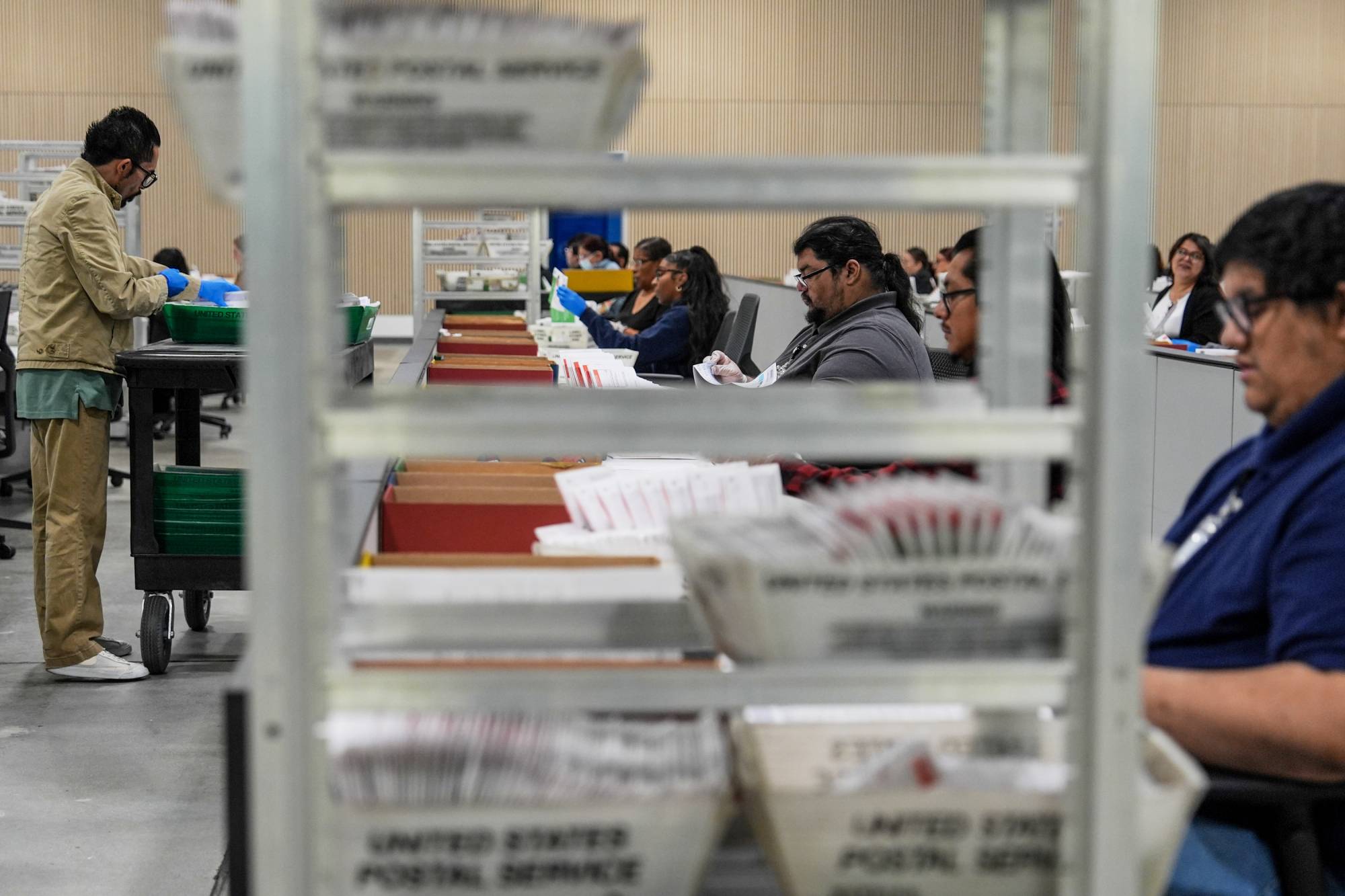
"caption": "Ballots are inspected the day after California's primary election at the Los Angeles County Ballot Processing Center, June 3, 2026, in City of Industry, Calif.",
"credit": "Jae C. Hong/Associated Press",
"altTag": null,
"description": null,
"imgSizes": {
"medium": {
"file": "https://cdn.kqed.org/wp-content/uploads/sites/10/2026/10/AP26301745221653-5f8d29d2-2000x1333.jpg",
"width": 2000,
"height": 1333,
"mimeType": "image/jpeg"
},
"large": {
"file": "https://cdn.kqed.org/wp-content/uploads/sites/10/2026/10/AP26301745221653-5f8d29d2-2000x1333.jpg",
"width": 2000,
"height": 1333,
"mimeType": "image/jpeg"
},
"thumbnail": {
"file": "https://cdn.kqed.org/wp-content/uploads/sites/10/2026/10/AP26301745221653-5f8d29d2-160x107.jpg",
"width": 160,
"height": 107,
"mimeType": "image/jpeg"
},
"1536x1536": {
"file": "https://cdn.kqed.org/wp-content/uploads/sites/10/2026/10/AP26301745221653-5f8d29d2-1536x1024.jpg",
"width": 1536,
"height": 1024,
"mimeType": "image/jpeg"
},
"2048x2048": {
"file": "https://cdn.kqed.org/wp-content/uploads/sites/10/2026/10/AP26301745221653-5f8d29d2-2048x1365.jpg",
"width": 2048,
"height": 1365,
"mimeType": "image/jpeg"
},
"post-thumbnail": {
"file": "https://cdn.kqed.org/wp-content/uploads/sites/10/2026/10/AP26301745221653-5f8d29d2-672x372.jpg",
"width": 672,
"height": 372,
"mimeType": "image/jpeg"
},
"twentyfourteen-full-width": {
"file": "https://cdn.kqed.org/wp-content/uploads/sites/10/2026/10/AP26301745221653-5f8d29d2-1038x576.jpg",
"width": 1038,
"height": 576,
"mimeType": "image/jpeg"
},
"full-width": {
"file": "https://cdn.kqed.org/wp-content/uploads/sites/10/2026/10/AP26301745221653-5f8d29d2-2000x1333.jpg",
"width": 2000,
"height": 1333,
"mimeType": "image/jpeg"
},
"npr-cds-wide": {
"file": "https://cdn.kqed.org/wp-content/uploads/sites/10/2026/10/AP26301745221653-5f8d29d2-1200x675.jpg",
"width": 1200,
"height": 675,
"mimeType": "image/jpeg"
},
"npr-cds-square": {
"file": "https://cdn.kqed.org/wp-content/uploads/sites/10/2026/10/AP26301745221653-5f8d29d2-600x600.jpg",
"width": 600,
"height": 600,
"mimeType": "image/jpeg"
},
"kqedFullSize": {
"file": "https://cdn.kqed.org/wp-content/uploads/sites/10/2026/10/AP26301745221653-5f8d29d2-scaled.jpg",
"width": 2560,
"height": 1707
}
},
"isLoading": false,
"fetchFailed": false
},
"news_12107082": {
"type": "attachments",
"id": "news_12107082",
"meta": {
"index": "attachments_1716263798",
"site": "news",
"id": "12107082",
"found": true
},
"title": "DoloresHuertaGetty3",
"publishDate": 1793225130,
"status": "inherit",
"parent": 12106928,
"modified": 1793229644,
"caption": "Dolores Huerta looks out at the crowd after an on-stage discussion with Connecticut Public's Rachel Iacovone and Latinas in Leadership founder and CEO Marilyn Alverio at the Latinas in Leadership Symposium at the Connecticut Convention Center in Hartford, Connecticut, on May 28, 2026. ",
"credit": "Ryan Caron King/Connecticut Public via Getty Images",
"altTag": null,
"description": null,
"imgSizes": {
"thumbnail": {
"file": "https://cdn.kqed.org/wp-content/uploads/sites/10/2026/10/DoloresHuertaGetty3-5735728b-160x107.jpg",
"width": 160,
"height": 107,
"mimeType": "image/jpeg"
},
"1536x1536": {
"file": "https://cdn.kqed.org/wp-content/uploads/sites/10/2026/10/DoloresHuertaGetty3-5735728b-1536x1024.jpg",
"width": 1536,
"height": 1024,
"mimeType": "image/jpeg"
},
"post-thumbnail": {
"file": "https://cdn.kqed.org/wp-content/uploads/sites/10/2026/10/DoloresHuertaGetty3-5735728b-672x372.jpg",
"width": 672,
"height": 372,
"mimeType": "image/jpeg"
},
"twentyfourteen-full-width": {
"file": "https://cdn.kqed.org/wp-content/uploads/sites/10/2026/10/DoloresHuertaGetty3-5735728b-1038x576.jpg",
"width": 1038,
"height": 576,
"mimeType": "image/jpeg"
},
"npr-cds-wide": {
"file": "https://cdn.kqed.org/wp-content/uploads/sites/10/2026/10/DoloresHuertaGetty3-5735728b-1200x675.jpg",
"width": 1200,
"height": 675,
"mimeType": "image/jpeg"
},
"npr-cds-square": {
"file": "https://cdn.kqed.org/wp-content/uploads/sites/10/2026/10/DoloresHuertaGetty3-5735728b-600x600.jpg",
"width": 600,
"height": 600,
"mimeType": "image/jpeg"
},
"kqedFullSize": {
"file": "https://cdn.kqed.org/wp-content/uploads/sites/10/2026/10/DoloresHuertaGetty3-5735728b.jpg",
"width": 2000,
"height": 1333
}
},
"isLoading": false,
"fetchFailed": false
},
"news_12106886": {
"type": "attachments",
"id": "news_12106886",
"meta": {
"index": "attachments_1716263798",
"site": "news",
"id": "12106886",
"found": true
},
"title": "251103-NewsomProp50Rally-27-BL_qed",
"publishDate": 1793206306,
"status": "inherit",
"parent": 12106881,
"modified": 1793210122,
"caption": "Labor leader Dolores Huerta listens to speakers during a rally in support of Proposition 50 with Gov. Gavin Newsom, Speaker Emerita Nancy Pelosi and local elected officials at IBEW Local 6 in San Francisco on Nov. 3, 2025.",
"credit": "Beth LaBerge/KQED",
"altTag": null,
"description": null,
"imgSizes": {
"thumbnail": {
"file": "https://cdn.kqed.org/wp-content/uploads/sites/10/2026/10/251103-NewsomProp50Rally-27-BL_qed-759fa3d7-160x107.jpg",
"width": 160,
"height": 107,
"mimeType": "image/jpeg"
},
"1536x1536": {
"file": "https://cdn.kqed.org/wp-content/uploads/sites/10/2026/10/251103-NewsomProp50Rally-27-BL_qed-759fa3d7-1536x1024.jpg",
"width": 1536,
"height": 1024,
"mimeType": "image/jpeg"
},
"post-thumbnail": {
"file": "https://cdn.kqed.org/wp-content/uploads/sites/10/2026/10/251103-NewsomProp50Rally-27-BL_qed-759fa3d7-672x372.jpg",
"width": 672,
"height": 372,
"mimeType": "image/jpeg"
},
"twentyfourteen-full-width": {
"file": "https://cdn.kqed.org/wp-content/uploads/sites/10/2026/10/251103-NewsomProp50Rally-27-BL_qed-759fa3d7-1038x576.jpg",
"width": 1038,
"height": 576,
"mimeType": "image/jpeg"
},
"npr-cds-wide": {
"file": "https://cdn.kqed.org/wp-content/uploads/sites/10/2026/10/251103-NewsomProp50Rally-27-BL_qed-759fa3d7-1200x675.jpg",
"width": 1200,
"height": 675,
"mimeType": "image/jpeg"
},
"npr-cds-square": {
"file": "https://cdn.kqed.org/wp-content/uploads/sites/10/2026/10/251103-NewsomProp50Rally-27-BL_qed-759fa3d7-600x600.jpg",
"width": 600,
"height": 600,
"mimeType": "image/jpeg"
},
"kqedFullSize": {
"file": "https://cdn.kqed.org/wp-content/uploads/sites/10/2026/10/251103-NewsomProp50Rally-27-BL_qed-759fa3d7.jpg",
"width": 2000,
"height": 1333
}
},
"isLoading": false,
"fetchFailed": false
},
"news_12106027": {
"type": "attachments",
"id": "news_12106027",
"meta": {
"index": "attachments_1716263798",
"site": "news",
"id": "12106027",
"found": true
},
"title": "261023-KAISER AI NURSES-02-KQED",
"publishDate": 1792778062,
"status": "inherit",
"parent": 0,
"modified": 1793136740,
"caption": "Pa Vue, a telephone triage nurse, in her home office in Fresno on Oct. 22, 2026. Vue is concerned about her employer, Kaiser Medical, using AI software in the background during her telehealth calls, as it is unregulated and untested.",
"credit": "Jennifer Emerling for KQED",
"altTag": null,
"description": null,
"imgSizes": {
"thumbnail": {
"file": "https://cdn.kqed.org/wp-content/uploads/sites/10/2026/10/261023-KAISER-AI-NURSES-02-KQED-317ecca1-160x107.jpg",
"width": 160,
"height": 107,
"mimeType": "image/jpeg"
},
"1536x1536": {
"file": "https://cdn.kqed.org/wp-content/uploads/sites/10/2026/10/261023-KAISER-AI-NURSES-02-KQED-317ecca1-1536x1024.jpg",
"width": 1536,
"height": 1024,
"mimeType": "image/jpeg"
},
"post-thumbnail": {
"file": "https://cdn.kqed.org/wp-content/uploads/sites/10/2026/10/261023-KAISER-AI-NURSES-02-KQED-317ecca1-672x372.jpg",
"width": 672,
"height": 372,
"mimeType": "image/jpeg"
},
"twentyfourteen-full-width": {
"file": "https://cdn.kqed.org/wp-content/uploads/sites/10/2026/10/261023-KAISER-AI-NURSES-02-KQED-317ecca1-1038x576.jpg",
"width": 1038,
"height": 576,
"mimeType": "image/jpeg"
},
"npr-cds-wide": {
"file": "https://cdn.kqed.org/wp-content/uploads/sites/10/2026/10/261023-KAISER-AI-NURSES-02-KQED-317ecca1-1200x675.jpg",
"width": 1200,
"height": 675,
"mimeType": "image/jpeg"
},
"npr-cds-square": {
"file": "https://cdn.kqed.org/wp-content/uploads/sites/10/2026/10/261023-KAISER-AI-NURSES-02-KQED-317ecca1-600x600.jpg",
"width": 600,
"height": 600,
"mimeType": "image/jpeg"
},
"kqedFullSize": {
"file": "https://cdn.kqed.org/wp-content/uploads/sites/10/2026/10/261023-KAISER-AI-NURSES-02-KQED-317ecca1.jpg",
"width": 2000,
"height": 1333
}
},
"isLoading": false,
"fetchFailed": false
},
"news_12090735": {
"type": "attachments",
"id": "news_12090735",
"meta": {
"index": "attachments_1716263798",
"site": "news",
"id": "12090735",
"found": true
},
"title": "260630-CCWFTOUR-11-BL-KQED",
"publishDate": 1783977163,
"status": "inherit",
"parent": 0,
"modified": 1793135162,
"caption": "Incarcerated women walk through a yard at the Central California Women's Facility (CCWF) prison in Chowchilla, California, on June 30, 2026, the largest women’s correctional facility in the state.",
"credit": "Beth LaBerge/KQED",
"altTag": null,
"description": null,
"imgSizes": {
"thumbnail": {
"file": "https://cdn.kqed.org/wp-content/uploads/sites/10/2026/07/260630-CCWFTOUR-11-BL-KQED-160x107.jpg",
"width": 160,
"height": 107,
"mimeType": "image/jpeg"
},
"1536x1536": {
"file": "https://cdn.kqed.org/wp-content/uploads/sites/10/2026/07/260630-CCWFTOUR-11-BL-KQED-1536x1024.jpg",
"width": 1536,
"height": 1024,
"mimeType": "image/jpeg"
},
"post-thumbnail": {
"file": "https://cdn.kqed.org/wp-content/uploads/sites/10/2026/07/260630-CCWFTOUR-11-BL-KQED-672x372.jpg",
"width": 672,
"height": 372,
"mimeType": "image/jpeg"
},
"twentyfourteen-full-width": {
"file": "https://cdn.kqed.org/wp-content/uploads/sites/10/2026/07/260630-CCWFTOUR-11-BL-KQED-1038x576.jpg",
"width": 1038,
"height": 576,
"mimeType": "image/jpeg"
},
"npr-cds-wide": {
"file": "https://cdn.kqed.org/wp-content/uploads/sites/10/2026/07/260630-CCWFTOUR-11-BL-KQED-1200x675.jpg",
"width": 1200,
"height": 675,
"mimeType": "image/jpeg"
},
"npr-cds-square": {
"file": "https://cdn.kqed.org/wp-content/uploads/sites/10/2026/07/260630-CCWFTOUR-11-BL-KQED-600x600.jpg",
"width": 600,
"height": 600,
"mimeType": "image/jpeg"
},
"kqedFullSize": {
"file": "https://cdn.kqed.org/wp-content/uploads/sites/10/2026/07/260630-CCWFTOUR-11-BL-KQED.jpg",
"width": 2000,
"height": 1333
}
},
"isLoading": false,
"fetchFailed": false
},
"news_12106838": {
"type": "attachments",
"id": "news_12106838",
"meta": {
"index": "attachments_1716263798",
"site": "news",
"id": "12106838",
"found": true
},
"title": "11082022_ElectionDayLA_PU_CM_24-c202b163",
"publishDate": 1793147819,
"status": "inherit",
"parent": 12106835,
"modified": 1793147883,
"caption": "A Los Angeles County polling station clerk sanitizes a voting station at the Monsignor Ramon Garcia Recreation Center polling station in East Los Angeles on Nov. 8, 2022.",
"credit": "Pablo Unzueta for CalMatters",
"altTag": null,
"description": null,
"imgSizes": {
"thumbnail": {
"file": "https://cdn.kqed.org/wp-content/uploads/sites/10/2026/10/11082022_ElectionDayLA_PU_CM_24-c202b163-160x107.jpg",
"width": 160,
"height": 107,
"mimeType": "image/jpeg"
},
"post-thumbnail": {
"file": "https://cdn.kqed.org/wp-content/uploads/sites/10/2026/10/11082022_ElectionDayLA_PU_CM_24-c202b163-672x372.jpg",
"width": 672,
"height": 372,
"mimeType": "image/jpeg"
},
"twentyfourteen-full-width": {
"file": "https://cdn.kqed.org/wp-content/uploads/sites/10/2026/10/11082022_ElectionDayLA_PU_CM_24-c202b163-1038x576.jpg",
"width": 1038,
"height": 576,
"mimeType": "image/jpeg"
},
"npr-cds-wide": {
"file": "https://cdn.kqed.org/wp-content/uploads/sites/10/2026/10/11082022_ElectionDayLA_PU_CM_24-c202b163-1200x675.jpg",
"width": 1200,
"height": 675,
"mimeType": "image/jpeg"
},
"npr-cds-square": {
"file": "https://cdn.kqed.org/wp-content/uploads/sites/10/2026/10/11082022_ElectionDayLA_PU_CM_24-c202b163-600x600.jpg",
"width": 600,
"height": 600,
"mimeType": "image/jpeg"
},
"kqedFullSize": {
"file": "https://cdn.kqed.org/wp-content/uploads/sites/10/2026/10/11082022_ElectionDayLA_PU_CM_24-c202b163.jpg",
"width": 1200,
"height": 800
}
},
"isLoading": false,
"fetchFailed": false
},
"news_12088668": {
"type": "attachments",
"id": "news_12088668",
"meta": {
"index": "attachments_1716263798",
"site": "news",
"id": "12088668",
"found": true
},
"title": "DOG.EXHUMING.MIRADNDAS.RESCUE.DSC_9122-KQED",
"publishDate": 1782318310,
"status": "inherit",
"parent": 12088544,
"modified": 1782323215,
"caption": "Miranda’s Rescue in Fortuna on June 23, 2026, where a search warrant was served by the Humboldt County Sheriff’s Office in connection to an ongoing animal cruelty and fraud case involving the animal rescue.",
"credit": "Mark McKenna for KQED",
"altTag": null,
"description": null,
"imgSizes": {
"thumbnail": {
"file": "https://cdn.kqed.org/wp-content/uploads/sites/10/2026/06/DOG.EXHUMING.MIRADNDAS.RESCUE.DSC_9122-KQED-160x107.jpg",
"width": 160,
"height": 107,
"mimeType": "image/jpeg"
},
"1536x1536": {
"file": "https://cdn.kqed.org/wp-content/uploads/sites/10/2026/06/DOG.EXHUMING.MIRADNDAS.RESCUE.DSC_9122-KQED-1536x1024.jpg",
"width": 1536,
"height": 1024,
"mimeType": "image/jpeg"
},
"post-thumbnail": {
"file": "https://cdn.kqed.org/wp-content/uploads/sites/10/2026/06/DOG.EXHUMING.MIRADNDAS.RESCUE.DSC_9122-KQED-672x372.jpg",
"width": 672,
"height": 372,
"mimeType": "image/jpeg"
},
"twentyfourteen-full-width": {
"file": "https://cdn.kqed.org/wp-content/uploads/sites/10/2026/06/DOG.EXHUMING.MIRADNDAS.RESCUE.DSC_9122-KQED-1038x576.jpg",
"width": 1038,
"height": 576,
"mimeType": "image/jpeg"
},
"npr-cds-wide": {
"file": "https://cdn.kqed.org/wp-content/uploads/sites/10/2026/06/DOG.EXHUMING.MIRADNDAS.RESCUE.DSC_9122-KQED-1200x675.jpg",
"width": 1200,
"height": 675,
"mimeType": "image/jpeg"
},
"npr-cds-square": {
"file": "https://cdn.kqed.org/wp-content/uploads/sites/10/2026/06/DOG.EXHUMING.MIRADNDAS.RESCUE.DSC_9122-KQED-600x600.jpg",
"width": 600,
"height": 600,
"mimeType": "image/jpeg"
},
"kqedFullSize": {
"file": "https://cdn.kqed.org/wp-content/uploads/sites/10/2026/06/DOG.EXHUMING.MIRADNDAS.RESCUE.DSC_9122-KQED.jpg",
"width": 2000,
"height": 1333
}
},
"isLoading": false,
"fetchFailed": false
},
"news_12103077": {
"type": "attachments",
"id": "news_12103077",
"meta": {
"index": "attachments_1716263798",
"site": "news",
"id": "12103077",
"found": true
},
"title": "260925-ChildcareBallotMeasure-18-BL-KQED",
"publishDate": 1791309413,
"status": "inherit",
"parent": 0,
"modified": 1791309461,
"caption": "A teacher works with students in an outdoor play area at All Five, an early childhood education program in Menlo Park, on Sept. 25, 2026. The nonprofit serves children from 6 weeks old until they start kindergarten, drawing families from a range of socioeconomic backgrounds.",
"credit": "Beth LaBerge/KQED",
"altTag": null,
"description": null,
"imgSizes": {
"thumbnail": {
"file": "https://cdn.kqed.org/wp-content/uploads/sites/10/2026/10/260925-ChildcareBallotMeasure-18-BL-KQED-160x107.jpg",
"width": 160,
"height": 107,
"mimeType": "image/jpeg"
},
"1536x1536": {
"file": "https://cdn.kqed.org/wp-content/uploads/sites/10/2026/10/260925-ChildcareBallotMeasure-18-BL-KQED-1536x1024.jpg",
"width": 1536,
"height": 1024,
"mimeType": "image/jpeg"
},
"post-thumbnail": {
"file": "https://cdn.kqed.org/wp-content/uploads/sites/10/2026/10/260925-ChildcareBallotMeasure-18-BL-KQED-672x372.jpg",
"width": 672,
"height": 372,
"mimeType": "image/jpeg"
},
"twentyfourteen-full-width": {
"file": "https://cdn.kqed.org/wp-content/uploads/sites/10/2026/10/260925-ChildcareBallotMeasure-18-BL-KQED-1038x576.jpg",
"width": 1038,
"height": 576,
"mimeType": "image/jpeg"
},
"npr-cds-wide": {
"file": "https://cdn.kqed.org/wp-content/uploads/sites/10/2026/10/260925-ChildcareBallotMeasure-18-BL-KQED-1200x675.jpg",
"width": 1200,
"height": 675,
"mimeType": "image/jpeg"
},
"npr-cds-square": {
"file": "https://cdn.kqed.org/wp-content/uploads/sites/10/2026/10/260925-ChildcareBallotMeasure-18-BL-KQED-600x600.jpg",
"width": 600,
"height": 600,
"mimeType": "image/jpeg"
},
"kqedFullSize": {
"file": "https://cdn.kqed.org/wp-content/uploads/sites/10/2026/10/260925-ChildcareBallotMeasure-18-BL-KQED.jpg",
"width": 2000,
"height": 1333
}
},
"isLoading": false,
"fetchFailed": false
},
"news_12085822": {
"type": "attachments",
"id": "news_12085822",
"meta": {
"index": "attachments_1716263798",
"site": "news",
"id": "12085822",
"found": true
},
"title": "A polling place at SOMArts Cultural Center in San Francisco on June 2, 2026.",
"publishDate": 1780423687,
"status": "inherit",
"parent": 12085504,
"modified": 1780435932,
"caption": "A polling place at SOMArts Cultural Center in San Francisco on June 2, 2026.",
"credit": "Beth LaBerge/KQED",
"altTag": null,
"description": null,
"imgSizes": {
"thumbnail": {
"file": "https://cdn.kqed.org/wp-content/uploads/sites/10/2026/06/260602-PRIMARYVOTERVOX-20-BL-KQED-160x107.jpg",
"width": 160,
"height": 107,
"mimeType": "image/jpeg"
},
"1536x1536": {
"file": "https://cdn.kqed.org/wp-content/uploads/sites/10/2026/06/260602-PRIMARYVOTERVOX-20-BL-KQED-1536x1024.jpg",
"width": 1536,
"height": 1024,
"mimeType": "image/jpeg"
},
"post-thumbnail": {
"file": "https://cdn.kqed.org/wp-content/uploads/sites/10/2026/06/260602-PRIMARYVOTERVOX-20-BL-KQED-672x372.jpg",
"width": 672,
"height": 372,
"mimeType": "image/jpeg"
},
"twentyfourteen-full-width": {
"file": "https://cdn.kqed.org/wp-content/uploads/sites/10/2026/06/260602-PRIMARYVOTERVOX-20-BL-KQED-1038x576.jpg",
"width": 1038,
"height": 576,
"mimeType": "image/jpeg"
},
"npr-cds-wide": {
"file": "https://cdn.kqed.org/wp-content/uploads/sites/10/2026/06/260602-PRIMARYVOTERVOX-20-BL-KQED-1200x675.jpg",
"width": 1200,
"height": 675,
"mimeType": "image/jpeg"
},
"npr-cds-square": {
"file": "https://cdn.kqed.org/wp-content/uploads/sites/10/2026/06/260602-PRIMARYVOTERVOX-20-BL-KQED-600x600.jpg",
"width": 600,
"height": 600,
"mimeType": "image/jpeg"
},
"kqedFullSize": {
"file": "https://cdn.kqed.org/wp-content/uploads/sites/10/2026/06/260602-PRIMARYVOTERVOX-20-BL-KQED.jpg",
"width": 2000,
"height": 1333
}
},
"isLoading": false,
"fetchFailed": false
},
"news_12106390": {
"type": "attachments",
"id": "news_12106390",
"meta": {
"index": "attachments_1716263798",
"site": "news",
"id": "12106390",
"found": true
},
"title": "PhoenixLakeGetty",
"publishDate": 1793032520,
"status": "inherit",
"parent": 12106386,
"modified": 1793032615,
"caption": "Phoenix Lake is seen at 100% capacity after a series of atmospheric river events drenched Northern California on Jan. 12, 2023, in Ross, California. ",
"credit": "Justin Sullivan/Getty Images",
"altTag": null,
"description": null,
"imgSizes": {
"thumbnail": {
"file": "https://cdn.kqed.org/wp-content/uploads/sites/10/2026/10/PhoenixLakeGetty-fe030ad2-160x107.jpg",
"width": 160,
"height": 107,
"mimeType": "image/jpeg"
},
"1536x1536": {
"file": "https://cdn.kqed.org/wp-content/uploads/sites/10/2026/10/PhoenixLakeGetty-fe030ad2-1536x1024.jpg",
"width": 1536,
"height": 1024,
"mimeType": "image/jpeg"
},
"post-thumbnail": {
"file": "https://cdn.kqed.org/wp-content/uploads/sites/10/2026/10/PhoenixLakeGetty-fe030ad2-672x372.jpg",
"width": 672,
"height": 372,
"mimeType": "image/jpeg"
},
"twentyfourteen-full-width": {
"file": "https://cdn.kqed.org/wp-content/uploads/sites/10/2026/10/PhoenixLakeGetty-fe030ad2-1038x576.jpg",
"width": 1038,
"height": 576,
"mimeType": "image/jpeg"
},
"npr-cds-wide": {
"file": "https://cdn.kqed.org/wp-content/uploads/sites/10/2026/10/PhoenixLakeGetty-fe030ad2-1200x675.jpg",
"width": 1200,
"height": 675,
"mimeType": "image/jpeg"
},
"npr-cds-square": {
"file": "https://cdn.kqed.org/wp-content/uploads/sites/10/2026/10/PhoenixLakeGetty-fe030ad2-600x600.jpg",
"width": 600,
"height": 600,
"mimeType": "image/jpeg"
},
"kqedFullSize": {
"file": "https://cdn.kqed.org/wp-content/uploads/sites/10/2026/10/PhoenixLakeGetty-fe030ad2.jpg",
"width": 2000,
"height": 1333
}
},
"isLoading": false,
"fetchFailed": false
},
"news_12106110": {
"type": "attachments",
"id": "news_12106110",
"meta": {
"index": "attachments_1716263798",
"site": "news",
"id": "12106110",
"found": true
},
"title": "GavinNewsomEconomyGetty",
"publishDate": 1792788790,
"status": "inherit",
"parent": 12106033,
"modified": 1792788821,
"caption": "Gov. Gavin Newsom looks on at the California Economic Summit in Long Beach, California, on Oct. 14, 2026. ",
"credit": "Patrick T. Fallon/AFP via Getty Images",
"altTag": null,
"description": null,
"imgSizes": {
"thumbnail": {
"file": "https://cdn.kqed.org/wp-content/uploads/sites/10/2026/10/GavinNewsomEconomyGetty-698df8f6-160x107.jpg",
"width": 160,
"height": 107,
"mimeType": "image/jpeg"
},
"1536x1536": {
"file": "https://cdn.kqed.org/wp-content/uploads/sites/10/2026/10/GavinNewsomEconomyGetty-698df8f6-1536x1024.jpg",
"width": 1536,
"height": 1024,
"mimeType": "image/jpeg"
},
"post-thumbnail": {
"file": "https://cdn.kqed.org/wp-content/uploads/sites/10/2026/10/GavinNewsomEconomyGetty-698df8f6-672x372.jpg",
"width": 672,
"height": 372,
"mimeType": "image/jpeg"
},
"twentyfourteen-full-width": {
"file": "https://cdn.kqed.org/wp-content/uploads/sites/10/2026/10/GavinNewsomEconomyGetty-698df8f6-1038x576.jpg",
"width": 1038,
"height": 576,
"mimeType": "image/jpeg"
},
"npr-cds-wide": {
"file": "https://cdn.kqed.org/wp-content/uploads/sites/10/2026/10/GavinNewsomEconomyGetty-698df8f6-1200x675.jpg",
"width": 1200,
"height": 675,
"mimeType": "image/jpeg"
},
"npr-cds-square": {
"file": "https://cdn.kqed.org/wp-content/uploads/sites/10/2026/10/GavinNewsomEconomyGetty-698df8f6-600x600.jpg",
"width": 600,
"height": 600,
"mimeType": "image/jpeg"
},
"kqedFullSize": {
"file": "https://cdn.kqed.org/wp-content/uploads/sites/10/2026/10/GavinNewsomEconomyGetty-698df8f6.jpg",
"width": 2000,
"height": 1333
}
},
"isLoading": false,
"fetchFailed": false
},
"news_12105853": {
"type": "attachments",
"id": "news_12105853",
"meta": {
"index": "attachments_1716263798",
"site": "news",
"id": "12105853",
"found": true
},
"title": "CMF Wheelchair Basketball",
"publishDate": 1792708064,
"status": "inherit",
"parent": 0,
"modified": 1792708748,
"caption": "The wheelchair basketball program at California Medical Facility in Vacaville gives incarcerated people with mobility impairments a chance to play a team sport — to compete, work and play with able-bodied people, stay active, and be part of something outside the normal routine of prison life. Members of the team practice in the early morning on the general population yard.",
"credit": "Brian L. Frank for CatchLight/The Marshall Project",
"altTag": "A photo shows a man in a wheelchair, out on a prison yard at dawn, with his arm curved as if to throw a basketball. There is a ballet-like feel to the gesture. There are a few other wheelchair basketball players on the court and one man standing with a basketball in his hand.",
"description": null,
"imgSizes": {
"thumbnail": {
"file": "https://cdn.kqed.org/wp-content/uploads/sites/10/2026/10/261022-WHEELCHAIR-BASKETBALL-BF-04-f31a05ce-160x107.jpg",
"width": 160,
"height": 107,
"mimeType": "image/jpeg"
},
"1536x1536": {
"file": "https://cdn.kqed.org/wp-content/uploads/sites/10/2026/10/261022-WHEELCHAIR-BASKETBALL-BF-04-f31a05ce-1536x1024.jpg",
"width": 1536,
"height": 1024,
"mimeType": "image/jpeg"
},
"post-thumbnail": {
"file": "https://cdn.kqed.org/wp-content/uploads/sites/10/2026/10/261022-WHEELCHAIR-BASKETBALL-BF-04-f31a05ce-672x372.jpg",
"width": 672,
"height": 372,
"mimeType": "image/jpeg"
},
"twentyfourteen-full-width": {
"file": "https://cdn.kqed.org/wp-content/uploads/sites/10/2026/10/261022-WHEELCHAIR-BASKETBALL-BF-04-f31a05ce-1038x576.jpg",
"width": 1038,
"height": 576,
"mimeType": "image/jpeg"
},
"npr-cds-wide": {
"file": "https://cdn.kqed.org/wp-content/uploads/sites/10/2026/10/261022-WHEELCHAIR-BASKETBALL-BF-04-f31a05ce-1200x675.jpg",
"width": 1200,
"height": 675,
"mimeType": "image/jpeg"
},
"npr-cds-square": {
"file": "https://cdn.kqed.org/wp-content/uploads/sites/10/2026/10/261022-WHEELCHAIR-BASKETBALL-BF-04-f31a05ce-600x600.jpg",
"width": 600,
"height": 600,
"mimeType": "image/jpeg"
},
"kqedFullSize": {
"file": "https://cdn.kqed.org/wp-content/uploads/sites/10/2026/10/261022-WHEELCHAIR-BASKETBALL-BF-04-f31a05ce.jpg",
"width": 2000,
"height": 1333
}
},
"isLoading": false,
"fetchFailed": false
}
},
"audioPlayerReducer": {
"postId": "stream_live",
"isPaused": true,
"isPlaying": false,
"pfsActive": false,
"pledgeModalIsOpen": true,
"playerDrawerIsOpen": false,
"liveAudioPlayStartedAt": 0,
"liveAudioPlayContext": ""
},
"authorsReducer": {
"byline_news_12107158": {
"type": "authors",
"id": "byline_news_12107158",
"meta": {
"override": true
},
"slug": "byline_news_12107158",
"name": "Ryan Sabalow, CalMatters",
"isLoading": false
},
"byline_news_12106881": {
"type": "authors",
"id": "byline_news_12106881",
"meta": {
"override": true
},
"slug": "byline_news_12106881",
"name": "Susan Montoya Bryan, The Associated Press",
"isLoading": false
},
"byline_news_12106835": {
"type": "authors",
"id": "byline_news_12106835",
"meta": {
"override": true
},
"slug": "byline_news_12106835",
"name": "Ryan Sabalow and Nigel Duara, CalMatters",
"isLoading": false
},
"byline_news_12106386": {
"type": "authors",
"id": "byline_news_12106386",
"meta": {
"override": true
},
"slug": "byline_news_12106386",
"name": "Jose Velazquez",
"isLoading": false
},
"byline_news_12105969": {
"type": "authors",
"id": "byline_news_12105969",
"meta": {
"override": true
},
"slug": "byline_news_12105969",
"name": "Brian L. Frank and Aala Abdullahi",
"isLoading": false
},
"gmarzorati": {
"type": "authors",
"id": "227",
"meta": {
"index": "authors_1716337520",
"id": "227",
"found": true
},
"name": "Guy Marzorati",
"firstName": "Guy",
"lastName": "Marzorati",
"slug": "gmarzorati",
"email": "gmarzorati@KQED.org",
"display_author_email": true,
"staff_mastheads": [
"news"
],
"title": "Correspondent",
"bio": "Guy Marzorati is a correspondent on KQED's California Politics and Government Desk, based in San Jose. A graduate of Santa Clara University, Guy joined KQED in 2013. He reports on state and local politics and produces KQED's digital voter guide.",
"avatar": "https://secure.gravatar.com/avatar/771cddf45ce3a8ed533d82dcc214e9ef925d76d2af5794a33da1ce439eb54a32?s=600&d=blank&r=g",
"twitter": "guymarzorati",
"bluesky": null,
"facebook": null,
"instagram": null,
"linkedin": null,
"sites": [
{
"site": "",
"roles": [
"editor"
]
},
{
"site": "news",
"roles": [
"editor"
]
},
{
"site": "science",
"roles": [
"editor"
]
},
{
"site": "forum",
"roles": [
"editor"
]
},
{
"site": "elections",
"roles": [
"editor"
]
},
{
"site": "liveblog",
"roles": [
"editor"
]
}
],
"headData": {
"title": "Guy Marzorati | KQED",
"description": "Correspondent",
"ogImgSrc": "https://secure.gravatar.com/avatar/771cddf45ce3a8ed533d82dcc214e9ef925d76d2af5794a33da1ce439eb54a32?s=600&d=blank&r=g",
"twImgSrc": "https://secure.gravatar.com/avatar/771cddf45ce3a8ed533d82dcc214e9ef925d76d2af5794a33da1ce439eb54a32?s=600&d=blank&r=g"
},
"isLoading": false,
"link": "/author/gmarzorati"
},
"rachael-myrow": {
"type": "authors",
"id": "251",
"meta": {
"index": "authors_1716337520",
"id": "251",
"found": true
},
"name": "Rachael Myrow",
"firstName": "Rachael",
"lastName": "Myrow",
"slug": "rachael-myrow",
"email": "rmyrow@kqed.org",
"display_author_email": true,
"staff_mastheads": [
"news"
],
"title": "Senior Editor of KQED's Silicon Valley News Desk",
"bio": "• I write and edit stories about how Silicon Valley power and policies shape everyday life in California. I’m also passionate about making Bay Area history and culture more accessible to a broad public. • I’ve been a journalist for most of my life, starting in high school with The Franklin Press in Los Angeles, where I grew up. While earning my first degree in English at UC Berkeley, I got my start in public radio at KALX-FM. After completing a second degree in journalism at Cal, I landed my first professional job at Marketplace, then moved on to KPCC (now LAist), and then KQED, where I hosted The California Report for more than seven years. • My reporting has appeared on NPR, The World, WBUR’s \u003ci>Here & Now\u003c/i>, and the BBC. I also guest host for KQED’s \u003ci>Forum\u003c/i>, as well as the Commonwealth Club in San Francisco. • I speak periodically on media, democracy and technology issues, and do voiceover work for documentaries and educational video projects. • Outside of the studio, you'll find me hiking Bay Area trails and whipping up Insta-ready meals in my kitchen. • I do not accept gifts, money, or favors from anyone connected to my reporting, I don't pay people for information, and I do not support or donate to political causes. • I strive to treat the people I report on with fairness, honesty, and respect. I also recognize there are often multiple sides to a story and work to verify information through multiple sources and documentation. If I get something wrong, I correct it.",
"avatar": "https://secure.gravatar.com/avatar/3ed8a3c5f26025e4a805ba634cda8cd764906b97438a6d9ce216b044e340da4e?s=600&d=blank&r=g",
"twitter": "rachaelmyrow",
"bluesky": null,
"facebook": null,
"instagram": null,
"linkedin": "https://www.linkedin.com/in/rachaelmyrow/",
"sites": [
{
"site": "arts",
"roles": [
"administrator"
]
},
{
"site": "news",
"roles": [
"edit_others_posts",
"editor"
]
},
{
"site": "futureofyou",
"roles": [
"editor"
]
},
{
"site": "bayareabites",
"roles": [
"editor"
]
},
{
"site": "stateofhealth",
"roles": [
"editor"
]
},
{
"site": "science",
"roles": [
"editor"
]
},
{
"site": "food",
"roles": [
"editor"
]
},
{
"site": "forum",
"roles": [
"editor"
]
},
{
"site": "liveblog",
"roles": [
"author"
]
}
],
"headData": {
"title": "Rachael Myrow | KQED",
"description": "Senior Editor of KQED's Silicon Valley News Desk",
"ogImgSrc": "https://secure.gravatar.com/avatar/3ed8a3c5f26025e4a805ba634cda8cd764906b97438a6d9ce216b044e340da4e?s=600&d=blank&r=g",
"twImgSrc": "https://secure.gravatar.com/avatar/3ed8a3c5f26025e4a805ba634cda8cd764906b97438a6d9ce216b044e340da4e?s=600&d=blank&r=g"
},
"isLoading": false,
"link": "/author/rachael-myrow"
},
"mlagos": {
"type": "authors",
"id": "3239",
"meta": {
"index": "authors_1716337520",
"id": "3239",
"found": true
},
"name": "Marisa Lagos",
"firstName": "Marisa",
"lastName": "Lagos",
"slug": "mlagos",
"email": "mlagos@kqed.org",
"display_author_email": false,
"staff_mastheads": [
"news"
],
"title": "KQED Contributor",
"bio": "Marisa Lagos is a correspondent for KQED’s California Politics and Government Desk and co-hosts the award-winning show and podcast, Political Breakdown. At KQED, Lagos also conducts reporting, analysis and investigations into state, local and national politics for radio, TV, online and onstage. In 2022, she and co-host, Scott Shafer, moderated the only gubernatorial debate in California. In 2020, the \u003ci>Washington Post\u003c/i> named her one of the top political journalists in California; she was nominated for a Peabody and won several other awards for her work investigating the 2017 California wildfires. She has worked at the \u003ci>San Francisco Chronicle\u003c/i>, \u003ci>San Francisco Examiner\u003c/i> and \u003ci>Los Angeles Times\u003c/i>. A UC Santa Barbara graduate, she lives in San Francisco with her two sons and husband.",
"avatar": "https://secure.gravatar.com/avatar/a261a0d3696fc066871ef96b85b5e7d2?s=600&d=blank&r=g",
"twitter": "@mlagos",
"facebook": null,
"instagram": null,
"linkedin": null,
"sites": [
{
"site": "arts",
"roles": [
"author"
]
},
{
"site": "news",
"roles": [
"editor"
]
},
{
"site": "science",
"roles": [
"editor"
]
},
{
"site": "forum",
"roles": [
"author"
]
},
{
"site": "liveblog",
"roles": [
"author"
]
}
],
"headData": {
"title": "Marisa Lagos | KQED",
"description": "KQED Contributor",
"ogImgSrc": "https://secure.gravatar.com/avatar/a261a0d3696fc066871ef96b85b5e7d2?s=600&d=blank&r=g",
"twImgSrc": "https://secure.gravatar.com/avatar/a261a0d3696fc066871ef96b85b5e7d2?s=600&d=blank&r=g"
},
"isLoading": false,
"link": "/author/mlagos"
},
"fjhabvala": {
"type": "authors",
"id": "8659",
"meta": {
"index": "authors_1716337520",
"id": "8659",
"found": true
},
"name": "Farida Jhabvala Romero",
"firstName": "Farida",
"lastName": "Jhabvala Romero",
"slug": "fjhabvala",
"email": "fjhabvala@kqed.org",
"display_author_email": true,
"staff_mastheads": [
"news"
],
"title": "KQED Contributor",
"bio": "Farida Jhabvala Romero is a Labor Correspondent for KQED. She previously covered immigration. Farida was \u003ca href=\"https://www.ccnma.org/2022-most-influential-latina-journalists\">named\u003c/a> one of the 10 Most Influential Latina Journalists in California in 2022 by the California Chicano News Media Association. Her work has won awards from the Society of Professional Journalists (Northern California), as well as a national and regional Edward M. Murrow Award for the collaborative reporting projects “Dangerous Air” and “Graying California.” Before joining KQED, Farida worked as a producer at Radio Bilingüe, a national public radio network. Farida earned her master’s degree in journalism from Stanford University.",
"avatar": "https://secure.gravatar.com/avatar/f9f022d4e2609741874222a1e9d41f48fea74011aa7c615eef91d9a50c944ebe?s=600&d=blank&r=g",
"twitter": "FaridaJhabvala",
"bluesky": null,
"facebook": null,
"instagram": null,
"linkedin": "https://www.linkedin.com/in/faridajhabvala/",
"sites": [
{
"site": "news",
"roles": [
"editor"
]
},
{
"site": "stateofhealth",
"roles": [
"author"
]
},
{
"site": "liveblog",
"roles": [
"author"
]
}
],
"headData": {
"title": "Farida Jhabvala Romero | KQED",
"description": "KQED Contributor",
"ogImgSrc": "https://secure.gravatar.com/avatar/f9f022d4e2609741874222a1e9d41f48fea74011aa7c615eef91d9a50c944ebe?s=600&d=blank&r=g",
"twImgSrc": "https://secure.gravatar.com/avatar/f9f022d4e2609741874222a1e9d41f48fea74011aa7c615eef91d9a50c944ebe?s=600&d=blank&r=g"
},
"isLoading": false,
"link": "/author/fjhabvala"
},
"slewis": {
"type": "authors",
"id": "8676",
"meta": {
"index": "authors_1716337520",
"id": "8676",
"found": true
},
"name": "Sukey Lewis",
"firstName": "Sukey",
"lastName": "Lewis",
"slug": "slewis",
"email": "slewis@kqed.org",
"display_author_email": true,
"staff_mastheads": [
"news"
],
"title": "KQED Contributor",
"bio": "Sukey Lewis is a criminal justice reporter and host of \u003cem>On Our Watch\u003c/em>, a new podcast from NPR and KQED about the shadow world of police discipline. In 2018, she co-founded the California Reporting Project, a coalition of newsrooms across the state focused on obtaining previously sealed internal affairs records from law enforcement. In addition to her reporting on police accountability, Sukey has investigated the bail bonds industry, California's wildfires and the high cost of prison phone calls. Sukey earned a master's degree in journalism from the University of California at Berkeley. Send news tips to slewis@kqed.org.",
"avatar": "https://secure.gravatar.com/avatar/03fd6b21024f99d8b0a1966654586de7?s=600&d=blank&r=g",
"twitter": "SukeyLewis",
"facebook": null,
"instagram": null,
"linkedin": null,
"sites": [
{
"site": "news",
"roles": [
"author",
"edit_others_posts"
]
}
],
"headData": {
"title": "Sukey Lewis | KQED",
"description": "KQED Contributor",
"ogImgSrc": "https://secure.gravatar.com/avatar/03fd6b21024f99d8b0a1966654586de7?s=600&d=blank&r=g",
"twImgSrc": "https://secure.gravatar.com/avatar/03fd6b21024f99d8b0a1966654586de7?s=600&d=blank&r=g"
},
"isLoading": false,
"link": "/author/slewis"
},
"daisynguyen": {
"type": "authors",
"id": "11829",
"meta": {
"index": "authors_1716337520",
"id": "11829",
"found": true
},
"name": "Daisy Nguyen",
"firstName": "Daisy",
"lastName": "Nguyen",
"slug": "daisynguyen",
"email": "daisynguyen@kqed.org",
"display_author_email": true,
"staff_mastheads": [
"news"
],
"title": "KQED Contributor",
"bio": "I have covered early childhood education and child care for KQED since 2022. I focus on policies aimed at increasing access to early care and education and how they shape individual lives. I've been a journalist for more than two decades, with most of that time devoted to covering breaking news throughout California for The Associated Press. I grew up in San Francisco and studied at UC Davis and Columbia University's Graduate School of Journalism. I live in Oakland with my husband and two kids.",
"avatar": "https://secure.gravatar.com/avatar/2da2127c27f7143b53ebd419800fd55f?s=600&d=blank&r=g",
"twitter": null,
"facebook": null,
"instagram": null,
"linkedin": "https://www.linkedin.com/in/daisynguyen/",
"sites": [
{
"site": "news",
"roles": [
"author"
]
},
{
"site": "liveblog",
"roles": [
"author"
]
}
],
"headData": {
"title": "Daisy Nguyen | KQED",
"description": "KQED Contributor",
"ogImgSrc": "https://secure.gravatar.com/avatar/2da2127c27f7143b53ebd419800fd55f?s=600&d=blank&r=g",
"twImgSrc": "https://secure.gravatar.com/avatar/2da2127c27f7143b53ebd419800fd55f?s=600&d=blank&r=g"
},
"isLoading": false,
"link": "/author/daisynguyen"
},
"mbolanos": {
"type": "authors",
"id": "11895",
"meta": {
"index": "authors_1716337520",
"id": "11895",
"found": true
},
"name": "Madi Bolaños",
"firstName": "Madi",
"lastName": "Bolaños",
"slug": "mbolanos",
"email": "mbolanos@kqed.org",
"display_author_email": false,
"staff_mastheads": [],
"title": "KQED Contributor",
"bio": null,
"avatar": "https://secure.gravatar.com/avatar/bd4f24b4071fa0e2cd7942694b9448f67120b84624ed564accc131458d195a30?s=600&d=blank&r=g",
"twitter": null,
"bluesky": null,
"facebook": null,
"instagram": null,
"linkedin": null,
"sites": [
{
"site": "news",
"roles": [
"author"
]
}
],
"headData": {
"title": "Madi Bolaños | KQED",
"description": "KQED Contributor",
"ogImgSrc": "https://secure.gravatar.com/avatar/bd4f24b4071fa0e2cd7942694b9448f67120b84624ed564accc131458d195a30?s=600&d=blank&r=g",
"twImgSrc": "https://secure.gravatar.com/avatar/bd4f24b4071fa0e2cd7942694b9448f67120b84624ed564accc131458d195a30?s=600&d=blank&r=g"
},
"isLoading": false,
"link": "/author/mbolanos"
}
},
"pagesReducer": {
"news_tag_california": {
"type": "terms",
"id": "news_18538",
"meta": {
"index": "terms_1716263798",
"site": "news",
"id": "18538",
"score": 6.8524127
},
"featImg": null,
"name": "California",
"description": null,
"taxonomy": "tag",
"headData": {
"twImgId": null,
"twTitle": null,
"ogTitle": null,
"ogImgId": null,
"twDescription": null,
"description": null,
"title": "California Archives | KQED News",
"ogDescription": null
},
"ttid": 31,
"slug": "california",
"isLoading": false,
"title": "California",
"pageMeta": {
"site": "news",
"WpPageTemplate": "page-topic-editorial",
"currentPage": 7
},
"blocks": [
{
"blockName": "kqed/post-list",
"attrs": {
"layout": "cardArticle2",
"query": "posts/news?tag=california",
"seeMore": false,
"paginated": true,
"page": 7
}
},
{
"blockName": "kqed/ad"
}
]
}
},
"pfsSessionReducer": {},
"postsReducer": {
"stream_live": {
"type": "live",
"id": "stream_live",
"audioUrl": "https://hls.kqed.org/hls/kqed_app/playlist.m3u8",
"title": "Live Stream",
"excerpt": "Live Stream information currently unavailable.",
"link": "/radio",
"featImg": "",
"label": {
"name": "KQED Live",
"link": "/"
}
},
"stream_kqedNewscast": {
"type": "posts",
"id": "stream_kqedNewscast",
"audioUrl": "https://www.kqed.org/.stream/anon/radio/RDnews/newscast.mp3?_=1",
"title": "KQED Newscast",
"featImg": "",
"label": {
"name": "88.5 FM",
"link": "/"
}
},
"news_12107158": {
"type": "posts",
"id": "news_12107158",
"meta": {
"index": "posts_1716263798",
"site": "news",
"id": "12107158",
"score": null,
"sort": [
1793247736000
]
},
"guestAuthors": [],
"slug": "judge-rejects-trump-administration-bid-to-set-aside-20000-california-ballots",
"title": "Judge Rejects Trump Administration Bid to Set Aside 20,000 California Ballots",
"publishDate": 1793247736,
"format": "standard",
"headTitle": "Judge Rejects Trump Administration Bid to Set Aside 20,000 California Ballots | KQED",
"labelTerm": {
"term": 18481,
"site": "news"
},
"content": "\n\u003cp class=\"wp-block-paragraph\">\u003cem>This story was originally published by \u003ca href=\"https://calmatters.org/\">CalMatters\u003c/a>. \u003ca href=\"https://calmatters.org/subscribe-to-calmatters/\">Sign up\u003c/a> for their newsletters.\u003c/em>\u003c/p>\n\n\n\n\u003cp class=\"wp-block-paragraph\">Saying the Trump administration had embarked on “a broad, ongoing pattern of attempted election interference,” a federal judge on Wednesday refused to \u003ca href=\"https://www.kqed.org/news/12106835/judge-says-trump-could-disenfranchise-voters-in-purge-of-noncitizens-from-election-rolls\">order California election officials to set aside 20,000 ballots\u003c/a> over claims those voters might not be citizens.\u003c/p>\n\n\n\n\u003cp class=\"wp-block-paragraph\">“Never before in American history has the federal government, on the eve of an election, sought to coerce a state and local government to abandon their own Constitutional elections procedures and bend to the will of the Executive Branch,” wrote U.S. District Judge David O. Carter, an appointee of President Bill Clinton.\u003c/p>\n\n\n\n\u003cp class=\"wp-block-paragraph\">“This request violates longstanding constitutional principles mandating that states have control over their elections,” \u003ca href=\"https://www.documentcloud.org/documents/28856709-carter-order/\">the judge wrote\u003c/a>, saying if he granted the Trump administration’s last-minute request “either party could create chaos for their own political purposes to disrupt the election process. Over 20,000 registered Californians would potentially lose the right that generations of Americans have fought to preserve.”\u003c/p>\n\n\n\n\u003cp class=\"wp-block-paragraph\">The ruling is the latest legal defeat for the Trump administration as it has sought to find evidence that would validate President Donald Trump’s longstanding claims that Democrats win because of rigged elections.\u003cbr>\u003cbr>Carter said he declined to be a party to a process that could disenfranchise voters.\u003c/p>\n\n\n\n\u003cp class=\"wp-block-paragraph\">“Eroded trust in our democracy is irreparable,” he wrote. “Once a vote is segregated, lasting harm has occurred. If the executive (branch) can discount votes and threaten an ongoing election due to unproven allegations, then our democracy is in danger.”\u003c/p>\n\n\n\n\u003cp class=\"wp-block-paragraph\">Carter also slammed the federal government for not providing a clear accounting of its methodology in creating the \u003ca href=\"https://www.kqed.org/news/12106418/santa-clara-county-rejects-trump-administration-voter-probe\">list of 20,000 possible noncitizens\u003c/a>, saying prosecutors provided vague explanations “and raised multiple questions regarding reliability.”\u003c/p>\n\n\n\n\u003cp class=\"wp-block-paragraph\">Federal officials insist their list is mostly accurate and came from investigators correlating public voter files, government data and commercial databases, but prosecutors have acknowledged that some of the people on the list are likely citizens.\u003c/p>\n\n\n\n\u003cp class=\"wp-block-paragraph\">State and county officials and civil rights groups have \u003ca href=\"https://calmatters.org/politics/2026/10/trump-voting-claims-counties/\">said that the list\u003c/a> appears to be riddled with inaccuracies and it often omits key data such as Social Security and driver’s license numbers that would allow county officials to confirm who the people are.\u003c/p>\n\n\n\n\n\n\u003cp class=\"wp-block-paragraph\">In a briefing with reporters Wednesday before Carter’s ruling, California Democratic Attorney General Rob Bonta said the federal government’s case was little more than an “amateur hour” political stunt to validate Trump’s conspiracy theory that elections are rigged for Democrats.\u003cbr>\u003cbr>“It’s a joke. It’s embarrassing, but it is dangerous,” Bonta said. “They are trying to attack the fundamental right to vote with trash data.”\u003c/p>\n\n\n\n\u003cp class=\"wp-block-paragraph\">In a Fox News interview on Wednesday before the ruling, Bill Essayli, the first assistant U.S. attorney in Los Angeles, said the administration would appeal to the 9th U.S. Circuit Court of Appeals and possibly to the U.S. Supreme Court.\u003cbr>\u003cbr>“We’re moving at a lightning pace because the way California does elections, everyone already has a ballot,” Essayli said. “Hundreds of thousands of ballots have already been returned, and the counties already started processing those ballots. … That’s why we need an order now to separate and segregate these ballots — not to cancel any vote — just to sequester them so we can figure this out.” \u003c/p>\n\n\n\n\u003ch2 class=\"wp-block-heading\">Higher court declined to intervene\u003c/h2>\n\n\n\n\u003cp class=\"wp-block-paragraph\">A 9th Circuit panel already rejected one attempt by Essayli’s office to get an emergency order. A three-judge panel ruled 2-1 Monday to \u003ca href=\"https://www.kqed.org/news/12106418/santa-clara-county-rejects-trump-administration-voter-probe\">reject an urgent appeal\u003c/a> to bypass Carter’s courtroom. The federal government claimed the district judge didn’t schedule a hearing fast enough.\u003c/p>\n\n\n\n\u003cp class=\"wp-block-paragraph\">Meanwhile on Wednesday, a group of civil rights organizations, including California’s chapters of the American Civil Liberties Union, sued the Trump administration and urged a federal court to block the administration’s “Unlawful Voter Initiative.” \u003c/p>\n\n\n\n\u003cp class=\"wp-block-paragraph\">The groups claim the initiative has been targeting and intimidating naturalized U.S. citizens, former green card holders who have gone through the citizenship process. The initiative directed immigration officials to generate target lists of possible noncitizen voters and to coordinate with ICE field offices to interrogate individuals it identified.\u003c/p>\n\n\n\n\u003cp class=\"wp-block-paragraph\">The civil rights groups contend the federal government is using illegal tactics and faulty data to harass innocent legal voters. \u003c/p>\n\n\n\n\u003cp class=\"wp-block-paragraph\">“These allegations are putting eligible voters — including naturalized U.S. citizens — at risk of disenfranchisement,” Theresa Lee, an attorney with the ACLU’s Voting Rights Project, said in a statement. “The administration can’t keep creating political stunts to sow distrust in our elections and lay the groundwork to question results they don’t like.”\u003cbr>\u003cbr>Carter noted in Wednesday’s ruling that those most at risk of being disenfranchised are naturalized citizens.\u003cbr>\u003cbr>“Individuals that the federal government recently identified as noncitizens on voter rolls in different states have repeatedly turned out to be naturalized citizens,” Carter wrote.\u003cbr>\u003cbr>The ACLU’s and other groups’ suit came a week after a federal judge in California issued an order blocking the Department of Homeland Security from doing in-person interrogations of people investigators suspect may be noncitizens. \u003c/p>\n\n\n\n\u003cp class=\"wp-block-paragraph\">The judge in that case, Araceli Martínez-Olguín, who was appointed by President Joe Biden, \u003ca href=\"https://www.npr.org/2026/10/22/nx-s1-6012682/judge-dhs-noncitizen-voting-operations\">ruled\u003c/a> that the federal government was relying on “faulty data sources that sweep in U.S. citizens” and was likely violating the Voting Rights Act, which prohibits voter intimidation. \u003c/p>\n\n\n\n\u003cp class=\"wp-block-paragraph\">Martínez-Olguín’s order is in effect through Election Day. \u003c/p>\n\n\n\n\u003cp class=\"wp-block-paragraph\">\u003cem>This article was \u003ca href=\"https://calmatters.org/politics/2026/10/trump-ballot-claims-california-ruling/\">originally published on CalMatters\u003c/a> and was republished under the \u003ca href=\"https://creativecommons.org/licenses/by-nc-nd/4.0/\">Creative Commons Attribution-NonCommercial-NoDerivatives\u003c/a> license.\u003c/em>\u003c/p>\n\n\n\n\u003cp class=\"wp-block-paragraph\">\u003c/p>\n\n\n\n\u003cp class=\"wp-block-paragraph\">\u003c/p>\n",
"blocks": [
{
"blockName": "core/paragraph",
"attrs": {
"dropCap": false
},
"innerHTML": "\n\u003cp>\u003cem>This story was originally published by \u003ca href=\"https://calmatters.org/\">CalMatters\u003c/a>. \u003ca href=\"https://calmatters.org/subscribe-to-calmatters/\">Sign up\u003c/a> for their newsletters.\u003c/em>\u003c/p>\n",
"innerContent": [
"\n\u003cp>\u003cem>This story was originally published by \u003ca href=\"https://calmatters.org/\">CalMatters\u003c/a>. \u003ca href=\"https://calmatters.org/subscribe-to-calmatters/\">Sign up\u003c/a> for their newsletters.\u003c/em>\u003c/p>\n"
],
"innerBlocks": []
},
{
"blockName": "core/paragraph",
"attrs": {
"dropCap": false
},
"innerHTML": "\n\u003cp>Saying the Trump administration had embarked on “a broad, ongoing pattern of attempted election interference,” a federal judge on Wednesday refused to \u003ca href=\"https://www.kqed.org/news/12106835/judge-says-trump-could-disenfranchise-voters-in-purge-of-noncitizens-from-election-rolls\">order California election officials to set aside 20,000 ballots\u003c/a> over claims those voters might not be citizens.\u003c/p>\n",
"innerContent": [
"\n\u003cp>Saying the Trump administration had embarked on “a broad, ongoing pattern of attempted election interference,” a federal judge on Wednesday refused to \u003ca href=\"https://www.kqed.org/news/12106835/judge-says-trump-could-disenfranchise-voters-in-purge-of-noncitizens-from-election-rolls\">order California election officials to set aside 20,000 ballots\u003c/a> over claims those voters might not be citizens.\u003c/p>\n"
],
"innerBlocks": []
},
{
"blockName": "core/paragraph",
"attrs": {
"dropCap": false
},
"innerHTML": "\n\u003cp>“Never before in American history has the federal government, on the eve of an election, sought to coerce a state and local government to abandon their own Constitutional elections procedures and bend to the will of the Executive Branch,” wrote U.S. District Judge David O. Carter, an appointee of President Bill Clinton.\u003c/p>\n",
"innerContent": [
"\n\u003cp>“Never before in American history has the federal government, on the eve of an election, sought to coerce a state and local government to abandon their own Constitutional elections procedures and bend to the will of the Executive Branch,” wrote U.S. District Judge David O. Carter, an appointee of President Bill Clinton.\u003c/p>\n"
],
"innerBlocks": []
},
{
"blockName": "core/paragraph",
"attrs": {
"dropCap": false
},
"innerHTML": "\n\u003cp>“This request violates longstanding constitutional principles mandating that states have control over their elections,” \u003ca href=\"https://www.documentcloud.org/documents/28856709-carter-order/\">the judge wrote\u003c/a>, saying if he granted the Trump administration’s last-minute request “either party could create chaos for their own political purposes to disrupt the election process. Over 20,000 registered Californians would potentially lose the right that generations of Americans have fought to preserve.”\u003c/p>\n",
"innerContent": [
"\n\u003cp>“This request violates longstanding constitutional principles mandating that states have control over their elections,” \u003ca href=\"https://www.documentcloud.org/documents/28856709-carter-order/\">the judge wrote\u003c/a>, saying if he granted the Trump administration’s last-minute request “either party could create chaos for their own political purposes to disrupt the election process. Over 20,000 registered Californians would potentially lose the right that generations of Americans have fought to preserve.”\u003c/p>\n"
],
"innerBlocks": []
},
{
"blockName": "core/paragraph",
"attrs": {
"dropCap": false
},
"innerHTML": "\n\u003cp>The ruling is the latest legal defeat for the Trump administration as it has sought to find evidence that would validate President Donald Trump’s longstanding claims that Democrats win because of rigged elections.\u003cbr>\u003cbr>Carter said he declined to be a party to a process that could disenfranchise voters.\u003c/p>\n",
"innerContent": [
"\n\u003cp>The ruling is the latest legal defeat for the Trump administration as it has sought to find evidence that would validate President Donald Trump’s longstanding claims that Democrats win because of rigged elections.\u003cbr>\u003cbr>Carter said he declined to be a party to a process that could disenfranchise voters.\u003c/p>\n"
],
"innerBlocks": []
},
{
"blockName": "core/paragraph",
"attrs": {
"dropCap": false
},
"innerHTML": "\n\u003cp>“Eroded trust in our democracy is irreparable,” he wrote. “Once a vote is segregated, lasting harm has occurred. If the executive (branch) can discount votes and threaten an ongoing election due to unproven allegations, then our democracy is in danger.”\u003c/p>\n",
"innerContent": [
"\n\u003cp>“Eroded trust in our democracy is irreparable,” he wrote. “Once a vote is segregated, lasting harm has occurred. If the executive (branch) can discount votes and threaten an ongoing election due to unproven allegations, then our democracy is in danger.”\u003c/p>\n"
],
"innerBlocks": []
},
{
"blockName": "core/paragraph",
"attrs": {
"dropCap": false
},
"innerHTML": "\n\u003cp>Carter also slammed the federal government for not providing a clear accounting of its methodology in creating the \u003ca href=\"https://www.kqed.org/news/12106418/santa-clara-county-rejects-trump-administration-voter-probe\">list of 20,000 possible noncitizens\u003c/a>, saying prosecutors provided vague explanations “and raised multiple questions regarding reliability.”\u003c/p>\n",
"innerContent": [
"\n\u003cp>Carter also slammed the federal government for not providing a clear accounting of its methodology in creating the \u003ca href=\"https://www.kqed.org/news/12106418/santa-clara-county-rejects-trump-administration-voter-probe\">list of 20,000 possible noncitizens\u003c/a>, saying prosecutors provided vague explanations “and raised multiple questions regarding reliability.”\u003c/p>\n"
],
"innerBlocks": []
},
{
"blockName": "core/paragraph",
"attrs": {
"dropCap": false
},
"innerHTML": "\n\u003cp>Federal officials insist their list is mostly accurate and came from investigators correlating public voter files, government data and commercial databases, but prosecutors have acknowledged that some of the people on the list are likely citizens.\u003c/p>\n",
"innerContent": [
"\n\u003cp>Federal officials insist their list is mostly accurate and came from investigators correlating public voter files, government data and commercial databases, but prosecutors have acknowledged that some of the people on the list are likely citizens.\u003c/p>\n"
],
"innerBlocks": []
},
{
"blockName": "core/paragraph",
"attrs": {
"dropCap": false
},
"innerHTML": "\n\u003cp>State and county officials and civil rights groups have \u003ca href=\"https://calmatters.org/politics/2026/10/trump-voting-claims-counties/\">said that the list\u003c/a> appears to be riddled with inaccuracies and it often omits key data such as Social Security and driver’s license numbers that would allow county officials to confirm who the people are.\u003c/p>\n",
"innerContent": [
"\n\u003cp>State and county officials and civil rights groups have \u003ca href=\"https://calmatters.org/politics/2026/10/trump-voting-claims-counties/\">said that the list\u003c/a> appears to be riddled with inaccuracies and it often omits key data such as Social Security and driver’s license numbers that would allow county officials to confirm who the people are.\u003c/p>\n"
],
"innerBlocks": []
},
{
"blockName": "kqed-v2/related-articles",
"attrs": {
"query": "posts?tag=election-2026",
"label": "Election 2026",
"postIds": [],
"labelWasCleared": false,
"maxPosts": 3,
"showImages": true,
"heroImage": "",
"heroImageAlt": "",
"heroImageLink": "",
"labelLink": "",
"alignment": "right",
"target": "_self",
"manualLinks": [],
"posts": []
},
"innerHTML": "",
"innerContent": [],
"innerBlocks": []
},
{
"blockName": "core/paragraph",
"attrs": {
"dropCap": false
},
"innerHTML": "\n\u003cp>In a briefing with reporters Wednesday before Carter’s ruling, California Democratic Attorney General Rob Bonta said the federal government’s case was little more than an “amateur hour” political stunt to validate Trump’s conspiracy theory that elections are rigged for Democrats.\u003cbr>\u003cbr>“It’s a joke. It’s embarrassing, but it is dangerous,” Bonta said. “They are trying to attack the fundamental right to vote with trash data.”\u003c/p>\n",
"innerContent": [
"\n\u003cp>In a briefing with reporters Wednesday before Carter’s ruling, California Democratic Attorney General Rob Bonta said the federal government’s case was little more than an “amateur hour” political stunt to validate Trump’s conspiracy theory that elections are rigged for Democrats.\u003cbr>\u003cbr>“It’s a joke. It’s embarrassing, but it is dangerous,” Bonta said. “They are trying to attack the fundamental right to vote with trash data.”\u003c/p>\n"
],
"innerBlocks": []
},
{
"blockName": "core/paragraph",
"attrs": {
"dropCap": false
},
"innerHTML": "\n\u003cp>In a Fox News interview on Wednesday before the ruling, Bill Essayli, the first assistant U.S. attorney in Los Angeles, said the administration would appeal to the 9th U.S. Circuit Court of Appeals and possibly to the U.S. Supreme Court.\u003cbr>\u003cbr>“We’re moving at a lightning pace because the way California does elections, everyone already has a ballot,” Essayli said. “Hundreds of thousands of ballots have already been returned, and the counties already started processing those ballots. … That’s why we need an order now to separate and segregate these ballots — not to cancel any vote — just to sequester them so we can figure this out.” \u003c/p>\n",
"innerContent": [
"\n\u003cp>In a Fox News interview on Wednesday before the ruling, Bill Essayli, the first assistant U.S. attorney in Los Angeles, said the administration would appeal to the 9th U.S. Circuit Court of Appeals and possibly to the U.S. Supreme Court.\u003cbr>\u003cbr>“We’re moving at a lightning pace because the way California does elections, everyone already has a ballot,” Essayli said. “Hundreds of thousands of ballots have already been returned, and the counties already started processing those ballots. … That’s why we need an order now to separate and segregate these ballots — not to cancel any vote — just to sequester them so we can figure this out.” \u003c/p>\n"
],
"innerBlocks": []
},
{
"blockName": "core/heading",
"attrs": {
"text": "Higher court declined to intervene",
"level": 2
},
"innerHTML": "\n\u003ch2 class=\"wp-block-heading\">Higher court declined to intervene\u003c/h2>\n",
"innerContent": [
"\n\u003ch2 class=\"wp-block-heading\">Higher court declined to intervene\u003c/h2>\n"
],
"innerBlocks": []
},
{
"blockName": "core/paragraph",
"attrs": {
"dropCap": false
},
"innerHTML": "\n\u003cp>A 9th Circuit panel already rejected one attempt by Essayli’s office to get an emergency order. A three-judge panel ruled 2-1 Monday to \u003ca href=\"https://www.kqed.org/news/12106418/santa-clara-county-rejects-trump-administration-voter-probe\">reject an urgent appeal\u003c/a> to bypass Carter’s courtroom. The federal government claimed the district judge didn’t schedule a hearing fast enough.\u003c/p>\n",
"innerContent": [
"\n\u003cp>A 9th Circuit panel already rejected one attempt by Essayli’s office to get an emergency order. A three-judge panel ruled 2-1 Monday to \u003ca href=\"https://www.kqed.org/news/12106418/santa-clara-county-rejects-trump-administration-voter-probe\">reject an urgent appeal\u003c/a> to bypass Carter’s courtroom. The federal government claimed the district judge didn’t schedule a hearing fast enough.\u003c/p>\n"
],
"innerBlocks": []
},
{
"blockName": "core/paragraph",
"attrs": {
"dropCap": false
},
"innerHTML": "\n\u003cp>Meanwhile on Wednesday, a group of civil rights organizations, including California’s chapters of the American Civil Liberties Union, sued the Trump administration and urged a federal court to block the administration’s “Unlawful Voter Initiative.” \u003c/p>\n",
"innerContent": [
"\n\u003cp>Meanwhile on Wednesday, a group of civil rights organizations, including California’s chapters of the American Civil Liberties Union, sued the Trump administration and urged a federal court to block the administration’s “Unlawful Voter Initiative.” \u003c/p>\n"
],
"innerBlocks": []
},
{
"blockName": "core/paragraph",
"attrs": {
"dropCap": false
},
"innerHTML": "\n\u003cp>The groups claim the initiative has been targeting and intimidating naturalized U.S. citizens, former green card holders who have gone through the citizenship process. The initiative directed immigration officials to generate target lists of possible noncitizen voters and to coordinate with ICE field offices to interrogate individuals it identified.\u003c/p>\n",
"innerContent": [
"\n\u003cp>The groups claim the initiative has been targeting and intimidating naturalized U.S. citizens, former green card holders who have gone through the citizenship process. The initiative directed immigration officials to generate target lists of possible noncitizen voters and to coordinate with ICE field offices to interrogate individuals it identified.\u003c/p>\n"
],
"innerBlocks": []
},
{
"blockName": "core/paragraph",
"attrs": {
"dropCap": false
},
"innerHTML": "\n\u003cp>The civil rights groups contend the federal government is using illegal tactics and faulty data to harass innocent legal voters. \u003c/p>\n",
"innerContent": [
"\n\u003cp>The civil rights groups contend the federal government is using illegal tactics and faulty data to harass innocent legal voters. \u003c/p>\n"
],
"innerBlocks": []
},
{
"blockName": "core/paragraph",
"attrs": {
"dropCap": false
},
"innerHTML": "\n\u003cp>“These allegations are putting eligible voters — including naturalized U.S. citizens — at risk of disenfranchisement,” Theresa Lee, an attorney with the ACLU’s Voting Rights Project, said in a statement. “The administration can’t keep creating political stunts to sow distrust in our elections and lay the groundwork to question results they don’t like.”\u003cbr>\u003cbr>Carter noted in Wednesday’s ruling that those most at risk of being disenfranchised are naturalized citizens.\u003cbr>\u003cbr>“Individuals that the federal government recently identified as noncitizens on voter rolls in different states have repeatedly turned out to be naturalized citizens,” Carter wrote.\u003cbr>\u003cbr>The ACLU’s and other groups’ suit came a week after a federal judge in California issued an order blocking the Department of Homeland Security from doing in-person interrogations of people investigators suspect may be noncitizens. \u003c/p>\n",
"innerContent": [
"\n\u003cp>“These allegations are putting eligible voters — including naturalized U.S. citizens — at risk of disenfranchisement,” Theresa Lee, an attorney with the ACLU’s Voting Rights Project, said in a statement. “The administration can’t keep creating political stunts to sow distrust in our elections and lay the groundwork to question results they don’t like.”\u003cbr>\u003cbr>Carter noted in Wednesday’s ruling that those most at risk of being disenfranchised are naturalized citizens.\u003cbr>\u003cbr>“Individuals that the federal government recently identified as noncitizens on voter rolls in different states have repeatedly turned out to be naturalized citizens,” Carter wrote.\u003cbr>\u003cbr>The ACLU’s and other groups’ suit came a week after a federal judge in California issued an order blocking the Department of Homeland Security from doing in-person interrogations of people investigators suspect may be noncitizens. \u003c/p>\n"
],
"innerBlocks": []
},
{
"blockName": "core/paragraph",
"attrs": {
"dropCap": false
},
"innerHTML": "\n\u003cp>The judge in that case, Araceli Martínez-Olguín, who was appointed by President Joe Biden, \u003ca href=\"https://www.npr.org/2026/10/22/nx-s1-6012682/judge-dhs-noncitizen-voting-operations\">ruled\u003c/a> that the federal government was relying on “faulty data sources that sweep in U.S. citizens” and was likely violating the Voting Rights Act, which prohibits voter intimidation. \u003c/p>\n",
"innerContent": [
"\n\u003cp>The judge in that case, Araceli Martínez-Olguín, who was appointed by President Joe Biden, \u003ca href=\"https://www.npr.org/2026/10/22/nx-s1-6012682/judge-dhs-noncitizen-voting-operations\">ruled\u003c/a> that the federal government was relying on “faulty data sources that sweep in U.S. citizens” and was likely violating the Voting Rights Act, which prohibits voter intimidation. \u003c/p>\n"
],
"innerBlocks": []
},
{
"blockName": "core/paragraph",
"attrs": {
"dropCap": false
},
"innerHTML": "\n\u003cp>Martínez-Olguín’s order is in effect through Election Day. \u003c/p>\n",
"innerContent": [
"\n\u003cp>Martínez-Olguín’s order is in effect through Election Day. \u003c/p>\n"
],
"innerBlocks": []
},
{
"blockName": "core/paragraph",
"attrs": {
"dropCap": false
},
"innerHTML": "\n\u003cp>\u003cem>This article was \u003ca href=\"https://calmatters.org/politics/2026/10/trump-ballot-claims-california-ruling/\">originally published on CalMatters\u003c/a> and was republished under the \u003ca href=\"https://creativecommons.org/licenses/by-nc-nd/4.0/\">Creative Commons Attribution-NonCommercial-NoDerivatives\u003c/a> license.\u003c/em>\u003c/p>\n",
"innerContent": [
"\n\u003cp>\u003cem>This article was \u003ca href=\"https://calmatters.org/politics/2026/10/trump-ballot-claims-california-ruling/\">originally published on CalMatters\u003c/a> and was republished under the \u003ca href=\"https://creativecommons.org/licenses/by-nc-nd/4.0/\">Creative Commons Attribution-NonCommercial-NoDerivatives\u003c/a> license.\u003c/em>\u003c/p>\n"
],
"innerBlocks": []
},
{
"blockName": "core/paragraph",
"attrs": {
"dropCap": false
},
"innerHTML": "\n\u003cp>\u003c/p>\n",
"innerContent": [
"\n\u003cp>\u003c/p>\n"
],
"innerBlocks": []
},
{
"blockName": "core/paragraph",
"attrs": {
"dropCap": false
},
"innerHTML": "\n\u003cp>\u003c/p>\n",
"innerContent": [
"\n\u003cp>\u003c/p>\n"
],
"innerBlocks": []
}
],
"excerpt": "A federal judge refused to order California to set aside 20,000 ballots, citing a ‘pattern of attempted election interference’ by the Trump administration.",
"status": "publish",
"parent": 0,
"modified": 1793247745,
"stats": {
"hasAudio": false,
"hasVideo": false,
"hasChartOrMap": false,
"iframeSrcs": [],
"hasGoogleForm": false,
"hasGallery": false,
"hasHearkenModule": false,
"hasPolis": false,
"paragraphCount": 0,
"wordCount": 928
},
"headData": {
"title": "Judge Rejects Trump Administration Bid to Set Aside 20,000 California Ballots | KQED",
"description": "A federal judge refused to order California to set aside 20,000 ballots, citing a ‘pattern of attempted election interference’ by the Trump administration.",
"ogTitle": "",
"ogDescription": "",
"ogImgId": "",
"twTitle": "",
"twDescription": "",
"twImgId": "",
"schema": {
"@context": "https://schema.org",
"@type": "NewsArticle",
"headline": "Judge Rejects Trump Administration Bid to Set Aside 20,000 California Ballots",
"datePublished": "2026-10-28T21:22:16-07:00",
"dateModified": "2026-10-28T21:22:25-07:00",
"image": "https://cdn.kqed.org/wp-content/uploads/2020/02/KQED-OG-Image@1x.png",
"isAccessibleForFree": "True",
"publisher": {
"@type": "NewsMediaOrganization",
"@id": "https://www.kqed.org/#organization",
"name": "KQED",
"logo": "https://cdn.kqed.org/wp-content/uploads/2020/02/KQED-OG-Image@1x.png",
"url": "https://www.kqed.org",
"sameAs": [
"https://www.facebook.com/KQED",
"https://twitter.com/KQED",
"https://www.instagram.com/kqed/",
"https://www.tiktok.com/@kqedofficial",
"https://www.linkedin.com/company/kqed",
"https://www.youtube.com/channel/UCeC0IOo7i1P_61zVUWbJ4nw"
]
}
}
},
"primaryCategory": {
"termId": 13,
"slug": "politics",
"name": "Politics"
},
"sticky": false,
"nprByline": "Ryan Sabalow, CalMatters",
"nprStoryId": "kqed-12107158",
"templateType": "standard",
"featuredImageType": "standard",
"excludeFromSiteSearch": "Include",
"showOnAuthorArchivePages": "No",
"articleAge": "0",
"path": "/news/12107158/judge-rejects-trump-administration-bid-to-set-aside-20000-california-ballots",
"audioTrackLength": null,
"parsedContent": [
{
"type": "contentString",
"content": "\u003cdiv class=\"post-body\">\u003cp>\n\u003cp class=\"wp-block-paragraph\">\u003cem>This story was originally published by \u003ca href=\"https://calmatters.org/\">CalMatters\u003c/a>. \u003ca href=\"https://calmatters.org/subscribe-to-calmatters/\">Sign up\u003c/a> for their newsletters.\u003c/em>\u003c/p>\n\n\n\n\u003cp class=\"wp-block-paragraph\">Saying the Trump administration had embarked on “a broad, ongoing pattern of attempted election interference,” a federal judge on Wednesday refused to \u003ca href=\"https://www.kqed.org/news/12106835/judge-says-trump-could-disenfranchise-voters-in-purge-of-noncitizens-from-election-rolls\">order California election officials to set aside 20,000 ballots\u003c/a> over claims those voters might not be citizens.\u003c/p>\n\n\n\n\u003cp class=\"wp-block-paragraph\">“Never before in American history has the federal government, on the eve of an election, sought to coerce a state and local government to abandon their own Constitutional elections procedures and bend to the will of the Executive Branch,” wrote U.S. District Judge David O. Carter, an appointee of President Bill Clinton.\u003c/p>\n\n\n\n\u003cp class=\"wp-block-paragraph\">“This request violates longstanding constitutional principles mandating that states have control over their elections,” \u003ca href=\"https://www.documentcloud.org/documents/28856709-carter-order/\">the judge wrote\u003c/a>, saying if he granted the Trump administration’s last-minute request “either party could create chaos for their own political purposes to disrupt the election process. Over 20,000 registered Californians would potentially lose the right that generations of Americans have fought to preserve.”\u003c/p>\n\n\n\n\u003cp class=\"wp-block-paragraph\">The ruling is the latest legal defeat for the Trump administration as it has sought to find evidence that would validate President Donald Trump’s longstanding claims that Democrats win because of rigged elections.\u003cbr>\u003cbr>Carter said he declined to be a party to a process that could disenfranchise voters.\u003c/p>\n\n\n\n\u003cp class=\"wp-block-paragraph\">“Eroded trust in our democracy is irreparable,” he wrote. “Once a vote is segregated, lasting harm has occurred. If the executive (branch) can discount votes and threaten an ongoing election due to unproven allegations, then our democracy is in danger.”\u003c/p>\n\n\n\n\u003cp class=\"wp-block-paragraph\">Carter also slammed the federal government for not providing a clear accounting of its methodology in creating the \u003ca href=\"https://www.kqed.org/news/12106418/santa-clara-county-rejects-trump-administration-voter-probe\">list of 20,000 possible noncitizens\u003c/a>, saying prosecutors provided vague explanations “and raised multiple questions regarding reliability.”\u003c/p>\n\n\n\n\u003cp class=\"wp-block-paragraph\">Federal officials insist their list is mostly accurate and came from investigators correlating public voter files, government data and commercial databases, but prosecutors have acknowledged that some of the people on the list are likely citizens.\u003c/p>\n\n\n\n\u003cp class=\"wp-block-paragraph\">State and county officials and civil rights groups have \u003ca href=\"https://calmatters.org/politics/2026/10/trump-voting-claims-counties/\">said that the list\u003c/a> appears to be riddled with inaccuracies and it often omits key data such as Social Security and driver’s license numbers that would allow county officials to confirm who the people are.\u003c/p>\n\n\n\n\n\n\u003cp class=\"wp-block-paragraph\">In a briefing with reporters Wednesday before Carter’s ruling, California Democratic Attorney General Rob Bonta said the federal government’s case was little more than an “amateur hour” political stunt to validate Trump’s conspiracy theory that elections are rigged for Democrats.\u003cbr>\u003cbr>“It’s a joke. It’s embarrassing, but it is dangerous,” Bonta said. “They are trying to attack the fundamental right to vote with trash data.”\u003c/p>\n\n\n\n\u003cp class=\"wp-block-paragraph\">In a Fox News interview on Wednesday before the ruling, Bill Essayli, the first assistant U.S. attorney in Los Angeles, said the administration would appeal to the 9th U.S. Circuit Court of Appeals and possibly to the U.S. Supreme Court.\u003cbr>\u003cbr>“We’re moving at a lightning pace because the way California does elections, everyone already has a ballot,” Essayli said. “Hundreds of thousands of ballots have already been returned, and the counties already started processing those ballots. … That’s why we need an order now to separate and segregate these ballots — not to cancel any vote — just to sequester them so we can figure this out.” \u003c/p>\n\n\n\n\u003ch2 class=\"wp-block-heading\">Higher court declined to intervene\u003c/h2>\n\n\n\n\u003cp class=\"wp-block-paragraph\">A 9th Circuit panel already rejected one attempt by Essayli’s office to get an emergency order. A three-judge panel ruled 2-1 Monday to \u003ca href=\"https://www.kqed.org/news/12106418/santa-clara-county-rejects-trump-administration-voter-probe\">reject an urgent appeal\u003c/a> to bypass Carter’s courtroom. The federal government claimed the district judge didn’t schedule a hearing fast enough.\u003c/p>\n\n\n\n\u003cp class=\"wp-block-paragraph\">Meanwhile on Wednesday, a group of civil rights organizations, including California’s chapters of the American Civil Liberties Union, sued the Trump administration and urged a federal court to block the administration’s “Unlawful Voter Initiative.” \u003c/p>\n\n\n\n\u003cp class=\"wp-block-paragraph\">The groups claim the initiative has been targeting and intimidating naturalized U.S. citizens, former green card holders who have gone through the citizenship process. The initiative directed immigration officials to generate target lists of possible noncitizen voters and to coordinate with ICE field offices to interrogate individuals it identified.\u003c/p>\n\n\n\n\u003cp class=\"wp-block-paragraph\">The civil rights groups contend the federal government is using illegal tactics and faulty data to harass innocent legal voters. \u003c/p>\n\n\n\n\u003cp class=\"wp-block-paragraph\">“These allegations are putting eligible voters — including naturalized U.S. citizens — at risk of disenfranchisement,” Theresa Lee, an attorney with the ACLU’s Voting Rights Project, said in a statement. “The administration can’t keep creating political stunts to sow distrust in our elections and lay the groundwork to question results they don’t like.”\u003cbr>\u003cbr>Carter noted in Wednesday’s ruling that those most at risk of being disenfranchised are naturalized citizens.\u003cbr>\u003cbr>“Individuals that the federal government recently identified as noncitizens on voter rolls in different states have repeatedly turned out to be naturalized citizens,” Carter wrote.\u003cbr>\u003cbr>The ACLU’s and other groups’ suit came a week after a federal judge in California issued an order blocking the Department of Homeland Security from doing in-person interrogations of people investigators suspect may be noncitizens. \u003c/p>\n\n\n\n\u003cp class=\"wp-block-paragraph\">The judge in that case, Araceli Martínez-Olguín, who was appointed by President Joe Biden, \u003ca href=\"https://www.npr.org/2026/10/22/nx-s1-6012682/judge-dhs-noncitizen-voting-operations\">ruled\u003c/a> that the federal government was relying on “faulty data sources that sweep in U.S. citizens” and was likely violating the Voting Rights Act, which prohibits voter intimidation. \u003c/p>\n\n\n\n\u003cp class=\"wp-block-paragraph\">Martínez-Olguín’s order is in effect through Election Day. \u003c/p>\n\n\n\n\u003cp class=\"wp-block-paragraph\">\u003cem>This article was \u003ca href=\"https://calmatters.org/politics/2026/10/trump-ballot-claims-california-ruling/\">originally published on CalMatters\u003c/a> and was republished under the \u003ca href=\"https://creativecommons.org/licenses/by-nc-nd/4.0/\">Creative Commons Attribution-NonCommercial-NoDerivatives\u003c/a> license.\u003c/em>\u003c/p>\n\n\n\n\u003cp class=\"wp-block-paragraph\">\u003c/p>\n\n\n\n\u003cp class=\"wp-block-paragraph\">\u003c/p>\n\u003c/div>\u003c/p>",
"attributes": {
"named": {},
"numeric": []
}
}
],
"link": "/news/12107158/judge-rejects-trump-administration-bid-to-set-aside-20000-california-ballots",
"authors": [
"byline_news_12107158"
],
"categories": [
"news_31795",
"news_8",
"news_13"
],
"tags": [
"news_18538",
"news_22772",
"news_36336",
"news_27626",
"news_34377",
"news_17968",
"news_35256",
"news_20469",
"news_36362"
],
"affiliates": [
"news_18481"
],
"featImg": "news_12107160",
"label": "news_18481"
},
"news_12106928": {
"type": "posts",
"id": "news_12106928",
"meta": {
"index": "posts_1716263798",
"site": "news",
"id": "12106928",
"score": null,
"sort": [
1793225599000
]
},
"guestAuthors": [],
"slug": "california-leaders-mourn-celebrate-dolores-huerta-and-her-legacy",
"title": "California Leaders Mourn, Celebrate Dolores Huerta and Her Legacy",
"publishDate": 1793225599,
"format": "standard",
"headTitle": "California Leaders Mourn, Celebrate Dolores Huerta and Her Legacy | KQED",
"labelTerm": {
"site": "news"
},
"content": "\n\u003cp class=\"wp-block-paragraph\">California leaders mourned Dolores Huerta, the indefatigable civil rights champion and farmworker advocate, praising her as a hero, giant and legend after \u003ca href=\"https://www.kqed.org/news/12106881/dolores-huerta-influential-labor-leader-feminist-and-civil-rights-icon-dies-at-96\">her death on Wednesday\u003c/a> at age 96. Her family said in a statement that she died from cancer at home in Bakersfield. \u003c/p>\n\n\n\n\u003cp class=\"wp-block-paragraph\">Huerta, who co-founded one of the world’s most renowned \u003ca href=\"https://www.kqed.org/bayareabites/120851/dolores-huerta-the-civil-rights-icon-who-showed-farmworkers-si-se-puede\">agricultural worker labor movements\u003c/a>, spent most of her life pushing for economic justice and a voice for the dispossessed. \u003c/p>\n\n\n\n\u003cp class=\"wp-block-paragraph\">Even at her advanced age, she continued to participate in marches and protests, and encouraged Latino citizens to vote, including just days ago, said Angelica Salas, who directs the Los Angeles-based nonprofit Coalition for Humane Immigrant Rights, and called Huerta “a mentor to thousands.”\u003c/p>\n\n\n\n\u003cp class=\"wp-block-paragraph\">“She felt in her core that injustice had to be fought 24/7,” said Salas, adding that Huerta was a friend who supported her personally and professionally for decades. “The United States of America has lost a hero today.”\u003c/p>\n\n\n\n\u003cfigure class=\"wp-block-image size-full\">\u003cimg loading=\"lazy\" decoding=\"async\" width=\"2000\" height=\"1333\" src=\"https://cdn.kqed.org/wp-content/uploads/sites/10/2024/07/240730-CITIZENSHIP-FOR-ALL-TH-05-KQED.jpg\" alt=\"\" class=\"wp-image-11998083\" srcset=\"https://cdn.kqed.org/wp-content/uploads/sites/10/2024/07/240730-CITIZENSHIP-FOR-ALL-TH-05-KQED.jpg 2000w, https://cdn.kqed.org/wp-content/uploads/sites/10/2024/07/240730-CITIZENSHIP-FOR-ALL-TH-05-KQED-800x533.jpg 800w, https://cdn.kqed.org/wp-content/uploads/sites/10/2024/07/240730-CITIZENSHIP-FOR-ALL-TH-05-KQED-1020x680.jpg 1020w, https://cdn.kqed.org/wp-content/uploads/sites/10/2024/07/240730-CITIZENSHIP-FOR-ALL-TH-05-KQED-160x107.jpg 160w, https://cdn.kqed.org/wp-content/uploads/sites/10/2024/07/240730-CITIZENSHIP-FOR-ALL-TH-05-KQED-1536x1024.jpg 1536w, https://cdn.kqed.org/wp-content/uploads/sites/10/2024/07/240730-CITIZENSHIP-FOR-ALL-TH-05-KQED-1920x1280.jpg 1920w\" sizes=\"auto, (max-width: 2000px) 100vw, 2000px\" />\u003cfigcaption class=\"wp-element-caption\">Angelica Salas and other immigrant rights activists rally at the U.S. Capitol in Washington, D.C., on July 30, 2024. (Tyche Hendricks/KQED)\u003c/figcaption>\u003c/figure>\n\n\n\n\u003cp class=\"wp-block-paragraph\">A fierce labor negotiator in a field dominated by men, Huerta helped lead large strikes and boycotts in the 1960s and 1970s with the union that became the United Farm Workers. Her labor organizing changed state laws and produced some of the nation’s first contracts to secure drinking water, sanitary toilets and other basic rights for thousands of farmworkers. \u003c/p>\n\n\n\n\u003cp class=\"wp-block-paragraph\">Huerta lobbied for California to become the first state to give agricultural workers the \u003ca href=\"https://www.alrb.ca.gov/forms-publications/faqs-and-guidance/fact-sheet-english/\">legal right to organize\u003c/a> and join unions in 1975, decades after the passage of a federal law that protected collective bargaining for other private-sector employees.\u003c/p>\n\n\n\n\u003cp class=\"wp-block-paragraph\">“During that period of time, we had so much hope, and our message was out there saying to the world that we’re here and we exist and you can’t ignore us,” Huerta told KQED in 2012. \u003c/p>\n\n\n\n\n\n\u003cp class=\"wp-block-paragraph\">“I really do believe that the only way that we can keep our democracy, the only way that we can get justice is by having people have a sense of their power,” she said. “This is the only way we can really achieve the goals that we need to make sure that we have a society that is equal.”\u003c/p>\n\n\n\n\u003cp class=\"wp-block-paragraph\">Huerta, who had more than a dozen children, coined the social-justice rallying cry “\u003ca href=\"https://ufw.org/research/history/history-si-se-puede/\">Sí se puede\u003c/a>,” translated as “Yes we can.” Former President Barack Obama, who coalesced millions of voters under the phrase during a historic 2008 presidential campaign, awarded Huerta the \u003ca href=\"https://obamawhitehouse.archives.gov/the-press-office/2012/05/29/remarks-president-presidential-medal-freedom-ceremony\">Presidential Medal of Freedom in 2012\u003c/a>, praising her determination and courage. \u003c/p>\n\n\n\n\u003cp class=\"wp-block-paragraph\">Julián Castro, who leads the San Francisco-based Latino Community Foundation, said Huerta was an American icon who changed the course of history for good through her contributions to the labor movement, inspiring young women and men to work for social change.\u003c/p>\n\n\n\n\u003cp class=\"wp-block-paragraph\">“Dolores, for me and I know for a lot of people, has been a role model of how you can dedicate your life to serving others, to making other people’s lives better,” Castro, a former U.S. housing secretary and San Antonio mayor who ran for president in 2020, told KQED.\u003c/p>\n\n\n\n\u003cp class=\"wp-block-paragraph\">“As heavy as our hearts are today with her passing, I believe that Dolores would want us to embrace her legacy by doing what she did, by organizing, by mobilizing, by helping to make sure that as many people, especially from the Latino community, get out and exercise their right to vote,” he said, adding that he believes Latino voters will participate in record numbers in the upcoming midterm elections on Nov. 3. \u003c/p>\n\n\n\n\u003cfigure class=\"wp-block-image size-full\">\u003cimg loading=\"lazy\" decoding=\"async\" width=\"1536\" height=\"1070\" src=\"https://cdn.kqed.org/wp-content/uploads/sites/10/2026/03/Dolores-Huerta.jpg\" alt=\"\" class=\"wp-image-12077340\" srcset=\"https://cdn.kqed.org/wp-content/uploads/sites/10/2026/03/Dolores-Huerta.jpg 1536w, https://cdn.kqed.org/wp-content/uploads/sites/10/2026/03/Dolores-Huerta-160x111.jpg 160w\" sizes=\"auto, (max-width: 1536px) 100vw, 1536px\" />\u003cfigcaption class=\"wp-element-caption\">Retrato de la activista sindical Dolores Huerta, cofundadora del sindicato United Farm Workers, con una bandera sindical en la que se lee «Viva La Causa», hacia la década de 1970. (Cathy Murphy/Getty Images)\u003c/figcaption>\u003c/figure>\n\n\n\n\u003cp class=\"wp-block-paragraph\">Huerta spoke out against the rampant sexual abuse of farmworker women in the fields in a 2013 \u003ca href=\"https://www.pbs.org/wgbh/frontline/documentary/rape-in-the-fields/\">film and radio series\u003c/a> that KQED collaborated on with Frontline, CIR, IRP and Univision. \u003c/p>\n\n\n\n\u003cp class=\"wp-block-paragraph\">“I believe that the employers are in total denial, and they will often take the word of the foreman or the manager against the woman if she does come forward,” Huerta said in the documentary. “And women know this. They know that they’re not going to be heard. They know that nobody’s going to be there to support them or protect them.”\u003c/p>\n\n\n\n\u003cp class=\"wp-block-paragraph\">She stunned many by \u003ca href=\"https://www.kqed.org/news/12077073/cesar-chavez-was-a-hero-to-farmworkers-now-they-confront-the-pain-of-alleged-abuse\">revealing\u003c/a> at age 95 that she herself was manipulated into sex and raped in the 1960s by the late union leader Cesar Chávez. Huerta came forward in a \u003cem>The New York Times\u003c/em> investigation that uncovered disturbing accusations that Chávez sexually abused young girls and women for years. Huerta told the newspaper that she chose not to report the abuse partly because she feared that no one within the union would believe her. \u003c/p>\n\n\n\n\u003cfigure class=\"wp-block-image size-full\">\u003cimg loading=\"lazy\" decoding=\"async\" width=\"2000\" height=\"1333\" src=\"https://cdn.kqed.org/wp-content/uploads/sites/10/2025/11/251103-NewsomProp50Rally-65-BL.jpg\" alt=\"\" class=\"wp-image-12062675\" srcset=\"https://cdn.kqed.org/wp-content/uploads/sites/10/2025/11/251103-NewsomProp50Rally-65-BL.jpg 2000w, https://cdn.kqed.org/wp-content/uploads/sites/10/2025/11/251103-NewsomProp50Rally-65-BL-160x107.jpg 160w, https://cdn.kqed.org/wp-content/uploads/sites/10/2025/11/251103-NewsomProp50Rally-65-BL-1536x1024.jpg 1536w\" sizes=\"auto, (max-width: 2000px) 100vw, 2000px\" />\u003cfigcaption class=\"wp-element-caption\">Speaker Emerita Nancy Pelosi speaks during a press conference after a rally in support of Proposition 50 at IBEW Local 6 in San Francisco on Nov. 3, 2025. (Beth LaBerge/KQED)\u003c/figcaption>\u003c/figure>\n\n\n\n\u003cp class=\"wp-block-paragraph\">“Today, we sadly mourn the loss of Dolores Huerta, a leader in the American labor movement and a champion for civil rights who led with courage and determination,” Speaker Emerita Nancy Pelosi, who hosted Huerta for her 90th birthday in the U.S. Capitol, said in a statement. “Dolores was a dear friend, and we all responded to her rallying cry, ‘Sí se puede,’ which inspired generations of Americans to believe in the power of collective action.”\u003c/p>\n\n\n\n\u003cp class=\"wp-block-paragraph\">Born Dolores Clara Fernández on April 10, 1930, to Juan Fernández and Alicia Chavez Fernández, in a small mining town in northern New Mexico, Huerta moved with her mother and brothers to Stockton during the Great Depression after her parents divorced. Her mother worked two jobs, bought a boarding house and taught her daughter that she had an obligation to help others — lessons Huerta later said shaped her feminism and commitment to service. Her father was a miner, farmworker and union activist who became a state lawmaker. \u003c/p>\n\n\n\n\u003cp class=\"wp-block-paragraph\">Huerta, who acquired her last name through a marriage, said her mother’s independence inspired her to become a feminist. Huerta defied teachers who \u003ca href=\"https://wams.nyhistory.org/growth-and-turmoil/growing-tensions/dolores-huerta/\">questioned her achievements\u003c/a> in school because of her skin color, and men who said she should stay home and take care of children because of her gender.\u003c/p>\n\n\n\n\u003cfigure class=\"wp-block-image size-full\">\u003cimg loading=\"lazy\" decoding=\"async\" width=\"2000\" height=\"1564\" src=\"https://cdn.kqed.org/wp-content/uploads/sites/10/2026/10/DoloresHuertaGetty-f533bcc7.jpg\" alt=\"\" class=\"wp-image-12106902\" srcset=\"https://cdn.kqed.org/wp-content/uploads/sites/10/2026/10/DoloresHuertaGetty-f533bcc7.jpg 2000w, https://cdn.kqed.org/wp-content/uploads/sites/10/2026/10/DoloresHuertaGetty-f533bcc7-160x125.jpg 160w, https://cdn.kqed.org/wp-content/uploads/sites/10/2026/10/DoloresHuertaGetty-f533bcc7-1536x1201.jpg 1536w\" sizes=\"auto, (max-width: 2000px) 100vw, 2000px\" />\u003cfigcaption class=\"wp-element-caption\">American labor activist and co-founder of the United Farm Workers of America (UFW), Dolores Huerta speaks on stage during a UFW rally, California, 1975 or 1976. She wears a poncho with the UFW logo. (Cathy Murphy/Getty Images)\u003c/figcaption>\u003c/figure>\n\n\n\n\u003cp class=\"wp-block-paragraph\">In 1962, Huerta and Chávez co-founded the National Farmworkers Association, which would later be known as the United Farm Workers. Huerta, who served as UFW vice president until 1999, became a central strategist for the union, which thrust deplorable farm labor conditions — low pay, lack of toilets and drinking water, exposure to pesticides — into the national spotlight. \u003c/p>\n\n\n\n\u003cp class=\"wp-block-paragraph\">At about 5 feet tall, Huerta did not shy away from conflict. She was arrested dozens of times by police during protests. At a 1988 rally seeking to curb growers’ use of toxic pesticides, club-wielding San Francisco officers sent the then-58-year-old grandmother to the hospital with \u003ca href=\"https://www.latimes.com/archives/la-xpm-1988-09-16-mn-2389-story.html\">broken ribs and a ruptured spleen\u003c/a>. After public outcry, including from San Francisco Mayor Art Agnos, who visited Huerta at the hospital, the city \u003ca href=\"https://www.history.com/this-day-in-history/dolores-huerta-beaten-by-police-protest-san-francisco\">settled for $825,000\u003c/a> over the incident and changed its crowd control policies. \u003c/p>\n\n\n\n\u003cp class=\"wp-block-paragraph\">“Think of yourselves as the gardeners who are going to go out and sow the seeds of justice,” Huerta \u003ca href=\"https://www.cccco.edu/About-Us/Notable-Alumni/Dolores-Huerta#:~:text=She%20was%20active%20in%20numerous,earning%20a%20provisional%20teaching%20credential.\">told\u003c/a> hundreds of people at San Joaquin Delta College in 2018, where she earned a provisional teaching credential as a young high school graduate, when the college was known as University of the Pacific’s Stockton College. “And those seeds are going to flower, and the spring is going to come back. But we know we have to go out there and do all the work.”\u003c/p>\n\n\n\n\u003cfigure class=\"wp-block-image size-full\">\u003cimg loading=\"lazy\" decoding=\"async\" width=\"2000\" height=\"1333\" src=\"https://cdn.kqed.org/wp-content/uploads/sites/10/2026/10/261023-PROP50VICTORYLAP-33-BL-KQED-7273678d.jpg\" alt=\"\" class=\"wp-image-12106175\" srcset=\"https://cdn.kqed.org/wp-content/uploads/sites/10/2026/10/261023-PROP50VICTORYLAP-33-BL-KQED-7273678d.jpg 2000w, https://cdn.kqed.org/wp-content/uploads/sites/10/2026/10/261023-PROP50VICTORYLAP-33-BL-KQED-7273678d-160x107.jpg 160w, https://cdn.kqed.org/wp-content/uploads/sites/10/2026/10/261023-PROP50VICTORYLAP-33-BL-KQED-7273678d-1536x1024.jpg 1536w\" sizes=\"auto, (max-width: 2000px) 100vw, 2000px\" />\u003cfigcaption class=\"wp-element-caption\">Gov. Gavin Newsom speaks at a rally alongside California Democratic Party members, labor leaders and advocates in San Francisco on Oct. 23, 2026. (Beth LaBerge/KQED)\u003c/figcaption>\u003c/figure>\n\n\n\n\u003cp class=\"wp-block-paragraph\">Gov. Gavin Newsom ordered flags flown at half-staff in honor of Huerta. The governor and First Partner Jennifer Siebel Newsom said the \u003ca href=\"https://archive.gov.ca.gov/archive/gov39/2013/01/23/news17905/index.html\">California Hall of Fame member\u003c/a> “fought for gender equity, workers’ rights and civil rights, paving the way for generations to come, and teaching people what was possible with determination and heart.”\u003c/p>\n\n\n\n\u003cp class=\"wp-block-paragraph\">“Dolores represented the best of us,” they said in a statement. “California — and the United States — would not be what we are today without her resolute spirit, her passion for justice and fairness, and her commitment to those overlooked and forgotten.”\u003c/p>\n\n\n\n\u003cp class=\"wp-block-paragraph\">Erik Olvera, a spokesperson for Huerta’s family, said they plan to announce a public memorial in the coming days. \u003c/p>\n\n\n\n\u003cp class=\"wp-block-paragraph\">\u003cem>KQED’s\u003c/em> \u003ca href=\"https://www.kqed.org/author/sasha-khokha\">\u003cem>Sasha Khokha\u003c/em>\u003c/a> \u003cem>contributed to this report.\u003c/em>\u003c/p>\n",
"blocks": [
{
"blockName": "core/paragraph",
"attrs": {
"dropCap": false
},
"innerHTML": "\n\u003cp>California leaders mourned Dolores Huerta, the indefatigable civil rights champion and farmworker advocate, praising her as a hero, giant and legend after \u003ca href=\"https://www.kqed.org/news/12106881/dolores-huerta-influential-labor-leader-feminist-and-civil-rights-icon-dies-at-96\">her death on Wednesday\u003c/a> at age 96. Her family said in a statement that she died from cancer at home in Bakersfield. \u003c/p>\n",
"innerContent": [
"\n\u003cp>California leaders mourned Dolores Huerta, the indefatigable civil rights champion and farmworker advocate, praising her as a hero, giant and legend after \u003ca href=\"https://www.kqed.org/news/12106881/dolores-huerta-influential-labor-leader-feminist-and-civil-rights-icon-dies-at-96\">her death on Wednesday\u003c/a> at age 96. Her family said in a statement that she died from cancer at home in Bakersfield. \u003c/p>\n"
],
"innerBlocks": []
},
{
"blockName": "core/paragraph",
"attrs": {
"dropCap": false
},
"innerHTML": "\n\u003cp>Huerta, who co-founded one of the world’s most renowned \u003ca href=\"https://www.kqed.org/bayareabites/120851/dolores-huerta-the-civil-rights-icon-who-showed-farmworkers-si-se-puede\">agricultural worker labor movements\u003c/a>, spent most of her life pushing for economic justice and a voice for the dispossessed. \u003c/p>\n",
"innerContent": [
"\n\u003cp>Huerta, who co-founded one of the world’s most renowned \u003ca href=\"https://www.kqed.org/bayareabites/120851/dolores-huerta-the-civil-rights-icon-who-showed-farmworkers-si-se-puede\">agricultural worker labor movements\u003c/a>, spent most of her life pushing for economic justice and a voice for the dispossessed. \u003c/p>\n"
],
"innerBlocks": []
},
{
"blockName": "core/paragraph",
"attrs": {
"dropCap": false
},
"innerHTML": "\n\u003cp>Even at her advanced age, she continued to participate in marches and protests, and encouraged Latino citizens to vote, including just days ago, said Angelica Salas, who directs the Los Angeles-based nonprofit Coalition for Humane Immigrant Rights, and called Huerta “a mentor to thousands.”\u003c/p>\n",
"innerContent": [
"\n\u003cp>Even at her advanced age, she continued to participate in marches and protests, and encouraged Latino citizens to vote, including just days ago, said Angelica Salas, who directs the Los Angeles-based nonprofit Coalition for Humane Immigrant Rights, and called Huerta “a mentor to thousands.”\u003c/p>\n"
],
"innerBlocks": []
},
{
"blockName": "core/paragraph",
"attrs": {
"dropCap": false
},
"innerHTML": "\n\u003cp>“She felt in her core that injustice had to be fought 24/7,” said Salas, adding that Huerta was a friend who supported her personally and professionally for decades. “The United States of America has lost a hero today.”\u003c/p>\n",
"innerContent": [
"\n\u003cp>“She felt in her core that injustice had to be fought 24/7,” said Salas, adding that Huerta was a friend who supported her personally and professionally for decades. “The United States of America has lost a hero today.”\u003c/p>\n"
],
"innerBlocks": []
},
{
"blockName": "core/image",
"attrs": {
"id": 11998083,
"sizeSlug": "full",
"linkDestination": "none",
"alt": "",
"srcset": "https://cdn.kqed.org/wp-content/uploads/sites/10/2024/07/240730-CITIZENSHIP-FOR-ALL-TH-05-KQED.jpg 2000w, https://cdn.kqed.org/wp-content/uploads/sites/10/2024/07/240730-CITIZENSHIP-FOR-ALL-TH-05-KQED-800x533.jpg 800w, https://cdn.kqed.org/wp-content/uploads/sites/10/2024/07/240730-CITIZENSHIP-FOR-ALL-TH-05-KQED-1020x680.jpg 1020w, https://cdn.kqed.org/wp-content/uploads/sites/10/2024/07/240730-CITIZENSHIP-FOR-ALL-TH-05-KQED-160x107.jpg 160w, https://cdn.kqed.org/wp-content/uploads/sites/10/2024/07/240730-CITIZENSHIP-FOR-ALL-TH-05-KQED-1536x1024.jpg 1536w, https://cdn.kqed.org/wp-content/uploads/sites/10/2024/07/240730-CITIZENSHIP-FOR-ALL-TH-05-KQED-1920x1280.jpg 1920w",
"sizes": "(min-width: 992px) min(100vw, 1536px), (min-width: 768px) min(100vw, 1280px), min(100vw, 1020px)",
"isDecorative": false
},
"innerHTML": "\n\u003cfigure class=\"wp-block-image size-full\">\u003cimg src=\"https://cdn.kqed.org/wp-content/uploads/sites/10/2024/07/240730-CITIZENSHIP-FOR-ALL-TH-05-KQED.jpg\" alt=\"\" class=\"wp-image-11998083\" srcset=\"https://cdn.kqed.org/wp-content/uploads/sites/10/2024/07/240730-CITIZENSHIP-FOR-ALL-TH-05-KQED.jpg 2000w, https://cdn.kqed.org/wp-content/uploads/sites/10/2024/07/240730-CITIZENSHIP-FOR-ALL-TH-05-KQED-800x533.jpg 800w, https://cdn.kqed.org/wp-content/uploads/sites/10/2024/07/240730-CITIZENSHIP-FOR-ALL-TH-05-KQED-1020x680.jpg 1020w, https://cdn.kqed.org/wp-content/uploads/sites/10/2024/07/240730-CITIZENSHIP-FOR-ALL-TH-05-KQED-160x107.jpg 160w, https://cdn.kqed.org/wp-content/uploads/sites/10/2024/07/240730-CITIZENSHIP-FOR-ALL-TH-05-KQED-1536x1024.jpg 1536w, https://cdn.kqed.org/wp-content/uploads/sites/10/2024/07/240730-CITIZENSHIP-FOR-ALL-TH-05-KQED-1920x1280.jpg 1920w\" sizes=\"(min-width: 992px) min(100vw, 1536px), (min-width: 768px) min(100vw, 1280px), min(100vw, 1020px)\"/>\u003cfigcaption class=\"wp-element-caption\">Angelica Salas and other immigrant rights activists rally at the U.S. Capitol in Washington, D.C., on July 30, 2024.\u003ccite class=\"wp-inline-image-credit\"> (Tyche Hendricks/KQED)\u003c/cite>\u003c/figcaption>\u003c/figure>\n",
"innerContent": [
"\n\u003cfigure class=\"wp-block-image size-full\">\u003cimg src=\"https://cdn.kqed.org/wp-content/uploads/sites/10/2024/07/240730-CITIZENSHIP-FOR-ALL-TH-05-KQED.jpg\" alt=\"\" class=\"wp-image-11998083\"/>\u003cfigcaption class=\"wp-element-caption\">Angelica Salas and other immigrant rights activists rally at the U.S. Capitol in Washington, D.C., on July 30, 2024.\u003ccite class=\"wp-inline-image-credit\"> (Tyche Hendricks/KQED)\u003c/cite>\u003c/figcaption>\u003c/figure>\n"
],
"innerBlocks": []
},
{
"blockName": "core/paragraph",
"attrs": {
"dropCap": false
},
"innerHTML": "\n\u003cp>A fierce labor negotiator in a field dominated by men, Huerta helped lead large strikes and boycotts in the 1960s and 1970s with the union that became the United Farm Workers. Her labor organizing changed state laws and produced some of the nation’s first contracts to secure drinking water, sanitary toilets and other basic rights for thousands of farmworkers. \u003c/p>\n",
"innerContent": [
"\n\u003cp>A fierce labor negotiator in a field dominated by men, Huerta helped lead large strikes and boycotts in the 1960s and 1970s with the union that became the United Farm Workers. Her labor organizing changed state laws and produced some of the nation’s first contracts to secure drinking water, sanitary toilets and other basic rights for thousands of farmworkers. \u003c/p>\n"
],
"innerBlocks": []
},
{
"blockName": "core/paragraph",
"attrs": {
"dropCap": false
},
"innerHTML": "\n\u003cp>Huerta lobbied for California to become the first state to give agricultural workers the \u003ca href=\"https://www.alrb.ca.gov/forms-publications/faqs-and-guidance/fact-sheet-english/\">legal right to organize\u003c/a> and join unions in 1975, decades after the passage of a federal law that protected collective bargaining for other private-sector employees.\u003c/p>\n",
"innerContent": [
"\n\u003cp>Huerta lobbied for California to become the first state to give agricultural workers the \u003ca href=\"https://www.alrb.ca.gov/forms-publications/faqs-and-guidance/fact-sheet-english/\">legal right to organize\u003c/a> and join unions in 1975, decades after the passage of a federal law that protected collective bargaining for other private-sector employees.\u003c/p>\n"
],
"innerBlocks": []
},
{
"blockName": "core/paragraph",
"attrs": {
"dropCap": false
},
"innerHTML": "\n\u003cp>“During that period of time, we had so much hope, and our message was out there saying to the world that we’re here and we exist and you can’t ignore us,” Huerta told KQED in 2012. \u003c/p>\n",
"innerContent": [
"\n\u003cp>“During that period of time, we had so much hope, and our message was out there saying to the world that we’re here and we exist and you can’t ignore us,” Huerta told KQED in 2012. \u003c/p>\n"
],
"innerBlocks": []
},
{
"blockName": "kqed-v2/related-articles",
"attrs": {
"postIds": [
"news_12106881"
],
"label": "Related Articles",
"maxPosts": 1,
"showImages": false,
"heroImage": "https://cdn.kqed.org/wp-content/uploads/sites/10/2026/10/251103-NewsomProp50Rally-27-BL_qed-759fa3d7.jpg",
"query": "",
"labelWasCleared": false,
"heroImageAlt": "",
"heroImageLink": "",
"labelLink": "",
"alignment": "right",
"target": "_self",
"manualLinks": [],
"posts": []
},
"innerHTML": "",
"innerContent": [],
"innerBlocks": []
},
{
"blockName": "core/paragraph",
"attrs": {
"dropCap": false
},
"innerHTML": "\n\u003cp>“I really do believe that the only way that we can keep our democracy, the only way that we can get justice is by having people have a sense of their power,” she said. “This is the only way we can really achieve the goals that we need to make sure that we have a society that is equal.”\u003c/p>\n",
"innerContent": [
"\n\u003cp>“I really do believe that the only way that we can keep our democracy, the only way that we can get justice is by having people have a sense of their power,” she said. “This is the only way we can really achieve the goals that we need to make sure that we have a society that is equal.”\u003c/p>\n"
],
"innerBlocks": []
},
{
"blockName": "core/paragraph",
"attrs": {
"dropCap": false
},
"innerHTML": "\n\u003cp>Huerta, who had more than a dozen children, coined the social-justice rallying cry “\u003ca href=\"https://ufw.org/research/history/history-si-se-puede/\">Sí se puede\u003c/a>,” translated as “Yes we can.” Former President Barack Obama, who coalesced millions of voters under the phrase during a historic 2008 presidential campaign, awarded Huerta the \u003ca href=\"https://obamawhitehouse.archives.gov/the-press-office/2012/05/29/remarks-president-presidential-medal-freedom-ceremony\">Presidential Medal of Freedom in 2012\u003c/a>, praising her determination and courage. \u003c/p>\n",
"innerContent": [
"\n\u003cp>Huerta, who had more than a dozen children, coined the social-justice rallying cry “\u003ca href=\"https://ufw.org/research/history/history-si-se-puede/\">Sí se puede\u003c/a>,” translated as “Yes we can.” Former President Barack Obama, who coalesced millions of voters under the phrase during a historic 2008 presidential campaign, awarded Huerta the \u003ca href=\"https://obamawhitehouse.archives.gov/the-press-office/2012/05/29/remarks-president-presidential-medal-freedom-ceremony\">Presidential Medal of Freedom in 2012\u003c/a>, praising her determination and courage. \u003c/p>\n"
],
"innerBlocks": []
},
{
"blockName": "core/paragraph",
"attrs": {
"dropCap": false
},
"innerHTML": "\n\u003cp>Julián Castro, who leads the San Francisco-based Latino Community Foundation, said Huerta was an American icon who changed the course of history for good through her contributions to the labor movement, inspiring young women and men to work for social change.\u003c/p>\n",
"innerContent": [
"\n\u003cp>Julián Castro, who leads the San Francisco-based Latino Community Foundation, said Huerta was an American icon who changed the course of history for good through her contributions to the labor movement, inspiring young women and men to work for social change.\u003c/p>\n"
],
"innerBlocks": []
},
{
"blockName": "core/paragraph",
"attrs": {
"dropCap": false
},
"innerHTML": "\n\u003cp>“Dolores, for me and I know for a lot of people, has been a role model of how you can dedicate your life to serving others, to making other people’s lives better,” Castro, a former U.S. housing secretary and San Antonio mayor who ran for president in 2020, told KQED.\u003c/p>\n",
"innerContent": [
"\n\u003cp>“Dolores, for me and I know for a lot of people, has been a role model of how you can dedicate your life to serving others, to making other people’s lives better,” Castro, a former U.S. housing secretary and San Antonio mayor who ran for president in 2020, told KQED.\u003c/p>\n"
],
"innerBlocks": []
},
{
"blockName": "core/paragraph",
"attrs": {
"dropCap": false
},
"innerHTML": "\n\u003cp>“As heavy as our hearts are today with her passing, I believe that Dolores would want us to embrace her legacy by doing what she did, by organizing, by mobilizing, by helping to make sure that as many people, especially from the Latino community, get out and exercise their right to vote,” he said, adding that he believes Latino voters will participate in record numbers in the upcoming midterm elections on Nov. 3. \u003c/p>\n",
"innerContent": [
"\n\u003cp>“As heavy as our hearts are today with her passing, I believe that Dolores would want us to embrace her legacy by doing what she did, by organizing, by mobilizing, by helping to make sure that as many people, especially from the Latino community, get out and exercise their right to vote,” he said, adding that he believes Latino voters will participate in record numbers in the upcoming midterm elections on Nov. 3. \u003c/p>\n"
],
"innerBlocks": []
},
{
"blockName": "core/image",
"attrs": {
"id": 12077340,
"sizeSlug": "full",
"linkDestination": "none",
"alt": "",
"srcset": "https://cdn.kqed.org/wp-content/uploads/sites/10/2026/03/Dolores-Huerta.jpg 1536w, https://cdn.kqed.org/wp-content/uploads/sites/10/2026/03/Dolores-Huerta-160x111.jpg 160w",
"sizes": "(min-width: 992px) min(100vw, 1536px), (min-width: 768px) min(100vw, 1280px), min(100vw, 1020px)",
"isDecorative": false
},
"innerHTML": "\n\u003cfigure class=\"wp-block-image size-full\">\u003cimg src=\"https://cdn.kqed.org/wp-content/uploads/sites/10/2026/03/Dolores-Huerta.jpg\" alt=\"\" class=\"wp-image-12077340\" srcset=\"https://cdn.kqed.org/wp-content/uploads/sites/10/2026/03/Dolores-Huerta.jpg 1536w, https://cdn.kqed.org/wp-content/uploads/sites/10/2026/03/Dolores-Huerta-160x111.jpg 160w\" sizes=\"(min-width: 992px) min(100vw, 1536px), (min-width: 768px) min(100vw, 1280px), min(100vw, 1020px)\"/>\u003cfigcaption class=\"wp-element-caption\">Retrato de la activista sindical Dolores Huerta, cofundadora del sindicato United Farm Workers, con una bandera sindical en la que se lee «Viva La Causa», hacia la década de 1970.\u003ccite class=\"wp-inline-image-credit\"> (Cathy Murphy/Getty Images)\u003c/cite>\u003c/figcaption>\u003c/figure>\n",
"innerContent": [
"\n\u003cfigure class=\"wp-block-image size-full\">\u003cimg src=\"https://cdn.kqed.org/wp-content/uploads/sites/10/2026/03/Dolores-Huerta.jpg\" alt=\"\" class=\"wp-image-12077340\"/>\u003cfigcaption class=\"wp-element-caption\">Retrato de la activista sindical Dolores Huerta, cofundadora del sindicato United Farm Workers, con una bandera sindical en la que se lee «Viva La Causa», hacia la década de 1970.\u003ccite class=\"wp-inline-image-credit\"> (Cathy Murphy/Getty Images)\u003c/cite>\u003c/figcaption>\u003c/figure>\n"
],
"innerBlocks": []
},
{
"blockName": "core/paragraph",
"attrs": {
"dropCap": false
},
"innerHTML": "\n\u003cp>Huerta spoke out against the rampant sexual abuse of farmworker women in the fields in a 2013 \u003ca href=\"https://www.pbs.org/wgbh/frontline/documentary/rape-in-the-fields/\">film and radio series\u003c/a> that KQED collaborated on with Frontline, CIR, IRP and Univision. \u003c/p>\n",
"innerContent": [
"\n\u003cp>Huerta spoke out against the rampant sexual abuse of farmworker women in the fields in a 2013 \u003ca href=\"https://www.pbs.org/wgbh/frontline/documentary/rape-in-the-fields/\">film and radio series\u003c/a> that KQED collaborated on with Frontline, CIR, IRP and Univision. \u003c/p>\n"
],
"innerBlocks": []
},
{
"blockName": "core/paragraph",
"attrs": {
"dropCap": false
},
"innerHTML": "\n\u003cp>“I believe that the employers are in total denial, and they will often take the word of the foreman or the manager against the woman if she does come forward,” Huerta said in the documentary. “And women know this. They know that they’re not going to be heard. They know that nobody’s going to be there to support them or protect them.”\u003c/p>\n",
"innerContent": [
"\n\u003cp>“I believe that the employers are in total denial, and they will often take the word of the foreman or the manager against the woman if she does come forward,” Huerta said in the documentary. “And women know this. They know that they’re not going to be heard. They know that nobody’s going to be there to support them or protect them.”\u003c/p>\n"
],
"innerBlocks": []
},
{
"blockName": "core/paragraph",
"attrs": {
"dropCap": false
},
"innerHTML": "\n\u003cp>She stunned many by \u003ca href=\"https://www.kqed.org/news/12077073/cesar-chavez-was-a-hero-to-farmworkers-now-they-confront-the-pain-of-alleged-abuse\">revealing\u003c/a> at age 95 that she herself was manipulated into sex and raped in the 1960s by the late union leader Cesar Chávez. Huerta came forward in a \u003cem>The New York Times\u003c/em> investigation that uncovered disturbing accusations that Chávez sexually abused young girls and women for years. Huerta told the newspaper that she chose not to report the abuse partly because she feared that no one within the union would believe her. \u003c/p>\n",
"innerContent": [
"\n\u003cp>She stunned many by \u003ca href=\"https://www.kqed.org/news/12077073/cesar-chavez-was-a-hero-to-farmworkers-now-they-confront-the-pain-of-alleged-abuse\">revealing\u003c/a> at age 95 that she herself was manipulated into sex and raped in the 1960s by the late union leader Cesar Chávez. Huerta came forward in a \u003cem>The New York Times\u003c/em> investigation that uncovered disturbing accusations that Chávez sexually abused young girls and women for years. Huerta told the newspaper that she chose not to report the abuse partly because she feared that no one within the union would believe her. \u003c/p>\n"
],
"innerBlocks": []
},
{
"blockName": "core/image",
"attrs": {
"id": 12062675,
"sizeSlug": "full",
"linkDestination": "none",
"alt": "",
"srcset": "https://cdn.kqed.org/wp-content/uploads/sites/10/2025/11/251103-NewsomProp50Rally-65-BL.jpg 2000w, https://cdn.kqed.org/wp-content/uploads/sites/10/2025/11/251103-NewsomProp50Rally-65-BL-160x107.jpg 160w, https://cdn.kqed.org/wp-content/uploads/sites/10/2025/11/251103-NewsomProp50Rally-65-BL-1536x1024.jpg 1536w",
"sizes": "(min-width: 992px) min(100vw, 1536px), (min-width: 768px) min(100vw, 1280px), min(100vw, 1020px)",
"isDecorative": false
},
"innerHTML": "\n\u003cfigure class=\"wp-block-image size-full\">\u003cimg src=\"https://cdn.kqed.org/wp-content/uploads/sites/10/2025/11/251103-NewsomProp50Rally-65-BL.jpg\" alt=\"\" class=\"wp-image-12062675\" srcset=\"https://cdn.kqed.org/wp-content/uploads/sites/10/2025/11/251103-NewsomProp50Rally-65-BL.jpg 2000w, https://cdn.kqed.org/wp-content/uploads/sites/10/2025/11/251103-NewsomProp50Rally-65-BL-160x107.jpg 160w, https://cdn.kqed.org/wp-content/uploads/sites/10/2025/11/251103-NewsomProp50Rally-65-BL-1536x1024.jpg 1536w\" sizes=\"(min-width: 992px) min(100vw, 1536px), (min-width: 768px) min(100vw, 1280px), min(100vw, 1020px)\"/>\u003cfigcaption class=\"wp-element-caption\">Speaker Emerita Nancy Pelosi speaks during a press conference after a rally in support of Proposition 50 at IBEW Local 6 in San Francisco on Nov. 3, 2025.\u003ccite class=\"wp-inline-image-credit\"> (Beth LaBerge/KQED)\u003c/cite>\u003c/figcaption>\u003c/figure>\n",
"innerContent": [
"\n\u003cfigure class=\"wp-block-image size-full\">\u003cimg src=\"https://cdn.kqed.org/wp-content/uploads/sites/10/2025/11/251103-NewsomProp50Rally-65-BL.jpg\" alt=\"\" class=\"wp-image-12062675\"/>\u003cfigcaption class=\"wp-element-caption\">Speaker Emerita Nancy Pelosi speaks during a press conference after a rally in support of Proposition 50 at IBEW Local 6 in San Francisco on Nov. 3, 2025.\u003ccite class=\"wp-inline-image-credit\"> (Beth LaBerge/KQED)\u003c/cite>\u003c/figcaption>\u003c/figure>\n"
],
"innerBlocks": []
},
{
"blockName": "core/paragraph",
"attrs": {
"dropCap": false
},
"innerHTML": "\n\u003cp>“Today, we sadly mourn the loss of Dolores Huerta, a leader in the American labor movement and a champion for civil rights who led with courage and determination,” Speaker Emerita Nancy Pelosi, who hosted Huerta for her 90th birthday in the U.S. Capitol, said in a statement. “Dolores was a dear friend, and we all responded to her rallying cry, ‘Sí se puede,’ which inspired generations of Americans to believe in the power of collective action.”\u003c/p>\n",
"innerContent": [
"\n\u003cp>“Today, we sadly mourn the loss of Dolores Huerta, a leader in the American labor movement and a champion for civil rights who led with courage and determination,” Speaker Emerita Nancy Pelosi, who hosted Huerta for her 90th birthday in the U.S. Capitol, said in a statement. “Dolores was a dear friend, and we all responded to her rallying cry, ‘Sí se puede,’ which inspired generations of Americans to believe in the power of collective action.”\u003c/p>\n"
],
"innerBlocks": []
},
{
"blockName": "core/paragraph",
"attrs": {
"dropCap": false
},
"innerHTML": "\n\u003cp>Born Dolores Clara Fernández on April 10, 1930, to Juan Fernández and Alicia Chavez Fernández, in a small mining town in northern New Mexico, Huerta moved with her mother and brothers to Stockton during the Great Depression after her parents divorced. Her mother worked two jobs, bought a boarding house and taught her daughter that she had an obligation to help others — lessons Huerta later said shaped her feminism and commitment to service. Her father was a miner, farmworker and union activist who became a state lawmaker. \u003c/p>\n",
"innerContent": [
"\n\u003cp>Born Dolores Clara Fernández on April 10, 1930, to Juan Fernández and Alicia Chavez Fernández, in a small mining town in northern New Mexico, Huerta moved with her mother and brothers to Stockton during the Great Depression after her parents divorced. Her mother worked two jobs, bought a boarding house and taught her daughter that she had an obligation to help others — lessons Huerta later said shaped her feminism and commitment to service. Her father was a miner, farmworker and union activist who became a state lawmaker. \u003c/p>\n"
],
"innerBlocks": []
},
{
"blockName": "core/paragraph",
"attrs": {
"dropCap": false
},
"innerHTML": "\n\u003cp>Huerta, who acquired her last name through a marriage, said her mother’s independence inspired her to become a feminist. Huerta defied teachers who \u003ca href=\"https://wams.nyhistory.org/growth-and-turmoil/growing-tensions/dolores-huerta/\">questioned her achievements\u003c/a> in school because of her skin color, and men who said she should stay home and take care of children because of her gender.\u003c/p>\n",
"innerContent": [
"\n\u003cp>Huerta, who acquired her last name through a marriage, said her mother’s independence inspired her to become a feminist. Huerta defied teachers who \u003ca href=\"https://wams.nyhistory.org/growth-and-turmoil/growing-tensions/dolores-huerta/\">questioned her achievements\u003c/a> in school because of her skin color, and men who said she should stay home and take care of children because of her gender.\u003c/p>\n"
],
"innerBlocks": []
},
{
"blockName": "core/image",
"attrs": {
"id": 12106902,
"sizeSlug": "full",
"linkDestination": "none",
"alt": "",
"srcset": "https://cdn.kqed.org/wp-content/uploads/sites/10/2026/10/DoloresHuertaGetty-f533bcc7.jpg 2000w, https://cdn.kqed.org/wp-content/uploads/sites/10/2026/10/DoloresHuertaGetty-f533bcc7-160x125.jpg 160w, https://cdn.kqed.org/wp-content/uploads/sites/10/2026/10/DoloresHuertaGetty-f533bcc7-1536x1201.jpg 1536w",
"sizes": "(min-width: 992px) min(100vw, 1536px), (min-width: 768px) min(100vw, 1280px), min(100vw, 1020px)",
"isDecorative": false
},
"innerHTML": "\n\u003cfigure class=\"wp-block-image size-full\">\u003cimg src=\"https://cdn.kqed.org/wp-content/uploads/sites/10/2026/10/DoloresHuertaGetty-f533bcc7.jpg\" alt=\"\" class=\"wp-image-12106902\" srcset=\"https://cdn.kqed.org/wp-content/uploads/sites/10/2026/10/DoloresHuertaGetty-f533bcc7.jpg 2000w, https://cdn.kqed.org/wp-content/uploads/sites/10/2026/10/DoloresHuertaGetty-f533bcc7-160x125.jpg 160w, https://cdn.kqed.org/wp-content/uploads/sites/10/2026/10/DoloresHuertaGetty-f533bcc7-1536x1201.jpg 1536w\" sizes=\"(min-width: 992px) min(100vw, 1536px), (min-width: 768px) min(100vw, 1280px), min(100vw, 1020px)\"/>\u003cfigcaption class=\"wp-element-caption\">American labor activist and co-founder of the United Farm Workers of America (UFW), Dolores Huerta speaks on stage during a UFW rally, California, 1975 or 1976. She wears a poncho with the UFW logo.\u003ccite class=\"wp-inline-image-credit\"> (Cathy Murphy/Getty Images)\u003c/cite>\u003c/figcaption>\u003c/figure>\n",
"innerContent": [
"\n\u003cfigure class=\"wp-block-image size-full\">\u003cimg src=\"https://cdn.kqed.org/wp-content/uploads/sites/10/2026/10/DoloresHuertaGetty-f533bcc7.jpg\" alt=\"\" class=\"wp-image-12106902\"/>\u003cfigcaption class=\"wp-element-caption\">American labor activist and co-founder of the United Farm Workers of America (UFW), Dolores Huerta speaks on stage during a UFW rally, California, 1975 or 1976. She wears a poncho with the UFW logo.\u003ccite class=\"wp-inline-image-credit\"> (Cathy Murphy/Getty Images)\u003c/cite>\u003c/figcaption>\u003c/figure>\n"
],
"innerBlocks": []
},
{
"blockName": "core/paragraph",
"attrs": {
"dropCap": false
},
"innerHTML": "\n\u003cp>In 1962, Huerta and Chávez co-founded the National Farmworkers Association, which would later be known as the United Farm Workers. Huerta, who served as UFW vice president until 1999, became a central strategist for the union, which thrust deplorable farm labor conditions — low pay, lack of toilets and drinking water, exposure to pesticides — into the national spotlight. \u003c/p>\n",
"innerContent": [
"\n\u003cp>In 1962, Huerta and Chávez co-founded the National Farmworkers Association, which would later be known as the United Farm Workers. Huerta, who served as UFW vice president until 1999, became a central strategist for the union, which thrust deplorable farm labor conditions — low pay, lack of toilets and drinking water, exposure to pesticides — into the national spotlight. \u003c/p>\n"
],
"innerBlocks": []
},
{
"blockName": "core/paragraph",
"attrs": {
"dropCap": false
},
"innerHTML": "\n\u003cp>At about 5 feet tall, Huerta did not shy away from conflict. She was arrested dozens of times by police during protests. At a 1988 rally seeking to curb growers’ use of toxic pesticides, club-wielding San Francisco officers sent the then-58-year-old grandmother to the hospital with \u003ca href=\"https://www.latimes.com/archives/la-xpm-1988-09-16-mn-2389-story.html\">broken ribs and a ruptured spleen\u003c/a>. After public outcry, including from San Francisco Mayor Art Agnos, who visited Huerta at the hospital, the city \u003ca href=\"https://www.history.com/this-day-in-history/dolores-huerta-beaten-by-police-protest-san-francisco\">settled for $825,000\u003c/a> over the incident and changed its crowd control policies. \u003c/p>\n",
"innerContent": [
"\n\u003cp>At about 5 feet tall, Huerta did not shy away from conflict. She was arrested dozens of times by police during protests. At a 1988 rally seeking to curb growers’ use of toxic pesticides, club-wielding San Francisco officers sent the then-58-year-old grandmother to the hospital with \u003ca href=\"https://www.latimes.com/archives/la-xpm-1988-09-16-mn-2389-story.html\">broken ribs and a ruptured spleen\u003c/a>. After public outcry, including from San Francisco Mayor Art Agnos, who visited Huerta at the hospital, the city \u003ca href=\"https://www.history.com/this-day-in-history/dolores-huerta-beaten-by-police-protest-san-francisco\">settled for $825,000\u003c/a> over the incident and changed its crowd control policies. \u003c/p>\n"
],
"innerBlocks": []
},
{
"blockName": "core/paragraph",
"attrs": {
"dropCap": false
},
"innerHTML": "\n\u003cp>“Think of yourselves as the gardeners who are going to go out and sow the seeds of justice,” Huerta \u003ca href=\"https://www.cccco.edu/About-Us/Notable-Alumni/Dolores-Huerta#:~:text=She%20was%20active%20in%20numerous,earning%20a%20provisional%20teaching%20credential.\">told\u003c/a> hundreds of people at San Joaquin Delta College in 2018, where she earned a provisional teaching credential as a young high school graduate, when the college was known as University of the Pacific’s Stockton College. “And those seeds are going to flower, and the spring is going to come back. But we know we have to go out there and do all the work.”\u003c/p>\n",
"innerContent": [
"\n\u003cp>“Think of yourselves as the gardeners who are going to go out and sow the seeds of justice,” Huerta \u003ca href=\"https://www.cccco.edu/About-Us/Notable-Alumni/Dolores-Huerta#:~:text=She%20was%20active%20in%20numerous,earning%20a%20provisional%20teaching%20credential.\">told\u003c/a> hundreds of people at San Joaquin Delta College in 2018, where she earned a provisional teaching credential as a young high school graduate, when the college was known as University of the Pacific’s Stockton College. “And those seeds are going to flower, and the spring is going to come back. But we know we have to go out there and do all the work.”\u003c/p>\n"
],
"innerBlocks": []
},
{
"blockName": "core/image",
"attrs": {
"id": 12106175,
"sizeSlug": "full",
"linkDestination": "none",
"alt": "",
"srcset": "https://cdn.kqed.org/wp-content/uploads/sites/10/2026/10/261023-PROP50VICTORYLAP-33-BL-KQED-7273678d.jpg 2000w, https://cdn.kqed.org/wp-content/uploads/sites/10/2026/10/261023-PROP50VICTORYLAP-33-BL-KQED-7273678d-160x107.jpg 160w, https://cdn.kqed.org/wp-content/uploads/sites/10/2026/10/261023-PROP50VICTORYLAP-33-BL-KQED-7273678d-1536x1024.jpg 1536w",
"sizes": "(min-width: 992px) min(100vw, 1536px), (min-width: 768px) min(100vw, 1280px), min(100vw, 1020px)",
"isDecorative": false
},
"innerHTML": "\n\u003cfigure class=\"wp-block-image size-full\">\u003cimg src=\"https://cdn.kqed.org/wp-content/uploads/sites/10/2026/10/261023-PROP50VICTORYLAP-33-BL-KQED-7273678d.jpg\" alt=\"\" class=\"wp-image-12106175\" srcset=\"https://cdn.kqed.org/wp-content/uploads/sites/10/2026/10/261023-PROP50VICTORYLAP-33-BL-KQED-7273678d.jpg 2000w, https://cdn.kqed.org/wp-content/uploads/sites/10/2026/10/261023-PROP50VICTORYLAP-33-BL-KQED-7273678d-160x107.jpg 160w, https://cdn.kqed.org/wp-content/uploads/sites/10/2026/10/261023-PROP50VICTORYLAP-33-BL-KQED-7273678d-1536x1024.jpg 1536w\" sizes=\"(min-width: 992px) min(100vw, 1536px), (min-width: 768px) min(100vw, 1280px), min(100vw, 1020px)\"/>\u003cfigcaption class=\"wp-element-caption\">Gov. Gavin Newsom speaks at a rally alongside California Democratic Party members, labor leaders and advocates in San Francisco on Oct. 23, 2026.\u003ccite class=\"wp-inline-image-credit\"> (Beth LaBerge/KQED)\u003c/cite>\u003c/figcaption>\u003c/figure>\n",
"innerContent": [
"\n\u003cfigure class=\"wp-block-image size-full\">\u003cimg src=\"https://cdn.kqed.org/wp-content/uploads/sites/10/2026/10/261023-PROP50VICTORYLAP-33-BL-KQED-7273678d.jpg\" alt=\"\" class=\"wp-image-12106175\"/>\u003cfigcaption class=\"wp-element-caption\">Gov. Gavin Newsom speaks at a rally alongside California Democratic Party members, labor leaders and advocates in San Francisco on Oct. 23, 2026.\u003ccite class=\"wp-inline-image-credit\"> (Beth LaBerge/KQED)\u003c/cite>\u003c/figcaption>\u003c/figure>\n"
],
"innerBlocks": []
},
{
"blockName": "core/paragraph",
"attrs": {
"dropCap": false
},
"innerHTML": "\n\u003cp>Gov. Gavin Newsom ordered flags flown at half-staff in honor of Huerta. The governor and First Partner Jennifer Siebel Newsom said the \u003ca href=\"https://archive.gov.ca.gov/archive/gov39/2013/01/23/news17905/index.html\">California Hall of Fame member\u003c/a> “fought for gender equity, workers’ rights and civil rights, paving the way for generations to come, and teaching people what was possible with determination and heart.”\u003c/p>\n",
"innerContent": [
"\n\u003cp>Gov. Gavin Newsom ordered flags flown at half-staff in honor of Huerta. The governor and First Partner Jennifer Siebel Newsom said the \u003ca href=\"https://archive.gov.ca.gov/archive/gov39/2013/01/23/news17905/index.html\">California Hall of Fame member\u003c/a> “fought for gender equity, workers’ rights and civil rights, paving the way for generations to come, and teaching people what was possible with determination and heart.”\u003c/p>\n"
],
"innerBlocks": []
},
{
"blockName": "core/paragraph",
"attrs": {
"dropCap": false
},
"innerHTML": "\n\u003cp>“Dolores represented the best of us,” they said in a statement. “California — and the United States — would not be what we are today without her resolute spirit, her passion for justice and fairness, and her commitment to those overlooked and forgotten.”\u003c/p>\n",
"innerContent": [
"\n\u003cp>“Dolores represented the best of us,” they said in a statement. “California — and the United States — would not be what we are today without her resolute spirit, her passion for justice and fairness, and her commitment to those overlooked and forgotten.”\u003c/p>\n"
],
"innerBlocks": []
},
{
"blockName": "core/paragraph",
"attrs": {
"dropCap": false
},
"innerHTML": "\n\u003cp>Erik Olvera, a spokesperson for Huerta’s family, said they plan to announce a public memorial in the coming days. \u003c/p>\n",
"innerContent": [
"\n\u003cp>Erik Olvera, a spokesperson for Huerta’s family, said they plan to announce a public memorial in the coming days. \u003c/p>\n"
],
"innerBlocks": []
},
{
"blockName": "core/paragraph",
"attrs": {
"dropCap": false
},
"innerHTML": "\n\u003cp>\u003cem>KQED’s\u003c/em> \u003ca href=\"https://www.kqed.org/author/sasha-khokha\">\u003cem>Sasha Khokha\u003c/em>\u003c/a> \u003cem>contributed to this report.\u003c/em>\u003c/p>\n",
"innerContent": [
"\n\u003cp>\u003cem>KQED’s\u003c/em> \u003ca href=\"https://www.kqed.org/author/sasha-khokha\">\u003cem>Sasha Khokha\u003c/em>\u003c/a> \u003cem>contributed to this report.\u003c/em>\u003c/p>\n"
],
"innerBlocks": []
}
],
"excerpt": "Elected officials and civil rights leaders hailed the farmworker activist, who died at age 96, as a hero, giant and legend.",
"status": "publish",
"parent": 0,
"modified": 1793291426,
"stats": {
"hasAudio": false,
"hasVideo": false,
"hasChartOrMap": false,
"iframeSrcs": [],
"hasGoogleForm": false,
"hasGallery": false,
"hasHearkenModule": false,
"hasPolis": false,
"paragraphCount": 0,
"wordCount": 1492
},
"headData": {
"title": "California Leaders Mourn, Celebrate Dolores Huerta and Her Legacy | KQED",
"description": "Elected officials and civil rights leaders hailed the farmworker activist, who died at age 96, as a hero, giant and legend.",
"ogTitle": "",
"ogDescription": "",
"ogImgId": "",
"twTitle": "",
"twDescription": "",
"twImgId": "",
"schema": {
"@context": "https://schema.org",
"@type": "NewsArticle",
"headline": "California Leaders Mourn, Celebrate Dolores Huerta and Her Legacy",
"datePublished": "2026-10-28T15:13:19-07:00",
"dateModified": "2026-10-29T09:30:26-07:00",
"image": "https://cdn.kqed.org/wp-content/uploads/2020/02/KQED-OG-Image@1x.png",
"isAccessibleForFree": "True",
"publisher": {
"@type": "NewsMediaOrganization",
"@id": "https://www.kqed.org/#organization",
"name": "KQED",
"logo": "https://cdn.kqed.org/wp-content/uploads/2020/02/KQED-OG-Image@1x.png",
"url": "https://www.kqed.org",
"sameAs": [
"https://www.facebook.com/KQED",
"https://twitter.com/KQED",
"https://www.instagram.com/kqed/",
"https://www.tiktok.com/@kqedofficial",
"https://www.linkedin.com/company/kqed",
"https://www.youtube.com/channel/UCeC0IOo7i1P_61zVUWbJ4nw"
]
}
}
},
"primaryCategory": {
"termId": 28250,
"slug": "local",
"name": "Local"
},
"sticky": false,
"nprStoryId": "kqed-12106928",
"templateType": "standard",
"featuredImageType": "standard",
"excludeFromSiteSearch": "Include",
"articleAge": "0",
"path": "/news/12106928/california-leaders-mourn-celebrate-dolores-huerta-and-her-legacy",
"audioTrackLength": null,
"parsedContent": [
{
"type": "contentString",
"content": "\u003cdiv class=\"post-body\">\u003cp>\n\u003cp class=\"wp-block-paragraph\">California leaders mourned Dolores Huerta, the indefatigable civil rights champion and farmworker advocate, praising her as a hero, giant and legend after \u003ca href=\"https://www.kqed.org/news/12106881/dolores-huerta-influential-labor-leader-feminist-and-civil-rights-icon-dies-at-96\">her death on Wednesday\u003c/a> at age 96. Her family said in a statement that she died from cancer at home in Bakersfield. \u003c/p>\n\n\n\n\u003cp class=\"wp-block-paragraph\">Huerta, who co-founded one of the world’s most renowned \u003ca href=\"https://www.kqed.org/bayareabites/120851/dolores-huerta-the-civil-rights-icon-who-showed-farmworkers-si-se-puede\">agricultural worker labor movements\u003c/a>, spent most of her life pushing for economic justice and a voice for the dispossessed. \u003c/p>\n\n\n\n\u003cp class=\"wp-block-paragraph\">Even at her advanced age, she continued to participate in marches and protests, and encouraged Latino citizens to vote, including just days ago, said Angelica Salas, who directs the Los Angeles-based nonprofit Coalition for Humane Immigrant Rights, and called Huerta “a mentor to thousands.”\u003c/p>\n\n\n\n\u003cp class=\"wp-block-paragraph\">“She felt in her core that injustice had to be fought 24/7,” said Salas, adding that Huerta was a friend who supported her personally and professionally for decades. “The United States of America has lost a hero today.”\u003c/p>\n\n\n\n\u003cfigure class=\"wp-block-image size-full\">\u003cimg loading=\"lazy\" decoding=\"async\" width=\"2000\" height=\"1333\" src=\"https://cdn.kqed.org/wp-content/uploads/sites/10/2024/07/240730-CITIZENSHIP-FOR-ALL-TH-05-KQED.jpg\" alt=\"\" class=\"wp-image-11998083\" srcset=\"https://cdn.kqed.org/wp-content/uploads/sites/10/2024/07/240730-CITIZENSHIP-FOR-ALL-TH-05-KQED.jpg 2000w, https://cdn.kqed.org/wp-content/uploads/sites/10/2024/07/240730-CITIZENSHIP-FOR-ALL-TH-05-KQED-800x533.jpg 800w, https://cdn.kqed.org/wp-content/uploads/sites/10/2024/07/240730-CITIZENSHIP-FOR-ALL-TH-05-KQED-1020x680.jpg 1020w, https://cdn.kqed.org/wp-content/uploads/sites/10/2024/07/240730-CITIZENSHIP-FOR-ALL-TH-05-KQED-160x107.jpg 160w, https://cdn.kqed.org/wp-content/uploads/sites/10/2024/07/240730-CITIZENSHIP-FOR-ALL-TH-05-KQED-1536x1024.jpg 1536w, https://cdn.kqed.org/wp-content/uploads/sites/10/2024/07/240730-CITIZENSHIP-FOR-ALL-TH-05-KQED-1920x1280.jpg 1920w\" sizes=\"auto, (max-width: 2000px) 100vw, 2000px\" />\u003cfigcaption class=\"wp-element-caption\">Angelica Salas and other immigrant rights activists rally at the U.S. Capitol in Washington, D.C., on July 30, 2024. (Tyche Hendricks/KQED)\u003c/figcaption>\u003c/figure>\n\n\n\n\u003cp class=\"wp-block-paragraph\">A fierce labor negotiator in a field dominated by men, Huerta helped lead large strikes and boycotts in the 1960s and 1970s with the union that became the United Farm Workers. Her labor organizing changed state laws and produced some of the nation’s first contracts to secure drinking water, sanitary toilets and other basic rights for thousands of farmworkers. \u003c/p>\n\n\n\n\u003cp class=\"wp-block-paragraph\">Huerta lobbied for California to become the first state to give agricultural workers the \u003ca href=\"https://www.alrb.ca.gov/forms-publications/faqs-and-guidance/fact-sheet-english/\">legal right to organize\u003c/a> and join unions in 1975, decades after the passage of a federal law that protected collective bargaining for other private-sector employees.\u003c/p>\n\n\n\n\u003cp class=\"wp-block-paragraph\">“During that period of time, we had so much hope, and our message was out there saying to the world that we’re here and we exist and you can’t ignore us,” Huerta told KQED in 2012. \u003c/p>\n\n\n\n\n\n\u003cp class=\"wp-block-paragraph\">“I really do believe that the only way that we can keep our democracy, the only way that we can get justice is by having people have a sense of their power,” she said. “This is the only way we can really achieve the goals that we need to make sure that we have a society that is equal.”\u003c/p>\n\n\n\n\u003cp class=\"wp-block-paragraph\">Huerta, who had more than a dozen children, coined the social-justice rallying cry “\u003ca href=\"https://ufw.org/research/history/history-si-se-puede/\">Sí se puede\u003c/a>,” translated as “Yes we can.” Former President Barack Obama, who coalesced millions of voters under the phrase during a historic 2008 presidential campaign, awarded Huerta the \u003ca href=\"https://obamawhitehouse.archives.gov/the-press-office/2012/05/29/remarks-president-presidential-medal-freedom-ceremony\">Presidential Medal of Freedom in 2012\u003c/a>, praising her determination and courage. \u003c/p>\n\n\n\n\u003cp class=\"wp-block-paragraph\">Julián Castro, who leads the San Francisco-based Latino Community Foundation, said Huerta was an American icon who changed the course of history for good through her contributions to the labor movement, inspiring young women and men to work for social change.\u003c/p>\n\n\n\n\u003cp class=\"wp-block-paragraph\">“Dolores, for me and I know for a lot of people, has been a role model of how you can dedicate your life to serving others, to making other people’s lives better,” Castro, a former U.S. housing secretary and San Antonio mayor who ran for president in 2020, told KQED.\u003c/p>\n\n\n\n\u003cp class=\"wp-block-paragraph\">“As heavy as our hearts are today with her passing, I believe that Dolores would want us to embrace her legacy by doing what she did, by organizing, by mobilizing, by helping to make sure that as many people, especially from the Latino community, get out and exercise their right to vote,” he said, adding that he believes Latino voters will participate in record numbers in the upcoming midterm elections on Nov. 3. \u003c/p>\n\n\n\n\u003cfigure class=\"wp-block-image size-full\">\u003cimg loading=\"lazy\" decoding=\"async\" width=\"1536\" height=\"1070\" src=\"https://cdn.kqed.org/wp-content/uploads/sites/10/2026/03/Dolores-Huerta.jpg\" alt=\"\" class=\"wp-image-12077340\" srcset=\"https://cdn.kqed.org/wp-content/uploads/sites/10/2026/03/Dolores-Huerta.jpg 1536w, https://cdn.kqed.org/wp-content/uploads/sites/10/2026/03/Dolores-Huerta-160x111.jpg 160w\" sizes=\"auto, (max-width: 1536px) 100vw, 1536px\" />\u003cfigcaption class=\"wp-element-caption\">Retrato de la activista sindical Dolores Huerta, cofundadora del sindicato United Farm Workers, con una bandera sindical en la que se lee «Viva La Causa», hacia la década de 1970. (Cathy Murphy/Getty Images)\u003c/figcaption>\u003c/figure>\n\n\n\n\u003cp class=\"wp-block-paragraph\">Huerta spoke out against the rampant sexual abuse of farmworker women in the fields in a 2013 \u003ca href=\"https://www.pbs.org/wgbh/frontline/documentary/rape-in-the-fields/\">film and radio series\u003c/a> that KQED collaborated on with Frontline, CIR, IRP and Univision. \u003c/p>\n\n\n\n\u003cp class=\"wp-block-paragraph\">“I believe that the employers are in total denial, and they will often take the word of the foreman or the manager against the woman if she does come forward,” Huerta said in the documentary. “And women know this. They know that they’re not going to be heard. They know that nobody’s going to be there to support them or protect them.”\u003c/p>\n\n\n\n\u003cp class=\"wp-block-paragraph\">She stunned many by \u003ca href=\"https://www.kqed.org/news/12077073/cesar-chavez-was-a-hero-to-farmworkers-now-they-confront-the-pain-of-alleged-abuse\">revealing\u003c/a> at age 95 that she herself was manipulated into sex and raped in the 1960s by the late union leader Cesar Chávez. Huerta came forward in a \u003cem>The New York Times\u003c/em> investigation that uncovered disturbing accusations that Chávez sexually abused young girls and women for years. Huerta told the newspaper that she chose not to report the abuse partly because she feared that no one within the union would believe her. \u003c/p>\n\n\n\n\u003cfigure class=\"wp-block-image size-full\">\u003cimg loading=\"lazy\" decoding=\"async\" width=\"2000\" height=\"1333\" src=\"https://cdn.kqed.org/wp-content/uploads/sites/10/2025/11/251103-NewsomProp50Rally-65-BL.jpg\" alt=\"\" class=\"wp-image-12062675\" srcset=\"https://cdn.kqed.org/wp-content/uploads/sites/10/2025/11/251103-NewsomProp50Rally-65-BL.jpg 2000w, https://cdn.kqed.org/wp-content/uploads/sites/10/2025/11/251103-NewsomProp50Rally-65-BL-160x107.jpg 160w, https://cdn.kqed.org/wp-content/uploads/sites/10/2025/11/251103-NewsomProp50Rally-65-BL-1536x1024.jpg 1536w\" sizes=\"auto, (max-width: 2000px) 100vw, 2000px\" />\u003cfigcaption class=\"wp-element-caption\">Speaker Emerita Nancy Pelosi speaks during a press conference after a rally in support of Proposition 50 at IBEW Local 6 in San Francisco on Nov. 3, 2025. (Beth LaBerge/KQED)\u003c/figcaption>\u003c/figure>\n\n\n\n\u003cp class=\"wp-block-paragraph\">“Today, we sadly mourn the loss of Dolores Huerta, a leader in the American labor movement and a champion for civil rights who led with courage and determination,” Speaker Emerita Nancy Pelosi, who hosted Huerta for her 90th birthday in the U.S. Capitol, said in a statement. “Dolores was a dear friend, and we all responded to her rallying cry, ‘Sí se puede,’ which inspired generations of Americans to believe in the power of collective action.”\u003c/p>\n\n\n\n\u003cp class=\"wp-block-paragraph\">Born Dolores Clara Fernández on April 10, 1930, to Juan Fernández and Alicia Chavez Fernández, in a small mining town in northern New Mexico, Huerta moved with her mother and brothers to Stockton during the Great Depression after her parents divorced. Her mother worked two jobs, bought a boarding house and taught her daughter that she had an obligation to help others — lessons Huerta later said shaped her feminism and commitment to service. Her father was a miner, farmworker and union activist who became a state lawmaker. \u003c/p>\n\n\n\n\u003cp class=\"wp-block-paragraph\">Huerta, who acquired her last name through a marriage, said her mother’s independence inspired her to become a feminist. Huerta defied teachers who \u003ca href=\"https://wams.nyhistory.org/growth-and-turmoil/growing-tensions/dolores-huerta/\">questioned her achievements\u003c/a> in school because of her skin color, and men who said she should stay home and take care of children because of her gender.\u003c/p>\n\n\n\n\u003cfigure class=\"wp-block-image size-full\">\u003cimg loading=\"lazy\" decoding=\"async\" width=\"2000\" height=\"1564\" src=\"https://cdn.kqed.org/wp-content/uploads/sites/10/2026/10/DoloresHuertaGetty-f533bcc7.jpg\" alt=\"\" class=\"wp-image-12106902\" srcset=\"https://cdn.kqed.org/wp-content/uploads/sites/10/2026/10/DoloresHuertaGetty-f533bcc7.jpg 2000w, https://cdn.kqed.org/wp-content/uploads/sites/10/2026/10/DoloresHuertaGetty-f533bcc7-160x125.jpg 160w, https://cdn.kqed.org/wp-content/uploads/sites/10/2026/10/DoloresHuertaGetty-f533bcc7-1536x1201.jpg 1536w\" sizes=\"auto, (max-width: 2000px) 100vw, 2000px\" />\u003cfigcaption class=\"wp-element-caption\">American labor activist and co-founder of the United Farm Workers of America (UFW), Dolores Huerta speaks on stage during a UFW rally, California, 1975 or 1976. She wears a poncho with the UFW logo. (Cathy Murphy/Getty Images)\u003c/figcaption>\u003c/figure>\n\n\n\n\u003cp class=\"wp-block-paragraph\">In 1962, Huerta and Chávez co-founded the National Farmworkers Association, which would later be known as the United Farm Workers. Huerta, who served as UFW vice president until 1999, became a central strategist for the union, which thrust deplorable farm labor conditions — low pay, lack of toilets and drinking water, exposure to pesticides — into the national spotlight. \u003c/p>\n\n\n\n\u003cp class=\"wp-block-paragraph\">At about 5 feet tall, Huerta did not shy away from conflict. She was arrested dozens of times by police during protests. At a 1988 rally seeking to curb growers’ use of toxic pesticides, club-wielding San Francisco officers sent the then-58-year-old grandmother to the hospital with \u003ca href=\"https://www.latimes.com/archives/la-xpm-1988-09-16-mn-2389-story.html\">broken ribs and a ruptured spleen\u003c/a>. After public outcry, including from San Francisco Mayor Art Agnos, who visited Huerta at the hospital, the city \u003ca href=\"https://www.history.com/this-day-in-history/dolores-huerta-beaten-by-police-protest-san-francisco\">settled for $825,000\u003c/a> over the incident and changed its crowd control policies. \u003c/p>\n\n\n\n\u003cp class=\"wp-block-paragraph\">“Think of yourselves as the gardeners who are going to go out and sow the seeds of justice,” Huerta \u003ca href=\"https://www.cccco.edu/About-Us/Notable-Alumni/Dolores-Huerta#:~:text=She%20was%20active%20in%20numerous,earning%20a%20provisional%20teaching%20credential.\">told\u003c/a> hundreds of people at San Joaquin Delta College in 2018, where she earned a provisional teaching credential as a young high school graduate, when the college was known as University of the Pacific’s Stockton College. “And those seeds are going to flower, and the spring is going to come back. But we know we have to go out there and do all the work.”\u003c/p>\n\n\n\n\u003cfigure class=\"wp-block-image size-full\">\u003cimg loading=\"lazy\" decoding=\"async\" width=\"2000\" height=\"1333\" src=\"https://cdn.kqed.org/wp-content/uploads/sites/10/2026/10/261023-PROP50VICTORYLAP-33-BL-KQED-7273678d.jpg\" alt=\"\" class=\"wp-image-12106175\" srcset=\"https://cdn.kqed.org/wp-content/uploads/sites/10/2026/10/261023-PROP50VICTORYLAP-33-BL-KQED-7273678d.jpg 2000w, https://cdn.kqed.org/wp-content/uploads/sites/10/2026/10/261023-PROP50VICTORYLAP-33-BL-KQED-7273678d-160x107.jpg 160w, https://cdn.kqed.org/wp-content/uploads/sites/10/2026/10/261023-PROP50VICTORYLAP-33-BL-KQED-7273678d-1536x1024.jpg 1536w\" sizes=\"auto, (max-width: 2000px) 100vw, 2000px\" />\u003cfigcaption class=\"wp-element-caption\">Gov. Gavin Newsom speaks at a rally alongside California Democratic Party members, labor leaders and advocates in San Francisco on Oct. 23, 2026. (Beth LaBerge/KQED)\u003c/figcaption>\u003c/figure>\n\n\n\n\u003cp class=\"wp-block-paragraph\">Gov. Gavin Newsom ordered flags flown at half-staff in honor of Huerta. The governor and First Partner Jennifer Siebel Newsom said the \u003ca href=\"https://archive.gov.ca.gov/archive/gov39/2013/01/23/news17905/index.html\">California Hall of Fame member\u003c/a> “fought for gender equity, workers’ rights and civil rights, paving the way for generations to come, and teaching people what was possible with determination and heart.”\u003c/p>\n\n\n\n\u003cp class=\"wp-block-paragraph\">“Dolores represented the best of us,” they said in a statement. “California — and the United States — would not be what we are today without her resolute spirit, her passion for justice and fairness, and her commitment to those overlooked and forgotten.”\u003c/p>\n\n\n\n\u003cp class=\"wp-block-paragraph\">Erik Olvera, a spokesperson for Huerta’s family, said they plan to announce a public memorial in the coming days. \u003c/p>\n\n\n\n\u003cp class=\"wp-block-paragraph\">\u003cem>KQED’s\u003c/em> \u003ca href=\"https://www.kqed.org/author/sasha-khokha\">\u003cem>Sasha Khokha\u003c/em>\u003c/a> \u003cem>contributed to this report.\u003c/em>\u003c/p>\n\u003c/div>\u003c/p>",
"attributes": {
"named": {},
"numeric": []
}
}
],
"link": "/news/12106928/california-leaders-mourn-celebrate-dolores-huerta-and-her-legacy",
"authors": [
"8659"
],
"categories": [
"news_31795",
"news_34551",
"news_28250",
"news_8"
],
"tags": [
"news_1386",
"news_18538",
"news_22434",
"news_34253",
"news_886",
"news_27626",
"news_19904",
"news_1602"
],
"featImg": "news_12107082",
"label": "news"
},
"news_12106881": {
"type": "posts",
"id": "news_12106881",
"meta": {
"index": "posts_1716263798",
"site": "news",
"id": "12106881",
"score": null,
"sort": [
1793207593000
]
},
"guestAuthors": [],
"slug": "dolores-huerta-influential-labor-leader-feminist-and-civil-rights-icon-dies-at-96",
"title": "Dolores Huerta, Influential Labor Leader, Feminist and Civil Rights Icon, Dies at 96",
"publishDate": 1793207593,
"format": "standard",
"headTitle": "Dolores Huerta, Influential Labor Leader, Feminist and Civil Rights Icon, Dies at 96 | KQED",
"labelTerm": {
"site": "news"
},
"content": "\n\u003cp class=\"wp-block-paragraph\">\u003ca href=\"https://www.kqed.org/news/12054312/dolores-huerta-on-the-state-of-workers-rights-in-california\">Dolores Huerta\u003c/a>, who co-founded the United Farm Workers union to improve working conditions in the nation’s fruit and vegetable fields and coined the phrase “Sí, se puede!” that became a widespread rallying cry, has died. She was 96.\u003c/p>\n\n\n\n\u003cp class=\"wp-block-paragraph\">Huerta’s family said in a statement through her foundation that she died Wednesday at home.\u003c/p>\n\n\n\n\u003cp class=\"wp-block-paragraph\">She kept a busy schedule well into her 90s, marching in protests and speaking in cities across the country about race, poverty, LGBTQ+ and women’s rights on behalf of her Bakersfield, California-based foundation.\u003c/p>\n\n\n\n\u003cp class=\"wp-block-paragraph\">Huerta’s resolve cemented her place in history as one of the nation’s most influential labor leaders, civil rights icons and feminist activists. Her three-word Spanish-language slogan — which translates to “Yes, it can be done” — was grounded in the belief that people could effect change.\u003c/p>\n\n\n\n\u003cp class=\"wp-block-paragraph\">Huerta told KQED’s \u003cem>The California Report\u003c/em> in 2025, when the Trump administration ramped up immigration enforcement in California — hitting agricultural communities like Bakersfield first, she noted — that farm workers still had “an awful lot of pride” for the work they do. \u003c/p>\n\n\n\n\u003cfigure class=\"wp-block-image size-full\">\u003cimg loading=\"lazy\" decoding=\"async\" width=\"2000\" height=\"1393\" src=\"https://cdn.kqed.org/wp-content/uploads/sites/10/2025/06/DoloresHuertaHistoricPortraitGetty.jpg\" alt=\"\" class=\"wp-image-12044395\" srcset=\"https://cdn.kqed.org/wp-content/uploads/sites/10/2025/06/DoloresHuertaHistoricPortraitGetty.jpg 2000w, https://cdn.kqed.org/wp-content/uploads/sites/10/2025/06/DoloresHuertaHistoricPortraitGetty-160x111.jpg 160w, https://cdn.kqed.org/wp-content/uploads/sites/10/2025/06/DoloresHuertaHistoricPortraitGetty-1536x1070.jpg 1536w\" sizes=\"auto, (max-width: 2000px) 100vw, 2000px\" />\u003cfigcaption class=\"wp-element-caption\">Portrait of labor activist Dolores Huerta, co-founder of the United Farm Workers group, with a union flag that reads “Viva La Causa,” ca.1970s. (Cathy Murphy/Getty Images)\u003c/figcaption>\u003c/figure>\n\n\n\n\u003cp class=\"wp-block-paragraph\">“This whole perception that the employers themselves have put out there that somehow a farm worker is below someone’s level of competence or someone’s level of pride that they have kind of created that mentality,” Huerta said then. “Unfortunately that still sits there.” \u003c/p>\n\n\n\n\u003cp class=\"wp-block-paragraph\">Her work over the decades earned her a number of accolades, including the Presidential Medal of Freedom, the nation’s highest civilian honor. When then-President Barack Obama presented the award in 2012, he praised Huerta as a tenacious leader and joked that he had stolen her slogan for his 2008 campaign.\u003c/p>\n\n\n\n\u003cp class=\"wp-block-paragraph\">This year, Huerta sent shockwaves through the Latino community when she revealed that she was sexually abused in the 1960s by the farmworker movement’s co-founder, César Chavez, leading to the birth of two children, a secret she kept for 60 years and long after he died.\u003c/p>\n\n\n\n\u003cp class=\"wp-block-paragraph\">From the early 1970s on, Huerta’s life partner was Richard Chavez, César’s brother, and together they had four kids. She also had seven children from two earlier marriages.\u003c/p>\n\n\n\n\u003cp class=\"wp-block-paragraph\">Huerta said she had kept silent for so long because she feared that coming forward would compromise her life’s work and unravel all the progress made for workers.\u003c/p>\n\n\n\n\u003cp class=\"wp-block-paragraph\">When asked during a 2026 interview with the news organization Latino USA about keeping the secret, Huerta said: “It was my personal pain, it was my personal problem and, you know, I think it was worth it because it was my cross to bear. I’ll say it that way.”\u003c/p>\n\n\n\n\u003ch2 class=\"wp-block-heading\">Homegrown activism\u003c/h2>\n\n\n\n\u003cp class=\"wp-block-paragraph\">Huerta was born Dolores Clara Fernandez in 1930 in Dawson, New Mexico. Her father was a miner and union activist who went on to win a seat in the state Legislature. Her parents divorced when she was 3, and her mother took her and her brothers to California.\u003c/p>\n\n\n\n\u003cp class=\"wp-block-paragraph\">Immersed in a melting pot of Mexican, Filipino, African American, Japanese and Chinese working families, Huerta learned from her mother — who owned a restaurant and hotel — about independence, compassion and activism.\u003c/p>\n\n\n\n\n\n\u003cp class=\"wp-block-paragraph\">Huerta was a young, energetic elementary school teacher in the farm-rich San Joaquin Valley when she decided to answer another calling after growing frustrated by her students’ poor living conditions.\u003c/p>\n\n\n\n\u003cp class=\"wp-block-paragraph\">“I couldn’t stand seeing kids come to class hungry and needing shoes,” she said in a 2017 PBS Independent Lens documentary on her life. “I thought I could do more by organizing farmworkers than by trying to teach their hungry children.”\u003c/p>\n\n\n\n\u003cp class=\"wp-block-paragraph\">Huerta’s early work with a civil rights group in Stockton resulted in her meeting Chavez. The two wanted to focus more on the plight of farmworkers, so in 1962 they started the National Farm Workers Association, which became United Farm Workers of America a few years later. She was a key leader and negotiator for the union for years.\u003c/p>\n\n\n\n\u003cp class=\"wp-block-paragraph\">She was among those who joined Filipino grape pickers on the picket line in what became the five-year “Delano Grape Strike.” With Chavez, she negotiated collective bargaining agreements and contracts with big growers, winning the first health and benefit plans for farmworkers.\u003c/p>\n\n\n\n\u003cp class=\"wp-block-paragraph\">Chavez, who died in 1993, once described her as fearless, committed to the cause and tough when it came to negotiations.\u003c/p>\n\n\n\n\u003ch2 class=\"wp-block-heading\">On the campaign trail\u003c/h2>\n\n\n\n\u003cp class=\"wp-block-paragraph\">She met U.S. Sen. Robert Kennedy of Massachusetts during his visit to Delano in 1968 and became a volunteer on his presidential campaign, registering Mexican Americans in California to vote. Huerta was on stage with Kennedy after he won the California primary, and he publicly thanked her moments before he was shot.\u003c/p>\n\n\n\n\u003cp class=\"wp-block-paragraph\">The assassination devastated Huerta, but she kept organizing for farmworkers’ rights.\u003c/p>\n\n\n\n\u003cp class=\"wp-block-paragraph\">Huerta was jailed 22 times for union demonstrating. In 1988, she was seriously injured while protesting Republican presidential candidate George H.W. Bush’s opposition to the UFW grape boycott during his visit to San Francisco.\u003c/p>\n\n\n\n\u003cfigure class=\"wp-block-image size-full\">\u003cimg loading=\"lazy\" decoding=\"async\" width=\"2000\" height=\"1564\" src=\"https://cdn.kqed.org/wp-content/uploads/sites/10/2026/10/DoloresHuertaGetty-f533bcc7.jpg\" alt=\"\" class=\"wp-image-12106902\" srcset=\"https://cdn.kqed.org/wp-content/uploads/sites/10/2026/10/DoloresHuertaGetty-f533bcc7.jpg 2000w, https://cdn.kqed.org/wp-content/uploads/sites/10/2026/10/DoloresHuertaGetty-f533bcc7-160x125.jpg 160w, https://cdn.kqed.org/wp-content/uploads/sites/10/2026/10/DoloresHuertaGetty-f533bcc7-1536x1201.jpg 1536w\" sizes=\"auto, (max-width: 2000px) 100vw, 2000px\" />\u003cfigcaption class=\"wp-element-caption\">American labor activist and co-founder of the United Farm Workers of America (UFW) Dolores Huerta speaks on stage during a UFW rally in California, circa 1975 or 1976. (Cathy Murphy/Getty Images)\u003c/figcaption>\u003c/figure>\n\n\n\n\u003cp class=\"wp-block-paragraph\">Caught in a crowd, she was struck by a police officer’s baton, suffered three broken ribs and a pulverized spleen, and required more than a dozen blood transfusions. She reached a settlement with the city to resolve her claims.\u003c/p>\n\n\n\n\u003cp class=\"wp-block-paragraph\">After a long recovery, Huerta shifted focus and hit the road to campaign for women’s rights and encourage Latinas to run for office.\u003c/p>\n\n\n\n\u003cp class=\"wp-block-paragraph\">She also campaigned for Democratic Presidents Bill Clinton, Obama and Joe Biden. California Gov. Gavin Newsom considered her a close friend.\u003c/p>\n\n\n\n\u003ch2 class=\"wp-block-heading\">Fueled by courage\u003c/h2>\n\n\n\n\u003cp class=\"wp-block-paragraph\">Emilio Huerta, one of Dolores’ 13 children, once pointed to his mom’s courage during an interview, saying it was one of the most significant drivers of her life’s work.\u003c/p>\n\n\n\n\u003cp class=\"wp-block-paragraph\">“To dedicate your life to building a dream of a union for farmworkers, to take on agriculture, which to this day is still a powerhouse … That took a lot of guts,” he had said.\u003c/p>\n\n\n\n\u003cp class=\"wp-block-paragraph\">Huerta learned the art of lobbying politicians. She secured financial aid for the unemployed and disability insurance for California farmworkers. She spoke out against toxic pesticides, pushed for amnesty for immigrants in the country illegally and fought federal guest worker programs.\u003c/p>\n\n\n\n\u003cfigure class=\"wp-block-image size-full\">\u003cimg loading=\"lazy\" decoding=\"async\" width=\"2000\" height=\"1333\" src=\"https://cdn.kqed.org/wp-content/uploads/sites/10/2026/10/DoloresHuertaGetty2-a3693d7e.jpg\" alt=\"\" class=\"wp-image-12106906\" srcset=\"https://cdn.kqed.org/wp-content/uploads/sites/10/2026/10/DoloresHuertaGetty2-a3693d7e.jpg 2000w, https://cdn.kqed.org/wp-content/uploads/sites/10/2026/10/DoloresHuertaGetty2-a3693d7e-160x107.jpg 160w, https://cdn.kqed.org/wp-content/uploads/sites/10/2026/10/DoloresHuertaGetty2-a3693d7e-1536x1024.jpg 1536w\" sizes=\"auto, (max-width: 2000px) 100vw, 2000px\" />\u003cfigcaption class=\"wp-element-caption\">A close-up shows the hands of Dolores Huerta, 95, co-founder of the United Farm Workers of America (UFW) labor union, with bracelets reading “huelga” (“strike”) and “si se puede” (“yes we can”) as she poses in her office in Bakersfield, California, on July 21, 2025. (Robyn Beck/AFP via Getty Images)\u003c/figcaption>\u003c/figure>\n\n\n\n\u003cp class=\"wp-block-paragraph\">By directing nationwide boycotts of grapes and lettuce in the early 1970s, she helped to create the economic pressure and political climate necessary for California to pass what would be the first state law recognizing farmworkers’ right to collective bargaining.\u003c/p>\n\n\n\n\u003cp class=\"wp-block-paragraph\">Her work earned her many accolades. She was the first Latina to be inducted into the National Women’s Hall of Fame, and she’s received nine honorary doctorates from U.S. universities.\u003c/p>\n\n\n\n\u003cp class=\"wp-block-paragraph\">Schools are named in her honor in a handful of states, including California. San Francisco Unified School District renamed an elementary school in her honor back in 2019.\u003c/p>\n\n\n\n\u003cp class=\"wp-block-paragraph\">Her image graces many murals, and streets bear her name, but she didn’t always win favor with more liberal activists.\u003c/p>\n\n\n\n\n\n\u003cp class=\"wp-block-paragraph\">In 2016, when she endorsed Hillary Clinton instead of Sen. Bernie Sanders of Vermont in the presidential Democratic primary, actor Rosario Dawson — a Sanders supporter who played Huerta in a 2014 movie about César Chavez — said Huerta had become “an instrument of the establishment.”\u003c/p>\n\n\n\n\u003cp class=\"wp-block-paragraph\">Dawson and Huerta eventually reconciled.\u003c/p>\n\n\n\n\u003cp class=\"wp-block-paragraph\">Guitarist Carlos Santana later oversaw a documentary based on Huerta’s life after the pair had a late-night conversation about music while in Hawaii. Santana, a Miles Davis fan, discovered Huerta was a huge fan of bebop legend Charlie Parker.\u003c/p>\n\n\n\n\u003cp class=\"wp-block-paragraph\">“I even met Charlie Parker. That’s my claim to fame,” Huerta joked during an interview with \u003cem>The Associated Press\u003c/em> when she was 87.\u003c/p>\n\n\n\n\u003cp class=\"wp-block-paragraph\">It was her work as a leader within the labor movement that reverberated through the U.S. and beyond, making her name synonymous with civil rights. In the 2025 documentary \u003cem>Seeds of Change: The Life and Legacy of Dolores Huerta\u003c/em>, she recounted her decades-long journey in activism and talked about the inspiration she drew from the women’s movement during the 1970s, saying it provided validation that she too could stand on the stage with other labor leaders.\u003c/p>\n\n\n\n\u003cp class=\"wp-block-paragraph\">“I hope that my legacy will be one of an organizer that organized to fight injustice,” she said in the film. “We want to give our children an inheritance of justice, right, not jewels or property or money because they’ll just fight over it. So the main thing to do is to give them this love for justice — and that is the greatest gift I think that any of us can have.”\u003c/p>\n\n\n\n\u003cp class=\"wp-block-paragraph\">\u003cem>KQED’s\u003c/em> \u003ca href=\"https://www.kqed.org/author/skennedy\">\u003cem>Samantha Kennedy\u003c/em>\u003c/a> \u003cem>and Associated Press journalist Brian Melley contributed to this report. Former AP journalist Russell Contreras also contributed reporting previously for this story.\u003c/em>\u003c/p>\n\n\n\n\u003cp class=\"wp-block-paragraph\">\u003c/p>\n",
"blocks": [
{
"blockName": "core/paragraph",
"attrs": {
"dropCap": false
},
"innerHTML": "\n\u003cp>\u003ca href=\"https://www.kqed.org/news/12054312/dolores-huerta-on-the-state-of-workers-rights-in-california\">Dolores Huerta\u003c/a>, who co-founded the United Farm Workers union to improve working conditions in the nation’s fruit and vegetable fields and coined the phrase “Sí, se puede!” that became a widespread rallying cry, has died. She was 96.\u003c/p>\n",
"innerContent": [
"\n\u003cp>\u003ca href=\"https://www.kqed.org/news/12054312/dolores-huerta-on-the-state-of-workers-rights-in-california\">Dolores Huerta\u003c/a>, who co-founded the United Farm Workers union to improve working conditions in the nation’s fruit and vegetable fields and coined the phrase “Sí, se puede!” that became a widespread rallying cry, has died. She was 96.\u003c/p>\n"
],
"innerBlocks": []
},
{
"blockName": "core/paragraph",
"attrs": {
"dropCap": false
},
"innerHTML": "\n\u003cp>Huerta’s family said in a statement through her foundation that she died Wednesday at home.\u003c/p>\n",
"innerContent": [
"\n\u003cp>Huerta’s family said in a statement through her foundation that she died Wednesday at home.\u003c/p>\n"
],
"innerBlocks": []
},
{
"blockName": "core/paragraph",
"attrs": {
"dropCap": false
},
"innerHTML": "\n\u003cp>She kept a busy schedule well into her 90s, marching in protests and speaking in cities across the country about race, poverty, LGBTQ+ and women’s rights on behalf of her Bakersfield, California-based foundation.\u003c/p>\n",
"innerContent": [
"\n\u003cp>She kept a busy schedule well into her 90s, marching in protests and speaking in cities across the country about race, poverty, LGBTQ+ and women’s rights on behalf of her Bakersfield, California-based foundation.\u003c/p>\n"
],
"innerBlocks": []
},
{
"blockName": "core/paragraph",
"attrs": {
"dropCap": false
},
"innerHTML": "\n\u003cp>Huerta’s resolve cemented her place in history as one of the nation’s most influential labor leaders, civil rights icons and feminist activists. Her three-word Spanish-language slogan — which translates to “Yes, it can be done” — was grounded in the belief that people could effect change.\u003c/p>\n",
"innerContent": [
"\n\u003cp>Huerta’s resolve cemented her place in history as one of the nation’s most influential labor leaders, civil rights icons and feminist activists. Her three-word Spanish-language slogan — which translates to “Yes, it can be done” — was grounded in the belief that people could effect change.\u003c/p>\n"
],
"innerBlocks": []
},
{
"blockName": "core/paragraph",
"attrs": {
"dropCap": false
},
"innerHTML": "\n\u003cp>Huerta told KQED’s \u003cem>The California Report\u003c/em> in 2025, when the Trump administration ramped up immigration enforcement in California — hitting agricultural communities like Bakersfield first, she noted — that farm workers still had “an awful lot of pride” for the work they do. \u003c/p>\n",
"innerContent": [
"\n\u003cp>Huerta told KQED’s \u003cem>The California Report\u003c/em> in 2025, when the Trump administration ramped up immigration enforcement in California — hitting agricultural communities like Bakersfield first, she noted — that farm workers still had “an awful lot of pride” for the work they do. \u003c/p>\n"
],
"innerBlocks": []
},
{
"blockName": "core/image",
"attrs": {
"id": 12044395,
"sizeSlug": "full",
"linkDestination": "none",
"alt": "",
"srcset": "https://cdn.kqed.org/wp-content/uploads/sites/10/2025/06/DoloresHuertaHistoricPortraitGetty.jpg 2000w, https://cdn.kqed.org/wp-content/uploads/sites/10/2025/06/DoloresHuertaHistoricPortraitGetty-160x111.jpg 160w, https://cdn.kqed.org/wp-content/uploads/sites/10/2025/06/DoloresHuertaHistoricPortraitGetty-1536x1070.jpg 1536w",
"sizes": "(min-width: 992px) min(100vw, 1536px), (min-width: 768px) min(100vw, 1280px), min(100vw, 1020px)",
"isDecorative": false
},
"innerHTML": "\n\u003cfigure class=\"wp-block-image size-full\">\u003cimg src=\"https://cdn.kqed.org/wp-content/uploads/sites/10/2025/06/DoloresHuertaHistoricPortraitGetty.jpg\" alt=\"\" class=\"wp-image-12044395\" srcset=\"https://cdn.kqed.org/wp-content/uploads/sites/10/2025/06/DoloresHuertaHistoricPortraitGetty.jpg 2000w, https://cdn.kqed.org/wp-content/uploads/sites/10/2025/06/DoloresHuertaHistoricPortraitGetty-160x111.jpg 160w, https://cdn.kqed.org/wp-content/uploads/sites/10/2025/06/DoloresHuertaHistoricPortraitGetty-1536x1070.jpg 1536w\" sizes=\"(min-width: 992px) min(100vw, 1536px), (min-width: 768px) min(100vw, 1280px), min(100vw, 1020px)\"/>\u003cfigcaption class=\"wp-element-caption\">Portrait of labor activist Dolores Huerta, co-founder of the United Farm Workers group, with a union flag that reads “Viva La Causa,” ca.1970s. \u003ccite class=\"wp-inline-image-credit\"> (Cathy Murphy/Getty Images)\u003c/cite>\u003c/figcaption>\u003c/figure>\n",
"innerContent": [
"\n\u003cfigure class=\"wp-block-image size-full\">\u003cimg src=\"https://cdn.kqed.org/wp-content/uploads/sites/10/2025/06/DoloresHuertaHistoricPortraitGetty.jpg\" alt=\"\" class=\"wp-image-12044395\"/>\u003cfigcaption class=\"wp-element-caption\">Portrait of labor activist Dolores Huerta, co-founder of the United Farm Workers group, with a union flag that reads “Viva La Causa,” ca.1970s. \u003ccite class=\"wp-inline-image-credit\"> (Cathy Murphy/Getty Images)\u003c/cite>\u003c/figcaption>\u003c/figure>\n"
],
"innerBlocks": []
},
{
"blockName": "core/paragraph",
"attrs": {
"dropCap": false
},
"innerHTML": "\n\u003cp>“This whole perception that the employers themselves have put out there that somehow a farm worker is below someone’s level of competence or someone’s level of pride that they have kind of created that mentality,” Huerta said then. “Unfortunately that still sits there.” \u003c/p>\n",
"innerContent": [
"\n\u003cp>“This whole perception that the employers themselves have put out there that somehow a farm worker is below someone’s level of competence or someone’s level of pride that they have kind of created that mentality,” Huerta said then. “Unfortunately that still sits there.” \u003c/p>\n"
],
"innerBlocks": []
},
{
"blockName": "core/paragraph",
"attrs": {
"dropCap": false
},
"innerHTML": "\n\u003cp>Her work over the decades earned her a number of accolades, including the Presidential Medal of Freedom, the nation’s highest civilian honor. When then-President Barack Obama presented the award in 2012, he praised Huerta as a tenacious leader and joked that he had stolen her slogan for his 2008 campaign.\u003c/p>\n",
"innerContent": [
"\n\u003cp>Her work over the decades earned her a number of accolades, including the Presidential Medal of Freedom, the nation’s highest civilian honor. When then-President Barack Obama presented the award in 2012, he praised Huerta as a tenacious leader and joked that he had stolen her slogan for his 2008 campaign.\u003c/p>\n"
],
"innerBlocks": []
},
{
"blockName": "core/paragraph",
"attrs": {
"dropCap": false
},
"innerHTML": "\n\u003cp>This year, Huerta sent shockwaves through the Latino community when she revealed that she was sexually abused in the 1960s by the farmworker movement’s co-founder, César Chavez, leading to the birth of two children, a secret she kept for 60 years and long after he died.\u003c/p>\n",
"innerContent": [
"\n\u003cp>This year, Huerta sent shockwaves through the Latino community when she revealed that she was sexually abused in the 1960s by the farmworker movement’s co-founder, César Chavez, leading to the birth of two children, a secret she kept for 60 years and long after he died.\u003c/p>\n"
],
"innerBlocks": []
},
{
"blockName": "core/paragraph",
"attrs": {
"dropCap": false
},
"innerHTML": "\n\u003cp>From the early 1970s on, Huerta’s life partner was Richard Chavez, César’s brother, and together they had four kids. She also had seven children from two earlier marriages.\u003c/p>\n",
"innerContent": [
"\n\u003cp>From the early 1970s on, Huerta’s life partner was Richard Chavez, César’s brother, and together they had four kids. She also had seven children from two earlier marriages.\u003c/p>\n"
],
"innerBlocks": []
},
{
"blockName": "core/paragraph",
"attrs": {
"dropCap": false
},
"innerHTML": "\n\u003cp>Huerta said she had kept silent for so long because she feared that coming forward would compromise her life’s work and unravel all the progress made for workers.\u003c/p>\n",
"innerContent": [
"\n\u003cp>Huerta said she had kept silent for so long because she feared that coming forward would compromise her life’s work and unravel all the progress made for workers.\u003c/p>\n"
],
"innerBlocks": []
},
{
"blockName": "core/paragraph",
"attrs": {
"dropCap": false
},
"innerHTML": "\n\u003cp>When asked during a 2026 interview with the news organization Latino USA about keeping the secret, Huerta said: “It was my personal pain, it was my personal problem and, you know, I think it was worth it because it was my cross to bear. I’ll say it that way.”\u003c/p>\n",
"innerContent": [
"\n\u003cp>When asked during a 2026 interview with the news organization Latino USA about keeping the secret, Huerta said: “It was my personal pain, it was my personal problem and, you know, I think it was worth it because it was my cross to bear. I’ll say it that way.”\u003c/p>\n"
],
"innerBlocks": []
},
{
"blockName": "core/heading",
"attrs": {
"text": "Homegrown activism",
"level": 2
},
"innerHTML": "\n\u003ch2 class=\"wp-block-heading\">Homegrown activism\u003c/h2>\n",
"innerContent": [
"\n\u003ch2 class=\"wp-block-heading\">Homegrown activism\u003c/h2>\n"
],
"innerBlocks": []
},
{
"blockName": "core/paragraph",
"attrs": {
"dropCap": false
},
"innerHTML": "\n\u003cp>Huerta was born Dolores Clara Fernandez in 1930 in Dawson, New Mexico. Her father was a miner and union activist who went on to win a seat in the state Legislature. Her parents divorced when she was 3, and her mother took her and her brothers to California.\u003c/p>\n",
"innerContent": [
"\n\u003cp>Huerta was born Dolores Clara Fernandez in 1930 in Dawson, New Mexico. Her father was a miner and union activist who went on to win a seat in the state Legislature. Her parents divorced when she was 3, and her mother took her and her brothers to California.\u003c/p>\n"
],
"innerBlocks": []
},
{
"blockName": "core/paragraph",
"attrs": {
"dropCap": false
},
"innerHTML": "\n\u003cp>Immersed in a melting pot of Mexican, Filipino, African American, Japanese and Chinese working families, Huerta learned from her mother — who owned a restaurant and hotel — about independence, compassion and activism.\u003c/p>\n",
"innerContent": [
"\n\u003cp>Immersed in a melting pot of Mexican, Filipino, African American, Japanese and Chinese working families, Huerta learned from her mother — who owned a restaurant and hotel — about independence, compassion and activism.\u003c/p>\n"
],
"innerBlocks": []
},
{
"blockName": "kqed-v2/related-articles",
"attrs": {
"postIds": [
"news_12054312"
],
"label": "Related Articles",
"maxPosts": 1,
"showImages": false,
"heroImage": "https://cdn.kqed.org/wp-content/uploads/sites/10/2025/09/Untitled-design.jpg",
"query": "",
"labelWasCleared": false,
"heroImageAlt": "",
"heroImageLink": "",
"labelLink": "",
"alignment": "right",
"target": "_self",
"manualLinks": [],
"posts": []
},
"innerHTML": "",
"innerContent": [],
"innerBlocks": []
},
{
"blockName": "core/paragraph",
"attrs": {
"dropCap": false
},
"innerHTML": "\n\u003cp>Huerta was a young, energetic elementary school teacher in the farm-rich San Joaquin Valley when she decided to answer another calling after growing frustrated by her students’ poor living conditions.\u003c/p>\n",
"innerContent": [
"\n\u003cp>Huerta was a young, energetic elementary school teacher in the farm-rich San Joaquin Valley when she decided to answer another calling after growing frustrated by her students’ poor living conditions.\u003c/p>\n"
],
"innerBlocks": []
},
{
"blockName": "core/paragraph",
"attrs": {
"dropCap": false
},
"innerHTML": "\n\u003cp>“I couldn’t stand seeing kids come to class hungry and needing shoes,” she said in a 2017 PBS Independent Lens documentary on her life. “I thought I could do more by organizing farmworkers than by trying to teach their hungry children.”\u003c/p>\n",
"innerContent": [
"\n\u003cp>“I couldn’t stand seeing kids come to class hungry and needing shoes,” she said in a 2017 PBS Independent Lens documentary on her life. “I thought I could do more by organizing farmworkers than by trying to teach their hungry children.”\u003c/p>\n"
],
"innerBlocks": []
},
{
"blockName": "core/paragraph",
"attrs": {
"dropCap": false
},
"innerHTML": "\n\u003cp>Huerta’s early work with a civil rights group in Stockton resulted in her meeting Chavez. The two wanted to focus more on the plight of farmworkers, so in 1962 they started the National Farm Workers Association, which became United Farm Workers of America a few years later. She was a key leader and negotiator for the union for years.\u003c/p>\n",
"innerContent": [
"\n\u003cp>Huerta’s early work with a civil rights group in Stockton resulted in her meeting Chavez. The two wanted to focus more on the plight of farmworkers, so in 1962 they started the National Farm Workers Association, which became United Farm Workers of America a few years later. She was a key leader and negotiator for the union for years.\u003c/p>\n"
],
"innerBlocks": []
},
{
"blockName": "core/paragraph",
"attrs": {
"dropCap": false
},
"innerHTML": "\n\u003cp>She was among those who joined Filipino grape pickers on the picket line in what became the five-year “Delano Grape Strike.” With Chavez, she negotiated collective bargaining agreements and contracts with big growers, winning the first health and benefit plans for farmworkers.\u003c/p>\n",
"innerContent": [
"\n\u003cp>She was among those who joined Filipino grape pickers on the picket line in what became the five-year “Delano Grape Strike.” With Chavez, she negotiated collective bargaining agreements and contracts with big growers, winning the first health and benefit plans for farmworkers.\u003c/p>\n"
],
"innerBlocks": []
},
{
"blockName": "core/paragraph",
"attrs": {
"dropCap": false
},
"innerHTML": "\n\u003cp>Chavez, who died in 1993, once described her as fearless, committed to the cause and tough when it came to negotiations.\u003c/p>\n",
"innerContent": [
"\n\u003cp>Chavez, who died in 1993, once described her as fearless, committed to the cause and tough when it came to negotiations.\u003c/p>\n"
],
"innerBlocks": []
},
{
"blockName": "core/heading",
"attrs": {
"text": "On the campaign trail",
"level": 2
},
"innerHTML": "\n\u003ch2 class=\"wp-block-heading\">On the campaign trail\u003c/h2>\n",
"innerContent": [
"\n\u003ch2 class=\"wp-block-heading\">On the campaign trail\u003c/h2>\n"
],
"innerBlocks": []
},
{
"blockName": "core/paragraph",
"attrs": {
"dropCap": false
},
"innerHTML": "\n\u003cp>She met U.S. Sen. Robert Kennedy of Massachusetts during his visit to Delano in 1968 and became a volunteer on his presidential campaign, registering Mexican Americans in California to vote. Huerta was on stage with Kennedy after he won the California primary, and he publicly thanked her moments before he was shot.\u003c/p>\n",
"innerContent": [
"\n\u003cp>She met U.S. Sen. Robert Kennedy of Massachusetts during his visit to Delano in 1968 and became a volunteer on his presidential campaign, registering Mexican Americans in California to vote. Huerta was on stage with Kennedy after he won the California primary, and he publicly thanked her moments before he was shot.\u003c/p>\n"
],
"innerBlocks": []
},
{
"blockName": "core/paragraph",
"attrs": {
"dropCap": false
},
"innerHTML": "\n\u003cp>The assassination devastated Huerta, but she kept organizing for farmworkers’ rights.\u003c/p>\n",
"innerContent": [
"\n\u003cp>The assassination devastated Huerta, but she kept organizing for farmworkers’ rights.\u003c/p>\n"
],
"innerBlocks": []
},
{
"blockName": "core/paragraph",
"attrs": {
"dropCap": false
},
"innerHTML": "\n\u003cp>Huerta was jailed 22 times for union demonstrating. In 1988, she was seriously injured while protesting Republican presidential candidate George H.W. Bush’s opposition to the UFW grape boycott during his visit to San Francisco.\u003c/p>\n",
"innerContent": [
"\n\u003cp>Huerta was jailed 22 times for union demonstrating. In 1988, she was seriously injured while protesting Republican presidential candidate George H.W. Bush’s opposition to the UFW grape boycott during his visit to San Francisco.\u003c/p>\n"
],
"innerBlocks": []
},
{
"blockName": "core/image",
"attrs": {
"id": 12106902,
"sizeSlug": "full",
"linkDestination": "none",
"alt": "",
"srcset": "https://cdn.kqed.org/wp-content/uploads/sites/10/2026/10/DoloresHuertaGetty-f533bcc7.jpg 2000w, https://cdn.kqed.org/wp-content/uploads/sites/10/2026/10/DoloresHuertaGetty-f533bcc7-160x125.jpg 160w, https://cdn.kqed.org/wp-content/uploads/sites/10/2026/10/DoloresHuertaGetty-f533bcc7-1536x1201.jpg 1536w",
"sizes": "(min-width: 992px) min(100vw, 1536px), (min-width: 768px) min(100vw, 1280px), min(100vw, 1020px)",
"isDecorative": false
},
"innerHTML": "\n\u003cfigure class=\"wp-block-image size-full\">\u003cimg src=\"https://cdn.kqed.org/wp-content/uploads/sites/10/2026/10/DoloresHuertaGetty-f533bcc7.jpg\" alt=\"\" class=\"wp-image-12106902\" srcset=\"https://cdn.kqed.org/wp-content/uploads/sites/10/2026/10/DoloresHuertaGetty-f533bcc7.jpg 2000w, https://cdn.kqed.org/wp-content/uploads/sites/10/2026/10/DoloresHuertaGetty-f533bcc7-160x125.jpg 160w, https://cdn.kqed.org/wp-content/uploads/sites/10/2026/10/DoloresHuertaGetty-f533bcc7-1536x1201.jpg 1536w\" sizes=\"(min-width: 992px) min(100vw, 1536px), (min-width: 768px) min(100vw, 1280px), min(100vw, 1020px)\"/>\u003cfigcaption class=\"wp-element-caption\">American labor activist and co-founder of the United Farm Workers of America (UFW) Dolores Huerta speaks on stage during a UFW rally in California, circa 1975 or 1976. \u003ccite class=\"wp-inline-image-credit\"> (Cathy Murphy/Getty Images)\u003c/cite>\u003c/figcaption>\u003c/figure>\n",
"innerContent": [
"\n\u003cfigure class=\"wp-block-image size-full\">\u003cimg src=\"https://cdn.kqed.org/wp-content/uploads/sites/10/2026/10/DoloresHuertaGetty-f533bcc7.jpg\" alt=\"\" class=\"wp-image-12106902\"/>\u003cfigcaption class=\"wp-element-caption\">American labor activist and co-founder of the United Farm Workers of America (UFW) Dolores Huerta speaks on stage during a UFW rally in California, circa 1975 or 1976. \u003ccite class=\"wp-inline-image-credit\"> (Cathy Murphy/Getty Images)\u003c/cite>\u003c/figcaption>\u003c/figure>\n"
],
"innerBlocks": []
},
{
"blockName": "core/paragraph",
"attrs": {
"dropCap": false
},
"innerHTML": "\n\u003cp>Caught in a crowd, she was struck by a police officer’s baton, suffered three broken ribs and a pulverized spleen, and required more than a dozen blood transfusions. She reached a settlement with the city to resolve her claims.\u003c/p>\n",
"innerContent": [
"\n\u003cp>Caught in a crowd, she was struck by a police officer’s baton, suffered three broken ribs and a pulverized spleen, and required more than a dozen blood transfusions. She reached a settlement with the city to resolve her claims.\u003c/p>\n"
],
"innerBlocks": []
},
{
"blockName": "core/paragraph",
"attrs": {
"dropCap": false
},
"innerHTML": "\n\u003cp>After a long recovery, Huerta shifted focus and hit the road to campaign for women’s rights and encourage Latinas to run for office.\u003c/p>\n",
"innerContent": [
"\n\u003cp>After a long recovery, Huerta shifted focus and hit the road to campaign for women’s rights and encourage Latinas to run for office.\u003c/p>\n"
],
"innerBlocks": []
},
{
"blockName": "core/paragraph",
"attrs": {
"dropCap": false
},
"innerHTML": "\n\u003cp>She also campaigned for Democratic Presidents Bill Clinton, Obama and Joe Biden. California Gov. Gavin Newsom considered her a close friend.\u003c/p>\n",
"innerContent": [
"\n\u003cp>She also campaigned for Democratic Presidents Bill Clinton, Obama and Joe Biden. California Gov. Gavin Newsom considered her a close friend.\u003c/p>\n"
],
"innerBlocks": []
},
{
"blockName": "core/heading",
"attrs": {
"text": "Fueled by courage",
"level": 2
},
"innerHTML": "\n\u003ch2 class=\"wp-block-heading\">Fueled by courage\u003c/h2>\n",
"innerContent": [
"\n\u003ch2 class=\"wp-block-heading\">Fueled by courage\u003c/h2>\n"
],
"innerBlocks": []
},
{
"blockName": "core/paragraph",
"attrs": {
"dropCap": false
},
"innerHTML": "\n\u003cp>Emilio Huerta, one of Dolores’ 13 children, once pointed to his mom’s courage during an interview, saying it was one of the most significant drivers of her life’s work.\u003c/p>\n",
"innerContent": [
"\n\u003cp>Emilio Huerta, one of Dolores’ 13 children, once pointed to his mom’s courage during an interview, saying it was one of the most significant drivers of her life’s work.\u003c/p>\n"
],
"innerBlocks": []
},
{
"blockName": "core/paragraph",
"attrs": {
"dropCap": false
},
"innerHTML": "\n\u003cp>“To dedicate your life to building a dream of a union for farmworkers, to take on agriculture, which to this day is still a powerhouse … That took a lot of guts,” he had said.\u003c/p>\n",
"innerContent": [
"\n\u003cp>“To dedicate your life to building a dream of a union for farmworkers, to take on agriculture, which to this day is still a powerhouse … That took a lot of guts,” he had said.\u003c/p>\n"
],
"innerBlocks": []
},
{
"blockName": "core/paragraph",
"attrs": {
"dropCap": false
},
"innerHTML": "\n\u003cp>Huerta learned the art of lobbying politicians. She secured financial aid for the unemployed and disability insurance for California farmworkers. She spoke out against toxic pesticides, pushed for amnesty for immigrants in the country illegally and fought federal guest worker programs.\u003c/p>\n",
"innerContent": [
"\n\u003cp>Huerta learned the art of lobbying politicians. She secured financial aid for the unemployed and disability insurance for California farmworkers. She spoke out against toxic pesticides, pushed for amnesty for immigrants in the country illegally and fought federal guest worker programs.\u003c/p>\n"
],
"innerBlocks": []
},
{
"blockName": "core/image",
"attrs": {
"id": 12106906,
"sizeSlug": "full",
"linkDestination": "none",
"alt": "",
"srcset": "https://cdn.kqed.org/wp-content/uploads/sites/10/2026/10/DoloresHuertaGetty2-a3693d7e.jpg 2000w, https://cdn.kqed.org/wp-content/uploads/sites/10/2026/10/DoloresHuertaGetty2-a3693d7e-160x107.jpg 160w, https://cdn.kqed.org/wp-content/uploads/sites/10/2026/10/DoloresHuertaGetty2-a3693d7e-1536x1024.jpg 1536w",
"sizes": "(min-width: 992px) min(100vw, 1536px), (min-width: 768px) min(100vw, 1280px), min(100vw, 1020px)",
"isDecorative": false
},
"innerHTML": "\n\u003cfigure class=\"wp-block-image size-full\">\u003cimg src=\"https://cdn.kqed.org/wp-content/uploads/sites/10/2026/10/DoloresHuertaGetty2-a3693d7e.jpg\" alt=\"\" class=\"wp-image-12106906\" srcset=\"https://cdn.kqed.org/wp-content/uploads/sites/10/2026/10/DoloresHuertaGetty2-a3693d7e.jpg 2000w, https://cdn.kqed.org/wp-content/uploads/sites/10/2026/10/DoloresHuertaGetty2-a3693d7e-160x107.jpg 160w, https://cdn.kqed.org/wp-content/uploads/sites/10/2026/10/DoloresHuertaGetty2-a3693d7e-1536x1024.jpg 1536w\" sizes=\"(min-width: 992px) min(100vw, 1536px), (min-width: 768px) min(100vw, 1280px), min(100vw, 1020px)\"/>\u003cfigcaption class=\"wp-element-caption\">A close-up shows the hands of Dolores Huerta, 95, co-founder of the United Farm Workers of America (UFW) labor union, with bracelets reading “huelga” (“strike”) and “si se puede” (“yes we can”) as she poses in her office in Bakersfield, California, on July 21, 2025. \u003ccite class=\"wp-inline-image-credit\"> (Robyn Beck/AFP via Getty Images)\u003c/cite>\u003c/figcaption>\u003c/figure>\n",
"innerContent": [
"\n\u003cfigure class=\"wp-block-image size-full\">\u003cimg src=\"https://cdn.kqed.org/wp-content/uploads/sites/10/2026/10/DoloresHuertaGetty2-a3693d7e.jpg\" alt=\"\" class=\"wp-image-12106906\"/>\u003cfigcaption class=\"wp-element-caption\">A close-up shows the hands of Dolores Huerta, 95, co-founder of the United Farm Workers of America (UFW) labor union, with bracelets reading “huelga” (“strike”) and “si se puede” (“yes we can”) as she poses in her office in Bakersfield, California, on July 21, 2025. \u003ccite class=\"wp-inline-image-credit\"> (Robyn Beck/AFP via Getty Images)\u003c/cite>\u003c/figcaption>\u003c/figure>\n"
],
"innerBlocks": []
},
{
"blockName": "core/paragraph",
"attrs": {
"dropCap": false
},
"innerHTML": "\n\u003cp>By directing nationwide boycotts of grapes and lettuce in the early 1970s, she helped to create the economic pressure and political climate necessary for California to pass what would be the first state law recognizing farmworkers’ right to collective bargaining.\u003c/p>\n",
"innerContent": [
"\n\u003cp>By directing nationwide boycotts of grapes and lettuce in the early 1970s, she helped to create the economic pressure and political climate necessary for California to pass what would be the first state law recognizing farmworkers’ right to collective bargaining.\u003c/p>\n"
],
"innerBlocks": []
},
{
"blockName": "core/paragraph",
"attrs": {
"dropCap": false
},
"innerHTML": "\n\u003cp>Her work earned her many accolades. She was the first Latina to be inducted into the National Women’s Hall of Fame, and she’s received nine honorary doctorates from U.S. universities.\u003c/p>\n",
"innerContent": [
"\n\u003cp>Her work earned her many accolades. She was the first Latina to be inducted into the National Women’s Hall of Fame, and she’s received nine honorary doctorates from U.S. universities.\u003c/p>\n"
],
"innerBlocks": []
},
{
"blockName": "core/paragraph",
"attrs": {
"dropCap": false
},
"innerHTML": "\n\u003cp>Schools are named in her honor in a handful of states, including California. San Francisco Unified School District renamed an elementary school in her honor back in 2019.\u003c/p>\n",
"innerContent": [
"\n\u003cp>Schools are named in her honor in a handful of states, including California. San Francisco Unified School District renamed an elementary school in her honor back in 2019.\u003c/p>\n"
],
"innerBlocks": []
},
{
"blockName": "core/paragraph",
"attrs": {
"dropCap": false
},
"innerHTML": "\n\u003cp>Her image graces many murals, and streets bear her name, but she didn’t always win favor with more liberal activists.\u003c/p>\n",
"innerContent": [
"\n\u003cp>Her image graces many murals, and streets bear her name, but she didn’t always win favor with more liberal activists.\u003c/p>\n"
],
"innerBlocks": []
},
{
"blockName": "kqed-v2/related-articles",
"attrs": {
"postIds": [
"news_12104940"
],
"label": "Related Articles",
"maxPosts": 1,
"showImages": false,
"heroImage": "https://cdn.kqed.org/wp-content/uploads/sites/10/2025/10/20250903_FarmLaborCrisis_GC-15_qed.jpg",
"query": "",
"labelWasCleared": false,
"heroImageAlt": "",
"heroImageLink": "",
"labelLink": "",
"alignment": "right",
"target": "_self",
"manualLinks": [],
"posts": []
},
"innerHTML": "",
"innerContent": [],
"innerBlocks": []
},
{
"blockName": "core/paragraph",
"attrs": {
"dropCap": false
},
"innerHTML": "\n\u003cp>In 2016, when she endorsed Hillary Clinton instead of Sen. Bernie Sanders of Vermont in the presidential Democratic primary, actor Rosario Dawson — a Sanders supporter who played Huerta in a 2014 movie about César Chavez — said Huerta had become “an instrument of the establishment.”\u003c/p>\n",
"innerContent": [
"\n\u003cp>In 2016, when she endorsed Hillary Clinton instead of Sen. Bernie Sanders of Vermont in the presidential Democratic primary, actor Rosario Dawson — a Sanders supporter who played Huerta in a 2014 movie about César Chavez — said Huerta had become “an instrument of the establishment.”\u003c/p>\n"
],
"innerBlocks": []
},
{
"blockName": "core/paragraph",
"attrs": {
"dropCap": false
},
"innerHTML": "\n\u003cp>Dawson and Huerta eventually reconciled.\u003c/p>\n",
"innerContent": [
"\n\u003cp>Dawson and Huerta eventually reconciled.\u003c/p>\n"
],
"innerBlocks": []
},
{
"blockName": "core/paragraph",
"attrs": {
"dropCap": false
},
"innerHTML": "\n\u003cp>Guitarist Carlos Santana later oversaw a documentary based on Huerta’s life after the pair had a late-night conversation about music while in Hawaii. Santana, a Miles Davis fan, discovered Huerta was a huge fan of bebop legend Charlie Parker.\u003c/p>\n",
"innerContent": [
"\n\u003cp>Guitarist Carlos Santana later oversaw a documentary based on Huerta’s life after the pair had a late-night conversation about music while in Hawaii. Santana, a Miles Davis fan, discovered Huerta was a huge fan of bebop legend Charlie Parker.\u003c/p>\n"
],
"innerBlocks": []
},
{
"blockName": "core/paragraph",
"attrs": {
"dropCap": false
},
"innerHTML": "\n\u003cp>“I even met Charlie Parker. That’s my claim to fame,” Huerta joked during an interview with \u003cem>The Associated Press\u003c/em> when she was 87.\u003c/p>\n",
"innerContent": [
"\n\u003cp>“I even met Charlie Parker. That’s my claim to fame,” Huerta joked during an interview with \u003cem>The Associated Press\u003c/em> when she was 87.\u003c/p>\n"
],
"innerBlocks": []
},
{
"blockName": "core/paragraph",
"attrs": {
"dropCap": false
},
"innerHTML": "\n\u003cp>It was her work as a leader within the labor movement that reverberated through the U.S. and beyond, making her name synonymous with civil rights. In the 2025 documentary \u003cem>Seeds of Change: The Life and Legacy of Dolores Huerta\u003c/em>, she recounted her decades-long journey in activism and talked about the inspiration she drew from the women’s movement during the 1970s, saying it provided validation that she too could stand on the stage with other labor leaders.\u003c/p>\n",
"innerContent": [
"\n\u003cp>It was her work as a leader within the labor movement that reverberated through the U.S. and beyond, making her name synonymous with civil rights. In the 2025 documentary \u003cem>Seeds of Change: The Life and Legacy of Dolores Huerta\u003c/em>, she recounted her decades-long journey in activism and talked about the inspiration she drew from the women’s movement during the 1970s, saying it provided validation that she too could stand on the stage with other labor leaders.\u003c/p>\n"
],
"innerBlocks": []
},
{
"blockName": "core/paragraph",
"attrs": {
"dropCap": false
},
"innerHTML": "\n\u003cp>“I hope that my legacy will be one of an organizer that organized to fight injustice,” she said in the film. “We want to give our children an inheritance of justice, right, not jewels or property or money because they’ll just fight over it. So the main thing to do is to give them this love for justice — and that is the greatest gift I think that any of us can have.”\u003c/p>\n",
"innerContent": [
"\n\u003cp>“I hope that my legacy will be one of an organizer that organized to fight injustice,” she said in the film. “We want to give our children an inheritance of justice, right, not jewels or property or money because they’ll just fight over it. So the main thing to do is to give them this love for justice — and that is the greatest gift I think that any of us can have.”\u003c/p>\n"
],
"innerBlocks": []
},
{
"blockName": "core/paragraph",
"attrs": {
"dropCap": false
},
"innerHTML": "\n\u003cp>\u003cem>KQED’s\u003c/em> \u003ca href=\"https://www.kqed.org/author/skennedy\">\u003cem>Samantha Kennedy\u003c/em>\u003c/a> \u003cem>and Associated Press journalist Brian Melley contributed to this report. Former AP journalist Russell Contreras also contributed reporting previously for this story.\u003c/em>\u003c/p>\n",
"innerContent": [
"\n\u003cp>\u003cem>KQED’s\u003c/em> \u003ca href=\"https://www.kqed.org/author/skennedy\">\u003cem>Samantha Kennedy\u003c/em>\u003c/a> \u003cem>and Associated Press journalist Brian Melley contributed to this report. Former AP journalist Russell Contreras also contributed reporting previously for this story.\u003c/em>\u003c/p>\n"
],
"innerBlocks": []
},
{
"blockName": "core/paragraph",
"attrs": {
"dropCap": false
},
"innerHTML": "\n\u003cp>\u003c/p>\n",
"innerContent": [
"\n\u003cp>\u003c/p>\n"
],
"innerBlocks": []
}
],
"excerpt": "Huerta founded the farmworkers union with Cesar Chavez, which led strikes and boycotts in the ’60s and ’70s, changing laws and the lives of thousands of migrant laborers.",
"status": "publish",
"parent": 0,
"modified": 1793212470,
"stats": {
"hasAudio": false,
"hasVideo": false,
"hasChartOrMap": false,
"iframeSrcs": [],
"hasGoogleForm": false,
"hasGallery": false,
"hasHearkenModule": false,
"hasPolis": false,
"paragraphCount": 0,
"wordCount": 1555
},
"headData": {
"title": "Dolores Huerta, Influential Labor Leader, Feminist and Civil Rights Icon, Dies at 96 | KQED",
"description": "Huerta founded the farmworkers union with Cesar Chavez, which led strikes and boycotts in the ’60s and ’70s, changing laws and the lives of thousands of migrant laborers.",
"ogTitle": "",
"ogDescription": "",
"ogImgId": "",
"twTitle": "",
"twDescription": "",
"twImgId": "",
"schema": {
"@context": "https://schema.org",
"@type": "NewsArticle",
"headline": "Dolores Huerta, Influential Labor Leader, Feminist and Civil Rights Icon, Dies at 96",
"datePublished": "2026-10-28T10:13:13-07:00",
"dateModified": "2026-10-28T11:34:30-07:00",
"image": "https://cdn.kqed.org/wp-content/uploads/2020/02/KQED-OG-Image@1x.png",
"isAccessibleForFree": "True",
"publisher": {
"@type": "NewsMediaOrganization",
"@id": "https://www.kqed.org/#organization",
"name": "KQED",
"logo": "https://cdn.kqed.org/wp-content/uploads/2020/02/KQED-OG-Image@1x.png",
"url": "https://www.kqed.org",
"sameAs": [
"https://www.facebook.com/KQED",
"https://twitter.com/KQED",
"https://www.instagram.com/kqed/",
"https://www.tiktok.com/@kqedofficial",
"https://www.linkedin.com/company/kqed",
"https://www.youtube.com/channel/UCeC0IOo7i1P_61zVUWbJ4nw"
]
}
}
},
"primaryCategory": {
"termId": 31795,
"slug": "california",
"name": "California"
},
"sticky": false,
"nprByline": "Susan Montoya Bryan, The Associated Press",
"nprStoryId": "kqed-12106881",
"templateType": "standard",
"featuredImageType": "standard",
"excludeFromSiteSearch": "Include",
"showOnAuthorArchivePages": "No",
"articleAge": "0",
"path": "/news/12106881/dolores-huerta-influential-labor-leader-feminist-and-civil-rights-icon-dies-at-96",
"audioTrackLength": null,
"parsedContent": [
{
"type": "contentString",
"content": "\u003cdiv class=\"post-body\">\u003cp>\n\u003cp class=\"wp-block-paragraph\">\u003ca href=\"https://www.kqed.org/news/12054312/dolores-huerta-on-the-state-of-workers-rights-in-california\">Dolores Huerta\u003c/a>, who co-founded the United Farm Workers union to improve working conditions in the nation’s fruit and vegetable fields and coined the phrase “Sí, se puede!” that became a widespread rallying cry, has died. She was 96.\u003c/p>\n\n\n\n\u003cp class=\"wp-block-paragraph\">Huerta’s family said in a statement through her foundation that she died Wednesday at home.\u003c/p>\n\n\n\n\u003cp class=\"wp-block-paragraph\">She kept a busy schedule well into her 90s, marching in protests and speaking in cities across the country about race, poverty, LGBTQ+ and women’s rights on behalf of her Bakersfield, California-based foundation.\u003c/p>\n\n\n\n\u003cp class=\"wp-block-paragraph\">Huerta’s resolve cemented her place in history as one of the nation’s most influential labor leaders, civil rights icons and feminist activists. Her three-word Spanish-language slogan — which translates to “Yes, it can be done” — was grounded in the belief that people could effect change.\u003c/p>\n\n\n\n\u003cp class=\"wp-block-paragraph\">Huerta told KQED’s \u003cem>The California Report\u003c/em> in 2025, when the Trump administration ramped up immigration enforcement in California — hitting agricultural communities like Bakersfield first, she noted — that farm workers still had “an awful lot of pride” for the work they do. \u003c/p>\n\n\n\n\u003cfigure class=\"wp-block-image size-full\">\u003cimg loading=\"lazy\" decoding=\"async\" width=\"2000\" height=\"1393\" src=\"https://cdn.kqed.org/wp-content/uploads/sites/10/2025/06/DoloresHuertaHistoricPortraitGetty.jpg\" alt=\"\" class=\"wp-image-12044395\" srcset=\"https://cdn.kqed.org/wp-content/uploads/sites/10/2025/06/DoloresHuertaHistoricPortraitGetty.jpg 2000w, https://cdn.kqed.org/wp-content/uploads/sites/10/2025/06/DoloresHuertaHistoricPortraitGetty-160x111.jpg 160w, https://cdn.kqed.org/wp-content/uploads/sites/10/2025/06/DoloresHuertaHistoricPortraitGetty-1536x1070.jpg 1536w\" sizes=\"auto, (max-width: 2000px) 100vw, 2000px\" />\u003cfigcaption class=\"wp-element-caption\">Portrait of labor activist Dolores Huerta, co-founder of the United Farm Workers group, with a union flag that reads “Viva La Causa,” ca.1970s. (Cathy Murphy/Getty Images)\u003c/figcaption>\u003c/figure>\n\n\n\n\u003cp class=\"wp-block-paragraph\">“This whole perception that the employers themselves have put out there that somehow a farm worker is below someone’s level of competence or someone’s level of pride that they have kind of created that mentality,” Huerta said then. “Unfortunately that still sits there.” \u003c/p>\n\n\n\n\u003cp class=\"wp-block-paragraph\">Her work over the decades earned her a number of accolades, including the Presidential Medal of Freedom, the nation’s highest civilian honor. When then-President Barack Obama presented the award in 2012, he praised Huerta as a tenacious leader and joked that he had stolen her slogan for his 2008 campaign.\u003c/p>\n\n\n\n\u003cp class=\"wp-block-paragraph\">This year, Huerta sent shockwaves through the Latino community when she revealed that she was sexually abused in the 1960s by the farmworker movement’s co-founder, César Chavez, leading to the birth of two children, a secret she kept for 60 years and long after he died.\u003c/p>\n\n\n\n\u003cp class=\"wp-block-paragraph\">From the early 1970s on, Huerta’s life partner was Richard Chavez, César’s brother, and together they had four kids. She also had seven children from two earlier marriages.\u003c/p>\n\n\n\n\u003cp class=\"wp-block-paragraph\">Huerta said she had kept silent for so long because she feared that coming forward would compromise her life’s work and unravel all the progress made for workers.\u003c/p>\n\n\n\n\u003cp class=\"wp-block-paragraph\">When asked during a 2026 interview with the news organization Latino USA about keeping the secret, Huerta said: “It was my personal pain, it was my personal problem and, you know, I think it was worth it because it was my cross to bear. I’ll say it that way.”\u003c/p>\n\n\n\n\u003ch2 class=\"wp-block-heading\">Homegrown activism\u003c/h2>\n\n\n\n\u003cp class=\"wp-block-paragraph\">Huerta was born Dolores Clara Fernandez in 1930 in Dawson, New Mexico. Her father was a miner and union activist who went on to win a seat in the state Legislature. Her parents divorced when she was 3, and her mother took her and her brothers to California.\u003c/p>\n\n\n\n\u003cp class=\"wp-block-paragraph\">Immersed in a melting pot of Mexican, Filipino, African American, Japanese and Chinese working families, Huerta learned from her mother — who owned a restaurant and hotel — about independence, compassion and activism.\u003c/p>\n\n\n\n\n\n\u003cp class=\"wp-block-paragraph\">Huerta was a young, energetic elementary school teacher in the farm-rich San Joaquin Valley when she decided to answer another calling after growing frustrated by her students’ poor living conditions.\u003c/p>\n\n\n\n\u003cp class=\"wp-block-paragraph\">“I couldn’t stand seeing kids come to class hungry and needing shoes,” she said in a 2017 PBS Independent Lens documentary on her life. “I thought I could do more by organizing farmworkers than by trying to teach their hungry children.”\u003c/p>\n\n\n\n\u003cp class=\"wp-block-paragraph\">Huerta’s early work with a civil rights group in Stockton resulted in her meeting Chavez. The two wanted to focus more on the plight of farmworkers, so in 1962 they started the National Farm Workers Association, which became United Farm Workers of America a few years later. She was a key leader and negotiator for the union for years.\u003c/p>\n\n\n\n\u003cp class=\"wp-block-paragraph\">She was among those who joined Filipino grape pickers on the picket line in what became the five-year “Delano Grape Strike.” With Chavez, she negotiated collective bargaining agreements and contracts with big growers, winning the first health and benefit plans for farmworkers.\u003c/p>\n\n\n\n\u003cp class=\"wp-block-paragraph\">Chavez, who died in 1993, once described her as fearless, committed to the cause and tough when it came to negotiations.\u003c/p>\n\n\n\n\u003ch2 class=\"wp-block-heading\">On the campaign trail\u003c/h2>\n\n\n\n\u003cp class=\"wp-block-paragraph\">She met U.S. Sen. Robert Kennedy of Massachusetts during his visit to Delano in 1968 and became a volunteer on his presidential campaign, registering Mexican Americans in California to vote. Huerta was on stage with Kennedy after he won the California primary, and he publicly thanked her moments before he was shot.\u003c/p>\n\n\n\n\u003cp class=\"wp-block-paragraph\">The assassination devastated Huerta, but she kept organizing for farmworkers’ rights.\u003c/p>\n\n\n\n\u003cp class=\"wp-block-paragraph\">Huerta was jailed 22 times for union demonstrating. In 1988, she was seriously injured while protesting Republican presidential candidate George H.W. Bush’s opposition to the UFW grape boycott during his visit to San Francisco.\u003c/p>\n\n\n\n\u003cfigure class=\"wp-block-image size-full\">\u003cimg loading=\"lazy\" decoding=\"async\" width=\"2000\" height=\"1564\" src=\"https://cdn.kqed.org/wp-content/uploads/sites/10/2026/10/DoloresHuertaGetty-f533bcc7.jpg\" alt=\"\" class=\"wp-image-12106902\" srcset=\"https://cdn.kqed.org/wp-content/uploads/sites/10/2026/10/DoloresHuertaGetty-f533bcc7.jpg 2000w, https://cdn.kqed.org/wp-content/uploads/sites/10/2026/10/DoloresHuertaGetty-f533bcc7-160x125.jpg 160w, https://cdn.kqed.org/wp-content/uploads/sites/10/2026/10/DoloresHuertaGetty-f533bcc7-1536x1201.jpg 1536w\" sizes=\"auto, (max-width: 2000px) 100vw, 2000px\" />\u003cfigcaption class=\"wp-element-caption\">American labor activist and co-founder of the United Farm Workers of America (UFW) Dolores Huerta speaks on stage during a UFW rally in California, circa 1975 or 1976. (Cathy Murphy/Getty Images)\u003c/figcaption>\u003c/figure>\n\n\n\n\u003cp class=\"wp-block-paragraph\">Caught in a crowd, she was struck by a police officer’s baton, suffered three broken ribs and a pulverized spleen, and required more than a dozen blood transfusions. She reached a settlement with the city to resolve her claims.\u003c/p>\n\n\n\n\u003cp class=\"wp-block-paragraph\">After a long recovery, Huerta shifted focus and hit the road to campaign for women’s rights and encourage Latinas to run for office.\u003c/p>\n\n\n\n\u003cp class=\"wp-block-paragraph\">She also campaigned for Democratic Presidents Bill Clinton, Obama and Joe Biden. California Gov. Gavin Newsom considered her a close friend.\u003c/p>\n\n\n\n\u003ch2 class=\"wp-block-heading\">Fueled by courage\u003c/h2>\n\n\n\n\u003cp class=\"wp-block-paragraph\">Emilio Huerta, one of Dolores’ 13 children, once pointed to his mom’s courage during an interview, saying it was one of the most significant drivers of her life’s work.\u003c/p>\n\n\n\n\u003cp class=\"wp-block-paragraph\">“To dedicate your life to building a dream of a union for farmworkers, to take on agriculture, which to this day is still a powerhouse … That took a lot of guts,” he had said.\u003c/p>\n\n\n\n\u003cp class=\"wp-block-paragraph\">Huerta learned the art of lobbying politicians. She secured financial aid for the unemployed and disability insurance for California farmworkers. She spoke out against toxic pesticides, pushed for amnesty for immigrants in the country illegally and fought federal guest worker programs.\u003c/p>\n\n\n\n\u003cfigure class=\"wp-block-image size-full\">\u003cimg loading=\"lazy\" decoding=\"async\" width=\"2000\" height=\"1333\" src=\"https://cdn.kqed.org/wp-content/uploads/sites/10/2026/10/DoloresHuertaGetty2-a3693d7e.jpg\" alt=\"\" class=\"wp-image-12106906\" srcset=\"https://cdn.kqed.org/wp-content/uploads/sites/10/2026/10/DoloresHuertaGetty2-a3693d7e.jpg 2000w, https://cdn.kqed.org/wp-content/uploads/sites/10/2026/10/DoloresHuertaGetty2-a3693d7e-160x107.jpg 160w, https://cdn.kqed.org/wp-content/uploads/sites/10/2026/10/DoloresHuertaGetty2-a3693d7e-1536x1024.jpg 1536w\" sizes=\"auto, (max-width: 2000px) 100vw, 2000px\" />\u003cfigcaption class=\"wp-element-caption\">A close-up shows the hands of Dolores Huerta, 95, co-founder of the United Farm Workers of America (UFW) labor union, with bracelets reading “huelga” (“strike”) and “si se puede” (“yes we can”) as she poses in her office in Bakersfield, California, on July 21, 2025. (Robyn Beck/AFP via Getty Images)\u003c/figcaption>\u003c/figure>\n\n\n\n\u003cp class=\"wp-block-paragraph\">By directing nationwide boycotts of grapes and lettuce in the early 1970s, she helped to create the economic pressure and political climate necessary for California to pass what would be the first state law recognizing farmworkers’ right to collective bargaining.\u003c/p>\n\n\n\n\u003cp class=\"wp-block-paragraph\">Her work earned her many accolades. She was the first Latina to be inducted into the National Women’s Hall of Fame, and she’s received nine honorary doctorates from U.S. universities.\u003c/p>\n\n\n\n\u003cp class=\"wp-block-paragraph\">Schools are named in her honor in a handful of states, including California. San Francisco Unified School District renamed an elementary school in her honor back in 2019.\u003c/p>\n\n\n\n\u003cp class=\"wp-block-paragraph\">Her image graces many murals, and streets bear her name, but she didn’t always win favor with more liberal activists.\u003c/p>\n\n\n\n\n\n\u003cp class=\"wp-block-paragraph\">In 2016, when she endorsed Hillary Clinton instead of Sen. Bernie Sanders of Vermont in the presidential Democratic primary, actor Rosario Dawson — a Sanders supporter who played Huerta in a 2014 movie about César Chavez — said Huerta had become “an instrument of the establishment.”\u003c/p>\n\n\n\n\u003cp class=\"wp-block-paragraph\">Dawson and Huerta eventually reconciled.\u003c/p>\n\n\n\n\u003cp class=\"wp-block-paragraph\">Guitarist Carlos Santana later oversaw a documentary based on Huerta’s life after the pair had a late-night conversation about music while in Hawaii. Santana, a Miles Davis fan, discovered Huerta was a huge fan of bebop legend Charlie Parker.\u003c/p>\n\n\n\n\u003cp class=\"wp-block-paragraph\">“I even met Charlie Parker. That’s my claim to fame,” Huerta joked during an interview with \u003cem>The Associated Press\u003c/em> when she was 87.\u003c/p>\n\n\n\n\u003cp class=\"wp-block-paragraph\">It was her work as a leader within the labor movement that reverberated through the U.S. and beyond, making her name synonymous with civil rights. In the 2025 documentary \u003cem>Seeds of Change: The Life and Legacy of Dolores Huerta\u003c/em>, she recounted her decades-long journey in activism and talked about the inspiration she drew from the women’s movement during the 1970s, saying it provided validation that she too could stand on the stage with other labor leaders.\u003c/p>\n\n\n\n\u003cp class=\"wp-block-paragraph\">“I hope that my legacy will be one of an organizer that organized to fight injustice,” she said in the film. “We want to give our children an inheritance of justice, right, not jewels or property or money because they’ll just fight over it. So the main thing to do is to give them this love for justice — and that is the greatest gift I think that any of us can have.”\u003c/p>\n\n\n\n\u003cp class=\"wp-block-paragraph\">\u003cem>KQED’s\u003c/em> \u003ca href=\"https://www.kqed.org/author/skennedy\">\u003cem>Samantha Kennedy\u003c/em>\u003c/a> \u003cem>and Associated Press journalist Brian Melley contributed to this report. Former AP journalist Russell Contreras also contributed reporting previously for this story.\u003c/em>\u003c/p>\n\n\n\n\u003cp class=\"wp-block-paragraph\">\u003c/p>\n\u003c/div>\u003c/p>",
"attributes": {
"named": {},
"numeric": []
}
}
],
"link": "/news/12106881/dolores-huerta-influential-labor-leader-feminist-and-civil-rights-icon-dies-at-96",
"authors": [
"byline_news_12106881"
],
"categories": [
"news_31795",
"news_34551",
"news_28250",
"news_8"
],
"tags": [
"news_4092",
"news_18538",
"news_20397",
"news_20135",
"news_22973",
"news_886",
"news_18269",
"news_27626",
"news_32889",
"news_19904",
"news_29865",
"news_31420",
"news_18142",
"news_25409",
"news_23121",
"news_22012",
"news_1602",
"news_1917"
],
"featImg": "news_12106886",
"label": "news"
},
"news_12106430": {
"type": "posts",
"id": "news_12106430",
"meta": {
"index": "posts_1716263798",
"site": "news",
"id": "12106430",
"score": null,
"sort": [
1793196000000
]
},
"guestAuthors": [],
"slug": "californias-new-ai-bossware-laws-are-about-to-take-effect-are-employers-ready",
"title": "California’s New AI ‘Bossware’ Laws Are About to Take Effect. Are Employers Ready?",
"publishDate": 1793196000,
"format": "standard",
"headTitle": "California’s New AI ‘Bossware’ Laws Are About to Take Effect. Are Employers Ready? | KQED",
"labelTerm": {
"site": "news"
},
"content": "\n\u003cp class=\"wp-block-paragraph\">Pa Vue is a telephone triage nurse with \u003ca href=\"https://www.kqed.org/news/tag/kaiser-permanente\">Kaiser Permanente\u003c/a>. She works the night shift, from midnight to 8:30 a.m., from her home in the Central Valley. Vue’s job is to calmly assess each caller as they describe their concerns and symptoms, looking for red flags that indicate immediate treatment is warranted, like signs of a heart attack or stroke.\u003c/p>\n\n\n\n\u003cp class=\"wp-block-paragraph\">It’s a critical job, and one of a growing number impacted by AI-powered surveillance software, aka “bossware.” California has gone further than any other state to begin regulating it. At the end of September, Gov. Gavin Newsom signed \u003ca href=\"https://www.kqed.org/news/12102337/newsom-signs-slate-of-ai-workplace-laws-barring-robo-bosses-and-surveillance\">five labor-backed bills regulating AI in the workplace\u003c/a>. Among them is \u003ca href=\"https://leginfo.legislature.ca.gov/faces/billNavClient.xhtml?bill_id=202520260AB1979\">AB 1979\u003c/a>, which bars health facilities from letting AI alone do work reserved for licensed professionals, and requires them to protect clinicians’ independent judgment when AI informs care. \u003ca href=\"https://leginfo.legislature.ca.gov/faces/billVersionsCompareClient.xhtml?bill_id=202520260AB1883\">AB 1883\u003c/a> restricts employers from using AI-powered workplace surveillance tools to read workers’ emotions or collect their neural data. \u003c/p>\n\n\n\n\u003cp class=\"wp-block-paragraph\">In 2024, Vue said she learned Kaiser was piloting a feature that included scoring the sentiment of recorded calls — as in, evaluating employees’ attitudes in the recordings. Nurses were later told the pilot was paused. But while Vue was on maternity leave a year later, Kaiser appeared to have instituted the feature, because Vue said she came back to work to find a “sentiment score” in the metadata attached to each of her recorded calls. \u003c/p>\n\n\n\n\u003cp class=\"wp-block-paragraph\">Vue said she isn’t opposed to AI in medicine, but she objects to the sentiment scoring because triage nurses are trained to stay calm and press patients to detail their symptoms, even if that means the patients become agitated or fearful in the process. \u003c/p>\n\n\n\n\u003cp class=\"wp-block-paragraph\">Vue said she wasn’t even sure how to interpret the numbers she was seeing in the metadata. She wasn’t sure what scale she was being graded on or how high the numbers went. The nurses asked management about the metrics, Vue said, but got no answers. Whoever made the system that was evaluating the calls, Vue said, didn’t “really understand what we’re going through.”\u003c/p>\n\n\n\n\u003cfigure class=\"wp-block-image size-full\">\u003cimg loading=\"lazy\" decoding=\"async\" width=\"2000\" height=\"1333\" src=\"https://cdn.kqed.org/wp-content/uploads/sites/10/2026/10/261023-KAISER-AI-NURSES-01-KQED-bab50399.jpg\" alt=\"\" class=\"wp-image-12106026\" srcset=\"https://cdn.kqed.org/wp-content/uploads/sites/10/2026/10/261023-KAISER-AI-NURSES-01-KQED-bab50399.jpg 2000w, https://cdn.kqed.org/wp-content/uploads/sites/10/2026/10/261023-KAISER-AI-NURSES-01-KQED-bab50399-160x107.jpg 160w, https://cdn.kqed.org/wp-content/uploads/sites/10/2026/10/261023-KAISER-AI-NURSES-01-KQED-bab50399-1536x1024.jpg 1536w\" sizes=\"auto, (max-width: 2000px) 100vw, 2000px\" />\u003cfigcaption class=\"wp-element-caption\">Pa Vue, a Telephone Triage Nurse, at her home office in Fresno on Oct. 22, 2026. (Jennifer Emerling for KQED)\u003c/figcaption>\u003c/figure>\n\n\n\n\u003cp class=\"wp-block-paragraph\">Contacted for comment, a spokesperson for Kaiser wrote KQED, “We currently do not use AI tools to recognize, predict or infer emotional states of our nurses.” The spokesperson also wrote that the healthcare giant is reviewing the implications of AB 1883 for its operations. \u003c/p>\n\n\n\n\u003cp class=\"wp-block-paragraph\">“Scoring whether someone said the right words is one thing, and that’s okay, but scoring what they were feeling now is off limits,” management-side employment attorney Anthony Zaller told KQED. \u003c/p>\n\n\n\n\u003cp class=\"wp-block-paragraph\">AB 1883 should, in theory, require removing sentiment scoring-style software from jobs like Vue’s. Zaller said he’s not familiar with Kaiser’s use of AI specifically, but he said that employers commonly don’t realize the extent to which AI is embedded in their software — or that existing laws already make employers responsible in a way they can’t sidestep “just because you ran it through some software.” \u003c/p>\n\n\n\n\u003cp class=\"wp-block-paragraph\">Vue is a member of the California Nurses Association, which has been \u003ca href=\"https://www.kqed.org/news/12097878/in-oakland-kaiser-nurses-take-staffing-ai-concerns-to-the-picket-lines\">battling Kaiser\u003c/a> over its use of AI bossware. Her account appeared under a pseudonym as one first-person example among a couple dozen from workers around the state in a recent labor coalition \u003ca href=\"https://url.us.m.mimecastprotect.com/s/wjHhCwpkPvsknn3yFVfGpsJn6NG?domain=report.norobobosses.org/\">report\u003c/a> warning that artificial intelligence and surveillance tools are increasingly used to monitor, manage and discipline workers.\u003c/p>\n\n\n\n\n\n\u003cp class=\"wp-block-paragraph\">“Workers are experiencing unprecedented levels of surveillance and monitoring in their workplaces,” said Stasia Hansen, deputy director of research and strategy at one of the coalition members, the East Bay Alliance for a Sustainable Economy, a labor and housing organization focused on Alameda and Contra Costa counties. \u003c/p>\n\n\n\n\u003cp class=\"wp-block-paragraph\">Vue first learned of the 2024 pilot because she sits on a joint union-management committee on nursing practice; the committee brought its concerns to management’s attention “to really hold them accountable to their own principles,” she said, referring to \u003ca href=\"https://about.kaiserpermanente.org/expertise-and-impact/public-policy/our-key-issues/artificial-intelligence\">Kaiser’s publicly stated AI policy\u003c/a>. She was less than impressed with management’s response.\u003c/p>\n\n\n\n\u003cp class=\"wp-block-paragraph\">“They tell us they can’t turn it off. Of course, nothing can be turned off because it’s built into the system. So they will have to lose a lot of money and go with a different software, or they’re just going to have to use the platform,” Vue said. \u003c/p>\n\n\n\n\u003cp class=\"wp-block-paragraph\">KQED asked Kaiser whether its call platform generates sentiment scores, whose sentiment they measure and whether the feature can be turned off. Kaiser did not answer. \u003c/p>\n\n\n\n\u003cp class=\"wp-block-paragraph\">How widespread bossware is remains hard to measure. Employers rarely disclose the tools they use, and the algorithms are proprietary, so outside researchers seldom get to examine them except through leaks or lawsuits. But the signs keep piling up.\u003c/p>\n\n\n\n\u003cp class=\"wp-block-paragraph\">The use of work-surveillance technology took off during the pandemic. As many people started working remotely, more employers began surveilling their teams in new ways: tracking keyboard strokes, taking screenshots and monitoring pauses. According to The New York Times, by 2022, \u003ca href=\"https://www.nytimes.com/interactive/2022/08/14/business/worker-productivity-tracking.html\">eight of the 10 biggest private employers\u003c/a> in the United States were tracking the productivity metrics of individual workers.\u003c/p>\n\n\n\n\u003cfigure class=\"wp-block-image size-full\">\u003cimg loading=\"lazy\" decoding=\"async\" width=\"2000\" height=\"1334\" src=\"https://cdn.kqed.org/wp-content/uploads/sites/10/2026/03/260317-KAISER-RETREATS-MD-09-KQED.jpg\" alt=\"\" class=\"wp-image-12076763\" srcset=\"https://cdn.kqed.org/wp-content/uploads/sites/10/2026/03/260317-KAISER-RETREATS-MD-09-KQED.jpg 2000w, https://cdn.kqed.org/wp-content/uploads/sites/10/2026/03/260317-KAISER-RETREATS-MD-09-KQED-160x107.jpg 160w, https://cdn.kqed.org/wp-content/uploads/sites/10/2026/03/260317-KAISER-RETREATS-MD-09-KQED-1536x1025.jpg 1536w\" sizes=\"auto, (max-width: 2000px) 100vw, 2000px\" />\u003cfigcaption class=\"wp-element-caption\">The Kaiser Permanente building at 1800 Harrison (center-top) in Oakland on March 16, 2026. (Martin do Nascimento/KQED)\u003c/figcaption>\u003c/figure>\n\n\n\n\u003cp class=\"wp-block-paragraph\">Workers in a wide variety of industries, Hansen said, “are facing consequences due to productivity expectations or due to systems that don’t reasonably take into consideration key factors of their workplaces and work situations, which we as humans are able to assess.” \u003c/p>\n\n\n\n\u003cp class=\"wp-block-paragraph\">As it moved through the legislature last session, \u003ca href=\"https://www.kqed.org/news/12097632/chatbots-data-centers-and-surveillance-5-silicon-valley-bills-land-on-newsoms-desk\">AB 1883\u003c/a> faced opposition among business-friendly interests. The California Chamber of Commerce, for example, said in a letter to lawmakers that the bill would open employers up to litigation over what the phrase “emotional state” means. The Chamber also said that the ban could sweep in AI security systems that detect agitation or aggression, tools some employers adopted to comply with a 2023 state law requiring workplace violence prevention plans.\u003c/p>\n\n\n\n\u003cp class=\"wp-block-paragraph\">California lawmakers aren’t the only ones to consider legislating limits on bossware. The European Union, for instance, has banned emotion recognition at work since 2025. But similar bills specifically seeking to regulate the use of AI to detect worker emotion died this year in Minnesota, New York and Washington. A broader Massachusetts bill limiting workplace monitoring stalled in committee. \u003c/p>\n\n\n\n\n\n\u003cp class=\"wp-block-paragraph\">California’s bills “took some hits in the committee process,” said Hansen, the East Bay Alliance for a Sustainable Economy deputy research director, referring to the compromises made to get the proposals through the legislature and signed by the governor. \u003c/p>\n\n\n\n\u003cp class=\"wp-block-paragraph\">What can pass in Sacramento, she said, is different from what can pass locally. “So while we’re thrilled to see this foundation at the state level, we also know that there’s a lot more to be done for actual robust protections for workers, and so we’re looking to move those on the local level, across the state.” \u003c/p>\n\n\n\n\u003cp class=\"wp-block-paragraph\">Hansen did not name a Bay Area city or county that has agreed to take up such a measure. None appears to have done so, although Santa Clara County supervisors voted in March to study AI use across county departments, and San José’s largest city employee union has sought limits on AI in contract talks with the city.\u003c/p>\n\n\n\n\u003cp class=\"wp-block-paragraph\">The People’s Technology Coalition, which includes the San José nonprofit Working Partnerships USA, held its launch at San José City Hall in September. Hansen said the coalition plans to start with public employers, because cities can act both as employers — setting rules for their own workforce and the technology they buy — and as regulators of private employers within their limits. “It’s both the city as an employer and also the city as a regulatory body,” she said.\u003c/p>\n\n\n\n\u003cp class=\"wp-block-paragraph\">In the meantime, tech companies are pouring some of the largest private investments in history into AI built to automate work. Zaller, the employment attorney, is doubtful regulation will stop the use of bossware altogether.\u003c/p>\n\n\n\n\u003cp class=\"wp-block-paragraph\">“The Pandora’s box is open. It’s here,” he said.\u003c/p>\n",
"blocks": [
{
"blockName": "core/paragraph",
"attrs": {
"dropCap": false
},
"innerHTML": "\n\u003cp>Pa Vue is a telephone triage nurse with \u003ca href=\"https://www.kqed.org/news/tag/kaiser-permanente\">Kaiser Permanente\u003c/a>. She works the night shift, from midnight to 8:30 a.m., from her home in the Central Valley. Vue’s job is to calmly assess each caller as they describe their concerns and symptoms, looking for red flags that indicate immediate treatment is warranted, like signs of a heart attack or stroke.\u003c/p>\n",
"innerContent": [
"\n\u003cp>Pa Vue is a telephone triage nurse with \u003ca href=\"https://www.kqed.org/news/tag/kaiser-permanente\">Kaiser Permanente\u003c/a>. She works the night shift, from midnight to 8:30 a.m., from her home in the Central Valley. Vue’s job is to calmly assess each caller as they describe their concerns and symptoms, looking for red flags that indicate immediate treatment is warranted, like signs of a heart attack or stroke.\u003c/p>\n"
],
"innerBlocks": []
},
{
"blockName": "core/paragraph",
"attrs": {
"dropCap": false
},
"innerHTML": "\n\u003cp>It’s a critical job, and one of a growing number impacted by AI-powered surveillance software, aka “bossware.” California has gone further than any other state to begin regulating it. At the end of September, Gov. Gavin Newsom signed \u003ca href=\"https://www.kqed.org/news/12102337/newsom-signs-slate-of-ai-workplace-laws-barring-robo-bosses-and-surveillance\">five labor-backed bills regulating AI in the workplace\u003c/a>. Among them is \u003ca href=\"https://leginfo.legislature.ca.gov/faces/billNavClient.xhtml?bill_id=202520260AB1979\">AB 1979\u003c/a>, which bars health facilities from letting AI alone do work reserved for licensed professionals, and requires them to protect clinicians’ independent judgment when AI informs care. \u003ca href=\"https://leginfo.legislature.ca.gov/faces/billVersionsCompareClient.xhtml?bill_id=202520260AB1883\">AB 1883\u003c/a> restricts employers from using AI-powered workplace surveillance tools to read workers’ emotions or collect their neural data. \u003c/p>\n",
"innerContent": [
"\n\u003cp>It’s a critical job, and one of a growing number impacted by AI-powered surveillance software, aka “bossware.” California has gone further than any other state to begin regulating it. At the end of September, Gov. Gavin Newsom signed \u003ca href=\"https://www.kqed.org/news/12102337/newsom-signs-slate-of-ai-workplace-laws-barring-robo-bosses-and-surveillance\">five labor-backed bills regulating AI in the workplace\u003c/a>. Among them is \u003ca href=\"https://leginfo.legislature.ca.gov/faces/billNavClient.xhtml?bill_id=202520260AB1979\">AB 1979\u003c/a>, which bars health facilities from letting AI alone do work reserved for licensed professionals, and requires them to protect clinicians’ independent judgment when AI informs care. \u003ca href=\"https://leginfo.legislature.ca.gov/faces/billVersionsCompareClient.xhtml?bill_id=202520260AB1883\">AB 1883\u003c/a> restricts employers from using AI-powered workplace surveillance tools to read workers’ emotions or collect their neural data. \u003c/p>\n"
],
"innerBlocks": []
},
{
"blockName": "core/paragraph",
"attrs": {
"dropCap": false
},
"innerHTML": "\n\u003cp>In 2024, Vue said she learned Kaiser was piloting a feature that included scoring the sentiment of recorded calls — as in, evaluating employees’ attitudes in the recordings. Nurses were later told the pilot was paused. But while Vue was on maternity leave a year later, Kaiser appeared to have instituted the feature, because Vue said she came back to work to find a “sentiment score” in the metadata attached to each of her recorded calls. \u003c/p>\n",
"innerContent": [
"\n\u003cp>In 2024, Vue said she learned Kaiser was piloting a feature that included scoring the sentiment of recorded calls — as in, evaluating employees’ attitudes in the recordings. Nurses were later told the pilot was paused. But while Vue was on maternity leave a year later, Kaiser appeared to have instituted the feature, because Vue said she came back to work to find a “sentiment score” in the metadata attached to each of her recorded calls. \u003c/p>\n"
],
"innerBlocks": []
},
{
"blockName": "core/paragraph",
"attrs": {
"dropCap": false
},
"innerHTML": "\n\u003cp>Vue said she isn’t opposed to AI in medicine, but she objects to the sentiment scoring because triage nurses are trained to stay calm and press patients to detail their symptoms, even if that means the patients become agitated or fearful in the process. \u003c/p>\n",
"innerContent": [
"\n\u003cp>Vue said she isn’t opposed to AI in medicine, but she objects to the sentiment scoring because triage nurses are trained to stay calm and press patients to detail their symptoms, even if that means the patients become agitated or fearful in the process. \u003c/p>\n"
],
"innerBlocks": []
},
{
"blockName": "core/paragraph",
"attrs": {
"dropCap": false
},
"innerHTML": "\n\u003cp>Vue said she wasn’t even sure how to interpret the numbers she was seeing in the metadata. She wasn’t sure what scale she was being graded on or how high the numbers went. The nurses asked management about the metrics, Vue said, but got no answers. Whoever made the system that was evaluating the calls, Vue said, didn’t “really understand what we’re going through.”\u003c/p>\n",
"innerContent": [
"\n\u003cp>Vue said she wasn’t even sure how to interpret the numbers she was seeing in the metadata. She wasn’t sure what scale she was being graded on or how high the numbers went. The nurses asked management about the metrics, Vue said, but got no answers. Whoever made the system that was evaluating the calls, Vue said, didn’t “really understand what we’re going through.”\u003c/p>\n"
],
"innerBlocks": []
},
{
"blockName": "core/image",
"attrs": {
"id": 12106026,
"sizeSlug": "full",
"linkDestination": "none",
"alt": "",
"srcset": "https://cdn.kqed.org/wp-content/uploads/sites/10/2026/10/261023-KAISER-AI-NURSES-01-KQED-bab50399.jpg 2000w, https://cdn.kqed.org/wp-content/uploads/sites/10/2026/10/261023-KAISER-AI-NURSES-01-KQED-bab50399-160x107.jpg 160w, https://cdn.kqed.org/wp-content/uploads/sites/10/2026/10/261023-KAISER-AI-NURSES-01-KQED-bab50399-1536x1024.jpg 1536w",
"sizes": "(min-width: 992px) min(100vw, 1536px), (min-width: 768px) min(100vw, 1280px), min(100vw, 1020px)",
"isDecorative": false
},
"innerHTML": "\n\u003cfigure class=\"wp-block-image size-full\">\u003cimg src=\"https://cdn.kqed.org/wp-content/uploads/sites/10/2026/10/261023-KAISER-AI-NURSES-01-KQED-bab50399.jpg\" alt=\"\" class=\"wp-image-12106026\" srcset=\"https://cdn.kqed.org/wp-content/uploads/sites/10/2026/10/261023-KAISER-AI-NURSES-01-KQED-bab50399.jpg 2000w, https://cdn.kqed.org/wp-content/uploads/sites/10/2026/10/261023-KAISER-AI-NURSES-01-KQED-bab50399-160x107.jpg 160w, https://cdn.kqed.org/wp-content/uploads/sites/10/2026/10/261023-KAISER-AI-NURSES-01-KQED-bab50399-1536x1024.jpg 1536w\" sizes=\"(min-width: 992px) min(100vw, 1536px), (min-width: 768px) min(100vw, 1280px), min(100vw, 1020px)\"/>\u003cfigcaption class=\"wp-element-caption\">Pa Vue, a Telephone Triage Nurse, at her home office in Fresno on Oct. 22, 2026.\u003ccite class=\"wp-inline-image-credit\"> (Jennifer Emerling for KQED)\u003c/cite>\u003c/figcaption>\u003c/figure>\n",
"innerContent": [
"\n\u003cfigure class=\"wp-block-image size-full\">\u003cimg src=\"https://cdn.kqed.org/wp-content/uploads/sites/10/2026/10/261023-KAISER-AI-NURSES-01-KQED-bab50399.jpg\" alt=\"\" class=\"wp-image-12106026\"/>\u003cfigcaption class=\"wp-element-caption\">Pa Vue, a Telephone Triage Nurse, at her home office in Fresno on Oct. 22, 2026.\u003ccite class=\"wp-inline-image-credit\"> (Jennifer Emerling for KQED)\u003c/cite>\u003c/figcaption>\u003c/figure>\n"
],
"innerBlocks": []
},
{
"blockName": "core/paragraph",
"attrs": {
"dropCap": false
},
"innerHTML": "\n\u003cp>Contacted for comment, a spokesperson for Kaiser wrote KQED, “We currently do not use AI tools to recognize, predict or infer emotional states of our nurses.” The spokesperson also wrote that the healthcare giant is reviewing the implications of AB 1883 for its operations. \u003c/p>\n",
"innerContent": [
"\n\u003cp>Contacted for comment, a spokesperson for Kaiser wrote KQED, “We currently do not use AI tools to recognize, predict or infer emotional states of our nurses.” The spokesperson also wrote that the healthcare giant is reviewing the implications of AB 1883 for its operations. \u003c/p>\n"
],
"innerBlocks": []
},
{
"blockName": "core/paragraph",
"attrs": {
"dropCap": false
},
"innerHTML": "\n\u003cp>“Scoring whether someone said the right words is one thing, and that’s okay, but scoring what they were feeling now is off limits,” management-side employment attorney Anthony Zaller told KQED. \u003c/p>\n",
"innerContent": [
"\n\u003cp>“Scoring whether someone said the right words is one thing, and that’s okay, but scoring what they were feeling now is off limits,” management-side employment attorney Anthony Zaller told KQED. \u003c/p>\n"
],
"innerBlocks": []
},
{
"blockName": "core/paragraph",
"attrs": {
"dropCap": false
},
"innerHTML": "\n\u003cp>AB 1883 should, in theory, require removing sentiment scoring-style software from jobs like Vue’s. Zaller said he’s not familiar with Kaiser’s use of AI specifically, but he said that employers commonly don’t realize the extent to which AI is embedded in their software — or that existing laws already make employers responsible in a way they can’t sidestep “just because you ran it through some software.” \u003c/p>\n",
"innerContent": [
"\n\u003cp>AB 1883 should, in theory, require removing sentiment scoring-style software from jobs like Vue’s. Zaller said he’s not familiar with Kaiser’s use of AI specifically, but he said that employers commonly don’t realize the extent to which AI is embedded in their software — or that existing laws already make employers responsible in a way they can’t sidestep “just because you ran it through some software.” \u003c/p>\n"
],
"innerBlocks": []
},
{
"blockName": "core/paragraph",
"attrs": {
"dropCap": false
},
"innerHTML": "\n\u003cp>Vue is a member of the California Nurses Association, which has been \u003ca href=\"https://www.kqed.org/news/12097878/in-oakland-kaiser-nurses-take-staffing-ai-concerns-to-the-picket-lines\">battling Kaiser\u003c/a> over its use of AI bossware. Her account appeared under a pseudonym as one first-person example among a couple dozen from workers around the state in a recent labor coalition \u003ca href=\"https://url.us.m.mimecastprotect.com/s/wjHhCwpkPvsknn3yFVfGpsJn6NG?domain=report.norobobosses.org/\">report\u003c/a> warning that artificial intelligence and surveillance tools are increasingly used to monitor, manage and discipline workers.\u003c/p>\n",
"innerContent": [
"\n\u003cp>Vue is a member of the California Nurses Association, which has been \u003ca href=\"https://www.kqed.org/news/12097878/in-oakland-kaiser-nurses-take-staffing-ai-concerns-to-the-picket-lines\">battling Kaiser\u003c/a> over its use of AI bossware. Her account appeared under a pseudonym as one first-person example among a couple dozen from workers around the state in a recent labor coalition \u003ca href=\"https://url.us.m.mimecastprotect.com/s/wjHhCwpkPvsknn3yFVfGpsJn6NG?domain=report.norobobosses.org/\">report\u003c/a> warning that artificial intelligence and surveillance tools are increasingly used to monitor, manage and discipline workers.\u003c/p>\n"
],
"innerBlocks": []
},
{
"blockName": "kqed-v2/related-articles",
"attrs": {
"postIds": [
"news_12105807"
],
"label": "Related Articles",
"maxPosts": 1,
"showImages": false,
"heroImage": "https://cdn.kqed.org/wp-content/uploads/sites/10/2026/10/261022-SJSU-Strike-AT-01-840151c9.jpg",
"query": "",
"labelWasCleared": false,
"heroImageAlt": "",
"heroImageLink": "",
"labelLink": "",
"alignment": "right",
"target": "_self",
"manualLinks": [],
"posts": []
},
"innerHTML": "",
"innerContent": [],
"innerBlocks": []
},
{
"blockName": "core/paragraph",
"attrs": {
"dropCap": false
},
"innerHTML": "\n\u003cp>“Workers are experiencing unprecedented levels of surveillance and monitoring in their workplaces,” said Stasia Hansen, deputy director of research and strategy at one of the coalition members, the East Bay Alliance for a Sustainable Economy, a labor and housing organization focused on Alameda and Contra Costa counties. \u003c/p>\n",
"innerContent": [
"\n\u003cp>“Workers are experiencing unprecedented levels of surveillance and monitoring in their workplaces,” said Stasia Hansen, deputy director of research and strategy at one of the coalition members, the East Bay Alliance for a Sustainable Economy, a labor and housing organization focused on Alameda and Contra Costa counties. \u003c/p>\n"
],
"innerBlocks": []
},
{
"blockName": "core/paragraph",
"attrs": {
"dropCap": false
},
"innerHTML": "\n\u003cp>Vue first learned of the 2024 pilot because she sits on a joint union-management committee on nursing practice; the committee brought its concerns to management’s attention “to really hold them accountable to their own principles,” she said, referring to \u003ca href=\"https://about.kaiserpermanente.org/expertise-and-impact/public-policy/our-key-issues/artificial-intelligence\">Kaiser’s publicly stated AI policy\u003c/a>. She was less than impressed with management’s response.\u003c/p>\n",
"innerContent": [
"\n\u003cp>Vue first learned of the 2024 pilot because she sits on a joint union-management committee on nursing practice; the committee brought its concerns to management’s attention “to really hold them accountable to their own principles,” she said, referring to \u003ca href=\"https://about.kaiserpermanente.org/expertise-and-impact/public-policy/our-key-issues/artificial-intelligence\">Kaiser’s publicly stated AI policy\u003c/a>. She was less than impressed with management’s response.\u003c/p>\n"
],
"innerBlocks": []
},
{
"blockName": "core/paragraph",
"attrs": {
"dropCap": false
},
"innerHTML": "\n\u003cp>“They tell us they can’t turn it off. Of course, nothing can be turned off because it’s built into the system. So they will have to lose a lot of money and go with a different software, or they’re just going to have to use the platform,” Vue said. \u003c/p>\n",
"innerContent": [
"\n\u003cp>“They tell us they can’t turn it off. Of course, nothing can be turned off because it’s built into the system. So they will have to lose a lot of money and go with a different software, or they’re just going to have to use the platform,” Vue said. \u003c/p>\n"
],
"innerBlocks": []
},
{
"blockName": "core/paragraph",
"attrs": {
"dropCap": false
},
"innerHTML": "\n\u003cp>KQED asked Kaiser whether its call platform generates sentiment scores, whose sentiment they measure and whether the feature can be turned off. Kaiser did not answer. \u003c/p>\n",
"innerContent": [
"\n\u003cp>KQED asked Kaiser whether its call platform generates sentiment scores, whose sentiment they measure and whether the feature can be turned off. Kaiser did not answer. \u003c/p>\n"
],
"innerBlocks": []
},
{
"blockName": "core/paragraph",
"attrs": {
"dropCap": false
},
"innerHTML": "\n\u003cp>How widespread bossware is remains hard to measure. Employers rarely disclose the tools they use, and the algorithms are proprietary, so outside researchers seldom get to examine them except through leaks or lawsuits. But the signs keep piling up.\u003c/p>\n",
"innerContent": [
"\n\u003cp>How widespread bossware is remains hard to measure. Employers rarely disclose the tools they use, and the algorithms are proprietary, so outside researchers seldom get to examine them except through leaks or lawsuits. But the signs keep piling up.\u003c/p>\n"
],
"innerBlocks": []
},
{
"blockName": "core/paragraph",
"attrs": {
"dropCap": false
},
"innerHTML": "\n\u003cp>The use of work-surveillance technology took off during the pandemic. As many people started working remotely, more employers began surveilling their teams in new ways: tracking keyboard strokes, taking screenshots and monitoring pauses. According to The New York Times, by 2022, \u003ca href=\"https://www.nytimes.com/interactive/2022/08/14/business/worker-productivity-tracking.html\">eight of the 10 biggest private employers\u003c/a> in the United States were tracking the productivity metrics of individual workers.\u003c/p>\n",
"innerContent": [
"\n\u003cp>The use of work-surveillance technology took off during the pandemic. As many people started working remotely, more employers began surveilling their teams in new ways: tracking keyboard strokes, taking screenshots and monitoring pauses. According to The New York Times, by 2022, \u003ca href=\"https://www.nytimes.com/interactive/2022/08/14/business/worker-productivity-tracking.html\">eight of the 10 biggest private employers\u003c/a> in the United States were tracking the productivity metrics of individual workers.\u003c/p>\n"
],
"innerBlocks": []
},
{
"blockName": "core/image",
"attrs": {
"id": 12076763,
"sizeSlug": "full",
"linkDestination": "none",
"alt": "",
"srcset": "https://cdn.kqed.org/wp-content/uploads/sites/10/2026/03/260317-KAISER-RETREATS-MD-09-KQED.jpg 2000w, https://cdn.kqed.org/wp-content/uploads/sites/10/2026/03/260317-KAISER-RETREATS-MD-09-KQED-160x107.jpg 160w, https://cdn.kqed.org/wp-content/uploads/sites/10/2026/03/260317-KAISER-RETREATS-MD-09-KQED-1536x1025.jpg 1536w",
"sizes": "(min-width: 992px) min(100vw, 1536px), (min-width: 768px) min(100vw, 1280px), min(100vw, 1020px)",
"isDecorative": false
},
"innerHTML": "\n\u003cfigure class=\"wp-block-image size-full\">\u003cimg src=\"https://cdn.kqed.org/wp-content/uploads/sites/10/2026/03/260317-KAISER-RETREATS-MD-09-KQED.jpg\" alt=\"\" class=\"wp-image-12076763\" srcset=\"https://cdn.kqed.org/wp-content/uploads/sites/10/2026/03/260317-KAISER-RETREATS-MD-09-KQED.jpg 2000w, https://cdn.kqed.org/wp-content/uploads/sites/10/2026/03/260317-KAISER-RETREATS-MD-09-KQED-160x107.jpg 160w, https://cdn.kqed.org/wp-content/uploads/sites/10/2026/03/260317-KAISER-RETREATS-MD-09-KQED-1536x1025.jpg 1536w\" sizes=\"(min-width: 992px) min(100vw, 1536px), (min-width: 768px) min(100vw, 1280px), min(100vw, 1020px)\"/>\u003cfigcaption class=\"wp-element-caption\">The Kaiser Permanente building at 1800 Harrison (center-top) in Oakland on March 16, 2026.\u003ccite class=\"wp-inline-image-credit\"> (Martin do Nascimento/KQED)\u003c/cite>\u003c/figcaption>\u003c/figure>\n",
"innerContent": [
"\n\u003cfigure class=\"wp-block-image size-full\">\u003cimg src=\"https://cdn.kqed.org/wp-content/uploads/sites/10/2026/03/260317-KAISER-RETREATS-MD-09-KQED.jpg\" alt=\"\" class=\"wp-image-12076763\"/>\u003cfigcaption class=\"wp-element-caption\">The Kaiser Permanente building at 1800 Harrison (center-top) in Oakland on March 16, 2026.\u003ccite class=\"wp-inline-image-credit\"> (Martin do Nascimento/KQED)\u003c/cite>\u003c/figcaption>\u003c/figure>\n"
],
"innerBlocks": []
},
{
"blockName": "core/paragraph",
"attrs": {
"dropCap": false
},
"innerHTML": "\n\u003cp>Workers in a wide variety of industries, Hansen said, “are facing consequences due to productivity expectations or due to systems that don’t reasonably take into consideration key factors of their workplaces and work situations, which we as humans are able to assess.” \u003c/p>\n",
"innerContent": [
"\n\u003cp>Workers in a wide variety of industries, Hansen said, “are facing consequences due to productivity expectations or due to systems that don’t reasonably take into consideration key factors of their workplaces and work situations, which we as humans are able to assess.” \u003c/p>\n"
],
"innerBlocks": []
},
{
"blockName": "core/paragraph",
"attrs": {
"dropCap": false
},
"innerHTML": "\n\u003cp>As it moved through the legislature last session, \u003ca href=\"https://www.kqed.org/news/12097632/chatbots-data-centers-and-surveillance-5-silicon-valley-bills-land-on-newsoms-desk\">AB 1883\u003c/a> faced opposition among business-friendly interests. The California Chamber of Commerce, for example, said in a letter to lawmakers that the bill would open employers up to litigation over what the phrase “emotional state” means. The Chamber also said that the ban could sweep in AI security systems that detect agitation or aggression, tools some employers adopted to comply with a 2023 state law requiring workplace violence prevention plans.\u003c/p>\n",
"innerContent": [
"\n\u003cp>As it moved through the legislature last session, \u003ca href=\"https://www.kqed.org/news/12097632/chatbots-data-centers-and-surveillance-5-silicon-valley-bills-land-on-newsoms-desk\">AB 1883\u003c/a> faced opposition among business-friendly interests. The California Chamber of Commerce, for example, said in a letter to lawmakers that the bill would open employers up to litigation over what the phrase “emotional state” means. The Chamber also said that the ban could sweep in AI security systems that detect agitation or aggression, tools some employers adopted to comply with a 2023 state law requiring workplace violence prevention plans.\u003c/p>\n"
],
"innerBlocks": []
},
{
"blockName": "core/paragraph",
"attrs": {
"dropCap": false
},
"innerHTML": "\n\u003cp>California lawmakers aren’t the only ones to consider legislating limits on bossware. The European Union, for instance, has banned emotion recognition at work since 2025. But similar bills specifically seeking to regulate the use of AI to detect worker emotion died this year in Minnesota, New York and Washington. A broader Massachusetts bill limiting workplace monitoring stalled in committee. \u003c/p>\n",
"innerContent": [
"\n\u003cp>California lawmakers aren’t the only ones to consider legislating limits on bossware. The European Union, for instance, has banned emotion recognition at work since 2025. But similar bills specifically seeking to regulate the use of AI to detect worker emotion died this year in Minnesota, New York and Washington. A broader Massachusetts bill limiting workplace monitoring stalled in committee. \u003c/p>\n"
],
"innerBlocks": []
},
{
"blockName": "kqed-v2/related-articles",
"attrs": {
"postIds": [
"news_12104786"
],
"label": "Related Articles",
"maxPosts": 1,
"showImages": false,
"heroImage": "https://cdn.kqed.org/wp-content/uploads/sites/10/2026/10/261019-Accused-OpenAI-Engineer-KQED-1-003eb2b8.jpg",
"query": "",
"labelWasCleared": false,
"heroImageAlt": "",
"heroImageLink": "",
"labelLink": "",
"alignment": "right",
"target": "_self",
"manualLinks": [],
"posts": []
},
"innerHTML": "",
"innerContent": [],
"innerBlocks": []
},
{
"blockName": "core/paragraph",
"attrs": {
"dropCap": false
},
"innerHTML": "\n\u003cp>California’s bills “took some hits in the committee process,” said Hansen, the East Bay Alliance for a Sustainable Economy deputy research director, referring to the compromises made to get the proposals through the legislature and signed by the governor. \u003c/p>\n",
"innerContent": [
"\n\u003cp>California’s bills “took some hits in the committee process,” said Hansen, the East Bay Alliance for a Sustainable Economy deputy research director, referring to the compromises made to get the proposals through the legislature and signed by the governor. \u003c/p>\n"
],
"innerBlocks": []
},
{
"blockName": "core/paragraph",
"attrs": {
"dropCap": false
},
"innerHTML": "\n\u003cp>What can pass in Sacramento, she said, is different from what can pass locally. “So while we’re thrilled to see this foundation at the state level, we also know that there’s a lot more to be done for actual robust protections for workers, and so we’re looking to move those on the local level, across the state.” \u003c/p>\n",
"innerContent": [
"\n\u003cp>What can pass in Sacramento, she said, is different from what can pass locally. “So while we’re thrilled to see this foundation at the state level, we also know that there’s a lot more to be done for actual robust protections for workers, and so we’re looking to move those on the local level, across the state.” \u003c/p>\n"
],
"innerBlocks": []
},
{
"blockName": "core/paragraph",
"attrs": {
"dropCap": false
},
"innerHTML": "\n\u003cp>Hansen did not name a Bay Area city or county that has agreed to take up such a measure. None appears to have done so, although Santa Clara County supervisors voted in March to study AI use across county departments, and San José’s largest city employee union has sought limits on AI in contract talks with the city.\u003c/p>\n",
"innerContent": [
"\n\u003cp>Hansen did not name a Bay Area city or county that has agreed to take up such a measure. None appears to have done so, although Santa Clara County supervisors voted in March to study AI use across county departments, and San José’s largest city employee union has sought limits on AI in contract talks with the city.\u003c/p>\n"
],
"innerBlocks": []
},
{
"blockName": "core/paragraph",
"attrs": {
"dropCap": false
},
"innerHTML": "\n\u003cp>The People’s Technology Coalition, which includes the San José nonprofit Working Partnerships USA, held its launch at San José City Hall in September. Hansen said the coalition plans to start with public employers, because cities can act both as employers — setting rules for their own workforce and the technology they buy — and as regulators of private employers within their limits. “It’s both the city as an employer and also the city as a regulatory body,” she said.\u003c/p>\n",
"innerContent": [
"\n\u003cp>The People’s Technology Coalition, which includes the San José nonprofit Working Partnerships USA, held its launch at San José City Hall in September. Hansen said the coalition plans to start with public employers, because cities can act both as employers — setting rules for their own workforce and the technology they buy — and as regulators of private employers within their limits. “It’s both the city as an employer and also the city as a regulatory body,” she said.\u003c/p>\n"
],
"innerBlocks": []
},
{
"blockName": "core/paragraph",
"attrs": {
"dropCap": false
},
"innerHTML": "\n\u003cp>In the meantime, tech companies are pouring some of the largest private investments in history into AI built to automate work. Zaller, the employment attorney, is doubtful regulation will stop the use of bossware altogether.\u003c/p>\n",
"innerContent": [
"\n\u003cp>In the meantime, tech companies are pouring some of the largest private investments in history into AI built to automate work. Zaller, the employment attorney, is doubtful regulation will stop the use of bossware altogether.\u003c/p>\n"
],
"innerBlocks": []
},
{
"blockName": "core/paragraph",
"attrs": {
"dropCap": false
},
"innerHTML": "\n\u003cp>“The Pandora’s box is open. It’s here,” he said.\u003c/p>\n",
"innerContent": [
"\n\u003cp>“The Pandora’s box is open. It’s here,” he said.\u003c/p>\n"
],
"innerBlocks": []
}
],
"excerpt": "New labor-backed laws about AI in the workplace are about to take effect in California. It’s not clear how many employers realize the software they already use may run afoul of the new rules.",
"status": "publish",
"parent": 0,
"modified": 1794265525,
"stats": {
"hasAudio": false,
"hasVideo": false,
"hasChartOrMap": false,
"iframeSrcs": [],
"hasGoogleForm": false,
"hasGallery": false,
"hasHearkenModule": false,
"hasPolis": false,
"paragraphCount": 0,
"wordCount": 1359
},
"headData": {
"title": "California’s New AI ‘Bossware’ Laws Are About to Take Effect. Are Employers Ready? | KQED",
"description": "New labor-backed laws about AI in the workplace are about to take effect in California. It’s not clear how many employers realize the software they already use may run afoul of the new rules.",
"ogTitle": "",
"ogDescription": "",
"ogImgId": "",
"twTitle": "",
"twDescription": "",
"twImgId": "",
"schema": {
"@context": "https://schema.org",
"@type": "NewsArticle",
"headline": "California’s New AI ‘Bossware’ Laws Are About to Take Effect. Are Employers Ready?",
"datePublished": "2026-10-28T07:00:00-07:00",
"dateModified": "2026-11-09T15:05:25-08:00",
"image": "https://cdn.kqed.org/wp-content/uploads/2020/02/KQED-OG-Image@1x.png",
"isAccessibleForFree": "True",
"publisher": {
"@type": "NewsMediaOrganization",
"@id": "https://www.kqed.org/#organization",
"name": "KQED",
"logo": "https://cdn.kqed.org/wp-content/uploads/2020/02/KQED-OG-Image@1x.png",
"url": "https://www.kqed.org",
"sameAs": [
"https://www.facebook.com/KQED",
"https://twitter.com/KQED",
"https://www.instagram.com/kqed/",
"https://www.tiktok.com/@kqedofficial",
"https://www.linkedin.com/company/kqed",
"https://www.youtube.com/channel/UCeC0IOo7i1P_61zVUWbJ4nw"
]
}
}
},
"primaryCategory": {
"termId": 248,
"slug": "technology",
"name": "Technology"
},
"audioUrl": "https://traffic.omny.fm/d/clips/0af137ef-751e-4b19-a055-aaef00d2d578/ffca7e9f-6831-41c5-bcaf-aaef00f5a073/5795c2b0-51cf-43f7-bfa7-b4fd01358280/audio.mp3",
"sticky": false,
"nprStoryId": "kqed-12106430",
"templateType": "standard",
"featuredImageType": "standard",
"excludeFromSiteSearch": "Include",
"articleAge": "0",
"path": "/news/12106430/californias-new-ai-bossware-laws-are-about-to-take-effect-are-employers-ready",
"audioTrackLength": null,
"parsedContent": [
{
"type": "contentString",
"content": "\u003cdiv class=\"post-body\">\u003cp>\n\u003cp class=\"wp-block-paragraph\">Pa Vue is a telephone triage nurse with \u003ca href=\"https://www.kqed.org/news/tag/kaiser-permanente\">Kaiser Permanente\u003c/a>. She works the night shift, from midnight to 8:30 a.m., from her home in the Central Valley. Vue’s job is to calmly assess each caller as they describe their concerns and symptoms, looking for red flags that indicate immediate treatment is warranted, like signs of a heart attack or stroke.\u003c/p>\n\n\n\n\u003cp class=\"wp-block-paragraph\">It’s a critical job, and one of a growing number impacted by AI-powered surveillance software, aka “bossware.” California has gone further than any other state to begin regulating it. At the end of September, Gov. Gavin Newsom signed \u003ca href=\"https://www.kqed.org/news/12102337/newsom-signs-slate-of-ai-workplace-laws-barring-robo-bosses-and-surveillance\">five labor-backed bills regulating AI in the workplace\u003c/a>. Among them is \u003ca href=\"https://leginfo.legislature.ca.gov/faces/billNavClient.xhtml?bill_id=202520260AB1979\">AB 1979\u003c/a>, which bars health facilities from letting AI alone do work reserved for licensed professionals, and requires them to protect clinicians’ independent judgment when AI informs care. \u003ca href=\"https://leginfo.legislature.ca.gov/faces/billVersionsCompareClient.xhtml?bill_id=202520260AB1883\">AB 1883\u003c/a> restricts employers from using AI-powered workplace surveillance tools to read workers’ emotions or collect their neural data. \u003c/p>\n\n\n\n\u003cp class=\"wp-block-paragraph\">In 2024, Vue said she learned Kaiser was piloting a feature that included scoring the sentiment of recorded calls — as in, evaluating employees’ attitudes in the recordings. Nurses were later told the pilot was paused. But while Vue was on maternity leave a year later, Kaiser appeared to have instituted the feature, because Vue said she came back to work to find a “sentiment score” in the metadata attached to each of her recorded calls. \u003c/p>\n\n\n\n\u003cp class=\"wp-block-paragraph\">Vue said she isn’t opposed to AI in medicine, but she objects to the sentiment scoring because triage nurses are trained to stay calm and press patients to detail their symptoms, even if that means the patients become agitated or fearful in the process. \u003c/p>\n\n\n\n\u003cp class=\"wp-block-paragraph\">Vue said she wasn’t even sure how to interpret the numbers she was seeing in the metadata. She wasn’t sure what scale she was being graded on or how high the numbers went. The nurses asked management about the metrics, Vue said, but got no answers. Whoever made the system that was evaluating the calls, Vue said, didn’t “really understand what we’re going through.”\u003c/p>\n\n\n\n\u003cfigure class=\"wp-block-image size-full\">\u003cimg loading=\"lazy\" decoding=\"async\" width=\"2000\" height=\"1333\" src=\"https://cdn.kqed.org/wp-content/uploads/sites/10/2026/10/261023-KAISER-AI-NURSES-01-KQED-bab50399.jpg\" alt=\"\" class=\"wp-image-12106026\" srcset=\"https://cdn.kqed.org/wp-content/uploads/sites/10/2026/10/261023-KAISER-AI-NURSES-01-KQED-bab50399.jpg 2000w, https://cdn.kqed.org/wp-content/uploads/sites/10/2026/10/261023-KAISER-AI-NURSES-01-KQED-bab50399-160x107.jpg 160w, https://cdn.kqed.org/wp-content/uploads/sites/10/2026/10/261023-KAISER-AI-NURSES-01-KQED-bab50399-1536x1024.jpg 1536w\" sizes=\"auto, (max-width: 2000px) 100vw, 2000px\" />\u003cfigcaption class=\"wp-element-caption\">Pa Vue, a Telephone Triage Nurse, at her home office in Fresno on Oct. 22, 2026. (Jennifer Emerling for KQED)\u003c/figcaption>\u003c/figure>\n\n\n\n\u003cp class=\"wp-block-paragraph\">Contacted for comment, a spokesperson for Kaiser wrote KQED, “We currently do not use AI tools to recognize, predict or infer emotional states of our nurses.” The spokesperson also wrote that the healthcare giant is reviewing the implications of AB 1883 for its operations. \u003c/p>\n\n\n\n\u003cp class=\"wp-block-paragraph\">“Scoring whether someone said the right words is one thing, and that’s okay, but scoring what they were feeling now is off limits,” management-side employment attorney Anthony Zaller told KQED. \u003c/p>\n\n\n\n\u003cp class=\"wp-block-paragraph\">AB 1883 should, in theory, require removing sentiment scoring-style software from jobs like Vue’s. Zaller said he’s not familiar with Kaiser’s use of AI specifically, but he said that employers commonly don’t realize the extent to which AI is embedded in their software — or that existing laws already make employers responsible in a way they can’t sidestep “just because you ran it through some software.” \u003c/p>\n\n\n\n\u003cp class=\"wp-block-paragraph\">Vue is a member of the California Nurses Association, which has been \u003ca href=\"https://www.kqed.org/news/12097878/in-oakland-kaiser-nurses-take-staffing-ai-concerns-to-the-picket-lines\">battling Kaiser\u003c/a> over its use of AI bossware. Her account appeared under a pseudonym as one first-person example among a couple dozen from workers around the state in a recent labor coalition \u003ca href=\"https://url.us.m.mimecastprotect.com/s/wjHhCwpkPvsknn3yFVfGpsJn6NG?domain=report.norobobosses.org/\">report\u003c/a> warning that artificial intelligence and surveillance tools are increasingly used to monitor, manage and discipline workers.\u003c/p>\n\n\n\n\n\n\u003cp class=\"wp-block-paragraph\">“Workers are experiencing unprecedented levels of surveillance and monitoring in their workplaces,” said Stasia Hansen, deputy director of research and strategy at one of the coalition members, the East Bay Alliance for a Sustainable Economy, a labor and housing organization focused on Alameda and Contra Costa counties. \u003c/p>\n\n\n\n\u003cp class=\"wp-block-paragraph\">Vue first learned of the 2024 pilot because she sits on a joint union-management committee on nursing practice; the committee brought its concerns to management’s attention “to really hold them accountable to their own principles,” she said, referring to \u003ca href=\"https://about.kaiserpermanente.org/expertise-and-impact/public-policy/our-key-issues/artificial-intelligence\">Kaiser’s publicly stated AI policy\u003c/a>. She was less than impressed with management’s response.\u003c/p>\n\n\n\n\u003cp class=\"wp-block-paragraph\">“They tell us they can’t turn it off. Of course, nothing can be turned off because it’s built into the system. So they will have to lose a lot of money and go with a different software, or they’re just going to have to use the platform,” Vue said. \u003c/p>\n\n\n\n\u003cp class=\"wp-block-paragraph\">KQED asked Kaiser whether its call platform generates sentiment scores, whose sentiment they measure and whether the feature can be turned off. Kaiser did not answer. \u003c/p>\n\n\n\n\u003cp class=\"wp-block-paragraph\">How widespread bossware is remains hard to measure. Employers rarely disclose the tools they use, and the algorithms are proprietary, so outside researchers seldom get to examine them except through leaks or lawsuits. But the signs keep piling up.\u003c/p>\n\n\n\n\u003cp class=\"wp-block-paragraph\">The use of work-surveillance technology took off during the pandemic. As many people started working remotely, more employers began surveilling their teams in new ways: tracking keyboard strokes, taking screenshots and monitoring pauses. According to The New York Times, by 2022, \u003ca href=\"https://www.nytimes.com/interactive/2022/08/14/business/worker-productivity-tracking.html\">eight of the 10 biggest private employers\u003c/a> in the United States were tracking the productivity metrics of individual workers.\u003c/p>\n\n\n\n\u003cfigure class=\"wp-block-image size-full\">\u003cimg loading=\"lazy\" decoding=\"async\" width=\"2000\" height=\"1334\" src=\"https://cdn.kqed.org/wp-content/uploads/sites/10/2026/03/260317-KAISER-RETREATS-MD-09-KQED.jpg\" alt=\"\" class=\"wp-image-12076763\" srcset=\"https://cdn.kqed.org/wp-content/uploads/sites/10/2026/03/260317-KAISER-RETREATS-MD-09-KQED.jpg 2000w, https://cdn.kqed.org/wp-content/uploads/sites/10/2026/03/260317-KAISER-RETREATS-MD-09-KQED-160x107.jpg 160w, https://cdn.kqed.org/wp-content/uploads/sites/10/2026/03/260317-KAISER-RETREATS-MD-09-KQED-1536x1025.jpg 1536w\" sizes=\"auto, (max-width: 2000px) 100vw, 2000px\" />\u003cfigcaption class=\"wp-element-caption\">The Kaiser Permanente building at 1800 Harrison (center-top) in Oakland on March 16, 2026. (Martin do Nascimento/KQED)\u003c/figcaption>\u003c/figure>\n\n\n\n\u003cp class=\"wp-block-paragraph\">Workers in a wide variety of industries, Hansen said, “are facing consequences due to productivity expectations or due to systems that don’t reasonably take into consideration key factors of their workplaces and work situations, which we as humans are able to assess.” \u003c/p>\n\n\n\n\u003cp class=\"wp-block-paragraph\">As it moved through the legislature last session, \u003ca href=\"https://www.kqed.org/news/12097632/chatbots-data-centers-and-surveillance-5-silicon-valley-bills-land-on-newsoms-desk\">AB 1883\u003c/a> faced opposition among business-friendly interests. The California Chamber of Commerce, for example, said in a letter to lawmakers that the bill would open employers up to litigation over what the phrase “emotional state” means. The Chamber also said that the ban could sweep in AI security systems that detect agitation or aggression, tools some employers adopted to comply with a 2023 state law requiring workplace violence prevention plans.\u003c/p>\n\n\n\n\u003cp class=\"wp-block-paragraph\">California lawmakers aren’t the only ones to consider legislating limits on bossware. The European Union, for instance, has banned emotion recognition at work since 2025. But similar bills specifically seeking to regulate the use of AI to detect worker emotion died this year in Minnesota, New York and Washington. A broader Massachusetts bill limiting workplace monitoring stalled in committee. \u003c/p>\n\n\n\n\n\n\u003cp class=\"wp-block-paragraph\">California’s bills “took some hits in the committee process,” said Hansen, the East Bay Alliance for a Sustainable Economy deputy research director, referring to the compromises made to get the proposals through the legislature and signed by the governor. \u003c/p>\n\n\n\n\u003cp class=\"wp-block-paragraph\">What can pass in Sacramento, she said, is different from what can pass locally. “So while we’re thrilled to see this foundation at the state level, we also know that there’s a lot more to be done for actual robust protections for workers, and so we’re looking to move those on the local level, across the state.” \u003c/p>\n\n\n\n\u003cp class=\"wp-block-paragraph\">Hansen did not name a Bay Area city or county that has agreed to take up such a measure. None appears to have done so, although Santa Clara County supervisors voted in March to study AI use across county departments, and San José’s largest city employee union has sought limits on AI in contract talks with the city.\u003c/p>\n\n\n\n\u003cp class=\"wp-block-paragraph\">The People’s Technology Coalition, which includes the San José nonprofit Working Partnerships USA, held its launch at San José City Hall in September. Hansen said the coalition plans to start with public employers, because cities can act both as employers — setting rules for their own workforce and the technology they buy — and as regulators of private employers within their limits. “It’s both the city as an employer and also the city as a regulatory body,” she said.\u003c/p>\n\n\n\n\u003cp class=\"wp-block-paragraph\">In the meantime, tech companies are pouring some of the largest private investments in history into AI built to automate work. Zaller, the employment attorney, is doubtful regulation will stop the use of bossware altogether.\u003c/p>\n\n\n\n\u003cp class=\"wp-block-paragraph\">“The Pandora’s box is open. It’s here,” he said.\u003c/p>\n\u003c/div>\u003c/p>",
"attributes": {
"named": {},
"numeric": []
}
}
],
"link": "/news/12106430/californias-new-ai-bossware-laws-are-about-to-take-effect-are-employers-ready",
"authors": [
"251"
],
"categories": [
"news_31795",
"news_34551",
"news_8",
"news_248"
],
"tags": [
"news_25184",
"news_32664",
"news_18538",
"news_27626",
"news_32377",
"news_34586",
"news_1631"
],
"featImg": "news_12106027",
"label": "news"
},
"news_12106700": {
"type": "posts",
"id": "news_12106700",
"meta": {
"index": "posts_1716263798",
"site": "news",
"id": "12106700",
"score": null,
"sort": [
1793192400000
]
},
"guestAuthors": [],
"slug": "california-to-pay-10-million-to-settle-class-action-over-women-gassed-at-chowchilla-prison",
"title": "California Agrees to Pay $10 Million in Class Action Over Women Gassed at Chowchilla Prison",
"publishDate": 1793192400,
"format": "standard",
"headTitle": "California Agrees to Pay $10 Million in Class Action Over Women Gassed at Chowchilla Prison | KQED",
"labelTerm": {
"site": "news"
},
"content": "\n\u003cp class=\"wp-block-paragraph\">California has reached a tentative $10 million agreement to settle a class-action lawsuit filed on behalf of incarcerated women at the \u003ca href=\"https://www.kqed.org/news/tag/central-california-womens-facility\">Central California Women’s Facility\u003c/a> who were held in a crowded dining hall and sprayed with tear gas and pepper spray in 2024.\u003c/p>\n\n\n\n\u003cp class=\"wp-block-paragraph\">“There’s no amount of money that can fix what we went through that day,” said Angelina Hernandez, who is no longer in prison. “I have really bad PTSD. It really messed me up in a lot of different ways.”\u003c/p>\n\n\n\n\u003cp class=\"wp-block-paragraph\">On the morning of Aug. 2, 2024, correctional officers at the Chowchilla facility moved more than 150 women to the dining hall to conduct a massive search of their unit, according to the suit, and seize any personal belongings that did not fit in a 6-cubic-foot box. \u003c/p>\n\n\n\n\u003cfigure class=\"wp-block-embed is-type-video is-provider-youtube wp-block-embed-youtube wp-embed-aspect-16-9 wp-has-aspect-ratio\">\u003cdiv class=\"wp-block-embed__wrapper\">\nhttps://www.youtube.com/watch?v=-a8Fb2UwB1c&t=6s\n\u003c/div>\u003c/figure>\n\n\n\n\u003cp class=\"wp-block-paragraph\">After hours of being confined to the cafeteria without food, water or access to medication, tensions became heightened. Women shouted at the officers and banged on the tables, according to internal documents obtained by KQED. \u003c/p>\n\n\n\n\u003cp class=\"wp-block-paragraph\">Officers deployed chemical grenades and pepper spray on the women — first inside the chow hall, and then again after the women were zip-tied and seated in the yard outside. At least one woman named Christina Wind was also beaten by officers with batons. Women suffered injuries ranging from seizures, stroke and loss of eyesight. \u003c/p>\n\n\n\n\u003cp class=\"wp-block-paragraph\">During the incident, officers were captured on body camera saying things like “Put them down with gas,” and “Fun, fun, fun, baby,” according to internal documents. \u003c/p>\n\n\n\n\n\n\u003cp class=\"wp-block-paragraph\">The mass use-of-force event led to the largest corrective action related to a single incident in state history, according to the California Department of Corrections and Rehabilitation. Three correctional officers were fired and 31 more received discipline, ranging from reprimands to pay cuts. Several officers are still appealing those actions. \u003c/p>\n\n\n\n\u003cp class=\"wp-block-paragraph\">Under the agreement, $7.45 million would be split among the class members, while $2.5 million would go to their attorneys. Another lawsuit filed on behalf of 13 women who were injured during the incident was settled for \u003ca href=\"https://www.kqed.org/news/12077737/california-agrees-to-1-9m-settlement-in-prison-use-of-force-case\">$1.9 million in March\u003c/a>, bringing the combined value of the settlements to nearly $12 million.\u003c/p>\n\n\n\n\u003cp class=\"wp-block-paragraph\">“It was a gross violation of constitutional rights,” said attorney Mark Merin, who represents the women in the class action. “The state obviously recognizes that on some level and is coming forward with substantial compensation.”\u003c/p>\n\n\n\n\u003cp class=\"wp-block-paragraph\">The prison agency has not admitted fault in either suit. CDCR Press Secretary Terri Hardy said in an email that the agency cannot comment on active litigation, but that the department “continues its commitment to safe and constitutional operations at all institutions.”\u003c/p>\n\n\n\n\u003cp class=\"wp-block-paragraph\">A \u003ca href=\"https://www.kqed.org/news/12104812/put-them-down-with-gas-kqed-investigation-finds-abuse-and-retaliation-at-chowchilla-prison\">KQED investigation found\u003c/a> the mass use-of-force incident was carried out amid a striking rise in sexual assault complaints —known as Prison Rape Elimination Act complaints — at the prison. \u003c/p>\n\n\n\n\u003cp class=\"wp-block-paragraph\">Five women told KQED they believed the incident was intended to stop the flood of PREA complaints. But those allegations of retaliation were not looked into by the agency, according to documents obtained by KQED.\u003c/p>\n\n\n\n\u003cfigure class=\"wp-block-image size-full\">\u003cimg loading=\"lazy\" decoding=\"async\" width=\"2000\" height=\"1333\" src=\"https://cdn.kqed.org/wp-content/uploads/sites/10/2026/07/260630-CCWFTOUR-23-BL-KQED.jpg\" alt=\"\" class=\"wp-image-12090738\" srcset=\"https://cdn.kqed.org/wp-content/uploads/sites/10/2026/07/260630-CCWFTOUR-23-BL-KQED.jpg 2000w, https://cdn.kqed.org/wp-content/uploads/sites/10/2026/07/260630-CCWFTOUR-23-BL-KQED-160x107.jpg 160w, https://cdn.kqed.org/wp-content/uploads/sites/10/2026/07/260630-CCWFTOUR-23-BL-KQED-1536x1024.jpg 1536w\" sizes=\"auto, (max-width: 2000px) 100vw, 2000px\" />\u003cfigcaption class=\"wp-element-caption\">Officers lead an incarcerated woman through a Receiving and Release (R&R) yard at the Central California Women’s Facility in Chowchilla, California, on June 30, 2026. The prison is the largest women’s correctional facility in California, and the R&R yard is used to process incarcerated people entering and leaving the facility. (Beth LaBerge/KQED)\u003c/figcaption>\u003c/figure>\n\n\n\n\u003cp class=\"wp-block-paragraph\">Hardy wrote that CDCR “has implemented significant reforms to strengthen investigative processes, enhance facility oversight, expand fixed and Body Worn camera coverage, and improve PREA reporting pathways.” And she said the agency “is fully committed” to supporting sexual assault victims. \u003c/p>\n\n\n\n\u003cp class=\"wp-block-paragraph\">Last month, the CCWF warden \u003ca href=\"https://www.kqed.org/news/12100922/warden-of-californias-largest-womens-prison-reassigned-amid-scrutiny-over-sexual-abuse\">was transferred and demoted\u003c/a>, amid a new investigation into sexual abuse by officers at the prison. \u003c/p>\n\n\n\n\u003cp class=\"wp-block-paragraph\">A judge is set to review the settlement agreement on Dec. 4. If it is approved, claim forms and notices will be mailed to the 142 women represented in the lawsuit.\u003c/p>\n\n\n\n\u003cp class=\"wp-block-paragraph\">“I feel like [CDCR] should do a lot more,” Hernandez said. “I feel like all those officers [involved in Aug. 2] should be walked off.”\u003c/p>\n",
"blocks": [
{
"blockName": "core/paragraph",
"attrs": {
"dropCap": false
},
"innerHTML": "\n\u003cp>California has reached a tentative $10 million agreement to settle a class-action lawsuit filed on behalf of incarcerated women at the \u003ca href=\"https://www.kqed.org/news/tag/central-california-womens-facility\">Central California Women’s Facility\u003c/a> who were held in a crowded dining hall and sprayed with tear gas and pepper spray in 2024.\u003c/p>\n",
"innerContent": [
"\n\u003cp>California has reached a tentative $10 million agreement to settle a class-action lawsuit filed on behalf of incarcerated women at the \u003ca href=\"https://www.kqed.org/news/tag/central-california-womens-facility\">Central California Women’s Facility\u003c/a> who were held in a crowded dining hall and sprayed with tear gas and pepper spray in 2024.\u003c/p>\n"
],
"innerBlocks": []
},
{
"blockName": "core/paragraph",
"attrs": {
"dropCap": false
},
"innerHTML": "\n\u003cp>“There’s no amount of money that can fix what we went through that day,” said Angelina Hernandez, who is no longer in prison. “I have really bad PTSD. It really messed me up in a lot of different ways.”\u003c/p>\n",
"innerContent": [
"\n\u003cp>“There’s no amount of money that can fix what we went through that day,” said Angelina Hernandez, who is no longer in prison. “I have really bad PTSD. It really messed me up in a lot of different ways.”\u003c/p>\n"
],
"innerBlocks": []
},
{
"blockName": "core/paragraph",
"attrs": {
"dropCap": false
},
"innerHTML": "\n\u003cp>On the morning of Aug. 2, 2024, correctional officers at the Chowchilla facility moved more than 150 women to the dining hall to conduct a massive search of their unit, according to the suit, and seize any personal belongings that did not fit in a 6-cubic-foot box. \u003c/p>\n",
"innerContent": [
"\n\u003cp>On the morning of Aug. 2, 2024, correctional officers at the Chowchilla facility moved more than 150 women to the dining hall to conduct a massive search of their unit, according to the suit, and seize any personal belongings that did not fit in a 6-cubic-foot box. \u003c/p>\n"
],
"innerBlocks": []
},
{
"blockName": "core/embed",
"attrs": {
"url": "https://www.youtube.com/watch?v=-a8Fb2UwB1c&t=6s",
"type": "video",
"providerNameSlug": "youtube",
"responsive": true,
"className": "wp-embed-aspect-16-9 wp-has-aspect-ratio",
"allowResponsive": true,
"previewable": true
},
"innerHTML": "\n\u003cfigure class=\"wp-block-embed is-type-video is-provider-youtube wp-block-embed-youtube wp-embed-aspect-16-9 wp-has-aspect-ratio\">\u003cdiv class=\"wp-block-embed__wrapper\">\nhttps://www.youtube.com/watch?v=-a8Fb2UwB1c&t=6s\n\u003c/div>\u003c/figure>\n",
"innerContent": [
"\n\u003cfigure class=\"wp-block-embed is-type-video is-provider-youtube wp-block-embed-youtube wp-embed-aspect-16-9 wp-has-aspect-ratio\">\u003cdiv class=\"wp-block-embed__wrapper\">\nhttps://www.youtube.com/watch?v=-a8Fb2UwB1c&t=6s\n\u003c/div>\u003c/figure>\n"
],
"innerBlocks": []
},
{
"blockName": "core/paragraph",
"attrs": {
"dropCap": false
},
"innerHTML": "\n\u003cp>After hours of being confined to the cafeteria without food, water or access to medication, tensions became heightened. Women shouted at the officers and banged on the tables, according to internal documents obtained by KQED. \u003c/p>\n",
"innerContent": [
"\n\u003cp>After hours of being confined to the cafeteria without food, water or access to medication, tensions became heightened. Women shouted at the officers and banged on the tables, according to internal documents obtained by KQED. \u003c/p>\n"
],
"innerBlocks": []
},
{
"blockName": "core/paragraph",
"attrs": {
"dropCap": false
},
"innerHTML": "\n\u003cp>Officers deployed chemical grenades and pepper spray on the women — first inside the chow hall, and then again after the women were zip-tied and seated in the yard outside. At least one woman named Christina Wind was also beaten by officers with batons. Women suffered injuries ranging from seizures, stroke and loss of eyesight. \u003c/p>\n",
"innerContent": [
"\n\u003cp>Officers deployed chemical grenades and pepper spray on the women — first inside the chow hall, and then again after the women were zip-tied and seated in the yard outside. At least one woman named Christina Wind was also beaten by officers with batons. Women suffered injuries ranging from seizures, stroke and loss of eyesight. \u003c/p>\n"
],
"innerBlocks": []
},
{
"blockName": "core/paragraph",
"attrs": {
"dropCap": false
},
"innerHTML": "\n\u003cp>During the incident, officers were captured on body camera saying things like “Put them down with gas,” and “Fun, fun, fun, baby,” according to internal documents. \u003c/p>\n",
"innerContent": [
"\n\u003cp>During the incident, officers were captured on body camera saying things like “Put them down with gas,” and “Fun, fun, fun, baby,” according to internal documents. \u003c/p>\n"
],
"innerBlocks": []
},
{
"blockName": "kqed-v2/related-articles",
"attrs": {
"postIds": [
"news_12104812"
],
"label": "Related Articles",
"maxPosts": 1,
"showImages": false,
"heroImage": "https://cdn.kqed.org/wp-content/uploads/sites/10/2026/10/260630-CCWFTour-131-BL-bee4b824.jpg",
"query": "",
"labelWasCleared": false,
"heroImageAlt": "",
"heroImageLink": "",
"labelLink": "",
"alignment": "right",
"target": "_self",
"manualLinks": [],
"posts": []
},
"innerHTML": "",
"innerContent": [],
"innerBlocks": []
},
{
"blockName": "core/paragraph",
"attrs": {
"dropCap": false
},
"innerHTML": "\n\u003cp>The mass use-of-force event led to the largest corrective action related to a single incident in state history, according to the California Department of Corrections and Rehabilitation. Three correctional officers were fired and 31 more received discipline, ranging from reprimands to pay cuts. Several officers are still appealing those actions. \u003c/p>\n",
"innerContent": [
"\n\u003cp>The mass use-of-force event led to the largest corrective action related to a single incident in state history, according to the California Department of Corrections and Rehabilitation. Three correctional officers were fired and 31 more received discipline, ranging from reprimands to pay cuts. Several officers are still appealing those actions. \u003c/p>\n"
],
"innerBlocks": []
},
{
"blockName": "core/paragraph",
"attrs": {
"dropCap": false
},
"innerHTML": "\n\u003cp>Under the agreement, $7.45 million would be split among the class members, while $2.5 million would go to their attorneys. Another lawsuit filed on behalf of 13 women who were injured during the incident was settled for \u003ca href=\"https://www.kqed.org/news/12077737/california-agrees-to-1-9m-settlement-in-prison-use-of-force-case\">$1.9 million in March\u003c/a>, bringing the combined value of the settlements to nearly $12 million.\u003c/p>\n",
"innerContent": [
"\n\u003cp>Under the agreement, $7.45 million would be split among the class members, while $2.5 million would go to their attorneys. Another lawsuit filed on behalf of 13 women who were injured during the incident was settled for \u003ca href=\"https://www.kqed.org/news/12077737/california-agrees-to-1-9m-settlement-in-prison-use-of-force-case\">$1.9 million in March\u003c/a>, bringing the combined value of the settlements to nearly $12 million.\u003c/p>\n"
],
"innerBlocks": []
},
{
"blockName": "core/paragraph",
"attrs": {
"dropCap": false
},
"innerHTML": "\n\u003cp>“It was a gross violation of constitutional rights,” said attorney Mark Merin, who represents the women in the class action. “The state obviously recognizes that on some level and is coming forward with substantial compensation.”\u003c/p>\n",
"innerContent": [
"\n\u003cp>“It was a gross violation of constitutional rights,” said attorney Mark Merin, who represents the women in the class action. “The state obviously recognizes that on some level and is coming forward with substantial compensation.”\u003c/p>\n"
],
"innerBlocks": []
},
{
"blockName": "core/paragraph",
"attrs": {
"dropCap": false
},
"innerHTML": "\n\u003cp>The prison agency has not admitted fault in either suit. CDCR Press Secretary Terri Hardy said in an email that the agency cannot comment on active litigation, but that the department “continues its commitment to safe and constitutional operations at all institutions.”\u003c/p>\n",
"innerContent": [
"\n\u003cp>The prison agency has not admitted fault in either suit. CDCR Press Secretary Terri Hardy said in an email that the agency cannot comment on active litigation, but that the department “continues its commitment to safe and constitutional operations at all institutions.”\u003c/p>\n"
],
"innerBlocks": []
},
{
"blockName": "core/paragraph",
"attrs": {
"dropCap": false
},
"innerHTML": "\n\u003cp>A \u003ca href=\"https://www.kqed.org/news/12104812/put-them-down-with-gas-kqed-investigation-finds-abuse-and-retaliation-at-chowchilla-prison\">KQED investigation found\u003c/a> the mass use-of-force incident was carried out amid a striking rise in sexual assault complaints —known as Prison Rape Elimination Act complaints — at the prison. \u003c/p>\n",
"innerContent": [
"\n\u003cp>A \u003ca href=\"https://www.kqed.org/news/12104812/put-them-down-with-gas-kqed-investigation-finds-abuse-and-retaliation-at-chowchilla-prison\">KQED investigation found\u003c/a> the mass use-of-force incident was carried out amid a striking rise in sexual assault complaints —known as Prison Rape Elimination Act complaints — at the prison. \u003c/p>\n"
],
"innerBlocks": []
},
{
"blockName": "core/paragraph",
"attrs": {
"dropCap": false
},
"innerHTML": "\n\u003cp>Five women told KQED they believed the incident was intended to stop the flood of PREA complaints. But those allegations of retaliation were not looked into by the agency, according to documents obtained by KQED.\u003c/p>\n",
"innerContent": [
"\n\u003cp>Five women told KQED they believed the incident was intended to stop the flood of PREA complaints. But those allegations of retaliation were not looked into by the agency, according to documents obtained by KQED.\u003c/p>\n"
],
"innerBlocks": []
},
{
"blockName": "core/image",
"attrs": {
"id": 12090738,
"sizeSlug": "full",
"linkDestination": "none",
"alt": "",
"srcset": "https://cdn.kqed.org/wp-content/uploads/sites/10/2026/07/260630-CCWFTOUR-23-BL-KQED.jpg 2000w, https://cdn.kqed.org/wp-content/uploads/sites/10/2026/07/260630-CCWFTOUR-23-BL-KQED-160x107.jpg 160w, https://cdn.kqed.org/wp-content/uploads/sites/10/2026/07/260630-CCWFTOUR-23-BL-KQED-1536x1024.jpg 1536w",
"sizes": "(min-width: 992px) min(100vw, 1536px), (min-width: 768px) min(100vw, 1280px), min(100vw, 1020px)",
"isDecorative": false
},
"innerHTML": "\n\u003cfigure class=\"wp-block-image size-full\">\u003cimg src=\"https://cdn.kqed.org/wp-content/uploads/sites/10/2026/07/260630-CCWFTOUR-23-BL-KQED.jpg\" alt=\"\" class=\"wp-image-12090738\" srcset=\"https://cdn.kqed.org/wp-content/uploads/sites/10/2026/07/260630-CCWFTOUR-23-BL-KQED.jpg 2000w, https://cdn.kqed.org/wp-content/uploads/sites/10/2026/07/260630-CCWFTOUR-23-BL-KQED-160x107.jpg 160w, https://cdn.kqed.org/wp-content/uploads/sites/10/2026/07/260630-CCWFTOUR-23-BL-KQED-1536x1024.jpg 1536w\" sizes=\"(min-width: 992px) min(100vw, 1536px), (min-width: 768px) min(100vw, 1280px), min(100vw, 1020px)\"/>\u003cfigcaption class=\"wp-element-caption\">Officers lead an incarcerated woman through a Receiving and Release (R&R) yard at the Central California Women’s Facility in Chowchilla, California, on June 30, 2026. The prison is the largest women’s correctional facility in California, and the R&R yard is used to process incarcerated people entering and leaving the facility.\u003ccite class=\"wp-inline-image-credit\"> (Beth LaBerge/KQED)\u003c/cite>\u003c/figcaption>\u003c/figure>\n",
"innerContent": [
"\n\u003cfigure class=\"wp-block-image size-full\">\u003cimg src=\"https://cdn.kqed.org/wp-content/uploads/sites/10/2026/07/260630-CCWFTOUR-23-BL-KQED.jpg\" alt=\"\" class=\"wp-image-12090738\"/>\u003cfigcaption class=\"wp-element-caption\">Officers lead an incarcerated woman through a Receiving and Release (R&R) yard at the Central California Women’s Facility in Chowchilla, California, on June 30, 2026. The prison is the largest women’s correctional facility in California, and the R&R yard is used to process incarcerated people entering and leaving the facility.\u003ccite class=\"wp-inline-image-credit\"> (Beth LaBerge/KQED)\u003c/cite>\u003c/figcaption>\u003c/figure>\n"
],
"innerBlocks": []
},
{
"blockName": "core/paragraph",
"attrs": {
"dropCap": false
},
"innerHTML": "\n\u003cp>Hardy wrote that CDCR “has implemented significant reforms to strengthen investigative processes, enhance facility oversight, expand fixed and Body Worn camera coverage, and improve PREA reporting pathways.” And she said the agency “is fully committed” to supporting sexual assault victims. \u003c/p>\n",
"innerContent": [
"\n\u003cp>Hardy wrote that CDCR “has implemented significant reforms to strengthen investigative processes, enhance facility oversight, expand fixed and Body Worn camera coverage, and improve PREA reporting pathways.” And she said the agency “is fully committed” to supporting sexual assault victims. \u003c/p>\n"
],
"innerBlocks": []
},
{
"blockName": "core/paragraph",
"attrs": {
"dropCap": false
},
"innerHTML": "\n\u003cp>Last month, the CCWF warden \u003ca href=\"https://www.kqed.org/news/12100922/warden-of-californias-largest-womens-prison-reassigned-amid-scrutiny-over-sexual-abuse\">was transferred and demoted\u003c/a>, amid a new investigation into sexual abuse by officers at the prison. \u003c/p>\n",
"innerContent": [
"\n\u003cp>Last month, the CCWF warden \u003ca href=\"https://www.kqed.org/news/12100922/warden-of-californias-largest-womens-prison-reassigned-amid-scrutiny-over-sexual-abuse\">was transferred and demoted\u003c/a>, amid a new investigation into sexual abuse by officers at the prison. \u003c/p>\n"
],
"innerBlocks": []
},
{
"blockName": "core/paragraph",
"attrs": {
"dropCap": false
},
"innerHTML": "\n\u003cp>A judge is set to review the settlement agreement on Dec. 4. If it is approved, claim forms and notices will be mailed to the 142 women represented in the lawsuit.\u003c/p>\n",
"innerContent": [
"\n\u003cp>A judge is set to review the settlement agreement on Dec. 4. If it is approved, claim forms and notices will be mailed to the 142 women represented in the lawsuit.\u003c/p>\n"
],
"innerBlocks": []
},
{
"blockName": "core/paragraph",
"attrs": {
"dropCap": false
},
"innerHTML": "\n\u003cp>“I feel like [CDCR] should do a lot more,” Hernandez said. “I feel like all those officers [involved in Aug. 2] should be walked off.”\u003c/p>\n",
"innerContent": [
"\n\u003cp>“I feel like [CDCR] should do a lot more,” Hernandez said. “I feel like all those officers [involved in Aug. 2] should be walked off.”\u003c/p>\n"
],
"innerBlocks": []
}
],
"excerpt": "The operation at the Central California Women’s Facility resulted in the largest corrective action related to a single incident in state history.",
"status": "publish",
"parent": 0,
"modified": 1793206605,
"stats": {
"hasAudio": false,
"hasVideo": false,
"hasChartOrMap": false,
"iframeSrcs": [],
"hasGoogleForm": false,
"hasGallery": false,
"hasHearkenModule": false,
"hasPolis": false,
"paragraphCount": 0,
"wordCount": 694
},
"headData": {
"title": "California Agrees to Pay $10 Million in Class Action Over Women Gassed at Chowchilla Prison | KQED",
"description": "The operation at the Central California Women’s Facility resulted in the largest corrective action related to a single incident in state history.",
"ogTitle": "",
"ogDescription": "",
"ogImgId": "",
"twTitle": "",
"twDescription": "",
"twImgId": "",
"schema": {
"@context": "https://schema.org",
"@type": "NewsArticle",
"headline": "California Agrees to Pay $10 Million in Class Action Over Women Gassed at Chowchilla Prison",
"datePublished": "2026-10-28T06:00:00-07:00",
"dateModified": "2026-10-28T09:56:45-07:00",
"image": "https://cdn.kqed.org/wp-content/uploads/2020/02/KQED-OG-Image@1x.png",
"isAccessibleForFree": "True",
"publisher": {
"@type": "NewsMediaOrganization",
"@id": "https://www.kqed.org/#organization",
"name": "KQED",
"logo": "https://cdn.kqed.org/wp-content/uploads/2020/02/KQED-OG-Image@1x.png",
"url": "https://www.kqed.org",
"sameAs": [
"https://www.facebook.com/KQED",
"https://twitter.com/KQED",
"https://www.instagram.com/kqed/",
"https://www.tiktok.com/@kqedofficial",
"https://www.linkedin.com/company/kqed",
"https://www.youtube.com/channel/UCeC0IOo7i1P_61zVUWbJ4nw"
]
}
}
},
"primaryCategory": {
"termId": 6188,
"slug": "law-and-justice",
"name": "Law and Justice"
},
"sticky": false,
"nprStoryId": "kqed-12106700",
"templateType": "standard",
"featuredImageType": "standard",
"excludeFromSiteSearch": "Include",
"articleAge": "0",
"path": "/news/12106700/california-to-pay-10-million-to-settle-class-action-over-women-gassed-at-chowchilla-prison",
"audioTrackLength": null,
"parsedContent": [
{
"type": "contentString",
"content": "\u003cdiv class=\"post-body\">\u003cp>\n\u003cp class=\"wp-block-paragraph\">California has reached a tentative $10 million agreement to settle a class-action lawsuit filed on behalf of incarcerated women at the \u003ca href=\"https://www.kqed.org/news/tag/central-california-womens-facility\">Central California Women’s Facility\u003c/a> who were held in a crowded dining hall and sprayed with tear gas and pepper spray in 2024.\u003c/p>\n\n\n\n\u003cp class=\"wp-block-paragraph\">“There’s no amount of money that can fix what we went through that day,” said Angelina Hernandez, who is no longer in prison. “I have really bad PTSD. It really messed me up in a lot of different ways.”\u003c/p>\n\n\n\n\u003cp class=\"wp-block-paragraph\">On the morning of Aug. 2, 2024, correctional officers at the Chowchilla facility moved more than 150 women to the dining hall to conduct a massive search of their unit, according to the suit, and seize any personal belongings that did not fit in a 6-cubic-foot box. \u003c/p>\n\n\n\n\u003cfigure class=\"wp-block-embed is-type-video is-provider-youtube wp-block-embed-youtube wp-embed-aspect-16-9 wp-has-aspect-ratio\">\u003cdiv class=\"wp-block-embed__wrapper\">\u003c/p>\u003cp>\u003cspan class='utils-parseShortcode-shortcodes-__youtubeShortcode__embedYoutube'>\n \u003cspan class='utils-parseShortcode-shortcodes-__youtubeShortcode__embedYoutubeInside'>\n \u003ciframe\n loading='lazy'\n class='utils-parseShortcode-shortcodes-__youtubeShortcode__youtubePlayer'\n type='text/html'\n src='//www.youtube.com/embed/-a8Fb2UwB1c'\n title='//www.youtube.com/embed/-a8Fb2UwB1c'\n allowfullscreen='true'\n style='border:0;'>\u003c/iframe>\n \u003c/span>\n \u003c/span>\u003c/p>\u003cp>\u003c/div>\u003c/figure>\n\n\n\n\u003cp class=\"wp-block-paragraph\">After hours of being confined to the cafeteria without food, water or access to medication, tensions became heightened. Women shouted at the officers and banged on the tables, according to internal documents obtained by KQED. \u003c/p>\n\n\n\n\u003cp class=\"wp-block-paragraph\">Officers deployed chemical grenades and pepper spray on the women — first inside the chow hall, and then again after the women were zip-tied and seated in the yard outside. At least one woman named Christina Wind was also beaten by officers with batons. Women suffered injuries ranging from seizures, stroke and loss of eyesight. \u003c/p>\n\n\n\n\u003cp class=\"wp-block-paragraph\">During the incident, officers were captured on body camera saying things like “Put them down with gas,” and “Fun, fun, fun, baby,” according to internal documents. \u003c/p>\n\n\n\n\n\n\u003cp class=\"wp-block-paragraph\">The mass use-of-force event led to the largest corrective action related to a single incident in state history, according to the California Department of Corrections and Rehabilitation. Three correctional officers were fired and 31 more received discipline, ranging from reprimands to pay cuts. Several officers are still appealing those actions. \u003c/p>\n\n\n\n\u003cp class=\"wp-block-paragraph\">Under the agreement, $7.45 million would be split among the class members, while $2.5 million would go to their attorneys. Another lawsuit filed on behalf of 13 women who were injured during the incident was settled for \u003ca href=\"https://www.kqed.org/news/12077737/california-agrees-to-1-9m-settlement-in-prison-use-of-force-case\">$1.9 million in March\u003c/a>, bringing the combined value of the settlements to nearly $12 million.\u003c/p>\n\n\n\n\u003cp class=\"wp-block-paragraph\">“It was a gross violation of constitutional rights,” said attorney Mark Merin, who represents the women in the class action. “The state obviously recognizes that on some level and is coming forward with substantial compensation.”\u003c/p>\n\n\n\n\u003cp class=\"wp-block-paragraph\">The prison agency has not admitted fault in either suit. CDCR Press Secretary Terri Hardy said in an email that the agency cannot comment on active litigation, but that the department “continues its commitment to safe and constitutional operations at all institutions.”\u003c/p>\n\n\n\n\u003cp class=\"wp-block-paragraph\">A \u003ca href=\"https://www.kqed.org/news/12104812/put-them-down-with-gas-kqed-investigation-finds-abuse-and-retaliation-at-chowchilla-prison\">KQED investigation found\u003c/a> the mass use-of-force incident was carried out amid a striking rise in sexual assault complaints —known as Prison Rape Elimination Act complaints — at the prison. \u003c/p>\n\n\n\n\u003cp class=\"wp-block-paragraph\">Five women told KQED they believed the incident was intended to stop the flood of PREA complaints. But those allegations of retaliation were not looked into by the agency, according to documents obtained by KQED.\u003c/p>\n\n\n\n\u003cfigure class=\"wp-block-image size-full\">\u003cimg loading=\"lazy\" decoding=\"async\" width=\"2000\" height=\"1333\" src=\"https://cdn.kqed.org/wp-content/uploads/sites/10/2026/07/260630-CCWFTOUR-23-BL-KQED.jpg\" alt=\"\" class=\"wp-image-12090738\" srcset=\"https://cdn.kqed.org/wp-content/uploads/sites/10/2026/07/260630-CCWFTOUR-23-BL-KQED.jpg 2000w, https://cdn.kqed.org/wp-content/uploads/sites/10/2026/07/260630-CCWFTOUR-23-BL-KQED-160x107.jpg 160w, https://cdn.kqed.org/wp-content/uploads/sites/10/2026/07/260630-CCWFTOUR-23-BL-KQED-1536x1024.jpg 1536w\" sizes=\"auto, (max-width: 2000px) 100vw, 2000px\" />\u003cfigcaption class=\"wp-element-caption\">Officers lead an incarcerated woman through a Receiving and Release (R&R) yard at the Central California Women’s Facility in Chowchilla, California, on June 30, 2026. The prison is the largest women’s correctional facility in California, and the R&R yard is used to process incarcerated people entering and leaving the facility. (Beth LaBerge/KQED)\u003c/figcaption>\u003c/figure>\n\n\n\n\u003cp class=\"wp-block-paragraph\">Hardy wrote that CDCR “has implemented significant reforms to strengthen investigative processes, enhance facility oversight, expand fixed and Body Worn camera coverage, and improve PREA reporting pathways.” And she said the agency “is fully committed” to supporting sexual assault victims. \u003c/p>\n\n\n\n\u003cp class=\"wp-block-paragraph\">Last month, the CCWF warden \u003ca href=\"https://www.kqed.org/news/12100922/warden-of-californias-largest-womens-prison-reassigned-amid-scrutiny-over-sexual-abuse\">was transferred and demoted\u003c/a>, amid a new investigation into sexual abuse by officers at the prison. \u003c/p>\n\n\n\n\u003cp class=\"wp-block-paragraph\">A judge is set to review the settlement agreement on Dec. 4. If it is approved, claim forms and notices will be mailed to the 142 women represented in the lawsuit.\u003c/p>\n\n\n\n\u003cp class=\"wp-block-paragraph\">“I feel like [CDCR] should do a lot more,” Hernandez said. “I feel like all those officers [involved in Aug. 2] should be walked off.”\u003c/p>\n\u003c/div>\u003c/p>",
"attributes": {
"named": {},
"numeric": []
}
}
],
"link": "/news/12106700/california-to-pay-10-million-to-settle-class-action-over-women-gassed-at-chowchilla-prison",
"authors": [
"11895",
"8676"
],
"categories": [
"news_31795",
"news_34167",
"news_6188",
"news_8"
],
"tags": [
"news_37276",
"news_18538",
"news_616",
"news_37493",
"news_4750",
"news_27626",
"news_1305",
"news_32043",
"news_1917"
],
"featImg": "news_12090735",
"label": "news"
},
"news_12106835": {
"type": "posts",
"id": "news_12106835",
"meta": {
"index": "posts_1716263798",
"site": "news",
"id": "12106835",
"score": null,
"sort": [
1793148849000
]
},
"guestAuthors": [],
"slug": "judge-says-trump-could-disenfranchise-voters-in-purge-of-noncitizens-from-election-rolls",
"title": "Judge Says Trump Could Disenfranchise Voters in Purge of Noncitizens From Election Rolls",
"publishDate": 1793148849,
"format": "standard",
"headTitle": "Judge Says Trump Could Disenfranchise Voters in Purge of Noncitizens From Election Rolls | KQED",
"labelTerm": {
"term": 18481,
"site": "news"
},
"content": "\n\u003cp class=\"wp-block-paragraph\">\u003cem>This story was originally published by \u003ca href=\"https://calmatters.org/\">CalMatters\u003c/a>. \u003ca href=\"https://calmatters.org/subscribe-to-calmatters/\">Sign up\u003c/a> for their newsletters.\u003c/em>\u003c/p>\n\n\n\n\u003cp class=\"wp-block-paragraph\">Saying he had concerns it could disenfranchise voters during the midterm election, a federal judge on Tuesday seemed skeptical of the Trump administration’s demands that California election officials set aside 20,000 ballots that it claimed could have been \u003ca href=\"https://www.kqed.org/news/12106418/santa-clara-county-rejects-trump-administration-voter-probe\">mailed to noncitizens\u003c/a>.\u003c/p>\n\n\n\n\u003cp class=\"wp-block-paragraph\">“Some of these may be very valid voters, and that’s my concern about disenfranchisement,” said U.S. District Judge David O. Carter, an appointee of President Bill Clinton.\u003c/p>\n\n\n\n\u003cp class=\"wp-block-paragraph\">Carter said he would issue a formal ruling by Wednesday, but he told the courtroom he was likely going to appoint a special master to weigh the evidence both sides present at a hearing in two weeks. That means his final ruling might not come until after the election.\u003c/p>\n\n\n\n\u003cp class=\"wp-block-paragraph\">He said he didn’t want to “just wing it with a ruling” based on last-minute evidence the federal government submitted to the court the night before Tuesday’s hearing.\u003c/p>\n\n\n\n\u003cp class=\"wp-block-paragraph\">Carter also suggested that his ruling would order federal authorities to stop telling election officials that they could face criminal charges if they didn’t comply with the Trump administration’s demands. The Trump administration on Friday \u003ca href=\"https://www.kqed.org/news/12106247/doj-orders-contra-costa-other-california-counties-to-verify-ballots\">sent letters to California election officials\u003c/a> telling them to set aside ballots from suspected noncitizens, and threatened them with criminal charges if they allowed those people to vote.\u003cbr>\u003cbr>“This court believes it would be wise that any threats to state or county (election) employees cease immediately,” Carter told the courtroom.\u003c/p>\n\n\n\n\u003cp class=\"wp-block-paragraph\">Carter’s remarks point to yet another likely legal blow to the Trump administration as it seeks to validate President Donald Trump’s longstanding claims of widespread election fraud favoring Democrats. Experts and election officials say those claims are meritless. \u003c/p>\n\n\n\n\u003cp class=\"wp-block-paragraph\">Bill Essayli, the first assistant U.S. attorney in Los Angeles, acknowledged that the government’s list of 20,000 people may contain citizens, but he said the possibility that noncitizens were voting illegally was too great a threat.\u003c/p>\n\n\n\n\u003cfigure class=\"wp-block-image size-full\">\u003cimg loading=\"lazy\" decoding=\"async\" width=\"1980\" height=\"1320\" src=\"https://cdn.kqed.org/wp-content/uploads/sites/10/2026/05/GettyImages-2277856381.jpg\" alt=\"\" class=\"wp-image-12085438\" srcset=\"https://cdn.kqed.org/wp-content/uploads/sites/10/2026/05/GettyImages-2277856381.jpg 1980w, https://cdn.kqed.org/wp-content/uploads/sites/10/2026/05/GettyImages-2277856381-160x107.jpg 160w, https://cdn.kqed.org/wp-content/uploads/sites/10/2026/05/GettyImages-2277856381-1536x1024.jpg 1536w\" sizes=\"auto, (max-width: 1980px) 100vw, 1980px\" />\u003cfigcaption class=\"wp-element-caption\">Election workers sort ballots at Contra Costa County’s election operations facility on May 27, 2026, in Martinez, California. (Benjamin Fanjoy/Getty Images)\u003c/figcaption>\u003c/figure>\n\n\n\n\u003cp class=\"wp-block-paragraph\">“I would ask the state how many illegal votes is OK for them?” Essayli said. “It cannot be that the state has a right to facilitate the counting and tabulation of noncitizen votes. There’s no right to that.”\u003c/p>\n\n\n\n\u003cp class=\"wp-block-paragraph\">The Trump administration \u003ca href=\"https://www.kqed.org/news/12104425/california-officials-denounce-trump-dojs-demands-to-prove-voters-citizenship\">sued California earlier this month\u003c/a> saying election officials refused to comply with a 48-hour federal deadline to set aside the ballots of up to 20,000 people the administration had flagged as possible noncitizens until the voters’ citizenship could be verified.\u003c/p>\n\n\n\n\u003cp class=\"wp-block-paragraph\">The administration sought a temporary restraining order forcing the state to comply.\u003c/p>\n\n\n\n\u003cp class=\"wp-block-paragraph\">California officials argued there was no way they could since they were busy overseeing the election. They also called the demand an illegal effort to meddle in state-run elections that could disenfranchise legal voters.\u003cbr>\u003cbr>“I just want to make sure the stakes are clear: that what we’re talking about is stripping voting rights from thousands of people until proven otherwise,” said Anne Bellows, a deputy attorney general with the California Department of Justice. \u003c/p>\n\n\n\n\u003ch2 class=\"wp-block-heading\">Judge points to immigrant arrests\u003c/h2>\n\n\n\n\u003cp class=\"wp-block-paragraph\">State and county officials also have questioned the methodology the federal government used to flag possible noncitizens.\u003c/p>\n\n\n\n\n\n\u003cp class=\"wp-block-paragraph\">In a court filing, Los Angeles County officials said that a sampling of 200 names from the federal list, which included people from all over California, found that many of them were likely citizens and that most had not voted before and were not sent ballots. Federal investigators re-reviewed those 200 names and found that only four were citizens, Essayli told the judge.\u003cbr>\u003cbr>“We stand by the reliability of the information,” he said. “We take our obligations and ethics very seriously.”\u003c/p>\n\n\n\n\u003cp class=\"wp-block-paragraph\">Carter noted that, last week, federal prosecutors charged \u003ca href=\"https://calmatters.org/politics/2026/10/california-federal-arrests-voter-fraud/\">28 California green card holders\u003c/a> for allegedly voting or registering to vote in violation of laws prohibiting noncitizens from participating in elections. \u003c/p>\n\n\n\n\u003cp class=\"wp-block-paragraph\">He said that if noncitizens really are voting in as large of numbers as the Trump administration claims, there’s nothing stopping federal prosecutors from finding them and charging them without the risk of blocking legal voters from having their ballots counted.\u003c/p>\n\n\n\n\u003cp class=\"wp-block-paragraph\">“If it’s this big, you’ve got a remedy for goodness sakes,” Carter told Essayli. “Go out and indict.”\u003c/p>\n\n\n\n\u003cp class=\"wp-block-paragraph\">After the hearing, Essayli said from the courthouse steps that the state could “resolve this today.”\u003c/p>\n\n\n\n\u003cp class=\"wp-block-paragraph\">“They just seem disinterested in getting to the bottom of this,” Essayli said, noting that the number of ballots in question could tip smaller elections. “A lot of elections are decided by tens of votes or hundreds of votes.”\u003c/p>\n\n\n\n\u003ch2 class=\"wp-block-heading\">9th Circuit ruled against Trump\u003c/h2>\n\n\n\n\u003cp class=\"wp-block-paragraph\">The hearing came a day after two judges on a three-judge panel of the 9th U.S. Circuit Court of Appeals \u003ca href=\"https://www.kqed.org/news/12106418/santa-clara-county-rejects-trump-administration-voter-probe\">rejected an emergency effort\u003c/a> from the Trump administration to bypass Carter’s courtroom. \u003c/p>\n\n\n\n\u003cp class=\"wp-block-paragraph\">The Trump administration sought an emergency order from the appellate court, claiming that Carter didn’t schedule a hearing fast enough. The two judges said prosecutors’ arguments about urgency didn’t hold up.\u003c/p>\n\n\n\n\u003cp class=\"wp-block-paragraph\">Their ruling noted that the prosecutors have been making claims about illegal voters on California’s voter rolls since July and could have taken action any time since, so their “claimed emergency, at least in part, is a self-constructed one.”\u003cbr>\u003cbr>Judge Mark Bennett, a Trump appointee, noted in a concurring opinion that he had “serious doubts” about the federal government’s claims that prosecutors could “superintend or intervene in a state’s election administration.” \u003c/p>\n\n\n\n\u003cp class=\"wp-block-paragraph\">He wrote that Congress granted states — not the executive branch — authority over elections.\u003cbr>\u003cbr>In a dissenting opinion, Judge Patrick Bumatay, another Trump appointee, argued that “federal law precludes California from commingling ballots likely cast by aliens with legitimate ballots, because it encourages and induces illegal voting.”\u003c/p>\n\n\n\n\u003cp class=\"wp-block-paragraph\">“Stopping that practice for those identified as likely noncitizens is the bare minimum,” Bumatay wrote.\u003c/p>\n\n\n\n\u003cp class=\"wp-block-paragraph\">\u003cem>This article was \u003ca href=\"https://calmatters.org/politics/2026/10/trump-noncitizen-voting-court/\">originally published on CalMatters\u003c/a> and was republished under the \u003ca href=\"https://creativecommons.org/licenses/by-nc-nd/4.0/\">Creative Commons Attribution-NonCommercial-NoDerivatives\u003c/a> license.\u003c/em>\u003c/p>\n\n\n\n\u003cp class=\"wp-block-paragraph\">\u003c/p>\n",
"blocks": [
{
"blockName": "core/paragraph",
"attrs": {
"dropCap": false
},
"innerHTML": "\n\u003cp>\u003cem>This story was originally published by \u003ca href=\"https://calmatters.org/\">CalMatters\u003c/a>. \u003ca href=\"https://calmatters.org/subscribe-to-calmatters/\">Sign up\u003c/a> for their newsletters.\u003c/em>\u003c/p>\n",
"innerContent": [
"\n\u003cp>\u003cem>This story was originally published by \u003ca href=\"https://calmatters.org/\">CalMatters\u003c/a>. \u003ca href=\"https://calmatters.org/subscribe-to-calmatters/\">Sign up\u003c/a> for their newsletters.\u003c/em>\u003c/p>\n"
],
"innerBlocks": []
},
{
"blockName": "core/paragraph",
"attrs": {
"dropCap": false
},
"innerHTML": "\n\u003cp>Saying he had concerns it could disenfranchise voters during the midterm election, a federal judge on Tuesday seemed skeptical of the Trump administration’s demands that California election officials set aside 20,000 ballots that it claimed could have been \u003ca href=\"https://www.kqed.org/news/12106418/santa-clara-county-rejects-trump-administration-voter-probe\">mailed to noncitizens\u003c/a>.\u003c/p>\n",
"innerContent": [
"\n\u003cp>Saying he had concerns it could disenfranchise voters during the midterm election, a federal judge on Tuesday seemed skeptical of the Trump administration’s demands that California election officials set aside 20,000 ballots that it claimed could have been \u003ca href=\"https://www.kqed.org/news/12106418/santa-clara-county-rejects-trump-administration-voter-probe\">mailed to noncitizens\u003c/a>.\u003c/p>\n"
],
"innerBlocks": []
},
{
"blockName": "core/paragraph",
"attrs": {
"dropCap": false
},
"innerHTML": "\n\u003cp>“Some of these may be very valid voters, and that’s my concern about disenfranchisement,” said U.S. District Judge David O. Carter, an appointee of President Bill Clinton.\u003c/p>\n",
"innerContent": [
"\n\u003cp>“Some of these may be very valid voters, and that’s my concern about disenfranchisement,” said U.S. District Judge David O. Carter, an appointee of President Bill Clinton.\u003c/p>\n"
],
"innerBlocks": []
},
{
"blockName": "core/paragraph",
"attrs": {
"dropCap": false
},
"innerHTML": "\n\u003cp>Carter said he would issue a formal ruling by Wednesday, but he told the courtroom he was likely going to appoint a special master to weigh the evidence both sides present at a hearing in two weeks. That means his final ruling might not come until after the election.\u003c/p>\n",
"innerContent": [
"\n\u003cp>Carter said he would issue a formal ruling by Wednesday, but he told the courtroom he was likely going to appoint a special master to weigh the evidence both sides present at a hearing in two weeks. That means his final ruling might not come until after the election.\u003c/p>\n"
],
"innerBlocks": []
},
{
"blockName": "core/paragraph",
"attrs": {
"dropCap": false
},
"innerHTML": "\n\u003cp>He said he didn’t want to “just wing it with a ruling” based on last-minute evidence the federal government submitted to the court the night before Tuesday’s hearing.\u003c/p>\n",
"innerContent": [
"\n\u003cp>He said he didn’t want to “just wing it with a ruling” based on last-minute evidence the federal government submitted to the court the night before Tuesday’s hearing.\u003c/p>\n"
],
"innerBlocks": []
},
{
"blockName": "core/paragraph",
"attrs": {
"dropCap": false
},
"innerHTML": "\n\u003cp>Carter also suggested that his ruling would order federal authorities to stop telling election officials that they could face criminal charges if they didn’t comply with the Trump administration’s demands. The Trump administration on Friday \u003ca href=\"https://www.kqed.org/news/12106247/doj-orders-contra-costa-other-california-counties-to-verify-ballots\">sent letters to California election officials\u003c/a> telling them to set aside ballots from suspected noncitizens, and threatened them with criminal charges if they allowed those people to vote.\u003cbr>\u003cbr>“This court believes it would be wise that any threats to state or county (election) employees cease immediately,” Carter told the courtroom.\u003c/p>\n",
"innerContent": [
"\n\u003cp>Carter also suggested that his ruling would order federal authorities to stop telling election officials that they could face criminal charges if they didn’t comply with the Trump administration’s demands. The Trump administration on Friday \u003ca href=\"https://www.kqed.org/news/12106247/doj-orders-contra-costa-other-california-counties-to-verify-ballots\">sent letters to California election officials\u003c/a> telling them to set aside ballots from suspected noncitizens, and threatened them with criminal charges if they allowed those people to vote.\u003cbr>\u003cbr>“This court believes it would be wise that any threats to state or county (election) employees cease immediately,” Carter told the courtroom.\u003c/p>\n"
],
"innerBlocks": []
},
{
"blockName": "core/paragraph",
"attrs": {
"dropCap": false
},
"innerHTML": "\n\u003cp>Carter’s remarks point to yet another likely legal blow to the Trump administration as it seeks to validate President Donald Trump’s longstanding claims of widespread election fraud favoring Democrats. Experts and election officials say those claims are meritless. \u003c/p>\n",
"innerContent": [
"\n\u003cp>Carter’s remarks point to yet another likely legal blow to the Trump administration as it seeks to validate President Donald Trump’s longstanding claims of widespread election fraud favoring Democrats. Experts and election officials say those claims are meritless. \u003c/p>\n"
],
"innerBlocks": []
},
{
"blockName": "core/paragraph",
"attrs": {
"dropCap": false
},
"innerHTML": "\n\u003cp>Bill Essayli, the first assistant U.S. attorney in Los Angeles, acknowledged that the government’s list of 20,000 people may contain citizens, but he said the possibility that noncitizens were voting illegally was too great a threat.\u003c/p>\n",
"innerContent": [
"\n\u003cp>Bill Essayli, the first assistant U.S. attorney in Los Angeles, acknowledged that the government’s list of 20,000 people may contain citizens, but he said the possibility that noncitizens were voting illegally was too great a threat.\u003c/p>\n"
],
"innerBlocks": []
},
{
"blockName": "core/image",
"attrs": {
"id": 12085438,
"sizeSlug": "full",
"linkDestination": "none",
"alt": "",
"srcset": "https://cdn.kqed.org/wp-content/uploads/sites/10/2026/05/GettyImages-2277856381.jpg 1980w, https://cdn.kqed.org/wp-content/uploads/sites/10/2026/05/GettyImages-2277856381-160x107.jpg 160w, https://cdn.kqed.org/wp-content/uploads/sites/10/2026/05/GettyImages-2277856381-1536x1024.jpg 1536w",
"sizes": "(min-width: 992px) min(100vw, 1536px), (min-width: 768px) min(100vw, 1280px), min(100vw, 1020px)",
"isDecorative": false
},
"innerHTML": "\n\u003cfigure class=\"wp-block-image size-full\">\u003cimg src=\"https://cdn.kqed.org/wp-content/uploads/sites/10/2026/05/GettyImages-2277856381.jpg\" alt=\"\" class=\"wp-image-12085438\" srcset=\"https://cdn.kqed.org/wp-content/uploads/sites/10/2026/05/GettyImages-2277856381.jpg 1980w, https://cdn.kqed.org/wp-content/uploads/sites/10/2026/05/GettyImages-2277856381-160x107.jpg 160w, https://cdn.kqed.org/wp-content/uploads/sites/10/2026/05/GettyImages-2277856381-1536x1024.jpg 1536w\" sizes=\"(min-width: 992px) min(100vw, 1536px), (min-width: 768px) min(100vw, 1280px), min(100vw, 1020px)\"/>\u003cfigcaption class=\"wp-element-caption\">Election workers sort ballots at Contra Costa County’s election operations facility on May 27, 2026, in Martinez, California. \u003ccite class=\"wp-inline-image-credit\"> (Benjamin Fanjoy/Getty Images)\u003c/cite>\u003c/figcaption>\u003c/figure>\n",
"innerContent": [
"\n\u003cfigure class=\"wp-block-image size-full\">\u003cimg src=\"https://cdn.kqed.org/wp-content/uploads/sites/10/2026/05/GettyImages-2277856381.jpg\" alt=\"\" class=\"wp-image-12085438\"/>\u003cfigcaption class=\"wp-element-caption\">Election workers sort ballots at Contra Costa County’s election operations facility on May 27, 2026, in Martinez, California. \u003ccite class=\"wp-inline-image-credit\"> (Benjamin Fanjoy/Getty Images)\u003c/cite>\u003c/figcaption>\u003c/figure>\n"
],
"innerBlocks": []
},
{
"blockName": "core/paragraph",
"attrs": {
"dropCap": false
},
"innerHTML": "\n\u003cp>“I would ask the state how many illegal votes is OK for them?” Essayli said. “It cannot be that the state has a right to facilitate the counting and tabulation of noncitizen votes. There’s no right to that.”\u003c/p>\n",
"innerContent": [
"\n\u003cp>“I would ask the state how many illegal votes is OK for them?” Essayli said. “It cannot be that the state has a right to facilitate the counting and tabulation of noncitizen votes. There’s no right to that.”\u003c/p>\n"
],
"innerBlocks": []
},
{
"blockName": "core/paragraph",
"attrs": {
"dropCap": false
},
"innerHTML": "\n\u003cp>The Trump administration \u003ca href=\"https://www.kqed.org/news/12104425/california-officials-denounce-trump-dojs-demands-to-prove-voters-citizenship\">sued California earlier this month\u003c/a> saying election officials refused to comply with a 48-hour federal deadline to set aside the ballots of up to 20,000 people the administration had flagged as possible noncitizens until the voters’ citizenship could be verified.\u003c/p>\n",
"innerContent": [
"\n\u003cp>The Trump administration \u003ca href=\"https://www.kqed.org/news/12104425/california-officials-denounce-trump-dojs-demands-to-prove-voters-citizenship\">sued California earlier this month\u003c/a> saying election officials refused to comply with a 48-hour federal deadline to set aside the ballots of up to 20,000 people the administration had flagged as possible noncitizens until the voters’ citizenship could be verified.\u003c/p>\n"
],
"innerBlocks": []
},
{
"blockName": "core/paragraph",
"attrs": {
"dropCap": false
},
"innerHTML": "\n\u003cp>The administration sought a temporary restraining order forcing the state to comply.\u003c/p>\n",
"innerContent": [
"\n\u003cp>The administration sought a temporary restraining order forcing the state to comply.\u003c/p>\n"
],
"innerBlocks": []
},
{
"blockName": "core/paragraph",
"attrs": {
"dropCap": false
},
"innerHTML": "\n\u003cp>California officials argued there was no way they could since they were busy overseeing the election. They also called the demand an illegal effort to meddle in state-run elections that could disenfranchise legal voters.\u003cbr>\u003cbr>“I just want to make sure the stakes are clear: that what we’re talking about is stripping voting rights from thousands of people until proven otherwise,” said Anne Bellows, a deputy attorney general with the California Department of Justice. \u003c/p>\n",
"innerContent": [
"\n\u003cp>California officials argued there was no way they could since they were busy overseeing the election. They also called the demand an illegal effort to meddle in state-run elections that could disenfranchise legal voters.\u003cbr>\u003cbr>“I just want to make sure the stakes are clear: that what we’re talking about is stripping voting rights from thousands of people until proven otherwise,” said Anne Bellows, a deputy attorney general with the California Department of Justice. \u003c/p>\n"
],
"innerBlocks": []
},
{
"blockName": "core/heading",
"attrs": {
"text": "Judge points to immigrant arrests",
"level": 2
},
"innerHTML": "\n\u003ch2 class=\"wp-block-heading\">Judge points to immigrant arrests\u003c/h2>\n",
"innerContent": [
"\n\u003ch2 class=\"wp-block-heading\">Judge points to immigrant arrests\u003c/h2>\n"
],
"innerBlocks": []
},
{
"blockName": "core/paragraph",
"attrs": {
"dropCap": false
},
"innerHTML": "\n\u003cp>State and county officials also have questioned the methodology the federal government used to flag possible noncitizens.\u003c/p>\n",
"innerContent": [
"\n\u003cp>State and county officials also have questioned the methodology the federal government used to flag possible noncitizens.\u003c/p>\n"
],
"innerBlocks": []
},
{
"blockName": "kqed-v2/related-articles",
"attrs": {
"query": "posts?tag=election-2026",
"label": "Election 2026",
"postIds": [],
"labelWasCleared": false,
"maxPosts": 3,
"showImages": true,
"heroImage": "",
"heroImageAlt": "",
"heroImageLink": "",
"labelLink": "",
"alignment": "right",
"target": "_self",
"manualLinks": [],
"posts": []
},
"innerHTML": "",
"innerContent": [],
"innerBlocks": []
},
{
"blockName": "core/paragraph",
"attrs": {
"dropCap": false
},
"innerHTML": "\n\u003cp>In a court filing, Los Angeles County officials said that a sampling of 200 names from the federal list, which included people from all over California, found that many of them were likely citizens and that most had not voted before and were not sent ballots. Federal investigators re-reviewed those 200 names and found that only four were citizens, Essayli told the judge.\u003cbr>\u003cbr>“We stand by the reliability of the information,” he said. “We take our obligations and ethics very seriously.”\u003c/p>\n",
"innerContent": [
"\n\u003cp>In a court filing, Los Angeles County officials said that a sampling of 200 names from the federal list, which included people from all over California, found that many of them were likely citizens and that most had not voted before and were not sent ballots. Federal investigators re-reviewed those 200 names and found that only four were citizens, Essayli told the judge.\u003cbr>\u003cbr>“We stand by the reliability of the information,” he said. “We take our obligations and ethics very seriously.”\u003c/p>\n"
],
"innerBlocks": []
},
{
"blockName": "core/paragraph",
"attrs": {
"dropCap": false
},
"innerHTML": "\n\u003cp>Carter noted that, last week, federal prosecutors charged \u003ca href=\"https://calmatters.org/politics/2026/10/california-federal-arrests-voter-fraud/\">28 California green card holders\u003c/a> for allegedly voting or registering to vote in violation of laws prohibiting noncitizens from participating in elections. \u003c/p>\n",
"innerContent": [
"\n\u003cp>Carter noted that, last week, federal prosecutors charged \u003ca href=\"https://calmatters.org/politics/2026/10/california-federal-arrests-voter-fraud/\">28 California green card holders\u003c/a> for allegedly voting or registering to vote in violation of laws prohibiting noncitizens from participating in elections. \u003c/p>\n"
],
"innerBlocks": []
},
{
"blockName": "core/paragraph",
"attrs": {
"dropCap": false
},
"innerHTML": "\n\u003cp>He said that if noncitizens really are voting in as large of numbers as the Trump administration claims, there’s nothing stopping federal prosecutors from finding them and charging them without the risk of blocking legal voters from having their ballots counted.\u003c/p>\n",
"innerContent": [
"\n\u003cp>He said that if noncitizens really are voting in as large of numbers as the Trump administration claims, there’s nothing stopping federal prosecutors from finding them and charging them without the risk of blocking legal voters from having their ballots counted.\u003c/p>\n"
],
"innerBlocks": []
},
{
"blockName": "core/paragraph",
"attrs": {
"dropCap": false
},
"innerHTML": "\n\u003cp>“If it’s this big, you’ve got a remedy for goodness sakes,” Carter told Essayli. “Go out and indict.”\u003c/p>\n",
"innerContent": [
"\n\u003cp>“If it’s this big, you’ve got a remedy for goodness sakes,” Carter told Essayli. “Go out and indict.”\u003c/p>\n"
],
"innerBlocks": []
},
{
"blockName": "core/paragraph",
"attrs": {
"dropCap": false
},
"innerHTML": "\n\u003cp>After the hearing, Essayli said from the courthouse steps that the state could “resolve this today.”\u003c/p>\n",
"innerContent": [
"\n\u003cp>After the hearing, Essayli said from the courthouse steps that the state could “resolve this today.”\u003c/p>\n"
],
"innerBlocks": []
},
{
"blockName": "core/paragraph",
"attrs": {
"dropCap": false
},
"innerHTML": "\n\u003cp>“They just seem disinterested in getting to the bottom of this,” Essayli said, noting that the number of ballots in question could tip smaller elections. “A lot of elections are decided by tens of votes or hundreds of votes.”\u003c/p>\n",
"innerContent": [
"\n\u003cp>“They just seem disinterested in getting to the bottom of this,” Essayli said, noting that the number of ballots in question could tip smaller elections. “A lot of elections are decided by tens of votes or hundreds of votes.”\u003c/p>\n"
],
"innerBlocks": []
},
{
"blockName": "core/heading",
"attrs": {
"text": "9th Circuit ruled against Trump",
"level": 2
},
"innerHTML": "\n\u003ch2 class=\"wp-block-heading\">9th Circuit ruled against Trump\u003c/h2>\n",
"innerContent": [
"\n\u003ch2 class=\"wp-block-heading\">9th Circuit ruled against Trump\u003c/h2>\n"
],
"innerBlocks": []
},
{
"blockName": "core/paragraph",
"attrs": {
"dropCap": false
},
"innerHTML": "\n\u003cp>The hearing came a day after two judges on a three-judge panel of the 9th U.S. Circuit Court of Appeals \u003ca href=\"https://www.kqed.org/news/12106418/santa-clara-county-rejects-trump-administration-voter-probe\">rejected an emergency effort\u003c/a> from the Trump administration to bypass Carter’s courtroom. \u003c/p>\n",
"innerContent": [
"\n\u003cp>The hearing came a day after two judges on a three-judge panel of the 9th U.S. Circuit Court of Appeals \u003ca href=\"https://www.kqed.org/news/12106418/santa-clara-county-rejects-trump-administration-voter-probe\">rejected an emergency effort\u003c/a> from the Trump administration to bypass Carter’s courtroom. \u003c/p>\n"
],
"innerBlocks": []
},
{
"blockName": "core/paragraph",
"attrs": {
"dropCap": false
},
"innerHTML": "\n\u003cp>The Trump administration sought an emergency order from the appellate court, claiming that Carter didn’t schedule a hearing fast enough. The two judges said prosecutors’ arguments about urgency didn’t hold up.\u003c/p>\n",
"innerContent": [
"\n\u003cp>The Trump administration sought an emergency order from the appellate court, claiming that Carter didn’t schedule a hearing fast enough. The two judges said prosecutors’ arguments about urgency didn’t hold up.\u003c/p>\n"
],
"innerBlocks": []
},
{
"blockName": "core/paragraph",
"attrs": {
"dropCap": false
},
"innerHTML": "\n\u003cp>Their ruling noted that the prosecutors have been making claims about illegal voters on California’s voter rolls since July and could have taken action any time since, so their “claimed emergency, at least in part, is a self-constructed one.”\u003cbr>\u003cbr>Judge Mark Bennett, a Trump appointee, noted in a concurring opinion that he had “serious doubts” about the federal government’s claims that prosecutors could “superintend or intervene in a state’s election administration.” \u003c/p>\n",
"innerContent": [
"\n\u003cp>Their ruling noted that the prosecutors have been making claims about illegal voters on California’s voter rolls since July and could have taken action any time since, so their “claimed emergency, at least in part, is a self-constructed one.”\u003cbr>\u003cbr>Judge Mark Bennett, a Trump appointee, noted in a concurring opinion that he had “serious doubts” about the federal government’s claims that prosecutors could “superintend or intervene in a state’s election administration.” \u003c/p>\n"
],
"innerBlocks": []
},
{
"blockName": "core/paragraph",
"attrs": {
"dropCap": false
},
"innerHTML": "\n\u003cp>He wrote that Congress granted states — not the executive branch — authority over elections.\u003cbr>\u003cbr>In a dissenting opinion, Judge Patrick Bumatay, another Trump appointee, argued that “federal law precludes California from commingling ballots likely cast by aliens with legitimate ballots, because it encourages and induces illegal voting.”\u003c/p>\n",
"innerContent": [
"\n\u003cp>He wrote that Congress granted states — not the executive branch — authority over elections.\u003cbr>\u003cbr>In a dissenting opinion, Judge Patrick Bumatay, another Trump appointee, argued that “federal law precludes California from commingling ballots likely cast by aliens with legitimate ballots, because it encourages and induces illegal voting.”\u003c/p>\n"
],
"innerBlocks": []
},
{
"blockName": "core/paragraph",
"attrs": {
"dropCap": false
},
"innerHTML": "\n\u003cp>“Stopping that practice for those identified as likely noncitizens is the bare minimum,” Bumatay wrote.\u003c/p>\n",
"innerContent": [
"\n\u003cp>“Stopping that practice for those identified as likely noncitizens is the bare minimum,” Bumatay wrote.\u003c/p>\n"
],
"innerBlocks": []
},
{
"blockName": "core/paragraph",
"attrs": {
"dropCap": false
},
"innerHTML": "\n\u003cp>\u003cem>This article was \u003ca href=\"https://calmatters.org/politics/2026/10/trump-noncitizen-voting-court/\">originally published on CalMatters\u003c/a> and was republished under the \u003ca href=\"https://creativecommons.org/licenses/by-nc-nd/4.0/\">Creative Commons Attribution-NonCommercial-NoDerivatives\u003c/a> license.\u003c/em>\u003c/p>\n",
"innerContent": [
"\n\u003cp>\u003cem>This article was \u003ca href=\"https://calmatters.org/politics/2026/10/trump-noncitizen-voting-court/\">originally published on CalMatters\u003c/a> and was republished under the \u003ca href=\"https://creativecommons.org/licenses/by-nc-nd/4.0/\">Creative Commons Attribution-NonCommercial-NoDerivatives\u003c/a> license.\u003c/em>\u003c/p>\n"
],
"innerBlocks": []
},
{
"blockName": "core/paragraph",
"attrs": {
"dropCap": false
},
"innerHTML": "\n\u003cp>\u003c/p>\n",
"innerContent": [
"\n\u003cp>\u003c/p>\n"
],
"innerBlocks": []
}
],
"excerpt": "A federal judge is unlikely to issue a final ruling on the Trump administration’s claim that 20,000 possible noncitizens are registered to vote in California until after Election Day.",
"status": "publish",
"parent": 0,
"modified": 1793149102,
"stats": {
"hasAudio": false,
"hasVideo": false,
"hasChartOrMap": false,
"iframeSrcs": [],
"hasGoogleForm": false,
"hasGallery": false,
"hasHearkenModule": false,
"hasPolis": false,
"paragraphCount": 0,
"wordCount": 1010
},
"headData": {
"title": "Judge Says Trump Could Disenfranchise Voters in Purge of Noncitizens From Election Rolls | KQED",
"description": "A federal judge is unlikely to issue a final ruling on the Trump administration’s claim that 20,000 possible noncitizens are registered to vote in California until after Election Day.",
"ogTitle": "",
"ogDescription": "",
"ogImgId": "",
"twTitle": "",
"twDescription": "",
"twImgId": "",
"schema": {
"@context": "https://schema.org",
"@type": "NewsArticle",
"headline": "Judge Says Trump Could Disenfranchise Voters in Purge of Noncitizens From Election Rolls",
"datePublished": "2026-10-27T17:54:09-07:00",
"dateModified": "2026-10-27T17:58:22-07:00",
"image": "https://cdn.kqed.org/wp-content/uploads/2020/02/KQED-OG-Image@1x.png",
"isAccessibleForFree": "True",
"publisher": {
"@type": "NewsMediaOrganization",
"@id": "https://www.kqed.org/#organization",
"name": "KQED",
"logo": "https://cdn.kqed.org/wp-content/uploads/2020/02/KQED-OG-Image@1x.png",
"url": "https://www.kqed.org",
"sameAs": [
"https://www.facebook.com/KQED",
"https://twitter.com/KQED",
"https://www.instagram.com/kqed/",
"https://www.tiktok.com/@kqedofficial",
"https://www.linkedin.com/company/kqed",
"https://www.youtube.com/channel/UCeC0IOo7i1P_61zVUWbJ4nw"
]
}
}
},
"primaryCategory": {
"termId": 13,
"slug": "politics",
"name": "Politics"
},
"sticky": false,
"nprByline": "Ryan Sabalow and Nigel Duara, CalMatters",
"nprStoryId": "kqed-12106835",
"templateType": "standard",
"featuredImageType": "standard",
"excludeFromSiteSearch": "Include",
"showOnAuthorArchivePages": "No",
"articleAge": "0",
"path": "/news/12106835/judge-says-trump-could-disenfranchise-voters-in-purge-of-noncitizens-from-election-rolls",
"audioTrackLength": null,
"parsedContent": [
{
"type": "contentString",
"content": "\u003cdiv class=\"post-body\">\u003cp>\n\u003cp class=\"wp-block-paragraph\">\u003cem>This story was originally published by \u003ca href=\"https://calmatters.org/\">CalMatters\u003c/a>. \u003ca href=\"https://calmatters.org/subscribe-to-calmatters/\">Sign up\u003c/a> for their newsletters.\u003c/em>\u003c/p>\n\n\n\n\u003cp class=\"wp-block-paragraph\">Saying he had concerns it could disenfranchise voters during the midterm election, a federal judge on Tuesday seemed skeptical of the Trump administration’s demands that California election officials set aside 20,000 ballots that it claimed could have been \u003ca href=\"https://www.kqed.org/news/12106418/santa-clara-county-rejects-trump-administration-voter-probe\">mailed to noncitizens\u003c/a>.\u003c/p>\n\n\n\n\u003cp class=\"wp-block-paragraph\">“Some of these may be very valid voters, and that’s my concern about disenfranchisement,” said U.S. District Judge David O. Carter, an appointee of President Bill Clinton.\u003c/p>\n\n\n\n\u003cp class=\"wp-block-paragraph\">Carter said he would issue a formal ruling by Wednesday, but he told the courtroom he was likely going to appoint a special master to weigh the evidence both sides present at a hearing in two weeks. That means his final ruling might not come until after the election.\u003c/p>\n\n\n\n\u003cp class=\"wp-block-paragraph\">He said he didn’t want to “just wing it with a ruling” based on last-minute evidence the federal government submitted to the court the night before Tuesday’s hearing.\u003c/p>\n\n\n\n\u003cp class=\"wp-block-paragraph\">Carter also suggested that his ruling would order federal authorities to stop telling election officials that they could face criminal charges if they didn’t comply with the Trump administration’s demands. The Trump administration on Friday \u003ca href=\"https://www.kqed.org/news/12106247/doj-orders-contra-costa-other-california-counties-to-verify-ballots\">sent letters to California election officials\u003c/a> telling them to set aside ballots from suspected noncitizens, and threatened them with criminal charges if they allowed those people to vote.\u003cbr>\u003cbr>“This court believes it would be wise that any threats to state or county (election) employees cease immediately,” Carter told the courtroom.\u003c/p>\n\n\n\n\u003cp class=\"wp-block-paragraph\">Carter’s remarks point to yet another likely legal blow to the Trump administration as it seeks to validate President Donald Trump’s longstanding claims of widespread election fraud favoring Democrats. Experts and election officials say those claims are meritless. \u003c/p>\n\n\n\n\u003cp class=\"wp-block-paragraph\">Bill Essayli, the first assistant U.S. attorney in Los Angeles, acknowledged that the government’s list of 20,000 people may contain citizens, but he said the possibility that noncitizens were voting illegally was too great a threat.\u003c/p>\n\n\n\n\u003cfigure class=\"wp-block-image size-full\">\u003cimg loading=\"lazy\" decoding=\"async\" width=\"1980\" height=\"1320\" src=\"https://cdn.kqed.org/wp-content/uploads/sites/10/2026/05/GettyImages-2277856381.jpg\" alt=\"\" class=\"wp-image-12085438\" srcset=\"https://cdn.kqed.org/wp-content/uploads/sites/10/2026/05/GettyImages-2277856381.jpg 1980w, https://cdn.kqed.org/wp-content/uploads/sites/10/2026/05/GettyImages-2277856381-160x107.jpg 160w, https://cdn.kqed.org/wp-content/uploads/sites/10/2026/05/GettyImages-2277856381-1536x1024.jpg 1536w\" sizes=\"auto, (max-width: 1980px) 100vw, 1980px\" />\u003cfigcaption class=\"wp-element-caption\">Election workers sort ballots at Contra Costa County’s election operations facility on May 27, 2026, in Martinez, California. (Benjamin Fanjoy/Getty Images)\u003c/figcaption>\u003c/figure>\n\n\n\n\u003cp class=\"wp-block-paragraph\">“I would ask the state how many illegal votes is OK for them?” Essayli said. “It cannot be that the state has a right to facilitate the counting and tabulation of noncitizen votes. There’s no right to that.”\u003c/p>\n\n\n\n\u003cp class=\"wp-block-paragraph\">The Trump administration \u003ca href=\"https://www.kqed.org/news/12104425/california-officials-denounce-trump-dojs-demands-to-prove-voters-citizenship\">sued California earlier this month\u003c/a> saying election officials refused to comply with a 48-hour federal deadline to set aside the ballots of up to 20,000 people the administration had flagged as possible noncitizens until the voters’ citizenship could be verified.\u003c/p>\n\n\n\n\u003cp class=\"wp-block-paragraph\">The administration sought a temporary restraining order forcing the state to comply.\u003c/p>\n\n\n\n\u003cp class=\"wp-block-paragraph\">California officials argued there was no way they could since they were busy overseeing the election. They also called the demand an illegal effort to meddle in state-run elections that could disenfranchise legal voters.\u003cbr>\u003cbr>“I just want to make sure the stakes are clear: that what we’re talking about is stripping voting rights from thousands of people until proven otherwise,” said Anne Bellows, a deputy attorney general with the California Department of Justice. \u003c/p>\n\n\n\n\u003ch2 class=\"wp-block-heading\">Judge points to immigrant arrests\u003c/h2>\n\n\n\n\u003cp class=\"wp-block-paragraph\">State and county officials also have questioned the methodology the federal government used to flag possible noncitizens.\u003c/p>\n\n\n\n\n\n\u003cp class=\"wp-block-paragraph\">In a court filing, Los Angeles County officials said that a sampling of 200 names from the federal list, which included people from all over California, found that many of them were likely citizens and that most had not voted before and were not sent ballots. Federal investigators re-reviewed those 200 names and found that only four were citizens, Essayli told the judge.\u003cbr>\u003cbr>“We stand by the reliability of the information,” he said. “We take our obligations and ethics very seriously.”\u003c/p>\n\n\n\n\u003cp class=\"wp-block-paragraph\">Carter noted that, last week, federal prosecutors charged \u003ca href=\"https://calmatters.org/politics/2026/10/california-federal-arrests-voter-fraud/\">28 California green card holders\u003c/a> for allegedly voting or registering to vote in violation of laws prohibiting noncitizens from participating in elections. \u003c/p>\n\n\n\n\u003cp class=\"wp-block-paragraph\">He said that if noncitizens really are voting in as large of numbers as the Trump administration claims, there’s nothing stopping federal prosecutors from finding them and charging them without the risk of blocking legal voters from having their ballots counted.\u003c/p>\n\n\n\n\u003cp class=\"wp-block-paragraph\">“If it’s this big, you’ve got a remedy for goodness sakes,” Carter told Essayli. “Go out and indict.”\u003c/p>\n\n\n\n\u003cp class=\"wp-block-paragraph\">After the hearing, Essayli said from the courthouse steps that the state could “resolve this today.”\u003c/p>\n\n\n\n\u003cp class=\"wp-block-paragraph\">“They just seem disinterested in getting to the bottom of this,” Essayli said, noting that the number of ballots in question could tip smaller elections. “A lot of elections are decided by tens of votes or hundreds of votes.”\u003c/p>\n\n\n\n\u003ch2 class=\"wp-block-heading\">9th Circuit ruled against Trump\u003c/h2>\n\n\n\n\u003cp class=\"wp-block-paragraph\">The hearing came a day after two judges on a three-judge panel of the 9th U.S. Circuit Court of Appeals \u003ca href=\"https://www.kqed.org/news/12106418/santa-clara-county-rejects-trump-administration-voter-probe\">rejected an emergency effort\u003c/a> from the Trump administration to bypass Carter’s courtroom. \u003c/p>\n\n\n\n\u003cp class=\"wp-block-paragraph\">The Trump administration sought an emergency order from the appellate court, claiming that Carter didn’t schedule a hearing fast enough. The two judges said prosecutors’ arguments about urgency didn’t hold up.\u003c/p>\n\n\n\n\u003cp class=\"wp-block-paragraph\">Their ruling noted that the prosecutors have been making claims about illegal voters on California’s voter rolls since July and could have taken action any time since, so their “claimed emergency, at least in part, is a self-constructed one.”\u003cbr>\u003cbr>Judge Mark Bennett, a Trump appointee, noted in a concurring opinion that he had “serious doubts” about the federal government’s claims that prosecutors could “superintend or intervene in a state’s election administration.” \u003c/p>\n\n\n\n\u003cp class=\"wp-block-paragraph\">He wrote that Congress granted states — not the executive branch — authority over elections.\u003cbr>\u003cbr>In a dissenting opinion, Judge Patrick Bumatay, another Trump appointee, argued that “federal law precludes California from commingling ballots likely cast by aliens with legitimate ballots, because it encourages and induces illegal voting.”\u003c/p>\n\n\n\n\u003cp class=\"wp-block-paragraph\">“Stopping that practice for those identified as likely noncitizens is the bare minimum,” Bumatay wrote.\u003c/p>\n\n\n\n\u003cp class=\"wp-block-paragraph\">\u003cem>This article was \u003ca href=\"https://calmatters.org/politics/2026/10/trump-noncitizen-voting-court/\">originally published on CalMatters\u003c/a> and was republished under the \u003ca href=\"https://creativecommons.org/licenses/by-nc-nd/4.0/\">Creative Commons Attribution-NonCommercial-NoDerivatives\u003c/a> license.\u003c/em>\u003c/p>\n\n\n\n\u003cp class=\"wp-block-paragraph\">\u003c/p>\n\u003c/div>\u003c/p>",
"attributes": {
"named": {},
"numeric": []
}
}
],
"link": "/news/12106835/judge-says-trump-could-disenfranchise-voters-in-purge-of-noncitizens-from-election-rolls",
"authors": [
"byline_news_12106835"
],
"categories": [
"news_31795",
"news_8",
"news_13"
],
"tags": [
"news_18538",
"news_22772",
"news_36336",
"news_34377",
"news_17968",
"news_35256",
"news_20469",
"news_36362"
],
"affiliates": [
"news_18481"
],
"featImg": "news_12106838",
"label": "news_18481"
},
"news_12106611": {
"type": "posts",
"id": "news_12106611",
"meta": {
"index": "posts_1716263798",
"site": "news",
"id": "12106611",
"score": null,
"sort": [
1793146172000
]
},
"guestAuthors": [],
"slug": "northern-california-rep-proposes-new-pet-protections-in-wake-of-animal-welfare-probes",
"title": "Northern California Representative Proposes New Pet Protections in Wake of Animal Welfare Probes",
"publishDate": 1793146172,
"format": "standard",
"headTitle": "Northern California Representative Proposes New Pet Protections in Wake of Animal Welfare Probes | KQED",
"labelTerm": {
"site": "news"
},
"content": "\n\u003cp class=\"wp-block-paragraph\">A Northern California congressman has proposed strengthening the country’s animal welfare laws after local and federal investigators \u003ca href=\"https://www.kqed.org/news/12088995/117-dog-remains-found-at-mirandas-rescue-during-multiagency-investigation\">uncovered a mass grave at an animal sanctuary\u003c/a> in Humboldt County earlier this year.\u003c/p>\n\n\n\n\u003cp class=\"wp-block-paragraph\">“It was a shocking story, and we were talking in my office about what can we do to really have some better teeth, some better tools, penalties, to stop this from happening?,” Rep. James Gallagher, R-Chico, said in an interview with KQED on Tuesday. \u003c/p>\n\n\n\n\u003cp class=\"wp-block-paragraph\">The \u003ca href=\"https://gallagher.house.gov/sites/evo-subsites/gallagher.house.gov/files/evo-media-document/Dunkins%20Law.pdf\">legislation\u003c/a> he introduced this week would amend the Animal Welfare Act to create a special designation for companion animals as “sentient beings.” It would give pet owners the ability to federally sue commercial pet facilities like boarding houses if their animal “suffers harm or neglect or dies” while in their care. It would not apply to farm animals or livestock.\u003c/p>\n\n\n\n\u003cp class=\"wp-block-paragraph\">Gallagher was elected to the 1st Congressional District in a special election in June following the death of Rep. Doug LaMalfa. He is seeking reelection next week in the district —whose boundaries were redrawn under Proposition 50 — in a tight race against former state Sen. Mike McGuire. McGuire has also \u003ca href=\"https://sd02.senate.ca.gov/news/senate-pro-tem-emeritus-mike-mcguire-and-assemblymember-chris-rogers-issue-joint-statement\">expressed concerns\u003c/a> about Miranda’s Rescue and animal welfare.\u003c/p>\n\n\n\n\u003cfigure class=\"wp-block-image size-full\">\u003cimg loading=\"lazy\" decoding=\"async\" width=\"2000\" height=\"1334\" src=\"https://cdn.kqed.org/wp-content/uploads/sites/10/2026/10/GettyImages-2292508700-44061c88-scaled-e1793145974125.jpg\" alt=\"\" class=\"wp-image-12104200\"/>\u003cfigcaption class=\"wp-element-caption\">Rep. James Gallagher arrives for the House Republican Conference caucus meeting in the U.S. Capitol on Sept. 1, 2026. (Bill Clark/CQ-Roll Call, Inc. via Getty Images)\u003c/figcaption>\u003c/figure>\n\n\n\n\u003cp class=\"wp-block-paragraph\">The Humboldt County Sheriff began investigating Miranda’s Rescue after \u003ca href=\"https://www.kqed.org/forum/2010101915363/the-whistleblowers-who-exposed-a-no-kill-shelter\">two local animal advocates\u003c/a> entered the sanctuary at night and \u003ca href=\"https://www.kqed.org/news/12084725/bay-area-dogs-found-dead-at-humboldt-county-no-kill-rescue\">uncovered the bodies of eight dead dogs\u003c/a>, which they turned over to authorities. Rescue owner Shannon Miranda took in more than 900 dogs between Jan. 1, 2025, and May 2026, charging fees ranging from $400 to several thousand dollars per animal. As of last month, 750 of those dogs remained unaccounted for, according to the sheriff.\u003c/p>\n\n\n\n\u003cp class=\"wp-block-paragraph\">Miranda has denied any wrongdoing and has not been arrested.\u003c/p>\n\n\n\n\u003cp class=\"wp-block-paragraph\">“We remain laser-focused on this investigation and are committed to identifying and holding accountable every individual responsible for criminal acts of animal cruelty and fraud uncovered at this nonprofit animal rescue organization,” Sheriff William Honsal wrote in an email to KQED. \u003c/p>\n\n\n\n\n\n\u003cp class=\"wp-block-paragraph\">Honsal said the investigation, which has included the FBI, the USDA and the state attorney general’s office, has revealed the gaps in the animal welfare system, and that he appreciates Gallagher’s proposal. \u003c/p>\n\n\n\n\u003cp class=\"wp-block-paragraph\">“My hope is that something positive can come from this deeply disturbing case,” Honsal wrote.\u003c/p>\n\n\n\n\u003cp class=\"wp-block-paragraph\">“Dunkin’s Law” is named after a 2-year-old Bernese mountain dog that died of apparent heat exhaustion while in the care of a dog trainer in Los Angeles, according to documents provided to KQED.\u003c/p>\n\n\n\n\u003cp class=\"wp-block-paragraph\">In late August, Andrew Fedyk and Madeline White Fedyk sent Dunkin and their other dog, Poutine, for training with Smart Dogs Training Academy as due diligence because they had just had a baby. Fedyk, who is a DJ and part of the touring duo Loud Luxury, said Dunkin was a part of their family and “ pretty much the closest you can get to a perfect dog.” \u003c/p>\n\n\n\n\u003cp class=\"wp-block-paragraph\">In a statement sent to police, the couple said they were assured that the animals would be kept in air conditioning. But on Aug. 26, while the city was in the midst of a heat wave, Smart Dogs owner Jeff Todd called Fedyk, saying that Dunkin had died of apparent heat exhaustion. He had been at a park with another trainer. \u003c/p>\n\n\n\n\u003cp class=\"wp-block-paragraph\">After discovering allegations from other pet owners whose dogs had died while in Todd’s care, the Fedyks decided to pursue criminal action. They told KQED an investigation by Los Angeles Animal Services is ongoing, but the agency did not respond to requests for comment. \u003c/p>\n\n\n\n\u003cfigure class=\"wp-block-image size-full\">\u003cimg loading=\"lazy\" decoding=\"async\" width=\"2000\" height=\"1334\" src=\"https://cdn.kqed.org/wp-content/uploads/sites/10/2026/10/261028_CompanionAnimalsLaw-KQED-ca1a1803.jpg\" alt=\"\" class=\"wp-image-12106990\" srcset=\"https://cdn.kqed.org/wp-content/uploads/sites/10/2026/10/261028_CompanionAnimalsLaw-KQED-ca1a1803.jpg 2000w, https://cdn.kqed.org/wp-content/uploads/sites/10/2026/10/261028_CompanionAnimalsLaw-KQED-ca1a1803-160x107.jpg 160w, https://cdn.kqed.org/wp-content/uploads/sites/10/2026/10/261028_CompanionAnimalsLaw-KQED-ca1a1803-1536x1025.jpg 1536w\" sizes=\"auto, (max-width: 2000px) 100vw, 2000px\" />\u003cfigcaption class=\"wp-element-caption\">A photo of Andrew Fedyk and his Bernese mountain dog, Dunkin, who died in August 2026 in the care of an animal trainer. (Courtesy of Andrew Fedyk and Madeleine White Fedyk)\u003c/figcaption>\u003c/figure>\n\n\n\n\u003cp class=\"wp-block-paragraph\">“The passing of Dunkin is very sad and unfortunate,” Smart Dogs said in an email. “We do however maintain that allegations of any wrongdoing or negligence are completely false. There is no factual evidence to support these or the additional claims that have been made.”\u003c/p>\n\n\n\n\u003cp class=\"wp-block-paragraph\">The Fedyks said so far they are frustrated by the investigation, but they hope that new federal protections can improve the pet care industry and provide relief for people like them — and those who brought animals to the “no-kill” rescue in Fortuna. \u003c/p>\n\n\n\n\u003cp class=\"wp-block-paragraph\">“ We wanted to make sure that there [are] not people in this industry that do just see your dog as a dollar bill,” Madeleine White Fedyk said. \u003c/p>\n\n\n\n\u003cp class=\"wp-block-paragraph\">Gallagher said his office is sending out “ Dear Colleague” letters to other lawmakers to try and gather co-sponsors. Next, the bill would likely be referred for a hearing in the House Committee on Agriculture.\u003c/p>\n",
"blocks": [
{
"blockName": "core/paragraph",
"attrs": {
"dropCap": false
},
"innerHTML": "\n\u003cp>A Northern California congressman has proposed strengthening the country’s animal welfare laws after local and federal investigators \u003ca href=\"https://www.kqed.org/news/12088995/117-dog-remains-found-at-mirandas-rescue-during-multiagency-investigation\">uncovered a mass grave at an animal sanctuary\u003c/a> in Humboldt County earlier this year.\u003c/p>\n",
"innerContent": [
"\n\u003cp>A Northern California congressman has proposed strengthening the country’s animal welfare laws after local and federal investigators \u003ca href=\"https://www.kqed.org/news/12088995/117-dog-remains-found-at-mirandas-rescue-during-multiagency-investigation\">uncovered a mass grave at an animal sanctuary\u003c/a> in Humboldt County earlier this year.\u003c/p>\n"
],
"innerBlocks": []
},
{
"blockName": "core/paragraph",
"attrs": {
"dropCap": false
},
"innerHTML": "\n\u003cp>“It was a shocking story, and we were talking in my office about what can we do to really have some better teeth, some better tools, penalties, to stop this from happening?,” Rep. James Gallagher, R-Chico, said in an interview with KQED on Tuesday. \u003c/p>\n",
"innerContent": [
"\n\u003cp>“It was a shocking story, and we were talking in my office about what can we do to really have some better teeth, some better tools, penalties, to stop this from happening?,” Rep. James Gallagher, R-Chico, said in an interview with KQED on Tuesday. \u003c/p>\n"
],
"innerBlocks": []
},
{
"blockName": "core/paragraph",
"attrs": {
"dropCap": false
},
"innerHTML": "\n\u003cp>The \u003ca href=\"https://gallagher.house.gov/sites/evo-subsites/gallagher.house.gov/files/evo-media-document/Dunkins%20Law.pdf\">legislation\u003c/a> he introduced this week would amend the Animal Welfare Act to create a special designation for companion animals as “sentient beings.” It would give pet owners the ability to federally sue commercial pet facilities like boarding houses if their animal “suffers harm or neglect or dies” while in their care. It would not apply to farm animals or livestock.\u003c/p>\n",
"innerContent": [
"\n\u003cp>The \u003ca href=\"https://gallagher.house.gov/sites/evo-subsites/gallagher.house.gov/files/evo-media-document/Dunkins%20Law.pdf\">legislation\u003c/a> he introduced this week would amend the Animal Welfare Act to create a special designation for companion animals as “sentient beings.” It would give pet owners the ability to federally sue commercial pet facilities like boarding houses if their animal “suffers harm or neglect or dies” while in their care. It would not apply to farm animals or livestock.\u003c/p>\n"
],
"innerBlocks": []
},
{
"blockName": "core/paragraph",
"attrs": {
"dropCap": false
},
"innerHTML": "\n\u003cp>Gallagher was elected to the 1st Congressional District in a special election in June following the death of Rep. Doug LaMalfa. He is seeking reelection next week in the district —whose boundaries were redrawn under Proposition 50 — in a tight race against former state Sen. Mike McGuire. McGuire has also \u003ca href=\"https://sd02.senate.ca.gov/news/senate-pro-tem-emeritus-mike-mcguire-and-assemblymember-chris-rogers-issue-joint-statement\">expressed concerns\u003c/a> about Miranda’s Rescue and animal welfare.\u003c/p>\n",
"innerContent": [
"\n\u003cp>Gallagher was elected to the 1st Congressional District in a special election in June following the death of Rep. Doug LaMalfa. He is seeking reelection next week in the district —whose boundaries were redrawn under Proposition 50 — in a tight race against former state Sen. Mike McGuire. McGuire has also \u003ca href=\"https://sd02.senate.ca.gov/news/senate-pro-tem-emeritus-mike-mcguire-and-assemblymember-chris-rogers-issue-joint-statement\">expressed concerns\u003c/a> about Miranda’s Rescue and animal welfare.\u003c/p>\n"
],
"innerBlocks": []
},
{
"blockName": "core/image",
"attrs": {
"id": 12104200,
"sizeSlug": "full",
"linkDestination": "none",
"alt": "",
"isDecorative": false
},
"innerHTML": "\n\u003cfigure class=\"wp-block-image size-full\">\u003cimg src=\"https://cdn.kqed.org/wp-content/uploads/sites/10/2026/10/GettyImages-2292508700-44061c88-scaled-e1793145974125.jpg\" alt=\"\" class=\"wp-image-12104200\"/>\u003cfigcaption class=\"wp-element-caption\">Rep. James Gallagher arrives for the House Republican Conference caucus meeting in the U.S. Capitol on Sept. 1, 2026. \u003ccite class=\"wp-inline-image-credit\"> (Bill Clark/CQ-Roll Call, Inc. via Getty Images)\u003c/cite>\u003c/figcaption>\u003c/figure>\n",
"innerContent": [
"\n\u003cfigure class=\"wp-block-image size-full\">\u003cimg src=\"https://cdn.kqed.org/wp-content/uploads/sites/10/2026/10/GettyImages-2292508700-44061c88-scaled-e1793145974125.jpg\" alt=\"\" class=\"wp-image-12104200\"/>\u003cfigcaption class=\"wp-element-caption\">Rep. James Gallagher arrives for the House Republican Conference caucus meeting in the U.S. Capitol on Sept. 1, 2026. \u003ccite class=\"wp-inline-image-credit\"> (Bill Clark/CQ-Roll Call, Inc. via Getty Images)\u003c/cite>\u003c/figcaption>\u003c/figure>\n"
],
"innerBlocks": []
},
{
"blockName": "core/paragraph",
"attrs": {
"dropCap": false
},
"innerHTML": "\n\u003cp>The Humboldt County Sheriff began investigating Miranda’s Rescue after \u003ca href=\"https://www.kqed.org/forum/2010101915363/the-whistleblowers-who-exposed-a-no-kill-shelter\">two local animal advocates\u003c/a> entered the sanctuary at night and \u003ca href=\"https://www.kqed.org/news/12084725/bay-area-dogs-found-dead-at-humboldt-county-no-kill-rescue\">uncovered the bodies of eight dead dogs\u003c/a>, which they turned over to authorities. Rescue owner Shannon Miranda took in more than 900 dogs between Jan. 1, 2025, and May 2026, charging fees ranging from $400 to several thousand dollars per animal. As of last month, 750 of those dogs remained unaccounted for, according to the sheriff.\u003c/p>\n",
"innerContent": [
"\n\u003cp>The Humboldt County Sheriff began investigating Miranda’s Rescue after \u003ca href=\"https://www.kqed.org/forum/2010101915363/the-whistleblowers-who-exposed-a-no-kill-shelter\">two local animal advocates\u003c/a> entered the sanctuary at night and \u003ca href=\"https://www.kqed.org/news/12084725/bay-area-dogs-found-dead-at-humboldt-county-no-kill-rescue\">uncovered the bodies of eight dead dogs\u003c/a>, which they turned over to authorities. Rescue owner Shannon Miranda took in more than 900 dogs between Jan. 1, 2025, and May 2026, charging fees ranging from $400 to several thousand dollars per animal. As of last month, 750 of those dogs remained unaccounted for, according to the sheriff.\u003c/p>\n"
],
"innerBlocks": []
},
{
"blockName": "core/paragraph",
"attrs": {
"dropCap": false
},
"innerHTML": "\n\u003cp>Miranda has denied any wrongdoing and has not been arrested.\u003c/p>\n",
"innerContent": [
"\n\u003cp>Miranda has denied any wrongdoing and has not been arrested.\u003c/p>\n"
],
"innerBlocks": []
},
{
"blockName": "core/paragraph",
"attrs": {
"dropCap": false
},
"innerHTML": "\n\u003cp>“We remain laser-focused on this investigation and are committed to identifying and holding accountable every individual responsible for criminal acts of animal cruelty and fraud uncovered at this nonprofit animal rescue organization,” Sheriff William Honsal wrote in an email to KQED. \u003c/p>\n",
"innerContent": [
"\n\u003cp>“We remain laser-focused on this investigation and are committed to identifying and holding accountable every individual responsible for criminal acts of animal cruelty and fraud uncovered at this nonprofit animal rescue organization,” Sheriff William Honsal wrote in an email to KQED. \u003c/p>\n"
],
"innerBlocks": []
},
{
"blockName": "kqed-v2/related-articles",
"attrs": {
"postIds": [
"news_12096720"
],
"label": "Related Articles",
"maxPosts": 1,
"showImages": false,
"heroImage": "https://cdn.kqed.org/wp-content/uploads/sites/10/2026/08/260825-Mirandas-Rescue-Legal-Complaint-SL-02-KQED.jpg",
"query": "",
"labelWasCleared": false,
"heroImageAlt": "",
"heroImageLink": "",
"labelLink": "",
"alignment": "right",
"target": "_self",
"manualLinks": [],
"posts": []
},
"innerHTML": "",
"innerContent": [],
"innerBlocks": []
},
{
"blockName": "core/paragraph",
"attrs": {
"dropCap": false
},
"innerHTML": "\n\u003cp>Honsal said the investigation, which has included the FBI, the USDA and the state attorney general’s office, has revealed the gaps in the animal welfare system, and that he appreciates Gallagher’s proposal. \u003c/p>\n",
"innerContent": [
"\n\u003cp>Honsal said the investigation, which has included the FBI, the USDA and the state attorney general’s office, has revealed the gaps in the animal welfare system, and that he appreciates Gallagher’s proposal. \u003c/p>\n"
],
"innerBlocks": []
},
{
"blockName": "core/paragraph",
"attrs": {
"dropCap": false
},
"innerHTML": "\n\u003cp>“My hope is that something positive can come from this deeply disturbing case,” Honsal wrote.\u003c/p>\n",
"innerContent": [
"\n\u003cp>“My hope is that something positive can come from this deeply disturbing case,” Honsal wrote.\u003c/p>\n"
],
"innerBlocks": []
},
{
"blockName": "core/paragraph",
"attrs": {
"dropCap": false
},
"innerHTML": "\n\u003cp>“Dunkin’s Law” is named after a 2-year-old Bernese mountain dog that died of apparent heat exhaustion while in the care of a dog trainer in Los Angeles, according to documents provided to KQED.\u003c/p>\n",
"innerContent": [
"\n\u003cp>“Dunkin’s Law” is named after a 2-year-old Bernese mountain dog that died of apparent heat exhaustion while in the care of a dog trainer in Los Angeles, according to documents provided to KQED.\u003c/p>\n"
],
"innerBlocks": []
},
{
"blockName": "core/paragraph",
"attrs": {
"dropCap": false
},
"innerHTML": "\n\u003cp>In late August, Andrew Fedyk and Madeline White Fedyk sent Dunkin and their other dog, Poutine, for training with Smart Dogs Training Academy as due diligence because they had just had a baby. Fedyk, who is a DJ and part of the touring duo Loud Luxury, said Dunkin was a part of their family and “ pretty much the closest you can get to a perfect dog.” \u003c/p>\n",
"innerContent": [
"\n\u003cp>In late August, Andrew Fedyk and Madeline White Fedyk sent Dunkin and their other dog, Poutine, for training with Smart Dogs Training Academy as due diligence because they had just had a baby. Fedyk, who is a DJ and part of the touring duo Loud Luxury, said Dunkin was a part of their family and “ pretty much the closest you can get to a perfect dog.” \u003c/p>\n"
],
"innerBlocks": []
},
{
"blockName": "core/paragraph",
"attrs": {
"dropCap": false
},
"innerHTML": "\n\u003cp>In a statement sent to police, the couple said they were assured that the animals would be kept in air conditioning. But on Aug. 26, while the city was in the midst of a heat wave, Smart Dogs owner Jeff Todd called Fedyk, saying that Dunkin had died of apparent heat exhaustion. He had been at a park with another trainer. \u003c/p>\n",
"innerContent": [
"\n\u003cp>In a statement sent to police, the couple said they were assured that the animals would be kept in air conditioning. But on Aug. 26, while the city was in the midst of a heat wave, Smart Dogs owner Jeff Todd called Fedyk, saying that Dunkin had died of apparent heat exhaustion. He had been at a park with another trainer. \u003c/p>\n"
],
"innerBlocks": []
},
{
"blockName": "core/paragraph",
"attrs": {
"dropCap": false
},
"innerHTML": "\n\u003cp>After discovering allegations from other pet owners whose dogs had died while in Todd’s care, the Fedyks decided to pursue criminal action. They told KQED an investigation by Los Angeles Animal Services is ongoing, but the agency did not respond to requests for comment. \u003c/p>\n",
"innerContent": [
"\n\u003cp>After discovering allegations from other pet owners whose dogs had died while in Todd’s care, the Fedyks decided to pursue criminal action. They told KQED an investigation by Los Angeles Animal Services is ongoing, but the agency did not respond to requests for comment. \u003c/p>\n"
],
"innerBlocks": []
},
{
"blockName": "core/image",
"attrs": {
"id": 12106990,
"sizeSlug": "full",
"linkDestination": "none",
"alt": "",
"srcset": "https://cdn.kqed.org/wp-content/uploads/sites/10/2026/10/261028_CompanionAnimalsLaw-KQED-ca1a1803.jpg 2000w, https://cdn.kqed.org/wp-content/uploads/sites/10/2026/10/261028_CompanionAnimalsLaw-KQED-ca1a1803-160x107.jpg 160w, https://cdn.kqed.org/wp-content/uploads/sites/10/2026/10/261028_CompanionAnimalsLaw-KQED-ca1a1803-1536x1025.jpg 1536w",
"sizes": "(min-width: 992px) min(100vw, 1536px), (min-width: 768px) min(100vw, 1280px), min(100vw, 1020px)",
"isDecorative": false
},
"innerHTML": "\n\u003cfigure class=\"wp-block-image size-full\">\u003cimg src=\"https://cdn.kqed.org/wp-content/uploads/sites/10/2026/10/261028_CompanionAnimalsLaw-KQED-ca1a1803.jpg\" alt=\"\" class=\"wp-image-12106990\" srcset=\"https://cdn.kqed.org/wp-content/uploads/sites/10/2026/10/261028_CompanionAnimalsLaw-KQED-ca1a1803.jpg 2000w, https://cdn.kqed.org/wp-content/uploads/sites/10/2026/10/261028_CompanionAnimalsLaw-KQED-ca1a1803-160x107.jpg 160w, https://cdn.kqed.org/wp-content/uploads/sites/10/2026/10/261028_CompanionAnimalsLaw-KQED-ca1a1803-1536x1025.jpg 1536w\" sizes=\"(min-width: 992px) min(100vw, 1536px), (min-width: 768px) min(100vw, 1280px), min(100vw, 1020px)\"/>\u003cfigcaption class=\"wp-element-caption\">A photo of Andrew Fedyk and his Bernese mountain dog, Dunkin, who died in August 2026 in the care of an animal trainer. \u003ccite class=\"wp-inline-image-credit\"> (Courtesy of Andrew Fedyk and Madeleine White Fedyk)\u003c/cite>\u003c/figcaption>\u003c/figure>\n",
"innerContent": [
"\n\u003cfigure class=\"wp-block-image size-full\">\u003cimg src=\"https://cdn.kqed.org/wp-content/uploads/sites/10/2026/10/261028_CompanionAnimalsLaw-KQED-ca1a1803.jpg\" alt=\"\" class=\"wp-image-12106990\"/>\u003cfigcaption class=\"wp-element-caption\">A photo of Andrew Fedyk and his Bernese mountain dog, Dunkin, who died in August 2026 in the care of an animal trainer. \u003ccite class=\"wp-inline-image-credit\"> (Courtesy of Andrew Fedyk and Madeleine White Fedyk)\u003c/cite>\u003c/figcaption>\u003c/figure>\n"
],
"innerBlocks": []
},
{
"blockName": "core/paragraph",
"attrs": {
"dropCap": false
},
"innerHTML": "\n\u003cp>“The passing of Dunkin is very sad and unfortunate,” Smart Dogs said in an email. “We do however maintain that allegations of any wrongdoing or negligence are completely false. There is no factual evidence to support these or the additional claims that have been made.”\u003c/p>\n",
"innerContent": [
"\n\u003cp>“The passing of Dunkin is very sad and unfortunate,” Smart Dogs said in an email. “We do however maintain that allegations of any wrongdoing or negligence are completely false. There is no factual evidence to support these or the additional claims that have been made.”\u003c/p>\n"
],
"innerBlocks": []
},
{
"blockName": "core/paragraph",
"attrs": {
"dropCap": false
},
"innerHTML": "\n\u003cp>The Fedyks said so far they are frustrated by the investigation, but they hope that new federal protections can improve the pet care industry and provide relief for people like them — and those who brought animals to the “no-kill” rescue in Fortuna. \u003c/p>\n",
"innerContent": [
"\n\u003cp>The Fedyks said so far they are frustrated by the investigation, but they hope that new federal protections can improve the pet care industry and provide relief for people like them — and those who brought animals to the “no-kill” rescue in Fortuna. \u003c/p>\n"
],
"innerBlocks": []
},
{
"blockName": "core/paragraph",
"attrs": {
"dropCap": false
},
"innerHTML": "\n\u003cp>“ We wanted to make sure that there [are] not people in this industry that do just see your dog as a dollar bill,” Madeleine White Fedyk said. \u003c/p>\n",
"innerContent": [
"\n\u003cp>“ We wanted to make sure that there [are] not people in this industry that do just see your dog as a dollar bill,” Madeleine White Fedyk said. \u003c/p>\n"
],
"innerBlocks": []
},
{
"blockName": "core/paragraph",
"attrs": {
"dropCap": false
},
"innerHTML": "\n\u003cp>Gallagher said his office is sending out “ Dear Colleague” letters to other lawmakers to try and gather co-sponsors. Next, the bill would likely be referred for a hearing in the House Committee on Agriculture.\u003c/p>\n",
"innerContent": [
"\n\u003cp>Gallagher said his office is sending out “ Dear Colleague” letters to other lawmakers to try and gather co-sponsors. Next, the bill would likely be referred for a hearing in the House Committee on Agriculture.\u003c/p>\n"
],
"innerBlocks": []
}
],
"excerpt": "The legislation would make it easier to hold commercial pet facilities accountable for harm, after the discovery of a mass dog grave in Humboldt County this summer. ",
"status": "publish",
"parent": 0,
"modified": 1793215885,
"stats": {
"hasAudio": false,
"hasVideo": false,
"hasChartOrMap": false,
"iframeSrcs": [],
"hasGoogleForm": false,
"hasGallery": false,
"hasHearkenModule": false,
"hasPolis": false,
"paragraphCount": 0,
"wordCount": 800
},
"headData": {
"title": "Northern California Representative Proposes New Pet Protections in Wake of Animal Welfare Probes | KQED",
"description": "The legislation would make it easier to hold commercial pet facilities accountable for harm, after the discovery of a mass dog grave in Humboldt County this summer. ",
"ogTitle": "",
"ogDescription": "",
"ogImgId": "",
"twTitle": "",
"twDescription": "",
"twImgId": "",
"schema": {
"@context": "https://schema.org",
"@type": "NewsArticle",
"headline": "Northern California Representative Proposes New Pet Protections in Wake of Animal Welfare Probes",
"datePublished": "2026-10-27T17:09:32-07:00",
"dateModified": "2026-10-28T12:31:25-07:00",
"image": "https://cdn.kqed.org/wp-content/uploads/2020/02/KQED-OG-Image@1x.png",
"isAccessibleForFree": "True",
"publisher": {
"@type": "NewsMediaOrganization",
"@id": "https://www.kqed.org/#organization",
"name": "KQED",
"logo": "https://cdn.kqed.org/wp-content/uploads/2020/02/KQED-OG-Image@1x.png",
"url": "https://www.kqed.org",
"sameAs": [
"https://www.facebook.com/KQED",
"https://twitter.com/KQED",
"https://www.instagram.com/kqed/",
"https://www.tiktok.com/@kqedofficial",
"https://www.linkedin.com/company/kqed",
"https://www.youtube.com/channel/UCeC0IOo7i1P_61zVUWbJ4nw"
]
}
}
},
"primaryCategory": {
"termId": 31795,
"slug": "california",
"name": "California"
},
"sticky": false,
"nprStoryId": "kqed-12106611",
"templateType": "standard",
"featuredImageType": "standard",
"excludeFromSiteSearch": "Include",
"articleAge": "0",
"path": "/news/12106611/northern-california-rep-proposes-new-pet-protections-in-wake-of-animal-welfare-probes",
"audioTrackLength": null,
"parsedContent": [
{
"type": "contentString",
"content": "\u003cdiv class=\"post-body\">\u003cp>\n\u003cp class=\"wp-block-paragraph\">A Northern California congressman has proposed strengthening the country’s animal welfare laws after local and federal investigators \u003ca href=\"https://www.kqed.org/news/12088995/117-dog-remains-found-at-mirandas-rescue-during-multiagency-investigation\">uncovered a mass grave at an animal sanctuary\u003c/a> in Humboldt County earlier this year.\u003c/p>\n\n\n\n\u003cp class=\"wp-block-paragraph\">“It was a shocking story, and we were talking in my office about what can we do to really have some better teeth, some better tools, penalties, to stop this from happening?,” Rep. James Gallagher, R-Chico, said in an interview with KQED on Tuesday. \u003c/p>\n\n\n\n\u003cp class=\"wp-block-paragraph\">The \u003ca href=\"https://gallagher.house.gov/sites/evo-subsites/gallagher.house.gov/files/evo-media-document/Dunkins%20Law.pdf\">legislation\u003c/a> he introduced this week would amend the Animal Welfare Act to create a special designation for companion animals as “sentient beings.” It would give pet owners the ability to federally sue commercial pet facilities like boarding houses if their animal “suffers harm or neglect or dies” while in their care. It would not apply to farm animals or livestock.\u003c/p>\n\n\n\n\u003cp class=\"wp-block-paragraph\">Gallagher was elected to the 1st Congressional District in a special election in June following the death of Rep. Doug LaMalfa. He is seeking reelection next week in the district —whose boundaries were redrawn under Proposition 50 — in a tight race against former state Sen. Mike McGuire. McGuire has also \u003ca href=\"https://sd02.senate.ca.gov/news/senate-pro-tem-emeritus-mike-mcguire-and-assemblymember-chris-rogers-issue-joint-statement\">expressed concerns\u003c/a> about Miranda’s Rescue and animal welfare.\u003c/p>\n\n\n\n\u003cfigure class=\"wp-block-image size-full\">\u003cimg loading=\"lazy\" decoding=\"async\" width=\"2000\" height=\"1334\" src=\"https://cdn.kqed.org/wp-content/uploads/sites/10/2026/10/GettyImages-2292508700-44061c88-scaled-e1793145974125.jpg\" alt=\"\" class=\"wp-image-12104200\"/>\u003cfigcaption class=\"wp-element-caption\">Rep. James Gallagher arrives for the House Republican Conference caucus meeting in the U.S. Capitol on Sept. 1, 2026. (Bill Clark/CQ-Roll Call, Inc. via Getty Images)\u003c/figcaption>\u003c/figure>\n\n\n\n\u003cp class=\"wp-block-paragraph\">The Humboldt County Sheriff began investigating Miranda’s Rescue after \u003ca href=\"https://www.kqed.org/forum/2010101915363/the-whistleblowers-who-exposed-a-no-kill-shelter\">two local animal advocates\u003c/a> entered the sanctuary at night and \u003ca href=\"https://www.kqed.org/news/12084725/bay-area-dogs-found-dead-at-humboldt-county-no-kill-rescue\">uncovered the bodies of eight dead dogs\u003c/a>, which they turned over to authorities. Rescue owner Shannon Miranda took in more than 900 dogs between Jan. 1, 2025, and May 2026, charging fees ranging from $400 to several thousand dollars per animal. As of last month, 750 of those dogs remained unaccounted for, according to the sheriff.\u003c/p>\n\n\n\n\u003cp class=\"wp-block-paragraph\">Miranda has denied any wrongdoing and has not been arrested.\u003c/p>\n\n\n\n\u003cp class=\"wp-block-paragraph\">“We remain laser-focused on this investigation and are committed to identifying and holding accountable every individual responsible for criminal acts of animal cruelty and fraud uncovered at this nonprofit animal rescue organization,” Sheriff William Honsal wrote in an email to KQED. \u003c/p>\n\n\n\n\n\n\u003cp class=\"wp-block-paragraph\">Honsal said the investigation, which has included the FBI, the USDA and the state attorney general’s office, has revealed the gaps in the animal welfare system, and that he appreciates Gallagher’s proposal. \u003c/p>\n\n\n\n\u003cp class=\"wp-block-paragraph\">“My hope is that something positive can come from this deeply disturbing case,” Honsal wrote.\u003c/p>\n\n\n\n\u003cp class=\"wp-block-paragraph\">“Dunkin’s Law” is named after a 2-year-old Bernese mountain dog that died of apparent heat exhaustion while in the care of a dog trainer in Los Angeles, according to documents provided to KQED.\u003c/p>\n\n\n\n\u003cp class=\"wp-block-paragraph\">In late August, Andrew Fedyk and Madeline White Fedyk sent Dunkin and their other dog, Poutine, for training with Smart Dogs Training Academy as due diligence because they had just had a baby. Fedyk, who is a DJ and part of the touring duo Loud Luxury, said Dunkin was a part of their family and “ pretty much the closest you can get to a perfect dog.” \u003c/p>\n\n\n\n\u003cp class=\"wp-block-paragraph\">In a statement sent to police, the couple said they were assured that the animals would be kept in air conditioning. But on Aug. 26, while the city was in the midst of a heat wave, Smart Dogs owner Jeff Todd called Fedyk, saying that Dunkin had died of apparent heat exhaustion. He had been at a park with another trainer. \u003c/p>\n\n\n\n\u003cp class=\"wp-block-paragraph\">After discovering allegations from other pet owners whose dogs had died while in Todd’s care, the Fedyks decided to pursue criminal action. They told KQED an investigation by Los Angeles Animal Services is ongoing, but the agency did not respond to requests for comment. \u003c/p>\n\n\n\n\u003cfigure class=\"wp-block-image size-full\">\u003cimg loading=\"lazy\" decoding=\"async\" width=\"2000\" height=\"1334\" src=\"https://cdn.kqed.org/wp-content/uploads/sites/10/2026/10/261028_CompanionAnimalsLaw-KQED-ca1a1803.jpg\" alt=\"\" class=\"wp-image-12106990\" srcset=\"https://cdn.kqed.org/wp-content/uploads/sites/10/2026/10/261028_CompanionAnimalsLaw-KQED-ca1a1803.jpg 2000w, https://cdn.kqed.org/wp-content/uploads/sites/10/2026/10/261028_CompanionAnimalsLaw-KQED-ca1a1803-160x107.jpg 160w, https://cdn.kqed.org/wp-content/uploads/sites/10/2026/10/261028_CompanionAnimalsLaw-KQED-ca1a1803-1536x1025.jpg 1536w\" sizes=\"auto, (max-width: 2000px) 100vw, 2000px\" />\u003cfigcaption class=\"wp-element-caption\">A photo of Andrew Fedyk and his Bernese mountain dog, Dunkin, who died in August 2026 in the care of an animal trainer. (Courtesy of Andrew Fedyk and Madeleine White Fedyk)\u003c/figcaption>\u003c/figure>\n\n\n\n\u003cp class=\"wp-block-paragraph\">“The passing of Dunkin is very sad and unfortunate,” Smart Dogs said in an email. “We do however maintain that allegations of any wrongdoing or negligence are completely false. There is no factual evidence to support these or the additional claims that have been made.”\u003c/p>\n\n\n\n\u003cp class=\"wp-block-paragraph\">The Fedyks said so far they are frustrated by the investigation, but they hope that new federal protections can improve the pet care industry and provide relief for people like them — and those who brought animals to the “no-kill” rescue in Fortuna. \u003c/p>\n\n\n\n\u003cp class=\"wp-block-paragraph\">“ We wanted to make sure that there [are] not people in this industry that do just see your dog as a dollar bill,” Madeleine White Fedyk said. \u003c/p>\n\n\n\n\u003cp class=\"wp-block-paragraph\">Gallagher said his office is sending out “ Dear Colleague” letters to other lawmakers to try and gather co-sponsors. Next, the bill would likely be referred for a hearing in the House Committee on Agriculture.\u003c/p>\n\u003c/div>\u003c/p>",
"attributes": {
"named": {},
"numeric": []
}
}
],
"link": "/news/12106611/northern-california-rep-proposes-new-pet-protections-in-wake-of-animal-welfare-probes",
"authors": [
"8676"
],
"categories": [
"news_31795",
"news_6188",
"news_8",
"news_13"
],
"tags": [
"news_2549",
"news_34576",
"news_18132",
"news_18538",
"news_22307",
"news_22434",
"news_5923",
"news_36353",
"news_34532"
],
"featImg": "news_12088668",
"label": "news"
},
"news_12105159": {
"type": "posts",
"id": "news_12105159",
"meta": {
"index": "posts_1716263798",
"site": "news",
"id": "12105159",
"score": null,
"sort": [
1793109600000
]
},
"guestAuthors": [],
"slug": "as-costs-crush-families-this-bay-area-county-could-be-latest-to-subsidize-childcare",
"title": "As Costs Crush Families, This Bay Area County Could Be Latest to Subsidize Childcare",
"publishDate": 1793109600,
"format": "standard",
"headTitle": "As Costs Crush Families, This Bay Area County Could Be Latest to Subsidize Childcare | KQED",
"labelTerm": {
"site": "news"
},
"content": "\n\u003cp class=\"wp-block-paragraph\">A regional movement to help families afford childcare and support its littlest learners is reaching Marin County, home to \u003ca href=\"https://www.dol.gov/agencies/wb/topics/childcare/price-by-age-care-setting-2022\">some of the highest childcare prices in the nation\u003c/a>.\u003c/p>\n\n\n\n\u003cp class=\"wp-block-paragraph\">If voters approve Measure P, a parcel tax that would raise about $12.5 million per year over 15 years, Marin would become the fourth Bay Area county in eight years to come up with a dedicated funding stream for childcare. \u003c/p>\n\n\n\n\u003cp class=\"wp-block-paragraph\">Since 2018, San Francisco, Alameda and Sonoma counties have raised several hundred million dollars through special taxes to subsidize childcare spots for families, add more childcare facilities and increase wages for early childhood educators to help them stay in the field. \u003c/p>\n\n\n\n\u003cp class=\"wp-block-paragraph\">San Francisco, for example, uses revenue from a tax on commercial buildings to cover up to $36,000 per year in childcare for low-income families. Meanwhile, Alameda County uses funds from a sales tax to boost \u003ca href=\"https://www.kqed.org/news/12055336/alameda-county-is-giving-cash-to-child-care-providers-other-bay-area-counties-are-envious\">early childhood educators\u003c/a>’ wages to at least $25 per hour. A statewide survey shows their pay often starts \u003ca href=\"https://cscce.berkeley.edu/publications/data-snapshot/california-wages-2020-to-2025/\">below the $20 state minimum wage\u003c/a> for fast-food workers. \u003c/p>\n\n\n\n\u003cp class=\"wp-block-paragraph\">More recently, revenue from a parcel tax approved by voters in 2024 in a small San Mateo County school district is starting to flow to families and childcare providers in East Palo Alto and a section of Menlo Park.\u003c/p>\n\n\n\n\u003cfigure class=\"wp-block-image size-full\">\u003cimg loading=\"lazy\" decoding=\"async\" width=\"2000\" height=\"1333\" src=\"https://cdn.kqed.org/wp-content/uploads/sites/10/2026/10/260925-ChildcareBallotMeasure-22-BL-KQED.jpg\" alt=\"\" class=\"wp-image-12103078\" srcset=\"https://cdn.kqed.org/wp-content/uploads/sites/10/2026/10/260925-ChildcareBallotMeasure-22-BL-KQED.jpg 2000w, https://cdn.kqed.org/wp-content/uploads/sites/10/2026/10/260925-ChildcareBallotMeasure-22-BL-KQED-160x107.jpg 160w, https://cdn.kqed.org/wp-content/uploads/sites/10/2026/10/260925-ChildcareBallotMeasure-22-BL-KQED-1536x1024.jpg 1536w\" sizes=\"auto, (max-width: 2000px) 100vw, 2000px\" />\u003cfigcaption class=\"wp-element-caption\">Marcela Bonilla (left) works with Karen Pace, executive director of Ravenswood Early Learning, at All Five in Menlo Park on Sept. 25, 2026. (Beth LaBerge/KQED)\u003c/figcaption>\u003c/figure>\n\n\n\n\u003cp class=\"wp-block-paragraph\">Advocates say a local fund is needed to \u003ca href=\"https://home.treasury.gov/system/files/136/The-Economics-of-Childcare-Supply-09-14-final.pdf\">fix a broken market\u003c/a> where parents struggle to afford the full cost of childcare, yet providers barely break even. To do so, they need to keep costs down by minimizing what they spend on labor. But low wages have also led to high turnover at childcare programs, according to \u003ca href=\"https://cscce.berkeley.edu/publications/data-snapshot/california-program-profiles-2024/\">research by the Center for the Study of Child Care Employment\u003c/a> at UC Berkeley.\u003c/p>\n\n\n\n\u003cp class=\"wp-block-paragraph\">“It’s a math problem,” said Karen Pace, executive director of Ravenswood Early Learning, a nonprofit receiving some of the parcel tax revenue from the Ravenswood City School District. \u003c/p>\n\n\n\n\u003cp class=\"wp-block-paragraph\">“We need to charge tuition that matches what families can pay and still have a nice life, and we need to pay early childhood educators enough to live in the community and support their families and have a nice life,” she said. “There has to be other financial support.”\u003c/p>\n\n\n\n\u003cp class=\"wp-block-paragraph\">Statewide, demand for childcare far exceeds supply. Nearly 2 million children across California are eligible for state-subsidized childcare programs, but there isn’t enough funding to meet demand, according to an \u003ca href=\"https://calbudgetcenter.org/resources/understanding-californias-1-8-million-gap-in-publicly-funded-child-care/\">analysis by the California Budget and Policy Center\u003c/a>. \u003c/p>\n\n\n\n\u003cp class=\"wp-block-paragraph\">That was the scenario in Marin County a decade ago when hundreds of low-income families couldn’t get a spot. A coalition of parents and advocates put forward a sales tax measure to augment the state’s funding and subsidize childcare for residents. But the measure didn’t pass.\u003c/p>\n\n\n\n\n\n\u003cp class=\"wp-block-paragraph\">Since then, the cost of licensed childcare in the county went up by nearly 40%, averaging $2,315 per month in 2024, according to a \u003ca href=\"https://resources.finalsite.net/images/v1727976979/marinschoolsorg/mgyhudxyu1ukj6pjmyzd/2024LPCNeedsAssessment.pdf\">report by the Marin County Child Care Commission\u003c/a>. \u003c/p>\n\n\n\n\u003cp class=\"wp-block-paragraph\">Meanwhile, the high cost of living in Marin has made it tough to attract and retain childcare staff, leading to reduced capacity and long waiting lists for families, the report said. Fewer than half of children in working families had access to a licensed childcare space in Marin County, and early childhood educators who can’t afford to live there often commute from other counties.\u003c/p>\n\n\n\n\u003cp class=\"wp-block-paragraph\">When the North Bay Children’s Center opened a new facility in Novato a year ago, the center had state and federal funding to fill a classroom and more than 80 children on a waitlist for subsidized care. But it couldn’t enroll them because it couldn’t find qualified teachers, according to Susan Gilmore, the center’s CEO.\u003c/p>\n\n\n\n\u003cp class=\"wp-block-paragraph\">“It took us about eight months before we had the teaching team we needed to open that classroom,” she said. \u003c/p>\n\n\n\n\u003cp class=\"wp-block-paragraph\">The shortage of childcare has rippling consequences for businesses like grocery stores and senior living facilities, said Paula Reynolds, director of strategic projects for the Mill Valley Chamber of Commerce. \u003c/p>\n\n\n\n\u003cp class=\"wp-block-paragraph\">“They’re so dependent on an enormous workforce showing up for work on a consistent basis,” she said. “It’s the reliability of childcare that has an impact on businesses and their ability to plan and get through their day.”\u003c/p>\n\n\n\n\u003cp class=\"wp-block-paragraph\">But opponents of Measure P say employers, not taxpayers, should contribute to the childcare fund. The Coalition of Sensible Taxpayers has urged voters to reject the measure, warning it is among a “tsunami” of proposed taxes, bonds and fees coming before Marin County voters at a time when they’re already pinched by inflation.\u003c/p>\n\n\n\n\u003cp class=\"wp-block-paragraph\">“Affordability is at a breaking point,” the coalition said on its website. \u003c/p>\n\n\n\n\u003cfigure class=\"wp-block-image size-full\">\u003cimg loading=\"lazy\" decoding=\"async\" width=\"2000\" height=\"1333\" src=\"https://cdn.kqed.org/wp-content/uploads/sites/10/2026/10/260925-ChildcareBallotMeasure-03-BL-KQED.jpg\" alt=\"\" class=\"wp-image-12103074\" srcset=\"https://cdn.kqed.org/wp-content/uploads/sites/10/2026/10/260925-ChildcareBallotMeasure-03-BL-KQED.jpg 2000w, https://cdn.kqed.org/wp-content/uploads/sites/10/2026/10/260925-ChildcareBallotMeasure-03-BL-KQED-160x107.jpg 160w, https://cdn.kqed.org/wp-content/uploads/sites/10/2026/10/260925-ChildcareBallotMeasure-03-BL-KQED-1536x1024.jpg 1536w\" sizes=\"auto, (max-width: 2000px) 100vw, 2000px\" />\u003cfigcaption class=\"wp-element-caption\">The “Wobbly Walkers” head to the playground at All Five, an early childhood education program in Menlo Park, on Sept. 25, 2026. The nonprofit serves children from 6 weeks old until they start kindergarten, drawing families from a range of socioeconomic backgrounds. (Beth LaBerge/KQED)\u003c/figcaption>\u003c/figure>\n\n\n\n\u003cp class=\"wp-block-paragraph\">Lucy Dilworth, a member of the coalition’s board, declined a request for an interview.\u003c/p>\n\n\n\n\u003cp class=\"wp-block-paragraph\">But proponents of the measure say it might be too risky to wait for another election. \u003ca href=\"https://voterguide.sos.ca.gov/propositions/43/index.htm\">Proposition 43\u003c/a>, a statewide measure on this November’s ballot, would require future citizen-led ballot initiatives to secure a supermajority, or two-thirds support, to pass. \u003c/p>\n\n\n\n\u003cp class=\"wp-block-paragraph\">In 2016, voters in Marin County fell just 3 percentage points shy of meeting that supermajority threshold when it first tried to pass a childcare funding measure. But since then, a series of court decisions made it easier to pass similar citizen-led tax initiatives. But if voters approve Prop 43 this November, that may not be the case in the future. \u003c/p>\n\n\n\n\u003cp class=\"wp-block-paragraph\">Joanne Webster, president of the North Bay Leadership Council, a public advocacy group backing the measure, said she sympathizes with people who are skeptical of new taxes.\u003c/p>\n\n\n\n\u003cp class=\"wp-block-paragraph\">“I agree that we should scrutinize every tax,” Webster said. “But we should also consider the cost of doing nothing.”\u003c/p>\n\n\n\n\u003cfigure class=\"wp-block-image size-full\">\u003cimg loading=\"lazy\" decoding=\"async\" width=\"2000\" height=\"1333\" src=\"https://cdn.kqed.org/wp-content/uploads/sites/10/2026/10/260925-ChildcareBallotMeasure-04-BL-KQED.jpg\" alt=\"\" class=\"wp-image-12103075\" srcset=\"https://cdn.kqed.org/wp-content/uploads/sites/10/2026/10/260925-ChildcareBallotMeasure-04-BL-KQED.jpg 2000w, https://cdn.kqed.org/wp-content/uploads/sites/10/2026/10/260925-ChildcareBallotMeasure-04-BL-KQED-160x107.jpg 160w, https://cdn.kqed.org/wp-content/uploads/sites/10/2026/10/260925-ChildcareBallotMeasure-04-BL-KQED-1536x1024.jpg 1536w\" sizes=\"auto, (max-width: 2000px) 100vw, 2000px\" />\u003cfigcaption class=\"wp-element-caption\">Students play at All Five, an early childhood education program in Menlo Park, on Sept. 25, 2026. The nonprofit serves children from 6 weeks old until they start kindergarten, drawing families from a range of socioeconomic backgrounds. (Beth LaBerge/KQED)\u003c/figcaption>\u003c/figure>\n\n\n\n\u003cp class=\"wp-block-paragraph\">She said, “Ten years ago, when we tried this and needed two-thirds [of the vote to pass], it was a slim margin, and that’s a shame because we could’ve collected some $50 million since then, and we wouldn’t be in this situation we’re in now.”\u003c/p>\n\n\n\n\u003cp class=\"wp-block-paragraph\">The Coalition of Sensible Taxpayers also said the measure lacks a clear plan for how the money will be spent, but supporters argue that flexibility is part of the design. \u003c/p>\n\n\n\n\u003cp class=\"wp-block-paragraph\">If approved, an advisory council appointed by county supervisors will assess the biggest needs and recommend a spending plan.\u003c/p>\n\n\n\n\u003cp class=\"wp-block-paragraph\">“It’s structured that way so we can be nimble and react to what’s happening in our local community with childcare, and be able to pivot if we need to lean heavily one year into [investing in the] workforce or lean more heavily into building more facilities another year,” Gilmore said. \u003c/p>\n\n\n\n\u003cp class=\"wp-block-paragraph\">In Ravenswood, the school district proposed the parcel tax to fund several priorities, including childcare, after conducting surveys and finding that it was a high priority for residents within its boundaries. \u003c/p>\n\n\n\n\u003cfigure class=\"wp-block-image size-full\">\u003cimg loading=\"lazy\" decoding=\"async\" width=\"2000\" height=\"1333\" src=\"https://cdn.kqed.org/wp-content/uploads/sites/10/2026/10/260925-ChildcareBallotMeasure-08-BL-KQED.jpg\" alt=\"\" class=\"wp-image-12103076\" srcset=\"https://cdn.kqed.org/wp-content/uploads/sites/10/2026/10/260925-ChildcareBallotMeasure-08-BL-KQED.jpg 2000w, https://cdn.kqed.org/wp-content/uploads/sites/10/2026/10/260925-ChildcareBallotMeasure-08-BL-KQED-160x107.jpg 160w, https://cdn.kqed.org/wp-content/uploads/sites/10/2026/10/260925-ChildcareBallotMeasure-08-BL-KQED-1536x1024.jpg 1536w\" sizes=\"auto, (max-width: 2000px) 100vw, 2000px\" />\u003cfigcaption class=\"wp-element-caption\">Students play in a yard at All Five, an early childhood education program in Menlo Park, on Sept. 25, 2026. The nonprofit serves children from 6 weeks old until they start kindergarten, drawing families from a range of socioeconomic backgrounds. (Beth LaBerge/KQED)\u003c/figcaption>\u003c/figure>\n\n\n\n\u003cp class=\"wp-block-paragraph\">Voters passed the measure in 2024, and revenue from the tax began to reach the working-class community over the summer. Pace said home-based childcare providers are starting to get funding to cover tuition for families who qualify for subsidized care. \u003c/p>\n\n\n\n\u003cp class=\"wp-block-paragraph\">Pace said her staff visits childcare programs to verify the money is directly benefiting residents.\u003c/p>\n\n\n\n\u003cp class=\"wp-block-paragraph\">“We are being hyper vigilant and intentional about the tax fund only serving families and providers in this community,” she said.\u003c/p>\n\n\n\n\u003cp class=\"wp-block-paragraph\">Some of the funding also goes toward recruiting people who live in the district to become early childhood educators. \u003c/p>\n\n\n\n\u003cp class=\"wp-block-paragraph\">That has helped stabilize staffing at All Five, a preschool in Menlo Park, and it’s given parents like Gloria Pirir a chance to go from volunteering in the classroom to working in one.\u003c/p>\n\n\n\n\u003cp class=\"wp-block-paragraph\">Pirir said she was inspired to become an early educator after seeing her daughter’s teachers help young kids manage their emotions and resolve conflicts. She said the teachers helped her sign up for classes, and she connected to a county program that provided tuition assistance and coaching to help her earn an associate teacher permit.\u003c/p>\n\n\n\n\u003cp class=\"wp-block-paragraph\">“Everything became possible because the teachers encouraged me. They said, ‘I know you’re a single mom, but you can do it, Gloria,’” she said. “The teachers believed in me.”\u003c/p>\n\n\n\n\u003cp class=\"wp-block-paragraph\">\u003cem>Editor’s note: A previous version of this story misstated how the parcel tax in the Ravenswood City School District gets distributed.\u003c/em> \u003cbr>\u003c/p>\n",
"blocks": [
{
"blockName": "core/paragraph",
"attrs": {
"dropCap": false
},
"innerHTML": "\n\u003cp>A regional movement to help families afford childcare and support its littlest learners is reaching Marin County, home to \u003ca href=\"https://www.dol.gov/agencies/wb/topics/childcare/price-by-age-care-setting-2022\">some of the highest childcare prices in the nation\u003c/a>.\u003c/p>\n",
"innerContent": [
"\n\u003cp>A regional movement to help families afford childcare and support its littlest learners is reaching Marin County, home to \u003ca href=\"https://www.dol.gov/agencies/wb/topics/childcare/price-by-age-care-setting-2022\">some of the highest childcare prices in the nation\u003c/a>.\u003c/p>\n"
],
"innerBlocks": []
},
{
"blockName": "core/paragraph",
"attrs": {
"dropCap": false
},
"innerHTML": "\n\u003cp>If voters approve Measure P, a parcel tax that would raise about $12.5 million per year over 15 years, Marin would become the fourth Bay Area county in eight years to come up with a dedicated funding stream for childcare. \u003c/p>\n",
"innerContent": [
"\n\u003cp>If voters approve Measure P, a parcel tax that would raise about $12.5 million per year over 15 years, Marin would become the fourth Bay Area county in eight years to come up with a dedicated funding stream for childcare. \u003c/p>\n"
],
"innerBlocks": []
},
{
"blockName": "core/paragraph",
"attrs": {
"dropCap": false
},
"innerHTML": "\n\u003cp>Since 2018, San Francisco, Alameda and Sonoma counties have raised several hundred million dollars through special taxes to subsidize childcare spots for families, add more childcare facilities and increase wages for early childhood educators to help them stay in the field. \u003c/p>\n",
"innerContent": [
"\n\u003cp>Since 2018, San Francisco, Alameda and Sonoma counties have raised several hundred million dollars through special taxes to subsidize childcare spots for families, add more childcare facilities and increase wages for early childhood educators to help them stay in the field. \u003c/p>\n"
],
"innerBlocks": []
},
{
"blockName": "core/paragraph",
"attrs": {
"dropCap": false
},
"innerHTML": "\n\u003cp>San Francisco, for example, uses revenue from a tax on commercial buildings to cover up to $36,000 per year in childcare for low-income families. Meanwhile, Alameda County uses funds from a sales tax to boost \u003ca href=\"https://www.kqed.org/news/12055336/alameda-county-is-giving-cash-to-child-care-providers-other-bay-area-counties-are-envious\">early childhood educators\u003c/a>’ wages to at least $25 per hour. A statewide survey shows their pay often starts \u003ca href=\"https://cscce.berkeley.edu/publications/data-snapshot/california-wages-2020-to-2025/\">below the $20 state minimum wage\u003c/a> for fast-food workers. \u003c/p>\n",
"innerContent": [
"\n\u003cp>San Francisco, for example, uses revenue from a tax on commercial buildings to cover up to $36,000 per year in childcare for low-income families. Meanwhile, Alameda County uses funds from a sales tax to boost \u003ca href=\"https://www.kqed.org/news/12055336/alameda-county-is-giving-cash-to-child-care-providers-other-bay-area-counties-are-envious\">early childhood educators\u003c/a>’ wages to at least $25 per hour. A statewide survey shows their pay often starts \u003ca href=\"https://cscce.berkeley.edu/publications/data-snapshot/california-wages-2020-to-2025/\">below the $20 state minimum wage\u003c/a> for fast-food workers. \u003c/p>\n"
],
"innerBlocks": []
},
{
"blockName": "core/paragraph",
"attrs": {
"dropCap": false
},
"innerHTML": "\n\u003cp>More recently, revenue from a parcel tax approved by voters in 2024 in a small San Mateo County school district is starting to flow to families and childcare providers in East Palo Alto and a section of Menlo Park.\u003c/p>\n",
"innerContent": [
"\n\u003cp>More recently, revenue from a parcel tax approved by voters in 2024 in a small San Mateo County school district is starting to flow to families and childcare providers in East Palo Alto and a section of Menlo Park.\u003c/p>\n"
],
"innerBlocks": []
},
{
"blockName": "core/image",
"attrs": {
"id": 12103078,
"sizeSlug": "full",
"linkDestination": "none",
"alt": "",
"srcset": "https://cdn.kqed.org/wp-content/uploads/sites/10/2026/10/260925-ChildcareBallotMeasure-22-BL-KQED.jpg 2000w, https://cdn.kqed.org/wp-content/uploads/sites/10/2026/10/260925-ChildcareBallotMeasure-22-BL-KQED-160x107.jpg 160w, https://cdn.kqed.org/wp-content/uploads/sites/10/2026/10/260925-ChildcareBallotMeasure-22-BL-KQED-1536x1024.jpg 1536w",
"sizes": "(min-width: 992px) min(100vw, 1536px), (min-width: 768px) min(100vw, 1280px), min(100vw, 1020px)",
"isDecorative": false
},
"innerHTML": "\n\u003cfigure class=\"wp-block-image size-full\">\u003cimg src=\"https://cdn.kqed.org/wp-content/uploads/sites/10/2026/10/260925-ChildcareBallotMeasure-22-BL-KQED.jpg\" alt=\"\" class=\"wp-image-12103078\" srcset=\"https://cdn.kqed.org/wp-content/uploads/sites/10/2026/10/260925-ChildcareBallotMeasure-22-BL-KQED.jpg 2000w, https://cdn.kqed.org/wp-content/uploads/sites/10/2026/10/260925-ChildcareBallotMeasure-22-BL-KQED-160x107.jpg 160w, https://cdn.kqed.org/wp-content/uploads/sites/10/2026/10/260925-ChildcareBallotMeasure-22-BL-KQED-1536x1024.jpg 1536w\" sizes=\"(min-width: 992px) min(100vw, 1536px), (min-width: 768px) min(100vw, 1280px), min(100vw, 1020px)\"/>\u003cfigcaption class=\"wp-element-caption\">Marcela Bonilla (left) works with Karen Pace, executive director of Ravenswood Early Learning, at All Five in Menlo Park on Sept. 25, 2026.\u003ccite class=\"wp-inline-image-credit\"> (Beth LaBerge/KQED)\u003c/cite>\u003c/figcaption>\u003c/figure>\n",
"innerContent": [
"\n\u003cfigure class=\"wp-block-image size-full\">\u003cimg src=\"https://cdn.kqed.org/wp-content/uploads/sites/10/2026/10/260925-ChildcareBallotMeasure-22-BL-KQED.jpg\" alt=\"\" class=\"wp-image-12103078\"/>\u003cfigcaption class=\"wp-element-caption\">Marcela Bonilla (left) works with Karen Pace, executive director of Ravenswood Early Learning, at All Five in Menlo Park on Sept. 25, 2026.\u003ccite class=\"wp-inline-image-credit\"> (Beth LaBerge/KQED)\u003c/cite>\u003c/figcaption>\u003c/figure>\n"
],
"innerBlocks": []
},
{
"blockName": "core/paragraph",
"attrs": {
"dropCap": false
},
"innerHTML": "\n\u003cp>Advocates say a local fund is needed to \u003ca href=\"https://home.treasury.gov/system/files/136/The-Economics-of-Childcare-Supply-09-14-final.pdf\">fix a broken market\u003c/a> where parents struggle to afford the full cost of childcare, yet providers barely break even. To do so, they need to keep costs down by minimizing what they spend on labor. But low wages have also led to high turnover at childcare programs, according to \u003ca href=\"https://cscce.berkeley.edu/publications/data-snapshot/california-program-profiles-2024/\">research by the Center for the Study of Child Care Employment\u003c/a> at UC Berkeley.\u003c/p>\n",
"innerContent": [
"\n\u003cp>Advocates say a local fund is needed to \u003ca href=\"https://home.treasury.gov/system/files/136/The-Economics-of-Childcare-Supply-09-14-final.pdf\">fix a broken market\u003c/a> where parents struggle to afford the full cost of childcare, yet providers barely break even. To do so, they need to keep costs down by minimizing what they spend on labor. But low wages have also led to high turnover at childcare programs, according to \u003ca href=\"https://cscce.berkeley.edu/publications/data-snapshot/california-program-profiles-2024/\">research by the Center for the Study of Child Care Employment\u003c/a> at UC Berkeley.\u003c/p>\n"
],
"innerBlocks": []
},
{
"blockName": "core/paragraph",
"attrs": {
"dropCap": false
},
"innerHTML": "\n\u003cp>“It’s a math problem,” said Karen Pace, executive director of Ravenswood Early Learning, a nonprofit receiving some of the parcel tax revenue from the Ravenswood City School District. \u003c/p>\n",
"innerContent": [
"\n\u003cp>“It’s a math problem,” said Karen Pace, executive director of Ravenswood Early Learning, a nonprofit receiving some of the parcel tax revenue from the Ravenswood City School District. \u003c/p>\n"
],
"innerBlocks": []
},
{
"blockName": "core/paragraph",
"attrs": {
"dropCap": false
},
"innerHTML": "\n\u003cp>“We need to charge tuition that matches what families can pay and still have a nice life, and we need to pay early childhood educators enough to live in the community and support their families and have a nice life,” she said. “There has to be other financial support.”\u003c/p>\n",
"innerContent": [
"\n\u003cp>“We need to charge tuition that matches what families can pay and still have a nice life, and we need to pay early childhood educators enough to live in the community and support their families and have a nice life,” she said. “There has to be other financial support.”\u003c/p>\n"
],
"innerBlocks": []
},
{
"blockName": "core/paragraph",
"attrs": {
"dropCap": false
},
"innerHTML": "\n\u003cp>Statewide, demand for childcare far exceeds supply. Nearly 2 million children across California are eligible for state-subsidized childcare programs, but there isn’t enough funding to meet demand, according to an \u003ca href=\"https://calbudgetcenter.org/resources/understanding-californias-1-8-million-gap-in-publicly-funded-child-care/\">analysis by the California Budget and Policy Center\u003c/a>. \u003c/p>\n",
"innerContent": [
"\n\u003cp>Statewide, demand for childcare far exceeds supply. Nearly 2 million children across California are eligible for state-subsidized childcare programs, but there isn’t enough funding to meet demand, according to an \u003ca href=\"https://calbudgetcenter.org/resources/understanding-californias-1-8-million-gap-in-publicly-funded-child-care/\">analysis by the California Budget and Policy Center\u003c/a>. \u003c/p>\n"
],
"innerBlocks": []
},
{
"blockName": "core/paragraph",
"attrs": {
"dropCap": false
},
"innerHTML": "\n\u003cp>That was the scenario in Marin County a decade ago when hundreds of low-income families couldn’t get a spot. A coalition of parents and advocates put forward a sales tax measure to augment the state’s funding and subsidize childcare for residents. But the measure didn’t pass.\u003c/p>\n",
"innerContent": [
"\n\u003cp>That was the scenario in Marin County a decade ago when hundreds of low-income families couldn’t get a spot. A coalition of parents and advocates put forward a sales tax measure to augment the state’s funding and subsidize childcare for residents. But the measure didn’t pass.\u003c/p>\n"
],
"innerBlocks": []
},
{
"blockName": "kqed-v2/related-articles",
"attrs": {
"label": "From the 2026 Voter Guide",
"heroImage": "https://cdn.kqed.org/wp-content/uploads/sites/80/2026/09/Aside-Voter-Guide-2026-Midterm-Elections-Marin-County-1200x1200@2x.png",
"heroImageLink": "https://www.kqed.org/voterguide/marin",
"manualLinks": [
{
"url": "https://www.kqed.org/voterguide/marin",
"title": "Marin County: Your Voter Guide to Navigate the Candidates and Issues on Your Ballot"
}
],
"query": "",
"postIds": [],
"labelWasCleared": false,
"maxPosts": 3,
"showImages": true,
"heroImageAlt": "",
"labelLink": "",
"alignment": "right",
"target": "_self",
"posts": []
},
"innerHTML": "",
"innerContent": [],
"innerBlocks": []
},
{
"blockName": "core/paragraph",
"attrs": {
"dropCap": false
},
"innerHTML": "\n\u003cp>Since then, the cost of licensed childcare in the county went up by nearly 40%, averaging $2,315 per month in 2024, according to a \u003ca href=\"https://resources.finalsite.net/images/v1727976979/marinschoolsorg/mgyhudxyu1ukj6pjmyzd/2024LPCNeedsAssessment.pdf\">report by the Marin County Child Care Commission\u003c/a>. \u003c/p>\n",
"innerContent": [
"\n\u003cp>Since then, the cost of licensed childcare in the county went up by nearly 40%, averaging $2,315 per month in 2024, according to a \u003ca href=\"https://resources.finalsite.net/images/v1727976979/marinschoolsorg/mgyhudxyu1ukj6pjmyzd/2024LPCNeedsAssessment.pdf\">report by the Marin County Child Care Commission\u003c/a>. \u003c/p>\n"
],
"innerBlocks": []
},
{
"blockName": "core/paragraph",
"attrs": {
"dropCap": false
},
"innerHTML": "\n\u003cp>Meanwhile, the high cost of living in Marin has made it tough to attract and retain childcare staff, leading to reduced capacity and long waiting lists for families, the report said. Fewer than half of children in working families had access to a licensed childcare space in Marin County, and early childhood educators who can’t afford to live there often commute from other counties.\u003c/p>\n",
"innerContent": [
"\n\u003cp>Meanwhile, the high cost of living in Marin has made it tough to attract and retain childcare staff, leading to reduced capacity and long waiting lists for families, the report said. Fewer than half of children in working families had access to a licensed childcare space in Marin County, and early childhood educators who can’t afford to live there often commute from other counties.\u003c/p>\n"
],
"innerBlocks": []
},
{
"blockName": "core/paragraph",
"attrs": {
"dropCap": false
},
"innerHTML": "\n\u003cp>When the North Bay Children’s Center opened a new facility in Novato a year ago, the center had state and federal funding to fill a classroom and more than 80 children on a waitlist for subsidized care. But it couldn’t enroll them because it couldn’t find qualified teachers, according to Susan Gilmore, the center’s CEO.\u003c/p>\n",
"innerContent": [
"\n\u003cp>When the North Bay Children’s Center opened a new facility in Novato a year ago, the center had state and federal funding to fill a classroom and more than 80 children on a waitlist for subsidized care. But it couldn’t enroll them because it couldn’t find qualified teachers, according to Susan Gilmore, the center’s CEO.\u003c/p>\n"
],
"innerBlocks": []
},
{
"blockName": "core/paragraph",
"attrs": {
"dropCap": false
},
"innerHTML": "\n\u003cp>“It took us about eight months before we had the teaching team we needed to open that classroom,” she said. \u003c/p>\n",
"innerContent": [
"\n\u003cp>“It took us about eight months before we had the teaching team we needed to open that classroom,” she said. \u003c/p>\n"
],
"innerBlocks": []
},
{
"blockName": "core/paragraph",
"attrs": {
"dropCap": false
},
"innerHTML": "\n\u003cp>The shortage of childcare has rippling consequences for businesses like grocery stores and senior living facilities, said Paula Reynolds, director of strategic projects for the Mill Valley Chamber of Commerce. \u003c/p>\n",
"innerContent": [
"\n\u003cp>The shortage of childcare has rippling consequences for businesses like grocery stores and senior living facilities, said Paula Reynolds, director of strategic projects for the Mill Valley Chamber of Commerce. \u003c/p>\n"
],
"innerBlocks": []
},
{
"blockName": "core/paragraph",
"attrs": {
"dropCap": false
},
"innerHTML": "\n\u003cp>“They’re so dependent on an enormous workforce showing up for work on a consistent basis,” she said. “It’s the reliability of childcare that has an impact on businesses and their ability to plan and get through their day.”\u003c/p>\n",
"innerContent": [
"\n\u003cp>“They’re so dependent on an enormous workforce showing up for work on a consistent basis,” she said. “It’s the reliability of childcare that has an impact on businesses and their ability to plan and get through their day.”\u003c/p>\n"
],
"innerBlocks": []
},
{
"blockName": "core/paragraph",
"attrs": {
"dropCap": false
},
"innerHTML": "\n\u003cp>But opponents of Measure P say employers, not taxpayers, should contribute to the childcare fund. The Coalition of Sensible Taxpayers has urged voters to reject the measure, warning it is among a “tsunami” of proposed taxes, bonds and fees coming before Marin County voters at a time when they’re already pinched by inflation.\u003c/p>\n",
"innerContent": [
"\n\u003cp>But opponents of Measure P say employers, not taxpayers, should contribute to the childcare fund. The Coalition of Sensible Taxpayers has urged voters to reject the measure, warning it is among a “tsunami” of proposed taxes, bonds and fees coming before Marin County voters at a time when they’re already pinched by inflation.\u003c/p>\n"
],
"innerBlocks": []
},
{
"blockName": "core/paragraph",
"attrs": {
"dropCap": false
},
"innerHTML": "\n\u003cp>“Affordability is at a breaking point,” the coalition said on its website. \u003c/p>\n",
"innerContent": [
"\n\u003cp>“Affordability is at a breaking point,” the coalition said on its website. \u003c/p>\n"
],
"innerBlocks": []
},
{
"blockName": "core/image",
"attrs": {
"id": 12103074,
"sizeSlug": "full",
"linkDestination": "none",
"alt": "",
"srcset": "https://cdn.kqed.org/wp-content/uploads/sites/10/2026/10/260925-ChildcareBallotMeasure-03-BL-KQED.jpg 2000w, https://cdn.kqed.org/wp-content/uploads/sites/10/2026/10/260925-ChildcareBallotMeasure-03-BL-KQED-160x107.jpg 160w, https://cdn.kqed.org/wp-content/uploads/sites/10/2026/10/260925-ChildcareBallotMeasure-03-BL-KQED-1536x1024.jpg 1536w",
"sizes": "(min-width: 992px) min(100vw, 1536px), (min-width: 768px) min(100vw, 1280px), min(100vw, 1020px)",
"isDecorative": false
},
"innerHTML": "\n\u003cfigure class=\"wp-block-image size-full\">\u003cimg src=\"https://cdn.kqed.org/wp-content/uploads/sites/10/2026/10/260925-ChildcareBallotMeasure-03-BL-KQED.jpg\" alt=\"\" class=\"wp-image-12103074\" srcset=\"https://cdn.kqed.org/wp-content/uploads/sites/10/2026/10/260925-ChildcareBallotMeasure-03-BL-KQED.jpg 2000w, https://cdn.kqed.org/wp-content/uploads/sites/10/2026/10/260925-ChildcareBallotMeasure-03-BL-KQED-160x107.jpg 160w, https://cdn.kqed.org/wp-content/uploads/sites/10/2026/10/260925-ChildcareBallotMeasure-03-BL-KQED-1536x1024.jpg 1536w\" sizes=\"(min-width: 992px) min(100vw, 1536px), (min-width: 768px) min(100vw, 1280px), min(100vw, 1020px)\"/>\u003cfigcaption class=\"wp-element-caption\">The “Wobbly Walkers” head to the playground at All Five, an early childhood education program in Menlo Park, on Sept. 25, 2026. The nonprofit serves children from 6 weeks old until they start kindergarten, drawing families from a range of socioeconomic backgrounds.\u003ccite class=\"wp-inline-image-credit\"> (Beth LaBerge/KQED)\u003c/cite>\u003c/figcaption>\u003c/figure>\n",
"innerContent": [
"\n\u003cfigure class=\"wp-block-image size-full\">\u003cimg src=\"https://cdn.kqed.org/wp-content/uploads/sites/10/2026/10/260925-ChildcareBallotMeasure-03-BL-KQED.jpg\" alt=\"\" class=\"wp-image-12103074\"/>\u003cfigcaption class=\"wp-element-caption\">The “Wobbly Walkers” head to the playground at All Five, an early childhood education program in Menlo Park, on Sept. 25, 2026. The nonprofit serves children from 6 weeks old until they start kindergarten, drawing families from a range of socioeconomic backgrounds.\u003ccite class=\"wp-inline-image-credit\"> (Beth LaBerge/KQED)\u003c/cite>\u003c/figcaption>\u003c/figure>\n"
],
"innerBlocks": []
},
{
"blockName": "core/paragraph",
"attrs": {
"dropCap": false
},
"innerHTML": "\n\u003cp>Lucy Dilworth, a member of the coalition’s board, declined a request for an interview.\u003c/p>\n",
"innerContent": [
"\n\u003cp>Lucy Dilworth, a member of the coalition’s board, declined a request for an interview.\u003c/p>\n"
],
"innerBlocks": []
},
{
"blockName": "core/paragraph",
"attrs": {
"dropCap": false
},
"innerHTML": "\n\u003cp>But proponents of the measure say it might be too risky to wait for another election. \u003ca href=\"https://voterguide.sos.ca.gov/propositions/43/index.htm\">Proposition 43\u003c/a>, a statewide measure on this November’s ballot, would require future citizen-led ballot initiatives to secure a supermajority, or two-thirds support, to pass. \u003c/p>\n",
"innerContent": [
"\n\u003cp>But proponents of the measure say it might be too risky to wait for another election. \u003ca href=\"https://voterguide.sos.ca.gov/propositions/43/index.htm\">Proposition 43\u003c/a>, a statewide measure on this November’s ballot, would require future citizen-led ballot initiatives to secure a supermajority, or two-thirds support, to pass. \u003c/p>\n"
],
"innerBlocks": []
},
{
"blockName": "core/paragraph",
"attrs": {
"dropCap": false
},
"innerHTML": "\n\u003cp>In 2016, voters in Marin County fell just 3 percentage points shy of meeting that supermajority threshold when it first tried to pass a childcare funding measure. But since then, a series of court decisions made it easier to pass similar citizen-led tax initiatives. But if voters approve Prop 43 this November, that may not be the case in the future. \u003c/p>\n",
"innerContent": [
"\n\u003cp>In 2016, voters in Marin County fell just 3 percentage points shy of meeting that supermajority threshold when it first tried to pass a childcare funding measure. But since then, a series of court decisions made it easier to pass similar citizen-led tax initiatives. But if voters approve Prop 43 this November, that may not be the case in the future. \u003c/p>\n"
],
"innerBlocks": []
},
{
"blockName": "core/paragraph",
"attrs": {
"dropCap": false
},
"innerHTML": "\n\u003cp>Joanne Webster, president of the North Bay Leadership Council, a public advocacy group backing the measure, said she sympathizes with people who are skeptical of new taxes.\u003c/p>\n",
"innerContent": [
"\n\u003cp>Joanne Webster, president of the North Bay Leadership Council, a public advocacy group backing the measure, said she sympathizes with people who are skeptical of new taxes.\u003c/p>\n"
],
"innerBlocks": []
},
{
"blockName": "core/paragraph",
"attrs": {
"dropCap": false
},
"innerHTML": "\n\u003cp>“I agree that we should scrutinize every tax,” Webster said. “But we should also consider the cost of doing nothing.”\u003c/p>\n",
"innerContent": [
"\n\u003cp>“I agree that we should scrutinize every tax,” Webster said. “But we should also consider the cost of doing nothing.”\u003c/p>\n"
],
"innerBlocks": []
},
{
"blockName": "core/image",
"attrs": {
"id": 12103075,
"sizeSlug": "full",
"linkDestination": "none",
"alt": "",
"srcset": "https://cdn.kqed.org/wp-content/uploads/sites/10/2026/10/260925-ChildcareBallotMeasure-04-BL-KQED.jpg 2000w, https://cdn.kqed.org/wp-content/uploads/sites/10/2026/10/260925-ChildcareBallotMeasure-04-BL-KQED-160x107.jpg 160w, https://cdn.kqed.org/wp-content/uploads/sites/10/2026/10/260925-ChildcareBallotMeasure-04-BL-KQED-1536x1024.jpg 1536w",
"sizes": "(min-width: 992px) min(100vw, 1536px), (min-width: 768px) min(100vw, 1280px), min(100vw, 1020px)",
"isDecorative": false
},
"innerHTML": "\n\u003cfigure class=\"wp-block-image size-full\">\u003cimg src=\"https://cdn.kqed.org/wp-content/uploads/sites/10/2026/10/260925-ChildcareBallotMeasure-04-BL-KQED.jpg\" alt=\"\" class=\"wp-image-12103075\" srcset=\"https://cdn.kqed.org/wp-content/uploads/sites/10/2026/10/260925-ChildcareBallotMeasure-04-BL-KQED.jpg 2000w, https://cdn.kqed.org/wp-content/uploads/sites/10/2026/10/260925-ChildcareBallotMeasure-04-BL-KQED-160x107.jpg 160w, https://cdn.kqed.org/wp-content/uploads/sites/10/2026/10/260925-ChildcareBallotMeasure-04-BL-KQED-1536x1024.jpg 1536w\" sizes=\"(min-width: 992px) min(100vw, 1536px), (min-width: 768px) min(100vw, 1280px), min(100vw, 1020px)\"/>\u003cfigcaption class=\"wp-element-caption\">Students play at All Five, an early childhood education program in Menlo Park, on Sept. 25, 2026. The nonprofit serves children from 6 weeks old until they start kindergarten, drawing families from a range of socioeconomic backgrounds.\u003ccite class=\"wp-inline-image-credit\"> (Beth LaBerge/KQED)\u003c/cite>\u003c/figcaption>\u003c/figure>\n",
"innerContent": [
"\n\u003cfigure class=\"wp-block-image size-full\">\u003cimg src=\"https://cdn.kqed.org/wp-content/uploads/sites/10/2026/10/260925-ChildcareBallotMeasure-04-BL-KQED.jpg\" alt=\"\" class=\"wp-image-12103075\"/>\u003cfigcaption class=\"wp-element-caption\">Students play at All Five, an early childhood education program in Menlo Park, on Sept. 25, 2026. The nonprofit serves children from 6 weeks old until they start kindergarten, drawing families from a range of socioeconomic backgrounds.\u003ccite class=\"wp-inline-image-credit\"> (Beth LaBerge/KQED)\u003c/cite>\u003c/figcaption>\u003c/figure>\n"
],
"innerBlocks": []
},
{
"blockName": "core/paragraph",
"attrs": {
"dropCap": false
},
"innerHTML": "\n\u003cp>She said, “Ten years ago, when we tried this and needed two-thirds [of the vote to pass], it was a slim margin, and that’s a shame because we could’ve collected some $50 million since then, and we wouldn’t be in this situation we’re in now.”\u003c/p>\n",
"innerContent": [
"\n\u003cp>She said, “Ten years ago, when we tried this and needed two-thirds [of the vote to pass], it was a slim margin, and that’s a shame because we could’ve collected some $50 million since then, and we wouldn’t be in this situation we’re in now.”\u003c/p>\n"
],
"innerBlocks": []
},
{
"blockName": "core/paragraph",
"attrs": {
"dropCap": false
},
"innerHTML": "\n\u003cp>The Coalition of Sensible Taxpayers also said the measure lacks a clear plan for how the money will be spent, but supporters argue that flexibility is part of the design. \u003c/p>\n",
"innerContent": [
"\n\u003cp>The Coalition of Sensible Taxpayers also said the measure lacks a clear plan for how the money will be spent, but supporters argue that flexibility is part of the design. \u003c/p>\n"
],
"innerBlocks": []
},
{
"blockName": "core/paragraph",
"attrs": {
"dropCap": false
},
"innerHTML": "\n\u003cp>If approved, an advisory council appointed by county supervisors will assess the biggest needs and recommend a spending plan.\u003c/p>\n",
"innerContent": [
"\n\u003cp>If approved, an advisory council appointed by county supervisors will assess the biggest needs and recommend a spending plan.\u003c/p>\n"
],
"innerBlocks": []
},
{
"blockName": "core/paragraph",
"attrs": {
"dropCap": false
},
"innerHTML": "\n\u003cp>“It’s structured that way so we can be nimble and react to what’s happening in our local community with childcare, and be able to pivot if we need to lean heavily one year into [investing in the] workforce or lean more heavily into building more facilities another year,” Gilmore said. \u003c/p>\n",
"innerContent": [
"\n\u003cp>“It’s structured that way so we can be nimble and react to what’s happening in our local community with childcare, and be able to pivot if we need to lean heavily one year into [investing in the] workforce or lean more heavily into building more facilities another year,” Gilmore said. \u003c/p>\n"
],
"innerBlocks": []
},
{
"blockName": "core/paragraph",
"attrs": {
"dropCap": false
},
"innerHTML": "\n\u003cp>In Ravenswood, the school district proposed the parcel tax to fund several priorities, including childcare, after conducting surveys and finding that it was a high priority for residents within its boundaries. \u003c/p>\n",
"innerContent": [
"\n\u003cp>In Ravenswood, the school district proposed the parcel tax to fund several priorities, including childcare, after conducting surveys and finding that it was a high priority for residents within its boundaries. \u003c/p>\n"
],
"innerBlocks": []
},
{
"blockName": "core/image",
"attrs": {
"id": 12103076,
"sizeSlug": "full",
"linkDestination": "none",
"alt": "",
"srcset": "https://cdn.kqed.org/wp-content/uploads/sites/10/2026/10/260925-ChildcareBallotMeasure-08-BL-KQED.jpg 2000w, https://cdn.kqed.org/wp-content/uploads/sites/10/2026/10/260925-ChildcareBallotMeasure-08-BL-KQED-160x107.jpg 160w, https://cdn.kqed.org/wp-content/uploads/sites/10/2026/10/260925-ChildcareBallotMeasure-08-BL-KQED-1536x1024.jpg 1536w",
"sizes": "(min-width: 992px) min(100vw, 1536px), (min-width: 768px) min(100vw, 1280px), min(100vw, 1020px)",
"isDecorative": false
},
"innerHTML": "\n\u003cfigure class=\"wp-block-image size-full\">\u003cimg src=\"https://cdn.kqed.org/wp-content/uploads/sites/10/2026/10/260925-ChildcareBallotMeasure-08-BL-KQED.jpg\" alt=\"\" class=\"wp-image-12103076\" srcset=\"https://cdn.kqed.org/wp-content/uploads/sites/10/2026/10/260925-ChildcareBallotMeasure-08-BL-KQED.jpg 2000w, https://cdn.kqed.org/wp-content/uploads/sites/10/2026/10/260925-ChildcareBallotMeasure-08-BL-KQED-160x107.jpg 160w, https://cdn.kqed.org/wp-content/uploads/sites/10/2026/10/260925-ChildcareBallotMeasure-08-BL-KQED-1536x1024.jpg 1536w\" sizes=\"(min-width: 992px) min(100vw, 1536px), (min-width: 768px) min(100vw, 1280px), min(100vw, 1020px)\"/>\u003cfigcaption class=\"wp-element-caption\">Students play in a yard at All Five, an early childhood education program in Menlo Park, on Sept. 25, 2026. The nonprofit serves children from 6 weeks old until they start kindergarten, drawing families from a range of socioeconomic backgrounds.\u003ccite class=\"wp-inline-image-credit\"> (Beth LaBerge/KQED)\u003c/cite>\u003c/figcaption>\u003c/figure>\n",
"innerContent": [
"\n\u003cfigure class=\"wp-block-image size-full\">\u003cimg src=\"https://cdn.kqed.org/wp-content/uploads/sites/10/2026/10/260925-ChildcareBallotMeasure-08-BL-KQED.jpg\" alt=\"\" class=\"wp-image-12103076\"/>\u003cfigcaption class=\"wp-element-caption\">Students play in a yard at All Five, an early childhood education program in Menlo Park, on Sept. 25, 2026. The nonprofit serves children from 6 weeks old until they start kindergarten, drawing families from a range of socioeconomic backgrounds.\u003ccite class=\"wp-inline-image-credit\"> (Beth LaBerge/KQED)\u003c/cite>\u003c/figcaption>\u003c/figure>\n"
],
"innerBlocks": []
},
{
"blockName": "core/paragraph",
"attrs": {
"dropCap": false
},
"innerHTML": "\n\u003cp>Voters passed the measure in 2024, and revenue from the tax began to reach the working-class community over the summer. Pace said home-based childcare providers are starting to get funding to cover tuition for families who qualify for subsidized care. \u003c/p>\n",
"innerContent": [
"\n\u003cp>Voters passed the measure in 2024, and revenue from the tax began to reach the working-class community over the summer. Pace said home-based childcare providers are starting to get funding to cover tuition for families who qualify for subsidized care. \u003c/p>\n"
],
"innerBlocks": []
},
{
"blockName": "core/paragraph",
"attrs": {
"dropCap": false
},
"innerHTML": "\n\u003cp>Pace said her staff visits childcare programs to verify the money is directly benefiting residents.\u003c/p>\n",
"innerContent": [
"\n\u003cp>Pace said her staff visits childcare programs to verify the money is directly benefiting residents.\u003c/p>\n"
],
"innerBlocks": []
},
{
"blockName": "core/paragraph",
"attrs": {
"dropCap": false
},
"innerHTML": "\n\u003cp>“We are being hyper vigilant and intentional about the tax fund only serving families and providers in this community,” she said.\u003c/p>\n",
"innerContent": [
"\n\u003cp>“We are being hyper vigilant and intentional about the tax fund only serving families and providers in this community,” she said.\u003c/p>\n"
],
"innerBlocks": []
},
{
"blockName": "core/paragraph",
"attrs": {
"dropCap": false
},
"innerHTML": "\n\u003cp>Some of the funding also goes toward recruiting people who live in the district to become early childhood educators. \u003c/p>\n",
"innerContent": [
"\n\u003cp>Some of the funding also goes toward recruiting people who live in the district to become early childhood educators. \u003c/p>\n"
],
"innerBlocks": []
},
{
"blockName": "core/paragraph",
"attrs": {
"dropCap": false
},
"innerHTML": "\n\u003cp>That has helped stabilize staffing at All Five, a preschool in Menlo Park, and it’s given parents like Gloria Pirir a chance to go from volunteering in the classroom to working in one.\u003c/p>\n",
"innerContent": [
"\n\u003cp>That has helped stabilize staffing at All Five, a preschool in Menlo Park, and it’s given parents like Gloria Pirir a chance to go from volunteering in the classroom to working in one.\u003c/p>\n"
],
"innerBlocks": []
},
{
"blockName": "core/paragraph",
"attrs": {
"dropCap": false
},
"innerHTML": "\n\u003cp>Pirir said she was inspired to become an early educator after seeing her daughter’s teachers help young kids manage their emotions and resolve conflicts. She said the teachers helped her sign up for classes, and she connected to a county program that provided tuition assistance and coaching to help her earn an associate teacher permit.\u003c/p>\n",
"innerContent": [
"\n\u003cp>Pirir said she was inspired to become an early educator after seeing her daughter’s teachers help young kids manage their emotions and resolve conflicts. She said the teachers helped her sign up for classes, and she connected to a county program that provided tuition assistance and coaching to help her earn an associate teacher permit.\u003c/p>\n"
],
"innerBlocks": []
},
{
"blockName": "core/paragraph",
"attrs": {
"dropCap": false
},
"innerHTML": "\n\u003cp>“Everything became possible because the teachers encouraged me. They said, ‘I know you’re a single mom, but you can do it, Gloria,’” she said. “The teachers believed in me.”\u003c/p>\n",
"innerContent": [
"\n\u003cp>“Everything became possible because the teachers encouraged me. They said, ‘I know you’re a single mom, but you can do it, Gloria,’” she said. “The teachers believed in me.”\u003c/p>\n"
],
"innerBlocks": []
},
{
"blockName": "core/paragraph",
"attrs": {
"dropCap": false
},
"innerHTML": "\n\u003cp>\u003cem>Editor’s note: A previous version of this story misstated how the parcel tax in the Ravenswood City School District gets distributed.\u003c/em> \u003cbr>\u003c/p>\n",
"innerContent": [
"\n\u003cp>\u003cem>Editor’s note: A previous version of this story misstated how the parcel tax in the Ravenswood City School District gets distributed.\u003c/em> \u003cbr>\u003c/p>\n"
],
"innerBlocks": []
}
],
"excerpt": "Marin County’s Measure P proposes adopting a special parcel tax to increase access to childcare. If it passes, the Bay Area county would be the fourth in eight years to create a local solution to a broken market. ",
"status": "publish",
"parent": 0,
"modified": 1793210543,
"stats": {
"hasAudio": false,
"hasVideo": false,
"hasChartOrMap": false,
"iframeSrcs": [],
"hasGoogleForm": false,
"hasGallery": false,
"hasHearkenModule": false,
"hasPolis": false,
"paragraphCount": 0,
"wordCount": 1525
},
"headData": {
"title": "As Costs Crush Families, This Bay Area County Could Be Latest to Subsidize Childcare | KQED",
"description": "Marin County’s Measure P proposes adopting a special parcel tax to increase access to childcare. If it passes, the Bay Area county would be the fourth in eight years to create a local solution to a broken market. ",
"ogTitle": "",
"ogDescription": "",
"ogImgId": "",
"twTitle": "",
"twDescription": "",
"twImgId": "",
"schema": {
"@context": "https://schema.org",
"@type": "NewsArticle",
"headline": "As Costs Crush Families, This Bay Area County Could Be Latest to Subsidize Childcare",
"datePublished": "2026-10-27T07:00:00-07:00",
"dateModified": "2026-10-28T11:02:23-07:00",
"image": "https://cdn.kqed.org/wp-content/uploads/2020/02/KQED-OG-Image@1x.png",
"isAccessibleForFree": "True",
"publisher": {
"@type": "NewsMediaOrganization",
"@id": "https://www.kqed.org/#organization",
"name": "KQED",
"logo": "https://cdn.kqed.org/wp-content/uploads/2020/02/KQED-OG-Image@1x.png",
"url": "https://www.kqed.org",
"sameAs": [
"https://www.facebook.com/KQED",
"https://twitter.com/KQED",
"https://www.instagram.com/kqed/",
"https://www.tiktok.com/@kqedofficial",
"https://www.linkedin.com/company/kqed",
"https://www.youtube.com/channel/UCeC0IOo7i1P_61zVUWbJ4nw"
]
}
}
},
"primaryCategory": {
"termId": 13,
"slug": "politics",
"name": "Politics"
},
"audioUrl": "https://traffic.omny.fm/d/clips/0af137ef-751e-4b19-a055-aaef00d2d578/ffca7e9f-6831-41c5-bcaf-aaef00f5a073/67cb41f4-9dc9-4147-b8f8-b4f101160bf0/audio.mp3",
"sticky": false,
"nprStoryId": "kqed-12105159",
"templateType": "standard",
"featuredImageType": "standard",
"excludeFromSiteSearch": "Include",
"articleAge": "0",
"path": "/news/12105159/as-costs-crush-families-this-bay-area-county-could-be-latest-to-subsidize-childcare",
"audioTrackLength": null,
"parsedContent": [
{
"type": "contentString",
"content": "\u003cdiv class=\"post-body\">\u003cp>\n\u003cp class=\"wp-block-paragraph\">A regional movement to help families afford childcare and support its littlest learners is reaching Marin County, home to \u003ca href=\"https://www.dol.gov/agencies/wb/topics/childcare/price-by-age-care-setting-2022\">some of the highest childcare prices in the nation\u003c/a>.\u003c/p>\n\n\n\n\u003cp class=\"wp-block-paragraph\">If voters approve Measure P, a parcel tax that would raise about $12.5 million per year over 15 years, Marin would become the fourth Bay Area county in eight years to come up with a dedicated funding stream for childcare. \u003c/p>\n\n\n\n\u003cp class=\"wp-block-paragraph\">Since 2018, San Francisco, Alameda and Sonoma counties have raised several hundred million dollars through special taxes to subsidize childcare spots for families, add more childcare facilities and increase wages for early childhood educators to help them stay in the field. \u003c/p>\n\n\n\n\u003cp class=\"wp-block-paragraph\">San Francisco, for example, uses revenue from a tax on commercial buildings to cover up to $36,000 per year in childcare for low-income families. Meanwhile, Alameda County uses funds from a sales tax to boost \u003ca href=\"https://www.kqed.org/news/12055336/alameda-county-is-giving-cash-to-child-care-providers-other-bay-area-counties-are-envious\">early childhood educators\u003c/a>’ wages to at least $25 per hour. A statewide survey shows their pay often starts \u003ca href=\"https://cscce.berkeley.edu/publications/data-snapshot/california-wages-2020-to-2025/\">below the $20 state minimum wage\u003c/a> for fast-food workers. \u003c/p>\n\n\n\n\u003cp class=\"wp-block-paragraph\">More recently, revenue from a parcel tax approved by voters in 2024 in a small San Mateo County school district is starting to flow to families and childcare providers in East Palo Alto and a section of Menlo Park.\u003c/p>\n\n\n\n\u003cfigure class=\"wp-block-image size-full\">\u003cimg loading=\"lazy\" decoding=\"async\" width=\"2000\" height=\"1333\" src=\"https://cdn.kqed.org/wp-content/uploads/sites/10/2026/10/260925-ChildcareBallotMeasure-22-BL-KQED.jpg\" alt=\"\" class=\"wp-image-12103078\" srcset=\"https://cdn.kqed.org/wp-content/uploads/sites/10/2026/10/260925-ChildcareBallotMeasure-22-BL-KQED.jpg 2000w, https://cdn.kqed.org/wp-content/uploads/sites/10/2026/10/260925-ChildcareBallotMeasure-22-BL-KQED-160x107.jpg 160w, https://cdn.kqed.org/wp-content/uploads/sites/10/2026/10/260925-ChildcareBallotMeasure-22-BL-KQED-1536x1024.jpg 1536w\" sizes=\"auto, (max-width: 2000px) 100vw, 2000px\" />\u003cfigcaption class=\"wp-element-caption\">Marcela Bonilla (left) works with Karen Pace, executive director of Ravenswood Early Learning, at All Five in Menlo Park on Sept. 25, 2026. (Beth LaBerge/KQED)\u003c/figcaption>\u003c/figure>\n\n\n\n\u003cp class=\"wp-block-paragraph\">Advocates say a local fund is needed to \u003ca href=\"https://home.treasury.gov/system/files/136/The-Economics-of-Childcare-Supply-09-14-final.pdf\">fix a broken market\u003c/a> where parents struggle to afford the full cost of childcare, yet providers barely break even. To do so, they need to keep costs down by minimizing what they spend on labor. But low wages have also led to high turnover at childcare programs, according to \u003ca href=\"https://cscce.berkeley.edu/publications/data-snapshot/california-program-profiles-2024/\">research by the Center for the Study of Child Care Employment\u003c/a> at UC Berkeley.\u003c/p>\n\n\n\n\u003cp class=\"wp-block-paragraph\">“It’s a math problem,” said Karen Pace, executive director of Ravenswood Early Learning, a nonprofit receiving some of the parcel tax revenue from the Ravenswood City School District. \u003c/p>\n\n\n\n\u003cp class=\"wp-block-paragraph\">“We need to charge tuition that matches what families can pay and still have a nice life, and we need to pay early childhood educators enough to live in the community and support their families and have a nice life,” she said. “There has to be other financial support.”\u003c/p>\n\n\n\n\u003cp class=\"wp-block-paragraph\">Statewide, demand for childcare far exceeds supply. Nearly 2 million children across California are eligible for state-subsidized childcare programs, but there isn’t enough funding to meet demand, according to an \u003ca href=\"https://calbudgetcenter.org/resources/understanding-californias-1-8-million-gap-in-publicly-funded-child-care/\">analysis by the California Budget and Policy Center\u003c/a>. \u003c/p>\n\n\n\n\u003cp class=\"wp-block-paragraph\">That was the scenario in Marin County a decade ago when hundreds of low-income families couldn’t get a spot. A coalition of parents and advocates put forward a sales tax measure to augment the state’s funding and subsidize childcare for residents. But the measure didn’t pass.\u003c/p>\n\n\n\n\n\n\u003cp class=\"wp-block-paragraph\">Since then, the cost of licensed childcare in the county went up by nearly 40%, averaging $2,315 per month in 2024, according to a \u003ca href=\"https://resources.finalsite.net/images/v1727976979/marinschoolsorg/mgyhudxyu1ukj6pjmyzd/2024LPCNeedsAssessment.pdf\">report by the Marin County Child Care Commission\u003c/a>. \u003c/p>\n\n\n\n\u003cp class=\"wp-block-paragraph\">Meanwhile, the high cost of living in Marin has made it tough to attract and retain childcare staff, leading to reduced capacity and long waiting lists for families, the report said. Fewer than half of children in working families had access to a licensed childcare space in Marin County, and early childhood educators who can’t afford to live there often commute from other counties.\u003c/p>\n\n\n\n\u003cp class=\"wp-block-paragraph\">When the North Bay Children’s Center opened a new facility in Novato a year ago, the center had state and federal funding to fill a classroom and more than 80 children on a waitlist for subsidized care. But it couldn’t enroll them because it couldn’t find qualified teachers, according to Susan Gilmore, the center’s CEO.\u003c/p>\n\n\n\n\u003cp class=\"wp-block-paragraph\">“It took us about eight months before we had the teaching team we needed to open that classroom,” she said. \u003c/p>\n\n\n\n\u003cp class=\"wp-block-paragraph\">The shortage of childcare has rippling consequences for businesses like grocery stores and senior living facilities, said Paula Reynolds, director of strategic projects for the Mill Valley Chamber of Commerce. \u003c/p>\n\n\n\n\u003cp class=\"wp-block-paragraph\">“They’re so dependent on an enormous workforce showing up for work on a consistent basis,” she said. “It’s the reliability of childcare that has an impact on businesses and their ability to plan and get through their day.”\u003c/p>\n\n\n\n\u003cp class=\"wp-block-paragraph\">But opponents of Measure P say employers, not taxpayers, should contribute to the childcare fund. The Coalition of Sensible Taxpayers has urged voters to reject the measure, warning it is among a “tsunami” of proposed taxes, bonds and fees coming before Marin County voters at a time when they’re already pinched by inflation.\u003c/p>\n\n\n\n\u003cp class=\"wp-block-paragraph\">“Affordability is at a breaking point,” the coalition said on its website. \u003c/p>\n\n\n\n\u003cfigure class=\"wp-block-image size-full\">\u003cimg loading=\"lazy\" decoding=\"async\" width=\"2000\" height=\"1333\" src=\"https://cdn.kqed.org/wp-content/uploads/sites/10/2026/10/260925-ChildcareBallotMeasure-03-BL-KQED.jpg\" alt=\"\" class=\"wp-image-12103074\" srcset=\"https://cdn.kqed.org/wp-content/uploads/sites/10/2026/10/260925-ChildcareBallotMeasure-03-BL-KQED.jpg 2000w, https://cdn.kqed.org/wp-content/uploads/sites/10/2026/10/260925-ChildcareBallotMeasure-03-BL-KQED-160x107.jpg 160w, https://cdn.kqed.org/wp-content/uploads/sites/10/2026/10/260925-ChildcareBallotMeasure-03-BL-KQED-1536x1024.jpg 1536w\" sizes=\"auto, (max-width: 2000px) 100vw, 2000px\" />\u003cfigcaption class=\"wp-element-caption\">The “Wobbly Walkers” head to the playground at All Five, an early childhood education program in Menlo Park, on Sept. 25, 2026. The nonprofit serves children from 6 weeks old until they start kindergarten, drawing families from a range of socioeconomic backgrounds. (Beth LaBerge/KQED)\u003c/figcaption>\u003c/figure>\n\n\n\n\u003cp class=\"wp-block-paragraph\">Lucy Dilworth, a member of the coalition’s board, declined a request for an interview.\u003c/p>\n\n\n\n\u003cp class=\"wp-block-paragraph\">But proponents of the measure say it might be too risky to wait for another election. \u003ca href=\"https://voterguide.sos.ca.gov/propositions/43/index.htm\">Proposition 43\u003c/a>, a statewide measure on this November’s ballot, would require future citizen-led ballot initiatives to secure a supermajority, or two-thirds support, to pass. \u003c/p>\n\n\n\n\u003cp class=\"wp-block-paragraph\">In 2016, voters in Marin County fell just 3 percentage points shy of meeting that supermajority threshold when it first tried to pass a childcare funding measure. But since then, a series of court decisions made it easier to pass similar citizen-led tax initiatives. But if voters approve Prop 43 this November, that may not be the case in the future. \u003c/p>\n\n\n\n\u003cp class=\"wp-block-paragraph\">Joanne Webster, president of the North Bay Leadership Council, a public advocacy group backing the measure, said she sympathizes with people who are skeptical of new taxes.\u003c/p>\n\n\n\n\u003cp class=\"wp-block-paragraph\">“I agree that we should scrutinize every tax,” Webster said. “But we should also consider the cost of doing nothing.”\u003c/p>\n\n\n\n\u003cfigure class=\"wp-block-image size-full\">\u003cimg loading=\"lazy\" decoding=\"async\" width=\"2000\" height=\"1333\" src=\"https://cdn.kqed.org/wp-content/uploads/sites/10/2026/10/260925-ChildcareBallotMeasure-04-BL-KQED.jpg\" alt=\"\" class=\"wp-image-12103075\" srcset=\"https://cdn.kqed.org/wp-content/uploads/sites/10/2026/10/260925-ChildcareBallotMeasure-04-BL-KQED.jpg 2000w, https://cdn.kqed.org/wp-content/uploads/sites/10/2026/10/260925-ChildcareBallotMeasure-04-BL-KQED-160x107.jpg 160w, https://cdn.kqed.org/wp-content/uploads/sites/10/2026/10/260925-ChildcareBallotMeasure-04-BL-KQED-1536x1024.jpg 1536w\" sizes=\"auto, (max-width: 2000px) 100vw, 2000px\" />\u003cfigcaption class=\"wp-element-caption\">Students play at All Five, an early childhood education program in Menlo Park, on Sept. 25, 2026. The nonprofit serves children from 6 weeks old until they start kindergarten, drawing families from a range of socioeconomic backgrounds. (Beth LaBerge/KQED)\u003c/figcaption>\u003c/figure>\n\n\n\n\u003cp class=\"wp-block-paragraph\">She said, “Ten years ago, when we tried this and needed two-thirds [of the vote to pass], it was a slim margin, and that’s a shame because we could’ve collected some $50 million since then, and we wouldn’t be in this situation we’re in now.”\u003c/p>\n\n\n\n\u003cp class=\"wp-block-paragraph\">The Coalition of Sensible Taxpayers also said the measure lacks a clear plan for how the money will be spent, but supporters argue that flexibility is part of the design. \u003c/p>\n\n\n\n\u003cp class=\"wp-block-paragraph\">If approved, an advisory council appointed by county supervisors will assess the biggest needs and recommend a spending plan.\u003c/p>\n\n\n\n\u003cp class=\"wp-block-paragraph\">“It’s structured that way so we can be nimble and react to what’s happening in our local community with childcare, and be able to pivot if we need to lean heavily one year into [investing in the] workforce or lean more heavily into building more facilities another year,” Gilmore said. \u003c/p>\n\n\n\n\u003cp class=\"wp-block-paragraph\">In Ravenswood, the school district proposed the parcel tax to fund several priorities, including childcare, after conducting surveys and finding that it was a high priority for residents within its boundaries. \u003c/p>\n\n\n\n\u003cfigure class=\"wp-block-image size-full\">\u003cimg loading=\"lazy\" decoding=\"async\" width=\"2000\" height=\"1333\" src=\"https://cdn.kqed.org/wp-content/uploads/sites/10/2026/10/260925-ChildcareBallotMeasure-08-BL-KQED.jpg\" alt=\"\" class=\"wp-image-12103076\" srcset=\"https://cdn.kqed.org/wp-content/uploads/sites/10/2026/10/260925-ChildcareBallotMeasure-08-BL-KQED.jpg 2000w, https://cdn.kqed.org/wp-content/uploads/sites/10/2026/10/260925-ChildcareBallotMeasure-08-BL-KQED-160x107.jpg 160w, https://cdn.kqed.org/wp-content/uploads/sites/10/2026/10/260925-ChildcareBallotMeasure-08-BL-KQED-1536x1024.jpg 1536w\" sizes=\"auto, (max-width: 2000px) 100vw, 2000px\" />\u003cfigcaption class=\"wp-element-caption\">Students play in a yard at All Five, an early childhood education program in Menlo Park, on Sept. 25, 2026. The nonprofit serves children from 6 weeks old until they start kindergarten, drawing families from a range of socioeconomic backgrounds. (Beth LaBerge/KQED)\u003c/figcaption>\u003c/figure>\n\n\n\n\u003cp class=\"wp-block-paragraph\">Voters passed the measure in 2024, and revenue from the tax began to reach the working-class community over the summer. Pace said home-based childcare providers are starting to get funding to cover tuition for families who qualify for subsidized care. \u003c/p>\n\n\n\n\u003cp class=\"wp-block-paragraph\">Pace said her staff visits childcare programs to verify the money is directly benefiting residents.\u003c/p>\n\n\n\n\u003cp class=\"wp-block-paragraph\">“We are being hyper vigilant and intentional about the tax fund only serving families and providers in this community,” she said.\u003c/p>\n\n\n\n\u003cp class=\"wp-block-paragraph\">Some of the funding also goes toward recruiting people who live in the district to become early childhood educators. \u003c/p>\n\n\n\n\u003cp class=\"wp-block-paragraph\">That has helped stabilize staffing at All Five, a preschool in Menlo Park, and it’s given parents like Gloria Pirir a chance to go from volunteering in the classroom to working in one.\u003c/p>\n\n\n\n\u003cp class=\"wp-block-paragraph\">Pirir said she was inspired to become an early educator after seeing her daughter’s teachers help young kids manage their emotions and resolve conflicts. She said the teachers helped her sign up for classes, and she connected to a county program that provided tuition assistance and coaching to help her earn an associate teacher permit.\u003c/p>\n\n\n\n\u003cp class=\"wp-block-paragraph\">“Everything became possible because the teachers encouraged me. They said, ‘I know you’re a single mom, but you can do it, Gloria,’” she said. “The teachers believed in me.”\u003c/p>\n\n\n\n\u003cp class=\"wp-block-paragraph\">\u003cem>Editor’s note: A previous version of this story misstated how the parcel tax in the Ravenswood City School District gets distributed.\u003c/em> \u003cbr>\u003c/p>\n\u003c/div>\u003c/p>",
"attributes": {
"named": {},
"numeric": []
}
}
],
"link": "/news/12105159/as-costs-crush-families-this-bay-area-county-could-be-latest-to-subsidize-childcare",
"authors": [
"11829"
],
"categories": [
"news_31795",
"news_18540",
"news_28250",
"news_8",
"news_13"
],
"tags": [
"news_1386",
"news_18538",
"news_20754",
"news_32768",
"news_25966",
"news_32102",
"news_32928",
"news_29460",
"news_20013",
"news_23333",
"news_6505",
"news_3729",
"news_6615",
"news_17968"
],
"featImg": "news_12103077",
"label": "news"
},
"news_12106418": {
"type": "posts",
"id": "news_12106418",
"meta": {
"index": "posts_1716263798",
"site": "news",
"id": "12106418",
"score": null,
"sort": [
1793057513000
]
},
"guestAuthors": [],
"slug": "santa-clara-county-rejects-trump-administration-voter-probe",
"title": "Santa Clara County Rejects Trump Administration Voter Probe",
"publishDate": 1793057513,
"format": "standard",
"headTitle": "Santa Clara County Rejects Trump Administration Voter Probe | KQED",
"labelTerm": {
"site": "news"
},
"content": "\n\u003cp class=\"wp-block-paragraph\">Santa Clara County officials on Monday rejected the Trump administration’s demand to set aside hundreds of ballots and vet the voters’ names amid an unprecedented \u003ca href=\"https://www.kqed.org/news/12106247/doj-orders-contra-costa-other-california-counties-to-verify-ballots\">investigation\u003c/a> of purported noncitizens on county voter rolls. \u003c/p>\n\n\n\n\u003cp class=\"wp-block-paragraph\">The defiant response comes as a legal battle between California and the federal government over the voter rolls escalates just over two weeks before Election Day. \u003c/p>\n\n\n\n\u003cp class=\"wp-block-paragraph\">The U.S. Department of Justice had sent letters to all of California’s county registrars this month directing them to provide information verifying the flagged voters’ citizenship and hold off on counting ballots from those voters in the meantime. \u003c/p>\n\n\n\n\u003cp class=\"wp-block-paragraph\">A district court judge in Los Angeles will hear the federal government’s request to expedite enforcement of the demand on Tuesday, after a federal appeals court ruled Monday that it was too soon for the higher court to step in. \u003c/p>\n\n\n\n\u003cp class=\"wp-block-paragraph\">Echoing the response of \u003ca href=\"https://www.kqed.org/news/12106053/at-a-contra-costa-county-elections-office-workers-say-security-is-paramount\">local officials\u003c/a> facing similar demands across the state, Santa Clara County Executive James Williams said the DOJ had no authority to conscript local election officials in such an effort.\u003c/p>\n\n\n\n\u003cp class=\"wp-block-paragraph\">“A letter like that, and one that makes threats to election officials concerning criminal and other legal sanctions, is deeply disturbing and entirely inappropriate,” Williams said in an interview. \u003c/p>\n\n\n\u003cdiv class=\"wp-block-image\">\n\u003cfigure class=\"aligncenter size-full\">\u003cimg loading=\"lazy\" decoding=\"async\" width=\"2000\" height=\"1333\" src=\"https://cdn.kqed.org/wp-content/uploads/sites/10/2026/10/261008-ELECTIONSTOCKIMAGERY-14-BL-KQED-25395098.jpg\" alt=\"\" class=\"wp-image-12103669\" srcset=\"https://cdn.kqed.org/wp-content/uploads/sites/10/2026/10/261008-ELECTIONSTOCKIMAGERY-14-BL-KQED-25395098.jpg 2000w, https://cdn.kqed.org/wp-content/uploads/sites/10/2026/10/261008-ELECTIONSTOCKIMAGERY-14-BL-KQED-25395098-160x107.jpg 160w, https://cdn.kqed.org/wp-content/uploads/sites/10/2026/10/261008-ELECTIONSTOCKIMAGERY-14-BL-KQED-25395098-1536x1024.jpg 1536w\" sizes=\"auto, (max-width: 2000px) 100vw, 2000px\" />\u003cfigcaption class=\"wp-element-caption\">A vote-by-mail ballot for the Nov. 3, 2026, general election on Oct. 8, 2026. (Beth LaBerge/KQED)\u003c/figcaption>\u003c/figure>\n\u003c/div>\n\n\n\u003cp class=\"wp-block-paragraph\">The Trump administration is ramping up its pressure on California in what federal officials have called a campaign to root out potential noncitizens registered to vote. Earlier this month, the Justice Department \u003ca href=\"https://www.kqed.org/news/12104425/california-officials-denounce-trump-dojs-demands-to-prove-voters-citizenship\">sued California and Los Angeles County\u003c/a> elections officials over the list of voters who the federal government “believes are likely noncitizens.”\u003c/p>\n\n\n\n\u003cp class=\"wp-block-paragraph\">In a rare Sunday hearing, lawyers for the federal government asked the U.S. 9th Circuit Court of Appeals to halt ballot counting for 20,000 voters on that list. Election experts questioned the legality of the Trump administration’s move, which came as nearly 3 million Californians have already cast a ballot in the Nov. 3 midterm election. \u003c/p>\n\n\n\n\u003cp class=\"wp-block-paragraph\">“What they say they’re trying to do is enforce a federal law that makes it a crime for noncitizens to vote in federal elections,” Rick Hasen, director of the Safeguarding Democracy Project at the UCLA School of Law, said on \u003ca href=\"https://www.kqed.org/forum/2010101915782/bracing-for-the-coming-wave-of-legal-challenges-to-midterm-voting\">KQED’s Forum\u003c/a>. “What I think they’re actually trying to do is to project the image that there’s a widespread voter fraud problem in this country, and to kind of mimic the claims that President Trump has made, that noncitizens are voting in droves and affecting the outcome of elections.” \u003c/p>\n\n\n\n\u003cp class=\"wp-block-paragraph\">In letters to the U.S. Attorney’s Office on Sunday, Williams and Santa Clara County Counsel Tony LoPresti argued that state and federal law prohibit the county’s registrar of voters from complying with the federal government’s request. \u003c/p>\n\n\n\n\u003cp class=\"wp-block-paragraph\">They argued that the Department of Justice has not presented the county with a warrant for the Social Security numbers and driver’s license information they are seeking. And they cited the National Voter Registration Act, which prevents systematic purges of ineligible voters from registration rolls within 90 days of an election. \u003c/p>\n\n\n\n\u003cp class=\"wp-block-paragraph\">Williams also questioned how the federal government produced the list of 902 names that it categorized as “likely aliens” on the county’s voter rolls, echoing doubts cast by California Secretary of State Shirley Weber and others over the data and methodology behind the federal investigation. \u003c/p>\n\n\n\n\u003cp class=\"wp-block-paragraph\">“There were three duplicates on the first page alone; the data looks very messy,” Williams said. “A significant number of random names appear not to be voters in Santa Clara County at all.” \u003c/p>\n\n\n\n\n\n\u003cp class=\"wp-block-paragraph\">The county’s move won praise from Assemblymember Marc Berman, D-Menlo Park, who said the Trump administration’s actions were intended to distract local election officials who are in the midst of administering California’s early voting period. \u003c/p>\n\n\n\n\u003cp class=\"wp-block-paragraph\">“Our elections officials need to continue focusing on what they’re doing,” he said. “Our state Department of Justice will defend the system and push back against it in court and be successful.” \u003c/p>\n\n\n\n\u003cp class=\"wp-block-paragraph\">The 902 names are a subset of the 20,000-name roster that the U.S. Department of Justice sent to California’s secretary of state this month. \u003c/p>\n\n\n\n\u003cp class=\"wp-block-paragraph\">In Sunday’s hearing before the 9th Circuit, attorneys with the DOJ called the probe an effort to prevent noncitizens from violating federal law by casting a ballot — and accused California officials of resisting partnership on the issue. \u003c/p>\n\n\n\n\u003cp class=\"wp-block-paragraph\">California, \u003ca href=\"https://www.ncsl.org/elections-and-campaigns/voter-registration-and-citizenship\">like most states\u003c/a>, asks that residents registering to vote attest under penalty of perjury that they are citizens. \u003c/p>\n\n\n\n\u003cp class=\"wp-block-paragraph\">“Attestation is not verification,” Bill Essayli, the first assistant U.S. attorney for the Central District of California, \u003ca href=\"https://x.com/USAttyEssayli/status/2114509118702854448\">wrote\u003c/a> Sunday in a post on the social media platform X. “Ensuring only citizens vote isn’t political, it’s enforcing state and federal law.” \u003c/p>\n\n\n\n\u003cp class=\"wp-block-paragraph\">But cases of actual voter fraud are incredibly rare. Last week, federal agents charged 28 noncitizen Californians, all of them legal residents, with illegally voting or registering to vote. None has been convicted, but those accused represent just 0.0001% of registered voters in the state.\u003c/p>\n\n\n\n\u003cp class=\"wp-block-paragraph\">In its ruling rejecting the Justice Department’s request for an injunction, Judges Mark J. Bennett and Gabriel P. Sanchez concluded that the federal government “failed to allow the district court adequate opportunity to consider its application for a Temporary Restraining Order.” \u003c/p>\n\n\n\n\u003cp class=\"wp-block-paragraph\">Highlighting that the Trump administration has levied allegations that California’s voter rolls contain noncitizens since the summer, the judges wrote that the government’s “claimed emergency, at least in part, is a self-constructed one.” \u003c/p>\n\n\n\n\u003cp class=\"wp-block-paragraph\">“At least part of the delay here is attributable to the United States’s own delay in filing suit,” they said.\u003c/p>\n",
"blocks": [
{
"blockName": "core/paragraph",
"attrs": {
"dropCap": false
},
"innerHTML": "\n\u003cp>Santa Clara County officials on Monday rejected the Trump administration’s demand to set aside hundreds of ballots and vet the voters’ names amid an unprecedented \u003ca href=\"https://www.kqed.org/news/12106247/doj-orders-contra-costa-other-california-counties-to-verify-ballots\">investigation\u003c/a> of purported noncitizens on county voter rolls. \u003c/p>\n",
"innerContent": [
"\n\u003cp>Santa Clara County officials on Monday rejected the Trump administration’s demand to set aside hundreds of ballots and vet the voters’ names amid an unprecedented \u003ca href=\"https://www.kqed.org/news/12106247/doj-orders-contra-costa-other-california-counties-to-verify-ballots\">investigation\u003c/a> of purported noncitizens on county voter rolls. \u003c/p>\n"
],
"innerBlocks": []
},
{
"blockName": "core/paragraph",
"attrs": {
"dropCap": false
},
"innerHTML": "\n\u003cp>The defiant response comes as a legal battle between California and the federal government over the voter rolls escalates just over two weeks before Election Day. \u003c/p>\n",
"innerContent": [
"\n\u003cp>The defiant response comes as a legal battle between California and the federal government over the voter rolls escalates just over two weeks before Election Day. \u003c/p>\n"
],
"innerBlocks": []
},
{
"blockName": "core/paragraph",
"attrs": {
"dropCap": false
},
"innerHTML": "\n\u003cp>The U.S. Department of Justice had sent letters to all of California’s county registrars this month directing them to provide information verifying the flagged voters’ citizenship and hold off on counting ballots from those voters in the meantime. \u003c/p>\n",
"innerContent": [
"\n\u003cp>The U.S. Department of Justice had sent letters to all of California’s county registrars this month directing them to provide information verifying the flagged voters’ citizenship and hold off on counting ballots from those voters in the meantime. \u003c/p>\n"
],
"innerBlocks": []
},
{
"blockName": "core/paragraph",
"attrs": {
"dropCap": false
},
"innerHTML": "\n\u003cp>A district court judge in Los Angeles will hear the federal government’s request to expedite enforcement of the demand on Tuesday, after a federal appeals court ruled Monday that it was too soon for the higher court to step in. \u003c/p>\n",
"innerContent": [
"\n\u003cp>A district court judge in Los Angeles will hear the federal government’s request to expedite enforcement of the demand on Tuesday, after a federal appeals court ruled Monday that it was too soon for the higher court to step in. \u003c/p>\n"
],
"innerBlocks": []
},
{
"blockName": "core/paragraph",
"attrs": {
"dropCap": false
},
"innerHTML": "\n\u003cp>Echoing the response of \u003ca href=\"https://www.kqed.org/news/12106053/at-a-contra-costa-county-elections-office-workers-say-security-is-paramount\">local officials\u003c/a> facing similar demands across the state, Santa Clara County Executive James Williams said the DOJ had no authority to conscript local election officials in such an effort.\u003c/p>\n",
"innerContent": [
"\n\u003cp>Echoing the response of \u003ca href=\"https://www.kqed.org/news/12106053/at-a-contra-costa-county-elections-office-workers-say-security-is-paramount\">local officials\u003c/a> facing similar demands across the state, Santa Clara County Executive James Williams said the DOJ had no authority to conscript local election officials in such an effort.\u003c/p>\n"
],
"innerBlocks": []
},
{
"blockName": "core/paragraph",
"attrs": {
"dropCap": false
},
"innerHTML": "\n\u003cp>“A letter like that, and one that makes threats to election officials concerning criminal and other legal sanctions, is deeply disturbing and entirely inappropriate,” Williams said in an interview. \u003c/p>\n",
"innerContent": [
"\n\u003cp>“A letter like that, and one that makes threats to election officials concerning criminal and other legal sanctions, is deeply disturbing and entirely inappropriate,” Williams said in an interview. \u003c/p>\n"
],
"innerBlocks": []
},
{
"blockName": "core/image",
"attrs": {
"id": 12103669,
"sizeSlug": "full",
"linkDestination": "none",
"align": "center",
"alt": "",
"srcset": "https://cdn.kqed.org/wp-content/uploads/sites/10/2026/10/261008-ELECTIONSTOCKIMAGERY-14-BL-KQED-25395098.jpg 2000w, https://cdn.kqed.org/wp-content/uploads/sites/10/2026/10/261008-ELECTIONSTOCKIMAGERY-14-BL-KQED-25395098-160x107.jpg 160w, https://cdn.kqed.org/wp-content/uploads/sites/10/2026/10/261008-ELECTIONSTOCKIMAGERY-14-BL-KQED-25395098-1536x1024.jpg 1536w",
"sizes": "(min-width: 992px) min(100vw, 1536px), (min-width: 768px) min(100vw, 1280px), min(100vw, 1020px)",
"isDecorative": false
},
"innerHTML": "\n\u003cfigure class=\"wp-block-image aligncenter size-full\">\u003cimg src=\"https://cdn.kqed.org/wp-content/uploads/sites/10/2026/10/261008-ELECTIONSTOCKIMAGERY-14-BL-KQED-25395098.jpg\" alt=\"\" class=\"wp-image-12103669\" srcset=\"https://cdn.kqed.org/wp-content/uploads/sites/10/2026/10/261008-ELECTIONSTOCKIMAGERY-14-BL-KQED-25395098.jpg 2000w, https://cdn.kqed.org/wp-content/uploads/sites/10/2026/10/261008-ELECTIONSTOCKIMAGERY-14-BL-KQED-25395098-160x107.jpg 160w, https://cdn.kqed.org/wp-content/uploads/sites/10/2026/10/261008-ELECTIONSTOCKIMAGERY-14-BL-KQED-25395098-1536x1024.jpg 1536w\" sizes=\"(min-width: 992px) min(100vw, 1536px), (min-width: 768px) min(100vw, 1280px), min(100vw, 1020px)\"/>\u003cfigcaption class=\"wp-element-caption\">A vote-by-mail ballot for the Nov. 3, 2026, general election on Oct. 8, 2026.\u003ccite class=\"wp-inline-image-credit\"> (Beth LaBerge/KQED)\u003c/cite>\u003c/figcaption>\u003c/figure>\n",
"innerContent": [
"\n\u003cfigure class=\"wp-block-image aligncenter size-full\">\u003cimg src=\"https://cdn.kqed.org/wp-content/uploads/sites/10/2026/10/261008-ELECTIONSTOCKIMAGERY-14-BL-KQED-25395098.jpg\" alt=\"\" class=\"wp-image-12103669\"/>\u003cfigcaption class=\"wp-element-caption\">A vote-by-mail ballot for the Nov. 3, 2026, general election on Oct. 8, 2026.\u003ccite class=\"wp-inline-image-credit\"> (Beth LaBerge/KQED)\u003c/cite>\u003c/figcaption>\u003c/figure>\n"
],
"innerBlocks": []
},
{
"blockName": "core/paragraph",
"attrs": {
"dropCap": false
},
"innerHTML": "\n\u003cp>The Trump administration is ramping up its pressure on California in what federal officials have called a campaign to root out potential noncitizens registered to vote. Earlier this month, the Justice Department \u003ca href=\"https://www.kqed.org/news/12104425/california-officials-denounce-trump-dojs-demands-to-prove-voters-citizenship\">sued California and Los Angeles County\u003c/a> elections officials over the list of voters who the federal government “believes are likely noncitizens.”\u003c/p>\n",
"innerContent": [
"\n\u003cp>The Trump administration is ramping up its pressure on California in what federal officials have called a campaign to root out potential noncitizens registered to vote. Earlier this month, the Justice Department \u003ca href=\"https://www.kqed.org/news/12104425/california-officials-denounce-trump-dojs-demands-to-prove-voters-citizenship\">sued California and Los Angeles County\u003c/a> elections officials over the list of voters who the federal government “believes are likely noncitizens.”\u003c/p>\n"
],
"innerBlocks": []
},
{
"blockName": "core/paragraph",
"attrs": {
"dropCap": false
},
"innerHTML": "\n\u003cp>In a rare Sunday hearing, lawyers for the federal government asked the U.S. 9th Circuit Court of Appeals to halt ballot counting for 20,000 voters on that list. Election experts questioned the legality of the Trump administration’s move, which came as nearly 3 million Californians have already cast a ballot in the Nov. 3 midterm election. \u003c/p>\n",
"innerContent": [
"\n\u003cp>In a rare Sunday hearing, lawyers for the federal government asked the U.S. 9th Circuit Court of Appeals to halt ballot counting for 20,000 voters on that list. Election experts questioned the legality of the Trump administration’s move, which came as nearly 3 million Californians have already cast a ballot in the Nov. 3 midterm election. \u003c/p>\n"
],
"innerBlocks": []
},
{
"blockName": "core/paragraph",
"attrs": {
"dropCap": false
},
"innerHTML": "\n\u003cp>“What they say they’re trying to do is enforce a federal law that makes it a crime for noncitizens to vote in federal elections,” Rick Hasen, director of the Safeguarding Democracy Project at the UCLA School of Law, said on \u003ca href=\"https://www.kqed.org/forum/2010101915782/bracing-for-the-coming-wave-of-legal-challenges-to-midterm-voting\">KQED’s Forum\u003c/a>. “What I think they’re actually trying to do is to project the image that there’s a widespread voter fraud problem in this country, and to kind of mimic the claims that President Trump has made, that noncitizens are voting in droves and affecting the outcome of elections.” \u003c/p>\n",
"innerContent": [
"\n\u003cp>“What they say they’re trying to do is enforce a federal law that makes it a crime for noncitizens to vote in federal elections,” Rick Hasen, director of the Safeguarding Democracy Project at the UCLA School of Law, said on \u003ca href=\"https://www.kqed.org/forum/2010101915782/bracing-for-the-coming-wave-of-legal-challenges-to-midterm-voting\">KQED’s Forum\u003c/a>. “What I think they’re actually trying to do is to project the image that there’s a widespread voter fraud problem in this country, and to kind of mimic the claims that President Trump has made, that noncitizens are voting in droves and affecting the outcome of elections.” \u003c/p>\n"
],
"innerBlocks": []
},
{
"blockName": "core/paragraph",
"attrs": {
"dropCap": false
},
"innerHTML": "\n\u003cp>In letters to the U.S. Attorney’s Office on Sunday, Williams and Santa Clara County Counsel Tony LoPresti argued that state and federal law prohibit the county’s registrar of voters from complying with the federal government’s request. \u003c/p>\n",
"innerContent": [
"\n\u003cp>In letters to the U.S. Attorney’s Office on Sunday, Williams and Santa Clara County Counsel Tony LoPresti argued that state and federal law prohibit the county’s registrar of voters from complying with the federal government’s request. \u003c/p>\n"
],
"innerBlocks": []
},
{
"blockName": "core/paragraph",
"attrs": {
"dropCap": false
},
"innerHTML": "\n\u003cp>They argued that the Department of Justice has not presented the county with a warrant for the Social Security numbers and driver’s license information they are seeking. And they cited the National Voter Registration Act, which prevents systematic purges of ineligible voters from registration rolls within 90 days of an election. \u003c/p>\n",
"innerContent": [
"\n\u003cp>They argued that the Department of Justice has not presented the county with a warrant for the Social Security numbers and driver’s license information they are seeking. And they cited the National Voter Registration Act, which prevents systematic purges of ineligible voters from registration rolls within 90 days of an election. \u003c/p>\n"
],
"innerBlocks": []
},
{
"blockName": "core/paragraph",
"attrs": {
"dropCap": false
},
"innerHTML": "\n\u003cp>Williams also questioned how the federal government produced the list of 902 names that it categorized as “likely aliens” on the county’s voter rolls, echoing doubts cast by California Secretary of State Shirley Weber and others over the data and methodology behind the federal investigation. \u003c/p>\n",
"innerContent": [
"\n\u003cp>Williams also questioned how the federal government produced the list of 902 names that it categorized as “likely aliens” on the county’s voter rolls, echoing doubts cast by California Secretary of State Shirley Weber and others over the data and methodology behind the federal investigation. \u003c/p>\n"
],
"innerBlocks": []
},
{
"blockName": "core/paragraph",
"attrs": {
"dropCap": false
},
"innerHTML": "\n\u003cp>“There were three duplicates on the first page alone; the data looks very messy,” Williams said. “A significant number of random names appear not to be voters in Santa Clara County at all.” \u003c/p>\n",
"innerContent": [
"\n\u003cp>“There were three duplicates on the first page alone; the data looks very messy,” Williams said. “A significant number of random names appear not to be voters in Santa Clara County at all.” \u003c/p>\n"
],
"innerBlocks": []
},
{
"blockName": "kqed-v2/related-articles",
"attrs": {
"label": "2026 California Voter Guide",
"heroImage": "https://cdn.kqed.org/wp-content/uploads/sites/80/2026/09/Aside-California-Voter-Guide-2026-Midterm-Election-1200x1200@2x.png",
"heroImageLink": "https://www.kqed.org/voterguide",
"manualLinks": [
{
"url": "https://www.kqed.org/voterguide",
"title": "Learn everything you need to cast an informed ballot for the 2026 election"
}
],
"query": "",
"postIds": [],
"labelWasCleared": false,
"maxPosts": 3,
"showImages": true,
"heroImageAlt": "",
"labelLink": "",
"alignment": "right",
"target": "_self",
"posts": []
},
"innerHTML": "",
"innerContent": [],
"innerBlocks": []
},
{
"blockName": "core/paragraph",
"attrs": {
"dropCap": false
},
"innerHTML": "\n\u003cp>The county’s move won praise from Assemblymember Marc Berman, D-Menlo Park, who said the Trump administration’s actions were intended to distract local election officials who are in the midst of administering California’s early voting period. \u003c/p>\n",
"innerContent": [
"\n\u003cp>The county’s move won praise from Assemblymember Marc Berman, D-Menlo Park, who said the Trump administration’s actions were intended to distract local election officials who are in the midst of administering California’s early voting period. \u003c/p>\n"
],
"innerBlocks": []
},
{
"blockName": "core/paragraph",
"attrs": {
"dropCap": false
},
"innerHTML": "\n\u003cp>“Our elections officials need to continue focusing on what they’re doing,” he said. “Our state Department of Justice will defend the system and push back against it in court and be successful.” \u003c/p>\n",
"innerContent": [
"\n\u003cp>“Our elections officials need to continue focusing on what they’re doing,” he said. “Our state Department of Justice will defend the system and push back against it in court and be successful.” \u003c/p>\n"
],
"innerBlocks": []
},
{
"blockName": "core/paragraph",
"attrs": {
"dropCap": false
},
"innerHTML": "\n\u003cp>The 902 names are a subset of the 20,000-name roster that the U.S. Department of Justice sent to California’s secretary of state this month. \u003c/p>\n",
"innerContent": [
"\n\u003cp>The 902 names are a subset of the 20,000-name roster that the U.S. Department of Justice sent to California’s secretary of state this month. \u003c/p>\n"
],
"innerBlocks": []
},
{
"blockName": "core/paragraph",
"attrs": {
"dropCap": false
},
"innerHTML": "\n\u003cp>In Sunday’s hearing before the 9th Circuit, attorneys with the DOJ called the probe an effort to prevent noncitizens from violating federal law by casting a ballot — and accused California officials of resisting partnership on the issue. \u003c/p>\n",
"innerContent": [
"\n\u003cp>In Sunday’s hearing before the 9th Circuit, attorneys with the DOJ called the probe an effort to prevent noncitizens from violating federal law by casting a ballot — and accused California officials of resisting partnership on the issue. \u003c/p>\n"
],
"innerBlocks": []
},
{
"blockName": "core/paragraph",
"attrs": {
"dropCap": false
},
"innerHTML": "\n\u003cp>California, \u003ca href=\"https://www.ncsl.org/elections-and-campaigns/voter-registration-and-citizenship\">like most states\u003c/a>, asks that residents registering to vote attest under penalty of perjury that they are citizens. \u003c/p>\n",
"innerContent": [
"\n\u003cp>California, \u003ca href=\"https://www.ncsl.org/elections-and-campaigns/voter-registration-and-citizenship\">like most states\u003c/a>, asks that residents registering to vote attest under penalty of perjury that they are citizens. \u003c/p>\n"
],
"innerBlocks": []
},
{
"blockName": "core/paragraph",
"attrs": {
"dropCap": false
},
"innerHTML": "\n\u003cp>“Attestation is not verification,” Bill Essayli, the first assistant U.S. attorney for the Central District of California, \u003ca href=\"https://x.com/USAttyEssayli/status/2114509118702854448\">wrote\u003c/a> Sunday in a post on the social media platform X. “Ensuring only citizens vote isn’t political, it’s enforcing state and federal law.” \u003c/p>\n",
"innerContent": [
"\n\u003cp>“Attestation is not verification,” Bill Essayli, the first assistant U.S. attorney for the Central District of California, \u003ca href=\"https://x.com/USAttyEssayli/status/2114509118702854448\">wrote\u003c/a> Sunday in a post on the social media platform X. “Ensuring only citizens vote isn’t political, it’s enforcing state and federal law.” \u003c/p>\n"
],
"innerBlocks": []
},
{
"blockName": "core/paragraph",
"attrs": {
"dropCap": false
},
"innerHTML": "\n\u003cp>But cases of actual voter fraud are incredibly rare. Last week, federal agents charged 28 noncitizen Californians, all of them legal residents, with illegally voting or registering to vote. None has been convicted, but those accused represent just 0.0001% of registered voters in the state.\u003c/p>\n",
"innerContent": [
"\n\u003cp>But cases of actual voter fraud are incredibly rare. Last week, federal agents charged 28 noncitizen Californians, all of them legal residents, with illegally voting or registering to vote. None has been convicted, but those accused represent just 0.0001% of registered voters in the state.\u003c/p>\n"
],
"innerBlocks": []
},
{
"blockName": "core/paragraph",
"attrs": {
"dropCap": false
},
"innerHTML": "\n\u003cp>In its ruling rejecting the Justice Department’s request for an injunction, Judges Mark J. Bennett and Gabriel P. Sanchez concluded that the federal government “failed to allow the district court adequate opportunity to consider its application for a Temporary Restraining Order.” \u003c/p>\n",
"innerContent": [
"\n\u003cp>In its ruling rejecting the Justice Department’s request for an injunction, Judges Mark J. Bennett and Gabriel P. Sanchez concluded that the federal government “failed to allow the district court adequate opportunity to consider its application for a Temporary Restraining Order.” \u003c/p>\n"
],
"innerBlocks": []
},
{
"blockName": "core/paragraph",
"attrs": {
"dropCap": false
},
"innerHTML": "\n\u003cp>Highlighting that the Trump administration has levied allegations that California’s voter rolls contain noncitizens since the summer, the judges wrote that the government’s “claimed emergency, at least in part, is a self-constructed one.” \u003c/p>\n",
"innerContent": [
"\n\u003cp>Highlighting that the Trump administration has levied allegations that California’s voter rolls contain noncitizens since the summer, the judges wrote that the government’s “claimed emergency, at least in part, is a self-constructed one.” \u003c/p>\n"
],
"innerBlocks": []
},
{
"blockName": "core/paragraph",
"attrs": {
"dropCap": false
},
"innerHTML": "\n\u003cp>“At least part of the delay here is attributable to the United States’s own delay in filing suit,” they said.\u003c/p>\n",
"innerContent": [
"\n\u003cp>“At least part of the delay here is attributable to the United States’s own delay in filing suit,” they said.\u003c/p>\n"
],
"innerBlocks": []
}
],
"excerpt": "The county executive called federal demands to set aside hundreds of ballots and vet the voters’ citizenship “entirely inappropriate” just days before the Nov. 3 election.",
"status": "publish",
"parent": 0,
"modified": 1793060847,
"stats": {
"hasAudio": false,
"hasVideo": false,
"hasChartOrMap": false,
"iframeSrcs": [],
"hasGoogleForm": false,
"hasGallery": false,
"hasHearkenModule": false,
"hasPolis": false,
"paragraphCount": 0,
"wordCount": 957
},
"headData": {
"title": "Santa Clara County Rejects Trump Administration Voter Probe | KQED",
"description": "The county executive called federal demands to set aside hundreds of ballots and vet the voters’ citizenship “entirely inappropriate” just days before the Nov. 3 election.",
"ogTitle": "",
"ogDescription": "",
"ogImgId": "",
"twTitle": "",
"twDescription": "",
"twImgId": "",
"schema": {
"@context": "https://schema.org",
"@type": "NewsArticle",
"headline": "Santa Clara County Rejects Trump Administration Voter Probe",
"datePublished": "2026-10-26T16:31:53-07:00",
"dateModified": "2026-10-26T17:27:27-07:00",
"image": "https://cdn.kqed.org/wp-content/uploads/2020/02/KQED-OG-Image@1x.png",
"isAccessibleForFree": "True",
"publisher": {
"@type": "NewsMediaOrganization",
"@id": "https://www.kqed.org/#organization",
"name": "KQED",
"logo": "https://cdn.kqed.org/wp-content/uploads/2020/02/KQED-OG-Image@1x.png",
"url": "https://www.kqed.org",
"sameAs": [
"https://www.facebook.com/KQED",
"https://twitter.com/KQED",
"https://www.instagram.com/kqed/",
"https://www.tiktok.com/@kqedofficial",
"https://www.linkedin.com/company/kqed",
"https://www.youtube.com/channel/UCeC0IOo7i1P_61zVUWbJ4nw"
]
}
}
},
"primaryCategory": {
"termId": 13,
"slug": "politics",
"name": "Politics"
},
"sticky": false,
"nprStoryId": "kqed-12106418",
"templateType": "standard",
"featuredImageType": "standard",
"excludeFromSiteSearch": "Include",
"articleAge": "0",
"path": "/news/12106418/santa-clara-county-rejects-trump-administration-voter-probe",
"audioTrackLength": null,
"parsedContent": [
{
"type": "contentString",
"content": "\u003cdiv class=\"post-body\">\u003cp>\n\u003cp class=\"wp-block-paragraph\">Santa Clara County officials on Monday rejected the Trump administration’s demand to set aside hundreds of ballots and vet the voters’ names amid an unprecedented \u003ca href=\"https://www.kqed.org/news/12106247/doj-orders-contra-costa-other-california-counties-to-verify-ballots\">investigation\u003c/a> of purported noncitizens on county voter rolls. \u003c/p>\n\n\n\n\u003cp class=\"wp-block-paragraph\">The defiant response comes as a legal battle between California and the federal government over the voter rolls escalates just over two weeks before Election Day. \u003c/p>\n\n\n\n\u003cp class=\"wp-block-paragraph\">The U.S. Department of Justice had sent letters to all of California’s county registrars this month directing them to provide information verifying the flagged voters’ citizenship and hold off on counting ballots from those voters in the meantime. \u003c/p>\n\n\n\n\u003cp class=\"wp-block-paragraph\">A district court judge in Los Angeles will hear the federal government’s request to expedite enforcement of the demand on Tuesday, after a federal appeals court ruled Monday that it was too soon for the higher court to step in. \u003c/p>\n\n\n\n\u003cp class=\"wp-block-paragraph\">Echoing the response of \u003ca href=\"https://www.kqed.org/news/12106053/at-a-contra-costa-county-elections-office-workers-say-security-is-paramount\">local officials\u003c/a> facing similar demands across the state, Santa Clara County Executive James Williams said the DOJ had no authority to conscript local election officials in such an effort.\u003c/p>\n\n\n\n\u003cp class=\"wp-block-paragraph\">“A letter like that, and one that makes threats to election officials concerning criminal and other legal sanctions, is deeply disturbing and entirely inappropriate,” Williams said in an interview. \u003c/p>\n\n\n\u003cdiv class=\"wp-block-image\">\n\u003cfigure class=\"aligncenter size-full\">\u003cimg loading=\"lazy\" decoding=\"async\" width=\"2000\" height=\"1333\" src=\"https://cdn.kqed.org/wp-content/uploads/sites/10/2026/10/261008-ELECTIONSTOCKIMAGERY-14-BL-KQED-25395098.jpg\" alt=\"\" class=\"wp-image-12103669\" srcset=\"https://cdn.kqed.org/wp-content/uploads/sites/10/2026/10/261008-ELECTIONSTOCKIMAGERY-14-BL-KQED-25395098.jpg 2000w, https://cdn.kqed.org/wp-content/uploads/sites/10/2026/10/261008-ELECTIONSTOCKIMAGERY-14-BL-KQED-25395098-160x107.jpg 160w, https://cdn.kqed.org/wp-content/uploads/sites/10/2026/10/261008-ELECTIONSTOCKIMAGERY-14-BL-KQED-25395098-1536x1024.jpg 1536w\" sizes=\"auto, (max-width: 2000px) 100vw, 2000px\" />\u003cfigcaption class=\"wp-element-caption\">A vote-by-mail ballot for the Nov. 3, 2026, general election on Oct. 8, 2026. (Beth LaBerge/KQED)\u003c/figcaption>\u003c/figure>\n\u003c/div>\n\n\n\u003cp class=\"wp-block-paragraph\">The Trump administration is ramping up its pressure on California in what federal officials have called a campaign to root out potential noncitizens registered to vote. Earlier this month, the Justice Department \u003ca href=\"https://www.kqed.org/news/12104425/california-officials-denounce-trump-dojs-demands-to-prove-voters-citizenship\">sued California and Los Angeles County\u003c/a> elections officials over the list of voters who the federal government “believes are likely noncitizens.”\u003c/p>\n\n\n\n\u003cp class=\"wp-block-paragraph\">In a rare Sunday hearing, lawyers for the federal government asked the U.S. 9th Circuit Court of Appeals to halt ballot counting for 20,000 voters on that list. Election experts questioned the legality of the Trump administration’s move, which came as nearly 3 million Californians have already cast a ballot in the Nov. 3 midterm election. \u003c/p>\n\n\n\n\u003cp class=\"wp-block-paragraph\">“What they say they’re trying to do is enforce a federal law that makes it a crime for noncitizens to vote in federal elections,” Rick Hasen, director of the Safeguarding Democracy Project at the UCLA School of Law, said on \u003ca href=\"https://www.kqed.org/forum/2010101915782/bracing-for-the-coming-wave-of-legal-challenges-to-midterm-voting\">KQED’s Forum\u003c/a>. “What I think they’re actually trying to do is to project the image that there’s a widespread voter fraud problem in this country, and to kind of mimic the claims that President Trump has made, that noncitizens are voting in droves and affecting the outcome of elections.” \u003c/p>\n\n\n\n\u003cp class=\"wp-block-paragraph\">In letters to the U.S. Attorney’s Office on Sunday, Williams and Santa Clara County Counsel Tony LoPresti argued that state and federal law prohibit the county’s registrar of voters from complying with the federal government’s request. \u003c/p>\n\n\n\n\u003cp class=\"wp-block-paragraph\">They argued that the Department of Justice has not presented the county with a warrant for the Social Security numbers and driver’s license information they are seeking. And they cited the National Voter Registration Act, which prevents systematic purges of ineligible voters from registration rolls within 90 days of an election. \u003c/p>\n\n\n\n\u003cp class=\"wp-block-paragraph\">Williams also questioned how the federal government produced the list of 902 names that it categorized as “likely aliens” on the county’s voter rolls, echoing doubts cast by California Secretary of State Shirley Weber and others over the data and methodology behind the federal investigation. \u003c/p>\n\n\n\n\u003cp class=\"wp-block-paragraph\">“There were three duplicates on the first page alone; the data looks very messy,” Williams said. “A significant number of random names appear not to be voters in Santa Clara County at all.” \u003c/p>\n\n\n\n\n\n\u003cp class=\"wp-block-paragraph\">The county’s move won praise from Assemblymember Marc Berman, D-Menlo Park, who said the Trump administration’s actions were intended to distract local election officials who are in the midst of administering California’s early voting period. \u003c/p>\n\n\n\n\u003cp class=\"wp-block-paragraph\">“Our elections officials need to continue focusing on what they’re doing,” he said. “Our state Department of Justice will defend the system and push back against it in court and be successful.” \u003c/p>\n\n\n\n\u003cp class=\"wp-block-paragraph\">The 902 names are a subset of the 20,000-name roster that the U.S. Department of Justice sent to California’s secretary of state this month. \u003c/p>\n\n\n\n\u003cp class=\"wp-block-paragraph\">In Sunday’s hearing before the 9th Circuit, attorneys with the DOJ called the probe an effort to prevent noncitizens from violating federal law by casting a ballot — and accused California officials of resisting partnership on the issue. \u003c/p>\n\n\n\n\u003cp class=\"wp-block-paragraph\">California, \u003ca href=\"https://www.ncsl.org/elections-and-campaigns/voter-registration-and-citizenship\">like most states\u003c/a>, asks that residents registering to vote attest under penalty of perjury that they are citizens. \u003c/p>\n\n\n\n\u003cp class=\"wp-block-paragraph\">“Attestation is not verification,” Bill Essayli, the first assistant U.S. attorney for the Central District of California, \u003ca href=\"https://x.com/USAttyEssayli/status/2114509118702854448\">wrote\u003c/a> Sunday in a post on the social media platform X. “Ensuring only citizens vote isn’t political, it’s enforcing state and federal law.” \u003c/p>\n\n\n\n\u003cp class=\"wp-block-paragraph\">But cases of actual voter fraud are incredibly rare. Last week, federal agents charged 28 noncitizen Californians, all of them legal residents, with illegally voting or registering to vote. None has been convicted, but those accused represent just 0.0001% of registered voters in the state.\u003c/p>\n\n\n\n\u003cp class=\"wp-block-paragraph\">In its ruling rejecting the Justice Department’s request for an injunction, Judges Mark J. Bennett and Gabriel P. Sanchez concluded that the federal government “failed to allow the district court adequate opportunity to consider its application for a Temporary Restraining Order.” \u003c/p>\n\n\n\n\u003cp class=\"wp-block-paragraph\">Highlighting that the Trump administration has levied allegations that California’s voter rolls contain noncitizens since the summer, the judges wrote that the government’s “claimed emergency, at least in part, is a self-constructed one.” \u003c/p>\n\n\n\n\u003cp class=\"wp-block-paragraph\">“At least part of the delay here is attributable to the United States’s own delay in filing suit,” they said.\u003c/p>\n\u003c/div>\u003c/p>",
"attributes": {
"named": {},
"numeric": []
}
}
],
"link": "/news/12106418/santa-clara-county-rejects-trump-administration-voter-probe",
"authors": [
"227"
],
"categories": [
"news_31795",
"news_8",
"news_13"
],
"tags": [
"news_18538",
"news_1323",
"news_36336",
"news_27626",
"news_34377",
"news_16",
"news_17968",
"news_20058",
"news_36929"
],
"featImg": "news_12085822",
"label": "news"
},
"news_12106386": {
"type": "posts",
"id": "news_12106386",
"meta": {
"index": "posts_1716263798",
"site": "news",
"id": "12106386",
"score": null,
"sort": [
1793056167000
]
},
"guestAuthors": [],
"slug": "marin-county-lowers-lake-phoenix-to-lessen-likelihood-of-winter-flooding",
"title": "Marin County Lowers Lake Phoenix to Lessen Likelihood of Winter Flooding",
"publishDate": 1793056167,
"format": "standard",
"headTitle": "Marin County Lowers Lake Phoenix to Lessen Likelihood of Winter Flooding | KQED",
"labelTerm": {
"site": "news"
},
"content": "\n\u003cp class=\"wp-block-paragraph\">\u003ca href=\"https://www.kqed.org/news/tag/marin-county\">Marin County\u003c/a> officials \u003ca href=\"https://www.marincounty.gov/news-releases/marin-county-and-marin-water-partner-phoenix-lake-effort-help-reduce-flood-risk\">announced\u003c/a> last week they’ll begin lowering the water at the Lake Phoenix reservoir to reduce flood risk in San Anselmo and Ross ahead of heavy \u003ca href=\"https://www.kqed.org/news/12105518/this-years-powerful-el-nino-may-preview-californias-climate-future\">winter storms\u003c/a>. \u003c/p>\n\n\n\n\u003cp class=\"wp-block-paragraph\">Starting Monday, officials plan on pumping out between 60 and 160 acre-feet of water — roughly 29 to 70 Olympic-size swimming pools — from the lake over the next four to six weeks, said Jessie Underhill, spokesperson for the \u003ca href=\"https://marinwater.org/\">Marin Municipal Water District\u003c/a>. \u003c/p>\n\n\n\n\u003cp class=\"wp-block-paragraph\">“This effort is being done in advance of the winter,” Underhill said, “to help lower the reservoir level and provide extra room which will help absorb runoff from the first storms of the season.”\u003c/p>\n\n\n\n\n\n\u003cp class=\"wp-block-paragraph\">Lake Phoenix, west of Kentfield and Ross, provides safe drinking water to more than 191,000 people in Marin County, according to a county press \u003ca href=\"https://www.marincounty.gov/news-releases/marin-county-and-marin-water-partner-phoenix-lake-effort-help-reduce-flood-risk\">release\u003c/a>.\u003c/p>\n\n\n\n\u003cp class=\"wp-block-paragraph\">Officials said they based the effort on an observation following the 2021 \u003ca href=\"https://www.kqed.org/news/tag/california-drought\">drought\u003c/a>, when the reservoir’s “lower water level provided room to capture runoff that otherwise would have flowed into Ross Creek and, ultimately, Corte Madera Creek.”\u003c/p>\n\n\n\n\u003cp class=\"wp-block-paragraph\">However, they cautioned that the benefits of their experiment would “depend on the timing, intensity and duration of storms and the lake’s water level when rain arrives.” \u003c/p>\n\n\n\n\u003cp class=\"wp-block-paragraph\">In January, \u003ca href=\"https://www.kqed.org/news/12068644/marin-county-looked-like-a-lagoon-after-king-tides-heavy-rain\">strong storms flooded\u003c/a> many parts of Marin County, leading to emergency service outages, road closures and property damage. Experts say the \u003ca href=\"https://www.kqed.org/news/12104145/californias-el-nino-winter-could-be-profoundly-unsubtle-scientists-warn\">coming El Niño\u003c/a> is likely to produce similar effects, including torrential downpours, rain instead of snow events, flooding, temporarily elevated sea levels, severe thunderstorms and even isolated tornadoes.\u003c/p>\n\n\n\n\u003cp class=\"wp-block-paragraph\">Daniel Swain, a climate scientist with UC Agriculture and Natural Resources, told KQED earlier this month, “This might be a year when the Hollywood version of bad weather in California actually ends up coming true.” \u003c/p>\n\n\n\n\u003cp class=\"wp-block-paragraph\">The drawdown comes as cities and counties across the Bay Area \u003ca href=\"https://www.kqed.org/news/12106001/san-francisco-declares-local-emergency-in-preparation-for-historic-el-nino\">steel bayshores and coastlines\u003c/a> against a possible wet winter. Last month, the Marin County Board of Supervisors approved an additional \u003ca href=\"https://www.marincounty.gov/news-releases/county-approves-3-million-investment-winter-storm-preparedness\">$3 million\u003c/a> in winter storm preparedness.\u003c/p>\n\n\n\n\u003cp class=\"wp-block-paragraph\">Officials said preparedness can reduce risk, but cannot eliminate the possibility of flooding. The county encourages residents to sign up for \u003ca href=\"https://emergency.marincounty.gov/sign-alertmarin\">AlertMarin\u003c/a> for emergency updates.\u003c/p>\n",
"blocks": [
{
"blockName": "core/paragraph",
"attrs": {
"dropCap": false
},
"innerHTML": "\n\u003cp>\u003ca href=\"https://www.kqed.org/news/tag/marin-county\">Marin County\u003c/a> officials \u003ca href=\"https://www.marincounty.gov/news-releases/marin-county-and-marin-water-partner-phoenix-lake-effort-help-reduce-flood-risk\">announced\u003c/a> last week they’ll begin lowering the water at the Lake Phoenix reservoir to reduce flood risk in San Anselmo and Ross ahead of heavy \u003ca href=\"https://www.kqed.org/news/12105518/this-years-powerful-el-nino-may-preview-californias-climate-future\">winter storms\u003c/a>. \u003c/p>\n",
"innerContent": [
"\n\u003cp>\u003ca href=\"https://www.kqed.org/news/tag/marin-county\">Marin County\u003c/a> officials \u003ca href=\"https://www.marincounty.gov/news-releases/marin-county-and-marin-water-partner-phoenix-lake-effort-help-reduce-flood-risk\">announced\u003c/a> last week they’ll begin lowering the water at the Lake Phoenix reservoir to reduce flood risk in San Anselmo and Ross ahead of heavy \u003ca href=\"https://www.kqed.org/news/12105518/this-years-powerful-el-nino-may-preview-californias-climate-future\">winter storms\u003c/a>. \u003c/p>\n"
],
"innerBlocks": []
},
{
"blockName": "core/paragraph",
"attrs": {
"dropCap": false
},
"innerHTML": "\n\u003cp>Starting Monday, officials plan on pumping out between 60 and 160 acre-feet of water — roughly 29 to 70 Olympic-size swimming pools — from the lake over the next four to six weeks, said Jessie Underhill, spokesperson for the \u003ca href=\"https://marinwater.org/\">Marin Municipal Water District\u003c/a>. \u003c/p>\n",
"innerContent": [
"\n\u003cp>Starting Monday, officials plan on pumping out between 60 and 160 acre-feet of water — roughly 29 to 70 Olympic-size swimming pools — from the lake over the next four to six weeks, said Jessie Underhill, spokesperson for the \u003ca href=\"https://marinwater.org/\">Marin Municipal Water District\u003c/a>. \u003c/p>\n"
],
"innerBlocks": []
},
{
"blockName": "core/paragraph",
"attrs": {
"dropCap": false
},
"innerHTML": "\n\u003cp>“This effort is being done in advance of the winter,” Underhill said, “to help lower the reservoir level and provide extra room which will help absorb runoff from the first storms of the season.”\u003c/p>\n",
"innerContent": [
"\n\u003cp>“This effort is being done in advance of the winter,” Underhill said, “to help lower the reservoir level and provide extra room which will help absorb runoff from the first storms of the season.”\u003c/p>\n"
],
"innerBlocks": []
},
{
"blockName": "kqed-v2/related-articles",
"attrs": {
"postIds": [
"news_12105518"
],
"label": "Related Articles",
"maxPosts": 1,
"showImages": false,
"heroImage": "https://cdn.kqed.org/wp-content/uploads/sites/10/2026/10/261020-El-Nino-Future-01-KQED-7039cd15.jpg",
"query": "",
"labelWasCleared": false,
"heroImageAlt": "",
"heroImageLink": "",
"labelLink": "",
"alignment": "right",
"target": "_self",
"manualLinks": [],
"posts": []
},
"innerHTML": "",
"innerContent": [],
"innerBlocks": []
},
{
"blockName": "core/paragraph",
"attrs": {
"dropCap": false
},
"innerHTML": "\n\u003cp>Lake Phoenix, west of Kentfield and Ross, provides safe drinking water to more than 191,000 people in Marin County, according to a county press \u003ca href=\"https://www.marincounty.gov/news-releases/marin-county-and-marin-water-partner-phoenix-lake-effort-help-reduce-flood-risk\">release\u003c/a>.\u003c/p>\n",
"innerContent": [
"\n\u003cp>Lake Phoenix, west of Kentfield and Ross, provides safe drinking water to more than 191,000 people in Marin County, according to a county press \u003ca href=\"https://www.marincounty.gov/news-releases/marin-county-and-marin-water-partner-phoenix-lake-effort-help-reduce-flood-risk\">release\u003c/a>.\u003c/p>\n"
],
"innerBlocks": []
},
{
"blockName": "core/paragraph",
"attrs": {
"dropCap": false
},
"innerHTML": "\n\u003cp>Officials said they based the effort on an observation following the 2021 \u003ca href=\"https://www.kqed.org/news/tag/california-drought\">drought\u003c/a>, when the reservoir’s “lower water level provided room to capture runoff that otherwise would have flowed into Ross Creek and, ultimately, Corte Madera Creek.”\u003c/p>\n",
"innerContent": [
"\n\u003cp>Officials said they based the effort on an observation following the 2021 \u003ca href=\"https://www.kqed.org/news/tag/california-drought\">drought\u003c/a>, when the reservoir’s “lower water level provided room to capture runoff that otherwise would have flowed into Ross Creek and, ultimately, Corte Madera Creek.”\u003c/p>\n"
],
"innerBlocks": []
},
{
"blockName": "core/paragraph",
"attrs": {
"dropCap": false
},
"innerHTML": "\n\u003cp>However, they cautioned that the benefits of their experiment would “depend on the timing, intensity and duration of storms and the lake’s water level when rain arrives.” \u003c/p>\n",
"innerContent": [
"\n\u003cp>However, they cautioned that the benefits of their experiment would “depend on the timing, intensity and duration of storms and the lake’s water level when rain arrives.” \u003c/p>\n"
],
"innerBlocks": []
},
{
"blockName": "core/paragraph",
"attrs": {
"dropCap": false
},
"innerHTML": "\n\u003cp>In January, \u003ca href=\"https://www.kqed.org/news/12068644/marin-county-looked-like-a-lagoon-after-king-tides-heavy-rain\">strong storms flooded\u003c/a> many parts of Marin County, leading to emergency service outages, road closures and property damage. Experts say the \u003ca href=\"https://www.kqed.org/news/12104145/californias-el-nino-winter-could-be-profoundly-unsubtle-scientists-warn\">coming El Niño\u003c/a> is likely to produce similar effects, including torrential downpours, rain instead of snow events, flooding, temporarily elevated sea levels, severe thunderstorms and even isolated tornadoes.\u003c/p>\n",
"innerContent": [
"\n\u003cp>In January, \u003ca href=\"https://www.kqed.org/news/12068644/marin-county-looked-like-a-lagoon-after-king-tides-heavy-rain\">strong storms flooded\u003c/a> many parts of Marin County, leading to emergency service outages, road closures and property damage. Experts say the \u003ca href=\"https://www.kqed.org/news/12104145/californias-el-nino-winter-could-be-profoundly-unsubtle-scientists-warn\">coming El Niño\u003c/a> is likely to produce similar effects, including torrential downpours, rain instead of snow events, flooding, temporarily elevated sea levels, severe thunderstorms and even isolated tornadoes.\u003c/p>\n"
],
"innerBlocks": []
},
{
"blockName": "core/paragraph",
"attrs": {
"dropCap": false
},
"innerHTML": "\n\u003cp>Daniel Swain, a climate scientist with UC Agriculture and Natural Resources, told KQED earlier this month, “This might be a year when the Hollywood version of bad weather in California actually ends up coming true.” \u003c/p>\n",
"innerContent": [
"\n\u003cp>Daniel Swain, a climate scientist with UC Agriculture and Natural Resources, told KQED earlier this month, “This might be a year when the Hollywood version of bad weather in California actually ends up coming true.” \u003c/p>\n"
],
"innerBlocks": []
},
{
"blockName": "core/paragraph",
"attrs": {
"dropCap": false
},
"innerHTML": "\n\u003cp>The drawdown comes as cities and counties across the Bay Area \u003ca href=\"https://www.kqed.org/news/12106001/san-francisco-declares-local-emergency-in-preparation-for-historic-el-nino\">steel bayshores and coastlines\u003c/a> against a possible wet winter. Last month, the Marin County Board of Supervisors approved an additional \u003ca href=\"https://www.marincounty.gov/news-releases/county-approves-3-million-investment-winter-storm-preparedness\">$3 million\u003c/a> in winter storm preparedness.\u003c/p>\n",
"innerContent": [
"\n\u003cp>The drawdown comes as cities and counties across the Bay Area \u003ca href=\"https://www.kqed.org/news/12106001/san-francisco-declares-local-emergency-in-preparation-for-historic-el-nino\">steel bayshores and coastlines\u003c/a> against a possible wet winter. Last month, the Marin County Board of Supervisors approved an additional \u003ca href=\"https://www.marincounty.gov/news-releases/county-approves-3-million-investment-winter-storm-preparedness\">$3 million\u003c/a> in winter storm preparedness.\u003c/p>\n"
],
"innerBlocks": []
},
{
"blockName": "core/paragraph",
"attrs": {
"dropCap": false
},
"innerHTML": "\n\u003cp>Officials said preparedness can reduce risk, but cannot eliminate the possibility of flooding. The county encourages residents to sign up for \u003ca href=\"https://emergency.marincounty.gov/sign-alertmarin\">AlertMarin\u003c/a> for emergency updates.\u003c/p>\n",
"innerContent": [
"\n\u003cp>Officials said preparedness can reduce risk, but cannot eliminate the possibility of flooding. The county encourages residents to sign up for \u003ca href=\"https://emergency.marincounty.gov/sign-alertmarin\">AlertMarin\u003c/a> for emergency updates.\u003c/p>\n"
],
"innerBlocks": []
}
],
"excerpt": "Marin Water will start pumping lake water on Monday to reduce creek levels ahead of seasonal storms.",
"status": "publish",
"parent": 0,
"modified": 1793057269,
"stats": {
"hasAudio": false,
"hasVideo": false,
"hasChartOrMap": false,
"iframeSrcs": [],
"hasGoogleForm": false,
"hasGallery": false,
"hasHearkenModule": false,
"hasPolis": false,
"paragraphCount": 0,
"wordCount": 353
},
"headData": {
"title": "Marin County Lowers Lake Phoenix to Lessen Likelihood of Winter Flooding | KQED",
"description": "Marin Water will start pumping lake water on Monday to reduce creek levels ahead of seasonal storms.",
"ogTitle": "",
"ogDescription": "",
"ogImgId": "",
"twTitle": "",
"twDescription": "",
"twImgId": "",
"schema": {
"@context": "https://schema.org",
"@type": "NewsArticle",
"headline": "Marin County Lowers Lake Phoenix to Lessen Likelihood of Winter Flooding",
"datePublished": "2026-10-26T16:09:27-07:00",
"dateModified": "2026-10-26T16:27:49-07:00",
"image": "https://cdn.kqed.org/wp-content/uploads/2020/02/KQED-OG-Image@1x.png",
"isAccessibleForFree": "True",
"publisher": {
"@type": "NewsMediaOrganization",
"@id": "https://www.kqed.org/#organization",
"name": "KQED",
"logo": "https://cdn.kqed.org/wp-content/uploads/2020/02/KQED-OG-Image@1x.png",
"url": "https://www.kqed.org",
"sameAs": [
"https://www.facebook.com/KQED",
"https://twitter.com/KQED",
"https://www.instagram.com/kqed/",
"https://www.tiktok.com/@kqedofficial",
"https://www.linkedin.com/company/kqed",
"https://www.youtube.com/channel/UCeC0IOo7i1P_61zVUWbJ4nw"
]
}
}
},
"primaryCategory": {
"termId": 34165,
"slug": "climate",
"name": "Climate"
},
"sticky": false,
"nprByline": "Jose Velazquez",
"nprStoryId": "kqed-12106386",
"templateType": "standard",
"featuredImageType": "standard",
"excludeFromSiteSearch": "Include",
"showOnAuthorArchivePages": "No",
"articleAge": "0",
"path": "/news/12106386/marin-county-lowers-lake-phoenix-to-lessen-likelihood-of-winter-flooding",
"audioTrackLength": null,
"parsedContent": [
{
"type": "contentString",
"content": "\u003cdiv class=\"post-body\">\u003cp>\n\u003cp class=\"wp-block-paragraph\">\u003ca href=\"https://www.kqed.org/news/tag/marin-county\">Marin County\u003c/a> officials \u003ca href=\"https://www.marincounty.gov/news-releases/marin-county-and-marin-water-partner-phoenix-lake-effort-help-reduce-flood-risk\">announced\u003c/a> last week they’ll begin lowering the water at the Lake Phoenix reservoir to reduce flood risk in San Anselmo and Ross ahead of heavy \u003ca href=\"https://www.kqed.org/news/12105518/this-years-powerful-el-nino-may-preview-californias-climate-future\">winter storms\u003c/a>. \u003c/p>\n\n\n\n\u003cp class=\"wp-block-paragraph\">Starting Monday, officials plan on pumping out between 60 and 160 acre-feet of water — roughly 29 to 70 Olympic-size swimming pools — from the lake over the next four to six weeks, said Jessie Underhill, spokesperson for the \u003ca href=\"https://marinwater.org/\">Marin Municipal Water District\u003c/a>. \u003c/p>\n\n\n\n\u003cp class=\"wp-block-paragraph\">“This effort is being done in advance of the winter,” Underhill said, “to help lower the reservoir level and provide extra room which will help absorb runoff from the first storms of the season.”\u003c/p>\n\n\n\n\n\n\u003cp class=\"wp-block-paragraph\">Lake Phoenix, west of Kentfield and Ross, provides safe drinking water to more than 191,000 people in Marin County, according to a county press \u003ca href=\"https://www.marincounty.gov/news-releases/marin-county-and-marin-water-partner-phoenix-lake-effort-help-reduce-flood-risk\">release\u003c/a>.\u003c/p>\n\n\n\n\u003cp class=\"wp-block-paragraph\">Officials said they based the effort on an observation following the 2021 \u003ca href=\"https://www.kqed.org/news/tag/california-drought\">drought\u003c/a>, when the reservoir’s “lower water level provided room to capture runoff that otherwise would have flowed into Ross Creek and, ultimately, Corte Madera Creek.”\u003c/p>\n\n\n\n\u003cp class=\"wp-block-paragraph\">However, they cautioned that the benefits of their experiment would “depend on the timing, intensity and duration of storms and the lake’s water level when rain arrives.” \u003c/p>\n\n\n\n\u003cp class=\"wp-block-paragraph\">In January, \u003ca href=\"https://www.kqed.org/news/12068644/marin-county-looked-like-a-lagoon-after-king-tides-heavy-rain\">strong storms flooded\u003c/a> many parts of Marin County, leading to emergency service outages, road closures and property damage. Experts say the \u003ca href=\"https://www.kqed.org/news/12104145/californias-el-nino-winter-could-be-profoundly-unsubtle-scientists-warn\">coming El Niño\u003c/a> is likely to produce similar effects, including torrential downpours, rain instead of snow events, flooding, temporarily elevated sea levels, severe thunderstorms and even isolated tornadoes.\u003c/p>\n\n\n\n\u003cp class=\"wp-block-paragraph\">Daniel Swain, a climate scientist with UC Agriculture and Natural Resources, told KQED earlier this month, “This might be a year when the Hollywood version of bad weather in California actually ends up coming true.” \u003c/p>\n\n\n\n\u003cp class=\"wp-block-paragraph\">The drawdown comes as cities and counties across the Bay Area \u003ca href=\"https://www.kqed.org/news/12106001/san-francisco-declares-local-emergency-in-preparation-for-historic-el-nino\">steel bayshores and coastlines\u003c/a> against a possible wet winter. Last month, the Marin County Board of Supervisors approved an additional \u003ca href=\"https://www.marincounty.gov/news-releases/county-approves-3-million-investment-winter-storm-preparedness\">$3 million\u003c/a> in winter storm preparedness.\u003c/p>\n\n\n\n\u003cp class=\"wp-block-paragraph\">Officials said preparedness can reduce risk, but cannot eliminate the possibility of flooding. The county encourages residents to sign up for \u003ca href=\"https://emergency.marincounty.gov/sign-alertmarin\">AlertMarin\u003c/a> for emergency updates.\u003c/p>\n\u003c/div>\u003c/p>",
"attributes": {
"named": {},
"numeric": []
}
}
],
"link": "/news/12106386/marin-county-lowers-lake-phoenix-to-lessen-likelihood-of-winter-flooding",
"authors": [
"byline_news_12106386"
],
"categories": [
"news_34165",
"news_28250",
"news_8"
],
"tags": [
"news_1386",
"news_18538",
"news_19204",
"news_25411",
"news_6217",
"news_27017",
"news_3431",
"news_3729",
"news_6615",
"news_30125",
"news_35370",
"news_3"
],
"featImg": "news_12106390",
"label": "news"
},
"news_12106033": {
"type": "posts",
"id": "news_12106033",
"meta": {
"index": "posts_1716263798",
"site": "news",
"id": "12106033",
"score": null,
"sort": [
1793041670000
]
},
"guestAuthors": [],
"slug": "the-political-calculus-behind-newsoms-opposition-to-californias-billionaire-tax",
"title": "The Political Calculus Behind Newsom’s Opposition to California’s Billionaire Tax",
"publishDate": 1793041670,
"format": "standard",
"headTitle": "The Political Calculus Behind Newsom’s Opposition to California’s Billionaire Tax | KQED",
"labelTerm": {
"site": "news"
},
"content": "\n\u003cp class=\"wp-block-paragraph\">To hear \u003ca href=\"https://www.kqed.org/news/tag/gavin-newsom\">Gov. Gavin Newsom\u003c/a> talk about billionaires and inequality, you’d think he would be squarely behind a proposal on California’s November ballot that would levy a wealth tax on the richest Californians to help pay for healthcare.\u003c/p>\n\n\n\n\u003cp class=\"wp-block-paragraph\">In a \u003ca href=\"https://gavinnewsom.substack.com/p/its-time-for-a-national-billionaires\">video\u003c/a> posted to his Substack and YouTube channel in June, Newsom argued that the country’s tax system is “fundamentally broken.”\u003c/p>\n\n\n\n\u003cp class=\"wp-block-paragraph\">“Think about this: Just 10% of the people, 10% of the people in the country, own two-thirds of the wealth. A 30-year-old, for the first time in American history, is not doing better than his or her parents. That’s a five-alarm fire,” he said. “It’s time for an economic reset, a true minimum tax. A true minimum tax on billionaires that ensures the people at the very top pay at least the tax rate their own workers pay.”\u003c/p>\n\n\n\n\u003cp class=\"wp-block-paragraph\">But like many high-profile Democrats and some of their strongest allies in this deep blue state, the governor is opposed to Proposition 40.\u003c/p>\n\n\n\n\u003cfigure class=\"wp-block-image size-full\">\u003cimg loading=\"lazy\" decoding=\"async\" width=\"2000\" height=\"1349\" src=\"https://cdn.kqed.org/wp-content/uploads/sites/10/2026/08/Prop40BillionairesTaxGetty.jpg\" alt=\"\" class=\"wp-image-12097035\" srcset=\"https://cdn.kqed.org/wp-content/uploads/sites/10/2026/08/Prop40BillionairesTaxGetty.jpg 2000w, https://cdn.kqed.org/wp-content/uploads/sites/10/2026/08/Prop40BillionairesTaxGetty-160x108.jpg 160w, https://cdn.kqed.org/wp-content/uploads/sites/10/2026/08/Prop40BillionairesTaxGetty-1536x1036.jpg 1536w\" sizes=\"auto, (max-width: 2000px) 100vw, 2000px\" />\u003cfigcaption class=\"wp-element-caption\">A supporter with the Billionaire Tax Now coalition holds a placard during a media briefing in Los Angeles on April 27, 2026. (Frederic J. Brown/AFP via Getty Images)\u003c/figcaption>\u003c/figure>\n\n\n\n\u003cp class=\"wp-block-paragraph\">The ballot measure, proposed by a healthcare union, would impose a one-time, 5% tax on the overall wealth of the state’s approximately 200 billionaires. The money would be used to backfill deep federal budget cuts to Medicaid, which provides health insurance to low-income Americans — including nearly 15 million Californians.\u003c/p>\n\n\n\n\u003cp class=\"wp-block-paragraph\">Newsom has argued Proposition 40 is bad for California. He said this kind of tax should be imposed on the national level, so billionaires won’t just pack up and leave the state. And he insisted that the tax will ultimately hurt the state’s budget more than it will help, by chasing wealthy entrepreneurs and their businesses to other states with lower tax burdens. \u003c/p>\n\n\n\n\n\n\u003cp class=\"wp-block-paragraph\">Some progressives think the governor — who is eyeing a possible 2028 presidential run — is just wary of angering a donor class with deep pockets. Tech industry billionaires like Chris Larsen, Elon Musk and Marc Andreessen have become increasingly involved in funding campaigns in recent years. \u003c/p>\n\n\n\n\u003cp class=\"wp-block-paragraph\">“There are a lot of elected officials who are so afraid of this billionaire class,” said California Federation of Labor Unions President Lorena Gonzalez, who supports Proposition 40. \u003c/p>\n\n\n\n\u003cp class=\"wp-block-paragraph\">Saikat Chakrabarti, who unsuccessfully ran for Congress in San Francisco this year, went farther. Chakrabarti is co-founder and president of the progressive think tank New Consensus. \u003c/p>\n\n\n\n\u003cp class=\"wp-block-paragraph\">“He’s made no secret of it — he’s going to run for president. And that’s why he’s not just opposed to Prop. 40. He’s vehemently campaigning against it because he needs those billionaires on his side,” Chakrabarti said. \u003c/p>\n\n\n\n\u003cp class=\"wp-block-paragraph\">But the billionaires may not be Newsom’s only audience. Fernando Guerra, a political science professor at Loyola Marymount University, said he thinks Newsom’s opposition to the billionaire tax will help him with centrist Democrats he would need to capture the Democratic nomination in 2028.\u003c/p>\n\n\n\n\u003cp class=\"wp-block-paragraph\">“It defuses him being the total lefty from California,” said Guerra, who predicted that the tax will get defeated. \u003c/p>\n\n\n\n\u003cfigure class=\"wp-block-image size-full\">\u003cimg loading=\"lazy\" decoding=\"async\" width=\"2000\" height=\"1333\" src=\"https://cdn.kqed.org/wp-content/uploads/sites/10/2026/06/060226CHAKRABARTI_GH_007-KQED.jpg\" alt=\"\" class=\"wp-image-12085913\" srcset=\"https://cdn.kqed.org/wp-content/uploads/sites/10/2026/06/060226CHAKRABARTI_GH_007-KQED.jpg 2000w, https://cdn.kqed.org/wp-content/uploads/sites/10/2026/06/060226CHAKRABARTI_GH_007-KQED-160x107.jpg 160w, https://cdn.kqed.org/wp-content/uploads/sites/10/2026/06/060226CHAKRABARTI_GH_007-KQED-1536x1024.jpg 1536w\" sizes=\"auto, (max-width: 2000px) 100vw, 2000px\" />\u003cfigcaption class=\"wp-element-caption\">Congressional candidate Saikat Chakrabarti addresses supporters during an election night event at The Chapel on June 3, 2026, in San Francisco. (Gustavo Hernandez/KQED)\u003c/figcaption>\u003c/figure>\n\n\n\n\u003cp class=\"wp-block-paragraph\">If it loses, Guerra said, that only gives Newsom more fuel — especially because the coalition opposing the tax includes the California Teachers Association and some other big unions with political muscle. Guerra said that coalition allows Newsom to make a credibility argument and not just with moderate Democrats. \u003c/p>\n\n\n\n\u003cp class=\"wp-block-paragraph\">If it loses, “he’s going to say, as he did with the (unsuccessful 2021 gubernatorial) recall and other things, hey, the voters have spoken, and they defeated this thing. And I was on the right side. I was on the side of the majority of the voters in California, just like I’ll be on the right side with you,” he said. \u003c/p>\n\n\n\n\u003cp class=\"wp-block-paragraph\">Jim Kessler at the center-left think tank Third Way said that while more left-leaning candidates could attack Newsom in a presidential primary for opposing Proposition 40, those critiques could backfire.\u003c/p>\n\n\n\n\u003cp class=\"wp-block-paragraph\">“That might help him, even in a Democratic primary, because the top issue for Democratic primary voters in presidential elections is, is this person electable? And they don’t think someone overly progressive is electable,” Kessler said. “No one believes that California is an under-taxed state. So there isn’t a belief out there that, oh, there’s all sorts of tax breaks for people and wealthy people in California.”\u003c/p>\n\n\n\n\u003cp class=\"wp-block-paragraph\">One of the billionaires who plans to support Newsom in 2028 is Chris Larsen, who’s donated over $12 million to oppose Proposition 40. Larsen said on KQED’s Political Breakdown podcast that he thinks the AI explosion is one of Newsom’s biggest assets in a presidential run. \u003c/p>\n\n\n\n\u003cfigure class=\"wp-block-image size-full\">\u003cimg loading=\"lazy\" decoding=\"async\" width=\"2000\" height=\"1334\" src=\"https://cdn.kqed.org/wp-content/uploads/sites/10/2026/10/261015-CHRIS-LARSEN-ON-PB-MD-01-KQED-4442b2c5.jpg\" alt=\"\" class=\"wp-image-12104545\" srcset=\"https://cdn.kqed.org/wp-content/uploads/sites/10/2026/10/261015-CHRIS-LARSEN-ON-PB-MD-01-KQED-4442b2c5.jpg 2000w, https://cdn.kqed.org/wp-content/uploads/sites/10/2026/10/261015-CHRIS-LARSEN-ON-PB-MD-01-KQED-4442b2c5-160x107.jpg 160w, https://cdn.kqed.org/wp-content/uploads/sites/10/2026/10/261015-CHRIS-LARSEN-ON-PB-MD-01-KQED-4442b2c5-1536x1025.jpg 1536w\" sizes=\"auto, (max-width: 2000px) 100vw, 2000px\" />\u003cfigcaption class=\"wp-element-caption\">Chris Larsen speaks with Marisa Lagos on Political Breakdown at KQED in San Francisco on Oct. 15, 2026. (Martin do Nascimento/KQED)\u003c/figcaption>\u003c/figure>\n\n\n\n\u003cp class=\"wp-block-paragraph\">“You mean that he comes from the fourth largest economy in the world that’s had the highest number of job growth?” he said, joking that the state is “so messed up that this is the center of the most powerful technology ever created.”\u003c/p>\n\n\n\n\u003cp class=\"wp-block-paragraph\">Those AI founders could have gone to Miami or Austin, he said.\u003c/p>\n\n\n\n\u003cp class=\"wp-block-paragraph\">“They’re not there. They’re all here,” he said. “California is kicking ass.”\u003c/p>\n\n\n\n\u003cp class=\"wp-block-paragraph\">But the politics of the proposition do appear to be more complicated than either side is letting on: Some high-profile California Democrats have \u003ca href=\"https://www.sfchronicle.com/politics/joegarofoli/article/pelosi-harris-prop-40-california-22476930.php\">purposefully stayed mum on the tax\u003c/a> — including former Vice President Kamala Harris and former House Speaker Nancy Pelosi, seeming to want to stay out of a fight between deep-pocketed donors and labor unions. \u003c/p>\n\n\n\n\u003cp class=\"wp-block-paragraph\">And while polls indicate a tight race, some billionaires seem to be preparing for the possibility of the tax passing: Just last week, Meta struck a new deal with CEO Mark Zuckerberg to keep him in California after he had warned he was considering leaving the state if Proposition 40 passes — offering him a new non-voting class of shares he can sell to foot a multibillion-dollar tax bill.\u003c/p>\n\n\n\n\u003cp class=\"wp-block-paragraph\">Meanwhile, backers of Proposition 40 are becoming increasingly aggressive about their disappointment with the governor — and their sense that his opposition to the tax is politically motivated.\u003c/p>\n\n\n\n\u003cp class=\"wp-block-paragraph\">On Friday, the Yes on Prop. 40 campaign announced new TV and digital ads calling out Newsom. \u003c/p>\n\n\n\n\u003cfigure class=\"wp-block-image size-full\">\u003cimg loading=\"lazy\" decoding=\"async\" width=\"2000\" height=\"1333\" src=\"https://cdn.kqed.org/wp-content/uploads/sites/10/2025/04/MetaGetty.jpg\" alt=\"\" class=\"wp-image-12035915\" srcset=\"https://cdn.kqed.org/wp-content/uploads/sites/10/2025/04/MetaGetty.jpg 2000w, https://cdn.kqed.org/wp-content/uploads/sites/10/2025/04/MetaGetty-800x533.jpg 800w, https://cdn.kqed.org/wp-content/uploads/sites/10/2025/04/MetaGetty-1020x680.jpg 1020w, https://cdn.kqed.org/wp-content/uploads/sites/10/2025/04/MetaGetty-160x107.jpg 160w, https://cdn.kqed.org/wp-content/uploads/sites/10/2025/04/MetaGetty-1536x1024.jpg 1536w, https://cdn.kqed.org/wp-content/uploads/sites/10/2025/04/MetaGetty-1920x1280.jpg 1920w\" sizes=\"auto, (max-width: 2000px) 100vw, 2000px\" />\u003cfigcaption class=\"wp-element-caption\">CEO of Meta, Mark Zuckerberg (center), attends the inauguration ceremony of Donald Trump as he swears in as the 47th U.S. President in the U.S. Capitol Rotunda in Washington, D.C., on Jan. 20, 2025. (Kenny Holston/AFP via Getty Images)\u003c/figcaption>\u003c/figure>\n\n\n\n\u003cp class=\"wp-block-paragraph\">But those ads aren’t running in California, where the yes side is being heavily outspent: They’re running in key early presidential primary states, including South Carolina, Nevada, New Mexico, Virginia and New Hampshire.\u003c/p>\n\n\n\n\u003cp class=\"wp-block-paragraph\">Dave Regan is president of SEIU-UHW West and the architect of the billionaire tax. In a July interview with KQED’s \u003cem>Political Breakdown\u003c/em>, he noted reports that Google co-founder Sergey Brin — who’s been the most prolific contributor among the tech billionaires who oppose Proposition 40 — \u003ca href=\"https://fortune.com/2026/04/26/california-billionaire-tax-ballot-measure-sergey-brin-gavin-newsom-political-war/\">confronted Newsom about the wealth tax in a treehouse\u003c/a> at Larsen’s holiday party last winter. \u003c/p>\n\n\n\n\u003cp class=\"wp-block-paragraph\">“I don’t go to treehouse parties with billionaires. I think most Californians don’t go to tree house parties with billionaires,” Regan said. “He is not living in the same world, and he is trying to raise hundreds of millions of dollars from these folks … he is acting like a politician with a campaign problem and not a governor with a healthcare problem.”\u003c/p>\n\n\n\n\u003cp class=\"wp-block-paragraph\">\u003c/p>\n",
"blocks": [
{
"blockName": "core/paragraph",
"attrs": {
"dropCap": false
},
"innerHTML": "\n\u003cp>To hear \u003ca href=\"https://www.kqed.org/news/tag/gavin-newsom\">Gov. Gavin Newsom\u003c/a> talk about billionaires and inequality, you’d think he would be squarely behind a proposal on California’s November ballot that would levy a wealth tax on the richest Californians to help pay for healthcare.\u003c/p>\n",
"innerContent": [
"\n\u003cp>To hear \u003ca href=\"https://www.kqed.org/news/tag/gavin-newsom\">Gov. Gavin Newsom\u003c/a> talk about billionaires and inequality, you’d think he would be squarely behind a proposal on California’s November ballot that would levy a wealth tax on the richest Californians to help pay for healthcare.\u003c/p>\n"
],
"innerBlocks": []
},
{
"blockName": "core/paragraph",
"attrs": {
"dropCap": false
},
"innerHTML": "\n\u003cp>In a \u003ca href=\"https://gavinnewsom.substack.com/p/its-time-for-a-national-billionaires\">video\u003c/a> posted to his Substack and YouTube channel in June, Newsom argued that the country’s tax system is “fundamentally broken.”\u003c/p>\n",
"innerContent": [
"\n\u003cp>In a \u003ca href=\"https://gavinnewsom.substack.com/p/its-time-for-a-national-billionaires\">video\u003c/a> posted to his Substack and YouTube channel in June, Newsom argued that the country’s tax system is “fundamentally broken.”\u003c/p>\n"
],
"innerBlocks": []
},
{
"blockName": "core/paragraph",
"attrs": {
"dropCap": false
},
"innerHTML": "\n\u003cp>“Think about this: Just 10% of the people, 10% of the people in the country, own two-thirds of the wealth. A 30-year-old, for the first time in American history, is not doing better than his or her parents. That’s a five-alarm fire,” he said. “It’s time for an economic reset, a true minimum tax. A true minimum tax on billionaires that ensures the people at the very top pay at least the tax rate their own workers pay.”\u003c/p>\n",
"innerContent": [
"\n\u003cp>“Think about this: Just 10% of the people, 10% of the people in the country, own two-thirds of the wealth. A 30-year-old, for the first time in American history, is not doing better than his or her parents. That’s a five-alarm fire,” he said. “It’s time for an economic reset, a true minimum tax. A true minimum tax on billionaires that ensures the people at the very top pay at least the tax rate their own workers pay.”\u003c/p>\n"
],
"innerBlocks": []
},
{
"blockName": "core/paragraph",
"attrs": {
"dropCap": false
},
"innerHTML": "\n\u003cp>But like many high-profile Democrats and some of their strongest allies in this deep blue state, the governor is opposed to Proposition 40.\u003c/p>\n",
"innerContent": [
"\n\u003cp>But like many high-profile Democrats and some of their strongest allies in this deep blue state, the governor is opposed to Proposition 40.\u003c/p>\n"
],
"innerBlocks": []
},
{
"blockName": "core/image",
"attrs": {
"id": 12097035,
"sizeSlug": "full",
"linkDestination": "none",
"alt": "",
"srcset": "https://cdn.kqed.org/wp-content/uploads/sites/10/2026/08/Prop40BillionairesTaxGetty.jpg 2000w, https://cdn.kqed.org/wp-content/uploads/sites/10/2026/08/Prop40BillionairesTaxGetty-160x108.jpg 160w, https://cdn.kqed.org/wp-content/uploads/sites/10/2026/08/Prop40BillionairesTaxGetty-1536x1036.jpg 1536w",
"sizes": "(min-width: 992px) min(100vw, 1536px), (min-width: 768px) min(100vw, 1280px), min(100vw, 1020px)",
"isDecorative": false
},
"innerHTML": "\n\u003cfigure class=\"wp-block-image size-full\">\u003cimg src=\"https://cdn.kqed.org/wp-content/uploads/sites/10/2026/08/Prop40BillionairesTaxGetty.jpg\" alt=\"\" class=\"wp-image-12097035\" srcset=\"https://cdn.kqed.org/wp-content/uploads/sites/10/2026/08/Prop40BillionairesTaxGetty.jpg 2000w, https://cdn.kqed.org/wp-content/uploads/sites/10/2026/08/Prop40BillionairesTaxGetty-160x108.jpg 160w, https://cdn.kqed.org/wp-content/uploads/sites/10/2026/08/Prop40BillionairesTaxGetty-1536x1036.jpg 1536w\" sizes=\"(min-width: 992px) min(100vw, 1536px), (min-width: 768px) min(100vw, 1280px), min(100vw, 1020px)\"/>\u003cfigcaption class=\"wp-element-caption\">A supporter with the Billionaire Tax Now coalition holds a placard during a media briefing in Los Angeles on April 27, 2026.\u003ccite class=\"wp-inline-image-credit\"> (Frederic J. Brown/AFP via Getty Images)\u003c/cite>\u003c/figcaption>\u003c/figure>\n",
"innerContent": [
"\n\u003cfigure class=\"wp-block-image size-full\">\u003cimg src=\"https://cdn.kqed.org/wp-content/uploads/sites/10/2026/08/Prop40BillionairesTaxGetty.jpg\" alt=\"\" class=\"wp-image-12097035\"/>\u003cfigcaption class=\"wp-element-caption\">A supporter with the Billionaire Tax Now coalition holds a placard during a media briefing in Los Angeles on April 27, 2026.\u003ccite class=\"wp-inline-image-credit\"> (Frederic J. Brown/AFP via Getty Images)\u003c/cite>\u003c/figcaption>\u003c/figure>\n"
],
"innerBlocks": []
},
{
"blockName": "core/paragraph",
"attrs": {
"dropCap": false
},
"innerHTML": "\n\u003cp>The ballot measure, proposed by a healthcare union, would impose a one-time, 5% tax on the overall wealth of the state’s approximately 200 billionaires. The money would be used to backfill deep federal budget cuts to Medicaid, which provides health insurance to low-income Americans — including nearly 15 million Californians.\u003c/p>\n",
"innerContent": [
"\n\u003cp>The ballot measure, proposed by a healthcare union, would impose a one-time, 5% tax on the overall wealth of the state’s approximately 200 billionaires. The money would be used to backfill deep federal budget cuts to Medicaid, which provides health insurance to low-income Americans — including nearly 15 million Californians.\u003c/p>\n"
],
"innerBlocks": []
},
{
"blockName": "core/paragraph",
"attrs": {
"dropCap": false
},
"innerHTML": "\n\u003cp>Newsom has argued Proposition 40 is bad for California. He said this kind of tax should be imposed on the national level, so billionaires won’t just pack up and leave the state. And he insisted that the tax will ultimately hurt the state’s budget more than it will help, by chasing wealthy entrepreneurs and their businesses to other states with lower tax burdens. \u003c/p>\n",
"innerContent": [
"\n\u003cp>Newsom has argued Proposition 40 is bad for California. He said this kind of tax should be imposed on the national level, so billionaires won’t just pack up and leave the state. And he insisted that the tax will ultimately hurt the state’s budget more than it will help, by chasing wealthy entrepreneurs and their businesses to other states with lower tax burdens. \u003c/p>\n"
],
"innerBlocks": []
},
{
"blockName": "kqed-v2/related-articles",
"attrs": {
"label": "From the 2026 Voter Guide",
"heroImage": "https://cdn.kqed.org/wp-content/uploads/sites/80/2026/09/Aside-Proposition-40-2026-Midterm-Election-1200x1200@2x.jpg",
"heroImageLink": "https://www.kqed.org/voterguide/california/proposition-40",
"manualLinks": [
{
"url": "https://www.kqed.org/voterguide/california/proposition-40",
"title": "Learn about Proposition 40 and its supporters, opponents, and arguments"
}
],
"query": "",
"postIds": [],
"labelWasCleared": false,
"maxPosts": 3,
"showImages": true,
"heroImageAlt": "",
"labelLink": "",
"alignment": "right",
"target": "_self",
"posts": []
},
"innerHTML": "",
"innerContent": [],
"innerBlocks": []
},
{
"blockName": "core/paragraph",
"attrs": {
"dropCap": false
},
"innerHTML": "\n\u003cp>Some progressives think the governor — who is eyeing a possible 2028 presidential run — is just wary of angering a donor class with deep pockets. Tech industry billionaires like Chris Larsen, Elon Musk and Marc Andreessen have become increasingly involved in funding campaigns in recent years. \u003c/p>\n",
"innerContent": [
"\n\u003cp>Some progressives think the governor — who is eyeing a possible 2028 presidential run — is just wary of angering a donor class with deep pockets. Tech industry billionaires like Chris Larsen, Elon Musk and Marc Andreessen have become increasingly involved in funding campaigns in recent years. \u003c/p>\n"
],
"innerBlocks": []
},
{
"blockName": "core/paragraph",
"attrs": {
"dropCap": false
},
"innerHTML": "\n\u003cp>“There are a lot of elected officials who are so afraid of this billionaire class,” said California Federation of Labor Unions President Lorena Gonzalez, who supports Proposition 40. \u003c/p>\n",
"innerContent": [
"\n\u003cp>“There are a lot of elected officials who are so afraid of this billionaire class,” said California Federation of Labor Unions President Lorena Gonzalez, who supports Proposition 40. \u003c/p>\n"
],
"innerBlocks": []
},
{
"blockName": "core/paragraph",
"attrs": {
"dropCap": false
},
"innerHTML": "\n\u003cp>Saikat Chakrabarti, who unsuccessfully ran for Congress in San Francisco this year, went farther. Chakrabarti is co-founder and president of the progressive think tank New Consensus. \u003c/p>\n",
"innerContent": [
"\n\u003cp>Saikat Chakrabarti, who unsuccessfully ran for Congress in San Francisco this year, went farther. Chakrabarti is co-founder and president of the progressive think tank New Consensus. \u003c/p>\n"
],
"innerBlocks": []
},
{
"blockName": "core/paragraph",
"attrs": {
"dropCap": false
},
"innerHTML": "\n\u003cp>“He’s made no secret of it — he’s going to run for president. And that’s why he’s not just opposed to Prop. 40. He’s vehemently campaigning against it because he needs those billionaires on his side,” Chakrabarti said. \u003c/p>\n",
"innerContent": [
"\n\u003cp>“He’s made no secret of it — he’s going to run for president. And that’s why he’s not just opposed to Prop. 40. He’s vehemently campaigning against it because he needs those billionaires on his side,” Chakrabarti said. \u003c/p>\n"
],
"innerBlocks": []
},
{
"blockName": "core/paragraph",
"attrs": {
"dropCap": false
},
"innerHTML": "\n\u003cp>But the billionaires may not be Newsom’s only audience. Fernando Guerra, a political science professor at Loyola Marymount University, said he thinks Newsom’s opposition to the billionaire tax will help him with centrist Democrats he would need to capture the Democratic nomination in 2028.\u003c/p>\n",
"innerContent": [
"\n\u003cp>But the billionaires may not be Newsom’s only audience. Fernando Guerra, a political science professor at Loyola Marymount University, said he thinks Newsom’s opposition to the billionaire tax will help him with centrist Democrats he would need to capture the Democratic nomination in 2028.\u003c/p>\n"
],
"innerBlocks": []
},
{
"blockName": "core/paragraph",
"attrs": {
"dropCap": false
},
"innerHTML": "\n\u003cp>“It defuses him being the total lefty from California,” said Guerra, who predicted that the tax will get defeated. \u003c/p>\n",
"innerContent": [
"\n\u003cp>“It defuses him being the total lefty from California,” said Guerra, who predicted that the tax will get defeated. \u003c/p>\n"
],
"innerBlocks": []
},
{
"blockName": "core/image",
"attrs": {
"id": 12085913,
"sizeSlug": "full",
"linkDestination": "none",
"alt": "",
"srcset": "https://cdn.kqed.org/wp-content/uploads/sites/10/2026/06/060226CHAKRABARTI_GH_007-KQED.jpg 2000w, https://cdn.kqed.org/wp-content/uploads/sites/10/2026/06/060226CHAKRABARTI_GH_007-KQED-160x107.jpg 160w, https://cdn.kqed.org/wp-content/uploads/sites/10/2026/06/060226CHAKRABARTI_GH_007-KQED-1536x1024.jpg 1536w",
"sizes": "(min-width: 992px) min(100vw, 1536px), (min-width: 768px) min(100vw, 1280px), min(100vw, 1020px)",
"isDecorative": false
},
"innerHTML": "\n\u003cfigure class=\"wp-block-image size-full\">\u003cimg src=\"https://cdn.kqed.org/wp-content/uploads/sites/10/2026/06/060226CHAKRABARTI_GH_007-KQED.jpg\" alt=\"\" class=\"wp-image-12085913\" srcset=\"https://cdn.kqed.org/wp-content/uploads/sites/10/2026/06/060226CHAKRABARTI_GH_007-KQED.jpg 2000w, https://cdn.kqed.org/wp-content/uploads/sites/10/2026/06/060226CHAKRABARTI_GH_007-KQED-160x107.jpg 160w, https://cdn.kqed.org/wp-content/uploads/sites/10/2026/06/060226CHAKRABARTI_GH_007-KQED-1536x1024.jpg 1536w\" sizes=\"(min-width: 992px) min(100vw, 1536px), (min-width: 768px) min(100vw, 1280px), min(100vw, 1020px)\"/>\u003cfigcaption class=\"wp-element-caption\">Congressional candidate Saikat Chakrabarti addresses supporters during an election night event at The Chapel on June 3, 2026, in San Francisco.\u003ccite class=\"wp-inline-image-credit\"> (Gustavo Hernandez/KQED)\u003c/cite>\u003c/figcaption>\u003c/figure>\n",
"innerContent": [
"\n\u003cfigure class=\"wp-block-image size-full\">\u003cimg src=\"https://cdn.kqed.org/wp-content/uploads/sites/10/2026/06/060226CHAKRABARTI_GH_007-KQED.jpg\" alt=\"\" class=\"wp-image-12085913\"/>\u003cfigcaption class=\"wp-element-caption\">Congressional candidate Saikat Chakrabarti addresses supporters during an election night event at The Chapel on June 3, 2026, in San Francisco.\u003ccite class=\"wp-inline-image-credit\"> (Gustavo Hernandez/KQED)\u003c/cite>\u003c/figcaption>\u003c/figure>\n"
],
"innerBlocks": []
},
{
"blockName": "core/paragraph",
"attrs": {
"dropCap": false
},
"innerHTML": "\n\u003cp>If it loses, Guerra said, that only gives Newsom more fuel — especially because the coalition opposing the tax includes the California Teachers Association and some other big unions with political muscle. Guerra said that coalition allows Newsom to make a credibility argument and not just with moderate Democrats. \u003c/p>\n",
"innerContent": [
"\n\u003cp>If it loses, Guerra said, that only gives Newsom more fuel — especially because the coalition opposing the tax includes the California Teachers Association and some other big unions with political muscle. Guerra said that coalition allows Newsom to make a credibility argument and not just with moderate Democrats. \u003c/p>\n"
],
"innerBlocks": []
},
{
"blockName": "core/paragraph",
"attrs": {
"dropCap": false
},
"innerHTML": "\n\u003cp>If it loses, “he’s going to say, as he did with the (unsuccessful 2021 gubernatorial) recall and other things, hey, the voters have spoken, and they defeated this thing. And I was on the right side. I was on the side of the majority of the voters in California, just like I’ll be on the right side with you,” he said. \u003c/p>\n",
"innerContent": [
"\n\u003cp>If it loses, “he’s going to say, as he did with the (unsuccessful 2021 gubernatorial) recall and other things, hey, the voters have spoken, and they defeated this thing. And I was on the right side. I was on the side of the majority of the voters in California, just like I’ll be on the right side with you,” he said. \u003c/p>\n"
],
"innerBlocks": []
},
{
"blockName": "core/paragraph",
"attrs": {
"dropCap": false
},
"innerHTML": "\n\u003cp>Jim Kessler at the center-left think tank Third Way said that while more left-leaning candidates could attack Newsom in a presidential primary for opposing Proposition 40, those critiques could backfire.\u003c/p>\n",
"innerContent": [
"\n\u003cp>Jim Kessler at the center-left think tank Third Way said that while more left-leaning candidates could attack Newsom in a presidential primary for opposing Proposition 40, those critiques could backfire.\u003c/p>\n"
],
"innerBlocks": []
},
{
"blockName": "core/paragraph",
"attrs": {
"dropCap": false
},
"innerHTML": "\n\u003cp>“That might help him, even in a Democratic primary, because the top issue for Democratic primary voters in presidential elections is, is this person electable? And they don’t think someone overly progressive is electable,” Kessler said. “No one believes that California is an under-taxed state. So there isn’t a belief out there that, oh, there’s all sorts of tax breaks for people and wealthy people in California.”\u003c/p>\n",
"innerContent": [
"\n\u003cp>“That might help him, even in a Democratic primary, because the top issue for Democratic primary voters in presidential elections is, is this person electable? And they don’t think someone overly progressive is electable,” Kessler said. “No one believes that California is an under-taxed state. So there isn’t a belief out there that, oh, there’s all sorts of tax breaks for people and wealthy people in California.”\u003c/p>\n"
],
"innerBlocks": []
},
{
"blockName": "core/paragraph",
"attrs": {
"dropCap": false
},
"innerHTML": "\n\u003cp>One of the billionaires who plans to support Newsom in 2028 is Chris Larsen, who’s donated over $12 million to oppose Proposition 40. Larsen said on KQED’s Political Breakdown podcast that he thinks the AI explosion is one of Newsom’s biggest assets in a presidential run. \u003c/p>\n",
"innerContent": [
"\n\u003cp>One of the billionaires who plans to support Newsom in 2028 is Chris Larsen, who’s donated over $12 million to oppose Proposition 40. Larsen said on KQED’s Political Breakdown podcast that he thinks the AI explosion is one of Newsom’s biggest assets in a presidential run. \u003c/p>\n"
],
"innerBlocks": []
},
{
"blockName": "core/image",
"attrs": {
"id": 12104545,
"sizeSlug": "full",
"linkDestination": "none",
"alt": "",
"srcset": "https://cdn.kqed.org/wp-content/uploads/sites/10/2026/10/261015-CHRIS-LARSEN-ON-PB-MD-01-KQED-4442b2c5.jpg 2000w, https://cdn.kqed.org/wp-content/uploads/sites/10/2026/10/261015-CHRIS-LARSEN-ON-PB-MD-01-KQED-4442b2c5-160x107.jpg 160w, https://cdn.kqed.org/wp-content/uploads/sites/10/2026/10/261015-CHRIS-LARSEN-ON-PB-MD-01-KQED-4442b2c5-1536x1025.jpg 1536w",
"sizes": "(min-width: 992px) min(100vw, 1536px), (min-width: 768px) min(100vw, 1280px), min(100vw, 1020px)",
"isDecorative": false
},
"innerHTML": "\n\u003cfigure class=\"wp-block-image size-full\">\u003cimg src=\"https://cdn.kqed.org/wp-content/uploads/sites/10/2026/10/261015-CHRIS-LARSEN-ON-PB-MD-01-KQED-4442b2c5.jpg\" alt=\"\" class=\"wp-image-12104545\" srcset=\"https://cdn.kqed.org/wp-content/uploads/sites/10/2026/10/261015-CHRIS-LARSEN-ON-PB-MD-01-KQED-4442b2c5.jpg 2000w, https://cdn.kqed.org/wp-content/uploads/sites/10/2026/10/261015-CHRIS-LARSEN-ON-PB-MD-01-KQED-4442b2c5-160x107.jpg 160w, https://cdn.kqed.org/wp-content/uploads/sites/10/2026/10/261015-CHRIS-LARSEN-ON-PB-MD-01-KQED-4442b2c5-1536x1025.jpg 1536w\" sizes=\"(min-width: 992px) min(100vw, 1536px), (min-width: 768px) min(100vw, 1280px), min(100vw, 1020px)\"/>\u003cfigcaption class=\"wp-element-caption\">Chris Larsen speaks with Marisa Lagos on Political Breakdown at KQED in San Francisco on Oct. 15, 2026.\u003ccite class=\"wp-inline-image-credit\"> (Martin do Nascimento/KQED)\u003c/cite>\u003c/figcaption>\u003c/figure>\n",
"innerContent": [
"\n\u003cfigure class=\"wp-block-image size-full\">\u003cimg src=\"https://cdn.kqed.org/wp-content/uploads/sites/10/2026/10/261015-CHRIS-LARSEN-ON-PB-MD-01-KQED-4442b2c5.jpg\" alt=\"\" class=\"wp-image-12104545\"/>\u003cfigcaption class=\"wp-element-caption\">Chris Larsen speaks with Marisa Lagos on Political Breakdown at KQED in San Francisco on Oct. 15, 2026.\u003ccite class=\"wp-inline-image-credit\"> (Martin do Nascimento/KQED)\u003c/cite>\u003c/figcaption>\u003c/figure>\n"
],
"innerBlocks": []
},
{
"blockName": "core/paragraph",
"attrs": {
"dropCap": false
},
"innerHTML": "\n\u003cp>“You mean that he comes from the fourth largest economy in the world that’s had the highest number of job growth?” he said, joking that the state is “so messed up that this is the center of the most powerful technology ever created.”\u003c/p>\n",
"innerContent": [
"\n\u003cp>“You mean that he comes from the fourth largest economy in the world that’s had the highest number of job growth?” he said, joking that the state is “so messed up that this is the center of the most powerful technology ever created.”\u003c/p>\n"
],
"innerBlocks": []
},
{
"blockName": "core/paragraph",
"attrs": {
"dropCap": false
},
"innerHTML": "\n\u003cp>Those AI founders could have gone to Miami or Austin, he said.\u003c/p>\n",
"innerContent": [
"\n\u003cp>Those AI founders could have gone to Miami or Austin, he said.\u003c/p>\n"
],
"innerBlocks": []
},
{
"blockName": "core/paragraph",
"attrs": {
"dropCap": false
},
"innerHTML": "\n\u003cp>“They’re not there. They’re all here,” he said. “California is kicking ass.”\u003c/p>\n",
"innerContent": [
"\n\u003cp>“They’re not there. They’re all here,” he said. “California is kicking ass.”\u003c/p>\n"
],
"innerBlocks": []
},
{
"blockName": "core/paragraph",
"attrs": {
"dropCap": false
},
"innerHTML": "\n\u003cp>But the politics of the proposition do appear to be more complicated than either side is letting on: Some high-profile California Democrats have \u003ca href=\"https://www.sfchronicle.com/politics/joegarofoli/article/pelosi-harris-prop-40-california-22476930.php\">purposefully stayed mum on the tax\u003c/a> — including former Vice President Kamala Harris and former House Speaker Nancy Pelosi, seeming to want to stay out of a fight between deep-pocketed donors and labor unions. \u003c/p>\n",
"innerContent": [
"\n\u003cp>But the politics of the proposition do appear to be more complicated than either side is letting on: Some high-profile California Democrats have \u003ca href=\"https://www.sfchronicle.com/politics/joegarofoli/article/pelosi-harris-prop-40-california-22476930.php\">purposefully stayed mum on the tax\u003c/a> — including former Vice President Kamala Harris and former House Speaker Nancy Pelosi, seeming to want to stay out of a fight between deep-pocketed donors and labor unions. \u003c/p>\n"
],
"innerBlocks": []
},
{
"blockName": "core/paragraph",
"attrs": {
"dropCap": false
},
"innerHTML": "\n\u003cp>And while polls indicate a tight race, some billionaires seem to be preparing for the possibility of the tax passing: Just last week, Meta struck a new deal with CEO Mark Zuckerberg to keep him in California after he had warned he was considering leaving the state if Proposition 40 passes — offering him a new non-voting class of shares he can sell to foot a multibillion-dollar tax bill.\u003c/p>\n",
"innerContent": [
"\n\u003cp>And while polls indicate a tight race, some billionaires seem to be preparing for the possibility of the tax passing: Just last week, Meta struck a new deal with CEO Mark Zuckerberg to keep him in California after he had warned he was considering leaving the state if Proposition 40 passes — offering him a new non-voting class of shares he can sell to foot a multibillion-dollar tax bill.\u003c/p>\n"
],
"innerBlocks": []
},
{
"blockName": "core/paragraph",
"attrs": {
"dropCap": false
},
"innerHTML": "\n\u003cp>Meanwhile, backers of Proposition 40 are becoming increasingly aggressive about their disappointment with the governor — and their sense that his opposition to the tax is politically motivated.\u003c/p>\n",
"innerContent": [
"\n\u003cp>Meanwhile, backers of Proposition 40 are becoming increasingly aggressive about their disappointment with the governor — and their sense that his opposition to the tax is politically motivated.\u003c/p>\n"
],
"innerBlocks": []
},
{
"blockName": "core/paragraph",
"attrs": {
"dropCap": false
},
"innerHTML": "\n\u003cp>On Friday, the Yes on Prop. 40 campaign announced new TV and digital ads calling out Newsom. \u003c/p>\n",
"innerContent": [
"\n\u003cp>On Friday, the Yes on Prop. 40 campaign announced new TV and digital ads calling out Newsom. \u003c/p>\n"
],
"innerBlocks": []
},
{
"blockName": "core/image",
"attrs": {
"id": 12035915,
"sizeSlug": "full",
"linkDestination": "none",
"alt": "",
"srcset": "https://cdn.kqed.org/wp-content/uploads/sites/10/2025/04/MetaGetty.jpg 2000w, https://cdn.kqed.org/wp-content/uploads/sites/10/2025/04/MetaGetty-800x533.jpg 800w, https://cdn.kqed.org/wp-content/uploads/sites/10/2025/04/MetaGetty-1020x680.jpg 1020w, https://cdn.kqed.org/wp-content/uploads/sites/10/2025/04/MetaGetty-160x107.jpg 160w, https://cdn.kqed.org/wp-content/uploads/sites/10/2025/04/MetaGetty-1536x1024.jpg 1536w, https://cdn.kqed.org/wp-content/uploads/sites/10/2025/04/MetaGetty-1920x1280.jpg 1920w",
"sizes": "(min-width: 992px) min(100vw, 1536px), (min-width: 768px) min(100vw, 1280px), min(100vw, 1020px)",
"isDecorative": false
},
"innerHTML": "\n\u003cfigure class=\"wp-block-image size-full\">\u003cimg src=\"https://cdn.kqed.org/wp-content/uploads/sites/10/2025/04/MetaGetty.jpg\" alt=\"\" class=\"wp-image-12035915\" srcset=\"https://cdn.kqed.org/wp-content/uploads/sites/10/2025/04/MetaGetty.jpg 2000w, https://cdn.kqed.org/wp-content/uploads/sites/10/2025/04/MetaGetty-800x533.jpg 800w, https://cdn.kqed.org/wp-content/uploads/sites/10/2025/04/MetaGetty-1020x680.jpg 1020w, https://cdn.kqed.org/wp-content/uploads/sites/10/2025/04/MetaGetty-160x107.jpg 160w, https://cdn.kqed.org/wp-content/uploads/sites/10/2025/04/MetaGetty-1536x1024.jpg 1536w, https://cdn.kqed.org/wp-content/uploads/sites/10/2025/04/MetaGetty-1920x1280.jpg 1920w\" sizes=\"(min-width: 992px) min(100vw, 1536px), (min-width: 768px) min(100vw, 1280px), min(100vw, 1020px)\"/>\u003cfigcaption class=\"wp-element-caption\">CEO of Meta, Mark Zuckerberg (center), attends the inauguration ceremony of Donald Trump as he swears in as the 47th U.S. President in the U.S. Capitol Rotunda in Washington, D.C., on Jan. 20, 2025.\u003ccite class=\"wp-inline-image-credit\"> (Kenny Holston/AFP via Getty Images)\u003c/cite>\u003c/figcaption>\u003c/figure>\n",
"innerContent": [
"\n\u003cfigure class=\"wp-block-image size-full\">\u003cimg src=\"https://cdn.kqed.org/wp-content/uploads/sites/10/2025/04/MetaGetty.jpg\" alt=\"\" class=\"wp-image-12035915\"/>\u003cfigcaption class=\"wp-element-caption\">CEO of Meta, Mark Zuckerberg (center), attends the inauguration ceremony of Donald Trump as he swears in as the 47th U.S. President in the U.S. Capitol Rotunda in Washington, D.C., on Jan. 20, 2025.\u003ccite class=\"wp-inline-image-credit\"> (Kenny Holston/AFP via Getty Images)\u003c/cite>\u003c/figcaption>\u003c/figure>\n"
],
"innerBlocks": []
},
{
"blockName": "core/paragraph",
"attrs": {
"dropCap": false
},
"innerHTML": "\n\u003cp>But those ads aren’t running in California, where the yes side is being heavily outspent: They’re running in key early presidential primary states, including South Carolina, Nevada, New Mexico, Virginia and New Hampshire.\u003c/p>\n",
"innerContent": [
"\n\u003cp>But those ads aren’t running in California, where the yes side is being heavily outspent: They’re running in key early presidential primary states, including South Carolina, Nevada, New Mexico, Virginia and New Hampshire.\u003c/p>\n"
],
"innerBlocks": []
},
{
"blockName": "core/paragraph",
"attrs": {
"dropCap": false
},
"innerHTML": "\n\u003cp>Dave Regan is president of SEIU-UHW West and the architect of the billionaire tax. In a July interview with KQED’s \u003cem>Political Breakdown\u003c/em>, he noted reports that Google co-founder Sergey Brin — who’s been the most prolific contributor among the tech billionaires who oppose Proposition 40 — \u003ca href=\"https://fortune.com/2026/04/26/california-billionaire-tax-ballot-measure-sergey-brin-gavin-newsom-political-war/\">confronted Newsom about the wealth tax in a treehouse\u003c/a> at Larsen’s holiday party last winter. \u003c/p>\n",
"innerContent": [
"\n\u003cp>Dave Regan is president of SEIU-UHW West and the architect of the billionaire tax. In a July interview with KQED’s \u003cem>Political Breakdown\u003c/em>, he noted reports that Google co-founder Sergey Brin — who’s been the most prolific contributor among the tech billionaires who oppose Proposition 40 — \u003ca href=\"https://fortune.com/2026/04/26/california-billionaire-tax-ballot-measure-sergey-brin-gavin-newsom-political-war/\">confronted Newsom about the wealth tax in a treehouse\u003c/a> at Larsen’s holiday party last winter. \u003c/p>\n"
],
"innerBlocks": []
},
{
"blockName": "core/paragraph",
"attrs": {
"dropCap": false
},
"innerHTML": "\n\u003cp>“I don’t go to treehouse parties with billionaires. I think most Californians don’t go to tree house parties with billionaires,” Regan said. “He is not living in the same world, and he is trying to raise hundreds of millions of dollars from these folks … he is acting like a politician with a campaign problem and not a governor with a healthcare problem.”\u003c/p>\n",
"innerContent": [
"\n\u003cp>“I don’t go to treehouse parties with billionaires. I think most Californians don’t go to tree house parties with billionaires,” Regan said. “He is not living in the same world, and he is trying to raise hundreds of millions of dollars from these folks … he is acting like a politician with a campaign problem and not a governor with a healthcare problem.”\u003c/p>\n"
],
"innerBlocks": []
},
{
"blockName": "core/paragraph",
"attrs": {
"dropCap": false
},
"innerHTML": "\n\u003cp>\u003c/p>\n",
"innerContent": [
"\n\u003cp>\u003c/p>\n"
],
"innerBlocks": []
}
],
"excerpt": "Proposition 40 proponents say the tax would help backfill federal Medical cuts. But as Newsom weighs a presidential run, is he also looking ahead to how it might play to donors and voters?",
"status": "publish",
"parent": 0,
"modified": 1793215970,
"stats": {
"hasAudio": false,
"hasVideo": false,
"hasChartOrMap": false,
"iframeSrcs": [],
"hasGoogleForm": false,
"hasGallery": false,
"hasHearkenModule": false,
"hasPolis": false,
"paragraphCount": 0,
"wordCount": 1311
},
"headData": {
"title": "The Political Calculus Behind Newsom’s Opposition to California’s Billionaire Tax | KQED",
"description": "Proposition 40 proponents say the tax would help backfill federal Medical cuts. But as Newsom weighs a presidential run, is he also looking ahead to how it might play to donors and voters?",
"ogTitle": "",
"ogDescription": "",
"ogImgId": "",
"twTitle": "",
"twDescription": "",
"twImgId": "",
"schema": {
"@context": "https://schema.org",
"@type": "NewsArticle",
"headline": "The Political Calculus Behind Newsom’s Opposition to California’s Billionaire Tax",
"datePublished": "2026-10-26T12:07:50-07:00",
"dateModified": "2026-10-28T12:32:50-07:00",
"image": "https://cdn.kqed.org/wp-content/uploads/2020/02/KQED-OG-Image@1x.png",
"isAccessibleForFree": "True",
"publisher": {
"@type": "NewsMediaOrganization",
"@id": "https://www.kqed.org/#organization",
"name": "KQED",
"logo": "https://cdn.kqed.org/wp-content/uploads/2020/02/KQED-OG-Image@1x.png",
"url": "https://www.kqed.org",
"sameAs": [
"https://www.facebook.com/KQED",
"https://twitter.com/KQED",
"https://www.instagram.com/kqed/",
"https://www.tiktok.com/@kqedofficial",
"https://www.linkedin.com/company/kqed",
"https://www.youtube.com/channel/UCeC0IOo7i1P_61zVUWbJ4nw"
]
}
}
},
"primaryCategory": {
"termId": 13,
"slug": "politics",
"name": "Politics"
},
"sticky": false,
"nprStoryId": "kqed-12106033",
"templateType": "standard",
"featuredImageType": "standard",
"excludeFromSiteSearch": "Include",
"articleAge": "0",
"path": "/news/12106033/the-political-calculus-behind-newsoms-opposition-to-californias-billionaire-tax",
"audioTrackLength": null,
"parsedContent": [
{
"type": "contentString",
"content": "\u003cdiv class=\"post-body\">\u003cp>\n\u003cp class=\"wp-block-paragraph\">To hear \u003ca href=\"https://www.kqed.org/news/tag/gavin-newsom\">Gov. Gavin Newsom\u003c/a> talk about billionaires and inequality, you’d think he would be squarely behind a proposal on California’s November ballot that would levy a wealth tax on the richest Californians to help pay for healthcare.\u003c/p>\n\n\n\n\u003cp class=\"wp-block-paragraph\">In a \u003ca href=\"https://gavinnewsom.substack.com/p/its-time-for-a-national-billionaires\">video\u003c/a> posted to his Substack and YouTube channel in June, Newsom argued that the country’s tax system is “fundamentally broken.”\u003c/p>\n\n\n\n\u003cp class=\"wp-block-paragraph\">“Think about this: Just 10% of the people, 10% of the people in the country, own two-thirds of the wealth. A 30-year-old, for the first time in American history, is not doing better than his or her parents. That’s a five-alarm fire,” he said. “It’s time for an economic reset, a true minimum tax. A true minimum tax on billionaires that ensures the people at the very top pay at least the tax rate their own workers pay.”\u003c/p>\n\n\n\n\u003cp class=\"wp-block-paragraph\">But like many high-profile Democrats and some of their strongest allies in this deep blue state, the governor is opposed to Proposition 40.\u003c/p>\n\n\n\n\u003cfigure class=\"wp-block-image size-full\">\u003cimg loading=\"lazy\" decoding=\"async\" width=\"2000\" height=\"1349\" src=\"https://cdn.kqed.org/wp-content/uploads/sites/10/2026/08/Prop40BillionairesTaxGetty.jpg\" alt=\"\" class=\"wp-image-12097035\" srcset=\"https://cdn.kqed.org/wp-content/uploads/sites/10/2026/08/Prop40BillionairesTaxGetty.jpg 2000w, https://cdn.kqed.org/wp-content/uploads/sites/10/2026/08/Prop40BillionairesTaxGetty-160x108.jpg 160w, https://cdn.kqed.org/wp-content/uploads/sites/10/2026/08/Prop40BillionairesTaxGetty-1536x1036.jpg 1536w\" sizes=\"auto, (max-width: 2000px) 100vw, 2000px\" />\u003cfigcaption class=\"wp-element-caption\">A supporter with the Billionaire Tax Now coalition holds a placard during a media briefing in Los Angeles on April 27, 2026. (Frederic J. Brown/AFP via Getty Images)\u003c/figcaption>\u003c/figure>\n\n\n\n\u003cp class=\"wp-block-paragraph\">The ballot measure, proposed by a healthcare union, would impose a one-time, 5% tax on the overall wealth of the state’s approximately 200 billionaires. The money would be used to backfill deep federal budget cuts to Medicaid, which provides health insurance to low-income Americans — including nearly 15 million Californians.\u003c/p>\n\n\n\n\u003cp class=\"wp-block-paragraph\">Newsom has argued Proposition 40 is bad for California. He said this kind of tax should be imposed on the national level, so billionaires won’t just pack up and leave the state. And he insisted that the tax will ultimately hurt the state’s budget more than it will help, by chasing wealthy entrepreneurs and their businesses to other states with lower tax burdens. \u003c/p>\n\n\n\n\n\n\u003cp class=\"wp-block-paragraph\">Some progressives think the governor — who is eyeing a possible 2028 presidential run — is just wary of angering a donor class with deep pockets. Tech industry billionaires like Chris Larsen, Elon Musk and Marc Andreessen have become increasingly involved in funding campaigns in recent years. \u003c/p>\n\n\n\n\u003cp class=\"wp-block-paragraph\">“There are a lot of elected officials who are so afraid of this billionaire class,” said California Federation of Labor Unions President Lorena Gonzalez, who supports Proposition 40. \u003c/p>\n\n\n\n\u003cp class=\"wp-block-paragraph\">Saikat Chakrabarti, who unsuccessfully ran for Congress in San Francisco this year, went farther. Chakrabarti is co-founder and president of the progressive think tank New Consensus. \u003c/p>\n\n\n\n\u003cp class=\"wp-block-paragraph\">“He’s made no secret of it — he’s going to run for president. And that’s why he’s not just opposed to Prop. 40. He’s vehemently campaigning against it because he needs those billionaires on his side,” Chakrabarti said. \u003c/p>\n\n\n\n\u003cp class=\"wp-block-paragraph\">But the billionaires may not be Newsom’s only audience. Fernando Guerra, a political science professor at Loyola Marymount University, said he thinks Newsom’s opposition to the billionaire tax will help him with centrist Democrats he would need to capture the Democratic nomination in 2028.\u003c/p>\n\n\n\n\u003cp class=\"wp-block-paragraph\">“It defuses him being the total lefty from California,” said Guerra, who predicted that the tax will get defeated. \u003c/p>\n\n\n\n\u003cfigure class=\"wp-block-image size-full\">\u003cimg loading=\"lazy\" decoding=\"async\" width=\"2000\" height=\"1333\" src=\"https://cdn.kqed.org/wp-content/uploads/sites/10/2026/06/060226CHAKRABARTI_GH_007-KQED.jpg\" alt=\"\" class=\"wp-image-12085913\" srcset=\"https://cdn.kqed.org/wp-content/uploads/sites/10/2026/06/060226CHAKRABARTI_GH_007-KQED.jpg 2000w, https://cdn.kqed.org/wp-content/uploads/sites/10/2026/06/060226CHAKRABARTI_GH_007-KQED-160x107.jpg 160w, https://cdn.kqed.org/wp-content/uploads/sites/10/2026/06/060226CHAKRABARTI_GH_007-KQED-1536x1024.jpg 1536w\" sizes=\"auto, (max-width: 2000px) 100vw, 2000px\" />\u003cfigcaption class=\"wp-element-caption\">Congressional candidate Saikat Chakrabarti addresses supporters during an election night event at The Chapel on June 3, 2026, in San Francisco. (Gustavo Hernandez/KQED)\u003c/figcaption>\u003c/figure>\n\n\n\n\u003cp class=\"wp-block-paragraph\">If it loses, Guerra said, that only gives Newsom more fuel — especially because the coalition opposing the tax includes the California Teachers Association and some other big unions with political muscle. Guerra said that coalition allows Newsom to make a credibility argument and not just with moderate Democrats. \u003c/p>\n\n\n\n\u003cp class=\"wp-block-paragraph\">If it loses, “he’s going to say, as he did with the (unsuccessful 2021 gubernatorial) recall and other things, hey, the voters have spoken, and they defeated this thing. And I was on the right side. I was on the side of the majority of the voters in California, just like I’ll be on the right side with you,” he said. \u003c/p>\n\n\n\n\u003cp class=\"wp-block-paragraph\">Jim Kessler at the center-left think tank Third Way said that while more left-leaning candidates could attack Newsom in a presidential primary for opposing Proposition 40, those critiques could backfire.\u003c/p>\n\n\n\n\u003cp class=\"wp-block-paragraph\">“That might help him, even in a Democratic primary, because the top issue for Democratic primary voters in presidential elections is, is this person electable? And they don’t think someone overly progressive is electable,” Kessler said. “No one believes that California is an under-taxed state. So there isn’t a belief out there that, oh, there’s all sorts of tax breaks for people and wealthy people in California.”\u003c/p>\n\n\n\n\u003cp class=\"wp-block-paragraph\">One of the billionaires who plans to support Newsom in 2028 is Chris Larsen, who’s donated over $12 million to oppose Proposition 40. Larsen said on KQED’s Political Breakdown podcast that he thinks the AI explosion is one of Newsom’s biggest assets in a presidential run. \u003c/p>\n\n\n\n\u003cfigure class=\"wp-block-image size-full\">\u003cimg loading=\"lazy\" decoding=\"async\" width=\"2000\" height=\"1334\" src=\"https://cdn.kqed.org/wp-content/uploads/sites/10/2026/10/261015-CHRIS-LARSEN-ON-PB-MD-01-KQED-4442b2c5.jpg\" alt=\"\" class=\"wp-image-12104545\" srcset=\"https://cdn.kqed.org/wp-content/uploads/sites/10/2026/10/261015-CHRIS-LARSEN-ON-PB-MD-01-KQED-4442b2c5.jpg 2000w, https://cdn.kqed.org/wp-content/uploads/sites/10/2026/10/261015-CHRIS-LARSEN-ON-PB-MD-01-KQED-4442b2c5-160x107.jpg 160w, https://cdn.kqed.org/wp-content/uploads/sites/10/2026/10/261015-CHRIS-LARSEN-ON-PB-MD-01-KQED-4442b2c5-1536x1025.jpg 1536w\" sizes=\"auto, (max-width: 2000px) 100vw, 2000px\" />\u003cfigcaption class=\"wp-element-caption\">Chris Larsen speaks with Marisa Lagos on Political Breakdown at KQED in San Francisco on Oct. 15, 2026. (Martin do Nascimento/KQED)\u003c/figcaption>\u003c/figure>\n\n\n\n\u003cp class=\"wp-block-paragraph\">“You mean that he comes from the fourth largest economy in the world that’s had the highest number of job growth?” he said, joking that the state is “so messed up that this is the center of the most powerful technology ever created.”\u003c/p>\n\n\n\n\u003cp class=\"wp-block-paragraph\">Those AI founders could have gone to Miami or Austin, he said.\u003c/p>\n\n\n\n\u003cp class=\"wp-block-paragraph\">“They’re not there. They’re all here,” he said. “California is kicking ass.”\u003c/p>\n\n\n\n\u003cp class=\"wp-block-paragraph\">But the politics of the proposition do appear to be more complicated than either side is letting on: Some high-profile California Democrats have \u003ca href=\"https://www.sfchronicle.com/politics/joegarofoli/article/pelosi-harris-prop-40-california-22476930.php\">purposefully stayed mum on the tax\u003c/a> — including former Vice President Kamala Harris and former House Speaker Nancy Pelosi, seeming to want to stay out of a fight between deep-pocketed donors and labor unions. \u003c/p>\n\n\n\n\u003cp class=\"wp-block-paragraph\">And while polls indicate a tight race, some billionaires seem to be preparing for the possibility of the tax passing: Just last week, Meta struck a new deal with CEO Mark Zuckerberg to keep him in California after he had warned he was considering leaving the state if Proposition 40 passes — offering him a new non-voting class of shares he can sell to foot a multibillion-dollar tax bill.\u003c/p>\n\n\n\n\u003cp class=\"wp-block-paragraph\">Meanwhile, backers of Proposition 40 are becoming increasingly aggressive about their disappointment with the governor — and their sense that his opposition to the tax is politically motivated.\u003c/p>\n\n\n\n\u003cp class=\"wp-block-paragraph\">On Friday, the Yes on Prop. 40 campaign announced new TV and digital ads calling out Newsom. \u003c/p>\n\n\n\n\u003cfigure class=\"wp-block-image size-full\">\u003cimg loading=\"lazy\" decoding=\"async\" width=\"2000\" height=\"1333\" src=\"https://cdn.kqed.org/wp-content/uploads/sites/10/2025/04/MetaGetty.jpg\" alt=\"\" class=\"wp-image-12035915\" srcset=\"https://cdn.kqed.org/wp-content/uploads/sites/10/2025/04/MetaGetty.jpg 2000w, https://cdn.kqed.org/wp-content/uploads/sites/10/2025/04/MetaGetty-800x533.jpg 800w, https://cdn.kqed.org/wp-content/uploads/sites/10/2025/04/MetaGetty-1020x680.jpg 1020w, https://cdn.kqed.org/wp-content/uploads/sites/10/2025/04/MetaGetty-160x107.jpg 160w, https://cdn.kqed.org/wp-content/uploads/sites/10/2025/04/MetaGetty-1536x1024.jpg 1536w, https://cdn.kqed.org/wp-content/uploads/sites/10/2025/04/MetaGetty-1920x1280.jpg 1920w\" sizes=\"auto, (max-width: 2000px) 100vw, 2000px\" />\u003cfigcaption class=\"wp-element-caption\">CEO of Meta, Mark Zuckerberg (center), attends the inauguration ceremony of Donald Trump as he swears in as the 47th U.S. President in the U.S. Capitol Rotunda in Washington, D.C., on Jan. 20, 2025. (Kenny Holston/AFP via Getty Images)\u003c/figcaption>\u003c/figure>\n\n\n\n\u003cp class=\"wp-block-paragraph\">But those ads aren’t running in California, where the yes side is being heavily outspent: They’re running in key early presidential primary states, including South Carolina, Nevada, New Mexico, Virginia and New Hampshire.\u003c/p>\n\n\n\n\u003cp class=\"wp-block-paragraph\">Dave Regan is president of SEIU-UHW West and the architect of the billionaire tax. In a July interview with KQED’s \u003cem>Political Breakdown\u003c/em>, he noted reports that Google co-founder Sergey Brin — who’s been the most prolific contributor among the tech billionaires who oppose Proposition 40 — \u003ca href=\"https://fortune.com/2026/04/26/california-billionaire-tax-ballot-measure-sergey-brin-gavin-newsom-political-war/\">confronted Newsom about the wealth tax in a treehouse\u003c/a> at Larsen’s holiday party last winter. \u003c/p>\n\n\n\n\u003cp class=\"wp-block-paragraph\">“I don’t go to treehouse parties with billionaires. I think most Californians don’t go to tree house parties with billionaires,” Regan said. “He is not living in the same world, and he is trying to raise hundreds of millions of dollars from these folks … he is acting like a politician with a campaign problem and not a governor with a healthcare problem.”\u003c/p>\n\n\n\n\u003cp class=\"wp-block-paragraph\">\u003c/p>\n\u003c/div>\u003c/p>",
"attributes": {
"named": {},
"numeric": []
}
}
],
"link": "/news/12106033/the-political-calculus-behind-newsoms-opposition-to-californias-billionaire-tax",
"authors": [
"3239"
],
"categories": [
"news_31795",
"news_8",
"news_13"
],
"tags": [
"news_37055",
"news_34061",
"news_18538",
"news_36336",
"news_17968",
"news_37268",
"news_37571",
"news_36929"
],
"featImg": "news_12106110",
"label": "news"
},
"news_12105969": {
"type": "posts",
"id": "news_12105969",
"meta": {
"index": "posts_1716263798",
"site": "news",
"id": "12105969",
"score": null,
"sort": [
1793030400000
]
},
"guestAuthors": [],
"slug": "health-sports-prison-wheelchair-california",
"title": "In Prison, Wheelchair Basketball Offers a Chance at Reinvention",
"publishDate": 1793030400,
"format": "standard",
"headTitle": "In Prison, Wheelchair Basketball Offers a Chance at Reinvention | KQED",
"labelTerm": {
"site": "news"
},
"content": "\n\u003cp class=\"wp-block-paragraph\">\u003cem>This article was published in partnership with \u003ca href=\"https://www.catchlight.io/\">CatchLight\u003c/a> as part of a three-year Mental Health Visual Desk Reporting Initiative, and with \u003ca href=\"https://www.kqed.org/\">KQED\u003c/a> and \u003ca href=\"https://calmatters.org/\">CalMatters\u003c/a>.\u003c/em>\u003c/p>\n\n\n\n\u003cp class=\"wp-block-paragraph\">Before basketball practice begins, Larry Roach calls the men into a circle.\u003c/p>\n\n\n\n\u003cp class=\"wp-block-paragraph\">It’s a Wednesday afternoon, and they are gathering inside the gym at the California Medical Facility, a prison about 55 miles from San Francisco for men, including those with physical disabilities and other serious health needs.\u003c/p>\n\n\n\n\u003cp class=\"wp-block-paragraph\">The men come in a mix, some rolling in in the wheelchairs they use every day, others walking in. They ease, one by one, into the low chairs with slanted wheels built for basketball. Roach waits until everyone, at least 15 players and five coaches, settles. He is incarcerated here, too, and able-bodied, but in this gym, he has another role: the “inside” coach.\u003c/p>\n\n\n\n\u003cp class=\"wp-block-paragraph\">The team always checks in before they play. The room takes on a focused energy, the faint rustling of bodies shifting in their seats and the soft scrape of wheels gliding across the room. Each man listens attentively as he awaits his turn to speak.\u003c/p>\n\n\n\n\u003cfigure class=\"wp-block-gallery has-nested-images columns-default is-cropped wp-block-gallery-1 is-layout-flex wp-block-gallery-is-layout-flex\">\u003cdiv class=\"wp-block-image\">\n\u003cfigure class=\"aligncenter size-full\">\u003cimg loading=\"lazy\" decoding=\"async\" width=\"2000\" height=\"1333\" data-id=\"12105851\" src=\"https://cdn.kqed.org/wp-content/uploads/sites/10/2026/10/261022-WHEELCHAIR-BASKETBALL-BF-02-9b90ce35.jpg\" alt=\"A photo shows a man with medium-toned skin and a beard, wearing a beanie and a light-colored hoodie sweatshirt, leaning against a wall with a light shining above him.\" class=\"wp-image-12105851\" srcset=\"https://cdn.kqed.org/wp-content/uploads/sites/10/2026/10/261022-WHEELCHAIR-BASKETBALL-BF-02-9b90ce35.jpg 2000w, https://cdn.kqed.org/wp-content/uploads/sites/10/2026/10/261022-WHEELCHAIR-BASKETBALL-BF-02-9b90ce35-160x107.jpg 160w, https://cdn.kqed.org/wp-content/uploads/sites/10/2026/10/261022-WHEELCHAIR-BASKETBALL-BF-02-9b90ce35-1536x1024.jpg 1536w\" sizes=\"auto, (max-width: 2000px) 100vw, 2000px\" />\u003cfigcaption class=\"wp-element-caption\">Steven “Scooby Doo” Davis is the co-captain of the character-first rehabilitative sports team, alongside Quentin Murphy. Struggling off and on with the prison environment, Scooby credits the team and support of its coach, Jeremiah Holland, with helping him stay positive. (Brian L. Frank for CatchLight/The Marshall Project)\u003c/figcaption>\u003c/figure>\n\u003c/div>\u003c/figure>\n\n\n\n\u003cfigure class=\"wp-block-gallery has-nested-images columns-default is-cropped wp-block-gallery-2 is-layout-flex wp-block-gallery-is-layout-flex\">\n\u003cfigure class=\"wp-block-image size-large\">\u003cimg loading=\"lazy\" decoding=\"async\" width=\"2000\" height=\"1333\" data-id=\"12105852\" src=\"https://cdn.kqed.org/wp-content/uploads/sites/10/2026/10/261022-WHEELCHAIR-BASKETBALL-BF-03-ed3a3e7d.jpg\" alt=\"A photo shows a man with dark-toned skin and glasses, wearing a light blue shirt. Barbed wire is visible behind him, in addition to some outdoor tables and people in the background.\" class=\"wp-image-12105852\" srcset=\"https://cdn.kqed.org/wp-content/uploads/sites/10/2026/10/261022-WHEELCHAIR-BASKETBALL-BF-03-ed3a3e7d.jpg 2000w, https://cdn.kqed.org/wp-content/uploads/sites/10/2026/10/261022-WHEELCHAIR-BASKETBALL-BF-03-ed3a3e7d-160x107.jpg 160w, https://cdn.kqed.org/wp-content/uploads/sites/10/2026/10/261022-WHEELCHAIR-BASKETBALL-BF-03-ed3a3e7d-1536x1024.jpg 1536w\" sizes=\"auto, (max-width: 2000px) 100vw, 2000px\" />\u003cfigcaption class=\"wp-element-caption\">William Rowe was a well-established basketball player when he lost his leg and thought he would never play basketball again. He found wheelchair basketball in prison and credits the program with giving him the mental fortitude to rehabilitate. (Brian L. Frank for CatchLight/The Marshall Project)\u003c/figcaption>\u003c/figure>\n\n\n\n\u003cfigure class=\"wp-block-image size-large\">\u003cimg loading=\"lazy\" decoding=\"async\" width=\"2000\" height=\"1333\" data-id=\"12105866\" src=\"https://cdn.kqed.org/wp-content/uploads/sites/10/2026/10/261022-WHEELCHAIR-BASKETBALL-BF-17-68571607.jpg\" alt=\"A photo shows a man with medium-toned skin, wearing a blue shirt and dark blue pants, sitting outdoors in a wheelchair. It is dark outside, and part of the prison yard is visible.\" class=\"wp-image-12105866\" srcset=\"https://cdn.kqed.org/wp-content/uploads/sites/10/2026/10/261022-WHEELCHAIR-BASKETBALL-BF-17-68571607.jpg 2000w, https://cdn.kqed.org/wp-content/uploads/sites/10/2026/10/261022-WHEELCHAIR-BASKETBALL-BF-17-68571607-160x107.jpg 160w, https://cdn.kqed.org/wp-content/uploads/sites/10/2026/10/261022-WHEELCHAIR-BASKETBALL-BF-17-68571607-1536x1024.jpg 1536w\" sizes=\"auto, (max-width: 2000px) 100vw, 2000px\" />\u003cfigcaption class=\"wp-element-caption\">Rudy “Jump Shot” Martinez is a long-standing member of the team. (Brian L. Frank for CatchLight/The Marshall Project)\u003c/figcaption>\u003c/figure>\n\u003c/figure>\n\n\n\n\u003cp class=\"wp-block-paragraph\">If you want to share news from back home, say how your week went, spit out a motivational line or two, or welcome new players, this is the time to do it. \u003c/p>\n\n\n\n\u003cp class=\"wp-block-paragraph\">On this day in late September, Roach talks about effort: “You can’t teach it. You gotta want it.” Then the men, still in their circle, all turn their fists to the men on either side, linking the whole team. Joe Chambers, a two-time Paralympian and one of the “outside” coaches, recites their slogan: “Everything we do, we do together.”\u003c/p>\n\n\n\n\u003cp class=\"wp-block-paragraph\">With that, they disperse — and the gym erupts. Basketballs begin to bounce. A low rumble grows as hands slap wheels to accelerate red, green, black and silver chairs. They collide. Men tip sideways, falling over, and right themselves in a single beat. Someone calls, “Outlet!” to signal he’s open for a pass after his teammate regains possession of the ball.\u003c/p>\n\n\n\n\u003cp class=\"wp-block-paragraph\">Impulsivity works against you in wheelchair basketball. Someone on defense can block the path you wanted to take to the net, and you can’t sidestep around him like you do in stand-up basketball. You have to stop, assess what’s in front of you and find another way. \u003c/p>\n\n\n\n\u003cp class=\"wp-block-paragraph\">Roach has come to think about that lesson, finding another way, as bigger than basketball. “In wheelchair basketball … you got to slow your brain down and say, OK, I can’t do that no more,” he says. “So what’s the next best option?” \u003c/p>\n\n\n\n\u003cp class=\"wp-block-paragraph\">It teaches you to find a way out, he says, especially if you grew up feeling like you didn’t have many choices.\u003c/p>\n\n\n\n\u003cfigure class=\"wp-block-gallery has-nested-images columns-default is-cropped wp-block-gallery-3 is-layout-flex wp-block-gallery-is-layout-flex\">\u003cdiv class=\"wp-block-image\">\n\u003cfigure class=\"aligncenter size-full\">\u003cimg loading=\"lazy\" decoding=\"async\" width=\"2000\" height=\"1333\" data-id=\"12105857\" src=\"https://cdn.kqed.org/wp-content/uploads/sites/10/2026/10/261022-WHEELCHAIR-BASKETBALL-BF-08-02d55a10.jpg\" alt=\"A photo shows a basketball hoop in the middle of a prison yard empty of people, at dawn.\" class=\"wp-image-12105857\" srcset=\"https://cdn.kqed.org/wp-content/uploads/sites/10/2026/10/261022-WHEELCHAIR-BASKETBALL-BF-08-02d55a10.jpg 2000w, https://cdn.kqed.org/wp-content/uploads/sites/10/2026/10/261022-WHEELCHAIR-BASKETBALL-BF-08-02d55a10-160x107.jpg 160w, https://cdn.kqed.org/wp-content/uploads/sites/10/2026/10/261022-WHEELCHAIR-BASKETBALL-BF-08-02d55a10-1536x1024.jpg 1536w\" sizes=\"auto, (max-width: 2000px) 100vw, 2000px\" />\u003cfigcaption class=\"wp-element-caption\">Early morning on the court. The team aims to improve the mental health of incarcerated people by providing a place to exercise, see other people, set goals and work together. (Brian L. Frank for CatchLight/The Marshall Project)\u003c/figcaption>\u003c/figure>\n\u003c/div>\u003c/figure>\n\n\n\n\u003cfigure class=\"wp-block-gallery has-nested-images columns-default is-cropped wp-block-gallery-4 is-layout-flex wp-block-gallery-is-layout-flex\">\u003cdiv class=\"wp-block-image\">\n\u003cfigure class=\"aligncenter size-full\">\u003cimg loading=\"lazy\" decoding=\"async\" width=\"2000\" height=\"1333\" data-id=\"12105862\" src=\"https://cdn.kqed.org/wp-content/uploads/sites/10/2026/10/261022-WHEELCHAIR-BASKETBALL-BF-13-0796265f.jpg\" alt=\"A photo shows three people in wheelchairs wheeling themselves up a ramp. On the wall to their right is painted the word Re creation” with some small painted silhouettes of people playing wheelchair basketball.\" class=\"wp-image-12105862\" srcset=\"https://cdn.kqed.org/wp-content/uploads/sites/10/2026/10/261022-WHEELCHAIR-BASKETBALL-BF-13-0796265f.jpg 2000w, https://cdn.kqed.org/wp-content/uploads/sites/10/2026/10/261022-WHEELCHAIR-BASKETBALL-BF-13-0796265f-160x107.jpg 160w, https://cdn.kqed.org/wp-content/uploads/sites/10/2026/10/261022-WHEELCHAIR-BASKETBALL-BF-13-0796265f-1536x1024.jpg 1536w\" sizes=\"auto, (max-width: 2000px) 100vw, 2000px\" />\u003cfigcaption class=\"wp-element-caption\">The program’s core philosophy is painted on the wall of the prison gym. Physical recreation is paired with the idea of re-creation of character. (Brian L. Frank for CatchLight/The Marshall Project)\u003c/figcaption>\u003c/figure>\n\u003c/div>\u003c/figure>\n\n\n\n\u003cp class=\"wp-block-paragraph\">The message is painted in black on the gym wall: “RE CREATION.”\u003c/p>\n\n\n\n\u003cp class=\"wp-block-paragraph\">The space is no accident. Jeremiah Holland, creator of the wheelchair basketball program and the facility’s recreation supervisor until about a month ago, believes recreation can be more than movement, that it can be re-creation, an opportunity to practice being a different person.\u003c/p>\n\n\n\n\u003cp class=\"wp-block-paragraph\">It all starts with imagination, he says. Inside prison, where people are cut off from the outside world and expected to follow strict rules and play certain roles, “imagination contracts.”\u003c/p>\n\n\n\n\u003cp class=\"wp-block-paragraph\">“People are always larger than the role that was assigned to them,” he says. \u003c/p>\n\n\n\n\u003cp class=\"wp-block-paragraph\">Sports can give people a chance to work on their character and build relationships in a “lonely, isolated” prison, Holland says. You learn something about yourself in how you react to frustration and losing a game — both teaching moments that push players to consider how they would handle similar situations outside of the gym. \u003c/p>\n\n\n\n\u003cp class=\"wp-block-paragraph\">Over time, you learn to respond differently in your relationships with others and confront the painful parts of yourself, Holland says. This is why sports programs can change people for the better and “help people figure out how to look at the most difficult things in their life,” he says. \u003c/p>\n\n\n\n\u003cfigure class=\"wp-block-gallery has-nested-images columns-default is-cropped wp-block-gallery-5 is-layout-flex wp-block-gallery-is-layout-flex\">\n\u003cfigure class=\"wp-block-image size-full\">\u003cimg loading=\"lazy\" decoding=\"async\" width=\"2000\" height=\"1333\" data-id=\"12105869\" src=\"https://cdn.kqed.org/wp-content/uploads/sites/10/2026/10/261022-WHEELCHAIR-BASKETBALL-BF-20-0cec44cb.jpg\" alt=\"A photo shows a White man with a gray beard and hair, wearing a long-sleeved shirt, standing on the outdoor basketball court in the morning.\" class=\"wp-image-12105869\" srcset=\"https://cdn.kqed.org/wp-content/uploads/sites/10/2026/10/261022-WHEELCHAIR-BASKETBALL-BF-20-0cec44cb.jpg 2000w, https://cdn.kqed.org/wp-content/uploads/sites/10/2026/10/261022-WHEELCHAIR-BASKETBALL-BF-20-0cec44cb-160x107.jpg 160w, https://cdn.kqed.org/wp-content/uploads/sites/10/2026/10/261022-WHEELCHAIR-BASKETBALL-BF-20-0cec44cb-1536x1024.jpg 1536w\" sizes=\"auto, (max-width: 2000px) 100vw, 2000px\" />\u003cfigcaption class=\"wp-element-caption\">Coach Jeremiah Holland has spearheaded a character-first approach to sports at California Medical Facility. Team members are selected based on their willingness to be a positive and supportive teammate, instead of solely on athletic ability. (Brian L. Frank for CatchLight/The Marshall Project)\u003c/figcaption>\u003c/figure>\n\n\n\n\u003cfigure class=\"wp-block-image size-full\">\u003cimg loading=\"lazy\" decoding=\"async\" width=\"2000\" height=\"1333\" data-id=\"12105868\" src=\"https://cdn.kqed.org/wp-content/uploads/sites/10/2026/10/261022-WHEELCHAIR-BASKETBALL-BF-19-291b5aa9.jpg\" alt=\"A photo shows six people gathered, either standing or in wheelchairs, around Coach Jeremiah Holland, a White man. The people have different skin tones ranging from dark-toned to light-toned.\" class=\"wp-image-12105868\" srcset=\"https://cdn.kqed.org/wp-content/uploads/sites/10/2026/10/261022-WHEELCHAIR-BASKETBALL-BF-19-291b5aa9.jpg 2000w, https://cdn.kqed.org/wp-content/uploads/sites/10/2026/10/261022-WHEELCHAIR-BASKETBALL-BF-19-291b5aa9-160x107.jpg 160w, https://cdn.kqed.org/wp-content/uploads/sites/10/2026/10/261022-WHEELCHAIR-BASKETBALL-BF-19-291b5aa9-1536x1024.jpg 1536w\" sizes=\"auto, (max-width: 2000px) 100vw, 2000px\" />\u003cfigcaption class=\"wp-element-caption\">Coaches say having able-bodied and disabled men play together creates a community that doesn’t exist anywhere else in the prison. It also teaches able-bodied players about disability, changing how they see the men in chairs. (Brian L. Frank for CatchLight/The Marshall Project)\u003c/figcaption>\u003c/figure>\n\u003c/figure>\n\n\n\n\u003cp class=\"wp-block-paragraph\">California is leaning into the rehabilitative potential of sports. On Sept. 30, Gov. Gavin Newsom signed the \u003ca href=\"https://calmatters.digitaldemocracy.org/bills/ca_202520260ab2204\">Second Chance Sports Act\u003c/a>, directing the state’s prison system to come up with a plan to expand sports programming. Those who participate in organized sports will \u003ca href=\"https://www.youtube.com/watch?v=GI-H6C9EfMs&t=7s\">reportedly\u003c/a> be able to earn credits that can lead to early release. \u003c/p>\n\n\n\n\u003cp class=\"wp-block-paragraph\">Holland has spent years weathering storms, like changes in prison leadership and a pandemic, to build recreation programs that embody this philosophy. Among them is this basketball team unlike most found in U.S. prisons, where able-bodied men and men with physical disabilities train for and play wheelchair basketball alongside one another.\u003c/p>\n\n\n\n\u003cp class=\"wp-block-paragraph\">He credits the community he built around the program as the reason it exists and has lasted. Holland brought in coaches and experts from the outside, gave incarcerated men, like Roach, increasing responsibility over the programs they joined, and fought hard to keep the prison administration invested. \u003c/p>\n\n\n\n\u003cp class=\"wp-block-paragraph\">“Community engagement is really what allowed disability sport to happen,” he says.\u003c/p>\n\n\n\n\u003cp class=\"wp-block-paragraph\">When Roach was a boy decades ago in South Sacramento, he played sports with his friend Landon Jackson. Gangs eventually redrew the lines in their neighborhood, and with that, their relationship.\u003c/p>\n\n\n\n\u003cfigure class=\"wp-block-gallery has-nested-images columns-default is-cropped wp-block-gallery-6 is-layout-flex wp-block-gallery-is-layout-flex\">\n\u003cfigure class=\"wp-block-image size-large\">\u003cimg loading=\"lazy\" decoding=\"async\" width=\"1333\" height=\"2000\" data-id=\"12105867\" src=\"https://cdn.kqed.org/wp-content/uploads/sites/10/2026/10/261022-WHEELCHAIR-BASKETBALL-BF-18-10ddddf1.jpg\" alt=\"A photo of a letter reads: “Coach, I’m humbled and honored that you have decided to include me in the article; however, I’ve been M.I.A. for nearly two years with cancer – and I had a serious heart attack on 9-11-26 that required an “emergency” coronary catheterization and stent placement because my coronary artery was 99% blocked. Given the seriousness of my health issues – namely, the cancer, heart attack, colostomy bag, and baclofen pump – I’m no longer able to be an active participant on the wheelchair basketball team. I’m sad to make that decision, but I’m not doing well. I do not feel I have the right to contribute to a meaningful article when I no longer contribute to the amazing program. I shall continue to cheer for and support the program in my limited capacity, but I don’t believe (for obvious reasons) I have the privilege of being in the article.”\" class=\"wp-image-12105867\" srcset=\"https://cdn.kqed.org/wp-content/uploads/sites/10/2026/10/261022-WHEELCHAIR-BASKETBALL-BF-18-10ddddf1.jpg 1333w, https://cdn.kqed.org/wp-content/uploads/sites/10/2026/10/261022-WHEELCHAIR-BASKETBALL-BF-18-10ddddf1-160x240.jpg 160w, https://cdn.kqed.org/wp-content/uploads/sites/10/2026/10/261022-WHEELCHAIR-BASKETBALL-BF-18-10ddddf1-1024x1536.jpg 1024w\" sizes=\"auto, (max-width: 1333px) 100vw, 1333px\" />\u003cfigcaption class=\"wp-element-caption\">A letter from an incarcerated player to Coach Holland explained that he couldn’t attend practice because he had a heart attack. (Brian L. Frank for CatchLight/The Marshall Project)\u003c/figcaption>\u003c/figure>\n\u003c/figure>\n\n\n\n\u003cp class=\"wp-block-paragraph\">In their late teens, Roach remembers shooting at him.\u003c/p>\n\n\n\n\u003cp class=\"wp-block-paragraph\">Their paths did not cross again for many years, until one day, they saw each other coming down opposite sides of a hallway at CMF. Men who knew their history watched them, concerned. \u003c/p>\n\n\n\n\u003cp class=\"wp-block-paragraph\">They pulled each other into a hug. “That was the first time I got to hug him in 23 years,” Jackson says. “It’s the dude I played with when we were in middle school and elementary school. Kids. Innocence…”\u003c/p>\n\n\n\n\u003cp class=\"wp-block-paragraph\">Roach had already begun trying to put that old life behind him. His change of heart had come during visitation one day, when his 5-year-old daughter asked when he was going to leave the gang alone. Bit by bit, he took action; he renewed his faith in God, stopped using his gang name, took a victims’ impact class and trained to counsel other men. \u003c/p>\n\n\n\n\u003cp class=\"wp-block-paragraph\">It was this version of Roach who hugged Jackson and apologized. \u003c/p>\n\n\n\n\u003cp class=\"wp-block-paragraph\">Jackson, by then, had also pulled himself out of the old life. He had become deeply embedded in the wheelchair basketball program, which launched publicly in \u003ca href=\"https://www.cdcr.ca.gov/insidecdcr/2022/12/27/wheelchair-basketball-rolls-into-cmf/\">late 2022\u003c/a>. Able-bodied himself, he had joined because friends who used wheelchairs needed help, people to push them through the yard or to get them through a workout. \u003c/p>\n\n\n\n\u003cfigure class=\"wp-block-image size-full\">\u003cimg loading=\"lazy\" decoding=\"async\" width=\"2000\" height=\"1333\" src=\"https://cdn.kqed.org/wp-content/uploads/sites/10/2026/10/261022-WHEELCHAIR-BASKETBALL-BF-26-8edd8451.jpg\" alt=\"\" class=\"wp-image-12105925\" srcset=\"https://cdn.kqed.org/wp-content/uploads/sites/10/2026/10/261022-WHEELCHAIR-BASKETBALL-BF-26-8edd8451.jpg 2000w, https://cdn.kqed.org/wp-content/uploads/sites/10/2026/10/261022-WHEELCHAIR-BASKETBALL-BF-26-8edd8451-160x107.jpg 160w, https://cdn.kqed.org/wp-content/uploads/sites/10/2026/10/261022-WHEELCHAIR-BASKETBALL-BF-26-8edd8451-1536x1024.jpg 1536w\" sizes=\"auto, (max-width: 2000px) 100vw, 2000px\" />\u003cfigcaption class=\"wp-element-caption\">The wheelchair basketball program at California Medical Facility (CMF) in Vacaville gives incarcerated people with mobility impairments a chance to play a real team sport—to compete, work together, stay active, and be part of something outside the normal routine of prison life. But the value of the program goes beyond basketball. (Brian L. Frank for CatchLight/The Marshall Project)\u003c/figcaption>\u003c/figure>\n\n\n\n\u003cp class=\"wp-block-paragraph\">“When you start getting in the wheelchair, you see what you can’t do no more,” he says. “It makes you honor people in a different way.” \u003c/p>\n\n\n\n\u003cp class=\"wp-block-paragraph\">This kind of growth is what the coaches had in mind when they let able-bodied players join the program, says Mieko Chambers, the team’s head coach and the head coach of the Los Angeles Clippers Chairmen, a National Wheelchair Basketball Association team. “All of a sudden, there’s this newfound respect for somebody that is looked to be weak or hurt.”\u003c/p>\n\n\n\n\u003cp class=\"wp-block-paragraph\">At some point, the gym stopped being just a gym to Jackson. The program put him in a space of serving others, he says, which made him visible to people who could see the change he’d gone through. Holland put Jackson’s name up for resentencing, and the warden wrote the judge a letter of support that played a role in Jackson’s release.\u003c/p>\n\n\n\n\u003cp class=\"wp-block-paragraph\">In 2024, Jackson walked out of CMF.\u003c/p>\n\n\n\n\u003cp class=\"wp-block-paragraph\">How he and other leaders ran things stuck with the team. “Prison tells you don’t address it if it’s not violence,” Jackson says. “This gym told you address it so it doesn’t get violent.” Which sometimes meant calling a guy out, face-to-face, when he crossed a line.\u003c/p>\n\n\n\n\u003cfigure class=\"wp-block-image size-full\">\u003cimg loading=\"lazy\" decoding=\"async\" width=\"1333\" height=\"2000\" src=\"https://cdn.kqed.org/wp-content/uploads/sites/10/2026/10/261022-WHEELCHAIR-BASKETBALL-BF-23-6f590b54.jpg\" alt=\"A photo shows a White man wearing a black T-shirt in a wheelchair, wearing a sweatband around his head. He has tattoos on both his arms.\" class=\"wp-image-12105872\" srcset=\"https://cdn.kqed.org/wp-content/uploads/sites/10/2026/10/261022-WHEELCHAIR-BASKETBALL-BF-23-6f590b54.jpg 1333w, https://cdn.kqed.org/wp-content/uploads/sites/10/2026/10/261022-WHEELCHAIR-BASKETBALL-BF-23-6f590b54-160x240.jpg 160w, https://cdn.kqed.org/wp-content/uploads/sites/10/2026/10/261022-WHEELCHAIR-BASKETBALL-BF-23-6f590b54-1024x1536.jpg 1024w\" sizes=\"auto, (max-width: 1333px) 100vw, 1333px\" />\u003cfigcaption class=\"wp-element-caption\">Joe Chambers is an American wheelchair basketball star, a two-time Paralympian, and a cancer survivor who coaches the team at the California Medical Facility (CMF). (Brian L. Frank for CatchLight/The Marshall Project)\u003c/figcaption>\u003c/figure>\n\n\n\n\u003cp class=\"wp-block-paragraph\">Once, Roach recalls, a player cursed at a volunteer. The men stopped practice, formed a circle and told him the behavior was unacceptable. They sent the player away for the day to cool off.\u003c/p>\n\n\n\n\u003cp class=\"wp-block-paragraph\">“We don’t just want to single somebody out,” Roach says. “We’re gonna say what behaviors we won’t tolerate, and then go from there.” \u003c/p>\n\n\n\n\u003cp class=\"wp-block-paragraph\">Other times it meant noticing when someone was struggling. At another practice, Steven Davis, an outgoing co-captain known as “Scooby Doo,” recalls walking in and sitting down. Normally, he would laugh, joke with others, get into his chair and get ready to play. The team noticed something was off and asked him what was on his mind. Davis had recently reconnected with his daughter, and he was afraid of losing her again.\u003c/p>\n\n\n\n\u003cp class=\"wp-block-paragraph\">The coaches hugged him. “We got you in here … We love you,” Joe Chambers told him. “We don’t want to see you like this.”\u003c/p>\n\n\n\n\u003cp class=\"wp-block-paragraph\">Davis still remembers it. “For them to hug me and tell me that they see the good in me and I’m a good person, it made me go harder in wheelchair basketball,” he says. “… It made me want to come in here and be around these guys who actually show that they care.”\u003c/p>\n\n\n\n\u003cfigure class=\"wp-block-gallery has-nested-images columns-default is-cropped wp-block-gallery-7 is-layout-flex wp-block-gallery-is-layout-flex\">\n\u003cfigure class=\"wp-block-image size-full\">\u003cimg loading=\"lazy\" decoding=\"async\" width=\"2000\" height=\"1333\" data-id=\"12105873\" src=\"https://cdn.kqed.org/wp-content/uploads/sites/10/2026/10/261022-WHEELCHAIR-BASKETBALL-BF-24-6cbb86ca.jpg\" alt=\"A photo shows a White man wearing a black T-shirt in a wheelchair, wearing a sweatband around his head and with his arms folded. The camera is focused on him and the left side of the image is out of focus.\" class=\"wp-image-12105873\" srcset=\"https://cdn.kqed.org/wp-content/uploads/sites/10/2026/10/261022-WHEELCHAIR-BASKETBALL-BF-24-6cbb86ca.jpg 2000w, https://cdn.kqed.org/wp-content/uploads/sites/10/2026/10/261022-WHEELCHAIR-BASKETBALL-BF-24-6cbb86ca-160x107.jpg 160w, https://cdn.kqed.org/wp-content/uploads/sites/10/2026/10/261022-WHEELCHAIR-BASKETBALL-BF-24-6cbb86ca-1536x1024.jpg 1536w\" sizes=\"auto, (max-width: 2000px) 100vw, 2000px\" />\u003cfigcaption class=\"wp-element-caption\">Chambers plays for the Los Angeles Clippers Chairmen, alongside Lavonte McDowell, who he used to coach on the CMF wheelchair basketball team. He is also a former Team USA Paralympian bronze medalist, but continues to take practice at CMF. (Brian L. Frank for CatchLight/The Marshall Project)\u003c/figcaption>\u003c/figure>\n\n\n\n\u003cfigure class=\"wp-block-image size-large\">\u003cimg loading=\"lazy\" decoding=\"async\" width=\"1333\" height=\"2000\" data-id=\"12105871\" src=\"https://cdn.kqed.org/wp-content/uploads/sites/10/2026/10/261022-WHEELCHAIR-BASKETBALL-BF-22-12570d73.jpg\" alt=\"A photo shows a light-skinned woman with dark brown hair smiling at the camera.\" class=\"wp-image-12105871\" srcset=\"https://cdn.kqed.org/wp-content/uploads/sites/10/2026/10/261022-WHEELCHAIR-BASKETBALL-BF-22-12570d73.jpg 1333w, https://cdn.kqed.org/wp-content/uploads/sites/10/2026/10/261022-WHEELCHAIR-BASKETBALL-BF-22-12570d73-160x240.jpg 160w, https://cdn.kqed.org/wp-content/uploads/sites/10/2026/10/261022-WHEELCHAIR-BASKETBALL-BF-22-12570d73-1024x1536.jpg 1024w\" sizes=\"auto, (max-width: 1333px) 100vw, 1333px\" />\u003cfigcaption class=\"wp-element-caption\">Coach Mieko Chambers, the head coach, helped Coach Holland start the program at CMF. She is also the head coach of the Los Angeles Clippers Chairmen, a National Wheelchair Basketball Association team. Both her husband, Joe Chambers, and Lavonte McDowell, play for the Chairmen. Mieko Chambers also won a gold medal as an assistant coach for Team USA’s women’s U25 wheelchair team in 2019. (Brian L. Frank for CatchLight/The Marshall Project)\u003c/figcaption>\u003c/figure>\n\u003c/figure>\n\n\n\n\u003cp class=\"wp-block-paragraph\">Quentin Murphy moves through the traffic of chairs like a man playing chess, which is how Joe Chambers teaches the game: Think two and three moves ahead. Four years in the sport and over a decade in a wheelchair, Murphy is a co-captain alongside Davis and is considered one of the strongest players, the Michael Jordan of the team. \u003c/p>\n\n\n\n\u003cp class=\"wp-block-paragraph\">Basketball had always been part of his life. But he was run over by a truck during the crime that landed him in prison, he says, and had his leg amputated while in custody. The following years were dark. “There was those times where I had suicidal thoughts,” Murphy says. \u003c/p>\n\n\n\n\u003cp class=\"wp-block-paragraph\">The recreation options available to a man in a wheelchair were bingo, shuffleboard, resistance bands, chair yoga. “Those kinds of sports to someone like me is some boring stuff,” he says. “I’m really competitive, and I like just being physical.” Disabled men who wanted competition didn’t have much to do, he says. \u003c/p>\n\n\n\n\u003cfigure class=\"wp-block-gallery has-nested-images columns-default is-cropped wp-block-gallery-8 is-layout-flex wp-block-gallery-is-layout-flex\">\u003cdiv class=\"wp-block-image\">\n\u003cfigure class=\"aligncenter size-full\">\u003cimg loading=\"lazy\" decoding=\"async\" width=\"1333\" height=\"2000\" data-id=\"12105864\" src=\"https://cdn.kqed.org/wp-content/uploads/sites/10/2026/10/261022-WHEELCHAIR-BASKETBALL-BF-15-4047e8fa.jpg\" alt=\"A photo shows a man with dark-toned skin and wearing a light blue shirt and dark blue pants, leaning against a pole while holding a basketball on the prison yard.\" class=\"wp-image-12105864\" srcset=\"https://cdn.kqed.org/wp-content/uploads/sites/10/2026/10/261022-WHEELCHAIR-BASKETBALL-BF-15-4047e8fa.jpg 1333w, https://cdn.kqed.org/wp-content/uploads/sites/10/2026/10/261022-WHEELCHAIR-BASKETBALL-BF-15-4047e8fa-160x240.jpg 160w, https://cdn.kqed.org/wp-content/uploads/sites/10/2026/10/261022-WHEELCHAIR-BASKETBALL-BF-15-4047e8fa-1024x1536.jpg 1024w\" sizes=\"auto, (max-width: 1333px) 100vw, 1333px\" />\u003cfigcaption class=\"wp-element-caption\">Quentin “Q” Murphy at early morning practice on the yard. He lost his leg right before he arrived at prison. He is co-captain of the team, alongside Steven Davis. (Brian L. Frank for CatchLight/The Marshall Project)\u003c/figcaption>\u003c/figure>\n\u003c/div>\u003c/figure>\n\n\n\n\u003cfigure class=\"wp-block-gallery has-nested-images columns-default is-cropped wp-block-gallery-9 is-layout-flex wp-block-gallery-is-layout-flex\">\n\u003cfigure class=\"wp-block-image size-large\">\u003cimg loading=\"lazy\" decoding=\"async\" width=\"2000\" height=\"1333\" data-id=\"12105850\" src=\"https://cdn.kqed.org/wp-content/uploads/sites/10/2026/10/261022-WHEELCHAIR-BASKETBALL-BF-01-67d9a049.jpg\" alt=\"A photo shows a Black man sitting in his living space, which has a bed, which is among many beds in the open space. There is a cabinet with a postcard or stickers with the Dodger’s logo on it and another with the Laker’s logo on it. There are tupperwares on top of the cabinet, which also serves as a desk.\" class=\"wp-image-12105850\" srcset=\"https://cdn.kqed.org/wp-content/uploads/sites/10/2026/10/261022-WHEELCHAIR-BASKETBALL-BF-01-67d9a049.jpg 2000w, https://cdn.kqed.org/wp-content/uploads/sites/10/2026/10/261022-WHEELCHAIR-BASKETBALL-BF-01-67d9a049-160x107.jpg 160w, https://cdn.kqed.org/wp-content/uploads/sites/10/2026/10/261022-WHEELCHAIR-BASKETBALL-BF-01-67d9a049-1536x1024.jpg 1536w\" sizes=\"auto, (max-width: 2000px) 100vw, 2000px\" />\u003cfigcaption class=\"wp-element-caption\">Murphy returns to his housing unit after an early morning practice and prepares for his day. (Brian L. Frank for CatchLight/The Marshall Project)\u003c/figcaption>\u003c/figure>\n\n\n\n\u003cfigure class=\"wp-block-image size-large\">\u003cimg loading=\"lazy\" decoding=\"async\" width=\"2000\" height=\"1333\" data-id=\"12105858\" src=\"https://cdn.kqed.org/wp-content/uploads/sites/10/2026/10/261022-WHEELCHAIR-BASKETBALL-BF-09-58255c65.jpg\" alt=\"A photo shows a Black man speeding across the court in a blur in a wheelchair while reaching up for a basketball.\" class=\"wp-image-12105858\" srcset=\"https://cdn.kqed.org/wp-content/uploads/sites/10/2026/10/261022-WHEELCHAIR-BASKETBALL-BF-09-58255c65.jpg 2000w, https://cdn.kqed.org/wp-content/uploads/sites/10/2026/10/261022-WHEELCHAIR-BASKETBALL-BF-09-58255c65-160x107.jpg 160w, https://cdn.kqed.org/wp-content/uploads/sites/10/2026/10/261022-WHEELCHAIR-BASKETBALL-BF-09-58255c65-1536x1024.jpg 1536w\" sizes=\"auto, (max-width: 2000px) 100vw, 2000px\" />\u003cfigcaption class=\"wp-element-caption\">He practices with his team in the prison gymnasium. (Brian L. Frank for CatchLight/The Marshall Project)\u003c/figcaption>\u003c/figure>\n\u003c/figure>\n\n\n\n\u003cfigure class=\"wp-block-image size-full\">\u003cimg loading=\"lazy\" decoding=\"async\" width=\"2000\" height=\"1333\" src=\"https://cdn.kqed.org/wp-content/uploads/sites/10/2026/10/261022-WHEELCHAIR-BASKETBALL-BF-16-abb63a7e.jpg\" alt=\"A photo shows a Black man sitting on his bed, while a prosthetic leg lies next to him.\" class=\"wp-image-12105865\" srcset=\"https://cdn.kqed.org/wp-content/uploads/sites/10/2026/10/261022-WHEELCHAIR-BASKETBALL-BF-16-abb63a7e.jpg 2000w, https://cdn.kqed.org/wp-content/uploads/sites/10/2026/10/261022-WHEELCHAIR-BASKETBALL-BF-16-abb63a7e-160x107.jpg 160w, https://cdn.kqed.org/wp-content/uploads/sites/10/2026/10/261022-WHEELCHAIR-BASKETBALL-BF-16-abb63a7e-1536x1024.jpg 1536w\" sizes=\"auto, (max-width: 2000px) 100vw, 2000px\" />\u003cfigcaption class=\"wp-element-caption\">Basketball had always been a part of his life, but he had to learn the sport again through a different body. (Brian L. Frank for CatchLight/The Marshall Project)\u003c/figcaption>\u003c/figure>\n\n\n\n\u003cp class=\"wp-block-paragraph\">Murphy had to learn basketball again in a different version of his body. Even though the instincts were similar, the mechanics were not. You have to generate speed using your arms, and make turns while protecting your momentum. You need to coast into your shots to get the ball up to a rim that is still 10 feet high. \u003c/p>\n\n\n\n\u003cp class=\"wp-block-paragraph\">Now Murphy is one of the players others watch. His sisters, daughters and family friends know what he’s up to now and are proud of him, he says. When he comes into the gym, he doesn’t think about anything else. “It’s just a place of peace,” he says. \u003c/p>\n\n\n\n\u003cp class=\"wp-block-paragraph\">Wheelchair basketball also gave him a new way to mull over his future. A decades-long sentence has made a future difficult for him to imagine. But he considers all of the programs he’s done while in prison, and looks to a player who left the gym and played professionally on the outside as a testament to what’s possible for him… \u003c/p>\n\n\n\n\u003cp class=\"wp-block-paragraph\">That player is Lavonte McDowell, whom the coaches consider the team’s success story. \u003c/p>\n\n\n\n\u003cp class=\"wp-block-paragraph\">In many ways, McDowell’s story unfolded the same way as Murphy’s. He was shot in the commission of his crime, became a paraplegic, went straight from the hospital room to a jail cell, and learned everything about his disability on his own.\u003c/p>\n\n\n\n\u003cfigure class=\"wp-block-image size-full\">\u003cimg loading=\"lazy\" decoding=\"async\" width=\"2000\" height=\"1333\" src=\"https://cdn.kqed.org/wp-content/uploads/sites/10/2026/10/261022-WHEELCHAIR-BASKETBALL-BF-10-9e5a6907.jpg\" alt=\"A photo shows the bleachers of a gym. In front of the bleachers is a wheelchair with a prosthetic leg in it.\" class=\"wp-image-12105859\" srcset=\"https://cdn.kqed.org/wp-content/uploads/sites/10/2026/10/261022-WHEELCHAIR-BASKETBALL-BF-10-9e5a6907.jpg 2000w, https://cdn.kqed.org/wp-content/uploads/sites/10/2026/10/261022-WHEELCHAIR-BASKETBALL-BF-10-9e5a6907-160x107.jpg 160w, https://cdn.kqed.org/wp-content/uploads/sites/10/2026/10/261022-WHEELCHAIR-BASKETBALL-BF-10-9e5a6907-1536x1024.jpg 1536w\" sizes=\"auto, (max-width: 2000px) 100vw, 2000px\" />\u003cfigcaption class=\"wp-element-caption\">Quentin “Q” Murphy’s prosthetic leg rests in his everyday wheelchair while he is at practice in his sports wheelchair. He had to navigate prison life for the first time while newly being an amputee. He found wheelchair basketball to be a solace. (Brian L. Frank for CatchLight/The Marshall Project)\u003c/figcaption>\u003c/figure>\n\n\n\n\u003cp class=\"wp-block-paragraph\">He joined the team as it was finding its footing. It wasn’t too long before coaches were telling him men were starting to look at him as a leader, but McDowell didn’t see it right away. He just knew that he wanted to change and couldn’t do it alone. \u003c/p>\n\n\n\n\u003cp class=\"wp-block-paragraph\">“I felt like I needed people to hold me accountable for my own actions because I couldn’t help myself or hold myself accountable,” he says. \u003c/p>\n\n\n\n\u003cp class=\"wp-block-paragraph\">His name was the first thing to go. Around the prison, men knew him by a street name from his gang days: “Everybody in the prison knew me by Chaos,” he says. About two months after joining the team, he stopped answering to it. “This is a false belief. This is not even my name,” he says. From then on, he told people his name was Lavonte.\u003c/p>\n\n\n\n\u003cp class=\"wp-block-paragraph\">Fast-forward to the fall of 2024: McDowell and Joe Chambers remember the team gathered in a circle. Joe Chambers, who was already playing for the Los Angeles Clippers Chairmen, had some news to share. The Chairmen wanted McDowell to come play for them. McDowell cried tears of joy. \u003c/p>\n\n\n\n\u003cfigure class=\"wp-block-gallery has-nested-images columns-default is-cropped wp-block-gallery-10 is-layout-flex wp-block-gallery-is-layout-flex\">\n\u003cfigure class=\"wp-block-image size-large\">\u003cimg loading=\"lazy\" decoding=\"async\" width=\"2000\" height=\"1333\" data-id=\"12105855\" src=\"https://cdn.kqed.org/wp-content/uploads/sites/10/2026/10/261022-WHEELCHAIR-BASKETBALL-BF-06-eb72ab0c.jpg\" alt=\"A photo shows a group of wheelchair basketball players on the court in the early morning outdoors. In the foreground is a Black man laughing joyfully in a wheelchair.\" class=\"wp-image-12105855\" srcset=\"https://cdn.kqed.org/wp-content/uploads/sites/10/2026/10/261022-WHEELCHAIR-BASKETBALL-BF-06-eb72ab0c.jpg 2000w, https://cdn.kqed.org/wp-content/uploads/sites/10/2026/10/261022-WHEELCHAIR-BASKETBALL-BF-06-eb72ab0c-160x107.jpg 160w, https://cdn.kqed.org/wp-content/uploads/sites/10/2026/10/261022-WHEELCHAIR-BASKETBALL-BF-06-eb72ab0c-1536x1024.jpg 1536w\" sizes=\"auto, (max-width: 2000px) 100vw, 2000px\" />\u003cfigcaption class=\"wp-element-caption\">The men check in before they play, sharing news from back home and welcoming new players. (Brian L. Frank for CatchLight/The Marshall Project)\u003c/figcaption>\u003c/figure>\n\u003c/figure>\n\n\n\n\u003cfigure class=\"wp-block-gallery has-nested-images columns-default is-cropped wp-block-gallery-11 is-layout-flex wp-block-gallery-is-layout-flex\">\n\u003cfigure class=\"wp-block-image size-full\">\u003cimg loading=\"lazy\" decoding=\"async\" width=\"2000\" height=\"1333\" data-id=\"12105860\" src=\"https://cdn.kqed.org/wp-content/uploads/sites/10/2026/10/261022-WHEELCHAIR-BASKETBALL-BF-11-5dad377e.jpg\" alt=\"A photo shows a group of men playing wheelchair basketball. The skintones of the men range from dark-toned to light-toned.\" class=\"wp-image-12105860\" srcset=\"https://cdn.kqed.org/wp-content/uploads/sites/10/2026/10/261022-WHEELCHAIR-BASKETBALL-BF-11-5dad377e.jpg 2000w, https://cdn.kqed.org/wp-content/uploads/sites/10/2026/10/261022-WHEELCHAIR-BASKETBALL-BF-11-5dad377e-160x107.jpg 160w, https://cdn.kqed.org/wp-content/uploads/sites/10/2026/10/261022-WHEELCHAIR-BASKETBALL-BF-11-5dad377e-1536x1024.jpg 1536w\" sizes=\"auto, (max-width: 2000px) 100vw, 2000px\" />\u003cfigcaption class=\"wp-element-caption\">Two men reach up high for the basketball during a game at practice. (Brian L. Frank for CatchLight/The Marshall Project)\u003c/figcaption>\u003c/figure>\n\n\n\n\u003cfigure class=\"wp-block-image size-full\">\u003cimg loading=\"lazy\" decoding=\"async\" width=\"2000\" height=\"1333\" data-id=\"12105870\" src=\"https://cdn.kqed.org/wp-content/uploads/sites/10/2026/10/261022-WHEELCHAIR-BASKETBALL-BF-21-bb51b698.jpg\" alt=\"A photo shows a Black man with long hair speeding across the court in a blur in a wheelchair.\" class=\"wp-image-12105870\" srcset=\"https://cdn.kqed.org/wp-content/uploads/sites/10/2026/10/261022-WHEELCHAIR-BASKETBALL-BF-21-bb51b698.jpg 2000w, https://cdn.kqed.org/wp-content/uploads/sites/10/2026/10/261022-WHEELCHAIR-BASKETBALL-BF-21-bb51b698-160x107.jpg 160w, https://cdn.kqed.org/wp-content/uploads/sites/10/2026/10/261022-WHEELCHAIR-BASKETBALL-BF-21-bb51b698-1536x1024.jpg 1536w\" sizes=\"auto, (max-width: 2000px) 100vw, 2000px\" />\u003cfigcaption class=\"wp-element-caption\">A man speeds by in a wheelchair, the room blurring around him. (Brian L. Frank for CatchLight/The Marshall Project)\u003c/figcaption>\u003c/figure>\n\u003c/figure>\n\n\n\n\u003cfigure class=\"wp-block-gallery has-nested-images columns-default is-cropped wp-block-gallery-12 is-layout-flex wp-block-gallery-is-layout-flex\">\n\u003cfigure class=\"wp-block-image size-large\">\u003cimg loading=\"lazy\" decoding=\"async\" width=\"2000\" height=\"1333\" data-id=\"12105861\" src=\"https://cdn.kqed.org/wp-content/uploads/sites/10/2026/10/261022-WHEELCHAIR-BASKETBALL-BF-12-ad785b96.jpg\" alt=\"A photo shows Coach Mieko Chambers, a woman with light-toned skin and dark brown hair, talking to a man with medium-toned skin sitting in a wheelchair. Another man with light-toned skin, in a wheelchair sits nearby.\" class=\"wp-image-12105861\" srcset=\"https://cdn.kqed.org/wp-content/uploads/sites/10/2026/10/261022-WHEELCHAIR-BASKETBALL-BF-12-ad785b96.jpg 2000w, https://cdn.kqed.org/wp-content/uploads/sites/10/2026/10/261022-WHEELCHAIR-BASKETBALL-BF-12-ad785b96-160x107.jpg 160w, https://cdn.kqed.org/wp-content/uploads/sites/10/2026/10/261022-WHEELCHAIR-BASKETBALL-BF-12-ad785b96-1536x1024.jpg 1536w\" sizes=\"auto, (max-width: 2000px) 100vw, 2000px\" />\u003cfigcaption class=\"wp-element-caption\">Coach Mieko Chambers counsels players during a practice at the prison gymnasium. (Brian L. Frank for CatchLight/The Marshall Project)\u003c/figcaption>\u003c/figure>\n\u003c/figure>\n\n\n\n\u003cfigure class=\"wp-block-gallery has-nested-images columns-default is-cropped wp-block-gallery-13 is-layout-flex wp-block-gallery-is-layout-flex\">\n\u003cfigure class=\"wp-block-image size-large\">\u003cimg loading=\"lazy\" decoding=\"async\" width=\"2000\" height=\"1333\" data-id=\"12105854\" src=\"https://cdn.kqed.org/wp-content/uploads/sites/10/2026/10/261022-WHEELCHAIR-BASKETBALL-BF-05-e022dbd7.jpg\" alt=\"A photo shows a man in a wheelchair reaching up with the basketball in the air a few inches above his fingers. He is outdoors at dawn while another person stands nearby.\" class=\"wp-image-12105854\" srcset=\"https://cdn.kqed.org/wp-content/uploads/sites/10/2026/10/261022-WHEELCHAIR-BASKETBALL-BF-05-e022dbd7.jpg 2000w, https://cdn.kqed.org/wp-content/uploads/sites/10/2026/10/261022-WHEELCHAIR-BASKETBALL-BF-05-e022dbd7-160x107.jpg 160w, https://cdn.kqed.org/wp-content/uploads/sites/10/2026/10/261022-WHEELCHAIR-BASKETBALL-BF-05-e022dbd7-1536x1024.jpg 1536w\" sizes=\"auto, (max-width: 2000px) 100vw, 2000px\" />\u003cfigcaption class=\"wp-element-caption\">Holland coaches Rudy “Jump Shot” Martinez during the early hours of the morning. (Brian L. Frank for CatchLight/The Marshall Project)\u003c/figcaption>\u003c/figure>\n\u003c/figure>\n\n\n\n\u003cp class=\"wp-block-paragraph\">He was released in early November 2024 and has since played for the team \u003ca href=\"https://www.nwba.org/page/show/9145206-la-clippers-chairmen?subseason=950002\">during the 2025-26 season\u003c/a>, traveling to games in states he had never been to.\u003c/p>\n\n\n\n\u003cp class=\"wp-block-paragraph\">Today, he works with Project Rebound, an organization that helps connect formerly incarcerated people with higher education. “I just wanted to be of service,” he says. “I took from so many people. Did so much destruction in people’s lives, and in my own life and my family’s life … I was tired of being evil and stupid.”\u003c/p>\n\n\n\n\u003cp class=\"wp-block-paragraph\">As for the coaches, they never cut him loose. They stayed in touch, met his family, and when he needed a chair of his own, they found pieces of old chairs, built one and sent it to him. \u003c/p>\n\n\n\n\u003cp class=\"wp-block-paragraph\">“It’s wonderful to have somebody to actually give you chances. That’s all individuals want in prison,” he says. “… I feel that this program can give people that. I’m living proof.” \u003c/p>\n\n\n\n\u003cp class=\"wp-block-paragraph\">Partway through last month’s practice, Holland appears near the door holding a stack of identification cards. “Here’s all the IDs,” he tells the players. “I’m putting them up on that door. If you go to chow, grab your ID and meet me at the door.” \u003c/p>\n\n\n\n\u003cp class=\"wp-block-paragraph\">A player looks toward the door. “Hey, coach, what if they don’t want to let us back in?” he asks. \u003c/p>\n\n\n\n\u003cp class=\"wp-block-paragraph\">“They’re gonna let you back in,” Holland responds.\u003c/p>\n\n\n\n\u003cp class=\"wp-block-paragraph\">It’s a harmless question about dinner, but it’s also a reminder of the controlled prison environment they’re in. Even for the volunteer coaches, getting through the gate is not always guaranteed. Some drive nearly an hour one way and have at times been turned away because searches have taken over the gym, lockdowns have wiped out programming for the day or staffing decisions have canceled practice, the coaches say. \u003c/p>\n\n\n\n\n\n\u003cp class=\"wp-block-paragraph\">The state Department of Corrections and Rehabilitation says that it tries to minimize disruptions to programs, but staffing, training and emergencies have sometimes required temporary changes.\u003c/p>\n\n\n\n\u003cp class=\"wp-block-paragraph\">Through the uncertainty and the many hours of driving and labor, including fixing the chairs, the coaches still show up, even on days when they or the players can’t get into the gym. \u003c/p>\n\n\n\n\u003cp class=\"wp-block-paragraph\">“I don’t want them to think we’ve given up on it,” Joe Chambers says. \u003c/p>\n\n\n\n\u003cp class=\"wp-block-paragraph\">So far, the team has played only a handful of games against outside teams. Joe Chambers has brought friends in, for example, and a Berkeley-based organization that has taught adaptive sports for decades has also played against them, Holland says. \u003c/p>\n\n\n\n\u003cp class=\"wp-block-paragraph\">The coaches are hopeful for a future where games with outside teams happen more consistently. In their biggest dream for the program, they imagine registering the team with the National Wheelchair Basketball Association, and bringing outside teams into the facility to play enough sanctioned games to ultimately build a record and earn a national ranking. \u003c/p>\n\n\n\n\u003cp class=\"wp-block-paragraph\">If all of those pieces fall into place, there still is one more obstacle: The CMF team can’t travel. So opponents would have to come to them and go through security, just like any other visitor at the facility. \u003c/p>\n\n\n\n\u003cp class=\"wp-block-paragraph\">In mid-October, after spending more than two decades behind bars, Roach walked out of CMF, uncertain but excited about his future. His family threw a homecoming party for him, and all of the wheelchair basketball program’s coaches showed up. “They’re a part of my family now,” he says.\u003c/p>\n\n\n\n\u003cp class=\"wp-block-paragraph\">He’s also reconnected with Jackson and McDowell. Roach knew how much wheelchair basketball meant to him inside prison, but he’s appreciative of the support network it is giving him in the free world. “When you feel isolated and alone, and you get into a program like that where it’s love, and it’s support,” he says, “like, yo, my circle expanded.” \u003c/p>\n\n\n\n\u003cp class=\"wp-block-paragraph\">As he adjusts to his new life, he gets a chance to test the emotional regulation and character work he picked up through the program. Getting out and being around so many people so quickly, for example, has called for breathwork. “Breathe, it’s OK,” he tells himself. And having lived for so many years with so few choices in prison, the pressure to spend money on things you don’t need once you’re out is really high, Roach says. Even with small decisions, “not being impulsive” can benefit you, he says, instead of spending money and realizing later that you needed it for something more important. \u003c/p>\n\n\n\n\u003cp class=\"wp-block-paragraph\">He’s approaching his future in the same way: Roach has already been offered a job at a transitional home, he says, but he doesn’t want to rush into anything. He’s considering the options to make the best choice. \u003c/p>\n\n\n\n\u003cp class=\"wp-block-paragraph\">But one thing he knows for sure is that he wants to stay connected to the wheelchair basketball team at CMF. “Whatever role they need me in,” he says. The process for getting approved to go back in, and how long that’ll take, is unclear to him.\u003c/p>\n\n\n\n\u003cp class=\"wp-block-paragraph\">Maybe one day, Roach will be back at the gym, gathering the men into a circle again. But this time, he’ll be an “outside” coach. \u003c/p>\n\n\n\n\u003cfigure class=\"wp-block-gallery has-nested-images columns-default is-cropped wp-block-gallery-14 is-layout-flex wp-block-gallery-is-layout-flex\">\u003cdiv class=\"wp-block-image\">\n\u003cfigure class=\"aligncenter size-full\">\u003cimg loading=\"lazy\" decoding=\"async\" width=\"2000\" height=\"1333\" data-id=\"12105874\" src=\"https://cdn.kqed.org/wp-content/uploads/sites/10/2026/10/261022-WHEELCHAIR-BASKETBALL-BF-25-97833ce3.jpg\" alt=\"A photo shows a group of wheelchair basketball players all reaching up simultaneously for a basketball while in an indoor court.\" class=\"wp-image-12105874\" srcset=\"https://cdn.kqed.org/wp-content/uploads/sites/10/2026/10/261022-WHEELCHAIR-BASKETBALL-BF-25-97833ce3.jpg 2000w, https://cdn.kqed.org/wp-content/uploads/sites/10/2026/10/261022-WHEELCHAIR-BASKETBALL-BF-25-97833ce3-160x107.jpg 160w, https://cdn.kqed.org/wp-content/uploads/sites/10/2026/10/261022-WHEELCHAIR-BASKETBALL-BF-25-97833ce3-1536x1024.jpg 1536w\" sizes=\"auto, (max-width: 2000px) 100vw, 2000px\" />\u003cfigcaption class=\"wp-element-caption\">The players reach upward for the basketball during a scrimmage practice. (Brian L. Frank for CatchLight/The Marshall Project)\u003c/figcaption>\u003c/figure>\n\u003c/div>\u003c/figure>\n\n\n\n\u003cfigure class=\"wp-block-gallery has-nested-images columns-default is-cropped wp-block-gallery-15 is-layout-flex wp-block-gallery-is-layout-flex\">\u003cdiv class=\"wp-block-image\">\n\u003cfigure class=\"aligncenter size-full\">\u003cimg loading=\"lazy\" decoding=\"async\" width=\"2000\" height=\"1333\" data-id=\"12105856\" src=\"https://cdn.kqed.org/wp-content/uploads/sites/10/2026/10/261022-WHEELCHAIR-BASKETBALL-BF-07-e226ca33.jpg\" alt=\"A photo shows Coach Jeremiah Holland, a White man, holding hands with wheelchair basketball players with varying skin tones, who have their hands linked while outdoors at dawn.\" class=\"wp-image-12105856\" srcset=\"https://cdn.kqed.org/wp-content/uploads/sites/10/2026/10/261022-WHEELCHAIR-BASKETBALL-BF-07-e226ca33.jpg 2000w, https://cdn.kqed.org/wp-content/uploads/sites/10/2026/10/261022-WHEELCHAIR-BASKETBALL-BF-07-e226ca33-160x107.jpg 160w, https://cdn.kqed.org/wp-content/uploads/sites/10/2026/10/261022-WHEELCHAIR-BASKETBALL-BF-07-e226ca33-1536x1024.jpg 1536w\" sizes=\"auto, (max-width: 2000px) 100vw, 2000px\" />\u003cfigcaption class=\"wp-element-caption\">Coach Holland and the players gather in a circle before and after every game to support each other and talk about challenges they are facing. (Brian L. Frank for CatchLight/The Marshall Project)\u003c/figcaption>\u003c/figure>\n\u003c/div>\u003c/figure>\n\n\n\n\u003cfigure class=\"wp-block-gallery has-nested-images columns-default is-cropped wp-block-gallery-16 is-layout-flex wp-block-gallery-is-layout-flex\">\u003cdiv class=\"wp-block-image\">\n\u003cfigure class=\"aligncenter size-full\">\u003cimg loading=\"lazy\" decoding=\"async\" width=\"2000\" height=\"1333\" data-id=\"12105863\" src=\"https://cdn.kqed.org/wp-content/uploads/sites/10/2026/10/261022-WHEELCHAIR-BASKETBALL-BF-14-87d308ea.jpg\" alt=\"A photo shows Coach Jeremiah Holland, a White man, walking down a hall with a person in a wheelchair away from the camera.\" class=\"wp-image-12105863\" srcset=\"https://cdn.kqed.org/wp-content/uploads/sites/10/2026/10/261022-WHEELCHAIR-BASKETBALL-BF-14-87d308ea.jpg 2000w, https://cdn.kqed.org/wp-content/uploads/sites/10/2026/10/261022-WHEELCHAIR-BASKETBALL-BF-14-87d308ea-160x107.jpg 160w, https://cdn.kqed.org/wp-content/uploads/sites/10/2026/10/261022-WHEELCHAIR-BASKETBALL-BF-14-87d308ea-1536x1024.jpg 1536w\" sizes=\"auto, (max-width: 2000px) 100vw, 2000px\" />\u003cfigcaption class=\"wp-element-caption\">Coaches Jeremiah Holland and Darwin Walters head home for the day after staying late at a practice. “People don’t care how much you know until they know how much you care.” He tries to remind people of their potential. “People are always larger than the role that was assigned to them,” Holland says. (Brian L. Frank for CatchLight/The Marshall Project)\u003c/figcaption>\u003c/figure>\n\u003c/div>\u003c/figure>\n",
"blocks": [
{
"blockName": "core/paragraph",
"attrs": {
"dropCap": false
},
"innerHTML": "\n\u003cp>\u003cem>This article was published in partnership with \u003ca href=\"https://www.catchlight.io/\">CatchLight\u003c/a> as part of a three-year Mental Health Visual Desk Reporting Initiative, and with \u003ca href=\"https://www.kqed.org/\">KQED\u003c/a> and \u003ca href=\"https://calmatters.org/\">CalMatters\u003c/a>.\u003c/em>\u003c/p>\n",
"innerContent": [
"\n\u003cp>\u003cem>This article was published in partnership with \u003ca href=\"https://www.catchlight.io/\">CatchLight\u003c/a> as part of a three-year Mental Health Visual Desk Reporting Initiative, and with \u003ca href=\"https://www.kqed.org/\">KQED\u003c/a> and \u003ca href=\"https://calmatters.org/\">CalMatters\u003c/a>.\u003c/em>\u003c/p>\n"
],
"innerBlocks": []
},
{
"blockName": "core/paragraph",
"attrs": {
"dropCap": false
},
"innerHTML": "\n\u003cp>Before basketball practice begins, Larry Roach calls the men into a circle.\u003c/p>\n",
"innerContent": [
"\n\u003cp>Before basketball practice begins, Larry Roach calls the men into a circle.\u003c/p>\n"
],
"innerBlocks": []
},
{
"blockName": "core/paragraph",
"attrs": {
"dropCap": false
},
"innerHTML": "\n\u003cp>It’s a Wednesday afternoon, and they are gathering inside the gym at the California Medical Facility, a prison about 55 miles from San Francisco for men, including those with physical disabilities and other serious health needs.\u003c/p>\n",
"innerContent": [
"\n\u003cp>It’s a Wednesday afternoon, and they are gathering inside the gym at the California Medical Facility, a prison about 55 miles from San Francisco for men, including those with physical disabilities and other serious health needs.\u003c/p>\n"
],
"innerBlocks": []
},
{
"blockName": "core/paragraph",
"attrs": {
"dropCap": false
},
"innerHTML": "\n\u003cp>The men come in a mix, some rolling in in the wheelchairs they use every day, others walking in. They ease, one by one, into the low chairs with slanted wheels built for basketball. Roach waits until everyone, at least 15 players and five coaches, settles. He is incarcerated here, too, and able-bodied, but in this gym, he has another role: the “inside” coach.\u003c/p>\n",
"innerContent": [
"\n\u003cp>The men come in a mix, some rolling in in the wheelchairs they use every day, others walking in. They ease, one by one, into the low chairs with slanted wheels built for basketball. Roach waits until everyone, at least 15 players and five coaches, settles. He is incarcerated here, too, and able-bodied, but in this gym, he has another role: the “inside” coach.\u003c/p>\n"
],
"innerBlocks": []
},
{
"blockName": "core/paragraph",
"attrs": {
"dropCap": false
},
"innerHTML": "\n\u003cp>The team always checks in before they play. The room takes on a focused energy, the faint rustling of bodies shifting in their seats and the soft scrape of wheels gliding across the room. Each man listens attentively as he awaits his turn to speak.\u003c/p>\n",
"innerContent": [
"\n\u003cp>The team always checks in before they play. The room takes on a focused energy, the faint rustling of bodies shifting in their seats and the soft scrape of wheels gliding across the room. Each man listens attentively as he awaits his turn to speak.\u003c/p>\n"
],
"innerBlocks": []
},
{
"blockName": "core/gallery",
"attrs": {
"linkTo": "none",
"images": [],
"ids": [],
"navigationButtonType": "icon",
"shortCodeTransforms": [],
"imageCrop": true,
"randomOrder": false,
"fixedHeight": true,
"sizeSlug": "large",
"allowResize": false,
"aspectRatio": "auto"
},
"innerHTML": "\n\u003cfigure class=\"wp-block-gallery has-nested-images columns-default is-cropped\">\u003c/figure>\n",
"innerContent": [
"\n\u003cfigure class=\"wp-block-gallery has-nested-images columns-default is-cropped\">",
null,
"\u003c/figure>\n"
],
"innerBlocks": [
{
"blockName": "core/image",
"attrs": {
"id": 12105851,
"sizeSlug": "full",
"linkDestination": "none",
"align": "center",
"alt": "",
"isDecorative": false
},
"innerBlocks": [],
"innerHTML": "\n\u003cfigure class=\"wp-block-image aligncenter size-full\">\u003cimg src=\"https://cdn.kqed.org/wp-content/uploads/sites/10/2026/10/261022-WHEELCHAIR-BASKETBALL-BF-02-9b90ce35.jpg\" alt=\"A photo shows a man with medium-toned skin and a beard, wearing a beanie and a light-colored hoodie sweatshirt, leaning against a wall with a light shining above him.\" class=\"wp-image-12105851\"/>\u003cfigcaption class=\"wp-element-caption\">Steven “Scooby Doo” Davis is the co-captain of the character-first rehabilitative sports team, alongside Quentin Murphy. Struggling off and on with the prison environment, Scooby credits the team and support of its coach, Jeremiah Holland, with helping him stay positive.\u003c/figcaption>\u003c/figure>\n",
"innerContent": [
"\n\u003cfigure class=\"wp-block-image aligncenter size-full\">\u003cimg src=\"https://cdn.kqed.org/wp-content/uploads/sites/10/2026/10/261022-WHEELCHAIR-BASKETBALL-BF-02-9b90ce35.jpg\" alt=\"A photo shows a man with medium-toned skin and a beard, wearing a beanie and a light-colored hoodie sweatshirt, leaning against a wall with a light shining above him.\" class=\"wp-image-12105851\"/>\u003cfigcaption class=\"wp-element-caption\">Steven “Scooby Doo” Davis is the co-captain of the character-first rehabilitative sports team, alongside Quentin Murphy. Struggling off and on with the prison environment, Scooby credits the team and support of its coach, Jeremiah Holland, with helping him stay positive.\u003c/figcaption>\u003c/figure>\n"
]
}
]
},
{
"blockName": "core/gallery",
"attrs": {
"linkTo": "none",
"images": [],
"ids": [],
"navigationButtonType": "icon",
"shortCodeTransforms": [],
"imageCrop": true,
"randomOrder": false,
"fixedHeight": true,
"sizeSlug": "large",
"allowResize": false,
"aspectRatio": "auto"
},
"innerHTML": "\n\u003cfigure class=\"wp-block-gallery has-nested-images columns-default is-cropped\">\n\n\u003c/figure>\n",
"innerContent": [
"\n\u003cfigure class=\"wp-block-gallery has-nested-images columns-default is-cropped\">",
null,
"\n\n",
null,
"\u003c/figure>\n"
],
"innerBlocks": [
{
"blockName": "core/image",
"attrs": {
"id": 12105852,
"sizeSlug": "large",
"linkDestination": "none",
"alt": "",
"isDecorative": false
},
"innerBlocks": [],
"innerHTML": "\n\u003cfigure class=\"wp-block-image size-large\">\u003cimg src=\"https://cdn.kqed.org/wp-content/uploads/sites/10/2026/10/261022-WHEELCHAIR-BASKETBALL-BF-03-ed3a3e7d.jpg\" alt=\"A photo shows a man with dark-toned skin and glasses, wearing a light blue shirt. Barbed wire is visible behind him, in addition to some outdoor tables and people in the background.\" class=\"wp-image-12105852\"/>\u003cfigcaption class=\"wp-element-caption\">William Rowe was a well-established basketball player when he lost his leg and thought he would never play basketball again. He found wheelchair basketball in prison and credits the program with giving him the mental fortitude to rehabilitate.\u003c/figcaption>\u003c/figure>\n",
"innerContent": [
"\n\u003cfigure class=\"wp-block-image size-large\">\u003cimg src=\"https://cdn.kqed.org/wp-content/uploads/sites/10/2026/10/261022-WHEELCHAIR-BASKETBALL-BF-03-ed3a3e7d.jpg\" alt=\"A photo shows a man with dark-toned skin and glasses, wearing a light blue shirt. Barbed wire is visible behind him, in addition to some outdoor tables and people in the background.\" class=\"wp-image-12105852\"/>\u003cfigcaption class=\"wp-element-caption\">William Rowe was a well-established basketball player when he lost his leg and thought he would never play basketball again. He found wheelchair basketball in prison and credits the program with giving him the mental fortitude to rehabilitate.\u003c/figcaption>\u003c/figure>\n"
]
},
{
"blockName": "core/image",
"attrs": {
"id": 12105866,
"sizeSlug": "large",
"linkDestination": "none",
"alt": "",
"isDecorative": false
},
"innerBlocks": [],
"innerHTML": "\n\u003cfigure class=\"wp-block-image size-large\">\u003cimg src=\"https://cdn.kqed.org/wp-content/uploads/sites/10/2026/10/261022-WHEELCHAIR-BASKETBALL-BF-17-68571607.jpg\" alt=\"A photo shows a man with medium-toned skin, wearing a blue shirt and dark blue pants, sitting outdoors in a wheelchair. It is dark outside, and part of the prison yard is visible.\" class=\"wp-image-12105866\"/>\u003cfigcaption class=\"wp-element-caption\">Rudy “Jump Shot” Martinez is a long-standing member of the team.\u003c/figcaption>\u003c/figure>\n",
"innerContent": [
"\n\u003cfigure class=\"wp-block-image size-large\">\u003cimg src=\"https://cdn.kqed.org/wp-content/uploads/sites/10/2026/10/261022-WHEELCHAIR-BASKETBALL-BF-17-68571607.jpg\" alt=\"A photo shows a man with medium-toned skin, wearing a blue shirt and dark blue pants, sitting outdoors in a wheelchair. It is dark outside, and part of the prison yard is visible.\" class=\"wp-image-12105866\"/>\u003cfigcaption class=\"wp-element-caption\">Rudy “Jump Shot” Martinez is a long-standing member of the team.\u003c/figcaption>\u003c/figure>\n"
]
}
]
},
{
"blockName": "core/paragraph",
"attrs": {
"dropCap": false
},
"innerHTML": "\n\u003cp>If you want to share news from back home, say how your week went, spit out a motivational line or two, or welcome new players, this is the time to do it. \u003c/p>\n",
"innerContent": [
"\n\u003cp>If you want to share news from back home, say how your week went, spit out a motivational line or two, or welcome new players, this is the time to do it. \u003c/p>\n"
],
"innerBlocks": []
},
{
"blockName": "core/paragraph",
"attrs": {
"dropCap": false
},
"innerHTML": "\n\u003cp>On this day in late September, Roach talks about effort: “You can’t teach it. You gotta want it.” Then the men, still in their circle, all turn their fists to the men on either side, linking the whole team. Joe Chambers, a two-time Paralympian and one of the “outside” coaches, recites their slogan: “Everything we do, we do together.”\u003c/p>\n",
"innerContent": [
"\n\u003cp>On this day in late September, Roach talks about effort: “You can’t teach it. You gotta want it.” Then the men, still in their circle, all turn their fists to the men on either side, linking the whole team. Joe Chambers, a two-time Paralympian and one of the “outside” coaches, recites their slogan: “Everything we do, we do together.”\u003c/p>\n"
],
"innerBlocks": []
},
{
"blockName": "core/paragraph",
"attrs": {
"dropCap": false
},
"innerHTML": "\n\u003cp>With that, they disperse — and the gym erupts. Basketballs begin to bounce. A low rumble grows as hands slap wheels to accelerate red, green, black and silver chairs. They collide. Men tip sideways, falling over, and right themselves in a single beat. Someone calls, “Outlet!” to signal he’s open for a pass after his teammate regains possession of the ball.\u003c/p>\n",
"innerContent": [
"\n\u003cp>With that, they disperse — and the gym erupts. Basketballs begin to bounce. A low rumble grows as hands slap wheels to accelerate red, green, black and silver chairs. They collide. Men tip sideways, falling over, and right themselves in a single beat. Someone calls, “Outlet!” to signal he’s open for a pass after his teammate regains possession of the ball.\u003c/p>\n"
],
"innerBlocks": []
},
{
"blockName": "core/paragraph",
"attrs": {
"dropCap": false
},
"innerHTML": "\n\u003cp>Impulsivity works against you in wheelchair basketball. Someone on defense can block the path you wanted to take to the net, and you can’t sidestep around him like you do in stand-up basketball. You have to stop, assess what’s in front of you and find another way. \u003c/p>\n",
"innerContent": [
"\n\u003cp>Impulsivity works against you in wheelchair basketball. Someone on defense can block the path you wanted to take to the net, and you can’t sidestep around him like you do in stand-up basketball. You have to stop, assess what’s in front of you and find another way. \u003c/p>\n"
],
"innerBlocks": []
},
{
"blockName": "core/paragraph",
"attrs": {
"dropCap": false
},
"innerHTML": "\n\u003cp>Roach has come to think about that lesson, finding another way, as bigger than basketball. “In wheelchair basketball … you got to slow your brain down and say, OK, I can’t do that no more,” he says. “So what’s the next best option?” \u003c/p>\n",
"innerContent": [
"\n\u003cp>Roach has come to think about that lesson, finding another way, as bigger than basketball. “In wheelchair basketball … you got to slow your brain down and say, OK, I can’t do that no more,” he says. “So what’s the next best option?” \u003c/p>\n"
],
"innerBlocks": []
},
{
"blockName": "core/paragraph",
"attrs": {
"dropCap": false
},
"innerHTML": "\n\u003cp>It teaches you to find a way out, he says, especially if you grew up feeling like you didn’t have many choices.\u003c/p>\n",
"innerContent": [
"\n\u003cp>It teaches you to find a way out, he says, especially if you grew up feeling like you didn’t have many choices.\u003c/p>\n"
],
"innerBlocks": []
},
{
"blockName": "core/gallery",
"attrs": {
"linkTo": "none",
"images": [],
"ids": [],
"navigationButtonType": "icon",
"shortCodeTransforms": [],
"imageCrop": true,
"randomOrder": false,
"fixedHeight": true,
"sizeSlug": "large",
"allowResize": false,
"aspectRatio": "auto"
},
"innerHTML": "\n\u003cfigure class=\"wp-block-gallery has-nested-images columns-default is-cropped\">\u003c/figure>\n",
"innerContent": [
"\n\u003cfigure class=\"wp-block-gallery has-nested-images columns-default is-cropped\">",
null,
"\u003c/figure>\n"
],
"innerBlocks": [
{
"blockName": "core/image",
"attrs": {
"id": 12105857,
"sizeSlug": "full",
"linkDestination": "none",
"align": "center",
"alt": "",
"isDecorative": false
},
"innerBlocks": [],
"innerHTML": "\n\u003cfigure class=\"wp-block-image aligncenter size-full\">\u003cimg src=\"https://cdn.kqed.org/wp-content/uploads/sites/10/2026/10/261022-WHEELCHAIR-BASKETBALL-BF-08-02d55a10.jpg\" alt=\"A photo shows a basketball hoop in the middle of a prison yard empty of people, at dawn.\" class=\"wp-image-12105857\"/>\u003cfigcaption class=\"wp-element-caption\">Early morning on the court. The team aims to improve the mental health of incarcerated people by providing a place to exercise, see other people, set goals and work together.\u003c/figcaption>\u003c/figure>\n",
"innerContent": [
"\n\u003cfigure class=\"wp-block-image aligncenter size-full\">\u003cimg src=\"https://cdn.kqed.org/wp-content/uploads/sites/10/2026/10/261022-WHEELCHAIR-BASKETBALL-BF-08-02d55a10.jpg\" alt=\"A photo shows a basketball hoop in the middle of a prison yard empty of people, at dawn.\" class=\"wp-image-12105857\"/>\u003cfigcaption class=\"wp-element-caption\">Early morning on the court. The team aims to improve the mental health of incarcerated people by providing a place to exercise, see other people, set goals and work together.\u003c/figcaption>\u003c/figure>\n"
]
}
]
},
{
"blockName": "core/gallery",
"attrs": {
"linkTo": "none",
"images": [],
"ids": [],
"navigationButtonType": "icon",
"shortCodeTransforms": [],
"imageCrop": true,
"randomOrder": false,
"fixedHeight": true,
"sizeSlug": "large",
"allowResize": false,
"aspectRatio": "auto"
},
"innerHTML": "\n\u003cfigure class=\"wp-block-gallery has-nested-images columns-default is-cropped\">\u003c/figure>\n",
"innerContent": [
"\n\u003cfigure class=\"wp-block-gallery has-nested-images columns-default is-cropped\">",
null,
"\u003c/figure>\n"
],
"innerBlocks": [
{
"blockName": "core/image",
"attrs": {
"id": 12105862,
"sizeSlug": "full",
"linkDestination": "none",
"align": "center",
"alt": "",
"isDecorative": false
},
"innerBlocks": [],
"innerHTML": "\n\u003cfigure class=\"wp-block-image aligncenter size-full\">\u003cimg src=\"https://cdn.kqed.org/wp-content/uploads/sites/10/2026/10/261022-WHEELCHAIR-BASKETBALL-BF-13-0796265f.jpg\" alt=\"A photo shows three people in wheelchairs wheeling themselves up a ramp. On the wall to their right is painted the word Re creation” with some small painted silhouettes of people playing wheelchair basketball.\" class=\"wp-image-12105862\"/>\u003cfigcaption class=\"wp-element-caption\">The program’s core philosophy is painted on the wall of the prison gym. Physical recreation is paired with the idea of re-creation of character.\u003c/figcaption>\u003c/figure>\n",
"innerContent": [
"\n\u003cfigure class=\"wp-block-image aligncenter size-full\">\u003cimg src=\"https://cdn.kqed.org/wp-content/uploads/sites/10/2026/10/261022-WHEELCHAIR-BASKETBALL-BF-13-0796265f.jpg\" alt=\"A photo shows three people in wheelchairs wheeling themselves up a ramp. On the wall to their right is painted the word Re creation” with some small painted silhouettes of people playing wheelchair basketball.\" class=\"wp-image-12105862\"/>\u003cfigcaption class=\"wp-element-caption\">The program’s core philosophy is painted on the wall of the prison gym. Physical recreation is paired with the idea of re-creation of character.\u003c/figcaption>\u003c/figure>\n"
]
}
]
},
{
"blockName": "core/paragraph",
"attrs": {
"dropCap": false
},
"innerHTML": "\n\u003cp>The message is painted in black on the gym wall: “RE CREATION.”\u003c/p>\n",
"innerContent": [
"\n\u003cp>The message is painted in black on the gym wall: “RE CREATION.”\u003c/p>\n"
],
"innerBlocks": []
},
{
"blockName": "core/paragraph",
"attrs": {
"dropCap": false
},
"innerHTML": "\n\u003cp>The space is no accident. Jeremiah Holland, creator of the wheelchair basketball program and the facility’s recreation supervisor until about a month ago, believes recreation can be more than movement, that it can be re-creation, an opportunity to practice being a different person.\u003c/p>\n",
"innerContent": [
"\n\u003cp>The space is no accident. Jeremiah Holland, creator of the wheelchair basketball program and the facility’s recreation supervisor until about a month ago, believes recreation can be more than movement, that it can be re-creation, an opportunity to practice being a different person.\u003c/p>\n"
],
"innerBlocks": []
},
{
"blockName": "core/paragraph",
"attrs": {
"dropCap": false
},
"innerHTML": "\n\u003cp>It all starts with imagination, he says. Inside prison, where people are cut off from the outside world and expected to follow strict rules and play certain roles, “imagination contracts.”\u003c/p>\n",
"innerContent": [
"\n\u003cp>It all starts with imagination, he says. Inside prison, where people are cut off from the outside world and expected to follow strict rules and play certain roles, “imagination contracts.”\u003c/p>\n"
],
"innerBlocks": []
},
{
"blockName": "core/paragraph",
"attrs": {
"dropCap": false
},
"innerHTML": "\n\u003cp>“People are always larger than the role that was assigned to them,” he says. \u003c/p>\n",
"innerContent": [
"\n\u003cp>“People are always larger than the role that was assigned to them,” he says. \u003c/p>\n"
],
"innerBlocks": []
},
{
"blockName": "core/paragraph",
"attrs": {
"dropCap": false
},
"innerHTML": "\n\u003cp>Sports can give people a chance to work on their character and build relationships in a “lonely, isolated” prison, Holland says. You learn something about yourself in how you react to frustration and losing a game — both teaching moments that push players to consider how they would handle similar situations outside of the gym. \u003c/p>\n",
"innerContent": [
"\n\u003cp>Sports can give people a chance to work on their character and build relationships in a “lonely, isolated” prison, Holland says. You learn something about yourself in how you react to frustration and losing a game — both teaching moments that push players to consider how they would handle similar situations outside of the gym. \u003c/p>\n"
],
"innerBlocks": []
},
{
"blockName": "core/paragraph",
"attrs": {
"dropCap": false
},
"innerHTML": "\n\u003cp>Over time, you learn to respond differently in your relationships with others and confront the painful parts of yourself, Holland says. This is why sports programs can change people for the better and “help people figure out how to look at the most difficult things in their life,” he says. \u003c/p>\n",
"innerContent": [
"\n\u003cp>Over time, you learn to respond differently in your relationships with others and confront the painful parts of yourself, Holland says. This is why sports programs can change people for the better and “help people figure out how to look at the most difficult things in their life,” he says. \u003c/p>\n"
],
"innerBlocks": []
},
{
"blockName": "core/gallery",
"attrs": {
"linkTo": "none",
"images": [],
"ids": [],
"navigationButtonType": "icon",
"shortCodeTransforms": [],
"imageCrop": true,
"randomOrder": false,
"fixedHeight": true,
"sizeSlug": "large",
"allowResize": false,
"aspectRatio": "auto"
},
"innerHTML": "\n\u003cfigure class=\"wp-block-gallery has-nested-images columns-default is-cropped\">\n\n\u003c/figure>\n",
"innerContent": [
"\n\u003cfigure class=\"wp-block-gallery has-nested-images columns-default is-cropped\">",
null,
"\n\n",
null,
"\u003c/figure>\n"
],
"innerBlocks": [
{
"blockName": "core/image",
"attrs": {
"id": 12105869,
"sizeSlug": "full",
"linkDestination": "none",
"alt": "",
"isDecorative": false
},
"innerBlocks": [],
"innerHTML": "\n\u003cfigure class=\"wp-block-image size-full\">\u003cimg src=\"https://cdn.kqed.org/wp-content/uploads/sites/10/2026/10/261022-WHEELCHAIR-BASKETBALL-BF-20-0cec44cb.jpg\" alt=\"A photo shows a White man with a gray beard and hair, wearing a long-sleeved shirt, standing on the outdoor basketball court in the morning.\" class=\"wp-image-12105869\"/>\u003cfigcaption class=\"wp-element-caption\">Coach Jeremiah Holland has spearheaded a character-first approach to sports at California Medical Facility. Team members are selected based on their willingness to be a positive and supportive teammate, instead of solely on athletic ability.\u003c/figcaption>\u003c/figure>\n",
"innerContent": [
"\n\u003cfigure class=\"wp-block-image size-full\">\u003cimg src=\"https://cdn.kqed.org/wp-content/uploads/sites/10/2026/10/261022-WHEELCHAIR-BASKETBALL-BF-20-0cec44cb.jpg\" alt=\"A photo shows a White man with a gray beard and hair, wearing a long-sleeved shirt, standing on the outdoor basketball court in the morning.\" class=\"wp-image-12105869\"/>\u003cfigcaption class=\"wp-element-caption\">Coach Jeremiah Holland has spearheaded a character-first approach to sports at California Medical Facility. Team members are selected based on their willingness to be a positive and supportive teammate, instead of solely on athletic ability.\u003c/figcaption>\u003c/figure>\n"
]
},
{
"blockName": "core/image",
"attrs": {
"id": 12105868,
"sizeSlug": "full",
"linkDestination": "none",
"alt": "",
"isDecorative": false
},
"innerBlocks": [],
"innerHTML": "\n\u003cfigure class=\"wp-block-image size-full\">\u003cimg src=\"https://cdn.kqed.org/wp-content/uploads/sites/10/2026/10/261022-WHEELCHAIR-BASKETBALL-BF-19-291b5aa9.jpg\" alt=\"A photo shows six people gathered, either standing or in wheelchairs, around Coach Jeremiah Holland, a White man. The people have different skin tones ranging from dark-toned to light-toned.\" class=\"wp-image-12105868\"/>\u003cfigcaption class=\"wp-element-caption\">Coaches say having able-bodied and disabled men play together creates a community that doesn’t exist anywhere else in the prison. It also teaches able-bodied players about disability, changing how they see the men in chairs. \u003c/figcaption>\u003c/figure>\n",
"innerContent": [
"\n\u003cfigure class=\"wp-block-image size-full\">\u003cimg src=\"https://cdn.kqed.org/wp-content/uploads/sites/10/2026/10/261022-WHEELCHAIR-BASKETBALL-BF-19-291b5aa9.jpg\" alt=\"A photo shows six people gathered, either standing or in wheelchairs, around Coach Jeremiah Holland, a White man. The people have different skin tones ranging from dark-toned to light-toned.\" class=\"wp-image-12105868\"/>\u003cfigcaption class=\"wp-element-caption\">Coaches say having able-bodied and disabled men play together creates a community that doesn’t exist anywhere else in the prison. It also teaches able-bodied players about disability, changing how they see the men in chairs. \u003c/figcaption>\u003c/figure>\n"
]
}
]
},
{
"blockName": "core/paragraph",
"attrs": {
"dropCap": false
},
"innerHTML": "\n\u003cp>California is leaning into the rehabilitative potential of sports. On Sept. 30, Gov. Gavin Newsom signed the \u003ca href=\"https://calmatters.digitaldemocracy.org/bills/ca_202520260ab2204\">Second Chance Sports Act\u003c/a>, directing the state’s prison system to come up with a plan to expand sports programming. Those who participate in organized sports will \u003ca href=\"https://www.youtube.com/watch?v=GI-H6C9EfMs&t=7s\">reportedly\u003c/a> be able to earn credits that can lead to early release. \u003c/p>\n",
"innerContent": [
"\n\u003cp>California is leaning into the rehabilitative potential of sports. On Sept. 30, Gov. Gavin Newsom signed the \u003ca href=\"https://calmatters.digitaldemocracy.org/bills/ca_202520260ab2204\">Second Chance Sports Act\u003c/a>, directing the state’s prison system to come up with a plan to expand sports programming. Those who participate in organized sports will \u003ca href=\"https://www.youtube.com/watch?v=GI-H6C9EfMs&t=7s\">reportedly\u003c/a> be able to earn credits that can lead to early release. \u003c/p>\n"
],
"innerBlocks": []
},
{
"blockName": "core/paragraph",
"attrs": {
"dropCap": false
},
"innerHTML": "\n\u003cp>Holland has spent years weathering storms, like changes in prison leadership and a pandemic, to build recreation programs that embody this philosophy. Among them is this basketball team unlike most found in U.S. prisons, where able-bodied men and men with physical disabilities train for and play wheelchair basketball alongside one another.\u003c/p>\n",
"innerContent": [
"\n\u003cp>Holland has spent years weathering storms, like changes in prison leadership and a pandemic, to build recreation programs that embody this philosophy. Among them is this basketball team unlike most found in U.S. prisons, where able-bodied men and men with physical disabilities train for and play wheelchair basketball alongside one another.\u003c/p>\n"
],
"innerBlocks": []
},
{
"blockName": "core/paragraph",
"attrs": {
"dropCap": false
},
"innerHTML": "\n\u003cp>He credits the community he built around the program as the reason it exists and has lasted. Holland brought in coaches and experts from the outside, gave incarcerated men, like Roach, increasing responsibility over the programs they joined, and fought hard to keep the prison administration invested. \u003c/p>\n",
"innerContent": [
"\n\u003cp>He credits the community he built around the program as the reason it exists and has lasted. Holland brought in coaches and experts from the outside, gave incarcerated men, like Roach, increasing responsibility over the programs they joined, and fought hard to keep the prison administration invested. \u003c/p>\n"
],
"innerBlocks": []
},
{
"blockName": "core/paragraph",
"attrs": {
"dropCap": false
},
"innerHTML": "\n\u003cp>“Community engagement is really what allowed disability sport to happen,” he says.\u003c/p>\n",
"innerContent": [
"\n\u003cp>“Community engagement is really what allowed disability sport to happen,” he says.\u003c/p>\n"
],
"innerBlocks": []
},
{
"blockName": "core/paragraph",
"attrs": {
"dropCap": false
},
"innerHTML": "\n\u003cp>When Roach was a boy decades ago in South Sacramento, he played sports with his friend Landon Jackson. Gangs eventually redrew the lines in their neighborhood, and with that, their relationship.\u003c/p>\n",
"innerContent": [
"\n\u003cp>When Roach was a boy decades ago in South Sacramento, he played sports with his friend Landon Jackson. Gangs eventually redrew the lines in their neighborhood, and with that, their relationship.\u003c/p>\n"
],
"innerBlocks": []
},
{
"blockName": "core/gallery",
"attrs": {
"linkTo": "none",
"images": [],
"ids": [],
"navigationButtonType": "icon",
"shortCodeTransforms": [],
"imageCrop": true,
"randomOrder": false,
"fixedHeight": true,
"sizeSlug": "large",
"allowResize": false,
"aspectRatio": "auto"
},
"innerHTML": "\n\u003cfigure class=\"wp-block-gallery has-nested-images columns-default is-cropped\">\u003c/figure>\n",
"innerContent": [
"\n\u003cfigure class=\"wp-block-gallery has-nested-images columns-default is-cropped\">",
null,
"\u003c/figure>\n"
],
"innerBlocks": [
{
"blockName": "core/image",
"attrs": {
"id": 12105867,
"sizeSlug": "large",
"linkDestination": "none",
"alt": "",
"isDecorative": false
},
"innerBlocks": [],
"innerHTML": "\n\u003cfigure class=\"wp-block-image size-large\">\u003cimg src=\"https://cdn.kqed.org/wp-content/uploads/sites/10/2026/10/261022-WHEELCHAIR-BASKETBALL-BF-18-10ddddf1.jpg\" alt=\"A photo of a letter reads: “Coach, I’m humbled and honored that you have decided to include me in the article; however, I’ve been M.I.A. for nearly two years with cancer – and I had a serious heart attack on 9-11-26 that required an “emergency” coronary catheterization and stent placement because my coronary artery was 99% blocked. Given the seriousness of my health issues – namely, the cancer, heart attack, colostomy bag, and baclofen pump – I’m no longer able to be an active participant on the wheelchair basketball team. I’m sad to make that decision, but I’m not doing well. I do not feel I have the right to contribute to a meaningful article when I no longer contribute to the amazing program. I shall continue to cheer for and support the program in my limited capacity, but I don’t believe (for obvious reasons) I have the privilege of being in the article.”\" class=\"wp-image-12105867\"/>\u003cfigcaption class=\"wp-element-caption\">A letter from an incarcerated player to Coach Holland explained that he couldn’t attend practice because he had a heart attack.\u003c/figcaption>\u003c/figure>\n",
"innerContent": [
"\n\u003cfigure class=\"wp-block-image size-large\">\u003cimg src=\"https://cdn.kqed.org/wp-content/uploads/sites/10/2026/10/261022-WHEELCHAIR-BASKETBALL-BF-18-10ddddf1.jpg\" alt=\"A photo of a letter reads: “Coach, I’m humbled and honored that you have decided to include me in the article; however, I’ve been M.I.A. for nearly two years with cancer – and I had a serious heart attack on 9-11-26 that required an “emergency” coronary catheterization and stent placement because my coronary artery was 99% blocked. Given the seriousness of my health issues – namely, the cancer, heart attack, colostomy bag, and baclofen pump – I’m no longer able to be an active participant on the wheelchair basketball team. I’m sad to make that decision, but I’m not doing well. I do not feel I have the right to contribute to a meaningful article when I no longer contribute to the amazing program. I shall continue to cheer for and support the program in my limited capacity, but I don’t believe (for obvious reasons) I have the privilege of being in the article.”\" class=\"wp-image-12105867\"/>\u003cfigcaption class=\"wp-element-caption\">A letter from an incarcerated player to Coach Holland explained that he couldn’t attend practice because he had a heart attack.\u003c/figcaption>\u003c/figure>\n"
]
}
]
},
{
"blockName": "core/paragraph",
"attrs": {
"dropCap": false
},
"innerHTML": "\n\u003cp>In their late teens, Roach remembers shooting at him.\u003c/p>\n",
"innerContent": [
"\n\u003cp>In their late teens, Roach remembers shooting at him.\u003c/p>\n"
],
"innerBlocks": []
},
{
"blockName": "core/paragraph",
"attrs": {
"dropCap": false
},
"innerHTML": "\n\u003cp>Their paths did not cross again for many years, until one day, they saw each other coming down opposite sides of a hallway at CMF. Men who knew their history watched them, concerned. \u003c/p>\n",
"innerContent": [
"\n\u003cp>Their paths did not cross again for many years, until one day, they saw each other coming down opposite sides of a hallway at CMF. Men who knew their history watched them, concerned. \u003c/p>\n"
],
"innerBlocks": []
},
{
"blockName": "core/paragraph",
"attrs": {
"dropCap": false
},
"innerHTML": "\n\u003cp>They pulled each other into a hug. “That was the first time I got to hug him in 23 years,” Jackson says. “It’s the dude I played with when we were in middle school and elementary school. Kids. Innocence…”\u003c/p>\n",
"innerContent": [
"\n\u003cp>They pulled each other into a hug. “That was the first time I got to hug him in 23 years,” Jackson says. “It’s the dude I played with when we were in middle school and elementary school. Kids. Innocence…”\u003c/p>\n"
],
"innerBlocks": []
},
{
"blockName": "core/paragraph",
"attrs": {
"dropCap": false
},
"innerHTML": "\n\u003cp>Roach had already begun trying to put that old life behind him. His change of heart had come during visitation one day, when his 5-year-old daughter asked when he was going to leave the gang alone. Bit by bit, he took action; he renewed his faith in God, stopped using his gang name, took a victims’ impact class and trained to counsel other men. \u003c/p>\n",
"innerContent": [
"\n\u003cp>Roach had already begun trying to put that old life behind him. His change of heart had come during visitation one day, when his 5-year-old daughter asked when he was going to leave the gang alone. Bit by bit, he took action; he renewed his faith in God, stopped using his gang name, took a victims’ impact class and trained to counsel other men. \u003c/p>\n"
],
"innerBlocks": []
},
{
"blockName": "core/paragraph",
"attrs": {
"dropCap": false
},
"innerHTML": "\n\u003cp>It was this version of Roach who hugged Jackson and apologized. \u003c/p>\n",
"innerContent": [
"\n\u003cp>It was this version of Roach who hugged Jackson and apologized. \u003c/p>\n"
],
"innerBlocks": []
},
{
"blockName": "core/paragraph",
"attrs": {
"dropCap": false
},
"innerHTML": "\n\u003cp>Jackson, by then, had also pulled himself out of the old life. He had become deeply embedded in the wheelchair basketball program, which launched publicly in \u003ca href=\"https://www.cdcr.ca.gov/insidecdcr/2022/12/27/wheelchair-basketball-rolls-into-cmf/\">late 2022\u003c/a>. Able-bodied himself, he had joined because friends who used wheelchairs needed help, people to push them through the yard or to get them through a workout. \u003c/p>\n",
"innerContent": [
"\n\u003cp>Jackson, by then, had also pulled himself out of the old life. He had become deeply embedded in the wheelchair basketball program, which launched publicly in \u003ca href=\"https://www.cdcr.ca.gov/insidecdcr/2022/12/27/wheelchair-basketball-rolls-into-cmf/\">late 2022\u003c/a>. Able-bodied himself, he had joined because friends who used wheelchairs needed help, people to push them through the yard or to get them through a workout. \u003c/p>\n"
],
"innerBlocks": []
},
{
"blockName": "core/image",
"attrs": {
"id": 12105925,
"sizeSlug": "full",
"linkDestination": "none",
"alt": "",
"srcset": "https://cdn.kqed.org/wp-content/uploads/sites/10/2026/10/261022-WHEELCHAIR-BASKETBALL-BF-26-8edd8451.jpg 2000w, https://cdn.kqed.org/wp-content/uploads/sites/10/2026/10/261022-WHEELCHAIR-BASKETBALL-BF-26-8edd8451-160x107.jpg 160w, https://cdn.kqed.org/wp-content/uploads/sites/10/2026/10/261022-WHEELCHAIR-BASKETBALL-BF-26-8edd8451-1536x1024.jpg 1536w",
"sizes": "(min-width: 992px) min(100vw, 1536px), (min-width: 768px) min(100vw, 1280px), min(100vw, 1020px)",
"isDecorative": false
},
"innerHTML": "\n\u003cfigure class=\"wp-block-image size-full\">\u003cimg src=\"https://cdn.kqed.org/wp-content/uploads/sites/10/2026/10/261022-WHEELCHAIR-BASKETBALL-BF-26-8edd8451.jpg\" alt=\"\" class=\"wp-image-12105925\" srcset=\"https://cdn.kqed.org/wp-content/uploads/sites/10/2026/10/261022-WHEELCHAIR-BASKETBALL-BF-26-8edd8451.jpg 2000w, https://cdn.kqed.org/wp-content/uploads/sites/10/2026/10/261022-WHEELCHAIR-BASKETBALL-BF-26-8edd8451-160x107.jpg 160w, https://cdn.kqed.org/wp-content/uploads/sites/10/2026/10/261022-WHEELCHAIR-BASKETBALL-BF-26-8edd8451-1536x1024.jpg 1536w\" sizes=\"(min-width: 992px) min(100vw, 1536px), (min-width: 768px) min(100vw, 1280px), min(100vw, 1020px)\"/>\u003cfigcaption class=\"wp-element-caption\">The wheelchair basketball program at California Medical Facility (CMF) in Vacaville gives incarcerated people with mobility impairments a chance to play a real team sport—to compete, work together, stay active, and be part of something outside the normal routine of prison life. But the value of the program goes beyond basketball. \u003ccite class=\"wp-inline-image-credit\"> (Brian L. Frank for CatchLight/The Marshall Project)\u003c/cite>\u003c/figcaption>\u003c/figure>\n",
"innerContent": [
"\n\u003cfigure class=\"wp-block-image size-full\">\u003cimg src=\"https://cdn.kqed.org/wp-content/uploads/sites/10/2026/10/261022-WHEELCHAIR-BASKETBALL-BF-26-8edd8451.jpg\" alt=\"\" class=\"wp-image-12105925\"/>\u003cfigcaption class=\"wp-element-caption\">The wheelchair basketball program at California Medical Facility (CMF) in Vacaville gives incarcerated people with mobility impairments a chance to play a real team sport—to compete, work together, stay active, and be part of something outside the normal routine of prison life. But the value of the program goes beyond basketball. \u003ccite class=\"wp-inline-image-credit\"> (Brian L. Frank for CatchLight/The Marshall Project)\u003c/cite>\u003c/figcaption>\u003c/figure>\n"
],
"innerBlocks": []
},
{
"blockName": "core/paragraph",
"attrs": {
"dropCap": false
},
"innerHTML": "\n\u003cp>“When you start getting in the wheelchair, you see what you can’t do no more,” he says. “It makes you honor people in a different way.” \u003c/p>\n",
"innerContent": [
"\n\u003cp>“When you start getting in the wheelchair, you see what you can’t do no more,” he says. “It makes you honor people in a different way.” \u003c/p>\n"
],
"innerBlocks": []
},
{
"blockName": "core/paragraph",
"attrs": {
"dropCap": false
},
"innerHTML": "\n\u003cp>This kind of growth is what the coaches had in mind when they let able-bodied players join the program, says Mieko Chambers, the team’s head coach and the head coach of the Los Angeles Clippers Chairmen, a National Wheelchair Basketball Association team. “All of a sudden, there’s this newfound respect for somebody that is looked to be weak or hurt.”\u003c/p>\n",
"innerContent": [
"\n\u003cp>This kind of growth is what the coaches had in mind when they let able-bodied players join the program, says Mieko Chambers, the team’s head coach and the head coach of the Los Angeles Clippers Chairmen, a National Wheelchair Basketball Association team. “All of a sudden, there’s this newfound respect for somebody that is looked to be weak or hurt.”\u003c/p>\n"
],
"innerBlocks": []
},
{
"blockName": "core/paragraph",
"attrs": {
"dropCap": false
},
"innerHTML": "\n\u003cp>At some point, the gym stopped being just a gym to Jackson. The program put him in a space of serving others, he says, which made him visible to people who could see the change he’d gone through. Holland put Jackson’s name up for resentencing, and the warden wrote the judge a letter of support that played a role in Jackson’s release.\u003c/p>\n",
"innerContent": [
"\n\u003cp>At some point, the gym stopped being just a gym to Jackson. The program put him in a space of serving others, he says, which made him visible to people who could see the change he’d gone through. Holland put Jackson’s name up for resentencing, and the warden wrote the judge a letter of support that played a role in Jackson’s release.\u003c/p>\n"
],
"innerBlocks": []
},
{
"blockName": "core/paragraph",
"attrs": {
"dropCap": false
},
"innerHTML": "\n\u003cp>In 2024, Jackson walked out of CMF.\u003c/p>\n",
"innerContent": [
"\n\u003cp>In 2024, Jackson walked out of CMF.\u003c/p>\n"
],
"innerBlocks": []
},
{
"blockName": "core/paragraph",
"attrs": {
"dropCap": false
},
"innerHTML": "\n\u003cp>How he and other leaders ran things stuck with the team. “Prison tells you don’t address it if it’s not violence,” Jackson says. “This gym told you address it so it doesn’t get violent.” Which sometimes meant calling a guy out, face-to-face, when he crossed a line.\u003c/p>\n",
"innerContent": [
"\n\u003cp>How he and other leaders ran things stuck with the team. “Prison tells you don’t address it if it’s not violence,” Jackson says. “This gym told you address it so it doesn’t get violent.” Which sometimes meant calling a guy out, face-to-face, when he crossed a line.\u003c/p>\n"
],
"innerBlocks": []
},
{
"blockName": "core/image",
"attrs": {
"id": 12105872,
"sizeSlug": "full",
"linkDestination": "none",
"alt": "A photo shows a White man wearing a black T-shirt in a wheelchair, wearing a sweatband around his head. He has tattoos on both his arms.",
"srcset": "https://cdn.kqed.org/wp-content/uploads/sites/10/2026/10/261022-WHEELCHAIR-BASKETBALL-BF-23-6f590b54.jpg 1333w, https://cdn.kqed.org/wp-content/uploads/sites/10/2026/10/261022-WHEELCHAIR-BASKETBALL-BF-23-6f590b54-160x240.jpg 160w, https://cdn.kqed.org/wp-content/uploads/sites/10/2026/10/261022-WHEELCHAIR-BASKETBALL-BF-23-6f590b54-1024x1536.jpg 1024w",
"sizes": "(min-width: 992px) min(100vw, 1536px), (min-width: 768px) min(100vw, 1280px), min(100vw, 1020px)",
"isDecorative": false
},
"innerHTML": "\n\u003cfigure class=\"wp-block-image size-full\">\u003cimg src=\"https://cdn.kqed.org/wp-content/uploads/sites/10/2026/10/261022-WHEELCHAIR-BASKETBALL-BF-23-6f590b54.jpg\" alt=\"A photo shows a White man wearing a black T-shirt in a wheelchair, wearing a sweatband around his head. He has tattoos on both his arms.\" class=\"wp-image-12105872\" srcset=\"https://cdn.kqed.org/wp-content/uploads/sites/10/2026/10/261022-WHEELCHAIR-BASKETBALL-BF-23-6f590b54.jpg 1333w, https://cdn.kqed.org/wp-content/uploads/sites/10/2026/10/261022-WHEELCHAIR-BASKETBALL-BF-23-6f590b54-160x240.jpg 160w, https://cdn.kqed.org/wp-content/uploads/sites/10/2026/10/261022-WHEELCHAIR-BASKETBALL-BF-23-6f590b54-1024x1536.jpg 1024w\" sizes=\"(min-width: 992px) min(100vw, 1536px), (min-width: 768px) min(100vw, 1280px), min(100vw, 1020px)\"/>\u003cfigcaption class=\"wp-element-caption\">Joe Chambers is an American wheelchair basketball star, a two-time Paralympian, and a cancer survivor who coaches the team at the California Medical Facility (CMF).\u003ccite class=\"wp-inline-image-credit\"> (Brian L. Frank for CatchLight/The Marshall Project)\u003c/cite>\u003c/figcaption>\u003c/figure>\n",
"innerContent": [
"\n\u003cfigure class=\"wp-block-image size-full\">\u003cimg src=\"https://cdn.kqed.org/wp-content/uploads/sites/10/2026/10/261022-WHEELCHAIR-BASKETBALL-BF-23-6f590b54.jpg\" alt=\"A photo shows a White man wearing a black T-shirt in a wheelchair, wearing a sweatband around his head. He has tattoos on both his arms.\" class=\"wp-image-12105872\"/>\u003cfigcaption class=\"wp-element-caption\">Joe Chambers is an American wheelchair basketball star, a two-time Paralympian, and a cancer survivor who coaches the team at the California Medical Facility (CMF).\u003ccite class=\"wp-inline-image-credit\"> (Brian L. Frank for CatchLight/The Marshall Project)\u003c/cite>\u003c/figcaption>\u003c/figure>\n"
],
"innerBlocks": []
},
{
"blockName": "core/paragraph",
"attrs": {
"dropCap": false
},
"innerHTML": "\n\u003cp>Once, Roach recalls, a player cursed at a volunteer. The men stopped practice, formed a circle and told him the behavior was unacceptable. They sent the player away for the day to cool off.\u003c/p>\n",
"innerContent": [
"\n\u003cp>Once, Roach recalls, a player cursed at a volunteer. The men stopped practice, formed a circle and told him the behavior was unacceptable. They sent the player away for the day to cool off.\u003c/p>\n"
],
"innerBlocks": []
},
{
"blockName": "core/paragraph",
"attrs": {
"dropCap": false
},
"innerHTML": "\n\u003cp>“We don’t just want to single somebody out,” Roach says. “We’re gonna say what behaviors we won’t tolerate, and then go from there.” \u003c/p>\n",
"innerContent": [
"\n\u003cp>“We don’t just want to single somebody out,” Roach says. “We’re gonna say what behaviors we won’t tolerate, and then go from there.” \u003c/p>\n"
],
"innerBlocks": []
},
{
"blockName": "core/paragraph",
"attrs": {
"dropCap": false
},
"innerHTML": "\n\u003cp>Other times it meant noticing when someone was struggling. At another practice, Steven Davis, an outgoing co-captain known as “Scooby Doo,” recalls walking in and sitting down. Normally, he would laugh, joke with others, get into his chair and get ready to play. The team noticed something was off and asked him what was on his mind. Davis had recently reconnected with his daughter, and he was afraid of losing her again.\u003c/p>\n",
"innerContent": [
"\n\u003cp>Other times it meant noticing when someone was struggling. At another practice, Steven Davis, an outgoing co-captain known as “Scooby Doo,” recalls walking in and sitting down. Normally, he would laugh, joke with others, get into his chair and get ready to play. The team noticed something was off and asked him what was on his mind. Davis had recently reconnected with his daughter, and he was afraid of losing her again.\u003c/p>\n"
],
"innerBlocks": []
},
{
"blockName": "core/paragraph",
"attrs": {
"dropCap": false
},
"innerHTML": "\n\u003cp>The coaches hugged him. “We got you in here … We love you,” Joe Chambers told him. “We don’t want to see you like this.”\u003c/p>\n",
"innerContent": [
"\n\u003cp>The coaches hugged him. “We got you in here … We love you,” Joe Chambers told him. “We don’t want to see you like this.”\u003c/p>\n"
],
"innerBlocks": []
},
{
"blockName": "core/paragraph",
"attrs": {
"dropCap": false
},
"innerHTML": "\n\u003cp>Davis still remembers it. “For them to hug me and tell me that they see the good in me and I’m a good person, it made me go harder in wheelchair basketball,” he says. “… It made me want to come in here and be around these guys who actually show that they care.”\u003c/p>\n",
"innerContent": [
"\n\u003cp>Davis still remembers it. “For them to hug me and tell me that they see the good in me and I’m a good person, it made me go harder in wheelchair basketball,” he says. “… It made me want to come in here and be around these guys who actually show that they care.”\u003c/p>\n"
],
"innerBlocks": []
},
{
"blockName": "core/gallery",
"attrs": {
"linkTo": "none",
"images": [],
"ids": [],
"navigationButtonType": "icon",
"shortCodeTransforms": [],
"imageCrop": true,
"randomOrder": false,
"fixedHeight": true,
"sizeSlug": "large",
"allowResize": false,
"aspectRatio": "auto"
},
"innerHTML": "\n\u003cfigure class=\"wp-block-gallery has-nested-images columns-default is-cropped\">\n\n\u003c/figure>\n",
"innerContent": [
"\n\u003cfigure class=\"wp-block-gallery has-nested-images columns-default is-cropped\">",
null,
"\n\n",
null,
"\u003c/figure>\n"
],
"innerBlocks": [
{
"blockName": "core/image",
"attrs": {
"id": 12105873,
"sizeSlug": "full",
"linkDestination": "none",
"alt": "",
"isDecorative": false
},
"innerBlocks": [],
"innerHTML": "\n\u003cfigure class=\"wp-block-image size-full\">\u003cimg src=\"https://cdn.kqed.org/wp-content/uploads/sites/10/2026/10/261022-WHEELCHAIR-BASKETBALL-BF-24-6cbb86ca.jpg\" alt=\"A photo shows a White man wearing a black T-shirt in a wheelchair, wearing a sweatband around his head and with his arms folded. The camera is focused on him and the left side of the image is out of focus.\" class=\"wp-image-12105873\"/>\u003cfigcaption class=\"wp-element-caption\">Chambers plays for the Los Angeles Clippers Chairmen, alongside Lavonte McDowell, who he used to coach on the CMF wheelchair basketball team. He is also a former Team USA Paralympian bronze medalist, but continues to take practice at CMF.\u003c/figcaption>\u003c/figure>\n",
"innerContent": [
"\n\u003cfigure class=\"wp-block-image size-full\">\u003cimg src=\"https://cdn.kqed.org/wp-content/uploads/sites/10/2026/10/261022-WHEELCHAIR-BASKETBALL-BF-24-6cbb86ca.jpg\" alt=\"A photo shows a White man wearing a black T-shirt in a wheelchair, wearing a sweatband around his head and with his arms folded. The camera is focused on him and the left side of the image is out of focus.\" class=\"wp-image-12105873\"/>\u003cfigcaption class=\"wp-element-caption\">Chambers plays for the Los Angeles Clippers Chairmen, alongside Lavonte McDowell, who he used to coach on the CMF wheelchair basketball team. He is also a former Team USA Paralympian bronze medalist, but continues to take practice at CMF.\u003c/figcaption>\u003c/figure>\n"
]
},
{
"blockName": "core/image",
"attrs": {
"id": 12105871,
"sizeSlug": "large",
"linkDestination": "none",
"alt": "",
"isDecorative": false
},
"innerBlocks": [],
"innerHTML": "\n\u003cfigure class=\"wp-block-image size-large\">\u003cimg src=\"https://cdn.kqed.org/wp-content/uploads/sites/10/2026/10/261022-WHEELCHAIR-BASKETBALL-BF-22-12570d73.jpg\" alt=\"A photo shows a light-skinned woman with dark brown hair smiling at the camera.\" class=\"wp-image-12105871\"/>\u003cfigcaption class=\"wp-element-caption\">Coach Mieko Chambers, the head coach, helped Coach Holland start the program at CMF. She is also the head coach of the Los Angeles Clippers Chairmen, a National Wheelchair Basketball Association team. Both her husband, Joe Chambers, and Lavonte McDowell, play for the Chairmen. Mieko Chambers also won a gold medal as an assistant coach for Team USA’s women’s U25 wheelchair team in 2019. \u003c/figcaption>\u003c/figure>\n",
"innerContent": [
"\n\u003cfigure class=\"wp-block-image size-large\">\u003cimg src=\"https://cdn.kqed.org/wp-content/uploads/sites/10/2026/10/261022-WHEELCHAIR-BASKETBALL-BF-22-12570d73.jpg\" alt=\"A photo shows a light-skinned woman with dark brown hair smiling at the camera.\" class=\"wp-image-12105871\"/>\u003cfigcaption class=\"wp-element-caption\">Coach Mieko Chambers, the head coach, helped Coach Holland start the program at CMF. She is also the head coach of the Los Angeles Clippers Chairmen, a National Wheelchair Basketball Association team. Both her husband, Joe Chambers, and Lavonte McDowell, play for the Chairmen. Mieko Chambers also won a gold medal as an assistant coach for Team USA’s women’s U25 wheelchair team in 2019. \u003c/figcaption>\u003c/figure>\n"
]
}
]
},
{
"blockName": "core/paragraph",
"attrs": {
"dropCap": false
},
"innerHTML": "\n\u003cp>Quentin Murphy moves through the traffic of chairs like a man playing chess, which is how Joe Chambers teaches the game: Think two and three moves ahead. Four years in the sport and over a decade in a wheelchair, Murphy is a co-captain alongside Davis and is considered one of the strongest players, the Michael Jordan of the team. \u003c/p>\n",
"innerContent": [
"\n\u003cp>Quentin Murphy moves through the traffic of chairs like a man playing chess, which is how Joe Chambers teaches the game: Think two and three moves ahead. Four years in the sport and over a decade in a wheelchair, Murphy is a co-captain alongside Davis and is considered one of the strongest players, the Michael Jordan of the team. \u003c/p>\n"
],
"innerBlocks": []
},
{
"blockName": "core/paragraph",
"attrs": {
"dropCap": false
},
"innerHTML": "\n\u003cp>Basketball had always been part of his life. But he was run over by a truck during the crime that landed him in prison, he says, and had his leg amputated while in custody. The following years were dark. “There was those times where I had suicidal thoughts,” Murphy says. \u003c/p>\n",
"innerContent": [
"\n\u003cp>Basketball had always been part of his life. But he was run over by a truck during the crime that landed him in prison, he says, and had his leg amputated while in custody. The following years were dark. “There was those times where I had suicidal thoughts,” Murphy says. \u003c/p>\n"
],
"innerBlocks": []
},
{
"blockName": "core/paragraph",
"attrs": {
"dropCap": false
},
"innerHTML": "\n\u003cp>The recreation options available to a man in a wheelchair were bingo, shuffleboard, resistance bands, chair yoga. “Those kinds of sports to someone like me is some boring stuff,” he says. “I’m really competitive, and I like just being physical.” Disabled men who wanted competition didn’t have much to do, he says. \u003c/p>\n",
"innerContent": [
"\n\u003cp>The recreation options available to a man in a wheelchair were bingo, shuffleboard, resistance bands, chair yoga. “Those kinds of sports to someone like me is some boring stuff,” he says. “I’m really competitive, and I like just being physical.” Disabled men who wanted competition didn’t have much to do, he says. \u003c/p>\n"
],
"innerBlocks": []
},
{
"blockName": "core/gallery",
"attrs": {
"linkTo": "none",
"images": [],
"ids": [],
"navigationButtonType": "icon",
"shortCodeTransforms": [],
"imageCrop": true,
"randomOrder": false,
"fixedHeight": true,
"sizeSlug": "large",
"allowResize": false,
"aspectRatio": "auto"
},
"innerHTML": "\n\u003cfigure class=\"wp-block-gallery has-nested-images columns-default is-cropped\">\u003c/figure>\n",
"innerContent": [
"\n\u003cfigure class=\"wp-block-gallery has-nested-images columns-default is-cropped\">",
null,
"\u003c/figure>\n"
],
"innerBlocks": [
{
"blockName": "core/image",
"attrs": {
"id": 12105864,
"sizeSlug": "full",
"linkDestination": "none",
"align": "center",
"alt": "",
"isDecorative": false
},
"innerBlocks": [],
"innerHTML": "\n\u003cfigure class=\"wp-block-image aligncenter size-full\">\u003cimg src=\"https://cdn.kqed.org/wp-content/uploads/sites/10/2026/10/261022-WHEELCHAIR-BASKETBALL-BF-15-4047e8fa.jpg\" alt=\"A photo shows a man with dark-toned skin and wearing a light blue shirt and dark blue pants, leaning against a pole while holding a basketball on the prison yard.\" class=\"wp-image-12105864\"/>\u003cfigcaption class=\"wp-element-caption\">Quentin “Q” Murphy at early morning practice on the yard. He lost his leg right before he arrived at prison. He is co-captain of the team, alongside Steven Davis. \u003c/figcaption>\u003c/figure>\n",
"innerContent": [
"\n\u003cfigure class=\"wp-block-image aligncenter size-full\">\u003cimg src=\"https://cdn.kqed.org/wp-content/uploads/sites/10/2026/10/261022-WHEELCHAIR-BASKETBALL-BF-15-4047e8fa.jpg\" alt=\"A photo shows a man with dark-toned skin and wearing a light blue shirt and dark blue pants, leaning against a pole while holding a basketball on the prison yard.\" class=\"wp-image-12105864\"/>\u003cfigcaption class=\"wp-element-caption\">Quentin “Q” Murphy at early morning practice on the yard. He lost his leg right before he arrived at prison. He is co-captain of the team, alongside Steven Davis. \u003c/figcaption>\u003c/figure>\n"
]
}
]
},
{
"blockName": "core/gallery",
"attrs": {
"linkTo": "none",
"images": [],
"ids": [],
"navigationButtonType": "icon",
"shortCodeTransforms": [],
"imageCrop": true,
"randomOrder": false,
"fixedHeight": true,
"sizeSlug": "large",
"allowResize": false,
"aspectRatio": "auto"
},
"innerHTML": "\n\u003cfigure class=\"wp-block-gallery has-nested-images columns-default is-cropped\">\n\n\u003c/figure>\n",
"innerContent": [
"\n\u003cfigure class=\"wp-block-gallery has-nested-images columns-default is-cropped\">",
null,
"\n\n",
null,
"\u003c/figure>\n"
],
"innerBlocks": [
{
"blockName": "core/image",
"attrs": {
"id": 12105850,
"sizeSlug": "large",
"linkDestination": "none",
"alt": "",
"isDecorative": false
},
"innerBlocks": [],
"innerHTML": "\n\u003cfigure class=\"wp-block-image size-large\">\u003cimg src=\"https://cdn.kqed.org/wp-content/uploads/sites/10/2026/10/261022-WHEELCHAIR-BASKETBALL-BF-01-67d9a049.jpg\" alt=\"A photo shows a Black man sitting in his living space, which has a bed, which is among many beds in the open space. There is a cabinet with a postcard or stickers with the Dodger’s logo on it and another with the Laker’s logo on it. There are tupperwares on top of the cabinet, which also serves as a desk.\" class=\"wp-image-12105850\"/>\u003cfigcaption class=\"wp-element-caption\">Murphy returns to his housing unit after an early morning practice and prepares for his day.\u003c/figcaption>\u003c/figure>\n",
"innerContent": [
"\n\u003cfigure class=\"wp-block-image size-large\">\u003cimg src=\"https://cdn.kqed.org/wp-content/uploads/sites/10/2026/10/261022-WHEELCHAIR-BASKETBALL-BF-01-67d9a049.jpg\" alt=\"A photo shows a Black man sitting in his living space, which has a bed, which is among many beds in the open space. There is a cabinet with a postcard or stickers with the Dodger’s logo on it and another with the Laker’s logo on it. There are tupperwares on top of the cabinet, which also serves as a desk.\" class=\"wp-image-12105850\"/>\u003cfigcaption class=\"wp-element-caption\">Murphy returns to his housing unit after an early morning practice and prepares for his day.\u003c/figcaption>\u003c/figure>\n"
]
},
{
"blockName": "core/image",
"attrs": {
"id": 12105858,
"sizeSlug": "large",
"linkDestination": "none",
"alt": "",
"isDecorative": false
},
"innerBlocks": [],
"innerHTML": "\n\u003cfigure class=\"wp-block-image size-large\">\u003cimg src=\"https://cdn.kqed.org/wp-content/uploads/sites/10/2026/10/261022-WHEELCHAIR-BASKETBALL-BF-09-58255c65.jpg\" alt=\"A photo shows a Black man speeding across the court in a blur in a wheelchair while reaching up for a basketball.\" class=\"wp-image-12105858\"/>\u003cfigcaption class=\"wp-element-caption\">He practices with his team in the prison gymnasium.\u003c/figcaption>\u003c/figure>\n",
"innerContent": [
"\n\u003cfigure class=\"wp-block-image size-large\">\u003cimg src=\"https://cdn.kqed.org/wp-content/uploads/sites/10/2026/10/261022-WHEELCHAIR-BASKETBALL-BF-09-58255c65.jpg\" alt=\"A photo shows a Black man speeding across the court in a blur in a wheelchair while reaching up for a basketball.\" class=\"wp-image-12105858\"/>\u003cfigcaption class=\"wp-element-caption\">He practices with his team in the prison gymnasium.\u003c/figcaption>\u003c/figure>\n"
]
}
]
},
{
"blockName": "core/image",
"attrs": {
"id": 12105865,
"sizeSlug": "full",
"linkDestination": "none",
"alt": "A photo shows a Black man sitting on his bed, while a prosthetic leg lies next to him.",
"srcset": "https://cdn.kqed.org/wp-content/uploads/sites/10/2026/10/261022-WHEELCHAIR-BASKETBALL-BF-16-abb63a7e.jpg 2000w, https://cdn.kqed.org/wp-content/uploads/sites/10/2026/10/261022-WHEELCHAIR-BASKETBALL-BF-16-abb63a7e-160x107.jpg 160w, https://cdn.kqed.org/wp-content/uploads/sites/10/2026/10/261022-WHEELCHAIR-BASKETBALL-BF-16-abb63a7e-1536x1024.jpg 1536w",
"sizes": "(min-width: 992px) min(100vw, 1536px), (min-width: 768px) min(100vw, 1280px), min(100vw, 1020px)",
"isDecorative": false
},
"innerHTML": "\n\u003cfigure class=\"wp-block-image size-full\">\u003cimg src=\"https://cdn.kqed.org/wp-content/uploads/sites/10/2026/10/261022-WHEELCHAIR-BASKETBALL-BF-16-abb63a7e.jpg\" alt=\"A photo shows a Black man sitting on his bed, while a prosthetic leg lies next to him.\" class=\"wp-image-12105865\" srcset=\"https://cdn.kqed.org/wp-content/uploads/sites/10/2026/10/261022-WHEELCHAIR-BASKETBALL-BF-16-abb63a7e.jpg 2000w, https://cdn.kqed.org/wp-content/uploads/sites/10/2026/10/261022-WHEELCHAIR-BASKETBALL-BF-16-abb63a7e-160x107.jpg 160w, https://cdn.kqed.org/wp-content/uploads/sites/10/2026/10/261022-WHEELCHAIR-BASKETBALL-BF-16-abb63a7e-1536x1024.jpg 1536w\" sizes=\"(min-width: 992px) min(100vw, 1536px), (min-width: 768px) min(100vw, 1280px), min(100vw, 1020px)\"/>\u003cfigcaption class=\"wp-element-caption\">Basketball had always been a part of his life, but he had to learn the sport again through a different body.\u003ccite class=\"wp-inline-image-credit\"> (Brian L. Frank for CatchLight/The Marshall Project)\u003c/cite>\u003c/figcaption>\u003c/figure>\n",
"innerContent": [
"\n\u003cfigure class=\"wp-block-image size-full\">\u003cimg src=\"https://cdn.kqed.org/wp-content/uploads/sites/10/2026/10/261022-WHEELCHAIR-BASKETBALL-BF-16-abb63a7e.jpg\" alt=\"A photo shows a Black man sitting on his bed, while a prosthetic leg lies next to him.\" class=\"wp-image-12105865\"/>\u003cfigcaption class=\"wp-element-caption\">Basketball had always been a part of his life, but he had to learn the sport again through a different body.\u003ccite class=\"wp-inline-image-credit\"> (Brian L. Frank for CatchLight/The Marshall Project)\u003c/cite>\u003c/figcaption>\u003c/figure>\n"
],
"innerBlocks": []
},
{
"blockName": "core/paragraph",
"attrs": {
"dropCap": false
},
"innerHTML": "\n\u003cp>Murphy had to learn basketball again in a different version of his body. Even though the instincts were similar, the mechanics were not. You have to generate speed using your arms, and make turns while protecting your momentum. You need to coast into your shots to get the ball up to a rim that is still 10 feet high. \u003c/p>\n",
"innerContent": [
"\n\u003cp>Murphy had to learn basketball again in a different version of his body. Even though the instincts were similar, the mechanics were not. You have to generate speed using your arms, and make turns while protecting your momentum. You need to coast into your shots to get the ball up to a rim that is still 10 feet high. \u003c/p>\n"
],
"innerBlocks": []
},
{
"blockName": "core/paragraph",
"attrs": {
"dropCap": false
},
"innerHTML": "\n\u003cp>Now Murphy is one of the players others watch. His sisters, daughters and family friends know what he’s up to now and are proud of him, he says. When he comes into the gym, he doesn’t think about anything else. “It’s just a place of peace,” he says. \u003c/p>\n",
"innerContent": [
"\n\u003cp>Now Murphy is one of the players others watch. His sisters, daughters and family friends know what he’s up to now and are proud of him, he says. When he comes into the gym, he doesn’t think about anything else. “It’s just a place of peace,” he says. \u003c/p>\n"
],
"innerBlocks": []
},
{
"blockName": "core/paragraph",
"attrs": {
"dropCap": false
},
"innerHTML": "\n\u003cp>Wheelchair basketball also gave him a new way to mull over his future. A decades-long sentence has made a future difficult for him to imagine. But he considers all of the programs he’s done while in prison, and looks to a player who left the gym and played professionally on the outside as a testament to what’s possible for him… \u003c/p>\n",
"innerContent": [
"\n\u003cp>Wheelchair basketball also gave him a new way to mull over his future. A decades-long sentence has made a future difficult for him to imagine. But he considers all of the programs he’s done while in prison, and looks to a player who left the gym and played professionally on the outside as a testament to what’s possible for him… \u003c/p>\n"
],
"innerBlocks": []
},
{
"blockName": "core/paragraph",
"attrs": {
"dropCap": false
},
"innerHTML": "\n\u003cp>That player is Lavonte McDowell, whom the coaches consider the team’s success story. \u003c/p>\n",
"innerContent": [
"\n\u003cp>That player is Lavonte McDowell, whom the coaches consider the team’s success story. \u003c/p>\n"
],
"innerBlocks": []
},
{
"blockName": "core/paragraph",
"attrs": {
"dropCap": false
},
"innerHTML": "\n\u003cp>In many ways, McDowell’s story unfolded the same way as Murphy’s. He was shot in the commission of his crime, became a paraplegic, went straight from the hospital room to a jail cell, and learned everything about his disability on his own.\u003c/p>\n",
"innerContent": [
"\n\u003cp>In many ways, McDowell’s story unfolded the same way as Murphy’s. He was shot in the commission of his crime, became a paraplegic, went straight from the hospital room to a jail cell, and learned everything about his disability on his own.\u003c/p>\n"
],
"innerBlocks": []
},
{
"blockName": "core/image",
"attrs": {
"id": 12105859,
"sizeSlug": "full",
"linkDestination": "none",
"alt": "A photo shows the bleachers of a gym. In front of the bleachers is a wheelchair with a prosthetic leg in it.",
"srcset": "https://cdn.kqed.org/wp-content/uploads/sites/10/2026/10/261022-WHEELCHAIR-BASKETBALL-BF-10-9e5a6907.jpg 2000w, https://cdn.kqed.org/wp-content/uploads/sites/10/2026/10/261022-WHEELCHAIR-BASKETBALL-BF-10-9e5a6907-160x107.jpg 160w, https://cdn.kqed.org/wp-content/uploads/sites/10/2026/10/261022-WHEELCHAIR-BASKETBALL-BF-10-9e5a6907-1536x1024.jpg 1536w",
"sizes": "(min-width: 992px) min(100vw, 1536px), (min-width: 768px) min(100vw, 1280px), min(100vw, 1020px)",
"isDecorative": false
},
"innerHTML": "\n\u003cfigure class=\"wp-block-image size-full\">\u003cimg src=\"https://cdn.kqed.org/wp-content/uploads/sites/10/2026/10/261022-WHEELCHAIR-BASKETBALL-BF-10-9e5a6907.jpg\" alt=\"A photo shows the bleachers of a gym. In front of the bleachers is a wheelchair with a prosthetic leg in it.\" class=\"wp-image-12105859\" srcset=\"https://cdn.kqed.org/wp-content/uploads/sites/10/2026/10/261022-WHEELCHAIR-BASKETBALL-BF-10-9e5a6907.jpg 2000w, https://cdn.kqed.org/wp-content/uploads/sites/10/2026/10/261022-WHEELCHAIR-BASKETBALL-BF-10-9e5a6907-160x107.jpg 160w, https://cdn.kqed.org/wp-content/uploads/sites/10/2026/10/261022-WHEELCHAIR-BASKETBALL-BF-10-9e5a6907-1536x1024.jpg 1536w\" sizes=\"(min-width: 992px) min(100vw, 1536px), (min-width: 768px) min(100vw, 1280px), min(100vw, 1020px)\"/>\u003cfigcaption class=\"wp-element-caption\">Quentin “Q” Murphy’s prosthetic leg rests in his everyday wheelchair while he is at practice in his sports wheelchair. He had to navigate prison life for the first time while newly being an amputee. He found wheelchair basketball to be a solace. \u003ccite class=\"wp-inline-image-credit\"> (Brian L. Frank for CatchLight/The Marshall Project)\u003c/cite>\u003c/figcaption>\u003c/figure>\n",
"innerContent": [
"\n\u003cfigure class=\"wp-block-image size-full\">\u003cimg src=\"https://cdn.kqed.org/wp-content/uploads/sites/10/2026/10/261022-WHEELCHAIR-BASKETBALL-BF-10-9e5a6907.jpg\" alt=\"A photo shows the bleachers of a gym. In front of the bleachers is a wheelchair with a prosthetic leg in it.\" class=\"wp-image-12105859\"/>\u003cfigcaption class=\"wp-element-caption\">Quentin “Q” Murphy’s prosthetic leg rests in his everyday wheelchair while he is at practice in his sports wheelchair. He had to navigate prison life for the first time while newly being an amputee. He found wheelchair basketball to be a solace. \u003ccite class=\"wp-inline-image-credit\"> (Brian L. Frank for CatchLight/The Marshall Project)\u003c/cite>\u003c/figcaption>\u003c/figure>\n"
],
"innerBlocks": []
},
{
"blockName": "core/paragraph",
"attrs": {
"dropCap": false
},
"innerHTML": "\n\u003cp>He joined the team as it was finding its footing. It wasn’t too long before coaches were telling him men were starting to look at him as a leader, but McDowell didn’t see it right away. He just knew that he wanted to change and couldn’t do it alone. \u003c/p>\n",
"innerContent": [
"\n\u003cp>He joined the team as it was finding its footing. It wasn’t too long before coaches were telling him men were starting to look at him as a leader, but McDowell didn’t see it right away. He just knew that he wanted to change and couldn’t do it alone. \u003c/p>\n"
],
"innerBlocks": []
},
{
"blockName": "core/paragraph",
"attrs": {
"dropCap": false
},
"innerHTML": "\n\u003cp>“I felt like I needed people to hold me accountable for my own actions because I couldn’t help myself or hold myself accountable,” he says. \u003c/p>\n",
"innerContent": [
"\n\u003cp>“I felt like I needed people to hold me accountable for my own actions because I couldn’t help myself or hold myself accountable,” he says. \u003c/p>\n"
],
"innerBlocks": []
},
{
"blockName": "core/paragraph",
"attrs": {
"dropCap": false
},
"innerHTML": "\n\u003cp>His name was the first thing to go. Around the prison, men knew him by a street name from his gang days: “Everybody in the prison knew me by Chaos,” he says. About two months after joining the team, he stopped answering to it. “This is a false belief. This is not even my name,” he says. From then on, he told people his name was Lavonte.\u003c/p>\n",
"innerContent": [
"\n\u003cp>His name was the first thing to go. Around the prison, men knew him by a street name from his gang days: “Everybody in the prison knew me by Chaos,” he says. About two months after joining the team, he stopped answering to it. “This is a false belief. This is not even my name,” he says. From then on, he told people his name was Lavonte.\u003c/p>\n"
],
"innerBlocks": []
},
{
"blockName": "core/paragraph",
"attrs": {
"dropCap": false
},
"innerHTML": "\n\u003cp>Fast-forward to the fall of 2024: McDowell and Joe Chambers remember the team gathered in a circle. Joe Chambers, who was already playing for the Los Angeles Clippers Chairmen, had some news to share. The Chairmen wanted McDowell to come play for them. McDowell cried tears of joy. \u003c/p>\n",
"innerContent": [
"\n\u003cp>Fast-forward to the fall of 2024: McDowell and Joe Chambers remember the team gathered in a circle. Joe Chambers, who was already playing for the Los Angeles Clippers Chairmen, had some news to share. The Chairmen wanted McDowell to come play for them. McDowell cried tears of joy. \u003c/p>\n"
],
"innerBlocks": []
},
{
"blockName": "core/gallery",
"attrs": {
"linkTo": "none",
"images": [],
"ids": [],
"navigationButtonType": "icon",
"shortCodeTransforms": [],
"imageCrop": true,
"randomOrder": false,
"fixedHeight": true,
"sizeSlug": "large",
"allowResize": false,
"aspectRatio": "auto"
},
"innerHTML": "\n\u003cfigure class=\"wp-block-gallery has-nested-images columns-default is-cropped\">\u003c/figure>\n",
"innerContent": [
"\n\u003cfigure class=\"wp-block-gallery has-nested-images columns-default is-cropped\">",
null,
"\u003c/figure>\n"
],
"innerBlocks": [
{
"blockName": "core/image",
"attrs": {
"id": 12105855,
"sizeSlug": "large",
"linkDestination": "none",
"alt": "",
"isDecorative": false
},
"innerBlocks": [],
"innerHTML": "\n\u003cfigure class=\"wp-block-image size-large\">\u003cimg src=\"https://cdn.kqed.org/wp-content/uploads/sites/10/2026/10/261022-WHEELCHAIR-BASKETBALL-BF-06-eb72ab0c.jpg\" alt=\"A photo shows a group of wheelchair basketball players on the court in the early morning outdoors. In the foreground is a Black man laughing joyfully in a wheelchair.\" class=\"wp-image-12105855\"/>\u003cfigcaption class=\"wp-element-caption\">The men check in before they play, sharing news from back home and welcoming new players.\u003c/figcaption>\u003c/figure>\n",
"innerContent": [
"\n\u003cfigure class=\"wp-block-image size-large\">\u003cimg src=\"https://cdn.kqed.org/wp-content/uploads/sites/10/2026/10/261022-WHEELCHAIR-BASKETBALL-BF-06-eb72ab0c.jpg\" alt=\"A photo shows a group of wheelchair basketball players on the court in the early morning outdoors. In the foreground is a Black man laughing joyfully in a wheelchair.\" class=\"wp-image-12105855\"/>\u003cfigcaption class=\"wp-element-caption\">The men check in before they play, sharing news from back home and welcoming new players.\u003c/figcaption>\u003c/figure>\n"
]
}
]
},
{
"blockName": "core/gallery",
"attrs": {
"linkTo": "none",
"images": [],
"ids": [],
"navigationButtonType": "icon",
"shortCodeTransforms": [],
"imageCrop": true,
"randomOrder": false,
"fixedHeight": true,
"sizeSlug": "large",
"allowResize": false,
"aspectRatio": "auto"
},
"innerHTML": "\n\u003cfigure class=\"wp-block-gallery has-nested-images columns-default is-cropped\">\n\n\u003c/figure>\n",
"innerContent": [
"\n\u003cfigure class=\"wp-block-gallery has-nested-images columns-default is-cropped\">",
null,
"\n\n",
null,
"\u003c/figure>\n"
],
"innerBlocks": [
{
"blockName": "core/image",
"attrs": {
"id": 12105860,
"sizeSlug": "full",
"linkDestination": "none",
"alt": "",
"isDecorative": false
},
"innerBlocks": [],
"innerHTML": "\n\u003cfigure class=\"wp-block-image size-full\">\u003cimg src=\"https://cdn.kqed.org/wp-content/uploads/sites/10/2026/10/261022-WHEELCHAIR-BASKETBALL-BF-11-5dad377e.jpg\" alt=\"A photo shows a group of men playing wheelchair basketball. The skintones of the men range from dark-toned to light-toned.\" class=\"wp-image-12105860\"/>\u003cfigcaption class=\"wp-element-caption\">Two men reach up high for the basketball during a game at practice.\u003c/figcaption>\u003c/figure>\n",
"innerContent": [
"\n\u003cfigure class=\"wp-block-image size-full\">\u003cimg src=\"https://cdn.kqed.org/wp-content/uploads/sites/10/2026/10/261022-WHEELCHAIR-BASKETBALL-BF-11-5dad377e.jpg\" alt=\"A photo shows a group of men playing wheelchair basketball. The skintones of the men range from dark-toned to light-toned.\" class=\"wp-image-12105860\"/>\u003cfigcaption class=\"wp-element-caption\">Two men reach up high for the basketball during a game at practice.\u003c/figcaption>\u003c/figure>\n"
]
},
{
"blockName": "core/image",
"attrs": {
"id": 12105870,
"sizeSlug": "full",
"linkDestination": "none",
"alt": "",
"isDecorative": false
},
"innerBlocks": [],
"innerHTML": "\n\u003cfigure class=\"wp-block-image size-full\">\u003cimg src=\"https://cdn.kqed.org/wp-content/uploads/sites/10/2026/10/261022-WHEELCHAIR-BASKETBALL-BF-21-bb51b698.jpg\" alt=\"A photo shows a Black man with long hair speeding across the court in a blur in a wheelchair.\" class=\"wp-image-12105870\"/>\u003cfigcaption class=\"wp-element-caption\">A man speeds by in a wheelchair, the room blurring around him.\u003c/figcaption>\u003c/figure>\n",
"innerContent": [
"\n\u003cfigure class=\"wp-block-image size-full\">\u003cimg src=\"https://cdn.kqed.org/wp-content/uploads/sites/10/2026/10/261022-WHEELCHAIR-BASKETBALL-BF-21-bb51b698.jpg\" alt=\"A photo shows a Black man with long hair speeding across the court in a blur in a wheelchair.\" class=\"wp-image-12105870\"/>\u003cfigcaption class=\"wp-element-caption\">A man speeds by in a wheelchair, the room blurring around him.\u003c/figcaption>\u003c/figure>\n"
]
}
]
},
{
"blockName": "core/gallery",
"attrs": {
"linkTo": "none",
"images": [],
"ids": [],
"navigationButtonType": "icon",
"shortCodeTransforms": [],
"imageCrop": true,
"randomOrder": false,
"fixedHeight": true,
"sizeSlug": "large",
"allowResize": false,
"aspectRatio": "auto"
},
"innerHTML": "\n\u003cfigure class=\"wp-block-gallery has-nested-images columns-default is-cropped\">\u003c/figure>\n",
"innerContent": [
"\n\u003cfigure class=\"wp-block-gallery has-nested-images columns-default is-cropped\">",
null,
"\u003c/figure>\n"
],
"innerBlocks": [
{
"blockName": "core/image",
"attrs": {
"id": 12105861,
"sizeSlug": "large",
"linkDestination": "none",
"alt": "",
"isDecorative": false
},
"innerBlocks": [],
"innerHTML": "\n\u003cfigure class=\"wp-block-image size-large\">\u003cimg src=\"https://cdn.kqed.org/wp-content/uploads/sites/10/2026/10/261022-WHEELCHAIR-BASKETBALL-BF-12-ad785b96.jpg\" alt=\"A photo shows Coach Mieko Chambers, a woman with light-toned skin and dark brown hair, talking to a man with medium-toned skin sitting in a wheelchair. Another man with light-toned skin, in a wheelchair sits nearby.\" class=\"wp-image-12105861\"/>\u003cfigcaption class=\"wp-element-caption\">Coach Mieko Chambers counsels players during a practice at the prison gymnasium.\u003c/figcaption>\u003c/figure>\n",
"innerContent": [
"\n\u003cfigure class=\"wp-block-image size-large\">\u003cimg src=\"https://cdn.kqed.org/wp-content/uploads/sites/10/2026/10/261022-WHEELCHAIR-BASKETBALL-BF-12-ad785b96.jpg\" alt=\"A photo shows Coach Mieko Chambers, a woman with light-toned skin and dark brown hair, talking to a man with medium-toned skin sitting in a wheelchair. Another man with light-toned skin, in a wheelchair sits nearby.\" class=\"wp-image-12105861\"/>\u003cfigcaption class=\"wp-element-caption\">Coach Mieko Chambers counsels players during a practice at the prison gymnasium.\u003c/figcaption>\u003c/figure>\n"
]
}
]
},
{
"blockName": "core/gallery",
"attrs": {
"linkTo": "none",
"images": [],
"ids": [],
"navigationButtonType": "icon",
"shortCodeTransforms": [],
"imageCrop": true,
"randomOrder": false,
"fixedHeight": true,
"sizeSlug": "large",
"allowResize": false,
"aspectRatio": "auto"
},
"innerHTML": "\n\u003cfigure class=\"wp-block-gallery has-nested-images columns-default is-cropped\">\u003c/figure>\n",
"innerContent": [
"\n\u003cfigure class=\"wp-block-gallery has-nested-images columns-default is-cropped\">",
null,
"\u003c/figure>\n"
],
"innerBlocks": [
{
"blockName": "core/image",
"attrs": {
"id": 12105854,
"sizeSlug": "large",
"linkDestination": "none",
"alt": "",
"isDecorative": false
},
"innerBlocks": [],
"innerHTML": "\n\u003cfigure class=\"wp-block-image size-large\">\u003cimg src=\"https://cdn.kqed.org/wp-content/uploads/sites/10/2026/10/261022-WHEELCHAIR-BASKETBALL-BF-05-e022dbd7.jpg\" alt=\"A photo shows a man in a wheelchair reaching up with the basketball in the air a few inches above his fingers. He is outdoors at dawn while another person stands nearby.\" class=\"wp-image-12105854\"/>\u003cfigcaption class=\"wp-element-caption\">Holland coaches Rudy “Jump Shot” Martinez during the early hours of the morning.\u003c/figcaption>\u003c/figure>\n",
"innerContent": [
"\n\u003cfigure class=\"wp-block-image size-large\">\u003cimg src=\"https://cdn.kqed.org/wp-content/uploads/sites/10/2026/10/261022-WHEELCHAIR-BASKETBALL-BF-05-e022dbd7.jpg\" alt=\"A photo shows a man in a wheelchair reaching up with the basketball in the air a few inches above his fingers. He is outdoors at dawn while another person stands nearby.\" class=\"wp-image-12105854\"/>\u003cfigcaption class=\"wp-element-caption\">Holland coaches Rudy “Jump Shot” Martinez during the early hours of the morning.\u003c/figcaption>\u003c/figure>\n"
]
}
]
},
{
"blockName": "core/paragraph",
"attrs": {
"dropCap": false
},
"innerHTML": "\n\u003cp>He was released in early November 2024 and has since played for the team \u003ca href=\"https://www.nwba.org/page/show/9145206-la-clippers-chairmen?subseason=950002\">during the 2025-26 season\u003c/a>, traveling to games in states he had never been to.\u003c/p>\n",
"innerContent": [
"\n\u003cp>He was released in early November 2024 and has since played for the team \u003ca href=\"https://www.nwba.org/page/show/9145206-la-clippers-chairmen?subseason=950002\">during the 2025-26 season\u003c/a>, traveling to games in states he had never been to.\u003c/p>\n"
],
"innerBlocks": []
},
{
"blockName": "core/paragraph",
"attrs": {
"dropCap": false
},
"innerHTML": "\n\u003cp>Today, he works with Project Rebound, an organization that helps connect formerly incarcerated people with higher education. “I just wanted to be of service,” he says. “I took from so many people. Did so much destruction in people’s lives, and in my own life and my family’s life … I was tired of being evil and stupid.”\u003c/p>\n",
"innerContent": [
"\n\u003cp>Today, he works with Project Rebound, an organization that helps connect formerly incarcerated people with higher education. “I just wanted to be of service,” he says. “I took from so many people. Did so much destruction in people’s lives, and in my own life and my family’s life … I was tired of being evil and stupid.”\u003c/p>\n"
],
"innerBlocks": []
},
{
"blockName": "core/paragraph",
"attrs": {
"dropCap": false
},
"innerHTML": "\n\u003cp>As for the coaches, they never cut him loose. They stayed in touch, met his family, and when he needed a chair of his own, they found pieces of old chairs, built one and sent it to him. \u003c/p>\n",
"innerContent": [
"\n\u003cp>As for the coaches, they never cut him loose. They stayed in touch, met his family, and when he needed a chair of his own, they found pieces of old chairs, built one and sent it to him. \u003c/p>\n"
],
"innerBlocks": []
},
{
"blockName": "core/paragraph",
"attrs": {
"dropCap": false
},
"innerHTML": "\n\u003cp>“It’s wonderful to have somebody to actually give you chances. That’s all individuals want in prison,” he says. “… I feel that this program can give people that. I’m living proof.” \u003c/p>\n",
"innerContent": [
"\n\u003cp>“It’s wonderful to have somebody to actually give you chances. That’s all individuals want in prison,” he says. “… I feel that this program can give people that. I’m living proof.” \u003c/p>\n"
],
"innerBlocks": []
},
{
"blockName": "core/paragraph",
"attrs": {
"dropCap": false
},
"innerHTML": "\n\u003cp>Partway through last month’s practice, Holland appears near the door holding a stack of identification cards. “Here’s all the IDs,” he tells the players. “I’m putting them up on that door. If you go to chow, grab your ID and meet me at the door.” \u003c/p>\n",
"innerContent": [
"\n\u003cp>Partway through last month’s practice, Holland appears near the door holding a stack of identification cards. “Here’s all the IDs,” he tells the players. “I’m putting them up on that door. If you go to chow, grab your ID and meet me at the door.” \u003c/p>\n"
],
"innerBlocks": []
},
{
"blockName": "core/paragraph",
"attrs": {
"dropCap": false
},
"innerHTML": "\n\u003cp>A player looks toward the door. “Hey, coach, what if they don’t want to let us back in?” he asks. \u003c/p>\n",
"innerContent": [
"\n\u003cp>A player looks toward the door. “Hey, coach, what if they don’t want to let us back in?” he asks. \u003c/p>\n"
],
"innerBlocks": []
},
{
"blockName": "core/paragraph",
"attrs": {
"dropCap": false
},
"innerHTML": "\n\u003cp>“They’re gonna let you back in,” Holland responds.\u003c/p>\n",
"innerContent": [
"\n\u003cp>“They’re gonna let you back in,” Holland responds.\u003c/p>\n"
],
"innerBlocks": []
},
{
"blockName": "core/paragraph",
"attrs": {
"dropCap": false
},
"innerHTML": "\n\u003cp>It’s a harmless question about dinner, but it’s also a reminder of the controlled prison environment they’re in. Even for the volunteer coaches, getting through the gate is not always guaranteed. Some drive nearly an hour one way and have at times been turned away because searches have taken over the gym, lockdowns have wiped out programming for the day or staffing decisions have canceled practice, the coaches say. \u003c/p>\n",
"innerContent": [
"\n\u003cp>It’s a harmless question about dinner, but it’s also a reminder of the controlled prison environment they’re in. Even for the volunteer coaches, getting through the gate is not always guaranteed. Some drive nearly an hour one way and have at times been turned away because searches have taken over the gym, lockdowns have wiped out programming for the day or staffing decisions have canceled practice, the coaches say. \u003c/p>\n"
],
"innerBlocks": []
},
{
"blockName": "kqed-v2/related-articles",
"attrs": {
"postIds": [
"news_12104544"
],
"label": "Related Articles",
"maxPosts": 1,
"showImages": false,
"heroImage": "https://cdn.kqed.org/wp-content/uploads/sites/10/2026/10/261015-AD12TECHFUNDING-02-BL-KQED-d6e9b77c.jpg",
"query": "",
"labelWasCleared": false,
"heroImageAlt": "",
"heroImageLink": "",
"labelLink": "",
"alignment": "right",
"target": "_self",
"manualLinks": [],
"posts": []
},
"innerHTML": "",
"innerContent": [],
"innerBlocks": []
},
{
"blockName": "core/paragraph",
"attrs": {
"dropCap": false
},
"innerHTML": "\n\u003cp>The state Department of Corrections and Rehabilitation says that it tries to minimize disruptions to programs, but staffing, training and emergencies have sometimes required temporary changes.\u003c/p>\n",
"innerContent": [
"\n\u003cp>The state Department of Corrections and Rehabilitation says that it tries to minimize disruptions to programs, but staffing, training and emergencies have sometimes required temporary changes.\u003c/p>\n"
],
"innerBlocks": []
},
{
"blockName": "core/paragraph",
"attrs": {
"dropCap": false
},
"innerHTML": "\n\u003cp>Through the uncertainty and the many hours of driving and labor, including fixing the chairs, the coaches still show up, even on days when they or the players can’t get into the gym. \u003c/p>\n",
"innerContent": [
"\n\u003cp>Through the uncertainty and the many hours of driving and labor, including fixing the chairs, the coaches still show up, even on days when they or the players can’t get into the gym. \u003c/p>\n"
],
"innerBlocks": []
},
{
"blockName": "core/paragraph",
"attrs": {
"dropCap": false
},
"innerHTML": "\n\u003cp>“I don’t want them to think we’ve given up on it,” Joe Chambers says. \u003c/p>\n",
"innerContent": [
"\n\u003cp>“I don’t want them to think we’ve given up on it,” Joe Chambers says. \u003c/p>\n"
],
"innerBlocks": []
},
{
"blockName": "core/paragraph",
"attrs": {
"dropCap": false
},
"innerHTML": "\n\u003cp>So far, the team has played only a handful of games against outside teams. Joe Chambers has brought friends in, for example, and a Berkeley-based organization that has taught adaptive sports for decades has also played against them, Holland says. \u003c/p>\n",
"innerContent": [
"\n\u003cp>So far, the team has played only a handful of games against outside teams. Joe Chambers has brought friends in, for example, and a Berkeley-based organization that has taught adaptive sports for decades has also played against them, Holland says. \u003c/p>\n"
],
"innerBlocks": []
},
{
"blockName": "core/paragraph",
"attrs": {
"dropCap": false
},
"innerHTML": "\n\u003cp>The coaches are hopeful for a future where games with outside teams happen more consistently. In their biggest dream for the program, they imagine registering the team with the National Wheelchair Basketball Association, and bringing outside teams into the facility to play enough sanctioned games to ultimately build a record and earn a national ranking. \u003c/p>\n",
"innerContent": [
"\n\u003cp>The coaches are hopeful for a future where games with outside teams happen more consistently. In their biggest dream for the program, they imagine registering the team with the National Wheelchair Basketball Association, and bringing outside teams into the facility to play enough sanctioned games to ultimately build a record and earn a national ranking. \u003c/p>\n"
],
"innerBlocks": []
},
{
"blockName": "core/paragraph",
"attrs": {
"dropCap": false
},
"innerHTML": "\n\u003cp>If all of those pieces fall into place, there still is one more obstacle: The CMF team can’t travel. So opponents would have to come to them and go through security, just like any other visitor at the facility. \u003c/p>\n",
"innerContent": [
"\n\u003cp>If all of those pieces fall into place, there still is one more obstacle: The CMF team can’t travel. So opponents would have to come to them and go through security, just like any other visitor at the facility. \u003c/p>\n"
],
"innerBlocks": []
},
{
"blockName": "core/paragraph",
"attrs": {
"dropCap": false
},
"innerHTML": "\n\u003cp>In mid-October, after spending more than two decades behind bars, Roach walked out of CMF, uncertain but excited about his future. His family threw a homecoming party for him, and all of the wheelchair basketball program’s coaches showed up. “They’re a part of my family now,” he says.\u003c/p>\n",
"innerContent": [
"\n\u003cp>In mid-October, after spending more than two decades behind bars, Roach walked out of CMF, uncertain but excited about his future. His family threw a homecoming party for him, and all of the wheelchair basketball program’s coaches showed up. “They’re a part of my family now,” he says.\u003c/p>\n"
],
"innerBlocks": []
},
{
"blockName": "core/paragraph",
"attrs": {
"dropCap": false
},
"innerHTML": "\n\u003cp>He’s also reconnected with Jackson and McDowell. Roach knew how much wheelchair basketball meant to him inside prison, but he’s appreciative of the support network it is giving him in the free world. “When you feel isolated and alone, and you get into a program like that where it’s love, and it’s support,” he says, “like, yo, my circle expanded.” \u003c/p>\n",
"innerContent": [
"\n\u003cp>He’s also reconnected with Jackson and McDowell. Roach knew how much wheelchair basketball meant to him inside prison, but he’s appreciative of the support network it is giving him in the free world. “When you feel isolated and alone, and you get into a program like that where it’s love, and it’s support,” he says, “like, yo, my circle expanded.” \u003c/p>\n"
],
"innerBlocks": []
},
{
"blockName": "core/paragraph",
"attrs": {
"dropCap": false
},
"innerHTML": "\n\u003cp>As he adjusts to his new life, he gets a chance to test the emotional regulation and character work he picked up through the program. Getting out and being around so many people so quickly, for example, has called for breathwork. “Breathe, it’s OK,” he tells himself. And having lived for so many years with so few choices in prison, the pressure to spend money on things you don’t need once you’re out is really high, Roach says. Even with small decisions, “not being impulsive” can benefit you, he says, instead of spending money and realizing later that you needed it for something more important. \u003c/p>\n",
"innerContent": [
"\n\u003cp>As he adjusts to his new life, he gets a chance to test the emotional regulation and character work he picked up through the program. Getting out and being around so many people so quickly, for example, has called for breathwork. “Breathe, it’s OK,” he tells himself. And having lived for so many years with so few choices in prison, the pressure to spend money on things you don’t need once you’re out is really high, Roach says. Even with small decisions, “not being impulsive” can benefit you, he says, instead of spending money and realizing later that you needed it for something more important. \u003c/p>\n"
],
"innerBlocks": []
},
{
"blockName": "core/paragraph",
"attrs": {
"dropCap": false
},
"innerHTML": "\n\u003cp>He’s approaching his future in the same way: Roach has already been offered a job at a transitional home, he says, but he doesn’t want to rush into anything. He’s considering the options to make the best choice. \u003c/p>\n",
"innerContent": [
"\n\u003cp>He’s approaching his future in the same way: Roach has already been offered a job at a transitional home, he says, but he doesn’t want to rush into anything. He’s considering the options to make the best choice. \u003c/p>\n"
],
"innerBlocks": []
},
{
"blockName": "core/paragraph",
"attrs": {
"dropCap": false
},
"innerHTML": "\n\u003cp>But one thing he knows for sure is that he wants to stay connected to the wheelchair basketball team at CMF. “Whatever role they need me in,” he says. The process for getting approved to go back in, and how long that’ll take, is unclear to him.\u003c/p>\n",
"innerContent": [
"\n\u003cp>But one thing he knows for sure is that he wants to stay connected to the wheelchair basketball team at CMF. “Whatever role they need me in,” he says. The process for getting approved to go back in, and how long that’ll take, is unclear to him.\u003c/p>\n"
],
"innerBlocks": []
},
{
"blockName": "core/paragraph",
"attrs": {
"dropCap": false
},
"innerHTML": "\n\u003cp>Maybe one day, Roach will be back at the gym, gathering the men into a circle again. But this time, he’ll be an “outside” coach. \u003c/p>\n",
"innerContent": [
"\n\u003cp>Maybe one day, Roach will be back at the gym, gathering the men into a circle again. But this time, he’ll be an “outside” coach. \u003c/p>\n"
],
"innerBlocks": []
},
{
"blockName": "core/gallery",
"attrs": {
"linkTo": "none",
"images": [],
"ids": [],
"navigationButtonType": "icon",
"shortCodeTransforms": [],
"imageCrop": true,
"randomOrder": false,
"fixedHeight": true,
"sizeSlug": "large",
"allowResize": false,
"aspectRatio": "auto"
},
"innerHTML": "\n\u003cfigure class=\"wp-block-gallery has-nested-images columns-default is-cropped\">\u003c/figure>\n",
"innerContent": [
"\n\u003cfigure class=\"wp-block-gallery has-nested-images columns-default is-cropped\">",
null,
"\u003c/figure>\n"
],
"innerBlocks": [
{
"blockName": "core/image",
"attrs": {
"id": 12105874,
"sizeSlug": "full",
"linkDestination": "none",
"align": "center",
"alt": "",
"isDecorative": false
},
"innerBlocks": [],
"innerHTML": "\n\u003cfigure class=\"wp-block-image aligncenter size-full\">\u003cimg src=\"https://cdn.kqed.org/wp-content/uploads/sites/10/2026/10/261022-WHEELCHAIR-BASKETBALL-BF-25-97833ce3.jpg\" alt=\"A photo shows a group of wheelchair basketball players all reaching up simultaneously for a basketball while in an indoor court.\" class=\"wp-image-12105874\"/>\u003cfigcaption class=\"wp-element-caption\">The players reach upward for the basketball during a scrimmage practice. \u003c/figcaption>\u003c/figure>\n",
"innerContent": [
"\n\u003cfigure class=\"wp-block-image aligncenter size-full\">\u003cimg src=\"https://cdn.kqed.org/wp-content/uploads/sites/10/2026/10/261022-WHEELCHAIR-BASKETBALL-BF-25-97833ce3.jpg\" alt=\"A photo shows a group of wheelchair basketball players all reaching up simultaneously for a basketball while in an indoor court.\" class=\"wp-image-12105874\"/>\u003cfigcaption class=\"wp-element-caption\">The players reach upward for the basketball during a scrimmage practice. \u003c/figcaption>\u003c/figure>\n"
]
}
]
},
{
"blockName": "core/gallery",
"attrs": {
"linkTo": "none",
"images": [],
"ids": [],
"navigationButtonType": "icon",
"shortCodeTransforms": [],
"imageCrop": true,
"randomOrder": false,
"fixedHeight": true,
"sizeSlug": "large",
"allowResize": false,
"aspectRatio": "auto"
},
"innerHTML": "\n\u003cfigure class=\"wp-block-gallery has-nested-images columns-default is-cropped\">\u003c/figure>\n",
"innerContent": [
"\n\u003cfigure class=\"wp-block-gallery has-nested-images columns-default is-cropped\">",
null,
"\u003c/figure>\n"
],
"innerBlocks": [
{
"blockName": "core/image",
"attrs": {
"id": 12105856,
"sizeSlug": "full",
"linkDestination": "none",
"align": "center",
"alt": "",
"isDecorative": false
},
"innerBlocks": [],
"innerHTML": "\n\u003cfigure class=\"wp-block-image aligncenter size-full\">\u003cimg src=\"https://cdn.kqed.org/wp-content/uploads/sites/10/2026/10/261022-WHEELCHAIR-BASKETBALL-BF-07-e226ca33.jpg\" alt=\"A photo shows Coach Jeremiah Holland, a White man, holding hands with wheelchair basketball players with varying skin tones, who have their hands linked while outdoors at dawn.\" class=\"wp-image-12105856\"/>\u003cfigcaption class=\"wp-element-caption\">Coach Holland and the players gather in a circle before and after every game to support each other and talk about challenges they are facing.\u003c/figcaption>\u003c/figure>\n",
"innerContent": [
"\n\u003cfigure class=\"wp-block-image aligncenter size-full\">\u003cimg src=\"https://cdn.kqed.org/wp-content/uploads/sites/10/2026/10/261022-WHEELCHAIR-BASKETBALL-BF-07-e226ca33.jpg\" alt=\"A photo shows Coach Jeremiah Holland, a White man, holding hands with wheelchair basketball players with varying skin tones, who have their hands linked while outdoors at dawn.\" class=\"wp-image-12105856\"/>\u003cfigcaption class=\"wp-element-caption\">Coach Holland and the players gather in a circle before and after every game to support each other and talk about challenges they are facing.\u003c/figcaption>\u003c/figure>\n"
]
}
]
},
{
"blockName": "core/gallery",
"attrs": {
"linkTo": "none",
"images": [],
"ids": [],
"navigationButtonType": "icon",
"shortCodeTransforms": [],
"imageCrop": true,
"randomOrder": false,
"fixedHeight": true,
"sizeSlug": "large",
"allowResize": false,
"aspectRatio": "auto"
},
"innerHTML": "\n\u003cfigure class=\"wp-block-gallery has-nested-images columns-default is-cropped\">\u003c/figure>\n",
"innerContent": [
"\n\u003cfigure class=\"wp-block-gallery has-nested-images columns-default is-cropped\">",
null,
"\u003c/figure>\n"
],
"innerBlocks": [
{
"blockName": "core/image",
"attrs": {
"id": 12105863,
"sizeSlug": "full",
"linkDestination": "none",
"align": "center",
"alt": "",
"isDecorative": false
},
"innerBlocks": [],
"innerHTML": "\n\u003cfigure class=\"wp-block-image aligncenter size-full\">\u003cimg src=\"https://cdn.kqed.org/wp-content/uploads/sites/10/2026/10/261022-WHEELCHAIR-BASKETBALL-BF-14-87d308ea.jpg\" alt=\"A photo shows Coach Jeremiah Holland, a White man, walking down a hall with a person in a wheelchair away from the camera.\" class=\"wp-image-12105863\"/>\u003cfigcaption class=\"wp-element-caption\">Coaches Jeremiah Holland and Darwin Walters head home for the day after staying late at a practice. “People don’t care how much you know until they know how much you care.” He tries to remind people of their potential. “People are always larger than the role that was assigned to them,” Holland says.\u003c/figcaption>\u003c/figure>\n",
"innerContent": [
"\n\u003cfigure class=\"wp-block-image aligncenter size-full\">\u003cimg src=\"https://cdn.kqed.org/wp-content/uploads/sites/10/2026/10/261022-WHEELCHAIR-BASKETBALL-BF-14-87d308ea.jpg\" alt=\"A photo shows Coach Jeremiah Holland, a White man, walking down a hall with a person in a wheelchair away from the camera.\" class=\"wp-image-12105863\"/>\u003cfigcaption class=\"wp-element-caption\">Coaches Jeremiah Holland and Darwin Walters head home for the day after staying late at a practice. “People don’t care how much you know until they know how much you care.” He tries to remind people of their potential. “People are always larger than the role that was assigned to them,” Holland says.\u003c/figcaption>\u003c/figure>\n"
]
}
]
}
],
"excerpt": "At California Medical Facility, playing a sport helps men practice new ways of thinking and form bonds that remain outside of prison walls.",
"status": "publish",
"parent": 0,
"modified": 1792784044,
"stats": {
"hasAudio": false,
"hasVideo": false,
"hasChartOrMap": false,
"iframeSrcs": [],
"hasGoogleForm": false,
"hasGallery": false,
"hasHearkenModule": false,
"hasPolis": false,
"paragraphCount": 0,
"wordCount": 3883
},
"headData": {
"title": "In Prison, Wheelchair Basketball Offers a Chance at Reinvention | KQED",
"description": "At California Medical Facility, playing a sport helps men practice new ways of thinking and form bonds that remain outside of prison walls.",
"ogTitle": "",
"ogDescription": "",
"ogImgId": "",
"twTitle": "",
"twDescription": "",
"twImgId": "",
"schema": {
"@context": "https://schema.org",
"@type": "NewsArticle",
"headline": "In Prison, Wheelchair Basketball Offers a Chance at Reinvention",
"datePublished": "2026-10-26T09:00:00-07:00",
"dateModified": "2026-10-23T12:34:04-07:00",
"image": "https://cdn.kqed.org/wp-content/uploads/2020/02/KQED-OG-Image@1x.png",
"isAccessibleForFree": "True",
"publisher": {
"@type": "NewsMediaOrganization",
"@id": "https://www.kqed.org/#organization",
"name": "KQED",
"logo": "https://cdn.kqed.org/wp-content/uploads/2020/02/KQED-OG-Image@1x.png",
"url": "https://www.kqed.org",
"sameAs": [
"https://www.facebook.com/KQED",
"https://twitter.com/KQED",
"https://www.instagram.com/kqed/",
"https://www.tiktok.com/@kqedofficial",
"https://www.linkedin.com/company/kqed",
"https://www.youtube.com/channel/UCeC0IOo7i1P_61zVUWbJ4nw"
]
}
}
},
"primaryCategory": {
"termId": 457,
"slug": "health",
"name": "Health"
},
"sticky": false,
"nprByline": "Brian L. Frank and Aala Abdullahi",
"templateType": "standard",
"featuredImageType": "standard",
"excludeFromSiteSearch": "Include",
"showOnAuthorArchivePages": "No",
"articleAge": "0",
"path": "/news/12105969/health-sports-prison-wheelchair-california",
"audioTrackLength": null,
"parsedContent": [
{
"type": "contentString",
"content": "\u003cdiv class=\"post-body\">\u003cp>\n\u003cp class=\"wp-block-paragraph\">\u003cem>This article was published in partnership with \u003ca href=\"https://www.catchlight.io/\">CatchLight\u003c/a> as part of a three-year Mental Health Visual Desk Reporting Initiative, and with \u003ca href=\"https://www.kqed.org/\">KQED\u003c/a> and \u003ca href=\"https://calmatters.org/\">CalMatters\u003c/a>.\u003c/em>\u003c/p>\n\n\n\n\u003cp class=\"wp-block-paragraph\">Before basketball practice begins, Larry Roach calls the men into a circle.\u003c/p>\n\n\n\n\u003cp class=\"wp-block-paragraph\">It’s a Wednesday afternoon, and they are gathering inside the gym at the California Medical Facility, a prison about 55 miles from San Francisco for men, including those with physical disabilities and other serious health needs.\u003c/p>\n\n\n\n\u003cp class=\"wp-block-paragraph\">The men come in a mix, some rolling in in the wheelchairs they use every day, others walking in. They ease, one by one, into the low chairs with slanted wheels built for basketball. Roach waits until everyone, at least 15 players and five coaches, settles. He is incarcerated here, too, and able-bodied, but in this gym, he has another role: the “inside” coach.\u003c/p>\n\n\n\n\u003cp class=\"wp-block-paragraph\">The team always checks in before they play. The room takes on a focused energy, the faint rustling of bodies shifting in their seats and the soft scrape of wheels gliding across the room. Each man listens attentively as he awaits his turn to speak.\u003c/p>\n\n\n\n\u003cfigure class=\"wp-block-gallery has-nested-images columns-default is-cropped wp-block-gallery-1 is-layout-flex wp-block-gallery-is-layout-flex\">\u003cdiv class=\"wp-block-image\">\n\u003cfigure class=\"aligncenter size-full\">\u003cimg loading=\"lazy\" decoding=\"async\" width=\"2000\" height=\"1333\" data-id=\"12105851\" src=\"https://cdn.kqed.org/wp-content/uploads/sites/10/2026/10/261022-WHEELCHAIR-BASKETBALL-BF-02-9b90ce35.jpg\" alt=\"A photo shows a man with medium-toned skin and a beard, wearing a beanie and a light-colored hoodie sweatshirt, leaning against a wall with a light shining above him.\" class=\"wp-image-12105851\" srcset=\"https://cdn.kqed.org/wp-content/uploads/sites/10/2026/10/261022-WHEELCHAIR-BASKETBALL-BF-02-9b90ce35.jpg 2000w, https://cdn.kqed.org/wp-content/uploads/sites/10/2026/10/261022-WHEELCHAIR-BASKETBALL-BF-02-9b90ce35-160x107.jpg 160w, https://cdn.kqed.org/wp-content/uploads/sites/10/2026/10/261022-WHEELCHAIR-BASKETBALL-BF-02-9b90ce35-1536x1024.jpg 1536w\" sizes=\"auto, (max-width: 2000px) 100vw, 2000px\" />\u003cfigcaption class=\"wp-element-caption\">Steven “Scooby Doo” Davis is the co-captain of the character-first rehabilitative sports team, alongside Quentin Murphy. Struggling off and on with the prison environment, Scooby credits the team and support of its coach, Jeremiah Holland, with helping him stay positive. (Brian L. Frank for CatchLight/The Marshall Project)\u003c/figcaption>\u003c/figure>\n\u003c/div>\u003c/figure>\n\n\n\n\u003cfigure class=\"wp-block-gallery has-nested-images columns-default is-cropped wp-block-gallery-2 is-layout-flex wp-block-gallery-is-layout-flex\">\n\u003cfigure class=\"wp-block-image size-large\">\u003cimg loading=\"lazy\" decoding=\"async\" width=\"2000\" height=\"1333\" data-id=\"12105852\" src=\"https://cdn.kqed.org/wp-content/uploads/sites/10/2026/10/261022-WHEELCHAIR-BASKETBALL-BF-03-ed3a3e7d.jpg\" alt=\"A photo shows a man with dark-toned skin and glasses, wearing a light blue shirt. Barbed wire is visible behind him, in addition to some outdoor tables and people in the background.\" class=\"wp-image-12105852\" srcset=\"https://cdn.kqed.org/wp-content/uploads/sites/10/2026/10/261022-WHEELCHAIR-BASKETBALL-BF-03-ed3a3e7d.jpg 2000w, https://cdn.kqed.org/wp-content/uploads/sites/10/2026/10/261022-WHEELCHAIR-BASKETBALL-BF-03-ed3a3e7d-160x107.jpg 160w, https://cdn.kqed.org/wp-content/uploads/sites/10/2026/10/261022-WHEELCHAIR-BASKETBALL-BF-03-ed3a3e7d-1536x1024.jpg 1536w\" sizes=\"auto, (max-width: 2000px) 100vw, 2000px\" />\u003cfigcaption class=\"wp-element-caption\">William Rowe was a well-established basketball player when he lost his leg and thought he would never play basketball again. He found wheelchair basketball in prison and credits the program with giving him the mental fortitude to rehabilitate. (Brian L. Frank for CatchLight/The Marshall Project)\u003c/figcaption>\u003c/figure>\n\n\n\n\u003cfigure class=\"wp-block-image size-large\">\u003cimg loading=\"lazy\" decoding=\"async\" width=\"2000\" height=\"1333\" data-id=\"12105866\" src=\"https://cdn.kqed.org/wp-content/uploads/sites/10/2026/10/261022-WHEELCHAIR-BASKETBALL-BF-17-68571607.jpg\" alt=\"A photo shows a man with medium-toned skin, wearing a blue shirt and dark blue pants, sitting outdoors in a wheelchair. It is dark outside, and part of the prison yard is visible.\" class=\"wp-image-12105866\" srcset=\"https://cdn.kqed.org/wp-content/uploads/sites/10/2026/10/261022-WHEELCHAIR-BASKETBALL-BF-17-68571607.jpg 2000w, https://cdn.kqed.org/wp-content/uploads/sites/10/2026/10/261022-WHEELCHAIR-BASKETBALL-BF-17-68571607-160x107.jpg 160w, https://cdn.kqed.org/wp-content/uploads/sites/10/2026/10/261022-WHEELCHAIR-BASKETBALL-BF-17-68571607-1536x1024.jpg 1536w\" sizes=\"auto, (max-width: 2000px) 100vw, 2000px\" />\u003cfigcaption class=\"wp-element-caption\">Rudy “Jump Shot” Martinez is a long-standing member of the team. (Brian L. Frank for CatchLight/The Marshall Project)\u003c/figcaption>\u003c/figure>\n\u003c/figure>\n\n\n\n\u003cp class=\"wp-block-paragraph\">If you want to share news from back home, say how your week went, spit out a motivational line or two, or welcome new players, this is the time to do it. \u003c/p>\n\n\n\n\u003cp class=\"wp-block-paragraph\">On this day in late September, Roach talks about effort: “You can’t teach it. You gotta want it.” Then the men, still in their circle, all turn their fists to the men on either side, linking the whole team. Joe Chambers, a two-time Paralympian and one of the “outside” coaches, recites their slogan: “Everything we do, we do together.”\u003c/p>\n\n\n\n\u003cp class=\"wp-block-paragraph\">With that, they disperse — and the gym erupts. Basketballs begin to bounce. A low rumble grows as hands slap wheels to accelerate red, green, black and silver chairs. They collide. Men tip sideways, falling over, and right themselves in a single beat. Someone calls, “Outlet!” to signal he’s open for a pass after his teammate regains possession of the ball.\u003c/p>\n\n\n\n\u003cp class=\"wp-block-paragraph\">Impulsivity works against you in wheelchair basketball. Someone on defense can block the path you wanted to take to the net, and you can’t sidestep around him like you do in stand-up basketball. You have to stop, assess what’s in front of you and find another way. \u003c/p>\n\n\n\n\u003cp class=\"wp-block-paragraph\">Roach has come to think about that lesson, finding another way, as bigger than basketball. “In wheelchair basketball … you got to slow your brain down and say, OK, I can’t do that no more,” he says. “So what’s the next best option?” \u003c/p>\n\n\n\n\u003cp class=\"wp-block-paragraph\">It teaches you to find a way out, he says, especially if you grew up feeling like you didn’t have many choices.\u003c/p>\n\n\n\n\u003cfigure class=\"wp-block-gallery has-nested-images columns-default is-cropped wp-block-gallery-3 is-layout-flex wp-block-gallery-is-layout-flex\">\u003cdiv class=\"wp-block-image\">\n\u003cfigure class=\"aligncenter size-full\">\u003cimg loading=\"lazy\" decoding=\"async\" width=\"2000\" height=\"1333\" data-id=\"12105857\" src=\"https://cdn.kqed.org/wp-content/uploads/sites/10/2026/10/261022-WHEELCHAIR-BASKETBALL-BF-08-02d55a10.jpg\" alt=\"A photo shows a basketball hoop in the middle of a prison yard empty of people, at dawn.\" class=\"wp-image-12105857\" srcset=\"https://cdn.kqed.org/wp-content/uploads/sites/10/2026/10/261022-WHEELCHAIR-BASKETBALL-BF-08-02d55a10.jpg 2000w, https://cdn.kqed.org/wp-content/uploads/sites/10/2026/10/261022-WHEELCHAIR-BASKETBALL-BF-08-02d55a10-160x107.jpg 160w, https://cdn.kqed.org/wp-content/uploads/sites/10/2026/10/261022-WHEELCHAIR-BASKETBALL-BF-08-02d55a10-1536x1024.jpg 1536w\" sizes=\"auto, (max-width: 2000px) 100vw, 2000px\" />\u003cfigcaption class=\"wp-element-caption\">Early morning on the court. The team aims to improve the mental health of incarcerated people by providing a place to exercise, see other people, set goals and work together. (Brian L. Frank for CatchLight/The Marshall Project)\u003c/figcaption>\u003c/figure>\n\u003c/div>\u003c/figure>\n\n\n\n\u003cfigure class=\"wp-block-gallery has-nested-images columns-default is-cropped wp-block-gallery-4 is-layout-flex wp-block-gallery-is-layout-flex\">\u003cdiv class=\"wp-block-image\">\n\u003cfigure class=\"aligncenter size-full\">\u003cimg loading=\"lazy\" decoding=\"async\" width=\"2000\" height=\"1333\" data-id=\"12105862\" src=\"https://cdn.kqed.org/wp-content/uploads/sites/10/2026/10/261022-WHEELCHAIR-BASKETBALL-BF-13-0796265f.jpg\" alt=\"A photo shows three people in wheelchairs wheeling themselves up a ramp. On the wall to their right is painted the word Re creation” with some small painted silhouettes of people playing wheelchair basketball.\" class=\"wp-image-12105862\" srcset=\"https://cdn.kqed.org/wp-content/uploads/sites/10/2026/10/261022-WHEELCHAIR-BASKETBALL-BF-13-0796265f.jpg 2000w, https://cdn.kqed.org/wp-content/uploads/sites/10/2026/10/261022-WHEELCHAIR-BASKETBALL-BF-13-0796265f-160x107.jpg 160w, https://cdn.kqed.org/wp-content/uploads/sites/10/2026/10/261022-WHEELCHAIR-BASKETBALL-BF-13-0796265f-1536x1024.jpg 1536w\" sizes=\"auto, (max-width: 2000px) 100vw, 2000px\" />\u003cfigcaption class=\"wp-element-caption\">The program’s core philosophy is painted on the wall of the prison gym. Physical recreation is paired with the idea of re-creation of character. (Brian L. Frank for CatchLight/The Marshall Project)\u003c/figcaption>\u003c/figure>\n\u003c/div>\u003c/figure>\n\n\n\n\u003cp class=\"wp-block-paragraph\">The message is painted in black on the gym wall: “RE CREATION.”\u003c/p>\n\n\n\n\u003cp class=\"wp-block-paragraph\">The space is no accident. Jeremiah Holland, creator of the wheelchair basketball program and the facility’s recreation supervisor until about a month ago, believes recreation can be more than movement, that it can be re-creation, an opportunity to practice being a different person.\u003c/p>\n\n\n\n\u003cp class=\"wp-block-paragraph\">It all starts with imagination, he says. Inside prison, where people are cut off from the outside world and expected to follow strict rules and play certain roles, “imagination contracts.”\u003c/p>\n\n\n\n\u003cp class=\"wp-block-paragraph\">“People are always larger than the role that was assigned to them,” he says. \u003c/p>\n\n\n\n\u003cp class=\"wp-block-paragraph\">Sports can give people a chance to work on their character and build relationships in a “lonely, isolated” prison, Holland says. You learn something about yourself in how you react to frustration and losing a game — both teaching moments that push players to consider how they would handle similar situations outside of the gym. \u003c/p>\n\n\n\n\u003cp class=\"wp-block-paragraph\">Over time, you learn to respond differently in your relationships with others and confront the painful parts of yourself, Holland says. This is why sports programs can change people for the better and “help people figure out how to look at the most difficult things in their life,” he says. \u003c/p>\n\n\n\n\u003cfigure class=\"wp-block-gallery has-nested-images columns-default is-cropped wp-block-gallery-5 is-layout-flex wp-block-gallery-is-layout-flex\">\n\u003cfigure class=\"wp-block-image size-full\">\u003cimg loading=\"lazy\" decoding=\"async\" width=\"2000\" height=\"1333\" data-id=\"12105869\" src=\"https://cdn.kqed.org/wp-content/uploads/sites/10/2026/10/261022-WHEELCHAIR-BASKETBALL-BF-20-0cec44cb.jpg\" alt=\"A photo shows a White man with a gray beard and hair, wearing a long-sleeved shirt, standing on the outdoor basketball court in the morning.\" class=\"wp-image-12105869\" srcset=\"https://cdn.kqed.org/wp-content/uploads/sites/10/2026/10/261022-WHEELCHAIR-BASKETBALL-BF-20-0cec44cb.jpg 2000w, https://cdn.kqed.org/wp-content/uploads/sites/10/2026/10/261022-WHEELCHAIR-BASKETBALL-BF-20-0cec44cb-160x107.jpg 160w, https://cdn.kqed.org/wp-content/uploads/sites/10/2026/10/261022-WHEELCHAIR-BASKETBALL-BF-20-0cec44cb-1536x1024.jpg 1536w\" sizes=\"auto, (max-width: 2000px) 100vw, 2000px\" />\u003cfigcaption class=\"wp-element-caption\">Coach Jeremiah Holland has spearheaded a character-first approach to sports at California Medical Facility. Team members are selected based on their willingness to be a positive and supportive teammate, instead of solely on athletic ability. (Brian L. Frank for CatchLight/The Marshall Project)\u003c/figcaption>\u003c/figure>\n\n\n\n\u003cfigure class=\"wp-block-image size-full\">\u003cimg loading=\"lazy\" decoding=\"async\" width=\"2000\" height=\"1333\" data-id=\"12105868\" src=\"https://cdn.kqed.org/wp-content/uploads/sites/10/2026/10/261022-WHEELCHAIR-BASKETBALL-BF-19-291b5aa9.jpg\" alt=\"A photo shows six people gathered, either standing or in wheelchairs, around Coach Jeremiah Holland, a White man. The people have different skin tones ranging from dark-toned to light-toned.\" class=\"wp-image-12105868\" srcset=\"https://cdn.kqed.org/wp-content/uploads/sites/10/2026/10/261022-WHEELCHAIR-BASKETBALL-BF-19-291b5aa9.jpg 2000w, https://cdn.kqed.org/wp-content/uploads/sites/10/2026/10/261022-WHEELCHAIR-BASKETBALL-BF-19-291b5aa9-160x107.jpg 160w, https://cdn.kqed.org/wp-content/uploads/sites/10/2026/10/261022-WHEELCHAIR-BASKETBALL-BF-19-291b5aa9-1536x1024.jpg 1536w\" sizes=\"auto, (max-width: 2000px) 100vw, 2000px\" />\u003cfigcaption class=\"wp-element-caption\">Coaches say having able-bodied and disabled men play together creates a community that doesn’t exist anywhere else in the prison. It also teaches able-bodied players about disability, changing how they see the men in chairs. (Brian L. Frank for CatchLight/The Marshall Project)\u003c/figcaption>\u003c/figure>\n\u003c/figure>\n\n\n\n\u003cp class=\"wp-block-paragraph\">California is leaning into the rehabilitative potential of sports. On Sept. 30, Gov. Gavin Newsom signed the \u003ca href=\"https://calmatters.digitaldemocracy.org/bills/ca_202520260ab2204\">Second Chance Sports Act\u003c/a>, directing the state’s prison system to come up with a plan to expand sports programming. Those who participate in organized sports will \u003ca href=\"https://www.youtube.com/watch?v=GI-H6C9EfMs&t=7s\">reportedly\u003c/a> be able to earn credits that can lead to early release. \u003c/p>\n\n\n\n\u003cp class=\"wp-block-paragraph\">Holland has spent years weathering storms, like changes in prison leadership and a pandemic, to build recreation programs that embody this philosophy. Among them is this basketball team unlike most found in U.S. prisons, where able-bodied men and men with physical disabilities train for and play wheelchair basketball alongside one another.\u003c/p>\n\n\n\n\u003cp class=\"wp-block-paragraph\">He credits the community he built around the program as the reason it exists and has lasted. Holland brought in coaches and experts from the outside, gave incarcerated men, like Roach, increasing responsibility over the programs they joined, and fought hard to keep the prison administration invested. \u003c/p>\n\n\n\n\u003cp class=\"wp-block-paragraph\">“Community engagement is really what allowed disability sport to happen,” he says.\u003c/p>\n\n\n\n\u003cp class=\"wp-block-paragraph\">When Roach was a boy decades ago in South Sacramento, he played sports with his friend Landon Jackson. Gangs eventually redrew the lines in their neighborhood, and with that, their relationship.\u003c/p>\n\n\n\n\u003cfigure class=\"wp-block-gallery has-nested-images columns-default is-cropped wp-block-gallery-6 is-layout-flex wp-block-gallery-is-layout-flex\">\n\u003cfigure class=\"wp-block-image size-large\">\u003cimg loading=\"lazy\" decoding=\"async\" width=\"1333\" height=\"2000\" data-id=\"12105867\" src=\"https://cdn.kqed.org/wp-content/uploads/sites/10/2026/10/261022-WHEELCHAIR-BASKETBALL-BF-18-10ddddf1.jpg\" alt=\"A photo of a letter reads: “Coach, I’m humbled and honored that you have decided to include me in the article; however, I’ve been M.I.A. for nearly two years with cancer – and I had a serious heart attack on 9-11-26 that required an “emergency” coronary catheterization and stent placement because my coronary artery was 99% blocked. Given the seriousness of my health issues – namely, the cancer, heart attack, colostomy bag, and baclofen pump – I’m no longer able to be an active participant on the wheelchair basketball team. I’m sad to make that decision, but I’m not doing well. I do not feel I have the right to contribute to a meaningful article when I no longer contribute to the amazing program. I shall continue to cheer for and support the program in my limited capacity, but I don’t believe (for obvious reasons) I have the privilege of being in the article.”\" class=\"wp-image-12105867\" srcset=\"https://cdn.kqed.org/wp-content/uploads/sites/10/2026/10/261022-WHEELCHAIR-BASKETBALL-BF-18-10ddddf1.jpg 1333w, https://cdn.kqed.org/wp-content/uploads/sites/10/2026/10/261022-WHEELCHAIR-BASKETBALL-BF-18-10ddddf1-160x240.jpg 160w, https://cdn.kqed.org/wp-content/uploads/sites/10/2026/10/261022-WHEELCHAIR-BASKETBALL-BF-18-10ddddf1-1024x1536.jpg 1024w\" sizes=\"auto, (max-width: 1333px) 100vw, 1333px\" />\u003cfigcaption class=\"wp-element-caption\">A letter from an incarcerated player to Coach Holland explained that he couldn’t attend practice because he had a heart attack. (Brian L. Frank for CatchLight/The Marshall Project)\u003c/figcaption>\u003c/figure>\n\u003c/figure>\n\n\n\n\u003cp class=\"wp-block-paragraph\">In their late teens, Roach remembers shooting at him.\u003c/p>\n\n\n\n\u003cp class=\"wp-block-paragraph\">Their paths did not cross again for many years, until one day, they saw each other coming down opposite sides of a hallway at CMF. Men who knew their history watched them, concerned. \u003c/p>\n\n\n\n\u003cp class=\"wp-block-paragraph\">They pulled each other into a hug. “That was the first time I got to hug him in 23 years,” Jackson says. “It’s the dude I played with when we were in middle school and elementary school. Kids. Innocence…”\u003c/p>\n\n\n\n\u003cp class=\"wp-block-paragraph\">Roach had already begun trying to put that old life behind him. His change of heart had come during visitation one day, when his 5-year-old daughter asked when he was going to leave the gang alone. Bit by bit, he took action; he renewed his faith in God, stopped using his gang name, took a victims’ impact class and trained to counsel other men. \u003c/p>\n\n\n\n\u003cp class=\"wp-block-paragraph\">It was this version of Roach who hugged Jackson and apologized. \u003c/p>\n\n\n\n\u003cp class=\"wp-block-paragraph\">Jackson, by then, had also pulled himself out of the old life. He had become deeply embedded in the wheelchair basketball program, which launched publicly in \u003ca href=\"https://www.cdcr.ca.gov/insidecdcr/2022/12/27/wheelchair-basketball-rolls-into-cmf/\">late 2022\u003c/a>. Able-bodied himself, he had joined because friends who used wheelchairs needed help, people to push them through the yard or to get them through a workout. \u003c/p>\n\n\n\n\u003cfigure class=\"wp-block-image size-full\">\u003cimg loading=\"lazy\" decoding=\"async\" width=\"2000\" height=\"1333\" src=\"https://cdn.kqed.org/wp-content/uploads/sites/10/2026/10/261022-WHEELCHAIR-BASKETBALL-BF-26-8edd8451.jpg\" alt=\"\" class=\"wp-image-12105925\" srcset=\"https://cdn.kqed.org/wp-content/uploads/sites/10/2026/10/261022-WHEELCHAIR-BASKETBALL-BF-26-8edd8451.jpg 2000w, https://cdn.kqed.org/wp-content/uploads/sites/10/2026/10/261022-WHEELCHAIR-BASKETBALL-BF-26-8edd8451-160x107.jpg 160w, https://cdn.kqed.org/wp-content/uploads/sites/10/2026/10/261022-WHEELCHAIR-BASKETBALL-BF-26-8edd8451-1536x1024.jpg 1536w\" sizes=\"auto, (max-width: 2000px) 100vw, 2000px\" />\u003cfigcaption class=\"wp-element-caption\">The wheelchair basketball program at California Medical Facility (CMF) in Vacaville gives incarcerated people with mobility impairments a chance to play a real team sport—to compete, work together, stay active, and be part of something outside the normal routine of prison life. But the value of the program goes beyond basketball. (Brian L. Frank for CatchLight/The Marshall Project)\u003c/figcaption>\u003c/figure>\n\n\n\n\u003cp class=\"wp-block-paragraph\">“When you start getting in the wheelchair, you see what you can’t do no more,” he says. “It makes you honor people in a different way.” \u003c/p>\n\n\n\n\u003cp class=\"wp-block-paragraph\">This kind of growth is what the coaches had in mind when they let able-bodied players join the program, says Mieko Chambers, the team’s head coach and the head coach of the Los Angeles Clippers Chairmen, a National Wheelchair Basketball Association team. “All of a sudden, there’s this newfound respect for somebody that is looked to be weak or hurt.”\u003c/p>\n\n\n\n\u003cp class=\"wp-block-paragraph\">At some point, the gym stopped being just a gym to Jackson. The program put him in a space of serving others, he says, which made him visible to people who could see the change he’d gone through. Holland put Jackson’s name up for resentencing, and the warden wrote the judge a letter of support that played a role in Jackson’s release.\u003c/p>\n\n\n\n\u003cp class=\"wp-block-paragraph\">In 2024, Jackson walked out of CMF.\u003c/p>\n\n\n\n\u003cp class=\"wp-block-paragraph\">How he and other leaders ran things stuck with the team. “Prison tells you don’t address it if it’s not violence,” Jackson says. “This gym told you address it so it doesn’t get violent.” Which sometimes meant calling a guy out, face-to-face, when he crossed a line.\u003c/p>\n\n\n\n\u003cfigure class=\"wp-block-image size-full\">\u003cimg loading=\"lazy\" decoding=\"async\" width=\"1333\" height=\"2000\" src=\"https://cdn.kqed.org/wp-content/uploads/sites/10/2026/10/261022-WHEELCHAIR-BASKETBALL-BF-23-6f590b54.jpg\" alt=\"A photo shows a White man wearing a black T-shirt in a wheelchair, wearing a sweatband around his head. He has tattoos on both his arms.\" class=\"wp-image-12105872\" srcset=\"https://cdn.kqed.org/wp-content/uploads/sites/10/2026/10/261022-WHEELCHAIR-BASKETBALL-BF-23-6f590b54.jpg 1333w, https://cdn.kqed.org/wp-content/uploads/sites/10/2026/10/261022-WHEELCHAIR-BASKETBALL-BF-23-6f590b54-160x240.jpg 160w, https://cdn.kqed.org/wp-content/uploads/sites/10/2026/10/261022-WHEELCHAIR-BASKETBALL-BF-23-6f590b54-1024x1536.jpg 1024w\" sizes=\"auto, (max-width: 1333px) 100vw, 1333px\" />\u003cfigcaption class=\"wp-element-caption\">Joe Chambers is an American wheelchair basketball star, a two-time Paralympian, and a cancer survivor who coaches the team at the California Medical Facility (CMF). (Brian L. Frank for CatchLight/The Marshall Project)\u003c/figcaption>\u003c/figure>\n\n\n\n\u003cp class=\"wp-block-paragraph\">Once, Roach recalls, a player cursed at a volunteer. The men stopped practice, formed a circle and told him the behavior was unacceptable. They sent the player away for the day to cool off.\u003c/p>\n\n\n\n\u003cp class=\"wp-block-paragraph\">“We don’t just want to single somebody out,” Roach says. “We’re gonna say what behaviors we won’t tolerate, and then go from there.” \u003c/p>\n\n\n\n\u003cp class=\"wp-block-paragraph\">Other times it meant noticing when someone was struggling. At another practice, Steven Davis, an outgoing co-captain known as “Scooby Doo,” recalls walking in and sitting down. Normally, he would laugh, joke with others, get into his chair and get ready to play. The team noticed something was off and asked him what was on his mind. Davis had recently reconnected with his daughter, and he was afraid of losing her again.\u003c/p>\n\n\n\n\u003cp class=\"wp-block-paragraph\">The coaches hugged him. “We got you in here … We love you,” Joe Chambers told him. “We don’t want to see you like this.”\u003c/p>\n\n\n\n\u003cp class=\"wp-block-paragraph\">Davis still remembers it. “For them to hug me and tell me that they see the good in me and I’m a good person, it made me go harder in wheelchair basketball,” he says. “… It made me want to come in here and be around these guys who actually show that they care.”\u003c/p>\n\n\n\n\u003cfigure class=\"wp-block-gallery has-nested-images columns-default is-cropped wp-block-gallery-7 is-layout-flex wp-block-gallery-is-layout-flex\">\n\u003cfigure class=\"wp-block-image size-full\">\u003cimg loading=\"lazy\" decoding=\"async\" width=\"2000\" height=\"1333\" data-id=\"12105873\" src=\"https://cdn.kqed.org/wp-content/uploads/sites/10/2026/10/261022-WHEELCHAIR-BASKETBALL-BF-24-6cbb86ca.jpg\" alt=\"A photo shows a White man wearing a black T-shirt in a wheelchair, wearing a sweatband around his head and with his arms folded. The camera is focused on him and the left side of the image is out of focus.\" class=\"wp-image-12105873\" srcset=\"https://cdn.kqed.org/wp-content/uploads/sites/10/2026/10/261022-WHEELCHAIR-BASKETBALL-BF-24-6cbb86ca.jpg 2000w, https://cdn.kqed.org/wp-content/uploads/sites/10/2026/10/261022-WHEELCHAIR-BASKETBALL-BF-24-6cbb86ca-160x107.jpg 160w, https://cdn.kqed.org/wp-content/uploads/sites/10/2026/10/261022-WHEELCHAIR-BASKETBALL-BF-24-6cbb86ca-1536x1024.jpg 1536w\" sizes=\"auto, (max-width: 2000px) 100vw, 2000px\" />\u003cfigcaption class=\"wp-element-caption\">Chambers plays for the Los Angeles Clippers Chairmen, alongside Lavonte McDowell, who he used to coach on the CMF wheelchair basketball team. He is also a former Team USA Paralympian bronze medalist, but continues to take practice at CMF. (Brian L. Frank for CatchLight/The Marshall Project)\u003c/figcaption>\u003c/figure>\n\n\n\n\u003cfigure class=\"wp-block-image size-large\">\u003cimg loading=\"lazy\" decoding=\"async\" width=\"1333\" height=\"2000\" data-id=\"12105871\" src=\"https://cdn.kqed.org/wp-content/uploads/sites/10/2026/10/261022-WHEELCHAIR-BASKETBALL-BF-22-12570d73.jpg\" alt=\"A photo shows a light-skinned woman with dark brown hair smiling at the camera.\" class=\"wp-image-12105871\" srcset=\"https://cdn.kqed.org/wp-content/uploads/sites/10/2026/10/261022-WHEELCHAIR-BASKETBALL-BF-22-12570d73.jpg 1333w, https://cdn.kqed.org/wp-content/uploads/sites/10/2026/10/261022-WHEELCHAIR-BASKETBALL-BF-22-12570d73-160x240.jpg 160w, https://cdn.kqed.org/wp-content/uploads/sites/10/2026/10/261022-WHEELCHAIR-BASKETBALL-BF-22-12570d73-1024x1536.jpg 1024w\" sizes=\"auto, (max-width: 1333px) 100vw, 1333px\" />\u003cfigcaption class=\"wp-element-caption\">Coach Mieko Chambers, the head coach, helped Coach Holland start the program at CMF. She is also the head coach of the Los Angeles Clippers Chairmen, a National Wheelchair Basketball Association team. Both her husband, Joe Chambers, and Lavonte McDowell, play for the Chairmen. Mieko Chambers also won a gold medal as an assistant coach for Team USA’s women’s U25 wheelchair team in 2019. (Brian L. Frank for CatchLight/The Marshall Project)\u003c/figcaption>\u003c/figure>\n\u003c/figure>\n\n\n\n\u003cp class=\"wp-block-paragraph\">Quentin Murphy moves through the traffic of chairs like a man playing chess, which is how Joe Chambers teaches the game: Think two and three moves ahead. Four years in the sport and over a decade in a wheelchair, Murphy is a co-captain alongside Davis and is considered one of the strongest players, the Michael Jordan of the team. \u003c/p>\n\n\n\n\u003cp class=\"wp-block-paragraph\">Basketball had always been part of his life. But he was run over by a truck during the crime that landed him in prison, he says, and had his leg amputated while in custody. The following years were dark. “There was those times where I had suicidal thoughts,” Murphy says. \u003c/p>\n\n\n\n\u003cp class=\"wp-block-paragraph\">The recreation options available to a man in a wheelchair were bingo, shuffleboard, resistance bands, chair yoga. “Those kinds of sports to someone like me is some boring stuff,” he says. “I’m really competitive, and I like just being physical.” Disabled men who wanted competition didn’t have much to do, he says. \u003c/p>\n\n\n\n\u003cfigure class=\"wp-block-gallery has-nested-images columns-default is-cropped wp-block-gallery-8 is-layout-flex wp-block-gallery-is-layout-flex\">\u003cdiv class=\"wp-block-image\">\n\u003cfigure class=\"aligncenter size-full\">\u003cimg loading=\"lazy\" decoding=\"async\" width=\"1333\" height=\"2000\" data-id=\"12105864\" src=\"https://cdn.kqed.org/wp-content/uploads/sites/10/2026/10/261022-WHEELCHAIR-BASKETBALL-BF-15-4047e8fa.jpg\" alt=\"A photo shows a man with dark-toned skin and wearing a light blue shirt and dark blue pants, leaning against a pole while holding a basketball on the prison yard.\" class=\"wp-image-12105864\" srcset=\"https://cdn.kqed.org/wp-content/uploads/sites/10/2026/10/261022-WHEELCHAIR-BASKETBALL-BF-15-4047e8fa.jpg 1333w, https://cdn.kqed.org/wp-content/uploads/sites/10/2026/10/261022-WHEELCHAIR-BASKETBALL-BF-15-4047e8fa-160x240.jpg 160w, https://cdn.kqed.org/wp-content/uploads/sites/10/2026/10/261022-WHEELCHAIR-BASKETBALL-BF-15-4047e8fa-1024x1536.jpg 1024w\" sizes=\"auto, (max-width: 1333px) 100vw, 1333px\" />\u003cfigcaption class=\"wp-element-caption\">Quentin “Q” Murphy at early morning practice on the yard. He lost his leg right before he arrived at prison. He is co-captain of the team, alongside Steven Davis. (Brian L. Frank for CatchLight/The Marshall Project)\u003c/figcaption>\u003c/figure>\n\u003c/div>\u003c/figure>\n\n\n\n\u003cfigure class=\"wp-block-gallery has-nested-images columns-default is-cropped wp-block-gallery-9 is-layout-flex wp-block-gallery-is-layout-flex\">\n\u003cfigure class=\"wp-block-image size-large\">\u003cimg loading=\"lazy\" decoding=\"async\" width=\"2000\" height=\"1333\" data-id=\"12105850\" src=\"https://cdn.kqed.org/wp-content/uploads/sites/10/2026/10/261022-WHEELCHAIR-BASKETBALL-BF-01-67d9a049.jpg\" alt=\"A photo shows a Black man sitting in his living space, which has a bed, which is among many beds in the open space. There is a cabinet with a postcard or stickers with the Dodger’s logo on it and another with the Laker’s logo on it. There are tupperwares on top of the cabinet, which also serves as a desk.\" class=\"wp-image-12105850\" srcset=\"https://cdn.kqed.org/wp-content/uploads/sites/10/2026/10/261022-WHEELCHAIR-BASKETBALL-BF-01-67d9a049.jpg 2000w, https://cdn.kqed.org/wp-content/uploads/sites/10/2026/10/261022-WHEELCHAIR-BASKETBALL-BF-01-67d9a049-160x107.jpg 160w, https://cdn.kqed.org/wp-content/uploads/sites/10/2026/10/261022-WHEELCHAIR-BASKETBALL-BF-01-67d9a049-1536x1024.jpg 1536w\" sizes=\"auto, (max-width: 2000px) 100vw, 2000px\" />\u003cfigcaption class=\"wp-element-caption\">Murphy returns to his housing unit after an early morning practice and prepares for his day. (Brian L. Frank for CatchLight/The Marshall Project)\u003c/figcaption>\u003c/figure>\n\n\n\n\u003cfigure class=\"wp-block-image size-large\">\u003cimg loading=\"lazy\" decoding=\"async\" width=\"2000\" height=\"1333\" data-id=\"12105858\" src=\"https://cdn.kqed.org/wp-content/uploads/sites/10/2026/10/261022-WHEELCHAIR-BASKETBALL-BF-09-58255c65.jpg\" alt=\"A photo shows a Black man speeding across the court in a blur in a wheelchair while reaching up for a basketball.\" class=\"wp-image-12105858\" srcset=\"https://cdn.kqed.org/wp-content/uploads/sites/10/2026/10/261022-WHEELCHAIR-BASKETBALL-BF-09-58255c65.jpg 2000w, https://cdn.kqed.org/wp-content/uploads/sites/10/2026/10/261022-WHEELCHAIR-BASKETBALL-BF-09-58255c65-160x107.jpg 160w, https://cdn.kqed.org/wp-content/uploads/sites/10/2026/10/261022-WHEELCHAIR-BASKETBALL-BF-09-58255c65-1536x1024.jpg 1536w\" sizes=\"auto, (max-width: 2000px) 100vw, 2000px\" />\u003cfigcaption class=\"wp-element-caption\">He practices with his team in the prison gymnasium. (Brian L. Frank for CatchLight/The Marshall Project)\u003c/figcaption>\u003c/figure>\n\u003c/figure>\n\n\n\n\u003cfigure class=\"wp-block-image size-full\">\u003cimg loading=\"lazy\" decoding=\"async\" width=\"2000\" height=\"1333\" src=\"https://cdn.kqed.org/wp-content/uploads/sites/10/2026/10/261022-WHEELCHAIR-BASKETBALL-BF-16-abb63a7e.jpg\" alt=\"A photo shows a Black man sitting on his bed, while a prosthetic leg lies next to him.\" class=\"wp-image-12105865\" srcset=\"https://cdn.kqed.org/wp-content/uploads/sites/10/2026/10/261022-WHEELCHAIR-BASKETBALL-BF-16-abb63a7e.jpg 2000w, https://cdn.kqed.org/wp-content/uploads/sites/10/2026/10/261022-WHEELCHAIR-BASKETBALL-BF-16-abb63a7e-160x107.jpg 160w, https://cdn.kqed.org/wp-content/uploads/sites/10/2026/10/261022-WHEELCHAIR-BASKETBALL-BF-16-abb63a7e-1536x1024.jpg 1536w\" sizes=\"auto, (max-width: 2000px) 100vw, 2000px\" />\u003cfigcaption class=\"wp-element-caption\">Basketball had always been a part of his life, but he had to learn the sport again through a different body. (Brian L. Frank for CatchLight/The Marshall Project)\u003c/figcaption>\u003c/figure>\n\n\n\n\u003cp class=\"wp-block-paragraph\">Murphy had to learn basketball again in a different version of his body. Even though the instincts were similar, the mechanics were not. You have to generate speed using your arms, and make turns while protecting your momentum. You need to coast into your shots to get the ball up to a rim that is still 10 feet high. \u003c/p>\n\n\n\n\u003cp class=\"wp-block-paragraph\">Now Murphy is one of the players others watch. His sisters, daughters and family friends know what he’s up to now and are proud of him, he says. When he comes into the gym, he doesn’t think about anything else. “It’s just a place of peace,” he says. \u003c/p>\n\n\n\n\u003cp class=\"wp-block-paragraph\">Wheelchair basketball also gave him a new way to mull over his future. A decades-long sentence has made a future difficult for him to imagine. But he considers all of the programs he’s done while in prison, and looks to a player who left the gym and played professionally on the outside as a testament to what’s possible for him… \u003c/p>\n\n\n\n\u003cp class=\"wp-block-paragraph\">That player is Lavonte McDowell, whom the coaches consider the team’s success story. \u003c/p>\n\n\n\n\u003cp class=\"wp-block-paragraph\">In many ways, McDowell’s story unfolded the same way as Murphy’s. He was shot in the commission of his crime, became a paraplegic, went straight from the hospital room to a jail cell, and learned everything about his disability on his own.\u003c/p>\n\n\n\n\u003cfigure class=\"wp-block-image size-full\">\u003cimg loading=\"lazy\" decoding=\"async\" width=\"2000\" height=\"1333\" src=\"https://cdn.kqed.org/wp-content/uploads/sites/10/2026/10/261022-WHEELCHAIR-BASKETBALL-BF-10-9e5a6907.jpg\" alt=\"A photo shows the bleachers of a gym. In front of the bleachers is a wheelchair with a prosthetic leg in it.\" class=\"wp-image-12105859\" srcset=\"https://cdn.kqed.org/wp-content/uploads/sites/10/2026/10/261022-WHEELCHAIR-BASKETBALL-BF-10-9e5a6907.jpg 2000w, https://cdn.kqed.org/wp-content/uploads/sites/10/2026/10/261022-WHEELCHAIR-BASKETBALL-BF-10-9e5a6907-160x107.jpg 160w, https://cdn.kqed.org/wp-content/uploads/sites/10/2026/10/261022-WHEELCHAIR-BASKETBALL-BF-10-9e5a6907-1536x1024.jpg 1536w\" sizes=\"auto, (max-width: 2000px) 100vw, 2000px\" />\u003cfigcaption class=\"wp-element-caption\">Quentin “Q” Murphy’s prosthetic leg rests in his everyday wheelchair while he is at practice in his sports wheelchair. He had to navigate prison life for the first time while newly being an amputee. He found wheelchair basketball to be a solace. (Brian L. Frank for CatchLight/The Marshall Project)\u003c/figcaption>\u003c/figure>\n\n\n\n\u003cp class=\"wp-block-paragraph\">He joined the team as it was finding its footing. It wasn’t too long before coaches were telling him men were starting to look at him as a leader, but McDowell didn’t see it right away. He just knew that he wanted to change and couldn’t do it alone. \u003c/p>\n\n\n\n\u003cp class=\"wp-block-paragraph\">“I felt like I needed people to hold me accountable for my own actions because I couldn’t help myself or hold myself accountable,” he says. \u003c/p>\n\n\n\n\u003cp class=\"wp-block-paragraph\">His name was the first thing to go. Around the prison, men knew him by a street name from his gang days: “Everybody in the prison knew me by Chaos,” he says. About two months after joining the team, he stopped answering to it. “This is a false belief. This is not even my name,” he says. From then on, he told people his name was Lavonte.\u003c/p>\n\n\n\n\u003cp class=\"wp-block-paragraph\">Fast-forward to the fall of 2024: McDowell and Joe Chambers remember the team gathered in a circle. Joe Chambers, who was already playing for the Los Angeles Clippers Chairmen, had some news to share. The Chairmen wanted McDowell to come play for them. McDowell cried tears of joy. \u003c/p>\n\n\n\n\u003cfigure class=\"wp-block-gallery has-nested-images columns-default is-cropped wp-block-gallery-10 is-layout-flex wp-block-gallery-is-layout-flex\">\n\u003cfigure class=\"wp-block-image size-large\">\u003cimg loading=\"lazy\" decoding=\"async\" width=\"2000\" height=\"1333\" data-id=\"12105855\" src=\"https://cdn.kqed.org/wp-content/uploads/sites/10/2026/10/261022-WHEELCHAIR-BASKETBALL-BF-06-eb72ab0c.jpg\" alt=\"A photo shows a group of wheelchair basketball players on the court in the early morning outdoors. In the foreground is a Black man laughing joyfully in a wheelchair.\" class=\"wp-image-12105855\" srcset=\"https://cdn.kqed.org/wp-content/uploads/sites/10/2026/10/261022-WHEELCHAIR-BASKETBALL-BF-06-eb72ab0c.jpg 2000w, https://cdn.kqed.org/wp-content/uploads/sites/10/2026/10/261022-WHEELCHAIR-BASKETBALL-BF-06-eb72ab0c-160x107.jpg 160w, https://cdn.kqed.org/wp-content/uploads/sites/10/2026/10/261022-WHEELCHAIR-BASKETBALL-BF-06-eb72ab0c-1536x1024.jpg 1536w\" sizes=\"auto, (max-width: 2000px) 100vw, 2000px\" />\u003cfigcaption class=\"wp-element-caption\">The men check in before they play, sharing news from back home and welcoming new players. (Brian L. Frank for CatchLight/The Marshall Project)\u003c/figcaption>\u003c/figure>\n\u003c/figure>\n\n\n\n\u003cfigure class=\"wp-block-gallery has-nested-images columns-default is-cropped wp-block-gallery-11 is-layout-flex wp-block-gallery-is-layout-flex\">\n\u003cfigure class=\"wp-block-image size-full\">\u003cimg loading=\"lazy\" decoding=\"async\" width=\"2000\" height=\"1333\" data-id=\"12105860\" src=\"https://cdn.kqed.org/wp-content/uploads/sites/10/2026/10/261022-WHEELCHAIR-BASKETBALL-BF-11-5dad377e.jpg\" alt=\"A photo shows a group of men playing wheelchair basketball. The skintones of the men range from dark-toned to light-toned.\" class=\"wp-image-12105860\" srcset=\"https://cdn.kqed.org/wp-content/uploads/sites/10/2026/10/261022-WHEELCHAIR-BASKETBALL-BF-11-5dad377e.jpg 2000w, https://cdn.kqed.org/wp-content/uploads/sites/10/2026/10/261022-WHEELCHAIR-BASKETBALL-BF-11-5dad377e-160x107.jpg 160w, https://cdn.kqed.org/wp-content/uploads/sites/10/2026/10/261022-WHEELCHAIR-BASKETBALL-BF-11-5dad377e-1536x1024.jpg 1536w\" sizes=\"auto, (max-width: 2000px) 100vw, 2000px\" />\u003cfigcaption class=\"wp-element-caption\">Two men reach up high for the basketball during a game at practice. (Brian L. Frank for CatchLight/The Marshall Project)\u003c/figcaption>\u003c/figure>\n\n\n\n\u003cfigure class=\"wp-block-image size-full\">\u003cimg loading=\"lazy\" decoding=\"async\" width=\"2000\" height=\"1333\" data-id=\"12105870\" src=\"https://cdn.kqed.org/wp-content/uploads/sites/10/2026/10/261022-WHEELCHAIR-BASKETBALL-BF-21-bb51b698.jpg\" alt=\"A photo shows a Black man with long hair speeding across the court in a blur in a wheelchair.\" class=\"wp-image-12105870\" srcset=\"https://cdn.kqed.org/wp-content/uploads/sites/10/2026/10/261022-WHEELCHAIR-BASKETBALL-BF-21-bb51b698.jpg 2000w, https://cdn.kqed.org/wp-content/uploads/sites/10/2026/10/261022-WHEELCHAIR-BASKETBALL-BF-21-bb51b698-160x107.jpg 160w, https://cdn.kqed.org/wp-content/uploads/sites/10/2026/10/261022-WHEELCHAIR-BASKETBALL-BF-21-bb51b698-1536x1024.jpg 1536w\" sizes=\"auto, (max-width: 2000px) 100vw, 2000px\" />\u003cfigcaption class=\"wp-element-caption\">A man speeds by in a wheelchair, the room blurring around him. (Brian L. Frank for CatchLight/The Marshall Project)\u003c/figcaption>\u003c/figure>\n\u003c/figure>\n\n\n\n\u003cfigure class=\"wp-block-gallery has-nested-images columns-default is-cropped wp-block-gallery-12 is-layout-flex wp-block-gallery-is-layout-flex\">\n\u003cfigure class=\"wp-block-image size-large\">\u003cimg loading=\"lazy\" decoding=\"async\" width=\"2000\" height=\"1333\" data-id=\"12105861\" src=\"https://cdn.kqed.org/wp-content/uploads/sites/10/2026/10/261022-WHEELCHAIR-BASKETBALL-BF-12-ad785b96.jpg\" alt=\"A photo shows Coach Mieko Chambers, a woman with light-toned skin and dark brown hair, talking to a man with medium-toned skin sitting in a wheelchair. Another man with light-toned skin, in a wheelchair sits nearby.\" class=\"wp-image-12105861\" srcset=\"https://cdn.kqed.org/wp-content/uploads/sites/10/2026/10/261022-WHEELCHAIR-BASKETBALL-BF-12-ad785b96.jpg 2000w, https://cdn.kqed.org/wp-content/uploads/sites/10/2026/10/261022-WHEELCHAIR-BASKETBALL-BF-12-ad785b96-160x107.jpg 160w, https://cdn.kqed.org/wp-content/uploads/sites/10/2026/10/261022-WHEELCHAIR-BASKETBALL-BF-12-ad785b96-1536x1024.jpg 1536w\" sizes=\"auto, (max-width: 2000px) 100vw, 2000px\" />\u003cfigcaption class=\"wp-element-caption\">Coach Mieko Chambers counsels players during a practice at the prison gymnasium. (Brian L. Frank for CatchLight/The Marshall Project)\u003c/figcaption>\u003c/figure>\n\u003c/figure>\n\n\n\n\u003cfigure class=\"wp-block-gallery has-nested-images columns-default is-cropped wp-block-gallery-13 is-layout-flex wp-block-gallery-is-layout-flex\">\n\u003cfigure class=\"wp-block-image size-large\">\u003cimg loading=\"lazy\" decoding=\"async\" width=\"2000\" height=\"1333\" data-id=\"12105854\" src=\"https://cdn.kqed.org/wp-content/uploads/sites/10/2026/10/261022-WHEELCHAIR-BASKETBALL-BF-05-e022dbd7.jpg\" alt=\"A photo shows a man in a wheelchair reaching up with the basketball in the air a few inches above his fingers. He is outdoors at dawn while another person stands nearby.\" class=\"wp-image-12105854\" srcset=\"https://cdn.kqed.org/wp-content/uploads/sites/10/2026/10/261022-WHEELCHAIR-BASKETBALL-BF-05-e022dbd7.jpg 2000w, https://cdn.kqed.org/wp-content/uploads/sites/10/2026/10/261022-WHEELCHAIR-BASKETBALL-BF-05-e022dbd7-160x107.jpg 160w, https://cdn.kqed.org/wp-content/uploads/sites/10/2026/10/261022-WHEELCHAIR-BASKETBALL-BF-05-e022dbd7-1536x1024.jpg 1536w\" sizes=\"auto, (max-width: 2000px) 100vw, 2000px\" />\u003cfigcaption class=\"wp-element-caption\">Holland coaches Rudy “Jump Shot” Martinez during the early hours of the morning. (Brian L. Frank for CatchLight/The Marshall Project)\u003c/figcaption>\u003c/figure>\n\u003c/figure>\n\n\n\n\u003cp class=\"wp-block-paragraph\">He was released in early November 2024 and has since played for the team \u003ca href=\"https://www.nwba.org/page/show/9145206-la-clippers-chairmen?subseason=950002\">during the 2025-26 season\u003c/a>, traveling to games in states he had never been to.\u003c/p>\n\n\n\n\u003cp class=\"wp-block-paragraph\">Today, he works with Project Rebound, an organization that helps connect formerly incarcerated people with higher education. “I just wanted to be of service,” he says. “I took from so many people. Did so much destruction in people’s lives, and in my own life and my family’s life … I was tired of being evil and stupid.”\u003c/p>\n\n\n\n\u003cp class=\"wp-block-paragraph\">As for the coaches, they never cut him loose. They stayed in touch, met his family, and when he needed a chair of his own, they found pieces of old chairs, built one and sent it to him. \u003c/p>\n\n\n\n\u003cp class=\"wp-block-paragraph\">“It’s wonderful to have somebody to actually give you chances. That’s all individuals want in prison,” he says. “… I feel that this program can give people that. I’m living proof.” \u003c/p>\n\n\n\n\u003cp class=\"wp-block-paragraph\">Partway through last month’s practice, Holland appears near the door holding a stack of identification cards. “Here’s all the IDs,” he tells the players. “I’m putting them up on that door. If you go to chow, grab your ID and meet me at the door.” \u003c/p>\n\n\n\n\u003cp class=\"wp-block-paragraph\">A player looks toward the door. “Hey, coach, what if they don’t want to let us back in?” he asks. \u003c/p>\n\n\n\n\u003cp class=\"wp-block-paragraph\">“They’re gonna let you back in,” Holland responds.\u003c/p>\n\n\n\n\u003cp class=\"wp-block-paragraph\">It’s a harmless question about dinner, but it’s also a reminder of the controlled prison environment they’re in. Even for the volunteer coaches, getting through the gate is not always guaranteed. Some drive nearly an hour one way and have at times been turned away because searches have taken over the gym, lockdowns have wiped out programming for the day or staffing decisions have canceled practice, the coaches say. \u003c/p>\n\n\n\n\n\n\u003cp class=\"wp-block-paragraph\">The state Department of Corrections and Rehabilitation says that it tries to minimize disruptions to programs, but staffing, training and emergencies have sometimes required temporary changes.\u003c/p>\n\n\n\n\u003cp class=\"wp-block-paragraph\">Through the uncertainty and the many hours of driving and labor, including fixing the chairs, the coaches still show up, even on days when they or the players can’t get into the gym. \u003c/p>\n\n\n\n\u003cp class=\"wp-block-paragraph\">“I don’t want them to think we’ve given up on it,” Joe Chambers says. \u003c/p>\n\n\n\n\u003cp class=\"wp-block-paragraph\">So far, the team has played only a handful of games against outside teams. Joe Chambers has brought friends in, for example, and a Berkeley-based organization that has taught adaptive sports for decades has also played against them, Holland says. \u003c/p>\n\n\n\n\u003cp class=\"wp-block-paragraph\">The coaches are hopeful for a future where games with outside teams happen more consistently. In their biggest dream for the program, they imagine registering the team with the National Wheelchair Basketball Association, and bringing outside teams into the facility to play enough sanctioned games to ultimately build a record and earn a national ranking. \u003c/p>\n\n\n\n\u003cp class=\"wp-block-paragraph\">If all of those pieces fall into place, there still is one more obstacle: The CMF team can’t travel. So opponents would have to come to them and go through security, just like any other visitor at the facility. \u003c/p>\n\n\n\n\u003cp class=\"wp-block-paragraph\">In mid-October, after spending more than two decades behind bars, Roach walked out of CMF, uncertain but excited about his future. His family threw a homecoming party for him, and all of the wheelchair basketball program’s coaches showed up. “They’re a part of my family now,” he says.\u003c/p>\n\n\n\n\u003cp class=\"wp-block-paragraph\">He’s also reconnected with Jackson and McDowell. Roach knew how much wheelchair basketball meant to him inside prison, but he’s appreciative of the support network it is giving him in the free world. “When you feel isolated and alone, and you get into a program like that where it’s love, and it’s support,” he says, “like, yo, my circle expanded.” \u003c/p>\n\n\n\n\u003cp class=\"wp-block-paragraph\">As he adjusts to his new life, he gets a chance to test the emotional regulation and character work he picked up through the program. Getting out and being around so many people so quickly, for example, has called for breathwork. “Breathe, it’s OK,” he tells himself. And having lived for so many years with so few choices in prison, the pressure to spend money on things you don’t need once you’re out is really high, Roach says. Even with small decisions, “not being impulsive” can benefit you, he says, instead of spending money and realizing later that you needed it for something more important. \u003c/p>\n\n\n\n\u003cp class=\"wp-block-paragraph\">He’s approaching his future in the same way: Roach has already been offered a job at a transitional home, he says, but he doesn’t want to rush into anything. He’s considering the options to make the best choice. \u003c/p>\n\n\n\n\u003cp class=\"wp-block-paragraph\">But one thing he knows for sure is that he wants to stay connected to the wheelchair basketball team at CMF. “Whatever role they need me in,” he says. The process for getting approved to go back in, and how long that’ll take, is unclear to him.\u003c/p>\n\n\n\n\u003cp class=\"wp-block-paragraph\">Maybe one day, Roach will be back at the gym, gathering the men into a circle again. But this time, he’ll be an “outside” coach. \u003c/p>\n\n\n\n\u003cfigure class=\"wp-block-gallery has-nested-images columns-default is-cropped wp-block-gallery-14 is-layout-flex wp-block-gallery-is-layout-flex\">\u003cdiv class=\"wp-block-image\">\n\u003cfigure class=\"aligncenter size-full\">\u003cimg loading=\"lazy\" decoding=\"async\" width=\"2000\" height=\"1333\" data-id=\"12105874\" src=\"https://cdn.kqed.org/wp-content/uploads/sites/10/2026/10/261022-WHEELCHAIR-BASKETBALL-BF-25-97833ce3.jpg\" alt=\"A photo shows a group of wheelchair basketball players all reaching up simultaneously for a basketball while in an indoor court.\" class=\"wp-image-12105874\" srcset=\"https://cdn.kqed.org/wp-content/uploads/sites/10/2026/10/261022-WHEELCHAIR-BASKETBALL-BF-25-97833ce3.jpg 2000w, https://cdn.kqed.org/wp-content/uploads/sites/10/2026/10/261022-WHEELCHAIR-BASKETBALL-BF-25-97833ce3-160x107.jpg 160w, https://cdn.kqed.org/wp-content/uploads/sites/10/2026/10/261022-WHEELCHAIR-BASKETBALL-BF-25-97833ce3-1536x1024.jpg 1536w\" sizes=\"auto, (max-width: 2000px) 100vw, 2000px\" />\u003cfigcaption class=\"wp-element-caption\">The players reach upward for the basketball during a scrimmage practice. (Brian L. Frank for CatchLight/The Marshall Project)\u003c/figcaption>\u003c/figure>\n\u003c/div>\u003c/figure>\n\n\n\n\u003cfigure class=\"wp-block-gallery has-nested-images columns-default is-cropped wp-block-gallery-15 is-layout-flex wp-block-gallery-is-layout-flex\">\u003cdiv class=\"wp-block-image\">\n\u003cfigure class=\"aligncenter size-full\">\u003cimg loading=\"lazy\" decoding=\"async\" width=\"2000\" height=\"1333\" data-id=\"12105856\" src=\"https://cdn.kqed.org/wp-content/uploads/sites/10/2026/10/261022-WHEELCHAIR-BASKETBALL-BF-07-e226ca33.jpg\" alt=\"A photo shows Coach Jeremiah Holland, a White man, holding hands with wheelchair basketball players with varying skin tones, who have their hands linked while outdoors at dawn.\" class=\"wp-image-12105856\" srcset=\"https://cdn.kqed.org/wp-content/uploads/sites/10/2026/10/261022-WHEELCHAIR-BASKETBALL-BF-07-e226ca33.jpg 2000w, https://cdn.kqed.org/wp-content/uploads/sites/10/2026/10/261022-WHEELCHAIR-BASKETBALL-BF-07-e226ca33-160x107.jpg 160w, https://cdn.kqed.org/wp-content/uploads/sites/10/2026/10/261022-WHEELCHAIR-BASKETBALL-BF-07-e226ca33-1536x1024.jpg 1536w\" sizes=\"auto, (max-width: 2000px) 100vw, 2000px\" />\u003cfigcaption class=\"wp-element-caption\">Coach Holland and the players gather in a circle before and after every game to support each other and talk about challenges they are facing. (Brian L. Frank for CatchLight/The Marshall Project)\u003c/figcaption>\u003c/figure>\n\u003c/div>\u003c/figure>\n\n\n\n\u003cfigure class=\"wp-block-gallery has-nested-images columns-default is-cropped wp-block-gallery-16 is-layout-flex wp-block-gallery-is-layout-flex\">\u003cdiv class=\"wp-block-image\">\n\u003cfigure class=\"aligncenter size-full\">\u003cimg loading=\"lazy\" decoding=\"async\" width=\"2000\" height=\"1333\" data-id=\"12105863\" src=\"https://cdn.kqed.org/wp-content/uploads/sites/10/2026/10/261022-WHEELCHAIR-BASKETBALL-BF-14-87d308ea.jpg\" alt=\"A photo shows Coach Jeremiah Holland, a White man, walking down a hall with a person in a wheelchair away from the camera.\" class=\"wp-image-12105863\" srcset=\"https://cdn.kqed.org/wp-content/uploads/sites/10/2026/10/261022-WHEELCHAIR-BASKETBALL-BF-14-87d308ea.jpg 2000w, https://cdn.kqed.org/wp-content/uploads/sites/10/2026/10/261022-WHEELCHAIR-BASKETBALL-BF-14-87d308ea-160x107.jpg 160w, https://cdn.kqed.org/wp-content/uploads/sites/10/2026/10/261022-WHEELCHAIR-BASKETBALL-BF-14-87d308ea-1536x1024.jpg 1536w\" sizes=\"auto, (max-width: 2000px) 100vw, 2000px\" />\u003cfigcaption class=\"wp-element-caption\">Coaches Jeremiah Holland and Darwin Walters head home for the day after staying late at a practice. “People don’t care how much you know until they know how much you care.” He tries to remind people of their potential. “People are always larger than the role that was assigned to them,” Holland says. (Brian L. Frank for CatchLight/The Marshall Project)\u003c/figcaption>\u003c/figure>\n\u003c/div>\u003c/figure>\n\u003c/div>\u003c/p>",
"attributes": {
"named": {},
"numeric": []
}
}
],
"link": "/news/12105969/health-sports-prison-wheelchair-california",
"authors": [
"byline_news_12105969"
],
"categories": [
"news_31795",
"news_457",
"news_8"
],
"tags": [
"news_18058",
"news_18538",
"news_35071",
"news_27626",
"news_18543",
"news_28654",
"news_2672",
"news_34078",
"news_27264"
],
"featImg": "news_12105853",
"label": "news"
}
},
"podcastsReducer": {
"isFetching": false,
"fetchFailed": false,
"hasFetched": false,
"podcasts": {}
},
"radioProgramsReducer": {
"isFetching": false,
"fetchFailed": false,
"hasFetched": false,
"radioPrograms": {}
},
"radioSearchSegmentsReducer": {},
"programsReducer": {
"all-things-considered": {
"id": "all-things-considered",
"title": "All Things Considered",
"info": "Every weekday, \u003cem>All Things Considered\u003c/em> hosts Robert Siegel, Audie Cornish, Ari Shapiro, and Kelly McEvers present the program's trademark mix of news, interviews, commentaries, reviews, and offbeat features. Michel Martin hosts on the weekends.",
"airtime": "MON-FRI 1pm-2pm, 4:30pm-6:30pm\u003cbr />SAT-SUN 5pm-6pm",
"imageSrc": "https://cdn.kqed.org/wp-content/uploads/2024/04/All-Things-Considered-Podcast-Tile-360x360-1.jpg",
"officialWebsiteLink": "https://www.npr.org/programs/all-things-considered/",
"meta": {
"site": "news",
"source": "npr"
},
"link": "/radio/program/all-things-considered"
},
"american-suburb-podcast": {
"id": "american-suburb-podcast",
"title": "American Suburb: The Podcast",
"tagline": "The flip side of gentrification, told through one town",
"info": "Gentrification is changing cities across America, forcing people from neighborhoods they have long called home. Call them the displaced. Now those priced out of the Bay Area are looking for a better life in an unlikely place. American Suburb follows this migration to one California town along the Delta, 45 miles from San Francisco. But is this once sleepy suburb ready for them?",
"imageSrc": "https://cdn.kqed.org/wp-content/uploads/2024/04/American-Suburb-Podcast-Tile-703x703-1.jpg",
"officialWebsiteLink": "/news/series/american-suburb-podcast",
"meta": {
"site": "news",
"source": "kqed",
"order": 19
},
"link": "/news/series/american-suburb-podcast/",
"subscribe": {
"npr": "https://rpb3r.app.goo.gl/RBrW",
"apple": "https://itunes.apple.com/WebObjects/MZStore.woa/wa/viewPodcast?mt=2&id=1287748328",
"tuneIn": "https://tunein.com/radio/American-Suburb-p1086805/",
"rss": "https://ww2.kqed.org/news/series/american-suburb-podcast/feed/podcast",
"google": "https://podcasts.google.com/feed/aHR0cHM6Ly9mZWVkcy5tZWdhcGhvbmUuZm0vS1FJTkMzMDExODgxNjA5"
}
},
"baycurious": {
"id": "baycurious",
"title": "Bay Curious",
"tagline": "Exploring the Bay Area, one question at a time",
"info": "KQED’s new podcast, Bay Curious, gets to the bottom of the mysteries — both profound and peculiar — that give the Bay Area its unique identity. And we’ll do it with your help! You ask the questions. You decide what Bay Curious investigates. And you join us on the journey to find the answers.",
"imageSrc": "https://cdn.kqed.org/wp-content/uploads/2024/04/Bay-Curious-Podcast-Tile-703x703-1.jpg",
"imageAlt": "KQED Bay Curious",
"officialWebsiteLink": "/news/series/baycurious",
"meta": {
"site": "news",
"source": "kqed",
"order": 3
},
"link": "/podcasts/baycurious",
"subscribe": {
"apple": "https://podcasts.apple.com/us/podcast/bay-curious/id1172473406",
"npr": "https://www.npr.org/podcasts/500557090/bay-curious",
"rss": "https://ww2.kqed.org/news/category/bay-curious-podcast/feed/podcast",
"amazon": "https://music.amazon.com/podcasts/9a90d476-aa04-455d-9a4c-0871ed6216d4/bay-curious",
"stitcher": "https://www.stitcher.com/podcast/kqed/bay-curious",
"spotify": "https://open.spotify.com/show/6O76IdmhixfijmhTZLIJ8k"
}
},
"bbc-world-service": {
"id": "bbc-world-service",
"title": "BBC World Service",
"info": "The day's top stories from BBC News compiled twice daily in the week, once at weekends.",
"airtime": "MON-FRI 9pm-10pm, TUE-FRI 1am-2am",
"imageSrc": "https://cdn.kqed.org/wp-content/uploads/2024/04/BBC-World-Service-Podcast-Tile-360x360-1.jpg",
"officialWebsiteLink": "https://www.bbc.co.uk/sounds/play/live:bbc_world_service",
"meta": {
"site": "news",
"source": "BBC World Service"
},
"link": "/radio/program/bbc-world-service",
"subscribe": {
"apple": "https://itunes.apple.com/us/podcast/global-news-podcast/id135067274?mt=2",
"tuneIn": "https://tunein.com/radio/BBC-World-Service-p455581/",
"rss": "https://podcasts.files.bbci.co.uk/p02nq0gn.rss"
}
},
"californiareport": {
"id": "californiareport",
"title": "The California Report",
"tagline": "California, day by day",
"info": "KQED’s statewide radio news program providing daily coverage of issues, trends and public policy decisions.",
"imageSrc": "https://cdn.kqed.org/wp-content/uploads/2024/04/The-California-Report-Podcast-Tile-703x703-1.jpg",
"imageAlt": "KQED The California Report",
"officialWebsiteLink": "/californiareport",
"meta": {
"site": "news",
"source": "kqed",
"order": 8
},
"link": "/californiareport",
"subscribe": {
"apple": "https://podcasts.apple.com/us/podcast/kqeds-the-california-report/id79681292",
"amazon": "https://music.amazon.com/podcasts/26099305-72af-4542-9dde-ac1807fe36d5/kqed-s-the-california-report",
"npr": "https://www.npr.org/podcasts/432285393/the-california-report",
"stitcher": "https://www.stitcher.com/podcast/kqedfm-kqeds-the-california-report-podcast-8838",
"rss": "https://ww2.kqed.org/news/tag/tcram/feed/podcast"
}
},
"californiareportmagazine": {
"id": "californiareportmagazine",
"title": "The California Report Magazine",
"tagline": "Your state, your stories",
"info": "Every week, The California Report Magazine takes you on a road trip for the ears: to visit the places and meet the people who make California unique. The in-depth storytelling podcast from the California Report.",
"airtime": "FRI 4:30pm-5pm, 6:30pm-7pm, 11pm-11:30pm",
"imageSrc": "https://cdn.kqed.org/wp-content/uploads/2024/04/The-California-Report-Magazine-Podcast-Tile-703x703-1.jpg",
"imageAlt": "KQED The California Report Magazine",
"officialWebsiteLink": "/californiareportmagazine",
"meta": {
"site": "news",
"source": "kqed",
"order": 10
},
"link": "/californiareportmagazine",
"subscribe": {
"apple": "https://podcasts.apple.com/us/podcast/the-california-report-magazine/id1314750545",
"google": "https://podcasts.google.com/feed/aHR0cHM6Ly9mZWVkcy5tZWdhcGhvbmUuZm0vS1FJTkM3NjkwNjk1OTAz",
"npr": "https://www.npr.org/podcasts/564733126/the-california-report-magazine",
"stitcher": "https://www.stitcher.com/podcast/kqed/the-california-report-magazine",
"rss": "https://ww2.kqed.org/news/tag/tcrmag/feed/podcast"
}
},
"city-arts": {
"id": "city-arts",
"title": "City Arts & Lectures",
"info": "A one-hour radio program to hear celebrated writers, artists and thinkers address contemporary ideas and values, often discussing the creative process. Please note: tapes or transcripts are not available",
"imageSrc": "https://ww2.kqed.org/radio/wp-content/uploads/sites/50/2018/05/cityartsandlecture-300x300.jpg",
"officialWebsiteLink": "https://www.cityarts.net/",
"airtime": "SUN 1pm-2pm, TUE 10pm, WED 1am",
"meta": {
"site": "news",
"source": "City Arts & Lectures"
},
"link": "https://www.cityarts.net",
"subscribe": {
"tuneIn": "https://tunein.com/radio/City-Arts-and-Lectures-p692/",
"rss": "https://www.cityarts.net/feed/"
}
},
"closealltabs": {
"id": "closealltabs",
"title": "Close All Tabs",
"tagline": "Your irreverent guide to the trends redefining our world",
"info": "Close All Tabs breaks down how digital culture shapes our world through thoughtful insights and irreverent humor.",
"imageSrc": "https://cdn.kqed.org/wp-content/uploads/2025/02/CAT_2_Tile-scaled.jpg",
"imageAlt": "KQED Close All Tabs",
"officialWebsiteLink": "/podcasts/closealltabs",
"meta": {
"site": "news",
"source": "kqed",
"order": 1
},
"link": "/podcasts/closealltabs",
"subscribe": {
"apple": "https://podcasts.apple.com/us/podcast/close-all-tabs/id214663465",
"rss": "https://feeds.megaphone.fm/KQINC6993880386",
"amazon": "https://music.amazon.com/podcasts/92d9d4ac-67a3-4eed-b10a-fb45d45b1ef2/close-all-tabs",
"spotify": "https://open.spotify.com/show/6LAJFHnGK1pYXYzv6SIol6?si=deb0cae19813417c"
}
},
"code-switch-life-kit": {
"id": "code-switch-life-kit",
"title": "Code Switch / Life Kit",
"info": "\u003cem>Code Switch\u003c/em>, which listeners will hear in the first part of the hour, has fearless and much-needed conversations about race. Hosted by journalists of color, the show tackles the subject of race head-on, exploring how it impacts every part of society — from politics and pop culture to history, sports and more.\u003cbr />\u003cbr />\u003cem>Life Kit\u003c/em>, which will be in the second part of the hour, guides you through spaces and feelings no one prepares you for — from finances to mental health, from workplace microaggressions to imposter syndrome, from relationships to parenting. The show features experts with real world experience and shares their knowledge. Because everyone needs a little help being human.\u003cbr />\u003cbr />\u003ca href=\"https://www.npr.org/podcasts/510312/codeswitch\">\u003cem>Code Switch\u003c/em> offical site and podcast\u003c/a>\u003cbr />\u003ca href=\"https://www.npr.org/lifekit\">\u003cem>Life Kit\u003c/em> offical site and podcast\u003c/a>\u003cbr />",
"airtime": "SUN 9pm-10pm",
"imageSrc": "https://cdn.kqed.org/wp-content/uploads/2024/04/Code-Switch-Life-Kit-Podcast-Tile-360x360-1.jpg",
"meta": {
"site": "radio",
"source": "npr"
},
"link": "/radio/program/code-switch-life-kit",
"subscribe": {
"apple": "https://podcasts.apple.com/podcast/1112190608?mt=2&at=11l79Y&ct=nprdirectory",
"google": "https://podcasts.google.com/feed/aHR0cHM6Ly93d3cubnByLm9yZy9yc3MvcG9kY2FzdC5waHA_aWQ9NTEwMzEy",
"spotify": "https://open.spotify.com/show/3bExJ9JQpkwNhoHvaIIuyV",
"rss": "https://feeds.npr.org/510312/podcast.xml"
}
},
"commonwealth-club": {
"id": "commonwealth-club",
"title": "Commonwealth Club of California Podcast",
"info": "The Commonwealth Club of California is the nation's oldest and largest public affairs forum. As a non-partisan forum, The Club brings to the public airwaves diverse viewpoints on important topics. The Club's weekly radio broadcast - the oldest in the U.S., dating back to 1924 - is carried across the nation on public radio stations and is now podcasting. Our website archive features audio of our recent programs, as well as selected speeches from our long and distinguished history. This podcast feed is usually updated twice a week and is always un-edited.",
"airtime": "THU 10pm, FRI 1am",
"imageSrc": "https://cdn.kqed.org/wp-content/uploads/2024/04/Commonwealth-Club-Podcast-Tile-360x360-1.jpg",
"officialWebsiteLink": "https://www.commonwealthclub.org/podcasts",
"meta": {
"site": "news",
"source": "Commonwealth Club of California"
},
"link": "/radio/program/commonwealth-club",
"subscribe": {
"apple": "https://itunes.apple.com/us/podcast/commonwealth-club-of-california-podcast/id976334034?mt=2",
"google": "https://podcasts.google.com/feed/aHR0cDovL3d3dy5jb21tb253ZWFsdGhjbHViLm9yZy9hdWRpby9wb2RjYXN0L3dlZWtseS54bWw",
"tuneIn": "https://tunein.com/radio/Commonwealth-Club-of-California-p1060/"
}
},
"forum": {
"id": "forum",
"title": "Forum",
"tagline": "The conversation starts here",
"info": "KQED’s live call-in program discussing local, state, national and international issues, as well as in-depth interviews.",
"airtime": "MON-FRI 9am-11am, 10pm-11pm",
"imageSrc": "https://cdn.kqed.org/wp-content/uploads/2024/04/Forum-Podcast-Tile-703x703-1.jpg",
"imageAlt": "KQED Forum with Mina Kim and Alexis Madrigal",
"officialWebsiteLink": "/forum",
"meta": {
"site": "news",
"source": "kqed",
"order": 9
},
"link": "/forum",
"subscribe": {
"apple": "https://podcasts.apple.com/us/podcast/kqeds-forum/id73329719",
"google": "https://podcasts.google.com/feed/aHR0cHM6Ly9mZWVkcy5tZWdhcGhvbmUuZm0vS1FJTkM5NTU3MzgxNjMz",
"npr": "https://www.npr.org/podcasts/432307980/forum",
"stitcher": "https://www.stitcher.com/podcast/kqedfm-kqeds-forum-podcast",
"rss": "https://feeds.megaphone.fm/KQINC9557381633"
}
},
"freakonomics-radio": {
"id": "freakonomics-radio",
"title": "Freakonomics Radio",
"info": "Freakonomics Radio is a one-hour award-winning podcast and public-radio project hosted by Stephen Dubner, with co-author Steve Levitt as a regular guest. It is produced in partnership with WNYC.",
"imageSrc": "https://ww2.kqed.org/news/wp-content/uploads/sites/10/2018/05/freakonomicsRadio.png",
"officialWebsiteLink": "http://freakonomics.com/",
"airtime": "SUN 1am-2am, SAT 3pm-4pm",
"meta": {
"site": "radio",
"source": "WNYC"
},
"link": "/radio/program/freakonomics-radio",
"subscribe": {
"npr": "https://rpb3r.app.goo.gl/4s8b",
"apple": "https://itunes.apple.com/us/podcast/freakonomics-radio/id354668519",
"tuneIn": "https://tunein.com/podcasts/WNYC-Podcasts/Freakonomics-Radio-p272293/",
"rss": "https://feeds.feedburner.com/freakonomicsradio"
}
},
"fresh-air": {
"id": "fresh-air",
"title": "Fresh Air",
"info": "Hosted by Terry Gross, \u003cem>Fresh Air from WHYY\u003c/em> is the Peabody Award-winning weekday magazine of contemporary arts and issues. One of public radio's most popular programs, Fresh Air features intimate conversations with today's biggest luminaries.",
"airtime": "MON-FRI 7pm-8pm",
"imageSrc": "https://cdn.kqed.org/wp-content/uploads/2024/04/Fresh-Air-Podcast-Tile-360x360-1.jpg",
"officialWebsiteLink": "https://www.npr.org/programs/fresh-air/",
"meta": {
"site": "radio",
"source": "npr"
},
"link": "/radio/program/fresh-air",
"subscribe": {
"npr": "https://rpb3r.app.goo.gl/4s8b",
"apple": "https://itunes.apple.com/WebObjects/MZStore.woa/wa/viewPodcast?s=143441&mt=2&id=214089682&at=11l79Y&ct=nprdirectory",
"tuneIn": "https://tunein.com/radio/Fresh-Air-p17/",
"rss": "https://feeds.npr.org/381444908/podcast.xml"
}
},
"here-and-now": {
"id": "here-and-now",
"title": "Here & Now",
"info": "A live production of NPR and WBUR Boston, in collaboration with stations across the country, Here & Now reflects the fluid world of news as it's happening in the middle of the day, with timely, in-depth news, interviews and conversation. Hosted by Robin Young, Jeremy Hobson and Tonya Mosley.",
"airtime": "MON-THU 11am-12pm",
"imageSrc": "https://cdn.kqed.org/wp-content/uploads/2024/04/Here-And-Now-Podcast-Tile-360x360-1.jpg",
"officialWebsiteLink": "http://www.wbur.org/hereandnow",
"meta": {
"site": "news",
"source": "npr"
},
"link": "/radio/program/here-and-now",
"subsdcribe": {
"apple": "https://itunes.apple.com/WebObjects/MZStore.woa/wa/viewPodcast?mt=2&id=426698661",
"tuneIn": "https://tunein.com/radio/Here--Now-p211/",
"rss": "https://feeds.npr.org/510051/podcast.xml"
}
},
"hidden-brain": {
"id": "hidden-brain",
"title": "Hidden Brain",
"info": "Shankar Vedantam uses science and storytelling to reveal the unconscious patterns that drive human behavior, shape our choices and direct our relationships.",
"imageSrc": "https://ww2.kqed.org/radio/wp-content/uploads/sites/50/2018/05/hiddenbrain.jpg",
"officialWebsiteLink": "https://www.npr.org/series/423302056/hidden-brain",
"airtime": "SUN 7pm-8pm",
"meta": {
"site": "news",
"source": "NPR"
},
"link": "/radio/program/hidden-brain",
"subscribe": {
"apple": "https://itunes.apple.com/us/podcast/hidden-brain/id1028908750?mt=2",
"tuneIn": "https://tunein.com/podcasts/Science-Podcasts/Hidden-Brain-p787503/",
"rss": "https://feeds.npr.org/510308/podcast.xml"
}
},
"how-i-built-this": {
"id": "how-i-built-this",
"title": "How I Built This with Guy Raz",
"info": "Guy Raz dives into the stories behind some of the world's best known companies. How I Built This weaves a narrative journey about innovators, entrepreneurs and idealists—and the movements they built.",
"imageSrc": "https://ww2.kqed.org/news/wp-content/uploads/sites/10/2018/05/howIBuiltThis.png",
"officialWebsiteLink": "https://www.npr.org/podcasts/510313/how-i-built-this",
"airtime": "SUN 7:30pm-8pm",
"meta": {
"site": "news",
"source": "npr"
},
"link": "/radio/program/how-i-built-this",
"subscribe": {
"npr": "https://rpb3r.app.goo.gl/3zxy",
"apple": "https://itunes.apple.com/us/podcast/how-i-built-this-with-guy-raz/id1150510297?mt=2",
"tuneIn": "https://tunein.com/podcasts/Arts--Culture-Podcasts/How-I-Built-This-p910896/",
"rss": "https://feeds.npr.org/510313/podcast.xml"
}
},
"hyphenacion": {
"id": "hyphenacion",
"title": "Hyphenación",
"tagline": "Where conversation and cultura meet",
"info": "What kind of no sabo word is Hyphenación? For us, it’s about living within a hyphenation. Like being a third-gen Mexican-American from the Texas border now living that Bay Area Chicano life. Like Xorje! Each week we bring together a couple of hyphenated Latinos to talk all about personal life choices: family, careers, relationships, belonging … everything is on the table. ",
"imageSrc": "https://cdn.kqed.org/wp-content/uploads/2025/03/Hyphenacion_FinalAssets_PodcastTile.png",
"imageAlt": "KQED Hyphenación",
"officialWebsiteLink": "/podcasts/hyphenacion",
"meta": {
"site": "news",
"source": "kqed",
"order": 15
},
"link": "/podcasts/hyphenacion",
"subscribe": {
"apple": "https://podcasts.apple.com/us/podcast/hyphenaci%C3%B3n/id1191591838",
"spotify": "https://open.spotify.com/show/2p3Fifq96nw9BPcmFdIq0o?si=39209f7b25774f38",
"youtube": "https://www.youtube.com/c/kqedarts",
"amazon": "https://music.amazon.com/podcasts/6c3dd23c-93fb-4aab-97ba-1725fa6315f1/hyphenaci%C3%B3n",
"rss": "https://feeds.megaphone.fm/KQINC2275451163"
}
},
"jerrybrown": {
"id": "jerrybrown",
"title": "The Political Mind of Jerry Brown",
"tagline": "Lessons from a lifetime in politics",
"info": "The Political Mind of Jerry Brown brings listeners the wisdom of the former Governor, Mayor, and presidential candidate. Scott Shafer interviewed Brown for more than 40 hours, covering the former governor's life and half-century in the political game – and Brown has some lessons he'd like to share. ",
"imageSrc": "https://cdn.kqed.org/wp-content/uploads/2024/04/The-Political-Mind-of-Jerry-Brown-Podcast-Tile-703x703-1.jpg",
"imageAlt": "KQED The Political Mind of Jerry Brown",
"officialWebsiteLink": "/podcasts/jerrybrown",
"meta": {
"site": "news",
"source": "kqed",
"order": 18
},
"link": "/podcasts/jerrybrown",
"subscribe": {
"npr": "https://www.npr.org/podcasts/790253322/the-political-mind-of-jerry-brown",
"apple": "https://itunes.apple.com/us/podcast/id1492194549",
"rss": "https://ww2.kqed.org/news/series/jerrybrown/feed/podcast/",
"tuneIn": "http://tun.in/pjGcK",
"stitcher": "https://www.stitcher.com/podcast/kqed/the-political-mind-of-jerry-brown",
"spotify": "https://open.spotify.com/show/54C1dmuyFyKMFttY6X2j6r?si=K8SgRCoISNK6ZbjpXrX5-w",
"amazon": "https://music.amazon.com/podcasts/44420f75-3b0e-4301-ab3b-16da6b09e543/the-political-mind-of-jerry-brown"
}
},
"latino-usa": {
"id": "latino-usa",
"title": "Latino USA",
"airtime": "MON 1am-2am, SUN 6pm-7pm",
"info": "Latino USA, the radio journal of news and culture, is the only national, English-language radio program produced from a Latino perspective.",
"imageSrc": "https://ww2.kqed.org/radio/wp-content/uploads/sites/50/2018/04/latinoUsa.jpg",
"officialWebsiteLink": "http://latinousa.org/",
"meta": {
"site": "news",
"source": "npr"
},
"link": "/radio/program/latino-usa",
"subscribe": {
"npr": "https://rpb3r.app.goo.gl/xtTd",
"apple": "https://itunes.apple.com/WebObjects/MZStore.woa/wa/viewPodcast?s=143441&mt=2&id=79681317&at=11l79Y&ct=nprdirectory",
"tuneIn": "https://tunein.com/radio/Latino-USA-p621/",
"rss": "https://feeds.npr.org/510016/podcast.xml"
}
},
"marketplace": {
"id": "marketplace",
"title": "Marketplace",
"info": "Our flagship program, helmed by Kai Ryssdal, examines what the day in money delivered, through stories, conversations, newsworthy numbers and more. Updated Monday through Friday at about 3:30 p.m. PT.",
"airtime": "MON-FRI 4pm-4:30pm, MON-WED 6:30pm-7pm",
"imageSrc": "https://cdn.kqed.org/wp-content/uploads/2024/04/Marketplace-Podcast-Tile-360x360-1.jpg",
"officialWebsiteLink": "https://www.marketplace.org/",
"meta": {
"site": "news",
"source": "American Public Media"
},
"link": "/radio/program/marketplace",
"subscribe": {
"apple": "https://itunes.apple.com/WebObjects/MZStore.woa/wa/viewPodcast?s=143441&mt=2&id=201853034&at=11l79Y&ct=nprdirectory",
"tuneIn": "https://tunein.com/radio/APM-Marketplace-p88/",
"rss": "https://feeds.publicradio.org/public_feeds/marketplace-pm/rss/rss"
}
},
"masters-of-scale": {
"id": "masters-of-scale",
"title": "Masters of Scale",
"info": "Masters of Scale is an original podcast in which LinkedIn co-founder and Greylock Partner Reid Hoffman sets out to describe and prove theories that explain how great entrepreneurs take their companies from zero to a gazillion in ingenious fashion.",
"airtime": "Every other Wednesday June 12 through October 16 at 8pm (repeats Thursdays at 2am)",
"imageSrc": "https://cdn.kqed.org/wp-content/uploads/2024/04/Masters-of-Scale-Podcast-Tile-360x360-1.jpg",
"officialWebsiteLink": "https://mastersofscale.com/",
"meta": {
"site": "radio",
"source": "WaitWhat"
},
"link": "/radio/program/masters-of-scale",
"subscribe": {
"apple": "http://mastersofscale.app.link/",
"rss": "https://rss.art19.com/masters-of-scale"
}
},
"mindshift": {
"id": "mindshift",
"title": "MindShift",
"tagline": "A podcast about the future of learning and how we raise our kids",
"info": "The MindShift podcast explores the innovations in education that are shaping how kids learn. Hosts Ki Sung and Katrina Schwartz introduce listeners to educators, researchers, parents and students who are developing effective ways to improve how kids learn. We cover topics like how fed-up administrators are developing surprising tactics to deal with classroom disruptions; how listening to podcasts are helping kids develop reading skills; the consequences of overparenting; and why interdisciplinary learning can engage students on all ends of the traditional achievement spectrum. This podcast is part of the MindShift education site, a division of KQED News. KQED is an NPR/PBS member station based in San Francisco. You can also visit the MindShift website for episodes and supplemental blog posts or tweet us \u003ca href=\"https://twitter.com/MindShiftKQED\">@MindShiftKQED\u003c/a> or visit us at \u003ca href=\"/mindshift\">MindShift.KQED.org\u003c/a>",
"imageSrc": "https://cdn.kqed.org/wp-content/uploads/2024/04/Mindshift-Podcast-Tile-703x703-1.jpg",
"imageAlt": "KQED MindShift: How We Will Learn",
"officialWebsiteLink": "/mindshift/",
"meta": {
"site": "news",
"source": "kqed",
"order": 12
},
"link": "/podcasts/mindshift",
"subscribe": {
"apple": "https://podcasts.apple.com/us/podcast/mindshift-podcast/id1078765985",
"google": "https://podcasts.google.com/feed/aHR0cHM6Ly9mZWVkcy5tZWdhcGhvbmUuZm0vS1FJTkM1NzY0NjAwNDI5",
"npr": "https://www.npr.org/podcasts/464615685/mind-shift-podcast",
"stitcher": "https://www.stitcher.com/podcast/kqed/stories-teachers-share",
"spotify": "https://open.spotify.com/show/0MxSpNYZKNprFLCl7eEtyx"
}
},
"morning-edition": {
"id": "morning-edition",
"title": "Morning Edition",
"info": "\u003cem>Morning Edition\u003c/em> takes listeners around the country and the world with multi-faceted stories and commentaries every weekday. Hosts Steve Inskeep, David Greene and Rachel Martin bring you the latest breaking news and features to prepare you for the day.",
"airtime": "MON-FRI 3am-9am",
"imageSrc": "https://cdn.kqed.org/wp-content/uploads/2024/04/Morning-Edition-Podcast-Tile-360x360-1.jpg",
"officialWebsiteLink": "https://www.npr.org/programs/morning-edition/",
"meta": {
"site": "news",
"source": "npr"
},
"link": "/radio/program/morning-edition"
},
"onourwatch": {
"id": "onourwatch",
"title": "On Our Watch",
"tagline": "Deeply-reported investigative journalism",
"info": "For decades, the process for how police police themselves has been inconsistent – if not opaque. In some states, like California, these proceedings were completely hidden. After a new police transparency law unsealed scores of internal affairs files, our reporters set out to examine these cases and the shadow world of police discipline. On Our Watch brings listeners into the rooms where officers are questioned and witnesses are interrogated to find out who this system is really protecting. Is it the officers, or the public they've sworn to serve?",
"imageSrc": "https://cdn.kqed.org/wp-content/uploads/2024/04/On-Our-Watch-Podcast-Tile-703x703-1.jpg",
"imageAlt": "On Our Watch from NPR and KQED",
"officialWebsiteLink": "/podcasts/onourwatch",
"meta": {
"site": "news",
"source": "kqed",
"order": 11
},
"link": "/podcasts/onourwatch",
"subscribe": {
"apple": "https://podcasts.apple.com/podcast/id1567098962",
"google": "https://podcasts.google.com/feed/aHR0cHM6Ly9mZWVkcy5ucHIub3JnLzUxMDM2MC9wb2RjYXN0LnhtbD9zYz1nb29nbGVwb2RjYXN0cw",
"npr": "https://rpb3r.app.goo.gl/onourwatch",
"spotify": "https://open.spotify.com/show/0OLWoyizopu6tY1XiuX70x",
"tuneIn": "https://tunein.com/radio/On-Our-Watch-p1436229/",
"stitcher": "https://www.stitcher.com/show/on-our-watch",
"rss": "https://feeds.npr.org/510360/podcast.xml"
}
},
"on-the-media": {
"id": "on-the-media",
"title": "On The Media",
"info": "Our weekly podcast explores how the media 'sausage' is made, casts an incisive eye on fluctuations in the marketplace of ideas, and examines threats to the freedom of information and expression in America and abroad. For one hour a week, the show tries to lift the veil from the process of \"making media,\" especially news media, because it's through that lens that we see the world and the world sees us",
"airtime": "SUN 2pm-3pm, MON 12am-1am",
"imageSrc": "https://ww2.kqed.org/radio/wp-content/uploads/sites/50/2018/04/onTheMedia.png",
"officialWebsiteLink": "https://www.wnycstudios.org/shows/otm",
"meta": {
"site": "news",
"source": "wnyc"
},
"link": "/radio/program/on-the-media",
"subscribe": {
"apple": "https://itunes.apple.com/us/podcast/on-the-media/id73330715?mt=2",
"tuneIn": "https://tunein.com/radio/On-the-Media-p69/",
"rss": "http://feeds.wnyc.org/onthemedia"
}
},
"pbs-newshour": {
"id": "pbs-newshour",
"title": "PBS NewsHour",
"info": "Analysis, background reports and updates from the PBS NewsHour putting today's news in context.",
"airtime": "MON-FRI 3pm-4pm",
"imageSrc": "https://cdn.kqed.org/wp-content/uploads/2024/04/PBS-News-Hour-Podcast-Tile-360x360-1.jpg",
"officialWebsiteLink": "https://www.pbs.org/newshour/",
"meta": {
"site": "news",
"source": "pbs"
},
"link": "/radio/program/pbs-newshour",
"subscribe": {
"apple": "https://itunes.apple.com/us/podcast/pbs-newshour-full-show/id394432287?mt=2",
"tuneIn": "https://tunein.com/radio/PBS-NewsHour---Full-Show-p425698/",
"rss": "https://www.pbs.org/newshour/feeds/rss/podcasts/show"
}
},
"perspectives": {
"id": "perspectives",
"title": "Perspectives",
"tagline": "KQED's series of daily listener commentaries since 1991",
"info": "KQED's series of daily listener commentaries since 1991.",
"imageSrc": "https://cdn.kqed.org/wp-content/uploads/2025/01/Perspectives_Tile_Final.jpg",
"imageAlt": "KQED Perspectives",
"officialWebsiteLink": "/perspectives/",
"meta": {
"site": "radio",
"source": "kqed",
"order": 14
},
"link": "/perspectives",
"subscribe": {
"apple": "https://podcasts.apple.com/us/podcast/id73801135",
"npr": "https://www.npr.org/podcasts/432309616/perspectives",
"rss": "https://ww2.kqed.org/perspectives/category/perspectives/feed/",
"google": "https://podcasts.google.com/feed/aHR0cHM6Ly93dzIua3FlZC5vcmcvcGVyc3BlY3RpdmVzL2NhdGVnb3J5L3BlcnNwZWN0aXZlcy9mZWVkLw"
}
},
"planet-money": {
"id": "planet-money",
"title": "Planet Money",
"info": "The economy explained. Imagine you could call up a friend and say, Meet me at the bar and tell me what's going on with the economy. Now imagine that's actually a fun evening.",
"airtime": "SUN 3pm-4pm",
"imageSrc": "https://ww2.kqed.org/radio/wp-content/uploads/sites/50/2018/04/planetmoney.jpg",
"officialWebsiteLink": "https://www.npr.org/sections/money/",
"meta": {
"site": "news",
"source": "npr"
},
"link": "/radio/program/planet-money",
"subscribe": {
"npr": "https://rpb3r.app.goo.gl/M4f5",
"apple": "https://itunes.apple.com/us/podcast/planet-money/id290783428?mt=2",
"tuneIn": "https://tunein.com/podcasts/Business--Economics-Podcasts/Planet-Money-p164680/",
"rss": "https://feeds.npr.org/510289/podcast.xml"
}
},
"politicalbreakdown": {
"id": "politicalbreakdown",
"title": "Political Breakdown",
"tagline": "Politics from a personal perspective",
"info": "Political Breakdown is a new series that explores the political intersection of California and the nation. Each week hosts Scott Shafer and Marisa Lagos are joined with a new special guest to unpack politics -- with personality — and offer an insider’s glimpse at how politics happens.",
"airtime": "THU 6:30pm-7pm",
"imageSrc": "https://cdn.kqed.org/wp-content/uploads/2024/04/Political-Breakdown-2024-Podcast-Tile-703x703-1.jpg",
"imageAlt": "KQED Political Breakdown",
"officialWebsiteLink": "/podcasts/politicalbreakdown",
"meta": {
"site": "radio",
"source": "kqed",
"order": 5
},
"link": "/podcasts/politicalbreakdown",
"subscribe": {
"apple": "https://podcasts.apple.com/us/podcast/political-breakdown/id1327641087",
"amazon": "https://music.amazon.com/podcasts/e0c2d153-ad36-4c8d-901d-f1da6a724824/political-breakdown",
"npr": "https://www.npr.org/podcasts/572155894/political-breakdown",
"stitcher": "https://www.stitcher.com/podcast/kqed/political-breakdown",
"spotify": "https://open.spotify.com/show/07RVyIjIdk2WDuVehvBMoN",
"rss": "https://ww2.kqed.org/news/tag/political-breakdown/feed/podcast"
}
},
"possible": {
"id": "possible",
"title": "Possible",
"info": "Possible is hosted by entrepreneur Reid Hoffman and writer Aria Finger. Together in Possible, Hoffman and Finger lead enlightening discussions about building a brighter collective future. The show features interviews with visionary guests like Trevor Noah, Sam Altman and Janette Sadik-Khan. Possible paints an optimistic portrait of the world we can create through science, policy, business, art and our shared humanity. It asks: What if everything goes right for once? How can we get there? Each episode also includes a short fiction story generated by advanced AI GPT-4, serving as a thought-provoking springboard to speculate how humanity could leverage technology for good.",
"airtime": "SUN 2pm",
"imageSrc": "https://cdn.kqed.org/wp-content/uploads/2024/04/Possible-Podcast-Tile-360x360-1.jpg",
"officialWebsiteLink": "https://www.possible.fm/",
"meta": {
"site": "news",
"source": "Possible"
},
"link": "/radio/program/possible",
"subscribe": {
"apple": "https://podcasts.apple.com/us/podcast/possible/id1677184070",
"spotify": "https://open.spotify.com/show/730YpdUSNlMyPQwNnyjp4k"
}
},
"pri-the-world": {
"id": "pri-the-world",
"title": "PRI's The World: Latest Edition",
"info": "Each weekday, host Marco Werman and his team of producers bring you the world's most interesting stories in an hour of radio that reminds us just how small our planet really is.",
"airtime": "MON-FRI 2pm-3pm",
"imageSrc": "https://cdn.kqed.org/wp-content/uploads/2024/04/The-World-Podcast-Tile-360x360-1.jpg",
"officialWebsiteLink": "https://www.pri.org/programs/the-world",
"meta": {
"site": "news",
"source": "PRI"
},
"link": "/radio/program/pri-the-world",
"subscribe": {
"apple": "https://itunes.apple.com/us/podcast/pris-the-world-latest-edition/id278196007?mt=2",
"tuneIn": "https://tunein.com/podcasts/News--Politics-Podcasts/PRIs-The-World-p24/",
"rss": "http://feeds.feedburner.com/pri/theworld"
}
},
"radiolab": {
"id": "radiolab",
"title": "Radiolab",
"info": "A two-time Peabody Award-winner, Radiolab is an investigation told through sounds and stories, and centered around one big idea. In the Radiolab world, information sounds like music and science and culture collide. Hosted by Jad Abumrad and Robert Krulwich, the show is designed for listeners who demand skepticism, but appreciate wonder. WNYC Studios is the producer of other leading podcasts including Freakonomics Radio, Death, Sex & Money, On the Media and many more.",
"airtime": "SUN 12am-1am, SAT 2pm-3pm",
"imageSrc": "https://ww2.kqed.org/radio/wp-content/uploads/sites/50/2018/04/radiolab1400.png",
"officialWebsiteLink": "https://www.wnycstudios.org/shows/radiolab/",
"meta": {
"site": "science",
"source": "WNYC"
},
"link": "/radio/program/radiolab",
"subscribe": {
"apple": "https://itunes.apple.com/us/podcast/radiolab/id152249110?mt=2",
"tuneIn": "https://tunein.com/radio/RadioLab-p68032/",
"rss": "https://feeds.wnyc.org/radiolab"
}
},
"reveal": {
"id": "reveal",
"title": "Reveal",
"info": "Created by The Center for Investigative Reporting and PRX, Reveal is public radios first one-hour weekly radio show and podcast dedicated to investigative reporting. Credible, fact based and without a partisan agenda, Reveal combines the power and artistry of driveway moment storytelling with data-rich reporting on critically important issues. The result is stories that inform and inspire, arming our listeners with information to right injustices, hold the powerful accountable and improve lives.Reveal is hosted by Al Letson and showcases the award-winning work of CIR and newsrooms large and small across the nation. In a radio and podcast market crowded with choices, Reveal focuses on important and often surprising stories that illuminate the world for our listeners.",
"airtime": "SAT 4pm-5pm",
"imageSrc": "https://ww2.kqed.org/radio/wp-content/uploads/sites/50/2018/04/reveal300px.png",
"officialWebsiteLink": "https://www.revealnews.org/episodes/",
"meta": {
"site": "news",
"source": "npr"
},
"link": "/radio/program/reveal",
"subscribe": {
"apple": "https://itunes.apple.com/us/podcast/reveal/id886009669",
"tuneIn": "https://tunein.com/radio/Reveal-p679597/",
"rss": "http://feeds.revealradio.org/revealpodcast"
}
},
"rightnowish": {
"id": "rightnowish",
"title": "Rightnowish",
"tagline": "Art is where you find it",
"info": "Rightnowish digs into life in the Bay Area right now… ish. Journalist Pendarvis Harshaw takes us to galleries painted on the sides of liquor stores in West Oakland. We'll dance in warehouses in the Bayview, make smoothies with kids in South Berkeley, and listen to classical music in a 1984 Cutlass Supreme in Richmond. Every week, Pen talks to movers and shakers about how the Bay Area shapes what they create, and how they shape the place we call home.",
"imageSrc": "https://cdn.kqed.org/wp-content/uploads/2024/04/Rightnowish-Podcast-Tile-500x500-1.jpg",
"imageAlt": "KQED Rightnowish with Pendarvis Harshaw",
"officialWebsiteLink": "/podcasts/rightnowish",
"meta": {
"site": "arts",
"source": "kqed",
"order": 16
},
"link": "/podcasts/rightnowish",
"subscribe": {
"npr": "https://www.npr.org/podcasts/721590300/rightnowish",
"rss": "https://ww2.kqed.org/arts/programs/rightnowish/feed/podcast",
"apple": "https://podcasts.apple.com/us/podcast/rightnowish/id1482187648",
"stitcher": "https://www.stitcher.com/podcast/kqed/rightnowish",
"google": "https://podcasts.google.com/feed/aHR0cHM6Ly9mZWVkcy5tZWdhcGhvbmUuZm0vS1FJTkMxMjU5MTY3NDc4",
"spotify": "https://open.spotify.com/show/7kEJuafTzTVan7B78ttz1I"
}
},
"science-friday": {
"id": "science-friday",
"title": "Science Friday",
"info": "Science Friday is a weekly science talk show, broadcast live over public radio stations nationwide. Each week, the show focuses on science topics that are in the news and tries to bring an educated, balanced discussion to bear on the scientific issues at hand. Panels of expert guests join host Ira Flatow, a veteran science journalist, to discuss science and to take questions from listeners during the call-in portion of the program.",
"airtime": "FRI 11am-1pm",
"imageSrc": "https://cdn.kqed.org/wp-content/uploads/2024/04/Science-Friday-Podcast-Tile-360x360-1.jpg",
"officialWebsiteLink": "https://www.wnycstudios.org/shows/science-friday",
"meta": {
"site": "news",
"source": "npr"
},
"link": "/radio/program/science-friday",
"subscribe": {
"apple": "https://itunes.apple.com/WebObjects/MZStore.woa/wa/viewPodcast?s=143441&mt=2&id=73329284&at=11l79Y&ct=nprdirectory",
"tuneIn": "https://tunein.com/radio/Science-Friday-p394/",
"rss": "http://feeds.wnyc.org/science-friday"
}
},
"snap-judgment": {
"id": "snap-judgment",
"title": "Snap Judgment",
"tagline": "Real stories with killer beats",
"info": "The Snap Judgment radio show and podcast mixes real stories with killer beats to produce cinematic, dramatic radio. Snap's musical brand of storytelling dares listeners to see the world through the eyes of another. This is storytelling... with a BEAT!! Snap first aired on public radio stations nationwide in July 2010. Today, Snap Judgment airs on over 450 public radio stations and is brought to the airwaves by KQED & PRX.",
"airtime": "SAT 1pm-2pm, 9pm-10pm",
"imageSrc": "https://cdn.kqed.org/wp-content/uploads/2024/05/Snap-Judgment-Podcast-Tile-703x703-1.jpg",
"imageAlt": "KQED Snap Judgment",
"officialWebsiteLink": "https://snapjudgment.org",
"meta": {
"site": "arts",
"source": "kqed",
"order": 4
},
"link": "https://snapjudgment.org",
"subscribe": {
"apple": "https://podcasts.apple.com/us/podcast/snap-judgment/id283657561",
"npr": "https://www.npr.org/podcasts/449018144/snap-judgment",
"stitcher": "https://www.pandora.com/podcast/snap-judgment/PC:241?source=stitcher-sunset",
"spotify": "https://open.spotify.com/show/3Cct7ZWmxHNAtLgBTqjC5v",
"rss": "https://snap.feed.snapjudgment.org/"
}
},
"soldout": {
"id": "soldout",
"title": "SOLD OUT: Rethinking Housing in America",
"tagline": "A new future for housing",
"info": "Sold Out: Rethinking Housing in America",
"imageSrc": "https://cdn.kqed.org/wp-content/uploads/2024/04/Sold-Out-Podcast-Tile-703x703-1.jpg",
"imageAlt": "KQED Sold Out: Rethinking Housing in America",
"officialWebsiteLink": "/podcasts/soldout",
"meta": {
"site": "news",
"source": "kqed",
"order": 13
},
"link": "/podcasts/soldout",
"subscribe": {
"npr": "https://www.npr.org/podcasts/911586047/s-o-l-d-o-u-t-a-new-future-for-housing",
"apple": "https://podcasts.apple.com/us/podcast/introducing-sold-out-rethinking-housing-in-america/id1531354937",
"rss": "https://feeds.megaphone.fm/soldout",
"spotify": "https://open.spotify.com/show/38dTBSk2ISFoPiyYNoKn1X",
"stitcher": "https://www.stitcher.com/podcast/kqed/sold-out-rethinking-housing-in-america",
"tunein": "https://tunein.com/radio/SOLD-OUT-Rethinking-Housing-in-America-p1365871/"
}
},
"spooked": {
"id": "spooked",
"title": "Spooked",
"tagline": "True-life supernatural stories",
"info": "",
"imageSrc": "https://cdn.kqed.org/wp-content/uploads/2024/10/Spooked-Podcast-Tile-703x703-1.jpg",
"imageAlt": "KQED Spooked",
"officialWebsiteLink": "https://spookedpodcast.org/",
"meta": {
"site": "news",
"source": "kqed",
"order": 7
},
"link": "https://spookedpodcast.org/",
"subscribe": {
"apple": "https://podcasts.apple.com/us/podcast/spooked/id1279361017",
"npr": "https://www.npr.org/podcasts/549547848/snap-judgment-presents-spooked",
"spotify": "https://open.spotify.com/show/76571Rfl3m7PLJQZKQIGCT",
"rss": "https://feeds.simplecast.com/TBotaapn"
}
},
"tech-nation": {
"id": "tech-nation",
"title": "Tech Nation Radio Podcast",
"info": "Tech Nation is a weekly public radio program, hosted by Dr. Moira Gunn. Founded in 1993, it has grown from a simple interview show to a multi-faceted production, featuring conversations with noted technology and science leaders, and a weekly science and technology-related commentary.",
"airtime": "FRI 10pm",
"imageSrc": "https://cdn.kqed.org/wp-content/uploads/2024/04/Tech-Nation-Radio-Podcast-Tile-360x360-1.jpg",
"officialWebsiteLink": "http://technation.podomatic.com/",
"meta": {
"site": "science",
"source": "Tech Nation Media"
},
"link": "/radio/program/tech-nation",
"subscribe": {
"rss": "https://technation.podomatic.com/rss2.xml"
}
},
"ted-radio-hour": {
"id": "ted-radio-hour",
"title": "TED Radio Hour",
"info": "The TED Radio Hour is a journey through fascinating ideas, astonishing inventions, fresh approaches to old problems, and new ways to think and create.",
"airtime": "SUN 3pm-4pm, SAT 10pm-11pm",
"imageSrc": "https://ww2.kqed.org/radio/wp-content/uploads/sites/50/2018/04/tedRadioHour.jpg",
"officialWebsiteLink": "https://www.npr.org/programs/ted-radio-hour/?showDate=2018-06-22",
"meta": {
"site": "news",
"source": "npr"
},
"link": "/radio/program/ted-radio-hour",
"subscribe": {
"npr": "https://rpb3r.app.goo.gl/8vsS",
"apple": "https://itunes.apple.com/WebObjects/MZStore.woa/wa/viewPodcast?s=143441&mt=2&id=523121474&at=11l79Y&ct=nprdirectory",
"tuneIn": "https://tunein.com/radio/TED-Radio-Hour-p418021/",
"rss": "https://feeds.npr.org/510298/podcast.xml"
}
},
"thebay": {
"id": "thebay",
"title": "The Bay",
"tagline": "Local news to keep you rooted",
"info": "Host Devin Katayama walks you through the biggest story of the day with reporters and newsmakers.",
"imageSrc": "https://cdn.kqed.org/wp-content/uploads/2024/04/The-Bay-Podcast-Tile-703x703-1.jpg",
"imageAlt": "KQED The Bay",
"officialWebsiteLink": "/podcasts/thebay",
"meta": {
"site": "radio",
"source": "kqed",
"order": 2
},
"link": "/podcasts/thebay",
"subscribe": {
"apple": "https://podcasts.apple.com/us/podcast/the-bay/id1350043452",
"amazon": "https://music.amazon.com/podcasts/d800ea4c-7a2c-42f2-b861-edaf78a5db0b/the-bay",
"npr": "https://www.npr.org/podcasts/586725995/the-bay",
"stitcher": "https://www.stitcher.com/podcast/kqed/the-bay",
"spotify": "https://open.spotify.com/show/4BIKBKIujizLHlIlBNaAqQ",
"rss": "https://feeds.megaphone.fm/KQINC8259786327"
}
},
"thelatest": {
"id": "thelatest",
"title": "The Latest",
"tagline": "Trusted local news in real time",
"info": "",
"imageSrc": "https://cdn.kqed.org/wp-content/uploads/2025/05/The-Latest-2025-Podcast-Tile-703x703-1.jpg",
"imageAlt": "KQED The Latest",
"officialWebsiteLink": "/thelatest",
"meta": {
"site": "news",
"source": "kqed",
"order": 6
},
"link": "/thelatest",
"subscribe": {
"apple": "https://podcasts.apple.com/us/podcast/the-latest-from-kqed/id1197721799",
"npr": "https://www.npr.org/podcasts/1257949365/the-latest-from-k-q-e-d",
"spotify": "https://open.spotify.com/show/5KIIXMgM9GTi5AepwOYvIZ?si=bd3053fec7244dba",
"rss": "https://feeds.megaphone.fm/KQINC9137121918"
}
},
"theleap": {
"id": "theleap",
"title": "The Leap",
"tagline": "What if you closed your eyes, and jumped?",
"info": "Stories about people making dramatic, risky changes, told by award-winning public radio reporter Judy Campbell.",
"imageSrc": "https://cdn.kqed.org/wp-content/uploads/2024/04/The-Leap-Podcast-Tile-703x703-1.jpg",
"imageAlt": "KQED The Leap",
"officialWebsiteLink": "/podcasts/theleap",
"meta": {
"site": "news",
"source": "kqed",
"order": 17
},
"link": "/podcasts/theleap",
"subscribe": {
"apple": "https://podcasts.apple.com/us/podcast/the-leap/id1046668171",
"npr": "https://www.npr.org/podcasts/447248267/the-leap",
"stitcher": "https://www.stitcher.com/podcast/kqed/the-leap",
"spotify": "https://open.spotify.com/show/3sSlVHHzU0ytLwuGs1SD1U",
"rss": "https://ww2.kqed.org/news/programs/the-leap/feed/podcast"
}
},
"the-moth-radio-hour": {
"id": "the-moth-radio-hour",
"title": "The Moth Radio Hour",
"info": "Since its launch in 1997, The Moth has presented thousands of true stories, told live and without notes, to standing-room-only crowds worldwide. Moth storytellers stand alone, under a spotlight, with only a microphone and a roomful of strangers. The storyteller and the audience embark on a high-wire act of shared experience which is both terrifying and exhilarating. Since 2008, The Moth podcast has featured many of our favorite stories told live on Moth stages around the country. For information on all of our programs and live events, visit themoth.org.",
"airtime": "SAT 8pm-9pm and SUN 11am-12pm",
"imageSrc": "https://ww2.kqed.org/radio/wp-content/uploads/sites/50/2018/04/theMoth.jpg",
"officialWebsiteLink": "https://themoth.org/",
"meta": {
"site": "arts",
"source": "prx"
},
"link": "/radio/program/the-moth-radio-hour",
"subscribe": {
"apple": "https://itunes.apple.com/us/podcast/the-moth-podcast/id275699983?mt=2",
"tuneIn": "https://tunein.com/radio/The-Moth-p273888/",
"rss": "http://feeds.themoth.org/themothpodcast"
}
},
"the-new-yorker-radio-hour": {
"id": "the-new-yorker-radio-hour",
"title": "The New Yorker Radio Hour",
"info": "The New Yorker Radio Hour is a weekly program presented by the magazine's editor, David Remnick, and produced by WNYC Studios and The New Yorker. Each episode features a diverse mix of interviews, profiles, storytelling, and an occasional burst of humor inspired by the magazine, and shaped by its writers, artists, and editors. This isn't a radio version of a magazine, but something all its own, reflecting the rich possibilities of audio storytelling and conversation. Theme music for the show was composed and performed by Merrill Garbus of tUnE-YArDs.",
"airtime": "SAT 10am-11am",
"imageSrc": "https://cdn.kqed.org/wp-content/uploads/2024/04/The-New-Yorker-Podcast-Tile-360x360-1.jpg",
"officialWebsiteLink": "https://www.wnycstudios.org/shows/tnyradiohour",
"meta": {
"site": "arts",
"source": "WNYC"
},
"link": "/radio/program/the-new-yorker-radio-hour",
"subscribe": {
"apple": "https://itunes.apple.com/us/podcast/id1050430296",
"tuneIn": "https://tunein.com/podcasts/WNYC-Podcasts/New-Yorker-Radio-Hour-p803804/",
"rss": "https://feeds.feedburner.com/newyorkerradiohour"
}
},
"the-sam-sanders-show": {
"id": "the-sam-sanders-show",
"title": "The Sam Sanders Show",
"info": "One of public radio's most dynamic voices, Sam Sanders helped launch The NPR Politics Podcast and hosted NPR's hit show It's Been A Minute. Now, the award-winning host returns with something brand new, The Sam Sanders Show. Every week, Sam Sanders and friends dig into the culture that shapes our lives: what's driving the biggest trends, how artists really think, and even the memes you can't stop scrolling past. Sam is beloved for his way of unpacking the world and bringing you up close to fresh currents and engaging conversations. The Sam Sanders Show is smart, funny and always a good time.",
"airtime": "FRI 12-1pm AND SAT 11am-12pm",
"imageSrc": "https://cdn.kqed.org/wp-content/uploads/2025/11/The-Sam-Sanders-Show-Podcast-Tile-400x400-1.jpg",
"officialWebsiteLink": "https://www.kcrw.com/shows/the-sam-sanders-show/latest",
"meta": {
"site": "arts",
"source": "KCRW"
},
"link": "https://www.kcrw.com/shows/the-sam-sanders-show/latest",
"subscribe": {
"rss": "https://feed.cdnstream1.com/zjb/feed/download/ac/28/59/ac28594c-e1d0-4231-8728-61865cdc80e8.xml"
}
},
"the-splendid-table": {
"id": "the-splendid-table",
"title": "The Splendid Table",
"info": "\u003cem>The Splendid Table\u003c/em> hosts our nation's conversations about cooking, sustainability and food culture.",
"imageSrc": "https://cdn.kqed.org/wp-content/uploads/2024/04/The-Splendid-Table-Podcast-Tile-360x360-1.jpg",
"officialWebsiteLink": "https://www.splendidtable.org/",
"airtime": "SUN 10-11 pm",
"meta": {
"site": "radio",
"source": "npr"
},
"link": "/radio/program/the-splendid-table"
},
"this-american-life": {
"id": "this-american-life",
"title": "This American Life",
"info": "This American Life is a weekly public radio show, heard by 2.2 million people on more than 500 stations. Another 2.5 million people download the weekly podcast. It is hosted by Ira Glass, produced in collaboration with Chicago Public Media, delivered to stations by PRX The Public Radio Exchange, and has won all of the major broadcasting awards.",
"airtime": "SAT 12pm-1pm, 7pm-8pm",
"imageSrc": "https://ww2.kqed.org/radio/wp-content/uploads/sites/50/2018/04/thisAmericanLife.png",
"officialWebsiteLink": "https://www.thisamericanlife.org/",
"meta": {
"site": "news",
"source": "wbez"
},
"link": "/radio/program/this-american-life",
"subscribe": {
"apple": "https://itunes.apple.com/WebObjects/MZStore.woa/wa/viewPodcast?s=143441&mt=2&id=201671138&at=11l79Y&ct=nprdirectory",
"rss": "https://www.thisamericanlife.org/podcast/rss.xml"
}
},
"tinydeskradio": {
"id": "tinydeskradio",
"title": "Tiny Desk Radio",
"info": "We're bringing the best of Tiny Desk to the airwaves, only on public radio.",
"airtime": "SUN 8pm and SAT 9pm",
"imageSrc": "https://cdn.kqed.org/wp-content/uploads/2025/04/300x300-For-Member-Station-Logo-Tiny-Desk-Radio-@2x.png",
"officialWebsiteLink": "https://www.npr.org/series/g-s1-52030/tiny-desk-radio",
"meta": {
"site": "news",
"source": "npr"
},
"link": "/radio/program/tinydeskradio",
"subscribe": {
"rss": "https://feeds.npr.org/g-s1-52030/rss.xml"
}
},
"wait-wait-dont-tell-me": {
"id": "wait-wait-dont-tell-me",
"title": "Wait Wait... Don't Tell Me!",
"info": "Peter Sagal and Bill Kurtis host the weekly NPR News quiz show alongside some of the best and brightest news and entertainment personalities.",
"airtime": "SUN 10am-11am, SAT 11am-12pm, SAT 6pm-7pm",
"imageSrc": "https://cdn.kqed.org/wp-content/uploads/2024/04/Wait-Wait-Podcast-Tile-300x300-1.jpg",
"officialWebsiteLink": "https://www.npr.org/programs/wait-wait-dont-tell-me/",
"meta": {
"site": "news",
"source": "npr"
},
"link": "/radio/program/wait-wait-dont-tell-me",
"subscribe": {
"npr": "https://rpb3r.app.goo.gl/Xogv",
"apple": "https://itunes.apple.com/WebObjects/MZStore.woa/wa/viewPodcast?s=143441&mt=2&id=121493804&at=11l79Y&ct=nprdirectory",
"tuneIn": "https://tunein.com/radio/Wait-Wait-Dont-Tell-Me-p46/",
"rss": "https://feeds.npr.org/344098539/podcast.xml"
}
},
"weekend-edition-saturday": {
"id": "weekend-edition-saturday",
"title": "Weekend Edition Saturday",
"info": "Weekend Edition Saturday wraps up the week's news and offers a mix of analysis and features on a wide range of topics, including arts, sports, entertainment, and human interest stories. The two-hour program is hosted by NPR's Peabody Award-winning Scott Simon.",
"airtime": "SAT 5am-10am",
"imageSrc": "https://cdn.kqed.org/wp-content/uploads/2024/04/Weekend-Edition-Podcast-Tile-360x360-1.jpg",
"officialWebsiteLink": "https://www.npr.org/programs/weekend-edition-saturday/",
"meta": {
"site": "news",
"source": "npr"
},
"link": "/radio/program/weekend-edition-saturday"
},
"weekend-edition-sunday": {
"id": "weekend-edition-sunday",
"title": "Weekend Edition Sunday",
"info": "Weekend Edition Sunday features interviews with newsmakers, artists, scientists, politicians, musicians, writers, theologians and historians. The program has covered news events from Nelson Mandela's 1990 release from a South African prison to the capture of Saddam Hussein.",
"airtime": "SUN 5am-10am",
"imageSrc": "https://cdn.kqed.org/wp-content/uploads/2024/04/Weekend-Edition-Podcast-Tile-360x360-1.jpg",
"officialWebsiteLink": "https://www.npr.org/programs/weekend-edition-sunday/",
"meta": {
"site": "news",
"source": "npr"
},
"link": "/radio/program/weekend-edition-sunday"
}
},
"racesReducer": {},
"racesGenElectionReducer": {},
"racesGenElection2026Reducer": {},
"racesGeneralEl2026Reducer": {},
"radioSchedulesReducer": {},
"listsReducer": {
"posts/news?tag=california": {
"isFetching": false,
"latestQuery": {
"from": 72,
"size": 12
},
"vitalsOnly": false,
"totalRequested": 12,
"isLoading": false,
"isLoadingMore": true,
"total": {
"value": 3084,
"relation": "eq"
},
"items": [
"news_12107158",
"news_12106928",
"news_12106881",
"news_12106430",
"news_12106700",
"news_12106835",
"news_12106611",
"news_12105159",
"news_12106418",
"news_12106386",
"news_12106033",
"news_12105969"
],
"complete": true
}
},
"recallGuideReducer": {
"intros": {},
"policy": {},
"candidates": {}
},
"savedArticleReducer": {
"articles": [],
"status": {}
},
"newslettersReducer": {
"isFetching": false,
"fetchFailed": false,
"hasFetched": false,
"newsletters": {},
"isSubscribing": false,
"isUnsubscribing": false,
"subscribedNewsletters": {}
},
"termsReducer": {
"about": {
"name": "About",
"type": "terms",
"id": "about",
"slug": "about",
"link": "/about",
"taxonomy": "site"
},
"arts": {
"name": "Arts & Culture",
"grouping": [
"arts",
"pop",
"trulyca"
],
"description": "KQED Arts provides daily in-depth coverage of the Bay Area's music, art, film, performing arts, literature and arts news, as well as cultural commentary and criticism.",
"type": "terms",
"id": "arts",
"slug": "arts",
"link": "/arts",
"taxonomy": "site"
},
"artschool": {
"name": "Art School",
"parent": "arts",
"type": "terms",
"id": "artschool",
"slug": "artschool",
"link": "/artschool",
"taxonomy": "site"
},
"bayareabites": {
"name": "KQED food",
"grouping": [
"food",
"bayareabites",
"checkplease"
],
"parent": "food",
"type": "terms",
"id": "bayareabites",
"slug": "bayareabites",
"link": "/food",
"taxonomy": "site"
},
"bayareahiphop": {
"name": "Bay Area Hiphop",
"type": "terms",
"id": "bayareahiphop",
"slug": "bayareahiphop",
"link": "/bayareahiphop",
"taxonomy": "site"
},
"campaign21": {
"name": "Campaign 21",
"type": "terms",
"id": "campaign21",
"slug": "campaign21",
"link": "/campaign21",
"taxonomy": "site"
},
"careers": {
"name": "Careers",
"type": "terms",
"id": "careers",
"slug": "careers",
"link": "/careers",
"taxonomy": "site"
},
"checkplease": {
"name": "KQED food",
"grouping": [
"food",
"bayareabites",
"checkplease"
],
"parent": "food",
"type": "terms",
"id": "checkplease",
"slug": "checkplease",
"link": "/food",
"taxonomy": "site"
},
"education": {
"name": "Education",
"grouping": [
"education"
],
"type": "terms",
"id": "education",
"slug": "education",
"link": "/education",
"taxonomy": "site"
},
"elections": {
"name": "Elections",
"type": "terms",
"id": "elections",
"slug": "elections",
"link": "/elections",
"taxonomy": "site"
},
"events": {
"name": "Events",
"type": "terms",
"id": "events",
"slug": "events",
"link": "/events",
"taxonomy": "site"
},
"event": {
"name": "Event",
"alias": "events",
"type": "terms",
"id": "event",
"slug": "event",
"link": "/event",
"taxonomy": "site"
},
"filmschoolshorts": {
"name": "Film School Shorts",
"type": "terms",
"id": "filmschoolshorts",
"slug": "filmschoolshorts",
"link": "/filmschoolshorts",
"taxonomy": "site"
},
"food": {
"name": "KQED food",
"grouping": [
"food",
"bayareabites",
"checkplease"
],
"type": "terms",
"id": "food",
"slug": "food",
"link": "/food",
"taxonomy": "site"
},
"forum": {
"name": "Forum",
"relatedContentQuery": "posts/forum?",
"parent": "news",
"type": "terms",
"id": "forum",
"slug": "forum",
"link": "/forum",
"taxonomy": "site"
},
"futureofyou": {
"name": "Future of You",
"grouping": [
"science",
"futureofyou"
],
"parent": "science",
"type": "terms",
"id": "futureofyou",
"slug": "futureofyou",
"link": "/futureofyou",
"taxonomy": "site"
},
"jpepinheart": {
"name": "KQED food",
"relatedContentQuery": "posts/food,bayareabites,checkplease",
"parent": "food",
"type": "terms",
"id": "jpepinheart",
"slug": "jpepinheart",
"link": "/food",
"taxonomy": "site"
},
"liveblog": {
"name": "Live Blog",
"type": "terms",
"id": "liveblog",
"slug": "liveblog",
"link": "/liveblog",
"taxonomy": "site"
},
"livetv": {
"name": "Live TV",
"parent": "tv",
"type": "terms",
"id": "livetv",
"slug": "livetv",
"link": "/livetv",
"taxonomy": "site"
},
"lowdown": {
"name": "The Lowdown",
"relatedContentQuery": "posts/lowdown?",
"parent": "news",
"type": "terms",
"id": "lowdown",
"slug": "lowdown",
"link": "/lowdown",
"taxonomy": "site"
},
"mindshift": {
"name": "Mindshift",
"parent": "news",
"description": "MindShift explores the future of education by highlighting the innovative – and sometimes counterintuitive – ways educators and parents are helping all children succeed.",
"type": "terms",
"id": "mindshift",
"slug": "mindshift",
"link": "/mindshift",
"taxonomy": "site"
},
"news": {
"name": "News",
"grouping": [
"news",
"forum"
],
"type": "terms",
"id": "news",
"slug": "news",
"link": "/news",
"taxonomy": "site"
},
"newsletters": {
"name": "newsletters",
"type": "terms",
"id": "newsletters",
"slug": "newsletters",
"link": "/newsletters",
"taxonomy": "site"
},
"perspectives": {
"name": "Perspectives",
"parent": "radio",
"type": "terms",
"id": "perspectives",
"slug": "perspectives",
"link": "/perspectives",
"taxonomy": "site"
},
"podcasts": {
"name": "Podcasts",
"type": "terms",
"id": "podcasts",
"slug": "podcasts",
"link": "/podcasts",
"taxonomy": "site"
},
"pop": {
"name": "Pop",
"parent": "arts",
"type": "terms",
"id": "pop",
"slug": "pop",
"link": "/pop",
"taxonomy": "site"
},
"pressroom": {
"name": "Pressroom",
"type": "terms",
"id": "pressroom",
"slug": "pressroom",
"link": "/pressroom",
"taxonomy": "site"
},
"quest": {
"name": "Quest",
"parent": "science",
"type": "terms",
"id": "quest",
"slug": "quest",
"link": "/quest",
"taxonomy": "site"
},
"radio": {
"name": "Radio",
"grouping": [
"forum",
"perspectives"
],
"description": "Listen to KQED Public Radio – home of Forum and The California Report – on 88.5 FM in San Francisco, 89.3 FM in Sacramento, 88.3 FM in Santa Rosa and 88.1 FM in Martinez.",
"type": "terms",
"id": "radio",
"slug": "radio",
"link": "/radio",
"taxonomy": "site"
},
"root": {
"name": "KQED",
"image": "https://ww2.kqed.org/app/uploads/2020/02/KQED-OG-Image@1x.png",
"imageWidth": 1200,
"imageHeight": 630,
"headData": {
"title": "KQED | News, Radio, Podcasts, TV | Public Media for Northern California",
"description": "KQED provides public radio, television, and independent reporting on issues that matter to the Bay Area. We’re the NPR and PBS member station for Northern California."
},
"type": "terms",
"id": "root",
"slug": "root",
"link": "/root",
"taxonomy": "site"
},
"science": {
"name": "Science",
"grouping": [
"science",
"futureofyou"
],
"description": "KQED Science brings you award-winning science and environment coverage from the Bay Area and beyond.",
"type": "terms",
"id": "science",
"slug": "science",
"link": "/science",
"taxonomy": "site"
},
"stateofhealth": {
"name": "State of Health",
"parent": "science",
"type": "terms",
"id": "stateofhealth",
"slug": "stateofhealth",
"link": "/stateofhealth",
"taxonomy": "site"
},
"support": {
"name": "Support",
"type": "terms",
"id": "support",
"slug": "support",
"link": "/support",
"taxonomy": "site"
},
"thedolist": {
"name": "The Do List",
"parent": "arts",
"type": "terms",
"id": "thedolist",
"slug": "thedolist",
"link": "/thedolist",
"taxonomy": "site"
},
"trulyca": {
"name": "Truly CA",
"grouping": [
"arts",
"pop",
"trulyca"
],
"parent": "arts",
"type": "terms",
"id": "trulyca",
"slug": "trulyca",
"link": "/trulyca",
"taxonomy": "site"
},
"tv": {
"name": "TV",
"type": "terms",
"id": "tv",
"slug": "tv",
"link": "/tv",
"taxonomy": "site"
},
"voterguide": {
"name": "Voter Guide",
"parent": "elections",
"alias": "elections",
"type": "terms",
"id": "voterguide",
"slug": "voterguide",
"link": "/voterguide",
"taxonomy": "site"
},
"guiaelectoral": {
"name": "Guia Electoral",
"parent": "elections",
"alias": "elections",
"type": "terms",
"id": "guiaelectoral",
"slug": "guiaelectoral",
"link": "/guiaelectoral",
"taxonomy": "site"
},
"news_tag_california": {
"isLoading": true
},
"news_18538": {
"type": "terms",
"id": "news_18538",
"meta": {
"index": "terms_1716263798",
"site": "news",
"id": "18538",
"found": true
},
"relationships": {},
"featImg": null,
"name": "California",
"description": null,
"taxonomy": "tag",
"headData": {
"twImgId": null,
"twTitle": null,
"ogTitle": null,
"ogImgId": null,
"twDescription": null,
"description": null,
"title": "California Archives | KQED News",
"ogDescription": null
},
"ttid": 31,
"slug": "california",
"isLoading": false,
"link": "/news/tag/california"
},
"news_31795": {
"type": "terms",
"id": "news_31795",
"meta": {
"index": "terms_1716263798",
"site": "news",
"id": "31795",
"found": true
},
"relationships": {},
"featImg": null,
"name": "California",
"description": null,
"taxonomy": "category",
"headData": {
"twImgId": null,
"twTitle": null,
"ogTitle": null,
"ogImgId": null,
"twDescription": null,
"description": null,
"title": "California Archives | KQED News",
"ogDescription": null
},
"ttid": 31812,
"slug": "california",
"isLoading": false,
"link": "/news/category/california"
},
"news_8": {
"type": "terms",
"id": "news_8",
"meta": {
"index": "terms_1716263798",
"site": "news",
"id": "8",
"found": true
},
"relationships": {},
"featImg": null,
"name": "News",
"description": null,
"taxonomy": "category",
"headData": {
"twImgId": null,
"twTitle": null,
"ogTitle": null,
"ogImgId": null,
"twDescription": null,
"description": null,
"title": "News Archives | KQED News",
"ogDescription": null
},
"ttid": 8,
"slug": "news",
"isLoading": false,
"link": "/news/category/news"
},
"news_13": {
"type": "terms",
"id": "news_13",
"meta": {
"index": "terms_1716263798",
"site": "news",
"id": "13",
"found": true
},
"relationships": {},
"name": "Politics",
"slug": "politics",
"taxonomy": "category",
"description": null,
"featImg": null,
"headData": {
"title": "Politics | KQED News",
"description": null,
"ogTitle": null,
"ogDescription": null,
"ogImgId": null,
"twTitle": null,
"twDescription": null,
"twImgId": null
},
"ttid": 13,
"isLoading": false,
"link": "/news/category/politics"
},
"news_22772": {
"type": "terms",
"id": "news_22772",
"meta": {
"index": "terms_1716263798",
"site": "news",
"id": "22772",
"found": true
},
"relationships": {},
"featImg": null,
"name": "CALmatters",
"description": null,
"taxonomy": "tag",
"headData": {
"twImgId": null,
"twTitle": null,
"ogTitle": null,
"ogImgId": null,
"twDescription": null,
"description": null,
"title": "CALmatters Archives | KQED News",
"ogDescription": null
},
"ttid": 22789,
"slug": "calmatters",
"isLoading": false,
"link": "/news/tag/calmatters"
},
"news_36336": {
"type": "terms",
"id": "news_36336",
"meta": {
"index": "terms_1716263798",
"site": "news",
"id": "36336",
"found": true
},
"relationships": {},
"name": "Election 2026",
"slug": "election-2026",
"taxonomy": "tag",
"description": null,
"featImg": null,
"headData": {
"title": "Election 2026 | KQED News",
"description": null,
"ogTitle": null,
"ogDescription": null,
"ogImgId": null,
"twTitle": null,
"twDescription": null,
"twImgId": null
},
"ttid": 36353,
"isLoading": false,
"link": "/news/tag/election-2026"
},
"news_27626": {
"type": "terms",
"id": "news_27626",
"meta": {
"index": "terms_1716263798",
"site": "news",
"id": "27626",
"found": true
},
"relationships": {},
"featImg": null,
"name": "featured-news",
"description": null,
"taxonomy": "tag",
"headData": {
"twImgId": null,
"twTitle": null,
"ogTitle": null,
"ogImgId": null,
"twDescription": null,
"description": null,
"title": "featured-news Archives | KQED News",
"ogDescription": null
},
"ttid": 27643,
"slug": "featured-news",
"isLoading": false,
"link": "/news/tag/featured-news"
},
"news_34377": {
"type": "terms",
"id": "news_34377",
"meta": {
"index": "terms_1716263798",
"site": "news",
"id": "34377",
"found": true
},
"relationships": {},
"name": "featured-politics",
"slug": "featured-politics",
"taxonomy": "tag",
"description": null,
"featImg": null,
"headData": {
"title": "featured-politics Archives | KQED News",
"description": null,
"ogTitle": null,
"ogDescription": null,
"ogImgId": null,
"twTitle": null,
"twDescription": null,
"twImgId": null
},
"ttid": 34394,
"isLoading": false,
"link": "/news/tag/featured-politics"
},
"news_17968": {
"type": "terms",
"id": "news_17968",
"meta": {
"index": "terms_1716263798",
"site": "news",
"id": "17968",
"found": true
},
"relationships": {},
"name": "Politics",
"slug": "politics",
"taxonomy": "tag",
"description": null,
"featImg": null,
"headData": {
"title": "Politics | KQED News",
"description": null,
"ogTitle": null,
"ogDescription": null,
"ogImgId": null,
"twTitle": null,
"twDescription": null,
"twImgId": null
},
"ttid": 18002,
"isLoading": false,
"link": "/news/tag/politics"
},
"news_35256": {
"type": "terms",
"id": "news_35256",
"meta": {
"index": "terms_1716263798",
"site": "news",
"id": "35256",
"found": true
},
"relationships": {},
"name": "Trump Administration",
"slug": "trump-administration",
"taxonomy": "tag",
"description": null,
"featImg": null,
"headData": {
"title": "Trump Administration | KQED News",
"description": null,
"ogTitle": null,
"ogDescription": null,
"ogImgId": null,
"twTitle": null,
"twDescription": null,
"twImgId": null
},
"ttid": 35273,
"isLoading": false,
"link": "/news/tag/trump-administration"
},
"news_20469": {
"type": "terms",
"id": "news_20469",
"meta": {
"index": "terms_1716263798",
"site": "news",
"id": "20469",
"found": true
},
"relationships": {},
"featImg": null,
"name": "Voter Fraud",
"description": null,
"taxonomy": "tag",
"headData": {
"twImgId": null,
"twTitle": null,
"ogTitle": null,
"ogImgId": null,
"twDescription": null,
"description": null,
"title": "Voter Fraud Archives | KQED News",
"ogDescription": null
},
"ttid": 20486,
"slug": "voter-fraud",
"isLoading": false,
"link": "/news/tag/voter-fraud"
},
"news_36362": {
"type": "terms",
"id": "news_36362",
"meta": {
"index": "terms_1716263798",
"site": "news",
"id": "36362",
"found": true
},
"relationships": {},
"name": "voter rolls",
"slug": "voter-rolls",
"taxonomy": "tag",
"description": null,
"featImg": null,
"headData": {
"title": "voter rolls | KQED News",
"description": null,
"ogTitle": null,
"ogDescription": null,
"ogImgId": null,
"twTitle": null,
"twDescription": null,
"twImgId": null
},
"ttid": 36379,
"isLoading": false,
"link": "/news/tag/voter-rolls"
},
"news_18481": {
"type": "terms",
"id": "news_18481",
"meta": {
"index": "terms_1716263798",
"site": "news",
"id": "18481",
"found": true
},
"relationships": {},
"featImg": null,
"name": "CALmatters",
"description": null,
"taxonomy": "affiliate",
"headData": {
"twImgId": null,
"twTitle": null,
"ogTitle": null,
"ogImgId": null,
"twDescription": null,
"description": null,
"title": "CALmatters Archives | KQED Arts",
"ogDescription": null
},
"ttid": 18515,
"slug": "calmatters",
"isLoading": false,
"link": "/news/affiliate/calmatters"
},
"news_33738": {
"type": "terms",
"id": "news_33738",
"meta": {
"index": "terms_1716263798",
"site": "news",
"id": "33738",
"found": true
},
"relationships": {},
"featImg": null,
"name": "California",
"description": null,
"taxonomy": "interest",
"headData": {
"twImgId": null,
"twTitle": null,
"ogTitle": null,
"ogImgId": null,
"twDescription": null,
"description": null,
"title": "California Archives | KQED News",
"ogDescription": null
},
"ttid": 33755,
"slug": "california",
"isLoading": false,
"link": "/news/interest/california"
},
"news_33733": {
"type": "terms",
"id": "news_33733",
"meta": {
"index": "terms_1716263798",
"site": "news",
"id": "33733",
"found": true
},
"relationships": {},
"featImg": null,
"name": "News",
"description": null,
"taxonomy": "interest",
"headData": {
"twImgId": null,
"twTitle": null,
"ogTitle": null,
"ogImgId": null,
"twDescription": null,
"description": null,
"title": "News Archives | KQED News",
"ogDescription": null
},
"ttid": 33750,
"slug": "news",
"isLoading": false,
"link": "/news/interest/news"
},
"news_34551": {
"type": "terms",
"id": "news_34551",
"meta": {
"index": "terms_1716263798",
"site": "news",
"id": "34551",
"found": true
},
"relationships": {},
"name": "Labor",
"slug": "labor",
"taxonomy": "category",
"description": "We examine worker safety, workplace regulation, employment trends and union organizing.",
"featImg": null,
"headData": {
"title": "Labor | KQED News",
"description": "We examine worker safety, workplace regulation, employment trends and union organizing.",
"ogTitle": null,
"ogDescription": null,
"ogImgId": null,
"twTitle": null,
"twDescription": null,
"twImgId": null
},
"ttid": 34568,
"isLoading": false,
"link": "/news/category/labor"
},
"news_28250": {
"type": "terms",
"id": "news_28250",
"meta": {
"index": "terms_1716263798",
"site": "news",
"id": "28250",
"found": true
},
"relationships": {},
"featImg": null,
"name": "Local",
"description": null,
"taxonomy": "category",
"headData": {
"twImgId": null,
"twTitle": null,
"ogTitle": null,
"ogImgId": null,
"twDescription": null,
"description": null,
"title": "Local Archives | KQED News",
"ogDescription": null
},
"ttid": 28267,
"slug": "local",
"isLoading": false,
"link": "/news/category/local"
},
"news_1386": {
"type": "terms",
"id": "news_1386",
"meta": {
"index": "terms_1716263798",
"site": "news",
"id": "1386",
"found": true
},
"relationships": {},
"featImg": null,
"name": "Bay Area",
"description": null,
"taxonomy": "tag",
"headData": {
"twImgId": null,
"twTitle": null,
"ogTitle": null,
"ogImgId": null,
"twDescription": null,
"description": null,
"title": "Bay Area Archives | KQED News",
"ogDescription": null
},
"ttid": 1398,
"slug": "bay-area",
"isLoading": false,
"link": "/news/tag/bay-area"
},
"news_22434": {
"type": "terms",
"id": "news_22434",
"meta": {
"index": "terms_1716263798",
"site": "news",
"id": "22434",
"found": true
},
"relationships": {},
"featImg": null,
"name": "death",
"description": null,
"taxonomy": "tag",
"headData": {
"twImgId": null,
"twTitle": null,
"ogTitle": null,
"ogImgId": null,
"twDescription": null,
"description": null,
"title": "death Archives | KQED News",
"ogDescription": null
},
"ttid": 22451,
"slug": "death",
"isLoading": false,
"link": "/news/tag/death"
},
"news_34253": {
"type": "terms",
"id": "news_34253",
"meta": {
"index": "terms_1716263798",
"site": "news",
"id": "34253",
"found": true
},
"relationships": {},
"name": "Dolores Hill Bomb",
"slug": "dolores-hill-bomb",
"taxonomy": "tag",
"description": null,
"featImg": null,
"headData": {
"title": "Dolores Hill Bomb | KQED News",
"description": null,
"ogTitle": null,
"ogDescription": null,
"ogImgId": null,
"twTitle": null,
"twDescription": null,
"twImgId": null,
"metaRobotsNoIndex": "noindex"
},
"ttid": 34270,
"isLoading": false,
"link": "/news/tag/dolores-hill-bomb"
},
"news_886": {
"type": "terms",
"id": "news_886",
"meta": {
"index": "terms_1716263798",
"site": "news",
"id": "886",
"found": true
},
"relationships": {},
"name": "Dolores Huerta",
"slug": "dolores-huerta",
"taxonomy": "tag",
"description": null,
"featImg": null,
"headData": {
"title": "Dolores Huerta | KQED News",
"description": null,
"ogTitle": null,
"ogDescription": null,
"ogImgId": null,
"twTitle": null,
"twDescription": null,
"twImgId": null,
"metaRobotsNoIndex": "noindex"
},
"ttid": 896,
"isLoading": false,
"link": "/news/tag/dolores-huerta"
},
"news_19904": {
"type": "terms",
"id": "news_19904",
"meta": {
"index": "terms_1716263798",
"site": "news",
"id": "19904",
"found": true
},
"relationships": {},
"name": "Labor",
"slug": "labor",
"taxonomy": "tag",
"description": null,
"featImg": null,
"headData": {
"title": "Labor | KQED News",
"description": null,
"ogTitle": null,
"ogDescription": null,
"ogImgId": null,
"twTitle": null,
"twDescription": null,
"twImgId": null
},
"ttid": 19921,
"isLoading": false,
"link": "/news/tag/labor"
},
"news_1602": {
"type": "terms",
"id": "news_1602",
"meta": {
"index": "terms_1716263798",
"site": "news",
"id": "1602",
"found": true
},
"relationships": {},
"featImg": null,
"name": "united farm workers",
"description": null,
"taxonomy": "tag",
"headData": {
"twImgId": null,
"twTitle": null,
"ogTitle": null,
"ogImgId": null,
"twDescription": null,
"description": null,
"title": "united farm workers Archives | KQED News",
"ogDescription": null
},
"ttid": 1614,
"slug": "united-farm-workers",
"isLoading": false,
"link": "/news/tag/united-farm-workers"
},
"news_4092": {
"type": "terms",
"id": "news_4092",
"meta": {
"index": "terms_1716263798",
"site": "news",
"id": "4092",
"found": true
},
"relationships": {},
"featImg": null,
"name": "agriculture",
"description": null,
"taxonomy": "tag",
"headData": {
"twImgId": null,
"twTitle": null,
"ogTitle": null,
"ogImgId": null,
"twDescription": null,
"description": null,
"title": "agriculture Archives | KQED News",
"ogDescription": null
},
"ttid": 4111,
"slug": "agriculture-2",
"isLoading": false,
"link": "/news/tag/agriculture-2"
},
"news_20397": {
"type": "terms",
"id": "news_20397",
"meta": {
"index": "terms_1716263798",
"site": "news",
"id": "20397",
"found": true
},
"relationships": {},
"featImg": null,
"name": "California history",
"description": null,
"taxonomy": "tag",
"headData": {
"twImgId": null,
"twTitle": null,
"ogTitle": null,
"ogImgId": null,
"twDescription": null,
"description": null,
"title": "California history Archives | KQED News",
"ogDescription": null
},
"ttid": 20414,
"slug": "california-history",
"isLoading": false,
"link": "/news/tag/california-history"
},
"news_20135": {
"type": "terms",
"id": "news_20135",
"meta": {
"index": "terms_1716263798",
"site": "news",
"id": "20135",
"found": true
},
"relationships": {},
"featImg": null,
"name": "Chicano",
"description": null,
"taxonomy": "tag",
"headData": {
"twImgId": null,
"twTitle": null,
"ogTitle": null,
"ogImgId": null,
"twDescription": null,
"description": null,
"title": "Chicano Archives | KQED News",
"ogDescription": null
},
"ttid": 20152,
"slug": "chicano",
"isLoading": false,
"link": "/news/tag/chicano"
},
"news_22973": {
"type": "terms",
"id": "news_22973",
"meta": {
"index": "terms_1716263798",
"site": "news",
"id": "22973",
"found": true
},
"relationships": {},
"featImg": null,
"name": "culture",
"description": null,
"taxonomy": "tag",
"headData": {
"twImgId": null,
"twTitle": null,
"ogTitle": null,
"ogImgId": null,
"twDescription": null,
"description": null,
"title": "culture Archives | KQED News",
"ogDescription": null
},
"ttid": 22990,
"slug": "culture",
"isLoading": false,
"link": "/news/tag/culture"
},
"news_18269": {
"type": "terms",
"id": "news_18269",
"meta": {
"index": "terms_1716263798",
"site": "news",
"id": "18269",
"found": true
},
"relationships": {},
"featImg": null,
"name": "farmworkers",
"description": null,
"taxonomy": "tag",
"headData": {
"twImgId": null,
"twTitle": null,
"ogTitle": null,
"ogImgId": null,
"twDescription": null,
"description": null,
"title": "farmworkers Archives | KQED News",
"ogDescription": null
},
"ttid": 18303,
"slug": "farmworkers",
"isLoading": false,
"link": "/news/tag/farmworkers"
},
"news_32889": {
"type": "terms",
"id": "news_32889",
"meta": {
"index": "terms_1716263798",
"site": "news",
"id": "32889",
"found": true
},
"relationships": {},
"featImg": null,
"name": "immigrant farmworkers",
"description": null,
"taxonomy": "tag",
"headData": {
"twImgId": null,
"twTitle": null,
"ogTitle": null,
"ogImgId": null,
"twDescription": null,
"description": null,
"title": "immigrant farmworkers Archives | KQED News",
"ogDescription": null
},
"ttid": 32906,
"slug": "immigrant-farmworkers",
"isLoading": false,
"link": "/news/tag/immigrant-farmworkers"
},
"news_29865": {
"type": "terms",
"id": "news_29865",
"meta": {
"index": "terms_1716263798",
"site": "news",
"id": "29865",
"found": true
},
"relationships": {},
"featImg": null,
"name": "labor rights",
"description": null,
"taxonomy": "tag",
"headData": {
"twImgId": null,
"twTitle": null,
"ogTitle": null,
"ogImgId": null,
"twDescription": null,
"description": null,
"title": "labor rights Archives | KQED News",
"ogDescription": null
},
"ttid": 29882,
"slug": "labor-rights",
"isLoading": false,
"link": "/news/tag/labor-rights"
},
"news_31420": {
"type": "terms",
"id": "news_31420",
"meta": {
"index": "terms_1716263798",
"site": "news",
"id": "31420",
"found": true
},
"relationships": {},
"featImg": null,
"name": "latino community",
"description": null,
"taxonomy": "tag",
"headData": {
"twImgId": null,
"twTitle": null,
"ogTitle": null,
"ogImgId": null,
"twDescription": null,
"description": null,
"title": "latino community Archives | KQED News",
"ogDescription": null
},
"ttid": 31437,
"slug": "latino-community",
"isLoading": false,
"link": "/news/tag/latino-community"
},
"news_18142": {
"type": "terms",
"id": "news_18142",
"meta": {
"index": "terms_1716263798",
"site": "news",
"id": "18142",
"found": true
},
"relationships": {},
"featImg": null,
"name": "Latinos",
"description": null,
"taxonomy": "tag",
"headData": {
"twImgId": null,
"twTitle": null,
"ogTitle": null,
"ogImgId": null,
"twDescription": null,
"description": null,
"title": "Latinos Archives | KQED News",
"ogDescription": null
},
"ttid": 18176,
"slug": "latinos",
"isLoading": false,
"link": "/news/tag/latinos"
},
"news_25409": {
"type": "terms",
"id": "news_25409",
"meta": {
"index": "terms_1716263798",
"site": "news",
"id": "25409",
"found": true
},
"relationships": {},
"featImg": null,
"name": "Latinx",
"description": null,
"taxonomy": "tag",
"headData": {
"twImgId": null,
"twTitle": null,
"ogTitle": null,
"ogImgId": null,
"twDescription": null,
"description": null,
"title": "Latinx Archives | KQED News",
"ogDescription": null
},
"ttid": 25426,
"slug": "latinx",
"isLoading": false,
"link": "/news/tag/latinx"
},
"news_23121": {
"type": "terms",
"id": "news_23121",
"meta": {
"index": "terms_1716263798",
"site": "news",
"id": "23121",
"found": true
},
"relationships": {},
"featImg": null,
"name": "Mexican Americans",
"description": null,
"taxonomy": "tag",
"headData": {
"twImgId": null,
"twTitle": null,
"ogTitle": null,
"ogImgId": null,
"twDescription": null,
"description": null,
"title": "Mexican Americans Archives | KQED News",
"ogDescription": null
},
"ttid": 23138,
"slug": "mexican-americans",
"isLoading": false,
"link": "/news/tag/mexican-americans"
},
"news_22012": {
"type": "terms",
"id": "news_22012",
"meta": {
"index": "terms_1716263798",
"site": "news",
"id": "22012",
"found": true
},
"relationships": {},
"featImg": null,
"name": "obituaries",
"description": null,
"taxonomy": "tag",
"headData": {
"twImgId": null,
"twTitle": null,
"ogTitle": null,
"ogImgId": null,
"twDescription": null,
"description": null,
"title": "obituaries Archives | KQED News",
"ogDescription": null
},
"ttid": 22029,
"slug": "obituaries",
"isLoading": false,
"link": "/news/tag/obituaries"
},
"news_1917": {
"type": "terms",
"id": "news_1917",
"meta": {
"index": "terms_1716263798",
"site": "news",
"id": "1917",
"found": true
},
"relationships": {},
"featImg": null,
"name": "women's rights",
"description": null,
"taxonomy": "tag",
"headData": {
"twImgId": null,
"twTitle": null,
"ogTitle": null,
"ogImgId": null,
"twDescription": null,
"description": null,
"title": "women's rights Archives | KQED News",
"ogDescription": null
},
"ttid": 1932,
"slug": "womens-rights",
"isLoading": false,
"link": "/news/tag/womens-rights"
},
"news_33736": {
"type": "terms",
"id": "news_33736",
"meta": {
"index": "terms_1716263798",
"site": "news",
"id": "33736",
"found": true
},
"relationships": {},
"featImg": null,
"name": "Arts and Culture",
"description": null,
"taxonomy": "interest",
"headData": {
"twImgId": null,
"twTitle": null,
"ogTitle": null,
"ogImgId": null,
"twDescription": null,
"description": null,
"title": "Arts and Culture Archives | KQED News",
"ogDescription": null
},
"ttid": 33753,
"slug": "arts-and-culture",
"isLoading": false,
"link": "/news/interest/arts-and-culture"
},
"news_248": {
"type": "terms",
"id": "news_248",
"meta": {
"index": "terms_1716263798",
"site": "news",
"id": "248",
"found": true
},
"relationships": {},
"featImg": null,
"name": "Technology",
"description": null,
"taxonomy": "category",
"headData": {
"twImgId": null,
"twTitle": null,
"ogTitle": null,
"ogImgId": null,
"twDescription": null,
"description": null,
"title": "Technology Archives | KQED News",
"ogDescription": null
},
"ttid": 256,
"slug": "technology",
"isLoading": false,
"link": "/news/category/technology"
},
"news_25184": {
"type": "terms",
"id": "news_25184",
"meta": {
"index": "terms_1716263798",
"site": "news",
"id": "25184",
"found": true
},
"relationships": {},
"featImg": null,
"name": "AI",
"description": null,
"taxonomy": "tag",
"headData": {
"twImgId": null,
"twTitle": null,
"ogTitle": null,
"ogImgId": null,
"twDescription": null,
"description": null,
"title": "AI Archives | KQED News",
"ogDescription": null
},
"ttid": 25201,
"slug": "ai",
"isLoading": false,
"link": "/news/tag/ai"
},
"news_32664": {
"type": "terms",
"id": "news_32664",
"meta": {
"index": "terms_1716263798",
"site": "news",
"id": "32664",
"found": true
},
"relationships": {},
"name": "AI software",
"slug": "ai-software",
"taxonomy": "tag",
"description": null,
"featImg": null,
"headData": {
"title": "AI software | KQED News",
"description": null,
"ogTitle": null,
"ogDescription": null,
"ogImgId": null,
"twTitle": null,
"twDescription": null,
"twImgId": null
},
"ttid": 32681,
"isLoading": false,
"link": "/news/tag/ai-software"
},
"news_32377": {
"type": "terms",
"id": "news_32377",
"meta": {
"index": "terms_1716263798",
"site": "news",
"id": "32377",
"found": true
},
"relationships": {},
"featImg": null,
"name": "labor laws",
"description": null,
"taxonomy": "tag",
"headData": {
"twImgId": null,
"twTitle": null,
"ogTitle": null,
"ogImgId": null,
"twDescription": null,
"description": null,
"title": "labor laws Archives | KQED News",
"ogDescription": null
},
"ttid": 32394,
"slug": "labor-laws",
"isLoading": false,
"link": "/news/tag/labor-laws"
},
"news_34586": {
"type": "terms",
"id": "news_34586",
"meta": {
"index": "terms_1716263798",
"site": "news",
"id": "34586",
"found": true
},
"relationships": {},
"name": "Silicon Valley",
"slug": "silicon-valley",
"taxonomy": "tag",
"description": null,
"featImg": null,
"headData": {
"title": "Silicon Valley | KQED News",
"description": null,
"ogTitle": null,
"ogDescription": null,
"ogImgId": null,
"twTitle": null,
"twDescription": null,
"twImgId": null
},
"ttid": 34603,
"isLoading": false,
"link": "/news/tag/silicon-valley"
},
"news_1631": {
"type": "terms",
"id": "news_1631",
"meta": {
"index": "terms_1716263798",
"site": "news",
"id": "1631",
"found": true
},
"relationships": {},
"name": "Technology",
"slug": "technology",
"taxonomy": "tag",
"description": null,
"featImg": null,
"headData": {
"title": "Technology | KQED News",
"description": null,
"ogTitle": null,
"ogDescription": null,
"ogImgId": null,
"twTitle": null,
"twDescription": null,
"twImgId": null
},
"ttid": 1643,
"isLoading": false,
"link": "/news/tag/technology"
},
"news_33732": {
"type": "terms",
"id": "news_33732",
"meta": {
"index": "terms_1716263798",
"site": "news",
"id": "33732",
"found": true
},
"relationships": {},
"featImg": null,
"name": "Technology",
"description": null,
"taxonomy": "interest",
"headData": {
"twImgId": null,
"twTitle": null,
"ogTitle": null,
"ogImgId": null,
"twDescription": null,
"description": null,
"title": "Technology Archives | KQED News",
"ogDescription": null
},
"ttid": 33749,
"slug": "technology",
"isLoading": false,
"link": "/news/interest/technology"
},
"news_34167": {
"type": "terms",
"id": "news_34167",
"meta": {
"index": "terms_1716263798",
"site": "news",
"id": "34167",
"found": true
},
"relationships": {},
"name": "Criminal Justice",
"slug": "criminal-justice",
"taxonomy": "category",
"description": null,
"featImg": null,
"headData": {
"title": "Criminal Justice Archives | KQED News",
"description": null,
"ogTitle": null,
"ogDescription": null,
"ogImgId": null,
"twTitle": null,
"twDescription": null,
"twImgId": null
},
"ttid": 34184,
"isLoading": false,
"link": "/news/category/criminal-justice"
},
"news_6188": {
"type": "terms",
"id": "news_6188",
"meta": {
"index": "terms_1716263798",
"site": "news",
"id": "6188",
"found": true
},
"relationships": {},
"featImg": null,
"name": "Law and Justice",
"description": null,
"taxonomy": "category",
"headData": {
"twImgId": null,
"twTitle": null,
"ogTitle": null,
"ogImgId": null,
"twDescription": null,
"description": null,
"title": "Law and Justice Archives | KQED News",
"ogDescription": null
},
"ttid": 6212,
"slug": "law-and-justice",
"isLoading": false,
"link": "/news/category/law-and-justice"
},
"news_37276": {
"type": "terms",
"id": "news_37276",
"meta": {
"index": "terms_1716263798",
"site": "news",
"id": "37276",
"found": true
},
"relationships": {},
"name": "accountability",
"slug": "accountability",
"taxonomy": "tag",
"description": null,
"featImg": null,
"headData": {
"title": "accountability | KQED News",
"description": null,
"ogTitle": null,
"ogDescription": null,
"ogImgId": null,
"twTitle": null,
"twDescription": null,
"twImgId": null
},
"ttid": 37293,
"isLoading": false,
"link": "/news/tag/accountability"
},
"news_616": {
"type": "terms",
"id": "news_616",
"meta": {
"index": "terms_1716263798",
"site": "news",
"id": "616",
"found": true
},
"relationships": {},
"featImg": null,
"name": "California prisons",
"description": null,
"taxonomy": "tag",
"headData": {
"twImgId": null,
"twTitle": null,
"ogTitle": null,
"ogImgId": null,
"twDescription": null,
"description": null,
"title": "California prisons Archives | KQED News",
"ogDescription": null
},
"ttid": 625,
"slug": "california-prisons",
"isLoading": false,
"link": "/news/tag/california-prisons"
},
"news_37493": {
"type": "terms",
"id": "news_37493",
"meta": {
"index": "terms_1716263798",
"site": "news",
"id": "37493",
"found": true
},
"relationships": {},
"name": "Chowchilla",
"slug": "chowchilla",
"taxonomy": "tag",
"description": null,
"featImg": null,
"headData": {
"title": "Chowchilla | KQED News",
"description": null,
"ogTitle": null,
"ogDescription": null,
"ogImgId": null,
"twTitle": null,
"twDescription": null,
"twImgId": null
},
"ttid": 37510,
"isLoading": false,
"link": "/news/tag/chowchilla"
},
"news_4750": {
"type": "terms",
"id": "news_4750",
"meta": {
"index": "terms_1716263798",
"site": "news",
"id": "4750",
"found": true
},
"relationships": {},
"featImg": null,
"name": "civil rights",
"description": null,
"taxonomy": "tag",
"headData": {
"twImgId": null,
"twTitle": null,
"ogTitle": null,
"ogImgId": null,
"twDescription": null,
"description": null,
"title": "civil rights Archives | KQED News",
"ogDescription": null
},
"ttid": 4769,
"slug": "civil-rights",
"isLoading": false,
"link": "/news/tag/civil-rights"
},
"news_1305": {
"type": "terms",
"id": "news_1305",
"meta": {
"index": "terms_1716263798",
"site": "news",
"id": "1305",
"found": true
},
"relationships": {},
"featImg": null,
"name": "prison guards",
"description": null,
"taxonomy": "tag",
"headData": {
"twImgId": null,
"twTitle": null,
"ogTitle": null,
"ogImgId": null,
"twDescription": null,
"description": null,
"title": "prison guards Archives | KQED News",
"ogDescription": null
},
"ttid": 1317,
"slug": "prison-guards",
"isLoading": false,
"link": "/news/tag/prison-guards"
},
"news_32043": {
"type": "terms",
"id": "news_32043",
"meta": {
"index": "terms_1716263798",
"site": "news",
"id": "32043",
"found": true
},
"relationships": {},
"featImg": null,
"name": "women's prison",
"description": null,
"taxonomy": "tag",
"headData": {
"twImgId": null,
"twTitle": null,
"ogTitle": null,
"ogImgId": null,
"twDescription": null,
"description": null,
"title": "women's prison Archives | KQED News",
"ogDescription": null
},
"ttid": 32060,
"slug": "womens-prison",
"isLoading": false,
"link": "/news/tag/womens-prison"
},
"news_33745": {
"type": "terms",
"id": "news_33745",
"meta": {
"index": "terms_1716263798",
"site": "news",
"id": "33745",
"found": true
},
"relationships": {},
"featImg": null,
"name": "Criminal Justice",
"description": null,
"taxonomy": "interest",
"headData": {
"twImgId": null,
"twTitle": null,
"ogTitle": null,
"ogImgId": null,
"twDescription": null,
"description": null,
"title": "Criminal Justice Archives | KQED News",
"ogDescription": null
},
"ttid": 33762,
"slug": "criminal-justice",
"isLoading": false,
"link": "/news/interest/criminal-justice"
},
"news_2549": {
"type": "terms",
"id": "news_2549",
"meta": {
"index": "terms_1716263798",
"site": "news",
"id": "2549",
"found": true
},
"relationships": {},
"featImg": null,
"name": "animal rights",
"description": null,
"taxonomy": "tag",
"headData": {
"twImgId": null,
"twTitle": null,
"ogTitle": null,
"ogImgId": null,
"twDescription": null,
"description": null,
"title": "animal rights Archives | KQED News",
"ogDescription": null
},
"ttid": 2564,
"slug": "animal-rights",
"isLoading": false,
"link": "/news/tag/animal-rights"
},
"news_34576": {
"type": "terms",
"id": "news_34576",
"meta": {
"index": "terms_1716263798",
"site": "news",
"id": "34576",
"found": true
},
"relationships": {},
"name": "animal welfare",
"slug": "animal-welfare",
"taxonomy": "tag",
"description": null,
"featImg": null,
"headData": {
"title": "animal welfare | KQED News",
"description": null,
"ogTitle": null,
"ogDescription": null,
"ogImgId": null,
"twTitle": null,
"twDescription": null,
"twImgId": null
},
"ttid": 34593,
"isLoading": false,
"link": "/news/tag/animal-welfare"
},
"news_18132": {
"type": "terms",
"id": "news_18132",
"meta": {
"index": "terms_1716263798",
"site": "news",
"id": "18132",
"found": true
},
"relationships": {},
"featImg": null,
"name": "animals",
"description": null,
"taxonomy": "tag",
"headData": {
"twImgId": null,
"twTitle": null,
"ogTitle": null,
"ogImgId": null,
"twDescription": null,
"description": null,
"title": "animals Archives | KQED News",
"ogDescription": null
},
"ttid": 18166,
"slug": "animals",
"isLoading": false,
"link": "/news/tag/animals"
},
"news_22307": {
"type": "terms",
"id": "news_22307",
"meta": {
"index": "terms_1716263798",
"site": "news",
"id": "22307",
"found": true
},
"relationships": {},
"featImg": null,
"name": "california laws",
"description": null,
"taxonomy": "tag",
"headData": {
"twImgId": null,
"twTitle": null,
"ogTitle": null,
"ogImgId": null,
"twDescription": null,
"description": null,
"title": "california laws Archives | KQED News",
"ogDescription": null
},
"ttid": 22324,
"slug": "california-laws",
"isLoading": false,
"link": "/news/tag/california-laws"
},
"news_5923": {
"type": "terms",
"id": "news_5923",
"meta": {
"index": "terms_1716263798",
"site": "news",
"id": "5923",
"found": true
},
"relationships": {},
"featImg": null,
"name": "Humboldt County",
"description": null,
"taxonomy": "tag",
"headData": {
"twImgId": null,
"twTitle": null,
"ogTitle": null,
"ogImgId": null,
"twDescription": null,
"description": null,
"title": "Humboldt County Archives | KQED News",
"ogDescription": null
},
"ttid": 5947,
"slug": "humboldt-county",
"isLoading": false,
"link": "/news/tag/humboldt-county"
},
"news_36353": {
"type": "terms",
"id": "news_36353",
"meta": {
"index": "terms_1716263798",
"site": "news",
"id": "36353",
"found": true
},
"relationships": {},
"name": "James Gallagher",
"slug": "james-gallagher",
"taxonomy": "tag",
"description": null,
"featImg": null,
"headData": {
"title": "James Gallagher | KQED News",
"description": null,
"ogTitle": null,
"ogDescription": null,
"ogImgId": null,
"twTitle": null,
"twDescription": null,
"twImgId": null
},
"ttid": 36370,
"isLoading": false,
"link": "/news/tag/james-gallagher"
},
"news_34532": {
"type": "terms",
"id": "news_34532",
"meta": {
"index": "terms_1716263798",
"site": "news",
"id": "34532",
"found": true
},
"relationships": {},
"name": "new bills",
"slug": "new-bills",
"taxonomy": "tag",
"description": null,
"featImg": null,
"headData": {
"title": "new bills | KQED News",
"description": null,
"ogTitle": null,
"ogDescription": null,
"ogImgId": null,
"twTitle": null,
"twDescription": null,
"twImgId": null,
"metaRobotsNoIndex": "noindex"
},
"ttid": 34549,
"isLoading": false,
"link": "/news/tag/new-bills"
},
"news_33734": {
"type": "terms",
"id": "news_33734",
"meta": {
"index": "terms_1716263798",
"site": "news",
"id": "33734",
"found": true
},
"relationships": {},
"featImg": null,
"name": "Local Politics",
"description": null,
"taxonomy": "interest",
"headData": {
"twImgId": null,
"twTitle": null,
"ogTitle": null,
"ogImgId": null,
"twDescription": null,
"description": null,
"title": "Local Politics Archives | KQED News",
"ogDescription": null
},
"ttid": 33751,
"slug": "local-politics",
"isLoading": false,
"link": "/news/interest/local-politics"
},
"news_18540": {
"type": "terms",
"id": "news_18540",
"meta": {
"index": "terms_1716263798",
"site": "news",
"id": "18540",
"found": true
},
"relationships": {},
"featImg": null,
"name": "Education",
"description": null,
"taxonomy": "category",
"headData": {
"twImgId": null,
"twTitle": null,
"ogTitle": null,
"ogImgId": null,
"twDescription": null,
"description": null,
"title": "Education Archives | KQED News",
"ogDescription": null
},
"ttid": 2595,
"slug": "education",
"isLoading": false,
"link": "/news/category/education"
},
"news_20754": {
"type": "terms",
"id": "news_20754",
"meta": {
"index": "terms_1716263798",
"site": "news",
"id": "20754",
"found": true
},
"relationships": {},
"featImg": null,
"name": "child care",
"description": null,
"taxonomy": "tag",
"headData": {
"twImgId": null,
"twTitle": null,
"ogTitle": null,
"ogImgId": null,
"twDescription": null,
"description": null,
"title": "child care Archives | KQED News",
"ogDescription": null
},
"ttid": 20771,
"slug": "child-care",
"isLoading": false,
"link": "/news/tag/child-care"
},
"news_32768": {
"type": "terms",
"id": "news_32768",
"meta": {
"index": "terms_1716263798",
"site": "news",
"id": "32768",
"found": true
},
"relationships": {},
"featImg": null,
"name": "child care centers",
"description": null,
"taxonomy": "tag",
"headData": {
"twImgId": null,
"twTitle": null,
"ogTitle": null,
"ogImgId": null,
"twDescription": null,
"description": null,
"title": "child care centers Archives | KQED News",
"ogDescription": null
},
"ttid": 32785,
"slug": "child-care-centers",
"isLoading": false,
"link": "/news/tag/child-care-centers"
},
"news_25966": {
"type": "terms",
"id": "news_25966",
"meta": {
"index": "terms_1716263798",
"site": "news",
"id": "25966",
"found": true
},
"relationships": {},
"featImg": null,
"name": "child care providers",
"description": null,
"taxonomy": "tag",
"headData": {
"twImgId": null,
"twTitle": null,
"ogTitle": null,
"ogImgId": null,
"twDescription": null,
"description": null,
"title": "child care providers Archives | KQED News",
"ogDescription": null
},
"ttid": 25983,
"slug": "child-care-providers",
"isLoading": false,
"link": "/news/tag/child-care-providers"
},
"news_32102": {
"type": "terms",
"id": "news_32102",
"meta": {
"index": "terms_1716263798",
"site": "news",
"id": "32102",
"found": true
},
"relationships": {},
"featImg": null,
"name": "early childhood education and care",
"description": null,
"taxonomy": "tag",
"headData": {
"twImgId": null,
"twTitle": null,
"ogTitle": null,
"ogImgId": null,
"twDescription": null,
"description": null,
"title": "early childhood education and care Archives | KQED News",
"ogDescription": null
},
"ttid": 32119,
"slug": "early-childhood-education-and-care",
"isLoading": false,
"link": "/news/tag/early-childhood-education-and-care"
},
"news_32928": {
"type": "terms",
"id": "news_32928",
"meta": {
"index": "terms_1716263798",
"site": "news",
"id": "32928",
"found": true
},
"relationships": {},
"featImg": null,
"name": "early childhood services",
"description": null,
"taxonomy": "tag",
"headData": {
"twImgId": null,
"twTitle": null,
"ogTitle": null,
"ogImgId": null,
"twDescription": null,
"description": null,
"title": "early childhood services Archives | KQED News",
"ogDescription": null
},
"ttid": 32945,
"slug": "early-childhood-services",
"isLoading": false,
"link": "/news/tag/early-childhood-services"
},
"news_29460": {
"type": "terms",
"id": "news_29460",
"meta": {
"index": "terms_1716263798",
"site": "news",
"id": "29460",
"found": true
},
"relationships": {},
"featImg": null,
"name": "early education",
"description": null,
"taxonomy": "tag",
"headData": {
"twImgId": null,
"twTitle": null,
"ogTitle": null,
"ogImgId": null,
"twDescription": null,
"description": null,
"title": "early education Archives | KQED News",
"ogDescription": null
},
"ttid": 29477,
"slug": "early-education",
"isLoading": false,
"link": "/news/tag/early-education"
},
"news_20013": {
"type": "terms",
"id": "news_20013",
"meta": {
"index": "terms_1716263798",
"site": "news",
"id": "20013",
"found": true
},
"relationships": {},
"featImg": null,
"name": "education",
"description": null,
"taxonomy": "tag",
"headData": {
"twImgId": null,
"twTitle": null,
"ogTitle": null,
"ogImgId": null,
"twDescription": null,
"description": null,
"title": "education Archives | KQED News",
"ogDescription": null
},
"ttid": 20030,
"slug": "education",
"isLoading": false,
"link": "/news/tag/education"
},
"news_23333": {
"type": "terms",
"id": "news_23333",
"meta": {
"index": "terms_1716263798",
"site": "news",
"id": "23333",
"found": true
},
"relationships": {},
"featImg": null,
"name": "families",
"description": null,
"taxonomy": "tag",
"headData": {
"twImgId": null,
"twTitle": null,
"ogTitle": null,
"ogImgId": null,
"twDescription": null,
"description": null,
"title": "families Archives | KQED News",
"ogDescription": null
},
"ttid": 23350,
"slug": "families",
"isLoading": false,
"link": "/news/tag/families"
},
"news_6505": {
"type": "terms",
"id": "news_6505",
"meta": {
"index": "terms_1716263798",
"site": "news",
"id": "6505",
"found": true
},
"relationships": {},
"featImg": null,
"name": "Marin",
"description": null,
"taxonomy": "tag",
"headData": {
"twImgId": null,
"twTitle": null,
"ogTitle": null,
"ogImgId": null,
"twDescription": null,
"description": null,
"title": "Marin Archives | KQED News",
"ogDescription": null
},
"ttid": 6529,
"slug": "marin",
"isLoading": false,
"link": "/news/tag/marin"
},
"news_3729": {
"type": "terms",
"id": "news_3729",
"meta": {
"index": "terms_1716263798",
"site": "news",
"id": "3729",
"found": true
},
"relationships": {},
"featImg": null,
"name": "Marin County",
"description": null,
"taxonomy": "tag",
"headData": {
"twImgId": null,
"twTitle": null,
"ogTitle": null,
"ogImgId": null,
"twDescription": null,
"description": null,
"title": "Marin County Archives | KQED News",
"ogDescription": null
},
"ttid": 3747,
"slug": "marin-county",
"isLoading": false,
"link": "/news/tag/marin-county"
},
"news_6615": {
"type": "terms",
"id": "news_6615",
"meta": {
"index": "terms_1716263798",
"site": "news",
"id": "6615",
"found": true
},
"relationships": {},
"featImg": null,
"name": "North Bay",
"description": null,
"taxonomy": "tag",
"headData": {
"twImgId": null,
"twTitle": null,
"ogTitle": null,
"ogImgId": null,
"twDescription": null,
"description": null,
"title": "North Bay Archives | KQED News",
"ogDescription": null
},
"ttid": 6639,
"slug": "north-bay",
"isLoading": false,
"link": "/news/tag/north-bay"
},
"news_33743": {
"type": "terms",
"id": "news_33743",
"meta": {
"index": "terms_1716263798",
"site": "news",
"id": "33743",
"found": true
},
"relationships": {},
"featImg": null,
"name": "North Bay",
"description": null,
"taxonomy": "interest",
"headData": {
"twImgId": null,
"twTitle": null,
"ogTitle": null,
"ogImgId": null,
"twDescription": null,
"description": null,
"title": "North Bay Archives | KQED News",
"ogDescription": null
},
"ttid": 33760,
"slug": "north-bay",
"isLoading": false,
"link": "/news/interest/north-bay"
},
"news_1323": {
"type": "terms",
"id": "news_1323",
"meta": {
"index": "terms_1716263798",
"site": "news",
"id": "1323",
"found": true
},
"relationships": {},
"featImg": null,
"name": "Donald Trump",
"description": null,
"taxonomy": "tag",
"headData": {
"twImgId": null,
"twTitle": null,
"ogTitle": null,
"ogImgId": null,
"twDescription": null,
"description": null,
"title": "Donald Trump Archives | KQED News",
"ogDescription": null
},
"ttid": 1335,
"slug": "donald-trump",
"isLoading": false,
"link": "/news/tag/donald-trump"
},
"news_16": {
"type": "terms",
"id": "news_16",
"meta": {
"index": "terms_1716263798",
"site": "news",
"id": "16",
"found": true
},
"relationships": {},
"featImg": null,
"name": "Gavin Newsom",
"description": null,
"taxonomy": "tag",
"headData": {
"twImgId": null,
"twTitle": null,
"ogTitle": null,
"ogImgId": null,
"twDescription": null,
"description": null,
"title": "Gavin Newsom Archives | KQED News",
"ogDescription": null
},
"ttid": 16,
"slug": "gavin-newsom",
"isLoading": false,
"link": "/news/tag/gavin-newsom"
},
"news_20058": {
"type": "terms",
"id": "news_20058",
"meta": {
"index": "terms_1716263798",
"site": "news",
"id": "20058",
"found": true
},
"relationships": {},
"featImg": null,
"name": "U.S. Department of Justice",
"description": null,
"taxonomy": "tag",
"headData": {
"twImgId": null,
"twTitle": null,
"ogTitle": null,
"ogImgId": null,
"twDescription": null,
"description": null,
"title": "U.S. Department of Justice Archives | KQED News",
"ogDescription": null
},
"ttid": 20075,
"slug": "u-s-department-of-justice",
"isLoading": false,
"link": "/news/tag/u-s-department-of-justice"
},
"news_36929": {
"type": "terms",
"id": "news_36929",
"meta": {
"index": "terms_1716263798",
"site": "news",
"id": "36929",
"found": true
},
"relationships": {},
"name": "Voting 2026",
"slug": "voting-2026",
"taxonomy": "tag",
"description": null,
"featImg": null,
"headData": {
"title": "Voting 2026 | KQED News",
"description": null,
"ogTitle": null,
"ogDescription": null,
"ogImgId": null,
"twTitle": null,
"twDescription": null,
"twImgId": null
},
"ttid": 36946,
"isLoading": false,
"link": "/news/tag/voting-2026"
},
"news_34165": {
"type": "terms",
"id": "news_34165",
"meta": {
"index": "terms_1716263798",
"site": "news",
"id": "34165",
"found": true
},
"relationships": {},
"name": "Climate",
"slug": "climate",
"taxonomy": "category",
"description": null,
"featImg": null,
"headData": {
"title": "Climate Archives | KQED News",
"description": null,
"ogTitle": null,
"ogDescription": null,
"ogImgId": null,
"twTitle": null,
"twDescription": null,
"twImgId": null
},
"ttid": 34182,
"isLoading": false,
"link": "/news/category/climate"
},
"news_19204": {
"type": "terms",
"id": "news_19204",
"meta": {
"index": "terms_1716263798",
"site": "news",
"id": "19204",
"found": true
},
"relationships": {},
"featImg": null,
"name": "climate",
"description": null,
"taxonomy": "tag",
"headData": {
"twImgId": null,
"twTitle": null,
"ogTitle": null,
"ogImgId": null,
"twDescription": null,
"description": null,
"title": "climate Archives | KQED News",
"ogDescription": null
},
"ttid": 19221,
"slug": "climate",
"isLoading": false,
"link": "/news/tag/climate"
},
"news_25411": {
"type": "terms",
"id": "news_25411",
"meta": {
"index": "terms_1716263798",
"site": "news",
"id": "25411",
"found": true
},
"relationships": {},
"featImg": null,
"name": "disaster preparedness",
"description": null,
"taxonomy": "tag",
"headData": {
"twImgId": null,
"twTitle": null,
"ogTitle": null,
"ogImgId": null,
"twDescription": null,
"description": null,
"title": "disaster preparedness Archives | KQED News",
"ogDescription": null
},
"ttid": 25428,
"slug": "disaster-preparedness",
"isLoading": false,
"link": "/news/tag/disaster-preparedness"
},
"news_6217": {
"type": "terms",
"id": "news_6217",
"meta": {
"index": "terms_1716263798",
"site": "news",
"id": "6217",
"found": true
},
"relationships": {},
"featImg": null,
"name": "El Niño",
"description": null,
"taxonomy": "tag",
"headData": {
"twImgId": null,
"twTitle": null,
"ogTitle": null,
"ogImgId": null,
"twDescription": null,
"description": null,
"title": "El Niño Archives | KQED News",
"ogDescription": null
},
"ttid": 6241,
"slug": "el-nino",
"isLoading": false,
"link": "/news/tag/el-nino"
},
"news_27017": {
"type": "terms",
"id": "news_27017",
"meta": {
"index": "terms_1716263798",
"site": "news",
"id": "27017",
"found": true
},
"relationships": {},
"featImg": null,
"name": "emergency preparedness",
"description": null,
"taxonomy": "tag",
"headData": {
"twImgId": null,
"twTitle": null,
"ogTitle": null,
"ogImgId": null,
"twDescription": null,
"description": null,
"title": "emergency preparedness Archives | KQED News",
"ogDescription": null
},
"ttid": 27034,
"slug": "emergency-preparedness",
"isLoading": false,
"link": "/news/tag/emergency-preparedness"
},
"news_3431": {
"type": "terms",
"id": "news_3431",
"meta": {
"index": "terms_1716263798",
"site": "news",
"id": "3431",
"found": true
},
"relationships": {},
"name": "Flooding",
"slug": "flooding",
"taxonomy": "tag",
"description": null,
"featImg": null,
"headData": {
"title": "Flooding | KQED News",
"description": null,
"ogTitle": null,
"ogDescription": null,
"ogImgId": null,
"twTitle": null,
"twDescription": null,
"twImgId": null
},
"ttid": 3449,
"isLoading": false,
"link": "/news/tag/flooding"
},
"news_30125": {
"type": "terms",
"id": "news_30125",
"meta": {
"index": "terms_1716263798",
"site": "news",
"id": "30125",
"found": true
},
"relationships": {},
"featImg": null,
"name": "rain storm",
"description": null,
"taxonomy": "tag",
"headData": {
"twImgId": null,
"twTitle": null,
"ogTitle": null,
"ogImgId": null,
"twDescription": null,
"description": null,
"title": "rain storm Archives | KQED News",
"ogDescription": null
},
"ttid": 30142,
"slug": "rain-storm",
"isLoading": false,
"link": "/news/tag/rain-storm"
},
"news_35370": {
"type": "terms",
"id": "news_35370",
"meta": {
"index": "terms_1716263798",
"site": "news",
"id": "35370",
"found": true
},
"relationships": {},
"name": "storms",
"slug": "storms",
"taxonomy": "tag",
"description": null,
"featImg": null,
"headData": {
"title": "storms | KQED News",
"description": null,
"ogTitle": null,
"ogDescription": null,
"ogImgId": null,
"twTitle": null,
"twDescription": null,
"twImgId": null
},
"ttid": 35387,
"isLoading": false,
"link": "/news/tag/storms"
},
"news_3": {
"type": "terms",
"id": "news_3",
"meta": {
"index": "terms_1716263798",
"site": "news",
"id": "3",
"found": true
},
"relationships": {},
"featImg": null,
"name": "weather",
"description": null,
"taxonomy": "tag",
"headData": {
"twImgId": null,
"twTitle": null,
"ogTitle": null,
"ogImgId": null,
"twDescription": null,
"description": null,
"title": "weather Archives | KQED News",
"ogDescription": null
},
"ttid": 3,
"slug": "weather",
"isLoading": false,
"link": "/news/tag/weather"
},
"news_33750": {
"type": "terms",
"id": "news_33750",
"meta": {
"index": "terms_1716263798",
"site": "news",
"id": "33750",
"found": true
},
"relationships": {},
"featImg": null,
"name": "Climate",
"description": null,
"taxonomy": "interest",
"headData": {
"twImgId": null,
"twTitle": null,
"ogTitle": null,
"ogImgId": null,
"twDescription": null,
"description": null,
"title": "Climate Archives | KQED News",
"ogDescription": null
},
"ttid": 33767,
"slug": "climate",
"isLoading": false,
"link": "/news/interest/climate"
},
"news_37055": {
"type": "terms",
"id": "news_37055",
"meta": {
"index": "terms_1716263798",
"site": "news",
"id": "37055",
"found": true
},
"relationships": {},
"name": "billionaire tax",
"slug": "billionaire-tax",
"taxonomy": "tag",
"description": null,
"featImg": null,
"headData": {
"title": "billionaire tax | KQED News",
"description": null,
"ogTitle": null,
"ogDescription": null,
"ogImgId": null,
"twTitle": null,
"twDescription": null,
"twImgId": null
},
"ttid": 37072,
"isLoading": false,
"link": "/news/tag/billionaire-tax"
},
"news_34061": {
"type": "terms",
"id": "news_34061",
"meta": {
"index": "terms_1716263798",
"site": "news",
"id": "34061",
"found": true
},
"relationships": {},
"featImg": null,
"name": "billionaires",
"description": null,
"taxonomy": "tag",
"headData": {
"twImgId": null,
"twTitle": null,
"ogTitle": null,
"ogImgId": null,
"twDescription": null,
"description": null,
"title": "billionaires Archives | KQED News",
"ogDescription": null
},
"ttid": 34078,
"slug": "billionaires",
"isLoading": false,
"link": "/news/tag/billionaires"
},
"news_37268": {
"type": "terms",
"id": "news_37268",
"meta": {
"index": "terms_1716263798",
"site": "news",
"id": "37268",
"found": true
},
"relationships": {},
"name": "Proposition 40",
"slug": "proposition-40",
"taxonomy": "tag",
"description": null,
"featImg": null,
"headData": {
"title": "Proposition 40 | KQED News",
"description": null,
"ogTitle": null,
"ogDescription": null,
"ogImgId": null,
"twTitle": null,
"twDescription": null,
"twImgId": null
},
"ttid": 37285,
"isLoading": false,
"link": "/news/tag/proposition-40"
},
"news_37571": {
"type": "terms",
"id": "news_37571",
"meta": {
"index": "terms_1716263798",
"site": "news",
"id": "37571",
"found": true
},
"relationships": {},
"name": "Qed Up",
"slug": "qed-up-2",
"taxonomy": "tag",
"description": "Qed Up is KQED audio newsletter developed by Emiko Oda and Gilare Zada.",
"featImg": null,
"headData": {
"title": "Qed Up | KQED News",
"description": "Qed Up is KQED audio newsletter developed by Emiko Oda and Gilare Zada.",
"ogTitle": null,
"ogDescription": null,
"ogImgId": null,
"twTitle": null,
"twDescription": null,
"twImgId": null
},
"ttid": 37588,
"isLoading": false,
"link": "/news/tag/qed-up-2"
},
"news_457": {
"type": "terms",
"id": "news_457",
"meta": {
"index": "terms_1716263798",
"site": "news",
"id": "457",
"found": true
},
"relationships": {},
"featImg": null,
"name": "Health",
"description": null,
"taxonomy": "category",
"headData": {
"twImgId": null,
"twTitle": null,
"ogTitle": null,
"ogImgId": null,
"twDescription": null,
"description": null,
"title": "Health Archives | KQED News",
"ogDescription": null
},
"ttid": 16998,
"slug": "health",
"isLoading": false,
"link": "/news/category/health"
},
"news_18058": {
"type": "terms",
"id": "news_18058",
"meta": {
"index": "terms_1716263798",
"site": "news",
"id": "18058",
"found": true
},
"relationships": {},
"featImg": null,
"name": "basketball",
"description": null,
"taxonomy": "tag",
"headData": {
"twImgId": null,
"twTitle": null,
"ogTitle": null,
"ogImgId": null,
"twDescription": null,
"description": null,
"title": "basketball Archives | KQED News",
"ogDescription": null
},
"ttid": 18092,
"slug": "basketball",
"isLoading": false,
"link": "/news/tag/basketball"
},
"news_35071": {
"type": "terms",
"id": "news_35071",
"meta": {
"index": "terms_1716263798",
"site": "news",
"id": "35071",
"found": true
},
"relationships": {},
"name": "disabled",
"slug": "disabled",
"taxonomy": "tag",
"description": null,
"featImg": null,
"headData": {
"title": "disabled | KQED News",
"description": null,
"ogTitle": null,
"ogDescription": null,
"ogImgId": null,
"twTitle": null,
"twDescription": null,
"twImgId": null
},
"ttid": 35088,
"isLoading": false,
"link": "/news/tag/disabled"
},
"news_18543": {
"type": "terms",
"id": "news_18543",
"meta": {
"index": "terms_1716263798",
"site": "news",
"id": "18543",
"found": true
},
"relationships": {},
"featImg": null,
"name": "Health",
"description": null,
"taxonomy": "tag",
"headData": {
"twImgId": null,
"twTitle": null,
"ogTitle": null,
"ogImgId": null,
"twDescription": null,
"description": null,
"title": "Health Archives | KQED News",
"ogDescription": null
},
"ttid": 466,
"slug": "health",
"isLoading": false,
"link": "/news/tag/health"
},
"news_28654": {
"type": "terms",
"id": "news_28654",
"meta": {
"index": "terms_1716263798",
"site": "news",
"id": "28654",
"found": true
},
"relationships": {},
"featImg": null,
"name": "incarcerated",
"description": null,
"taxonomy": "tag",
"headData": {
"twImgId": null,
"twTitle": null,
"ogTitle": null,
"ogImgId": null,
"twDescription": null,
"description": null,
"title": "incarcerated Archives | KQED News",
"ogDescription": null
},
"ttid": 28671,
"slug": "incarcerated",
"isLoading": false,
"link": "/news/tag/incarcerated"
},
"news_2672": {
"type": "terms",
"id": "news_2672",
"meta": {
"index": "terms_1716263798",
"site": "news",
"id": "2672",
"found": true
},
"relationships": {},
"featImg": null,
"name": "Photography",
"description": "Witness the Bay Area through captivating images and compelling narratives. Explore the latest visually-driven storytelling by KQED and immerse yourself in the heart of our community.",
"taxonomy": "tag",
"headData": {
"twImgId": null,
"twTitle": null,
"ogTitle": null,
"ogImgId": null,
"twDescription": null,
"description": "Witness the Bay Area through captivating images and compelling narratives. Explore the latest visually-driven storytelling by KQED and immerse yourself in the heart of our community.",
"title": "Photography Archives | KQED News",
"ogDescription": null
},
"ttid": 2689,
"slug": "photography",
"isLoading": false,
"link": "/news/tag/photography"
},
"news_34078": {
"type": "terms",
"id": "news_34078",
"meta": {
"index": "terms_1716263798",
"site": "news",
"id": "34078",
"found": true
},
"relationships": {},
"featImg": null,
"name": "sports",
"description": null,
"taxonomy": "tag",
"headData": {
"twImgId": null,
"twTitle": null,
"ogTitle": null,
"ogImgId": null,
"twDescription": null,
"description": null,
"title": "sports Archives | KQED News",
"ogDescription": null
},
"ttid": 34095,
"slug": "sports",
"isLoading": false,
"link": "/news/tag/sports"
},
"news_27264": {
"type": "terms",
"id": "news_27264",
"meta": {
"index": "terms_1716263798",
"site": "news",
"id": "27264",
"found": true
},
"relationships": {},
"featImg": null,
"name": "Vacaville",
"description": null,
"taxonomy": "tag",
"headData": {
"twImgId": null,
"twTitle": null,
"ogTitle": null,
"ogImgId": null,
"twDescription": null,
"description": null,
"title": "Vacaville Archives | KQED News",
"ogDescription": null
},
"ttid": 27281,
"slug": "vacaville",
"isLoading": false,
"link": "/news/tag/vacaville"
},
"news_33747": {
"type": "terms",
"id": "news_33747",
"meta": {
"index": "terms_1716263798",
"site": "news",
"id": "33747",
"found": true
},
"relationships": {},
"featImg": null,
"name": "Health",
"description": null,
"taxonomy": "interest",
"headData": {
"twImgId": null,
"twTitle": null,
"ogTitle": null,
"ogImgId": null,
"twDescription": null,
"description": null,
"title": "Health Archives | KQED News",
"ogDescription": null
},
"ttid": 33764,
"slug": "health",
"isLoading": false,
"link": "/news/interest/health"
}
},
"userPermissionsReducer": {
"wpLoggedIn": false
},
"eventsReducer": {},
"fssReducer": {},
"tvDailyScheduleReducer": {},
"tvWeeklyScheduleReducer": {},
"tvPrimetimeScheduleReducer": {},
"tvMonthlyScheduleReducer": {},
"userAccountReducer": {
"user": {
"email": null,
"emailStatus": "EMAIL_UNVALIDATED",
"loggedStatus": "LOGGED_OUT",
"loggingChecked": false,
"articles": [],
"firstName": null,
"lastName": null,
"phoneNumber": null,
"fetchingMembership": false,
"membershipError": false,
"memberships": [
{
"id": null,
"startDate": null,
"firstName": null,
"lastName": null,
"familyNumber": null,
"memberNumber": null,
"memberSince": null,
"expirationDate": null,
"pfsEligible": false,
"isSustaining": false,
"membershipLevel": "Prospect",
"membershipStatus": "Non Member",
"lastGiftDate": null,
"renewalDate": null,
"lastDonationAmount": null
}
]
},
"authModal": {
"isOpen": false,
"view": "LANDING_VIEW"
},
"error": null
},
"youthMediaReducer": {},
"checkPleaseReducer": {
"filterData": {
"region": {
"key": "Restaurant Region",
"filters": [
"Any Region"
]
},
"cuisine": {
"key": "Restaurant Cuisine",
"filters": [
"Any Cuisine"
]
}
},
"restaurantDataById": {},
"restaurantIdsSorted": [],
"error": null
},
"userAgentReducer": {
"userAgent": "Mozilla/5.0 AppleWebKit/537.36 (KHTML, like Gecko; compatible; ClaudeBot/1.0; +claudebot@anthropic.com)",
"isBot": true
},
"requestOutcomesReducer": {
"notFound": []
},
"navPromosReducer": {
"isFetching": false,
"fetchFailed": false,
"hasFetched": true,
"promos": {
"news": {},
"podcasts-radio": {},
"video-tv": {},
"events": {},
"support": {
"name": "Shop exclusive Bay Area offers",
"link": "https://shop.kqed.org/",
"imageURL": "https://cdn.kqed.org/wp-content/uploads/2026/11/Nav-Support-KQED-Marketplace@2x-e29b8111.png",
"description": "100% of net proceeds go to support KQED’s mission."
}
}
}
}