window.__IS_SSR__=true
window.__INITIAL_STATE__={
"attachmentsReducer": {
"audio_0": {
"type": "attachments",
"id": "audio_0",
"imgSizes": {
"kqedFullSize": {
"file": "https://ww2.kqed.org/news/wp-content/themes/KQED-unified/img/audio_bgs/background0.jpg"
}
}
},
"audio_1": {
"type": "attachments",
"id": "audio_1",
"imgSizes": {
"kqedFullSize": {
"file": "https://ww2.kqed.org/news/wp-content/themes/KQED-unified/img/audio_bgs/background1.jpg"
}
}
},
"audio_2": {
"type": "attachments",
"id": "audio_2",
"imgSizes": {
"kqedFullSize": {
"file": "https://ww2.kqed.org/news/wp-content/themes/KQED-unified/img/audio_bgs/background2.jpg"
}
}
},
"audio_3": {
"type": "attachments",
"id": "audio_3",
"imgSizes": {
"kqedFullSize": {
"file": "https://ww2.kqed.org/news/wp-content/themes/KQED-unified/img/audio_bgs/background3.jpg"
}
}
},
"audio_4": {
"type": "attachments",
"id": "audio_4",
"imgSizes": {
"kqedFullSize": {
"file": "https://ww2.kqed.org/news/wp-content/themes/KQED-unified/img/audio_bgs/background4.jpg"
}
}
},
"placeholder": {
"type": "attachments",
"id": "placeholder",
"imgSizes": {
"thumbnail": {
"file": "https://cdn.kqed.org/wp-content/uploads/2024/12/KQED-Default-Image-816638274-2000x1333-1-160x107.jpg",
"width": 160,
"height": 107,
"mimeType": "image/jpeg"
},
"medium": {
"file": "https://cdn.kqed.org/wp-content/uploads/2024/12/KQED-Default-Image-816638274-2000x1333-1-800x533.jpg",
"width": 800,
"height": 533,
"mimeType": "image/jpeg"
},
"medium_large": {
"file": "https://cdn.kqed.org/wp-content/uploads/2024/12/KQED-Default-Image-816638274-2000x1333-1-768x512.jpg",
"width": 768,
"height": 512,
"mimeType": "image/jpeg"
},
"large": {
"file": "https://cdn.kqed.org/wp-content/uploads/2024/12/KQED-Default-Image-816638274-2000x1333-1-1020x680.jpg",
"width": 1020,
"height": 680,
"mimeType": "image/jpeg"
},
"1536x1536": {
"file": "https://cdn.kqed.org/wp-content/uploads/2024/12/KQED-Default-Image-816638274-2000x1333-1-1536x1024.jpg",
"width": 1536,
"height": 1024,
"mimeType": "image/jpeg"
},
"fd-lrg": {
"file": "https://cdn.kqed.org/wp-content/uploads/2024/12/KQED-Default-Image-816638274-2000x1333-1-1536x1024.jpg",
"width": 1536,
"height": 1024,
"mimeType": "image/jpeg"
},
"fd-med": {
"file": "https://cdn.kqed.org/wp-content/uploads/2024/12/KQED-Default-Image-816638274-2000x1333-1-1020x680.jpg",
"width": 1020,
"height": 680,
"mimeType": "image/jpeg"
},
"fd-sm": {
"file": "https://cdn.kqed.org/wp-content/uploads/2024/12/KQED-Default-Image-816638274-2000x1333-1-800x533.jpg",
"width": 800,
"height": 533,
"mimeType": "image/jpeg"
},
"post-thumbnail": {
"file": "https://cdn.kqed.org/wp-content/uploads/2024/12/KQED-Default-Image-816638274-2000x1333-1-672x372.jpg",
"width": 672,
"height": 372,
"mimeType": "image/jpeg"
},
"twentyfourteen-full-width": {
"file": "https://cdn.kqed.org/wp-content/uploads/2024/12/KQED-Default-Image-816638274-2000x1333-1-1038x576.jpg",
"width": 1038,
"height": 576,
"mimeType": "image/jpeg"
},
"xxsmall": {
"file": "https://cdn.kqed.org/wp-content/uploads/2024/12/KQED-Default-Image-816638274-2000x1333-1-160x107.jpg",
"width": 160,
"height": 107,
"mimeType": "image/jpeg"
},
"xsmall": {
"file": "https://cdn.kqed.org/wp-content/uploads/2024/12/KQED-Default-Image-816638274-2000x1333-1-672x372.jpg",
"width": 672,
"height": 372,
"mimeType": "image/jpeg"
},
"small": {
"file": "https://cdn.kqed.org/wp-content/uploads/2024/12/KQED-Default-Image-816638274-2000x1333-1-672x372.jpg",
"width": 672,
"height": 372,
"mimeType": "image/jpeg"
},
"xlarge": {
"file": "https://cdn.kqed.org/wp-content/uploads/2024/12/KQED-Default-Image-816638274-2000x1333-1-1020x680.jpg",
"width": 1020,
"height": 680,
"mimeType": "image/jpeg"
},
"full-width": {
"file": "https://cdn.kqed.org/wp-content/uploads/2024/12/KQED-Default-Image-816638274-2000x1333-1-1920x1280.jpg",
"width": 1920,
"height": 1280,
"mimeType": "image/jpeg"
},
"guest-author-32": {
"file": "https://cdn.kqed.org/wp-content/uploads/2025/01/KQED-Default-Image-816638274-1333x1333-1-160x160.jpg",
"width": 32,
"height": 32,
"mimeType": "image/jpeg"
},
"guest-author-50": {
"file": "https://cdn.kqed.org/wp-content/uploads/2025/01/KQED-Default-Image-816638274-1333x1333-1-160x160.jpg",
"width": 50,
"height": 50,
"mimeType": "image/jpeg"
},
"guest-author-64": {
"file": "https://cdn.kqed.org/wp-content/uploads/2025/01/KQED-Default-Image-816638274-1333x1333-1-160x160.jpg",
"width": 64,
"height": 64,
"mimeType": "image/jpeg"
},
"guest-author-96": {
"file": "https://cdn.kqed.org/wp-content/uploads/2025/01/KQED-Default-Image-816638274-1333x1333-1-160x160.jpg",
"width": 96,
"height": 96,
"mimeType": "image/jpeg"
},
"guest-author-128": {
"file": "https://cdn.kqed.org/wp-content/uploads/2025/01/KQED-Default-Image-816638274-1333x1333-1-160x160.jpg",
"width": 128,
"height": 128,
"mimeType": "image/jpeg"
},
"detail": {
"file": "https://cdn.kqed.org/wp-content/uploads/2025/01/KQED-Default-Image-816638274-1333x1333-1-160x160.jpg",
"width": 160,
"height": 160,
"mimeType": "image/jpeg"
},
"kqedFullSize": {
"file": "https://cdn.kqed.org/wp-content/uploads/2024/12/KQED-Default-Image-816638274-2000x1333-1.jpg",
"width": 2000,
"height": 1333
}
}
},
"news_12076804": {
"type": "attachments",
"id": "news_12076804",
"meta": {
"index": "attachments_1716263798",
"site": "news",
"id": "12076804",
"found": true
},
"title": "260317-MONARCH THE BEAR-07-KQED",
"publishDate": 1773788495,
"status": "inherit",
"parent": 12083826,
"modified": 1778869141,
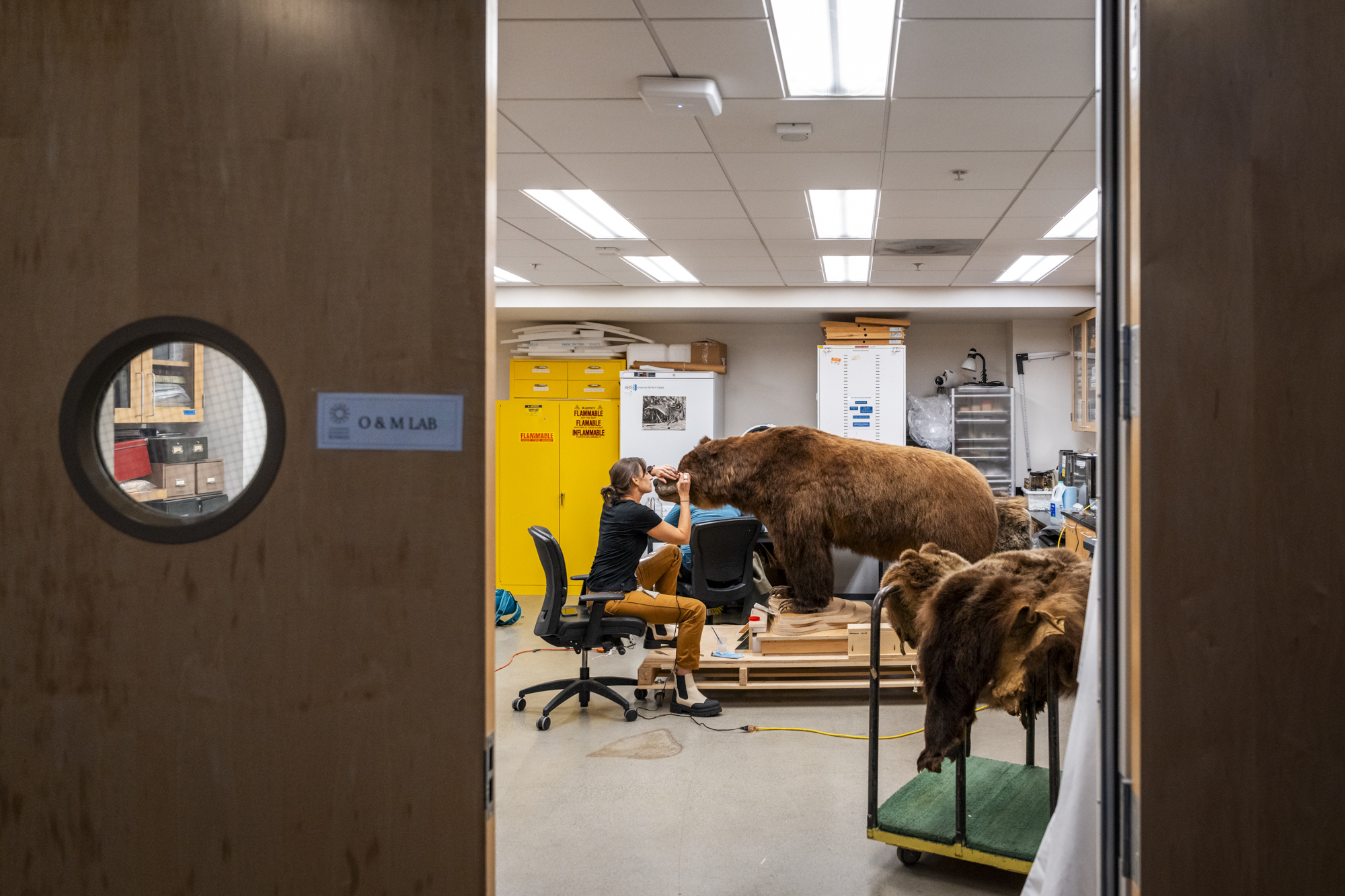
"caption": "Fran Ritchie with the California Academy of Sciences works to restore the taxidermied form of Monarch the bear, part of the exhibit, \"California: State of Nature.\" San Francisco's famous bear, Monarch, has long been rumored to be the model for California’s state flag — but the truth points elsewhere.\r\n",
"credit": "Gayle Laird/California Academy of Sciences",
"altTag": null,
"description": null,
"imgSizes": {
"thumbnail": {
"file": "https://cdn.kqed.org/wp-content/uploads/sites/10/2026/03/260317-MONARCH-THE-BEAR-07-KQED-160x107.jpg",
"width": 160,
"height": 107,
"mimeType": "image/jpeg"
},
"1536x1536": {
"file": "https://cdn.kqed.org/wp-content/uploads/sites/10/2026/03/260317-MONARCH-THE-BEAR-07-KQED-1536x1024.jpg",
"width": 1536,
"height": 1024,
"mimeType": "image/jpeg"
},
"post-thumbnail": {
"file": "https://cdn.kqed.org/wp-content/uploads/sites/10/2026/03/260317-MONARCH-THE-BEAR-07-KQED-672x372.jpg",
"width": 672,
"height": 372,
"mimeType": "image/jpeg"
},
"twentyfourteen-full-width": {
"file": "https://cdn.kqed.org/wp-content/uploads/sites/10/2026/03/260317-MONARCH-THE-BEAR-07-KQED-1038x576.jpg",
"width": 1038,
"height": 576,
"mimeType": "image/jpeg"
},
"npr-cds-wide": {
"file": "https://cdn.kqed.org/wp-content/uploads/sites/10/2026/03/260317-MONARCH-THE-BEAR-07-KQED-1200x675.jpg",
"width": 1200,
"height": 675,
"mimeType": "image/jpeg"
},
"kqedFullSize": {
"file": "https://cdn.kqed.org/wp-content/uploads/sites/10/2026/03/260317-MONARCH-THE-BEAR-07-KQED.jpg",
"width": 2000,
"height": 1333
}
},
"isLoading": false,
"fetchFailed": false
},
"news_12076930": {
"type": "attachments",
"id": "news_12076930",
"meta": {
"index": "attachments_1716263798",
"site": "news",
"id": "12076930",
"found": true
},
"title": "Farmworker Union Icon Cesar Chavez Accused Of Sex Abuse Of Girls In Explosive New Report",
"publishDate": 1773863749,
"status": "inherit",
"parent": 12076859,
"modified": 1773863798,
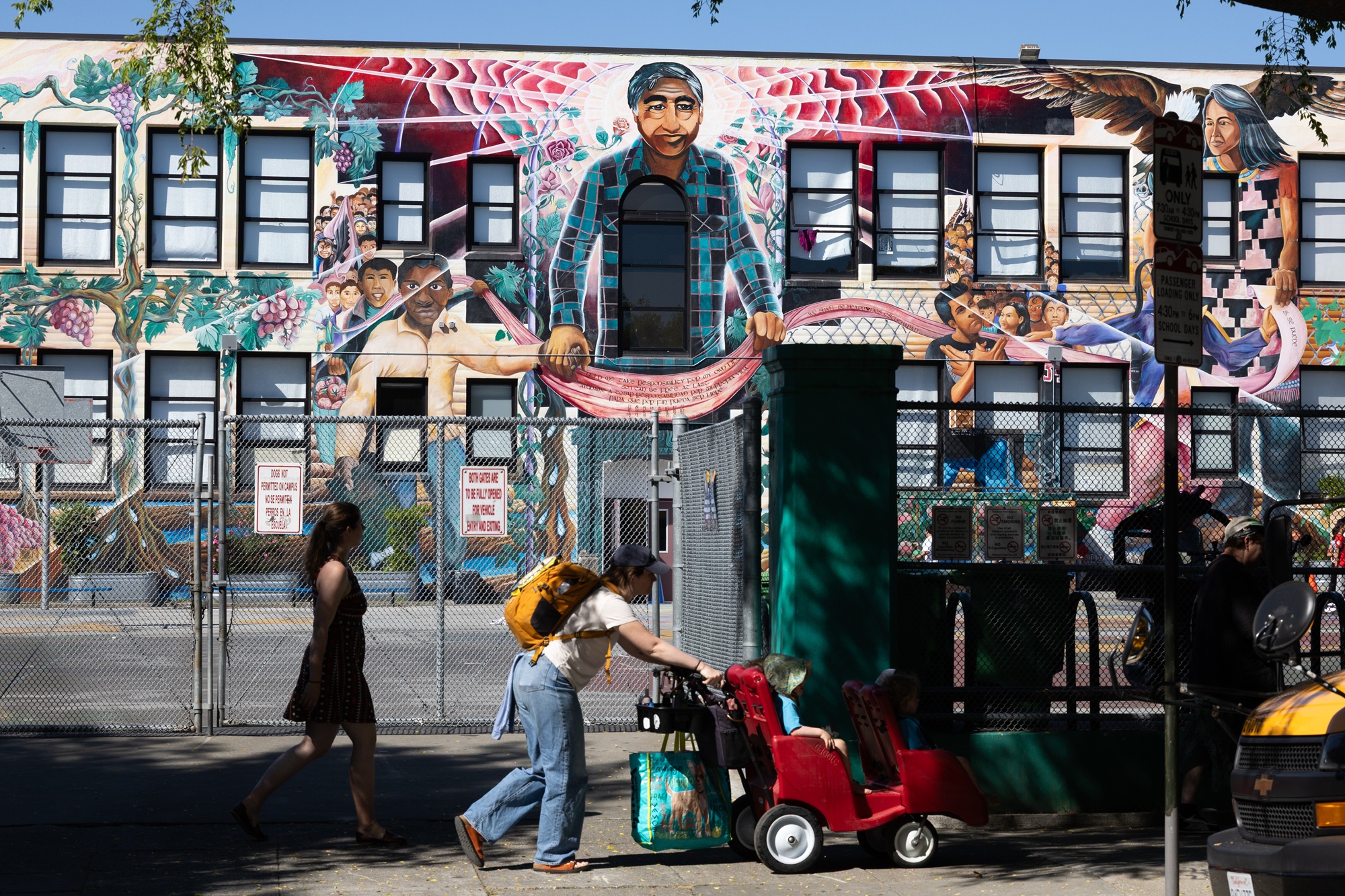
"caption": "Pedestrians walk past César Chávez Elementary School on March 18, 2026, in San Francisco, California. Labor activist César Chávez has been accused in an investigation of sexual abuse of women and minors.",
"credit": "Benjamin Fanjoy/Getty Images",
"altTag": null,
"description": null,
"imgSizes": {
"thumbnail": {
"file": "https://cdn.kqed.org/wp-content/uploads/sites/10/2026/03/CesarChavezGetty1-160x107.jpg",
"width": 160,
"height": 107,
"mimeType": "image/jpeg"
},
"1536x1536": {
"file": "https://cdn.kqed.org/wp-content/uploads/sites/10/2026/03/CesarChavezGetty1-1536x1024.jpg",
"width": 1536,
"height": 1024,
"mimeType": "image/jpeg"
},
"post-thumbnail": {
"file": "https://cdn.kqed.org/wp-content/uploads/sites/10/2026/03/CesarChavezGetty1-672x372.jpg",
"width": 672,
"height": 372,
"mimeType": "image/jpeg"
},
"twentyfourteen-full-width": {
"file": "https://cdn.kqed.org/wp-content/uploads/sites/10/2026/03/CesarChavezGetty1-1038x576.jpg",
"width": 1038,
"height": 576,
"mimeType": "image/jpeg"
},
"npr-cds-wide": {
"file": "https://cdn.kqed.org/wp-content/uploads/sites/10/2026/03/CesarChavezGetty1-1200x675.jpg",
"width": 1200,
"height": 675,
"mimeType": "image/jpeg"
},
"kqedFullSize": {
"file": "https://cdn.kqed.org/wp-content/uploads/sites/10/2026/03/CesarChavezGetty1.jpg",
"width": 2000,
"height": 1333
}
},
"isLoading": false,
"fetchFailed": false
},
"news_12076826": {
"type": "attachments",
"id": "news_12076826",
"meta": {
"index": "attachments_1716263798",
"site": "news",
"id": "12076826",
"found": true
},
"title": "Cesar Chavez",
"publishDate": 1773793761,
"status": "inherit",
"parent": 12076824,
"modified": 1773793797,
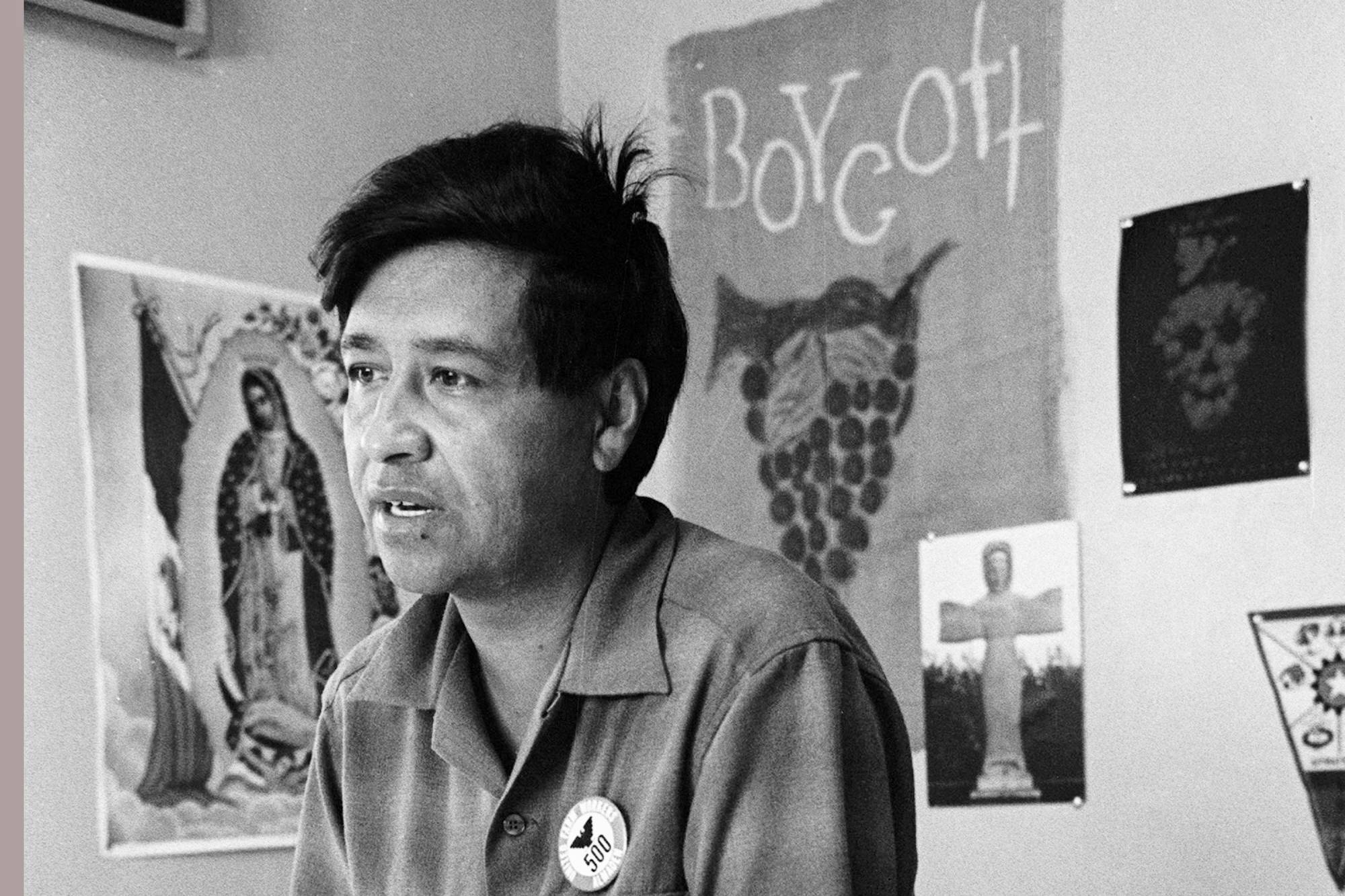
"caption": "Cesar Chavez, a farm worker, labor organizer and leader of the California grape strike, is seen in a California works office in 1965. ",
"credit": "AP Photo, George Brich",
"altTag": null,
"description": null,
"imgSizes": {
"medium": {
"file": "https://cdn.kqed.org/wp-content/uploads/sites/10/2026/03/AP26076698210998-2000x1333.jpg",
"width": 2000,
"height": 1333,
"mimeType": "image/jpeg"
},
"large": {
"file": "https://cdn.kqed.org/wp-content/uploads/sites/10/2026/03/AP26076698210998-2000x1333.jpg",
"width": 2000,
"height": 1333,
"mimeType": "image/jpeg"
},
"thumbnail": {
"file": "https://cdn.kqed.org/wp-content/uploads/sites/10/2026/03/AP26076698210998-160x107.jpg",
"width": 160,
"height": 107,
"mimeType": "image/jpeg"
},
"1536x1536": {
"file": "https://cdn.kqed.org/wp-content/uploads/sites/10/2026/03/AP26076698210998-1536x1024.jpg",
"width": 1536,
"height": 1024,
"mimeType": "image/jpeg"
},
"2048x2048": {
"file": "https://cdn.kqed.org/wp-content/uploads/sites/10/2026/03/AP26076698210998-2048x1365.jpg",
"width": 2048,
"height": 1365,
"mimeType": "image/jpeg"
},
"post-thumbnail": {
"file": "https://cdn.kqed.org/wp-content/uploads/sites/10/2026/03/AP26076698210998-672x372.jpg",
"width": 672,
"height": 372,
"mimeType": "image/jpeg"
},
"twentyfourteen-full-width": {
"file": "https://cdn.kqed.org/wp-content/uploads/sites/10/2026/03/AP26076698210998-1038x576.jpg",
"width": 1038,
"height": 576,
"mimeType": "image/jpeg"
},
"full-width": {
"file": "https://cdn.kqed.org/wp-content/uploads/sites/10/2026/03/AP26076698210998-2000x1333.jpg",
"width": 2000,
"height": 1333,
"mimeType": "image/jpeg"
},
"npr-cds-wide": {
"file": "https://cdn.kqed.org/wp-content/uploads/sites/10/2026/03/AP26076698210998-1200x675.jpg",
"width": 1200,
"height": 675,
"mimeType": "image/jpeg"
},
"kqedFullSize": {
"file": "https://cdn.kqed.org/wp-content/uploads/sites/10/2026/03/AP26076698210998-scaled-e1773793779918.jpg",
"width": 2000,
"height": 1334
}
},
"isLoading": false,
"fetchFailed": false
},
"news_12075461": {
"type": "attachments",
"id": "news_12075461",
"meta": {
"index": "attachments_1716263798",
"site": "news",
"id": "12075461",
"found": true
},
"title": "260304-Elon-Musk-Trial-05-KQED",
"publishDate": 1772671994,
"status": "inherit",
"parent": 12075332,
"modified": 1773790475,
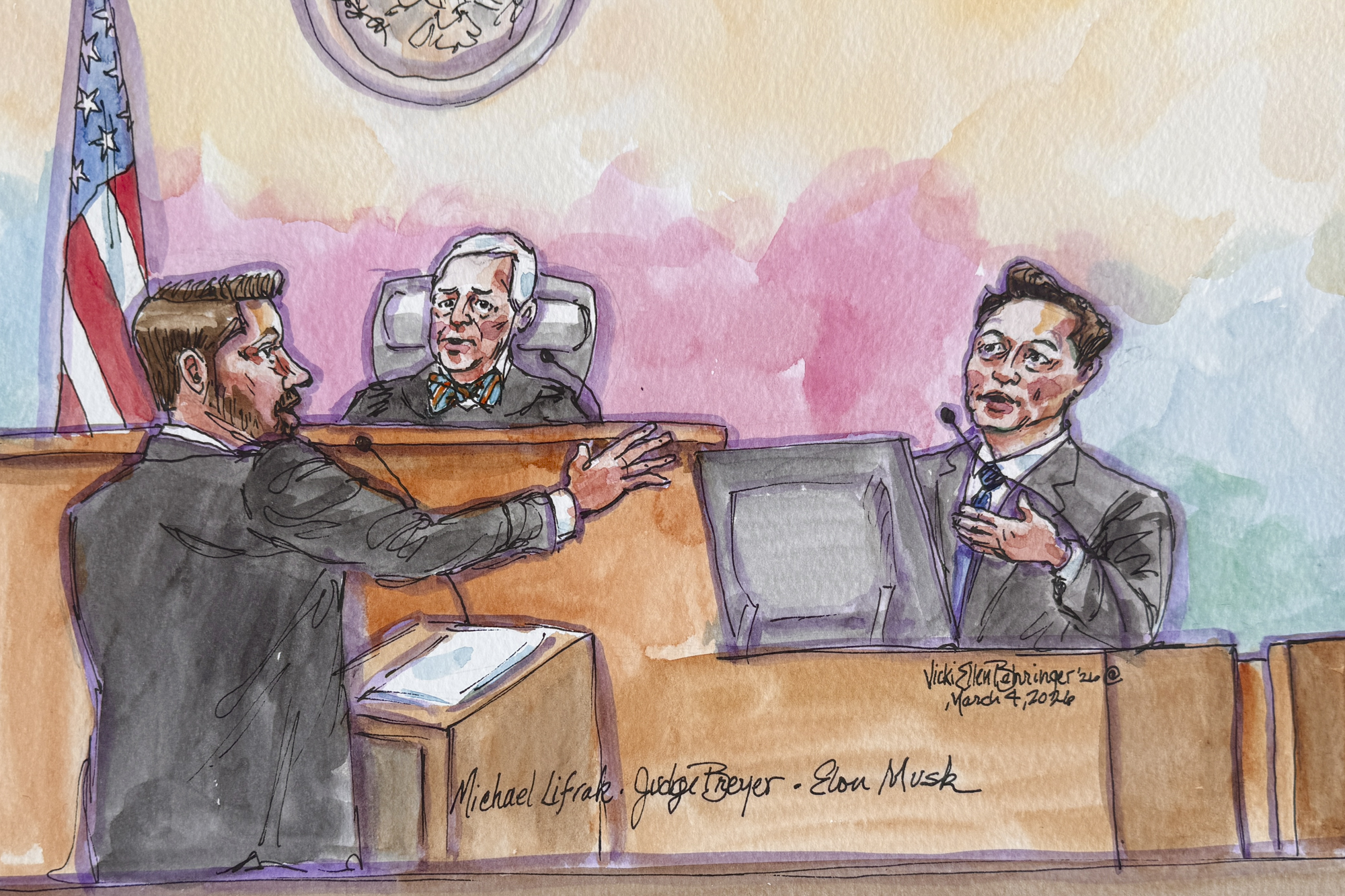
"caption": "A courtroom sketch depicts the defense questioning Elon Musk on March 4, 2026.",
"credit": "Vicki Behringer for KQED",
"altTag": null,
"description": null,
"imgSizes": {
"thumbnail": {
"file": "https://cdn.kqed.org/wp-content/uploads/sites/10/2026/03/260304-Elon-Musk-Trial-05-KQED-160x107.jpg",
"width": 160,
"height": 107,
"mimeType": "image/jpeg"
},
"1536x1536": {
"file": "https://cdn.kqed.org/wp-content/uploads/sites/10/2026/03/260304-Elon-Musk-Trial-05-KQED-1536x1024.jpg",
"width": 1536,
"height": 1024,
"mimeType": "image/jpeg"
},
"post-thumbnail": {
"file": "https://cdn.kqed.org/wp-content/uploads/sites/10/2026/03/260304-Elon-Musk-Trial-05-KQED-672x372.jpg",
"width": 672,
"height": 372,
"mimeType": "image/jpeg"
},
"twentyfourteen-full-width": {
"file": "https://cdn.kqed.org/wp-content/uploads/sites/10/2026/03/260304-Elon-Musk-Trial-05-KQED-1038x576.jpg",
"width": 1038,
"height": 576,
"mimeType": "image/jpeg"
},
"npr-cds-wide": {
"file": "https://cdn.kqed.org/wp-content/uploads/sites/10/2026/03/260304-Elon-Musk-Trial-05-KQED-1200x675.jpg",
"width": 1200,
"height": 675,
"mimeType": "image/jpeg"
},
"kqedFullSize": {
"file": "https://cdn.kqed.org/wp-content/uploads/sites/10/2026/03/260304-Elon-Musk-Trial-05-KQED.jpg",
"width": 2000,
"height": 1333
}
},
"isLoading": false,
"fetchFailed": false
},
"news_12076150": {
"type": "attachments",
"id": "news_12076150",
"meta": {
"index": "attachments_1716263798",
"site": "news",
"id": "12076150",
"found": true
},
"title": "260106-PREVENTINGPRESCHOOLFADEOUT-05-BL-KQED",
"publishDate": 1773264541,
"status": "inherit",
"parent": 12076468,
"modified": 1773778077,
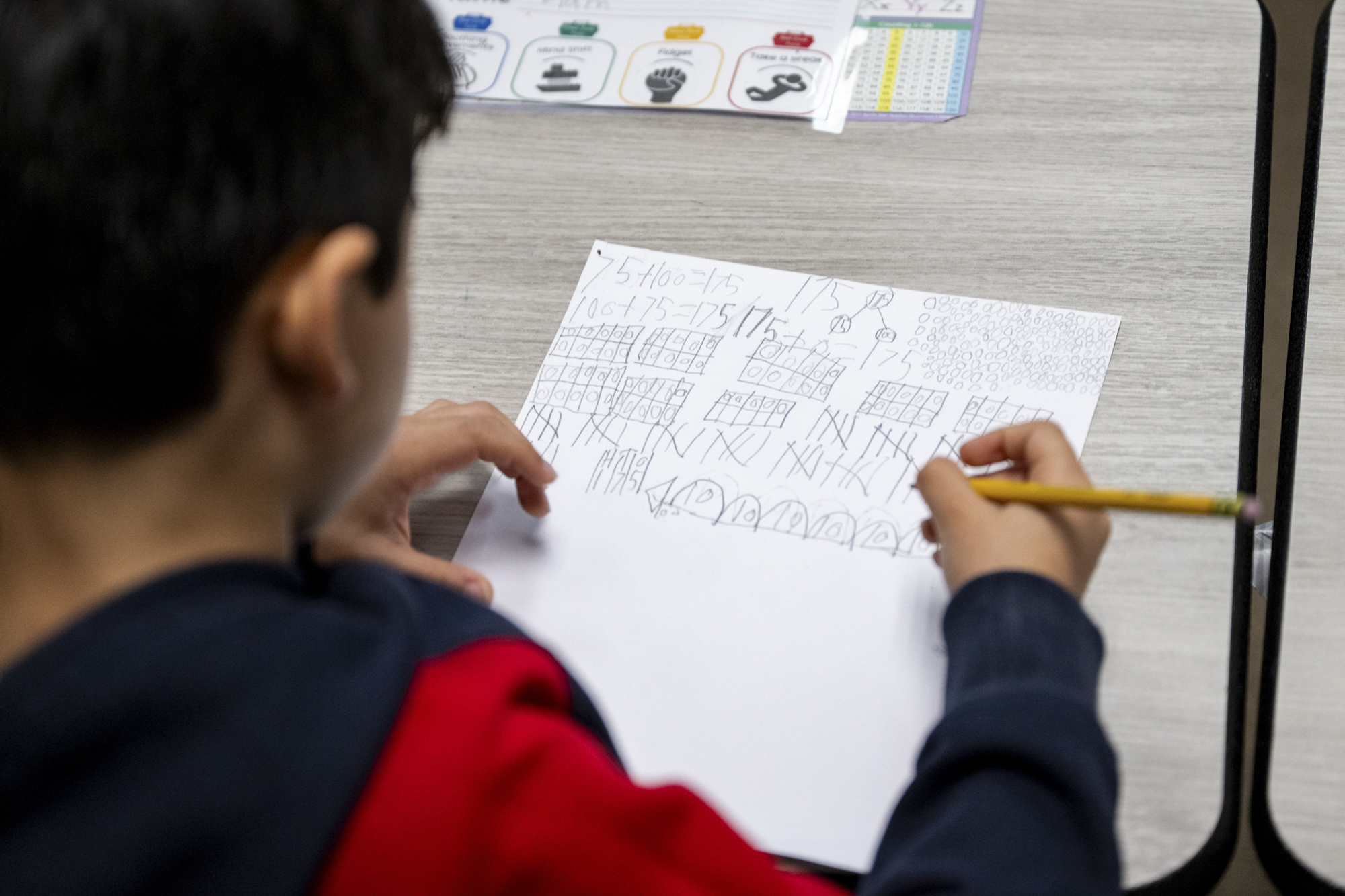
"caption": "Students work on a math question in their second grade class with teacher Yadira DeLuna at Yokayo Elementary School in Ukiah on Jan. 6, 2026.",
"credit": "Beth LaBerge/KQED",
"altTag": null,
"description": null,
"imgSizes": {
"thumbnail": {
"file": "https://cdn.kqed.org/wp-content/uploads/sites/10/2026/03/260106-PREVENTINGPRESCHOOLFADEOUT-05-BL-KQED-160x107.jpg",
"width": 160,
"height": 107,
"mimeType": "image/jpeg"
},
"1536x1536": {
"file": "https://cdn.kqed.org/wp-content/uploads/sites/10/2026/03/260106-PREVENTINGPRESCHOOLFADEOUT-05-BL-KQED-1536x1024.jpg",
"width": 1536,
"height": 1024,
"mimeType": "image/jpeg"
},
"post-thumbnail": {
"file": "https://cdn.kqed.org/wp-content/uploads/sites/10/2026/03/260106-PREVENTINGPRESCHOOLFADEOUT-05-BL-KQED-672x372.jpg",
"width": 672,
"height": 372,
"mimeType": "image/jpeg"
},
"twentyfourteen-full-width": {
"file": "https://cdn.kqed.org/wp-content/uploads/sites/10/2026/03/260106-PREVENTINGPRESCHOOLFADEOUT-05-BL-KQED-1038x576.jpg",
"width": 1038,
"height": 576,
"mimeType": "image/jpeg"
},
"npr-cds-wide": {
"file": "https://cdn.kqed.org/wp-content/uploads/sites/10/2026/03/260106-PREVENTINGPRESCHOOLFADEOUT-05-BL-KQED-1200x675.jpg",
"width": 1200,
"height": 675,
"mimeType": "image/jpeg"
},
"kqedFullSize": {
"file": "https://cdn.kqed.org/wp-content/uploads/sites/10/2026/03/260106-PREVENTINGPRESCHOOLFADEOUT-05-BL-KQED.jpg",
"width": 2000,
"height": 1333
}
},
"isLoading": false,
"fetchFailed": false
},
"news_12076630": {
"type": "attachments",
"id": "news_12076630",
"meta": {
"index": "attachments_1716263798",
"site": "news",
"id": "12076630",
"found": true
},
"title": "California Gov. Newsom Leads Democratic Redistricting Plan In The State",
"publishDate": 1773699476,
"status": "inherit",
"parent": 12076626,
"modified": 1787499102,
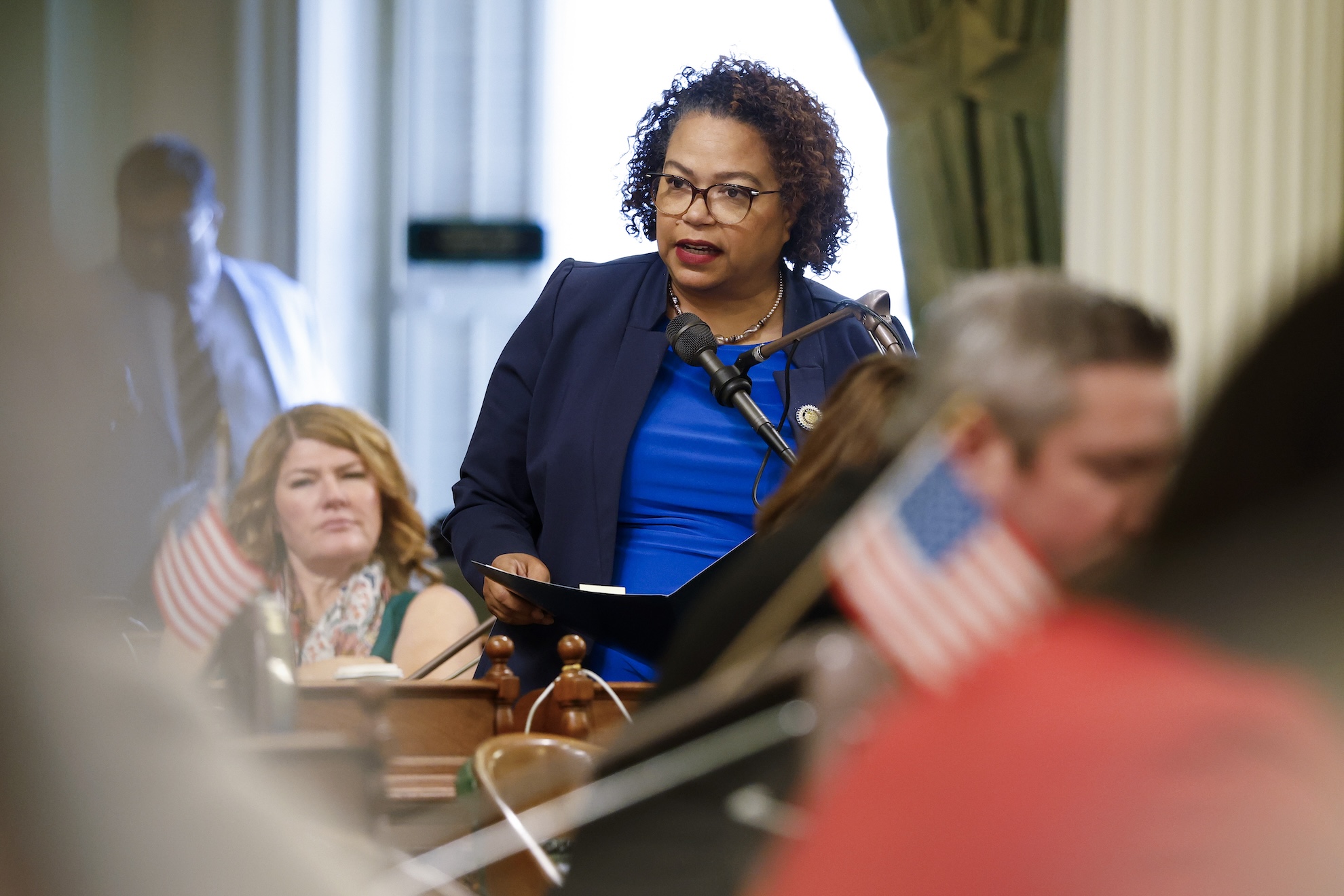
"caption": "Democratic Assemblymember Mia Bonta speaks during a meeting of the California State Assembly at the California State Capitol on Aug. 21, 2025, in Sacramento, California. ",
"credit": "Justin Sullivan/Getty Images",
"altTag": null,
"description": null,
"imgSizes": {
"thumbnail": {
"file": "https://cdn.kqed.org/wp-content/uploads/sites/10/2026/03/GettyImages-2231342596-160x107.jpg",
"width": 160,
"height": 107,
"mimeType": "image/jpeg"
},
"1536x1536": {
"file": "https://cdn.kqed.org/wp-content/uploads/sites/10/2026/03/GettyImages-2231342596-1536x1024.jpg",
"width": 1536,
"height": 1024,
"mimeType": "image/jpeg"
},
"post-thumbnail": {
"file": "https://cdn.kqed.org/wp-content/uploads/sites/10/2026/03/GettyImages-2231342596-672x372.jpg",
"width": 672,
"height": 372,
"mimeType": "image/jpeg"
},
"twentyfourteen-full-width": {
"file": "https://cdn.kqed.org/wp-content/uploads/sites/10/2026/03/GettyImages-2231342596-1038x576.jpg",
"width": 1038,
"height": 576,
"mimeType": "image/jpeg"
},
"npr-cds-wide": {
"file": "https://cdn.kqed.org/wp-content/uploads/sites/10/2026/03/GettyImages-2231342596-1200x675.jpg",
"width": 1200,
"height": 675,
"mimeType": "image/jpeg"
},
"kqedFullSize": {
"file": "https://cdn.kqed.org/wp-content/uploads/sites/10/2026/03/GettyImages-2231342596.jpg",
"width": 1980,
"height": 1320
}
},
"isLoading": false,
"fetchFailed": false
},
"news_12068586": {
"type": "attachments",
"id": "news_12068586",
"meta": {
"index": "attachments_1716263798",
"site": "news",
"id": "12068586",
"found": true
},
"title": "Construction Spending In U.S. Falls For Month Of May",
"publishDate": 1767625427,
"status": "inherit",
"parent": 12068585,
"modified": 1771351029,
"caption": "In an aerial view, homes are seen under construction at a new housing development on July 1, 2025, in Richmond, California. ",
"credit": "Justin Sullivan/Getty Images",
"altTag": null,
"description": null,
"imgSizes": {
"medium": {
"file": "https://cdn.kqed.org/wp-content/uploads/sites/10/2026/01/GettyImages-2223101080-2000x1357.jpg",
"width": 2000,
"height": 1357,
"mimeType": "image/jpeg"
},
"large": {
"file": "https://cdn.kqed.org/wp-content/uploads/sites/10/2026/01/GettyImages-2223101080-2000x1357.jpg",
"width": 2000,
"height": 1357,
"mimeType": "image/jpeg"
},
"thumbnail": {
"file": "https://cdn.kqed.org/wp-content/uploads/sites/10/2026/01/GettyImages-2223101080-160x109.jpg",
"width": 160,
"height": 109,
"mimeType": "image/jpeg"
},
"1536x1536": {
"file": "https://cdn.kqed.org/wp-content/uploads/sites/10/2026/01/GettyImages-2223101080-1536x1042.jpg",
"width": 1536,
"height": 1042,
"mimeType": "image/jpeg"
},
"2048x2048": {
"file": "https://cdn.kqed.org/wp-content/uploads/sites/10/2026/01/GettyImages-2223101080-2048x1389.jpg",
"width": 2048,
"height": 1389,
"mimeType": "image/jpeg"
},
"post-thumbnail": {
"file": "https://cdn.kqed.org/wp-content/uploads/sites/10/2026/01/GettyImages-2223101080-672x372.jpg",
"width": 672,
"height": 372,
"mimeType": "image/jpeg"
},
"twentyfourteen-full-width": {
"file": "https://cdn.kqed.org/wp-content/uploads/sites/10/2026/01/GettyImages-2223101080-1038x576.jpg",
"width": 1038,
"height": 576,
"mimeType": "image/jpeg"
},
"full-width": {
"file": "https://cdn.kqed.org/wp-content/uploads/sites/10/2026/01/GettyImages-2223101080-2000x1357.jpg",
"width": 2000,
"height": 1357,
"mimeType": "image/jpeg"
},
"npr-cds-wide": {
"file": "https://cdn.kqed.org/wp-content/uploads/sites/10/2026/01/GettyImages-2223101080-1200x675.jpg",
"width": 1200,
"height": 675,
"mimeType": "image/jpeg"
},
"kqedFullSize": {
"file": "https://cdn.kqed.org/wp-content/uploads/sites/10/2026/01/GettyImages-2223101080-scaled.jpg",
"width": 2560,
"height": 1737
}
},
"isLoading": false,
"fetchFailed": false
},
"news_12076153": {
"type": "attachments",
"id": "news_12076153",
"meta": {
"index": "attachments_1716263798",
"site": "news",
"id": "12076153",
"found": true
},
"title": "260106-PREVENTINGPRESCHOOLFADEOUT-14-BL-KQED",
"publishDate": 1773264551,
"status": "inherit",
"parent": 0,
"modified": 1773264564,
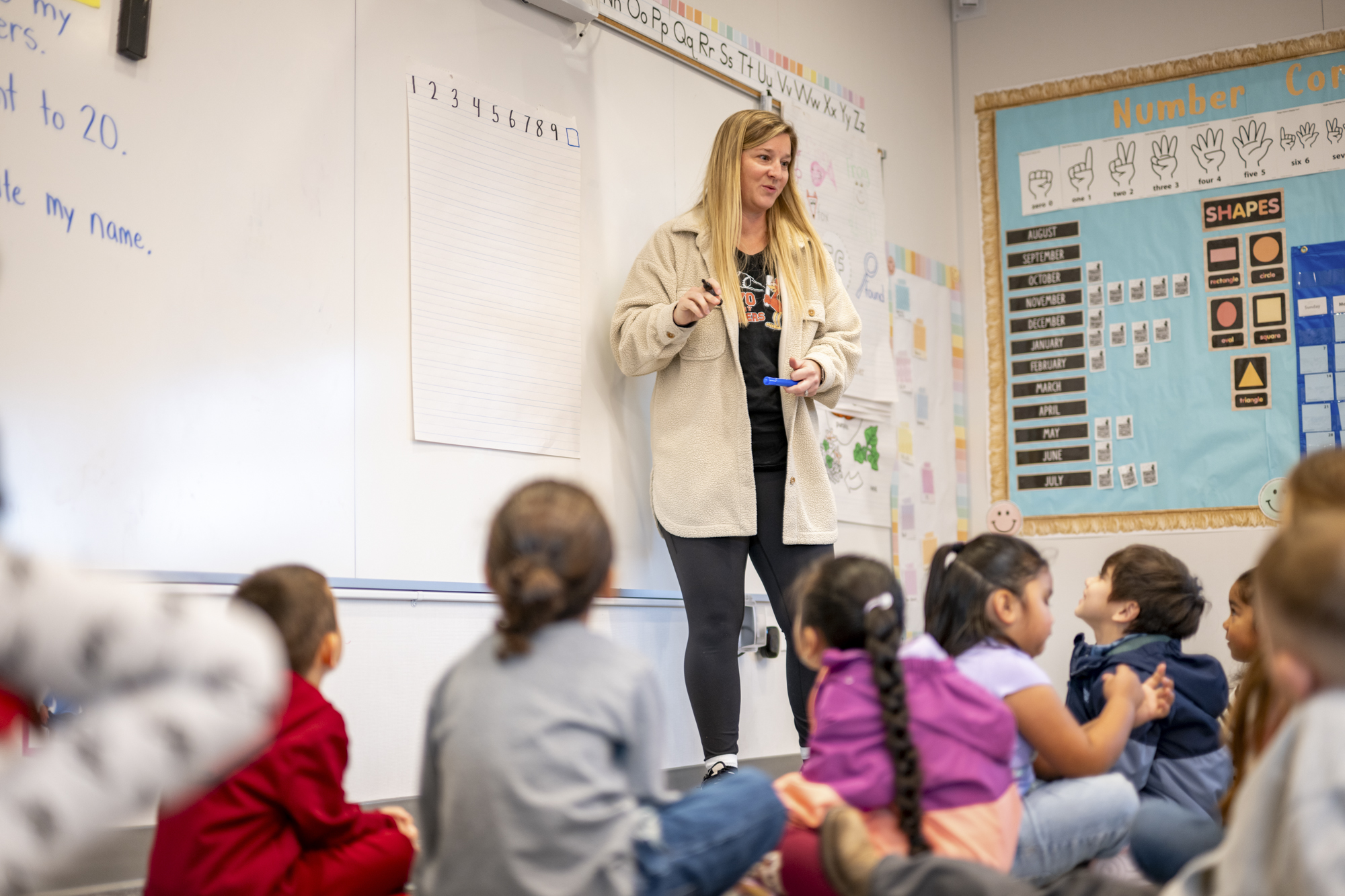
"caption": "Transitional kindergarten teacher Kristi Fowler teaches class at Yokayo Elementary School in Ukiah on Jan. 6, 2026.",
"credit": "Beth LaBerge/KQED",
"altTag": null,
"description": null,
"imgSizes": {
"thumbnail": {
"file": "https://cdn.kqed.org/wp-content/uploads/sites/10/2026/03/260106-PREVENTINGPRESCHOOLFADEOUT-14-BL-KQED-160x107.jpg",
"width": 160,
"height": 107,
"mimeType": "image/jpeg"
},
"1536x1536": {
"file": "https://cdn.kqed.org/wp-content/uploads/sites/10/2026/03/260106-PREVENTINGPRESCHOOLFADEOUT-14-BL-KQED-1536x1024.jpg",
"width": 1536,
"height": 1024,
"mimeType": "image/jpeg"
},
"post-thumbnail": {
"file": "https://cdn.kqed.org/wp-content/uploads/sites/10/2026/03/260106-PREVENTINGPRESCHOOLFADEOUT-14-BL-KQED-672x372.jpg",
"width": 672,
"height": 372,
"mimeType": "image/jpeg"
},
"twentyfourteen-full-width": {
"file": "https://cdn.kqed.org/wp-content/uploads/sites/10/2026/03/260106-PREVENTINGPRESCHOOLFADEOUT-14-BL-KQED-1038x576.jpg",
"width": 1038,
"height": 576,
"mimeType": "image/jpeg"
},
"npr-cds-wide": {
"file": "https://cdn.kqed.org/wp-content/uploads/sites/10/2026/03/260106-PREVENTINGPRESCHOOLFADEOUT-14-BL-KQED-1200x675.jpg",
"width": 1200,
"height": 675,
"mimeType": "image/jpeg"
},
"kqedFullSize": {
"file": "https://cdn.kqed.org/wp-content/uploads/sites/10/2026/03/260106-PREVENTINGPRESCHOOLFADEOUT-14-BL-KQED.jpg",
"width": 2000,
"height": 1333
}
},
"isLoading": false,
"fetchFailed": false
},
"news_12076082": {
"type": "attachments",
"id": "news_12076082",
"meta": {
"index": "attachments_1716263798",
"site": "news",
"id": "12076082",
"found": true
},
"title": "120324_CivicsClass_FM_CM_11",
"publishDate": 1773252657,
"status": "inherit",
"parent": 12076079,
"modified": 1773252690,
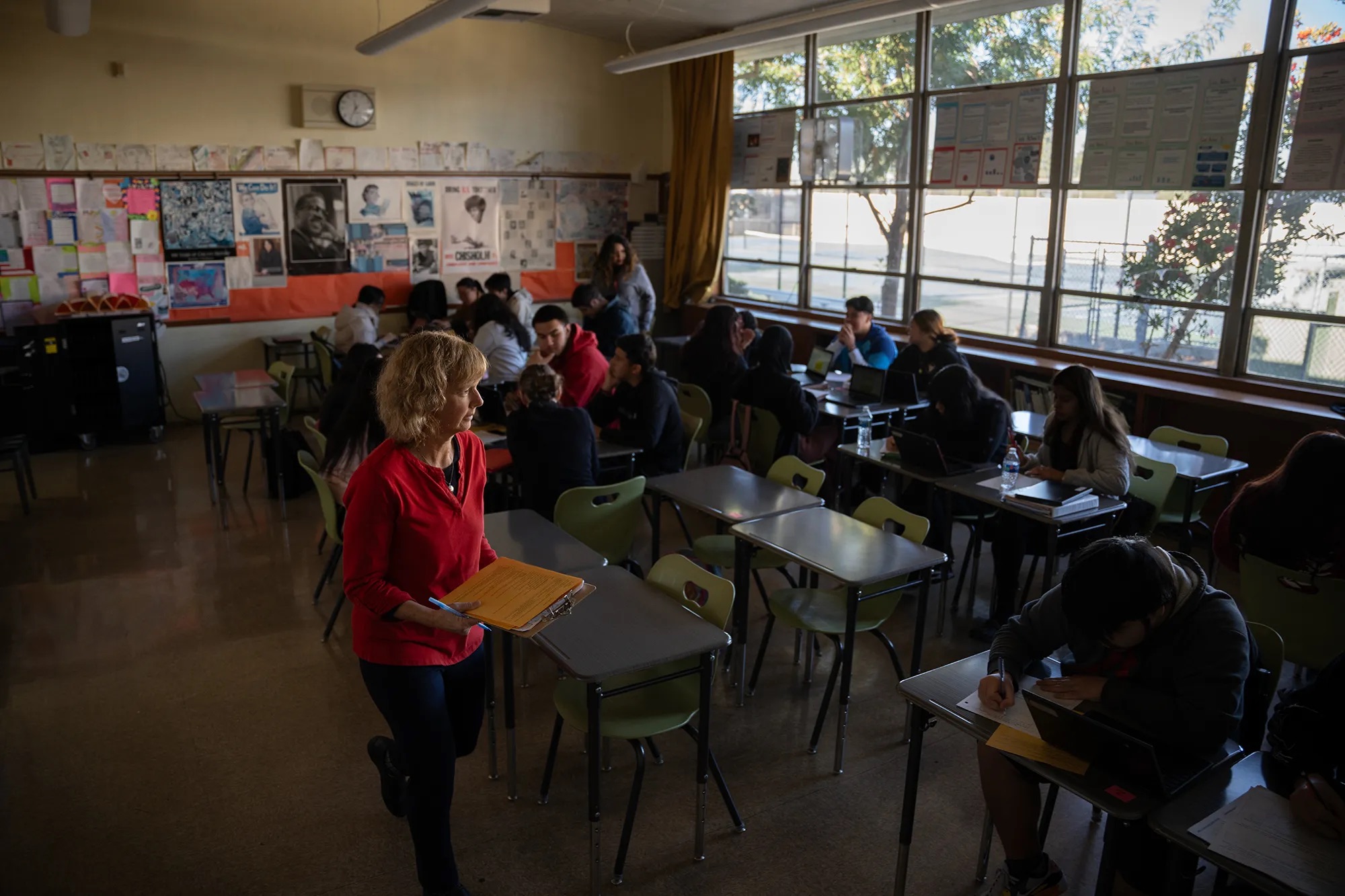
"caption": "San Lorenzo High School teacher Judy Smith teaches her third period government class in San Lorenzo on Dec. 3, 2024, as they develop civic action infographics on topics ranging from gun violence to vaping. Smith’s students will submit their final projects to the KQED Youth Media Challenge which will publish the infographics online to share how students see themselves, their world and their future. ",
"credit": "Florence Middleton, CalMatters",
"altTag": null,
"description": null,
"imgSizes": {
"thumbnail": {
"file": "https://cdn.kqed.org/wp-content/uploads/sites/10/2026/03/120324_CivicsClass_FM_CM_11-160x107.jpeg",
"width": 160,
"height": 107,
"mimeType": "image/jpeg"
},
"1536x1536": {
"file": "https://cdn.kqed.org/wp-content/uploads/sites/10/2026/03/120324_CivicsClass_FM_CM_11-1536x1024.jpeg",
"width": 1536,
"height": 1024,
"mimeType": "image/jpeg"
},
"post-thumbnail": {
"file": "https://cdn.kqed.org/wp-content/uploads/sites/10/2026/03/120324_CivicsClass_FM_CM_11-672x372.jpeg",
"width": 672,
"height": 372,
"mimeType": "image/jpeg"
},
"twentyfourteen-full-width": {
"file": "https://cdn.kqed.org/wp-content/uploads/sites/10/2026/03/120324_CivicsClass_FM_CM_11-1038x576.jpeg",
"width": 1038,
"height": 576,
"mimeType": "image/jpeg"
},
"npr-cds-wide": {
"file": "https://cdn.kqed.org/wp-content/uploads/sites/10/2026/03/120324_CivicsClass_FM_CM_11-1200x675.jpeg",
"width": 1200,
"height": 675,
"mimeType": "image/jpeg"
},
"kqedFullSize": {
"file": "https://cdn.kqed.org/wp-content/uploads/sites/10/2026/03/120324_CivicsClass_FM_CM_11.jpeg",
"width": 2000,
"height": 1333
}
},
"isLoading": false,
"fetchFailed": false
},
"news_12076453": {
"type": "attachments",
"id": "news_12076453",
"meta": {
"index": "attachments_1716263798",
"site": "news",
"id": "12076453",
"found": true
},
"title": "HaywardFamilyDeportation1",
"publishDate": 1773427265,
"status": "inherit",
"parent": 12076370,
"modified": 1773427650,
"caption": "Staff at California School for the Deaf in Fremont meet virtually with Joseph Londono Rodriguez and his mother, Lesly Rodriguez Gutierrez, now in hiding in Colombia, on Thursday, March 12, 2026. From left are teacher Tanisha Cotton, Superintendent Amy Novotny, State Superintendent of Public Instruction Tony Thurmond, ASL interpreter Jacelia Washington and family educator Vanessa Sandez. Staff interpret in ASL and speak English and Spanish so everyone can communicate.",
"credit": "Courtesy of State Superintendent Tony Thurmond's Office",
"altTag": null,
"description": null,
"imgSizes": {
"thumbnail": {
"file": "https://cdn.kqed.org/wp-content/uploads/sites/10/2026/03/HaywardFamilyDeportation1-160x120.jpg",
"width": 160,
"height": 120,
"mimeType": "image/jpeg"
},
"1536x1536": {
"file": "https://cdn.kqed.org/wp-content/uploads/sites/10/2026/03/HaywardFamilyDeportation1-1536x1152.jpg",
"width": 1536,
"height": 1152,
"mimeType": "image/jpeg"
},
"post-thumbnail": {
"file": "https://cdn.kqed.org/wp-content/uploads/sites/10/2026/03/HaywardFamilyDeportation1-672x372.jpg",
"width": 672,
"height": 372,
"mimeType": "image/jpeg"
},
"twentyfourteen-full-width": {
"file": "https://cdn.kqed.org/wp-content/uploads/sites/10/2026/03/HaywardFamilyDeportation1-1038x576.jpg",
"width": 1038,
"height": 576,
"mimeType": "image/jpeg"
},
"npr-cds-wide": {
"file": "https://cdn.kqed.org/wp-content/uploads/sites/10/2026/03/HaywardFamilyDeportation1-1200x675.jpg",
"width": 1200,
"height": 675,
"mimeType": "image/jpeg"
},
"kqedFullSize": {
"file": "https://cdn.kqed.org/wp-content/uploads/sites/10/2026/03/HaywardFamilyDeportation1.jpg",
"width": 2000,
"height": 1500
}
},
"isLoading": false,
"fetchFailed": false
},
"news_12076327": {
"type": "attachments",
"id": "news_12076327",
"meta": {
"index": "attachments_1716263798",
"site": "news",
"id": "12076327",
"found": true
},
"title": "blackhomesmatter_",
"publishDate": 1773349137,
"status": "inherit",
"parent": 12076172,
"modified": 1773349204,
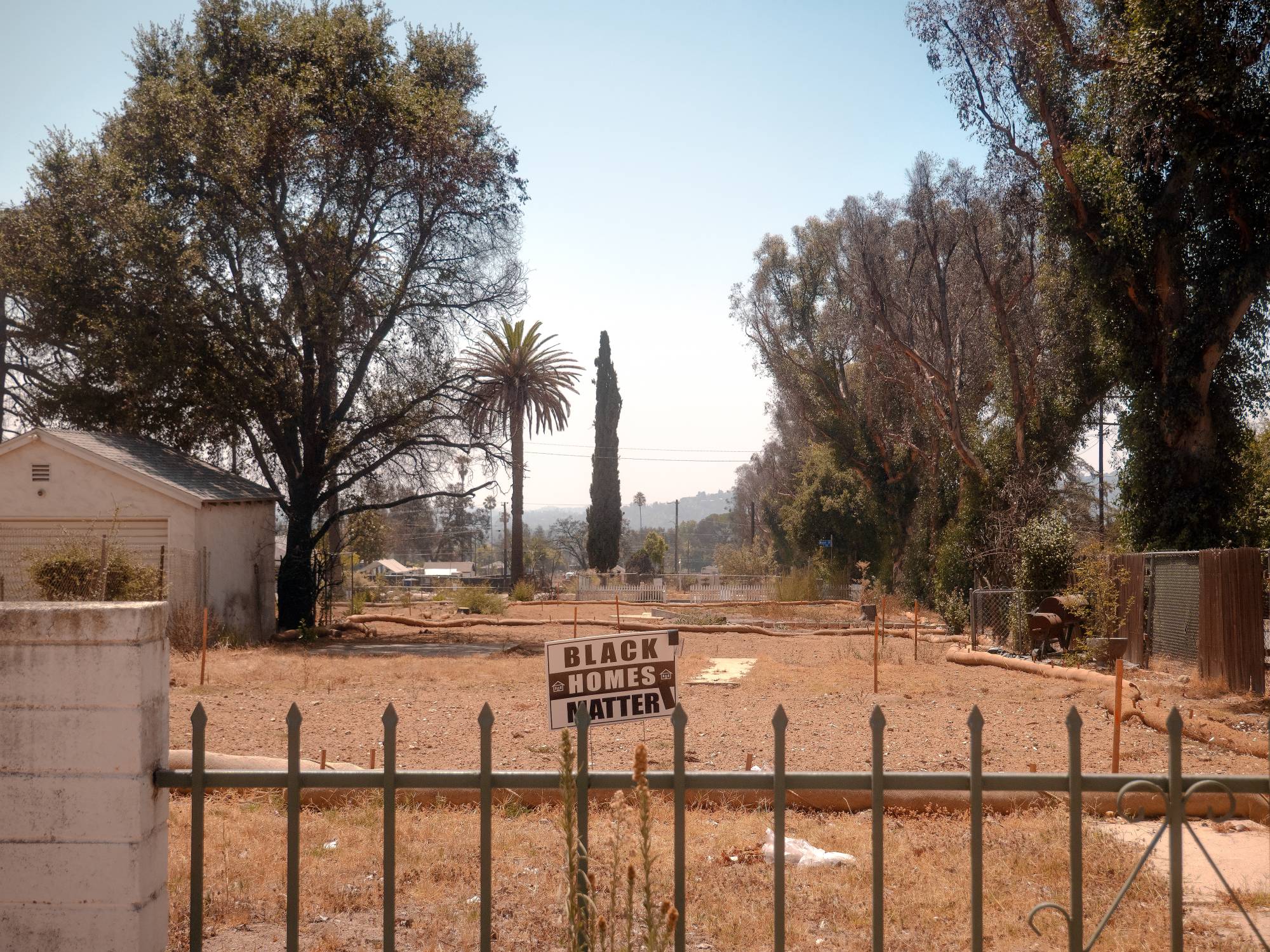
"caption": "The Eaton Fire disproportionately ravaged Altadena’s historic Black neighborhoods, including the home that once stood on this lot at the corner of Glenrose Avenue and West Terrace Street. ",
"credit": "Photo Courtesy:William Jenkins/AfroLA",
"altTag": null,
"description": null,
"imgSizes": {
"medium": {
"file": "https://cdn.kqed.org/wp-content/uploads/sites/10/2026/03/blackhomesmatter_-1-2000x1500.jpg",
"width": 2000,
"height": 1500,
"mimeType": "image/jpeg"
},
"large": {
"file": "https://cdn.kqed.org/wp-content/uploads/sites/10/2026/03/blackhomesmatter_-1-2000x1500.jpg",
"width": 2000,
"height": 1500,
"mimeType": "image/jpeg"
},
"thumbnail": {
"file": "https://cdn.kqed.org/wp-content/uploads/sites/10/2026/03/blackhomesmatter_-1-160x120.jpg",
"width": 160,
"height": 120,
"mimeType": "image/jpeg"
},
"1536x1536": {
"file": "https://cdn.kqed.org/wp-content/uploads/sites/10/2026/03/blackhomesmatter_-1-1536x1152.jpg",
"width": 1536,
"height": 1152,
"mimeType": "image/jpeg"
},
"2048x2048": {
"file": "https://cdn.kqed.org/wp-content/uploads/sites/10/2026/03/blackhomesmatter_-1-2048x1536.jpg",
"width": 2048,
"height": 1536,
"mimeType": "image/jpeg"
},
"post-thumbnail": {
"file": "https://cdn.kqed.org/wp-content/uploads/sites/10/2026/03/blackhomesmatter_-1-672x372.jpg",
"width": 672,
"height": 372,
"mimeType": "image/jpeg"
},
"twentyfourteen-full-width": {
"file": "https://cdn.kqed.org/wp-content/uploads/sites/10/2026/03/blackhomesmatter_-1-1038x576.jpg",
"width": 1038,
"height": 576,
"mimeType": "image/jpeg"
},
"full-width": {
"file": "https://cdn.kqed.org/wp-content/uploads/sites/10/2026/03/blackhomesmatter_-1-2000x1500.jpg",
"width": 2000,
"height": 1500,
"mimeType": "image/jpeg"
},
"npr-cds-wide": {
"file": "https://cdn.kqed.org/wp-content/uploads/sites/10/2026/03/blackhomesmatter_-1-1200x675.jpg",
"width": 1200,
"height": 675,
"mimeType": "image/jpeg"
},
"kqedFullSize": {
"file": "https://cdn.kqed.org/wp-content/uploads/sites/10/2026/03/blackhomesmatter_-1-scaled.jpg",
"width": 2560,
"height": 1920
}
},
"isLoading": false,
"fetchFailed": false
},
"news_12075831": {
"type": "attachments",
"id": "news_12075831",
"meta": {
"index": "attachments_1716263798",
"site": "news",
"id": "12075831",
"found": true
},
"title": "260309-DUBLIN TEACHER STRIKE-MD-02-KQED",
"publishDate": 1773087562,
"status": "inherit",
"parent": 12075767,
"modified": 1773091559,
"caption": "Teachers walk a picket line in front of the Dublin Unified School District offices in Dublin on March 9, 2026.",
"credit": "Martin do Nascimento/KQED",
"altTag": null,
"description": null,
"imgSizes": {
"thumbnail": {
"file": "https://cdn.kqed.org/wp-content/uploads/sites/10/2026/03/260309-DUBLIN-TEACHER-STRIKE-MD-02-KQED-160x107.jpg",
"width": 160,
"height": 107,
"mimeType": "image/jpeg"
},
"1536x1536": {
"file": "https://cdn.kqed.org/wp-content/uploads/sites/10/2026/03/260309-DUBLIN-TEACHER-STRIKE-MD-02-KQED-1536x1024.jpg",
"width": 1536,
"height": 1024,
"mimeType": "image/jpeg"
},
"post-thumbnail": {
"file": "https://cdn.kqed.org/wp-content/uploads/sites/10/2026/03/260309-DUBLIN-TEACHER-STRIKE-MD-02-KQED-672x372.jpg",
"width": 672,
"height": 372,
"mimeType": "image/jpeg"
},
"twentyfourteen-full-width": {
"file": "https://cdn.kqed.org/wp-content/uploads/sites/10/2026/03/260309-DUBLIN-TEACHER-STRIKE-MD-02-KQED-1038x576.jpg",
"width": 1038,
"height": 576,
"mimeType": "image/jpeg"
},
"npr-cds-wide": {
"file": "https://cdn.kqed.org/wp-content/uploads/sites/10/2026/03/260309-DUBLIN-TEACHER-STRIKE-MD-02-KQED-1200x675.jpg",
"width": 1200,
"height": 675,
"mimeType": "image/jpeg"
},
"kqedFullSize": {
"file": "https://cdn.kqed.org/wp-content/uploads/sites/10/2026/03/260309-DUBLIN-TEACHER-STRIKE-MD-02-KQED.jpg",
"width": 2000,
"height": 1333
}
},
"isLoading": false,
"fetchFailed": false
}
},
"audioPlayerReducer": {
"postId": "stream_live",
"isPaused": true,
"isPlaying": false,
"pfsActive": false,
"pledgeModalIsOpen": true,
"playerDrawerIsOpen": false,
"liveAudioPlayStartedAt": 0,
"liveAudioPlayContext": ""
},
"authorsReducer": {
"byline_news_12076825": {
"type": "authors",
"id": "byline_news_12076825",
"meta": {
"override": true
},
"slug": "byline_news_12076825",
"name": "Fernanda Figueroa, Associated Press",
"isLoading": false
},
"byline_news_12076079": {
"type": "authors",
"id": "byline_news_12076079",
"meta": {
"override": true
},
"slug": "byline_news_12076079",
"name": "Carolyn Jones, CalMatters",
"isLoading": false
},
"kqed": {
"type": "authors",
"id": "236",
"meta": {
"index": "authors_1716337520",
"id": "236",
"found": true
},
"name": "KQED News Staff",
"firstName": "KQED News Staff",
"lastName": null,
"slug": "kqed",
"email": "faq@kqed.org",
"display_author_email": false,
"staff_mastheads": [],
"title": null,
"bio": null,
"avatar": "https://secure.gravatar.com/avatar/ef0e801a68c4c54afa9180db14084167?s=600&d=blank&r=g",
"twitter": null,
"facebook": null,
"instagram": null,
"linkedin": null,
"sites": [
{
"site": "arts",
"roles": [
"contributor"
]
},
{
"site": "news",
"roles": [
"editor"
]
},
{
"site": "futureofyou",
"roles": [
"author"
]
}
],
"headData": {
"title": "KQED News Staff | KQED",
"description": null,
"ogImgSrc": "https://secure.gravatar.com/avatar/ef0e801a68c4c54afa9180db14084167?s=600&d=blank&r=g",
"twImgSrc": "https://secure.gravatar.com/avatar/ef0e801a68c4c54afa9180db14084167?s=600&d=blank&r=g"
},
"isLoading": false,
"link": "/author/kqed"
},
"tychehendricks": {
"type": "authors",
"id": "259",
"meta": {
"index": "authors_1716337520",
"id": "259",
"found": true
},
"name": "Tyche Hendricks",
"firstName": "Tyche",
"lastName": "Hendricks",
"slug": "tychehendricks",
"email": "thendricks@kqed.org",
"display_author_email": true,
"staff_mastheads": [
"news"
],
"title": "KQED Senior Editor, Immigration",
"bio": "\u003cspan style=\"font-weight: 400;\">Tyche Hendricks is KQED’s senior editor for immigration, leading coverage of the policy and politics that affect California’s immigrant communities. Her work for KQED’s radio and online audiences is also carried on NPR and other national outlets. She has been recognized with awards from the Radio and Television News Directors Association, the Society for Professional Journalists; the Education Writers Association; the Best of the West and the National Federation of Community Broadcasters. Before joining KQED in 2010, Tyche spent more than a dozen years as a newspaper reporter, notably at the \u003c/span>\u003ci>\u003cspan style=\"font-weight: 400;\">San Francisco Chronicle\u003c/span>\u003c/i>\u003cspan style=\"font-weight: 400;\">. At different times she has covered criminal justice, government and politics and urban planning. Tyche has taught in the MFA Creative Writing program at the University of San Francisco and at UC Berkeley’s Graduate School of Journalism, where she was co-director of a national immigration symposium for professional journalists. She is the author of \u003c/span>\u003ci>\u003cspan style=\"font-weight: 400;\">The Wind Doesn't Need a Passport: Stories from the U.S.-Mexico Borderlands\u003c/span>\u003c/i>\u003cspan style=\"font-weight: 400;\"> (University of California Press). \u003c/span>",
"avatar": "https://secure.gravatar.com/avatar/b8ee458e2731c2d43df86882ce17267e?s=600&d=blank&r=g",
"twitter": "tychehendricks",
"facebook": null,
"instagram": null,
"linkedin": null,
"sites": [
{
"site": "news",
"roles": [
"editor"
]
},
{
"site": "stateofhealth",
"roles": [
"editor"
]
}
],
"headData": {
"title": "Tyche Hendricks | KQED",
"description": "KQED Senior Editor, Immigration",
"ogImgSrc": "https://secure.gravatar.com/avatar/b8ee458e2731c2d43df86882ce17267e?s=600&d=blank&r=g",
"twImgSrc": "https://secure.gravatar.com/avatar/b8ee458e2731c2d43df86882ce17267e?s=600&d=blank&r=g"
},
"isLoading": false,
"link": "/author/tychehendricks"
},
"abandlamudi": {
"type": "authors",
"id": "11672",
"meta": {
"index": "authors_1716337520",
"id": "11672",
"found": true
},
"name": "Adhiti Bandlamudi",
"firstName": "Adhiti",
"lastName": "Bandlamudi",
"slug": "abandlamudi",
"email": "abandlamudi@kqed.org",
"display_author_email": false,
"staff_mastheads": [
"news"
],
"title": "KQED Housing Reporter",
"bio": "Adhiti Bandlamudi reports for KQED's Housing desk. She focuses on how housing gets built across the Bay Area. Before joining KQED in 2020, she reported for WUNC in Durham, North Carolina, WABE in Atlanta, Georgia and Capital Public Radio in Sacramento. In 2017, she was awarded a Kroc Fellowship at NPR where she reported on everything from sprinkles to the Golden State Killer's arrest. When she's not reporting, she's baking new recipes in her kitchen or watching movies with friends and family. She's originally from Georgia and has strong opinions about Great British Bake Off.",
"avatar": "https://secure.gravatar.com/avatar/868129c8b257bb99a3500e2c86a65400?s=600&d=mm&r=g",
"twitter": "oddity_adhiti",
"facebook": null,
"instagram": null,
"linkedin": null,
"sites": [
{
"site": "arts",
"roles": [
"author"
]
},
{
"site": "news",
"roles": [
"editor"
]
},
{
"site": "liveblog",
"roles": [
"author"
]
}
],
"headData": {
"title": "Adhiti Bandlamudi | KQED",
"description": "KQED Housing Reporter",
"ogImgSrc": "https://secure.gravatar.com/avatar/868129c8b257bb99a3500e2c86a65400?s=600&d=mm&r=g",
"twImgSrc": "https://secure.gravatar.com/avatar/868129c8b257bb99a3500e2c86a65400?s=600&d=mm&r=g"
},
"isLoading": false,
"link": "/author/abandlamudi"
},
"daisynguyen": {
"type": "authors",
"id": "11829",
"meta": {
"index": "authors_1716337520",
"id": "11829",
"found": true
},
"name": "Daisy Nguyen",
"firstName": "Daisy",
"lastName": "Nguyen",
"slug": "daisynguyen",
"email": "daisynguyen@kqed.org",
"display_author_email": true,
"staff_mastheads": [
"news"
],
"title": "KQED Contributor",
"bio": "I have covered early childhood education and child care for KQED since 2022. I focus on policies aimed at increasing access to early care and education and how they shape individual lives. I've been a journalist for more than two decades, with most of that time devoted to covering breaking news throughout California for The Associated Press. I grew up in San Francisco and studied at UC Davis and Columbia University's Graduate School of Journalism. I live in Oakland with my husband and two kids.",
"avatar": "https://secure.gravatar.com/avatar/2da2127c27f7143b53ebd419800fd55f?s=600&d=blank&r=g",
"twitter": null,
"facebook": null,
"instagram": null,
"linkedin": "https://www.linkedin.com/in/daisynguyen/",
"sites": [
{
"site": "news",
"roles": [
"author"
]
},
{
"site": "liveblog",
"roles": [
"author"
]
}
],
"headData": {
"title": "Daisy Nguyen | KQED",
"description": "KQED Contributor",
"ogImgSrc": "https://secure.gravatar.com/avatar/2da2127c27f7143b53ebd419800fd55f?s=600&d=blank&r=g",
"twImgSrc": "https://secure.gravatar.com/avatar/2da2127c27f7143b53ebd419800fd55f?s=600&d=blank&r=g"
},
"isLoading": false,
"link": "/author/daisynguyen"
},
"kmonahan": {
"type": "authors",
"id": "11842",
"meta": {
"index": "authors_1716337520",
"id": "11842",
"found": true
},
"name": "Katherine Monahan",
"firstName": "Katherine",
"lastName": "Monahan",
"slug": "kmonahan",
"email": "kmonahan@kqed.org",
"display_author_email": true,
"staff_mastheads": [],
"title": "Reporter / Sound Engineer",
"bio": "I cover state and local news. I’m also a sound engineer at the station, mixing stories and running live broadcasts. I link to source materials so that readers can draw their own conclusions, and seek comment from a range of perspectives, including from people directly affected by events. Awards received include from the Society of Professional Journalists, Northern California chapter and the Alaska Press Club. I speak multiple languages and have reported and engineered in the Bay Area, Alaska, West Africa and Latin America.",
"avatar": "https://secure.gravatar.com/avatar/ff257b3a5da88893781a3d3266904b2d2f91c7f0e1bbf728f61f5fb81b74a669?s=600&d=blank&r=g",
"twitter": null,
"bluesky": null,
"facebook": null,
"instagram": null,
"linkedin": null,
"sites": [
{
"site": "news",
"roles": [
"editor"
]
},
{
"site": "science",
"roles": [
"contributor"
]
}
],
"headData": {
"title": "Katherine Monahan | KQED",
"description": "Reporter / Sound Engineer",
"ogImgSrc": "https://secure.gravatar.com/avatar/ff257b3a5da88893781a3d3266904b2d2f91c7f0e1bbf728f61f5fb81b74a669?s=600&d=blank&r=g",
"twImgSrc": "https://secure.gravatar.com/avatar/ff257b3a5da88893781a3d3266904b2d2f91c7f0e1bbf728f61f5fb81b74a669?s=600&d=blank&r=g"
},
"isLoading": false,
"link": "/author/kmonahan"
},
"kdebenedetti": {
"type": "authors",
"id": "11913",
"meta": {
"index": "authors_1716337520",
"id": "11913",
"found": true
},
"name": "Katie DeBenedetti",
"firstName": "Katie",
"lastName": "DeBenedetti",
"slug": "kdebenedetti",
"email": "kdebenedetti@kqed.org",
"display_author_email": false,
"staff_mastheads": [
"news",
"science"
],
"title": "KQED Contributor",
"bio": "Katie DeBenedetti is a digital reporter covering daily news for the Express Desk. Prior to joining KQED as a culture reporting intern in January 2024, she covered education and city government for the Napa Valley Register.",
"avatar": "https://secure.gravatar.com/avatar/6e31073cb8f7e4214ab03f42771d0f45?s=600&d=blank&r=g",
"twitter": null,
"facebook": null,
"instagram": null,
"linkedin": null,
"sites": [
{
"site": "news",
"roles": [
"author"
]
},
{
"site": "science",
"roles": [
"author"
]
},
{
"site": "liveblog",
"roles": [
"author"
]
}
],
"headData": {
"title": "Katie DeBenedetti | KQED",
"description": "KQED Contributor",
"ogImgSrc": "https://secure.gravatar.com/avatar/6e31073cb8f7e4214ab03f42771d0f45?s=600&d=blank&r=g",
"twImgSrc": "https://secure.gravatar.com/avatar/6e31073cb8f7e4214ab03f42771d0f45?s=600&d=blank&r=g"
},
"isLoading": false,
"link": "/author/kdebenedetti"
}
},
"pagesReducer": {
"news_tag_california": {
"type": "terms",
"id": "news_18538",
"meta": {
"index": "terms_1716263798",
"site": "news",
"id": "18538",
"score": 6.847839
},
"featImg": null,
"name": "California",
"description": null,
"taxonomy": "tag",
"headData": {
"twImgId": null,
"twTitle": null,
"ogTitle": null,
"ogImgId": null,
"twDescription": null,
"description": null,
"title": "California Archives | KQED News",
"ogDescription": null
},
"ttid": 31,
"slug": "california",
"isLoading": false,
"title": "California",
"pageMeta": {
"site": "news",
"WpPageTemplate": "page-topic-editorial",
"currentPage": 33
},
"blocks": [
{
"blockName": "kqed/post-list",
"attrs": {
"layout": "cardArticle2",
"query": "posts/news?tag=california",
"seeMore": false,
"paginated": true,
"page": 33
}
},
{
"blockName": "kqed/ad"
}
]
}
},
"pfsSessionReducer": {},
"postsReducer": {
"stream_live": {
"type": "live",
"id": "stream_live",
"audioUrl": "https://streams.kqed.org/kqedradio",
"title": "Live Stream",
"excerpt": "Live Stream information currently unavailable.",
"link": "/radio",
"featImg": "",
"label": {
"name": "KQED Live",
"link": "/"
}
},
"stream_kqedNewscast": {
"type": "posts",
"id": "stream_kqedNewscast",
"audioUrl": "https://www.kqed.org/.stream/anon/radio/RDnews/newscast.mp3?_=1",
"title": "KQED Newscast",
"featImg": "",
"label": {
"name": "88.5 FM",
"link": "/"
}
},
"news_12076973": {
"type": "posts",
"id": "news_12076973",
"meta": {
"index": "posts_1716263798",
"site": "news",
"id": "12076973",
"score": null,
"sort": [
1773914412000
]
},
"guestAuthors": [],
"slug": "who-is-the-bear-on-the-california-flag-a-story-bigger-than-one-legend",
"title": "Who Is the Bear on the California Flag? A Story Bigger Than One Legend",
"publishDate": 1773914412,
"format": "standard",
"headTitle": "Who Is the Bear on the California Flag? A Story Bigger Than One Legend | KQED",
"labelTerm": {},
"content": "\u003cp>\u003ca href=\"#Viewthefullepisodetranscript\">View\u003c/a>\u003cem>\u003ca href=\"#Viewthefullepisodetranscript\"> the full episode transcript.\u003c/a>\u003c/em>\u003c/p>\n\u003cp>Many state flags stick to geometric designs. Wyoming has a buffalo, Louisiana has a pelican. But the \u003ca href=\"https://www.kqed.org/news/tag/california\">California\u003c/a> flag has a grizzly bear.\u003c/p>\n\u003cp>\u003cem>Bay Curious\u003c/em> listener Mark Karn was researching the flag one day when he found an unexpected story behind it, one that has been repeated for many years in newspapers, videos, and websites. He read that the bear on California’s flag was modeled after a famous bear named Monarch.\u003c/p>\n\u003cp>But as he looked into the history further, Karn started to have doubts. He noticed some inconsistencies in the story that made him question whether Monarch was indeed the bear on our flag.\u003c/p>\n\u003cp>[ad fullwidth]\u003c/p>\n\u003ch2>California used to have thousands of grizzlies\u003c/h2>\n\u003cp>Before the Gold Rush, historians estimate there were \u003ca href=\"https://nhmlac.org/california-grizzly-bear#:~:text=Some%20have%20estimated%20that%20California,skins%20and%20skeletons%20in%20existence.\">10,000 grizzly bears\u003c/a> in California, living alongside hundreds of thousands of Native Americans.\u003c/p>\n\u003cp>But Spanish ranchers and then gold miners who flooded into California in the 1800s portrayed the animals as brutal, bloodthirsty killers, even though grizzlies mostly minded their own business unless provoked.\u003c/p>\n\u003cfigure id=\"attachment_12076801\" class=\"wp-caption aligncenter\" style=\"max-width: 2000px\">\u003cimg loading=\"lazy\" decoding=\"async\" class=\"size-full wp-image-12076801\" src=\"https://cdn.kqed.org/wp-content/uploads/sites/10/2026/03/260317-MONARCH-THE-BEAR-04-KQED.jpg\" alt=\"\" width=\"2000\" height=\"1339\" srcset=\"https://cdn.kqed.org/wp-content/uploads/sites/10/2026/03/260317-MONARCH-THE-BEAR-04-KQED.jpg 2000w, https://cdn.kqed.org/wp-content/uploads/sites/10/2026/03/260317-MONARCH-THE-BEAR-04-KQED-160x107.jpg 160w, https://cdn.kqed.org/wp-content/uploads/sites/10/2026/03/260317-MONARCH-THE-BEAR-04-KQED-1536x1028.jpg 1536w\" sizes=\"auto, (max-width: 2000px) 100vw, 2000px\">\u003cfigcaption class=\"wp-caption-text\">It is often said that the bear on the modern California state flag is based on “Monarch,” one of the last grizzly bears to live in the state. But researchers now believe it was based on the drawing of another bear, Samson. \u003ccite>(Joseph Sohm/Getty Images)\u003c/cite>\u003c/figcaption>\u003c/figure>\n\u003cp>“You see the bear being really cast as this obstacle to progress, much like the wolves and much like native people,” said Devlin Gandy, tribal liaison for the California Grizzly Alliance. “As something that has to be done away with.”\u003c/p>\n\u003cp>Bounties on grizzlies became common. Ranchers often put strychnine onto the carcasses of dead cows. By the late 1800s, very few grizzlies were left in the state.\u003c/p>\n\u003ch2>Monarch the bear’s infamous life\u003c/h2>\n\u003cp>In 1887, after getting kicked out of Harvard for bad behavior, William Randolph Hearst landed back in his hometown of San Francisco, where his father gave him a small newspaper called the \u003cem>San Francisco Examiner\u003c/em>.\u003c/p>\n\u003cp>He was in his 20s and thought it would be great publicity if someone from the Examiner could capture one of the last California grizzly bears and bring it back to San Francisco alive. So, he tasked one of his reporters, Allen Kelly, with the assignment.\u003c/p>\n\u003cp>Kelly had never actually hunted a bear before. But he strapped on a bandolier of ammunition and struck out for the mountains of Southern California, where it was rumored there were still a few grizzlies left.\u003c/p>\n\u003cfigure id=\"attachment_12076803\" class=\"wp-caption aligncenter\" style=\"max-width: 2000px\">\u003cimg loading=\"lazy\" decoding=\"async\" class=\"size-full wp-image-12076803\" src=\"https://cdn.kqed.org/wp-content/uploads/sites/10/2026/03/260317-MONARCH-THE-BEAR-06-KQED.jpg\" alt=\"\" width=\"2000\" height=\"1600\" srcset=\"https://cdn.kqed.org/wp-content/uploads/sites/10/2026/03/260317-MONARCH-THE-BEAR-06-KQED.jpg 2000w, https://cdn.kqed.org/wp-content/uploads/sites/10/2026/03/260317-MONARCH-THE-BEAR-06-KQED-160x128.jpg 160w, https://cdn.kqed.org/wp-content/uploads/sites/10/2026/03/260317-MONARCH-THE-BEAR-06-KQED-1536x1229.jpg 1536w\" sizes=\"auto, (max-width: 2000px) 100vw, 2000px\">\u003cfigcaption class=\"wp-caption-text\">The taxidermied form of Monarch the bear is part of an exhibit called California: State of Nature on display at the California Academy of Sciences. \u003ccite>(Gayle Laird/California Academy of Sciences)\u003c/cite>\u003c/figcaption>\u003c/figure>\n\u003cp>With help from local hunters, Kelly spent months hiking around the mountains looking for bears with no luck. But eventually, a monstrous grizzly came to his camp and walked into one of the traps he had set.\u003c/p>\n\u003cp>At least, that’s how \u003ca href=\"https://www.newspapers.com/image/460837694/?match=1&terms=monarch%20the%20bear\">Kelly reported\u003c/a> it in the \u003cem>Examiner \u003c/em>at the time.\u003c/p>\n\u003cp>But Gandy thinks there was no trap. “[Monarch] was actually probably captured by some of the vaqueros using lassos,” he said.\u003c/p>\n\u003cp>Sure enough, Kelly later \u003ca href=\"https://www.gutenberg.org/files/15276/15276-h/15276-h.htm#chap02\">retold his story\u003c/a> in a book, this time saying that some Mexicans caught the bear, and he heard about it and went and bought it from them.\u003c/p>\n\u003cfigure id=\"attachment_12076813\" class=\"wp-caption alignleft\" style=\"max-width: 800px\">\u003cimg loading=\"lazy\" decoding=\"async\" class=\"size-full wp-image-12076813\" src=\"https://cdn.kqed.org/wp-content/uploads/sites/10/2026/03/260317-MONARCH-THE-BEAR-08-KQED.jpg\" alt=\"\" width=\"800\" height=\"480\" srcset=\"https://cdn.kqed.org/wp-content/uploads/sites/10/2026/03/260317-MONARCH-THE-BEAR-08-KQED.jpg 800w, https://cdn.kqed.org/wp-content/uploads/sites/10/2026/03/260317-MONARCH-THE-BEAR-08-KQED-160x96.jpg 160w\" sizes=\"auto, (max-width: 800px) 100vw, 800px\">\u003cfigcaption class=\"wp-caption-text\">An 1875 image of Woodward’s Gardens, an attraction that was open in the Mission District from 1866 to 189. It featured a museum, art gallery, zoo, rides and more. \u003ccite>(Public Domain)\u003c/cite>\u003c/figcaption>\u003c/figure>\n\u003cp>Kelly called the bear “Monarch,” as an advertisement for the \u003cem>Examiner\u003c/em>, which had the slogan: “The Monarch of the Dailies.” He brought Monarch, via sled, wagon and train, to a place called Woodward’s Garden in San Francisco.\u003c/p>\n\u003cp>In the late 1800’s, \u003ca href=\"https://www.foundsf.org/Woodward%27s_Gardens,_c._1860s\">Woodward’s Garden \u003c/a>was an amusement park in the Mission, near where the Armory is now. It had an aquatic carousel, balloon rides, camel rides and an 8-foot-3-inch-tall man who was billed as a giant. It was kind of a carnival, and a sign of its times.\u003c/p>\n\u003cp>Monarch stayed there for five years, in a cage so small he could barely turn around in it. Then he was moved to the World’s Fair in Golden Gate Park.\u003c/p>\n\u003cp>The fair, called the \u003ca href=\"https://www.foundsf.org/California_Midwinter_Fair_of_1894:_An_Orientalist_Exposition\">California Midwinter International Exposition of 1894\u003c/a>, took up 200 acres in Golden Gate Park. It was built like an amusement park, with large outdoor attractions. There were Inuit people on display — real people — in a village of papier-mache igloos. \u003ca href=\"https://www.sfgate.com/sfhistory/article/the-racist-fair-that-almost-ruined-golden-gate-16770528.php\">There was a Japanese village\u003c/a>, which is now the Japanese Tea Garden. And a \u003ca href=\"https://www.newspapers.com/image/378308351/?match=1&terms=%2749%20mining%20camp\">pretend mining camp\u003c/a>, where you could go to a saloon and see a grizzly bear — Monarch.\u003c/p>\n\u003cp>After the fair, Monarch was moved to his final home — a cage in Golden Gate Park’s menagerie — where the AIDS Memorial Grove is now. The menagerie had bison, kangaroos, elk, an aviary and now a grizzly bear.\u003c/p>\n\u003cp>“You could walk up to the enclosure [and] stick your arm in if you wanted to,” said Rebekah Kim, head librarian at the California Academy of Sciences. “You could throw peanuts or whatever snacks you wanted to.”\u003c/p>\n\u003cfigure id=\"attachment_12076816\" class=\"wp-caption aligncenter\" style=\"max-width: 2000px\">\u003cimg loading=\"lazy\" decoding=\"async\" class=\"size-full wp-image-12076816\" src=\"https://cdn.kqed.org/wp-content/uploads/sites/10/2026/03/260317-MONARCH-THE-BEAR-09-KQED.jpg\" alt=\"\" width=\"2000\" height=\"1334\" srcset=\"https://cdn.kqed.org/wp-content/uploads/sites/10/2026/03/260317-MONARCH-THE-BEAR-09-KQED.jpg 2000w, https://cdn.kqed.org/wp-content/uploads/sites/10/2026/03/260317-MONARCH-THE-BEAR-09-KQED-160x107.jpg 160w, https://cdn.kqed.org/wp-content/uploads/sites/10/2026/03/260317-MONARCH-THE-BEAR-09-KQED-1536x1025.jpg 1536w\" sizes=\"auto, (max-width: 2000px) 100vw, 2000px\">\u003cfigcaption class=\"wp-caption-text\">A young guest inspects Monarch the bear, on view for the first time since 2012 at Cal Academy’s “California: State of Nature” exhibition. \u003ccite>(Gayle Laird/California Academy of Sciences)\u003c/cite>\u003c/figcaption>\u003c/figure>\n\u003cp>And Monarch lived there for the rest of his life.\u003c/p>\n\u003cp>“You can see many times he looks pretty sad behind bars,” said Kim, referencing a historic photograph of Monarch resting his head against the side of his cage, staring, it seems, at nothing. And in 1911, after over two decades in captivity, Monarch died.\u003c/p>\n\u003cp>“At that point, he was very overweight; he was paralyzed,” said Kim, “Their way of euthanasia was like a policeman coming and shooting him in the head.”\u003c/p>\n\u003cp>Monarch was one of the last of his kind. California grizzlies were classified as a distinct subspecies, and for over half a century, they had been relentlessly, systematically poisoned, hunted and trapped. By the 1920s, scientists believed them to be extinct.\u003c/p>\n\u003ch2>How California ended up with a bear on its flag\u003c/h2>\n\u003cp>In 1846, grizzly bears were all over California, which was still part of Mexico. That year, a group of about 30 American settlers rebelled against the Mexican government and took over the town of Sonoma.\u003c/p>\n\u003cp>They painted a bear and a star on a sheet, raised it above town, and proclaimed themselves an independent nation: “the California Republic.” They said the grizzly \u003ca href=\"https://bearflagmuseum.blogspot.com/2009/08/william-b-ide-on-creation-of-bear-flag.html\">symbolized\u003c/a> “strength and unyielding resistance.”\u003c/p>\n\u003cfigure id=\"attachment_12076800\" class=\"wp-caption aligncenter\" style=\"max-width: 1474px\">\u003cimg loading=\"lazy\" decoding=\"async\" class=\"size-full wp-image-12076800\" src=\"https://cdn.kqed.org/wp-content/uploads/sites/10/2026/03/260317-MONARCH-THE-BEAR-03-KQED.jpg\" alt=\"\" width=\"1474\" height=\"848\" srcset=\"https://cdn.kqed.org/wp-content/uploads/sites/10/2026/03/260317-MONARCH-THE-BEAR-03-KQED.jpg 1474w, https://cdn.kqed.org/wp-content/uploads/sites/10/2026/03/260317-MONARCH-THE-BEAR-03-KQED-160x92.jpg 160w\" sizes=\"auto, (max-width: 1474px) 100vw, 1474px\">\u003cfigcaption class=\"wp-caption-text\">This 1855 illustration of the grizzly bear, Samson, was made by artist Charles Nahl. \u003ccite>(Public Domain)\u003c/cite>\u003c/figcaption>\u003c/figure>\n\u003cp>The bear on that flag bore little resemblance to our current flag’s bear. “[It looks like] maybe a bear or a pig or a dog, right? It’s so hard to tell,” Kim said.\u003c/p>\n\u003cp>The independent republic didn’t last; California soon became part of the United States. The bear flag stuck around, but everybody was drawing it in a different way. Some versions had the bear standing up, on others it was perched up at the top of the flag.\u003c/p>\n\u003cp>In 1911, California adopted the bear flag as its state flag, and the legislature set guidelines, saying the bear must be in the middle, walking toward the left, and dark brown. In 1953, the state decided to standardize the flag further and try to make the bear look more like a bear, rather than a wolf or a pig. A zoologist was brought in to advise.\u003c/p>\n\u003cfigure id=\"attachment_12076799\" class=\"wp-caption alignleft\" style=\"max-width: 1099px\">\u003cimg loading=\"lazy\" decoding=\"async\" class=\"wp-image-12076799 size-full\" src=\"https://cdn.kqed.org/wp-content/uploads/sites/10/2026/03/260317-MONARCH-THE-BEAR-02-KQED.jpg\" alt=\"\" width=\"1099\" height=\"621\" srcset=\"https://cdn.kqed.org/wp-content/uploads/sites/10/2026/03/260317-MONARCH-THE-BEAR-02-KQED.jpg 1099w, https://cdn.kqed.org/wp-content/uploads/sites/10/2026/03/260317-MONARCH-THE-BEAR-02-KQED-160x90.jpg 160w\" sizes=\"auto, (max-width: 1099px) 100vw, 1099px\">\u003cfigcaption class=\"wp-caption-text\">Photograph of an illustration showing the raising of the Bear Flag over Sonoma, June 14, 1846. The California Republic flag, complete with grizzly bear, star and stripe, is being raised on the pole. In the background is the home of General Vallejo, an army barracks and a church. \u003ccite>(Public Domain)\u003c/cite>\u003c/figcaption>\u003c/figure>\n\u003cp>Here’s where the urban legend begins. Many sources report that since all the California grizzlies were dead by then, the flag’s artist used the taxidermied form of Monarch, which was even then on display at the California Academy of Sciences, as a reference.\u003c/p>\n\u003cp>But Kim doesn’t buy it. She studied the relevant historical documents, especially the correspondence between the zoologist and the flag’s artist. \u003ca href=\"https://cdn.kqed.org/wp-content/uploads/sites/10/2026/03/flag-correspondence.pdf\" target=\"_blank\" rel=\"noopener\">According to the letters\u003c/a>, the men used as their main reference a different grizzly.\u003c/p>\n\u003cp>Back in the 1850s, a man named James Capen Adams, better known as Grizzly Adams, opened the Mountaineer Museum in San Francisco. It was on Clay Street, just a few blocks from where the Ferry Building is today. It had several live grizzlies chained to the floor, as well as elk, mountain lions, and a few eagles.\u003c/p>\n\u003cp>At the rear, in a very large iron cage, was a massive grizzly named Samson.\u003c/p>\n\u003cp>A painter called Charles Nahl made illustrations for \u003ca href=\"https://archive.org/details/adventuresofjame00hittrich/page/n9/mode/2up\">a book\u003c/a> about Adams, and one of his paintings was of \u003ca href=\"https://bancroftlibrarycara.wordpress.com/nahl_grizzly_monterey_image_cropped/\">Samson\u003c/a>. It’s \u003cem>that\u003c/em> painting, of Samson, that was consistently used as a reference for the California state flag.\u003c/p>\n\u003ch2>The California grizzly’s undeserved reputation\u003c/h2>\n\u003cp>Not only did Monarch’s story get distorted and manipulated, but so did the story of all the California grizzlies.\u003c/p>\n\u003cp>“The most wrong part of it was the idea that the extinction of grizzly bears in California was inevitable and the recovery of them is impossible,” said Peter Alagona, a professor in the environmental studies program at UC Santa Barbara.\u003c/p>\n\u003cp>Together with a team of researchers, Alagona analyzed Monarch’s bones and fur, along with those of other grizzlies. He found startling results.\u003c/p>\n\u003cfigure id=\"attachment_12076817\" class=\"wp-caption aligncenter\" style=\"max-width: 2000px\">\u003cimg loading=\"lazy\" decoding=\"async\" class=\"size-full wp-image-12076817\" src=\"https://cdn.kqed.org/wp-content/uploads/sites/10/2026/03/260317-MONARCH-THE-BEAR-10-KQED.jpg\" alt=\"\" width=\"2000\" height=\"1333\" srcset=\"https://cdn.kqed.org/wp-content/uploads/sites/10/2026/03/260317-MONARCH-THE-BEAR-10-KQED.jpg 2000w, https://cdn.kqed.org/wp-content/uploads/sites/10/2026/03/260317-MONARCH-THE-BEAR-10-KQED-160x107.jpg 160w, https://cdn.kqed.org/wp-content/uploads/sites/10/2026/03/260317-MONARCH-THE-BEAR-10-KQED-1536x1024.jpg 1536w\" sizes=\"auto, (max-width: 2000px) 100vw, 2000px\">\u003cfigcaption class=\"wp-caption-text\">Fran Ritchie of the California Academy of Sciences works to restore Monarch’s fur. \u003ccite>(Gayle Laird/California Academy of Sciences)\u003c/cite>\u003c/figcaption>\u003c/figure>\n\u003cp>It turns out, California grizzlies were mostly vegetarian and averaged around 500 pounds, much smaller than the monstrous sizes attributed to them. Perhaps most surprisingly, they are genetically indistinguishable from modern-day grizzlies in Yellowstone and Montana.\u003c/p>\n\u003cp>“They’re gone from California, but they’re not really extinct,” said Alagona. “They just kind of live in Montana right now. It’s the same bear. It’s just not here at the moment.”\u003c/p>\n\u003cp>Now Alagona is working with the California Grizzly Alliance, which proposes \u003ca href=\"https://www.calgrizzly.org/\">bringing grizzlies back\u003c/a> to the state.[aside postID=news_12076077 hero='https://cdn.kqed.org/wp-content/uploads/sites/10/2025/12/251212-JET-PLAYGROUND-MD-09-KQED.jpg']He’s aware that to many people this sounds like a very bad idea. But the concept is to start with just a couple of animals, very closely monitored, in a very remote area.\u003c/p>\n\u003cp>“They do a lot of amazing things,” he said. “They turn over soil and enrich the soil. They are by far the biggest seed dispersers of any animal out there in the world on a per capita basis.”\u003c/p>\n\u003cp>Alagona’s research suggests that with sufficient numbers and time, grizzlies could even change the state’s vegetation and create firebreaks. But to him, the most important benefit is less tangible.\u003c/p>\n\u003cp>“They’re more about imagination,” Alagona said. “They’re more about this idea that yes, we can restore things that seem unrestorable. To me, that’s what the bear does for us is it enables you to see a different kind of future by showing you a little bit more about yourself.”\u003c/p>\n\u003cp>[baycuriousquestion]\u003c/p>\n\u003ch2>\u003ca id=\"Viewthefullepisodetranscript\">\u003c/a>Episode transcript\u003c/h2>\n\u003cp>\u003cstrong>Olivia Allen-Price:\u003c/strong> Out of the 50 states that make up the union, California is considered pretty cool. We’ve got the good weather, the stunning coastline, those laid-back vibes. And we’ve definitely got a cool state flag. If you’ve looked at other flags, many stick to geometric designs. Wyoming does have a buffalo. Louisiana’s got a pelican. But California? Our flag has a grizzly bear.\u003c/p>\n\u003cp>\u003cem>Bay Curious\u003c/em> listener Mark Karn was researching the flag one day,\u003c/p>\n\u003cp>\u003cstrong>Mark Karn: \u003c/strong>I like to read a lot, and whenever I read, I like to, um, go off on tangents.\u003c/p>\n\u003cp>\u003cstrong>Olivia Allen-Price: \u003c/strong>He found an unexpected story behind it — one that has been repeated for many years in newspapers, videos, and websites. He read that the bear on our flag was modeled after a famous bear named Monarch.\u003c/p>\n\u003cp>Monarch was one of California’s last grizzlies, captured in the mountains and then put on display in San Francisco.\u003c/p>\n\u003cp>\u003cstrong>Mark Karn: \u003c/strong>I kind of deep dived into Monarch the bear. I was fascinated by it.\u003c/p>\n\u003cp>\u003cstrong>Olivia Allen-Price: \u003c/strong>Mark has always had a passion for wild animals.\u003c/p>\n\u003cp>\u003cstrong>Mark Karn: \u003c/strong>I was born in Nigeria and grew up in South Africa. I love looking at nature in its wild state.\u003c/p>\n\u003cp>\u003cstrong>Olivia Allen-Price: \u003c/strong>As a teenager, he would take a book out to a remote watering hole where he’d read and wait for animals to come and drink.\u003c/p>\n\u003cp>\u003cstrong>Mark Karn: \u003c/strong>And I used to see a little, uh, a duiker. A duiker is a very small antelope. I used to watch the duiker come and, and drink water at the water hole. Definitely one of my most memorable moments, and you know, my happy memories. \u003cem>(Laughs.)\u003c/em>\u003c/p>\n\u003cp>\u003cstrong>Olivia Allen-Price: \u003c/strong>So, Mark was dismayed to learn that Monarch, this big, powerful grizzly, was kept behind bars for most of his life.\u003c/p>\n\u003cp>\u003cstrong>Mark Karn: \u003c/strong>I kind of cringe at animals in zoos. You know, they supposedly live longer, but to me there’s a, a beauty that they lack when they’re in a cage.\u003c/p>\n\u003cp>\u003cstrong>Olivia Allen-Price: \u003c/strong>And while he was doing his own research, he noticed some inconsistencies in Monarch’s story that made him question if Monarch was indeed the bear on our flag. So he reached out to \u003cem>Bay Curious\u003c/em>.\u003c/p>\n\u003cp>\u003cstrong>Mark Karn: \u003c/strong>The bear on the California flag, is it the actual Monarch the Bear that they claim it is?\u003c/p>\n\u003cp>\u003cstrong>Olivia Allen-Price: \u003c/strong>To find out if it really was, and to sort through some of the other legends around the bear, reporter Katherine Monahan went to meet Monarch. Or rather, his taxidermied form, more than a century old, on display at the California Academy of Sciences.\u003c/p>\n\u003cp>\u003cem>Sounds of chatter and kids in an echoey space\u003c/em>\u003c/p>\n\u003cp>\u003cstrong>Katherine Monahan:\u003c/strong> It’s a weekday afternoon, and the academy is packed with kids and families, mostly checking out the aquarium or the T-rex. They don’t all head for this dimly lit corner of the California exhibit. But those who do\u003c/p>\n\u003cp>\u003cstrong>Museum visitor: \u003c/strong>\u003cstrong> \u003c/strong>Wow. That is crazy. Man.\u003c/p>\n\u003cp>\u003cstrong>Katherine Monahan:\u003c/strong> Get to see a California grizzly.\u003c/p>\n\u003cp>\u003cstrong>Museum visitor 2: \u003c/strong>Did you know we had grizzly bears?\u003c/p>\n\u003cp>\u003cstrong>Museum visitor 3: \u003c/strong>We don’t have ’em anymore, do we?\u003c/p>\n\u003cp>\u003cstrong>Katherine Monahan:\u003c/strong> Monarch is powerful-looking, with a muscular hump above his shoulders. He’s dark and shaggy and bigger than a black bear for sure, but not nearly as big as, say, a two-ton polar bear. His claws, though\u003c/p>\n\u003cp>\u003cstrong>Museum visitor 2: \u003c/strong>They look lethal.\u003c/p>\n\u003cp>\u003cstrong>Katherine Monahan:\u003c/strong> They’re easily as long as my fingers. There’s a cast paw print where people can put their own hand in to compare.\u003c/p>\n\u003cp>\u003cstrong>Museum visitor 4: \u003c/strong>Go put your hand in.\u003c/p>\n\u003cp>\u003cstrong>Museum visitor 5: \u003c/strong>Oh my goodness. That’s just the palm.\u003c/p>\n\u003cp>\u003cstrong>Katherine Monahan:\u003c/strong> Monarch is standing flat on all fours with kind of a Mona Lisa smile.\u003c/p>\n\u003cp>\u003cstrong>Museum visitor 6: \u003c/strong>Was he old?\u003c/p>\n\u003cp>\u003cstrong>Katherine Monahan:\u003c/strong> He looks peaceful. But then, he is taxidermied, quite literally a puppet. And we could have made him look however we wanted. Which, in many ways, is what we did.\u003c/p>\n\u003cp>\u003cem>Music starts\u003c/em>\u003c/p>\n\u003cp>\u003cstrong>Devlin Gandy:\u003c/strong> So much of what we know about grizzlies is a myth. It’s fictitious, it’s fear-based.\u003c/p>\n\u003cp>\u003cstrong>Katherine Monahan:\u003c/strong> That’s Devlin Gandy, tribal liaison for the California Grizzly Alliance.\u003c/p>\n\u003cp>He says it’s estimated there were ten thousand grizzly bears in the state before the California Gold Rush. And, hundreds of thousands of Native Americans.\u003c/p>\n\u003cp>\u003cstrong>Devlin Gandy: \u003c/strong>It’s very abundantly clear that they not only existed alongside grizzlies, but they thrived with grizzlies.\u003c/p>\n\u003cp>\u003cstrong>Katherine Monahan:\u003c/strong> But the Spanish ranchers and then the gold miners who flooded into California in the 1800s saw the bears differently. They told sensational stories that featured the animals as brutal, bloodthirsty killers — even though grizzlies mostly minded their own business unless provoked.\u003c/p>\n\u003cp>\u003cstrong>Devlin Gandy: \u003c/strong>You see the bear being really cast as this, um, obstacle to progress, much like the wolves and much like native people, and as something that, you know, has to be done away with.\u003c/p>\n\u003cp>\u003cstrong>Katherine Monahan:\u003c/strong> Bounties on grizzlies became common. Mostly, they were killed with poison. Ranchers put strychnine onto the carcasses of dead cows. By the late 1800s, very few grizzlies were left in the state.\u003c/p>\n\u003cp>\u003cstrong>Devlin Gandy: \u003c/strong>It’s a time of extreme ecological degradation, and you start to get this romanticism for the West, this romantic notion of Native Americans and wildlife. And Monarch falls right into that narrative.\u003c/p>\n\u003cp>\u003cem>Music\u003c/em>\u003c/p>\n\u003cp>\u003cstrong>Katherine Monahan:\u003c/strong> Enter William Randolph Hearst. In 1887, after getting kicked out of Harvard for bad behavior, he landed back in his hometown of San Francisco. Where his father gave him a small newspaper called the San Francisco Examiner.\u003c/p>\n\u003cp>\u003cstrong>Devlin Gandy: \u003c/strong>Hearst is leading this new wave of journalism that has a lot of sensationalism tied to it.\u003c/p>\n\u003cp>\u003cstrong>Katherine Monahan:\u003c/strong> He was about 25 years old. And he thought it would be great publicity if someone from the Examiner could capture a live grizzly bear.\u003c/p>\n\u003cp>So he asked one of his reporters, Allen Kelly, to do it. Kelly clearly got right into character, as you can see in his portrait from the time.\u003c/p>\n\u003cp>\u003cstrong>Devlin Gandy: \u003c/strong>He has these bandoliers of ammunition on both sides of his chest.\u003c/p>\n\u003cp>And it’s just like he’s trying to be Rambo. You’re like, what are you doing, dude?\u003c/p>\n\u003cp>\u003cstrong>Katherine Monahan:\u003c/strong> Kelly had never actually hunted a bear before. So when he struck out for the mountains of Southern California, where it was rumored there were still a few grizzlies left, he hired local helpers. They were happy to oblige.\u003c/p>\n\u003cp>\u003cstrong>Devlin Gandy: \u003c/strong>A man coming from San Francisco with a blank check from one of the richest men in California to go on a bear hunt? That sounds absolutely great.\u003c/p>\n\u003cp>\u003cstrong>Katherine Monahan:\u003c/strong> They led this city-slicker journalist around in circles, all the while camping and eating well and seeing plenty of bear sign, but not trapping any bears. Kelly eventually caught on.\u003c/p>\n\u003cp>\u003cstrong>Devlin Gandy: \u003c/strong>He starts to realize that all these grizzly bear tracks that he’s seeing are actually probably not being made by a grizzly bear.\u003c/p>\n\u003cp>\u003cstrong>Katherine Monahan:\u003c/strong> So he fired his crew. But by then he’d been gone for five months, and he was getting desperate.\u003c/p>\n\u003cp>\u003cstrong>Devlin Gandy: \u003c/strong>Like, I need a bear.\u003c/p>\n\u003cp>\u003cstrong>Katherine Monahan:\u003c/strong> Just then, a monstrous grizzly came to his camp, conquered a cinnamon bear called Six-Toed Pete in an epic moonlit battle, and walked into his trap. At least, that’s how Kelly reported it in the Examiner.\u003c/p>\n\u003cp>\u003cstrong>Voice over reads newspaper clipping: \u003c/strong>A great ripping and tearing was heard going on inside. The Monarch was caught at last. Upon the approach of men, the grizzly became furious and made the heavy logs tremble and shake in his efforts to get out and resent the indignity that had been put upon him.\u003c/p>\n\u003cp>\u003cstrong>Katherine Monahan:\u003c/strong> But Gandy thinks there was no trap.\u003c/p>\n\u003cp>\u003cstrong>Devlin Gandy: \u003c/strong>He was actually probably captured by some of the vaqueros using lassos. And when they’re able to use four different horses to pull the bear’s arms and legs in four different directions, you have a bear that basically is stuck.\u003c/p>\n\u003cp>\u003cstrong>Katherine Monahan:\u003c/strong> About fifteen years later, Kelly \u003ca href=\"https://www.gutenberg.org/files/15276/15276-h/15276-h.htm#chap02\">retold his story\u003c/a> in a book, this time saying that some Mexicans caught the bear, and he heard about it and went and bought it from them.\u003c/p>\n\u003cp>Regardless, he still had to transport it to San Francisco. Which he reports in swashbuckling, self-aggrandizing detail.\u003c/p>\n\u003cp>\u003cstrong>Voice over reads newspaper clipping: \u003c/strong>The Monarch was now bound, gagged, and utterly helpless, but he never ceased roaring with rage at his captors and struggling to get just one swipe at them with his paw.\u003c/p>\n\u003cp>\u003cstrong>Katherine Monahan:\u003c/strong> Naming the bear “Monarch” was kind of an advertisement for the Examiner, which had the slogan “The Monarch of the Dailies.”\u003c/p>\n\u003cp>Kelly describes how the grizzly broke his teeth trying to gnaw through his chains. How he tied Monarch to a kind of sled and hauled him down the mountain, and then built a cage and mounted it on a wagon and then a train for San Francisco … to a place called Woodward’s Garden.\u003c/p>\n\u003cp>\u003cem>Music\u003c/em>\u003c/p>\n\u003cp>\u003cstrong>Katherine Monahan:\u003c/strong> In the late 1800’s, Woodward’s Garden was an amusement park in the Mission, near where the Armory is now. It had an aquatic carousel, balloon rides, camel rides, an eight foot three inch tall man who was billed as a giant . . . It was kind of a carnival. And a sign of its time.\u003c/p>\n\u003cp>California Academy of Sciences head librarian Rebekah Kim shows me a picture of it.\u003c/p>\n\u003cp>\u003cstrong>Rebekah Kim: \u003c/strong>They had, like, live bears jumping from like a diving board.\u003c/p>\n\u003cp>\u003cstrong>Katherine Monahan: \u003c/strong>Whoa.\u003c/p>\n\u003cp>\u003cstrong>Rebekah Kim:\u003c/strong> Oh, and then bears in captivity.\u003c/p>\n\u003cp>\u003cstrong>Katherine Monahan:\u003c/strong> The Examiner covered Monarch’s arrival at the garden with great drama: how one of the black bears died of fright when he arrived. How he tore through his cage into the hyena enclosure and rolled up sheets of iron like they were paper. How he was the only grizzly bear in captivity (which is not true. There was another one at the Oregon Zoo). How he weighed a thousand pounds (also not true).\u003c/p>\n\u003cp>\u003cem>Ambi of chatter at the Academy of Sciences\u003c/em>\u003c/p>\n\u003cp>\u003cstrong>Katherine Monahan:\u003c/strong> Back at Monarch’s taxidermy display, we talk about how the fabled massiveness of grizzly bears was yet another tall tale\u003c/p>\n\u003cp>\u003cstrong>Katherine Monahan:\u003c/strong> I have never seen a grizzly, and I thought they’d be a lot bigger.\u003c/p>\n\u003cp>\u003cstrong>Rebekah Kim: \u003c/strong>No, actually, technically. Monarch is a little overweight.\u003c/p>\n\u003cp>\u003cstrong>Katherine Monahan:\u003c/strong> Kim explains that despite grizzlies’ reputation for being huge and vicious\u003c/p>\n\u003cp>\u003cstrong>Rebekah Kim: \u003c/strong>They were mostly vegan. And they probably weighed close to like 500 ish pounds.\u003c/p>\n\u003cp>\u003cstrong>Katherine Monahan: \u003c/strong>Why would you bother being vegan with a body like that? Look at those claws.\u003c/p>\n\u003cp>\u003cstrong>Rebekah Kim: \u003c/strong>I don’t know. I mean, and that’s the thing, it’s like a dispelling a myth. I think California grizzlies were hunted down because they were thought to be, um, apex predators and a threat to livestock and people, but they really weren’t going after those things.\u003c/p>\n\u003cp>\u003cstrong>Katherine Monahan:\u003c/strong> It turns out the claws, along with the muscular hump on the shoulders, are really for digging. Grizzlies are omnivores, and eat mostly vegetarian. In captivity, however,\u003c/p>\n\u003cp>\u003cstrong>Rebekah Kim: \u003c/strong>Monarch’s diet consisted of biscuits, sugar, peanuts, not his natural diet.\u003c/p>\n\u003cp>\u003cstrong>Katherine Monahan:\u003c/strong> No wonder he is portly.\u003c/p>\n\u003cp>\u003cstrong>Rebekah Kim: \u003c/strong>He is. He was like, um, I don’t know exactly, around 900 pounds. So double the normal size of a grizzly.\u003c/p>\n\u003cp>\u003cstrong>Katherine Monahan:\u003c/strong> Monarch stayed in Woodward’s Garden for five years, in a cage so small he could barely turn around in it.\u003c/p>\n\u003cp>\u003cstrong>Rebekah Kim: \u003c/strong>And then he moved to the World’s Fair in Golden Gate Park as part of like the 49 ERs camp.\u003c/p>\n\u003cp>\u003cstrong>Katherine Monahan:\u003c/strong> Wait a second. \u003ca href=\"https://www.newspapers.com/image/457584756/?match=1&terms=monarch%20the%20bear\">As a live bear. He was in the World Fair?\u003c/a>\u003c/p>\n\u003cp>\u003cstrong>Rebekah Kim: \u003c/strong>Yeah, he was. There’s, oh, I have a picture somewhere. He’s like in a pit. It’s actually really sad.\u003c/p>\n\u003cp>\u003cstrong>Katherine Monahan:\u003c/strong> The 1894 World’s Fair took up 200 acres in Golden Gate Park. It was built like an amusement park, with large outdoor attractions. There were Inuit people on display, real people, in a village of papier-mache igloos. There was a Japanese village, which is now the Japanese Tea Garden. And a \u003ca href=\"https://www.newspapers.com/image/378308351/?match=1&terms=%2749%20mining%20camp\">pretend mining camp\u003c/a>, where you could go to a saloon and see a grizzly bear. Here’s, once again, the San Francisco Examiner:\u003c/p>\n\u003cp>\u003cstrong>Voice over reads newspaper clipping: \u003c/strong>Monarch, the Examiner bear, is a wild and untamed beast, and has not yet been told that one of the lion tribe is likely to invade his home.\u003c/p>\n\u003cp>\u003cstrong>Katherine Monahan:\u003c/strong> Fairgoers were clamouring for a lion to be dropped into Monarch’s concrete pit so they’d fight. But the fair managers, in a rare moment of good taste, refused.\u003c/p>\n\u003cp>After the World’s Fair, Monarch was moved to his final home — a cage in Golden Gate Park’s menagerie, where the AIDS Memorial Grove is now.\u003c/p>\n\u003cp>\u003cstrong>Rebekah Kim: \u003c/strong>You could see a bunch of different animals. It was free.\u003c/p>\n\u003cp>\u003cstrong>Katherine Monahan:\u003c/strong> This was the late 1800s, well before the San Francisco Zoo, and really before any real understanding of how to run a zoo. The park had bison, as it still does, but also kangaroos and elk and an aviary. And a grizzly bear.\u003c/p>\n\u003cp>\u003cstrong>Rebekah Kim: \u003c/strong>You could walk up to the enclosure, stick your arm in if you wanted to. Um, and you could throw peanuts or whatever snacks you wanted to.\u003c/p>\n\u003cp>\u003cstrong>Katherine Monahan:\u003c/strong> And Monarch lived there for the rest of his life.\u003c/p>\n\u003cp>\u003cstrong>Rebekah Kim: \u003c/strong>There’s a lot of historic photos. You can see many times he looks pretty sad behind bars.\u003c/p>\n\u003cp>\u003cstrong>Katherine Monahan:\u003c/strong> She shows me one of Monarch resting his head against the side of his cage, staring, it seems, into nothing. After the first decade, his keepers became concerned by his apparent depression and brought a female grizzly called Montana Babe. Over time, they had several cubs. Some of them died. And in 1911, after over two decades in captivity, Monarch died too.\u003c/p>\n\u003cp>\u003cstrong>Rebekah Kim: \u003c/strong>At that point. He was very overweight, he was like paralyzed and not moving, and so the, I think their way of euthanasia was like a policeman coming and shooting him in the head.\u003c/p>\n\u003cp>\u003cstrong>Katherine Monahan:\u003c/strong> Monarch was one of the last of his kind. California grizzlies were classified as a distinct subspecies. And for over half a century, they had been relentlessly, systematically poisoned, hunted and trapped. By the 1920s, they were extinct … or so we believed.\u003c/p>\n\u003cp>\u003cstrong>Olivia Allen-Price:\u003c/strong> When we come back, we turn to Mark’s question. \u003cem>Is Monarch\u003c/em> the bear on the California flag? Stay with us.\u003c/p>\n\u003cp>\u003cem>Sponsor break\u003c/em>\u003c/p>\n\u003cp>\u003cstrong>Olivia Allen-Price:\u003c/strong> Now we come to the question of our state flag, featuring a strong and proud-looking grizzly bear. Our question asker, Mark Karn, wanted to know if, as the legend goes, \u003cem>Monarch\u003c/em> is the bear on the flag.\u003c/p>\n\u003cp>Here’s Katherine Monahan again.\u003c/p>\n\u003cp>\u003cstrong>Katherine Monahan:\u003c/strong> The history of the bear flag goes way back – to before California was even a state.\u003c/p>\n\u003cp>In 1846, grizzly bears were all over California, which was still part of Mexico. That year, a group of about thirty American settlers rebelled against the Mexican government and took over the town of Sonoma.\u003c/p>\n\u003cp>They painted a bear and a star on a sheet, raised it above town, and proclaimed themselves an independent nation. The California Republic.\u003c/p>\n\u003cp>Academy of Sciences head librarian Rebekah Kim shows me a picture of their flag.\u003c/p>\n\u003cp>\u003cstrong>Rebekah Kim: \u003c/strong>The first one is just like a silhouette of a. You think maybe a bear or a pig or a dog, right? It’s so hard to tell.\u003c/p>\n\u003cp>\u003cstrong>Katherine Monahan:\u003c/strong> To the rebels, the grizzly \u003ca href=\"https://bearflagmuseum.blogspot.com/2009/08/william-b-ide-on-creation-of-bear-flag.html\">symbolized\u003c/a> “strength and unyielding resistance.” Their new republic didn’t last – California soon became part of the United States. But the bear flag stuck around. Only everybody was drawing it in a different way.\u003c/p>\n\u003cp>\u003cstrong>Rebekah Kim: \u003c/strong>There’s another variation where the bear is up on its hind legs and kind of standing up.\u003c/p>\n\u003cp>\u003cstrong>Katherine Monahan:\u003c/strong> In 1911, California decided to make it the state flag. And the state legislature set guidelines, saying the bear must be in the middle, walking toward the left, and it must be dark brown\u003c/p>\n\u003cp>\u003cstrong>Rebekah Kim: \u003c/strong>But there are no specific specifications about what it’s supposed to look like, so then, depending on the printer, you can get a different version.\u003c/p>\n\u003cp>\u003cstrong>Katherine Monahan:\u003c/strong> So, in 1953, the legislature decided we needed to standardize the flag and try to make the bear look more reliably like a bear.\u003c/p>\n\u003cp>\u003cstrong>Rebekah Kim: \u003c/strong>And so there is a zoologist who is an expert on California grizzlies, who’s sort of informing the designer about how to change the image to make it less like either a wolf or like a pig.\u003c/p>\n\u003cp>\u003cstrong>Katherine Monahan:\u003c/strong> The problem was, all the California grizzlies were dead by then. So what could the artist look at for a reference? The taxidermied form of Monarch could have been helpful, and there is a 1953 article in the San Francisco Chronicle that suggests it was part of the process. But Kim doesn’t buy it.\u003c/p>\n\u003cp>\u003cstrong>Rebekah Kim: \u003c/strong>No. Looking at the historical documents of the illustrator. All the back and forth is not about Monarch. The references he uses is a different illustration and some, um, images of other grizzlies in other states.\u003c/p>\n\u003cp>\u003cstrong>Katherine Monahan:\u003c/strong> So it’s. Kind of an urban legend.\u003c/p>\n\u003cp>\u003cstrong>Rebekah Kim: \u003c/strong>It is, and it is perpetuated by lots of sources.\u003c/p>\n\u003cp>\u003cstrong>Katherine Monahan:\u003c/strong> Kim herself was one of them, until she did this research.\u003c/p>\n\u003cp>\u003cstrong>Rebekah Kim: \u003c/strong> I was like, oh no, I’ve told people, like I’ve told the wrong thing to people. Cause that has been the narrative that we’ve been fed.\u003c/p>\n\u003cp>\u003cstrong>Katherine Monahan:\u003c/strong> The real model for the California state flag, as it turns out, was Samson, another famous grizzly that spent time in San Francisco long before Monarch showed up.\u003c/p>\n\u003cp>Back in the 1850s, a man named James Capen Adams, better known as Grizzly Adams, opened the Mountaineer Museum in San Francisco. It was on Clay Street, just a few blocks from where the Ferry Building is today. A newspaper reporter described a dingy basement with several live grizzlies chained to the floor. There were also elk, mountain lions, and a few eagles.\u003c/p>\n\u003cp>\u003cstrong>Voice over reads newspaper clipping:\u003c/strong> At the rear, in a very large iron cage, was the monster grizzly Samson. He was an immense creature weighing some three-quarters of a ton.\u003c/p>\n\u003cp>\u003cstrong>Katherine Monahan:\u003c/strong> A painter called Charles Nahl made a detailed portrait of Samson. And \u003cem>that\u003c/em> painting of \u003cem>that\u003c/em> bear was consistently used as a reference for the California state flag.\u003c/p>\n\u003cp>\u003cstrong>Peter Alagona: \u003c/strong>The entire story was, was wrong in a lot of ways.\u003c/p>\n\u003cp>\u003cstrong>Katherine Monahan:\u003c/strong> Pete Alagona is a professor in the environmental studies program at UC Santa Barbara. He says not only did \u003cem>Monarch’s \u003c/em>story get distorted and manipulated, but so did the story of all the California grizzlies.\u003c/p>\n\u003cp>\u003cstrong>Peter Alagona: \u003c/strong>And the most wrong part of it was the idea that the extinction of grizzly bears in California was inevitable, and the recovery of them is impossible.\u003c/p>\n\u003cp>\u003cstrong>Katherine Monahan:\u003c/strong> To get closer to the truth, Alagona analyzed Monarch’s bones and fur, along with those of other grizzlies. His team found startling results. It turns out California grizzlies are genetically indistinguishable from modern-day grizzlies in Yellowstone and Montana.\u003c/p>\n\u003cp>\u003cstrong>Peter Alagona: \u003c/strong>They’re gone from California, but they’re not really extinct. They just kind of live in Montana right now. It’s the same bear. It’s just not here at the moment.\u003c/p>\n\u003cp>\u003cstrong>Katherine Monahan:\u003c/strong> Now, Alagona is working with the California Grizzly Alliance, which proposes \u003ca href=\"https://www.calgrizzly.org/\">bringing grizzlies back\u003c/a> to the state. The idea is to start with just a couple of animals, very closely monitored, in a very remote area.\u003c/p>\n\u003cp>\u003cstrong>Katherine Monahan:\u003c/strong> You are aware that to a lot of people, the idea of reintroducing grizzlies sounds pretty nuts.\u003c/p>\n\u003cp>\u003cstrong>Peter Alagona: \u003c/strong>Um, yeah.\u003c/p>\n\u003cp>\u003cstrong>Katherine Monahan:\u003c/strong> What’s, what’s your response to that?\u003c/p>\n\u003cp>\u003cstrong>Peter Alagona: \u003c/strong>So, you know, when I started this project, it sounded nuts to me too. I wasn’t interested in that. I was just interested in learning about them. And as I went further along, I realized, it’s totally possible. Which means it’s a choice.\u003c/p>\n\u003cp>\u003cstrong>Katherine Monahan:\u003c/strong> And if it’s a choice, he figures, we should make it an informed one by learning more about grizzlies. And not, this time, from what people have said about them, but by studying the animals themselves.\u003c/p>\n\u003cp>\u003cstrong>Peter Alagona: \u003c/strong>They do a lot of amazing things. They turn over soil and enrich the soil. They are by far the biggest seed dispersers of any animal out there in the world on a per capita basis.\u003c/p>\n\u003cp>\u003cstrong>Katherine Monahan:\u003c/strong> He says the biggest benefits that grizzlies might bring back to California, though, are not really about the ecosystem.\u003c/p>\n\u003cp>\u003cstrong>Peter Alagona: \u003c/strong>They’re more about. Imagination. They’re more about this idea that yes, we can restore things that seem unrestorable. Yes, there is a possibility for things that seem impossible. To me, that’s what the bear does for us is it enables you to see a different kind of future by showing you a little bit more about yourself.\u003c/p>\n\u003cp>\u003cstrong>Katherine Monahan:\u003c/strong> Maybe Monarch’s story is a kind of allegory for our present moment. On one hand, we live in a time of severe environmental loss, and many of us, to some extent, feel it and can relate to the depressed, overweight captive bear. On the other hand, this is a time of incredible possibility. When enough of our natural world still lives that it may be able to make a comeback.\u003c/p>\n\u003cp>Who knows if we’ll ever find grizzlies in California again? But for now, we have our flag — adorned with an image of the fierce, proud, mostly vegetarian bear — named Samson.\u003c/p>\n\u003cp>\u003cstrong>Olivia Allen-Price: \u003c/strong>That was KQED’s Katherine Monahan.\u003c/p>\n\u003cp>We are in the middle of our experiment of dropping two episodes a week, and we want to know what you think! Share your feedback with us by emailing \u003ca href=\"mailto:baycurious@kqed.org\">baycurious@kqed.org\u003c/a>.\u003c/p>\n\u003cp>This question came from listener Mark Karn, and hey, who knows, a future episode could come from YOUR question. Our show is only possible because you keep asking them. Head to \u003ca href=\"http://baycurious.org\">BayCurious.org\u003c/a> and submit a question right at the top of the page.\u003c/p>\n\u003cp>\u003cem>Bay Curious\u003c/em> is made in San Francisco at member-supported KQED.\u003c/p>\n\u003cp>Our show is made by Katrina Schwartz, Gabriella Glueck, Christopher Beale and me, Olivia Allen-Price.\u003c/p>\n\u003cp>Extra support from Maha Sanad, Katie Sprenger, Jen Chien, Ethan Toven-Lindsey and everyone on team KQED.\u003c/p>\n\u003cp>Some members of the KQED podcast team are represented by the Screen Actors Guild, American Federation of Television and Radio Artists, San Francisco Northern California Local.\u003c/p>\n\u003cp>I’m Olivia Allen-Price. Have a good one.\u003c/p>\n\u003cp>[ad floatright]\u003c/p>\n",
"blocks": [],
"excerpt": "A famous San Francisco bear named Monarch has long been rumored to be the model for California’s state flag — but the truth points elsewhere.",
"status": "publish",
"parent": 0,
"modified": 1774908417,
"stats": {
"hasAudio": false,
"hasVideo": false,
"hasChartOrMap": false,
"iframeSrcs": [],
"hasGoogleForm": false,
"hasGallery": false,
"hasHearkenModule": true,
"hasPolis": false,
"paragraphCount": 191,
"wordCount": 5909
},
"headData": {
"title": "Who Is the Bear on the California Flag? A Story Bigger Than One Legend | KQED",
"description": "A famous San Francisco bear named Monarch has long been rumored to be the model for California’s state flag — but the truth points elsewhere.",
"ogTitle": "",
"ogDescription": "",
"ogImgId": "",
"twTitle": "",
"twDescription": "",
"twImgId": "",
"schema": {
"@context": "https://schema.org",
"@type": "NewsArticle",
"headline": "Who Is the Bear on the California Flag? A Story Bigger Than One Legend",
"datePublished": "2026-03-19T03:00:12-07:00",
"dateModified": "2026-03-30T15:06:57-07:00",
"image": "https://cdn.kqed.org/wp-content/uploads/2020/02/KQED-OG-Image@1x.png",
"isAccessibleForFree": "True",
"publisher": {
"@type": "NewsMediaOrganization",
"@id": "https://www.kqed.org/#organization",
"name": "KQED",
"logo": "https://cdn.kqed.org/wp-content/uploads/2020/02/KQED-OG-Image@1x.png",
"url": "https://www.kqed.org",
"sameAs": [
"https://www.facebook.com/KQED",
"https://twitter.com/KQED",
"https://www.instagram.com/kqed/",
"https://www.tiktok.com/@kqedofficial",
"https://www.linkedin.com/company/kqed",
"https://www.youtube.com/channel/UCeC0IOo7i1P_61zVUWbJ4nw"
]
}
}
},
"primaryCategory": {
"termId": 33520,
"slug": "podcast",
"name": "Podcast"
},
"source": "Bay Curious",
"sourceUrl": "https://www.kqed.org/podcasts/baycurious",
"audioUrl": "https://dcs-cached.megaphone.fm/KQINC5586697210.mp3?key=e1430c8e7bac0efe1a48a9d50570fc76&request_event_id=0b5a6f91-9828-4fc7-a049-bcc441e7927b&session_id=0b5a6f91-9828-4fc7-a049-bcc441e7927b&timetoken=1773882745_645430250D30C1165AA655A439C3BF0C",
"sticky": false,
"nprStoryId": "kqed-12076973",
"templateType": "standard",
"featuredImageType": "standard",
"excludeFromSiteSearch": "Include",
"articleAge": "0",
"path": "/news/12076973/who-is-the-bear-on-the-california-flag-a-story-bigger-than-one-legend",
"audioTrackLength": null,
"parsedContent": [
{
"type": "contentString",
"content": "\u003cdiv class=\"post-body\">\u003cp>\u003cp>\u003ca href=\"#Viewthefullepisodetranscript\">View\u003c/a>\u003cem>\u003ca href=\"#Viewthefullepisodetranscript\"> the full episode transcript.\u003c/a>\u003c/em>\u003c/p>\n\u003cp>Many state flags stick to geometric designs. Wyoming has a buffalo, Louisiana has a pelican. But the \u003ca href=\"https://www.kqed.org/news/tag/california\">California\u003c/a> flag has a grizzly bear.\u003c/p>\n\u003cp>\u003cem>Bay Curious\u003c/em> listener Mark Karn was researching the flag one day when he found an unexpected story behind it, one that has been repeated for many years in newspapers, videos, and websites. He read that the bear on California’s flag was modeled after a famous bear named Monarch.\u003c/p>\n\u003cp>But as he looked into the history further, Karn started to have doubts. He noticed some inconsistencies in the story that made him question whether Monarch was indeed the bear on our flag.\u003c/p>\n\u003cp>\u003c/p>\u003c/div>",
"attributes": {
"named": {},
"numeric": []
}
},
{
"type": "component",
"content": "",
"name": "ad",
"attributes": {
"named": {
"label": "fullwidth"
},
"numeric": [
"fullwidth"
]
}
},
{
"type": "contentString",
"content": "\u003cdiv class=\"post-body\">\u003cp>\u003c/p>\n\u003ch2>California used to have thousands of grizzlies\u003c/h2>\n\u003cp>Before the Gold Rush, historians estimate there were \u003ca href=\"https://nhmlac.org/california-grizzly-bear#:~:text=Some%20have%20estimated%20that%20California,skins%20and%20skeletons%20in%20existence.\">10,000 grizzly bears\u003c/a> in California, living alongside hundreds of thousands of Native Americans.\u003c/p>\n\u003cp>But Spanish ranchers and then gold miners who flooded into California in the 1800s portrayed the animals as brutal, bloodthirsty killers, even though grizzlies mostly minded their own business unless provoked.\u003c/p>\n\u003cfigure id=\"attachment_12076801\" class=\"wp-caption aligncenter\" style=\"max-width: 2000px\">\u003cimg loading=\"lazy\" decoding=\"async\" class=\"size-full wp-image-12076801\" src=\"https://cdn.kqed.org/wp-content/uploads/sites/10/2026/03/260317-MONARCH-THE-BEAR-04-KQED.jpg\" alt=\"\" width=\"2000\" height=\"1339\" srcset=\"https://cdn.kqed.org/wp-content/uploads/sites/10/2026/03/260317-MONARCH-THE-BEAR-04-KQED.jpg 2000w, https://cdn.kqed.org/wp-content/uploads/sites/10/2026/03/260317-MONARCH-THE-BEAR-04-KQED-160x107.jpg 160w, https://cdn.kqed.org/wp-content/uploads/sites/10/2026/03/260317-MONARCH-THE-BEAR-04-KQED-1536x1028.jpg 1536w\" sizes=\"auto, (max-width: 2000px) 100vw, 2000px\">\u003cfigcaption class=\"wp-caption-text\">It is often said that the bear on the modern California state flag is based on “Monarch,” one of the last grizzly bears to live in the state. But researchers now believe it was based on the drawing of another bear, Samson. \u003ccite>(Joseph Sohm/Getty Images)\u003c/cite>\u003c/figcaption>\u003c/figure>\n\u003cp>“You see the bear being really cast as this obstacle to progress, much like the wolves and much like native people,” said Devlin Gandy, tribal liaison for the California Grizzly Alliance. “As something that has to be done away with.”\u003c/p>\n\u003cp>Bounties on grizzlies became common. Ranchers often put strychnine onto the carcasses of dead cows. By the late 1800s, very few grizzlies were left in the state.\u003c/p>\n\u003ch2>Monarch the bear’s infamous life\u003c/h2>\n\u003cp>In 1887, after getting kicked out of Harvard for bad behavior, William Randolph Hearst landed back in his hometown of San Francisco, where his father gave him a small newspaper called the \u003cem>San Francisco Examiner\u003c/em>.\u003c/p>\n\u003cp>He was in his 20s and thought it would be great publicity if someone from the Examiner could capture one of the last California grizzly bears and bring it back to San Francisco alive. So, he tasked one of his reporters, Allen Kelly, with the assignment.\u003c/p>\n\u003cp>Kelly had never actually hunted a bear before. But he strapped on a bandolier of ammunition and struck out for the mountains of Southern California, where it was rumored there were still a few grizzlies left.\u003c/p>\n\u003cfigure id=\"attachment_12076803\" class=\"wp-caption aligncenter\" style=\"max-width: 2000px\">\u003cimg loading=\"lazy\" decoding=\"async\" class=\"size-full wp-image-12076803\" src=\"https://cdn.kqed.org/wp-content/uploads/sites/10/2026/03/260317-MONARCH-THE-BEAR-06-KQED.jpg\" alt=\"\" width=\"2000\" height=\"1600\" srcset=\"https://cdn.kqed.org/wp-content/uploads/sites/10/2026/03/260317-MONARCH-THE-BEAR-06-KQED.jpg 2000w, https://cdn.kqed.org/wp-content/uploads/sites/10/2026/03/260317-MONARCH-THE-BEAR-06-KQED-160x128.jpg 160w, https://cdn.kqed.org/wp-content/uploads/sites/10/2026/03/260317-MONARCH-THE-BEAR-06-KQED-1536x1229.jpg 1536w\" sizes=\"auto, (max-width: 2000px) 100vw, 2000px\">\u003cfigcaption class=\"wp-caption-text\">The taxidermied form of Monarch the bear is part of an exhibit called California: State of Nature on display at the California Academy of Sciences. \u003ccite>(Gayle Laird/California Academy of Sciences)\u003c/cite>\u003c/figcaption>\u003c/figure>\n\u003cp>With help from local hunters, Kelly spent months hiking around the mountains looking for bears with no luck. But eventually, a monstrous grizzly came to his camp and walked into one of the traps he had set.\u003c/p>\n\u003cp>At least, that’s how \u003ca href=\"https://www.newspapers.com/image/460837694/?match=1&terms=monarch%20the%20bear\">Kelly reported\u003c/a> it in the \u003cem>Examiner \u003c/em>at the time.\u003c/p>\n\u003cp>But Gandy thinks there was no trap. “[Monarch] was actually probably captured by some of the vaqueros using lassos,” he said.\u003c/p>\n\u003cp>Sure enough, Kelly later \u003ca href=\"https://www.gutenberg.org/files/15276/15276-h/15276-h.htm#chap02\">retold his story\u003c/a> in a book, this time saying that some Mexicans caught the bear, and he heard about it and went and bought it from them.\u003c/p>\n\u003cfigure id=\"attachment_12076813\" class=\"wp-caption alignleft\" style=\"max-width: 800px\">\u003cimg loading=\"lazy\" decoding=\"async\" class=\"size-full wp-image-12076813\" src=\"https://cdn.kqed.org/wp-content/uploads/sites/10/2026/03/260317-MONARCH-THE-BEAR-08-KQED.jpg\" alt=\"\" width=\"800\" height=\"480\" srcset=\"https://cdn.kqed.org/wp-content/uploads/sites/10/2026/03/260317-MONARCH-THE-BEAR-08-KQED.jpg 800w, https://cdn.kqed.org/wp-content/uploads/sites/10/2026/03/260317-MONARCH-THE-BEAR-08-KQED-160x96.jpg 160w\" sizes=\"auto, (max-width: 800px) 100vw, 800px\">\u003cfigcaption class=\"wp-caption-text\">An 1875 image of Woodward’s Gardens, an attraction that was open in the Mission District from 1866 to 189. It featured a museum, art gallery, zoo, rides and more. \u003ccite>(Public Domain)\u003c/cite>\u003c/figcaption>\u003c/figure>\n\u003cp>Kelly called the bear “Monarch,” as an advertisement for the \u003cem>Examiner\u003c/em>, which had the slogan: “The Monarch of the Dailies.” He brought Monarch, via sled, wagon and train, to a place called Woodward’s Garden in San Francisco.\u003c/p>\n\u003cp>In the late 1800’s, \u003ca href=\"https://www.foundsf.org/Woodward%27s_Gardens,_c._1860s\">Woodward’s Garden \u003c/a>was an amusement park in the Mission, near where the Armory is now. It had an aquatic carousel, balloon rides, camel rides and an 8-foot-3-inch-tall man who was billed as a giant. It was kind of a carnival, and a sign of its times.\u003c/p>\n\u003cp>Monarch stayed there for five years, in a cage so small he could barely turn around in it. Then he was moved to the World’s Fair in Golden Gate Park.\u003c/p>\n\u003cp>The fair, called the \u003ca href=\"https://www.foundsf.org/California_Midwinter_Fair_of_1894:_An_Orientalist_Exposition\">California Midwinter International Exposition of 1894\u003c/a>, took up 200 acres in Golden Gate Park. It was built like an amusement park, with large outdoor attractions. There were Inuit people on display — real people — in a village of papier-mache igloos. \u003ca href=\"https://www.sfgate.com/sfhistory/article/the-racist-fair-that-almost-ruined-golden-gate-16770528.php\">There was a Japanese village\u003c/a>, which is now the Japanese Tea Garden. And a \u003ca href=\"https://www.newspapers.com/image/378308351/?match=1&terms=%2749%20mining%20camp\">pretend mining camp\u003c/a>, where you could go to a saloon and see a grizzly bear — Monarch.\u003c/p>\n\u003cp>After the fair, Monarch was moved to his final home — a cage in Golden Gate Park’s menagerie — where the AIDS Memorial Grove is now. The menagerie had bison, kangaroos, elk, an aviary and now a grizzly bear.\u003c/p>\n\u003cp>“You could walk up to the enclosure [and] stick your arm in if you wanted to,” said Rebekah Kim, head librarian at the California Academy of Sciences. “You could throw peanuts or whatever snacks you wanted to.”\u003c/p>\n\u003cfigure id=\"attachment_12076816\" class=\"wp-caption aligncenter\" style=\"max-width: 2000px\">\u003cimg loading=\"lazy\" decoding=\"async\" class=\"size-full wp-image-12076816\" src=\"https://cdn.kqed.org/wp-content/uploads/sites/10/2026/03/260317-MONARCH-THE-BEAR-09-KQED.jpg\" alt=\"\" width=\"2000\" height=\"1334\" srcset=\"https://cdn.kqed.org/wp-content/uploads/sites/10/2026/03/260317-MONARCH-THE-BEAR-09-KQED.jpg 2000w, https://cdn.kqed.org/wp-content/uploads/sites/10/2026/03/260317-MONARCH-THE-BEAR-09-KQED-160x107.jpg 160w, https://cdn.kqed.org/wp-content/uploads/sites/10/2026/03/260317-MONARCH-THE-BEAR-09-KQED-1536x1025.jpg 1536w\" sizes=\"auto, (max-width: 2000px) 100vw, 2000px\">\u003cfigcaption class=\"wp-caption-text\">A young guest inspects Monarch the bear, on view for the first time since 2012 at Cal Academy’s “California: State of Nature” exhibition. \u003ccite>(Gayle Laird/California Academy of Sciences)\u003c/cite>\u003c/figcaption>\u003c/figure>\n\u003cp>And Monarch lived there for the rest of his life.\u003c/p>\n\u003cp>“You can see many times he looks pretty sad behind bars,” said Kim, referencing a historic photograph of Monarch resting his head against the side of his cage, staring, it seems, at nothing. And in 1911, after over two decades in captivity, Monarch died.\u003c/p>\n\u003cp>“At that point, he was very overweight; he was paralyzed,” said Kim, “Their way of euthanasia was like a policeman coming and shooting him in the head.”\u003c/p>\n\u003cp>Monarch was one of the last of his kind. California grizzlies were classified as a distinct subspecies, and for over half a century, they had been relentlessly, systematically poisoned, hunted and trapped. By the 1920s, scientists believed them to be extinct.\u003c/p>\n\u003ch2>How California ended up with a bear on its flag\u003c/h2>\n\u003cp>In 1846, grizzly bears were all over California, which was still part of Mexico. That year, a group of about 30 American settlers rebelled against the Mexican government and took over the town of Sonoma.\u003c/p>\n\u003cp>They painted a bear and a star on a sheet, raised it above town, and proclaimed themselves an independent nation: “the California Republic.” They said the grizzly \u003ca href=\"https://bearflagmuseum.blogspot.com/2009/08/william-b-ide-on-creation-of-bear-flag.html\">symbolized\u003c/a> “strength and unyielding resistance.”\u003c/p>\n\u003cfigure id=\"attachment_12076800\" class=\"wp-caption aligncenter\" style=\"max-width: 1474px\">\u003cimg loading=\"lazy\" decoding=\"async\" class=\"size-full wp-image-12076800\" src=\"https://cdn.kqed.org/wp-content/uploads/sites/10/2026/03/260317-MONARCH-THE-BEAR-03-KQED.jpg\" alt=\"\" width=\"1474\" height=\"848\" srcset=\"https://cdn.kqed.org/wp-content/uploads/sites/10/2026/03/260317-MONARCH-THE-BEAR-03-KQED.jpg 1474w, https://cdn.kqed.org/wp-content/uploads/sites/10/2026/03/260317-MONARCH-THE-BEAR-03-KQED-160x92.jpg 160w\" sizes=\"auto, (max-width: 1474px) 100vw, 1474px\">\u003cfigcaption class=\"wp-caption-text\">This 1855 illustration of the grizzly bear, Samson, was made by artist Charles Nahl. \u003ccite>(Public Domain)\u003c/cite>\u003c/figcaption>\u003c/figure>\n\u003cp>The bear on that flag bore little resemblance to our current flag’s bear. “[It looks like] maybe a bear or a pig or a dog, right? It’s so hard to tell,” Kim said.\u003c/p>\n\u003cp>The independent republic didn’t last; California soon became part of the United States. The bear flag stuck around, but everybody was drawing it in a different way. Some versions had the bear standing up, on others it was perched up at the top of the flag.\u003c/p>\n\u003cp>In 1911, California adopted the bear flag as its state flag, and the legislature set guidelines, saying the bear must be in the middle, walking toward the left, and dark brown. In 1953, the state decided to standardize the flag further and try to make the bear look more like a bear, rather than a wolf or a pig. A zoologist was brought in to advise.\u003c/p>\n\u003cfigure id=\"attachment_12076799\" class=\"wp-caption alignleft\" style=\"max-width: 1099px\">\u003cimg loading=\"lazy\" decoding=\"async\" class=\"wp-image-12076799 size-full\" src=\"https://cdn.kqed.org/wp-content/uploads/sites/10/2026/03/260317-MONARCH-THE-BEAR-02-KQED.jpg\" alt=\"\" width=\"1099\" height=\"621\" srcset=\"https://cdn.kqed.org/wp-content/uploads/sites/10/2026/03/260317-MONARCH-THE-BEAR-02-KQED.jpg 1099w, https://cdn.kqed.org/wp-content/uploads/sites/10/2026/03/260317-MONARCH-THE-BEAR-02-KQED-160x90.jpg 160w\" sizes=\"auto, (max-width: 1099px) 100vw, 1099px\">\u003cfigcaption class=\"wp-caption-text\">Photograph of an illustration showing the raising of the Bear Flag over Sonoma, June 14, 1846. The California Republic flag, complete with grizzly bear, star and stripe, is being raised on the pole. In the background is the home of General Vallejo, an army barracks and a church. \u003ccite>(Public Domain)\u003c/cite>\u003c/figcaption>\u003c/figure>\n\u003cp>Here’s where the urban legend begins. Many sources report that since all the California grizzlies were dead by then, the flag’s artist used the taxidermied form of Monarch, which was even then on display at the California Academy of Sciences, as a reference.\u003c/p>\n\u003cp>But Kim doesn’t buy it. She studied the relevant historical documents, especially the correspondence between the zoologist and the flag’s artist. \u003ca href=\"https://cdn.kqed.org/wp-content/uploads/sites/10/2026/03/flag-correspondence.pdf\" target=\"_blank\" rel=\"noopener\">According to the letters\u003c/a>, the men used as their main reference a different grizzly.\u003c/p>\n\u003cp>Back in the 1850s, a man named James Capen Adams, better known as Grizzly Adams, opened the Mountaineer Museum in San Francisco. It was on Clay Street, just a few blocks from where the Ferry Building is today. It had several live grizzlies chained to the floor, as well as elk, mountain lions, and a few eagles.\u003c/p>\n\u003cp>At the rear, in a very large iron cage, was a massive grizzly named Samson.\u003c/p>\n\u003cp>A painter called Charles Nahl made illustrations for \u003ca href=\"https://archive.org/details/adventuresofjame00hittrich/page/n9/mode/2up\">a book\u003c/a> about Adams, and one of his paintings was of \u003ca href=\"https://bancroftlibrarycara.wordpress.com/nahl_grizzly_monterey_image_cropped/\">Samson\u003c/a>. It’s \u003cem>that\u003c/em> painting, of Samson, that was consistently used as a reference for the California state flag.\u003c/p>\n\u003ch2>The California grizzly’s undeserved reputation\u003c/h2>\n\u003cp>Not only did Monarch’s story get distorted and manipulated, but so did the story of all the California grizzlies.\u003c/p>\n\u003cp>“The most wrong part of it was the idea that the extinction of grizzly bears in California was inevitable and the recovery of them is impossible,” said Peter Alagona, a professor in the environmental studies program at UC Santa Barbara.\u003c/p>\n\u003cp>Together with a team of researchers, Alagona analyzed Monarch’s bones and fur, along with those of other grizzlies. He found startling results.\u003c/p>\n\u003cfigure id=\"attachment_12076817\" class=\"wp-caption aligncenter\" style=\"max-width: 2000px\">\u003cimg loading=\"lazy\" decoding=\"async\" class=\"size-full wp-image-12076817\" src=\"https://cdn.kqed.org/wp-content/uploads/sites/10/2026/03/260317-MONARCH-THE-BEAR-10-KQED.jpg\" alt=\"\" width=\"2000\" height=\"1333\" srcset=\"https://cdn.kqed.org/wp-content/uploads/sites/10/2026/03/260317-MONARCH-THE-BEAR-10-KQED.jpg 2000w, https://cdn.kqed.org/wp-content/uploads/sites/10/2026/03/260317-MONARCH-THE-BEAR-10-KQED-160x107.jpg 160w, https://cdn.kqed.org/wp-content/uploads/sites/10/2026/03/260317-MONARCH-THE-BEAR-10-KQED-1536x1024.jpg 1536w\" sizes=\"auto, (max-width: 2000px) 100vw, 2000px\">\u003cfigcaption class=\"wp-caption-text\">Fran Ritchie of the California Academy of Sciences works to restore Monarch’s fur. \u003ccite>(Gayle Laird/California Academy of Sciences)\u003c/cite>\u003c/figcaption>\u003c/figure>\n\u003cp>It turns out, California grizzlies were mostly vegetarian and averaged around 500 pounds, much smaller than the monstrous sizes attributed to them. Perhaps most surprisingly, they are genetically indistinguishable from modern-day grizzlies in Yellowstone and Montana.\u003c/p>\n\u003cp>“They’re gone from California, but they’re not really extinct,” said Alagona. “They just kind of live in Montana right now. It’s the same bear. It’s just not here at the moment.”\u003c/p>\n\u003cp>Now Alagona is working with the California Grizzly Alliance, which proposes \u003ca href=\"https://www.calgrizzly.org/\">bringing grizzlies back\u003c/a> to the state.\u003c/p>\u003c/div>",
"attributes": {
"named": {},
"numeric": []
}
},
{
"type": "component",
"content": "",
"name": "aside",
"attributes": {
"named": {
"postid": "news_12076077",
"hero": "https://cdn.kqed.org/wp-content/uploads/sites/10/2025/12/251212-JET-PLAYGROUND-MD-09-KQED.jpg",
"label": ""
},
"numeric": []
}
},
{
"type": "contentString",
"content": "\u003cdiv class=\"post-body\">\u003cp>He’s aware that to many people this sounds like a very bad idea. But the concept is to start with just a couple of animals, very closely monitored, in a very remote area.\u003c/p>\n\u003cp>“They do a lot of amazing things,” he said. “They turn over soil and enrich the soil. They are by far the biggest seed dispersers of any animal out there in the world on a per capita basis.”\u003c/p>\n\u003cp>Alagona’s research suggests that with sufficient numbers and time, grizzlies could even change the state’s vegetation and create firebreaks. But to him, the most important benefit is less tangible.\u003c/p>\n\u003cp>“They’re more about imagination,” Alagona said. “They’re more about this idea that yes, we can restore things that seem unrestorable. To me, that’s what the bear does for us is it enables you to see a different kind of future by showing you a little bit more about yourself.”\u003c/p>\n\u003cp>\u003c/p>\u003c/div>",
"attributes": {
"named": {},
"numeric": []
}
},
{
"type": "component",
"content": "",
"name": "baycuriousquestion",
"attributes": {
"named": {
"label": ""
},
"numeric": []
}
},
{
"type": "contentString",
"content": "\u003cdiv class=\"post-body\">\u003cp>\u003c/p>\n\u003ch2>\u003ca id=\"Viewthefullepisodetranscript\">\u003c/a>Episode transcript\u003c/h2>\n\u003cp>\u003cstrong>Olivia Allen-Price:\u003c/strong> Out of the 50 states that make up the union, California is considered pretty cool. We’ve got the good weather, the stunning coastline, those laid-back vibes. And we’ve definitely got a cool state flag. If you’ve looked at other flags, many stick to geometric designs. Wyoming does have a buffalo. Louisiana’s got a pelican. But California? Our flag has a grizzly bear.\u003c/p>\n\u003cp>\u003cem>Bay Curious\u003c/em> listener Mark Karn was researching the flag one day,\u003c/p>\n\u003cp>\u003cstrong>Mark Karn: \u003c/strong>I like to read a lot, and whenever I read, I like to, um, go off on tangents.\u003c/p>\n\u003cp>\u003cstrong>Olivia Allen-Price: \u003c/strong>He found an unexpected story behind it — one that has been repeated for many years in newspapers, videos, and websites. He read that the bear on our flag was modeled after a famous bear named Monarch.\u003c/p>\n\u003cp>Monarch was one of California’s last grizzlies, captured in the mountains and then put on display in San Francisco.\u003c/p>\n\u003cp>\u003cstrong>Mark Karn: \u003c/strong>I kind of deep dived into Monarch the bear. I was fascinated by it.\u003c/p>\n\u003cp>\u003cstrong>Olivia Allen-Price: \u003c/strong>Mark has always had a passion for wild animals.\u003c/p>\n\u003cp>\u003cstrong>Mark Karn: \u003c/strong>I was born in Nigeria and grew up in South Africa. I love looking at nature in its wild state.\u003c/p>\n\u003cp>\u003cstrong>Olivia Allen-Price: \u003c/strong>As a teenager, he would take a book out to a remote watering hole where he’d read and wait for animals to come and drink.\u003c/p>\n\u003cp>\u003cstrong>Mark Karn: \u003c/strong>And I used to see a little, uh, a duiker. A duiker is a very small antelope. I used to watch the duiker come and, and drink water at the water hole. Definitely one of my most memorable moments, and you know, my happy memories. \u003cem>(Laughs.)\u003c/em>\u003c/p>\n\u003cp>\u003cstrong>Olivia Allen-Price: \u003c/strong>So, Mark was dismayed to learn that Monarch, this big, powerful grizzly, was kept behind bars for most of his life.\u003c/p>\n\u003cp>\u003cstrong>Mark Karn: \u003c/strong>I kind of cringe at animals in zoos. You know, they supposedly live longer, but to me there’s a, a beauty that they lack when they’re in a cage.\u003c/p>\n\u003cp>\u003cstrong>Olivia Allen-Price: \u003c/strong>And while he was doing his own research, he noticed some inconsistencies in Monarch’s story that made him question if Monarch was indeed the bear on our flag. So he reached out to \u003cem>Bay Curious\u003c/em>.\u003c/p>\n\u003cp>\u003cstrong>Mark Karn: \u003c/strong>The bear on the California flag, is it the actual Monarch the Bear that they claim it is?\u003c/p>\n\u003cp>\u003cstrong>Olivia Allen-Price: \u003c/strong>To find out if it really was, and to sort through some of the other legends around the bear, reporter Katherine Monahan went to meet Monarch. Or rather, his taxidermied form, more than a century old, on display at the California Academy of Sciences.\u003c/p>\n\u003cp>\u003cem>Sounds of chatter and kids in an echoey space\u003c/em>\u003c/p>\n\u003cp>\u003cstrong>Katherine Monahan:\u003c/strong> It’s a weekday afternoon, and the academy is packed with kids and families, mostly checking out the aquarium or the T-rex. They don’t all head for this dimly lit corner of the California exhibit. But those who do\u003c/p>\n\u003cp>\u003cstrong>Museum visitor: \u003c/strong>\u003cstrong> \u003c/strong>Wow. That is crazy. Man.\u003c/p>\n\u003cp>\u003cstrong>Katherine Monahan:\u003c/strong> Get to see a California grizzly.\u003c/p>\n\u003cp>\u003cstrong>Museum visitor 2: \u003c/strong>Did you know we had grizzly bears?\u003c/p>\n\u003cp>\u003cstrong>Museum visitor 3: \u003c/strong>We don’t have ’em anymore, do we?\u003c/p>\n\u003cp>\u003cstrong>Katherine Monahan:\u003c/strong> Monarch is powerful-looking, with a muscular hump above his shoulders. He’s dark and shaggy and bigger than a black bear for sure, but not nearly as big as, say, a two-ton polar bear. His claws, though\u003c/p>\n\u003cp>\u003cstrong>Museum visitor 2: \u003c/strong>They look lethal.\u003c/p>\n\u003cp>\u003cstrong>Katherine Monahan:\u003c/strong> They’re easily as long as my fingers. There’s a cast paw print where people can put their own hand in to compare.\u003c/p>\n\u003cp>\u003cstrong>Museum visitor 4: \u003c/strong>Go put your hand in.\u003c/p>\n\u003cp>\u003cstrong>Museum visitor 5: \u003c/strong>Oh my goodness. That’s just the palm.\u003c/p>\n\u003cp>\u003cstrong>Katherine Monahan:\u003c/strong> Monarch is standing flat on all fours with kind of a Mona Lisa smile.\u003c/p>\n\u003cp>\u003cstrong>Museum visitor 6: \u003c/strong>Was he old?\u003c/p>\n\u003cp>\u003cstrong>Katherine Monahan:\u003c/strong> He looks peaceful. But then, he is taxidermied, quite literally a puppet. And we could have made him look however we wanted. Which, in many ways, is what we did.\u003c/p>\n\u003cp>\u003cem>Music starts\u003c/em>\u003c/p>\n\u003cp>\u003cstrong>Devlin Gandy:\u003c/strong> So much of what we know about grizzlies is a myth. It’s fictitious, it’s fear-based.\u003c/p>\n\u003cp>\u003cstrong>Katherine Monahan:\u003c/strong> That’s Devlin Gandy, tribal liaison for the California Grizzly Alliance.\u003c/p>\n\u003cp>He says it’s estimated there were ten thousand grizzly bears in the state before the California Gold Rush. And, hundreds of thousands of Native Americans.\u003c/p>\n\u003cp>\u003cstrong>Devlin Gandy: \u003c/strong>It’s very abundantly clear that they not only existed alongside grizzlies, but they thrived with grizzlies.\u003c/p>\n\u003cp>\u003cstrong>Katherine Monahan:\u003c/strong> But the Spanish ranchers and then the gold miners who flooded into California in the 1800s saw the bears differently. They told sensational stories that featured the animals as brutal, bloodthirsty killers — even though grizzlies mostly minded their own business unless provoked.\u003c/p>\n\u003cp>\u003cstrong>Devlin Gandy: \u003c/strong>You see the bear being really cast as this, um, obstacle to progress, much like the wolves and much like native people, and as something that, you know, has to be done away with.\u003c/p>\n\u003cp>\u003cstrong>Katherine Monahan:\u003c/strong> Bounties on grizzlies became common. Mostly, they were killed with poison. Ranchers put strychnine onto the carcasses of dead cows. By the late 1800s, very few grizzlies were left in the state.\u003c/p>\n\u003cp>\u003cstrong>Devlin Gandy: \u003c/strong>It’s a time of extreme ecological degradation, and you start to get this romanticism for the West, this romantic notion of Native Americans and wildlife. And Monarch falls right into that narrative.\u003c/p>\n\u003cp>\u003cem>Music\u003c/em>\u003c/p>\n\u003cp>\u003cstrong>Katherine Monahan:\u003c/strong> Enter William Randolph Hearst. In 1887, after getting kicked out of Harvard for bad behavior, he landed back in his hometown of San Francisco. Where his father gave him a small newspaper called the San Francisco Examiner.\u003c/p>\n\u003cp>\u003cstrong>Devlin Gandy: \u003c/strong>Hearst is leading this new wave of journalism that has a lot of sensationalism tied to it.\u003c/p>\n\u003cp>\u003cstrong>Katherine Monahan:\u003c/strong> He was about 25 years old. And he thought it would be great publicity if someone from the Examiner could capture a live grizzly bear.\u003c/p>\n\u003cp>So he asked one of his reporters, Allen Kelly, to do it. Kelly clearly got right into character, as you can see in his portrait from the time.\u003c/p>\n\u003cp>\u003cstrong>Devlin Gandy: \u003c/strong>He has these bandoliers of ammunition on both sides of his chest.\u003c/p>\n\u003cp>And it’s just like he’s trying to be Rambo. You’re like, what are you doing, dude?\u003c/p>\n\u003cp>\u003cstrong>Katherine Monahan:\u003c/strong> Kelly had never actually hunted a bear before. So when he struck out for the mountains of Southern California, where it was rumored there were still a few grizzlies left, he hired local helpers. They were happy to oblige.\u003c/p>\n\u003cp>\u003cstrong>Devlin Gandy: \u003c/strong>A man coming from San Francisco with a blank check from one of the richest men in California to go on a bear hunt? That sounds absolutely great.\u003c/p>\n\u003cp>\u003cstrong>Katherine Monahan:\u003c/strong> They led this city-slicker journalist around in circles, all the while camping and eating well and seeing plenty of bear sign, but not trapping any bears. Kelly eventually caught on.\u003c/p>\n\u003cp>\u003cstrong>Devlin Gandy: \u003c/strong>He starts to realize that all these grizzly bear tracks that he’s seeing are actually probably not being made by a grizzly bear.\u003c/p>\n\u003cp>\u003cstrong>Katherine Monahan:\u003c/strong> So he fired his crew. But by then he’d been gone for five months, and he was getting desperate.\u003c/p>\n\u003cp>\u003cstrong>Devlin Gandy: \u003c/strong>Like, I need a bear.\u003c/p>\n\u003cp>\u003cstrong>Katherine Monahan:\u003c/strong> Just then, a monstrous grizzly came to his camp, conquered a cinnamon bear called Six-Toed Pete in an epic moonlit battle, and walked into his trap. At least, that’s how Kelly reported it in the Examiner.\u003c/p>\n\u003cp>\u003cstrong>Voice over reads newspaper clipping: \u003c/strong>A great ripping and tearing was heard going on inside. The Monarch was caught at last. Upon the approach of men, the grizzly became furious and made the heavy logs tremble and shake in his efforts to get out and resent the indignity that had been put upon him.\u003c/p>\n\u003cp>\u003cstrong>Katherine Monahan:\u003c/strong> But Gandy thinks there was no trap.\u003c/p>\n\u003cp>\u003cstrong>Devlin Gandy: \u003c/strong>He was actually probably captured by some of the vaqueros using lassos. And when they’re able to use four different horses to pull the bear’s arms and legs in four different directions, you have a bear that basically is stuck.\u003c/p>\n\u003cp>\u003cstrong>Katherine Monahan:\u003c/strong> About fifteen years later, Kelly \u003ca href=\"https://www.gutenberg.org/files/15276/15276-h/15276-h.htm#chap02\">retold his story\u003c/a> in a book, this time saying that some Mexicans caught the bear, and he heard about it and went and bought it from them.\u003c/p>\n\u003cp>Regardless, he still had to transport it to San Francisco. Which he reports in swashbuckling, self-aggrandizing detail.\u003c/p>\n\u003cp>\u003cstrong>Voice over reads newspaper clipping: \u003c/strong>The Monarch was now bound, gagged, and utterly helpless, but he never ceased roaring with rage at his captors and struggling to get just one swipe at them with his paw.\u003c/p>\n\u003cp>\u003cstrong>Katherine Monahan:\u003c/strong> Naming the bear “Monarch” was kind of an advertisement for the Examiner, which had the slogan “The Monarch of the Dailies.”\u003c/p>\n\u003cp>Kelly describes how the grizzly broke his teeth trying to gnaw through his chains. How he tied Monarch to a kind of sled and hauled him down the mountain, and then built a cage and mounted it on a wagon and then a train for San Francisco … to a place called Woodward’s Garden.\u003c/p>\n\u003cp>\u003cem>Music\u003c/em>\u003c/p>\n\u003cp>\u003cstrong>Katherine Monahan:\u003c/strong> In the late 1800’s, Woodward’s Garden was an amusement park in the Mission, near where the Armory is now. It had an aquatic carousel, balloon rides, camel rides, an eight foot three inch tall man who was billed as a giant . . . It was kind of a carnival. And a sign of its time.\u003c/p>\n\u003cp>California Academy of Sciences head librarian Rebekah Kim shows me a picture of it.\u003c/p>\n\u003cp>\u003cstrong>Rebekah Kim: \u003c/strong>They had, like, live bears jumping from like a diving board.\u003c/p>\n\u003cp>\u003cstrong>Katherine Monahan: \u003c/strong>Whoa.\u003c/p>\n\u003cp>\u003cstrong>Rebekah Kim:\u003c/strong> Oh, and then bears in captivity.\u003c/p>\n\u003cp>\u003cstrong>Katherine Monahan:\u003c/strong> The Examiner covered Monarch’s arrival at the garden with great drama: how one of the black bears died of fright when he arrived. How he tore through his cage into the hyena enclosure and rolled up sheets of iron like they were paper. How he was the only grizzly bear in captivity (which is not true. There was another one at the Oregon Zoo). How he weighed a thousand pounds (also not true).\u003c/p>\n\u003cp>\u003cem>Ambi of chatter at the Academy of Sciences\u003c/em>\u003c/p>\n\u003cp>\u003cstrong>Katherine Monahan:\u003c/strong> Back at Monarch’s taxidermy display, we talk about how the fabled massiveness of grizzly bears was yet another tall tale\u003c/p>\n\u003cp>\u003cstrong>Katherine Monahan:\u003c/strong> I have never seen a grizzly, and I thought they’d be a lot bigger.\u003c/p>\n\u003cp>\u003cstrong>Rebekah Kim: \u003c/strong>No, actually, technically. Monarch is a little overweight.\u003c/p>\n\u003cp>\u003cstrong>Katherine Monahan:\u003c/strong> Kim explains that despite grizzlies’ reputation for being huge and vicious\u003c/p>\n\u003cp>\u003cstrong>Rebekah Kim: \u003c/strong>They were mostly vegan. And they probably weighed close to like 500 ish pounds.\u003c/p>\n\u003cp>\u003cstrong>Katherine Monahan: \u003c/strong>Why would you bother being vegan with a body like that? Look at those claws.\u003c/p>\n\u003cp>\u003cstrong>Rebekah Kim: \u003c/strong>I don’t know. I mean, and that’s the thing, it’s like a dispelling a myth. I think California grizzlies were hunted down because they were thought to be, um, apex predators and a threat to livestock and people, but they really weren’t going after those things.\u003c/p>\n\u003cp>\u003cstrong>Katherine Monahan:\u003c/strong> It turns out the claws, along with the muscular hump on the shoulders, are really for digging. Grizzlies are omnivores, and eat mostly vegetarian. In captivity, however,\u003c/p>\n\u003cp>\u003cstrong>Rebekah Kim: \u003c/strong>Monarch’s diet consisted of biscuits, sugar, peanuts, not his natural diet.\u003c/p>\n\u003cp>\u003cstrong>Katherine Monahan:\u003c/strong> No wonder he is portly.\u003c/p>\n\u003cp>\u003cstrong>Rebekah Kim: \u003c/strong>He is. He was like, um, I don’t know exactly, around 900 pounds. So double the normal size of a grizzly.\u003c/p>\n\u003cp>\u003cstrong>Katherine Monahan:\u003c/strong> Monarch stayed in Woodward’s Garden for five years, in a cage so small he could barely turn around in it.\u003c/p>\n\u003cp>\u003cstrong>Rebekah Kim: \u003c/strong>And then he moved to the World’s Fair in Golden Gate Park as part of like the 49 ERs camp.\u003c/p>\n\u003cp>\u003cstrong>Katherine Monahan:\u003c/strong> Wait a second. \u003ca href=\"https://www.newspapers.com/image/457584756/?match=1&terms=monarch%20the%20bear\">As a live bear. He was in the World Fair?\u003c/a>\u003c/p>\n\u003cp>\u003cstrong>Rebekah Kim: \u003c/strong>Yeah, he was. There’s, oh, I have a picture somewhere. He’s like in a pit. It’s actually really sad.\u003c/p>\n\u003cp>\u003cstrong>Katherine Monahan:\u003c/strong> The 1894 World’s Fair took up 200 acres in Golden Gate Park. It was built like an amusement park, with large outdoor attractions. There were Inuit people on display, real people, in a village of papier-mache igloos. There was a Japanese village, which is now the Japanese Tea Garden. And a \u003ca href=\"https://www.newspapers.com/image/378308351/?match=1&terms=%2749%20mining%20camp\">pretend mining camp\u003c/a>, where you could go to a saloon and see a grizzly bear. Here’s, once again, the San Francisco Examiner:\u003c/p>\n\u003cp>\u003cstrong>Voice over reads newspaper clipping: \u003c/strong>Monarch, the Examiner bear, is a wild and untamed beast, and has not yet been told that one of the lion tribe is likely to invade his home.\u003c/p>\n\u003cp>\u003cstrong>Katherine Monahan:\u003c/strong> Fairgoers were clamouring for a lion to be dropped into Monarch’s concrete pit so they’d fight. But the fair managers, in a rare moment of good taste, refused.\u003c/p>\n\u003cp>After the World’s Fair, Monarch was moved to his final home — a cage in Golden Gate Park’s menagerie, where the AIDS Memorial Grove is now.\u003c/p>\n\u003cp>\u003cstrong>Rebekah Kim: \u003c/strong>You could see a bunch of different animals. It was free.\u003c/p>\n\u003cp>\u003cstrong>Katherine Monahan:\u003c/strong> This was the late 1800s, well before the San Francisco Zoo, and really before any real understanding of how to run a zoo. The park had bison, as it still does, but also kangaroos and elk and an aviary. And a grizzly bear.\u003c/p>\n\u003cp>\u003cstrong>Rebekah Kim: \u003c/strong>You could walk up to the enclosure, stick your arm in if you wanted to. Um, and you could throw peanuts or whatever snacks you wanted to.\u003c/p>\n\u003cp>\u003cstrong>Katherine Monahan:\u003c/strong> And Monarch lived there for the rest of his life.\u003c/p>\n\u003cp>\u003cstrong>Rebekah Kim: \u003c/strong>There’s a lot of historic photos. You can see many times he looks pretty sad behind bars.\u003c/p>\n\u003cp>\u003cstrong>Katherine Monahan:\u003c/strong> She shows me one of Monarch resting his head against the side of his cage, staring, it seems, into nothing. After the first decade, his keepers became concerned by his apparent depression and brought a female grizzly called Montana Babe. Over time, they had several cubs. Some of them died. And in 1911, after over two decades in captivity, Monarch died too.\u003c/p>\n\u003cp>\u003cstrong>Rebekah Kim: \u003c/strong>At that point. He was very overweight, he was like paralyzed and not moving, and so the, I think their way of euthanasia was like a policeman coming and shooting him in the head.\u003c/p>\n\u003cp>\u003cstrong>Katherine Monahan:\u003c/strong> Monarch was one of the last of his kind. California grizzlies were classified as a distinct subspecies. And for over half a century, they had been relentlessly, systematically poisoned, hunted and trapped. By the 1920s, they were extinct … or so we believed.\u003c/p>\n\u003cp>\u003cstrong>Olivia Allen-Price:\u003c/strong> When we come back, we turn to Mark’s question. \u003cem>Is Monarch\u003c/em> the bear on the California flag? Stay with us.\u003c/p>\n\u003cp>\u003cem>Sponsor break\u003c/em>\u003c/p>\n\u003cp>\u003cstrong>Olivia Allen-Price:\u003c/strong> Now we come to the question of our state flag, featuring a strong and proud-looking grizzly bear. Our question asker, Mark Karn, wanted to know if, as the legend goes, \u003cem>Monarch\u003c/em> is the bear on the flag.\u003c/p>\n\u003cp>Here’s Katherine Monahan again.\u003c/p>\n\u003cp>\u003cstrong>Katherine Monahan:\u003c/strong> The history of the bear flag goes way back – to before California was even a state.\u003c/p>\n\u003cp>In 1846, grizzly bears were all over California, which was still part of Mexico. That year, a group of about thirty American settlers rebelled against the Mexican government and took over the town of Sonoma.\u003c/p>\n\u003cp>They painted a bear and a star on a sheet, raised it above town, and proclaimed themselves an independent nation. The California Republic.\u003c/p>\n\u003cp>Academy of Sciences head librarian Rebekah Kim shows me a picture of their flag.\u003c/p>\n\u003cp>\u003cstrong>Rebekah Kim: \u003c/strong>The first one is just like a silhouette of a. You think maybe a bear or a pig or a dog, right? It’s so hard to tell.\u003c/p>\n\u003cp>\u003cstrong>Katherine Monahan:\u003c/strong> To the rebels, the grizzly \u003ca href=\"https://bearflagmuseum.blogspot.com/2009/08/william-b-ide-on-creation-of-bear-flag.html\">symbolized\u003c/a> “strength and unyielding resistance.” Their new republic didn’t last – California soon became part of the United States. But the bear flag stuck around. Only everybody was drawing it in a different way.\u003c/p>\n\u003cp>\u003cstrong>Rebekah Kim: \u003c/strong>There’s another variation where the bear is up on its hind legs and kind of standing up.\u003c/p>\n\u003cp>\u003cstrong>Katherine Monahan:\u003c/strong> In 1911, California decided to make it the state flag. And the state legislature set guidelines, saying the bear must be in the middle, walking toward the left, and it must be dark brown\u003c/p>\n\u003cp>\u003cstrong>Rebekah Kim: \u003c/strong>But there are no specific specifications about what it’s supposed to look like, so then, depending on the printer, you can get a different version.\u003c/p>\n\u003cp>\u003cstrong>Katherine Monahan:\u003c/strong> So, in 1953, the legislature decided we needed to standardize the flag and try to make the bear look more reliably like a bear.\u003c/p>\n\u003cp>\u003cstrong>Rebekah Kim: \u003c/strong>And so there is a zoologist who is an expert on California grizzlies, who’s sort of informing the designer about how to change the image to make it less like either a wolf or like a pig.\u003c/p>\n\u003cp>\u003cstrong>Katherine Monahan:\u003c/strong> The problem was, all the California grizzlies were dead by then. So what could the artist look at for a reference? The taxidermied form of Monarch could have been helpful, and there is a 1953 article in the San Francisco Chronicle that suggests it was part of the process. But Kim doesn’t buy it.\u003c/p>\n\u003cp>\u003cstrong>Rebekah Kim: \u003c/strong>No. Looking at the historical documents of the illustrator. All the back and forth is not about Monarch. The references he uses is a different illustration and some, um, images of other grizzlies in other states.\u003c/p>\n\u003cp>\u003cstrong>Katherine Monahan:\u003c/strong> So it’s. Kind of an urban legend.\u003c/p>\n\u003cp>\u003cstrong>Rebekah Kim: \u003c/strong>It is, and it is perpetuated by lots of sources.\u003c/p>\n\u003cp>\u003cstrong>Katherine Monahan:\u003c/strong> Kim herself was one of them, until she did this research.\u003c/p>\n\u003cp>\u003cstrong>Rebekah Kim: \u003c/strong> I was like, oh no, I’ve told people, like I’ve told the wrong thing to people. Cause that has been the narrative that we’ve been fed.\u003c/p>\n\u003cp>\u003cstrong>Katherine Monahan:\u003c/strong> The real model for the California state flag, as it turns out, was Samson, another famous grizzly that spent time in San Francisco long before Monarch showed up.\u003c/p>\n\u003cp>Back in the 1850s, a man named James Capen Adams, better known as Grizzly Adams, opened the Mountaineer Museum in San Francisco. It was on Clay Street, just a few blocks from where the Ferry Building is today. A newspaper reporter described a dingy basement with several live grizzlies chained to the floor. There were also elk, mountain lions, and a few eagles.\u003c/p>\n\u003cp>\u003cstrong>Voice over reads newspaper clipping:\u003c/strong> At the rear, in a very large iron cage, was the monster grizzly Samson. He was an immense creature weighing some three-quarters of a ton.\u003c/p>\n\u003cp>\u003cstrong>Katherine Monahan:\u003c/strong> A painter called Charles Nahl made a detailed portrait of Samson. And \u003cem>that\u003c/em> painting of \u003cem>that\u003c/em> bear was consistently used as a reference for the California state flag.\u003c/p>\n\u003cp>\u003cstrong>Peter Alagona: \u003c/strong>The entire story was, was wrong in a lot of ways.\u003c/p>\n\u003cp>\u003cstrong>Katherine Monahan:\u003c/strong> Pete Alagona is a professor in the environmental studies program at UC Santa Barbara. He says not only did \u003cem>Monarch’s \u003c/em>story get distorted and manipulated, but so did the story of all the California grizzlies.\u003c/p>\n\u003cp>\u003cstrong>Peter Alagona: \u003c/strong>And the most wrong part of it was the idea that the extinction of grizzly bears in California was inevitable, and the recovery of them is impossible.\u003c/p>\n\u003cp>\u003cstrong>Katherine Monahan:\u003c/strong> To get closer to the truth, Alagona analyzed Monarch’s bones and fur, along with those of other grizzlies. His team found startling results. It turns out California grizzlies are genetically indistinguishable from modern-day grizzlies in Yellowstone and Montana.\u003c/p>\n\u003cp>\u003cstrong>Peter Alagona: \u003c/strong>They’re gone from California, but they’re not really extinct. They just kind of live in Montana right now. It’s the same bear. It’s just not here at the moment.\u003c/p>\n\u003cp>\u003cstrong>Katherine Monahan:\u003c/strong> Now, Alagona is working with the California Grizzly Alliance, which proposes \u003ca href=\"https://www.calgrizzly.org/\">bringing grizzlies back\u003c/a> to the state. The idea is to start with just a couple of animals, very closely monitored, in a very remote area.\u003c/p>\n\u003cp>\u003cstrong>Katherine Monahan:\u003c/strong> You are aware that to a lot of people, the idea of reintroducing grizzlies sounds pretty nuts.\u003c/p>\n\u003cp>\u003cstrong>Peter Alagona: \u003c/strong>Um, yeah.\u003c/p>\n\u003cp>\u003cstrong>Katherine Monahan:\u003c/strong> What’s, what’s your response to that?\u003c/p>\n\u003cp>\u003cstrong>Peter Alagona: \u003c/strong>So, you know, when I started this project, it sounded nuts to me too. I wasn’t interested in that. I was just interested in learning about them. And as I went further along, I realized, it’s totally possible. Which means it’s a choice.\u003c/p>\n\u003cp>\u003cstrong>Katherine Monahan:\u003c/strong> And if it’s a choice, he figures, we should make it an informed one by learning more about grizzlies. And not, this time, from what people have said about them, but by studying the animals themselves.\u003c/p>\n\u003cp>\u003cstrong>Peter Alagona: \u003c/strong>They do a lot of amazing things. They turn over soil and enrich the soil. They are by far the biggest seed dispersers of any animal out there in the world on a per capita basis.\u003c/p>\n\u003cp>\u003cstrong>Katherine Monahan:\u003c/strong> He says the biggest benefits that grizzlies might bring back to California, though, are not really about the ecosystem.\u003c/p>\n\u003cp>\u003cstrong>Peter Alagona: \u003c/strong>They’re more about. Imagination. They’re more about this idea that yes, we can restore things that seem unrestorable. Yes, there is a possibility for things that seem impossible. To me, that’s what the bear does for us is it enables you to see a different kind of future by showing you a little bit more about yourself.\u003c/p>\n\u003cp>\u003cstrong>Katherine Monahan:\u003c/strong> Maybe Monarch’s story is a kind of allegory for our present moment. On one hand, we live in a time of severe environmental loss, and many of us, to some extent, feel it and can relate to the depressed, overweight captive bear. On the other hand, this is a time of incredible possibility. When enough of our natural world still lives that it may be able to make a comeback.\u003c/p>\n\u003cp>Who knows if we’ll ever find grizzlies in California again? But for now, we have our flag — adorned with an image of the fierce, proud, mostly vegetarian bear — named Samson.\u003c/p>\n\u003cp>\u003cstrong>Olivia Allen-Price: \u003c/strong>That was KQED’s Katherine Monahan.\u003c/p>\n\u003cp>We are in the middle of our experiment of dropping two episodes a week, and we want to know what you think! Share your feedback with us by emailing \u003ca href=\"mailto:baycurious@kqed.org\">baycurious@kqed.org\u003c/a>.\u003c/p>\n\u003cp>This question came from listener Mark Karn, and hey, who knows, a future episode could come from YOUR question. Our show is only possible because you keep asking them. Head to \u003ca href=\"http://baycurious.org\">BayCurious.org\u003c/a> and submit a question right at the top of the page.\u003c/p>\n\u003cp>\u003cem>Bay Curious\u003c/em> is made in San Francisco at member-supported KQED.\u003c/p>\n\u003cp>Our show is made by Katrina Schwartz, Gabriella Glueck, Christopher Beale and me, Olivia Allen-Price.\u003c/p>\n\u003cp>Extra support from Maha Sanad, Katie Sprenger, Jen Chien, Ethan Toven-Lindsey and everyone on team KQED.\u003c/p>\n\u003cp>Some members of the KQED podcast team are represented by the Screen Actors Guild, American Federation of Television and Radio Artists, San Francisco Northern California Local.\u003c/p>\n\u003cp>I’m Olivia Allen-Price. Have a good one.\u003c/p>\n\u003cp>\u003c/p>\u003c/div>",
"attributes": {
"named": {},
"numeric": []
}
},
{
"type": "component",
"content": "",
"name": "ad",
"attributes": {
"named": {
"label": "floatright"
},
"numeric": [
"floatright"
]
}
},
{
"type": "contentString",
"content": "\u003cdiv class=\"post-body\">\u003cp>\u003c/p>\n\u003c/div>\u003c/p>",
"attributes": {
"named": {},
"numeric": []
}
}
],
"link": "/news/12076973/who-is-the-bear-on-the-california-flag-a-story-bigger-than-one-legend",
"authors": [
"11842"
],
"programs": [
"news_33523"
],
"series": [
"news_17986"
],
"categories": [
"news_31795",
"news_28250",
"news_8",
"news_33520"
],
"tags": [
"news_1386",
"news_18426",
"news_19757",
"news_18538",
"news_20397",
"news_27626"
],
"featImg": "news_12076804",
"label": "source_news_12076973"
},
"news_12076859": {
"type": "posts",
"id": "news_12076859",
"meta": {
"index": "posts_1716263798",
"site": "news",
"id": "12076859",
"score": null,
"sort": [
1773864992000
]
},
"guestAuthors": [],
"slug": "california-reacts-to-shocking-cesar-chavez-sexual-misconduct-revelations",
"title": "California Reacts to Shocking Cesar Chavez Sexual Misconduct Revelations",
"publishDate": 1773864992,
"format": "standard",
"headTitle": "California Reacts to Shocking Cesar Chavez Sexual Misconduct Revelations | KQED",
"labelTerm": {
"site": "news"
},
"content": "\u003cp>\u003ca href=\"https://www.kqed.org/news/12077336/como-reacciono-california-a-las-acusaciones-de-supuesta-conducta-sexual-inapropiada-de-cesar-chavez\">\u003cem>Leer en español\u003c/em>\u003c/a>\u003c/p>\n\u003cp>Sexual \u003ca href=\"https://www.kqed.org/news/12076825/unspecified-allegations-prompt-cancellation-of-cesar-chavez-celebrations\">misconduct allegations\u003c/a> against labor icon \u003ca href=\"https://www.kqed.org/news/tag/cesar-chavez\">Cesar Chavez\u003c/a> this week are sending shockwaves through California, where the farmworker movement founder has been revered for decades.\u003c/p>\n\u003cp>The allegations, which came to light in an investigation by \u003ca href=\"https://www.nytimes.com/2026/03/18/us/cesar-chavez-sexual-abuse-allegations-ufw.html\">\u003cem>The\u003c/em> \u003cem>New York Times\u003c/em>\u003c/a> published Wednesday, accuse Chavez of a pattern of sexual misconduct against young girls and women who worked alongside him in the Latino civil rights movement in the 1960s and 1970s.\u003c/p>\n\u003cp>Two women, who are both now 66, told \u003cem>The\u003c/em> \u003cem>Times\u003c/em> that they had been assaulted repeatedly by Chavez for years in the 1970s, when they were \u003ca href=\"https://www.nytimes.com/2026/03/18/us/cesar-chavez-sexual-assault-allegations-takeaways.html\">12 and 13,\u003c/a> and he was in his 40s. The investigation also detailed allegations made against Chavez by several other women, including the labor leader’s close ally and United Farm Workers co-founder \u003ca href=\"https://www.kqed.org/news/12054312/dolores-huerta-on-the-state-of-workers-rights-in-california\">Dolores Huerta\u003c/a>, who said Chavez raped her and pressured her into intercourse on two separate occasions in the 1960s.\u003c/p>\n\u003cp>[ad fullwidth]\u003c/p>\n\u003cp>The news has already garnered wide response from labor and elected leaders across the Bay Area, where Chavez’s name is plastered on schools, streets and parks. California, where Chavez began his career as a community organizer in San José and spent years building UFW in La Paz, north of Los Angeles, was the first to recognize Cesar Chavez Day on March 31, 2000.\u003c/p>\n\u003cp>“I’m angry. I’m shaken. And I’m thinking about what this moment demands of us,” Rudy Gonzalez, a member of the San Francisco Labor Council’s executive committee, said in a statement on Tuesday, as whispers of the allegations began to swirl.\u003c/p>\n\u003cp>The day before \u003cem>The\u003c/em> \u003cem>Times\u003c/em>’ investigation was published, the UFW Foundation announced that it would cancel all activities planned in celebration of Cesar Chavez Day, on March 31, in light of “allegations about abusive behavior.” The Cesar Chavez Foundation also said it had become aware of “disturbing allegations.”\u003c/p>\n\u003cfigure id=\"attachment_12076934\" class=\"wp-caption aligncenter\" style=\"max-width: 2000px\">\u003cimg loading=\"lazy\" decoding=\"async\" class=\"size-full wp-image-12076934\" src=\"https://cdn.kqed.org/wp-content/uploads/sites/10/2026/03/CesarChavezGetty2.jpg\" alt=\"\" width=\"2000\" height=\"1333\" srcset=\"https://cdn.kqed.org/wp-content/uploads/sites/10/2026/03/CesarChavezGetty2.jpg 2000w, https://cdn.kqed.org/wp-content/uploads/sites/10/2026/03/CesarChavezGetty2-160x107.jpg 160w, https://cdn.kqed.org/wp-content/uploads/sites/10/2026/03/CesarChavezGetty2-1536x1024.jpg 1536w\" sizes=\"auto, (max-width: 2000px) 100vw, 2000px\">\u003cfigcaption class=\"wp-caption-text\">A statue of Cesar E. Chavez stands as members of the San Fernando Valley commemorative committee celebrate Cesar Chavez Day on March 31, 2021, in San Fernando, California. Chavez was known for employing nonviolent means to seek better working conditions for thousands of farm workers who suffered low wages and severe working conditions. In 1962, he founded the National Farm Workers Association, which later became the United Farm Workers (UFW) union. \u003ccite>(Patrick T. Fallon/AFP via Getty Images)\u003c/cite>\u003c/figcaption>\u003c/figure>\n\u003cp>“As a Mexican American labor leader, I was raised on the story of the farm worker movement — on sacrifice, on faith, on the belief that working people deserve dignity,” Gonzalez said in his statement. “But let me be clear: our movement has never been about one man,” he continued. “It has always been about workers — Filipino, Mexican, Black, immigrants standing together and demanding respect.”\u003c/p>\n\u003cp>Already, organizations have announced that they will cancel or reevaluate events planned in honor of Chavez in San José, including a legacy dinner and programming by San José State University’s Cesar E. Chavez Community Action Center.\u003c/p>\n\u003cp>Mayor Matt Mahan said the city was cancelling all planned events associated with the state holiday and would “identify ways to honor the legacy of the farmworker movement without celebrating individuals who caused such profound harm to the community.”\u003c/p>\n\u003cp>“We recognize that Chavez’s ties to San José come with a responsibility to ensure we are not further traumatizing survivors,” he said in a statement.[aside postID=news_12054936 hero='https://cdn.kqed.org/wp-content/uploads/sites/10/2025/09/20250903_FARMLABORCRISIS_GC-18-KQED.jpg']Contra Costa County also said it was “reviewing the details” of its annual celebration planned for next month.\u003c/p>\n\u003cp>“Following the lead of the United Farm Workers, Contra Costa County remains focused on supporting farmworkers and advancing equity, safety, and opportunity in agriculture,” spokesperson Kristi Jourdan said via email. “Our goal is to ensure this event honors farmworkers, highlights urgent issues like fair wages and safe working conditions, and reflects our shared values of dignity and inclusion.”\u003c/p>\n\u003cp>The Congressional Hispanic Caucus said it would honor farmworkers and their “arduous, essential work” on March 31, nationally recognized as Cesar Chavez Day, this year.\u003c/p>\n\u003cp>“We cannot celebrate a man, regardless of his accomplishments, if he harmed women and children in such vile ways,” the caucus said in a statement. “While it’s heartbreaking when leaders are exposed as flawed beyond absolution, a just society has a duty to hold abusers accountable without exception.\u003c/p>\n\u003cp>“A movement stands on its values, not the misconduct of an individual,” it continued.\u003c/p>\n\u003cp>Organizers of San Francisco’s annual Cesar Chavez and Dolores Huerta Day Parade and Festival said the event would be renamed solely in honor of Huerta, whose birthday is April 10.\u003c/p>\n\u003cp>“Viva La Causa! Support the [farmworker] Movement,” Eva Royale said in an email.\u003c/p>\n\u003cp>The investigation published Wednesday morning includes accusations from at least a dozen women who say they were either \u003ca href=\"https://www.nytimes.com/2026/03/18/us/cesar-chavez-sexual-assault-allegations-takeaways.html\">pursued, harassed or assaulted\u003c/a> by Chavez while he was at the height of his career, including Ana Murguia, who told \u003cem>The Times\u003c/em> that she was first summoned to Chavez’s office when she was 13 years old, living with her family at La Paz. She said over the next four years, she had dozens of sexual encounters with him.\u003c/p>\n\u003cfigure id=\"attachment_12076914\" class=\"wp-caption aligncenter\" style=\"max-width: 2000px\">\u003cimg loading=\"lazy\" decoding=\"async\" class=\"size-full wp-image-12076914\" src=\"https://cdn.kqed.org/wp-content/uploads/sites/10/2026/03/20250903_FarmLaborCrisis_GC-7_qed.jpg\" alt=\"\" width=\"2000\" height=\"1333\" srcset=\"https://cdn.kqed.org/wp-content/uploads/sites/10/2026/03/20250903_FarmLaborCrisis_GC-7_qed.jpg 2000w, https://cdn.kqed.org/wp-content/uploads/sites/10/2026/03/20250903_FarmLaborCrisis_GC-7_qed-160x107.jpg 160w, https://cdn.kqed.org/wp-content/uploads/sites/10/2026/03/20250903_FarmLaborCrisis_GC-7_qed-1536x1024.jpg 1536w\" sizes=\"auto, (max-width: 2000px) 100vw, 2000px\">\u003cfigcaption class=\"wp-caption-text\">A farmworker picks grapes at a field in Fresno on Sept. 3, 2025. \u003ccite>(Gina Castro for KQED)\u003c/cite>\u003c/figcaption>\u003c/figure>\n\u003cp>Debra Rojas told \u003cem>The\u003c/em> \u003cem>Times \u003c/em>she was 12 when Chavez first touched her inappropriately, and that when she was 15, he raped her at a motel during the United Farm Workers’ 1,000 Mile March in California.\u003c/p>\n\u003cp>Huerta, Chavez’s UFW co-founder and close ally in leading the Farmworkers’ Movement, said in a \u003ca href=\"https://medium.com/@dolores_huerta/march-18-2026-e74c20430555\">statement on Wednesday\u003c/a> that she had two nonconsensual sexual encounters with Chavez in the 1960s, both resulting in pregnancies that she hid from public view.\u003c/p>\n\u003cp>Huerta said that she had not spoken out about her experiences for the last 60 years, because she “believed that exposing the truth would hurt the farmworker movement I have spent my entire life fighting for.”\u003c/p>\n\u003cp>“I am telling my story because \u003cem>The New York Times\u003c/em> has indicated that I was not the only one — there were others,” she wrote in a statement on Wednesday. “The knowledge that he hurt young girls sickens me. My heart aches for everyone who suffered alone and in silence for years. There are no words strong enough to condemn those deplorable actions that he did. Cesar’s actions do not reflect the values of our community and our movement.”\u003c/p>\n\u003cfigure id=\"attachment_12044395\" class=\"wp-caption aligncenter\" style=\"max-width: 2000px\">\u003cimg loading=\"lazy\" decoding=\"async\" class=\"size-full wp-image-12044395\" src=\"https://cdn.kqed.org/wp-content/uploads/sites/10/2025/06/DoloresHuertaHistoricPortraitGetty.jpg\" alt=\"\" width=\"2000\" height=\"1393\" srcset=\"https://cdn.kqed.org/wp-content/uploads/sites/10/2025/06/DoloresHuertaHistoricPortraitGetty.jpg 2000w, https://cdn.kqed.org/wp-content/uploads/sites/10/2025/06/DoloresHuertaHistoricPortraitGetty-160x111.jpg 160w, https://cdn.kqed.org/wp-content/uploads/sites/10/2025/06/DoloresHuertaHistoricPortraitGetty-1536x1070.jpg 1536w\" sizes=\"auto, (max-width: 2000px) 100vw, 2000px\">\u003cfigcaption class=\"wp-caption-text\">Portrait of labor activist Dolores Huerta, co-founder of the United Farm Workers group, with a union flag that reads “Viva La Causa,” ca.1970s. \u003ccite>(Cathy Murphy/Getty Images)\u003c/cite>\u003c/figcaption>\u003c/figure>\n\u003cp>In San Francisco’s Mission District Wednesday afternoon, many were still learning of the allegations.\u003c/p>\n\u003cp>Richard Hingel said he remembers when nearby Cesar Chavez Street was renamed in 1995, from Army Street.\u003c/p>\n\u003cp>“I always thought of him as an amazing trailblazer,” he told KQED. “I’m afraid I’m a bit jaded. I’ve heard the story so many times from charismatic leaders in power and abusing women.”[aside postID=news_12054312 hero='https://cdn.kqed.org/wp-content/uploads/sites/10/2025/09/Untitled-design.jpg']“It’s sad, and I can believe it,” Sharon Garland said. “My grandfather was a farmer, and I was assaulted by him as a child … There weren’t many consequences back then and people didn’t believe women.”\u003c/p>\n\u003cp>Maria Menjibar said she remembered the good Chavez did.\u003c/p>\n\u003cp>“He is, for us, an idol, somebody who fights for all rights,” she said. “I can’t say anything against him.”\u003c/p>\n\u003cp>Joshua Arce, the president of the San Francisco Public Utilities Commission, expressed support for Huerta.\u003c/p>\n\u003cp>“For 60 years, she carried a painful burden in silence, known only to her, so that the movement she helped build and loves deeply could continue — never knowing until now that others, too, had suffered harm,” he wrote in a \u003ca href=\"https://www.facebook.com/josharcesf/posts/pfbid0CkDw4vRPd989iRGqj6KrzBjjpeoofF93PAxh7setcg8d7isyMVe4htfs8JzBzqNtl\">post on Facebook\u003c/a>. “By breaking that silence, Dolores is speaking not only for herself, but for every woman and girl who was hurt and made to suffer alone.”\u003c/p>\n\u003cp>In a statement, California Assembly Speaker Robert Rivas said his first priority was to listen to survivors, adding that “the farmworker movement has never been about one man.\u003c/p>\n\u003cp>“It is bigger than any one person, and its values of dignity and justice are more important now than ever,” he wrote. “To those who have found the courage to come forward, my heart is with you.”\u003c/p>\n\u003cfigure id=\"attachment_12034002\" class=\"wp-caption aligncenter\" style=\"max-width: 2000px\">\u003cimg loading=\"lazy\" decoding=\"async\" class=\"size-full wp-image-12034002\" src=\"https://cdn.kqed.org/wp-content/uploads/sites/10/2025/04/034_SanFrancisco_AlexPadillaMissionKids_06012021_qed-1.jpg\" alt=\"\" width=\"2000\" height=\"1333\" srcset=\"https://cdn.kqed.org/wp-content/uploads/sites/10/2025/04/034_SanFrancisco_AlexPadillaMissionKids_06012021_qed-1.jpg 2000w, https://cdn.kqed.org/wp-content/uploads/sites/10/2025/04/034_SanFrancisco_AlexPadillaMissionKids_06012021_qed-1-800x533.jpg 800w, https://cdn.kqed.org/wp-content/uploads/sites/10/2025/04/034_SanFrancisco_AlexPadillaMissionKids_06012021_qed-1-1020x680.jpg 1020w, https://cdn.kqed.org/wp-content/uploads/sites/10/2025/04/034_SanFrancisco_AlexPadillaMissionKids_06012021_qed-1-160x107.jpg 160w, https://cdn.kqed.org/wp-content/uploads/sites/10/2025/04/034_SanFrancisco_AlexPadillaMissionKids_06012021_qed-1-1536x1024.jpg 1536w, https://cdn.kqed.org/wp-content/uploads/sites/10/2025/04/034_SanFrancisco_AlexPadillaMissionKids_06012021_qed-1-1920x1280.jpg 1920w\" sizes=\"auto, (max-width: 2000px) 100vw, 2000px\">\u003cfigcaption class=\"wp-caption-text\">Sen. Alex Padilla speaks at a press briefing in San Francisco on June 1, 2021. \u003ccite>(Beth LaBerge/KQED)\u003c/cite>\u003c/figcaption>\u003c/figure>\n\u003cp>Sen. Alex Padilla, who last year proposed legislation to create a national park honoring Chavez across California and Arizona, called the revelations “heartbreaking, horrific accounts of abuse.”\u003c/p>\n\u003cp>“There must be zero tolerance for abuse, exploitation, and the silencing of victims, no matter who is involved,” he said in a statement on Wednesday. “Confronting painful truths and ensuring accountability is essential to honoring the very values the greater farm worker movement stands for — values rooted in dignity and justice for all.”\u003c/p>\n\u003cp>Padilla’s office said he plans to rename and rework the legislation for the national park to honor farm workers.\u003c/p>\n\u003cp>Chavez’s children also expressed support for survivors.\u003c/p>\n\u003cp>“Our family is shocked and saddened to learn of news that our father, Cesar Chavez, engaged in sexual impropriety with women and minors nearly 50 years ago,” they wrote in a statement. “As a family steeped in the values of equity and justice, we honor the voices of those who feel unheard and who report sexual abuse.\u003c/p>\n\u003cp>“This is deeply painful to our family. We hope these matters are approached thoughtfully and fairly,” the statement reads.\u003c/p>\n\u003cp>[ad floatright]\u003c/p>\n",
"blocks": [],
"excerpt": "“Our movement has never been about one man,” said Rudy Gonzalez, a member of the San Francisco Labor Council’s executive committee. “It has always been about workers — Filipino, Mexican, Black, immigrants standing together and demanding respect.”",
"status": "publish",
"parent": 0,
"modified": 1774470411,
"stats": {
"hasAudio": false,
"hasVideo": false,
"hasChartOrMap": false,
"iframeSrcs": [],
"hasGoogleForm": false,
"hasGallery": false,
"hasHearkenModule": false,
"hasPolis": false,
"paragraphCount": 39,
"wordCount": 1713
},
"headData": {
"title": "California Reacts to Shocking Cesar Chavez Sexual Misconduct Revelations | KQED",
"description": "“Our movement has never been about one man,” said Rudy Gonzalez, a member of the San Francisco Labor Council’s executive committee. “It has always been about workers — Filipino, Mexican, Black, immigrants standing together and demanding respect.”",
"ogTitle": "",
"ogDescription": "",
"ogImgId": "",
"twTitle": "",
"twDescription": "",
"twImgId": "",
"translatedArticles": [
{
"path": "/news/12076859/california-reacts-to-shocking-cesar-chavez-sexual-misconduct-revelations",
"lang": "en"
},
{
"path": "/news/12077336/como-reacciono-california-a-las-acusaciones-de-supuesta-conducta-sexual-inapropiada-de-cesar-chavez",
"lang": "es"
}
],
"schema": {
"@context": "https://schema.org",
"@type": "NewsArticle",
"headline": "California Reacts to Shocking Cesar Chavez Sexual Misconduct Revelations",
"datePublished": "2026-03-18T13:16:32-07:00",
"dateModified": "2026-03-25T13:26:51-07:00",
"image": "https://cdn.kqed.org/wp-content/uploads/2020/02/KQED-OG-Image@1x.png",
"isAccessibleForFree": "True",
"publisher": {
"@type": "NewsMediaOrganization",
"@id": "https://www.kqed.org/#organization",
"name": "KQED",
"logo": "https://cdn.kqed.org/wp-content/uploads/2020/02/KQED-OG-Image@1x.png",
"url": "https://www.kqed.org",
"sameAs": [
"https://www.facebook.com/KQED",
"https://twitter.com/KQED",
"https://www.instagram.com/kqed/",
"https://www.tiktok.com/@kqedofficial",
"https://www.linkedin.com/company/kqed",
"https://www.youtube.com/channel/UCeC0IOo7i1P_61zVUWbJ4nw"
]
}
}
},
"primaryCategory": {
"termId": 31795,
"slug": "california",
"name": "California"
},
"sticky": false,
"nprStoryId": "kqed-12076859",
"templateType": "standard",
"featuredImageType": "standard",
"excludeFromSiteSearch": "Include",
"articleAge": "0",
"path": "/news/12076859/california-reacts-to-shocking-cesar-chavez-sexual-misconduct-revelations",
"audioTrackLength": null,
"parsedContent": [
{
"type": "contentString",
"content": "\u003cdiv class=\"post-body\">\u003cp>\u003cp>\u003ca href=\"https://www.kqed.org/news/12077336/como-reacciono-california-a-las-acusaciones-de-supuesta-conducta-sexual-inapropiada-de-cesar-chavez\">\u003cem>Leer en español\u003c/em>\u003c/a>\u003c/p>\n\u003cp>Sexual \u003ca href=\"https://www.kqed.org/news/12076825/unspecified-allegations-prompt-cancellation-of-cesar-chavez-celebrations\">misconduct allegations\u003c/a> against labor icon \u003ca href=\"https://www.kqed.org/news/tag/cesar-chavez\">Cesar Chavez\u003c/a> this week are sending shockwaves through California, where the farmworker movement founder has been revered for decades.\u003c/p>\n\u003cp>The allegations, which came to light in an investigation by \u003ca href=\"https://www.nytimes.com/2026/03/18/us/cesar-chavez-sexual-abuse-allegations-ufw.html\">\u003cem>The\u003c/em> \u003cem>New York Times\u003c/em>\u003c/a> published Wednesday, accuse Chavez of a pattern of sexual misconduct against young girls and women who worked alongside him in the Latino civil rights movement in the 1960s and 1970s.\u003c/p>\n\u003cp>Two women, who are both now 66, told \u003cem>The\u003c/em> \u003cem>Times\u003c/em> that they had been assaulted repeatedly by Chavez for years in the 1970s, when they were \u003ca href=\"https://www.nytimes.com/2026/03/18/us/cesar-chavez-sexual-assault-allegations-takeaways.html\">12 and 13,\u003c/a> and he was in his 40s. The investigation also detailed allegations made against Chavez by several other women, including the labor leader’s close ally and United Farm Workers co-founder \u003ca href=\"https://www.kqed.org/news/12054312/dolores-huerta-on-the-state-of-workers-rights-in-california\">Dolores Huerta\u003c/a>, who said Chavez raped her and pressured her into intercourse on two separate occasions in the 1960s.\u003c/p>\n\u003cp>\u003c/p>\u003c/div>",
"attributes": {
"named": {},
"numeric": []
}
},
{
"type": "component",
"content": "",
"name": "ad",
"attributes": {
"named": {
"label": "fullwidth"
},
"numeric": [
"fullwidth"
]
}
},
{
"type": "contentString",
"content": "\u003cdiv class=\"post-body\">\u003cp>\u003c/p>\n\u003cp>The news has already garnered wide response from labor and elected leaders across the Bay Area, where Chavez’s name is plastered on schools, streets and parks. California, where Chavez began his career as a community organizer in San José and spent years building UFW in La Paz, north of Los Angeles, was the first to recognize Cesar Chavez Day on March 31, 2000.\u003c/p>\n\u003cp>“I’m angry. I’m shaken. And I’m thinking about what this moment demands of us,” Rudy Gonzalez, a member of the San Francisco Labor Council’s executive committee, said in a statement on Tuesday, as whispers of the allegations began to swirl.\u003c/p>\n\u003cp>The day before \u003cem>The\u003c/em> \u003cem>Times\u003c/em>’ investigation was published, the UFW Foundation announced that it would cancel all activities planned in celebration of Cesar Chavez Day, on March 31, in light of “allegations about abusive behavior.” The Cesar Chavez Foundation also said it had become aware of “disturbing allegations.”\u003c/p>\n\u003cfigure id=\"attachment_12076934\" class=\"wp-caption aligncenter\" style=\"max-width: 2000px\">\u003cimg loading=\"lazy\" decoding=\"async\" class=\"size-full wp-image-12076934\" src=\"https://cdn.kqed.org/wp-content/uploads/sites/10/2026/03/CesarChavezGetty2.jpg\" alt=\"\" width=\"2000\" height=\"1333\" srcset=\"https://cdn.kqed.org/wp-content/uploads/sites/10/2026/03/CesarChavezGetty2.jpg 2000w, https://cdn.kqed.org/wp-content/uploads/sites/10/2026/03/CesarChavezGetty2-160x107.jpg 160w, https://cdn.kqed.org/wp-content/uploads/sites/10/2026/03/CesarChavezGetty2-1536x1024.jpg 1536w\" sizes=\"auto, (max-width: 2000px) 100vw, 2000px\">\u003cfigcaption class=\"wp-caption-text\">A statue of Cesar E. Chavez stands as members of the San Fernando Valley commemorative committee celebrate Cesar Chavez Day on March 31, 2021, in San Fernando, California. Chavez was known for employing nonviolent means to seek better working conditions for thousands of farm workers who suffered low wages and severe working conditions. In 1962, he founded the National Farm Workers Association, which later became the United Farm Workers (UFW) union. \u003ccite>(Patrick T. Fallon/AFP via Getty Images)\u003c/cite>\u003c/figcaption>\u003c/figure>\n\u003cp>“As a Mexican American labor leader, I was raised on the story of the farm worker movement — on sacrifice, on faith, on the belief that working people deserve dignity,” Gonzalez said in his statement. “But let me be clear: our movement has never been about one man,” he continued. “It has always been about workers — Filipino, Mexican, Black, immigrants standing together and demanding respect.”\u003c/p>\n\u003cp>Already, organizations have announced that they will cancel or reevaluate events planned in honor of Chavez in San José, including a legacy dinner and programming by San José State University’s Cesar E. Chavez Community Action Center.\u003c/p>\n\u003cp>Mayor Matt Mahan said the city was cancelling all planned events associated with the state holiday and would “identify ways to honor the legacy of the farmworker movement without celebrating individuals who caused such profound harm to the community.”\u003c/p>\n\u003cp>“We recognize that Chavez’s ties to San José come with a responsibility to ensure we are not further traumatizing survivors,” he said in a statement.\u003c/p>\u003c/div>",
"attributes": {
"named": {},
"numeric": []
}
},
{
"type": "component",
"content": "",
"name": "aside",
"attributes": {
"named": {
"postid": "news_12054936",
"hero": "https://cdn.kqed.org/wp-content/uploads/sites/10/2025/09/20250903_FARMLABORCRISIS_GC-18-KQED.jpg",
"label": ""
},
"numeric": []
}
},
{
"type": "contentString",
"content": "\u003cdiv class=\"post-body\">\u003cp>Contra Costa County also said it was “reviewing the details” of its annual celebration planned for next month.\u003c/p>\n\u003cp>“Following the lead of the United Farm Workers, Contra Costa County remains focused on supporting farmworkers and advancing equity, safety, and opportunity in agriculture,” spokesperson Kristi Jourdan said via email. “Our goal is to ensure this event honors farmworkers, highlights urgent issues like fair wages and safe working conditions, and reflects our shared values of dignity and inclusion.”\u003c/p>\n\u003cp>The Congressional Hispanic Caucus said it would honor farmworkers and their “arduous, essential work” on March 31, nationally recognized as Cesar Chavez Day, this year.\u003c/p>\n\u003cp>“We cannot celebrate a man, regardless of his accomplishments, if he harmed women and children in such vile ways,” the caucus said in a statement. “While it’s heartbreaking when leaders are exposed as flawed beyond absolution, a just society has a duty to hold abusers accountable without exception.\u003c/p>\n\u003cp>“A movement stands on its values, not the misconduct of an individual,” it continued.\u003c/p>\n\u003cp>Organizers of San Francisco’s annual Cesar Chavez and Dolores Huerta Day Parade and Festival said the event would be renamed solely in honor of Huerta, whose birthday is April 10.\u003c/p>\n\u003cp>“Viva La Causa! Support the [farmworker] Movement,” Eva Royale said in an email.\u003c/p>\n\u003cp>The investigation published Wednesday morning includes accusations from at least a dozen women who say they were either \u003ca href=\"https://www.nytimes.com/2026/03/18/us/cesar-chavez-sexual-assault-allegations-takeaways.html\">pursued, harassed or assaulted\u003c/a> by Chavez while he was at the height of his career, including Ana Murguia, who told \u003cem>The Times\u003c/em> that she was first summoned to Chavez’s office when she was 13 years old, living with her family at La Paz. She said over the next four years, she had dozens of sexual encounters with him.\u003c/p>\n\u003cfigure id=\"attachment_12076914\" class=\"wp-caption aligncenter\" style=\"max-width: 2000px\">\u003cimg loading=\"lazy\" decoding=\"async\" class=\"size-full wp-image-12076914\" src=\"https://cdn.kqed.org/wp-content/uploads/sites/10/2026/03/20250903_FarmLaborCrisis_GC-7_qed.jpg\" alt=\"\" width=\"2000\" height=\"1333\" srcset=\"https://cdn.kqed.org/wp-content/uploads/sites/10/2026/03/20250903_FarmLaborCrisis_GC-7_qed.jpg 2000w, https://cdn.kqed.org/wp-content/uploads/sites/10/2026/03/20250903_FarmLaborCrisis_GC-7_qed-160x107.jpg 160w, https://cdn.kqed.org/wp-content/uploads/sites/10/2026/03/20250903_FarmLaborCrisis_GC-7_qed-1536x1024.jpg 1536w\" sizes=\"auto, (max-width: 2000px) 100vw, 2000px\">\u003cfigcaption class=\"wp-caption-text\">A farmworker picks grapes at a field in Fresno on Sept. 3, 2025. \u003ccite>(Gina Castro for KQED)\u003c/cite>\u003c/figcaption>\u003c/figure>\n\u003cp>Debra Rojas told \u003cem>The\u003c/em> \u003cem>Times \u003c/em>she was 12 when Chavez first touched her inappropriately, and that when she was 15, he raped her at a motel during the United Farm Workers’ 1,000 Mile March in California.\u003c/p>\n\u003cp>Huerta, Chavez’s UFW co-founder and close ally in leading the Farmworkers’ Movement, said in a \u003ca href=\"https://medium.com/@dolores_huerta/march-18-2026-e74c20430555\">statement on Wednesday\u003c/a> that she had two nonconsensual sexual encounters with Chavez in the 1960s, both resulting in pregnancies that she hid from public view.\u003c/p>\n\u003cp>Huerta said that she had not spoken out about her experiences for the last 60 years, because she “believed that exposing the truth would hurt the farmworker movement I have spent my entire life fighting for.”\u003c/p>\n\u003cp>“I am telling my story because \u003cem>The New York Times\u003c/em> has indicated that I was not the only one — there were others,” she wrote in a statement on Wednesday. “The knowledge that he hurt young girls sickens me. My heart aches for everyone who suffered alone and in silence for years. There are no words strong enough to condemn those deplorable actions that he did. Cesar’s actions do not reflect the values of our community and our movement.”\u003c/p>\n\u003cfigure id=\"attachment_12044395\" class=\"wp-caption aligncenter\" style=\"max-width: 2000px\">\u003cimg loading=\"lazy\" decoding=\"async\" class=\"size-full wp-image-12044395\" src=\"https://cdn.kqed.org/wp-content/uploads/sites/10/2025/06/DoloresHuertaHistoricPortraitGetty.jpg\" alt=\"\" width=\"2000\" height=\"1393\" srcset=\"https://cdn.kqed.org/wp-content/uploads/sites/10/2025/06/DoloresHuertaHistoricPortraitGetty.jpg 2000w, https://cdn.kqed.org/wp-content/uploads/sites/10/2025/06/DoloresHuertaHistoricPortraitGetty-160x111.jpg 160w, https://cdn.kqed.org/wp-content/uploads/sites/10/2025/06/DoloresHuertaHistoricPortraitGetty-1536x1070.jpg 1536w\" sizes=\"auto, (max-width: 2000px) 100vw, 2000px\">\u003cfigcaption class=\"wp-caption-text\">Portrait of labor activist Dolores Huerta, co-founder of the United Farm Workers group, with a union flag that reads “Viva La Causa,” ca.1970s. \u003ccite>(Cathy Murphy/Getty Images)\u003c/cite>\u003c/figcaption>\u003c/figure>\n\u003cp>In San Francisco’s Mission District Wednesday afternoon, many were still learning of the allegations.\u003c/p>\n\u003cp>Richard Hingel said he remembers when nearby Cesar Chavez Street was renamed in 1995, from Army Street.\u003c/p>\n\u003cp>“I always thought of him as an amazing trailblazer,” he told KQED. “I’m afraid I’m a bit jaded. I’ve heard the story so many times from charismatic leaders in power and abusing women.”\u003c/p>\u003c/div>",
"attributes": {
"named": {},
"numeric": []
}
},
{
"type": "component",
"content": "",
"name": "aside",
"attributes": {
"named": {
"postid": "news_12054312",
"hero": "https://cdn.kqed.org/wp-content/uploads/sites/10/2025/09/Untitled-design.jpg",
"label": ""
},
"numeric": []
}
},
{
"type": "contentString",
"content": "\u003cdiv class=\"post-body\">\u003cp>“It’s sad, and I can believe it,” Sharon Garland said. “My grandfather was a farmer, and I was assaulted by him as a child … There weren’t many consequences back then and people didn’t believe women.”\u003c/p>\n\u003cp>Maria Menjibar said she remembered the good Chavez did.\u003c/p>\n\u003cp>“He is, for us, an idol, somebody who fights for all rights,” she said. “I can’t say anything against him.”\u003c/p>\n\u003cp>Joshua Arce, the president of the San Francisco Public Utilities Commission, expressed support for Huerta.\u003c/p>\n\u003cp>“For 60 years, she carried a painful burden in silence, known only to her, so that the movement she helped build and loves deeply could continue — never knowing until now that others, too, had suffered harm,” he wrote in a \u003ca href=\"https://www.facebook.com/josharcesf/posts/pfbid0CkDw4vRPd989iRGqj6KrzBjjpeoofF93PAxh7setcg8d7isyMVe4htfs8JzBzqNtl\">post on Facebook\u003c/a>. “By breaking that silence, Dolores is speaking not only for herself, but for every woman and girl who was hurt and made to suffer alone.”\u003c/p>\n\u003cp>In a statement, California Assembly Speaker Robert Rivas said his first priority was to listen to survivors, adding that “the farmworker movement has never been about one man.\u003c/p>\n\u003cp>“It is bigger than any one person, and its values of dignity and justice are more important now than ever,” he wrote. “To those who have found the courage to come forward, my heart is with you.”\u003c/p>\n\u003cfigure id=\"attachment_12034002\" class=\"wp-caption aligncenter\" style=\"max-width: 2000px\">\u003cimg loading=\"lazy\" decoding=\"async\" class=\"size-full wp-image-12034002\" src=\"https://cdn.kqed.org/wp-content/uploads/sites/10/2025/04/034_SanFrancisco_AlexPadillaMissionKids_06012021_qed-1.jpg\" alt=\"\" width=\"2000\" height=\"1333\" srcset=\"https://cdn.kqed.org/wp-content/uploads/sites/10/2025/04/034_SanFrancisco_AlexPadillaMissionKids_06012021_qed-1.jpg 2000w, https://cdn.kqed.org/wp-content/uploads/sites/10/2025/04/034_SanFrancisco_AlexPadillaMissionKids_06012021_qed-1-800x533.jpg 800w, https://cdn.kqed.org/wp-content/uploads/sites/10/2025/04/034_SanFrancisco_AlexPadillaMissionKids_06012021_qed-1-1020x680.jpg 1020w, https://cdn.kqed.org/wp-content/uploads/sites/10/2025/04/034_SanFrancisco_AlexPadillaMissionKids_06012021_qed-1-160x107.jpg 160w, https://cdn.kqed.org/wp-content/uploads/sites/10/2025/04/034_SanFrancisco_AlexPadillaMissionKids_06012021_qed-1-1536x1024.jpg 1536w, https://cdn.kqed.org/wp-content/uploads/sites/10/2025/04/034_SanFrancisco_AlexPadillaMissionKids_06012021_qed-1-1920x1280.jpg 1920w\" sizes=\"auto, (max-width: 2000px) 100vw, 2000px\">\u003cfigcaption class=\"wp-caption-text\">Sen. Alex Padilla speaks at a press briefing in San Francisco on June 1, 2021. \u003ccite>(Beth LaBerge/KQED)\u003c/cite>\u003c/figcaption>\u003c/figure>\n\u003cp>Sen. Alex Padilla, who last year proposed legislation to create a national park honoring Chavez across California and Arizona, called the revelations “heartbreaking, horrific accounts of abuse.”\u003c/p>\n\u003cp>“There must be zero tolerance for abuse, exploitation, and the silencing of victims, no matter who is involved,” he said in a statement on Wednesday. “Confronting painful truths and ensuring accountability is essential to honoring the very values the greater farm worker movement stands for — values rooted in dignity and justice for all.”\u003c/p>\n\u003cp>Padilla’s office said he plans to rename and rework the legislation for the national park to honor farm workers.\u003c/p>\n\u003cp>Chavez’s children also expressed support for survivors.\u003c/p>\n\u003cp>“Our family is shocked and saddened to learn of news that our father, Cesar Chavez, engaged in sexual impropriety with women and minors nearly 50 years ago,” they wrote in a statement. “As a family steeped in the values of equity and justice, we honor the voices of those who feel unheard and who report sexual abuse.\u003c/p>\n\u003cp>“This is deeply painful to our family. We hope these matters are approached thoughtfully and fairly,” the statement reads.\u003c/p>\n\u003cp>\u003c/p>\u003c/div>",
"attributes": {
"named": {},
"numeric": []
}
},
{
"type": "component",
"content": "",
"name": "ad",
"attributes": {
"named": {
"label": "floatright"
},
"numeric": [
"floatright"
]
}
},
{
"type": "contentString",
"content": "\u003cdiv class=\"post-body\">\u003cp>\u003c/p>\n\u003c/div>\u003c/p>",
"attributes": {
"named": {},
"numeric": []
}
}
],
"link": "/news/12076859/california-reacts-to-shocking-cesar-chavez-sexual-misconduct-revelations",
"authors": [
"11913"
],
"categories": [
"news_31795",
"news_34551",
"news_28250",
"news_8"
],
"tags": [
"news_18538",
"news_885",
"news_5796",
"news_344",
"news_18269",
"news_27626",
"news_32889",
"news_31420",
"news_18142",
"news_1527",
"news_1602"
],
"featImg": "news_12076930",
"label": "news"
},
"news_12076825": {
"type": "posts",
"id": "news_12076825",
"meta": {
"index": "posts_1716263798",
"site": "news",
"id": "12076825",
"score": null,
"sort": [
1773831627000
]
},
"guestAuthors": [],
"slug": "unspecified-allegations-prompt-cancellation-of-cesar-chavez-celebrations",
"title": "Allegations Prompt Cancellation of Cesar Chavez Celebrations",
"publishDate": 1773831627,
"format": "standard",
"headTitle": "Allegations Prompt Cancellation of Cesar Chavez Celebrations | KQED",
"labelTerm": {
"site": "news"
},
"content": "\u003cp>The United Farm Workers union has distanced itself from annual celebrations of its founder, \u003ca href=\"https://www.kqed.org/news/tag/cesar-chavez\">Cesar Chavez\u003c/a>, amid what it said were troubling allegations.\u003c/p>\n\u003cp>In a statement Tuesday, the union said allegations of “abuse of young women or minors” were concerning enough to urge people around the country to participate in \u003ca href=\"https://www.kqed.org/news/tag/immigration\">immigration\u003c/a> justice events or acts of service instead of the typical events in March to commemorate Chavez’s legacy.\u003c/p>\n\u003cp>The union said it has not received any direct reports of abuse and does not have any firsthand knowledge of the allegations. Neither the union nor the Cesar Chavez Foundation responded to requests from The Associated Press for further comment.\u003c/p>\n\u003cp>“Some of the reports are family issues, and not our story to tell or our place to comment on,” the union said in its statement.\u003c/p>\n\u003cp>[ad fullwidth]\u003c/p>\n\u003cp>Several Cesar Chavez celebrations in San Francisco, Texas and Chavez’s home state of Arizona were canceled at the request of the foundation, which also said it’s become aware of disturbing allegations about Chavez during his time as president of the union. Organizers of canceled events did not immediately respond to the AP’s requests for comment.\u003c/p>\n\u003cp>Both groups said they’d be working to establish ways for anyone who might have been harmed by Chavez to share experiences confidentially.\u003c/p>\n\u003cp>“These allegations have been profoundly shocking,” the union statement said. “We need some time to get this right, including to ensure robust, trauma-informed services are available to those who may need it.”[aside postID=news_12008531 hero='https://cdn.kqed.org/wp-content/uploads/sites/10/2021/03/RS48095_Carrillo-2-qut.jpg']California became the first state to establish March 31, Chavez’s birthday, as a day commemorating the labor leader. Others followed. In 2014, then-President Barack Obama proclaimed March 31 as national \u003ca href=\"https://www.kqed.org/arts/13973786/cesar-chavez-day-farmworkers-california\">Cesar Chavez Day\u003c/a>, urging Americans to honor his legacy.\u003c/p>\n\u003cp>Streets, schools and parks bear Chavez’s name. Born in Yuma, Arizona, Chavez grew up in a Mexican-American family that traveled around California picking lettuce, grapes, cotton and other seasonal crops. He died in California in 1993 at age 66.\u003c/p>\n\u003cp>Chavez is known nationally for his early organizing in the fields, a hunger strike, a grape boycott and eventual victory in getting growers to negotiate with farmworkers for better wages and working conditions.\u003c/p>\n\u003cp>In 1962, Chavez and Dolores Huerta co-founded the National Farm Workers Association, which became the United Farm Workers of America.\u003c/p>\n\u003cp>Farmworkers are crucial to agribusiness in California, which grows nearly half the nation’s fruits, nuts and vegetables.\u003c/p>\n\u003cp>Chavez protested against poor pay and \u003ca href=\"https://www.kqed.org/news/12008531/california-contractor-accused-of-firing-farmworkers-who-suffered-in-extreme-heat-is-fined\">often-miserable work conditions\u003c/a>. There were no toilets in the fields for workers, who weeded fields with short-handled hoes that forced them to bend over for hours at a time.\u003c/p>\n\u003cp>Bosses frequently ignored the health and wages of their workers, many of whom were Spanish-speakers in the country temporarily or illegally and had little political or legal clout to prevent abuses.\u003c/p>\n\u003cp>\u003c/p>\n",
"blocks": [],
"excerpt": "Cesar Chavez celebrations in San Francisco and elsewhere are canceled after abuse allegations, with United Farm Workers urging participation in immigration justice events.",
"status": "publish",
"parent": 0,
"modified": 1773859062,
"stats": {
"hasAudio": false,
"hasVideo": false,
"hasChartOrMap": false,
"iframeSrcs": [],
"hasGoogleForm": false,
"hasGallery": false,
"hasHearkenModule": false,
"hasPolis": false,
"paragraphCount": 15,
"wordCount": 508
},
"headData": {
"title": "Allegations Prompt Cancellation of Cesar Chavez Celebrations | KQED",
"description": "Cesar Chavez celebrations in San Francisco and elsewhere are canceled after abuse allegations, with United Farm Workers urging participation in immigration justice events.",
"ogTitle": "",
"ogDescription": "",
"ogImgId": "",
"twTitle": "",
"twDescription": "",
"twImgId": "",
"schema": {
"@context": "https://schema.org",
"@type": "NewsArticle",
"headline": "Allegations Prompt Cancellation of Cesar Chavez Celebrations",
"datePublished": "2026-03-18T04:00:27-07:00",
"dateModified": "2026-03-18T11:37:42-07:00",
"image": "https://cdn.kqed.org/wp-content/uploads/2020/02/KQED-OG-Image@1x.png",
"isAccessibleForFree": "True",
"publisher": {
"@type": "NewsMediaOrganization",
"@id": "https://www.kqed.org/#organization",
"name": "KQED",
"logo": "https://cdn.kqed.org/wp-content/uploads/2020/02/KQED-OG-Image@1x.png",
"url": "https://www.kqed.org",
"sameAs": [
"https://www.facebook.com/KQED",
"https://twitter.com/KQED",
"https://www.instagram.com/kqed/",
"https://www.tiktok.com/@kqedofficial",
"https://www.linkedin.com/company/kqed",
"https://www.youtube.com/channel/UCeC0IOo7i1P_61zVUWbJ4nw"
]
}
}
},
"primaryCategory": {
"termId": 8,
"slug": "news",
"name": "News"
},
"sticky": false,
"nprByline": "Fernanda Figueroa, Associated Press",
"nprStoryId": "kqed-12076825",
"templateType": "standard",
"featuredImageType": "standard",
"excludeFromSiteSearch": "Include",
"showOnAuthorArchivePages": "No",
"articleAge": "0",
"path": "/news/12076825/unspecified-allegations-prompt-cancellation-of-cesar-chavez-celebrations",
"audioTrackLength": null,
"parsedContent": [
{
"type": "contentString",
"content": "\u003cdiv class=\"post-body\">\u003cp>\u003cp>The United Farm Workers union has distanced itself from annual celebrations of its founder, \u003ca href=\"https://www.kqed.org/news/tag/cesar-chavez\">Cesar Chavez\u003c/a>, amid what it said were troubling allegations.\u003c/p>\n\u003cp>In a statement Tuesday, the union said allegations of “abuse of young women or minors” were concerning enough to urge people around the country to participate in \u003ca href=\"https://www.kqed.org/news/tag/immigration\">immigration\u003c/a> justice events or acts of service instead of the typical events in March to commemorate Chavez’s legacy.\u003c/p>\n\u003cp>The union said it has not received any direct reports of abuse and does not have any firsthand knowledge of the allegations. Neither the union nor the Cesar Chavez Foundation responded to requests from The Associated Press for further comment.\u003c/p>\n\u003cp>“Some of the reports are family issues, and not our story to tell or our place to comment on,” the union said in its statement.\u003c/p>\n\u003cp>\u003c/p>\u003c/div>",
"attributes": {
"named": {},
"numeric": []
}
},
{
"type": "component",
"content": "",
"name": "ad",
"attributes": {
"named": {
"label": "fullwidth"
},
"numeric": [
"fullwidth"
]
}
},
{
"type": "contentString",
"content": "\u003cdiv class=\"post-body\">\u003cp>\u003c/p>\n\u003cp>Several Cesar Chavez celebrations in San Francisco, Texas and Chavez’s home state of Arizona were canceled at the request of the foundation, which also said it’s become aware of disturbing allegations about Chavez during his time as president of the union. Organizers of canceled events did not immediately respond to the AP’s requests for comment.\u003c/p>\n\u003cp>Both groups said they’d be working to establish ways for anyone who might have been harmed by Chavez to share experiences confidentially.\u003c/p>\n\u003cp>“These allegations have been profoundly shocking,” the union statement said. “We need some time to get this right, including to ensure robust, trauma-informed services are available to those who may need it.”\u003c/p>\u003c/div>",
"attributes": {
"named": {},
"numeric": []
}
},
{
"type": "component",
"content": "",
"name": "aside",
"attributes": {
"named": {
"postid": "news_12008531",
"hero": "https://cdn.kqed.org/wp-content/uploads/sites/10/2021/03/RS48095_Carrillo-2-qut.jpg",
"label": ""
},
"numeric": []
}
},
{
"type": "contentString",
"content": "\u003cdiv class=\"post-body\">\u003cp>California became the first state to establish March 31, Chavez’s birthday, as a day commemorating the labor leader. Others followed. In 2014, then-President Barack Obama proclaimed March 31 as national \u003ca href=\"https://www.kqed.org/arts/13973786/cesar-chavez-day-farmworkers-california\">Cesar Chavez Day\u003c/a>, urging Americans to honor his legacy.\u003c/p>\n\u003cp>Streets, schools and parks bear Chavez’s name. Born in Yuma, Arizona, Chavez grew up in a Mexican-American family that traveled around California picking lettuce, grapes, cotton and other seasonal crops. He died in California in 1993 at age 66.\u003c/p>\n\u003cp>Chavez is known nationally for his early organizing in the fields, a hunger strike, a grape boycott and eventual victory in getting growers to negotiate with farmworkers for better wages and working conditions.\u003c/p>\n\u003cp>In 1962, Chavez and Dolores Huerta co-founded the National Farm Workers Association, which became the United Farm Workers of America.\u003c/p>\n\u003cp>Farmworkers are crucial to agribusiness in California, which grows nearly half the nation’s fruits, nuts and vegetables.\u003c/p>\n\u003cp>Chavez protested against poor pay and \u003ca href=\"https://www.kqed.org/news/12008531/california-contractor-accused-of-firing-farmworkers-who-suffered-in-extreme-heat-is-fined\">often-miserable work conditions\u003c/a>. There were no toilets in the fields for workers, who weeded fields with short-handled hoes that forced them to bend over for hours at a time.\u003c/p>\n\u003cp>Bosses frequently ignored the health and wages of their workers, many of whom were Spanish-speakers in the country temporarily or illegally and had little political or legal clout to prevent abuses.\u003c/p>\n\u003cp>\u003c/p>\n\u003c/div>\u003c/p>",
"attributes": {
"named": {},
"numeric": []
}
}
],
"link": "/news/12076825/unspecified-allegations-prompt-cancellation-of-cesar-chavez-celebrations",
"authors": [
"byline_news_12076825"
],
"categories": [
"news_31795",
"news_1169",
"news_8"
],
"tags": [
"news_18538",
"news_885",
"news_18269",
"news_32889",
"news_34052",
"news_38"
],
"featImg": "news_12076826",
"label": "news"
},
"news_12076663": {
"type": "posts",
"id": "news_12076663",
"meta": {
"index": "posts_1716263798",
"site": "news",
"id": "12076663",
"score": null,
"sort": [
1773789004000
]
},
"guestAuthors": [],
"slug": "lawsuit-accusing-elon-musk-of-tanking-twitter-share-price-goes-to-jury",
"title": "Lawsuit Accusing Elon Musk of Tanking Twitter Share Price Goes to Jury",
"publishDate": 1773789004,
"format": "standard",
"headTitle": "Lawsuit Accusing Elon Musk of Tanking Twitter Share Price Goes to Jury | KQED",
"labelTerm": {
"site": "news"
},
"content": "\u003cp>Whether Elon Musk will be forced to pay back \u003ca href=\"https://www.kqed.org/news/12075332/elon-musk-defends-himself-in-court-over-posts-before-twitter-takeover\">investors who sold Twitter stock\u003c/a> amid his 2022 takeover is now in the hands of a San Francisco jury, after attorneys wrapped up their closing arguments in the securities fraud case Tuesday.\u003c/p>\n\u003cp>The federal class action lawsuit, brought by former shareholders in the social media company, alleges that in the months before the $44 million buyout, the billionaire made misleading statements to hurt Twitter’s stock price with intent to renegotiate a cheaper deal.\u003c/p>\n\u003cp>“Mr. Musk decided … that he didn’t want to pay investors what he promised to pay. The deal in his mind had gotten too expensive,” said Mark Molumphy, an attorney for the plaintiffs. “So, he did here what he did on the stand: he trashed the company, he trashed the executives and he tanked the stock.”\u003c/p>\n\u003cp>[ad fullwidth]\u003c/p>\n\u003cp>The weekslong civil trial has focused primarily on statements Musk made in May 2022, speculating that the number of bots on Twitter was much higher than the company publicly reported, and suggesting that the deal could be put on pause as a result.\u003c/p>\n\u003cp>The previous month, he’d signed a binding agreement to purchase the company at $54.20 a share.\u003c/p>\n\u003cp>During his testimony earlier this month, Musk said that in a May meeting with then-CEO Parag Agrawal and CFO Ned Segal, he asked the executives how the company determined the number of spam accounts that use the site daily, and said he was “flabbergasted” when they did not know.\u003c/p>\n\u003cfigure id=\"attachment_12075459\" class=\"wp-caption aligncenter\" style=\"max-width: 2000px\">\u003cimg loading=\"lazy\" decoding=\"async\" class=\"wp-image-12075459 size-full\" src=\"https://cdn.kqed.org/wp-content/uploads/sites/10/2026/03/260304-Elon-Musk-Trial-04-KQED.jpg\" alt=\"\" width=\"2000\" height=\"1125\" srcset=\"https://cdn.kqed.org/wp-content/uploads/sites/10/2026/03/260304-Elon-Musk-Trial-04-KQED.jpg 2000w, https://cdn.kqed.org/wp-content/uploads/sites/10/2026/03/260304-Elon-Musk-Trial-04-KQED-160x90.jpg 160w, https://cdn.kqed.org/wp-content/uploads/sites/10/2026/03/260304-Elon-Musk-Trial-04-KQED-1536x864.jpg 1536w, https://cdn.kqed.org/wp-content/uploads/sites/10/2026/03/260304-Elon-Musk-Trial-04-KQED-1200x675.jpg 1200w\" sizes=\"auto, (max-width: 2000px) 100vw, 2000px\">\u003cfigcaption class=\"wp-caption-text\">A courtroom sketch depicts Elon Musk (left) with his defense team on Mar. 4, 2026. \u003ccite>(Vicki Behringer for KQED)\u003c/cite>\u003c/figcaption>\u003c/figure>\n\u003cp>Days later, Musk tweeted that the deal was “temporarily on hold,” pending evidence of how the company calculated that percentage. Hours later, he posted that he was “still committed to the acquisition,” but the following Monday, he tweeted again, suggesting that up to 20% of Twitter users could be bots. In the time between those posts, the company’s stock dropped nearly 18%.\u003c/p>\n\u003cp>Molumphy said in total, Twitter stock dropped $8 million amid Musk’s public waffling, and many people sold their shares at deflated prices, believing the deal might fall through.[aside postID=forum_2010101912956 hero='https://cdn.kqed.org/wp-content/uploads/sites/43/2025/04/GettyImages-2203694533-1-1020x574.jpg']“There can be no dispute that Mr. Musk’s tweets caused this loss, caused this drop,” he said.\u003c/p>\n\u003cp>Musk’s defense argued his tweets were just him speaking his mind, and not intended to manipulate the market. Defense Attorney Michael Lifrak said Tuesday that Musk’s concerns about spam on the site were real, and said that when he asked for information about how Twitter calculated its bot numbers at the May executive meeting, the company “clammed up.”\u003c/p>\n\u003cp>Musk never asked directly for a discount on the purchase, Lifrak added.\u003c/p>\n\u003cp>The deal closed at the original price point in October 2022, after \u003ca href=\"https://www.npr.org/2022/07/12/1111032233/elon-musk-twitter-lawsuit-deal\">Twitter sued Musk\u003c/a> over his alleged plan to back out.\u003c/p>\n\u003cp>Lifrak urged the jury to consider the facts of the case, regardless of their feelings toward Musk.\u003c/p>\n\u003cp>“This is about what happened in 2022, whether Mr. Musk engaged in the scheme to defraud, whether he purposely was tanking Twitter’s stock price, whether he lied,” Lifrak said. “He didn’t. They didn’t prove it.”\u003c/p>\n\u003cp>If he’s found guilty, Musk could be forced to repay more than $2 billion in damages to investors, according to Molumphy.\u003c/p>\n\u003cp>\u003c/p>\n",
"blocks": [],
"excerpt": "The civil trial in San Francisco will decide whether the world’s richest man engaged in deceptive practices before buying the social media platform, which he renamed X. ",
"status": "publish",
"parent": 0,
"modified": 1773793222,
"stats": {
"hasAudio": false,
"hasVideo": false,
"hasChartOrMap": false,
"iframeSrcs": [],
"hasGoogleForm": false,
"hasGallery": false,
"hasHearkenModule": false,
"hasPolis": false,
"paragraphCount": 16,
"wordCount": 603
},
"headData": {
"title": "Lawsuit Accusing Elon Musk of Tanking Twitter Share Price Goes to Jury | KQED",
"description": "The civil trial in San Francisco will decide whether the world’s richest man engaged in deceptive practices before buying the social media platform, which he renamed X. ",
"ogTitle": "",
"ogDescription": "",
"ogImgId": "",
"twTitle": "",
"twDescription": "",
"twImgId": "",
"schema": {
"@context": "https://schema.org",
"@type": "NewsArticle",
"headline": "Lawsuit Accusing Elon Musk of Tanking Twitter Share Price Goes to Jury",
"datePublished": "2026-03-17T16:10:04-07:00",
"dateModified": "2026-03-17T17:20:22-07:00",
"image": "https://cdn.kqed.org/wp-content/uploads/2020/02/KQED-OG-Image@1x.png",
"isAccessibleForFree": "True",
"publisher": {
"@type": "NewsMediaOrganization",
"@id": "https://www.kqed.org/#organization",
"name": "KQED",
"logo": "https://cdn.kqed.org/wp-content/uploads/2020/02/KQED-OG-Image@1x.png",
"url": "https://www.kqed.org",
"sameAs": [
"https://www.facebook.com/KQED",
"https://twitter.com/KQED",
"https://www.instagram.com/kqed/",
"https://www.tiktok.com/@kqedofficial",
"https://www.linkedin.com/company/kqed",
"https://www.youtube.com/channel/UCeC0IOo7i1P_61zVUWbJ4nw"
]
}
}
},
"primaryCategory": {
"termId": 34167,
"slug": "criminal-justice",
"name": "Criminal Justice"
},
"sticky": false,
"nprStoryId": "kqed-12076663",
"templateType": "standard",
"featuredImageType": "standard",
"excludeFromSiteSearch": "Include",
"articleAge": "0",
"path": "/news/12076663/lawsuit-accusing-elon-musk-of-tanking-twitter-share-price-goes-to-jury",
"audioTrackLength": null,
"parsedContent": [
{
"type": "contentString",
"content": "\u003cdiv class=\"post-body\">\u003cp>\u003cp>Whether Elon Musk will be forced to pay back \u003ca href=\"https://www.kqed.org/news/12075332/elon-musk-defends-himself-in-court-over-posts-before-twitter-takeover\">investors who sold Twitter stock\u003c/a> amid his 2022 takeover is now in the hands of a San Francisco jury, after attorneys wrapped up their closing arguments in the securities fraud case Tuesday.\u003c/p>\n\u003cp>The federal class action lawsuit, brought by former shareholders in the social media company, alleges that in the months before the $44 million buyout, the billionaire made misleading statements to hurt Twitter’s stock price with intent to renegotiate a cheaper deal.\u003c/p>\n\u003cp>“Mr. Musk decided … that he didn’t want to pay investors what he promised to pay. The deal in his mind had gotten too expensive,” said Mark Molumphy, an attorney for the plaintiffs. “So, he did here what he did on the stand: he trashed the company, he trashed the executives and he tanked the stock.”\u003c/p>\n\u003cp>\u003c/p>\u003c/div>",
"attributes": {
"named": {},
"numeric": []
}
},
{
"type": "component",
"content": "",
"name": "ad",
"attributes": {
"named": {
"label": "fullwidth"
},
"numeric": [
"fullwidth"
]
}
},
{
"type": "contentString",
"content": "\u003cdiv class=\"post-body\">\u003cp>\u003c/p>\n\u003cp>The weekslong civil trial has focused primarily on statements Musk made in May 2022, speculating that the number of bots on Twitter was much higher than the company publicly reported, and suggesting that the deal could be put on pause as a result.\u003c/p>\n\u003cp>The previous month, he’d signed a binding agreement to purchase the company at $54.20 a share.\u003c/p>\n\u003cp>During his testimony earlier this month, Musk said that in a May meeting with then-CEO Parag Agrawal and CFO Ned Segal, he asked the executives how the company determined the number of spam accounts that use the site daily, and said he was “flabbergasted” when they did not know.\u003c/p>\n\u003cfigure id=\"attachment_12075459\" class=\"wp-caption aligncenter\" style=\"max-width: 2000px\">\u003cimg loading=\"lazy\" decoding=\"async\" class=\"wp-image-12075459 size-full\" src=\"https://cdn.kqed.org/wp-content/uploads/sites/10/2026/03/260304-Elon-Musk-Trial-04-KQED.jpg\" alt=\"\" width=\"2000\" height=\"1125\" srcset=\"https://cdn.kqed.org/wp-content/uploads/sites/10/2026/03/260304-Elon-Musk-Trial-04-KQED.jpg 2000w, https://cdn.kqed.org/wp-content/uploads/sites/10/2026/03/260304-Elon-Musk-Trial-04-KQED-160x90.jpg 160w, https://cdn.kqed.org/wp-content/uploads/sites/10/2026/03/260304-Elon-Musk-Trial-04-KQED-1536x864.jpg 1536w, https://cdn.kqed.org/wp-content/uploads/sites/10/2026/03/260304-Elon-Musk-Trial-04-KQED-1200x675.jpg 1200w\" sizes=\"auto, (max-width: 2000px) 100vw, 2000px\">\u003cfigcaption class=\"wp-caption-text\">A courtroom sketch depicts Elon Musk (left) with his defense team on Mar. 4, 2026. \u003ccite>(Vicki Behringer for KQED)\u003c/cite>\u003c/figcaption>\u003c/figure>\n\u003cp>Days later, Musk tweeted that the deal was “temporarily on hold,” pending evidence of how the company calculated that percentage. Hours later, he posted that he was “still committed to the acquisition,” but the following Monday, he tweeted again, suggesting that up to 20% of Twitter users could be bots. In the time between those posts, the company’s stock dropped nearly 18%.\u003c/p>\n\u003cp>Molumphy said in total, Twitter stock dropped $8 million amid Musk’s public waffling, and many people sold their shares at deflated prices, believing the deal might fall through.\u003c/p>\u003c/div>",
"attributes": {
"named": {},
"numeric": []
}
},
{
"type": "component",
"content": "",
"name": "aside",
"attributes": {
"named": {
"postid": "forum_2010101912956",
"hero": "https://cdn.kqed.org/wp-content/uploads/sites/43/2025/04/GettyImages-2203694533-1-1020x574.jpg",
"label": ""
},
"numeric": []
}
},
{
"type": "contentString",
"content": "\u003cdiv class=\"post-body\">\u003cp>“There can be no dispute that Mr. Musk’s tweets caused this loss, caused this drop,” he said.\u003c/p>\n\u003cp>Musk’s defense argued his tweets were just him speaking his mind, and not intended to manipulate the market. Defense Attorney Michael Lifrak said Tuesday that Musk’s concerns about spam on the site were real, and said that when he asked for information about how Twitter calculated its bot numbers at the May executive meeting, the company “clammed up.”\u003c/p>\n\u003cp>Musk never asked directly for a discount on the purchase, Lifrak added.\u003c/p>\n\u003cp>The deal closed at the original price point in October 2022, after \u003ca href=\"https://www.npr.org/2022/07/12/1111032233/elon-musk-twitter-lawsuit-deal\">Twitter sued Musk\u003c/a> over his alleged plan to back out.\u003c/p>\n\u003cp>Lifrak urged the jury to consider the facts of the case, regardless of their feelings toward Musk.\u003c/p>\n\u003cp>“This is about what happened in 2022, whether Mr. Musk engaged in the scheme to defraud, whether he purposely was tanking Twitter’s stock price, whether he lied,” Lifrak said. “He didn’t. They didn’t prove it.”\u003c/p>\n\u003cp>If he’s found guilty, Musk could be forced to repay more than $2 billion in damages to investors, according to Molumphy.\u003c/p>\n\u003cp>\u003c/p>\n\u003c/div>\u003c/p>",
"attributes": {
"named": {},
"numeric": []
}
}
],
"link": "/news/12076663/lawsuit-accusing-elon-musk-of-tanking-twitter-share-price-goes-to-jury",
"authors": [
"11913"
],
"categories": [
"news_34167",
"news_6188",
"news_8",
"news_248"
],
"tags": [
"news_1386",
"news_18538",
"news_17725",
"news_3897",
"news_27626",
"news_23052",
"news_21891",
"news_38",
"news_34586",
"news_1089",
"news_1631",
"news_346"
],
"featImg": "news_12075461",
"label": "news"
},
"news_12076587": {
"type": "posts",
"id": "news_12076587",
"meta": {
"index": "posts_1716263798",
"site": "news",
"id": "12076587",
"score": null,
"sort": [
1773777690000
]
},
"guestAuthors": [],
"slug": "california-education-officials-take-aim-at-student-achievement-gap",
"title": "California Education Officials Take Aim at Student Achievement Gap",
"publishDate": 1773777690,
"format": "standard",
"headTitle": "California Education Officials Take Aim at Student Achievement Gap | KQED",
"labelTerm": {
"site": "news"
},
"content": "\u003cp>As more than half of \u003ca href=\"https://www.kqed.org/news/tag/california\">California\u003c/a>’s public school students continue to fall short of grade-level standards in both math and English language arts, local legislators and education officials are proposing new legislation aimed at closing what they say is a state “accountability gap” contributing to lagging achievement outcomes.\u003c/p>\n\u003cp>The California School Board Association, which plans to campaign in Sacramento on Tuesday for a four-bill package, said the state currently lacks a coherent plan to increase student success.\u003c/p>\n\u003cp>“While school districts and county offices of education are held solely responsible for closing achievement gaps, the state controls major policy and funding decisions, and its systems remain fragmented and inconsistent,” CSBA said in a statement. “Local leaders are expected to deliver positive student outcomes, but the state is not held accountable for whether its own policies, budgets and agencies are aligned to or effective in supporting local success.”\u003c/p>\n\u003cp>[ad fullwidth]\u003c/p>\n\u003cp>Fewer than 40% of California’s public school students are proficient in math, and less than half meet English language arts standards, according to state data, which compiles annual test scores from students in grades three through eight, as well as juniors in high school. Among low-income students, foster youth and Black and Latino students, proficiency drops as low as 20%.\u003c/p>\n\u003cp>Troy Flint, a spokesperson for CSBA, said that to close those gaps, there needs to be greater state coordination.\u003c/p>\n\u003cp>“If I asked you today, what is the state plan for closing achievement gaps, you would be hard pressed to find that,” he told KQED. “The state of California has many programs and initiatives which are designed to address student achievement in some way, but they don’t have a cohesive, aligned plan that coordinates budgets, programs, implementation and support so that all agencies are rowing in the same direction.”\u003c/p>\n\u003cfigure id=\"attachment_12076152\" class=\"wp-caption aligncenter\" style=\"max-width: 2000px\">\u003cimg loading=\"lazy\" decoding=\"async\" class=\"size-full wp-image-12076152\" src=\"https://cdn.kqed.org/wp-content/uploads/sites/10/2026/03/260106-PREVENTINGPRESCHOOLFADEOUT-13-BL-KQED.jpg\" alt=\"\" width=\"2000\" height=\"1333\" srcset=\"https://cdn.kqed.org/wp-content/uploads/sites/10/2026/03/260106-PREVENTINGPRESCHOOLFADEOUT-13-BL-KQED.jpg 2000w, https://cdn.kqed.org/wp-content/uploads/sites/10/2026/03/260106-PREVENTINGPRESCHOOLFADEOUT-13-BL-KQED-160x107.jpg 160w, https://cdn.kqed.org/wp-content/uploads/sites/10/2026/03/260106-PREVENTINGPRESCHOOLFADEOUT-13-BL-KQED-1536x1024.jpg 1536w\" sizes=\"auto, (max-width: 2000px) 100vw, 2000px\">\u003cfigcaption class=\"wp-caption-text\">Students run during gym class at Yokayo Elementary School in Ukiah on Jan. 6, 2026. \u003ccite>(Beth LaBerge/KQED)\u003c/cite>\u003c/figcaption>\u003c/figure>\n\u003cp>While California has comprehensive reports of individual schools and school districts’ performance, Flint said there isn’t similar oversight of the state’s efforts to improve student outcomes.\u003c/p>\n\u003cp>The bills would create a number of accountability measures, including an annual dashboard recording the progress of state efforts aimed at closing achievement gaps and a commission that identifies and assesses where school districts and other local educational agencies are seeing gaps in state support.\u003c/p>\n\u003cp>They would also require the State Board of Education and Department of Education to commission a plan of goals and benchmarks for the state to support local districts, and make changes to the \u003ca href=\"https://www.cde.ca.gov/ds/sp/cl/\">system\u003c/a> used to track attendance and other student data quarterly.\u003c/p>\n\u003cp>“California has invested billions in education, yet families still see achievement gaps that have not meaningfully improved in decades. We have a lot of programs, but not always a clear way to see whether the state’s investments are truly helping students,” said Stockton-area Assemblymember Rhodesia Ransom, who authored the \u003ca href=\"https://legiscan.com/CA/text/AB2514/id/3381923\">bill\u003c/a> to create the achievement gap dashboard.[aside postID=news_12076468 hero='https://cdn.kqed.org/wp-content/uploads/sites/10/2026/03/260106-PREVENTINGPRESCHOOLFADEOUT-14-BL-KQED.jpg']In a statement, she said AB 2514 would bring about “transparency and alignment, so the state is working alongside our school districts, not simply asking them to solve this challenge on their own.”\u003c/p>\n\u003cp>Before the COVID-19 pandemic, which shuttered schools and disrupted learning, \u003ca href=\"https://caaspp-elpac.ets.org/caaspp/DashViewReportSB?ps=true&lstTestYear=2019&lstTestType=B&lstGroup=1&lstSubGroup=1&lstGrade=13&lstSchoolType=A&lstCounty=00&lstDistrict=00000&lstSchool=0000000&lstFocus=a\">just over half\u003c/a> of students were considered proficient or exceeding progress standards in English language arts based on annual state testing, while about 39.7% of students met or exceeded progress standards in math. Those numbers dropped after school closures and distance learning, to about \u003ca href=\"https://caaspp-elpac.ets.org/caaspp/DashViewReportSB?ps=true&lstTestYear=2022&lstTestType=B&lstGroup=1&lstSubGroup=1&lstGrade=13&lstSchoolType=A&lstCounty=00&lstDistrict=00000&lstSchool=0000000&lstFocus=a\">47% and 33.4%\u003c/a> during the 2021-22 school year, respectively.\u003c/p>\n\u003cp>Over the last few years, student test rates have started to rebound slightly, but still lag behind pre-pandemic levels.\u003c/p>\n\u003cp>Experts are also concerned about long-term, and in some cases, \u003ca href=\"https://www.ppic.org/blog/recent-test-results-show-widening-gap-between-high-and-low-scoring-k-12-students/\">widening gaps\u003c/a> between the state’s highest and lowest performing students.\u003c/p>\n\u003cp>English language arts proficiency among Black students was \u003ca href=\"https://caaspp-elpac.ets.org/caaspp/DashViewReportSB?ps=true&lstTestYear=2025&lstTestType=B&lstGroup=5&lstSubGroup=74&lstGrade=13&lstSchoolType=A&lstCounty=00&lstDistrict=00000&lstSchool=0000000&lstFocus=a\">32.75%\u003c/a> last year, compared to \u003ca href=\"https://caaspp-elpac.ets.org/caaspp/DashViewReportSB?ps=true&lstTestYear=2025&lstTestType=B&lstGroup=1&lstSubGroup=1&lstGrade=13&lstSchoolType=A&lstCounty=00&lstDistrict=00000&lstSchool=0000000&lstFocus=a\">48.82% \u003c/a>overall. In Math, scores lagged about 17.24 percentage points behind overall scores, with 20.06% of students at or exceeding grade level standards.\u003c/p>\n\u003cp>Among Latino students, English and math figures were \u003ca href=\"https://caaspp-elpac.ets.org/caaspp/DashViewReportSB?ps=true&lstTestYear=2025&lstTestType=B&lstGroup=5&lstSubGroup=78&lstGrade=13&lstSchoolType=A&lstCounty=00&lstDistrict=00000&lstSchool=0000000&lstFocus=a\">38.8% and 25.74%\u003c/a>, respectively, while Asian students, who performed the highest, recorded \u003ca href=\"https://caaspp-elpac.ets.org/caaspp/DashViewReportSB?ps=true&lstTestYear=2025&lstTestType=B&lstGroup=5&lstSubGroup=76&lstGrade=13&lstSchoolType=A&lstCounty=00&lstDistrict=00000&lstSchool=0000000&lstFocus=a\">74.36% and 70%\u003c/a> proficiency.\u003c/p>\n\u003cfigure id=\"attachment_12067251\" class=\"wp-caption aligncenter\" style=\"max-width: 2000px\">\u003cimg loading=\"lazy\" decoding=\"async\" class=\"size-full wp-image-12067251\" src=\"https://cdn.kqed.org/wp-content/uploads/sites/10/2025/12/250818-SFUSDFirstDay-24_qed.jpg\" alt=\"\" width=\"2000\" height=\"1333\" srcset=\"https://cdn.kqed.org/wp-content/uploads/sites/10/2025/12/250818-SFUSDFirstDay-24_qed.jpg 2000w, https://cdn.kqed.org/wp-content/uploads/sites/10/2025/12/250818-SFUSDFirstDay-24_qed-160x107.jpg 160w, https://cdn.kqed.org/wp-content/uploads/sites/10/2025/12/250818-SFUSDFirstDay-24_qed-1536x1024.jpg 1536w\" sizes=\"auto, (max-width: 2000px) 100vw, 2000px\">\u003cfigcaption class=\"wp-caption-text\">Students at Sanchez Elementary School in San Francisco arrive for their first day of the school year on Aug. 18, 2025. \u003ccite>(Beth LaBerge/KQED)\u003c/cite>\u003c/figcaption>\u003c/figure>\n\u003cp>Socioeconomically disadvantaged students also had about \u003ca href=\"https://caaspp-elpac.ets.org/caaspp/DashViewReportSB?ps=true&lstTestYear=2025&lstTestType=B&lstGroup=3&lstSubGroup=31&lstGrade=13&lstSchoolType=A&lstCounty=00&lstDistrict=00000&lstSchool=0000000&lstFocus=a\">10% lower proficiency rates \u003c/a>in both subjects. Foster youth had a \u003ca href=\"https://caaspp-elpac.ets.org/caaspp/DashViewReportSB?ps=true&lstTestYear=2025&lstTestType=B&lstGroup=17&lstSubGroup=240&lstGrade=13&lstSchoolType=A&lstCounty=00&lstDistrict=00000&lstSchool=0000000&lstFocus=a\">larger gap\u003c/a>: just 22.46% were at or above grade level in English language arts, while 13.17% met or exceeded math standards. Slightly more than \u003ca href=\"https://caaspp-elpac.ets.org/caaspp/DashViewReportSB?ps=true&lstTestYear=2025&lstTestType=B&lstGroup=4&lstSubGroup=160&lstGrade=13&lstSchoolType=A&lstCounty=00&lstDistrict=00000&lstSchool=0000000&lstFocus=a\">10%\u003c/a> of English language learning students met or exceeded English and math expectations.\u003c/p>\n\u003cp>Flint said more affluent urban and suburban school districts also see higher achievement levels than rural areas.\u003c/p>\n\u003cp>The campaign to improve state oversight, Flint said, is about lifting overall student performance.\u003c/p>\n\u003cp>“The only way you’re going to do that really anywhere, but especially in a state with California’s demographics, is by targeting the achievement gap,” Flint told KQED. “We’re taking a broad perspective on this about how we can provide universally high education that reaches across all barriers and boundaries to support students … It’s about every student group that we can identify that’s struggling and uplifting them.”\u003c/p>\n\u003cp>\u003c/p>\n",
"blocks": [],
"excerpt": "Lawmakers unveiled a four-bill package to hold the state accountable for supporting local school district success.",
"status": "publish",
"parent": 0,
"modified": 1773778683,
"stats": {
"hasAudio": false,
"hasVideo": false,
"hasChartOrMap": false,
"iframeSrcs": [],
"hasGoogleForm": false,
"hasGallery": false,
"hasHearkenModule": false,
"hasPolis": false,
"paragraphCount": 21,
"wordCount": 938
},
"headData": {
"title": "California Education Officials Take Aim at Student Achievement Gap | KQED",
"description": "Lawmakers unveiled a four-bill package to hold the state accountable for supporting local school district success.",
"ogTitle": "",
"ogDescription": "",
"ogImgId": "",
"twTitle": "",
"twDescription": "",
"twImgId": "",
"schema": {
"@context": "https://schema.org",
"@type": "NewsArticle",
"headline": "California Education Officials Take Aim at Student Achievement Gap",
"datePublished": "2026-03-17T13:01:30-07:00",
"dateModified": "2026-03-17T13:18:03-07:00",
"image": "https://cdn.kqed.org/wp-content/uploads/2020/02/KQED-OG-Image@1x.png",
"isAccessibleForFree": "True",
"publisher": {
"@type": "NewsMediaOrganization",
"@id": "https://www.kqed.org/#organization",
"name": "KQED",
"logo": "https://cdn.kqed.org/wp-content/uploads/2020/02/KQED-OG-Image@1x.png",
"url": "https://www.kqed.org",
"sameAs": [
"https://www.facebook.com/KQED",
"https://twitter.com/KQED",
"https://www.instagram.com/kqed/",
"https://www.tiktok.com/@kqedofficial",
"https://www.linkedin.com/company/kqed",
"https://www.youtube.com/channel/UCeC0IOo7i1P_61zVUWbJ4nw"
]
}
}
},
"primaryCategory": {
"termId": 18540,
"slug": "education",
"name": "Education"
},
"sticky": false,
"nprStoryId": "kqed-12076587",
"templateType": "standard",
"featuredImageType": "standard",
"excludeFromSiteSearch": "Include",
"articleAge": "0",
"path": "/news/12076587/california-education-officials-take-aim-at-student-achievement-gap",
"audioTrackLength": null,
"parsedContent": [
{
"type": "contentString",
"content": "\u003cdiv class=\"post-body\">\u003cp>\u003cp>As more than half of \u003ca href=\"https://www.kqed.org/news/tag/california\">California\u003c/a>’s public school students continue to fall short of grade-level standards in both math and English language arts, local legislators and education officials are proposing new legislation aimed at closing what they say is a state “accountability gap” contributing to lagging achievement outcomes.\u003c/p>\n\u003cp>The California School Board Association, which plans to campaign in Sacramento on Tuesday for a four-bill package, said the state currently lacks a coherent plan to increase student success.\u003c/p>\n\u003cp>“While school districts and county offices of education are held solely responsible for closing achievement gaps, the state controls major policy and funding decisions, and its systems remain fragmented and inconsistent,” CSBA said in a statement. “Local leaders are expected to deliver positive student outcomes, but the state is not held accountable for whether its own policies, budgets and agencies are aligned to or effective in supporting local success.”\u003c/p>\n\u003cp>\u003c/p>\u003c/div>",
"attributes": {
"named": {},
"numeric": []
}
},
{
"type": "component",
"content": "",
"name": "ad",
"attributes": {
"named": {
"label": "fullwidth"
},
"numeric": [
"fullwidth"
]
}
},
{
"type": "contentString",
"content": "\u003cdiv class=\"post-body\">\u003cp>\u003c/p>\n\u003cp>Fewer than 40% of California’s public school students are proficient in math, and less than half meet English language arts standards, according to state data, which compiles annual test scores from students in grades three through eight, as well as juniors in high school. Among low-income students, foster youth and Black and Latino students, proficiency drops as low as 20%.\u003c/p>\n\u003cp>Troy Flint, a spokesperson for CSBA, said that to close those gaps, there needs to be greater state coordination.\u003c/p>\n\u003cp>“If I asked you today, what is the state plan for closing achievement gaps, you would be hard pressed to find that,” he told KQED. “The state of California has many programs and initiatives which are designed to address student achievement in some way, but they don’t have a cohesive, aligned plan that coordinates budgets, programs, implementation and support so that all agencies are rowing in the same direction.”\u003c/p>\n\u003cfigure id=\"attachment_12076152\" class=\"wp-caption aligncenter\" style=\"max-width: 2000px\">\u003cimg loading=\"lazy\" decoding=\"async\" class=\"size-full wp-image-12076152\" src=\"https://cdn.kqed.org/wp-content/uploads/sites/10/2026/03/260106-PREVENTINGPRESCHOOLFADEOUT-13-BL-KQED.jpg\" alt=\"\" width=\"2000\" height=\"1333\" srcset=\"https://cdn.kqed.org/wp-content/uploads/sites/10/2026/03/260106-PREVENTINGPRESCHOOLFADEOUT-13-BL-KQED.jpg 2000w, https://cdn.kqed.org/wp-content/uploads/sites/10/2026/03/260106-PREVENTINGPRESCHOOLFADEOUT-13-BL-KQED-160x107.jpg 160w, https://cdn.kqed.org/wp-content/uploads/sites/10/2026/03/260106-PREVENTINGPRESCHOOLFADEOUT-13-BL-KQED-1536x1024.jpg 1536w\" sizes=\"auto, (max-width: 2000px) 100vw, 2000px\">\u003cfigcaption class=\"wp-caption-text\">Students run during gym class at Yokayo Elementary School in Ukiah on Jan. 6, 2026. \u003ccite>(Beth LaBerge/KQED)\u003c/cite>\u003c/figcaption>\u003c/figure>\n\u003cp>While California has comprehensive reports of individual schools and school districts’ performance, Flint said there isn’t similar oversight of the state’s efforts to improve student outcomes.\u003c/p>\n\u003cp>The bills would create a number of accountability measures, including an annual dashboard recording the progress of state efforts aimed at closing achievement gaps and a commission that identifies and assesses where school districts and other local educational agencies are seeing gaps in state support.\u003c/p>\n\u003cp>They would also require the State Board of Education and Department of Education to commission a plan of goals and benchmarks for the state to support local districts, and make changes to the \u003ca href=\"https://www.cde.ca.gov/ds/sp/cl/\">system\u003c/a> used to track attendance and other student data quarterly.\u003c/p>\n\u003cp>“California has invested billions in education, yet families still see achievement gaps that have not meaningfully improved in decades. We have a lot of programs, but not always a clear way to see whether the state’s investments are truly helping students,” said Stockton-area Assemblymember Rhodesia Ransom, who authored the \u003ca href=\"https://legiscan.com/CA/text/AB2514/id/3381923\">bill\u003c/a> to create the achievement gap dashboard.\u003c/p>\u003c/div>",
"attributes": {
"named": {},
"numeric": []
}
},
{
"type": "component",
"content": "",
"name": "aside",
"attributes": {
"named": {
"postid": "news_12076468",
"hero": "https://cdn.kqed.org/wp-content/uploads/sites/10/2026/03/260106-PREVENTINGPRESCHOOLFADEOUT-14-BL-KQED.jpg",
"label": ""
},
"numeric": []
}
},
{
"type": "contentString",
"content": "\u003cdiv class=\"post-body\">\u003cp>In a statement, she said AB 2514 would bring about “transparency and alignment, so the state is working alongside our school districts, not simply asking them to solve this challenge on their own.”\u003c/p>\n\u003cp>Before the COVID-19 pandemic, which shuttered schools and disrupted learning, \u003ca href=\"https://caaspp-elpac.ets.org/caaspp/DashViewReportSB?ps=true&lstTestYear=2019&lstTestType=B&lstGroup=1&lstSubGroup=1&lstGrade=13&lstSchoolType=A&lstCounty=00&lstDistrict=00000&lstSchool=0000000&lstFocus=a\">just over half\u003c/a> of students were considered proficient or exceeding progress standards in English language arts based on annual state testing, while about 39.7% of students met or exceeded progress standards in math. Those numbers dropped after school closures and distance learning, to about \u003ca href=\"https://caaspp-elpac.ets.org/caaspp/DashViewReportSB?ps=true&lstTestYear=2022&lstTestType=B&lstGroup=1&lstSubGroup=1&lstGrade=13&lstSchoolType=A&lstCounty=00&lstDistrict=00000&lstSchool=0000000&lstFocus=a\">47% and 33.4%\u003c/a> during the 2021-22 school year, respectively.\u003c/p>\n\u003cp>Over the last few years, student test rates have started to rebound slightly, but still lag behind pre-pandemic levels.\u003c/p>\n\u003cp>Experts are also concerned about long-term, and in some cases, \u003ca href=\"https://www.ppic.org/blog/recent-test-results-show-widening-gap-between-high-and-low-scoring-k-12-students/\">widening gaps\u003c/a> between the state’s highest and lowest performing students.\u003c/p>\n\u003cp>English language arts proficiency among Black students was \u003ca href=\"https://caaspp-elpac.ets.org/caaspp/DashViewReportSB?ps=true&lstTestYear=2025&lstTestType=B&lstGroup=5&lstSubGroup=74&lstGrade=13&lstSchoolType=A&lstCounty=00&lstDistrict=00000&lstSchool=0000000&lstFocus=a\">32.75%\u003c/a> last year, compared to \u003ca href=\"https://caaspp-elpac.ets.org/caaspp/DashViewReportSB?ps=true&lstTestYear=2025&lstTestType=B&lstGroup=1&lstSubGroup=1&lstGrade=13&lstSchoolType=A&lstCounty=00&lstDistrict=00000&lstSchool=0000000&lstFocus=a\">48.82% \u003c/a>overall. In Math, scores lagged about 17.24 percentage points behind overall scores, with 20.06% of students at or exceeding grade level standards.\u003c/p>\n\u003cp>Among Latino students, English and math figures were \u003ca href=\"https://caaspp-elpac.ets.org/caaspp/DashViewReportSB?ps=true&lstTestYear=2025&lstTestType=B&lstGroup=5&lstSubGroup=78&lstGrade=13&lstSchoolType=A&lstCounty=00&lstDistrict=00000&lstSchool=0000000&lstFocus=a\">38.8% and 25.74%\u003c/a>, respectively, while Asian students, who performed the highest, recorded \u003ca href=\"https://caaspp-elpac.ets.org/caaspp/DashViewReportSB?ps=true&lstTestYear=2025&lstTestType=B&lstGroup=5&lstSubGroup=76&lstGrade=13&lstSchoolType=A&lstCounty=00&lstDistrict=00000&lstSchool=0000000&lstFocus=a\">74.36% and 70%\u003c/a> proficiency.\u003c/p>\n\u003cfigure id=\"attachment_12067251\" class=\"wp-caption aligncenter\" style=\"max-width: 2000px\">\u003cimg loading=\"lazy\" decoding=\"async\" class=\"size-full wp-image-12067251\" src=\"https://cdn.kqed.org/wp-content/uploads/sites/10/2025/12/250818-SFUSDFirstDay-24_qed.jpg\" alt=\"\" width=\"2000\" height=\"1333\" srcset=\"https://cdn.kqed.org/wp-content/uploads/sites/10/2025/12/250818-SFUSDFirstDay-24_qed.jpg 2000w, https://cdn.kqed.org/wp-content/uploads/sites/10/2025/12/250818-SFUSDFirstDay-24_qed-160x107.jpg 160w, https://cdn.kqed.org/wp-content/uploads/sites/10/2025/12/250818-SFUSDFirstDay-24_qed-1536x1024.jpg 1536w\" sizes=\"auto, (max-width: 2000px) 100vw, 2000px\">\u003cfigcaption class=\"wp-caption-text\">Students at Sanchez Elementary School in San Francisco arrive for their first day of the school year on Aug. 18, 2025. \u003ccite>(Beth LaBerge/KQED)\u003c/cite>\u003c/figcaption>\u003c/figure>\n\u003cp>Socioeconomically disadvantaged students also had about \u003ca href=\"https://caaspp-elpac.ets.org/caaspp/DashViewReportSB?ps=true&lstTestYear=2025&lstTestType=B&lstGroup=3&lstSubGroup=31&lstGrade=13&lstSchoolType=A&lstCounty=00&lstDistrict=00000&lstSchool=0000000&lstFocus=a\">10% lower proficiency rates \u003c/a>in both subjects. Foster youth had a \u003ca href=\"https://caaspp-elpac.ets.org/caaspp/DashViewReportSB?ps=true&lstTestYear=2025&lstTestType=B&lstGroup=17&lstSubGroup=240&lstGrade=13&lstSchoolType=A&lstCounty=00&lstDistrict=00000&lstSchool=0000000&lstFocus=a\">larger gap\u003c/a>: just 22.46% were at or above grade level in English language arts, while 13.17% met or exceeded math standards. Slightly more than \u003ca href=\"https://caaspp-elpac.ets.org/caaspp/DashViewReportSB?ps=true&lstTestYear=2025&lstTestType=B&lstGroup=4&lstSubGroup=160&lstGrade=13&lstSchoolType=A&lstCounty=00&lstDistrict=00000&lstSchool=0000000&lstFocus=a\">10%\u003c/a> of English language learning students met or exceeded English and math expectations.\u003c/p>\n\u003cp>Flint said more affluent urban and suburban school districts also see higher achievement levels than rural areas.\u003c/p>\n\u003cp>The campaign to improve state oversight, Flint said, is about lifting overall student performance.\u003c/p>\n\u003cp>“The only way you’re going to do that really anywhere, but especially in a state with California’s demographics, is by targeting the achievement gap,” Flint told KQED. “We’re taking a broad perspective on this about how we can provide universally high education that reaches across all barriers and boundaries to support students … It’s about every student group that we can identify that’s struggling and uplifting them.”\u003c/p>\n\u003cp>\u003c/p>\n\u003c/div>\u003c/p>",
"attributes": {
"named": {},
"numeric": []
}
}
],
"link": "/news/12076587/california-education-officials-take-aim-at-student-achievement-gap",
"authors": [
"11913"
],
"categories": [
"news_31795",
"news_18540",
"news_8"
],
"tags": [
"news_18538",
"news_30911",
"news_20013",
"news_30211",
"news_21308",
"news_25717",
"news_20516"
],
"featImg": "news_12076150",
"label": "news"
},
"news_12076626": {
"type": "posts",
"id": "news_12076626",
"meta": {
"index": "posts_1716263798",
"site": "news",
"id": "12076626",
"score": null,
"sort": [
1773767338000
]
},
"guestAuthors": [],
"slug": "new-bill-aims-to-ensure-legal-help-for-immigrants-facing-deportation",
"title": "New Bill Aims to Ensure Legal Help for Immigrants Facing Deportation",
"publishDate": 1773767338,
"format": "standard",
"headTitle": "New Bill Aims to Ensure Legal Help for Immigrants Facing Deportation | KQED",
"labelTerm": {
"site": "news"
},
"content": "\u003cp>A group of Democratic lawmakers, led by East Bay Assemblymember Mia Bonta, is rolling out a bill on Tuesday that they hope will pave the way to ensuring legal representation for every California resident \u003ca href=\"https://www.kqed.org/news/12075670/california-officials-demand-ice-return-family-to-us-after-arrest-and-deportation\">facing deportation\u003c/a>.\u003c/p>\n\u003cp>If passed, the measure would make California the second state to commit to providing counsel (subject to funding) for everyone in immigration proceedings.\u003c/p>\n\u003cp>The move comes in response to the Trump administration’s mass deportation campaign, which led to a \u003ca href=\"https://deportationdata.org/analysis/immigration-enforcement-first-nine-months-trump.html\">quadrupling\u003c/a> of immigration arrests nationally in the first nine months of last year. In Northern California, arrests more than doubled, even though a planned surge of federal immigration agents \u003ca href=\"http://federal\">was averted\u003c/a> at the last minute.\u003c/p>\n\u003cp>[ad fullwidth]\u003c/p>\n\u003cp>“People are literally being scooped up without due process rights, being separated from their families,” Bonta said. “And we have a record number of people in detention centers.”\u003c/p>\n\u003cp>California already has relatively robust legal aid for immigrants, channeling tens of millions of dollars in public funds to legal service providers, including a one-time $25 million approved by the legislature last year.\u003c/p>\n\u003cp>That has meant that \u003ca href=\"https://tracreports.org/phptools/immigration/addressrep/\">70% of Californians\u003c/a> with pending immigration cases had an attorney as of the end of December, the highest rate of any state except Hawaii (which had 84% representation but just 1,435 cases total). Even so, more than 100,000 California immigrants fighting deportation did not have a lawyer’s help.\u003c/p>\n\u003cfigure id=\"attachment_12070623\" class=\"wp-caption aligncenter\" style=\"max-width: 2000px\">\u003cimg loading=\"lazy\" decoding=\"async\" class=\"size-full wp-image-12070623\" src=\"https://cdn.kqed.org/wp-content/uploads/sites/10/2026/01/AP26020826398216-KQED.jpg\" alt=\"\" width=\"2000\" height=\"1333\" srcset=\"https://cdn.kqed.org/wp-content/uploads/sites/10/2026/01/AP26020826398216-KQED.jpg 2000w, https://cdn.kqed.org/wp-content/uploads/sites/10/2026/01/AP26020826398216-KQED-160x107.jpg 160w, https://cdn.kqed.org/wp-content/uploads/sites/10/2026/01/AP26020826398216-KQED-1536x1024.jpg 1536w\" sizes=\"auto, (max-width: 2000px) 100vw, 2000px\">\u003cfigcaption class=\"wp-caption-text\">A guard walks to the entrance of an immigration detention center during a visit by California Democrats Sen. Adam Schiff and Sen. Alex Padilla, on Jan. 20, 2026, in California City, California. \u003ccite>(Marcio Jose Sanchez/AP Photo)\u003c/cite>\u003c/figcaption>\u003c/figure>\n\u003cp>Bonta’s bill, AB 2600, aims to close that gap. It does not obligate a specific dollar amount to immigrant legal aid, but creates a framework to channel funds when the money is there. It builds off a state law passed last year that provides a right to counsel for children in immigration proceedings, expanding that to people of all ages, with priority for those in immigration detention.\u003c/p>\n\u003cp>The proposed language reads: “Subject to the availability of state funding, the state shall provide legal counsel to every covered individual that is not otherwise being provided counsel.”\u003c/p>\n\u003cp>That pledge to provide counsel should be a prod to put the necessary funding in the budget — not only for California lawmakers, but also for other states, said Liz Kenney, associate director at the Vera Institute of Justice in New York, who advocates for universal representation around the country.\u003c/p>\n\u003cp>“Given California’s leadership on funding and supporting legal representation for immigrants, it’s an incredibly significant next step,” she said. “States across the country have always looked to California for leadership on this issue, so passing a right to counsel in California would significantly impact what other states are interested in exploring.”[aside postID=news_12076370 hero='https://cdn.kqed.org/wp-content/uploads/sites/10/2026/03/HaywardFamilyDeportation1.jpg']For a decade, New York City has invested in \u003ca href=\"https://comptroller.nyc.gov/reports/economic-benefits-of-immigration-legal-services/\">universal representation\u003c/a> for residents in immigration detention. And several California counties are \u003ca href=\"https://calmatters.org/justice/2026/02/city-immigrant-legal-defense/\">putting extra resources\u003c/a> into deportation defense. Lawmakers in both New York state and Congress have tried to pass such laws, but so far without success. In 2022, Illinois passed a law establishing a right to legal representation in immigration proceedings, but it has not yet been implemented.\u003c/p>\n\u003cp>The U.S. Constitution guarantees legal counsel for every person facing criminal charges, at government expense if necessary. However, for people fighting deportation in immigration court, federal law provides a \u003ca href=\"https://uscode.house.gov/view.xhtml?req=granuleid:USC-prelim-title8-section1362&num=0&edition=prelim\">right to counsel\u003c/a>, but only if they can supply their own attorney. In practice, that means more than half — 57% at the end of 2025 — did not have a lawyer.\u003c/p>\n\u003cp>Data compiled by the Transactional Records Access Clearinghouse at Syracuse University shows that in nearly 1 million \u003ca href=\"https://tracreports.org/phptools/immigration/asylum/\">asylum cases\u003c/a> decided in the first quarter of this century, immigrants with an attorney won asylum nearly 45% of the time, while those who were unrepresented won less than 15% of the time.\u003c/p>\n\u003cp>And immigration enforcement affects not only undocumented immigrants in California, said Bruno Huizar, supervising policy manager with the California Immigrant Policy Center. It has become a broad public safety concern, as legal immigrants and U.S. citizens have been arrested and even shot by immigration agents.\u003c/p>\n\u003cp>“Legal representation is a lifeline,” Huizar said. “We have seen people based on the color of their skin, the language they speak … federal agents are taking them, no matter their immigration status. So this is an incredibly urgent political issue.”\u003c/p>\n\u003cp>But Huizar, who advised Bonta’s office on the bill, acknowledged that new financial obligations are a heavy lift at a time when California policymakers are contending with a budget shortfall of between $3 billion and $18 billion.\u003c/p>\n\u003cfigure id=\"attachment_12060144\" class=\"wp-caption aligncenter\" style=\"max-width: 2000px\">\u003cimg loading=\"lazy\" decoding=\"async\" class=\"wp-image-12060144 size-full\" src=\"https://cdn.kqed.org/wp-content/uploads/sites/10/2025/10/FamilySeparationGetty2.jpg\" alt=\"\" width=\"2000\" height=\"1403\" srcset=\"https://cdn.kqed.org/wp-content/uploads/sites/10/2025/10/FamilySeparationGetty2.jpg 2000w, https://cdn.kqed.org/wp-content/uploads/sites/10/2025/10/FamilySeparationGetty2-160x112.jpg 160w, https://cdn.kqed.org/wp-content/uploads/sites/10/2025/10/FamilySeparationGetty2-1536x1078.jpg 1536w\" sizes=\"auto, (max-width: 2000px) 100vw, 2000px\">\u003cfigcaption class=\"wp-caption-text\">Protesters stand outside the James A. Musick Facility, a detention center that houses unauthorized immigrants, to protest President Trump’s immigration policies and demand that children be reunited with their families in Irvine on June 30, 2018. \u003ccite>(Kevin Sullivan/Orange County Register via Getty Images)\u003c/cite>\u003c/figcaption>\u003c/figure>\n\u003cp>“Given the budget deficit, [this bill] does not mandate funding,” he said. “Our hope is that we can pass this right here in the state of California, and year after year, build the political support we need to continue scaling up investments.”\u003c/p>\n\u003cp>Some state budget observers say California can’t afford to add additional spending obligations, at least without finding cuts in other areas. Wayne Winegarden, a senior fellow with the Pacific Research Institute, a free-market think tank, said lawmakers should look at the state budget holistically, rather than pushing individual items in isolation.\u003c/p>\n\u003cp>\u003cem>“\u003c/em>Where my concern comes is not on this project per se, which in my own personal values I probably would prioritize highly,” he said. “But is this going to become another justification to further increase the tax burden here in the state, which is already excessive compared to the rest of the country, and which I think is already having a lot of deleterious impacts on our growth and our prosperity.”\u003c/p>\n\u003cp>But Bonta said expanding legal defense is not only the humane thing to do, but it’s also a way to ensure prosperity in a state where a third of the workforce is foreign-born.\u003c/p>\n\u003cp>“Our immigrant community is the economic lifeblood of not only the state of California, but the country,” she said. \u003cstrong>“\u003c/strong>So it’s incredibly important that we preserve that economic engine.”\u003c/p>\n\u003cp>[ad floatright]\u003c/p>\n",
"blocks": [],
"excerpt": "East Bay Assemblymember Mia Bonta introduced the proposal on Tuesday.",
"status": "publish",
"parent": 0,
"modified": 1773775960,
"stats": {
"hasAudio": false,
"hasVideo": false,
"hasChartOrMap": false,
"iframeSrcs": [],
"hasGoogleForm": false,
"hasGallery": false,
"hasHearkenModule": false,
"hasPolis": false,
"paragraphCount": 22,
"wordCount": 1102
},
"headData": {
"title": "New Bill Aims to Ensure Legal Help for Immigrants Facing Deportation | KQED",
"description": "East Bay Assemblymember Mia Bonta introduced the proposal on Tuesday.",
"ogTitle": "",
"ogDescription": "",
"ogImgId": "",
"twTitle": "",
"twDescription": "",
"twImgId": "",
"schema": {
"@context": "https://schema.org",
"@type": "NewsArticle",
"headline": "New Bill Aims to Ensure Legal Help for Immigrants Facing Deportation",
"datePublished": "2026-03-17T10:08:58-07:00",
"dateModified": "2026-03-17T12:32:40-07:00",
"image": "https://cdn.kqed.org/wp-content/uploads/2020/02/KQED-OG-Image@1x.png",
"isAccessibleForFree": "True",
"publisher": {
"@type": "NewsMediaOrganization",
"@id": "https://www.kqed.org/#organization",
"name": "KQED",
"logo": "https://cdn.kqed.org/wp-content/uploads/2020/02/KQED-OG-Image@1x.png",
"url": "https://www.kqed.org",
"sameAs": [
"https://www.facebook.com/KQED",
"https://twitter.com/KQED",
"https://www.instagram.com/kqed/",
"https://www.tiktok.com/@kqedofficial",
"https://www.linkedin.com/company/kqed",
"https://www.youtube.com/channel/UCeC0IOo7i1P_61zVUWbJ4nw"
]
}
}
},
"primaryCategory": {
"termId": 1169,
"slug": "immigration",
"name": "Immigration"
},
"audioUrl": "https://traffic.omny.fm/d/clips/0af137ef-751e-4b19-a055-aaef00d2d578/ffca7e9f-6831-41c5-bcaf-aaef00f5a073/dd44884b-22b4-4835-bc2e-b410011c07e6/audio.mp3",
"sticky": false,
"nprStoryId": "kqed-12076626",
"templateType": "standard",
"featuredImageType": "standard",
"excludeFromSiteSearch": "Include",
"articleAge": "0",
"path": "/news/12076626/new-bill-aims-to-ensure-legal-help-for-immigrants-facing-deportation",
"audioTrackLength": null,
"parsedContent": [
{
"type": "contentString",
"content": "\u003cdiv class=\"post-body\">\u003cp>\u003cp>A group of Democratic lawmakers, led by East Bay Assemblymember Mia Bonta, is rolling out a bill on Tuesday that they hope will pave the way to ensuring legal representation for every California resident \u003ca href=\"https://www.kqed.org/news/12075670/california-officials-demand-ice-return-family-to-us-after-arrest-and-deportation\">facing deportation\u003c/a>.\u003c/p>\n\u003cp>If passed, the measure would make California the second state to commit to providing counsel (subject to funding) for everyone in immigration proceedings.\u003c/p>\n\u003cp>The move comes in response to the Trump administration’s mass deportation campaign, which led to a \u003ca href=\"https://deportationdata.org/analysis/immigration-enforcement-first-nine-months-trump.html\">quadrupling\u003c/a> of immigration arrests nationally in the first nine months of last year. In Northern California, arrests more than doubled, even though a planned surge of federal immigration agents \u003ca href=\"http://federal\">was averted\u003c/a> at the last minute.\u003c/p>\n\u003cp>\u003c/p>\u003c/div>",
"attributes": {
"named": {},
"numeric": []
}
},
{
"type": "component",
"content": "",
"name": "ad",
"attributes": {
"named": {
"label": "fullwidth"
},
"numeric": [
"fullwidth"
]
}
},
{
"type": "contentString",
"content": "\u003cdiv class=\"post-body\">\u003cp>\u003c/p>\n\u003cp>“People are literally being scooped up without due process rights, being separated from their families,” Bonta said. “And we have a record number of people in detention centers.”\u003c/p>\n\u003cp>California already has relatively robust legal aid for immigrants, channeling tens of millions of dollars in public funds to legal service providers, including a one-time $25 million approved by the legislature last year.\u003c/p>\n\u003cp>That has meant that \u003ca href=\"https://tracreports.org/phptools/immigration/addressrep/\">70% of Californians\u003c/a> with pending immigration cases had an attorney as of the end of December, the highest rate of any state except Hawaii (which had 84% representation but just 1,435 cases total). Even so, more than 100,000 California immigrants fighting deportation did not have a lawyer’s help.\u003c/p>\n\u003cfigure id=\"attachment_12070623\" class=\"wp-caption aligncenter\" style=\"max-width: 2000px\">\u003cimg loading=\"lazy\" decoding=\"async\" class=\"size-full wp-image-12070623\" src=\"https://cdn.kqed.org/wp-content/uploads/sites/10/2026/01/AP26020826398216-KQED.jpg\" alt=\"\" width=\"2000\" height=\"1333\" srcset=\"https://cdn.kqed.org/wp-content/uploads/sites/10/2026/01/AP26020826398216-KQED.jpg 2000w, https://cdn.kqed.org/wp-content/uploads/sites/10/2026/01/AP26020826398216-KQED-160x107.jpg 160w, https://cdn.kqed.org/wp-content/uploads/sites/10/2026/01/AP26020826398216-KQED-1536x1024.jpg 1536w\" sizes=\"auto, (max-width: 2000px) 100vw, 2000px\">\u003cfigcaption class=\"wp-caption-text\">A guard walks to the entrance of an immigration detention center during a visit by California Democrats Sen. Adam Schiff and Sen. Alex Padilla, on Jan. 20, 2026, in California City, California. \u003ccite>(Marcio Jose Sanchez/AP Photo)\u003c/cite>\u003c/figcaption>\u003c/figure>\n\u003cp>Bonta’s bill, AB 2600, aims to close that gap. It does not obligate a specific dollar amount to immigrant legal aid, but creates a framework to channel funds when the money is there. It builds off a state law passed last year that provides a right to counsel for children in immigration proceedings, expanding that to people of all ages, with priority for those in immigration detention.\u003c/p>\n\u003cp>The proposed language reads: “Subject to the availability of state funding, the state shall provide legal counsel to every covered individual that is not otherwise being provided counsel.”\u003c/p>\n\u003cp>That pledge to provide counsel should be a prod to put the necessary funding in the budget — not only for California lawmakers, but also for other states, said Liz Kenney, associate director at the Vera Institute of Justice in New York, who advocates for universal representation around the country.\u003c/p>\n\u003cp>“Given California’s leadership on funding and supporting legal representation for immigrants, it’s an incredibly significant next step,” she said. “States across the country have always looked to California for leadership on this issue, so passing a right to counsel in California would significantly impact what other states are interested in exploring.”\u003c/p>\u003c/div>",
"attributes": {
"named": {},
"numeric": []
}
},
{
"type": "component",
"content": "",
"name": "aside",
"attributes": {
"named": {
"postid": "news_12076370",
"hero": "https://cdn.kqed.org/wp-content/uploads/sites/10/2026/03/HaywardFamilyDeportation1.jpg",
"label": ""
},
"numeric": []
}
},
{
"type": "contentString",
"content": "\u003cdiv class=\"post-body\">\u003cp>For a decade, New York City has invested in \u003ca href=\"https://comptroller.nyc.gov/reports/economic-benefits-of-immigration-legal-services/\">universal representation\u003c/a> for residents in immigration detention. And several California counties are \u003ca href=\"https://calmatters.org/justice/2026/02/city-immigrant-legal-defense/\">putting extra resources\u003c/a> into deportation defense. Lawmakers in both New York state and Congress have tried to pass such laws, but so far without success. In 2022, Illinois passed a law establishing a right to legal representation in immigration proceedings, but it has not yet been implemented.\u003c/p>\n\u003cp>The U.S. Constitution guarantees legal counsel for every person facing criminal charges, at government expense if necessary. However, for people fighting deportation in immigration court, federal law provides a \u003ca href=\"https://uscode.house.gov/view.xhtml?req=granuleid:USC-prelim-title8-section1362&num=0&edition=prelim\">right to counsel\u003c/a>, but only if they can supply their own attorney. In practice, that means more than half — 57% at the end of 2025 — did not have a lawyer.\u003c/p>\n\u003cp>Data compiled by the Transactional Records Access Clearinghouse at Syracuse University shows that in nearly 1 million \u003ca href=\"https://tracreports.org/phptools/immigration/asylum/\">asylum cases\u003c/a> decided in the first quarter of this century, immigrants with an attorney won asylum nearly 45% of the time, while those who were unrepresented won less than 15% of the time.\u003c/p>\n\u003cp>And immigration enforcement affects not only undocumented immigrants in California, said Bruno Huizar, supervising policy manager with the California Immigrant Policy Center. It has become a broad public safety concern, as legal immigrants and U.S. citizens have been arrested and even shot by immigration agents.\u003c/p>\n\u003cp>“Legal representation is a lifeline,” Huizar said. “We have seen people based on the color of their skin, the language they speak … federal agents are taking them, no matter their immigration status. So this is an incredibly urgent political issue.”\u003c/p>\n\u003cp>But Huizar, who advised Bonta’s office on the bill, acknowledged that new financial obligations are a heavy lift at a time when California policymakers are contending with a budget shortfall of between $3 billion and $18 billion.\u003c/p>\n\u003cfigure id=\"attachment_12060144\" class=\"wp-caption aligncenter\" style=\"max-width: 2000px\">\u003cimg loading=\"lazy\" decoding=\"async\" class=\"wp-image-12060144 size-full\" src=\"https://cdn.kqed.org/wp-content/uploads/sites/10/2025/10/FamilySeparationGetty2.jpg\" alt=\"\" width=\"2000\" height=\"1403\" srcset=\"https://cdn.kqed.org/wp-content/uploads/sites/10/2025/10/FamilySeparationGetty2.jpg 2000w, https://cdn.kqed.org/wp-content/uploads/sites/10/2025/10/FamilySeparationGetty2-160x112.jpg 160w, https://cdn.kqed.org/wp-content/uploads/sites/10/2025/10/FamilySeparationGetty2-1536x1078.jpg 1536w\" sizes=\"auto, (max-width: 2000px) 100vw, 2000px\">\u003cfigcaption class=\"wp-caption-text\">Protesters stand outside the James A. Musick Facility, a detention center that houses unauthorized immigrants, to protest President Trump’s immigration policies and demand that children be reunited with their families in Irvine on June 30, 2018. \u003ccite>(Kevin Sullivan/Orange County Register via Getty Images)\u003c/cite>\u003c/figcaption>\u003c/figure>\n\u003cp>“Given the budget deficit, [this bill] does not mandate funding,” he said. “Our hope is that we can pass this right here in the state of California, and year after year, build the political support we need to continue scaling up investments.”\u003c/p>\n\u003cp>Some state budget observers say California can’t afford to add additional spending obligations, at least without finding cuts in other areas. Wayne Winegarden, a senior fellow with the Pacific Research Institute, a free-market think tank, said lawmakers should look at the state budget holistically, rather than pushing individual items in isolation.\u003c/p>\n\u003cp>\u003cem>“\u003c/em>Where my concern comes is not on this project per se, which in my own personal values I probably would prioritize highly,” he said. “But is this going to become another justification to further increase the tax burden here in the state, which is already excessive compared to the rest of the country, and which I think is already having a lot of deleterious impacts on our growth and our prosperity.”\u003c/p>\n\u003cp>But Bonta said expanding legal defense is not only the humane thing to do, but it’s also a way to ensure prosperity in a state where a third of the workforce is foreign-born.\u003c/p>\n\u003cp>“Our immigrant community is the economic lifeblood of not only the state of California, but the country,” she said. \u003cstrong>“\u003c/strong>So it’s incredibly important that we preserve that economic engine.”\u003c/p>\n\u003cp>\u003c/p>\u003c/div>",
"attributes": {
"named": {},
"numeric": []
}
},
{
"type": "component",
"content": "",
"name": "ad",
"attributes": {
"named": {
"label": "floatright"
},
"numeric": [
"floatright"
]
}
},
{
"type": "contentString",
"content": "\u003cdiv class=\"post-body\">\u003cp>\u003c/p>\n\u003c/div>\u003c/p>",
"attributes": {
"named": {},
"numeric": []
}
}
],
"link": "/news/12076626/new-bill-aims-to-ensure-legal-help-for-immigrants-facing-deportation",
"authors": [
"259"
],
"categories": [
"news_31795",
"news_1169",
"news_6188",
"news_8"
],
"tags": [
"news_18538",
"news_27240",
"news_35701",
"news_6884",
"news_20579",
"news_17708",
"news_20202",
"news_19954",
"news_35547",
"news_29347",
"news_20529"
],
"featImg": "news_12076630",
"label": "news"
},
"news_12073585": {
"type": "posts",
"id": "news_12073585",
"meta": {
"index": "posts_1716263798",
"site": "news",
"id": "12073585",
"score": null,
"sort": [
1773756053000
]
},
"guestAuthors": [],
"slug": "congress-advanced-some-major-housing-reforms-heres-how-it-could-impact-california",
"title": "Congress Advanced Some Major Housing Reforms. Here’s How It Could Impact California",
"publishDate": 1773756053,
"format": "standard",
"headTitle": "Congress Advanced Some Major Housing Reforms. Here’s How It Could Impact California | KQED",
"labelTerm": {
"site": "news"
},
"content": "\u003cp>As California’s housing crisis spreads across the country, Congress is finalizing a package of \u003ca href=\"https://www.kqed.org/housing\">bills \u003c/a>to forestall the worst of the Golden State’s fate by proposing what some national experts say are among the most significant federal housing reforms in years.\u003c/p>\n\u003cp>The proposed bills attack the country’s housing shortage at multiple angles: from innovating construction methods to simplifying federal programs to encouraging localities to plan for more housing.\u003c/p>\n\u003cp>And in many cases, they emulate laws California has already enacted.\u003c/p>\n\u003cp>[ad fullwidth]\u003c/p>\n\u003cp>Local housing activists say Congress’ bills are unlikely to result in big changes here, but that some could support California’s goal of building \u003ca href=\"https://www.gov.ca.gov/2025/05/14/governor-newsom-unveils-proposal-to-cut-red-tape-and-fast-track-housing-and-development/\">2.5 million homes by 2030\u003c/a> by jumpstarting construction innovation and further streamlining existing laws.\u003c/p>\n\u003cp>“The federal government could be doing a lot more to really put the pedal to the metal, but this is a good first step,” said Laura Foote, executive director of YIMBY Action.\u003c/p>\n\u003cfigure id=\"attachment_12075046\" class=\"wp-caption aligncenter\" style=\"max-width: 2000px\">\u003cimg loading=\"lazy\" decoding=\"async\" class=\"size-full wp-image-12075046\" src=\"https://cdn.kqed.org/wp-content/uploads/sites/10/2026/03/251007-sacramentomiddlehousing_00240_TV_qed.jpg\" alt=\"\" width=\"2000\" height=\"1333\" srcset=\"https://cdn.kqed.org/wp-content/uploads/sites/10/2026/03/251007-sacramentomiddlehousing_00240_TV_qed.jpg 2000w, https://cdn.kqed.org/wp-content/uploads/sites/10/2026/03/251007-sacramentomiddlehousing_00240_TV_qed-160x107.jpg 160w, https://cdn.kqed.org/wp-content/uploads/sites/10/2026/03/251007-sacramentomiddlehousing_00240_TV_qed-1536x1024.jpg 1536w\" sizes=\"auto, (max-width: 2000px) 100vw, 2000px\">\u003cfigcaption class=\"wp-caption-text\">Middle housing units are under construction at 2824 D St. in Sacramento on Oct. 7, 2025. Developers are reviving “middle housing” such as duplexes and cottage clusters, but say California’s rollout of the new rules has been anything but smooth. \u003ccite>(Tâm Vũ/KQED)\u003c/cite>\u003c/figcaption>\u003c/figure>\n\u003cp>Both the House and Senate have been working on bipartisan bill packages since last year, which were consolidated \u003ca href=\"https://www.banking.senate.gov/newsroom/minority/scott-warren-release-21st-century-road-to-housing-act-legislative-package-to-boost-housing-supply-and-bring-down-costs\">earlier this month\u003c/a> into the \u003ca href=\"https://www.banking.senate.gov/imo/media/doc/MIR26311.pdf\">21st Century ROAD to Housing Act\u003c/a>. Last week, the Senate approved the package, but House leaders have called for a conference to discuss changes to the bill.\u003c/p>\n\u003cp>At the center of the debate is a recently added provision, which limits large institutional investors from buying single-family homes, a proposed rule President Donald \u003ca href=\"https://www.politico.com/news/2026/02/13/housing-deal-faces-new-hurdle-as-trump-pushes-investor-ban-00779021\">Trump requested in February\u003c/a>.\u003c/p>\n\u003cp>On Friday, he announced his own set of reforms: two executive orders aiming to tackle both supply and demand. One order seeks to \u003ca href=\"https://www.whitehouse.gov/fact-sheets/2026/03/fact-sheet-president-donald-j-trump-removes-regulatory-barriers-to-affordable-home-construction/\">remove regulatory barriers, such as green building mandates, from\u003c/a> permitting requirements, while the other \u003ca href=\"https://www.whitehouse.gov/fact-sheets/2026/03/fact-sheet-president-donald-j-trump-promotes-access-to-mortgage-credit/\">loosens mortgage lending regulations\u003c/a> for community banks, according to the White House’s fact sheets.\u003c/p>\n\u003cp>California experts say, should Congress’ suite of bills pass, it could amplify or complement efforts locally in some of the key areas they say have been clogging the housing production pipeline for years: old construction methods, lengthy environmental reviews and outdated regulations.[aside postID=news_12075689 hero='https://cdn.kqed.org/wp-content/uploads/sites/10/2026/03/RibbonCutting.jpg']Reforming some of those outdated federal regulations could help boost the state’s factory-built housing industry, which local lawmakers are \u003ca href=\"https://www.kqed.org/news/12075043/its-expensive-to-build-housing-california-lawmakers-say-factory-built-is-the-future\">paying close attention\u003c/a> to this year. Congress’ package includes multiple provisions to improve financing for modular housing and removes \u003ca href=\"https://www.govinfo.gov/app/details/COMPS-10382\">outdated safety standard\u003c/a>s that industry experts argue makes manufactured housing more expensive.\u003c/p>\n\u003cp>If passed, the federal regulations could work in lockstep with local bills encouraging modular and factory-built housing construction across California. State Assemblymember Buffy Wicks, a Democrat from Berkeley, plans to soon introduce a \u003ca href=\"https://www.kqed.org/news/12075043/its-expensive-to-build-housing-california-lawmakers-say-factory-built-is-the-future\">package of state bills\u003c/a> aimed at the issue.\u003c/p>\n\u003cp>David Dworkin, CEO of the National Housing Conference, a housing advocacy coalition, said Congress’ focus on modular housing could also help Californian communities rebuild faster after a wildfire.\u003c/p>\n\u003cp>“I can tell you right now, if [Congress passes] this, people in California are gonna see it immediately in places like Altadena and other communities that were devastated by these fires,” he said. “It’s gonna significantly improve the ability to create housing off-site and design it so that it matches the existing architecture.”\u003c/p>\n\u003cfigure id=\"attachment_12068866\" class=\"wp-caption aligncenter\" style=\"max-width: 2000px\">\u003cimg loading=\"lazy\" decoding=\"async\" class=\"size-full wp-image-12068866\" src=\"https://cdn.kqed.org/wp-content/uploads/sites/10/2026/01/250618-NewTeacherHousing-18-BL_qed.jpg\" alt=\"\" width=\"2000\" height=\"1333\" srcset=\"https://cdn.kqed.org/wp-content/uploads/sites/10/2026/01/250618-NewTeacherHousing-18-BL_qed.jpg 2000w, https://cdn.kqed.org/wp-content/uploads/sites/10/2026/01/250618-NewTeacherHousing-18-BL_qed-160x107.jpg 160w, https://cdn.kqed.org/wp-content/uploads/sites/10/2026/01/250618-NewTeacherHousing-18-BL_qed-1536x1024.jpg 1536w\" sizes=\"auto, (max-width: 2000px) 100vw, 2000px\">\u003cfigcaption class=\"wp-caption-text\">Construction workers build at 750 Golden Gate Ave., in San Francisco, on June 18, 2025, during a groundbreaking ceremony marking the start of two affordable housing projects. One will deliver 75 units prioritized for SFUSD and City College educators, and the other at 850 Turk will add 92 family apartments. \u003ccite>(Beth LaBerge/KQED)\u003c/cite>\u003c/figcaption>\u003c/figure>\n\u003cp>He also noted parts of the federal package were inspired by California’s recently passed laws \u003ca href=\"https://www.kqed.org/news/12046558/california-lawmakers-approve-major-overhaul-of-landmark-environmental-law\">streamlining state environmental reviews\u003c/a>.\u003c/p>\n\u003cp>The federal package proposes similar streamlining under its national counterpart, the National Environmental Policy Act, for a \u003ca href=\"https://www.congress.gov/bill/119th-congress/house-bill/6644/text#H9CB10B2CEB434513B2CF9AE36E3688E1\">number of federally funded projects\u003c/a>, including infill housing, small-scale construction and rehabilitation work. Dworkin said those changes were more palatable for Congressional progressives because of the reforms California already enacted.\u003c/p>\n\u003cp>“President Trump would never say this,” Dworkin said, “but I think that Gov. [Gavin] Newsom gets to pat himself on the back on this one.”[aside postID=news_12075043 hero='https://cdn.kqed.org/wp-content/uploads/sites/10/2026/03/026_KQED_Vallejo_FactoryOS_08062020_qed.jpg']The federal legislation could also complement California laws like AB 609, which exempts infill housing from state environmental review, by exempting those projects from national review as well.\u003c/p>\n\u003cp>Other recently passed California laws could get a boost from Congress’ package, including \u003ca href=\"https://www.kqed.org/news/12059533/newsom-signs-ambitious-bill-to-boost-housing-density-near-public-transit\">SB 79\u003c/a>, which encourages dense housing near busy bus stops and train stations. That law could work in tandem with Congress’ package, which would reward projects built near public transit with easier access to federal funding.\u003c/p>\n\u003cp>The proposed federal bills could also help California develop housing more quickly by encouraging localities to approve standardized designs.\u003c/p>\n\u003cp>Tara Roche, project director for the Pew Charitable Trusts’ housing policy initiative, pointed to a \u003ca href=\"https://leginfo.legislature.ca.gov/faces/billNavClient.xhtml?bill_id=202320240AB1332\">2023 California law\u003c/a> that required cities and counties to create pre-approved designs for accessory dwelling units (ADUs), also known as in-law units or granny flats.\u003c/p>\n\u003cp>Congress’ bill takes that a step further by offering grants to local governments to develop a similar type of “pattern book” for ADUs, as well as for duplexes and townhomes. Roche said that could speed approval timelines.\u003c/p>\n\u003cp>Still, California housing advocates say the bill package could go further to penalize cities and counties that don’t want to allow more housing. Foote said she doesn’t think the bills “will greatly change the incentives for cities” in California.\u003c/p>\n\u003cfigure id=\"attachment_12059485\" class=\"wp-caption aligncenter\" style=\"max-width: 2000px\">\u003cimg loading=\"lazy\" decoding=\"async\" class=\"size-full wp-image-12059485\" src=\"https://cdn.kqed.org/wp-content/uploads/sites/10/2025/10/251007-SACRAMENTOMIDDLEHOUSING_00195_TV-KQED.jpg\" alt=\"\" width=\"2000\" height=\"1333\" srcset=\"https://cdn.kqed.org/wp-content/uploads/sites/10/2025/10/251007-SACRAMENTOMIDDLEHOUSING_00195_TV-KQED.jpg 2000w, https://cdn.kqed.org/wp-content/uploads/sites/10/2025/10/251007-SACRAMENTOMIDDLEHOUSING_00195_TV-KQED-160x107.jpg 160w, https://cdn.kqed.org/wp-content/uploads/sites/10/2025/10/251007-SACRAMENTOMIDDLEHOUSING_00195_TV-KQED-1536x1024.jpg 1536w\" sizes=\"auto, (max-width: 2000px) 100vw, 2000px\">\u003cfigcaption class=\"wp-caption-text\">A site of new middle housing units is under construction at 2824 D St. in Sacramento on Oct. 7, 2025. Developers are reviving “middle housing” such as duplexes and cottage clusters, but say California’s rollout of the new rules has been anything but smooth. \u003ccite>(Tâm Vũ/KQED)\u003c/cite>\u003c/figcaption>\u003c/figure>\n\u003cp>“This doesn’t have a lot of sticks,” she said. “This is all carrots.”\u003c/p>\n\u003cp>Bay Area Congressman Sam Liccardo, D-16, sponsored two of the bills that became part of the House’s package, which focus on making it easier to build affordable and infill housing with federal dollars. He said the reality of these bills is that they “will marginally reduce the cost of construction,” but said every dollar counts.\u003c/p>\n\u003cp>And, he said, the fact that Congress was able to agree on something is in itself commendable.\u003c/p>\n\u003cp>“It’s a group of modest improvements on housing policy,” he said. “We need to do far more, and we need to go far faster, but I think we should celebrate a first step.”\u003c/p>\n\u003cp>[ad floatright]\u003c/p>\n",
"blocks": [],
"excerpt": "Some provisions in a package of federal bills aimed at reforming the nation’s housing market appear to have been inspired by California.",
"status": "publish",
"parent": 0,
"modified": 1773701602,
"stats": {
"hasAudio": false,
"hasVideo": false,
"hasChartOrMap": false,
"iframeSrcs": [],
"hasGoogleForm": false,
"hasGallery": false,
"hasHearkenModule": false,
"hasPolis": false,
"paragraphCount": 26,
"wordCount": 1175
},
"headData": {
"title": "Congress Advanced Some Major Housing Reforms. Here’s How It Could Impact California | KQED",
"description": "Some provisions in a package of federal bills aimed at reforming the nation’s housing market appear to have been inspired by California.",
"ogTitle": "",
"ogDescription": "",
"ogImgId": "",
"twTitle": "",
"twDescription": "",
"twImgId": "",
"schema": {
"@context": "https://schema.org",
"@type": "NewsArticle",
"headline": "Congress Advanced Some Major Housing Reforms. Here’s How It Could Impact California",
"datePublished": "2026-03-17T07:00:53-07:00",
"dateModified": "2026-03-16T15:53:22-07:00",
"image": "https://cdn.kqed.org/wp-content/uploads/2020/02/KQED-OG-Image@1x.png",
"isAccessibleForFree": "True",
"publisher": {
"@type": "NewsMediaOrganization",
"@id": "https://www.kqed.org/#organization",
"name": "KQED",
"logo": "https://cdn.kqed.org/wp-content/uploads/2020/02/KQED-OG-Image@1x.png",
"url": "https://www.kqed.org",
"sameAs": [
"https://www.facebook.com/KQED",
"https://twitter.com/KQED",
"https://www.instagram.com/kqed/",
"https://www.tiktok.com/@kqedofficial",
"https://www.linkedin.com/company/kqed",
"https://www.youtube.com/channel/UCeC0IOo7i1P_61zVUWbJ4nw"
]
}
}
},
"primaryCategory": {
"termId": 6266,
"slug": "housing",
"name": "Housing"
},
"sticky": false,
"templateType": "standard",
"featuredImageType": "standard",
"excludeFromSiteSearch": "Include",
"articleAge": "0",
"path": "/news/12073585/congress-advanced-some-major-housing-reforms-heres-how-it-could-impact-california",
"audioTrackLength": null,
"parsedContent": [
{
"type": "contentString",
"content": "\u003cdiv class=\"post-body\">\u003cp>\u003cp>As California’s housing crisis spreads across the country, Congress is finalizing a package of \u003ca href=\"https://www.kqed.org/housing\">bills \u003c/a>to forestall the worst of the Golden State’s fate by proposing what some national experts say are among the most significant federal housing reforms in years.\u003c/p>\n\u003cp>The proposed bills attack the country’s housing shortage at multiple angles: from innovating construction methods to simplifying federal programs to encouraging localities to plan for more housing.\u003c/p>\n\u003cp>And in many cases, they emulate laws California has already enacted.\u003c/p>\n\u003cp>\u003c/p>\u003c/div>",
"attributes": {
"named": {},
"numeric": []
}
},
{
"type": "component",
"content": "",
"name": "ad",
"attributes": {
"named": {
"label": "fullwidth"
},
"numeric": [
"fullwidth"
]
}
},
{
"type": "contentString",
"content": "\u003cdiv class=\"post-body\">\u003cp>\u003c/p>\n\u003cp>Local housing activists say Congress’ bills are unlikely to result in big changes here, but that some could support California’s goal of building \u003ca href=\"https://www.gov.ca.gov/2025/05/14/governor-newsom-unveils-proposal-to-cut-red-tape-and-fast-track-housing-and-development/\">2.5 million homes by 2030\u003c/a> by jumpstarting construction innovation and further streamlining existing laws.\u003c/p>\n\u003cp>“The federal government could be doing a lot more to really put the pedal to the metal, but this is a good first step,” said Laura Foote, executive director of YIMBY Action.\u003c/p>\n\u003cfigure id=\"attachment_12075046\" class=\"wp-caption aligncenter\" style=\"max-width: 2000px\">\u003cimg loading=\"lazy\" decoding=\"async\" class=\"size-full wp-image-12075046\" src=\"https://cdn.kqed.org/wp-content/uploads/sites/10/2026/03/251007-sacramentomiddlehousing_00240_TV_qed.jpg\" alt=\"\" width=\"2000\" height=\"1333\" srcset=\"https://cdn.kqed.org/wp-content/uploads/sites/10/2026/03/251007-sacramentomiddlehousing_00240_TV_qed.jpg 2000w, https://cdn.kqed.org/wp-content/uploads/sites/10/2026/03/251007-sacramentomiddlehousing_00240_TV_qed-160x107.jpg 160w, https://cdn.kqed.org/wp-content/uploads/sites/10/2026/03/251007-sacramentomiddlehousing_00240_TV_qed-1536x1024.jpg 1536w\" sizes=\"auto, (max-width: 2000px) 100vw, 2000px\">\u003cfigcaption class=\"wp-caption-text\">Middle housing units are under construction at 2824 D St. in Sacramento on Oct. 7, 2025. Developers are reviving “middle housing” such as duplexes and cottage clusters, but say California’s rollout of the new rules has been anything but smooth. \u003ccite>(Tâm Vũ/KQED)\u003c/cite>\u003c/figcaption>\u003c/figure>\n\u003cp>Both the House and Senate have been working on bipartisan bill packages since last year, which were consolidated \u003ca href=\"https://www.banking.senate.gov/newsroom/minority/scott-warren-release-21st-century-road-to-housing-act-legislative-package-to-boost-housing-supply-and-bring-down-costs\">earlier this month\u003c/a> into the \u003ca href=\"https://www.banking.senate.gov/imo/media/doc/MIR26311.pdf\">21st Century ROAD to Housing Act\u003c/a>. Last week, the Senate approved the package, but House leaders have called for a conference to discuss changes to the bill.\u003c/p>\n\u003cp>At the center of the debate is a recently added provision, which limits large institutional investors from buying single-family homes, a proposed rule President Donald \u003ca href=\"https://www.politico.com/news/2026/02/13/housing-deal-faces-new-hurdle-as-trump-pushes-investor-ban-00779021\">Trump requested in February\u003c/a>.\u003c/p>\n\u003cp>On Friday, he announced his own set of reforms: two executive orders aiming to tackle both supply and demand. One order seeks to \u003ca href=\"https://www.whitehouse.gov/fact-sheets/2026/03/fact-sheet-president-donald-j-trump-removes-regulatory-barriers-to-affordable-home-construction/\">remove regulatory barriers, such as green building mandates, from\u003c/a> permitting requirements, while the other \u003ca href=\"https://www.whitehouse.gov/fact-sheets/2026/03/fact-sheet-president-donald-j-trump-promotes-access-to-mortgage-credit/\">loosens mortgage lending regulations\u003c/a> for community banks, according to the White House’s fact sheets.\u003c/p>\n\u003cp>California experts say, should Congress’ suite of bills pass, it could amplify or complement efforts locally in some of the key areas they say have been clogging the housing production pipeline for years: old construction methods, lengthy environmental reviews and outdated regulations.\u003c/p>\u003c/div>",
"attributes": {
"named": {},
"numeric": []
}
},
{
"type": "component",
"content": "",
"name": "aside",
"attributes": {
"named": {
"postid": "news_12075689",
"hero": "https://cdn.kqed.org/wp-content/uploads/sites/10/2026/03/RibbonCutting.jpg",
"label": ""
},
"numeric": []
}
},
{
"type": "contentString",
"content": "\u003cdiv class=\"post-body\">\u003cp>Reforming some of those outdated federal regulations could help boost the state’s factory-built housing industry, which local lawmakers are \u003ca href=\"https://www.kqed.org/news/12075043/its-expensive-to-build-housing-california-lawmakers-say-factory-built-is-the-future\">paying close attention\u003c/a> to this year. Congress’ package includes multiple provisions to improve financing for modular housing and removes \u003ca href=\"https://www.govinfo.gov/app/details/COMPS-10382\">outdated safety standard\u003c/a>s that industry experts argue makes manufactured housing more expensive.\u003c/p>\n\u003cp>If passed, the federal regulations could work in lockstep with local bills encouraging modular and factory-built housing construction across California. State Assemblymember Buffy Wicks, a Democrat from Berkeley, plans to soon introduce a \u003ca href=\"https://www.kqed.org/news/12075043/its-expensive-to-build-housing-california-lawmakers-say-factory-built-is-the-future\">package of state bills\u003c/a> aimed at the issue.\u003c/p>\n\u003cp>David Dworkin, CEO of the National Housing Conference, a housing advocacy coalition, said Congress’ focus on modular housing could also help Californian communities rebuild faster after a wildfire.\u003c/p>\n\u003cp>“I can tell you right now, if [Congress passes] this, people in California are gonna see it immediately in places like Altadena and other communities that were devastated by these fires,” he said. “It’s gonna significantly improve the ability to create housing off-site and design it so that it matches the existing architecture.”\u003c/p>\n\u003cfigure id=\"attachment_12068866\" class=\"wp-caption aligncenter\" style=\"max-width: 2000px\">\u003cimg loading=\"lazy\" decoding=\"async\" class=\"size-full wp-image-12068866\" src=\"https://cdn.kqed.org/wp-content/uploads/sites/10/2026/01/250618-NewTeacherHousing-18-BL_qed.jpg\" alt=\"\" width=\"2000\" height=\"1333\" srcset=\"https://cdn.kqed.org/wp-content/uploads/sites/10/2026/01/250618-NewTeacherHousing-18-BL_qed.jpg 2000w, https://cdn.kqed.org/wp-content/uploads/sites/10/2026/01/250618-NewTeacherHousing-18-BL_qed-160x107.jpg 160w, https://cdn.kqed.org/wp-content/uploads/sites/10/2026/01/250618-NewTeacherHousing-18-BL_qed-1536x1024.jpg 1536w\" sizes=\"auto, (max-width: 2000px) 100vw, 2000px\">\u003cfigcaption class=\"wp-caption-text\">Construction workers build at 750 Golden Gate Ave., in San Francisco, on June 18, 2025, during a groundbreaking ceremony marking the start of two affordable housing projects. One will deliver 75 units prioritized for SFUSD and City College educators, and the other at 850 Turk will add 92 family apartments. \u003ccite>(Beth LaBerge/KQED)\u003c/cite>\u003c/figcaption>\u003c/figure>\n\u003cp>He also noted parts of the federal package were inspired by California’s recently passed laws \u003ca href=\"https://www.kqed.org/news/12046558/california-lawmakers-approve-major-overhaul-of-landmark-environmental-law\">streamlining state environmental reviews\u003c/a>.\u003c/p>\n\u003cp>The federal package proposes similar streamlining under its national counterpart, the National Environmental Policy Act, for a \u003ca href=\"https://www.congress.gov/bill/119th-congress/house-bill/6644/text#H9CB10B2CEB434513B2CF9AE36E3688E1\">number of federally funded projects\u003c/a>, including infill housing, small-scale construction and rehabilitation work. Dworkin said those changes were more palatable for Congressional progressives because of the reforms California already enacted.\u003c/p>\n\u003cp>“President Trump would never say this,” Dworkin said, “but I think that Gov. [Gavin] Newsom gets to pat himself on the back on this one.”\u003c/p>\u003c/div>",
"attributes": {
"named": {},
"numeric": []
}
},
{
"type": "component",
"content": "",
"name": "aside",
"attributes": {
"named": {
"postid": "news_12075043",
"hero": "https://cdn.kqed.org/wp-content/uploads/sites/10/2026/03/026_KQED_Vallejo_FactoryOS_08062020_qed.jpg",
"label": ""
},
"numeric": []
}
},
{
"type": "contentString",
"content": "\u003cdiv class=\"post-body\">\u003cp>The federal legislation could also complement California laws like AB 609, which exempts infill housing from state environmental review, by exempting those projects from national review as well.\u003c/p>\n\u003cp>Other recently passed California laws could get a boost from Congress’ package, including \u003ca href=\"https://www.kqed.org/news/12059533/newsom-signs-ambitious-bill-to-boost-housing-density-near-public-transit\">SB 79\u003c/a>, which encourages dense housing near busy bus stops and train stations. That law could work in tandem with Congress’ package, which would reward projects built near public transit with easier access to federal funding.\u003c/p>\n\u003cp>The proposed federal bills could also help California develop housing more quickly by encouraging localities to approve standardized designs.\u003c/p>\n\u003cp>Tara Roche, project director for the Pew Charitable Trusts’ housing policy initiative, pointed to a \u003ca href=\"https://leginfo.legislature.ca.gov/faces/billNavClient.xhtml?bill_id=202320240AB1332\">2023 California law\u003c/a> that required cities and counties to create pre-approved designs for accessory dwelling units (ADUs), also known as in-law units or granny flats.\u003c/p>\n\u003cp>Congress’ bill takes that a step further by offering grants to local governments to develop a similar type of “pattern book” for ADUs, as well as for duplexes and townhomes. Roche said that could speed approval timelines.\u003c/p>\n\u003cp>Still, California housing advocates say the bill package could go further to penalize cities and counties that don’t want to allow more housing. Foote said she doesn’t think the bills “will greatly change the incentives for cities” in California.\u003c/p>\n\u003cfigure id=\"attachment_12059485\" class=\"wp-caption aligncenter\" style=\"max-width: 2000px\">\u003cimg loading=\"lazy\" decoding=\"async\" class=\"size-full wp-image-12059485\" src=\"https://cdn.kqed.org/wp-content/uploads/sites/10/2025/10/251007-SACRAMENTOMIDDLEHOUSING_00195_TV-KQED.jpg\" alt=\"\" width=\"2000\" height=\"1333\" srcset=\"https://cdn.kqed.org/wp-content/uploads/sites/10/2025/10/251007-SACRAMENTOMIDDLEHOUSING_00195_TV-KQED.jpg 2000w, https://cdn.kqed.org/wp-content/uploads/sites/10/2025/10/251007-SACRAMENTOMIDDLEHOUSING_00195_TV-KQED-160x107.jpg 160w, https://cdn.kqed.org/wp-content/uploads/sites/10/2025/10/251007-SACRAMENTOMIDDLEHOUSING_00195_TV-KQED-1536x1024.jpg 1536w\" sizes=\"auto, (max-width: 2000px) 100vw, 2000px\">\u003cfigcaption class=\"wp-caption-text\">A site of new middle housing units is under construction at 2824 D St. in Sacramento on Oct. 7, 2025. Developers are reviving “middle housing” such as duplexes and cottage clusters, but say California’s rollout of the new rules has been anything but smooth. \u003ccite>(Tâm Vũ/KQED)\u003c/cite>\u003c/figcaption>\u003c/figure>\n\u003cp>“This doesn’t have a lot of sticks,” she said. “This is all carrots.”\u003c/p>\n\u003cp>Bay Area Congressman Sam Liccardo, D-16, sponsored two of the bills that became part of the House’s package, which focus on making it easier to build affordable and infill housing with federal dollars. He said the reality of these bills is that they “will marginally reduce the cost of construction,” but said every dollar counts.\u003c/p>\n\u003cp>And, he said, the fact that Congress was able to agree on something is in itself commendable.\u003c/p>\n\u003cp>“It’s a group of modest improvements on housing policy,” he said. “We need to do far more, and we need to go far faster, but I think we should celebrate a first step.”\u003c/p>\n\u003cp>\u003c/p>\u003c/div>",
"attributes": {
"named": {},
"numeric": []
}
},
{
"type": "component",
"content": "",
"name": "ad",
"attributes": {
"named": {
"label": "floatright"
},
"numeric": [
"floatright"
]
}
},
{
"type": "contentString",
"content": "\u003cdiv class=\"post-body\">\u003cp>\u003c/p>\n\u003c/div>\u003c/p>",
"attributes": {
"named": {},
"numeric": []
}
}
],
"link": "/news/12073585/congress-advanced-some-major-housing-reforms-heres-how-it-could-impact-california",
"authors": [
"11672"
],
"categories": [
"news_6266",
"news_8",
"news_13"
],
"tags": [
"news_3921",
"news_18538",
"news_32695",
"news_34377",
"news_1775",
"news_17968",
"news_6413",
"news_35898"
],
"featImg": "news_12068586",
"label": "news"
},
"news_12076468": {
"type": "posts",
"id": "news_12076468",
"meta": {
"index": "posts_1716263798",
"site": "news",
"id": "12076468",
"score": null,
"sort": [
1773669635000
]
},
"guestAuthors": [],
"slug": "california-invested-big-in-transitional-kindergarten-how-one-school-is-making-the-most-of-it",
"title": "California Invested Big in Transitional Kindergarten. How 1 School Is Making the Most of It",
"publishDate": 1773669635,
"format": "standard",
"headTitle": "California Invested Big in Transitional Kindergarten. How 1 School Is Making the Most of It | KQED",
"labelTerm": {
"site": "news"
},
"content": "\u003cp>In Kristi Fowler’s \u003ca href=\"https://www.kqed.org/news/tag/transitional-kindergarten\">transitional kindergarten\u003c/a> classroom, 4-year-olds learn math by counting steps as they jump and by sorting objects by shape or color.\u003c/p>\n\u003cp>They can skip-count by 10s to get up to 100 and recognize patterns in a numerical sequence.\u003c/p>\n\u003cp>\u003cem>“\u003c/em>I used to think that TK [students] were just babies, and they can’t do that kind of stuff,” Fowler said. “They can, and they love it, and they’re excited to do it, and they’re really good at it.”\u003c/p>\n\u003cp>Getting these students to learn through play is one goal at Yokayo Elementary School, where Fowler works, in the North Coast city of Ukiah. Another is to ensure the skills they gain in TK will last throughout elementary school.\u003c/p>\n\u003cp>[ad fullwidth]\u003c/p>\n\u003cp>The district is one of dozens in California hoping to maximize the benefits of transitional kindergarten, which this year became \u003ca href=\"https://www.kqed.org/news/11989955/what-to-expect-when-enrolling-your-child-in-transitional-kindergarten\">free and available for all 4-year-olds across the state\u003c/a>. Gov. Gavin Newsom called the \u003ca href=\"https://calbudgetcenter.org/resources/how-california-is-expanding-transitional-kindergarten/\">$15 billion rollout\u003c/a> “a huge opportunity to invest in our kids and their future” and narrow the \u003ca href=\"https://www.ap.org/news-highlights/spotlights/2026/kindergarten-readiness-varies-widely-by-income-new-data-shows-cities-are-stepping-in-to-help/\">gap in kindergarten readiness\u003c/a> — such as the ability to socialize, pay attention and regulate emotions — between kids from lower-income and higher-income families.\u003c/p>\n\u003cp>But the enthusiasm for TK is tempered by concerns that the investment won’t pay off if the program’s benefits fade over time. Studies have shown that children who attend preschool start kindergarten with a measurable advantage over classmates who didn’t participate, but those gains seem to disappear by roughly the third grade. In Tennessee, a multi-year study found that 4-year-olds who attended a public pre-kindergarten program fared worse academically by the time they reached sixth grade than those who didn’t participate.\u003c/p>\n\u003cfigure id=\"attachment_12076149\" class=\"wp-caption aligncenter\" style=\"max-width: 2000px\">\u003cimg loading=\"lazy\" decoding=\"async\" class=\"size-full wp-image-12076149\" src=\"https://cdn.kqed.org/wp-content/uploads/sites/10/2026/03/260106-PREVENTINGPRESCHOOLFADEOUT-04-BL-KQED.jpg\" alt=\"\" width=\"2000\" height=\"1333\" srcset=\"https://cdn.kqed.org/wp-content/uploads/sites/10/2026/03/260106-PREVENTINGPRESCHOOLFADEOUT-04-BL-KQED.jpg 2000w, https://cdn.kqed.org/wp-content/uploads/sites/10/2026/03/260106-PREVENTINGPRESCHOOLFADEOUT-04-BL-KQED-160x107.jpg 160w, https://cdn.kqed.org/wp-content/uploads/sites/10/2026/03/260106-PREVENTINGPRESCHOOLFADEOUT-04-BL-KQED-1536x1024.jpg 1536w\" sizes=\"auto, (max-width: 2000px) 100vw, 2000px\">\u003cfigcaption class=\"wp-caption-text\">Students work on a math question in their second grade class with teacher Yadira DeLuna at Yokayo Elementary School in Ukiah on Jan. 6, 2026. \u003ccite>(Beth LaBerge/KQED)\u003c/cite>\u003c/figcaption>\u003c/figure>\n\u003cp>California \u003ca href=\"https://laist.com/news/education/early-childhood-education-pre-k/california-legislature-newsom-transitional-kindergarten-budget-research\">doesn’t have a plan to evaluate\u003c/a> the effectiveness of universal TK. And while the California Department of Education has guidelines on \u003ca href=\"https://www.cde.ca.gov/sp/cd/re/psfoundations.asp\">what students should learn, \u003c/a>there is no mandated curriculum — leaving TK programs potentially vulnerable to repeating the pitfalls in Tennessee’s program.\u003c/p>\n\u003cp>Some districts are seeking out best practices to avoid the same fate.\u003c/p>\n\u003cp>At Ukiah Unified, a high-poverty school district where a large percentage of its 5,800 students are in foster care or are English learners from Spanish-speaking households, administrators are determined to ensure the TK students are set up for success later on. They’re supporting an initiative at Yokayo Elementary, where teachers emphasize learning math skills in TK and building on what students know as they move to the next grade.\u003c/p>\n\u003cp>The school is focusing on math because more than 60% of California students \u003ca href=\"https://edsource.org/2025/california-students-struggle-math-english/742613#:~:text=%E2%80%9CProficient%20is%20a%20pretty%20high,and%20transparency%20from%20the%20state.\">are not proficient in the subject\u003c/a>, and studies show that students’ early math skills predict their academic achievement in middle and even high school.[aside postID=news_12052609 hero='https://cdn.kqed.org/wp-content/uploads/sites/10/2025/08/240520-TKParentsDilemma-32-BL_qed.jpg']“If they don’t get that foundation, then it’s a house of cards,” said Deborah Stipek, an expert on early childhood and elementary education at Stanford’s Graduate School of Education. “And as they make an effort to learn more advanced math, it falls apart because they don’t really have that basic understanding.”\u003c/p>\n\u003cp>When students are forced to reach too high when they start a new grade, they can feel lost and frustrated. If they repeat something they already know, they can lose interest in learning, Stipek said.\u003c/p>\n\u003cp>At Yokayo, teachers from TK to third grade get together to align their curriculum and standards to ensure students make academic progress from one grade to the next.\u003c/p>\n\u003cp>It’s a type of collaboration that might seem intuitive, but that runs counter to the way schools are typically organized. Teachers usually talk to their colleagues from the same grade level and follow pre-designed lesson plans.\u003c/p>\n\u003cp>Steven Kellner, director of district leadership and state policy for the nonprofit California Education Partners, said that creates a “herky-jerky” learning experience for students.\u003c/p>\n\u003cp>“‘Kindergarten’s this way and first grade’s that way,’ and they have nothing to do with each other,” he said of districts’ typical approach. “Transitional kindergarten is great, but if it’s not connected to the other grades, it’s not super helpful.”\u003c/p>\n\u003cp>Ed Partners, which is dedicated to improving student outcomes in under-resourced districts, is helping dozens of school districts across the state develop what it calls “preschool through third grade coherence.”\u003c/p>\n\u003cfigure id=\"attachment_12076152\" class=\"wp-caption aligncenter\" style=\"max-width: 2000px\">\u003cimg loading=\"lazy\" decoding=\"async\" class=\"size-full wp-image-12076152\" src=\"https://cdn.kqed.org/wp-content/uploads/sites/10/2026/03/260106-PREVENTINGPRESCHOOLFADEOUT-13-BL-KQED.jpg\" alt=\"\" width=\"2000\" height=\"1333\" srcset=\"https://cdn.kqed.org/wp-content/uploads/sites/10/2026/03/260106-PREVENTINGPRESCHOOLFADEOUT-13-BL-KQED.jpg 2000w, https://cdn.kqed.org/wp-content/uploads/sites/10/2026/03/260106-PREVENTINGPRESCHOOLFADEOUT-13-BL-KQED-160x107.jpg 160w, https://cdn.kqed.org/wp-content/uploads/sites/10/2026/03/260106-PREVENTINGPRESCHOOLFADEOUT-13-BL-KQED-1536x1024.jpg 1536w\" sizes=\"auto, (max-width: 2000px) 100vw, 2000px\">\u003cfigcaption class=\"wp-caption-text\">Students run during gym class at Yokayo Elementary School in Ukiah on Jan. 6, 2026. \u003ccite>(Beth LaBerge/KQED)\u003c/cite>\u003c/figcaption>\u003c/figure>\n\u003cp>The nonprofit pairs \u003ca href=\"https://centerx.gseis.ucla.edu/math-project/\">university experts\u003c/a> with teams of teachers, principals and school district leaders to share math teaching strategies that work across the early elementary school years. The teams receive ongoing coaching to improve the way they teach math, based on how much progress students make between the beginning and end of each school year. Stipek is an advisor to the nonprofit.\u003c/p>\n\u003cp>Yokayo Elementary is in the third year of implementing this strategy. In Fowler’s classroom, for example, students play a game called “How many ways?” where they’re asked to represent the number 4 and share their reasoning with classmates. Some students drew four dots or four hearts, while others wrote their names four times on the whiteboard.\u003c/p>\n\u003cp>By the time they get to second grade, in teacher Yadira De Luna’s classroom, they’ll perform the same task but with increasing difficulty. One recent morning, she asked her students to show multiple ways to represent the number 175. Some drew 175 circles or bars, while others filled their sheet of paper with as many addition or subtraction formulas they could think of that end in 175.\u003c/p>\n\u003cp>This exercise lets students see that there is more than one way to get to the right answer. It also encourages them to articulate their reasoning in front of their peers.\u003c/p>\n\u003cfigure id=\"attachment_12076151\" class=\"wp-caption aligncenter\" style=\"max-width: 2000px\">\u003cimg loading=\"lazy\" decoding=\"async\" class=\"size-full wp-image-12076151\" src=\"https://cdn.kqed.org/wp-content/uploads/sites/10/2026/03/260106-PREVENTINGPRESCHOOLFADEOUT-10-BL-KQED.jpg\" alt=\"\" width=\"2000\" height=\"1333\" srcset=\"https://cdn.kqed.org/wp-content/uploads/sites/10/2026/03/260106-PREVENTINGPRESCHOOLFADEOUT-10-BL-KQED.jpg 2000w, https://cdn.kqed.org/wp-content/uploads/sites/10/2026/03/260106-PREVENTINGPRESCHOOLFADEOUT-10-BL-KQED-160x107.jpg 160w, https://cdn.kqed.org/wp-content/uploads/sites/10/2026/03/260106-PREVENTINGPRESCHOOLFADEOUT-10-BL-KQED-1536x1024.jpg 1536w\" sizes=\"auto, (max-width: 2000px) 100vw, 2000px\">\u003cfigcaption class=\"wp-caption-text\">Principal Dana Milani speaks with second grade students about a math question in their class at Yokayo Elementary School in Ukiah on Jan. 6, 2026. \u003ccite>(Beth LaBerge/KQED)\u003c/cite>\u003c/figcaption>\u003c/figure>\n\u003cp>“By allowing them to play with numbers and to look at patterns and to see what they look like in the real world, that’s where you’re going to get that love of math,” said Dana Milani, the school’s principal.\u003c/p>\n\u003cp>Milani spent 15 years teaching fifth grade at Yokayo Elementary before switching to administration. She said having transitional kindergarten at her school has made her appreciate the opportunity to nurture young children’s love of learning, while being careful not to stifle it.\u003c/p>\n\u003cp>“We’re not making [math lessons] too long, we’re not having them get to where they’re like, ‘Ugh, do we have to do math again?’” she said. “It’s this really fun time where they get to use problem-solving skills. When you’re 4, problem-solving is a big deal, and if they can figure out how to problem-solve socially, they can do it academically.”\u003c/p>\n\u003cp>Researchers say engaging in math activities early on teaches young kids cognitive skills (like memorizing and organizing) that can be applied to other areas of life.\u003c/p>\n\u003cfigure id=\"attachment_12076150\" class=\"wp-caption aligncenter\" style=\"max-width: 2000px\">\u003cimg loading=\"lazy\" decoding=\"async\" class=\"size-full wp-image-12076150\" src=\"https://cdn.kqed.org/wp-content/uploads/sites/10/2026/03/260106-PREVENTINGPRESCHOOLFADEOUT-05-BL-KQED.jpg\" alt=\"\" width=\"2000\" height=\"1333\" srcset=\"https://cdn.kqed.org/wp-content/uploads/sites/10/2026/03/260106-PREVENTINGPRESCHOOLFADEOUT-05-BL-KQED.jpg 2000w, https://cdn.kqed.org/wp-content/uploads/sites/10/2026/03/260106-PREVENTINGPRESCHOOLFADEOUT-05-BL-KQED-160x107.jpg 160w, https://cdn.kqed.org/wp-content/uploads/sites/10/2026/03/260106-PREVENTINGPRESCHOOLFADEOUT-05-BL-KQED-1536x1024.jpg 1536w\" sizes=\"auto, (max-width: 2000px) 100vw, 2000px\">\u003cfigcaption class=\"wp-caption-text\">Students work on a math question in their second grade class with teacher Yadira DeLuna at Yokayo Elementary School in Ukiah on Jan. 6, 2026. \u003ccite>(Beth LaBerge/KQED)\u003c/cite>\u003c/figcaption>\u003c/figure>\n\u003cp>Recently, \u003ca href=\"https://edsource.org/2026/clarifying-transitional-kindergartens-curriculum-keeps-kids-playing/751419\">the state proposed redefining transitional kindergarten\u003c/a> in official documents to clarify that, instead of using a “modified kindergarten curriculum,” TK instruction should prioritize play as a form of learning. The California Department of Education also encourages school districts to align \u003ca href=\"https://www.cde.ca.gov/ci/gs/p3/#:~:text=Successful%20P%2D3%20alignment%20requires%20cross%2Dsector,families%2C%20and%20continuity%20of%20pathways.\">preschool to third grade\u003c/a> teachings.\u003c/p>\n\u003cp>But with no standard statewide curriculum, Stipek said she’s heard a variety of stories about what goes on in TK classrooms — from a “drill and kill” approach, where “all the kids do is sit and do worksheets” to the “incredibly wonderful, playful learning that’s going on.”\u003c/p>\n\u003cp>She said one reason Tennessee’s Pre-K program failed kids was that it rigidly focused on knowing letters and numbers, instead of exploring learning through interaction and play.\u003c/p>\n\u003cp>An evaluation of the fully expanded program would help California state leaders and educators figure out how to fine-tune TK, Stipek said. So far, the Legislature has not committed funding for a study.[aside postID=news_11989955 hero='https://cdn.kqed.org/wp-content/uploads/sites/10/2024/06/240520-TKPARENTSDILEMMA-07-BL-KQED-1020x680.jpg']In the meantime, the Ukiah Unified School District plans to track its students’ progress from this first year of universal TK, and Ed Partners will evaluate the districts that implemented preschool through third grade alignment.\u003c/p>\n\u003cp>The district’s superintendent, Deborah Kubin, said so far, TK seems to be working. Ukiah Unified used its state funding to add a new building and playground just for 4-year-olds on Yokayo’s sprawling campus. Each of the two spacious classrooms has a teacher and a teacher’s aide, and classes are capped at no more than 20 students to ensure the kids get the attention that they need.\u003c/p>\n\u003cp>Students who attended the program when the district began offering it scored 7% higher on their third grade assessments last year than students who didn’t go to TK.\u003c/p>\n\u003cp>Launching the program “definitely has been a challenge, but as we’re seeing in our results, the students are doing better,” Kubin said.\u003c/p>\n\u003cp>Parent Katie Sims said at the beginning of the school year, her son, Sawyer, had a hard time transitioning from a small day care to Fowler’s classroom.\u003c/p>\n\u003cp>“But once he settled in, he did have a great experience with the teachers,” Sims said. “He absolutely loves going to school now.”\u003c/p>\n\u003cp>TK wasn’t an option when her older son, who’s in seventh grade, began his educational journey.\u003c/p>\n\u003cp>“My youngest son is going to have an easier transition into kindergarten and actual academics, versus my older son, who just got kind of thrown in and didn’t know what to expect,” Sims said.\u003c/p>\n\u003cp>[ad floatright]\u003c/p>\n",
"blocks": [],
"excerpt": "The enthusiasm for California’s free preschool program for 4-year-olds is tempered by concerns that its benefits may fade over time, and that the state doesn’t have a plan to evaluate it. ",
"status": "publish",
"parent": 0,
"modified": 1773692013,
"stats": {
"hasAudio": false,
"hasVideo": false,
"hasChartOrMap": false,
"iframeSrcs": [],
"hasGoogleForm": false,
"hasGallery": false,
"hasHearkenModule": false,
"hasPolis": false,
"paragraphCount": 37,
"wordCount": 1778
},
"headData": {
"title": "California Invested Big in Transitional Kindergarten. How 1 School Is Making the Most of It | KQED",
"description": "The enthusiasm for California’s free preschool program for 4-year-olds is tempered by concerns that its benefits may fade over time, and that the state doesn’t have a plan to evaluate it. ",
"ogTitle": "",
"ogDescription": "",
"ogImgId": "",
"twTitle": "",
"twDescription": "",
"twImgId": "",
"schema": {
"@context": "https://schema.org",
"@type": "NewsArticle",
"headline": "California Invested Big in Transitional Kindergarten. How 1 School Is Making the Most of It",
"datePublished": "2026-03-16T07:00:35-07:00",
"dateModified": "2026-03-16T13:13:33-07:00",
"image": "https://cdn.kqed.org/wp-content/uploads/2020/02/KQED-OG-Image@1x.png",
"isAccessibleForFree": "True",
"publisher": {
"@type": "NewsMediaOrganization",
"@id": "https://www.kqed.org/#organization",
"name": "KQED",
"logo": "https://cdn.kqed.org/wp-content/uploads/2020/02/KQED-OG-Image@1x.png",
"url": "https://www.kqed.org",
"sameAs": [
"https://www.facebook.com/KQED",
"https://twitter.com/KQED",
"https://www.instagram.com/kqed/",
"https://www.tiktok.com/@kqedofficial",
"https://www.linkedin.com/company/kqed",
"https://www.youtube.com/channel/UCeC0IOo7i1P_61zVUWbJ4nw"
]
}
}
},
"primaryCategory": {
"termId": 18540,
"slug": "education",
"name": "Education"
},
"audioUrl": "https://traffic.omny.fm/d/clips/0af137ef-751e-4b19-a055-aaef00d2d578/ffca7e9f-6831-41c5-bcaf-aaef00f5a073/5c47d84e-4864-4a22-b8b7-b40f01133626/audio.mp3",
"sticky": false,
"nprStoryId": "kqed-12076468",
"templateType": "standard",
"featuredImageType": "standard",
"excludeFromSiteSearch": "Include",
"articleAge": "0",
"path": "/news/12076468/california-invested-big-in-transitional-kindergarten-how-one-school-is-making-the-most-of-it",
"audioTrackLength": null,
"parsedContent": [
{
"type": "contentString",
"content": "\u003cdiv class=\"post-body\">\u003cp>\u003cp>In Kristi Fowler’s \u003ca href=\"https://www.kqed.org/news/tag/transitional-kindergarten\">transitional kindergarten\u003c/a> classroom, 4-year-olds learn math by counting steps as they jump and by sorting objects by shape or color.\u003c/p>\n\u003cp>They can skip-count by 10s to get up to 100 and recognize patterns in a numerical sequence.\u003c/p>\n\u003cp>\u003cem>“\u003c/em>I used to think that TK [students] were just babies, and they can’t do that kind of stuff,” Fowler said. “They can, and they love it, and they’re excited to do it, and they’re really good at it.”\u003c/p>\n\u003cp>Getting these students to learn through play is one goal at Yokayo Elementary School, where Fowler works, in the North Coast city of Ukiah. Another is to ensure the skills they gain in TK will last throughout elementary school.\u003c/p>\n\u003cp>\u003c/p>\u003c/div>",
"attributes": {
"named": {},
"numeric": []
}
},
{
"type": "component",
"content": "",
"name": "ad",
"attributes": {
"named": {
"label": "fullwidth"
},
"numeric": [
"fullwidth"
]
}
},
{
"type": "contentString",
"content": "\u003cdiv class=\"post-body\">\u003cp>\u003c/p>\n\u003cp>The district is one of dozens in California hoping to maximize the benefits of transitional kindergarten, which this year became \u003ca href=\"https://www.kqed.org/news/11989955/what-to-expect-when-enrolling-your-child-in-transitional-kindergarten\">free and available for all 4-year-olds across the state\u003c/a>. Gov. Gavin Newsom called the \u003ca href=\"https://calbudgetcenter.org/resources/how-california-is-expanding-transitional-kindergarten/\">$15 billion rollout\u003c/a> “a huge opportunity to invest in our kids and their future” and narrow the \u003ca href=\"https://www.ap.org/news-highlights/spotlights/2026/kindergarten-readiness-varies-widely-by-income-new-data-shows-cities-are-stepping-in-to-help/\">gap in kindergarten readiness\u003c/a> — such as the ability to socialize, pay attention and regulate emotions — between kids from lower-income and higher-income families.\u003c/p>\n\u003cp>But the enthusiasm for TK is tempered by concerns that the investment won’t pay off if the program’s benefits fade over time. Studies have shown that children who attend preschool start kindergarten with a measurable advantage over classmates who didn’t participate, but those gains seem to disappear by roughly the third grade. In Tennessee, a multi-year study found that 4-year-olds who attended a public pre-kindergarten program fared worse academically by the time they reached sixth grade than those who didn’t participate.\u003c/p>\n\u003cfigure id=\"attachment_12076149\" class=\"wp-caption aligncenter\" style=\"max-width: 2000px\">\u003cimg loading=\"lazy\" decoding=\"async\" class=\"size-full wp-image-12076149\" src=\"https://cdn.kqed.org/wp-content/uploads/sites/10/2026/03/260106-PREVENTINGPRESCHOOLFADEOUT-04-BL-KQED.jpg\" alt=\"\" width=\"2000\" height=\"1333\" srcset=\"https://cdn.kqed.org/wp-content/uploads/sites/10/2026/03/260106-PREVENTINGPRESCHOOLFADEOUT-04-BL-KQED.jpg 2000w, https://cdn.kqed.org/wp-content/uploads/sites/10/2026/03/260106-PREVENTINGPRESCHOOLFADEOUT-04-BL-KQED-160x107.jpg 160w, https://cdn.kqed.org/wp-content/uploads/sites/10/2026/03/260106-PREVENTINGPRESCHOOLFADEOUT-04-BL-KQED-1536x1024.jpg 1536w\" sizes=\"auto, (max-width: 2000px) 100vw, 2000px\">\u003cfigcaption class=\"wp-caption-text\">Students work on a math question in their second grade class with teacher Yadira DeLuna at Yokayo Elementary School in Ukiah on Jan. 6, 2026. \u003ccite>(Beth LaBerge/KQED)\u003c/cite>\u003c/figcaption>\u003c/figure>\n\u003cp>California \u003ca href=\"https://laist.com/news/education/early-childhood-education-pre-k/california-legislature-newsom-transitional-kindergarten-budget-research\">doesn’t have a plan to evaluate\u003c/a> the effectiveness of universal TK. And while the California Department of Education has guidelines on \u003ca href=\"https://www.cde.ca.gov/sp/cd/re/psfoundations.asp\">what students should learn, \u003c/a>there is no mandated curriculum — leaving TK programs potentially vulnerable to repeating the pitfalls in Tennessee’s program.\u003c/p>\n\u003cp>Some districts are seeking out best practices to avoid the same fate.\u003c/p>\n\u003cp>At Ukiah Unified, a high-poverty school district where a large percentage of its 5,800 students are in foster care or are English learners from Spanish-speaking households, administrators are determined to ensure the TK students are set up for success later on. They’re supporting an initiative at Yokayo Elementary, where teachers emphasize learning math skills in TK and building on what students know as they move to the next grade.\u003c/p>\n\u003cp>The school is focusing on math because more than 60% of California students \u003ca href=\"https://edsource.org/2025/california-students-struggle-math-english/742613#:~:text=%E2%80%9CProficient%20is%20a%20pretty%20high,and%20transparency%20from%20the%20state.\">are not proficient in the subject\u003c/a>, and studies show that students’ early math skills predict their academic achievement in middle and even high school.\u003c/p>\u003c/div>",
"attributes": {
"named": {},
"numeric": []
}
},
{
"type": "component",
"content": "",
"name": "aside",
"attributes": {
"named": {
"postid": "news_12052609",
"hero": "https://cdn.kqed.org/wp-content/uploads/sites/10/2025/08/240520-TKParentsDilemma-32-BL_qed.jpg",
"label": ""
},
"numeric": []
}
},
{
"type": "contentString",
"content": "\u003cdiv class=\"post-body\">\u003cp>“If they don’t get that foundation, then it’s a house of cards,” said Deborah Stipek, an expert on early childhood and elementary education at Stanford’s Graduate School of Education. “And as they make an effort to learn more advanced math, it falls apart because they don’t really have that basic understanding.”\u003c/p>\n\u003cp>When students are forced to reach too high when they start a new grade, they can feel lost and frustrated. If they repeat something they already know, they can lose interest in learning, Stipek said.\u003c/p>\n\u003cp>At Yokayo, teachers from TK to third grade get together to align their curriculum and standards to ensure students make academic progress from one grade to the next.\u003c/p>\n\u003cp>It’s a type of collaboration that might seem intuitive, but that runs counter to the way schools are typically organized. Teachers usually talk to their colleagues from the same grade level and follow pre-designed lesson plans.\u003c/p>\n\u003cp>Steven Kellner, director of district leadership and state policy for the nonprofit California Education Partners, said that creates a “herky-jerky” learning experience for students.\u003c/p>\n\u003cp>“‘Kindergarten’s this way and first grade’s that way,’ and they have nothing to do with each other,” he said of districts’ typical approach. “Transitional kindergarten is great, but if it’s not connected to the other grades, it’s not super helpful.”\u003c/p>\n\u003cp>Ed Partners, which is dedicated to improving student outcomes in under-resourced districts, is helping dozens of school districts across the state develop what it calls “preschool through third grade coherence.”\u003c/p>\n\u003cfigure id=\"attachment_12076152\" class=\"wp-caption aligncenter\" style=\"max-width: 2000px\">\u003cimg loading=\"lazy\" decoding=\"async\" class=\"size-full wp-image-12076152\" src=\"https://cdn.kqed.org/wp-content/uploads/sites/10/2026/03/260106-PREVENTINGPRESCHOOLFADEOUT-13-BL-KQED.jpg\" alt=\"\" width=\"2000\" height=\"1333\" srcset=\"https://cdn.kqed.org/wp-content/uploads/sites/10/2026/03/260106-PREVENTINGPRESCHOOLFADEOUT-13-BL-KQED.jpg 2000w, https://cdn.kqed.org/wp-content/uploads/sites/10/2026/03/260106-PREVENTINGPRESCHOOLFADEOUT-13-BL-KQED-160x107.jpg 160w, https://cdn.kqed.org/wp-content/uploads/sites/10/2026/03/260106-PREVENTINGPRESCHOOLFADEOUT-13-BL-KQED-1536x1024.jpg 1536w\" sizes=\"auto, (max-width: 2000px) 100vw, 2000px\">\u003cfigcaption class=\"wp-caption-text\">Students run during gym class at Yokayo Elementary School in Ukiah on Jan. 6, 2026. \u003ccite>(Beth LaBerge/KQED)\u003c/cite>\u003c/figcaption>\u003c/figure>\n\u003cp>The nonprofit pairs \u003ca href=\"https://centerx.gseis.ucla.edu/math-project/\">university experts\u003c/a> with teams of teachers, principals and school district leaders to share math teaching strategies that work across the early elementary school years. The teams receive ongoing coaching to improve the way they teach math, based on how much progress students make between the beginning and end of each school year. Stipek is an advisor to the nonprofit.\u003c/p>\n\u003cp>Yokayo Elementary is in the third year of implementing this strategy. In Fowler’s classroom, for example, students play a game called “How many ways?” where they’re asked to represent the number 4 and share their reasoning with classmates. Some students drew four dots or four hearts, while others wrote their names four times on the whiteboard.\u003c/p>\n\u003cp>By the time they get to second grade, in teacher Yadira De Luna’s classroom, they’ll perform the same task but with increasing difficulty. One recent morning, she asked her students to show multiple ways to represent the number 175. Some drew 175 circles or bars, while others filled their sheet of paper with as many addition or subtraction formulas they could think of that end in 175.\u003c/p>\n\u003cp>This exercise lets students see that there is more than one way to get to the right answer. It also encourages them to articulate their reasoning in front of their peers.\u003c/p>\n\u003cfigure id=\"attachment_12076151\" class=\"wp-caption aligncenter\" style=\"max-width: 2000px\">\u003cimg loading=\"lazy\" decoding=\"async\" class=\"size-full wp-image-12076151\" src=\"https://cdn.kqed.org/wp-content/uploads/sites/10/2026/03/260106-PREVENTINGPRESCHOOLFADEOUT-10-BL-KQED.jpg\" alt=\"\" width=\"2000\" height=\"1333\" srcset=\"https://cdn.kqed.org/wp-content/uploads/sites/10/2026/03/260106-PREVENTINGPRESCHOOLFADEOUT-10-BL-KQED.jpg 2000w, https://cdn.kqed.org/wp-content/uploads/sites/10/2026/03/260106-PREVENTINGPRESCHOOLFADEOUT-10-BL-KQED-160x107.jpg 160w, https://cdn.kqed.org/wp-content/uploads/sites/10/2026/03/260106-PREVENTINGPRESCHOOLFADEOUT-10-BL-KQED-1536x1024.jpg 1536w\" sizes=\"auto, (max-width: 2000px) 100vw, 2000px\">\u003cfigcaption class=\"wp-caption-text\">Principal Dana Milani speaks with second grade students about a math question in their class at Yokayo Elementary School in Ukiah on Jan. 6, 2026. \u003ccite>(Beth LaBerge/KQED)\u003c/cite>\u003c/figcaption>\u003c/figure>\n\u003cp>“By allowing them to play with numbers and to look at patterns and to see what they look like in the real world, that’s where you’re going to get that love of math,” said Dana Milani, the school’s principal.\u003c/p>\n\u003cp>Milani spent 15 years teaching fifth grade at Yokayo Elementary before switching to administration. She said having transitional kindergarten at her school has made her appreciate the opportunity to nurture young children’s love of learning, while being careful not to stifle it.\u003c/p>\n\u003cp>“We’re not making [math lessons] too long, we’re not having them get to where they’re like, ‘Ugh, do we have to do math again?’” she said. “It’s this really fun time where they get to use problem-solving skills. When you’re 4, problem-solving is a big deal, and if they can figure out how to problem-solve socially, they can do it academically.”\u003c/p>\n\u003cp>Researchers say engaging in math activities early on teaches young kids cognitive skills (like memorizing and organizing) that can be applied to other areas of life.\u003c/p>\n\u003cfigure id=\"attachment_12076150\" class=\"wp-caption aligncenter\" style=\"max-width: 2000px\">\u003cimg loading=\"lazy\" decoding=\"async\" class=\"size-full wp-image-12076150\" src=\"https://cdn.kqed.org/wp-content/uploads/sites/10/2026/03/260106-PREVENTINGPRESCHOOLFADEOUT-05-BL-KQED.jpg\" alt=\"\" width=\"2000\" height=\"1333\" srcset=\"https://cdn.kqed.org/wp-content/uploads/sites/10/2026/03/260106-PREVENTINGPRESCHOOLFADEOUT-05-BL-KQED.jpg 2000w, https://cdn.kqed.org/wp-content/uploads/sites/10/2026/03/260106-PREVENTINGPRESCHOOLFADEOUT-05-BL-KQED-160x107.jpg 160w, https://cdn.kqed.org/wp-content/uploads/sites/10/2026/03/260106-PREVENTINGPRESCHOOLFADEOUT-05-BL-KQED-1536x1024.jpg 1536w\" sizes=\"auto, (max-width: 2000px) 100vw, 2000px\">\u003cfigcaption class=\"wp-caption-text\">Students work on a math question in their second grade class with teacher Yadira DeLuna at Yokayo Elementary School in Ukiah on Jan. 6, 2026. \u003ccite>(Beth LaBerge/KQED)\u003c/cite>\u003c/figcaption>\u003c/figure>\n\u003cp>Recently, \u003ca href=\"https://edsource.org/2026/clarifying-transitional-kindergartens-curriculum-keeps-kids-playing/751419\">the state proposed redefining transitional kindergarten\u003c/a> in official documents to clarify that, instead of using a “modified kindergarten curriculum,” TK instruction should prioritize play as a form of learning. The California Department of Education also encourages school districts to align \u003ca href=\"https://www.cde.ca.gov/ci/gs/p3/#:~:text=Successful%20P%2D3%20alignment%20requires%20cross%2Dsector,families%2C%20and%20continuity%20of%20pathways.\">preschool to third grade\u003c/a> teachings.\u003c/p>\n\u003cp>But with no standard statewide curriculum, Stipek said she’s heard a variety of stories about what goes on in TK classrooms — from a “drill and kill” approach, where “all the kids do is sit and do worksheets” to the “incredibly wonderful, playful learning that’s going on.”\u003c/p>\n\u003cp>She said one reason Tennessee’s Pre-K program failed kids was that it rigidly focused on knowing letters and numbers, instead of exploring learning through interaction and play.\u003c/p>\n\u003cp>An evaluation of the fully expanded program would help California state leaders and educators figure out how to fine-tune TK, Stipek said. So far, the Legislature has not committed funding for a study.\u003c/p>\u003c/div>",
"attributes": {
"named": {},
"numeric": []
}
},
{
"type": "component",
"content": "",
"name": "aside",
"attributes": {
"named": {
"postid": "news_11989955",
"hero": "https://cdn.kqed.org/wp-content/uploads/sites/10/2024/06/240520-TKPARENTSDILEMMA-07-BL-KQED-1020x680.jpg",
"label": ""
},
"numeric": []
}
},
{
"type": "contentString",
"content": "\u003cdiv class=\"post-body\">\u003cp>In the meantime, the Ukiah Unified School District plans to track its students’ progress from this first year of universal TK, and Ed Partners will evaluate the districts that implemented preschool through third grade alignment.\u003c/p>\n\u003cp>The district’s superintendent, Deborah Kubin, said so far, TK seems to be working. Ukiah Unified used its state funding to add a new building and playground just for 4-year-olds on Yokayo’s sprawling campus. Each of the two spacious classrooms has a teacher and a teacher’s aide, and classes are capped at no more than 20 students to ensure the kids get the attention that they need.\u003c/p>\n\u003cp>Students who attended the program when the district began offering it scored 7% higher on their third grade assessments last year than students who didn’t go to TK.\u003c/p>\n\u003cp>Launching the program “definitely has been a challenge, but as we’re seeing in our results, the students are doing better,” Kubin said.\u003c/p>\n\u003cp>Parent Katie Sims said at the beginning of the school year, her son, Sawyer, had a hard time transitioning from a small day care to Fowler’s classroom.\u003c/p>\n\u003cp>“But once he settled in, he did have a great experience with the teachers,” Sims said. “He absolutely loves going to school now.”\u003c/p>\n\u003cp>TK wasn’t an option when her older son, who’s in seventh grade, began his educational journey.\u003c/p>\n\u003cp>“My youngest son is going to have an easier transition into kindergarten and actual academics, versus my older son, who just got kind of thrown in and didn’t know what to expect,” Sims said.\u003c/p>\n\u003cp>\u003c/p>\u003c/div>",
"attributes": {
"named": {},
"numeric": []
}
},
{
"type": "component",
"content": "",
"name": "ad",
"attributes": {
"named": {
"label": "floatright"
},
"numeric": [
"floatright"
]
}
},
{
"type": "contentString",
"content": "\u003cdiv class=\"post-body\">\u003cp>\u003c/p>\n\u003c/div>\u003c/p>",
"attributes": {
"named": {},
"numeric": []
}
}
],
"link": "/news/12076468/california-invested-big-in-transitional-kindergarten-how-one-school-is-making-the-most-of-it",
"authors": [
"11829"
],
"categories": [
"news_31795",
"news_18540",
"news_28250",
"news_8"
],
"tags": [
"news_1386",
"news_18538",
"news_2043",
"news_32102",
"news_32928",
"news_29460",
"news_20013",
"news_27626",
"news_17763",
"news_2252"
],
"featImg": "news_12076153",
"label": "news"
},
"news_12076079": {
"type": "posts",
"id": "news_12076079",
"meta": {
"index": "posts_1716263798",
"site": "news",
"id": "12076079",
"score": null,
"sort": [
1773597638000
]
},
"guestAuthors": [],
"slug": "california-teachers-tread-lightly-for-americas-250th-as-they-navigate-competing-narratives",
"title": "California Teachers ‘Tread Lightly’ for America’s 250th as They Navigate Competing Narratives",
"publishDate": 1773597638,
"format": "standard",
"headTitle": "California Teachers ‘Tread Lightly’ for America’s 250th as They Navigate Competing Narratives | KQED",
"labelTerm": {},
"content": "\u003cp>\u003c!-- Creative Commons Attribution-NonCommercial-NoDerivatives https://creativecommons.org/licenses/by-nc-nd/4.0/ -->\u003c/p>\n\u003cp>\u003cem>This story was originally published by \u003ca href=\"https://calmatters.org/\">CalMatters\u003c/a>. \u003ca href=\"https://calmatters.org/subscribe-to-calmatters/\">Sign up\u003c/a> for their newsletters.\u003c/em>\u003c/p>\n\u003cp>The \u003ca href=\"https://www.kqed.org/politics\">national political climate\u003c/a> may be polarized and combative, but California is taking steps to ensure K-12 students learn to have respectful debates, get involved in their communities and understand their rights.\u003c/p>\n\u003cp>[ad fullwidth]\u003c/p>\n\u003cp>The State Board of Education is poised on March 11 to add civics to the \u003ca href=\"https://www.caschooldashboard.org\">California School Dashboard\u003c/a>, the primary accountability tool for the state’s public K-12 schools.\u003c/p>\n\u003cp>The aim is to encourage more students to excel in their government classes, show a strong understanding of the Constitution and the foundations of democracy, and get involved in civics-related extracurricular or community activities.\u003c/p>\n\u003cfigure id=\"attachment_12047499\" class=\"wp-caption aligncenter\" style=\"max-width: 2000px\">\u003cimg loading=\"lazy\" decoding=\"async\" class=\"size-full wp-image-12047499\" src=\"https://cdn.kqed.org/wp-content/uploads/sites/10/2025/07/DepartofEducation.jpg\" alt=\"\" width=\"2000\" height=\"1333\" srcset=\"https://cdn.kqed.org/wp-content/uploads/sites/10/2025/07/DepartofEducation.jpg 2000w, https://cdn.kqed.org/wp-content/uploads/sites/10/2025/07/DepartofEducation-160x107.jpg 160w, https://cdn.kqed.org/wp-content/uploads/sites/10/2025/07/DepartofEducation-1536x1024.jpg 1536w\" sizes=\"auto, (max-width: 2000px) 100vw, 2000px\">\u003cfigcaption class=\"wp-caption-text\">The U.S. Department of Education on April 29, 2025 in Washington, D.C. \u003ccite>(Pete Kiehart for The Washington Post via Getty Images)\u003c/cite>\u003c/figcaption>\u003c/figure>\n\u003cp>In addition, the state is \u003ca href=\"https://www.celebrate.ca.gov\">promoting a wide range of civics\u003c/a> activities commemorating the 250th anniversary of the United States and the 175th anniversary of California becoming a state.\u003c/p>\n\u003cp>Gov. Gavin Newsom’s office has convened a group of experts to come up with lessons, events, field trips and other activities for students and communities. The idea is to inspire students to get involved, become regular voters or even run for public office.\u003c/p>\n\u003ch2>‘Something that has to be taught’\u003c/h2>\n\u003cp>The moves couldn’t come at a better time, advocates said.\u003c/p>\n\u003cp>“The issue is urgent. There’s a lot of concern right now about the state of democracy and the role of schools,” said Michael Matsuda, former superintendent of Anaheim Union High School District. He’s long been a champion of civics education. “Who’s responsible for making sure the next generation upholds democracy? It’s not in the air — it’s something that has to be taught, and schools have to teach it.”\u003c/p>\n\u003cfigure id=\"attachment_11982448\" class=\"wp-caption aligncenter\" style=\"max-width: 1920px\">\u003cimg loading=\"lazy\" decoding=\"async\" class=\"size-full wp-image-11982448\" src=\"https://cdn.kqed.org/wp-content/uploads/sites/10/2024/04/240409-SJEncampmentBan-020-BL_qut.jpg\" alt=\"A yellow school bus on the road near an RV.\" width=\"1920\" height=\"1280\" srcset=\"https://cdn.kqed.org/wp-content/uploads/sites/10/2024/04/240409-SJEncampmentBan-020-BL_qut.jpg 1920w, https://cdn.kqed.org/wp-content/uploads/sites/10/2024/04/240409-SJEncampmentBan-020-BL_qut-800x533.jpg 800w, https://cdn.kqed.org/wp-content/uploads/sites/10/2024/04/240409-SJEncampmentBan-020-BL_qut-1020x680.jpg 1020w, https://cdn.kqed.org/wp-content/uploads/sites/10/2024/04/240409-SJEncampmentBan-020-BL_qut-160x107.jpg 160w, https://cdn.kqed.org/wp-content/uploads/sites/10/2024/04/240409-SJEncampmentBan-020-BL_qut-1536x1024.jpg 1536w\" sizes=\"auto, (max-width: 1920px) 100vw, 1920px\">\u003cfigcaption class=\"wp-caption-text\">A school bus passes an RV on Educational Park Drive near Independence High School in San José on April 9, 2024. \u003ccite>(Beth LaBerge/KQED)\u003c/cite>\u003c/figcaption>\u003c/figure>\n\u003cp>For decades, civics education has been sidelined in California schools, largely due to the intense focus on reading and math brought forth by the No Child Left Behind initiative in the early 2000s.\u003c/p>\n\u003cp>Even though it’s \u003ca href=\"https://www.cde.ca.gov/ci/hs/cf/documents/hssframeworkwhole.pdf\">woven throughout\u003c/a> the state’s History-Social Science Framework, civics is not included on standardized tests and only required for one semester senior year. Some schools and individual teachers have strong, vibrant programs, but many don’t.\u003c/p>\n\u003cp>To boost civics education, Gov. Jerry Brown \u003ca href=\"https://leginfo.legislature.ca.gov/faces/billNavClient.xhtml?bill_id=201720180AB24\">signed a bill\u003c/a> in 2017 creating the Seal of Civic Engagement, similar to the state’s Seal of Biliteracy, recognizing students who excel in the subject. Students who earn the seal receive a gold seal on their diploma or transcript.\u003c/p>\n\u003cdiv class=\"mceTemp\">\u003c/div>\n\u003cfigure id=\"attachment_11795070\" class=\"wp-caption aligncenter\" style=\"max-width: 2000px\">\u003cimg loading=\"lazy\" decoding=\"async\" class=\"size-full wp-image-11795070\" src=\"https://cdn.kqed.org/wp-content/uploads/sites/10/2020/01/THE-EYE-e1772668642917.jpg\" alt=\"\" width=\"2000\" height=\"1500\">\u003cfigcaption class=\"wp-caption-text\">Jerry Brown as governor of California in the 1970’s. \u003ccite>(Courtesy of the Office of Governor Edmund G. Brown Jr.)\u003c/cite>\u003c/figcaption>\u003c/figure>\n\u003cp>The program got off to \u003ca href=\"https://calmatters.org/education/k-12-education/2024/12/civics-education/\">a slow start\u003c/a>, as researchers found that lower-income students and those in politically “purple” areas typically had fewer options for a robust civics education.\u003c/p>\n\u003cp>In politically mixed communities, teachers were reluctant to discuss current events or bring up controversial topics for fear of parent pushback. And low-income schools were less likely to have student governments, student newspapers, field trips to the Capitol or other activities that enhance civic learning.\u003c/p>\n\u003cp>In the first year of the program, just 1% of high school graduates earned a seal and only 103 high schools — out of 1,200 — offered it. But the numbers have been climbing. Last year, more than 23,000 students earned a seal, representing just under half of all high schools.\u003c/p>\n\u003ch2>Boosting accountability\u003c/h2>\n\u003cp>Under the proposed dashboard changes, civics will be part of schools’ accountability measurement for the first time. Schools will receive credit under the “college and career” metric depending on the success of their Seal of Civic Engagement program.\u003c/p>\n\u003cp>But it won’t be obvious to the public: civics will be part of a larger stew of metrics that include the number of students who complete a career pathway or finish the courses required for admission to California’s public universities.\u003c/p>\n\u003cfigure id=\"attachment_12058103\" class=\"wp-caption aligncenter\" style=\"max-width: 2000px\">\u003cimg loading=\"lazy\" decoding=\"async\" class=\"size-full wp-image-12058103\" src=\"https://cdn.kqed.org/wp-content/uploads/sites/10/2025/09/20250929_UCBERKELEY_GC-11-KQED.jpg\" alt=\"\" width=\"2000\" height=\"1333\" srcset=\"https://cdn.kqed.org/wp-content/uploads/sites/10/2025/09/20250929_UCBERKELEY_GC-11-KQED.jpg 2000w, https://cdn.kqed.org/wp-content/uploads/sites/10/2025/09/20250929_UCBERKELEY_GC-11-KQED-160x107.jpg 160w, https://cdn.kqed.org/wp-content/uploads/sites/10/2025/09/20250929_UCBERKELEY_GC-11-KQED-1536x1024.jpg 1536w\" sizes=\"auto, (max-width: 2000px) 100vw, 2000px\">\u003cfigcaption class=\"wp-caption-text\">Sather Tower at UC Berkeley in Berkeley on Sept. 29, 2025. \u003ccite>(Gina Castro/KQED)\u003c/cite>\u003c/figcaption>\u003c/figure>\n\u003cp>Still, it’s a step forward for a subject that some say rarely gets the attention it deserves.\u003c/p>\n\u003cp>“Civic engagement is an important skill for any adult in a democracy,” said Elizabeth Sanders, spokesperson for the state Department of Education. “(By boosting the Seal of Civic Engagement) we can engage in an important conversation about what it means to prepare our young adults for full, empowered participation in our communities and society.”\u003c/p>\n\u003ch2>Competing curricula\u003c/h2>\n\u003cp>Meanwhile, at the federal level, policy shifts have led to some confusion as to what constitutes civics, what patriotism is, and what the foundational principles of the country are.\u003c/p>\n\u003cp>Civics education has traditionally been nonpartisan, but the Trump administration has steered funding and curriculum-creation to right-leaning advocacy groups while \u003ca href=\"https://www.ed.gov/about/news/press-release/us-department-of-education-cuts-over-600-million-divisive-teacher-training-grants\">eliminating funding\u003c/a> for long-established organizations it deemed “divisive.”\u003c/p>\n\u003cfigure id=\"attachment_12048527\" class=\"wp-caption aligncenter\" style=\"max-width: 2000px\">\u003cimg loading=\"lazy\" decoding=\"async\" class=\"size-full wp-image-12048527\" src=\"https://cdn.kqed.org/wp-content/uploads/sites/10/2025/07/GettyImages-2206133236-scaled-e1773253186922.jpg\" alt=\"\" width=\"2000\" height=\"1382\">\u003cfigcaption class=\"wp-caption-text\">President Donald Trump holding up a signed executive order poses with U.S. Education Secretary Linda McMahon at the White House on March 20, 2025 in Washington, DC. Trump on March 20 signed an executive order to formally begin the process of dismantling the Education Department, saying that his administration is returning education back to the states. \u003ccite>(Chen Mengtong via Getty Images)\u003c/cite>\u003c/figcaption>\u003c/figure>\n\u003cp>Along the same lines, the U.S. Department of Education in September convened a coalition of about 50 conservative groups to come up with patriotic ways for schools to commemorate the country’s 250th anniversary.\u003c/p>\n\u003cp>The group is led by the America First Policy Institute, which pushes schools to \u003ca href=\"https://agenda.americafirstpolicy.com/education/advocate-for-teaching-the-truth-about-americas-history\">minimize the role of slavery and racism\u003c/a> when teaching U.S. history. Other groups in the coalition promote religion in public schools and want restrictions on the rights of transgender students.\u003c/p>\n\u003cp>The effort draws largely from the \u003ca href=\"https://freedom250.org\">Freedom 250\u003c/a>, one of two federally created organizations to commemorate the country’s semiquincentennial. Freedom 250, backed by the White House, offers a conservative take on American history, with a focus on God and the values set forth in the Declaration of Independence.[aside postID=news_12075913 hero='https://cdn.kqed.org/wp-content/uploads/sites/10/2026/01/GETTYIMAGES-2179630055-KQED.jpg']The other federal organization, \u003ca href=\"https://america250.org\">America250\u003c/a>, is a nonpartisan group created by Congress. Less political than Freedom 250, America 250 encourages students and others to visit American landmarks, volunteer in their communities and contribute videos documenting their own “American story.”\u003c/p>\n\u003cp>California is weighing in with its own website and lesson ideas. Newsom invited a group of experts to create a California version, wrapping in the state’s 175th anniversary.\u003c/p>\n\u003cp>So far, the \u003ca href=\"https://www.celebrate.ca.gov\">175 Years of California Dreaming\u003c/a> website includes a summary of the state’s history, videos focusing on different regions of the state, ways to volunteer, and text about what California has meant to the country and world.\u003c/p>\n\u003cp>Eventually it will include lessons and activities for classrooms and community resources, Marissa Saldivar, assistant deputy director for communications in the governor’s office, said.\u003c/p>\n\u003cp>The multiple America at 250 curricula only make life harder for civics teachers, who are already “treading lightly” in the current era of hyper-polarization, said Michelle Herczog, former history and social science coordinator for the Los Angeles County Office of Education and former president of the National Council for Social Studies.\u003c/p>\n\u003cfigure id=\"attachment_12032461\" class=\"wp-caption aligncenter\" style=\"max-width: 1800px\">\u003cimg loading=\"lazy\" decoding=\"async\" class=\"size-full wp-image-12032461\" src=\"https://cdn.kqed.org/wp-content/uploads/sites/10/2025/03/npr.brightspotcdn-copy-8.jpg\" alt=\"\" width=\"1800\" height=\"1173\" srcset=\"https://cdn.kqed.org/wp-content/uploads/sites/10/2025/03/npr.brightspotcdn-copy-8.jpg 1800w, https://cdn.kqed.org/wp-content/uploads/sites/10/2025/03/npr.brightspotcdn-copy-8-800x521.jpg 800w, https://cdn.kqed.org/wp-content/uploads/sites/10/2025/03/npr.brightspotcdn-copy-8-1020x665.jpg 1020w, https://cdn.kqed.org/wp-content/uploads/sites/10/2025/03/npr.brightspotcdn-copy-8-160x104.jpg 160w, https://cdn.kqed.org/wp-content/uploads/sites/10/2025/03/npr.brightspotcdn-copy-8-1536x1001.jpg 1536w\" sizes=\"auto, (max-width: 1800px) 100vw, 1800px\">\u003cfigcaption class=\"wp-caption-text\">The federal student loan portfolio — which manages about $1.6 trillion in loans for roughly 43 million borrowers — is currently overseen by the Education Department’s office of Federal Student Aid. \u003ccite>(Mario Tama/Getty Images)\u003c/cite>\u003c/figcaption>\u003c/figure>\n\u003cp>“How do you talk about the elephant in the room without mentioning the elephant?” said Herczog, referring to the Trump administration. “It requires a very special skill set for teachers to stay out of the political fray.”\u003c/p>\n\u003cp>Ideally, she said, students can learn about the promise of the Constitution and then ask themselves if the founders’ goals have actually been realized, and where should the country go from here.\u003c/p>\n\u003cp>“Do we really have liberty and justice for all? Do all Americans really have the right to life, liberty and the pursuit of happiness?” she said. “How can we keep the fight going? I want them to commit to that.”\u003c/p>\n\u003ch2>Giving students a voice\u003c/h2>\n\u003cp>Civics teachers interviewed by CalMatters said they were sidestepping the America 250 hoopla and focusing instead on the ideas they’ve always taught: why the Constitution matters, how to think critically about policies and ideas, why it’s important to vote and how to get involved in their communities. There simply isn’t enough time in a one-semester class to delve deeply into new curriculum, some said.\u003c/p>\n\u003cp>At Cypress High School in Anaheim, government teacher Teresa Shimogawa has her students examine a problem in their community and explore solutions. Students also participate in \u003ca href=\"https://www.instagram.com/p/DVM21s2j4ND/\">Social Justice Day\u003c/a>, a science-fair type of event where they give speeches, do art projects and create exhibits inspired by policies they’re interested in.\u003c/p>\n\u003cfigure id=\"attachment_12019077\" class=\"wp-caption aligncenter\" style=\"max-width: 2000px\">\u003cimg loading=\"lazy\" decoding=\"async\" class=\"size-full wp-image-12019077\" src=\"https://cdn.kqed.org/wp-content/uploads/sites/10/2024/12/120324_CivicsClass_FM_CM_1.jpg\" alt=\"\" width=\"2000\" height=\"1333\" srcset=\"https://cdn.kqed.org/wp-content/uploads/sites/10/2024/12/120324_CivicsClass_FM_CM_1.jpg 2000w, https://cdn.kqed.org/wp-content/uploads/sites/10/2024/12/120324_CivicsClass_FM_CM_1-800x533.jpg 800w, https://cdn.kqed.org/wp-content/uploads/sites/10/2024/12/120324_CivicsClass_FM_CM_1-1020x680.jpg 1020w, https://cdn.kqed.org/wp-content/uploads/sites/10/2024/12/120324_CivicsClass_FM_CM_1-160x107.jpg 160w, https://cdn.kqed.org/wp-content/uploads/sites/10/2024/12/120324_CivicsClass_FM_CM_1-1536x1024.jpg 1536w, https://cdn.kqed.org/wp-content/uploads/sites/10/2024/12/120324_CivicsClass_FM_CM_1-1920x1280.jpg 1920w\" sizes=\"auto, (max-width: 2000px) 100vw, 2000px\">\u003cfigcaption class=\"wp-caption-text\">Posters on the wall in the classroom of government and economics teacher, Judy Smith, at San Lorenzo High School in San Lorenzo on Dec. 3, 2024. All California high school students are required to take civics, but how it is taught varies widely throughout the state. \u003ccite>(Florence Middleton for CalMatters)\u003c/cite>\u003c/figcaption>\u003c/figure>\n\u003cp>“I don’t focus too much on what Congress did this week, or what the president said. It’s too depressing, and kids feel hopeless,” Shimogawa said. “Instead, I try to make them feel like they have a voice, and give them the tools to advocate for good.”\u003c/p>\n\u003cp>Amber Bradley, who teaches government at River City High School in West Sacramento, said that regardless of the dueling America-at-250 curricula, it’s a stressful time to be a civics teacher.\u003c/p>\n\u003cp>“Being a civics teacher right now is complicated,” Bradley said. “We teach kids about their rights, but then they see the federal government ignore those rights. It’s discouraging for everyone.”\u003c/p>\n\u003cp>Like Shimogawa, Bradley gives her students plenty of hands-on projects that allow them to feel empowered. And she tries to keep her classroom nonpartisan, so students feel comfortable expressing their opinions and ideas — no matter what they are.\u003c/p>\n\u003cp>“It’s an overwhelming time for them and me,” Bradley said. “But I know my kids will make a difference. They’re going to change things for the better.”\u003c/p>\n\u003ch2>Free speech and open inquiry\u003c/h2>\n\u003cp>At Futures High School in Rio Linda, a charter high school north of Sacramento, students said they want civics class to be a place where they can ask questions about current events and express their opinions freely, without feeling attacked or embarrassed. They also want to learn what their rights are, how the legal system works and how they can protect them.\u003c/p>\n\u003cp>More than half the students at Futures are immigrants, with most coming from Russia and Ukraine. Nikita Artemov, a senior who immigrated from Russia, said that he highly values free speech and wants to hear other students’ viewpoints, not just in civics but in all classes.\u003c/p>\n\u003cfigure id=\"attachment_10901015\" class=\"wp-caption aligncenter\" style=\"max-width: 1920px\">\u003cimg loading=\"lazy\" decoding=\"async\" class=\"size-full wp-image-10901015\" src=\"https://cdn.kqed.org/wp-content/uploads/sites/10/2016/03/HandballWall.jpg\" alt='A handball court is decorated with school pride at Oak Ridge Elementary, one of seven \"priority schools\" in the Sacramento Unified School District.' width=\"1920\" height=\"1134\" srcset=\"https://cdn.kqed.org/wp-content/uploads/sites/10/2016/03/HandballWall.jpg 1920w, https://cdn.kqed.org/wp-content/uploads/sites/10/2016/03/HandballWall-400x236.jpg 400w, https://cdn.kqed.org/wp-content/uploads/sites/10/2016/03/HandballWall-800x473.jpg 800w, https://cdn.kqed.org/wp-content/uploads/sites/10/2016/03/HandballWall-1180x697.jpg 1180w, https://cdn.kqed.org/wp-content/uploads/sites/10/2016/03/HandballWall-960x567.jpg 960w\" sizes=\"auto, (max-width: 1920px) 100vw, 1920px\">\u003cfigcaption class=\"wp-caption-text\">A handball court is decorated with school pride at Oak Ridge Elementary, one of seven “priority schools” in the Sacramento Unified School District. \u003ccite>(Gabriel Salcedo/KQED)\u003c/cite>\u003c/figcaption>\u003c/figure>\n\u003cp>“I want teachers to encourage discussion between students, promote an open environment,” said Artemov, who along with his classmates attended a civics education conference in Sacramento recently. “I want to hear students from different countries with different perspectives.”\u003c/p>\n\u003cp>His classmate Zinat Nabizada, an immigrant from Afghanistan, agreed.\u003c/p>\n\u003cp>“Just hearing someone else’s opinion is a really big thing,” she said. “If people want to ask a question or say what they think, they should be able to.”\u003c/p>\n\u003ch2>A personal quest\u003c/h2>\n\u003cp>Matsuda, the former Anaheim superintendent, now devotes himself full time to promoting civics education. For him, it’s a personal passion: his parents, U.S. citizens of Japanese ancestry, were interned during World War II.\u003c/p>\n\u003cp>He sees similar threats to civil liberties happening now in the U.S., making civics education all the more important at this point in history.\u003c/p>\n\u003cfigure id=\"attachment_12053670\" class=\"wp-caption aligncenter\" style=\"max-width: 2000px\">\u003cimg loading=\"lazy\" decoding=\"async\" class=\"size-full wp-image-12053670\" src=\"https://cdn.kqed.org/wp-content/uploads/sites/10/2025/08/250825_ROSIE-THE-RIVETER-PROTEST-_-0008_GH-KQED.jpg\" alt=\"\" width=\"2000\" height=\"1333\" srcset=\"https://cdn.kqed.org/wp-content/uploads/sites/10/2025/08/250825_ROSIE-THE-RIVETER-PROTEST-_-0008_GH-KQED.jpg 2000w, https://cdn.kqed.org/wp-content/uploads/sites/10/2025/08/250825_ROSIE-THE-RIVETER-PROTEST-_-0008_GH-KQED-160x107.jpg 160w, https://cdn.kqed.org/wp-content/uploads/sites/10/2025/08/250825_ROSIE-THE-RIVETER-PROTEST-_-0008_GH-KQED-1536x1024.jpg 1536w\" sizes=\"auto, (max-width: 2000px) 100vw, 2000px\">\u003cfigcaption class=\"wp-caption-text\">Event attendees march toward Rosie the Riveter/WWII Home Front National Historical Park carrying an upside-down American flag and protest signs on Aug. 25, 2025. \u003ccite>(Gustavo Hernandez/KQED)\u003c/cite>\u003c/figcaption>\u003c/figure>\n\u003cp>Students need to learn about real-world problems, who is responsible, and how to use democratic systems to address those problems, he said.\u003c/p>\n\u003cp>“The Constitution is being challenged almost every day. It’s easy to talk about democracy, but what does it mean on the ground?” Matsuda said. “We need to teach civics in a way that is non-partisan and not imposing adult opinions. If that doesn’t happen, our country will become more divisive than ever. This is absolutely vital for the next 250 years.”\u003c/p>\n\u003cp>\u003cem>This article was \u003ca href=\"https://calmatters.org/education/k-12-education/2026/03/high-school-civics-california/\">originally published on CalMatters\u003c/a> and was republished under the \u003ca href=\"https://creativecommons.org/licenses/by-nc-nd/4.0/\">Creative Commons Attribution-NonCommercial-NoDerivatives\u003c/a> license.\u003c/em>\u003c/p>\n\u003cp>[ad floatright]\u003c/p>\n",
"blocks": [],
"excerpt": "California is strengthening civics education as America marks it 250th birthday. Teachers have to navigate a polarized political environment as they guide lessons on the Constitution.",
"status": "publish",
"parent": 0,
"modified": 1773255475,
"stats": {
"hasAudio": false,
"hasVideo": false,
"hasChartOrMap": false,
"iframeSrcs": [],
"hasGoogleForm": false,
"hasGallery": false,
"hasHearkenModule": false,
"hasPolis": false,
"paragraphCount": 50,
"wordCount": 2228
},
"headData": {
"title": "California Teachers ‘Tread Lightly’ for America’s 250th as They Navigate Competing Narratives | KQED",
"description": "California is strengthening civics education as America marks it 250th birthday. Teachers have to navigate a polarized political environment as they guide lessons on the Constitution.",
"ogTitle": "",
"ogDescription": "",
"ogImgId": "",
"twTitle": "",
"twDescription": "",
"twImgId": "",
"schema": {
"@context": "https://schema.org",
"@type": "NewsArticle",
"headline": "California Teachers ‘Tread Lightly’ for America’s 250th as They Navigate Competing Narratives",
"datePublished": "2026-03-15T11:00:38-07:00",
"dateModified": "2026-03-11T11:57:55-07:00",
"image": "https://cdn.kqed.org/wp-content/uploads/2020/02/KQED-OG-Image@1x.png",
"isAccessibleForFree": "True",
"publisher": {
"@type": "NewsMediaOrganization",
"@id": "https://www.kqed.org/#organization",
"name": "KQED",
"logo": "https://cdn.kqed.org/wp-content/uploads/2020/02/KQED-OG-Image@1x.png",
"url": "https://www.kqed.org",
"sameAs": [
"https://www.facebook.com/KQED",
"https://twitter.com/KQED",
"https://www.instagram.com/kqed/",
"https://www.tiktok.com/@kqedofficial",
"https://www.linkedin.com/company/kqed",
"https://www.youtube.com/channel/UCeC0IOo7i1P_61zVUWbJ4nw"
]
}
}
},
"primaryCategory": {
"termId": 18540,
"slug": "education",
"name": "Education"
},
"source": "CalMatters",
"sourceUrl": "https://calmatters.org/",
"sticky": false,
"nprByline": "Carolyn Jones, CalMatters",
"templateType": "standard",
"featuredImageType": "standard",
"excludeFromSiteSearch": "Include",
"showOnAuthorArchivePages": "No",
"articleAge": "0",
"path": "/news/12076079/california-teachers-tread-lightly-for-americas-250th-as-they-navigate-competing-narratives",
"audioTrackLength": null,
"parsedContent": [
{
"type": "contentString",
"content": "\u003cdiv class=\"post-body\">\u003cp>\u003cp>\u003c!-- Creative Commons Attribution-NonCommercial-NoDerivatives https://creativecommons.org/licenses/by-nc-nd/4.0/ -->\u003c/p>\n\u003cp>\u003cem>This story was originally published by \u003ca href=\"https://calmatters.org/\">CalMatters\u003c/a>. \u003ca href=\"https://calmatters.org/subscribe-to-calmatters/\">Sign up\u003c/a> for their newsletters.\u003c/em>\u003c/p>\n\u003cp>The \u003ca href=\"https://www.kqed.org/politics\">national political climate\u003c/a> may be polarized and combative, but California is taking steps to ensure K-12 students learn to have respectful debates, get involved in their communities and understand their rights.\u003c/p>\n\u003cp>\u003c/p>\u003c/div>",
"attributes": {
"named": {},
"numeric": []
}
},
{
"type": "component",
"content": "",
"name": "ad",
"attributes": {
"named": {
"label": "fullwidth"
},
"numeric": [
"fullwidth"
]
}
},
{
"type": "contentString",
"content": "\u003cdiv class=\"post-body\">\u003cp>\u003c/p>\n\u003cp>The State Board of Education is poised on March 11 to add civics to the \u003ca href=\"https://www.caschooldashboard.org\">California School Dashboard\u003c/a>, the primary accountability tool for the state’s public K-12 schools.\u003c/p>\n\u003cp>The aim is to encourage more students to excel in their government classes, show a strong understanding of the Constitution and the foundations of democracy, and get involved in civics-related extracurricular or community activities.\u003c/p>\n\u003cfigure id=\"attachment_12047499\" class=\"wp-caption aligncenter\" style=\"max-width: 2000px\">\u003cimg loading=\"lazy\" decoding=\"async\" class=\"size-full wp-image-12047499\" src=\"https://cdn.kqed.org/wp-content/uploads/sites/10/2025/07/DepartofEducation.jpg\" alt=\"\" width=\"2000\" height=\"1333\" srcset=\"https://cdn.kqed.org/wp-content/uploads/sites/10/2025/07/DepartofEducation.jpg 2000w, https://cdn.kqed.org/wp-content/uploads/sites/10/2025/07/DepartofEducation-160x107.jpg 160w, https://cdn.kqed.org/wp-content/uploads/sites/10/2025/07/DepartofEducation-1536x1024.jpg 1536w\" sizes=\"auto, (max-width: 2000px) 100vw, 2000px\">\u003cfigcaption class=\"wp-caption-text\">The U.S. Department of Education on April 29, 2025 in Washington, D.C. \u003ccite>(Pete Kiehart for The Washington Post via Getty Images)\u003c/cite>\u003c/figcaption>\u003c/figure>\n\u003cp>In addition, the state is \u003ca href=\"https://www.celebrate.ca.gov\">promoting a wide range of civics\u003c/a> activities commemorating the 250th anniversary of the United States and the 175th anniversary of California becoming a state.\u003c/p>\n\u003cp>Gov. Gavin Newsom’s office has convened a group of experts to come up with lessons, events, field trips and other activities for students and communities. The idea is to inspire students to get involved, become regular voters or even run for public office.\u003c/p>\n\u003ch2>‘Something that has to be taught’\u003c/h2>\n\u003cp>The moves couldn’t come at a better time, advocates said.\u003c/p>\n\u003cp>“The issue is urgent. There’s a lot of concern right now about the state of democracy and the role of schools,” said Michael Matsuda, former superintendent of Anaheim Union High School District. He’s long been a champion of civics education. “Who’s responsible for making sure the next generation upholds democracy? It’s not in the air — it’s something that has to be taught, and schools have to teach it.”\u003c/p>\n\u003cfigure id=\"attachment_11982448\" class=\"wp-caption aligncenter\" style=\"max-width: 1920px\">\u003cimg loading=\"lazy\" decoding=\"async\" class=\"size-full wp-image-11982448\" src=\"https://cdn.kqed.org/wp-content/uploads/sites/10/2024/04/240409-SJEncampmentBan-020-BL_qut.jpg\" alt=\"A yellow school bus on the road near an RV.\" width=\"1920\" height=\"1280\" srcset=\"https://cdn.kqed.org/wp-content/uploads/sites/10/2024/04/240409-SJEncampmentBan-020-BL_qut.jpg 1920w, https://cdn.kqed.org/wp-content/uploads/sites/10/2024/04/240409-SJEncampmentBan-020-BL_qut-800x533.jpg 800w, https://cdn.kqed.org/wp-content/uploads/sites/10/2024/04/240409-SJEncampmentBan-020-BL_qut-1020x680.jpg 1020w, https://cdn.kqed.org/wp-content/uploads/sites/10/2024/04/240409-SJEncampmentBan-020-BL_qut-160x107.jpg 160w, https://cdn.kqed.org/wp-content/uploads/sites/10/2024/04/240409-SJEncampmentBan-020-BL_qut-1536x1024.jpg 1536w\" sizes=\"auto, (max-width: 1920px) 100vw, 1920px\">\u003cfigcaption class=\"wp-caption-text\">A school bus passes an RV on Educational Park Drive near Independence High School in San José on April 9, 2024. \u003ccite>(Beth LaBerge/KQED)\u003c/cite>\u003c/figcaption>\u003c/figure>\n\u003cp>For decades, civics education has been sidelined in California schools, largely due to the intense focus on reading and math brought forth by the No Child Left Behind initiative in the early 2000s.\u003c/p>\n\u003cp>Even though it’s \u003ca href=\"https://www.cde.ca.gov/ci/hs/cf/documents/hssframeworkwhole.pdf\">woven throughout\u003c/a> the state’s History-Social Science Framework, civics is not included on standardized tests and only required for one semester senior year. Some schools and individual teachers have strong, vibrant programs, but many don’t.\u003c/p>\n\u003cp>To boost civics education, Gov. Jerry Brown \u003ca href=\"https://leginfo.legislature.ca.gov/faces/billNavClient.xhtml?bill_id=201720180AB24\">signed a bill\u003c/a> in 2017 creating the Seal of Civic Engagement, similar to the state’s Seal of Biliteracy, recognizing students who excel in the subject. Students who earn the seal receive a gold seal on their diploma or transcript.\u003c/p>\n\u003cdiv class=\"mceTemp\">\u003c/div>\n\u003cfigure id=\"attachment_11795070\" class=\"wp-caption aligncenter\" style=\"max-width: 2000px\">\u003cimg loading=\"lazy\" decoding=\"async\" class=\"size-full wp-image-11795070\" src=\"https://cdn.kqed.org/wp-content/uploads/sites/10/2020/01/THE-EYE-e1772668642917.jpg\" alt=\"\" width=\"2000\" height=\"1500\">\u003cfigcaption class=\"wp-caption-text\">Jerry Brown as governor of California in the 1970’s. \u003ccite>(Courtesy of the Office of Governor Edmund G. Brown Jr.)\u003c/cite>\u003c/figcaption>\u003c/figure>\n\u003cp>The program got off to \u003ca href=\"https://calmatters.org/education/k-12-education/2024/12/civics-education/\">a slow start\u003c/a>, as researchers found that lower-income students and those in politically “purple” areas typically had fewer options for a robust civics education.\u003c/p>\n\u003cp>In politically mixed communities, teachers were reluctant to discuss current events or bring up controversial topics for fear of parent pushback. And low-income schools were less likely to have student governments, student newspapers, field trips to the Capitol or other activities that enhance civic learning.\u003c/p>\n\u003cp>In the first year of the program, just 1% of high school graduates earned a seal and only 103 high schools — out of 1,200 — offered it. But the numbers have been climbing. Last year, more than 23,000 students earned a seal, representing just under half of all high schools.\u003c/p>\n\u003ch2>Boosting accountability\u003c/h2>\n\u003cp>Under the proposed dashboard changes, civics will be part of schools’ accountability measurement for the first time. Schools will receive credit under the “college and career” metric depending on the success of their Seal of Civic Engagement program.\u003c/p>\n\u003cp>But it won’t be obvious to the public: civics will be part of a larger stew of metrics that include the number of students who complete a career pathway or finish the courses required for admission to California’s public universities.\u003c/p>\n\u003cfigure id=\"attachment_12058103\" class=\"wp-caption aligncenter\" style=\"max-width: 2000px\">\u003cimg loading=\"lazy\" decoding=\"async\" class=\"size-full wp-image-12058103\" src=\"https://cdn.kqed.org/wp-content/uploads/sites/10/2025/09/20250929_UCBERKELEY_GC-11-KQED.jpg\" alt=\"\" width=\"2000\" height=\"1333\" srcset=\"https://cdn.kqed.org/wp-content/uploads/sites/10/2025/09/20250929_UCBERKELEY_GC-11-KQED.jpg 2000w, https://cdn.kqed.org/wp-content/uploads/sites/10/2025/09/20250929_UCBERKELEY_GC-11-KQED-160x107.jpg 160w, https://cdn.kqed.org/wp-content/uploads/sites/10/2025/09/20250929_UCBERKELEY_GC-11-KQED-1536x1024.jpg 1536w\" sizes=\"auto, (max-width: 2000px) 100vw, 2000px\">\u003cfigcaption class=\"wp-caption-text\">Sather Tower at UC Berkeley in Berkeley on Sept. 29, 2025. \u003ccite>(Gina Castro/KQED)\u003c/cite>\u003c/figcaption>\u003c/figure>\n\u003cp>Still, it’s a step forward for a subject that some say rarely gets the attention it deserves.\u003c/p>\n\u003cp>“Civic engagement is an important skill for any adult in a democracy,” said Elizabeth Sanders, spokesperson for the state Department of Education. “(By boosting the Seal of Civic Engagement) we can engage in an important conversation about what it means to prepare our young adults for full, empowered participation in our communities and society.”\u003c/p>\n\u003ch2>Competing curricula\u003c/h2>\n\u003cp>Meanwhile, at the federal level, policy shifts have led to some confusion as to what constitutes civics, what patriotism is, and what the foundational principles of the country are.\u003c/p>\n\u003cp>Civics education has traditionally been nonpartisan, but the Trump administration has steered funding and curriculum-creation to right-leaning advocacy groups while \u003ca href=\"https://www.ed.gov/about/news/press-release/us-department-of-education-cuts-over-600-million-divisive-teacher-training-grants\">eliminating funding\u003c/a> for long-established organizations it deemed “divisive.”\u003c/p>\n\u003cfigure id=\"attachment_12048527\" class=\"wp-caption aligncenter\" style=\"max-width: 2000px\">\u003cimg loading=\"lazy\" decoding=\"async\" class=\"size-full wp-image-12048527\" src=\"https://cdn.kqed.org/wp-content/uploads/sites/10/2025/07/GettyImages-2206133236-scaled-e1773253186922.jpg\" alt=\"\" width=\"2000\" height=\"1382\">\u003cfigcaption class=\"wp-caption-text\">President Donald Trump holding up a signed executive order poses with U.S. Education Secretary Linda McMahon at the White House on March 20, 2025 in Washington, DC. Trump on March 20 signed an executive order to formally begin the process of dismantling the Education Department, saying that his administration is returning education back to the states. \u003ccite>(Chen Mengtong via Getty Images)\u003c/cite>\u003c/figcaption>\u003c/figure>\n\u003cp>Along the same lines, the U.S. Department of Education in September convened a coalition of about 50 conservative groups to come up with patriotic ways for schools to commemorate the country’s 250th anniversary.\u003c/p>\n\u003cp>The group is led by the America First Policy Institute, which pushes schools to \u003ca href=\"https://agenda.americafirstpolicy.com/education/advocate-for-teaching-the-truth-about-americas-history\">minimize the role of slavery and racism\u003c/a> when teaching U.S. history. Other groups in the coalition promote religion in public schools and want restrictions on the rights of transgender students.\u003c/p>\n\u003cp>The effort draws largely from the \u003ca href=\"https://freedom250.org\">Freedom 250\u003c/a>, one of two federally created organizations to commemorate the country’s semiquincentennial. Freedom 250, backed by the White House, offers a conservative take on American history, with a focus on God and the values set forth in the Declaration of Independence.\u003c/p>\u003c/div>",
"attributes": {
"named": {},
"numeric": []
}
},
{
"type": "component",
"content": "",
"name": "aside",
"attributes": {
"named": {
"postid": "news_12075913",
"hero": "https://cdn.kqed.org/wp-content/uploads/sites/10/2026/01/GETTYIMAGES-2179630055-KQED.jpg",
"label": ""
},
"numeric": []
}
},
{
"type": "contentString",
"content": "\u003cdiv class=\"post-body\">\u003cp>The other federal organization, \u003ca href=\"https://america250.org\">America250\u003c/a>, is a nonpartisan group created by Congress. Less political than Freedom 250, America 250 encourages students and others to visit American landmarks, volunteer in their communities and contribute videos documenting their own “American story.”\u003c/p>\n\u003cp>California is weighing in with its own website and lesson ideas. Newsom invited a group of experts to create a California version, wrapping in the state’s 175th anniversary.\u003c/p>\n\u003cp>So far, the \u003ca href=\"https://www.celebrate.ca.gov\">175 Years of California Dreaming\u003c/a> website includes a summary of the state’s history, videos focusing on different regions of the state, ways to volunteer, and text about what California has meant to the country and world.\u003c/p>\n\u003cp>Eventually it will include lessons and activities for classrooms and community resources, Marissa Saldivar, assistant deputy director for communications in the governor’s office, said.\u003c/p>\n\u003cp>The multiple America at 250 curricula only make life harder for civics teachers, who are already “treading lightly” in the current era of hyper-polarization, said Michelle Herczog, former history and social science coordinator for the Los Angeles County Office of Education and former president of the National Council for Social Studies.\u003c/p>\n\u003cfigure id=\"attachment_12032461\" class=\"wp-caption aligncenter\" style=\"max-width: 1800px\">\u003cimg loading=\"lazy\" decoding=\"async\" class=\"size-full wp-image-12032461\" src=\"https://cdn.kqed.org/wp-content/uploads/sites/10/2025/03/npr.brightspotcdn-copy-8.jpg\" alt=\"\" width=\"1800\" height=\"1173\" srcset=\"https://cdn.kqed.org/wp-content/uploads/sites/10/2025/03/npr.brightspotcdn-copy-8.jpg 1800w, https://cdn.kqed.org/wp-content/uploads/sites/10/2025/03/npr.brightspotcdn-copy-8-800x521.jpg 800w, https://cdn.kqed.org/wp-content/uploads/sites/10/2025/03/npr.brightspotcdn-copy-8-1020x665.jpg 1020w, https://cdn.kqed.org/wp-content/uploads/sites/10/2025/03/npr.brightspotcdn-copy-8-160x104.jpg 160w, https://cdn.kqed.org/wp-content/uploads/sites/10/2025/03/npr.brightspotcdn-copy-8-1536x1001.jpg 1536w\" sizes=\"auto, (max-width: 1800px) 100vw, 1800px\">\u003cfigcaption class=\"wp-caption-text\">The federal student loan portfolio — which manages about $1.6 trillion in loans for roughly 43 million borrowers — is currently overseen by the Education Department’s office of Federal Student Aid. \u003ccite>(Mario Tama/Getty Images)\u003c/cite>\u003c/figcaption>\u003c/figure>\n\u003cp>“How do you talk about the elephant in the room without mentioning the elephant?” said Herczog, referring to the Trump administration. “It requires a very special skill set for teachers to stay out of the political fray.”\u003c/p>\n\u003cp>Ideally, she said, students can learn about the promise of the Constitution and then ask themselves if the founders’ goals have actually been realized, and where should the country go from here.\u003c/p>\n\u003cp>“Do we really have liberty and justice for all? Do all Americans really have the right to life, liberty and the pursuit of happiness?” she said. “How can we keep the fight going? I want them to commit to that.”\u003c/p>\n\u003ch2>Giving students a voice\u003c/h2>\n\u003cp>Civics teachers interviewed by CalMatters said they were sidestepping the America 250 hoopla and focusing instead on the ideas they’ve always taught: why the Constitution matters, how to think critically about policies and ideas, why it’s important to vote and how to get involved in their communities. There simply isn’t enough time in a one-semester class to delve deeply into new curriculum, some said.\u003c/p>\n\u003cp>At Cypress High School in Anaheim, government teacher Teresa Shimogawa has her students examine a problem in their community and explore solutions. Students also participate in \u003ca href=\"https://www.instagram.com/p/DVM21s2j4ND/\">Social Justice Day\u003c/a>, a science-fair type of event where they give speeches, do art projects and create exhibits inspired by policies they’re interested in.\u003c/p>\n\u003cfigure id=\"attachment_12019077\" class=\"wp-caption aligncenter\" style=\"max-width: 2000px\">\u003cimg loading=\"lazy\" decoding=\"async\" class=\"size-full wp-image-12019077\" src=\"https://cdn.kqed.org/wp-content/uploads/sites/10/2024/12/120324_CivicsClass_FM_CM_1.jpg\" alt=\"\" width=\"2000\" height=\"1333\" srcset=\"https://cdn.kqed.org/wp-content/uploads/sites/10/2024/12/120324_CivicsClass_FM_CM_1.jpg 2000w, https://cdn.kqed.org/wp-content/uploads/sites/10/2024/12/120324_CivicsClass_FM_CM_1-800x533.jpg 800w, https://cdn.kqed.org/wp-content/uploads/sites/10/2024/12/120324_CivicsClass_FM_CM_1-1020x680.jpg 1020w, https://cdn.kqed.org/wp-content/uploads/sites/10/2024/12/120324_CivicsClass_FM_CM_1-160x107.jpg 160w, https://cdn.kqed.org/wp-content/uploads/sites/10/2024/12/120324_CivicsClass_FM_CM_1-1536x1024.jpg 1536w, https://cdn.kqed.org/wp-content/uploads/sites/10/2024/12/120324_CivicsClass_FM_CM_1-1920x1280.jpg 1920w\" sizes=\"auto, (max-width: 2000px) 100vw, 2000px\">\u003cfigcaption class=\"wp-caption-text\">Posters on the wall in the classroom of government and economics teacher, Judy Smith, at San Lorenzo High School in San Lorenzo on Dec. 3, 2024. All California high school students are required to take civics, but how it is taught varies widely throughout the state. \u003ccite>(Florence Middleton for CalMatters)\u003c/cite>\u003c/figcaption>\u003c/figure>\n\u003cp>“I don’t focus too much on what Congress did this week, or what the president said. It’s too depressing, and kids feel hopeless,” Shimogawa said. “Instead, I try to make them feel like they have a voice, and give them the tools to advocate for good.”\u003c/p>\n\u003cp>Amber Bradley, who teaches government at River City High School in West Sacramento, said that regardless of the dueling America-at-250 curricula, it’s a stressful time to be a civics teacher.\u003c/p>\n\u003cp>“Being a civics teacher right now is complicated,” Bradley said. “We teach kids about their rights, but then they see the federal government ignore those rights. It’s discouraging for everyone.”\u003c/p>\n\u003cp>Like Shimogawa, Bradley gives her students plenty of hands-on projects that allow them to feel empowered. And she tries to keep her classroom nonpartisan, so students feel comfortable expressing their opinions and ideas — no matter what they are.\u003c/p>\n\u003cp>“It’s an overwhelming time for them and me,” Bradley said. “But I know my kids will make a difference. They’re going to change things for the better.”\u003c/p>\n\u003ch2>Free speech and open inquiry\u003c/h2>\n\u003cp>At Futures High School in Rio Linda, a charter high school north of Sacramento, students said they want civics class to be a place where they can ask questions about current events and express their opinions freely, without feeling attacked or embarrassed. They also want to learn what their rights are, how the legal system works and how they can protect them.\u003c/p>\n\u003cp>More than half the students at Futures are immigrants, with most coming from Russia and Ukraine. Nikita Artemov, a senior who immigrated from Russia, said that he highly values free speech and wants to hear other students’ viewpoints, not just in civics but in all classes.\u003c/p>\n\u003cfigure id=\"attachment_10901015\" class=\"wp-caption aligncenter\" style=\"max-width: 1920px\">\u003cimg loading=\"lazy\" decoding=\"async\" class=\"size-full wp-image-10901015\" src=\"https://cdn.kqed.org/wp-content/uploads/sites/10/2016/03/HandballWall.jpg\" alt='A handball court is decorated with school pride at Oak Ridge Elementary, one of seven \"priority schools\" in the Sacramento Unified School District.' width=\"1920\" height=\"1134\" srcset=\"https://cdn.kqed.org/wp-content/uploads/sites/10/2016/03/HandballWall.jpg 1920w, https://cdn.kqed.org/wp-content/uploads/sites/10/2016/03/HandballWall-400x236.jpg 400w, https://cdn.kqed.org/wp-content/uploads/sites/10/2016/03/HandballWall-800x473.jpg 800w, https://cdn.kqed.org/wp-content/uploads/sites/10/2016/03/HandballWall-1180x697.jpg 1180w, https://cdn.kqed.org/wp-content/uploads/sites/10/2016/03/HandballWall-960x567.jpg 960w\" sizes=\"auto, (max-width: 1920px) 100vw, 1920px\">\u003cfigcaption class=\"wp-caption-text\">A handball court is decorated with school pride at Oak Ridge Elementary, one of seven “priority schools” in the Sacramento Unified School District. \u003ccite>(Gabriel Salcedo/KQED)\u003c/cite>\u003c/figcaption>\u003c/figure>\n\u003cp>“I want teachers to encourage discussion between students, promote an open environment,” said Artemov, who along with his classmates attended a civics education conference in Sacramento recently. “I want to hear students from different countries with different perspectives.”\u003c/p>\n\u003cp>His classmate Zinat Nabizada, an immigrant from Afghanistan, agreed.\u003c/p>\n\u003cp>“Just hearing someone else’s opinion is a really big thing,” she said. “If people want to ask a question or say what they think, they should be able to.”\u003c/p>\n\u003ch2>A personal quest\u003c/h2>\n\u003cp>Matsuda, the former Anaheim superintendent, now devotes himself full time to promoting civics education. For him, it’s a personal passion: his parents, U.S. citizens of Japanese ancestry, were interned during World War II.\u003c/p>\n\u003cp>He sees similar threats to civil liberties happening now in the U.S., making civics education all the more important at this point in history.\u003c/p>\n\u003cfigure id=\"attachment_12053670\" class=\"wp-caption aligncenter\" style=\"max-width: 2000px\">\u003cimg loading=\"lazy\" decoding=\"async\" class=\"size-full wp-image-12053670\" src=\"https://cdn.kqed.org/wp-content/uploads/sites/10/2025/08/250825_ROSIE-THE-RIVETER-PROTEST-_-0008_GH-KQED.jpg\" alt=\"\" width=\"2000\" height=\"1333\" srcset=\"https://cdn.kqed.org/wp-content/uploads/sites/10/2025/08/250825_ROSIE-THE-RIVETER-PROTEST-_-0008_GH-KQED.jpg 2000w, https://cdn.kqed.org/wp-content/uploads/sites/10/2025/08/250825_ROSIE-THE-RIVETER-PROTEST-_-0008_GH-KQED-160x107.jpg 160w, https://cdn.kqed.org/wp-content/uploads/sites/10/2025/08/250825_ROSIE-THE-RIVETER-PROTEST-_-0008_GH-KQED-1536x1024.jpg 1536w\" sizes=\"auto, (max-width: 2000px) 100vw, 2000px\">\u003cfigcaption class=\"wp-caption-text\">Event attendees march toward Rosie the Riveter/WWII Home Front National Historical Park carrying an upside-down American flag and protest signs on Aug. 25, 2025. \u003ccite>(Gustavo Hernandez/KQED)\u003c/cite>\u003c/figcaption>\u003c/figure>\n\u003cp>Students need to learn about real-world problems, who is responsible, and how to use democratic systems to address those problems, he said.\u003c/p>\n\u003cp>“The Constitution is being challenged almost every day. It’s easy to talk about democracy, but what does it mean on the ground?” Matsuda said. “We need to teach civics in a way that is non-partisan and not imposing adult opinions. If that doesn’t happen, our country will become more divisive than ever. This is absolutely vital for the next 250 years.”\u003c/p>\n\u003cp>\u003cem>This article was \u003ca href=\"https://calmatters.org/education/k-12-education/2026/03/high-school-civics-california/\">originally published on CalMatters\u003c/a> and was republished under the \u003ca href=\"https://creativecommons.org/licenses/by-nc-nd/4.0/\">Creative Commons Attribution-NonCommercial-NoDerivatives\u003c/a> license.\u003c/em>\u003c/p>\n\u003cp>\u003c/p>\u003c/div>",
"attributes": {
"named": {},
"numeric": []
}
},
{
"type": "component",
"content": "",
"name": "ad",
"attributes": {
"named": {
"label": "floatright"
},
"numeric": [
"floatright"
]
}
},
{
"type": "contentString",
"content": "\u003cdiv class=\"post-body\">\u003cp>\u003c/p>\n\u003c/div>\u003c/p>",
"attributes": {
"named": {},
"numeric": []
}
}
],
"link": "/news/12076079/california-teachers-tread-lightly-for-americas-250th-as-they-navigate-competing-narratives",
"authors": [
"byline_news_12076079"
],
"categories": [
"news_18540",
"news_8",
"news_13"
],
"tags": [
"news_18538",
"news_20149",
"news_1323",
"news_20013",
"news_27626",
"news_160",
"news_17996",
"news_95"
],
"affiliates": [
"news_18481"
],
"featImg": "news_12076082",
"label": "source_news_12076079"
},
"news_12076370": {
"type": "posts",
"id": "news_12076370",
"meta": {
"index": "posts_1716263798",
"site": "news",
"id": "12076370",
"score": null,
"sort": [
1773434635000
]
},
"guestAuthors": [],
"slug": "state-schools-leader-urges-ice-to-return-deported-deaf-child-to-california",
"title": "State Schools Leader Urges ICE to Return Deported Deaf Child to California",
"publishDate": 1773434635,
"format": "standard",
"headTitle": "State Schools Leader Urges ICE to Return Deported Deaf Child to California | KQED",
"labelTerm": {
"site": "news"
},
"content": "\u003cp>California’s Superintendent of Public Instruction Tony Thurmond is calling for the Trump administration to bring back a deaf child and his family, who were \u003ca href=\"https://www.kqed.org/news/12075826/immigration-attorney-says-ice-violated-hayward-familys-due-process-before-deportation\">deported\u003c/a> to Colombia last week.\u003c/p>\n\u003cp>Thurmond on Thursday sent a \u003ca href=\"https://cdn.kqed.org/wp-content/uploads/sites/10/2026/03/Thurmond-Letter-of-Support-JALR-3-12-26-for-press.pdf\">letter\u003c/a> to White House officials, stressing the need for 6-year-old Joseph Londoño Rodríguez to resume his education at the California School for the Deaf in Fremont, where he was enrolled before being deported.\u003c/p>\n\u003cp>For the past three years, Joseph attended the state school, founded in 1860, becoming part of a community of 300 other deaf students — from infants to college age — and their families.\u003c/p>\n\u003cp>[ad fullwidth]\u003c/p>\n\u003cp>Speaking at the school on Thursday, with an American Sign Language interpreter at his side, Thurmond said Joseph has been isolated and depressed since his abrupt deportation. But Thurmond said that he saw the boy crack a big smile when he was able to speak in ASL with his teacher on a video call earlier in the day.\u003c/p>\n\u003cp>“Joseph said: ‘I want to come back to school,’” Thurmond said, adding that “no one should be treated the way he and his family have been treated.”\u003c/p>\n\u003cfigure id=\"attachment_12075685\" class=\"wp-caption aligncenter\" style=\"max-width: 2000px\">\u003cimg loading=\"lazy\" decoding=\"async\" class=\"size-full wp-image-12075685\" src=\"https://cdn.kqed.org/wp-content/uploads/sites/10/2026/03/260306-Child-Deportation-01-KQED.jpg\" alt=\"\" width=\"2000\" height=\"1334\" srcset=\"https://cdn.kqed.org/wp-content/uploads/sites/10/2026/03/260306-Child-Deportation-01-KQED.jpg 2000w, https://cdn.kqed.org/wp-content/uploads/sites/10/2026/03/260306-Child-Deportation-01-KQED-160x107.jpg 160w, https://cdn.kqed.org/wp-content/uploads/sites/10/2026/03/260306-Child-Deportation-01-KQED-1536x1025.jpg 1536w\" sizes=\"auto, (max-width: 2000px) 100vw, 2000px\">\u003cfigcaption class=\"wp-caption-text\">Lesly Rodriguez Gutierrez and her two sons were deported following an asylum check-in appointment in San Francisco on Tuesday. \u003ccite>(Courtesy of Centro Legal de la Raza)\u003c/cite>\u003c/figcaption>\u003c/figure>\n\u003cp>Lawyers with the Alameda County Immigration Legal and Education Partnership, or ACILEP — the county’s rapid response network for immigration legal aid — said that on March 3, Joseph, his little brother and their mother, Lesly Rodríguez Gutiérrez, were summoned to a check-in at the San Francisco office of U.S. Immigration and Customs Enforcement, ostensibly to update photos of the children.\u003c/p>\n\u003cp>But at the appointment, ICE arrested the family. According to the family’s attorney, Nikolas De Bremaeker of Centro Legal de la Raza, they were not permitted to retrieve Joseph’s hearing devices, which a relative had in the car outside, or to make contact with lawyers. They were deported on March 5.\u003c/p>\n\u003cp>“They were not given a chance to seek humanitarian protection, which they should have under the law and under the Constitution,” De Bremaeker said. He said that ICE “misled us at every turn,” and he slammed the agency for denying Joseph access to his assistive devices.[aside postID=news_12075826 hero='https://cdn.kqed.org/wp-content/uploads/sites/10/2026/03/260309-DEAF-DEPORTEE-MD-01-KQED.jpg']Not only did ICE’s conduct violate the Constitution, De Bremaeker said, “it shocks the conscience.”\u003c/p>\n\u003cp>A DHS spokesperson, who would not give their name, told KQED that Rodríguez Gutiérrez “received full due process,” and that an immigration judge ordered her family’s deportation on Nov. 25, 2024.\u003c/p>\n\u003cp>The spokesperson said Rodríguez Gutiérrez was given an opportunity to designate a guardian with whom to leave her children in the U.S., but she “chose to be removed with her children.”\u003c/p>\n\u003cp>De Bremaeker said Rodríguez Gutiérrez had come to the U.S. with her sons in 2022 to seek asylum, fleeing severe gender-based violence in Colombia. She did not have a lawyer to help with her asylum case, and it was denied.\u003c/p>\n\u003cp>However, he said, as long as she was in the U.S., there were still avenues to seek protection. De Bremaeker added that after their arrest, ICE thwarted lawyers’ efforts to locate the family and file legal claims on their behalf.\u003c/p>\n\u003cp>Lawyers filed an emergency petition for humanitarian parole with the Department of Homeland Security early Thursday morning, according to De Bremaeker, so the family can return lawfully and Joseph can continue to attend the deaf school. The petition asked the department to return them to the U.S. by March 18.\u003c/p>\n\u003cfigure id=\"attachment_12075687\" class=\"wp-caption alignleft\" style=\"max-width: 1500px\">\u003cimg loading=\"lazy\" decoding=\"async\" class=\"size-full wp-image-12075687\" src=\"https://cdn.kqed.org/wp-content/uploads/sites/10/2026/03/260306-CHILD-DEPORTATION-02-KQED.jpg\" alt=\"\" width=\"1500\" height=\"2000\" srcset=\"https://cdn.kqed.org/wp-content/uploads/sites/10/2026/03/260306-CHILD-DEPORTATION-02-KQED.jpg 1500w, https://cdn.kqed.org/wp-content/uploads/sites/10/2026/03/260306-CHILD-DEPORTATION-02-KQED-160x213.jpg 160w, https://cdn.kqed.org/wp-content/uploads/sites/10/2026/03/260306-CHILD-DEPORTATION-02-KQED-1152x1536.jpg 1152w\" sizes=\"auto, (max-width: 1500px) 100vw, 1500px\">\u003cfigcaption class=\"wp-caption-text\">Rodriguez Gutierrez’s two sons, who are 4 and 6 years old. \u003ccite>(Courtesy of Centro Legal de la Raza)\u003c/cite>\u003c/figcaption>\u003c/figure>\n\u003cp>The family is currently in hiding in Colombia, De Bremaeker said, because the threats that caused Rodríguez Gutiérrez to flee are still present. He added that without the medical care Joseph had been receiving in California, his health would be at risk.\u003c/p>\n\u003cp>According to Joseph’s doctors, because of his cochlear implants, he needs ongoing care, or else he faces “risk of infection, meningitis,” De Bremaeker said. “It’s very serious.”\u003c/p>\n\u003cp>At the press conference, teachers and administrators at the California School for the Deaf gathered to show support.\u003c/p>\n\u003cp>Speaking in ASL through an interpreter, school superintendent Amy Novotny told KQED the school provides a “critical mass” of ASL speakers, allowing students like Joseph to express themselves and develop relationships with other children and adults. She said Joseph belongs at the school.\u003c/p>\n\u003cp>ASL is Joseph’s only language, officials said. His mother had only begun to learn it, leaving Joseph cut off in Colombia. He cannot communicate in Spanish or Colombian Sign Language.\u003c/p>\n\u003cp>In his letter to DHS, Thurmond wrote that “remaining in an environment where ASL is the primary language of instruction is essential for his continued language development and academic progress and overall well-being.”\u003c/p>\n\u003cp>He added that Joseph is a “joyful student” who has thrived at the school, where he “enjoys dancing, playing with his friends and participating in classroom activities.”\u003c/p>\n\u003cp>Without this support system, Thurmond warned, Joseph faces language loss, learning delays and social and emotional difficulties. He urged Bay Area residents to contact their elected officials if they are concerned.\u003c/p>\n\u003cfigure id=\"attachment_12075783\" class=\"wp-caption aligncenter\" style=\"max-width: 2000px\">\u003cimg loading=\"lazy\" decoding=\"async\" class=\"size-full wp-image-12075783\" src=\"https://cdn.kqed.org/wp-content/uploads/sites/10/2026/03/260309-DEAF-DEPORTEE-MD-02-KQED.jpg\" alt=\"\" width=\"2000\" height=\"1333\" srcset=\"https://cdn.kqed.org/wp-content/uploads/sites/10/2026/03/260309-DEAF-DEPORTEE-MD-02-KQED.jpg 2000w, https://cdn.kqed.org/wp-content/uploads/sites/10/2026/03/260309-DEAF-DEPORTEE-MD-02-KQED-160x107.jpg 160w, https://cdn.kqed.org/wp-content/uploads/sites/10/2026/03/260309-DEAF-DEPORTEE-MD-02-KQED-1536x1024.jpg 1536w\" sizes=\"auto, (max-width: 2000px) 100vw, 2000px\">\u003cfigcaption class=\"wp-caption-text\">Rep. Eric Swalwell addresses the press in Hayward on March 9, 2026. \u003ccite>(Martin do Nascimento/KQED)\u003c/cite>\u003c/figcaption>\u003c/figure>\n\u003cp>Thurmond, who is running for governor, said he is working with East Bay Congressional Rep. Eric Swalwell, \u003ca href=\"https://www.kqed.org/news/12075156/californias-governors-race-is-breaking-an-80-year-political-mold\">another gubernatorial candidate\u003c/a>, Rep. Lateefah Simon and Sens. Alex Padilla and Adam Schiff, to pressure the administration to bring the family back.\u003c/p>\n\u003cp>“If ever there was a case for this administration to walk back these actions,” he said, “this certainly would be the case.”\u003c/p>\n\u003cp>Thurmond stressed Joseph’s health risks and the language deprivation that he is currently struggling with. “There is no one who can communicate with him,” he said. “No one.”\u003c/p>\n\u003cp>\u003c/p>\n",
"blocks": [],
"excerpt": "Superintendent Tony Thurmond told the Trump administration it’s “essential” that the 6-year-old boy return to the California School for the Deaf, as he faces health and learning risks in Colombia.",
"status": "publish",
"parent": 0,
"modified": 1773443687,
"stats": {
"hasAudio": false,
"hasVideo": false,
"hasChartOrMap": false,
"iframeSrcs": [],
"hasGoogleForm": false,
"hasGallery": false,
"hasHearkenModule": false,
"hasPolis": false,
"paragraphCount": 26,
"wordCount": 1069
},
"headData": {
"title": "State Schools Leader Urges ICE to Return Deported Deaf Child to California | KQED",
"description": "Superintendent Tony Thurmond told the Trump administration it’s “essential” that the 6-year-old boy return to the California School for the Deaf, as he faces health and learning risks in Colombia.",
"ogTitle": "",
"ogDescription": "",
"ogImgId": "",
"twTitle": "",
"twDescription": "",
"twImgId": "",
"schema": {
"@context": "https://schema.org",
"@type": "NewsArticle",
"headline": "State Schools Leader Urges ICE to Return Deported Deaf Child to California",
"datePublished": "2026-03-13T13:43:55-07:00",
"dateModified": "2026-03-13T16:14:47-07:00",
"image": "https://cdn.kqed.org/wp-content/uploads/2020/02/KQED-OG-Image@1x.png",
"isAccessibleForFree": "True",
"publisher": {
"@type": "NewsMediaOrganization",
"@id": "https://www.kqed.org/#organization",
"name": "KQED",
"logo": "https://cdn.kqed.org/wp-content/uploads/2020/02/KQED-OG-Image@1x.png",
"url": "https://www.kqed.org",
"sameAs": [
"https://www.facebook.com/KQED",
"https://twitter.com/KQED",
"https://www.instagram.com/kqed/",
"https://www.tiktok.com/@kqedofficial",
"https://www.linkedin.com/company/kqed",
"https://www.youtube.com/channel/UCeC0IOo7i1P_61zVUWbJ4nw"
]
}
}
},
"primaryCategory": {
"termId": 1169,
"slug": "immigration",
"name": "Immigration"
},
"audioUrl": "https://traffic.omny.fm/d/clips/0af137ef-751e-4b19-a055-aaef00d2d578/ffca7e9f-6831-41c5-bcaf-aaef00f5a073/f3af1978-0dc7-454c-8161-b40c01150e85/audio.mp3",
"sticky": false,
"nprStoryId": "kqed-12076370",
"templateType": "standard",
"featuredImageType": "standard",
"excludeFromSiteSearch": "Include",
"articleAge": "0",
"path": "/news/12076370/state-schools-leader-urges-ice-to-return-deported-deaf-child-to-california",
"audioTrackLength": null,
"parsedContent": [
{
"type": "contentString",
"content": "\u003cdiv class=\"post-body\">\u003cp>\u003cp>California’s Superintendent of Public Instruction Tony Thurmond is calling for the Trump administration to bring back a deaf child and his family, who were \u003ca href=\"https://www.kqed.org/news/12075826/immigration-attorney-says-ice-violated-hayward-familys-due-process-before-deportation\">deported\u003c/a> to Colombia last week.\u003c/p>\n\u003cp>Thurmond on Thursday sent a \u003ca href=\"https://cdn.kqed.org/wp-content/uploads/sites/10/2026/03/Thurmond-Letter-of-Support-JALR-3-12-26-for-press.pdf\">letter\u003c/a> to White House officials, stressing the need for 6-year-old Joseph Londoño Rodríguez to resume his education at the California School for the Deaf in Fremont, where he was enrolled before being deported.\u003c/p>\n\u003cp>For the past three years, Joseph attended the state school, founded in 1860, becoming part of a community of 300 other deaf students — from infants to college age — and their families.\u003c/p>\n\u003cp>\u003c/p>\u003c/div>",
"attributes": {
"named": {},
"numeric": []
}
},
{
"type": "component",
"content": "",
"name": "ad",
"attributes": {
"named": {
"label": "fullwidth"
},
"numeric": [
"fullwidth"
]
}
},
{
"type": "contentString",
"content": "\u003cdiv class=\"post-body\">\u003cp>\u003c/p>\n\u003cp>Speaking at the school on Thursday, with an American Sign Language interpreter at his side, Thurmond said Joseph has been isolated and depressed since his abrupt deportation. But Thurmond said that he saw the boy crack a big smile when he was able to speak in ASL with his teacher on a video call earlier in the day.\u003c/p>\n\u003cp>“Joseph said: ‘I want to come back to school,’” Thurmond said, adding that “no one should be treated the way he and his family have been treated.”\u003c/p>\n\u003cfigure id=\"attachment_12075685\" class=\"wp-caption aligncenter\" style=\"max-width: 2000px\">\u003cimg loading=\"lazy\" decoding=\"async\" class=\"size-full wp-image-12075685\" src=\"https://cdn.kqed.org/wp-content/uploads/sites/10/2026/03/260306-Child-Deportation-01-KQED.jpg\" alt=\"\" width=\"2000\" height=\"1334\" srcset=\"https://cdn.kqed.org/wp-content/uploads/sites/10/2026/03/260306-Child-Deportation-01-KQED.jpg 2000w, https://cdn.kqed.org/wp-content/uploads/sites/10/2026/03/260306-Child-Deportation-01-KQED-160x107.jpg 160w, https://cdn.kqed.org/wp-content/uploads/sites/10/2026/03/260306-Child-Deportation-01-KQED-1536x1025.jpg 1536w\" sizes=\"auto, (max-width: 2000px) 100vw, 2000px\">\u003cfigcaption class=\"wp-caption-text\">Lesly Rodriguez Gutierrez and her two sons were deported following an asylum check-in appointment in San Francisco on Tuesday. \u003ccite>(Courtesy of Centro Legal de la Raza)\u003c/cite>\u003c/figcaption>\u003c/figure>\n\u003cp>Lawyers with the Alameda County Immigration Legal and Education Partnership, or ACILEP — the county’s rapid response network for immigration legal aid — said that on March 3, Joseph, his little brother and their mother, Lesly Rodríguez Gutiérrez, were summoned to a check-in at the San Francisco office of U.S. Immigration and Customs Enforcement, ostensibly to update photos of the children.\u003c/p>\n\u003cp>But at the appointment, ICE arrested the family. According to the family’s attorney, Nikolas De Bremaeker of Centro Legal de la Raza, they were not permitted to retrieve Joseph’s hearing devices, which a relative had in the car outside, or to make contact with lawyers. They were deported on March 5.\u003c/p>\n\u003cp>“They were not given a chance to seek humanitarian protection, which they should have under the law and under the Constitution,” De Bremaeker said. He said that ICE “misled us at every turn,” and he slammed the agency for denying Joseph access to his assistive devices.\u003c/p>\u003c/div>",
"attributes": {
"named": {},
"numeric": []
}
},
{
"type": "component",
"content": "",
"name": "aside",
"attributes": {
"named": {
"postid": "news_12075826",
"hero": "https://cdn.kqed.org/wp-content/uploads/sites/10/2026/03/260309-DEAF-DEPORTEE-MD-01-KQED.jpg",
"label": ""
},
"numeric": []
}
},
{
"type": "contentString",
"content": "\u003cdiv class=\"post-body\">\u003cp>Not only did ICE’s conduct violate the Constitution, De Bremaeker said, “it shocks the conscience.”\u003c/p>\n\u003cp>A DHS spokesperson, who would not give their name, told KQED that Rodríguez Gutiérrez “received full due process,” and that an immigration judge ordered her family’s deportation on Nov. 25, 2024.\u003c/p>\n\u003cp>The spokesperson said Rodríguez Gutiérrez was given an opportunity to designate a guardian with whom to leave her children in the U.S., but she “chose to be removed with her children.”\u003c/p>\n\u003cp>De Bremaeker said Rodríguez Gutiérrez had come to the U.S. with her sons in 2022 to seek asylum, fleeing severe gender-based violence in Colombia. She did not have a lawyer to help with her asylum case, and it was denied.\u003c/p>\n\u003cp>However, he said, as long as she was in the U.S., there were still avenues to seek protection. De Bremaeker added that after their arrest, ICE thwarted lawyers’ efforts to locate the family and file legal claims on their behalf.\u003c/p>\n\u003cp>Lawyers filed an emergency petition for humanitarian parole with the Department of Homeland Security early Thursday morning, according to De Bremaeker, so the family can return lawfully and Joseph can continue to attend the deaf school. The petition asked the department to return them to the U.S. by March 18.\u003c/p>\n\u003cfigure id=\"attachment_12075687\" class=\"wp-caption alignleft\" style=\"max-width: 1500px\">\u003cimg loading=\"lazy\" decoding=\"async\" class=\"size-full wp-image-12075687\" src=\"https://cdn.kqed.org/wp-content/uploads/sites/10/2026/03/260306-CHILD-DEPORTATION-02-KQED.jpg\" alt=\"\" width=\"1500\" height=\"2000\" srcset=\"https://cdn.kqed.org/wp-content/uploads/sites/10/2026/03/260306-CHILD-DEPORTATION-02-KQED.jpg 1500w, https://cdn.kqed.org/wp-content/uploads/sites/10/2026/03/260306-CHILD-DEPORTATION-02-KQED-160x213.jpg 160w, https://cdn.kqed.org/wp-content/uploads/sites/10/2026/03/260306-CHILD-DEPORTATION-02-KQED-1152x1536.jpg 1152w\" sizes=\"auto, (max-width: 1500px) 100vw, 1500px\">\u003cfigcaption class=\"wp-caption-text\">Rodriguez Gutierrez’s two sons, who are 4 and 6 years old. \u003ccite>(Courtesy of Centro Legal de la Raza)\u003c/cite>\u003c/figcaption>\u003c/figure>\n\u003cp>The family is currently in hiding in Colombia, De Bremaeker said, because the threats that caused Rodríguez Gutiérrez to flee are still present. He added that without the medical care Joseph had been receiving in California, his health would be at risk.\u003c/p>\n\u003cp>According to Joseph’s doctors, because of his cochlear implants, he needs ongoing care, or else he faces “risk of infection, meningitis,” De Bremaeker said. “It’s very serious.”\u003c/p>\n\u003cp>At the press conference, teachers and administrators at the California School for the Deaf gathered to show support.\u003c/p>\n\u003cp>Speaking in ASL through an interpreter, school superintendent Amy Novotny told KQED the school provides a “critical mass” of ASL speakers, allowing students like Joseph to express themselves and develop relationships with other children and adults. She said Joseph belongs at the school.\u003c/p>\n\u003cp>ASL is Joseph’s only language, officials said. His mother had only begun to learn it, leaving Joseph cut off in Colombia. He cannot communicate in Spanish or Colombian Sign Language.\u003c/p>\n\u003cp>In his letter to DHS, Thurmond wrote that “remaining in an environment where ASL is the primary language of instruction is essential for his continued language development and academic progress and overall well-being.”\u003c/p>\n\u003cp>He added that Joseph is a “joyful student” who has thrived at the school, where he “enjoys dancing, playing with his friends and participating in classroom activities.”\u003c/p>\n\u003cp>Without this support system, Thurmond warned, Joseph faces language loss, learning delays and social and emotional difficulties. He urged Bay Area residents to contact their elected officials if they are concerned.\u003c/p>\n\u003cfigure id=\"attachment_12075783\" class=\"wp-caption aligncenter\" style=\"max-width: 2000px\">\u003cimg loading=\"lazy\" decoding=\"async\" class=\"size-full wp-image-12075783\" src=\"https://cdn.kqed.org/wp-content/uploads/sites/10/2026/03/260309-DEAF-DEPORTEE-MD-02-KQED.jpg\" alt=\"\" width=\"2000\" height=\"1333\" srcset=\"https://cdn.kqed.org/wp-content/uploads/sites/10/2026/03/260309-DEAF-DEPORTEE-MD-02-KQED.jpg 2000w, https://cdn.kqed.org/wp-content/uploads/sites/10/2026/03/260309-DEAF-DEPORTEE-MD-02-KQED-160x107.jpg 160w, https://cdn.kqed.org/wp-content/uploads/sites/10/2026/03/260309-DEAF-DEPORTEE-MD-02-KQED-1536x1024.jpg 1536w\" sizes=\"auto, (max-width: 2000px) 100vw, 2000px\">\u003cfigcaption class=\"wp-caption-text\">Rep. Eric Swalwell addresses the press in Hayward on March 9, 2026. \u003ccite>(Martin do Nascimento/KQED)\u003c/cite>\u003c/figcaption>\u003c/figure>\n\u003cp>Thurmond, who is running for governor, said he is working with East Bay Congressional Rep. Eric Swalwell, \u003ca href=\"https://www.kqed.org/news/12075156/californias-governors-race-is-breaking-an-80-year-political-mold\">another gubernatorial candidate\u003c/a>, Rep. Lateefah Simon and Sens. Alex Padilla and Adam Schiff, to pressure the administration to bring the family back.\u003c/p>\n\u003cp>“If ever there was a case for this administration to walk back these actions,” he said, “this certainly would be the case.”\u003c/p>\n\u003cp>Thurmond stressed Joseph’s health risks and the language deprivation that he is currently struggling with. “There is no one who can communicate with him,” he said. “No one.”\u003c/p>\n\u003cp>\u003c/p>\n\u003c/div>\u003c/p>",
"attributes": {
"named": {},
"numeric": []
}
}
],
"link": "/news/12076370/state-schools-leader-urges-ice-to-return-deported-deaf-child-to-california",
"authors": [
"259"
],
"categories": [
"news_1169",
"news_6188",
"news_8"
],
"tags": [
"news_1386",
"news_18538",
"news_34258",
"news_3716",
"news_18123",
"news_20202",
"news_20857",
"news_38",
"news_36465",
"news_23313",
"news_20529"
],
"featImg": "news_12076453",
"label": "news"
},
"news_12076172": {
"type": "posts",
"id": "news_12076172",
"meta": {
"index": "posts_1716263798",
"site": "news",
"id": "12076172",
"score": null,
"sort": [
1773424844000
]
},
"guestAuthors": [],
"slug": "sharing-the-stories-of-black-altadenas-recovery-and-resilience",
"title": "Sharing the Stories of Black Altadena's Recovery and Resilience",
"publishDate": 1773424844,
"format": "standard",
"headTitle": "Sharing the Stories of Black Altadena’s Recovery and Resilience | KQED",
"labelTerm": {},
"content": "\u003cp>\u003cem>\u003ca href=\"http://itunes.apple.com/us/podcast/the-california-report-magazine/id1314750545?mt=2\" target=\"_blank\" rel=\"noopener noreferrer\">Listen to this and more in-depth storytelling by subscribing to The California Report Magazine podcast.\u003c/a>\u003c/em>\u003c/p>\n\u003ch2>\u003cspan style=\"font-weight: 400\">\u003ca href=\"https://www.kqed.org/news/12076246/the-eaton-fire-ravaged-black-altadena-a-journalist-documents-its-resilience\">\u003cb>The Eaton Fire Ravaged Black Altadena. A Journalist Documents Its Resilience\u003c/b>\u003c/a>\u003c/span>\u003c/h2>\n\u003cp>\u003cb>\u003c/b>\u003cspan style=\"font-weight: 400\">After the Eaton Fire tore through Altadena in 2025, reporter James Farr went live on radio station KBLA in Los Angeles. His weekly call-in show, \u003ci>Conversations Live: Altadena Rising\u003c/i>, highlights the voices of fire survivors, focusing on the people from Altadena’s historic Black neighborhoods, which the fire disproportionately ravaged. He’s given voice to the community as they have moved from processing the shock and destruction of the fire, to navigating displacement, and deciding whether to rebuild. Reporter Steven Cuevas brings us this profile of radio host James Farr, and a few of the people whose stories he’s been following over the last year. \u003c/span>\u003cb>\u003ci> \u003c/i>\u003c/b>\u003c/p>\n\u003ch2>\u003cb>AfroLA: Covering Altadena’s Black Community With a Long View\u003c/b>\u003c/h2>\n\u003cp>\u003cspan style=\"font-weight: 400\">It’s been more than 14 months since the deadly Eaton Fire ravaged Altadena, particularly its Black neighborhoods that were home to elders and multigenerational families. While many news outlets have pivoted away from Altadena, the nonprofit solutions journalism outlet \u003c/span>\u003ca href=\"https://afrolanews.org/\">\u003cspan style=\"font-weight: 400\">AfroLA\u003c/span>\u003c/a>\u003cspan style=\"font-weight: 400\">, whose tag line is “Unapologetic. Black. Los Angeles” has remained committed to uplifting wildfire survivors’ stories throughout the slow process of recovery. The California Report Magazine’s host Sasha Khokha talks with AfroLA reporters Corinne Ruff and William Jenkins about what sets this kind of community-focused Black journalism apart – and Ruff and Jenkins share the \u003c/span>\u003ca href=\"https://afrolanews.org/2026/02/what-it-takes-to-feel-at-home-again-after-the-eaton-fire/\">\u003cspan style=\"font-weight: 400\">stories of some of the residents\u003c/span>\u003c/a>\u003cspan style=\"font-weight: 400\"> they’ve been following, including \u003c/span>\u003ca href=\"https://afrolanews.org/2025/04/these-black-architects-are-helping-rebuild-altadena-after-l-a-wildfires/\">\u003cspan style=\"font-weight: 400\">Black architects committed to rebuilding their neighborhood\u003c/span>\u003c/a>\u003cspan style=\"font-weight: 400\">. \u003c/span>\u003c/p>\n\u003ch2 class=\"routes-Site-routes-Post-Title-__Title__title\"> \u003cspan style=\"font-size: 16px;font-weight: 400\">[ad fullwidth]\u003c/span>\u003c/h2>\n\u003cp>\u003c/p>\n",
"blocks": [],
"excerpt": "As residents grapple with rebuilding and relocating, Black-owned media in Los Angeles have committed to continue covering the recovery of the community. ",
"status": "publish",
"parent": 0,
"modified": 1773695562,
"stats": {
"hasAudio": false,
"hasVideo": false,
"hasChartOrMap": false,
"iframeSrcs": [],
"hasGoogleForm": false,
"hasGallery": false,
"hasHearkenModule": false,
"hasPolis": false,
"paragraphCount": 4,
"wordCount": 274
},
"headData": {
"title": "Sharing the Stories of Black Altadena's Recovery and Resilience | KQED",
"description": "As residents grapple with rebuilding and relocating, Black-owned media in Los Angeles have committed to continue covering the recovery of the community. ",
"ogTitle": "",
"ogDescription": "",
"ogImgId": "",
"twTitle": "",
"twDescription": "",
"twImgId": "",
"schema": {
"@context": "https://schema.org",
"@type": "NewsArticle",
"headline": "Sharing the Stories of Black Altadena's Recovery and Resilience",
"datePublished": "2026-03-13T11:00:44-07:00",
"dateModified": "2026-03-16T14:12:42-07:00",
"image": "https://cdn.kqed.org/wp-content/uploads/2020/02/KQED-OG-Image@1x.png",
"isAccessibleForFree": "True",
"publisher": {
"@type": "NewsMediaOrganization",
"@id": "https://www.kqed.org/#organization",
"name": "KQED",
"logo": "https://cdn.kqed.org/wp-content/uploads/2020/02/KQED-OG-Image@1x.png",
"url": "https://www.kqed.org",
"sameAs": [
"https://www.facebook.com/KQED",
"https://twitter.com/KQED",
"https://www.instagram.com/kqed/",
"https://www.tiktok.com/@kqedofficial",
"https://www.linkedin.com/company/kqed",
"https://www.youtube.com/channel/UCeC0IOo7i1P_61zVUWbJ4nw"
]
}
}
},
"primaryCategory": {
"termId": 31795,
"slug": "california",
"name": "California"
},
"source": "The California Report Magazine",
"sourceUrl": "https://www.kqed.org/news/tag/tcrmag/ ",
"audioUrl": "https://www.podtrac.com/pts/redirect.mp3/traffic.megaphone.fm/KQINC8497669686.mp3",
"sticky": false,
"templateType": "standard",
"featuredImageType": "standard",
"excludeFromSiteSearch": "Include",
"articleAge": "0",
"path": "/news/12076172/sharing-the-stories-of-black-altadenas-recovery-and-resilience",
"audioTrackLength": null,
"parsedContent": [
{
"type": "contentString",
"content": "\u003cdiv class=\"post-body\">\u003cp>\u003cp>\u003cem>\u003ca href=\"http://itunes.apple.com/us/podcast/the-california-report-magazine/id1314750545?mt=2\" target=\"_blank\" rel=\"noopener noreferrer\">Listen to this and more in-depth storytelling by subscribing to The California Report Magazine podcast.\u003c/a>\u003c/em>\u003c/p>\n\u003ch2>\u003cspan style=\"font-weight: 400\">\u003ca href=\"https://www.kqed.org/news/12076246/the-eaton-fire-ravaged-black-altadena-a-journalist-documents-its-resilience\">\u003cb>The Eaton Fire Ravaged Black Altadena. A Journalist Documents Its Resilience\u003c/b>\u003c/a>\u003c/span>\u003c/h2>\n\u003cp>\u003cb>\u003c/b>\u003cspan style=\"font-weight: 400\">After the Eaton Fire tore through Altadena in 2025, reporter James Farr went live on radio station KBLA in Los Angeles. His weekly call-in show, \u003ci>Conversations Live: Altadena Rising\u003c/i>, highlights the voices of fire survivors, focusing on the people from Altadena’s historic Black neighborhoods, which the fire disproportionately ravaged. He’s given voice to the community as they have moved from processing the shock and destruction of the fire, to navigating displacement, and deciding whether to rebuild. Reporter Steven Cuevas brings us this profile of radio host James Farr, and a few of the people whose stories he’s been following over the last year. \u003c/span>\u003cb>\u003ci> \u003c/i>\u003c/b>\u003c/p>\n\u003ch2>\u003cb>AfroLA: Covering Altadena’s Black Community With a Long View\u003c/b>\u003c/h2>\n\u003cp>\u003cspan style=\"font-weight: 400\">It’s been more than 14 months since the deadly Eaton Fire ravaged Altadena, particularly its Black neighborhoods that were home to elders and multigenerational families. While many news outlets have pivoted away from Altadena, the nonprofit solutions journalism outlet \u003c/span>\u003ca href=\"https://afrolanews.org/\">\u003cspan style=\"font-weight: 400\">AfroLA\u003c/span>\u003c/a>\u003cspan style=\"font-weight: 400\">, whose tag line is “Unapologetic. Black. Los Angeles” has remained committed to uplifting wildfire survivors’ stories throughout the slow process of recovery. The California Report Magazine’s host Sasha Khokha talks with AfroLA reporters Corinne Ruff and William Jenkins about what sets this kind of community-focused Black journalism apart – and Ruff and Jenkins share the \u003c/span>\u003ca href=\"https://afrolanews.org/2026/02/what-it-takes-to-feel-at-home-again-after-the-eaton-fire/\">\u003cspan style=\"font-weight: 400\">stories of some of the residents\u003c/span>\u003c/a>\u003cspan style=\"font-weight: 400\"> they’ve been following, including \u003c/span>\u003ca href=\"https://afrolanews.org/2025/04/these-black-architects-are-helping-rebuild-altadena-after-l-a-wildfires/\">\u003cspan style=\"font-weight: 400\">Black architects committed to rebuilding their neighborhood\u003c/span>\u003c/a>\u003cspan style=\"font-weight: 400\">. \u003c/span>\u003c/p>\n\u003ch2 class=\"routes-Site-routes-Post-Title-__Title__title\"> \u003cspan style=\"font-size: 16px;font-weight: 400\">\u003c/p>\u003c/div>",
"attributes": {
"named": {},
"numeric": []
}
},
{
"type": "component",
"content": "",
"name": "ad",
"attributes": {
"named": {
"label": "fullwidth"
},
"numeric": [
"fullwidth"
]
}
},
{
"type": "contentString",
"content": "\u003cdiv class=\"post-body\">\u003cp>\u003c/span>\u003c/h2>\n\u003cp>\u003c/p>\n\u003c/div>\u003c/p>",
"attributes": {
"named": {},
"numeric": []
}
}
],
"link": "/news/12076172/sharing-the-stories-of-black-altadenas-recovery-and-resilience",
"authors": [
"236"
],
"programs": [
"news_72",
"news_26731"
],
"categories": [
"news_31795",
"news_33520"
],
"tags": [
"news_18538"
],
"featImg": "news_12076327",
"label": "source_news_12076172"
},
"news_12076394": {
"type": "posts",
"id": "news_12076394",
"meta": {
"index": "posts_1716263798",
"site": "news",
"id": "12076394",
"score": null,
"sort": [
1773423005000
]
},
"guestAuthors": [],
"slug": "dublin-teachers-district-reach-tentative-deal-ending-four-day-east-bay-strike",
"title": "Dublin Teachers, District Reach Tentative Deal Ending 4-Day East Bay Strike",
"publishDate": 1773423005,
"format": "standard",
"headTitle": "Dublin Teachers, District Reach Tentative Deal Ending 4-Day East Bay Strike | KQED",
"labelTerm": {
"site": "news"
},
"content": "\u003cp>Dublin’s school district and teachers reached a tentative agreement late Thursday, ending the latest in a \u003ca href=\"https://www.kqed.org/news/12074650/2026-oakland-teachers-strike-ousd-when-oea-union-alameda-county\">wave of school strikes\u003c/a> across the Bay Area after four days.\u003c/p>\n\u003cp>More than 700 teachers across the East Bay district \u003ca href=\"https://www.kqed.org/news/12075595/dublin-teachers-set-to-strike-as-district-negotiations-stall\">took to picket lines\u003c/a> on Monday, demanding smaller class sizes and increased compensation. The union said the new three-year deal will help retain educators and improve students’ classroom experiences.\u003c/p>\n\u003cp>“By forcing [Dublin Unified School District] to invest in our students by decreasing class sizes and increasing compensation and health care to retain and recruit the best educators for our students, we’ve made important steps towards the schools our students deserve,” Dublin Teachers Association president Brad Dobrzenski said in a statement.\u003c/p>\n\u003cp>[ad fullwidth]\u003c/p>\n\u003cp>DTA and DUSD began negotiating a new labor agreement in September, while educators worked under a contract that expired last June. The parties reached an impasse in November and concluded mediation earlier this month without a deal.\u003c/p>\n\u003cp>DTA had requested a 2% raise and fully funded health care coverage for educators. The union also asked for commitments to cap class sizes at 20 students in elementary school classrooms, bring high school classes in line with middle school class sizes and make changes to special educators’ workloads.\u003c/p>\n\u003cfigure id=\"attachment_12075644\" class=\"wp-caption aligncenter\" style=\"max-width: 1999px\">\u003cimg loading=\"lazy\" decoding=\"async\" class=\"size-full wp-image-12075644\" src=\"https://cdn.kqed.org/wp-content/uploads/sites/10/2026/03/260306-DublinTeachersStrike-03-BL_qed.jpg\" alt=\"\" width=\"1999\" height=\"1333\" srcset=\"https://cdn.kqed.org/wp-content/uploads/sites/10/2026/03/260306-DublinTeachersStrike-03-BL_qed.jpg 1999w, https://cdn.kqed.org/wp-content/uploads/sites/10/2026/03/260306-DublinTeachersStrike-03-BL_qed-160x107.jpg 160w, https://cdn.kqed.org/wp-content/uploads/sites/10/2026/03/260306-DublinTeachersStrike-03-BL_qed-1536x1024.jpg 1536w\" sizes=\"auto, (max-width: 1999px) 100vw, 1999px\">\u003cfigcaption class=\"wp-caption-text\">Dublin High School in Dublin on March 6, 2026. \u003ccite>(Beth LaBerge/KQED)\u003c/cite>\u003c/figcaption>\u003c/figure>\n\u003cp>For months, the district maintained that it couldn’t afford to meet the union’s proposals, which it estimated would cost a combined $32 million.\u003c/p>\n\u003cp>DUSD said in a statement on its website that it has run budget deficits over the last three years, depleting its reserve fund, and requiring millions more in budget cuts this year to pay its bills.\u003c/p>\n\u003cp>“Reaching this agreement required the District and the DTA to make difficult choices and move from our original positions to find common ground,” Assistant Superintendent of Business Services Matt Campbell said. “The agreement reflects a balanced path forward that supports our educators while protecting the long-term stability of our schools and the students we serve.”\u003c/p>\n\u003cp>The new contract includes a 2.3% raise, retroactive to July 2025, and a promise to cover the full cost of health care for teachers by 2028. Dobrzenski said the union will also have an opportunity to reopen negotiations on raises ahead of the 2026-2027 academic year.[aside postID=news_12075767 hero='https://cdn.kqed.org/wp-content/uploads/sites/10/2026/03/260309-DUBLIN-TEACHER-STRIKE-MD-03-KQED.jpg']The deal also reduces class sizes by one to two students in each elementary school grade, and lowers caseloads for speech and language pathologists and educational specialists.\u003c/p>\n\u003cp>“We are very excited that our students are going to have a little bit more of that individual attention now,” Dobrzenski told KQED. With smaller class sizes, “struggling students can get that ‘Aha’ moment with their teacher, the students who are already excelling are given an opportunity to do even more, and the students that might be in between get seen and supported.”\u003c/p>\n\u003cp>It’s not yet clear how much the agreement will cost the district.\u003c/p>\n\u003cp>In neighboring San Francisco and West Contra Costa County, where educators went on strike earlier this school year, district leaders have proposed additional budget cuts to pay for newly won contract agreements. DUSD previously said it needs to make $8.6 million in ongoing cuts this spring.\u003c/p>\n\u003cp>Still, Dobrzenski said that he’s hopeful that the tentative agreement can help the district turn a corner after a turbulent few years. While DUSD is one of the few districts in the state where enrollment is growing, generating increased revenue, it’s also facing budget challenges and major leadership changes.\u003c/p>\n\u003cp>Outgoing Sup. Chris Funk announced he would retire at the end of the school year in December, a week after taking credit for a budgeting error that cost the district $3.6 million. The union passed a vote of no confidence in Funk in January.\u003c/p>\n\u003cfigure id=\"attachment_12075830\" class=\"wp-caption aligncenter\" style=\"max-width: 2000px\">\u003cimg loading=\"lazy\" decoding=\"async\" class=\"size-full wp-image-12075830\" src=\"https://cdn.kqed.org/wp-content/uploads/sites/10/2026/03/260309-DUBLIN-TEACHER-STRIKE-MD-01-KQED.jpg\" alt=\"\" width=\"2000\" height=\"1333\" srcset=\"https://cdn.kqed.org/wp-content/uploads/sites/10/2026/03/260309-DUBLIN-TEACHER-STRIKE-MD-01-KQED.jpg 2000w, https://cdn.kqed.org/wp-content/uploads/sites/10/2026/03/260309-DUBLIN-TEACHER-STRIKE-MD-01-KQED-160x107.jpg 160w, https://cdn.kqed.org/wp-content/uploads/sites/10/2026/03/260309-DUBLIN-TEACHER-STRIKE-MD-01-KQED-1536x1024.jpg 1536w\" sizes=\"auto, (max-width: 2000px) 100vw, 2000px\">\u003cfigcaption class=\"wp-caption-text\">Teachers walk a picket line in front of the Dublin Unified School District offices in Dublin on March 9, 2026. \u003ccite>(Martin do Nascimento/KQED)\u003c/cite>\u003c/figcaption>\u003c/figure>\n\u003cdiv class=\"mceTemp\">\u003c/div>\n\u003cp>Dobrzenski said Friday that he was grateful for Campbell, the assistant superintendent of business services, who stepped into a leadership role during negotiations.\u003c/p>\n\u003cp>“He demonstrated a commitment to being involved,” Dobrzenski said. “He was present at all the sessions, and that’s a very different experience for us. We’re hopeful that he will provide us with more opportunities to collaborate.\u003c/p>\n\u003cp>“That’s really what it’s going to take to get the best for our students,” he continued.\u003c/p>\n\u003cp>The contract still needs to be ratified by union members and approved by Dublin’s school board. Normal school operations are set to resume on Monday.\u003c/p>\n\u003cp>\u003c/p>\n",
"blocks": [],
"excerpt": "Dublin teachers and the Dublin Unified School District reached a tentative agreement, including raises, smaller class sizes, and full health care coverage, ending a four-day East Bay strike.",
"status": "publish",
"parent": 0,
"modified": 1773444468,
"stats": {
"hasAudio": false,
"hasVideo": false,
"hasChartOrMap": false,
"iframeSrcs": [],
"hasGoogleForm": false,
"hasGallery": false,
"hasHearkenModule": false,
"hasPolis": false,
"paragraphCount": 20,
"wordCount": 813
},
"headData": {
"title": "Dublin Teachers, District Reach Tentative Deal Ending 4-Day East Bay Strike | KQED",
"description": "Dublin teachers and the Dublin Unified School District reached a tentative agreement, including raises, smaller class sizes, and full health care coverage, ending a four-day East Bay strike.",
"ogTitle": "",
"ogDescription": "",
"ogImgId": "",
"twTitle": "",
"twDescription": "",
"twImgId": "",
"schema": {
"@context": "https://schema.org",
"@type": "NewsArticle",
"headline": "Dublin Teachers, District Reach Tentative Deal Ending 4-Day East Bay Strike",
"datePublished": "2026-03-13T10:30:05-07:00",
"dateModified": "2026-03-13T16:27:48-07:00",
"image": "https://cdn.kqed.org/wp-content/uploads/2020/02/KQED-OG-Image@1x.png",
"isAccessibleForFree": "True",
"publisher": {
"@type": "NewsMediaOrganization",
"@id": "https://www.kqed.org/#organization",
"name": "KQED",
"logo": "https://cdn.kqed.org/wp-content/uploads/2020/02/KQED-OG-Image@1x.png",
"url": "https://www.kqed.org",
"sameAs": [
"https://www.facebook.com/KQED",
"https://twitter.com/KQED",
"https://www.instagram.com/kqed/",
"https://www.tiktok.com/@kqedofficial",
"https://www.linkedin.com/company/kqed",
"https://www.youtube.com/channel/UCeC0IOo7i1P_61zVUWbJ4nw"
]
}
}
},
"primaryCategory": {
"termId": 18540,
"slug": "education",
"name": "Education"
},
"sticky": false,
"nprStoryId": "kqed-12076394",
"templateType": "standard",
"featuredImageType": "standard",
"excludeFromSiteSearch": "Include",
"articleAge": "0",
"path": "/news/12076394/dublin-teachers-district-reach-tentative-deal-ending-four-day-east-bay-strike",
"audioTrackLength": null,
"parsedContent": [
{
"type": "contentString",
"content": "\u003cdiv class=\"post-body\">\u003cp>\u003cp>Dublin’s school district and teachers reached a tentative agreement late Thursday, ending the latest in a \u003ca href=\"https://www.kqed.org/news/12074650/2026-oakland-teachers-strike-ousd-when-oea-union-alameda-county\">wave of school strikes\u003c/a> across the Bay Area after four days.\u003c/p>\n\u003cp>More than 700 teachers across the East Bay district \u003ca href=\"https://www.kqed.org/news/12075595/dublin-teachers-set-to-strike-as-district-negotiations-stall\">took to picket lines\u003c/a> on Monday, demanding smaller class sizes and increased compensation. The union said the new three-year deal will help retain educators and improve students’ classroom experiences.\u003c/p>\n\u003cp>“By forcing [Dublin Unified School District] to invest in our students by decreasing class sizes and increasing compensation and health care to retain and recruit the best educators for our students, we’ve made important steps towards the schools our students deserve,” Dublin Teachers Association president Brad Dobrzenski said in a statement.\u003c/p>\n\u003cp>\u003c/p>\u003c/div>",
"attributes": {
"named": {},
"numeric": []
}
},
{
"type": "component",
"content": "",
"name": "ad",
"attributes": {
"named": {
"label": "fullwidth"
},
"numeric": [
"fullwidth"
]
}
},
{
"type": "contentString",
"content": "\u003cdiv class=\"post-body\">\u003cp>\u003c/p>\n\u003cp>DTA and DUSD began negotiating a new labor agreement in September, while educators worked under a contract that expired last June. The parties reached an impasse in November and concluded mediation earlier this month without a deal.\u003c/p>\n\u003cp>DTA had requested a 2% raise and fully funded health care coverage for educators. The union also asked for commitments to cap class sizes at 20 students in elementary school classrooms, bring high school classes in line with middle school class sizes and make changes to special educators’ workloads.\u003c/p>\n\u003cfigure id=\"attachment_12075644\" class=\"wp-caption aligncenter\" style=\"max-width: 1999px\">\u003cimg loading=\"lazy\" decoding=\"async\" class=\"size-full wp-image-12075644\" src=\"https://cdn.kqed.org/wp-content/uploads/sites/10/2026/03/260306-DublinTeachersStrike-03-BL_qed.jpg\" alt=\"\" width=\"1999\" height=\"1333\" srcset=\"https://cdn.kqed.org/wp-content/uploads/sites/10/2026/03/260306-DublinTeachersStrike-03-BL_qed.jpg 1999w, https://cdn.kqed.org/wp-content/uploads/sites/10/2026/03/260306-DublinTeachersStrike-03-BL_qed-160x107.jpg 160w, https://cdn.kqed.org/wp-content/uploads/sites/10/2026/03/260306-DublinTeachersStrike-03-BL_qed-1536x1024.jpg 1536w\" sizes=\"auto, (max-width: 1999px) 100vw, 1999px\">\u003cfigcaption class=\"wp-caption-text\">Dublin High School in Dublin on March 6, 2026. \u003ccite>(Beth LaBerge/KQED)\u003c/cite>\u003c/figcaption>\u003c/figure>\n\u003cp>For months, the district maintained that it couldn’t afford to meet the union’s proposals, which it estimated would cost a combined $32 million.\u003c/p>\n\u003cp>DUSD said in a statement on its website that it has run budget deficits over the last three years, depleting its reserve fund, and requiring millions more in budget cuts this year to pay its bills.\u003c/p>\n\u003cp>“Reaching this agreement required the District and the DTA to make difficult choices and move from our original positions to find common ground,” Assistant Superintendent of Business Services Matt Campbell said. “The agreement reflects a balanced path forward that supports our educators while protecting the long-term stability of our schools and the students we serve.”\u003c/p>\n\u003cp>The new contract includes a 2.3% raise, retroactive to July 2025, and a promise to cover the full cost of health care for teachers by 2028. Dobrzenski said the union will also have an opportunity to reopen negotiations on raises ahead of the 2026-2027 academic year.\u003c/p>\u003c/div>",
"attributes": {
"named": {},
"numeric": []
}
},
{
"type": "component",
"content": "",
"name": "aside",
"attributes": {
"named": {
"postid": "news_12075767",
"hero": "https://cdn.kqed.org/wp-content/uploads/sites/10/2026/03/260309-DUBLIN-TEACHER-STRIKE-MD-03-KQED.jpg",
"label": ""
},
"numeric": []
}
},
{
"type": "contentString",
"content": "\u003cdiv class=\"post-body\">\u003cp>The deal also reduces class sizes by one to two students in each elementary school grade, and lowers caseloads for speech and language pathologists and educational specialists.\u003c/p>\n\u003cp>“We are very excited that our students are going to have a little bit more of that individual attention now,” Dobrzenski told KQED. With smaller class sizes, “struggling students can get that ‘Aha’ moment with their teacher, the students who are already excelling are given an opportunity to do even more, and the students that might be in between get seen and supported.”\u003c/p>\n\u003cp>It’s not yet clear how much the agreement will cost the district.\u003c/p>\n\u003cp>In neighboring San Francisco and West Contra Costa County, where educators went on strike earlier this school year, district leaders have proposed additional budget cuts to pay for newly won contract agreements. DUSD previously said it needs to make $8.6 million in ongoing cuts this spring.\u003c/p>\n\u003cp>Still, Dobrzenski said that he’s hopeful that the tentative agreement can help the district turn a corner after a turbulent few years. While DUSD is one of the few districts in the state where enrollment is growing, generating increased revenue, it’s also facing budget challenges and major leadership changes.\u003c/p>\n\u003cp>Outgoing Sup. Chris Funk announced he would retire at the end of the school year in December, a week after taking credit for a budgeting error that cost the district $3.6 million. The union passed a vote of no confidence in Funk in January.\u003c/p>\n\u003cfigure id=\"attachment_12075830\" class=\"wp-caption aligncenter\" style=\"max-width: 2000px\">\u003cimg loading=\"lazy\" decoding=\"async\" class=\"size-full wp-image-12075830\" src=\"https://cdn.kqed.org/wp-content/uploads/sites/10/2026/03/260309-DUBLIN-TEACHER-STRIKE-MD-01-KQED.jpg\" alt=\"\" width=\"2000\" height=\"1333\" srcset=\"https://cdn.kqed.org/wp-content/uploads/sites/10/2026/03/260309-DUBLIN-TEACHER-STRIKE-MD-01-KQED.jpg 2000w, https://cdn.kqed.org/wp-content/uploads/sites/10/2026/03/260309-DUBLIN-TEACHER-STRIKE-MD-01-KQED-160x107.jpg 160w, https://cdn.kqed.org/wp-content/uploads/sites/10/2026/03/260309-DUBLIN-TEACHER-STRIKE-MD-01-KQED-1536x1024.jpg 1536w\" sizes=\"auto, (max-width: 2000px) 100vw, 2000px\">\u003cfigcaption class=\"wp-caption-text\">Teachers walk a picket line in front of the Dublin Unified School District offices in Dublin on March 9, 2026. \u003ccite>(Martin do Nascimento/KQED)\u003c/cite>\u003c/figcaption>\u003c/figure>\n\u003cdiv class=\"mceTemp\">\u003c/div>\n\u003cp>Dobrzenski said Friday that he was grateful for Campbell, the assistant superintendent of business services, who stepped into a leadership role during negotiations.\u003c/p>\n\u003cp>“He demonstrated a commitment to being involved,” Dobrzenski said. “He was present at all the sessions, and that’s a very different experience for us. We’re hopeful that he will provide us with more opportunities to collaborate.\u003c/p>\n\u003cp>“That’s really what it’s going to take to get the best for our students,” he continued.\u003c/p>\n\u003cp>The contract still needs to be ratified by union members and approved by Dublin’s school board. Normal school operations are set to resume on Monday.\u003c/p>\n\u003cp>\u003c/p>\n\u003c/div>\u003c/p>",
"attributes": {
"named": {},
"numeric": []
}
}
],
"link": "/news/12076394/dublin-teachers-district-reach-tentative-deal-ending-four-day-east-bay-strike",
"authors": [
"11913"
],
"categories": [
"news_18540",
"news_34551",
"news_8"
],
"tags": [
"news_18538",
"news_3543",
"news_20013",
"news_27626",
"news_24949",
"news_31988"
],
"featImg": "news_12075831",
"label": "news"
}
},
"podcastsReducer": {
"isFetching": false,
"fetchFailed": false,
"hasFetched": false,
"podcasts": {}
},
"radioProgramsReducer": {
"isFetching": false,
"fetchFailed": false,
"hasFetched": false,
"radioPrograms": {}
},
"radioSearchSegmentsReducer": {},
"programsReducer": {
"all-things-considered": {
"id": "all-things-considered",
"title": "All Things Considered",
"info": "Every weekday, \u003cem>All Things Considered\u003c/em> hosts Robert Siegel, Audie Cornish, Ari Shapiro, and Kelly McEvers present the program's trademark mix of news, interviews, commentaries, reviews, and offbeat features. Michel Martin hosts on the weekends.",
"airtime": "MON-FRI 1pm-2pm, 4:30pm-6:30pm\u003cbr />SAT-SUN 5pm-6pm",
"imageSrc": "https://cdn.kqed.org/wp-content/uploads/2024/04/All-Things-Considered-Podcast-Tile-360x360-1.jpg",
"officialWebsiteLink": "https://www.npr.org/programs/all-things-considered/",
"meta": {
"site": "news",
"source": "npr"
},
"link": "/radio/program/all-things-considered"
},
"american-suburb-podcast": {
"id": "american-suburb-podcast",
"title": "American Suburb: The Podcast",
"tagline": "The flip side of gentrification, told through one town",
"info": "Gentrification is changing cities across America, forcing people from neighborhoods they have long called home. Call them the displaced. Now those priced out of the Bay Area are looking for a better life in an unlikely place. American Suburb follows this migration to one California town along the Delta, 45 miles from San Francisco. But is this once sleepy suburb ready for them?",
"imageSrc": "https://cdn.kqed.org/wp-content/uploads/2024/04/American-Suburb-Podcast-Tile-703x703-1.jpg",
"officialWebsiteLink": "/news/series/american-suburb-podcast",
"meta": {
"site": "news",
"source": "kqed",
"order": 19
},
"link": "/news/series/american-suburb-podcast/",
"subscribe": {
"npr": "https://rpb3r.app.goo.gl/RBrW",
"apple": "https://itunes.apple.com/WebObjects/MZStore.woa/wa/viewPodcast?mt=2&id=1287748328",
"tuneIn": "https://tunein.com/radio/American-Suburb-p1086805/",
"rss": "https://ww2.kqed.org/news/series/american-suburb-podcast/feed/podcast",
"google": "https://podcasts.google.com/feed/aHR0cHM6Ly9mZWVkcy5tZWdhcGhvbmUuZm0vS1FJTkMzMDExODgxNjA5"
}
},
"baycurious": {
"id": "baycurious",
"title": "Bay Curious",
"tagline": "Exploring the Bay Area, one question at a time",
"info": "KQED’s new podcast, Bay Curious, gets to the bottom of the mysteries — both profound and peculiar — that give the Bay Area its unique identity. And we’ll do it with your help! You ask the questions. You decide what Bay Curious investigates. And you join us on the journey to find the answers.",
"imageSrc": "https://cdn.kqed.org/wp-content/uploads/2024/04/Bay-Curious-Podcast-Tile-703x703-1.jpg",
"imageAlt": "KQED Bay Curious",
"officialWebsiteLink": "/news/series/baycurious",
"meta": {
"site": "news",
"source": "kqed",
"order": 3
},
"link": "/podcasts/baycurious",
"subscribe": {
"apple": "https://podcasts.apple.com/us/podcast/bay-curious/id1172473406",
"npr": "https://www.npr.org/podcasts/500557090/bay-curious",
"rss": "https://ww2.kqed.org/news/category/bay-curious-podcast/feed/podcast",
"amazon": "https://music.amazon.com/podcasts/9a90d476-aa04-455d-9a4c-0871ed6216d4/bay-curious",
"stitcher": "https://www.stitcher.com/podcast/kqed/bay-curious",
"spotify": "https://open.spotify.com/show/6O76IdmhixfijmhTZLIJ8k"
}
},
"bbc-world-service": {
"id": "bbc-world-service",
"title": "BBC World Service",
"info": "The day's top stories from BBC News compiled twice daily in the week, once at weekends.",
"airtime": "MON-FRI 9pm-10pm, TUE-FRI 1am-2am",
"imageSrc": "https://cdn.kqed.org/wp-content/uploads/2024/04/BBC-World-Service-Podcast-Tile-360x360-1.jpg",
"officialWebsiteLink": "https://www.bbc.co.uk/sounds/play/live:bbc_world_service",
"meta": {
"site": "news",
"source": "BBC World Service"
},
"link": "/radio/program/bbc-world-service",
"subscribe": {
"apple": "https://itunes.apple.com/us/podcast/global-news-podcast/id135067274?mt=2",
"tuneIn": "https://tunein.com/radio/BBC-World-Service-p455581/",
"rss": "https://podcasts.files.bbci.co.uk/p02nq0gn.rss"
}
},
"californiareport": {
"id": "californiareport",
"title": "The California Report",
"tagline": "California, day by day",
"info": "KQED’s statewide radio news program providing daily coverage of issues, trends and public policy decisions.",
"imageSrc": "https://cdn.kqed.org/wp-content/uploads/2024/04/The-California-Report-Podcast-Tile-703x703-1.jpg",
"imageAlt": "KQED The California Report",
"officialWebsiteLink": "/californiareport",
"meta": {
"site": "news",
"source": "kqed",
"order": 8
},
"link": "/californiareport",
"subscribe": {
"apple": "https://podcasts.apple.com/us/podcast/kqeds-the-california-report/id79681292",
"amazon": "https://music.amazon.com/podcasts/26099305-72af-4542-9dde-ac1807fe36d5/kqed-s-the-california-report",
"npr": "https://www.npr.org/podcasts/432285393/the-california-report",
"stitcher": "https://www.stitcher.com/podcast/kqedfm-kqeds-the-california-report-podcast-8838",
"rss": "https://ww2.kqed.org/news/tag/tcram/feed/podcast"
}
},
"californiareportmagazine": {
"id": "californiareportmagazine",
"title": "The California Report Magazine",
"tagline": "Your state, your stories",
"info": "Every week, The California Report Magazine takes you on a road trip for the ears: to visit the places and meet the people who make California unique. The in-depth storytelling podcast from the California Report.",
"airtime": "FRI 4:30pm-5pm, 6:30pm-7pm, 11pm-11:30pm",
"imageSrc": "https://cdn.kqed.org/wp-content/uploads/2024/04/The-California-Report-Magazine-Podcast-Tile-703x703-1.jpg",
"imageAlt": "KQED The California Report Magazine",
"officialWebsiteLink": "/californiareportmagazine",
"meta": {
"site": "news",
"source": "kqed",
"order": 10
},
"link": "/californiareportmagazine",
"subscribe": {
"apple": "https://podcasts.apple.com/us/podcast/the-california-report-magazine/id1314750545",
"google": "https://podcasts.google.com/feed/aHR0cHM6Ly9mZWVkcy5tZWdhcGhvbmUuZm0vS1FJTkM3NjkwNjk1OTAz",
"npr": "https://www.npr.org/podcasts/564733126/the-california-report-magazine",
"stitcher": "https://www.stitcher.com/podcast/kqed/the-california-report-magazine",
"rss": "https://ww2.kqed.org/news/tag/tcrmag/feed/podcast"
}
},
"city-arts": {
"id": "city-arts",
"title": "City Arts & Lectures",
"info": "A one-hour radio program to hear celebrated writers, artists and thinkers address contemporary ideas and values, often discussing the creative process. Please note: tapes or transcripts are not available",
"imageSrc": "https://ww2.kqed.org/radio/wp-content/uploads/sites/50/2018/05/cityartsandlecture-300x300.jpg",
"officialWebsiteLink": "https://www.cityarts.net/",
"airtime": "SUN 1pm-2pm, TUE 10pm, WED 1am",
"meta": {
"site": "news",
"source": "City Arts & Lectures"
},
"link": "https://www.cityarts.net",
"subscribe": {
"tuneIn": "https://tunein.com/radio/City-Arts-and-Lectures-p692/",
"rss": "https://www.cityarts.net/feed/"
}
},
"closealltabs": {
"id": "closealltabs",
"title": "Close All Tabs",
"tagline": "Your irreverent guide to the trends redefining our world",
"info": "Close All Tabs breaks down how digital culture shapes our world through thoughtful insights and irreverent humor.",
"imageSrc": "https://cdn.kqed.org/wp-content/uploads/2025/02/CAT_2_Tile-scaled.jpg",
"imageAlt": "KQED Close All Tabs",
"officialWebsiteLink": "/podcasts/closealltabs",
"meta": {
"site": "news",
"source": "kqed",
"order": 1
},
"link": "/podcasts/closealltabs",
"subscribe": {
"apple": "https://podcasts.apple.com/us/podcast/close-all-tabs/id214663465",
"rss": "https://feeds.megaphone.fm/KQINC6993880386",
"amazon": "https://music.amazon.com/podcasts/92d9d4ac-67a3-4eed-b10a-fb45d45b1ef2/close-all-tabs",
"spotify": "https://open.spotify.com/show/6LAJFHnGK1pYXYzv6SIol6?si=deb0cae19813417c"
}
},
"code-switch-life-kit": {
"id": "code-switch-life-kit",
"title": "Code Switch / Life Kit",
"info": "\u003cem>Code Switch\u003c/em>, which listeners will hear in the first part of the hour, has fearless and much-needed conversations about race. Hosted by journalists of color, the show tackles the subject of race head-on, exploring how it impacts every part of society — from politics and pop culture to history, sports and more.\u003cbr />\u003cbr />\u003cem>Life Kit\u003c/em>, which will be in the second part of the hour, guides you through spaces and feelings no one prepares you for — from finances to mental health, from workplace microaggressions to imposter syndrome, from relationships to parenting. The show features experts with real world experience and shares their knowledge. Because everyone needs a little help being human.\u003cbr />\u003cbr />\u003ca href=\"https://www.npr.org/podcasts/510312/codeswitch\">\u003cem>Code Switch\u003c/em> offical site and podcast\u003c/a>\u003cbr />\u003ca href=\"https://www.npr.org/lifekit\">\u003cem>Life Kit\u003c/em> offical site and podcast\u003c/a>\u003cbr />",
"airtime": "SUN 9pm-10pm",
"imageSrc": "https://cdn.kqed.org/wp-content/uploads/2024/04/Code-Switch-Life-Kit-Podcast-Tile-360x360-1.jpg",
"meta": {
"site": "radio",
"source": "npr"
},
"link": "/radio/program/code-switch-life-kit",
"subscribe": {
"apple": "https://podcasts.apple.com/podcast/1112190608?mt=2&at=11l79Y&ct=nprdirectory",
"google": "https://podcasts.google.com/feed/aHR0cHM6Ly93d3cubnByLm9yZy9yc3MvcG9kY2FzdC5waHA_aWQ9NTEwMzEy",
"spotify": "https://open.spotify.com/show/3bExJ9JQpkwNhoHvaIIuyV",
"rss": "https://feeds.npr.org/510312/podcast.xml"
}
},
"commonwealth-club": {
"id": "commonwealth-club",
"title": "Commonwealth Club of California Podcast",
"info": "The Commonwealth Club of California is the nation's oldest and largest public affairs forum. As a non-partisan forum, The Club brings to the public airwaves diverse viewpoints on important topics. The Club's weekly radio broadcast - the oldest in the U.S., dating back to 1924 - is carried across the nation on public radio stations and is now podcasting. Our website archive features audio of our recent programs, as well as selected speeches from our long and distinguished history. This podcast feed is usually updated twice a week and is always un-edited.",
"airtime": "THU 10pm, FRI 1am",
"imageSrc": "https://cdn.kqed.org/wp-content/uploads/2024/04/Commonwealth-Club-Podcast-Tile-360x360-1.jpg",
"officialWebsiteLink": "https://www.commonwealthclub.org/podcasts",
"meta": {
"site": "news",
"source": "Commonwealth Club of California"
},
"link": "/radio/program/commonwealth-club",
"subscribe": {
"apple": "https://itunes.apple.com/us/podcast/commonwealth-club-of-california-podcast/id976334034?mt=2",
"google": "https://podcasts.google.com/feed/aHR0cDovL3d3dy5jb21tb253ZWFsdGhjbHViLm9yZy9hdWRpby9wb2RjYXN0L3dlZWtseS54bWw",
"tuneIn": "https://tunein.com/radio/Commonwealth-Club-of-California-p1060/"
}
},
"forum": {
"id": "forum",
"title": "Forum",
"tagline": "The conversation starts here",
"info": "KQED’s live call-in program discussing local, state, national and international issues, as well as in-depth interviews.",
"airtime": "MON-FRI 9am-11am, 10pm-11pm",
"imageSrc": "https://cdn.kqed.org/wp-content/uploads/2024/04/Forum-Podcast-Tile-703x703-1.jpg",
"imageAlt": "KQED Forum with Mina Kim and Alexis Madrigal",
"officialWebsiteLink": "/forum",
"meta": {
"site": "news",
"source": "kqed",
"order": 9
},
"link": "/forum",
"subscribe": {
"apple": "https://podcasts.apple.com/us/podcast/kqeds-forum/id73329719",
"google": "https://podcasts.google.com/feed/aHR0cHM6Ly9mZWVkcy5tZWdhcGhvbmUuZm0vS1FJTkM5NTU3MzgxNjMz",
"npr": "https://www.npr.org/podcasts/432307980/forum",
"stitcher": "https://www.stitcher.com/podcast/kqedfm-kqeds-forum-podcast",
"rss": "https://feeds.megaphone.fm/KQINC9557381633"
}
},
"freakonomics-radio": {
"id": "freakonomics-radio",
"title": "Freakonomics Radio",
"info": "Freakonomics Radio is a one-hour award-winning podcast and public-radio project hosted by Stephen Dubner, with co-author Steve Levitt as a regular guest. It is produced in partnership with WNYC.",
"imageSrc": "https://ww2.kqed.org/news/wp-content/uploads/sites/10/2018/05/freakonomicsRadio.png",
"officialWebsiteLink": "http://freakonomics.com/",
"airtime": "SUN 1am-2am, SAT 3pm-4pm",
"meta": {
"site": "radio",
"source": "WNYC"
},
"link": "/radio/program/freakonomics-radio",
"subscribe": {
"npr": "https://rpb3r.app.goo.gl/4s8b",
"apple": "https://itunes.apple.com/us/podcast/freakonomics-radio/id354668519",
"tuneIn": "https://tunein.com/podcasts/WNYC-Podcasts/Freakonomics-Radio-p272293/",
"rss": "https://feeds.feedburner.com/freakonomicsradio"
}
},
"fresh-air": {
"id": "fresh-air",
"title": "Fresh Air",
"info": "Hosted by Terry Gross, \u003cem>Fresh Air from WHYY\u003c/em> is the Peabody Award-winning weekday magazine of contemporary arts and issues. One of public radio's most popular programs, Fresh Air features intimate conversations with today's biggest luminaries.",
"airtime": "MON-FRI 7pm-8pm",
"imageSrc": "https://cdn.kqed.org/wp-content/uploads/2024/04/Fresh-Air-Podcast-Tile-360x360-1.jpg",
"officialWebsiteLink": "https://www.npr.org/programs/fresh-air/",
"meta": {
"site": "radio",
"source": "npr"
},
"link": "/radio/program/fresh-air",
"subscribe": {
"npr": "https://rpb3r.app.goo.gl/4s8b",
"apple": "https://itunes.apple.com/WebObjects/MZStore.woa/wa/viewPodcast?s=143441&mt=2&id=214089682&at=11l79Y&ct=nprdirectory",
"tuneIn": "https://tunein.com/radio/Fresh-Air-p17/",
"rss": "https://feeds.npr.org/381444908/podcast.xml"
}
},
"here-and-now": {
"id": "here-and-now",
"title": "Here & Now",
"info": "A live production of NPR and WBUR Boston, in collaboration with stations across the country, Here & Now reflects the fluid world of news as it's happening in the middle of the day, with timely, in-depth news, interviews and conversation. Hosted by Robin Young, Jeremy Hobson and Tonya Mosley.",
"airtime": "MON-THU 11am-12pm",
"imageSrc": "https://cdn.kqed.org/wp-content/uploads/2024/04/Here-And-Now-Podcast-Tile-360x360-1.jpg",
"officialWebsiteLink": "http://www.wbur.org/hereandnow",
"meta": {
"site": "news",
"source": "npr"
},
"link": "/radio/program/here-and-now",
"subsdcribe": {
"apple": "https://itunes.apple.com/WebObjects/MZStore.woa/wa/viewPodcast?mt=2&id=426698661",
"tuneIn": "https://tunein.com/radio/Here--Now-p211/",
"rss": "https://feeds.npr.org/510051/podcast.xml"
}
},
"hidden-brain": {
"id": "hidden-brain",
"title": "Hidden Brain",
"info": "Shankar Vedantam uses science and storytelling to reveal the unconscious patterns that drive human behavior, shape our choices and direct our relationships.",
"imageSrc": "https://ww2.kqed.org/radio/wp-content/uploads/sites/50/2018/05/hiddenbrain.jpg",
"officialWebsiteLink": "https://www.npr.org/series/423302056/hidden-brain",
"airtime": "SUN 7pm-8pm",
"meta": {
"site": "news",
"source": "NPR"
},
"link": "/radio/program/hidden-brain",
"subscribe": {
"apple": "https://itunes.apple.com/us/podcast/hidden-brain/id1028908750?mt=2",
"tuneIn": "https://tunein.com/podcasts/Science-Podcasts/Hidden-Brain-p787503/",
"rss": "https://feeds.npr.org/510308/podcast.xml"
}
},
"how-i-built-this": {
"id": "how-i-built-this",
"title": "How I Built This with Guy Raz",
"info": "Guy Raz dives into the stories behind some of the world's best known companies. How I Built This weaves a narrative journey about innovators, entrepreneurs and idealists—and the movements they built.",
"imageSrc": "https://ww2.kqed.org/news/wp-content/uploads/sites/10/2018/05/howIBuiltThis.png",
"officialWebsiteLink": "https://www.npr.org/podcasts/510313/how-i-built-this",
"airtime": "SUN 7:30pm-8pm",
"meta": {
"site": "news",
"source": "npr"
},
"link": "/radio/program/how-i-built-this",
"subscribe": {
"npr": "https://rpb3r.app.goo.gl/3zxy",
"apple": "https://itunes.apple.com/us/podcast/how-i-built-this-with-guy-raz/id1150510297?mt=2",
"tuneIn": "https://tunein.com/podcasts/Arts--Culture-Podcasts/How-I-Built-This-p910896/",
"rss": "https://feeds.npr.org/510313/podcast.xml"
}
},
"hyphenacion": {
"id": "hyphenacion",
"title": "Hyphenación",
"tagline": "Where conversation and cultura meet",
"info": "What kind of no sabo word is Hyphenación? For us, it’s about living within a hyphenation. Like being a third-gen Mexican-American from the Texas border now living that Bay Area Chicano life. Like Xorje! Each week we bring together a couple of hyphenated Latinos to talk all about personal life choices: family, careers, relationships, belonging … everything is on the table. ",
"imageSrc": "https://cdn.kqed.org/wp-content/uploads/2025/03/Hyphenacion_FinalAssets_PodcastTile.png",
"imageAlt": "KQED Hyphenación",
"officialWebsiteLink": "/podcasts/hyphenacion",
"meta": {
"site": "news",
"source": "kqed",
"order": 15
},
"link": "/podcasts/hyphenacion",
"subscribe": {
"apple": "https://podcasts.apple.com/us/podcast/hyphenaci%C3%B3n/id1191591838",
"spotify": "https://open.spotify.com/show/2p3Fifq96nw9BPcmFdIq0o?si=39209f7b25774f38",
"youtube": "https://www.youtube.com/c/kqedarts",
"amazon": "https://music.amazon.com/podcasts/6c3dd23c-93fb-4aab-97ba-1725fa6315f1/hyphenaci%C3%B3n",
"rss": "https://feeds.megaphone.fm/KQINC2275451163"
}
},
"jerrybrown": {
"id": "jerrybrown",
"title": "The Political Mind of Jerry Brown",
"tagline": "Lessons from a lifetime in politics",
"info": "The Political Mind of Jerry Brown brings listeners the wisdom of the former Governor, Mayor, and presidential candidate. Scott Shafer interviewed Brown for more than 40 hours, covering the former governor's life and half-century in the political game – and Brown has some lessons he'd like to share. ",
"imageSrc": "https://cdn.kqed.org/wp-content/uploads/2024/04/The-Political-Mind-of-Jerry-Brown-Podcast-Tile-703x703-1.jpg",
"imageAlt": "KQED The Political Mind of Jerry Brown",
"officialWebsiteLink": "/podcasts/jerrybrown",
"meta": {
"site": "news",
"source": "kqed",
"order": 18
},
"link": "/podcasts/jerrybrown",
"subscribe": {
"npr": "https://www.npr.org/podcasts/790253322/the-political-mind-of-jerry-brown",
"apple": "https://itunes.apple.com/us/podcast/id1492194549",
"rss": "https://ww2.kqed.org/news/series/jerrybrown/feed/podcast/",
"tuneIn": "http://tun.in/pjGcK",
"stitcher": "https://www.stitcher.com/podcast/kqed/the-political-mind-of-jerry-brown",
"spotify": "https://open.spotify.com/show/54C1dmuyFyKMFttY6X2j6r?si=K8SgRCoISNK6ZbjpXrX5-w",
"amazon": "https://music.amazon.com/podcasts/44420f75-3b0e-4301-ab3b-16da6b09e543/the-political-mind-of-jerry-brown"
}
},
"latino-usa": {
"id": "latino-usa",
"title": "Latino USA",
"airtime": "MON 1am-2am, SUN 6pm-7pm",
"info": "Latino USA, the radio journal of news and culture, is the only national, English-language radio program produced from a Latino perspective.",
"imageSrc": "https://ww2.kqed.org/radio/wp-content/uploads/sites/50/2018/04/latinoUsa.jpg",
"officialWebsiteLink": "http://latinousa.org/",
"meta": {
"site": "news",
"source": "npr"
},
"link": "/radio/program/latino-usa",
"subscribe": {
"npr": "https://rpb3r.app.goo.gl/xtTd",
"apple": "https://itunes.apple.com/WebObjects/MZStore.woa/wa/viewPodcast?s=143441&mt=2&id=79681317&at=11l79Y&ct=nprdirectory",
"tuneIn": "https://tunein.com/radio/Latino-USA-p621/",
"rss": "https://feeds.npr.org/510016/podcast.xml"
}
},
"marketplace": {
"id": "marketplace",
"title": "Marketplace",
"info": "Our flagship program, helmed by Kai Ryssdal, examines what the day in money delivered, through stories, conversations, newsworthy numbers and more. Updated Monday through Friday at about 3:30 p.m. PT.",
"airtime": "MON-FRI 4pm-4:30pm, MON-WED 6:30pm-7pm",
"imageSrc": "https://cdn.kqed.org/wp-content/uploads/2024/04/Marketplace-Podcast-Tile-360x360-1.jpg",
"officialWebsiteLink": "https://www.marketplace.org/",
"meta": {
"site": "news",
"source": "American Public Media"
},
"link": "/radio/program/marketplace",
"subscribe": {
"apple": "https://itunes.apple.com/WebObjects/MZStore.woa/wa/viewPodcast?s=143441&mt=2&id=201853034&at=11l79Y&ct=nprdirectory",
"tuneIn": "https://tunein.com/radio/APM-Marketplace-p88/",
"rss": "https://feeds.publicradio.org/public_feeds/marketplace-pm/rss/rss"
}
},
"masters-of-scale": {
"id": "masters-of-scale",
"title": "Masters of Scale",
"info": "Masters of Scale is an original podcast in which LinkedIn co-founder and Greylock Partner Reid Hoffman sets out to describe and prove theories that explain how great entrepreneurs take their companies from zero to a gazillion in ingenious fashion.",
"airtime": "Every other Wednesday June 12 through October 16 at 8pm (repeats Thursdays at 2am)",
"imageSrc": "https://cdn.kqed.org/wp-content/uploads/2024/04/Masters-of-Scale-Podcast-Tile-360x360-1.jpg",
"officialWebsiteLink": "https://mastersofscale.com/",
"meta": {
"site": "radio",
"source": "WaitWhat"
},
"link": "/radio/program/masters-of-scale",
"subscribe": {
"apple": "http://mastersofscale.app.link/",
"rss": "https://rss.art19.com/masters-of-scale"
}
},
"mindshift": {
"id": "mindshift",
"title": "MindShift",
"tagline": "A podcast about the future of learning and how we raise our kids",
"info": "The MindShift podcast explores the innovations in education that are shaping how kids learn. Hosts Ki Sung and Katrina Schwartz introduce listeners to educators, researchers, parents and students who are developing effective ways to improve how kids learn. We cover topics like how fed-up administrators are developing surprising tactics to deal with classroom disruptions; how listening to podcasts are helping kids develop reading skills; the consequences of overparenting; and why interdisciplinary learning can engage students on all ends of the traditional achievement spectrum. This podcast is part of the MindShift education site, a division of KQED News. KQED is an NPR/PBS member station based in San Francisco. You can also visit the MindShift website for episodes and supplemental blog posts or tweet us \u003ca href=\"https://twitter.com/MindShiftKQED\">@MindShiftKQED\u003c/a> or visit us at \u003ca href=\"/mindshift\">MindShift.KQED.org\u003c/a>",
"imageSrc": "https://cdn.kqed.org/wp-content/uploads/2024/04/Mindshift-Podcast-Tile-703x703-1.jpg",
"imageAlt": "KQED MindShift: How We Will Learn",
"officialWebsiteLink": "/mindshift/",
"meta": {
"site": "news",
"source": "kqed",
"order": 12
},
"link": "/podcasts/mindshift",
"subscribe": {
"apple": "https://podcasts.apple.com/us/podcast/mindshift-podcast/id1078765985",
"google": "https://podcasts.google.com/feed/aHR0cHM6Ly9mZWVkcy5tZWdhcGhvbmUuZm0vS1FJTkM1NzY0NjAwNDI5",
"npr": "https://www.npr.org/podcasts/464615685/mind-shift-podcast",
"stitcher": "https://www.stitcher.com/podcast/kqed/stories-teachers-share",
"spotify": "https://open.spotify.com/show/0MxSpNYZKNprFLCl7eEtyx"
}
},
"morning-edition": {
"id": "morning-edition",
"title": "Morning Edition",
"info": "\u003cem>Morning Edition\u003c/em> takes listeners around the country and the world with multi-faceted stories and commentaries every weekday. Hosts Steve Inskeep, David Greene and Rachel Martin bring you the latest breaking news and features to prepare you for the day.",
"airtime": "MON-FRI 3am-9am",
"imageSrc": "https://cdn.kqed.org/wp-content/uploads/2024/04/Morning-Edition-Podcast-Tile-360x360-1.jpg",
"officialWebsiteLink": "https://www.npr.org/programs/morning-edition/",
"meta": {
"site": "news",
"source": "npr"
},
"link": "/radio/program/morning-edition"
},
"onourwatch": {
"id": "onourwatch",
"title": "On Our Watch",
"tagline": "Deeply-reported investigative journalism",
"info": "For decades, the process for how police police themselves has been inconsistent – if not opaque. In some states, like California, these proceedings were completely hidden. After a new police transparency law unsealed scores of internal affairs files, our reporters set out to examine these cases and the shadow world of police discipline. On Our Watch brings listeners into the rooms where officers are questioned and witnesses are interrogated to find out who this system is really protecting. Is it the officers, or the public they've sworn to serve?",
"imageSrc": "https://cdn.kqed.org/wp-content/uploads/2024/04/On-Our-Watch-Podcast-Tile-703x703-1.jpg",
"imageAlt": "On Our Watch from NPR and KQED",
"officialWebsiteLink": "/podcasts/onourwatch",
"meta": {
"site": "news",
"source": "kqed",
"order": 11
},
"link": "/podcasts/onourwatch",
"subscribe": {
"apple": "https://podcasts.apple.com/podcast/id1567098962",
"google": "https://podcasts.google.com/feed/aHR0cHM6Ly9mZWVkcy5ucHIub3JnLzUxMDM2MC9wb2RjYXN0LnhtbD9zYz1nb29nbGVwb2RjYXN0cw",
"npr": "https://rpb3r.app.goo.gl/onourwatch",
"spotify": "https://open.spotify.com/show/0OLWoyizopu6tY1XiuX70x",
"tuneIn": "https://tunein.com/radio/On-Our-Watch-p1436229/",
"stitcher": "https://www.stitcher.com/show/on-our-watch",
"rss": "https://feeds.npr.org/510360/podcast.xml"
}
},
"on-the-media": {
"id": "on-the-media",
"title": "On The Media",
"info": "Our weekly podcast explores how the media 'sausage' is made, casts an incisive eye on fluctuations in the marketplace of ideas, and examines threats to the freedom of information and expression in America and abroad. For one hour a week, the show tries to lift the veil from the process of \"making media,\" especially news media, because it's through that lens that we see the world and the world sees us",
"airtime": "SUN 2pm-3pm, MON 12am-1am",
"imageSrc": "https://ww2.kqed.org/radio/wp-content/uploads/sites/50/2018/04/onTheMedia.png",
"officialWebsiteLink": "https://www.wnycstudios.org/shows/otm",
"meta": {
"site": "news",
"source": "wnyc"
},
"link": "/radio/program/on-the-media",
"subscribe": {
"apple": "https://itunes.apple.com/us/podcast/on-the-media/id73330715?mt=2",
"tuneIn": "https://tunein.com/radio/On-the-Media-p69/",
"rss": "http://feeds.wnyc.org/onthemedia"
}
},
"pbs-newshour": {
"id": "pbs-newshour",
"title": "PBS NewsHour",
"info": "Analysis, background reports and updates from the PBS NewsHour putting today's news in context.",
"airtime": "MON-FRI 3pm-4pm",
"imageSrc": "https://cdn.kqed.org/wp-content/uploads/2024/04/PBS-News-Hour-Podcast-Tile-360x360-1.jpg",
"officialWebsiteLink": "https://www.pbs.org/newshour/",
"meta": {
"site": "news",
"source": "pbs"
},
"link": "/radio/program/pbs-newshour",
"subscribe": {
"apple": "https://itunes.apple.com/us/podcast/pbs-newshour-full-show/id394432287?mt=2",
"tuneIn": "https://tunein.com/radio/PBS-NewsHour---Full-Show-p425698/",
"rss": "https://www.pbs.org/newshour/feeds/rss/podcasts/show"
}
},
"perspectives": {
"id": "perspectives",
"title": "Perspectives",
"tagline": "KQED's series of daily listener commentaries since 1991",
"info": "KQED's series of daily listener commentaries since 1991.",
"imageSrc": "https://cdn.kqed.org/wp-content/uploads/2025/01/Perspectives_Tile_Final.jpg",
"imageAlt": "KQED Perspectives",
"officialWebsiteLink": "/perspectives/",
"meta": {
"site": "radio",
"source": "kqed",
"order": 14
},
"link": "/perspectives",
"subscribe": {
"apple": "https://podcasts.apple.com/us/podcast/id73801135",
"npr": "https://www.npr.org/podcasts/432309616/perspectives",
"rss": "https://ww2.kqed.org/perspectives/category/perspectives/feed/",
"google": "https://podcasts.google.com/feed/aHR0cHM6Ly93dzIua3FlZC5vcmcvcGVyc3BlY3RpdmVzL2NhdGVnb3J5L3BlcnNwZWN0aXZlcy9mZWVkLw"
}
},
"planet-money": {
"id": "planet-money",
"title": "Planet Money",
"info": "The economy explained. Imagine you could call up a friend and say, Meet me at the bar and tell me what's going on with the economy. Now imagine that's actually a fun evening.",
"airtime": "SUN 3pm-4pm",
"imageSrc": "https://ww2.kqed.org/radio/wp-content/uploads/sites/50/2018/04/planetmoney.jpg",
"officialWebsiteLink": "https://www.npr.org/sections/money/",
"meta": {
"site": "news",
"source": "npr"
},
"link": "/radio/program/planet-money",
"subscribe": {
"npr": "https://rpb3r.app.goo.gl/M4f5",
"apple": "https://itunes.apple.com/us/podcast/planet-money/id290783428?mt=2",
"tuneIn": "https://tunein.com/podcasts/Business--Economics-Podcasts/Planet-Money-p164680/",
"rss": "https://feeds.npr.org/510289/podcast.xml"
}
},
"politicalbreakdown": {
"id": "politicalbreakdown",
"title": "Political Breakdown",
"tagline": "Politics from a personal perspective",
"info": "Political Breakdown is a new series that explores the political intersection of California and the nation. Each week hosts Scott Shafer and Marisa Lagos are joined with a new special guest to unpack politics -- with personality — and offer an insider’s glimpse at how politics happens.",
"airtime": "THU 6:30pm-7pm",
"imageSrc": "https://cdn.kqed.org/wp-content/uploads/2024/04/Political-Breakdown-2024-Podcast-Tile-703x703-1.jpg",
"imageAlt": "KQED Political Breakdown",
"officialWebsiteLink": "/podcasts/politicalbreakdown",
"meta": {
"site": "radio",
"source": "kqed",
"order": 5
},
"link": "/podcasts/politicalbreakdown",
"subscribe": {
"apple": "https://podcasts.apple.com/us/podcast/political-breakdown/id1327641087",
"amazon": "https://music.amazon.com/podcasts/e0c2d153-ad36-4c8d-901d-f1da6a724824/political-breakdown",
"npr": "https://www.npr.org/podcasts/572155894/political-breakdown",
"stitcher": "https://www.stitcher.com/podcast/kqed/political-breakdown",
"spotify": "https://open.spotify.com/show/07RVyIjIdk2WDuVehvBMoN",
"rss": "https://ww2.kqed.org/news/tag/political-breakdown/feed/podcast"
}
},
"possible": {
"id": "possible",
"title": "Possible",
"info": "Possible is hosted by entrepreneur Reid Hoffman and writer Aria Finger. Together in Possible, Hoffman and Finger lead enlightening discussions about building a brighter collective future. The show features interviews with visionary guests like Trevor Noah, Sam Altman and Janette Sadik-Khan. Possible paints an optimistic portrait of the world we can create through science, policy, business, art and our shared humanity. It asks: What if everything goes right for once? How can we get there? Each episode also includes a short fiction story generated by advanced AI GPT-4, serving as a thought-provoking springboard to speculate how humanity could leverage technology for good.",
"airtime": "SUN 2pm",
"imageSrc": "https://cdn.kqed.org/wp-content/uploads/2024/04/Possible-Podcast-Tile-360x360-1.jpg",
"officialWebsiteLink": "https://www.possible.fm/",
"meta": {
"site": "news",
"source": "Possible"
},
"link": "/radio/program/possible",
"subscribe": {
"apple": "https://podcasts.apple.com/us/podcast/possible/id1677184070",
"spotify": "https://open.spotify.com/show/730YpdUSNlMyPQwNnyjp4k"
}
},
"pri-the-world": {
"id": "pri-the-world",
"title": "PRI's The World: Latest Edition",
"info": "Each weekday, host Marco Werman and his team of producers bring you the world's most interesting stories in an hour of radio that reminds us just how small our planet really is.",
"airtime": "MON-FRI 2pm-3pm",
"imageSrc": "https://cdn.kqed.org/wp-content/uploads/2024/04/The-World-Podcast-Tile-360x360-1.jpg",
"officialWebsiteLink": "https://www.pri.org/programs/the-world",
"meta": {
"site": "news",
"source": "PRI"
},
"link": "/radio/program/pri-the-world",
"subscribe": {
"apple": "https://itunes.apple.com/us/podcast/pris-the-world-latest-edition/id278196007?mt=2",
"tuneIn": "https://tunein.com/podcasts/News--Politics-Podcasts/PRIs-The-World-p24/",
"rss": "http://feeds.feedburner.com/pri/theworld"
}
},
"radiolab": {
"id": "radiolab",
"title": "Radiolab",
"info": "A two-time Peabody Award-winner, Radiolab is an investigation told through sounds and stories, and centered around one big idea. In the Radiolab world, information sounds like music and science and culture collide. Hosted by Jad Abumrad and Robert Krulwich, the show is designed for listeners who demand skepticism, but appreciate wonder. WNYC Studios is the producer of other leading podcasts including Freakonomics Radio, Death, Sex & Money, On the Media and many more.",
"airtime": "SUN 12am-1am, SAT 2pm-3pm",
"imageSrc": "https://ww2.kqed.org/radio/wp-content/uploads/sites/50/2018/04/radiolab1400.png",
"officialWebsiteLink": "https://www.wnycstudios.org/shows/radiolab/",
"meta": {
"site": "science",
"source": "WNYC"
},
"link": "/radio/program/radiolab",
"subscribe": {
"apple": "https://itunes.apple.com/us/podcast/radiolab/id152249110?mt=2",
"tuneIn": "https://tunein.com/radio/RadioLab-p68032/",
"rss": "https://feeds.wnyc.org/radiolab"
}
},
"reveal": {
"id": "reveal",
"title": "Reveal",
"info": "Created by The Center for Investigative Reporting and PRX, Reveal is public radios first one-hour weekly radio show and podcast dedicated to investigative reporting. Credible, fact based and without a partisan agenda, Reveal combines the power and artistry of driveway moment storytelling with data-rich reporting on critically important issues. The result is stories that inform and inspire, arming our listeners with information to right injustices, hold the powerful accountable and improve lives.Reveal is hosted by Al Letson and showcases the award-winning work of CIR and newsrooms large and small across the nation. In a radio and podcast market crowded with choices, Reveal focuses on important and often surprising stories that illuminate the world for our listeners.",
"airtime": "SAT 4pm-5pm",
"imageSrc": "https://ww2.kqed.org/radio/wp-content/uploads/sites/50/2018/04/reveal300px.png",
"officialWebsiteLink": "https://www.revealnews.org/episodes/",
"meta": {
"site": "news",
"source": "npr"
},
"link": "/radio/program/reveal",
"subscribe": {
"apple": "https://itunes.apple.com/us/podcast/reveal/id886009669",
"tuneIn": "https://tunein.com/radio/Reveal-p679597/",
"rss": "http://feeds.revealradio.org/revealpodcast"
}
},
"rightnowish": {
"id": "rightnowish",
"title": "Rightnowish",
"tagline": "Art is where you find it",
"info": "Rightnowish digs into life in the Bay Area right now… ish. Journalist Pendarvis Harshaw takes us to galleries painted on the sides of liquor stores in West Oakland. We'll dance in warehouses in the Bayview, make smoothies with kids in South Berkeley, and listen to classical music in a 1984 Cutlass Supreme in Richmond. Every week, Pen talks to movers and shakers about how the Bay Area shapes what they create, and how they shape the place we call home.",
"imageSrc": "https://cdn.kqed.org/wp-content/uploads/2024/04/Rightnowish-Podcast-Tile-500x500-1.jpg",
"imageAlt": "KQED Rightnowish with Pendarvis Harshaw",
"officialWebsiteLink": "/podcasts/rightnowish",
"meta": {
"site": "arts",
"source": "kqed",
"order": 16
},
"link": "/podcasts/rightnowish",
"subscribe": {
"npr": "https://www.npr.org/podcasts/721590300/rightnowish",
"rss": "https://ww2.kqed.org/arts/programs/rightnowish/feed/podcast",
"apple": "https://podcasts.apple.com/us/podcast/rightnowish/id1482187648",
"stitcher": "https://www.stitcher.com/podcast/kqed/rightnowish",
"google": "https://podcasts.google.com/feed/aHR0cHM6Ly9mZWVkcy5tZWdhcGhvbmUuZm0vS1FJTkMxMjU5MTY3NDc4",
"spotify": "https://open.spotify.com/show/7kEJuafTzTVan7B78ttz1I"
}
},
"science-friday": {
"id": "science-friday",
"title": "Science Friday",
"info": "Science Friday is a weekly science talk show, broadcast live over public radio stations nationwide. Each week, the show focuses on science topics that are in the news and tries to bring an educated, balanced discussion to bear on the scientific issues at hand. Panels of expert guests join host Ira Flatow, a veteran science journalist, to discuss science and to take questions from listeners during the call-in portion of the program.",
"airtime": "FRI 11am-1pm",
"imageSrc": "https://cdn.kqed.org/wp-content/uploads/2024/04/Science-Friday-Podcast-Tile-360x360-1.jpg",
"officialWebsiteLink": "https://www.wnycstudios.org/shows/science-friday",
"meta": {
"site": "news",
"source": "npr"
},
"link": "/radio/program/science-friday",
"subscribe": {
"apple": "https://itunes.apple.com/WebObjects/MZStore.woa/wa/viewPodcast?s=143441&mt=2&id=73329284&at=11l79Y&ct=nprdirectory",
"tuneIn": "https://tunein.com/radio/Science-Friday-p394/",
"rss": "http://feeds.wnyc.org/science-friday"
}
},
"snap-judgment": {
"id": "snap-judgment",
"title": "Snap Judgment",
"tagline": "Real stories with killer beats",
"info": "The Snap Judgment radio show and podcast mixes real stories with killer beats to produce cinematic, dramatic radio. Snap's musical brand of storytelling dares listeners to see the world through the eyes of another. This is storytelling... with a BEAT!! Snap first aired on public radio stations nationwide in July 2010. Today, Snap Judgment airs on over 450 public radio stations and is brought to the airwaves by KQED & PRX.",
"airtime": "SAT 1pm-2pm, 9pm-10pm",
"imageSrc": "https://cdn.kqed.org/wp-content/uploads/2024/05/Snap-Judgment-Podcast-Tile-703x703-1.jpg",
"imageAlt": "KQED Snap Judgment",
"officialWebsiteLink": "https://snapjudgment.org",
"meta": {
"site": "arts",
"source": "kqed",
"order": 4
},
"link": "https://snapjudgment.org",
"subscribe": {
"apple": "https://podcasts.apple.com/us/podcast/snap-judgment/id283657561",
"npr": "https://www.npr.org/podcasts/449018144/snap-judgment",
"stitcher": "https://www.pandora.com/podcast/snap-judgment/PC:241?source=stitcher-sunset",
"spotify": "https://open.spotify.com/show/3Cct7ZWmxHNAtLgBTqjC5v",
"rss": "https://snap.feed.snapjudgment.org/"
}
},
"soldout": {
"id": "soldout",
"title": "SOLD OUT: Rethinking Housing in America",
"tagline": "A new future for housing",
"info": "Sold Out: Rethinking Housing in America",
"imageSrc": "https://cdn.kqed.org/wp-content/uploads/2024/04/Sold-Out-Podcast-Tile-703x703-1.jpg",
"imageAlt": "KQED Sold Out: Rethinking Housing in America",
"officialWebsiteLink": "/podcasts/soldout",
"meta": {
"site": "news",
"source": "kqed",
"order": 13
},
"link": "/podcasts/soldout",
"subscribe": {
"npr": "https://www.npr.org/podcasts/911586047/s-o-l-d-o-u-t-a-new-future-for-housing",
"apple": "https://podcasts.apple.com/us/podcast/introducing-sold-out-rethinking-housing-in-america/id1531354937",
"rss": "https://feeds.megaphone.fm/soldout",
"spotify": "https://open.spotify.com/show/38dTBSk2ISFoPiyYNoKn1X",
"stitcher": "https://www.stitcher.com/podcast/kqed/sold-out-rethinking-housing-in-america",
"tunein": "https://tunein.com/radio/SOLD-OUT-Rethinking-Housing-in-America-p1365871/"
}
},
"spooked": {
"id": "spooked",
"title": "Spooked",
"tagline": "True-life supernatural stories",
"info": "",
"imageSrc": "https://cdn.kqed.org/wp-content/uploads/2024/10/Spooked-Podcast-Tile-703x703-1.jpg",
"imageAlt": "KQED Spooked",
"officialWebsiteLink": "https://spookedpodcast.org/",
"meta": {
"site": "news",
"source": "kqed",
"order": 7
},
"link": "https://spookedpodcast.org/",
"subscribe": {
"apple": "https://podcasts.apple.com/us/podcast/spooked/id1279361017",
"npr": "https://www.npr.org/podcasts/549547848/snap-judgment-presents-spooked",
"spotify": "https://open.spotify.com/show/76571Rfl3m7PLJQZKQIGCT",
"rss": "https://feeds.simplecast.com/TBotaapn"
}
},
"tech-nation": {
"id": "tech-nation",
"title": "Tech Nation Radio Podcast",
"info": "Tech Nation is a weekly public radio program, hosted by Dr. Moira Gunn. Founded in 1993, it has grown from a simple interview show to a multi-faceted production, featuring conversations with noted technology and science leaders, and a weekly science and technology-related commentary.",
"airtime": "FRI 10pm",
"imageSrc": "https://cdn.kqed.org/wp-content/uploads/2024/04/Tech-Nation-Radio-Podcast-Tile-360x360-1.jpg",
"officialWebsiteLink": "http://technation.podomatic.com/",
"meta": {
"site": "science",
"source": "Tech Nation Media"
},
"link": "/radio/program/tech-nation",
"subscribe": {
"rss": "https://technation.podomatic.com/rss2.xml"
}
},
"ted-radio-hour": {
"id": "ted-radio-hour",
"title": "TED Radio Hour",
"info": "The TED Radio Hour is a journey through fascinating ideas, astonishing inventions, fresh approaches to old problems, and new ways to think and create.",
"airtime": "SUN 3pm-4pm, SAT 10pm-11pm",
"imageSrc": "https://ww2.kqed.org/radio/wp-content/uploads/sites/50/2018/04/tedRadioHour.jpg",
"officialWebsiteLink": "https://www.npr.org/programs/ted-radio-hour/?showDate=2018-06-22",
"meta": {
"site": "news",
"source": "npr"
},
"link": "/radio/program/ted-radio-hour",
"subscribe": {
"npr": "https://rpb3r.app.goo.gl/8vsS",
"apple": "https://itunes.apple.com/WebObjects/MZStore.woa/wa/viewPodcast?s=143441&mt=2&id=523121474&at=11l79Y&ct=nprdirectory",
"tuneIn": "https://tunein.com/radio/TED-Radio-Hour-p418021/",
"rss": "https://feeds.npr.org/510298/podcast.xml"
}
},
"thebay": {
"id": "thebay",
"title": "The Bay",
"tagline": "Local news to keep you rooted",
"info": "Host Devin Katayama walks you through the biggest story of the day with reporters and newsmakers.",
"imageSrc": "https://cdn.kqed.org/wp-content/uploads/2024/04/The-Bay-Podcast-Tile-703x703-1.jpg",
"imageAlt": "KQED The Bay",
"officialWebsiteLink": "/podcasts/thebay",
"meta": {
"site": "radio",
"source": "kqed",
"order": 2
},
"link": "/podcasts/thebay",
"subscribe": {
"apple": "https://podcasts.apple.com/us/podcast/the-bay/id1350043452",
"amazon": "https://music.amazon.com/podcasts/d800ea4c-7a2c-42f2-b861-edaf78a5db0b/the-bay",
"npr": "https://www.npr.org/podcasts/586725995/the-bay",
"stitcher": "https://www.stitcher.com/podcast/kqed/the-bay",
"spotify": "https://open.spotify.com/show/4BIKBKIujizLHlIlBNaAqQ",
"rss": "https://feeds.megaphone.fm/KQINC8259786327"
}
},
"thelatest": {
"id": "thelatest",
"title": "The Latest",
"tagline": "Trusted local news in real time",
"info": "",
"imageSrc": "https://cdn.kqed.org/wp-content/uploads/2025/05/The-Latest-2025-Podcast-Tile-703x703-1.jpg",
"imageAlt": "KQED The Latest",
"officialWebsiteLink": "/thelatest",
"meta": {
"site": "news",
"source": "kqed",
"order": 6
},
"link": "/thelatest",
"subscribe": {
"apple": "https://podcasts.apple.com/us/podcast/the-latest-from-kqed/id1197721799",
"npr": "https://www.npr.org/podcasts/1257949365/the-latest-from-k-q-e-d",
"spotify": "https://open.spotify.com/show/5KIIXMgM9GTi5AepwOYvIZ?si=bd3053fec7244dba",
"rss": "https://feeds.megaphone.fm/KQINC9137121918"
}
},
"theleap": {
"id": "theleap",
"title": "The Leap",
"tagline": "What if you closed your eyes, and jumped?",
"info": "Stories about people making dramatic, risky changes, told by award-winning public radio reporter Judy Campbell.",
"imageSrc": "https://cdn.kqed.org/wp-content/uploads/2024/04/The-Leap-Podcast-Tile-703x703-1.jpg",
"imageAlt": "KQED The Leap",
"officialWebsiteLink": "/podcasts/theleap",
"meta": {
"site": "news",
"source": "kqed",
"order": 17
},
"link": "/podcasts/theleap",
"subscribe": {
"apple": "https://podcasts.apple.com/us/podcast/the-leap/id1046668171",
"npr": "https://www.npr.org/podcasts/447248267/the-leap",
"stitcher": "https://www.stitcher.com/podcast/kqed/the-leap",
"spotify": "https://open.spotify.com/show/3sSlVHHzU0ytLwuGs1SD1U",
"rss": "https://ww2.kqed.org/news/programs/the-leap/feed/podcast"
}
},
"the-moth-radio-hour": {
"id": "the-moth-radio-hour",
"title": "The Moth Radio Hour",
"info": "Since its launch in 1997, The Moth has presented thousands of true stories, told live and without notes, to standing-room-only crowds worldwide. Moth storytellers stand alone, under a spotlight, with only a microphone and a roomful of strangers. The storyteller and the audience embark on a high-wire act of shared experience which is both terrifying and exhilarating. Since 2008, The Moth podcast has featured many of our favorite stories told live on Moth stages around the country. For information on all of our programs and live events, visit themoth.org.",
"airtime": "SAT 8pm-9pm and SUN 11am-12pm",
"imageSrc": "https://ww2.kqed.org/radio/wp-content/uploads/sites/50/2018/04/theMoth.jpg",
"officialWebsiteLink": "https://themoth.org/",
"meta": {
"site": "arts",
"source": "prx"
},
"link": "/radio/program/the-moth-radio-hour",
"subscribe": {
"apple": "https://itunes.apple.com/us/podcast/the-moth-podcast/id275699983?mt=2",
"tuneIn": "https://tunein.com/radio/The-Moth-p273888/",
"rss": "http://feeds.themoth.org/themothpodcast"
}
},
"the-new-yorker-radio-hour": {
"id": "the-new-yorker-radio-hour",
"title": "The New Yorker Radio Hour",
"info": "The New Yorker Radio Hour is a weekly program presented by the magazine's editor, David Remnick, and produced by WNYC Studios and The New Yorker. Each episode features a diverse mix of interviews, profiles, storytelling, and an occasional burst of humor inspired by the magazine, and shaped by its writers, artists, and editors. This isn't a radio version of a magazine, but something all its own, reflecting the rich possibilities of audio storytelling and conversation. Theme music for the show was composed and performed by Merrill Garbus of tUnE-YArDs.",
"airtime": "SAT 10am-11am",
"imageSrc": "https://cdn.kqed.org/wp-content/uploads/2024/04/The-New-Yorker-Podcast-Tile-360x360-1.jpg",
"officialWebsiteLink": "https://www.wnycstudios.org/shows/tnyradiohour",
"meta": {
"site": "arts",
"source": "WNYC"
},
"link": "/radio/program/the-new-yorker-radio-hour",
"subscribe": {
"apple": "https://itunes.apple.com/us/podcast/id1050430296",
"tuneIn": "https://tunein.com/podcasts/WNYC-Podcasts/New-Yorker-Radio-Hour-p803804/",
"rss": "https://feeds.feedburner.com/newyorkerradiohour"
}
},
"the-sam-sanders-show": {
"id": "the-sam-sanders-show",
"title": "The Sam Sanders Show",
"info": "One of public radio's most dynamic voices, Sam Sanders helped launch The NPR Politics Podcast and hosted NPR's hit show It's Been A Minute. Now, the award-winning host returns with something brand new, The Sam Sanders Show. Every week, Sam Sanders and friends dig into the culture that shapes our lives: what's driving the biggest trends, how artists really think, and even the memes you can't stop scrolling past. Sam is beloved for his way of unpacking the world and bringing you up close to fresh currents and engaging conversations. The Sam Sanders Show is smart, funny and always a good time.",
"airtime": "FRI 12-1pm AND SAT 11am-12pm",
"imageSrc": "https://cdn.kqed.org/wp-content/uploads/2025/11/The-Sam-Sanders-Show-Podcast-Tile-400x400-1.jpg",
"officialWebsiteLink": "https://www.kcrw.com/shows/the-sam-sanders-show/latest",
"meta": {
"site": "arts",
"source": "KCRW"
},
"link": "https://www.kcrw.com/shows/the-sam-sanders-show/latest",
"subscribe": {
"rss": "https://feed.cdnstream1.com/zjb/feed/download/ac/28/59/ac28594c-e1d0-4231-8728-61865cdc80e8.xml"
}
},
"the-splendid-table": {
"id": "the-splendid-table",
"title": "The Splendid Table",
"info": "\u003cem>The Splendid Table\u003c/em> hosts our nation's conversations about cooking, sustainability and food culture.",
"imageSrc": "https://cdn.kqed.org/wp-content/uploads/2024/04/The-Splendid-Table-Podcast-Tile-360x360-1.jpg",
"officialWebsiteLink": "https://www.splendidtable.org/",
"airtime": "SUN 10-11 pm",
"meta": {
"site": "radio",
"source": "npr"
},
"link": "/radio/program/the-splendid-table"
},
"this-american-life": {
"id": "this-american-life",
"title": "This American Life",
"info": "This American Life is a weekly public radio show, heard by 2.2 million people on more than 500 stations. Another 2.5 million people download the weekly podcast. It is hosted by Ira Glass, produced in collaboration with Chicago Public Media, delivered to stations by PRX The Public Radio Exchange, and has won all of the major broadcasting awards.",
"airtime": "SAT 12pm-1pm, 7pm-8pm",
"imageSrc": "https://ww2.kqed.org/radio/wp-content/uploads/sites/50/2018/04/thisAmericanLife.png",
"officialWebsiteLink": "https://www.thisamericanlife.org/",
"meta": {
"site": "news",
"source": "wbez"
},
"link": "/radio/program/this-american-life",
"subscribe": {
"apple": "https://itunes.apple.com/WebObjects/MZStore.woa/wa/viewPodcast?s=143441&mt=2&id=201671138&at=11l79Y&ct=nprdirectory",
"rss": "https://www.thisamericanlife.org/podcast/rss.xml"
}
},
"tinydeskradio": {
"id": "tinydeskradio",
"title": "Tiny Desk Radio",
"info": "We're bringing the best of Tiny Desk to the airwaves, only on public radio.",
"airtime": "SUN 8pm and SAT 9pm",
"imageSrc": "https://cdn.kqed.org/wp-content/uploads/2025/04/300x300-For-Member-Station-Logo-Tiny-Desk-Radio-@2x.png",
"officialWebsiteLink": "https://www.npr.org/series/g-s1-52030/tiny-desk-radio",
"meta": {
"site": "news",
"source": "npr"
},
"link": "/radio/program/tinydeskradio",
"subscribe": {
"rss": "https://feeds.npr.org/g-s1-52030/rss.xml"
}
},
"wait-wait-dont-tell-me": {
"id": "wait-wait-dont-tell-me",
"title": "Wait Wait... Don't Tell Me!",
"info": "Peter Sagal and Bill Kurtis host the weekly NPR News quiz show alongside some of the best and brightest news and entertainment personalities.",
"airtime": "SUN 10am-11am, SAT 11am-12pm, SAT 6pm-7pm",
"imageSrc": "https://cdn.kqed.org/wp-content/uploads/2024/04/Wait-Wait-Podcast-Tile-300x300-1.jpg",
"officialWebsiteLink": "https://www.npr.org/programs/wait-wait-dont-tell-me/",
"meta": {
"site": "news",
"source": "npr"
},
"link": "/radio/program/wait-wait-dont-tell-me",
"subscribe": {
"npr": "https://rpb3r.app.goo.gl/Xogv",
"apple": "https://itunes.apple.com/WebObjects/MZStore.woa/wa/viewPodcast?s=143441&mt=2&id=121493804&at=11l79Y&ct=nprdirectory",
"tuneIn": "https://tunein.com/radio/Wait-Wait-Dont-Tell-Me-p46/",
"rss": "https://feeds.npr.org/344098539/podcast.xml"
}
},
"weekend-edition-saturday": {
"id": "weekend-edition-saturday",
"title": "Weekend Edition Saturday",
"info": "Weekend Edition Saturday wraps up the week's news and offers a mix of analysis and features on a wide range of topics, including arts, sports, entertainment, and human interest stories. The two-hour program is hosted by NPR's Peabody Award-winning Scott Simon.",
"airtime": "SAT 5am-10am",
"imageSrc": "https://cdn.kqed.org/wp-content/uploads/2024/04/Weekend-Edition-Podcast-Tile-360x360-1.jpg",
"officialWebsiteLink": "https://www.npr.org/programs/weekend-edition-saturday/",
"meta": {
"site": "news",
"source": "npr"
},
"link": "/radio/program/weekend-edition-saturday"
},
"weekend-edition-sunday": {
"id": "weekend-edition-sunday",
"title": "Weekend Edition Sunday",
"info": "Weekend Edition Sunday features interviews with newsmakers, artists, scientists, politicians, musicians, writers, theologians and historians. The program has covered news events from Nelson Mandela's 1990 release from a South African prison to the capture of Saddam Hussein.",
"airtime": "SUN 5am-10am",
"imageSrc": "https://cdn.kqed.org/wp-content/uploads/2024/04/Weekend-Edition-Podcast-Tile-360x360-1.jpg",
"officialWebsiteLink": "https://www.npr.org/programs/weekend-edition-sunday/",
"meta": {
"site": "news",
"source": "npr"
},
"link": "/radio/program/weekend-edition-sunday"
}
},
"racesReducer": {},
"racesGenElectionReducer": {},
"racesGenElection2026Reducer": {},
"radioSchedulesReducer": {},
"listsReducer": {
"posts/news?tag=california": {
"isFetching": false,
"latestQuery": {
"from": 384,
"size": 12
},
"vitalsOnly": false,
"totalRequested": 12,
"isLoading": false,
"isLoadingMore": true,
"total": {
"value": 2894,
"relation": "eq"
},
"items": [
"news_12076973",
"news_12076859",
"news_12076825",
"news_12076663",
"news_12076587",
"news_12076626",
"news_12073585",
"news_12076468",
"news_12076079",
"news_12076370",
"news_12076172",
"news_12076394"
],
"complete": true
}
},
"recallGuideReducer": {
"intros": {},
"policy": {},
"candidates": {}
},
"savedArticleReducer": {
"articles": [],
"status": {}
},
"newslettersReducer": {
"isFetching": false,
"fetchFailed": false,
"hasFetched": false,
"newsletters": {},
"isSubscribing": false,
"isUnsubscribing": false,
"subscribedNewsletters": {}
},
"termsReducer": {
"about": {
"name": "About",
"type": "terms",
"id": "about",
"slug": "about",
"link": "/about",
"taxonomy": "site"
},
"arts": {
"name": "Arts & Culture",
"grouping": [
"arts",
"pop",
"trulyca"
],
"description": "KQED Arts provides daily in-depth coverage of the Bay Area's music, art, film, performing arts, literature and arts news, as well as cultural commentary and criticism.",
"type": "terms",
"id": "arts",
"slug": "arts",
"link": "/arts",
"taxonomy": "site"
},
"artschool": {
"name": "Art School",
"parent": "arts",
"type": "terms",
"id": "artschool",
"slug": "artschool",
"link": "/artschool",
"taxonomy": "site"
},
"bayareabites": {
"name": "KQED food",
"grouping": [
"food",
"bayareabites",
"checkplease"
],
"parent": "food",
"type": "terms",
"id": "bayareabites",
"slug": "bayareabites",
"link": "/food",
"taxonomy": "site"
},
"bayareahiphop": {
"name": "Bay Area Hiphop",
"type": "terms",
"id": "bayareahiphop",
"slug": "bayareahiphop",
"link": "/bayareahiphop",
"taxonomy": "site"
},
"campaign21": {
"name": "Campaign 21",
"type": "terms",
"id": "campaign21",
"slug": "campaign21",
"link": "/campaign21",
"taxonomy": "site"
},
"careers": {
"name": "Careers",
"type": "terms",
"id": "careers",
"slug": "careers",
"link": "/careers",
"taxonomy": "site"
},
"checkplease": {
"name": "KQED food",
"grouping": [
"food",
"bayareabites",
"checkplease"
],
"parent": "food",
"type": "terms",
"id": "checkplease",
"slug": "checkplease",
"link": "/food",
"taxonomy": "site"
},
"education": {
"name": "Education",
"grouping": [
"education"
],
"type": "terms",
"id": "education",
"slug": "education",
"link": "/education",
"taxonomy": "site"
},
"elections": {
"name": "Elections",
"type": "terms",
"id": "elections",
"slug": "elections",
"link": "/elections",
"taxonomy": "site"
},
"events": {
"name": "Events",
"type": "terms",
"id": "events",
"slug": "events",
"link": "/events",
"taxonomy": "site"
},
"event": {
"name": "Event",
"alias": "events",
"type": "terms",
"id": "event",
"slug": "event",
"link": "/event",
"taxonomy": "site"
},
"filmschoolshorts": {
"name": "Film School Shorts",
"type": "terms",
"id": "filmschoolshorts",
"slug": "filmschoolshorts",
"link": "/filmschoolshorts",
"taxonomy": "site"
},
"food": {
"name": "KQED food",
"grouping": [
"food",
"bayareabites",
"checkplease"
],
"type": "terms",
"id": "food",
"slug": "food",
"link": "/food",
"taxonomy": "site"
},
"forum": {
"name": "Forum",
"relatedContentQuery": "posts/forum?",
"parent": "news",
"type": "terms",
"id": "forum",
"slug": "forum",
"link": "/forum",
"taxonomy": "site"
},
"futureofyou": {
"name": "Future of You",
"grouping": [
"science",
"futureofyou"
],
"parent": "science",
"type": "terms",
"id": "futureofyou",
"slug": "futureofyou",
"link": "/futureofyou",
"taxonomy": "site"
},
"jpepinheart": {
"name": "KQED food",
"relatedContentQuery": "posts/food,bayareabites,checkplease",
"parent": "food",
"type": "terms",
"id": "jpepinheart",
"slug": "jpepinheart",
"link": "/food",
"taxonomy": "site"
},
"liveblog": {
"name": "Live Blog",
"type": "terms",
"id": "liveblog",
"slug": "liveblog",
"link": "/liveblog",
"taxonomy": "site"
},
"livetv": {
"name": "Live TV",
"parent": "tv",
"type": "terms",
"id": "livetv",
"slug": "livetv",
"link": "/livetv",
"taxonomy": "site"
},
"lowdown": {
"name": "The Lowdown",
"relatedContentQuery": "posts/lowdown?",
"parent": "news",
"type": "terms",
"id": "lowdown",
"slug": "lowdown",
"link": "/lowdown",
"taxonomy": "site"
},
"mindshift": {
"name": "Mindshift",
"parent": "news",
"description": "MindShift explores the future of education by highlighting the innovative – and sometimes counterintuitive – ways educators and parents are helping all children succeed.",
"type": "terms",
"id": "mindshift",
"slug": "mindshift",
"link": "/mindshift",
"taxonomy": "site"
},
"news": {
"name": "News",
"grouping": [
"news",
"forum"
],
"type": "terms",
"id": "news",
"slug": "news",
"link": "/news",
"taxonomy": "site"
},
"newsletters": {
"name": "newsletters",
"type": "terms",
"id": "newsletters",
"slug": "newsletters",
"link": "/newsletters",
"taxonomy": "site"
},
"perspectives": {
"name": "Perspectives",
"parent": "radio",
"type": "terms",
"id": "perspectives",
"slug": "perspectives",
"link": "/perspectives",
"taxonomy": "site"
},
"podcasts": {
"name": "Podcasts",
"type": "terms",
"id": "podcasts",
"slug": "podcasts",
"link": "/podcasts",
"taxonomy": "site"
},
"pop": {
"name": "Pop",
"parent": "arts",
"type": "terms",
"id": "pop",
"slug": "pop",
"link": "/pop",
"taxonomy": "site"
},
"pressroom": {
"name": "Pressroom",
"type": "terms",
"id": "pressroom",
"slug": "pressroom",
"link": "/pressroom",
"taxonomy": "site"
},
"quest": {
"name": "Quest",
"parent": "science",
"type": "terms",
"id": "quest",
"slug": "quest",
"link": "/quest",
"taxonomy": "site"
},
"radio": {
"name": "Radio",
"grouping": [
"forum",
"perspectives"
],
"description": "Listen to KQED Public Radio – home of Forum and The California Report – on 88.5 FM in San Francisco, 89.3 FM in Sacramento, 88.3 FM in Santa Rosa and 88.1 FM in Martinez.",
"type": "terms",
"id": "radio",
"slug": "radio",
"link": "/radio",
"taxonomy": "site"
},
"root": {
"name": "KQED",
"image": "https://ww2.kqed.org/app/uploads/2020/02/KQED-OG-Image@1x.png",
"imageWidth": 1200,
"imageHeight": 630,
"headData": {
"title": "KQED | News, Radio, Podcasts, TV | Public Media for Northern California",
"description": "KQED provides public radio, television, and independent reporting on issues that matter to the Bay Area. We’re the NPR and PBS member station for Northern California."
},
"type": "terms",
"id": "root",
"slug": "root",
"link": "/root",
"taxonomy": "site"
},
"science": {
"name": "Science",
"grouping": [
"science",
"futureofyou"
],
"description": "KQED Science brings you award-winning science and environment coverage from the Bay Area and beyond.",
"type": "terms",
"id": "science",
"slug": "science",
"link": "/science",
"taxonomy": "site"
},
"stateofhealth": {
"name": "State of Health",
"parent": "science",
"type": "terms",
"id": "stateofhealth",
"slug": "stateofhealth",
"link": "/stateofhealth",
"taxonomy": "site"
},
"support": {
"name": "Support",
"type": "terms",
"id": "support",
"slug": "support",
"link": "/support",
"taxonomy": "site"
},
"thedolist": {
"name": "The Do List",
"parent": "arts",
"type": "terms",
"id": "thedolist",
"slug": "thedolist",
"link": "/thedolist",
"taxonomy": "site"
},
"trulyca": {
"name": "Truly CA",
"grouping": [
"arts",
"pop",
"trulyca"
],
"parent": "arts",
"type": "terms",
"id": "trulyca",
"slug": "trulyca",
"link": "/trulyca",
"taxonomy": "site"
},
"tv": {
"name": "TV",
"type": "terms",
"id": "tv",
"slug": "tv",
"link": "/tv",
"taxonomy": "site"
},
"voterguide": {
"name": "Voter Guide",
"parent": "elections",
"alias": "elections",
"type": "terms",
"id": "voterguide",
"slug": "voterguide",
"link": "/voterguide",
"taxonomy": "site"
},
"guiaelectoral": {
"name": "Guia Electoral",
"parent": "elections",
"alias": "elections",
"type": "terms",
"id": "guiaelectoral",
"slug": "guiaelectoral",
"link": "/guiaelectoral",
"taxonomy": "site"
},
"news_tag_california": {
"isLoading": true
},
"news_18538": {
"type": "terms",
"id": "news_18538",
"meta": {
"index": "terms_1716263798",
"site": "news",
"id": "18538",
"found": true
},
"relationships": {},
"featImg": null,
"name": "California",
"description": null,
"taxonomy": "tag",
"headData": {
"twImgId": null,
"twTitle": null,
"ogTitle": null,
"ogImgId": null,
"twDescription": null,
"description": null,
"title": "California Archives | KQED News",
"ogDescription": null
},
"ttid": 31,
"slug": "california",
"isLoading": false,
"link": "/news/tag/california"
},
"source_news_12076973": {
"type": "terms",
"id": "source_news_12076973",
"meta": {
"override": true
},
"name": "Bay Curious",
"link": "https://www.kqed.org/podcasts/baycurious",
"isLoading": false
},
"source_news_12076079": {
"type": "terms",
"id": "source_news_12076079",
"meta": {
"override": true
},
"name": "CalMatters",
"link": "https://calmatters.org/",
"isLoading": false
},
"source_news_12076172": {
"type": "terms",
"id": "source_news_12076172",
"meta": {
"override": true
},
"name": "The California Report Magazine",
"link": "https://www.kqed.org/news/tag/tcrmag/ ",
"isLoading": false
},
"news_33523": {
"type": "terms",
"id": "news_33523",
"meta": {
"index": "terms_1716263798",
"site": "news",
"id": "33523",
"found": true
},
"relationships": {},
"featImg": null,
"name": "Bay Curious",
"description": null,
"taxonomy": "program",
"headData": {
"twImgId": null,
"twTitle": null,
"ogTitle": null,
"ogImgId": null,
"twDescription": null,
"description": null,
"title": "Bay Curious Archives | KQED News",
"ogDescription": null
},
"ttid": 33540,
"slug": "bay-curious",
"isLoading": false,
"link": "/news/program/bay-curious"
},
"news_17986": {
"type": "terms",
"id": "news_17986",
"meta": {
"index": "terms_1716263798",
"site": "news",
"id": "17986",
"found": true
},
"relationships": {},
"featImg": "https://ww2.kqed.org/app/uploads/sites/10/2016/11/BayCuriousLogoFinal01-e1493662037229.png",
"name": "Bay Curious",
"description": "\u003ch2>A podcast exploring the Bay Area one question at a time\u003c/h2>\r\n\r\n\u003caside>\r\n\u003cdiv style=\"width: 100%; padding-right: 20px;\">\r\n\r\nKQED’s \u003cstrong>Bay Curious\u003c/strong> gets to the bottom of the mysteries — both profound and peculiar — that give the Bay Area its unique identity. And we’ll do it with your help! You ask the questions. You decide what Bay Curious investigates. And you join us on the journey to find the answers.\r\n\u003cbr />\r\n\u003cspan class=\"alignleft\">\u003ca href=\"https://itunes.apple.com/us/podcast/id1172473406\">\u003cimg width=\"75px\" src=\"https://ww2.kqed.org/news/wp-content/uploads/sites/10/2016/11/DownloadOniTunes_100x100.png\">\u003c/a> \u003ca href=\"https://goo.gl/app/playmusic?ibi=com.google.PlayMusic&isi=691797987&ius=googleplaymusic&link=https://play.google.com/music/m/Ipi2mc5aqfen4nr2daayiziiyuy?t%3DBay_Curious\">\u003cimg width=\"75px\" src=\"https://ww2.kqed.org/news/wp-content/uploads/sites/10/2016/11/Google_Play_100x100.png\">\u003c/a>\u003c/span>\u003c/div>\r\n\u003c/aside> \r\n\u003ch2>What's your question?\u003c/h2>\r\n\u003cdiv id=\"huxq6\" class=\"curiosity-module\" data-pym-src=\"//modules.wearehearken.com/kqed/curiosity_modules/133\">\u003c/div>\r\n\u003cscript src=\"//assets.wearehearken.com/production/thirdparty/p.m.js\">\u003c/script>\r\n\u003ch2>Bay Curious monthly newsletter\u003c/h2>\r\nWe're launching it soon! \u003ca href=\"https://docs.google.com/forms/d/e/1FAIpQLSdEtzbyNbSQkRHCCAkKhoGiAl3Bd0zWxhk0ZseJ1KH_o_ZDjQ/viewform\" target=\"_blank\">Sign up\u003c/a> so you don't miss it when it drops.\r\n",
"taxonomy": "series",
"headData": {
"twImgId": null,
"twTitle": null,
"ogTitle": null,
"ogImgId": null,
"twDescription": null,
"description": "A podcast exploring the Bay Area one question at a time KQED’s Bay Curious gets to the bottom of the mysteries — both profound and peculiar — that give the Bay Area its unique identity. And we’ll do it with your help! You ask the questions. You decide what Bay Curious investigates. And you join us on the journey to find the answers. What's your question? Bay Curious monthly newsletter We're launching it soon! Sign up so you don't miss it when it drops.",
"title": "Bay Curious Archives | KQED News",
"ogDescription": null
},
"ttid": 18020,
"slug": "baycurious",
"isLoading": false,
"link": "/news/series/baycurious"
},
"news_31795": {
"type": "terms",
"id": "news_31795",
"meta": {
"index": "terms_1716263798",
"site": "news",
"id": "31795",
"found": true
},
"relationships": {},
"featImg": null,
"name": "California",
"description": null,
"taxonomy": "category",
"headData": {
"twImgId": null,
"twTitle": null,
"ogTitle": null,
"ogImgId": null,
"twDescription": null,
"description": null,
"title": "California Archives | KQED News",
"ogDescription": null
},
"ttid": 31812,
"slug": "california",
"isLoading": false,
"link": "/news/category/california"
},
"news_28250": {
"type": "terms",
"id": "news_28250",
"meta": {
"index": "terms_1716263798",
"site": "news",
"id": "28250",
"found": true
},
"relationships": {},
"featImg": null,
"name": "Local",
"description": null,
"taxonomy": "category",
"headData": {
"twImgId": null,
"twTitle": null,
"ogTitle": null,
"ogImgId": null,
"twDescription": null,
"description": null,
"title": "Local Archives | KQED News",
"ogDescription": null
},
"ttid": 28267,
"slug": "local",
"isLoading": false,
"link": "/news/category/local"
},
"news_8": {
"type": "terms",
"id": "news_8",
"meta": {
"index": "terms_1716263798",
"site": "news",
"id": "8",
"found": true
},
"relationships": {},
"featImg": null,
"name": "News",
"description": null,
"taxonomy": "category",
"headData": {
"twImgId": null,
"twTitle": null,
"ogTitle": null,
"ogImgId": null,
"twDescription": null,
"description": null,
"title": "News Archives | KQED News",
"ogDescription": null
},
"ttid": 8,
"slug": "news",
"isLoading": false,
"link": "/news/category/news"
},
"news_33520": {
"type": "terms",
"id": "news_33520",
"meta": {
"index": "terms_1716263798",
"site": "news",
"id": "33520",
"found": true
},
"relationships": {},
"featImg": null,
"name": "Podcast",
"description": null,
"taxonomy": "category",
"headData": {
"twImgId": null,
"twTitle": null,
"ogTitle": null,
"ogImgId": null,
"twDescription": null,
"description": null,
"title": "Podcast Archives | KQED News",
"ogDescription": null
},
"ttid": 33537,
"slug": "podcast",
"isLoading": false,
"link": "/news/category/podcast"
},
"news_1386": {
"type": "terms",
"id": "news_1386",
"meta": {
"index": "terms_1716263798",
"site": "news",
"id": "1386",
"found": true
},
"relationships": {},
"featImg": null,
"name": "Bay Area",
"description": null,
"taxonomy": "tag",
"headData": {
"twImgId": null,
"twTitle": null,
"ogTitle": null,
"ogImgId": null,
"twDescription": null,
"description": null,
"title": "Bay Area Archives | KQED News",
"ogDescription": null
},
"ttid": 1398,
"slug": "bay-area",
"isLoading": false,
"link": "/news/tag/bay-area"
},
"news_18426": {
"type": "terms",
"id": "news_18426",
"meta": {
"index": "terms_1716263798",
"site": "news",
"id": "18426",
"found": true
},
"relationships": {},
"featImg": null,
"name": "Bay Curious",
"description": null,
"taxonomy": "tag",
"headData": {
"twImgId": null,
"twTitle": null,
"ogTitle": null,
"ogImgId": null,
"twDescription": null,
"description": null,
"title": "Bay Curious Archives | KQED News",
"ogDescription": null
},
"ttid": 18460,
"slug": "bay-curious",
"isLoading": false,
"link": "/news/tag/bay-curious"
},
"news_19757": {
"type": "terms",
"id": "news_19757",
"meta": {
"index": "terms_1716263798",
"site": "news",
"id": "19757",
"found": true
},
"relationships": {},
"featImg": null,
"name": "bears",
"description": null,
"taxonomy": "tag",
"headData": {
"twImgId": null,
"twTitle": null,
"ogTitle": null,
"ogImgId": null,
"twDescription": null,
"description": null,
"title": "bears Archives | KQED News",
"ogDescription": null
},
"ttid": 19774,
"slug": "bears",
"isLoading": false,
"link": "/news/tag/bears"
},
"news_20397": {
"type": "terms",
"id": "news_20397",
"meta": {
"index": "terms_1716263798",
"site": "news",
"id": "20397",
"found": true
},
"relationships": {},
"featImg": null,
"name": "California history",
"description": null,
"taxonomy": "tag",
"headData": {
"twImgId": null,
"twTitle": null,
"ogTitle": null,
"ogImgId": null,
"twDescription": null,
"description": null,
"title": "California history Archives | KQED News",
"ogDescription": null
},
"ttid": 20414,
"slug": "california-history",
"isLoading": false,
"link": "/news/tag/california-history"
},
"news_27626": {
"type": "terms",
"id": "news_27626",
"meta": {
"index": "terms_1716263798",
"site": "news",
"id": "27626",
"found": true
},
"relationships": {},
"featImg": null,
"name": "featured-news",
"description": null,
"taxonomy": "tag",
"headData": {
"twImgId": null,
"twTitle": null,
"ogTitle": null,
"ogImgId": null,
"twDescription": null,
"description": null,
"title": "featured-news Archives | KQED News",
"ogDescription": null
},
"ttid": 27643,
"slug": "featured-news",
"isLoading": false,
"link": "/news/tag/featured-news"
},
"news_33738": {
"type": "terms",
"id": "news_33738",
"meta": {
"index": "terms_1716263798",
"site": "news",
"id": "33738",
"found": true
},
"relationships": {},
"featImg": null,
"name": "California",
"description": null,
"taxonomy": "interest",
"headData": {
"twImgId": null,
"twTitle": null,
"ogTitle": null,
"ogImgId": null,
"twDescription": null,
"description": null,
"title": "California Archives | KQED News",
"ogDescription": null
},
"ttid": 33755,
"slug": "california",
"isLoading": false,
"link": "/news/interest/california"
},
"news_33733": {
"type": "terms",
"id": "news_33733",
"meta": {
"index": "terms_1716263798",
"site": "news",
"id": "33733",
"found": true
},
"relationships": {},
"featImg": null,
"name": "News",
"description": null,
"taxonomy": "interest",
"headData": {
"twImgId": null,
"twTitle": null,
"ogTitle": null,
"ogImgId": null,
"twDescription": null,
"description": null,
"title": "News Archives | KQED News",
"ogDescription": null
},
"ttid": 33750,
"slug": "news",
"isLoading": false,
"link": "/news/interest/news"
},
"news_34551": {
"type": "terms",
"id": "news_34551",
"meta": {
"index": "terms_1716263798",
"site": "news",
"id": "34551",
"found": true
},
"relationships": {},
"name": "Labor",
"slug": "labor",
"taxonomy": "category",
"description": "We examine worker safety, workplace regulation, employment trends and union organizing.",
"featImg": null,
"headData": {
"title": "Labor | KQED News",
"description": "We examine worker safety, workplace regulation, employment trends and union organizing.",
"ogTitle": null,
"ogDescription": null,
"ogImgId": null,
"twTitle": null,
"twDescription": null,
"twImgId": null
},
"ttid": 34568,
"isLoading": false,
"link": "/news/category/labor"
},
"news_885": {
"type": "terms",
"id": "news_885",
"meta": {
"index": "terms_1716263798",
"site": "news",
"id": "885",
"found": true
},
"relationships": {},
"featImg": null,
"name": "Cesar Chavez",
"description": null,
"taxonomy": "tag",
"headData": {
"twImgId": null,
"twTitle": null,
"ogTitle": null,
"ogImgId": null,
"twDescription": null,
"description": null,
"title": "Cesar Chavez Archives | KQED News",
"ogDescription": null
},
"ttid": 895,
"slug": "cesar-chavez",
"isLoading": false,
"link": "/news/tag/cesar-chavez"
},
"news_5796": {
"type": "terms",
"id": "news_5796",
"meta": {
"index": "terms_1716263798",
"site": "news",
"id": "5796",
"found": true
},
"relationships": {},
"featImg": null,
"name": "Cesar Chavez Park",
"description": null,
"taxonomy": "tag",
"headData": {
"twImgId": null,
"twTitle": null,
"ogTitle": null,
"ogImgId": null,
"twDescription": null,
"description": null,
"title": "Cesar Chavez Park Archives | KQED News",
"ogDescription": null
},
"ttid": 5820,
"slug": "cesar-chavez-park",
"isLoading": false,
"link": "/news/tag/cesar-chavez-park"
},
"news_344": {
"type": "terms",
"id": "news_344",
"meta": {
"index": "terms_1716263798",
"site": "news",
"id": "344",
"found": true
},
"relationships": {},
"featImg": null,
"name": "Cesar Chavez Street",
"description": null,
"taxonomy": "tag",
"headData": {
"twImgId": null,
"twTitle": null,
"ogTitle": null,
"ogImgId": null,
"twDescription": null,
"description": null,
"title": "Cesar Chavez Street Archives | KQED News",
"ogDescription": null
},
"ttid": 352,
"slug": "cesar-chavez-street",
"isLoading": false,
"link": "/news/tag/cesar-chavez-street"
},
"news_18269": {
"type": "terms",
"id": "news_18269",
"meta": {
"index": "terms_1716263798",
"site": "news",
"id": "18269",
"found": true
},
"relationships": {},
"featImg": null,
"name": "farmworkers",
"description": null,
"taxonomy": "tag",
"headData": {
"twImgId": null,
"twTitle": null,
"ogTitle": null,
"ogImgId": null,
"twDescription": null,
"description": null,
"title": "farmworkers Archives | KQED News",
"ogDescription": null
},
"ttid": 18303,
"slug": "farmworkers",
"isLoading": false,
"link": "/news/tag/farmworkers"
},
"news_32889": {
"type": "terms",
"id": "news_32889",
"meta": {
"index": "terms_1716263798",
"site": "news",
"id": "32889",
"found": true
},
"relationships": {},
"featImg": null,
"name": "immigrant farmworkers",
"description": null,
"taxonomy": "tag",
"headData": {
"twImgId": null,
"twTitle": null,
"ogTitle": null,
"ogImgId": null,
"twDescription": null,
"description": null,
"title": "immigrant farmworkers Archives | KQED News",
"ogDescription": null
},
"ttid": 32906,
"slug": "immigrant-farmworkers",
"isLoading": false,
"link": "/news/tag/immigrant-farmworkers"
},
"news_31420": {
"type": "terms",
"id": "news_31420",
"meta": {
"index": "terms_1716263798",
"site": "news",
"id": "31420",
"found": true
},
"relationships": {},
"featImg": null,
"name": "latino community",
"description": null,
"taxonomy": "tag",
"headData": {
"twImgId": null,
"twTitle": null,
"ogTitle": null,
"ogImgId": null,
"twDescription": null,
"description": null,
"title": "latino community Archives | KQED News",
"ogDescription": null
},
"ttid": 31437,
"slug": "latino-community",
"isLoading": false,
"link": "/news/tag/latino-community"
},
"news_18142": {
"type": "terms",
"id": "news_18142",
"meta": {
"index": "terms_1716263798",
"site": "news",
"id": "18142",
"found": true
},
"relationships": {},
"featImg": null,
"name": "Latinos",
"description": null,
"taxonomy": "tag",
"headData": {
"twImgId": null,
"twTitle": null,
"ogTitle": null,
"ogImgId": null,
"twDescription": null,
"description": null,
"title": "Latinos Archives | KQED News",
"ogDescription": null
},
"ttid": 18176,
"slug": "latinos",
"isLoading": false,
"link": "/news/tag/latinos"
},
"news_1527": {
"type": "terms",
"id": "news_1527",
"meta": {
"index": "terms_1716263798",
"site": "news",
"id": "1527",
"found": true
},
"relationships": {},
"featImg": null,
"name": "sexual assault",
"description": null,
"taxonomy": "tag",
"headData": {
"twImgId": null,
"twTitle": null,
"ogTitle": null,
"ogImgId": null,
"twDescription": null,
"description": null,
"title": "sexual assault Archives | KQED News",
"ogDescription": null
},
"ttid": 1539,
"slug": "sexual-assault",
"isLoading": false,
"link": "/news/tag/sexual-assault"
},
"news_1602": {
"type": "terms",
"id": "news_1602",
"meta": {
"index": "terms_1716263798",
"site": "news",
"id": "1602",
"found": true
},
"relationships": {},
"featImg": null,
"name": "united farm workers",
"description": null,
"taxonomy": "tag",
"headData": {
"twImgId": null,
"twTitle": null,
"ogTitle": null,
"ogImgId": null,
"twDescription": null,
"description": null,
"title": "united farm workers Archives | KQED News",
"ogDescription": null
},
"ttid": 1614,
"slug": "united-farm-workers",
"isLoading": false,
"link": "/news/tag/united-farm-workers"
},
"news_1169": {
"type": "terms",
"id": "news_1169",
"meta": {
"index": "terms_1716263798",
"site": "news",
"id": "1169",
"found": true
},
"relationships": {},
"featImg": null,
"name": "Immigration",
"description": null,
"taxonomy": "category",
"headData": {
"twImgId": null,
"twTitle": null,
"ogTitle": null,
"ogImgId": null,
"twDescription": null,
"description": null,
"title": "Immigration Archives | KQED News",
"ogDescription": null
},
"ttid": 1180,
"slug": "immigration",
"isLoading": false,
"link": "/news/category/immigration"
},
"news_34052": {
"type": "terms",
"id": "news_34052",
"meta": {
"index": "terms_1716263798",
"site": "news",
"id": "34052",
"found": true
},
"relationships": {},
"featImg": null,
"name": "labor union",
"description": null,
"taxonomy": "tag",
"headData": {
"twImgId": null,
"twTitle": null,
"ogTitle": null,
"ogImgId": null,
"twDescription": null,
"description": null,
"title": "labor union Archives | KQED News",
"ogDescription": null
},
"ttid": 34069,
"slug": "labor-union",
"isLoading": false,
"link": "/news/tag/labor-union"
},
"news_38": {
"type": "terms",
"id": "news_38",
"meta": {
"index": "terms_1716263798",
"site": "news",
"id": "38",
"found": true
},
"relationships": {},
"featImg": null,
"name": "San Francisco",
"description": null,
"taxonomy": "tag",
"headData": {
"twImgId": null,
"twTitle": null,
"ogTitle": null,
"ogImgId": null,
"twDescription": null,
"description": null,
"title": "San Francisco Archives | KQED News",
"ogDescription": null
},
"ttid": 58,
"slug": "san-francisco",
"isLoading": false,
"link": "/news/tag/san-francisco"
},
"news_33748": {
"type": "terms",
"id": "news_33748",
"meta": {
"index": "terms_1716263798",
"site": "news",
"id": "33748",
"found": true
},
"relationships": {},
"featImg": null,
"name": "Immigration",
"description": null,
"taxonomy": "interest",
"headData": {
"twImgId": null,
"twTitle": null,
"ogTitle": null,
"ogImgId": null,
"twDescription": null,
"description": null,
"title": "Immigration Archives | KQED News",
"ogDescription": null
},
"ttid": 33765,
"slug": "immigration",
"isLoading": false,
"link": "/news/interest/immigration"
},
"news_34167": {
"type": "terms",
"id": "news_34167",
"meta": {
"index": "terms_1716263798",
"site": "news",
"id": "34167",
"found": true
},
"relationships": {},
"name": "Criminal Justice",
"slug": "criminal-justice",
"taxonomy": "category",
"description": null,
"featImg": null,
"headData": {
"title": "Criminal Justice Archives | KQED News",
"description": null,
"ogTitle": null,
"ogDescription": null,
"ogImgId": null,
"twTitle": null,
"twDescription": null,
"twImgId": null
},
"ttid": 34184,
"isLoading": false,
"link": "/news/category/criminal-justice"
},
"news_6188": {
"type": "terms",
"id": "news_6188",
"meta": {
"index": "terms_1716263798",
"site": "news",
"id": "6188",
"found": true
},
"relationships": {},
"featImg": null,
"name": "Law and Justice",
"description": null,
"taxonomy": "category",
"headData": {
"twImgId": null,
"twTitle": null,
"ogTitle": null,
"ogImgId": null,
"twDescription": null,
"description": null,
"title": "Law and Justice Archives | KQED News",
"ogDescription": null
},
"ttid": 6212,
"slug": "law-and-justice",
"isLoading": false,
"link": "/news/category/law-and-justice"
},
"news_248": {
"type": "terms",
"id": "news_248",
"meta": {
"index": "terms_1716263798",
"site": "news",
"id": "248",
"found": true
},
"relationships": {},
"featImg": null,
"name": "Technology",
"description": null,
"taxonomy": "category",
"headData": {
"twImgId": null,
"twTitle": null,
"ogTitle": null,
"ogImgId": null,
"twDescription": null,
"description": null,
"title": "Technology Archives | KQED News",
"ogDescription": null
},
"ttid": 256,
"slug": "technology",
"isLoading": false,
"link": "/news/category/technology"
},
"news_17725": {
"type": "terms",
"id": "news_17725",
"meta": {
"index": "terms_1716263798",
"site": "news",
"id": "17725",
"found": true
},
"relationships": {},
"featImg": null,
"name": "criminal justice",
"description": null,
"taxonomy": "tag",
"headData": {
"twImgId": null,
"twTitle": null,
"ogTitle": null,
"ogImgId": null,
"twDescription": null,
"description": null,
"title": "criminal justice Archives | KQED News",
"ogDescription": null
},
"ttid": 17759,
"slug": "criminal-justice",
"isLoading": false,
"link": "/news/tag/criminal-justice"
},
"news_3897": {
"type": "terms",
"id": "news_3897",
"meta": {
"index": "terms_1716263798",
"site": "news",
"id": "3897",
"found": true
},
"relationships": {},
"featImg": null,
"name": "Elon Musk",
"description": null,
"taxonomy": "tag",
"headData": {
"twImgId": null,
"twTitle": null,
"ogTitle": null,
"ogImgId": null,
"twDescription": null,
"description": null,
"title": "Elon Musk Archives | KQED News",
"ogDescription": null
},
"ttid": 3916,
"slug": "elon-musk",
"isLoading": false,
"link": "/news/tag/elon-musk"
},
"news_23052": {
"type": "terms",
"id": "news_23052",
"meta": {
"index": "terms_1716263798",
"site": "news",
"id": "23052",
"found": true
},
"relationships": {},
"featImg": null,
"name": "fraud",
"description": null,
"taxonomy": "tag",
"headData": {
"twImgId": null,
"twTitle": null,
"ogTitle": null,
"ogImgId": null,
"twDescription": null,
"description": null,
"title": "fraud Archives | KQED News",
"ogDescription": null
},
"ttid": 23069,
"slug": "fraud",
"isLoading": false,
"link": "/news/tag/fraud"
},
"news_21891": {
"type": "terms",
"id": "news_21891",
"meta": {
"index": "terms_1716263798",
"site": "news",
"id": "21891",
"found": true
},
"relationships": {},
"featImg": null,
"name": "lawsuits",
"description": null,
"taxonomy": "tag",
"headData": {
"twImgId": null,
"twTitle": null,
"ogTitle": null,
"ogImgId": null,
"twDescription": null,
"description": null,
"title": "lawsuits Archives | KQED News",
"ogDescription": null
},
"ttid": 21908,
"slug": "lawsuits",
"isLoading": false,
"link": "/news/tag/lawsuits"
},
"news_34586": {
"type": "terms",
"id": "news_34586",
"meta": {
"index": "terms_1716263798",
"site": "news",
"id": "34586",
"found": true
},
"relationships": {},
"name": "Silicon Valley",
"slug": "silicon-valley",
"taxonomy": "tag",
"description": null,
"featImg": null,
"headData": {
"title": "Silicon Valley | KQED News",
"description": null,
"ogTitle": null,
"ogDescription": null,
"ogImgId": null,
"twTitle": null,
"twDescription": null,
"twImgId": null
},
"ttid": 34603,
"isLoading": false,
"link": "/news/tag/silicon-valley"
},
"news_1089": {
"type": "terms",
"id": "news_1089",
"meta": {
"index": "terms_1716263798",
"site": "news",
"id": "1089",
"found": true
},
"relationships": {},
"featImg": null,
"name": "social media",
"description": null,
"taxonomy": "tag",
"headData": {
"twImgId": null,
"twTitle": null,
"ogTitle": null,
"ogImgId": null,
"twDescription": null,
"description": null,
"title": "social media Archives | KQED News",
"ogDescription": null
},
"ttid": 1100,
"slug": "social-media",
"isLoading": false,
"link": "/news/tag/social-media"
},
"news_1631": {
"type": "terms",
"id": "news_1631",
"meta": {
"index": "terms_1716263798",
"site": "news",
"id": "1631",
"found": true
},
"relationships": {},
"name": "Technology",
"slug": "technology",
"taxonomy": "tag",
"description": null,
"featImg": null,
"headData": {
"title": "Technology | KQED News",
"description": null,
"ogTitle": null,
"ogDescription": null,
"ogImgId": null,
"twTitle": null,
"twDescription": null,
"twImgId": null
},
"ttid": 1643,
"isLoading": false,
"link": "/news/tag/technology"
},
"news_346": {
"type": "terms",
"id": "news_346",
"meta": {
"index": "terms_1716263798",
"site": "news",
"id": "346",
"found": true
},
"relationships": {},
"featImg": null,
"name": "Twitter",
"description": null,
"taxonomy": "tag",
"headData": {
"twImgId": null,
"twTitle": null,
"ogTitle": null,
"ogImgId": null,
"twDescription": null,
"description": null,
"title": "Twitter Archives | KQED News",
"ogDescription": null
},
"ttid": 354,
"slug": "twitter",
"isLoading": false,
"link": "/news/tag/twitter"
},
"news_33729": {
"type": "terms",
"id": "news_33729",
"meta": {
"index": "terms_1716263798",
"site": "news",
"id": "33729",
"found": true
},
"relationships": {},
"featImg": null,
"name": "San Francisco",
"description": null,
"taxonomy": "interest",
"headData": {
"twImgId": null,
"twTitle": null,
"ogTitle": null,
"ogImgId": null,
"twDescription": null,
"description": null,
"title": "San Francisco Archives | KQED News",
"ogDescription": null
},
"ttid": 33746,
"slug": "san-francisco",
"isLoading": false,
"link": "/news/interest/san-francisco"
},
"news_33732": {
"type": "terms",
"id": "news_33732",
"meta": {
"index": "terms_1716263798",
"site": "news",
"id": "33732",
"found": true
},
"relationships": {},
"featImg": null,
"name": "Technology",
"description": null,
"taxonomy": "interest",
"headData": {
"twImgId": null,
"twTitle": null,
"ogTitle": null,
"ogImgId": null,
"twDescription": null,
"description": null,
"title": "Technology Archives | KQED News",
"ogDescription": null
},
"ttid": 33749,
"slug": "technology",
"isLoading": false,
"link": "/news/interest/technology"
},
"news_18540": {
"type": "terms",
"id": "news_18540",
"meta": {
"index": "terms_1716263798",
"site": "news",
"id": "18540",
"found": true
},
"relationships": {},
"featImg": null,
"name": "Education",
"description": null,
"taxonomy": "category",
"headData": {
"twImgId": null,
"twTitle": null,
"ogTitle": null,
"ogImgId": null,
"twDescription": null,
"description": null,
"title": "Education Archives | KQED News",
"ogDescription": null
},
"ttid": 2595,
"slug": "education",
"isLoading": false,
"link": "/news/category/education"
},
"news_30911": {
"type": "terms",
"id": "news_30911",
"meta": {
"index": "terms_1716263798",
"site": "news",
"id": "30911",
"found": true
},
"relationships": {},
"featImg": null,
"name": "california schools",
"description": null,
"taxonomy": "tag",
"headData": {
"twImgId": null,
"twTitle": null,
"ogTitle": null,
"ogImgId": null,
"twDescription": null,
"description": null,
"title": "california schools Archives | KQED News",
"ogDescription": null
},
"ttid": 30928,
"slug": "california-schools",
"isLoading": false,
"link": "/news/tag/california-schools"
},
"news_20013": {
"type": "terms",
"id": "news_20013",
"meta": {
"index": "terms_1716263798",
"site": "news",
"id": "20013",
"found": true
},
"relationships": {},
"featImg": null,
"name": "education",
"description": null,
"taxonomy": "tag",
"headData": {
"twImgId": null,
"twTitle": null,
"ogTitle": null,
"ogImgId": null,
"twDescription": null,
"description": null,
"title": "education Archives | KQED News",
"ogDescription": null
},
"ttid": 20030,
"slug": "education",
"isLoading": false,
"link": "/news/tag/education"
},
"news_30211": {
"type": "terms",
"id": "news_30211",
"meta": {
"index": "terms_1716263798",
"site": "news",
"id": "30211",
"found": true
},
"relationships": {},
"featImg": null,
"name": "education equity",
"description": null,
"taxonomy": "tag",
"headData": {
"twImgId": null,
"twTitle": null,
"ogTitle": null,
"ogImgId": null,
"twDescription": null,
"description": null,
"title": "education equity Archives | KQED News",
"ogDescription": null
},
"ttid": 30228,
"slug": "education-equity",
"isLoading": false,
"link": "/news/tag/education-equity"
},
"news_21308": {
"type": "terms",
"id": "news_21308",
"meta": {
"index": "terms_1716263798",
"site": "news",
"id": "21308",
"found": true
},
"relationships": {},
"featImg": null,
"name": "low-income",
"description": null,
"taxonomy": "tag",
"headData": {
"twImgId": null,
"twTitle": null,
"ogTitle": null,
"ogImgId": null,
"twDescription": null,
"description": null,
"title": "low-income Archives | KQED News",
"ogDescription": null
},
"ttid": 21325,
"slug": "low-income",
"isLoading": false,
"link": "/news/tag/low-income"
},
"news_25717": {
"type": "terms",
"id": "news_25717",
"meta": {
"index": "terms_1716263798",
"site": "news",
"id": "25717",
"found": true
},
"relationships": {},
"featImg": null,
"name": "public education",
"description": null,
"taxonomy": "tag",
"headData": {
"twImgId": null,
"twTitle": null,
"ogTitle": null,
"ogImgId": null,
"twDescription": null,
"description": null,
"title": "public education Archives | KQED News",
"ogDescription": null
},
"ttid": 25734,
"slug": "public-education",
"isLoading": false,
"link": "/news/tag/public-education"
},
"news_20516": {
"type": "terms",
"id": "news_20516",
"meta": {
"index": "terms_1716263798",
"site": "news",
"id": "20516",
"found": true
},
"relationships": {},
"featImg": null,
"name": "public schools",
"description": null,
"taxonomy": "tag",
"headData": {
"twImgId": null,
"twTitle": null,
"ogTitle": null,
"ogImgId": null,
"twDescription": null,
"description": null,
"title": "public schools Archives | KQED News",
"ogDescription": null
},
"ttid": 20533,
"slug": "public-schools",
"isLoading": false,
"link": "/news/tag/public-schools"
},
"news_33746": {
"type": "terms",
"id": "news_33746",
"meta": {
"index": "terms_1716263798",
"site": "news",
"id": "33746",
"found": true
},
"relationships": {},
"featImg": null,
"name": "Education",
"description": null,
"taxonomy": "interest",
"headData": {
"twImgId": null,
"twTitle": null,
"ogTitle": null,
"ogImgId": null,
"twDescription": null,
"description": null,
"title": "Education Archives | KQED News",
"ogDescription": null
},
"ttid": 33763,
"slug": "education",
"isLoading": false,
"link": "/news/interest/education"
},
"news_27240": {
"type": "terms",
"id": "news_27240",
"meta": {
"index": "terms_1716263798",
"site": "news",
"id": "27240",
"found": true
},
"relationships": {},
"featImg": null,
"name": "detention centers",
"description": null,
"taxonomy": "tag",
"headData": {
"twImgId": null,
"twTitle": null,
"ogTitle": null,
"ogImgId": null,
"twDescription": null,
"description": null,
"title": "detention centers Archives | KQED News",
"ogDescription": null
},
"ttid": 27257,
"slug": "detention-centers",
"isLoading": false,
"link": "/news/tag/detention-centers"
},
"news_35701": {
"type": "terms",
"id": "news_35701",
"meta": {
"index": "terms_1716263798",
"site": "news",
"id": "35701",
"found": true
},
"relationships": {},
"name": "detention facilities",
"slug": "detention-facilities",
"taxonomy": "tag",
"description": null,
"featImg": null,
"headData": {
"title": "detention facilities | KQED News",
"description": null,
"ogTitle": null,
"ogDescription": null,
"ogImgId": null,
"twTitle": null,
"twDescription": null,
"twImgId": null
},
"ttid": 35718,
"isLoading": false,
"link": "/news/tag/detention-facilities"
},
"news_6884": {
"type": "terms",
"id": "news_6884",
"meta": {
"index": "terms_1716263798",
"site": "news",
"id": "6884",
"found": true
},
"relationships": {},
"featImg": null,
"name": "ICE detention",
"description": null,
"taxonomy": "tag",
"headData": {
"twImgId": null,
"twTitle": null,
"ogTitle": null,
"ogImgId": null,
"twDescription": null,
"description": null,
"title": "ICE detention Archives | KQED News",
"ogDescription": null
},
"ttid": 6908,
"slug": "ice-detention",
"isLoading": false,
"link": "/news/tag/ice-detention"
},
"news_20579": {
"type": "terms",
"id": "news_20579",
"meta": {
"index": "terms_1716263798",
"site": "news",
"id": "20579",
"found": true
},
"relationships": {},
"featImg": null,
"name": "immigrant rights",
"description": null,
"taxonomy": "tag",
"headData": {
"twImgId": null,
"twTitle": null,
"ogTitle": null,
"ogImgId": null,
"twDescription": null,
"description": null,
"title": "immigrant rights Archives | KQED News",
"ogDescription": null
},
"ttid": 20596,
"slug": "immigrant-rights",
"isLoading": false,
"link": "/news/tag/immigrant-rights"
},
"news_17708": {
"type": "terms",
"id": "news_17708",
"meta": {
"index": "terms_1716263798",
"site": "news",
"id": "17708",
"found": true
},
"relationships": {},
"featImg": null,
"name": "immigrants",
"description": null,
"taxonomy": "tag",
"headData": {
"twImgId": null,
"twTitle": null,
"ogTitle": null,
"ogImgId": null,
"twDescription": null,
"description": null,
"title": "immigrants Archives | KQED News",
"ogDescription": null
},
"ttid": 17742,
"slug": "immigrants",
"isLoading": false,
"link": "/news/tag/immigrants"
},
"news_20202": {
"type": "terms",
"id": "news_20202",
"meta": {
"index": "terms_1716263798",
"site": "news",
"id": "20202",
"found": true
},
"relationships": {},
"featImg": null,
"name": "immigration",
"description": null,
"taxonomy": "tag",
"headData": {
"twImgId": null,
"twTitle": null,
"ogTitle": null,
"ogImgId": null,
"twDescription": null,
"description": null,
"title": "immigration Archives | KQED News",
"ogDescription": null
},
"ttid": 20219,
"slug": "immigration",
"isLoading": false,
"link": "/news/tag/immigration"
},
"news_19954": {
"type": "terms",
"id": "news_19954",
"meta": {
"index": "terms_1716263798",
"site": "news",
"id": "19954",
"found": true
},
"relationships": {},
"featImg": null,
"name": "Law and Justice",
"description": null,
"taxonomy": "tag",
"headData": {
"twImgId": null,
"twTitle": null,
"ogTitle": null,
"ogImgId": null,
"twDescription": null,
"description": null,
"title": "Law and Justice Archives | KQED News",
"ogDescription": null
},
"ttid": 19971,
"slug": "law-and-justice",
"isLoading": false,
"link": "/news/tag/law-and-justice"
},
"news_35547": {
"type": "terms",
"id": "news_35547",
"meta": {
"index": "terms_1716263798",
"site": "news",
"id": "35547",
"found": true
},
"relationships": {},
"name": "legal aid",
"slug": "legal-aid",
"taxonomy": "tag",
"description": null,
"featImg": null,
"headData": {
"title": "legal aid | KQED News",
"description": null,
"ogTitle": null,
"ogDescription": null,
"ogImgId": null,
"twTitle": null,
"twDescription": null,
"twImgId": null
},
"ttid": 35564,
"isLoading": false,
"link": "/news/tag/legal-aid"
},
"news_29347": {
"type": "terms",
"id": "news_29347",
"meta": {
"index": "terms_1716263798",
"site": "news",
"id": "29347",
"found": true
},
"relationships": {},
"featImg": null,
"name": "Mia Bonta",
"description": null,
"taxonomy": "tag",
"headData": {
"twImgId": null,
"twTitle": null,
"ogTitle": null,
"ogImgId": null,
"twDescription": null,
"description": null,
"title": "Mia Bonta Archives | KQED News",
"ogDescription": null
},
"ttid": 29364,
"slug": "mia-bonta",
"isLoading": false,
"link": "/news/tag/mia-bonta"
},
"news_20529": {
"type": "terms",
"id": "news_20529",
"meta": {
"index": "terms_1716263798",
"site": "news",
"id": "20529",
"found": true
},
"relationships": {},
"featImg": null,
"name": "U.S. Immigration and Customs Enforcement",
"description": null,
"taxonomy": "tag",
"headData": {
"twImgId": null,
"twTitle": null,
"ogTitle": null,
"ogImgId": null,
"twDescription": null,
"description": null,
"title": "U.S. Immigration and Customs Enforcement Archives | KQED News",
"ogDescription": null
},
"ttid": 20546,
"slug": "u-s-immigration-and-customs-enforcement",
"isLoading": false,
"link": "/news/tag/u-s-immigration-and-customs-enforcement"
},
"news_33734": {
"type": "terms",
"id": "news_33734",
"meta": {
"index": "terms_1716263798",
"site": "news",
"id": "33734",
"found": true
},
"relationships": {},
"featImg": null,
"name": "Local Politics",
"description": null,
"taxonomy": "interest",
"headData": {
"twImgId": null,
"twTitle": null,
"ogTitle": null,
"ogImgId": null,
"twDescription": null,
"description": null,
"title": "Local Politics Archives | KQED News",
"ogDescription": null
},
"ttid": 33751,
"slug": "local-politics",
"isLoading": false,
"link": "/news/interest/local-politics"
},
"news_6266": {
"type": "terms",
"id": "news_6266",
"meta": {
"index": "terms_1716263798",
"site": "news",
"id": "6266",
"found": true
},
"relationships": {},
"featImg": null,
"name": "Housing",
"description": null,
"taxonomy": "category",
"headData": {
"twImgId": null,
"twTitle": null,
"ogTitle": null,
"ogImgId": null,
"twDescription": null,
"description": null,
"title": "Housing Archives | KQED News",
"ogDescription": null
},
"ttid": 6290,
"slug": "housing",
"isLoading": false,
"link": "/news/category/housing"
},
"news_13": {
"type": "terms",
"id": "news_13",
"meta": {
"index": "terms_1716263798",
"site": "news",
"id": "13",
"found": true
},
"relationships": {},
"name": "Politics",
"slug": "politics",
"taxonomy": "category",
"description": null,
"featImg": null,
"headData": {
"title": "Politics | KQED News",
"description": null,
"ogTitle": null,
"ogDescription": null,
"ogImgId": null,
"twTitle": null,
"twDescription": null,
"twImgId": null
},
"ttid": 13,
"isLoading": false,
"link": "/news/category/politics"
},
"news_3921": {
"type": "terms",
"id": "news_3921",
"meta": {
"index": "terms_1716263798",
"site": "news",
"id": "3921",
"found": true
},
"relationships": {},
"featImg": null,
"name": "affordable housing",
"description": null,
"taxonomy": "tag",
"headData": {
"twImgId": null,
"twTitle": null,
"ogTitle": null,
"ogImgId": null,
"twDescription": null,
"description": null,
"title": "affordable housing Archives | KQED News",
"ogDescription": null
},
"ttid": 3940,
"slug": "affordable-housing",
"isLoading": false,
"link": "/news/tag/affordable-housing"
},
"news_32695": {
"type": "terms",
"id": "news_32695",
"meta": {
"index": "terms_1716263798",
"site": "news",
"id": "32695",
"found": true
},
"relationships": {},
"featImg": null,
"name": "construction",
"description": null,
"taxonomy": "tag",
"headData": {
"twImgId": null,
"twTitle": null,
"ogTitle": null,
"ogImgId": null,
"twDescription": null,
"description": null,
"title": "construction Archives | KQED News",
"ogDescription": null
},
"ttid": 32712,
"slug": "construction",
"isLoading": false,
"link": "/news/tag/construction"
},
"news_34377": {
"type": "terms",
"id": "news_34377",
"meta": {
"index": "terms_1716263798",
"site": "news",
"id": "34377",
"found": true
},
"relationships": {},
"name": "featured-politics",
"slug": "featured-politics",
"taxonomy": "tag",
"description": null,
"featImg": null,
"headData": {
"title": "featured-politics Archives | KQED News",
"description": null,
"ogTitle": null,
"ogDescription": null,
"ogImgId": null,
"twTitle": null,
"twDescription": null,
"twImgId": null
},
"ttid": 34394,
"isLoading": false,
"link": "/news/tag/featured-politics"
},
"news_1775": {
"type": "terms",
"id": "news_1775",
"meta": {
"index": "terms_1716263798",
"site": "news",
"id": "1775",
"found": true
},
"relationships": {},
"featImg": null,
"name": "housing",
"description": null,
"taxonomy": "tag",
"headData": {
"twImgId": null,
"twTitle": null,
"ogTitle": null,
"ogImgId": null,
"twDescription": null,
"description": null,
"title": "housing Archives | KQED News",
"ogDescription": null
},
"ttid": 1790,
"slug": "housing",
"isLoading": false,
"link": "/news/tag/housing"
},
"news_17968": {
"type": "terms",
"id": "news_17968",
"meta": {
"index": "terms_1716263798",
"site": "news",
"id": "17968",
"found": true
},
"relationships": {},
"name": "Politics",
"slug": "politics",
"taxonomy": "tag",
"description": null,
"featImg": null,
"headData": {
"title": "Politics | KQED News",
"description": null,
"ogTitle": null,
"ogDescription": null,
"ogImgId": null,
"twTitle": null,
"twDescription": null,
"twImgId": null
},
"ttid": 18002,
"isLoading": false,
"link": "/news/tag/politics"
},
"news_6413": {
"type": "terms",
"id": "news_6413",
"meta": {
"index": "terms_1716263798",
"site": "news",
"id": "6413",
"found": true
},
"relationships": {},
"featImg": null,
"name": "Sam Liccardo",
"description": null,
"taxonomy": "tag",
"headData": {
"twImgId": null,
"twTitle": null,
"ogTitle": null,
"ogImgId": null,
"twDescription": null,
"description": null,
"title": "Sam Liccardo Archives | KQED News",
"ogDescription": null
},
"ttid": 6437,
"slug": "sam-liccardo",
"isLoading": false,
"link": "/news/tag/sam-liccardo"
},
"news_35898": {
"type": "terms",
"id": "news_35898",
"meta": {
"index": "terms_1716263798",
"site": "news",
"id": "35898",
"found": true
},
"relationships": {},
"name": "yimby",
"slug": "yimby",
"taxonomy": "tag",
"description": null,
"featImg": null,
"headData": {
"title": "yimby | KQED News",
"description": null,
"ogTitle": null,
"ogDescription": null,
"ogImgId": null,
"twTitle": null,
"twDescription": null,
"twImgId": null
},
"ttid": 35915,
"isLoading": false,
"link": "/news/tag/yimby"
},
"news_33739": {
"type": "terms",
"id": "news_33739",
"meta": {
"index": "terms_1716263798",
"site": "news",
"id": "33739",
"found": true
},
"relationships": {},
"featImg": null,
"name": "Housing",
"description": null,
"taxonomy": "interest",
"headData": {
"twImgId": null,
"twTitle": null,
"ogTitle": null,
"ogImgId": null,
"twDescription": null,
"description": null,
"title": "Housing Archives | KQED News",
"ogDescription": null
},
"ttid": 33756,
"slug": "housing",
"isLoading": false,
"link": "/news/interest/housing"
},
"news_2043": {
"type": "terms",
"id": "news_2043",
"meta": {
"index": "terms_1716263798",
"site": "news",
"id": "2043",
"found": true
},
"relationships": {},
"featImg": null,
"name": "children",
"description": null,
"taxonomy": "tag",
"headData": {
"twImgId": null,
"twTitle": null,
"ogTitle": null,
"ogImgId": null,
"twDescription": null,
"description": null,
"title": "children Archives | KQED News",
"ogDescription": null
},
"ttid": 2058,
"slug": "children",
"isLoading": false,
"link": "/news/tag/children"
},
"news_32102": {
"type": "terms",
"id": "news_32102",
"meta": {
"index": "terms_1716263798",
"site": "news",
"id": "32102",
"found": true
},
"relationships": {},
"featImg": null,
"name": "early childhood education and care",
"description": null,
"taxonomy": "tag",
"headData": {
"twImgId": null,
"twTitle": null,
"ogTitle": null,
"ogImgId": null,
"twDescription": null,
"description": null,
"title": "early childhood education and care Archives | KQED News",
"ogDescription": null
},
"ttid": 32119,
"slug": "early-childhood-education-and-care",
"isLoading": false,
"link": "/news/tag/early-childhood-education-and-care"
},
"news_32928": {
"type": "terms",
"id": "news_32928",
"meta": {
"index": "terms_1716263798",
"site": "news",
"id": "32928",
"found": true
},
"relationships": {},
"featImg": null,
"name": "early childhood services",
"description": null,
"taxonomy": "tag",
"headData": {
"twImgId": null,
"twTitle": null,
"ogTitle": null,
"ogImgId": null,
"twDescription": null,
"description": null,
"title": "early childhood services Archives | KQED News",
"ogDescription": null
},
"ttid": 32945,
"slug": "early-childhood-services",
"isLoading": false,
"link": "/news/tag/early-childhood-services"
},
"news_29460": {
"type": "terms",
"id": "news_29460",
"meta": {
"index": "terms_1716263798",
"site": "news",
"id": "29460",
"found": true
},
"relationships": {},
"featImg": null,
"name": "early education",
"description": null,
"taxonomy": "tag",
"headData": {
"twImgId": null,
"twTitle": null,
"ogTitle": null,
"ogImgId": null,
"twDescription": null,
"description": null,
"title": "early education Archives | KQED News",
"ogDescription": null
},
"ttid": 29477,
"slug": "early-education",
"isLoading": false,
"link": "/news/tag/early-education"
},
"news_17763": {
"type": "terms",
"id": "news_17763",
"meta": {
"index": "terms_1716263798",
"site": "news",
"id": "17763",
"found": true
},
"relationships": {},
"featImg": null,
"name": "preschool",
"description": null,
"taxonomy": "tag",
"headData": {
"twImgId": null,
"twTitle": null,
"ogTitle": null,
"ogImgId": null,
"twDescription": null,
"description": null,
"title": "preschool Archives | KQED News",
"ogDescription": null
},
"ttid": 17797,
"slug": "preschool",
"isLoading": false,
"link": "/news/tag/preschool"
},
"news_2252": {
"type": "terms",
"id": "news_2252",
"meta": {
"index": "terms_1716263798",
"site": "news",
"id": "2252",
"found": true
},
"relationships": {},
"featImg": null,
"name": "transitional kindergarten",
"description": null,
"taxonomy": "tag",
"headData": {
"twImgId": null,
"twTitle": null,
"ogTitle": null,
"ogImgId": null,
"twDescription": null,
"description": null,
"title": "transitional kindergarten Archives | KQED News",
"ogDescription": null
},
"ttid": 2267,
"slug": "transitional-kindergarten",
"isLoading": false,
"link": "/news/tag/transitional-kindergarten"
},
"news_20149": {
"type": "terms",
"id": "news_20149",
"meta": {
"index": "terms_1716263798",
"site": "news",
"id": "20149",
"found": true
},
"relationships": {},
"featImg": null,
"name": "Congress",
"description": null,
"taxonomy": "tag",
"headData": {
"twImgId": null,
"twTitle": null,
"ogTitle": null,
"ogImgId": null,
"twDescription": null,
"description": null,
"title": "Congress Archives | KQED News",
"ogDescription": null
},
"ttid": 20166,
"slug": "congress",
"isLoading": false,
"link": "/news/tag/congress"
},
"news_1323": {
"type": "terms",
"id": "news_1323",
"meta": {
"index": "terms_1716263798",
"site": "news",
"id": "1323",
"found": true
},
"relationships": {},
"featImg": null,
"name": "Donald Trump",
"description": null,
"taxonomy": "tag",
"headData": {
"twImgId": null,
"twTitle": null,
"ogTitle": null,
"ogImgId": null,
"twDescription": null,
"description": null,
"title": "Donald Trump Archives | KQED News",
"ogDescription": null
},
"ttid": 1335,
"slug": "donald-trump",
"isLoading": false,
"link": "/news/tag/donald-trump"
},
"news_160": {
"type": "terms",
"id": "news_160",
"meta": {
"index": "terms_1716263798",
"site": "news",
"id": "160",
"found": true
},
"relationships": {},
"featImg": null,
"name": "history",
"description": null,
"taxonomy": "tag",
"headData": {
"twImgId": null,
"twTitle": null,
"ogTitle": null,
"ogImgId": null,
"twDescription": null,
"description": null,
"title": "history Archives | KQED News",
"ogDescription": null
},
"ttid": 167,
"slug": "history",
"isLoading": false,
"link": "/news/tag/history"
},
"news_17996": {
"type": "terms",
"id": "news_17996",
"meta": {
"index": "terms_1716263798",
"site": "news",
"id": "17996",
"found": true
},
"relationships": {},
"featImg": null,
"name": "News",
"description": null,
"taxonomy": "tag",
"headData": {
"twImgId": null,
"twTitle": null,
"ogTitle": null,
"ogImgId": null,
"twDescription": null,
"description": null,
"title": "News Archives | KQED News",
"ogDescription": null
},
"ttid": 18030,
"slug": "news",
"isLoading": false,
"link": "/news/tag/news"
},
"news_95": {
"type": "terms",
"id": "news_95",
"meta": {
"index": "terms_1716263798",
"site": "news",
"id": "95",
"found": true
},
"relationships": {},
"featImg": null,
"name": "Sacramento",
"description": null,
"taxonomy": "tag",
"headData": {
"twImgId": null,
"twTitle": null,
"ogTitle": null,
"ogImgId": null,
"twDescription": null,
"description": null,
"title": "Sacramento Archives | KQED News",
"ogDescription": null
},
"ttid": 411,
"slug": "sacramento",
"isLoading": false,
"link": "/news/tag/sacramento"
},
"news_18481": {
"type": "terms",
"id": "news_18481",
"meta": {
"index": "terms_1716263798",
"site": "news",
"id": "18481",
"found": true
},
"relationships": {},
"featImg": null,
"name": "CALmatters",
"description": null,
"taxonomy": "affiliate",
"headData": {
"twImgId": null,
"twTitle": null,
"ogTitle": null,
"ogImgId": null,
"twDescription": null,
"description": null,
"title": "CALmatters Archives | KQED Arts",
"ogDescription": null
},
"ttid": 18515,
"slug": "calmatters",
"isLoading": false,
"link": "/news/affiliate/calmatters"
},
"news_34258": {
"type": "terms",
"id": "news_34258",
"meta": {
"index": "terms_1716263798",
"site": "news",
"id": "34258",
"found": true
},
"relationships": {},
"name": "Colombia",
"slug": "colombia",
"taxonomy": "tag",
"description": null,
"featImg": null,
"headData": {
"title": "Colombia | KQED News",
"description": null,
"ogTitle": null,
"ogDescription": null,
"ogImgId": null,
"twTitle": null,
"twDescription": null,
"twImgId": null,
"metaRobotsNoIndex": "noindex"
},
"ttid": 34275,
"isLoading": false,
"link": "/news/tag/colombia"
},
"news_3716": {
"type": "terms",
"id": "news_3716",
"meta": {
"index": "terms_1716263798",
"site": "news",
"id": "3716",
"found": true
},
"relationships": {},
"featImg": null,
"name": "Department of Homeland Security",
"description": null,
"taxonomy": "tag",
"headData": {
"twImgId": null,
"twTitle": null,
"ogTitle": null,
"ogImgId": null,
"twDescription": null,
"description": null,
"title": "Department of Homeland Security Archives | KQED News",
"ogDescription": null
},
"ttid": 3734,
"slug": "department-of-homeland-security",
"isLoading": false,
"link": "/news/tag/department-of-homeland-security"
},
"news_18123": {
"type": "terms",
"id": "news_18123",
"meta": {
"index": "terms_1716263798",
"site": "news",
"id": "18123",
"found": true
},
"relationships": {},
"featImg": null,
"name": "deportation",
"description": null,
"taxonomy": "tag",
"headData": {
"twImgId": null,
"twTitle": null,
"ogTitle": null,
"ogImgId": null,
"twDescription": null,
"description": null,
"title": "deportation Archives | KQED News",
"ogDescription": null
},
"ttid": 18157,
"slug": "deportation",
"isLoading": false,
"link": "/news/tag/deportation"
},
"news_20857": {
"type": "terms",
"id": "news_20857",
"meta": {
"index": "terms_1716263798",
"site": "news",
"id": "20857",
"found": true
},
"relationships": {},
"featImg": null,
"name": "Immigration Customs and Enforcement",
"description": null,
"taxonomy": "tag",
"headData": {
"twImgId": null,
"twTitle": null,
"ogTitle": null,
"ogImgId": null,
"twDescription": null,
"description": null,
"title": "Immigration Customs and Enforcement Archives | KQED News",
"ogDescription": null
},
"ttid": 20874,
"slug": "immigration-customs-and-enforcement",
"isLoading": false,
"link": "/news/tag/immigration-customs-and-enforcement"
},
"news_36465": {
"type": "terms",
"id": "news_36465",
"meta": {
"index": "terms_1716263798",
"site": "news",
"id": "36465",
"found": true
},
"relationships": {},
"name": "sign language",
"slug": "sign-language",
"taxonomy": "tag",
"description": null,
"featImg": null,
"headData": {
"title": "sign language | KQED News",
"description": null,
"ogTitle": null,
"ogDescription": null,
"ogImgId": null,
"twTitle": null,
"twDescription": null,
"twImgId": null
},
"ttid": 36482,
"isLoading": false,
"link": "/news/tag/sign-language"
},
"news_23313": {
"type": "terms",
"id": "news_23313",
"meta": {
"index": "terms_1716263798",
"site": "news",
"id": "23313",
"found": true
},
"relationships": {},
"featImg": null,
"name": "Tony Thurmond",
"description": null,
"taxonomy": "tag",
"headData": {
"twImgId": null,
"twTitle": null,
"ogTitle": null,
"ogImgId": null,
"twDescription": null,
"description": null,
"title": "Tony Thurmond Archives | KQED News",
"ogDescription": null
},
"ttid": 23330,
"slug": "tony-thurmond",
"isLoading": false,
"link": "/news/tag/tony-thurmond"
},
"news_33741": {
"type": "terms",
"id": "news_33741",
"meta": {
"index": "terms_1716263798",
"site": "news",
"id": "33741",
"found": true
},
"relationships": {},
"featImg": null,
"name": "East Bay",
"description": null,
"taxonomy": "interest",
"headData": {
"twImgId": null,
"twTitle": null,
"ogTitle": null,
"ogImgId": null,
"twDescription": null,
"description": null,
"title": "East Bay Archives | KQED News",
"ogDescription": null
},
"ttid": 33758,
"slug": "east-bay",
"isLoading": false,
"link": "/news/interest/east-bay"
},
"news_72": {
"type": "terms",
"id": "news_72",
"meta": {
"index": "terms_1716263798",
"site": "news",
"id": "72",
"found": true
},
"relationships": {},
"featImg": "https://ww2.kqed.org/app/uploads/sites/10/2014/10/TCR-2-Logo-Web-Banners-03.png",
"name": "The California Report",
"description": null,
"taxonomy": "program",
"headData": {
"twImgId": null,
"twTitle": null,
"ogTitle": null,
"ogImgId": null,
"twDescription": null,
"description": null,
"title": "The California Report Archives | KQED News",
"ogDescription": null
},
"ttid": 6969,
"slug": "the-california-report",
"isLoading": false,
"link": "/news/program/the-california-report"
},
"news_26731": {
"type": "terms",
"id": "news_26731",
"meta": {
"index": "terms_1716263798",
"site": "news",
"id": "26731",
"found": true
},
"relationships": {},
"featImg": null,
"name": "The California Report Magazine",
"description": null,
"taxonomy": "program",
"headData": {
"twImgId": null,
"twTitle": null,
"ogTitle": null,
"ogImgId": null,
"twDescription": null,
"description": null,
"title": "The California Report Magazine Archives | KQED News",
"ogDescription": null
},
"ttid": 26748,
"slug": "the-california-report-magazine",
"isLoading": false,
"link": "/news/program/the-california-report-magazine"
},
"news_3543": {
"type": "terms",
"id": "news_3543",
"meta": {
"index": "terms_1716263798",
"site": "news",
"id": "3543",
"found": true
},
"relationships": {},
"featImg": null,
"name": "Dublin",
"description": null,
"taxonomy": "tag",
"headData": {
"twImgId": null,
"twTitle": null,
"ogTitle": null,
"ogImgId": null,
"twDescription": null,
"description": null,
"title": "Dublin Archives | KQED News",
"ogDescription": null
},
"ttid": 3561,
"slug": "dublin",
"isLoading": false,
"link": "/news/tag/dublin"
},
"news_24949": {
"type": "terms",
"id": "news_24949",
"meta": {
"index": "terms_1716263798",
"site": "news",
"id": "24949",
"found": true
},
"relationships": {},
"featImg": null,
"name": "teacher strike",
"description": null,
"taxonomy": "tag",
"headData": {
"twImgId": null,
"twTitle": null,
"ogTitle": null,
"ogImgId": null,
"twDescription": null,
"description": null,
"title": "teacher strike Archives | KQED News",
"ogDescription": null
},
"ttid": 24966,
"slug": "teacher-strike",
"isLoading": false,
"link": "/news/tag/teacher-strike"
},
"news_31988": {
"type": "terms",
"id": "news_31988",
"meta": {
"index": "terms_1716263798",
"site": "news",
"id": "31988",
"found": true
},
"relationships": {},
"featImg": null,
"name": "teachers union",
"description": null,
"taxonomy": "tag",
"headData": {
"twImgId": null,
"twTitle": null,
"ogTitle": null,
"ogImgId": null,
"twDescription": null,
"description": null,
"title": "teachers union Archives | KQED News",
"ogDescription": null
},
"ttid": 32005,
"slug": "teachers-union",
"isLoading": false,
"link": "/news/tag/teachers-union"
}
},
"userPermissionsReducer": {
"wpLoggedIn": false
},
"eventsReducer": {},
"fssReducer": {},
"tvDailyScheduleReducer": {},
"tvWeeklyScheduleReducer": {},
"tvPrimetimeScheduleReducer": {},
"tvMonthlyScheduleReducer": {},
"userAccountReducer": {
"user": {
"email": null,
"emailStatus": "EMAIL_UNVALIDATED",
"loggedStatus": "LOGGED_OUT",
"loggingChecked": false,
"articles": [],
"firstName": null,
"lastName": null,
"phoneNumber": null,
"fetchingMembership": false,
"membershipError": false,
"memberships": [
{
"id": null,
"startDate": null,
"firstName": null,
"lastName": null,
"familyNumber": null,
"memberNumber": null,
"memberSince": null,
"expirationDate": null,
"pfsEligible": false,
"isSustaining": false,
"membershipLevel": "Prospect",
"membershipStatus": "Non Member",
"lastGiftDate": null,
"renewalDate": null,
"lastDonationAmount": null
}
]
},
"authModal": {
"isOpen": false,
"view": "LANDING_VIEW"
},
"error": null
},
"youthMediaReducer": {},
"checkPleaseReducer": {
"filterData": {
"region": {
"key": "Restaurant Region",
"filters": [
"Any Region"
]
},
"cuisine": {
"key": "Restaurant Cuisine",
"filters": [
"Any Cuisine"
]
}
},
"restaurantDataById": {},
"restaurantIdsSorted": [],
"error": null
},
"userAgentReducer": {
"userAgent": "Mozilla/5.0 AppleWebKit/537.36 (KHTML, like Gecko; compatible; ClaudeBot/1.0; +claudebot@anthropic.com)",
"isBot": true
},
"requestOutcomesReducer": {
"notFound": []
}
}