window.__IS_SSR__=true
window.__INITIAL_STATE__={
"attachmentsReducer": {
"audio_0": {
"type": "attachments",
"id": "audio_0",
"imgSizes": {
"kqedFullSize": {
"file": "https://ww2.kqed.org/news/wp-content/themes/KQED-unified/img/audio_bgs/background0.jpg"
}
}
},
"audio_1": {
"type": "attachments",
"id": "audio_1",
"imgSizes": {
"kqedFullSize": {
"file": "https://ww2.kqed.org/news/wp-content/themes/KQED-unified/img/audio_bgs/background1.jpg"
}
}
},
"audio_2": {
"type": "attachments",
"id": "audio_2",
"imgSizes": {
"kqedFullSize": {
"file": "https://ww2.kqed.org/news/wp-content/themes/KQED-unified/img/audio_bgs/background2.jpg"
}
}
},
"audio_3": {
"type": "attachments",
"id": "audio_3",
"imgSizes": {
"kqedFullSize": {
"file": "https://ww2.kqed.org/news/wp-content/themes/KQED-unified/img/audio_bgs/background3.jpg"
}
}
},
"audio_4": {
"type": "attachments",
"id": "audio_4",
"imgSizes": {
"kqedFullSize": {
"file": "https://ww2.kqed.org/news/wp-content/themes/KQED-unified/img/audio_bgs/background4.jpg"
}
}
},
"placeholder": {
"type": "attachments",
"id": "placeholder",
"imgSizes": {
"thumbnail": {
"file": "https://cdn.kqed.org/wp-content/uploads/2024/12/KQED-Default-Image-816638274-2000x1333-1-160x107.jpg",
"width": 160,
"height": 107,
"mimeType": "image/jpeg"
},
"medium": {
"file": "https://cdn.kqed.org/wp-content/uploads/2024/12/KQED-Default-Image-816638274-2000x1333-1-800x533.jpg",
"width": 800,
"height": 533,
"mimeType": "image/jpeg"
},
"medium_large": {
"file": "https://cdn.kqed.org/wp-content/uploads/2024/12/KQED-Default-Image-816638274-2000x1333-1-768x512.jpg",
"width": 768,
"height": 512,
"mimeType": "image/jpeg"
},
"large": {
"file": "https://cdn.kqed.org/wp-content/uploads/2024/12/KQED-Default-Image-816638274-2000x1333-1-1020x680.jpg",
"width": 1020,
"height": 680,
"mimeType": "image/jpeg"
},
"1536x1536": {
"file": "https://cdn.kqed.org/wp-content/uploads/2024/12/KQED-Default-Image-816638274-2000x1333-1-1536x1024.jpg",
"width": 1536,
"height": 1024,
"mimeType": "image/jpeg"
},
"fd-lrg": {
"file": "https://cdn.kqed.org/wp-content/uploads/2024/12/KQED-Default-Image-816638274-2000x1333-1-1536x1024.jpg",
"width": 1536,
"height": 1024,
"mimeType": "image/jpeg"
},
"fd-med": {
"file": "https://cdn.kqed.org/wp-content/uploads/2024/12/KQED-Default-Image-816638274-2000x1333-1-1020x680.jpg",
"width": 1020,
"height": 680,
"mimeType": "image/jpeg"
},
"fd-sm": {
"file": "https://cdn.kqed.org/wp-content/uploads/2024/12/KQED-Default-Image-816638274-2000x1333-1-800x533.jpg",
"width": 800,
"height": 533,
"mimeType": "image/jpeg"
},
"post-thumbnail": {
"file": "https://cdn.kqed.org/wp-content/uploads/2024/12/KQED-Default-Image-816638274-2000x1333-1-672x372.jpg",
"width": 672,
"height": 372,
"mimeType": "image/jpeg"
},
"twentyfourteen-full-width": {
"file": "https://cdn.kqed.org/wp-content/uploads/2024/12/KQED-Default-Image-816638274-2000x1333-1-1038x576.jpg",
"width": 1038,
"height": 576,
"mimeType": "image/jpeg"
},
"xxsmall": {
"file": "https://cdn.kqed.org/wp-content/uploads/2024/12/KQED-Default-Image-816638274-2000x1333-1-160x107.jpg",
"width": 160,
"height": 107,
"mimeType": "image/jpeg"
},
"xsmall": {
"file": "https://cdn.kqed.org/wp-content/uploads/2024/12/KQED-Default-Image-816638274-2000x1333-1-672x372.jpg",
"width": 672,
"height": 372,
"mimeType": "image/jpeg"
},
"small": {
"file": "https://cdn.kqed.org/wp-content/uploads/2024/12/KQED-Default-Image-816638274-2000x1333-1-672x372.jpg",
"width": 672,
"height": 372,
"mimeType": "image/jpeg"
},
"xlarge": {
"file": "https://cdn.kqed.org/wp-content/uploads/2024/12/KQED-Default-Image-816638274-2000x1333-1-1020x680.jpg",
"width": 1020,
"height": 680,
"mimeType": "image/jpeg"
},
"full-width": {
"file": "https://cdn.kqed.org/wp-content/uploads/2024/12/KQED-Default-Image-816638274-2000x1333-1-1920x1280.jpg",
"width": 1920,
"height": 1280,
"mimeType": "image/jpeg"
},
"guest-author-32": {
"file": "https://cdn.kqed.org/wp-content/uploads/2025/01/KQED-Default-Image-816638274-1333x1333-1-160x160.jpg",
"width": 32,
"height": 32,
"mimeType": "image/jpeg"
},
"guest-author-50": {
"file": "https://cdn.kqed.org/wp-content/uploads/2025/01/KQED-Default-Image-816638274-1333x1333-1-160x160.jpg",
"width": 50,
"height": 50,
"mimeType": "image/jpeg"
},
"guest-author-64": {
"file": "https://cdn.kqed.org/wp-content/uploads/2025/01/KQED-Default-Image-816638274-1333x1333-1-160x160.jpg",
"width": 64,
"height": 64,
"mimeType": "image/jpeg"
},
"guest-author-96": {
"file": "https://cdn.kqed.org/wp-content/uploads/2025/01/KQED-Default-Image-816638274-1333x1333-1-160x160.jpg",
"width": 96,
"height": 96,
"mimeType": "image/jpeg"
},
"guest-author-128": {
"file": "https://cdn.kqed.org/wp-content/uploads/2025/01/KQED-Default-Image-816638274-1333x1333-1-160x160.jpg",
"width": 128,
"height": 128,
"mimeType": "image/jpeg"
},
"detail": {
"file": "https://cdn.kqed.org/wp-content/uploads/2025/01/KQED-Default-Image-816638274-1333x1333-1-160x160.jpg",
"width": 160,
"height": 160,
"mimeType": "image/jpeg"
},
"kqedFullSize": {
"file": "https://cdn.kqed.org/wp-content/uploads/2024/12/KQED-Default-Image-816638274-2000x1333-1.jpg",
"width": 2000,
"height": 1333
}
}
},
"news_12086986": {
"type": "attachments",
"id": "news_12086986",
"meta": {
"index": "attachments_1716263798",
"site": "news",
"id": "12086986",
"found": true
},
"title": "PricedOutCA1",
"publishDate": 1781121527,
"status": "inherit",
"parent": 12086971,
"modified": 1781121587,
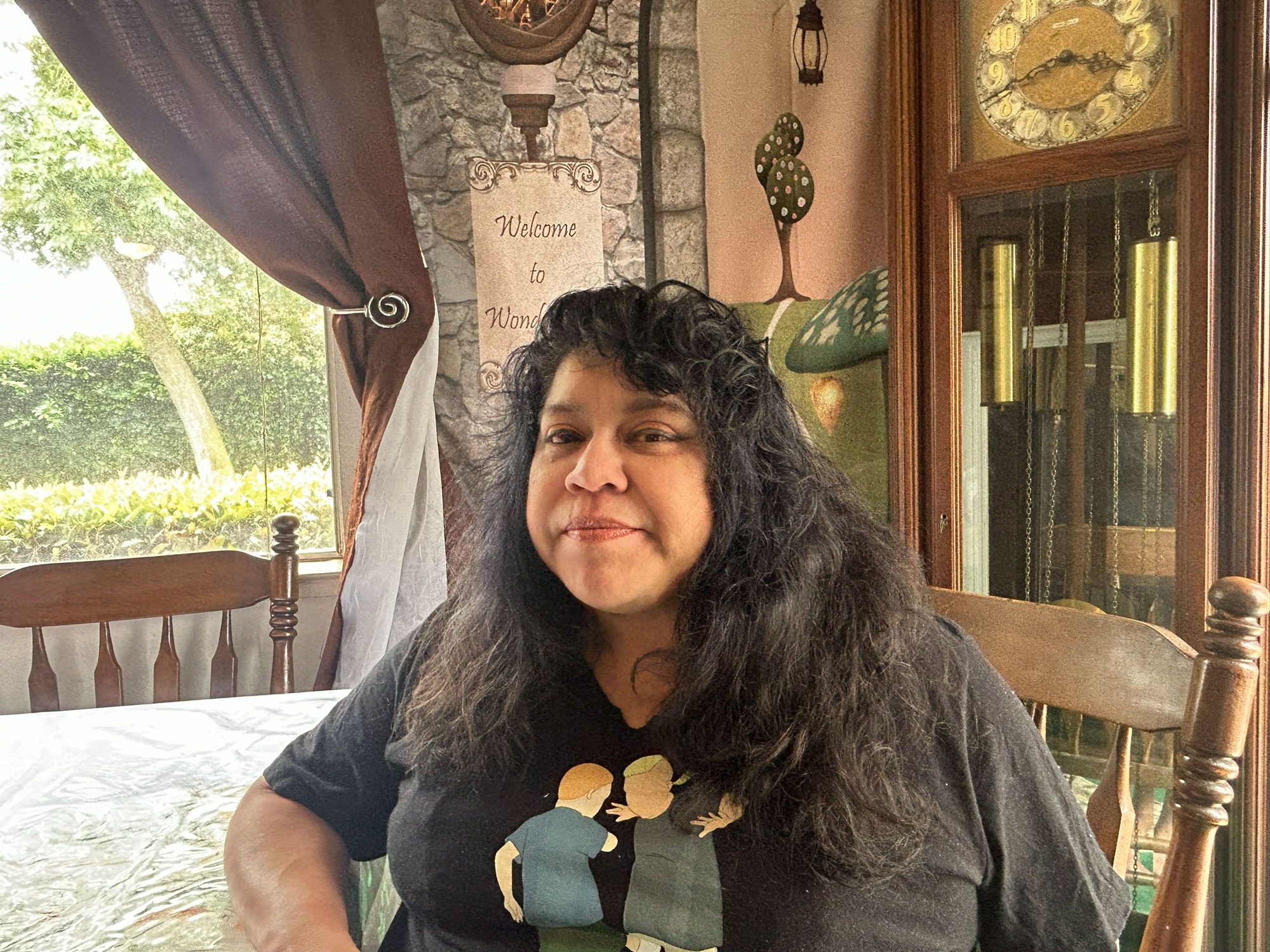
"caption": "Veronica Walter talks through her financial challenges while sitting at the dining table in her two-bedroom condo in Newark, California. Walter says she wouldn’t be able to afford the nearly $200 monthly premium for health insurance that she and her husband would likely pay on Covered California, even after a proposed expansion of state subsidies. ",
"credit": "Christine Mai-Duc/KFF Health News",
"altTag": null,
"description": null,
"imgSizes": {
"thumbnail": {
"file": "https://cdn.kqed.org/wp-content/uploads/sites/10/2026/06/PricedOutCA1-160x120.jpg",
"width": 160,
"height": 120,
"mimeType": "image/jpeg"
},
"1536x1536": {
"file": "https://cdn.kqed.org/wp-content/uploads/sites/10/2026/06/PricedOutCA1-1536x1152.jpg",
"width": 1536,
"height": 1152,
"mimeType": "image/jpeg"
},
"post-thumbnail": {
"file": "https://cdn.kqed.org/wp-content/uploads/sites/10/2026/06/PricedOutCA1-672x372.jpg",
"width": 672,
"height": 372,
"mimeType": "image/jpeg"
},
"twentyfourteen-full-width": {
"file": "https://cdn.kqed.org/wp-content/uploads/sites/10/2026/06/PricedOutCA1-1038x576.jpg",
"width": 1038,
"height": 576,
"mimeType": "image/jpeg"
},
"npr-cds-wide": {
"file": "https://cdn.kqed.org/wp-content/uploads/sites/10/2026/06/PricedOutCA1-1200x675.jpg",
"width": 1200,
"height": 675,
"mimeType": "image/jpeg"
},
"npr-cds-square": {
"file": "https://cdn.kqed.org/wp-content/uploads/sites/10/2026/06/PricedOutCA1-600x600.jpg",
"width": 600,
"height": 600,
"mimeType": "image/jpeg"
},
"kqedFullSize": {
"file": "https://cdn.kqed.org/wp-content/uploads/sites/10/2026/06/PricedOutCA1.jpg",
"width": 2000,
"height": 1500
}
},
"isLoading": false,
"fetchFailed": false
},
"news_12057996": {
"type": "attachments",
"id": "news_12057996",
"meta": {
"index": "attachments_1716263798",
"site": "news",
"id": "12057996",
"found": true
},
"title": "Atmospheric river storm in Northern California",
"publishDate": 1759168970,
"status": "inherit",
"parent": 12057992,
"modified": 1781200630,
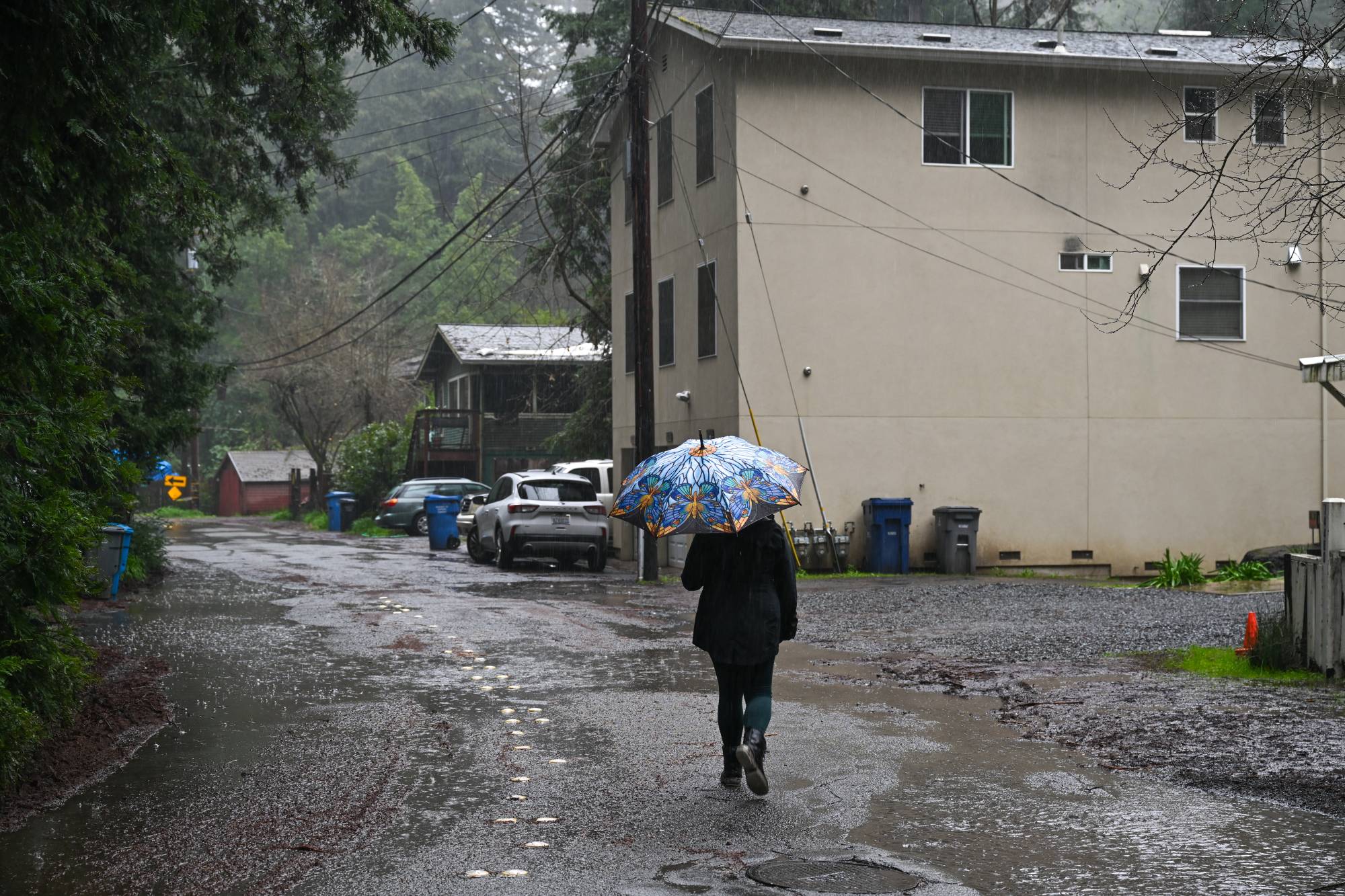
"caption": "A woman with an umbrella walks on a road during heavy rain in Guerneville, California, on Feb. 6, 2025, as an atmospheric river hits Northern California. ",
"credit": "Tayfun Coskun/Anadolu via Getty Images",
"altTag": null,
"description": null,
"imgSizes": {
"medium": {
"file": "https://cdn.kqed.org/wp-content/uploads/sites/10/2025/09/GettyImages-2197490970-2000x1333.jpg",
"width": 2000,
"height": 1333,
"mimeType": "image/jpeg"
},
"large": {
"file": "https://cdn.kqed.org/wp-content/uploads/sites/10/2025/09/GettyImages-2197490970-2000x1333.jpg",
"width": 2000,
"height": 1333,
"mimeType": "image/jpeg"
},
"thumbnail": {
"file": "https://cdn.kqed.org/wp-content/uploads/sites/10/2025/09/GettyImages-2197490970-160x107.jpg",
"width": 160,
"height": 107,
"mimeType": "image/jpeg"
},
"1536x1536": {
"file": "https://cdn.kqed.org/wp-content/uploads/sites/10/2025/09/GettyImages-2197490970-1536x1024.jpg",
"width": 1536,
"height": 1024,
"mimeType": "image/jpeg"
},
"2048x2048": {
"file": "https://cdn.kqed.org/wp-content/uploads/sites/10/2025/09/GettyImages-2197490970-2048x1365.jpg",
"width": 2048,
"height": 1365,
"mimeType": "image/jpeg"
},
"post-thumbnail": {
"file": "https://cdn.kqed.org/wp-content/uploads/sites/10/2025/09/GettyImages-2197490970-672x372.jpg",
"width": 672,
"height": 372,
"mimeType": "image/jpeg"
},
"twentyfourteen-full-width": {
"file": "https://cdn.kqed.org/wp-content/uploads/sites/10/2025/09/GettyImages-2197490970-1038x576.jpg",
"width": 1038,
"height": 576,
"mimeType": "image/jpeg"
},
"full-width": {
"file": "https://cdn.kqed.org/wp-content/uploads/sites/10/2025/09/GettyImages-2197490970-2000x1333.jpg",
"width": 2000,
"height": 1333,
"mimeType": "image/jpeg"
},
"kqedFullSize": {
"file": "https://cdn.kqed.org/wp-content/uploads/sites/10/2025/09/GettyImages-2197490970-scaled-e1759169024848.jpg",
"width": 2000,
"height": 1334
}
},
"isLoading": false,
"fetchFailed": false
},
"news_12087182": {
"type": "attachments",
"id": "news_12087182",
"meta": {
"index": "attachments_1716263798",
"site": "news",
"id": "12087182",
"found": true
},
"title": "251030-BayAreaVoters-25-BL_qed",
"publishDate": 1781204818,
"status": "inherit",
"parent": 12087072,
"modified": 1781204827,
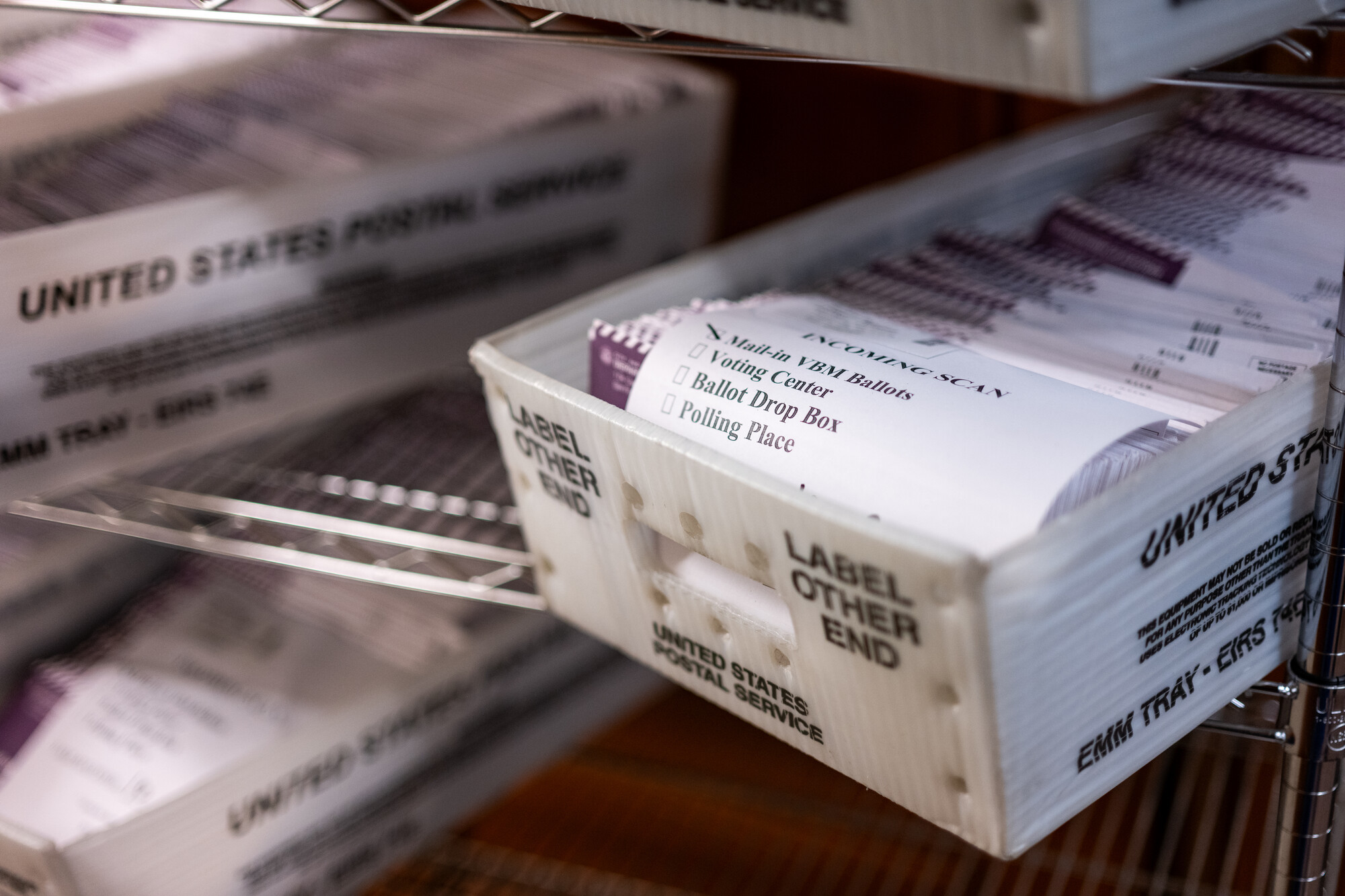
"caption": "Ballots sit in crates before being counted at the City Hall Voting Center in San Francisco on Oct. 30, 2025, ahead of the statewide special election.",
"credit": "Beth LaBerge/KQED",
"altTag": null,
"description": null,
"imgSizes": {
"thumbnail": {
"file": "https://cdn.kqed.org/wp-content/uploads/sites/10/2026/06/251030-BayAreaVoters-25-BL_qed-160x107.jpg",
"width": 160,
"height": 107,
"mimeType": "image/jpeg"
},
"1536x1536": {
"file": "https://cdn.kqed.org/wp-content/uploads/sites/10/2026/06/251030-BayAreaVoters-25-BL_qed-1536x1024.jpg",
"width": 1536,
"height": 1024,
"mimeType": "image/jpeg"
},
"post-thumbnail": {
"file": "https://cdn.kqed.org/wp-content/uploads/sites/10/2026/06/251030-BayAreaVoters-25-BL_qed-672x372.jpg",
"width": 672,
"height": 372,
"mimeType": "image/jpeg"
},
"twentyfourteen-full-width": {
"file": "https://cdn.kqed.org/wp-content/uploads/sites/10/2026/06/251030-BayAreaVoters-25-BL_qed-1038x576.jpg",
"width": 1038,
"height": 576,
"mimeType": "image/jpeg"
},
"npr-cds-wide": {
"file": "https://cdn.kqed.org/wp-content/uploads/sites/10/2026/06/251030-BayAreaVoters-25-BL_qed-1200x675.jpg",
"width": 1200,
"height": 675,
"mimeType": "image/jpeg"
},
"npr-cds-square": {
"file": "https://cdn.kqed.org/wp-content/uploads/sites/10/2026/06/251030-BayAreaVoters-25-BL_qed-600x600.jpg",
"width": 600,
"height": 600,
"mimeType": "image/jpeg"
},
"kqedFullSize": {
"file": "https://cdn.kqed.org/wp-content/uploads/sites/10/2026/06/251030-BayAreaVoters-25-BL_qed.jpg",
"width": 2000,
"height": 1333
}
},
"isLoading": false,
"fetchFailed": false
},
"news_11104718": {
"type": "attachments",
"id": "news_11104718",
"meta": {
"index": "attachments_1716263798",
"site": "news",
"id": "11104718",
"found": true
},
"title": "Thumbnail for 11104717",
"publishDate": 1474916712,
"status": "inherit",
"parent": 11104717,
"modified": 1784047427,
"caption": "An assortment of vegetables and fruits.",
"credit": "Getty Images",
"altTag": null,
"description": "Vegetables and fruits.",
"imgSizes": {
"thumbnail": {
"file": "https://cdn.kqed.org/wp-content/uploads/sites/10/2016/09/11104717-thumb-400x270.jpg",
"width": 400,
"height": 270,
"mimeType": "image/jpeg"
},
"medium": {
"file": "https://cdn.kqed.org/wp-content/uploads/sites/10/2016/09/11104717-thumb-800x540.jpg",
"width": 800,
"height": 540,
"mimeType": "image/jpeg"
},
"large": {
"file": "https://cdn.kqed.org/wp-content/uploads/sites/10/2016/09/11104717-thumb-1920x1296.jpg",
"width": 1920,
"height": 1296,
"mimeType": "image/jpeg"
},
"fd-lrg": {
"file": "https://cdn.kqed.org/wp-content/uploads/sites/10/2016/09/11104717-thumb-1920x1296.jpg",
"width": 1920,
"height": 1296,
"mimeType": "image/jpeg"
},
"fd-med": {
"file": "https://cdn.kqed.org/wp-content/uploads/sites/10/2016/09/11104717-thumb-1180x797.jpg",
"width": 1180,
"height": 797,
"mimeType": "image/jpeg"
},
"fd-sm": {
"file": "https://cdn.kqed.org/wp-content/uploads/sites/10/2016/09/11104717-thumb-960x648.jpg",
"width": 960,
"height": 648,
"mimeType": "image/jpeg"
},
"post-thumbnail": {
"file": "https://cdn.kqed.org/wp-content/uploads/sites/10/2016/09/11104717-thumb-672x372.jpg",
"width": 672,
"height": 372,
"mimeType": "image/jpeg"
},
"twentyfourteen-full-width": {
"file": "https://cdn.kqed.org/wp-content/uploads/sites/10/2016/09/11104717-thumb-1038x576.jpg",
"width": 1038,
"height": 576,
"mimeType": "image/jpeg"
},
"guest-author-32": {
"file": "https://cdn.kqed.org/wp-content/uploads/sites/10/2016/09/11104717-thumb-32x32.jpg",
"width": 32,
"height": 32,
"mimeType": "image/jpeg"
},
"guest-author-50": {
"file": "https://cdn.kqed.org/wp-content/uploads/sites/10/2016/09/11104717-thumb-50x50.jpg",
"width": 50,
"height": 50,
"mimeType": "image/jpeg"
},
"guest-author-64": {
"file": "https://cdn.kqed.org/wp-content/uploads/sites/10/2016/09/11104717-thumb-64x64.jpg",
"width": 64,
"height": 64,
"mimeType": "image/jpeg"
},
"guest-author-96": {
"file": "https://cdn.kqed.org/wp-content/uploads/sites/10/2016/09/11104717-thumb-96x96.jpg",
"width": 96,
"height": 96,
"mimeType": "image/jpeg"
},
"guest-author-128": {
"file": "https://cdn.kqed.org/wp-content/uploads/sites/10/2016/09/11104717-thumb-128x128.jpg",
"width": 128,
"height": 128,
"mimeType": "image/jpeg"
},
"detail": {
"file": "https://cdn.kqed.org/wp-content/uploads/sites/10/2016/09/11104717-thumb-150x150.jpg",
"width": 150,
"height": 150,
"mimeType": "image/jpeg"
},
"jmtc-small-thumb": {
"file": "https://cdn.kqed.org/wp-content/uploads/sites/10/2016/09/11104717-thumb-280x150.jpg",
"width": 280,
"height": 150,
"mimeType": "image/jpeg"
},
"kqedFullSize": {
"file": "https://cdn.kqed.org/wp-content/uploads/sites/10/2016/09/11104717-thumb-e1764880797557.jpg",
"width": 2000,
"height": 1350
}
},
"isLoading": false,
"fetchFailed": false
},
"news_12086015": {
"type": "attachments",
"id": "news_12086015",
"meta": {
"index": "attachments_1716263798",
"site": "news",
"id": "12086015",
"found": true
},
"title": "20260602_PRIMARY2026CD4_163-KQED",
"publishDate": 1780468009,
"status": "inherit",
"parent": 12087322,
"modified": 1781303868,
"caption": "Abby Delanoy wears an Eric Jones shirt at the Democratic candidate’s watch party at Three Mile Brewing in Davis on June 2, 2026.",
"credit": "Gina Castro for KQED",
"altTag": null,
"description": null,
"imgSizes": {
"thumbnail": {
"file": "https://cdn.kqed.org/wp-content/uploads/sites/10/2026/06/20260602_PRIMARY2026CD4_163-KQED-160x107.jpg",
"width": 160,
"height": 107,
"mimeType": "image/jpeg"
},
"1536x1536": {
"file": "https://cdn.kqed.org/wp-content/uploads/sites/10/2026/06/20260602_PRIMARY2026CD4_163-KQED-1536x1024.jpg",
"width": 1536,
"height": 1024,
"mimeType": "image/jpeg"
},
"post-thumbnail": {
"file": "https://cdn.kqed.org/wp-content/uploads/sites/10/2026/06/20260602_PRIMARY2026CD4_163-KQED-672x372.jpg",
"width": 672,
"height": 372,
"mimeType": "image/jpeg"
},
"twentyfourteen-full-width": {
"file": "https://cdn.kqed.org/wp-content/uploads/sites/10/2026/06/20260602_PRIMARY2026CD4_163-KQED-1038x576.jpg",
"width": 1038,
"height": 576,
"mimeType": "image/jpeg"
},
"npr-cds-wide": {
"file": "https://cdn.kqed.org/wp-content/uploads/sites/10/2026/06/20260602_PRIMARY2026CD4_163-KQED-1200x675.jpg",
"width": 1200,
"height": 675,
"mimeType": "image/jpeg"
},
"npr-cds-square": {
"file": "https://cdn.kqed.org/wp-content/uploads/sites/10/2026/06/20260602_PRIMARY2026CD4_163-KQED-600x600.jpg",
"width": 600,
"height": 600,
"mimeType": "image/jpeg"
},
"kqedFullSize": {
"file": "https://cdn.kqed.org/wp-content/uploads/sites/10/2026/06/20260602_PRIMARY2026CD4_163-KQED.jpg",
"width": 2000,
"height": 1333
}
},
"isLoading": false,
"fetchFailed": false
},
"news_12086762": {
"type": "attachments",
"id": "news_12086762",
"meta": {
"index": "attachments_1716263798",
"site": "news",
"id": "12086762",
"found": true
},
"title": "Immigration Visas",
"publishDate": 1781040167,
"status": "inherit",
"parent": 12086705,
"modified": 1781040266,
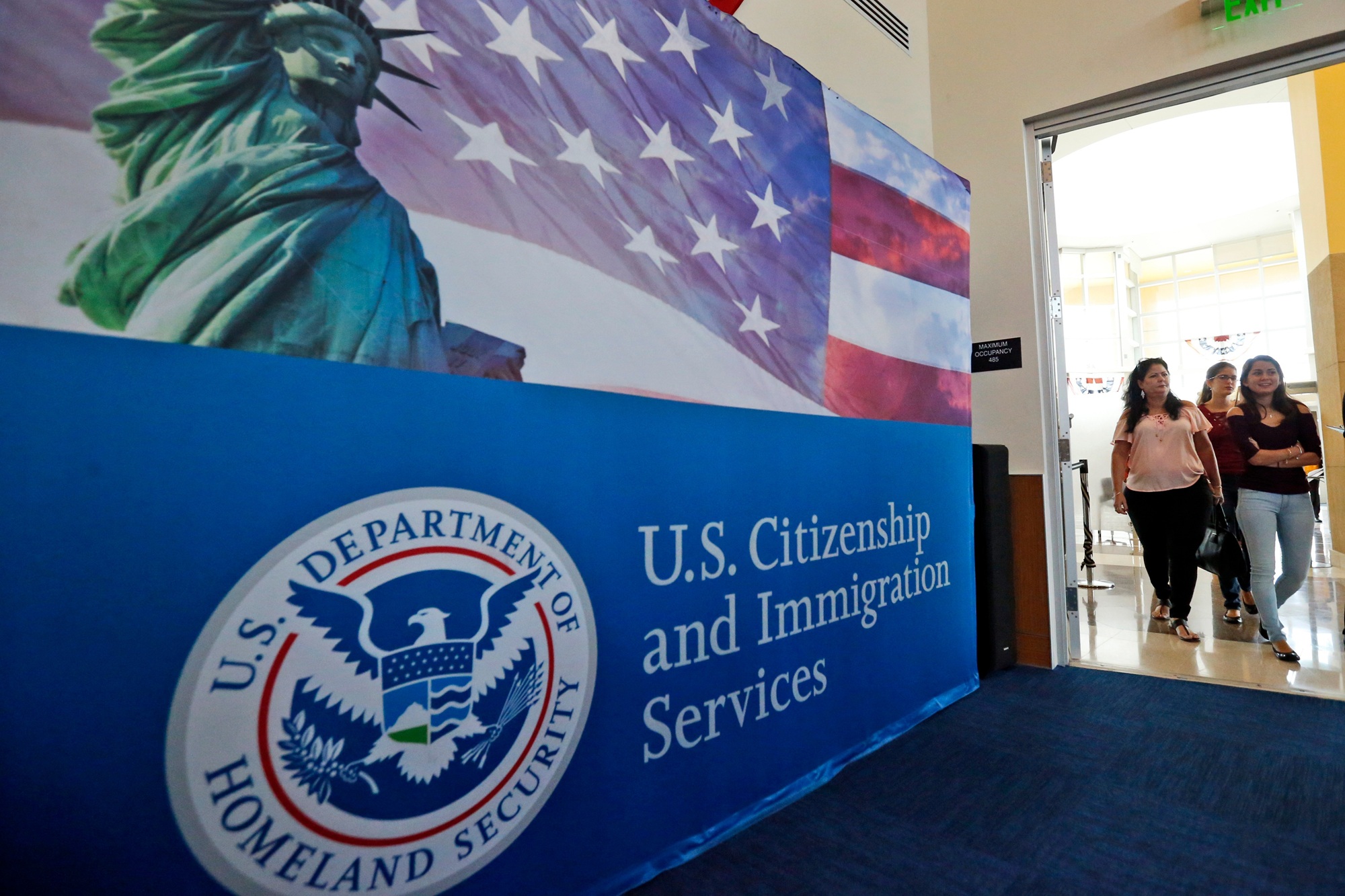
"caption": "People arrive before the start of a naturalization ceremony at the U.S. Citizenship and Immigration Services Miami Field Office in Miami on Aug. 17, 2018.",
"credit": "Wilfredo Lee/AP Photo",
"altTag": null,
"description": null,
"imgSizes": {
"thumbnail": {
"file": "https://cdn.kqed.org/wp-content/uploads/sites/10/2026/06/ImmigrationAP-160x107.jpg",
"width": 160,
"height": 107,
"mimeType": "image/jpeg"
},
"1536x1536": {
"file": "https://cdn.kqed.org/wp-content/uploads/sites/10/2026/06/ImmigrationAP-1536x1024.jpg",
"width": 1536,
"height": 1024,
"mimeType": "image/jpeg"
},
"post-thumbnail": {
"file": "https://cdn.kqed.org/wp-content/uploads/sites/10/2026/06/ImmigrationAP-672x372.jpg",
"width": 672,
"height": 372,
"mimeType": "image/jpeg"
},
"twentyfourteen-full-width": {
"file": "https://cdn.kqed.org/wp-content/uploads/sites/10/2026/06/ImmigrationAP-1038x576.jpg",
"width": 1038,
"height": 576,
"mimeType": "image/jpeg"
},
"npr-cds-wide": {
"file": "https://cdn.kqed.org/wp-content/uploads/sites/10/2026/06/ImmigrationAP-1200x675.jpg",
"width": 1200,
"height": 675,
"mimeType": "image/jpeg"
},
"npr-cds-square": {
"file": "https://cdn.kqed.org/wp-content/uploads/sites/10/2026/06/ImmigrationAP-600x600.jpg",
"width": 600,
"height": 600,
"mimeType": "image/jpeg"
},
"kqedFullSize": {
"file": "https://cdn.kqed.org/wp-content/uploads/sites/10/2026/06/ImmigrationAP.jpg",
"width": 2000,
"height": 1333
}
},
"isLoading": false,
"fetchFailed": false
},
"news_12046126": {
"type": "attachments",
"id": "news_12046126",
"meta": {
"index": "attachments_1716263798",
"site": "news",
"id": "12046126",
"found": true
},
"title": "250418-SFUSD-01-BL_qed",
"publishDate": 1750965407,
"status": "inherit",
"parent": 12046122,
"modified": 1750965414,
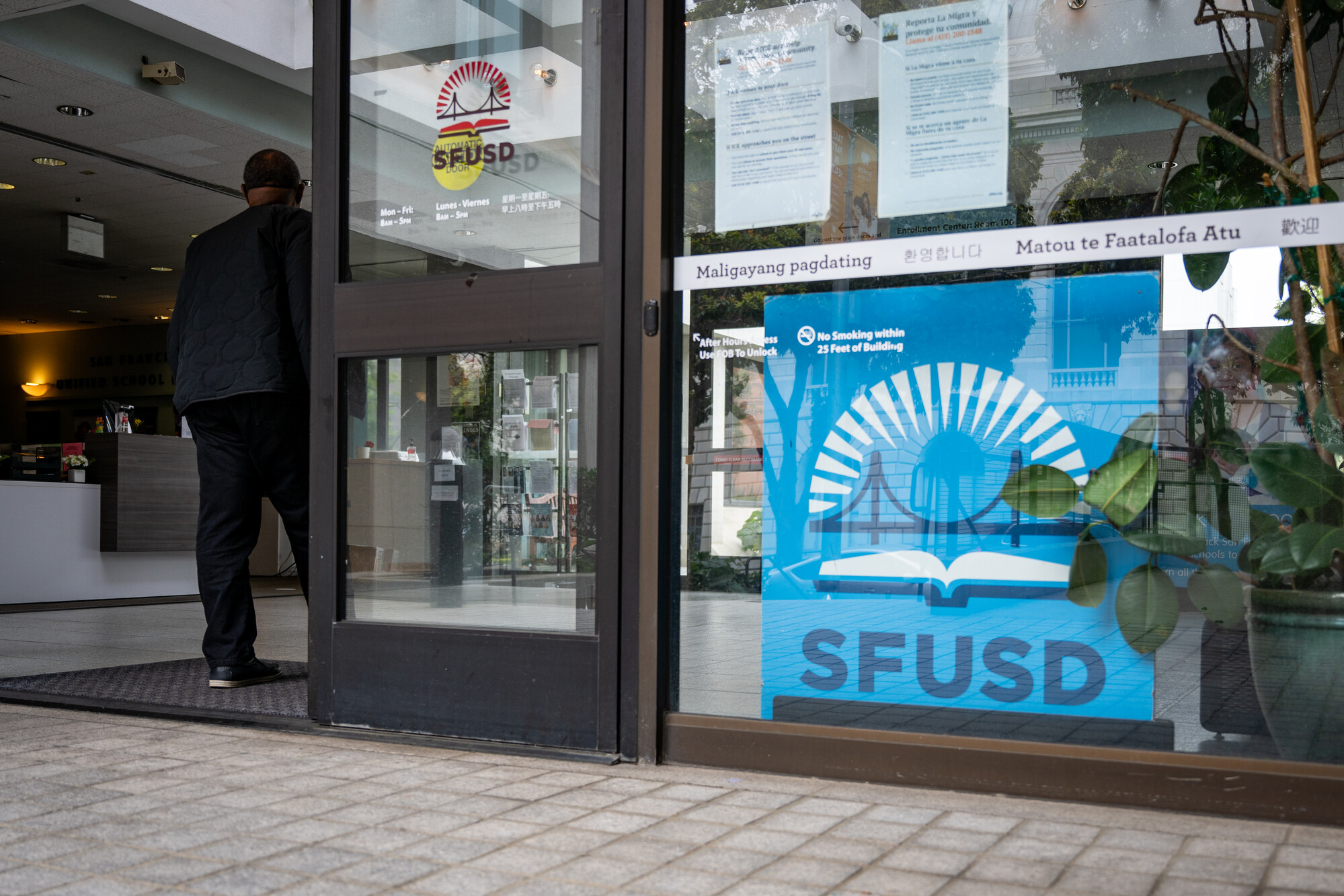
"caption": "The San Francisco Unified School District Administrative Offices in San Francisco on April 18, 2025.",
"credit": "Beth LaBerge/KQED",
"altTag": null,
"description": null,
"imgSizes": {
"thumbnail": {
"file": "https://cdn.kqed.org/wp-content/uploads/sites/10/2025/06/250418-SFUSD-01-BL_qed-160x107.jpg",
"width": 160,
"height": 107,
"mimeType": "image/jpeg"
},
"1536x1536": {
"file": "https://cdn.kqed.org/wp-content/uploads/sites/10/2025/06/250418-SFUSD-01-BL_qed-1536x1024.jpg",
"width": 1536,
"height": 1024,
"mimeType": "image/jpeg"
},
"post-thumbnail": {
"file": "https://cdn.kqed.org/wp-content/uploads/sites/10/2025/06/250418-SFUSD-01-BL_qed-672x372.jpg",
"width": 672,
"height": 372,
"mimeType": "image/jpeg"
},
"twentyfourteen-full-width": {
"file": "https://cdn.kqed.org/wp-content/uploads/sites/10/2025/06/250418-SFUSD-01-BL_qed-1038x576.jpg",
"width": 1038,
"height": 576,
"mimeType": "image/jpeg"
},
"kqedFullSize": {
"file": "https://cdn.kqed.org/wp-content/uploads/sites/10/2025/06/250418-SFUSD-01-BL_qed.jpg",
"width": 1999,
"height": 1333
}
},
"isLoading": false,
"fetchFailed": false
},
"news_12086617": {
"type": "attachments",
"id": "news_12086617",
"meta": {
"index": "attachments_1716263798",
"site": "news",
"id": "12086617",
"found": true
},
"title": "Nithya Raman election night in Los Angeles",
"publishDate": 1780954112,
"status": "inherit",
"parent": 12086611,
"modified": 1780954152,
"caption": "Los Angeles mayoral candidate Nithya Raman smiles during her election night party at Boomtown Brewery on June 2, 2026, in Los Angeles, California.",
"credit": "Gina Ferazzi/Los Angeles Times via Getty Images",
"altTag": null,
"description": null,
"imgSizes": {
"thumbnail": {
"file": "https://cdn.kqed.org/wp-content/uploads/sites/10/2026/06/Nithya-Raman-Getty-160x107.jpg",
"width": 160,
"height": 107,
"mimeType": "image/jpeg"
},
"1536x1536": {
"file": "https://cdn.kqed.org/wp-content/uploads/sites/10/2026/06/Nithya-Raman-Getty-1536x1024.jpg",
"width": 1536,
"height": 1024,
"mimeType": "image/jpeg"
},
"post-thumbnail": {
"file": "https://cdn.kqed.org/wp-content/uploads/sites/10/2026/06/Nithya-Raman-Getty-672x372.jpg",
"width": 672,
"height": 372,
"mimeType": "image/jpeg"
},
"twentyfourteen-full-width": {
"file": "https://cdn.kqed.org/wp-content/uploads/sites/10/2026/06/Nithya-Raman-Getty-1038x576.jpg",
"width": 1038,
"height": 576,
"mimeType": "image/jpeg"
},
"npr-cds-wide": {
"file": "https://cdn.kqed.org/wp-content/uploads/sites/10/2026/06/Nithya-Raman-Getty-1200x675.jpg",
"width": 1200,
"height": 675,
"mimeType": "image/jpeg"
},
"npr-cds-square": {
"file": "https://cdn.kqed.org/wp-content/uploads/sites/10/2026/06/Nithya-Raman-Getty-600x600.jpg",
"width": 600,
"height": 600,
"mimeType": "image/jpeg"
},
"kqedFullSize": {
"file": "https://cdn.kqed.org/wp-content/uploads/sites/10/2026/06/Nithya-Raman-Getty.jpg",
"width": 2000,
"height": 1333
}
},
"isLoading": false,
"fetchFailed": false
},
"news_12086598": {
"type": "attachments",
"id": "news_12086598",
"meta": {
"index": "attachments_1716263798",
"site": "news",
"id": "12086598",
"found": true
},
"title": "Folsom Lake SR for lede image",
"publishDate": 1780951331,
"status": "inherit",
"parent": 12086562,
"modified": 1780951354,
"caption": "Families participate in free horseback riding events at Folsom Lake State Recreation Area as part of California State Parks Week in 2025.",
"credit": "Courtesy of California State Parks Week",
"altTag": null,
"description": null,
"imgSizes": {
"thumbnail": {
"file": "https://cdn.kqed.org/wp-content/uploads/sites/10/2026/06/Folsom-Lake-SR-for-lede-image-160x107.jpg",
"width": 160,
"height": 107,
"mimeType": "image/jpeg"
},
"1536x1536": {
"file": "https://cdn.kqed.org/wp-content/uploads/sites/10/2026/06/Folsom-Lake-SR-for-lede-image-1536x1024.jpg",
"width": 1536,
"height": 1024,
"mimeType": "image/jpeg"
},
"post-thumbnail": {
"file": "https://cdn.kqed.org/wp-content/uploads/sites/10/2026/06/Folsom-Lake-SR-for-lede-image-672x372.jpg",
"width": 672,
"height": 372,
"mimeType": "image/jpeg"
},
"twentyfourteen-full-width": {
"file": "https://cdn.kqed.org/wp-content/uploads/sites/10/2026/06/Folsom-Lake-SR-for-lede-image-1038x576.jpg",
"width": 1038,
"height": 576,
"mimeType": "image/jpeg"
},
"npr-cds-wide": {
"file": "https://cdn.kqed.org/wp-content/uploads/sites/10/2026/06/Folsom-Lake-SR-for-lede-image-1200x675.jpg",
"width": 1200,
"height": 675,
"mimeType": "image/jpeg"
},
"npr-cds-square": {
"file": "https://cdn.kqed.org/wp-content/uploads/sites/10/2026/06/Folsom-Lake-SR-for-lede-image-600x600.jpg",
"width": 600,
"height": 600,
"mimeType": "image/jpeg"
},
"kqedFullSize": {
"file": "https://cdn.kqed.org/wp-content/uploads/sites/10/2026/06/Folsom-Lake-SR-for-lede-image.jpg",
"width": 2000,
"height": 1333
}
},
"isLoading": false,
"fetchFailed": false
},
"news_12086378": {
"type": "attachments",
"id": "news_12086378",
"meta": {
"index": "attachments_1716263798",
"site": "news",
"id": "12086378",
"found": true
},
"title": "MBC profile view with driver",
"publishDate": 1780679425,
"status": "inherit",
"parent": 12086370,
"modified": 1780679463,
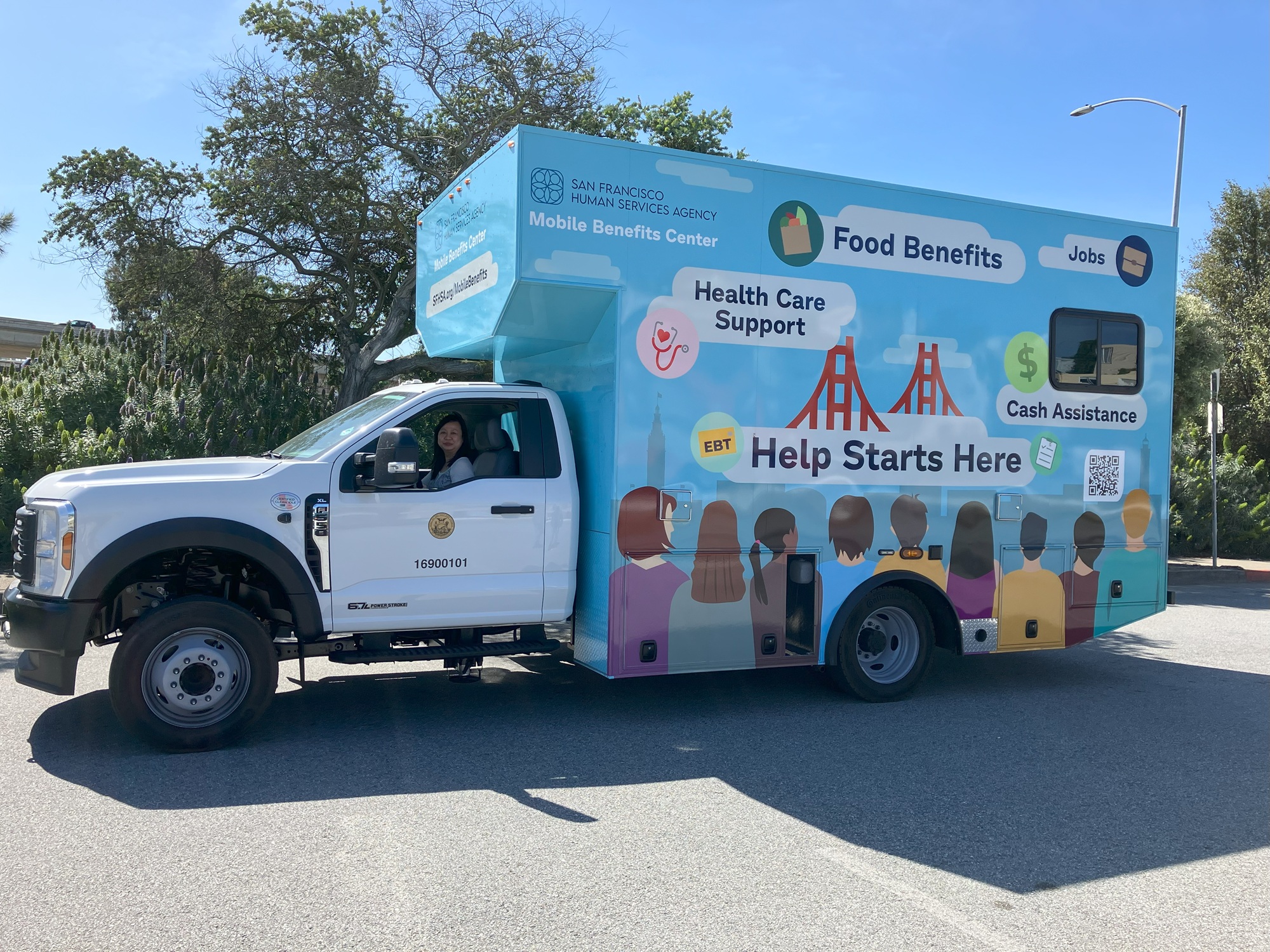
"caption": "The Mobile Benefits Center from San Francisco’s Human Services Agency, which will be driven to different neighborhoods around the city.",
"credit": "Courtesy of SFHSA",
"altTag": null,
"description": null,
"imgSizes": {
"thumbnail": {
"file": "https://cdn.kqed.org/wp-content/uploads/sites/10/2026/06/MBC-profile-view-with-driver-160x120.jpg",
"width": 160,
"height": 120,
"mimeType": "image/jpeg"
},
"1536x1536": {
"file": "https://cdn.kqed.org/wp-content/uploads/sites/10/2026/06/MBC-profile-view-with-driver-1536x1152.jpg",
"width": 1536,
"height": 1152,
"mimeType": "image/jpeg"
},
"post-thumbnail": {
"file": "https://cdn.kqed.org/wp-content/uploads/sites/10/2026/06/MBC-profile-view-with-driver-672x372.jpg",
"width": 672,
"height": 372,
"mimeType": "image/jpeg"
},
"twentyfourteen-full-width": {
"file": "https://cdn.kqed.org/wp-content/uploads/sites/10/2026/06/MBC-profile-view-with-driver-1038x576.jpg",
"width": 1038,
"height": 576,
"mimeType": "image/jpeg"
},
"npr-cds-wide": {
"file": "https://cdn.kqed.org/wp-content/uploads/sites/10/2026/06/MBC-profile-view-with-driver-1200x675.jpg",
"width": 1200,
"height": 675,
"mimeType": "image/jpeg"
},
"npr-cds-square": {
"file": "https://cdn.kqed.org/wp-content/uploads/sites/10/2026/06/MBC-profile-view-with-driver-600x600.jpg",
"width": 600,
"height": 600,
"mimeType": "image/jpeg"
},
"kqedFullSize": {
"file": "https://cdn.kqed.org/wp-content/uploads/sites/10/2026/06/MBC-profile-view-with-driver.jpg",
"width": 2000,
"height": 1500
}
},
"isLoading": false,
"fetchFailed": false
},
"news_12044986": {
"type": "attachments",
"id": "news_12044986",
"meta": {
"index": "attachments_1716263798",
"site": "news",
"id": "12044986",
"found": true
},
"title": "250618-NEWTEACHERHOUSING-25-BL-KQED",
"publishDate": 1750284876,
"status": "inherit",
"parent": 12056605,
"modified": 1758225514,
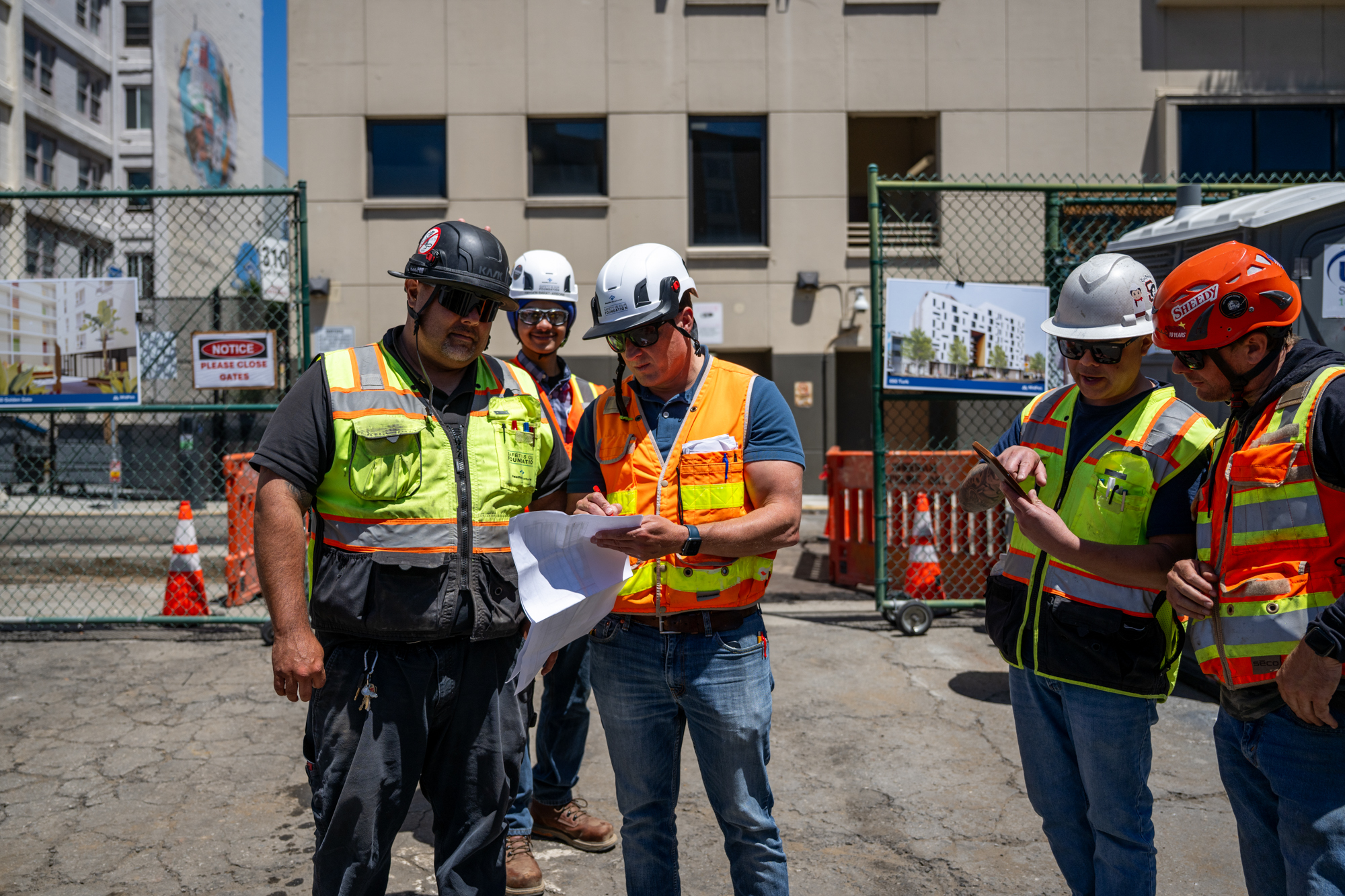
"caption": "Construction workers build at 750 Golden Gate Avenue in San Francisco on June 18, 2025, during a groundbreaking ceremony marking the start of two affordable housing projects. One will deliver 75 units prioritized for SFUSD and City College educators, and the other at 850 Turk will add 92 family apartments.",
"credit": "Beth LaBerge/KQED",
"altTag": null,
"description": null,
"imgSizes": {
"thumbnail": {
"file": "https://cdn.kqed.org/wp-content/uploads/sites/10/2025/06/250618-NEWTEACHERHOUSING-25-BL-KQED-160x107.jpg",
"width": 160,
"height": 107,
"mimeType": "image/jpeg"
},
"1536x1536": {
"file": "https://cdn.kqed.org/wp-content/uploads/sites/10/2025/06/250618-NEWTEACHERHOUSING-25-BL-KQED-1536x1024.jpg",
"width": 1536,
"height": 1024,
"mimeType": "image/jpeg"
},
"post-thumbnail": {
"file": "https://cdn.kqed.org/wp-content/uploads/sites/10/2025/06/250618-NEWTEACHERHOUSING-25-BL-KQED-672x372.jpg",
"width": 672,
"height": 372,
"mimeType": "image/jpeg"
},
"twentyfourteen-full-width": {
"file": "https://cdn.kqed.org/wp-content/uploads/sites/10/2025/06/250618-NEWTEACHERHOUSING-25-BL-KQED-1038x576.jpg",
"width": 1038,
"height": 576,
"mimeType": "image/jpeg"
},
"kqedFullSize": {
"file": "https://cdn.kqed.org/wp-content/uploads/sites/10/2025/06/250618-NEWTEACHERHOUSING-25-BL-KQED.jpg",
"width": 2000,
"height": 1333
}
},
"isLoading": false,
"fetchFailed": false
},
"news_12086476": {
"type": "attachments",
"id": "news_12086476",
"meta": {
"index": "attachments_1716263798",
"site": "news",
"id": "12086476",
"found": true
},
"title": "CA Governor canditate Becerra speaks on election night",
"publishDate": 1780704725,
"status": "inherit",
"parent": 12086471,
"modified": 1780706221,
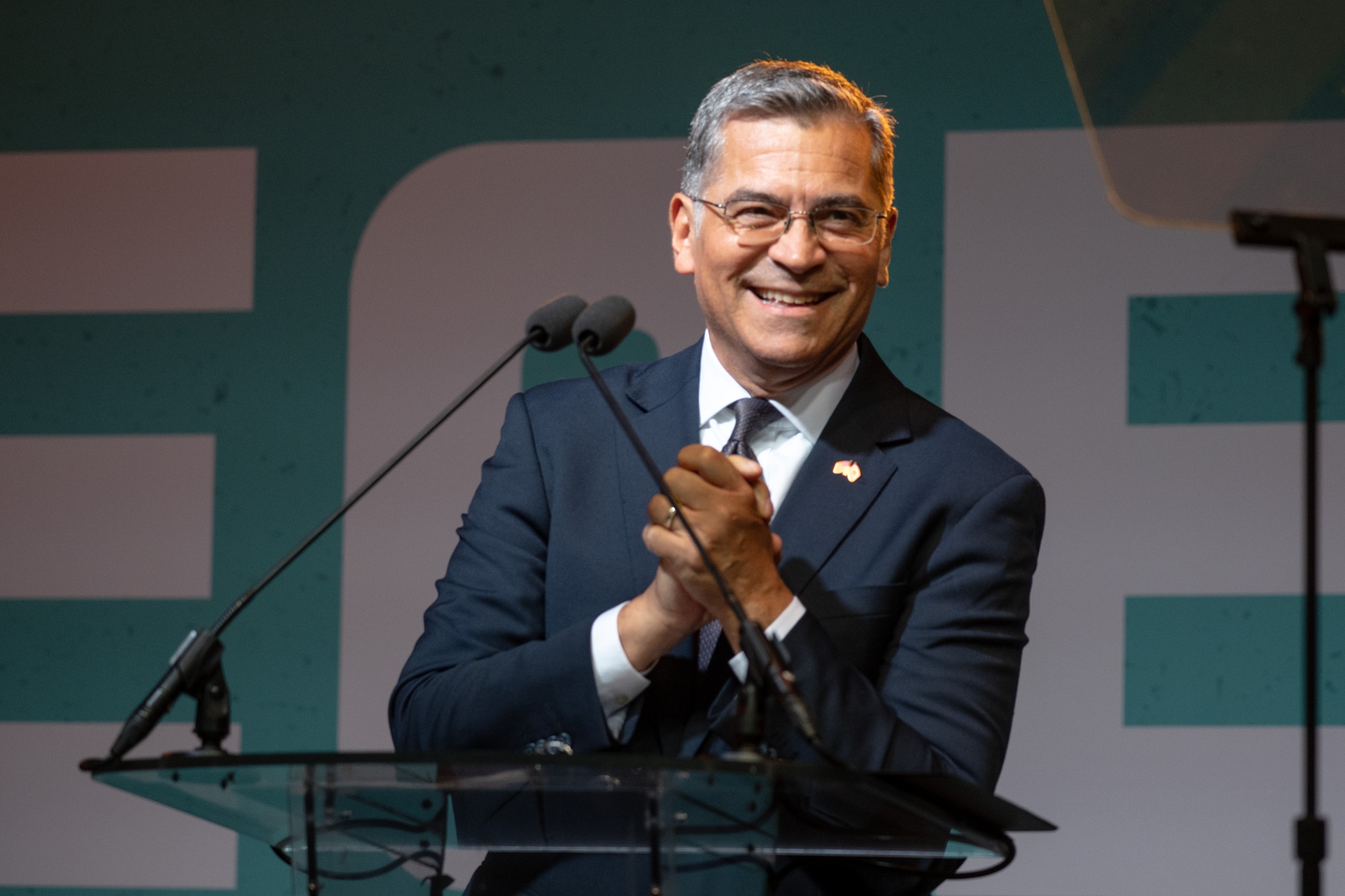
"caption": "Xavier Becerra, a candidate for governor, speaks to supporters on election night on June 2, 2026. ",
"credit": "David Crane/MediaNews Group/Los Angeles Daily News via Getty Images",
"altTag": null,
"description": null,
"imgSizes": {
"thumbnail": {
"file": "https://cdn.kqed.org/wp-content/uploads/sites/10/2026/06/Xavier-Becerra-Getty-160x107.jpg",
"width": 160,
"height": 107,
"mimeType": "image/jpeg"
},
"1536x1536": {
"file": "https://cdn.kqed.org/wp-content/uploads/sites/10/2026/06/Xavier-Becerra-Getty-1536x1024.jpg",
"width": 1536,
"height": 1024,
"mimeType": "image/jpeg"
},
"post-thumbnail": {
"file": "https://cdn.kqed.org/wp-content/uploads/sites/10/2026/06/Xavier-Becerra-Getty-672x372.jpg",
"width": 672,
"height": 372,
"mimeType": "image/jpeg"
},
"twentyfourteen-full-width": {
"file": "https://cdn.kqed.org/wp-content/uploads/sites/10/2026/06/Xavier-Becerra-Getty-1038x576.jpg",
"width": 1038,
"height": 576,
"mimeType": "image/jpeg"
},
"npr-cds-wide": {
"file": "https://cdn.kqed.org/wp-content/uploads/sites/10/2026/06/Xavier-Becerra-Getty-1200x675.jpg",
"width": 1200,
"height": 675,
"mimeType": "image/jpeg"
},
"npr-cds-square": {
"file": "https://cdn.kqed.org/wp-content/uploads/sites/10/2026/06/Xavier-Becerra-Getty-600x600.jpg",
"width": 600,
"height": 600,
"mimeType": "image/jpeg"
},
"kqedFullSize": {
"file": "https://cdn.kqed.org/wp-content/uploads/sites/10/2026/06/Xavier-Becerra-Getty.jpg",
"width": 2000,
"height": 1333
}
},
"isLoading": false,
"fetchFailed": false
}
},
"audioPlayerReducer": {
"postId": "stream_live",
"isPaused": true,
"isPlaying": false,
"pfsActive": false,
"pledgeModalIsOpen": true,
"playerDrawerIsOpen": false,
"liveAudioPlayStartedAt": 0,
"liveAudioPlayContext": ""
},
"authorsReducer": {
"byline_news_12086971": {
"type": "authors",
"id": "byline_news_12086971",
"meta": {
"override": true
},
"slug": "byline_news_12086971",
"name": "Christine Mai-Duc and Jackie Fortiér, KFF Health News",
"isLoading": false
},
"byline_news_12086611": {
"type": "authors",
"id": "byline_news_12086611",
"meta": {
"override": true
},
"slug": "byline_news_12086611",
"name": "Frank Stoltze, Mariana Dale and Destiny Torres, LAist",
"isLoading": false
},
"byline_news_12086457": {
"type": "authors",
"id": "byline_news_12086457",
"meta": {
"override": true
},
"slug": "byline_news_12086457",
"name": "Ben Christopher, CalMatters",
"isLoading": false
},
"gmarzorati": {
"type": "authors",
"id": "227",
"meta": {
"index": "authors_1716337520",
"id": "227",
"found": true
},
"name": "Guy Marzorati",
"firstName": "Guy",
"lastName": "Marzorati",
"slug": "gmarzorati",
"email": "gmarzorati@KQED.org",
"display_author_email": true,
"staff_mastheads": [
"news"
],
"title": "Correspondent",
"bio": "Guy Marzorati is a correspondent on KQED's California Politics and Government Desk, based in San Jose. A graduate of Santa Clara University, Guy joined KQED in 2013. He reports on state and local politics and produces KQED's digital voter guide.",
"avatar": "https://secure.gravatar.com/avatar/e7038b8dbfd55b104369b76b1cd0b9de?s=600&d=blank&r=g",
"twitter": "guymarzorati",
"facebook": null,
"instagram": null,
"linkedin": null,
"sites": [
{
"site": "",
"roles": [
"editor"
]
},
{
"site": "news",
"roles": [
"editor"
]
},
{
"site": "science",
"roles": [
"editor"
]
},
{
"site": "forum",
"roles": [
"editor"
]
},
{
"site": "elections",
"roles": [
"editor"
]
},
{
"site": "liveblog",
"roles": [
"editor"
]
}
],
"headData": {
"title": "Guy Marzorati | KQED",
"description": "Correspondent",
"ogImgSrc": "https://secure.gravatar.com/avatar/e7038b8dbfd55b104369b76b1cd0b9de?s=600&d=blank&r=g",
"twImgSrc": "https://secure.gravatar.com/avatar/e7038b8dbfd55b104369b76b1cd0b9de?s=600&d=blank&r=g"
},
"isLoading": false,
"link": "/author/gmarzorati"
},
"rachael-myrow": {
"type": "authors",
"id": "251",
"meta": {
"index": "authors_1716337520",
"id": "251",
"found": true
},
"name": "Rachael Myrow",
"firstName": "Rachael",
"lastName": "Myrow",
"slug": "rachael-myrow",
"email": "rmyrow@kqed.org",
"display_author_email": true,
"staff_mastheads": [
"news"
],
"title": "Senior Editor of KQED's Silicon Valley News Desk",
"bio": "• I write and edit stories about how Silicon Valley power and policies shape everyday life in California. I’m also passionate about making Bay Area history and culture more accessible to a broad public. • I’ve been a journalist for most of my life, starting in high school with The Franklin Press in Los Angeles, where I grew up. While earning my first degree in English at UC Berkeley, I got my start in public radio at KALX-FM. After completing a second degree in journalism at Cal, I landed my first professional job at Marketplace, then moved on to KPCC (now LAist), and then KQED, where I hosted The California Report for more than seven years. • My reporting has appeared on NPR, The World, WBUR’s \u003ci>Here & Now\u003c/i>, and the BBC. I also guest host for KQED’s \u003ci>Forum\u003c/i>, as well as the Commonwealth Club in San Francisco. • I speak periodically on media, democracy and technology issues, and do voiceover work for documentaries and educational video projects. • Outside of the studio, you'll find me hiking Bay Area trails and whipping up Insta-ready meals in my kitchen. • I do not accept gifts, money, or favors from anyone connected to my reporting, I don't pay people for information, and I do not support or donate to political causes. • I strive to treat the people I report on with fairness, honesty, and respect. I also recognize there are often multiple sides to a story and work to verify information through multiple sources and documentation. If I get something wrong, I correct it.",
"avatar": "https://secure.gravatar.com/avatar/3ed8a3c5f26025e4a805ba634cda8cd764906b97438a6d9ce216b044e340da4e?s=600&d=blank&r=g",
"twitter": "rachaelmyrow",
"bluesky": null,
"facebook": null,
"instagram": null,
"linkedin": "https://www.linkedin.com/in/rachaelmyrow/",
"sites": [
{
"site": "arts",
"roles": [
"administrator"
]
},
{
"site": "news",
"roles": [
"edit_others_posts",
"editor"
]
},
{
"site": "futureofyou",
"roles": [
"editor"
]
},
{
"site": "bayareabites",
"roles": [
"editor"
]
},
{
"site": "stateofhealth",
"roles": [
"editor"
]
},
{
"site": "science",
"roles": [
"editor"
]
},
{
"site": "food",
"roles": [
"editor"
]
},
{
"site": "forum",
"roles": [
"editor"
]
},
{
"site": "liveblog",
"roles": [
"author"
]
}
],
"headData": {
"title": "Rachael Myrow | KQED",
"description": "Senior Editor of KQED's Silicon Valley News Desk",
"ogImgSrc": "https://secure.gravatar.com/avatar/3ed8a3c5f26025e4a805ba634cda8cd764906b97438a6d9ce216b044e340da4e?s=600&d=blank&r=g",
"twImgSrc": "https://secure.gravatar.com/avatar/3ed8a3c5f26025e4a805ba634cda8cd764906b97438a6d9ce216b044e340da4e?s=600&d=blank&r=g"
},
"isLoading": false,
"link": "/author/rachael-myrow"
},
"mlagos": {
"type": "authors",
"id": "3239",
"meta": {
"index": "authors_1716337520",
"id": "3239",
"found": true
},
"name": "Marisa Lagos",
"firstName": "Marisa",
"lastName": "Lagos",
"slug": "mlagos",
"email": "mlagos@kqed.org",
"display_author_email": false,
"staff_mastheads": [
"news"
],
"title": "KQED Contributor",
"bio": "Marisa Lagos is a correspondent for KQED’s California Politics and Government Desk and co-hosts the award-winning show and podcast, Political Breakdown. At KQED, Lagos also conducts reporting, analysis and investigations into state, local and national politics for radio, TV, online and onstage. In 2022, she and co-host, Scott Shafer, moderated the only gubernatorial debate in California. In 2020, the \u003ci>Washington Post\u003c/i> named her one of the top political journalists in California; she was nominated for a Peabody and won several other awards for her work investigating the 2017 California wildfires. She has worked at the \u003ci>San Francisco Chronicle\u003c/i>, \u003ci>San Francisco Examiner\u003c/i> and \u003ci>Los Angeles Times\u003c/i>. A UC Santa Barbara graduate, she lives in San Francisco with her two sons and husband.",
"avatar": "https://secure.gravatar.com/avatar/a261a0d3696fc066871ef96b85b5e7d2?s=600&d=blank&r=g",
"twitter": "@mlagos",
"facebook": null,
"instagram": null,
"linkedin": null,
"sites": [
{
"site": "arts",
"roles": [
"author"
]
},
{
"site": "news",
"roles": [
"editor"
]
},
{
"site": "science",
"roles": [
"editor"
]
},
{
"site": "forum",
"roles": [
"author"
]
},
{
"site": "liveblog",
"roles": [
"author"
]
}
],
"headData": {
"title": "Marisa Lagos | KQED",
"description": "KQED Contributor",
"ogImgSrc": "https://secure.gravatar.com/avatar/a261a0d3696fc066871ef96b85b5e7d2?s=600&d=blank&r=g",
"twImgSrc": "https://secure.gravatar.com/avatar/a261a0d3696fc066871ef96b85b5e7d2?s=600&d=blank&r=g"
},
"isLoading": false,
"link": "/author/mlagos"
},
"eromero": {
"type": "authors",
"id": "11746",
"meta": {
"index": "authors_1716337520",
"id": "11746",
"found": true
},
"name": "Ezra David Romero",
"firstName": "Ezra David",
"lastName": "Romero",
"slug": "eromero",
"email": "eromero@kqed.org",
"display_author_email": true,
"staff_mastheads": [
"news",
"science"
],
"title": "Climate Reporter",
"bio": "Ezra David Romero is a climate reporter for KQED News. He covers the absence and excess of water in the Bay Area — think sea level rise, flooding and drought. For nearly a decade he’s covered how warming temperatures are altering the lives of Californians. He’s reported on farmers worried their pistachio trees aren’t getting enough sleep, families desperate for water, scientists studying dying giant sequoias, and alongside firefighters containing wildfires. His work has appeared on local stations across California and nationally on public radio shows like Morning Edition, Here and Now, All Things Considered and Science Friday. ",
"avatar": "https://secure.gravatar.com/avatar/c76404d287c10ed40224227551ac36e24352c7306f106632caf6fead76f8801f?s=600&d=blank&r=g",
"twitter": "ezraromero",
"bluesky": null,
"facebook": null,
"instagram": null,
"linkedin": null,
"sites": [
{
"site": "arts",
"roles": [
"editor"
]
},
{
"site": "news",
"roles": [
"editor"
]
},
{
"site": "science",
"roles": [
"editor"
]
},
{
"site": "liveblog",
"roles": [
"author"
]
}
],
"headData": {
"title": "Ezra David Romero | KQED",
"description": "Climate Reporter",
"ogImgSrc": "https://secure.gravatar.com/avatar/c76404d287c10ed40224227551ac36e24352c7306f106632caf6fead76f8801f?s=600&d=blank&r=g",
"twImgSrc": "https://secure.gravatar.com/avatar/c76404d287c10ed40224227551ac36e24352c7306f106632caf6fead76f8801f?s=600&d=blank&r=g"
},
"isLoading": false,
"link": "/author/eromero"
},
"ibloom": {
"type": "authors",
"id": "11805",
"meta": {
"index": "authors_1716337520",
"id": "11805",
"found": true
},
"name": "Izzy Bloom",
"firstName": "Izzy",
"lastName": "Bloom",
"slug": "ibloom",
"email": "ibloom@kqed.org",
"display_author_email": false,
"staff_mastheads": [],
"title": "KQED Reporter & Producer",
"bio": "Izzy is a reporter and producer on KQED's California Politics & Government Desk. She joined the desk in 2024 to produce Political Breakdown, covering local and national elections and attending the RNC and DNC in Milwaukee and Chicago. \r\n\r\nBefore that, Izzy was a producer on The California Report and reported long-form stories for The California Report Magazine. She was a finalist for the Third Coast/Richard H. Driehaus Foundation Competition and was awarded for her reporting on indigenous land back by the Society of Professional Journalists. Izzy received her master's in journalism from the University of California, Berkeley.",
"avatar": "https://secure.gravatar.com/avatar/cc4d272ca430783ee1a8efac470a6b1e0fdd082c3beb61da019801d0ff751c8c?s=600&d=blank&r=g",
"twitter": null,
"bluesky": null,
"facebook": null,
"instagram": null,
"linkedin": null,
"sites": [
{
"site": "news",
"roles": [
"editor"
]
},
{
"site": "perspectives",
"roles": [
"editor"
]
}
],
"headData": {
"title": "Izzy Bloom | KQED",
"description": "KQED Reporter & Producer",
"ogImgSrc": "https://secure.gravatar.com/avatar/cc4d272ca430783ee1a8efac470a6b1e0fdd082c3beb61da019801d0ff751c8c?s=600&d=blank&r=g",
"twImgSrc": "https://secure.gravatar.com/avatar/cc4d272ca430783ee1a8efac470a6b1e0fdd082c3beb61da019801d0ff751c8c?s=600&d=blank&r=g"
},
"isLoading": false,
"link": "/author/ibloom"
},
"nkhan": {
"type": "authors",
"id": "11867",
"meta": {
"index": "authors_1716337520",
"id": "11867",
"found": true
},
"name": "Nisa Khan",
"firstName": "Nisa",
"lastName": "Khan",
"slug": "nkhan",
"email": "nkhan@kqed.org",
"display_author_email": false,
"staff_mastheads": [],
"title": "KQED Contributor",
"bio": "Nisa Khan is a reporter for KQED's Audience News Desk. She was formerly a data reporter at Michigan Radio. She earned a Bachelor of Science in Information from the University of Michigan and a Master of Arts in Communication from Stanford University.",
"avatar": "https://secure.gravatar.com/avatar/8720459eef081ff64582b3506b124d58523e80e120704a0cbd9892533c914991?s=600&d=blank&r=g",
"twitter": "mnisakhan",
"bluesky": null,
"facebook": null,
"instagram": null,
"linkedin": null,
"sites": [
{
"site": "arts",
"roles": [
"editor"
]
},
{
"site": "news",
"roles": [
"editor"
]
},
{
"site": "science",
"roles": [
"editor",
"author"
]
},
{
"site": "forum",
"roles": [
"editor"
]
},
{
"site": "liveblog",
"roles": [
"contributor"
]
}
],
"headData": {
"title": "Nisa Khan | KQED",
"description": "KQED Contributor",
"ogImgSrc": "https://secure.gravatar.com/avatar/8720459eef081ff64582b3506b124d58523e80e120704a0cbd9892533c914991?s=600&d=blank&r=g",
"twImgSrc": "https://secure.gravatar.com/avatar/8720459eef081ff64582b3506b124d58523e80e120704a0cbd9892533c914991?s=600&d=blank&r=g"
},
"isLoading": false,
"link": "/author/nkhan"
},
"kdebenedetti": {
"type": "authors",
"id": "11913",
"meta": {
"index": "authors_1716337520",
"id": "11913",
"found": true
},
"name": "Katie DeBenedetti",
"firstName": "Katie",
"lastName": "DeBenedetti",
"slug": "kdebenedetti",
"email": "kdebenedetti@kqed.org",
"display_author_email": false,
"staff_mastheads": [
"news",
"science"
],
"title": "KQED Contributor",
"bio": "Katie DeBenedetti is a digital reporter covering daily news for the Express Desk. Prior to joining KQED as a culture reporting intern in January 2024, she covered education and city government for the Napa Valley Register.",
"avatar": "https://secure.gravatar.com/avatar/6e31073cb8f7e4214ab03f42771d0f45?s=600&d=blank&r=g",
"twitter": null,
"facebook": null,
"instagram": null,
"linkedin": null,
"sites": [
{
"site": "news",
"roles": [
"author"
]
},
{
"site": "science",
"roles": [
"author"
]
},
{
"site": "liveblog",
"roles": [
"author"
]
}
],
"headData": {
"title": "Katie DeBenedetti | KQED",
"description": "KQED Contributor",
"ogImgSrc": "https://secure.gravatar.com/avatar/6e31073cb8f7e4214ab03f42771d0f45?s=600&d=blank&r=g",
"twImgSrc": "https://secure.gravatar.com/avatar/6e31073cb8f7e4214ab03f42771d0f45?s=600&d=blank&r=g"
},
"isLoading": false,
"link": "/author/kdebenedetti"
},
"sarahwright": {
"type": "authors",
"id": "11956",
"meta": {
"index": "authors_1716337520",
"id": "11956",
"found": true
},
"name": "Sarah Wright",
"firstName": "Sarah",
"lastName": "Wright",
"slug": "sarahwright",
"email": "swright@kqed.org",
"display_author_email": true,
"staff_mastheads": [],
"title": "Outdoors Engagement Reporter",
"bio": "Sarah Wright is KQED's Outdoors Engagement Reporter. Originally from Lake Tahoe, she completed a thru-hike of the Pacific Crest Trail in 2019 and was a U.S. Fulbright Program grantee to Argentina in 2023. Her journalism has appeared in The Guardian, The San Francisco Standard, The Palo Alto Weekly and the Half Moon Bay Review.",
"avatar": "https://secure.gravatar.com/avatar/c161a3d6441865cba25e6db4fa561099ad665799e9432e34da2b84d7e371524c?s=600&d=blank&r=g",
"twitter": null,
"bluesky": null,
"facebook": null,
"instagram": null,
"linkedin": null,
"sites": [
{
"site": "arts",
"roles": [
"editor"
]
},
{
"site": "news",
"roles": [
"editor"
]
},
{
"site": "science",
"roles": [
"contributor",
"author"
]
},
{
"site": "forum",
"roles": [
"editor"
]
}
],
"headData": {
"title": "Sarah Wright | KQED",
"description": "Outdoors Engagement Reporter",
"ogImgSrc": "https://secure.gravatar.com/avatar/c161a3d6441865cba25e6db4fa561099ad665799e9432e34da2b84d7e371524c?s=600&d=blank&r=g",
"twImgSrc": "https://secure.gravatar.com/avatar/c161a3d6441865cba25e6db4fa561099ad665799e9432e34da2b84d7e371524c?s=600&d=blank&r=g"
},
"isLoading": false,
"link": "/author/sarahwright"
}
},
"pagesReducer": {
"news_tag_california": {
"type": "terms",
"id": "news_18538",
"meta": {
"index": "terms_1716263798",
"site": "news",
"id": "18538",
"score": 6.847839
},
"featImg": null,
"name": "California",
"description": null,
"taxonomy": "tag",
"headData": {
"twImgId": null,
"twTitle": null,
"ogTitle": null,
"ogImgId": null,
"twDescription": null,
"description": null,
"title": "California Archives | KQED News",
"ogDescription": null
},
"ttid": 31,
"slug": "california",
"isLoading": false,
"title": "California",
"pageMeta": {
"site": "news",
"WpPageTemplate": "page-topic-editorial",
"currentPage": 17
},
"blocks": [
{
"blockName": "kqed/post-list",
"attrs": {
"layout": "cardArticle2",
"query": "posts/news?tag=california",
"seeMore": false,
"paginated": true,
"page": 17
}
},
{
"blockName": "kqed/ad"
}
]
}
},
"pfsSessionReducer": {},
"postsReducer": {
"stream_live": {
"type": "live",
"id": "stream_live",
"audioUrl": "https://streams.kqed.org/kqedradio",
"title": "Live Stream",
"excerpt": "Live Stream information currently unavailable.",
"link": "/radio",
"featImg": "",
"label": {
"name": "KQED Live",
"link": "/"
}
},
"stream_kqedNewscast": {
"type": "posts",
"id": "stream_kqedNewscast",
"audioUrl": "https://www.kqed.org/.stream/anon/radio/RDnews/newscast.mp3?_=1",
"title": "KQED Newscast",
"featImg": "",
"label": {
"name": "88.5 FM",
"link": "/"
}
},
"news_12086971": {
"type": "posts",
"id": "news_12086971",
"meta": {
"index": "posts_1716263798",
"site": "news",
"id": "12086971",
"score": null,
"sort": [
1781208004000
]
},
"guestAuthors": [],
"slug": "1-in-4-covered-california-enrollees-could-get-state-aid-under-newsom-proposal",
"title": "1 in 4 Covered California Enrollees Could Get State Aid Under Newsom Proposal",
"publishDate": 1781208004,
"format": "standard",
"headTitle": "1 in 4 Covered California Enrollees Could Get State Aid Under Newsom Proposal | KQED",
"labelTerm": {},
"content": "\u003cp>When Congress allowed COVID-era subsidies for health insurance to expire, \u003ca href=\"https://www.kqed.org/news/tag/california\">California\u003c/a> used its own funds to offset the hike in Obamacare premium costs for residents with low incomes.\u003c/p>\n\u003cp>But the reach has been limited.\u003c/p>\n\u003cp>As Gov. Gavin Newsom negotiates his last budget with the legislature, the Democrat wants to offer financial help to more than 1 in 4 enrollees in Covered California, the nation’s largest state-run health insurance marketplace. Democratic lawmakers, who hold a supermajority, are still debating the plan.\u003c/p>\n\u003cp>“My budget proposal would KEEP $0 monthly plans for low-income Californians to help clean up the financial disaster Trump created,” Newsom \u003ca href=\"https://www.facebook.com/CAgovernor/posts/pfbid0D7ZbfX4NexjyjBrNuyXribDdCep4aDahzNSHaZX9g8Cnyu9MA7AaUAg99dxp7K7Sl\">posted on Facebook\u003c/a>, where he often chides the president and GOP Congress.\u003c/p>\n\u003cp>[ad fullwidth]\u003c/p>\n\u003cp>\u003ca href=\"https://stateline.org/2026/02/18/some-states-are-helping-to-make-obamacare-plans-more-affordable/\">Ten blue states\u003c/a> have put up their own funds to keep Affordable Care Act plans affordable and residents insured, as the rising cost of healthcare has emerged as a \u003ca href=\"https://www.kff.org/public-opinion/poll-the-cost-of-health-care-remains-at-the-top-of-the-publics-list-of-economic-concerns-even-as-concerns-about-gas-prices-climb/\">top concern\u003c/a> among voters. Newsom’s $300 million proposal would make California’s program among the most generous, but even the nation’s richest state can’t patch a \u003ca href=\"https://hbex.coveredca.com/data-research/library/Brief%201%20IRA%20ACA%20Premium%20Impacts%202026.pdf\">$2.5 billion hole\u003c/a> left by the expiration of enhanced subsidies at the end of last year.\u003c/p>\n\u003cp>“The gap between what people can pay in their monthly budget and what health insurance costs is so big that it’s a lot for states to take on,” said \u003ca href=\"https://www.commonwealthfund.org/person/stacey-pogue\">Stacey Pogue\u003c/a>, a senior research fellow at the Center on Health Insurance Reforms at Georgetown University. “They’re going to have to figure out how they can finance that.”\u003c/p>\n\u003cp>New Mexico lawmakers have \u003ca href=\"https://stateline.org/2026/02/18/some-states-are-helping-to-make-obamacare-plans-more-affordable/\">backfilled 100%\u003c/a> of the lost federal subsidies with state money. It seems to have worked; New Mexico saw \u003ca href=\"https://www.hca.nm.gov/2026/02/10/health-insurance-enrollment-up-in-new-mexico-amid-national-decline/\">double-digit increases\u003c/a> in marketplace enrollment this year, but state analysts \u003ca href=\"https://www.nmlegis.gov/Sessions/26%20Regular/firs/HB0004.PDF\">have warned\u003c/a> that the subsidy program isn’t sustainable.\u003c/p>\n\u003cfigure id=\"attachment_12040844\" class=\"wp-caption aligncenter\" style=\"max-width: 1760px\">\u003cimg loading=\"lazy\" decoding=\"async\" class=\"size-full wp-image-12040844\" src=\"https://cdn.kqed.org/wp-content/uploads/sites/10/2025/05/npr.brightspotcdn.jpg\" alt=\"\" width=\"1760\" height=\"1174\" srcset=\"https://cdn.kqed.org/wp-content/uploads/sites/10/2025/05/npr.brightspotcdn.jpg 1760w, https://cdn.kqed.org/wp-content/uploads/sites/10/2025/05/npr.brightspotcdn-800x534.jpg 800w, https://cdn.kqed.org/wp-content/uploads/sites/10/2025/05/npr.brightspotcdn-1020x680.jpg 1020w, https://cdn.kqed.org/wp-content/uploads/sites/10/2025/05/npr.brightspotcdn-160x107.jpg 160w, https://cdn.kqed.org/wp-content/uploads/sites/10/2025/05/npr.brightspotcdn-1536x1025.jpg 1536w\" sizes=\"auto, (max-width: 1760px) 100vw, 1760px\">\u003cfigcaption class=\"wp-caption-text\">Protesters gather outside Kern Medical Hospital in Bakersfield. They’re opposing proposed GOP cuts to Medicaid, which provides health insurance to lower-income Americans. \u003ccite>(Joshua Yeager/KVPR)\u003c/cite>\u003c/figcaption>\u003c/figure>\n\u003cp>\u003ca href=\"https://www.wgbh.org/news/politics/2026-01-08/massachusetts-spending-250-million-to-blunt-cost-increases-from-expired-health-care-subsidies\">Massachusetts\u003c/a> and \u003ca href=\"https://newjerseymonitor.com/2026/05/20/new-jersey-healthcare-fiscal-abyss/\">New Jersey\u003c/a>, which, like California, tax residents \u003ca href=\"https://www.kff.org/faqs/faqs-health-insurance-marketplace-and-the-aca/marketplace-basics/im-uninsured-am-i-required-to-get-health-insurance/\">for not having health insurance\u003c/a>, are also spending hundreds of millions of dollars to try to keep premium payments low. Their hope, healthcare experts say, is to avoid the exodus seen in states such as Georgia that didn’t offer enrollees help.\u003c/p>\n\u003cp>Since the enhanced subsidies expired, \u003ca href=\"https://www.kff.org/affordable-care-act/what-we-know-so-far-about-2026-aca-marketplace-enrollment-premiums-and-deductibles/\">enrollees nationwide\u003c/a> have seen their premium payments increase by $65 a month on average.\u003c/p>\n\u003cp>Conservatives, including \u003ca href=\"https://www.ocregister.com/2026/01/13/insurance-company-subsidies-are-no-prescription-for-lowering-healthcare-costs/\">congressional Republicans\u003c/a>, have long argued that the subsidy expansion was too generous to high-income enrollees and \u003ca href=\"https://www.facebook.com/reel/25473637075567865\">inflated healthcare costs\u003c/a>.\u003c/p>\n\u003cp>“There are never enough subsidies to make health insurance affordable because subsidies are the problem,” said Michael Cannon, director of health policy studies at the libertarian Cato Institute. “They are causing people to turn a blind eye to fraud and waste and excessive prices because it’s someone else’s money that they’re spending, not their own.”\u003c/p>\n\u003ch2>Helping the poorest?\u003c/h2>\n\u003cp>People who earn too much to qualify for Medicaid got relief starting in January after Newsom and legislators softened the blow for about 300,000 of the lowest-income enrollees. They offset lost federal premium tax credits for individuals who \u003ca href=\"https://board.coveredca.com/meetings/2026/May%2021,%202026/Presentation_2027_State_Premium_Subsidy_Program_Design.pdf\">earned up to $23,475\u003c/a> last year and partially filled the gap for those who earned up to $25,823.\u003c/p>\n\u003cp>The governor now wants to expand subsidies to those who earn up to $31,920 this year for an individual and $66,000 for a family of four — an estimated 218,000 additional people.\u003c/p>\n\u003cp>Veronica and William Walter, who live in the San Francisco Bay Area, earn less than $40,000 a year in one of the nation’s most expensive regions. They’re counting on a more generous state healthcare tax credit if they have to pay for health insurance next year.\u003c/p>\n\u003cfigure id=\"attachment_12086988\" class=\"wp-caption aligncenter\" style=\"max-width: 2000px\">\u003cimg loading=\"lazy\" decoding=\"async\" class=\"size-full wp-image-12086988\" src=\"https://cdn.kqed.org/wp-content/uploads/sites/10/2026/06/PricedOutCA2.jpg\" alt=\"\" width=\"2000\" height=\"1500\" srcset=\"https://cdn.kqed.org/wp-content/uploads/sites/10/2026/06/PricedOutCA2.jpg 2000w, https://cdn.kqed.org/wp-content/uploads/sites/10/2026/06/PricedOutCA2-160x120.jpg 160w, https://cdn.kqed.org/wp-content/uploads/sites/10/2026/06/PricedOutCA2-1536x1152.jpg 1536w\" sizes=\"auto, (max-width: 2000px) 100vw, 2000px\">\u003cfigcaption class=\"wp-caption-text\">Veronica Walter talks through her financial challenges while sitting at the dining table in her two-bedroom condo in Newark, California. Walter says she wouldn’t be able to afford the nearly $200 monthly premium for health insurance that she and her husband would likely pay on Covered California, even after a proposed expansion of state subsidies. \u003ccite>(Christine Mai-Duc/KFF Health News)\u003c/cite>\u003c/figcaption>\u003c/figure>\n\u003cp>A car accident two years ago left William temporarily disabled, qualifying the couple for Medi-Cal, the state’s Medicaid program.\u003c/p>\n\u003cp>Now he’s back at work as a security guard, and Veronica said she’s worried they’ll be kicked off Medi-Cal. She’s even more worried about how they’ll get by with federal premium tax credits not nearly as generous as before.\u003c/p>\n\u003cp>“Without it, we’re going to be facing worse problems than we have now,” she said. Under Newsom’s proposal, Veronica and others in the highest eligible income bracket could receive an average monthly subsidy of $36 a person.[aside postID=news_12084761 hero='https://cdn.kqed.org/wp-content/uploads/sites/10/2026/05/IMG_1522.jpg']“For them, $36 a month is the sort of thing that can make a difference between keeping coverage and losing coverage,” said Peter Lee, former executive director of Covered California. “We can’t fix everything with that gap, but we can focus the dollars on those who need it most.”\u003c/p>\n\u003cp>The Walter family, though, may still face a nearly $200 monthly premium payment to cover both of them, $130 more than they previously paid for healthcare and prescriptions through Covered California.\u003c/p>\n\u003cp>“I can’t afford that, not really,” said Veronica, a pet sitter who works part-time at a school. “A giant state like this with this many people, and this many resources? You can’t just leave the people with nothing for healthcare or healthcare they can’t afford.”\u003c/p>\n\u003cp>California policy researchers and health advocates acknowledge the limits of a partial subsidy but say that concentrating funds on those who earn less is the most efficient way to maximize impact. People who drop coverage are \u003ca href=\"https://www.kff.org/affordable-care-act/what-we-know-so-far-about-2026-aca-marketplace-enrollment-premiums-and-deductibles/#:~:text=Declines%20in%20plan%20sign%2Dups%20for%20young%20adults%20ages%2018%20to%2034%20account%20for%20more%20of%20the%20decrease%20in%20ACA%20Marketplace%20plan%20selections%20than%20any%20other%20age%20group.\">often younger\u003c/a>, healthier, and less likely to have high healthcare costs — all factors that help stabilize the insurance risk pool. Without coverage, Lee said, they’re also more likely to experience debt from medical emergencies or leave unpaid hospital bills that strain the \u003ca href=\"https://lao.ca.gov/Publications/Report/5180\">taxpayer-funded safety net\u003c/a>.\u003c/p>\n\u003cp>Cary Sanders, senior policy director at the California Pan-Ethnic Health Network, a health advocacy group, said the state’s move last year kept low-income enrollment in Covered California steady and reduced racial disparities in coverage.\u003c/p>\n\u003cp>“It’s working; it’s just that it’s not enough,” Sanders said. “We need the federal subsidies back.”\u003c/p>\n\u003ch2>Still no help for many\u003c/h2>\n\u003cp>When Congress passed enhanced subsidies in 2021, it capped monthly premium payments for \u003ca href=\"https://kffhealthnews.org/health-industry/obamacare-premiums-subsidies-trump-republicans-policy-fallout-kff-analysis/\">even the highest earners\u003c/a> at 8.5% of income. Those temporary enhancements allowed about 8 million Americans to choose robust plans with no monthly premium payment last year and helped double Obamacare enrollment to \u003ca href=\"https://www.kff.org/affordable-care-act/enrollment-growth-in-the-aca-marketplaces/\">an all-time high\u003c/a> of 24 million.\u003c/p>\n\u003cp>At the end of last year, 22 million of them lost that help when the GOP Congress blocked the extension.\u003c/p>\n\u003cp>The pressures on Obamacare enrollees don’t stop at premiums. Federal legislation Republicans passed last summer, known as the \u003ca href=\"https://dmhc.ca.gov/Portals/0/Docs/OFR/FSSB/Feb2026/CoveredCaliforniaUpdate.pdf#page=11\">One Big Beautiful Bill Act\u003c/a>, also shortens enrollment windows, tightens income verification requirements for subsidies, and requires enrollees who earn more than they projected to pay back the full amount.\u003c/p>\n\u003cfigure id=\"attachment_12052592\" class=\"wp-caption aligncenter\" style=\"max-width: 2000px\">\u003cimg loading=\"lazy\" decoding=\"async\" class=\"size-full wp-image-12052592\" src=\"https://cdn.kqed.org/wp-content/uploads/sites/10/2025/08/Covered-CA-lawn-sign.jpg\" alt=\"Una persona camina sobre la acera, a lado del patio de una casa donde está el letrero de Covered California.\" width=\"2000\" height=\"1232\" srcset=\"https://cdn.kqed.org/wp-content/uploads/sites/10/2025/08/Covered-CA-lawn-sign.jpg 2000w, https://cdn.kqed.org/wp-content/uploads/sites/10/2025/08/Covered-CA-lawn-sign-160x99.jpg 160w, https://cdn.kqed.org/wp-content/uploads/sites/10/2025/08/Covered-CA-lawn-sign-1536x946.jpg 1536w\" sizes=\"auto, (max-width: 2000px) 100vw, 2000px\">\u003cfigcaption class=\"wp-caption-text\">Carteles de Covered California en Berkeley el 13 de enero de 2017. A partir del 31 de agosto, los beneficiarios de DACA ya no podrán encontrar planes de salud a través de Covered California. Hay algunas opciones limitadas disponibles. \u003ccite>(Lea Suzuki/The San Francisco Chronicle vía Getty Images)\u003c/cite>\u003c/figcaption>\u003c/figure>\n\u003cp>Even if Newsom’s proposal passes, most Covered California customers won’t get state help. Nearly 1 million enrollees — 52% — earn above the $31,300-a-year individual earning cutoff.\u003c/p>\n\u003cp>Victoria Garzouzi was one of many \u003ca href=\"https://kffhealthnews.org/health-care-costs/insurance-premium-payments-terminal-diagnosis-aca-subsidies-covered-california/\">middle-income retirees\u003c/a> hit with one of the most extreme premium increases: The monthly payment for her low-level bronze plan jumped eightfold to $1,600.\u003c/p>\n\u003cp>To make ends meet, she came out of retirement and dipped into her savings. “I’m working to pay for my insurance,” she said. “I am an army of one.”\u003c/p>\n\u003cp>Despite a $6,000 deductible, her health insurance premium payment is more than the mortgage on her two-bedroom house. She’s putting off a needed cataract surgery until October, when she turns 65 and qualifies for Medicare.\u003c/p>\n\u003cp>While GOP leaders have not publicly weighed in on the state subsidies, some Democratic lawmakers have questioned why more help hasn’t been proposed.[aside postID=news_12086370 hero='https://cdn.kqed.org/wp-content/uploads/sites/10/2026/06/MBC-profile-view-with-driver.jpg']Assembly member Dawn Addis, who chairs the chamber’s budget subcommittee on health, suggested Newsom could tap an additional $230 million from a fund for healthcare cost relief — money raised from a state penalty levied on those who can afford to enroll in health insurance but choose not to.\u003c/p>\n\u003cp>Lawmakers have \u003ca href=\"https://kffhealthnews.org/health-care-costs/california-stockpiles-penalties-from-uninsured-residents-instead-of-lowering-care-costs/\">previously criticized state officials\u003c/a> for socking away much of the penalty revenue, which was supposed to go toward healthcare affordability. After California discontinued its premium subsidies thanks to increased federal assistance, the Newsom administration said the state was saving to help consumers once those temporary subsidies expired. Instead, California borrowed from the subsidy fund to cover state budget shortfalls, to the tune of $771 million. Starting this year, the subsidy fund should see an influx of cash as the state pays back the loan.\u003c/p>\n\u003cp>At a May legislative hearing, Joseph Donaldson, then a Department of Finance analyst, said maintaining the reserve was a prudent and financially sustainable approach.\u003c/p>\n\u003cp>Dylan Roby, a public health professor at the University of California-Irvine who consults for Covered California, said the focus on lower-income enrollees is deliberate. They qualify for federal subsidies that higher earners don’t, maximizing federal investment and strengthening the broader system.\u003c/p>\n\u003cp>“You end up with more advanced premium tax credits flowing into the state that you would have been leaving on the table,” he said.\u003c/p>\n\u003cp>State lawmakers have until June 15 to pass a state budget. Then, Covered California’s board would decide eligibility and benefit amounts, a decision that could come this summer, with new subsidies starting Jan. 1.\u003c/p>\n\u003cp>Even with the extra help, Walter and her husband worry they won’t be able to afford a potential $200 monthly premium payment. Walter said she’d likely have to rely on free clinics or ration medications.\u003c/p>\n\u003cp>“I take so many pills, I rattle,” she said. “That, on top of the $200? For us, it really adds up.”\u003c/p>\n\u003cp>\u003cem>Are you struggling to afford your health insurance? Have you decided to forgo coverage? \u003c/em>\u003ca href=\"https://kffhealthnews.org/help-us-report-on-rising-insurance-costs/\">\u003cem>Click here\u003c/em>\u003c/a>\u003cem> to contact KFF Health News and share your story.\u003c/em>\u003c/p>\n\u003cp>\u003ca href=\"https://kffhealthnews.org/about-us/\">\u003cem>KFF Health News\u003c/em>\u003c/a>\u003cem> is a national newsroom that produces in-depth journalism about health issues and is one of the core operating programs at\u003c/em> \u003ca href=\"https://www.kff.org/about-us/\">\u003cem>KFF\u003c/em>\u003c/a>\u003cem> — the independent source for health policy research, polling, and journalism.\u003c/em>\u003c/p>\n\u003cp>[ad floatright]\u003c/p>\n",
"blocks": [],
"excerpt": "California is considering expanding financial help for low-income residents struggling to pay high health insurance premiums after losing federal subsidies. But relief for state marketplace customers will be limited. Here’s who may get help and what it could mean for premiums.",
"status": "publish",
"parent": 0,
"modified": 1781207931,
"stats": {
"hasAudio": false,
"hasVideo": false,
"hasChartOrMap": false,
"iframeSrcs": [],
"hasGoogleForm": false,
"hasGallery": false,
"hasHearkenModule": false,
"hasPolis": false,
"paragraphCount": 41,
"wordCount": 1895
},
"headData": {
"title": "1 in 4 Covered California Enrollees Could Get State Aid Under Newsom Proposal | KQED",
"description": "California is considering expanding financial help for low-income residents struggling to pay high health insurance premiums after losing federal subsidies. But relief for state marketplace customers will be limited. Here’s who may get help and what it could mean for premiums.",
"ogTitle": "",
"ogDescription": "",
"ogImgId": "",
"twTitle": "",
"twDescription": "",
"twImgId": "",
"schema": {
"@context": "https://schema.org",
"@type": "NewsArticle",
"headline": "1 in 4 Covered California Enrollees Could Get State Aid Under Newsom Proposal",
"datePublished": "2026-06-11T13:00:04-07:00",
"dateModified": "2026-06-11T12:58:51-07:00",
"image": "https://cdn.kqed.org/wp-content/uploads/2020/02/KQED-OG-Image@1x.png",
"isAccessibleForFree": "True",
"publisher": {
"@type": "NewsMediaOrganization",
"@id": "https://www.kqed.org/#organization",
"name": "KQED",
"logo": "https://cdn.kqed.org/wp-content/uploads/2020/02/KQED-OG-Image@1x.png",
"url": "https://www.kqed.org",
"sameAs": [
"https://www.facebook.com/KQED",
"https://twitter.com/KQED",
"https://www.instagram.com/kqed/",
"https://www.tiktok.com/@kqedofficial",
"https://www.linkedin.com/company/kqed",
"https://www.youtube.com/channel/UCeC0IOo7i1P_61zVUWbJ4nw"
]
}
}
},
"primaryCategory": {
"termId": 457,
"slug": "health",
"name": "Health"
},
"source": "KFF Health News",
"sourceUrl": "https://kffhealthnews.org/",
"audioUrl": "https://traffic.omny.fm/d/clips/0af137ef-751e-4b19-a055-aaef00d2d578/ffca7e9f-6831-41c5-bcaf-aaef00f5a073/78065fd9-4824-4cdf-a27b-b465011e18c7/audio.mp3",
"sticky": false,
"nprByline": "Christine Mai-Duc and Jackie Fortiér, KFF Health News",
"templateType": "standard",
"featuredImageType": "standard",
"excludeFromSiteSearch": "Include",
"showOnAuthorArchivePages": "No",
"articleAge": "0",
"path": "/news/12086971/1-in-4-covered-california-enrollees-could-get-state-aid-under-newsom-proposal",
"audioTrackLength": null,
"parsedContent": [
{
"type": "contentString",
"content": "\u003cdiv class=\"post-body\">\u003cp>\u003cp>When Congress allowed COVID-era subsidies for health insurance to expire, \u003ca href=\"https://www.kqed.org/news/tag/california\">California\u003c/a> used its own funds to offset the hike in Obamacare premium costs for residents with low incomes.\u003c/p>\n\u003cp>But the reach has been limited.\u003c/p>\n\u003cp>As Gov. Gavin Newsom negotiates his last budget with the legislature, the Democrat wants to offer financial help to more than 1 in 4 enrollees in Covered California, the nation’s largest state-run health insurance marketplace. Democratic lawmakers, who hold a supermajority, are still debating the plan.\u003c/p>\n\u003cp>“My budget proposal would KEEP $0 monthly plans for low-income Californians to help clean up the financial disaster Trump created,” Newsom \u003ca href=\"https://www.facebook.com/CAgovernor/posts/pfbid0D7ZbfX4NexjyjBrNuyXribDdCep4aDahzNSHaZX9g8Cnyu9MA7AaUAg99dxp7K7Sl\">posted on Facebook\u003c/a>, where he often chides the president and GOP Congress.\u003c/p>\n\u003cp>\u003c/p>\u003c/div>",
"attributes": {
"named": {},
"numeric": []
}
},
{
"type": "component",
"content": "",
"name": "ad",
"attributes": {
"named": {
"label": "fullwidth"
},
"numeric": [
"fullwidth"
]
}
},
{
"type": "contentString",
"content": "\u003cdiv class=\"post-body\">\u003cp>\u003c/p>\n\u003cp>\u003ca href=\"https://stateline.org/2026/02/18/some-states-are-helping-to-make-obamacare-plans-more-affordable/\">Ten blue states\u003c/a> have put up their own funds to keep Affordable Care Act plans affordable and residents insured, as the rising cost of healthcare has emerged as a \u003ca href=\"https://www.kff.org/public-opinion/poll-the-cost-of-health-care-remains-at-the-top-of-the-publics-list-of-economic-concerns-even-as-concerns-about-gas-prices-climb/\">top concern\u003c/a> among voters. Newsom’s $300 million proposal would make California’s program among the most generous, but even the nation’s richest state can’t patch a \u003ca href=\"https://hbex.coveredca.com/data-research/library/Brief%201%20IRA%20ACA%20Premium%20Impacts%202026.pdf\">$2.5 billion hole\u003c/a> left by the expiration of enhanced subsidies at the end of last year.\u003c/p>\n\u003cp>“The gap between what people can pay in their monthly budget and what health insurance costs is so big that it’s a lot for states to take on,” said \u003ca href=\"https://www.commonwealthfund.org/person/stacey-pogue\">Stacey Pogue\u003c/a>, a senior research fellow at the Center on Health Insurance Reforms at Georgetown University. “They’re going to have to figure out how they can finance that.”\u003c/p>\n\u003cp>New Mexico lawmakers have \u003ca href=\"https://stateline.org/2026/02/18/some-states-are-helping-to-make-obamacare-plans-more-affordable/\">backfilled 100%\u003c/a> of the lost federal subsidies with state money. It seems to have worked; New Mexico saw \u003ca href=\"https://www.hca.nm.gov/2026/02/10/health-insurance-enrollment-up-in-new-mexico-amid-national-decline/\">double-digit increases\u003c/a> in marketplace enrollment this year, but state analysts \u003ca href=\"https://www.nmlegis.gov/Sessions/26%20Regular/firs/HB0004.PDF\">have warned\u003c/a> that the subsidy program isn’t sustainable.\u003c/p>\n\u003cfigure id=\"attachment_12040844\" class=\"wp-caption aligncenter\" style=\"max-width: 1760px\">\u003cimg loading=\"lazy\" decoding=\"async\" class=\"size-full wp-image-12040844\" src=\"https://cdn.kqed.org/wp-content/uploads/sites/10/2025/05/npr.brightspotcdn.jpg\" alt=\"\" width=\"1760\" height=\"1174\" srcset=\"https://cdn.kqed.org/wp-content/uploads/sites/10/2025/05/npr.brightspotcdn.jpg 1760w, https://cdn.kqed.org/wp-content/uploads/sites/10/2025/05/npr.brightspotcdn-800x534.jpg 800w, https://cdn.kqed.org/wp-content/uploads/sites/10/2025/05/npr.brightspotcdn-1020x680.jpg 1020w, https://cdn.kqed.org/wp-content/uploads/sites/10/2025/05/npr.brightspotcdn-160x107.jpg 160w, https://cdn.kqed.org/wp-content/uploads/sites/10/2025/05/npr.brightspotcdn-1536x1025.jpg 1536w\" sizes=\"auto, (max-width: 1760px) 100vw, 1760px\">\u003cfigcaption class=\"wp-caption-text\">Protesters gather outside Kern Medical Hospital in Bakersfield. They’re opposing proposed GOP cuts to Medicaid, which provides health insurance to lower-income Americans. \u003ccite>(Joshua Yeager/KVPR)\u003c/cite>\u003c/figcaption>\u003c/figure>\n\u003cp>\u003ca href=\"https://www.wgbh.org/news/politics/2026-01-08/massachusetts-spending-250-million-to-blunt-cost-increases-from-expired-health-care-subsidies\">Massachusetts\u003c/a> and \u003ca href=\"https://newjerseymonitor.com/2026/05/20/new-jersey-healthcare-fiscal-abyss/\">New Jersey\u003c/a>, which, like California, tax residents \u003ca href=\"https://www.kff.org/faqs/faqs-health-insurance-marketplace-and-the-aca/marketplace-basics/im-uninsured-am-i-required-to-get-health-insurance/\">for not having health insurance\u003c/a>, are also spending hundreds of millions of dollars to try to keep premium payments low. Their hope, healthcare experts say, is to avoid the exodus seen in states such as Georgia that didn’t offer enrollees help.\u003c/p>\n\u003cp>Since the enhanced subsidies expired, \u003ca href=\"https://www.kff.org/affordable-care-act/what-we-know-so-far-about-2026-aca-marketplace-enrollment-premiums-and-deductibles/\">enrollees nationwide\u003c/a> have seen their premium payments increase by $65 a month on average.\u003c/p>\n\u003cp>Conservatives, including \u003ca href=\"https://www.ocregister.com/2026/01/13/insurance-company-subsidies-are-no-prescription-for-lowering-healthcare-costs/\">congressional Republicans\u003c/a>, have long argued that the subsidy expansion was too generous to high-income enrollees and \u003ca href=\"https://www.facebook.com/reel/25473637075567865\">inflated healthcare costs\u003c/a>.\u003c/p>\n\u003cp>“There are never enough subsidies to make health insurance affordable because subsidies are the problem,” said Michael Cannon, director of health policy studies at the libertarian Cato Institute. “They are causing people to turn a blind eye to fraud and waste and excessive prices because it’s someone else’s money that they’re spending, not their own.”\u003c/p>\n\u003ch2>Helping the poorest?\u003c/h2>\n\u003cp>People who earn too much to qualify for Medicaid got relief starting in January after Newsom and legislators softened the blow for about 300,000 of the lowest-income enrollees. They offset lost federal premium tax credits for individuals who \u003ca href=\"https://board.coveredca.com/meetings/2026/May%2021,%202026/Presentation_2027_State_Premium_Subsidy_Program_Design.pdf\">earned up to $23,475\u003c/a> last year and partially filled the gap for those who earned up to $25,823.\u003c/p>\n\u003cp>The governor now wants to expand subsidies to those who earn up to $31,920 this year for an individual and $66,000 for a family of four — an estimated 218,000 additional people.\u003c/p>\n\u003cp>Veronica and William Walter, who live in the San Francisco Bay Area, earn less than $40,000 a year in one of the nation’s most expensive regions. They’re counting on a more generous state healthcare tax credit if they have to pay for health insurance next year.\u003c/p>\n\u003cfigure id=\"attachment_12086988\" class=\"wp-caption aligncenter\" style=\"max-width: 2000px\">\u003cimg loading=\"lazy\" decoding=\"async\" class=\"size-full wp-image-12086988\" src=\"https://cdn.kqed.org/wp-content/uploads/sites/10/2026/06/PricedOutCA2.jpg\" alt=\"\" width=\"2000\" height=\"1500\" srcset=\"https://cdn.kqed.org/wp-content/uploads/sites/10/2026/06/PricedOutCA2.jpg 2000w, https://cdn.kqed.org/wp-content/uploads/sites/10/2026/06/PricedOutCA2-160x120.jpg 160w, https://cdn.kqed.org/wp-content/uploads/sites/10/2026/06/PricedOutCA2-1536x1152.jpg 1536w\" sizes=\"auto, (max-width: 2000px) 100vw, 2000px\">\u003cfigcaption class=\"wp-caption-text\">Veronica Walter talks through her financial challenges while sitting at the dining table in her two-bedroom condo in Newark, California. Walter says she wouldn’t be able to afford the nearly $200 monthly premium for health insurance that she and her husband would likely pay on Covered California, even after a proposed expansion of state subsidies. \u003ccite>(Christine Mai-Duc/KFF Health News)\u003c/cite>\u003c/figcaption>\u003c/figure>\n\u003cp>A car accident two years ago left William temporarily disabled, qualifying the couple for Medi-Cal, the state’s Medicaid program.\u003c/p>\n\u003cp>Now he’s back at work as a security guard, and Veronica said she’s worried they’ll be kicked off Medi-Cal. She’s even more worried about how they’ll get by with federal premium tax credits not nearly as generous as before.\u003c/p>\n\u003cp>“Without it, we’re going to be facing worse problems than we have now,” she said. Under Newsom’s proposal, Veronica and others in the highest eligible income bracket could receive an average monthly subsidy of $36 a person.\u003c/p>\u003c/div>",
"attributes": {
"named": {},
"numeric": []
}
},
{
"type": "component",
"content": "",
"name": "aside",
"attributes": {
"named": {
"postid": "news_12084761",
"hero": "https://cdn.kqed.org/wp-content/uploads/sites/10/2026/05/IMG_1522.jpg",
"label": ""
},
"numeric": []
}
},
{
"type": "contentString",
"content": "\u003cdiv class=\"post-body\">\u003cp>“For them, $36 a month is the sort of thing that can make a difference between keeping coverage and losing coverage,” said Peter Lee, former executive director of Covered California. “We can’t fix everything with that gap, but we can focus the dollars on those who need it most.”\u003c/p>\n\u003cp>The Walter family, though, may still face a nearly $200 monthly premium payment to cover both of them, $130 more than they previously paid for healthcare and prescriptions through Covered California.\u003c/p>\n\u003cp>“I can’t afford that, not really,” said Veronica, a pet sitter who works part-time at a school. “A giant state like this with this many people, and this many resources? You can’t just leave the people with nothing for healthcare or healthcare they can’t afford.”\u003c/p>\n\u003cp>California policy researchers and health advocates acknowledge the limits of a partial subsidy but say that concentrating funds on those who earn less is the most efficient way to maximize impact. People who drop coverage are \u003ca href=\"https://www.kff.org/affordable-care-act/what-we-know-so-far-about-2026-aca-marketplace-enrollment-premiums-and-deductibles/#:~:text=Declines%20in%20plan%20sign%2Dups%20for%20young%20adults%20ages%2018%20to%2034%20account%20for%20more%20of%20the%20decrease%20in%20ACA%20Marketplace%20plan%20selections%20than%20any%20other%20age%20group.\">often younger\u003c/a>, healthier, and less likely to have high healthcare costs — all factors that help stabilize the insurance risk pool. Without coverage, Lee said, they’re also more likely to experience debt from medical emergencies or leave unpaid hospital bills that strain the \u003ca href=\"https://lao.ca.gov/Publications/Report/5180\">taxpayer-funded safety net\u003c/a>.\u003c/p>\n\u003cp>Cary Sanders, senior policy director at the California Pan-Ethnic Health Network, a health advocacy group, said the state’s move last year kept low-income enrollment in Covered California steady and reduced racial disparities in coverage.\u003c/p>\n\u003cp>“It’s working; it’s just that it’s not enough,” Sanders said. “We need the federal subsidies back.”\u003c/p>\n\u003ch2>Still no help for many\u003c/h2>\n\u003cp>When Congress passed enhanced subsidies in 2021, it capped monthly premium payments for \u003ca href=\"https://kffhealthnews.org/health-industry/obamacare-premiums-subsidies-trump-republicans-policy-fallout-kff-analysis/\">even the highest earners\u003c/a> at 8.5% of income. Those temporary enhancements allowed about 8 million Americans to choose robust plans with no monthly premium payment last year and helped double Obamacare enrollment to \u003ca href=\"https://www.kff.org/affordable-care-act/enrollment-growth-in-the-aca-marketplaces/\">an all-time high\u003c/a> of 24 million.\u003c/p>\n\u003cp>At the end of last year, 22 million of them lost that help when the GOP Congress blocked the extension.\u003c/p>\n\u003cp>The pressures on Obamacare enrollees don’t stop at premiums. Federal legislation Republicans passed last summer, known as the \u003ca href=\"https://dmhc.ca.gov/Portals/0/Docs/OFR/FSSB/Feb2026/CoveredCaliforniaUpdate.pdf#page=11\">One Big Beautiful Bill Act\u003c/a>, also shortens enrollment windows, tightens income verification requirements for subsidies, and requires enrollees who earn more than they projected to pay back the full amount.\u003c/p>\n\u003cfigure id=\"attachment_12052592\" class=\"wp-caption aligncenter\" style=\"max-width: 2000px\">\u003cimg loading=\"lazy\" decoding=\"async\" class=\"size-full wp-image-12052592\" src=\"https://cdn.kqed.org/wp-content/uploads/sites/10/2025/08/Covered-CA-lawn-sign.jpg\" alt=\"Una persona camina sobre la acera, a lado del patio de una casa donde está el letrero de Covered California.\" width=\"2000\" height=\"1232\" srcset=\"https://cdn.kqed.org/wp-content/uploads/sites/10/2025/08/Covered-CA-lawn-sign.jpg 2000w, https://cdn.kqed.org/wp-content/uploads/sites/10/2025/08/Covered-CA-lawn-sign-160x99.jpg 160w, https://cdn.kqed.org/wp-content/uploads/sites/10/2025/08/Covered-CA-lawn-sign-1536x946.jpg 1536w\" sizes=\"auto, (max-width: 2000px) 100vw, 2000px\">\u003cfigcaption class=\"wp-caption-text\">Carteles de Covered California en Berkeley el 13 de enero de 2017. A partir del 31 de agosto, los beneficiarios de DACA ya no podrán encontrar planes de salud a través de Covered California. Hay algunas opciones limitadas disponibles. \u003ccite>(Lea Suzuki/The San Francisco Chronicle vía Getty Images)\u003c/cite>\u003c/figcaption>\u003c/figure>\n\u003cp>Even if Newsom’s proposal passes, most Covered California customers won’t get state help. Nearly 1 million enrollees — 52% — earn above the $31,300-a-year individual earning cutoff.\u003c/p>\n\u003cp>Victoria Garzouzi was one of many \u003ca href=\"https://kffhealthnews.org/health-care-costs/insurance-premium-payments-terminal-diagnosis-aca-subsidies-covered-california/\">middle-income retirees\u003c/a> hit with one of the most extreme premium increases: The monthly payment for her low-level bronze plan jumped eightfold to $1,600.\u003c/p>\n\u003cp>To make ends meet, she came out of retirement and dipped into her savings. “I’m working to pay for my insurance,” she said. “I am an army of one.”\u003c/p>\n\u003cp>Despite a $6,000 deductible, her health insurance premium payment is more than the mortgage on her two-bedroom house. She’s putting off a needed cataract surgery until October, when she turns 65 and qualifies for Medicare.\u003c/p>\n\u003cp>While GOP leaders have not publicly weighed in on the state subsidies, some Democratic lawmakers have questioned why more help hasn’t been proposed.\u003c/p>\u003c/div>",
"attributes": {
"named": {},
"numeric": []
}
},
{
"type": "component",
"content": "",
"name": "aside",
"attributes": {
"named": {
"postid": "news_12086370",
"hero": "https://cdn.kqed.org/wp-content/uploads/sites/10/2026/06/MBC-profile-view-with-driver.jpg",
"label": ""
},
"numeric": []
}
},
{
"type": "contentString",
"content": "\u003cdiv class=\"post-body\">\u003cp>Assembly member Dawn Addis, who chairs the chamber’s budget subcommittee on health, suggested Newsom could tap an additional $230 million from a fund for healthcare cost relief — money raised from a state penalty levied on those who can afford to enroll in health insurance but choose not to.\u003c/p>\n\u003cp>Lawmakers have \u003ca href=\"https://kffhealthnews.org/health-care-costs/california-stockpiles-penalties-from-uninsured-residents-instead-of-lowering-care-costs/\">previously criticized state officials\u003c/a> for socking away much of the penalty revenue, which was supposed to go toward healthcare affordability. After California discontinued its premium subsidies thanks to increased federal assistance, the Newsom administration said the state was saving to help consumers once those temporary subsidies expired. Instead, California borrowed from the subsidy fund to cover state budget shortfalls, to the tune of $771 million. Starting this year, the subsidy fund should see an influx of cash as the state pays back the loan.\u003c/p>\n\u003cp>At a May legislative hearing, Joseph Donaldson, then a Department of Finance analyst, said maintaining the reserve was a prudent and financially sustainable approach.\u003c/p>\n\u003cp>Dylan Roby, a public health professor at the University of California-Irvine who consults for Covered California, said the focus on lower-income enrollees is deliberate. They qualify for federal subsidies that higher earners don’t, maximizing federal investment and strengthening the broader system.\u003c/p>\n\u003cp>“You end up with more advanced premium tax credits flowing into the state that you would have been leaving on the table,” he said.\u003c/p>\n\u003cp>State lawmakers have until June 15 to pass a state budget. Then, Covered California’s board would decide eligibility and benefit amounts, a decision that could come this summer, with new subsidies starting Jan. 1.\u003c/p>\n\u003cp>Even with the extra help, Walter and her husband worry they won’t be able to afford a potential $200 monthly premium payment. Walter said she’d likely have to rely on free clinics or ration medications.\u003c/p>\n\u003cp>“I take so many pills, I rattle,” she said. “That, on top of the $200? For us, it really adds up.”\u003c/p>\n\u003cp>\u003cem>Are you struggling to afford your health insurance? Have you decided to forgo coverage? \u003c/em>\u003ca href=\"https://kffhealthnews.org/help-us-report-on-rising-insurance-costs/\">\u003cem>Click here\u003c/em>\u003c/a>\u003cem> to contact KFF Health News and share your story.\u003c/em>\u003c/p>\n\u003cp>\u003ca href=\"https://kffhealthnews.org/about-us/\">\u003cem>KFF Health News\u003c/em>\u003c/a>\u003cem> is a national newsroom that produces in-depth journalism about health issues and is one of the core operating programs at\u003c/em> \u003ca href=\"https://www.kff.org/about-us/\">\u003cem>KFF\u003c/em>\u003c/a>\u003cem> — the independent source for health policy research, polling, and journalism.\u003c/em>\u003c/p>\n\u003cp>\u003c/p>\u003c/div>",
"attributes": {
"named": {},
"numeric": []
}
},
{
"type": "component",
"content": "",
"name": "ad",
"attributes": {
"named": {
"label": "floatright"
},
"numeric": [
"floatright"
]
}
},
{
"type": "contentString",
"content": "\u003cdiv class=\"post-body\">\u003cp>\u003c/p>\n\u003c/div>\u003c/p>",
"attributes": {
"named": {},
"numeric": []
}
}
],
"link": "/news/12086971/1-in-4-covered-california-enrollees-could-get-state-aid-under-newsom-proposal",
"authors": [
"byline_news_12086971"
],
"programs": [
"news_72"
],
"categories": [
"news_31795",
"news_457",
"news_8"
],
"tags": [
"news_1386",
"news_18538",
"news_5164",
"news_16",
"news_18543",
"news_35118",
"news_21308",
"news_20666",
"news_34560",
"news_20851"
],
"featImg": "news_12086986",
"label": "source_news_12086971"
},
"news_12087122": {
"type": "posts",
"id": "news_12087122",
"meta": {
"index": "posts_1716263798",
"site": "news",
"id": "12087122",
"score": null,
"sort": [
1781200987000
]
},
"guestAuthors": [],
"slug": "el-nino-is-here-heres-what-it-could-mean-for-the-bay-area-this-winter",
"title": "El Niño Is Here. Here’s What It Could Mean for the Bay Area This Winter",
"publishDate": 1781200987,
"format": "standard",
"headTitle": "El Niño Is Here. Here’s What It Could Mean for the Bay Area This Winter | KQED",
"labelTerm": {
"site": "news"
},
"content": "\u003cp>It’s official: \u003ca href=\"https://www.kqed.org/news/12083376/an-incoming-super-el-nino-may-bring-california-a-wet-hot-winter\">El Niño\u003c/a> has formed, and climate experts expect the natural phenomenon to strengthen this winter.\u003c/p>\n\u003cp>The federal agency forecasts a 63% chance of a very strong \u003ca href=\"https://www.kqed.org/forum/2010101913837/a-monster-el-nino-is-brewing-in-the-pacific\">El Niño\u003c/a> this year, which “would rank among the largest El Niño events in the historical record going back to 1950,” National Oceanic and Atmospheric Administration officials \u003ca href=\"https://www.cpc.ncep.noaa.gov/products/analysis_monitoring/enso_advisory/ensodisc.shtml\">wrote Thursday\u003c/a>. Historically, the climate pattern has increased the odds of wet, stormy weather across California, especially the southern part of the state.\u003c/p>\n\u003cp>But because the Bay Area sits on the northernmost edge of the wet zone, intense rainfall is less guaranteed than in Southern California. Still, experts said human-caused climate change may be changing that equation.\u003c/p>\n\u003cp>[ad fullwidth]\u003c/p>\n\u003cp>“What that means for California is it’s basically supercharged in the atmosphere,” said Patrick Barnard, research director for the UC Santa Cruz Center for Coastal Climate Resilience.\u003c/p>\n\u003cp>El Niño forms when tropical trade winds weaken or reverse, allowing warm ocean water near Asia to move toward the Pacific Coast. This process heats the Eastern Pacific Ocean and can alter the jet stream. As a result, it can lead to a stormier winter in California. It can also disrupt the ocean’s nutrient-rich upwelling, \u003ca href=\"https://www.kqed.org/science/2001047/scientists-worry-el-nino-could-supercharge-marine-heat-wave-roiling-coastal-california\">raising local ocean temperatures\u003c/a> and impacting sea life.\u003c/p>\n\u003cp>“El Niño is here,” said Tyler Roys, senior meteorologist with AccuWeather. “Overall, the pattern is going to favor wetter than the historical average for the Bay Area, for Sacramento, for the Central Valley, going all the way down to Southern California.”\u003c/p>\n\u003cfigure id=\"attachment_12037679\" class=\"wp-caption aligncenter\" style=\"max-width: 2000px\">\u003cimg loading=\"lazy\" decoding=\"async\" class=\"size-full wp-image-12037679\" src=\"https://cdn.kqed.org/wp-content/uploads/sites/10/2025/04/NationalWeatherServiceGetty.jpg\" alt=\"\" width=\"2000\" height=\"1325\" srcset=\"https://cdn.kqed.org/wp-content/uploads/sites/10/2025/04/NationalWeatherServiceGetty.jpg 2000w, https://cdn.kqed.org/wp-content/uploads/sites/10/2025/04/NationalWeatherServiceGetty-800x530.jpg 800w, https://cdn.kqed.org/wp-content/uploads/sites/10/2025/04/NationalWeatherServiceGetty-1020x676.jpg 1020w, https://cdn.kqed.org/wp-content/uploads/sites/10/2025/04/NationalWeatherServiceGetty-160x106.jpg 160w, https://cdn.kqed.org/wp-content/uploads/sites/10/2025/04/NationalWeatherServiceGetty-1536x1018.jpg 1536w, https://cdn.kqed.org/wp-content/uploads/sites/10/2025/04/NationalWeatherServiceGetty-1920x1272.jpg 1920w\" sizes=\"auto, (max-width: 2000px) 100vw, 2000px\">\u003cfigcaption class=\"wp-caption-text\">An automated National Weather Service weather station collects data on a bluff overlooking the Pacific Ocean in Montara, California, on April 5, 2016. \u003ccite>(Paul Chinn/The San Francisco Chronicle via Getty Images)\u003c/cite>\u003c/figcaption>\u003c/figure>\n\u003cp>Climate experts said El Niño likely means that a very different winter is looming. As opposed to this year’s \u003ca href=\"https://www.kqed.org/science/2000775/sierra-storm-will-dump-more-april-snow-but-wont-fix-california-snowpack\">wet but short-lived season\u003c/a>, they anticipate several potential impacts: more intense atmospheric rivers, major snow events in the Sierra Nevada, larger waves, coastal flooding, mudslides, higher sea levels and reduced wildfire risk.\u003c/p>\n\u003cp>“This El Niño is developing unusually fast,” AccuWeather expert meteorologist Paul Pastelok said in a statement. “Most El Niños begin in the fall. This one should start in June and strengthen quickly.”\u003c/p>\n\u003cp>Pastelok said there’s a 40% chance that a super El Niño will form this year, which has only occurred seven times in modern history. The rare event was last documented in the winter of 2015.\u003c/p>\n\u003cp>“That bar is difficult to reach, so current factors contributing to the development need to continue in the second half of 2026 to allow it to build,” Pastelok said.[aside postID=news_12086933 hero='https://cdn.kqed.org/wp-content/uploads/sites/10/2026/06/260610-RISKYWX00337_TV-KQED.jpg']Barnard said El Niño could also temporarily \u003ca href=\"https://www.kqed.org/news/12083376/an-incoming-super-el-nino-may-bring-california-a-wet-hot-winter\">raise sea levels\u003c/a> by half a foot or more. This means that places like \u003ca href=\"https://www.kqed.org/science/2001267/you-cant-beat-mother-nature-destroyed-cafe-gives-pacifica-look-at-climate-changed-future\">Pacifica\u003c/a>, Sausalito, \u003ca href=\"https://www.kqed.org/science/1999461/king-tides-to-flood-bay-area-shorelines-this-week-heres-where-and-when-to-safely-see-them\">San Francisco\u003c/a> and San Rafael, which already flood during \u003ca href=\"https://www.kqed.org/science/1999871/after-king-tides-swamp-marin-san-rafael-weighs-billion-dollar-defenses-against-the-bay\">king tides\u003c/a>, could experience even worse inundation this winter.\u003c/p>\n\u003cp>Barnard said that conditions this winter could be a “precursor to what we can expect to have almost every single winter” in the coming decades.\u003c/p>\n\u003cp>The Pacific Ocean has risen by about 8 inches since the 1880s. State scientists project an additional rise of over a foot by 2050, and in worst-case scenarios, up to 6 feet or more by the end of the century.\u003c/p>\n\u003cp>Barnard said that for every couple of inches of sea level rise, the risk of coastal flooding doubles. And with up to a foot of this temporary rise, “the probability of flooding goes up exponentially.”\u003c/p>\n\u003cp>“We’ve built up so much of our communities right in this razor-thin margin of the sea, and so when all of a sudden you raise that base level by 6 to 12 inches, you’re really putting a lot of assets in harm’s way,” Barnard said.\u003c/p>\n\u003cp>When it comes to potential storms this winter, Barnard said the effects of human-caused climate change are pushing the jet stream closer to the poles, which means the effects of El Niño, primarily intensified storms, could shift north to the Bay Area rather than focusing on Southern California.\u003c/p>\n\u003cp>“The biggest El Niño impacts are moving more to the north than they did 50 years ago,” Barnard said. “We’re just looking at a different climate as a starting point when the onset of El Niño conditions hit us.”\u003c/p>\n\u003cp>AccuWeather’s Roys said that at this point, it’s “very difficult” to know exactly how intense this winter’s storms will be.\u003c/p>\n\u003cfigure id=\"attachment_12081188\" class=\"wp-caption aligncenter\" style=\"max-width: 2000px\">\u003cimg loading=\"lazy\" decoding=\"async\" class=\"size-full wp-image-12081188\" src=\"https://cdn.kqed.org/wp-content/uploads/sites/10/2026/04/19thAveSFGetty.jpg\" alt=\"\" width=\"2000\" height=\"1333\" srcset=\"https://cdn.kqed.org/wp-content/uploads/sites/10/2026/04/19thAveSFGetty.jpg 2000w, https://cdn.kqed.org/wp-content/uploads/sites/10/2026/04/19thAveSFGetty-160x107.jpg 160w, https://cdn.kqed.org/wp-content/uploads/sites/10/2026/04/19thAveSFGetty-1536x1024.jpg 1536w\" sizes=\"auto, (max-width: 2000px) 100vw, 2000px\">\u003cfigcaption class=\"wp-caption-text\">A pedestrian crosses a rain-soaked 19th Avenue amidst the ongoing winter storm in San Francisco on Feb. 17, 2026. \u003ccite>(Stephen Lam/San Francisco Chronicle via Getty Images)\u003c/cite>\u003c/figcaption>\u003c/figure>\n\u003cp>“It won’t change the number [of storms] that occur, but the intensity is likely to vary towards the higher side,” Roys said.\u003c/p>\n\u003cp>Roys said El Niño could shorten the wildfire season this winter, if the rains truly show up in force across the state.\u003c/p>\n\u003cp>“If the ground is more saturated, things don’t dry out, and when things don’t necessarily dry out, it doesn’t become fuel and fire won’t spread as fast,” Roys said.\u003c/p>\n\u003cp>Roys also noted that El Niño isn’t the only global weather factor altering weather patterns.\u003c/p>\n\u003cp>“It’s kind of like when you’re cooking, one ingredient can overpower another one,” Roys said. “What we’re still figuring out for the fall and for the winter is how that’s all going to play out.”\u003c/p>\n\u003cp>\u003c/p>\n",
"blocks": [],
"excerpt": "Federal officials report that there’s a 63% chance of a very strong El Niño this year. As a result, the Bay Area may experience a wetter, riskier winter.",
"status": "publish",
"parent": 0,
"modified": 1781202121,
"stats": {
"hasAudio": false,
"hasVideo": false,
"hasChartOrMap": false,
"iframeSrcs": [],
"hasGoogleForm": false,
"hasGallery": false,
"hasHearkenModule": false,
"hasPolis": false,
"paragraphCount": 24,
"wordCount": 1012
},
"headData": {
"title": "El Niño Is Here. Here’s What It Could Mean for the Bay Area This Winter | KQED",
"description": "Federal officials report that there’s a 63% chance of a very strong El Niño this year. As a result, the Bay Area may experience a wetter, riskier winter.",
"ogTitle": "",
"ogDescription": "",
"ogImgId": "",
"twTitle": "",
"twDescription": "",
"twImgId": "",
"schema": {
"@context": "https://schema.org",
"@type": "NewsArticle",
"headline": "El Niño Is Here. Here’s What It Could Mean for the Bay Area This Winter",
"datePublished": "2026-06-11T11:03:07-07:00",
"dateModified": "2026-06-11T11:22:01-07:00",
"image": "https://cdn.kqed.org/wp-content/uploads/2020/02/KQED-OG-Image@1x.png",
"isAccessibleForFree": "True",
"publisher": {
"@type": "NewsMediaOrganization",
"@id": "https://www.kqed.org/#organization",
"name": "KQED",
"logo": "https://cdn.kqed.org/wp-content/uploads/2020/02/KQED-OG-Image@1x.png",
"url": "https://www.kqed.org",
"sameAs": [
"https://www.facebook.com/KQED",
"https://twitter.com/KQED",
"https://www.instagram.com/kqed/",
"https://www.tiktok.com/@kqedofficial",
"https://www.linkedin.com/company/kqed",
"https://www.youtube.com/channel/UCeC0IOo7i1P_61zVUWbJ4nw"
]
}
}
},
"primaryCategory": {
"termId": 34165,
"slug": "climate",
"name": "Climate"
},
"sticky": false,
"nprStoryId": "kqed-12087122",
"templateType": "standard",
"featuredImageType": "standard",
"excludeFromSiteSearch": "Include",
"articleAge": "0",
"path": "/news/12087122/el-nino-is-here-heres-what-it-could-mean-for-the-bay-area-this-winter",
"audioTrackLength": null,
"parsedContent": [
{
"type": "contentString",
"content": "\u003cdiv class=\"post-body\">\u003cp>\u003cp>It’s official: \u003ca href=\"https://www.kqed.org/news/12083376/an-incoming-super-el-nino-may-bring-california-a-wet-hot-winter\">El Niño\u003c/a> has formed, and climate experts expect the natural phenomenon to strengthen this winter.\u003c/p>\n\u003cp>The federal agency forecasts a 63% chance of a very strong \u003ca href=\"https://www.kqed.org/forum/2010101913837/a-monster-el-nino-is-brewing-in-the-pacific\">El Niño\u003c/a> this year, which “would rank among the largest El Niño events in the historical record going back to 1950,” National Oceanic and Atmospheric Administration officials \u003ca href=\"https://www.cpc.ncep.noaa.gov/products/analysis_monitoring/enso_advisory/ensodisc.shtml\">wrote Thursday\u003c/a>. Historically, the climate pattern has increased the odds of wet, stormy weather across California, especially the southern part of the state.\u003c/p>\n\u003cp>But because the Bay Area sits on the northernmost edge of the wet zone, intense rainfall is less guaranteed than in Southern California. Still, experts said human-caused climate change may be changing that equation.\u003c/p>\n\u003cp>\u003c/p>\u003c/div>",
"attributes": {
"named": {},
"numeric": []
}
},
{
"type": "component",
"content": "",
"name": "ad",
"attributes": {
"named": {
"label": "fullwidth"
},
"numeric": [
"fullwidth"
]
}
},
{
"type": "contentString",
"content": "\u003cdiv class=\"post-body\">\u003cp>\u003c/p>\n\u003cp>“What that means for California is it’s basically supercharged in the atmosphere,” said Patrick Barnard, research director for the UC Santa Cruz Center for Coastal Climate Resilience.\u003c/p>\n\u003cp>El Niño forms when tropical trade winds weaken or reverse, allowing warm ocean water near Asia to move toward the Pacific Coast. This process heats the Eastern Pacific Ocean and can alter the jet stream. As a result, it can lead to a stormier winter in California. It can also disrupt the ocean’s nutrient-rich upwelling, \u003ca href=\"https://www.kqed.org/science/2001047/scientists-worry-el-nino-could-supercharge-marine-heat-wave-roiling-coastal-california\">raising local ocean temperatures\u003c/a> and impacting sea life.\u003c/p>\n\u003cp>“El Niño is here,” said Tyler Roys, senior meteorologist with AccuWeather. “Overall, the pattern is going to favor wetter than the historical average for the Bay Area, for Sacramento, for the Central Valley, going all the way down to Southern California.”\u003c/p>\n\u003cfigure id=\"attachment_12037679\" class=\"wp-caption aligncenter\" style=\"max-width: 2000px\">\u003cimg loading=\"lazy\" decoding=\"async\" class=\"size-full wp-image-12037679\" src=\"https://cdn.kqed.org/wp-content/uploads/sites/10/2025/04/NationalWeatherServiceGetty.jpg\" alt=\"\" width=\"2000\" height=\"1325\" srcset=\"https://cdn.kqed.org/wp-content/uploads/sites/10/2025/04/NationalWeatherServiceGetty.jpg 2000w, https://cdn.kqed.org/wp-content/uploads/sites/10/2025/04/NationalWeatherServiceGetty-800x530.jpg 800w, https://cdn.kqed.org/wp-content/uploads/sites/10/2025/04/NationalWeatherServiceGetty-1020x676.jpg 1020w, https://cdn.kqed.org/wp-content/uploads/sites/10/2025/04/NationalWeatherServiceGetty-160x106.jpg 160w, https://cdn.kqed.org/wp-content/uploads/sites/10/2025/04/NationalWeatherServiceGetty-1536x1018.jpg 1536w, https://cdn.kqed.org/wp-content/uploads/sites/10/2025/04/NationalWeatherServiceGetty-1920x1272.jpg 1920w\" sizes=\"auto, (max-width: 2000px) 100vw, 2000px\">\u003cfigcaption class=\"wp-caption-text\">An automated National Weather Service weather station collects data on a bluff overlooking the Pacific Ocean in Montara, California, on April 5, 2016. \u003ccite>(Paul Chinn/The San Francisco Chronicle via Getty Images)\u003c/cite>\u003c/figcaption>\u003c/figure>\n\u003cp>Climate experts said El Niño likely means that a very different winter is looming. As opposed to this year’s \u003ca href=\"https://www.kqed.org/science/2000775/sierra-storm-will-dump-more-april-snow-but-wont-fix-california-snowpack\">wet but short-lived season\u003c/a>, they anticipate several potential impacts: more intense atmospheric rivers, major snow events in the Sierra Nevada, larger waves, coastal flooding, mudslides, higher sea levels and reduced wildfire risk.\u003c/p>\n\u003cp>“This El Niño is developing unusually fast,” AccuWeather expert meteorologist Paul Pastelok said in a statement. “Most El Niños begin in the fall. This one should start in June and strengthen quickly.”\u003c/p>\n\u003cp>Pastelok said there’s a 40% chance that a super El Niño will form this year, which has only occurred seven times in modern history. The rare event was last documented in the winter of 2015.\u003c/p>\n\u003cp>“That bar is difficult to reach, so current factors contributing to the development need to continue in the second half of 2026 to allow it to build,” Pastelok said.\u003c/p>\u003c/div>",
"attributes": {
"named": {},
"numeric": []
}
},
{
"type": "component",
"content": "",
"name": "aside",
"attributes": {
"named": {
"postid": "news_12086933",
"hero": "https://cdn.kqed.org/wp-content/uploads/sites/10/2026/06/260610-RISKYWX00337_TV-KQED.jpg",
"label": ""
},
"numeric": []
}
},
{
"type": "contentString",
"content": "\u003cdiv class=\"post-body\">\u003cp>Barnard said El Niño could also temporarily \u003ca href=\"https://www.kqed.org/news/12083376/an-incoming-super-el-nino-may-bring-california-a-wet-hot-winter\">raise sea levels\u003c/a> by half a foot or more. This means that places like \u003ca href=\"https://www.kqed.org/science/2001267/you-cant-beat-mother-nature-destroyed-cafe-gives-pacifica-look-at-climate-changed-future\">Pacifica\u003c/a>, Sausalito, \u003ca href=\"https://www.kqed.org/science/1999461/king-tides-to-flood-bay-area-shorelines-this-week-heres-where-and-when-to-safely-see-them\">San Francisco\u003c/a> and San Rafael, which already flood during \u003ca href=\"https://www.kqed.org/science/1999871/after-king-tides-swamp-marin-san-rafael-weighs-billion-dollar-defenses-against-the-bay\">king tides\u003c/a>, could experience even worse inundation this winter.\u003c/p>\n\u003cp>Barnard said that conditions this winter could be a “precursor to what we can expect to have almost every single winter” in the coming decades.\u003c/p>\n\u003cp>The Pacific Ocean has risen by about 8 inches since the 1880s. State scientists project an additional rise of over a foot by 2050, and in worst-case scenarios, up to 6 feet or more by the end of the century.\u003c/p>\n\u003cp>Barnard said that for every couple of inches of sea level rise, the risk of coastal flooding doubles. And with up to a foot of this temporary rise, “the probability of flooding goes up exponentially.”\u003c/p>\n\u003cp>“We’ve built up so much of our communities right in this razor-thin margin of the sea, and so when all of a sudden you raise that base level by 6 to 12 inches, you’re really putting a lot of assets in harm’s way,” Barnard said.\u003c/p>\n\u003cp>When it comes to potential storms this winter, Barnard said the effects of human-caused climate change are pushing the jet stream closer to the poles, which means the effects of El Niño, primarily intensified storms, could shift north to the Bay Area rather than focusing on Southern California.\u003c/p>\n\u003cp>“The biggest El Niño impacts are moving more to the north than they did 50 years ago,” Barnard said. “We’re just looking at a different climate as a starting point when the onset of El Niño conditions hit us.”\u003c/p>\n\u003cp>AccuWeather’s Roys said that at this point, it’s “very difficult” to know exactly how intense this winter’s storms will be.\u003c/p>\n\u003cfigure id=\"attachment_12081188\" class=\"wp-caption aligncenter\" style=\"max-width: 2000px\">\u003cimg loading=\"lazy\" decoding=\"async\" class=\"size-full wp-image-12081188\" src=\"https://cdn.kqed.org/wp-content/uploads/sites/10/2026/04/19thAveSFGetty.jpg\" alt=\"\" width=\"2000\" height=\"1333\" srcset=\"https://cdn.kqed.org/wp-content/uploads/sites/10/2026/04/19thAveSFGetty.jpg 2000w, https://cdn.kqed.org/wp-content/uploads/sites/10/2026/04/19thAveSFGetty-160x107.jpg 160w, https://cdn.kqed.org/wp-content/uploads/sites/10/2026/04/19thAveSFGetty-1536x1024.jpg 1536w\" sizes=\"auto, (max-width: 2000px) 100vw, 2000px\">\u003cfigcaption class=\"wp-caption-text\">A pedestrian crosses a rain-soaked 19th Avenue amidst the ongoing winter storm in San Francisco on Feb. 17, 2026. \u003ccite>(Stephen Lam/San Francisco Chronicle via Getty Images)\u003c/cite>\u003c/figcaption>\u003c/figure>\n\u003cp>“It won’t change the number [of storms] that occur, but the intensity is likely to vary towards the higher side,” Roys said.\u003c/p>\n\u003cp>Roys said El Niño could shorten the wildfire season this winter, if the rains truly show up in force across the state.\u003c/p>\n\u003cp>“If the ground is more saturated, things don’t dry out, and when things don’t necessarily dry out, it doesn’t become fuel and fire won’t spread as fast,” Roys said.\u003c/p>\n\u003cp>Roys also noted that El Niño isn’t the only global weather factor altering weather patterns.\u003c/p>\n\u003cp>“It’s kind of like when you’re cooking, one ingredient can overpower another one,” Roys said. “What we’re still figuring out for the fall and for the winter is how that’s all going to play out.”\u003c/p>\n\u003cp>\u003c/p>\n\u003c/div>\u003c/p>",
"attributes": {
"named": {},
"numeric": []
}
}
],
"link": "/news/12087122/el-nino-is-here-heres-what-it-could-mean-for-the-bay-area-this-winter",
"authors": [
"11746"
],
"categories": [
"news_34165",
"news_19906",
"news_8"
],
"tags": [
"news_1386",
"news_34945",
"news_18538",
"news_19204",
"news_255",
"news_6217",
"news_28199",
"news_3187",
"news_18355",
"news_35370",
"news_3"
],
"featImg": "news_12057996",
"label": "news"
},
"news_12087072": {
"type": "posts",
"id": "news_12087072",
"meta": {
"index": "posts_1716263798",
"site": "news",
"id": "12087072",
"score": null,
"sort": [
1781186434000
]
},
"guestAuthors": [],
"slug": "why-is-california-still-counting-votes-and-other-questions-about-how-our-elections-actually-work",
"title": "Why Is California Still Counting Votes? And Other Questions About How Our Elections Actually Work",
"publishDate": 1781186434,
"format": "standard",
"headTitle": "Why Is California Still Counting Votes? And Other Questions About How Our Elections Actually Work | KQED",
"labelTerm": {
"site": "news"
},
"content": "\u003cp>Eight days after its primary election, California officials \u003ca href=\"https://www.kqed.org/news/12086054/ballots-are-all-in-but-california-election-results-could-take-weeks-to-settle-why\">are still counting ballots\u003c/a>.\u003c/p>\n\u003cp>That in itself isn’t a big deal — \u003ca href=\"https://www.ncsl.org/elections-and-campaigns/election-certification-deadlines\">many states\u003c/a> give election officials more than a week to tally votes, and California’s sheer size makes a fast turnaround especially unlikely.\u003c/p>\n\u003cp>But the lag in calling some of the state’s most high-profile races has captured national attention. Social media has exploded with misleading or false posts claiming Democrats are cheating — that’s despite the primary success of a Republican at the top of the ballot, \u003ca href=\"https://www.kqed.org/news/12086501/california-governor-election-steve-hilton-advances\">gubernatorial candidate Steve Hilton\u003c/a>. President Donald Trump and other national Republicans have also made unfounded allegations of fraud.\u003c/p>\n\u003cp>[ad fullwidth]\u003c/p>\n\u003cp>The lies — combined with Trump’s sustained attacks on election security and a number of moves or threats his administration has made to interfere with local election processes — have raised alarms about what could happen in November.\u003c/p>\n\u003cp>To set the record straight, KQED’s \u003ca href=\"https://www.kqed.org/news/12086764/is-californias-election-system-crooked-an-election-integrity-expert-weighs-in\">Political Breakdown podcast sat down with election security expert David Becker\u003c/a> to discuss California’s voting process, the federal government’s role in elections and the likelihood that the Trump administration could interfere in the midterms.\u003c/p>\n\u003cfigure id=\"attachment_12085478\" class=\"wp-caption aligncenter\" style=\"max-width: 2000px\">\u003cimg loading=\"lazy\" decoding=\"async\" class=\"size-full wp-image-12085478\" src=\"https://cdn.kqed.org/wp-content/uploads/sites/10/2026/05/ap26090784092005-scaled-e1781134932262.jpeg\" alt=\"President Trump holds his signed executive order that calls for restricting voting by mail in the White House’s Oval Office in March.\" width=\"2000\" height=\"1334\">\u003cfigcaption class=\"wp-caption-text\">President Trump holds his signed executive order that calls for restricting voting by mail in the White House’s Oval Office in March. \u003ccite>(Alex Brandon/AP Photo)\u003c/cite>\u003c/figcaption>\u003c/figure>\n\u003cp>Becker is executive director and founder of the nonpartisan, nonprofit Center for Election Innovation & Research, which works with election officials of both parties to ensure voting is secure, including providing pro bono legal assistance to election officials who are threatened with frivolous criminal prosecution, harassment, or physical violence.\u003c/p>\n\u003cp>He was previously a senior trial attorney at the Department of Justice’s Civil Rights Division, overseeing voting rights enforcement in several states, including California and Georgia.\u003c/p>\n\u003cul>\n\u003cli>\u003cstrong>Jump straight to: \u003ca href=\"#Howcommonaproblemiselectionfraudanddopeoplegetawaywithit\">How common a problem is election fraud, and do people get away with it?\u003c/a>\u003c/strong>\u003c/li>\n\u003c/ul>\n\u003ch2>Why does it take so long to count ballots in California?\u003c/h2>\n\u003cp>In short: Because California’s a giant state with 23 million registered voters that has enacted a slew of policies aimed at making voting as easy and accessible as possible. Most notably, the state automatically sends every registered voter a mail-in ballot — and allows those ballots to arrive up to seven days after Election Day, as long as they are postmarked by Election Day.\u003c/p>\n\u003cp>As Becker said, when people mail in their ballots, it takes longer for county election officials to verify that legitimate voters cast those ballots and ensure that they aren’t fraudulent.\u003c/p>\n\u003cp>“And we want that to happen. We want every single one of those ballots to be assessed to make sure the person hasn’t voted in another way,” he said, “and to confirm that the right person is returning it. When you vote in person, that’s done at the polling place, before you ever get a ballot. When you do it by mail, it’s done afterwards, when the election officials get it.”\u003c/p>\n\u003cfigure id=\"attachment_12085720\" class=\"wp-caption aligncenter\" style=\"max-width: 1999px\">\u003cimg loading=\"lazy\" decoding=\"async\" class=\"wp-image-12085720 size-full\" src=\"https://cdn.kqed.org/wp-content/uploads/sites/10/2026/06/voter.jpg\" alt=\"\" width=\"1999\" height=\"1333\" srcset=\"https://cdn.kqed.org/wp-content/uploads/sites/10/2026/06/voter.jpg 1999w, https://cdn.kqed.org/wp-content/uploads/sites/10/2026/06/voter-160x107.jpg 160w, https://cdn.kqed.org/wp-content/uploads/sites/10/2026/06/voter-1536x1024.jpg 1536w\" sizes=\"auto, (max-width: 1999px) 100vw, 1999px\">\u003cfigcaption class=\"wp-caption-text\">Monica Holguin places her ballot at City Hall in San Francisco on May 15, 2026. \u003ccite>(Martin do Nascimento/KQED)\u003c/cite>\u003c/figcaption>\u003c/figure>\n\u003cp>Becker said that by the end of election night, some 5.1 million ballots were counted around the state.\u003c/p>\n\u003cp>“That’s more than most states see in a presidential general election,” he said, noting that many counties have been counting at a fast clip since. “Los Angeles County, for instance, is counting about 200,000 mail ballots every single day. That’s huge.”\u003c/p>\n\u003cp>(Los Angeles County has 9.6 million residents — more than the population of 40 U.S. states.)\u003c/p>\n\u003cp>In addition to verifying mail-in ballots, election officials in California are working to review provisional ballots — those cast when a voter’s eligibility can’t be immediately confirmed — and ballots from members of the military deployed overseas.\u003c/p>\n\u003cp>Becker said that this year, amid a competitive governor’s race, many Democrats \u003ca href=\"https://www.kqed.org/news/12084978/california-democrats-anxious-about-wasted-votes-are-clinging-to-their-ballots\">held onto their ballots\u003c/a> until the last minute, delaying the count even further.\u003c/p>\n\u003ch2>Are California’s election laws out of step with American tradition?\u003c/h2>\n\u003cp>No, Becker said.\u003c/p>\n\u003cp>“We’ve had mail voting since at least the Civil War, probably before that. We have extensive federal laws that actually accommodate late-arriving ballots for people like military and overseas voters, which is really important,” he said.\u003c/p>\n\u003ch2>When we talk about a slow count, are we actually talking about counting ballots or calling races?\u003c/h2>\n\u003cp>Calling races. Becker said that the public doesn’t really care when every single ballot is tallied — they care about knowing the outcome of important races.\u003c/p>\n\u003cp>The slow count only matters, he said, when there are close races that are difficult to call.\u003c/p>\n\u003cfigure id=\"attachment_12085889\" class=\"wp-caption aligncenter\" style=\"max-width: 2000px\">\u003cimg loading=\"lazy\" decoding=\"async\" class=\"size-full wp-image-12085889\" src=\"https://cdn.kqed.org/wp-content/uploads/sites/10/2026/06/20260602_PRIMARY2026CD4_GC-20-KQED.jpg\" alt=\"\" width=\"2000\" height=\"1333\" srcset=\"https://cdn.kqed.org/wp-content/uploads/sites/10/2026/06/20260602_PRIMARY2026CD4_GC-20-KQED.jpg 2000w, https://cdn.kqed.org/wp-content/uploads/sites/10/2026/06/20260602_PRIMARY2026CD4_GC-20-KQED-160x107.jpg 160w, https://cdn.kqed.org/wp-content/uploads/sites/10/2026/06/20260602_PRIMARY2026CD4_GC-20-KQED-1536x1024.jpg 1536w\" sizes=\"auto, (max-width: 2000px) 100vw, 2000px\">\u003cfigcaption class=\"wp-caption-text\">Voters cast their ballots at UC Davis in Davis on June 2, 2026. \u003ccite>(Gina Castro for KQED)\u003c/cite>\u003c/figcaption>\u003c/figure>\n\u003cp>“On election night in 2024, at 8:01 p.m. Pacific time, they called the presidential race. Is that because they finished counting the presidential ballots? Not even close. But the margins were so big, there was no question who won the presidential race. But in those congressional races that were really close, that were decided by a few-thousand-vote margin, they needed a lot more detail,” he said, adding that “every single state that ran a June 2 primary, not just California, is still counting some ballots.”\u003c/p>\n\u003cp>Speaking with KQED on June 9, Becker said that a week after the election, “most of the major races are pretty clear and have been called by the media” in California.\u003c/p>\n\u003ch2>What could California do to speed up its vote counts?\u003c/h2>\n\u003cp>Becker said individual voters could speed things along by turning in mail-in ballots earlier, or voting prior to Election Day at early vote centers. In other words: don’t wait until the last minute.\u003c/p>\n\u003cp>Counties and the state could also give \u003ca href=\"https://www.kqed.org/news/12086735/why-california-takes-forever-to-count-ballots\">election offices more resources \u003c/a>to speed up the count, according to election officials.\u003c/p>\n\u003cp>It’s not clear whether barring ballots from arriving after Election Day — the subject of \u003ca href=\"https://bipartisanpolicy.org/article/what-could-the-supreme-courts-decision-in-watson-v-rnc-mean-for-mail-voting/\">a case\u003c/a> now before the U.S. Supreme Court — \u003ca href=\"https://www.latimes.com/politics/story/2026-06-09/californias-slow-vote-count-faces-changes-as-supreme-court-decision-on-late-ballots-looms\">would actually speed things up\u003c/a>, since many of the mail-in ballots counted later are the ones turned in on or just before Election Day.\u003c/p>\n\u003ch2>Trump has talked about nationalizing elections — why \u003cem>doesn’t \u003c/em>the federal government control elections?\u003c/h2>\n\u003cp>“If you go back to the founders, they had just fought a war against a monarch,” Becker said. “And if you read the original Constitution, even before the Bill of Rights, there is one thread that is woven throughout the Constitution. And that is the limitations on executive power. They were really careful about this. They wanted power to be retained by the states.”\u003c/p>\n\u003cp>He said that the elections clause — giving states the power to decide the time, place and manner of elections — “is literally the fourth paragraph in the Constitution.”\u003c/p>\n\u003cfigure id=\"attachment_12085822\" class=\"wp-caption aligncenter\" style=\"max-width: 2000px\">\u003cimg loading=\"lazy\" decoding=\"async\" class=\"size-full wp-image-12085822\" src=\"https://cdn.kqed.org/wp-content/uploads/sites/10/2026/06/260602-PRIMARYVOTERVOX-20-BL-KQED.jpg\" alt=\"\" width=\"2000\" height=\"1333\" srcset=\"https://cdn.kqed.org/wp-content/uploads/sites/10/2026/06/260602-PRIMARYVOTERVOX-20-BL-KQED.jpg 2000w, https://cdn.kqed.org/wp-content/uploads/sites/10/2026/06/260602-PRIMARYVOTERVOX-20-BL-KQED-160x107.jpg 160w, https://cdn.kqed.org/wp-content/uploads/sites/10/2026/06/260602-PRIMARYVOTERVOX-20-BL-KQED-1536x1024.jpg 1536w\" sizes=\"auto, (max-width: 2000px) 100vw, 2000px\">\u003cfigcaption class=\"wp-caption-text\">A polling place at SOMArts Cultural Center in San Francisco on June 2, 2026. \u003ccite>(Beth LaBerge/KQED)\u003c/cite>\u003c/figcaption>\u003c/figure>\n\u003cp>That dispersal of power is a “security feature,” Becker said, that makes it more difficult for anyone to carry out election fraud on a large scale.\u003c/p>\n\u003cp>“We don’t run a national election. We run 10,000 little elections all over the country. We run 58 little elections here in California,” he said, one for each of the state’s 58 counties. “If there were a bad actor, that bad actor could not overturn the will of the people nationally or in a state.”\u003c/p>\n\u003ch2>Could President Trump put military troops or immigration agents at polling places?\u003c/h2>\n\u003cp>No. That’s prohibited by \u003ca href=\"https://www.brennancenter.org/our-work/research-reports/federal-and-state-election-laws-ban-federal-forces-polling-places\">law\u003c/a>, Becker said. But even the threat of it is troubling, he said.\u003c/p>\n\u003cp>“I think that there are individuals in the government and in the United States that would like American voters to be scared,” he said. “They would like them to think that voting might be dangerous. Because that actually could depress turnout, but it’s a lot easier to get them to worry about that than it is to actually do it.”\u003c/p>\n\u003ch2>\u003ca id=\"Howcommonaproblemiselectionfraudanddopeoplegetawaywithit\">\u003c/a>How common a problem is election fraud, and do people get away with it?\u003c/h2>\n\u003cp>“It’s extraordinarily rare,” Becker said. But he said that it does occur — among both \u003ca href=\"https://www.latimes.com/california/story/2026-04-22/california-woman-registered-dog-to-vote-cast-ballots-for-pooch\">Republicans\u003c/a> and \u003ca href=\"https://www.justice.gov/usao-edpa/pr/former-us-congressman-and-philadelphia-political-operative-pleads-guilty-election-fraud\">Democrats\u003c/a>.\u003c/p>\n\u003cp>And Becker said offenders are almost always caught.[aside postID=news_12086288 hero='https://cdn.kqed.org/wp-content/uploads/sites/10/2026/05/GettyImages-2277856381.jpg']“It is one of the dumbest crimes someone can commit,” Becker said. He knows from experience: he investigated voter fraud cases as a DOJ attorney.\u003c/p>\n\u003cp>“It is one of the easiest crimes to detect. … If you want to spend some time in lodging courtesy of your state or federal government, you should try to commit voter fraud, because you will be caught and you will go to prison. And if you’re a noncitizen, before you get sent to prison, you will be deported. And this is why we know it’s so rare. The incentive structure just isn’t there to cast one ballot in an election, which 150 million are gonna be cast.”\u003c/p>\n\u003cp>Becker also said that despite Trump’s obsession with voter fraud, “this administration has had nearly 18 months [and] the full power of the federal government and the Justice Department. And they’ve been spending a ton of resources looking for fraud. And what have they shown us so far? Nothing.”\u003c/p>\n\u003ch2>Are the president’s attacks on elections working?\u003c/h2>\n\u003cp>Becker doesn’t think so. He said that despite the drumbeat of fraud allegations, turnout in the last two presidential elections was the highest in modern American history.\u003c/p>\n\u003cp>He said it’s easier and more secure than it has ever been to vote — and that Americans largely report being happy with their voting experience and with how local officials are running elections. That’s how it should be, Becker said.\u003c/p>\n\u003cp>“We have to remember how much elections are a celebration of our democracy, a celebration of our nation, of our citizenry and the joy of voting. We should recapture that,” he said, predicting that this fall will set a record for midterm election turnout nationally.\u003c/p>\n\u003cp>[ad floatright]\u003c/p>\n",
"blocks": [],
"excerpt": "Election security expert David Becker breaks down why California’s ballot count takes so long, and why claims of fraud don’t hold up.",
"status": "publish",
"parent": 0,
"modified": 1781204845,
"stats": {
"hasAudio": false,
"hasVideo": false,
"hasChartOrMap": false,
"iframeSrcs": [],
"hasGoogleForm": false,
"hasGallery": false,
"hasHearkenModule": false,
"hasPolis": false,
"paragraphCount": 39,
"wordCount": 1761
},
"headData": {
"title": "Why Is California Still Counting Votes? And Other Questions About How Our Elections Actually Work | KQED",
"description": "Election security expert David Becker breaks down why California’s ballot count takes so long, and why claims of fraud don’t hold up.",
"ogTitle": "",
"ogDescription": "",
"ogImgId": "",
"twTitle": "",
"twDescription": "",
"twImgId": "",
"schema": {
"@context": "https://schema.org",
"@type": "NewsArticle",
"headline": "Why Is California Still Counting Votes? And Other Questions About How Our Elections Actually Work",
"datePublished": "2026-06-11T07:00:34-07:00",
"dateModified": "2026-06-11T12:07:25-07:00",
"image": "https://cdn.kqed.org/wp-content/uploads/2020/02/KQED-OG-Image@1x.png",
"isAccessibleForFree": "True",
"publisher": {
"@type": "NewsMediaOrganization",
"@id": "https://www.kqed.org/#organization",
"name": "KQED",
"logo": "https://cdn.kqed.org/wp-content/uploads/2020/02/KQED-OG-Image@1x.png",
"url": "https://www.kqed.org",
"sameAs": [
"https://www.facebook.com/KQED",
"https://twitter.com/KQED",
"https://www.instagram.com/kqed/",
"https://www.tiktok.com/@kqedofficial",
"https://www.linkedin.com/company/kqed",
"https://www.youtube.com/channel/UCeC0IOo7i1P_61zVUWbJ4nw"
]
}
}
},
"primaryCategory": {
"termId": 34168,
"slug": "guides-and-explainers",
"name": "Guides and Explainers"
},
"sticky": false,
"nprStoryId": "kqed-12087072",
"templateType": "standard",
"featuredImageType": "standard",
"excludeFromSiteSearch": "Include",
"articleAge": "0",
"path": "/news/12087072/why-is-california-still-counting-votes-and-other-questions-about-how-our-elections-actually-work",
"audioTrackLength": null,
"parsedContent": [
{
"type": "contentString",
"content": "\u003cdiv class=\"post-body\">\u003cp>\u003cp>Eight days after its primary election, California officials \u003ca href=\"https://www.kqed.org/news/12086054/ballots-are-all-in-but-california-election-results-could-take-weeks-to-settle-why\">are still counting ballots\u003c/a>.\u003c/p>\n\u003cp>That in itself isn’t a big deal — \u003ca href=\"https://www.ncsl.org/elections-and-campaigns/election-certification-deadlines\">many states\u003c/a> give election officials more than a week to tally votes, and California’s sheer size makes a fast turnaround especially unlikely.\u003c/p>\n\u003cp>But the lag in calling some of the state’s most high-profile races has captured national attention. Social media has exploded with misleading or false posts claiming Democrats are cheating — that’s despite the primary success of a Republican at the top of the ballot, \u003ca href=\"https://www.kqed.org/news/12086501/california-governor-election-steve-hilton-advances\">gubernatorial candidate Steve Hilton\u003c/a>. President Donald Trump and other national Republicans have also made unfounded allegations of fraud.\u003c/p>\n\u003cp>\u003c/p>\u003c/div>",
"attributes": {
"named": {},
"numeric": []
}
},
{
"type": "component",
"content": "",
"name": "ad",
"attributes": {
"named": {
"label": "fullwidth"
},
"numeric": [
"fullwidth"
]
}
},
{
"type": "contentString",
"content": "\u003cdiv class=\"post-body\">\u003cp>\u003c/p>\n\u003cp>The lies — combined with Trump’s sustained attacks on election security and a number of moves or threats his administration has made to interfere with local election processes — have raised alarms about what could happen in November.\u003c/p>\n\u003cp>To set the record straight, KQED’s \u003ca href=\"https://www.kqed.org/news/12086764/is-californias-election-system-crooked-an-election-integrity-expert-weighs-in\">Political Breakdown podcast sat down with election security expert David Becker\u003c/a> to discuss California’s voting process, the federal government’s role in elections and the likelihood that the Trump administration could interfere in the midterms.\u003c/p>\n\u003cfigure id=\"attachment_12085478\" class=\"wp-caption aligncenter\" style=\"max-width: 2000px\">\u003cimg loading=\"lazy\" decoding=\"async\" class=\"size-full wp-image-12085478\" src=\"https://cdn.kqed.org/wp-content/uploads/sites/10/2026/05/ap26090784092005-scaled-e1781134932262.jpeg\" alt=\"President Trump holds his signed executive order that calls for restricting voting by mail in the White House’s Oval Office in March.\" width=\"2000\" height=\"1334\">\u003cfigcaption class=\"wp-caption-text\">President Trump holds his signed executive order that calls for restricting voting by mail in the White House’s Oval Office in March. \u003ccite>(Alex Brandon/AP Photo)\u003c/cite>\u003c/figcaption>\u003c/figure>\n\u003cp>Becker is executive director and founder of the nonpartisan, nonprofit Center for Election Innovation & Research, which works with election officials of both parties to ensure voting is secure, including providing pro bono legal assistance to election officials who are threatened with frivolous criminal prosecution, harassment, or physical violence.\u003c/p>\n\u003cp>He was previously a senior trial attorney at the Department of Justice’s Civil Rights Division, overseeing voting rights enforcement in several states, including California and Georgia.\u003c/p>\n\u003cul>\n\u003cli>\u003cstrong>Jump straight to: \u003ca href=\"#Howcommonaproblemiselectionfraudanddopeoplegetawaywithit\">How common a problem is election fraud, and do people get away with it?\u003c/a>\u003c/strong>\u003c/li>\n\u003c/ul>\n\u003ch2>Why does it take so long to count ballots in California?\u003c/h2>\n\u003cp>In short: Because California’s a giant state with 23 million registered voters that has enacted a slew of policies aimed at making voting as easy and accessible as possible. Most notably, the state automatically sends every registered voter a mail-in ballot — and allows those ballots to arrive up to seven days after Election Day, as long as they are postmarked by Election Day.\u003c/p>\n\u003cp>As Becker said, when people mail in their ballots, it takes longer for county election officials to verify that legitimate voters cast those ballots and ensure that they aren’t fraudulent.\u003c/p>\n\u003cp>“And we want that to happen. We want every single one of those ballots to be assessed to make sure the person hasn’t voted in another way,” he said, “and to confirm that the right person is returning it. When you vote in person, that’s done at the polling place, before you ever get a ballot. When you do it by mail, it’s done afterwards, when the election officials get it.”\u003c/p>\n\u003cfigure id=\"attachment_12085720\" class=\"wp-caption aligncenter\" style=\"max-width: 1999px\">\u003cimg loading=\"lazy\" decoding=\"async\" class=\"wp-image-12085720 size-full\" src=\"https://cdn.kqed.org/wp-content/uploads/sites/10/2026/06/voter.jpg\" alt=\"\" width=\"1999\" height=\"1333\" srcset=\"https://cdn.kqed.org/wp-content/uploads/sites/10/2026/06/voter.jpg 1999w, https://cdn.kqed.org/wp-content/uploads/sites/10/2026/06/voter-160x107.jpg 160w, https://cdn.kqed.org/wp-content/uploads/sites/10/2026/06/voter-1536x1024.jpg 1536w\" sizes=\"auto, (max-width: 1999px) 100vw, 1999px\">\u003cfigcaption class=\"wp-caption-text\">Monica Holguin places her ballot at City Hall in San Francisco on May 15, 2026. \u003ccite>(Martin do Nascimento/KQED)\u003c/cite>\u003c/figcaption>\u003c/figure>\n\u003cp>Becker said that by the end of election night, some 5.1 million ballots were counted around the state.\u003c/p>\n\u003cp>“That’s more than most states see in a presidential general election,” he said, noting that many counties have been counting at a fast clip since. “Los Angeles County, for instance, is counting about 200,000 mail ballots every single day. That’s huge.”\u003c/p>\n\u003cp>(Los Angeles County has 9.6 million residents — more than the population of 40 U.S. states.)\u003c/p>\n\u003cp>In addition to verifying mail-in ballots, election officials in California are working to review provisional ballots — those cast when a voter’s eligibility can’t be immediately confirmed — and ballots from members of the military deployed overseas.\u003c/p>\n\u003cp>Becker said that this year, amid a competitive governor’s race, many Democrats \u003ca href=\"https://www.kqed.org/news/12084978/california-democrats-anxious-about-wasted-votes-are-clinging-to-their-ballots\">held onto their ballots\u003c/a> until the last minute, delaying the count even further.\u003c/p>\n\u003ch2>Are California’s election laws out of step with American tradition?\u003c/h2>\n\u003cp>No, Becker said.\u003c/p>\n\u003cp>“We’ve had mail voting since at least the Civil War, probably before that. We have extensive federal laws that actually accommodate late-arriving ballots for people like military and overseas voters, which is really important,” he said.\u003c/p>\n\u003ch2>When we talk about a slow count, are we actually talking about counting ballots or calling races?\u003c/h2>\n\u003cp>Calling races. Becker said that the public doesn’t really care when every single ballot is tallied — they care about knowing the outcome of important races.\u003c/p>\n\u003cp>The slow count only matters, he said, when there are close races that are difficult to call.\u003c/p>\n\u003cfigure id=\"attachment_12085889\" class=\"wp-caption aligncenter\" style=\"max-width: 2000px\">\u003cimg loading=\"lazy\" decoding=\"async\" class=\"size-full wp-image-12085889\" src=\"https://cdn.kqed.org/wp-content/uploads/sites/10/2026/06/20260602_PRIMARY2026CD4_GC-20-KQED.jpg\" alt=\"\" width=\"2000\" height=\"1333\" srcset=\"https://cdn.kqed.org/wp-content/uploads/sites/10/2026/06/20260602_PRIMARY2026CD4_GC-20-KQED.jpg 2000w, https://cdn.kqed.org/wp-content/uploads/sites/10/2026/06/20260602_PRIMARY2026CD4_GC-20-KQED-160x107.jpg 160w, https://cdn.kqed.org/wp-content/uploads/sites/10/2026/06/20260602_PRIMARY2026CD4_GC-20-KQED-1536x1024.jpg 1536w\" sizes=\"auto, (max-width: 2000px) 100vw, 2000px\">\u003cfigcaption class=\"wp-caption-text\">Voters cast their ballots at UC Davis in Davis on June 2, 2026. \u003ccite>(Gina Castro for KQED)\u003c/cite>\u003c/figcaption>\u003c/figure>\n\u003cp>“On election night in 2024, at 8:01 p.m. Pacific time, they called the presidential race. Is that because they finished counting the presidential ballots? Not even close. But the margins were so big, there was no question who won the presidential race. But in those congressional races that were really close, that were decided by a few-thousand-vote margin, they needed a lot more detail,” he said, adding that “every single state that ran a June 2 primary, not just California, is still counting some ballots.”\u003c/p>\n\u003cp>Speaking with KQED on June 9, Becker said that a week after the election, “most of the major races are pretty clear and have been called by the media” in California.\u003c/p>\n\u003ch2>What could California do to speed up its vote counts?\u003c/h2>\n\u003cp>Becker said individual voters could speed things along by turning in mail-in ballots earlier, or voting prior to Election Day at early vote centers. In other words: don’t wait until the last minute.\u003c/p>\n\u003cp>Counties and the state could also give \u003ca href=\"https://www.kqed.org/news/12086735/why-california-takes-forever-to-count-ballots\">election offices more resources \u003c/a>to speed up the count, according to election officials.\u003c/p>\n\u003cp>It’s not clear whether barring ballots from arriving after Election Day — the subject of \u003ca href=\"https://bipartisanpolicy.org/article/what-could-the-supreme-courts-decision-in-watson-v-rnc-mean-for-mail-voting/\">a case\u003c/a> now before the U.S. Supreme Court — \u003ca href=\"https://www.latimes.com/politics/story/2026-06-09/californias-slow-vote-count-faces-changes-as-supreme-court-decision-on-late-ballots-looms\">would actually speed things up\u003c/a>, since many of the mail-in ballots counted later are the ones turned in on or just before Election Day.\u003c/p>\n\u003ch2>Trump has talked about nationalizing elections — why \u003cem>doesn’t \u003c/em>the federal government control elections?\u003c/h2>\n\u003cp>“If you go back to the founders, they had just fought a war against a monarch,” Becker said. “And if you read the original Constitution, even before the Bill of Rights, there is one thread that is woven throughout the Constitution. And that is the limitations on executive power. They were really careful about this. They wanted power to be retained by the states.”\u003c/p>\n\u003cp>He said that the elections clause — giving states the power to decide the time, place and manner of elections — “is literally the fourth paragraph in the Constitution.”\u003c/p>\n\u003cfigure id=\"attachment_12085822\" class=\"wp-caption aligncenter\" style=\"max-width: 2000px\">\u003cimg loading=\"lazy\" decoding=\"async\" class=\"size-full wp-image-12085822\" src=\"https://cdn.kqed.org/wp-content/uploads/sites/10/2026/06/260602-PRIMARYVOTERVOX-20-BL-KQED.jpg\" alt=\"\" width=\"2000\" height=\"1333\" srcset=\"https://cdn.kqed.org/wp-content/uploads/sites/10/2026/06/260602-PRIMARYVOTERVOX-20-BL-KQED.jpg 2000w, https://cdn.kqed.org/wp-content/uploads/sites/10/2026/06/260602-PRIMARYVOTERVOX-20-BL-KQED-160x107.jpg 160w, https://cdn.kqed.org/wp-content/uploads/sites/10/2026/06/260602-PRIMARYVOTERVOX-20-BL-KQED-1536x1024.jpg 1536w\" sizes=\"auto, (max-width: 2000px) 100vw, 2000px\">\u003cfigcaption class=\"wp-caption-text\">A polling place at SOMArts Cultural Center in San Francisco on June 2, 2026. \u003ccite>(Beth LaBerge/KQED)\u003c/cite>\u003c/figcaption>\u003c/figure>\n\u003cp>That dispersal of power is a “security feature,” Becker said, that makes it more difficult for anyone to carry out election fraud on a large scale.\u003c/p>\n\u003cp>“We don’t run a national election. We run 10,000 little elections all over the country. We run 58 little elections here in California,” he said, one for each of the state’s 58 counties. “If there were a bad actor, that bad actor could not overturn the will of the people nationally or in a state.”\u003c/p>\n\u003ch2>Could President Trump put military troops or immigration agents at polling places?\u003c/h2>\n\u003cp>No. That’s prohibited by \u003ca href=\"https://www.brennancenter.org/our-work/research-reports/federal-and-state-election-laws-ban-federal-forces-polling-places\">law\u003c/a>, Becker said. But even the threat of it is troubling, he said.\u003c/p>\n\u003cp>“I think that there are individuals in the government and in the United States that would like American voters to be scared,” he said. “They would like them to think that voting might be dangerous. Because that actually could depress turnout, but it’s a lot easier to get them to worry about that than it is to actually do it.”\u003c/p>\n\u003ch2>\u003ca id=\"Howcommonaproblemiselectionfraudanddopeoplegetawaywithit\">\u003c/a>How common a problem is election fraud, and do people get away with it?\u003c/h2>\n\u003cp>“It’s extraordinarily rare,” Becker said. But he said that it does occur — among both \u003ca href=\"https://www.latimes.com/california/story/2026-04-22/california-woman-registered-dog-to-vote-cast-ballots-for-pooch\">Republicans\u003c/a> and \u003ca href=\"https://www.justice.gov/usao-edpa/pr/former-us-congressman-and-philadelphia-political-operative-pleads-guilty-election-fraud\">Democrats\u003c/a>.\u003c/p>\n\u003cp>And Becker said offenders are almost always caught.\u003c/p>\u003c/div>",
"attributes": {
"named": {},
"numeric": []
}
},
{
"type": "component",
"content": "",
"name": "aside",
"attributes": {
"named": {
"postid": "news_12086288",
"hero": "https://cdn.kqed.org/wp-content/uploads/sites/10/2026/05/GettyImages-2277856381.jpg",
"label": ""
},
"numeric": []
}
},
{
"type": "contentString",
"content": "\u003cdiv class=\"post-body\">\u003cp>“It is one of the dumbest crimes someone can commit,” Becker said. He knows from experience: he investigated voter fraud cases as a DOJ attorney.\u003c/p>\n\u003cp>“It is one of the easiest crimes to detect. … If you want to spend some time in lodging courtesy of your state or federal government, you should try to commit voter fraud, because you will be caught and you will go to prison. And if you’re a noncitizen, before you get sent to prison, you will be deported. And this is why we know it’s so rare. The incentive structure just isn’t there to cast one ballot in an election, which 150 million are gonna be cast.”\u003c/p>\n\u003cp>Becker also said that despite Trump’s obsession with voter fraud, “this administration has had nearly 18 months [and] the full power of the federal government and the Justice Department. And they’ve been spending a ton of resources looking for fraud. And what have they shown us so far? Nothing.”\u003c/p>\n\u003ch2>Are the president’s attacks on elections working?\u003c/h2>\n\u003cp>Becker doesn’t think so. He said that despite the drumbeat of fraud allegations, turnout in the last two presidential elections was the highest in modern American history.\u003c/p>\n\u003cp>He said it’s easier and more secure than it has ever been to vote — and that Americans largely report being happy with their voting experience and with how local officials are running elections. That’s how it should be, Becker said.\u003c/p>\n\u003cp>“We have to remember how much elections are a celebration of our democracy, a celebration of our nation, of our citizenry and the joy of voting. We should recapture that,” he said, predicting that this fall will set a record for midterm election turnout nationally.\u003c/p>\n\u003cp>\u003c/p>\u003c/div>",
"attributes": {
"named": {},
"numeric": []
}
},
{
"type": "component",
"content": "",
"name": "ad",
"attributes": {
"named": {
"label": "floatright"
},
"numeric": [
"floatright"
]
}
},
{
"type": "contentString",
"content": "\u003cdiv class=\"post-body\">\u003cp>\u003c/p>\n\u003c/div>\u003c/p>",
"attributes": {
"named": {},
"numeric": []
}
}
],
"link": "/news/12087072/why-is-california-still-counting-votes-and-other-questions-about-how-our-elections-actually-work",
"authors": [
"3239"
],
"categories": [
"news_31795",
"news_34168",
"news_8",
"news_13"
],
"tags": [
"news_32707",
"news_36663",
"news_18538",
"news_27166",
"news_36336",
"news_35888",
"news_27626",
"news_34377",
"news_36335",
"news_28404",
"news_17968"
],
"featImg": "news_12087182",
"label": "news"
},
"news_12086730": {
"type": "posts",
"id": "news_12086730",
"meta": {
"index": "posts_1716263798",
"site": "news",
"id": "12086730",
"score": null,
"sort": [
1781133354000
]
},
"guestAuthors": [],
"slug": "a-california-program-providing-fruits-and-veggies-to-low-income-families-is-running-out",
"title": "A California Program Providing Fruits and Veggies to Low-Income Families Is Running Out",
"publishDate": 1781133354,
"format": "standard",
"headTitle": "A California Program Providing Fruits and Veggies to Low-Income Families Is Running Out | KQED",
"labelTerm": {
"site": "news"
},
"content": "\u003cp>A program dedicated to providing low-income California residents with \u003ca href=\"https://www.kqed.org/news/12066120/calfresh-snap-benefits-free-food-stamps-fruit-vegetables-ebt-program\">extra money for fruits and vegetables\u003c/a> is likely to go under this summer if additional funds are not allocated in this year’s state budget, according to \u003ca href=\"https://act.nourishca.org/action/2026-fruit-veggie-petition\">concerned food justice advocates\u003c/a>.\u003c/p>\n\u003cp>The \u003ca href=\"https://www.kqed.org/news/12066120/calfresh-snap-benefits-free-food-stamps-fruit-vegetables-ebt-program\">CalFresh Fruit and Vegetable EBT Program\u003c/a> provides CalFresh recipients with up to $60 a month of free produce each month, in addition to their benefits. In May alone, the program disbursed over $5 million and “served 95,520 California households,” said Grecia Marquez-Nieblas, senior manager at food policy nonprofit Fullwell, which has \u003ca href=\"https://www.fullwell.us/fruit-vegetable-supplemental-benefits\">backed\u003c/a> the program.\u003c/p>\n\u003cp>“Overwhelmingly, folks have been telling us that they want it to continue, that it’s made a really positive impact on them,” Marquez-Nieblas said. “Their diabetes is better managed; their high blood pressure is better managed.”\u003c/p>\n\u003cp>[ad fullwidth]\u003c/p>\n\u003cp>Those people are now at risk of losing access to that support as funds whittle down. The state budget is set to be finalized on June 15, and “as far as we know, there is no continued funding that has been proposed,” Marquez-Nieblas said.\u003c/p>\n\u003cp>“When this program ends, we’ll have less money to spend, [at] a time when groceries are incredibly more expensive. Gas is more expensive. Everything is more expensive,” she said. “It’s just, unfortunately, a compounding effect. There’s lots of stuff that’s impacting the same people.”\u003c/p>\n\u003cp>The program is simple to use: When customers purchase food at \u003ca href=\"https://www.cdss.ca.gov/inforesources/ebt/california-fruit-vegetable-ebt-pilot-project\">participating markets\u003c/a>, like Arteaga’s Food Center in San José, they just swipe their EBT (electronic benefit transfer) card.\u003c/p>\n\u003cfigure id=\"attachment_12066124\" class=\"wp-caption aligncenter\" style=\"max-width: 2000px\">\u003cimg loading=\"lazy\" decoding=\"async\" class=\"size-full wp-image-12066124\" src=\"https://cdn.kqed.org/wp-content/uploads/sites/10/2025/12/CalFreshGetty.jpg\" alt=\"\" width=\"2000\" height=\"1333\" srcset=\"https://cdn.kqed.org/wp-content/uploads/sites/10/2025/12/CalFreshGetty.jpg 2000w, https://cdn.kqed.org/wp-content/uploads/sites/10/2025/12/CalFreshGetty-160x107.jpg 160w, https://cdn.kqed.org/wp-content/uploads/sites/10/2025/12/CalFreshGetty-1536x1024.jpg 1536w\" sizes=\"auto, (max-width: 2000px) 100vw, 2000px\">\u003cfigcaption class=\"wp-caption-text\">A cropped photo of a female hand carrying a shopping basket while choosing vegetables at a supermarket. Grocery shopping concept. \u003ccite>(Oscar Wong/Getty Images)\u003c/cite>\u003c/figcaption>\u003c/figure>\n\u003cp>For every purchase of fresh fruits and vegetables with that card, customers receive an instant rebate each month, applied to their card. The rebate money can be spent on any food or goods covered by CalFresh, like meat, eggs and dairy — it is not limited to fruits and vegetables.\u003c/p>\n\u003cp>Marquez-Nieblas explained that the pilot program has been implemented in three phases — the latest of which received a limited, one-time allocation of $36 million from the state budget. That seems like a large number, “until we realize that there are hundreds of thousands of individuals across the state using the program.”\u003c/p>\n\u003cp>“It’s been proven many times that CalFresh — and programs like this that support people having more money for food — are incredibly impactful for lifting children out of poverty, for supporting seniors with limited incomes, for anybody,” Marquez-Nieblas said. “Foundationally, these programs are good. They’re good for public health.”\u003c/p>\n\u003cp>Food policy advocates said they are hoping for $100 million for the program to continue to operate year-round. Instead, it was reappropriated around $4.8 million — the remaining funds from last year’s budget cycle, in Gov. Gavin Newsom’s “May Revise” proposal, according to H.D. Palmer, spokesperson for the California Department of Finance.[aside postID=news_12086417 hero='https://cdn.kqed.org/wp-content/uploads/sites/10/2026/06/SummerMealsGetty.jpg']“The program will operate until funds are fully utilized,” Palmer said in an email to KQED.\u003c/p>\n\u003cp>The program’s end would come at a particularly stressful time for CalFresh recipients. This month, for the first time since the COVID-19 pandemic began, California has begun enforcing \u003ca href=\"https://www.kqed.org/news/12083922/calfresh-snap-new-work-requirements-rules-2026-hr1-eligibility-who-is-exempt-food-stamps\">new and expanded federal guidelines \u003c/a>that require some CalFresh recipients to work 20 hours a week, or an average of 80 hours a month — with a stark reduction in food benefits for those who don’t.\u003c/p>\n\u003cp>The changes were \u003ca href=\"https://www.kqed.org/news/12086417/as-calfresh-guidelines-expand-where-can-students-who-rely-on-school-meals-go\">prompted by the passing of President Donald Trump’s H.R.1\u003c/a> last year.\u003c/p>\n\u003cp>“Not only does it add in the onerous work requirement — a lot of people who are already receiving CalFresh are working — but now they have this bureaucratic paperwork to provide,” said Kathy Saile, California director of national nonprofit No Kid Hungry. “There’s some real concern that people could lose benefits just because they couldn’t figure out the paperwork.”\u003c/p>\n\u003cp>H.R. 1’s impact, which also cuts food benefits for \u003ca href=\"https://www.kqed.org/news/12078168/april-1-snap-food-stamps-cal-fresh-eligibility-change-2026-immigrants-refugees-asylum-seekers-recertify-where-to-find-food-bank\">some refugees and asylum seekers\u003c/a>, is apparent, according to federal data analyzed by the nonpartisan research group Center on Budget and Policy Priorities.\u003c/p>\n\u003cp>The center estimated that nationwide, \u003ca href=\"https://www.cbpp.org/research/food-assistance/snap-tracker-people-are-losing-food-assistance-as-the-republican-megabill\">SNAP participation fell by almost 9%\u003c/a> — more than 3.5 million people — between H.R.1’s start in July 2025 and February 2026.\u003c/p>\n\u003cp>Palmer said the state was taking proactive steps to maintain residents’ enrollment in the program.\u003c/p>\n\u003cp>“This includes leveraging existing data to determine possible exemptions from the new SNAP work requirements, implementing automation, and conducting client outreach,” he said.\u003c/p>\n\u003cfigure id=\"attachment_11731844\" class=\"wp-caption aligncenter\" style=\"max-width: 1920px\">\u003cimg loading=\"lazy\" decoding=\"async\" class=\"wp-image-11731844 size-full\" src=\"https://cdn.kqed.org/wp-content/uploads/sites/10/2019/03/RS35734_IMG_0580-qut.jpg\" alt=\"Veronica Aguilar, 36, and son Vladimir, 15, shop for groceries in Pinole. Vladimir spent two months at a shelter for unaccompanied youth in Florida before being released to his mother, who is also seeking asylum.\" width=\"1920\" height=\"1440\" srcset=\"https://cdn.kqed.org/wp-content/uploads/sites/10/2019/03/RS35734_IMG_0580-qut.jpg 1920w, https://cdn.kqed.org/wp-content/uploads/sites/10/2019/03/RS35734_IMG_0580-qut-160x120.jpg 160w, https://cdn.kqed.org/wp-content/uploads/sites/10/2019/03/RS35734_IMG_0580-qut-800x600.jpg 800w, https://cdn.kqed.org/wp-content/uploads/sites/10/2019/03/RS35734_IMG_0580-qut-1020x765.jpg 1020w, https://cdn.kqed.org/wp-content/uploads/sites/10/2019/03/RS35734_IMG_0580-qut-1200x900.jpg 1200w\" sizes=\"auto, (max-width: 1920px) 100vw, 1920px\">\u003cfigcaption class=\"wp-caption-text\">A family shops for groceries in Pinole, California. \u003ccite>(Farida Jhabvala Romero/KQED)\u003c/cite>\u003c/figcaption>\u003c/figure>\n\u003cp>He added that the latest budget revision has “a total of $38 million for the CalFood program — which funds food banks for the purchase, storage, and transportation of food grown and/or produced in California.”\u003c/p>\n\u003cp>In a time of rising bureaucratic barriers implemented by H.R. 1, Marquez-Nieblas said the CalFresh Fruit and Vegetable EBT Program is part of the state’s food safety net.\u003c/p>\n\u003cp>“This is not just about backfill,” she said. “It’s not just about responding to the impacts (of H.R. 1), which are incredibly awful. It’s also about setting ourselves up for success in the future, knowing we have to invest proactively.”\u003c/p>\n\u003cp>Marquez-Nieblas said CalFresh recipients should keep their eyes on the California Department of Social Services\u003ca href=\"https://www.cdss.ca.gov/\"> website\u003c/a> for any possible updates and changes in the future.\u003c/p>\n\u003cp>\u003c/p>\n",
"blocks": [],
"excerpt": "Food justice advocates said that in May alone, the program served 95,520 California households.",
"status": "publish",
"parent": 0,
"modified": 1781136504,
"stats": {
"hasAudio": false,
"hasVideo": false,
"hasChartOrMap": false,
"iframeSrcs": [],
"hasGoogleForm": false,
"hasGallery": false,
"hasHearkenModule": false,
"hasPolis": false,
"paragraphCount": 23,
"wordCount": 985
},
"headData": {
"title": "A California Program Providing Fruits and Veggies to Low-Income Families Is Running Out | KQED",
"description": "Food justice advocates said that in May alone, the program served 95,520 California households.",
"ogTitle": "",
"ogDescription": "",
"ogImgId": "",
"twTitle": "",
"twDescription": "",
"twImgId": "",
"schema": {
"@context": "https://schema.org",
"@type": "NewsArticle",
"headline": "A California Program Providing Fruits and Veggies to Low-Income Families Is Running Out",
"datePublished": "2026-06-10T16:15:54-07:00",
"dateModified": "2026-06-10T17:08:24-07:00",
"image": "https://cdn.kqed.org/wp-content/uploads/2020/02/KQED-OG-Image@1x.png",
"isAccessibleForFree": "True",
"publisher": {
"@type": "NewsMediaOrganization",
"@id": "https://www.kqed.org/#organization",
"name": "KQED",
"logo": "https://cdn.kqed.org/wp-content/uploads/2020/02/KQED-OG-Image@1x.png",
"url": "https://www.kqed.org",
"sameAs": [
"https://www.facebook.com/KQED",
"https://twitter.com/KQED",
"https://www.instagram.com/kqed/",
"https://www.tiktok.com/@kqedofficial",
"https://www.linkedin.com/company/kqed",
"https://www.youtube.com/channel/UCeC0IOo7i1P_61zVUWbJ4nw"
]
}
}
},
"primaryCategory": {
"termId": 28250,
"slug": "local",
"name": "Local"
},
"sticky": false,
"nprStoryId": "kqed-12086730",
"templateType": "standard",
"featuredImageType": "standard",
"excludeFromSiteSearch": "Include",
"articleAge": "0",
"path": "/news/12086730/a-california-program-providing-fruits-and-veggies-to-low-income-families-is-running-out",
"audioTrackLength": null,
"parsedContent": [
{
"type": "contentString",
"content": "\u003cdiv class=\"post-body\">\u003cp>\u003cp>A program dedicated to providing low-income California residents with \u003ca href=\"https://www.kqed.org/news/12066120/calfresh-snap-benefits-free-food-stamps-fruit-vegetables-ebt-program\">extra money for fruits and vegetables\u003c/a> is likely to go under this summer if additional funds are not allocated in this year’s state budget, according to \u003ca href=\"https://act.nourishca.org/action/2026-fruit-veggie-petition\">concerned food justice advocates\u003c/a>.\u003c/p>\n\u003cp>The \u003ca href=\"https://www.kqed.org/news/12066120/calfresh-snap-benefits-free-food-stamps-fruit-vegetables-ebt-program\">CalFresh Fruit and Vegetable EBT Program\u003c/a> provides CalFresh recipients with up to $60 a month of free produce each month, in addition to their benefits. In May alone, the program disbursed over $5 million and “served 95,520 California households,” said Grecia Marquez-Nieblas, senior manager at food policy nonprofit Fullwell, which has \u003ca href=\"https://www.fullwell.us/fruit-vegetable-supplemental-benefits\">backed\u003c/a> the program.\u003c/p>\n\u003cp>“Overwhelmingly, folks have been telling us that they want it to continue, that it’s made a really positive impact on them,” Marquez-Nieblas said. “Their diabetes is better managed; their high blood pressure is better managed.”\u003c/p>\n\u003cp>\u003c/p>\u003c/div>",
"attributes": {
"named": {},
"numeric": []
}
},
{
"type": "component",
"content": "",
"name": "ad",
"attributes": {
"named": {
"label": "fullwidth"
},
"numeric": [
"fullwidth"
]
}
},
{
"type": "contentString",
"content": "\u003cdiv class=\"post-body\">\u003cp>\u003c/p>\n\u003cp>Those people are now at risk of losing access to that support as funds whittle down. The state budget is set to be finalized on June 15, and “as far as we know, there is no continued funding that has been proposed,” Marquez-Nieblas said.\u003c/p>\n\u003cp>“When this program ends, we’ll have less money to spend, [at] a time when groceries are incredibly more expensive. Gas is more expensive. Everything is more expensive,” she said. “It’s just, unfortunately, a compounding effect. There’s lots of stuff that’s impacting the same people.”\u003c/p>\n\u003cp>The program is simple to use: When customers purchase food at \u003ca href=\"https://www.cdss.ca.gov/inforesources/ebt/california-fruit-vegetable-ebt-pilot-project\">participating markets\u003c/a>, like Arteaga’s Food Center in San José, they just swipe their EBT (electronic benefit transfer) card.\u003c/p>\n\u003cfigure id=\"attachment_12066124\" class=\"wp-caption aligncenter\" style=\"max-width: 2000px\">\u003cimg loading=\"lazy\" decoding=\"async\" class=\"size-full wp-image-12066124\" src=\"https://cdn.kqed.org/wp-content/uploads/sites/10/2025/12/CalFreshGetty.jpg\" alt=\"\" width=\"2000\" height=\"1333\" srcset=\"https://cdn.kqed.org/wp-content/uploads/sites/10/2025/12/CalFreshGetty.jpg 2000w, https://cdn.kqed.org/wp-content/uploads/sites/10/2025/12/CalFreshGetty-160x107.jpg 160w, https://cdn.kqed.org/wp-content/uploads/sites/10/2025/12/CalFreshGetty-1536x1024.jpg 1536w\" sizes=\"auto, (max-width: 2000px) 100vw, 2000px\">\u003cfigcaption class=\"wp-caption-text\">A cropped photo of a female hand carrying a shopping basket while choosing vegetables at a supermarket. Grocery shopping concept. \u003ccite>(Oscar Wong/Getty Images)\u003c/cite>\u003c/figcaption>\u003c/figure>\n\u003cp>For every purchase of fresh fruits and vegetables with that card, customers receive an instant rebate each month, applied to their card. The rebate money can be spent on any food or goods covered by CalFresh, like meat, eggs and dairy — it is not limited to fruits and vegetables.\u003c/p>\n\u003cp>Marquez-Nieblas explained that the pilot program has been implemented in three phases — the latest of which received a limited, one-time allocation of $36 million from the state budget. That seems like a large number, “until we realize that there are hundreds of thousands of individuals across the state using the program.”\u003c/p>\n\u003cp>“It’s been proven many times that CalFresh — and programs like this that support people having more money for food — are incredibly impactful for lifting children out of poverty, for supporting seniors with limited incomes, for anybody,” Marquez-Nieblas said. “Foundationally, these programs are good. They’re good for public health.”\u003c/p>\n\u003cp>Food policy advocates said they are hoping for $100 million for the program to continue to operate year-round. Instead, it was reappropriated around $4.8 million — the remaining funds from last year’s budget cycle, in Gov. Gavin Newsom’s “May Revise” proposal, according to H.D. Palmer, spokesperson for the California Department of Finance.\u003c/p>\u003c/div>",
"attributes": {
"named": {},
"numeric": []
}
},
{
"type": "component",
"content": "",
"name": "aside",
"attributes": {
"named": {
"postid": "news_12086417",
"hero": "https://cdn.kqed.org/wp-content/uploads/sites/10/2026/06/SummerMealsGetty.jpg",
"label": ""
},
"numeric": []
}
},
{
"type": "contentString",
"content": "\u003cdiv class=\"post-body\">\u003cp>“The program will operate until funds are fully utilized,” Palmer said in an email to KQED.\u003c/p>\n\u003cp>The program’s end would come at a particularly stressful time for CalFresh recipients. This month, for the first time since the COVID-19 pandemic began, California has begun enforcing \u003ca href=\"https://www.kqed.org/news/12083922/calfresh-snap-new-work-requirements-rules-2026-hr1-eligibility-who-is-exempt-food-stamps\">new and expanded federal guidelines \u003c/a>that require some CalFresh recipients to work 20 hours a week, or an average of 80 hours a month — with a stark reduction in food benefits for those who don’t.\u003c/p>\n\u003cp>The changes were \u003ca href=\"https://www.kqed.org/news/12086417/as-calfresh-guidelines-expand-where-can-students-who-rely-on-school-meals-go\">prompted by the passing of President Donald Trump’s H.R.1\u003c/a> last year.\u003c/p>\n\u003cp>“Not only does it add in the onerous work requirement — a lot of people who are already receiving CalFresh are working — but now they have this bureaucratic paperwork to provide,” said Kathy Saile, California director of national nonprofit No Kid Hungry. “There’s some real concern that people could lose benefits just because they couldn’t figure out the paperwork.”\u003c/p>\n\u003cp>H.R. 1’s impact, which also cuts food benefits for \u003ca href=\"https://www.kqed.org/news/12078168/april-1-snap-food-stamps-cal-fresh-eligibility-change-2026-immigrants-refugees-asylum-seekers-recertify-where-to-find-food-bank\">some refugees and asylum seekers\u003c/a>, is apparent, according to federal data analyzed by the nonpartisan research group Center on Budget and Policy Priorities.\u003c/p>\n\u003cp>The center estimated that nationwide, \u003ca href=\"https://www.cbpp.org/research/food-assistance/snap-tracker-people-are-losing-food-assistance-as-the-republican-megabill\">SNAP participation fell by almost 9%\u003c/a> — more than 3.5 million people — between H.R.1’s start in July 2025 and February 2026.\u003c/p>\n\u003cp>Palmer said the state was taking proactive steps to maintain residents’ enrollment in the program.\u003c/p>\n\u003cp>“This includes leveraging existing data to determine possible exemptions from the new SNAP work requirements, implementing automation, and conducting client outreach,” he said.\u003c/p>\n\u003cfigure id=\"attachment_11731844\" class=\"wp-caption aligncenter\" style=\"max-width: 1920px\">\u003cimg loading=\"lazy\" decoding=\"async\" class=\"wp-image-11731844 size-full\" src=\"https://cdn.kqed.org/wp-content/uploads/sites/10/2019/03/RS35734_IMG_0580-qut.jpg\" alt=\"Veronica Aguilar, 36, and son Vladimir, 15, shop for groceries in Pinole. Vladimir spent two months at a shelter for unaccompanied youth in Florida before being released to his mother, who is also seeking asylum.\" width=\"1920\" height=\"1440\" srcset=\"https://cdn.kqed.org/wp-content/uploads/sites/10/2019/03/RS35734_IMG_0580-qut.jpg 1920w, https://cdn.kqed.org/wp-content/uploads/sites/10/2019/03/RS35734_IMG_0580-qut-160x120.jpg 160w, https://cdn.kqed.org/wp-content/uploads/sites/10/2019/03/RS35734_IMG_0580-qut-800x600.jpg 800w, https://cdn.kqed.org/wp-content/uploads/sites/10/2019/03/RS35734_IMG_0580-qut-1020x765.jpg 1020w, https://cdn.kqed.org/wp-content/uploads/sites/10/2019/03/RS35734_IMG_0580-qut-1200x900.jpg 1200w\" sizes=\"auto, (max-width: 1920px) 100vw, 1920px\">\u003cfigcaption class=\"wp-caption-text\">A family shops for groceries in Pinole, California. \u003ccite>(Farida Jhabvala Romero/KQED)\u003c/cite>\u003c/figcaption>\u003c/figure>\n\u003cp>He added that the latest budget revision has “a total of $38 million for the CalFood program — which funds food banks for the purchase, storage, and transportation of food grown and/or produced in California.”\u003c/p>\n\u003cp>In a time of rising bureaucratic barriers implemented by H.R. 1, Marquez-Nieblas said the CalFresh Fruit and Vegetable EBT Program is part of the state’s food safety net.\u003c/p>\n\u003cp>“This is not just about backfill,” she said. “It’s not just about responding to the impacts (of H.R. 1), which are incredibly awful. It’s also about setting ourselves up for success in the future, knowing we have to invest proactively.”\u003c/p>\n\u003cp>Marquez-Nieblas said CalFresh recipients should keep their eyes on the California Department of Social Services\u003ca href=\"https://www.cdss.ca.gov/\"> website\u003c/a> for any possible updates and changes in the future.\u003c/p>\n\u003cp>\u003c/p>\n\u003c/div>\u003c/p>",
"attributes": {
"named": {},
"numeric": []
}
}
],
"link": "/news/12086730/a-california-program-providing-fruits-and-veggies-to-low-income-families-is-running-out",
"authors": [
"11867"
],
"categories": [
"news_457",
"news_28250",
"news_8"
],
"tags": [
"news_1386",
"news_22578",
"news_18538",
"news_29806",
"news_23122",
"news_21602",
"news_18543",
"news_22992",
"news_36039"
],
"featImg": "news_11104718",
"label": "news"
},
"news_12086710": {
"type": "posts",
"id": "news_12086710",
"meta": {
"index": "posts_1716263798",
"site": "news",
"id": "12086710",
"score": null,
"sort": [
1781100059000
]
},
"guestAuthors": [],
"slug": "how-did-the-generational-change-movement-do-in-californias-election",
"title": "How Did the Generational Change Movement Do in California’s Election?",
"publishDate": 1781100059,
"format": "standard",
"headTitle": "How Did the Generational Change Movement Do in California’s Election? | KQED",
"labelTerm": {
"site": "news"
},
"content": "\u003cp>One of the defining storylines of California’s congressional primaries this year was \u003ca href=\"https://www.kqed.org/news/12085139/young-progressive-candidates-look-for-change-of-guard-in-ca-congressional-races\">a generational battle\u003c/a> within the Democratic Party driven by a wave of young, often progressive, challengers who took on their own party’s aging incumbents.\u003c/p>\n\u003cp>This rebuke of the so-called gerontocracy targeted Congress members across the state: 75-year-old \u003ca href=\"https://www.kqed.org/news/12085544/in-redrawn-napa-valley-house-seat-voters-appear-to-stick-with-incumbent-they-know\">North Bay Rep. Mike Thompson\u003c/a>, 81-year-old Solano and Sacramento Valley Rep. John Garamendi, 81-year-old Sacramento Rep. Doris Matsui, 87-year-old South Los Angeles Rep. Maxine Waters and 71-year-old San Fernando Valley Rep. Brad Sherman.\u003c/p>\n\u003cp>How did they do?\u003c/p>\n\u003cp>Challengers to Sherman, Waters and Garamendi fell short of the second-place finish needed to advance under California’s top-two primary system. Each incumbent represents a safe blue district, setting them up for a smooth path to reelection in November.\u003c/p>\n\u003cp>[ad fullwidth]\u003c/p>\n\u003cp>Sacramento City Councilmember Mai Vang, 41, had the greatest success of any challenger, running a close race against Matsui. As of Tuesday afternoon, with 95% of votes counted, Vang is nearly 2 percentage points ahead of Matsui. In the North Bay, former venture capitalist Eric Jones, 35, is still sweating out the final results, \u003ca href=\"https://www.kqed.org/elections/results/california/congress-4th-district\">sitting less than 2 percentage points\u003c/a> behind Republican business owner Ray Riehle in a contest for second to face Thompson in the runoff.\u003c/p>\n\u003cp>The results hint at what it takes to mount a successful generational challenge. Age alone, it turns out, is not enough. Candidates and analysts point to name recognition, money and redistricting as key factors shaping the outcomes.\u003c/p>\n\u003cp>“You have to have a reason other than ‘the person is old,’” said Christian Grose, a political science professor at the University of Southern California. “You have to have a case to make for why you would be better.”\u003c/p>\n\u003cfigure id=\"attachment_12086912\" class=\"wp-caption aligncenter\" style=\"max-width: 2000px\">\u003cimg loading=\"lazy\" decoding=\"async\" class=\"size-full wp-image-12086912\" src=\"https://cdn.kqed.org/wp-content/uploads/sites/10/2026/06/MaiVang.jpg\" alt=\"\" width=\"2000\" height=\"1334\" srcset=\"https://cdn.kqed.org/wp-content/uploads/sites/10/2026/06/MaiVang.jpg 2000w, https://cdn.kqed.org/wp-content/uploads/sites/10/2026/06/MaiVang-160x107.jpg 160w, https://cdn.kqed.org/wp-content/uploads/sites/10/2026/06/MaiVang-1536x1025.jpg 1536w\" sizes=\"auto, (max-width: 2000px) 100vw, 2000px\">\u003cfigcaption class=\"wp-caption-text\">Sacramento City Councilmember Mai Vang is running against incumbent Doris Matsui for the congressional District 7. \u003ccite>(Courtesy of the Mai Vang Campaign)\u003c/cite>\u003c/figcaption>\u003c/figure>\n\u003cp>Challengers were generally more successful when they could articulate ideological differences, Grose said. For instance, Vang has criticized Matsui for accepting funding from the American Israel Public Affairs Committee (AIPAC), not calling the war in Gaza a genocide and previously voting to fund Immigration and Customs Enforcement, though her position has changed in recent years.\u003c/p>\n\u003cp>“Progressivism, I think, helps in a primary,” Grose said. “A left progressive can get people’s attention, especially with the crowd of [the] governor’s election too.”\u003c/p>\n\u003cp>Vang also attributes her strong showing to a clear progressive platform, running for something instead of against someone.[aside postID=news_12082765 hero='https://cdn.kqed.org/wp-content/uploads/sites/10/2026/05/GettyImages-2274165052-scaled-e1778866234143.jpg']“Are you for working families? Are you for making their lives better?” Vang said. “It can’t just be that you’re anti-Trump. You’ve got to be for these bold issues for our working families.”\u003c/p>\n\u003cp>Addisu Demissie, a veteran Democratic political consultant and former campaign manager for Gov. Gavin Newsom’s 2018 bid, \u003ca href=\"https://omny.fm/shows/kqed-segmented-audio/establishment-democrats-largely-prevail-in-primary-races\">told KQED\u003c/a> last week that results prove name recognition remains among the biggest obstacles for newcomers.\u003c/p>\n\u003cp>“I don’t think it’s necessarily an indictment of those candidates or even that much of a celebration of incumbents and incumbency as much as voters tend to go with the name,” Demissie said. “And the name frankly has probably provided for you, in some way, constituent services or representation over the course of several years.”\u003c/p>\n\u003cp>Matsui was first elected in a 2005 special election to fill her husband’s seat after he died of pneumonia; the Matsui name has represented the Sacramento area for a combined 47 years. Waters is also a nationally recognized figure who first took her seat in 1991, and Sherman has served in Congress since 1997.\u003c/p>\n\u003cp>Even if voters want generational change broadly, they tend to be less likely to vote against their own representative, Grose said.\u003c/p>\n\u003cp>“If you ask somebody, ‘Do you want younger people in Congress? Do you want to say goodbye to 80-year-olds?’ People say yes,” Grose said. “But when you ask them about their own Congress member, they really like their own member.”\u003c/p>\n\u003cfigure id=\"attachment_12086915\" class=\"wp-caption aligncenter\" style=\"max-width: 2000px\">\u003cimg loading=\"lazy\" decoding=\"async\" class=\"size-full wp-image-12086915\" src=\"https://cdn.kqed.org/wp-content/uploads/sites/10/2026/06/Jake-Levine.jpg\" alt=\"\" width=\"2000\" height=\"1500\" srcset=\"https://cdn.kqed.org/wp-content/uploads/sites/10/2026/06/Jake-Levine.jpg 2000w, https://cdn.kqed.org/wp-content/uploads/sites/10/2026/06/Jake-Levine-160x120.jpg 160w, https://cdn.kqed.org/wp-content/uploads/sites/10/2026/06/Jake-Levine-1536x1152.jpg 1536w\" sizes=\"auto, (max-width: 2000px) 100vw, 2000px\">\u003cfigcaption class=\"wp-caption-text\">Former Obama and Biden White House climate aide Jake Levine ran against incumbent Brad Sherman for the congressional District 32. \u003ccite>(Courtesy of the Jake Levin Campaign)\u003c/cite>\u003c/figcaption>\u003c/figure>\n\u003cp>Jake Levine, a 42-year-old former White House climate aide under Presidents Obama and Biden, said his loss to Sherman should not be interpreted as a rejection of the generational message.\u003c/p>\n\u003cp>“I think that that is less a reflection of whether people want a new generation and more a reflection of some of the structural aspects of this race,” Levine said.\u003c/p>\n\u003cp>Levine believes \u003ca href=\"https://www.kqed.org/news/12064834/how-prop-50-just-rewrote-californias-2026-congressional-map\">California’s redistricting under Proposition 50\u003c/a>, whose new maps debuted in this month’s election, worked against him.\u003c/p>\n\u003cp>“I really supported Prop. 50, but at the same time, for my district, that made our district significantly more Republican in terms of its complexion,” he said.\u003c/p>\n\u003cp>In other cases, Grose said redistricting could work against incumbents like Matsui and Thompson by bringing in a swath of new voters who may be unfamiliar with them, weakening their name recognition advantage. Nearly half of Thompson’s District 4 is now new territory.\u003c/p>\n\u003cfigure id=\"attachment_12086017\" class=\"wp-caption aligncenter\" style=\"max-width: 2000px\">\u003cimg loading=\"lazy\" decoding=\"async\" class=\"size-full wp-image-12086017\" src=\"https://cdn.kqed.org/wp-content/uploads/sites/10/2026/06/20260602_PRIMARY2026CD4_GC-34-KQED.jpg\" alt=\"\" width=\"2000\" height=\"1333\" srcset=\"https://cdn.kqed.org/wp-content/uploads/sites/10/2026/06/20260602_PRIMARY2026CD4_GC-34-KQED.jpg 2000w, https://cdn.kqed.org/wp-content/uploads/sites/10/2026/06/20260602_PRIMARY2026CD4_GC-34-KQED-160x107.jpg 160w, https://cdn.kqed.org/wp-content/uploads/sites/10/2026/06/20260602_PRIMARY2026CD4_GC-34-KQED-1536x1024.jpg 1536w\" sizes=\"auto, (max-width: 2000px) 100vw, 2000px\">\u003cfigcaption class=\"wp-caption-text\">Eric Jones, Democratic candidate for California’s 4th Congressional District, center, speaks to a supporter at his watch party at Three Mile Brewing in Davis on June 2, 2026. \u003ccite>(Gina Castro for KQED)\u003c/cite>\u003c/figcaption>\u003c/figure>\n\u003cp>Levine also argues the state Democratic Party “intentionally make[s] it very difficult for challengers,” noting that he was not allowed to speak at the California Democratic Party convention.\u003c/p>\n\u003cp>Jones, who challenged Thompson in the North Bay, agreed on this point.\u003c/p>\n\u003cp>“The Democratic Party is a party built to protect incumbency,” Jones said. “You see that the way the party chooses to endorse, where the California Democratic Party has never once in its history endorsed against a congressional incumbent. And I think that is the biggest uphill battle.”\u003c/p>\n\u003cp>It is rare for the state party to back a challenger, but not unprecedented. In 2018, the party endorsed former state Sen. Kevin de León for U.S. Senate over then-Sen. Dianne Feinstein.\u003c/p>\n\u003cp>With California’s count still ongoing, Jones’ campaign manager Brian Parvizshahi said he remains confident Jones will advance to the general election, where he expects to make up ground.[aside postID=news_12086288 hero='https://cdn.kqed.org/wp-content/uploads/sites/10/2026/05/GettyImages-2277856381.jpg']“When you expand the electorate [from the primary to the general election] … they typically become much more young and much more working class and more people of color. And that’s who makes up Eric Jones’ base,” Parvizshahi said.\u003c/p>\n\u003cp>Parvizshahi previously ran Rep. Ro Khanna’s 2014 and 2016 campaigns against Rep. Mike Honda. In 2014, Khanna gained 17 points between the primary and general election. He lost, but returned to defeat Honda in 2016.\u003c/p>\n\u003cp>Parvizshahi believes Jones could follow a similar trajectory, arguing that the longer runway to November offers time to build name recognition and that a younger, more diverse general election electorate could help him close the current 16-point gap.\u003c/p>\n\u003cp>“It’s never good for an incumbent to be under 50%,” Parvizshahi said. Thompson is currently sitting at 38% of the vote. “That’s pretty damning. That’s 62% of the electorate saying, ‘I do not want you as my congressman.’”\u003c/p>\n\u003cp>Democratic strategist Orrin Evans said if Jones does squeak through to the general election, it would indicate voters have an appetite for the generational change message.\u003c/p>\n\u003cp>“If two out of five made it through, I would say that’s a pretty good night for the kids,” Evans said.\u003c/p>\n\u003cp>Money proved to be the biggest hurdle for Sacramento City Councilmember Vang. She raised roughly $800,000, significantly less than Matsui’s $1.5 million. Matsui also loaned her campaign an additional $1.4 million.\u003c/p>\n\u003cp>“We always knew we were going to be outspent,” Vang said. “The only way to beat money is to have organized people. And that’s what we did. We knocked on thousands of doors and spoke to thousands of voters. We did it because this region is ready for change.”\u003c/p>\n\u003cfigure id=\"attachment_12086029\" class=\"wp-caption aligncenter\" style=\"max-width: 2000px\">\u003cimg loading=\"lazy\" decoding=\"async\" class=\"size-full wp-image-12086029\" src=\"https://cdn.kqed.org/wp-content/uploads/sites/10/2026/06/060226CHAKRABARTI_GH_009-KQED.jpg\" alt=\"\" width=\"2000\" height=\"1333\" srcset=\"https://cdn.kqed.org/wp-content/uploads/sites/10/2026/06/060226CHAKRABARTI_GH_009-KQED.jpg 2000w, https://cdn.kqed.org/wp-content/uploads/sites/10/2026/06/060226CHAKRABARTI_GH_009-KQED-160x107.jpg 160w, https://cdn.kqed.org/wp-content/uploads/sites/10/2026/06/060226CHAKRABARTI_GH_009-KQED-1536x1024.jpg 1536w\" sizes=\"auto, (max-width: 2000px) 100vw, 2000px\">\u003cfigcaption class=\"wp-caption-text\">Congressional candidate Saikat Chakrabarti converses with his supporters during an election night event at The Chapel on June 3, 2026, in San Francisco. \u003ccite>(Gustavo Hernandez/KQED)\u003c/cite>\u003c/figcaption>\u003c/figure>\n\u003cp>Money didn’t guarantee challengers would sail through to the general election. Compared to Thompson’s $3.4 million, Jones raised $3 million and poured in an additional $5.2 million of his own money and still found himself fighting for second place.\u003c/p>\n\u003cp>In San Francisco, Saikat Chakrabarti announced his intent to run for Rep. Nancy Pelosi’s seat before the 86-year-old said she would not run for reelection. Chakrabarti’s incredible $8.8 million in loans to his campaign also did not get him into the runoff, which has been called for state Sen. Scott Wiener and San Francisco Supervisor Connie Chan.\u003c/p>\n\u003cp>Despite the many hurdles these young challengers face, Grose said this cycle gave them their best shot at a congressional seat.\u003c/p>\n\u003cp>“They would do really bad in a crowded field of 40-somethings in an open seat,” he said. “Trying to run against an old person who’s an incumbent is the better strategy for them.”\u003c/p>\n\u003cp>[ad floatright]\u003c/p>\n",
"blocks": [],
"excerpt": "Young Democratic challengers took on their party’s aging congressional representatives, but incumbents largely held on. ",
"status": "publish",
"parent": 0,
"modified": 1781204375,
"stats": {
"hasAudio": false,
"hasVideo": false,
"hasChartOrMap": false,
"iframeSrcs": [],
"hasGoogleForm": false,
"hasGallery": false,
"hasHearkenModule": false,
"hasPolis": false,
"paragraphCount": 38,
"wordCount": 1628
},
"headData": {
"title": "How Did the Generational Change Movement Do in California’s Election? | KQED",
"description": "Young Democratic challengers took on their party’s aging congressional representatives, but incumbents largely held on. ",
"ogTitle": "",
"ogDescription": "",
"ogImgId": "",
"twTitle": "",
"twDescription": "",
"twImgId": "",
"schema": {
"@context": "https://schema.org",
"@type": "NewsArticle",
"headline": "How Did the Generational Change Movement Do in California’s Election?",
"datePublished": "2026-06-10T07:00:59-07:00",
"dateModified": "2026-06-11T11:59:35-07:00",
"image": "https://cdn.kqed.org/wp-content/uploads/2020/02/KQED-OG-Image@1x.png",
"isAccessibleForFree": "True",
"publisher": {
"@type": "NewsMediaOrganization",
"@id": "https://www.kqed.org/#organization",
"name": "KQED",
"logo": "https://cdn.kqed.org/wp-content/uploads/2020/02/KQED-OG-Image@1x.png",
"url": "https://www.kqed.org",
"sameAs": [
"https://www.facebook.com/KQED",
"https://twitter.com/KQED",
"https://www.instagram.com/kqed/",
"https://www.tiktok.com/@kqedofficial",
"https://www.linkedin.com/company/kqed",
"https://www.youtube.com/channel/UCeC0IOo7i1P_61zVUWbJ4nw"
]
}
}
},
"primaryCategory": {
"termId": 13,
"slug": "politics",
"name": "Politics"
},
"audioUrl": "https://traffic.omny.fm/d/clips/0af137ef-751e-4b19-a055-aaef00d2d578/ffca7e9f-6831-41c5-bcaf-aaef00f5a073/5a99b00c-8f22-4ef6-849a-b466010901d6/audio.mp3",
"sticky": false,
"nprStoryId": "kqed-12086710",
"templateType": "standard",
"featuredImageType": "standard",
"excludeFromSiteSearch": "Include",
"articleAge": "0",
"path": "/news/12086710/how-did-the-generational-change-movement-do-in-californias-election",
"audioTrackLength": null,
"parsedContent": [
{
"type": "contentString",
"content": "\u003cdiv class=\"post-body\">\u003cp>\u003cp>One of the defining storylines of California’s congressional primaries this year was \u003ca href=\"https://www.kqed.org/news/12085139/young-progressive-candidates-look-for-change-of-guard-in-ca-congressional-races\">a generational battle\u003c/a> within the Democratic Party driven by a wave of young, often progressive, challengers who took on their own party’s aging incumbents.\u003c/p>\n\u003cp>This rebuke of the so-called gerontocracy targeted Congress members across the state: 75-year-old \u003ca href=\"https://www.kqed.org/news/12085544/in-redrawn-napa-valley-house-seat-voters-appear-to-stick-with-incumbent-they-know\">North Bay Rep. Mike Thompson\u003c/a>, 81-year-old Solano and Sacramento Valley Rep. John Garamendi, 81-year-old Sacramento Rep. Doris Matsui, 87-year-old South Los Angeles Rep. Maxine Waters and 71-year-old San Fernando Valley Rep. Brad Sherman.\u003c/p>\n\u003cp>How did they do?\u003c/p>\n\u003cp>Challengers to Sherman, Waters and Garamendi fell short of the second-place finish needed to advance under California’s top-two primary system. Each incumbent represents a safe blue district, setting them up for a smooth path to reelection in November.\u003c/p>\n\u003cp>\u003c/p>\u003c/div>",
"attributes": {
"named": {},
"numeric": []
}
},
{
"type": "component",
"content": "",
"name": "ad",
"attributes": {
"named": {
"label": "fullwidth"
},
"numeric": [
"fullwidth"
]
}
},
{
"type": "contentString",
"content": "\u003cdiv class=\"post-body\">\u003cp>\u003c/p>\n\u003cp>Sacramento City Councilmember Mai Vang, 41, had the greatest success of any challenger, running a close race against Matsui. As of Tuesday afternoon, with 95% of votes counted, Vang is nearly 2 percentage points ahead of Matsui. In the North Bay, former venture capitalist Eric Jones, 35, is still sweating out the final results, \u003ca href=\"https://www.kqed.org/elections/results/california/congress-4th-district\">sitting less than 2 percentage points\u003c/a> behind Republican business owner Ray Riehle in a contest for second to face Thompson in the runoff.\u003c/p>\n\u003cp>The results hint at what it takes to mount a successful generational challenge. Age alone, it turns out, is not enough. Candidates and analysts point to name recognition, money and redistricting as key factors shaping the outcomes.\u003c/p>\n\u003cp>“You have to have a reason other than ‘the person is old,’” said Christian Grose, a political science professor at the University of Southern California. “You have to have a case to make for why you would be better.”\u003c/p>\n\u003cfigure id=\"attachment_12086912\" class=\"wp-caption aligncenter\" style=\"max-width: 2000px\">\u003cimg loading=\"lazy\" decoding=\"async\" class=\"size-full wp-image-12086912\" src=\"https://cdn.kqed.org/wp-content/uploads/sites/10/2026/06/MaiVang.jpg\" alt=\"\" width=\"2000\" height=\"1334\" srcset=\"https://cdn.kqed.org/wp-content/uploads/sites/10/2026/06/MaiVang.jpg 2000w, https://cdn.kqed.org/wp-content/uploads/sites/10/2026/06/MaiVang-160x107.jpg 160w, https://cdn.kqed.org/wp-content/uploads/sites/10/2026/06/MaiVang-1536x1025.jpg 1536w\" sizes=\"auto, (max-width: 2000px) 100vw, 2000px\">\u003cfigcaption class=\"wp-caption-text\">Sacramento City Councilmember Mai Vang is running against incumbent Doris Matsui for the congressional District 7. \u003ccite>(Courtesy of the Mai Vang Campaign)\u003c/cite>\u003c/figcaption>\u003c/figure>\n\u003cp>Challengers were generally more successful when they could articulate ideological differences, Grose said. For instance, Vang has criticized Matsui for accepting funding from the American Israel Public Affairs Committee (AIPAC), not calling the war in Gaza a genocide and previously voting to fund Immigration and Customs Enforcement, though her position has changed in recent years.\u003c/p>\n\u003cp>“Progressivism, I think, helps in a primary,” Grose said. “A left progressive can get people’s attention, especially with the crowd of [the] governor’s election too.”\u003c/p>\n\u003cp>Vang also attributes her strong showing to a clear progressive platform, running for something instead of against someone.\u003c/p>\u003c/div>",
"attributes": {
"named": {},
"numeric": []
}
},
{
"type": "component",
"content": "",
"name": "aside",
"attributes": {
"named": {
"postid": "news_12082765",
"hero": "https://cdn.kqed.org/wp-content/uploads/sites/10/2026/05/GettyImages-2274165052-scaled-e1778866234143.jpg",
"label": ""
},
"numeric": []
}
},
{
"type": "contentString",
"content": "\u003cdiv class=\"post-body\">\u003cp>“Are you for working families? Are you for making their lives better?” Vang said. “It can’t just be that you’re anti-Trump. You’ve got to be for these bold issues for our working families.”\u003c/p>\n\u003cp>Addisu Demissie, a veteran Democratic political consultant and former campaign manager for Gov. Gavin Newsom’s 2018 bid, \u003ca href=\"https://omny.fm/shows/kqed-segmented-audio/establishment-democrats-largely-prevail-in-primary-races\">told KQED\u003c/a> last week that results prove name recognition remains among the biggest obstacles for newcomers.\u003c/p>\n\u003cp>“I don’t think it’s necessarily an indictment of those candidates or even that much of a celebration of incumbents and incumbency as much as voters tend to go with the name,” Demissie said. “And the name frankly has probably provided for you, in some way, constituent services or representation over the course of several years.”\u003c/p>\n\u003cp>Matsui was first elected in a 2005 special election to fill her husband’s seat after he died of pneumonia; the Matsui name has represented the Sacramento area for a combined 47 years. Waters is also a nationally recognized figure who first took her seat in 1991, and Sherman has served in Congress since 1997.\u003c/p>\n\u003cp>Even if voters want generational change broadly, they tend to be less likely to vote against their own representative, Grose said.\u003c/p>\n\u003cp>“If you ask somebody, ‘Do you want younger people in Congress? Do you want to say goodbye to 80-year-olds?’ People say yes,” Grose said. “But when you ask them about their own Congress member, they really like their own member.”\u003c/p>\n\u003cfigure id=\"attachment_12086915\" class=\"wp-caption aligncenter\" style=\"max-width: 2000px\">\u003cimg loading=\"lazy\" decoding=\"async\" class=\"size-full wp-image-12086915\" src=\"https://cdn.kqed.org/wp-content/uploads/sites/10/2026/06/Jake-Levine.jpg\" alt=\"\" width=\"2000\" height=\"1500\" srcset=\"https://cdn.kqed.org/wp-content/uploads/sites/10/2026/06/Jake-Levine.jpg 2000w, https://cdn.kqed.org/wp-content/uploads/sites/10/2026/06/Jake-Levine-160x120.jpg 160w, https://cdn.kqed.org/wp-content/uploads/sites/10/2026/06/Jake-Levine-1536x1152.jpg 1536w\" sizes=\"auto, (max-width: 2000px) 100vw, 2000px\">\u003cfigcaption class=\"wp-caption-text\">Former Obama and Biden White House climate aide Jake Levine ran against incumbent Brad Sherman for the congressional District 32. \u003ccite>(Courtesy of the Jake Levin Campaign)\u003c/cite>\u003c/figcaption>\u003c/figure>\n\u003cp>Jake Levine, a 42-year-old former White House climate aide under Presidents Obama and Biden, said his loss to Sherman should not be interpreted as a rejection of the generational message.\u003c/p>\n\u003cp>“I think that that is less a reflection of whether people want a new generation and more a reflection of some of the structural aspects of this race,” Levine said.\u003c/p>\n\u003cp>Levine believes \u003ca href=\"https://www.kqed.org/news/12064834/how-prop-50-just-rewrote-californias-2026-congressional-map\">California’s redistricting under Proposition 50\u003c/a>, whose new maps debuted in this month’s election, worked against him.\u003c/p>\n\u003cp>“I really supported Prop. 50, but at the same time, for my district, that made our district significantly more Republican in terms of its complexion,” he said.\u003c/p>\n\u003cp>In other cases, Grose said redistricting could work against incumbents like Matsui and Thompson by bringing in a swath of new voters who may be unfamiliar with them, weakening their name recognition advantage. Nearly half of Thompson’s District 4 is now new territory.\u003c/p>\n\u003cfigure id=\"attachment_12086017\" class=\"wp-caption aligncenter\" style=\"max-width: 2000px\">\u003cimg loading=\"lazy\" decoding=\"async\" class=\"size-full wp-image-12086017\" src=\"https://cdn.kqed.org/wp-content/uploads/sites/10/2026/06/20260602_PRIMARY2026CD4_GC-34-KQED.jpg\" alt=\"\" width=\"2000\" height=\"1333\" srcset=\"https://cdn.kqed.org/wp-content/uploads/sites/10/2026/06/20260602_PRIMARY2026CD4_GC-34-KQED.jpg 2000w, https://cdn.kqed.org/wp-content/uploads/sites/10/2026/06/20260602_PRIMARY2026CD4_GC-34-KQED-160x107.jpg 160w, https://cdn.kqed.org/wp-content/uploads/sites/10/2026/06/20260602_PRIMARY2026CD4_GC-34-KQED-1536x1024.jpg 1536w\" sizes=\"auto, (max-width: 2000px) 100vw, 2000px\">\u003cfigcaption class=\"wp-caption-text\">Eric Jones, Democratic candidate for California’s 4th Congressional District, center, speaks to a supporter at his watch party at Three Mile Brewing in Davis on June 2, 2026. \u003ccite>(Gina Castro for KQED)\u003c/cite>\u003c/figcaption>\u003c/figure>\n\u003cp>Levine also argues the state Democratic Party “intentionally make[s] it very difficult for challengers,” noting that he was not allowed to speak at the California Democratic Party convention.\u003c/p>\n\u003cp>Jones, who challenged Thompson in the North Bay, agreed on this point.\u003c/p>\n\u003cp>“The Democratic Party is a party built to protect incumbency,” Jones said. “You see that the way the party chooses to endorse, where the California Democratic Party has never once in its history endorsed against a congressional incumbent. And I think that is the biggest uphill battle.”\u003c/p>\n\u003cp>It is rare for the state party to back a challenger, but not unprecedented. In 2018, the party endorsed former state Sen. Kevin de León for U.S. Senate over then-Sen. Dianne Feinstein.\u003c/p>\n\u003cp>With California’s count still ongoing, Jones’ campaign manager Brian Parvizshahi said he remains confident Jones will advance to the general election, where he expects to make up ground.\u003c/p>\u003c/div>",
"attributes": {
"named": {},
"numeric": []
}
},
{
"type": "component",
"content": "",
"name": "aside",
"attributes": {
"named": {
"postid": "news_12086288",
"hero": "https://cdn.kqed.org/wp-content/uploads/sites/10/2026/05/GettyImages-2277856381.jpg",
"label": ""
},
"numeric": []
}
},
{
"type": "contentString",
"content": "\u003cdiv class=\"post-body\">\u003cp>“When you expand the electorate [from the primary to the general election] … they typically become much more young and much more working class and more people of color. And that’s who makes up Eric Jones’ base,” Parvizshahi said.\u003c/p>\n\u003cp>Parvizshahi previously ran Rep. Ro Khanna’s 2014 and 2016 campaigns against Rep. Mike Honda. In 2014, Khanna gained 17 points between the primary and general election. He lost, but returned to defeat Honda in 2016.\u003c/p>\n\u003cp>Parvizshahi believes Jones could follow a similar trajectory, arguing that the longer runway to November offers time to build name recognition and that a younger, more diverse general election electorate could help him close the current 16-point gap.\u003c/p>\n\u003cp>“It’s never good for an incumbent to be under 50%,” Parvizshahi said. Thompson is currently sitting at 38% of the vote. “That’s pretty damning. That’s 62% of the electorate saying, ‘I do not want you as my congressman.’”\u003c/p>\n\u003cp>Democratic strategist Orrin Evans said if Jones does squeak through to the general election, it would indicate voters have an appetite for the generational change message.\u003c/p>\n\u003cp>“If two out of five made it through, I would say that’s a pretty good night for the kids,” Evans said.\u003c/p>\n\u003cp>Money proved to be the biggest hurdle for Sacramento City Councilmember Vang. She raised roughly $800,000, significantly less than Matsui’s $1.5 million. Matsui also loaned her campaign an additional $1.4 million.\u003c/p>\n\u003cp>“We always knew we were going to be outspent,” Vang said. “The only way to beat money is to have organized people. And that’s what we did. We knocked on thousands of doors and spoke to thousands of voters. We did it because this region is ready for change.”\u003c/p>\n\u003cfigure id=\"attachment_12086029\" class=\"wp-caption aligncenter\" style=\"max-width: 2000px\">\u003cimg loading=\"lazy\" decoding=\"async\" class=\"size-full wp-image-12086029\" src=\"https://cdn.kqed.org/wp-content/uploads/sites/10/2026/06/060226CHAKRABARTI_GH_009-KQED.jpg\" alt=\"\" width=\"2000\" height=\"1333\" srcset=\"https://cdn.kqed.org/wp-content/uploads/sites/10/2026/06/060226CHAKRABARTI_GH_009-KQED.jpg 2000w, https://cdn.kqed.org/wp-content/uploads/sites/10/2026/06/060226CHAKRABARTI_GH_009-KQED-160x107.jpg 160w, https://cdn.kqed.org/wp-content/uploads/sites/10/2026/06/060226CHAKRABARTI_GH_009-KQED-1536x1024.jpg 1536w\" sizes=\"auto, (max-width: 2000px) 100vw, 2000px\">\u003cfigcaption class=\"wp-caption-text\">Congressional candidate Saikat Chakrabarti converses with his supporters during an election night event at The Chapel on June 3, 2026, in San Francisco. \u003ccite>(Gustavo Hernandez/KQED)\u003c/cite>\u003c/figcaption>\u003c/figure>\n\u003cp>Money didn’t guarantee challengers would sail through to the general election. Compared to Thompson’s $3.4 million, Jones raised $3 million and poured in an additional $5.2 million of his own money and still found himself fighting for second place.\u003c/p>\n\u003cp>In San Francisco, Saikat Chakrabarti announced his intent to run for Rep. Nancy Pelosi’s seat before the 86-year-old said she would not run for reelection. Chakrabarti’s incredible $8.8 million in loans to his campaign also did not get him into the runoff, which has been called for state Sen. Scott Wiener and San Francisco Supervisor Connie Chan.\u003c/p>\n\u003cp>Despite the many hurdles these young challengers face, Grose said this cycle gave them their best shot at a congressional seat.\u003c/p>\n\u003cp>“They would do really bad in a crowded field of 40-somethings in an open seat,” he said. “Trying to run against an old person who’s an incumbent is the better strategy for them.”\u003c/p>\n\u003cp>\u003c/p>\u003c/div>",
"attributes": {
"named": {},
"numeric": []
}
},
{
"type": "component",
"content": "",
"name": "ad",
"attributes": {
"named": {
"label": "floatright"
},
"numeric": [
"floatright"
]
}
},
{
"type": "contentString",
"content": "\u003cdiv class=\"post-body\">\u003cp>\u003c/p>\n\u003c/div>\u003c/p>",
"attributes": {
"named": {},
"numeric": []
}
}
],
"link": "/news/12086710/how-did-the-generational-change-movement-do-in-californias-election",
"authors": [
"11805"
],
"categories": [
"news_31795",
"news_8",
"news_13"
],
"tags": [
"news_18538",
"news_36336",
"news_27626",
"news_34377",
"news_17968",
"news_387"
],
"featImg": "news_12086015",
"label": "news"
},
"news_12086705": {
"type": "posts",
"id": "news_12086705",
"meta": {
"index": "posts_1716263798",
"site": "news",
"id": "12086705",
"score": null,
"sort": [
1781040477000
]
},
"guestAuthors": [],
"slug": "california-helped-strike-down-the-100000-h-1b-fee-now-the-fight-moves-to-appeals",
"title": "California Helped Strike Down the $100,000 H-1B Fee. Now, the Fight Moves to Appeals",
"publishDate": 1781040477,
"format": "standard",
"headTitle": "California Helped Strike Down the $100,000 H-1B Fee. Now, the Fight Moves to Appeals | KQED",
"labelTerm": {
"site": "news"
},
"content": "\u003cp>Since the H-1B program was introduced in 1990, the visa has been the\u003ca href=\"https://www.kqed.org/news/12058586/silicon-valley-dreams-at-risk-current-h-1bs-sidestep-trumps-100k-fee-for-now\"> primary pathway\u003c/a> for Silicon Valley companies to take advantage of foreign talent. And vice versa.\u003c/p>\n\u003cp>All of that is now back in play after a federal judge\u003ca href=\"https://oag.ca.gov/system/files/attachments/press-docs/H1B%20Order.pdf\"> blocked\u003c/a> a $100,000 visa fee this week, which the Trump administration imposed on employers in a September 2025 proclamation.\u003c/p>\n\u003cp>U.S. District Court Judge Leo Sorokin concluded the policy was an unauthorized, “arbitrary and capricious” tax.\u003c/p>\n\u003cp>“The Proclamation expresses concern about the share of foreign workers filling jobs in the science and technology fields, specifically focusing on the IT sector,” Sorokin wrote. “However, [it] fails to consider or discuss these policy concerns as they pertain to other human-services sectors, such as education and healthcare.”\u003c/p>\n\u003cp>[ad fullwidth]\u003c/p>\n\u003cp>Sorokin sided with 20 states in a lawsuit, led by California, which alleged that the executive branch exceeded its authority and violated the Administrative Procedure Act, which governs how federal agencies develop and issue regulations.\u003c/p>\n\u003cp>“This tax was an attack on America’s ability to attract and retain the high-skilled talent that strengthens our economy and helps us meet critical workforce needs,” California Attorney General Rob Bonta said in a statement, adding that California “remains open for business, open to talent.”\u003c/p>\n\u003cfigure id=\"attachment_12074482\" class=\"wp-caption aligncenter\" style=\"max-width: 2000px\">\u003cimg loading=\"lazy\" decoding=\"async\" class=\"size-full wp-image-12074482\" src=\"https://cdn.kqed.org/wp-content/uploads/sites/10/2026/02/GettyImages-2262729717-scaled-e1773182284895.jpg\" alt=\"\" width=\"2000\" height=\"1413\">\u003cfigcaption class=\"wp-caption-text\">President Donald Trump speaks during a press briefing at the White House on Feb. 20, 2026, in Washington, D.C. \u003ccite>(Chen Mengtong/China News Service/VCG via Getty Images)\u003c/cite>\u003c/figcaption>\u003c/figure>\n\u003cp>In making their case, the states argued the higher visa costs, which previously ranged from \u003ca href=\"https://oag.ca.gov/news/press-releases/attorney-general-bonta-sues-over-trump-administration%E2%80%99s-unlawful-new-100k-fee-h\">$960 to $7,595\u003c/a>, would lead to severe staffing shortages in public school systems, state universities, and public healthcare facilities that rely on foreign workers.\u003c/p>\n\u003cp>The Trump administration argued the visa restrictions were within the executive branch’s authority.\u003c/p>\n\u003cp>“The H-1B program has been abused for decades, and President Trump finally took action to fix it. A federal judge in Washington already upheld a nearly identical order, and the Administration is confident this order will be reversed on appeal,” White House Spokeswoman Taylor Rogers wrote KQED.\u003c/p>\n\u003cp>President Donald Trump’s \u003ca href=\"https://www.whitehouse.gov/presidential-actions/2025/09/restriction-on-entry-of-certain-nonimmigrant-workers/\">Proclamation 10973\u003c/a> sought to discourage companies from hiring skilled foreign workers over American workers.\u003c/p>\n\u003cp>“It’s really shooting us in the foot,” immigration attorney Emily Neumann said on KQED shortly afterward.\u003c/p>\n\u003cp>Deep-pocketed technology companies are the biggest users, with more than 70% of approvals going to \u003ca href=\"https://www.kqed.org/news/11707158/indian-entrepreneurs-with-no-green-cards-pursue-silicon-valley-dreams-elsewhere\">workers from India\u003c/a>, but the H-1B visa also helps to fill vacancies for doctors and teachers. Trump’s proposal meant big changes to the longstanding H-1B visa application system, and the many tech companies, big and small, that came to rely on it over the last three decades.[aside postID=news_12084655 hero='https://cdn.kqed.org/wp-content/uploads/sites/10/2026/05/GavinNewsomAP.jpg']Until the Trump administration clarified that current visa holders weren’t affected, the proposal prompted much of corporate America to push out\u003ca href=\"https://www.kqed.org/forum/2010101911349/trump-dropped-a-100000-fee-on-h-1b-visas-and-sent-silicon-valley-spinning\"> emergency advisories\u003c/a> to all employees on H-1B visas, asking them not to leave the U.S. if they were here, or come back immediately within 24 hours if they were abroad.\u003c/p>\n\u003cp>In October, the U.S. Chamber of Commerce also sued the administration in federal court over the fee hike, and it has appealed a denial of a summary judgment in December. That ruling left the higher fee in effect, at least until September 2026, when it is scheduled to expire.\u003c/p>\n\u003cp>Another lawsuit was filed in federal court in San Francisco in October by nurses, schools, religious groups and labor organizations, setting up the possibility of divided rulings in three appellate court circuits.\u003c/p>\n\u003cp>“This has a tremendous effect for employers and for people’s lives, and so I think it’s something that the Supreme Court’s gonna take up, and perhaps even relatively soon,” Erwin Chemerinsky, dean of the law school at the University of California, Berkeley, told KQED.\u003c/p>\n\u003cp>Chemerinsky said that, in\u003ca href=\"https://www.npr.org/2026/02/27/nx-s1-5722909/learning-resources-ceo-talks-about-scotus-decision-on-trumps-tariffs\"> Learning Resources, Inc. v. Trump\u003c/a> earlier this year, the Supreme Court ruled 6-3 against the administration in a way that bodes well for Silicon Valley and other industries keen to restore the H1-B.\u003c/p>\n\u003cp>“The states have a good shot of winning their case, and I say that based on the tariffs decision from Feb. 20,” Chemerinsky said.\u003c/p>\n\u003cp>The issue has stoked infighting among the Trump administration’s top advisers, and not for the first time, as the President targeted the H1-B and\u003ca href=\"https://www.kqed.org/news/11707255/what-silicon-valley-could-lose-if-trump-revokes-h-1b-spousal-work-visas\"> similar visas\u003c/a>\u003ca href=\"https://www.kqed.org/news/11825766/trump-suspends-work-visas-and-silicon-valley-isnt-happy\"> during his first term\u003c/a> in the White House.\u003c/p>\n\u003cp>But Trump’s tech advisers, including White House AI and crypto czar David Sacks, former Andreessen Horowitz partner Sriram Krishnan, who resigned from the White House two days ago, and \u003ca href=\"https://www.kqed.org/news/12023367/what-big-tech-sees-in-donald-trump\">Elon Musk\u003c/a>, himself a former H-1B holder, came down lopsidedly for the program. This put them at odds with the nativist wing of the administration, which has helped drive Trump’s crackdown on immigration.\u003c/p>\n\u003cp>\u003c/p>\n",
"blocks": [],
"excerpt": "The White House said it will appeal a federal court decision striking down Trump's $100,000 H-1B fee as an unlawful tax. With a different court already upholding the fee and a third case pending in San Francisco, the fight is headed toward a likely Supreme Court showdown.",
"status": "publish",
"parent": 0,
"modified": 1781114451,
"stats": {
"hasAudio": false,
"hasVideo": false,
"hasChartOrMap": false,
"iframeSrcs": [],
"hasGoogleForm": false,
"hasGallery": false,
"hasHearkenModule": false,
"hasPolis": false,
"paragraphCount": 21,
"wordCount": 837
},
"headData": {
"title": "California Helped Strike Down the $100,000 H-1B Fee. Now, the Fight Moves to Appeals | KQED",
"description": "The White House said it will appeal a federal court decision striking down Trump's $100,000 H-1B fee as an unlawful tax. With a different court already upholding the fee and a third case pending in San Francisco, the fight is headed toward a likely Supreme Court showdown.",
"ogTitle": "",
"ogDescription": "",
"ogImgId": "",
"twTitle": "",
"twDescription": "",
"twImgId": "",
"schema": {
"@context": "https://schema.org",
"@type": "NewsArticle",
"headline": "California Helped Strike Down the $100,000 H-1B Fee. Now, the Fight Moves to Appeals",
"datePublished": "2026-06-09T14:27:57-07:00",
"dateModified": "2026-06-10T11:00:51-07:00",
"image": "https://cdn.kqed.org/wp-content/uploads/2020/02/KQED-OG-Image@1x.png",
"isAccessibleForFree": "True",
"publisher": {
"@type": "NewsMediaOrganization",
"@id": "https://www.kqed.org/#organization",
"name": "KQED",
"logo": "https://cdn.kqed.org/wp-content/uploads/2020/02/KQED-OG-Image@1x.png",
"url": "https://www.kqed.org",
"sameAs": [
"https://www.facebook.com/KQED",
"https://twitter.com/KQED",
"https://www.instagram.com/kqed/",
"https://www.tiktok.com/@kqedofficial",
"https://www.linkedin.com/company/kqed",
"https://www.youtube.com/channel/UCeC0IOo7i1P_61zVUWbJ4nw"
]
}
}
},
"primaryCategory": {
"termId": 1169,
"slug": "immigration",
"name": "Immigration"
},
"audioUrl": "https://traffic.omny.fm/d/clips/0af137ef-751e-4b19-a055-aaef00d2d578/ffca7e9f-6831-4[…]f-aaef00f5a073/b386d674-8567-4213-8d35-b46501122cd3/audio.mp3",
"sticky": false,
"nprStoryId": "kqed-12086705",
"templateType": "standard",
"featuredImageType": "standard",
"excludeFromSiteSearch": "Include",
"articleAge": "0",
"path": "/news/12086705/california-helped-strike-down-the-100000-h-1b-fee-now-the-fight-moves-to-appeals",
"audioTrackLength": null,
"parsedContent": [
{
"type": "contentString",
"content": "\u003cdiv class=\"post-body\">\u003cp>\u003cp>Since the H-1B program was introduced in 1990, the visa has been the\u003ca href=\"https://www.kqed.org/news/12058586/silicon-valley-dreams-at-risk-current-h-1bs-sidestep-trumps-100k-fee-for-now\"> primary pathway\u003c/a> for Silicon Valley companies to take advantage of foreign talent. And vice versa.\u003c/p>\n\u003cp>All of that is now back in play after a federal judge\u003ca href=\"https://oag.ca.gov/system/files/attachments/press-docs/H1B%20Order.pdf\"> blocked\u003c/a> a $100,000 visa fee this week, which the Trump administration imposed on employers in a September 2025 proclamation.\u003c/p>\n\u003cp>U.S. District Court Judge Leo Sorokin concluded the policy was an unauthorized, “arbitrary and capricious” tax.\u003c/p>\n\u003cp>“The Proclamation expresses concern about the share of foreign workers filling jobs in the science and technology fields, specifically focusing on the IT sector,” Sorokin wrote. “However, [it] fails to consider or discuss these policy concerns as they pertain to other human-services sectors, such as education and healthcare.”\u003c/p>\n\u003cp>\u003c/p>\u003c/div>",
"attributes": {
"named": {},
"numeric": []
}
},
{
"type": "component",
"content": "",
"name": "ad",
"attributes": {
"named": {
"label": "fullwidth"
},
"numeric": [
"fullwidth"
]
}
},
{
"type": "contentString",
"content": "\u003cdiv class=\"post-body\">\u003cp>\u003c/p>\n\u003cp>Sorokin sided with 20 states in a lawsuit, led by California, which alleged that the executive branch exceeded its authority and violated the Administrative Procedure Act, which governs how federal agencies develop and issue regulations.\u003c/p>\n\u003cp>“This tax was an attack on America’s ability to attract and retain the high-skilled talent that strengthens our economy and helps us meet critical workforce needs,” California Attorney General Rob Bonta said in a statement, adding that California “remains open for business, open to talent.”\u003c/p>\n\u003cfigure id=\"attachment_12074482\" class=\"wp-caption aligncenter\" style=\"max-width: 2000px\">\u003cimg loading=\"lazy\" decoding=\"async\" class=\"size-full wp-image-12074482\" src=\"https://cdn.kqed.org/wp-content/uploads/sites/10/2026/02/GettyImages-2262729717-scaled-e1773182284895.jpg\" alt=\"\" width=\"2000\" height=\"1413\">\u003cfigcaption class=\"wp-caption-text\">President Donald Trump speaks during a press briefing at the White House on Feb. 20, 2026, in Washington, D.C. \u003ccite>(Chen Mengtong/China News Service/VCG via Getty Images)\u003c/cite>\u003c/figcaption>\u003c/figure>\n\u003cp>In making their case, the states argued the higher visa costs, which previously ranged from \u003ca href=\"https://oag.ca.gov/news/press-releases/attorney-general-bonta-sues-over-trump-administration%E2%80%99s-unlawful-new-100k-fee-h\">$960 to $7,595\u003c/a>, would lead to severe staffing shortages in public school systems, state universities, and public healthcare facilities that rely on foreign workers.\u003c/p>\n\u003cp>The Trump administration argued the visa restrictions were within the executive branch’s authority.\u003c/p>\n\u003cp>“The H-1B program has been abused for decades, and President Trump finally took action to fix it. A federal judge in Washington already upheld a nearly identical order, and the Administration is confident this order will be reversed on appeal,” White House Spokeswoman Taylor Rogers wrote KQED.\u003c/p>\n\u003cp>President Donald Trump’s \u003ca href=\"https://www.whitehouse.gov/presidential-actions/2025/09/restriction-on-entry-of-certain-nonimmigrant-workers/\">Proclamation 10973\u003c/a> sought to discourage companies from hiring skilled foreign workers over American workers.\u003c/p>\n\u003cp>“It’s really shooting us in the foot,” immigration attorney Emily Neumann said on KQED shortly afterward.\u003c/p>\n\u003cp>Deep-pocketed technology companies are the biggest users, with more than 70% of approvals going to \u003ca href=\"https://www.kqed.org/news/11707158/indian-entrepreneurs-with-no-green-cards-pursue-silicon-valley-dreams-elsewhere\">workers from India\u003c/a>, but the H-1B visa also helps to fill vacancies for doctors and teachers. Trump’s proposal meant big changes to the longstanding H-1B visa application system, and the many tech companies, big and small, that came to rely on it over the last three decades.\u003c/p>\u003c/div>",
"attributes": {
"named": {},
"numeric": []
}
},
{
"type": "component",
"content": "",
"name": "aside",
"attributes": {
"named": {
"postid": "news_12084655",
"hero": "https://cdn.kqed.org/wp-content/uploads/sites/10/2026/05/GavinNewsomAP.jpg",
"label": ""
},
"numeric": []
}
},
{
"type": "contentString",
"content": "\u003cdiv class=\"post-body\">\u003cp>Until the Trump administration clarified that current visa holders weren’t affected, the proposal prompted much of corporate America to push out\u003ca href=\"https://www.kqed.org/forum/2010101911349/trump-dropped-a-100000-fee-on-h-1b-visas-and-sent-silicon-valley-spinning\"> emergency advisories\u003c/a> to all employees on H-1B visas, asking them not to leave the U.S. if they were here, or come back immediately within 24 hours if they were abroad.\u003c/p>\n\u003cp>In October, the U.S. Chamber of Commerce also sued the administration in federal court over the fee hike, and it has appealed a denial of a summary judgment in December. That ruling left the higher fee in effect, at least until September 2026, when it is scheduled to expire.\u003c/p>\n\u003cp>Another lawsuit was filed in federal court in San Francisco in October by nurses, schools, religious groups and labor organizations, setting up the possibility of divided rulings in three appellate court circuits.\u003c/p>\n\u003cp>“This has a tremendous effect for employers and for people’s lives, and so I think it’s something that the Supreme Court’s gonna take up, and perhaps even relatively soon,” Erwin Chemerinsky, dean of the law school at the University of California, Berkeley, told KQED.\u003c/p>\n\u003cp>Chemerinsky said that, in\u003ca href=\"https://www.npr.org/2026/02/27/nx-s1-5722909/learning-resources-ceo-talks-about-scotus-decision-on-trumps-tariffs\"> Learning Resources, Inc. v. Trump\u003c/a> earlier this year, the Supreme Court ruled 6-3 against the administration in a way that bodes well for Silicon Valley and other industries keen to restore the H1-B.\u003c/p>\n\u003cp>“The states have a good shot of winning their case, and I say that based on the tariffs decision from Feb. 20,” Chemerinsky said.\u003c/p>\n\u003cp>The issue has stoked infighting among the Trump administration’s top advisers, and not for the first time, as the President targeted the H1-B and\u003ca href=\"https://www.kqed.org/news/11707255/what-silicon-valley-could-lose-if-trump-revokes-h-1b-spousal-work-visas\"> similar visas\u003c/a>\u003ca href=\"https://www.kqed.org/news/11825766/trump-suspends-work-visas-and-silicon-valley-isnt-happy\"> during his first term\u003c/a> in the White House.\u003c/p>\n\u003cp>But Trump’s tech advisers, including White House AI and crypto czar David Sacks, former Andreessen Horowitz partner Sriram Krishnan, who resigned from the White House two days ago, and \u003ca href=\"https://www.kqed.org/news/12023367/what-big-tech-sees-in-donald-trump\">Elon Musk\u003c/a>, himself a former H-1B holder, came down lopsidedly for the program. This put them at odds with the nativist wing of the administration, which has helped drive Trump’s crackdown on immigration.\u003c/p>\n\u003cp>\u003c/p>\n\u003c/div>\u003c/p>",
"attributes": {
"named": {},
"numeric": []
}
}
],
"link": "/news/12086705/california-helped-strike-down-the-100000-h-1b-fee-now-the-fight-moves-to-appeals",
"authors": [
"251"
],
"categories": [
"news_1169",
"news_34551",
"news_8",
"news_13",
"news_248"
],
"tags": [
"news_18538",
"news_4750",
"news_1323",
"news_20526",
"news_28145",
"news_27924",
"news_35825",
"news_17708",
"news_20202",
"news_19904",
"news_17968",
"news_34586",
"news_1631"
],
"featImg": "news_12086762",
"label": "news"
},
"news_12086634": {
"type": "posts",
"id": "news_12086634",
"meta": {
"index": "posts_1716263798",
"site": "news",
"id": "12086634",
"score": null,
"sort": [
1780961555000
]
},
"guestAuthors": [],
"slug": "white-house-opens-probe-into-san-francisco-schools-over-gender-ideology",
"title": "White House Opens Probe Into San Francisco Schools Over Gender Ideology",
"publishDate": 1780961555,
"format": "standard",
"headTitle": "White House Opens Probe Into San Francisco Schools Over Gender Ideology | KQED",
"labelTerm": {
"site": "news"
},
"content": "\u003cp>The Trump administration has launched a probe into \u003ca href=\"https://www.kqed.org/news/tag/sfusd\">San Francisco’s public school district\u003c/a> over instruction on gender ideology and sexual orientation, as Superintendent Maria Su prepares to testify before Congress this week.\u003c/p>\n\u003cp>The Justice Department announced Monday that it has begun a compliance review into four California districts, including San Francisco Unified School District, to determine whether schools have notified parents of their right to opt children out of instruction on the topics.\u003c/p>\n\u003cp>“The Supreme Court’s recent decisions in \u003cem>Mahmoud \u003c/em>and \u003cem>Mirabelli \u003c/em>have put all school districts on notice: policies that keep parents in the dark about sexuality and gender ideology in the classroom must end now,” Harmeet Dhillon, who heads the Justice Department’s Civil Rights Division, said in a statement.\u003c/p>\n\u003cp>[ad fullwidth]\u003c/p>\n\u003cp>The review will also assess policies that allow students to use bathrooms, locker rooms and participate on athletic teams that align with their gender identity.\u003c/p>\n\u003cp>SFUSD did not comment on the announcement. Graves Elementary School District, Santa Rita Union School District and Soledad Unified School District, smaller school districts in Monterey County, were also targeted in the review.\u003c/p>\n\u003cp>The probe comes as Su is set to testify before the House of Representatives’ Committee on Education and the Workforce on Wednesday. She and other urban school leaders are expected to field questions about parental rights and course content during the hearing, titled “Breaking Trust: Attacks on Parental Rights, Inappropriate Content, and Legal Abuses in America’s Schools.”\u003c/p>\n\u003cfigure id=\"attachment_12053747\" class=\"wp-caption aligncenter\" style=\"max-width: 1999px\">\u003cimg loading=\"lazy\" decoding=\"async\" class=\"size-full wp-image-12053747\" src=\"https://cdn.kqed.org/wp-content/uploads/sites/10/2025/08/250818-SFUSDFirstDay-20_qed.jpg\" alt=\"\" width=\"1999\" height=\"1333\" srcset=\"https://cdn.kqed.org/wp-content/uploads/sites/10/2025/08/250818-SFUSDFirstDay-20_qed.jpg 1999w, https://cdn.kqed.org/wp-content/uploads/sites/10/2025/08/250818-SFUSDFirstDay-20_qed-160x107.jpg 160w, https://cdn.kqed.org/wp-content/uploads/sites/10/2025/08/250818-SFUSDFirstDay-20_qed-1536x1024.jpg 1536w\" sizes=\"auto, (max-width: 1999px) 100vw, 1999px\">\u003cfigcaption class=\"wp-caption-text\">Superintendent Maria Su speaks to students at Sanchez Elementary School on the first day of classes for the new school year in San Francisco on Aug. 18, 2025. \u003ccite>(Beth LaBerge/KQED)\u003c/cite>\u003c/figcaption>\u003c/figure>\n\u003cp>She will appear alongside the superintendents of Chicago Public Schools and Loudoun County, Virginia, which the Department of Justice \u003ca href=\"https://www.justice.gov/opa/pr/justice-department-sues-loudoun-county-violating-equal-protection-christian-students\">sued last year\u003c/a> over its gender discrimination policies.\u003c/p>\n\u003cp>“The Committee is reviewing the district’s compliance with civil rights and education records privacy laws, and whether any further changes in law may be needed to help ensure that children are protected and federal funds are spent responsibly,” Chairman Tim Walberg, R-Michigan, said in an April letter inviting Su to testify.\u003c/p>\n\u003cp>Walberg said the committee has recently recommended multiple bills that would prohibit instruction related to gender ideology and “sexually oriented materials,” and require parental consent before changing a minor’s pronouns, in school districts that receive federal funding.[aside postID=news_12081794 hero='https://cdn.kqed.org/wp-content/uploads/sites/10/2025/07/SanFranciscoK8SchoolGetty.jpg']“The committee is reviewing the district’s compliance with civil rights and education records privacy laws, and whether any further changes in law may be needed to help ensure that children are protected and federal funds are spent responsibly,” the letter to Su said.\u003c/p>\n\u003cp>The separate review of SFUSD policy announced Monday will determine whether it is adhering to Title IX, and whether it has taken action in response to recent Supreme Court rulings in favor of parents’ rights, according to the DOJ.\u003c/p>\n\u003cp>In March, the \u003ca href=\"https://www.kqed.org/news/12075180/advocates-worry-supreme-court-is-going-after-the-transgender-community-deliberately\">Supreme Court temporarily blocked a California law \u003c/a>that would ban requiring districts to notify parents if their child elects to change their gender identity or pronouns at school.\u003c/p>\n\u003cp>Last year, the court also ruled that a Maryland school district violated the First Amendment by not allowing parents to opt their elementary school-aged children out of reading books with LGBTQ+ characters.\u003c/p>\n\u003cp>“My core academic responsibility as Superintendent is clear: to ensure that SFUSD students become strong readers, effective writers, and confident mathematical thinkers, and that they graduate prepared for college, career, and life, and able to contribute to their communities,” Su said in written testimony ahead of Wednesday’s hearing. “We at SFUSD take seriously our obligations to follow the law, serve every child, and remain focused on academic excellence.”\u003c/p>\n\u003cp>\u003c/p>\n",
"blocks": [],
"excerpt": "The U.S. Department of Justice announced a review of “sexual orientation and gender ideology” instruction in four California school districts, days before SFUSD Superintendent Maria Su is set to testify before Congress.",
"status": "publish",
"parent": 0,
"modified": 1780962394,
"stats": {
"hasAudio": false,
"hasVideo": false,
"hasChartOrMap": false,
"iframeSrcs": [],
"hasGoogleForm": false,
"hasGallery": false,
"hasHearkenModule": false,
"hasPolis": false,
"paragraphCount": 15,
"wordCount": 648
},
"headData": {
"title": "White House Opens Probe Into San Francisco Schools Over Gender Ideology | KQED",
"description": "The U.S. Department of Justice announced a review of “sexual orientation and gender ideology” instruction in four California school districts, days before SFUSD Superintendent Maria Su is set to testify before Congress.",
"ogTitle": "",
"ogDescription": "",
"ogImgId": "",
"twTitle": "",
"twDescription": "",
"twImgId": "",
"schema": {
"@context": "https://schema.org",
"@type": "NewsArticle",
"headline": "White House Opens Probe Into San Francisco Schools Over Gender Ideology",
"datePublished": "2026-06-08T16:32:35-07:00",
"dateModified": "2026-06-08T16:46:34-07:00",
"image": "https://cdn.kqed.org/wp-content/uploads/2020/02/KQED-OG-Image@1x.png",
"isAccessibleForFree": "True",
"publisher": {
"@type": "NewsMediaOrganization",
"@id": "https://www.kqed.org/#organization",
"name": "KQED",
"logo": "https://cdn.kqed.org/wp-content/uploads/2020/02/KQED-OG-Image@1x.png",
"url": "https://www.kqed.org",
"sameAs": [
"https://www.facebook.com/KQED",
"https://twitter.com/KQED",
"https://www.instagram.com/kqed/",
"https://www.tiktok.com/@kqedofficial",
"https://www.linkedin.com/company/kqed",
"https://www.youtube.com/channel/UCeC0IOo7i1P_61zVUWbJ4nw"
]
}
}
},
"primaryCategory": {
"termId": 18540,
"slug": "education",
"name": "Education"
},
"sticky": false,
"nprStoryId": "kqed-12086634",
"templateType": "standard",
"featuredImageType": "standard",
"excludeFromSiteSearch": "Include",
"articleAge": "0",
"path": "/news/12086634/white-house-opens-probe-into-san-francisco-schools-over-gender-ideology",
"audioTrackLength": null,
"parsedContent": [
{
"type": "contentString",
"content": "\u003cdiv class=\"post-body\">\u003cp>\u003cp>The Trump administration has launched a probe into \u003ca href=\"https://www.kqed.org/news/tag/sfusd\">San Francisco’s public school district\u003c/a> over instruction on gender ideology and sexual orientation, as Superintendent Maria Su prepares to testify before Congress this week.\u003c/p>\n\u003cp>The Justice Department announced Monday that it has begun a compliance review into four California districts, including San Francisco Unified School District, to determine whether schools have notified parents of their right to opt children out of instruction on the topics.\u003c/p>\n\u003cp>“The Supreme Court’s recent decisions in \u003cem>Mahmoud \u003c/em>and \u003cem>Mirabelli \u003c/em>have put all school districts on notice: policies that keep parents in the dark about sexuality and gender ideology in the classroom must end now,” Harmeet Dhillon, who heads the Justice Department’s Civil Rights Division, said in a statement.\u003c/p>\n\u003cp>\u003c/p>\u003c/div>",
"attributes": {
"named": {},
"numeric": []
}
},
{
"type": "component",
"content": "",
"name": "ad",
"attributes": {
"named": {
"label": "fullwidth"
},
"numeric": [
"fullwidth"
]
}
},
{
"type": "contentString",
"content": "\u003cdiv class=\"post-body\">\u003cp>\u003c/p>\n\u003cp>The review will also assess policies that allow students to use bathrooms, locker rooms and participate on athletic teams that align with their gender identity.\u003c/p>\n\u003cp>SFUSD did not comment on the announcement. Graves Elementary School District, Santa Rita Union School District and Soledad Unified School District, smaller school districts in Monterey County, were also targeted in the review.\u003c/p>\n\u003cp>The probe comes as Su is set to testify before the House of Representatives’ Committee on Education and the Workforce on Wednesday. She and other urban school leaders are expected to field questions about parental rights and course content during the hearing, titled “Breaking Trust: Attacks on Parental Rights, Inappropriate Content, and Legal Abuses in America’s Schools.”\u003c/p>\n\u003cfigure id=\"attachment_12053747\" class=\"wp-caption aligncenter\" style=\"max-width: 1999px\">\u003cimg loading=\"lazy\" decoding=\"async\" class=\"size-full wp-image-12053747\" src=\"https://cdn.kqed.org/wp-content/uploads/sites/10/2025/08/250818-SFUSDFirstDay-20_qed.jpg\" alt=\"\" width=\"1999\" height=\"1333\" srcset=\"https://cdn.kqed.org/wp-content/uploads/sites/10/2025/08/250818-SFUSDFirstDay-20_qed.jpg 1999w, https://cdn.kqed.org/wp-content/uploads/sites/10/2025/08/250818-SFUSDFirstDay-20_qed-160x107.jpg 160w, https://cdn.kqed.org/wp-content/uploads/sites/10/2025/08/250818-SFUSDFirstDay-20_qed-1536x1024.jpg 1536w\" sizes=\"auto, (max-width: 1999px) 100vw, 1999px\">\u003cfigcaption class=\"wp-caption-text\">Superintendent Maria Su speaks to students at Sanchez Elementary School on the first day of classes for the new school year in San Francisco on Aug. 18, 2025. \u003ccite>(Beth LaBerge/KQED)\u003c/cite>\u003c/figcaption>\u003c/figure>\n\u003cp>She will appear alongside the superintendents of Chicago Public Schools and Loudoun County, Virginia, which the Department of Justice \u003ca href=\"https://www.justice.gov/opa/pr/justice-department-sues-loudoun-county-violating-equal-protection-christian-students\">sued last year\u003c/a> over its gender discrimination policies.\u003c/p>\n\u003cp>“The Committee is reviewing the district’s compliance with civil rights and education records privacy laws, and whether any further changes in law may be needed to help ensure that children are protected and federal funds are spent responsibly,” Chairman Tim Walberg, R-Michigan, said in an April letter inviting Su to testify.\u003c/p>\n\u003cp>Walberg said the committee has recently recommended multiple bills that would prohibit instruction related to gender ideology and “sexually oriented materials,” and require parental consent before changing a minor’s pronouns, in school districts that receive federal funding.\u003c/p>\u003c/div>",
"attributes": {
"named": {},
"numeric": []
}
},
{
"type": "component",
"content": "",
"name": "aside",
"attributes": {
"named": {
"postid": "news_12081794",
"hero": "https://cdn.kqed.org/wp-content/uploads/sites/10/2025/07/SanFranciscoK8SchoolGetty.jpg",
"label": ""
},
"numeric": []
}
},
{
"type": "contentString",
"content": "\u003cdiv class=\"post-body\">\u003cp>“The committee is reviewing the district’s compliance with civil rights and education records privacy laws, and whether any further changes in law may be needed to help ensure that children are protected and federal funds are spent responsibly,” the letter to Su said.\u003c/p>\n\u003cp>The separate review of SFUSD policy announced Monday will determine whether it is adhering to Title IX, and whether it has taken action in response to recent Supreme Court rulings in favor of parents’ rights, according to the DOJ.\u003c/p>\n\u003cp>In March, the \u003ca href=\"https://www.kqed.org/news/12075180/advocates-worry-supreme-court-is-going-after-the-transgender-community-deliberately\">Supreme Court temporarily blocked a California law \u003c/a>that would ban requiring districts to notify parents if their child elects to change their gender identity or pronouns at school.\u003c/p>\n\u003cp>Last year, the court also ruled that a Maryland school district violated the First Amendment by not allowing parents to opt their elementary school-aged children out of reading books with LGBTQ+ characters.\u003c/p>\n\u003cp>“My core academic responsibility as Superintendent is clear: to ensure that SFUSD students become strong readers, effective writers, and confident mathematical thinkers, and that they graduate prepared for college, career, and life, and able to contribute to their communities,” Su said in written testimony ahead of Wednesday’s hearing. “We at SFUSD take seriously our obligations to follow the law, serve every child, and remain focused on academic excellence.”\u003c/p>\n\u003cp>\u003c/p>\n\u003c/div>\u003c/p>",
"attributes": {
"named": {},
"numeric": []
}
}
],
"link": "/news/12086634/white-house-opens-probe-into-san-francisco-schools-over-gender-ideology",
"authors": [
"11913"
],
"categories": [
"news_18540",
"news_28250",
"news_8",
"news_13"
],
"tags": [
"news_18538",
"news_30911",
"news_4750",
"news_4016",
"news_20013",
"news_27626",
"news_34905",
"news_38",
"news_3946",
"news_1290",
"news_35628",
"news_36591",
"news_20058"
],
"featImg": "news_12046126",
"label": "news"
},
"news_12086611": {
"type": "posts",
"id": "news_12086611",
"meta": {
"index": "posts_1716263798",
"site": "news",
"id": "12086611",
"score": null,
"sort": [
1780955858000
]
},
"guestAuthors": [],
"slug": "la-mayor-race-raman-passes-pratt-in-quest-for-second-place-slot",
"title": "LA Mayor Race: Raman Passes Pratt in Quest for Second-Place Slot",
"publishDate": 1780955858,
"format": "standard",
"headTitle": "LA Mayor Race: Raman Passes Pratt in Quest for Second-Place Slot | KQED",
"labelTerm": {
"term": 24117,
"site": "news"
},
"content": "\u003cp>\u003ca href=\"https://www.kqed.org/news/tag/los-angeles\">Los Angeles\u003c/a> mayoral candidate Nithya Raman gained enough votes by Sunday evening to edge out reality TV personality Spencer Pratt, putting her in second-place for now in the closely-watched race.\u003c/p>\n\u003cp>The L.A. City Council member and the reality star are separated by about 3,100 votes in the race for a runoff spot against incumbent Mayor Karen Bass in November.\u003c/p>\n\u003cp>\u003cem>The Associated Press\u003c/em> has called one runoff spot for Bass.\u003c/p>\n\u003cp>Votes are still being counted, and the L.A. County Registrar of Voters will receive ballots postmarked by Election Day up until seven days later.\u003c/p>\n\u003cp>[ad fullwidth]\u003c/p>\n\u003ch2>Where the race stands now\u003c/h2>\n\u003cp>On election night, Pratt had collected enough votes to put him squarely in the second spot, with a significant lead over Raman.\u003c/p>\n\u003cp>But by late Friday, Raman had gone from just over 20% of the vote on election night to about 25%. Meanwhile, Pratt lost a couple of percentage points since Tuesday night’s early returns. Thursday’s release put Raman at 24.89% to Pratt’s 28.24%.\u003c/p>\n\u003cp>And by Sunday, Raman passed Pratt — with 27.12% of the votes to Pratt’s 26.69%.\u003c/p>\n\u003cp>\u003c!-- iframe plugin v.4.3 wordpress.org/plugins/iframe/ -->\u003cbr>\n\u003ciframe loading=\"lazy\" scrolling=\"no\" frameborder=\"0\" title=\"Interactive or visual content\" sandbox=\"allow-same-origin allow-forms allow-scripts allow-downloads allow-popups allow-popups-to-escape-sandbox allow-top-navigation-by-user-activation\" src=\"https://flo.uri.sh/visualisation/29227513/embed?auto=1\" style=\"width: 100%; height: 675px;\" width=\"100%\" height=\"500\" class=\"iframe-class\">\u003c/iframe>\u003c/p>\n\u003cp>It’s a development some election watchers predicted.\u003c/p>\n\u003cp>“I think she has a shot at catching Pratt, but I think it’s a long shot,” said Zev Yaroslavsky, director of the Los Angeles Initiative at the UCLA Luskin School of Public Affairs, last week. “It requires her to get a large percentage of the votes that remain to be counted.”\u003c/p>\n\u003cp>Raman, who is a member of the Democratic Socialists of America, is likely to benefit from the later vote tally, Yaroslavsky said.\u003c/p>\n\u003cp>“The later votes tend to be more Democratic and more progressive and that inures to her benefit,” Yaroslavsky said.\u003c/p>\n\u003cp>[Note: Katy Yaroslavsky, his daughter-in-law, is far out in front in her \u003ca href=\"https://laist.com/news/politics/voter-guides/2026-election-california-primary-la-live-results-la-city-council-districts-1-3-5-7-9-11-13-15#d5\">reelection bid for CD5.\u003c/a>]\u003c/p>\n\u003ch2>Why there were some doubts\u003c/h2>\n\u003cp>On Tuesday night, Raman was about 40,000 votes behind Pratt, and on Wednesday night, she was about 38,000 votes behind Pratt, Yaroslavsky said.\u003c/p>\n\u003cp>He predicted she needed to gain much more than 2,000 votes a day to eclipse the 38,000 vote deficit.\u003c/p>\n\u003cp>“She really has to get the preponderance of the votes that will be coming in in the next week or so,” he said.\u003c/p>\n\u003cp>Paul Mitchell, a Democratic strategist whose company tracks ballot return data, said Republicans were reflected heavily in the early returns, but as the vote counts continue, more Democrats will be represented..[aside postID=news_12086288 hero='https://cdn.kqed.org/wp-content/uploads/sites/10/2026/05/GettyImages-2277856381.jpg']Whether that would be enough to give Raman the boost she needs is still up for question, Mitchell said last week. He noted that Pratt was losing votes in every vote update, but not all of those votes are going to Raman. They’re split between her and Bass.\u003c/p>\n\u003cp>“While [Pratt] will drop every release, I’m not sure that Raman will increase fast enough to meet and surpass him,” Mitchell said.\u003c/p>\n\u003cp>He explained a theory that many Bass and Raman voters held onto their ballots ahead of Election Day and that many of them were likely “establishment voters,” meaning they leaned toward the incumbent.\u003c/p>\n\u003cp>“ So I think that in the end, we might find that [Pratt] hangs on, and the reason why he hung on is because the people who were voting at the end, the Democrats, were voting more for Karen Bass,” Mitchell said.\u003c/p>\n\u003ch2>What’s next?\u003c/h2>\n\u003cp>L.A. County election officials said they \u003ca href=\"https://content.lavote.gov/docs/rrcc/documents/canvass-update-schedule-06022026-5-29-update.pdf\">plan to release\u003c/a> new vote count results every day until June 12, and regular updates until June 26.\u003c/p>\n\u003cp>The county’s final official results must be certified by July 2.\u003c/p>\n\u003cp>\u003c/p>\n",
"blocks": [],
"excerpt": "City Councilmember Nithya Raman passed Spencer Pratt in the primary contest for L.A. mayor after vote returns counted Sunday.",
"status": "publish",
"parent": 0,
"modified": 1780955858,
"stats": {
"hasAudio": false,
"hasVideo": false,
"hasChartOrMap": true,
"iframeSrcs": [
"https://flo.uri.sh/visualisation/29227513/embed"
],
"hasGoogleForm": false,
"hasGallery": false,
"hasHearkenModule": false,
"hasPolis": false,
"paragraphCount": 24,
"wordCount": 648
},
"headData": {
"title": "LA Mayor Race: Raman Passes Pratt in Quest for Second-Place Slot | KQED",
"description": "City Councilmember Nithya Raman passed Spencer Pratt in the primary contest for L.A. mayor after vote returns counted Sunday.",
"ogTitle": "",
"ogDescription": "",
"ogImgId": "",
"twTitle": "",
"twDescription": "",
"twImgId": "",
"schema": {
"@context": "https://schema.org",
"@type": "NewsArticle",
"headline": "LA Mayor Race: Raman Passes Pratt in Quest for Second-Place Slot",
"datePublished": "2026-06-08T14:57:38-07:00",
"dateModified": "2026-06-08T14:57:38-07:00",
"image": "https://cdn.kqed.org/wp-content/uploads/2020/02/KQED-OG-Image@1x.png",
"isAccessibleForFree": "True",
"publisher": {
"@type": "NewsMediaOrganization",
"@id": "https://www.kqed.org/#organization",
"name": "KQED",
"logo": "https://cdn.kqed.org/wp-content/uploads/2020/02/KQED-OG-Image@1x.png",
"url": "https://www.kqed.org",
"sameAs": [
"https://www.facebook.com/KQED",
"https://twitter.com/KQED",
"https://www.instagram.com/kqed/",
"https://www.tiktok.com/@kqedofficial",
"https://www.linkedin.com/company/kqed",
"https://www.youtube.com/channel/UCeC0IOo7i1P_61zVUWbJ4nw"
]
}
}
},
"primaryCategory": {
"termId": 13,
"slug": "politics",
"name": "Politics"
},
"sticky": false,
"nprByline": "Frank Stoltze, Mariana Dale and Destiny Torres, LAist",
"nprStoryId": "kqed-12086611",
"templateType": "standard",
"featuredImageType": "standard",
"excludeFromSiteSearch": "Include",
"showOnAuthorArchivePages": "No",
"articleAge": "0",
"path": "/news/12086611/la-mayor-race-raman-passes-pratt-in-quest-for-second-place-slot",
"audioTrackLength": null,
"parsedContent": [
{
"type": "contentString",
"content": "\u003cdiv class=\"post-body\">\u003cp>\u003cp>\u003ca href=\"https://www.kqed.org/news/tag/los-angeles\">Los Angeles\u003c/a> mayoral candidate Nithya Raman gained enough votes by Sunday evening to edge out reality TV personality Spencer Pratt, putting her in second-place for now in the closely-watched race.\u003c/p>\n\u003cp>The L.A. City Council member and the reality star are separated by about 3,100 votes in the race for a runoff spot against incumbent Mayor Karen Bass in November.\u003c/p>\n\u003cp>\u003cem>The Associated Press\u003c/em> has called one runoff spot for Bass.\u003c/p>\n\u003cp>Votes are still being counted, and the L.A. County Registrar of Voters will receive ballots postmarked by Election Day up until seven days later.\u003c/p>\n\u003cp>\u003c/p>\u003c/div>",
"attributes": {
"named": {},
"numeric": []
}
},
{
"type": "component",
"content": "",
"name": "ad",
"attributes": {
"named": {
"label": "fullwidth"
},
"numeric": [
"fullwidth"
]
}
},
{
"type": "contentString",
"content": "\u003cdiv class=\"post-body\">\u003cp>\u003c/p>\n\u003ch2>Where the race stands now\u003c/h2>\n\u003cp>On election night, Pratt had collected enough votes to put him squarely in the second spot, with a significant lead over Raman.\u003c/p>\n\u003cp>But by late Friday, Raman had gone from just over 20% of the vote on election night to about 25%. Meanwhile, Pratt lost a couple of percentage points since Tuesday night’s early returns. Thursday’s release put Raman at 24.89% to Pratt’s 28.24%.\u003c/p>\n\u003cp>And by Sunday, Raman passed Pratt — with 27.12% of the votes to Pratt’s 26.69%.\u003c/p>\n\u003cp>\u003c!-- iframe plugin v.4.3 wordpress.org/plugins/iframe/ -->\u003cbr>\n\u003ciframe loading=\"lazy\" scrolling=\"no\" frameborder=\"0\" title=\"Interactive or visual content\" sandbox=\"allow-same-origin allow-forms allow-scripts allow-downloads allow-popups allow-popups-to-escape-sandbox allow-top-navigation-by-user-activation\" src=\"https://flo.uri.sh/visualisation/29227513/embed?auto=1\" style=\"width: 100%; height: 675px;\" width=\"100%\" height=\"500\" class=\"iframe-class\">\u003c/iframe>\u003c/p>\n\u003cp>It’s a development some election watchers predicted.\u003c/p>\n\u003cp>“I think she has a shot at catching Pratt, but I think it’s a long shot,” said Zev Yaroslavsky, director of the Los Angeles Initiative at the UCLA Luskin School of Public Affairs, last week. “It requires her to get a large percentage of the votes that remain to be counted.”\u003c/p>\n\u003cp>Raman, who is a member of the Democratic Socialists of America, is likely to benefit from the later vote tally, Yaroslavsky said.\u003c/p>\n\u003cp>“The later votes tend to be more Democratic and more progressive and that inures to her benefit,” Yaroslavsky said.\u003c/p>\n\u003cp>[Note: Katy Yaroslavsky, his daughter-in-law, is far out in front in her \u003ca href=\"https://laist.com/news/politics/voter-guides/2026-election-california-primary-la-live-results-la-city-council-districts-1-3-5-7-9-11-13-15#d5\">reelection bid for CD5.\u003c/a>]\u003c/p>\n\u003ch2>Why there were some doubts\u003c/h2>\n\u003cp>On Tuesday night, Raman was about 40,000 votes behind Pratt, and on Wednesday night, she was about 38,000 votes behind Pratt, Yaroslavsky said.\u003c/p>\n\u003cp>He predicted she needed to gain much more than 2,000 votes a day to eclipse the 38,000 vote deficit.\u003c/p>\n\u003cp>“She really has to get the preponderance of the votes that will be coming in in the next week or so,” he said.\u003c/p>\n\u003cp>Paul Mitchell, a Democratic strategist whose company tracks ballot return data, said Republicans were reflected heavily in the early returns, but as the vote counts continue, more Democrats will be represented..\u003c/p>\u003c/div>",
"attributes": {
"named": {},
"numeric": []
}
},
{
"type": "component",
"content": "",
"name": "aside",
"attributes": {
"named": {
"postid": "news_12086288",
"hero": "https://cdn.kqed.org/wp-content/uploads/sites/10/2026/05/GettyImages-2277856381.jpg",
"label": ""
},
"numeric": []
}
},
{
"type": "contentString",
"content": "\u003cdiv class=\"post-body\">\u003cp>Whether that would be enough to give Raman the boost she needs is still up for question, Mitchell said last week. He noted that Pratt was losing votes in every vote update, but not all of those votes are going to Raman. They’re split between her and Bass.\u003c/p>\n\u003cp>“While [Pratt] will drop every release, I’m not sure that Raman will increase fast enough to meet and surpass him,” Mitchell said.\u003c/p>\n\u003cp>He explained a theory that many Bass and Raman voters held onto their ballots ahead of Election Day and that many of them were likely “establishment voters,” meaning they leaned toward the incumbent.\u003c/p>\n\u003cp>“ So I think that in the end, we might find that [Pratt] hangs on, and the reason why he hung on is because the people who were voting at the end, the Democrats, were voting more for Karen Bass,” Mitchell said.\u003c/p>\n\u003ch2>What’s next?\u003c/h2>\n\u003cp>L.A. County election officials said they \u003ca href=\"https://content.lavote.gov/docs/rrcc/documents/canvass-update-schedule-06022026-5-29-update.pdf\">plan to release\u003c/a> new vote count results every day until June 12, and regular updates until June 26.\u003c/p>\n\u003cp>The county’s final official results must be certified by July 2.\u003c/p>\n\u003cp>\u003c/p>\n\u003c/div>\u003c/p>",
"attributes": {
"named": {},
"numeric": []
}
}
],
"link": "/news/12086611/la-mayor-race-raman-passes-pratt-in-quest-for-second-place-slot",
"authors": [
"byline_news_12086611"
],
"categories": [
"news_31795",
"news_8",
"news_13"
],
"tags": [
"news_18538",
"news_36336",
"news_36710",
"news_4",
"news_36942",
"news_17968"
],
"affiliates": [
"news_24117"
],
"featImg": "news_12086617",
"label": "news_24117"
},
"news_12086562": {
"type": "posts",
"id": "news_12086562",
"meta": {
"index": "posts_1716263798",
"site": "news",
"id": "12086562",
"score": null,
"sort": [
1780953140000
]
},
"guestAuthors": [],
"slug": "free-events-families-california-state-parks-week-2026-horseback-riding-kayak-things-to-do-with-kids-bay-area",
"title": "All the Free Nature Events at California State Parks Near You This Week",
"publishDate": 1780953140,
"format": "standard",
"headTitle": "All the Free Nature Events at California State Parks Near You This Week | KQED",
"labelTerm": {
"site": "news"
},
"content": "\u003cp>From watercolor classes, musical performances and yoga to guided birding, fishing demonstrations and scavenger hunts, dozens of events are on offer this week at \u003ca href=\"https://www.kqed.org/news/tag/california-state-parks\">California state parks\u003c/a> — and they’re all free.\u003c/p>\n\u003cp>They’re all part of the fifth annual \u003ca href=\"https://castateparksweek.org/\">California State Parks Week \u003c/a>(June 10-14), when these events — designed for all ability levels — will be held at parks around the state, including several around the Bay Area.\u003c/p>\n\u003cul>\n\u003cli>\u003cstrong>Jump straight to: \u003ca href=\"#FreeeventsatstateparksneartheBayArea\">Free events at state parks near the Bay Area\u003c/a>\u003c/strong>\u003c/li>\n\u003c/ul>\n\u003cp>But with such a range of events available, you might appreciate a little help navigating the list. Christen Beckert, interpretive manager for state parks’ Bay Area District, said \u003cem>she \u003c/em>is particularly excited about the events that “help us slow down,” like the \u003ca href=\"https://castateparksweek.org/event-details/#wild-words-nature-journaling-in-miwok-meadows-at-china-camp-state-park-7698\">nature journaling program at China Camp\u003c/a> on Saturday and the Sunday \u003ca href=\"https://castateparksweek.org/event-details/#park-rx-forest-bathing-walk-at-sugarloaf-7184\">forest bathing class at Sugarloaf Ridge.\u003c/a>\u003c/p>\n\u003cp>[ad fullwidth]\u003c/p>\n\u003cp>And if you’re especially looking for more child-friendly events, this year’s family days at \u003ca href=\"https://castateparksweek.org/event-details/#inspired-by-the-land-art-at-bothe-napa-valley-state-park\">Bothe-Napa Valley State Park\u003c/a> and on \u003ca href=\"https://castateparksweek.org/event-details/#family-day-at-angel-island-state-park\">Angel Island\u003c/a> will have music, dancing, storytelling, arts and crafts and hiking opportunities for all ages.\u003c/p>\n\u003cp>“I love seeing events that multiple people can be part of, that you can bring your kids out to” – particularly when they’re on the weekend, Beckert said.\u003c/p>\n\u003cfigure id=\"attachment_12086604\" class=\"wp-caption aligncenter\" style=\"max-width: 2000px\">\u003cimg loading=\"lazy\" decoding=\"async\" class=\"size-full wp-image-12086604\" src=\"https://cdn.kqed.org/wp-content/uploads/sites/10/2026/06/Kayak-photo-for-body-of-lede.jpg\" alt=\"\" width=\"2000\" height=\"1500\" srcset=\"https://cdn.kqed.org/wp-content/uploads/sites/10/2026/06/Kayak-photo-for-body-of-lede.jpg 2000w, https://cdn.kqed.org/wp-content/uploads/sites/10/2026/06/Kayak-photo-for-body-of-lede-160x120.jpg 160w, https://cdn.kqed.org/wp-content/uploads/sites/10/2026/06/Kayak-photo-for-body-of-lede-1536x1152.jpg 1536w\" sizes=\"auto, (max-width: 2000px) 100vw, 2000px\">\u003cfigcaption class=\"wp-caption-text\">Kayakers enjoy an event as part of California State Parks Week in 2024. \u003ccite>(Courtesy of California State Parks Week)\u003c/cite>\u003c/figcaption>\u003c/figure>\n\u003cp>Beckert said this year, rather than designate different days to celebrate \u003ca href=\"https://castateparksweek.org/\">each of the week’s five themes\u003c/a> — centered on exploring new experiences, nourishing your health and well-being, supporting climate resilience, celebrating community and culture and caring for our shared lands — state park leaders have encouraged the parks to be more flexible and schedule their tours for when they might be able to get the most sign-ups, like on weekends.\u003c/p>\n\u003cp>But this increased accessibility also means that some tours may fill up — so if you’re interested in an event, be sure to \u003ca href=\"https://castateparksweek.org/event-finder/\">sign up right away\u003c/a>, she said.[aside postID=news_12086272 hero='https://cdn.kqed.org/wp-content/uploads/sites/10/2026/06/GettyImages-2276243121.jpg']If you’re not sure about what to bring or how to prepare for the event, check the event’s registration page, where all the information you’ll need is listed, Beckert said. One major bonus of this week of events is that many of their more involved excursions, like kayaking and bike tours, also include the equipment rentals for free.\u003c/p>\n\u003cp>“Our goal is to have it fully accessible for anybody,” she said. “We try and supply everything that we can to make it easier for everybody. We don’t want people to have to spend money.”\u003c/p>\n\u003cp>One note for your wallet: While the programs themselves are free, be aware that you’re likely to have to \u003ca href=\"https://www.parks.ca.gov/pages/737/files/Current_web_day%20use.pdf\">pay for parking or entrance fees\u003c/a> at certain state parks.\u003c/p>\n\u003cp>Keep reading for some standout events happening this week as part of 2026 California State Parks Week, or browse the full slate of offerings yourself on the \u003ca href=\"https://castateparksweek.org/event-finder/\">state parks website:\u003c/a>\u003c/p>\n\u003ch2>\u003ca id=\"FreeeventsatstateparksneartheBayArea\">\u003c/a>Free events for families\u003c/h2>\n\u003cp>\u003ca href=\"https://castateparksweek.org/event-details/#inspired-by-the-land-art-at-bothe-napa-valley-state-park\">\u003cstrong>Art at Bothe-Napa Valley State Park\u003c/strong>\u003c/a>\u003c/p>\n\u003cp>When: Saturday, June 13, 12 p.m. to 4 p.m.\u003c/p>\n\u003cp>What: Artists’ booths, live demonstrations, local food, craft workshops, art hikes\u003c/p>\n\u003cp>Registration: Required\u003c/p>\n\u003cfigure id=\"attachment_12055163\" class=\"wp-caption aligncenter\" style=\"max-width: 2000px\">\u003cimg loading=\"lazy\" decoding=\"async\" class=\"size-full wp-image-12055163\" src=\"https://cdn.kqed.org/wp-content/uploads/sites/10/2025/09/AngelIslandGGBridgeGetty.jpg\" alt=\"\" width=\"2000\" height=\"1333\" srcset=\"https://cdn.kqed.org/wp-content/uploads/sites/10/2025/09/AngelIslandGGBridgeGetty.jpg 2000w, https://cdn.kqed.org/wp-content/uploads/sites/10/2025/09/AngelIslandGGBridgeGetty-160x107.jpg 160w, https://cdn.kqed.org/wp-content/uploads/sites/10/2025/09/AngelIslandGGBridgeGetty-1536x1024.jpg 1536w\" sizes=\"auto, (max-width: 2000px) 100vw, 2000px\">\u003cfigcaption class=\"wp-caption-text\">The Golden Gate Bridge as seen from Angel Island, California, on March 8, 2019. \u003ccite>(Sundry Photography/Getty Images)\u003c/cite>\u003c/figcaption>\u003c/figure>\n\u003cp>\u003ca href=\"https://castateparksweek.org/event-details/#family-day-at-angel-island-state-park\">\u003cstrong>Family Day at Angel Island State Park\u003c/strong>\u003c/a>\u003c/p>\n\u003cp>When: Saturday, June 13, 11 a.m. to 4 p.m.\u003c/p>\n\u003cp>What: Music, dance, history, storytelling for the whole family\u003c/p>\n\u003cp>Provided: Discounted ferry tickets, shuttle and museum entrance\u003c/p>\n\u003cp>Registration: Required\u003c/p>\n\u003ch2>Free events for budding artists\u003c/h2>\n\u003cp>\u003ca href=\"https://castateparksweek.org/event-details/#plant-tunes-7956\">\u003cstrong>Plant Tunes at Half Moon Bay State Beach\u003c/strong>\u003c/a>\u003c/p>\n\u003cp>When: Wednesday, June 10, 1 p.m. to 3 p.m.\u003c/p>\n\u003cp>What: Walk and listen to music made by plants (yes, really) and create your own artwork\u003c/p>\n\u003cp>Provided: Art supplies\u003c/p>\n\u003cp>Registration: Required\u003c/p>\n\u003cfigure id=\"attachment_12071710\" class=\"wp-caption aligncenter\" style=\"max-width: 2000px\">\u003cimg loading=\"lazy\" decoding=\"async\" class=\"size-full wp-image-12071710\" src=\"https://cdn.kqed.org/wp-content/uploads/sites/10/2026/01/Mount-Tam.png\" alt=\"\" width=\"2000\" height=\"1347\" srcset=\"https://cdn.kqed.org/wp-content/uploads/sites/10/2026/01/Mount-Tam.png 2000w, https://cdn.kqed.org/wp-content/uploads/sites/10/2026/01/Mount-Tam-160x108.png 160w, https://cdn.kqed.org/wp-content/uploads/sites/10/2026/01/Mount-Tam-1536x1034.png 1536w\" sizes=\"auto, (max-width: 2000px) 100vw, 2000px\">\u003cfigcaption class=\"wp-caption-text\">Hikers enjoy sunset at Trojan Point, on the western spur of Mount Tamalpais, on Nov. 21, 2025. \u003ccite>(Sarah Wright/KQED)\u003c/cite>\u003c/figcaption>\u003c/figure>\n\u003cp>\u003ca href=\"https://castateparksweek.org/event-details/#mount-tamalpais-watercolor-walk-1879\">\u003cstrong>Watercolor Walk at Mount Tamalpais State Park\u003c/strong>\u003c/a>\u003c/p>\n\u003cp>When: Thursday, June 11, 1 p.m. to 4 p.m.\u003c/p>\n\u003cp>What: 1-mile round-trip nature walk with watercolor painting\u003c/p>\n\u003cp>Provided: Art supplies\u003c/p>\n\u003cp>To bring: Sun protection, water, snacks\u003c/p>\n\u003cp>Registration: Required\u003c/p>\n\u003ch2>Free events for adventure seekers\u003c/h2>\n\u003cp>\u003ca href=\"https://castateparksweek.org/event-details/#explore-lake-natoma-by-kayak-from-the-aquatic-center-12-00-pm-\">\u003cstrong>Kayak Tour at Lake Natoma\u003c/strong>\u003c/a>\u003c/p>\n\u003cp>When: Wednesday, June 10, 12 p.m., 3 p.m., 6 p.m. and 6:30 p.m.\u003c/p>\n\u003cp>What: 2-hour guided kayak or stand-up paddle tour\u003c/p>\n\u003cp>Provided: Watercraft and equipment\u003c/p>\n\u003cp>To bring: Sun protection, snack, water (expect to get wet)\u003c/p>\n\u003cp>Registration: Required, ages 7+ only\u003c/p>\n\u003cp>\u003ca href=\"https://castateparksweek.org/event-details/#catching-memories-fishing-101-at-delta-meadows-park-property\">\u003cstrong>Fishing 101 at Delta Meadows Park Property\u003c/strong>\u003c/a>\u003c/p>\n\u003cp>When: Wednesday, June 10, 9 a.m. to 10 a.m.\u003c/p>\n\u003cp>What: Learn to fish responsibly, tie knots and more\u003c/p>\n\u003cp>Provided: All equipment\u003c/p>\n\u003cp>To bring: Ages 16 and older need \u003ca href=\"https://www.licenses.wildlife.ca.gov/internetsales/\">a CDFW fishing license\u003c/a> to attend \u003ca href=\"https://www.freedomboatclub.com/learning-center/how-to-get-a-fishing-license-in-california\">(more info on how to get one and what type to get here\u003c/a>). There are no bathrooms on-site\u003c/p>\n\u003cp>Registration: Required\u003c/p>\n\u003cp>\u003ca href=\"https://castateparksweek.org/event-details/#bike-in-the-bay-at-angel-island-sp\">\u003cstrong>Bike at Angel Island State Park\u003c/strong>\u003c/a>\u003c/p>\n\u003cp>When: Wednesday, June 10, 10:30 a.m. to 1 p.m.\u003c/p>\n\u003cp>What: Bike tour around the perimeter of the island\u003c/p>\n\u003cp>To bring: A bike or rent one on the island; closed-toed shoes, layers, water, sunscreen. Food available for purchase\u003c/p>\n\u003cp>Registration: Required\u003c/p>\n\u003cfigure id=\"attachment_10524511\" class=\"wp-caption aligncenter\" style=\"max-width: 1920px\">\u003cimg loading=\"lazy\" decoding=\"async\" class=\"size-full wp-image-10524511\" src=\"https://cdn.kqed.org/wp-content/uploads/sites/10/2015/05/11771406834_b636cdef77_o-e1431555319971.jpg\" alt=\"\" width=\"1920\" height=\"1280\">\u003cfigcaption class=\"wp-caption-text\">Folsom Lake, near its recent low point, in January 2014. \u003ccite>(Dan Brekke/KQED )\u003c/cite>\u003c/figcaption>\u003c/figure>\n\u003cp>\u003ca href=\"https://castateparksweek.org/event-details/#explore-folsom-lake-sra-on-horseback-9-00-am-\">\u003cstrong>Horseback Ride at Folsom Lake State Recreation Area\u003c/strong>\u003c/a>\u003c/p>\n\u003cp>When: Friday, June 12, all day\u003c/p>\n\u003cp>What: Free hour-long horseback rides\u003c/p>\n\u003cp>To bring: Sun protection, sturdy shoes, water and snacks\u003c/p>\n\u003cp>Registration: Call Shadow Glen Stables directly to schedule at 916-989-1826\u003c/p>\n\u003ch2>Free events for relaxers\u003c/h2>\n\u003cp>\u003ca href=\"https://castateparksweek.org/event-details/#wild-words-nature-journaling-in-miwok-meadows-at-china-camp-state-park-7698\">\u003cstrong>Nature Journaling at China Camp State Park\u003c/strong>\u003c/a>\u003c/p>\n\u003cp>When: Saturday, June 13, from 10 a.m. to 1 p.m.\u003c/p>\n\u003cp>What: A short walk and guided journaling session\u003c/p>\n\u003cp>Provided: journals, writing utensils, light refreshments\u003c/p>\n\u003cp>Registration: Required\u003c/p>\n\u003cfigure id=\"attachment_12086605\" class=\"wp-caption aligncenter\" style=\"max-width: 2000px\">\u003cimg loading=\"lazy\" decoding=\"async\" class=\"wp-image-12086605 size-full\" src=\"https://cdn.kqed.org/wp-content/uploads/sites/10/2026/06/Sugarloaf-Ridge-State-Park-Getty.jpg\" alt=\"\" width=\"2000\" height=\"1333\" srcset=\"https://cdn.kqed.org/wp-content/uploads/sites/10/2026/06/Sugarloaf-Ridge-State-Park-Getty.jpg 2000w, https://cdn.kqed.org/wp-content/uploads/sites/10/2026/06/Sugarloaf-Ridge-State-Park-Getty-160x107.jpg 160w, https://cdn.kqed.org/wp-content/uploads/sites/10/2026/06/Sugarloaf-Ridge-State-Park-Getty-1536x1024.jpg 1536w\" sizes=\"auto, (max-width: 2000px) 100vw, 2000px\">\u003cfigcaption class=\"wp-caption-text\">Sugarloaf Ridge State Park in California. \u003ccite>(Sundry Photography/Getty Images)\u003c/cite>\u003c/figcaption>\u003c/figure>\n\u003cp>\u003ca href=\"https://castateparksweek.org/event-details/#park-rx-forest-bathing-walk-at-sugarloaf-7184\">\u003cstrong>Forest Bathing at Sugarloaf Ridge\u003c/strong>\u003c/a>\u003c/p>\n\u003cp>When: Sunday, June 14, 10 a.m. to 1 p.m.\u003c/p>\n\u003cp>What: Guided forest meditation\u003c/p>\n\u003cp>To bring: Layers, comfortable footwear, water, sun protection, snacks\u003c/p>\n\u003cp>Registration: Required\u003c/p>\n\u003ch2>Free events for people who want to volunteer\u003c/h2>\n\u003cp>\u003ca href=\"https://castateparksweek.org/event-details/#coastal-scrub-restoration-workday\">\u003cstrong>Coastal Scrub Restoration Workday at Año Nuevo State Park\u003c/strong>\u003c/a>\u003c/p>\n\u003cp>When: Thursday, June 11, 9:30 a.m. to 12 p.m.\u003c/p>\n\u003cp>What: You’ll help with brush cutting, sheet mulching and invasive plant removal\u003c/p>\n\u003cp>To bring: Sunscreen, closed-toed shoes, long pants\u003c/p>\n\u003cp>Provided: Gloves, tools, training, snacks, water\u003c/p>\n\u003cp>Registration: Required\u003c/p>\n\u003cfigure id=\"attachment_12086606\" class=\"wp-caption aligncenter\" style=\"max-width: 2000px\">\u003cimg loading=\"lazy\" decoding=\"async\" class=\"size-full wp-image-12086606\" src=\"https://cdn.kqed.org/wp-content/uploads/sites/10/2026/06/HalfMoonBayBeachGetty.jpg\" alt=\"\" width=\"2000\" height=\"1500\" srcset=\"https://cdn.kqed.org/wp-content/uploads/sites/10/2026/06/HalfMoonBayBeachGetty.jpg 2000w, https://cdn.kqed.org/wp-content/uploads/sites/10/2026/06/HalfMoonBayBeachGetty-160x120.jpg 160w, https://cdn.kqed.org/wp-content/uploads/sites/10/2026/06/HalfMoonBayBeachGetty-1536x1152.jpg 1536w\" sizes=\"auto, (max-width: 2000px) 100vw, 2000px\">\u003cfigcaption class=\"wp-caption-text\">People relax outdoors on a sunny day at Half Moon Bay State Beach in Half Moon Bay, California, on May 12, 2019. \u003ccite>(Gado Images/Getty Images)\u003c/cite>\u003c/figcaption>\u003c/figure>\n\u003cp>\u003ca href=\"https://castateparksweek.org/event-details/#coastal-dune-and-bluff-restoration-workday\">\u003cstrong>Coastal Dune and Bluff Restoration at Half Moon Bay State Beach\u003c/strong>\u003c/a>\u003c/p>\n\u003cp>When: Sunday, June 14, 9 a.m. to 12 p.m.\u003c/p>\n\u003cp>What: You’ll remove invasives and prepare restored areas for future native plantings:\u003c/p>\n\u003cp>To bring: Water bottle, closed-toed shoes, sun protection, layered clothing\u003c/p>\n\u003cp>Provided: Gloves\u003c/p>\n\u003cp>Registration: Required\u003c/p>\n\u003ch2>Free events for wildlife enthusiasts\u003c/h2>\n\u003cp>\u003ca href=\"https://castateparksweek.org/event-details/#jack-london-state-historic-park-presents-the-secret-lives-of-mountain-lions\">\u003cstrong>The Secret Lives of Mountain Lions at Jack London State Historic Park\u003c/strong>\u003c/a>\u003c/p>\n\u003cp>When: Thursday, June 11, from 6 p.m. to 8 p.m.\u003c/p>\n\u003cp>What: 3-mile hike with stops to discuss mountain lion ecology and conservation\u003c/p>\n\u003cp>Bring: Water, sturdy shoes, weather-appropriate clothing\u003c/p>\n\u003cp>Registration: Required\u003c/p>\n\u003cfigure id=\"attachment_12086607\" class=\"wp-caption aligncenter\" style=\"max-width: 2000px\">\u003cimg loading=\"lazy\" decoding=\"async\" class=\"size-full wp-image-12086607\" src=\"https://cdn.kqed.org/wp-content/uploads/sites/10/2026/06/Jack-London-State-Historic-Park-Getty.jpg\" alt=\"\" width=\"2000\" height=\"1324\" srcset=\"https://cdn.kqed.org/wp-content/uploads/sites/10/2026/06/Jack-London-State-Historic-Park-Getty.jpg 2000w, https://cdn.kqed.org/wp-content/uploads/sites/10/2026/06/Jack-London-State-Historic-Park-Getty-160x106.jpg 160w, https://cdn.kqed.org/wp-content/uploads/sites/10/2026/06/Jack-London-State-Historic-Park-Getty-1536x1017.jpg 1536w\" sizes=\"auto, (max-width: 2000px) 100vw, 2000px\">\u003cfigcaption class=\"wp-caption-text\">Glen Ellen: Jack London State Historic Park in Napa Valley, California. \u003ccite>(Ablokhin/Getty Images)\u003c/cite>\u003c/figcaption>\u003c/figure>\n\u003cp>\u003ca href=\"https://castateparksweek.org/event-details/#birding-at-black-miners-bar-5881\">\u003cstrong>Birding at Folsom State Recreation Area\u003c/strong>\u003c/a>\u003c/p>\n\u003cp>When: Wednesday, June 10, 8:30 a.m. to 10:30 a.m.\u003c/p>\n\u003cp>What: Explore Black Miners Bar in search of Bald Eagles, Western Kingbirds and more\u003c/p>\n\u003cp>Provided: Binoculars\u003c/p>\n\u003cp>Registration: Required\u003c/p>\n\u003ch2>Free events for science lovers\u003c/h2>\n\u003cp>\u003ca href=\"https://castateparksweek.org/event-details/#biodiverse-biomes-of-tomales-bay-state-park\">\u003cstrong>Biodiverse Biomes at Tomales Bay State Park\u003c/strong>\u003c/a>\u003c/p>\n\u003cp>When: Friday, June 12, 10 a.m. to 12 p.m.\u003c/p>\n\u003cp>What: A 1.7- mile moderate hike and tour of local biodiversity\u003c/p>\n\u003cfigure id=\"attachment_12049654\" class=\"wp-caption aligncenter\" style=\"max-width: 2000px\">\u003cimg loading=\"lazy\" decoding=\"async\" class=\"size-full wp-image-12049654\" src=\"https://cdn.kqed.org/wp-content/uploads/sites/10/2025/07/20240820_BishopPines_GC-26_qed.jpg\" alt=\"\" width=\"2000\" height=\"1333\" srcset=\"https://cdn.kqed.org/wp-content/uploads/sites/10/2025/07/20240820_BishopPines_GC-26_qed.jpg 2000w, https://cdn.kqed.org/wp-content/uploads/sites/10/2025/07/20240820_BishopPines_GC-26_qed-160x107.jpg 160w, https://cdn.kqed.org/wp-content/uploads/sites/10/2025/07/20240820_BishopPines_GC-26_qed-1536x1024.jpg 1536w\" sizes=\"auto, (max-width: 2000px) 100vw, 2000px\">\u003cfigcaption class=\"wp-caption-text\">A Bishop Pine at Jepson Memorial Grove, along the Johnstone Trail, at Tomales Bay State Park on Aug. 20, 2024. \u003ccite>(Gina Castro/KQED)\u003c/cite>\u003c/figcaption>\u003c/figure>\n\u003cp>To bring: Weather-appropriate layers, sturdy shoes, snacks and/or lunch, sunscreen, water\u003c/p>\n\u003cp>Registration: Required\u003c/p>\n\u003ch2>Free events for history lovers\u003c/h2>\n\u003cp>\u003ca href=\"https://castateparksweek.org/event-details/#california-state-symbol-scavenger-hunt-at-california-state-railroad-museum-6-10-\">\u003cstrong>California State Symbols Scavenger Hunt\u003c/strong>\u003c/a>\u003c/p>\n\u003cp>When: Wednesday, June 10, all day\u003c/p>\n\u003cp>What: Explore the California State Railroad Museum and search for symbols\u003c/p>\n\u003cp>Registration: Required\u003c/p>\n\u003cp>[ad floatright]\u003c/p>\n",
"blocks": [],
"excerpt": "Head to your favorite state park — or check out a new one — for California State Parks Week.",
"status": "publish",
"parent": 0,
"modified": 1780955273,
"stats": {
"hasAudio": false,
"hasVideo": false,
"hasChartOrMap": false,
"iframeSrcs": [],
"hasGoogleForm": false,
"hasGallery": false,
"hasHearkenModule": false,
"hasPolis": false,
"paragraphCount": 95,
"wordCount": 1377
},
"headData": {
"title": "All the Free Nature Events at California State Parks Near You This Week | KQED",
"description": "Head to your favorite state park — or check out a new one — for California State Parks Week.",
"ogTitle": "",
"ogDescription": "",
"ogImgId": "",
"twTitle": "",
"twDescription": "",
"twImgId": "",
"schema": {
"@context": "https://schema.org",
"@type": "NewsArticle",
"headline": "All the Free Nature Events at California State Parks Near You This Week",
"datePublished": "2026-06-08T14:12:20-07:00",
"dateModified": "2026-06-08T14:47:53-07:00",
"image": "https://cdn.kqed.org/wp-content/uploads/2020/02/KQED-OG-Image@1x.png",
"isAccessibleForFree": "True",
"publisher": {
"@type": "NewsMediaOrganization",
"@id": "https://www.kqed.org/#organization",
"name": "KQED",
"logo": "https://cdn.kqed.org/wp-content/uploads/2020/02/KQED-OG-Image@1x.png",
"url": "https://www.kqed.org",
"sameAs": [
"https://www.facebook.com/KQED",
"https://twitter.com/KQED",
"https://www.instagram.com/kqed/",
"https://www.tiktok.com/@kqedofficial",
"https://www.linkedin.com/company/kqed",
"https://www.youtube.com/channel/UCeC0IOo7i1P_61zVUWbJ4nw"
]
}
}
},
"primaryCategory": {
"termId": 34168,
"slug": "guides-and-explainers",
"name": "Guides and Explainers"
},
"sticky": false,
"nprStoryId": "kqed-12086562",
"templateType": "standard",
"featuredImageType": "standard",
"excludeFromSiteSearch": "Include",
"articleAge": "0",
"path": "/news/12086562/free-events-families-california-state-parks-week-2026-horseback-riding-kayak-things-to-do-with-kids-bay-area",
"audioTrackLength": null,
"parsedContent": [
{
"type": "contentString",
"content": "\u003cdiv class=\"post-body\">\u003cp>\u003cp>From watercolor classes, musical performances and yoga to guided birding, fishing demonstrations and scavenger hunts, dozens of events are on offer this week at \u003ca href=\"https://www.kqed.org/news/tag/california-state-parks\">California state parks\u003c/a> — and they’re all free.\u003c/p>\n\u003cp>They’re all part of the fifth annual \u003ca href=\"https://castateparksweek.org/\">California State Parks Week \u003c/a>(June 10-14), when these events — designed for all ability levels — will be held at parks around the state, including several around the Bay Area.\u003c/p>\n\u003cul>\n\u003cli>\u003cstrong>Jump straight to: \u003ca href=\"#FreeeventsatstateparksneartheBayArea\">Free events at state parks near the Bay Area\u003c/a>\u003c/strong>\u003c/li>\n\u003c/ul>\n\u003cp>But with such a range of events available, you might appreciate a little help navigating the list. Christen Beckert, interpretive manager for state parks’ Bay Area District, said \u003cem>she \u003c/em>is particularly excited about the events that “help us slow down,” like the \u003ca href=\"https://castateparksweek.org/event-details/#wild-words-nature-journaling-in-miwok-meadows-at-china-camp-state-park-7698\">nature journaling program at China Camp\u003c/a> on Saturday and the Sunday \u003ca href=\"https://castateparksweek.org/event-details/#park-rx-forest-bathing-walk-at-sugarloaf-7184\">forest bathing class at Sugarloaf Ridge.\u003c/a>\u003c/p>\n\u003cp>\u003c/p>\u003c/div>",
"attributes": {
"named": {},
"numeric": []
}
},
{
"type": "component",
"content": "",
"name": "ad",
"attributes": {
"named": {
"label": "fullwidth"
},
"numeric": [
"fullwidth"
]
}
},
{
"type": "contentString",
"content": "\u003cdiv class=\"post-body\">\u003cp>\u003c/p>\n\u003cp>And if you’re especially looking for more child-friendly events, this year’s family days at \u003ca href=\"https://castateparksweek.org/event-details/#inspired-by-the-land-art-at-bothe-napa-valley-state-park\">Bothe-Napa Valley State Park\u003c/a> and on \u003ca href=\"https://castateparksweek.org/event-details/#family-day-at-angel-island-state-park\">Angel Island\u003c/a> will have music, dancing, storytelling, arts and crafts and hiking opportunities for all ages.\u003c/p>\n\u003cp>“I love seeing events that multiple people can be part of, that you can bring your kids out to” – particularly when they’re on the weekend, Beckert said.\u003c/p>\n\u003cfigure id=\"attachment_12086604\" class=\"wp-caption aligncenter\" style=\"max-width: 2000px\">\u003cimg loading=\"lazy\" decoding=\"async\" class=\"size-full wp-image-12086604\" src=\"https://cdn.kqed.org/wp-content/uploads/sites/10/2026/06/Kayak-photo-for-body-of-lede.jpg\" alt=\"\" width=\"2000\" height=\"1500\" srcset=\"https://cdn.kqed.org/wp-content/uploads/sites/10/2026/06/Kayak-photo-for-body-of-lede.jpg 2000w, https://cdn.kqed.org/wp-content/uploads/sites/10/2026/06/Kayak-photo-for-body-of-lede-160x120.jpg 160w, https://cdn.kqed.org/wp-content/uploads/sites/10/2026/06/Kayak-photo-for-body-of-lede-1536x1152.jpg 1536w\" sizes=\"auto, (max-width: 2000px) 100vw, 2000px\">\u003cfigcaption class=\"wp-caption-text\">Kayakers enjoy an event as part of California State Parks Week in 2024. \u003ccite>(Courtesy of California State Parks Week)\u003c/cite>\u003c/figcaption>\u003c/figure>\n\u003cp>Beckert said this year, rather than designate different days to celebrate \u003ca href=\"https://castateparksweek.org/\">each of the week’s five themes\u003c/a> — centered on exploring new experiences, nourishing your health and well-being, supporting climate resilience, celebrating community and culture and caring for our shared lands — state park leaders have encouraged the parks to be more flexible and schedule their tours for when they might be able to get the most sign-ups, like on weekends.\u003c/p>\n\u003cp>But this increased accessibility also means that some tours may fill up — so if you’re interested in an event, be sure to \u003ca href=\"https://castateparksweek.org/event-finder/\">sign up right away\u003c/a>, she said.\u003c/p>\u003c/div>",
"attributes": {
"named": {},
"numeric": []
}
},
{
"type": "component",
"content": "",
"name": "aside",
"attributes": {
"named": {
"postid": "news_12086272",
"hero": "https://cdn.kqed.org/wp-content/uploads/sites/10/2026/06/GettyImages-2276243121.jpg",
"label": ""
},
"numeric": []
}
},
{
"type": "contentString",
"content": "\u003cdiv class=\"post-body\">\u003cp>If you’re not sure about what to bring or how to prepare for the event, check the event’s registration page, where all the information you’ll need is listed, Beckert said. One major bonus of this week of events is that many of their more involved excursions, like kayaking and bike tours, also include the equipment rentals for free.\u003c/p>\n\u003cp>“Our goal is to have it fully accessible for anybody,” she said. “We try and supply everything that we can to make it easier for everybody. We don’t want people to have to spend money.”\u003c/p>\n\u003cp>One note for your wallet: While the programs themselves are free, be aware that you’re likely to have to \u003ca href=\"https://www.parks.ca.gov/pages/737/files/Current_web_day%20use.pdf\">pay for parking or entrance fees\u003c/a> at certain state parks.\u003c/p>\n\u003cp>Keep reading for some standout events happening this week as part of 2026 California State Parks Week, or browse the full slate of offerings yourself on the \u003ca href=\"https://castateparksweek.org/event-finder/\">state parks website:\u003c/a>\u003c/p>\n\u003ch2>\u003ca id=\"FreeeventsatstateparksneartheBayArea\">\u003c/a>Free events for families\u003c/h2>\n\u003cp>\u003ca href=\"https://castateparksweek.org/event-details/#inspired-by-the-land-art-at-bothe-napa-valley-state-park\">\u003cstrong>Art at Bothe-Napa Valley State Park\u003c/strong>\u003c/a>\u003c/p>\n\u003cp>When: Saturday, June 13, 12 p.m. to 4 p.m.\u003c/p>\n\u003cp>What: Artists’ booths, live demonstrations, local food, craft workshops, art hikes\u003c/p>\n\u003cp>Registration: Required\u003c/p>\n\u003cfigure id=\"attachment_12055163\" class=\"wp-caption aligncenter\" style=\"max-width: 2000px\">\u003cimg loading=\"lazy\" decoding=\"async\" class=\"size-full wp-image-12055163\" src=\"https://cdn.kqed.org/wp-content/uploads/sites/10/2025/09/AngelIslandGGBridgeGetty.jpg\" alt=\"\" width=\"2000\" height=\"1333\" srcset=\"https://cdn.kqed.org/wp-content/uploads/sites/10/2025/09/AngelIslandGGBridgeGetty.jpg 2000w, https://cdn.kqed.org/wp-content/uploads/sites/10/2025/09/AngelIslandGGBridgeGetty-160x107.jpg 160w, https://cdn.kqed.org/wp-content/uploads/sites/10/2025/09/AngelIslandGGBridgeGetty-1536x1024.jpg 1536w\" sizes=\"auto, (max-width: 2000px) 100vw, 2000px\">\u003cfigcaption class=\"wp-caption-text\">The Golden Gate Bridge as seen from Angel Island, California, on March 8, 2019. \u003ccite>(Sundry Photography/Getty Images)\u003c/cite>\u003c/figcaption>\u003c/figure>\n\u003cp>\u003ca href=\"https://castateparksweek.org/event-details/#family-day-at-angel-island-state-park\">\u003cstrong>Family Day at Angel Island State Park\u003c/strong>\u003c/a>\u003c/p>\n\u003cp>When: Saturday, June 13, 11 a.m. to 4 p.m.\u003c/p>\n\u003cp>What: Music, dance, history, storytelling for the whole family\u003c/p>\n\u003cp>Provided: Discounted ferry tickets, shuttle and museum entrance\u003c/p>\n\u003cp>Registration: Required\u003c/p>\n\u003ch2>Free events for budding artists\u003c/h2>\n\u003cp>\u003ca href=\"https://castateparksweek.org/event-details/#plant-tunes-7956\">\u003cstrong>Plant Tunes at Half Moon Bay State Beach\u003c/strong>\u003c/a>\u003c/p>\n\u003cp>When: Wednesday, June 10, 1 p.m. to 3 p.m.\u003c/p>\n\u003cp>What: Walk and listen to music made by plants (yes, really) and create your own artwork\u003c/p>\n\u003cp>Provided: Art supplies\u003c/p>\n\u003cp>Registration: Required\u003c/p>\n\u003cfigure id=\"attachment_12071710\" class=\"wp-caption aligncenter\" style=\"max-width: 2000px\">\u003cimg loading=\"lazy\" decoding=\"async\" class=\"size-full wp-image-12071710\" src=\"https://cdn.kqed.org/wp-content/uploads/sites/10/2026/01/Mount-Tam.png\" alt=\"\" width=\"2000\" height=\"1347\" srcset=\"https://cdn.kqed.org/wp-content/uploads/sites/10/2026/01/Mount-Tam.png 2000w, https://cdn.kqed.org/wp-content/uploads/sites/10/2026/01/Mount-Tam-160x108.png 160w, https://cdn.kqed.org/wp-content/uploads/sites/10/2026/01/Mount-Tam-1536x1034.png 1536w\" sizes=\"auto, (max-width: 2000px) 100vw, 2000px\">\u003cfigcaption class=\"wp-caption-text\">Hikers enjoy sunset at Trojan Point, on the western spur of Mount Tamalpais, on Nov. 21, 2025. \u003ccite>(Sarah Wright/KQED)\u003c/cite>\u003c/figcaption>\u003c/figure>\n\u003cp>\u003ca href=\"https://castateparksweek.org/event-details/#mount-tamalpais-watercolor-walk-1879\">\u003cstrong>Watercolor Walk at Mount Tamalpais State Park\u003c/strong>\u003c/a>\u003c/p>\n\u003cp>When: Thursday, June 11, 1 p.m. to 4 p.m.\u003c/p>\n\u003cp>What: 1-mile round-trip nature walk with watercolor painting\u003c/p>\n\u003cp>Provided: Art supplies\u003c/p>\n\u003cp>To bring: Sun protection, water, snacks\u003c/p>\n\u003cp>Registration: Required\u003c/p>\n\u003ch2>Free events for adventure seekers\u003c/h2>\n\u003cp>\u003ca href=\"https://castateparksweek.org/event-details/#explore-lake-natoma-by-kayak-from-the-aquatic-center-12-00-pm-\">\u003cstrong>Kayak Tour at Lake Natoma\u003c/strong>\u003c/a>\u003c/p>\n\u003cp>When: Wednesday, June 10, 12 p.m., 3 p.m., 6 p.m. and 6:30 p.m.\u003c/p>\n\u003cp>What: 2-hour guided kayak or stand-up paddle tour\u003c/p>\n\u003cp>Provided: Watercraft and equipment\u003c/p>\n\u003cp>To bring: Sun protection, snack, water (expect to get wet)\u003c/p>\n\u003cp>Registration: Required, ages 7+ only\u003c/p>\n\u003cp>\u003ca href=\"https://castateparksweek.org/event-details/#catching-memories-fishing-101-at-delta-meadows-park-property\">\u003cstrong>Fishing 101 at Delta Meadows Park Property\u003c/strong>\u003c/a>\u003c/p>\n\u003cp>When: Wednesday, June 10, 9 a.m. to 10 a.m.\u003c/p>\n\u003cp>What: Learn to fish responsibly, tie knots and more\u003c/p>\n\u003cp>Provided: All equipment\u003c/p>\n\u003cp>To bring: Ages 16 and older need \u003ca href=\"https://www.licenses.wildlife.ca.gov/internetsales/\">a CDFW fishing license\u003c/a> to attend \u003ca href=\"https://www.freedomboatclub.com/learning-center/how-to-get-a-fishing-license-in-california\">(more info on how to get one and what type to get here\u003c/a>). There are no bathrooms on-site\u003c/p>\n\u003cp>Registration: Required\u003c/p>\n\u003cp>\u003ca href=\"https://castateparksweek.org/event-details/#bike-in-the-bay-at-angel-island-sp\">\u003cstrong>Bike at Angel Island State Park\u003c/strong>\u003c/a>\u003c/p>\n\u003cp>When: Wednesday, June 10, 10:30 a.m. to 1 p.m.\u003c/p>\n\u003cp>What: Bike tour around the perimeter of the island\u003c/p>\n\u003cp>To bring: A bike or rent one on the island; closed-toed shoes, layers, water, sunscreen. Food available for purchase\u003c/p>\n\u003cp>Registration: Required\u003c/p>\n\u003cfigure id=\"attachment_10524511\" class=\"wp-caption aligncenter\" style=\"max-width: 1920px\">\u003cimg loading=\"lazy\" decoding=\"async\" class=\"size-full wp-image-10524511\" src=\"https://cdn.kqed.org/wp-content/uploads/sites/10/2015/05/11771406834_b636cdef77_o-e1431555319971.jpg\" alt=\"\" width=\"1920\" height=\"1280\">\u003cfigcaption class=\"wp-caption-text\">Folsom Lake, near its recent low point, in January 2014. \u003ccite>(Dan Brekke/KQED )\u003c/cite>\u003c/figcaption>\u003c/figure>\n\u003cp>\u003ca href=\"https://castateparksweek.org/event-details/#explore-folsom-lake-sra-on-horseback-9-00-am-\">\u003cstrong>Horseback Ride at Folsom Lake State Recreation Area\u003c/strong>\u003c/a>\u003c/p>\n\u003cp>When: Friday, June 12, all day\u003c/p>\n\u003cp>What: Free hour-long horseback rides\u003c/p>\n\u003cp>To bring: Sun protection, sturdy shoes, water and snacks\u003c/p>\n\u003cp>Registration: Call Shadow Glen Stables directly to schedule at 916-989-1826\u003c/p>\n\u003ch2>Free events for relaxers\u003c/h2>\n\u003cp>\u003ca href=\"https://castateparksweek.org/event-details/#wild-words-nature-journaling-in-miwok-meadows-at-china-camp-state-park-7698\">\u003cstrong>Nature Journaling at China Camp State Park\u003c/strong>\u003c/a>\u003c/p>\n\u003cp>When: Saturday, June 13, from 10 a.m. to 1 p.m.\u003c/p>\n\u003cp>What: A short walk and guided journaling session\u003c/p>\n\u003cp>Provided: journals, writing utensils, light refreshments\u003c/p>\n\u003cp>Registration: Required\u003c/p>\n\u003cfigure id=\"attachment_12086605\" class=\"wp-caption aligncenter\" style=\"max-width: 2000px\">\u003cimg loading=\"lazy\" decoding=\"async\" class=\"wp-image-12086605 size-full\" src=\"https://cdn.kqed.org/wp-content/uploads/sites/10/2026/06/Sugarloaf-Ridge-State-Park-Getty.jpg\" alt=\"\" width=\"2000\" height=\"1333\" srcset=\"https://cdn.kqed.org/wp-content/uploads/sites/10/2026/06/Sugarloaf-Ridge-State-Park-Getty.jpg 2000w, https://cdn.kqed.org/wp-content/uploads/sites/10/2026/06/Sugarloaf-Ridge-State-Park-Getty-160x107.jpg 160w, https://cdn.kqed.org/wp-content/uploads/sites/10/2026/06/Sugarloaf-Ridge-State-Park-Getty-1536x1024.jpg 1536w\" sizes=\"auto, (max-width: 2000px) 100vw, 2000px\">\u003cfigcaption class=\"wp-caption-text\">Sugarloaf Ridge State Park in California. \u003ccite>(Sundry Photography/Getty Images)\u003c/cite>\u003c/figcaption>\u003c/figure>\n\u003cp>\u003ca href=\"https://castateparksweek.org/event-details/#park-rx-forest-bathing-walk-at-sugarloaf-7184\">\u003cstrong>Forest Bathing at Sugarloaf Ridge\u003c/strong>\u003c/a>\u003c/p>\n\u003cp>When: Sunday, June 14, 10 a.m. to 1 p.m.\u003c/p>\n\u003cp>What: Guided forest meditation\u003c/p>\n\u003cp>To bring: Layers, comfortable footwear, water, sun protection, snacks\u003c/p>\n\u003cp>Registration: Required\u003c/p>\n\u003ch2>Free events for people who want to volunteer\u003c/h2>\n\u003cp>\u003ca href=\"https://castateparksweek.org/event-details/#coastal-scrub-restoration-workday\">\u003cstrong>Coastal Scrub Restoration Workday at Año Nuevo State Park\u003c/strong>\u003c/a>\u003c/p>\n\u003cp>When: Thursday, June 11, 9:30 a.m. to 12 p.m.\u003c/p>\n\u003cp>What: You’ll help with brush cutting, sheet mulching and invasive plant removal\u003c/p>\n\u003cp>To bring: Sunscreen, closed-toed shoes, long pants\u003c/p>\n\u003cp>Provided: Gloves, tools, training, snacks, water\u003c/p>\n\u003cp>Registration: Required\u003c/p>\n\u003cfigure id=\"attachment_12086606\" class=\"wp-caption aligncenter\" style=\"max-width: 2000px\">\u003cimg loading=\"lazy\" decoding=\"async\" class=\"size-full wp-image-12086606\" src=\"https://cdn.kqed.org/wp-content/uploads/sites/10/2026/06/HalfMoonBayBeachGetty.jpg\" alt=\"\" width=\"2000\" height=\"1500\" srcset=\"https://cdn.kqed.org/wp-content/uploads/sites/10/2026/06/HalfMoonBayBeachGetty.jpg 2000w, https://cdn.kqed.org/wp-content/uploads/sites/10/2026/06/HalfMoonBayBeachGetty-160x120.jpg 160w, https://cdn.kqed.org/wp-content/uploads/sites/10/2026/06/HalfMoonBayBeachGetty-1536x1152.jpg 1536w\" sizes=\"auto, (max-width: 2000px) 100vw, 2000px\">\u003cfigcaption class=\"wp-caption-text\">People relax outdoors on a sunny day at Half Moon Bay State Beach in Half Moon Bay, California, on May 12, 2019. \u003ccite>(Gado Images/Getty Images)\u003c/cite>\u003c/figcaption>\u003c/figure>\n\u003cp>\u003ca href=\"https://castateparksweek.org/event-details/#coastal-dune-and-bluff-restoration-workday\">\u003cstrong>Coastal Dune and Bluff Restoration at Half Moon Bay State Beach\u003c/strong>\u003c/a>\u003c/p>\n\u003cp>When: Sunday, June 14, 9 a.m. to 12 p.m.\u003c/p>\n\u003cp>What: You’ll remove invasives and prepare restored areas for future native plantings:\u003c/p>\n\u003cp>To bring: Water bottle, closed-toed shoes, sun protection, layered clothing\u003c/p>\n\u003cp>Provided: Gloves\u003c/p>\n\u003cp>Registration: Required\u003c/p>\n\u003ch2>Free events for wildlife enthusiasts\u003c/h2>\n\u003cp>\u003ca href=\"https://castateparksweek.org/event-details/#jack-london-state-historic-park-presents-the-secret-lives-of-mountain-lions\">\u003cstrong>The Secret Lives of Mountain Lions at Jack London State Historic Park\u003c/strong>\u003c/a>\u003c/p>\n\u003cp>When: Thursday, June 11, from 6 p.m. to 8 p.m.\u003c/p>\n\u003cp>What: 3-mile hike with stops to discuss mountain lion ecology and conservation\u003c/p>\n\u003cp>Bring: Water, sturdy shoes, weather-appropriate clothing\u003c/p>\n\u003cp>Registration: Required\u003c/p>\n\u003cfigure id=\"attachment_12086607\" class=\"wp-caption aligncenter\" style=\"max-width: 2000px\">\u003cimg loading=\"lazy\" decoding=\"async\" class=\"size-full wp-image-12086607\" src=\"https://cdn.kqed.org/wp-content/uploads/sites/10/2026/06/Jack-London-State-Historic-Park-Getty.jpg\" alt=\"\" width=\"2000\" height=\"1324\" srcset=\"https://cdn.kqed.org/wp-content/uploads/sites/10/2026/06/Jack-London-State-Historic-Park-Getty.jpg 2000w, https://cdn.kqed.org/wp-content/uploads/sites/10/2026/06/Jack-London-State-Historic-Park-Getty-160x106.jpg 160w, https://cdn.kqed.org/wp-content/uploads/sites/10/2026/06/Jack-London-State-Historic-Park-Getty-1536x1017.jpg 1536w\" sizes=\"auto, (max-width: 2000px) 100vw, 2000px\">\u003cfigcaption class=\"wp-caption-text\">Glen Ellen: Jack London State Historic Park in Napa Valley, California. \u003ccite>(Ablokhin/Getty Images)\u003c/cite>\u003c/figcaption>\u003c/figure>\n\u003cp>\u003ca href=\"https://castateparksweek.org/event-details/#birding-at-black-miners-bar-5881\">\u003cstrong>Birding at Folsom State Recreation Area\u003c/strong>\u003c/a>\u003c/p>\n\u003cp>When: Wednesday, June 10, 8:30 a.m. to 10:30 a.m.\u003c/p>\n\u003cp>What: Explore Black Miners Bar in search of Bald Eagles, Western Kingbirds and more\u003c/p>\n\u003cp>Provided: Binoculars\u003c/p>\n\u003cp>Registration: Required\u003c/p>\n\u003ch2>Free events for science lovers\u003c/h2>\n\u003cp>\u003ca href=\"https://castateparksweek.org/event-details/#biodiverse-biomes-of-tomales-bay-state-park\">\u003cstrong>Biodiverse Biomes at Tomales Bay State Park\u003c/strong>\u003c/a>\u003c/p>\n\u003cp>When: Friday, June 12, 10 a.m. to 12 p.m.\u003c/p>\n\u003cp>What: A 1.7- mile moderate hike and tour of local biodiversity\u003c/p>\n\u003cfigure id=\"attachment_12049654\" class=\"wp-caption aligncenter\" style=\"max-width: 2000px\">\u003cimg loading=\"lazy\" decoding=\"async\" class=\"size-full wp-image-12049654\" src=\"https://cdn.kqed.org/wp-content/uploads/sites/10/2025/07/20240820_BishopPines_GC-26_qed.jpg\" alt=\"\" width=\"2000\" height=\"1333\" srcset=\"https://cdn.kqed.org/wp-content/uploads/sites/10/2025/07/20240820_BishopPines_GC-26_qed.jpg 2000w, https://cdn.kqed.org/wp-content/uploads/sites/10/2025/07/20240820_BishopPines_GC-26_qed-160x107.jpg 160w, https://cdn.kqed.org/wp-content/uploads/sites/10/2025/07/20240820_BishopPines_GC-26_qed-1536x1024.jpg 1536w\" sizes=\"auto, (max-width: 2000px) 100vw, 2000px\">\u003cfigcaption class=\"wp-caption-text\">A Bishop Pine at Jepson Memorial Grove, along the Johnstone Trail, at Tomales Bay State Park on Aug. 20, 2024. \u003ccite>(Gina Castro/KQED)\u003c/cite>\u003c/figcaption>\u003c/figure>\n\u003cp>To bring: Weather-appropriate layers, sturdy shoes, snacks and/or lunch, sunscreen, water\u003c/p>\n\u003cp>Registration: Required\u003c/p>\n\u003ch2>Free events for history lovers\u003c/h2>\n\u003cp>\u003ca href=\"https://castateparksweek.org/event-details/#california-state-symbol-scavenger-hunt-at-california-state-railroad-museum-6-10-\">\u003cstrong>California State Symbols Scavenger Hunt\u003c/strong>\u003c/a>\u003c/p>\n\u003cp>When: Wednesday, June 10, all day\u003c/p>\n\u003cp>What: Explore the California State Railroad Museum and search for symbols\u003c/p>\n\u003cp>Registration: Required\u003c/p>\n\u003cp>\u003c/p>\u003c/div>",
"attributes": {
"named": {},
"numeric": []
}
},
{
"type": "component",
"content": "",
"name": "ad",
"attributes": {
"named": {
"label": "floatright"
},
"numeric": [
"floatright"
]
}
},
{
"type": "contentString",
"content": "\u003cdiv class=\"post-body\">\u003cp>\u003c/p>\n\u003c/div>\u003c/p>",
"attributes": {
"named": {},
"numeric": []
}
}
],
"link": "/news/12086562/free-events-families-california-state-parks-week-2026-horseback-riding-kayak-things-to-do-with-kids-bay-area",
"authors": [
"11956"
],
"categories": [
"news_31795",
"news_34168",
"news_8"
],
"tags": [
"news_32707",
"news_1386",
"news_18538",
"news_24345",
"news_35888",
"news_27626",
"news_2715",
"news_36379",
"news_2905",
"news_1419"
],
"featImg": "news_12086598",
"label": "news"
},
"news_12086370": {
"type": "posts",
"id": "news_12086370",
"meta": {
"index": "posts_1716263798",
"site": "news",
"id": "12086370",
"score": null,
"sort": [
1780916426000
]
},
"guestAuthors": [],
"slug": "need-to-apply-for-benefits-like-calfresh-in-sf-you-can-do-it-on-this-truck",
"title": "Need to Apply for Benefits Like CalFresh? In SF, You Can Do It on This Truck",
"publishDate": 1780916426,
"format": "standard",
"headTitle": "Need to Apply for Benefits Like CalFresh? In SF, You Can Do It on This Truck | KQED",
"labelTerm": {
"site": "news"
},
"content": "\u003cp>Navigating an application for benefits like \u003ca href=\"https://www.kqed.org/news/tag/calfresh\">CalFresh\u003c/a> can be complicated — especially when you’re doing it without support.\u003c/p>\n\u003cp>This month, San Francisco is attempting to address some of these bureaucratic barriers by launching a new \u003ca href=\"https://www.sfhsa.org/services/mobile-benefits-center\">Mobile Benefits Center\u003c/a>, the first of its kind in the city.\u003c/p>\n\u003cp>The San Francisco Human Services Agency’s Mobile Benefits Center — think of a city office on wheels — will be driven to neighborhoods throughout the city by SFHSA staff who can help city residents apply for benefits without having to physically visit a government office or service center.\u003c/p>\n\u003cp>[ad fullwidth]\u003c/p>\n\u003cp>At an event to announce the service truck in late April, city officials noted that San Francisco’s southern and south-eastern neighborhoods — where many low-income residents live — \u003ca href=\"https://www.sfhsa.org/about/announcements/san-francisco-human-services-agency-launches-mobile-benefits-center\">do not have a dedicated service center,\u003c/a> making it difficult for people to make time to travel, apply for or renew benefits. This especially impacts residents who may have mobility issues or do not have the financial means to travel.\u003c/p>\n\u003cp>The Mobile Benefits Center also aims to support older adults and immigrants who may prefer to \u003ca href=\"https://www.sfhsa.org/sites/default/files/media/document/2026-04/external_program_guide_hsa_mobile_benefits_center_4.20.26.pdf\">have in-person support when navigating bureaucratic procedures like this.\u003c/a>\u003c/p>\n\u003cfigure id=\"attachment_12086392\" class=\"wp-caption aligncenter\" style=\"max-width: 2000px\">\u003cimg loading=\"lazy\" decoding=\"async\" class=\"size-full wp-image-12086392\" src=\"https://cdn.kqed.org/wp-content/uploads/sites/10/2026/06/MBC-group.jpg\" alt=\"\" width=\"2000\" height=\"1500\" srcset=\"https://cdn.kqed.org/wp-content/uploads/sites/10/2026/06/MBC-group.jpg 2000w, https://cdn.kqed.org/wp-content/uploads/sites/10/2026/06/MBC-group-160x120.jpg 160w, https://cdn.kqed.org/wp-content/uploads/sites/10/2026/06/MBC-group-1536x1152.jpg 1536w\" sizes=\"auto, (max-width: 2000px) 100vw, 2000px\">\u003cfigcaption class=\"wp-caption-text\">The Mobile Benefits Center from San Francisco’s Human Services Agency, which will be driven to different neighborhoods around the city. \u003ccite>(Courtesy of SFHSA)\u003c/cite>\u003c/figcaption>\u003c/figure>\n\u003cp>Starting in June, the truck will be visiting the parking lots or spaces of partnering community-based organizations in different neighborhoods, SFHSA program specialist Kyle Lei said.\u003c/p>\n\u003cp>“Hopefully, the travel time — and also the financial aspect — is decreased” for residents who need to apply for benefits, Lei said.\u003c/p>\n\u003cp>The Mobile Benefits Center “allows services and benefits to come to where communities are,” said Mariela Donis, associate director with the No Kid Hungry campaign in California.\u003c/p>\n\u003cul>\n\u003cli>\u003cstrong>Jump straight to: \u003ca href=\"#WhencanIvisittheMobileBenefitsCenter\">When can I visit the Mobile Benefits Center?\u003c/a>\u003c/strong>\u003c/li>\n\u003c/ul>\n\u003cp>“This type of vehicle is a lot less intimidating, especially to immigrant communities,” Donis said. “We’re hopeful that through partnerships with other trusted community organizations, including school districts, this truck would allow for more access to benefits.”[aside postID=news_12083922 hero='https://cdn.kqed.org/wp-content/uploads/sites/10/2025/12/CalFreshGetty.jpg']The Mobile Benefits Center will come at a time when access to benefits like CalFresh has gotten more complicated and riddled with paperwork.\u003c/p>\n\u003cp>Due to the passing of H.R. 1 or the so-called \u003ca href=\"https://www.kqed.org/forum/2010101910533/what-the-big-beautiful-bill-means-for-california\">“One Big Beautiful Bill\u003c/a>,” California began \u003ca href=\"https://www.kqed.org/news/12083922/calfresh-snap-new-work-requirements-rules-2026-hr1-eligibility-who-is-exempt-food-stamps\">enforcing new and expanded federal guidelines\u003c/a> this month that require some CalFresh recipients to work 20 hours a week, or an average of 80 hours a month — with a stark reduction in food benefits for those who don’t fulfill the requirements.\u003c/p>\n\u003cp>“We’re seeing in other states’ data just devastating drops in the SNAP caseload,” Andrew Cheyne, managing director at the County Welfare Directors Association, said to KQED last month. “Not because people are ineligible. Not because they are getting good jobs with good wages. But because of the inability to navigate the red tape that Congress enacted in H.R. 1.”\u003c/p>\n\u003cp>Keep reading to learn more about what you can expect from San Francisco’s Mobile Benefits Center — including where to actually find it.\u003c/p>\n\u003ch2>What services can I access at the Mobile Benefits Center?\u003c/h2>\n\u003cp>The center will support applications and renewals for services like CalFresh, Medi-Cal, County Adult Assistance Programs (CAAP) and CalWORKs, Lei said\u003c/p>\n\u003cp>According to \u003ca href=\"https://www.sfhsa.org/services/mobile-benefits-center\">the city’s website\u003c/a>, the Mobile Benefits Center will also focus on submitting documents on behalf of residents and verifying eligibility, \u003ca href=\"https://www.sfhsa.org/sites/default/files/media/document/2026-04/external_program_guide_hsa_mobile_benefits_center_4.20.26.pdf\">troubleshooting\u003c/a> applications and connecting with resources like childcare, employment support and referral services.\u003c/p>\n\u003cp>Eligible residents can also have their Electronic Benefits (EBT) card immediately printed inside the vehicle and handed to them, so that they can start receiving funds onto it.\u003c/p>\n\u003ch2>What will visiting the Mobile Benefits Center in person be like?\u003c/h2>\n\u003cp>The Mobile Benefits Center is shaped like a compact food truck, or even an ice cream truck. The vehicle can fit around five to six people at most — including employees — so you might not be able to enter straightaway.\u003c/p>\n\u003cfigure id=\"attachment_12086394\" class=\"wp-caption aligncenter\" style=\"max-width: 2000px\">\u003cimg loading=\"lazy\" decoding=\"async\" class=\"size-full wp-image-12086394\" src=\"https://cdn.kqed.org/wp-content/uploads/sites/10/2026/06/MBC-cube-stations.jpg\" alt=\"\" width=\"2000\" height=\"1500\" srcset=\"https://cdn.kqed.org/wp-content/uploads/sites/10/2026/06/MBC-cube-stations.jpg 2000w, https://cdn.kqed.org/wp-content/uploads/sites/10/2026/06/MBC-cube-stations-160x120.jpg 160w, https://cdn.kqed.org/wp-content/uploads/sites/10/2026/06/MBC-cube-stations-1536x1152.jpg 1536w\" sizes=\"auto, (max-width: 2000px) 100vw, 2000px\">\u003cfigcaption class=\"wp-caption-text\">Human Services Agency staff in the Mobile Benefits Center will be able to help city residents apply in person for different benefits. \u003ccite>(Courtesy of SFHSA)\u003c/cite>\u003c/figcaption>\u003c/figure>\n\u003cp>While each event may look different, according to \u003ca href=\"https://www.sfhsa.org/sites/default/files/media/document/2026-04/external_program_guide_hsa_mobile_benefits_center_4.20.26.pdf\">materials for prospective organizations\u003c/a>, residents will be asked to stay in a \u003ca href=\"https://www.sfhsa.org/sites/default/files/media/document/2026-04/external_program_guide_hsa_mobile_benefits_center_4.20.26.pdf\">“comfortable waiting area that includes easy access to a restroom”\u003c/a> and then enter the truck once their turn is up, for privacy.\u003c/p>\n\u003cp>There is also a window where employees can speak through to residents standing outside the truck.\u003c/p>\n\u003ch2>\u003ca id=\"WhencanIvisittheMobileBenefitsCenter\">\u003c/a>When can I visit the Mobile Benefits Center?\u003c/h2>\n\u003cp>The first Mobile Benefits Center stop will focus on applying for CalFresh and will be on Wednesday, June 10, at \u003ca href=\"https://campusrec.sfsu.edu/MWC\">SFSU’s Mashouf Wellness Center\u003c/a> from 9 a.m. to 4 p.m.\u003c/p>\n\u003cp>The next stop will be on Saturday, July 11, at the \u003ca href=\"https://www.instagram.com/disabilityculturalcenter/\">San Francisco Disability Cultural Center\u003c/a> from 10:30 a.m. to noon.\u003c/p>\n\u003cp>Residents can keep track of the next stop on the city’s website \u003ca href=\"https://www.sfhsa.org/services/mobile-benefits-center\">under MBC Events\u003c/a>.\u003c/p>\n\u003cp>Additionally, community organizations, local groups and schools can request a visit from the Mobile Benefits Center \u003ca href=\"https://forms.office.com/g/DbEvxBRSfj\">using the city’s online form.\u003c/a>\u003c/p>\n\u003cp>\u003c/p>\n",
"blocks": [],
"excerpt": "San Francisco’s Mobile Benefits Center will be on the road starting this June, in the hopes of making the benefits application process more accessible.",
"status": "publish",
"parent": 0,
"modified": 1781108994,
"stats": {
"hasAudio": false,
"hasVideo": false,
"hasChartOrMap": false,
"iframeSrcs": [],
"hasGoogleForm": false,
"hasGallery": false,
"hasHearkenModule": false,
"hasPolis": false,
"paragraphCount": 24,
"wordCount": 893
},
"headData": {
"title": "Need to Apply for Benefits Like CalFresh? In SF, You Can Do It on This Truck | KQED",
"description": "San Francisco’s Mobile Benefits Center will be on the road starting this June, in the hopes of making the benefits application process more accessible.",
"ogTitle": "",
"ogDescription": "",
"ogImgId": "",
"twTitle": "",
"twDescription": "",
"twImgId": "",
"schema": {
"@context": "https://schema.org",
"@type": "NewsArticle",
"headline": "Need to Apply for Benefits Like CalFresh? In SF, You Can Do It on This Truck",
"datePublished": "2026-06-08T04:00:26-07:00",
"dateModified": "2026-06-10T09:29:54-07:00",
"image": "https://cdn.kqed.org/wp-content/uploads/2020/02/KQED-OG-Image@1x.png",
"isAccessibleForFree": "True",
"publisher": {
"@type": "NewsMediaOrganization",
"@id": "https://www.kqed.org/#organization",
"name": "KQED",
"logo": "https://cdn.kqed.org/wp-content/uploads/2020/02/KQED-OG-Image@1x.png",
"url": "https://www.kqed.org",
"sameAs": [
"https://www.facebook.com/KQED",
"https://twitter.com/KQED",
"https://www.instagram.com/kqed/",
"https://www.tiktok.com/@kqedofficial",
"https://www.linkedin.com/company/kqed",
"https://www.youtube.com/channel/UCeC0IOo7i1P_61zVUWbJ4nw"
]
}
}
},
"primaryCategory": {
"termId": 34168,
"slug": "guides-and-explainers",
"name": "Guides and Explainers"
},
"audioUrl": "https://traffic.omny.fm/d/clips/0af137ef-751e-4b19-a055-aaef00d2d578/87fdd794-f90e-4280-920f-ab89016e8062/62e18e4c-0d1e-426e-a99d-b4640158df7f/audio.mp3",
"sticky": false,
"nprStoryId": "kqed-12086370",
"templateType": "standard",
"featuredImageType": "standard",
"excludeFromSiteSearch": "Include",
"articleAge": "0",
"path": "/news/12086370/need-to-apply-for-benefits-like-calfresh-in-sf-you-can-do-it-on-this-truck",
"audioTrackLength": null,
"parsedContent": [
{
"type": "contentString",
"content": "\u003cdiv class=\"post-body\">\u003cp>\u003cp>Navigating an application for benefits like \u003ca href=\"https://www.kqed.org/news/tag/calfresh\">CalFresh\u003c/a> can be complicated — especially when you’re doing it without support.\u003c/p>\n\u003cp>This month, San Francisco is attempting to address some of these bureaucratic barriers by launching a new \u003ca href=\"https://www.sfhsa.org/services/mobile-benefits-center\">Mobile Benefits Center\u003c/a>, the first of its kind in the city.\u003c/p>\n\u003cp>The San Francisco Human Services Agency’s Mobile Benefits Center — think of a city office on wheels — will be driven to neighborhoods throughout the city by SFHSA staff who can help city residents apply for benefits without having to physically visit a government office or service center.\u003c/p>\n\u003cp>\u003c/p>\u003c/div>",
"attributes": {
"named": {},
"numeric": []
}
},
{
"type": "component",
"content": "",
"name": "ad",
"attributes": {
"named": {
"label": "fullwidth"
},
"numeric": [
"fullwidth"
]
}
},
{
"type": "contentString",
"content": "\u003cdiv class=\"post-body\">\u003cp>\u003c/p>\n\u003cp>At an event to announce the service truck in late April, city officials noted that San Francisco’s southern and south-eastern neighborhoods — where many low-income residents live — \u003ca href=\"https://www.sfhsa.org/about/announcements/san-francisco-human-services-agency-launches-mobile-benefits-center\">do not have a dedicated service center,\u003c/a> making it difficult for people to make time to travel, apply for or renew benefits. This especially impacts residents who may have mobility issues or do not have the financial means to travel.\u003c/p>\n\u003cp>The Mobile Benefits Center also aims to support older adults and immigrants who may prefer to \u003ca href=\"https://www.sfhsa.org/sites/default/files/media/document/2026-04/external_program_guide_hsa_mobile_benefits_center_4.20.26.pdf\">have in-person support when navigating bureaucratic procedures like this.\u003c/a>\u003c/p>\n\u003cfigure id=\"attachment_12086392\" class=\"wp-caption aligncenter\" style=\"max-width: 2000px\">\u003cimg loading=\"lazy\" decoding=\"async\" class=\"size-full wp-image-12086392\" src=\"https://cdn.kqed.org/wp-content/uploads/sites/10/2026/06/MBC-group.jpg\" alt=\"\" width=\"2000\" height=\"1500\" srcset=\"https://cdn.kqed.org/wp-content/uploads/sites/10/2026/06/MBC-group.jpg 2000w, https://cdn.kqed.org/wp-content/uploads/sites/10/2026/06/MBC-group-160x120.jpg 160w, https://cdn.kqed.org/wp-content/uploads/sites/10/2026/06/MBC-group-1536x1152.jpg 1536w\" sizes=\"auto, (max-width: 2000px) 100vw, 2000px\">\u003cfigcaption class=\"wp-caption-text\">The Mobile Benefits Center from San Francisco’s Human Services Agency, which will be driven to different neighborhoods around the city. \u003ccite>(Courtesy of SFHSA)\u003c/cite>\u003c/figcaption>\u003c/figure>\n\u003cp>Starting in June, the truck will be visiting the parking lots or spaces of partnering community-based organizations in different neighborhoods, SFHSA program specialist Kyle Lei said.\u003c/p>\n\u003cp>“Hopefully, the travel time — and also the financial aspect — is decreased” for residents who need to apply for benefits, Lei said.\u003c/p>\n\u003cp>The Mobile Benefits Center “allows services and benefits to come to where communities are,” said Mariela Donis, associate director with the No Kid Hungry campaign in California.\u003c/p>\n\u003cul>\n\u003cli>\u003cstrong>Jump straight to: \u003ca href=\"#WhencanIvisittheMobileBenefitsCenter\">When can I visit the Mobile Benefits Center?\u003c/a>\u003c/strong>\u003c/li>\n\u003c/ul>\n\u003cp>“This type of vehicle is a lot less intimidating, especially to immigrant communities,” Donis said. “We’re hopeful that through partnerships with other trusted community organizations, including school districts, this truck would allow for more access to benefits.”\u003c/p>\u003c/div>",
"attributes": {
"named": {},
"numeric": []
}
},
{
"type": "component",
"content": "",
"name": "aside",
"attributes": {
"named": {
"postid": "news_12083922",
"hero": "https://cdn.kqed.org/wp-content/uploads/sites/10/2025/12/CalFreshGetty.jpg",
"label": ""
},
"numeric": []
}
},
{
"type": "contentString",
"content": "\u003cdiv class=\"post-body\">\u003cp>The Mobile Benefits Center will come at a time when access to benefits like CalFresh has gotten more complicated and riddled with paperwork.\u003c/p>\n\u003cp>Due to the passing of H.R. 1 or the so-called \u003ca href=\"https://www.kqed.org/forum/2010101910533/what-the-big-beautiful-bill-means-for-california\">“One Big Beautiful Bill\u003c/a>,” California began \u003ca href=\"https://www.kqed.org/news/12083922/calfresh-snap-new-work-requirements-rules-2026-hr1-eligibility-who-is-exempt-food-stamps\">enforcing new and expanded federal guidelines\u003c/a> this month that require some CalFresh recipients to work 20 hours a week, or an average of 80 hours a month — with a stark reduction in food benefits for those who don’t fulfill the requirements.\u003c/p>\n\u003cp>“We’re seeing in other states’ data just devastating drops in the SNAP caseload,” Andrew Cheyne, managing director at the County Welfare Directors Association, said to KQED last month. “Not because people are ineligible. Not because they are getting good jobs with good wages. But because of the inability to navigate the red tape that Congress enacted in H.R. 1.”\u003c/p>\n\u003cp>Keep reading to learn more about what you can expect from San Francisco’s Mobile Benefits Center — including where to actually find it.\u003c/p>\n\u003ch2>What services can I access at the Mobile Benefits Center?\u003c/h2>\n\u003cp>The center will support applications and renewals for services like CalFresh, Medi-Cal, County Adult Assistance Programs (CAAP) and CalWORKs, Lei said\u003c/p>\n\u003cp>According to \u003ca href=\"https://www.sfhsa.org/services/mobile-benefits-center\">the city’s website\u003c/a>, the Mobile Benefits Center will also focus on submitting documents on behalf of residents and verifying eligibility, \u003ca href=\"https://www.sfhsa.org/sites/default/files/media/document/2026-04/external_program_guide_hsa_mobile_benefits_center_4.20.26.pdf\">troubleshooting\u003c/a> applications and connecting with resources like childcare, employment support and referral services.\u003c/p>\n\u003cp>Eligible residents can also have their Electronic Benefits (EBT) card immediately printed inside the vehicle and handed to them, so that they can start receiving funds onto it.\u003c/p>\n\u003ch2>What will visiting the Mobile Benefits Center in person be like?\u003c/h2>\n\u003cp>The Mobile Benefits Center is shaped like a compact food truck, or even an ice cream truck. The vehicle can fit around five to six people at most — including employees — so you might not be able to enter straightaway.\u003c/p>\n\u003cfigure id=\"attachment_12086394\" class=\"wp-caption aligncenter\" style=\"max-width: 2000px\">\u003cimg loading=\"lazy\" decoding=\"async\" class=\"size-full wp-image-12086394\" src=\"https://cdn.kqed.org/wp-content/uploads/sites/10/2026/06/MBC-cube-stations.jpg\" alt=\"\" width=\"2000\" height=\"1500\" srcset=\"https://cdn.kqed.org/wp-content/uploads/sites/10/2026/06/MBC-cube-stations.jpg 2000w, https://cdn.kqed.org/wp-content/uploads/sites/10/2026/06/MBC-cube-stations-160x120.jpg 160w, https://cdn.kqed.org/wp-content/uploads/sites/10/2026/06/MBC-cube-stations-1536x1152.jpg 1536w\" sizes=\"auto, (max-width: 2000px) 100vw, 2000px\">\u003cfigcaption class=\"wp-caption-text\">Human Services Agency staff in the Mobile Benefits Center will be able to help city residents apply in person for different benefits. \u003ccite>(Courtesy of SFHSA)\u003c/cite>\u003c/figcaption>\u003c/figure>\n\u003cp>While each event may look different, according to \u003ca href=\"https://www.sfhsa.org/sites/default/files/media/document/2026-04/external_program_guide_hsa_mobile_benefits_center_4.20.26.pdf\">materials for prospective organizations\u003c/a>, residents will be asked to stay in a \u003ca href=\"https://www.sfhsa.org/sites/default/files/media/document/2026-04/external_program_guide_hsa_mobile_benefits_center_4.20.26.pdf\">“comfortable waiting area that includes easy access to a restroom”\u003c/a> and then enter the truck once their turn is up, for privacy.\u003c/p>\n\u003cp>There is also a window where employees can speak through to residents standing outside the truck.\u003c/p>\n\u003ch2>\u003ca id=\"WhencanIvisittheMobileBenefitsCenter\">\u003c/a>When can I visit the Mobile Benefits Center?\u003c/h2>\n\u003cp>The first Mobile Benefits Center stop will focus on applying for CalFresh and will be on Wednesday, June 10, at \u003ca href=\"https://campusrec.sfsu.edu/MWC\">SFSU’s Mashouf Wellness Center\u003c/a> from 9 a.m. to 4 p.m.\u003c/p>\n\u003cp>The next stop will be on Saturday, July 11, at the \u003ca href=\"https://www.instagram.com/disabilityculturalcenter/\">San Francisco Disability Cultural Center\u003c/a> from 10:30 a.m. to noon.\u003c/p>\n\u003cp>Residents can keep track of the next stop on the city’s website \u003ca href=\"https://www.sfhsa.org/services/mobile-benefits-center\">under MBC Events\u003c/a>.\u003c/p>\n\u003cp>Additionally, community organizations, local groups and schools can request a visit from the Mobile Benefits Center \u003ca href=\"https://forms.office.com/g/DbEvxBRSfj\">using the city’s online form.\u003c/a>\u003c/p>\n\u003cp>\u003c/p>\n\u003c/div>\u003c/p>",
"attributes": {
"named": {},
"numeric": []
}
}
],
"link": "/news/12086370/need-to-apply-for-benefits-like-calfresh-in-sf-you-can-do-it-on-this-truck",
"authors": [
"11867"
],
"categories": [
"news_34168",
"news_457",
"news_28250",
"news_8"
],
"tags": [
"news_32707",
"news_1386",
"news_31080",
"news_22578",
"news_18538",
"news_35888",
"news_23122",
"news_18543",
"news_38",
"news_22992",
"news_36039"
],
"featImg": "news_12086378",
"label": "news"
},
"news_12086457": {
"type": "posts",
"id": "news_12086457",
"meta": {
"index": "posts_1716263798",
"site": "news",
"id": "12086457",
"score": null,
"sort": [
1780851608000
]
},
"guestAuthors": [],
"slug": "a-california-housing-bill-would-raise-wages-to-28-why-do-some-unions-hate-it",
"title": "A California Housing Bill Would Raise Wages to $28. Why Do Some Unions Hate It?",
"publishDate": 1780851608,
"format": "standard",
"headTitle": "A California Housing Bill Would Raise Wages to $28. Why Do Some Unions Hate It? | KQED",
"labelTerm": {},
"content": "\u003cp>\u003c!-- Creative Commons Attribution-NonCommercial-NoDerivatives https://creativecommons.org/licenses/by-nc-nd/4.0/ -->\u003c/p>\n\u003cp>\u003cem>This story was originally published by \u003ca href=\"https://calmatters.org/\">CalMatters\u003c/a>. \u003ca href=\"https://calmatters.org/subscribe-to-calmatters/\">Sign up\u003c/a> for their newsletters.\u003c/em>\u003c/p>\n\u003cp>When is a minimum \u003ca href=\"https://www.kqed.org/news/tag/wages\">wage hike\u003c/a> of more than $11 per hour actually a pay cut?\u003c/p>\n\u003cp>That question has dominated the debate over a current \u003ca href=\"https://calmatters.digitaldemocracy.org/bills/ca_202520260ab1751\">California housing bill\u003c/a> that has riven the state’s two most powerful construction worker unions and many state legislative Democrats reluctant to get on the wrong side of either group.\u003c/p>\n\u003cp>\u003ca href=\"https://calmatters.digitaldemocracy.org/bills/ca_202520260ab1751\">Assembly Bill 1751\u003c/a>, authored by Fullerton Democrat Sharon Quirk-Silva, would kick aside regulatory barriers to building townhouses — tightly clustered, multistory homes.\u003c/p>\n\u003cp>[ad fullwidth]\u003c/p>\n\u003cp>In exchange for this fast-tracked approval process, townhouse developers would be required to pay their workers at least $28 per hour.\u003c/p>\n\u003cp>That’s a significant pay bump over the statewide minimum wage of $16.90.\u003c/p>\n\u003cp>But the fiercest opposition to the bill has come from what might seem like an unexpected source: The State Building and Construction Trades Council, an umbrella organization that represents electricians, plumbers, sheet metal workers and other skilled construction trade unions.\u003c/p>\n\u003cfigure id=\"attachment_12072538\" class=\"wp-caption aligncenter\" style=\"max-width: 2000px\">\u003cimg loading=\"lazy\" decoding=\"async\" class=\"size-full wp-image-12072538\" src=\"https://cdn.kqed.org/wp-content/uploads/sites/10/2026/02/020526SJ-TINY-HOMES_GH_025-KQED.jpg\" alt=\"\" width=\"2000\" height=\"1333\" srcset=\"https://cdn.kqed.org/wp-content/uploads/sites/10/2026/02/020526SJ-TINY-HOMES_GH_025-KQED.jpg 2000w, https://cdn.kqed.org/wp-content/uploads/sites/10/2026/02/020526SJ-TINY-HOMES_GH_025-KQED-160x107.jpg 160w, https://cdn.kqed.org/wp-content/uploads/sites/10/2026/02/020526SJ-TINY-HOMES_GH_025-KQED-1536x1024.jpg 1536w\" sizes=\"auto, (max-width: 2000px) 100vw, 2000px\">\u003cfigcaption class=\"wp-caption-text\">Construction workers continue building units at the Cerone Interim Housing Community on Feb. 5, 2026, in San José. The interim housing site is expected to house up to 200 people. \u003ccite>(Gustavo Hernandez/KQED)\u003c/cite>\u003c/figcaption>\u003c/figure>\n\u003cp>The trades — as the council is colloquially known — argue that the new wage floor could have the paradoxical side-effect of driving down the “\u003ca href=\"https://www.latimes.com/politics/la-pol-sac-construction-workers-housing-20170512-htmlstory.html\">prevailing wages\u003c/a>” enjoyed by many of their members.\u003c/p>\n\u003cp>Prevailing wages are mandatory minimum pay rates for publicly-funded or supported construction projects, which include many affordable housing developments and \u003ca href=\"https://calmatters.org/housing/2023/04/california-housing-law-union-dispute-2/\">other projects\u003c/a> propelled forward by recent state law in California.\u003c/p>\n\u003cp>State and federal regulators set prevailing rates based on surveys of the most common wages in each field and geographic area. Because union pay scales can cover hundreds of similarly employed workers, those union-level wages often set the prevailing wage.[aside postID=news_12086113 hero='https://cdn.kqed.org/wp-content/uploads/sites/10/2025/03/StonecutterGetty.jpg']In a testy debate on the Assembly floor earlier this month, Quirk-Silva stressed — repeatedly — that the bill would in no way affect the state-set wage rates. “It does not replace prevailing wage,” she said. “It does not undercut prevailing wage. This bill leaves prevailing wage exactly where it stands in current law.”\u003c/p>\n\u003cp>The trades aren’t buying it, noting that the federal government sets its own rates for federally-supported projects. But the group’s bigger beef may boil down to precedent.\u003c/p>\n\u003cp>For years, the building trades have battled any legislation aimed at easing regulations on the construction of new housing unless it also included pro-union guarantees. Those are either union-level prevailing wage pay requirements or, in more recent years, even more restrictive “\u003ca href=\"https://calmatters.org/housing/2021/06/california-affordable-housing-unions/\">skilled and trained\u003c/a>” rules that require developers to hire apprenticeship program graduates, the vast majority of whom are union members.\u003c/p>\n\u003cp>Quirk-Silva’s townhouse streamlining bill introduces a new standard: a minimum wage far lower than what most trades members already make.\u003c/p>\n\u003cp>Making a meager minimum wage hike the new bone that pro-housing bills throw to construction workers would “signify the new norm,” said Chris Hannan, president of the Trades Council. “When you start a trend of doing a minimum wage, then that becomes the new go-to.”\u003c/p>\n\u003ch2>The trades and carpenters, at it again\u003c/h2>\n\u003cp>Standing on the other side of the debate, supporting the new wage standard, are California’s unionized carpenters.\u003c/p>\n\u003cp>The trades battling the carpenters is a \u003ca href=\"https://calmatters.org/politics/2025/07/california-construction-unions-housing/\">familiar face-off in Sacramento\u003c/a>. This isn’t even the first time the groups have publicly locked horns over this specific wage proposal.\u003c/p>\n\u003cp>Last summer, Assemblymember Buffy Wicks, an Oakland Democrat and \u003ca href=\"https://calmatters.org/housing/2022/05/california-housing-crisis-unions/\">longtime ally\u003c/a> of the carpenters, inserted residential construction worker minimum wage of between $28 and $40 per hour \u003ca href=\"https://calmatters.org/housing/2025/06/prevailing-wage-construction-california-ab130/\">into a budget bill\u003c/a> in the final hours of the fiscal year.\u003c/p>\n\u003cfigure id=\"attachment_12044982\" class=\"wp-caption aligncenter\" style=\"max-width: 2000px\">\u003cimg loading=\"lazy\" decoding=\"async\" class=\"size-full wp-image-12044982\" src=\"https://cdn.kqed.org/wp-content/uploads/sites/10/2025/06/250618-NEWTEACHERHOUSING-09-BL-KQED.jpg\" alt=\"\" width=\"2000\" height=\"1333\" srcset=\"https://cdn.kqed.org/wp-content/uploads/sites/10/2025/06/250618-NEWTEACHERHOUSING-09-BL-KQED.jpg 2000w, https://cdn.kqed.org/wp-content/uploads/sites/10/2025/06/250618-NEWTEACHERHOUSING-09-BL-KQED-160x107.jpg 160w, https://cdn.kqed.org/wp-content/uploads/sites/10/2025/06/250618-NEWTEACHERHOUSING-09-BL-KQED-1536x1024.jpg 1536w\" sizes=\"auto, (max-width: 2000px) 100vw, 2000px\">\u003cfigcaption class=\"wp-caption-text\">Construction workers build at 750 Golden Gate Avenue in San Francisco on June 18, 2025, during a groundbreaking ceremony marking the start of two affordable housing projects. One will deliver 75 units prioritized for SFUSD and City College educators, and the other at 850 Turk will add 92 family apartments. \u003ccite>(Beth LaBerge/KQED)\u003c/cite>\u003c/figcaption>\u003c/figure>\n\u003cp>Aside from high-rise construction developments where the use of steel and concrete tend to draw more specialized workers, unions represent relatively few laborers who build California homes, the carpenters argued at the time. The new wage standard would be a modest corrective for those non-union laborers whose current wage floor is the state minimum wage.\u003c/p>\n\u003cp>For years, carpenters union leaders have argued that improving working standards for low-wage workers presents an “\u003ca href=\"https://calmatters.org/housing/2023/04/california-housing-law-union-dispute-2/\">organizing opportunity\u003c/a>” for the union.\u003c/p>\n\u003cp>The trades were apoplectic. Dozens of union members crowded in the budget bill hearing to decry what they saw as an anti-union reversal of state labor policy. One representative likened the measure to \u003ca href=\"https://www.politico.com/news/2025/06/25/california-democrats-stage-intraparty-war-over-last-minute-push-to-build-more-housing-00425196\">“Jim Crow” laws\u003c/a>. Many labor-friendly Democrats on the committee recoiled; the proposal was shelved.\u003c/p>\n\u003cp>This year, the idea has been given a bit more time for debate, though the trades and some lawmakers have still complained of a process they see as rushed.\u003c/p>\n\u003cp>When Quirk-Silva’s bill was introduced in early February, it focused solely on townhouse regulations. The wage language was added only in time for its second committee hearing in late April. (Quirk-Silva’s staff declined to make her available for an interview to explain that delay or discuss the bill in general, citing personal family matters. On the Assembly floor, she explained the late addition in part by noting “severe health issues” among staff and family members.)\u003c/p>\n\u003cp>Since then the entirety of the legislative debate has been focused on the wage issue.\u003c/p>\n\u003cfigure id=\"attachment_12076525\" class=\"wp-caption aligncenter\" style=\"max-width: 2000px\">\u003cimg loading=\"lazy\" decoding=\"async\" class=\"size-full wp-image-12076525\" src=\"https://cdn.kqed.org/wp-content/uploads/sites/10/2026/03/260116-NewsomLuriePresser-33-BL_qed.jpg\" alt=\"\" width=\"2000\" height=\"1333\" srcset=\"https://cdn.kqed.org/wp-content/uploads/sites/10/2026/03/260116-NewsomLuriePresser-33-BL_qed.jpg 2000w, https://cdn.kqed.org/wp-content/uploads/sites/10/2026/03/260116-NewsomLuriePresser-33-BL_qed-160x107.jpg 160w, https://cdn.kqed.org/wp-content/uploads/sites/10/2026/03/260116-NewsomLuriePresser-33-BL_qed-1536x1024.jpg 1536w\" sizes=\"auto, (max-width: 2000px) 100vw, 2000px\">\u003cfigcaption class=\"wp-caption-text\">Gov. Gavin Newsom speaks during a press conference at the Friendship House Association of American Indians in San Francisco on Jan. 16, 2026.\u003c/figcaption>\u003c/figure>\n\u003cp>That itself is a notable development: The bill exempts the construction of townhomes from both environmental review and the jurisdiction of elected local city councils and planning boards. Just a few years ago, such a proposal would have made for a capitol-shaking, headline-grabbing fight. But a year after Gov. Gavin Newsom signed a law \u003ca href=\"https://calmatters.org/housing/2025/06/ceqa-urban-development-infill-budget/\">exempting most urban housing\u003c/a> developments from environmental litigation, the land-use implications appear to be an afterthought.\u003c/p>\n\u003cp>At an Assembly floor vote last month, San Diego Assemblymember Chris Ward referred to the minimum wage issue as the “900 pound gorilla.” He, like many Democrats who spoke on the bill, said that he supported the legislation in general, but that he remained wary of the “unresolved” questions about how the new wage rate would affect existing labor standards.\u003c/p>\n\u003cp>The bill needed 41 out of 80 “yes” votes to move onto the Senate. It passed with just 47.\u003c/p>\n\u003ch2>Hike or pay cut?\u003c/h2>\n\u003cp>Quirk-Silva’s office tried to get around the prevailing wage fight early on.\u003c/p>\n\u003cp>Prevailing wages are required of publicly funded works, including many affordable housing projects. They are set by the California Department of Industrial Relations, which sets its rates based on the \u003ca href=\"https://www.dir.ca.gov/oprl/FAQ_PrevailingWage.html#q1\">most common wage\u003c/a> for each job type in each region of the state.\u003c/p>\n\u003cp>Quirk-Silva’s bill specifically bars the state department from taking the new $28 per hour townhome wages into account when running those calculations, lest a glut of townhome builders inadvertently bring down the wages owed to union roofers and plumbers.\u003c/p>\n\u003cfigure id=\"attachment_12059484\" class=\"wp-caption aligncenter\" style=\"max-width: 2000px\">\u003cimg loading=\"lazy\" decoding=\"async\" class=\"size-full wp-image-12059484\" src=\"https://cdn.kqed.org/wp-content/uploads/sites/10/2025/10/251007-SACRAMENTOMIDDLEHOUSING_00145_TV-KQED.jpg\" alt=\"\" width=\"2000\" height=\"1333\" srcset=\"https://cdn.kqed.org/wp-content/uploads/sites/10/2025/10/251007-SACRAMENTOMIDDLEHOUSING_00145_TV-KQED.jpg 2000w, https://cdn.kqed.org/wp-content/uploads/sites/10/2025/10/251007-SACRAMENTOMIDDLEHOUSING_00145_TV-KQED-160x107.jpg 160w, https://cdn.kqed.org/wp-content/uploads/sites/10/2025/10/251007-SACRAMENTOMIDDLEHOUSING_00145_TV-KQED-1536x1024.jpg 1536w\" sizes=\"auto, (max-width: 2000px) 100vw, 2000px\">\u003cfigcaption class=\"wp-caption-text\">A construction worker operates machinery to move dirt at the site of new middle housing units at 2824 D Street in Sacramento on October 7, 2025. Developers are reviving “middle housing” such as duplexes and cottage clusters, but say California’s rollout of the new rules has been anything but smooth. \u003ccite>(Tâm Vũ/KQED)\u003c/cite>\u003c/figcaption>\u003c/figure>\n\u003cp>The trades aren’t satisfied with that concession. That’s because the federal government conducts its own wage surveys and set its own prevailing wage for federally-funded infrastructure projects.\u003c/p>\n\u003cp>The current federal prevailing wage required for a residential roofer in Sacramento, for example, is \u003ca href=\"https://sam.gov/wage-determination/CA20260019/5\">$46.73 per hour\u003c/a> plus benefits. That number is based on the \u003ca href=\"https://www.dol.gov/agencies/whd/government-contracts/construction/faq#23\">most common wage paid\u003c/a> for that job in the area or — if no single rate is paid to at least 30% of the workers in the survey — on the regional average.\u003c/p>\n\u003cp>“The federal government won’t give a rat’s ass about what this bill says,” Scott Wetch, a lobbyist for Trades-affiliated unions, said at the bill’s April hearing. “And they will set the prevailing wage rate for all the crafts at $28.”\u003c/p>\n\u003cp>The trades “have a case” in this argument, said Kevin Duncan, an economist at Colorado State University Pueblo who has studied prevailing wage policy’s effect on construction costs.\u003c/p>\n\u003cp>Imagine a smaller market with a relatively low unionization rate. If the bill uncorked a geyser of contractors paying all their low-wage workers exactly $28 per hour, “that would be the prevailing rate — and with zero benefits,” he said.\u003c/p>\n\u003cp>Backers of the bill dispute that, saying such a specific outcome is unlikely given how many contractors are likely to use this specific townhouse bill.\u003c/p>\n\u003cp>They also argue that vanishingly few residential roofers do federal public works jobs in Sacramento — or anywhere in California — so changes in the federal prevailing wage for residential projects aren’t likely to affect many workers anyway.\u003c/p>\n\u003cfigure id=\"attachment_12081535\" class=\"wp-caption aligncenter\" style=\"max-width: 2000px\">\u003cimg loading=\"lazy\" decoding=\"async\" class=\"size-full wp-image-12081535\" src=\"https://cdn.kqed.org/wp-content/uploads/sites/10/2026/04/260427-CONSTRUCTIONWORKERS-06-BL-KQED.jpg\" alt=\"\" width=\"2000\" height=\"1333\" srcset=\"https://cdn.kqed.org/wp-content/uploads/sites/10/2026/04/260427-CONSTRUCTIONWORKERS-06-BL-KQED.jpg 2000w, https://cdn.kqed.org/wp-content/uploads/sites/10/2026/04/260427-CONSTRUCTIONWORKERS-06-BL-KQED-160x107.jpg 160w, https://cdn.kqed.org/wp-content/uploads/sites/10/2026/04/260427-CONSTRUCTIONWORKERS-06-BL-KQED-1536x1024.jpg 1536w\" sizes=\"auto, (max-width: 2000px) 100vw, 2000px\">\u003cfigcaption class=\"wp-caption-text\">Construction workers and supporters march through Oakland to the Lion Creek Crossings, an affordable housing complex, on April 27, 2026, as part of a demonstration calling for more than $300,000 in unpaid wages from Bay Area contractors Milestone Roofing and Saarman Construction. \u003ccite>(Beth LaBerge/KQED)\u003c/cite>\u003c/figcaption>\u003c/figure>\n\u003cp>Instead, most roofers are non-union on privately-funded projects and many are being paid less than $28 per hour, said Danny Curtin, director of the California Council of Carpenters.\u003c/p>\n\u003cp>To say that raising those wages “will actually bring everybody else’s wages down, defies comprehension,” he said at the hearing.\u003c/p>\n\u003cp>\u003cem>This article was \u003ca href=\"https://calmatters.org/housing/2026/06/ab-1751-trades-carpenters-fight/\">originally published on CalMatters\u003c/a> and was republished under the \u003ca href=\"https://creativecommons.org/licenses/by-nc-nd/4.0/\">Creative Commons Attribution-NonCommercial-NoDerivatives\u003c/a> license.\u003c/em>\u003c/p>\n\u003cp>[ad floatright]\u003c/p>\n",
"blocks": [],
"excerpt": "This is just the latest spat between two rival construction unions over the future of California housing policy.",
"status": "publish",
"parent": 0,
"modified": 1780702173,
"stats": {
"hasAudio": false,
"hasVideo": false,
"hasChartOrMap": false,
"iframeSrcs": [],
"hasGoogleForm": false,
"hasGallery": false,
"hasHearkenModule": false,
"hasPolis": false,
"paragraphCount": 42,
"wordCount": 1718
},
"headData": {
"title": "A California Housing Bill Would Raise Wages to $28. Why Do Some Unions Hate It? | KQED",
"description": "This is just the latest spat between two rival construction unions over the future of California housing policy.",
"ogTitle": "",
"ogDescription": "",
"ogImgId": "",
"twTitle": "",
"twDescription": "",
"twImgId": "",
"schema": {
"@context": "https://schema.org",
"@type": "NewsArticle",
"headline": "A California Housing Bill Would Raise Wages to $28. Why Do Some Unions Hate It?",
"datePublished": "2026-06-07T10:00:08-07:00",
"dateModified": "2026-06-05T16:29:33-07:00",
"image": "https://cdn.kqed.org/wp-content/uploads/2020/02/KQED-OG-Image@1x.png",
"isAccessibleForFree": "True",
"publisher": {
"@type": "NewsMediaOrganization",
"@id": "https://www.kqed.org/#organization",
"name": "KQED",
"logo": "https://cdn.kqed.org/wp-content/uploads/2020/02/KQED-OG-Image@1x.png",
"url": "https://www.kqed.org",
"sameAs": [
"https://www.facebook.com/KQED",
"https://twitter.com/KQED",
"https://www.instagram.com/kqed/",
"https://www.tiktok.com/@kqedofficial",
"https://www.linkedin.com/company/kqed",
"https://www.youtube.com/channel/UCeC0IOo7i1P_61zVUWbJ4nw"
]
}
}
},
"primaryCategory": {
"termId": 6266,
"slug": "housing",
"name": "Housing"
},
"source": "CalMatters",
"sourceUrl": "https://calmatters.org/",
"sticky": false,
"nprByline": "Ben Christopher, CalMatters",
"templateType": "standard",
"featuredImageType": "standard",
"excludeFromSiteSearch": "Include",
"showOnAuthorArchivePages": "No",
"articleAge": "0",
"path": "/news/12086457/a-california-housing-bill-would-raise-wages-to-28-why-do-some-unions-hate-it",
"audioTrackLength": null,
"parsedContent": [
{
"type": "contentString",
"content": "\u003cdiv class=\"post-body\">\u003cp>\u003cp>\u003c!-- Creative Commons Attribution-NonCommercial-NoDerivatives https://creativecommons.org/licenses/by-nc-nd/4.0/ -->\u003c/p>\n\u003cp>\u003cem>This story was originally published by \u003ca href=\"https://calmatters.org/\">CalMatters\u003c/a>. \u003ca href=\"https://calmatters.org/subscribe-to-calmatters/\">Sign up\u003c/a> for their newsletters.\u003c/em>\u003c/p>\n\u003cp>When is a minimum \u003ca href=\"https://www.kqed.org/news/tag/wages\">wage hike\u003c/a> of more than $11 per hour actually a pay cut?\u003c/p>\n\u003cp>That question has dominated the debate over a current \u003ca href=\"https://calmatters.digitaldemocracy.org/bills/ca_202520260ab1751\">California housing bill\u003c/a> that has riven the state’s two most powerful construction worker unions and many state legislative Democrats reluctant to get on the wrong side of either group.\u003c/p>\n\u003cp>\u003ca href=\"https://calmatters.digitaldemocracy.org/bills/ca_202520260ab1751\">Assembly Bill 1751\u003c/a>, authored by Fullerton Democrat Sharon Quirk-Silva, would kick aside regulatory barriers to building townhouses — tightly clustered, multistory homes.\u003c/p>\n\u003cp>\u003c/p>\u003c/div>",
"attributes": {
"named": {},
"numeric": []
}
},
{
"type": "component",
"content": "",
"name": "ad",
"attributes": {
"named": {
"label": "fullwidth"
},
"numeric": [
"fullwidth"
]
}
},
{
"type": "contentString",
"content": "\u003cdiv class=\"post-body\">\u003cp>\u003c/p>\n\u003cp>In exchange for this fast-tracked approval process, townhouse developers would be required to pay their workers at least $28 per hour.\u003c/p>\n\u003cp>That’s a significant pay bump over the statewide minimum wage of $16.90.\u003c/p>\n\u003cp>But the fiercest opposition to the bill has come from what might seem like an unexpected source: The State Building and Construction Trades Council, an umbrella organization that represents electricians, plumbers, sheet metal workers and other skilled construction trade unions.\u003c/p>\n\u003cfigure id=\"attachment_12072538\" class=\"wp-caption aligncenter\" style=\"max-width: 2000px\">\u003cimg loading=\"lazy\" decoding=\"async\" class=\"size-full wp-image-12072538\" src=\"https://cdn.kqed.org/wp-content/uploads/sites/10/2026/02/020526SJ-TINY-HOMES_GH_025-KQED.jpg\" alt=\"\" width=\"2000\" height=\"1333\" srcset=\"https://cdn.kqed.org/wp-content/uploads/sites/10/2026/02/020526SJ-TINY-HOMES_GH_025-KQED.jpg 2000w, https://cdn.kqed.org/wp-content/uploads/sites/10/2026/02/020526SJ-TINY-HOMES_GH_025-KQED-160x107.jpg 160w, https://cdn.kqed.org/wp-content/uploads/sites/10/2026/02/020526SJ-TINY-HOMES_GH_025-KQED-1536x1024.jpg 1536w\" sizes=\"auto, (max-width: 2000px) 100vw, 2000px\">\u003cfigcaption class=\"wp-caption-text\">Construction workers continue building units at the Cerone Interim Housing Community on Feb. 5, 2026, in San José. The interim housing site is expected to house up to 200 people. \u003ccite>(Gustavo Hernandez/KQED)\u003c/cite>\u003c/figcaption>\u003c/figure>\n\u003cp>The trades — as the council is colloquially known — argue that the new wage floor could have the paradoxical side-effect of driving down the “\u003ca href=\"https://www.latimes.com/politics/la-pol-sac-construction-workers-housing-20170512-htmlstory.html\">prevailing wages\u003c/a>” enjoyed by many of their members.\u003c/p>\n\u003cp>Prevailing wages are mandatory minimum pay rates for publicly-funded or supported construction projects, which include many affordable housing developments and \u003ca href=\"https://calmatters.org/housing/2023/04/california-housing-law-union-dispute-2/\">other projects\u003c/a> propelled forward by recent state law in California.\u003c/p>\n\u003cp>State and federal regulators set prevailing rates based on surveys of the most common wages in each field and geographic area. Because union pay scales can cover hundreds of similarly employed workers, those union-level wages often set the prevailing wage.\u003c/p>\u003c/div>",
"attributes": {
"named": {},
"numeric": []
}
},
{
"type": "component",
"content": "",
"name": "aside",
"attributes": {
"named": {
"postid": "news_12086113",
"hero": "https://cdn.kqed.org/wp-content/uploads/sites/10/2025/03/StonecutterGetty.jpg",
"label": ""
},
"numeric": []
}
},
{
"type": "contentString",
"content": "\u003cdiv class=\"post-body\">\u003cp>In a testy debate on the Assembly floor earlier this month, Quirk-Silva stressed — repeatedly — that the bill would in no way affect the state-set wage rates. “It does not replace prevailing wage,” she said. “It does not undercut prevailing wage. This bill leaves prevailing wage exactly where it stands in current law.”\u003c/p>\n\u003cp>The trades aren’t buying it, noting that the federal government sets its own rates for federally-supported projects. But the group’s bigger beef may boil down to precedent.\u003c/p>\n\u003cp>For years, the building trades have battled any legislation aimed at easing regulations on the construction of new housing unless it also included pro-union guarantees. Those are either union-level prevailing wage pay requirements or, in more recent years, even more restrictive “\u003ca href=\"https://calmatters.org/housing/2021/06/california-affordable-housing-unions/\">skilled and trained\u003c/a>” rules that require developers to hire apprenticeship program graduates, the vast majority of whom are union members.\u003c/p>\n\u003cp>Quirk-Silva’s townhouse streamlining bill introduces a new standard: a minimum wage far lower than what most trades members already make.\u003c/p>\n\u003cp>Making a meager minimum wage hike the new bone that pro-housing bills throw to construction workers would “signify the new norm,” said Chris Hannan, president of the Trades Council. “When you start a trend of doing a minimum wage, then that becomes the new go-to.”\u003c/p>\n\u003ch2>The trades and carpenters, at it again\u003c/h2>\n\u003cp>Standing on the other side of the debate, supporting the new wage standard, are California’s unionized carpenters.\u003c/p>\n\u003cp>The trades battling the carpenters is a \u003ca href=\"https://calmatters.org/politics/2025/07/california-construction-unions-housing/\">familiar face-off in Sacramento\u003c/a>. This isn’t even the first time the groups have publicly locked horns over this specific wage proposal.\u003c/p>\n\u003cp>Last summer, Assemblymember Buffy Wicks, an Oakland Democrat and \u003ca href=\"https://calmatters.org/housing/2022/05/california-housing-crisis-unions/\">longtime ally\u003c/a> of the carpenters, inserted residential construction worker minimum wage of between $28 and $40 per hour \u003ca href=\"https://calmatters.org/housing/2025/06/prevailing-wage-construction-california-ab130/\">into a budget bill\u003c/a> in the final hours of the fiscal year.\u003c/p>\n\u003cfigure id=\"attachment_12044982\" class=\"wp-caption aligncenter\" style=\"max-width: 2000px\">\u003cimg loading=\"lazy\" decoding=\"async\" class=\"size-full wp-image-12044982\" src=\"https://cdn.kqed.org/wp-content/uploads/sites/10/2025/06/250618-NEWTEACHERHOUSING-09-BL-KQED.jpg\" alt=\"\" width=\"2000\" height=\"1333\" srcset=\"https://cdn.kqed.org/wp-content/uploads/sites/10/2025/06/250618-NEWTEACHERHOUSING-09-BL-KQED.jpg 2000w, https://cdn.kqed.org/wp-content/uploads/sites/10/2025/06/250618-NEWTEACHERHOUSING-09-BL-KQED-160x107.jpg 160w, https://cdn.kqed.org/wp-content/uploads/sites/10/2025/06/250618-NEWTEACHERHOUSING-09-BL-KQED-1536x1024.jpg 1536w\" sizes=\"auto, (max-width: 2000px) 100vw, 2000px\">\u003cfigcaption class=\"wp-caption-text\">Construction workers build at 750 Golden Gate Avenue in San Francisco on June 18, 2025, during a groundbreaking ceremony marking the start of two affordable housing projects. One will deliver 75 units prioritized for SFUSD and City College educators, and the other at 850 Turk will add 92 family apartments. \u003ccite>(Beth LaBerge/KQED)\u003c/cite>\u003c/figcaption>\u003c/figure>\n\u003cp>Aside from high-rise construction developments where the use of steel and concrete tend to draw more specialized workers, unions represent relatively few laborers who build California homes, the carpenters argued at the time. The new wage standard would be a modest corrective for those non-union laborers whose current wage floor is the state minimum wage.\u003c/p>\n\u003cp>For years, carpenters union leaders have argued that improving working standards for low-wage workers presents an “\u003ca href=\"https://calmatters.org/housing/2023/04/california-housing-law-union-dispute-2/\">organizing opportunity\u003c/a>” for the union.\u003c/p>\n\u003cp>The trades were apoplectic. Dozens of union members crowded in the budget bill hearing to decry what they saw as an anti-union reversal of state labor policy. One representative likened the measure to \u003ca href=\"https://www.politico.com/news/2025/06/25/california-democrats-stage-intraparty-war-over-last-minute-push-to-build-more-housing-00425196\">“Jim Crow” laws\u003c/a>. Many labor-friendly Democrats on the committee recoiled; the proposal was shelved.\u003c/p>\n\u003cp>This year, the idea has been given a bit more time for debate, though the trades and some lawmakers have still complained of a process they see as rushed.\u003c/p>\n\u003cp>When Quirk-Silva’s bill was introduced in early February, it focused solely on townhouse regulations. The wage language was added only in time for its second committee hearing in late April. (Quirk-Silva’s staff declined to make her available for an interview to explain that delay or discuss the bill in general, citing personal family matters. On the Assembly floor, she explained the late addition in part by noting “severe health issues” among staff and family members.)\u003c/p>\n\u003cp>Since then the entirety of the legislative debate has been focused on the wage issue.\u003c/p>\n\u003cfigure id=\"attachment_12076525\" class=\"wp-caption aligncenter\" style=\"max-width: 2000px\">\u003cimg loading=\"lazy\" decoding=\"async\" class=\"size-full wp-image-12076525\" src=\"https://cdn.kqed.org/wp-content/uploads/sites/10/2026/03/260116-NewsomLuriePresser-33-BL_qed.jpg\" alt=\"\" width=\"2000\" height=\"1333\" srcset=\"https://cdn.kqed.org/wp-content/uploads/sites/10/2026/03/260116-NewsomLuriePresser-33-BL_qed.jpg 2000w, https://cdn.kqed.org/wp-content/uploads/sites/10/2026/03/260116-NewsomLuriePresser-33-BL_qed-160x107.jpg 160w, https://cdn.kqed.org/wp-content/uploads/sites/10/2026/03/260116-NewsomLuriePresser-33-BL_qed-1536x1024.jpg 1536w\" sizes=\"auto, (max-width: 2000px) 100vw, 2000px\">\u003cfigcaption class=\"wp-caption-text\">Gov. Gavin Newsom speaks during a press conference at the Friendship House Association of American Indians in San Francisco on Jan. 16, 2026.\u003c/figcaption>\u003c/figure>\n\u003cp>That itself is a notable development: The bill exempts the construction of townhomes from both environmental review and the jurisdiction of elected local city councils and planning boards. Just a few years ago, such a proposal would have made for a capitol-shaking, headline-grabbing fight. But a year after Gov. Gavin Newsom signed a law \u003ca href=\"https://calmatters.org/housing/2025/06/ceqa-urban-development-infill-budget/\">exempting most urban housing\u003c/a> developments from environmental litigation, the land-use implications appear to be an afterthought.\u003c/p>\n\u003cp>At an Assembly floor vote last month, San Diego Assemblymember Chris Ward referred to the minimum wage issue as the “900 pound gorilla.” He, like many Democrats who spoke on the bill, said that he supported the legislation in general, but that he remained wary of the “unresolved” questions about how the new wage rate would affect existing labor standards.\u003c/p>\n\u003cp>The bill needed 41 out of 80 “yes” votes to move onto the Senate. It passed with just 47.\u003c/p>\n\u003ch2>Hike or pay cut?\u003c/h2>\n\u003cp>Quirk-Silva’s office tried to get around the prevailing wage fight early on.\u003c/p>\n\u003cp>Prevailing wages are required of publicly funded works, including many affordable housing projects. They are set by the California Department of Industrial Relations, which sets its rates based on the \u003ca href=\"https://www.dir.ca.gov/oprl/FAQ_PrevailingWage.html#q1\">most common wage\u003c/a> for each job type in each region of the state.\u003c/p>\n\u003cp>Quirk-Silva’s bill specifically bars the state department from taking the new $28 per hour townhome wages into account when running those calculations, lest a glut of townhome builders inadvertently bring down the wages owed to union roofers and plumbers.\u003c/p>\n\u003cfigure id=\"attachment_12059484\" class=\"wp-caption aligncenter\" style=\"max-width: 2000px\">\u003cimg loading=\"lazy\" decoding=\"async\" class=\"size-full wp-image-12059484\" src=\"https://cdn.kqed.org/wp-content/uploads/sites/10/2025/10/251007-SACRAMENTOMIDDLEHOUSING_00145_TV-KQED.jpg\" alt=\"\" width=\"2000\" height=\"1333\" srcset=\"https://cdn.kqed.org/wp-content/uploads/sites/10/2025/10/251007-SACRAMENTOMIDDLEHOUSING_00145_TV-KQED.jpg 2000w, https://cdn.kqed.org/wp-content/uploads/sites/10/2025/10/251007-SACRAMENTOMIDDLEHOUSING_00145_TV-KQED-160x107.jpg 160w, https://cdn.kqed.org/wp-content/uploads/sites/10/2025/10/251007-SACRAMENTOMIDDLEHOUSING_00145_TV-KQED-1536x1024.jpg 1536w\" sizes=\"auto, (max-width: 2000px) 100vw, 2000px\">\u003cfigcaption class=\"wp-caption-text\">A construction worker operates machinery to move dirt at the site of new middle housing units at 2824 D Street in Sacramento on October 7, 2025. Developers are reviving “middle housing” such as duplexes and cottage clusters, but say California’s rollout of the new rules has been anything but smooth. \u003ccite>(Tâm Vũ/KQED)\u003c/cite>\u003c/figcaption>\u003c/figure>\n\u003cp>The trades aren’t satisfied with that concession. That’s because the federal government conducts its own wage surveys and set its own prevailing wage for federally-funded infrastructure projects.\u003c/p>\n\u003cp>The current federal prevailing wage required for a residential roofer in Sacramento, for example, is \u003ca href=\"https://sam.gov/wage-determination/CA20260019/5\">$46.73 per hour\u003c/a> plus benefits. That number is based on the \u003ca href=\"https://www.dol.gov/agencies/whd/government-contracts/construction/faq#23\">most common wage paid\u003c/a> for that job in the area or — if no single rate is paid to at least 30% of the workers in the survey — on the regional average.\u003c/p>\n\u003cp>“The federal government won’t give a rat’s ass about what this bill says,” Scott Wetch, a lobbyist for Trades-affiliated unions, said at the bill’s April hearing. “And they will set the prevailing wage rate for all the crafts at $28.”\u003c/p>\n\u003cp>The trades “have a case” in this argument, said Kevin Duncan, an economist at Colorado State University Pueblo who has studied prevailing wage policy’s effect on construction costs.\u003c/p>\n\u003cp>Imagine a smaller market with a relatively low unionization rate. If the bill uncorked a geyser of contractors paying all their low-wage workers exactly $28 per hour, “that would be the prevailing rate — and with zero benefits,” he said.\u003c/p>\n\u003cp>Backers of the bill dispute that, saying such a specific outcome is unlikely given how many contractors are likely to use this specific townhouse bill.\u003c/p>\n\u003cp>They also argue that vanishingly few residential roofers do federal public works jobs in Sacramento — or anywhere in California — so changes in the federal prevailing wage for residential projects aren’t likely to affect many workers anyway.\u003c/p>\n\u003cfigure id=\"attachment_12081535\" class=\"wp-caption aligncenter\" style=\"max-width: 2000px\">\u003cimg loading=\"lazy\" decoding=\"async\" class=\"size-full wp-image-12081535\" src=\"https://cdn.kqed.org/wp-content/uploads/sites/10/2026/04/260427-CONSTRUCTIONWORKERS-06-BL-KQED.jpg\" alt=\"\" width=\"2000\" height=\"1333\" srcset=\"https://cdn.kqed.org/wp-content/uploads/sites/10/2026/04/260427-CONSTRUCTIONWORKERS-06-BL-KQED.jpg 2000w, https://cdn.kqed.org/wp-content/uploads/sites/10/2026/04/260427-CONSTRUCTIONWORKERS-06-BL-KQED-160x107.jpg 160w, https://cdn.kqed.org/wp-content/uploads/sites/10/2026/04/260427-CONSTRUCTIONWORKERS-06-BL-KQED-1536x1024.jpg 1536w\" sizes=\"auto, (max-width: 2000px) 100vw, 2000px\">\u003cfigcaption class=\"wp-caption-text\">Construction workers and supporters march through Oakland to the Lion Creek Crossings, an affordable housing complex, on April 27, 2026, as part of a demonstration calling for more than $300,000 in unpaid wages from Bay Area contractors Milestone Roofing and Saarman Construction. \u003ccite>(Beth LaBerge/KQED)\u003c/cite>\u003c/figcaption>\u003c/figure>\n\u003cp>Instead, most roofers are non-union on privately-funded projects and many are being paid less than $28 per hour, said Danny Curtin, director of the California Council of Carpenters.\u003c/p>\n\u003cp>To say that raising those wages “will actually bring everybody else’s wages down, defies comprehension,” he said at the hearing.\u003c/p>\n\u003cp>\u003cem>This article was \u003ca href=\"https://calmatters.org/housing/2026/06/ab-1751-trades-carpenters-fight/\">originally published on CalMatters\u003c/a> and was republished under the \u003ca href=\"https://creativecommons.org/licenses/by-nc-nd/4.0/\">Creative Commons Attribution-NonCommercial-NoDerivatives\u003c/a> license.\u003c/em>\u003c/p>\n\u003cp>\u003c/p>\u003c/div>",
"attributes": {
"named": {},
"numeric": []
}
},
{
"type": "component",
"content": "",
"name": "ad",
"attributes": {
"named": {
"label": "floatright"
},
"numeric": [
"floatright"
]
}
},
{
"type": "contentString",
"content": "\u003cdiv class=\"post-body\">\u003cp>\u003c/p>\n\u003c/div>\u003c/p>",
"attributes": {
"named": {},
"numeric": []
}
}
],
"link": "/news/12086457/a-california-housing-bill-would-raise-wages-to-28-why-do-some-unions-hate-it",
"authors": [
"byline_news_12086457"
],
"categories": [
"news_6266",
"news_34551",
"news_8"
],
"tags": [
"news_18538",
"news_27626",
"news_36587",
"news_19904",
"news_794",
"news_3733"
],
"affiliates": [
"news_18481"
],
"featImg": "news_12044986",
"label": "source_news_12086457"
},
"news_12086471": {
"type": "posts",
"id": "news_12086471",
"meta": {
"index": "posts_1716263798",
"site": "news",
"id": "12086471",
"score": null,
"sort": [
1780705855000
]
},
"guestAuthors": [],
"slug": "becerra-advances-in-california-governor-race-as-hilton-steyer-battle-for-second-spot",
"title": "Becerra Advances in California Governor Race as Hilton, Steyer Battle for Second Spot",
"publishDate": 1780705855,
"format": "standard",
"headTitle": "Becerra Advances in California Governor Race as Hilton, Steyer Battle for Second Spot | KQED",
"labelTerm": {
"site": "news"
},
"content": "\u003cp>Democrat \u003ca href=\"https://www.kqed.org/news/tag/xavier-becerra\">Xavier Becerra\u003c/a> will advance to the November ballot for California’s next governor after surging ahead of Republican Steve Hilton in the millions of votes counted after Election Day.\u003c/p>\n\u003cp>Who will claim the second spot in the November runoff remains in limbo: Hilton was \u003ca href=\"https://www.kqed.org/news/12085541/california-governor-race-becerra-hilton-lead-early-with-millions-of-votes-to-be-counted\">leading the pack at the end of election night\u003c/a> and for several days afterward, but as more ballots were counted, billionaire Democratic activist Tom Steyer began closing the gap.\u003c/p>\n\u003cp>“The people of the great state of California, in the greatest nation on earth, have spoken — loudly and proudly,” Becerra said in a written statement. “We will not be bought. We will not be bullied. And we are never backing down. November, here we come.”\u003c/p>\n\u003cp>[ad fullwidth]\u003c/p>\n\u003cp>An estimated 3 million ballots remain to be counted, and the later ballots were expected to skew more Democratic, according to voter data analysts.\u003c/p>\n\u003cp>Under California’s open primary system, the top two vote-getters move on to the runoff, regardless of party affiliation. The state also counts mail-in ballots that arrive up to seven days after Election Day, as long as they are postmarked by Election Day.\u003c/p>\n\u003cp>Becerra’s No. 1 finish, called Friday afternoon by the \u003cem>Associated Press\u003c/em>, marks a remarkable political comeback for the former U.S. Health and Human Services secretary, who spent much of the primary campaign languishing in the single digits in polls. He was among the lower-tier group of candidates facing pressure from party leaders to drop out of the race earlier this year amid fears that the crowded field of Democrats could split the vote and allow two Republicans to advance.\u003c/p>\n\u003cfigure id=\"attachment_12086026\" class=\"wp-caption aligncenter\" style=\"max-width: 2000px\">\u003cimg loading=\"lazy\" decoding=\"async\" class=\"size-full wp-image-12086026\" src=\"https://cdn.kqed.org/wp-content/uploads/sites/10/2026/06/GETTYIMAGES-2278829413-KQED.jpg\" alt=\"\" width=\"2000\" height=\"1332\" srcset=\"https://cdn.kqed.org/wp-content/uploads/sites/10/2026/06/GETTYIMAGES-2278829413-KQED.jpg 2000w, https://cdn.kqed.org/wp-content/uploads/sites/10/2026/06/GETTYIMAGES-2278829413-KQED-160x107.jpg 160w, https://cdn.kqed.org/wp-content/uploads/sites/10/2026/06/GETTYIMAGES-2278829413-KQED-1536x1023.jpg 1536w\" sizes=\"auto, (max-width: 2000px) 100vw, 2000px\">\u003cfigcaption class=\"wp-caption-text\">Supporters of Democrat California Gubernatorial candidate Xavier Becerra are seen silhouetted on early election results during an election night event in downtown Los Angeles, on June 2, 2026. \u003ccite>(Frederic J. Brown/AFP via Getty Images)\u003c/cite>\u003c/figcaption>\u003c/figure>\n\u003cp>In mid-February, with Becerra \u003ca href=\"https://www.ppic.org/publication/ppic-statewide-survey-californians-and-their-government-february-2026/\">mired\u003c/a> at around 5% in public polling, his campaign manager Emma Harris published a memo outlining the former attorney general’s path to victory. It harked back to the 1998 primary election, when Lt. Gov. Gray Davis leaned into his resume to pull his campaign out of last place in the polls and claim the nomination.\u003c/p>\n\u003cp>And it previewed a comeback theory that rested on a novel statistic: Becerra’s ratio of voters who saw him favorably versus those who were not familiar with him.\u003c/p>\n\u003cp>“Becerra’s high net favorability rating (+40 points, 9:1 favorable) as a ratio of the unfamiliarity with him (49% unfamiliar) is the strongest in the upper tier of candidates,” Harris wrote. “The data points towards substantial growth.”\u003c/p>\n\u003cp>It turned out to be prescient.[aside postID=news_12086288 hero='https://cdn.kqed.org/wp-content/uploads/sites/10/2026/05/GettyImages-2277856381.jpg']After Rep. Eric Swalwell \u003ca href=\"https://www.kqed.org/news/12079583/eric-swalwell-ends-california-governor-campaign-after-sexual-assault-allegations\">dropped out of the race\u003c/a> amid shocking sexual misconduct allegations, Becerra leapfrogged ahead of his competitors.\u003c/p>\n\u003cp>Amanda Renteria, who worked for Becerra when he was California attorney general, said despite Becerra’s slow start in the race, he and his campaign always recognized a narrow path to victory. She said he remained steadfast as the pressure mounted on low-polling candidates to drop out.\u003c/p>\n\u003cp>“It was kind of like that story of, hey, we’re not at [the] playoffs yet. Our team is looking pretty good. And when the tournament starts, we’re going to be ready for it,” she said.\u003c/p>\n\u003cp>She said that while people tend to underestimate Becerra, his mellow demeanor makes him approachable to voters.\u003c/p>\n\u003cp>“He isn’t going to evoke a deep hate,” she said.\u003c/p>\n\u003cp>That shield of likability may have helped Becerra weather an onslaught of attacks once he assumed the mantle of Democratic frontrunner.\u003c/p>\n\u003cp>His rivals tore into his record as Health secretary and needled him over the scandal that engulfed his former top adviser, Sean McCluskie, who pleaded guilty to stealing campaign funds from Becerra’s account. Those attacks were amplified by Steyer, who emerged as the other main Democratic contender as he spent over $200 million on his campaign.\u003c/p>\n\u003cp>But Becerra’s support never waned, and he appeared to grow steadier in later candidate debates. In the closing weeks of the campaign, the cavalry arrived: more than $15 million in pro-Becerra spending from groups including the California Association of Realtors and companies such as Meta, joining a steady drumbeat of anti-Steyer spending \u003ca href=\"https://www.kqed.org/news/12083747/pge-spends-millions-against-tom-steyer-whats-behind-clash\">funded in large measure by PG&E\u003c/a>.\u003c/p>\n\u003cfigure id=\"attachment_12082334\" class=\"wp-caption aligncenter\" style=\"max-width: 2000px\">\u003cimg loading=\"lazy\" decoding=\"async\" class=\"wp-image-12082334 size-full\" src=\"https://cdn.kqed.org/wp-content/uploads/sites/10/2026/05/20260423_-XAVIERBECERRA_EG_004-KQED.jpg\" alt=\"\" width=\"2000\" height=\"1333\" srcset=\"https://cdn.kqed.org/wp-content/uploads/sites/10/2026/05/20260423_-XAVIERBECERRA_EG_004-KQED.jpg 2000w, https://cdn.kqed.org/wp-content/uploads/sites/10/2026/05/20260423_-XAVIERBECERRA_EG_004-KQED-160x107.jpg 160w, https://cdn.kqed.org/wp-content/uploads/sites/10/2026/05/20260423_-XAVIERBECERRA_EG_004-KQED-1536x1024.jpg 1536w\" sizes=\"auto, (max-width: 2000px) 100vw, 2000px\">\u003cfigcaption class=\"wp-caption-text\">Mark Murphy, center left, and friend Kimberley J. Rodler, hold handmade signs in support of Xavier Becerra’s gubernatorial bid during a campaign event at Mount Diablo High School in Concord on April 23, 2026. \u003ccite>(Estefany Gonzalez for KQED)\u003c/cite>\u003c/figcaption>\u003c/figure>\n\u003cp>As Election Day neared, the historic nature of Becerra’s candidacy came into focus: If elected, he would be California’s first Latino governor in modern history. At a campaign stop in San José last weekend, he was greeted by home care workers who chanted “Vivo Latino!” and “Becerra para presidente!” as he entered the room.\u003c/p>\n\u003cp>Through it all, Becerra returned to his resume. The path from the attorney general’s office to the governorship has been well trod: by Earl Warren, Pat Brown, George Deukmejian and Jerry Brown.\u003c/p>\n\u003cp>“I’m a pretty open book; I’ve been around quite a while, whether you knew me when I was in Congress or when I was attorney general fighting Donald Trump,” he told KQED after the San José campaign stop. “You sort of know who I am.”\u003c/p>\n\u003cp>Now, the question for Becerra is who he will face this fall. A Hilton win would set him on a glidepath to victory: Winning statewide would be an uphill battle for any Republican, in a state where there are nearly twice as many Democrats as Republicans, and no GOP candidate has won statewide in 20 years.\u003c/p>\n\u003cp>Steyer would present a rockier road for Becerra. If the billionaire former hedge fund manager makes the runoff, it will set up an expensive intraparty fight.\u003c/p>\n\u003cp>\u003c/p>\n",
"blocks": [],
"excerpt": "Democrat Xavier Becerra surged to the top in the millions of votes counted after Election Day, making a remarkable political comeback after trailing in much of the primary campaign.",
"status": "publish",
"parent": 0,
"modified": 1780710881,
"stats": {
"hasAudio": false,
"hasVideo": false,
"hasChartOrMap": false,
"iframeSrcs": [],
"hasGoogleForm": false,
"hasGallery": false,
"hasHearkenModule": false,
"hasPolis": false,
"paragraphCount": 24,
"wordCount": 1031
},
"headData": {
"title": "Becerra Advances in California Governor Race as Hilton, Steyer Battle for Second Spot | KQED",
"description": "Democrat Xavier Becerra surged to the top in the millions of votes counted after Election Day, making a remarkable political comeback after trailing in much of the primary campaign.",
"ogTitle": "",
"ogDescription": "",
"ogImgId": "",
"twTitle": "",
"twDescription": "",
"twImgId": "",
"schema": {
"@context": "https://schema.org",
"@type": "NewsArticle",
"headline": "Becerra Advances in California Governor Race as Hilton, Steyer Battle for Second Spot",
"datePublished": "2026-06-05T17:30:55-07:00",
"dateModified": "2026-06-05T18:54:41-07:00",
"image": "https://cdn.kqed.org/wp-content/uploads/2020/02/KQED-OG-Image@1x.png",
"isAccessibleForFree": "True",
"publisher": {
"@type": "NewsMediaOrganization",
"@id": "https://www.kqed.org/#organization",
"name": "KQED",
"logo": "https://cdn.kqed.org/wp-content/uploads/2020/02/KQED-OG-Image@1x.png",
"url": "https://www.kqed.org",
"sameAs": [
"https://www.facebook.com/KQED",
"https://twitter.com/KQED",
"https://www.instagram.com/kqed/",
"https://www.tiktok.com/@kqedofficial",
"https://www.linkedin.com/company/kqed",
"https://www.youtube.com/channel/UCeC0IOo7i1P_61zVUWbJ4nw"
]
}
}
},
"primaryCategory": {
"termId": 13,
"slug": "politics",
"name": "Politics"
},
"sticky": false,
"nprStoryId": "kqed-12086471",
"templateType": "standard",
"featuredImageType": "standard",
"excludeFromSiteSearch": "Include",
"articleAge": "0",
"path": "/news/12086471/becerra-advances-in-california-governor-race-as-hilton-steyer-battle-for-second-spot",
"audioTrackLength": null,
"parsedContent": [
{
"type": "contentString",
"content": "\u003cdiv class=\"post-body\">\u003cp>\u003cp>Democrat \u003ca href=\"https://www.kqed.org/news/tag/xavier-becerra\">Xavier Becerra\u003c/a> will advance to the November ballot for California’s next governor after surging ahead of Republican Steve Hilton in the millions of votes counted after Election Day.\u003c/p>\n\u003cp>Who will claim the second spot in the November runoff remains in limbo: Hilton was \u003ca href=\"https://www.kqed.org/news/12085541/california-governor-race-becerra-hilton-lead-early-with-millions-of-votes-to-be-counted\">leading the pack at the end of election night\u003c/a> and for several days afterward, but as more ballots were counted, billionaire Democratic activist Tom Steyer began closing the gap.\u003c/p>\n\u003cp>“The people of the great state of California, in the greatest nation on earth, have spoken — loudly and proudly,” Becerra said in a written statement. “We will not be bought. We will not be bullied. And we are never backing down. November, here we come.”\u003c/p>\n\u003cp>\u003c/p>\u003c/div>",
"attributes": {
"named": {},
"numeric": []
}
},
{
"type": "component",
"content": "",
"name": "ad",
"attributes": {
"named": {
"label": "fullwidth"
},
"numeric": [
"fullwidth"
]
}
},
{
"type": "contentString",
"content": "\u003cdiv class=\"post-body\">\u003cp>\u003c/p>\n\u003cp>An estimated 3 million ballots remain to be counted, and the later ballots were expected to skew more Democratic, according to voter data analysts.\u003c/p>\n\u003cp>Under California’s open primary system, the top two vote-getters move on to the runoff, regardless of party affiliation. The state also counts mail-in ballots that arrive up to seven days after Election Day, as long as they are postmarked by Election Day.\u003c/p>\n\u003cp>Becerra’s No. 1 finish, called Friday afternoon by the \u003cem>Associated Press\u003c/em>, marks a remarkable political comeback for the former U.S. Health and Human Services secretary, who spent much of the primary campaign languishing in the single digits in polls. He was among the lower-tier group of candidates facing pressure from party leaders to drop out of the race earlier this year amid fears that the crowded field of Democrats could split the vote and allow two Republicans to advance.\u003c/p>\n\u003cfigure id=\"attachment_12086026\" class=\"wp-caption aligncenter\" style=\"max-width: 2000px\">\u003cimg loading=\"lazy\" decoding=\"async\" class=\"size-full wp-image-12086026\" src=\"https://cdn.kqed.org/wp-content/uploads/sites/10/2026/06/GETTYIMAGES-2278829413-KQED.jpg\" alt=\"\" width=\"2000\" height=\"1332\" srcset=\"https://cdn.kqed.org/wp-content/uploads/sites/10/2026/06/GETTYIMAGES-2278829413-KQED.jpg 2000w, https://cdn.kqed.org/wp-content/uploads/sites/10/2026/06/GETTYIMAGES-2278829413-KQED-160x107.jpg 160w, https://cdn.kqed.org/wp-content/uploads/sites/10/2026/06/GETTYIMAGES-2278829413-KQED-1536x1023.jpg 1536w\" sizes=\"auto, (max-width: 2000px) 100vw, 2000px\">\u003cfigcaption class=\"wp-caption-text\">Supporters of Democrat California Gubernatorial candidate Xavier Becerra are seen silhouetted on early election results during an election night event in downtown Los Angeles, on June 2, 2026. \u003ccite>(Frederic J. Brown/AFP via Getty Images)\u003c/cite>\u003c/figcaption>\u003c/figure>\n\u003cp>In mid-February, with Becerra \u003ca href=\"https://www.ppic.org/publication/ppic-statewide-survey-californians-and-their-government-february-2026/\">mired\u003c/a> at around 5% in public polling, his campaign manager Emma Harris published a memo outlining the former attorney general’s path to victory. It harked back to the 1998 primary election, when Lt. Gov. Gray Davis leaned into his resume to pull his campaign out of last place in the polls and claim the nomination.\u003c/p>\n\u003cp>And it previewed a comeback theory that rested on a novel statistic: Becerra’s ratio of voters who saw him favorably versus those who were not familiar with him.\u003c/p>\n\u003cp>“Becerra’s high net favorability rating (+40 points, 9:1 favorable) as a ratio of the unfamiliarity with him (49% unfamiliar) is the strongest in the upper tier of candidates,” Harris wrote. “The data points towards substantial growth.”\u003c/p>\n\u003cp>It turned out to be prescient.\u003c/p>\u003c/div>",
"attributes": {
"named": {},
"numeric": []
}
},
{
"type": "component",
"content": "",
"name": "aside",
"attributes": {
"named": {
"postid": "news_12086288",
"hero": "https://cdn.kqed.org/wp-content/uploads/sites/10/2026/05/GettyImages-2277856381.jpg",
"label": ""
},
"numeric": []
}
},
{
"type": "contentString",
"content": "\u003cdiv class=\"post-body\">\u003cp>After Rep. Eric Swalwell \u003ca href=\"https://www.kqed.org/news/12079583/eric-swalwell-ends-california-governor-campaign-after-sexual-assault-allegations\">dropped out of the race\u003c/a> amid shocking sexual misconduct allegations, Becerra leapfrogged ahead of his competitors.\u003c/p>\n\u003cp>Amanda Renteria, who worked for Becerra when he was California attorney general, said despite Becerra’s slow start in the race, he and his campaign always recognized a narrow path to victory. She said he remained steadfast as the pressure mounted on low-polling candidates to drop out.\u003c/p>\n\u003cp>“It was kind of like that story of, hey, we’re not at [the] playoffs yet. Our team is looking pretty good. And when the tournament starts, we’re going to be ready for it,” she said.\u003c/p>\n\u003cp>She said that while people tend to underestimate Becerra, his mellow demeanor makes him approachable to voters.\u003c/p>\n\u003cp>“He isn’t going to evoke a deep hate,” she said.\u003c/p>\n\u003cp>That shield of likability may have helped Becerra weather an onslaught of attacks once he assumed the mantle of Democratic frontrunner.\u003c/p>\n\u003cp>His rivals tore into his record as Health secretary and needled him over the scandal that engulfed his former top adviser, Sean McCluskie, who pleaded guilty to stealing campaign funds from Becerra’s account. Those attacks were amplified by Steyer, who emerged as the other main Democratic contender as he spent over $200 million on his campaign.\u003c/p>\n\u003cp>But Becerra’s support never waned, and he appeared to grow steadier in later candidate debates. In the closing weeks of the campaign, the cavalry arrived: more than $15 million in pro-Becerra spending from groups including the California Association of Realtors and companies such as Meta, joining a steady drumbeat of anti-Steyer spending \u003ca href=\"https://www.kqed.org/news/12083747/pge-spends-millions-against-tom-steyer-whats-behind-clash\">funded in large measure by PG&E\u003c/a>.\u003c/p>\n\u003cfigure id=\"attachment_12082334\" class=\"wp-caption aligncenter\" style=\"max-width: 2000px\">\u003cimg loading=\"lazy\" decoding=\"async\" class=\"wp-image-12082334 size-full\" src=\"https://cdn.kqed.org/wp-content/uploads/sites/10/2026/05/20260423_-XAVIERBECERRA_EG_004-KQED.jpg\" alt=\"\" width=\"2000\" height=\"1333\" srcset=\"https://cdn.kqed.org/wp-content/uploads/sites/10/2026/05/20260423_-XAVIERBECERRA_EG_004-KQED.jpg 2000w, https://cdn.kqed.org/wp-content/uploads/sites/10/2026/05/20260423_-XAVIERBECERRA_EG_004-KQED-160x107.jpg 160w, https://cdn.kqed.org/wp-content/uploads/sites/10/2026/05/20260423_-XAVIERBECERRA_EG_004-KQED-1536x1024.jpg 1536w\" sizes=\"auto, (max-width: 2000px) 100vw, 2000px\">\u003cfigcaption class=\"wp-caption-text\">Mark Murphy, center left, and friend Kimberley J. Rodler, hold handmade signs in support of Xavier Becerra’s gubernatorial bid during a campaign event at Mount Diablo High School in Concord on April 23, 2026. \u003ccite>(Estefany Gonzalez for KQED)\u003c/cite>\u003c/figcaption>\u003c/figure>\n\u003cp>As Election Day neared, the historic nature of Becerra’s candidacy came into focus: If elected, he would be California’s first Latino governor in modern history. At a campaign stop in San José last weekend, he was greeted by home care workers who chanted “Vivo Latino!” and “Becerra para presidente!” as he entered the room.\u003c/p>\n\u003cp>Through it all, Becerra returned to his resume. The path from the attorney general’s office to the governorship has been well trod: by Earl Warren, Pat Brown, George Deukmejian and Jerry Brown.\u003c/p>\n\u003cp>“I’m a pretty open book; I’ve been around quite a while, whether you knew me when I was in Congress or when I was attorney general fighting Donald Trump,” he told KQED after the San José campaign stop. “You sort of know who I am.”\u003c/p>\n\u003cp>Now, the question for Becerra is who he will face this fall. A Hilton win would set him on a glidepath to victory: Winning statewide would be an uphill battle for any Republican, in a state where there are nearly twice as many Democrats as Republicans, and no GOP candidate has won statewide in 20 years.\u003c/p>\n\u003cp>Steyer would present a rockier road for Becerra. If the billionaire former hedge fund manager makes the runoff, it will set up an expensive intraparty fight.\u003c/p>\n\u003cp>\u003c/p>\n\u003c/div>\u003c/p>",
"attributes": {
"named": {},
"numeric": []
}
}
],
"link": "/news/12086471/becerra-advances-in-california-governor-race-as-hilton-steyer-battle-for-second-spot",
"authors": [
"3239",
"227"
],
"categories": [
"news_31795",
"news_8",
"news_13"
],
"tags": [
"news_35700",
"news_18538",
"news_36336",
"news_27626",
"news_34377",
"news_36335",
"news_17968",
"news_20378"
],
"featImg": "news_12086476",
"label": "news"
}
},
"podcastsReducer": {
"isFetching": false,
"fetchFailed": false,
"hasFetched": false,
"podcasts": {}
},
"radioProgramsReducer": {
"isFetching": false,
"fetchFailed": false,
"hasFetched": false,
"radioPrograms": {}
},
"radioSearchSegmentsReducer": {},
"programsReducer": {
"all-things-considered": {
"id": "all-things-considered",
"title": "All Things Considered",
"info": "Every weekday, \u003cem>All Things Considered\u003c/em> hosts Robert Siegel, Audie Cornish, Ari Shapiro, and Kelly McEvers present the program's trademark mix of news, interviews, commentaries, reviews, and offbeat features. Michel Martin hosts on the weekends.",
"airtime": "MON-FRI 1pm-2pm, 4:30pm-6:30pm\u003cbr />SAT-SUN 5pm-6pm",
"imageSrc": "https://cdn.kqed.org/wp-content/uploads/2024/04/All-Things-Considered-Podcast-Tile-360x360-1.jpg",
"officialWebsiteLink": "https://www.npr.org/programs/all-things-considered/",
"meta": {
"site": "news",
"source": "npr"
},
"link": "/radio/program/all-things-considered"
},
"american-suburb-podcast": {
"id": "american-suburb-podcast",
"title": "American Suburb: The Podcast",
"tagline": "The flip side of gentrification, told through one town",
"info": "Gentrification is changing cities across America, forcing people from neighborhoods they have long called home. Call them the displaced. Now those priced out of the Bay Area are looking for a better life in an unlikely place. American Suburb follows this migration to one California town along the Delta, 45 miles from San Francisco. But is this once sleepy suburb ready for them?",
"imageSrc": "https://cdn.kqed.org/wp-content/uploads/2024/04/American-Suburb-Podcast-Tile-703x703-1.jpg",
"officialWebsiteLink": "/news/series/american-suburb-podcast",
"meta": {
"site": "news",
"source": "kqed",
"order": 19
},
"link": "/news/series/american-suburb-podcast/",
"subscribe": {
"npr": "https://rpb3r.app.goo.gl/RBrW",
"apple": "https://itunes.apple.com/WebObjects/MZStore.woa/wa/viewPodcast?mt=2&id=1287748328",
"tuneIn": "https://tunein.com/radio/American-Suburb-p1086805/",
"rss": "https://ww2.kqed.org/news/series/american-suburb-podcast/feed/podcast",
"google": "https://podcasts.google.com/feed/aHR0cHM6Ly9mZWVkcy5tZWdhcGhvbmUuZm0vS1FJTkMzMDExODgxNjA5"
}
},
"baycurious": {
"id": "baycurious",
"title": "Bay Curious",
"tagline": "Exploring the Bay Area, one question at a time",
"info": "KQED’s new podcast, Bay Curious, gets to the bottom of the mysteries — both profound and peculiar — that give the Bay Area its unique identity. And we’ll do it with your help! You ask the questions. You decide what Bay Curious investigates. And you join us on the journey to find the answers.",
"imageSrc": "https://cdn.kqed.org/wp-content/uploads/2024/04/Bay-Curious-Podcast-Tile-703x703-1.jpg",
"imageAlt": "KQED Bay Curious",
"officialWebsiteLink": "/news/series/baycurious",
"meta": {
"site": "news",
"source": "kqed",
"order": 3
},
"link": "/podcasts/baycurious",
"subscribe": {
"apple": "https://podcasts.apple.com/us/podcast/bay-curious/id1172473406",
"npr": "https://www.npr.org/podcasts/500557090/bay-curious",
"rss": "https://ww2.kqed.org/news/category/bay-curious-podcast/feed/podcast",
"amazon": "https://music.amazon.com/podcasts/9a90d476-aa04-455d-9a4c-0871ed6216d4/bay-curious",
"stitcher": "https://www.stitcher.com/podcast/kqed/bay-curious",
"spotify": "https://open.spotify.com/show/6O76IdmhixfijmhTZLIJ8k"
}
},
"bbc-world-service": {
"id": "bbc-world-service",
"title": "BBC World Service",
"info": "The day's top stories from BBC News compiled twice daily in the week, once at weekends.",
"airtime": "MON-FRI 9pm-10pm, TUE-FRI 1am-2am",
"imageSrc": "https://cdn.kqed.org/wp-content/uploads/2024/04/BBC-World-Service-Podcast-Tile-360x360-1.jpg",
"officialWebsiteLink": "https://www.bbc.co.uk/sounds/play/live:bbc_world_service",
"meta": {
"site": "news",
"source": "BBC World Service"
},
"link": "/radio/program/bbc-world-service",
"subscribe": {
"apple": "https://itunes.apple.com/us/podcast/global-news-podcast/id135067274?mt=2",
"tuneIn": "https://tunein.com/radio/BBC-World-Service-p455581/",
"rss": "https://podcasts.files.bbci.co.uk/p02nq0gn.rss"
}
},
"californiareport": {
"id": "californiareport",
"title": "The California Report",
"tagline": "California, day by day",
"info": "KQED’s statewide radio news program providing daily coverage of issues, trends and public policy decisions.",
"imageSrc": "https://cdn.kqed.org/wp-content/uploads/2024/04/The-California-Report-Podcast-Tile-703x703-1.jpg",
"imageAlt": "KQED The California Report",
"officialWebsiteLink": "/californiareport",
"meta": {
"site": "news",
"source": "kqed",
"order": 8
},
"link": "/californiareport",
"subscribe": {
"apple": "https://podcasts.apple.com/us/podcast/kqeds-the-california-report/id79681292",
"amazon": "https://music.amazon.com/podcasts/26099305-72af-4542-9dde-ac1807fe36d5/kqed-s-the-california-report",
"npr": "https://www.npr.org/podcasts/432285393/the-california-report",
"stitcher": "https://www.stitcher.com/podcast/kqedfm-kqeds-the-california-report-podcast-8838",
"rss": "https://ww2.kqed.org/news/tag/tcram/feed/podcast"
}
},
"californiareportmagazine": {
"id": "californiareportmagazine",
"title": "The California Report Magazine",
"tagline": "Your state, your stories",
"info": "Every week, The California Report Magazine takes you on a road trip for the ears: to visit the places and meet the people who make California unique. The in-depth storytelling podcast from the California Report.",
"airtime": "FRI 4:30pm-5pm, 6:30pm-7pm, 11pm-11:30pm",
"imageSrc": "https://cdn.kqed.org/wp-content/uploads/2024/04/The-California-Report-Magazine-Podcast-Tile-703x703-1.jpg",
"imageAlt": "KQED The California Report Magazine",
"officialWebsiteLink": "/californiareportmagazine",
"meta": {
"site": "news",
"source": "kqed",
"order": 10
},
"link": "/californiareportmagazine",
"subscribe": {
"apple": "https://podcasts.apple.com/us/podcast/the-california-report-magazine/id1314750545",
"google": "https://podcasts.google.com/feed/aHR0cHM6Ly9mZWVkcy5tZWdhcGhvbmUuZm0vS1FJTkM3NjkwNjk1OTAz",
"npr": "https://www.npr.org/podcasts/564733126/the-california-report-magazine",
"stitcher": "https://www.stitcher.com/podcast/kqed/the-california-report-magazine",
"rss": "https://ww2.kqed.org/news/tag/tcrmag/feed/podcast"
}
},
"city-arts": {
"id": "city-arts",
"title": "City Arts & Lectures",
"info": "A one-hour radio program to hear celebrated writers, artists and thinkers address contemporary ideas and values, often discussing the creative process. Please note: tapes or transcripts are not available",
"imageSrc": "https://ww2.kqed.org/radio/wp-content/uploads/sites/50/2018/05/cityartsandlecture-300x300.jpg",
"officialWebsiteLink": "https://www.cityarts.net/",
"airtime": "SUN 1pm-2pm, TUE 10pm, WED 1am",
"meta": {
"site": "news",
"source": "City Arts & Lectures"
},
"link": "https://www.cityarts.net",
"subscribe": {
"tuneIn": "https://tunein.com/radio/City-Arts-and-Lectures-p692/",
"rss": "https://www.cityarts.net/feed/"
}
},
"closealltabs": {
"id": "closealltabs",
"title": "Close All Tabs",
"tagline": "Your irreverent guide to the trends redefining our world",
"info": "Close All Tabs breaks down how digital culture shapes our world through thoughtful insights and irreverent humor.",
"imageSrc": "https://cdn.kqed.org/wp-content/uploads/2025/02/CAT_2_Tile-scaled.jpg",
"imageAlt": "KQED Close All Tabs",
"officialWebsiteLink": "/podcasts/closealltabs",
"meta": {
"site": "news",
"source": "kqed",
"order": 1
},
"link": "/podcasts/closealltabs",
"subscribe": {
"apple": "https://podcasts.apple.com/us/podcast/close-all-tabs/id214663465",
"rss": "https://feeds.megaphone.fm/KQINC6993880386",
"amazon": "https://music.amazon.com/podcasts/92d9d4ac-67a3-4eed-b10a-fb45d45b1ef2/close-all-tabs",
"spotify": "https://open.spotify.com/show/6LAJFHnGK1pYXYzv6SIol6?si=deb0cae19813417c"
}
},
"code-switch-life-kit": {
"id": "code-switch-life-kit",
"title": "Code Switch / Life Kit",
"info": "\u003cem>Code Switch\u003c/em>, which listeners will hear in the first part of the hour, has fearless and much-needed conversations about race. Hosted by journalists of color, the show tackles the subject of race head-on, exploring how it impacts every part of society — from politics and pop culture to history, sports and more.\u003cbr />\u003cbr />\u003cem>Life Kit\u003c/em>, which will be in the second part of the hour, guides you through spaces and feelings no one prepares you for — from finances to mental health, from workplace microaggressions to imposter syndrome, from relationships to parenting. The show features experts with real world experience and shares their knowledge. Because everyone needs a little help being human.\u003cbr />\u003cbr />\u003ca href=\"https://www.npr.org/podcasts/510312/codeswitch\">\u003cem>Code Switch\u003c/em> offical site and podcast\u003c/a>\u003cbr />\u003ca href=\"https://www.npr.org/lifekit\">\u003cem>Life Kit\u003c/em> offical site and podcast\u003c/a>\u003cbr />",
"airtime": "SUN 9pm-10pm",
"imageSrc": "https://cdn.kqed.org/wp-content/uploads/2024/04/Code-Switch-Life-Kit-Podcast-Tile-360x360-1.jpg",
"meta": {
"site": "radio",
"source": "npr"
},
"link": "/radio/program/code-switch-life-kit",
"subscribe": {
"apple": "https://podcasts.apple.com/podcast/1112190608?mt=2&at=11l79Y&ct=nprdirectory",
"google": "https://podcasts.google.com/feed/aHR0cHM6Ly93d3cubnByLm9yZy9yc3MvcG9kY2FzdC5waHA_aWQ9NTEwMzEy",
"spotify": "https://open.spotify.com/show/3bExJ9JQpkwNhoHvaIIuyV",
"rss": "https://feeds.npr.org/510312/podcast.xml"
}
},
"commonwealth-club": {
"id": "commonwealth-club",
"title": "Commonwealth Club of California Podcast",
"info": "The Commonwealth Club of California is the nation's oldest and largest public affairs forum. As a non-partisan forum, The Club brings to the public airwaves diverse viewpoints on important topics. The Club's weekly radio broadcast - the oldest in the U.S., dating back to 1924 - is carried across the nation on public radio stations and is now podcasting. Our website archive features audio of our recent programs, as well as selected speeches from our long and distinguished history. This podcast feed is usually updated twice a week and is always un-edited.",
"airtime": "THU 10pm, FRI 1am",
"imageSrc": "https://cdn.kqed.org/wp-content/uploads/2024/04/Commonwealth-Club-Podcast-Tile-360x360-1.jpg",
"officialWebsiteLink": "https://www.commonwealthclub.org/podcasts",
"meta": {
"site": "news",
"source": "Commonwealth Club of California"
},
"link": "/radio/program/commonwealth-club",
"subscribe": {
"apple": "https://itunes.apple.com/us/podcast/commonwealth-club-of-california-podcast/id976334034?mt=2",
"google": "https://podcasts.google.com/feed/aHR0cDovL3d3dy5jb21tb253ZWFsdGhjbHViLm9yZy9hdWRpby9wb2RjYXN0L3dlZWtseS54bWw",
"tuneIn": "https://tunein.com/radio/Commonwealth-Club-of-California-p1060/"
}
},
"forum": {
"id": "forum",
"title": "Forum",
"tagline": "The conversation starts here",
"info": "KQED’s live call-in program discussing local, state, national and international issues, as well as in-depth interviews.",
"airtime": "MON-FRI 9am-11am, 10pm-11pm",
"imageSrc": "https://cdn.kqed.org/wp-content/uploads/2024/04/Forum-Podcast-Tile-703x703-1.jpg",
"imageAlt": "KQED Forum with Mina Kim and Alexis Madrigal",
"officialWebsiteLink": "/forum",
"meta": {
"site": "news",
"source": "kqed",
"order": 9
},
"link": "/forum",
"subscribe": {
"apple": "https://podcasts.apple.com/us/podcast/kqeds-forum/id73329719",
"google": "https://podcasts.google.com/feed/aHR0cHM6Ly9mZWVkcy5tZWdhcGhvbmUuZm0vS1FJTkM5NTU3MzgxNjMz",
"npr": "https://www.npr.org/podcasts/432307980/forum",
"stitcher": "https://www.stitcher.com/podcast/kqedfm-kqeds-forum-podcast",
"rss": "https://feeds.megaphone.fm/KQINC9557381633"
}
},
"freakonomics-radio": {
"id": "freakonomics-radio",
"title": "Freakonomics Radio",
"info": "Freakonomics Radio is a one-hour award-winning podcast and public-radio project hosted by Stephen Dubner, with co-author Steve Levitt as a regular guest. It is produced in partnership with WNYC.",
"imageSrc": "https://ww2.kqed.org/news/wp-content/uploads/sites/10/2018/05/freakonomicsRadio.png",
"officialWebsiteLink": "http://freakonomics.com/",
"airtime": "SUN 1am-2am, SAT 3pm-4pm",
"meta": {
"site": "radio",
"source": "WNYC"
},
"link": "/radio/program/freakonomics-radio",
"subscribe": {
"npr": "https://rpb3r.app.goo.gl/4s8b",
"apple": "https://itunes.apple.com/us/podcast/freakonomics-radio/id354668519",
"tuneIn": "https://tunein.com/podcasts/WNYC-Podcasts/Freakonomics-Radio-p272293/",
"rss": "https://feeds.feedburner.com/freakonomicsradio"
}
},
"fresh-air": {
"id": "fresh-air",
"title": "Fresh Air",
"info": "Hosted by Terry Gross, \u003cem>Fresh Air from WHYY\u003c/em> is the Peabody Award-winning weekday magazine of contemporary arts and issues. One of public radio's most popular programs, Fresh Air features intimate conversations with today's biggest luminaries.",
"airtime": "MON-FRI 7pm-8pm",
"imageSrc": "https://cdn.kqed.org/wp-content/uploads/2024/04/Fresh-Air-Podcast-Tile-360x360-1.jpg",
"officialWebsiteLink": "https://www.npr.org/programs/fresh-air/",
"meta": {
"site": "radio",
"source": "npr"
},
"link": "/radio/program/fresh-air",
"subscribe": {
"npr": "https://rpb3r.app.goo.gl/4s8b",
"apple": "https://itunes.apple.com/WebObjects/MZStore.woa/wa/viewPodcast?s=143441&mt=2&id=214089682&at=11l79Y&ct=nprdirectory",
"tuneIn": "https://tunein.com/radio/Fresh-Air-p17/",
"rss": "https://feeds.npr.org/381444908/podcast.xml"
}
},
"here-and-now": {
"id": "here-and-now",
"title": "Here & Now",
"info": "A live production of NPR and WBUR Boston, in collaboration with stations across the country, Here & Now reflects the fluid world of news as it's happening in the middle of the day, with timely, in-depth news, interviews and conversation. Hosted by Robin Young, Jeremy Hobson and Tonya Mosley.",
"airtime": "MON-THU 11am-12pm",
"imageSrc": "https://cdn.kqed.org/wp-content/uploads/2024/04/Here-And-Now-Podcast-Tile-360x360-1.jpg",
"officialWebsiteLink": "http://www.wbur.org/hereandnow",
"meta": {
"site": "news",
"source": "npr"
},
"link": "/radio/program/here-and-now",
"subsdcribe": {
"apple": "https://itunes.apple.com/WebObjects/MZStore.woa/wa/viewPodcast?mt=2&id=426698661",
"tuneIn": "https://tunein.com/radio/Here--Now-p211/",
"rss": "https://feeds.npr.org/510051/podcast.xml"
}
},
"hidden-brain": {
"id": "hidden-brain",
"title": "Hidden Brain",
"info": "Shankar Vedantam uses science and storytelling to reveal the unconscious patterns that drive human behavior, shape our choices and direct our relationships.",
"imageSrc": "https://ww2.kqed.org/radio/wp-content/uploads/sites/50/2018/05/hiddenbrain.jpg",
"officialWebsiteLink": "https://www.npr.org/series/423302056/hidden-brain",
"airtime": "SUN 7pm-8pm",
"meta": {
"site": "news",
"source": "NPR"
},
"link": "/radio/program/hidden-brain",
"subscribe": {
"apple": "https://itunes.apple.com/us/podcast/hidden-brain/id1028908750?mt=2",
"tuneIn": "https://tunein.com/podcasts/Science-Podcasts/Hidden-Brain-p787503/",
"rss": "https://feeds.npr.org/510308/podcast.xml"
}
},
"how-i-built-this": {
"id": "how-i-built-this",
"title": "How I Built This with Guy Raz",
"info": "Guy Raz dives into the stories behind some of the world's best known companies. How I Built This weaves a narrative journey about innovators, entrepreneurs and idealists—and the movements they built.",
"imageSrc": "https://ww2.kqed.org/news/wp-content/uploads/sites/10/2018/05/howIBuiltThis.png",
"officialWebsiteLink": "https://www.npr.org/podcasts/510313/how-i-built-this",
"airtime": "SUN 7:30pm-8pm",
"meta": {
"site": "news",
"source": "npr"
},
"link": "/radio/program/how-i-built-this",
"subscribe": {
"npr": "https://rpb3r.app.goo.gl/3zxy",
"apple": "https://itunes.apple.com/us/podcast/how-i-built-this-with-guy-raz/id1150510297?mt=2",
"tuneIn": "https://tunein.com/podcasts/Arts--Culture-Podcasts/How-I-Built-This-p910896/",
"rss": "https://feeds.npr.org/510313/podcast.xml"
}
},
"hyphenacion": {
"id": "hyphenacion",
"title": "Hyphenación",
"tagline": "Where conversation and cultura meet",
"info": "What kind of no sabo word is Hyphenación? For us, it’s about living within a hyphenation. Like being a third-gen Mexican-American from the Texas border now living that Bay Area Chicano life. Like Xorje! Each week we bring together a couple of hyphenated Latinos to talk all about personal life choices: family, careers, relationships, belonging … everything is on the table. ",
"imageSrc": "https://cdn.kqed.org/wp-content/uploads/2025/03/Hyphenacion_FinalAssets_PodcastTile.png",
"imageAlt": "KQED Hyphenación",
"officialWebsiteLink": "/podcasts/hyphenacion",
"meta": {
"site": "news",
"source": "kqed",
"order": 15
},
"link": "/podcasts/hyphenacion",
"subscribe": {
"apple": "https://podcasts.apple.com/us/podcast/hyphenaci%C3%B3n/id1191591838",
"spotify": "https://open.spotify.com/show/2p3Fifq96nw9BPcmFdIq0o?si=39209f7b25774f38",
"youtube": "https://www.youtube.com/c/kqedarts",
"amazon": "https://music.amazon.com/podcasts/6c3dd23c-93fb-4aab-97ba-1725fa6315f1/hyphenaci%C3%B3n",
"rss": "https://feeds.megaphone.fm/KQINC2275451163"
}
},
"jerrybrown": {
"id": "jerrybrown",
"title": "The Political Mind of Jerry Brown",
"tagline": "Lessons from a lifetime in politics",
"info": "The Political Mind of Jerry Brown brings listeners the wisdom of the former Governor, Mayor, and presidential candidate. Scott Shafer interviewed Brown for more than 40 hours, covering the former governor's life and half-century in the political game – and Brown has some lessons he'd like to share. ",
"imageSrc": "https://cdn.kqed.org/wp-content/uploads/2024/04/The-Political-Mind-of-Jerry-Brown-Podcast-Tile-703x703-1.jpg",
"imageAlt": "KQED The Political Mind of Jerry Brown",
"officialWebsiteLink": "/podcasts/jerrybrown",
"meta": {
"site": "news",
"source": "kqed",
"order": 18
},
"link": "/podcasts/jerrybrown",
"subscribe": {
"npr": "https://www.npr.org/podcasts/790253322/the-political-mind-of-jerry-brown",
"apple": "https://itunes.apple.com/us/podcast/id1492194549",
"rss": "https://ww2.kqed.org/news/series/jerrybrown/feed/podcast/",
"tuneIn": "http://tun.in/pjGcK",
"stitcher": "https://www.stitcher.com/podcast/kqed/the-political-mind-of-jerry-brown",
"spotify": "https://open.spotify.com/show/54C1dmuyFyKMFttY6X2j6r?si=K8SgRCoISNK6ZbjpXrX5-w",
"amazon": "https://music.amazon.com/podcasts/44420f75-3b0e-4301-ab3b-16da6b09e543/the-political-mind-of-jerry-brown"
}
},
"latino-usa": {
"id": "latino-usa",
"title": "Latino USA",
"airtime": "MON 1am-2am, SUN 6pm-7pm",
"info": "Latino USA, the radio journal of news and culture, is the only national, English-language radio program produced from a Latino perspective.",
"imageSrc": "https://ww2.kqed.org/radio/wp-content/uploads/sites/50/2018/04/latinoUsa.jpg",
"officialWebsiteLink": "http://latinousa.org/",
"meta": {
"site": "news",
"source": "npr"
},
"link": "/radio/program/latino-usa",
"subscribe": {
"npr": "https://rpb3r.app.goo.gl/xtTd",
"apple": "https://itunes.apple.com/WebObjects/MZStore.woa/wa/viewPodcast?s=143441&mt=2&id=79681317&at=11l79Y&ct=nprdirectory",
"tuneIn": "https://tunein.com/radio/Latino-USA-p621/",
"rss": "https://feeds.npr.org/510016/podcast.xml"
}
},
"marketplace": {
"id": "marketplace",
"title": "Marketplace",
"info": "Our flagship program, helmed by Kai Ryssdal, examines what the day in money delivered, through stories, conversations, newsworthy numbers and more. Updated Monday through Friday at about 3:30 p.m. PT.",
"airtime": "MON-FRI 4pm-4:30pm, MON-WED 6:30pm-7pm",
"imageSrc": "https://cdn.kqed.org/wp-content/uploads/2024/04/Marketplace-Podcast-Tile-360x360-1.jpg",
"officialWebsiteLink": "https://www.marketplace.org/",
"meta": {
"site": "news",
"source": "American Public Media"
},
"link": "/radio/program/marketplace",
"subscribe": {
"apple": "https://itunes.apple.com/WebObjects/MZStore.woa/wa/viewPodcast?s=143441&mt=2&id=201853034&at=11l79Y&ct=nprdirectory",
"tuneIn": "https://tunein.com/radio/APM-Marketplace-p88/",
"rss": "https://feeds.publicradio.org/public_feeds/marketplace-pm/rss/rss"
}
},
"masters-of-scale": {
"id": "masters-of-scale",
"title": "Masters of Scale",
"info": "Masters of Scale is an original podcast in which LinkedIn co-founder and Greylock Partner Reid Hoffman sets out to describe and prove theories that explain how great entrepreneurs take their companies from zero to a gazillion in ingenious fashion.",
"airtime": "Every other Wednesday June 12 through October 16 at 8pm (repeats Thursdays at 2am)",
"imageSrc": "https://cdn.kqed.org/wp-content/uploads/2024/04/Masters-of-Scale-Podcast-Tile-360x360-1.jpg",
"officialWebsiteLink": "https://mastersofscale.com/",
"meta": {
"site": "radio",
"source": "WaitWhat"
},
"link": "/radio/program/masters-of-scale",
"subscribe": {
"apple": "http://mastersofscale.app.link/",
"rss": "https://rss.art19.com/masters-of-scale"
}
},
"mindshift": {
"id": "mindshift",
"title": "MindShift",
"tagline": "A podcast about the future of learning and how we raise our kids",
"info": "The MindShift podcast explores the innovations in education that are shaping how kids learn. Hosts Ki Sung and Katrina Schwartz introduce listeners to educators, researchers, parents and students who are developing effective ways to improve how kids learn. We cover topics like how fed-up administrators are developing surprising tactics to deal with classroom disruptions; how listening to podcasts are helping kids develop reading skills; the consequences of overparenting; and why interdisciplinary learning can engage students on all ends of the traditional achievement spectrum. This podcast is part of the MindShift education site, a division of KQED News. KQED is an NPR/PBS member station based in San Francisco. You can also visit the MindShift website for episodes and supplemental blog posts or tweet us \u003ca href=\"https://twitter.com/MindShiftKQED\">@MindShiftKQED\u003c/a> or visit us at \u003ca href=\"/mindshift\">MindShift.KQED.org\u003c/a>",
"imageSrc": "https://cdn.kqed.org/wp-content/uploads/2024/04/Mindshift-Podcast-Tile-703x703-1.jpg",
"imageAlt": "KQED MindShift: How We Will Learn",
"officialWebsiteLink": "/mindshift/",
"meta": {
"site": "news",
"source": "kqed",
"order": 12
},
"link": "/podcasts/mindshift",
"subscribe": {
"apple": "https://podcasts.apple.com/us/podcast/mindshift-podcast/id1078765985",
"google": "https://podcasts.google.com/feed/aHR0cHM6Ly9mZWVkcy5tZWdhcGhvbmUuZm0vS1FJTkM1NzY0NjAwNDI5",
"npr": "https://www.npr.org/podcasts/464615685/mind-shift-podcast",
"stitcher": "https://www.stitcher.com/podcast/kqed/stories-teachers-share",
"spotify": "https://open.spotify.com/show/0MxSpNYZKNprFLCl7eEtyx"
}
},
"morning-edition": {
"id": "morning-edition",
"title": "Morning Edition",
"info": "\u003cem>Morning Edition\u003c/em> takes listeners around the country and the world with multi-faceted stories and commentaries every weekday. Hosts Steve Inskeep, David Greene and Rachel Martin bring you the latest breaking news and features to prepare you for the day.",
"airtime": "MON-FRI 3am-9am",
"imageSrc": "https://cdn.kqed.org/wp-content/uploads/2024/04/Morning-Edition-Podcast-Tile-360x360-1.jpg",
"officialWebsiteLink": "https://www.npr.org/programs/morning-edition/",
"meta": {
"site": "news",
"source": "npr"
},
"link": "/radio/program/morning-edition"
},
"onourwatch": {
"id": "onourwatch",
"title": "On Our Watch",
"tagline": "Deeply-reported investigative journalism",
"info": "For decades, the process for how police police themselves has been inconsistent – if not opaque. In some states, like California, these proceedings were completely hidden. After a new police transparency law unsealed scores of internal affairs files, our reporters set out to examine these cases and the shadow world of police discipline. On Our Watch brings listeners into the rooms where officers are questioned and witnesses are interrogated to find out who this system is really protecting. Is it the officers, or the public they've sworn to serve?",
"imageSrc": "https://cdn.kqed.org/wp-content/uploads/2024/04/On-Our-Watch-Podcast-Tile-703x703-1.jpg",
"imageAlt": "On Our Watch from NPR and KQED",
"officialWebsiteLink": "/podcasts/onourwatch",
"meta": {
"site": "news",
"source": "kqed",
"order": 11
},
"link": "/podcasts/onourwatch",
"subscribe": {
"apple": "https://podcasts.apple.com/podcast/id1567098962",
"google": "https://podcasts.google.com/feed/aHR0cHM6Ly9mZWVkcy5ucHIub3JnLzUxMDM2MC9wb2RjYXN0LnhtbD9zYz1nb29nbGVwb2RjYXN0cw",
"npr": "https://rpb3r.app.goo.gl/onourwatch",
"spotify": "https://open.spotify.com/show/0OLWoyizopu6tY1XiuX70x",
"tuneIn": "https://tunein.com/radio/On-Our-Watch-p1436229/",
"stitcher": "https://www.stitcher.com/show/on-our-watch",
"rss": "https://feeds.npr.org/510360/podcast.xml"
}
},
"on-the-media": {
"id": "on-the-media",
"title": "On The Media",
"info": "Our weekly podcast explores how the media 'sausage' is made, casts an incisive eye on fluctuations in the marketplace of ideas, and examines threats to the freedom of information and expression in America and abroad. For one hour a week, the show tries to lift the veil from the process of \"making media,\" especially news media, because it's through that lens that we see the world and the world sees us",
"airtime": "SUN 2pm-3pm, MON 12am-1am",
"imageSrc": "https://ww2.kqed.org/radio/wp-content/uploads/sites/50/2018/04/onTheMedia.png",
"officialWebsiteLink": "https://www.wnycstudios.org/shows/otm",
"meta": {
"site": "news",
"source": "wnyc"
},
"link": "/radio/program/on-the-media",
"subscribe": {
"apple": "https://itunes.apple.com/us/podcast/on-the-media/id73330715?mt=2",
"tuneIn": "https://tunein.com/radio/On-the-Media-p69/",
"rss": "http://feeds.wnyc.org/onthemedia"
}
},
"pbs-newshour": {
"id": "pbs-newshour",
"title": "PBS NewsHour",
"info": "Analysis, background reports and updates from the PBS NewsHour putting today's news in context.",
"airtime": "MON-FRI 3pm-4pm",
"imageSrc": "https://cdn.kqed.org/wp-content/uploads/2024/04/PBS-News-Hour-Podcast-Tile-360x360-1.jpg",
"officialWebsiteLink": "https://www.pbs.org/newshour/",
"meta": {
"site": "news",
"source": "pbs"
},
"link": "/radio/program/pbs-newshour",
"subscribe": {
"apple": "https://itunes.apple.com/us/podcast/pbs-newshour-full-show/id394432287?mt=2",
"tuneIn": "https://tunein.com/radio/PBS-NewsHour---Full-Show-p425698/",
"rss": "https://www.pbs.org/newshour/feeds/rss/podcasts/show"
}
},
"perspectives": {
"id": "perspectives",
"title": "Perspectives",
"tagline": "KQED's series of daily listener commentaries since 1991",
"info": "KQED's series of daily listener commentaries since 1991.",
"imageSrc": "https://cdn.kqed.org/wp-content/uploads/2025/01/Perspectives_Tile_Final.jpg",
"imageAlt": "KQED Perspectives",
"officialWebsiteLink": "/perspectives/",
"meta": {
"site": "radio",
"source": "kqed",
"order": 14
},
"link": "/perspectives",
"subscribe": {
"apple": "https://podcasts.apple.com/us/podcast/id73801135",
"npr": "https://www.npr.org/podcasts/432309616/perspectives",
"rss": "https://ww2.kqed.org/perspectives/category/perspectives/feed/",
"google": "https://podcasts.google.com/feed/aHR0cHM6Ly93dzIua3FlZC5vcmcvcGVyc3BlY3RpdmVzL2NhdGVnb3J5L3BlcnNwZWN0aXZlcy9mZWVkLw"
}
},
"planet-money": {
"id": "planet-money",
"title": "Planet Money",
"info": "The economy explained. Imagine you could call up a friend and say, Meet me at the bar and tell me what's going on with the economy. Now imagine that's actually a fun evening.",
"airtime": "SUN 3pm-4pm",
"imageSrc": "https://ww2.kqed.org/radio/wp-content/uploads/sites/50/2018/04/planetmoney.jpg",
"officialWebsiteLink": "https://www.npr.org/sections/money/",
"meta": {
"site": "news",
"source": "npr"
},
"link": "/radio/program/planet-money",
"subscribe": {
"npr": "https://rpb3r.app.goo.gl/M4f5",
"apple": "https://itunes.apple.com/us/podcast/planet-money/id290783428?mt=2",
"tuneIn": "https://tunein.com/podcasts/Business--Economics-Podcasts/Planet-Money-p164680/",
"rss": "https://feeds.npr.org/510289/podcast.xml"
}
},
"politicalbreakdown": {
"id": "politicalbreakdown",
"title": "Political Breakdown",
"tagline": "Politics from a personal perspective",
"info": "Political Breakdown is a new series that explores the political intersection of California and the nation. Each week hosts Scott Shafer and Marisa Lagos are joined with a new special guest to unpack politics -- with personality — and offer an insider’s glimpse at how politics happens.",
"airtime": "THU 6:30pm-7pm",
"imageSrc": "https://cdn.kqed.org/wp-content/uploads/2024/04/Political-Breakdown-2024-Podcast-Tile-703x703-1.jpg",
"imageAlt": "KQED Political Breakdown",
"officialWebsiteLink": "/podcasts/politicalbreakdown",
"meta": {
"site": "radio",
"source": "kqed",
"order": 5
},
"link": "/podcasts/politicalbreakdown",
"subscribe": {
"apple": "https://podcasts.apple.com/us/podcast/political-breakdown/id1327641087",
"amazon": "https://music.amazon.com/podcasts/e0c2d153-ad36-4c8d-901d-f1da6a724824/political-breakdown",
"npr": "https://www.npr.org/podcasts/572155894/political-breakdown",
"stitcher": "https://www.stitcher.com/podcast/kqed/political-breakdown",
"spotify": "https://open.spotify.com/show/07RVyIjIdk2WDuVehvBMoN",
"rss": "https://ww2.kqed.org/news/tag/political-breakdown/feed/podcast"
}
},
"possible": {
"id": "possible",
"title": "Possible",
"info": "Possible is hosted by entrepreneur Reid Hoffman and writer Aria Finger. Together in Possible, Hoffman and Finger lead enlightening discussions about building a brighter collective future. The show features interviews with visionary guests like Trevor Noah, Sam Altman and Janette Sadik-Khan. Possible paints an optimistic portrait of the world we can create through science, policy, business, art and our shared humanity. It asks: What if everything goes right for once? How can we get there? Each episode also includes a short fiction story generated by advanced AI GPT-4, serving as a thought-provoking springboard to speculate how humanity could leverage technology for good.",
"airtime": "SUN 2pm",
"imageSrc": "https://cdn.kqed.org/wp-content/uploads/2024/04/Possible-Podcast-Tile-360x360-1.jpg",
"officialWebsiteLink": "https://www.possible.fm/",
"meta": {
"site": "news",
"source": "Possible"
},
"link": "/radio/program/possible",
"subscribe": {
"apple": "https://podcasts.apple.com/us/podcast/possible/id1677184070",
"spotify": "https://open.spotify.com/show/730YpdUSNlMyPQwNnyjp4k"
}
},
"pri-the-world": {
"id": "pri-the-world",
"title": "PRI's The World: Latest Edition",
"info": "Each weekday, host Marco Werman and his team of producers bring you the world's most interesting stories in an hour of radio that reminds us just how small our planet really is.",
"airtime": "MON-FRI 2pm-3pm",
"imageSrc": "https://cdn.kqed.org/wp-content/uploads/2024/04/The-World-Podcast-Tile-360x360-1.jpg",
"officialWebsiteLink": "https://www.pri.org/programs/the-world",
"meta": {
"site": "news",
"source": "PRI"
},
"link": "/radio/program/pri-the-world",
"subscribe": {
"apple": "https://itunes.apple.com/us/podcast/pris-the-world-latest-edition/id278196007?mt=2",
"tuneIn": "https://tunein.com/podcasts/News--Politics-Podcasts/PRIs-The-World-p24/",
"rss": "http://feeds.feedburner.com/pri/theworld"
}
},
"radiolab": {
"id": "radiolab",
"title": "Radiolab",
"info": "A two-time Peabody Award-winner, Radiolab is an investigation told through sounds and stories, and centered around one big idea. In the Radiolab world, information sounds like music and science and culture collide. Hosted by Jad Abumrad and Robert Krulwich, the show is designed for listeners who demand skepticism, but appreciate wonder. WNYC Studios is the producer of other leading podcasts including Freakonomics Radio, Death, Sex & Money, On the Media and many more.",
"airtime": "SUN 12am-1am, SAT 2pm-3pm",
"imageSrc": "https://ww2.kqed.org/radio/wp-content/uploads/sites/50/2018/04/radiolab1400.png",
"officialWebsiteLink": "https://www.wnycstudios.org/shows/radiolab/",
"meta": {
"site": "science",
"source": "WNYC"
},
"link": "/radio/program/radiolab",
"subscribe": {
"apple": "https://itunes.apple.com/us/podcast/radiolab/id152249110?mt=2",
"tuneIn": "https://tunein.com/radio/RadioLab-p68032/",
"rss": "https://feeds.wnyc.org/radiolab"
}
},
"reveal": {
"id": "reveal",
"title": "Reveal",
"info": "Created by The Center for Investigative Reporting and PRX, Reveal is public radios first one-hour weekly radio show and podcast dedicated to investigative reporting. Credible, fact based and without a partisan agenda, Reveal combines the power and artistry of driveway moment storytelling with data-rich reporting on critically important issues. The result is stories that inform and inspire, arming our listeners with information to right injustices, hold the powerful accountable and improve lives.Reveal is hosted by Al Letson and showcases the award-winning work of CIR and newsrooms large and small across the nation. In a radio and podcast market crowded with choices, Reveal focuses on important and often surprising stories that illuminate the world for our listeners.",
"airtime": "SAT 4pm-5pm",
"imageSrc": "https://ww2.kqed.org/radio/wp-content/uploads/sites/50/2018/04/reveal300px.png",
"officialWebsiteLink": "https://www.revealnews.org/episodes/",
"meta": {
"site": "news",
"source": "npr"
},
"link": "/radio/program/reveal",
"subscribe": {
"apple": "https://itunes.apple.com/us/podcast/reveal/id886009669",
"tuneIn": "https://tunein.com/radio/Reveal-p679597/",
"rss": "http://feeds.revealradio.org/revealpodcast"
}
},
"rightnowish": {
"id": "rightnowish",
"title": "Rightnowish",
"tagline": "Art is where you find it",
"info": "Rightnowish digs into life in the Bay Area right now… ish. Journalist Pendarvis Harshaw takes us to galleries painted on the sides of liquor stores in West Oakland. We'll dance in warehouses in the Bayview, make smoothies with kids in South Berkeley, and listen to classical music in a 1984 Cutlass Supreme in Richmond. Every week, Pen talks to movers and shakers about how the Bay Area shapes what they create, and how they shape the place we call home.",
"imageSrc": "https://cdn.kqed.org/wp-content/uploads/2024/04/Rightnowish-Podcast-Tile-500x500-1.jpg",
"imageAlt": "KQED Rightnowish with Pendarvis Harshaw",
"officialWebsiteLink": "/podcasts/rightnowish",
"meta": {
"site": "arts",
"source": "kqed",
"order": 16
},
"link": "/podcasts/rightnowish",
"subscribe": {
"npr": "https://www.npr.org/podcasts/721590300/rightnowish",
"rss": "https://ww2.kqed.org/arts/programs/rightnowish/feed/podcast",
"apple": "https://podcasts.apple.com/us/podcast/rightnowish/id1482187648",
"stitcher": "https://www.stitcher.com/podcast/kqed/rightnowish",
"google": "https://podcasts.google.com/feed/aHR0cHM6Ly9mZWVkcy5tZWdhcGhvbmUuZm0vS1FJTkMxMjU5MTY3NDc4",
"spotify": "https://open.spotify.com/show/7kEJuafTzTVan7B78ttz1I"
}
},
"science-friday": {
"id": "science-friday",
"title": "Science Friday",
"info": "Science Friday is a weekly science talk show, broadcast live over public radio stations nationwide. Each week, the show focuses on science topics that are in the news and tries to bring an educated, balanced discussion to bear on the scientific issues at hand. Panels of expert guests join host Ira Flatow, a veteran science journalist, to discuss science and to take questions from listeners during the call-in portion of the program.",
"airtime": "FRI 11am-1pm",
"imageSrc": "https://cdn.kqed.org/wp-content/uploads/2024/04/Science-Friday-Podcast-Tile-360x360-1.jpg",
"officialWebsiteLink": "https://www.wnycstudios.org/shows/science-friday",
"meta": {
"site": "news",
"source": "npr"
},
"link": "/radio/program/science-friday",
"subscribe": {
"apple": "https://itunes.apple.com/WebObjects/MZStore.woa/wa/viewPodcast?s=143441&mt=2&id=73329284&at=11l79Y&ct=nprdirectory",
"tuneIn": "https://tunein.com/radio/Science-Friday-p394/",
"rss": "http://feeds.wnyc.org/science-friday"
}
},
"snap-judgment": {
"id": "snap-judgment",
"title": "Snap Judgment",
"tagline": "Real stories with killer beats",
"info": "The Snap Judgment radio show and podcast mixes real stories with killer beats to produce cinematic, dramatic radio. Snap's musical brand of storytelling dares listeners to see the world through the eyes of another. This is storytelling... with a BEAT!! Snap first aired on public radio stations nationwide in July 2010. Today, Snap Judgment airs on over 450 public radio stations and is brought to the airwaves by KQED & PRX.",
"airtime": "SAT 1pm-2pm, 9pm-10pm",
"imageSrc": "https://cdn.kqed.org/wp-content/uploads/2024/05/Snap-Judgment-Podcast-Tile-703x703-1.jpg",
"imageAlt": "KQED Snap Judgment",
"officialWebsiteLink": "https://snapjudgment.org",
"meta": {
"site": "arts",
"source": "kqed",
"order": 4
},
"link": "https://snapjudgment.org",
"subscribe": {
"apple": "https://podcasts.apple.com/us/podcast/snap-judgment/id283657561",
"npr": "https://www.npr.org/podcasts/449018144/snap-judgment",
"stitcher": "https://www.pandora.com/podcast/snap-judgment/PC:241?source=stitcher-sunset",
"spotify": "https://open.spotify.com/show/3Cct7ZWmxHNAtLgBTqjC5v",
"rss": "https://snap.feed.snapjudgment.org/"
}
},
"soldout": {
"id": "soldout",
"title": "SOLD OUT: Rethinking Housing in America",
"tagline": "A new future for housing",
"info": "Sold Out: Rethinking Housing in America",
"imageSrc": "https://cdn.kqed.org/wp-content/uploads/2024/04/Sold-Out-Podcast-Tile-703x703-1.jpg",
"imageAlt": "KQED Sold Out: Rethinking Housing in America",
"officialWebsiteLink": "/podcasts/soldout",
"meta": {
"site": "news",
"source": "kqed",
"order": 13
},
"link": "/podcasts/soldout",
"subscribe": {
"npr": "https://www.npr.org/podcasts/911586047/s-o-l-d-o-u-t-a-new-future-for-housing",
"apple": "https://podcasts.apple.com/us/podcast/introducing-sold-out-rethinking-housing-in-america/id1531354937",
"rss": "https://feeds.megaphone.fm/soldout",
"spotify": "https://open.spotify.com/show/38dTBSk2ISFoPiyYNoKn1X",
"stitcher": "https://www.stitcher.com/podcast/kqed/sold-out-rethinking-housing-in-america",
"tunein": "https://tunein.com/radio/SOLD-OUT-Rethinking-Housing-in-America-p1365871/"
}
},
"spooked": {
"id": "spooked",
"title": "Spooked",
"tagline": "True-life supernatural stories",
"info": "",
"imageSrc": "https://cdn.kqed.org/wp-content/uploads/2024/10/Spooked-Podcast-Tile-703x703-1.jpg",
"imageAlt": "KQED Spooked",
"officialWebsiteLink": "https://spookedpodcast.org/",
"meta": {
"site": "news",
"source": "kqed",
"order": 7
},
"link": "https://spookedpodcast.org/",
"subscribe": {
"apple": "https://podcasts.apple.com/us/podcast/spooked/id1279361017",
"npr": "https://www.npr.org/podcasts/549547848/snap-judgment-presents-spooked",
"spotify": "https://open.spotify.com/show/76571Rfl3m7PLJQZKQIGCT",
"rss": "https://feeds.simplecast.com/TBotaapn"
}
},
"tech-nation": {
"id": "tech-nation",
"title": "Tech Nation Radio Podcast",
"info": "Tech Nation is a weekly public radio program, hosted by Dr. Moira Gunn. Founded in 1993, it has grown from a simple interview show to a multi-faceted production, featuring conversations with noted technology and science leaders, and a weekly science and technology-related commentary.",
"airtime": "FRI 10pm",
"imageSrc": "https://cdn.kqed.org/wp-content/uploads/2024/04/Tech-Nation-Radio-Podcast-Tile-360x360-1.jpg",
"officialWebsiteLink": "http://technation.podomatic.com/",
"meta": {
"site": "science",
"source": "Tech Nation Media"
},
"link": "/radio/program/tech-nation",
"subscribe": {
"rss": "https://technation.podomatic.com/rss2.xml"
}
},
"ted-radio-hour": {
"id": "ted-radio-hour",
"title": "TED Radio Hour",
"info": "The TED Radio Hour is a journey through fascinating ideas, astonishing inventions, fresh approaches to old problems, and new ways to think and create.",
"airtime": "SUN 3pm-4pm, SAT 10pm-11pm",
"imageSrc": "https://ww2.kqed.org/radio/wp-content/uploads/sites/50/2018/04/tedRadioHour.jpg",
"officialWebsiteLink": "https://www.npr.org/programs/ted-radio-hour/?showDate=2018-06-22",
"meta": {
"site": "news",
"source": "npr"
},
"link": "/radio/program/ted-radio-hour",
"subscribe": {
"npr": "https://rpb3r.app.goo.gl/8vsS",
"apple": "https://itunes.apple.com/WebObjects/MZStore.woa/wa/viewPodcast?s=143441&mt=2&id=523121474&at=11l79Y&ct=nprdirectory",
"tuneIn": "https://tunein.com/radio/TED-Radio-Hour-p418021/",
"rss": "https://feeds.npr.org/510298/podcast.xml"
}
},
"thebay": {
"id": "thebay",
"title": "The Bay",
"tagline": "Local news to keep you rooted",
"info": "Host Devin Katayama walks you through the biggest story of the day with reporters and newsmakers.",
"imageSrc": "https://cdn.kqed.org/wp-content/uploads/2024/04/The-Bay-Podcast-Tile-703x703-1.jpg",
"imageAlt": "KQED The Bay",
"officialWebsiteLink": "/podcasts/thebay",
"meta": {
"site": "radio",
"source": "kqed",
"order": 2
},
"link": "/podcasts/thebay",
"subscribe": {
"apple": "https://podcasts.apple.com/us/podcast/the-bay/id1350043452",
"amazon": "https://music.amazon.com/podcasts/d800ea4c-7a2c-42f2-b861-edaf78a5db0b/the-bay",
"npr": "https://www.npr.org/podcasts/586725995/the-bay",
"stitcher": "https://www.stitcher.com/podcast/kqed/the-bay",
"spotify": "https://open.spotify.com/show/4BIKBKIujizLHlIlBNaAqQ",
"rss": "https://feeds.megaphone.fm/KQINC8259786327"
}
},
"thelatest": {
"id": "thelatest",
"title": "The Latest",
"tagline": "Trusted local news in real time",
"info": "",
"imageSrc": "https://cdn.kqed.org/wp-content/uploads/2025/05/The-Latest-2025-Podcast-Tile-703x703-1.jpg",
"imageAlt": "KQED The Latest",
"officialWebsiteLink": "/thelatest",
"meta": {
"site": "news",
"source": "kqed",
"order": 6
},
"link": "/thelatest",
"subscribe": {
"apple": "https://podcasts.apple.com/us/podcast/the-latest-from-kqed/id1197721799",
"npr": "https://www.npr.org/podcasts/1257949365/the-latest-from-k-q-e-d",
"spotify": "https://open.spotify.com/show/5KIIXMgM9GTi5AepwOYvIZ?si=bd3053fec7244dba",
"rss": "https://feeds.megaphone.fm/KQINC9137121918"
}
},
"theleap": {
"id": "theleap",
"title": "The Leap",
"tagline": "What if you closed your eyes, and jumped?",
"info": "Stories about people making dramatic, risky changes, told by award-winning public radio reporter Judy Campbell.",
"imageSrc": "https://cdn.kqed.org/wp-content/uploads/2024/04/The-Leap-Podcast-Tile-703x703-1.jpg",
"imageAlt": "KQED The Leap",
"officialWebsiteLink": "/podcasts/theleap",
"meta": {
"site": "news",
"source": "kqed",
"order": 17
},
"link": "/podcasts/theleap",
"subscribe": {
"apple": "https://podcasts.apple.com/us/podcast/the-leap/id1046668171",
"npr": "https://www.npr.org/podcasts/447248267/the-leap",
"stitcher": "https://www.stitcher.com/podcast/kqed/the-leap",
"spotify": "https://open.spotify.com/show/3sSlVHHzU0ytLwuGs1SD1U",
"rss": "https://ww2.kqed.org/news/programs/the-leap/feed/podcast"
}
},
"the-moth-radio-hour": {
"id": "the-moth-radio-hour",
"title": "The Moth Radio Hour",
"info": "Since its launch in 1997, The Moth has presented thousands of true stories, told live and without notes, to standing-room-only crowds worldwide. Moth storytellers stand alone, under a spotlight, with only a microphone and a roomful of strangers. The storyteller and the audience embark on a high-wire act of shared experience which is both terrifying and exhilarating. Since 2008, The Moth podcast has featured many of our favorite stories told live on Moth stages around the country. For information on all of our programs and live events, visit themoth.org.",
"airtime": "SAT 8pm-9pm and SUN 11am-12pm",
"imageSrc": "https://ww2.kqed.org/radio/wp-content/uploads/sites/50/2018/04/theMoth.jpg",
"officialWebsiteLink": "https://themoth.org/",
"meta": {
"site": "arts",
"source": "prx"
},
"link": "/radio/program/the-moth-radio-hour",
"subscribe": {
"apple": "https://itunes.apple.com/us/podcast/the-moth-podcast/id275699983?mt=2",
"tuneIn": "https://tunein.com/radio/The-Moth-p273888/",
"rss": "http://feeds.themoth.org/themothpodcast"
}
},
"the-new-yorker-radio-hour": {
"id": "the-new-yorker-radio-hour",
"title": "The New Yorker Radio Hour",
"info": "The New Yorker Radio Hour is a weekly program presented by the magazine's editor, David Remnick, and produced by WNYC Studios and The New Yorker. Each episode features a diverse mix of interviews, profiles, storytelling, and an occasional burst of humor inspired by the magazine, and shaped by its writers, artists, and editors. This isn't a radio version of a magazine, but something all its own, reflecting the rich possibilities of audio storytelling and conversation. Theme music for the show was composed and performed by Merrill Garbus of tUnE-YArDs.",
"airtime": "SAT 10am-11am",
"imageSrc": "https://cdn.kqed.org/wp-content/uploads/2024/04/The-New-Yorker-Podcast-Tile-360x360-1.jpg",
"officialWebsiteLink": "https://www.wnycstudios.org/shows/tnyradiohour",
"meta": {
"site": "arts",
"source": "WNYC"
},
"link": "/radio/program/the-new-yorker-radio-hour",
"subscribe": {
"apple": "https://itunes.apple.com/us/podcast/id1050430296",
"tuneIn": "https://tunein.com/podcasts/WNYC-Podcasts/New-Yorker-Radio-Hour-p803804/",
"rss": "https://feeds.feedburner.com/newyorkerradiohour"
}
},
"the-sam-sanders-show": {
"id": "the-sam-sanders-show",
"title": "The Sam Sanders Show",
"info": "One of public radio's most dynamic voices, Sam Sanders helped launch The NPR Politics Podcast and hosted NPR's hit show It's Been A Minute. Now, the award-winning host returns with something brand new, The Sam Sanders Show. Every week, Sam Sanders and friends dig into the culture that shapes our lives: what's driving the biggest trends, how artists really think, and even the memes you can't stop scrolling past. Sam is beloved for his way of unpacking the world and bringing you up close to fresh currents and engaging conversations. The Sam Sanders Show is smart, funny and always a good time.",
"airtime": "FRI 12-1pm AND SAT 11am-12pm",
"imageSrc": "https://cdn.kqed.org/wp-content/uploads/2025/11/The-Sam-Sanders-Show-Podcast-Tile-400x400-1.jpg",
"officialWebsiteLink": "https://www.kcrw.com/shows/the-sam-sanders-show/latest",
"meta": {
"site": "arts",
"source": "KCRW"
},
"link": "https://www.kcrw.com/shows/the-sam-sanders-show/latest",
"subscribe": {
"rss": "https://feed.cdnstream1.com/zjb/feed/download/ac/28/59/ac28594c-e1d0-4231-8728-61865cdc80e8.xml"
}
},
"the-splendid-table": {
"id": "the-splendid-table",
"title": "The Splendid Table",
"info": "\u003cem>The Splendid Table\u003c/em> hosts our nation's conversations about cooking, sustainability and food culture.",
"imageSrc": "https://cdn.kqed.org/wp-content/uploads/2024/04/The-Splendid-Table-Podcast-Tile-360x360-1.jpg",
"officialWebsiteLink": "https://www.splendidtable.org/",
"airtime": "SUN 10-11 pm",
"meta": {
"site": "radio",
"source": "npr"
},
"link": "/radio/program/the-splendid-table"
},
"this-american-life": {
"id": "this-american-life",
"title": "This American Life",
"info": "This American Life is a weekly public radio show, heard by 2.2 million people on more than 500 stations. Another 2.5 million people download the weekly podcast. It is hosted by Ira Glass, produced in collaboration with Chicago Public Media, delivered to stations by PRX The Public Radio Exchange, and has won all of the major broadcasting awards.",
"airtime": "SAT 12pm-1pm, 7pm-8pm",
"imageSrc": "https://ww2.kqed.org/radio/wp-content/uploads/sites/50/2018/04/thisAmericanLife.png",
"officialWebsiteLink": "https://www.thisamericanlife.org/",
"meta": {
"site": "news",
"source": "wbez"
},
"link": "/radio/program/this-american-life",
"subscribe": {
"apple": "https://itunes.apple.com/WebObjects/MZStore.woa/wa/viewPodcast?s=143441&mt=2&id=201671138&at=11l79Y&ct=nprdirectory",
"rss": "https://www.thisamericanlife.org/podcast/rss.xml"
}
},
"tinydeskradio": {
"id": "tinydeskradio",
"title": "Tiny Desk Radio",
"info": "We're bringing the best of Tiny Desk to the airwaves, only on public radio.",
"airtime": "SUN 8pm and SAT 9pm",
"imageSrc": "https://cdn.kqed.org/wp-content/uploads/2025/04/300x300-For-Member-Station-Logo-Tiny-Desk-Radio-@2x.png",
"officialWebsiteLink": "https://www.npr.org/series/g-s1-52030/tiny-desk-radio",
"meta": {
"site": "news",
"source": "npr"
},
"link": "/radio/program/tinydeskradio",
"subscribe": {
"rss": "https://feeds.npr.org/g-s1-52030/rss.xml"
}
},
"wait-wait-dont-tell-me": {
"id": "wait-wait-dont-tell-me",
"title": "Wait Wait... Don't Tell Me!",
"info": "Peter Sagal and Bill Kurtis host the weekly NPR News quiz show alongside some of the best and brightest news and entertainment personalities.",
"airtime": "SUN 10am-11am, SAT 11am-12pm, SAT 6pm-7pm",
"imageSrc": "https://cdn.kqed.org/wp-content/uploads/2024/04/Wait-Wait-Podcast-Tile-300x300-1.jpg",
"officialWebsiteLink": "https://www.npr.org/programs/wait-wait-dont-tell-me/",
"meta": {
"site": "news",
"source": "npr"
},
"link": "/radio/program/wait-wait-dont-tell-me",
"subscribe": {
"npr": "https://rpb3r.app.goo.gl/Xogv",
"apple": "https://itunes.apple.com/WebObjects/MZStore.woa/wa/viewPodcast?s=143441&mt=2&id=121493804&at=11l79Y&ct=nprdirectory",
"tuneIn": "https://tunein.com/radio/Wait-Wait-Dont-Tell-Me-p46/",
"rss": "https://feeds.npr.org/344098539/podcast.xml"
}
},
"weekend-edition-saturday": {
"id": "weekend-edition-saturday",
"title": "Weekend Edition Saturday",
"info": "Weekend Edition Saturday wraps up the week's news and offers a mix of analysis and features on a wide range of topics, including arts, sports, entertainment, and human interest stories. The two-hour program is hosted by NPR's Peabody Award-winning Scott Simon.",
"airtime": "SAT 5am-10am",
"imageSrc": "https://cdn.kqed.org/wp-content/uploads/2024/04/Weekend-Edition-Podcast-Tile-360x360-1.jpg",
"officialWebsiteLink": "https://www.npr.org/programs/weekend-edition-saturday/",
"meta": {
"site": "news",
"source": "npr"
},
"link": "/radio/program/weekend-edition-saturday"
},
"weekend-edition-sunday": {
"id": "weekend-edition-sunday",
"title": "Weekend Edition Sunday",
"info": "Weekend Edition Sunday features interviews with newsmakers, artists, scientists, politicians, musicians, writers, theologians and historians. The program has covered news events from Nelson Mandela's 1990 release from a South African prison to the capture of Saddam Hussein.",
"airtime": "SUN 5am-10am",
"imageSrc": "https://cdn.kqed.org/wp-content/uploads/2024/04/Weekend-Edition-Podcast-Tile-360x360-1.jpg",
"officialWebsiteLink": "https://www.npr.org/programs/weekend-edition-sunday/",
"meta": {
"site": "news",
"source": "npr"
},
"link": "/radio/program/weekend-edition-sunday"
}
},
"racesReducer": {},
"racesGenElectionReducer": {},
"racesGenElection2026Reducer": {},
"radioSchedulesReducer": {},
"listsReducer": {
"posts/news?tag=california": {
"isFetching": false,
"latestQuery": {
"from": 192,
"size": 12
},
"vitalsOnly": false,
"totalRequested": 12,
"isLoading": false,
"isLoadingMore": true,
"total": {
"value": 2891,
"relation": "eq"
},
"items": [
"news_12086971",
"news_12087122",
"news_12087072",
"news_12086730",
"news_12086710",
"news_12086705",
"news_12086634",
"news_12086611",
"news_12086562",
"news_12086370",
"news_12086457",
"news_12086471"
],
"complete": true
}
},
"recallGuideReducer": {
"intros": {},
"policy": {},
"candidates": {}
},
"savedArticleReducer": {
"articles": [],
"status": {}
},
"newslettersReducer": {
"isFetching": false,
"fetchFailed": false,
"hasFetched": false,
"newsletters": {},
"isSubscribing": false,
"isUnsubscribing": false,
"subscribedNewsletters": {}
},
"termsReducer": {
"about": {
"name": "About",
"type": "terms",
"id": "about",
"slug": "about",
"link": "/about",
"taxonomy": "site"
},
"arts": {
"name": "Arts & Culture",
"grouping": [
"arts",
"pop",
"trulyca"
],
"description": "KQED Arts provides daily in-depth coverage of the Bay Area's music, art, film, performing arts, literature and arts news, as well as cultural commentary and criticism.",
"type": "terms",
"id": "arts",
"slug": "arts",
"link": "/arts",
"taxonomy": "site"
},
"artschool": {
"name": "Art School",
"parent": "arts",
"type": "terms",
"id": "artschool",
"slug": "artschool",
"link": "/artschool",
"taxonomy": "site"
},
"bayareabites": {
"name": "KQED food",
"grouping": [
"food",
"bayareabites",
"checkplease"
],
"parent": "food",
"type": "terms",
"id": "bayareabites",
"slug": "bayareabites",
"link": "/food",
"taxonomy": "site"
},
"bayareahiphop": {
"name": "Bay Area Hiphop",
"type": "terms",
"id": "bayareahiphop",
"slug": "bayareahiphop",
"link": "/bayareahiphop",
"taxonomy": "site"
},
"campaign21": {
"name": "Campaign 21",
"type": "terms",
"id": "campaign21",
"slug": "campaign21",
"link": "/campaign21",
"taxonomy": "site"
},
"careers": {
"name": "Careers",
"type": "terms",
"id": "careers",
"slug": "careers",
"link": "/careers",
"taxonomy": "site"
},
"checkplease": {
"name": "KQED food",
"grouping": [
"food",
"bayareabites",
"checkplease"
],
"parent": "food",
"type": "terms",
"id": "checkplease",
"slug": "checkplease",
"link": "/food",
"taxonomy": "site"
},
"education": {
"name": "Education",
"grouping": [
"education"
],
"type": "terms",
"id": "education",
"slug": "education",
"link": "/education",
"taxonomy": "site"
},
"elections": {
"name": "Elections",
"type": "terms",
"id": "elections",
"slug": "elections",
"link": "/elections",
"taxonomy": "site"
},
"events": {
"name": "Events",
"type": "terms",
"id": "events",
"slug": "events",
"link": "/events",
"taxonomy": "site"
},
"event": {
"name": "Event",
"alias": "events",
"type": "terms",
"id": "event",
"slug": "event",
"link": "/event",
"taxonomy": "site"
},
"filmschoolshorts": {
"name": "Film School Shorts",
"type": "terms",
"id": "filmschoolshorts",
"slug": "filmschoolshorts",
"link": "/filmschoolshorts",
"taxonomy": "site"
},
"food": {
"name": "KQED food",
"grouping": [
"food",
"bayareabites",
"checkplease"
],
"type": "terms",
"id": "food",
"slug": "food",
"link": "/food",
"taxonomy": "site"
},
"forum": {
"name": "Forum",
"relatedContentQuery": "posts/forum?",
"parent": "news",
"type": "terms",
"id": "forum",
"slug": "forum",
"link": "/forum",
"taxonomy": "site"
},
"futureofyou": {
"name": "Future of You",
"grouping": [
"science",
"futureofyou"
],
"parent": "science",
"type": "terms",
"id": "futureofyou",
"slug": "futureofyou",
"link": "/futureofyou",
"taxonomy": "site"
},
"jpepinheart": {
"name": "KQED food",
"relatedContentQuery": "posts/food,bayareabites,checkplease",
"parent": "food",
"type": "terms",
"id": "jpepinheart",
"slug": "jpepinheart",
"link": "/food",
"taxonomy": "site"
},
"liveblog": {
"name": "Live Blog",
"type": "terms",
"id": "liveblog",
"slug": "liveblog",
"link": "/liveblog",
"taxonomy": "site"
},
"livetv": {
"name": "Live TV",
"parent": "tv",
"type": "terms",
"id": "livetv",
"slug": "livetv",
"link": "/livetv",
"taxonomy": "site"
},
"lowdown": {
"name": "The Lowdown",
"relatedContentQuery": "posts/lowdown?",
"parent": "news",
"type": "terms",
"id": "lowdown",
"slug": "lowdown",
"link": "/lowdown",
"taxonomy": "site"
},
"mindshift": {
"name": "Mindshift",
"parent": "news",
"description": "MindShift explores the future of education by highlighting the innovative – and sometimes counterintuitive – ways educators and parents are helping all children succeed.",
"type": "terms",
"id": "mindshift",
"slug": "mindshift",
"link": "/mindshift",
"taxonomy": "site"
},
"news": {
"name": "News",
"grouping": [
"news",
"forum"
],
"type": "terms",
"id": "news",
"slug": "news",
"link": "/news",
"taxonomy": "site"
},
"newsletters": {
"name": "newsletters",
"type": "terms",
"id": "newsletters",
"slug": "newsletters",
"link": "/newsletters",
"taxonomy": "site"
},
"perspectives": {
"name": "Perspectives",
"parent": "radio",
"type": "terms",
"id": "perspectives",
"slug": "perspectives",
"link": "/perspectives",
"taxonomy": "site"
},
"podcasts": {
"name": "Podcasts",
"type": "terms",
"id": "podcasts",
"slug": "podcasts",
"link": "/podcasts",
"taxonomy": "site"
},
"pop": {
"name": "Pop",
"parent": "arts",
"type": "terms",
"id": "pop",
"slug": "pop",
"link": "/pop",
"taxonomy": "site"
},
"pressroom": {
"name": "Pressroom",
"type": "terms",
"id": "pressroom",
"slug": "pressroom",
"link": "/pressroom",
"taxonomy": "site"
},
"quest": {
"name": "Quest",
"parent": "science",
"type": "terms",
"id": "quest",
"slug": "quest",
"link": "/quest",
"taxonomy": "site"
},
"radio": {
"name": "Radio",
"grouping": [
"forum",
"perspectives"
],
"description": "Listen to KQED Public Radio – home of Forum and The California Report – on 88.5 FM in San Francisco, 89.3 FM in Sacramento, 88.3 FM in Santa Rosa and 88.1 FM in Martinez.",
"type": "terms",
"id": "radio",
"slug": "radio",
"link": "/radio",
"taxonomy": "site"
},
"root": {
"name": "KQED",
"image": "https://ww2.kqed.org/app/uploads/2020/02/KQED-OG-Image@1x.png",
"imageWidth": 1200,
"imageHeight": 630,
"headData": {
"title": "KQED | News, Radio, Podcasts, TV | Public Media for Northern California",
"description": "KQED provides public radio, television, and independent reporting on issues that matter to the Bay Area. We’re the NPR and PBS member station for Northern California."
},
"type": "terms",
"id": "root",
"slug": "root",
"link": "/root",
"taxonomy": "site"
},
"science": {
"name": "Science",
"grouping": [
"science",
"futureofyou"
],
"description": "KQED Science brings you award-winning science and environment coverage from the Bay Area and beyond.",
"type": "terms",
"id": "science",
"slug": "science",
"link": "/science",
"taxonomy": "site"
},
"stateofhealth": {
"name": "State of Health",
"parent": "science",
"type": "terms",
"id": "stateofhealth",
"slug": "stateofhealth",
"link": "/stateofhealth",
"taxonomy": "site"
},
"support": {
"name": "Support",
"type": "terms",
"id": "support",
"slug": "support",
"link": "/support",
"taxonomy": "site"
},
"thedolist": {
"name": "The Do List",
"parent": "arts",
"type": "terms",
"id": "thedolist",
"slug": "thedolist",
"link": "/thedolist",
"taxonomy": "site"
},
"trulyca": {
"name": "Truly CA",
"grouping": [
"arts",
"pop",
"trulyca"
],
"parent": "arts",
"type": "terms",
"id": "trulyca",
"slug": "trulyca",
"link": "/trulyca",
"taxonomy": "site"
},
"tv": {
"name": "TV",
"type": "terms",
"id": "tv",
"slug": "tv",
"link": "/tv",
"taxonomy": "site"
},
"voterguide": {
"name": "Voter Guide",
"parent": "elections",
"alias": "elections",
"type": "terms",
"id": "voterguide",
"slug": "voterguide",
"link": "/voterguide",
"taxonomy": "site"
},
"guiaelectoral": {
"name": "Guia Electoral",
"parent": "elections",
"alias": "elections",
"type": "terms",
"id": "guiaelectoral",
"slug": "guiaelectoral",
"link": "/guiaelectoral",
"taxonomy": "site"
},
"news_tag_california": {
"isLoading": true
},
"news_18538": {
"type": "terms",
"id": "news_18538",
"meta": {
"index": "terms_1716263798",
"site": "news",
"id": "18538",
"found": true
},
"relationships": {},
"featImg": null,
"name": "California",
"description": null,
"taxonomy": "tag",
"headData": {
"twImgId": null,
"twTitle": null,
"ogTitle": null,
"ogImgId": null,
"twDescription": null,
"description": null,
"title": "California Archives | KQED News",
"ogDescription": null
},
"ttid": 31,
"slug": "california",
"isLoading": false,
"link": "/news/tag/california"
},
"source_news_12086971": {
"type": "terms",
"id": "source_news_12086971",
"meta": {
"override": true
},
"name": "KFF Health News",
"link": "https://kffhealthnews.org/",
"isLoading": false
},
"source_news_12086457": {
"type": "terms",
"id": "source_news_12086457",
"meta": {
"override": true
},
"name": "CalMatters",
"link": "https://calmatters.org/",
"isLoading": false
},
"news_72": {
"type": "terms",
"id": "news_72",
"meta": {
"index": "terms_1716263798",
"site": "news",
"id": "72",
"found": true
},
"relationships": {},
"featImg": "https://ww2.kqed.org/app/uploads/sites/10/2014/10/TCR-2-Logo-Web-Banners-03.png",
"name": "The California Report",
"description": null,
"taxonomy": "program",
"headData": {
"twImgId": null,
"twTitle": null,
"ogTitle": null,
"ogImgId": null,
"twDescription": null,
"description": null,
"title": "The California Report Archives | KQED News",
"ogDescription": null
},
"ttid": 6969,
"slug": "the-california-report",
"isLoading": false,
"link": "/news/program/the-california-report"
},
"news_31795": {
"type": "terms",
"id": "news_31795",
"meta": {
"index": "terms_1716263798",
"site": "news",
"id": "31795",
"found": true
},
"relationships": {},
"featImg": null,
"name": "California",
"description": null,
"taxonomy": "category",
"headData": {
"twImgId": null,
"twTitle": null,
"ogTitle": null,
"ogImgId": null,
"twDescription": null,
"description": null,
"title": "California Archives | KQED News",
"ogDescription": null
},
"ttid": 31812,
"slug": "california",
"isLoading": false,
"link": "/news/category/california"
},
"news_457": {
"type": "terms",
"id": "news_457",
"meta": {
"index": "terms_1716263798",
"site": "news",
"id": "457",
"found": true
},
"relationships": {},
"featImg": null,
"name": "Health",
"description": null,
"taxonomy": "category",
"headData": {
"twImgId": null,
"twTitle": null,
"ogTitle": null,
"ogImgId": null,
"twDescription": null,
"description": null,
"title": "Health Archives | KQED News",
"ogDescription": null
},
"ttid": 16998,
"slug": "health",
"isLoading": false,
"link": "/news/category/health"
},
"news_8": {
"type": "terms",
"id": "news_8",
"meta": {
"index": "terms_1716263798",
"site": "news",
"id": "8",
"found": true
},
"relationships": {},
"featImg": null,
"name": "News",
"description": null,
"taxonomy": "category",
"headData": {
"twImgId": null,
"twTitle": null,
"ogTitle": null,
"ogImgId": null,
"twDescription": null,
"description": null,
"title": "News Archives | KQED News",
"ogDescription": null
},
"ttid": 8,
"slug": "news",
"isLoading": false,
"link": "/news/category/news"
},
"news_1386": {
"type": "terms",
"id": "news_1386",
"meta": {
"index": "terms_1716263798",
"site": "news",
"id": "1386",
"found": true
},
"relationships": {},
"featImg": null,
"name": "Bay Area",
"description": null,
"taxonomy": "tag",
"headData": {
"twImgId": null,
"twTitle": null,
"ogTitle": null,
"ogImgId": null,
"twDescription": null,
"description": null,
"title": "Bay Area Archives | KQED News",
"ogDescription": null
},
"ttid": 1398,
"slug": "bay-area",
"isLoading": false,
"link": "/news/tag/bay-area"
},
"news_5164": {
"type": "terms",
"id": "news_5164",
"meta": {
"index": "terms_1716263798",
"site": "news",
"id": "5164",
"found": true
},
"relationships": {},
"featImg": null,
"name": "Covered California",
"description": null,
"taxonomy": "tag",
"headData": {
"twImgId": null,
"twTitle": null,
"ogTitle": null,
"ogImgId": null,
"twDescription": null,
"description": null,
"title": "Covered California Archives | KQED News",
"ogDescription": null
},
"ttid": 5185,
"slug": "covered-california",
"isLoading": false,
"link": "/news/tag/covered-california"
},
"news_16": {
"type": "terms",
"id": "news_16",
"meta": {
"index": "terms_1716263798",
"site": "news",
"id": "16",
"found": true
},
"relationships": {},
"featImg": null,
"name": "Gavin Newsom",
"description": null,
"taxonomy": "tag",
"headData": {
"twImgId": null,
"twTitle": null,
"ogTitle": null,
"ogImgId": null,
"twDescription": null,
"description": null,
"title": "Gavin Newsom Archives | KQED News",
"ogDescription": null
},
"ttid": 16,
"slug": "gavin-newsom",
"isLoading": false,
"link": "/news/tag/gavin-newsom"
},
"news_18543": {
"type": "terms",
"id": "news_18543",
"meta": {
"index": "terms_1716263798",
"site": "news",
"id": "18543",
"found": true
},
"relationships": {},
"featImg": null,
"name": "Health",
"description": null,
"taxonomy": "tag",
"headData": {
"twImgId": null,
"twTitle": null,
"ogTitle": null,
"ogImgId": null,
"twDescription": null,
"description": null,
"title": "Health Archives | KQED News",
"ogDescription": null
},
"ttid": 466,
"slug": "health",
"isLoading": false,
"link": "/news/tag/health"
},
"news_35118": {
"type": "terms",
"id": "news_35118",
"meta": {
"index": "terms_1716263798",
"site": "news",
"id": "35118",
"found": true
},
"relationships": {},
"name": "health care",
"slug": "health-care",
"taxonomy": "tag",
"description": null,
"featImg": null,
"headData": {
"title": "health care | KQED News",
"description": null,
"ogTitle": null,
"ogDescription": null,
"ogImgId": null,
"twTitle": null,
"twDescription": null,
"twImgId": null
},
"ttid": 35135,
"isLoading": false,
"link": "/news/tag/health-care"
},
"news_21308": {
"type": "terms",
"id": "news_21308",
"meta": {
"index": "terms_1716263798",
"site": "news",
"id": "21308",
"found": true
},
"relationships": {},
"featImg": null,
"name": "low-income",
"description": null,
"taxonomy": "tag",
"headData": {
"twImgId": null,
"twTitle": null,
"ogTitle": null,
"ogImgId": null,
"twDescription": null,
"description": null,
"title": "low-income Archives | KQED News",
"ogDescription": null
},
"ttid": 21325,
"slug": "low-income",
"isLoading": false,
"link": "/news/tag/low-income"
},
"news_20666": {
"type": "terms",
"id": "news_20666",
"meta": {
"index": "terms_1716263798",
"site": "news",
"id": "20666",
"found": true
},
"relationships": {},
"featImg": null,
"name": "Medicaid",
"description": null,
"taxonomy": "tag",
"headData": {
"twImgId": null,
"twTitle": null,
"ogTitle": null,
"ogImgId": null,
"twDescription": null,
"description": null,
"title": "Medicaid Archives | KQED News",
"ogDescription": null
},
"ttid": 20683,
"slug": "medicaid",
"isLoading": false,
"link": "/news/tag/medicaid"
},
"news_34560": {
"type": "terms",
"id": "news_34560",
"meta": {
"index": "terms_1716263798",
"site": "news",
"id": "34560",
"found": true
},
"relationships": {},
"name": "podcasts",
"slug": "podcasts",
"taxonomy": "tag",
"description": null,
"featImg": null,
"headData": {
"title": "podcasts | KQED News",
"description": null,
"ogTitle": null,
"ogDescription": null,
"ogImgId": null,
"twTitle": null,
"twDescription": null,
"twImgId": null
},
"ttid": 34577,
"isLoading": false,
"link": "/news/tag/podcasts"
},
"news_20851": {
"type": "terms",
"id": "news_20851",
"meta": {
"index": "terms_1716263798",
"site": "news",
"id": "20851",
"found": true
},
"relationships": {},
"featImg": null,
"name": "The California Report",
"description": null,
"taxonomy": "tag",
"headData": {
"twImgId": null,
"twTitle": null,
"ogTitle": null,
"ogImgId": null,
"twDescription": null,
"description": null,
"title": "The California Report Archives | KQED News",
"ogDescription": null
},
"ttid": 20868,
"slug": "the-california-report",
"isLoading": false,
"link": "/news/tag/the-california-report"
},
"news_33738": {
"type": "terms",
"id": "news_33738",
"meta": {
"index": "terms_1716263798",
"site": "news",
"id": "33738",
"found": true
},
"relationships": {},
"featImg": null,
"name": "California",
"description": null,
"taxonomy": "interest",
"headData": {
"twImgId": null,
"twTitle": null,
"ogTitle": null,
"ogImgId": null,
"twDescription": null,
"description": null,
"title": "California Archives | KQED News",
"ogDescription": null
},
"ttid": 33755,
"slug": "california",
"isLoading": false,
"link": "/news/interest/california"
},
"news_33747": {
"type": "terms",
"id": "news_33747",
"meta": {
"index": "terms_1716263798",
"site": "news",
"id": "33747",
"found": true
},
"relationships": {},
"featImg": null,
"name": "Health",
"description": null,
"taxonomy": "interest",
"headData": {
"twImgId": null,
"twTitle": null,
"ogTitle": null,
"ogImgId": null,
"twDescription": null,
"description": null,
"title": "Health Archives | KQED News",
"ogDescription": null
},
"ttid": 33764,
"slug": "health",
"isLoading": false,
"link": "/news/interest/health"
},
"news_33733": {
"type": "terms",
"id": "news_33733",
"meta": {
"index": "terms_1716263798",
"site": "news",
"id": "33733",
"found": true
},
"relationships": {},
"featImg": null,
"name": "News",
"description": null,
"taxonomy": "interest",
"headData": {
"twImgId": null,
"twTitle": null,
"ogTitle": null,
"ogImgId": null,
"twDescription": null,
"description": null,
"title": "News Archives | KQED News",
"ogDescription": null
},
"ttid": 33750,
"slug": "news",
"isLoading": false,
"link": "/news/interest/news"
},
"news_34165": {
"type": "terms",
"id": "news_34165",
"meta": {
"index": "terms_1716263798",
"site": "news",
"id": "34165",
"found": true
},
"relationships": {},
"name": "Climate",
"slug": "climate",
"taxonomy": "category",
"description": null,
"featImg": null,
"headData": {
"title": "Climate Archives | KQED News",
"description": null,
"ogTitle": null,
"ogDescription": null,
"ogImgId": null,
"twTitle": null,
"twDescription": null,
"twImgId": null
},
"ttid": 34182,
"isLoading": false,
"link": "/news/category/climate"
},
"news_19906": {
"type": "terms",
"id": "news_19906",
"meta": {
"index": "terms_1716263798",
"site": "news",
"id": "19906",
"found": true
},
"relationships": {},
"featImg": null,
"name": "Environment",
"description": null,
"taxonomy": "category",
"headData": {
"twImgId": null,
"twTitle": null,
"ogTitle": null,
"ogImgId": null,
"twDescription": null,
"description": null,
"title": "Environment Archives | KQED News",
"ogDescription": null
},
"ttid": 19923,
"slug": "environment",
"isLoading": false,
"link": "/news/category/environment"
},
"news_34945": {
"type": "terms",
"id": "news_34945",
"meta": {
"index": "terms_1716263798",
"site": "news",
"id": "34945",
"found": true
},
"relationships": {},
"name": "bay area weather",
"slug": "bay-area-weather",
"taxonomy": "tag",
"description": null,
"featImg": null,
"headData": {
"title": "bay area weather | KQED News",
"description": null,
"ogTitle": null,
"ogDescription": null,
"ogImgId": null,
"twTitle": null,
"twDescription": null,
"twImgId": null
},
"ttid": 34962,
"isLoading": false,
"link": "/news/tag/bay-area-weather"
},
"news_19204": {
"type": "terms",
"id": "news_19204",
"meta": {
"index": "terms_1716263798",
"site": "news",
"id": "19204",
"found": true
},
"relationships": {},
"featImg": null,
"name": "climate",
"description": null,
"taxonomy": "tag",
"headData": {
"twImgId": null,
"twTitle": null,
"ogTitle": null,
"ogImgId": null,
"twDescription": null,
"description": null,
"title": "climate Archives | KQED News",
"ogDescription": null
},
"ttid": 19221,
"slug": "climate",
"isLoading": false,
"link": "/news/tag/climate"
},
"news_255": {
"type": "terms",
"id": "news_255",
"meta": {
"index": "terms_1716263798",
"site": "news",
"id": "255",
"found": true
},
"relationships": {},
"featImg": null,
"name": "climate change",
"description": null,
"taxonomy": "tag",
"headData": {
"twImgId": null,
"twTitle": null,
"ogTitle": null,
"ogImgId": null,
"twDescription": null,
"description": null,
"title": "climate change Archives | KQED News",
"ogDescription": null
},
"ttid": 263,
"slug": "climate-change",
"isLoading": false,
"link": "/news/tag/climate-change"
},
"news_6217": {
"type": "terms",
"id": "news_6217",
"meta": {
"index": "terms_1716263798",
"site": "news",
"id": "6217",
"found": true
},
"relationships": {},
"featImg": null,
"name": "El Niño",
"description": null,
"taxonomy": "tag",
"headData": {
"twImgId": null,
"twTitle": null,
"ogTitle": null,
"ogImgId": null,
"twDescription": null,
"description": null,
"title": "El Niño Archives | KQED News",
"ogDescription": null
},
"ttid": 6241,
"slug": "el-nino",
"isLoading": false,
"link": "/news/tag/el-nino"
},
"news_28199": {
"type": "terms",
"id": "news_28199",
"meta": {
"index": "terms_1716263798",
"site": "news",
"id": "28199",
"found": true
},
"relationships": {},
"featImg": null,
"name": "featured-science",
"description": null,
"taxonomy": "tag",
"headData": {
"twImgId": null,
"twTitle": null,
"ogTitle": null,
"ogImgId": null,
"twDescription": null,
"description": null,
"title": "featured-science Archives | KQED News",
"ogDescription": null
},
"ttid": 28216,
"slug": "featured-science",
"isLoading": false,
"link": "/news/tag/featured-science"
},
"news_3187": {
"type": "terms",
"id": "news_3187",
"meta": {
"index": "terms_1716263798",
"site": "news",
"id": "3187",
"found": true
},
"relationships": {},
"featImg": null,
"name": "science",
"description": null,
"taxonomy": "tag",
"headData": {
"twImgId": null,
"twTitle": null,
"ogTitle": null,
"ogImgId": null,
"twDescription": null,
"description": null,
"title": "science Archives | KQED News",
"ogDescription": null
},
"ttid": 3205,
"slug": "science-2",
"isLoading": false,
"link": "/news/tag/science-2"
},
"news_18355": {
"type": "terms",
"id": "news_18355",
"meta": {
"index": "terms_1716263798",
"site": "news",
"id": "18355",
"found": true
},
"relationships": {},
"featImg": null,
"name": "Southern California",
"description": null,
"taxonomy": "tag",
"headData": {
"twImgId": null,
"twTitle": null,
"ogTitle": null,
"ogImgId": null,
"twDescription": null,
"description": null,
"title": "Southern California Archives | KQED News",
"ogDescription": null
},
"ttid": 18389,
"slug": "southern-california",
"isLoading": false,
"link": "/news/tag/southern-california"
},
"news_35370": {
"type": "terms",
"id": "news_35370",
"meta": {
"index": "terms_1716263798",
"site": "news",
"id": "35370",
"found": true
},
"relationships": {},
"name": "storms",
"slug": "storms",
"taxonomy": "tag",
"description": null,
"featImg": null,
"headData": {
"title": "storms | KQED News",
"description": null,
"ogTitle": null,
"ogDescription": null,
"ogImgId": null,
"twTitle": null,
"twDescription": null,
"twImgId": null
},
"ttid": 35387,
"isLoading": false,
"link": "/news/tag/storms"
},
"news_3": {
"type": "terms",
"id": "news_3",
"meta": {
"index": "terms_1716263798",
"site": "news",
"id": "3",
"found": true
},
"relationships": {},
"featImg": null,
"name": "weather",
"description": null,
"taxonomy": "tag",
"headData": {
"twImgId": null,
"twTitle": null,
"ogTitle": null,
"ogImgId": null,
"twDescription": null,
"description": null,
"title": "weather Archives | KQED News",
"ogDescription": null
},
"ttid": 3,
"slug": "weather",
"isLoading": false,
"link": "/news/tag/weather"
},
"news_33750": {
"type": "terms",
"id": "news_33750",
"meta": {
"index": "terms_1716263798",
"site": "news",
"id": "33750",
"found": true
},
"relationships": {},
"featImg": null,
"name": "Climate",
"description": null,
"taxonomy": "interest",
"headData": {
"twImgId": null,
"twTitle": null,
"ogTitle": null,
"ogImgId": null,
"twDescription": null,
"description": null,
"title": "Climate Archives | KQED News",
"ogDescription": null
},
"ttid": 33767,
"slug": "climate",
"isLoading": false,
"link": "/news/interest/climate"
},
"news_34168": {
"type": "terms",
"id": "news_34168",
"meta": {
"index": "terms_1716263798",
"site": "news",
"id": "34168",
"found": true
},
"relationships": {},
"name": "Guides and Explainers",
"slug": "guides-and-explainers",
"taxonomy": "category",
"description": null,
"featImg": null,
"headData": {
"title": "Guides and Explainers Archives | KQED News",
"description": null,
"ogTitle": null,
"ogDescription": null,
"ogImgId": null,
"twTitle": null,
"twDescription": null,
"twImgId": null
},
"ttid": 34185,
"isLoading": false,
"link": "/news/category/guides-and-explainers"
},
"news_13": {
"type": "terms",
"id": "news_13",
"meta": {
"index": "terms_1716263798",
"site": "news",
"id": "13",
"found": true
},
"relationships": {},
"name": "Politics",
"slug": "politics",
"taxonomy": "category",
"description": null,
"featImg": null,
"headData": {
"title": "Politics | KQED News",
"description": null,
"ogTitle": null,
"ogDescription": null,
"ogImgId": null,
"twTitle": null,
"twDescription": null,
"twImgId": null
},
"ttid": 13,
"isLoading": false,
"link": "/news/category/politics"
},
"news_32707": {
"type": "terms",
"id": "news_32707",
"meta": {
"index": "terms_1716263798",
"site": "news",
"id": "32707",
"found": true
},
"relationships": {},
"featImg": null,
"name": "audience-news",
"description": null,
"taxonomy": "tag",
"headData": {
"twImgId": null,
"twTitle": null,
"ogTitle": null,
"ogImgId": null,
"twDescription": null,
"description": null,
"title": "audience-news Archives | KQED News",
"ogDescription": null
},
"ttid": 32724,
"slug": "audience-news",
"isLoading": false,
"link": "/news/tag/audience-news"
},
"news_36663": {
"type": "terms",
"id": "news_36663",
"meta": {
"index": "terms_1716263798",
"site": "news",
"id": "36663",
"found": true
},
"relationships": {},
"name": "ballots",
"slug": "ballots",
"taxonomy": "tag",
"description": null,
"featImg": null,
"headData": {
"title": "ballots | KQED News",
"description": null,
"ogTitle": null,
"ogDescription": null,
"ogImgId": null,
"twTitle": null,
"twDescription": null,
"twImgId": null
},
"ttid": 36680,
"isLoading": false,
"link": "/news/tag/ballots"
},
"news_27166": {
"type": "terms",
"id": "news_27166",
"meta": {
"index": "terms_1716263798",
"site": "news",
"id": "27166",
"found": true
},
"relationships": {},
"featImg": null,
"name": "california voters",
"description": null,
"taxonomy": "tag",
"headData": {
"twImgId": null,
"twTitle": null,
"ogTitle": null,
"ogImgId": null,
"twDescription": null,
"description": null,
"title": "california voters Archives | KQED News",
"ogDescription": null
},
"ttid": 27183,
"slug": "california-voters",
"isLoading": false,
"link": "/news/tag/california-voters"
},
"news_36336": {
"type": "terms",
"id": "news_36336",
"meta": {
"index": "terms_1716263798",
"site": "news",
"id": "36336",
"found": true
},
"relationships": {},
"name": "Election 2026",
"slug": "election-2026",
"taxonomy": "tag",
"description": null,
"featImg": null,
"headData": {
"title": "Election 2026 | KQED News",
"description": null,
"ogTitle": null,
"ogDescription": null,
"ogImgId": null,
"twTitle": null,
"twDescription": null,
"twImgId": null
},
"ttid": 36353,
"isLoading": false,
"link": "/news/tag/election-2026"
},
"news_35888": {
"type": "terms",
"id": "news_35888",
"meta": {
"index": "terms_1716263798",
"site": "news",
"id": "35888",
"found": true
},
"relationships": {},
"name": "featured-audience-news",
"slug": "featured-audience-news",
"taxonomy": "tag",
"description": null,
"featImg": null,
"headData": {
"title": "featured-audience-news | KQED News",
"description": null,
"ogTitle": null,
"ogDescription": null,
"ogImgId": null,
"twTitle": null,
"twDescription": null,
"twImgId": null
},
"ttid": 35905,
"isLoading": false,
"link": "/news/tag/featured-audience-news"
},
"news_27626": {
"type": "terms",
"id": "news_27626",
"meta": {
"index": "terms_1716263798",
"site": "news",
"id": "27626",
"found": true
},
"relationships": {},
"featImg": null,
"name": "featured-news",
"description": null,
"taxonomy": "tag",
"headData": {
"twImgId": null,
"twTitle": null,
"ogTitle": null,
"ogImgId": null,
"twDescription": null,
"description": null,
"title": "featured-news Archives | KQED News",
"ogDescription": null
},
"ttid": 27643,
"slug": "featured-news",
"isLoading": false,
"link": "/news/tag/featured-news"
},
"news_34377": {
"type": "terms",
"id": "news_34377",
"meta": {
"index": "terms_1716263798",
"site": "news",
"id": "34377",
"found": true
},
"relationships": {},
"name": "featured-politics",
"slug": "featured-politics",
"taxonomy": "tag",
"description": null,
"featImg": null,
"headData": {
"title": "featured-politics Archives | KQED News",
"description": null,
"ogTitle": null,
"ogDescription": null,
"ogImgId": null,
"twTitle": null,
"twDescription": null,
"twImgId": null
},
"ttid": 34394,
"isLoading": false,
"link": "/news/tag/featured-politics"
},
"news_36335": {
"type": "terms",
"id": "news_36335",
"meta": {
"index": "terms_1716263798",
"site": "news",
"id": "36335",
"found": true
},
"relationships": {},
"name": "Governor 2026",
"slug": "governor-2026",
"taxonomy": "tag",
"description": null,
"featImg": null,
"headData": {
"title": "Governor 2026 | KQED News",
"description": null,
"ogTitle": null,
"ogDescription": null,
"ogImgId": null,
"twTitle": null,
"twDescription": null,
"twImgId": null
},
"ttid": 36352,
"isLoading": false,
"link": "/news/tag/governor-2026"
},
"news_28404": {
"type": "terms",
"id": "news_28404",
"meta": {
"index": "terms_1716263798",
"site": "news",
"id": "28404",
"found": true
},
"relationships": {},
"featImg": null,
"name": "mail-in ballots",
"description": null,
"taxonomy": "tag",
"headData": {
"twImgId": null,
"twTitle": null,
"ogTitle": null,
"ogImgId": null,
"twDescription": null,
"description": null,
"title": "mail-in ballots Archives | KQED News",
"ogDescription": null
},
"ttid": 28421,
"slug": "mail-in-ballots",
"isLoading": false,
"link": "/news/tag/mail-in-ballots"
},
"news_17968": {
"type": "terms",
"id": "news_17968",
"meta": {
"index": "terms_1716263798",
"site": "news",
"id": "17968",
"found": true
},
"relationships": {},
"name": "Politics",
"slug": "politics",
"taxonomy": "tag",
"description": null,
"featImg": null,
"headData": {
"title": "Politics | KQED News",
"description": null,
"ogTitle": null,
"ogDescription": null,
"ogImgId": null,
"twTitle": null,
"twDescription": null,
"twImgId": null
},
"ttid": 18002,
"isLoading": false,
"link": "/news/tag/politics"
},
"news_33734": {
"type": "terms",
"id": "news_33734",
"meta": {
"index": "terms_1716263798",
"site": "news",
"id": "33734",
"found": true
},
"relationships": {},
"featImg": null,
"name": "Local Politics",
"description": null,
"taxonomy": "interest",
"headData": {
"twImgId": null,
"twTitle": null,
"ogTitle": null,
"ogImgId": null,
"twDescription": null,
"description": null,
"title": "Local Politics Archives | KQED News",
"ogDescription": null
},
"ttid": 33751,
"slug": "local-politics",
"isLoading": false,
"link": "/news/interest/local-politics"
},
"news_28250": {
"type": "terms",
"id": "news_28250",
"meta": {
"index": "terms_1716263798",
"site": "news",
"id": "28250",
"found": true
},
"relationships": {},
"featImg": null,
"name": "Local",
"description": null,
"taxonomy": "category",
"headData": {
"twImgId": null,
"twTitle": null,
"ogTitle": null,
"ogImgId": null,
"twDescription": null,
"description": null,
"title": "Local Archives | KQED News",
"ogDescription": null
},
"ttid": 28267,
"slug": "local",
"isLoading": false,
"link": "/news/category/local"
},
"news_22578": {
"type": "terms",
"id": "news_22578",
"meta": {
"index": "terms_1716263798",
"site": "news",
"id": "22578",
"found": true
},
"relationships": {},
"featImg": null,
"name": "CalFresh",
"description": null,
"taxonomy": "tag",
"headData": {
"twImgId": null,
"twTitle": null,
"ogTitle": null,
"ogImgId": null,
"twDescription": null,
"description": null,
"title": "CalFresh Archives | KQED News",
"ogDescription": null
},
"ttid": 22595,
"slug": "calfresh",
"isLoading": false,
"link": "/news/tag/calfresh"
},
"news_29806": {
"type": "terms",
"id": "news_29806",
"meta": {
"index": "terms_1716263798",
"site": "news",
"id": "29806",
"found": true
},
"relationships": {},
"name": "EBT",
"slug": "ebt",
"taxonomy": "tag",
"description": null,
"featImg": null,
"headData": {
"title": "EBT | KQED News",
"description": null,
"ogTitle": null,
"ogDescription": null,
"ogImgId": null,
"twTitle": null,
"twDescription": null,
"twImgId": null,
"metaRobotsNoIndex": "noindex"
},
"ttid": 29823,
"isLoading": false,
"link": "/news/tag/ebt"
},
"news_23122": {
"type": "terms",
"id": "news_23122",
"meta": {
"index": "terms_1716263798",
"site": "news",
"id": "23122",
"found": true
},
"relationships": {},
"featImg": null,
"name": "food assistance",
"description": null,
"taxonomy": "tag",
"headData": {
"twImgId": null,
"twTitle": null,
"ogTitle": null,
"ogImgId": null,
"twDescription": null,
"description": null,
"title": "food assistance Archives | KQED News",
"ogDescription": null
},
"ttid": 23139,
"slug": "food-assistance",
"isLoading": false,
"link": "/news/tag/food-assistance"
},
"news_21602": {
"type": "terms",
"id": "news_21602",
"meta": {
"index": "terms_1716263798",
"site": "news",
"id": "21602",
"found": true
},
"relationships": {},
"featImg": null,
"name": "food insecurity",
"description": null,
"taxonomy": "tag",
"headData": {
"twImgId": null,
"twTitle": null,
"ogTitle": null,
"ogImgId": null,
"twDescription": null,
"description": null,
"title": "food insecurity Archives | KQED News",
"ogDescription": null
},
"ttid": 21619,
"slug": "food-insecurity",
"isLoading": false,
"link": "/news/tag/food-insecurity"
},
"news_22992": {
"type": "terms",
"id": "news_22992",
"meta": {
"index": "terms_1716263798",
"site": "news",
"id": "22992",
"found": true
},
"relationships": {},
"featImg": null,
"name": "snap",
"description": null,
"taxonomy": "tag",
"headData": {
"twImgId": null,
"twTitle": null,
"ogTitle": null,
"ogImgId": null,
"twDescription": null,
"description": null,
"title": "snap Archives | KQED News",
"ogDescription": null
},
"ttid": 23009,
"slug": "snap",
"isLoading": false,
"link": "/news/tag/snap"
},
"news_36039": {
"type": "terms",
"id": "news_36039",
"meta": {
"index": "terms_1716263798",
"site": "news",
"id": "36039",
"found": true
},
"relationships": {},
"name": "Supplemental Nutrition Assistance Program",
"slug": "supplemental-nutrition-assistance-program",
"taxonomy": "tag",
"description": null,
"featImg": null,
"headData": {
"title": "Supplemental Nutrition Assistance Program | KQED News",
"description": null,
"ogTitle": null,
"ogDescription": null,
"ogImgId": null,
"twTitle": null,
"twDescription": null,
"twImgId": null
},
"ttid": 36056,
"isLoading": false,
"link": "/news/tag/supplemental-nutrition-assistance-program"
},
"news_387": {
"type": "terms",
"id": "news_387",
"meta": {
"index": "terms_1716263798",
"site": "news",
"id": "387",
"found": true
},
"relationships": {},
"featImg": null,
"name": "U.S. House of Representatives",
"description": null,
"taxonomy": "tag",
"headData": {
"twImgId": null,
"twTitle": null,
"ogTitle": null,
"ogImgId": null,
"twDescription": null,
"description": null,
"title": "U.S. House of Representatives Archives | KQED News",
"ogDescription": null
},
"ttid": 395,
"slug": "u-s-house-of-representatives",
"isLoading": false,
"link": "/news/tag/u-s-house-of-representatives"
},
"news_1169": {
"type": "terms",
"id": "news_1169",
"meta": {
"index": "terms_1716263798",
"site": "news",
"id": "1169",
"found": true
},
"relationships": {},
"featImg": null,
"name": "Immigration",
"description": null,
"taxonomy": "category",
"headData": {
"twImgId": null,
"twTitle": null,
"ogTitle": null,
"ogImgId": null,
"twDescription": null,
"description": null,
"title": "Immigration Archives | KQED News",
"ogDescription": null
},
"ttid": 1180,
"slug": "immigration",
"isLoading": false,
"link": "/news/category/immigration"
},
"news_34551": {
"type": "terms",
"id": "news_34551",
"meta": {
"index": "terms_1716263798",
"site": "news",
"id": "34551",
"found": true
},
"relationships": {},
"name": "Labor",
"slug": "labor",
"taxonomy": "category",
"description": "We examine worker safety, workplace regulation, employment trends and union organizing.",
"featImg": null,
"headData": {
"title": "Labor | KQED News",
"description": "We examine worker safety, workplace regulation, employment trends and union organizing.",
"ogTitle": null,
"ogDescription": null,
"ogImgId": null,
"twTitle": null,
"twDescription": null,
"twImgId": null
},
"ttid": 34568,
"isLoading": false,
"link": "/news/category/labor"
},
"news_248": {
"type": "terms",
"id": "news_248",
"meta": {
"index": "terms_1716263798",
"site": "news",
"id": "248",
"found": true
},
"relationships": {},
"featImg": null,
"name": "Technology",
"description": null,
"taxonomy": "category",
"headData": {
"twImgId": null,
"twTitle": null,
"ogTitle": null,
"ogImgId": null,
"twDescription": null,
"description": null,
"title": "Technology Archives | KQED News",
"ogDescription": null
},
"ttid": 256,
"slug": "technology",
"isLoading": false,
"link": "/news/category/technology"
},
"news_4750": {
"type": "terms",
"id": "news_4750",
"meta": {
"index": "terms_1716263798",
"site": "news",
"id": "4750",
"found": true
},
"relationships": {},
"featImg": null,
"name": "civil rights",
"description": null,
"taxonomy": "tag",
"headData": {
"twImgId": null,
"twTitle": null,
"ogTitle": null,
"ogImgId": null,
"twDescription": null,
"description": null,
"title": "civil rights Archives | KQED News",
"ogDescription": null
},
"ttid": 4769,
"slug": "civil-rights",
"isLoading": false,
"link": "/news/tag/civil-rights"
},
"news_1323": {
"type": "terms",
"id": "news_1323",
"meta": {
"index": "terms_1716263798",
"site": "news",
"id": "1323",
"found": true
},
"relationships": {},
"featImg": null,
"name": "Donald Trump",
"description": null,
"taxonomy": "tag",
"headData": {
"twImgId": null,
"twTitle": null,
"ogTitle": null,
"ogImgId": null,
"twDescription": null,
"description": null,
"title": "Donald Trump Archives | KQED News",
"ogDescription": null
},
"ttid": 1335,
"slug": "donald-trump",
"isLoading": false,
"link": "/news/tag/donald-trump"
},
"news_20526": {
"type": "terms",
"id": "news_20526",
"meta": {
"index": "terms_1716263798",
"site": "news",
"id": "20526",
"found": true
},
"relationships": {},
"featImg": null,
"name": "H-1B visas",
"description": null,
"taxonomy": "tag",
"headData": {
"twImgId": null,
"twTitle": null,
"ogTitle": null,
"ogImgId": null,
"twDescription": null,
"description": null,
"title": "H-1B visas Archives | KQED News",
"ogDescription": null
},
"ttid": 20543,
"slug": "h-1b-visas",
"isLoading": false,
"link": "/news/tag/h-1b-visas"
},
"news_28145": {
"type": "terms",
"id": "news_28145",
"meta": {
"index": "terms_1716263798",
"site": "news",
"id": "28145",
"found": true
},
"relationships": {},
"featImg": null,
"name": "H1B visas",
"description": null,
"taxonomy": "tag",
"headData": {
"twImgId": null,
"twTitle": null,
"ogTitle": null,
"ogImgId": null,
"twDescription": null,
"description": null,
"title": "H1B visas Archives | KQED News",
"ogDescription": null
},
"ttid": 28162,
"slug": "h1b-visas",
"isLoading": false,
"link": "/news/tag/h1b-visas"
},
"news_27924": {
"type": "terms",
"id": "news_27924",
"meta": {
"index": "terms_1716263798",
"site": "news",
"id": "27924",
"found": true
},
"relationships": {},
"featImg": null,
"name": "immigrant students",
"description": null,
"taxonomy": "tag",
"headData": {
"twImgId": null,
"twTitle": null,
"ogTitle": null,
"ogImgId": null,
"twDescription": null,
"description": null,
"title": "immigrant students Archives | KQED News",
"ogDescription": null
},
"ttid": 27941,
"slug": "immigrant-students",
"isLoading": false,
"link": "/news/tag/immigrant-students"
},
"news_35825": {
"type": "terms",
"id": "news_35825",
"meta": {
"index": "terms_1716263798",
"site": "news",
"id": "35825",
"found": true
},
"relationships": {},
"name": "immigrant workers",
"slug": "immigrant-workers",
"taxonomy": "tag",
"description": null,
"featImg": null,
"headData": {
"title": "immigrant workers | KQED News",
"description": null,
"ogTitle": null,
"ogDescription": null,
"ogImgId": null,
"twTitle": null,
"twDescription": null,
"twImgId": null
},
"ttid": 35842,
"isLoading": false,
"link": "/news/tag/immigrant-workers"
},
"news_17708": {
"type": "terms",
"id": "news_17708",
"meta": {
"index": "terms_1716263798",
"site": "news",
"id": "17708",
"found": true
},
"relationships": {},
"featImg": null,
"name": "immigrants",
"description": null,
"taxonomy": "tag",
"headData": {
"twImgId": null,
"twTitle": null,
"ogTitle": null,
"ogImgId": null,
"twDescription": null,
"description": null,
"title": "immigrants Archives | KQED News",
"ogDescription": null
},
"ttid": 17742,
"slug": "immigrants",
"isLoading": false,
"link": "/news/tag/immigrants"
},
"news_20202": {
"type": "terms",
"id": "news_20202",
"meta": {
"index": "terms_1716263798",
"site": "news",
"id": "20202",
"found": true
},
"relationships": {},
"featImg": null,
"name": "immigration",
"description": null,
"taxonomy": "tag",
"headData": {
"twImgId": null,
"twTitle": null,
"ogTitle": null,
"ogImgId": null,
"twDescription": null,
"description": null,
"title": "immigration Archives | KQED News",
"ogDescription": null
},
"ttid": 20219,
"slug": "immigration",
"isLoading": false,
"link": "/news/tag/immigration"
},
"news_19904": {
"type": "terms",
"id": "news_19904",
"meta": {
"index": "terms_1716263798",
"site": "news",
"id": "19904",
"found": true
},
"relationships": {},
"name": "Labor",
"slug": "labor",
"taxonomy": "tag",
"description": null,
"featImg": null,
"headData": {
"title": "Labor | KQED News",
"description": null,
"ogTitle": null,
"ogDescription": null,
"ogImgId": null,
"twTitle": null,
"twDescription": null,
"twImgId": null
},
"ttid": 19921,
"isLoading": false,
"link": "/news/tag/labor"
},
"news_34586": {
"type": "terms",
"id": "news_34586",
"meta": {
"index": "terms_1716263798",
"site": "news",
"id": "34586",
"found": true
},
"relationships": {},
"name": "Silicon Valley",
"slug": "silicon-valley",
"taxonomy": "tag",
"description": null,
"featImg": null,
"headData": {
"title": "Silicon Valley | KQED News",
"description": null,
"ogTitle": null,
"ogDescription": null,
"ogImgId": null,
"twTitle": null,
"twDescription": null,
"twImgId": null
},
"ttid": 34603,
"isLoading": false,
"link": "/news/tag/silicon-valley"
},
"news_1631": {
"type": "terms",
"id": "news_1631",
"meta": {
"index": "terms_1716263798",
"site": "news",
"id": "1631",
"found": true
},
"relationships": {},
"name": "Technology",
"slug": "technology",
"taxonomy": "tag",
"description": null,
"featImg": null,
"headData": {
"title": "Technology | KQED News",
"description": null,
"ogTitle": null,
"ogDescription": null,
"ogImgId": null,
"twTitle": null,
"twDescription": null,
"twImgId": null
},
"ttid": 1643,
"isLoading": false,
"link": "/news/tag/technology"
},
"news_33748": {
"type": "terms",
"id": "news_33748",
"meta": {
"index": "terms_1716263798",
"site": "news",
"id": "33748",
"found": true
},
"relationships": {},
"featImg": null,
"name": "Immigration",
"description": null,
"taxonomy": "interest",
"headData": {
"twImgId": null,
"twTitle": null,
"ogTitle": null,
"ogImgId": null,
"twDescription": null,
"description": null,
"title": "Immigration Archives | KQED News",
"ogDescription": null
},
"ttid": 33765,
"slug": "immigration",
"isLoading": false,
"link": "/news/interest/immigration"
},
"news_33732": {
"type": "terms",
"id": "news_33732",
"meta": {
"index": "terms_1716263798",
"site": "news",
"id": "33732",
"found": true
},
"relationships": {},
"featImg": null,
"name": "Technology",
"description": null,
"taxonomy": "interest",
"headData": {
"twImgId": null,
"twTitle": null,
"ogTitle": null,
"ogImgId": null,
"twDescription": null,
"description": null,
"title": "Technology Archives | KQED News",
"ogDescription": null
},
"ttid": 33749,
"slug": "technology",
"isLoading": false,
"link": "/news/interest/technology"
},
"news_18540": {
"type": "terms",
"id": "news_18540",
"meta": {
"index": "terms_1716263798",
"site": "news",
"id": "18540",
"found": true
},
"relationships": {},
"featImg": null,
"name": "Education",
"description": null,
"taxonomy": "category",
"headData": {
"twImgId": null,
"twTitle": null,
"ogTitle": null,
"ogImgId": null,
"twDescription": null,
"description": null,
"title": "Education Archives | KQED News",
"ogDescription": null
},
"ttid": 2595,
"slug": "education",
"isLoading": false,
"link": "/news/category/education"
},
"news_30911": {
"type": "terms",
"id": "news_30911",
"meta": {
"index": "terms_1716263798",
"site": "news",
"id": "30911",
"found": true
},
"relationships": {},
"featImg": null,
"name": "california schools",
"description": null,
"taxonomy": "tag",
"headData": {
"twImgId": null,
"twTitle": null,
"ogTitle": null,
"ogImgId": null,
"twDescription": null,
"description": null,
"title": "california schools Archives | KQED News",
"ogDescription": null
},
"ttid": 30928,
"slug": "california-schools",
"isLoading": false,
"link": "/news/tag/california-schools"
},
"news_4016": {
"type": "terms",
"id": "news_4016",
"meta": {
"index": "terms_1716263798",
"site": "news",
"id": "4016",
"found": true
},
"relationships": {},
"featImg": null,
"name": "Department of Justice",
"description": null,
"taxonomy": "tag",
"headData": {
"twImgId": null,
"twTitle": null,
"ogTitle": null,
"ogImgId": null,
"twDescription": null,
"description": null,
"title": "Department of Justice Archives | KQED News",
"ogDescription": null
},
"ttid": 4035,
"slug": "department-of-justice",
"isLoading": false,
"link": "/news/tag/department-of-justice"
},
"news_20013": {
"type": "terms",
"id": "news_20013",
"meta": {
"index": "terms_1716263798",
"site": "news",
"id": "20013",
"found": true
},
"relationships": {},
"featImg": null,
"name": "education",
"description": null,
"taxonomy": "tag",
"headData": {
"twImgId": null,
"twTitle": null,
"ogTitle": null,
"ogImgId": null,
"twDescription": null,
"description": null,
"title": "education Archives | KQED News",
"ogDescription": null
},
"ttid": 20030,
"slug": "education",
"isLoading": false,
"link": "/news/tag/education"
},
"news_34905": {
"type": "terms",
"id": "news_34905",
"meta": {
"index": "terms_1716263798",
"site": "news",
"id": "34905",
"found": true
},
"relationships": {},
"name": "gender identity",
"slug": "gender-identity",
"taxonomy": "tag",
"description": null,
"featImg": null,
"headData": {
"title": "gender identity | KQED News",
"description": null,
"ogTitle": null,
"ogDescription": null,
"ogImgId": null,
"twTitle": null,
"twDescription": null,
"twImgId": null
},
"ttid": 34922,
"isLoading": false,
"link": "/news/tag/gender-identity"
},
"news_38": {
"type": "terms",
"id": "news_38",
"meta": {
"index": "terms_1716263798",
"site": "news",
"id": "38",
"found": true
},
"relationships": {},
"featImg": null,
"name": "San Francisco",
"description": null,
"taxonomy": "tag",
"headData": {
"twImgId": null,
"twTitle": null,
"ogTitle": null,
"ogImgId": null,
"twDescription": null,
"description": null,
"title": "San Francisco Archives | KQED News",
"ogDescription": null
},
"ttid": 58,
"slug": "san-francisco",
"isLoading": false,
"link": "/news/tag/san-francisco"
},
"news_3946": {
"type": "terms",
"id": "news_3946",
"meta": {
"index": "terms_1716263798",
"site": "news",
"id": "3946",
"found": true
},
"relationships": {},
"featImg": null,
"name": "San Francisco Unified School District",
"description": null,
"taxonomy": "tag",
"headData": {
"twImgId": null,
"twTitle": null,
"ogTitle": null,
"ogImgId": null,
"twDescription": null,
"description": null,
"title": "San Francisco Unified School District Archives | KQED News",
"ogDescription": null
},
"ttid": 3965,
"slug": "san-francisco-unified-school-district",
"isLoading": false,
"link": "/news/tag/san-francisco-unified-school-district"
},
"news_1290": {
"type": "terms",
"id": "news_1290",
"meta": {
"index": "terms_1716263798",
"site": "news",
"id": "1290",
"found": true
},
"relationships": {},
"featImg": null,
"name": "SFUSD",
"description": null,
"taxonomy": "tag",
"headData": {
"twImgId": null,
"twTitle": null,
"ogTitle": null,
"ogImgId": null,
"twDescription": null,
"description": null,
"title": "SFUSD Archives | KQED News",
"ogDescription": null
},
"ttid": 1302,
"slug": "sfusd",
"isLoading": false,
"link": "/news/tag/sfusd"
},
"news_35628": {
"type": "terms",
"id": "news_35628",
"meta": {
"index": "terms_1716263798",
"site": "news",
"id": "35628",
"found": true
},
"relationships": {},
"name": "transgender rights",
"slug": "transgender-rights",
"taxonomy": "tag",
"description": null,
"featImg": null,
"headData": {
"title": "transgender rights | KQED News",
"description": null,
"ogTitle": null,
"ogDescription": null,
"ogImgId": null,
"twTitle": null,
"twDescription": null,
"twImgId": null
},
"ttid": 35645,
"isLoading": false,
"link": "/news/tag/transgender-rights"
},
"news_36591": {
"type": "terms",
"id": "news_36591",
"meta": {
"index": "terms_1716263798",
"site": "news",
"id": "36591",
"found": true
},
"relationships": {},
"name": "transgender students",
"slug": "transgender-students",
"taxonomy": "tag",
"description": null,
"featImg": null,
"headData": {
"title": "transgender students | KQED News",
"description": null,
"ogTitle": null,
"ogDescription": null,
"ogImgId": null,
"twTitle": null,
"twDescription": null,
"twImgId": null
},
"ttid": 36608,
"isLoading": false,
"link": "/news/tag/transgender-students"
},
"news_20058": {
"type": "terms",
"id": "news_20058",
"meta": {
"index": "terms_1716263798",
"site": "news",
"id": "20058",
"found": true
},
"relationships": {},
"featImg": null,
"name": "U.S. Department of Justice",
"description": null,
"taxonomy": "tag",
"headData": {
"twImgId": null,
"twTitle": null,
"ogTitle": null,
"ogImgId": null,
"twDescription": null,
"description": null,
"title": "U.S. Department of Justice Archives | KQED News",
"ogDescription": null
},
"ttid": 20075,
"slug": "u-s-department-of-justice",
"isLoading": false,
"link": "/news/tag/u-s-department-of-justice"
},
"news_33746": {
"type": "terms",
"id": "news_33746",
"meta": {
"index": "terms_1716263798",
"site": "news",
"id": "33746",
"found": true
},
"relationships": {},
"featImg": null,
"name": "Education",
"description": null,
"taxonomy": "interest",
"headData": {
"twImgId": null,
"twTitle": null,
"ogTitle": null,
"ogImgId": null,
"twDescription": null,
"description": null,
"title": "Education Archives | KQED News",
"ogDescription": null
},
"ttid": 33763,
"slug": "education",
"isLoading": false,
"link": "/news/interest/education"
},
"news_33729": {
"type": "terms",
"id": "news_33729",
"meta": {
"index": "terms_1716263798",
"site": "news",
"id": "33729",
"found": true
},
"relationships": {},
"featImg": null,
"name": "San Francisco",
"description": null,
"taxonomy": "interest",
"headData": {
"twImgId": null,
"twTitle": null,
"ogTitle": null,
"ogImgId": null,
"twDescription": null,
"description": null,
"title": "San Francisco Archives | KQED News",
"ogDescription": null
},
"ttid": 33746,
"slug": "san-francisco",
"isLoading": false,
"link": "/news/interest/san-francisco"
},
"news_36710": {
"type": "terms",
"id": "news_36710",
"meta": {
"index": "terms_1716263798",
"site": "news",
"id": "36710",
"found": true
},
"relationships": {},
"name": "LA mayor's race",
"slug": "la-mayors-race",
"taxonomy": "tag",
"description": null,
"featImg": null,
"headData": {
"title": "LA mayor's race | KQED News",
"description": null,
"ogTitle": null,
"ogDescription": null,
"ogImgId": null,
"twTitle": null,
"twDescription": null,
"twImgId": null
},
"ttid": 36727,
"isLoading": false,
"link": "/news/tag/la-mayors-race"
},
"news_4": {
"type": "terms",
"id": "news_4",
"meta": {
"index": "terms_1716263798",
"site": "news",
"id": "4",
"found": true
},
"relationships": {},
"featImg": null,
"name": "los angeles",
"description": null,
"taxonomy": "tag",
"headData": {
"twImgId": null,
"twTitle": null,
"ogTitle": null,
"ogImgId": null,
"twDescription": null,
"description": null,
"title": "los angeles Archives | KQED News",
"ogDescription": null
},
"ttid": 4,
"slug": "los-angeles",
"isLoading": false,
"link": "/news/tag/los-angeles"
},
"news_36942": {
"type": "terms",
"id": "news_36942",
"meta": {
"index": "terms_1716263798",
"site": "news",
"id": "36942",
"found": true
},
"relationships": {},
"name": "Los Angeles mayor's race",
"slug": "los-angeles-mayors-race",
"taxonomy": "tag",
"description": null,
"featImg": null,
"headData": {
"title": "Los Angeles mayor's race | KQED News",
"description": null,
"ogTitle": null,
"ogDescription": null,
"ogImgId": null,
"twTitle": null,
"twDescription": null,
"twImgId": null
},
"ttid": 36959,
"isLoading": false,
"link": "/news/tag/los-angeles-mayors-race"
},
"news_24117": {
"type": "terms",
"id": "news_24117",
"meta": {
"index": "terms_1716263798",
"site": "news",
"id": "24117",
"found": true
},
"relationships": {},
"featImg": null,
"name": "LAist",
"description": null,
"taxonomy": "affiliate",
"headData": {
"twImgId": null,
"twTitle": null,
"ogTitle": null,
"ogImgId": null,
"twDescription": null,
"description": null,
"title": "LAist Archives | KQED Arts",
"ogDescription": null
},
"ttid": 24134,
"slug": "laist",
"isLoading": false,
"link": "/news/affiliate/laist"
},
"news_24345": {
"type": "terms",
"id": "news_24345",
"meta": {
"index": "terms_1716263798",
"site": "news",
"id": "24345",
"found": true
},
"relationships": {},
"featImg": null,
"name": "California State Parks",
"description": null,
"taxonomy": "tag",
"headData": {
"twImgId": null,
"twTitle": null,
"ogTitle": null,
"ogImgId": null,
"twDescription": null,
"description": null,
"title": "California State Parks Archives | KQED News",
"ogDescription": null
},
"ttid": 24362,
"slug": "california-state-parks",
"isLoading": false,
"link": "/news/tag/california-state-parks"
},
"news_2715": {
"type": "terms",
"id": "news_2715",
"meta": {
"index": "terms_1716263798",
"site": "news",
"id": "2715",
"found": true
},
"relationships": {},
"featImg": null,
"name": "national parks",
"description": null,
"taxonomy": "tag",
"headData": {
"twImgId": null,
"twTitle": null,
"ogTitle": null,
"ogImgId": null,
"twDescription": null,
"description": null,
"title": "national parks Archives | KQED News",
"ogDescription": null
},
"ttid": 2733,
"slug": "national-parks",
"isLoading": false,
"link": "/news/tag/national-parks"
},
"news_36379": {
"type": "terms",
"id": "news_36379",
"meta": {
"index": "terms_1716263798",
"site": "news",
"id": "36379",
"found": true
},
"relationships": {},
"name": "outdoors",
"slug": "outdoors",
"taxonomy": "tag",
"description": null,
"featImg": null,
"headData": {
"title": "outdoors | KQED News",
"description": null,
"ogTitle": null,
"ogDescription": null,
"ogImgId": null,
"twTitle": null,
"twDescription": null,
"twImgId": null
},
"ttid": 36396,
"isLoading": false,
"link": "/news/tag/outdoors"
},
"news_2905": {
"type": "terms",
"id": "news_2905",
"meta": {
"index": "terms_1716263798",
"site": "news",
"id": "2905",
"found": true
},
"relationships": {},
"featImg": null,
"name": "parks",
"description": null,
"taxonomy": "tag",
"headData": {
"twImgId": null,
"twTitle": null,
"ogTitle": null,
"ogImgId": null,
"twDescription": null,
"description": null,
"title": "parks Archives | KQED News",
"ogDescription": null
},
"ttid": 2923,
"slug": "parks",
"isLoading": false,
"link": "/news/tag/parks"
},
"news_1419": {
"type": "terms",
"id": "news_1419",
"meta": {
"index": "terms_1716263798",
"site": "news",
"id": "1419",
"found": true
},
"relationships": {},
"featImg": null,
"name": "state parks",
"description": null,
"taxonomy": "tag",
"headData": {
"twImgId": null,
"twTitle": null,
"ogTitle": null,
"ogImgId": null,
"twDescription": null,
"description": null,
"title": "state parks Archives | KQED News",
"ogDescription": null
},
"ttid": 1431,
"slug": "state-parks",
"isLoading": false,
"link": "/news/tag/state-parks"
},
"news_33740": {
"type": "terms",
"id": "news_33740",
"meta": {
"index": "terms_1716263798",
"site": "news",
"id": "33740",
"found": true
},
"relationships": {},
"featImg": null,
"name": "Events",
"description": null,
"taxonomy": "interest",
"headData": {
"twImgId": null,
"twTitle": null,
"ogTitle": null,
"ogImgId": null,
"twDescription": null,
"description": null,
"title": "Events Archives | KQED News",
"ogDescription": null
},
"ttid": 33757,
"slug": "events",
"isLoading": false,
"link": "/news/interest/events"
},
"news_31080": {
"type": "terms",
"id": "news_31080",
"meta": {
"index": "terms_1716263798",
"site": "news",
"id": "31080",
"found": true
},
"relationships": {},
"featImg": null,
"name": "benefits",
"description": null,
"taxonomy": "tag",
"headData": {
"twImgId": null,
"twTitle": null,
"ogTitle": null,
"ogImgId": null,
"twDescription": null,
"description": null,
"title": "benefits Archives | KQED News",
"ogDescription": null
},
"ttid": 31097,
"slug": "benefits",
"isLoading": false,
"link": "/news/tag/benefits"
},
"news_6266": {
"type": "terms",
"id": "news_6266",
"meta": {
"index": "terms_1716263798",
"site": "news",
"id": "6266",
"found": true
},
"relationships": {},
"featImg": null,
"name": "Housing",
"description": null,
"taxonomy": "category",
"headData": {
"twImgId": null,
"twTitle": null,
"ogTitle": null,
"ogImgId": null,
"twDescription": null,
"description": null,
"title": "Housing Archives | KQED News",
"ogDescription": null
},
"ttid": 6290,
"slug": "housing",
"isLoading": false,
"link": "/news/category/housing"
},
"news_36587": {
"type": "terms",
"id": "news_36587",
"meta": {
"index": "terms_1716263798",
"site": "news",
"id": "36587",
"found": true
},
"relationships": {},
"name": "housing construction",
"slug": "housing-construction",
"taxonomy": "tag",
"description": null,
"featImg": null,
"headData": {
"title": "housing construction | KQED News",
"description": null,
"ogTitle": null,
"ogDescription": null,
"ogImgId": null,
"twTitle": null,
"twDescription": null,
"twImgId": null
},
"ttid": 36604,
"isLoading": false,
"link": "/news/tag/housing-construction"
},
"news_794": {
"type": "terms",
"id": "news_794",
"meta": {
"index": "terms_1716263798",
"site": "news",
"id": "794",
"found": true
},
"relationships": {},
"name": "Unions",
"slug": "unions",
"taxonomy": "tag",
"description": null,
"featImg": null,
"headData": {
"title": "Unions | KQED News",
"description": null,
"ogTitle": null,
"ogDescription": null,
"ogImgId": null,
"twTitle": null,
"twDescription": null,
"twImgId": null
},
"ttid": 804,
"isLoading": false,
"link": "/news/tag/unions"
},
"news_3733": {
"type": "terms",
"id": "news_3733",
"meta": {
"index": "terms_1716263798",
"site": "news",
"id": "3733",
"found": true
},
"relationships": {},
"featImg": null,
"name": "wages",
"description": null,
"taxonomy": "tag",
"headData": {
"twImgId": null,
"twTitle": null,
"ogTitle": null,
"ogImgId": null,
"twDescription": null,
"description": null,
"title": "wages Archives | KQED News",
"ogDescription": null
},
"ttid": 3751,
"slug": "wages",
"isLoading": false,
"link": "/news/tag/wages"
},
"news_18481": {
"type": "terms",
"id": "news_18481",
"meta": {
"index": "terms_1716263798",
"site": "news",
"id": "18481",
"found": true
},
"relationships": {},
"featImg": null,
"name": "CALmatters",
"description": null,
"taxonomy": "affiliate",
"headData": {
"twImgId": null,
"twTitle": null,
"ogTitle": null,
"ogImgId": null,
"twDescription": null,
"description": null,
"title": "CALmatters Archives | KQED Arts",
"ogDescription": null
},
"ttid": 18515,
"slug": "calmatters",
"isLoading": false,
"link": "/news/affiliate/calmatters"
},
"news_33739": {
"type": "terms",
"id": "news_33739",
"meta": {
"index": "terms_1716263798",
"site": "news",
"id": "33739",
"found": true
},
"relationships": {},
"featImg": null,
"name": "Housing",
"description": null,
"taxonomy": "interest",
"headData": {
"twImgId": null,
"twTitle": null,
"ogTitle": null,
"ogImgId": null,
"twDescription": null,
"description": null,
"title": "Housing Archives | KQED News",
"ogDescription": null
},
"ttid": 33756,
"slug": "housing",
"isLoading": false,
"link": "/news/interest/housing"
},
"news_35700": {
"type": "terms",
"id": "news_35700",
"meta": {
"index": "terms_1716263798",
"site": "news",
"id": "35700",
"found": true
},
"relationships": {},
"name": "2026 governor's race",
"slug": "2026-governors-race",
"taxonomy": "tag",
"description": null,
"featImg": null,
"headData": {
"title": "2026 governor's race | KQED News",
"description": null,
"ogTitle": null,
"ogDescription": null,
"ogImgId": null,
"twTitle": null,
"twDescription": null,
"twImgId": null
},
"ttid": 35717,
"isLoading": false,
"link": "/news/tag/2026-governors-race"
},
"news_20378": {
"type": "terms",
"id": "news_20378",
"meta": {
"index": "terms_1716263798",
"site": "news",
"id": "20378",
"found": true
},
"relationships": {},
"featImg": null,
"name": "Xavier Becerra",
"description": null,
"taxonomy": "tag",
"headData": {
"twImgId": null,
"twTitle": null,
"ogTitle": null,
"ogImgId": null,
"twDescription": null,
"description": null,
"title": "Xavier Becerra Archives | KQED News",
"ogDescription": null
},
"ttid": 20395,
"slug": "xavier-becerra",
"isLoading": false,
"link": "/news/tag/xavier-becerra"
}
},
"userPermissionsReducer": {
"wpLoggedIn": false
},
"eventsReducer": {},
"fssReducer": {},
"tvDailyScheduleReducer": {},
"tvWeeklyScheduleReducer": {},
"tvPrimetimeScheduleReducer": {},
"tvMonthlyScheduleReducer": {},
"userAccountReducer": {
"user": {
"email": null,
"emailStatus": "EMAIL_UNVALIDATED",
"loggedStatus": "LOGGED_OUT",
"loggingChecked": false,
"articles": [],
"firstName": null,
"lastName": null,
"phoneNumber": null,
"fetchingMembership": false,
"membershipError": false,
"memberships": [
{
"id": null,
"startDate": null,
"firstName": null,
"lastName": null,
"familyNumber": null,
"memberNumber": null,
"memberSince": null,
"expirationDate": null,
"pfsEligible": false,
"isSustaining": false,
"membershipLevel": "Prospect",
"membershipStatus": "Non Member",
"lastGiftDate": null,
"renewalDate": null,
"lastDonationAmount": null
}
]
},
"authModal": {
"isOpen": false,
"view": "LANDING_VIEW"
},
"error": null
},
"youthMediaReducer": {},
"checkPleaseReducer": {
"filterData": {
"region": {
"key": "Restaurant Region",
"filters": [
"Any Region"
]
},
"cuisine": {
"key": "Restaurant Cuisine",
"filters": [
"Any Cuisine"
]
}
},
"restaurantDataById": {},
"restaurantIdsSorted": [],
"error": null
},
"userAgentReducer": {
"userAgent": "Mozilla/5.0 AppleWebKit/537.36 (KHTML, like Gecko; compatible; ClaudeBot/1.0; +claudebot@anthropic.com)",
"isBot": true
},
"requestOutcomesReducer": {
"notFound": []
}
}