window.__IS_SSR__=true
window.__INITIAL_STATE__={
"attachmentsReducer": {
"audio_0": {
"type": "attachments",
"id": "audio_0",
"imgSizes": {
"kqedFullSize": {
"file": "https://ww2.kqed.org/news/wp-content/themes/KQED-unified/img/audio_bgs/background0.jpg"
}
}
},
"audio_1": {
"type": "attachments",
"id": "audio_1",
"imgSizes": {
"kqedFullSize": {
"file": "https://ww2.kqed.org/news/wp-content/themes/KQED-unified/img/audio_bgs/background1.jpg"
}
}
},
"audio_2": {
"type": "attachments",
"id": "audio_2",
"imgSizes": {
"kqedFullSize": {
"file": "https://ww2.kqed.org/news/wp-content/themes/KQED-unified/img/audio_bgs/background2.jpg"
}
}
},
"audio_3": {
"type": "attachments",
"id": "audio_3",
"imgSizes": {
"kqedFullSize": {
"file": "https://ww2.kqed.org/news/wp-content/themes/KQED-unified/img/audio_bgs/background3.jpg"
}
}
},
"audio_4": {
"type": "attachments",
"id": "audio_4",
"imgSizes": {
"kqedFullSize": {
"file": "https://ww2.kqed.org/news/wp-content/themes/KQED-unified/img/audio_bgs/background4.jpg"
}
}
},
"placeholder": {
"type": "attachments",
"id": "placeholder",
"imgSizes": {
"thumbnail": {
"file": "https://cdn.kqed.org/wp-content/uploads/2024/12/KQED-Default-Image-816638274-2000x1333-1-160x107.jpg",
"width": 160,
"height": 107,
"mimeType": "image/jpeg"
},
"medium": {
"file": "https://cdn.kqed.org/wp-content/uploads/2024/12/KQED-Default-Image-816638274-2000x1333-1-800x533.jpg",
"width": 800,
"height": 533,
"mimeType": "image/jpeg"
},
"medium_large": {
"file": "https://cdn.kqed.org/wp-content/uploads/2024/12/KQED-Default-Image-816638274-2000x1333-1-768x512.jpg",
"width": 768,
"height": 512,
"mimeType": "image/jpeg"
},
"large": {
"file": "https://cdn.kqed.org/wp-content/uploads/2024/12/KQED-Default-Image-816638274-2000x1333-1-1020x680.jpg",
"width": 1020,
"height": 680,
"mimeType": "image/jpeg"
},
"1536x1536": {
"file": "https://cdn.kqed.org/wp-content/uploads/2024/12/KQED-Default-Image-816638274-2000x1333-1-1536x1024.jpg",
"width": 1536,
"height": 1024,
"mimeType": "image/jpeg"
},
"fd-lrg": {
"file": "https://cdn.kqed.org/wp-content/uploads/2024/12/KQED-Default-Image-816638274-2000x1333-1-1536x1024.jpg",
"width": 1536,
"height": 1024,
"mimeType": "image/jpeg"
},
"fd-med": {
"file": "https://cdn.kqed.org/wp-content/uploads/2024/12/KQED-Default-Image-816638274-2000x1333-1-1020x680.jpg",
"width": 1020,
"height": 680,
"mimeType": "image/jpeg"
},
"fd-sm": {
"file": "https://cdn.kqed.org/wp-content/uploads/2024/12/KQED-Default-Image-816638274-2000x1333-1-800x533.jpg",
"width": 800,
"height": 533,
"mimeType": "image/jpeg"
},
"post-thumbnail": {
"file": "https://cdn.kqed.org/wp-content/uploads/2024/12/KQED-Default-Image-816638274-2000x1333-1-672x372.jpg",
"width": 672,
"height": 372,
"mimeType": "image/jpeg"
},
"twentyfourteen-full-width": {
"file": "https://cdn.kqed.org/wp-content/uploads/2024/12/KQED-Default-Image-816638274-2000x1333-1-1038x576.jpg",
"width": 1038,
"height": 576,
"mimeType": "image/jpeg"
},
"xxsmall": {
"file": "https://cdn.kqed.org/wp-content/uploads/2024/12/KQED-Default-Image-816638274-2000x1333-1-160x107.jpg",
"width": 160,
"height": 107,
"mimeType": "image/jpeg"
},
"xsmall": {
"file": "https://cdn.kqed.org/wp-content/uploads/2024/12/KQED-Default-Image-816638274-2000x1333-1-672x372.jpg",
"width": 672,
"height": 372,
"mimeType": "image/jpeg"
},
"small": {
"file": "https://cdn.kqed.org/wp-content/uploads/2024/12/KQED-Default-Image-816638274-2000x1333-1-672x372.jpg",
"width": 672,
"height": 372,
"mimeType": "image/jpeg"
},
"xlarge": {
"file": "https://cdn.kqed.org/wp-content/uploads/2024/12/KQED-Default-Image-816638274-2000x1333-1-1020x680.jpg",
"width": 1020,
"height": 680,
"mimeType": "image/jpeg"
},
"full-width": {
"file": "https://cdn.kqed.org/wp-content/uploads/2024/12/KQED-Default-Image-816638274-2000x1333-1-1920x1280.jpg",
"width": 1920,
"height": 1280,
"mimeType": "image/jpeg"
},
"guest-author-32": {
"file": "https://cdn.kqed.org/wp-content/uploads/2025/01/KQED-Default-Image-816638274-1333x1333-1-160x160.jpg",
"width": 32,
"height": 32,
"mimeType": "image/jpeg"
},
"guest-author-50": {
"file": "https://cdn.kqed.org/wp-content/uploads/2025/01/KQED-Default-Image-816638274-1333x1333-1-160x160.jpg",
"width": 50,
"height": 50,
"mimeType": "image/jpeg"
},
"guest-author-64": {
"file": "https://cdn.kqed.org/wp-content/uploads/2025/01/KQED-Default-Image-816638274-1333x1333-1-160x160.jpg",
"width": 64,
"height": 64,
"mimeType": "image/jpeg"
},
"guest-author-96": {
"file": "https://cdn.kqed.org/wp-content/uploads/2025/01/KQED-Default-Image-816638274-1333x1333-1-160x160.jpg",
"width": 96,
"height": 96,
"mimeType": "image/jpeg"
},
"guest-author-128": {
"file": "https://cdn.kqed.org/wp-content/uploads/2025/01/KQED-Default-Image-816638274-1333x1333-1-160x160.jpg",
"width": 128,
"height": 128,
"mimeType": "image/jpeg"
},
"detail": {
"file": "https://cdn.kqed.org/wp-content/uploads/2025/01/KQED-Default-Image-816638274-1333x1333-1-160x160.jpg",
"width": 160,
"height": 160,
"mimeType": "image/jpeg"
},
"kqedFullSize": {
"file": "https://cdn.kqed.org/wp-content/uploads/2024/12/KQED-Default-Image-816638274-2000x1333-1.jpg",
"width": 2000,
"height": 1333
}
}
},
"news_12045711": {
"type": "attachments",
"id": "news_12045711",
"meta": {
"index": "attachments_1716263798",
"site": "news",
"id": "12045711",
"found": true
},
"title": "A 'For Rent' sign in Berkeley on June 23, 2025.",
"publishDate": 1750790413,
"status": "inherit",
"parent": 12045703,
"modified": 1750790430,
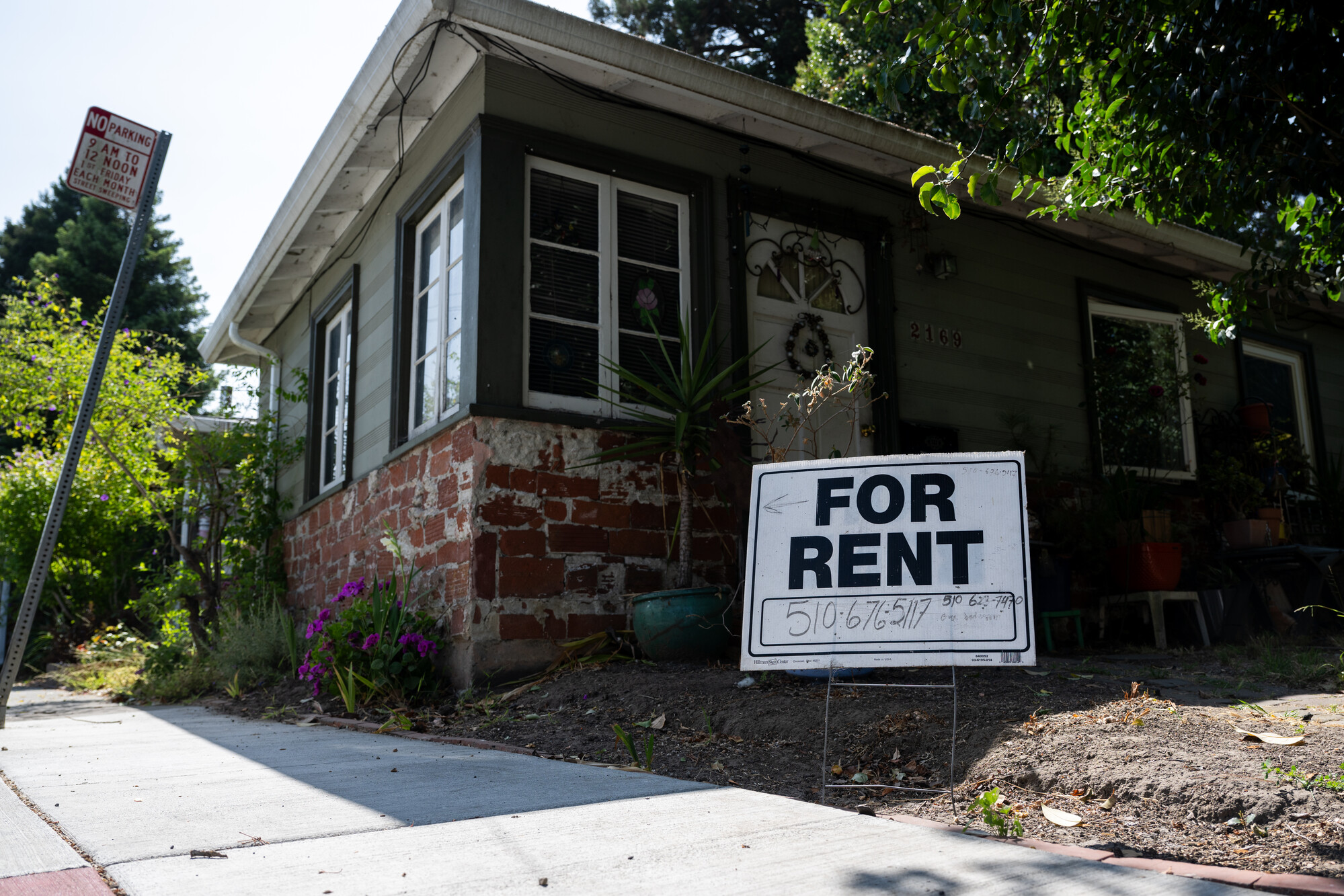
"caption": "A \"For Rent\" sign in Berkeley on June 23, 2025. The city is expected to postpone its recent prohibition on rent-setting algorithms, several months after a major property management software company sued the city in federal court. ",
"credit": "Beth LaBerge/KQED",
"altTag": null,
"description": null,
"imgSizes": {
"thumbnail": {
"file": "https://cdn.kqed.org/wp-content/uploads/sites/10/2025/06/250623-BerkeleyMiddleHousing-18-BL_qed-160x107.jpg",
"width": 160,
"height": 107,
"mimeType": "image/jpeg"
},
"1536x1536": {
"file": "https://cdn.kqed.org/wp-content/uploads/sites/10/2025/06/250623-BerkeleyMiddleHousing-18-BL_qed-1536x1024.jpg",
"width": 1536,
"height": 1024,
"mimeType": "image/jpeg"
},
"post-thumbnail": {
"file": "https://cdn.kqed.org/wp-content/uploads/sites/10/2025/06/250623-BerkeleyMiddleHousing-18-BL_qed-672x372.jpg",
"width": 672,
"height": 372,
"mimeType": "image/jpeg"
},
"twentyfourteen-full-width": {
"file": "https://cdn.kqed.org/wp-content/uploads/sites/10/2025/06/250623-BerkeleyMiddleHousing-18-BL_qed-1038x576.jpg",
"width": 1038,
"height": 576,
"mimeType": "image/jpeg"
},
"kqedFullSize": {
"file": "https://cdn.kqed.org/wp-content/uploads/sites/10/2025/06/250623-BerkeleyMiddleHousing-18-BL_qed.jpg",
"width": 1999,
"height": 1333
}
},
"isLoading": false,
"fetchFailed": false
},
"news_11910595": {
"type": "attachments",
"id": "news_11910595",
"meta": {
"index": "attachments_1716263798",
"site": "news",
"id": "11910595",
"found": true
},
"parent": 11910495,
"imgSizes": {
"twentyfourteen-full-width": {
"file": "https://ww2.kqed.org/app/uploads/sites/10/2022/04/RS55017_GettyImages-1387412608-qut-1038x576.jpg",
"width": 1038,
"mimeType": "image/jpeg",
"height": 576
},
"thumbnail": {
"file": "https://ww2.kqed.org/app/uploads/sites/10/2022/04/RS55017_GettyImages-1387412608-qut-160x96.jpg",
"width": 160,
"mimeType": "image/jpeg",
"height": 96
},
"post-thumbnail": {
"file": "https://ww2.kqed.org/app/uploads/sites/10/2022/04/RS55017_GettyImages-1387412608-qut-672x372.jpg",
"width": 672,
"mimeType": "image/jpeg",
"height": 372
},
"kqedFullSize": {
"file": "https://ww2.kqed.org/app/uploads/sites/10/2022/04/RS55017_GettyImages-1387412608-qut.jpg",
"width": 1920,
"height": 1152
},
"large": {
"file": "https://ww2.kqed.org/app/uploads/sites/10/2022/04/RS55017_GettyImages-1387412608-qut-1020x612.jpg",
"width": 1020,
"mimeType": "image/jpeg",
"height": 612
},
"1536x1536": {
"file": "https://ww2.kqed.org/app/uploads/sites/10/2022/04/RS55017_GettyImages-1387412608-qut-1536x922.jpg",
"width": 1536,
"mimeType": "image/jpeg",
"height": 922
},
"medium": {
"file": "https://ww2.kqed.org/app/uploads/sites/10/2022/04/RS55017_GettyImages-1387412608-qut-800x480.jpg",
"width": 800,
"mimeType": "image/jpeg",
"height": 480
}
},
"publishDate": 1649433963,
"modified": 1649434094,
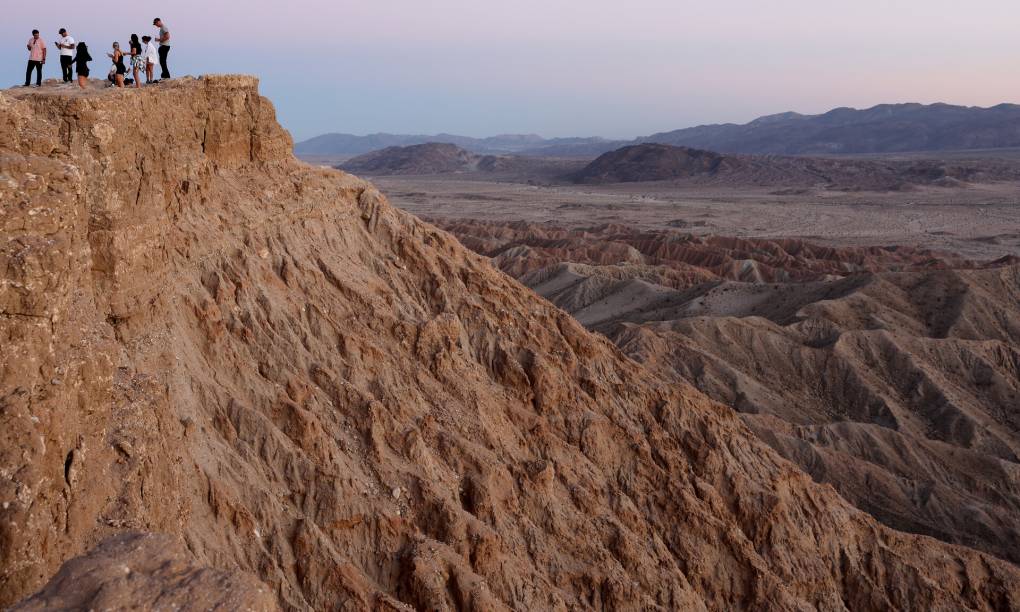
"caption": "People gather on an overlook above the Borrego Badlands in Anza-Borrego Desert State Park.",
"description": null,
"title": "free-state-parks",
"credit": "Mario Tama/Getty Images",
"status": "inherit",
"altTag": "The steep rock cliffs of California's Anza-Borrego Desert State Park photographed at dusk",
"isLoading": false,
"fetchFailed": false
},
"news_12045595": {
"type": "attachments",
"id": "news_12045595",
"meta": {
"index": "attachments_1716263798",
"site": "news",
"id": "12045595",
"found": true
},
"title": "250623-BERKELEYMIDDLEHOUSING-03-BL-KQED",
"publishDate": 1750715458,
"status": "inherit",
"parent": 0,
"modified": 1750715524,
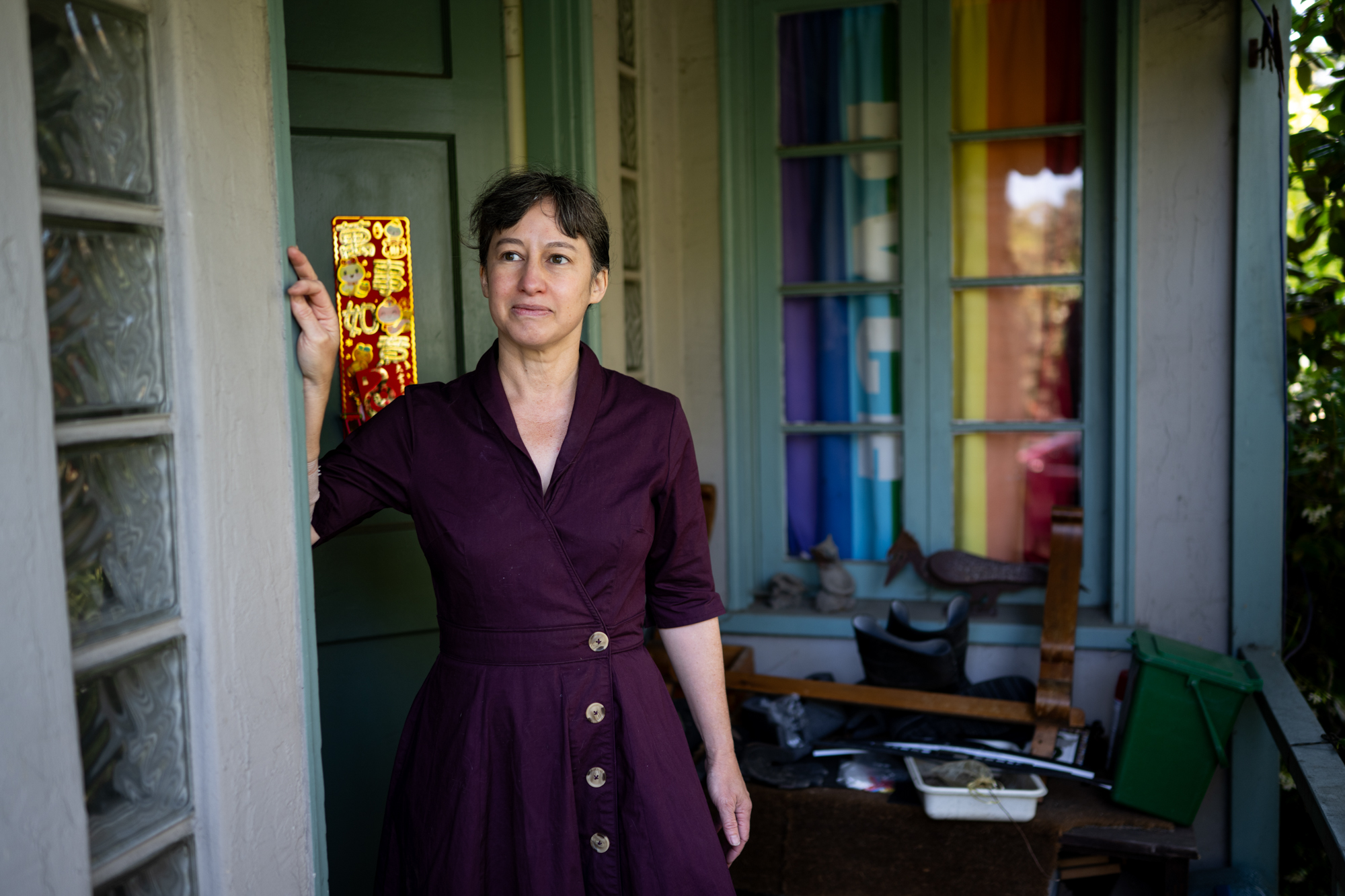
"caption": "Aimee Baldwin, whose Chinese American family has lived in Berkeley since the early 1900s, at her home in Berkeley on June 23, 2025. As the city considers a proposal to allow small apartment buildings in single-family neighborhoods, Baldwin says addressing past exclusion will require more than zoning changes.",
"credit": "Beth LaBerge/KQED",
"altTag": null,
"description": null,
"imgSizes": {
"thumbnail": {
"file": "https://cdn.kqed.org/wp-content/uploads/sites/10/2025/06/250623-BERKELEYMIDDLEHOUSING-03-BL-KQED-160x107.jpg",
"width": 160,
"height": 107,
"mimeType": "image/jpeg"
},
"1536x1536": {
"file": "https://cdn.kqed.org/wp-content/uploads/sites/10/2025/06/250623-BERKELEYMIDDLEHOUSING-03-BL-KQED-1536x1024.jpg",
"width": 1536,
"height": 1024,
"mimeType": "image/jpeg"
},
"post-thumbnail": {
"file": "https://cdn.kqed.org/wp-content/uploads/sites/10/2025/06/250623-BERKELEYMIDDLEHOUSING-03-BL-KQED-672x372.jpg",
"width": 672,
"height": 372,
"mimeType": "image/jpeg"
},
"twentyfourteen-full-width": {
"file": "https://cdn.kqed.org/wp-content/uploads/sites/10/2025/06/250623-BERKELEYMIDDLEHOUSING-03-BL-KQED-1038x576.jpg",
"width": 1038,
"height": 576,
"mimeType": "image/jpeg"
},
"kqedFullSize": {
"file": "https://cdn.kqed.org/wp-content/uploads/sites/10/2025/06/250623-BERKELEYMIDDLEHOUSING-03-BL-KQED.jpg",
"width": 2000,
"height": 1333
}
},
"isLoading": false,
"fetchFailed": false
},
"news_12042928": {
"type": "attachments",
"id": "news_12042928",
"meta": {
"index": "attachments_1716263798",
"site": "news",
"id": "12042928",
"found": true
},
"title": "250520-BerkeleyRVBuyBack-43-BL_qed",
"publishDate": 1749152106,
"status": "inherit",
"parent": 12042901,
"modified": 1749236231,
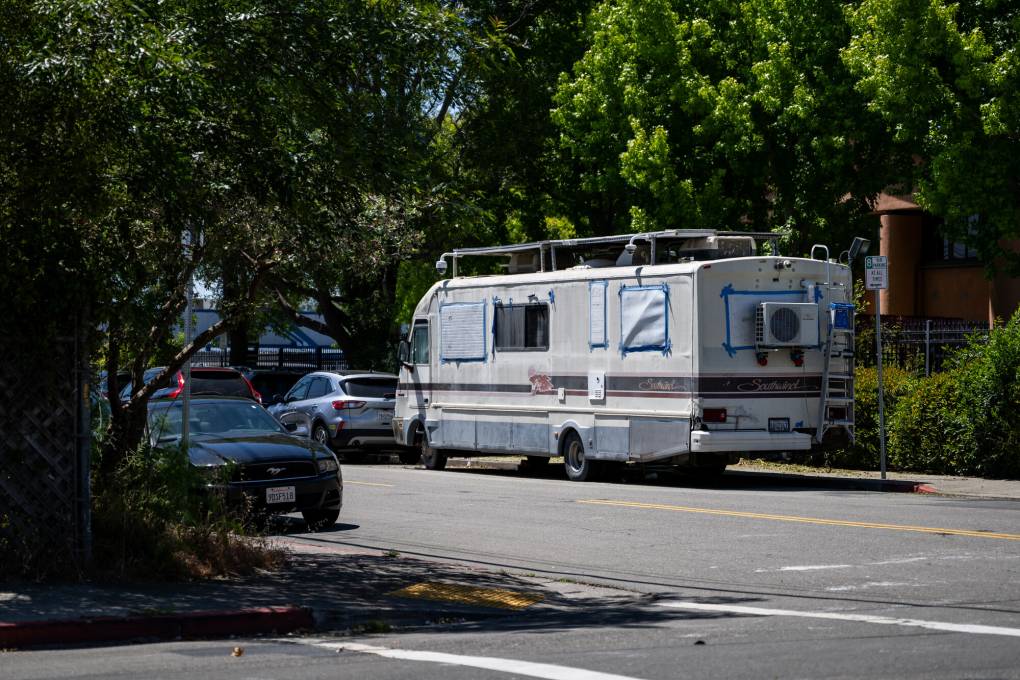
"caption": "A stretch of Harrison Street in northwest Berkeley on May 20, 2025, home to an unhoused population.",
"credit": "Beth LaBerge/KQED",
"altTag": null,
"description": null,
"imgSizes": {
"medium": {
"file": "https://cdn.kqed.org/wp-content/uploads/sites/10/2025/06/250520-BerkeleyRVBuyBack-43-BL_qed-800x533.jpg",
"width": 800,
"height": 533,
"mimeType": "image/jpeg"
},
"large": {
"file": "https://cdn.kqed.org/wp-content/uploads/sites/10/2025/06/250520-BerkeleyRVBuyBack-43-BL_qed-1020x680.jpg",
"width": 1020,
"height": 680,
"mimeType": "image/jpeg"
},
"thumbnail": {
"file": "https://cdn.kqed.org/wp-content/uploads/sites/10/2025/06/250520-BerkeleyRVBuyBack-43-BL_qed-160x107.jpg",
"width": 160,
"height": 107,
"mimeType": "image/jpeg"
},
"1536x1536": {
"file": "https://cdn.kqed.org/wp-content/uploads/sites/10/2025/06/250520-BerkeleyRVBuyBack-43-BL_qed-1536x1024.jpg",
"width": 1536,
"height": 1024,
"mimeType": "image/jpeg"
},
"post-thumbnail": {
"file": "https://cdn.kqed.org/wp-content/uploads/sites/10/2025/06/250520-BerkeleyRVBuyBack-43-BL_qed-672x372.jpg",
"width": 672,
"height": 372,
"mimeType": "image/jpeg"
},
"twentyfourteen-full-width": {
"file": "https://cdn.kqed.org/wp-content/uploads/sites/10/2025/06/250520-BerkeleyRVBuyBack-43-BL_qed-1038x576.jpg",
"width": 1038,
"height": 576,
"mimeType": "image/jpeg"
},
"full-width": {
"file": "https://cdn.kqed.org/wp-content/uploads/sites/10/2025/06/250520-BerkeleyRVBuyBack-43-BL_qed-1920x1280.jpg",
"width": 1920,
"height": 1280,
"mimeType": "image/jpeg"
},
"kqedFullSize": {
"file": "https://cdn.kqed.org/wp-content/uploads/sites/10/2025/06/250520-BerkeleyRVBuyBack-43-BL_qed.jpg",
"width": 2000,
"height": 1333
}
},
"isLoading": false,
"fetchFailed": false
},
"news_12041253": {
"type": "attachments",
"id": "news_12041253",
"meta": {
"index": "attachments_1716263798",
"site": "news",
"id": "12041253",
"found": true
},
"title": "250520-BERKELEYRVBUYBACK-25-BL-KQED",
"publishDate": 1747932792,
"status": "inherit",
"parent": 12043516,
"modified": 1749577990,
"caption": "Resident Letty Guzman sits on her bed with her dog Pappa in her room at Horizon Community Village at the Capri Motel on University Avenue in Berkeley on May 20, 2025. The site, operated by Dorothy Day House, provides transitional housing and supportive services for unhoused individuals in Berkeley.",
"credit": "Beth LaBerge/KQED",
"altTag": null,
"description": null,
"imgSizes": {
"medium": {
"file": "https://cdn.kqed.org/wp-content/uploads/sites/10/2025/05/250520-BERKELEYRVBUYBACK-25-BL-KQED-800x533.jpg",
"width": 800,
"height": 533,
"mimeType": "image/jpeg"
},
"large": {
"file": "https://cdn.kqed.org/wp-content/uploads/sites/10/2025/05/250520-BERKELEYRVBUYBACK-25-BL-KQED-1020x680.jpg",
"width": 1020,
"height": 680,
"mimeType": "image/jpeg"
},
"thumbnail": {
"file": "https://cdn.kqed.org/wp-content/uploads/sites/10/2025/05/250520-BERKELEYRVBUYBACK-25-BL-KQED-160x107.jpg",
"width": 160,
"height": 107,
"mimeType": "image/jpeg"
},
"1536x1536": {
"file": "https://cdn.kqed.org/wp-content/uploads/sites/10/2025/05/250520-BERKELEYRVBUYBACK-25-BL-KQED-1536x1024.jpg",
"width": 1536,
"height": 1024,
"mimeType": "image/jpeg"
},
"post-thumbnail": {
"file": "https://cdn.kqed.org/wp-content/uploads/sites/10/2025/05/250520-BERKELEYRVBUYBACK-25-BL-KQED-672x372.jpg",
"width": 672,
"height": 372,
"mimeType": "image/jpeg"
},
"twentyfourteen-full-width": {
"file": "https://cdn.kqed.org/wp-content/uploads/sites/10/2025/05/250520-BERKELEYRVBUYBACK-25-BL-KQED-1038x576.jpg",
"width": 1038,
"height": 576,
"mimeType": "image/jpeg"
},
"full-width": {
"file": "https://cdn.kqed.org/wp-content/uploads/sites/10/2025/05/250520-BERKELEYRVBUYBACK-25-BL-KQED-1920x1280.jpg",
"width": 1920,
"height": 1280,
"mimeType": "image/jpeg"
},
"kqedFullSize": {
"file": "https://cdn.kqed.org/wp-content/uploads/sites/10/2025/05/250520-BERKELEYRVBUYBACK-25-BL-KQED.jpg",
"width": 2000,
"height": 1333
}
},
"isLoading": false,
"fetchFailed": false
},
"news_12042927": {
"type": "attachments",
"id": "news_12042927",
"meta": {
"index": "attachments_1716263798",
"site": "news",
"id": "12042927",
"found": true
},
"title": "250520-BerkeleyRVBuyBack-38-BL_qed",
"publishDate": 1749152043,
"status": "inherit",
"parent": 12042901,
"modified": 1749237274,
"caption": "A stretch of Harrison Street in northwest Berkeley on May 20, 2025, is home to an unhoused population.",
"credit": "Beth LaBerge/KQED",
"altTag": null,
"description": null,
"imgSizes": {
"medium": {
"file": "https://cdn.kqed.org/wp-content/uploads/sites/10/2025/06/250520-BerkeleyRVBuyBack-38-BL_qed-800x533.jpg",
"width": 800,
"height": 533,
"mimeType": "image/jpeg"
},
"large": {
"file": "https://cdn.kqed.org/wp-content/uploads/sites/10/2025/06/250520-BerkeleyRVBuyBack-38-BL_qed-1020x680.jpg",
"width": 1020,
"height": 680,
"mimeType": "image/jpeg"
},
"thumbnail": {
"file": "https://cdn.kqed.org/wp-content/uploads/sites/10/2025/06/250520-BerkeleyRVBuyBack-38-BL_qed-160x107.jpg",
"width": 160,
"height": 107,
"mimeType": "image/jpeg"
},
"1536x1536": {
"file": "https://cdn.kqed.org/wp-content/uploads/sites/10/2025/06/250520-BerkeleyRVBuyBack-38-BL_qed-1536x1024.jpg",
"width": 1536,
"height": 1024,
"mimeType": "image/jpeg"
},
"post-thumbnail": {
"file": "https://cdn.kqed.org/wp-content/uploads/sites/10/2025/06/250520-BerkeleyRVBuyBack-38-BL_qed-672x372.jpg",
"width": 672,
"height": 372,
"mimeType": "image/jpeg"
},
"twentyfourteen-full-width": {
"file": "https://cdn.kqed.org/wp-content/uploads/sites/10/2025/06/250520-BerkeleyRVBuyBack-38-BL_qed-1038x576.jpg",
"width": 1038,
"height": 576,
"mimeType": "image/jpeg"
},
"full-width": {
"file": "https://cdn.kqed.org/wp-content/uploads/sites/10/2025/06/250520-BerkeleyRVBuyBack-38-BL_qed-1920x1280.jpg",
"width": 1920,
"height": 1280,
"mimeType": "image/jpeg"
},
"kqedFullSize": {
"file": "https://cdn.kqed.org/wp-content/uploads/sites/10/2025/06/250520-BerkeleyRVBuyBack-38-BL_qed.jpg",
"width": 1999,
"height": 1333
}
},
"isLoading": false,
"fetchFailed": false
},
"news_12042186": {
"type": "attachments",
"id": "news_12042186",
"meta": {
"index": "attachments_1716263798",
"site": "news",
"id": "12042186",
"found": true
},
"title": "20250529_OhloneParkEncampment_GC-3_qed",
"publishDate": 1748627843,
"status": "inherit",
"parent": 12041966,
"modified": 1748627871,
"caption": "Travis Smith gets emotional as he contemplates leaving the Ohlone Park encampment in Berkeley on May 29, 2025.",
"credit": "Gina Castro/KQED",
"altTag": null,
"description": null,
"imgSizes": {
"medium": {
"file": "https://cdn.kqed.org/wp-content/uploads/sites/10/2025/05/20250529_OhloneParkEncampment_GC-3_qed-800x541.jpg",
"width": 800,
"height": 541,
"mimeType": "image/jpeg"
},
"large": {
"file": "https://cdn.kqed.org/wp-content/uploads/sites/10/2025/05/20250529_OhloneParkEncampment_GC-3_qed-1020x689.jpg",
"width": 1020,
"height": 689,
"mimeType": "image/jpeg"
},
"thumbnail": {
"file": "https://cdn.kqed.org/wp-content/uploads/sites/10/2025/05/20250529_OhloneParkEncampment_GC-3_qed-160x108.jpg",
"width": 160,
"height": 108,
"mimeType": "image/jpeg"
},
"1536x1536": {
"file": "https://cdn.kqed.org/wp-content/uploads/sites/10/2025/05/20250529_OhloneParkEncampment_GC-3_qed-1536x1038.jpg",
"width": 1536,
"height": 1038,
"mimeType": "image/jpeg"
},
"post-thumbnail": {
"file": "https://cdn.kqed.org/wp-content/uploads/sites/10/2025/05/20250529_OhloneParkEncampment_GC-3_qed-672x372.jpg",
"width": 672,
"height": 372,
"mimeType": "image/jpeg"
},
"twentyfourteen-full-width": {
"file": "https://cdn.kqed.org/wp-content/uploads/sites/10/2025/05/20250529_OhloneParkEncampment_GC-3_qed-1038x576.jpg",
"width": 1038,
"height": 576,
"mimeType": "image/jpeg"
},
"full-width": {
"file": "https://cdn.kqed.org/wp-content/uploads/sites/10/2025/05/20250529_OhloneParkEncampment_GC-3_qed-1920x1298.jpg",
"width": 1920,
"height": 1298,
"mimeType": "image/jpeg"
},
"kqedFullSize": {
"file": "https://cdn.kqed.org/wp-content/uploads/sites/10/2025/05/20250529_OhloneParkEncampment_GC-3_qed.jpg",
"width": 1972,
"height": 1333
}
},
"isLoading": false,
"fetchFailed": false
},
"news_12039307": {
"type": "attachments",
"id": "news_12039307",
"meta": {
"index": "attachments_1716263798",
"site": "news",
"id": "12039307",
"found": true
},
"title": "250505-NATIONALSMILESMONTH-29-BL-KQED",
"publishDate": 1746724806,
"status": "inherit",
"parent": 12039893,
"modified": 1747164348,
"caption": "Dr. Jessica Ngo, a dentist at Total Health Dental Care, talks with patient Otis R. Taylor Jr. in the Berkeley offices on May 5, 2025.",
"credit": "Beth LaBerge/KQED",
"altTag": null,
"description": null,
"imgSizes": {
"medium": {
"file": "https://cdn.kqed.org/wp-content/uploads/sites/10/2025/05/250505-NATIONALSMILESMONTH-29-BL-KQED-800x533.jpg",
"width": 800,
"height": 533,
"mimeType": "image/jpeg"
},
"large": {
"file": "https://cdn.kqed.org/wp-content/uploads/sites/10/2025/05/250505-NATIONALSMILESMONTH-29-BL-KQED-1020x680.jpg",
"width": 1020,
"height": 680,
"mimeType": "image/jpeg"
},
"thumbnail": {
"file": "https://cdn.kqed.org/wp-content/uploads/sites/10/2025/05/250505-NATIONALSMILESMONTH-29-BL-KQED-160x107.jpg",
"width": 160,
"height": 107,
"mimeType": "image/jpeg"
},
"1536x1536": {
"file": "https://cdn.kqed.org/wp-content/uploads/sites/10/2025/05/250505-NATIONALSMILESMONTH-29-BL-KQED-1536x1024.jpg",
"width": 1536,
"height": 1024,
"mimeType": "image/jpeg"
},
"post-thumbnail": {
"file": "https://cdn.kqed.org/wp-content/uploads/sites/10/2025/05/250505-NATIONALSMILESMONTH-29-BL-KQED-672x372.jpg",
"width": 672,
"height": 372,
"mimeType": "image/jpeg"
},
"twentyfourteen-full-width": {
"file": "https://cdn.kqed.org/wp-content/uploads/sites/10/2025/05/250505-NATIONALSMILESMONTH-29-BL-KQED-1038x576.jpg",
"width": 1038,
"height": 576,
"mimeType": "image/jpeg"
},
"full-width": {
"file": "https://cdn.kqed.org/wp-content/uploads/sites/10/2025/05/250505-NATIONALSMILESMONTH-29-BL-KQED-1920x1280.jpg",
"width": 1920,
"height": 1280,
"mimeType": "image/jpeg"
},
"kqedFullSize": {
"file": "https://cdn.kqed.org/wp-content/uploads/sites/10/2025/05/250505-NATIONALSMILESMONTH-29-BL-KQED.jpg",
"width": 2000,
"height": 1333
}
},
"isLoading": false,
"fetchFailed": false
},
"news_12002386": {
"type": "attachments",
"id": "news_12002386",
"meta": {
"index": "attachments_1716263798",
"site": "news",
"id": "12002386",
"found": true
},
"title": "LOGO_THEBAY",
"publishDate": 1724964767,
"status": "inherit",
"parent": 12002385,
"modified": 1724964767,
"caption": null,
"credit": null,
"altTag": null,
"description": null,
"imgSizes": {
"thumbnail": {
"file": "https://cdn.kqed.org/wp-content/uploads/sites/10/2024/08/LOGO_THEBAY-160x160.png",
"width": 160,
"height": 160,
"mimeType": "image/png"
},
"kqedFullSize": {
"file": "https://cdn.kqed.org/wp-content/uploads/sites/10/2024/08/LOGO_THEBAY.png",
"width": 300,
"height": 300
}
},
"isLoading": false,
"fetchFailed": false
},
"news_12033583": {
"type": "attachments",
"id": "news_12033583",
"meta": {
"index": "attachments_1716263798",
"site": "news",
"id": "12033583",
"found": true
},
"title": "The REI store in Berkeley on March 28, 2025.",
"publishDate": 1743192464,
"status": "inherit",
"parent": 12084465,
"modified": 1779297031,
"caption": "The REI store in Berkeley on March 28, 2025.",
"credit": "Martin do Nascimento/KQED",
"altTag": null,
"description": null,
"imgSizes": {
"medium": {
"file": "https://cdn.kqed.org/wp-content/uploads/sites/10/2025/03/250328-REI-LABOR-DISPUTE-MD-10-KQED-800x533.jpg",
"width": 800,
"height": 533,
"mimeType": "image/jpeg"
},
"large": {
"file": "https://cdn.kqed.org/wp-content/uploads/sites/10/2025/03/250328-REI-LABOR-DISPUTE-MD-10-KQED-1020x680.jpg",
"width": 1020,
"height": 680,
"mimeType": "image/jpeg"
},
"thumbnail": {
"file": "https://cdn.kqed.org/wp-content/uploads/sites/10/2025/03/250328-REI-LABOR-DISPUTE-MD-10-KQED-160x107.jpg",
"width": 160,
"height": 107,
"mimeType": "image/jpeg"
},
"1536x1536": {
"file": "https://cdn.kqed.org/wp-content/uploads/sites/10/2025/03/250328-REI-LABOR-DISPUTE-MD-10-KQED-1536x1024.jpg",
"width": 1536,
"height": 1024,
"mimeType": "image/jpeg"
},
"post-thumbnail": {
"file": "https://cdn.kqed.org/wp-content/uploads/sites/10/2025/03/250328-REI-LABOR-DISPUTE-MD-10-KQED-672x372.jpg",
"width": 672,
"height": 372,
"mimeType": "image/jpeg"
},
"twentyfourteen-full-width": {
"file": "https://cdn.kqed.org/wp-content/uploads/sites/10/2025/03/250328-REI-LABOR-DISPUTE-MD-10-KQED-1038x576.jpg",
"width": 1038,
"height": 576,
"mimeType": "image/jpeg"
},
"full-width": {
"file": "https://cdn.kqed.org/wp-content/uploads/sites/10/2025/03/250328-REI-LABOR-DISPUTE-MD-10-KQED-1920x1280.jpg",
"width": 1920,
"height": 1280,
"mimeType": "image/jpeg"
},
"kqedFullSize": {
"file": "https://cdn.kqed.org/wp-content/uploads/sites/10/2025/03/250328-REI-LABOR-DISPUTE-MD-10-KQED.jpg",
"width": 2000,
"height": 1333
}
},
"isLoading": false,
"fetchFailed": false
},
"news_12037132": {
"type": "attachments",
"id": "news_12037132",
"meta": {
"index": "attachments_1716263798",
"site": "news",
"id": "12037132",
"found": true
},
"title": "250319-UCBerkeleyProtest-02-BL_qed",
"publishDate": 1745351560,
"status": "inherit",
"parent": 12037114,
"modified": 1745351607,
"caption": "Faculty, students and supporters gather in Sproul Plaza at UC Berkeley, on March 19, 2025, to protest the Trump administration's scrutiny of campus protests and curriculum nationwide. The demonstration comes amid broader concerns over federal funding cuts and actions perceived as threats to academic freedom.",
"credit": "Beth LaBerge/KQED",
"altTag": null,
"description": null,
"imgSizes": {
"medium": {
"file": "https://cdn.kqed.org/wp-content/uploads/sites/10/2025/04/250319-UCBerkeleyProtest-02-BL_qed-800x533.jpg",
"width": 800,
"height": 533,
"mimeType": "image/jpeg"
},
"large": {
"file": "https://cdn.kqed.org/wp-content/uploads/sites/10/2025/04/250319-UCBerkeleyProtest-02-BL_qed-1020x680.jpg",
"width": 1020,
"height": 680,
"mimeType": "image/jpeg"
},
"thumbnail": {
"file": "https://cdn.kqed.org/wp-content/uploads/sites/10/2025/04/250319-UCBerkeleyProtest-02-BL_qed-160x107.jpg",
"width": 160,
"height": 107,
"mimeType": "image/jpeg"
},
"1536x1536": {
"file": "https://cdn.kqed.org/wp-content/uploads/sites/10/2025/04/250319-UCBerkeleyProtest-02-BL_qed-1536x1024.jpg",
"width": 1536,
"height": 1024,
"mimeType": "image/jpeg"
},
"post-thumbnail": {
"file": "https://cdn.kqed.org/wp-content/uploads/sites/10/2025/04/250319-UCBerkeleyProtest-02-BL_qed-672x372.jpg",
"width": 672,
"height": 372,
"mimeType": "image/jpeg"
},
"twentyfourteen-full-width": {
"file": "https://cdn.kqed.org/wp-content/uploads/sites/10/2025/04/250319-UCBerkeleyProtest-02-BL_qed-1038x576.jpg",
"width": 1038,
"height": 576,
"mimeType": "image/jpeg"
},
"full-width": {
"file": "https://cdn.kqed.org/wp-content/uploads/sites/10/2025/04/250319-UCBerkeleyProtest-02-BL_qed-1920x1280.jpg",
"width": 1920,
"height": 1280,
"mimeType": "image/jpeg"
},
"kqedFullSize": {
"file": "https://cdn.kqed.org/wp-content/uploads/sites/10/2025/04/250319-UCBerkeleyProtest-02-BL_qed.jpg",
"width": 2000,
"height": 1333
}
},
"isLoading": false,
"fetchFailed": false
},
"news_12036564": {
"type": "attachments",
"id": "news_12036564",
"meta": {
"index": "attachments_1716263798",
"site": "news",
"id": "12036564",
"found": true
},
"title": "250126-EcoBlock-32-BL_qed",
"publishDate": 1744994493,
"status": "inherit",
"parent": 12036557,
"modified": 1745020023,
"caption": "Solar panels fill the roofs of two homes in Oakland on Jan. 26, 2025. These houses are a part of EcoBlock, a collaborative project bringing together academics, professionals, government agencies, utilities, private donors, and residents. The initiative aims to help an entire city block reduce emissions through insulation upgrades, electric appliances, and solar panels.",
"credit": "Beth LaBerge/KQED",
"altTag": null,
"description": null,
"imgSizes": {
"medium": {
"file": "https://cdn.kqed.org/wp-content/uploads/sites/10/2025/04/250126-EcoBlock-32-BL_qed-800x533.jpg",
"width": 800,
"height": 533,
"mimeType": "image/jpeg"
},
"large": {
"file": "https://cdn.kqed.org/wp-content/uploads/sites/10/2025/04/250126-EcoBlock-32-BL_qed-1020x680.jpg",
"width": 1020,
"height": 680,
"mimeType": "image/jpeg"
},
"thumbnail": {
"file": "https://cdn.kqed.org/wp-content/uploads/sites/10/2025/04/250126-EcoBlock-32-BL_qed-160x107.jpg",
"width": 160,
"height": 107,
"mimeType": "image/jpeg"
},
"1536x1536": {
"file": "https://cdn.kqed.org/wp-content/uploads/sites/10/2025/04/250126-EcoBlock-32-BL_qed-1536x1024.jpg",
"width": 1536,
"height": 1024,
"mimeType": "image/jpeg"
},
"post-thumbnail": {
"file": "https://cdn.kqed.org/wp-content/uploads/sites/10/2025/04/250126-EcoBlock-32-BL_qed-672x372.jpg",
"width": 672,
"height": 372,
"mimeType": "image/jpeg"
},
"twentyfourteen-full-width": {
"file": "https://cdn.kqed.org/wp-content/uploads/sites/10/2025/04/250126-EcoBlock-32-BL_qed-1038x576.jpg",
"width": 1038,
"height": 576,
"mimeType": "image/jpeg"
},
"full-width": {
"file": "https://cdn.kqed.org/wp-content/uploads/sites/10/2025/04/250126-EcoBlock-32-BL_qed-1920x1280.jpg",
"width": 1920,
"height": 1280,
"mimeType": "image/jpeg"
},
"kqedFullSize": {
"file": "https://cdn.kqed.org/wp-content/uploads/sites/10/2025/04/250126-EcoBlock-32-BL_qed.jpg",
"width": 2000,
"height": 1333
}
},
"isLoading": false,
"fetchFailed": false
}
},
"audioPlayerReducer": {
"postId": "stream_live",
"isPaused": true,
"isPlaying": false,
"pfsActive": false,
"pledgeModalIsOpen": true,
"playerDrawerIsOpen": false,
"liveAudioPlayStartedAt": 0,
"liveAudioPlayContext": ""
},
"authorsReducer": {
"byline_news_12037114": {
"type": "authors",
"id": "byline_news_12037114",
"meta": {
"override": true
},
"slug": "byline_news_12037114",
"name": "\u003ca href=\"https://www.marketplace.org/author/matt-levin\">Matt Levin\u003c/a>, Marketplace",
"isLoading": false
},
"matthewgreen": {
"type": "authors",
"id": "1263",
"meta": {
"index": "authors_1716337520",
"id": "1263",
"found": true
},
"name": "Matthew Green",
"firstName": "Matthew",
"lastName": "Green",
"slug": "matthewgreen",
"email": "mgreen@kqed.org",
"display_author_email": false,
"staff_mastheads": [],
"title": "KQED Editor/Reporter",
"bio": "Matthew Green is a digital media producer for KQED News. He previously produced \u003ca href=\"http://www.kqed.org/lowdown\">The Lowdown\u003c/a>, KQED’s multimedia news education blog. Matthew's written for numerous Bay Area publications, including the Oakland Tribune and San Francisco Chronicle. He also taught journalism classes at Fremont High School in East Oakland.\r\n\r\nEmail: mgreen@kqed.org; Twitter: @MGreenKQED",
"avatar": "https://secure.gravatar.com/avatar/3bf498d1267ca02c8494f33d8cfc575e?s=600&d=blank&r=g",
"twitter": "MGreenKQED",
"facebook": null,
"instagram": null,
"linkedin": null,
"sites": [
{
"site": "news",
"roles": []
},
{
"site": "lowdown",
"roles": []
},
{
"site": "science",
"roles": []
},
{
"site": "education",
"roles": []
},
{
"site": "quest",
"roles": []
},
{
"site": "liveblog",
"roles": []
}
],
"headData": {
"title": "Matthew Green | KQED",
"description": "KQED Editor/Reporter",
"ogImgSrc": "https://secure.gravatar.com/avatar/3bf498d1267ca02c8494f33d8cfc575e?s=600&d=blank&r=g",
"twImgSrc": "https://secure.gravatar.com/avatar/3bf498d1267ca02c8494f33d8cfc575e?s=600&d=blank&r=g"
},
"isLoading": false,
"link": "/author/matthewgreen"
},
"carlysevern": {
"type": "authors",
"id": "3243",
"meta": {
"index": "authors_1716337520",
"id": "3243",
"found": true
},
"name": "Carly Severn",
"firstName": "Carly",
"lastName": "Severn",
"slug": "carlysevern",
"email": "csevern@kqed.org",
"display_author_email": false,
"staff_mastheads": [
"news"
],
"title": "Senior Editor, Audience News ",
"bio": "Carly is KQED's Senior Editor of Audience News on the Digital News team, and has reported for the California Report Magazine, Bay Curious and KQED Arts. She's formerly the host of \u003ca href=\"http://ww2.kqed.org/pop/category/the-cooler/\" rel=\"noopener noreferrer\">The Cooler\u003c/a> podcast.",
"avatar": "https://secure.gravatar.com/avatar/54037bf5c128fe678f0ef26cec97a93f2e7f220a22d7285703328f12c42c1b1d?s=600&d=blank&r=g",
"twitter": "teacupinthebay",
"bluesky": null,
"facebook": null,
"instagram": null,
"linkedin": null,
"sites": [
{
"site": "",
"roles": [
"editor"
]
},
{
"site": "arts",
"roles": [
"editor"
]
},
{
"site": "news",
"roles": [
"administrator"
]
},
{
"site": "pop",
"roles": [
"editor"
]
},
{
"site": "futureofyou",
"roles": [
"editor"
]
},
{
"site": "about",
"roles": [
"administrator"
]
},
{
"site": "mindshift",
"roles": [
"editor"
]
},
{
"site": "bayareabites",
"roles": [
"editor"
]
},
{
"site": "stateofhealth",
"roles": [
"editor"
]
},
{
"site": "science",
"roles": [
"editor"
]
},
{
"site": "food",
"roles": [
"contributor"
]
},
{
"site": "forum",
"roles": [
"editor"
]
},
{
"site": "perspectives",
"roles": [
"administrator"
]
},
{
"site": "liveblog",
"roles": [
"editor"
]
}
],
"headData": {
"title": "Carly Severn | KQED",
"description": "Senior Editor, Audience News ",
"ogImgSrc": "https://secure.gravatar.com/avatar/54037bf5c128fe678f0ef26cec97a93f2e7f220a22d7285703328f12c42c1b1d?s=600&d=blank&r=g",
"twImgSrc": "https://secure.gravatar.com/avatar/54037bf5c128fe678f0ef26cec97a93f2e7f220a22d7285703328f12c42c1b1d?s=600&d=blank&r=g"
},
"isLoading": false,
"link": "/author/carlysevern"
},
"lklivans": {
"type": "authors",
"id": "8648",
"meta": {
"index": "authors_1716337520",
"id": "8648",
"found": true
},
"name": "Laura Klivans",
"firstName": "Laura",
"lastName": "Klivans",
"slug": "lklivans",
"email": "lklivans@kqed.org",
"display_author_email": true,
"staff_mastheads": [
"news",
"science"
],
"title": "Reporter",
"bio": "Laura Klivans is an award-winning science reporter for KQED News, where she covers climate change with an eye on both groundbreaking progress and gaps in action. She is the former host of KQED's blockbuster video series about tiny, amazing animals, \u003cem>Deep Look\u003c/em>. Her work reaches national audiences through NPR, \u003cem>Here & Now, \u003c/em>PRI, and other major outlets. \r\n\r\nLaura’s won five Northern California Area Emmy Awards for Deep Look and First Place in the Greater Bay Area Journalism Awards for a podcast exploring how one Oakland neighborhood teamed up to reduce planet-heating pollution.\r\n\r\nBeyond her reporting, she hosts and moderates events. In the past, she taught audio storytelling at the UC Berkeley Graduate School of Journalism, led international education programs, worked with immigrants and refugees along the Thai-Burmese border, taught high schoolers sex ed, and was an actress. \r\n\r\nShe's a former UC Berkeley Human Rights Fellow, USC Center for Health Journalism's California Fellow and Coro Fellow in Public Affairs. Laura has a master’s in journalism from UC Berkeley, a master’s in education from Harvard, and an undergraduate degree from Northwestern University.\r\n\r\nShe loves trying to riddle the meaning out of vanity license plates.",
"avatar": "https://secure.gravatar.com/avatar/2d2ecd1550a494cc10ad4a503406965585902124739e775a9b3817eebf1d88be?s=600&d=blank&r=g",
"twitter": "lauraklivans",
"bluesky": null,
"facebook": null,
"instagram": null,
"linkedin": null,
"sites": [
{
"site": "news",
"roles": [
"editor"
]
},
{
"site": "stateofhealth",
"roles": [
"contributor",
"editor"
]
},
{
"site": "science",
"roles": [
"editor"
]
},
{
"site": "forum",
"roles": [
"editor"
]
}
],
"headData": {
"title": "Laura Klivans | KQED",
"description": "Reporter",
"ogImgSrc": "https://secure.gravatar.com/avatar/2d2ecd1550a494cc10ad4a503406965585902124739e775a9b3817eebf1d88be?s=600&d=blank&r=g",
"twImgSrc": "https://secure.gravatar.com/avatar/2d2ecd1550a494cc10ad4a503406965585902124739e775a9b3817eebf1d88be?s=600&d=blank&r=g"
},
"isLoading": false,
"link": "/author/lklivans"
},
"ecruzguevarra": {
"type": "authors",
"id": "8654",
"meta": {
"index": "authors_1716337520",
"id": "8654",
"found": true
},
"name": "Ericka Cruz Guevarra",
"firstName": "Ericka",
"lastName": "Cruz Guevarra",
"slug": "ecruzguevarra",
"email": "ecruzguevarra@kqed.org",
"display_author_email": true,
"staff_mastheads": [
"news"
],
"title": "Producer, The Bay Podcast",
"bio": "Ericka Cruz Guevarra is host of \u003ca href=\"https://www.kqed.org/podcasts/thebay\">\u003cem>The Bay\u003c/em>\u003c/a> podcast at KQED. Before host, she was the show’s producer. Her work in that capacity includes a three-part reported series on policing in Vallejo, which won a 2020 excellence in journalism award from the Society of Professional Journalists. Ericka has worked as a breaking news reporter at Oregon Public Broadcasting, helped produce the Code Switch podcast, and was KQED’s inaugural Raul Ramirez Diversity Fund intern. She’s also an alumna of NPR’s Next Generation Radio program. Send her an email if you have strong feelings about whether Fairfield and Suisun City are the Bay. Ericka is represented by SAG-AFTRA.",
"avatar": "https://secure.gravatar.com/avatar/accefc1de4bafc7e234b69bcb9b6f6536c130fd84709bc3069ef11a78787e1bb?s=600&d=blank&r=g",
"twitter": "NotoriousECG",
"bluesky": null,
"facebook": null,
"instagram": null,
"linkedin": null,
"sites": [
{
"site": "arts",
"roles": [
"subscriber"
]
},
{
"site": "news",
"roles": [
"editor",
"manage_categories"
]
},
{
"site": "futureofyou",
"roles": [
"subscriber"
]
},
{
"site": "stateofhealth",
"roles": [
"subscriber"
]
},
{
"site": "science",
"roles": [
"editor"
]
},
{
"site": "forum",
"roles": [
"subscriber"
]
}
],
"headData": {
"title": "Ericka Cruz Guevarra | KQED",
"description": "Producer, The Bay Podcast",
"ogImgSrc": "https://secure.gravatar.com/avatar/accefc1de4bafc7e234b69bcb9b6f6536c130fd84709bc3069ef11a78787e1bb?s=600&d=blank&r=g",
"twImgSrc": "https://secure.gravatar.com/avatar/accefc1de4bafc7e234b69bcb9b6f6536c130fd84709bc3069ef11a78787e1bb?s=600&d=blank&r=g"
},
"isLoading": false,
"link": "/author/ecruzguevarra"
},
"fjhabvala": {
"type": "authors",
"id": "8659",
"meta": {
"index": "authors_1716337520",
"id": "8659",
"found": true
},
"name": "Farida Jhabvala Romero",
"firstName": "Farida",
"lastName": "Jhabvala Romero",
"slug": "fjhabvala",
"email": "fjhabvala@kqed.org",
"display_author_email": true,
"staff_mastheads": [
"news"
],
"title": "KQED Contributor",
"bio": "Farida Jhabvala Romero is a Labor Correspondent for KQED. She previously covered immigration. Farida was \u003ca href=\"https://www.ccnma.org/2022-most-influential-latina-journalists\">named\u003c/a> one of the 10 Most Influential Latina Journalists in California in 2022 by the California Chicano News Media Association. Her work has won awards from the Society of Professional Journalists (Northern California), as well as a national and regional Edward M. Murrow Award for the collaborative reporting projects “Dangerous Air” and “Graying California.” Before joining KQED, Farida worked as a producer at Radio Bilingüe, a national public radio network. Farida earned her master’s degree in journalism from Stanford University.",
"avatar": "https://secure.gravatar.com/avatar/f9f022d4e2609741874222a1e9d41f48fea74011aa7c615eef91d9a50c944ebe?s=600&d=blank&r=g",
"twitter": "FaridaJhabvala",
"bluesky": null,
"facebook": null,
"instagram": null,
"linkedin": "https://www.linkedin.com/in/faridajhabvala/",
"sites": [
{
"site": "news",
"roles": [
"editor"
]
},
{
"site": "stateofhealth",
"roles": [
"author"
]
},
{
"site": "liveblog",
"roles": [
"author"
]
}
],
"headData": {
"title": "Farida Jhabvala Romero | KQED",
"description": "KQED Contributor",
"ogImgSrc": "https://secure.gravatar.com/avatar/f9f022d4e2609741874222a1e9d41f48fea74011aa7c615eef91d9a50c944ebe?s=600&d=blank&r=g",
"twImgSrc": "https://secure.gravatar.com/avatar/f9f022d4e2609741874222a1e9d41f48fea74011aa7c615eef91d9a50c944ebe?s=600&d=blank&r=g"
},
"isLoading": false,
"link": "/author/fjhabvala"
},
"vrancano": {
"type": "authors",
"id": "11276",
"meta": {
"index": "authors_1716337520",
"id": "11276",
"found": true
},
"name": "Vanessa Rancaño",
"firstName": "Vanessa",
"lastName": "Rancaño",
"slug": "vrancano",
"email": "vrancano@kqed.org",
"display_author_email": false,
"staff_mastheads": [
"news"
],
"title": "Reporter",
"bio": "Vanessa Rancaño is a features reporter for KQED. She’s also covered homelessness and education for the station and reported from the Central Valley. Her work has aired across public radio, from flagship national news shows to longform narrative podcasts. Before taking up a mic, she worked as a freelance print journalist. She’s been recognized with a number of national and regional awards. Vanessa grew up in California's Central Valley. She's a former NPR Kroc Fellow, and a graduate of the UC Berkeley Graduate School of Journalism.",
"avatar": "https://secure.gravatar.com/avatar/b3a383dfb0e7ee1c17568f2cf067904ab654d6e3de9743fc661f3c788ade1bed?s=600&d=blank&r=g",
"twitter": "vanessarancano",
"bluesky": null,
"facebook": null,
"instagram": null,
"linkedin": null,
"sites": [
{
"site": "arts",
"roles": [
"editor"
]
},
{
"site": "news",
"roles": [
"editor"
]
},
{
"site": "liveblog",
"roles": [
"contributor"
]
}
],
"headData": {
"title": "Vanessa Rancaño | KQED",
"description": "Reporter",
"ogImgSrc": "https://secure.gravatar.com/avatar/b3a383dfb0e7ee1c17568f2cf067904ab654d6e3de9743fc661f3c788ade1bed?s=600&d=blank&r=g",
"twImgSrc": "https://secure.gravatar.com/avatar/b3a383dfb0e7ee1c17568f2cf067904ab654d6e3de9743fc661f3c788ade1bed?s=600&d=blank&r=g"
},
"isLoading": false,
"link": "/author/vrancano"
},
"amontecillo": {
"type": "authors",
"id": "11649",
"meta": {
"index": "authors_1716337520",
"id": "11649",
"found": true
},
"name": "Alan Montecillo",
"firstName": "Alan",
"lastName": "Montecillo",
"slug": "amontecillo",
"email": "amontecillo@kqed.org",
"display_author_email": false,
"staff_mastheads": [
"news"
],
"title": "KQED Contributor",
"bio": "Alan Montecillo is the senior editor of \u003cem>\u003ca href=\"http://kqed.org/thebay\">The Bay\u003c/a>, \u003c/em> KQED's local news podcast. Before moving to the Bay Area, he worked as a senior talk show producer for WILL in Champaign-Urbana, Illinois and at Oregon Public Broadcasting in Portland, Oregon. He has won journalism awards from the Society of Professional Journalists Northern California, the Public Media Journalists Association, The Signal Awards, and has also received a regional Edward R. Murrow award. Alan is a Filipino American from Hong Kong and a graduate of Reed College.",
"avatar": "https://secure.gravatar.com/avatar/268f53a2066899ea9efdd8a5900218b17c822d9862cbc9326cccec53ef41d349?s=600&d=blank&r=g",
"twitter": "alanmontecillo",
"bluesky": null,
"facebook": null,
"instagram": null,
"linkedin": null,
"sites": [
{
"site": "",
"roles": [
"editor"
]
},
{
"site": "news",
"roles": [
"editor",
"manage_categories"
]
}
],
"headData": {
"title": "Alan Montecillo | KQED",
"description": "KQED Contributor",
"ogImgSrc": "https://secure.gravatar.com/avatar/268f53a2066899ea9efdd8a5900218b17c822d9862cbc9326cccec53ef41d349?s=600&d=blank&r=g",
"twImgSrc": "https://secure.gravatar.com/avatar/268f53a2066899ea9efdd8a5900218b17c822d9862cbc9326cccec53ef41d349?s=600&d=blank&r=g"
},
"isLoading": false,
"link": "/author/amontecillo"
},
"ebaldassari": {
"type": "authors",
"id": "11652",
"meta": {
"index": "authors_1716337520",
"id": "11652",
"found": true
},
"name": "Erin Baldassari",
"firstName": "Erin",
"lastName": "Baldassari",
"slug": "ebaldassari",
"email": "ebaldassari@KQED.org",
"display_author_email": true,
"staff_mastheads": [
"news"
],
"title": "Staff Writer",
"bio": "Erin Baldassari covers housing for KQED. She's a former print journalist and most recently worked as the transportation reporter for the \u003cem>Mercury News\u003c/em> and \u003cem>East Bay Times. \u003c/em>There, she focused on how the Bay Area’s housing shortage has changed the way people move around the region. She also served on the \u003cem>East Bay Times\u003c/em>’ 2017 Pulitzer Prize-winning team for coverage of the Ghost Ship Fire in Oakland. Prior to that, Erin worked as a breaking news and general assignment reporter for a variety of outlets in the Bay Area and the greater Boston area. A Tufts University alumna, Erin grew up in the foothills of the Sierra Nevada mountains and in Sonoma County. She is a life-long KQED listener.",
"avatar": "https://secure.gravatar.com/avatar/5e95cad64a8ca08288082212e199d2b0cbeb4fd8e8ef5339395f361032bbe005?s=600&d=blank&r=g",
"twitter": "e_baldi",
"bluesky": null,
"facebook": null,
"instagram": null,
"linkedin": null,
"sites": [
{
"site": "news",
"roles": [
"edit_others_posts",
"editor"
]
},
{
"site": "science",
"roles": [
"editor"
]
},
{
"site": "liveblog",
"roles": [
"editor"
]
}
],
"headData": {
"title": "Erin Baldassari | KQED",
"description": "Staff Writer",
"ogImgSrc": "https://secure.gravatar.com/avatar/5e95cad64a8ca08288082212e199d2b0cbeb4fd8e8ef5339395f361032bbe005?s=600&d=blank&r=g",
"twImgSrc": "https://secure.gravatar.com/avatar/5e95cad64a8ca08288082212e199d2b0cbeb4fd8e8ef5339395f361032bbe005?s=600&d=blank&r=g"
},
"isLoading": false,
"link": "/author/ebaldassari"
},
"otaylor": {
"type": "authors",
"id": "11770",
"meta": {
"index": "authors_1716337520",
"id": "11770",
"found": true
},
"name": "Otis R. Taylor Jr.",
"firstName": "Otis R.",
"lastName": "Taylor Jr.",
"slug": "otaylor",
"email": "otaylor@kqed.org",
"display_author_email": false,
"staff_mastheads": [
"news"
],
"title": "KQED Editor",
"bio": null,
"avatar": "https://secure.gravatar.com/avatar/fe73e14d4842ac8e1c03d57def2530f57f1c5b0ca7d4a987ccc5bd90956cb7c6?s=600&d=blank&r=g",
"twitter": "otisrtaylorjr",
"bluesky": null,
"facebook": null,
"instagram": null,
"linkedin": null,
"sites": [
{
"site": "arts",
"roles": [
"subscriber"
]
},
{
"site": "news",
"roles": [
"subscriber"
]
},
{
"site": "science",
"roles": [
"subscriber"
]
},
{
"site": "liveblog",
"roles": [
"subscriber"
]
}
],
"headData": {
"title": "Otis R. Taylor Jr. | KQED",
"description": "KQED Editor",
"ogImgSrc": "https://secure.gravatar.com/avatar/fe73e14d4842ac8e1c03d57def2530f57f1c5b0ca7d4a987ccc5bd90956cb7c6?s=600&d=blank&r=g",
"twImgSrc": "https://secure.gravatar.com/avatar/fe73e14d4842ac8e1c03d57def2530f57f1c5b0ca7d4a987ccc5bd90956cb7c6?s=600&d=blank&r=g"
},
"isLoading": false,
"link": "/author/otaylor"
},
"jessicakariisa": {
"type": "authors",
"id": "11831",
"meta": {
"index": "authors_1716337520",
"id": "11831",
"found": true
},
"name": "Jessica Kariisa",
"firstName": "Jessica",
"lastName": "Kariisa",
"slug": "jessicakariisa",
"email": "jkariisa@kqed.org",
"display_author_email": false,
"staff_mastheads": [],
"title": "Producer, The Bay",
"bio": "Jessica Kariisa is the producer of The Bay. She first joined KQED as an intern for The California Report Magazine, after which she became an on-call producer. She reported a Bay Curious episode on the use of rap lyrics in criminal trials which won a Society of Professional Journalists award in 2023 for Excellence in Features Journalism and the 2023 Signal Award for Best Conversation Starter. She’s worked on podcasts for Snap Judgment and American Public Media. Before embarking on her audio career, she was a music journalist.\r\n\r\nJessica Kariisa is represented by SAG-AFTRA.",
"avatar": "https://secure.gravatar.com/avatar/522e97b28ac0b3d411621c0fde8f3419c7b71ea2c5c262c57c4bb600963f328c?s=600&d=blank&r=g",
"twitter": null,
"bluesky": null,
"facebook": null,
"instagram": null,
"linkedin": null,
"sites": [
{
"site": "arts",
"roles": [
"author"
]
},
{
"site": "news",
"roles": [
"editor",
"manage_categories"
]
}
],
"headData": {
"title": "Jessica Kariisa | KQED",
"description": "Producer, The Bay",
"ogImgSrc": "https://secure.gravatar.com/avatar/522e97b28ac0b3d411621c0fde8f3419c7b71ea2c5c262c57c4bb600963f328c?s=600&d=blank&r=g",
"twImgSrc": "https://secure.gravatar.com/avatar/522e97b28ac0b3d411621c0fde8f3419c7b71ea2c5c262c57c4bb600963f328c?s=600&d=blank&r=g"
},
"isLoading": false,
"link": "/author/jessicakariisa"
},
"mvelasquez": {
"type": "authors",
"id": "11939",
"meta": {
"index": "authors_1716337520",
"id": "11939",
"found": true
},
"name": "Mel Velasquez",
"firstName": "Mel",
"lastName": "Velasquez",
"slug": "mvelasquez",
"email": "mvelasquez@kqed.org",
"display_author_email": false,
"staff_mastheads": [],
"title": "KQED Contributor",
"bio": null,
"avatar": "https://secure.gravatar.com/avatar/409094312d56fab09fef4251e949ffa6?s=600&d=blank&r=g",
"twitter": null,
"facebook": null,
"instagram": null,
"linkedin": "www.linkedin.com/in/melanievelasquezz",
"sites": [
{
"site": "news",
"roles": [
"editor"
]
}
],
"headData": {
"title": "Mel Velasquez | KQED",
"description": "KQED Contributor",
"ogImgSrc": "https://secure.gravatar.com/avatar/409094312d56fab09fef4251e949ffa6?s=600&d=blank&r=g",
"twImgSrc": "https://secure.gravatar.com/avatar/409094312d56fab09fef4251e949ffa6?s=600&d=blank&r=g"
},
"isLoading": false,
"link": "/author/mvelasquez"
}
},
"pagesReducer": {
"news_tag_berkeley": {
"type": "terms",
"id": "news_129",
"meta": {
"index": "terms_1716263798",
"site": "news",
"id": "129",
"score": 6.9285283
},
"featImg": null,
"name": "Berkeley",
"description": null,
"taxonomy": "tag",
"headData": {
"twImgId": null,
"twTitle": null,
"ogTitle": null,
"ogImgId": null,
"twDescription": null,
"description": null,
"title": "Berkeley Archives | KQED News",
"ogDescription": null
},
"ttid": 133,
"slug": "berkeley",
"isLoading": false,
"title": "Berkeley",
"pageMeta": {
"site": "news",
"WpPageTemplate": "page-topic-editorial",
"currentPage": 4
},
"blocks": [
{
"blockName": "kqed/post-list",
"attrs": {
"layout": "cardArticle2",
"query": "posts/news?tag=berkeley",
"seeMore": false,
"paginated": true,
"page": 4
}
},
{
"blockName": "kqed/ad"
}
]
}
},
"pfsSessionReducer": {},
"postsReducer": {
"stream_live": {
"type": "live",
"id": "stream_live",
"audioUrl": "https://streams.kqed.org/kqedradio",
"title": "Live Stream",
"excerpt": "Live Stream information currently unavailable.",
"link": "/radio",
"featImg": "",
"label": {
"name": "KQED Live",
"link": "/"
}
},
"stream_kqedNewscast": {
"type": "posts",
"id": "stream_kqedNewscast",
"audioUrl": "https://www.kqed.org/.stream/anon/radio/RDnews/newscast.mp3?_=1",
"title": "KQED Newscast",
"featImg": "",
"label": {
"name": "88.5 FM",
"link": "/"
}
},
"news_12045703": {
"type": "posts",
"id": "news_12045703",
"meta": {
"index": "posts_1716263798",
"site": "news",
"id": "12045703",
"score": null,
"sort": [
1750879006000
]
},
"guestAuthors": [],
"slug": "facing-costly-lawsuit-berkeley-likely-to-pause-ban-on-rent-setting-algorithms",
"title": "Facing Costly Lawsuit, Berkeley Pauses Its Ban on Rent-Setting Algorithms",
"publishDate": 1750879006,
"format": "standard",
"headTitle": "Facing Costly Lawsuit, Berkeley Pauses Its Ban on Rent-Setting Algorithms | KQED",
"labelTerm": {
"site": "news"
},
"content": "\u003cp>\u003cem>Updated 12:15 p.m. Wednesday\u003c/em>\u003c/p>\n\u003cp>Berkeley postponed its recent ban on \u003ca href=\"https://www.kqed.org/news/11995878/ai-raising-the-rent-san-francisco-could-be-the-first-city-to-ban-the-practice\">rent-setting algorithms\u003c/a>, several months after a leading property management software company \u003ca href=\"https://www.berkeleyside.org/2025/04/03/realpage-sues-berkeley-over-impending-ban-on-rent-pricing-algorithms\">sued \u003c/a>the city in federal court.\u003c/p>\n\u003cp>The City Council voted unanimously Tuesday evening to push back the ban — originally intended to go into effect this spring — in an effort to avoid a costly legal battle with RealPage, the Texas-based company that filed suit in April, arguing the ban violates its First Amendment rights.\u003c/p>\n\u003cp>The deferral, to March 2026, follows \u003ca href=\"https://berkeleyca.gov/sites/default/files/documents/2025-03-11%20Item%2018%20Adopt%20an%20Ordinance%20to%20Prohibit.pdf\">a warning from\u003c/a> City Attorney Farimah Brown that the pending litigation poses “significant costs for the City,” which already faces \u003ca href=\"https://www.berkeleyside.org/2025/04/24/berkeley-budget-deficit-spending-cut-hiring-freeze\">a $27 million budget deficit\u003c/a>. RealPage has tentatively agreed to suspend its lawsuit if the city repeals the ban or delays enforcement of it, she said.\u003c/p>\n\u003cp>[ad fullwidth]\u003c/p>\n\u003cp>“The postponement action is intended to give the Council time to facilitate a resolution of the RealPage litigation and to determine a path forward for the ordinance without the time pressure imposed by litigation deadlines,” Brown told KQED in an email. “Council will likely be debating a range of possible next steps in the months to come.”\u003c/p>\n\u003cp>The ordinance, which the council overwhelmingly approved in March, would bar landlords from using the algorithmic software sold by companies like RealPage that offer pricing and occupancy recommendations based on proprietary rental data. Tenants’ advocates argue the tools allow landlords to collude on pricing decisions, driving up rents and vacancy rates.\u003c/p>\n\u003cp>“These recommendations allow landlords to manipulate the market and the practice amounts to illegal price-fixing,” the city’s Housing Advisory Commission, which sponsored the ordinance, wrote in its \u003ca href=\"https://berkeleyca.gov/sites/default/files/documents/2025-03-11%20Item%2018%20Adopt%20an%20Ordinance%20to%20Prohibit.pdf\">March report\u003c/a> to the council.\u003c/p>\n\u003cfigure id=\"attachment_12035868\" class=\"wp-caption aligncenter\" style=\"max-width: 1999px\">\u003cimg loading=\"lazy\" decoding=\"async\" class=\"size-full wp-image-12035868\" src=\"https://cdn.kqed.org/wp-content/uploads/sites/10/2025/04/240718-BerkeleyMissingMiddleHousing-45-BL_qed.jpg\" alt=\"\" width=\"1999\" height=\"1333\" srcset=\"https://cdn.kqed.org/wp-content/uploads/sites/10/2025/04/240718-BerkeleyMissingMiddleHousing-45-BL_qed.jpg 1999w, https://cdn.kqed.org/wp-content/uploads/sites/10/2025/04/240718-BerkeleyMissingMiddleHousing-45-BL_qed-800x533.jpg 800w, https://cdn.kqed.org/wp-content/uploads/sites/10/2025/04/240718-BerkeleyMissingMiddleHousing-45-BL_qed-1020x680.jpg 1020w, https://cdn.kqed.org/wp-content/uploads/sites/10/2025/04/240718-BerkeleyMissingMiddleHousing-45-BL_qed-160x107.jpg 160w, https://cdn.kqed.org/wp-content/uploads/sites/10/2025/04/240718-BerkeleyMissingMiddleHousing-45-BL_qed-1536x1024.jpg 1536w, https://cdn.kqed.org/wp-content/uploads/sites/10/2025/04/240718-BerkeleyMissingMiddleHousing-45-BL_qed-1920x1280.jpg 1920w\" sizes=\"auto, (max-width: 1999px) 100vw, 1999px\">\u003cfigcaption class=\"wp-caption-text\">Single-family homes line Claremont Boulevard in the Claremont neighborhood of Berkeley on July 18, 2024. \u003ccite>(Beth LaBerge/KQED)\u003c/cite>\u003c/figcaption>\u003c/figure>\n\u003cp>“The use of algorithmic devices in setting rents and occupancy levels contributes to double-digit rent increases, increased rates of eviction, and artificial housing scarcity.”\u003c/p>\n\u003cp>Nearly 60% of Berkeley’s residents are renters, over half of whom are considered lower income and pay a significant portion of their income on rent, according to the commission.\u003c/p>\n\u003cp>“The use of these algorithmic devices is widespread in markets throughout the country and has helped fuel the national housing affordability crisis,” the commission wrote.\u003c/p>\n\u003cp>Berkeley is the first city to be sued by RealPage over such a prohibition, even though similar bans have recently been adopted in a growing number of cities across the country, including \u003ca href=\"https://www.kqed.org/news/11995878/ai-raising-the-rent-san-francisco-could-be-the-first-city-to-ban-the-practice\">San Francisco\u003c/a>, which led the charge last year, followed by \u003ca href=\"https://stateline.org/2025/03/28/cities-lead-bans-on-algorithmic-rent-hikes-as-states-lag-behind/\">Philadelphia, Minneapolis\u003c/a> and \u003ca href=\"https://www.nbcsandiego.com/news/local/san-diego-bans-algorithmic-rent-price-fixing/3825140/\">San Diego\u003c/a>.\u003c/p>\n\u003cp>RealPage did not respond to KQED’s questions about the litigation, and specifically why it sued Berkeley and not other larger, more well-resourced cities.[aside postID=news_11995878 hero='https://cdn.kqed.org/wp-content/uploads/sites/10/2024/07/008_SanFrancisco_Housing_07292021_qed-1020x680.jpg']In its lawsuit, the company contends that Berkeley’s ban is based on “misinformation” and illegally prevents the company from communicating data-driven pricing recommendations to its clients.\u003c/p>\n\u003cp>On its website, it argues that the “misguided” ordinance could ultimately have a “detrimental” impact on housing in the city.\u003c/p>\n\u003cp>RealPage’s software is simply intended “to optimize revenue — not to maximize rents,” the company said. “It makes rental price recommendations in all directions: higher, lower, or at the current rent price.”\u003c/p>\n\u003cp>More than 30 class-action lawsuits have been filed in recent years against RealPage and landlords who use the software, including a \u003ca href=\"https://www.courthousenews.com/wp-content/uploads/2025/04/realpage-v-berkeley-northern-district-california-free-speech-landlords.pdf\">2022 suit\u003c/a> accusing nearly 50 trade associations — including the East Bay Rental Housing Association and the Berkeley Property Owners Association — of serving as “conduits of the cartel.”\u003c/p>\n\u003cp>Six major real estate firms named in lawsuits over the software own over 1,300 apartments in Berkeley, the city’s housing commission reported.\u003c/p>\n\u003cp>Last year, the Biden administration’s Justice Department — joined by California and seven other states — \u003ca href=\"https://www.justice.gov/archives/opa/pr/justice-department-sues-realpage-algorithmic-pricing-scheme-harms-millions-american-renters\">sued the company\u003c/a> “for its unlawful scheme to decrease competition among landlords in apartment pricing,” accusing it of scheming to “monopolize the market.” The suit is moving forward under the Trump administration.\u003c/p>\n\u003cp>“By feeding sensitive data into a sophisticated algorithm powered by artificial intelligence, RealPage has found a modern way to violate a century-old law through systematic coordination of rental housing prices — undermining competition and fairness for consumers in the process,” former Deputy Attorney General Lisa Monaco said in a statement last August announcing the suit. “Training a machine to break the law is still breaking the law.”\u003c/p>\n\u003cp>\u003c/p>\n",
"blocks": [],
"excerpt": "After it was sued by a major property management software company, the city postponed its recent prohibition on rent-setting algorithms to March 2026.",
"status": "publish",
"parent": 0,
"modified": 1750890828,
"stats": {
"hasAudio": false,
"hasVideo": false,
"hasChartOrMap": false,
"iframeSrcs": [],
"hasGoogleForm": false,
"hasGallery": false,
"hasHearkenModule": false,
"hasPolis": false,
"paragraphCount": 20,
"wordCount": 779
},
"headData": {
"title": "Facing Costly Lawsuit, Berkeley Pauses Its Ban on Rent-Setting Algorithms | KQED",
"description": "After it was sued by a major property management software company, the city postponed its recent prohibition on rent-setting algorithms to March 2026.",
"ogTitle": "",
"ogDescription": "",
"ogImgId": "",
"twTitle": "",
"twDescription": "",
"twImgId": "",
"schema": {
"@context": "https://schema.org",
"@type": "NewsArticle",
"headline": "Facing Costly Lawsuit, Berkeley Pauses Its Ban on Rent-Setting Algorithms",
"datePublished": "2025-06-25T12:16:46-07:00",
"dateModified": "2025-06-25T15:33:48-07:00",
"image": "https://cdn.kqed.org/wp-content/uploads/2020/02/KQED-OG-Image@1x.png",
"isAccessibleForFree": "True",
"publisher": {
"@type": "NewsMediaOrganization",
"@id": "https://www.kqed.org/#organization",
"name": "KQED",
"logo": "https://cdn.kqed.org/wp-content/uploads/2020/02/KQED-OG-Image@1x.png",
"url": "https://www.kqed.org",
"sameAs": [
"https://www.facebook.com/KQED",
"https://twitter.com/KQED",
"https://www.instagram.com/kqed/",
"https://www.tiktok.com/@kqedofficial",
"https://www.linkedin.com/company/kqed",
"https://www.youtube.com/channel/UCeC0IOo7i1P_61zVUWbJ4nw"
]
}
}
},
"primaryCategory": {
"termId": 8,
"slug": "news",
"name": "News"
},
"sticky": false,
"nprStoryId": "kqed-12045703",
"templateType": "standard",
"featuredImageType": "standard",
"excludeFromSiteSearch": "Include",
"articleAge": "0",
"path": "/news/12045703/facing-costly-lawsuit-berkeley-likely-to-pause-ban-on-rent-setting-algorithms",
"audioTrackLength": null,
"parsedContent": [
{
"type": "contentString",
"content": "\u003cdiv class=\"post-body\">\u003cp>\u003cp>\u003cem>Updated 12:15 p.m. Wednesday\u003c/em>\u003c/p>\n\u003cp>Berkeley postponed its recent ban on \u003ca href=\"https://www.kqed.org/news/11995878/ai-raising-the-rent-san-francisco-could-be-the-first-city-to-ban-the-practice\">rent-setting algorithms\u003c/a>, several months after a leading property management software company \u003ca href=\"https://www.berkeleyside.org/2025/04/03/realpage-sues-berkeley-over-impending-ban-on-rent-pricing-algorithms\">sued \u003c/a>the city in federal court.\u003c/p>\n\u003cp>The City Council voted unanimously Tuesday evening to push back the ban — originally intended to go into effect this spring — in an effort to avoid a costly legal battle with RealPage, the Texas-based company that filed suit in April, arguing the ban violates its First Amendment rights.\u003c/p>\n\u003cp>The deferral, to March 2026, follows \u003ca href=\"https://berkeleyca.gov/sites/default/files/documents/2025-03-11%20Item%2018%20Adopt%20an%20Ordinance%20to%20Prohibit.pdf\">a warning from\u003c/a> City Attorney Farimah Brown that the pending litigation poses “significant costs for the City,” which already faces \u003ca href=\"https://www.berkeleyside.org/2025/04/24/berkeley-budget-deficit-spending-cut-hiring-freeze\">a $27 million budget deficit\u003c/a>. RealPage has tentatively agreed to suspend its lawsuit if the city repeals the ban or delays enforcement of it, she said.\u003c/p>\n\u003cp>\u003c/p>\u003c/div>",
"attributes": {
"named": {},
"numeric": []
}
},
{
"type": "component",
"content": "",
"name": "ad",
"attributes": {
"named": {
"label": "fullwidth"
},
"numeric": [
"fullwidth"
]
}
},
{
"type": "contentString",
"content": "\u003cdiv class=\"post-body\">\u003cp>\u003c/p>\n\u003cp>“The postponement action is intended to give the Council time to facilitate a resolution of the RealPage litigation and to determine a path forward for the ordinance without the time pressure imposed by litigation deadlines,” Brown told KQED in an email. “Council will likely be debating a range of possible next steps in the months to come.”\u003c/p>\n\u003cp>The ordinance, which the council overwhelmingly approved in March, would bar landlords from using the algorithmic software sold by companies like RealPage that offer pricing and occupancy recommendations based on proprietary rental data. Tenants’ advocates argue the tools allow landlords to collude on pricing decisions, driving up rents and vacancy rates.\u003c/p>\n\u003cp>“These recommendations allow landlords to manipulate the market and the practice amounts to illegal price-fixing,” the city’s Housing Advisory Commission, which sponsored the ordinance, wrote in its \u003ca href=\"https://berkeleyca.gov/sites/default/files/documents/2025-03-11%20Item%2018%20Adopt%20an%20Ordinance%20to%20Prohibit.pdf\">March report\u003c/a> to the council.\u003c/p>\n\u003cfigure id=\"attachment_12035868\" class=\"wp-caption aligncenter\" style=\"max-width: 1999px\">\u003cimg loading=\"lazy\" decoding=\"async\" class=\"size-full wp-image-12035868\" src=\"https://cdn.kqed.org/wp-content/uploads/sites/10/2025/04/240718-BerkeleyMissingMiddleHousing-45-BL_qed.jpg\" alt=\"\" width=\"1999\" height=\"1333\" srcset=\"https://cdn.kqed.org/wp-content/uploads/sites/10/2025/04/240718-BerkeleyMissingMiddleHousing-45-BL_qed.jpg 1999w, https://cdn.kqed.org/wp-content/uploads/sites/10/2025/04/240718-BerkeleyMissingMiddleHousing-45-BL_qed-800x533.jpg 800w, https://cdn.kqed.org/wp-content/uploads/sites/10/2025/04/240718-BerkeleyMissingMiddleHousing-45-BL_qed-1020x680.jpg 1020w, https://cdn.kqed.org/wp-content/uploads/sites/10/2025/04/240718-BerkeleyMissingMiddleHousing-45-BL_qed-160x107.jpg 160w, https://cdn.kqed.org/wp-content/uploads/sites/10/2025/04/240718-BerkeleyMissingMiddleHousing-45-BL_qed-1536x1024.jpg 1536w, https://cdn.kqed.org/wp-content/uploads/sites/10/2025/04/240718-BerkeleyMissingMiddleHousing-45-BL_qed-1920x1280.jpg 1920w\" sizes=\"auto, (max-width: 1999px) 100vw, 1999px\">\u003cfigcaption class=\"wp-caption-text\">Single-family homes line Claremont Boulevard in the Claremont neighborhood of Berkeley on July 18, 2024. \u003ccite>(Beth LaBerge/KQED)\u003c/cite>\u003c/figcaption>\u003c/figure>\n\u003cp>“The use of algorithmic devices in setting rents and occupancy levels contributes to double-digit rent increases, increased rates of eviction, and artificial housing scarcity.”\u003c/p>\n\u003cp>Nearly 60% of Berkeley’s residents are renters, over half of whom are considered lower income and pay a significant portion of their income on rent, according to the commission.\u003c/p>\n\u003cp>“The use of these algorithmic devices is widespread in markets throughout the country and has helped fuel the national housing affordability crisis,” the commission wrote.\u003c/p>\n\u003cp>Berkeley is the first city to be sued by RealPage over such a prohibition, even though similar bans have recently been adopted in a growing number of cities across the country, including \u003ca href=\"https://www.kqed.org/news/11995878/ai-raising-the-rent-san-francisco-could-be-the-first-city-to-ban-the-practice\">San Francisco\u003c/a>, which led the charge last year, followed by \u003ca href=\"https://stateline.org/2025/03/28/cities-lead-bans-on-algorithmic-rent-hikes-as-states-lag-behind/\">Philadelphia, Minneapolis\u003c/a> and \u003ca href=\"https://www.nbcsandiego.com/news/local/san-diego-bans-algorithmic-rent-price-fixing/3825140/\">San Diego\u003c/a>.\u003c/p>\n\u003cp>RealPage did not respond to KQED’s questions about the litigation, and specifically why it sued Berkeley and not other larger, more well-resourced cities.\u003c/p>\u003c/div>",
"attributes": {
"named": {},
"numeric": []
}
},
{
"type": "component",
"content": "",
"name": "aside",
"attributes": {
"named": {
"postid": "news_11995878",
"hero": "https://cdn.kqed.org/wp-content/uploads/sites/10/2024/07/008_SanFrancisco_Housing_07292021_qed-1020x680.jpg",
"label": ""
},
"numeric": []
}
},
{
"type": "contentString",
"content": "\u003cdiv class=\"post-body\">\u003cp>In its lawsuit, the company contends that Berkeley’s ban is based on “misinformation” and illegally prevents the company from communicating data-driven pricing recommendations to its clients.\u003c/p>\n\u003cp>On its website, it argues that the “misguided” ordinance could ultimately have a “detrimental” impact on housing in the city.\u003c/p>\n\u003cp>RealPage’s software is simply intended “to optimize revenue — not to maximize rents,” the company said. “It makes rental price recommendations in all directions: higher, lower, or at the current rent price.”\u003c/p>\n\u003cp>More than 30 class-action lawsuits have been filed in recent years against RealPage and landlords who use the software, including a \u003ca href=\"https://www.courthousenews.com/wp-content/uploads/2025/04/realpage-v-berkeley-northern-district-california-free-speech-landlords.pdf\">2022 suit\u003c/a> accusing nearly 50 trade associations — including the East Bay Rental Housing Association and the Berkeley Property Owners Association — of serving as “conduits of the cartel.”\u003c/p>\n\u003cp>Six major real estate firms named in lawsuits over the software own over 1,300 apartments in Berkeley, the city’s housing commission reported.\u003c/p>\n\u003cp>Last year, the Biden administration’s Justice Department — joined by California and seven other states — \u003ca href=\"https://www.justice.gov/archives/opa/pr/justice-department-sues-realpage-algorithmic-pricing-scheme-harms-millions-american-renters\">sued the company\u003c/a> “for its unlawful scheme to decrease competition among landlords in apartment pricing,” accusing it of scheming to “monopolize the market.” The suit is moving forward under the Trump administration.\u003c/p>\n\u003cp>“By feeding sensitive data into a sophisticated algorithm powered by artificial intelligence, RealPage has found a modern way to violate a century-old law through systematic coordination of rental housing prices — undermining competition and fairness for consumers in the process,” former Deputy Attorney General Lisa Monaco said in a statement last August announcing the suit. “Training a machine to break the law is still breaking the law.”\u003c/p>\n\u003cp>\u003c/p>\n\u003c/div>\u003c/p>",
"attributes": {
"named": {},
"numeric": []
}
}
],
"link": "/news/12045703/facing-costly-lawsuit-berkeley-likely-to-pause-ban-on-rent-setting-algorithms",
"authors": [
"1263"
],
"categories": [
"news_6266",
"news_28250",
"news_8"
],
"tags": [
"news_3921",
"news_25184",
"news_34755",
"news_32945",
"news_129",
"news_673",
"news_18352",
"news_1775",
"news_20967",
"news_3924"
],
"featImg": "news_12045711",
"label": "news"
},
"news_11910495": {
"type": "posts",
"id": "news_11910495",
"meta": {
"index": "posts_1716263798",
"site": "news",
"id": "11910495",
"score": null,
"sort": [
1750861509000
]
},
"guestAuthors": [],
"slug": "how-to-get-free-entry-to-california-state-parks-with-your-library-card",
"title": "Unlock Free Entry to California’s State Parks with Your Library Card",
"publishDate": 1750861509,
"format": "image",
"headTitle": "Unlock Free Entry to California’s State Parks with Your Library Card | KQED",
"labelTerm": {
"site": "news"
},
"content": "\u003cp>\u003cem>Updated June 30\u003c/em>\u003c/p>\n\u003cp>Summer in the Bay Area is here. And if you’re itching to explore our state, and you have a library card, you can check out a free pass to over 200 state parks around California.\u003c/p>\n\u003cp>Through the \u003ca href=\"https://www.parks.ca.gov/?page_id=30806\">California State Library Parks Pass program, \u003c/a>each of the state’s libraries — of which there are over 1,180 — are offering cardholders a limited number of passes to most state parks, \u003ca href=\"#validstateparks\">including many state parks around the Bay Area.\u003c/a> Since the program was launched in 2022, over a quarter of a million passes have been checked out statewide.\u003c/p>\n\u003cp>If you’re a library cardholder, each pass gives you free day-entry to a California state park near you for one passenger vehicle (with up to nine people in it) — or one highway-licensed motorcycle. And depending on how your local library is handling the program, you’ll be able to keep and use that pass for a certain amount of time before having to return it.[aside postID='science_1983522,news_11953853,news_11953794' label='More Outdoor Guides']\u003c/p>\n\u003cp>And if you’re hoping to take advantage of this program soon, there’s good news: After the state legislature eliminated $6.75 million in funding for the pass program, which would have shuttered it on Dec. 31, it’s now been announced that this money has been restored to the state budget. Now, the pass program will continue at least through 2026.\u003c/p>\n\u003cp>According to figures from the California State Library, there have been over 284,000 pass checkouts since the program launched in April 2022 through March 2025 — with 134,784 of those passes checked out since July 2024.\u003c/p>\n\u003cp>\u003ca href=\"https://www.parks.ca.gov/pages/712/files/fact%20sheet%20parks%20150th%20anniversary%20final.pdf\">California’s state park system is the largest in the nation (PDF)\u003c/a>, with \u003ca href=\"https://www.parks.ca.gov/Find-a-Park\">a large number of parks accessible within the Bay Area\u003c/a> itself. And \u003ca href=\"https://www.kqed.org/mindshift/50949/suffering-from-nature-deficit-disorder-try-forest-bathing\">getting into nature has documented health benefits\u003c/a> — and the state says \u003ca href=\"https://www.parks.ca.gov/NewsRelease/1078\">this program is about helping more Californians explore the outdoors\u003c/a>, and reducing financial barriers to entry.\u003c/p>\n\u003cp>Keep reading to find out how to get free entry to California’s state parks — and which other \u003ca href=\"#californiastateparkpass\">free or low-cost passes to state parks\u003c/a> are available.\u003c/p>\n\u003ch2>Which state parks will accept the California State Library Parks Pass?\u003c/h2>\n\u003cp>The pass is valid for use any day of the week, including holidays (but only if space in the park is available). Still, it’s important to note that not every state park in California will accept the California State Library Parks Pass.\u003c/p>\n\u003cfigure id=\"attachment_11910594\" class=\"wp-caption alignnone\" style=\"max-width: 1920px\">\u003cimg loading=\"lazy\" decoding=\"async\" class=\"size-full wp-image-11910594\" src=\"https://ww2.kqed.org/app/uploads/sites/10/2022/04/RS55018_GettyImages-148204289-qut.jpg\" alt=\"Soaring California redwoods photographed from below\" width=\"1920\" height=\"1280\" srcset=\"https://cdn.kqed.org/wp-content/uploads/sites/10/2022/04/RS55018_GettyImages-148204289-qut.jpg 1920w, https://cdn.kqed.org/wp-content/uploads/sites/10/2022/04/RS55018_GettyImages-148204289-qut-800x533.jpg 800w, https://cdn.kqed.org/wp-content/uploads/sites/10/2022/04/RS55018_GettyImages-148204289-qut-1020x680.jpg 1020w, https://cdn.kqed.org/wp-content/uploads/sites/10/2022/04/RS55018_GettyImages-148204289-qut-160x107.jpg 160w, https://cdn.kqed.org/wp-content/uploads/sites/10/2022/04/RS55018_GettyImages-148204289-qut-1536x1024.jpg 1536w\" sizes=\"auto, (max-width: 1920px) 100vw, 1920px\">\u003cfigcaption class=\"wp-caption-text\">Old-growth redwood trees in Armstrong Woods State Natural Reserve in Guerneville. \u003ccite>(George Rose/Getty Images)\u003c/cite>\u003c/figcaption>\u003c/figure>\n\u003cul>\n\u003cli>\u003cstrong>\u003ca href=\"#tellus\">Tell us: What else would you like to read a guide to?\u003c/a>\u003c/strong>\u003c/li>\n\u003c/ul>\n\u003cp>The California Department of Parks and Recreation say the pass won’t be accepted “at units operated by federal and local government, private agencies or concessionaires.” In the Bay Area, for example, Angel Island, Pacifica State Beach and San Bruno Mountain State Park won’t accept a California State Library Parks Pass for free entry.[aside postID=mindshift_50949 hero='https://ww2.kqed.org/app/uploads/sites/23/2018/04/gettyimages-937327264-0ffed8630d3555e1c7389d3af280fffec4bcf9ef-1180x885.jpg']Still, there are a lot of state parks in the Bay Area where you \u003cem>can\u003c/em> use the pass. These include \u003ca href=\"https://www.parks.ca.gov/?page_id=471\">Mount Tamalpais State Park\u003c/a>, \u003ca href=\"https://www.parks.ca.gov/?page_id=531\">Half Moon Bay State Beach\u003c/a>, \u003ca href=\"https://www.parks.ca.gov/?page_id=517\">Mount Diablo State Park\u003c/a>, \u003ca href=\"https://www.parks.ca.gov/?page_id=538\">Castle Rock State Park\u003c/a> and \u003ca href=\"https://www.parks.ca.gov/?page_id=533\">Pigeon Point Light Station State Historic Park\u003c/a> and \u003ca href=\"https://www.parks.ca.gov/?page_id=540\">Big Basin Redwoods State Park\u003c/a> — the oldest state park in California, founded in 1902. Jump to a list of the \u003ca href=\"#validstateparks\">state parks around the Bay Area that will accept the California State Library Parks Pass.\u003c/a>\u003c/p>\n\u003cp>Take a look at:\u003c/p>\n\u003cul>\n\u003cli>The full list of \u003ca href=\"#validstateparks\">California state parks that offer free entry with a California State Library Parks Pass\u003c/a>.\u003c/li>\n\u003cli>The\u003ca href=\"https://www.parks.ca.gov/?page_id=30813\"> state parks that \u003cem>won’t\u003c/em> accept a California State Library Parks Pass\u003c/a>.\u003c/li>\n\u003cli>A list of \u003ca href=\"https://www.parks.ca.gov/?page_id=23474\">some of California’s most notable state parks\u003c/a>, if you’re hoping to use the pass to travel further afield.\u003c/li>\n\u003cli>A \u003ca href=\"https://www.parks.ca.gov/?page_id=30812\">FAQ about the California State Library Parks Pass program\u003c/a>.\u003c/li>\n\u003c/ul>\n\u003ch2>How can I check out a California State Library Parks Pass from my local library?\u003c/h2>\n\u003cp>Each library may have different preferences for how you check out a pass, but your best bet is almost certainly by visiting in person.\u003c/p>\n\u003cp>Different public libraries have received different numbers of passes, with the minimum being three passes per library.\u003c/p>\n\u003cul>\n\u003cli>\u003cstrong>Jump to: \u003ca href=\"#librarycard\">How to get a library card (if you don’t have one yet).\u003c/a>\u003c/strong>\u003c/li>\n\u003c/ul>\n\u003cp>If you have a library card with a public library system that has multiple locations — like in San Francisco or Oakland, for example — the California State Library Parks Passes most likely will be spread out between these locations. Contact your local branch ahead of time to confirm the location of the pass.\u003c/p>\n\u003cp>Your library gets to decide how many days you can keep a pass, so make sure you know that return date when you check out a pass.[aside postID='news_11953792,news_11953167,news_11943906' label='More Guides Like This']Your library may also allow you to place a hold on a pass, just like you would a book — this is, for example, what the San Francisco Public Library allows for cardholders. You may be able to place a hold on a pass in person at your local library, or online by logging into your library card account. Placing a hold on a pass could be a good way to plan in advance for an upcoming trip where you want to use the free pass.\u003c/p>\n\u003cp>\u003ca href=\"https://www.library.ca.gov/branches/\">Find your nearest local library.\u003c/a>\u003c/p>\n\u003ch2>How much money will I be saving by using a California State Library Parks Pass?\u003c/h2>\n\u003cp>Entry fees usually vary between state parks, and often go up around peak visit weekends or holidays.\u003c/p>\n\u003cp>The \u003ca href=\"https://store.parks.ca.gov/category/default-category/park-passes/\">California Explorer Annual Day Use Pass typically costs $195\u003c/a>, but doesn’t cover all state parks in California.\u003c/p>\n\u003cfigure id=\"attachment_11910593\" class=\"wp-caption alignnone\" style=\"max-width: 1920px\">\u003cimg loading=\"lazy\" decoding=\"async\" class=\"wp-image-11910593 size-full\" src=\"https://ww2.kqed.org/app/uploads/sites/10/2022/04/RS55016_GettyImages-1379725445-qut.jpg\" alt=\"A view up a sandy shoreline alongside steep, shaded, rocky cliffs, with the sun shining on receding waves.\" width=\"1920\" height=\"1308\" srcset=\"https://cdn.kqed.org/wp-content/uploads/sites/10/2022/04/RS55016_GettyImages-1379725445-qut.jpg 1920w, https://cdn.kqed.org/wp-content/uploads/sites/10/2022/04/RS55016_GettyImages-1379725445-qut-800x545.jpg 800w, https://cdn.kqed.org/wp-content/uploads/sites/10/2022/04/RS55016_GettyImages-1379725445-qut-1020x695.jpg 1020w, https://cdn.kqed.org/wp-content/uploads/sites/10/2022/04/RS55016_GettyImages-1379725445-qut-160x109.jpg 160w, https://cdn.kqed.org/wp-content/uploads/sites/10/2022/04/RS55016_GettyImages-1379725445-qut-1536x1046.jpg 1536w\" sizes=\"auto, (max-width: 1920px) 100vw, 1920px\">\u003cfigcaption class=\"wp-caption-text\">Gaviota State Park in Gaviota, one of the state parks that will accept the California State Library Parks Pass. \u003ccite>(George Rose/Getty Images)\u003c/cite>\u003c/figcaption>\u003c/figure>\n\u003ch2>How long can I keep the pass?\u003c/h2>\n\u003cp>That’ll really depend on your local library — because each library gets to decide how long a pass can be checked out.\u003c/p>\n\u003cp>Contact your local library to find out how long they’re loaning their passes for, and to make sure you return your pass in a timely manner so the next person can enjoy it.\u003c/p>\n\u003ch2>Can I use the pass to enter multiple state parks that accept it?\u003c/h2>\n\u003cp>Yes, you can use it to enter as many eligible state parks as you like during the loan period.\u003c/p>\n\u003cp>This is another reason placing a hold on a pass may be a helpful way to plan ahead for a few days of travel (or a road trip) to enable you to visit multiple state parks.\u003c/p>\n\u003ch2>What’s the catch?\u003c/h2>\n\u003cp>Remember that not all state parks are participating in this program, and the passes don’t cover camping fees. The Department of Parks and Recreation also says that the pass won’t cover “per-person entry or tour fees (such as museums), boat use, camping, group use or sites, special events, additional/extra vehicle fees, sanitation disposal use or … supplemental fees.”\u003c/p>\n\u003cp>Also, libraries can decide on the number of days a pass can be checked out, and each library will get a minimum of just three passes to give out. So if your local library doesn’t have many passes on offer, and they allow cardholders to keep a pass for several days, you may have to wait for your turn.\u003c/p>\n\u003cfigure id=\"attachment_11910592\" class=\"wp-caption alignnone\" style=\"max-width: 1920px\">\u003cimg loading=\"lazy\" decoding=\"async\" class=\"size-full wp-image-11910592\" src=\"https://ww2.kqed.org/app/uploads/sites/10/2022/04/RS55015_GettyImages-547363506-qut.jpg\" alt=\"\" width=\"1920\" height=\"1280\" srcset=\"https://cdn.kqed.org/wp-content/uploads/sites/10/2022/04/RS55015_GettyImages-547363506-qut.jpg 1920w, https://cdn.kqed.org/wp-content/uploads/sites/10/2022/04/RS55015_GettyImages-547363506-qut-800x533.jpg 800w, https://cdn.kqed.org/wp-content/uploads/sites/10/2022/04/RS55015_GettyImages-547363506-qut-1020x680.jpg 1020w, https://cdn.kqed.org/wp-content/uploads/sites/10/2022/04/RS55015_GettyImages-547363506-qut-160x107.jpg 160w, https://cdn.kqed.org/wp-content/uploads/sites/10/2022/04/RS55015_GettyImages-547363506-qut-1536x1024.jpg 1536w\" sizes=\"auto, (max-width: 1920px) 100vw, 1920px\">\u003cfigcaption class=\"wp-caption-text\">Mount Diablo State Park in Alamo, with the tallest mountain in the San Francisco Bay Area, July 2016. \u003ccite>(Smith Collection/Gado/Getty Images)\u003c/cite>\u003c/figcaption>\u003c/figure>\n\u003ch2>\u003ca id=\"librarycard\">\u003c/a>What if I don’t have a library card?\u003c/h2>\n\u003cp>Getting a library card is fairly simple, and will allow you to access not only a California State Library Parks Pass, but also the full range of your local library’s books, media, records and library services like laptop and internet access.\u003c/p>\n\u003cp>To apply for a library card, you must:\u003c/p>\n\u003cul>\n\u003cli>Be a California resident.\u003c/li>\n\u003cli>Provide a government-issued photo ID such as your valid driver’s license, state ID, passport, consulate ID card or active military ID.\u003c/li>\n\u003c/ul>\n\u003cp>\u003ca href=\"https://www.library.ca.gov/branches/\">Find your local library near you.\u003c/a> You may be able to apply for a library card in person or online — but be sure to check whether the pandemic has changed your local library’s opening times if you go in person.\u003c/p>\n\u003cp>[ad fullwidth]\u003c/p>\n\u003ch2>\u003ca id=\"validstateparks\">\u003c/a>Which California state parks offer free entry with a Library Parks Pass?\u003c/h2>\n\u003cp>Take a look at the \u003ca href=\"https://www.parks.ca.gov/Find-a-Park\">California Department of Parks and Recreation’s map\u003c/a> (toggle “show map”) to find the state parks nearest you, or \u003ca href=\"https://www.parks.ca.gov/?page_id=21805\">find the state park you’re looking for in this full list\u003c/a>.\u003c/p>\n\u003cp>You can also \u003ca href=\"https://www.parks.ca.gov/?page_id=30813\">see the list of state parks where you \u003cem>can’t\u003c/em> use a California State Library Parks Pass\u003c/a>.\u003c/p>\n\u003cp>Here are the state parks around the Bay Area that are currently offering free entry with a California State Library Parks Pass:\u003c/p>\n\u003cul>\n\u003cli>\u003ca href=\"https://www.parks.ca.gov/?page_id=22880\">Albany State Marine Reserve\u003c/a>, Albany\u003c/li>\n\u003cli>\u003ca href=\"https://www.parks.ca.gov/?page_id=450\">Armstrong Redwoods State Natural Reserve\u003c/a>, Guerneville\u003c/li>\n\u003cli>\u003ca href=\"https://www.parks.ca.gov/?page_id=482\">Bale Grist Mill State Historic Park\u003c/a>, St. Helena\u003c/li>\n\u003cli>\u003ca href=\"https://www.parks.ca.gov/?page_id=527\">Bean Hollow State Beach\u003c/a>, near Pescadero\u003c/li>\n\u003cli>\u003ca href=\"https://www.parks.ca.gov/?page_id=475\">Benicia Capitol State Historic Park\u003c/a>, Benicia\u003c/li>\n\u003cli>\u003ca href=\"https://www.parks.ca.gov/?page_id=476\">Benicia State Recreation Area\u003c/a>, Benicia\u003c/li>\n\u003cli>\u003ca href=\"https://www.parks.ca.gov/?page_id=562\">Bethany Reservoir State Recreation Area\u003c/a>, Byron (near Livermore)\u003c/li>\n\u003cli>\u003ca href=\"https://www.parks.ca.gov/?page_id=540\">Big Basin Redwoods State Park\u003c/a>, Boulder Creek\u003c/li>\n\u003cli>\u003ca href=\"https://www.parks.ca.gov/?page_id=477\">Bothe-Napa Valley State Park\u003c/a>, Calistoga\u003c/li>\n\u003cli>\u003ca href=\"https://www.parks.ca.gov/?page_id=487\">Brannan Island State Recreation Area\u003c/a>, Rio Vista\u003c/li>\n\u003cli>\u003ca href=\"https://www.parks.ca.gov/?page_id=535\">Burleigh H. Murray Ranch Park Property\u003c/a>, Half Moon Bay\u003c/li>\n\u003cli>\u003ca href=\"https://www.parks.ca.gov/?page_id=536\">Butano State Park\u003c/a>, Pescadero\u003c/li>\n\u003cli>\u003ca href=\"https://www.parks.ca.gov/?page_id=519\">Candlestick Point State Recreation Area, \u003c/a>San Francisco\u003c/li>\n\u003cli>\u003ca href=\"https://www.parks.ca.gov/?page_id=538\">Castle Rock State Park\u003c/a>, Los Gatos\u003c/li>\n\u003cli>\u003ca href=\"https://www.parks.ca.gov/?page_id=466\">China Camp State Park\u003c/a>, San Rafael\u003c/li>\n\u003cli>\u003ca href=\"https://www.parks.ca.gov/?page_id=492\">Delta Meadows Park Property\u003c/a>, Vallejo\u003c/li>\n\u003cli>\u003ca href=\"https://www.parks.ca.gov/?page_id=22881\">Emeryville Crescent State Marine Reserve\u003c/a>, Emeryville\u003c/li>\n\u003cli>\u003ca href=\"https://www.parks.ca.gov/?page_id=490\">Franks Tract State Recreation Area\u003c/a>, Bethel Island\u003c/li>\n\u003cli>\u003ca href=\"https://www.parks.ca.gov/?page_id=528\">Gray Whale Cove State Beach\u003c/a>, Half Moon Bay\u003c/li>\n\u003cli>\u003ca href=\"https://www.parks.ca.gov/?page_id=531\">Half Moon Bay State Beach\u003c/a>, Half Moon Bay\u003c/li>\n\u003cli>\u003ca href=\"https://www.parks.ca.gov/?page_id=478\">Jack London State Historic Park\u003c/a>, Glen Ellen\u003c/li>\n\u003cli>\u003ca href=\"https://www.parks.ca.gov/?page_id=24343\">Locke Boarding House Museum Point of Interest\u003c/a>, Locke\u003c/li>\n\u003cli>\u003ca href=\"https://www.parks.ca.gov/?page_id=520\">McLaughlin Eastshore State Park State Seashore\u003c/a>, Berkeley\u003c/li>\n\u003cli>\u003ca href=\"https://www.parks.ca.gov/?page_id=532\">Montara State Beach\u003c/a>, Montara\u003c/li>\n\u003cli>\u003ca href=\"https://www.parks.ca.gov/?page_id=517\">Mount Diablo State Park\u003c/a>, Walnut Creek\u003c/li>\n\u003cli>\u003ca href=\"https://www.parks.ca.gov/?page_id=471\">Mount Tamalpais State Park\u003c/a>, Mill Valley\u003c/li>\n\u003cli>\u003ca href=\"https://www.parks.ca.gov/?page_id=465\">Olompali State Historic Park\u003c/a>, Novato\u003c/li>\n\u003cli>\u003ca href=\"https://www.parks.ca.gov/?page_id=522\">Pescadero State Beach\u003c/a>, Pescadero\u003c/li>\n\u003cli>\u003ca href=\"https://www.parks.ca.gov/?page_id=533\">Pigeon Point Light Station State Historic Park\u003c/a>, Pescadero\u003c/li>\n\u003cli>\u003ca href=\"https://www.parks.ca.gov/?page_id=521\">Pomponio State Beach\u003c/a>, San Gregorio\u003c/li>\n\u003cli>\u003ca href=\"https://www.parks.ca.gov/?page_id=539\">Portola Redwoods State Park\u003c/a>, La Honda\u003c/li>\n\u003cli>\u003ca href=\"https://www.parks.ca.gov/?page_id=469\">Samuel P. Taylor State Park\u003c/a>, Lagunitas\u003c/li>\n\u003cli>\u003ca href=\"https://www.parks.ca.gov/?page_id=529\">San Gregorio State Beach\u003c/a>, San Gregorio\u003c/li>\n\u003cli>\u003ca href=\"https://www.parks.ca.gov/?page_id=481\">Sugarloaf Ridge State Park\u003c/a>, Kenwood\u003c/li>\n\u003cli>\u003ca href=\"https://www.parks.ca.gov/?page_id=530\">Thornton State Beach\u003c/a>, Daly City\u003c/li>\n\u003cli>\u003ca href=\"https://www.parks.ca.gov/?page_id=470\">Tomales Bay State Park\u003c/a>, Inverness\u003c/li>\n\u003cli>\u003ca href=\"https://www.parks.ca.gov/?page_id=480\">Trione-Annadel State Park\u003c/a>, Santa Rosa.\u003c/li>\n\u003c/ul>\n\u003cfigure id=\"attachment_11919845\" class=\"wp-caption alignnone\" style=\"max-width: 1920px\">\u003cimg loading=\"lazy\" decoding=\"async\" class=\"size-full wp-image-11919845\" src=\"https://cdn.kqed.org/wp-content/uploads/sites/10/2022/07/RS56328_011_KQED_BigBasinRedwoods_05262022-qut.jpg\" alt=\"\" width=\"1920\" height=\"1278\" srcset=\"https://cdn.kqed.org/wp-content/uploads/sites/10/2022/07/RS56328_011_KQED_BigBasinRedwoods_05262022-qut.jpg 1920w, https://cdn.kqed.org/wp-content/uploads/sites/10/2022/07/RS56328_011_KQED_BigBasinRedwoods_05262022-qut-800x533.jpg 800w, https://cdn.kqed.org/wp-content/uploads/sites/10/2022/07/RS56328_011_KQED_BigBasinRedwoods_05262022-qut-1020x679.jpg 1020w, https://cdn.kqed.org/wp-content/uploads/sites/10/2022/07/RS56328_011_KQED_BigBasinRedwoods_05262022-qut-160x107.jpg 160w, https://cdn.kqed.org/wp-content/uploads/sites/10/2022/07/RS56328_011_KQED_BigBasinRedwoods_05262022-qut-1536x1022.jpg 1536w\" sizes=\"auto, (max-width: 1920px) 100vw, 1920px\">\u003cfigcaption class=\"wp-caption-text\">Chris Spohrer, state parks superintendent in the Santa Cruz area, stands in front of burned redwood trees at Big Basin Redwoods State Park on May 26, 2022. \u003ccite>(Beth LaBerge/KQED)\u003c/cite>\u003c/figcaption>\u003c/figure>\n\u003ch2>\u003ca id=\"californiastateparkpass\">\u003c/a>How else can I save money visiting California state parks?\u003c/h2>\n\u003cp>Except where otherwise noted, these passes can be used at every California state park, excluding units operated by federal and local government, private agencies or concessionaires (like Angel Island in the Bay Area).\u003c/p>\n\u003cp>\u003cstrong>California State Park Adventure Pass (free)\u003c/strong>\u003c/p>\n\u003cp>If there’s a fourth grader in your household, you’re eligible for a \u003ca href=\"https://www.parks.ca.gov/AdventurePass\">California State Park Adventure Pass\u003c/a>, which gives one family (up to three adults and other kids) and friends who can fit in the same car free entry to \u003ca href=\"https://www.parks.ca.gov/?page_id=30667\">54 participating state parks.\u003c/a> The pass is valid for the one-year period during which the child is in the fourth grade, from September 1 to August 31. In the Bay Area, participating parks include \u003ca href=\"https://www.parks.ca.gov/?page_id=478\">Jack London State Historic Park\u003c/a> in Glen Ellen, \u003ca href=\"https://www.parks.ca.gov/?page_id=469\">Samuel P. Taylor State Park\u003c/a> in Lagunitas and \u003ca href=\"https://www.parks.ca.gov/?page_id=1179\">Hollister Hills State Vehicular Recreation Area\u003c/a> (Gabilan Mountains outside San José).\u003c/p>\n\u003cp>Read more on \u003ca href=\"https://www.parks.ca.gov/AdventurePass\">how to get a California State Park Adventure Pass\u003c/a>.\u003c/p>\n\u003cp id=\"GoldenBear\">\u003cstrong>\u003ca href=\"https://www.parks.ca.gov/?page_id=30960\">Golden Bear Pass\u003c/a> \u003c/strong>(free)\u003c/p>\n\u003cp>Valid for the calendar year, this pass gives free vehicle day-use \u003ca href=\"https://www.parks.ca.gov/pages/737/files/Golden%20Bear%20Park%20Acceptance%20List%20ADA.pdf\">access to certain California state parks (PDF)\u003c/a> for CalWORKs recipients, SSI recipients, and people whose incomes fall under a certain threshold.\u003c/p>\n\u003cp>In 2023, the Golden Bear Pass was also expanded to participants of California’s \u003ca href=\"https://www.cdss.ca.gov/inforesources/tribal-tanf\">Tribal Temporary Assistance for Needy Families (TANF)\u003c/a>.\u003c/p>\n\u003cp>\u003ca href=\"https://www.parks.ca.gov/?page_id=30960\">Read more about how to get a Golden Bear Pass.\u003c/a>\u003c/p>\n\u003cp>\u003cstrong>\u003ca href=\"https://www.parks.ca.gov/?page_id=30961\">Senior Golden Bear Pass\u003c/a> ($20)\u003c/strong>\u003c/p>\n\u003cp>People age 62 years and older, along with their spouse or domestic partner, can get \u003ca href=\"https://www.parks.ca.gov/pages/737/files/Limited%20Use%20Golden%20Bear%20Park%20Acceptance%20List%20ADA.pdf\">free entry to many state parks (PDF)\u003c/a> during \u003ca href=\"https://www.parks.ca.gov/pages/737/files/Limited%20Use%20Golden%20Bear%20Park%20Acceptance%20List%20ADA.pdf\">non-peak season (PDF)\u003c/a> with this pass, which was formerly known as the Limited Use Golden Bear Pass.\u003c/p>\n\u003cp>\u003ca href=\"https://www.parks.ca.gov/?page_id=30961\">Read more about how to get a Limited Use Golden Bear Pass.\u003c/a>\u003c/p>\n\u003cp>\u003cstrong>\u003ca href=\"https://www.parks.ca.gov/?page_id=30959\">Disabled Discount Pass\u003c/a> ($3.50 for a 50% discount)\u003c/strong>\u003c/p>\n\u003cp>This $3.50 lifetime pass gives individuals with permanent disabilities a 50% discount on vehicle day-use, family camping and boat-use fees.\u003c/p>\n\u003cp>\u003cstrong>\u003ca href=\"https://www.parks.ca.gov/?page_id=30958\">Distinguished Veteran Pass\u003c/a> (free)\u003c/strong>\u003c/p>\n\u003cp>A lifetime pass for honorably discharged veterans living in California who also meet \u003ca href=\"https://www.parks.ca.gov/?page_id=30958\">certain requirements listed here\u003c/a>. Pass holders can use all basic facilities (day-use, camping and boating) in California state parks for free.\u003c/p>\n\u003ch2>\u003ca id=\"tellus\">\u003c/a>Tell us: What else do you need information about?\u003c/h2>\n\u003cp>At KQED News, we know that it can sometimes be hard to track down the answers to navigate life in the Bay Area. We’ve published \u003ca href=\"https://www.kqed.org/news/tag/coronavirus-resources-and-explainers\">clear, practical explainers and guides about COVID\u003c/a>, \u003ca href=\"https://www.kqed.org/news/11936674/how-to-prepare-for-this-weeks-atmospheric-river-storm-sandbags-emergency-kits-and-more\">how to cope with intense winter weather\u003c/a> and \u003ca href=\"https://www.kqed.org/news/11821950/how-to-safely-attend-a-protest-in-the-bay-area\">how to exercise your right to protest safely\u003c/a>.\u003c/p>\n\u003cp>So tell us: What do you need to know more about? Tell us, and you could see your question answered online or on social media. What you submit will make our reporting stronger, and help us decide what to cover here on our site, and on KQED Public Radio, too.\u003c/p>\n\u003cp>[hearken id=\"10483\" src=\"https://modules.wearehearken.com/kqed/embed/10483.js\"]\u003c/p>\n\u003cp>\u003cem>An earlier version of this story first published on July 27, 2023.\u003c/em>\u003c/p>\n\u003cp>[ad floatright]\u003c/p>\n",
"blocks": [],
"excerpt": "See which California state parks, including many around the Bay Area, you can get into for free with the California State Library Parks Pass.",
"status": "publish",
"parent": 0,
"modified": 1751317776,
"stats": {
"hasAudio": false,
"hasVideo": false,
"hasChartOrMap": false,
"iframeSrcs": [],
"hasGoogleForm": false,
"hasGallery": false,
"hasHearkenModule": true,
"hasPolis": false,
"paragraphCount": 50,
"wordCount": 2300
},
"headData": {
"title": "Free Entry to California State Parks with Your Library Card | KQED",
"description": "Use your library card to gain free access to over 200 California state parks. Find out how to check out a pass and explore nature without spending a dime!",
"ogTitle": "",
"ogDescription": "",
"ogImgId": "",
"twTitle": "",
"twDescription": "",
"twImgId": "",
"socialTitle": "Free Entry to California State Parks with Your Library Card | KQED",
"socialDescription": "Use your library card to gain free access to over 200 California state parks. Find out how to check out a pass and explore nature without spending a dime!",
"schema": {
"@context": "https://schema.org",
"@type": "NewsArticle",
"headline": "Unlock Free Entry to California’s State Parks with Your Library Card",
"datePublished": "2025-06-25T07:25:09-07:00",
"dateModified": "2025-06-30T14:09:36-07:00",
"image": "https://cdn.kqed.org/wp-content/uploads/2020/02/KQED-OG-Image@1x.png",
"isAccessibleForFree": "True",
"publisher": {
"@type": "NewsMediaOrganization",
"@id": "https://www.kqed.org/#organization",
"name": "KQED",
"logo": "https://cdn.kqed.org/wp-content/uploads/2020/02/KQED-OG-Image@1x.png",
"url": "https://www.kqed.org",
"sameAs": [
"https://www.facebook.com/KQED",
"https://twitter.com/KQED",
"https://www.instagram.com/kqed/",
"https://www.tiktok.com/@kqedofficial",
"https://www.linkedin.com/company/kqed",
"https://www.youtube.com/channel/UCeC0IOo7i1P_61zVUWbJ4nw"
]
}
}
},
"primaryCategory": {
"termId": 8,
"slug": "news",
"name": "News"
},
"sticky": false,
"templateType": "standard",
"featuredImageType": "standard",
"excludeFromSiteSearch": "Include",
"articleAge": "0",
"path": "/news/11910495/how-to-get-free-entry-to-california-state-parks-with-your-library-card",
"audioTrackLength": null,
"parsedContent": [
{
"type": "contentString",
"content": "\u003cdiv class=\"post-body\">\u003cp>\u003cp>\u003cem>Updated June 30\u003c/em>\u003c/p>\n\u003cp>Summer in the Bay Area is here. And if you’re itching to explore our state, and you have a library card, you can check out a free pass to over 200 state parks around California.\u003c/p>\n\u003cp>Through the \u003ca href=\"https://www.parks.ca.gov/?page_id=30806\">California State Library Parks Pass program, \u003c/a>each of the state’s libraries — of which there are over 1,180 — are offering cardholders a limited number of passes to most state parks, \u003ca href=\"#validstateparks\">including many state parks around the Bay Area.\u003c/a> Since the program was launched in 2022, over a quarter of a million passes have been checked out statewide.\u003c/p>\n\u003cp>If you’re a library cardholder, each pass gives you free day-entry to a California state park near you for one passenger vehicle (with up to nine people in it) — or one highway-licensed motorcycle. And depending on how your local library is handling the program, you’ll be able to keep and use that pass for a certain amount of time before having to return it.\u003c/p>\u003c/div>",
"attributes": {
"named": {},
"numeric": []
}
},
{
"type": "component",
"content": "",
"name": "aside",
"attributes": {
"named": {
"postid": "science_1983522,news_11953853,news_11953794",
"label": "More Outdoor Guides "
},
"numeric": []
}
},
{
"type": "contentString",
"content": "\u003cdiv class=\"post-body\">\u003cp>\u003c/p>\n\u003cp>And if you’re hoping to take advantage of this program soon, there’s good news: After the state legislature eliminated $6.75 million in funding for the pass program, which would have shuttered it on Dec. 31, it’s now been announced that this money has been restored to the state budget. Now, the pass program will continue at least through 2026.\u003c/p>\n\u003cp>According to figures from the California State Library, there have been over 284,000 pass checkouts since the program launched in April 2022 through March 2025 — with 134,784 of those passes checked out since July 2024.\u003c/p>\n\u003cp>\u003ca href=\"https://www.parks.ca.gov/pages/712/files/fact%20sheet%20parks%20150th%20anniversary%20final.pdf\">California’s state park system is the largest in the nation (PDF)\u003c/a>, with \u003ca href=\"https://www.parks.ca.gov/Find-a-Park\">a large number of parks accessible within the Bay Area\u003c/a> itself. And \u003ca href=\"https://www.kqed.org/mindshift/50949/suffering-from-nature-deficit-disorder-try-forest-bathing\">getting into nature has documented health benefits\u003c/a> — and the state says \u003ca href=\"https://www.parks.ca.gov/NewsRelease/1078\">this program is about helping more Californians explore the outdoors\u003c/a>, and reducing financial barriers to entry.\u003c/p>\n\u003cp>Keep reading to find out how to get free entry to California’s state parks — and which other \u003ca href=\"#californiastateparkpass\">free or low-cost passes to state parks\u003c/a> are available.\u003c/p>\n\u003ch2>Which state parks will accept the California State Library Parks Pass?\u003c/h2>\n\u003cp>The pass is valid for use any day of the week, including holidays (but only if space in the park is available). Still, it’s important to note that not every state park in California will accept the California State Library Parks Pass.\u003c/p>\n\u003cfigure id=\"attachment_11910594\" class=\"wp-caption alignnone\" style=\"max-width: 1920px\">\u003cimg loading=\"lazy\" decoding=\"async\" class=\"size-full wp-image-11910594\" src=\"https://ww2.kqed.org/app/uploads/sites/10/2022/04/RS55018_GettyImages-148204289-qut.jpg\" alt=\"Soaring California redwoods photographed from below\" width=\"1920\" height=\"1280\" srcset=\"https://cdn.kqed.org/wp-content/uploads/sites/10/2022/04/RS55018_GettyImages-148204289-qut.jpg 1920w, https://cdn.kqed.org/wp-content/uploads/sites/10/2022/04/RS55018_GettyImages-148204289-qut-800x533.jpg 800w, https://cdn.kqed.org/wp-content/uploads/sites/10/2022/04/RS55018_GettyImages-148204289-qut-1020x680.jpg 1020w, https://cdn.kqed.org/wp-content/uploads/sites/10/2022/04/RS55018_GettyImages-148204289-qut-160x107.jpg 160w, https://cdn.kqed.org/wp-content/uploads/sites/10/2022/04/RS55018_GettyImages-148204289-qut-1536x1024.jpg 1536w\" sizes=\"auto, (max-width: 1920px) 100vw, 1920px\">\u003cfigcaption class=\"wp-caption-text\">Old-growth redwood trees in Armstrong Woods State Natural Reserve in Guerneville. \u003ccite>(George Rose/Getty Images)\u003c/cite>\u003c/figcaption>\u003c/figure>\n\u003cul>\n\u003cli>\u003cstrong>\u003ca href=\"#tellus\">Tell us: What else would you like to read a guide to?\u003c/a>\u003c/strong>\u003c/li>\n\u003c/ul>\n\u003cp>The California Department of Parks and Recreation say the pass won’t be accepted “at units operated by federal and local government, private agencies or concessionaires.” In the Bay Area, for example, Angel Island, Pacifica State Beach and San Bruno Mountain State Park won’t accept a California State Library Parks Pass for free entry.\u003c/p>\u003c/div>",
"attributes": {
"named": {},
"numeric": []
}
},
{
"type": "component",
"content": "",
"name": "aside",
"attributes": {
"named": {
"postid": "mindshift_50949",
"hero": "https://ww2.kqed.org/app/uploads/sites/23/2018/04/gettyimages-937327264-0ffed8630d3555e1c7389d3af280fffec4bcf9ef-1180x885.jpg",
"label": ""
},
"numeric": []
}
},
{
"type": "contentString",
"content": "\u003cdiv class=\"post-body\">\u003cp>Still, there are a lot of state parks in the Bay Area where you \u003cem>can\u003c/em> use the pass. These include \u003ca href=\"https://www.parks.ca.gov/?page_id=471\">Mount Tamalpais State Park\u003c/a>, \u003ca href=\"https://www.parks.ca.gov/?page_id=531\">Half Moon Bay State Beach\u003c/a>, \u003ca href=\"https://www.parks.ca.gov/?page_id=517\">Mount Diablo State Park\u003c/a>, \u003ca href=\"https://www.parks.ca.gov/?page_id=538\">Castle Rock State Park\u003c/a> and \u003ca href=\"https://www.parks.ca.gov/?page_id=533\">Pigeon Point Light Station State Historic Park\u003c/a> and \u003ca href=\"https://www.parks.ca.gov/?page_id=540\">Big Basin Redwoods State Park\u003c/a> — the oldest state park in California, founded in 1902. Jump to a list of the \u003ca href=\"#validstateparks\">state parks around the Bay Area that will accept the California State Library Parks Pass.\u003c/a>\u003c/p>\n\u003cp>Take a look at:\u003c/p>\n\u003cul>\n\u003cli>The full list of \u003ca href=\"#validstateparks\">California state parks that offer free entry with a California State Library Parks Pass\u003c/a>.\u003c/li>\n\u003cli>The\u003ca href=\"https://www.parks.ca.gov/?page_id=30813\"> state parks that \u003cem>won’t\u003c/em> accept a California State Library Parks Pass\u003c/a>.\u003c/li>\n\u003cli>A list of \u003ca href=\"https://www.parks.ca.gov/?page_id=23474\">some of California’s most notable state parks\u003c/a>, if you’re hoping to use the pass to travel further afield.\u003c/li>\n\u003cli>A \u003ca href=\"https://www.parks.ca.gov/?page_id=30812\">FAQ about the California State Library Parks Pass program\u003c/a>.\u003c/li>\n\u003c/ul>\n\u003ch2>How can I check out a California State Library Parks Pass from my local library?\u003c/h2>\n\u003cp>Each library may have different preferences for how you check out a pass, but your best bet is almost certainly by visiting in person.\u003c/p>\n\u003cp>Different public libraries have received different numbers of passes, with the minimum being three passes per library.\u003c/p>\n\u003cul>\n\u003cli>\u003cstrong>Jump to: \u003ca href=\"#librarycard\">How to get a library card (if you don’t have one yet).\u003c/a>\u003c/strong>\u003c/li>\n\u003c/ul>\n\u003cp>If you have a library card with a public library system that has multiple locations — like in San Francisco or Oakland, for example — the California State Library Parks Passes most likely will be spread out between these locations. Contact your local branch ahead of time to confirm the location of the pass.\u003c/p>\n\u003cp>Your library gets to decide how many days you can keep a pass, so make sure you know that return date when you check out a pass.\u003c/p>\u003c/div>",
"attributes": {
"named": {},
"numeric": []
}
},
{
"type": "component",
"content": "",
"name": "aside",
"attributes": {
"named": {
"postid": "news_11953792,news_11953167,news_11943906",
"label": "More Guides Like This "
},
"numeric": []
}
},
{
"type": "contentString",
"content": "\u003cdiv class=\"post-body\">\u003cp>Your library may also allow you to place a hold on a pass, just like you would a book — this is, for example, what the San Francisco Public Library allows for cardholders. You may be able to place a hold on a pass in person at your local library, or online by logging into your library card account. Placing a hold on a pass could be a good way to plan in advance for an upcoming trip where you want to use the free pass.\u003c/p>\n\u003cp>\u003ca href=\"https://www.library.ca.gov/branches/\">Find your nearest local library.\u003c/a>\u003c/p>\n\u003ch2>How much money will I be saving by using a California State Library Parks Pass?\u003c/h2>\n\u003cp>Entry fees usually vary between state parks, and often go up around peak visit weekends or holidays.\u003c/p>\n\u003cp>The \u003ca href=\"https://store.parks.ca.gov/category/default-category/park-passes/\">California Explorer Annual Day Use Pass typically costs $195\u003c/a>, but doesn’t cover all state parks in California.\u003c/p>\n\u003cfigure id=\"attachment_11910593\" class=\"wp-caption alignnone\" style=\"max-width: 1920px\">\u003cimg loading=\"lazy\" decoding=\"async\" class=\"wp-image-11910593 size-full\" src=\"https://ww2.kqed.org/app/uploads/sites/10/2022/04/RS55016_GettyImages-1379725445-qut.jpg\" alt=\"A view up a sandy shoreline alongside steep, shaded, rocky cliffs, with the sun shining on receding waves.\" width=\"1920\" height=\"1308\" srcset=\"https://cdn.kqed.org/wp-content/uploads/sites/10/2022/04/RS55016_GettyImages-1379725445-qut.jpg 1920w, https://cdn.kqed.org/wp-content/uploads/sites/10/2022/04/RS55016_GettyImages-1379725445-qut-800x545.jpg 800w, https://cdn.kqed.org/wp-content/uploads/sites/10/2022/04/RS55016_GettyImages-1379725445-qut-1020x695.jpg 1020w, https://cdn.kqed.org/wp-content/uploads/sites/10/2022/04/RS55016_GettyImages-1379725445-qut-160x109.jpg 160w, https://cdn.kqed.org/wp-content/uploads/sites/10/2022/04/RS55016_GettyImages-1379725445-qut-1536x1046.jpg 1536w\" sizes=\"auto, (max-width: 1920px) 100vw, 1920px\">\u003cfigcaption class=\"wp-caption-text\">Gaviota State Park in Gaviota, one of the state parks that will accept the California State Library Parks Pass. \u003ccite>(George Rose/Getty Images)\u003c/cite>\u003c/figcaption>\u003c/figure>\n\u003ch2>How long can I keep the pass?\u003c/h2>\n\u003cp>That’ll really depend on your local library — because each library gets to decide how long a pass can be checked out.\u003c/p>\n\u003cp>Contact your local library to find out how long they’re loaning their passes for, and to make sure you return your pass in a timely manner so the next person can enjoy it.\u003c/p>\n\u003ch2>Can I use the pass to enter multiple state parks that accept it?\u003c/h2>\n\u003cp>Yes, you can use it to enter as many eligible state parks as you like during the loan period.\u003c/p>\n\u003cp>This is another reason placing a hold on a pass may be a helpful way to plan ahead for a few days of travel (or a road trip) to enable you to visit multiple state parks.\u003c/p>\n\u003ch2>What’s the catch?\u003c/h2>\n\u003cp>Remember that not all state parks are participating in this program, and the passes don’t cover camping fees. The Department of Parks and Recreation also says that the pass won’t cover “per-person entry or tour fees (such as museums), boat use, camping, group use or sites, special events, additional/extra vehicle fees, sanitation disposal use or … supplemental fees.”\u003c/p>\n\u003cp>Also, libraries can decide on the number of days a pass can be checked out, and each library will get a minimum of just three passes to give out. So if your local library doesn’t have many passes on offer, and they allow cardholders to keep a pass for several days, you may have to wait for your turn.\u003c/p>\n\u003cfigure id=\"attachment_11910592\" class=\"wp-caption alignnone\" style=\"max-width: 1920px\">\u003cimg loading=\"lazy\" decoding=\"async\" class=\"size-full wp-image-11910592\" src=\"https://ww2.kqed.org/app/uploads/sites/10/2022/04/RS55015_GettyImages-547363506-qut.jpg\" alt=\"\" width=\"1920\" height=\"1280\" srcset=\"https://cdn.kqed.org/wp-content/uploads/sites/10/2022/04/RS55015_GettyImages-547363506-qut.jpg 1920w, https://cdn.kqed.org/wp-content/uploads/sites/10/2022/04/RS55015_GettyImages-547363506-qut-800x533.jpg 800w, https://cdn.kqed.org/wp-content/uploads/sites/10/2022/04/RS55015_GettyImages-547363506-qut-1020x680.jpg 1020w, https://cdn.kqed.org/wp-content/uploads/sites/10/2022/04/RS55015_GettyImages-547363506-qut-160x107.jpg 160w, https://cdn.kqed.org/wp-content/uploads/sites/10/2022/04/RS55015_GettyImages-547363506-qut-1536x1024.jpg 1536w\" sizes=\"auto, (max-width: 1920px) 100vw, 1920px\">\u003cfigcaption class=\"wp-caption-text\">Mount Diablo State Park in Alamo, with the tallest mountain in the San Francisco Bay Area, July 2016. \u003ccite>(Smith Collection/Gado/Getty Images)\u003c/cite>\u003c/figcaption>\u003c/figure>\n\u003ch2>\u003ca id=\"librarycard\">\u003c/a>What if I don’t have a library card?\u003c/h2>\n\u003cp>Getting a library card is fairly simple, and will allow you to access not only a California State Library Parks Pass, but also the full range of your local library’s books, media, records and library services like laptop and internet access.\u003c/p>\n\u003cp>To apply for a library card, you must:\u003c/p>\n\u003cul>\n\u003cli>Be a California resident.\u003c/li>\n\u003cli>Provide a government-issued photo ID such as your valid driver’s license, state ID, passport, consulate ID card or active military ID.\u003c/li>\n\u003c/ul>\n\u003cp>\u003ca href=\"https://www.library.ca.gov/branches/\">Find your local library near you.\u003c/a> You may be able to apply for a library card in person or online — but be sure to check whether the pandemic has changed your local library’s opening times if you go in person.\u003c/p>\n\u003cp>\u003c/p>\u003c/div>",
"attributes": {
"named": {},
"numeric": []
}
},
{
"type": "component",
"content": "",
"name": "ad",
"attributes": {
"named": {
"label": "fullwidth"
},
"numeric": [
"fullwidth"
]
}
},
{
"type": "contentString",
"content": "\u003cdiv class=\"post-body\">\u003cp>\u003c/p>\n\u003ch2>\u003ca id=\"validstateparks\">\u003c/a>Which California state parks offer free entry with a Library Parks Pass?\u003c/h2>\n\u003cp>Take a look at the \u003ca href=\"https://www.parks.ca.gov/Find-a-Park\">California Department of Parks and Recreation’s map\u003c/a> (toggle “show map”) to find the state parks nearest you, or \u003ca href=\"https://www.parks.ca.gov/?page_id=21805\">find the state park you’re looking for in this full list\u003c/a>.\u003c/p>\n\u003cp>You can also \u003ca href=\"https://www.parks.ca.gov/?page_id=30813\">see the list of state parks where you \u003cem>can’t\u003c/em> use a California State Library Parks Pass\u003c/a>.\u003c/p>\n\u003cp>Here are the state parks around the Bay Area that are currently offering free entry with a California State Library Parks Pass:\u003c/p>\n\u003cul>\n\u003cli>\u003ca href=\"https://www.parks.ca.gov/?page_id=22880\">Albany State Marine Reserve\u003c/a>, Albany\u003c/li>\n\u003cli>\u003ca href=\"https://www.parks.ca.gov/?page_id=450\">Armstrong Redwoods State Natural Reserve\u003c/a>, Guerneville\u003c/li>\n\u003cli>\u003ca href=\"https://www.parks.ca.gov/?page_id=482\">Bale Grist Mill State Historic Park\u003c/a>, St. Helena\u003c/li>\n\u003cli>\u003ca href=\"https://www.parks.ca.gov/?page_id=527\">Bean Hollow State Beach\u003c/a>, near Pescadero\u003c/li>\n\u003cli>\u003ca href=\"https://www.parks.ca.gov/?page_id=475\">Benicia Capitol State Historic Park\u003c/a>, Benicia\u003c/li>\n\u003cli>\u003ca href=\"https://www.parks.ca.gov/?page_id=476\">Benicia State Recreation Area\u003c/a>, Benicia\u003c/li>\n\u003cli>\u003ca href=\"https://www.parks.ca.gov/?page_id=562\">Bethany Reservoir State Recreation Area\u003c/a>, Byron (near Livermore)\u003c/li>\n\u003cli>\u003ca href=\"https://www.parks.ca.gov/?page_id=540\">Big Basin Redwoods State Park\u003c/a>, Boulder Creek\u003c/li>\n\u003cli>\u003ca href=\"https://www.parks.ca.gov/?page_id=477\">Bothe-Napa Valley State Park\u003c/a>, Calistoga\u003c/li>\n\u003cli>\u003ca href=\"https://www.parks.ca.gov/?page_id=487\">Brannan Island State Recreation Area\u003c/a>, Rio Vista\u003c/li>\n\u003cli>\u003ca href=\"https://www.parks.ca.gov/?page_id=535\">Burleigh H. Murray Ranch Park Property\u003c/a>, Half Moon Bay\u003c/li>\n\u003cli>\u003ca href=\"https://www.parks.ca.gov/?page_id=536\">Butano State Park\u003c/a>, Pescadero\u003c/li>\n\u003cli>\u003ca href=\"https://www.parks.ca.gov/?page_id=519\">Candlestick Point State Recreation Area, \u003c/a>San Francisco\u003c/li>\n\u003cli>\u003ca href=\"https://www.parks.ca.gov/?page_id=538\">Castle Rock State Park\u003c/a>, Los Gatos\u003c/li>\n\u003cli>\u003ca href=\"https://www.parks.ca.gov/?page_id=466\">China Camp State Park\u003c/a>, San Rafael\u003c/li>\n\u003cli>\u003ca href=\"https://www.parks.ca.gov/?page_id=492\">Delta Meadows Park Property\u003c/a>, Vallejo\u003c/li>\n\u003cli>\u003ca href=\"https://www.parks.ca.gov/?page_id=22881\">Emeryville Crescent State Marine Reserve\u003c/a>, Emeryville\u003c/li>\n\u003cli>\u003ca href=\"https://www.parks.ca.gov/?page_id=490\">Franks Tract State Recreation Area\u003c/a>, Bethel Island\u003c/li>\n\u003cli>\u003ca href=\"https://www.parks.ca.gov/?page_id=528\">Gray Whale Cove State Beach\u003c/a>, Half Moon Bay\u003c/li>\n\u003cli>\u003ca href=\"https://www.parks.ca.gov/?page_id=531\">Half Moon Bay State Beach\u003c/a>, Half Moon Bay\u003c/li>\n\u003cli>\u003ca href=\"https://www.parks.ca.gov/?page_id=478\">Jack London State Historic Park\u003c/a>, Glen Ellen\u003c/li>\n\u003cli>\u003ca href=\"https://www.parks.ca.gov/?page_id=24343\">Locke Boarding House Museum Point of Interest\u003c/a>, Locke\u003c/li>\n\u003cli>\u003ca href=\"https://www.parks.ca.gov/?page_id=520\">McLaughlin Eastshore State Park State Seashore\u003c/a>, Berkeley\u003c/li>\n\u003cli>\u003ca href=\"https://www.parks.ca.gov/?page_id=532\">Montara State Beach\u003c/a>, Montara\u003c/li>\n\u003cli>\u003ca href=\"https://www.parks.ca.gov/?page_id=517\">Mount Diablo State Park\u003c/a>, Walnut Creek\u003c/li>\n\u003cli>\u003ca href=\"https://www.parks.ca.gov/?page_id=471\">Mount Tamalpais State Park\u003c/a>, Mill Valley\u003c/li>\n\u003cli>\u003ca href=\"https://www.parks.ca.gov/?page_id=465\">Olompali State Historic Park\u003c/a>, Novato\u003c/li>\n\u003cli>\u003ca href=\"https://www.parks.ca.gov/?page_id=522\">Pescadero State Beach\u003c/a>, Pescadero\u003c/li>\n\u003cli>\u003ca href=\"https://www.parks.ca.gov/?page_id=533\">Pigeon Point Light Station State Historic Park\u003c/a>, Pescadero\u003c/li>\n\u003cli>\u003ca href=\"https://www.parks.ca.gov/?page_id=521\">Pomponio State Beach\u003c/a>, San Gregorio\u003c/li>\n\u003cli>\u003ca href=\"https://www.parks.ca.gov/?page_id=539\">Portola Redwoods State Park\u003c/a>, La Honda\u003c/li>\n\u003cli>\u003ca href=\"https://www.parks.ca.gov/?page_id=469\">Samuel P. Taylor State Park\u003c/a>, Lagunitas\u003c/li>\n\u003cli>\u003ca href=\"https://www.parks.ca.gov/?page_id=529\">San Gregorio State Beach\u003c/a>, San Gregorio\u003c/li>\n\u003cli>\u003ca href=\"https://www.parks.ca.gov/?page_id=481\">Sugarloaf Ridge State Park\u003c/a>, Kenwood\u003c/li>\n\u003cli>\u003ca href=\"https://www.parks.ca.gov/?page_id=530\">Thornton State Beach\u003c/a>, Daly City\u003c/li>\n\u003cli>\u003ca href=\"https://www.parks.ca.gov/?page_id=470\">Tomales Bay State Park\u003c/a>, Inverness\u003c/li>\n\u003cli>\u003ca href=\"https://www.parks.ca.gov/?page_id=480\">Trione-Annadel State Park\u003c/a>, Santa Rosa.\u003c/li>\n\u003c/ul>\n\u003cfigure id=\"attachment_11919845\" class=\"wp-caption alignnone\" style=\"max-width: 1920px\">\u003cimg loading=\"lazy\" decoding=\"async\" class=\"size-full wp-image-11919845\" src=\"https://cdn.kqed.org/wp-content/uploads/sites/10/2022/07/RS56328_011_KQED_BigBasinRedwoods_05262022-qut.jpg\" alt=\"\" width=\"1920\" height=\"1278\" srcset=\"https://cdn.kqed.org/wp-content/uploads/sites/10/2022/07/RS56328_011_KQED_BigBasinRedwoods_05262022-qut.jpg 1920w, https://cdn.kqed.org/wp-content/uploads/sites/10/2022/07/RS56328_011_KQED_BigBasinRedwoods_05262022-qut-800x533.jpg 800w, https://cdn.kqed.org/wp-content/uploads/sites/10/2022/07/RS56328_011_KQED_BigBasinRedwoods_05262022-qut-1020x679.jpg 1020w, https://cdn.kqed.org/wp-content/uploads/sites/10/2022/07/RS56328_011_KQED_BigBasinRedwoods_05262022-qut-160x107.jpg 160w, https://cdn.kqed.org/wp-content/uploads/sites/10/2022/07/RS56328_011_KQED_BigBasinRedwoods_05262022-qut-1536x1022.jpg 1536w\" sizes=\"auto, (max-width: 1920px) 100vw, 1920px\">\u003cfigcaption class=\"wp-caption-text\">Chris Spohrer, state parks superintendent in the Santa Cruz area, stands in front of burned redwood trees at Big Basin Redwoods State Park on May 26, 2022. \u003ccite>(Beth LaBerge/KQED)\u003c/cite>\u003c/figcaption>\u003c/figure>\n\u003ch2>\u003ca id=\"californiastateparkpass\">\u003c/a>How else can I save money visiting California state parks?\u003c/h2>\n\u003cp>Except where otherwise noted, these passes can be used at every California state park, excluding units operated by federal and local government, private agencies or concessionaires (like Angel Island in the Bay Area).\u003c/p>\n\u003cp>\u003cstrong>California State Park Adventure Pass (free)\u003c/strong>\u003c/p>\n\u003cp>If there’s a fourth grader in your household, you’re eligible for a \u003ca href=\"https://www.parks.ca.gov/AdventurePass\">California State Park Adventure Pass\u003c/a>, which gives one family (up to three adults and other kids) and friends who can fit in the same car free entry to \u003ca href=\"https://www.parks.ca.gov/?page_id=30667\">54 participating state parks.\u003c/a> The pass is valid for the one-year period during which the child is in the fourth grade, from September 1 to August 31. In the Bay Area, participating parks include \u003ca href=\"https://www.parks.ca.gov/?page_id=478\">Jack London State Historic Park\u003c/a> in Glen Ellen, \u003ca href=\"https://www.parks.ca.gov/?page_id=469\">Samuel P. Taylor State Park\u003c/a> in Lagunitas and \u003ca href=\"https://www.parks.ca.gov/?page_id=1179\">Hollister Hills State Vehicular Recreation Area\u003c/a> (Gabilan Mountains outside San José).\u003c/p>\n\u003cp>Read more on \u003ca href=\"https://www.parks.ca.gov/AdventurePass\">how to get a California State Park Adventure Pass\u003c/a>.\u003c/p>\n\u003cp id=\"GoldenBear\">\u003cstrong>\u003ca href=\"https://www.parks.ca.gov/?page_id=30960\">Golden Bear Pass\u003c/a> \u003c/strong>(free)\u003c/p>\n\u003cp>Valid for the calendar year, this pass gives free vehicle day-use \u003ca href=\"https://www.parks.ca.gov/pages/737/files/Golden%20Bear%20Park%20Acceptance%20List%20ADA.pdf\">access to certain California state parks (PDF)\u003c/a> for CalWORKs recipients, SSI recipients, and people whose incomes fall under a certain threshold.\u003c/p>\n\u003cp>In 2023, the Golden Bear Pass was also expanded to participants of California’s \u003ca href=\"https://www.cdss.ca.gov/inforesources/tribal-tanf\">Tribal Temporary Assistance for Needy Families (TANF)\u003c/a>.\u003c/p>\n\u003cp>\u003ca href=\"https://www.parks.ca.gov/?page_id=30960\">Read more about how to get a Golden Bear Pass.\u003c/a>\u003c/p>\n\u003cp>\u003cstrong>\u003ca href=\"https://www.parks.ca.gov/?page_id=30961\">Senior Golden Bear Pass\u003c/a> ($20)\u003c/strong>\u003c/p>\n\u003cp>People age 62 years and older, along with their spouse or domestic partner, can get \u003ca href=\"https://www.parks.ca.gov/pages/737/files/Limited%20Use%20Golden%20Bear%20Park%20Acceptance%20List%20ADA.pdf\">free entry to many state parks (PDF)\u003c/a> during \u003ca href=\"https://www.parks.ca.gov/pages/737/files/Limited%20Use%20Golden%20Bear%20Park%20Acceptance%20List%20ADA.pdf\">non-peak season (PDF)\u003c/a> with this pass, which was formerly known as the Limited Use Golden Bear Pass.\u003c/p>\n\u003cp>\u003ca href=\"https://www.parks.ca.gov/?page_id=30961\">Read more about how to get a Limited Use Golden Bear Pass.\u003c/a>\u003c/p>\n\u003cp>\u003cstrong>\u003ca href=\"https://www.parks.ca.gov/?page_id=30959\">Disabled Discount Pass\u003c/a> ($3.50 for a 50% discount)\u003c/strong>\u003c/p>\n\u003cp>This $3.50 lifetime pass gives individuals with permanent disabilities a 50% discount on vehicle day-use, family camping and boat-use fees.\u003c/p>\n\u003cp>\u003cstrong>\u003ca href=\"https://www.parks.ca.gov/?page_id=30958\">Distinguished Veteran Pass\u003c/a> (free)\u003c/strong>\u003c/p>\n\u003cp>A lifetime pass for honorably discharged veterans living in California who also meet \u003ca href=\"https://www.parks.ca.gov/?page_id=30958\">certain requirements listed here\u003c/a>. Pass holders can use all basic facilities (day-use, camping and boating) in California state parks for free.\u003c/p>\n\u003ch2>\u003ca id=\"tellus\">\u003c/a>Tell us: What else do you need information about?\u003c/h2>\n\u003cp>At KQED News, we know that it can sometimes be hard to track down the answers to navigate life in the Bay Area. We’ve published \u003ca href=\"https://www.kqed.org/news/tag/coronavirus-resources-and-explainers\">clear, practical explainers and guides about COVID\u003c/a>, \u003ca href=\"https://www.kqed.org/news/11936674/how-to-prepare-for-this-weeks-atmospheric-river-storm-sandbags-emergency-kits-and-more\">how to cope with intense winter weather\u003c/a> and \u003ca href=\"https://www.kqed.org/news/11821950/how-to-safely-attend-a-protest-in-the-bay-area\">how to exercise your right to protest safely\u003c/a>.\u003c/p>\n\u003cp>So tell us: What do you need to know more about? Tell us, and you could see your question answered online or on social media. What you submit will make our reporting stronger, and help us decide what to cover here on our site, and on KQED Public Radio, too.\u003c/p>\n\u003cp>\u003c/p>\u003c/div>",
"attributes": {
"named": {},
"numeric": []
}
},
{
"type": "component",
"content": "",
"name": "hearken",
"attributes": {
"named": {
"id": "10483",
"src": "https://modules.wearehearken.com/kqed/embed/10483.js",
"label": ""
},
"numeric": []
}
},
{
"type": "contentString",
"content": "\u003cdiv class=\"post-body\">\u003cp>\u003c/p>\n\u003cp>\u003cem>An earlier version of this story first published on July 27, 2023.\u003c/em>\u003c/p>\n\u003cp>\u003c/p>\u003c/div>",
"attributes": {
"named": {},
"numeric": []
}
},
{
"type": "component",
"content": "",
"name": "ad",
"attributes": {
"named": {
"label": "floatright"
},
"numeric": [
"floatright"
]
}
},
{
"type": "contentString",
"content": "\u003cdiv class=\"post-body\">\u003cp>\u003c/p>\n\u003c/div>\u003c/p>",
"attributes": {
"named": {},
"numeric": []
}
}
],
"link": "/news/11910495/how-to-get-free-entry-to-california-state-parks-with-your-library-card",
"authors": [
"3243"
],
"categories": [
"news_18540",
"news_19906",
"news_8"
],
"tags": [
"news_32707",
"news_129",
"news_24345",
"news_20013",
"news_18179",
"news_28147",
"news_21950",
"news_2504",
"news_2905",
"news_23243",
"news_1419"
],
"featImg": "news_11910595",
"label": "news"
},
"news_12045685": {
"type": "posts",
"id": "news_12045685",
"meta": {
"index": "posts_1716263798",
"site": "news",
"id": "12045685",
"score": null,
"sort": [
1750852800000
]
},
"guestAuthors": [],
"slug": "berkeley-considers-middle-housing-plan-that-could-reshape-neighborhoods",
"title": "Berkeley Considers Middle Housing Plan That Could Reshape Neighborhoods",
"publishDate": 1750852800,
"format": "standard",
"headTitle": "Berkeley Considers Middle Housing Plan That Could Reshape Neighborhoods | KQED",
"labelTerm": {
"site": "news"
},
"content": "\u003cp>Aimee Baldwin is worried her home is in danger of being seen as the “scruffy house” on the block.\u003c/p>\n\u003cp>There’s often a jumble of loose lumber and supplies the artist uses for projects in front of the garage, plants that need to be potted and a sprawling garden she describes as “chaotic” — a mix of California native flowers and shrubs that spill from the front yard and run down the side.\u003c/p>\n\u003cp>In the backyard are the persimmon and Asian pear trees her grandparents, Frank and Jackie Kee, planted after they moved to Francisco Street in the mid-1950s, near what is now the North Berkeley BART station. Back then, it was a blue-collar neighborhood — her grandfather worked as a gardener at a Japanese-owned plant nursery — with a set of train tracks running through the block.\u003c/p>\n\u003cp>[ad fullwidth]\u003c/p>\n\u003cp>Today, those tracks have been converted into a greenway, complete with a pocket community garden Baldwin helps tend. Recently, the 960 square-foot house across from hers sold for $1.1 million, and the new owners are renovating.\u003c/p>\n\u003cp>“I kind of wonder how much are people going to start to look down on me for having things a little funky and weird,” she said, “when other people are clearly working on fixing up their house and fixing up their yard and trying to make it look nice.”\u003c/p>\n\u003cfigure id=\"attachment_12045597\" class=\"wp-caption aligncenter\" style=\"max-width: 2000px\">\u003cimg loading=\"lazy\" decoding=\"async\" class=\"wp-image-12045597 size-full\" src=\"https://cdn.kqed.org/wp-content/uploads/sites/10/2025/06/250623-BERKELEYMIDDLEHOUSING-08-BL-KQED.jpg\" alt=\"\" width=\"2000\" height=\"1333\" srcset=\"https://cdn.kqed.org/wp-content/uploads/sites/10/2025/06/250623-BERKELEYMIDDLEHOUSING-08-BL-KQED.jpg 2000w, https://cdn.kqed.org/wp-content/uploads/sites/10/2025/06/250623-BERKELEYMIDDLEHOUSING-08-BL-KQED-160x107.jpg 160w, https://cdn.kqed.org/wp-content/uploads/sites/10/2025/06/250623-BERKELEYMIDDLEHOUSING-08-BL-KQED-1536x1024.jpg 1536w\" sizes=\"auto, (max-width: 2000px) 100vw, 2000px\">\u003cfigcaption class=\"wp-caption-text\">Aimee Baldwin walks along the West Street Pathway near her home on June 23, 2025. Her neighborhood gardening group helped plant native species along the path. \u003ccite>(Beth LaBerge/KQED)\u003c/cite>\u003c/figcaption>\u003c/figure>\n\u003cp>Baldwin is concerned not only for the changes already underway but also about what might come if the Berkeley City Council votes Thursday to allow more duplexes, fourplexes and small apartments in most neighborhoods throughout the city.\u003c/p>\n\u003cp>If the measure is approved, it would be a historic reversal of more than a century of city planning. In 1916, Berkeley \u003ca href=\"https://babel.hathitrust.org/cgi/pt?id=uc1.c044977650&seq=9&q1=dance\">set aside\u003c/a> parts of the city as single-family neighborhoods, a provision \u003ca href=\"https://www.google.com/books/edition/Planning_Problems_of_Town_City_and_Regio/lnmiAAAAMAAJ?hl=en&gbpv=1&dq=chinese&pg=PA189&printsec=frontcover\">first applied\u003c/a> to Elmwood Park to combat a \u003ca href=\"https://www.google.com/books/edition/Berkeley_Civic_Bulletin/u0reKZelu2MC?hl=en&gbpv=1&dq=elmwood&pg=RA2-PA105&printsec=frontcover\">perceived invasion\u003c/a> “by flats, apartment houses and stores.”\u003c/p>\n\u003cp>While California has already essentially outlawed single-family zoning by allowing homeowners to build both accessory dwelling units, or ADUs, on their properties and \u003ca href=\"https://www.kqed.org/news/11980785/these-california-companies-want-to-buy-your-backyard-and-build-a-house\">subdivide lots to build up to two duplexes\u003c/a> in most urban neighborhoods, Berkeley’s proposed \u003ca href=\"https://berkeleyca.gov/sites/default/files/documents/2025-06-26%20Special%20Item%2001%20Zoning%20Ordinance%20and%20General%20Plan.pdf\">Middle Housing ordinance\u003c/a> would go further. It would allow greater flexibility in home design and increase the number of units permitted in each building.[aside postID=news_11996949 hero='https://cdn.kqed.org/wp-content/uploads/sites/10/2024/07/005_KQED_Housing_Berkeley_ShadowStandards_02272020__qed-1-1020x680.jpg']The ordinance would allow three-story buildings, with the number of units determined by lot size. A typical 5,000-square-foot property could potentially have five to seven units, not including ADUs. Neighborhoods in the Berkeley hills, with steep, narrow, winding roads, are excluded because of fire-safety concerns.\u003c/p>\n\u003cp>Councilmember Rashi Kesarwani, who has long championed the proposal, said the idea is to promote more housing on existing lots, with the expectation that the new homes will be more accessible to middle-income earners who don’t qualify for deed-restricted affordable housing.\u003c/p>\n\u003cp>“The goal is to think about the future of our city and what kind of community we want to be,” Kesarwani said. “I believe that we need to be a city that has housing opportunities for our middle-class workers. And really, the only way we can do that cost-effectively is through middle housing.”\u003c/p>\n\u003cp>Baldwin’s block already has a diverse mix of single-family homes, duplexes and the occasional low-rise apartment building, making it emblematic of the kind of development the city’s proposed Middle Housing ordinance seeks to promote. Despite this mix, the neighborhood maintains a suburban feel, she said. Baldwin is concerned that the plan could pressure the remaining working-class families to sell, driving them out of the city.\u003c/p>\n\u003cp>“What is middle housing getting us, besides what I fear is the opportunity for basically really large profiteering companies to come and strip our neighborhood of the community that we have,” she asked.\u003c/p>\n\u003cfigure id=\"attachment_12045599\" class=\"wp-caption aligncenter\" style=\"max-width: 2000px\">\u003cimg loading=\"lazy\" decoding=\"async\" class=\"size-full wp-image-12045599\" src=\"https://cdn.kqed.org/wp-content/uploads/sites/10/2025/06/250623-BERKELEYMIDDLEHOUSING-14-BL-KQED.jpg\" alt=\"\" width=\"2000\" height=\"1333\" srcset=\"https://cdn.kqed.org/wp-content/uploads/sites/10/2025/06/250623-BERKELEYMIDDLEHOUSING-14-BL-KQED.jpg 2000w, https://cdn.kqed.org/wp-content/uploads/sites/10/2025/06/250623-BERKELEYMIDDLEHOUSING-14-BL-KQED-160x107.jpg 160w, https://cdn.kqed.org/wp-content/uploads/sites/10/2025/06/250623-BERKELEYMIDDLEHOUSING-14-BL-KQED-1536x1024.jpg 1536w\" sizes=\"auto, (max-width: 2000px) 100vw, 2000px\">\u003cfigcaption class=\"wp-caption-text\">An apartment building in Berkeley on June 23, 2025. \u003ccite>(Beth LaBerge/KQED)\u003c/cite>\u003c/figcaption>\u003c/figure>\n\u003cp>Her fears were echoed in \u003ca href=\"https://records.cityofberkeley.info/PublicAccess/api/Document/AY6R0ICLRi%C3%89I234utuTkx9iIqj755tb9wZppF2iGC%C3%81oYukxBg2GzZxdeoyRdXi6G0eZY03AA90QQ6g5%C3%89I%C3%81hjxz0%3D/\">letters sent to the council\u003c/a> ahead of Thursday’s meeting. Some residents, like Clifford Fred, are concerned about the sheer volume of development that could be unleashed, writing: “Berkeley city officials are turning what used to be a beautiful, low-rise, human-scaled city into an ugly warren of high rises and massive buildings stretching relentlessly from the Oakland border to the Albany border.”\u003c/p>\n\u003cp>Others are more apprehensive about where the new homes and apartments would be built. The proposed Middle Housing ordinance would allow greater density in parts of the city that have historically allowed duplexes and apartments, and less density in the city’s existing single-family neighborhoods.\u003c/p>\n\u003cp>This would only further exacerbate disparities in development, wrote a group of residents, including Eugene Turitz of Friends of Adeline and Wilhelimenia Wilson, executive director of Healthy Black Families Inc., in a joint letter.\u003c/p>\n\u003cp>“[Middle Housing] is discriminatory because of its predictable consequences, as neighborhoods in the ‘flats’ become repositories of excessive densities — with no additional amenities like parks or neighborhood-supporting services,” they wrote.\u003c/p>\n\u003cp>It’s unclear, however, how developers will respond to Berkeley’s Middle Housing proposal, should it be adopted. In September, Sacramento \u003ca href=\"https://sacramentocityexpress.com/2024/09/19/sacramento-first-in-california-to-allow-multi-unit-housing-in-every-neighborhood/#:~:text=The%20Missing%20Middle%20Housing%20(MMH,and%20proximity%20to%20public%20transit.\">approved\u003c/a> a similar ordinance, becoming the first in the state to do so, though Santa Rosa is considering a \u003ca href=\"https://www.srcity.org/3495/Missing-Middle-Housing\">proposal\u003c/a> as well.\u003c/p>\n\u003cfigure id=\"attachment_12045600\" class=\"wp-caption aligncenter\" style=\"max-width: 2000px\">\u003cimg loading=\"lazy\" decoding=\"async\" class=\"size-full wp-image-12045600\" src=\"https://cdn.kqed.org/wp-content/uploads/sites/10/2025/06/250623-BERKELEYMIDDLEHOUSING-21-BL-KQED.jpg\" alt=\"\" width=\"2000\" height=\"1333\" srcset=\"https://cdn.kqed.org/wp-content/uploads/sites/10/2025/06/250623-BERKELEYMIDDLEHOUSING-21-BL-KQED.jpg 2000w, https://cdn.kqed.org/wp-content/uploads/sites/10/2025/06/250623-BERKELEYMIDDLEHOUSING-21-BL-KQED-160x107.jpg 160w, https://cdn.kqed.org/wp-content/uploads/sites/10/2025/06/250623-BERKELEYMIDDLEHOUSING-21-BL-KQED-1536x1024.jpg 1536w\" sizes=\"auto, (max-width: 2000px) 100vw, 2000px\">\u003cfigcaption class=\"wp-caption-text\">A house for sale in Berkeley on June 23, 2025. \u003ccite>(Beth LaBerge/KQED)\u003c/cite>\u003c/figcaption>\u003c/figure>\n\u003cp>Since going into effect in October, Sacramento has received 19 applications, most for duplexes with ADUs, Nguyen Nguyen, an associate planner for the city, wrote in an email to KQED. Of those, nine have been approved and six are in progress.\u003c/p>\n\u003cp>Nguyen said staff are seeing projects that otherwise would not have been allowed without the new ordinance, but added that developers tend to prefer projects on vacant lots over properties with existing homes that would first need to be demolished.\u003c/p>\n\u003cp>Builders proposing projects under the ordinance have also tended to be less experienced than typical developers, he said. “They are usually a local property owner or local entrepreneur or small real estate investor who needs extra hand-holding and technical assistance,” he added.\u003c/p>\n\u003cp>Financing is also a challenge, according to Nguyen. Projects proposing three or more units are reviewed under the Commercial Building Code, which creates higher construction and permitting costs. Projects with four or more units require a licensed professional, which adds more cost.\u003c/p>\n\u003cp>Sacramento’s experience, though nascent, aligns with predictions from a study David Garcia \u003ca href=\"https://ternercenter.berkeley.edu/wp-content/uploads/2024/06/Missing-Middle-Development-Math-Final-June-2024.pdf\">published last year\u003c/a> for UC Berkeley’s Terner Center on Housing Innovation. In it, he found that most forms of “middle housing” — buildings with two and 10 units — are not financially feasible, except for duplexes under the right conditions.\u003c/p>\n\u003cfigure id=\"attachment_12045598\" class=\"wp-caption aligncenter\" style=\"max-width: 2000px\">\u003cimg loading=\"lazy\" decoding=\"async\" class=\"size-full wp-image-12045598\" src=\"https://cdn.kqed.org/wp-content/uploads/sites/10/2025/06/250623-BERKELEYMIDDLEHOUSING-12-BL-KQED.jpg\" alt=\"\" width=\"2000\" height=\"1333\" srcset=\"https://cdn.kqed.org/wp-content/uploads/sites/10/2025/06/250623-BERKELEYMIDDLEHOUSING-12-BL-KQED.jpg 2000w, https://cdn.kqed.org/wp-content/uploads/sites/10/2025/06/250623-BERKELEYMIDDLEHOUSING-12-BL-KQED-160x107.jpg 160w, https://cdn.kqed.org/wp-content/uploads/sites/10/2025/06/250623-BERKELEYMIDDLEHOUSING-12-BL-KQED-1536x1024.jpg 1536w\" sizes=\"auto, (max-width: 2000px) 100vw, 2000px\">\u003cfigcaption class=\"wp-caption-text\">A sign promoting homes at North Berkeley BART in Berkeley on June 23, 2025. \u003ccite>(Beth LaBerge/KQED)\u003c/cite>\u003c/figcaption>\u003c/figure>\n\u003cp>“There are so many other factors that go into whether or not a missing middle housing project can work in real life. So, it’s not just the zoning,” Garcia told KQED. “It’s all these other little rules that dictate what can be built on the sites — whether that’s setbacks, height restrictions, roof pitch materials, easements, things like that.”\u003c/p>\n\u003cp>Developers who pursue middle housing projects often find themselves mired in site-by-site problem-solving, Garcia said, making the projects unappealing to large, corporate investors.\u003c/p>\n\u003cp>“There’s no economies of scale there,” Garcia said. “A traditional large developer is not really gonna get out of bed for anything lower than 100 units. And that’s not what we’re talking about here.”\u003c/p>\n\u003cp>Jordan Klein, director of planning and development in Berkeley, thinks it unlikely his department will be overwhelmed with applications. In the first three years after the state’s lot-split law, SB 9, went into effect, developers submitted 17 applications, 12 of which were deemed eligible. Of those dozen, five single-family homes and one ADU have been approved.\u003c/p>\n\u003cp>“If we get 10 middle housing projects a year, I think that’ll be a success,” Klein said. “I think we’ll be excited about that. Adding maybe an average of three units per project. That’s 40 units a year. That would be great.”\u003c/p>\n\u003cp>In fact, some proponents of the ordinance say it doesn’t go far enough and want to see it strengthened by removing density limits to allow for \u003ca href=\"https://records.cityofberkeley.info/PublicAccess/api/Document/AY6R0ICLRi%C3%89I234utuTkx9iIqj755tb9wZppF2iGC%C3%81oYukxBg2GzZxdeoyRdXi6G0eZY03AA90QQ6g5%C3%89I%C3%81hjxz0%3D/\">more units\u003c/a> within the same building envelope.\u003c/p>\n\u003cfigure id=\"attachment_12045601\" class=\"wp-caption aligncenter\" style=\"max-width: 2000px\">\u003cimg loading=\"lazy\" decoding=\"async\" class=\"size-full wp-image-12045601\" src=\"https://cdn.kqed.org/wp-content/uploads/sites/10/2025/06/250623-BERKELEYMIDDLEHOUSING-29-BL-KQED.jpg\" alt=\"\" width=\"2000\" height=\"1333\" srcset=\"https://cdn.kqed.org/wp-content/uploads/sites/10/2025/06/250623-BERKELEYMIDDLEHOUSING-29-BL-KQED.jpg 2000w, https://cdn.kqed.org/wp-content/uploads/sites/10/2025/06/250623-BERKELEYMIDDLEHOUSING-29-BL-KQED-160x107.jpg 160w, https://cdn.kqed.org/wp-content/uploads/sites/10/2025/06/250623-BERKELEYMIDDLEHOUSING-29-BL-KQED-1536x1024.jpg 1536w\" sizes=\"auto, (max-width: 2000px) 100vw, 2000px\">\u003cfigcaption class=\"wp-caption-text\">Deborah Matthews, a longtime Berkeley resident and former candidate for City Council District 3, near her home in Berkeley on June 23, 2025, where she’s been involved in community housing advocacy. \u003ccite>(Beth LaBerge/KQED)\u003c/cite>\u003c/figcaption>\u003c/figure>\n\u003cp>In South Berkeley, resident and real estate agent Deborah Matthews shares concerns about limiting development in the city’s historically exclusionary neighborhoods — but also acknowledges the demographic shift that has already taken place.\u003c/p>\n\u003cp>To her, the city’s \u003ca href=\"https://darrellowens.substack.com/p/the-history-of-gentrification-in\">downzoning efforts\u003c/a> in the 1960s, which limited new apartments in residential neighborhoods, have already driven up home prices and pushed out many lower- and middle-income families, including many Black residents. Berkeley’s Black population peaked in 1970 at \u003ca href=\"https://census.bayareametro.gov/historical-data/1970/berkeley\">about 24%\u003c/a> of the population. In 2024, it was \u003ca href=\"https://www.census.gov/quickfacts/fact/table/berkeleycitycalifornia/PST045223\">just over 7%\u003c/a>.\u003c/p>\n\u003cp>The exodus is felt on Sunday strolls through South Berkeley, as much as it is heard. Where gospel music once rang out from churches, now there is silence.\u003c/p>\n\u003cp>“It was such a wonderful celebration,” Matthews said, recalling her weekly walks some three decades ago. “You would interact with people that would walk by. They’d stop and start talking with you, and people would kind of do a little rhythm dance or hand clapping or just something that they enjoyed about listening to that music.”\u003c/p>\n\u003cp>Over the past 25 years, the price of a “\u003ca href=\"https://www.zillow.com/research/data/\">typical\u003c/a>” Berkeley home rose more than 270%, from around $385,000 in January 2000 to just over $1.4 million in May 2025, according to Zillow.\u003c/p>\n\u003cp>And while the Middle Housing ordinance doesn’t specifically address homeownership, the city is considering separate proposals to allow homeowners to \u003ca href=\"https://berkeleyca.gov/sites/default/files/documents/2024-05-14%20Item%2028%20Increasing%20Entry%20Level%20Homeownership%20Opportunities%20Implementation%20of%20AB%201033_0.pdf\">convert ADUs into condominiums\u003c/a> and to \u003ca href=\"https://berkeleyca.gov/sites/default/files/documents/2025-01-21%20Item%2026%20Expanding%20Homeownership.pdf\">subdivide lots\u003c/a> that don’t qualify under the state’s lot split law. Taken together with Middle Housing, Matthews said, it will allow more opportunity for homeownership.\u003c/p>\n\u003cp>“What I’m hoping is that it will provide an opportunity, first of all, for homeownership and access to people who haven’t had it before, or who feel that they’ve been left out for a number of years — and rightfully so,” she said. “That assumption, that feeling, that lack of being able to participate in the housing market, it has been very accurate.”\u003c/p>\n\u003cp>But she said the final proposal should provide that opportunity throughout the city, rather than concentrating development in areas that have already borne the brunt of it.\u003c/p>\n\u003cp>“Berkeley must implement inclusionary housing development in more than a ceremonial process,” Matthews said. “Middle Housing must be an equitable action throughout our city, providing housing in every district and neighborhood to meet residents’ needs.”\u003c/p>\n\u003cp>[ad floatright]\u003c/p>\n",
"blocks": [],
"excerpt": "Berkeley was the first U.S. city to make some neighborhoods off-limits to anything but single-family homes. Now, it’s considering allowing small apartment buildings in most areas.",
"status": "publish",
"parent": 0,
"modified": 1751475753,
"stats": {
"hasAudio": false,
"hasVideo": false,
"hasChartOrMap": false,
"iframeSrcs": [],
"hasGoogleForm": false,
"hasGallery": false,
"hasHearkenModule": false,
"hasPolis": false,
"paragraphCount": 39,
"wordCount": 1944
},
"headData": {
"title": "Berkeley Considers Middle Housing Plan That Could Reshape Neighborhoods | KQED",
"description": "Berkeley was the first U.S. city to make some neighborhoods off-limits to anything but single-family homes. Now, it’s considering allowing small apartment buildings in most areas.",
"ogTitle": "",
"ogDescription": "",
"ogImgId": "",
"twTitle": "",
"twDescription": "",
"twImgId": "",
"schema": {
"@context": "https://schema.org",
"@type": "NewsArticle",
"headline": "Berkeley Considers Middle Housing Plan That Could Reshape Neighborhoods",
"datePublished": "2025-06-25T05:00:00-07:00",
"dateModified": "2025-07-02T10:02:33-07:00",
"image": "https://cdn.kqed.org/wp-content/uploads/2020/02/KQED-OG-Image@1x.png",
"isAccessibleForFree": "True",
"publisher": {
"@type": "NewsMediaOrganization",
"@id": "https://www.kqed.org/#organization",
"name": "KQED",
"logo": "https://cdn.kqed.org/wp-content/uploads/2020/02/KQED-OG-Image@1x.png",
"url": "https://www.kqed.org",
"sameAs": [
"https://www.facebook.com/KQED",
"https://twitter.com/KQED",
"https://www.instagram.com/kqed/",
"https://www.tiktok.com/@kqedofficial",
"https://www.linkedin.com/company/kqed",
"https://www.youtube.com/channel/UCeC0IOo7i1P_61zVUWbJ4nw"
]
}
}
},
"primaryCategory": {
"termId": 8,
"slug": "news",
"name": "News"
},
"audioUrl": "https://traffic.omny.fm/d/clips/0af137ef-751e-4b19-a055-aaef00d2d578/ffca7e9f-6831-4[…]f-aaef00f5a073/f034c5c2-78c6-4534-8dd3-b308010457dd/audio.mp3",
"sticky": false,
"nprStoryId": "kqed-12045685",
"templateType": "standard",
"featuredImageType": "standard",
"excludeFromSiteSearch": "Include",
"articleAge": "0",
"path": "/news/12045685/berkeley-considers-middle-housing-plan-that-could-reshape-neighborhoods",
"audioTrackLength": null,
"parsedContent": [
{
"type": "contentString",
"content": "\u003cdiv class=\"post-body\">\u003cp>\u003cp>Aimee Baldwin is worried her home is in danger of being seen as the “scruffy house” on the block.\u003c/p>\n\u003cp>There’s often a jumble of loose lumber and supplies the artist uses for projects in front of the garage, plants that need to be potted and a sprawling garden she describes as “chaotic” — a mix of California native flowers and shrubs that spill from the front yard and run down the side.\u003c/p>\n\u003cp>In the backyard are the persimmon and Asian pear trees her grandparents, Frank and Jackie Kee, planted after they moved to Francisco Street in the mid-1950s, near what is now the North Berkeley BART station. Back then, it was a blue-collar neighborhood — her grandfather worked as a gardener at a Japanese-owned plant nursery — with a set of train tracks running through the block.\u003c/p>\n\u003cp>\u003c/p>\u003c/div>",
"attributes": {
"named": {},
"numeric": []
}
},
{
"type": "component",
"content": "",
"name": "ad",
"attributes": {
"named": {
"label": "fullwidth"
},
"numeric": [
"fullwidth"
]
}
},
{
"type": "contentString",
"content": "\u003cdiv class=\"post-body\">\u003cp>\u003c/p>\n\u003cp>Today, those tracks have been converted into a greenway, complete with a pocket community garden Baldwin helps tend. Recently, the 960 square-foot house across from hers sold for $1.1 million, and the new owners are renovating.\u003c/p>\n\u003cp>“I kind of wonder how much are people going to start to look down on me for having things a little funky and weird,” she said, “when other people are clearly working on fixing up their house and fixing up their yard and trying to make it look nice.”\u003c/p>\n\u003cfigure id=\"attachment_12045597\" class=\"wp-caption aligncenter\" style=\"max-width: 2000px\">\u003cimg loading=\"lazy\" decoding=\"async\" class=\"wp-image-12045597 size-full\" src=\"https://cdn.kqed.org/wp-content/uploads/sites/10/2025/06/250623-BERKELEYMIDDLEHOUSING-08-BL-KQED.jpg\" alt=\"\" width=\"2000\" height=\"1333\" srcset=\"https://cdn.kqed.org/wp-content/uploads/sites/10/2025/06/250623-BERKELEYMIDDLEHOUSING-08-BL-KQED.jpg 2000w, https://cdn.kqed.org/wp-content/uploads/sites/10/2025/06/250623-BERKELEYMIDDLEHOUSING-08-BL-KQED-160x107.jpg 160w, https://cdn.kqed.org/wp-content/uploads/sites/10/2025/06/250623-BERKELEYMIDDLEHOUSING-08-BL-KQED-1536x1024.jpg 1536w\" sizes=\"auto, (max-width: 2000px) 100vw, 2000px\">\u003cfigcaption class=\"wp-caption-text\">Aimee Baldwin walks along the West Street Pathway near her home on June 23, 2025. Her neighborhood gardening group helped plant native species along the path. \u003ccite>(Beth LaBerge/KQED)\u003c/cite>\u003c/figcaption>\u003c/figure>\n\u003cp>Baldwin is concerned not only for the changes already underway but also about what might come if the Berkeley City Council votes Thursday to allow more duplexes, fourplexes and small apartments in most neighborhoods throughout the city.\u003c/p>\n\u003cp>If the measure is approved, it would be a historic reversal of more than a century of city planning. In 1916, Berkeley \u003ca href=\"https://babel.hathitrust.org/cgi/pt?id=uc1.c044977650&seq=9&q1=dance\">set aside\u003c/a> parts of the city as single-family neighborhoods, a provision \u003ca href=\"https://www.google.com/books/edition/Planning_Problems_of_Town_City_and_Regio/lnmiAAAAMAAJ?hl=en&gbpv=1&dq=chinese&pg=PA189&printsec=frontcover\">first applied\u003c/a> to Elmwood Park to combat a \u003ca href=\"https://www.google.com/books/edition/Berkeley_Civic_Bulletin/u0reKZelu2MC?hl=en&gbpv=1&dq=elmwood&pg=RA2-PA105&printsec=frontcover\">perceived invasion\u003c/a> “by flats, apartment houses and stores.”\u003c/p>\n\u003cp>While California has already essentially outlawed single-family zoning by allowing homeowners to build both accessory dwelling units, or ADUs, on their properties and \u003ca href=\"https://www.kqed.org/news/11980785/these-california-companies-want-to-buy-your-backyard-and-build-a-house\">subdivide lots to build up to two duplexes\u003c/a> in most urban neighborhoods, Berkeley’s proposed \u003ca href=\"https://berkeleyca.gov/sites/default/files/documents/2025-06-26%20Special%20Item%2001%20Zoning%20Ordinance%20and%20General%20Plan.pdf\">Middle Housing ordinance\u003c/a> would go further. It would allow greater flexibility in home design and increase the number of units permitted in each building.\u003c/p>\u003c/div>",
"attributes": {
"named": {},
"numeric": []
}
},
{
"type": "component",
"content": "",
"name": "aside",
"attributes": {
"named": {
"postid": "news_11996949",
"hero": "https://cdn.kqed.org/wp-content/uploads/sites/10/2024/07/005_KQED_Housing_Berkeley_ShadowStandards_02272020__qed-1-1020x680.jpg",
"label": ""
},
"numeric": []
}
},
{
"type": "contentString",
"content": "\u003cdiv class=\"post-body\">\u003cp>The ordinance would allow three-story buildings, with the number of units determined by lot size. A typical 5,000-square-foot property could potentially have five to seven units, not including ADUs. Neighborhoods in the Berkeley hills, with steep, narrow, winding roads, are excluded because of fire-safety concerns.\u003c/p>\n\u003cp>Councilmember Rashi Kesarwani, who has long championed the proposal, said the idea is to promote more housing on existing lots, with the expectation that the new homes will be more accessible to middle-income earners who don’t qualify for deed-restricted affordable housing.\u003c/p>\n\u003cp>“The goal is to think about the future of our city and what kind of community we want to be,” Kesarwani said. “I believe that we need to be a city that has housing opportunities for our middle-class workers. And really, the only way we can do that cost-effectively is through middle housing.”\u003c/p>\n\u003cp>Baldwin’s block already has a diverse mix of single-family homes, duplexes and the occasional low-rise apartment building, making it emblematic of the kind of development the city’s proposed Middle Housing ordinance seeks to promote. Despite this mix, the neighborhood maintains a suburban feel, she said. Baldwin is concerned that the plan could pressure the remaining working-class families to sell, driving them out of the city.\u003c/p>\n\u003cp>“What is middle housing getting us, besides what I fear is the opportunity for basically really large profiteering companies to come and strip our neighborhood of the community that we have,” she asked.\u003c/p>\n\u003cfigure id=\"attachment_12045599\" class=\"wp-caption aligncenter\" style=\"max-width: 2000px\">\u003cimg loading=\"lazy\" decoding=\"async\" class=\"size-full wp-image-12045599\" src=\"https://cdn.kqed.org/wp-content/uploads/sites/10/2025/06/250623-BERKELEYMIDDLEHOUSING-14-BL-KQED.jpg\" alt=\"\" width=\"2000\" height=\"1333\" srcset=\"https://cdn.kqed.org/wp-content/uploads/sites/10/2025/06/250623-BERKELEYMIDDLEHOUSING-14-BL-KQED.jpg 2000w, https://cdn.kqed.org/wp-content/uploads/sites/10/2025/06/250623-BERKELEYMIDDLEHOUSING-14-BL-KQED-160x107.jpg 160w, https://cdn.kqed.org/wp-content/uploads/sites/10/2025/06/250623-BERKELEYMIDDLEHOUSING-14-BL-KQED-1536x1024.jpg 1536w\" sizes=\"auto, (max-width: 2000px) 100vw, 2000px\">\u003cfigcaption class=\"wp-caption-text\">An apartment building in Berkeley on June 23, 2025. \u003ccite>(Beth LaBerge/KQED)\u003c/cite>\u003c/figcaption>\u003c/figure>\n\u003cp>Her fears were echoed in \u003ca href=\"https://records.cityofberkeley.info/PublicAccess/api/Document/AY6R0ICLRi%C3%89I234utuTkx9iIqj755tb9wZppF2iGC%C3%81oYukxBg2GzZxdeoyRdXi6G0eZY03AA90QQ6g5%C3%89I%C3%81hjxz0%3D/\">letters sent to the council\u003c/a> ahead of Thursday’s meeting. Some residents, like Clifford Fred, are concerned about the sheer volume of development that could be unleashed, writing: “Berkeley city officials are turning what used to be a beautiful, low-rise, human-scaled city into an ugly warren of high rises and massive buildings stretching relentlessly from the Oakland border to the Albany border.”\u003c/p>\n\u003cp>Others are more apprehensive about where the new homes and apartments would be built. The proposed Middle Housing ordinance would allow greater density in parts of the city that have historically allowed duplexes and apartments, and less density in the city’s existing single-family neighborhoods.\u003c/p>\n\u003cp>This would only further exacerbate disparities in development, wrote a group of residents, including Eugene Turitz of Friends of Adeline and Wilhelimenia Wilson, executive director of Healthy Black Families Inc., in a joint letter.\u003c/p>\n\u003cp>“[Middle Housing] is discriminatory because of its predictable consequences, as neighborhoods in the ‘flats’ become repositories of excessive densities — with no additional amenities like parks or neighborhood-supporting services,” they wrote.\u003c/p>\n\u003cp>It’s unclear, however, how developers will respond to Berkeley’s Middle Housing proposal, should it be adopted. In September, Sacramento \u003ca href=\"https://sacramentocityexpress.com/2024/09/19/sacramento-first-in-california-to-allow-multi-unit-housing-in-every-neighborhood/#:~:text=The%20Missing%20Middle%20Housing%20(MMH,and%20proximity%20to%20public%20transit.\">approved\u003c/a> a similar ordinance, becoming the first in the state to do so, though Santa Rosa is considering a \u003ca href=\"https://www.srcity.org/3495/Missing-Middle-Housing\">proposal\u003c/a> as well.\u003c/p>\n\u003cfigure id=\"attachment_12045600\" class=\"wp-caption aligncenter\" style=\"max-width: 2000px\">\u003cimg loading=\"lazy\" decoding=\"async\" class=\"size-full wp-image-12045600\" src=\"https://cdn.kqed.org/wp-content/uploads/sites/10/2025/06/250623-BERKELEYMIDDLEHOUSING-21-BL-KQED.jpg\" alt=\"\" width=\"2000\" height=\"1333\" srcset=\"https://cdn.kqed.org/wp-content/uploads/sites/10/2025/06/250623-BERKELEYMIDDLEHOUSING-21-BL-KQED.jpg 2000w, https://cdn.kqed.org/wp-content/uploads/sites/10/2025/06/250623-BERKELEYMIDDLEHOUSING-21-BL-KQED-160x107.jpg 160w, https://cdn.kqed.org/wp-content/uploads/sites/10/2025/06/250623-BERKELEYMIDDLEHOUSING-21-BL-KQED-1536x1024.jpg 1536w\" sizes=\"auto, (max-width: 2000px) 100vw, 2000px\">\u003cfigcaption class=\"wp-caption-text\">A house for sale in Berkeley on June 23, 2025. \u003ccite>(Beth LaBerge/KQED)\u003c/cite>\u003c/figcaption>\u003c/figure>\n\u003cp>Since going into effect in October, Sacramento has received 19 applications, most for duplexes with ADUs, Nguyen Nguyen, an associate planner for the city, wrote in an email to KQED. Of those, nine have been approved and six are in progress.\u003c/p>\n\u003cp>Nguyen said staff are seeing projects that otherwise would not have been allowed without the new ordinance, but added that developers tend to prefer projects on vacant lots over properties with existing homes that would first need to be demolished.\u003c/p>\n\u003cp>Builders proposing projects under the ordinance have also tended to be less experienced than typical developers, he said. “They are usually a local property owner or local entrepreneur or small real estate investor who needs extra hand-holding and technical assistance,” he added.\u003c/p>\n\u003cp>Financing is also a challenge, according to Nguyen. Projects proposing three or more units are reviewed under the Commercial Building Code, which creates higher construction and permitting costs. Projects with four or more units require a licensed professional, which adds more cost.\u003c/p>\n\u003cp>Sacramento’s experience, though nascent, aligns with predictions from a study David Garcia \u003ca href=\"https://ternercenter.berkeley.edu/wp-content/uploads/2024/06/Missing-Middle-Development-Math-Final-June-2024.pdf\">published last year\u003c/a> for UC Berkeley’s Terner Center on Housing Innovation. In it, he found that most forms of “middle housing” — buildings with two and 10 units — are not financially feasible, except for duplexes under the right conditions.\u003c/p>\n\u003cfigure id=\"attachment_12045598\" class=\"wp-caption aligncenter\" style=\"max-width: 2000px\">\u003cimg loading=\"lazy\" decoding=\"async\" class=\"size-full wp-image-12045598\" src=\"https://cdn.kqed.org/wp-content/uploads/sites/10/2025/06/250623-BERKELEYMIDDLEHOUSING-12-BL-KQED.jpg\" alt=\"\" width=\"2000\" height=\"1333\" srcset=\"https://cdn.kqed.org/wp-content/uploads/sites/10/2025/06/250623-BERKELEYMIDDLEHOUSING-12-BL-KQED.jpg 2000w, https://cdn.kqed.org/wp-content/uploads/sites/10/2025/06/250623-BERKELEYMIDDLEHOUSING-12-BL-KQED-160x107.jpg 160w, https://cdn.kqed.org/wp-content/uploads/sites/10/2025/06/250623-BERKELEYMIDDLEHOUSING-12-BL-KQED-1536x1024.jpg 1536w\" sizes=\"auto, (max-width: 2000px) 100vw, 2000px\">\u003cfigcaption class=\"wp-caption-text\">A sign promoting homes at North Berkeley BART in Berkeley on June 23, 2025. \u003ccite>(Beth LaBerge/KQED)\u003c/cite>\u003c/figcaption>\u003c/figure>\n\u003cp>“There are so many other factors that go into whether or not a missing middle housing project can work in real life. So, it’s not just the zoning,” Garcia told KQED. “It’s all these other little rules that dictate what can be built on the sites — whether that’s setbacks, height restrictions, roof pitch materials, easements, things like that.”\u003c/p>\n\u003cp>Developers who pursue middle housing projects often find themselves mired in site-by-site problem-solving, Garcia said, making the projects unappealing to large, corporate investors.\u003c/p>\n\u003cp>“There’s no economies of scale there,” Garcia said. “A traditional large developer is not really gonna get out of bed for anything lower than 100 units. And that’s not what we’re talking about here.”\u003c/p>\n\u003cp>Jordan Klein, director of planning and development in Berkeley, thinks it unlikely his department will be overwhelmed with applications. In the first three years after the state’s lot-split law, SB 9, went into effect, developers submitted 17 applications, 12 of which were deemed eligible. Of those dozen, five single-family homes and one ADU have been approved.\u003c/p>\n\u003cp>“If we get 10 middle housing projects a year, I think that’ll be a success,” Klein said. “I think we’ll be excited about that. Adding maybe an average of three units per project. That’s 40 units a year. That would be great.”\u003c/p>\n\u003cp>In fact, some proponents of the ordinance say it doesn’t go far enough and want to see it strengthened by removing density limits to allow for \u003ca href=\"https://records.cityofberkeley.info/PublicAccess/api/Document/AY6R0ICLRi%C3%89I234utuTkx9iIqj755tb9wZppF2iGC%C3%81oYukxBg2GzZxdeoyRdXi6G0eZY03AA90QQ6g5%C3%89I%C3%81hjxz0%3D/\">more units\u003c/a> within the same building envelope.\u003c/p>\n\u003cfigure id=\"attachment_12045601\" class=\"wp-caption aligncenter\" style=\"max-width: 2000px\">\u003cimg loading=\"lazy\" decoding=\"async\" class=\"size-full wp-image-12045601\" src=\"https://cdn.kqed.org/wp-content/uploads/sites/10/2025/06/250623-BERKELEYMIDDLEHOUSING-29-BL-KQED.jpg\" alt=\"\" width=\"2000\" height=\"1333\" srcset=\"https://cdn.kqed.org/wp-content/uploads/sites/10/2025/06/250623-BERKELEYMIDDLEHOUSING-29-BL-KQED.jpg 2000w, https://cdn.kqed.org/wp-content/uploads/sites/10/2025/06/250623-BERKELEYMIDDLEHOUSING-29-BL-KQED-160x107.jpg 160w, https://cdn.kqed.org/wp-content/uploads/sites/10/2025/06/250623-BERKELEYMIDDLEHOUSING-29-BL-KQED-1536x1024.jpg 1536w\" sizes=\"auto, (max-width: 2000px) 100vw, 2000px\">\u003cfigcaption class=\"wp-caption-text\">Deborah Matthews, a longtime Berkeley resident and former candidate for City Council District 3, near her home in Berkeley on June 23, 2025, where she’s been involved in community housing advocacy. \u003ccite>(Beth LaBerge/KQED)\u003c/cite>\u003c/figcaption>\u003c/figure>\n\u003cp>In South Berkeley, resident and real estate agent Deborah Matthews shares concerns about limiting development in the city’s historically exclusionary neighborhoods — but also acknowledges the demographic shift that has already taken place.\u003c/p>\n\u003cp>To her, the city’s \u003ca href=\"https://darrellowens.substack.com/p/the-history-of-gentrification-in\">downzoning efforts\u003c/a> in the 1960s, which limited new apartments in residential neighborhoods, have already driven up home prices and pushed out many lower- and middle-income families, including many Black residents. Berkeley’s Black population peaked in 1970 at \u003ca href=\"https://census.bayareametro.gov/historical-data/1970/berkeley\">about 24%\u003c/a> of the population. In 2024, it was \u003ca href=\"https://www.census.gov/quickfacts/fact/table/berkeleycitycalifornia/PST045223\">just over 7%\u003c/a>.\u003c/p>\n\u003cp>The exodus is felt on Sunday strolls through South Berkeley, as much as it is heard. Where gospel music once rang out from churches, now there is silence.\u003c/p>\n\u003cp>“It was such a wonderful celebration,” Matthews said, recalling her weekly walks some three decades ago. “You would interact with people that would walk by. They’d stop and start talking with you, and people would kind of do a little rhythm dance or hand clapping or just something that they enjoyed about listening to that music.”\u003c/p>\n\u003cp>Over the past 25 years, the price of a “\u003ca href=\"https://www.zillow.com/research/data/\">typical\u003c/a>” Berkeley home rose more than 270%, from around $385,000 in January 2000 to just over $1.4 million in May 2025, according to Zillow.\u003c/p>\n\u003cp>And while the Middle Housing ordinance doesn’t specifically address homeownership, the city is considering separate proposals to allow homeowners to \u003ca href=\"https://berkeleyca.gov/sites/default/files/documents/2024-05-14%20Item%2028%20Increasing%20Entry%20Level%20Homeownership%20Opportunities%20Implementation%20of%20AB%201033_0.pdf\">convert ADUs into condominiums\u003c/a> and to \u003ca href=\"https://berkeleyca.gov/sites/default/files/documents/2025-01-21%20Item%2026%20Expanding%20Homeownership.pdf\">subdivide lots\u003c/a> that don’t qualify under the state’s lot split law. Taken together with Middle Housing, Matthews said, it will allow more opportunity for homeownership.\u003c/p>\n\u003cp>“What I’m hoping is that it will provide an opportunity, first of all, for homeownership and access to people who haven’t had it before, or who feel that they’ve been left out for a number of years — and rightfully so,” she said. “That assumption, that feeling, that lack of being able to participate in the housing market, it has been very accurate.”\u003c/p>\n\u003cp>But she said the final proposal should provide that opportunity throughout the city, rather than concentrating development in areas that have already borne the brunt of it.\u003c/p>\n\u003cp>“Berkeley must implement inclusionary housing development in more than a ceremonial process,” Matthews said. “Middle Housing must be an equitable action throughout our city, providing housing in every district and neighborhood to meet residents’ needs.”\u003c/p>\n\u003cp>\u003c/p>\u003c/div>",
"attributes": {
"named": {},
"numeric": []
}
},
{
"type": "component",
"content": "",
"name": "ad",
"attributes": {
"named": {
"label": "floatright"
},
"numeric": [
"floatright"
]
}
},
{
"type": "contentString",
"content": "\u003cdiv class=\"post-body\">\u003cp>\u003c/p>\n\u003c/div>\u003c/p>",
"attributes": {
"named": {},
"numeric": []
}
}
],
"link": "/news/12045685/berkeley-considers-middle-housing-plan-that-could-reshape-neighborhoods",
"authors": [
"11652"
],
"categories": [
"news_6266",
"news_28250",
"news_8"
],
"tags": [
"news_3921",
"news_32945",
"news_129",
"news_18538",
"news_18352",
"news_1775",
"news_30796",
"news_21308"
],
"featImg": "news_12045595",
"label": "news"
},
"news_12044776": {
"type": "posts",
"id": "news_12044776",
"meta": {
"index": "posts_1716263798",
"site": "news",
"id": "12044776",
"score": null,
"sort": [
1750240852000
]
},
"guestAuthors": [],
"slug": "berkeley-offered-cash-to-people-living-in-rvs-did-it-work",
"title": "Berkeley Offered Cash to People Living in RVs. Did It Work?",
"publishDate": 1750240852,
"format": "audio",
"headTitle": "Berkeley Offered Cash to People Living in RVs. Did It Work? | KQED",
"labelTerm": {},
"content": "\u003cp>\u003cspan style=\"font-weight: 400\">After the city of Berkeley ordered the clearing of RV encampments on Second Street, the city began offering cash to people living in their RVs in addition to a room at a motel shelter. Most accepted the offer, and city leaders are hopeful that this approach can expand.\u003c/span>\u003c/p>\n\u003cp>\u003cem>\u003ci>Some members of the KQED podcast team are represented by The Screen Actors Guild, American Federation of Television and Radio Artists. San Francisco Northern California Local.\u003c/i>\u003c/em>\u003c/p>\n\u003cp>\u003c!-- iframe plugin v.4.3 wordpress.org/plugins/iframe/ -->\u003cbr>\n\u003ciframe loading=\"lazy\" frameborder=\"0\" height=\"200\" scrolling=\"no\" src=\"https://playlist.megaphone.fm?e=KQINC7936715503&light=true\" width=\"100%\" class=\"iframe-class\">\u003c/iframe>\u003c/p>\n\u003cp>\u003cem>This transcript is computer-generated. While our team has reviewed it, there may be errors.\u003c/em>\u003c/p>\n\u003cp>\u003cstrong>Ericka Cruz Guevarra \u003c/strong>[00:01:42] Your story focused on this concentration of RVs on Second Street in Berkeley. Tell me a little bit more about this area and why it was such an area of interest for the city.\u003c/p>\n\u003cp>[ad fullwidth]\u003c/p>\n\u003cp>\u003cstrong>Vanessa Rancaño \u003c/strong>[00:01:55] Yeah, this is an industrial area on the western edge of the city. It attracted people living in RVs over the past few years, but eventually got to the point where there were RVs, cars, broken down busses, tents and structures that people built just for blocks and blocks along Second Street and some of the cross streets there. Trash started piling up. There were problems with rats. There was rotting food. There was feces. The data I saw was that in 2023, police were called to the area about 250 times. And there were 20 fires reported to the fire department. Eventually city officials declared this area an imminent health hazard and the city council actually directed staff to focus on cleaning up this area and another large RV encampment nearby that’s on Harrison Street.\u003c/p>\n\u003cp>\u003cstrong>Ericka Cruz Guevarra \u003c/strong>[00:03:06] I know you met some people who were living on Second Street before the city decided that they wanted to clear it. Who did you meet and how did they describe life on Second street?\u003c/p>\n\u003cp>\u003cstrong>Vanessa Rancaño \u003c/strong>[00:03:19] I met Fannie Hall when I was down there early this year.\u003c/p>\n\u003cp>\u003cstrong>Fannie Hall \u003c/strong>[00:03:24] Yeah, all these little guys. Plus I got my daughter’s dog. He’s a little smaller. So I got 11, really.\u003c/p>\n\u003cp>\u003cstrong>Vanessa Rancaño \u003c/strong>[00:03:31] She was poking her head out of this vintage blue and white RV that she has. She shares it with her adult daughter and granddaughter and so many Chihuahuas, nine puppies and two adults.\u003c/p>\n\u003cp>\u003cstrong>Ericka Cruz Guevarra \u003c/strong>[00:03:45] Oh, my goodness.\u003c/p>\n\u003cp>\u003cstrong>Vanessa Rancaño \u003c/strong>[00:03:47] Her son was also living across the street in another camper that she has. She said that she’d been there about six years and the family ended up there. After this house they were renting in San Pablo got red tagged for code violations.\u003c/p>\n\u003cp>\u003cstrong>Fannie Hall \u003c/strong>[00:04:04] My landlord was one of those landlords that tried to do everything cheaply and it cost me my home and I had to move out with them. They came on a Monday, I had to be out by Friday.\u003c/p>\n\u003cp>\u003cstrong>Vanessa Rancaño \u003c/strong>[00:04:18] She claims that they were some of the first people down on Second Street, that it was quiet at first, and she tried to keep the area where she was clean and keep a low profile. She works three days a week as a home health aide, and she has a car, so she said she would use that to haul garbage to a dumpster down the street. But over time, more and more people moved in, trash started piling up.\u003c/p>\n\u003cp>\u003cstrong>Fannie Hall \u003c/strong>[00:04:47] Rats became a problem. I’ve had my camper chewed on and I’ve killed multiple rats up in my camper and I keep a clean camper.\u003c/p>\n\u003cp>\u003cstrong>Vanessa Rancaño \u003c/strong>[00:04:54] So it became increasingly difficult, but she seemed to like the independence and she’d been there for quite some time, you know, so while it was certainly not ideal and she talked about wanting housing, I think she had figured out a fairly manageable life for herself and her family under really hard circumstances.\u003c/p>\n\u003cp>\u003cstrong>Ericka Cruz Guevarra \u003c/strong>[00:05:22] Yeah, and I imagine her family unit, it’s very important for her to keep them all together and that they were, it sounds like they were really able to do that. And then I know you met someone who moved to Second Street a little bit more recently. Tell me about Elvia.\u003c/p>\n\u003cp>\u003cstrong>Vanessa Rancaño \u003c/strong>[00:05:38] Elvia Guzman told me that she and her husband ended up on Second Street last year after bouncing around a couple different RV encampments.\u003c/p>\n\u003cp>\u003cstrong>Elvia Guzman \u003c/strong>[00:05:48] Second Street was a place where there was a lot of RVs and a little community there, so we just came down here.\u003c/p>\n\u003cp>\u003cstrong>Vanessa Rancaño \u003c/strong>[00:05:56] Briefly been around Harrison Street in that big encampment in Berkeley, recently got swept. Before that, they were in Richmond, where she had lived for a long time. And they ended up in an RV there until the area, the encampments they were living in there got cleared. Then she came to Berkeley.\u003c/p>\n\u003cp>\u003cstrong>Elvia Guzman \u003c/strong>[00:06:19] Police wasn’t moving us as much and they weren’t really bothering us over here.\u003c/p>\n\u003cp>\u003cstrong>Vanessa Rancaño \u003c/strong>[00:06:30] In general, she made it sound like she never felt fully safe or comfortable living in an RV. She talked about how they always had to park in sort of sketchy areas. She also talked about ways in which life was just hard in an RV.\u003c/p>\n\u003cp>\u003cstrong>Elvia Guzman \u003c/strong>[00:06:49] Everything is like ten times harder. Sometimes you don’t have water. Sometimes, you know, it’s too cold or too hot not enough space and I Think it’s frustrating a little bit for like it was frustrating a lot a little it for me because I get anxiety.\u003c/p>\n\u003cp>\u003cstrong>Vanessa Rancaño \u003c/strong>[00:07:06] She seemed much less comfortable than Fannie living in an RV, although she was really grateful for the shelter it provided and the security, you know? To the extent that it provided security, she was very grateful for that.\u003c/p>\n\u003cp>\u003cstrong>Ericka Cruz Guevarra \u003c/strong>[00:07:28] How long was Elvia living in an RV on Second Street?\u003c/p>\n\u003cp>\u003cstrong>Vanessa Rancaño \u003c/strong>[00:07:32] Elvia and her husband moved to 2nd Street around six months before the city started moving in earnest to close down this encampment.\u003c/p>\n\u003cp>\u003cstrong>Ericka Cruz Guevarra \u003c/strong>[00:07:45] I want to talk more about the city’s effort to close down this encampment. Tell me about what the city began offering to people living in these RVs on Second Street.\u003c/p>\n\u003cp>\u003cstrong>Vanessa Rancaño \u003c/strong>[00:07:59] So what they did is offer people cash for their RVs. So if participants agreed to move indoors into this motel shelter they were offering, they would get $175 per linear foot of RV. That pencils out to about $6,000 for a 35-foot RV. And the way it would work is that people would get some of that money when they first moved into the motel. Then they do this trial period. To see if they felt comfortable at the shelter, if they wanted to stay. And if they decided they wanted to stay, they’d get their RV towed. And at that point, they got the rest of the money. If they decided to leave, they would keep the initial 15% of the payout that they’d already gotten, and they got to keep their RV. RV encampments are hard to deal with because people are reluctant to leave their RV for shelter. And that had been the case on Second Street.\u003c/p>\n\u003cp>\u003cstrong>Peter Radu \u003c/strong>[00:09:00] And so, we’re just giving folks another choice in their choice set, right? About how to navigate this reality that we had to close this encampment.\u003c/p>\n\u003cp>\u003cstrong>Vanessa Rancaño \u003c/strong>[00:09:08] Peter Radu, who oversees the city’s homeless response team, told me that he saw it as a way to build trust with people and overcome some of that reluctance.\u003c/p>\n\u003cp>\u003cstrong>Peter Radu \u003c/strong>[00:09:24] Anything interim or anything time-limited, I think they were very rationally and rightly afraid that if they moved in and that didn’t work out, they would be back out on the street, but this time without their largest remaining asset, which is their vehicle.\u003c/p>\n\u003cp>\u003cstrong>Vanessa Rancaño \u003c/strong>[00:09:38] They were out there for about three months, hearing them out about their concerns and trying to find ways to accommodate their individual needs, right? So some people, initially, I was told the motel was gonna only accept one dog per room. It quickly became clear that that wasn’t gonna work because so many people had. Dogs. So they found ways to accommodate more dogs. They found ways to place people together in rooms, not just couples, but friends.\u003c/p>\n\u003cp>\u003cstrong>Ericka Cruz Guevarra \u003c/strong>[00:10:16] And I mean, that’s pretty unique, Vanessa, I feel like you don’t often hear of efforts like this that feel and sound very individual. Usually it feels like a one-size-fit-all sort of solution, just throw folks into shelters, but it seems like there was a real effort here to accommodate people.\u003c/p>\n\u003cp>\u003cstrong>Vanessa Rancaño \u003c/strong>[00:10:36] That’s right, but I think Peter Radu would say that they’ve known for a long time that a low barrier model, right, which is what they would call this shelter, is crucial. But what really made the difference in this case was really the buyback program.\u003c/p>\n\u003cp>\u003cstrong>Peter Radu \u003c/strong>[00:10:57] The hypothesis, I suppose, in wanting to pilot this is what if we could liquefy that asset for them? What if we can buy it for them, would that change their decision-making, and would that changed their willingness to engage with us in the homeless system?\u003c/p>\n\u003cp>\u003cstrong>Vanessa Rancaño \u003c/strong>[00:11:15] I think it’s more than just an incentive, I think that it’s building trust by promising these people a bit of a safety net. People are very distrustful that they will actually end up getting permanent housing. So if they give up their RV but they at least have a few thousand dollars in their pocket, that’s a big difference, right? I mean, I talked to multiple people who told me that. That gave them a bit of reassurance and made them feel more comfortable taking the city up on this shelter offer.\u003c/p>\n\u003cp>\u003cstrong>Ericka Cruz Guevarra \u003c/strong>[00:12:01] It sounds like a really big decision to make for many of the folks living on Second Street. How many people were offered this buyout program and how many took it?\u003c/p>\n\u003cp>\u003cstrong>Vanessa Rancaño \u003c/strong>[00:12:21] So Radu told me that outreach workers encountered 32 vehicles out there during the closure process. In all, 36 people and 26 dogs ended up moving into this motel. Of those 32 vehicles they encountered, only three of them are still on the streets.\u003c/p>\n\u003cp>\u003cstrong>Ericka Cruz Guevarra \u003c/strong>[00:12:51] The housing market is not great. That’s the reason why I’m still where I’m at, because who can afford the high cost of living?\u003c/p>\n\u003cp>\u003cstrong>Vanessa Rancaño \u003c/strong>[00:12:58] Fannie’s two RVs, hers and her sons, are among those three.\u003c/p>\n\u003cp>\u003cstrong>Ericka Cruz Guevarra \u003c/strong>[00:13:03] I’m one of the people that can go in, but I don’t want to go in. I’d rather stay where I’m safe and I’m familiar with, and I want to do the RV buyback, but I think they could come up with a little bit better.\u003c/p>\n\u003cp>\u003cstrong>Vanessa Rancaño \u003c/strong>[00:13:18] Fannie told me she was worried about the unknowns at the shelter, so would she feel safe there? Who would be there? She worried about restrictions, not being able to cook in her motel room, not be able to have guests. She knew that however accommodating they were going to be, she was never going to to take 11 dogs.\u003c/p>\n\u003cp>\u003cstrong>Ericka Cruz Guevarra \u003c/strong>[00:13:41] You know, there were criteria that they require for you to move in. They want to get into too much in your personal business. You know that doesn’t require them to do that.\u003c/p>\n\u003cp>\u003cstrong>Vanessa Rancaño \u003c/strong>[00:13:49] They ultimately did not take the offer and they ended up moving to the Oakland-Emeryville border. She’s working with outreach workers and says she is in the process of trying to get housing. It sounds like if that doesn’t happen in the next couple of years, she’s seriously considering moving out of state.\u003c/p>\n\u003cp>\u003cstrong>Ericka Cruz Guevarra \u003c/strong>[00:14:12] So it sounds like Fannie Hall decided not to take the offer because there was a sense of stability in her current situation, and giving up her RV felt like a huge risk. But the vast majority of people did actually take the offer to sell their RVs, including Elvia Guzman. What did she tell you?\u003c/p>\n\u003cp>\u003cstrong>Vanessa Rancaño \u003c/strong>[00:14:38] Elvia, though she was really ready to get out of an RV and into permanent housing, she was so scared to give up this shelter and security that had caught her when she’d lost everything else.\u003c/p>\n\u003cp>\u003cstrong>Elvia Guzman \u003c/strong>[00:14:56] The RV was like our everything, like I was just nervous about the whole thing because that’s where we lived and that’s all we had. I want to say we almost got about $3,000.\u003c/p>\n\u003cp>\u003cstrong>Vanessa Rancaño \u003c/strong>[00:15:07] And I did not seem like it would work.\u003c/p>\n\u003cp>\u003cstrong>Elvia Guzman \u003c/strong>[00:15:10] It seemed, I think it was more than enough.\u003c/p>\n\u003cp>\u003cstrong>Vanessa Rancaño \u003c/strong>[00:15:15] When I met her, she was at the motel shelter on a busy street in Berkeley, and she said that it was going pretty well so far.\u003c/p>\n\u003cp>\u003cstrong>Elvia Guzman \u003c/strong>[00:15:25] It’s safer here and it’s just way better to be in a real place, like have a real roof over your head.\u003c/p>\n\u003cp>\u003cstrong>Vanessa Rancaño \u003c/strong>[00:15:35] Said she was working with staff there to get all of her paperwork in order so that she could apply for housing. She seemed to be feeling, you know, at least somewhat optimistic and just reiterated how ready she was to be off the streets.\u003c/p>\n\u003cp>\u003cstrong>Elvia Guzman \u003c/strong>[00:15:58] Hoping to just you know end up with our housing like we’ve been wanting for so many years now and be stable. I just want an boring normal regular life, you know? That’s all. I’ll be happy with that.\u003c/p>\n\u003cp>\u003cstrong>Ericka Cruz Guevarra \u003c/strong>[00:16:17] Right, because this is ultimately not a permanent living situation, being in these motels. So I’m curious for Peter and the city, was this a success?\u003c/p>\n\u003cp>\u003cstrong>Vanessa Rancaño \u003c/strong>[00:16:33] He sees this as a resounding success.\u003c/p>\n\u003cp>\u003cstrong>Peter Radu \u003c/strong>[00:16:37] We had almost four in five, I believe 79% of the people that we encountered moved in indoors. And we didn’t have to do a big enforcement operation at all.\u003c/p>\n\u003cp>\u003cstrong>Vanessa Rancaño \u003c/strong>[00:16:50] Like I said, of those 32 vehicles, there are just three that are still on the streets. None of them are on Second Street. Compared to past efforts to close encampments like this, Radu said that they had a much higher success rate. And so this is something that he says they’d like to try to build upon going forward.\u003c/p>\n\u003cp>\u003cstrong>Ericka Cruz Guevarra \u003c/strong>[00:17:13] And also, we’re just talking about people who are living in RVs, but what do you think there is to learn from this when it comes to addressing all forms of homelessness in the Bay Area?\u003c/p>\n\u003cp>[ad floatright]\u003c/p>\n\u003cp>\u003cstrong>Vanessa Rancaño \u003c/strong>[00:17:27] Well, we don’t know what the ultimate outcome will be, right? Some of these folks at the motel are already getting housing placements. Other folks are probably going to be there for many months. And some of those folks could end up getting kicked out of the shelter, leaving the shelter by choice. Before they get permanent housing, they could end up getting permanent housing and losing it for whatever reason and ending up on the streets. So we don’t know what the ultimate outcome is going to be. By all accounts, approaching this encampment resolution so intentionally showed some early successes. When you put the resources and the thought and the time into closing encampments intentionally, you’ve got a much better shot of really resolving them and permanently ending those folks’ homelessness than if you’re simply sweeping people and dispersing them to other parts of the city.\u003c/p>\n\n",
"blocks": [],
"excerpt": "Berkeley began offering cash and shelter in exchange for RVs. City leaders are calling it a success.",
"status": "publish",
"parent": 0,
"modified": 1750269686,
"stats": {
"hasAudio": true,
"hasVideo": false,
"hasChartOrMap": false,
"iframeSrcs": [],
"hasGoogleForm": false,
"hasGallery": false,
"hasHearkenModule": false,
"hasPolis": false,
"paragraphCount": 61,
"wordCount": 2901
},
"headData": {
"title": "Berkeley Offered Cash to People Living in RVs. Did It Work? | KQED",
"description": "Berkeley began offering cash and shelter in exchange for RVs. City leaders are calling it a success.",
"ogTitle": "",
"ogDescription": "",
"ogImgId": "",
"twTitle": "",
"twDescription": "",
"twImgId": "",
"schema": {
"@context": "https://schema.org",
"@type": "NewsArticle",
"headline": "Berkeley Offered Cash to People Living in RVs. Did It Work?",
"datePublished": "2025-06-18T03:00:52-07:00",
"dateModified": "2025-06-18T11:01:26-07:00",
"image": "https://cdn.kqed.org/wp-content/uploads/2020/02/KQED-OG-Image@1x.png",
"isAccessibleForFree": "True",
"publisher": {
"@type": "NewsMediaOrganization",
"@id": "https://www.kqed.org/#organization",
"name": "KQED",
"logo": "https://cdn.kqed.org/wp-content/uploads/2020/02/KQED-OG-Image@1x.png",
"url": "https://www.kqed.org",
"sameAs": [
"https://www.facebook.com/KQED",
"https://twitter.com/KQED",
"https://www.instagram.com/kqed/",
"https://www.tiktok.com/@kqedofficial",
"https://www.linkedin.com/company/kqed",
"https://www.youtube.com/channel/UCeC0IOo7i1P_61zVUWbJ4nw"
]
}
}
},
"source": "The Bay",
"sourceUrl": "https://www.kqed.org/podcasts/thebay",
"audioUrl": "https://www.podtrac.com/pts/redirect.mp3/chrt.fm/track/G6C7C3/traffic.megaphone.fm/KQINC7936715503.mp3?updated=1750215024",
"sticky": false,
"nprStoryId": "kqed-12044776",
"templateType": "standard",
"featuredImageType": "standard",
"excludeFromSiteSearch": "Include",
"articleAge": "0",
"path": "/news/12044776/berkeley-offered-cash-to-people-living-in-rvs-did-it-work",
"audioTrackLength": null,
"parsedContent": [
{
"type": "contentString",
"content": "\u003cdiv class=\"post-body\">\u003cp>\u003cp>\u003cspan style=\"font-weight: 400\">After the city of Berkeley ordered the clearing of RV encampments on Second Street, the city began offering cash to people living in their RVs in addition to a room at a motel shelter. Most accepted the offer, and city leaders are hopeful that this approach can expand.\u003c/span>\u003c/p>\n\u003cp>\u003cem>\u003ci>Some members of the KQED podcast team are represented by The Screen Actors Guild, American Federation of Television and Radio Artists. San Francisco Northern California Local.\u003c/i>\u003c/em>\u003c/p>\n\u003cp>\u003c!-- iframe plugin v.4.3 wordpress.org/plugins/iframe/ -->\u003cbr>\n\u003ciframe loading=\"lazy\" frameborder=\"0\" height=\"200\" scrolling=\"no\" src=\"https://playlist.megaphone.fm?e=KQINC7936715503&light=true\" width=\"100%\" class=\"iframe-class\">\u003c/iframe>\u003c/p>\n\u003cp>\u003cem>This transcript is computer-generated. While our team has reviewed it, there may be errors.\u003c/em>\u003c/p>\n\u003cp>\u003cstrong>Ericka Cruz Guevarra \u003c/strong>[00:01:42] Your story focused on this concentration of RVs on Second Street in Berkeley. Tell me a little bit more about this area and why it was such an area of interest for the city.\u003c/p>\n\u003cp>\u003c/p>\u003c/div>",
"attributes": {
"named": {},
"numeric": []
}
},
{
"type": "component",
"content": "",
"name": "ad",
"attributes": {
"named": {
"label": "fullwidth"
},
"numeric": [
"fullwidth"
]
}
},
{
"type": "contentString",
"content": "\u003cdiv class=\"post-body\">\u003cp>\u003c/p>\n\u003cp>\u003cstrong>Vanessa Rancaño \u003c/strong>[00:01:55] Yeah, this is an industrial area on the western edge of the city. It attracted people living in RVs over the past few years, but eventually got to the point where there were RVs, cars, broken down busses, tents and structures that people built just for blocks and blocks along Second Street and some of the cross streets there. Trash started piling up. There were problems with rats. There was rotting food. There was feces. The data I saw was that in 2023, police were called to the area about 250 times. And there were 20 fires reported to the fire department. Eventually city officials declared this area an imminent health hazard and the city council actually directed staff to focus on cleaning up this area and another large RV encampment nearby that’s on Harrison Street.\u003c/p>\n\u003cp>\u003cstrong>Ericka Cruz Guevarra \u003c/strong>[00:03:06] I know you met some people who were living on Second Street before the city decided that they wanted to clear it. Who did you meet and how did they describe life on Second street?\u003c/p>\n\u003cp>\u003cstrong>Vanessa Rancaño \u003c/strong>[00:03:19] I met Fannie Hall when I was down there early this year.\u003c/p>\n\u003cp>\u003cstrong>Fannie Hall \u003c/strong>[00:03:24] Yeah, all these little guys. Plus I got my daughter’s dog. He’s a little smaller. So I got 11, really.\u003c/p>\n\u003cp>\u003cstrong>Vanessa Rancaño \u003c/strong>[00:03:31] She was poking her head out of this vintage blue and white RV that she has. She shares it with her adult daughter and granddaughter and so many Chihuahuas, nine puppies and two adults.\u003c/p>\n\u003cp>\u003cstrong>Ericka Cruz Guevarra \u003c/strong>[00:03:45] Oh, my goodness.\u003c/p>\n\u003cp>\u003cstrong>Vanessa Rancaño \u003c/strong>[00:03:47] Her son was also living across the street in another camper that she has. She said that she’d been there about six years and the family ended up there. After this house they were renting in San Pablo got red tagged for code violations.\u003c/p>\n\u003cp>\u003cstrong>Fannie Hall \u003c/strong>[00:04:04] My landlord was one of those landlords that tried to do everything cheaply and it cost me my home and I had to move out with them. They came on a Monday, I had to be out by Friday.\u003c/p>\n\u003cp>\u003cstrong>Vanessa Rancaño \u003c/strong>[00:04:18] She claims that they were some of the first people down on Second Street, that it was quiet at first, and she tried to keep the area where she was clean and keep a low profile. She works three days a week as a home health aide, and she has a car, so she said she would use that to haul garbage to a dumpster down the street. But over time, more and more people moved in, trash started piling up.\u003c/p>\n\u003cp>\u003cstrong>Fannie Hall \u003c/strong>[00:04:47] Rats became a problem. I’ve had my camper chewed on and I’ve killed multiple rats up in my camper and I keep a clean camper.\u003c/p>\n\u003cp>\u003cstrong>Vanessa Rancaño \u003c/strong>[00:04:54] So it became increasingly difficult, but she seemed to like the independence and she’d been there for quite some time, you know, so while it was certainly not ideal and she talked about wanting housing, I think she had figured out a fairly manageable life for herself and her family under really hard circumstances.\u003c/p>\n\u003cp>\u003cstrong>Ericka Cruz Guevarra \u003c/strong>[00:05:22] Yeah, and I imagine her family unit, it’s very important for her to keep them all together and that they were, it sounds like they were really able to do that. And then I know you met someone who moved to Second Street a little bit more recently. Tell me about Elvia.\u003c/p>\n\u003cp>\u003cstrong>Vanessa Rancaño \u003c/strong>[00:05:38] Elvia Guzman told me that she and her husband ended up on Second Street last year after bouncing around a couple different RV encampments.\u003c/p>\n\u003cp>\u003cstrong>Elvia Guzman \u003c/strong>[00:05:48] Second Street was a place where there was a lot of RVs and a little community there, so we just came down here.\u003c/p>\n\u003cp>\u003cstrong>Vanessa Rancaño \u003c/strong>[00:05:56] Briefly been around Harrison Street in that big encampment in Berkeley, recently got swept. Before that, they were in Richmond, where she had lived for a long time. And they ended up in an RV there until the area, the encampments they were living in there got cleared. Then she came to Berkeley.\u003c/p>\n\u003cp>\u003cstrong>Elvia Guzman \u003c/strong>[00:06:19] Police wasn’t moving us as much and they weren’t really bothering us over here.\u003c/p>\n\u003cp>\u003cstrong>Vanessa Rancaño \u003c/strong>[00:06:30] In general, she made it sound like she never felt fully safe or comfortable living in an RV. She talked about how they always had to park in sort of sketchy areas. She also talked about ways in which life was just hard in an RV.\u003c/p>\n\u003cp>\u003cstrong>Elvia Guzman \u003c/strong>[00:06:49] Everything is like ten times harder. Sometimes you don’t have water. Sometimes, you know, it’s too cold or too hot not enough space and I Think it’s frustrating a little bit for like it was frustrating a lot a little it for me because I get anxiety.\u003c/p>\n\u003cp>\u003cstrong>Vanessa Rancaño \u003c/strong>[00:07:06] She seemed much less comfortable than Fannie living in an RV, although she was really grateful for the shelter it provided and the security, you know? To the extent that it provided security, she was very grateful for that.\u003c/p>\n\u003cp>\u003cstrong>Ericka Cruz Guevarra \u003c/strong>[00:07:28] How long was Elvia living in an RV on Second Street?\u003c/p>\n\u003cp>\u003cstrong>Vanessa Rancaño \u003c/strong>[00:07:32] Elvia and her husband moved to 2nd Street around six months before the city started moving in earnest to close down this encampment.\u003c/p>\n\u003cp>\u003cstrong>Ericka Cruz Guevarra \u003c/strong>[00:07:45] I want to talk more about the city’s effort to close down this encampment. Tell me about what the city began offering to people living in these RVs on Second Street.\u003c/p>\n\u003cp>\u003cstrong>Vanessa Rancaño \u003c/strong>[00:07:59] So what they did is offer people cash for their RVs. So if participants agreed to move indoors into this motel shelter they were offering, they would get $175 per linear foot of RV. That pencils out to about $6,000 for a 35-foot RV. And the way it would work is that people would get some of that money when they first moved into the motel. Then they do this trial period. To see if they felt comfortable at the shelter, if they wanted to stay. And if they decided they wanted to stay, they’d get their RV towed. And at that point, they got the rest of the money. If they decided to leave, they would keep the initial 15% of the payout that they’d already gotten, and they got to keep their RV. RV encampments are hard to deal with because people are reluctant to leave their RV for shelter. And that had been the case on Second Street.\u003c/p>\n\u003cp>\u003cstrong>Peter Radu \u003c/strong>[00:09:00] And so, we’re just giving folks another choice in their choice set, right? About how to navigate this reality that we had to close this encampment.\u003c/p>\n\u003cp>\u003cstrong>Vanessa Rancaño \u003c/strong>[00:09:08] Peter Radu, who oversees the city’s homeless response team, told me that he saw it as a way to build trust with people and overcome some of that reluctance.\u003c/p>\n\u003cp>\u003cstrong>Peter Radu \u003c/strong>[00:09:24] Anything interim or anything time-limited, I think they were very rationally and rightly afraid that if they moved in and that didn’t work out, they would be back out on the street, but this time without their largest remaining asset, which is their vehicle.\u003c/p>\n\u003cp>\u003cstrong>Vanessa Rancaño \u003c/strong>[00:09:38] They were out there for about three months, hearing them out about their concerns and trying to find ways to accommodate their individual needs, right? So some people, initially, I was told the motel was gonna only accept one dog per room. It quickly became clear that that wasn’t gonna work because so many people had. Dogs. So they found ways to accommodate more dogs. They found ways to place people together in rooms, not just couples, but friends.\u003c/p>\n\u003cp>\u003cstrong>Ericka Cruz Guevarra \u003c/strong>[00:10:16] And I mean, that’s pretty unique, Vanessa, I feel like you don’t often hear of efforts like this that feel and sound very individual. Usually it feels like a one-size-fit-all sort of solution, just throw folks into shelters, but it seems like there was a real effort here to accommodate people.\u003c/p>\n\u003cp>\u003cstrong>Vanessa Rancaño \u003c/strong>[00:10:36] That’s right, but I think Peter Radu would say that they’ve known for a long time that a low barrier model, right, which is what they would call this shelter, is crucial. But what really made the difference in this case was really the buyback program.\u003c/p>\n\u003cp>\u003cstrong>Peter Radu \u003c/strong>[00:10:57] The hypothesis, I suppose, in wanting to pilot this is what if we could liquefy that asset for them? What if we can buy it for them, would that change their decision-making, and would that changed their willingness to engage with us in the homeless system?\u003c/p>\n\u003cp>\u003cstrong>Vanessa Rancaño \u003c/strong>[00:11:15] I think it’s more than just an incentive, I think that it’s building trust by promising these people a bit of a safety net. People are very distrustful that they will actually end up getting permanent housing. So if they give up their RV but they at least have a few thousand dollars in their pocket, that’s a big difference, right? I mean, I talked to multiple people who told me that. That gave them a bit of reassurance and made them feel more comfortable taking the city up on this shelter offer.\u003c/p>\n\u003cp>\u003cstrong>Ericka Cruz Guevarra \u003c/strong>[00:12:01] It sounds like a really big decision to make for many of the folks living on Second Street. How many people were offered this buyout program and how many took it?\u003c/p>\n\u003cp>\u003cstrong>Vanessa Rancaño \u003c/strong>[00:12:21] So Radu told me that outreach workers encountered 32 vehicles out there during the closure process. In all, 36 people and 26 dogs ended up moving into this motel. Of those 32 vehicles they encountered, only three of them are still on the streets.\u003c/p>\n\u003cp>\u003cstrong>Ericka Cruz Guevarra \u003c/strong>[00:12:51] The housing market is not great. That’s the reason why I’m still where I’m at, because who can afford the high cost of living?\u003c/p>\n\u003cp>\u003cstrong>Vanessa Rancaño \u003c/strong>[00:12:58] Fannie’s two RVs, hers and her sons, are among those three.\u003c/p>\n\u003cp>\u003cstrong>Ericka Cruz Guevarra \u003c/strong>[00:13:03] I’m one of the people that can go in, but I don’t want to go in. I’d rather stay where I’m safe and I’m familiar with, and I want to do the RV buyback, but I think they could come up with a little bit better.\u003c/p>\n\u003cp>\u003cstrong>Vanessa Rancaño \u003c/strong>[00:13:18] Fannie told me she was worried about the unknowns at the shelter, so would she feel safe there? Who would be there? She worried about restrictions, not being able to cook in her motel room, not be able to have guests. She knew that however accommodating they were going to be, she was never going to to take 11 dogs.\u003c/p>\n\u003cp>\u003cstrong>Ericka Cruz Guevarra \u003c/strong>[00:13:41] You know, there were criteria that they require for you to move in. They want to get into too much in your personal business. You know that doesn’t require them to do that.\u003c/p>\n\u003cp>\u003cstrong>Vanessa Rancaño \u003c/strong>[00:13:49] They ultimately did not take the offer and they ended up moving to the Oakland-Emeryville border. She’s working with outreach workers and says she is in the process of trying to get housing. It sounds like if that doesn’t happen in the next couple of years, she’s seriously considering moving out of state.\u003c/p>\n\u003cp>\u003cstrong>Ericka Cruz Guevarra \u003c/strong>[00:14:12] So it sounds like Fannie Hall decided not to take the offer because there was a sense of stability in her current situation, and giving up her RV felt like a huge risk. But the vast majority of people did actually take the offer to sell their RVs, including Elvia Guzman. What did she tell you?\u003c/p>\n\u003cp>\u003cstrong>Vanessa Rancaño \u003c/strong>[00:14:38] Elvia, though she was really ready to get out of an RV and into permanent housing, she was so scared to give up this shelter and security that had caught her when she’d lost everything else.\u003c/p>\n\u003cp>\u003cstrong>Elvia Guzman \u003c/strong>[00:14:56] The RV was like our everything, like I was just nervous about the whole thing because that’s where we lived and that’s all we had. I want to say we almost got about $3,000.\u003c/p>\n\u003cp>\u003cstrong>Vanessa Rancaño \u003c/strong>[00:15:07] And I did not seem like it would work.\u003c/p>\n\u003cp>\u003cstrong>Elvia Guzman \u003c/strong>[00:15:10] It seemed, I think it was more than enough.\u003c/p>\n\u003cp>\u003cstrong>Vanessa Rancaño \u003c/strong>[00:15:15] When I met her, she was at the motel shelter on a busy street in Berkeley, and she said that it was going pretty well so far.\u003c/p>\n\u003cp>\u003cstrong>Elvia Guzman \u003c/strong>[00:15:25] It’s safer here and it’s just way better to be in a real place, like have a real roof over your head.\u003c/p>\n\u003cp>\u003cstrong>Vanessa Rancaño \u003c/strong>[00:15:35] Said she was working with staff there to get all of her paperwork in order so that she could apply for housing. She seemed to be feeling, you know, at least somewhat optimistic and just reiterated how ready she was to be off the streets.\u003c/p>\n\u003cp>\u003cstrong>Elvia Guzman \u003c/strong>[00:15:58] Hoping to just you know end up with our housing like we’ve been wanting for so many years now and be stable. I just want an boring normal regular life, you know? That’s all. I’ll be happy with that.\u003c/p>\n\u003cp>\u003cstrong>Ericka Cruz Guevarra \u003c/strong>[00:16:17] Right, because this is ultimately not a permanent living situation, being in these motels. So I’m curious for Peter and the city, was this a success?\u003c/p>\n\u003cp>\u003cstrong>Vanessa Rancaño \u003c/strong>[00:16:33] He sees this as a resounding success.\u003c/p>\n\u003cp>\u003cstrong>Peter Radu \u003c/strong>[00:16:37] We had almost four in five, I believe 79% of the people that we encountered moved in indoors. And we didn’t have to do a big enforcement operation at all.\u003c/p>\n\u003cp>\u003cstrong>Vanessa Rancaño \u003c/strong>[00:16:50] Like I said, of those 32 vehicles, there are just three that are still on the streets. None of them are on Second Street. Compared to past efforts to close encampments like this, Radu said that they had a much higher success rate. And so this is something that he says they’d like to try to build upon going forward.\u003c/p>\n\u003cp>\u003cstrong>Ericka Cruz Guevarra \u003c/strong>[00:17:13] And also, we’re just talking about people who are living in RVs, but what do you think there is to learn from this when it comes to addressing all forms of homelessness in the Bay Area?\u003c/p>\n\u003cp>\u003c/p>\u003c/div>",
"attributes": {
"named": {},
"numeric": []
}
},
{
"type": "component",
"content": "",
"name": "ad",
"attributes": {
"named": {
"label": "floatright"
},
"numeric": [
"floatright"
]
}
},
{
"type": "contentString",
"content": "\u003cdiv class=\"post-body\">\u003cp>\u003c/p>\n\u003cp>\u003cstrong>Vanessa Rancaño \u003c/strong>[00:17:27] Well, we don’t know what the ultimate outcome will be, right? Some of these folks at the motel are already getting housing placements. Other folks are probably going to be there for many months. And some of those folks could end up getting kicked out of the shelter, leaving the shelter by choice. Before they get permanent housing, they could end up getting permanent housing and losing it for whatever reason and ending up on the streets. So we don’t know what the ultimate outcome is going to be. By all accounts, approaching this encampment resolution so intentionally showed some early successes. When you put the resources and the thought and the time into closing encampments intentionally, you’ve got a much better shot of really resolving them and permanently ending those folks’ homelessness than if you’re simply sweeping people and dispersing them to other parts of the city.\u003c/p>\n\n\u003c/div>\u003c/p>",
"attributes": {
"named": {},
"numeric": []
}
}
],
"link": "/news/12044776/berkeley-offered-cash-to-people-living-in-rvs-did-it-work",
"authors": [
"8654",
"11276",
"11939",
"11649",
"11831"
],
"categories": [
"news_8"
],
"tags": [
"news_129",
"news_21214",
"news_4020",
"news_33812",
"news_24635",
"news_22598"
],
"featImg": "news_12042928",
"label": "source_news_12044776"
},
"news_12043516": {
"type": "posts",
"id": "news_12043516",
"meta": {
"index": "posts_1716263798",
"site": "news",
"id": "12043516",
"score": null,
"sort": [
1749747601000
]
},
"guestAuthors": [],
"slug": "rv-encampments-are-notoriously-hard-to-close-this-city-found-something-that-works",
"title": "Berkeley’s Strategy for RV Encampments Could Be a Model for California",
"publishDate": 1749747601,
"format": "standard",
"headTitle": "Berkeley’s Strategy for RV Encampments Could Be a Model for California | KQED",
"labelTerm": {
"site": "news"
},
"content": "\u003cp>In January, three generations of the Hall family were living in a pair of RVs, tucked into an industrial corner of \u003ca href=\"https://www.kqed.org/news/tag/berkeley\">Berkeley\u003c/a>. Fannie Hall shared her blue and white 29-footer with her adult daughter and granddaughter, plus a pack of yapping Chihuahuas — Hall’s beloved Tutti, her daughter’s Blu, and nine puppies. Across the street, Hall’s son lived in a second camper.\u003c/p>\n\u003cp>“I’m letting him stay in the cottage — I call it the cottage,” Hall, 64, said with a laugh, motioning toward a red and white RV she likened to a vacation home. “We all got homeless about the same time.”\u003c/p>\n\u003cp>That was roughly six years ago, after the house they rented in San Pablo was red-tagged for code violations. They were forced to move out with a week’s notice, Hall said, and eventually all ended up on Berkeley’s Second Street — a stretch of wrecked asphalt at the city’s western edge lined with barbed wire-ringed recycling and construction businesses.\u003c/p>\n\u003cp>[ad fullwidth]\u003c/p>\n\u003cp>Around the corner, another family shared their own set of RVs. Patrick, 58, and his wife had moved into the area around the same time as the Halls, after Patrick’s wife had a heart attack, lost her job as an administrative assistant and the couple got evicted from their San Pablo home.\u003c/p>\n\u003cp>“We haven’t been able to afford anywhere around here,” said Patrick, who asked to be identified only by his first name because he doesn’t want his employers to know his living situation. “So this is kind of where we just landed.”\u003c/p>\n\u003cfigure id=\"attachment_12041257\" class=\"wp-caption aligncenter\" style=\"max-width: 2000px\">\u003cimg loading=\"lazy\" decoding=\"async\" class=\"size-full wp-image-12041257\" src=\"https://cdn.kqed.org/wp-content/uploads/sites/10/2025/05/250520-BERKELEYRVBUYBACK-43-BL-KQED.jpg\" alt=\"\" width=\"2000\" height=\"1333\" srcset=\"https://cdn.kqed.org/wp-content/uploads/sites/10/2025/05/250520-BERKELEYRVBUYBACK-43-BL-KQED.jpg 2000w, https://cdn.kqed.org/wp-content/uploads/sites/10/2025/05/250520-BERKELEYRVBUYBACK-43-BL-KQED-800x533.jpg 800w, https://cdn.kqed.org/wp-content/uploads/sites/10/2025/05/250520-BERKELEYRVBUYBACK-43-BL-KQED-1020x680.jpg 1020w, https://cdn.kqed.org/wp-content/uploads/sites/10/2025/05/250520-BERKELEYRVBUYBACK-43-BL-KQED-160x107.jpg 160w, https://cdn.kqed.org/wp-content/uploads/sites/10/2025/05/250520-BERKELEYRVBUYBACK-43-BL-KQED-1536x1024.jpg 1536w, https://cdn.kqed.org/wp-content/uploads/sites/10/2025/05/250520-BERKELEYRVBUYBACK-43-BL-KQED-1920x1280.jpg 1920w\" sizes=\"auto, (max-width: 2000px) 100vw, 2000px\">\u003cfigcaption class=\"wp-caption-text\">A stretch of Harrison Street in northwest Berkeley on May 20, 2025, is home to an unhoused population. \u003ccite>(Beth LaBerge/KQED)\u003c/cite>\u003c/figcaption>\u003c/figure>\n\u003cp>Both families were working — Hall as a home health aide three days a week and Patrick as a security guard — and they tried to keep their areas tidy.\u003c/p>\n\u003cp>But by the time Elvia Guzman, 42, and her husband moved there in 2024, the area had become a well-established encampment with dozens of people living in motorhomes, broken down buses, cars and tents.\u003c/p>\n\u003cp>“Second Street was a place where there was a lot of RVs and a little community there,” she said, explaining authorities had broken up a similar site where the couple was living in Richmond. “They weren’t really bothering us over here, so it felt more comfortable.”\u003c/p>\n\u003cp>Over time, the area grew increasingly chaotic. Hall watched in frustration as garbage piles swelled to mini mountains and fires broke out. The mess eventually became her problem, attracting pests — “I’ve had my camper chewed on and killed multiple rats up in my camper,” she said — and the authorities.[aside postID=news_12043568 hero='https://cdn.kqed.org/wp-content/uploads/sites/10/2025/06/240130-HomelessCount-46-BL_qed.jpg']In 2023, police were called to the area around 250 times, and there were 20 reported fires, according to \u003ca href=\"https://berkeleyca.gov/sites/default/files/documents/2024-09-10%20Item%2037%20Encampment%20Policy%20Resolution.pdf\">city documents\u003c/a>. Neighbors complained to the city council that there were “human feces just about anywhere you dare to look,” “a stabbing,” and fights resulting in “retaliatory arson.”\u003c/p>\n\u003cp>The city provided porta potties, dumpsters, mobile showers and laundry facilities, and cleared nearly 40 tons of debris over the years. Still, by early 2024, officials deemed the area an imminent health hazard, citing used hypodermic needles, rotting food, a rat infestation and waste-contaminated storm drains.\u003c/p>\n\u003cp>A few months later, \u003ca href=\"https://www.kqed.org/news/12014227/progressive-berkeley-new-tough-stance-homeless-encampments\">even famously liberal Berkeley had had enough\u003c/a> and city leaders directed staff to focus on cleaning up the area. They started laying plans to close the encampment for good and, ideally, house its inhabitants.\u003c/p>\n\u003cp>Peter Radu, who oversees Berkeley’s Homeless Response Team, knew they would need to try something different. Past outreach efforts offering shelter to the residents had largely failed. A staff report noted engagement wasn’t successful because many of the RV dwellers did not consider themselves homeless.\u003c/p>\n\u003cp>Hall explained it this way: With an apartment out of reach, her RV offered a degree of privacy, security and independence, not to mention a valuable asset that could be traded for cash. Accepting temporary shelter risked all that.\u003c/p>\n\u003cfigure id=\"attachment_12041250\" class=\"wp-caption aligncenter\" style=\"max-width: 2000px\">\u003cimg loading=\"lazy\" decoding=\"async\" class=\"size-full wp-image-12041250\" src=\"https://cdn.kqed.org/wp-content/uploads/sites/10/2025/05/250520-BERKELEYRVBUYBACK-17-BL-KQED.jpg\" alt=\"\" width=\"2000\" height=\"1333\" srcset=\"https://cdn.kqed.org/wp-content/uploads/sites/10/2025/05/250520-BERKELEYRVBUYBACK-17-BL-KQED.jpg 2000w, https://cdn.kqed.org/wp-content/uploads/sites/10/2025/05/250520-BERKELEYRVBUYBACK-17-BL-KQED-800x533.jpg 800w, https://cdn.kqed.org/wp-content/uploads/sites/10/2025/05/250520-BERKELEYRVBUYBACK-17-BL-KQED-1020x680.jpg 1020w, https://cdn.kqed.org/wp-content/uploads/sites/10/2025/05/250520-BERKELEYRVBUYBACK-17-BL-KQED-160x107.jpg 160w, https://cdn.kqed.org/wp-content/uploads/sites/10/2025/05/250520-BERKELEYRVBUYBACK-17-BL-KQED-1536x1024.jpg 1536w, https://cdn.kqed.org/wp-content/uploads/sites/10/2025/05/250520-BERKELEYRVBUYBACK-17-BL-KQED-1920x1280.jpg 1920w\" sizes=\"auto, (max-width: 2000px) 100vw, 2000px\">\u003cfigcaption class=\"wp-caption-text\">The Horizon Community Village at the Capri Motel on University Avenue in Berkeley on May 20, 2025. \u003ccite>(Beth LaBerge/KQED)\u003c/cite>\u003c/figcaption>\u003c/figure>\n\u003cp>“They can’t guarantee you housing once you get in there,” she said, expressing concern that she might be forced to move out of the shelter before a permanent home opened up. Her family could land back on the streets and worse off if they gave up their campers.\u003c/p>\n\u003cp>So, Radu and his colleagues decided to test a new strategy: cash for RVs. If the participants agreed to move indoors, they would get $175 per linear foot of RV, or about $6,000 for a 35-foot vehicle. They’d receive 15% of the payout when they moved into a motel shelter and the rest after they tried out the shelter and their RV was towed. If residents decided not to stick with the program during the trial period, they’d still pocket the initial payment and keep their vehicle.\u003c/p>\n\u003cp>The approach was modeled after a pilot in \u003ca href=\"https://www.marincounty.gov/news-releases/new-initiatives-approved-binford-road-encampment?language=es\">Marin County that was \u003c/a>itself inspired by a cash incentive meant to get \u003ca href=\"https://www.sfchronicle.com/bayarea/article/sausalito-homeless-encampment-17531723.php\">boat dwellers out of Richardson Bay\u003c/a>. It had a lot of promise, said UCSF Benioff Homelessness and Housing Initiative Director Margot Kushel, who has \u003ca href=\"https://homelessness.ucsf.edu/resources/long-road-home-housing-and-service-needs-people-who-inhabit-oversized-vehicles\">studied the needs of people living in large vehicles. \u003c/a>\u003c/p>\n\u003cp>“The city designed this to really gain people’s trust and to make sure that people were not left worse off than they were when they started,” she said. \u003ca href=\"https://homelessness.ucsf.edu/resources/long-road-home-housing-and-service-needs-people-who-inhabit-oversized-vehicles\">She called Berkeley’s program \u003c/a>“quite innovative” and said it could prove valuable in the future as the state contends with RV homelessness.\u003c/p>\n\u003cfigure id=\"attachment_12041249\" class=\"wp-caption aligncenter\" style=\"max-width: 2000px\">\u003cimg loading=\"lazy\" decoding=\"async\" class=\"size-full wp-image-12041249\" src=\"https://cdn.kqed.org/wp-content/uploads/sites/10/2025/05/250520-BERKELEYRVBUYBACK-10-BL-KQED.jpg\" alt=\"\" width=\"2000\" height=\"1333\" srcset=\"https://cdn.kqed.org/wp-content/uploads/sites/10/2025/05/250520-BERKELEYRVBUYBACK-10-BL-KQED.jpg 2000w, https://cdn.kqed.org/wp-content/uploads/sites/10/2025/05/250520-BERKELEYRVBUYBACK-10-BL-KQED-800x533.jpg 800w, https://cdn.kqed.org/wp-content/uploads/sites/10/2025/05/250520-BERKELEYRVBUYBACK-10-BL-KQED-1020x680.jpg 1020w, https://cdn.kqed.org/wp-content/uploads/sites/10/2025/05/250520-BERKELEYRVBUYBACK-10-BL-KQED-160x107.jpg 160w, https://cdn.kqed.org/wp-content/uploads/sites/10/2025/05/250520-BERKELEYRVBUYBACK-10-BL-KQED-1536x1024.jpg 1536w, https://cdn.kqed.org/wp-content/uploads/sites/10/2025/05/250520-BERKELEYRVBUYBACK-10-BL-KQED-1920x1280.jpg 1920w\" sizes=\"auto, (max-width: 2000px) 100vw, 2000px\">\u003cfigcaption class=\"wp-caption-text\">Teahana Roman, program manager, speaks with a resident at Horizon Community Village at the Capri Motel on University Avenue in Berkeley on May 20, 2025. The site, operated by Dorothy Day House, provides transitional housing and supportive services for unhoused individuals in Berkeley. \u003ccite>(Beth LaBerge/KQED)\u003c/cite>\u003c/figcaption>\u003c/figure>\n\u003cp>As cities work to clean up homeless encampments under increasing pressure from Gov. Gavin Newsom and housed residents, RV communities present a distinct — and notoriously difficult — challenge, especially with \u003ca href=\"https://www.tandfonline.com/doi/full/10.1080/10511482.2022.2117990?src=#abstract\">more\u003c/a> \u003ca href=\"https://usich.gov/sites/default/files/document/How_Communities_Are_Responding_to_Vehicular_Homelessness.pdf\">and more\u003c/a> Californians taking up residence in them.\u003c/p>\n\u003cp>Over half of Alameda County’s unsheltered homeless population \u003ca href=\"https://homelessness.acgov.org/data_point_in_time.page?\">now lives in some kind of car or RV\u003c/a>, but strategies for managing and resolving this unique form of homelessness are lagging.\u003c/p>\n\u003cp>In San Francisco, attempts to \u003ca href=\"https://www.kqed.org/news/11999643/unhoused-san-francisco-rv-families-forced-to-move-yet-again-with-nowhere-to-go\">clear RV encampments\u003c/a> have led to widespread public outcry, and after moving to ban overnight RV parking, the \u003ca href=\"https://www.kqed.org/news/12017544/sf-supes-reverse-citys-controversial-rv-parking-ban\">city reversed course\u003c/a> under pressure from advocates. Now, Mayor Daniel Lurie is \u003ca href=\"https://www.kqed.org/news/12043568/san-francisco-mayor-proposes-to-ban-rvs-from-long-term-street-parking\">again proposing to ban the vehicles\u003c/a>, this time with a similar offer to Berkeley’s, as part of a broader plan to get motorhomes off the streets.\u003c/p>\n\u003cp>Kushel’s \u003ca href=\"https://homelessness.ucsf.edu/resources/long-road-home-housing-and-service-needs-people-who-inhabit-oversized-vehicles\">research\u003c/a> found that people living in RVs are reluctant to give them up for anything short of permanent housing — a dilemma when there’s little to offer.\u003c/p>\n\u003cp>Berkeley officials designed their strategy with that in mind, but residents still had reservations.\u003c/p>\n\u003cfigure id=\"attachment_12041248\" class=\"wp-caption aligncenter\" style=\"max-width: 2000px\">\u003cimg loading=\"lazy\" decoding=\"async\" class=\"size-full wp-image-12041248\" src=\"https://cdn.kqed.org/wp-content/uploads/sites/10/2025/05/250520-BERKELEYRVBUYBACK-05-BL-KQED.jpg\" alt=\"\" width=\"2000\" height=\"1333\" srcset=\"https://cdn.kqed.org/wp-content/uploads/sites/10/2025/05/250520-BERKELEYRVBUYBACK-05-BL-KQED.jpg 2000w, https://cdn.kqed.org/wp-content/uploads/sites/10/2025/05/250520-BERKELEYRVBUYBACK-05-BL-KQED-800x533.jpg 800w, https://cdn.kqed.org/wp-content/uploads/sites/10/2025/05/250520-BERKELEYRVBUYBACK-05-BL-KQED-1020x680.jpg 1020w, https://cdn.kqed.org/wp-content/uploads/sites/10/2025/05/250520-BERKELEYRVBUYBACK-05-BL-KQED-160x107.jpg 160w, https://cdn.kqed.org/wp-content/uploads/sites/10/2025/05/250520-BERKELEYRVBUYBACK-05-BL-KQED-1536x1024.jpg 1536w, https://cdn.kqed.org/wp-content/uploads/sites/10/2025/05/250520-BERKELEYRVBUYBACK-05-BL-KQED-1920x1280.jpg 1920w\" sizes=\"auto, (max-width: 2000px) 100vw, 2000px\">\u003cfigcaption class=\"wp-caption-text\">An empty stretch of Second Street in northwest Berkeley on May 20, 2025, was once home to a large unhoused population. \u003ccite>(Beth LaBerge/KQED)\u003c/cite>\u003c/figcaption>\u003c/figure>\n\u003cp>“It sounds good,” Patrick said, “but that’s what makes me a little leery — maybe it just sounds too good to be true.”\u003c/p>\n\u003cp>Hall was wary, too. What she didn’t know about the motel program gave her pause. “[You] don’t know if it’s going to be safe,” she said. “You’re going in with strangers.”\u003c/p>\n\u003cp>But so did what she knew. “You can’t have anybody visiting you,” Hall said, “You can’t cook in the room.”\u003c/p>\n\u003cp>For Guzman, though RV living never felt truly safe, the possibility of ending up on the streets in a tent, even less protected from the elements, was even more terrifying.\u003c/p>\n\u003cp>To get the program to work, city staff and nonprofit outreach workers spent roughly three months coaxing residents, explaining their offer, listening to concerns and making accommodations to the shelter policies where possible. A one-dog-per-person rule stretched to allow four dogs in one room; friends were allowed to bunk together.\u003c/p>\n\u003cfigure id=\"attachment_12041252\" class=\"wp-caption aligncenter\" style=\"max-width: 2000px\">\u003cimg loading=\"lazy\" decoding=\"async\" class=\"size-full wp-image-12041252\" src=\"https://cdn.kqed.org/wp-content/uploads/sites/10/2025/05/250520-BERKELEYRVBUYBACK-20-BL-KQED.jpg\" alt=\"\" width=\"2000\" height=\"1333\" srcset=\"https://cdn.kqed.org/wp-content/uploads/sites/10/2025/05/250520-BERKELEYRVBUYBACK-20-BL-KQED.jpg 2000w, https://cdn.kqed.org/wp-content/uploads/sites/10/2025/05/250520-BERKELEYRVBUYBACK-20-BL-KQED-800x533.jpg 800w, https://cdn.kqed.org/wp-content/uploads/sites/10/2025/05/250520-BERKELEYRVBUYBACK-20-BL-KQED-1020x680.jpg 1020w, https://cdn.kqed.org/wp-content/uploads/sites/10/2025/05/250520-BERKELEYRVBUYBACK-20-BL-KQED-160x107.jpg 160w, https://cdn.kqed.org/wp-content/uploads/sites/10/2025/05/250520-BERKELEYRVBUYBACK-20-BL-KQED-1536x1024.jpg 1536w, https://cdn.kqed.org/wp-content/uploads/sites/10/2025/05/250520-BERKELEYRVBUYBACK-20-BL-KQED-1920x1280.jpg 1920w\" sizes=\"auto, (max-width: 2000px) 100vw, 2000px\">\u003cfigcaption class=\"wp-caption-text\">Resident Letty Guzman looks out of the window in her room at Horizon Community Village at the Capri Motel on University Avenue in Berkeley on May 20, 2025. The site, operated by Dorothy Day House, provides transitional housing and supportive services for unhoused individuals in Berkeley. \u003ccite>(Beth LaBerge/KQED)\u003c/cite>\u003c/figcaption>\u003c/figure>\n\u003cp>“All of that really matters,” Radu said. But ultimately, it was the city’s cash offer that overcame many of the residents’ reservations.\u003c/p>\n\u003cp>Guzman and her husband ended up accepting roughly $3,000 for their vehicle, which they promptly put into savings. That gives them some reassurance, she said, in case they get kicked out or the program ends. “We don’t have another RV to go to or a Plan B, so we gotta have something put aside for that, just in case.”\u003c/p>\n\u003cp>Patrick and his wife also took the city up on its offer. For them, it solved a logistical problem: What to do with their motorhomes if they moved into a shelter? They have two cars and two RVs and stand to get about $4,900 for just one of them.\u003c/p>\n\u003cp>“The buy-back program kind of makes everything sort of doable because it gives me a little money in my pocket, and I don’t have to worry about my stuff getting towed because it’s not my stuff anymore,” he said.\u003c/p>\n\u003cp>The Halls, on the other hand, opted out because, as Fannie Hall said, “I’d rather stay where I’m safe and I’m familiar with.” But they were among the exceptions.\u003c/p>\n\u003cfigure id=\"attachment_12041247\" class=\"wp-caption aligncenter\" style=\"max-width: 2000px\">\u003cimg loading=\"lazy\" decoding=\"async\" class=\"size-full wp-image-12041247\" src=\"https://cdn.kqed.org/wp-content/uploads/sites/10/2025/05/250520-BERKELEYRVBUYBACK-03-BL-KQED.jpg\" alt=\"\" width=\"2000\" height=\"1333\" srcset=\"https://cdn.kqed.org/wp-content/uploads/sites/10/2025/05/250520-BERKELEYRVBUYBACK-03-BL-KQED.jpg 2000w, https://cdn.kqed.org/wp-content/uploads/sites/10/2025/05/250520-BERKELEYRVBUYBACK-03-BL-KQED-800x533.jpg 800w, https://cdn.kqed.org/wp-content/uploads/sites/10/2025/05/250520-BERKELEYRVBUYBACK-03-BL-KQED-1020x680.jpg 1020w, https://cdn.kqed.org/wp-content/uploads/sites/10/2025/05/250520-BERKELEYRVBUYBACK-03-BL-KQED-160x107.jpg 160w, https://cdn.kqed.org/wp-content/uploads/sites/10/2025/05/250520-BERKELEYRVBUYBACK-03-BL-KQED-1536x1024.jpg 1536w, https://cdn.kqed.org/wp-content/uploads/sites/10/2025/05/250520-BERKELEYRVBUYBACK-03-BL-KQED-1920x1280.jpg 1920w\" sizes=\"auto, (max-width: 2000px) 100vw, 2000px\">\u003cfigcaption class=\"wp-caption-text\">An empty stretch of Second Street in northwest Berkeley on May 20, 2025, was once home to a large unhoused population. \u003ccite>(Beth LaBerge/KQED)\u003c/cite>\u003c/figcaption>\u003c/figure>\n\u003cp>A total of 36 people and 26 dogs moved from the encampment into a city-leased motel in central Berkeley beginning in January. Of the 32 vehicles workers encountered on Second Street during the closure process, just three remain on the streets.\u003c/p>\n\u003cp>“By that metric, it was a resounding success and something that we’re looking to expand upon hopefully in other encampments,” Radu said.\u003c/p>\n\u003cp>Kushel and her team are now evaluating the program’s success at Berkeley’s request — a highly unusual step. The city built the research plan into its application for $5.4 million in state \u003ca href=\"https://www.hcd.ca.gov/grants-and-funding/programs-active/encampment-resolution-funding-program\">Encampment Resolution Funding\u003c/a> last year.[aside postID=news_11999643 hero='https://cdn.kqed.org/wp-content/uploads/sites/10/2024/08/SFZooRVs-1020x683.jpg'] While California has put \u003ca href=\"https://lao.ca.gov/Publications/Report/5007\">$1 billion toward the grants\u003c/a> since 2021, \u003ca href=\"https://www.kqed.org/news/11982237/california-audit-questions-state-homelessness-spending-san-jose\">there’s little quality research on what works\u003c/a> when it comes to successfully closing encampments. Radu and Kushel want to change that.\u003c/p>\n\u003cp>“I hope that we are leaning into this crisis with both a sense of urgency and also a sense of moving beyond rhetoric to actually explore what does work, what doesn’t work and to try to get as many win-wins as we possibly can,” Kushel said. “The story is just beginning, but I think we’ve already learned a lot.”\u003c/p>\n\u003cp>As part of the research, Kushel will be looking closely at the holdouts, like Hall and her family, to understand why they refused to accept the city’s offer. The answer might influence how they design future programs.\u003c/p>\n\u003cp>The Halls left Second Street in late April with help from the city of Berkeley to get their RVs running. Rats had gnawed through some wiring, Hall said, and the motorhomes needed new batteries, which the city sprang for.\u003c/p>\n\u003cp>They’re now adjusting to life behind a Target on the Oakland-Emeryville border. “We’re all kind of watching out for each other like we did over on Second Street,” she said.\u003c/p>\n\u003cp>Hall is applying for housing and still works three days a week as a home health aide, she said. “I’m just trying to keep the faith and then hopefully something gives.”\u003c/p>\n\u003cfigure id=\"attachment_12041251\" class=\"wp-caption aligncenter\" style=\"max-width: 2000px\">\u003cimg loading=\"lazy\" decoding=\"async\" class=\"size-full wp-image-12041251\" src=\"https://cdn.kqed.org/wp-content/uploads/sites/10/2025/05/250520-BERKELEYRVBUYBACK-19-BL-KQED.jpg\" alt=\"\" width=\"2000\" height=\"1333\" srcset=\"https://cdn.kqed.org/wp-content/uploads/sites/10/2025/05/250520-BERKELEYRVBUYBACK-19-BL-KQED.jpg 2000w, https://cdn.kqed.org/wp-content/uploads/sites/10/2025/05/250520-BERKELEYRVBUYBACK-19-BL-KQED-800x533.jpg 800w, https://cdn.kqed.org/wp-content/uploads/sites/10/2025/05/250520-BERKELEYRVBUYBACK-19-BL-KQED-1020x680.jpg 1020w, https://cdn.kqed.org/wp-content/uploads/sites/10/2025/05/250520-BERKELEYRVBUYBACK-19-BL-KQED-160x107.jpg 160w, https://cdn.kqed.org/wp-content/uploads/sites/10/2025/05/250520-BERKELEYRVBUYBACK-19-BL-KQED-1536x1024.jpg 1536w, https://cdn.kqed.org/wp-content/uploads/sites/10/2025/05/250520-BERKELEYRVBUYBACK-19-BL-KQED-1920x1280.jpg 1920w\" sizes=\"auto, (max-width: 2000px) 100vw, 2000px\">\u003cfigcaption class=\"wp-caption-text\">Resident Letty Guzman holds a cat pillow in her room at Horizon Community Village at the Capri Motel on University Avenue in Berkeley on May 20, 2025. \u003ccite>(Beth LaBerge/KQED)\u003c/cite>\u003c/figcaption>\u003c/figure>\n\u003cp>About a mile away, Guzman sat inside the Capri Motel, a two-story terracotta-roofed building on a busy street in Berkeley. It was a weekday in May, and a group of formerly homeless residents were playing cornhole in the courtyard.\u003c/p>\n\u003cp>Guzman said she’s working with program staff to replace her ID, birth certificate and other documents that were stolen when she lived in the RV so she can apply for apartments. Like most of the residents there, it’ll take her several months, even a year or more, to get into a permanent home.\u003c/p>\n\u003cp>“We’re just hoping to end up with our housing like we’ve been wanting for so many years now and be stable,” she said. “I just want a boring, normal, regular life, that’s all. I’ll be happy with that.”\u003c/p>\n\u003cp>On Second Street, there’s little trace of the encampment she and the Halls left behind. The heaps of garbage and barking dogs are gone. Dozens of new street signs line the road, threatening would-be lodgers with arrest. There’s not an RV in sight, just crumbling pavement, weeds and graffiti.\u003c/p>\n\u003cp>[ad floatright]\u003c/p>\n",
"blocks": [],
"excerpt": "As Gov. Gavin Newsom ups pressure to clean encampments across California, Berkeley is finding success with a novel approach to helping move people off the streets. ",
"status": "publish",
"parent": 0,
"modified": 1750958623,
"stats": {
"hasAudio": false,
"hasVideo": false,
"hasChartOrMap": false,
"iframeSrcs": [],
"hasGoogleForm": false,
"hasGallery": false,
"hasHearkenModule": false,
"hasPolis": false,
"paragraphCount": 46,
"wordCount": 2349
},
"headData": {
"title": "Berkeley’s Strategy for RV Encampments Could Be a Model for California | KQED",
"description": "As Gov. Gavin Newsom ups pressure to clean encampments across California, Berkeley is finding success with a novel approach to helping move people off the streets. ",
"ogTitle": "",
"ogDescription": "",
"ogImgId": "",
"twTitle": "",
"twDescription": "",
"twImgId": "",
"schema": {
"@context": "https://schema.org",
"@type": "NewsArticle",
"headline": "Berkeley’s Strategy for RV Encampments Could Be a Model for California",
"datePublished": "2025-06-12T10:00:01-07:00",
"dateModified": "2025-06-26T10:23:43-07:00",
"image": "https://cdn.kqed.org/wp-content/uploads/2020/02/KQED-OG-Image@1x.png",
"isAccessibleForFree": "True",
"publisher": {
"@type": "NewsMediaOrganization",
"@id": "https://www.kqed.org/#organization",
"name": "KQED",
"logo": "https://cdn.kqed.org/wp-content/uploads/2020/02/KQED-OG-Image@1x.png",
"url": "https://www.kqed.org",
"sameAs": [
"https://www.facebook.com/KQED",
"https://twitter.com/KQED",
"https://www.instagram.com/kqed/",
"https://www.tiktok.com/@kqedofficial",
"https://www.linkedin.com/company/kqed",
"https://www.youtube.com/channel/UCeC0IOo7i1P_61zVUWbJ4nw"
]
}
}
},
"primaryCategory": {
"termId": 8,
"slug": "news",
"name": "News"
},
"audioUrl": "https://traffic.omny.fm/d/clips/0af137ef-751e-4b19-a055-aaef00d2d578/ffca7e9f-6831-4[…]f-aaef00f5a073/0925c989-e25a-43e4-8b07-b30701012c0b/audio.mp3",
"sticky": false,
"nprStoryId": "kqed-12043516",
"templateType": "standard",
"featuredImageType": "standard",
"excludeFromSiteSearch": "Include",
"articleAge": "0",
"path": "/news/12043516/rv-encampments-are-notoriously-hard-to-close-this-city-found-something-that-works",
"audioTrackLength": null,
"parsedContent": [
{
"type": "contentString",
"content": "\u003cdiv class=\"post-body\">\u003cp>\u003cp>In January, three generations of the Hall family were living in a pair of RVs, tucked into an industrial corner of \u003ca href=\"https://www.kqed.org/news/tag/berkeley\">Berkeley\u003c/a>. Fannie Hall shared her blue and white 29-footer with her adult daughter and granddaughter, plus a pack of yapping Chihuahuas — Hall’s beloved Tutti, her daughter’s Blu, and nine puppies. Across the street, Hall’s son lived in a second camper.\u003c/p>\n\u003cp>“I’m letting him stay in the cottage — I call it the cottage,” Hall, 64, said with a laugh, motioning toward a red and white RV she likened to a vacation home. “We all got homeless about the same time.”\u003c/p>\n\u003cp>That was roughly six years ago, after the house they rented in San Pablo was red-tagged for code violations. They were forced to move out with a week’s notice, Hall said, and eventually all ended up on Berkeley’s Second Street — a stretch of wrecked asphalt at the city’s western edge lined with barbed wire-ringed recycling and construction businesses.\u003c/p>\n\u003cp>\u003c/p>\u003c/div>",
"attributes": {
"named": {},
"numeric": []
}
},
{
"type": "component",
"content": "",
"name": "ad",
"attributes": {
"named": {
"label": "fullwidth"
},
"numeric": [
"fullwidth"
]
}
},
{
"type": "contentString",
"content": "\u003cdiv class=\"post-body\">\u003cp>\u003c/p>\n\u003cp>Around the corner, another family shared their own set of RVs. Patrick, 58, and his wife had moved into the area around the same time as the Halls, after Patrick’s wife had a heart attack, lost her job as an administrative assistant and the couple got evicted from their San Pablo home.\u003c/p>\n\u003cp>“We haven’t been able to afford anywhere around here,” said Patrick, who asked to be identified only by his first name because he doesn’t want his employers to know his living situation. “So this is kind of where we just landed.”\u003c/p>\n\u003cfigure id=\"attachment_12041257\" class=\"wp-caption aligncenter\" style=\"max-width: 2000px\">\u003cimg loading=\"lazy\" decoding=\"async\" class=\"size-full wp-image-12041257\" src=\"https://cdn.kqed.org/wp-content/uploads/sites/10/2025/05/250520-BERKELEYRVBUYBACK-43-BL-KQED.jpg\" alt=\"\" width=\"2000\" height=\"1333\" srcset=\"https://cdn.kqed.org/wp-content/uploads/sites/10/2025/05/250520-BERKELEYRVBUYBACK-43-BL-KQED.jpg 2000w, https://cdn.kqed.org/wp-content/uploads/sites/10/2025/05/250520-BERKELEYRVBUYBACK-43-BL-KQED-800x533.jpg 800w, https://cdn.kqed.org/wp-content/uploads/sites/10/2025/05/250520-BERKELEYRVBUYBACK-43-BL-KQED-1020x680.jpg 1020w, https://cdn.kqed.org/wp-content/uploads/sites/10/2025/05/250520-BERKELEYRVBUYBACK-43-BL-KQED-160x107.jpg 160w, https://cdn.kqed.org/wp-content/uploads/sites/10/2025/05/250520-BERKELEYRVBUYBACK-43-BL-KQED-1536x1024.jpg 1536w, https://cdn.kqed.org/wp-content/uploads/sites/10/2025/05/250520-BERKELEYRVBUYBACK-43-BL-KQED-1920x1280.jpg 1920w\" sizes=\"auto, (max-width: 2000px) 100vw, 2000px\">\u003cfigcaption class=\"wp-caption-text\">A stretch of Harrison Street in northwest Berkeley on May 20, 2025, is home to an unhoused population. \u003ccite>(Beth LaBerge/KQED)\u003c/cite>\u003c/figcaption>\u003c/figure>\n\u003cp>Both families were working — Hall as a home health aide three days a week and Patrick as a security guard — and they tried to keep their areas tidy.\u003c/p>\n\u003cp>But by the time Elvia Guzman, 42, and her husband moved there in 2024, the area had become a well-established encampment with dozens of people living in motorhomes, broken down buses, cars and tents.\u003c/p>\n\u003cp>“Second Street was a place where there was a lot of RVs and a little community there,” she said, explaining authorities had broken up a similar site where the couple was living in Richmond. “They weren’t really bothering us over here, so it felt more comfortable.”\u003c/p>\n\u003cp>Over time, the area grew increasingly chaotic. Hall watched in frustration as garbage piles swelled to mini mountains and fires broke out. The mess eventually became her problem, attracting pests — “I’ve had my camper chewed on and killed multiple rats up in my camper,” she said — and the authorities.\u003c/p>\u003c/div>",
"attributes": {
"named": {},
"numeric": []
}
},
{
"type": "component",
"content": "",
"name": "aside",
"attributes": {
"named": {
"postid": "news_12043568",
"hero": "https://cdn.kqed.org/wp-content/uploads/sites/10/2025/06/240130-HomelessCount-46-BL_qed.jpg",
"label": ""
},
"numeric": []
}
},
{
"type": "contentString",
"content": "\u003cdiv class=\"post-body\">\u003cp>In 2023, police were called to the area around 250 times, and there were 20 reported fires, according to \u003ca href=\"https://berkeleyca.gov/sites/default/files/documents/2024-09-10%20Item%2037%20Encampment%20Policy%20Resolution.pdf\">city documents\u003c/a>. Neighbors complained to the city council that there were “human feces just about anywhere you dare to look,” “a stabbing,” and fights resulting in “retaliatory arson.”\u003c/p>\n\u003cp>The city provided porta potties, dumpsters, mobile showers and laundry facilities, and cleared nearly 40 tons of debris over the years. Still, by early 2024, officials deemed the area an imminent health hazard, citing used hypodermic needles, rotting food, a rat infestation and waste-contaminated storm drains.\u003c/p>\n\u003cp>A few months later, \u003ca href=\"https://www.kqed.org/news/12014227/progressive-berkeley-new-tough-stance-homeless-encampments\">even famously liberal Berkeley had had enough\u003c/a> and city leaders directed staff to focus on cleaning up the area. They started laying plans to close the encampment for good and, ideally, house its inhabitants.\u003c/p>\n\u003cp>Peter Radu, who oversees Berkeley’s Homeless Response Team, knew they would need to try something different. Past outreach efforts offering shelter to the residents had largely failed. A staff report noted engagement wasn’t successful because many of the RV dwellers did not consider themselves homeless.\u003c/p>\n\u003cp>Hall explained it this way: With an apartment out of reach, her RV offered a degree of privacy, security and independence, not to mention a valuable asset that could be traded for cash. Accepting temporary shelter risked all that.\u003c/p>\n\u003cfigure id=\"attachment_12041250\" class=\"wp-caption aligncenter\" style=\"max-width: 2000px\">\u003cimg loading=\"lazy\" decoding=\"async\" class=\"size-full wp-image-12041250\" src=\"https://cdn.kqed.org/wp-content/uploads/sites/10/2025/05/250520-BERKELEYRVBUYBACK-17-BL-KQED.jpg\" alt=\"\" width=\"2000\" height=\"1333\" srcset=\"https://cdn.kqed.org/wp-content/uploads/sites/10/2025/05/250520-BERKELEYRVBUYBACK-17-BL-KQED.jpg 2000w, https://cdn.kqed.org/wp-content/uploads/sites/10/2025/05/250520-BERKELEYRVBUYBACK-17-BL-KQED-800x533.jpg 800w, https://cdn.kqed.org/wp-content/uploads/sites/10/2025/05/250520-BERKELEYRVBUYBACK-17-BL-KQED-1020x680.jpg 1020w, https://cdn.kqed.org/wp-content/uploads/sites/10/2025/05/250520-BERKELEYRVBUYBACK-17-BL-KQED-160x107.jpg 160w, https://cdn.kqed.org/wp-content/uploads/sites/10/2025/05/250520-BERKELEYRVBUYBACK-17-BL-KQED-1536x1024.jpg 1536w, https://cdn.kqed.org/wp-content/uploads/sites/10/2025/05/250520-BERKELEYRVBUYBACK-17-BL-KQED-1920x1280.jpg 1920w\" sizes=\"auto, (max-width: 2000px) 100vw, 2000px\">\u003cfigcaption class=\"wp-caption-text\">The Horizon Community Village at the Capri Motel on University Avenue in Berkeley on May 20, 2025. \u003ccite>(Beth LaBerge/KQED)\u003c/cite>\u003c/figcaption>\u003c/figure>\n\u003cp>“They can’t guarantee you housing once you get in there,” she said, expressing concern that she might be forced to move out of the shelter before a permanent home opened up. Her family could land back on the streets and worse off if they gave up their campers.\u003c/p>\n\u003cp>So, Radu and his colleagues decided to test a new strategy: cash for RVs. If the participants agreed to move indoors, they would get $175 per linear foot of RV, or about $6,000 for a 35-foot vehicle. They’d receive 15% of the payout when they moved into a motel shelter and the rest after they tried out the shelter and their RV was towed. If residents decided not to stick with the program during the trial period, they’d still pocket the initial payment and keep their vehicle.\u003c/p>\n\u003cp>The approach was modeled after a pilot in \u003ca href=\"https://www.marincounty.gov/news-releases/new-initiatives-approved-binford-road-encampment?language=es\">Marin County that was \u003c/a>itself inspired by a cash incentive meant to get \u003ca href=\"https://www.sfchronicle.com/bayarea/article/sausalito-homeless-encampment-17531723.php\">boat dwellers out of Richardson Bay\u003c/a>. It had a lot of promise, said UCSF Benioff Homelessness and Housing Initiative Director Margot Kushel, who has \u003ca href=\"https://homelessness.ucsf.edu/resources/long-road-home-housing-and-service-needs-people-who-inhabit-oversized-vehicles\">studied the needs of people living in large vehicles. \u003c/a>\u003c/p>\n\u003cp>“The city designed this to really gain people’s trust and to make sure that people were not left worse off than they were when they started,” she said. \u003ca href=\"https://homelessness.ucsf.edu/resources/long-road-home-housing-and-service-needs-people-who-inhabit-oversized-vehicles\">She called Berkeley’s program \u003c/a>“quite innovative” and said it could prove valuable in the future as the state contends with RV homelessness.\u003c/p>\n\u003cfigure id=\"attachment_12041249\" class=\"wp-caption aligncenter\" style=\"max-width: 2000px\">\u003cimg loading=\"lazy\" decoding=\"async\" class=\"size-full wp-image-12041249\" src=\"https://cdn.kqed.org/wp-content/uploads/sites/10/2025/05/250520-BERKELEYRVBUYBACK-10-BL-KQED.jpg\" alt=\"\" width=\"2000\" height=\"1333\" srcset=\"https://cdn.kqed.org/wp-content/uploads/sites/10/2025/05/250520-BERKELEYRVBUYBACK-10-BL-KQED.jpg 2000w, https://cdn.kqed.org/wp-content/uploads/sites/10/2025/05/250520-BERKELEYRVBUYBACK-10-BL-KQED-800x533.jpg 800w, https://cdn.kqed.org/wp-content/uploads/sites/10/2025/05/250520-BERKELEYRVBUYBACK-10-BL-KQED-1020x680.jpg 1020w, https://cdn.kqed.org/wp-content/uploads/sites/10/2025/05/250520-BERKELEYRVBUYBACK-10-BL-KQED-160x107.jpg 160w, https://cdn.kqed.org/wp-content/uploads/sites/10/2025/05/250520-BERKELEYRVBUYBACK-10-BL-KQED-1536x1024.jpg 1536w, https://cdn.kqed.org/wp-content/uploads/sites/10/2025/05/250520-BERKELEYRVBUYBACK-10-BL-KQED-1920x1280.jpg 1920w\" sizes=\"auto, (max-width: 2000px) 100vw, 2000px\">\u003cfigcaption class=\"wp-caption-text\">Teahana Roman, program manager, speaks with a resident at Horizon Community Village at the Capri Motel on University Avenue in Berkeley on May 20, 2025. The site, operated by Dorothy Day House, provides transitional housing and supportive services for unhoused individuals in Berkeley. \u003ccite>(Beth LaBerge/KQED)\u003c/cite>\u003c/figcaption>\u003c/figure>\n\u003cp>As cities work to clean up homeless encampments under increasing pressure from Gov. Gavin Newsom and housed residents, RV communities present a distinct — and notoriously difficult — challenge, especially with \u003ca href=\"https://www.tandfonline.com/doi/full/10.1080/10511482.2022.2117990?src=#abstract\">more\u003c/a> \u003ca href=\"https://usich.gov/sites/default/files/document/How_Communities_Are_Responding_to_Vehicular_Homelessness.pdf\">and more\u003c/a> Californians taking up residence in them.\u003c/p>\n\u003cp>Over half of Alameda County’s unsheltered homeless population \u003ca href=\"https://homelessness.acgov.org/data_point_in_time.page?\">now lives in some kind of car or RV\u003c/a>, but strategies for managing and resolving this unique form of homelessness are lagging.\u003c/p>\n\u003cp>In San Francisco, attempts to \u003ca href=\"https://www.kqed.org/news/11999643/unhoused-san-francisco-rv-families-forced-to-move-yet-again-with-nowhere-to-go\">clear RV encampments\u003c/a> have led to widespread public outcry, and after moving to ban overnight RV parking, the \u003ca href=\"https://www.kqed.org/news/12017544/sf-supes-reverse-citys-controversial-rv-parking-ban\">city reversed course\u003c/a> under pressure from advocates. Now, Mayor Daniel Lurie is \u003ca href=\"https://www.kqed.org/news/12043568/san-francisco-mayor-proposes-to-ban-rvs-from-long-term-street-parking\">again proposing to ban the vehicles\u003c/a>, this time with a similar offer to Berkeley’s, as part of a broader plan to get motorhomes off the streets.\u003c/p>\n\u003cp>Kushel’s \u003ca href=\"https://homelessness.ucsf.edu/resources/long-road-home-housing-and-service-needs-people-who-inhabit-oversized-vehicles\">research\u003c/a> found that people living in RVs are reluctant to give them up for anything short of permanent housing — a dilemma when there’s little to offer.\u003c/p>\n\u003cp>Berkeley officials designed their strategy with that in mind, but residents still had reservations.\u003c/p>\n\u003cfigure id=\"attachment_12041248\" class=\"wp-caption aligncenter\" style=\"max-width: 2000px\">\u003cimg loading=\"lazy\" decoding=\"async\" class=\"size-full wp-image-12041248\" src=\"https://cdn.kqed.org/wp-content/uploads/sites/10/2025/05/250520-BERKELEYRVBUYBACK-05-BL-KQED.jpg\" alt=\"\" width=\"2000\" height=\"1333\" srcset=\"https://cdn.kqed.org/wp-content/uploads/sites/10/2025/05/250520-BERKELEYRVBUYBACK-05-BL-KQED.jpg 2000w, https://cdn.kqed.org/wp-content/uploads/sites/10/2025/05/250520-BERKELEYRVBUYBACK-05-BL-KQED-800x533.jpg 800w, https://cdn.kqed.org/wp-content/uploads/sites/10/2025/05/250520-BERKELEYRVBUYBACK-05-BL-KQED-1020x680.jpg 1020w, https://cdn.kqed.org/wp-content/uploads/sites/10/2025/05/250520-BERKELEYRVBUYBACK-05-BL-KQED-160x107.jpg 160w, https://cdn.kqed.org/wp-content/uploads/sites/10/2025/05/250520-BERKELEYRVBUYBACK-05-BL-KQED-1536x1024.jpg 1536w, https://cdn.kqed.org/wp-content/uploads/sites/10/2025/05/250520-BERKELEYRVBUYBACK-05-BL-KQED-1920x1280.jpg 1920w\" sizes=\"auto, (max-width: 2000px) 100vw, 2000px\">\u003cfigcaption class=\"wp-caption-text\">An empty stretch of Second Street in northwest Berkeley on May 20, 2025, was once home to a large unhoused population. \u003ccite>(Beth LaBerge/KQED)\u003c/cite>\u003c/figcaption>\u003c/figure>\n\u003cp>“It sounds good,” Patrick said, “but that’s what makes me a little leery — maybe it just sounds too good to be true.”\u003c/p>\n\u003cp>Hall was wary, too. What she didn’t know about the motel program gave her pause. “[You] don’t know if it’s going to be safe,” she said. “You’re going in with strangers.”\u003c/p>\n\u003cp>But so did what she knew. “You can’t have anybody visiting you,” Hall said, “You can’t cook in the room.”\u003c/p>\n\u003cp>For Guzman, though RV living never felt truly safe, the possibility of ending up on the streets in a tent, even less protected from the elements, was even more terrifying.\u003c/p>\n\u003cp>To get the program to work, city staff and nonprofit outreach workers spent roughly three months coaxing residents, explaining their offer, listening to concerns and making accommodations to the shelter policies where possible. A one-dog-per-person rule stretched to allow four dogs in one room; friends were allowed to bunk together.\u003c/p>\n\u003cfigure id=\"attachment_12041252\" class=\"wp-caption aligncenter\" style=\"max-width: 2000px\">\u003cimg loading=\"lazy\" decoding=\"async\" class=\"size-full wp-image-12041252\" src=\"https://cdn.kqed.org/wp-content/uploads/sites/10/2025/05/250520-BERKELEYRVBUYBACK-20-BL-KQED.jpg\" alt=\"\" width=\"2000\" height=\"1333\" srcset=\"https://cdn.kqed.org/wp-content/uploads/sites/10/2025/05/250520-BERKELEYRVBUYBACK-20-BL-KQED.jpg 2000w, https://cdn.kqed.org/wp-content/uploads/sites/10/2025/05/250520-BERKELEYRVBUYBACK-20-BL-KQED-800x533.jpg 800w, https://cdn.kqed.org/wp-content/uploads/sites/10/2025/05/250520-BERKELEYRVBUYBACK-20-BL-KQED-1020x680.jpg 1020w, https://cdn.kqed.org/wp-content/uploads/sites/10/2025/05/250520-BERKELEYRVBUYBACK-20-BL-KQED-160x107.jpg 160w, https://cdn.kqed.org/wp-content/uploads/sites/10/2025/05/250520-BERKELEYRVBUYBACK-20-BL-KQED-1536x1024.jpg 1536w, https://cdn.kqed.org/wp-content/uploads/sites/10/2025/05/250520-BERKELEYRVBUYBACK-20-BL-KQED-1920x1280.jpg 1920w\" sizes=\"auto, (max-width: 2000px) 100vw, 2000px\">\u003cfigcaption class=\"wp-caption-text\">Resident Letty Guzman looks out of the window in her room at Horizon Community Village at the Capri Motel on University Avenue in Berkeley on May 20, 2025. The site, operated by Dorothy Day House, provides transitional housing and supportive services for unhoused individuals in Berkeley. \u003ccite>(Beth LaBerge/KQED)\u003c/cite>\u003c/figcaption>\u003c/figure>\n\u003cp>“All of that really matters,” Radu said. But ultimately, it was the city’s cash offer that overcame many of the residents’ reservations.\u003c/p>\n\u003cp>Guzman and her husband ended up accepting roughly $3,000 for their vehicle, which they promptly put into savings. That gives them some reassurance, she said, in case they get kicked out or the program ends. “We don’t have another RV to go to or a Plan B, so we gotta have something put aside for that, just in case.”\u003c/p>\n\u003cp>Patrick and his wife also took the city up on its offer. For them, it solved a logistical problem: What to do with their motorhomes if they moved into a shelter? They have two cars and two RVs and stand to get about $4,900 for just one of them.\u003c/p>\n\u003cp>“The buy-back program kind of makes everything sort of doable because it gives me a little money in my pocket, and I don’t have to worry about my stuff getting towed because it’s not my stuff anymore,” he said.\u003c/p>\n\u003cp>The Halls, on the other hand, opted out because, as Fannie Hall said, “I’d rather stay where I’m safe and I’m familiar with.” But they were among the exceptions.\u003c/p>\n\u003cfigure id=\"attachment_12041247\" class=\"wp-caption aligncenter\" style=\"max-width: 2000px\">\u003cimg loading=\"lazy\" decoding=\"async\" class=\"size-full wp-image-12041247\" src=\"https://cdn.kqed.org/wp-content/uploads/sites/10/2025/05/250520-BERKELEYRVBUYBACK-03-BL-KQED.jpg\" alt=\"\" width=\"2000\" height=\"1333\" srcset=\"https://cdn.kqed.org/wp-content/uploads/sites/10/2025/05/250520-BERKELEYRVBUYBACK-03-BL-KQED.jpg 2000w, https://cdn.kqed.org/wp-content/uploads/sites/10/2025/05/250520-BERKELEYRVBUYBACK-03-BL-KQED-800x533.jpg 800w, https://cdn.kqed.org/wp-content/uploads/sites/10/2025/05/250520-BERKELEYRVBUYBACK-03-BL-KQED-1020x680.jpg 1020w, https://cdn.kqed.org/wp-content/uploads/sites/10/2025/05/250520-BERKELEYRVBUYBACK-03-BL-KQED-160x107.jpg 160w, https://cdn.kqed.org/wp-content/uploads/sites/10/2025/05/250520-BERKELEYRVBUYBACK-03-BL-KQED-1536x1024.jpg 1536w, https://cdn.kqed.org/wp-content/uploads/sites/10/2025/05/250520-BERKELEYRVBUYBACK-03-BL-KQED-1920x1280.jpg 1920w\" sizes=\"auto, (max-width: 2000px) 100vw, 2000px\">\u003cfigcaption class=\"wp-caption-text\">An empty stretch of Second Street in northwest Berkeley on May 20, 2025, was once home to a large unhoused population. \u003ccite>(Beth LaBerge/KQED)\u003c/cite>\u003c/figcaption>\u003c/figure>\n\u003cp>A total of 36 people and 26 dogs moved from the encampment into a city-leased motel in central Berkeley beginning in January. Of the 32 vehicles workers encountered on Second Street during the closure process, just three remain on the streets.\u003c/p>\n\u003cp>“By that metric, it was a resounding success and something that we’re looking to expand upon hopefully in other encampments,” Radu said.\u003c/p>\n\u003cp>Kushel and her team are now evaluating the program’s success at Berkeley’s request — a highly unusual step. The city built the research plan into its application for $5.4 million in state \u003ca href=\"https://www.hcd.ca.gov/grants-and-funding/programs-active/encampment-resolution-funding-program\">Encampment Resolution Funding\u003c/a> last year.\u003c/p>\u003c/div>",
"attributes": {
"named": {},
"numeric": []
}
},
{
"type": "component",
"content": "",
"name": "aside",
"attributes": {
"named": {
"postid": "news_11999643",
"hero": "https://cdn.kqed.org/wp-content/uploads/sites/10/2024/08/SFZooRVs-1020x683.jpg",
"label": ""
},
"numeric": []
}
},
{
"type": "contentString",
"content": "\u003cdiv class=\"post-body\">\u003cp> While California has put \u003ca href=\"https://lao.ca.gov/Publications/Report/5007\">$1 billion toward the grants\u003c/a> since 2021, \u003ca href=\"https://www.kqed.org/news/11982237/california-audit-questions-state-homelessness-spending-san-jose\">there’s little quality research on what works\u003c/a> when it comes to successfully closing encampments. Radu and Kushel want to change that.\u003c/p>\n\u003cp>“I hope that we are leaning into this crisis with both a sense of urgency and also a sense of moving beyond rhetoric to actually explore what does work, what doesn’t work and to try to get as many win-wins as we possibly can,” Kushel said. “The story is just beginning, but I think we’ve already learned a lot.”\u003c/p>\n\u003cp>As part of the research, Kushel will be looking closely at the holdouts, like Hall and her family, to understand why they refused to accept the city’s offer. The answer might influence how they design future programs.\u003c/p>\n\u003cp>The Halls left Second Street in late April with help from the city of Berkeley to get their RVs running. Rats had gnawed through some wiring, Hall said, and the motorhomes needed new batteries, which the city sprang for.\u003c/p>\n\u003cp>They’re now adjusting to life behind a Target on the Oakland-Emeryville border. “We’re all kind of watching out for each other like we did over on Second Street,” she said.\u003c/p>\n\u003cp>Hall is applying for housing and still works three days a week as a home health aide, she said. “I’m just trying to keep the faith and then hopefully something gives.”\u003c/p>\n\u003cfigure id=\"attachment_12041251\" class=\"wp-caption aligncenter\" style=\"max-width: 2000px\">\u003cimg loading=\"lazy\" decoding=\"async\" class=\"size-full wp-image-12041251\" src=\"https://cdn.kqed.org/wp-content/uploads/sites/10/2025/05/250520-BERKELEYRVBUYBACK-19-BL-KQED.jpg\" alt=\"\" width=\"2000\" height=\"1333\" srcset=\"https://cdn.kqed.org/wp-content/uploads/sites/10/2025/05/250520-BERKELEYRVBUYBACK-19-BL-KQED.jpg 2000w, https://cdn.kqed.org/wp-content/uploads/sites/10/2025/05/250520-BERKELEYRVBUYBACK-19-BL-KQED-800x533.jpg 800w, https://cdn.kqed.org/wp-content/uploads/sites/10/2025/05/250520-BERKELEYRVBUYBACK-19-BL-KQED-1020x680.jpg 1020w, https://cdn.kqed.org/wp-content/uploads/sites/10/2025/05/250520-BERKELEYRVBUYBACK-19-BL-KQED-160x107.jpg 160w, https://cdn.kqed.org/wp-content/uploads/sites/10/2025/05/250520-BERKELEYRVBUYBACK-19-BL-KQED-1536x1024.jpg 1536w, https://cdn.kqed.org/wp-content/uploads/sites/10/2025/05/250520-BERKELEYRVBUYBACK-19-BL-KQED-1920x1280.jpg 1920w\" sizes=\"auto, (max-width: 2000px) 100vw, 2000px\">\u003cfigcaption class=\"wp-caption-text\">Resident Letty Guzman holds a cat pillow in her room at Horizon Community Village at the Capri Motel on University Avenue in Berkeley on May 20, 2025. \u003ccite>(Beth LaBerge/KQED)\u003c/cite>\u003c/figcaption>\u003c/figure>\n\u003cp>About a mile away, Guzman sat inside the Capri Motel, a two-story terracotta-roofed building on a busy street in Berkeley. It was a weekday in May, and a group of formerly homeless residents were playing cornhole in the courtyard.\u003c/p>\n\u003cp>Guzman said she’s working with program staff to replace her ID, birth certificate and other documents that were stolen when she lived in the RV so she can apply for apartments. Like most of the residents there, it’ll take her several months, even a year or more, to get into a permanent home.\u003c/p>\n\u003cp>“We’re just hoping to end up with our housing like we’ve been wanting for so many years now and be stable,” she said. “I just want a boring, normal, regular life, that’s all. I’ll be happy with that.”\u003c/p>\n\u003cp>On Second Street, there’s little trace of the encampment she and the Halls left behind. The heaps of garbage and barking dogs are gone. Dozens of new street signs line the road, threatening would-be lodgers with arrest. There’s not an RV in sight, just crumbling pavement, weeds and graffiti.\u003c/p>\n\u003cp>\u003c/p>\u003c/div>",
"attributes": {
"named": {},
"numeric": []
}
},
{
"type": "component",
"content": "",
"name": "ad",
"attributes": {
"named": {
"label": "floatright"
},
"numeric": [
"floatright"
]
}
},
{
"type": "contentString",
"content": "\u003cdiv class=\"post-body\">\u003cp>\u003c/p>\n\u003c/div>\u003c/p>",
"attributes": {
"named": {},
"numeric": []
}
}
],
"link": "/news/12043516/rv-encampments-are-notoriously-hard-to-close-this-city-found-something-that-works",
"authors": [
"11276"
],
"categories": [
"news_31795",
"news_6266",
"news_8"
],
"tags": [
"news_3921",
"news_129",
"news_18538",
"news_35095",
"news_27626",
"news_21214",
"news_1775",
"news_2672",
"news_24635",
"news_38",
"news_922"
],
"featImg": "news_12041253",
"label": "news"
},
"news_12042901": {
"type": "posts",
"id": "news_12042901",
"meta": {
"index": "posts_1716263798",
"site": "news",
"id": "12042901",
"score": null,
"sort": [
1749236825000
]
},
"guestAuthors": [],
"slug": "berkeley-police-threaten-homeless-residents-with-less-lethal-weapons-at-encampment-cleanup",
"title": "Berkeley Police Threaten Homeless Residents With Less-Lethal Weapons at Encampment Cleanup",
"publishDate": 1749236825,
"format": "standard",
"headTitle": "Berkeley Police Threaten Homeless Residents With Less-Lethal Weapons at Encampment Cleanup | KQED",
"labelTerm": {
"site": "news"
},
"content": "\u003cp>Witnesses say \u003ca href=\"https://www.kqed.org/news/tag/berkeley-police\">Berkeley police\u003c/a> threatened residents with less lethal weapons during a cleanup on Wednesday of an encampment that has been the source of conflict for years.\u003c/p>\n\u003cp>The encampment at Harrison and Eighth streets, which is home to roughly 40 people, is the subject of multiple lawsuits. Business owners \u003ca href=\"https://www.kqed.org/news/12004348/berkeley-moves-to-expand-homeless-encampment-sweeps-in-more-aggressive-approach\">sued last year\u003c/a> to force the city to clean it up, while camp residents have multiple suits pending against the city.\u003c/p>\n\u003cp>\u003ca href=\"https://www.instagram.com/p/DKfUK7aSel5/?utm_source=ig_web_copy_link&igsh=MXJqY213amMxcXY2Zg%3D%3D\">Video of the sweep\u003c/a> posted by the publication \u003ca href=\"https://thestreetspirit.org/\">Street Spirit\u003c/a> shows an officer pointing a less lethal rifle at a tent and saying, “Get out now. You’re going to be shot with less lethal.”\u003c/p>\n\u003cp>[ad fullwidth]\u003c/p>\n\u003cp>Yesica Prado, who took the video and has been living at the encampment for seven years, said the incident happened shortly after officers showed up around 6 a.m. She said police officers were dropping smoke-emitting devices into the areas where people were sleeping.\u003c/p>\n\u003cp>One man was “really, really scared and worked up, and he was just trying to stay inside,” Prado said. “And I think that’s when a bunch of cops just started swarming around his tent and telling him that he needed to get out.”\u003c/p>\n\u003cfigure id=\"attachment_12042928\" class=\"wp-caption aligncenter\" style=\"max-width: 2000px\">\u003cimg loading=\"lazy\" decoding=\"async\" class=\"size-full wp-image-12042928\" src=\"https://cdn.kqed.org/wp-content/uploads/sites/10/2025/06/250520-BerkeleyRVBuyBack-43-BL_qed.jpg\" alt=\"\" width=\"2000\" height=\"1333\" srcset=\"https://cdn.kqed.org/wp-content/uploads/sites/10/2025/06/250520-BerkeleyRVBuyBack-43-BL_qed.jpg 2000w, https://cdn.kqed.org/wp-content/uploads/sites/10/2025/06/250520-BerkeleyRVBuyBack-43-BL_qed-800x533.jpg 800w, https://cdn.kqed.org/wp-content/uploads/sites/10/2025/06/250520-BerkeleyRVBuyBack-43-BL_qed-1020x680.jpg 1020w, https://cdn.kqed.org/wp-content/uploads/sites/10/2025/06/250520-BerkeleyRVBuyBack-43-BL_qed-160x107.jpg 160w, https://cdn.kqed.org/wp-content/uploads/sites/10/2025/06/250520-BerkeleyRVBuyBack-43-BL_qed-1536x1024.jpg 1536w, https://cdn.kqed.org/wp-content/uploads/sites/10/2025/06/250520-BerkeleyRVBuyBack-43-BL_qed-1920x1280.jpg 1920w\" sizes=\"auto, (max-width: 2000px) 100vw, 2000px\">\u003cfigcaption class=\"wp-caption-text\">A stretch of Harrison Street in northwest Berkeley on May 20, 2025, home to an unhoused population. \u003ccite>(Beth LaBerge/KQED)\u003c/cite>\u003c/figcaption>\u003c/figure>\n\u003cp>Prado, who is also a representative with the Berkeley Homeless Union, said the officers threw one of the smoke devices into the man’s living area, and he threw it back at them. At that point, an officer pointed a non-lethal weapon at him, she said.\u003c/p>\n\u003cp>“This is the first sweep that I’ve seen them come with such force,” Prado said.\u003c/p>\n\u003cp>Another video, \u003ca href=\"https://www.instagram.com/reel/DKglqBmOwwe/?utm_source=ig_web_copy_link&igsh=cnQzbWM4b29zb3Ns\">posted by Berkeley Copwatch\u003c/a>, shows the same man pushed to the ground and pinned by officers after crossing a police line, seemingly inadvertently, during an altercation later that morning. “I did nothing wrong, you backed me into here,” the man said, while the police pleaded with him to cooperate.\u003c/p>\n\u003cp>“More and more cops came. We counted 10 on top of him at one point,” said Andrea Prichett of Copwatch, who shot the video. “He was saying he couldn’t breathe.”[aside postID=news_12041026 hero='https://cdn.kqed.org/wp-content/uploads/sites/10/2025/05/250513-HUD-FUNDS-MD-05-KQED-1020x680.jpg']A spokesperson for the police department confirmed one person was arrested during the sweep, but directed all questions about use of force to the city, which did not respond to multiple requests for comment.\u003c/p>\n\u003cp>In a statement, Mayor Adena Ishii said, though the details are still emerging, “the video circulating on social media is upsetting, particularly during such a traumatic moment for people.”\u003c/p>\n\u003cp>She added that she is “committed to ensuring that our city approaches clearings of encampments with as much care and empathy as possible while ensuring everyone’s safety and well-being.”\u003c/p>\n\u003cp>The city had moved to close the encampment earlier this year, citing health hazards and public nuisance, including rodents, loose syringes, rotting food and human waste, but the Berkeley Homeless Union and residents sued and won a temporary restraining order. That order expired on May 23, after an attorney for the union missed a filing deadline for a preliminary injunction.\u003c/p>\n\u003cp>On Wednesday, several hours after the city started dismantling the camp, Senior District Judge Edward Chen ordered the city to stop, citing due process concerns.\u003c/p>\n\u003cfigure id=\"attachment_11970748\" class=\"wp-caption aligncenter\" style=\"max-width: 1024px\">\u003cimg loading=\"lazy\" decoding=\"async\" class=\"size-full wp-image-11970748\" src=\"https://cdn.kqed.org/wp-content/uploads/sites/10/2023/12/GettyImages-1502059460.jpg\" alt=\"tents along a street\" width=\"1024\" height=\"698\" srcset=\"https://cdn.kqed.org/wp-content/uploads/sites/10/2023/12/GettyImages-1502059460.jpg 1024w, https://cdn.kqed.org/wp-content/uploads/sites/10/2023/12/GettyImages-1502059460-800x545.jpg 800w, https://cdn.kqed.org/wp-content/uploads/sites/10/2023/12/GettyImages-1502059460-1020x695.jpg 1020w, https://cdn.kqed.org/wp-content/uploads/sites/10/2023/12/GettyImages-1502059460-160x109.jpg 160w\" sizes=\"auto, (max-width: 1024px) 100vw, 1024px\">\u003cfigcaption class=\"wp-caption-text\">Tents on Eighth Street at a homeless encampment near Harrison Street in Berkeley in June 2023. \u003ccite>(Jane Tyska/Digital First Media/East Bay Times via Getty Images)\u003c/cite>\u003c/figcaption>\u003c/figure>\n\u003cp>Councilmember Rashi Kesarwani, whose district includes Harrison Street, expressed support for the city’s action.\u003c/p>\n\u003cp>“The Berkeley Homeless Union is exploiting the legal system to keep the dangerous, unsafe encampment on Harrison Street open, which is a known magnet for criminal activity and open illicit drug use,” she wrote in an email to KQED. ”I applaud our city staff who conducted vital, difficult work on Wednesday to close the Harrison encampment after we were legally cleared to do so and had issued notice for closure in January before litigation delayed the closure process. The city will now follow the restraining order issued by Judge Chen.”\u003c/p>\n\u003cp>Brigitte Nicoletti, an attorney with the East Bay Community Law Center who represents some camp residents, said residents had been caught off guard. The city did not provide advance notice of the sweep and gave people less than 30 minutes to retrieve their belongings before heavy machinery moved in to crush and remove what remained.\u003c/p>\n\u003cp>“They wouldn’t even let me cross the lines to talk to clients,” Nicoletti added, referring to a large area cordoned off by the police. “It’s very, very concerning and a real escalation in tactics.”\u003c/p>\n\u003cfigure id=\"attachment_12042929\" class=\"wp-caption aligncenter\" style=\"max-width: 2000px\">\u003cimg loading=\"lazy\" decoding=\"async\" class=\"size-full wp-image-12042929\" src=\"https://cdn.kqed.org/wp-content/uploads/sites/10/2025/06/250520-BerkeleyRVBuyBack-40-BL_qed.jpg\" alt=\"\" width=\"2000\" height=\"1333\" srcset=\"https://cdn.kqed.org/wp-content/uploads/sites/10/2025/06/250520-BerkeleyRVBuyBack-40-BL_qed.jpg 2000w, https://cdn.kqed.org/wp-content/uploads/sites/10/2025/06/250520-BerkeleyRVBuyBack-40-BL_qed-800x533.jpg 800w, https://cdn.kqed.org/wp-content/uploads/sites/10/2025/06/250520-BerkeleyRVBuyBack-40-BL_qed-1020x680.jpg 1020w, https://cdn.kqed.org/wp-content/uploads/sites/10/2025/06/250520-BerkeleyRVBuyBack-40-BL_qed-160x107.jpg 160w, https://cdn.kqed.org/wp-content/uploads/sites/10/2025/06/250520-BerkeleyRVBuyBack-40-BL_qed-1536x1024.jpg 1536w, https://cdn.kqed.org/wp-content/uploads/sites/10/2025/06/250520-BerkeleyRVBuyBack-40-BL_qed-1920x1280.jpg 1920w\" sizes=\"auto, (max-width: 2000px) 100vw, 2000px\">\u003cfigcaption class=\"wp-caption-text\">A stretch of Harrison Street in northwest Berkeley on May 20, 2025, home to an unhoused population. \u003ccite>(Beth LaBerge/KQED)\u003c/cite>\u003c/figcaption>\u003c/figure>\n\u003cp>“It doesn’t take all that,” said Shareef Muwwakkil, who’d been living in a tent in the area for a couple of years. “Most people out here are malnutritioned; they don’t even have the energy to put up significant resistance. It’s just overkill. It’s showboating.”\u003c/p>\n\u003cp>Advocates at the scene were handing out new tents and sleeping bags to residents who’d lost theirs.\u003c/p>\n\u003cp>“It just knocks the wind out of me,” Muwwakkil said of losing books, audio equipment, clothes and other belongings. “This is not OK for me to go through anymore. It’s wearing me out.”[aside postID=news_12042370 hero='https://cdn.kqed.org/wp-content/uploads/sites/10/2025/06/250529-SJARRESTSHELTERVOTE-06-BL-KQED-1020x680.jpg']At an emergency hearing on Wednesday, Chen asked lawyers for the city why they hadn’t provided notice ahead of the sweep. “What was the problem with giving reasonable notice?” he said. “Was it to avoid any possible intervention by this court?”\u003c/p>\n\u003cp>“The city has consistently stated it intends to proceed with this abatement,” Deputy City Attorney Laura Iris Mattes said. “We’ve given them five months’ worth of notice … folks have the opportunity to leave at any time …They have had since the city posted this notice in January to move.”\u003c/p>\n\u003cp>Chen didn’t buy that. “Anybody would have expected there would be some notice … It just seems like, as a matter of fairness and due process, there’d be notice,” he said.\u003c/p>\n\u003cp>In asking the judge to halt the sweep, Anthony Prince, the attorney representing the Berkeley Homeless Union, acknowledged the harm was already done. “The toothpaste is out of the tube,” he said.\u003c/p>\n\u003cp>“All I can do is halt this now,” Chen said. “I’m not in a position to put the toothpaste back in the tube.”\u003c/p>\n\u003cp>Chen ordered the city to pause abatement until further notice. The next hearing in the case is set for June 10.\u003c/p>\n\u003cp>[ad floatright]\u003c/p>\n",
"blocks": [],
"excerpt": "The city moved in without giving residents advanced notice, leading a judge to order the city to stop the sweep, citing due process concerns.",
"status": "publish",
"parent": 0,
"modified": 1749498818,
"stats": {
"hasAudio": false,
"hasVideo": false,
"hasChartOrMap": false,
"iframeSrcs": [],
"hasGoogleForm": false,
"hasGallery": false,
"hasHearkenModule": false,
"hasPolis": false,
"paragraphCount": 27,
"wordCount": 1207
},
"headData": {
"title": "Berkeley Police Threaten Homeless Residents With Less-Lethal Weapons at Encampment Cleanup | KQED",
"description": "The city moved in without giving residents advanced notice, leading a judge to order the city to stop the sweep, citing due process concerns.",
"ogTitle": "",
"ogDescription": "",
"ogImgId": "",
"twTitle": "",
"twDescription": "",
"twImgId": "",
"schema": {
"@context": "https://schema.org",
"@type": "NewsArticle",
"headline": "Berkeley Police Threaten Homeless Residents With Less-Lethal Weapons at Encampment Cleanup",
"datePublished": "2025-06-06T12:07:05-07:00",
"dateModified": "2025-06-09T12:53:38-07:00",
"image": "https://cdn.kqed.org/wp-content/uploads/2020/02/KQED-OG-Image@1x.png",
"isAccessibleForFree": "True",
"publisher": {
"@type": "NewsMediaOrganization",
"@id": "https://www.kqed.org/#organization",
"name": "KQED",
"logo": "https://cdn.kqed.org/wp-content/uploads/2020/02/KQED-OG-Image@1x.png",
"url": "https://www.kqed.org",
"sameAs": [
"https://www.facebook.com/KQED",
"https://twitter.com/KQED",
"https://www.instagram.com/kqed/",
"https://www.tiktok.com/@kqedofficial",
"https://www.linkedin.com/company/kqed",
"https://www.youtube.com/channel/UCeC0IOo7i1P_61zVUWbJ4nw"
]
}
}
},
"sticky": false,
"nprStoryId": "kqed-12042901",
"templateType": "standard",
"featuredImageType": "standard",
"excludeFromSiteSearch": "Include",
"articleAge": "0",
"path": "/news/12042901/berkeley-police-threaten-homeless-residents-with-less-lethal-weapons-at-encampment-cleanup",
"audioTrackLength": null,
"parsedContent": [
{
"type": "contentString",
"content": "\u003cdiv class=\"post-body\">\u003cp>\u003cp>Witnesses say \u003ca href=\"https://www.kqed.org/news/tag/berkeley-police\">Berkeley police\u003c/a> threatened residents with less lethal weapons during a cleanup on Wednesday of an encampment that has been the source of conflict for years.\u003c/p>\n\u003cp>The encampment at Harrison and Eighth streets, which is home to roughly 40 people, is the subject of multiple lawsuits. Business owners \u003ca href=\"https://www.kqed.org/news/12004348/berkeley-moves-to-expand-homeless-encampment-sweeps-in-more-aggressive-approach\">sued last year\u003c/a> to force the city to clean it up, while camp residents have multiple suits pending against the city.\u003c/p>\n\u003cp>\u003ca href=\"https://www.instagram.com/p/DKfUK7aSel5/?utm_source=ig_web_copy_link&igsh=MXJqY213amMxcXY2Zg%3D%3D\">Video of the sweep\u003c/a> posted by the publication \u003ca href=\"https://thestreetspirit.org/\">Street Spirit\u003c/a> shows an officer pointing a less lethal rifle at a tent and saying, “Get out now. You’re going to be shot with less lethal.”\u003c/p>\n\u003cp>\u003c/p>\u003c/div>",
"attributes": {
"named": {},
"numeric": []
}
},
{
"type": "component",
"content": "",
"name": "ad",
"attributes": {
"named": {
"label": "fullwidth"
},
"numeric": [
"fullwidth"
]
}
},
{
"type": "contentString",
"content": "\u003cdiv class=\"post-body\">\u003cp>\u003c/p>\n\u003cp>Yesica Prado, who took the video and has been living at the encampment for seven years, said the incident happened shortly after officers showed up around 6 a.m. She said police officers were dropping smoke-emitting devices into the areas where people were sleeping.\u003c/p>\n\u003cp>One man was “really, really scared and worked up, and he was just trying to stay inside,” Prado said. “And I think that’s when a bunch of cops just started swarming around his tent and telling him that he needed to get out.”\u003c/p>\n\u003cfigure id=\"attachment_12042928\" class=\"wp-caption aligncenter\" style=\"max-width: 2000px\">\u003cimg loading=\"lazy\" decoding=\"async\" class=\"size-full wp-image-12042928\" src=\"https://cdn.kqed.org/wp-content/uploads/sites/10/2025/06/250520-BerkeleyRVBuyBack-43-BL_qed.jpg\" alt=\"\" width=\"2000\" height=\"1333\" srcset=\"https://cdn.kqed.org/wp-content/uploads/sites/10/2025/06/250520-BerkeleyRVBuyBack-43-BL_qed.jpg 2000w, https://cdn.kqed.org/wp-content/uploads/sites/10/2025/06/250520-BerkeleyRVBuyBack-43-BL_qed-800x533.jpg 800w, https://cdn.kqed.org/wp-content/uploads/sites/10/2025/06/250520-BerkeleyRVBuyBack-43-BL_qed-1020x680.jpg 1020w, https://cdn.kqed.org/wp-content/uploads/sites/10/2025/06/250520-BerkeleyRVBuyBack-43-BL_qed-160x107.jpg 160w, https://cdn.kqed.org/wp-content/uploads/sites/10/2025/06/250520-BerkeleyRVBuyBack-43-BL_qed-1536x1024.jpg 1536w, https://cdn.kqed.org/wp-content/uploads/sites/10/2025/06/250520-BerkeleyRVBuyBack-43-BL_qed-1920x1280.jpg 1920w\" sizes=\"auto, (max-width: 2000px) 100vw, 2000px\">\u003cfigcaption class=\"wp-caption-text\">A stretch of Harrison Street in northwest Berkeley on May 20, 2025, home to an unhoused population. \u003ccite>(Beth LaBerge/KQED)\u003c/cite>\u003c/figcaption>\u003c/figure>\n\u003cp>Prado, who is also a representative with the Berkeley Homeless Union, said the officers threw one of the smoke devices into the man’s living area, and he threw it back at them. At that point, an officer pointed a non-lethal weapon at him, she said.\u003c/p>\n\u003cp>“This is the first sweep that I’ve seen them come with such force,” Prado said.\u003c/p>\n\u003cp>Another video, \u003ca href=\"https://www.instagram.com/reel/DKglqBmOwwe/?utm_source=ig_web_copy_link&igsh=cnQzbWM4b29zb3Ns\">posted by Berkeley Copwatch\u003c/a>, shows the same man pushed to the ground and pinned by officers after crossing a police line, seemingly inadvertently, during an altercation later that morning. “I did nothing wrong, you backed me into here,” the man said, while the police pleaded with him to cooperate.\u003c/p>\n\u003cp>“More and more cops came. We counted 10 on top of him at one point,” said Andrea Prichett of Copwatch, who shot the video. “He was saying he couldn’t breathe.”\u003c/p>\u003c/div>",
"attributes": {
"named": {},
"numeric": []
}
},
{
"type": "component",
"content": "",
"name": "aside",
"attributes": {
"named": {
"postid": "news_12041026",
"hero": "https://cdn.kqed.org/wp-content/uploads/sites/10/2025/05/250513-HUD-FUNDS-MD-05-KQED-1020x680.jpg",
"label": ""
},
"numeric": []
}
},
{
"type": "contentString",
"content": "\u003cdiv class=\"post-body\">\u003cp>A spokesperson for the police department confirmed one person was arrested during the sweep, but directed all questions about use of force to the city, which did not respond to multiple requests for comment.\u003c/p>\n\u003cp>In a statement, Mayor Adena Ishii said, though the details are still emerging, “the video circulating on social media is upsetting, particularly during such a traumatic moment for people.”\u003c/p>\n\u003cp>She added that she is “committed to ensuring that our city approaches clearings of encampments with as much care and empathy as possible while ensuring everyone’s safety and well-being.”\u003c/p>\n\u003cp>The city had moved to close the encampment earlier this year, citing health hazards and public nuisance, including rodents, loose syringes, rotting food and human waste, but the Berkeley Homeless Union and residents sued and won a temporary restraining order. That order expired on May 23, after an attorney for the union missed a filing deadline for a preliminary injunction.\u003c/p>\n\u003cp>On Wednesday, several hours after the city started dismantling the camp, Senior District Judge Edward Chen ordered the city to stop, citing due process concerns.\u003c/p>\n\u003cfigure id=\"attachment_11970748\" class=\"wp-caption aligncenter\" style=\"max-width: 1024px\">\u003cimg loading=\"lazy\" decoding=\"async\" class=\"size-full wp-image-11970748\" src=\"https://cdn.kqed.org/wp-content/uploads/sites/10/2023/12/GettyImages-1502059460.jpg\" alt=\"tents along a street\" width=\"1024\" height=\"698\" srcset=\"https://cdn.kqed.org/wp-content/uploads/sites/10/2023/12/GettyImages-1502059460.jpg 1024w, https://cdn.kqed.org/wp-content/uploads/sites/10/2023/12/GettyImages-1502059460-800x545.jpg 800w, https://cdn.kqed.org/wp-content/uploads/sites/10/2023/12/GettyImages-1502059460-1020x695.jpg 1020w, https://cdn.kqed.org/wp-content/uploads/sites/10/2023/12/GettyImages-1502059460-160x109.jpg 160w\" sizes=\"auto, (max-width: 1024px) 100vw, 1024px\">\u003cfigcaption class=\"wp-caption-text\">Tents on Eighth Street at a homeless encampment near Harrison Street in Berkeley in June 2023. \u003ccite>(Jane Tyska/Digital First Media/East Bay Times via Getty Images)\u003c/cite>\u003c/figcaption>\u003c/figure>\n\u003cp>Councilmember Rashi Kesarwani, whose district includes Harrison Street, expressed support for the city’s action.\u003c/p>\n\u003cp>“The Berkeley Homeless Union is exploiting the legal system to keep the dangerous, unsafe encampment on Harrison Street open, which is a known magnet for criminal activity and open illicit drug use,” she wrote in an email to KQED. ”I applaud our city staff who conducted vital, difficult work on Wednesday to close the Harrison encampment after we were legally cleared to do so and had issued notice for closure in January before litigation delayed the closure process. The city will now follow the restraining order issued by Judge Chen.”\u003c/p>\n\u003cp>Brigitte Nicoletti, an attorney with the East Bay Community Law Center who represents some camp residents, said residents had been caught off guard. The city did not provide advance notice of the sweep and gave people less than 30 minutes to retrieve their belongings before heavy machinery moved in to crush and remove what remained.\u003c/p>\n\u003cp>“They wouldn’t even let me cross the lines to talk to clients,” Nicoletti added, referring to a large area cordoned off by the police. “It’s very, very concerning and a real escalation in tactics.”\u003c/p>\n\u003cfigure id=\"attachment_12042929\" class=\"wp-caption aligncenter\" style=\"max-width: 2000px\">\u003cimg loading=\"lazy\" decoding=\"async\" class=\"size-full wp-image-12042929\" src=\"https://cdn.kqed.org/wp-content/uploads/sites/10/2025/06/250520-BerkeleyRVBuyBack-40-BL_qed.jpg\" alt=\"\" width=\"2000\" height=\"1333\" srcset=\"https://cdn.kqed.org/wp-content/uploads/sites/10/2025/06/250520-BerkeleyRVBuyBack-40-BL_qed.jpg 2000w, https://cdn.kqed.org/wp-content/uploads/sites/10/2025/06/250520-BerkeleyRVBuyBack-40-BL_qed-800x533.jpg 800w, https://cdn.kqed.org/wp-content/uploads/sites/10/2025/06/250520-BerkeleyRVBuyBack-40-BL_qed-1020x680.jpg 1020w, https://cdn.kqed.org/wp-content/uploads/sites/10/2025/06/250520-BerkeleyRVBuyBack-40-BL_qed-160x107.jpg 160w, https://cdn.kqed.org/wp-content/uploads/sites/10/2025/06/250520-BerkeleyRVBuyBack-40-BL_qed-1536x1024.jpg 1536w, https://cdn.kqed.org/wp-content/uploads/sites/10/2025/06/250520-BerkeleyRVBuyBack-40-BL_qed-1920x1280.jpg 1920w\" sizes=\"auto, (max-width: 2000px) 100vw, 2000px\">\u003cfigcaption class=\"wp-caption-text\">A stretch of Harrison Street in northwest Berkeley on May 20, 2025, home to an unhoused population. \u003ccite>(Beth LaBerge/KQED)\u003c/cite>\u003c/figcaption>\u003c/figure>\n\u003cp>“It doesn’t take all that,” said Shareef Muwwakkil, who’d been living in a tent in the area for a couple of years. “Most people out here are malnutritioned; they don’t even have the energy to put up significant resistance. It’s just overkill. It’s showboating.”\u003c/p>\n\u003cp>Advocates at the scene were handing out new tents and sleeping bags to residents who’d lost theirs.\u003c/p>\n\u003cp>“It just knocks the wind out of me,” Muwwakkil said of losing books, audio equipment, clothes and other belongings. “This is not OK for me to go through anymore. It’s wearing me out.”\u003c/p>\u003c/div>",
"attributes": {
"named": {},
"numeric": []
}
},
{
"type": "component",
"content": "",
"name": "aside",
"attributes": {
"named": {
"postid": "news_12042370",
"hero": "https://cdn.kqed.org/wp-content/uploads/sites/10/2025/06/250529-SJARRESTSHELTERVOTE-06-BL-KQED-1020x680.jpg",
"label": ""
},
"numeric": []
}
},
{
"type": "contentString",
"content": "\u003cdiv class=\"post-body\">\u003cp>At an emergency hearing on Wednesday, Chen asked lawyers for the city why they hadn’t provided notice ahead of the sweep. “What was the problem with giving reasonable notice?” he said. “Was it to avoid any possible intervention by this court?”\u003c/p>\n\u003cp>“The city has consistently stated it intends to proceed with this abatement,” Deputy City Attorney Laura Iris Mattes said. “We’ve given them five months’ worth of notice … folks have the opportunity to leave at any time …They have had since the city posted this notice in January to move.”\u003c/p>\n\u003cp>Chen didn’t buy that. “Anybody would have expected there would be some notice … It just seems like, as a matter of fairness and due process, there’d be notice,” he said.\u003c/p>\n\u003cp>In asking the judge to halt the sweep, Anthony Prince, the attorney representing the Berkeley Homeless Union, acknowledged the harm was already done. “The toothpaste is out of the tube,” he said.\u003c/p>\n\u003cp>“All I can do is halt this now,” Chen said. “I’m not in a position to put the toothpaste back in the tube.”\u003c/p>\n\u003cp>Chen ordered the city to pause abatement until further notice. The next hearing in the case is set for June 10.\u003c/p>\n\u003cp>\u003c/p>\u003c/div>",
"attributes": {
"named": {},
"numeric": []
}
},
{
"type": "component",
"content": "",
"name": "ad",
"attributes": {
"named": {
"label": "floatright"
},
"numeric": [
"floatright"
]
}
},
{
"type": "contentString",
"content": "\u003cdiv class=\"post-body\">\u003cp>\u003c/p>\n\u003c/div>\u003c/p>",
"attributes": {
"named": {},
"numeric": []
}
}
],
"link": "/news/12042901/berkeley-police-threaten-homeless-residents-with-less-lethal-weapons-at-encampment-cleanup",
"authors": [
"11276"
],
"categories": [
"news_6266",
"news_28250",
"news_8"
],
"tags": [
"news_3921",
"news_129",
"news_18352",
"news_35095",
"news_27626",
"news_21214",
"news_4020",
"news_1775"
],
"featImg": "news_12042927",
"label": "news"
},
"news_12041966": {
"type": "posts",
"id": "news_12041966",
"meta": {
"index": "posts_1716263798",
"site": "news",
"id": "12041966",
"score": null,
"sort": [
1748615402000
]
},
"guestAuthors": [],
"slug": "berkeley-residents-homeless-advocates-battle-over-fate-of-ohlone-park-encampment",
"title": "Berkeley Residents, Homeless Advocates Battle Over Fate of Ohlone Park Encampment",
"publishDate": 1748615402,
"format": "standard",
"headTitle": "Berkeley Residents, Homeless Advocates Battle Over Fate of Ohlone Park Encampment | KQED",
"labelTerm": {
"site": "news"
},
"content": "\u003cp>Clutching his morning coffee, Jeremy Wren walked across the grassy field at Ohlone Park toward the tent he’s been living in for the last two months, his large Siberian husky, Jeremiah, in tow.\u003c/p>\n\u003cp>“We were supposed to be out yesterday, but they came and told us that they had to wait for the court to be done,” said Wren, one of about 40 residents at the encampment located on a stretch of greenway near downtown Berkeley.\u003c/p>\n\u003cp>The site on Hearst Avenue, which emerged some six months ago as a protest over the city’s new encampment policy, has become the latest flashpoint in the progressive city’s perennial struggle to manage its intractable homelessness crisis.\u003c/p>\n\u003cp>[ad fullwidth]\u003c/p>\n\u003cp>Amid a concerted campaign by neighbors to remove the encampment, which some have called a \u003ca href=\"https://www.berkeleyscanner.com/2025/05/22/community/guest-essay-ohlone-park-encampment-public-health-public-safety-emergency/\">public health and safety disaster\u003c/a>, the city pledged to begin the process of sweeping the site this week. But that plan was postponed at the 11th hour, after the Berkeley Homeless Union, a group representing encampment residents, sued the city on Tuesday. A federal judge who had previously denied the group’s effort to block the sweep agreed to another hearing, set for June 6, over its latest request for a restraining order.\u003c/p>\n\u003cp>So for at least another week, the tents will remain.\u003c/p>\n\u003cp>For Wren, 53, who has gotten used to the site and the sense of community that has developed around it, this latest reprieve offers at least a temporary source of relief. He came to Berkeley from the Central Valley about five months ago, first staying for months at an encampment at Civic Center Park, and then moving here, along with most other residents from that encampment, \u003ca href=\"https://www.berkeleyside.org/2025/04/11/civic-center-park-camp-cleared\">after the city fenced off the site\u003c/a>.\u003c/p>\n\u003cfigure id=\"attachment_12042052\" class=\"wp-caption aligncenter\" style=\"max-width: 2000px\">\u003cimg loading=\"lazy\" decoding=\"async\" class=\"size-full wp-image-12042052\" src=\"https://cdn.kqed.org/wp-content/uploads/sites/10/2025/05/20250529_OHLONEPARKENCAMPMENT_GC-22-KQED.jpg\" alt=\"\" width=\"2000\" height=\"1333\" srcset=\"https://cdn.kqed.org/wp-content/uploads/sites/10/2025/05/20250529_OHLONEPARKENCAMPMENT_GC-22-KQED.jpg 2000w, https://cdn.kqed.org/wp-content/uploads/sites/10/2025/05/20250529_OHLONEPARKENCAMPMENT_GC-22-KQED-800x533.jpg 800w, https://cdn.kqed.org/wp-content/uploads/sites/10/2025/05/20250529_OHLONEPARKENCAMPMENT_GC-22-KQED-1020x680.jpg 1020w, https://cdn.kqed.org/wp-content/uploads/sites/10/2025/05/20250529_OHLONEPARKENCAMPMENT_GC-22-KQED-160x107.jpg 160w, https://cdn.kqed.org/wp-content/uploads/sites/10/2025/05/20250529_OHLONEPARKENCAMPMENT_GC-22-KQED-1536x1024.jpg 1536w, https://cdn.kqed.org/wp-content/uploads/sites/10/2025/05/20250529_OHLONEPARKENCAMPMENT_GC-22-KQED-1920x1280.jpg 1920w\" sizes=\"auto, (max-width: 2000px) 100vw, 2000px\">\u003cfigcaption class=\"wp-caption-text\">The homeless encampment at Ohlone Park in Berkeley on May 29, 2025. \u003ccite>(Gina Castro/KQED)\u003c/cite>\u003c/figcaption>\u003c/figure>\n\u003cp>But he said he’s sympathetic to the concerns of people who live in houses near the park that don’t want to see a homeless encampment outside their windows.\u003c/p>\n\u003cp>“We’ve got a few of the bad apples. But everything’s pretty much OK,” Wren said. “We try to police ourselves and keep things cordial for the neighbors, because they have issues with people going on their front lawns and taking their lights and stuff like that,” he added. “We try to nip that in a bud.”\u003c/p>\n\u003cp>[aside postID=news_12004348 hero='https://cdn.kqed.org/wp-content/uploads/sites/10/2024/09/026_Berkeley_PeoplesPark_02192021_qed-1020x680.jpg']\u003c/p>\n\u003cp>But many people who live near the encampment, which borders a dog park and is just a stone’s throw from several playgrounds, see things quite differently.\u003c/p>\n\u003cp>A group called Save Ohlone Park has demanded that Berkeley immediately remove the encampment. It recently submitted a petition with hundreds of signatures and threatened to pursue its own legal challenge against the city if it doesn’t take action soon.\u003c/p>\n\u003cp>“I’ve been coming to this park almost every day, multiple times a day, for about a year now, and it was a beautiful community. I felt welcomed and included,” said Nicholas Alexander, an active member of that group, who lives a few blocks from the park.\u003c/p>\n\u003cp>When the encampment ballooned in size a few months ago, following the closure of the Civic Center site, it dramatically changed the dynamic of the park and the surrounding neighborhood, he said.\u003c/p>\n\u003cp>“There are people I haven’t seen for months now,” said Alexander, as he stood in the neighboring dog park, watching his German shepherd frolic with a cluster of smaller mutts. “They refuse to come here because of the drama, because of fights, because of open drug use, because of public defecation and urination, because they’re finding needles in the public playgrounds, in the children’s sandboxes.”\u003c/p>\n\u003cfigure id=\"attachment_12042050\" class=\"wp-caption aligncenter\" style=\"max-width: 2000px\">\u003cimg loading=\"lazy\" decoding=\"async\" class=\"size-full wp-image-12042050\" src=\"https://cdn.kqed.org/wp-content/uploads/sites/10/2025/05/20250529_OHLONEPARKENCAMPMENT_GC-9-KQED.jpg\" alt=\"\" width=\"2000\" height=\"1333\" srcset=\"https://cdn.kqed.org/wp-content/uploads/sites/10/2025/05/20250529_OHLONEPARKENCAMPMENT_GC-9-KQED.jpg 2000w, https://cdn.kqed.org/wp-content/uploads/sites/10/2025/05/20250529_OHLONEPARKENCAMPMENT_GC-9-KQED-800x533.jpg 800w, https://cdn.kqed.org/wp-content/uploads/sites/10/2025/05/20250529_OHLONEPARKENCAMPMENT_GC-9-KQED-1020x680.jpg 1020w, https://cdn.kqed.org/wp-content/uploads/sites/10/2025/05/20250529_OHLONEPARKENCAMPMENT_GC-9-KQED-160x107.jpg 160w, https://cdn.kqed.org/wp-content/uploads/sites/10/2025/05/20250529_OHLONEPARKENCAMPMENT_GC-9-KQED-1536x1024.jpg 1536w, https://cdn.kqed.org/wp-content/uploads/sites/10/2025/05/20250529_OHLONEPARKENCAMPMENT_GC-9-KQED-1920x1280.jpg 1920w\" sizes=\"auto, (max-width: 2000px) 100vw, 2000px\">\u003cfigcaption class=\"wp-caption-text\">Dishawnte Willis looks at lottery scratchers by his tent at the homeless encampment at Ohlone Park in Berkeley on May 29, 2025. \u003ccite>(Gina Castro/KQED)\u003c/cite>\u003c/figcaption>\u003c/figure>\n\u003cp>As a formerly unhoused resident who spent years living and working in various encampments throughout the city, including the longstanding \u003ca href=\"https://www.kqed.org/news/tag/peoples-park\">controversial site at People’s Park\u003c/a>, Alexander said he is intimately familiar with the pain and uncertainty of not having a place to call one’s own. But he said encampments like this, which exist for months without any concrete rules or organization, and largely consist of people from outside the community, can quickly turn toxic.\u003c/p>\n\u003cp>“I’m part of a generation of homeless street kids in Berkeley,” said Alexander, 38, who exited homelessness more than a year ago after receiving one of the 32 Section 8 vouchers that were offered as part of a lottery involving about 5,000 applicants.\u003c/p>\n\u003cp>“I know the eventual outcome of this kind of space. It’s unmanageable,” he said. “You get so many people that there’s no mitigating the harms, and it just becomes an overflow of negativity until you have to clear it. And we have been at that overflow for weeks now.”\u003c/p>\n\u003cp>Alexander was among the more than 100 residents who last week packed into North Berkeley Senior Center, across the street from the encampment, for \u003ca href=\"https://www.berkeleyscanner.com/2025/05/28/community/berkeley-ohlone-park-homeless-camp-closure-planned/\">a heated community meeting\u003c/a> about the site. During one particularly emotional moment, a man who lives near the park recounted holding his infant child as someone wearing a Spiderman mask appeared outside his house and began smoking meth. Police later apprehended the person, confiscating multiple knives, the man said.\u003c/p>\n\u003cp>“That is just one of the many stories, and why I feel so strongly about this,” Alexander said. “Because it has changed the entire fabric of this community.”\u003c/p>\n\u003cp>Berkeley Councilmember Rashi Kesarwani, whose district includes the part of the park where the encampment is located, convened the meeting after fielding a fusillade of complaints in recent months from her constituents.\u003c/p>\n\u003cfigure id=\"attachment_12042051\" class=\"wp-caption aligncenter\" style=\"max-width: 2000px\">\u003cimg loading=\"lazy\" decoding=\"async\" class=\"size-full wp-image-12042051\" src=\"https://cdn.kqed.org/wp-content/uploads/sites/10/2025/05/20250529_OHLONEPARKENCAMPMENT_GC-12-KQED.jpg\" alt=\"\" width=\"2000\" height=\"1333\" srcset=\"https://cdn.kqed.org/wp-content/uploads/sites/10/2025/05/20250529_OHLONEPARKENCAMPMENT_GC-12-KQED.jpg 2000w, https://cdn.kqed.org/wp-content/uploads/sites/10/2025/05/20250529_OHLONEPARKENCAMPMENT_GC-12-KQED-800x533.jpg 800w, https://cdn.kqed.org/wp-content/uploads/sites/10/2025/05/20250529_OHLONEPARKENCAMPMENT_GC-12-KQED-1020x680.jpg 1020w, https://cdn.kqed.org/wp-content/uploads/sites/10/2025/05/20250529_OHLONEPARKENCAMPMENT_GC-12-KQED-160x107.jpg 160w, https://cdn.kqed.org/wp-content/uploads/sites/10/2025/05/20250529_OHLONEPARKENCAMPMENT_GC-12-KQED-1536x1024.jpg 1536w, https://cdn.kqed.org/wp-content/uploads/sites/10/2025/05/20250529_OHLONEPARKENCAMPMENT_GC-12-KQED-1920x1280.jpg 1920w\" sizes=\"auto, (max-width: 2000px) 100vw, 2000px\">\u003cfigcaption class=\"wp-caption-text\">A public notice of an encampment closure is posted on Dishawnte Willis’ tent at the homeless encampment at Ohlone Park in Berkeley on May 29, 2025. \u003ccite>(Gina Castro/KQED)\u003c/cite>\u003c/figcaption>\u003c/figure>\n\u003cp>“I have always said, and I want to continue to reiterate, that I believe that our parks need to be safe and welcoming recreational spaces for all, from seniors to toddlers,” she told KQED. “And the protest encampment that was established at Ohlone Park has always been in violation of park rules that ban overnight camping.”\u003c/p>\n\u003cp>That protest effort, Kesarwani said, is led by a group called Where Do We Go Berkeley, which began directing unhoused people to this and other encampments after the city approved its \u003ca href=\"https://www.kqed.org/news/12004348/berkeley-moves-to-expand-homeless-encampment-sweeps-in-more-aggressive-approach\">updated encampment policy\u003c/a> last year. The policy, which Kesarwani authored, was passed in the wake of the U.S. Supreme Court’s \u003ca href=\"https://www.kqed.org/news/11983492/how-a-pivotal-case-on-homelessness-could-redefine-policies-in-california-and-the-nation\">landmark Grant’s Pass ruling\u003c/a>, giving cities the authority to sweep encampments and arrest people living in them, regardless of whether any shelter options are available.\u003c/p>\n\u003cp>Kesarwani said her policy simply clarifies that Berkeley can and should remove encampments that pose acute public health or safety hazards.\u003c/p>\n\u003cp>“I thought it was important to be clear that we will offer shelter whenever practicable, but in specific instances, when an encampment poses a life, safety or health risk, then we will close that encampment in an effort to protect the life of the individual who is sheltering there, as well as neighboring employees and residents,” she said, citing the longstanding encampment in West Berkeley along Harrison Street that the city has tried to close down for years amid an \u003ca href=\"https://www.kqed.org/news/12004348/berkeley-moves-to-expand-homeless-encampment-sweeps-in-more-aggressive-approach\">ongoing court battle\u003c/a> with the same group now representing Ohlone Park residents.\u003c/p>\n\u003cfigure id=\"attachment_12042049\" class=\"wp-caption aligncenter\" style=\"max-width: 2000px\">\u003cimg loading=\"lazy\" decoding=\"async\" class=\"size-full wp-image-12042049\" src=\"https://cdn.kqed.org/wp-content/uploads/sites/10/2025/05/20250529_OHLONEPARKENCAMPMENT_GC-6-KQED.jpg\" alt=\"\" width=\"2000\" height=\"1333\" srcset=\"https://cdn.kqed.org/wp-content/uploads/sites/10/2025/05/20250529_OHLONEPARKENCAMPMENT_GC-6-KQED.jpg 2000w, https://cdn.kqed.org/wp-content/uploads/sites/10/2025/05/20250529_OHLONEPARKENCAMPMENT_GC-6-KQED-800x533.jpg 800w, https://cdn.kqed.org/wp-content/uploads/sites/10/2025/05/20250529_OHLONEPARKENCAMPMENT_GC-6-KQED-1020x680.jpg 1020w, https://cdn.kqed.org/wp-content/uploads/sites/10/2025/05/20250529_OHLONEPARKENCAMPMENT_GC-6-KQED-160x107.jpg 160w, https://cdn.kqed.org/wp-content/uploads/sites/10/2025/05/20250529_OHLONEPARKENCAMPMENT_GC-6-KQED-1536x1024.jpg 1536w, https://cdn.kqed.org/wp-content/uploads/sites/10/2025/05/20250529_OHLONEPARKENCAMPMENT_GC-6-KQED-1920x1280.jpg 1920w\" sizes=\"auto, (max-width: 2000px) 100vw, 2000px\">\u003cfigcaption class=\"wp-caption-text\">The encampment at Ohlone Park in Berkeley on May 29, 2025. \u003ccite>(Gina Castro/KQED)\u003c/cite>\u003c/figcaption>\u003c/figure>\n\u003cp>“You have makeshift wooden structures with propane tanks inside. You have used syringes. You have open feces and urine. You have rotting food. You have rodents and rodent-harboring conditions,” Kesarwani said. “You have police and fire that are called to that encampment about every three days.”\u003c/p>\n\u003cp>That said, she added, every time the city has closed an encampment, it always offers shelter beds or hotel rooms and an array of social services.\u003c/p>\n\u003cp>“I want the public to know that whenever the city closes an encampment, we do so with the utmost care,” she said. “We offer shelter. We offer motel rooms. We also store people’s belongings so that they can retrieve items that are important to them at a later time.”\u003c/p>\n\u003cp>Wren has experienced the city’s outreach firsthand and appreciates the effort. He said he recently spent 28 days in a motel on the city’s dime, and frequently gets his meals and showers at Dorothy Day House, a nearby shelter.\u003c/p>\n\u003cp>“I think Berkeley’s trying, I really do,” he said. “It’s hard to deal with this, you know? So I understand [the mayor’s] situation, but I thank her for what she has done for me, because there’s a lot of resources around here.”\u003c/p>\n\u003cp>But despite all that, Wren said he still prefers living outside and intends to move to another encampment in the city if this one gets closed down. The shelters he’s stayed in, while helpful, have still kind of felt like “jail,” he said.\u003c/p>\n\u003cp>“I just don’t like the confinement, you know? I’d rather be living in the open,” he said, motioning to his tent in a shady area against a fence, next to a cardboard red Snoopy dog house with a garbage bag stuffed inside it. “I don’t wanna say I’m used to being homeless, but I kind of am.”\u003c/p>\n\u003cp>[ad floatright]\u003c/p>\n",
"blocks": [],
"excerpt": "The site near downtown Berkeley has become the latest flashpoint in this progressive city’s perennial struggle to manage its intractable homelessness crisis. ",
"status": "publish",
"parent": 0,
"modified": 1749054357,
"stats": {
"hasAudio": false,
"hasVideo": false,
"hasChartOrMap": false,
"iframeSrcs": [],
"hasGoogleForm": false,
"hasGallery": false,
"hasHearkenModule": false,
"hasPolis": false,
"paragraphCount": 33,
"wordCount": 1645
},
"headData": {
"title": "Berkeley Residents, Homeless Advocates Battle Over Fate of Ohlone Park Encampment | KQED",
"description": "The site near downtown Berkeley has become the latest flashpoint in this progressive city’s perennial struggle to manage its intractable homelessness crisis. ",
"ogTitle": "",
"ogDescription": "",
"ogImgId": "",
"twTitle": "",
"twDescription": "",
"twImgId": "",
"schema": {
"@context": "https://schema.org",
"@type": "NewsArticle",
"headline": "Berkeley Residents, Homeless Advocates Battle Over Fate of Ohlone Park Encampment",
"datePublished": "2025-05-30T07:30:02-07:00",
"dateModified": "2025-06-04T09:25:57-07:00",
"image": "https://cdn.kqed.org/wp-content/uploads/2020/02/KQED-OG-Image@1x.png",
"isAccessibleForFree": "True",
"publisher": {
"@type": "NewsMediaOrganization",
"@id": "https://www.kqed.org/#organization",
"name": "KQED",
"logo": "https://cdn.kqed.org/wp-content/uploads/2020/02/KQED-OG-Image@1x.png",
"url": "https://www.kqed.org",
"sameAs": [
"https://www.facebook.com/KQED",
"https://twitter.com/KQED",
"https://www.instagram.com/kqed/",
"https://www.tiktok.com/@kqedofficial",
"https://www.linkedin.com/company/kqed",
"https://www.youtube.com/channel/UCeC0IOo7i1P_61zVUWbJ4nw"
]
}
}
},
"sticky": false,
"nprStoryId": "kqed-12041966",
"templateType": "standard",
"featuredImageType": "standard",
"excludeFromSiteSearch": "Include",
"articleAge": "0",
"path": "/news/12041966/berkeley-residents-homeless-advocates-battle-over-fate-of-ohlone-park-encampment",
"audioTrackLength": null,
"parsedContent": [
{
"type": "contentString",
"content": "\u003cdiv class=\"post-body\">\u003cp>\u003cp>Clutching his morning coffee, Jeremy Wren walked across the grassy field at Ohlone Park toward the tent he’s been living in for the last two months, his large Siberian husky, Jeremiah, in tow.\u003c/p>\n\u003cp>“We were supposed to be out yesterday, but they came and told us that they had to wait for the court to be done,” said Wren, one of about 40 residents at the encampment located on a stretch of greenway near downtown Berkeley.\u003c/p>\n\u003cp>The site on Hearst Avenue, which emerged some six months ago as a protest over the city’s new encampment policy, has become the latest flashpoint in the progressive city’s perennial struggle to manage its intractable homelessness crisis.\u003c/p>\n\u003cp>\u003c/p>\u003c/div>",
"attributes": {
"named": {},
"numeric": []
}
},
{
"type": "component",
"content": "",
"name": "ad",
"attributes": {
"named": {
"label": "fullwidth"
},
"numeric": [
"fullwidth"
]
}
},
{
"type": "contentString",
"content": "\u003cdiv class=\"post-body\">\u003cp>\u003c/p>\n\u003cp>Amid a concerted campaign by neighbors to remove the encampment, which some have called a \u003ca href=\"https://www.berkeleyscanner.com/2025/05/22/community/guest-essay-ohlone-park-encampment-public-health-public-safety-emergency/\">public health and safety disaster\u003c/a>, the city pledged to begin the process of sweeping the site this week. But that plan was postponed at the 11th hour, after the Berkeley Homeless Union, a group representing encampment residents, sued the city on Tuesday. A federal judge who had previously denied the group’s effort to block the sweep agreed to another hearing, set for June 6, over its latest request for a restraining order.\u003c/p>\n\u003cp>So for at least another week, the tents will remain.\u003c/p>\n\u003cp>For Wren, 53, who has gotten used to the site and the sense of community that has developed around it, this latest reprieve offers at least a temporary source of relief. He came to Berkeley from the Central Valley about five months ago, first staying for months at an encampment at Civic Center Park, and then moving here, along with most other residents from that encampment, \u003ca href=\"https://www.berkeleyside.org/2025/04/11/civic-center-park-camp-cleared\">after the city fenced off the site\u003c/a>.\u003c/p>\n\u003cfigure id=\"attachment_12042052\" class=\"wp-caption aligncenter\" style=\"max-width: 2000px\">\u003cimg loading=\"lazy\" decoding=\"async\" class=\"size-full wp-image-12042052\" src=\"https://cdn.kqed.org/wp-content/uploads/sites/10/2025/05/20250529_OHLONEPARKENCAMPMENT_GC-22-KQED.jpg\" alt=\"\" width=\"2000\" height=\"1333\" srcset=\"https://cdn.kqed.org/wp-content/uploads/sites/10/2025/05/20250529_OHLONEPARKENCAMPMENT_GC-22-KQED.jpg 2000w, https://cdn.kqed.org/wp-content/uploads/sites/10/2025/05/20250529_OHLONEPARKENCAMPMENT_GC-22-KQED-800x533.jpg 800w, https://cdn.kqed.org/wp-content/uploads/sites/10/2025/05/20250529_OHLONEPARKENCAMPMENT_GC-22-KQED-1020x680.jpg 1020w, https://cdn.kqed.org/wp-content/uploads/sites/10/2025/05/20250529_OHLONEPARKENCAMPMENT_GC-22-KQED-160x107.jpg 160w, https://cdn.kqed.org/wp-content/uploads/sites/10/2025/05/20250529_OHLONEPARKENCAMPMENT_GC-22-KQED-1536x1024.jpg 1536w, https://cdn.kqed.org/wp-content/uploads/sites/10/2025/05/20250529_OHLONEPARKENCAMPMENT_GC-22-KQED-1920x1280.jpg 1920w\" sizes=\"auto, (max-width: 2000px) 100vw, 2000px\">\u003cfigcaption class=\"wp-caption-text\">The homeless encampment at Ohlone Park in Berkeley on May 29, 2025. \u003ccite>(Gina Castro/KQED)\u003c/cite>\u003c/figcaption>\u003c/figure>\n\u003cp>But he said he’s sympathetic to the concerns of people who live in houses near the park that don’t want to see a homeless encampment outside their windows.\u003c/p>\n\u003cp>“We’ve got a few of the bad apples. But everything’s pretty much OK,” Wren said. “We try to police ourselves and keep things cordial for the neighbors, because they have issues with people going on their front lawns and taking their lights and stuff like that,” he added. “We try to nip that in a bud.”\u003c/p>\n\u003cp>\u003c/p>\u003c/div>",
"attributes": {
"named": {},
"numeric": []
}
},
{
"type": "component",
"content": "",
"name": "aside",
"attributes": {
"named": {
"postid": "news_12004348",
"hero": "https://cdn.kqed.org/wp-content/uploads/sites/10/2024/09/026_Berkeley_PeoplesPark_02192021_qed-1020x680.jpg",
"label": ""
},
"numeric": []
}
},
{
"type": "contentString",
"content": "\u003cdiv class=\"post-body\">\u003cp>\u003c/p>\n\u003cp>But many people who live near the encampment, which borders a dog park and is just a stone’s throw from several playgrounds, see things quite differently.\u003c/p>\n\u003cp>A group called Save Ohlone Park has demanded that Berkeley immediately remove the encampment. It recently submitted a petition with hundreds of signatures and threatened to pursue its own legal challenge against the city if it doesn’t take action soon.\u003c/p>\n\u003cp>“I’ve been coming to this park almost every day, multiple times a day, for about a year now, and it was a beautiful community. I felt welcomed and included,” said Nicholas Alexander, an active member of that group, who lives a few blocks from the park.\u003c/p>\n\u003cp>When the encampment ballooned in size a few months ago, following the closure of the Civic Center site, it dramatically changed the dynamic of the park and the surrounding neighborhood, he said.\u003c/p>\n\u003cp>“There are people I haven’t seen for months now,” said Alexander, as he stood in the neighboring dog park, watching his German shepherd frolic with a cluster of smaller mutts. “They refuse to come here because of the drama, because of fights, because of open drug use, because of public defecation and urination, because they’re finding needles in the public playgrounds, in the children’s sandboxes.”\u003c/p>\n\u003cfigure id=\"attachment_12042050\" class=\"wp-caption aligncenter\" style=\"max-width: 2000px\">\u003cimg loading=\"lazy\" decoding=\"async\" class=\"size-full wp-image-12042050\" src=\"https://cdn.kqed.org/wp-content/uploads/sites/10/2025/05/20250529_OHLONEPARKENCAMPMENT_GC-9-KQED.jpg\" alt=\"\" width=\"2000\" height=\"1333\" srcset=\"https://cdn.kqed.org/wp-content/uploads/sites/10/2025/05/20250529_OHLONEPARKENCAMPMENT_GC-9-KQED.jpg 2000w, https://cdn.kqed.org/wp-content/uploads/sites/10/2025/05/20250529_OHLONEPARKENCAMPMENT_GC-9-KQED-800x533.jpg 800w, https://cdn.kqed.org/wp-content/uploads/sites/10/2025/05/20250529_OHLONEPARKENCAMPMENT_GC-9-KQED-1020x680.jpg 1020w, https://cdn.kqed.org/wp-content/uploads/sites/10/2025/05/20250529_OHLONEPARKENCAMPMENT_GC-9-KQED-160x107.jpg 160w, https://cdn.kqed.org/wp-content/uploads/sites/10/2025/05/20250529_OHLONEPARKENCAMPMENT_GC-9-KQED-1536x1024.jpg 1536w, https://cdn.kqed.org/wp-content/uploads/sites/10/2025/05/20250529_OHLONEPARKENCAMPMENT_GC-9-KQED-1920x1280.jpg 1920w\" sizes=\"auto, (max-width: 2000px) 100vw, 2000px\">\u003cfigcaption class=\"wp-caption-text\">Dishawnte Willis looks at lottery scratchers by his tent at the homeless encampment at Ohlone Park in Berkeley on May 29, 2025. \u003ccite>(Gina Castro/KQED)\u003c/cite>\u003c/figcaption>\u003c/figure>\n\u003cp>As a formerly unhoused resident who spent years living and working in various encampments throughout the city, including the longstanding \u003ca href=\"https://www.kqed.org/news/tag/peoples-park\">controversial site at People’s Park\u003c/a>, Alexander said he is intimately familiar with the pain and uncertainty of not having a place to call one’s own. But he said encampments like this, which exist for months without any concrete rules or organization, and largely consist of people from outside the community, can quickly turn toxic.\u003c/p>\n\u003cp>“I’m part of a generation of homeless street kids in Berkeley,” said Alexander, 38, who exited homelessness more than a year ago after receiving one of the 32 Section 8 vouchers that were offered as part of a lottery involving about 5,000 applicants.\u003c/p>\n\u003cp>“I know the eventual outcome of this kind of space. It’s unmanageable,” he said. “You get so many people that there’s no mitigating the harms, and it just becomes an overflow of negativity until you have to clear it. And we have been at that overflow for weeks now.”\u003c/p>\n\u003cp>Alexander was among the more than 100 residents who last week packed into North Berkeley Senior Center, across the street from the encampment, for \u003ca href=\"https://www.berkeleyscanner.com/2025/05/28/community/berkeley-ohlone-park-homeless-camp-closure-planned/\">a heated community meeting\u003c/a> about the site. During one particularly emotional moment, a man who lives near the park recounted holding his infant child as someone wearing a Spiderman mask appeared outside his house and began smoking meth. Police later apprehended the person, confiscating multiple knives, the man said.\u003c/p>\n\u003cp>“That is just one of the many stories, and why I feel so strongly about this,” Alexander said. “Because it has changed the entire fabric of this community.”\u003c/p>\n\u003cp>Berkeley Councilmember Rashi Kesarwani, whose district includes the part of the park where the encampment is located, convened the meeting after fielding a fusillade of complaints in recent months from her constituents.\u003c/p>\n\u003cfigure id=\"attachment_12042051\" class=\"wp-caption aligncenter\" style=\"max-width: 2000px\">\u003cimg loading=\"lazy\" decoding=\"async\" class=\"size-full wp-image-12042051\" src=\"https://cdn.kqed.org/wp-content/uploads/sites/10/2025/05/20250529_OHLONEPARKENCAMPMENT_GC-12-KQED.jpg\" alt=\"\" width=\"2000\" height=\"1333\" srcset=\"https://cdn.kqed.org/wp-content/uploads/sites/10/2025/05/20250529_OHLONEPARKENCAMPMENT_GC-12-KQED.jpg 2000w, https://cdn.kqed.org/wp-content/uploads/sites/10/2025/05/20250529_OHLONEPARKENCAMPMENT_GC-12-KQED-800x533.jpg 800w, https://cdn.kqed.org/wp-content/uploads/sites/10/2025/05/20250529_OHLONEPARKENCAMPMENT_GC-12-KQED-1020x680.jpg 1020w, https://cdn.kqed.org/wp-content/uploads/sites/10/2025/05/20250529_OHLONEPARKENCAMPMENT_GC-12-KQED-160x107.jpg 160w, https://cdn.kqed.org/wp-content/uploads/sites/10/2025/05/20250529_OHLONEPARKENCAMPMENT_GC-12-KQED-1536x1024.jpg 1536w, https://cdn.kqed.org/wp-content/uploads/sites/10/2025/05/20250529_OHLONEPARKENCAMPMENT_GC-12-KQED-1920x1280.jpg 1920w\" sizes=\"auto, (max-width: 2000px) 100vw, 2000px\">\u003cfigcaption class=\"wp-caption-text\">A public notice of an encampment closure is posted on Dishawnte Willis’ tent at the homeless encampment at Ohlone Park in Berkeley on May 29, 2025. \u003ccite>(Gina Castro/KQED)\u003c/cite>\u003c/figcaption>\u003c/figure>\n\u003cp>“I have always said, and I want to continue to reiterate, that I believe that our parks need to be safe and welcoming recreational spaces for all, from seniors to toddlers,” she told KQED. “And the protest encampment that was established at Ohlone Park has always been in violation of park rules that ban overnight camping.”\u003c/p>\n\u003cp>That protest effort, Kesarwani said, is led by a group called Where Do We Go Berkeley, which began directing unhoused people to this and other encampments after the city approved its \u003ca href=\"https://www.kqed.org/news/12004348/berkeley-moves-to-expand-homeless-encampment-sweeps-in-more-aggressive-approach\">updated encampment policy\u003c/a> last year. The policy, which Kesarwani authored, was passed in the wake of the U.S. Supreme Court’s \u003ca href=\"https://www.kqed.org/news/11983492/how-a-pivotal-case-on-homelessness-could-redefine-policies-in-california-and-the-nation\">landmark Grant’s Pass ruling\u003c/a>, giving cities the authority to sweep encampments and arrest people living in them, regardless of whether any shelter options are available.\u003c/p>\n\u003cp>Kesarwani said her policy simply clarifies that Berkeley can and should remove encampments that pose acute public health or safety hazards.\u003c/p>\n\u003cp>“I thought it was important to be clear that we will offer shelter whenever practicable, but in specific instances, when an encampment poses a life, safety or health risk, then we will close that encampment in an effort to protect the life of the individual who is sheltering there, as well as neighboring employees and residents,” she said, citing the longstanding encampment in West Berkeley along Harrison Street that the city has tried to close down for years amid an \u003ca href=\"https://www.kqed.org/news/12004348/berkeley-moves-to-expand-homeless-encampment-sweeps-in-more-aggressive-approach\">ongoing court battle\u003c/a> with the same group now representing Ohlone Park residents.\u003c/p>\n\u003cfigure id=\"attachment_12042049\" class=\"wp-caption aligncenter\" style=\"max-width: 2000px\">\u003cimg loading=\"lazy\" decoding=\"async\" class=\"size-full wp-image-12042049\" src=\"https://cdn.kqed.org/wp-content/uploads/sites/10/2025/05/20250529_OHLONEPARKENCAMPMENT_GC-6-KQED.jpg\" alt=\"\" width=\"2000\" height=\"1333\" srcset=\"https://cdn.kqed.org/wp-content/uploads/sites/10/2025/05/20250529_OHLONEPARKENCAMPMENT_GC-6-KQED.jpg 2000w, https://cdn.kqed.org/wp-content/uploads/sites/10/2025/05/20250529_OHLONEPARKENCAMPMENT_GC-6-KQED-800x533.jpg 800w, https://cdn.kqed.org/wp-content/uploads/sites/10/2025/05/20250529_OHLONEPARKENCAMPMENT_GC-6-KQED-1020x680.jpg 1020w, https://cdn.kqed.org/wp-content/uploads/sites/10/2025/05/20250529_OHLONEPARKENCAMPMENT_GC-6-KQED-160x107.jpg 160w, https://cdn.kqed.org/wp-content/uploads/sites/10/2025/05/20250529_OHLONEPARKENCAMPMENT_GC-6-KQED-1536x1024.jpg 1536w, https://cdn.kqed.org/wp-content/uploads/sites/10/2025/05/20250529_OHLONEPARKENCAMPMENT_GC-6-KQED-1920x1280.jpg 1920w\" sizes=\"auto, (max-width: 2000px) 100vw, 2000px\">\u003cfigcaption class=\"wp-caption-text\">The encampment at Ohlone Park in Berkeley on May 29, 2025. \u003ccite>(Gina Castro/KQED)\u003c/cite>\u003c/figcaption>\u003c/figure>\n\u003cp>“You have makeshift wooden structures with propane tanks inside. You have used syringes. You have open feces and urine. You have rotting food. You have rodents and rodent-harboring conditions,” Kesarwani said. “You have police and fire that are called to that encampment about every three days.”\u003c/p>\n\u003cp>That said, she added, every time the city has closed an encampment, it always offers shelter beds or hotel rooms and an array of social services.\u003c/p>\n\u003cp>“I want the public to know that whenever the city closes an encampment, we do so with the utmost care,” she said. “We offer shelter. We offer motel rooms. We also store people’s belongings so that they can retrieve items that are important to them at a later time.”\u003c/p>\n\u003cp>Wren has experienced the city’s outreach firsthand and appreciates the effort. He said he recently spent 28 days in a motel on the city’s dime, and frequently gets his meals and showers at Dorothy Day House, a nearby shelter.\u003c/p>\n\u003cp>“I think Berkeley’s trying, I really do,” he said. “It’s hard to deal with this, you know? So I understand [the mayor’s] situation, but I thank her for what she has done for me, because there’s a lot of resources around here.”\u003c/p>\n\u003cp>But despite all that, Wren said he still prefers living outside and intends to move to another encampment in the city if this one gets closed down. The shelters he’s stayed in, while helpful, have still kind of felt like “jail,” he said.\u003c/p>\n\u003cp>“I just don’t like the confinement, you know? I’d rather be living in the open,” he said, motioning to his tent in a shady area against a fence, next to a cardboard red Snoopy dog house with a garbage bag stuffed inside it. “I don’t wanna say I’m used to being homeless, but I kind of am.”\u003c/p>\n\u003cp>\u003c/p>\u003c/div>",
"attributes": {
"named": {},
"numeric": []
}
},
{
"type": "component",
"content": "",
"name": "ad",
"attributes": {
"named": {
"label": "floatright"
},
"numeric": [
"floatright"
]
}
},
{
"type": "contentString",
"content": "\u003cdiv class=\"post-body\">\u003cp>\u003c/p>\n\u003c/div>\u003c/p>",
"attributes": {
"named": {},
"numeric": []
}
}
],
"link": "/news/12041966/berkeley-residents-homeless-advocates-battle-over-fate-of-ohlone-park-encampment",
"authors": [
"1263"
],
"categories": [
"news_19906",
"news_6266",
"news_28250",
"news_8"
],
"tags": [
"news_129",
"news_35094",
"news_35129",
"news_21214",
"news_21733",
"news_2672"
],
"featImg": "news_12042186",
"label": "news"
},
"news_12039893": {
"type": "posts",
"id": "news_12039893",
"meta": {
"index": "posts_1716263798",
"site": "news",
"id": "12039893",
"score": null,
"sort": [
1747231226000
]
},
"guestAuthors": [],
"slug": "whats-a-dentist-to-do-when-theres-not-much-to-smile-about-ask-dr-j",
"title": "Berkeley Dentist Known for Her Sneakers and Smiles Connects Through Compassionate Care",
"publishDate": 1747231226,
"format": "standard",
"headTitle": "Berkeley Dentist Known for Her Sneakers and Smiles Connects Through Compassionate Care | KQED",
"labelTerm": {},
"content": "\u003cp>The three-way syringe hisses — a dry \u003cem>pssst\u003c/em> followed by the rhythmic \u003cem>chik-chik-chik\u003c/em> of the metal dental scaler on enamel, as hardened tartar is scraped from my teeth, a sound I can almost feel.\u003c/p>\n\u003cp>It had been four years since I last saw my dentist, Dr. Jessica Ngo, and a lot had happened since then.\u003c/p>\n\u003cp>Through the safety glasses I wore to shield my eyes from splashes and debris, I caught sight of her dark eyes and the mole on the skin fold below her left eye. She wore Orascoptic dental loupes — high-powered lenses designed for spotting what eludes the naked eye. I hummed along with Taylor Swift’s “Shake It Off” as I followed the stray wisps of black hair slipping from beneath the satin headgear she wore.\u003c/p>\n\u003cp>“Are you really wearing a bonnet?” I asked.\u003c/p>\n\u003cp>[ad fullwidth]\u003c/p>\n\u003cp>Ngo — or Dr. J, as I call her — laughed behind her surgical mask.\u003c/p>\n\u003cp>I told her I also wear a bonnet to protect my locs while sleeping. It’s a hair thing. I \u003cem>get\u003c/em> it. We laughed together.\u003c/p>\n\u003cp>Maybe you could use some more laughter these days. National Smile Month, an annual campaign to promote \u003ca href=\"https://www.dentalhealth.org/national-smile-month\">oral health\u003c/a>, began Tuesday, but in 2025, there hasn’t been much to smile about for the people I care for. The ripple effects of \u003ca href=\"https://www.kqed.org/news/12034478/federal-workers-fired-thousands-california-wants-hire-them\">mass layoffs\u003c/a>, \u003ca href=\"https://www.kqed.org/news/12037889/trump-administration-considers-immigration-detention-bay-area-military-base-records-show\">detentions\u003c/a>, \u003ca href=\"https://www.kqed.org/news/12030273/if-trump-revokes-ukrainian-refugees-legal-status-many-in-california-fear-deportation\">deportations\u003c/a>, \u003ca href=\"https://www.kqed.org/news/12034742/california-students-visa-cancellations-sue-trump-administration\">visa cancellations\u003c/a>, trade threats, and the volatility of the stock market and retirement accounts leave many people stressed, \u003ca href=\"https://www.sfchronicle.com/news/article/Author-finds-happiness-not-misery-loves-company-9961102.php\">anxious\u003c/a> — and kissing their teeth.\u003c/p>\n\u003cfigure id=\"attachment_12039305\" class=\"wp-caption aligncenter\" style=\"max-width: 2000px\">\u003cimg loading=\"lazy\" decoding=\"async\" class=\"size-full wp-image-12039305\" src=\"https://cdn.kqed.org/wp-content/uploads/sites/10/2025/05/250505-NATIONALSMILESMONTH-07-BL-KQED.jpg\" alt=\"\" width=\"2000\" height=\"1333\" srcset=\"https://cdn.kqed.org/wp-content/uploads/sites/10/2025/05/250505-NATIONALSMILESMONTH-07-BL-KQED.jpg 2000w, https://cdn.kqed.org/wp-content/uploads/sites/10/2025/05/250505-NATIONALSMILESMONTH-07-BL-KQED-800x533.jpg 800w, https://cdn.kqed.org/wp-content/uploads/sites/10/2025/05/250505-NATIONALSMILESMONTH-07-BL-KQED-1020x680.jpg 1020w, https://cdn.kqed.org/wp-content/uploads/sites/10/2025/05/250505-NATIONALSMILESMONTH-07-BL-KQED-160x107.jpg 160w, https://cdn.kqed.org/wp-content/uploads/sites/10/2025/05/250505-NATIONALSMILESMONTH-07-BL-KQED-1536x1024.jpg 1536w, https://cdn.kqed.org/wp-content/uploads/sites/10/2025/05/250505-NATIONALSMILESMONTH-07-BL-KQED-1920x1280.jpg 1920w\" sizes=\"auto, (max-width: 2000px) 100vw, 2000px\">\u003cfigcaption class=\"wp-caption-text\">Dr. Jessica Ngo, a dentist at Total Health Dental Care, talks with patient Otis R. Taylor Jr. in the Berkeley offices on May 5, 2025. \u003ccite>(Beth LaBerge/KQED)\u003c/cite>\u003c/figcaption>\u003c/figure>\n\u003cp>I returned to Dr. J’s office at \u003ca href=\"https://totalhealthdentalcare.com/jessica-ngo\">Total Health Dental Care\u003c/a> on Telegraph Avenue in Berkeley because I’ve been grinding my teeth. And eating too many Skittles. And I missed the care she offers — the kind of sensitivity I haven’t found elsewhere.\u003c/p>\n\u003cp>Poor oral health is closely linked to chronic diseases such as stroke, heart disease and diabetes. Proper oral hygiene can extend life expectancy. However, for people without dental insurance to reduce out-of-pocket expenses, preventative care is inaccessible.\u003c/p>\n\u003cp>“I actually had terrible teeth growing up,” Dr. J, a San Francisco native and one of five children raised by Chinese immigrants, told me. “I probably have over 20 fillings, and I have a root canal, a few crowns.”\u003c/p>\n\u003cp>Wait, what?[aside postID=news_12039102 hero='https://cdn.kqed.org/wp-content/uploads/sites/10/2025/03/072820-Doctor-Pediatrician-Kid-GETTY-CM-01-copy-1020x680.jpg']“They were working all the time,” she said of her parents. “I don’t think we had very much supervision. They didn’t double-check if we were brushing properly. They didn’t really restrict us on what we were eating, so we ate a lot of junk food and had a lot of candy.”\u003c/p>\n\u003cp>Dr. J, who is married with two young daughters, told me she doesn’t recall her family having insurance when she was a child growing up in the Ingleside neighborhood. If she did go to the dentist, it was an emergency.\u003c/p>\n\u003cp>“As a result of that, I had a lot of cavities that probably went untreated for a period of time before I saw dentists in my teenage years, and that’s when I needed all of that dental work,” she said. “I actually enjoyed going to the dentist, because it was something that wasn’t always available to me.”\u003c/p>\n\u003cp>That is why she does what she does.\u003c/p>\n\u003cp>This is why I go to see her: My mother, who once dug through the garbage for a baby tooth I wanted to put under my pillow for the tooth fairy, has always stressed the importance of a healthy mouth. Going to the dentist wasn’t always available to her.\u003c/p>\n\u003cp>I balked at braces, because I didn’t want to get teased, even though my misaligned central incisors — buck teeth — were clowned. Braces gave me a straighter smile — and made me less prone to gum disease, which slowly erodes the bone and tissue that anchor your teeth.\u003c/p>\n\u003cfigure id=\"attachment_12039309\" class=\"wp-caption aligncenter\" style=\"max-width: 2000px\">\u003cimg loading=\"lazy\" decoding=\"async\" class=\"size-full wp-image-12039309\" src=\"https://cdn.kqed.org/wp-content/uploads/sites/10/2025/05/250505-NATIONALSMILESMONTH-35-BL-KQED.jpg\" alt=\"\" width=\"2000\" height=\"1333\" srcset=\"https://cdn.kqed.org/wp-content/uploads/sites/10/2025/05/250505-NATIONALSMILESMONTH-35-BL-KQED.jpg 2000w, https://cdn.kqed.org/wp-content/uploads/sites/10/2025/05/250505-NATIONALSMILESMONTH-35-BL-KQED-800x533.jpg 800w, https://cdn.kqed.org/wp-content/uploads/sites/10/2025/05/250505-NATIONALSMILESMONTH-35-BL-KQED-1020x680.jpg 1020w, https://cdn.kqed.org/wp-content/uploads/sites/10/2025/05/250505-NATIONALSMILESMONTH-35-BL-KQED-160x107.jpg 160w, https://cdn.kqed.org/wp-content/uploads/sites/10/2025/05/250505-NATIONALSMILESMONTH-35-BL-KQED-1536x1024.jpg 1536w, https://cdn.kqed.org/wp-content/uploads/sites/10/2025/05/250505-NATIONALSMILESMONTH-35-BL-KQED-1920x1280.jpg 1920w\" sizes=\"auto, (max-width: 2000px) 100vw, 2000px\">\u003cfigcaption class=\"wp-caption-text\">Chusang Nhasang talks with patient Otis Taylor at the front desk of the Total Health Dental Care Berkeley offices on May 5, 2025. \u003ccite>(Beth LaBerge/KQED)\u003c/cite>\u003c/figcaption>\u003c/figure>\n\u003cp>If left untreated, gum disease can lead to tooth loss and lingering bad breath. The problems can go far beyond your mouth. The bacteria behind gum disease can enter the bloodstream, traveling to organs like the heart, lungs and kidneys.\u003c/p>\n\u003cp>“Gum issues, if you’re not taking care of it, become a lot more complicated to treat as time goes on, so your mom was definitely right in that regard,” Dr. J, 36, said. “It’s rare to have that prevention or preventative care if there is a financial barrier or the patient isn’t covered, and so lower-income individuals have a harder time with that.”\u003c/p>\n\u003cp>Republicans in Congress are debating how to cut billions from Medicaid over the next decade — known as Medi-Cal in California — the safety-net program that covers health care for low-income families, children, seniors and people with disabilities. In California, roughly 15 million people rely on it.[aside postID=news_12039390 hero='https://cdn.kqed.org/wp-content/uploads/sites/10/2025/05/IMG_1018-1020x765.jpg']According to one IGS poll, \u003ca href=\"https://www.kqed.org/news/12039465/medicaid-cuts-divide-california-house-members-as-budget-deadline-looms\">more than half — 56% — of California voters\u003c/a> believe the state will be negatively impacted by proposed changes to Medi-Cal, which offers preventative and restorative dental benefits to children and adults. More than two-thirds of Medi-Cal recipients express concern about \u003ca href=\"https://www.kqed.org/news/12039102/californians-worried-about-medi-cal-congressional-republicans-consider-cuts\">their own health insurance coverage\u003c/a>.\u003c/p>\n\u003cp>And get this: The prevalence of periodontal disease is higher among Black and Mexican American adults age 30 and older, according to \u003ca href=\"https://www.nidcr.nih.gov/research/oralhealthinamerica\">Oral Health in America: Advances and Challenges\u003c/a> — a report from the National Institute of Dental and Craniofacial Research, part of the National Institutes of Health.\u003c/p>\n\u003cp>That’s why the \u003ca href=\"https://www.kqed.org/reparations\">California Reparations Task Force\u003c/a>, the first statewide body to study reparations for Black people, released a report with 115 policy recommendations, including a section on \u003ca href=\"https://oag.ca.gov/system/files/media/ch29-ca-reparations.pdf\">remedying disparities\u003c/a> in oral health care.\u003c/p>\n\u003cp>What kept me away from Dr. J’s office was insurance — Total Health didn’t take KQED’s plan. That changed this year when KQED switched providers. With age, I’ve come to value doctors I can truly connect with — where care feels human, not just clinical.\u003c/p>\n\u003cp>Dr. J’s office has been renovated with slat wood paneling and wood floors, but the energy remains the same. I crack jokes with Chusang Nhasang, the financial manager. The music is from personal playlists.\u003c/p>\n\u003cfigure id=\"attachment_12039306\" class=\"wp-caption aligncenter\" style=\"max-width: 2000px\">\u003cimg loading=\"lazy\" decoding=\"async\" class=\"size-full wp-image-12039306\" src=\"https://cdn.kqed.org/wp-content/uploads/sites/10/2025/05/250505-NATIONALSMILESMONTH-25-BL-KQED.jpg\" alt=\"\" width=\"2000\" height=\"1333\" srcset=\"https://cdn.kqed.org/wp-content/uploads/sites/10/2025/05/250505-NATIONALSMILESMONTH-25-BL-KQED.jpg 2000w, https://cdn.kqed.org/wp-content/uploads/sites/10/2025/05/250505-NATIONALSMILESMONTH-25-BL-KQED-800x533.jpg 800w, https://cdn.kqed.org/wp-content/uploads/sites/10/2025/05/250505-NATIONALSMILESMONTH-25-BL-KQED-1020x680.jpg 1020w, https://cdn.kqed.org/wp-content/uploads/sites/10/2025/05/250505-NATIONALSMILESMONTH-25-BL-KQED-160x107.jpg 160w, https://cdn.kqed.org/wp-content/uploads/sites/10/2025/05/250505-NATIONALSMILESMONTH-25-BL-KQED-1536x1024.jpg 1536w, https://cdn.kqed.org/wp-content/uploads/sites/10/2025/05/250505-NATIONALSMILESMONTH-25-BL-KQED-1920x1280.jpg 1920w\" sizes=\"auto, (max-width: 2000px) 100vw, 2000px\">\u003cfigcaption class=\"wp-caption-text\">Dr. Jessica Ngo, a dentist at Total Health Dental Care, holds her Orascoptic dental loupes in Berkeley on May 5, 2025. \u003ccite>(Beth LaBerge/KQED)\u003c/cite>\u003c/figcaption>\u003c/figure>\n\u003cp>It’s the kind of place where dental anxiety melts away like butter on a pancake fresh off the griddle, a dental office where talk of sneaker collecting feels just as natural as a cleaning. Dental hygienists and dental assistants move around the office on lightweight performance shoes, such as On or Hoka. Dr. J said Adidas Ultraboosts are her go-to, but the last time I saw her, she was rocking the orange-accented Adidas Yeezy Boost 350 V2 Beluga Reflective.\u003c/p>\n\u003cp>“At some point, I was a major collector,” she said as she peeled off her gloves and pulled out her phone to play Jubel’s electronic dance cover of “\u003ca href=\"https://www.youtube.com/watch?v=tYwBRlgeK9Q\">Dancing in the Moonlight\u003c/a>,” a \u003ca href=\"https://www.youtube.com/watch?v=g5JqPxmYhlo\">1972 hit by King Harvest\u003c/a>. “I had shoe boxes — a line of them. I actually have a ton of shoes I’ve never opened, and so I became more practical. I don’t buy them just to store them anymore. I buy them to wear them.”\u003c/p>\n\u003cp>She’s going to give the shoes to her daughters, who, like me, love going to the dentist. Dr. J pointed out my Air Max 1 Dirty Denim. I clean my sneakers with a toothbrush.\u003c/p>\n\u003cp>Dr. J guided a pen-like intraoral scanner over my molars, its soft, mechanical hum rising as it created 3D images of my teeth.\u003c/p>\n\u003cp>“I wanted to show you — that crack is dangerous,” she said, pointing to a monitor. “We’re hoping that we put the crown over and it stops the crack, but sometimes when they’re too deep, it can still propagate. So we shall see.”\u003c/p>\n\u003cp>I floss after every snack and meal. Sometimes I walk around the newsroom handing out chocolate after lunch. I have a devastating sweet tooth.\u003c/p>\n\u003cp>“Otherwise, your teeth are beautiful,” she said, swiveling to take off her gloves. “You’re taking good care of them. The gum looks really healthy.”\u003c/p>\n\u003cp>As she peeled the plastic from her wrist, a soft, suctioned \u003cem>shffft\u003c/em> gave way to a crisp \u003cem>snap\u003c/em>.\u003c/p>\n\u003cp>[ad floatright]\u003c/p>\n",
"blocks": [],
"excerpt": "After four years, Otis R. Taylor Jr. reunited with Dr. Jessica Ngo, a San Francisco native who might have the coolest dental practice in the Bay Area. He was kept away because of insurance. ",
"status": "publish",
"parent": 0,
"modified": 1747410620,
"stats": {
"hasAudio": false,
"hasVideo": false,
"hasChartOrMap": false,
"iframeSrcs": [],
"hasGoogleForm": false,
"hasGallery": false,
"hasHearkenModule": false,
"hasPolis": false,
"paragraphCount": 33,
"wordCount": 1543
},
"headData": {
"title": "Berkeley Dentist Known for Her Sneakers and Smiles Connects Through Compassionate Care | KQED",
"description": "After four years, Otis R. Taylor Jr. reunited with Dr. Jessica Ngo, a San Francisco native who might have the coolest dental practice in the Bay Area. He was kept away because of insurance. ",
"ogTitle": "",
"ogDescription": "",
"ogImgId": "",
"twTitle": "",
"twDescription": "",
"twImgId": "",
"schema": {
"@context": "https://schema.org",
"@type": "NewsArticle",
"headline": "Berkeley Dentist Known for Her Sneakers and Smiles Connects Through Compassionate Care",
"datePublished": "2025-05-14T07:00:26-07:00",
"dateModified": "2025-05-16T08:50:20-07:00",
"image": "https://cdn.kqed.org/wp-content/uploads/2020/02/KQED-OG-Image@1x.png",
"isAccessibleForFree": "True",
"publisher": {
"@type": "NewsMediaOrganization",
"@id": "https://www.kqed.org/#organization",
"name": "KQED",
"logo": "https://cdn.kqed.org/wp-content/uploads/2020/02/KQED-OG-Image@1x.png",
"url": "https://www.kqed.org",
"sameAs": [
"https://www.facebook.com/KQED",
"https://twitter.com/KQED",
"https://www.instagram.com/kqed/",
"https://www.tiktok.com/@kqedofficial",
"https://www.linkedin.com/company/kqed",
"https://www.youtube.com/channel/UCeC0IOo7i1P_61zVUWbJ4nw"
]
}
}
},
"source": "COMMENTARY",
"sticky": false,
"nprStoryId": "kqed-12039893",
"templateType": "standard",
"featuredImageType": "standard",
"excludeFromSiteSearch": "Include",
"showOnAuthorArchivePages": "No",
"articleAge": "0",
"path": "/news/12039893/whats-a-dentist-to-do-when-theres-not-much-to-smile-about-ask-dr-j",
"audioTrackLength": null,
"parsedContent": [
{
"type": "contentString",
"content": "\u003cdiv class=\"post-body\">\u003cp>\u003cp>The three-way syringe hisses — a dry \u003cem>pssst\u003c/em> followed by the rhythmic \u003cem>chik-chik-chik\u003c/em> of the metal dental scaler on enamel, as hardened tartar is scraped from my teeth, a sound I can almost feel.\u003c/p>\n\u003cp>It had been four years since I last saw my dentist, Dr. Jessica Ngo, and a lot had happened since then.\u003c/p>\n\u003cp>Through the safety glasses I wore to shield my eyes from splashes and debris, I caught sight of her dark eyes and the mole on the skin fold below her left eye. She wore Orascoptic dental loupes — high-powered lenses designed for spotting what eludes the naked eye. I hummed along with Taylor Swift’s “Shake It Off” as I followed the stray wisps of black hair slipping from beneath the satin headgear she wore.\u003c/p>\n\u003cp>“Are you really wearing a bonnet?” I asked.\u003c/p>\n\u003cp>\u003c/p>\u003c/div>",
"attributes": {
"named": {},
"numeric": []
}
},
{
"type": "component",
"content": "",
"name": "ad",
"attributes": {
"named": {
"label": "fullwidth"
},
"numeric": [
"fullwidth"
]
}
},
{
"type": "contentString",
"content": "\u003cdiv class=\"post-body\">\u003cp>\u003c/p>\n\u003cp>Ngo — or Dr. J, as I call her — laughed behind her surgical mask.\u003c/p>\n\u003cp>I told her I also wear a bonnet to protect my locs while sleeping. It’s a hair thing. I \u003cem>get\u003c/em> it. We laughed together.\u003c/p>\n\u003cp>Maybe you could use some more laughter these days. National Smile Month, an annual campaign to promote \u003ca href=\"https://www.dentalhealth.org/national-smile-month\">oral health\u003c/a>, began Tuesday, but in 2025, there hasn’t been much to smile about for the people I care for. The ripple effects of \u003ca href=\"https://www.kqed.org/news/12034478/federal-workers-fired-thousands-california-wants-hire-them\">mass layoffs\u003c/a>, \u003ca href=\"https://www.kqed.org/news/12037889/trump-administration-considers-immigration-detention-bay-area-military-base-records-show\">detentions\u003c/a>, \u003ca href=\"https://www.kqed.org/news/12030273/if-trump-revokes-ukrainian-refugees-legal-status-many-in-california-fear-deportation\">deportations\u003c/a>, \u003ca href=\"https://www.kqed.org/news/12034742/california-students-visa-cancellations-sue-trump-administration\">visa cancellations\u003c/a>, trade threats, and the volatility of the stock market and retirement accounts leave many people stressed, \u003ca href=\"https://www.sfchronicle.com/news/article/Author-finds-happiness-not-misery-loves-company-9961102.php\">anxious\u003c/a> — and kissing their teeth.\u003c/p>\n\u003cfigure id=\"attachment_12039305\" class=\"wp-caption aligncenter\" style=\"max-width: 2000px\">\u003cimg loading=\"lazy\" decoding=\"async\" class=\"size-full wp-image-12039305\" src=\"https://cdn.kqed.org/wp-content/uploads/sites/10/2025/05/250505-NATIONALSMILESMONTH-07-BL-KQED.jpg\" alt=\"\" width=\"2000\" height=\"1333\" srcset=\"https://cdn.kqed.org/wp-content/uploads/sites/10/2025/05/250505-NATIONALSMILESMONTH-07-BL-KQED.jpg 2000w, https://cdn.kqed.org/wp-content/uploads/sites/10/2025/05/250505-NATIONALSMILESMONTH-07-BL-KQED-800x533.jpg 800w, https://cdn.kqed.org/wp-content/uploads/sites/10/2025/05/250505-NATIONALSMILESMONTH-07-BL-KQED-1020x680.jpg 1020w, https://cdn.kqed.org/wp-content/uploads/sites/10/2025/05/250505-NATIONALSMILESMONTH-07-BL-KQED-160x107.jpg 160w, https://cdn.kqed.org/wp-content/uploads/sites/10/2025/05/250505-NATIONALSMILESMONTH-07-BL-KQED-1536x1024.jpg 1536w, https://cdn.kqed.org/wp-content/uploads/sites/10/2025/05/250505-NATIONALSMILESMONTH-07-BL-KQED-1920x1280.jpg 1920w\" sizes=\"auto, (max-width: 2000px) 100vw, 2000px\">\u003cfigcaption class=\"wp-caption-text\">Dr. Jessica Ngo, a dentist at Total Health Dental Care, talks with patient Otis R. Taylor Jr. in the Berkeley offices on May 5, 2025. \u003ccite>(Beth LaBerge/KQED)\u003c/cite>\u003c/figcaption>\u003c/figure>\n\u003cp>I returned to Dr. J’s office at \u003ca href=\"https://totalhealthdentalcare.com/jessica-ngo\">Total Health Dental Care\u003c/a> on Telegraph Avenue in Berkeley because I’ve been grinding my teeth. And eating too many Skittles. And I missed the care she offers — the kind of sensitivity I haven’t found elsewhere.\u003c/p>\n\u003cp>Poor oral health is closely linked to chronic diseases such as stroke, heart disease and diabetes. Proper oral hygiene can extend life expectancy. However, for people without dental insurance to reduce out-of-pocket expenses, preventative care is inaccessible.\u003c/p>\n\u003cp>“I actually had terrible teeth growing up,” Dr. J, a San Francisco native and one of five children raised by Chinese immigrants, told me. “I probably have over 20 fillings, and I have a root canal, a few crowns.”\u003c/p>\n\u003cp>Wait, what?\u003c/p>\u003c/div>",
"attributes": {
"named": {},
"numeric": []
}
},
{
"type": "component",
"content": "",
"name": "aside",
"attributes": {
"named": {
"postid": "news_12039102",
"hero": "https://cdn.kqed.org/wp-content/uploads/sites/10/2025/03/072820-Doctor-Pediatrician-Kid-GETTY-CM-01-copy-1020x680.jpg",
"label": ""
},
"numeric": []
}
},
{
"type": "contentString",
"content": "\u003cdiv class=\"post-body\">\u003cp>“They were working all the time,” she said of her parents. “I don’t think we had very much supervision. They didn’t double-check if we were brushing properly. They didn’t really restrict us on what we were eating, so we ate a lot of junk food and had a lot of candy.”\u003c/p>\n\u003cp>Dr. J, who is married with two young daughters, told me she doesn’t recall her family having insurance when she was a child growing up in the Ingleside neighborhood. If she did go to the dentist, it was an emergency.\u003c/p>\n\u003cp>“As a result of that, I had a lot of cavities that probably went untreated for a period of time before I saw dentists in my teenage years, and that’s when I needed all of that dental work,” she said. “I actually enjoyed going to the dentist, because it was something that wasn’t always available to me.”\u003c/p>\n\u003cp>That is why she does what she does.\u003c/p>\n\u003cp>This is why I go to see her: My mother, who once dug through the garbage for a baby tooth I wanted to put under my pillow for the tooth fairy, has always stressed the importance of a healthy mouth. Going to the dentist wasn’t always available to her.\u003c/p>\n\u003cp>I balked at braces, because I didn’t want to get teased, even though my misaligned central incisors — buck teeth — were clowned. Braces gave me a straighter smile — and made me less prone to gum disease, which slowly erodes the bone and tissue that anchor your teeth.\u003c/p>\n\u003cfigure id=\"attachment_12039309\" class=\"wp-caption aligncenter\" style=\"max-width: 2000px\">\u003cimg loading=\"lazy\" decoding=\"async\" class=\"size-full wp-image-12039309\" src=\"https://cdn.kqed.org/wp-content/uploads/sites/10/2025/05/250505-NATIONALSMILESMONTH-35-BL-KQED.jpg\" alt=\"\" width=\"2000\" height=\"1333\" srcset=\"https://cdn.kqed.org/wp-content/uploads/sites/10/2025/05/250505-NATIONALSMILESMONTH-35-BL-KQED.jpg 2000w, https://cdn.kqed.org/wp-content/uploads/sites/10/2025/05/250505-NATIONALSMILESMONTH-35-BL-KQED-800x533.jpg 800w, https://cdn.kqed.org/wp-content/uploads/sites/10/2025/05/250505-NATIONALSMILESMONTH-35-BL-KQED-1020x680.jpg 1020w, https://cdn.kqed.org/wp-content/uploads/sites/10/2025/05/250505-NATIONALSMILESMONTH-35-BL-KQED-160x107.jpg 160w, https://cdn.kqed.org/wp-content/uploads/sites/10/2025/05/250505-NATIONALSMILESMONTH-35-BL-KQED-1536x1024.jpg 1536w, https://cdn.kqed.org/wp-content/uploads/sites/10/2025/05/250505-NATIONALSMILESMONTH-35-BL-KQED-1920x1280.jpg 1920w\" sizes=\"auto, (max-width: 2000px) 100vw, 2000px\">\u003cfigcaption class=\"wp-caption-text\">Chusang Nhasang talks with patient Otis Taylor at the front desk of the Total Health Dental Care Berkeley offices on May 5, 2025. \u003ccite>(Beth LaBerge/KQED)\u003c/cite>\u003c/figcaption>\u003c/figure>\n\u003cp>If left untreated, gum disease can lead to tooth loss and lingering bad breath. The problems can go far beyond your mouth. The bacteria behind gum disease can enter the bloodstream, traveling to organs like the heart, lungs and kidneys.\u003c/p>\n\u003cp>“Gum issues, if you’re not taking care of it, become a lot more complicated to treat as time goes on, so your mom was definitely right in that regard,” Dr. J, 36, said. “It’s rare to have that prevention or preventative care if there is a financial barrier or the patient isn’t covered, and so lower-income individuals have a harder time with that.”\u003c/p>\n\u003cp>Republicans in Congress are debating how to cut billions from Medicaid over the next decade — known as Medi-Cal in California — the safety-net program that covers health care for low-income families, children, seniors and people with disabilities. In California, roughly 15 million people rely on it.\u003c/p>\u003c/div>",
"attributes": {
"named": {},
"numeric": []
}
},
{
"type": "component",
"content": "",
"name": "aside",
"attributes": {
"named": {
"postid": "news_12039390",
"hero": "https://cdn.kqed.org/wp-content/uploads/sites/10/2025/05/IMG_1018-1020x765.jpg",
"label": ""
},
"numeric": []
}
},
{
"type": "contentString",
"content": "\u003cdiv class=\"post-body\">\u003cp>According to one IGS poll, \u003ca href=\"https://www.kqed.org/news/12039465/medicaid-cuts-divide-california-house-members-as-budget-deadline-looms\">more than half — 56% — of California voters\u003c/a> believe the state will be negatively impacted by proposed changes to Medi-Cal, which offers preventative and restorative dental benefits to children and adults. More than two-thirds of Medi-Cal recipients express concern about \u003ca href=\"https://www.kqed.org/news/12039102/californians-worried-about-medi-cal-congressional-republicans-consider-cuts\">their own health insurance coverage\u003c/a>.\u003c/p>\n\u003cp>And get this: The prevalence of periodontal disease is higher among Black and Mexican American adults age 30 and older, according to \u003ca href=\"https://www.nidcr.nih.gov/research/oralhealthinamerica\">Oral Health in America: Advances and Challenges\u003c/a> — a report from the National Institute of Dental and Craniofacial Research, part of the National Institutes of Health.\u003c/p>\n\u003cp>That’s why the \u003ca href=\"https://www.kqed.org/reparations\">California Reparations Task Force\u003c/a>, the first statewide body to study reparations for Black people, released a report with 115 policy recommendations, including a section on \u003ca href=\"https://oag.ca.gov/system/files/media/ch29-ca-reparations.pdf\">remedying disparities\u003c/a> in oral health care.\u003c/p>\n\u003cp>What kept me away from Dr. J’s office was insurance — Total Health didn’t take KQED’s plan. That changed this year when KQED switched providers. With age, I’ve come to value doctors I can truly connect with — where care feels human, not just clinical.\u003c/p>\n\u003cp>Dr. J’s office has been renovated with slat wood paneling and wood floors, but the energy remains the same. I crack jokes with Chusang Nhasang, the financial manager. The music is from personal playlists.\u003c/p>\n\u003cfigure id=\"attachment_12039306\" class=\"wp-caption aligncenter\" style=\"max-width: 2000px\">\u003cimg loading=\"lazy\" decoding=\"async\" class=\"size-full wp-image-12039306\" src=\"https://cdn.kqed.org/wp-content/uploads/sites/10/2025/05/250505-NATIONALSMILESMONTH-25-BL-KQED.jpg\" alt=\"\" width=\"2000\" height=\"1333\" srcset=\"https://cdn.kqed.org/wp-content/uploads/sites/10/2025/05/250505-NATIONALSMILESMONTH-25-BL-KQED.jpg 2000w, https://cdn.kqed.org/wp-content/uploads/sites/10/2025/05/250505-NATIONALSMILESMONTH-25-BL-KQED-800x533.jpg 800w, https://cdn.kqed.org/wp-content/uploads/sites/10/2025/05/250505-NATIONALSMILESMONTH-25-BL-KQED-1020x680.jpg 1020w, https://cdn.kqed.org/wp-content/uploads/sites/10/2025/05/250505-NATIONALSMILESMONTH-25-BL-KQED-160x107.jpg 160w, https://cdn.kqed.org/wp-content/uploads/sites/10/2025/05/250505-NATIONALSMILESMONTH-25-BL-KQED-1536x1024.jpg 1536w, https://cdn.kqed.org/wp-content/uploads/sites/10/2025/05/250505-NATIONALSMILESMONTH-25-BL-KQED-1920x1280.jpg 1920w\" sizes=\"auto, (max-width: 2000px) 100vw, 2000px\">\u003cfigcaption class=\"wp-caption-text\">Dr. Jessica Ngo, a dentist at Total Health Dental Care, holds her Orascoptic dental loupes in Berkeley on May 5, 2025. \u003ccite>(Beth LaBerge/KQED)\u003c/cite>\u003c/figcaption>\u003c/figure>\n\u003cp>It’s the kind of place where dental anxiety melts away like butter on a pancake fresh off the griddle, a dental office where talk of sneaker collecting feels just as natural as a cleaning. Dental hygienists and dental assistants move around the office on lightweight performance shoes, such as On or Hoka. Dr. J said Adidas Ultraboosts are her go-to, but the last time I saw her, she was rocking the orange-accented Adidas Yeezy Boost 350 V2 Beluga Reflective.\u003c/p>\n\u003cp>“At some point, I was a major collector,” she said as she peeled off her gloves and pulled out her phone to play Jubel’s electronic dance cover of “\u003ca href=\"https://www.youtube.com/watch?v=tYwBRlgeK9Q\">Dancing in the Moonlight\u003c/a>,” a \u003ca href=\"https://www.youtube.com/watch?v=g5JqPxmYhlo\">1972 hit by King Harvest\u003c/a>. “I had shoe boxes — a line of them. I actually have a ton of shoes I’ve never opened, and so I became more practical. I don’t buy them just to store them anymore. I buy them to wear them.”\u003c/p>\n\u003cp>She’s going to give the shoes to her daughters, who, like me, love going to the dentist. Dr. J pointed out my Air Max 1 Dirty Denim. I clean my sneakers with a toothbrush.\u003c/p>\n\u003cp>Dr. J guided a pen-like intraoral scanner over my molars, its soft, mechanical hum rising as it created 3D images of my teeth.\u003c/p>\n\u003cp>“I wanted to show you — that crack is dangerous,” she said, pointing to a monitor. “We’re hoping that we put the crown over and it stops the crack, but sometimes when they’re too deep, it can still propagate. So we shall see.”\u003c/p>\n\u003cp>I floss after every snack and meal. Sometimes I walk around the newsroom handing out chocolate after lunch. I have a devastating sweet tooth.\u003c/p>\n\u003cp>“Otherwise, your teeth are beautiful,” she said, swiveling to take off her gloves. “You’re taking good care of them. The gum looks really healthy.”\u003c/p>\n\u003cp>As she peeled the plastic from her wrist, a soft, suctioned \u003cem>shffft\u003c/em> gave way to a crisp \u003cem>snap\u003c/em>.\u003c/p>\n\u003cp>\u003c/p>\u003c/div>",
"attributes": {
"named": {},
"numeric": []
}
},
{
"type": "component",
"content": "",
"name": "ad",
"attributes": {
"named": {
"label": "floatright"
},
"numeric": [
"floatright"
]
}
},
{
"type": "contentString",
"content": "\u003cdiv class=\"post-body\">\u003cp>\u003c/p>\n\u003c/div>\u003c/p>",
"attributes": {
"named": {},
"numeric": []
}
}
],
"link": "/news/12039893/whats-a-dentist-to-do-when-theres-not-much-to-smile-about-ask-dr-j",
"authors": [
"11770"
],
"categories": [
"news_31795",
"news_457",
"news_8"
],
"tags": [
"news_1386",
"news_129",
"news_18538",
"news_33935",
"news_27626",
"news_18543",
"news_1054",
"news_19960",
"news_38"
],
"featImg": "news_12039307",
"label": "source_news_12039893"
},
"news_12038066": {
"type": "posts",
"id": "news_12038066",
"meta": {
"index": "posts_1716263798",
"site": "news",
"id": "12038066",
"score": null,
"sort": [
1746007202000
]
},
"guestAuthors": [],
"slug": "a-nailbiter-in-san-jose-trumps-tariffs-hit-sf-chinatown-and-new-fire-prevention-rules-in-the-berkeley-hills",
"title": "A Nailbiter in San José, Trump’s Tariffs Hit SF Chinatown, and New Fire Prevention Rules in the Berkeley Hills",
"publishDate": 1746007202,
"format": "audio",
"headTitle": "A Nailbiter in San José, Trump’s Tariffs Hit SF Chinatown, and New Fire Prevention Rules in the Berkeley Hills | KQED",
"labelTerm": {},
"content": "\u003cp>In this edition of The Bay’s monthly news roundup, we unpack the razor-thin \u003ca href=\"https://www.kqed.org/news/12037469/after-recount-tordillos-advances-to-runoff-election-for-san-jose-council-seat\">election results in San José’s District 3\u003c/a> and \u003ca href=\"https://www.kqed.org/news/12036939/san-francisco-chinatown-businesses-survival-mode-trade-war\">the impact of President Donald Trump’s tariffs in San Francisco’s Chinatown\u003c/a>. Plus, we learn more about how roughly 900 \u003ca href=\"https://www.kqed.org/news/12035866/berkeley-considers-controversial-plan-require-vegetation-removal-near-homes-fire-zones\">Berkeley homeowners will need to clear vegetation in order to protect their houses against wildfire damage\u003c/a>.\u003c/p>\n\u003cp>\u003c!-- iframe plugin v.4.3 wordpress.org/plugins/iframe/ -->\u003cbr>\n\u003ciframe loading=\"lazy\" frameborder=\"0\" height=\"200\" scrolling=\"no\" src=\"https://playlist.megaphone.fm?e=KQINC6806377143&light=true\" width=\"100%\" class=\"iframe-class\">\u003c/iframe>\u003c/p>\n\u003cp>\u003cem>\u003ci>Some members of the KQED podcast team are represented by The Screen Actors Guild, American Federation of Television and Radio Artists. San Francisco Northern California Local.\u003c/i>\u003c/em>\u003c/p>\n\u003cp>\u003cem>This is a computer-generated transcript. While our team has reviewed it, there may be errors.\u003c/em>\u003c/p>\n\u003cp>\u003cstrong>Ericka Cruz Guevarra \u003c/strong>[00:00:06] I’m Ericka Cruz Guevara, and welcome to The Bay, local news to keep you rooted. And welcome to our April news roundup, where we talk about some of the other stories that we, the Bay team, have been following this month. I’m joined by our senior editor, Alan Montecillo. and producer, Jessica Kariisa. I was just saying earlier in the office, I can’t believe we’re already approaching May, but I’ve just been looking back also at some of the things that we’ve been covering this month, quite the range. We’ve covered the potential closure of the Valero refinery in Benicia, Barbara Lee’s mayoral win in Oakland, and we also celebrated Youth Takeover week here at KQED. It’s this KQED-wide initiative to basically uplift the voices of young people around the Bay Area. And we did this really fun episode with four young people from across the Bay area. Jessica, I wonder if you can talk a little bit more about that one. It was a really fun one that we got to produce with Bay Curious.\u003c/p>\n\u003cp>[ad fullwidth]\u003c/p>\n\u003cp>\u003cstrong>Jessica Kariisa \u003c/strong>[00:01:17] Yeah, Youth Takeover was a super fun project that we did with high school students who are part of the Youth Advisory Board at KQED. And basically what happened was they sent us some audio diaries over the past few months, and we listened to them and we cut them down into an episode basically about what it’s like to be a high schooler in the Bay Area. We had two juniors and two seniors who live all across the Bay Area, sharing their stories about everything from dreams of designing a web comic to picking colleges, to what it’s gonna mean to not have their parents around or their teachers around when they go off to school. It’s just crazy to see some of the same concerns, even though so much has changed in the over decade that I’ve been in high school, but I could definitely relate to a lot of the things that they were going through.\u003c/p>\n\u003cp>\u003cstrong>Alan Montecillo \u003c/strong>[00:02:16] I think one thing I appreciated about this process was how open-ended it was compared to the ways that high school students, college students, younger people are often in the news, or even in our stories, you know, usually they are talked about or quoted directly in reference to some news story, maybe it’s about education policy, maybe its about, you know student protests. But I think that one thing that was both really cool and honestly a big contrast from how we usually do things is that this played out over a long period of time. And we didn’t say, hey, we really want to hear your opinion on this thing that is happening. It really was about just tell us what’s going on in your life. So I mean, it was really impressed with the four students, Abby, Oumou, Olivia, and Riya. I’m glad that we made the time to do it, and we’ll do it again. Can I ask a question? As you listened back to the episode, which, I guess, teenage anxiety or emotion did you resonate with the most?\u003c/p>\n\u003cp>\u003cstrong>Ericka Cruz Guevarra \u003c/strong>[00:03:17] Definitely Oumou’s angst and the way that she uses music to process her feelings was very, very relatable to me.\u003c/p>\n\u003cp>\u003cstrong>Jessica Kariisa \u003c/strong>[00:03:32] I think for me, there’s a moment where Abby talks about having some FOMO around missing school events because of sports and those particular commitments in her life and I definitely felt that. It just sort of took me back to like school dances and things that other kids were doing that I wasn’t able to attend sometimes and just like the angst and just the worry of like, no, I’m gonna regress socially.\u003c/p>\n\u003cp>\u003cstrong>Alan Montecillo \u003c/strong>[00:04:01] Still relatable, unfortunately.\u003c/p>\n\u003cp>\u003cstrong>Ericka Cruz Guevarra \u003c/strong>[00:04:04] Maybe even more so relatable now. Oh gosh. What about you, Alan?\u003c/p>\n\u003cp>\u003cstrong>Alan Montecillo \u003c/strong>[00:04:09] If I had to pick one, I mean, it was present for everybody, but particularly for Riya, is just the anxiety around college admissions. I remember being so excited, so ready to get out of high school and experience college. And it felt like that, at that point, that was the most important decision I’d ever made in my entire life. And in some respects, you could say that it was, but knowing intellectually that like, it’s probably bad that I’m comparing myself to my peers and where I get in is not a measure of how smart I am, how valuable I am but you almost can’t help it and so just that anxiety and around the waiting, waiting too, what’s challenging then is still challenging now.\u003c/p>\n\u003cp>\u003cstrong>Ericka Cruz Guevarra \u003c/strong>[00:04:48] Well, if you haven’t listened to this episode already, make sure to go back and listen to it. It’s a really fun listen. When we come back, we’ll dig into some of the other stories from around the Bay Area that we have been watching this month. Stay with us.\u003c/p>\n\u003cp>\u003cstrong>Ericka Cruz Guevarra \u003c/strong>[00:05:15] And welcome back to The Bay’s Monthly News Roundup, where we discuss some of the other stories that we have been following this month. Jessica, let’s have you kick us off.\u003c/p>\n\u003cp>\u003cstrong>Jessica Kariisa \u003c/strong>[00:05:24] So for listeners of The Bay, we have talked a few times about the special election in San Jose D3, which encompasses downtown and Japantown and is actually where I live. So just a quick little recap. The former council member for D3 Omar Torres resigned after he was charged with sexual abuse and an interim council member was appointed. And there was a special election held earlier this month, and we just got the results. You know, this city council race for District 3 was really important, and we did an episode on this, actually, with politics reporter, Guy Marzorati, because it really makes a difference as to whether or not Mayor Matt Mahan is able to really pushed through a lot of things on his agenda faster, specifically around permanently moving funds towards short-term interim housing, as opposed to permanent affordable housing, and also around homelessness. You know, there have been some controversial proposals around arresting people who refuse shelter three times within 18 months. And so this race and who ends up in this seat is a really big deal as to how far Mayor Mahan can go.\u003c/p>\n\u003cp>\u003cstrong>Jessica Kariisa \u003c/strong>[00:06:46] Gabby Chavez Lopez, the executive director of the Latina Coalition of Silicon Valley, ended up getting about 30% of the vote. That was not enough to declare an outright victory, and so it’s going to be a runoff. But what was really interesting was second place was up for grabs because it was really, really close between Anthony Tordillos, who is the head of San Jose’s planning commission and also works at YouTube. Matthew Quevedo, who is Matt Mahan’s deputy chief of staff. Earlier this week, Santa Clara County election officials have officially said that Anthony Tordillos got second place with a six vote lead over Matthew Quevedo. And so he is gonna be going into the runoff with Gabby Chavez Lopez on June 24th.\u003c/p>\n\u003cp>\u003cstrong>Alan Montecillo \u003c/strong>[00:07:36] What does it mean that Tordillos has made it to the runoff and not Matthew Quevedo?\u003c/p>\n\u003cp>\u003cstrong>Jessica Kariisa \u003c/strong>[00:07:43] So, Matthew Quevedo being Mayhan’s deputy chief of staff, if he ended up in this seat, it was expected to be validation of the mayor’s agenda. You know, Quevedo talked about being the sixth vote on the council to help push Mayhan’s plan specifically around short-term interim housing and shifting funds from permanent affordable housing to short- term interim housing. But with Tordillos and Chavez-Lopez advancing, they’re more on the progressive side. They’ve also pushed more for permanent affordable housing. So it’s not a total rejection of Mahan, but it does signal that it might be a bit harder for him moving forward to streamline his agenda.\u003c/p>\n\u003cp>\u003cstrong>Ericka Cruz Guevarra \u003c/strong>[00:08:30] I’m still not over the six vote difference.\u003c/p>\n\u003cp>\u003cstrong>Jessica Kariisa \u003c/strong>[00:08:33] I know, it’s crazy.\u003c/p>\n\u003cp>\u003cstrong>Jessica Kariisa \u003c/strong>[00:08:36] Vote people, it matters. So this is going to a runoff. Jessica, what happens next?\u003c/p>\n\u003cp>\u003cstrong>Jessica Kariisa \u003c/strong>[00:08:43] So starting end of May, ballots are gonna be sent out for the runoff, which is officially on June 24th between Chavez-Lopez and Tordillos. We’ll see who comes out on top. Is Tordillos going to collect the more conservative votes that were distributed between Quevedo and the rest of the people who were running? Or will something else happen? It’s unclear, but we’ll have to wait and see.\u003c/p>\n\u003cp>\u003cstrong>Ericka Cruz Guevarra \u003c/strong>[00:09:13] Jessica, thank you.\u003c/p>\n\u003cp>\u003cstrong>Ericka Cruz Guevarra \u003c/strong>[00:09:14] Thank you so much.\u003c/p>\n\u003cp>\u003cstrong>Ericka Cruz Guevarra \u003c/strong>[00:09:22] And next, we’re going to talk about the story that I’ve been following this month. I’ve be thinking a lot about the impact of Trump’s tariffs on certain communities here in the Bay Area. I’ve thinking about Little Saigon in San Jose and Chinatown in San Francisco, where right now many businesses have sort of entered survival mode. Our colleague Azul Dahlstrom-Eckman has been talking with business owners in San Francisco Chinatown specifically, who are really, really struggling right now. They’re dealing with declining sales and really an uncertain future as the U.S.-China trade war drags on.\u003c/p>\n\u003cp>\u003cstrong>Jessica Kariisa \u003c/strong>[00:10:08] Yeah, I mean, tariffs have dominated the news cycle, and it’s definitely made me wonder about local businesses here as well. Do you know, like, what exactly business owners are experiencing at their shops? Like, have prices already gone up? Like, what’s going on?\u003c/p>\n\u003cp>\u003cstrong>Ericka Cruz Guevarra \u003c/strong>[00:10:24] Yeah, our colleague Azul talked with business owners in Chinatown, including the owner of Mei’s Groceries on Stockton Street, Mei Zhu. She’s been the owner there for the past 11 years. And 90% of her goods at the store are imported. We’re talking about like dry noodles, candies, cookies. And now these items are subject to tariffs as high as 245%, she told Azul, which has meant that she’s had to raise her prices for some of her items by 50%. Some items cost 145% more, so she just stopped stocking them entirely. And for the remaining stock, she says that higher prices are really just driving customers away. I mean, if you can imagine, we’ve been talking about the high cost of groceries. For a long time now, this as sort of an added bonus has really affected her business. She told Azul that sales are down 30%. And I mean, when Azul talked with other business owners, in Chinatown that’s really kind of reflected across the board, a lot of these businesses are just really having a hard time right now.\u003c/p>\n\u003cp>\u003cstrong>Alan Montecillo \u003c/strong>[00:11:45] It’s hard for me not to think about specifically what San Francisco’s Chinatown has been through in the last five years or so, particularly with COVID, you know, anti-Asian hate. This is a neighborhood that’s just been through a lot, even before the tariffs. I wonder how much of that, if at all, was present in some of the conversations that Azul was having with people.\u003c/p>\n\u003cp>\u003cstrong>Ericka Cruz Guevarra \u003c/strong>[00:12:05] Yeah, totally. Azul talked with Malcolm Young, who’s the executive director of the Chinatown Community Development Center. And, you know, he says Chinatown is really built around trade. Many business owners have basically been able to create an opportunity for upward mobility using their relationships home back in China. And these are the same businesses who’ve really gone through hard times before. And he does see this as just kind of another hump that the community has to go through and that Chinatown has overcome a lot, but it also really needs our help right now. Zhu from Mei’s Groceries said that if things continue like this for another month or two, the only option for her is to close her business and to stop operating. And other owners really echoed this. And customers who Azul also talked with say that they’re not really encouraged to shop at these stores with these prices. So the end result is kind of obvious, but there’s sort of this feeling of like wanting to remain hopeful and that the community’s already been through so much and we can get to go through this again, but really it needs our help right now. Well, that is it for my story and I want to pivot to our last story here from senior editor Alan Montecillo. What have you been following this month?\u003c/p>\n\u003cp>\u003cstrong>Alan Montecillo \u003c/strong>[00:13:40] Well, this story takes place in Berkeley, specifically around the Berkeley Hills. There’s a story on KQED’s website that was reported by Matthew Green and Samantha Kennedy. Earlier this month, the city approved rules that would require about 900 homes around Tilden Park to essentially remove vegetation and flammable materials around their homes to reduce fire risk. They are among some of the most stringent in the state. They are amongst some of, the first of their kind in the state as well.\u003c/p>\n\u003cp>\u003cstrong>Jessica Kariisa \u003c/strong>[00:14:10] So how exactly would this work? Is the total responsibility on the homeowners, is the city gonna offer any resources or guides to help people figure out even what exactly they need to get rid of?\u003c/p>\n\u003cp>\u003cstrong>Alan Montecillo \u003c/strong>[00:14:24] So the proposal is pretty clear that what we’re talking about is any vegetation or flammable material within a five feet perimeter of one’s home, and that needs to be removed by January. So there is time. The reason that it’s these 900 homes specifically around Tilden Park is that these are homes that are sort of deemed to have the highest wildfire risk. There is funding to help. The city said that they have about a million dollar grant from CAL FIRE, and they’re trying to get other funds from the state, like Prop 4, which last November, it has to do with climate funds. So the city is saying that there will be resources, but obviously a lot of the responsibility and time will be on the homeowners to actually clear out all this vegetation. I think anyone who’s been in the Berkeley Hills knows that a lot these homes are very beautiful and Berkeley residents love their vegetation and foliage and growing things, etc. So it is going to be some amount of work. But the folks who were really pushing this, I mean this proposal was drafted by the department. Are saying that this is really, really important to try and prevent tragedies like what we saw in Southern California.\u003c/p>\n\u003cp>\u003cstrong>Ericka Cruz Guevarra \u003c/strong>[00:15:32] 900 homes, it’s a lot of people, I imagine, who are gonna be affected, who are going to have to do some work on their homes. Was this a controversial idea or proposal, or yeah, what were the vibes, I guess, at the city council meeting?\u003c/p>\n\u003cp>\u003cstrong>Alan Montecillo \u003c/strong>[00:15:48] Well, I think one might expect the city council meeting to be pretty contentious, pretty controversial. But while there was some opposition, I think overall, most residents who spoke were in favor of these rules, who said that these were really necessary to protect the safety of the neighborhood, of the community. This actually passed the council unanimously early this month. There’s a second reading in early May, and it’s essentially a sure thing at this point.\u003c/p>\n\u003cp>\u003cstrong>Ericka Cruz Guevarra \u003c/strong>[00:16:15] What happens if you don’t clear the vegetation around your home?\u003c/p>\n\u003cp>\u003cstrong>Alan Montecillo \u003c/strong>[00:16:20] There could be fines if you don’t comply with this. I think that the hope from city officials is that it doesn’t get to that point. Council member Brent Blackaby who sort of lives in this area, and I should say also voted for this, I think really sums up the feeling among a lot of people, which is this can be frustrating for a lot of homeowners, but most people understand the risk, people understand the threat of climate change and that doing this kind of proactive work really matters.\u003c/p>\n\u003cp>[ad floatright]\u003c/p>\n\u003cp>\u003cstrong>Brent Blackaby \u003c/strong>[00:16:48] We’re only making the big ask because it’s a big threat. You know, I’ve lived in the same home for 20 years. I’m in this zone, so I’ll have to be doing the same kind of defensible space work around my home. And sometimes change is hard.\u003c/p>\n\n",
"blocks": [],
"excerpt": "In this edition of The Bay’s monthly news roundup, we unpack the razor-thin election results in San José’s District 3 and the impact of President Donald Trump’s tariffs in San Francisco’s Chinatown. Plus, we learn more about how roughly 900 Berkeley homeowners will need to clear vegetation in order to protect their houses against wildfire damage. ",
"status": "publish",
"parent": 0,
"modified": 1746040085,
"stats": {
"hasAudio": true,
"hasVideo": false,
"hasChartOrMap": false,
"iframeSrcs": [],
"hasGoogleForm": false,
"hasGallery": false,
"hasHearkenModule": false,
"hasPolis": false,
"paragraphCount": 39,
"wordCount": 3076
},
"headData": {
"title": "A Nailbiter in San José, Trump’s Tariffs Hit SF Chinatown, and New Fire Prevention Rules in the Berkeley Hills | KQED",
"description": "In this edition of The Bay’s monthly news roundup, we unpack the razor-thin election results in San José’s District 3 and the impact of President Donald Trump’s tariffs in San Francisco’s Chinatown. Plus, we learn more about how roughly 900 Berkeley homeowners will need to clear vegetation in order to protect their houses against wildfire damage. ",
"ogTitle": "",
"ogDescription": "",
"ogImgId": "",
"twTitle": "",
"twDescription": "",
"twImgId": "",
"schema": {
"@context": "https://schema.org",
"@type": "NewsArticle",
"headline": "A Nailbiter in San José, Trump’s Tariffs Hit SF Chinatown, and New Fire Prevention Rules in the Berkeley Hills",
"datePublished": "2025-04-30T03:00:02-07:00",
"dateModified": "2025-04-30T12:08:05-07:00",
"image": "https://cdn.kqed.org/wp-content/uploads/2020/02/KQED-OG-Image@1x.png",
"isAccessibleForFree": "True",
"publisher": {
"@type": "NewsMediaOrganization",
"@id": "https://www.kqed.org/#organization",
"name": "KQED",
"logo": "https://cdn.kqed.org/wp-content/uploads/2020/02/KQED-OG-Image@1x.png",
"url": "https://www.kqed.org",
"sameAs": [
"https://www.facebook.com/KQED",
"https://twitter.com/KQED",
"https://www.instagram.com/kqed/",
"https://www.tiktok.com/@kqedofficial",
"https://www.linkedin.com/company/kqed",
"https://www.youtube.com/channel/UCeC0IOo7i1P_61zVUWbJ4nw"
]
}
}
},
"source": "The Bay",
"sourceUrl": "https://www.kqed.org/podcasts/thebay",
"audioUrl": "https://www.podtrac.com/pts/redirect.mp3/chrt.fm/track/G6C7C3/traffic.megaphone.fm/KQINC6806377143.mp3?updated=1745951581",
"sticky": false,
"nprStoryId": "kqed-12038066",
"templateType": "standard",
"featuredImageType": "standard",
"excludeFromSiteSearch": "Include",
"articleAge": "0",
"path": "/news/12038066/a-nailbiter-in-san-jose-trumps-tariffs-hit-sf-chinatown-and-new-fire-prevention-rules-in-the-berkeley-hills",
"audioTrackLength": null,
"parsedContent": [
{
"type": "contentString",
"content": "\u003cdiv class=\"post-body\">\u003cp>\u003cp>In this edition of The Bay’s monthly news roundup, we unpack the razor-thin \u003ca href=\"https://www.kqed.org/news/12037469/after-recount-tordillos-advances-to-runoff-election-for-san-jose-council-seat\">election results in San José’s District 3\u003c/a> and \u003ca href=\"https://www.kqed.org/news/12036939/san-francisco-chinatown-businesses-survival-mode-trade-war\">the impact of President Donald Trump’s tariffs in San Francisco’s Chinatown\u003c/a>. Plus, we learn more about how roughly 900 \u003ca href=\"https://www.kqed.org/news/12035866/berkeley-considers-controversial-plan-require-vegetation-removal-near-homes-fire-zones\">Berkeley homeowners will need to clear vegetation in order to protect their houses against wildfire damage\u003c/a>.\u003c/p>\n\u003cp>\u003c!-- iframe plugin v.4.3 wordpress.org/plugins/iframe/ -->\u003cbr>\n\u003ciframe loading=\"lazy\" frameborder=\"0\" height=\"200\" scrolling=\"no\" src=\"https://playlist.megaphone.fm?e=KQINC6806377143&light=true\" width=\"100%\" class=\"iframe-class\">\u003c/iframe>\u003c/p>\n\u003cp>\u003cem>\u003ci>Some members of the KQED podcast team are represented by The Screen Actors Guild, American Federation of Television and Radio Artists. San Francisco Northern California Local.\u003c/i>\u003c/em>\u003c/p>\n\u003cp>\u003cem>This is a computer-generated transcript. While our team has reviewed it, there may be errors.\u003c/em>\u003c/p>\n\u003cp>\u003cstrong>Ericka Cruz Guevarra \u003c/strong>[00:00:06] I’m Ericka Cruz Guevara, and welcome to The Bay, local news to keep you rooted. And welcome to our April news roundup, where we talk about some of the other stories that we, the Bay team, have been following this month. I’m joined by our senior editor, Alan Montecillo. and producer, Jessica Kariisa. I was just saying earlier in the office, I can’t believe we’re already approaching May, but I’ve just been looking back also at some of the things that we’ve been covering this month, quite the range. We’ve covered the potential closure of the Valero refinery in Benicia, Barbara Lee’s mayoral win in Oakland, and we also celebrated Youth Takeover week here at KQED. It’s this KQED-wide initiative to basically uplift the voices of young people around the Bay Area. And we did this really fun episode with four young people from across the Bay area. Jessica, I wonder if you can talk a little bit more about that one. It was a really fun one that we got to produce with Bay Curious.\u003c/p>\n\u003cp>\u003c/p>\u003c/div>",
"attributes": {
"named": {},
"numeric": []
}
},
{
"type": "component",
"content": "",
"name": "ad",
"attributes": {
"named": {
"label": "fullwidth"
},
"numeric": [
"fullwidth"
]
}
},
{
"type": "contentString",
"content": "\u003cdiv class=\"post-body\">\u003cp>\u003c/p>\n\u003cp>\u003cstrong>Jessica Kariisa \u003c/strong>[00:01:17] Yeah, Youth Takeover was a super fun project that we did with high school students who are part of the Youth Advisory Board at KQED. And basically what happened was they sent us some audio diaries over the past few months, and we listened to them and we cut them down into an episode basically about what it’s like to be a high schooler in the Bay Area. We had two juniors and two seniors who live all across the Bay Area, sharing their stories about everything from dreams of designing a web comic to picking colleges, to what it’s gonna mean to not have their parents around or their teachers around when they go off to school. It’s just crazy to see some of the same concerns, even though so much has changed in the over decade that I’ve been in high school, but I could definitely relate to a lot of the things that they were going through.\u003c/p>\n\u003cp>\u003cstrong>Alan Montecillo \u003c/strong>[00:02:16] I think one thing I appreciated about this process was how open-ended it was compared to the ways that high school students, college students, younger people are often in the news, or even in our stories, you know, usually they are talked about or quoted directly in reference to some news story, maybe it’s about education policy, maybe its about, you know student protests. But I think that one thing that was both really cool and honestly a big contrast from how we usually do things is that this played out over a long period of time. And we didn’t say, hey, we really want to hear your opinion on this thing that is happening. It really was about just tell us what’s going on in your life. So I mean, it was really impressed with the four students, Abby, Oumou, Olivia, and Riya. I’m glad that we made the time to do it, and we’ll do it again. Can I ask a question? As you listened back to the episode, which, I guess, teenage anxiety or emotion did you resonate with the most?\u003c/p>\n\u003cp>\u003cstrong>Ericka Cruz Guevarra \u003c/strong>[00:03:17] Definitely Oumou’s angst and the way that she uses music to process her feelings was very, very relatable to me.\u003c/p>\n\u003cp>\u003cstrong>Jessica Kariisa \u003c/strong>[00:03:32] I think for me, there’s a moment where Abby talks about having some FOMO around missing school events because of sports and those particular commitments in her life and I definitely felt that. It just sort of took me back to like school dances and things that other kids were doing that I wasn’t able to attend sometimes and just like the angst and just the worry of like, no, I’m gonna regress socially.\u003c/p>\n\u003cp>\u003cstrong>Alan Montecillo \u003c/strong>[00:04:01] Still relatable, unfortunately.\u003c/p>\n\u003cp>\u003cstrong>Ericka Cruz Guevarra \u003c/strong>[00:04:04] Maybe even more so relatable now. Oh gosh. What about you, Alan?\u003c/p>\n\u003cp>\u003cstrong>Alan Montecillo \u003c/strong>[00:04:09] If I had to pick one, I mean, it was present for everybody, but particularly for Riya, is just the anxiety around college admissions. I remember being so excited, so ready to get out of high school and experience college. And it felt like that, at that point, that was the most important decision I’d ever made in my entire life. And in some respects, you could say that it was, but knowing intellectually that like, it’s probably bad that I’m comparing myself to my peers and where I get in is not a measure of how smart I am, how valuable I am but you almost can’t help it and so just that anxiety and around the waiting, waiting too, what’s challenging then is still challenging now.\u003c/p>\n\u003cp>\u003cstrong>Ericka Cruz Guevarra \u003c/strong>[00:04:48] Well, if you haven’t listened to this episode already, make sure to go back and listen to it. It’s a really fun listen. When we come back, we’ll dig into some of the other stories from around the Bay Area that we have been watching this month. Stay with us.\u003c/p>\n\u003cp>\u003cstrong>Ericka Cruz Guevarra \u003c/strong>[00:05:15] And welcome back to The Bay’s Monthly News Roundup, where we discuss some of the other stories that we have been following this month. Jessica, let’s have you kick us off.\u003c/p>\n\u003cp>\u003cstrong>Jessica Kariisa \u003c/strong>[00:05:24] So for listeners of The Bay, we have talked a few times about the special election in San Jose D3, which encompasses downtown and Japantown and is actually where I live. So just a quick little recap. The former council member for D3 Omar Torres resigned after he was charged with sexual abuse and an interim council member was appointed. And there was a special election held earlier this month, and we just got the results. You know, this city council race for District 3 was really important, and we did an episode on this, actually, with politics reporter, Guy Marzorati, because it really makes a difference as to whether or not Mayor Matt Mahan is able to really pushed through a lot of things on his agenda faster, specifically around permanently moving funds towards short-term interim housing, as opposed to permanent affordable housing, and also around homelessness. You know, there have been some controversial proposals around arresting people who refuse shelter three times within 18 months. And so this race and who ends up in this seat is a really big deal as to how far Mayor Mahan can go.\u003c/p>\n\u003cp>\u003cstrong>Jessica Kariisa \u003c/strong>[00:06:46] Gabby Chavez Lopez, the executive director of the Latina Coalition of Silicon Valley, ended up getting about 30% of the vote. That was not enough to declare an outright victory, and so it’s going to be a runoff. But what was really interesting was second place was up for grabs because it was really, really close between Anthony Tordillos, who is the head of San Jose’s planning commission and also works at YouTube. Matthew Quevedo, who is Matt Mahan’s deputy chief of staff. Earlier this week, Santa Clara County election officials have officially said that Anthony Tordillos got second place with a six vote lead over Matthew Quevedo. And so he is gonna be going into the runoff with Gabby Chavez Lopez on June 24th.\u003c/p>\n\u003cp>\u003cstrong>Alan Montecillo \u003c/strong>[00:07:36] What does it mean that Tordillos has made it to the runoff and not Matthew Quevedo?\u003c/p>\n\u003cp>\u003cstrong>Jessica Kariisa \u003c/strong>[00:07:43] So, Matthew Quevedo being Mayhan’s deputy chief of staff, if he ended up in this seat, it was expected to be validation of the mayor’s agenda. You know, Quevedo talked about being the sixth vote on the council to help push Mayhan’s plan specifically around short-term interim housing and shifting funds from permanent affordable housing to short- term interim housing. But with Tordillos and Chavez-Lopez advancing, they’re more on the progressive side. They’ve also pushed more for permanent affordable housing. So it’s not a total rejection of Mahan, but it does signal that it might be a bit harder for him moving forward to streamline his agenda.\u003c/p>\n\u003cp>\u003cstrong>Ericka Cruz Guevarra \u003c/strong>[00:08:30] I’m still not over the six vote difference.\u003c/p>\n\u003cp>\u003cstrong>Jessica Kariisa \u003c/strong>[00:08:33] I know, it’s crazy.\u003c/p>\n\u003cp>\u003cstrong>Jessica Kariisa \u003c/strong>[00:08:36] Vote people, it matters. So this is going to a runoff. Jessica, what happens next?\u003c/p>\n\u003cp>\u003cstrong>Jessica Kariisa \u003c/strong>[00:08:43] So starting end of May, ballots are gonna be sent out for the runoff, which is officially on June 24th between Chavez-Lopez and Tordillos. We’ll see who comes out on top. Is Tordillos going to collect the more conservative votes that were distributed between Quevedo and the rest of the people who were running? Or will something else happen? It’s unclear, but we’ll have to wait and see.\u003c/p>\n\u003cp>\u003cstrong>Ericka Cruz Guevarra \u003c/strong>[00:09:13] Jessica, thank you.\u003c/p>\n\u003cp>\u003cstrong>Ericka Cruz Guevarra \u003c/strong>[00:09:14] Thank you so much.\u003c/p>\n\u003cp>\u003cstrong>Ericka Cruz Guevarra \u003c/strong>[00:09:22] And next, we’re going to talk about the story that I’ve been following this month. I’ve be thinking a lot about the impact of Trump’s tariffs on certain communities here in the Bay Area. I’ve thinking about Little Saigon in San Jose and Chinatown in San Francisco, where right now many businesses have sort of entered survival mode. Our colleague Azul Dahlstrom-Eckman has been talking with business owners in San Francisco Chinatown specifically, who are really, really struggling right now. They’re dealing with declining sales and really an uncertain future as the U.S.-China trade war drags on.\u003c/p>\n\u003cp>\u003cstrong>Jessica Kariisa \u003c/strong>[00:10:08] Yeah, I mean, tariffs have dominated the news cycle, and it’s definitely made me wonder about local businesses here as well. Do you know, like, what exactly business owners are experiencing at their shops? Like, have prices already gone up? Like, what’s going on?\u003c/p>\n\u003cp>\u003cstrong>Ericka Cruz Guevarra \u003c/strong>[00:10:24] Yeah, our colleague Azul talked with business owners in Chinatown, including the owner of Mei’s Groceries on Stockton Street, Mei Zhu. She’s been the owner there for the past 11 years. And 90% of her goods at the store are imported. We’re talking about like dry noodles, candies, cookies. And now these items are subject to tariffs as high as 245%, she told Azul, which has meant that she’s had to raise her prices for some of her items by 50%. Some items cost 145% more, so she just stopped stocking them entirely. And for the remaining stock, she says that higher prices are really just driving customers away. I mean, if you can imagine, we’ve been talking about the high cost of groceries. For a long time now, this as sort of an added bonus has really affected her business. She told Azul that sales are down 30%. And I mean, when Azul talked with other business owners, in Chinatown that’s really kind of reflected across the board, a lot of these businesses are just really having a hard time right now.\u003c/p>\n\u003cp>\u003cstrong>Alan Montecillo \u003c/strong>[00:11:45] It’s hard for me not to think about specifically what San Francisco’s Chinatown has been through in the last five years or so, particularly with COVID, you know, anti-Asian hate. This is a neighborhood that’s just been through a lot, even before the tariffs. I wonder how much of that, if at all, was present in some of the conversations that Azul was having with people.\u003c/p>\n\u003cp>\u003cstrong>Ericka Cruz Guevarra \u003c/strong>[00:12:05] Yeah, totally. Azul talked with Malcolm Young, who’s the executive director of the Chinatown Community Development Center. And, you know, he says Chinatown is really built around trade. Many business owners have basically been able to create an opportunity for upward mobility using their relationships home back in China. And these are the same businesses who’ve really gone through hard times before. And he does see this as just kind of another hump that the community has to go through and that Chinatown has overcome a lot, but it also really needs our help right now. Zhu from Mei’s Groceries said that if things continue like this for another month or two, the only option for her is to close her business and to stop operating. And other owners really echoed this. And customers who Azul also talked with say that they’re not really encouraged to shop at these stores with these prices. So the end result is kind of obvious, but there’s sort of this feeling of like wanting to remain hopeful and that the community’s already been through so much and we can get to go through this again, but really it needs our help right now. Well, that is it for my story and I want to pivot to our last story here from senior editor Alan Montecillo. What have you been following this month?\u003c/p>\n\u003cp>\u003cstrong>Alan Montecillo \u003c/strong>[00:13:40] Well, this story takes place in Berkeley, specifically around the Berkeley Hills. There’s a story on KQED’s website that was reported by Matthew Green and Samantha Kennedy. Earlier this month, the city approved rules that would require about 900 homes around Tilden Park to essentially remove vegetation and flammable materials around their homes to reduce fire risk. They are among some of the most stringent in the state. They are amongst some of, the first of their kind in the state as well.\u003c/p>\n\u003cp>\u003cstrong>Jessica Kariisa \u003c/strong>[00:14:10] So how exactly would this work? Is the total responsibility on the homeowners, is the city gonna offer any resources or guides to help people figure out even what exactly they need to get rid of?\u003c/p>\n\u003cp>\u003cstrong>Alan Montecillo \u003c/strong>[00:14:24] So the proposal is pretty clear that what we’re talking about is any vegetation or flammable material within a five feet perimeter of one’s home, and that needs to be removed by January. So there is time. The reason that it’s these 900 homes specifically around Tilden Park is that these are homes that are sort of deemed to have the highest wildfire risk. There is funding to help. The city said that they have about a million dollar grant from CAL FIRE, and they’re trying to get other funds from the state, like Prop 4, which last November, it has to do with climate funds. So the city is saying that there will be resources, but obviously a lot of the responsibility and time will be on the homeowners to actually clear out all this vegetation. I think anyone who’s been in the Berkeley Hills knows that a lot these homes are very beautiful and Berkeley residents love their vegetation and foliage and growing things, etc. So it is going to be some amount of work. But the folks who were really pushing this, I mean this proposal was drafted by the department. Are saying that this is really, really important to try and prevent tragedies like what we saw in Southern California.\u003c/p>\n\u003cp>\u003cstrong>Ericka Cruz Guevarra \u003c/strong>[00:15:32] 900 homes, it’s a lot of people, I imagine, who are gonna be affected, who are going to have to do some work on their homes. Was this a controversial idea or proposal, or yeah, what were the vibes, I guess, at the city council meeting?\u003c/p>\n\u003cp>\u003cstrong>Alan Montecillo \u003c/strong>[00:15:48] Well, I think one might expect the city council meeting to be pretty contentious, pretty controversial. But while there was some opposition, I think overall, most residents who spoke were in favor of these rules, who said that these were really necessary to protect the safety of the neighborhood, of the community. This actually passed the council unanimously early this month. There’s a second reading in early May, and it’s essentially a sure thing at this point.\u003c/p>\n\u003cp>\u003cstrong>Ericka Cruz Guevarra \u003c/strong>[00:16:15] What happens if you don’t clear the vegetation around your home?\u003c/p>\n\u003cp>\u003cstrong>Alan Montecillo \u003c/strong>[00:16:20] There could be fines if you don’t comply with this. I think that the hope from city officials is that it doesn’t get to that point. Council member Brent Blackaby who sort of lives in this area, and I should say also voted for this, I think really sums up the feeling among a lot of people, which is this can be frustrating for a lot of homeowners, but most people understand the risk, people understand the threat of climate change and that doing this kind of proactive work really matters.\u003c/p>\n\u003cp>\u003c/p>\u003c/div>",
"attributes": {
"named": {},
"numeric": []
}
},
{
"type": "component",
"content": "",
"name": "ad",
"attributes": {
"named": {
"label": "floatright"
},
"numeric": [
"floatright"
]
}
},
{
"type": "contentString",
"content": "\u003cdiv class=\"post-body\">\u003cp>\u003c/p>\n\u003cp>\u003cstrong>Brent Blackaby \u003c/strong>[00:16:48] We’re only making the big ask because it’s a big threat. You know, I’ve lived in the same home for 20 years. I’m in this zone, so I’ll have to be doing the same kind of defensible space work around my home. And sometimes change is hard.\u003c/p>\n\n\u003c/div>\u003c/p>",
"attributes": {
"named": {},
"numeric": []
}
}
],
"link": "/news/12038066/a-nailbiter-in-san-jose-trumps-tariffs-hit-sf-chinatown-and-new-fire-prevention-rules-in-the-berkeley-hills",
"authors": [
"8654",
"11831",
"11649",
"11939"
],
"categories": [
"news_8"
],
"tags": [
"news_129",
"news_1323",
"news_33812",
"news_30076",
"news_18541",
"news_23908",
"news_22598",
"news_34684"
],
"featImg": "news_12002386",
"label": "source_news_12038066"
},
"news_12037284": {
"type": "posts",
"id": "news_12037284",
"meta": {
"index": "posts_1716263798",
"site": "news",
"id": "12037284",
"score": null,
"sort": [
1745492429000
]
},
"guestAuthors": [],
"slug": "frustrated-berkeley-rei-workers-accuse-co-op-union-busting-straying-from-values",
"title": "Frustrated Berkeley REI Workers Accuse Co-Op of Union Busting, Straying From Values",
"publishDate": 1745492429,
"format": "standard",
"headTitle": "Frustrated Berkeley REI Workers Accuse Co-Op of Union Busting, Straying From Values | KQED",
"labelTerm": {
"site": "news"
},
"content": "\u003cp>When the REI store in \u003ca href=\"https://www.kqed.org/news/tag/berkeley\">Berkeley\u003c/a> voted to unionize in 2022, Michael Robin envisioned the company hammering out solutions during negotiations over top employee priorities, such as more consistent scheduling.\u003c/p>\n\u003cp>The avid hiker knew that bargaining a first contract often took longer than a year, but he expected the two sides to reach an agreement on how to reduce turnover and improve jobs, he said. After all, many outdoor enthusiasts like him applied to work at REI because of its progressive values.\u003c/p>\n\u003cp>Almost three years later, Robin and other frustrated employees say the company has stalled efforts to reach a contract and harmed unionized workers by excluding them from bonuses and pay raises to erode union support, a claim the company denies.\u003c/p>\n\u003cp>[ad fullwidth]\u003c/p>\n\u003cp>“It definitely feels like retribution, like punishment,” said Robin, who has helped customers select footwear at the Berkeley store for nearly four years. “REI is not living up to its values, not treating us with the respect we deserve. It’s really sad why a company that has a deep history of doing the right thing isn’t doing that.”\u003c/p>\n\u003cp>The outdoor specialty retailer has yet to sign a legally binding agreement with any of its 11 stores that have voted to unionize over the past three years. A federal labor board is reviewing dozens of claims that the company violated labor laws, including by illegally terminating and intimidating workers. Growing dissatisfaction has also led some employees at the Berkeley store and another location to take steps to decertify the United Food and Commercial Workers as their union representative.\u003c/p>\n\u003cfigure id=\"attachment_12033589\" class=\"wp-caption aligncenter\" style=\"max-width: 2000px\">\u003cimg loading=\"lazy\" decoding=\"async\" class=\"size-full wp-image-12033589\" src=\"https://cdn.kqed.org/wp-content/uploads/sites/10/2025/03/250328-REI-LABOR-DISPUTE-MD-04-KQED-1.jpg\" alt=\"\" width=\"2000\" height=\"1333\" srcset=\"https://cdn.kqed.org/wp-content/uploads/sites/10/2025/03/250328-REI-LABOR-DISPUTE-MD-04-KQED-1.jpg 2000w, https://cdn.kqed.org/wp-content/uploads/sites/10/2025/03/250328-REI-LABOR-DISPUTE-MD-04-KQED-1-800x533.jpg 800w, https://cdn.kqed.org/wp-content/uploads/sites/10/2025/03/250328-REI-LABOR-DISPUTE-MD-04-KQED-1-1020x680.jpg 1020w, https://cdn.kqed.org/wp-content/uploads/sites/10/2025/03/250328-REI-LABOR-DISPUTE-MD-04-KQED-1-160x107.jpg 160w, https://cdn.kqed.org/wp-content/uploads/sites/10/2025/03/250328-REI-LABOR-DISPUTE-MD-04-KQED-1-1536x1024.jpg 1536w, https://cdn.kqed.org/wp-content/uploads/sites/10/2025/03/250328-REI-LABOR-DISPUTE-MD-04-KQED-1-1920x1280.jpg 1920w\" sizes=\"auto, (max-width: 2000px) 100vw, 2000px\">\u003cfigcaption class=\"wp-caption-text\">Michael Robin sits outside his home in Oakland on March 28, 2025. \u003ccite>(Martin do Nascimento/KQED)\u003c/cite>\u003c/figcaption>\u003c/figure>\n\u003cp>National Labor Relations Board investigators have issued at least four complaints against REI, finding sufficient evidence to pursue charges that the consumer cooperative failed to bargain in good faith. Agency attorneys \u003ca href=\"https://www.kqed.org/news/12032259/rei-punished-unionized-workers-in-berkeley-by-holding-back-raises-labor-board-alleges\">allege that the consumer cooperative unlawfully discontinued\u003c/a> annual merit pay increases and Summit Pay bonuses for hundreds of unionized store workers nationwide, while continuing to give the benefits to non-union employees.\u003c/p>\n\u003cp>U.S. private-sector workers have the right to use their collective voice to improve job conditions without retaliation, while employers are required to bargain in good faith. However, labor experts said weaknesses in these federal protections, which do not financially penalize violations, allow anti-union employers to undermine workers’ rights, often with little or no accountability.\u003c/p>\n\u003cp>Mary Beth Laughton, who recently became REI’s CEO after leading the activewear retailer Athleta, and Chris Carr, who chairs the company’s board of directors, declined an interview with KQED through the company’s press office. Another REI board member, Michael McAfee, who directs PolicyLink, an Oakland-based nonprofit research institute that aims to advance an equitable economy, also declined to comment.[aside postID=news_12032259 hero='https://cdn.kqed.org/wp-content/uploads/sites/10/2025/03/REIDublinGetty-1020x680.jpg'] In a statement, an REI spokesperson said negotiating a first contract is a complex process that takes time, but the company is fully engaged and has presented new proposals on merit and Summit pay. Union representatives counter that, while a first contract is negotiated, REI was required to continue providing the same benefits to workers as before they unionized.\u003c/p>\n\u003cp>“REI remains committed to the bargaining process and to negotiating in good faith with stores that have chosen union representation,” the statement read. “Reaching a contract requires both parties to come to a mutual agreement. It’s a two-way process — not something REI can decide or finalize on its own.”\u003c/p>\n\u003cp>Robin and other Berkeley workers, who have attended many of the 36 bargaining sessions, believe the company is intentionally delaying a deal. REI doesn’t send bargaining representatives who are authorized to decide on proposals to make significant progress at meetings, the workers said.\u003c/p>\n\u003cp>Instead, outside attorneys hired by the company discuss issues for a fraction of the day before leaving, the employees added. They note that the firm hired by REI for bargaining and to defend against unfair labor practice charges, Morgan Lewis, also represents SpaceX in a case challenging the constitutionality of the NLRB, a 90-year-old agency.\u003c/p>\n\u003cp>The longer negotiations take, the less likely workers will achieve a first deal, as many get discouraged or move on, said Patricia Campos-Medina, who directs the Worker Institute at Cornell University’s School of Industrial and Labor Relations.\u003c/p>\n\u003cfigure id=\"attachment_12033582\" class=\"wp-caption aligncenter\" style=\"max-width: 2000px\">\u003cimg loading=\"lazy\" decoding=\"async\" class=\"size-full wp-image-12033582\" src=\"https://cdn.kqed.org/wp-content/uploads/sites/10/2025/03/250328-REI-LABOR-DISPUTE-MD-09-KQED.jpg\" alt=\"\" width=\"2000\" height=\"1333\" srcset=\"https://cdn.kqed.org/wp-content/uploads/sites/10/2025/03/250328-REI-LABOR-DISPUTE-MD-09-KQED.jpg 2000w, https://cdn.kqed.org/wp-content/uploads/sites/10/2025/03/250328-REI-LABOR-DISPUTE-MD-09-KQED-800x533.jpg 800w, https://cdn.kqed.org/wp-content/uploads/sites/10/2025/03/250328-REI-LABOR-DISPUTE-MD-09-KQED-1020x680.jpg 1020w, https://cdn.kqed.org/wp-content/uploads/sites/10/2025/03/250328-REI-LABOR-DISPUTE-MD-09-KQED-160x107.jpg 160w, https://cdn.kqed.org/wp-content/uploads/sites/10/2025/03/250328-REI-LABOR-DISPUTE-MD-09-KQED-1536x1024.jpg 1536w, https://cdn.kqed.org/wp-content/uploads/sites/10/2025/03/250328-REI-LABOR-DISPUTE-MD-09-KQED-1920x1280.jpg 1920w\" sizes=\"auto, (max-width: 2000px) 100vw, 2000px\">\u003cfigcaption class=\"wp-caption-text\">The REI store in Berkeley on March 28, 2025. \u003ccite>(Martin do Nascimento/KQED)\u003c/cite>\u003c/figcaption>\u003c/figure>\n\u003cp>Employer \u003ca href=\"https://www.ilr.cornell.edu/news/research/bronfenbrenner-outlines-employer-anti-union-efforts-congress\">opposition\u003c/a> and unfair labor practices make it difficult for some workers to ever win a collective bargaining agreement, according to researchers. In a 2009 study, data from 1,000 organized units certified by the NLRB (meaning employers did not voluntarily recognize them) found that \u003ca href=\"https://www.epi.org/publication/union-first-contract-fact-sheet/\">52% failed to reach a contract\u003c/a> within a year, and 30% still had no deal after three years. Research published in 2023 suggests an even smaller proportion is successful.\u003c/p>\n\u003cp>“Delaying actually getting to a collective bargaining agreement is a strategy by corporations to kill the will of workers to stay as members of the union,” Campos-Medina said. “That’s what Starbucks has done in their campaign, that’s what Amazon has done with the Amazon labor union. They won that election years ago, and they still don’t have a contract.”\u003c/p>\n\u003cp>Amazon signed \u003ca href=\"https://www.americanprogressaction.org/article/lessons-from-italian-unions-historic-agreement-with-amazon/\">contract deals\u003c/a> with unions in other countries, such as Italy, where labor laws are stronger, she pointed out. Proposed \u003ca href=\"https://democrats-edworkforce.house.gov/imo/media/doc/protecting_the_right_to_organize_act_of_2025_fact_sheet.pdf\">reforms\u003c/a> to the U.S. National Labor Relations Act, such as mandating mediation or arbitration if disputes are not settled within a reasonable time, are unlikely to pass in the current Republican-controlled Congress, Campos-Medina said. [aside postID=news_12034860 hero='https://cdn.kqed.org/wp-content/uploads/sites/10/2023/03/RS16535_IMG_0443.JPG-1020x680.jpg']At the Berkeley REI store, some employees petitioned the NLRB on April 16 to hold an election to decertify UFCW Local 5 as their representative. A store in Indianapolis made a similar request in February. The agency temporarily blocked the Indianapolis petition and is expected to do so in Berkeley until it resolves unfair labor practice charges at both locations, according to union and company representatives.\u003c/p>\n\u003cp>REI has asked the NLRB to let the Indianapolis decertification to proceed, arguing the union filed an unfair labor practice charge days after the workers’ petition solely to delay the election and remain as their representatives.\u003c/p>\n\u003cp>“We stand by our firm belief that our employees should always have a voice — whether that’s in choosing to be represented by a union or choosing to no longer be,” an REI spokesperson said. “Our focus remains on supporting every employee and building a workplace where people are heard, valued, and proud to be part of the co-op.”\u003c/p>\n\u003cp>The labor conflict comes as President Donald Trump left the five-member NLRB without a quorum to issue final decisions on cases where employers and unions are accused of illegal labor practices by removing a Democratic board member and failing to fill two other board vacancies.\u003c/p>\n\u003cp>The Trump administration also \u003ca href=\"https://www.kqed.org/news/12034478/federal-workers-fired-thousands-california-wants-hire-them\">moved to mass fire federal employees\u003c/a> and invalidate labor contracts covering about a million government workers. Sharon Block, a former NLRB member during the Obama and Biden administrations, said that a growing culture in corporate America that determines it makes business sense to flout labor laws is reinforced by the president’s actions.\u003c/p>\n\u003cfigure id=\"attachment_12033581\" class=\"wp-caption aligncenter\" style=\"max-width: 2000px\">\u003cimg loading=\"lazy\" decoding=\"async\" class=\"size-full wp-image-12033581\" src=\"https://cdn.kqed.org/wp-content/uploads/sites/10/2025/03/250328-REI-LABOR-DISPUTE-MD-08-KQED.jpg\" alt=\"\" width=\"2000\" height=\"1333\" srcset=\"https://cdn.kqed.org/wp-content/uploads/sites/10/2025/03/250328-REI-LABOR-DISPUTE-MD-08-KQED.jpg 2000w, https://cdn.kqed.org/wp-content/uploads/sites/10/2025/03/250328-REI-LABOR-DISPUTE-MD-08-KQED-800x533.jpg 800w, https://cdn.kqed.org/wp-content/uploads/sites/10/2025/03/250328-REI-LABOR-DISPUTE-MD-08-KQED-1020x680.jpg 1020w, https://cdn.kqed.org/wp-content/uploads/sites/10/2025/03/250328-REI-LABOR-DISPUTE-MD-08-KQED-160x107.jpg 160w, https://cdn.kqed.org/wp-content/uploads/sites/10/2025/03/250328-REI-LABOR-DISPUTE-MD-08-KQED-1536x1024.jpg 1536w, https://cdn.kqed.org/wp-content/uploads/sites/10/2025/03/250328-REI-LABOR-DISPUTE-MD-08-KQED-1920x1280.jpg 1920w\" sizes=\"auto, (max-width: 2000px) 100vw, 2000px\">\u003cfigcaption class=\"wp-caption-text\">Hiking and camping books in Michael Robin’s home in Oakland on March 28, 2025. \u003ccite>(Martin do Nascimento/KQED)\u003c/cite>\u003c/figcaption>\u003c/figure>\n\u003cp>“It’s an incredibly hard time for working people,” said Block, who directs Harvard Law School’s Center for Labor and a Just Economy. “We’re seeing these assaults, not just on their collective bargaining rights, but some of the basic labor standards that sort of undergird decent work in this country.”\u003c/p>\n\u003cp>REI was founded in 1938 as a consumer cooperative by mountaineering friends in Seattle to purchase quality outdoor gear at better prices. The company has since grown to employ more than 15,000 people at 185 stores in the U.S., generating \u003ca href=\"https://www.rei.com/newsroom/article/rei-co-op-releases-2023-impact-report-and-financials-reporting-3-76-billion-in-revenue\">$3.76 billion\u003c/a> in net sales in 2023.\u003c/p>\n\u003cp>REI issues discounts and other perks to its 24 million members, who pay $30 for a lifetime membership. The co-op has been beloved for its mission to expand access to the outdoors, \u003ca href=\"https://www.rei.com/newsroom/article/rei-cooperative-action-fund-announces-fall-grantees\">funneling\u003c/a> millions of dollars per year to nonprofits, and its reputation as a \u003ca href=\"https://www.rei.com/newsroom/article/rei-co-op-makes-fortune-100-best-companies-to-work-for-list-for-21st-consecutive-year\">great place to work\u003c/a>. However, observers said that, as a business, it must also navigate intense pressures from Amazon and big-box competitors such as Walmart and Target. In recent years, the company has laid off \u003ca href=\"https://www.king5.com/article/money/business/rei-layoffs-over-400-employees/281-d8ade65f-a005-4341-9603-8888bffec215\">hundreds of employees\u003c/a>.\u003c/p>\n\u003cp>“The co-op is a really special place, one that is focused on serving not just our employees, members and customers, but on supporting the outdoor community and organizations that foster outdoor equity,” Carr, REI’s board chair and a former Starbucks and ExxonMobil executive, said in \u003ca href=\"https://www.rei.com/about-rei/board-of-directors\">a video\u003c/a>. “I’m eager to help evolve our products and services to help us reach more future members.”\u003c/p>\n\u003cp>Employees like Jules Geritz, who has worked at the Berkeley store for nearly 12 years, said the company’s fierce pushback to the union and delays to a first contract have been stressful for workers, making some afraid of retaliation if they speak up.\u003c/p>\n\u003cfigure id=\"attachment_12033590\" class=\"wp-caption aligncenter\" style=\"max-width: 2000px\">\u003cimg loading=\"lazy\" decoding=\"async\" class=\"size-full wp-image-12033590\" src=\"https://cdn.kqed.org/wp-content/uploads/sites/10/2025/03/250328-REI-LABOR-DISPUTE-MD-07-KQED-1.jpg\" alt=\"\" width=\"2000\" height=\"1333\" srcset=\"https://cdn.kqed.org/wp-content/uploads/sites/10/2025/03/250328-REI-LABOR-DISPUTE-MD-07-KQED-1.jpg 2000w, https://cdn.kqed.org/wp-content/uploads/sites/10/2025/03/250328-REI-LABOR-DISPUTE-MD-07-KQED-1-800x533.jpg 800w, https://cdn.kqed.org/wp-content/uploads/sites/10/2025/03/250328-REI-LABOR-DISPUTE-MD-07-KQED-1-1020x680.jpg 1020w, https://cdn.kqed.org/wp-content/uploads/sites/10/2025/03/250328-REI-LABOR-DISPUTE-MD-07-KQED-1-160x107.jpg 160w, https://cdn.kqed.org/wp-content/uploads/sites/10/2025/03/250328-REI-LABOR-DISPUTE-MD-07-KQED-1-1536x1024.jpg 1536w, https://cdn.kqed.org/wp-content/uploads/sites/10/2025/03/250328-REI-LABOR-DISPUTE-MD-07-KQED-1-1920x1280.jpg 1920w\" sizes=\"auto, (max-width: 2000px) 100vw, 2000px\">\u003cfigcaption class=\"wp-caption-text\">Michael Robin’s hiking poles and backpack in his home in Oakland on March 28, 2025. \u003ccite>(Martin do Nascimento/KQED)\u003c/cite>\u003c/figcaption>\u003c/figure>\n\u003cp>“There’s something that is frankly gross about proselytizing those sorts of values while restricting and doing everything you can to stand against employees who truly mean well and care about the company,” said Geritz, 41, a senior sales specialist. “It was definitely a rude awakening.”\u003c/p>\n\u003cp>At the Berkeley store, 76 non-management employees make an average of $24.25 an hour, slightly higher than at other retailers. Wage increases are important, but workers’ top demands focus on having enough available hours to qualify for company benefits, according to union representatives.\u003c/p>\n\u003cp>Many employees juggle two jobs or go to school, making a more regular work schedule a priority to help them plan ahead. Others are calling for improvements to ensure fair discipline and promotions, and a greater voice in safety issues, such as warehouse shoe boxes that employees said have fallen from stacks on several coworkers’ heads.\u003c/p>\n\u003cp>“We are not asking for anything crazy,” Robin, 67, said at his one-story home in Oakland, where shelves display hiking guidebooks along with Joni Mitchell and jazz CDs. Stacks of posters with green letters reading “Fair Contract Now” lay on top of boxes near his dining table.\u003c/p>\n\u003cp>“Holding REI to its own values is one of the things people are asking for, helping us grow and helping us get outdoors,” said Robin, who shopped at REI for decades before working for the company. “When I don’t have either enough vacation time or can’t afford to go spend a week at a national park, it’s like, ‘Well, how can I go and live the life outdoors if I’m selling all this stuff, but I can’t go do it?’”\u003c/p>\n\u003cfigure id=\"attachment_12033579\" class=\"wp-caption aligncenter\" style=\"max-width: 2000px\">\u003cimg loading=\"lazy\" decoding=\"async\" class=\"size-full wp-image-12033579\" src=\"https://cdn.kqed.org/wp-content/uploads/sites/10/2025/03/250328-REI-LABOR-DISPUTE-MD-06-KQED.jpg\" alt=\"\" width=\"2000\" height=\"1333\" srcset=\"https://cdn.kqed.org/wp-content/uploads/sites/10/2025/03/250328-REI-LABOR-DISPUTE-MD-06-KQED.jpg 2000w, https://cdn.kqed.org/wp-content/uploads/sites/10/2025/03/250328-REI-LABOR-DISPUTE-MD-06-KQED-800x533.jpg 800w, https://cdn.kqed.org/wp-content/uploads/sites/10/2025/03/250328-REI-LABOR-DISPUTE-MD-06-KQED-1020x680.jpg 1020w, https://cdn.kqed.org/wp-content/uploads/sites/10/2025/03/250328-REI-LABOR-DISPUTE-MD-06-KQED-160x107.jpg 160w, https://cdn.kqed.org/wp-content/uploads/sites/10/2025/03/250328-REI-LABOR-DISPUTE-MD-06-KQED-1536x1024.jpg 1536w, https://cdn.kqed.org/wp-content/uploads/sites/10/2025/03/250328-REI-LABOR-DISPUTE-MD-06-KQED-1920x1280.jpg 1920w\" sizes=\"auto, (max-width: 2000px) 100vw, 2000px\">\u003cfigcaption class=\"wp-caption-text\">Michael Robin handles a stack of pro-union posters in his home in Oakland on March 28, 2025. \u003ccite>(Martin do Nascimento/KQED)\u003c/cite>\u003c/figcaption>\u003c/figure>\n\u003cp>Robin said that he has lost more than $3,000 in income from missed REI bonuses and wage increases, at a time when he’s working to save for retirement. His wife is currently unemployed, and the couple dipped into savings to pay for necessary home repairs, he said.\u003c/p>\n\u003cp>“Down to one income, and a not very large income working in retail, is a strain,” he said. “I need my savings. I need retirement income.”\u003c/p>\n\u003cp>Robin and Geritz said they feel hopeful after the company recently withdrew its endorsement of Trump’s pick to lead the U.S. Department of the Interior this month, following member protests. CEO Laughton said the co-op erred by signing onto an outdoor-recreation industry group \u003ca href=\"https://recreationroundtable.org/news/outdoor-recreation-roundtable-supports-nomination-of-governor-doug-burgum-for-secretary-of-the-interior/\">letter\u003c/a> backing former North Dakota Gov. Doug Burgum in January. Burgum has since fired more than 1,000 park rangers and other employees and moved to open federally managed lands to oil drilling and coal mining.\u003c/p>\n\u003cp>“Many of you shared your disappointment and your frustration with that decision, and I hear you. Let me be clear, signing that letter was a mistake,” Laughton, who began her term on March 31, said in a \u003ca href=\"https://www.instagram.com/reel/DIO150OpLsE/?igsh=NTc4MTIwNjQ2YQ%3D%3D\">video\u003c/a>. “I’m here today to apologize to our members on behalf of REI, to retract our endorsement of Doug Burgum and to take full accountability for how we move forward.”\u003c/p>\n\u003cp>Union workers are intensifying their efforts to engage customers and the public to pressure the co-op to change course. They are urging REI members, who can elect the company’s board of directors, to reject all candidates by voting “withhold” in elections that end on May 1.\u003c/p>\n\u003cp>Berkeley store workers are also organizing a community hearing, highlighting workers’ testimony, on Saturday, which East Bay Rep. Lateefah Simon, D-CA-12, is planning to attend.\u003c/p>\n\u003cp>“We need to see that follow-through at REI,” Simon, one of dozens of congressional members who signed \u003ca href=\"https://budzinski.house.gov/posts/budzinski-calls-on-rei-to-bargain-in-good-faith-with-workers\">a letter \u003c/a>calling on the outdoor retailer to negotiate in good faith, said in a statement. “I am committed to ensuring workers at the Berkeley REI and across California’s 12th Congressional District are supported and have the right to unionize.”\u003c/p>\n\u003cp>[ad floatright]\u003c/p>\n",
"blocks": [],
"excerpt": "REI’s Berkeley employees claim the company has stalled contract negotiations and harmed unionized workers by excluding them from bonuses and pay raises.",
"status": "publish",
"parent": 0,
"modified": 1745612702,
"stats": {
"hasAudio": false,
"hasVideo": false,
"hasChartOrMap": false,
"iframeSrcs": [],
"hasGoogleForm": false,
"hasGallery": false,
"hasHearkenModule": false,
"hasPolis": false,
"paragraphCount": 38,
"wordCount": 2313
},
"headData": {
"title": "Frustrated Berkeley REI Workers Accuse Co-Op of Union Busting, Straying From Values | KQED",
"description": "REI’s Berkeley employees claim the company has stalled contract negotiations and harmed unionized workers by excluding them from bonuses and pay raises.",
"ogTitle": "",
"ogDescription": "",
"ogImgId": "",
"twTitle": "",
"twDescription": "",
"twImgId": "",
"schema": {
"@context": "https://schema.org",
"@type": "NewsArticle",
"headline": "Frustrated Berkeley REI Workers Accuse Co-Op of Union Busting, Straying From Values",
"datePublished": "2025-04-24T04:00:29-07:00",
"dateModified": "2025-04-25T13:25:02-07:00",
"image": "https://cdn.kqed.org/wp-content/uploads/2020/02/KQED-OG-Image@1x.png",
"isAccessibleForFree": "True",
"publisher": {
"@type": "NewsMediaOrganization",
"@id": "https://www.kqed.org/#organization",
"name": "KQED",
"logo": "https://cdn.kqed.org/wp-content/uploads/2020/02/KQED-OG-Image@1x.png",
"url": "https://www.kqed.org",
"sameAs": [
"https://www.facebook.com/KQED",
"https://twitter.com/KQED",
"https://www.instagram.com/kqed/",
"https://www.tiktok.com/@kqedofficial",
"https://www.linkedin.com/company/kqed",
"https://www.youtube.com/channel/UCeC0IOo7i1P_61zVUWbJ4nw"
]
}
}
},
"audioUrl": "https:// https://traffic.omny.fm/d/clips/0af137ef-751e-4b19-a055-aaef00d2d578/ffca7e9f-6831-4[…]f-aaef00f5a073/a129fc4e-36b9-4bc7-a7da-b2ca00feda0e/audio.mp3",
"sticky": false,
"nprStoryId": "kqed-12037284",
"templateType": "standard",
"featuredImageType": "standard",
"excludeFromSiteSearch": "Include",
"articleAge": "0",
"path": "/news/12037284/frustrated-berkeley-rei-workers-accuse-co-op-union-busting-straying-from-values",
"audioTrackLength": null,
"parsedContent": [
{
"type": "contentString",
"content": "\u003cdiv class=\"post-body\">\u003cp>\u003cp>When the REI store in \u003ca href=\"https://www.kqed.org/news/tag/berkeley\">Berkeley\u003c/a> voted to unionize in 2022, Michael Robin envisioned the company hammering out solutions during negotiations over top employee priorities, such as more consistent scheduling.\u003c/p>\n\u003cp>The avid hiker knew that bargaining a first contract often took longer than a year, but he expected the two sides to reach an agreement on how to reduce turnover and improve jobs, he said. After all, many outdoor enthusiasts like him applied to work at REI because of its progressive values.\u003c/p>\n\u003cp>Almost three years later, Robin and other frustrated employees say the company has stalled efforts to reach a contract and harmed unionized workers by excluding them from bonuses and pay raises to erode union support, a claim the company denies.\u003c/p>\n\u003cp>\u003c/p>\u003c/div>",
"attributes": {
"named": {},
"numeric": []
}
},
{
"type": "component",
"content": "",
"name": "ad",
"attributes": {
"named": {
"label": "fullwidth"
},
"numeric": [
"fullwidth"
]
}
},
{
"type": "contentString",
"content": "\u003cdiv class=\"post-body\">\u003cp>\u003c/p>\n\u003cp>“It definitely feels like retribution, like punishment,” said Robin, who has helped customers select footwear at the Berkeley store for nearly four years. “REI is not living up to its values, not treating us with the respect we deserve. It’s really sad why a company that has a deep history of doing the right thing isn’t doing that.”\u003c/p>\n\u003cp>The outdoor specialty retailer has yet to sign a legally binding agreement with any of its 11 stores that have voted to unionize over the past three years. A federal labor board is reviewing dozens of claims that the company violated labor laws, including by illegally terminating and intimidating workers. Growing dissatisfaction has also led some employees at the Berkeley store and another location to take steps to decertify the United Food and Commercial Workers as their union representative.\u003c/p>\n\u003cfigure id=\"attachment_12033589\" class=\"wp-caption aligncenter\" style=\"max-width: 2000px\">\u003cimg loading=\"lazy\" decoding=\"async\" class=\"size-full wp-image-12033589\" src=\"https://cdn.kqed.org/wp-content/uploads/sites/10/2025/03/250328-REI-LABOR-DISPUTE-MD-04-KQED-1.jpg\" alt=\"\" width=\"2000\" height=\"1333\" srcset=\"https://cdn.kqed.org/wp-content/uploads/sites/10/2025/03/250328-REI-LABOR-DISPUTE-MD-04-KQED-1.jpg 2000w, https://cdn.kqed.org/wp-content/uploads/sites/10/2025/03/250328-REI-LABOR-DISPUTE-MD-04-KQED-1-800x533.jpg 800w, https://cdn.kqed.org/wp-content/uploads/sites/10/2025/03/250328-REI-LABOR-DISPUTE-MD-04-KQED-1-1020x680.jpg 1020w, https://cdn.kqed.org/wp-content/uploads/sites/10/2025/03/250328-REI-LABOR-DISPUTE-MD-04-KQED-1-160x107.jpg 160w, https://cdn.kqed.org/wp-content/uploads/sites/10/2025/03/250328-REI-LABOR-DISPUTE-MD-04-KQED-1-1536x1024.jpg 1536w, https://cdn.kqed.org/wp-content/uploads/sites/10/2025/03/250328-REI-LABOR-DISPUTE-MD-04-KQED-1-1920x1280.jpg 1920w\" sizes=\"auto, (max-width: 2000px) 100vw, 2000px\">\u003cfigcaption class=\"wp-caption-text\">Michael Robin sits outside his home in Oakland on March 28, 2025. \u003ccite>(Martin do Nascimento/KQED)\u003c/cite>\u003c/figcaption>\u003c/figure>\n\u003cp>National Labor Relations Board investigators have issued at least four complaints against REI, finding sufficient evidence to pursue charges that the consumer cooperative failed to bargain in good faith. Agency attorneys \u003ca href=\"https://www.kqed.org/news/12032259/rei-punished-unionized-workers-in-berkeley-by-holding-back-raises-labor-board-alleges\">allege that the consumer cooperative unlawfully discontinued\u003c/a> annual merit pay increases and Summit Pay bonuses for hundreds of unionized store workers nationwide, while continuing to give the benefits to non-union employees.\u003c/p>\n\u003cp>U.S. private-sector workers have the right to use their collective voice to improve job conditions without retaliation, while employers are required to bargain in good faith. However, labor experts said weaknesses in these federal protections, which do not financially penalize violations, allow anti-union employers to undermine workers’ rights, often with little or no accountability.\u003c/p>\n\u003cp>Mary Beth Laughton, who recently became REI’s CEO after leading the activewear retailer Athleta, and Chris Carr, who chairs the company’s board of directors, declined an interview with KQED through the company’s press office. Another REI board member, Michael McAfee, who directs PolicyLink, an Oakland-based nonprofit research institute that aims to advance an equitable economy, also declined to comment.\u003c/p>\u003c/div>",
"attributes": {
"named": {},
"numeric": []
}
},
{
"type": "component",
"content": "",
"name": "aside",
"attributes": {
"named": {
"postid": "news_12032259",
"hero": "https://cdn.kqed.org/wp-content/uploads/sites/10/2025/03/REIDublinGetty-1020x680.jpg",
"label": ""
},
"numeric": []
}
},
{
"type": "contentString",
"content": "\u003cdiv class=\"post-body\">\u003cp> In a statement, an REI spokesperson said negotiating a first contract is a complex process that takes time, but the company is fully engaged and has presented new proposals on merit and Summit pay. Union representatives counter that, while a first contract is negotiated, REI was required to continue providing the same benefits to workers as before they unionized.\u003c/p>\n\u003cp>“REI remains committed to the bargaining process and to negotiating in good faith with stores that have chosen union representation,” the statement read. “Reaching a contract requires both parties to come to a mutual agreement. It’s a two-way process — not something REI can decide or finalize on its own.”\u003c/p>\n\u003cp>Robin and other Berkeley workers, who have attended many of the 36 bargaining sessions, believe the company is intentionally delaying a deal. REI doesn’t send bargaining representatives who are authorized to decide on proposals to make significant progress at meetings, the workers said.\u003c/p>\n\u003cp>Instead, outside attorneys hired by the company discuss issues for a fraction of the day before leaving, the employees added. They note that the firm hired by REI for bargaining and to defend against unfair labor practice charges, Morgan Lewis, also represents SpaceX in a case challenging the constitutionality of the NLRB, a 90-year-old agency.\u003c/p>\n\u003cp>The longer negotiations take, the less likely workers will achieve a first deal, as many get discouraged or move on, said Patricia Campos-Medina, who directs the Worker Institute at Cornell University’s School of Industrial and Labor Relations.\u003c/p>\n\u003cfigure id=\"attachment_12033582\" class=\"wp-caption aligncenter\" style=\"max-width: 2000px\">\u003cimg loading=\"lazy\" decoding=\"async\" class=\"size-full wp-image-12033582\" src=\"https://cdn.kqed.org/wp-content/uploads/sites/10/2025/03/250328-REI-LABOR-DISPUTE-MD-09-KQED.jpg\" alt=\"\" width=\"2000\" height=\"1333\" srcset=\"https://cdn.kqed.org/wp-content/uploads/sites/10/2025/03/250328-REI-LABOR-DISPUTE-MD-09-KQED.jpg 2000w, https://cdn.kqed.org/wp-content/uploads/sites/10/2025/03/250328-REI-LABOR-DISPUTE-MD-09-KQED-800x533.jpg 800w, https://cdn.kqed.org/wp-content/uploads/sites/10/2025/03/250328-REI-LABOR-DISPUTE-MD-09-KQED-1020x680.jpg 1020w, https://cdn.kqed.org/wp-content/uploads/sites/10/2025/03/250328-REI-LABOR-DISPUTE-MD-09-KQED-160x107.jpg 160w, https://cdn.kqed.org/wp-content/uploads/sites/10/2025/03/250328-REI-LABOR-DISPUTE-MD-09-KQED-1536x1024.jpg 1536w, https://cdn.kqed.org/wp-content/uploads/sites/10/2025/03/250328-REI-LABOR-DISPUTE-MD-09-KQED-1920x1280.jpg 1920w\" sizes=\"auto, (max-width: 2000px) 100vw, 2000px\">\u003cfigcaption class=\"wp-caption-text\">The REI store in Berkeley on March 28, 2025. \u003ccite>(Martin do Nascimento/KQED)\u003c/cite>\u003c/figcaption>\u003c/figure>\n\u003cp>Employer \u003ca href=\"https://www.ilr.cornell.edu/news/research/bronfenbrenner-outlines-employer-anti-union-efforts-congress\">opposition\u003c/a> and unfair labor practices make it difficult for some workers to ever win a collective bargaining agreement, according to researchers. In a 2009 study, data from 1,000 organized units certified by the NLRB (meaning employers did not voluntarily recognize them) found that \u003ca href=\"https://www.epi.org/publication/union-first-contract-fact-sheet/\">52% failed to reach a contract\u003c/a> within a year, and 30% still had no deal after three years. Research published in 2023 suggests an even smaller proportion is successful.\u003c/p>\n\u003cp>“Delaying actually getting to a collective bargaining agreement is a strategy by corporations to kill the will of workers to stay as members of the union,” Campos-Medina said. “That’s what Starbucks has done in their campaign, that’s what Amazon has done with the Amazon labor union. They won that election years ago, and they still don’t have a contract.”\u003c/p>\n\u003cp>Amazon signed \u003ca href=\"https://www.americanprogressaction.org/article/lessons-from-italian-unions-historic-agreement-with-amazon/\">contract deals\u003c/a> with unions in other countries, such as Italy, where labor laws are stronger, she pointed out. Proposed \u003ca href=\"https://democrats-edworkforce.house.gov/imo/media/doc/protecting_the_right_to_organize_act_of_2025_fact_sheet.pdf\">reforms\u003c/a> to the U.S. National Labor Relations Act, such as mandating mediation or arbitration if disputes are not settled within a reasonable time, are unlikely to pass in the current Republican-controlled Congress, Campos-Medina said. \u003c/p>\u003c/div>",
"attributes": {
"named": {},
"numeric": []
}
},
{
"type": "component",
"content": "",
"name": "aside",
"attributes": {
"named": {
"postid": "news_12034860",
"hero": "https://cdn.kqed.org/wp-content/uploads/sites/10/2023/03/RS16535_IMG_0443.JPG-1020x680.jpg",
"label": ""
},
"numeric": []
}
},
{
"type": "contentString",
"content": "\u003cdiv class=\"post-body\">\u003cp>At the Berkeley REI store, some employees petitioned the NLRB on April 16 to hold an election to decertify UFCW Local 5 as their representative. A store in Indianapolis made a similar request in February. The agency temporarily blocked the Indianapolis petition and is expected to do so in Berkeley until it resolves unfair labor practice charges at both locations, according to union and company representatives.\u003c/p>\n\u003cp>REI has asked the NLRB to let the Indianapolis decertification to proceed, arguing the union filed an unfair labor practice charge days after the workers’ petition solely to delay the election and remain as their representatives.\u003c/p>\n\u003cp>“We stand by our firm belief that our employees should always have a voice — whether that’s in choosing to be represented by a union or choosing to no longer be,” an REI spokesperson said. “Our focus remains on supporting every employee and building a workplace where people are heard, valued, and proud to be part of the co-op.”\u003c/p>\n\u003cp>The labor conflict comes as President Donald Trump left the five-member NLRB without a quorum to issue final decisions on cases where employers and unions are accused of illegal labor practices by removing a Democratic board member and failing to fill two other board vacancies.\u003c/p>\n\u003cp>The Trump administration also \u003ca href=\"https://www.kqed.org/news/12034478/federal-workers-fired-thousands-california-wants-hire-them\">moved to mass fire federal employees\u003c/a> and invalidate labor contracts covering about a million government workers. Sharon Block, a former NLRB member during the Obama and Biden administrations, said that a growing culture in corporate America that determines it makes business sense to flout labor laws is reinforced by the president’s actions.\u003c/p>\n\u003cfigure id=\"attachment_12033581\" class=\"wp-caption aligncenter\" style=\"max-width: 2000px\">\u003cimg loading=\"lazy\" decoding=\"async\" class=\"size-full wp-image-12033581\" src=\"https://cdn.kqed.org/wp-content/uploads/sites/10/2025/03/250328-REI-LABOR-DISPUTE-MD-08-KQED.jpg\" alt=\"\" width=\"2000\" height=\"1333\" srcset=\"https://cdn.kqed.org/wp-content/uploads/sites/10/2025/03/250328-REI-LABOR-DISPUTE-MD-08-KQED.jpg 2000w, https://cdn.kqed.org/wp-content/uploads/sites/10/2025/03/250328-REI-LABOR-DISPUTE-MD-08-KQED-800x533.jpg 800w, https://cdn.kqed.org/wp-content/uploads/sites/10/2025/03/250328-REI-LABOR-DISPUTE-MD-08-KQED-1020x680.jpg 1020w, https://cdn.kqed.org/wp-content/uploads/sites/10/2025/03/250328-REI-LABOR-DISPUTE-MD-08-KQED-160x107.jpg 160w, https://cdn.kqed.org/wp-content/uploads/sites/10/2025/03/250328-REI-LABOR-DISPUTE-MD-08-KQED-1536x1024.jpg 1536w, https://cdn.kqed.org/wp-content/uploads/sites/10/2025/03/250328-REI-LABOR-DISPUTE-MD-08-KQED-1920x1280.jpg 1920w\" sizes=\"auto, (max-width: 2000px) 100vw, 2000px\">\u003cfigcaption class=\"wp-caption-text\">Hiking and camping books in Michael Robin’s home in Oakland on March 28, 2025. \u003ccite>(Martin do Nascimento/KQED)\u003c/cite>\u003c/figcaption>\u003c/figure>\n\u003cp>“It’s an incredibly hard time for working people,” said Block, who directs Harvard Law School’s Center for Labor and a Just Economy. “We’re seeing these assaults, not just on their collective bargaining rights, but some of the basic labor standards that sort of undergird decent work in this country.”\u003c/p>\n\u003cp>REI was founded in 1938 as a consumer cooperative by mountaineering friends in Seattle to purchase quality outdoor gear at better prices. The company has since grown to employ more than 15,000 people at 185 stores in the U.S., generating \u003ca href=\"https://www.rei.com/newsroom/article/rei-co-op-releases-2023-impact-report-and-financials-reporting-3-76-billion-in-revenue\">$3.76 billion\u003c/a> in net sales in 2023.\u003c/p>\n\u003cp>REI issues discounts and other perks to its 24 million members, who pay $30 for a lifetime membership. The co-op has been beloved for its mission to expand access to the outdoors, \u003ca href=\"https://www.rei.com/newsroom/article/rei-cooperative-action-fund-announces-fall-grantees\">funneling\u003c/a> millions of dollars per year to nonprofits, and its reputation as a \u003ca href=\"https://www.rei.com/newsroom/article/rei-co-op-makes-fortune-100-best-companies-to-work-for-list-for-21st-consecutive-year\">great place to work\u003c/a>. However, observers said that, as a business, it must also navigate intense pressures from Amazon and big-box competitors such as Walmart and Target. In recent years, the company has laid off \u003ca href=\"https://www.king5.com/article/money/business/rei-layoffs-over-400-employees/281-d8ade65f-a005-4341-9603-8888bffec215\">hundreds of employees\u003c/a>.\u003c/p>\n\u003cp>“The co-op is a really special place, one that is focused on serving not just our employees, members and customers, but on supporting the outdoor community and organizations that foster outdoor equity,” Carr, REI’s board chair and a former Starbucks and ExxonMobil executive, said in \u003ca href=\"https://www.rei.com/about-rei/board-of-directors\">a video\u003c/a>. “I’m eager to help evolve our products and services to help us reach more future members.”\u003c/p>\n\u003cp>Employees like Jules Geritz, who has worked at the Berkeley store for nearly 12 years, said the company’s fierce pushback to the union and delays to a first contract have been stressful for workers, making some afraid of retaliation if they speak up.\u003c/p>\n\u003cfigure id=\"attachment_12033590\" class=\"wp-caption aligncenter\" style=\"max-width: 2000px\">\u003cimg loading=\"lazy\" decoding=\"async\" class=\"size-full wp-image-12033590\" src=\"https://cdn.kqed.org/wp-content/uploads/sites/10/2025/03/250328-REI-LABOR-DISPUTE-MD-07-KQED-1.jpg\" alt=\"\" width=\"2000\" height=\"1333\" srcset=\"https://cdn.kqed.org/wp-content/uploads/sites/10/2025/03/250328-REI-LABOR-DISPUTE-MD-07-KQED-1.jpg 2000w, https://cdn.kqed.org/wp-content/uploads/sites/10/2025/03/250328-REI-LABOR-DISPUTE-MD-07-KQED-1-800x533.jpg 800w, https://cdn.kqed.org/wp-content/uploads/sites/10/2025/03/250328-REI-LABOR-DISPUTE-MD-07-KQED-1-1020x680.jpg 1020w, https://cdn.kqed.org/wp-content/uploads/sites/10/2025/03/250328-REI-LABOR-DISPUTE-MD-07-KQED-1-160x107.jpg 160w, https://cdn.kqed.org/wp-content/uploads/sites/10/2025/03/250328-REI-LABOR-DISPUTE-MD-07-KQED-1-1536x1024.jpg 1536w, https://cdn.kqed.org/wp-content/uploads/sites/10/2025/03/250328-REI-LABOR-DISPUTE-MD-07-KQED-1-1920x1280.jpg 1920w\" sizes=\"auto, (max-width: 2000px) 100vw, 2000px\">\u003cfigcaption class=\"wp-caption-text\">Michael Robin’s hiking poles and backpack in his home in Oakland on March 28, 2025. \u003ccite>(Martin do Nascimento/KQED)\u003c/cite>\u003c/figcaption>\u003c/figure>\n\u003cp>“There’s something that is frankly gross about proselytizing those sorts of values while restricting and doing everything you can to stand against employees who truly mean well and care about the company,” said Geritz, 41, a senior sales specialist. “It was definitely a rude awakening.”\u003c/p>\n\u003cp>At the Berkeley store, 76 non-management employees make an average of $24.25 an hour, slightly higher than at other retailers. Wage increases are important, but workers’ top demands focus on having enough available hours to qualify for company benefits, according to union representatives.\u003c/p>\n\u003cp>Many employees juggle two jobs or go to school, making a more regular work schedule a priority to help them plan ahead. Others are calling for improvements to ensure fair discipline and promotions, and a greater voice in safety issues, such as warehouse shoe boxes that employees said have fallen from stacks on several coworkers’ heads.\u003c/p>\n\u003cp>“We are not asking for anything crazy,” Robin, 67, said at his one-story home in Oakland, where shelves display hiking guidebooks along with Joni Mitchell and jazz CDs. Stacks of posters with green letters reading “Fair Contract Now” lay on top of boxes near his dining table.\u003c/p>\n\u003cp>“Holding REI to its own values is one of the things people are asking for, helping us grow and helping us get outdoors,” said Robin, who shopped at REI for decades before working for the company. “When I don’t have either enough vacation time or can’t afford to go spend a week at a national park, it’s like, ‘Well, how can I go and live the life outdoors if I’m selling all this stuff, but I can’t go do it?’”\u003c/p>\n\u003cfigure id=\"attachment_12033579\" class=\"wp-caption aligncenter\" style=\"max-width: 2000px\">\u003cimg loading=\"lazy\" decoding=\"async\" class=\"size-full wp-image-12033579\" src=\"https://cdn.kqed.org/wp-content/uploads/sites/10/2025/03/250328-REI-LABOR-DISPUTE-MD-06-KQED.jpg\" alt=\"\" width=\"2000\" height=\"1333\" srcset=\"https://cdn.kqed.org/wp-content/uploads/sites/10/2025/03/250328-REI-LABOR-DISPUTE-MD-06-KQED.jpg 2000w, https://cdn.kqed.org/wp-content/uploads/sites/10/2025/03/250328-REI-LABOR-DISPUTE-MD-06-KQED-800x533.jpg 800w, https://cdn.kqed.org/wp-content/uploads/sites/10/2025/03/250328-REI-LABOR-DISPUTE-MD-06-KQED-1020x680.jpg 1020w, https://cdn.kqed.org/wp-content/uploads/sites/10/2025/03/250328-REI-LABOR-DISPUTE-MD-06-KQED-160x107.jpg 160w, https://cdn.kqed.org/wp-content/uploads/sites/10/2025/03/250328-REI-LABOR-DISPUTE-MD-06-KQED-1536x1024.jpg 1536w, https://cdn.kqed.org/wp-content/uploads/sites/10/2025/03/250328-REI-LABOR-DISPUTE-MD-06-KQED-1920x1280.jpg 1920w\" sizes=\"auto, (max-width: 2000px) 100vw, 2000px\">\u003cfigcaption class=\"wp-caption-text\">Michael Robin handles a stack of pro-union posters in his home in Oakland on March 28, 2025. \u003ccite>(Martin do Nascimento/KQED)\u003c/cite>\u003c/figcaption>\u003c/figure>\n\u003cp>Robin said that he has lost more than $3,000 in income from missed REI bonuses and wage increases, at a time when he’s working to save for retirement. His wife is currently unemployed, and the couple dipped into savings to pay for necessary home repairs, he said.\u003c/p>\n\u003cp>“Down to one income, and a not very large income working in retail, is a strain,” he said. “I need my savings. I need retirement income.”\u003c/p>\n\u003cp>Robin and Geritz said they feel hopeful after the company recently withdrew its endorsement of Trump’s pick to lead the U.S. Department of the Interior this month, following member protests. CEO Laughton said the co-op erred by signing onto an outdoor-recreation industry group \u003ca href=\"https://recreationroundtable.org/news/outdoor-recreation-roundtable-supports-nomination-of-governor-doug-burgum-for-secretary-of-the-interior/\">letter\u003c/a> backing former North Dakota Gov. Doug Burgum in January. Burgum has since fired more than 1,000 park rangers and other employees and moved to open federally managed lands to oil drilling and coal mining.\u003c/p>\n\u003cp>“Many of you shared your disappointment and your frustration with that decision, and I hear you. Let me be clear, signing that letter was a mistake,” Laughton, who began her term on March 31, said in a \u003ca href=\"https://www.instagram.com/reel/DIO150OpLsE/?igsh=NTc4MTIwNjQ2YQ%3D%3D\">video\u003c/a>. “I’m here today to apologize to our members on behalf of REI, to retract our endorsement of Doug Burgum and to take full accountability for how we move forward.”\u003c/p>\n\u003cp>Union workers are intensifying their efforts to engage customers and the public to pressure the co-op to change course. They are urging REI members, who can elect the company’s board of directors, to reject all candidates by voting “withhold” in elections that end on May 1.\u003c/p>\n\u003cp>Berkeley store workers are also organizing a community hearing, highlighting workers’ testimony, on Saturday, which East Bay Rep. Lateefah Simon, D-CA-12, is planning to attend.\u003c/p>\n\u003cp>“We need to see that follow-through at REI,” Simon, one of dozens of congressional members who signed \u003ca href=\"https://budzinski.house.gov/posts/budzinski-calls-on-rei-to-bargain-in-good-faith-with-workers\">a letter \u003c/a>calling on the outdoor retailer to negotiate in good faith, said in a statement. “I am committed to ensuring workers at the Berkeley REI and across California’s 12th Congressional District are supported and have the right to unionize.”\u003c/p>\n\u003cp>\u003c/p>\u003c/div>",
"attributes": {
"named": {},
"numeric": []
}
},
{
"type": "component",
"content": "",
"name": "ad",
"attributes": {
"named": {
"label": "floatright"
},
"numeric": [
"floatright"
]
}
},
{
"type": "contentString",
"content": "\u003cdiv class=\"post-body\">\u003cp>\u003c/p>\n\u003c/div>\u003c/p>",
"attributes": {
"named": {},
"numeric": []
}
}
],
"link": "/news/12037284/frustrated-berkeley-rei-workers-accuse-co-op-union-busting-straying-from-values",
"authors": [
"8659"
],
"categories": [
"news_34551",
"news_28250",
"news_8"
],
"tags": [
"news_129",
"news_27626",
"news_19904",
"news_20482"
],
"featImg": "news_12033583",
"label": "news"
},
"news_12037114": {
"type": "posts",
"id": "news_12037114",
"meta": {
"index": "posts_1716263798",
"site": "news",
"id": "12037114",
"score": null,
"sort": [
1745352351000
]
},
"guestAuthors": [],
"slug": "student-visa-cancellations-uc-berkeley-beyond-could-hurt-us-innovation",
"title": "Student Visa Cancellations From UC Berkeley and Beyond Could Hurt US Innovation",
"publishDate": 1745352351,
"format": "standard",
"headTitle": "Student Visa Cancellations From UC Berkeley and Beyond Could Hurt US Innovation | KQED",
"labelTerm": {
"site": "news"
},
"content": "\u003cp>\u003cem>This story \u003c/em>\u003ca href=\"https://www.marketplace.org/story/2025/04/21/student-visa-cancellations-could-hurt-future-innovation\">\u003cem>originally aired on Marketplace\u003c/em>\u003c/a>\u003cem> on April 21.\u003c/em>\u003c/p>\n\u003cp>\u003ca href=\"https://apnews.com/article/international-student-f1-visa-revoked-college-f12320b435b6bf9cf723f1e8eb8c67ae\">According to the Associated Press\u003c/a>, over the past few weeks, the Donald Trump administration has revoked the visas or legal status of more than 1,000 international students, both undergraduate and graduate.\u003c/p>\n\u003cp>Some were involved in protests over the Israeli-Palestinian conflict. The rationale for canceling the visas of many others remains unclear. Colleges across the country say that they often receive no warning from the federal government before a visa is revoked.\u003c/p>\n\u003cp>Over 1 million international students studied in the U.S. last year. After earning their degree, many international students \u003ca href=\"https://www.marketplace.org/story/2024/11/19/international-students-contribute-record-amount-to-u-s-economy\">enter the U.S. labor force\u003c/a>, filling high-demand jobs in technology, business and engineering.\u003c/p>\n\u003cp>[ad fullwidth]\u003c/p>\n\u003cp>Outside International House, the dormitory for international students at the University of California, Berkeley, you could feel some of the anxiety. At least 23 of the university’s international students \u003ca href=\"https://www.dailycal.org/news/campus/live-visa-termination-count-continues-to-rise-at-uc-berkeley/article_111b0f5a-3aee-4189-97c7-23bd10002b64.html\">have had their legal status revoked\u003c/a>.\u003c/p>\n\u003cp>It was hard to get anyone to talk. An American stranger asking foreign students where they’re from and what they’re studying — nowadays, that raises eyebrows. One Chinese student asked if I was actually an undercover agent from the Immigration and Customs Enforcement agency.\u003c/p>\n\u003cfigure id=\"attachment_12030408\" class=\"wp-caption aligncenter\" style=\"max-width: 2000px\">\u003cimg loading=\"lazy\" decoding=\"async\" class=\"size-full wp-image-12030408\" src=\"https://cdn.kqed.org/wp-content/uploads/sites/10/2025/03/250307-BERKELEY-SCIENCE-PROTEST-MD-08-KQED.jpg\" alt=\"\" width=\"2000\" height=\"1333\" srcset=\"https://cdn.kqed.org/wp-content/uploads/sites/10/2025/03/250307-BERKELEY-SCIENCE-PROTEST-MD-08-KQED.jpg 2000w, https://cdn.kqed.org/wp-content/uploads/sites/10/2025/03/250307-BERKELEY-SCIENCE-PROTEST-MD-08-KQED-800x533.jpg 800w, https://cdn.kqed.org/wp-content/uploads/sites/10/2025/03/250307-BERKELEY-SCIENCE-PROTEST-MD-08-KQED-1020x680.jpg 1020w, https://cdn.kqed.org/wp-content/uploads/sites/10/2025/03/250307-BERKELEY-SCIENCE-PROTEST-MD-08-KQED-160x107.jpg 160w, https://cdn.kqed.org/wp-content/uploads/sites/10/2025/03/250307-BERKELEY-SCIENCE-PROTEST-MD-08-KQED-1536x1024.jpg 1536w, https://cdn.kqed.org/wp-content/uploads/sites/10/2025/03/250307-BERKELEY-SCIENCE-PROTEST-MD-08-KQED-1920x1280.jpg 1920w\" sizes=\"auto, (max-width: 2000px) 100vw, 2000px\">\u003cfigcaption class=\"wp-caption-text\">A march through the UC Berkeley campus in association with the national Stand Up for Science day of action in Berkeley on March 7, 2025. \u003ccite>(Martin do Nascimento/KQED)\u003c/cite>\u003c/figcaption>\u003c/figure>\n\u003cp>One current international student agreed to an interview. We’re not using his real name or where he’s from.\u003c/p>\n\u003cp>”You know, with all of these people disappearing and all of that jazz, like, if I say something bad, it feels like, in this country, like if you criticize the government, you disappear as a guest,” he said. “So I wouldn’t want my name to be on it.”\u003c/p>\n\u003cp>He’s getting his Ph.D. in chemistry. And because Berkeley has \u003ca href=\"https://chemistry.berkeley.edu/rankings\">the No. 1 chemistry graduate program in the country\u003c/a>, once he’s done, he’ll likely get plenty of lucrative offers from big American biotech companies.\u003c/p>\n\u003cp>But he’s not sure he wants to stay in the U.S. That’s partly because he just prefers home, but also because he’s not sure how welcome he is here.[aside postID=news_12036406 hero='https://cdn.kqed.org/wp-content/uploads/sites/10/2025/04/250417-HIGHEREDPROTESTS-08-BL-KQED-1020x680.jpg']”When you see an administration doing what they’re doing, and it’s like, yeah, then it’s like I’m not interested. If you don’t want me here, then I don’t want to be here,” he said.\u003c/p>\n\u003cp>Hany Farid, a UC Berkeley computer science and School of Information professor, worries about the chilling effect the visa cancellations may have on future international enrollment, especially in science and engineering.\u003c/p>\n\u003cp>“What we are doing in this country now is going to be a generational-long impact,” Farid said. “You are creating a multi-multi-multi-year impact on science and discovery and innovation that will cripple the U.S. 10 years, 20 years, 30 years down the line.”\u003c/p>\n\u003cp>\u003ca href=\"https://ncses.nsf.gov/pubs/nsb20223/international-s-e-higher-education\">According to the National Science Board\u003c/a>, student visa holders earn more than half of the Ph.D.s in computer science, engineering, math and statistics at U.S. universities.\u003c/p>\n\u003cp>Farid specializes in digital forensics. His graduate students work on technology to tell whether an image or video has been manipulated with artificial intelligence.\u003c/p>\n\u003cp>He said most of the graduate students he’s worked with come from abroad, and after completing the program, most work in the U.S. In the past, they would commonly be hired by the U.S. government.\u003c/p>\n\u003cp>“So now, under this administration, why would anybody go look at the government? I certainly wouldn’t recommend it,” Farid said. “The appetite will be zero.”\u003c/p>\n\u003cp>The Trump administration has said it is targeting international students who have disrupted universities during protests or engaged in illegal activity.\u003c/p>\n\u003cfigure id=\"attachment_12037133\" class=\"wp-caption aligncenter\" style=\"max-width: 2000px\">\u003cimg loading=\"lazy\" decoding=\"async\" class=\"wp-image-12037133 size-full\" src=\"https://cdn.kqed.org/wp-content/uploads/sites/10/2025/04/250319-UCBerkeleyProtest-03-BL_qed.jpg\" alt=\"\" width=\"2000\" height=\"1333\" srcset=\"https://cdn.kqed.org/wp-content/uploads/sites/10/2025/04/250319-UCBerkeleyProtest-03-BL_qed.jpg 2000w, https://cdn.kqed.org/wp-content/uploads/sites/10/2025/04/250319-UCBerkeleyProtest-03-BL_qed-800x533.jpg 800w, https://cdn.kqed.org/wp-content/uploads/sites/10/2025/04/250319-UCBerkeleyProtest-03-BL_qed-1020x680.jpg 1020w, https://cdn.kqed.org/wp-content/uploads/sites/10/2025/04/250319-UCBerkeleyProtest-03-BL_qed-160x107.jpg 160w, https://cdn.kqed.org/wp-content/uploads/sites/10/2025/04/250319-UCBerkeleyProtest-03-BL_qed-1536x1024.jpg 1536w, https://cdn.kqed.org/wp-content/uploads/sites/10/2025/04/250319-UCBerkeleyProtest-03-BL_qed-1920x1280.jpg 1920w\" sizes=\"auto, (max-width: 2000px) 100vw, 2000px\">\u003cfigcaption class=\"wp-caption-text\">Faculty, students and supporters gather in Sproul Plaza at UC Berkeley, on March 19, 2025, to protest the Trump administration’s scrutiny of campus protests and curriculum nationwide. \u003ccite>(Beth LaBerge/KQED)\u003c/cite>\u003c/figcaption>\u003c/figure>\n\u003cp>“No one’s entitled to a student visa,” Secretary of State Marco Rubio said this month at a press briefing after a Cabinet meeting. “The press covers student visas like they’re some sort of birthright. No. A student visa’s like me inviting you into my home. If you come into my home and put all types of crap on my couch, I’m going to kick you out of my house.”\u003c/p>\n\u003cp>Multiple lawsuits have been filed against the administration on behalf of affected international students, citing a lack of due process.\u003c/p>\n\u003cp>Back at UC Berkeley’s International House, that Ph.D. chemistry student said that beyond the visa cancellations, the U.S. just makes it tough for high-skilled immigrants to stay here and work.\u003c/p>\n\u003cp>“It’s very funny, right?” he said. “Because inherently, America is built on migration. A lot of the people who have come here and changed the game weren’t American beforehand. So why are we making it difficult for people to stay?\u003c/p>\n\u003cp>He said the money he might make in the U.S. will be hard to turn down. But he’s interested in how much Canadian companies would offer.\u003c/p>\n\u003cp>\u003c/p>\n",
"blocks": [],
"excerpt": "Anxiety spreads as the Trump administration revokes over 1,000 student visas, including in the Bay Area. Many international learners fill jobs in science and technology.\r\n",
"status": "publish",
"parent": 0,
"modified": 1745353283,
"stats": {
"hasAudio": false,
"hasVideo": false,
"hasChartOrMap": false,
"iframeSrcs": [],
"hasGoogleForm": false,
"hasGallery": false,
"hasHearkenModule": false,
"hasPolis": false,
"paragraphCount": 24,
"wordCount": 926
},
"headData": {
"title": "Student Visa Cancellations From UC Berkeley and Beyond Could Hurt US Innovation | KQED",
"description": "Anxiety spreads as the Trump administration revokes over 1,000 student visas, including in the Bay Area. Many international learners fill jobs in science and technology.\r\n",
"ogTitle": "",
"ogDescription": "",
"ogImgId": "",
"twTitle": "",
"twDescription": "",
"twImgId": "",
"schema": {
"@context": "https://schema.org",
"@type": "NewsArticle",
"headline": "Student Visa Cancellations From UC Berkeley and Beyond Could Hurt US Innovation",
"datePublished": "2025-04-22T13:05:51-07:00",
"dateModified": "2025-04-22T13:21:23-07:00",
"image": "https://cdn.kqed.org/wp-content/uploads/2020/02/KQED-OG-Image@1x.png",
"isAccessibleForFree": "True",
"publisher": {
"@type": "NewsMediaOrganization",
"@id": "https://www.kqed.org/#organization",
"name": "KQED",
"logo": "https://cdn.kqed.org/wp-content/uploads/2020/02/KQED-OG-Image@1x.png",
"url": "https://www.kqed.org",
"sameAs": [
"https://www.facebook.com/KQED",
"https://twitter.com/KQED",
"https://www.instagram.com/kqed/",
"https://www.tiktok.com/@kqedofficial",
"https://www.linkedin.com/company/kqed",
"https://www.youtube.com/channel/UCeC0IOo7i1P_61zVUWbJ4nw"
]
}
}
},
"audioUrl": "https://play.publicradio.org/web/o/marketplace/segments/2025/04/21/mp_20250421_seg_PM_International_Students_64.mp3",
"sticky": false,
"nprByline": "\u003ca href=\"https://www.marketplace.org/author/matt-levin\">Matt Levin\u003c/a>, Marketplace",
"nprStoryId": "kqed-12037114",
"templateType": "standard",
"featuredImageType": "standard",
"excludeFromSiteSearch": "Include",
"showOnAuthorArchivePages": "No",
"articleAge": "0",
"path": "/news/12037114/student-visa-cancellations-uc-berkeley-beyond-could-hurt-us-innovation",
"audioTrackLength": null,
"parsedContent": [
{
"type": "contentString",
"content": "\u003cdiv class=\"post-body\">\u003cp>\u003cp>\u003cem>This story \u003c/em>\u003ca href=\"https://www.marketplace.org/story/2025/04/21/student-visa-cancellations-could-hurt-future-innovation\">\u003cem>originally aired on Marketplace\u003c/em>\u003c/a>\u003cem> on April 21.\u003c/em>\u003c/p>\n\u003cp>\u003ca href=\"https://apnews.com/article/international-student-f1-visa-revoked-college-f12320b435b6bf9cf723f1e8eb8c67ae\">According to the Associated Press\u003c/a>, over the past few weeks, the Donald Trump administration has revoked the visas or legal status of more than 1,000 international students, both undergraduate and graduate.\u003c/p>\n\u003cp>Some were involved in protests over the Israeli-Palestinian conflict. The rationale for canceling the visas of many others remains unclear. Colleges across the country say that they often receive no warning from the federal government before a visa is revoked.\u003c/p>\n\u003cp>Over 1 million international students studied in the U.S. last year. After earning their degree, many international students \u003ca href=\"https://www.marketplace.org/story/2024/11/19/international-students-contribute-record-amount-to-u-s-economy\">enter the U.S. labor force\u003c/a>, filling high-demand jobs in technology, business and engineering.\u003c/p>\n\u003cp>\u003c/p>\u003c/div>",
"attributes": {
"named": {},
"numeric": []
}
},
{
"type": "component",
"content": "",
"name": "ad",
"attributes": {
"named": {
"label": "fullwidth"
},
"numeric": [
"fullwidth"
]
}
},
{
"type": "contentString",
"content": "\u003cdiv class=\"post-body\">\u003cp>\u003c/p>\n\u003cp>Outside International House, the dormitory for international students at the University of California, Berkeley, you could feel some of the anxiety. At least 23 of the university’s international students \u003ca href=\"https://www.dailycal.org/news/campus/live-visa-termination-count-continues-to-rise-at-uc-berkeley/article_111b0f5a-3aee-4189-97c7-23bd10002b64.html\">have had their legal status revoked\u003c/a>.\u003c/p>\n\u003cp>It was hard to get anyone to talk. An American stranger asking foreign students where they’re from and what they’re studying — nowadays, that raises eyebrows. One Chinese student asked if I was actually an undercover agent from the Immigration and Customs Enforcement agency.\u003c/p>\n\u003cfigure id=\"attachment_12030408\" class=\"wp-caption aligncenter\" style=\"max-width: 2000px\">\u003cimg loading=\"lazy\" decoding=\"async\" class=\"size-full wp-image-12030408\" src=\"https://cdn.kqed.org/wp-content/uploads/sites/10/2025/03/250307-BERKELEY-SCIENCE-PROTEST-MD-08-KQED.jpg\" alt=\"\" width=\"2000\" height=\"1333\" srcset=\"https://cdn.kqed.org/wp-content/uploads/sites/10/2025/03/250307-BERKELEY-SCIENCE-PROTEST-MD-08-KQED.jpg 2000w, https://cdn.kqed.org/wp-content/uploads/sites/10/2025/03/250307-BERKELEY-SCIENCE-PROTEST-MD-08-KQED-800x533.jpg 800w, https://cdn.kqed.org/wp-content/uploads/sites/10/2025/03/250307-BERKELEY-SCIENCE-PROTEST-MD-08-KQED-1020x680.jpg 1020w, https://cdn.kqed.org/wp-content/uploads/sites/10/2025/03/250307-BERKELEY-SCIENCE-PROTEST-MD-08-KQED-160x107.jpg 160w, https://cdn.kqed.org/wp-content/uploads/sites/10/2025/03/250307-BERKELEY-SCIENCE-PROTEST-MD-08-KQED-1536x1024.jpg 1536w, https://cdn.kqed.org/wp-content/uploads/sites/10/2025/03/250307-BERKELEY-SCIENCE-PROTEST-MD-08-KQED-1920x1280.jpg 1920w\" sizes=\"auto, (max-width: 2000px) 100vw, 2000px\">\u003cfigcaption class=\"wp-caption-text\">A march through the UC Berkeley campus in association with the national Stand Up for Science day of action in Berkeley on March 7, 2025. \u003ccite>(Martin do Nascimento/KQED)\u003c/cite>\u003c/figcaption>\u003c/figure>\n\u003cp>One current international student agreed to an interview. We’re not using his real name or where he’s from.\u003c/p>\n\u003cp>”You know, with all of these people disappearing and all of that jazz, like, if I say something bad, it feels like, in this country, like if you criticize the government, you disappear as a guest,” he said. “So I wouldn’t want my name to be on it.”\u003c/p>\n\u003cp>He’s getting his Ph.D. in chemistry. And because Berkeley has \u003ca href=\"https://chemistry.berkeley.edu/rankings\">the No. 1 chemistry graduate program in the country\u003c/a>, once he’s done, he’ll likely get plenty of lucrative offers from big American biotech companies.\u003c/p>\n\u003cp>But he’s not sure he wants to stay in the U.S. That’s partly because he just prefers home, but also because he’s not sure how welcome he is here.\u003c/p>\u003c/div>",
"attributes": {
"named": {},
"numeric": []
}
},
{
"type": "component",
"content": "",
"name": "aside",
"attributes": {
"named": {
"postid": "news_12036406",
"hero": "https://cdn.kqed.org/wp-content/uploads/sites/10/2025/04/250417-HIGHEREDPROTESTS-08-BL-KQED-1020x680.jpg",
"label": ""
},
"numeric": []
}
},
{
"type": "contentString",
"content": "\u003cdiv class=\"post-body\">\u003cp>”When you see an administration doing what they’re doing, and it’s like, yeah, then it’s like I’m not interested. If you don’t want me here, then I don’t want to be here,” he said.\u003c/p>\n\u003cp>Hany Farid, a UC Berkeley computer science and School of Information professor, worries about the chilling effect the visa cancellations may have on future international enrollment, especially in science and engineering.\u003c/p>\n\u003cp>“What we are doing in this country now is going to be a generational-long impact,” Farid said. “You are creating a multi-multi-multi-year impact on science and discovery and innovation that will cripple the U.S. 10 years, 20 years, 30 years down the line.”\u003c/p>\n\u003cp>\u003ca href=\"https://ncses.nsf.gov/pubs/nsb20223/international-s-e-higher-education\">According to the National Science Board\u003c/a>, student visa holders earn more than half of the Ph.D.s in computer science, engineering, math and statistics at U.S. universities.\u003c/p>\n\u003cp>Farid specializes in digital forensics. His graduate students work on technology to tell whether an image or video has been manipulated with artificial intelligence.\u003c/p>\n\u003cp>He said most of the graduate students he’s worked with come from abroad, and after completing the program, most work in the U.S. In the past, they would commonly be hired by the U.S. government.\u003c/p>\n\u003cp>“So now, under this administration, why would anybody go look at the government? I certainly wouldn’t recommend it,” Farid said. “The appetite will be zero.”\u003c/p>\n\u003cp>The Trump administration has said it is targeting international students who have disrupted universities during protests or engaged in illegal activity.\u003c/p>\n\u003cfigure id=\"attachment_12037133\" class=\"wp-caption aligncenter\" style=\"max-width: 2000px\">\u003cimg loading=\"lazy\" decoding=\"async\" class=\"wp-image-12037133 size-full\" src=\"https://cdn.kqed.org/wp-content/uploads/sites/10/2025/04/250319-UCBerkeleyProtest-03-BL_qed.jpg\" alt=\"\" width=\"2000\" height=\"1333\" srcset=\"https://cdn.kqed.org/wp-content/uploads/sites/10/2025/04/250319-UCBerkeleyProtest-03-BL_qed.jpg 2000w, https://cdn.kqed.org/wp-content/uploads/sites/10/2025/04/250319-UCBerkeleyProtest-03-BL_qed-800x533.jpg 800w, https://cdn.kqed.org/wp-content/uploads/sites/10/2025/04/250319-UCBerkeleyProtest-03-BL_qed-1020x680.jpg 1020w, https://cdn.kqed.org/wp-content/uploads/sites/10/2025/04/250319-UCBerkeleyProtest-03-BL_qed-160x107.jpg 160w, https://cdn.kqed.org/wp-content/uploads/sites/10/2025/04/250319-UCBerkeleyProtest-03-BL_qed-1536x1024.jpg 1536w, https://cdn.kqed.org/wp-content/uploads/sites/10/2025/04/250319-UCBerkeleyProtest-03-BL_qed-1920x1280.jpg 1920w\" sizes=\"auto, (max-width: 2000px) 100vw, 2000px\">\u003cfigcaption class=\"wp-caption-text\">Faculty, students and supporters gather in Sproul Plaza at UC Berkeley, on March 19, 2025, to protest the Trump administration’s scrutiny of campus protests and curriculum nationwide. \u003ccite>(Beth LaBerge/KQED)\u003c/cite>\u003c/figcaption>\u003c/figure>\n\u003cp>“No one’s entitled to a student visa,” Secretary of State Marco Rubio said this month at a press briefing after a Cabinet meeting. “The press covers student visas like they’re some sort of birthright. No. A student visa’s like me inviting you into my home. If you come into my home and put all types of crap on my couch, I’m going to kick you out of my house.”\u003c/p>\n\u003cp>Multiple lawsuits have been filed against the administration on behalf of affected international students, citing a lack of due process.\u003c/p>\n\u003cp>Back at UC Berkeley’s International House, that Ph.D. chemistry student said that beyond the visa cancellations, the U.S. just makes it tough for high-skilled immigrants to stay here and work.\u003c/p>\n\u003cp>“It’s very funny, right?” he said. “Because inherently, America is built on migration. A lot of the people who have come here and changed the game weren’t American beforehand. So why are we making it difficult for people to stay?\u003c/p>\n\u003cp>He said the money he might make in the U.S. will be hard to turn down. But he’s interested in how much Canadian companies would offer.\u003c/p>\n\u003cp>\u003c/p>\n\u003c/div>\u003c/p>",
"attributes": {
"named": {},
"numeric": []
}
}
],
"link": "/news/12037114/student-visa-cancellations-uc-berkeley-beyond-could-hurt-us-innovation",
"authors": [
"byline_news_12037114"
],
"categories": [
"news_31795",
"news_18540",
"news_8",
"news_13"
],
"tags": [
"news_1386",
"news_129",
"news_1323",
"news_20013",
"news_20466",
"news_34377",
"news_35247",
"news_4843",
"news_27924",
"news_17968",
"news_35257",
"news_17597",
"news_35290",
"news_33765"
],
"featImg": "news_12037132",
"label": "news"
},
"news_12036557": {
"type": "posts",
"id": "news_12036557",
"meta": {
"index": "posts_1716263798",
"site": "news",
"id": "12036557",
"score": null,
"sort": [
1745071238000
]
},
"guestAuthors": [],
"slug": "berkeley-policy-aims-to-cut-pollution-from-homes-and-targets-the-moment-you-sell-or-buy",
"title": "Berkeley Policy Aims to Cut Pollution From Homes, and Targets the Moment You Sell (or Buy)",
"publishDate": 1745071238,
"format": "audio",
"headTitle": "Berkeley Policy Aims to Cut Pollution From Homes, and Targets the Moment You Sell (or Buy) | KQED",
"labelTerm": {
"site": "news"
},
"content": "\u003cp>Berkeley’s City Council approved updates to a policy this week intended to slash planet-warming pollution that comes from buildings.\u003c/p>\n\u003cp>If homes do not meet certain efficiency requirements at the time of sale, outgoing and incoming homeowners put money toward upgrades like swapping out a gas furnace for an electric heat pump, adding insulation, or installing solar panels. The buyer is then tasked with completing upgrades and will be reimbursed for those funds once complete.\u003c/p>\n\u003cp>“I’m just really proud of our city council for being able to make this decision,” Berkeley Mayor Adena Ishii said. “The goal at the end of the day is that people are able to make the changes to their homes that will make them more climate-friendly.”\u003c/p>\n\u003cp>[ad fullwidth]\u003c/p>\n\u003cp>The ordinance is intended not only to reduce gases that heat the climate, but also those that pollute indoor spaces. A move toward greater efficiency can also reduce energy bills.\u003c/p>\n\u003cp>The policy will apply to one- to four-unit homes, of which there are roughly 29,000 in Berkeley, according to the city. City representatives said about 700 are sold each year.\u003c/p>\n\u003cp>“No one’s done something quite like this before,” said Ammon Reagan, sustainability program coordinator for the city of Berkeley. Reagan, along with others in the building efficiency space, called the policy a “first-of-its-kind.”\u003c/p>\n\u003cp>“The time of sale is a great trigger point because many homes complete upgrades when a home sells,” Reagan, who manages the building emission savings ordinance, said. “And we want to ensure that those renovations include resilience measures and electric systems because those systems will be in their home for another 15–20 years.”\u003c/p>\n\u003cp>“We’ve seen the effects of climate change, and our homes need to be more resilient in order to weather future climate events,” Reagan said.\u003c/p>\n\u003cp>The policy amends the current Building Emissions Saving \u003ca href=\"https://berkeleyca.gov/construction-development/green-building/building-emissions-saving-ordinance-beso\">Ordinance\u003c/a>, which asked homeowners to make energy-efficiency upgrades on a voluntary basis.\u003c/p>\n\u003cp>[aside postID=news_12035866 hero='https://cdn.kqed.org/wp-content/uploads/sites/10/2025/04/250415-BERKELEY-PLANTS-MD-04-KQED-1020x680.jpg']\u003c/p>\n\u003cp>The \u003ca href=\"https://berkeleyca.gov/sites/default/files/documents/2025-04-15%20Item%2001%20Proposed%20Amendments%20to%20the%20Building%20Emissions.pdf\" target=\"_blank\" rel=\"noopener\">new code (PDF)\u003c/a> requires upgrades, which can be done up to five years prior to a sale. Homeowners can choose from a variety of upgrades to a home, or instead make a $2,500 deposit that will be held in escrow. If that happens, the buyer must match that $2,500 deposit and then use those funds to improve their building’s efficiency. If they fail to do so within two years, the money will be used by the city for low-income electrification programs.\u003c/p>\n\u003cp>The cheapest, simplest way to comply would be to install a heat pump water heater, according to the city, which estimated the average cost to do so in Alameda County is $6,700–$7,900. There are also tax credits and rebates to bring down this price.\u003c/p>\n\u003cp>There are exemptions for first-time homebuyers that meet certain income qualifications, condominiums and accessory dwelling units, and homes that already show high energy efficiency, like if the home already has a heat pump system.\u003c/p>\n\u003cp>City representatives said the measure is intended to help Berkeley homeowners prepare for new requirements from the Bay Area Air District, which will prohibit the sale and installation of gas-powered water heaters and furnaces starting in 2027.\u003c/p>\n\u003cp>The new rules will begin on Jan. 1, 2026, for one- and two-unit residential buildings and in 2028 for three- and four-unit buildings.\u003c/p>\n\u003cp>\u003c/p>\n",
"blocks": [],
"excerpt": "The new policy requires that one- to four-unit buildings undergo upgrades that reduce planet-warming emissions around the time a structure is sold.",
"status": "publish",
"parent": 0,
"modified": 1745431174,
"stats": {
"hasAudio": false,
"hasVideo": false,
"hasChartOrMap": false,
"iframeSrcs": [],
"hasGoogleForm": false,
"hasGallery": false,
"hasHearkenModule": false,
"hasPolis": false,
"paragraphCount": 17,
"wordCount": 600
},
"headData": {
"title": "Berkeley Policy Aims to Cut Pollution From Homes, and Targets the Moment You Sell (or Buy) | KQED",
"description": "The new policy requires that one- to four-unit buildings undergo upgrades that reduce planet-warming emissions around the time a structure is sold.",
"ogTitle": "",
"ogDescription": "",
"ogImgId": "",
"twTitle": "",
"twDescription": "",
"twImgId": "",
"schema": {
"@context": "https://schema.org",
"@type": "NewsArticle",
"headline": "Berkeley Policy Aims to Cut Pollution From Homes, and Targets the Moment You Sell (or Buy)",
"datePublished": "2025-04-19T07:00:38-07:00",
"dateModified": "2025-04-23T10:59:34-07:00",
"image": "https://cdn.kqed.org/wp-content/uploads/2020/02/KQED-OG-Image@1x.png",
"isAccessibleForFree": "True",
"publisher": {
"@type": "NewsMediaOrganization",
"@id": "https://www.kqed.org/#organization",
"name": "KQED",
"logo": "https://cdn.kqed.org/wp-content/uploads/2020/02/KQED-OG-Image@1x.png",
"url": "https://www.kqed.org",
"sameAs": [
"https://www.facebook.com/KQED",
"https://twitter.com/KQED",
"https://www.instagram.com/kqed/",
"https://www.tiktok.com/@kqedofficial",
"https://www.linkedin.com/company/kqed",
"https://www.youtube.com/channel/UCeC0IOo7i1P_61zVUWbJ4nw"
]
}
}
},
"audioUrl": "https://traffic.omny.fm/d/clips/0af137ef-751e-4b19-a055-aaef00d2d578/ffca7e9f-6831-4[…]f-aaef00f5a073/f5da7f11-ec7d-493d-8f3a-b2c8010941fa/audio.mp3",
"sticky": false,
"nprStoryId": "kqed-12036557",
"templateType": "standard",
"featuredImageType": "standard",
"excludeFromSiteSearch": "Include",
"articleAge": "0",
"path": "/news/12036557/berkeley-policy-aims-to-cut-pollution-from-homes-and-targets-the-moment-you-sell-or-buy",
"audioTrackLength": null,
"parsedContent": [
{
"type": "contentString",
"content": "\u003cdiv class=\"post-body\">\u003cp>\u003cp>Berkeley’s City Council approved updates to a policy this week intended to slash planet-warming pollution that comes from buildings.\u003c/p>\n\u003cp>If homes do not meet certain efficiency requirements at the time of sale, outgoing and incoming homeowners put money toward upgrades like swapping out a gas furnace for an electric heat pump, adding insulation, or installing solar panels. The buyer is then tasked with completing upgrades and will be reimbursed for those funds once complete.\u003c/p>\n\u003cp>“I’m just really proud of our city council for being able to make this decision,” Berkeley Mayor Adena Ishii said. “The goal at the end of the day is that people are able to make the changes to their homes that will make them more climate-friendly.”\u003c/p>\n\u003cp>\u003c/p>\u003c/div>",
"attributes": {
"named": {},
"numeric": []
}
},
{
"type": "component",
"content": "",
"name": "ad",
"attributes": {
"named": {
"label": "fullwidth"
},
"numeric": [
"fullwidth"
]
}
},
{
"type": "contentString",
"content": "\u003cdiv class=\"post-body\">\u003cp>\u003c/p>\n\u003cp>The ordinance is intended not only to reduce gases that heat the climate, but also those that pollute indoor spaces. A move toward greater efficiency can also reduce energy bills.\u003c/p>\n\u003cp>The policy will apply to one- to four-unit homes, of which there are roughly 29,000 in Berkeley, according to the city. City representatives said about 700 are sold each year.\u003c/p>\n\u003cp>“No one’s done something quite like this before,” said Ammon Reagan, sustainability program coordinator for the city of Berkeley. Reagan, along with others in the building efficiency space, called the policy a “first-of-its-kind.”\u003c/p>\n\u003cp>“The time of sale is a great trigger point because many homes complete upgrades when a home sells,” Reagan, who manages the building emission savings ordinance, said. “And we want to ensure that those renovations include resilience measures and electric systems because those systems will be in their home for another 15–20 years.”\u003c/p>\n\u003cp>“We’ve seen the effects of climate change, and our homes need to be more resilient in order to weather future climate events,” Reagan said.\u003c/p>\n\u003cp>The policy amends the current Building Emissions Saving \u003ca href=\"https://berkeleyca.gov/construction-development/green-building/building-emissions-saving-ordinance-beso\">Ordinance\u003c/a>, which asked homeowners to make energy-efficiency upgrades on a voluntary basis.\u003c/p>\n\u003cp>\u003c/p>\u003c/div>",
"attributes": {
"named": {},
"numeric": []
}
},
{
"type": "component",
"content": "",
"name": "aside",
"attributes": {
"named": {
"postid": "news_12035866",
"hero": "https://cdn.kqed.org/wp-content/uploads/sites/10/2025/04/250415-BERKELEY-PLANTS-MD-04-KQED-1020x680.jpg",
"label": ""
},
"numeric": []
}
},
{
"type": "contentString",
"content": "\u003cdiv class=\"post-body\">\u003cp>\u003c/p>\n\u003cp>The \u003ca href=\"https://berkeleyca.gov/sites/default/files/documents/2025-04-15%20Item%2001%20Proposed%20Amendments%20to%20the%20Building%20Emissions.pdf\" target=\"_blank\" rel=\"noopener\">new code (PDF)\u003c/a> requires upgrades, which can be done up to five years prior to a sale. Homeowners can choose from a variety of upgrades to a home, or instead make a $2,500 deposit that will be held in escrow. If that happens, the buyer must match that $2,500 deposit and then use those funds to improve their building’s efficiency. If they fail to do so within two years, the money will be used by the city for low-income electrification programs.\u003c/p>\n\u003cp>The cheapest, simplest way to comply would be to install a heat pump water heater, according to the city, which estimated the average cost to do so in Alameda County is $6,700–$7,900. There are also tax credits and rebates to bring down this price.\u003c/p>\n\u003cp>There are exemptions for first-time homebuyers that meet certain income qualifications, condominiums and accessory dwelling units, and homes that already show high energy efficiency, like if the home already has a heat pump system.\u003c/p>\n\u003cp>City representatives said the measure is intended to help Berkeley homeowners prepare for new requirements from the Bay Area Air District, which will prohibit the sale and installation of gas-powered water heaters and furnaces starting in 2027.\u003c/p>\n\u003cp>The new rules will begin on Jan. 1, 2026, for one- and two-unit residential buildings and in 2028 for three- and four-unit buildings.\u003c/p>\n\u003cp>\u003c/p>\n\u003c/div>\u003c/p>",
"attributes": {
"named": {},
"numeric": []
}
}
],
"link": "/news/12036557/berkeley-policy-aims-to-cut-pollution-from-homes-and-targets-the-moment-you-sell-or-buy",
"authors": [
"8648"
],
"categories": [
"news_34165",
"news_6266",
"news_8",
"news_356"
],
"tags": [
"news_1386",
"news_129",
"news_19204",
"news_18352",
"news_35070",
"news_21973",
"news_1775",
"news_31571",
"news_19960",
"news_22456"
],
"featImg": "news_12036564",
"label": "news"
}
},
"podcastsReducer": {
"isFetching": false,
"fetchFailed": false,
"hasFetched": false,
"podcasts": {}
},
"radioProgramsReducer": {
"isFetching": false,
"fetchFailed": false,
"hasFetched": false,
"radioPrograms": {}
},
"radioSearchSegmentsReducer": {},
"programsReducer": {
"all-things-considered": {
"id": "all-things-considered",
"title": "All Things Considered",
"info": "Every weekday, \u003cem>All Things Considered\u003c/em> hosts Robert Siegel, Audie Cornish, Ari Shapiro, and Kelly McEvers present the program's trademark mix of news, interviews, commentaries, reviews, and offbeat features. Michel Martin hosts on the weekends.",
"airtime": "MON-FRI 1pm-2pm, 4:30pm-6:30pm\u003cbr />SAT-SUN 5pm-6pm",
"imageSrc": "https://cdn.kqed.org/wp-content/uploads/2024/04/All-Things-Considered-Podcast-Tile-360x360-1.jpg",
"officialWebsiteLink": "https://www.npr.org/programs/all-things-considered/",
"meta": {
"site": "news",
"source": "npr"
},
"link": "/radio/program/all-things-considered"
},
"american-suburb-podcast": {
"id": "american-suburb-podcast",
"title": "American Suburb: The Podcast",
"tagline": "The flip side of gentrification, told through one town",
"info": "Gentrification is changing cities across America, forcing people from neighborhoods they have long called home. Call them the displaced. Now those priced out of the Bay Area are looking for a better life in an unlikely place. American Suburb follows this migration to one California town along the Delta, 45 miles from San Francisco. But is this once sleepy suburb ready for them?",
"imageSrc": "https://cdn.kqed.org/wp-content/uploads/2024/04/American-Suburb-Podcast-Tile-703x703-1.jpg",
"officialWebsiteLink": "/news/series/american-suburb-podcast",
"meta": {
"site": "news",
"source": "kqed",
"order": 19
},
"link": "/news/series/american-suburb-podcast/",
"subscribe": {
"npr": "https://rpb3r.app.goo.gl/RBrW",
"apple": "https://itunes.apple.com/WebObjects/MZStore.woa/wa/viewPodcast?mt=2&id=1287748328",
"tuneIn": "https://tunein.com/radio/American-Suburb-p1086805/",
"rss": "https://ww2.kqed.org/news/series/american-suburb-podcast/feed/podcast",
"google": "https://podcasts.google.com/feed/aHR0cHM6Ly9mZWVkcy5tZWdhcGhvbmUuZm0vS1FJTkMzMDExODgxNjA5"
}
},
"baycurious": {
"id": "baycurious",
"title": "Bay Curious",
"tagline": "Exploring the Bay Area, one question at a time",
"info": "KQED’s new podcast, Bay Curious, gets to the bottom of the mysteries — both profound and peculiar — that give the Bay Area its unique identity. And we’ll do it with your help! You ask the questions. You decide what Bay Curious investigates. And you join us on the journey to find the answers.",
"imageSrc": "https://cdn.kqed.org/wp-content/uploads/2024/04/Bay-Curious-Podcast-Tile-703x703-1.jpg",
"imageAlt": "KQED Bay Curious",
"officialWebsiteLink": "/news/series/baycurious",
"meta": {
"site": "news",
"source": "kqed",
"order": 3
},
"link": "/podcasts/baycurious",
"subscribe": {
"apple": "https://podcasts.apple.com/us/podcast/bay-curious/id1172473406",
"npr": "https://www.npr.org/podcasts/500557090/bay-curious",
"rss": "https://ww2.kqed.org/news/category/bay-curious-podcast/feed/podcast",
"amazon": "https://music.amazon.com/podcasts/9a90d476-aa04-455d-9a4c-0871ed6216d4/bay-curious",
"stitcher": "https://www.stitcher.com/podcast/kqed/bay-curious",
"spotify": "https://open.spotify.com/show/6O76IdmhixfijmhTZLIJ8k"
}
},
"bbc-world-service": {
"id": "bbc-world-service",
"title": "BBC World Service",
"info": "The day's top stories from BBC News compiled twice daily in the week, once at weekends.",
"airtime": "MON-FRI 9pm-10pm, TUE-FRI 1am-2am",
"imageSrc": "https://cdn.kqed.org/wp-content/uploads/2024/04/BBC-World-Service-Podcast-Tile-360x360-1.jpg",
"officialWebsiteLink": "https://www.bbc.co.uk/sounds/play/live:bbc_world_service",
"meta": {
"site": "news",
"source": "BBC World Service"
},
"link": "/radio/program/bbc-world-service",
"subscribe": {
"apple": "https://itunes.apple.com/us/podcast/global-news-podcast/id135067274?mt=2",
"tuneIn": "https://tunein.com/radio/BBC-World-Service-p455581/",
"rss": "https://podcasts.files.bbci.co.uk/p02nq0gn.rss"
}
},
"californiareport": {
"id": "californiareport",
"title": "The California Report",
"tagline": "California, day by day",
"info": "KQED’s statewide radio news program providing daily coverage of issues, trends and public policy decisions.",
"imageSrc": "https://cdn.kqed.org/wp-content/uploads/2024/04/The-California-Report-Podcast-Tile-703x703-1.jpg",
"imageAlt": "KQED The California Report",
"officialWebsiteLink": "/californiareport",
"meta": {
"site": "news",
"source": "kqed",
"order": 8
},
"link": "/californiareport",
"subscribe": {
"apple": "https://podcasts.apple.com/us/podcast/kqeds-the-california-report/id79681292",
"amazon": "https://music.amazon.com/podcasts/26099305-72af-4542-9dde-ac1807fe36d5/kqed-s-the-california-report",
"npr": "https://www.npr.org/podcasts/432285393/the-california-report",
"stitcher": "https://www.stitcher.com/podcast/kqedfm-kqeds-the-california-report-podcast-8838",
"rss": "https://ww2.kqed.org/news/tag/tcram/feed/podcast"
}
},
"californiareportmagazine": {
"id": "californiareportmagazine",
"title": "The California Report Magazine",
"tagline": "Your state, your stories",
"info": "Every week, The California Report Magazine takes you on a road trip for the ears: to visit the places and meet the people who make California unique. The in-depth storytelling podcast from the California Report.",
"airtime": "FRI 4:30pm-5pm, 6:30pm-7pm, 11pm-11:30pm",
"imageSrc": "https://cdn.kqed.org/wp-content/uploads/2024/04/The-California-Report-Magazine-Podcast-Tile-703x703-1.jpg",
"imageAlt": "KQED The California Report Magazine",
"officialWebsiteLink": "/californiareportmagazine",
"meta": {
"site": "news",
"source": "kqed",
"order": 10
},
"link": "/californiareportmagazine",
"subscribe": {
"apple": "https://podcasts.apple.com/us/podcast/the-california-report-magazine/id1314750545",
"google": "https://podcasts.google.com/feed/aHR0cHM6Ly9mZWVkcy5tZWdhcGhvbmUuZm0vS1FJTkM3NjkwNjk1OTAz",
"npr": "https://www.npr.org/podcasts/564733126/the-california-report-magazine",
"stitcher": "https://www.stitcher.com/podcast/kqed/the-california-report-magazine",
"rss": "https://ww2.kqed.org/news/tag/tcrmag/feed/podcast"
}
},
"city-arts": {
"id": "city-arts",
"title": "City Arts & Lectures",
"info": "A one-hour radio program to hear celebrated writers, artists and thinkers address contemporary ideas and values, often discussing the creative process. Please note: tapes or transcripts are not available",
"imageSrc": "https://ww2.kqed.org/radio/wp-content/uploads/sites/50/2018/05/cityartsandlecture-300x300.jpg",
"officialWebsiteLink": "https://www.cityarts.net/",
"airtime": "SUN 1pm-2pm, TUE 10pm, WED 1am",
"meta": {
"site": "news",
"source": "City Arts & Lectures"
},
"link": "https://www.cityarts.net",
"subscribe": {
"tuneIn": "https://tunein.com/radio/City-Arts-and-Lectures-p692/",
"rss": "https://www.cityarts.net/feed/"
}
},
"closealltabs": {
"id": "closealltabs",
"title": "Close All Tabs",
"tagline": "Your irreverent guide to the trends redefining our world",
"info": "Close All Tabs breaks down how digital culture shapes our world through thoughtful insights and irreverent humor.",
"imageSrc": "https://cdn.kqed.org/wp-content/uploads/2025/02/CAT_2_Tile-scaled.jpg",
"imageAlt": "KQED Close All Tabs",
"officialWebsiteLink": "/podcasts/closealltabs",
"meta": {
"site": "news",
"source": "kqed",
"order": 1
},
"link": "/podcasts/closealltabs",
"subscribe": {
"apple": "https://podcasts.apple.com/us/podcast/close-all-tabs/id214663465",
"rss": "https://feeds.megaphone.fm/KQINC6993880386",
"amazon": "https://music.amazon.com/podcasts/92d9d4ac-67a3-4eed-b10a-fb45d45b1ef2/close-all-tabs",
"spotify": "https://open.spotify.com/show/6LAJFHnGK1pYXYzv6SIol6?si=deb0cae19813417c"
}
},
"code-switch-life-kit": {
"id": "code-switch-life-kit",
"title": "Code Switch / Life Kit",
"info": "\u003cem>Code Switch\u003c/em>, which listeners will hear in the first part of the hour, has fearless and much-needed conversations about race. Hosted by journalists of color, the show tackles the subject of race head-on, exploring how it impacts every part of society — from politics and pop culture to history, sports and more.\u003cbr />\u003cbr />\u003cem>Life Kit\u003c/em>, which will be in the second part of the hour, guides you through spaces and feelings no one prepares you for — from finances to mental health, from workplace microaggressions to imposter syndrome, from relationships to parenting. The show features experts with real world experience and shares their knowledge. Because everyone needs a little help being human.\u003cbr />\u003cbr />\u003ca href=\"https://www.npr.org/podcasts/510312/codeswitch\">\u003cem>Code Switch\u003c/em> offical site and podcast\u003c/a>\u003cbr />\u003ca href=\"https://www.npr.org/lifekit\">\u003cem>Life Kit\u003c/em> offical site and podcast\u003c/a>\u003cbr />",
"airtime": "SUN 9pm-10pm",
"imageSrc": "https://cdn.kqed.org/wp-content/uploads/2024/04/Code-Switch-Life-Kit-Podcast-Tile-360x360-1.jpg",
"meta": {
"site": "radio",
"source": "npr"
},
"link": "/radio/program/code-switch-life-kit",
"subscribe": {
"apple": "https://podcasts.apple.com/podcast/1112190608?mt=2&at=11l79Y&ct=nprdirectory",
"google": "https://podcasts.google.com/feed/aHR0cHM6Ly93d3cubnByLm9yZy9yc3MvcG9kY2FzdC5waHA_aWQ9NTEwMzEy",
"spotify": "https://open.spotify.com/show/3bExJ9JQpkwNhoHvaIIuyV",
"rss": "https://feeds.npr.org/510312/podcast.xml"
}
},
"commonwealth-club": {
"id": "commonwealth-club",
"title": "Commonwealth Club of California Podcast",
"info": "The Commonwealth Club of California is the nation's oldest and largest public affairs forum. As a non-partisan forum, The Club brings to the public airwaves diverse viewpoints on important topics. The Club's weekly radio broadcast - the oldest in the U.S., dating back to 1924 - is carried across the nation on public radio stations and is now podcasting. Our website archive features audio of our recent programs, as well as selected speeches from our long and distinguished history. This podcast feed is usually updated twice a week and is always un-edited.",
"airtime": "THU 10pm, FRI 1am",
"imageSrc": "https://cdn.kqed.org/wp-content/uploads/2024/04/Commonwealth-Club-Podcast-Tile-360x360-1.jpg",
"officialWebsiteLink": "https://www.commonwealthclub.org/podcasts",
"meta": {
"site": "news",
"source": "Commonwealth Club of California"
},
"link": "/radio/program/commonwealth-club",
"subscribe": {
"apple": "https://itunes.apple.com/us/podcast/commonwealth-club-of-california-podcast/id976334034?mt=2",
"google": "https://podcasts.google.com/feed/aHR0cDovL3d3dy5jb21tb253ZWFsdGhjbHViLm9yZy9hdWRpby9wb2RjYXN0L3dlZWtseS54bWw",
"tuneIn": "https://tunein.com/radio/Commonwealth-Club-of-California-p1060/"
}
},
"forum": {
"id": "forum",
"title": "Forum",
"tagline": "The conversation starts here",
"info": "KQED’s live call-in program discussing local, state, national and international issues, as well as in-depth interviews.",
"airtime": "MON-FRI 9am-11am, 10pm-11pm",
"imageSrc": "https://cdn.kqed.org/wp-content/uploads/2024/04/Forum-Podcast-Tile-703x703-1.jpg",
"imageAlt": "KQED Forum with Mina Kim and Alexis Madrigal",
"officialWebsiteLink": "/forum",
"meta": {
"site": "news",
"source": "kqed",
"order": 9
},
"link": "/forum",
"subscribe": {
"apple": "https://podcasts.apple.com/us/podcast/kqeds-forum/id73329719",
"google": "https://podcasts.google.com/feed/aHR0cHM6Ly9mZWVkcy5tZWdhcGhvbmUuZm0vS1FJTkM5NTU3MzgxNjMz",
"npr": "https://www.npr.org/podcasts/432307980/forum",
"stitcher": "https://www.stitcher.com/podcast/kqedfm-kqeds-forum-podcast",
"rss": "https://feeds.megaphone.fm/KQINC9557381633"
}
},
"freakonomics-radio": {
"id": "freakonomics-radio",
"title": "Freakonomics Radio",
"info": "Freakonomics Radio is a one-hour award-winning podcast and public-radio project hosted by Stephen Dubner, with co-author Steve Levitt as a regular guest. It is produced in partnership with WNYC.",
"imageSrc": "https://ww2.kqed.org/news/wp-content/uploads/sites/10/2018/05/freakonomicsRadio.png",
"officialWebsiteLink": "http://freakonomics.com/",
"airtime": "SUN 1am-2am, SAT 3pm-4pm",
"meta": {
"site": "radio",
"source": "WNYC"
},
"link": "/radio/program/freakonomics-radio",
"subscribe": {
"npr": "https://rpb3r.app.goo.gl/4s8b",
"apple": "https://itunes.apple.com/us/podcast/freakonomics-radio/id354668519",
"tuneIn": "https://tunein.com/podcasts/WNYC-Podcasts/Freakonomics-Radio-p272293/",
"rss": "https://feeds.feedburner.com/freakonomicsradio"
}
},
"fresh-air": {
"id": "fresh-air",
"title": "Fresh Air",
"info": "Hosted by Terry Gross, \u003cem>Fresh Air from WHYY\u003c/em> is the Peabody Award-winning weekday magazine of contemporary arts and issues. One of public radio's most popular programs, Fresh Air features intimate conversations with today's biggest luminaries.",
"airtime": "MON-FRI 7pm-8pm",
"imageSrc": "https://cdn.kqed.org/wp-content/uploads/2024/04/Fresh-Air-Podcast-Tile-360x360-1.jpg",
"officialWebsiteLink": "https://www.npr.org/programs/fresh-air/",
"meta": {
"site": "radio",
"source": "npr"
},
"link": "/radio/program/fresh-air",
"subscribe": {
"npr": "https://rpb3r.app.goo.gl/4s8b",
"apple": "https://itunes.apple.com/WebObjects/MZStore.woa/wa/viewPodcast?s=143441&mt=2&id=214089682&at=11l79Y&ct=nprdirectory",
"tuneIn": "https://tunein.com/radio/Fresh-Air-p17/",
"rss": "https://feeds.npr.org/381444908/podcast.xml"
}
},
"here-and-now": {
"id": "here-and-now",
"title": "Here & Now",
"info": "A live production of NPR and WBUR Boston, in collaboration with stations across the country, Here & Now reflects the fluid world of news as it's happening in the middle of the day, with timely, in-depth news, interviews and conversation. Hosted by Robin Young, Jeremy Hobson and Tonya Mosley.",
"airtime": "MON-THU 11am-12pm",
"imageSrc": "https://cdn.kqed.org/wp-content/uploads/2024/04/Here-And-Now-Podcast-Tile-360x360-1.jpg",
"officialWebsiteLink": "http://www.wbur.org/hereandnow",
"meta": {
"site": "news",
"source": "npr"
},
"link": "/radio/program/here-and-now",
"subsdcribe": {
"apple": "https://itunes.apple.com/WebObjects/MZStore.woa/wa/viewPodcast?mt=2&id=426698661",
"tuneIn": "https://tunein.com/radio/Here--Now-p211/",
"rss": "https://feeds.npr.org/510051/podcast.xml"
}
},
"hidden-brain": {
"id": "hidden-brain",
"title": "Hidden Brain",
"info": "Shankar Vedantam uses science and storytelling to reveal the unconscious patterns that drive human behavior, shape our choices and direct our relationships.",
"imageSrc": "https://ww2.kqed.org/radio/wp-content/uploads/sites/50/2018/05/hiddenbrain.jpg",
"officialWebsiteLink": "https://www.npr.org/series/423302056/hidden-brain",
"airtime": "SUN 7pm-8pm",
"meta": {
"site": "news",
"source": "NPR"
},
"link": "/radio/program/hidden-brain",
"subscribe": {
"apple": "https://itunes.apple.com/us/podcast/hidden-brain/id1028908750?mt=2",
"tuneIn": "https://tunein.com/podcasts/Science-Podcasts/Hidden-Brain-p787503/",
"rss": "https://feeds.npr.org/510308/podcast.xml"
}
},
"how-i-built-this": {
"id": "how-i-built-this",
"title": "How I Built This with Guy Raz",
"info": "Guy Raz dives into the stories behind some of the world's best known companies. How I Built This weaves a narrative journey about innovators, entrepreneurs and idealists—and the movements they built.",
"imageSrc": "https://ww2.kqed.org/news/wp-content/uploads/sites/10/2018/05/howIBuiltThis.png",
"officialWebsiteLink": "https://www.npr.org/podcasts/510313/how-i-built-this",
"airtime": "SUN 7:30pm-8pm",
"meta": {
"site": "news",
"source": "npr"
},
"link": "/radio/program/how-i-built-this",
"subscribe": {
"npr": "https://rpb3r.app.goo.gl/3zxy",
"apple": "https://itunes.apple.com/us/podcast/how-i-built-this-with-guy-raz/id1150510297?mt=2",
"tuneIn": "https://tunein.com/podcasts/Arts--Culture-Podcasts/How-I-Built-This-p910896/",
"rss": "https://feeds.npr.org/510313/podcast.xml"
}
},
"hyphenacion": {
"id": "hyphenacion",
"title": "Hyphenación",
"tagline": "Where conversation and cultura meet",
"info": "What kind of no sabo word is Hyphenación? For us, it’s about living within a hyphenation. Like being a third-gen Mexican-American from the Texas border now living that Bay Area Chicano life. Like Xorje! Each week we bring together a couple of hyphenated Latinos to talk all about personal life choices: family, careers, relationships, belonging … everything is on the table. ",
"imageSrc": "https://cdn.kqed.org/wp-content/uploads/2025/03/Hyphenacion_FinalAssets_PodcastTile.png",
"imageAlt": "KQED Hyphenación",
"officialWebsiteLink": "/podcasts/hyphenacion",
"meta": {
"site": "news",
"source": "kqed",
"order": 15
},
"link": "/podcasts/hyphenacion",
"subscribe": {
"apple": "https://podcasts.apple.com/us/podcast/hyphenaci%C3%B3n/id1191591838",
"spotify": "https://open.spotify.com/show/2p3Fifq96nw9BPcmFdIq0o?si=39209f7b25774f38",
"youtube": "https://www.youtube.com/c/kqedarts",
"amazon": "https://music.amazon.com/podcasts/6c3dd23c-93fb-4aab-97ba-1725fa6315f1/hyphenaci%C3%B3n",
"rss": "https://feeds.megaphone.fm/KQINC2275451163"
}
},
"jerrybrown": {
"id": "jerrybrown",
"title": "The Political Mind of Jerry Brown",
"tagline": "Lessons from a lifetime in politics",
"info": "The Political Mind of Jerry Brown brings listeners the wisdom of the former Governor, Mayor, and presidential candidate. Scott Shafer interviewed Brown for more than 40 hours, covering the former governor's life and half-century in the political game – and Brown has some lessons he'd like to share. ",
"imageSrc": "https://cdn.kqed.org/wp-content/uploads/2024/04/The-Political-Mind-of-Jerry-Brown-Podcast-Tile-703x703-1.jpg",
"imageAlt": "KQED The Political Mind of Jerry Brown",
"officialWebsiteLink": "/podcasts/jerrybrown",
"meta": {
"site": "news",
"source": "kqed",
"order": 18
},
"link": "/podcasts/jerrybrown",
"subscribe": {
"npr": "https://www.npr.org/podcasts/790253322/the-political-mind-of-jerry-brown",
"apple": "https://itunes.apple.com/us/podcast/id1492194549",
"rss": "https://ww2.kqed.org/news/series/jerrybrown/feed/podcast/",
"tuneIn": "http://tun.in/pjGcK",
"stitcher": "https://www.stitcher.com/podcast/kqed/the-political-mind-of-jerry-brown",
"spotify": "https://open.spotify.com/show/54C1dmuyFyKMFttY6X2j6r?si=K8SgRCoISNK6ZbjpXrX5-w",
"amazon": "https://music.amazon.com/podcasts/44420f75-3b0e-4301-ab3b-16da6b09e543/the-political-mind-of-jerry-brown"
}
},
"latino-usa": {
"id": "latino-usa",
"title": "Latino USA",
"airtime": "MON 1am-2am, SUN 6pm-7pm",
"info": "Latino USA, the radio journal of news and culture, is the only national, English-language radio program produced from a Latino perspective.",
"imageSrc": "https://ww2.kqed.org/radio/wp-content/uploads/sites/50/2018/04/latinoUsa.jpg",
"officialWebsiteLink": "http://latinousa.org/",
"meta": {
"site": "news",
"source": "npr"
},
"link": "/radio/program/latino-usa",
"subscribe": {
"npr": "https://rpb3r.app.goo.gl/xtTd",
"apple": "https://itunes.apple.com/WebObjects/MZStore.woa/wa/viewPodcast?s=143441&mt=2&id=79681317&at=11l79Y&ct=nprdirectory",
"tuneIn": "https://tunein.com/radio/Latino-USA-p621/",
"rss": "https://feeds.npr.org/510016/podcast.xml"
}
},
"marketplace": {
"id": "marketplace",
"title": "Marketplace",
"info": "Our flagship program, helmed by Kai Ryssdal, examines what the day in money delivered, through stories, conversations, newsworthy numbers and more. Updated Monday through Friday at about 3:30 p.m. PT.",
"airtime": "MON-FRI 4pm-4:30pm, MON-WED 6:30pm-7pm",
"imageSrc": "https://cdn.kqed.org/wp-content/uploads/2024/04/Marketplace-Podcast-Tile-360x360-1.jpg",
"officialWebsiteLink": "https://www.marketplace.org/",
"meta": {
"site": "news",
"source": "American Public Media"
},
"link": "/radio/program/marketplace",
"subscribe": {
"apple": "https://itunes.apple.com/WebObjects/MZStore.woa/wa/viewPodcast?s=143441&mt=2&id=201853034&at=11l79Y&ct=nprdirectory",
"tuneIn": "https://tunein.com/radio/APM-Marketplace-p88/",
"rss": "https://feeds.publicradio.org/public_feeds/marketplace-pm/rss/rss"
}
},
"masters-of-scale": {
"id": "masters-of-scale",
"title": "Masters of Scale",
"info": "Masters of Scale is an original podcast in which LinkedIn co-founder and Greylock Partner Reid Hoffman sets out to describe and prove theories that explain how great entrepreneurs take their companies from zero to a gazillion in ingenious fashion.",
"airtime": "Every other Wednesday June 12 through October 16 at 8pm (repeats Thursdays at 2am)",
"imageSrc": "https://cdn.kqed.org/wp-content/uploads/2024/04/Masters-of-Scale-Podcast-Tile-360x360-1.jpg",
"officialWebsiteLink": "https://mastersofscale.com/",
"meta": {
"site": "radio",
"source": "WaitWhat"
},
"link": "/radio/program/masters-of-scale",
"subscribe": {
"apple": "http://mastersofscale.app.link/",
"rss": "https://rss.art19.com/masters-of-scale"
}
},
"mindshift": {
"id": "mindshift",
"title": "MindShift",
"tagline": "A podcast about the future of learning and how we raise our kids",
"info": "The MindShift podcast explores the innovations in education that are shaping how kids learn. Hosts Ki Sung and Katrina Schwartz introduce listeners to educators, researchers, parents and students who are developing effective ways to improve how kids learn. We cover topics like how fed-up administrators are developing surprising tactics to deal with classroom disruptions; how listening to podcasts are helping kids develop reading skills; the consequences of overparenting; and why interdisciplinary learning can engage students on all ends of the traditional achievement spectrum. This podcast is part of the MindShift education site, a division of KQED News. KQED is an NPR/PBS member station based in San Francisco. You can also visit the MindShift website for episodes and supplemental blog posts or tweet us \u003ca href=\"https://twitter.com/MindShiftKQED\">@MindShiftKQED\u003c/a> or visit us at \u003ca href=\"/mindshift\">MindShift.KQED.org\u003c/a>",
"imageSrc": "https://cdn.kqed.org/wp-content/uploads/2024/04/Mindshift-Podcast-Tile-703x703-1.jpg",
"imageAlt": "KQED MindShift: How We Will Learn",
"officialWebsiteLink": "/mindshift/",
"meta": {
"site": "news",
"source": "kqed",
"order": 12
},
"link": "/podcasts/mindshift",
"subscribe": {
"apple": "https://podcasts.apple.com/us/podcast/mindshift-podcast/id1078765985",
"google": "https://podcasts.google.com/feed/aHR0cHM6Ly9mZWVkcy5tZWdhcGhvbmUuZm0vS1FJTkM1NzY0NjAwNDI5",
"npr": "https://www.npr.org/podcasts/464615685/mind-shift-podcast",
"stitcher": "https://www.stitcher.com/podcast/kqed/stories-teachers-share",
"spotify": "https://open.spotify.com/show/0MxSpNYZKNprFLCl7eEtyx"
}
},
"morning-edition": {
"id": "morning-edition",
"title": "Morning Edition",
"info": "\u003cem>Morning Edition\u003c/em> takes listeners around the country and the world with multi-faceted stories and commentaries every weekday. Hosts Steve Inskeep, David Greene and Rachel Martin bring you the latest breaking news and features to prepare you for the day.",
"airtime": "MON-FRI 3am-9am",
"imageSrc": "https://cdn.kqed.org/wp-content/uploads/2024/04/Morning-Edition-Podcast-Tile-360x360-1.jpg",
"officialWebsiteLink": "https://www.npr.org/programs/morning-edition/",
"meta": {
"site": "news",
"source": "npr"
},
"link": "/radio/program/morning-edition"
},
"onourwatch": {
"id": "onourwatch",
"title": "On Our Watch",
"tagline": "Deeply-reported investigative journalism",
"info": "For decades, the process for how police police themselves has been inconsistent – if not opaque. In some states, like California, these proceedings were completely hidden. After a new police transparency law unsealed scores of internal affairs files, our reporters set out to examine these cases and the shadow world of police discipline. On Our Watch brings listeners into the rooms where officers are questioned and witnesses are interrogated to find out who this system is really protecting. Is it the officers, or the public they've sworn to serve?",
"imageSrc": "https://cdn.kqed.org/wp-content/uploads/2024/04/On-Our-Watch-Podcast-Tile-703x703-1.jpg",
"imageAlt": "On Our Watch from NPR and KQED",
"officialWebsiteLink": "/podcasts/onourwatch",
"meta": {
"site": "news",
"source": "kqed",
"order": 11
},
"link": "/podcasts/onourwatch",
"subscribe": {
"apple": "https://podcasts.apple.com/podcast/id1567098962",
"google": "https://podcasts.google.com/feed/aHR0cHM6Ly9mZWVkcy5ucHIub3JnLzUxMDM2MC9wb2RjYXN0LnhtbD9zYz1nb29nbGVwb2RjYXN0cw",
"npr": "https://rpb3r.app.goo.gl/onourwatch",
"spotify": "https://open.spotify.com/show/0OLWoyizopu6tY1XiuX70x",
"tuneIn": "https://tunein.com/radio/On-Our-Watch-p1436229/",
"stitcher": "https://www.stitcher.com/show/on-our-watch",
"rss": "https://feeds.npr.org/510360/podcast.xml"
}
},
"on-the-media": {
"id": "on-the-media",
"title": "On The Media",
"info": "Our weekly podcast explores how the media 'sausage' is made, casts an incisive eye on fluctuations in the marketplace of ideas, and examines threats to the freedom of information and expression in America and abroad. For one hour a week, the show tries to lift the veil from the process of \"making media,\" especially news media, because it's through that lens that we see the world and the world sees us",
"airtime": "SUN 2pm-3pm, MON 12am-1am",
"imageSrc": "https://ww2.kqed.org/radio/wp-content/uploads/sites/50/2018/04/onTheMedia.png",
"officialWebsiteLink": "https://www.wnycstudios.org/shows/otm",
"meta": {
"site": "news",
"source": "wnyc"
},
"link": "/radio/program/on-the-media",
"subscribe": {
"apple": "https://itunes.apple.com/us/podcast/on-the-media/id73330715?mt=2",
"tuneIn": "https://tunein.com/radio/On-the-Media-p69/",
"rss": "http://feeds.wnyc.org/onthemedia"
}
},
"pbs-newshour": {
"id": "pbs-newshour",
"title": "PBS NewsHour",
"info": "Analysis, background reports and updates from the PBS NewsHour putting today's news in context.",
"airtime": "MON-FRI 3pm-4pm",
"imageSrc": "https://cdn.kqed.org/wp-content/uploads/2024/04/PBS-News-Hour-Podcast-Tile-360x360-1.jpg",
"officialWebsiteLink": "https://www.pbs.org/newshour/",
"meta": {
"site": "news",
"source": "pbs"
},
"link": "/radio/program/pbs-newshour",
"subscribe": {
"apple": "https://itunes.apple.com/us/podcast/pbs-newshour-full-show/id394432287?mt=2",
"tuneIn": "https://tunein.com/radio/PBS-NewsHour---Full-Show-p425698/",
"rss": "https://www.pbs.org/newshour/feeds/rss/podcasts/show"
}
},
"perspectives": {
"id": "perspectives",
"title": "Perspectives",
"tagline": "KQED's series of daily listener commentaries since 1991",
"info": "KQED's series of daily listener commentaries since 1991.",
"imageSrc": "https://cdn.kqed.org/wp-content/uploads/2025/01/Perspectives_Tile_Final.jpg",
"imageAlt": "KQED Perspectives",
"officialWebsiteLink": "/perspectives/",
"meta": {
"site": "radio",
"source": "kqed",
"order": 14
},
"link": "/perspectives",
"subscribe": {
"apple": "https://podcasts.apple.com/us/podcast/id73801135",
"npr": "https://www.npr.org/podcasts/432309616/perspectives",
"rss": "https://ww2.kqed.org/perspectives/category/perspectives/feed/",
"google": "https://podcasts.google.com/feed/aHR0cHM6Ly93dzIua3FlZC5vcmcvcGVyc3BlY3RpdmVzL2NhdGVnb3J5L3BlcnNwZWN0aXZlcy9mZWVkLw"
}
},
"planet-money": {
"id": "planet-money",
"title": "Planet Money",
"info": "The economy explained. Imagine you could call up a friend and say, Meet me at the bar and tell me what's going on with the economy. Now imagine that's actually a fun evening.",
"airtime": "SUN 3pm-4pm",
"imageSrc": "https://ww2.kqed.org/radio/wp-content/uploads/sites/50/2018/04/planetmoney.jpg",
"officialWebsiteLink": "https://www.npr.org/sections/money/",
"meta": {
"site": "news",
"source": "npr"
},
"link": "/radio/program/planet-money",
"subscribe": {
"npr": "https://rpb3r.app.goo.gl/M4f5",
"apple": "https://itunes.apple.com/us/podcast/planet-money/id290783428?mt=2",
"tuneIn": "https://tunein.com/podcasts/Business--Economics-Podcasts/Planet-Money-p164680/",
"rss": "https://feeds.npr.org/510289/podcast.xml"
}
},
"politicalbreakdown": {
"id": "politicalbreakdown",
"title": "Political Breakdown",
"tagline": "Politics from a personal perspective",
"info": "Political Breakdown is a new series that explores the political intersection of California and the nation. Each week hosts Scott Shafer and Marisa Lagos are joined with a new special guest to unpack politics -- with personality — and offer an insider’s glimpse at how politics happens.",
"airtime": "THU 6:30pm-7pm",
"imageSrc": "https://cdn.kqed.org/wp-content/uploads/2024/04/Political-Breakdown-2024-Podcast-Tile-703x703-1.jpg",
"imageAlt": "KQED Political Breakdown",
"officialWebsiteLink": "/podcasts/politicalbreakdown",
"meta": {
"site": "radio",
"source": "kqed",
"order": 5
},
"link": "/podcasts/politicalbreakdown",
"subscribe": {
"apple": "https://podcasts.apple.com/us/podcast/political-breakdown/id1327641087",
"amazon": "https://music.amazon.com/podcasts/e0c2d153-ad36-4c8d-901d-f1da6a724824/political-breakdown",
"npr": "https://www.npr.org/podcasts/572155894/political-breakdown",
"stitcher": "https://www.stitcher.com/podcast/kqed/political-breakdown",
"spotify": "https://open.spotify.com/show/07RVyIjIdk2WDuVehvBMoN",
"rss": "https://ww2.kqed.org/news/tag/political-breakdown/feed/podcast"
}
},
"possible": {
"id": "possible",
"title": "Possible",
"info": "Possible is hosted by entrepreneur Reid Hoffman and writer Aria Finger. Together in Possible, Hoffman and Finger lead enlightening discussions about building a brighter collective future. The show features interviews with visionary guests like Trevor Noah, Sam Altman and Janette Sadik-Khan. Possible paints an optimistic portrait of the world we can create through science, policy, business, art and our shared humanity. It asks: What if everything goes right for once? How can we get there? Each episode also includes a short fiction story generated by advanced AI GPT-4, serving as a thought-provoking springboard to speculate how humanity could leverage technology for good.",
"airtime": "SUN 2pm",
"imageSrc": "https://cdn.kqed.org/wp-content/uploads/2024/04/Possible-Podcast-Tile-360x360-1.jpg",
"officialWebsiteLink": "https://www.possible.fm/",
"meta": {
"site": "news",
"source": "Possible"
},
"link": "/radio/program/possible",
"subscribe": {
"apple": "https://podcasts.apple.com/us/podcast/possible/id1677184070",
"spotify": "https://open.spotify.com/show/730YpdUSNlMyPQwNnyjp4k"
}
},
"pri-the-world": {
"id": "pri-the-world",
"title": "PRI's The World: Latest Edition",
"info": "Each weekday, host Marco Werman and his team of producers bring you the world's most interesting stories in an hour of radio that reminds us just how small our planet really is.",
"airtime": "MON-FRI 2pm-3pm",
"imageSrc": "https://cdn.kqed.org/wp-content/uploads/2024/04/The-World-Podcast-Tile-360x360-1.jpg",
"officialWebsiteLink": "https://www.pri.org/programs/the-world",
"meta": {
"site": "news",
"source": "PRI"
},
"link": "/radio/program/pri-the-world",
"subscribe": {
"apple": "https://itunes.apple.com/us/podcast/pris-the-world-latest-edition/id278196007?mt=2",
"tuneIn": "https://tunein.com/podcasts/News--Politics-Podcasts/PRIs-The-World-p24/",
"rss": "http://feeds.feedburner.com/pri/theworld"
}
},
"radiolab": {
"id": "radiolab",
"title": "Radiolab",
"info": "A two-time Peabody Award-winner, Radiolab is an investigation told through sounds and stories, and centered around one big idea. In the Radiolab world, information sounds like music and science and culture collide. Hosted by Jad Abumrad and Robert Krulwich, the show is designed for listeners who demand skepticism, but appreciate wonder. WNYC Studios is the producer of other leading podcasts including Freakonomics Radio, Death, Sex & Money, On the Media and many more.",
"airtime": "SUN 12am-1am, SAT 2pm-3pm",
"imageSrc": "https://ww2.kqed.org/radio/wp-content/uploads/sites/50/2018/04/radiolab1400.png",
"officialWebsiteLink": "https://www.wnycstudios.org/shows/radiolab/",
"meta": {
"site": "science",
"source": "WNYC"
},
"link": "/radio/program/radiolab",
"subscribe": {
"apple": "https://itunes.apple.com/us/podcast/radiolab/id152249110?mt=2",
"tuneIn": "https://tunein.com/radio/RadioLab-p68032/",
"rss": "https://feeds.wnyc.org/radiolab"
}
},
"reveal": {
"id": "reveal",
"title": "Reveal",
"info": "Created by The Center for Investigative Reporting and PRX, Reveal is public radios first one-hour weekly radio show and podcast dedicated to investigative reporting. Credible, fact based and without a partisan agenda, Reveal combines the power and artistry of driveway moment storytelling with data-rich reporting on critically important issues. The result is stories that inform and inspire, arming our listeners with information to right injustices, hold the powerful accountable and improve lives.Reveal is hosted by Al Letson and showcases the award-winning work of CIR and newsrooms large and small across the nation. In a radio and podcast market crowded with choices, Reveal focuses on important and often surprising stories that illuminate the world for our listeners.",
"airtime": "SAT 4pm-5pm",
"imageSrc": "https://ww2.kqed.org/radio/wp-content/uploads/sites/50/2018/04/reveal300px.png",
"officialWebsiteLink": "https://www.revealnews.org/episodes/",
"meta": {
"site": "news",
"source": "npr"
},
"link": "/radio/program/reveal",
"subscribe": {
"apple": "https://itunes.apple.com/us/podcast/reveal/id886009669",
"tuneIn": "https://tunein.com/radio/Reveal-p679597/",
"rss": "http://feeds.revealradio.org/revealpodcast"
}
},
"rightnowish": {
"id": "rightnowish",
"title": "Rightnowish",
"tagline": "Art is where you find it",
"info": "Rightnowish digs into life in the Bay Area right now… ish. Journalist Pendarvis Harshaw takes us to galleries painted on the sides of liquor stores in West Oakland. We'll dance in warehouses in the Bayview, make smoothies with kids in South Berkeley, and listen to classical music in a 1984 Cutlass Supreme in Richmond. Every week, Pen talks to movers and shakers about how the Bay Area shapes what they create, and how they shape the place we call home.",
"imageSrc": "https://cdn.kqed.org/wp-content/uploads/2024/04/Rightnowish-Podcast-Tile-500x500-1.jpg",
"imageAlt": "KQED Rightnowish with Pendarvis Harshaw",
"officialWebsiteLink": "/podcasts/rightnowish",
"meta": {
"site": "arts",
"source": "kqed",
"order": 16
},
"link": "/podcasts/rightnowish",
"subscribe": {
"npr": "https://www.npr.org/podcasts/721590300/rightnowish",
"rss": "https://ww2.kqed.org/arts/programs/rightnowish/feed/podcast",
"apple": "https://podcasts.apple.com/us/podcast/rightnowish/id1482187648",
"stitcher": "https://www.stitcher.com/podcast/kqed/rightnowish",
"google": "https://podcasts.google.com/feed/aHR0cHM6Ly9mZWVkcy5tZWdhcGhvbmUuZm0vS1FJTkMxMjU5MTY3NDc4",
"spotify": "https://open.spotify.com/show/7kEJuafTzTVan7B78ttz1I"
}
},
"science-friday": {
"id": "science-friday",
"title": "Science Friday",
"info": "Science Friday is a weekly science talk show, broadcast live over public radio stations nationwide. Each week, the show focuses on science topics that are in the news and tries to bring an educated, balanced discussion to bear on the scientific issues at hand. Panels of expert guests join host Ira Flatow, a veteran science journalist, to discuss science and to take questions from listeners during the call-in portion of the program.",
"airtime": "FRI 11am-1pm",
"imageSrc": "https://cdn.kqed.org/wp-content/uploads/2024/04/Science-Friday-Podcast-Tile-360x360-1.jpg",
"officialWebsiteLink": "https://www.wnycstudios.org/shows/science-friday",
"meta": {
"site": "news",
"source": "npr"
},
"link": "/radio/program/science-friday",
"subscribe": {
"apple": "https://itunes.apple.com/WebObjects/MZStore.woa/wa/viewPodcast?s=143441&mt=2&id=73329284&at=11l79Y&ct=nprdirectory",
"tuneIn": "https://tunein.com/radio/Science-Friday-p394/",
"rss": "http://feeds.wnyc.org/science-friday"
}
},
"snap-judgment": {
"id": "snap-judgment",
"title": "Snap Judgment",
"tagline": "Real stories with killer beats",
"info": "The Snap Judgment radio show and podcast mixes real stories with killer beats to produce cinematic, dramatic radio. Snap's musical brand of storytelling dares listeners to see the world through the eyes of another. This is storytelling... with a BEAT!! Snap first aired on public radio stations nationwide in July 2010. Today, Snap Judgment airs on over 450 public radio stations and is brought to the airwaves by KQED & PRX.",
"airtime": "SAT 1pm-2pm, 9pm-10pm",
"imageSrc": "https://cdn.kqed.org/wp-content/uploads/2024/05/Snap-Judgment-Podcast-Tile-703x703-1.jpg",
"imageAlt": "KQED Snap Judgment",
"officialWebsiteLink": "https://snapjudgment.org",
"meta": {
"site": "arts",
"source": "kqed",
"order": 4
},
"link": "https://snapjudgment.org",
"subscribe": {
"apple": "https://podcasts.apple.com/us/podcast/snap-judgment/id283657561",
"npr": "https://www.npr.org/podcasts/449018144/snap-judgment",
"stitcher": "https://www.pandora.com/podcast/snap-judgment/PC:241?source=stitcher-sunset",
"spotify": "https://open.spotify.com/show/3Cct7ZWmxHNAtLgBTqjC5v",
"rss": "https://snap.feed.snapjudgment.org/"
}
},
"soldout": {
"id": "soldout",
"title": "SOLD OUT: Rethinking Housing in America",
"tagline": "A new future for housing",
"info": "Sold Out: Rethinking Housing in America",
"imageSrc": "https://cdn.kqed.org/wp-content/uploads/2024/04/Sold-Out-Podcast-Tile-703x703-1.jpg",
"imageAlt": "KQED Sold Out: Rethinking Housing in America",
"officialWebsiteLink": "/podcasts/soldout",
"meta": {
"site": "news",
"source": "kqed",
"order": 13
},
"link": "/podcasts/soldout",
"subscribe": {
"npr": "https://www.npr.org/podcasts/911586047/s-o-l-d-o-u-t-a-new-future-for-housing",
"apple": "https://podcasts.apple.com/us/podcast/introducing-sold-out-rethinking-housing-in-america/id1531354937",
"rss": "https://feeds.megaphone.fm/soldout",
"spotify": "https://open.spotify.com/show/38dTBSk2ISFoPiyYNoKn1X",
"stitcher": "https://www.stitcher.com/podcast/kqed/sold-out-rethinking-housing-in-america",
"tunein": "https://tunein.com/radio/SOLD-OUT-Rethinking-Housing-in-America-p1365871/"
}
},
"spooked": {
"id": "spooked",
"title": "Spooked",
"tagline": "True-life supernatural stories",
"info": "",
"imageSrc": "https://cdn.kqed.org/wp-content/uploads/2024/10/Spooked-Podcast-Tile-703x703-1.jpg",
"imageAlt": "KQED Spooked",
"officialWebsiteLink": "https://spookedpodcast.org/",
"meta": {
"site": "news",
"source": "kqed",
"order": 7
},
"link": "https://spookedpodcast.org/",
"subscribe": {
"apple": "https://podcasts.apple.com/us/podcast/spooked/id1279361017",
"npr": "https://www.npr.org/podcasts/549547848/snap-judgment-presents-spooked",
"spotify": "https://open.spotify.com/show/76571Rfl3m7PLJQZKQIGCT",
"rss": "https://feeds.simplecast.com/TBotaapn"
}
},
"tech-nation": {
"id": "tech-nation",
"title": "Tech Nation Radio Podcast",
"info": "Tech Nation is a weekly public radio program, hosted by Dr. Moira Gunn. Founded in 1993, it has grown from a simple interview show to a multi-faceted production, featuring conversations with noted technology and science leaders, and a weekly science and technology-related commentary.",
"airtime": "FRI 10pm",
"imageSrc": "https://cdn.kqed.org/wp-content/uploads/2024/04/Tech-Nation-Radio-Podcast-Tile-360x360-1.jpg",
"officialWebsiteLink": "http://technation.podomatic.com/",
"meta": {
"site": "science",
"source": "Tech Nation Media"
},
"link": "/radio/program/tech-nation",
"subscribe": {
"rss": "https://technation.podomatic.com/rss2.xml"
}
},
"ted-radio-hour": {
"id": "ted-radio-hour",
"title": "TED Radio Hour",
"info": "The TED Radio Hour is a journey through fascinating ideas, astonishing inventions, fresh approaches to old problems, and new ways to think and create.",
"airtime": "SUN 3pm-4pm, SAT 10pm-11pm",
"imageSrc": "https://ww2.kqed.org/radio/wp-content/uploads/sites/50/2018/04/tedRadioHour.jpg",
"officialWebsiteLink": "https://www.npr.org/programs/ted-radio-hour/?showDate=2018-06-22",
"meta": {
"site": "news",
"source": "npr"
},
"link": "/radio/program/ted-radio-hour",
"subscribe": {
"npr": "https://rpb3r.app.goo.gl/8vsS",
"apple": "https://itunes.apple.com/WebObjects/MZStore.woa/wa/viewPodcast?s=143441&mt=2&id=523121474&at=11l79Y&ct=nprdirectory",
"tuneIn": "https://tunein.com/radio/TED-Radio-Hour-p418021/",
"rss": "https://feeds.npr.org/510298/podcast.xml"
}
},
"thebay": {
"id": "thebay",
"title": "The Bay",
"tagline": "Local news to keep you rooted",
"info": "Host Devin Katayama walks you through the biggest story of the day with reporters and newsmakers.",
"imageSrc": "https://cdn.kqed.org/wp-content/uploads/2024/04/The-Bay-Podcast-Tile-703x703-1.jpg",
"imageAlt": "KQED The Bay",
"officialWebsiteLink": "/podcasts/thebay",
"meta": {
"site": "radio",
"source": "kqed",
"order": 2
},
"link": "/podcasts/thebay",
"subscribe": {
"apple": "https://podcasts.apple.com/us/podcast/the-bay/id1350043452",
"amazon": "https://music.amazon.com/podcasts/d800ea4c-7a2c-42f2-b861-edaf78a5db0b/the-bay",
"npr": "https://www.npr.org/podcasts/586725995/the-bay",
"stitcher": "https://www.stitcher.com/podcast/kqed/the-bay",
"spotify": "https://open.spotify.com/show/4BIKBKIujizLHlIlBNaAqQ",
"rss": "https://feeds.megaphone.fm/KQINC8259786327"
}
},
"thelatest": {
"id": "thelatest",
"title": "The Latest",
"tagline": "Trusted local news in real time",
"info": "",
"imageSrc": "https://cdn.kqed.org/wp-content/uploads/2025/05/The-Latest-2025-Podcast-Tile-703x703-1.jpg",
"imageAlt": "KQED The Latest",
"officialWebsiteLink": "/thelatest",
"meta": {
"site": "news",
"source": "kqed",
"order": 6
},
"link": "/thelatest",
"subscribe": {
"apple": "https://podcasts.apple.com/us/podcast/the-latest-from-kqed/id1197721799",
"npr": "https://www.npr.org/podcasts/1257949365/the-latest-from-k-q-e-d",
"spotify": "https://open.spotify.com/show/5KIIXMgM9GTi5AepwOYvIZ?si=bd3053fec7244dba",
"rss": "https://feeds.megaphone.fm/KQINC9137121918"
}
},
"theleap": {
"id": "theleap",
"title": "The Leap",
"tagline": "What if you closed your eyes, and jumped?",
"info": "Stories about people making dramatic, risky changes, told by award-winning public radio reporter Judy Campbell.",
"imageSrc": "https://cdn.kqed.org/wp-content/uploads/2024/04/The-Leap-Podcast-Tile-703x703-1.jpg",
"imageAlt": "KQED The Leap",
"officialWebsiteLink": "/podcasts/theleap",
"meta": {
"site": "news",
"source": "kqed",
"order": 17
},
"link": "/podcasts/theleap",
"subscribe": {
"apple": "https://podcasts.apple.com/us/podcast/the-leap/id1046668171",
"npr": "https://www.npr.org/podcasts/447248267/the-leap",
"stitcher": "https://www.stitcher.com/podcast/kqed/the-leap",
"spotify": "https://open.spotify.com/show/3sSlVHHzU0ytLwuGs1SD1U",
"rss": "https://ww2.kqed.org/news/programs/the-leap/feed/podcast"
}
},
"the-moth-radio-hour": {
"id": "the-moth-radio-hour",
"title": "The Moth Radio Hour",
"info": "Since its launch in 1997, The Moth has presented thousands of true stories, told live and without notes, to standing-room-only crowds worldwide. Moth storytellers stand alone, under a spotlight, with only a microphone and a roomful of strangers. The storyteller and the audience embark on a high-wire act of shared experience which is both terrifying and exhilarating. Since 2008, The Moth podcast has featured many of our favorite stories told live on Moth stages around the country. For information on all of our programs and live events, visit themoth.org.",
"airtime": "SAT 8pm-9pm and SUN 11am-12pm",
"imageSrc": "https://ww2.kqed.org/radio/wp-content/uploads/sites/50/2018/04/theMoth.jpg",
"officialWebsiteLink": "https://themoth.org/",
"meta": {
"site": "arts",
"source": "prx"
},
"link": "/radio/program/the-moth-radio-hour",
"subscribe": {
"apple": "https://itunes.apple.com/us/podcast/the-moth-podcast/id275699983?mt=2",
"tuneIn": "https://tunein.com/radio/The-Moth-p273888/",
"rss": "http://feeds.themoth.org/themothpodcast"
}
},
"the-new-yorker-radio-hour": {
"id": "the-new-yorker-radio-hour",
"title": "The New Yorker Radio Hour",
"info": "The New Yorker Radio Hour is a weekly program presented by the magazine's editor, David Remnick, and produced by WNYC Studios and The New Yorker. Each episode features a diverse mix of interviews, profiles, storytelling, and an occasional burst of humor inspired by the magazine, and shaped by its writers, artists, and editors. This isn't a radio version of a magazine, but something all its own, reflecting the rich possibilities of audio storytelling and conversation. Theme music for the show was composed and performed by Merrill Garbus of tUnE-YArDs.",
"airtime": "SAT 10am-11am",
"imageSrc": "https://cdn.kqed.org/wp-content/uploads/2024/04/The-New-Yorker-Podcast-Tile-360x360-1.jpg",
"officialWebsiteLink": "https://www.wnycstudios.org/shows/tnyradiohour",
"meta": {
"site": "arts",
"source": "WNYC"
},
"link": "/radio/program/the-new-yorker-radio-hour",
"subscribe": {
"apple": "https://itunes.apple.com/us/podcast/id1050430296",
"tuneIn": "https://tunein.com/podcasts/WNYC-Podcasts/New-Yorker-Radio-Hour-p803804/",
"rss": "https://feeds.feedburner.com/newyorkerradiohour"
}
},
"the-sam-sanders-show": {
"id": "the-sam-sanders-show",
"title": "The Sam Sanders Show",
"info": "One of public radio's most dynamic voices, Sam Sanders helped launch The NPR Politics Podcast and hosted NPR's hit show It's Been A Minute. Now, the award-winning host returns with something brand new, The Sam Sanders Show. Every week, Sam Sanders and friends dig into the culture that shapes our lives: what's driving the biggest trends, how artists really think, and even the memes you can't stop scrolling past. Sam is beloved for his way of unpacking the world and bringing you up close to fresh currents and engaging conversations. The Sam Sanders Show is smart, funny and always a good time.",
"airtime": "FRI 12-1pm AND SAT 11am-12pm",
"imageSrc": "https://cdn.kqed.org/wp-content/uploads/2025/11/The-Sam-Sanders-Show-Podcast-Tile-400x400-1.jpg",
"officialWebsiteLink": "https://www.kcrw.com/shows/the-sam-sanders-show/latest",
"meta": {
"site": "arts",
"source": "KCRW"
},
"link": "https://www.kcrw.com/shows/the-sam-sanders-show/latest",
"subscribe": {
"rss": "https://feed.cdnstream1.com/zjb/feed/download/ac/28/59/ac28594c-e1d0-4231-8728-61865cdc80e8.xml"
}
},
"the-splendid-table": {
"id": "the-splendid-table",
"title": "The Splendid Table",
"info": "\u003cem>The Splendid Table\u003c/em> hosts our nation's conversations about cooking, sustainability and food culture.",
"imageSrc": "https://cdn.kqed.org/wp-content/uploads/2024/04/The-Splendid-Table-Podcast-Tile-360x360-1.jpg",
"officialWebsiteLink": "https://www.splendidtable.org/",
"airtime": "SUN 10-11 pm",
"meta": {
"site": "radio",
"source": "npr"
},
"link": "/radio/program/the-splendid-table"
},
"this-american-life": {
"id": "this-american-life",
"title": "This American Life",
"info": "This American Life is a weekly public radio show, heard by 2.2 million people on more than 500 stations. Another 2.5 million people download the weekly podcast. It is hosted by Ira Glass, produced in collaboration with Chicago Public Media, delivered to stations by PRX The Public Radio Exchange, and has won all of the major broadcasting awards.",
"airtime": "SAT 12pm-1pm, 7pm-8pm",
"imageSrc": "https://ww2.kqed.org/radio/wp-content/uploads/sites/50/2018/04/thisAmericanLife.png",
"officialWebsiteLink": "https://www.thisamericanlife.org/",
"meta": {
"site": "news",
"source": "wbez"
},
"link": "/radio/program/this-american-life",
"subscribe": {
"apple": "https://itunes.apple.com/WebObjects/MZStore.woa/wa/viewPodcast?s=143441&mt=2&id=201671138&at=11l79Y&ct=nprdirectory",
"rss": "https://www.thisamericanlife.org/podcast/rss.xml"
}
},
"tinydeskradio": {
"id": "tinydeskradio",
"title": "Tiny Desk Radio",
"info": "We're bringing the best of Tiny Desk to the airwaves, only on public radio.",
"airtime": "SUN 8pm and SAT 9pm",
"imageSrc": "https://cdn.kqed.org/wp-content/uploads/2025/04/300x300-For-Member-Station-Logo-Tiny-Desk-Radio-@2x.png",
"officialWebsiteLink": "https://www.npr.org/series/g-s1-52030/tiny-desk-radio",
"meta": {
"site": "news",
"source": "npr"
},
"link": "/radio/program/tinydeskradio",
"subscribe": {
"rss": "https://feeds.npr.org/g-s1-52030/rss.xml"
}
},
"wait-wait-dont-tell-me": {
"id": "wait-wait-dont-tell-me",
"title": "Wait Wait... Don't Tell Me!",
"info": "Peter Sagal and Bill Kurtis host the weekly NPR News quiz show alongside some of the best and brightest news and entertainment personalities.",
"airtime": "SUN 10am-11am, SAT 11am-12pm, SAT 6pm-7pm",
"imageSrc": "https://cdn.kqed.org/wp-content/uploads/2024/04/Wait-Wait-Podcast-Tile-300x300-1.jpg",
"officialWebsiteLink": "https://www.npr.org/programs/wait-wait-dont-tell-me/",
"meta": {
"site": "news",
"source": "npr"
},
"link": "/radio/program/wait-wait-dont-tell-me",
"subscribe": {
"npr": "https://rpb3r.app.goo.gl/Xogv",
"apple": "https://itunes.apple.com/WebObjects/MZStore.woa/wa/viewPodcast?s=143441&mt=2&id=121493804&at=11l79Y&ct=nprdirectory",
"tuneIn": "https://tunein.com/radio/Wait-Wait-Dont-Tell-Me-p46/",
"rss": "https://feeds.npr.org/344098539/podcast.xml"
}
},
"weekend-edition-saturday": {
"id": "weekend-edition-saturday",
"title": "Weekend Edition Saturday",
"info": "Weekend Edition Saturday wraps up the week's news and offers a mix of analysis and features on a wide range of topics, including arts, sports, entertainment, and human interest stories. The two-hour program is hosted by NPR's Peabody Award-winning Scott Simon.",
"airtime": "SAT 5am-10am",
"imageSrc": "https://cdn.kqed.org/wp-content/uploads/2024/04/Weekend-Edition-Podcast-Tile-360x360-1.jpg",
"officialWebsiteLink": "https://www.npr.org/programs/weekend-edition-saturday/",
"meta": {
"site": "news",
"source": "npr"
},
"link": "/radio/program/weekend-edition-saturday"
},
"weekend-edition-sunday": {
"id": "weekend-edition-sunday",
"title": "Weekend Edition Sunday",
"info": "Weekend Edition Sunday features interviews with newsmakers, artists, scientists, politicians, musicians, writers, theologians and historians. The program has covered news events from Nelson Mandela's 1990 release from a South African prison to the capture of Saddam Hussein.",
"airtime": "SUN 5am-10am",
"imageSrc": "https://cdn.kqed.org/wp-content/uploads/2024/04/Weekend-Edition-Podcast-Tile-360x360-1.jpg",
"officialWebsiteLink": "https://www.npr.org/programs/weekend-edition-sunday/",
"meta": {
"site": "news",
"source": "npr"
},
"link": "/radio/program/weekend-edition-sunday"
}
},
"racesReducer": {},
"racesGenElectionReducer": {},
"racesGenElection2026Reducer": {},
"racesGenElection2026PresidentialReducer": {},
"radioSchedulesReducer": {},
"listsReducer": {
"posts/news?tag=berkeley": {
"isFetching": false,
"latestQuery": {
"from": 36,
"size": 12
},
"vitalsOnly": false,
"totalRequested": 12,
"isLoading": false,
"isLoadingMore": true,
"total": {
"value": 411,
"relation": "eq"
},
"items": [
"news_12045703",
"news_11910495",
"news_12045685",
"news_12044776",
"news_12043516",
"news_12042901",
"news_12041966",
"news_12039893",
"news_12038066",
"news_12037284",
"news_12037114",
"news_12036557"
],
"complete": true
}
},
"recallGuideReducer": {
"intros": {},
"policy": {},
"candidates": {}
},
"savedArticleReducer": {
"articles": [],
"status": {}
},
"newslettersReducer": {
"isFetching": false,
"fetchFailed": false,
"hasFetched": false,
"newsletters": {},
"isSubscribing": false,
"isUnsubscribing": false,
"subscribedNewsletters": {}
},
"termsReducer": {
"about": {
"name": "About",
"type": "terms",
"id": "about",
"slug": "about",
"link": "/about",
"taxonomy": "site"
},
"arts": {
"name": "Arts & Culture",
"grouping": [
"arts",
"pop",
"trulyca"
],
"description": "KQED Arts provides daily in-depth coverage of the Bay Area's music, art, film, performing arts, literature and arts news, as well as cultural commentary and criticism.",
"type": "terms",
"id": "arts",
"slug": "arts",
"link": "/arts",
"taxonomy": "site"
},
"artschool": {
"name": "Art School",
"parent": "arts",
"type": "terms",
"id": "artschool",
"slug": "artschool",
"link": "/artschool",
"taxonomy": "site"
},
"bayareabites": {
"name": "KQED food",
"grouping": [
"food",
"bayareabites",
"checkplease"
],
"parent": "food",
"type": "terms",
"id": "bayareabites",
"slug": "bayareabites",
"link": "/food",
"taxonomy": "site"
},
"bayareahiphop": {
"name": "Bay Area Hiphop",
"type": "terms",
"id": "bayareahiphop",
"slug": "bayareahiphop",
"link": "/bayareahiphop",
"taxonomy": "site"
},
"campaign21": {
"name": "Campaign 21",
"type": "terms",
"id": "campaign21",
"slug": "campaign21",
"link": "/campaign21",
"taxonomy": "site"
},
"careers": {
"name": "Careers",
"type": "terms",
"id": "careers",
"slug": "careers",
"link": "/careers",
"taxonomy": "site"
},
"checkplease": {
"name": "KQED food",
"grouping": [
"food",
"bayareabites",
"checkplease"
],
"parent": "food",
"type": "terms",
"id": "checkplease",
"slug": "checkplease",
"link": "/food",
"taxonomy": "site"
},
"education": {
"name": "Education",
"grouping": [
"education"
],
"type": "terms",
"id": "education",
"slug": "education",
"link": "/education",
"taxonomy": "site"
},
"elections": {
"name": "Elections",
"type": "terms",
"id": "elections",
"slug": "elections",
"link": "/elections",
"taxonomy": "site"
},
"events": {
"name": "Events",
"type": "terms",
"id": "events",
"slug": "events",
"link": "/events",
"taxonomy": "site"
},
"event": {
"name": "Event",
"alias": "events",
"type": "terms",
"id": "event",
"slug": "event",
"link": "/event",
"taxonomy": "site"
},
"filmschoolshorts": {
"name": "Film School Shorts",
"type": "terms",
"id": "filmschoolshorts",
"slug": "filmschoolshorts",
"link": "/filmschoolshorts",
"taxonomy": "site"
},
"food": {
"name": "KQED food",
"grouping": [
"food",
"bayareabites",
"checkplease"
],
"type": "terms",
"id": "food",
"slug": "food",
"link": "/food",
"taxonomy": "site"
},
"forum": {
"name": "Forum",
"relatedContentQuery": "posts/forum?",
"parent": "news",
"type": "terms",
"id": "forum",
"slug": "forum",
"link": "/forum",
"taxonomy": "site"
},
"futureofyou": {
"name": "Future of You",
"grouping": [
"science",
"futureofyou"
],
"parent": "science",
"type": "terms",
"id": "futureofyou",
"slug": "futureofyou",
"link": "/futureofyou",
"taxonomy": "site"
},
"jpepinheart": {
"name": "KQED food",
"relatedContentQuery": "posts/food,bayareabites,checkplease",
"parent": "food",
"type": "terms",
"id": "jpepinheart",
"slug": "jpepinheart",
"link": "/food",
"taxonomy": "site"
},
"liveblog": {
"name": "Live Blog",
"type": "terms",
"id": "liveblog",
"slug": "liveblog",
"link": "/liveblog",
"taxonomy": "site"
},
"livetv": {
"name": "Live TV",
"parent": "tv",
"type": "terms",
"id": "livetv",
"slug": "livetv",
"link": "/livetv",
"taxonomy": "site"
},
"lowdown": {
"name": "The Lowdown",
"relatedContentQuery": "posts/lowdown?",
"parent": "news",
"type": "terms",
"id": "lowdown",
"slug": "lowdown",
"link": "/lowdown",
"taxonomy": "site"
},
"mindshift": {
"name": "Mindshift",
"parent": "news",
"description": "MindShift explores the future of education by highlighting the innovative – and sometimes counterintuitive – ways educators and parents are helping all children succeed.",
"type": "terms",
"id": "mindshift",
"slug": "mindshift",
"link": "/mindshift",
"taxonomy": "site"
},
"news": {
"name": "News",
"grouping": [
"news",
"forum"
],
"type": "terms",
"id": "news",
"slug": "news",
"link": "/news",
"taxonomy": "site"
},
"newsletters": {
"name": "newsletters",
"type": "terms",
"id": "newsletters",
"slug": "newsletters",
"link": "/newsletters",
"taxonomy": "site"
},
"perspectives": {
"name": "Perspectives",
"parent": "radio",
"type": "terms",
"id": "perspectives",
"slug": "perspectives",
"link": "/perspectives",
"taxonomy": "site"
},
"podcasts": {
"name": "Podcasts",
"type": "terms",
"id": "podcasts",
"slug": "podcasts",
"link": "/podcasts",
"taxonomy": "site"
},
"pop": {
"name": "Pop",
"parent": "arts",
"type": "terms",
"id": "pop",
"slug": "pop",
"link": "/pop",
"taxonomy": "site"
},
"pressroom": {
"name": "Pressroom",
"type": "terms",
"id": "pressroom",
"slug": "pressroom",
"link": "/pressroom",
"taxonomy": "site"
},
"quest": {
"name": "Quest",
"parent": "science",
"type": "terms",
"id": "quest",
"slug": "quest",
"link": "/quest",
"taxonomy": "site"
},
"radio": {
"name": "Radio",
"grouping": [
"forum",
"perspectives"
],
"description": "Listen to KQED Public Radio – home of Forum and The California Report – on 88.5 FM in San Francisco, 89.3 FM in Sacramento, 88.3 FM in Santa Rosa and 88.1 FM in Martinez.",
"type": "terms",
"id": "radio",
"slug": "radio",
"link": "/radio",
"taxonomy": "site"
},
"root": {
"name": "KQED",
"image": "https://ww2.kqed.org/app/uploads/2020/02/KQED-OG-Image@1x.png",
"imageWidth": 1200,
"imageHeight": 630,
"headData": {
"title": "KQED | News, Radio, Podcasts, TV | Public Media for Northern California",
"description": "KQED provides public radio, television, and independent reporting on issues that matter to the Bay Area. We’re the NPR and PBS member station for Northern California."
},
"type": "terms",
"id": "root",
"slug": "root",
"link": "/root",
"taxonomy": "site"
},
"science": {
"name": "Science",
"grouping": [
"science",
"futureofyou"
],
"description": "KQED Science brings you award-winning science and environment coverage from the Bay Area and beyond.",
"type": "terms",
"id": "science",
"slug": "science",
"link": "/science",
"taxonomy": "site"
},
"stateofhealth": {
"name": "State of Health",
"parent": "science",
"type": "terms",
"id": "stateofhealth",
"slug": "stateofhealth",
"link": "/stateofhealth",
"taxonomy": "site"
},
"support": {
"name": "Support",
"type": "terms",
"id": "support",
"slug": "support",
"link": "/support",
"taxonomy": "site"
},
"thedolist": {
"name": "The Do List",
"parent": "arts",
"type": "terms",
"id": "thedolist",
"slug": "thedolist",
"link": "/thedolist",
"taxonomy": "site"
},
"trulyca": {
"name": "Truly CA",
"grouping": [
"arts",
"pop",
"trulyca"
],
"parent": "arts",
"type": "terms",
"id": "trulyca",
"slug": "trulyca",
"link": "/trulyca",
"taxonomy": "site"
},
"tv": {
"name": "TV",
"type": "terms",
"id": "tv",
"slug": "tv",
"link": "/tv",
"taxonomy": "site"
},
"voterguide": {
"name": "Voter Guide",
"parent": "elections",
"alias": "elections",
"type": "terms",
"id": "voterguide",
"slug": "voterguide",
"link": "/voterguide",
"taxonomy": "site"
},
"guiaelectoral": {
"name": "Guia Electoral",
"parent": "elections",
"alias": "elections",
"type": "terms",
"id": "guiaelectoral",
"slug": "guiaelectoral",
"link": "/guiaelectoral",
"taxonomy": "site"
},
"news_tag_berkeley": {
"isLoading": true
},
"news_129": {
"type": "terms",
"id": "news_129",
"meta": {
"index": "terms_1716263798",
"site": "news",
"id": "129",
"found": true
},
"relationships": {},
"featImg": null,
"name": "Berkeley",
"description": null,
"taxonomy": "tag",
"headData": {
"twImgId": null,
"twTitle": null,
"ogTitle": null,
"ogImgId": null,
"twDescription": null,
"description": null,
"title": "Berkeley Archives | KQED News",
"ogDescription": null
},
"ttid": 133,
"slug": "berkeley",
"isLoading": false,
"link": "/news/tag/berkeley"
},
"source_news_12044776": {
"type": "terms",
"id": "source_news_12044776",
"meta": {
"override": true
},
"name": "The Bay",
"link": "https://www.kqed.org/podcasts/thebay",
"isLoading": false
},
"source_news_12039893": {
"type": "terms",
"id": "source_news_12039893",
"meta": {
"override": true
},
"name": "COMMENTARY",
"isLoading": false
},
"source_news_12038066": {
"type": "terms",
"id": "source_news_12038066",
"meta": {
"override": true
},
"name": "The Bay",
"link": "https://www.kqed.org/podcasts/thebay",
"isLoading": false
},
"news_6266": {
"type": "terms",
"id": "news_6266",
"meta": {
"index": "terms_1716263798",
"site": "news",
"id": "6266",
"found": true
},
"relationships": {},
"featImg": null,
"name": "Housing",
"description": null,
"taxonomy": "category",
"headData": {
"twImgId": null,
"twTitle": null,
"ogTitle": null,
"ogImgId": null,
"twDescription": null,
"description": null,
"title": "Housing Archives | KQED News",
"ogDescription": null
},
"ttid": 6290,
"slug": "housing",
"isLoading": false,
"link": "/news/category/housing"
},
"news_28250": {
"type": "terms",
"id": "news_28250",
"meta": {
"index": "terms_1716263798",
"site": "news",
"id": "28250",
"found": true
},
"relationships": {},
"featImg": null,
"name": "Local",
"description": null,
"taxonomy": "category",
"headData": {
"twImgId": null,
"twTitle": null,
"ogTitle": null,
"ogImgId": null,
"twDescription": null,
"description": null,
"title": "Local Archives | KQED News",
"ogDescription": null
},
"ttid": 28267,
"slug": "local",
"isLoading": false,
"link": "/news/category/local"
},
"news_8": {
"type": "terms",
"id": "news_8",
"meta": {
"index": "terms_1716263798",
"site": "news",
"id": "8",
"found": true
},
"relationships": {},
"featImg": null,
"name": "News",
"description": null,
"taxonomy": "category",
"headData": {
"twImgId": null,
"twTitle": null,
"ogTitle": null,
"ogImgId": null,
"twDescription": null,
"description": null,
"title": "News Archives | KQED News",
"ogDescription": null
},
"ttid": 8,
"slug": "news",
"isLoading": false,
"link": "/news/category/news"
},
"news_3921": {
"type": "terms",
"id": "news_3921",
"meta": {
"index": "terms_1716263798",
"site": "news",
"id": "3921",
"found": true
},
"relationships": {},
"featImg": null,
"name": "affordable housing",
"description": null,
"taxonomy": "tag",
"headData": {
"twImgId": null,
"twTitle": null,
"ogTitle": null,
"ogImgId": null,
"twDescription": null,
"description": null,
"title": "affordable housing Archives | KQED News",
"ogDescription": null
},
"ttid": 3940,
"slug": "affordable-housing",
"isLoading": false,
"link": "/news/tag/affordable-housing"
},
"news_25184": {
"type": "terms",
"id": "news_25184",
"meta": {
"index": "terms_1716263798",
"site": "news",
"id": "25184",
"found": true
},
"relationships": {},
"featImg": null,
"name": "AI",
"description": null,
"taxonomy": "tag",
"headData": {
"twImgId": null,
"twTitle": null,
"ogTitle": null,
"ogImgId": null,
"twDescription": null,
"description": null,
"title": "AI Archives | KQED News",
"ogDescription": null
},
"ttid": 25201,
"slug": "ai",
"isLoading": false,
"link": "/news/tag/ai"
},
"news_34755": {
"type": "terms",
"id": "news_34755",
"meta": {
"index": "terms_1716263798",
"site": "news",
"id": "34755",
"found": true
},
"relationships": {},
"name": "artificial intelligence",
"slug": "artificial-intelligence",
"taxonomy": "tag",
"description": null,
"featImg": null,
"headData": {
"title": "artificial intelligence | KQED News",
"description": null,
"ogTitle": null,
"ogDescription": null,
"ogImgId": null,
"twTitle": null,
"twDescription": null,
"twImgId": null
},
"ttid": 34772,
"isLoading": false,
"link": "/news/tag/artificial-intelligence"
},
"news_32945": {
"type": "terms",
"id": "news_32945",
"meta": {
"index": "terms_1716263798",
"site": "news",
"id": "32945",
"found": true
},
"relationships": {},
"featImg": null,
"name": "bay area housing",
"description": null,
"taxonomy": "tag",
"headData": {
"twImgId": null,
"twTitle": null,
"ogTitle": null,
"ogImgId": null,
"twDescription": null,
"description": null,
"title": "bay area housing Archives | KQED News",
"ogDescription": null
},
"ttid": 32962,
"slug": "bay-area-housing",
"isLoading": false,
"link": "/news/tag/bay-area-housing"
},
"news_673": {
"type": "terms",
"id": "news_673",
"meta": {
"index": "terms_1716263798",
"site": "news",
"id": "673",
"found": true
},
"relationships": {},
"featImg": null,
"name": "Berkeley City Council",
"description": null,
"taxonomy": "tag",
"headData": {
"twImgId": null,
"twTitle": null,
"ogTitle": null,
"ogImgId": null,
"twDescription": null,
"description": null,
"title": "Berkeley City Council Archives | KQED News",
"ogDescription": null
},
"ttid": 682,
"slug": "berkeley-city-council",
"isLoading": false,
"link": "/news/tag/berkeley-city-council"
},
"news_18352": {
"type": "terms",
"id": "news_18352",
"meta": {
"index": "terms_1716263798",
"site": "news",
"id": "18352",
"found": true
},
"relationships": {},
"featImg": null,
"name": "East Bay",
"description": null,
"taxonomy": "tag",
"headData": {
"twImgId": null,
"twTitle": null,
"ogTitle": null,
"ogImgId": null,
"twDescription": null,
"description": null,
"title": "East Bay Archives | KQED News",
"ogDescription": null
},
"ttid": 18386,
"slug": "east-bay",
"isLoading": false,
"link": "/news/tag/east-bay"
},
"news_1775": {
"type": "terms",
"id": "news_1775",
"meta": {
"index": "terms_1716263798",
"site": "news",
"id": "1775",
"found": true
},
"relationships": {},
"featImg": null,
"name": "housing",
"description": null,
"taxonomy": "tag",
"headData": {
"twImgId": null,
"twTitle": null,
"ogTitle": null,
"ogImgId": null,
"twDescription": null,
"description": null,
"title": "housing Archives | KQED News",
"ogDescription": null
},
"ttid": 1790,
"slug": "housing",
"isLoading": false,
"link": "/news/tag/housing"
},
"news_20967": {
"type": "terms",
"id": "news_20967",
"meta": {
"index": "terms_1716263798",
"site": "news",
"id": "20967",
"found": true
},
"relationships": {},
"featImg": null,
"name": "Rent",
"description": null,
"taxonomy": "tag",
"headData": {
"twImgId": null,
"twTitle": null,
"ogTitle": null,
"ogImgId": null,
"twDescription": null,
"description": null,
"title": "Rent Archives | KQED News",
"ogDescription": null
},
"ttid": 20984,
"slug": "rent",
"isLoading": false,
"link": "/news/tag/rent"
},
"news_3924": {
"type": "terms",
"id": "news_3924",
"meta": {
"index": "terms_1716263798",
"site": "news",
"id": "3924",
"found": true
},
"relationships": {},
"name": "Rent Control",
"slug": "rent-control",
"taxonomy": "tag",
"description": null,
"featImg": null,
"headData": {
"title": "Rent Control | KQED News",
"description": null,
"ogTitle": null,
"ogDescription": null,
"ogImgId": null,
"twTitle": null,
"twDescription": null,
"twImgId": null
},
"ttid": 3943,
"isLoading": false,
"link": "/news/tag/rent-control"
},
"news_33742": {
"type": "terms",
"id": "news_33742",
"meta": {
"index": "terms_1716263798",
"site": "news",
"id": "33742",
"found": true
},
"relationships": {},
"featImg": null,
"name": "Berkeley",
"description": null,
"taxonomy": "interest",
"headData": {
"twImgId": null,
"twTitle": null,
"ogTitle": null,
"ogImgId": null,
"twDescription": null,
"description": null,
"title": "Berkeley Archives | KQED News",
"ogDescription": null
},
"ttid": 33759,
"slug": "berkeley",
"isLoading": false,
"link": "/news/interest/berkeley"
},
"news_33739": {
"type": "terms",
"id": "news_33739",
"meta": {
"index": "terms_1716263798",
"site": "news",
"id": "33739",
"found": true
},
"relationships": {},
"featImg": null,
"name": "Housing",
"description": null,
"taxonomy": "interest",
"headData": {
"twImgId": null,
"twTitle": null,
"ogTitle": null,
"ogImgId": null,
"twDescription": null,
"description": null,
"title": "Housing Archives | KQED News",
"ogDescription": null
},
"ttid": 33756,
"slug": "housing",
"isLoading": false,
"link": "/news/interest/housing"
},
"news_33733": {
"type": "terms",
"id": "news_33733",
"meta": {
"index": "terms_1716263798",
"site": "news",
"id": "33733",
"found": true
},
"relationships": {},
"featImg": null,
"name": "News",
"description": null,
"taxonomy": "interest",
"headData": {
"twImgId": null,
"twTitle": null,
"ogTitle": null,
"ogImgId": null,
"twDescription": null,
"description": null,
"title": "News Archives | KQED News",
"ogDescription": null
},
"ttid": 33750,
"slug": "news",
"isLoading": false,
"link": "/news/interest/news"
},
"news_18540": {
"type": "terms",
"id": "news_18540",
"meta": {
"index": "terms_1716263798",
"site": "news",
"id": "18540",
"found": true
},
"relationships": {},
"featImg": null,
"name": "Education",
"description": null,
"taxonomy": "category",
"headData": {
"twImgId": null,
"twTitle": null,
"ogTitle": null,
"ogImgId": null,
"twDescription": null,
"description": null,
"title": "Education Archives | KQED News",
"ogDescription": null
},
"ttid": 2595,
"slug": "education",
"isLoading": false,
"link": "/news/category/education"
},
"news_19906": {
"type": "terms",
"id": "news_19906",
"meta": {
"index": "terms_1716263798",
"site": "news",
"id": "19906",
"found": true
},
"relationships": {},
"featImg": null,
"name": "Environment",
"description": null,
"taxonomy": "category",
"headData": {
"twImgId": null,
"twTitle": null,
"ogTitle": null,
"ogImgId": null,
"twDescription": null,
"description": null,
"title": "Environment Archives | KQED News",
"ogDescription": null
},
"ttid": 19923,
"slug": "environment",
"isLoading": false,
"link": "/news/category/environment"
},
"news_32707": {
"type": "terms",
"id": "news_32707",
"meta": {
"index": "terms_1716263798",
"site": "news",
"id": "32707",
"found": true
},
"relationships": {},
"featImg": null,
"name": "audience-news",
"description": null,
"taxonomy": "tag",
"headData": {
"twImgId": null,
"twTitle": null,
"ogTitle": null,
"ogImgId": null,
"twDescription": null,
"description": null,
"title": "audience-news Archives | KQED News",
"ogDescription": null
},
"ttid": 32724,
"slug": "audience-news",
"isLoading": false,
"link": "/news/tag/audience-news"
},
"news_24345": {
"type": "terms",
"id": "news_24345",
"meta": {
"index": "terms_1716263798",
"site": "news",
"id": "24345",
"found": true
},
"relationships": {},
"featImg": null,
"name": "California State Parks",
"description": null,
"taxonomy": "tag",
"headData": {
"twImgId": null,
"twTitle": null,
"ogTitle": null,
"ogImgId": null,
"twDescription": null,
"description": null,
"title": "California State Parks Archives | KQED News",
"ogDescription": null
},
"ttid": 24362,
"slug": "california-state-parks",
"isLoading": false,
"link": "/news/tag/california-state-parks"
},
"news_20013": {
"type": "terms",
"id": "news_20013",
"meta": {
"index": "terms_1716263798",
"site": "news",
"id": "20013",
"found": true
},
"relationships": {},
"featImg": null,
"name": "education",
"description": null,
"taxonomy": "tag",
"headData": {
"twImgId": null,
"twTitle": null,
"ogTitle": null,
"ogImgId": null,
"twDescription": null,
"description": null,
"title": "education Archives | KQED News",
"ogDescription": null
},
"ttid": 20030,
"slug": "education",
"isLoading": false,
"link": "/news/tag/education"
},
"news_18179": {
"type": "terms",
"id": "news_18179",
"meta": {
"index": "terms_1716263798",
"site": "news",
"id": "18179",
"found": true
},
"relationships": {},
"featImg": null,
"name": "libraries",
"description": null,
"taxonomy": "tag",
"headData": {
"twImgId": null,
"twTitle": null,
"ogTitle": null,
"ogImgId": null,
"twDescription": null,
"description": null,
"title": "libraries Archives | KQED News",
"ogDescription": null
},
"ttid": 18213,
"slug": "libraries",
"isLoading": false,
"link": "/news/tag/libraries"
},
"news_28147": {
"type": "terms",
"id": "news_28147",
"meta": {
"index": "terms_1716263798",
"site": "news",
"id": "28147",
"found": true
},
"relationships": {},
"featImg": null,
"name": "library",
"description": null,
"taxonomy": "tag",
"headData": {
"twImgId": null,
"twTitle": null,
"ogTitle": null,
"ogImgId": null,
"twDescription": null,
"description": null,
"title": "library Archives | KQED News",
"ogDescription": null
},
"ttid": 28164,
"slug": "library",
"isLoading": false,
"link": "/news/tag/library"
},
"news_21950": {
"type": "terms",
"id": "news_21950",
"meta": {
"index": "terms_1716263798",
"site": "news",
"id": "21950",
"found": true
},
"relationships": {},
"featImg": null,
"name": "nature",
"description": null,
"taxonomy": "tag",
"headData": {
"twImgId": null,
"twTitle": null,
"ogTitle": null,
"ogImgId": null,
"twDescription": null,
"description": null,
"title": "nature Archives | KQED News",
"ogDescription": null
},
"ttid": 21967,
"slug": "nature",
"isLoading": false,
"link": "/news/tag/nature"
},
"news_2504": {
"type": "terms",
"id": "news_2504",
"meta": {
"index": "terms_1716263798",
"site": "news",
"id": "2504",
"found": true
},
"relationships": {},
"featImg": null,
"name": "Oakland Public Library",
"description": null,
"taxonomy": "tag",
"headData": {
"twImgId": null,
"twTitle": null,
"ogTitle": null,
"ogImgId": null,
"twDescription": null,
"description": null,
"title": "Oakland Public Library Archives | KQED News",
"ogDescription": null
},
"ttid": 2519,
"slug": "oakland-public-library",
"isLoading": false,
"link": "/news/tag/oakland-public-library"
},
"news_2905": {
"type": "terms",
"id": "news_2905",
"meta": {
"index": "terms_1716263798",
"site": "news",
"id": "2905",
"found": true
},
"relationships": {},
"featImg": null,
"name": "parks",
"description": null,
"taxonomy": "tag",
"headData": {
"twImgId": null,
"twTitle": null,
"ogTitle": null,
"ogImgId": null,
"twDescription": null,
"description": null,
"title": "parks Archives | KQED News",
"ogDescription": null
},
"ttid": 2923,
"slug": "parks",
"isLoading": false,
"link": "/news/tag/parks"
},
"news_23243": {
"type": "terms",
"id": "news_23243",
"meta": {
"index": "terms_1716263798",
"site": "news",
"id": "23243",
"found": true
},
"relationships": {},
"featImg": null,
"name": "San Francisco Public Library",
"description": null,
"taxonomy": "tag",
"headData": {
"twImgId": null,
"twTitle": null,
"ogTitle": null,
"ogImgId": null,
"twDescription": null,
"description": null,
"title": "San Francisco Public Library Archives | KQED News",
"ogDescription": null
},
"ttid": 23260,
"slug": "san-francisco-public-library",
"isLoading": false,
"link": "/news/tag/san-francisco-public-library"
},
"news_1419": {
"type": "terms",
"id": "news_1419",
"meta": {
"index": "terms_1716263798",
"site": "news",
"id": "1419",
"found": true
},
"relationships": {},
"featImg": null,
"name": "state parks",
"description": null,
"taxonomy": "tag",
"headData": {
"twImgId": null,
"twTitle": null,
"ogTitle": null,
"ogImgId": null,
"twDescription": null,
"description": null,
"title": "state parks Archives | KQED News",
"ogDescription": null
},
"ttid": 1431,
"slug": "state-parks",
"isLoading": false,
"link": "/news/tag/state-parks"
},
"news_18538": {
"type": "terms",
"id": "news_18538",
"meta": {
"index": "terms_1716263798",
"site": "news",
"id": "18538",
"found": true
},
"relationships": {},
"featImg": null,
"name": "California",
"description": null,
"taxonomy": "tag",
"headData": {
"twImgId": null,
"twTitle": null,
"ogTitle": null,
"ogImgId": null,
"twDescription": null,
"description": null,
"title": "California Archives | KQED News",
"ogDescription": null
},
"ttid": 31,
"slug": "california",
"isLoading": false,
"link": "/news/tag/california"
},
"news_30796": {
"type": "terms",
"id": "news_30796",
"meta": {
"index": "terms_1716263798",
"site": "news",
"id": "30796",
"found": true
},
"relationships": {},
"featImg": null,
"name": "housing market",
"description": null,
"taxonomy": "tag",
"headData": {
"twImgId": null,
"twTitle": null,
"ogTitle": null,
"ogImgId": null,
"twDescription": null,
"description": null,
"title": "housing market Archives | KQED News",
"ogDescription": null
},
"ttid": 30813,
"slug": "housing-market",
"isLoading": false,
"link": "/news/tag/housing-market"
},
"news_21308": {
"type": "terms",
"id": "news_21308",
"meta": {
"index": "terms_1716263798",
"site": "news",
"id": "21308",
"found": true
},
"relationships": {},
"featImg": null,
"name": "low-income",
"description": null,
"taxonomy": "tag",
"headData": {
"twImgId": null,
"twTitle": null,
"ogTitle": null,
"ogImgId": null,
"twDescription": null,
"description": null,
"title": "low-income Archives | KQED News",
"ogDescription": null
},
"ttid": 21325,
"slug": "low-income",
"isLoading": false,
"link": "/news/tag/low-income"
},
"news_21214": {
"type": "terms",
"id": "news_21214",
"meta": {
"index": "terms_1716263798",
"site": "news",
"id": "21214",
"found": true
},
"relationships": {},
"featImg": null,
"name": "homeless encampments",
"description": null,
"taxonomy": "tag",
"headData": {
"twImgId": null,
"twTitle": null,
"ogTitle": null,
"ogImgId": null,
"twDescription": null,
"description": null,
"title": "homeless encampments Archives | KQED News",
"ogDescription": null
},
"ttid": 21231,
"slug": "homeless-encampments",
"isLoading": false,
"link": "/news/tag/homeless-encampments"
},
"news_4020": {
"type": "terms",
"id": "news_4020",
"meta": {
"index": "terms_1716263798",
"site": "news",
"id": "4020",
"found": true
},
"relationships": {},
"name": "Homelessness",
"slug": "homelessness",
"taxonomy": "tag",
"description": null,
"featImg": null,
"headData": {
"title": "Homelessness | KQED News",
"description": null,
"ogTitle": null,
"ogDescription": null,
"ogImgId": null,
"twTitle": null,
"twDescription": null,
"twImgId": null,
"metaRobotsNoIndex": "index"
},
"ttid": 4039,
"isLoading": false,
"link": "/news/tag/homelessness"
},
"news_33812": {
"type": "terms",
"id": "news_33812",
"meta": {
"index": "terms_1716263798",
"site": "news",
"id": "33812",
"found": true
},
"relationships": {},
"featImg": null,
"name": "Interests",
"description": null,
"taxonomy": "tag",
"headData": {
"twImgId": null,
"twTitle": null,
"ogTitle": null,
"ogImgId": null,
"twDescription": null,
"description": null,
"title": "Interests Archives | KQED News",
"ogDescription": null
},
"ttid": 33829,
"slug": "interests",
"isLoading": false,
"link": "/news/tag/interests"
},
"news_24635": {
"type": "terms",
"id": "news_24635",
"meta": {
"index": "terms_1716263798",
"site": "news",
"id": "24635",
"found": true
},
"relationships": {},
"featImg": null,
"name": "RVs",
"description": null,
"taxonomy": "tag",
"headData": {
"twImgId": null,
"twTitle": null,
"ogTitle": null,
"ogImgId": null,
"twDescription": null,
"description": null,
"title": "RVs Archives | KQED News",
"ogDescription": null
},
"ttid": 24652,
"slug": "rvs",
"isLoading": false,
"link": "/news/tag/rvs"
},
"news_22598": {
"type": "terms",
"id": "news_22598",
"meta": {
"index": "terms_1716263798",
"site": "news",
"id": "22598",
"found": true
},
"relationships": {},
"featImg": null,
"name": "The Bay",
"description": "\u003cimg class=\"alignnone size-medium wp-image-11638190\" src=\"https://ww2.kqed.org/news/wp-content/uploads/sites/10/2018/02/TheBay_1200x6301.png\" alt=\"\" />\r\n\u003cbr/>\r\n\r\nEvery good story starts local. So that’s where we start. \u003ci>The Bay\u003c/i> is storytelling for daily news. KQED host Devin Katayama talks with reporters to help us make sense of what’s happening in the Bay Area. One story. One conversation. One idea.\r\n\r\n\u003cstrong>Subscribe to The Bay:\u003c/strong>\r\n\r\n\u003ca href=\"https://itunes.apple.com/us/podcast/the-bay/id1350043452?mt=2\">\u003cimg src=\"https://ww2.kqed.org/news/wp-content/uploads/sites/10/2018/01/Listen_on_Apple_Podcasts_sRGB_US-e1515635079510.png\" />\u003c/a>",
"taxonomy": "tag",
"headData": {
"twImgId": null,
"twTitle": null,
"ogTitle": null,
"ogImgId": null,
"twDescription": null,
"description": "Every good story starts local. So that’s where we start. The Bay is storytelling for daily news. KQED host Devin Katayama talks with reporters to help us make sense of what’s happening in the Bay Area. One story. One conversation. One idea. Subscribe to The Bay:",
"title": "The Bay Archives | KQED News",
"ogDescription": null
},
"ttid": 22615,
"slug": "the-bay",
"isLoading": false,
"link": "/news/tag/the-bay"
},
"news_31795": {
"type": "terms",
"id": "news_31795",
"meta": {
"index": "terms_1716263798",
"site": "news",
"id": "31795",
"found": true
},
"relationships": {},
"featImg": null,
"name": "California",
"description": null,
"taxonomy": "category",
"headData": {
"twImgId": null,
"twTitle": null,
"ogTitle": null,
"ogImgId": null,
"twDescription": null,
"description": null,
"title": "California Archives | KQED News",
"ogDescription": null
},
"ttid": 31812,
"slug": "california",
"isLoading": false,
"link": "/news/category/california"
},
"news_35095": {
"type": "terms",
"id": "news_35095",
"meta": {
"index": "terms_1716263798",
"site": "news",
"id": "35095",
"found": true
},
"relationships": {},
"name": "encampments",
"slug": "encampments",
"taxonomy": "tag",
"description": null,
"featImg": null,
"headData": {
"title": "encampments | KQED News",
"description": null,
"ogTitle": null,
"ogDescription": null,
"ogImgId": null,
"twTitle": null,
"twDescription": null,
"twImgId": null
},
"ttid": 35112,
"isLoading": false,
"link": "/news/tag/encampments"
},
"news_27626": {
"type": "terms",
"id": "news_27626",
"meta": {
"index": "terms_1716263798",
"site": "news",
"id": "27626",
"found": true
},
"relationships": {},
"featImg": null,
"name": "featured-news",
"description": null,
"taxonomy": "tag",
"headData": {
"twImgId": null,
"twTitle": null,
"ogTitle": null,
"ogImgId": null,
"twDescription": null,
"description": null,
"title": "featured-news Archives | KQED News",
"ogDescription": null
},
"ttid": 27643,
"slug": "featured-news",
"isLoading": false,
"link": "/news/tag/featured-news"
},
"news_2672": {
"type": "terms",
"id": "news_2672",
"meta": {
"index": "terms_1716263798",
"site": "news",
"id": "2672",
"found": true
},
"relationships": {},
"featImg": null,
"name": "Photography",
"description": "Witness the Bay Area through captivating images and compelling narratives. Explore the latest visually-driven storytelling by KQED and immerse yourself in the heart of our community.",
"taxonomy": "tag",
"headData": {
"twImgId": null,
"twTitle": null,
"ogTitle": null,
"ogImgId": null,
"twDescription": null,
"description": "Witness the Bay Area through captivating images and compelling narratives. Explore the latest visually-driven storytelling by KQED and immerse yourself in the heart of our community.",
"title": "Photography Archives | KQED News",
"ogDescription": null
},
"ttid": 2689,
"slug": "photography",
"isLoading": false,
"link": "/news/tag/photography"
},
"news_38": {
"type": "terms",
"id": "news_38",
"meta": {
"index": "terms_1716263798",
"site": "news",
"id": "38",
"found": true
},
"relationships": {},
"featImg": null,
"name": "San Francisco",
"description": null,
"taxonomy": "tag",
"headData": {
"twImgId": null,
"twTitle": null,
"ogTitle": null,
"ogImgId": null,
"twDescription": null,
"description": null,
"title": "San Francisco Archives | KQED News",
"ogDescription": null
},
"ttid": 58,
"slug": "san-francisco",
"isLoading": false,
"link": "/news/tag/san-francisco"
},
"news_922": {
"type": "terms",
"id": "news_922",
"meta": {
"index": "terms_1716263798",
"site": "news",
"id": "922",
"found": true
},
"relationships": {},
"featImg": null,
"name": "ucsf",
"description": null,
"taxonomy": "tag",
"headData": {
"twImgId": null,
"twTitle": null,
"ogTitle": null,
"ogImgId": null,
"twDescription": null,
"description": null,
"title": "ucsf Archives | KQED News",
"ogDescription": null
},
"ttid": 932,
"slug": "ucsf",
"isLoading": false,
"link": "/news/tag/ucsf"
},
"news_33729": {
"type": "terms",
"id": "news_33729",
"meta": {
"index": "terms_1716263798",
"site": "news",
"id": "33729",
"found": true
},
"relationships": {},
"featImg": null,
"name": "San Francisco",
"description": null,
"taxonomy": "interest",
"headData": {
"twImgId": null,
"twTitle": null,
"ogTitle": null,
"ogImgId": null,
"twDescription": null,
"description": null,
"title": "San Francisco Archives | KQED News",
"ogDescription": null
},
"ttid": 33746,
"slug": "san-francisco",
"isLoading": false,
"link": "/news/interest/san-francisco"
},
"news_35094": {
"type": "terms",
"id": "news_35094",
"meta": {
"index": "terms_1716263798",
"site": "news",
"id": "35094",
"found": true
},
"relationships": {},
"name": "encampment sweeps",
"slug": "encampment-sweeps",
"taxonomy": "tag",
"description": null,
"featImg": null,
"headData": {
"title": "encampment sweeps | KQED News",
"description": null,
"ogTitle": null,
"ogDescription": null,
"ogImgId": null,
"twTitle": null,
"twDescription": null,
"twImgId": null
},
"ttid": 35111,
"isLoading": false,
"link": "/news/tag/encampment-sweeps"
},
"news_35129": {
"type": "terms",
"id": "news_35129",
"meta": {
"index": "terms_1716263798",
"site": "news",
"id": "35129",
"found": true
},
"relationships": {},
"name": "homeless",
"slug": "homeless",
"taxonomy": "tag",
"description": null,
"featImg": null,
"headData": {
"title": "homeless | KQED News",
"description": null,
"ogTitle": null,
"ogDescription": null,
"ogImgId": null,
"twTitle": null,
"twDescription": null,
"twImgId": null
},
"ttid": 35146,
"isLoading": false,
"link": "/news/tag/homeless"
},
"news_21733": {
"type": "terms",
"id": "news_21733",
"meta": {
"index": "terms_1716263798",
"site": "news",
"id": "21733",
"found": true
},
"relationships": {},
"featImg": null,
"name": "Ohlone",
"description": null,
"taxonomy": "tag",
"headData": {
"twImgId": null,
"twTitle": null,
"ogTitle": null,
"ogImgId": null,
"twDescription": null,
"description": null,
"title": "Ohlone Archives | KQED News",
"ogDescription": null
},
"ttid": 21750,
"slug": "ohlone",
"isLoading": false,
"link": "/news/tag/ohlone"
},
"news_33741": {
"type": "terms",
"id": "news_33741",
"meta": {
"index": "terms_1716263798",
"site": "news",
"id": "33741",
"found": true
},
"relationships": {},
"featImg": null,
"name": "East Bay",
"description": null,
"taxonomy": "interest",
"headData": {
"twImgId": null,
"twTitle": null,
"ogTitle": null,
"ogImgId": null,
"twDescription": null,
"description": null,
"title": "East Bay Archives | KQED News",
"ogDescription": null
},
"ttid": 33758,
"slug": "east-bay",
"isLoading": false,
"link": "/news/interest/east-bay"
},
"news_457": {
"type": "terms",
"id": "news_457",
"meta": {
"index": "terms_1716263798",
"site": "news",
"id": "457",
"found": true
},
"relationships": {},
"featImg": null,
"name": "Health",
"description": null,
"taxonomy": "category",
"headData": {
"twImgId": null,
"twTitle": null,
"ogTitle": null,
"ogImgId": null,
"twDescription": null,
"description": null,
"title": "Health Archives | KQED News",
"ogDescription": null
},
"ttid": 16998,
"slug": "health",
"isLoading": false,
"link": "/news/category/health"
},
"news_1386": {
"type": "terms",
"id": "news_1386",
"meta": {
"index": "terms_1716263798",
"site": "news",
"id": "1386",
"found": true
},
"relationships": {},
"featImg": null,
"name": "Bay Area",
"description": null,
"taxonomy": "tag",
"headData": {
"twImgId": null,
"twTitle": null,
"ogTitle": null,
"ogImgId": null,
"twDescription": null,
"description": null,
"title": "Bay Area Archives | KQED News",
"ogDescription": null
},
"ttid": 1398,
"slug": "bay-area",
"isLoading": false,
"link": "/news/tag/bay-area"
},
"news_33935": {
"type": "terms",
"id": "news_33935",
"meta": {
"index": "terms_1716263798",
"site": "news",
"id": "33935",
"found": true
},
"relationships": {},
"featImg": null,
"name": "featured-california-reparations",
"description": null,
"taxonomy": "tag",
"headData": {
"twImgId": null,
"twTitle": null,
"ogTitle": null,
"ogImgId": null,
"twDescription": null,
"description": null,
"title": "featured-california-reparations Archives | KQED News",
"ogDescription": null
},
"ttid": 33952,
"slug": "featured-california-reparations",
"isLoading": false,
"link": "/news/tag/featured-california-reparations"
},
"news_18543": {
"type": "terms",
"id": "news_18543",
"meta": {
"index": "terms_1716263798",
"site": "news",
"id": "18543",
"found": true
},
"relationships": {},
"featImg": null,
"name": "Health",
"description": null,
"taxonomy": "tag",
"headData": {
"twImgId": null,
"twTitle": null,
"ogTitle": null,
"ogImgId": null,
"twDescription": null,
"description": null,
"title": "Health Archives | KQED News",
"ogDescription": null
},
"ttid": 466,
"slug": "health",
"isLoading": false,
"link": "/news/tag/health"
},
"news_1054": {
"type": "terms",
"id": "news_1054",
"meta": {
"index": "terms_1716263798",
"site": "news",
"id": "1054",
"found": true
},
"relationships": {},
"featImg": null,
"name": "health insurance",
"description": null,
"taxonomy": "tag",
"headData": {
"twImgId": null,
"twTitle": null,
"ogTitle": null,
"ogImgId": null,
"twDescription": null,
"description": null,
"title": "health insurance Archives | KQED News",
"ogDescription": null
},
"ttid": 1065,
"slug": "health-insurance",
"isLoading": false,
"link": "/news/tag/health-insurance"
},
"news_19960": {
"type": "terms",
"id": "news_19960",
"meta": {
"index": "terms_1716263798",
"site": "news",
"id": "19960",
"found": true
},
"relationships": {},
"featImg": null,
"name": "public health",
"description": null,
"taxonomy": "tag",
"headData": {
"twImgId": null,
"twTitle": null,
"ogTitle": null,
"ogImgId": null,
"twDescription": null,
"description": null,
"title": "public health Archives | KQED News",
"ogDescription": null
},
"ttid": 19977,
"slug": "public-health",
"isLoading": false,
"link": "/news/tag/public-health"
},
"news_33738": {
"type": "terms",
"id": "news_33738",
"meta": {
"index": "terms_1716263798",
"site": "news",
"id": "33738",
"found": true
},
"relationships": {},
"featImg": null,
"name": "California",
"description": null,
"taxonomy": "interest",
"headData": {
"twImgId": null,
"twTitle": null,
"ogTitle": null,
"ogImgId": null,
"twDescription": null,
"description": null,
"title": "California Archives | KQED News",
"ogDescription": null
},
"ttid": 33755,
"slug": "california",
"isLoading": false,
"link": "/news/interest/california"
},
"news_33747": {
"type": "terms",
"id": "news_33747",
"meta": {
"index": "terms_1716263798",
"site": "news",
"id": "33747",
"found": true
},
"relationships": {},
"featImg": null,
"name": "Health",
"description": null,
"taxonomy": "interest",
"headData": {
"twImgId": null,
"twTitle": null,
"ogTitle": null,
"ogImgId": null,
"twDescription": null,
"description": null,
"title": "Health Archives | KQED News",
"ogDescription": null
},
"ttid": 33764,
"slug": "health",
"isLoading": false,
"link": "/news/interest/health"
},
"news_1323": {
"type": "terms",
"id": "news_1323",
"meta": {
"index": "terms_1716263798",
"site": "news",
"id": "1323",
"found": true
},
"relationships": {},
"featImg": null,
"name": "Donald Trump",
"description": null,
"taxonomy": "tag",
"headData": {
"twImgId": null,
"twTitle": null,
"ogTitle": null,
"ogImgId": null,
"twDescription": null,
"description": null,
"title": "Donald Trump Archives | KQED News",
"ogDescription": null
},
"ttid": 1335,
"slug": "donald-trump",
"isLoading": false,
"link": "/news/tag/donald-trump"
},
"news_30076": {
"type": "terms",
"id": "news_30076",
"meta": {
"index": "terms_1716263798",
"site": "news",
"id": "30076",
"found": true
},
"relationships": {},
"featImg": null,
"name": "San Francisco Chinatown",
"description": null,
"taxonomy": "tag",
"headData": {
"twImgId": null,
"twTitle": null,
"ogTitle": null,
"ogImgId": null,
"twDescription": null,
"description": null,
"title": "San Francisco Chinatown Archives | KQED News",
"ogDescription": null
},
"ttid": 30093,
"slug": "san-francisco-chinatown",
"isLoading": false,
"link": "/news/tag/san-francisco-chinatown"
},
"news_18541": {
"type": "terms",
"id": "news_18541",
"meta": {
"index": "terms_1716263798",
"site": "news",
"id": "18541",
"found": true
},
"relationships": {},
"featImg": null,
"name": "San Jose",
"description": null,
"taxonomy": "tag",
"headData": {
"twImgId": null,
"twTitle": null,
"ogTitle": null,
"ogImgId": null,
"twDescription": null,
"description": null,
"title": "San Jose Archives | KQED News",
"ogDescription": null
},
"ttid": 91,
"slug": "san-jose",
"isLoading": false,
"link": "/news/tag/san-jose"
},
"news_23908": {
"type": "terms",
"id": "news_23908",
"meta": {
"index": "terms_1716263798",
"site": "news",
"id": "23908",
"found": true
},
"relationships": {},
"featImg": null,
"name": "tariffs",
"description": null,
"taxonomy": "tag",
"headData": {
"twImgId": null,
"twTitle": null,
"ogTitle": null,
"ogImgId": null,
"twDescription": null,
"description": null,
"title": "tariffs Archives | KQED News",
"ogDescription": null
},
"ttid": 23925,
"slug": "tariffs",
"isLoading": false,
"link": "/news/tag/tariffs"
},
"news_34684": {
"type": "terms",
"id": "news_34684",
"meta": {
"index": "terms_1716263798",
"site": "news",
"id": "34684",
"found": true
},
"relationships": {},
"name": "wildfire",
"slug": "wildfire",
"taxonomy": "tag",
"description": null,
"featImg": null,
"headData": {
"title": "wildfire | KQED News",
"description": null,
"ogTitle": null,
"ogDescription": null,
"ogImgId": null,
"twTitle": null,
"twDescription": null,
"twImgId": null
},
"ttid": 34701,
"isLoading": false,
"link": "/news/tag/wildfire"
},
"news_34551": {
"type": "terms",
"id": "news_34551",
"meta": {
"index": "terms_1716263798",
"site": "news",
"id": "34551",
"found": true
},
"relationships": {},
"name": "Labor",
"slug": "labor",
"taxonomy": "category",
"description": "We examine worker safety, workplace regulation, employment trends and union organizing.",
"featImg": null,
"headData": {
"title": "Labor | KQED News",
"description": "We examine worker safety, workplace regulation, employment trends and union organizing.",
"ogTitle": null,
"ogDescription": null,
"ogImgId": null,
"twTitle": null,
"twDescription": null,
"twImgId": null
},
"ttid": 34568,
"isLoading": false,
"link": "/news/category/labor"
},
"news_19904": {
"type": "terms",
"id": "news_19904",
"meta": {
"index": "terms_1716263798",
"site": "news",
"id": "19904",
"found": true
},
"relationships": {},
"name": "Labor",
"slug": "labor",
"taxonomy": "tag",
"description": null,
"featImg": null,
"headData": {
"title": "Labor | KQED News",
"description": null,
"ogTitle": null,
"ogDescription": null,
"ogImgId": null,
"twTitle": null,
"twDescription": null,
"twImgId": null
},
"ttid": 19921,
"isLoading": false,
"link": "/news/tag/labor"
},
"news_20482": {
"type": "terms",
"id": "news_20482",
"meta": {
"index": "terms_1716263798",
"site": "news",
"id": "20482",
"found": true
},
"relationships": {},
"featImg": null,
"name": "labor unions",
"description": null,
"taxonomy": "tag",
"headData": {
"twImgId": null,
"twTitle": null,
"ogTitle": null,
"ogImgId": null,
"twDescription": null,
"description": null,
"title": "labor unions Archives | KQED News",
"ogDescription": null
},
"ttid": 20499,
"slug": "labor-unions",
"isLoading": false,
"link": "/news/tag/labor-unions"
},
"news_13": {
"type": "terms",
"id": "news_13",
"meta": {
"index": "terms_1716263798",
"site": "news",
"id": "13",
"found": true
},
"relationships": {},
"name": "Politics",
"slug": "politics",
"taxonomy": "category",
"description": null,
"featImg": null,
"headData": {
"title": "Politics | KQED News",
"description": null,
"ogTitle": null,
"ogDescription": null,
"ogImgId": null,
"twTitle": null,
"twDescription": null,
"twImgId": null
},
"ttid": 13,
"isLoading": false,
"link": "/news/category/politics"
},
"news_20466": {
"type": "terms",
"id": "news_20466",
"meta": {
"index": "terms_1716263798",
"site": "news",
"id": "20466",
"found": true
},
"relationships": {},
"featImg": null,
"name": "Executive Order",
"description": null,
"taxonomy": "tag",
"headData": {
"twImgId": null,
"twTitle": null,
"ogTitle": null,
"ogImgId": null,
"twDescription": null,
"description": null,
"title": "Executive Order Archives | KQED News",
"ogDescription": null
},
"ttid": 20483,
"slug": "executive-order",
"isLoading": false,
"link": "/news/tag/executive-order"
},
"news_34377": {
"type": "terms",
"id": "news_34377",
"meta": {
"index": "terms_1716263798",
"site": "news",
"id": "34377",
"found": true
},
"relationships": {},
"name": "featured-politics",
"slug": "featured-politics",
"taxonomy": "tag",
"description": null,
"featImg": null,
"headData": {
"title": "featured-politics Archives | KQED News",
"description": null,
"ogTitle": null,
"ogDescription": null,
"ogImgId": null,
"twTitle": null,
"twDescription": null,
"twImgId": null
},
"ttid": 34394,
"isLoading": false,
"link": "/news/tag/featured-politics"
},
"news_35247": {
"type": "terms",
"id": "news_35247",
"meta": {
"index": "terms_1716263798",
"site": "news",
"id": "35247",
"found": true
},
"relationships": {},
"name": "foreign students",
"slug": "foreign-students",
"taxonomy": "tag",
"description": null,
"featImg": null,
"headData": {
"title": "foreign students | KQED News",
"description": null,
"ogTitle": null,
"ogDescription": null,
"ogImgId": null,
"twTitle": null,
"twDescription": null,
"twImgId": null
},
"ttid": 35264,
"isLoading": false,
"link": "/news/tag/foreign-students"
},
"news_4843": {
"type": "terms",
"id": "news_4843",
"meta": {
"index": "terms_1716263798",
"site": "news",
"id": "4843",
"found": true
},
"relationships": {},
"featImg": null,
"name": "higher education",
"description": null,
"taxonomy": "tag",
"headData": {
"twImgId": null,
"twTitle": null,
"ogTitle": null,
"ogImgId": null,
"twDescription": null,
"description": null,
"title": "higher education Archives | KQED News",
"ogDescription": null
},
"ttid": 4862,
"slug": "higher-education",
"isLoading": false,
"link": "/news/tag/higher-education"
},
"news_27924": {
"type": "terms",
"id": "news_27924",
"meta": {
"index": "terms_1716263798",
"site": "news",
"id": "27924",
"found": true
},
"relationships": {},
"featImg": null,
"name": "immigrant students",
"description": null,
"taxonomy": "tag",
"headData": {
"twImgId": null,
"twTitle": null,
"ogTitle": null,
"ogImgId": null,
"twDescription": null,
"description": null,
"title": "immigrant students Archives | KQED News",
"ogDescription": null
},
"ttid": 27941,
"slug": "immigrant-students",
"isLoading": false,
"link": "/news/tag/immigrant-students"
},
"news_17968": {
"type": "terms",
"id": "news_17968",
"meta": {
"index": "terms_1716263798",
"site": "news",
"id": "17968",
"found": true
},
"relationships": {},
"name": "Politics",
"slug": "politics",
"taxonomy": "tag",
"description": null,
"featImg": null,
"headData": {
"title": "Politics | KQED News",
"description": null,
"ogTitle": null,
"ogDescription": null,
"ogImgId": null,
"twTitle": null,
"twDescription": null,
"twImgId": null
},
"ttid": 18002,
"isLoading": false,
"link": "/news/tag/politics"
},
"news_35257": {
"type": "terms",
"id": "news_35257",
"meta": {
"index": "terms_1716263798",
"site": "news",
"id": "35257",
"found": true
},
"relationships": {},
"name": "student visas",
"slug": "student-visas",
"taxonomy": "tag",
"description": null,
"featImg": null,
"headData": {
"title": "student visas | KQED News",
"description": null,
"ogTitle": null,
"ogDescription": null,
"ogImgId": null,
"twTitle": null,
"twDescription": null,
"twImgId": null
},
"ttid": 35274,
"isLoading": false,
"link": "/news/tag/student-visas"
},
"news_17597": {
"type": "terms",
"id": "news_17597",
"meta": {
"index": "terms_1716263798",
"site": "news",
"id": "17597",
"found": true
},
"relationships": {},
"featImg": null,
"name": "UC Berkeley",
"description": null,
"taxonomy": "tag",
"headData": {
"twImgId": null,
"twTitle": null,
"ogTitle": null,
"ogImgId": null,
"twDescription": null,
"description": null,
"title": "UC Berkeley Archives | KQED News",
"ogDescription": null
},
"ttid": 17631,
"slug": "uc-berkeley",
"isLoading": false,
"link": "/news/tag/uc-berkeley"
},
"news_35290": {
"type": "terms",
"id": "news_35290",
"meta": {
"index": "terms_1716263798",
"site": "news",
"id": "35290",
"found": true
},
"relationships": {},
"name": "UC Berkeley undocumented students",
"slug": "uc-berkeley-undocumented-students",
"taxonomy": "tag",
"description": null,
"featImg": null,
"headData": {
"title": "UC Berkeley undocumented students | KQED News",
"description": null,
"ogTitle": null,
"ogDescription": null,
"ogImgId": null,
"twTitle": null,
"twDescription": null,
"twImgId": null
},
"ttid": 35307,
"isLoading": false,
"link": "/news/tag/uc-berkeley-undocumented-students"
},
"news_33765": {
"type": "terms",
"id": "news_33765",
"meta": {
"index": "terms_1716263798",
"site": "news",
"id": "33765",
"found": true
},
"relationships": {},
"featImg": null,
"name": "universities",
"description": null,
"taxonomy": "tag",
"headData": {
"twImgId": null,
"twTitle": null,
"ogTitle": null,
"ogImgId": null,
"twDescription": null,
"description": null,
"title": "universities Archives | KQED News",
"ogDescription": null
},
"ttid": 33782,
"slug": "universities",
"isLoading": false,
"link": "/news/tag/universities"
},
"news_33734": {
"type": "terms",
"id": "news_33734",
"meta": {
"index": "terms_1716263798",
"site": "news",
"id": "33734",
"found": true
},
"relationships": {},
"featImg": null,
"name": "Local Politics",
"description": null,
"taxonomy": "interest",
"headData": {
"twImgId": null,
"twTitle": null,
"ogTitle": null,
"ogImgId": null,
"twDescription": null,
"description": null,
"title": "Local Politics Archives | KQED News",
"ogDescription": null
},
"ttid": 33751,
"slug": "local-politics",
"isLoading": false,
"link": "/news/interest/local-politics"
},
"news_34165": {
"type": "terms",
"id": "news_34165",
"meta": {
"index": "terms_1716263798",
"site": "news",
"id": "34165",
"found": true
},
"relationships": {},
"name": "Climate",
"slug": "climate",
"taxonomy": "category",
"description": null,
"featImg": null,
"headData": {
"title": "Climate Archives | KQED News",
"description": null,
"ogTitle": null,
"ogDescription": null,
"ogImgId": null,
"twTitle": null,
"twDescription": null,
"twImgId": null
},
"ttid": 34182,
"isLoading": false,
"link": "/news/category/climate"
},
"news_356": {
"type": "terms",
"id": "news_356",
"meta": {
"index": "terms_1716263798",
"site": "news",
"id": "356",
"found": true
},
"relationships": {},
"featImg": null,
"name": "Science",
"description": null,
"taxonomy": "category",
"headData": {
"twImgId": null,
"twTitle": null,
"ogTitle": null,
"ogImgId": null,
"twDescription": null,
"description": null,
"title": "Science Archives | KQED News",
"ogDescription": null
},
"ttid": 364,
"slug": "science",
"isLoading": false,
"link": "/news/category/science"
},
"news_19204": {
"type": "terms",
"id": "news_19204",
"meta": {
"index": "terms_1716263798",
"site": "news",
"id": "19204",
"found": true
},
"relationships": {},
"featImg": null,
"name": "climate",
"description": null,
"taxonomy": "tag",
"headData": {
"twImgId": null,
"twTitle": null,
"ogTitle": null,
"ogImgId": null,
"twDescription": null,
"description": null,
"title": "climate Archives | KQED News",
"ogDescription": null
},
"ttid": 19221,
"slug": "climate",
"isLoading": false,
"link": "/news/tag/climate"
},
"news_35070": {
"type": "terms",
"id": "news_35070",
"meta": {
"index": "terms_1716263798",
"site": "news",
"id": "35070",
"found": true
},
"relationships": {},
"name": "electricity bills",
"slug": "electricity-bills",
"taxonomy": "tag",
"description": null,
"featImg": null,
"headData": {
"title": "electricity bills | KQED News",
"description": null,
"ogTitle": null,
"ogDescription": null,
"ogImgId": null,
"twTitle": null,
"twDescription": null,
"twImgId": null
},
"ttid": 35087,
"isLoading": false,
"link": "/news/tag/electricity-bills"
},
"news_21973": {
"type": "terms",
"id": "news_21973",
"meta": {
"index": "terms_1716263798",
"site": "news",
"id": "21973",
"found": true
},
"relationships": {},
"featImg": null,
"name": "energy",
"description": null,
"taxonomy": "tag",
"headData": {
"twImgId": null,
"twTitle": null,
"ogTitle": null,
"ogImgId": null,
"twDescription": null,
"description": null,
"title": "energy Archives | KQED News",
"ogDescription": null
},
"ttid": 21990,
"slug": "energy",
"isLoading": false,
"link": "/news/tag/energy"
},
"news_31571": {
"type": "terms",
"id": "news_31571",
"meta": {
"index": "terms_1716263798",
"site": "news",
"id": "31571",
"found": true
},
"relationships": {},
"featImg": null,
"name": "power electricity",
"description": null,
"taxonomy": "tag",
"headData": {
"twImgId": null,
"twTitle": null,
"ogTitle": null,
"ogImgId": null,
"twDescription": null,
"description": null,
"title": "power electricity Archives | KQED News",
"ogDescription": null
},
"ttid": 31588,
"slug": "power-electricity",
"isLoading": false,
"link": "/news/tag/power-electricity"
},
"news_22456": {
"type": "terms",
"id": "news_22456",
"meta": {
"index": "terms_1716263798",
"site": "news",
"id": "22456",
"found": true
},
"relationships": {},
"featImg": null,
"name": "public safety",
"description": null,
"taxonomy": "tag",
"headData": {
"twImgId": null,
"twTitle": null,
"ogTitle": null,
"ogImgId": null,
"twDescription": null,
"description": null,
"title": "public safety Archives | KQED News",
"ogDescription": null
},
"ttid": 22473,
"slug": "public-safety",
"isLoading": false,
"link": "/news/tag/public-safety"
},
"news_33750": {
"type": "terms",
"id": "news_33750",
"meta": {
"index": "terms_1716263798",
"site": "news",
"id": "33750",
"found": true
},
"relationships": {},
"featImg": null,
"name": "Climate",
"description": null,
"taxonomy": "interest",
"headData": {
"twImgId": null,
"twTitle": null,
"ogTitle": null,
"ogImgId": null,
"twDescription": null,
"description": null,
"title": "Climate Archives | KQED News",
"ogDescription": null
},
"ttid": 33767,
"slug": "climate",
"isLoading": false,
"link": "/news/interest/climate"
},
"news_33737": {
"type": "terms",
"id": "news_33737",
"meta": {
"index": "terms_1716263798",
"site": "news",
"id": "33737",
"found": true
},
"relationships": {},
"featImg": null,
"name": "Science",
"description": null,
"taxonomy": "interest",
"headData": {
"twImgId": null,
"twTitle": null,
"ogTitle": null,
"ogImgId": null,
"twDescription": null,
"description": null,
"title": "Science Archives | KQED News",
"ogDescription": null
},
"ttid": 33754,
"slug": "science",
"isLoading": false,
"link": "/news/interest/science"
}
},
"userPermissionsReducer": {
"wpLoggedIn": false
},
"eventsReducer": {},
"fssReducer": {},
"tvDailyScheduleReducer": {},
"tvWeeklyScheduleReducer": {},
"tvPrimetimeScheduleReducer": {},
"tvMonthlyScheduleReducer": {},
"userAccountReducer": {
"user": {
"email": null,
"emailStatus": "EMAIL_UNVALIDATED",
"loggedStatus": "LOGGED_OUT",
"loggingChecked": false,
"articles": [],
"firstName": null,
"lastName": null,
"phoneNumber": null,
"fetchingMembership": false,
"membershipError": false,
"memberships": [
{
"id": null,
"startDate": null,
"firstName": null,
"lastName": null,
"familyNumber": null,
"memberNumber": null,
"memberSince": null,
"expirationDate": null,
"pfsEligible": false,
"isSustaining": false,
"membershipLevel": "Prospect",
"membershipStatus": "Non Member",
"lastGiftDate": null,
"renewalDate": null,
"lastDonationAmount": null
}
]
},
"authModal": {
"isOpen": false,
"view": "LANDING_VIEW"
},
"error": null
},
"youthMediaReducer": {},
"checkPleaseReducer": {
"filterData": {
"region": {
"key": "Restaurant Region",
"filters": [
"Any Region"
]
},
"cuisine": {
"key": "Restaurant Cuisine",
"filters": [
"Any Cuisine"
]
}
},
"restaurantDataById": {},
"restaurantIdsSorted": [],
"error": null
},
"userAgentReducer": {
"userAgent": "Mozilla/5.0 AppleWebKit/537.36 (KHTML, like Gecko; compatible; ClaudeBot/1.0; +claudebot@anthropic.com)",
"isBot": true
},
"requestOutcomesReducer": {
"notFound": []
}
}