window.__IS_SSR__=true
window.__INITIAL_STATE__={
"attachmentsReducer": {
"audio_0": {
"type": "attachments",
"id": "audio_0",
"imgSizes": {
"kqedFullSize": {
"file": "https://ww2.kqed.org/news/wp-content/themes/KQED-unified/img/audio_bgs/background0.jpg"
}
}
},
"audio_1": {
"type": "attachments",
"id": "audio_1",
"imgSizes": {
"kqedFullSize": {
"file": "https://ww2.kqed.org/news/wp-content/themes/KQED-unified/img/audio_bgs/background1.jpg"
}
}
},
"audio_2": {
"type": "attachments",
"id": "audio_2",
"imgSizes": {
"kqedFullSize": {
"file": "https://ww2.kqed.org/news/wp-content/themes/KQED-unified/img/audio_bgs/background2.jpg"
}
}
},
"audio_3": {
"type": "attachments",
"id": "audio_3",
"imgSizes": {
"kqedFullSize": {
"file": "https://ww2.kqed.org/news/wp-content/themes/KQED-unified/img/audio_bgs/background3.jpg"
}
}
},
"audio_4": {
"type": "attachments",
"id": "audio_4",
"imgSizes": {
"kqedFullSize": {
"file": "https://ww2.kqed.org/news/wp-content/themes/KQED-unified/img/audio_bgs/background4.jpg"
}
}
},
"placeholder": {
"type": "attachments",
"id": "placeholder",
"imgSizes": {
"thumbnail": {
"file": "https://cdn.kqed.org/wp-content/uploads/2024/12/KQED-Default-Image-816638274-2000x1333-1-160x107.jpg",
"width": 160,
"height": 107,
"mimeType": "image/jpeg"
},
"medium": {
"file": "https://cdn.kqed.org/wp-content/uploads/2024/12/KQED-Default-Image-816638274-2000x1333-1-800x533.jpg",
"width": 800,
"height": 533,
"mimeType": "image/jpeg"
},
"medium_large": {
"file": "https://cdn.kqed.org/wp-content/uploads/2024/12/KQED-Default-Image-816638274-2000x1333-1-768x512.jpg",
"width": 768,
"height": 512,
"mimeType": "image/jpeg"
},
"large": {
"file": "https://cdn.kqed.org/wp-content/uploads/2024/12/KQED-Default-Image-816638274-2000x1333-1-1020x680.jpg",
"width": 1020,
"height": 680,
"mimeType": "image/jpeg"
},
"1536x1536": {
"file": "https://cdn.kqed.org/wp-content/uploads/2024/12/KQED-Default-Image-816638274-2000x1333-1-1536x1024.jpg",
"width": 1536,
"height": 1024,
"mimeType": "image/jpeg"
},
"fd-lrg": {
"file": "https://cdn.kqed.org/wp-content/uploads/2024/12/KQED-Default-Image-816638274-2000x1333-1-1536x1024.jpg",
"width": 1536,
"height": 1024,
"mimeType": "image/jpeg"
},
"fd-med": {
"file": "https://cdn.kqed.org/wp-content/uploads/2024/12/KQED-Default-Image-816638274-2000x1333-1-1020x680.jpg",
"width": 1020,
"height": 680,
"mimeType": "image/jpeg"
},
"fd-sm": {
"file": "https://cdn.kqed.org/wp-content/uploads/2024/12/KQED-Default-Image-816638274-2000x1333-1-800x533.jpg",
"width": 800,
"height": 533,
"mimeType": "image/jpeg"
},
"post-thumbnail": {
"file": "https://cdn.kqed.org/wp-content/uploads/2024/12/KQED-Default-Image-816638274-2000x1333-1-672x372.jpg",
"width": 672,
"height": 372,
"mimeType": "image/jpeg"
},
"twentyfourteen-full-width": {
"file": "https://cdn.kqed.org/wp-content/uploads/2024/12/KQED-Default-Image-816638274-2000x1333-1-1038x576.jpg",
"width": 1038,
"height": 576,
"mimeType": "image/jpeg"
},
"xxsmall": {
"file": "https://cdn.kqed.org/wp-content/uploads/2024/12/KQED-Default-Image-816638274-2000x1333-1-160x107.jpg",
"width": 160,
"height": 107,
"mimeType": "image/jpeg"
},
"xsmall": {
"file": "https://cdn.kqed.org/wp-content/uploads/2024/12/KQED-Default-Image-816638274-2000x1333-1-672x372.jpg",
"width": 672,
"height": 372,
"mimeType": "image/jpeg"
},
"small": {
"file": "https://cdn.kqed.org/wp-content/uploads/2024/12/KQED-Default-Image-816638274-2000x1333-1-672x372.jpg",
"width": 672,
"height": 372,
"mimeType": "image/jpeg"
},
"xlarge": {
"file": "https://cdn.kqed.org/wp-content/uploads/2024/12/KQED-Default-Image-816638274-2000x1333-1-1020x680.jpg",
"width": 1020,
"height": 680,
"mimeType": "image/jpeg"
},
"full-width": {
"file": "https://cdn.kqed.org/wp-content/uploads/2024/12/KQED-Default-Image-816638274-2000x1333-1-1920x1280.jpg",
"width": 1920,
"height": 1280,
"mimeType": "image/jpeg"
},
"guest-author-32": {
"file": "https://cdn.kqed.org/wp-content/uploads/2025/01/KQED-Default-Image-816638274-1333x1333-1-160x160.jpg",
"width": 32,
"height": 32,
"mimeType": "image/jpeg"
},
"guest-author-50": {
"file": "https://cdn.kqed.org/wp-content/uploads/2025/01/KQED-Default-Image-816638274-1333x1333-1-160x160.jpg",
"width": 50,
"height": 50,
"mimeType": "image/jpeg"
},
"guest-author-64": {
"file": "https://cdn.kqed.org/wp-content/uploads/2025/01/KQED-Default-Image-816638274-1333x1333-1-160x160.jpg",
"width": 64,
"height": 64,
"mimeType": "image/jpeg"
},
"guest-author-96": {
"file": "https://cdn.kqed.org/wp-content/uploads/2025/01/KQED-Default-Image-816638274-1333x1333-1-160x160.jpg",
"width": 96,
"height": 96,
"mimeType": "image/jpeg"
},
"guest-author-128": {
"file": "https://cdn.kqed.org/wp-content/uploads/2025/01/KQED-Default-Image-816638274-1333x1333-1-160x160.jpg",
"width": 128,
"height": 128,
"mimeType": "image/jpeg"
},
"detail": {
"file": "https://cdn.kqed.org/wp-content/uploads/2025/01/KQED-Default-Image-816638274-1333x1333-1-160x160.jpg",
"width": 160,
"height": 160,
"mimeType": "image/jpeg"
},
"kqedFullSize": {
"file": "https://cdn.kqed.org/wp-content/uploads/2024/12/KQED-Default-Image-816638274-2000x1333-1.jpg",
"width": 2000,
"height": 1333
}
}
},
"news_11654188": {
"type": "attachments",
"id": "news_11654188",
"meta": {
"index": "attachments_1716263798",
"site": "news",
"id": "11654188",
"found": true
},
"parent": 11654178,
"imgSizes": {
"small": {
"file": "https://ww2.kqed.org/app/uploads/sites/10/2018/03/RS28782_DSC_0720-qut-520x347.jpg",
"width": 520,
"mimeType": "image/jpeg",
"height": 347
},
"twentyfourteen-full-width": {
"file": "https://ww2.kqed.org/app/uploads/sites/10/2018/03/RS28782_DSC_0720-qut-1038x576.jpg",
"width": 1038,
"mimeType": "image/jpeg",
"height": 576
},
"thumbnail": {
"file": "https://ww2.kqed.org/app/uploads/sites/10/2018/03/RS28782_DSC_0720-qut-160x107.jpg",
"width": 160,
"mimeType": "image/jpeg",
"height": 107
},
"fd-sm": {
"file": "https://ww2.kqed.org/app/uploads/sites/10/2018/03/RS28782_DSC_0720-qut-960x640.jpg",
"width": 960,
"mimeType": "image/jpeg",
"height": 640
},
"post-thumbnail": {
"file": "https://ww2.kqed.org/app/uploads/sites/10/2018/03/RS28782_DSC_0720-qut-672x372.jpg",
"width": 672,
"mimeType": "image/jpeg",
"height": 372
},
"xsmall": {
"file": "https://ww2.kqed.org/app/uploads/sites/10/2018/03/RS28782_DSC_0720-qut-375x250.jpg",
"width": 375,
"mimeType": "image/jpeg",
"height": 250
},
"kqedFullSize": {
"file": "https://ww2.kqed.org/app/uploads/sites/10/2018/03/RS28782_DSC_0720-qut.jpg",
"width": 1920,
"height": 1280
},
"large": {
"file": "https://ww2.kqed.org/app/uploads/sites/10/2018/03/RS28782_DSC_0720-qut-1020x680.jpg",
"width": 1020,
"mimeType": "image/jpeg",
"height": 680
},
"xlarge": {
"file": "https://ww2.kqed.org/app/uploads/sites/10/2018/03/RS28782_DSC_0720-qut-1180x787.jpg",
"width": 1180,
"mimeType": "image/jpeg",
"height": 787
},
"guest-author-50": {
"file": "https://ww2.kqed.org/app/uploads/sites/10/2018/03/RS28782_DSC_0720-qut-50x50.jpg",
"width": 50,
"mimeType": "image/jpeg",
"height": 50
},
"guest-author-96": {
"file": "https://ww2.kqed.org/app/uploads/sites/10/2018/03/RS28782_DSC_0720-qut-96x96.jpg",
"width": 96,
"mimeType": "image/jpeg",
"height": 96
},
"medium": {
"file": "https://ww2.kqed.org/app/uploads/sites/10/2018/03/RS28782_DSC_0720-qut-800x533.jpg",
"width": 800,
"mimeType": "image/jpeg",
"height": 533
},
"guest-author-64": {
"file": "https://ww2.kqed.org/app/uploads/sites/10/2018/03/RS28782_DSC_0720-qut-64x64.jpg",
"width": 64,
"mimeType": "image/jpeg",
"height": 64
},
"guest-author-32": {
"file": "https://ww2.kqed.org/app/uploads/sites/10/2018/03/RS28782_DSC_0720-qut-32x32.jpg",
"width": 32,
"mimeType": "image/jpeg",
"height": 32
},
"fd-lrg": {
"file": "https://ww2.kqed.org/app/uploads/sites/10/2018/03/RS28782_DSC_0720-qut-1920x1280.jpg",
"width": 1920,
"mimeType": "image/jpeg",
"height": 1280
},
"fd-med": {
"file": "https://ww2.kqed.org/app/uploads/sites/10/2018/03/RS28782_DSC_0720-qut-1180x787.jpg",
"width": 1180,
"mimeType": "image/jpeg",
"height": 787
},
"full-width": {
"file": "https://ww2.kqed.org/app/uploads/sites/10/2018/03/RS28782_DSC_0720-qut-1920x1280.jpg",
"width": 1920,
"mimeType": "image/jpeg",
"height": 1280
},
"detail": {
"file": "https://ww2.kqed.org/app/uploads/sites/10/2018/03/RS28782_DSC_0720-qut-150x150.jpg",
"width": 150,
"mimeType": "image/jpeg",
"height": 150
},
"guest-author-128": {
"file": "https://ww2.kqed.org/app/uploads/sites/10/2018/03/RS28782_DSC_0720-qut-128x128.jpg",
"width": 128,
"mimeType": "image/jpeg",
"height": 128
},
"xxsmall": {
"file": "https://ww2.kqed.org/app/uploads/sites/10/2018/03/RS28782_DSC_0720-qut-240x160.jpg",
"width": 240,
"mimeType": "image/jpeg",
"height": 160
}
},
"publishDate": 1520319074,
"modified": 1520319116,
"caption": "Bodie Park Interpreter Catherine Jones approaches the Bodie church.",
"description": null,
"title": "RS28782_DSC_0720-qut",
"credit": "Carly Severn / KQED",
"status": "inherit",
"isLoading": false,
"fetchFailed": false
},
"news_11653321": {
"type": "attachments",
"id": "news_11653321",
"meta": {
"index": "attachments_1716263798",
"site": "news",
"id": "11653321",
"found": true
},
"parent": 11652705,
"imgSizes": {
"small": {
"file": "https://ww2.kqed.org/app/uploads/sites/10/2018/03/His-Imperial-Majesty-Emperor-Norton-I-portrait-crop-e1519862812657-JJJH-520x403.jpg",
"width": 520,
"mimeType": "image/jpeg",
"height": 403
},
"thumbnail": {
"file": "https://ww2.kqed.org/app/uploads/sites/10/2018/03/His-Imperial-Majesty-Emperor-Norton-I-portrait-crop-e1519862812657-JJJH-160x124.jpg",
"width": 160,
"mimeType": "image/jpeg",
"height": 124
},
"post-thumbnail": {
"file": "https://ww2.kqed.org/app/uploads/sites/10/2018/03/His-Imperial-Majesty-Emperor-Norton-I-portrait-crop-e1519862812657-JJJH-522x372.jpg",
"width": 522,
"mimeType": "image/jpeg",
"height": 372
},
"xsmall": {
"file": "https://ww2.kqed.org/app/uploads/sites/10/2018/03/His-Imperial-Majesty-Emperor-Norton-I-portrait-crop-e1519862812657-JJJH-375x291.jpg",
"width": 375,
"mimeType": "image/jpeg",
"height": 291
},
"kqedFullSize": {
"file": "https://ww2.kqed.org/app/uploads/sites/10/2018/03/His-Imperial-Majesty-Emperor-Norton-I-portrait-crop-e1519862812657-JJJH.jpg",
"width": 522,
"height": 405
},
"guest-author-50": {
"file": "https://ww2.kqed.org/app/uploads/sites/10/2018/03/His-Imperial-Majesty-Emperor-Norton-I-portrait-crop-e1519862812657-JJJH-50x50.jpg",
"width": 50,
"mimeType": "image/jpeg",
"height": 50
},
"guest-author-96": {
"file": "https://ww2.kqed.org/app/uploads/sites/10/2018/03/His-Imperial-Majesty-Emperor-Norton-I-portrait-crop-e1519862812657-JJJH-96x96.jpg",
"width": 96,
"mimeType": "image/jpeg",
"height": 96
},
"guest-author-64": {
"file": "https://ww2.kqed.org/app/uploads/sites/10/2018/03/His-Imperial-Majesty-Emperor-Norton-I-portrait-crop-e1519862812657-JJJH-64x64.jpg",
"width": 64,
"mimeType": "image/jpeg",
"height": 64
},
"detail": {
"file": "https://ww2.kqed.org/app/uploads/sites/10/2018/03/His-Imperial-Majesty-Emperor-Norton-I-portrait-crop-e1519862812657-JJJH-150x150.jpg",
"width": 150,
"mimeType": "image/jpeg",
"height": 150
},
"guest-author-32": {
"file": "https://ww2.kqed.org/app/uploads/sites/10/2018/03/His-Imperial-Majesty-Emperor-Norton-I-portrait-crop-e1519862812657-JJJH-32x32.jpg",
"width": 32,
"mimeType": "image/jpeg",
"height": 32
},
"guest-author-128": {
"file": "https://ww2.kqed.org/app/uploads/sites/10/2018/03/His-Imperial-Majesty-Emperor-Norton-I-portrait-crop-e1519862812657-JJJH-128x128.jpg",
"width": 128,
"mimeType": "image/jpeg",
"height": 128
},
"xxsmall": {
"file": "https://ww2.kqed.org/app/uploads/sites/10/2018/03/His-Imperial-Majesty-Emperor-Norton-I-portrait-crop-e1519862812657-JJJH-240x186.jpg",
"width": 240,
"mimeType": "image/jpeg",
"height": 186
}
},
"publishDate": 1519958344,
"modified": 1554321023,
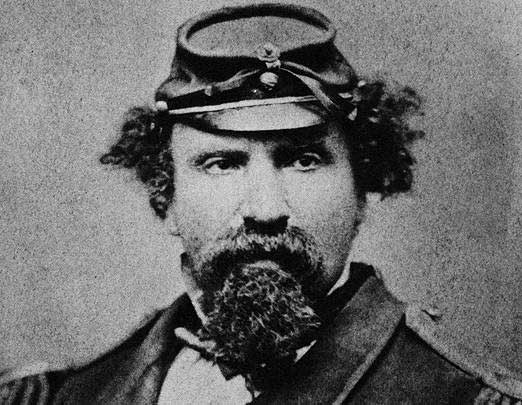
"caption": "Joshua Abraham Norton, better known as San Francisco's Emperor Norton.",
"description": "Joshua Abraham Norton, better known as San Francisco's Emperor Norton.",
"title": "His-Imperial-Majesty-Emperor-Norton-I-portrait-crop-e1519862812657--JJJH",
"credit": "Wikimedia Commons",
"status": "inherit",
"isLoading": false,
"fetchFailed": false
},
"news_11651390": {
"type": "attachments",
"id": "news_11651390",
"meta": {
"index": "attachments_1716263798",
"site": "news",
"id": "11651390",
"found": true
},
"parent": 11651369,
"imgSizes": {
"small": {
"file": "https://ww2.kqed.org/app/uploads/sites/10/2018/02/Scan-23_1250-520x374.jpg",
"width": 520,
"mimeType": "image/jpeg",
"height": 374
},
"twentyfourteen-full-width": {
"file": "https://ww2.kqed.org/app/uploads/sites/10/2018/02/Scan-23_1250-1038x576.jpg",
"width": 1038,
"mimeType": "image/jpeg",
"height": 576
},
"thumbnail": {
"file": "https://ww2.kqed.org/app/uploads/sites/10/2018/02/Scan-23_1250-160x115.jpg",
"width": 160,
"mimeType": "image/jpeg",
"height": 115
},
"fd-sm": {
"file": "https://ww2.kqed.org/app/uploads/sites/10/2018/02/Scan-23_1250-960x691.jpg",
"width": 960,
"mimeType": "image/jpeg",
"height": 691
},
"post-thumbnail": {
"file": "https://ww2.kqed.org/app/uploads/sites/10/2018/02/Scan-23_1250-672x372.jpg",
"width": 672,
"mimeType": "image/jpeg",
"height": 372
},
"xsmall": {
"file": "https://ww2.kqed.org/app/uploads/sites/10/2018/02/Scan-23_1250-375x270.jpg",
"width": 375,
"mimeType": "image/jpeg",
"height": 270
},
"kqedFullSize": {
"file": "https://ww2.kqed.org/app/uploads/sites/10/2018/02/Scan-23_1250.jpg",
"width": 1250,
"height": 900
},
"large": {
"file": "https://ww2.kqed.org/app/uploads/sites/10/2018/02/Scan-23_1250-1020x734.jpg",
"width": 1020,
"mimeType": "image/jpeg",
"height": 734
},
"xlarge": {
"file": "https://ww2.kqed.org/app/uploads/sites/10/2018/02/Scan-23_1250-1180x850.jpg",
"width": 1180,
"mimeType": "image/jpeg",
"height": 850
},
"guest-author-50": {
"file": "https://ww2.kqed.org/app/uploads/sites/10/2018/02/Scan-23_1250-50x50.jpg",
"width": 50,
"mimeType": "image/jpeg",
"height": 50
},
"guest-author-96": {
"file": "https://ww2.kqed.org/app/uploads/sites/10/2018/02/Scan-23_1250-96x96.jpg",
"width": 96,
"mimeType": "image/jpeg",
"height": 96
},
"medium": {
"file": "https://ww2.kqed.org/app/uploads/sites/10/2018/02/Scan-23_1250-800x576.jpg",
"width": 800,
"mimeType": "image/jpeg",
"height": 576
},
"guest-author-64": {
"file": "https://ww2.kqed.org/app/uploads/sites/10/2018/02/Scan-23_1250-64x64.jpg",
"width": 64,
"mimeType": "image/jpeg",
"height": 64
},
"guest-author-32": {
"file": "https://ww2.kqed.org/app/uploads/sites/10/2018/02/Scan-23_1250-32x32.jpg",
"width": 32,
"mimeType": "image/jpeg",
"height": 32
},
"fd-med": {
"file": "https://ww2.kqed.org/app/uploads/sites/10/2018/02/Scan-23_1250-1180x850.jpg",
"width": 1180,
"mimeType": "image/jpeg",
"height": 850
},
"detail": {
"file": "https://ww2.kqed.org/app/uploads/sites/10/2018/02/Scan-23_1250-150x150.jpg",
"width": 150,
"mimeType": "image/jpeg",
"height": 150
},
"guest-author-128": {
"file": "https://ww2.kqed.org/app/uploads/sites/10/2018/02/Scan-23_1250-128x128.jpg",
"width": 128,
"mimeType": "image/jpeg",
"height": 128
},
"xxsmall": {
"file": "https://ww2.kqed.org/app/uploads/sites/10/2018/02/Scan-23_1250-240x173.jpg",
"width": 240,
"mimeType": "image/jpeg",
"height": 173
}
},
"publishDate": 1519247976,
"modified": 1519258805,
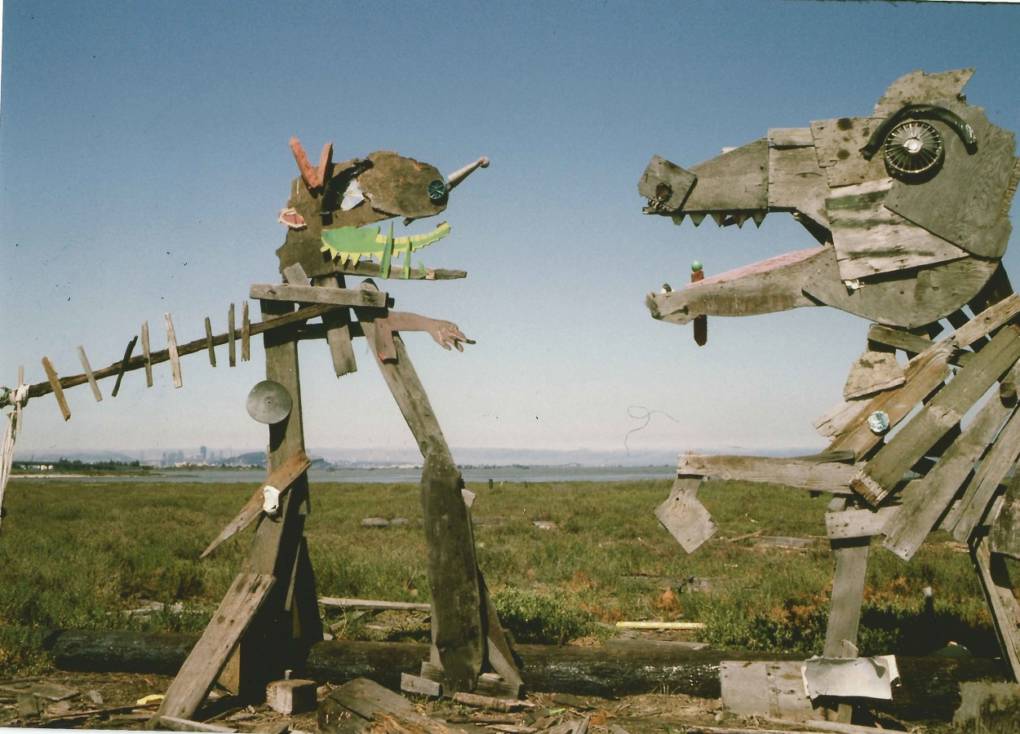
"caption": "These are among the many creatures that used to inhabit the Emeryville Mudflats.",
"description": "These are among the many creatures that used to inhabit the Emeryville Mudflats.",
"title": "Scan-23_1250",
"credit": "Courtesy of Walt Ringbom",
"status": "inherit",
"isLoading": false,
"fetchFailed": false
},
"news_11650230": {
"type": "attachments",
"id": "news_11650230",
"meta": {
"index": "attachments_1716263798",
"site": "news",
"id": "11650230",
"found": true
},
"parent": 11643054,
"imgSizes": {
"small": {
"file": "https://ww2.kqed.org/app/uploads/sites/10/2018/02/4862085932_a499f68be8_o-520x390.jpg",
"width": 520,
"mimeType": "image/jpeg",
"height": 390
},
"twentyfourteen-full-width": {
"file": "https://ww2.kqed.org/app/uploads/sites/10/2018/02/4862085932_a499f68be8_o-1038x576.jpg",
"width": 1038,
"mimeType": "image/jpeg",
"height": 576
},
"thumbnail": {
"file": "https://ww2.kqed.org/app/uploads/sites/10/2018/02/4862085932_a499f68be8_o-160x120.jpg",
"width": 160,
"mimeType": "image/jpeg",
"height": 120
},
"fd-sm": {
"file": "https://ww2.kqed.org/app/uploads/sites/10/2018/02/4862085932_a499f68be8_o-960x720.jpg",
"width": 960,
"mimeType": "image/jpeg",
"height": 720
},
"post-thumbnail": {
"file": "https://ww2.kqed.org/app/uploads/sites/10/2018/02/4862085932_a499f68be8_o-672x372.jpg",
"width": 672,
"mimeType": "image/jpeg",
"height": 372
},
"xsmall": {
"file": "https://ww2.kqed.org/app/uploads/sites/10/2018/02/4862085932_a499f68be8_o-375x281.jpg",
"width": 375,
"mimeType": "image/jpeg",
"height": 281
},
"kqedFullSize": {
"file": "https://ww2.kqed.org/app/uploads/sites/10/2018/02/4862085932_a499f68be8_o.jpg",
"width": 1280,
"height": 960
},
"large": {
"file": "https://ww2.kqed.org/app/uploads/sites/10/2018/02/4862085932_a499f68be8_o-1020x765.jpg",
"width": 1020,
"mimeType": "image/jpeg",
"height": 765
},
"xlarge": {
"file": "https://ww2.kqed.org/app/uploads/sites/10/2018/02/4862085932_a499f68be8_o-1180x885.jpg",
"width": 1180,
"mimeType": "image/jpeg",
"height": 885
},
"guest-author-50": {
"file": "https://ww2.kqed.org/app/uploads/sites/10/2018/02/4862085932_a499f68be8_o-50x50.jpg",
"width": 50,
"mimeType": "image/jpeg",
"height": 50
},
"guest-author-96": {
"file": "https://ww2.kqed.org/app/uploads/sites/10/2018/02/4862085932_a499f68be8_o-96x96.jpg",
"width": 96,
"mimeType": "image/jpeg",
"height": 96
},
"medium": {
"file": "https://ww2.kqed.org/app/uploads/sites/10/2018/02/4862085932_a499f68be8_o-800x600.jpg",
"width": 800,
"mimeType": "image/jpeg",
"height": 600
},
"guest-author-64": {
"file": "https://ww2.kqed.org/app/uploads/sites/10/2018/02/4862085932_a499f68be8_o-64x64.jpg",
"width": 64,
"mimeType": "image/jpeg",
"height": 64
},
"guest-author-32": {
"file": "https://ww2.kqed.org/app/uploads/sites/10/2018/02/4862085932_a499f68be8_o-32x32.jpg",
"width": 32,
"mimeType": "image/jpeg",
"height": 32
},
"fd-med": {
"file": "https://ww2.kqed.org/app/uploads/sites/10/2018/02/4862085932_a499f68be8_o-1180x885.jpg",
"width": 1180,
"mimeType": "image/jpeg",
"height": 885
},
"detail": {
"file": "https://ww2.kqed.org/app/uploads/sites/10/2018/02/4862085932_a499f68be8_o-150x150.jpg",
"width": 150,
"mimeType": "image/jpeg",
"height": 150
},
"guest-author-128": {
"file": "https://ww2.kqed.org/app/uploads/sites/10/2018/02/4862085932_a499f68be8_o-128x128.jpg",
"width": 128,
"mimeType": "image/jpeg",
"height": 128
},
"xxsmall": {
"file": "https://ww2.kqed.org/app/uploads/sites/10/2018/02/4862085932_a499f68be8_o-240x180.jpg",
"width": 240,
"mimeType": "image/jpeg",
"height": 180
}
},
"publishDate": 1518670101,
"modified": 1518670345,
"caption": "San Francisco has more than 30,000 car break ins during 2017.",
"description": "San Francisco has more than 30,000 car break ins during 2017.",
"title": "IMG_4820",
"credit": "\u003ca href=\"https://www.flickr.com/photos/scruch/4862085932/\" target=\"blank\">Gabriele Barni\u003c/a>/Flickr",
"status": "inherit",
"isLoading": false,
"fetchFailed": false
},
"news_11652451": {
"type": "attachments",
"id": "news_11652451",
"meta": {
"index": "attachments_1716263798",
"site": "news",
"id": "11652451",
"found": true
},
"parent": 11638989,
"imgSizes": {
"small": {
"file": "https://ww2.kqed.org/app/uploads/sites/10/2018/02/SanFranciscoWasOnceAglowWithNeon-520x292.jpg",
"width": 520,
"mimeType": "image/jpeg",
"height": 292
},
"twentyfourteen-full-width": {
"file": "https://ww2.kqed.org/app/uploads/sites/10/2018/02/SanFranciscoWasOnceAglowWithNeon-1038x576.jpg",
"width": 1038,
"mimeType": "image/jpeg",
"height": 576
},
"thumbnail": {
"file": "https://ww2.kqed.org/app/uploads/sites/10/2018/02/SanFranciscoWasOnceAglowWithNeon-160x90.jpg",
"width": 160,
"mimeType": "image/jpeg",
"height": 90
},
"fd-sm": {
"file": "https://ww2.kqed.org/app/uploads/sites/10/2018/02/SanFranciscoWasOnceAglowWithNeon-960x540.jpg",
"width": 960,
"mimeType": "image/jpeg",
"height": 540
},
"post-thumbnail": {
"file": "https://ww2.kqed.org/app/uploads/sites/10/2018/02/SanFranciscoWasOnceAglowWithNeon-672x372.jpg",
"width": 672,
"mimeType": "image/jpeg",
"height": 372
},
"xsmall": {
"file": "https://ww2.kqed.org/app/uploads/sites/10/2018/02/SanFranciscoWasOnceAglowWithNeon-375x211.jpg",
"width": 375,
"mimeType": "image/jpeg",
"height": 211
},
"kqedFullSize": {
"file": "https://ww2.kqed.org/app/uploads/sites/10/2018/02/SanFranciscoWasOnceAglowWithNeon.jpg",
"width": 1423,
"height": 800
},
"large": {
"file": "https://ww2.kqed.org/app/uploads/sites/10/2018/02/SanFranciscoWasOnceAglowWithNeon-1020x573.jpg",
"width": 1020,
"mimeType": "image/jpeg",
"height": 573
},
"xlarge": {
"file": "https://ww2.kqed.org/app/uploads/sites/10/2018/02/SanFranciscoWasOnceAglowWithNeon-1180x663.jpg",
"width": 1180,
"mimeType": "image/jpeg",
"height": 663
},
"guest-author-50": {
"file": "https://ww2.kqed.org/app/uploads/sites/10/2018/02/SanFranciscoWasOnceAglowWithNeon-50x50.jpg",
"width": 50,
"mimeType": "image/jpeg",
"height": 50
},
"guest-author-96": {
"file": "https://ww2.kqed.org/app/uploads/sites/10/2018/02/SanFranciscoWasOnceAglowWithNeon-96x96.jpg",
"width": 96,
"mimeType": "image/jpeg",
"height": 96
},
"medium": {
"file": "https://ww2.kqed.org/app/uploads/sites/10/2018/02/SanFranciscoWasOnceAglowWithNeon-800x450.jpg",
"width": 800,
"mimeType": "image/jpeg",
"height": 450
},
"guest-author-64": {
"file": "https://ww2.kqed.org/app/uploads/sites/10/2018/02/SanFranciscoWasOnceAglowWithNeon-64x64.jpg",
"width": 64,
"mimeType": "image/jpeg",
"height": 64
},
"guest-author-32": {
"file": "https://ww2.kqed.org/app/uploads/sites/10/2018/02/SanFranciscoWasOnceAglowWithNeon-32x32.jpg",
"width": 32,
"mimeType": "image/jpeg",
"height": 32
},
"fd-med": {
"file": "https://ww2.kqed.org/app/uploads/sites/10/2018/02/SanFranciscoWasOnceAglowWithNeon-1180x663.jpg",
"width": 1180,
"mimeType": "image/jpeg",
"height": 663
},
"detail": {
"file": "https://ww2.kqed.org/app/uploads/sites/10/2018/02/SanFranciscoWasOnceAglowWithNeon-150x150.jpg",
"width": 150,
"mimeType": "image/jpeg",
"height": 150
},
"guest-author-128": {
"file": "https://ww2.kqed.org/app/uploads/sites/10/2018/02/SanFranciscoWasOnceAglowWithNeon-128x128.jpg",
"width": 128,
"mimeType": "image/jpeg",
"height": 128
},
"xxsmall": {
"file": "https://ww2.kqed.org/app/uploads/sites/10/2018/02/SanFranciscoWasOnceAglowWithNeon-240x135.jpg",
"width": 240,
"mimeType": "image/jpeg",
"height": 135
}
},
"publishDate": 1519749474,
"modified": 1519749474,
"caption": null,
"description": null,
"title": "SanFranciscoWasOnceAglowWithNeon",
"credit": null,
"status": "inherit",
"isLoading": false,
"fetchFailed": false
},
"news_11608066": {
"type": "attachments",
"id": "news_11608066",
"meta": {
"index": "attachments_1716263798",
"site": "news",
"id": "11608066",
"found": true
},
"parent": 11606579,
"imgSizes": {
"small": {
"file": "https://ww2.kqed.org/app/uploads/sites/10/2017/08/5221969751_b7ac781b2e_b-520x325.jpg",
"width": 520,
"mimeType": "image/jpeg",
"height": 325
},
"twentyfourteen-full-width": {
"file": "https://ww2.kqed.org/app/uploads/sites/10/2017/08/5221969751_b7ac781b2e_b-1024x576.jpg",
"width": 1024,
"mimeType": "image/jpeg",
"height": 576
},
"thumbnail": {
"file": "https://ww2.kqed.org/app/uploads/sites/10/2017/08/5221969751_b7ac781b2e_b-160x100.jpg",
"width": 160,
"mimeType": "image/jpeg",
"height": 100
},
"fd-sm": {
"file": "https://ww2.kqed.org/app/uploads/sites/10/2017/08/5221969751_b7ac781b2e_b-960x600.jpg",
"width": 960,
"mimeType": "image/jpeg",
"height": 600
},
"post-thumbnail": {
"file": "https://ww2.kqed.org/app/uploads/sites/10/2017/08/5221969751_b7ac781b2e_b-672x372.jpg",
"width": 672,
"mimeType": "image/jpeg",
"height": 372
},
"xsmall": {
"file": "https://ww2.kqed.org/app/uploads/sites/10/2017/08/5221969751_b7ac781b2e_b-375x234.jpg",
"width": 375,
"mimeType": "image/jpeg",
"height": 234
},
"kqedFullSize": {
"file": "https://ww2.kqed.org/app/uploads/sites/10/2017/08/5221969751_b7ac781b2e_b.jpg",
"width": 1024,
"height": 640
},
"large": {
"file": "https://ww2.kqed.org/app/uploads/sites/10/2017/08/5221969751_b7ac781b2e_b-1020x638.jpg",
"width": 1020,
"mimeType": "image/jpeg",
"height": 638
},
"guest-author-50": {
"file": "https://ww2.kqed.org/app/uploads/sites/10/2017/08/5221969751_b7ac781b2e_b-50x50.jpg",
"width": 50,
"mimeType": "image/jpeg",
"height": 50
},
"guest-author-96": {
"file": "https://ww2.kqed.org/app/uploads/sites/10/2017/08/5221969751_b7ac781b2e_b-96x96.jpg",
"width": 96,
"mimeType": "image/jpeg",
"height": 96
},
"medium": {
"file": "https://ww2.kqed.org/app/uploads/sites/10/2017/08/5221969751_b7ac781b2e_b-800x500.jpg",
"width": 800,
"mimeType": "image/jpeg",
"height": 500
},
"guest-author-64": {
"file": "https://ww2.kqed.org/app/uploads/sites/10/2017/08/5221969751_b7ac781b2e_b-64x64.jpg",
"width": 64,
"mimeType": "image/jpeg",
"height": 64
},
"guest-author-32": {
"file": "https://ww2.kqed.org/app/uploads/sites/10/2017/08/5221969751_b7ac781b2e_b-32x32.jpg",
"width": 32,
"mimeType": "image/jpeg",
"height": 32
},
"detail": {
"file": "https://ww2.kqed.org/app/uploads/sites/10/2017/08/5221969751_b7ac781b2e_b-150x150.jpg",
"width": 150,
"mimeType": "image/jpeg",
"height": 150
},
"guest-author-128": {
"file": "https://ww2.kqed.org/app/uploads/sites/10/2017/08/5221969751_b7ac781b2e_b-128x128.jpg",
"width": 128,
"mimeType": "image/jpeg",
"height": 128
},
"xxsmall": {
"file": "https://ww2.kqed.org/app/uploads/sites/10/2017/08/5221969751_b7ac781b2e_b-240x150.jpg",
"width": 240,
"mimeType": "image/jpeg",
"height": 150
}
},
"publishDate": 1501700569,
"modified": 1501700610,
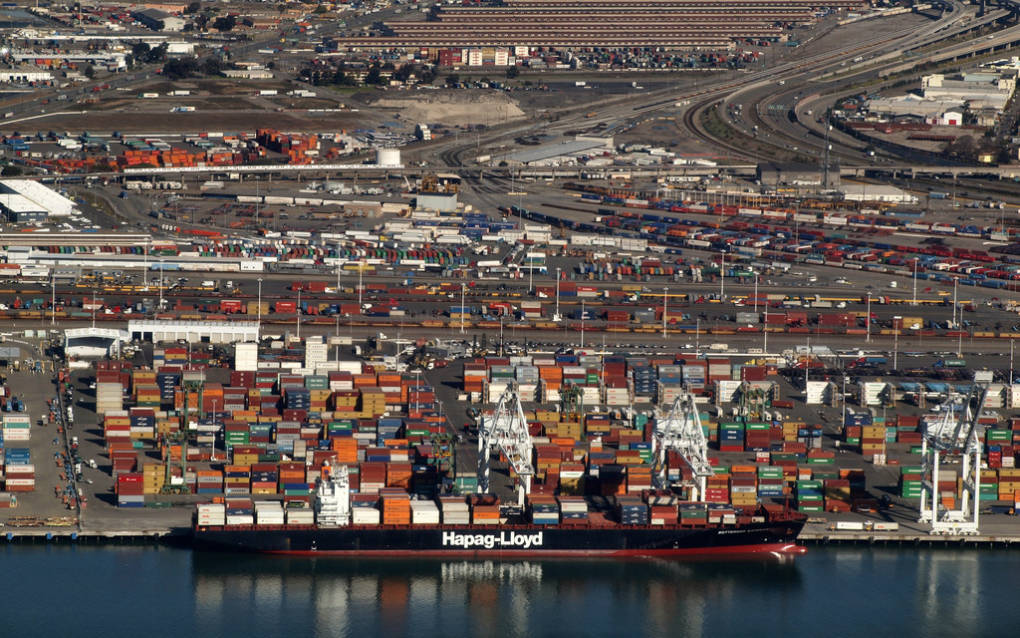
"caption": "The Port of Oakland",
"description": null,
"title": "The Port of Oakland",
"credit": "Daniel Parks/flickr",
"status": "inherit",
"isLoading": false,
"fetchFailed": false
},
"news_11594981": {
"type": "attachments",
"id": "news_11594981",
"meta": {
"index": "attachments_1716263798",
"site": "news",
"id": "11594981",
"found": true
},
"parent": 11594879,
"imgSizes": {
"small": {
"file": "https://ww2.kqed.org/app/uploads/sites/10/2017/07/16268406285_09cdc38c54_k-520x372.jpg",
"width": 520,
"mimeType": "image/jpeg",
"height": 372
},
"twentyfourteen-full-width": {
"file": "https://ww2.kqed.org/app/uploads/sites/10/2017/07/16268406285_09cdc38c54_k-1038x576.jpg",
"width": 1038,
"mimeType": "image/jpeg",
"height": 576
},
"thumbnail": {
"file": "https://ww2.kqed.org/app/uploads/sites/10/2017/07/16268406285_09cdc38c54_k-160x115.jpg",
"width": 160,
"mimeType": "image/jpeg",
"height": 115
},
"fd-sm": {
"file": "https://ww2.kqed.org/app/uploads/sites/10/2017/07/16268406285_09cdc38c54_k-960x688.jpg",
"width": 960,
"mimeType": "image/jpeg",
"height": 688
},
"post-thumbnail": {
"file": "https://ww2.kqed.org/app/uploads/sites/10/2017/07/16268406285_09cdc38c54_k-672x372.jpg",
"width": 672,
"mimeType": "image/jpeg",
"height": 372
},
"xsmall": {
"file": "https://ww2.kqed.org/app/uploads/sites/10/2017/07/16268406285_09cdc38c54_k-375x269.jpg",
"width": 375,
"mimeType": "image/jpeg",
"height": 269
},
"kqedFullSize": {
"file": "https://ww2.kqed.org/app/uploads/sites/10/2017/07/16268406285_09cdc38c54_k.jpg",
"width": 2048,
"height": 1467
},
"large": {
"file": "https://ww2.kqed.org/app/uploads/sites/10/2017/07/16268406285_09cdc38c54_k-1020x731.jpg",
"width": 1020,
"mimeType": "image/jpeg",
"height": 731
},
"xlarge": {
"file": "https://ww2.kqed.org/app/uploads/sites/10/2017/07/16268406285_09cdc38c54_k-1180x845.jpg",
"width": 1180,
"mimeType": "image/jpeg",
"height": 845
},
"guest-author-50": {
"file": "https://ww2.kqed.org/app/uploads/sites/10/2017/07/16268406285_09cdc38c54_k-50x50.jpg",
"width": 50,
"mimeType": "image/jpeg",
"height": 50
},
"guest-author-96": {
"file": "https://ww2.kqed.org/app/uploads/sites/10/2017/07/16268406285_09cdc38c54_k-96x96.jpg",
"width": 96,
"mimeType": "image/jpeg",
"height": 96
},
"medium": {
"file": "https://ww2.kqed.org/app/uploads/sites/10/2017/07/16268406285_09cdc38c54_k-800x573.jpg",
"width": 800,
"mimeType": "image/jpeg",
"height": 573
},
"guest-author-64": {
"file": "https://ww2.kqed.org/app/uploads/sites/10/2017/07/16268406285_09cdc38c54_k-64x64.jpg",
"width": 64,
"mimeType": "image/jpeg",
"height": 64
},
"guest-author-32": {
"file": "https://ww2.kqed.org/app/uploads/sites/10/2017/07/16268406285_09cdc38c54_k-32x32.jpg",
"width": 32,
"mimeType": "image/jpeg",
"height": 32
},
"fd-lrg": {
"file": "https://ww2.kqed.org/app/uploads/sites/10/2017/07/16268406285_09cdc38c54_k-1920x1375.jpg",
"width": 1920,
"mimeType": "image/jpeg",
"height": 1375
},
"fd-med": {
"file": "https://ww2.kqed.org/app/uploads/sites/10/2017/07/16268406285_09cdc38c54_k-1180x845.jpg",
"width": 1180,
"mimeType": "image/jpeg",
"height": 845
},
"full-width": {
"file": "https://ww2.kqed.org/app/uploads/sites/10/2017/07/16268406285_09cdc38c54_k-1920x1375.jpg",
"width": 1920,
"mimeType": "image/jpeg",
"height": 1375
},
"detail": {
"file": "https://ww2.kqed.org/app/uploads/sites/10/2017/07/16268406285_09cdc38c54_k-150x150.jpg",
"width": 150,
"mimeType": "image/jpeg",
"height": 150
},
"guest-author-128": {
"file": "https://ww2.kqed.org/app/uploads/sites/10/2017/07/16268406285_09cdc38c54_k-128x128.jpg",
"width": 128,
"mimeType": "image/jpeg",
"height": 128
},
"xxsmall": {
"file": "https://ww2.kqed.org/app/uploads/sites/10/2017/07/16268406285_09cdc38c54_k-240x172.jpg",
"width": 240,
"mimeType": "image/jpeg",
"height": 172
}
},
"publishDate": 1501093491,
"modified": 1558832220,
"caption": "The zipper machine at work on the Golden Gate Bridge.",
"description": "The zipper machine at work on the Golden Gate Bridge.",
"title": "16268406285_09cdc38c54_k",
"credit": "Peretz Partensky/Flickr",
"status": "inherit",
"isLoading": false,
"fetchFailed": false
},
"news_11552152": {
"type": "attachments",
"id": "news_11552152",
"meta": {
"index": "attachments_1716263798",
"site": "news",
"id": "11552152",
"found": true
},
"parent": 11551947,
"imgSizes": {
"small": {
"file": "https://ww2.kqed.org/app/uploads/sites/10/2017/07/RS25563_20170524_Rosicrucian_credit_BertJohnson-8-qut-520x347.jpg",
"width": 520,
"mimeType": "image/jpeg",
"height": 347
},
"twentyfourteen-full-width": {
"file": "https://ww2.kqed.org/app/uploads/sites/10/2017/07/RS25563_20170524_Rosicrucian_credit_BertJohnson-8-qut-1038x576.jpg",
"width": 1038,
"mimeType": "image/jpeg",
"height": 576
},
"thumbnail": {
"file": "https://ww2.kqed.org/app/uploads/sites/10/2017/07/RS25563_20170524_Rosicrucian_credit_BertJohnson-8-qut-160x107.jpg",
"width": 160,
"mimeType": "image/jpeg",
"height": 107
},
"fd-sm": {
"file": "https://ww2.kqed.org/app/uploads/sites/10/2017/07/RS25563_20170524_Rosicrucian_credit_BertJohnson-8-qut-960x640.jpg",
"width": 960,
"mimeType": "image/jpeg",
"height": 640
},
"post-thumbnail": {
"file": "https://ww2.kqed.org/app/uploads/sites/10/2017/07/RS25563_20170524_Rosicrucian_credit_BertJohnson-8-qut-672x372.jpg",
"width": 672,
"mimeType": "image/jpeg",
"height": 372
},
"xsmall": {
"file": "https://ww2.kqed.org/app/uploads/sites/10/2017/07/RS25563_20170524_Rosicrucian_credit_BertJohnson-8-qut-375x250.jpg",
"width": 375,
"mimeType": "image/jpeg",
"height": 250
},
"kqedFullSize": {
"file": "https://ww2.kqed.org/app/uploads/sites/10/2017/07/RS25563_20170524_Rosicrucian_credit_BertJohnson-8-qut.jpg",
"width": 1920,
"height": 1280
},
"large": {
"file": "https://ww2.kqed.org/app/uploads/sites/10/2017/07/RS25563_20170524_Rosicrucian_credit_BertJohnson-8-qut-1020x680.jpg",
"width": 1020,
"mimeType": "image/jpeg",
"height": 680
},
"xlarge": {
"file": "https://ww2.kqed.org/app/uploads/sites/10/2017/07/RS25563_20170524_Rosicrucian_credit_BertJohnson-8-qut-1180x787.jpg",
"width": 1180,
"mimeType": "image/jpeg",
"height": 787
},
"guest-author-50": {
"file": "https://ww2.kqed.org/app/uploads/sites/10/2017/07/RS25563_20170524_Rosicrucian_credit_BertJohnson-8-qut-50x50.jpg",
"width": 50,
"mimeType": "image/jpeg",
"height": 50
},
"guest-author-96": {
"file": "https://ww2.kqed.org/app/uploads/sites/10/2017/07/RS25563_20170524_Rosicrucian_credit_BertJohnson-8-qut-96x96.jpg",
"width": 96,
"mimeType": "image/jpeg",
"height": 96
},
"medium": {
"file": "https://ww2.kqed.org/app/uploads/sites/10/2017/07/RS25563_20170524_Rosicrucian_credit_BertJohnson-8-qut-800x533.jpg",
"width": 800,
"mimeType": "image/jpeg",
"height": 533
},
"guest-author-64": {
"file": "https://ww2.kqed.org/app/uploads/sites/10/2017/07/RS25563_20170524_Rosicrucian_credit_BertJohnson-8-qut-64x64.jpg",
"width": 64,
"mimeType": "image/jpeg",
"height": 64
},
"guest-author-32": {
"file": "https://ww2.kqed.org/app/uploads/sites/10/2017/07/RS25563_20170524_Rosicrucian_credit_BertJohnson-8-qut-32x32.jpg",
"width": 32,
"mimeType": "image/jpeg",
"height": 32
},
"fd-lrg": {
"file": "https://ww2.kqed.org/app/uploads/sites/10/2017/07/RS25563_20170524_Rosicrucian_credit_BertJohnson-8-qut-1920x1280.jpg",
"width": 1920,
"mimeType": "image/jpeg",
"height": 1280
},
"fd-med": {
"file": "https://ww2.kqed.org/app/uploads/sites/10/2017/07/RS25563_20170524_Rosicrucian_credit_BertJohnson-8-qut-1180x787.jpg",
"width": 1180,
"mimeType": "image/jpeg",
"height": 787
},
"full-width": {
"file": "https://ww2.kqed.org/app/uploads/sites/10/2017/07/RS25563_20170524_Rosicrucian_credit_BertJohnson-8-qut-1920x1280.jpg",
"width": 1920,
"mimeType": "image/jpeg",
"height": 1280
},
"detail": {
"file": "https://ww2.kqed.org/app/uploads/sites/10/2017/07/RS25563_20170524_Rosicrucian_credit_BertJohnson-8-qut-150x150.jpg",
"width": 150,
"mimeType": "image/jpeg",
"height": 150
},
"guest-author-128": {
"file": "https://ww2.kqed.org/app/uploads/sites/10/2017/07/RS25563_20170524_Rosicrucian_credit_BertJohnson-8-qut-128x128.jpg",
"width": 128,
"mimeType": "image/jpeg",
"height": 128
},
"xxsmall": {
"file": "https://ww2.kqed.org/app/uploads/sites/10/2017/07/RS25563_20170524_Rosicrucian_credit_BertJohnson-8-qut-240x160.jpg",
"width": 240,
"mimeType": "image/jpeg",
"height": 160
}
},
"publishDate": 1499384175,
"modified": 1499819782,
"caption": "The research library at Rosicrucian Park includes ancient texts dating back to the Renaissance era in Europe.",
"description": null,
"title": "RS25563_20170524_Rosicrucian_credit_BertJohnson-8-qut",
"credit": "Bert Johnson/KQED",
"status": "inherit",
"isLoading": false,
"fetchFailed": false
},
"news_11537257": {
"type": "attachments",
"id": "news_11537257",
"meta": {
"index": "attachments_1716263798",
"site": "news",
"id": "11537257",
"found": true
},
"parent": 11526958,
"imgSizes": {
"small": {
"file": "https://ww2.kqed.org/app/uploads/sites/10/2017/06/NOMO-Design-Code-Map-Black-520x347.jpeg",
"width": 520,
"mimeType": "image/jpeg",
"height": 347
},
"twentyfourteen-full-width": {
"file": "https://ww2.kqed.org/app/uploads/sites/10/2017/06/NOMO-Design-Code-Map-Black-1038x576.jpeg",
"width": 1038,
"mimeType": "image/jpeg",
"height": 576
},
"thumbnail": {
"file": "https://ww2.kqed.org/app/uploads/sites/10/2017/06/NOMO-Design-Code-Map-Black-160x107.jpeg",
"width": 160,
"mimeType": "image/jpeg",
"height": 107
},
"fd-sm": {
"file": "https://ww2.kqed.org/app/uploads/sites/10/2017/06/NOMO-Design-Code-Map-Black-960x640.jpeg",
"width": 960,
"mimeType": "image/jpeg",
"height": 640
},
"post-thumbnail": {
"file": "https://ww2.kqed.org/app/uploads/sites/10/2017/06/NOMO-Design-Code-Map-Black-672x372.jpeg",
"width": 672,
"mimeType": "image/jpeg",
"height": 372
},
"xsmall": {
"file": "https://ww2.kqed.org/app/uploads/sites/10/2017/06/NOMO-Design-Code-Map-Black-375x250.jpeg",
"width": 375,
"mimeType": "image/jpeg",
"height": 250
},
"kqedFullSize": {
"file": "https://ww2.kqed.org/app/uploads/sites/10/2017/06/NOMO-Design-Code-Map-Black.jpeg",
"width": 2592,
"height": 1728
},
"large": {
"file": "https://ww2.kqed.org/app/uploads/sites/10/2017/06/NOMO-Design-Code-Map-Black-1020x680.jpeg",
"width": 1020,
"mimeType": "image/jpeg",
"height": 680
},
"xlarge": {
"file": "https://ww2.kqed.org/app/uploads/sites/10/2017/06/NOMO-Design-Code-Map-Black-1180x787.jpeg",
"width": 1180,
"mimeType": "image/jpeg",
"height": 787
},
"guest-author-50": {
"file": "https://ww2.kqed.org/app/uploads/sites/10/2017/06/NOMO-Design-Code-Map-Black-50x50.jpeg",
"width": 50,
"mimeType": "image/jpeg",
"height": 50
},
"guest-author-96": {
"file": "https://ww2.kqed.org/app/uploads/sites/10/2017/06/NOMO-Design-Code-Map-Black-96x96.jpeg",
"width": 96,
"mimeType": "image/jpeg",
"height": 96
},
"medium": {
"file": "https://ww2.kqed.org/app/uploads/sites/10/2017/06/NOMO-Design-Code-Map-Black-800x533.jpeg",
"width": 800,
"mimeType": "image/jpeg",
"height": 533
},
"guest-author-64": {
"file": "https://ww2.kqed.org/app/uploads/sites/10/2017/06/NOMO-Design-Code-Map-Black-64x64.jpeg",
"width": 64,
"mimeType": "image/jpeg",
"height": 64
},
"guest-author-32": {
"file": "https://ww2.kqed.org/app/uploads/sites/10/2017/06/NOMO-Design-Code-Map-Black-32x32.jpeg",
"width": 32,
"mimeType": "image/jpeg",
"height": 32
},
"fd-lrg": {
"file": "https://ww2.kqed.org/app/uploads/sites/10/2017/06/NOMO-Design-Code-Map-Black-1920x1280.jpeg",
"width": 1920,
"mimeType": "image/jpeg",
"height": 1280
},
"fd-med": {
"file": "https://ww2.kqed.org/app/uploads/sites/10/2017/06/NOMO-Design-Code-Map-Black-1180x787.jpeg",
"width": 1180,
"mimeType": "image/jpeg",
"height": 787
},
"full-width": {
"file": "https://ww2.kqed.org/app/uploads/sites/10/2017/06/NOMO-Design-Code-Map-Black-1920x1280.jpeg",
"width": 1920,
"mimeType": "image/jpeg",
"height": 1280
},
"detail": {
"file": "https://ww2.kqed.org/app/uploads/sites/10/2017/06/NOMO-Design-Code-Map-Black-150x150.jpeg",
"width": 150,
"mimeType": "image/jpeg",
"height": 150
},
"guest-author-128": {
"file": "https://ww2.kqed.org/app/uploads/sites/10/2017/06/NOMO-Design-Code-Map-Black-128x128.jpeg",
"width": 128,
"mimeType": "image/jpeg",
"height": 128
},
"xxsmall": {
"file": "https://ww2.kqed.org/app/uploads/sites/10/2017/06/NOMO-Design-Code-Map-Black-240x160.jpeg",
"width": 240,
"mimeType": "image/jpeg",
"height": 160
}
},
"publishDate": 1498675414,
"modified": 1498689312,
"caption": "Nearly 400 airport codes from around the United States. Text size is based on their number of enplanements. ",
"description": "Nearly 400 airport codes from around the United States. Text sized is based on their number of enplanements. ",
"title": "NOMO Design Code Map Black",
"credit": "Designed by \u003ca href=\"https://shop.nomodesign.com/collections/airport-runway-series/products/us-primary-airport-code-map-screen-print\" target=\"_blank\">NOMO\u003c/a>",
"status": "inherit",
"isLoading": false,
"fetchFailed": false
},
"news_11431556": {
"type": "attachments",
"id": "news_11431556",
"meta": {
"index": "attachments_1716263798",
"site": "news",
"id": "11431556",
"found": true
},
"parent": 11401794,
"imgSizes": {
"small": {
"file": "https://ww2.kqed.org/app/uploads/sites/10/2017/04/GettyImages-80811914-520x347.jpg",
"width": 520,
"mimeType": "image/jpeg",
"height": 347
},
"twentyfourteen-full-width": {
"file": "https://ww2.kqed.org/app/uploads/sites/10/2017/04/GettyImages-80811914-1024x576.jpg",
"width": 1024,
"mimeType": "image/jpeg",
"height": 576
},
"thumbnail": {
"file": "https://ww2.kqed.org/app/uploads/sites/10/2017/04/GettyImages-80811914-160x107.jpg",
"width": 160,
"mimeType": "image/jpeg",
"height": 107
},
"fd-sm": {
"file": "https://ww2.kqed.org/app/uploads/sites/10/2017/04/GettyImages-80811914-960x640.jpg",
"width": 960,
"mimeType": "image/jpeg",
"height": 640
},
"post-thumbnail": {
"file": "https://ww2.kqed.org/app/uploads/sites/10/2017/04/GettyImages-80811914-672x372.jpg",
"width": 672,
"mimeType": "image/jpeg",
"height": 372
},
"xsmall": {
"file": "https://ww2.kqed.org/app/uploads/sites/10/2017/04/GettyImages-80811914-375x250.jpg",
"width": 375,
"mimeType": "image/jpeg",
"height": 250
},
"kqedFullSize": {
"file": "https://ww2.kqed.org/app/uploads/sites/10/2017/04/GettyImages-80811914.jpg",
"width": 1024,
"height": 683
},
"large": {
"file": "https://ww2.kqed.org/app/uploads/sites/10/2017/04/GettyImages-80811914-1020x680.jpg",
"width": 1020,
"mimeType": "image/jpeg",
"height": 680
},
"guest-author-50": {
"file": "https://ww2.kqed.org/app/uploads/sites/10/2017/04/GettyImages-80811914-50x50.jpg",
"width": 50,
"mimeType": "image/jpeg",
"height": 50
},
"guest-author-96": {
"file": "https://ww2.kqed.org/app/uploads/sites/10/2017/04/GettyImages-80811914-96x96.jpg",
"width": 96,
"mimeType": "image/jpeg",
"height": 96
},
"medium": {
"file": "https://ww2.kqed.org/app/uploads/sites/10/2017/04/GettyImages-80811914-800x534.jpg",
"width": 800,
"mimeType": "image/jpeg",
"height": 534
},
"guest-author-64": {
"file": "https://ww2.kqed.org/app/uploads/sites/10/2017/04/GettyImages-80811914-64x64.jpg",
"width": 64,
"mimeType": "image/jpeg",
"height": 64
},
"guest-author-32": {
"file": "https://ww2.kqed.org/app/uploads/sites/10/2017/04/GettyImages-80811914-32x32.jpg",
"width": 32,
"mimeType": "image/jpeg",
"height": 32
},
"detail": {
"file": "https://ww2.kqed.org/app/uploads/sites/10/2017/04/GettyImages-80811914-150x150.jpg",
"width": 150,
"mimeType": "image/jpeg",
"height": 150
},
"guest-author-128": {
"file": "https://ww2.kqed.org/app/uploads/sites/10/2017/04/GettyImages-80811914-128x128.jpg",
"width": 128,
"mimeType": "image/jpeg",
"height": 128
},
"xxsmall": {
"file": "https://ww2.kqed.org/app/uploads/sites/10/2017/04/GettyImages-80811914-240x160.jpg",
"width": 240,
"mimeType": "image/jpeg",
"height": 160
}
},
"publishDate": 1493406908,
"modified": 1493406928,
"caption": "Freshly baked loaves of sourdough bread are displayed at Boudin Bakery.",
"description": "Freshly baked loaves of sourdough bread are displayed at Boudin Bakery.",
"title": "Flour Scarcity Affects San Francisco Sourdough Bread Bakers",
"credit": "Justin Sullivan/Getty Images",
"status": "inherit",
"isLoading": false,
"fetchFailed": false
},
"news_11382274": {
"type": "attachments",
"id": "news_11382274",
"meta": {
"index": "attachments_1716263798",
"site": "news",
"id": "11382274",
"found": true
},
"parent": 11382204,
"imgSizes": {
"small": {
"file": "https://ww2.kqed.org/app/uploads/sites/10/2017/03/Dots1-520x347.jpg",
"width": 520,
"mimeType": "image/jpeg",
"height": 347
},
"twentyfourteen-full-width": {
"file": "https://ww2.kqed.org/app/uploads/sites/10/2017/03/Dots1-1038x576.jpg",
"width": 1038,
"mimeType": "image/jpeg",
"height": 576
},
"thumbnail": {
"file": "https://ww2.kqed.org/app/uploads/sites/10/2017/03/Dots1-160x107.jpg",
"width": 160,
"mimeType": "image/jpeg",
"height": 107
},
"fd-sm": {
"file": "https://ww2.kqed.org/app/uploads/sites/10/2017/03/Dots1-960x640.jpg",
"width": 960,
"mimeType": "image/jpeg",
"height": 640
},
"post-thumbnail": {
"file": "https://ww2.kqed.org/app/uploads/sites/10/2017/03/Dots1-672x372.jpg",
"width": 672,
"mimeType": "image/jpeg",
"height": 372
},
"xsmall": {
"file": "https://ww2.kqed.org/app/uploads/sites/10/2017/03/Dots1-375x250.jpg",
"width": 375,
"mimeType": "image/jpeg",
"height": 250
},
"kqedFullSize": {
"file": "https://ww2.kqed.org/app/uploads/sites/10/2017/03/Dots1.jpg",
"width": 1920,
"height": 1280
},
"large": {
"file": "https://ww2.kqed.org/app/uploads/sites/10/2017/03/Dots1-1020x680.jpg",
"width": 1020,
"mimeType": "image/jpeg",
"height": 680
},
"xlarge": {
"file": "https://ww2.kqed.org/app/uploads/sites/10/2017/03/Dots1-1180x787.jpg",
"width": 1180,
"mimeType": "image/jpeg",
"height": 787
},
"guest-author-50": {
"file": "https://ww2.kqed.org/app/uploads/sites/10/2017/03/Dots1-50x50.jpg",
"width": 50,
"mimeType": "image/jpeg",
"height": 50
},
"guest-author-96": {
"file": "https://ww2.kqed.org/app/uploads/sites/10/2017/03/Dots1-96x96.jpg",
"width": 96,
"mimeType": "image/jpeg",
"height": 96
},
"medium": {
"file": "https://ww2.kqed.org/app/uploads/sites/10/2017/03/Dots1-800x533.jpg",
"width": 800,
"mimeType": "image/jpeg",
"height": 533
},
"guest-author-64": {
"file": "https://ww2.kqed.org/app/uploads/sites/10/2017/03/Dots1-64x64.jpg",
"width": 64,
"mimeType": "image/jpeg",
"height": 64
},
"guest-author-32": {
"file": "https://ww2.kqed.org/app/uploads/sites/10/2017/03/Dots1-32x32.jpg",
"width": 32,
"mimeType": "image/jpeg",
"height": 32
},
"fd-lrg": {
"file": "https://ww2.kqed.org/app/uploads/sites/10/2017/03/Dots1-1920x1280.jpg",
"width": 1920,
"mimeType": "image/jpeg",
"height": 1280
},
"fd-med": {
"file": "https://ww2.kqed.org/app/uploads/sites/10/2017/03/Dots1-1180x787.jpg",
"width": 1180,
"mimeType": "image/jpeg",
"height": 787
},
"full-width": {
"file": "https://ww2.kqed.org/app/uploads/sites/10/2017/03/Dots1-1920x1280.jpg",
"width": 1920,
"mimeType": "image/jpeg",
"height": 1280
},
"detail": {
"file": "https://ww2.kqed.org/app/uploads/sites/10/2017/03/Dots1-150x150.jpg",
"width": 150,
"mimeType": "image/jpeg",
"height": 150
},
"guest-author-128": {
"file": "https://ww2.kqed.org/app/uploads/sites/10/2017/03/Dots1-128x128.jpg",
"width": 128,
"mimeType": "image/jpeg",
"height": 128
},
"xxsmall": {
"file": "https://ww2.kqed.org/app/uploads/sites/10/2017/03/Dots1-240x160.jpg",
"width": 240,
"mimeType": "image/jpeg",
"height": 160
}
},
"publishDate": 1490828745,
"modified": 1490828790,
"caption": "A San Francisco storm drain that has been marked by members of the Mosquito Abatement Courier (MAC) crew after they added a larvicide tablet to prevent mosquitoes from reaching maturity. March 23, 2017.\n",
"description": "A San Francisco storm drain that has been marked by members of the Mosquito Abatement Courier (MAC) crew after they added a larvicide tablet to prevent mosquitoes from reaching maturity. March 23, 2017.\n",
"title": "A San Francisco storm drain that has been marked by members of the Mosquito Abatement Courier (MAC) crew after they added a larvicide tablet to prevent mosquitoes from reaching maturity. March 23, 2017.",
"credit": "Bert Johnson/KQED",
"status": "inherit",
"isLoading": false,
"fetchFailed": false
},
"news_10799482": {
"type": "attachments",
"id": "news_10799482",
"meta": {
"index": "attachments_1716263798",
"site": "news",
"id": "10799482",
"found": true
},
"parent": 10799472,
"imgSizes": {
"jmtc-small-thumb": {
"file": "https://ww2.kqed.org/app/uploads/sites/10/2015/12/Loading-steel-cans_star-280x150.jpg",
"width": 280,
"mimeType": "image/jpeg",
"height": 150
},
"thumbnail": {
"file": "https://ww2.kqed.org/app/uploads/sites/10/2015/12/Loading-steel-cans_star-400x222.jpg",
"width": 400,
"mimeType": "image/jpeg",
"height": 222
},
"fd-sm": {
"file": "https://ww2.kqed.org/app/uploads/sites/10/2015/12/Loading-steel-cans_star-960x534.jpg",
"width": 960,
"mimeType": "image/jpeg",
"height": 534
},
"post-thumbnail": {
"file": "https://ww2.kqed.org/app/uploads/sites/10/2015/12/Loading-steel-cans_star-672x372.jpg",
"width": 672,
"mimeType": "image/jpeg",
"height": 372
},
"kqedFullSize": {
"file": "https://ww2.kqed.org/app/uploads/sites/10/2015/12/Loading-steel-cans_star.jpg",
"width": 991,
"height": 551
},
"guest-author-96": {
"file": "https://ww2.kqed.org/app/uploads/sites/10/2015/12/Loading-steel-cans_star-96x96.jpg",
"width": 96,
"mimeType": "image/jpeg",
"height": 96
},
"medium": {
"file": "https://ww2.kqed.org/app/uploads/sites/10/2015/12/Loading-steel-cans_star-800x445.jpg",
"width": 800,
"mimeType": "image/jpeg",
"height": 445
},
"guest-author-64": {
"file": "https://ww2.kqed.org/app/uploads/sites/10/2015/12/Loading-steel-cans_star-64x64.jpg",
"width": 64,
"mimeType": "image/jpeg",
"height": 64
},
"detail": {
"file": "https://ww2.kqed.org/app/uploads/sites/10/2015/12/Loading-steel-cans_star-75x75.jpg",
"width": 75,
"mimeType": "image/jpeg",
"height": 75
},
"guest-author-32": {
"file": "https://ww2.kqed.org/app/uploads/sites/10/2015/12/Loading-steel-cans_star-32x32.jpg",
"width": 32,
"mimeType": "image/jpeg",
"height": 32
},
"medium_large": {
"file": "https://ww2.kqed.org/app/uploads/sites/10/2015/12/Loading-steel-cans_star-768x427.jpg",
"width": 768,
"mimeType": "image/jpeg",
"height": 427
},
"guest-author-128": {
"file": "https://ww2.kqed.org/app/uploads/sites/10/2015/12/Loading-steel-cans_star-128x128.jpg",
"width": 128,
"mimeType": "image/jpeg",
"height": 128
}
},
"publishDate": 1450471621,
"modified": 1481847793,
"caption": "A San Francisco Recology worker loads a bale of steel onto a truck where it'll be taken to McMinnville, Oregon, and turned into rebar.",
"description": null,
"title": "Loading steel cans_star",
"credit": "Adam Grossberg/KQED",
"status": "inherit",
"isLoading": false,
"fetchFailed": false
}
},
"audioPlayerReducer": {
"postId": "stream_live",
"isPaused": true,
"isPlaying": false,
"pfsActive": false,
"pledgeModalIsOpen": true,
"playerDrawerIsOpen": false,
"liveAudioPlayStartedAt": 0,
"liveAudioPlayContext": ""
},
"authorsReducer": {
"byline_news_11651369": {
"type": "authors",
"id": "byline_news_11651369",
"meta": {
"override": true
},
"slug": "byline_news_11651369",
"name": "\u003cstrong>Jessica Placzek, Maddie Gobbo and Sarah Hotchkiss\u003c/strong>",
"isLoading": false
},
"byline_news_11638989": {
"type": "authors",
"id": "byline_news_11638989",
"meta": {
"override": true
},
"slug": "byline_news_11638989",
"name": "\u003cstrong>Serginho Roosblad\u003c/strong>",
"isLoading": false
},
"rachael-myrow": {
"type": "authors",
"id": "251",
"meta": {
"index": "authors_1716337520",
"id": "251",
"found": true
},
"name": "Rachael Myrow",
"firstName": "Rachael",
"lastName": "Myrow",
"slug": "rachael-myrow",
"email": "rmyrow@kqed.org",
"display_author_email": true,
"staff_mastheads": [
"news"
],
"title": "Senior Editor of KQED's Silicon Valley News Desk",
"bio": "• I write and edit stories about how Silicon Valley power and policies shape everyday life in California. I’m also passionate about making Bay Area history and culture more accessible to a broad public. • I’ve been a journalist for most of my life, starting in high school with The Franklin Press in Los Angeles, where I grew up. While earning my first degree in English at UC Berkeley, I got my start in public radio at KALX-FM. After completing a second degree in journalism at Cal, I landed my first professional job at Marketplace, then moved on to KPCC (now LAist), and then KQED, where I hosted The California Report for more than seven years. • My reporting has appeared on NPR, The World, WBUR’s \u003ci>Here & Now\u003c/i>, and the BBC. I also guest host for KQED’s \u003ci>Forum\u003c/i>, as well as the Commonwealth Club in San Francisco. • I speak periodically on media, democracy and technology issues, and do voiceover work for documentaries and educational video projects. • Outside of the studio, you'll find me hiking Bay Area trails and whipping up Insta-ready meals in my kitchen. • I do not accept gifts, money, or favors from anyone connected to my reporting, I don't pay people for information, and I do not support or donate to political causes. • I strive to treat the people I report on with fairness, honesty, and respect. I also recognize there are often multiple sides to a story and work to verify information through multiple sources and documentation. If I get something wrong, I correct it.",
"avatar": "https://secure.gravatar.com/avatar/87bf8cb5874e045cdff430523a6d48b1?s=600&d=blank&r=g",
"twitter": "rachaelmyrow",
"facebook": null,
"instagram": null,
"linkedin": "https://www.linkedin.com/in/rachaelmyrow/",
"sites": [
{
"site": "arts",
"roles": [
"administrator"
]
},
{
"site": "news",
"roles": [
"edit_others_posts",
"editor"
]
},
{
"site": "futureofyou",
"roles": [
"editor"
]
},
{
"site": "bayareabites",
"roles": [
"editor"
]
},
{
"site": "stateofhealth",
"roles": [
"editor"
]
},
{
"site": "science",
"roles": [
"editor"
]
},
{
"site": "food",
"roles": [
"editor"
]
},
{
"site": "forum",
"roles": [
"editor"
]
},
{
"site": "liveblog",
"roles": [
"author"
]
}
],
"headData": {
"title": "Rachael Myrow | KQED",
"description": "Senior Editor of KQED's Silicon Valley News Desk",
"ogImgSrc": "https://secure.gravatar.com/avatar/87bf8cb5874e045cdff430523a6d48b1?s=600&d=blank&r=g",
"twImgSrc": "https://secure.gravatar.com/avatar/87bf8cb5874e045cdff430523a6d48b1?s=600&d=blank&r=g"
},
"isLoading": false,
"link": "/author/rachael-myrow"
},
"kdomara": {
"type": "authors",
"id": "1459",
"meta": {
"index": "authors_1716337520",
"id": "1459",
"found": true
},
"name": "Kelly O'Mara",
"firstName": "Kelly",
"lastName": "O'Mara",
"slug": "kdomara",
"email": "komara@kqed.org",
"display_author_email": false,
"staff_mastheads": [
"news"
],
"title": "KQED Contributor",
"bio": "Kelly O'Mara is a writer and reporter in the San Francisco Bay Area. She writes about food, health, sports, travel, business and California news. Her work has appeared on KQED, online for Outside Magazine, epsnW, VICE and in Competitor Magazine, among others. Follow Kelly on Twitter \u003ca href=\"https://twitter.com/kellydomara\">@kellydomara\u003c/a>.",
"avatar": "https://secure.gravatar.com/avatar/768fec7412028b72f13bdd0f5f9d8186?s=600&d=blank&r=g",
"twitter": null,
"facebook": null,
"instagram": null,
"linkedin": null,
"sites": [
{
"site": "arts",
"roles": []
},
{
"site": "news",
"roles": []
},
{
"site": "bayareabites",
"roles": []
},
{
"site": "stateofhealth",
"roles": []
},
{
"site": "science",
"roles": []
},
{
"site": "checkplease",
"roles": [
"editor"
]
},
{
"site": "food",
"roles": []
},
{
"site": "forum",
"roles": [
"editor"
]
},
{
"site": "liveblog",
"roles": [
"editor"
]
}
],
"headData": {
"title": "Kelly O'Mara | KQED",
"description": "KQED Contributor",
"ogImgSrc": "https://secure.gravatar.com/avatar/768fec7412028b72f13bdd0f5f9d8186?s=600&d=blank&r=g",
"twImgSrc": "https://secure.gravatar.com/avatar/768fec7412028b72f13bdd0f5f9d8186?s=600&d=blank&r=g"
},
"isLoading": false,
"link": "/author/kdomara"
},
"carlysevern": {
"type": "authors",
"id": "3243",
"meta": {
"index": "authors_1716337520",
"id": "3243",
"found": true
},
"name": "Carly Severn",
"firstName": "Carly",
"lastName": "Severn",
"slug": "carlysevern",
"email": "csevern@kqed.org",
"display_author_email": false,
"staff_mastheads": [
"news"
],
"title": "Senior Editor, Audience News ",
"bio": "Carly is KQED's Senior Editor of Audience News on the Digital News team, and has reported for the California Report Magazine, Bay Curious and KQED Arts. She's formerly the host of \u003ca href=\"http://ww2.kqed.org/pop/category/the-cooler/\" rel=\"noopener noreferrer\">The Cooler\u003c/a> podcast.",
"avatar": "https://secure.gravatar.com/avatar/2d8d6765f186e64c798cf7f0c8088a41?s=600&d=blank&r=g",
"twitter": "teacupinthebay",
"facebook": null,
"instagram": null,
"linkedin": null,
"sites": [
{
"site": "",
"roles": [
"editor"
]
},
{
"site": "arts",
"roles": [
"editor"
]
},
{
"site": "news",
"roles": [
"administrator"
]
},
{
"site": "pop",
"roles": [
"editor"
]
},
{
"site": "futureofyou",
"roles": [
"editor"
]
},
{
"site": "about",
"roles": [
"administrator"
]
},
{
"site": "mindshift",
"roles": [
"editor"
]
},
{
"site": "bayareabites",
"roles": [
"editor"
]
},
{
"site": "stateofhealth",
"roles": [
"editor"
]
},
{
"site": "science",
"roles": [
"editor"
]
},
{
"site": "food",
"roles": [
"contributor"
]
},
{
"site": "forum",
"roles": [
"editor"
]
},
{
"site": "perspectives",
"roles": [
"administrator"
]
},
{
"site": "liveblog",
"roles": [
"editor"
]
}
],
"headData": {
"title": "Carly Severn | KQED",
"description": "Senior Editor, Audience News ",
"ogImgSrc": "https://secure.gravatar.com/avatar/2d8d6765f186e64c798cf7f0c8088a41?s=600&d=blank&r=g",
"twImgSrc": "https://secure.gravatar.com/avatar/2d8d6765f186e64c798cf7f0c8088a41?s=600&d=blank&r=g"
},
"isLoading": false,
"link": "/author/carlysevern"
},
"lindseyhoshaw": {
"type": "authors",
"id": "5432",
"meta": {
"index": "authors_1716337520",
"id": "5432",
"found": true
},
"name": "Lindsey Hoshaw",
"firstName": "Lindsey",
"lastName": "Hoshaw",
"slug": "lindseyhoshaw",
"email": "lhoshaw@kqed.org",
"display_author_email": false,
"staff_mastheads": [],
"title": "KQED Contributor",
"bio": "Lindsey Hoshaw is a former interactive producer for KQED Science. Before joining KQED, Lindsey was a science correspondent for The New York Times, The Boston Globe, Forbes and Scientific American. On Twitter @lindseyhoshaw",
"avatar": "https://secure.gravatar.com/avatar/274b07694c998eaa8f26cfabaa941186?s=600&d=mm&r=g",
"twitter": "lindseyhoshaw",
"facebook": "lindsey.hoshaw.9",
"instagram": null,
"linkedin": null,
"sites": [
{
"site": "arts",
"roles": [
"author"
]
},
{
"site": "news",
"roles": [
"subscriber"
]
},
{
"site": "futureofyou",
"roles": [
"editor"
]
},
{
"site": "bayareabites",
"roles": [
"contributor"
]
},
{
"site": "stateofhealth",
"roles": [
"author"
]
},
{
"site": "science",
"roles": [
"edit_theme_options",
"subscriber"
]
},
{
"site": "quest",
"roles": [
"edit_post_subscriptions",
"edit_usergroups",
"unfiltered_html",
"unfiltered_upload",
"leadcoordinator",
"editor"
]
},
{
"site": "food",
"roles": []
}
],
"headData": {
"title": "Lindsey Hoshaw | KQED",
"description": "KQED Contributor",
"ogImgSrc": "https://secure.gravatar.com/avatar/274b07694c998eaa8f26cfabaa941186?s=600&d=mm&r=g",
"twImgSrc": "https://secure.gravatar.com/avatar/274b07694c998eaa8f26cfabaa941186?s=600&d=mm&r=g"
},
"isLoading": false,
"link": "/author/lindseyhoshaw"
},
"jplaczek": {
"type": "authors",
"id": "8606",
"meta": {
"index": "authors_1716337520",
"id": "8606",
"found": true
},
"name": "Jessica Placzek",
"firstName": "Jessica",
"lastName": "Placzek",
"slug": "jplaczek",
"email": "jessicalplaczek@gmail.com",
"display_author_email": false,
"staff_mastheads": [
"news"
],
"title": "KQED Contributor",
"bio": "\u003cspan style=\"font-weight: 400;\">Jessica Placzek is a former senior editor of podcasts at KQED where she served as the editorial lead of the podcast department. She worked with shows like MindShift, Rightnowish, Consider This, SOLD OUT, Bay Curious and The Bay. She’s also been a reporter and audio producer at KQED, KPFA, and KALW. She taught audio production to men incarcerated at California State Prison Solano and edited pieces they produced for the Uncuffed podcast through KALW. In 2018 she co-hosted and produced the third season of Raw Material for SFMOMA. In New Orleans she wrote for the Nola Defender. Her work has also appeared on Marketplace, All Things Considered, The California Report, and Vice. You can find more at jessicaplaczek.com\u003c/span>",
"avatar": "https://secure.gravatar.com/avatar/4505f7be77b50826a2a1b8bd3a120685?s=600&d=blank&r=g",
"twitter": null,
"facebook": null,
"instagram": null,
"linkedin": null,
"sites": [
{
"site": "arts",
"roles": [
"editor"
]
},
{
"site": "news",
"roles": [
"subscriber"
]
},
{
"site": "stateofhealth",
"roles": [
"editor"
]
},
{
"site": "forum",
"roles": [
"editor"
]
}
],
"headData": {
"title": "Jessica Placzek | KQED",
"description": "KQED Contributor",
"ogImgSrc": "https://secure.gravatar.com/avatar/4505f7be77b50826a2a1b8bd3a120685?s=600&d=blank&r=g",
"twImgSrc": "https://secure.gravatar.com/avatar/4505f7be77b50826a2a1b8bd3a120685?s=600&d=blank&r=g"
},
"isLoading": false,
"link": "/author/jplaczek"
},
"jscott": {
"type": "authors",
"id": "8664",
"meta": {
"index": "authors_1716337520",
"id": "8664",
"found": true
},
"name": "Julia Scott",
"firstName": "Julia",
"lastName": "Scott",
"slug": "jscott",
"email": "jscott@kqed.org",
"display_author_email": false,
"staff_mastheads": [],
"title": "KQED Contributor",
"bio": "Julia Scott is a former editor with KQED News. Prior to KQED, she was an editor with \u003cem>Crosscurrents\u003c/em> at KALW Radio in San Francisco. As a freelance reporter, she has filed stories for \u003cem>The California Report, Marketplace, Nautilus\u003c/em> and \u003cem>The New York Times Magazine.\u003c/em>\r\n\r\nPrior to her work in radio, Julia was an environmental reporter for the \u003cem>San Jose Mercury News\u003c/em> and Bay Area News Group, where her work was recognized with awards from the California Newspaper Publishers Association and the Society of Professional Journalists. Her radio honors include awards and citations from the Sony Radio Academy Awards and the National Lesbian and Gay Journalists Association.\r\n\r\nJulia hails from Montreal, Canada and lives in Oakland. She is the editor of the humor collection\u003cem> DRIVEL: Deliciously Bad Writing by Your Favorite Authors.\u003c/em>",
"avatar": "https://secure.gravatar.com/avatar/7fe25e0cf81dec2d4f74f1d4737a2871?s=600&d=blank&r=g",
"twitter": "juliascribe",
"facebook": null,
"instagram": null,
"linkedin": null,
"sites": [
{
"site": "",
"roles": [
"editor"
]
},
{
"site": "arts",
"roles": [
"administrator"
]
},
{
"site": "news",
"roles": [
"subscriber"
]
},
{
"site": "futureofyou",
"roles": [
"editor"
]
},
{
"site": "science",
"roles": [
"administrator"
]
}
],
"headData": {
"title": "Julia Scott | KQED",
"description": "KQED Contributor",
"ogImgSrc": "https://secure.gravatar.com/avatar/7fe25e0cf81dec2d4f74f1d4737a2871?s=600&d=blank&r=g",
"twImgSrc": "https://secure.gravatar.com/avatar/7fe25e0cf81dec2d4f74f1d4737a2871?s=600&d=blank&r=g"
},
"isLoading": false,
"link": "/author/jscott"
},
"rlevi": {
"type": "authors",
"id": "11260",
"meta": {
"index": "authors_1716337520",
"id": "11260",
"found": true
},
"name": "Ryan Levi",
"firstName": "Ryan",
"lastName": "Levi",
"slug": "rlevi",
"email": "rlevi@KQED.org",
"display_author_email": false,
"staff_mastheads": [],
"title": "KQED Contributor",
"bio": "Ryan Levi was a reporter and podcast producer at KQED News from 2016-2019. He worked on \u003ca href=\"https://www.kqed.org/news/series/baycurious\">Bay Curious\u003c/a>, \u003ca href=\"https://www.kqed.org/news/tag/the-bay/\">The Bay, \u003c/a>and \u003ca href=\"https://podcasts.apple.com/us/podcast/the-california-report-magazine/id1314750545\">The California Report Magazine\u003c/a>, as well as hosting and producing the weekly \u003ca href=\"https://www.kqed.org/news/program/qedup/\">Q'ed Up podcast. \u003c/a>He also helped inaugurate KQED's weekend news coverage in 2017 as one of two original digital producers. Ryan holds degrees in multimedia journalism and Spanish from the University of Missouri.",
"avatar": "https://secure.gravatar.com/avatar/4cb2ddd028ac8807d1adf09609c5555d?s=600&d=blank&r=g",
"twitter": "ryan_levi",
"facebook": null,
"instagram": null,
"linkedin": null,
"sites": [
{
"site": "arts",
"roles": [
"editor"
]
},
{
"site": "news",
"roles": [
"subscriber"
]
},
{
"site": "stateofhealth",
"roles": [
"editor"
]
},
{
"site": "science",
"roles": [
"editor"
]
},
{
"site": "forum",
"roles": [
"administrator"
]
},
{
"site": "perspectives",
"roles": [
"administrator"
]
}
],
"headData": {
"title": "Ryan Levi | KQED",
"description": "KQED Contributor",
"ogImgSrc": "https://secure.gravatar.com/avatar/4cb2ddd028ac8807d1adf09609c5555d?s=600&d=blank&r=g",
"twImgSrc": "https://secure.gravatar.com/avatar/4cb2ddd028ac8807d1adf09609c5555d?s=600&d=blank&r=g"
},
"isLoading": false,
"link": "/author/rlevi"
},
"scraig": {
"type": "authors",
"id": "11327",
"meta": {
"index": "authors_1716337520",
"id": "11327",
"found": true
},
"name": "Sarah Craig",
"firstName": "Sarah",
"lastName": "Craig",
"slug": "scraig",
"email": "scraig@KQED.org",
"display_author_email": false,
"staff_mastheads": [],
"title": "KQED Contributor",
"bio": "Sarah Craig is a freelance radio reporter and documentary photographer. She is currently working on \u003cem>Dreams of Dust\u003c/em>, @dreamsofdust, a multimedia project that documents stories of climate migration in California’s Central Valley, previously funded by the California Humanities. Her completed projects include \u003cem>\u003ca href=\"http://www.facesoffracking.org/\" target=\"_blank\" rel=\"nofollow noopener noreferrer\">Faces of Fracking\u003c/a>,\u003c/em> an investigation into the impact of fracking on the people and places of California, and \u003cem>\u003ca href=\"http://sarahcraig.visura.co/gulf-disaster-2\" target=\"_blank\" rel=\"nofollow noopener noreferrer\">The Gulf Disaster\u003c/a>,\u003c/em> stories on the lives of fishermen in the aftermath of the BP spill. Her work has been published by Marketplace, KQED's Bay Curious and Q'ed Up podcasts, KQED's California Report Magazine, KALW's Crosscurrents, Grist.org, High Country News, Earth Island Journal, and others. Sarah received a B.A. in Geography at Vassar College and attended the \u003ca href=\"http://www.salt.edu/\" target=\"_blank\" rel=\"nofollow noopener noreferrer\">Salt Institute of Documentary Studies\u003c/a> in Portland, ME. She recently received an Excellence in Journalism Award from the NorCal Society of Professional Journalists for her documentary radio piece, \u003ca href=\"http://kalw.org/post/215-will-water-come#stream/0\">\"Will the Water Come.\"\u003c/a> Email: scraig@kqed.org Twitter: @sarahcraigmedia Website: sarahcraigmedia.com",
"avatar": "https://secure.gravatar.com/avatar/97f17950c828429d3df9f2907412a50b?s=600&d=blank&r=g",
"twitter": null,
"facebook": null,
"instagram": null,
"linkedin": null,
"sites": [
{
"site": "news",
"roles": [
"subscriber"
]
},
{
"site": "science",
"roles": [
"editor"
]
}
],
"headData": {
"title": "Sarah Craig | KQED",
"description": "KQED Contributor",
"ogImgSrc": "https://secure.gravatar.com/avatar/97f17950c828429d3df9f2907412a50b?s=600&d=blank&r=g",
"twImgSrc": "https://secure.gravatar.com/avatar/97f17950c828429d3df9f2907412a50b?s=600&d=blank&r=g"
},
"isLoading": false,
"link": "/author/scraig"
}
},
"pagesReducer": {
"news_tag_bay-curious": {
"type": "terms",
"id": "news_18426",
"meta": {
"index": "terms_1716263798",
"site": "news",
"id": "18426",
"score": 9.101694
},
"featImg": null,
"name": "Bay Curious",
"description": null,
"taxonomy": "tag",
"headData": {
"twImgId": null,
"twTitle": null,
"ogTitle": null,
"ogImgId": null,
"twDescription": null,
"description": null,
"title": "Bay Curious Archives | KQED News",
"ogDescription": null
},
"ttid": 18460,
"slug": "bay-curious",
"isLoading": false,
"title": "Bay Curious",
"pageMeta": {
"site": "news",
"WpPageTemplate": "page-topic-editorial",
"currentPage": 16
},
"blocks": [
{
"blockName": "kqed/post-list",
"attrs": {
"layout": "cardArticle2",
"query": "posts/news?tag=bay-curious",
"seeMore": false,
"paginated": true,
"page": 16
}
},
{
"blockName": "kqed/ad"
}
]
}
},
"pfsSessionReducer": {},
"postsReducer": {
"stream_live": {
"type": "live",
"id": "stream_live",
"audioUrl": "https://streams.kqed.org/kqedradio",
"title": "Live Stream",
"excerpt": "Live Stream information currently unavailable.",
"link": "/radio",
"featImg": "",
"label": {
"name": "KQED Live",
"link": "/"
}
},
"stream_kqedNewscast": {
"type": "posts",
"id": "stream_kqedNewscast",
"audioUrl": "https://www.kqed.org/.stream/anon/radio/RDnews/newscast.mp3?_=1",
"title": "KQED Newscast",
"featImg": "",
"label": {
"name": "88.5 FM",
"link": "/"
}
},
"news_11654178": {
"type": "posts",
"id": "news_11654178",
"meta": {
"index": "posts_1716263798",
"site": "news",
"id": "11654178",
"score": null,
"sort": [
1520506836000
]
},
"parent": 0,
"labelTerm": {},
"blocks": [],
"publishDate": 1520506836,
"format": "audio",
"title": "Why Are People Convinced This California Ghost Town Is Cursed?",
"headTitle": "Why Are People Convinced This California Ghost Town Is Cursed? | KQED",
"content": "\u003cp>It’s hardly surprising that visitors to a remote ghost town like Bodie, California, would leave feeling … unsettled. What’s unusual is just how many of them are convinced the place is actually \u003cem>cursed\u003c/em>.\u003c/p>\n\u003cp>For years, it has been said that removing anything — even a rock — from this eerily preserved Gold Rush town in the hills east of Yosemite will bring bad luck, health problems and even mysterious accidents upon a person.\u003c/p>\n\u003cp>The legend might be easier to dismiss if not for the sheer number of letters the Bodie State Historic Park receives every month from remorseful visitors. They’re writing not only to confess to taking something from the town, but also to return their “cursed” stolen items.\u003c/p>\n\u003cp>\u003cem>“Dear Bodie… I’m sorry that I took this piece of metal from the town. I thought it was all a joke but it wasn’t at all. Things are happening that are very hard to explain.”\u003c/em>\u003cbr>\n\u003ccite>– From a letter to Bodie, 2003\u003c/cite>\u003c/p>\n\u003cp>Yet the most curious thing about the “Curse of Bodie” isn’t how deeply people believe in it — it’s how it began. This myth originated with a truly unlikely source, and it has had an effect they did not expect.\u003c/p>\n\u003cp>[ad fullwidth]\u003c/p>\n\u003cp>\u003c/p>\n\u003cp>This week, the Bay Curious podcast takes you on a road trip to this one-of-a-kind place. Listen to the show using the audio player above, or \u003ca href=\"https://www.kqed.org/news/11640709/how-this-ghost-towns-curse-backfired-on-park-rangers\">read more over at \u003cem>The California Report\u003c/em>\u003c/a>\u003cem>,\u003c/em> where this story first appeared.\u003c/p>\n\u003cfigure id=\"attachment_11654189\" class=\"wp-caption alignnone\" style=\"max-width: 1920px\">\u003cimg decoding=\"async\" loading=\"lazy\" class=\"size-full wp-image-11654189\" src=\"https://ww2.kqed.org/news/wp-content/uploads/sites/10/2018/03/RS28800_DSC_0833-qut.jpg\" alt=\"\" width=\"1920\" height=\"1280\" srcset=\"https://ww2.kqed.org/app/uploads/sites/10/2018/03/RS28800_DSC_0833-qut.jpg 1920w, https://ww2.kqed.org/app/uploads/sites/10/2018/03/RS28800_DSC_0833-qut-160x107.jpg 160w, https://ww2.kqed.org/app/uploads/sites/10/2018/03/RS28800_DSC_0833-qut-800x533.jpg 800w, https://ww2.kqed.org/app/uploads/sites/10/2018/03/RS28800_DSC_0833-qut-1020x680.jpg 1020w, https://ww2.kqed.org/app/uploads/sites/10/2018/03/RS28800_DSC_0833-qut-1180x787.jpg 1180w, https://ww2.kqed.org/app/uploads/sites/10/2018/03/RS28800_DSC_0833-qut-960x640.jpg 960w, https://ww2.kqed.org/app/uploads/sites/10/2018/03/RS28800_DSC_0833-qut-240x160.jpg 240w, https://ww2.kqed.org/app/uploads/sites/10/2018/03/RS28800_DSC_0833-qut-375x250.jpg 375w, https://ww2.kqed.org/app/uploads/sites/10/2018/03/RS28800_DSC_0833-qut-520x347.jpg 520w\" sizes=\"(max-width: 1920px) 100vw, 1920px\">\u003cfigcaption class=\"wp-caption-text\">The Dechambeau Hotel and Odd Fellows Hall in Bodie \u003ccite>(Carly Severn / KQED)\u003c/cite>\u003c/figcaption>\u003c/figure>\n\n",
"stats": {
"hasVideo": false,
"hasChartOrMap": false,
"hasAudio": false,
"hasPolis": false,
"wordCount": 277,
"hasGoogleForm": false,
"hasGallery": false,
"hasHearkenModule": false,
"iframeSrcs": [],
"paragraphCount": 8
},
"modified": 1700596963,
"excerpt": "Countless people who have stolen items from this deserted town have come to regret it.\r\n\r\nReported by Carly Severn. Edited by Victoria Mauleon. Bay Curious is made by Olivia Allen-Price, Jessica Placzek, Paul Lancour, Suzie Racho, Erika Kelly, and Julia McEvoy. Holly Kernan is Vice President for News. Theme music by Pat Mesiti-Miller. Ask us a question at BayCurious.org. Follow Olivia Allen-Price on Twitter @oallenprice.",
"headData": {
"twImgId": "",
"twTitle": "",
"ogTitle": "",
"ogImgId": "",
"twDescription": "",
"description": "Countless people who have stolen items from this deserted town have come to regret it.\r\n\r\nReported by Carly Severn. Edited by Victoria Mauleon. Bay Curious is made by Olivia Allen-Price, Jessica Placzek, Paul Lancour, Suzie Racho, Erika Kelly, and Julia McEvoy. Holly Kernan is Vice President for News. Theme music by Pat Mesiti-Miller. Ask us a question at BayCurious.org. Follow Olivia Allen-Price on Twitter @oallenprice.",
"title": "Why Are People Convinced This California Ghost Town Is Cursed? | KQED",
"ogDescription": "",
"schema": {
"@context": "https://schema.org",
"@type": "NewsArticle",
"headline": "Why Are People Convinced This California Ghost Town Is Cursed?",
"datePublished": "2018-03-08T03:00:36-08:00",
"dateModified": "2023-11-21T12:02:43-08:00",
"image": "https://cdn.kqed.org/wp-content/uploads/2020/02/KQED-OG-Image@1x.png",
"isAccessibleForFree": "True",
"publisher": {
"@type": "NewsMediaOrganization",
"@id": "https://www.kqed.org/#organization",
"name": "KQED",
"logo": "https://cdn.kqed.org/wp-content/uploads/2020/02/KQED-OG-Image@1x.png",
"url": "https://www.kqed.org",
"sameAs": [
"https://www.facebook.com/KQED",
"https://twitter.com/KQED",
"https://www.instagram.com/kqed/",
"https://www.tiktok.com/@kqedofficial",
"https://www.linkedin.com/company/kqed",
"https://www.youtube.com/channel/UCeC0IOo7i1P_61zVUWbJ4nw"
]
}
}
},
"guestAuthors": [],
"slug": "why-are-people-convinced-this-california-ghost-town-is-cursed",
"status": "publish",
"sourceUrl": "https://www.kqed.org/news/series/baycurious",
"audioUrl": "https://www.kqed.org/.stream/anon/radio/bay-curious/2018/03/bodie-podcast.mp3",
"source": "Bay Curious",
"path": "/news/11654178/why-are-people-convinced-this-california-ghost-town-is-cursed",
"audioDuration": 510000,
"audioTrackLength": null,
"parsedContent": [
{
"type": "contentString",
"content": "\u003cdiv class=\"post-body\">\u003cp>\u003cp>It’s hardly surprising that visitors to a remote ghost town like Bodie, California, would leave feeling … unsettled. What’s unusual is just how many of them are convinced the place is actually \u003cem>cursed\u003c/em>.\u003c/p>\n\u003cp>For years, it has been said that removing anything — even a rock — from this eerily preserved Gold Rush town in the hills east of Yosemite will bring bad luck, health problems and even mysterious accidents upon a person.\u003c/p>\n\u003cp>The legend might be easier to dismiss if not for the sheer number of letters the Bodie State Historic Park receives every month from remorseful visitors. They’re writing not only to confess to taking something from the town, but also to return their “cursed” stolen items.\u003c/p>\n\u003cp>\u003cem>“Dear Bodie… I’m sorry that I took this piece of metal from the town. I thought it was all a joke but it wasn’t at all. Things are happening that are very hard to explain.”\u003c/em>\u003cbr>\n\u003ccite>– From a letter to Bodie, 2003\u003c/cite>\u003c/p>\n\u003cp>Yet the most curious thing about the “Curse of Bodie” isn’t how deeply people believe in it — it’s how it began. This myth originated with a truly unlikely source, and it has had an effect they did not expect.\u003c/p>\n\u003cp>\u003c/p>\u003c/div>",
"attributes": {
"named": {},
"numeric": []
}
},
{
"type": "component",
"content": "",
"name": "ad",
"attributes": {
"named": {
"label": "fullwidth"
},
"numeric": [
"fullwidth"
]
}
},
{
"type": "contentString",
"content": "\u003cdiv class=\"post-body\">\u003cp>\u003c/p>\n\u003cp>\u003c/p>\n\u003cp>This week, the Bay Curious podcast takes you on a road trip to this one-of-a-kind place. Listen to the show using the audio player above, or \u003ca href=\"https://www.kqed.org/news/11640709/how-this-ghost-towns-curse-backfired-on-park-rangers\">read more over at \u003cem>The California Report\u003c/em>\u003c/a>\u003cem>,\u003c/em> where this story first appeared.\u003c/p>\n\u003cfigure id=\"attachment_11654189\" class=\"wp-caption alignnone\" style=\"max-width: 1920px\">\u003cimg decoding=\"async\" loading=\"lazy\" class=\"size-full wp-image-11654189\" src=\"https://ww2.kqed.org/news/wp-content/uploads/sites/10/2018/03/RS28800_DSC_0833-qut.jpg\" alt=\"\" width=\"1920\" height=\"1280\" srcset=\"https://ww2.kqed.org/app/uploads/sites/10/2018/03/RS28800_DSC_0833-qut.jpg 1920w, https://ww2.kqed.org/app/uploads/sites/10/2018/03/RS28800_DSC_0833-qut-160x107.jpg 160w, https://ww2.kqed.org/app/uploads/sites/10/2018/03/RS28800_DSC_0833-qut-800x533.jpg 800w, https://ww2.kqed.org/app/uploads/sites/10/2018/03/RS28800_DSC_0833-qut-1020x680.jpg 1020w, https://ww2.kqed.org/app/uploads/sites/10/2018/03/RS28800_DSC_0833-qut-1180x787.jpg 1180w, https://ww2.kqed.org/app/uploads/sites/10/2018/03/RS28800_DSC_0833-qut-960x640.jpg 960w, https://ww2.kqed.org/app/uploads/sites/10/2018/03/RS28800_DSC_0833-qut-240x160.jpg 240w, https://ww2.kqed.org/app/uploads/sites/10/2018/03/RS28800_DSC_0833-qut-375x250.jpg 375w, https://ww2.kqed.org/app/uploads/sites/10/2018/03/RS28800_DSC_0833-qut-520x347.jpg 520w\" sizes=\"(max-width: 1920px) 100vw, 1920px\">\u003cfigcaption class=\"wp-caption-text\">The Dechambeau Hotel and Odd Fellows Hall in Bodie \u003ccite>(Carly Severn / KQED)\u003c/cite>\u003c/figcaption>\u003c/figure>\n\n\u003c/div>\u003c/p>",
"attributes": {
"named": {},
"numeric": []
}
}
],
"link": "/news/11654178/why-are-people-convinced-this-california-ghost-town-is-cursed",
"authors": [
"3243"
],
"programs": [
"news_6944",
"news_33523"
],
"series": [
"news_17986"
],
"categories": [
"news_8",
"news_33520"
],
"tags": [
"news_18426",
"news_19542",
"news_4747"
],
"featImg": "news_11654188",
"label": "source_news_11654178"
},
"news_11652705": {
"type": "posts",
"id": "news_11652705",
"meta": {
"index": "posts_1716263798",
"site": "news",
"id": "11652705",
"score": null,
"sort": [
1519902034000
]
},
"parent": 0,
"labelTerm": {},
"blocks": [],
"publishDate": 1519902034,
"format": "audio",
"title": "America's Emperor, San Francisco's Treasure: Who Was Emperor Norton?",
"headTitle": "America’s Emperor, San Francisco’s Treasure: Who Was Emperor Norton? | KQED",
"content": "\u003cp>If you’ve taken a walking tour of San Francisco, there’s a good chance you’ve heard the name Emperor Norton.\u003c/p>\n\u003cp>That was how Bay Curious listener and Oakland resident Jennifer Jacobs first learned about the beloved San Francisco eccentric after she moved to the Bay Area from Michigan in 1999.\u003c/p>\n\u003cp>“I was just like, ‘Wow, this is a whole other world. They have their own emperor here in San Francisco,’ ” Jennifer says.\u003cbr>\n[baycuriouspodcastinfo]\u003cbr>\nEver since, Jennifer has wanted to know more. Who was Emperor Norton? How was he seen in his own time? And why is he still remembered and revered today, almost 140 years after his death?\u003c/p>\n\u003cp>Not much is known about Emperor Norton’s early life, according to John Lumea, president of the \u003ca href=\"http://www.emperorsbridge.org/\" target=\"_blank\" rel=\"noopener\">Emperor’s Bridge Campaign\u003c/a>, which focuses on researching Norton’s life and sharing it with the public.\u003c/p>\n\u003cp>Here’s what we do know.\u003c/p>\n\u003ch3>The rise and fall of a Gold Rush businessman\u003c/h3>\n\u003cp>Emperor Norton was born Joshua Abraham Norton in 1818 to Jewish parents in present-day London. At age 2, he moved with his parents to South Africa, where his dad set up a successful ship supplies business.\u003c/p>\n\u003cp>[ad fullwidth]\u003c/p>\n\u003cp>At 21, with help from his father, Norton opened his own ship supplies business, but it went bankrupt within 18 months. Things went from bad to worse over the next few years, and by 1848, both of Norton’s parents and two of his siblings had died.\u003c/p>\n\u003cp>The following year, Norton left South Africa, and after a short stop in South America, landed in San Francisco in late 1849.\u003c/p>\n\u003cp>Norton arrived in a lawless, Wild West version of San Francisco. The Gold Rush transformed a small town of a few hundred people to a bustling metropolis of 25,000 within a few years.\u003c/p>\n\u003cp>It was also a town of constant rebirth. People were making and losing their fortunes in the blink of an eye. The city was almost \u003ca href=\"https://thebolditalic.com/5-times-san-francisco-was-almost-destroyed-the-bold-italic-san-francisco-697dcf1177b8\" target=\"_blank\" rel=\"noopener\">destroyed by fires\u003c/a> seven times between 1849 and 1851.\u003c/p>\n\u003cp>Norton, who had already built and lost a business in South Africa, fit right into this boom-and-bust town. He established himself as a successful businessman selling commodities like rice and flour. He invested in real estate, erecting buildings on three of the four corners of Sansome and Jackson streets — one of the most popular intersections in town — plus plots in North Beach and a lucrative waterfront property.\u003c/p>\n\u003cfigure id=\"attachment_10981646\" class=\"wp-caption alignright\" style=\"max-width: 900px\">\u003cimg decoding=\"async\" loading=\"lazy\" class=\"size-full wp-image-10981646\" src=\"https://ww2.kqed.org/news/wp-content/uploads/sites/10/2016/06/Ship-in-the-Bay.jpg\" alt=\"\" width=\"900\" height=\"723\" srcset=\"https://ww2.kqed.org/app/uploads/sites/10/2016/06/Ship-in-the-Bay.jpg 900w, https://ww2.kqed.org/app/uploads/sites/10/2016/06/Ship-in-the-Bay-400x321.jpg 400w, https://ww2.kqed.org/app/uploads/sites/10/2016/06/Ship-in-the-Bay-800x643.jpg 800w\" sizes=\"(max-width: 900px) 100vw, 900px\">\u003cfigcaption class=\"wp-caption-text\">The San Francisco waterfront in 1851. (San Francisco Maritime Museum National Historical Park)\u003c/figcaption>\u003c/figure>\n\u003cp>“He made a great amount of money and was very influential,” Lumea says of Norton’s early days in the city. “He was in with all the right people, attended all the right clubs and all the right restaurants.”\u003c/p>\n\u003cp>Riding high, Norton planned his next business move. With a rice famine underway in China, Norton was presented with a chance to corner the rice market by buying up a shipload of Peruvian rice. Expecting rice prices to soar, Norton went in with a couple of business partners in 1852 and staked $25,000 on the venture.\u003c/p>\n\u003cp>And then it all went wrong.\u003c/p>\n\u003cp>“Within a [few] days, ship after ship after ship of rice comes in, and so the bottom falls out of the market,” Lumea says. “This idea, which at one point seemed so great, now isn’t so great.”\u003c/p>\n\u003cp>The deal, and the subsequent years of legal wrangling, ruined Norton. By the time Norton was 38, in 1856, he was bankrupt for the second time.\u003c/p>\n\u003ch3>An imperial transformation\u003c/h3>\n\u003cp>After his financial ruin, Norton went quiet for a few years. He moved out of his prestigious home, and fell out of favor with some members of the social elite.\u003c/p>\n\u003cp>He re-emerged on Sept. 17, 1859, on the pages on the San Francisco Evening Bulletin newspaper. Earlier in the day, he had walked into the paper’s offices and presented the editor with a short notice he asked to have published in that day’s edition.\u003c/p>\n\u003cp>“At the peremptory request of a large majority of the citizens of these United States, I, Joshua Norton, formerly of Algoa Bay, Cape of Good Hope, and now for the last nine years and ten months past of San Francisco, California, declare and proclaim myself Emperor of these United States,” the notice began.\u003c/p>\n\u003cfigure id=\"attachment_11652849\" class=\"wp-caption aligncenter\" style=\"max-width: 411px\">\u003ca href=\"https://ww2.kqed.org/news/wp-content/uploads/sites/10/2018/02/RS29665_First-Norton-Proclamation-qut.jpg\">\u003cimg decoding=\"async\" loading=\"lazy\" class=\"wp-image-11652849 size-full\" src=\"https://ww2.kqed.org/news/wp-content/uploads/sites/10/2018/02/RS29665_First-Norton-Proclamation-qut.jpg\" alt=\"The proclamation in the September 17, 1859, edition of the San Francisco Evening Bulletin that transformed Joshua Abraham Norton into Emperor Norton.\" width=\"411\" height=\"481\" srcset=\"https://ww2.kqed.org/app/uploads/sites/10/2018/02/RS29665_First-Norton-Proclamation-qut.jpg 411w, https://ww2.kqed.org/app/uploads/sites/10/2018/02/RS29665_First-Norton-Proclamation-qut-160x187.jpg 160w, https://ww2.kqed.org/app/uploads/sites/10/2018/02/RS29665_First-Norton-Proclamation-qut-240x281.jpg 240w, https://ww2.kqed.org/app/uploads/sites/10/2018/02/RS29665_First-Norton-Proclamation-qut-375x439.jpg 375w\" sizes=\"(max-width: 411px) 100vw, 411px\">\u003c/a>\u003cfigcaption class=\"wp-caption-text\">The proclamation in the September 17, 1859, edition of the San Francisco Evening Bulletin that transformed Joshua Abraham Norton into Emperor Norton. \u003ccite>(San Francisco Public Library)\u003c/cite>\u003c/figcaption>\u003c/figure>\n\u003cp>At age 41, three years after losing everything, Norton christened himself Emperor of the United States. When France’s Napoleon III invaded Mexico in 1861, Norton added “Protector of Mexico” to his imperial title.\u003c/p>\n\u003cp>This astonishing transformation has always fascinated Bay Curious listener Jacobs.\u003c/p>\n\u003cp>“I majored in psychology, so I couldn’t help thinking he must have had some kind of a nervous breakdown or something happened in those few years,” she says. “I was thinking schizophrenia or bipolar disorder maybe.”\u003c/p>\n\u003cp>There are no sure answers about Norton’s mental health before or after his imperial declaration, but some people think his money troubles led him into a deep depression and that becoming Emperor Norton was a coping mechanism.\u003c/p>\n\u003cfigure id=\"attachment_11652931\" class=\"wp-caption alignleft\" style=\"max-width: 400px\">\u003cimg decoding=\"async\" loading=\"lazy\" class=\"wp-image-11652931\" src=\"https://ww2.kqed.org/news/wp-content/uploads/sites/10/2018/02/bike.jpg\" alt=\"A snarky caption is scrawled below this image of Norton on a bicycle.\" width=\"400\" height=\"552\" srcset=\"https://ww2.kqed.org/app/uploads/sites/10/2018/02/bike.jpg 522w, https://ww2.kqed.org/app/uploads/sites/10/2018/02/bike-160x221.jpg 160w, https://ww2.kqed.org/app/uploads/sites/10/2018/02/bike-240x331.jpg 240w, https://ww2.kqed.org/app/uploads/sites/10/2018/02/bike-375x517.jpg 375w, https://ww2.kqed.org/app/uploads/sites/10/2018/02/bike-520x717.jpg 520w\" sizes=\"(max-width: 400px) 100vw, 400px\">\u003cfigcaption class=\"wp-caption-text\">A snarky caption is scrawled below this image of Norton on a bicycle. \u003ccite>(California State Library)\u003c/cite>\u003c/figcaption>\u003c/figure>\n\u003cp>“There’s a sense in which the persona of the Emperor actually saved him in a way,” Lumea says.\u003c/p>\n\u003cp>Later in his declaration, Norton called on representatives of all the states to assemble the following February to establish his empire and “to make such alterations in the existing laws of the Union to ameliorate the evils under which the country is laboring.”\u003c/p>\n\u003cp>Unsurprisingly, nobody showed up.\u003c/p>\n\u003cp>But that didn’t stop Norton. He had declared himself emperor. And he was going to act like it for the next 20 years.\u003c/p>\n\u003ch3>Emperor of the United States, Protector of Mexico\u003c/h3>\n\u003cp>Norton continued issuing imperial proclamations on items big, like calling for the end of presidential elections, and small, like chastising the skating rink operator who wouldn’t let him use a pair of skates.\u003c/p>\n\u003cp>Even though he was Emperor of the United States, his proclamations were often very local in nature. He didn’t hesitate to call out San Francisco’s police and elected officials. Perhaps his most well-known proclamations were the ones calling for the construction of a bridge connecting Oakland and San Francisco through Yerba Buena Island — what we recognize today as the Bay Bridge.\u003c/p>\n\u003cp>[gallery type=\"rectangular\" ids=\"11652859,11652858,11652857,11652856\"]\u003c/p>\n\u003cp>Norton also adopted an imperial wardrobe. He started with either a blue or gray military jacket, switching between the two early in his “reign” to maintain his neutrality in the ongoing Civil War.\u003c/p>\n\u003cp>After the war, he settled on a blue officer’s jacket furnished with large, fringed, golden shoulder epaulets. His balding head was almost always covered with a hat, most often a small military kepi or a garish beaver fur top hat with a cascade of colorful feathers pinned to the front.\u003c/p>\n\u003cp>Being emperor did not pay very well. Norton spent most of his reign subsisting off the generosity of the public and the support of a few wealthy friends from his high society days.\u003c/p>\n\u003cp>In 1870, with the newly-completed transcontinental railroad bringing more tourists to San Francisco from across the country, Norton helped fill his coffers by selling “imperial bonds” for 50 cents each.\u003c/p>\n\u003cfigure id=\"attachment_11652847\" class=\"wp-caption alignright\" style=\"max-width: 800px\">\u003ca href=\"https://ww2.kqed.org/news/wp-content/uploads/sites/10/2018/02/Emperor_Joshua_A._Norton_I.jpg\">\u003cimg decoding=\"async\" loading=\"lazy\" class=\"size-medium wp-image-11652847\" src=\"https://ww2.kqed.org/news/wp-content/uploads/sites/10/2018/02/Emperor_Joshua_A._Norton_I-800x1212.jpg\" alt=\"Emperor Norton in his traditional imperial outfit around 1875.\" width=\"800\" height=\"1212\" srcset=\"https://ww2.kqed.org/app/uploads/sites/10/2018/02/Emperor_Joshua_A._Norton_I-800x1212.jpg 800w, https://ww2.kqed.org/app/uploads/sites/10/2018/02/Emperor_Joshua_A._Norton_I-160x242.jpg 160w, https://ww2.kqed.org/app/uploads/sites/10/2018/02/Emperor_Joshua_A._Norton_I-240x364.jpg 240w, https://ww2.kqed.org/app/uploads/sites/10/2018/02/Emperor_Joshua_A._Norton_I-375x568.jpg 375w, https://ww2.kqed.org/app/uploads/sites/10/2018/02/Emperor_Joshua_A._Norton_I-520x788.jpg 520w, https://ww2.kqed.org/app/uploads/sites/10/2018/02/Emperor_Joshua_A._Norton_I.jpg 866w\" sizes=\"(max-width: 800px) 100vw, 800px\">\u003c/a>\u003cfigcaption class=\"wp-caption-text\">Emperor Norton in his traditional imperial outfit around 1875. \u003ccite>(Bancroft Library, UC Berkeley)\u003c/cite>\u003c/figcaption>\u003c/figure>\n\u003cp>He didn’t need much money. His lodgings on Commercial Street cost him only 50 cents a night, and he spent most of his day reading the newspapers, talking with other forty-niners in Portsmouth Square and writing proclamations at the Mechanics’ Institute Library on Post Street.\u003c/p>\n\u003cp>For lunch, Norton could go to almost any tavern in town and for the price of a drink, no more than 25 cents, get access to a full lunch spread of salmon, roast beef, tomatoes and more.\u003c/p>\n\u003cp>“He really makes himself part of the life of the city,” Lumea says. “He goes to political meetings. He goes to the theater. He goes to the saloons. He makes himself a public presence. He’s in the streets.”\u003c/p>\n\u003cp>The city’s newspapers saw Norton as a bit of a buffoon and regularly published fake proclamations with his name attached. So, in 1870, he started publishing his genuine proclamations almost exclusively in an African-American-owned and operated abolitionist weekly, The Pacific Appeal.\u003c/p>\n\u003cp>[gallery type=\"slideshow\" ids=\"11652840,11652839,11652838,11652837,11652836,11652835,11652834,11652833,11652832,11652831,11652830,11652829,11652828,11652827,11652826,11652825,11652824\"]\u003c/p>\n\u003cp>Many of Norton’s proclamations, especially those in The Pacific Appeal, were surprisingly progressive for his time.\u003c/p>\n\u003cp>“He’s talking about how African-Americans should have the right to attend public schools, ride public streetcars. How the Chinese should be able to have their testimony heard in court,” Lumea says. Norton also argued for the rights of Native Americans and against political corruption.\u003c/p>\n\u003cp>“So he’s really making himself into an early champion of the values of fairness and tolerance and the common good that really later become a great symbol of San Francisco,” Lumea says.\u003c/p>\n\u003ch3>‘Le roi est mort’\u003c/h3>\n\u003cp>Jan. 8, 1880, was a cold and rainy night in San Francisco. Norton left his room on Commercial Street to walk the few short blocks to a debate at the Academy of Natural Sciences.\u003c/p>\n\u003cp>On his way there, he collapsed on the street and died of a suspected stroke.\u003c/p>\n\u003cfigure id=\"attachment_11652860\" class=\"wp-caption alignright\" style=\"max-width: 800px\">\u003ca href=\"https://ww2.kqed.org/news/wp-content/uploads/sites/10/2018/02/4436597737_cae5796fb3_o-1.jpg\">\u003cimg decoding=\"async\" loading=\"lazy\" class=\"size-medium wp-image-11652860\" src=\"https://ww2.kqed.org/news/wp-content/uploads/sites/10/2018/02/4436597737_cae5796fb3_o-1-800x1067.jpg\" alt=\"Emperor Norton's grave, which was moved from the Masonic Cemetery in San Francisco to Colma.\" width=\"800\" height=\"1067\" srcset=\"https://ww2.kqed.org/app/uploads/sites/10/2018/02/4436597737_cae5796fb3_o-1-800x1067.jpg 800w, https://ww2.kqed.org/app/uploads/sites/10/2018/02/4436597737_cae5796fb3_o-1-160x213.jpg 160w, https://ww2.kqed.org/app/uploads/sites/10/2018/02/4436597737_cae5796fb3_o-1-1020x1360.jpg 1020w, https://ww2.kqed.org/app/uploads/sites/10/2018/02/4436597737_cae5796fb3_o-1-1180x1573.jpg 1180w, https://ww2.kqed.org/app/uploads/sites/10/2018/02/4436597737_cae5796fb3_o-1-960x1280.jpg 960w, https://ww2.kqed.org/app/uploads/sites/10/2018/02/4436597737_cae5796fb3_o-1-240x320.jpg 240w, https://ww2.kqed.org/app/uploads/sites/10/2018/02/4436597737_cae5796fb3_o-1-375x500.jpg 375w, https://ww2.kqed.org/app/uploads/sites/10/2018/02/4436597737_cae5796fb3_o-1-520x693.jpg 520w, https://ww2.kqed.org/app/uploads/sites/10/2018/02/4436597737_cae5796fb3_o-1.jpg 1536w\" sizes=\"(max-width: 800px) 100vw, 800px\">\u003c/a>\u003cfigcaption class=\"wp-caption-text\">Emperor Norton’s grave, which was moved from the Masonic Cemetery in San Francisco to Colma. \u003ccite>(Joshua Neff/Flickr)\u003c/cite>\u003c/figcaption>\u003c/figure>\n\u003cp>Ten thousand people came to Norton’s funeral. The headline of his obituary in the San Francisco Chronicle read, “Le roi est mort.”\u003c/p>\n\u003cp>Norton died with just a few dollars in his pockets and would have been sent to a pauper’s grave, if not for the intercession of his old friends in business, who paid for a fancy rosewood coffin adorned with silver and a burial plot in the Masonic Cemetery.\u003c/p>\n\u003cp>“Even though often in the official world of journalism or politics he was somewhat seen as a figure of ridicule,” Lumea says, “to the people in the streets who saw him on a day-to-day basis for 20 years, he was known as a very kind person.”\u003c/p>\n\u003ch3>Norton at 200\u003c/h3>\n\u003cp>Almost 140 years after his death, Norton continues to captivate San Francisco.\u003c/p>\n\u003cp>Lumea started the Emperor’s Bridge Campaign in 2013 to try to get the Bay Bridge renamed for Emperor Norton, in recognition of him publishing the idea decades before it came to be. The Board of Supervisors designated February 2018 as \u003ca href=\"https://twitter.com/EmperorsBridge/status/960568176013541376\" target=\"_blank\" rel=\"noopener\">“Emperor Norton Month,”\u003c/a> and City Hall and Coit Tower were lit up gold on Feb. 4, 2018, in honor of Norton’s 200th birthday.\u003c/p>\n\u003cp>“Nobody really encompasses the spirit of San Francisco better than Emperor Norton,” says Joseph Amster, one of two men who walk the streets of San Francisco as official Emperor Norton impersonators.\u003c/p>\n\u003cp>Amster and his fellow Norton, Rick Saber, both showed up in full imperial regalia at Norton’s 200th birthday party in February at one of Norton’s favorite spots, the Mechanics’ Institute Library.\u003c/p>\n\u003cfigure id=\"attachment_11652852\" class=\"wp-caption aligncenter\" style=\"max-width: 800px\">\u003ca href=\"https://ww2.kqed.org/news/wp-content/uploads/sites/10/2018/02/RS29664_DSC_1504-qut.jpg\">\u003cimg decoding=\"async\" loading=\"lazy\" class=\"size-medium wp-image-11652852\" src=\"https://ww2.kqed.org/news/wp-content/uploads/sites/10/2018/02/RS29664_DSC_1504-qut-800x530.jpg\" alt=\"Jennifer Jacobs stands with Rick Saber (L) and Joseph Amster (R), two official Emperor Norton impersonators at Emperor Norton's 200th birthday party at the Mechanics' Institute in San Francisco on Feb. 7, 2018.\" width=\"800\" height=\"530\" srcset=\"https://ww2.kqed.org/app/uploads/sites/10/2018/02/RS29664_DSC_1504-qut-800x530.jpg 800w, https://ww2.kqed.org/app/uploads/sites/10/2018/02/RS29664_DSC_1504-qut-160x106.jpg 160w, https://ww2.kqed.org/app/uploads/sites/10/2018/02/RS29664_DSC_1504-qut-1020x676.jpg 1020w, https://ww2.kqed.org/app/uploads/sites/10/2018/02/RS29664_DSC_1504-qut.jpg 1920w, https://ww2.kqed.org/app/uploads/sites/10/2018/02/RS29664_DSC_1504-qut-1180x782.jpg 1180w, https://ww2.kqed.org/app/uploads/sites/10/2018/02/RS29664_DSC_1504-qut-960x636.jpg 960w, https://ww2.kqed.org/app/uploads/sites/10/2018/02/RS29664_DSC_1504-qut-240x159.jpg 240w, https://ww2.kqed.org/app/uploads/sites/10/2018/02/RS29664_DSC_1504-qut-375x248.jpg 375w, https://ww2.kqed.org/app/uploads/sites/10/2018/02/RS29664_DSC_1504-qut-520x345.jpg 520w\" sizes=\"(max-width: 800px) 100vw, 800px\">\u003c/a>\u003cfigcaption class=\"wp-caption-text\">Jennifer Jacobs stands with Rick Saber (L) and Joseph Amster (R), two official Emperor Norton impersonators, at Emperor Norton’s 200th birthday party at the Mechanics’ Institute Library in San Francisco on Feb. 7, 2018. \u003ccite>(Ryan Levi/KQED)\u003c/cite>\u003c/figcaption>\u003c/figure>\n\u003cp>Guests came dressed in their 19th century finest, from Wild West leather chaps to Victorian dresses, to honor Norton. Kazuo Sayama came all the way from Japan to attend the party. He first learned about Norton decades ago while he was doing research for a book about San Francisco, and he was so enthralled by his story that he dedicated an entire book to just Norton and is working on a second.\u003c/p>\n\u003cp>“You have so many presidents,” Sayama says of the United States, “but no emperor in history. But people admire him as emperor.”\u003c/p>\n\u003cp>For many at the party and across the city, Norton represents the best of the Bay Area: an advocate of fairness and tolerance, a kind person and a bit of an oddball.\u003c/p>\n\u003cp>“He’s kind of a symbol of why this isn’t New York or why this isn’t Florida or why this isn’t Seattle,” says Tito Young, who came to the party dressed as a Wild West cowboy in brown leather chaps. “I think there’s something wonderfully eccentric about this gentleman, which I can very much identify with.”\u003cbr>\n[baycuriousbug]\u003cbr>\n“I’m glad there’s a strong personality in my family tree,” says Julie Driver, Norton’s great-great-great-great-niece. She lives in Ontario, Canada, and learned about her famous relative from her dad. “He found a way to make a name for himself after he lost his fortune, and I think that’s something that we should learn from.”\u003c/p>\n\u003cp>Bay Curious listener Jennifer Jacobs was blown away by the sustained love and attention the city continues to give Emperor Norton, and she can’t imagine it happening in any other city.\u003c/p>\n\u003cp>“San Francisco is a quirky town in a lot of ways,” she says, “and he kind of embodies that.”\u003c/p>\n\u003cp>[ad floatright]\u003c/p>\n\u003cp>[baycuriousquestion]\u003c/p>\n\n",
"stats": {
"hasVideo": false,
"hasChartOrMap": false,
"hasAudio": false,
"hasPolis": false,
"wordCount": 2318,
"hasGoogleForm": false,
"hasGallery": true,
"hasHearkenModule": true,
"iframeSrcs": [],
"paragraphCount": 60
},
"modified": 1700596974,
"excerpt": "Almost 140 years after his death, the beloved eccentric is still celebrated and revered in San Francisco. So who was he?",
"headData": {
"twImgId": "",
"twTitle": "",
"ogTitle": "",
"ogImgId": "",
"twDescription": "",
"description": "Almost 140 years after his death, the beloved eccentric is still celebrated and revered in San Francisco. So who was he?",
"title": "America's Emperor, San Francisco's Treasure: Who Was Emperor Norton? | KQED",
"ogDescription": "",
"schema": {
"@context": "https://schema.org",
"@type": "NewsArticle",
"headline": "America's Emperor, San Francisco's Treasure: Who Was Emperor Norton?",
"datePublished": "2018-03-01T03:00:34-08:00",
"dateModified": "2023-11-21T12:02:54-08:00",
"image": "https://cdn.kqed.org/wp-content/uploads/2020/02/KQED-OG-Image@1x.png",
"isAccessibleForFree": "True",
"publisher": {
"@type": "NewsMediaOrganization",
"@id": "https://www.kqed.org/#organization",
"name": "KQED",
"logo": "https://cdn.kqed.org/wp-content/uploads/2020/02/KQED-OG-Image@1x.png",
"url": "https://www.kqed.org",
"sameAs": [
"https://www.facebook.com/KQED",
"https://twitter.com/KQED",
"https://www.instagram.com/kqed/",
"https://www.tiktok.com/@kqedofficial",
"https://www.linkedin.com/company/kqed",
"https://www.youtube.com/channel/UCeC0IOo7i1P_61zVUWbJ4nw"
]
}
}
},
"guestAuthors": [],
"slug": "americas-emperor-san-franciscos-treasure-who-was-emperor-norton",
"status": "publish",
"sourceUrl": "http://ww2.kqed.org/news/series/baycurious/",
"audioUrl": "https://www.kqed.org/.stream/anon/radio/bay-curious/2018/02/EmperorNorton.mp3",
"audioTrackLength": 726,
"source": "Bay Curious",
"path": "/news/11652705/americas-emperor-san-franciscos-treasure-who-was-emperor-norton",
"audioDuration": 742000,
"parsedContent": [
{
"type": "contentString",
"content": "\u003cdiv class=\"post-body\">\u003cp>\u003cp>If you’ve taken a walking tour of San Francisco, there’s a good chance you’ve heard the name Emperor Norton.\u003c/p>\n\u003cp>That was how Bay Curious listener and Oakland resident Jennifer Jacobs first learned about the beloved San Francisco eccentric after she moved to the Bay Area from Michigan in 1999.\u003c/p>\n\u003cp>“I was just like, ‘Wow, this is a whole other world. They have their own emperor here in San Francisco,’ ” Jennifer says.\u003cbr>\n\u003c/p>\u003cp>\u003caside class=\"alignleft utils-parseShortcode-shortcodes-__bayCuriousPodcastShortcode__bayCurious\">\u003cimg src=https://cdn.kqed.org/wp-content/uploads/2023/02/bayCuriousLogo.png alt=\"Bay Curious Podcast\" loading=\"lazy\" />\n \u003ca href=\"/news/series/baycurious\">Bay Curious\u003c/a> is a podcast that answers your questions about the Bay Area.\n Subscribe on \u003ca href=\"https://itunes.apple.com/us/podcast/bay-curious/id1172473406\" target=\"_blank\" rel=\"noopener noreferrer\">Apple Podcasts\u003c/a>,\n \u003ca href=\"http://www.npr.org/podcasts/500557090/bay-curious\" target=\"_blank\" rel=\"noopener noreferrer\">NPR One\u003c/a> or your favorite podcast platform.\u003c/aside>\u003c/p>\u003cp>\u003cbr>\nEver since, Jennifer has wanted to know more. Who was Emperor Norton? How was he seen in his own time? And why is he still remembered and revered today, almost 140 years after his death?\u003c/p>\n\u003cp>Not much is known about Emperor Norton’s early life, according to John Lumea, president of the \u003ca href=\"http://www.emperorsbridge.org/\" target=\"_blank\" rel=\"noopener\">Emperor’s Bridge Campaign\u003c/a>, which focuses on researching Norton’s life and sharing it with the public.\u003c/p>\n\u003cp>Here’s what we do know.\u003c/p>\n\u003ch3>The rise and fall of a Gold Rush businessman\u003c/h3>\n\u003cp>Emperor Norton was born Joshua Abraham Norton in 1818 to Jewish parents in present-day London. At age 2, he moved with his parents to South Africa, where his dad set up a successful ship supplies business.\u003c/p>\n\u003cp>\u003c/p>\u003c/div>",
"attributes": {
"named": {},
"numeric": []
}
},
{
"type": "component",
"content": "",
"name": "ad",
"attributes": {
"named": {
"label": "fullwidth"
},
"numeric": [
"fullwidth"
]
}
},
{
"type": "contentString",
"content": "\u003cdiv class=\"post-body\">\u003cp>\u003c/p>\n\u003cp>At 21, with help from his father, Norton opened his own ship supplies business, but it went bankrupt within 18 months. Things went from bad to worse over the next few years, and by 1848, both of Norton’s parents and two of his siblings had died.\u003c/p>\n\u003cp>The following year, Norton left South Africa, and after a short stop in South America, landed in San Francisco in late 1849.\u003c/p>\n\u003cp>Norton arrived in a lawless, Wild West version of San Francisco. The Gold Rush transformed a small town of a few hundred people to a bustling metropolis of 25,000 within a few years.\u003c/p>\n\u003cp>It was also a town of constant rebirth. People were making and losing their fortunes in the blink of an eye. The city was almost \u003ca href=\"https://thebolditalic.com/5-times-san-francisco-was-almost-destroyed-the-bold-italic-san-francisco-697dcf1177b8\" target=\"_blank\" rel=\"noopener\">destroyed by fires\u003c/a> seven times between 1849 and 1851.\u003c/p>\n\u003cp>Norton, who had already built and lost a business in South Africa, fit right into this boom-and-bust town. He established himself as a successful businessman selling commodities like rice and flour. He invested in real estate, erecting buildings on three of the four corners of Sansome and Jackson streets — one of the most popular intersections in town — plus plots in North Beach and a lucrative waterfront property.\u003c/p>\n\u003cfigure id=\"attachment_10981646\" class=\"wp-caption alignright\" style=\"max-width: 900px\">\u003cimg decoding=\"async\" loading=\"lazy\" class=\"size-full wp-image-10981646\" src=\"https://ww2.kqed.org/news/wp-content/uploads/sites/10/2016/06/Ship-in-the-Bay.jpg\" alt=\"\" width=\"900\" height=\"723\" srcset=\"https://ww2.kqed.org/app/uploads/sites/10/2016/06/Ship-in-the-Bay.jpg 900w, https://ww2.kqed.org/app/uploads/sites/10/2016/06/Ship-in-the-Bay-400x321.jpg 400w, https://ww2.kqed.org/app/uploads/sites/10/2016/06/Ship-in-the-Bay-800x643.jpg 800w\" sizes=\"(max-width: 900px) 100vw, 900px\">\u003cfigcaption class=\"wp-caption-text\">The San Francisco waterfront in 1851. (San Francisco Maritime Museum National Historical Park)\u003c/figcaption>\u003c/figure>\n\u003cp>“He made a great amount of money and was very influential,” Lumea says of Norton’s early days in the city. “He was in with all the right people, attended all the right clubs and all the right restaurants.”\u003c/p>\n\u003cp>Riding high, Norton planned his next business move. With a rice famine underway in China, Norton was presented with a chance to corner the rice market by buying up a shipload of Peruvian rice. Expecting rice prices to soar, Norton went in with a couple of business partners in 1852 and staked $25,000 on the venture.\u003c/p>\n\u003cp>And then it all went wrong.\u003c/p>\n\u003cp>“Within a [few] days, ship after ship after ship of rice comes in, and so the bottom falls out of the market,” Lumea says. “This idea, which at one point seemed so great, now isn’t so great.”\u003c/p>\n\u003cp>The deal, and the subsequent years of legal wrangling, ruined Norton. By the time Norton was 38, in 1856, he was bankrupt for the second time.\u003c/p>\n\u003ch3>An imperial transformation\u003c/h3>\n\u003cp>After his financial ruin, Norton went quiet for a few years. He moved out of his prestigious home, and fell out of favor with some members of the social elite.\u003c/p>\n\u003cp>He re-emerged on Sept. 17, 1859, on the pages on the San Francisco Evening Bulletin newspaper. Earlier in the day, he had walked into the paper’s offices and presented the editor with a short notice he asked to have published in that day’s edition.\u003c/p>\n\u003cp>“At the peremptory request of a large majority of the citizens of these United States, I, Joshua Norton, formerly of Algoa Bay, Cape of Good Hope, and now for the last nine years and ten months past of San Francisco, California, declare and proclaim myself Emperor of these United States,” the notice began.\u003c/p>\n\u003cfigure id=\"attachment_11652849\" class=\"wp-caption aligncenter\" style=\"max-width: 411px\">\u003ca href=\"https://ww2.kqed.org/news/wp-content/uploads/sites/10/2018/02/RS29665_First-Norton-Proclamation-qut.jpg\">\u003cimg decoding=\"async\" loading=\"lazy\" class=\"wp-image-11652849 size-full\" src=\"https://ww2.kqed.org/news/wp-content/uploads/sites/10/2018/02/RS29665_First-Norton-Proclamation-qut.jpg\" alt=\"The proclamation in the September 17, 1859, edition of the San Francisco Evening Bulletin that transformed Joshua Abraham Norton into Emperor Norton.\" width=\"411\" height=\"481\" srcset=\"https://ww2.kqed.org/app/uploads/sites/10/2018/02/RS29665_First-Norton-Proclamation-qut.jpg 411w, https://ww2.kqed.org/app/uploads/sites/10/2018/02/RS29665_First-Norton-Proclamation-qut-160x187.jpg 160w, https://ww2.kqed.org/app/uploads/sites/10/2018/02/RS29665_First-Norton-Proclamation-qut-240x281.jpg 240w, https://ww2.kqed.org/app/uploads/sites/10/2018/02/RS29665_First-Norton-Proclamation-qut-375x439.jpg 375w\" sizes=\"(max-width: 411px) 100vw, 411px\">\u003c/a>\u003cfigcaption class=\"wp-caption-text\">The proclamation in the September 17, 1859, edition of the San Francisco Evening Bulletin that transformed Joshua Abraham Norton into Emperor Norton. \u003ccite>(San Francisco Public Library)\u003c/cite>\u003c/figcaption>\u003c/figure>\n\u003cp>At age 41, three years after losing everything, Norton christened himself Emperor of the United States. When France’s Napoleon III invaded Mexico in 1861, Norton added “Protector of Mexico” to his imperial title.\u003c/p>\n\u003cp>This astonishing transformation has always fascinated Bay Curious listener Jacobs.\u003c/p>\n\u003cp>“I majored in psychology, so I couldn’t help thinking he must have had some kind of a nervous breakdown or something happened in those few years,” she says. “I was thinking schizophrenia or bipolar disorder maybe.”\u003c/p>\n\u003cp>There are no sure answers about Norton’s mental health before or after his imperial declaration, but some people think his money troubles led him into a deep depression and that becoming Emperor Norton was a coping mechanism.\u003c/p>\n\u003cfigure id=\"attachment_11652931\" class=\"wp-caption alignleft\" style=\"max-width: 400px\">\u003cimg decoding=\"async\" loading=\"lazy\" class=\"wp-image-11652931\" src=\"https://ww2.kqed.org/news/wp-content/uploads/sites/10/2018/02/bike.jpg\" alt=\"A snarky caption is scrawled below this image of Norton on a bicycle.\" width=\"400\" height=\"552\" srcset=\"https://ww2.kqed.org/app/uploads/sites/10/2018/02/bike.jpg 522w, https://ww2.kqed.org/app/uploads/sites/10/2018/02/bike-160x221.jpg 160w, https://ww2.kqed.org/app/uploads/sites/10/2018/02/bike-240x331.jpg 240w, https://ww2.kqed.org/app/uploads/sites/10/2018/02/bike-375x517.jpg 375w, https://ww2.kqed.org/app/uploads/sites/10/2018/02/bike-520x717.jpg 520w\" sizes=\"(max-width: 400px) 100vw, 400px\">\u003cfigcaption class=\"wp-caption-text\">A snarky caption is scrawled below this image of Norton on a bicycle. \u003ccite>(California State Library)\u003c/cite>\u003c/figcaption>\u003c/figure>\n\u003cp>“There’s a sense in which the persona of the Emperor actually saved him in a way,” Lumea says.\u003c/p>\n\u003cp>Later in his declaration, Norton called on representatives of all the states to assemble the following February to establish his empire and “to make such alterations in the existing laws of the Union to ameliorate the evils under which the country is laboring.”\u003c/p>\n\u003cp>Unsurprisingly, nobody showed up.\u003c/p>\n\u003cp>But that didn’t stop Norton. He had declared himself emperor. And he was going to act like it for the next 20 years.\u003c/p>\n\u003ch3>Emperor of the United States, Protector of Mexico\u003c/h3>\n\u003cp>Norton continued issuing imperial proclamations on items big, like calling for the end of presidential elections, and small, like chastising the skating rink operator who wouldn’t let him use a pair of skates.\u003c/p>\n\u003cp>Even though he was Emperor of the United States, his proclamations were often very local in nature. He didn’t hesitate to call out San Francisco’s police and elected officials. Perhaps his most well-known proclamations were the ones calling for the construction of a bridge connecting Oakland and San Francisco through Yerba Buena Island — what we recognize today as the Bay Bridge.\u003c/p>\n\u003cp>\u003c/p>\u003c/div>",
"attributes": {
"named": {},
"numeric": []
}
},
{
"type": "component",
"content": "",
"name": "gallery",
"attributes": {
"named": {
"type": "rectangular",
"ids": "11652859,11652858,11652857,11652856",
"label": ""
},
"numeric": []
}
},
{
"type": "contentString",
"content": "\u003cdiv class=\"post-body\">\u003cp>\u003c/p>\n\u003cp>Norton also adopted an imperial wardrobe. He started with either a blue or gray military jacket, switching between the two early in his “reign” to maintain his neutrality in the ongoing Civil War.\u003c/p>\n\u003cp>After the war, he settled on a blue officer’s jacket furnished with large, fringed, golden shoulder epaulets. His balding head was almost always covered with a hat, most often a small military kepi or a garish beaver fur top hat with a cascade of colorful feathers pinned to the front.\u003c/p>\n\u003cp>Being emperor did not pay very well. Norton spent most of his reign subsisting off the generosity of the public and the support of a few wealthy friends from his high society days.\u003c/p>\n\u003cp>In 1870, with the newly-completed transcontinental railroad bringing more tourists to San Francisco from across the country, Norton helped fill his coffers by selling “imperial bonds” for 50 cents each.\u003c/p>\n\u003cfigure id=\"attachment_11652847\" class=\"wp-caption alignright\" style=\"max-width: 800px\">\u003ca href=\"https://ww2.kqed.org/news/wp-content/uploads/sites/10/2018/02/Emperor_Joshua_A._Norton_I.jpg\">\u003cimg decoding=\"async\" loading=\"lazy\" class=\"size-medium wp-image-11652847\" src=\"https://ww2.kqed.org/news/wp-content/uploads/sites/10/2018/02/Emperor_Joshua_A._Norton_I-800x1212.jpg\" alt=\"Emperor Norton in his traditional imperial outfit around 1875.\" width=\"800\" height=\"1212\" srcset=\"https://ww2.kqed.org/app/uploads/sites/10/2018/02/Emperor_Joshua_A._Norton_I-800x1212.jpg 800w, https://ww2.kqed.org/app/uploads/sites/10/2018/02/Emperor_Joshua_A._Norton_I-160x242.jpg 160w, https://ww2.kqed.org/app/uploads/sites/10/2018/02/Emperor_Joshua_A._Norton_I-240x364.jpg 240w, https://ww2.kqed.org/app/uploads/sites/10/2018/02/Emperor_Joshua_A._Norton_I-375x568.jpg 375w, https://ww2.kqed.org/app/uploads/sites/10/2018/02/Emperor_Joshua_A._Norton_I-520x788.jpg 520w, https://ww2.kqed.org/app/uploads/sites/10/2018/02/Emperor_Joshua_A._Norton_I.jpg 866w\" sizes=\"(max-width: 800px) 100vw, 800px\">\u003c/a>\u003cfigcaption class=\"wp-caption-text\">Emperor Norton in his traditional imperial outfit around 1875. \u003ccite>(Bancroft Library, UC Berkeley)\u003c/cite>\u003c/figcaption>\u003c/figure>\n\u003cp>He didn’t need much money. His lodgings on Commercial Street cost him only 50 cents a night, and he spent most of his day reading the newspapers, talking with other forty-niners in Portsmouth Square and writing proclamations at the Mechanics’ Institute Library on Post Street.\u003c/p>\n\u003cp>For lunch, Norton could go to almost any tavern in town and for the price of a drink, no more than 25 cents, get access to a full lunch spread of salmon, roast beef, tomatoes and more.\u003c/p>\n\u003cp>“He really makes himself part of the life of the city,” Lumea says. “He goes to political meetings. He goes to the theater. He goes to the saloons. He makes himself a public presence. He’s in the streets.”\u003c/p>\n\u003cp>The city’s newspapers saw Norton as a bit of a buffoon and regularly published fake proclamations with his name attached. So, in 1870, he started publishing his genuine proclamations almost exclusively in an African-American-owned and operated abolitionist weekly, The Pacific Appeal.\u003c/p>\n\u003cp>\u003c/p>\u003c/div>",
"attributes": {
"named": {},
"numeric": []
}
},
{
"type": "component",
"content": "",
"name": "gallery",
"attributes": {
"named": {
"type": "slideshow",
"ids": "11652840,11652839,11652838,11652837,11652836,11652835,11652834,11652833,11652832,11652831,11652830,11652829,11652828,11652827,11652826,11652825,11652824",
"label": ""
},
"numeric": []
}
},
{
"type": "contentString",
"content": "\u003cdiv class=\"post-body\">\u003cp>\u003c/p>\n\u003cp>Many of Norton’s proclamations, especially those in The Pacific Appeal, were surprisingly progressive for his time.\u003c/p>\n\u003cp>“He’s talking about how African-Americans should have the right to attend public schools, ride public streetcars. How the Chinese should be able to have their testimony heard in court,” Lumea says. Norton also argued for the rights of Native Americans and against political corruption.\u003c/p>\n\u003cp>“So he’s really making himself into an early champion of the values of fairness and tolerance and the common good that really later become a great symbol of San Francisco,” Lumea says.\u003c/p>\n\u003ch3>‘Le roi est mort’\u003c/h3>\n\u003cp>Jan. 8, 1880, was a cold and rainy night in San Francisco. Norton left his room on Commercial Street to walk the few short blocks to a debate at the Academy of Natural Sciences.\u003c/p>\n\u003cp>On his way there, he collapsed on the street and died of a suspected stroke.\u003c/p>\n\u003cfigure id=\"attachment_11652860\" class=\"wp-caption alignright\" style=\"max-width: 800px\">\u003ca href=\"https://ww2.kqed.org/news/wp-content/uploads/sites/10/2018/02/4436597737_cae5796fb3_o-1.jpg\">\u003cimg decoding=\"async\" loading=\"lazy\" class=\"size-medium wp-image-11652860\" src=\"https://ww2.kqed.org/news/wp-content/uploads/sites/10/2018/02/4436597737_cae5796fb3_o-1-800x1067.jpg\" alt=\"Emperor Norton's grave, which was moved from the Masonic Cemetery in San Francisco to Colma.\" width=\"800\" height=\"1067\" srcset=\"https://ww2.kqed.org/app/uploads/sites/10/2018/02/4436597737_cae5796fb3_o-1-800x1067.jpg 800w, https://ww2.kqed.org/app/uploads/sites/10/2018/02/4436597737_cae5796fb3_o-1-160x213.jpg 160w, https://ww2.kqed.org/app/uploads/sites/10/2018/02/4436597737_cae5796fb3_o-1-1020x1360.jpg 1020w, https://ww2.kqed.org/app/uploads/sites/10/2018/02/4436597737_cae5796fb3_o-1-1180x1573.jpg 1180w, https://ww2.kqed.org/app/uploads/sites/10/2018/02/4436597737_cae5796fb3_o-1-960x1280.jpg 960w, https://ww2.kqed.org/app/uploads/sites/10/2018/02/4436597737_cae5796fb3_o-1-240x320.jpg 240w, https://ww2.kqed.org/app/uploads/sites/10/2018/02/4436597737_cae5796fb3_o-1-375x500.jpg 375w, https://ww2.kqed.org/app/uploads/sites/10/2018/02/4436597737_cae5796fb3_o-1-520x693.jpg 520w, https://ww2.kqed.org/app/uploads/sites/10/2018/02/4436597737_cae5796fb3_o-1.jpg 1536w\" sizes=\"(max-width: 800px) 100vw, 800px\">\u003c/a>\u003cfigcaption class=\"wp-caption-text\">Emperor Norton’s grave, which was moved from the Masonic Cemetery in San Francisco to Colma. \u003ccite>(Joshua Neff/Flickr)\u003c/cite>\u003c/figcaption>\u003c/figure>\n\u003cp>Ten thousand people came to Norton’s funeral. The headline of his obituary in the San Francisco Chronicle read, “Le roi est mort.”\u003c/p>\n\u003cp>Norton died with just a few dollars in his pockets and would have been sent to a pauper’s grave, if not for the intercession of his old friends in business, who paid for a fancy rosewood coffin adorned with silver and a burial plot in the Masonic Cemetery.\u003c/p>\n\u003cp>“Even though often in the official world of journalism or politics he was somewhat seen as a figure of ridicule,” Lumea says, “to the people in the streets who saw him on a day-to-day basis for 20 years, he was known as a very kind person.”\u003c/p>\n\u003ch3>Norton at 200\u003c/h3>\n\u003cp>Almost 140 years after his death, Norton continues to captivate San Francisco.\u003c/p>\n\u003cp>Lumea started the Emperor’s Bridge Campaign in 2013 to try to get the Bay Bridge renamed for Emperor Norton, in recognition of him publishing the idea decades before it came to be. The Board of Supervisors designated February 2018 as \u003ca href=\"https://twitter.com/EmperorsBridge/status/960568176013541376\" target=\"_blank\" rel=\"noopener\">“Emperor Norton Month,”\u003c/a> and City Hall and Coit Tower were lit up gold on Feb. 4, 2018, in honor of Norton’s 200th birthday.\u003c/p>\n\u003cp>“Nobody really encompasses the spirit of San Francisco better than Emperor Norton,” says Joseph Amster, one of two men who walk the streets of San Francisco as official Emperor Norton impersonators.\u003c/p>\n\u003cp>Amster and his fellow Norton, Rick Saber, both showed up in full imperial regalia at Norton’s 200th birthday party in February at one of Norton’s favorite spots, the Mechanics’ Institute Library.\u003c/p>\n\u003cfigure id=\"attachment_11652852\" class=\"wp-caption aligncenter\" style=\"max-width: 800px\">\u003ca href=\"https://ww2.kqed.org/news/wp-content/uploads/sites/10/2018/02/RS29664_DSC_1504-qut.jpg\">\u003cimg decoding=\"async\" loading=\"lazy\" class=\"size-medium wp-image-11652852\" src=\"https://ww2.kqed.org/news/wp-content/uploads/sites/10/2018/02/RS29664_DSC_1504-qut-800x530.jpg\" alt=\"Jennifer Jacobs stands with Rick Saber (L) and Joseph Amster (R), two official Emperor Norton impersonators at Emperor Norton's 200th birthday party at the Mechanics' Institute in San Francisco on Feb. 7, 2018.\" width=\"800\" height=\"530\" srcset=\"https://ww2.kqed.org/app/uploads/sites/10/2018/02/RS29664_DSC_1504-qut-800x530.jpg 800w, https://ww2.kqed.org/app/uploads/sites/10/2018/02/RS29664_DSC_1504-qut-160x106.jpg 160w, https://ww2.kqed.org/app/uploads/sites/10/2018/02/RS29664_DSC_1504-qut-1020x676.jpg 1020w, https://ww2.kqed.org/app/uploads/sites/10/2018/02/RS29664_DSC_1504-qut.jpg 1920w, https://ww2.kqed.org/app/uploads/sites/10/2018/02/RS29664_DSC_1504-qut-1180x782.jpg 1180w, https://ww2.kqed.org/app/uploads/sites/10/2018/02/RS29664_DSC_1504-qut-960x636.jpg 960w, https://ww2.kqed.org/app/uploads/sites/10/2018/02/RS29664_DSC_1504-qut-240x159.jpg 240w, https://ww2.kqed.org/app/uploads/sites/10/2018/02/RS29664_DSC_1504-qut-375x248.jpg 375w, https://ww2.kqed.org/app/uploads/sites/10/2018/02/RS29664_DSC_1504-qut-520x345.jpg 520w\" sizes=\"(max-width: 800px) 100vw, 800px\">\u003c/a>\u003cfigcaption class=\"wp-caption-text\">Jennifer Jacobs stands with Rick Saber (L) and Joseph Amster (R), two official Emperor Norton impersonators, at Emperor Norton’s 200th birthday party at the Mechanics’ Institute Library in San Francisco on Feb. 7, 2018. \u003ccite>(Ryan Levi/KQED)\u003c/cite>\u003c/figcaption>\u003c/figure>\n\u003cp>Guests came dressed in their 19th century finest, from Wild West leather chaps to Victorian dresses, to honor Norton. Kazuo Sayama came all the way from Japan to attend the party. He first learned about Norton decades ago while he was doing research for a book about San Francisco, and he was so enthralled by his story that he dedicated an entire book to just Norton and is working on a second.\u003c/p>\n\u003cp>“You have so many presidents,” Sayama says of the United States, “but no emperor in history. But people admire him as emperor.”\u003c/p>\n\u003cp>For many at the party and across the city, Norton represents the best of the Bay Area: an advocate of fairness and tolerance, a kind person and a bit of an oddball.\u003c/p>\n\u003cp>“He’s kind of a symbol of why this isn’t New York or why this isn’t Florida or why this isn’t Seattle,” says Tito Young, who came to the party dressed as a Wild West cowboy in brown leather chaps. “I think there’s something wonderfully eccentric about this gentleman, which I can very much identify with.”\u003cbr>\n\u003c/p>\u003cp>\u003caside class=\"alignleft utils-parseShortcode-shortcodes-__bayCuriousPodcastShortcode__bayCurious\">\u003cimg src=https://cdn.kqed.org/wp-content/uploads/2023/02/bayCuriousLogo.png alt=\"Bay Curious Podcast\" loading=\"lazy\" />\n What do you wonder about the Bay Area, its culture or people that you want KQED to investigate?\n \u003ca href=\"/news/series/baycurious\">Ask Bay Curious.\u003c/a>\u003c/aside>\u003c/p>\u003cp>\u003cbr>\n“I’m glad there’s a strong personality in my family tree,” says Julie Driver, Norton’s great-great-great-great-niece. She lives in Ontario, Canada, and learned about her famous relative from her dad. “He found a way to make a name for himself after he lost his fortune, and I think that’s something that we should learn from.”\u003c/p>\n\u003cp>Bay Curious listener Jennifer Jacobs was blown away by the sustained love and attention the city continues to give Emperor Norton, and she can’t imagine it happening in any other city.\u003c/p>\n\u003cp>“San Francisco is a quirky town in a lot of ways,” she says, “and he kind of embodies that.”\u003c/p>\n\u003cp>\u003c/p>\u003c/div>",
"attributes": {
"named": {},
"numeric": []
}
},
{
"type": "component",
"content": "",
"name": "ad",
"attributes": {
"named": {
"label": "floatright"
},
"numeric": [
"floatright"
]
}
},
{
"type": "contentString",
"content": "\u003cdiv class=\"post-body\">\u003cp>\u003c/p>\n\u003cp>\u003c/p>\u003c/div>",
"attributes": {
"named": {},
"numeric": []
}
},
{
"type": "component",
"content": "",
"name": "baycuriousquestion",
"attributes": {
"named": {
"label": ""
},
"numeric": []
}
},
{
"type": "contentString",
"content": "\u003cdiv class=\"post-body\">\u003cp>\u003c/p>\n\n\u003c/div>\u003c/p>",
"attributes": {
"named": {},
"numeric": []
}
}
],
"link": "/news/11652705/americas-emperor-san-franciscos-treasure-who-was-emperor-norton",
"authors": [
"11260"
],
"programs": [
"news_6944",
"news_33523"
],
"series": [
"news_17986"
],
"categories": [
"news_223",
"news_8",
"news_33520"
],
"tags": [
"news_18426",
"news_5727",
"news_19542",
"news_18607",
"news_38"
],
"featImg": "news_11653321",
"label": "source_news_11652705"
},
"news_11651369": {
"type": "posts",
"id": "news_11651369",
"meta": {
"index": "posts_1716263798",
"site": "news",
"id": "11651369",
"score": null,
"sort": [
1519297252000
]
},
"parent": 0,
"labelTerm": {},
"blocks": [],
"publishDate": 1519297252,
"format": "audio",
"title": "The Sculpture Wonderland That Once Delighted I-80 Drivers",
"headTitle": "The Sculpture Wonderland That Once Delighted I-80 Drivers | KQED",
"content": "\u003cp>Back in the day, \u003ca href=\"http://ww2.kqed.org/news/series/baycurious/\" target=\"_blank\" rel=\"noopener\">Bay Curious\u003c/a> listener Lisa Schwartz remembers seeing something odd in Emeryville. Nestled in the \u003ca href=\"https://www.google.com/maps/d/u/0/embed?mid=1naQRXhQ-gotqrigL-juFYkJxGnNsnada&ll=37.831920800000006%2C-122.29527710000002&z=17\" target=\"_blank\" rel=\"noopener\">armpit of The Maze\u003c/a> — across Interstate 80 from where IKEA is today — was a stretch of muddy tidal flat full of creatures.\u003c/p>\n\u003cp>[baycuriouspodcastinfo]\u003c/p>\n\u003cp>There was a ramshackle warrior riding a horse into battle. Fifty feet away – a wooden dog playing an electric guitar. And when the sun was setting just right, the silhouette of a toothy sea monster emerged from the muck.\u003c/p>\n\u003cp>If you were a kid in the back seat of a car, driving by the Emeryville Mudflats was magic.\u003c/p>\n\u003cp>Our listener, Lisa Schwartz, wants to know: What happened to those sculptures? Or was it all a dream?\u003c/p>\n\u003cfigure id=\"attachment_11651385\" class=\"wp-caption aligncenter\" style=\"max-width: 800px\">\u003cimg decoding=\"async\" loading=\"lazy\" class=\"size-medium wp-image-11651385\" src=\"https://ww2.kqed.org/news/wp-content/uploads/sites/10/2018/02/Scan-16_1250-800x616.jpg\" alt=\"For decades, artists would make, destroy and remake sculptures on the mudflats. \" width=\"800\" height=\"616\" srcset=\"https://ww2.kqed.org/app/uploads/sites/10/2018/02/Scan-16_1250-800x616.jpg 800w, https://ww2.kqed.org/app/uploads/sites/10/2018/02/Scan-16_1250-160x123.jpg 160w, https://ww2.kqed.org/app/uploads/sites/10/2018/02/Scan-16_1250-1020x785.jpg 1020w, https://ww2.kqed.org/app/uploads/sites/10/2018/02/Scan-16_1250-1180x908.jpg 1180w, https://ww2.kqed.org/app/uploads/sites/10/2018/02/Scan-16_1250-960x739.jpg 960w, https://ww2.kqed.org/app/uploads/sites/10/2018/02/Scan-16_1250-240x185.jpg 240w, https://ww2.kqed.org/app/uploads/sites/10/2018/02/Scan-16_1250-375x289.jpg 375w, https://ww2.kqed.org/app/uploads/sites/10/2018/02/Scan-16_1250-520x400.jpg 520w, https://ww2.kqed.org/app/uploads/sites/10/2018/02/Scan-16_1250.jpg 1250w\" sizes=\"(max-width: 800px) 100vw, 800px\">\u003cfigcaption class=\"wp-caption-text\">For decades, artists would make, destroy and remake sculptures on the mudflats. \u003ccite>(Courtesy of Walt Ringbom.)\u003c/cite>\u003c/figcaption>\u003c/figure>\n\u003cp>At the beginning of the 1960s the mudflats were a wasteland of space by the side of the freeway approaching the Bay Bridge.\u003c/p>\n\u003cp>[ad fullwidth]\u003c/p>\n\u003cp>“The Emeryville Crescent was in probably the loudest, most busiest spot in the whole area,” says \u003ca href=\"http://joeyenos.net/\" target=\"_blank\" rel=\"noopener\">Joey Enos\u003c/a>, a sculptor and historian for the Emeryville Mudflats. “You have three or four major freeways meeting right there.”\u003c/p>\n\u003cp>Tons of driftwood, trash and debris would float into the area during tidal changes. To many it was an eyesore … but to a few artists, it was an opportunity.\u003c/p>\n\u003caside class=\"alignright noborder\">\n\u003c!-- iframe plugin v.4.3 wordpress.org/plugins/iframe/ -->\u003cbr>\n\u003ciframe loading=\"lazy\" src=\"https://www.google.com/maps/d/u/0/embed?mid=1naQRXhQ-gotqrigL-juFYkJxGnNsnada\" width=\"350\" height=\"270\" scrolling=\"yes\" class=\"iframe-class\" frameborder=\"0\">\u003c/iframe>\u003cbr>\n\u003c/aside>\n\u003cp>After an initial ad hoc sculpture popped up (accounts differ as to who was responsible for the first installation, though Enos likes \u003ca href=\"https://www.davidzwirner.com/artists/john-mccracken\" target=\"_blank\" rel=\"noopener\">John McCracken\u003c/a> for it), the Mudflats became a venue for anonymous public art. Contributors included professional artists, students, local factory workers and housewives.\u003c/p>\n\u003cp>People built hands rising from the mud, vikings, dragons, sphinxes, kangaroos, birds and trains. These forms were built with driftwood, foam, hubcaps, brooms, plastic jugs and buckets — basically, it was a lot of junk, nailed together to create something beautiful.\u003c/p>\n\u003cp>The lawless space for free expression lasted for about 30 years. Enos’ mother actually announced her pregnancy to his father by building a baby buggy sculpture at the Mudflats.\u003c/p>\n\u003cp>“It was really kicking in the ’70s,” Enos says of the Mudflats’ visiting sculptors. “Technically, they were trespassing, but no one bothered them. Emeryville loved it, because it made them look classy.”\u003c/p>\n\u003cp>It was not a static space. People would borrow pieces from one sculpture to build a new one. When activists heard about the sculpture garden, they used it to transmit political messages to passing cars.\u003c/p>\n\u003cp>[gallery type=\"slideshow\" size=\"full\" ids=\"11651381,11651382,11651383,11651384,11651385,11651386,11651387,11651388,11651389,11651390,11651391,11651392,11651393\"]\u003c/p>\n\u003cp>“If you made anything political, it was asking for people to mess with it,” Enos says. “To either add to it, or flatten it, because they disagreed.”\u003c/p>\n\u003cp>This flattening and rebuilding process was called “editing” and it was actually shown in a \u003ca href=\"https://www.youtube.com/watch?v=XmCZmeemDzQ\" target=\"_blank\" rel=\"noopener\">deleted scene\u003c/a> from the cult classic film, “Harold and Maude.” The titular couple are sitting along the freeway enjoying the sculptures and a sunset over the bay when two figures emerge and start attacking a sign that spells out F-U-C-K W-A-R. When they leave, all that is left is the word WAR.\u003c/p>\n\u003cfigure id=\"attachment_11651388\" class=\"wp-caption aligncenter\" style=\"max-width: 800px\">\u003cimg decoding=\"async\" loading=\"lazy\" class=\"size-medium wp-image-11651388\" src=\"https://ww2.kqed.org/news/wp-content/uploads/sites/10/2018/02/Scan-20_1250-800x559.jpg\" alt='An expletive-free version of the \"FUCK WAR\" sculpture.' width=\"800\" height=\"559\" srcset=\"https://ww2.kqed.org/app/uploads/sites/10/2018/02/Scan-20_1250-800x559.jpg 800w, https://ww2.kqed.org/app/uploads/sites/10/2018/02/Scan-20_1250-160x112.jpg 160w, https://ww2.kqed.org/app/uploads/sites/10/2018/02/Scan-20_1250-1020x712.jpg 1020w, https://ww2.kqed.org/app/uploads/sites/10/2018/02/Scan-20_1250-1180x824.jpg 1180w, https://ww2.kqed.org/app/uploads/sites/10/2018/02/Scan-20_1250-960x670.jpg 960w, https://ww2.kqed.org/app/uploads/sites/10/2018/02/Scan-20_1250-240x168.jpg 240w, https://ww2.kqed.org/app/uploads/sites/10/2018/02/Scan-20_1250-375x262.jpg 375w, https://ww2.kqed.org/app/uploads/sites/10/2018/02/Scan-20_1250-520x363.jpg 520w, https://ww2.kqed.org/app/uploads/sites/10/2018/02/Scan-20_1250.jpg 1250w\" sizes=\"(max-width: 800px) 100vw, 800px\">\u003cfigcaption class=\"wp-caption-text\">An expletive-free version of the “FUCK WAR” sculpture. \u003ccite>(Courtesy of Walt Ringbom.)\u003c/cite>\u003c/figcaption>\u003c/figure>\n\u003cp>Something else speaks to Enos about the Mudflats: It proved anybody could make public art, or augment it and make it their own. Even if academically trained artists got things started, ordinary people and folk artists were the ones who kept the space alive.\u003c/p>\n\u003cp>“I’m really into this idea that people showed up in California, and they had this beautiful Italianesque landscape around them and they were like, ‘You know what this needs? A giant artichoke! You know what this needs? A giant igloo in the desert!’ ” Enos says. “Making your own world, by any means necessary, is really interesting to me.”\u003c/p>\n\u003cp>On a recent visit, the only sculptures one could see were two horses made of buckets. That’s a far cry from the dozens and dozens of sculptures that once filled the area. So what happened?\u003c/p>\n\u003cp>[baycuriousbug]\u003c/p>\n\u003cp>Land along the waterfront in Emeryville was sold, and new Miami-style condos with floor-to-ceiling windows were built next to the mudflats. For the condo’s new residents, all that junk art spoiled the epic views they’d been promised.\u003c/p>\n\u003cp>Around the same time the sculptures started getting flattened at rapid rates.\u003c/p>\n\u003cp>“There were a lot of conspiracy theories,” says Enos. “Some people suspect the developers themselves were dismantling the sculptures, smashing them to bits or even setting some on fire.”\u003c/p>\n\u003cp>Environmentalists in the Bay Area also disapproved of the sculptures. The junk and the artists were disruptive to the area’s delicate ecosystem.\u003c/p>\n\u003cp>Then in 1989 came the Loma Prieta earthquake. The 6.9 magnitude earthquake damaged sections of Emeryville, including the highway that ran alongside the mudflats. A new highway was built that no longer had a clear view of the mudflats. With less of an audience, artists were further disincentivized to make work.\u003c/p>\n\u003cp>Finally came the cleanup. In 1998, Caltrans spent millions to cart away tons of garbage and driftwood by helicopter. Without access to free materials, the sculpture garden was finished.\u003c/p>\n\u003cp>\u003c/p>\n\u003cp>[baycuriousquestion]\u003c/p>\n\n",
"stats": {
"hasVideo": false,
"hasChartOrMap": true,
"hasAudio": false,
"hasPolis": false,
"wordCount": 904,
"hasGoogleForm": false,
"hasGallery": true,
"hasHearkenModule": true,
"iframeSrcs": [
"https://www.google.com/maps/d/u/0/embed"
],
"paragraphCount": 29
},
"modified": 1700597004,
"excerpt": "Anonymous artists once created sculptures made from driftwood and trash at the Emeryville Mudflats. ",
"headData": {
"twImgId": "",
"twTitle": "",
"ogTitle": "",
"ogImgId": "",
"twDescription": "",
"description": "Anonymous artists once created sculptures made from driftwood and trash at the Emeryville Mudflats. ",
"title": "The Sculpture Wonderland That Once Delighted I-80 Drivers | KQED",
"ogDescription": "",
"schema": {
"@context": "https://schema.org",
"@type": "NewsArticle",
"headline": "The Sculpture Wonderland That Once Delighted I-80 Drivers",
"datePublished": "2018-02-22T03:00:52-08:00",
"dateModified": "2023-11-21T12:03:24-08:00",
"image": "https://cdn.kqed.org/wp-content/uploads/2020/02/KQED-OG-Image@1x.png",
"isAccessibleForFree": "True",
"publisher": {
"@type": "NewsMediaOrganization",
"@id": "https://www.kqed.org/#organization",
"name": "KQED",
"logo": "https://cdn.kqed.org/wp-content/uploads/2020/02/KQED-OG-Image@1x.png",
"url": "https://www.kqed.org",
"sameAs": [
"https://www.facebook.com/KQED",
"https://twitter.com/KQED",
"https://www.instagram.com/kqed/",
"https://www.tiktok.com/@kqedofficial",
"https://www.linkedin.com/company/kqed",
"https://www.youtube.com/channel/UCeC0IOo7i1P_61zVUWbJ4nw"
]
}
}
},
"guestAuthors": [],
"slug": "the-sculpture-wonderland-that-once-delighted-i-80-drivers",
"status": "publish",
"audioUrl": "https://www.kqed.org/.stream/anon/radio/bay-curious/2018/02/BCMudflats.mp3",
"nprByline": "\u003cstrong>Jessica Placzek, Maddie Gobbo and Sarah Hotchkiss\u003c/strong>",
"source": "Bay Curious",
"path": "/news/11651369/the-sculpture-wonderland-that-once-delighted-i-80-drivers",
"audioDuration": 584000,
"audioTrackLength": null,
"parsedContent": [
{
"type": "contentString",
"content": "\u003cdiv class=\"post-body\">\u003cp>\u003cp>Back in the day, \u003ca href=\"http://ww2.kqed.org/news/series/baycurious/\" target=\"_blank\" rel=\"noopener\">Bay Curious\u003c/a> listener Lisa Schwartz remembers seeing something odd in Emeryville. Nestled in the \u003ca href=\"https://www.google.com/maps/d/u/0/embed?mid=1naQRXhQ-gotqrigL-juFYkJxGnNsnada&ll=37.831920800000006%2C-122.29527710000002&z=17\" target=\"_blank\" rel=\"noopener\">armpit of The Maze\u003c/a> — across Interstate 80 from where IKEA is today — was a stretch of muddy tidal flat full of creatures.\u003c/p>\n\u003cp>\u003c/p>\u003cp>\u003caside class=\"alignleft utils-parseShortcode-shortcodes-__bayCuriousPodcastShortcode__bayCurious\">\u003cimg src=https://cdn.kqed.org/wp-content/uploads/2023/02/bayCuriousLogo.png alt=\"Bay Curious Podcast\" loading=\"lazy\" />\n \u003ca href=\"/news/series/baycurious\">Bay Curious\u003c/a> is a podcast that answers your questions about the Bay Area.\n Subscribe on \u003ca href=\"https://itunes.apple.com/us/podcast/bay-curious/id1172473406\" target=\"_blank\" rel=\"noopener noreferrer\">Apple Podcasts\u003c/a>,\n \u003ca href=\"http://www.npr.org/podcasts/500557090/bay-curious\" target=\"_blank\" rel=\"noopener noreferrer\">NPR One\u003c/a> or your favorite podcast platform.\u003c/aside>\u003c/p>\u003cp>\u003c/p>\n\u003cp>There was a ramshackle warrior riding a horse into battle. Fifty feet away – a wooden dog playing an electric guitar. And when the sun was setting just right, the silhouette of a toothy sea monster emerged from the muck.\u003c/p>\n\u003cp>If you were a kid in the back seat of a car, driving by the Emeryville Mudflats was magic.\u003c/p>\n\u003cp>Our listener, Lisa Schwartz, wants to know: What happened to those sculptures? Or was it all a dream?\u003c/p>\n\u003cfigure id=\"attachment_11651385\" class=\"wp-caption aligncenter\" style=\"max-width: 800px\">\u003cimg decoding=\"async\" loading=\"lazy\" class=\"size-medium wp-image-11651385\" src=\"https://ww2.kqed.org/news/wp-content/uploads/sites/10/2018/02/Scan-16_1250-800x616.jpg\" alt=\"For decades, artists would make, destroy and remake sculptures on the mudflats. \" width=\"800\" height=\"616\" srcset=\"https://ww2.kqed.org/app/uploads/sites/10/2018/02/Scan-16_1250-800x616.jpg 800w, https://ww2.kqed.org/app/uploads/sites/10/2018/02/Scan-16_1250-160x123.jpg 160w, https://ww2.kqed.org/app/uploads/sites/10/2018/02/Scan-16_1250-1020x785.jpg 1020w, https://ww2.kqed.org/app/uploads/sites/10/2018/02/Scan-16_1250-1180x908.jpg 1180w, https://ww2.kqed.org/app/uploads/sites/10/2018/02/Scan-16_1250-960x739.jpg 960w, https://ww2.kqed.org/app/uploads/sites/10/2018/02/Scan-16_1250-240x185.jpg 240w, https://ww2.kqed.org/app/uploads/sites/10/2018/02/Scan-16_1250-375x289.jpg 375w, https://ww2.kqed.org/app/uploads/sites/10/2018/02/Scan-16_1250-520x400.jpg 520w, https://ww2.kqed.org/app/uploads/sites/10/2018/02/Scan-16_1250.jpg 1250w\" sizes=\"(max-width: 800px) 100vw, 800px\">\u003cfigcaption class=\"wp-caption-text\">For decades, artists would make, destroy and remake sculptures on the mudflats. \u003ccite>(Courtesy of Walt Ringbom.)\u003c/cite>\u003c/figcaption>\u003c/figure>\n\u003cp>At the beginning of the 1960s the mudflats were a wasteland of space by the side of the freeway approaching the Bay Bridge.\u003c/p>\n\u003cp>\u003c/p>\u003c/div>",
"attributes": {
"named": {},
"numeric": []
}
},
{
"type": "component",
"content": "",
"name": "ad",
"attributes": {
"named": {
"label": "fullwidth"
},
"numeric": [
"fullwidth"
]
}
},
{
"type": "contentString",
"content": "\u003cdiv class=\"post-body\">\u003cp>\u003c/p>\n\u003cp>“The Emeryville Crescent was in probably the loudest, most busiest spot in the whole area,” says \u003ca href=\"http://joeyenos.net/\" target=\"_blank\" rel=\"noopener\">Joey Enos\u003c/a>, a sculptor and historian for the Emeryville Mudflats. “You have three or four major freeways meeting right there.”\u003c/p>\n\u003cp>Tons of driftwood, trash and debris would float into the area during tidal changes. To many it was an eyesore … but to a few artists, it was an opportunity.\u003c/p>\n\u003caside class=\"alignright noborder\">\n\u003c!-- iframe plugin v.4.3 wordpress.org/plugins/iframe/ -->\u003cbr>\n\u003ciframe loading=\"lazy\" src=\"https://www.google.com/maps/d/u/0/embed?mid=1naQRXhQ-gotqrigL-juFYkJxGnNsnada\" width=\"350\" height=\"270\" scrolling=\"yes\" class=\"iframe-class\" frameborder=\"0\">\u003c/iframe>\u003cbr>\n\u003c/aside>\n\u003cp>After an initial ad hoc sculpture popped up (accounts differ as to who was responsible for the first installation, though Enos likes \u003ca href=\"https://www.davidzwirner.com/artists/john-mccracken\" target=\"_blank\" rel=\"noopener\">John McCracken\u003c/a> for it), the Mudflats became a venue for anonymous public art. Contributors included professional artists, students, local factory workers and housewives.\u003c/p>\n\u003cp>People built hands rising from the mud, vikings, dragons, sphinxes, kangaroos, birds and trains. These forms were built with driftwood, foam, hubcaps, brooms, plastic jugs and buckets — basically, it was a lot of junk, nailed together to create something beautiful.\u003c/p>\n\u003cp>The lawless space for free expression lasted for about 30 years. Enos’ mother actually announced her pregnancy to his father by building a baby buggy sculpture at the Mudflats.\u003c/p>\n\u003cp>“It was really kicking in the ’70s,” Enos says of the Mudflats’ visiting sculptors. “Technically, they were trespassing, but no one bothered them. Emeryville loved it, because it made them look classy.”\u003c/p>\n\u003cp>It was not a static space. People would borrow pieces from one sculpture to build a new one. When activists heard about the sculpture garden, they used it to transmit political messages to passing cars.\u003c/p>\n\u003cp>\u003c/p>\u003c/div>",
"attributes": {
"named": {},
"numeric": []
}
},
{
"type": "component",
"content": "",
"name": "gallery",
"attributes": {
"named": {
"type": "slideshow",
"size": "full",
"ids": "11651381,11651382,11651383,11651384,11651385,11651386,11651387,11651388,11651389,11651390,11651391,11651392,11651393",
"label": ""
},
"numeric": []
}
},
{
"type": "contentString",
"content": "\u003cdiv class=\"post-body\">\u003cp>\u003c/p>\n\u003cp>“If you made anything political, it was asking for people to mess with it,” Enos says. “To either add to it, or flatten it, because they disagreed.”\u003c/p>\n\u003cp>This flattening and rebuilding process was called “editing” and it was actually shown in a \u003ca href=\"https://www.youtube.com/watch?v=XmCZmeemDzQ\" target=\"_blank\" rel=\"noopener\">deleted scene\u003c/a> from the cult classic film, “Harold and Maude.” The titular couple are sitting along the freeway enjoying the sculptures and a sunset over the bay when two figures emerge and start attacking a sign that spells out F-U-C-K W-A-R. When they leave, all that is left is the word WAR.\u003c/p>\n\u003cfigure id=\"attachment_11651388\" class=\"wp-caption aligncenter\" style=\"max-width: 800px\">\u003cimg decoding=\"async\" loading=\"lazy\" class=\"size-medium wp-image-11651388\" src=\"https://ww2.kqed.org/news/wp-content/uploads/sites/10/2018/02/Scan-20_1250-800x559.jpg\" alt='An expletive-free version of the \"FUCK WAR\" sculpture.' width=\"800\" height=\"559\" srcset=\"https://ww2.kqed.org/app/uploads/sites/10/2018/02/Scan-20_1250-800x559.jpg 800w, https://ww2.kqed.org/app/uploads/sites/10/2018/02/Scan-20_1250-160x112.jpg 160w, https://ww2.kqed.org/app/uploads/sites/10/2018/02/Scan-20_1250-1020x712.jpg 1020w, https://ww2.kqed.org/app/uploads/sites/10/2018/02/Scan-20_1250-1180x824.jpg 1180w, https://ww2.kqed.org/app/uploads/sites/10/2018/02/Scan-20_1250-960x670.jpg 960w, https://ww2.kqed.org/app/uploads/sites/10/2018/02/Scan-20_1250-240x168.jpg 240w, https://ww2.kqed.org/app/uploads/sites/10/2018/02/Scan-20_1250-375x262.jpg 375w, https://ww2.kqed.org/app/uploads/sites/10/2018/02/Scan-20_1250-520x363.jpg 520w, https://ww2.kqed.org/app/uploads/sites/10/2018/02/Scan-20_1250.jpg 1250w\" sizes=\"(max-width: 800px) 100vw, 800px\">\u003cfigcaption class=\"wp-caption-text\">An expletive-free version of the “FUCK WAR” sculpture. \u003ccite>(Courtesy of Walt Ringbom.)\u003c/cite>\u003c/figcaption>\u003c/figure>\n\u003cp>Something else speaks to Enos about the Mudflats: It proved anybody could make public art, or augment it and make it their own. Even if academically trained artists got things started, ordinary people and folk artists were the ones who kept the space alive.\u003c/p>\n\u003cp>“I’m really into this idea that people showed up in California, and they had this beautiful Italianesque landscape around them and they were like, ‘You know what this needs? A giant artichoke! You know what this needs? A giant igloo in the desert!’ ” Enos says. “Making your own world, by any means necessary, is really interesting to me.”\u003c/p>\n\u003cp>On a recent visit, the only sculptures one could see were two horses made of buckets. That’s a far cry from the dozens and dozens of sculptures that once filled the area. So what happened?\u003c/p>\n\u003cp>\u003c/p>\u003cp>\u003caside class=\"alignleft utils-parseShortcode-shortcodes-__bayCuriousPodcastShortcode__bayCurious\">\u003cimg src=https://cdn.kqed.org/wp-content/uploads/2023/02/bayCuriousLogo.png alt=\"Bay Curious Podcast\" loading=\"lazy\" />\n What do you wonder about the Bay Area, its culture or people that you want KQED to investigate?\n \u003ca href=\"/news/series/baycurious\">Ask Bay Curious.\u003c/a>\u003c/aside>\u003c/p>\u003cp>\u003c/p>\n\u003cp>Land along the waterfront in Emeryville was sold, and new Miami-style condos with floor-to-ceiling windows were built next to the mudflats. For the condo’s new residents, all that junk art spoiled the epic views they’d been promised.\u003c/p>\n\u003cp>Around the same time the sculptures started getting flattened at rapid rates.\u003c/p>\n\u003cp>“There were a lot of conspiracy theories,” says Enos. “Some people suspect the developers themselves were dismantling the sculptures, smashing them to bits or even setting some on fire.”\u003c/p>\n\u003cp>Environmentalists in the Bay Area also disapproved of the sculptures. The junk and the artists were disruptive to the area’s delicate ecosystem.\u003c/p>\n\u003cp>Then in 1989 came the Loma Prieta earthquake. The 6.9 magnitude earthquake damaged sections of Emeryville, including the highway that ran alongside the mudflats. A new highway was built that no longer had a clear view of the mudflats. With less of an audience, artists were further disincentivized to make work.\u003c/p>\n\u003cp>Finally came the cleanup. In 1998, Caltrans spent millions to cart away tons of garbage and driftwood by helicopter. Without access to free materials, the sculpture garden was finished.\u003c/p>\n\u003cp>\u003c/p>\n\u003cp>\u003c/p>\u003c/div>",
"attributes": {
"named": {},
"numeric": []
}
},
{
"type": "component",
"content": "",
"name": "baycuriousquestion",
"attributes": {
"named": {
"label": ""
},
"numeric": []
}
},
{
"type": "contentString",
"content": "\u003cdiv class=\"post-body\">\u003cp>\u003c/p>\n\n\u003c/div>\u003c/p>",
"attributes": {
"named": {},
"numeric": []
}
}
],
"link": "/news/11651369/the-sculpture-wonderland-that-once-delighted-i-80-drivers",
"authors": [
"byline_news_11651369"
],
"programs": [
"news_6944",
"news_33523"
],
"series": [
"news_17986"
],
"categories": [
"news_223",
"news_8",
"news_33520"
],
"tags": [
"news_18426",
"news_460"
],
"featImg": "news_11651390",
"label": "source_news_11651369"
},
"news_11643054": {
"type": "posts",
"id": "news_11643054",
"meta": {
"index": "posts_1716263798",
"site": "news",
"id": "11643054",
"score": null,
"sort": [
1518692448000
]
},
"guestAuthors": [],
"slug": "car-breaks-ins-are-up-in-san-francisco-whats-being-done",
"title": "Car Break-Ins Are Up in San Francisco. What's Being Done?",
"publishDate": 1518692448,
"format": "audio",
"headTitle": "Car Break-Ins Are Up in San Francisco. What’s Being Done? | KQED",
"labelTerm": {},
"content": "\u003cp>\u003cem>This story was updated on Feb. 21 to reflect \u003ca href=\"#action\">an announcement\u003c/a> from San Francisco District Attorney George Gascon.\u003c/em>\u003c/p>\n\u003cp>If you park your car in San Francisco, there’s a decent chance you’ve been hit by the smash and dash.\u003c/p>\n\u003cp>San Francisco resident Elizabeth Heller had her car broken into a few years ago. She left her bag in the back seat and when she got back from dinner, it was gone.\u003c/p>\n\u003cp>[baycuriouspodcastinfo]\u003c/p>\n\u003cp>“It shook me for a while. Someone stole my stuff. That’s not cool,” she says. “Every time you walk down the street, there’s glass on the ground, and it just seems like it’s so rampant.”\u003c/p>\n\u003cp>[ad fullwidth]\u003c/p>\n\u003cp>The statistics bear out Heller’s observations.\u003c/p>\n\u003cp>In Oakland and San Francisco, break-ins are increasing at an alarming rate. Oakland had about 10,000 in 2017 — 24 percent more than in 2016. San Francisco saw \u003ca href=\"https://data.sfgov.org/Public-Safety/Police-Department-Incidents/tmnf-yvry/data\" target=\"_blank\" rel=\"noopener\">more than 30,000 last year — nearly triple the number reported in 2010.\u003c/a> (San Jose had about 5,000, which is in line with the annual number reported over the past decade.)\u003c/p>\n\u003cp>It seems everyone has a story to tell. Just do a quick search on the internet and you’ll find stories about \u003ca href=\"https://www.youtube.com/watch?v=YuxtLKsVpUM\" target=\"_blank\" rel=\"noopener\">a tourist chasing after their stolen car on foot\u003c/a>, \u003ca href=\"http://www.sfgate.com/bayarea/article/San-Francisco-wedding-photos-stolen-break-in-11301164.php\" target=\"_blank\" rel=\"noopener\">a photographer who lost a couple’s wedding photos\u003c/a> or an \u003ca href=\"https://www.sfgate.com/crime/article/olympic-skater-marisa-castelli-stolen-gear-found-12506170.php\" target=\"_blank\" rel=\"noopener\">Olympic skater who had her skates and costumes\u003c/a> stolen from her rental car.\u003c/p>\n\u003cp>https://twitter.com/MarissaCastelli/status/950612460452511744\u003c/p>\n\u003cp>With so many reports of break-ins, our question asker Elizabeth Heller wants to know:\u003c/p>\n\u003cp>\u003cstrong>“What is being done? What steps is the city taking to combat this problem? Or is this just a reality that happens every day?”\u003c/strong>\u003c/p>\n\u003ch2>The Inside Scoop\u003c/h2>\n\u003cp>Most of the burglars breaking into cars are career criminals and work in organized groups the police call “crews.”\u003c/p>\n\u003cp>According to a \u003ca href=\"http://civilgrandjury.sfgov.org/2015_2016/2015-16_CGJ_Final_Report_Auto_Burglary_in_SF_6_20_16.pdf\" target=\"_blank\" rel=\"noopener\">2016 civil grand jury report\u003c/a>, these crews are made up of two to five people. They operate in their cars, and usually have paper license plates so they can’t be tracked down.\u003c/p>\n\u003cp>The report estimates that 70 to 80 percent of all car break-ins in San Francisco are done by these crews.\u003c/p>\n\u003cp>https://twitter.com/Willowese/status/912396177873690624\u003c/p>\n\u003cp>Sgt. Steven Spagnuolo works at Central Station in North Beach and spends a lot of his time chasing down car burglars. He has gotten to know how they operate.\u003c/p>\n\u003cp>“I’m looking for cars that we know have committed burglaries in the last couple weeks,” he says. “If we see one, we know they might not be up to no good.”\u003c/p>\n\u003cp>When he goes on patrol, he’s watching for people driving slowly, looking into cars with flashlights, or cars backed into spots so they can pull out faster.\u003c/p>\n\u003cp>He says the thieves usually take their loot to two big open-air markets where illegal deals are made. One is in the Mid-Market neighborhood at Seventh and Market streets. The other is in the Tenderloin, at Golden Gate Avenue and Leavenworth Street.\u003c/p>\n\u003cp>If someone is caught breaking into a car, it’s a felony. If they steal something worth more than $950, that’s a second felony. Each felony carries a maximum of three years in jail, but unless someone has been caught multiple times, chances are pretty low they’ll get that sentence.\u003c/p>\n\u003cp>When the burglars are caught, Spagnuolo says it’s not uncommon to see them right back on the street a short time later.\u003c/p>\n\u003cp>To crack down on these repeat offenders, the police use a strategy called “bundling,” where they track crimes someone commits over time. A case based on multiple incidents is more likely to result in a conviction.\u003c/p>\n\u003cp>Despite Spagnuolo’s efforts, the police barely make a dent in the numbers. An arrest is made in only 2 percent of the total break-ins reported.\u003c/p>\n\u003cfigure id=\"attachment_11649741\" class=\"wp-caption aligncenter\" style=\"max-width: 1219px\">\u003cimg loading=\"lazy\" decoding=\"async\" class=\"size-full wp-image-11649741\" src=\"https://ww2.kqed.org/news/wp-content/uploads/sites/10/2018/02/IMG_0789-e1518543410651.jpg\" alt=\"A car parked in the Temescal Neighborhood of Oakland, Calif. with a sign asking for a car thief to return a sweater.\" width=\"1219\" height=\"997\" srcset=\"https://cdn.kqed.org/wp-content/uploads/sites/10/2018/02/IMG_0789-e1518543410651.jpg 1219w, https://cdn.kqed.org/wp-content/uploads/sites/10/2018/02/IMG_0789-e1518543410651-160x131.jpg 160w, https://cdn.kqed.org/wp-content/uploads/sites/10/2018/02/IMG_0789-e1518543410651-800x654.jpg 800w, https://cdn.kqed.org/wp-content/uploads/sites/10/2018/02/IMG_0789-e1518543410651-1020x834.jpg 1020w, https://cdn.kqed.org/wp-content/uploads/sites/10/2018/02/IMG_0789-e1518543410651-1180x965.jpg 1180w, https://cdn.kqed.org/wp-content/uploads/sites/10/2018/02/IMG_0789-e1518543410651-960x785.jpg 960w, https://cdn.kqed.org/wp-content/uploads/sites/10/2018/02/IMG_0789-e1518543410651-240x196.jpg 240w, https://cdn.kqed.org/wp-content/uploads/sites/10/2018/02/IMG_0789-e1518543410651-375x307.jpg 375w, https://cdn.kqed.org/wp-content/uploads/sites/10/2018/02/IMG_0789-e1518543410651-520x425.jpg 520w\" sizes=\"(max-width: 1219px) 100vw, 1219px\">\u003cfigcaption class=\"wp-caption-text\">A car parked in the Temescal neighborhood of Oakland, with a sign asking for a car thief to return a sweater. \u003ccite>(Sarah Craig/KQED)\u003c/cite>\u003c/figcaption>\u003c/figure>\n\u003ch2>Why The Rise?\u003c/h2>\n\u003cp>There are a few theories about why this is such a problem in San Francisco right now.\u003c/p>\n\u003cp>1) Cars are packed close together, and it’s easy to break into one car after another.\u003cbr>\n2) We have a lot of tourists who leave stuff in their cars out of necessity, or because they aren’t aware of the break-in threat.\u003cbr>\n3) The things we leave in our cars have gotten more expensive over the years. Burglars once stole CD players — now they steal laptops.\u003c/p>\n\u003cfigure id=\"attachment_11650231\" class=\"wp-caption aligncenter\" style=\"max-width: 800px\">\u003cimg loading=\"lazy\" decoding=\"async\" class=\"size-medium wp-image-11650231\" src=\"https://ww2.kqed.org/news/wp-content/uploads/sites/10/2018/02/3666838524_e8a348d0b3_o-800x603.jpg\" alt=\"The crooked part of Lombard Street is a hotspot for car break ins. \" width=\"800\" height=\"603\" srcset=\"https://cdn.kqed.org/wp-content/uploads/sites/10/2018/02/3666838524_e8a348d0b3_o-800x603.jpg 800w, https://cdn.kqed.org/wp-content/uploads/sites/10/2018/02/3666838524_e8a348d0b3_o-160x121.jpg 160w, https://cdn.kqed.org/wp-content/uploads/sites/10/2018/02/3666838524_e8a348d0b3_o-1020x768.jpg 1020w, https://cdn.kqed.org/wp-content/uploads/sites/10/2018/02/3666838524_e8a348d0b3_o-1180x889.jpg 1180w, https://cdn.kqed.org/wp-content/uploads/sites/10/2018/02/3666838524_e8a348d0b3_o-960x723.jpg 960w, https://cdn.kqed.org/wp-content/uploads/sites/10/2018/02/3666838524_e8a348d0b3_o-240x181.jpg 240w, https://cdn.kqed.org/wp-content/uploads/sites/10/2018/02/3666838524_e8a348d0b3_o-375x283.jpg 375w, https://cdn.kqed.org/wp-content/uploads/sites/10/2018/02/3666838524_e8a348d0b3_o-520x392.jpg 520w, https://cdn.kqed.org/wp-content/uploads/sites/10/2018/02/3666838524_e8a348d0b3_o.jpg 1800w\" sizes=\"(max-width: 800px) 100vw, 800px\">\u003cfigcaption class=\"wp-caption-text\">The crooked part of Lombard Street is a hotspot for car break ins. \u003ccite>(\u003ca href=\"http://laughingsquid.com\" target=\"_blank\">Scott Beale / Laughing Squid\u003c/a>)\u003c/cite>\u003c/figcaption>\u003c/figure>\n\u003ch2 id=\"action\">Taking Action\u003c/h2>\n\u003cp>On Feb. 21, District Attorney George Gascon announced he’s asking the San Francisco Board of Supervisors for $1 million to help curtail car break-ins. He also announced a website and telephone tip line to report car break-ins.\u003c/p>\n\u003cp>Gascon says he wants to re-start a program that would register private surveillance cameras that could then provide evidence to police.\u003c/p>\n\u003cp>Last summer, San Francisco Police Chief William Scott disbanded a citywide serial crimes unit dedicated to car break-ins. In its place, he unveiled a new plan to designate at least one officer focused on on break-ins at each of the 12 police stations in the city.\u003c/p>\n\u003cp>“I was happy because [serial crimes unit] wasn’t helping my neighborhoods that I serve,” says San Francisco Supervisor Hillary Ronen. She argues the old unit focused on touristy areas around town, and wasn’t helping residential neighborhoods. “We need that focused attention at every district station.”\u003c/p>\n\u003cp>Ronen represents the Mission district, which saw a\u003ca href=\"https://data.sfgov.org/Public-Safety/Police-Department-Incidents/tmnf-yvry/data\" target=\"_blank\" rel=\"noopener\"> 47 percent increase in car break-ins from 2016 to 2017\u003c/a>.\u003c/p>\n\u003cp>https://twitter.com/brendanstarr/status/910327515796840448\u003c/p>\n\u003cp>Right now, the police are rolling out the plan at Taraval Station in the Sunset District. In six months, the city will hold a hearing to evaluate if it’s working.\u003c/p>\n\u003ch2>Fending for Yourself\u003c/h2>\n\u003cp>If you really want to stop your car being broken into, maybe you should take a tip from a car burglar.\u003c/p>\n\u003cp>Cornelius, who asked that we not use his last name, broke into cars for more than 30 years. He started when he was 19 years old, and got hooked.\u003c/p>\n\u003cp>“I liked it. It was easy. I always had money in my pocket. And I didn’t have to work. It would take 15 minutes for the whole day,” he says.\u003c/p>\n\u003cp>Cornelius would throw the ceramic end of a spark plug at the middle of the car window to break it. Ceramic is denser than glass, so that’s why it breaks.\u003c/p>\n\u003cfigure id=\"attachment_11649781\" class=\"wp-caption aligncenter\" style=\"max-width: 1920px\">\u003cimg loading=\"lazy\" decoding=\"async\" class=\"size-full wp-image-11649781\" src=\"https://ww2.kqed.org/news/wp-content/uploads/sites/10/2018/02/20180207_160231-e1518545216548.jpg\" alt=\"A rescue safety tool designed to break your window if you are trapped inside. Sergeant Spagnuolo says the tool is commonly used by car burglars to break car windows.\" width=\"1920\" height=\"1080\">\u003cfigcaption class=\"wp-caption-text\">A rescue safety tool designed to break your window if you are trapped inside. Sgt. Spagnuolo says the tool is commonly used by car burglars to break car windows. \u003ccite>(Sergeant Steven Spagnuolo)\u003c/cite>\u003c/figcaption>\u003c/figure>\n\u003cp>A lot of burglars nowadays use a rescue safety tool designed to break your window if you are trapped inside.\u003c/p>\n\u003cp>Back in the ’80s, Cornelius was making about $100 to $200 a night. Then, when he turned 27, he started stealing the whole car. He would make upward of $2,500 a night.\u003c/p>\n\u003cp>He was stealing cars to support his drug habit. He did it so often, and for so long, that he would get orders from the chop shops to steal \u003cem>certain\u003c/em> cars. And he wasn’t operating just in the Bay Area.\u003c/p>\n\u003cp>“It can be from L.A. to Baja all the way up to Mount Lassen. Never, never out of the state,” he says.\u003c/p>\n\u003cp>Cornelius stopped stealing cars about four years ago. He says he “retired” from the business when he was caught selling drugs — twice in two days — and decided he was done being a criminal.\u003c/p>\n\u003cfigure id=\"attachment_11649804\" class=\"wp-caption aligncenter\" style=\"max-width: 1920px\">\u003cimg loading=\"lazy\" decoding=\"async\" class=\"size-full wp-image-11649804\" src=\"https://ww2.kqed.org/news/wp-content/uploads/sites/10/2018/02/cornelius-copy-e1518551518145.jpg\" alt=\"Cornelius broke into cars in San Francisco for more than 30 years.\" width=\"1920\" height=\"1280\">\u003cfigcaption class=\"wp-caption-text\">Cornelius broke into cars in San Francisco for more than 30 years. \u003ccite>(Sarah Craig/KQED)\u003c/cite>\u003c/figcaption>\u003c/figure>\n\u003cp>Now, he drives a car retrofitted to protect against other car thieves, and he has a few recommendations to share.\u003c/p>\n\u003cp>“You shouldn’t be leaving nothing inside of your car in the first place, especially if you care for it,” he says. “And if you protect your windows, your car is guaranteed not to get broken into.”\u003c/p>\n\u003cp>Cornelius listed three car alarm systems: the \u003ca href=\"http://www.avital.com/\" target=\"_blank\" rel=\"noopener\">Avital,\u003c/a> the \u003ca href=\"http://www.pythoncarsecurity.com/\" target=\"_blank\" rel=\"noopener\">Python\u003c/a> and the\u003ca href=\"https://www.viper.com\" target=\"_blank\" rel=\"noopener\"> Viper\u003c/a>. He says they can alert your phone — so you’ll know immediately if someone has broken your window.\u003c/p>\n\u003cp>“Also, never put anything in your trunk if you’re going to walk away from it because somebody is watching you,” he says. “Just like you’re looking around, somebody is also looking around … and it might be me. And that’s a bad situation altogether.”\u003c/p>\n\u003cp>[ad floatright]\u003c/p>\n\u003cp>[baycuriousquestion]\u003c/p>\n\n",
"blocks": [],
"excerpt": "The city saw more than 30,000 car break-ins last year -- nearly three times that of 2010. ",
"status": "publish",
"parent": 0,
"modified": 1721114199,
"stats": {
"hasAudio": false,
"hasVideo": false,
"hasChartOrMap": false,
"iframeSrcs": [],
"hasGoogleForm": false,
"hasGallery": false,
"hasHearkenModule": true,
"hasPolis": false,
"paragraphCount": 45,
"wordCount": 1505
},
"headData": {
"title": "Car Break-Ins Are Up in San Francisco. What's Being Done? | KQED",
"description": "The city saw more than 30,000 car break-ins last year -- nearly three times that of 2010. ",
"ogTitle": "",
"ogDescription": "",
"ogImgId": "",
"twTitle": "",
"twDescription": "",
"twImgId": "",
"schema": {
"@context": "https://schema.org",
"@type": "NewsArticle",
"headline": "Car Break-Ins Are Up in San Francisco. What's Being Done?",
"datePublished": "2018-02-15T03:00:48-08:00",
"dateModified": "2024-07-16T00:16:39-07:00",
"image": "https://cdn.kqed.org/wp-content/uploads/2020/02/KQED-OG-Image@1x.png",
"isAccessibleForFree": "True",
"publisher": {
"@type": "NewsMediaOrganization",
"@id": "https://www.kqed.org/#organization",
"name": "KQED",
"logo": "https://cdn.kqed.org/wp-content/uploads/2020/02/KQED-OG-Image@1x.png",
"url": "https://www.kqed.org",
"sameAs": [
"https://www.facebook.com/KQED",
"https://twitter.com/KQED",
"https://www.instagram.com/kqed/",
"https://www.tiktok.com/@kqedofficial",
"https://www.linkedin.com/company/kqed",
"https://www.youtube.com/channel/UCeC0IOo7i1P_61zVUWbJ4nw"
]
}
}
},
"source": "Bay Curious",
"sourceUrl": "http://ww2.kqed.org/news/series/baycurious/",
"audioUrl": "https://www.kqed.org/.stream/anon/radio/bay-curious/2018/02/BCCarBreakIn.mp3",
"sticky": false,
"path": "/news/11643054/car-breaks-ins-are-up-in-san-francisco-whats-being-done",
"audioDuration": 705000,
"audioTrackLength": null,
"parsedContent": [
{
"type": "contentString",
"content": "\u003cdiv class=\"post-body\">\u003cp>\u003cp>\u003cem>This story was updated on Feb. 21 to reflect \u003ca href=\"#action\">an announcement\u003c/a> from San Francisco District Attorney George Gascon.\u003c/em>\u003c/p>\n\u003cp>If you park your car in San Francisco, there’s a decent chance you’ve been hit by the smash and dash.\u003c/p>\n\u003cp>San Francisco resident Elizabeth Heller had her car broken into a few years ago. She left her bag in the back seat and when she got back from dinner, it was gone.\u003c/p>\n\u003cp>\u003c/p>\u003cp>\u003caside class=\"alignleft utils-parseShortcode-shortcodes-__bayCuriousPodcastShortcode__bayCurious\">\u003cimg src=https://cdn.kqed.org/wp-content/uploads/2023/02/bayCuriousLogo.png alt=\"Bay Curious Podcast\" loading=\"lazy\" />\n \u003ca href=\"/news/series/baycurious\">Bay Curious\u003c/a> is a podcast that answers your questions about the Bay Area.\n Subscribe on \u003ca href=\"https://itunes.apple.com/us/podcast/bay-curious/id1172473406\" target=\"_blank\" rel=\"noopener noreferrer\">Apple Podcasts\u003c/a>,\n \u003ca href=\"http://www.npr.org/podcasts/500557090/bay-curious\" target=\"_blank\" rel=\"noopener noreferrer\">NPR One\u003c/a> or your favorite podcast platform.\u003c/aside>\u003c/p>\u003cp>\u003c/p>\n\u003cp>“It shook me for a while. Someone stole my stuff. That’s not cool,” she says. “Every time you walk down the street, there’s glass on the ground, and it just seems like it’s so rampant.”\u003c/p>\n\u003cp>\u003c/p>\u003c/div>",
"attributes": {
"named": {},
"numeric": []
}
},
{
"type": "component",
"content": "",
"name": "ad",
"attributes": {
"named": {
"label": "fullwidth"
},
"numeric": [
"fullwidth"
]
}
},
{
"type": "contentString",
"content": "\u003cdiv class=\"post-body\">\u003cp>\u003c/p>\n\u003cp>The statistics bear out Heller’s observations.\u003c/p>\n\u003cp>In Oakland and San Francisco, break-ins are increasing at an alarming rate. Oakland had about 10,000 in 2017 — 24 percent more than in 2016. San Francisco saw \u003ca href=\"https://data.sfgov.org/Public-Safety/Police-Department-Incidents/tmnf-yvry/data\" target=\"_blank\" rel=\"noopener\">more than 30,000 last year — nearly triple the number reported in 2010.\u003c/a> (San Jose had about 5,000, which is in line with the annual number reported over the past decade.)\u003c/p>\n\u003cp>It seems everyone has a story to tell. Just do a quick search on the internet and you’ll find stories about \u003ca href=\"https://www.youtube.com/watch?v=YuxtLKsVpUM\" target=\"_blank\" rel=\"noopener\">a tourist chasing after their stolen car on foot\u003c/a>, \u003ca href=\"http://www.sfgate.com/bayarea/article/San-Francisco-wedding-photos-stolen-break-in-11301164.php\" target=\"_blank\" rel=\"noopener\">a photographer who lost a couple’s wedding photos\u003c/a> or an \u003ca href=\"https://www.sfgate.com/crime/article/olympic-skater-marisa-castelli-stolen-gear-found-12506170.php\" target=\"_blank\" rel=\"noopener\">Olympic skater who had her skates and costumes\u003c/a> stolen from her rental car.\u003c/p>\u003c/p>\u003c/div>",
"attributes": {
"named": {},
"numeric": []
}
},
{
"type": "component",
"content": "",
"name": "singleTwitterStatus",
"attributes": {
"named": {
"id": "950612460452511744"
},
"numeric": []
}
},
{
"type": "contentString",
"content": "\u003cdiv class=\"post-body\">\u003cp>\n\u003cp>With so many reports of break-ins, our question asker Elizabeth Heller wants to know:\u003c/p>\n\u003cp>\u003cstrong>“What is being done? What steps is the city taking to combat this problem? Or is this just a reality that happens every day?”\u003c/strong>\u003c/p>\n\u003ch2>The Inside Scoop\u003c/h2>\n\u003cp>Most of the burglars breaking into cars are career criminals and work in organized groups the police call “crews.”\u003c/p>\n\u003cp>According to a \u003ca href=\"http://civilgrandjury.sfgov.org/2015_2016/2015-16_CGJ_Final_Report_Auto_Burglary_in_SF_6_20_16.pdf\" target=\"_blank\" rel=\"noopener\">2016 civil grand jury report\u003c/a>, these crews are made up of two to five people. They operate in their cars, and usually have paper license plates so they can’t be tracked down.\u003c/p>\n\u003cp>The report estimates that 70 to 80 percent of all car break-ins in San Francisco are done by these crews.\u003c/p>\u003c/p>\u003c/div>",
"attributes": {
"named": {},
"numeric": []
}
},
{
"type": "component",
"content": "",
"name": "singleTwitterStatus",
"attributes": {
"named": {
"id": "912396177873690624"
},
"numeric": []
}
},
{
"type": "contentString",
"content": "\u003cdiv class=\"post-body\">\u003cp>\n\u003cp>Sgt. Steven Spagnuolo works at Central Station in North Beach and spends a lot of his time chasing down car burglars. He has gotten to know how they operate.\u003c/p>\n\u003cp>“I’m looking for cars that we know have committed burglaries in the last couple weeks,” he says. “If we see one, we know they might not be up to no good.”\u003c/p>\n\u003cp>When he goes on patrol, he’s watching for people driving slowly, looking into cars with flashlights, or cars backed into spots so they can pull out faster.\u003c/p>\n\u003cp>He says the thieves usually take their loot to two big open-air markets where illegal deals are made. One is in the Mid-Market neighborhood at Seventh and Market streets. The other is in the Tenderloin, at Golden Gate Avenue and Leavenworth Street.\u003c/p>\n\u003cp>If someone is caught breaking into a car, it’s a felony. If they steal something worth more than $950, that’s a second felony. Each felony carries a maximum of three years in jail, but unless someone has been caught multiple times, chances are pretty low they’ll get that sentence.\u003c/p>\n\u003cp>When the burglars are caught, Spagnuolo says it’s not uncommon to see them right back on the street a short time later.\u003c/p>\n\u003cp>To crack down on these repeat offenders, the police use a strategy called “bundling,” where they track crimes someone commits over time. A case based on multiple incidents is more likely to result in a conviction.\u003c/p>\n\u003cp>Despite Spagnuolo’s efforts, the police barely make a dent in the numbers. An arrest is made in only 2 percent of the total break-ins reported.\u003c/p>\n\u003cfigure id=\"attachment_11649741\" class=\"wp-caption aligncenter\" style=\"max-width: 1219px\">\u003cimg loading=\"lazy\" decoding=\"async\" class=\"size-full wp-image-11649741\" src=\"https://ww2.kqed.org/news/wp-content/uploads/sites/10/2018/02/IMG_0789-e1518543410651.jpg\" alt=\"A car parked in the Temescal Neighborhood of Oakland, Calif. with a sign asking for a car thief to return a sweater.\" width=\"1219\" height=\"997\" srcset=\"https://cdn.kqed.org/wp-content/uploads/sites/10/2018/02/IMG_0789-e1518543410651.jpg 1219w, https://cdn.kqed.org/wp-content/uploads/sites/10/2018/02/IMG_0789-e1518543410651-160x131.jpg 160w, https://cdn.kqed.org/wp-content/uploads/sites/10/2018/02/IMG_0789-e1518543410651-800x654.jpg 800w, https://cdn.kqed.org/wp-content/uploads/sites/10/2018/02/IMG_0789-e1518543410651-1020x834.jpg 1020w, https://cdn.kqed.org/wp-content/uploads/sites/10/2018/02/IMG_0789-e1518543410651-1180x965.jpg 1180w, https://cdn.kqed.org/wp-content/uploads/sites/10/2018/02/IMG_0789-e1518543410651-960x785.jpg 960w, https://cdn.kqed.org/wp-content/uploads/sites/10/2018/02/IMG_0789-e1518543410651-240x196.jpg 240w, https://cdn.kqed.org/wp-content/uploads/sites/10/2018/02/IMG_0789-e1518543410651-375x307.jpg 375w, https://cdn.kqed.org/wp-content/uploads/sites/10/2018/02/IMG_0789-e1518543410651-520x425.jpg 520w\" sizes=\"(max-width: 1219px) 100vw, 1219px\">\u003cfigcaption class=\"wp-caption-text\">A car parked in the Temescal neighborhood of Oakland, with a sign asking for a car thief to return a sweater. \u003ccite>(Sarah Craig/KQED)\u003c/cite>\u003c/figcaption>\u003c/figure>\n\u003ch2>Why The Rise?\u003c/h2>\n\u003cp>There are a few theories about why this is such a problem in San Francisco right now.\u003c/p>\n\u003cp>1) Cars are packed close together, and it’s easy to break into one car after another.\u003cbr>\n2) We have a lot of tourists who leave stuff in their cars out of necessity, or because they aren’t aware of the break-in threat.\u003cbr>\n3) The things we leave in our cars have gotten more expensive over the years. Burglars once stole CD players — now they steal laptops.\u003c/p>\n\u003cfigure id=\"attachment_11650231\" class=\"wp-caption aligncenter\" style=\"max-width: 800px\">\u003cimg loading=\"lazy\" decoding=\"async\" class=\"size-medium wp-image-11650231\" src=\"https://ww2.kqed.org/news/wp-content/uploads/sites/10/2018/02/3666838524_e8a348d0b3_o-800x603.jpg\" alt=\"The crooked part of Lombard Street is a hotspot for car break ins. \" width=\"800\" height=\"603\" srcset=\"https://cdn.kqed.org/wp-content/uploads/sites/10/2018/02/3666838524_e8a348d0b3_o-800x603.jpg 800w, https://cdn.kqed.org/wp-content/uploads/sites/10/2018/02/3666838524_e8a348d0b3_o-160x121.jpg 160w, https://cdn.kqed.org/wp-content/uploads/sites/10/2018/02/3666838524_e8a348d0b3_o-1020x768.jpg 1020w, https://cdn.kqed.org/wp-content/uploads/sites/10/2018/02/3666838524_e8a348d0b3_o-1180x889.jpg 1180w, https://cdn.kqed.org/wp-content/uploads/sites/10/2018/02/3666838524_e8a348d0b3_o-960x723.jpg 960w, https://cdn.kqed.org/wp-content/uploads/sites/10/2018/02/3666838524_e8a348d0b3_o-240x181.jpg 240w, https://cdn.kqed.org/wp-content/uploads/sites/10/2018/02/3666838524_e8a348d0b3_o-375x283.jpg 375w, https://cdn.kqed.org/wp-content/uploads/sites/10/2018/02/3666838524_e8a348d0b3_o-520x392.jpg 520w, https://cdn.kqed.org/wp-content/uploads/sites/10/2018/02/3666838524_e8a348d0b3_o.jpg 1800w\" sizes=\"(max-width: 800px) 100vw, 800px\">\u003cfigcaption class=\"wp-caption-text\">The crooked part of Lombard Street is a hotspot for car break ins. \u003ccite>(\u003ca href=\"http://laughingsquid.com\" target=\"_blank\">Scott Beale / Laughing Squid\u003c/a>)\u003c/cite>\u003c/figcaption>\u003c/figure>\n\u003ch2 id=\"action\">Taking Action\u003c/h2>\n\u003cp>On Feb. 21, District Attorney George Gascon announced he’s asking the San Francisco Board of Supervisors for $1 million to help curtail car break-ins. He also announced a website and telephone tip line to report car break-ins.\u003c/p>\n\u003cp>Gascon says he wants to re-start a program that would register private surveillance cameras that could then provide evidence to police.\u003c/p>\n\u003cp>Last summer, San Francisco Police Chief William Scott disbanded a citywide serial crimes unit dedicated to car break-ins. In its place, he unveiled a new plan to designate at least one officer focused on on break-ins at each of the 12 police stations in the city.\u003c/p>\n\u003cp>“I was happy because [serial crimes unit] wasn’t helping my neighborhoods that I serve,” says San Francisco Supervisor Hillary Ronen. She argues the old unit focused on touristy areas around town, and wasn’t helping residential neighborhoods. “We need that focused attention at every district station.”\u003c/p>\n\u003cp>Ronen represents the Mission district, which saw a\u003ca href=\"https://data.sfgov.org/Public-Safety/Police-Department-Incidents/tmnf-yvry/data\" target=\"_blank\" rel=\"noopener\"> 47 percent increase in car break-ins from 2016 to 2017\u003c/a>.\u003c/p>\u003c/p>\u003c/div>",
"attributes": {
"named": {},
"numeric": []
}
},
{
"type": "component",
"content": "",
"name": "singleTwitterStatus",
"attributes": {
"named": {
"id": "910327515796840448"
},
"numeric": []
}
},
{
"type": "contentString",
"content": "\u003cdiv class=\"post-body\">\u003cp>\n\u003cp>Right now, the police are rolling out the plan at Taraval Station in the Sunset District. In six months, the city will hold a hearing to evaluate if it’s working.\u003c/p>\n\u003ch2>Fending for Yourself\u003c/h2>\n\u003cp>If you really want to stop your car being broken into, maybe you should take a tip from a car burglar.\u003c/p>\n\u003cp>Cornelius, who asked that we not use his last name, broke into cars for more than 30 years. He started when he was 19 years old, and got hooked.\u003c/p>\n\u003cp>“I liked it. It was easy. I always had money in my pocket. And I didn’t have to work. It would take 15 minutes for the whole day,” he says.\u003c/p>\n\u003cp>Cornelius would throw the ceramic end of a spark plug at the middle of the car window to break it. Ceramic is denser than glass, so that’s why it breaks.\u003c/p>\n\u003cfigure id=\"attachment_11649781\" class=\"wp-caption aligncenter\" style=\"max-width: 1920px\">\u003cimg loading=\"lazy\" decoding=\"async\" class=\"size-full wp-image-11649781\" src=\"https://ww2.kqed.org/news/wp-content/uploads/sites/10/2018/02/20180207_160231-e1518545216548.jpg\" alt=\"A rescue safety tool designed to break your window if you are trapped inside. Sergeant Spagnuolo says the tool is commonly used by car burglars to break car windows.\" width=\"1920\" height=\"1080\">\u003cfigcaption class=\"wp-caption-text\">A rescue safety tool designed to break your window if you are trapped inside. Sgt. Spagnuolo says the tool is commonly used by car burglars to break car windows. \u003ccite>(Sergeant Steven Spagnuolo)\u003c/cite>\u003c/figcaption>\u003c/figure>\n\u003cp>A lot of burglars nowadays use a rescue safety tool designed to break your window if you are trapped inside.\u003c/p>\n\u003cp>Back in the ’80s, Cornelius was making about $100 to $200 a night. Then, when he turned 27, he started stealing the whole car. He would make upward of $2,500 a night.\u003c/p>\n\u003cp>He was stealing cars to support his drug habit. He did it so often, and for so long, that he would get orders from the chop shops to steal \u003cem>certain\u003c/em> cars. And he wasn’t operating just in the Bay Area.\u003c/p>\n\u003cp>“It can be from L.A. to Baja all the way up to Mount Lassen. Never, never out of the state,” he says.\u003c/p>\n\u003cp>Cornelius stopped stealing cars about four years ago. He says he “retired” from the business when he was caught selling drugs — twice in two days — and decided he was done being a criminal.\u003c/p>\n\u003cfigure id=\"attachment_11649804\" class=\"wp-caption aligncenter\" style=\"max-width: 1920px\">\u003cimg loading=\"lazy\" decoding=\"async\" class=\"size-full wp-image-11649804\" src=\"https://ww2.kqed.org/news/wp-content/uploads/sites/10/2018/02/cornelius-copy-e1518551518145.jpg\" alt=\"Cornelius broke into cars in San Francisco for more than 30 years.\" width=\"1920\" height=\"1280\">\u003cfigcaption class=\"wp-caption-text\">Cornelius broke into cars in San Francisco for more than 30 years. \u003ccite>(Sarah Craig/KQED)\u003c/cite>\u003c/figcaption>\u003c/figure>\n\u003cp>Now, he drives a car retrofitted to protect against other car thieves, and he has a few recommendations to share.\u003c/p>\n\u003cp>“You shouldn’t be leaving nothing inside of your car in the first place, especially if you care for it,” he says. “And if you protect your windows, your car is guaranteed not to get broken into.”\u003c/p>\n\u003cp>Cornelius listed three car alarm systems: the \u003ca href=\"http://www.avital.com/\" target=\"_blank\" rel=\"noopener\">Avital,\u003c/a> the \u003ca href=\"http://www.pythoncarsecurity.com/\" target=\"_blank\" rel=\"noopener\">Python\u003c/a> and the\u003ca href=\"https://www.viper.com\" target=\"_blank\" rel=\"noopener\"> Viper\u003c/a>. He says they can alert your phone — so you’ll know immediately if someone has broken your window.\u003c/p>\n\u003cp>“Also, never put anything in your trunk if you’re going to walk away from it because somebody is watching you,” he says. “Just like you’re looking around, somebody is also looking around … and it might be me. And that’s a bad situation altogether.”\u003c/p>\n\u003cp>\u003c/p>\u003c/div>",
"attributes": {
"named": {},
"numeric": []
}
},
{
"type": "component",
"content": "",
"name": "ad",
"attributes": {
"named": {
"label": "floatright"
},
"numeric": [
"floatright"
]
}
},
{
"type": "contentString",
"content": "\u003cdiv class=\"post-body\">\u003cp>\u003c/p>\n\u003cp>\u003c/p>\u003c/div>",
"attributes": {
"named": {},
"numeric": []
}
},
{
"type": "component",
"content": "",
"name": "baycuriousquestion",
"attributes": {
"named": {
"label": ""
},
"numeric": []
}
},
{
"type": "contentString",
"content": "\u003cdiv class=\"post-body\">\u003cp>\u003c/p>\n\n\u003c/div>\u003c/p>",
"attributes": {
"named": {},
"numeric": []
}
}
],
"link": "/news/11643054/car-breaks-ins-are-up-in-san-francisco-whats-being-done",
"authors": [
"11327"
],
"programs": [
"news_6944",
"news_33523"
],
"series": [
"news_17986"
],
"categories": [
"news_6188",
"news_8",
"news_33520"
],
"tags": [
"news_18426",
"news_17725",
"news_20331"
],
"featImg": "news_11650230",
"label": "source_news_11643054"
},
"news_11638989": {
"type": "posts",
"id": "news_11638989",
"meta": {
"index": "posts_1716263798",
"site": "news",
"id": "11638989",
"score": null,
"sort": [
1518087615000
]
},
"parent": 0,
"labelTerm": {},
"blocks": [],
"publishDate": 1518087615,
"format": "video",
"title": "San Francisco Was Once Aglow With Neon",
"headTitle": "San Francisco Was Once Aglow With Neon | KQED",
"content": "\u003cp>San Francisco has some seriously iconic signs — like the grand marquee above the \u003ca href=\"https://www.flickr.com/photos/timothysallenphotos/15425403366/in/photolist-pv6e1s-S2TQCi-byMZqm-nLYrNm-reCtLa-ec4nmW-hP8mJe-5f73Nb-fmgBXC-hP7NFE-bouLXo-WbprYk-7UNNUX-4MwFkG-hP7Rrj-87P5qP-77A9NR-qYSPDB-qvTbxi-22L5HVa-jNBcdr-ck2ebU-4d2tt8-UWW7cp-hP8qac-bsJda-km21Wu-nHtaAC-agT8hS-5dUhiP-7S1Tji-qLDbhj-WdYxc-doTxpS-5dUgGi-e2VXYP-6pMR3Q-oRbsWY-dT4pmP-hp3cEg-eWAPwG-qmiDzR-ah7aAf-5vpnaQ-rjxLfv-5P4j4x-7H7U2J-iSX49-pTZeLd-5TbhPt\" target=\"_blank\" rel=\"noopener\">Castro Theatre\u003c/a>, the impossible-to-miss martini outside the \u003ca href=\"https://www.flickr.com/photos/inkvision/2592275580/in/photolist-4X56dy-N2P8wr-Mc4xsw-N2P8xt-Mp59x9-7oSNFL-69JJmx-crySMs-7CLYie-okPBjN-5Fkxya-a44392-a77MdT-7h49x-72PBu6-aw2FTz-6xX5k1-b32HvP-fH52GK-72PQRg-82GXmb-7CLYen-7CLXWz-qsywy6-72PR2F-bDBGpp-61utay-3d5yDB-8vJayc-4u5Qvn-7NWVfN-72PB86-8cB6hk-72PAQ4-72PQEn-bDBG2R-72TzAo-5QsRSr-r8czt7-aaHScm-72PADp-2o8PWA-2Eam27-7NSWog-4WZNfe-dNw5AZ-2E5TaK-2Ea1X7-dNw5tz-vGeWPH\">500 Club\u003c/a> or the \u003ca href=\"https://www.flickr.com/photos/brianstechschulte/4374010321/in/photolist-7EvWT4-7dBcRs-9cL63U-7NrwdN-ehKbQw-btfad6-oQPbrW-bheR5T-8BaA7V-4LijgG-i5RhA-e7jfud-dFXHP-4nRTRD-81nqoA-f4Ghhi-eCW3hJ-cQ8kq-8wCeRc-nrxFky-2Sh89-6Tj8YK-CRRYEw-iSrzWg-oWUV3e-cQ8d5-CRSdNm-v4MPNZ-UZDdMo-bJDYiT-DdMHmY-iSvrcA-dwWCM7-Tdb74Q-nAAmjr-nWja9b-rS173-nWj5X5-cQ6NY-fv98tB-ox9epA-8qJECs-bX5cx-zFa2L-72UZVX-7UKQA-cQ8ir-mPx86-5uVuje-6ivnxf\" target=\"_blank\" rel=\"noopener\">Port of San Francisco sign\u003c/a> glowing above the Ferry Building. These signs have one thing in common — they’re all neon.\u003c/p>\n\u003cp>[baycuriouspodcastinfo]\u003c/p>\n\u003cp>It may be hard to imagine today, but San Francisco was once full of neon signs. The city was right up there with places like New York, Los Angeles and even Las Vegas when it came to neon. Market Street alone had hundreds of signs lighting up the night.\u003c/p>\n\u003cp>“Every commercial corridor was just studded with neon,” says art historian and neon aficionado Al Barna. “It’s just amazing the amount of neon that San Francisco had.”\u003c/p>\n\u003cfigure id=\"attachment_11639023\" class=\"wp-caption aligncenter\" style=\"max-width: 800px\">\u003cimg decoding=\"async\" loading=\"lazy\" class=\"wp-image-11639023 size-medium\" src=\"https://ww2.kqed.org/news/wp-content/uploads/sites/10/2017/12/Market-St-1960s-800x450.jpg\" alt=\"\" width=\"800\" height=\"450\" srcset=\"https://ww2.kqed.org/app/uploads/sites/10/2017/12/Market-St-1960s-800x450.jpg 800w, https://ww2.kqed.org/app/uploads/sites/10/2017/12/Market-St-1960s-160x90.jpg 160w, https://ww2.kqed.org/app/uploads/sites/10/2017/12/Market-St-1960s-1020x574.jpg 1020w, https://ww2.kqed.org/app/uploads/sites/10/2017/12/Market-St-1960s.jpg 1920w, https://ww2.kqed.org/app/uploads/sites/10/2017/12/Market-St-1960s-1180x664.jpg 1180w, https://ww2.kqed.org/app/uploads/sites/10/2017/12/Market-St-1960s-960x540.jpg 960w, https://ww2.kqed.org/app/uploads/sites/10/2017/12/Market-St-1960s-240x135.jpg 240w, https://ww2.kqed.org/app/uploads/sites/10/2017/12/Market-St-1960s-375x211.jpg 375w, https://ww2.kqed.org/app/uploads/sites/10/2017/12/Market-St-1960s-520x293.jpg 520w\" sizes=\"(max-width: 800px) 100vw, 800px\">\u003cfigcaption class=\"wp-caption-text\">Market Street in the 1960s. (Getty Images)\u003c/figcaption>\u003c/figure>\n\u003cp>Barna and his wife, Randall Ann Homan, are the authors of \u003ca href=\"http://neonbook.xyz/\">“San Francisco Neon: Survivors and Lost Icons,”\u003c/a> a photo book dedicated to the city’s neon heritage.\u003c/p>\n\u003cp>[ad fullwidth]\u003c/p>\n\u003cp>“A lot of the signs were designed for pedestrian traffic, whereas in Los Angeles, they were designed to be seen from automobiles,” says Barna. “So there’s a little more intimacy.”\u003c/p>\n\u003cp>Within the San Francisco city limits, signs in each neighborhood had a distinct look.\u003c/p>\n\u003cp>[audio src=\"https://www.kqed.org/.stream/anon/radio/bay-curious/2018/02/san-francisco-neon.mp3\" Image=\"https://ww2.kqed.org/news/wp-content/uploads/sites/10/2018/02/Roxie-neon-sign_compressed.jpg\" Title=\"LISTEN: San Francisco Was Once Aglow With Neon\" program=\"Bay Curious\"]\u003c/p>\n\u003cp>“In the Mission, the signs are bigger,” Homan explains. “You have the Mission Theater, the Roxie and the 500 Club.”\u003c/p>\n\u003cp>Cow Hollow and the Marina district are on the opposite end of the spectrum, with small signs.\u003c/p>\n\u003cp>“They fit the scale of the neighborhood and buildings there,” Barna adds.\u003c/p>\n\u003ch2>Lights Out\u003c/h2>\n\u003cp>In the late 1960s, interest in neon began to dim.\u003c/p>\n\u003cp>“Neon came to be seen as blight,” Homan says.\u003c/p>\n\u003cp>Movies of the era used neon signs to highlight danger. It became associated with gangsters, crime, dodgy bars and strip clubs.\u003c/p>\n\u003cp>“You always think of the man standing by the window, desperate and alone, with the neon sign flashing in his face,” says Homan.\u003c/p>\n\u003cp>Not only was neon seen as the light source of seedy places, but it was also viewed as expensive and polluting.\u003c/p>\n\u003caside class=\"pullquote alignright\">It was in 1898 when British scientists William Ramsay and Morris Travers filled the first glass tubes with neon gas and lit it with a small electrode. Their invention would go on to give cities around the globe a special glow.\u003c/aside>\n\u003cp>“But that’s far from the truth,” says neon artist Shawna Peterson. “If you properly dispose it, it’s not more toxic than other lights, such as fluorescent lamps.”\u003c/p>\n\u003cp>Peterson is one of the few remaining neon artists left in the Bay Area. In the past decade, she and her colleagues have had a hard time accessing the materials they need.\u003c/p>\n\u003cp>“We are buying up old shops that people put on eBay … their old glass stock and equipment. We’re turning into hoarders of neon,” she says. “Our local distributors, that we used to buy everything from, they’re not carrying neon anymore.”\u003c/p>\n\u003cfigure id=\"attachment_11648700\" class=\"wp-caption aligncenter\" style=\"max-width: 800px\">\u003cimg decoding=\"async\" loading=\"lazy\" class=\"size-medium wp-image-11648700\" src=\"https://ww2.kqed.org/news/wp-content/uploads/sites/10/2018/02/neonsmallish-800x450.jpg\" alt=\"Shawna Peterson in her Oakland workshop.\" width=\"800\" height=\"450\" srcset=\"https://ww2.kqed.org/app/uploads/sites/10/2018/02/neonsmallish-800x450.jpg 800w, https://ww2.kqed.org/app/uploads/sites/10/2018/02/neonsmallish-160x90.jpg 160w, https://ww2.kqed.org/app/uploads/sites/10/2018/02/neonsmallish-1020x574.jpg 1020w, https://ww2.kqed.org/app/uploads/sites/10/2018/02/neonsmallish-1920x1080.jpg 1920w, https://ww2.kqed.org/app/uploads/sites/10/2018/02/neonsmallish-1180x664.jpg 1180w, https://ww2.kqed.org/app/uploads/sites/10/2018/02/neonsmallish-960x540.jpg 960w, https://ww2.kqed.org/app/uploads/sites/10/2018/02/neonsmallish-240x135.jpg 240w, https://ww2.kqed.org/app/uploads/sites/10/2018/02/neonsmallish-375x211.jpg 375w, https://ww2.kqed.org/app/uploads/sites/10/2018/02/neonsmallish-520x293.jpg 520w, https://ww2.kqed.org/app/uploads/sites/10/2018/02/neonsmallish.jpg 1950w\" sizes=\"(max-width: 800px) 100vw, 800px\">\u003cfigcaption class=\"wp-caption-text\">Shawna Peterson in her Oakland workshop. \u003ccite>(Serginho Roosblad/KQED)\u003c/cite>\u003c/figcaption>\u003c/figure>\n\u003cp>This is even more frustrating to Peterson, as neon is slowing making a comeback and business is picking up.\u003c/p>\n\u003cp>“Everyone is reverting to a historical look, a vintage look. It’s very popular now, but there’s less of us doing it, and we’re all swamped,” she says.\u003c/p>\n\u003cp>The city has changed its tune on neon signs, too. The tenant facade improvement program that once gave businesses money to remove their neon signs now gives out grants to restore signs.\u003c/p>\n\u003cfigure id=\"attachment_11639020\" class=\"wp-caption aligncenter\" style=\"max-width: 800px\">\u003cimg decoding=\"async\" loading=\"lazy\" class=\"wp-image-11639020 size-medium\" src=\"https://ww2.kqed.org/news/wp-content/uploads/sites/10/2017/12/Black-Blue-tattoo-sign-800x450.jpg\" alt=\"\" width=\"800\" height=\"450\" srcset=\"https://ww2.kqed.org/app/uploads/sites/10/2017/12/Black-Blue-tattoo-sign-800x450.jpg 800w, https://ww2.kqed.org/app/uploads/sites/10/2017/12/Black-Blue-tattoo-sign-160x90.jpg 160w, https://ww2.kqed.org/app/uploads/sites/10/2017/12/Black-Blue-tattoo-sign-1020x574.jpg 1020w, https://ww2.kqed.org/app/uploads/sites/10/2017/12/Black-Blue-tattoo-sign.jpg 1920w, https://ww2.kqed.org/app/uploads/sites/10/2017/12/Black-Blue-tattoo-sign-1180x664.jpg 1180w, https://ww2.kqed.org/app/uploads/sites/10/2017/12/Black-Blue-tattoo-sign-960x540.jpg 960w, https://ww2.kqed.org/app/uploads/sites/10/2017/12/Black-Blue-tattoo-sign-240x135.jpg 240w, https://ww2.kqed.org/app/uploads/sites/10/2017/12/Black-Blue-tattoo-sign-375x211.jpg 375w, https://ww2.kqed.org/app/uploads/sites/10/2017/12/Black-Blue-tattoo-sign-520x293.jpg 520w\" sizes=\"(max-width: 800px) 100vw, 800px\">\u003cfigcaption class=\"wp-caption-text\">Black & Blue Tattoo on Guerrero Street in the Mission has a smaller neon sign behind its window. (Serginho Roosblad/KQED)\u003c/figcaption>\u003c/figure>\n\u003cp>Market Street will probably never again look like it did in the 1950s and ’60s, but with more businesses opting to go neon, some of that old glow is returning to San Francisco.\u003c/p>\n\u003cp>\u003c/p>\n\u003cp>[baycuriousquestion]\u003c/p>\n\n",
"stats": {
"hasVideo": false,
"hasChartOrMap": false,
"hasAudio": true,
"hasPolis": false,
"wordCount": 723,
"hasGoogleForm": false,
"hasGallery": false,
"hasHearkenModule": true,
"iframeSrcs": [],
"paragraphCount": 25
},
"modified": 1700597047,
"excerpt": "The city was right up there with places like New York, Los Angeles and even Las Vegas. Market Street alone had hundreds of signs lighting up the night.",
"headData": {
"twImgId": "",
"twTitle": "",
"ogTitle": "",
"ogImgId": "",
"twDescription": "",
"description": "The city was right up there with places like New York, Los Angeles and even Las Vegas. Market Street alone had hundreds of signs lighting up the night.",
"title": "San Francisco Was Once Aglow With Neon | KQED",
"ogDescription": "",
"schema": {
"@context": "https://schema.org",
"@type": "NewsArticle",
"headline": "San Francisco Was Once Aglow With Neon",
"datePublished": "2018-02-08T03:00:15-08:00",
"dateModified": "2023-11-21T12:04:07-08:00",
"image": "https://cdn.kqed.org/wp-content/uploads/2020/02/KQED-OG-Image@1x.png",
"isAccessibleForFree": "True",
"publisher": {
"@type": "NewsMediaOrganization",
"@id": "https://www.kqed.org/#organization",
"name": "KQED",
"logo": "https://cdn.kqed.org/wp-content/uploads/2020/02/KQED-OG-Image@1x.png",
"url": "https://www.kqed.org",
"sameAs": [
"https://www.facebook.com/KQED",
"https://twitter.com/KQED",
"https://www.instagram.com/kqed/",
"https://www.tiktok.com/@kqedofficial",
"https://www.linkedin.com/company/kqed",
"https://www.youtube.com/channel/UCeC0IOo7i1P_61zVUWbJ4nw"
]
}
}
},
"guestAuthors": [],
"slug": "san-francisco-was-once-aglow-with-neon",
"status": "publish",
"videoEmbed": "https://youtu.be/xUonRTHi9iY",
"nprByline": "\u003cstrong>Serginho Roosblad\u003c/strong>",
"source": "Bay Curious",
"path": "/news/11638989/san-francisco-was-once-aglow-with-neon",
"audioUrl": "https://www.kqed.org/.stream/anon/radio/bay-curious/2018/02/san-francisco-neon.mp3",
"audioDuration": 407000,
"audioTrackLength": null,
"parsedContent": [
{
"type": "contentString",
"content": "\u003cdiv class=\"post-body\">\u003cp>\u003cp>San Francisco has some seriously iconic signs — like the grand marquee above the \u003ca href=\"https://www.flickr.com/photos/timothysallenphotos/15425403366/in/photolist-pv6e1s-S2TQCi-byMZqm-nLYrNm-reCtLa-ec4nmW-hP8mJe-5f73Nb-fmgBXC-hP7NFE-bouLXo-WbprYk-7UNNUX-4MwFkG-hP7Rrj-87P5qP-77A9NR-qYSPDB-qvTbxi-22L5HVa-jNBcdr-ck2ebU-4d2tt8-UWW7cp-hP8qac-bsJda-km21Wu-nHtaAC-agT8hS-5dUhiP-7S1Tji-qLDbhj-WdYxc-doTxpS-5dUgGi-e2VXYP-6pMR3Q-oRbsWY-dT4pmP-hp3cEg-eWAPwG-qmiDzR-ah7aAf-5vpnaQ-rjxLfv-5P4j4x-7H7U2J-iSX49-pTZeLd-5TbhPt\" target=\"_blank\" rel=\"noopener\">Castro Theatre\u003c/a>, the impossible-to-miss martini outside the \u003ca href=\"https://www.flickr.com/photos/inkvision/2592275580/in/photolist-4X56dy-N2P8wr-Mc4xsw-N2P8xt-Mp59x9-7oSNFL-69JJmx-crySMs-7CLYie-okPBjN-5Fkxya-a44392-a77MdT-7h49x-72PBu6-aw2FTz-6xX5k1-b32HvP-fH52GK-72PQRg-82GXmb-7CLYen-7CLXWz-qsywy6-72PR2F-bDBGpp-61utay-3d5yDB-8vJayc-4u5Qvn-7NWVfN-72PB86-8cB6hk-72PAQ4-72PQEn-bDBG2R-72TzAo-5QsRSr-r8czt7-aaHScm-72PADp-2o8PWA-2Eam27-7NSWog-4WZNfe-dNw5AZ-2E5TaK-2Ea1X7-dNw5tz-vGeWPH\">500 Club\u003c/a> or the \u003ca href=\"https://www.flickr.com/photos/brianstechschulte/4374010321/in/photolist-7EvWT4-7dBcRs-9cL63U-7NrwdN-ehKbQw-btfad6-oQPbrW-bheR5T-8BaA7V-4LijgG-i5RhA-e7jfud-dFXHP-4nRTRD-81nqoA-f4Ghhi-eCW3hJ-cQ8kq-8wCeRc-nrxFky-2Sh89-6Tj8YK-CRRYEw-iSrzWg-oWUV3e-cQ8d5-CRSdNm-v4MPNZ-UZDdMo-bJDYiT-DdMHmY-iSvrcA-dwWCM7-Tdb74Q-nAAmjr-nWja9b-rS173-nWj5X5-cQ6NY-fv98tB-ox9epA-8qJECs-bX5cx-zFa2L-72UZVX-7UKQA-cQ8ir-mPx86-5uVuje-6ivnxf\" target=\"_blank\" rel=\"noopener\">Port of San Francisco sign\u003c/a> glowing above the Ferry Building. These signs have one thing in common — they’re all neon.\u003c/p>\n\u003cp>\u003c/p>\u003cp>\u003caside class=\"alignleft utils-parseShortcode-shortcodes-__bayCuriousPodcastShortcode__bayCurious\">\u003cimg src=https://cdn.kqed.org/wp-content/uploads/2023/02/bayCuriousLogo.png alt=\"Bay Curious Podcast\" loading=\"lazy\" />\n \u003ca href=\"/news/series/baycurious\">Bay Curious\u003c/a> is a podcast that answers your questions about the Bay Area.\n Subscribe on \u003ca href=\"https://itunes.apple.com/us/podcast/bay-curious/id1172473406\" target=\"_blank\" rel=\"noopener noreferrer\">Apple Podcasts\u003c/a>,\n \u003ca href=\"http://www.npr.org/podcasts/500557090/bay-curious\" target=\"_blank\" rel=\"noopener noreferrer\">NPR One\u003c/a> or your favorite podcast platform.\u003c/aside>\u003c/p>\u003cp>\u003c/p>\n\u003cp>It may be hard to imagine today, but San Francisco was once full of neon signs. The city was right up there with places like New York, Los Angeles and even Las Vegas when it came to neon. Market Street alone had hundreds of signs lighting up the night.\u003c/p>\n\u003cp>“Every commercial corridor was just studded with neon,” says art historian and neon aficionado Al Barna. “It’s just amazing the amount of neon that San Francisco had.”\u003c/p>\n\u003cfigure id=\"attachment_11639023\" class=\"wp-caption aligncenter\" style=\"max-width: 800px\">\u003cimg decoding=\"async\" loading=\"lazy\" class=\"wp-image-11639023 size-medium\" src=\"https://ww2.kqed.org/news/wp-content/uploads/sites/10/2017/12/Market-St-1960s-800x450.jpg\" alt=\"\" width=\"800\" height=\"450\" srcset=\"https://ww2.kqed.org/app/uploads/sites/10/2017/12/Market-St-1960s-800x450.jpg 800w, https://ww2.kqed.org/app/uploads/sites/10/2017/12/Market-St-1960s-160x90.jpg 160w, https://ww2.kqed.org/app/uploads/sites/10/2017/12/Market-St-1960s-1020x574.jpg 1020w, https://ww2.kqed.org/app/uploads/sites/10/2017/12/Market-St-1960s.jpg 1920w, https://ww2.kqed.org/app/uploads/sites/10/2017/12/Market-St-1960s-1180x664.jpg 1180w, https://ww2.kqed.org/app/uploads/sites/10/2017/12/Market-St-1960s-960x540.jpg 960w, https://ww2.kqed.org/app/uploads/sites/10/2017/12/Market-St-1960s-240x135.jpg 240w, https://ww2.kqed.org/app/uploads/sites/10/2017/12/Market-St-1960s-375x211.jpg 375w, https://ww2.kqed.org/app/uploads/sites/10/2017/12/Market-St-1960s-520x293.jpg 520w\" sizes=\"(max-width: 800px) 100vw, 800px\">\u003cfigcaption class=\"wp-caption-text\">Market Street in the 1960s. (Getty Images)\u003c/figcaption>\u003c/figure>\n\u003cp>Barna and his wife, Randall Ann Homan, are the authors of \u003ca href=\"http://neonbook.xyz/\">“San Francisco Neon: Survivors and Lost Icons,”\u003c/a> a photo book dedicated to the city’s neon heritage.\u003c/p>\n\u003cp>\u003c/p>\u003c/div>",
"attributes": {
"named": {},
"numeric": []
}
},
{
"type": "component",
"content": "",
"name": "ad",
"attributes": {
"named": {
"label": "fullwidth"
},
"numeric": [
"fullwidth"
]
}
},
{
"type": "contentString",
"content": "\u003cdiv class=\"post-body\">\u003cp>\u003c/p>\n\u003cp>“A lot of the signs were designed for pedestrian traffic, whereas in Los Angeles, they were designed to be seen from automobiles,” says Barna. “So there’s a little more intimacy.”\u003c/p>\n\u003cp>Within the San Francisco city limits, signs in each neighborhood had a distinct look.\u003c/p>\n\u003cp>\u003c/p>\u003c/div>",
"attributes": {
"named": {},
"numeric": []
}
},
{
"type": "component",
"content": "",
"name": "audio",
"attributes": {
"named": {
"src": "https://www.kqed.org/.stream/anon/radio/bay-curious/2018/02/san-francisco-neon.mp3",
"image": "https://ww2.kqed.org/news/wp-content/uploads/sites/10/2018/02/Roxie-neon-sign_compressed.jpg",
"title": "LISTEN: San Francisco Was Once Aglow With Neon",
"program": "Bay Curious",
"label": ""
},
"numeric": []
}
},
{
"type": "contentString",
"content": "\u003cdiv class=\"post-body\">\u003cp>\u003c/p>\n\u003cp>“In the Mission, the signs are bigger,” Homan explains. “You have the Mission Theater, the Roxie and the 500 Club.”\u003c/p>\n\u003cp>Cow Hollow and the Marina district are on the opposite end of the spectrum, with small signs.\u003c/p>\n\u003cp>“They fit the scale of the neighborhood and buildings there,” Barna adds.\u003c/p>\n\u003ch2>Lights Out\u003c/h2>\n\u003cp>In the late 1960s, interest in neon began to dim.\u003c/p>\n\u003cp>“Neon came to be seen as blight,” Homan says.\u003c/p>\n\u003cp>Movies of the era used neon signs to highlight danger. It became associated with gangsters, crime, dodgy bars and strip clubs.\u003c/p>\n\u003cp>“You always think of the man standing by the window, desperate and alone, with the neon sign flashing in his face,” says Homan.\u003c/p>\n\u003cp>Not only was neon seen as the light source of seedy places, but it was also viewed as expensive and polluting.\u003c/p>\n\u003caside class=\"pullquote alignright\">It was in 1898 when British scientists William Ramsay and Morris Travers filled the first glass tubes with neon gas and lit it with a small electrode. Their invention would go on to give cities around the globe a special glow.\u003c/aside>\n\u003cp>“But that’s far from the truth,” says neon artist Shawna Peterson. “If you properly dispose it, it’s not more toxic than other lights, such as fluorescent lamps.”\u003c/p>\n\u003cp>Peterson is one of the few remaining neon artists left in the Bay Area. In the past decade, she and her colleagues have had a hard time accessing the materials they need.\u003c/p>\n\u003cp>“We are buying up old shops that people put on eBay … their old glass stock and equipment. We’re turning into hoarders of neon,” she says. “Our local distributors, that we used to buy everything from, they’re not carrying neon anymore.”\u003c/p>\n\u003cfigure id=\"attachment_11648700\" class=\"wp-caption aligncenter\" style=\"max-width: 800px\">\u003cimg decoding=\"async\" loading=\"lazy\" class=\"size-medium wp-image-11648700\" src=\"https://ww2.kqed.org/news/wp-content/uploads/sites/10/2018/02/neonsmallish-800x450.jpg\" alt=\"Shawna Peterson in her Oakland workshop.\" width=\"800\" height=\"450\" srcset=\"https://ww2.kqed.org/app/uploads/sites/10/2018/02/neonsmallish-800x450.jpg 800w, https://ww2.kqed.org/app/uploads/sites/10/2018/02/neonsmallish-160x90.jpg 160w, https://ww2.kqed.org/app/uploads/sites/10/2018/02/neonsmallish-1020x574.jpg 1020w, https://ww2.kqed.org/app/uploads/sites/10/2018/02/neonsmallish-1920x1080.jpg 1920w, https://ww2.kqed.org/app/uploads/sites/10/2018/02/neonsmallish-1180x664.jpg 1180w, https://ww2.kqed.org/app/uploads/sites/10/2018/02/neonsmallish-960x540.jpg 960w, https://ww2.kqed.org/app/uploads/sites/10/2018/02/neonsmallish-240x135.jpg 240w, https://ww2.kqed.org/app/uploads/sites/10/2018/02/neonsmallish-375x211.jpg 375w, https://ww2.kqed.org/app/uploads/sites/10/2018/02/neonsmallish-520x293.jpg 520w, https://ww2.kqed.org/app/uploads/sites/10/2018/02/neonsmallish.jpg 1950w\" sizes=\"(max-width: 800px) 100vw, 800px\">\u003cfigcaption class=\"wp-caption-text\">Shawna Peterson in her Oakland workshop. \u003ccite>(Serginho Roosblad/KQED)\u003c/cite>\u003c/figcaption>\u003c/figure>\n\u003cp>This is even more frustrating to Peterson, as neon is slowing making a comeback and business is picking up.\u003c/p>\n\u003cp>“Everyone is reverting to a historical look, a vintage look. It’s very popular now, but there’s less of us doing it, and we’re all swamped,” she says.\u003c/p>\n\u003cp>The city has changed its tune on neon signs, too. The tenant facade improvement program that once gave businesses money to remove their neon signs now gives out grants to restore signs.\u003c/p>\n\u003cfigure id=\"attachment_11639020\" class=\"wp-caption aligncenter\" style=\"max-width: 800px\">\u003cimg decoding=\"async\" loading=\"lazy\" class=\"wp-image-11639020 size-medium\" src=\"https://ww2.kqed.org/news/wp-content/uploads/sites/10/2017/12/Black-Blue-tattoo-sign-800x450.jpg\" alt=\"\" width=\"800\" height=\"450\" srcset=\"https://ww2.kqed.org/app/uploads/sites/10/2017/12/Black-Blue-tattoo-sign-800x450.jpg 800w, https://ww2.kqed.org/app/uploads/sites/10/2017/12/Black-Blue-tattoo-sign-160x90.jpg 160w, https://ww2.kqed.org/app/uploads/sites/10/2017/12/Black-Blue-tattoo-sign-1020x574.jpg 1020w, https://ww2.kqed.org/app/uploads/sites/10/2017/12/Black-Blue-tattoo-sign.jpg 1920w, https://ww2.kqed.org/app/uploads/sites/10/2017/12/Black-Blue-tattoo-sign-1180x664.jpg 1180w, https://ww2.kqed.org/app/uploads/sites/10/2017/12/Black-Blue-tattoo-sign-960x540.jpg 960w, https://ww2.kqed.org/app/uploads/sites/10/2017/12/Black-Blue-tattoo-sign-240x135.jpg 240w, https://ww2.kqed.org/app/uploads/sites/10/2017/12/Black-Blue-tattoo-sign-375x211.jpg 375w, https://ww2.kqed.org/app/uploads/sites/10/2017/12/Black-Blue-tattoo-sign-520x293.jpg 520w\" sizes=\"(max-width: 800px) 100vw, 800px\">\u003cfigcaption class=\"wp-caption-text\">Black & Blue Tattoo on Guerrero Street in the Mission has a smaller neon sign behind its window. (Serginho Roosblad/KQED)\u003c/figcaption>\u003c/figure>\n\u003cp>Market Street will probably never again look like it did in the 1950s and ’60s, but with more businesses opting to go neon, some of that old glow is returning to San Francisco.\u003c/p>\n\u003cp>\u003c/p>\n\u003cp>\u003c/p>\u003c/div>",
"attributes": {
"named": {},
"numeric": []
}
},
{
"type": "component",
"content": "",
"name": "baycuriousquestion",
"attributes": {
"named": {
"label": ""
},
"numeric": []
}
},
{
"type": "contentString",
"content": "\u003cdiv class=\"post-body\">\u003cp>\u003c/p>\n\n\u003c/div>\u003c/p>",
"attributes": {
"named": {},
"numeric": []
}
}
],
"link": "/news/11638989/san-francisco-was-once-aglow-with-neon",
"authors": [
"byline_news_11638989"
],
"programs": [
"news_6944",
"news_33523"
],
"series": [
"news_17986"
],
"categories": [
"news_223",
"news_8",
"news_33520"
],
"tags": [
"news_18426",
"news_23201",
"news_150"
],
"featImg": "news_11652451",
"label": "source_news_11638989"
},
"news_11606579": {
"type": "posts",
"id": "news_11606579",
"meta": {
"index": "posts_1716263798",
"site": "news",
"id": "11606579",
"score": null,
"sort": [
1502359231000
]
},
"guestAuthors": [],
"slug": "what-gets-shipped-through-the-port-of-oakland",
"title": "What Gets Shipped Through the Port of Oakland?",
"publishDate": 1502359231,
"format": "audio",
"headTitle": "What Gets Shipped Through the Port of Oakland? | KQED",
"labelTerm": {
"term": 33523,
"site": "news"
},
"content": "\u003cp>Oakland is home to the fifth-busiest container port in the country, and all around it containers are stacked sky-high like colorful, life-size Lego bricks.\u003c/p>\n\u003cp>Listener Ajith Kumar asked Bay Curious:\u003c/p>\n\u003cp>\u003cstrong>“Why are there millions of containers in West Oakland? How much trade is happening via those containers every month?”\u003c/strong>\u003c/p>\n\u003cp>I met port spokesman Mike Zampa at the edge of the seaport, where we could see ships coming in and thousands of 20-foot-long containers piled up.\u003c/p>\n\u003cfigure id=\"attachment_11608045\" class=\"wp-caption alignright\" style=\"max-width: 640px\">\u003cimg loading=\"lazy\" decoding=\"async\" class=\"size-large wp-image-11608045\" src=\"https://ww2.kqed.org/news/wp-content/uploads/sites/10/2017/08/IMG_0317.JPG-1020x765.jpeg\" alt=\"Mike Zampa at the Oakland Port.\" width=\"640\" height=\"480\" srcset=\"https://cdn.kqed.org/wp-content/uploads/sites/10/2017/08/IMG_0317.JPG-1020x765.jpeg 1020w, https://cdn.kqed.org/wp-content/uploads/sites/10/2017/08/IMG_0317.JPG-160x120.jpeg 160w, https://cdn.kqed.org/wp-content/uploads/sites/10/2017/08/IMG_0317.JPG-800x600.jpeg 800w, https://cdn.kqed.org/wp-content/uploads/sites/10/2017/08/IMG_0317.JPG-1920x1440.jpeg 1920w, https://cdn.kqed.org/wp-content/uploads/sites/10/2017/08/IMG_0317.JPG-1180x885.jpeg 1180w, https://cdn.kqed.org/wp-content/uploads/sites/10/2017/08/IMG_0317.JPG-960x720.jpeg 960w, https://cdn.kqed.org/wp-content/uploads/sites/10/2017/08/IMG_0317.JPG-240x180.jpeg 240w, https://cdn.kqed.org/wp-content/uploads/sites/10/2017/08/IMG_0317.JPG-375x281.jpeg 375w, https://cdn.kqed.org/wp-content/uploads/sites/10/2017/08/IMG_0317.JPG-520x390.jpeg 520w\" sizes=\"(max-width: 640px) 100vw, 640px\">\u003cfigcaption class=\"wp-caption-text\">Mike Zampa at the Oakland Port. \u003ccite>(Jessica Placzek/KQED)\u003c/cite>\u003c/figcaption>\u003c/figure>\n\u003cp>The port handles about 2.5 million containers every year. Some of those are empty, either to be filled here or filled elsewhere. As for loaded containers, the port hit a record last year when it handled 1.9 million of them.\u003c/p>\n\u003cp>[ad fullwidth]\u003c/p>\n\u003cp>Almost everything can be, and is, sent by container ship, Zampa says. From palm trees to racehorses.\u003c/p>\n\u003cp>“You name it, you’ll find it in a container,” he says.\u003c/p>\n\u003ch3>Ship Size Matters\u003c/h3>\n\u003cp>As for the ships, they keep getting bigger to handle more volume. The biggest ships are longer than the Empire State Building is tall.\u003c/p>\n\u003cp>“If you tip the Empire State Building on its side, the biggest ships coming to Oakland are bigger,” Zampa says.\u003c/p>\n\u003cp>Your average ship can hold about 14,000 containers. Last year, the biggest ship that came to Oakland could hold more than 18,000 containers. According to \u003ca href=\"http://www.bbc.com/news/magazine-21432226\">the BBC\u003c/a>, a ship that big could fit 36,000 cars or 863 million tins of baked beans.\u003c/p>\n\u003cp>This is one of the reasons shipping by sea is more efficient than shipping by air, Zampa says.\u003c/p>\n\u003cp>“If you put all that cargo on airplanes, how many airplanes would it take? I couldn’t tell you,” he says. “But that’s a lot more exhaust being emitted.”\u003c/p>\n\u003cp>Comparing the cargo space of an average freighter ship to the cargo space of a 747 airplane, it would take roughly 630 planes to move as much as a single ship. The difference is time. On average it takes a couple of weeks for a container ship to cross the Pacific from Asia.\u003c/p>\n\u003ch3>A ‘Star Wars’ Connection?\u003c/h3>\n\u003cp>We’ve been asked if the cranes at the port inspired \u003ca href=\"http://www.sfgate.com/bayarea/article/Nah-dude-they-weren-t-cranes-they-were-garbage-3279459.php\">George Lucas\u003c/a> to create the AT-AT snow walkers in “The Empire Strikes Back.” It turns out that they did not.\u003c/p>\n\u003cp>Zampa says the port is still special, just not in a Hollywood way. One way it stands out is that this American port exports more than it imports. And that’s not the case with most other U.S. ports.\u003c/p>\n\u003cp>“Most other U.S. ports are heavily skewed toward imports,” Zampa says. “That reflects the trade imbalance that the U.S. has with the rest of the world.”\u003c/p>\n\u003cp>Imports mostly come from Asia via Southern California.\u003c/p>\n\u003cfigure id=\"attachment_11608071\" class=\"wp-caption alignright\" style=\"max-width: 640px\">\u003cimg loading=\"lazy\" decoding=\"async\" class=\"size-full wp-image-11608071\" src=\"https://ww2.kqed.org/news/wp-content/uploads/sites/10/2017/08/24403336465_49f9e0b920_z.jpg\" alt='The \"Benjamin Franklin\", a cargo ship capable of carrying 18,000 containers.' width=\"640\" height=\"427\" srcset=\"https://cdn.kqed.org/wp-content/uploads/sites/10/2017/08/24403336465_49f9e0b920_z.jpg 640w, https://cdn.kqed.org/wp-content/uploads/sites/10/2017/08/24403336465_49f9e0b920_z-160x107.jpg 160w, https://cdn.kqed.org/wp-content/uploads/sites/10/2017/08/24403336465_49f9e0b920_z-240x160.jpg 240w, https://cdn.kqed.org/wp-content/uploads/sites/10/2017/08/24403336465_49f9e0b920_z-375x250.jpg 375w, https://cdn.kqed.org/wp-content/uploads/sites/10/2017/08/24403336465_49f9e0b920_z-520x347.jpg 520w\" sizes=\"(max-width: 640px) 100vw, 640px\">\u003cfigcaption class=\"wp-caption-text\">The Benjamin Franklin, a cargo ship capable of carrying 18,000 containers. \u003ccite>(Eric Garcetti/Flickr)\u003c/cite>\u003c/figcaption>\u003c/figure>\n\u003ch3>What’s in the Containers?\u003c/h3>\n\u003cp>Imports include apparel, consumer electronics, consumer goods, glass and a variety of household items.\u003c/p>\n\u003cp>The Oakland port exports lots of dried fruits and nuts, wine and other beverages.\u003c/p>\n\u003cp>Zampa says demand from Asia is growing for American farm products.\u003c/p>\n\u003cp>“Their middle-class populations have exploded, and as the middle class develops, it develops middle-class tastes,” he says.\u003c/p>\n\u003cp>Another major export out of Oakland? Paper.\u003c/p>\n\u003cp>That’s because of all the cardboard boxes we use to package our goods.\u003c/p>\n\u003cp>“If you think about it, everything you buy is going to come in a cardboard box,” Zampa says. “The West Coast sends a lot of scrap paper to Asia to make cardboard boxes that then get filled with goods and shipped back here.”\u003c/p>\n\u003cp>The port’s busiest season comes in late summer and early fall as American retailers stock up for the holidays. Last year, the port’s busiest month was August, when more than 220,000 containers came or went.\u003c/p>\n\u003ch3>Why Not San Francisco?\u003c/h3>\n\u003cp>San Francisco was once the major port in Northern California, but when container shipping emerged, Zampa says San Francisco no longer had the land to handle containers. Oakland did. Today there are hundreds of acres of land devoted to container shipping.\u003c/p>\n\u003cp>The Oakland port has the advantage of being close to lots of cities and easily connecting to railway lines. About 10 percent to 20 percent of the containers head on to rail, destined for places like Salt Lake City or Denver.\u003c/p>\n\u003cp>\u003c/p>\n\u003cp>But the majority of the container cargo is loaded onto trucks and taken to destinations in Northern California and western Nevada.\u003c/p>\n\n",
"blocks": [],
"excerpt": "Bay Curious finds out what stuff and how much of it comes through the Port of Oakland. ",
"status": "publish",
"parent": 0,
"modified": 1721111476,
"stats": {
"hasAudio": false,
"hasVideo": false,
"hasChartOrMap": false,
"iframeSrcs": [],
"hasGoogleForm": false,
"hasGallery": false,
"hasHearkenModule": false,
"hasPolis": false,
"paragraphCount": 30,
"wordCount": 797
},
"headData": {
"title": "What Gets Shipped Through the Port of Oakland? | KQED",
"description": "Bay Curious finds out what stuff and how much of it comes through the Port of Oakland. ",
"ogTitle": "",
"ogDescription": "",
"ogImgId": "",
"twTitle": "",
"twDescription": "",
"twImgId": "",
"schema": {
"@context": "https://schema.org",
"@type": "NewsArticle",
"headline": "What Gets Shipped Through the Port of Oakland?",
"datePublished": "2017-08-10T03:00:31-07:00",
"dateModified": "2024-07-15T23:31:16-07:00",
"image": "https://cdn.kqed.org/wp-content/uploads/2020/02/KQED-OG-Image@1x.png",
"isAccessibleForFree": "True",
"publisher": {
"@type": "NewsMediaOrganization",
"@id": "https://www.kqed.org/#organization",
"name": "KQED",
"logo": "https://cdn.kqed.org/wp-content/uploads/2020/02/KQED-OG-Image@1x.png",
"url": "https://www.kqed.org",
"sameAs": [
"https://www.facebook.com/KQED",
"https://twitter.com/KQED",
"https://www.instagram.com/kqed/",
"https://www.tiktok.com/@kqedofficial",
"https://www.linkedin.com/company/kqed",
"https://www.youtube.com/channel/UCeC0IOo7i1P_61zVUWbJ4nw"
]
}
}
},
"audioUrl": "https://www.kqed.org/.stream/mp3splice/radio/bay-curious/2017/08/oaklandportsfinal.mp3",
"sticky": false,
"path": "/news/11606579/what-gets-shipped-through-the-port-of-oakland",
"audioDuration": 319000,
"audioTrackLength": null,
"parsedContent": [
{
"type": "contentString",
"content": "\u003cdiv class=\"post-body\">\u003cp>\u003cp>Oakland is home to the fifth-busiest container port in the country, and all around it containers are stacked sky-high like colorful, life-size Lego bricks.\u003c/p>\n\u003cp>Listener Ajith Kumar asked Bay Curious:\u003c/p>\n\u003cp>\u003cstrong>“Why are there millions of containers in West Oakland? How much trade is happening via those containers every month?”\u003c/strong>\u003c/p>\n\u003cp>I met port spokesman Mike Zampa at the edge of the seaport, where we could see ships coming in and thousands of 20-foot-long containers piled up.\u003c/p>\n\u003cfigure id=\"attachment_11608045\" class=\"wp-caption alignright\" style=\"max-width: 640px\">\u003cimg loading=\"lazy\" decoding=\"async\" class=\"size-large wp-image-11608045\" src=\"https://ww2.kqed.org/news/wp-content/uploads/sites/10/2017/08/IMG_0317.JPG-1020x765.jpeg\" alt=\"Mike Zampa at the Oakland Port.\" width=\"640\" height=\"480\" srcset=\"https://cdn.kqed.org/wp-content/uploads/sites/10/2017/08/IMG_0317.JPG-1020x765.jpeg 1020w, https://cdn.kqed.org/wp-content/uploads/sites/10/2017/08/IMG_0317.JPG-160x120.jpeg 160w, https://cdn.kqed.org/wp-content/uploads/sites/10/2017/08/IMG_0317.JPG-800x600.jpeg 800w, https://cdn.kqed.org/wp-content/uploads/sites/10/2017/08/IMG_0317.JPG-1920x1440.jpeg 1920w, https://cdn.kqed.org/wp-content/uploads/sites/10/2017/08/IMG_0317.JPG-1180x885.jpeg 1180w, https://cdn.kqed.org/wp-content/uploads/sites/10/2017/08/IMG_0317.JPG-960x720.jpeg 960w, https://cdn.kqed.org/wp-content/uploads/sites/10/2017/08/IMG_0317.JPG-240x180.jpeg 240w, https://cdn.kqed.org/wp-content/uploads/sites/10/2017/08/IMG_0317.JPG-375x281.jpeg 375w, https://cdn.kqed.org/wp-content/uploads/sites/10/2017/08/IMG_0317.JPG-520x390.jpeg 520w\" sizes=\"(max-width: 640px) 100vw, 640px\">\u003cfigcaption class=\"wp-caption-text\">Mike Zampa at the Oakland Port. \u003ccite>(Jessica Placzek/KQED)\u003c/cite>\u003c/figcaption>\u003c/figure>\n\u003cp>The port handles about 2.5 million containers every year. Some of those are empty, either to be filled here or filled elsewhere. As for loaded containers, the port hit a record last year when it handled 1.9 million of them.\u003c/p>\n\u003cp>\u003c/p>\u003c/div>",
"attributes": {
"named": {},
"numeric": []
}
},
{
"type": "component",
"content": "",
"name": "ad",
"attributes": {
"named": {
"label": "fullwidth"
},
"numeric": [
"fullwidth"
]
}
},
{
"type": "contentString",
"content": "\u003cdiv class=\"post-body\">\u003cp>\u003c/p>\n\u003cp>Almost everything can be, and is, sent by container ship, Zampa says. From palm trees to racehorses.\u003c/p>\n\u003cp>“You name it, you’ll find it in a container,” he says.\u003c/p>\n\u003ch3>Ship Size Matters\u003c/h3>\n\u003cp>As for the ships, they keep getting bigger to handle more volume. The biggest ships are longer than the Empire State Building is tall.\u003c/p>\n\u003cp>“If you tip the Empire State Building on its side, the biggest ships coming to Oakland are bigger,” Zampa says.\u003c/p>\n\u003cp>Your average ship can hold about 14,000 containers. Last year, the biggest ship that came to Oakland could hold more than 18,000 containers. According to \u003ca href=\"http://www.bbc.com/news/magazine-21432226\">the BBC\u003c/a>, a ship that big could fit 36,000 cars or 863 million tins of baked beans.\u003c/p>\n\u003cp>This is one of the reasons shipping by sea is more efficient than shipping by air, Zampa says.\u003c/p>\n\u003cp>“If you put all that cargo on airplanes, how many airplanes would it take? I couldn’t tell you,” he says. “But that’s a lot more exhaust being emitted.”\u003c/p>\n\u003cp>Comparing the cargo space of an average freighter ship to the cargo space of a 747 airplane, it would take roughly 630 planes to move as much as a single ship. The difference is time. On average it takes a couple of weeks for a container ship to cross the Pacific from Asia.\u003c/p>\n\u003ch3>A ‘Star Wars’ Connection?\u003c/h3>\n\u003cp>We’ve been asked if the cranes at the port inspired \u003ca href=\"http://www.sfgate.com/bayarea/article/Nah-dude-they-weren-t-cranes-they-were-garbage-3279459.php\">George Lucas\u003c/a> to create the AT-AT snow walkers in “The Empire Strikes Back.” It turns out that they did not.\u003c/p>\n\u003cp>Zampa says the port is still special, just not in a Hollywood way. One way it stands out is that this American port exports more than it imports. And that’s not the case with most other U.S. ports.\u003c/p>\n\u003cp>“Most other U.S. ports are heavily skewed toward imports,” Zampa says. “That reflects the trade imbalance that the U.S. has with the rest of the world.”\u003c/p>\n\u003cp>Imports mostly come from Asia via Southern California.\u003c/p>\n\u003cfigure id=\"attachment_11608071\" class=\"wp-caption alignright\" style=\"max-width: 640px\">\u003cimg loading=\"lazy\" decoding=\"async\" class=\"size-full wp-image-11608071\" src=\"https://ww2.kqed.org/news/wp-content/uploads/sites/10/2017/08/24403336465_49f9e0b920_z.jpg\" alt='The \"Benjamin Franklin\", a cargo ship capable of carrying 18,000 containers.' width=\"640\" height=\"427\" srcset=\"https://cdn.kqed.org/wp-content/uploads/sites/10/2017/08/24403336465_49f9e0b920_z.jpg 640w, https://cdn.kqed.org/wp-content/uploads/sites/10/2017/08/24403336465_49f9e0b920_z-160x107.jpg 160w, https://cdn.kqed.org/wp-content/uploads/sites/10/2017/08/24403336465_49f9e0b920_z-240x160.jpg 240w, https://cdn.kqed.org/wp-content/uploads/sites/10/2017/08/24403336465_49f9e0b920_z-375x250.jpg 375w, https://cdn.kqed.org/wp-content/uploads/sites/10/2017/08/24403336465_49f9e0b920_z-520x347.jpg 520w\" sizes=\"(max-width: 640px) 100vw, 640px\">\u003cfigcaption class=\"wp-caption-text\">The Benjamin Franklin, a cargo ship capable of carrying 18,000 containers. \u003ccite>(Eric Garcetti/Flickr)\u003c/cite>\u003c/figcaption>\u003c/figure>\n\u003ch3>What’s in the Containers?\u003c/h3>\n\u003cp>Imports include apparel, consumer electronics, consumer goods, glass and a variety of household items.\u003c/p>\n\u003cp>The Oakland port exports lots of dried fruits and nuts, wine and other beverages.\u003c/p>\n\u003cp>Zampa says demand from Asia is growing for American farm products.\u003c/p>\n\u003cp>“Their middle-class populations have exploded, and as the middle class develops, it develops middle-class tastes,” he says.\u003c/p>\n\u003cp>Another major export out of Oakland? Paper.\u003c/p>\n\u003cp>That’s because of all the cardboard boxes we use to package our goods.\u003c/p>\n\u003cp>“If you think about it, everything you buy is going to come in a cardboard box,” Zampa says. “The West Coast sends a lot of scrap paper to Asia to make cardboard boxes that then get filled with goods and shipped back here.”\u003c/p>\n\u003cp>The port’s busiest season comes in late summer and early fall as American retailers stock up for the holidays. Last year, the port’s busiest month was August, when more than 220,000 containers came or went.\u003c/p>\n\u003ch3>Why Not San Francisco?\u003c/h3>\n\u003cp>San Francisco was once the major port in Northern California, but when container shipping emerged, Zampa says San Francisco no longer had the land to handle containers. Oakland did. Today there are hundreds of acres of land devoted to container shipping.\u003c/p>\n\u003cp>The Oakland port has the advantage of being close to lots of cities and easily connecting to railway lines. About 10 percent to 20 percent of the containers head on to rail, destined for places like Salt Lake City or Denver.\u003c/p>\n\u003cp>\u003c/p>\n\u003cp>But the majority of the container cargo is loaded onto trucks and taken to destinations in Northern California and western Nevada.\u003c/p>\n\n\u003c/div>\u003c/p>",
"attributes": {
"named": {},
"numeric": []
}
}
],
"link": "/news/11606579/what-gets-shipped-through-the-port-of-oakland",
"authors": [
"8606"
],
"programs": [
"news_6944",
"news_72",
"news_33523"
],
"series": [
"news_17986"
],
"categories": [
"news_1758",
"news_33520",
"news_1397"
],
"tags": [
"news_18426",
"news_19542",
"news_5746",
"news_20517"
],
"featImg": "news_11608066",
"label": "news_33523"
},
"news_11594879": {
"type": "posts",
"id": "news_11594879",
"meta": {
"index": "posts_1716263798",
"site": "news",
"id": "11594879",
"score": null,
"sort": [
1501156845000
]
},
"parent": 0,
"labelTerm": {
"site": "news",
"term": 33523
},
"blocks": [],
"publishDate": 1501156845,
"format": "audio",
"title": "The Mesmerizing Machine That Makes Your Golden Gate Bridge Drive Less Terrifying",
"headTitle": "The Mesmerizing Machine That Makes Your Golden Gate Bridge Drive Less Terrifying | KQED",
"content": "\u003cp>Stephanie Schmidt lives in San Francisco and works north of the city, in Marin County. For years, she’s had to drive across the Golden Gate Bridge twice a day, every day.\u003c/p>\n\u003cp>“I’ve been crossing that thing probably near on 10,000 times, easily,” she said.\u003c/p>\n\u003cp>Crossing the bridge used to be a semi-terrifying experience — not just for her, but for most drivers. The lanes on the historic Golden Gate Bridge are narrow, and for decades there was very little separating the traffic heading in opposite directions — just flimsy yellow plastic tubes placed every few feet. If you happened to be driving in the center lane, it could feel like you were going to collide head-on with oncoming traffic.\u003c/p>\n\u003cp>[baycuriouspodcastinfo]\u003c/p>\n\u003cp>“There’s a reason why it was nicknamed a suicide lane, because you were very exposed,” said Schmidt.\u003c/p>\n\u003cp>[ad fullwidth]\u003c/p>\n\u003cp>It wasn’t just terrifying for drivers, but for bridge workers, too. Several times each day, to help with traffic flow, they would move the plastic tubes to change the number of lanes in each direction. It was a fairly low-tech process.\u003c/p>\n\u003cp>“They had a guy hanging out of the back of a pickup truck moving the pegs,” said Schmidt, “which just didn’t look safe.”\u003c/p>\n\u003cfigure id=\"attachment_11594994\" class=\"wp-caption alignright\" style=\"max-width: 640px\">\u003ca href=\"https://ww2.kqed.org/news/wp-content/uploads/sites/10/2017/07/4917406331_1257cbd44d_b.jpg\">\u003cimg decoding=\"async\" loading=\"lazy\" class=\"size-large wp-image-11594994\" src=\"https://ww2.kqed.org/news/wp-content/uploads/sites/10/2017/07/4917406331_1257cbd44d_b-1020x765.jpg\" alt=\"\" width=\"640\" height=\"480\" srcset=\"https://ww2.kqed.org/app/uploads/sites/10/2017/07/4917406331_1257cbd44d_b-1020x765.jpg 1020w, https://ww2.kqed.org/app/uploads/sites/10/2017/07/4917406331_1257cbd44d_b-160x120.jpg 160w, https://ww2.kqed.org/app/uploads/sites/10/2017/07/4917406331_1257cbd44d_b-800x600.jpg 800w, https://ww2.kqed.org/app/uploads/sites/10/2017/07/4917406331_1257cbd44d_b-960x720.jpg 960w, https://ww2.kqed.org/app/uploads/sites/10/2017/07/4917406331_1257cbd44d_b-240x180.jpg 240w, https://ww2.kqed.org/app/uploads/sites/10/2017/07/4917406331_1257cbd44d_b-375x281.jpg 375w, https://ww2.kqed.org/app/uploads/sites/10/2017/07/4917406331_1257cbd44d_b-520x390.jpg 520w, https://ww2.kqed.org/app/uploads/sites/10/2017/07/4917406331_1257cbd44d_b.jpg 1024w\" sizes=\"(max-width: 640px) 100vw, 640px\">\u003c/a>\u003cfigcaption class=\"wp-caption-text\">A view of the old system: pegs separating traffic directions. \u003ccite>(dsleeter_2000/Flickr)\u003c/cite>\u003c/figcaption>\u003c/figure>\n\u003cp>All that is why, just over two years ago, in January 2015, something on Schmidt’s drive changed.\u003c/p>\n\u003cp>Now, instead of flimsy tubes, there’s \u003ca href=\"http://goldengate.org/news/bridge/moveable-median-barrier-installed-on-the-golden-gate-bridge.php\" target=\"_blank\" rel=\"noopener noreferrer\">a big steel-and-concrete barrier\u003c/a>. But moving a big heavy barrier like that can’t be done by a few workers in a pickup truck anymore. Now they have a special, custom-made vehicle, dubbed “the zipper machine.” (It’s actually called a “barrier transfer machine,” but even the bridge officials refer to it as the zipper machine, so we’ll go with it.)\u003c/p>\n\u003cp>That zipper machine raised a number of questions for our commuter.\u003c/p>\n\u003ch4>Is it faster for the technicians now to move the lanes? What’s the etiquette of driving around those machines? Why do they have two machines? And why or what dictates when the barrier gets moved on the Golden Gate Bridge?\u003c/h4>\n\u003cp> \u003c/p>\n\u003cp>To answer all those questions, we went to the bridge to talk to Bill San Gregory, who supervises road services. He met us during a morning lane change, as the machine traveled across the bridge, changing the number of lanes back to the default set-up: three headed in each direction.\u003c/p>\n\u003cp>“Well, the machine drives along. It’s already on the wall, so it just picks the wall up about 4 inches and moves it over one lane exactly,” he said.\u003c/p>\n\u003cp>The machine isn’t automated. A worker has to drive it, following blue guidelines that have been painted on the road in order to stay in a straight line. (Bonus answer: That’s why there are blue lines painted on the road.)\u003c/p>\n\u003cp>At the front-left corner of the machine, the heavy barrier gets picked up, then it snakes through the machine, and comes out the back — moved to the right by one lane.\u003c/p>\n\u003cp>It can sound complicated, but it’s easier to understand if you see it.\u003c/p>\n\u003cp>https://www.youtube.com/watch?v=CeX1Fl_1cVE\u003c/p>\n\u003cp>And just like that, the number of lanes in each direction has changed — and no one had to hang out the back of a truck. Plus, it’s virtually impossible to have a head-on collision now; you’ll just hit the barrier instead.\u003c/p>\n\u003cp>“It was simply a safety factor. That’s why we have that barrier,” said Lisa Locati, the bridge patrol caption.\u003c/p>\n\u003cp>From 1971 to 2007, 16 people died from head-on collisions on the bridge. And how many have died since the new barrier went in? None, said Locati.\u003c/p>\n\u003cp>But it’s not like this was suddenly a new problem two years ago, when the barrier finally went in. Bridge officials have actually been trying to get a moveable barrier in place since 1982.\u003c/p>\n\u003cp>[baycuriousbug]\u003c/p>\n\u003cp>“There was nothing that would work for our roadway because the lanes are so narrow,” Locati said.\u003c/p>\n\u003cp>The center lanes on the Golden Gate Bridge are just 10 feet wide — whereas regular traffic lanes are usually 12 or 13 feet wide — and a regular moveable barrier is 2 feet across. That didn’t leave a lot of room for cars, so something special had to be constructed.\u003c/p>\n\u003cp>“They designed this wall specifically for our bridge,” said Locati. “It’s only one foot at its widest point.”\u003c/p>\n\u003cp>That’s how it works, but, per Schmidt’s first question: \u003cstrong>Is it faster than the old system?\u003c/strong>\u003c/p>\n\u003cp>[contextly_sidebar id=”Rgvl86qCkdW2sgMztuo092Ucdf1IsWJ6″]\u003c/p>\n\u003cp>“By the time the guys get on the machine and start it up and do all their system checks, to moving the barrier, to then powering down the machine, it takes about an hour,” said Locati. The zipper machine tops out at 7 to 8 mph.\u003c/p>\n\u003cp>The old system took about an hour, too, so it’s actually not any faster.\u003c/p>\n\u003cp>And \u003cstrong>what if you drive past it while the change is happening?\u003c/strong> San Gregory said: Don’t overthink it.\u003c/p>\n\u003cp>“Just act normal, drive right by the machine. You don’t have to move or adjust your speed or anything like that,” he said.\u003c/p>\n\u003cp>If you need to move over because the number of lanes in your direction is changing, then you’ll see a big flashing traffic arrow anyway. The machine can move the barrier only to the right, which means that when it travels south into the city it’s always decreasing the number of lanes traveling into San Francisco — but because it’s fewer lanes from the start of your drive across the bridge, you’ll always feel like you get an additional lane after you pass the zipper machine. So, you will never be driving in a lane and suddenly have it end — that would be unsafe.\u003c/p>\n\u003cp>You can watch this video from the company that designed the barrier:\u003c/p>\n\u003cp>https://www.youtube.com/watch?v=iIiZTVORhtQ\u003c/p>\n\u003cp>That’s also \u003cstrong>why there are two machines\u003c/strong>. When it’s three lanes in each direction, there’s a machine at each end, so the traffic flow could be shifted either way. But once one of the machines travels one way, then there are two machines at that end and four lanes of traffic traveling toward the machines. It could then be easily switched back to three and three.\u003c/p>\n\u003cp>And that brings us to Schmidt’s final question: \u003cstrong>“What makes them change the lanes, because it seems really inconsistent?”\u003c/strong>\u003c/p>\n\u003cp>When the barrier first went in, they’d move it whenever the flow of traffic hit a trigger point — “3,500 vehicles per lane of traffic per hour,” said Locati. But drivers didn’t like the inconsistency of not knowing \u003cem>exactly\u003c/em> when the barrier would move.\u003c/p>\n\u003cp>“We realized the public wanted a more concrete schedule, so that it could be predictable,” she said. For about a year now, they’ve been pretty set in their schedule.\u003c/p>\n\u003cp>Basically, they move the barrier at commute time to accommodate traffic flow. To be more specific: Every weekday around 4:30 a.m., they change to four lanes traveling into the city until 9 a.m., when they move back to three in each direction. Then on Tuesdays through Fridays, they switch to four lanes traveling in the outbound direction from 3:30 to 5 p.m. (On Mondays, traffic is lighter, so the number of lanes stays equal in each direction.)\u003c/p>\n\u003cp>This also sounds more complicated than it is. But overall \u003ca href=\"https://www.nytimes.com/2015/01/12/us/new-golden-gate-bridge-barrier-draws-sighs-of-relief.html?mcubz=0&_r=0\" target=\"_blank\" rel=\"noopener noreferrer\">most drivers\u003c/a> think the zipper machine is much better than the old system — including Schmidt.\u003c/p>\n\u003cp>“I like the zipper machine, because those pegs, sometimes they would miss a hole and they would just throw it, and it would be laying in the lane. And I would be terrified of running over it and popping my tire,” she said.\u003c/p>\n\u003cp>Fear no more, Schmidt.\u003c/p>\n\u003cp>[ad floatright]\u003c/p>\n\u003cp>[baycuriousquestion]\u003c/p>\n\n",
"stats": {
"hasVideo": true,
"hasChartOrMap": false,
"hasAudio": false,
"hasPolis": false,
"wordCount": 1433,
"hasGoogleForm": false,
"hasGallery": false,
"hasHearkenModule": true,
"iframeSrcs": [],
"paragraphCount": 42
},
"modified": 1700597529,
"excerpt": "Two years ago, a big steel-and-concrete median barrier went in on the Golden Gate Bridge. Bay Curious answers all your questions about it.",
"headData": {
"twImgId": "",
"twTitle": "",
"ogTitle": "",
"ogImgId": "",
"twDescription": "",
"description": "Two years ago, a big steel-and-concrete median barrier went in on the Golden Gate Bridge. Bay Curious answers all your questions about it.",
"title": "The Mesmerizing Machine That Makes Your Golden Gate Bridge Drive Less Terrifying | KQED",
"ogDescription": "",
"schema": {
"@context": "https://schema.org",
"@type": "NewsArticle",
"headline": "The Mesmerizing Machine That Makes Your Golden Gate Bridge Drive Less Terrifying",
"datePublished": "2017-07-27T05:00:45-07:00",
"dateModified": "2023-11-21T12:12:09-08:00",
"image": "https://cdn.kqed.org/wp-content/uploads/2020/02/KQED-OG-Image@1x.png",
"isAccessibleForFree": "True",
"publisher": {
"@type": "NewsMediaOrganization",
"@id": "https://www.kqed.org/#organization",
"name": "KQED",
"logo": "https://cdn.kqed.org/wp-content/uploads/2020/02/KQED-OG-Image@1x.png",
"url": "https://www.kqed.org",
"sameAs": [
"https://www.facebook.com/KQED",
"https://twitter.com/KQED",
"https://www.instagram.com/kqed/",
"https://www.tiktok.com/@kqedofficial",
"https://www.linkedin.com/company/kqed",
"https://www.youtube.com/channel/UCeC0IOo7i1P_61zVUWbJ4nw"
]
}
}
},
"guestAuthors": [],
"slug": "the-mesmerizing-machine-that-makes-driving-across-the-golden-gate-bridge-less-terrifying",
"status": "publish",
"audioUrl": "https://www.kqed.org/.stream/anon/radio/bay-curious/2017/07/zippermachine.mp3",
"path": "/news/11594879/the-mesmerizing-machine-that-makes-driving-across-the-golden-gate-bridge-less-terrifying",
"audioDuration": 401000,
"audioTrackLength": null,
"parsedContent": [
{
"type": "contentString",
"content": "\u003cdiv class=\"post-body\">\u003cp>\u003cp>Stephanie Schmidt lives in San Francisco and works north of the city, in Marin County. For years, she’s had to drive across the Golden Gate Bridge twice a day, every day.\u003c/p>\n\u003cp>“I’ve been crossing that thing probably near on 10,000 times, easily,” she said.\u003c/p>\n\u003cp>Crossing the bridge used to be a semi-terrifying experience — not just for her, but for most drivers. The lanes on the historic Golden Gate Bridge are narrow, and for decades there was very little separating the traffic heading in opposite directions — just flimsy yellow plastic tubes placed every few feet. If you happened to be driving in the center lane, it could feel like you were going to collide head-on with oncoming traffic.\u003c/p>\n\u003cp>\u003c/p>\u003cp>\u003caside class=\"alignleft utils-parseShortcode-shortcodes-__bayCuriousPodcastShortcode__bayCurious\">\u003cimg src=https://cdn.kqed.org/wp-content/uploads/2023/02/bayCuriousLogo.png alt=\"Bay Curious Podcast\" loading=\"lazy\" />\n \u003ca href=\"/news/series/baycurious\">Bay Curious\u003c/a> is a podcast that answers your questions about the Bay Area.\n Subscribe on \u003ca href=\"https://itunes.apple.com/us/podcast/bay-curious/id1172473406\" target=\"_blank\" rel=\"noopener noreferrer\">Apple Podcasts\u003c/a>,\n \u003ca href=\"http://www.npr.org/podcasts/500557090/bay-curious\" target=\"_blank\" rel=\"noopener noreferrer\">NPR One\u003c/a> or your favorite podcast platform.\u003c/aside>\u003c/p>\u003cp>\u003c/p>\n\u003cp>“There’s a reason why it was nicknamed a suicide lane, because you were very exposed,” said Schmidt.\u003c/p>\n\u003cp>\u003c/p>\u003c/div>",
"attributes": {
"named": {},
"numeric": []
}
},
{
"type": "component",
"content": "",
"name": "ad",
"attributes": {
"named": {
"label": "fullwidth"
},
"numeric": [
"fullwidth"
]
}
},
{
"type": "contentString",
"content": "\u003cdiv class=\"post-body\">\u003cp>\u003c/p>\n\u003cp>It wasn’t just terrifying for drivers, but for bridge workers, too. Several times each day, to help with traffic flow, they would move the plastic tubes to change the number of lanes in each direction. It was a fairly low-tech process.\u003c/p>\n\u003cp>“They had a guy hanging out of the back of a pickup truck moving the pegs,” said Schmidt, “which just didn’t look safe.”\u003c/p>\n\u003cfigure id=\"attachment_11594994\" class=\"wp-caption alignright\" style=\"max-width: 640px\">\u003ca href=\"https://ww2.kqed.org/news/wp-content/uploads/sites/10/2017/07/4917406331_1257cbd44d_b.jpg\">\u003cimg decoding=\"async\" loading=\"lazy\" class=\"size-large wp-image-11594994\" src=\"https://ww2.kqed.org/news/wp-content/uploads/sites/10/2017/07/4917406331_1257cbd44d_b-1020x765.jpg\" alt=\"\" width=\"640\" height=\"480\" srcset=\"https://ww2.kqed.org/app/uploads/sites/10/2017/07/4917406331_1257cbd44d_b-1020x765.jpg 1020w, https://ww2.kqed.org/app/uploads/sites/10/2017/07/4917406331_1257cbd44d_b-160x120.jpg 160w, https://ww2.kqed.org/app/uploads/sites/10/2017/07/4917406331_1257cbd44d_b-800x600.jpg 800w, https://ww2.kqed.org/app/uploads/sites/10/2017/07/4917406331_1257cbd44d_b-960x720.jpg 960w, https://ww2.kqed.org/app/uploads/sites/10/2017/07/4917406331_1257cbd44d_b-240x180.jpg 240w, https://ww2.kqed.org/app/uploads/sites/10/2017/07/4917406331_1257cbd44d_b-375x281.jpg 375w, https://ww2.kqed.org/app/uploads/sites/10/2017/07/4917406331_1257cbd44d_b-520x390.jpg 520w, https://ww2.kqed.org/app/uploads/sites/10/2017/07/4917406331_1257cbd44d_b.jpg 1024w\" sizes=\"(max-width: 640px) 100vw, 640px\">\u003c/a>\u003cfigcaption class=\"wp-caption-text\">A view of the old system: pegs separating traffic directions. \u003ccite>(dsleeter_2000/Flickr)\u003c/cite>\u003c/figcaption>\u003c/figure>\n\u003cp>All that is why, just over two years ago, in January 2015, something on Schmidt’s drive changed.\u003c/p>\n\u003cp>Now, instead of flimsy tubes, there’s \u003ca href=\"http://goldengate.org/news/bridge/moveable-median-barrier-installed-on-the-golden-gate-bridge.php\" target=\"_blank\" rel=\"noopener noreferrer\">a big steel-and-concrete barrier\u003c/a>. But moving a big heavy barrier like that can’t be done by a few workers in a pickup truck anymore. Now they have a special, custom-made vehicle, dubbed “the zipper machine.” (It’s actually called a “barrier transfer machine,” but even the bridge officials refer to it as the zipper machine, so we’ll go with it.)\u003c/p>\n\u003cp>That zipper machine raised a number of questions for our commuter.\u003c/p>\n\u003ch4>Is it faster for the technicians now to move the lanes? What’s the etiquette of driving around those machines? Why do they have two machines? And why or what dictates when the barrier gets moved on the Golden Gate Bridge?\u003c/h4>\n\u003cp> \u003c/p>\n\u003cp>To answer all those questions, we went to the bridge to talk to Bill San Gregory, who supervises road services. He met us during a morning lane change, as the machine traveled across the bridge, changing the number of lanes back to the default set-up: three headed in each direction.\u003c/p>\n\u003cp>“Well, the machine drives along. It’s already on the wall, so it just picks the wall up about 4 inches and moves it over one lane exactly,” he said.\u003c/p>\n\u003cp>The machine isn’t automated. A worker has to drive it, following blue guidelines that have been painted on the road in order to stay in a straight line. (Bonus answer: That’s why there are blue lines painted on the road.)\u003c/p>\n\u003cp>At the front-left corner of the machine, the heavy barrier gets picked up, then it snakes through the machine, and comes out the back — moved to the right by one lane.\u003c/p>\n\u003cp>It can sound complicated, but it’s easier to understand if you see it.\u003c/p>\u003c/p>\u003cp>\u003cspan class='utils-parseShortcode-shortcodes-__youtubeShortcode__embedYoutube'>\n \u003cspan class='utils-parseShortcode-shortcodes-__youtubeShortcode__embedYoutubeInside'>\n \u003ciframe\n loading='lazy'\n class='utils-parseShortcode-shortcodes-__youtubeShortcode__youtubePlayer'\n type='text/html'\n src='//www.youtube.com/embed/CeX1Fl_1cVE'\n title='//www.youtube.com/embed/CeX1Fl_1cVE'\n allowfullscreen='true'\n style='border:0;'>\u003c/iframe>\n \u003c/span>\n \u003c/span>\u003c/p>\u003cp>\u003cp>And just like that, the number of lanes in each direction has changed — and no one had to hang out the back of a truck. Plus, it’s virtually impossible to have a head-on collision now; you’ll just hit the barrier instead.\u003c/p>\n\u003cp>“It was simply a safety factor. That’s why we have that barrier,” said Lisa Locati, the bridge patrol caption.\u003c/p>\n\u003cp>From 1971 to 2007, 16 people died from head-on collisions on the bridge. And how many have died since the new barrier went in? None, said Locati.\u003c/p>\n\u003cp>But it’s not like this was suddenly a new problem two years ago, when the barrier finally went in. Bridge officials have actually been trying to get a moveable barrier in place since 1982.\u003c/p>\n\u003cp>\u003c/p>\u003cp>\u003caside class=\"alignleft utils-parseShortcode-shortcodes-__bayCuriousPodcastShortcode__bayCurious\">\u003cimg src=https://cdn.kqed.org/wp-content/uploads/2023/02/bayCuriousLogo.png alt=\"Bay Curious Podcast\" loading=\"lazy\" />\n What do you wonder about the Bay Area, its culture or people that you want KQED to investigate?\n \u003ca href=\"/news/series/baycurious\">Ask Bay Curious.\u003c/a>\u003c/aside>\u003c/p>\u003cp>\u003c/p>\n\u003cp>“There was nothing that would work for our roadway because the lanes are so narrow,” Locati said.\u003c/p>\n\u003cp>The center lanes on the Golden Gate Bridge are just 10 feet wide — whereas regular traffic lanes are usually 12 or 13 feet wide — and a regular moveable barrier is 2 feet across. That didn’t leave a lot of room for cars, so something special had to be constructed.\u003c/p>\n\u003cp>“They designed this wall specifically for our bridge,” said Locati. “It’s only one foot at its widest point.”\u003c/p>\n\u003cp>That’s how it works, but, per Schmidt’s first question: \u003cstrong>Is it faster than the old system?\u003c/strong>\u003c/p>\n\u003cp>\u003c/p>\u003cp>\u003c/p>\u003cp>\u003c/p>\n\u003cp>“By the time the guys get on the machine and start it up and do all their system checks, to moving the barrier, to then powering down the machine, it takes about an hour,” said Locati. The zipper machine tops out at 7 to 8 mph.\u003c/p>\n\u003cp>The old system took about an hour, too, so it’s actually not any faster.\u003c/p>\n\u003cp>And \u003cstrong>what if you drive past it while the change is happening?\u003c/strong> San Gregory said: Don’t overthink it.\u003c/p>\n\u003cp>“Just act normal, drive right by the machine. You don’t have to move or adjust your speed or anything like that,” he said.\u003c/p>\n\u003cp>If you need to move over because the number of lanes in your direction is changing, then you’ll see a big flashing traffic arrow anyway. The machine can move the barrier only to the right, which means that when it travels south into the city it’s always decreasing the number of lanes traveling into San Francisco — but because it’s fewer lanes from the start of your drive across the bridge, you’ll always feel like you get an additional lane after you pass the zipper machine. So, you will never be driving in a lane and suddenly have it end — that would be unsafe.\u003c/p>\n\u003cp>You can watch this video from the company that designed the barrier:\u003c/p>\u003c/p>\u003cp>\u003cspan class='utils-parseShortcode-shortcodes-__youtubeShortcode__embedYoutube'>\n \u003cspan class='utils-parseShortcode-shortcodes-__youtubeShortcode__embedYoutubeInside'>\n \u003ciframe\n loading='lazy'\n class='utils-parseShortcode-shortcodes-__youtubeShortcode__youtubePlayer'\n type='text/html'\n src='//www.youtube.com/embed/iIiZTVORhtQ'\n title='//www.youtube.com/embed/iIiZTVORhtQ'\n allowfullscreen='true'\n style='border:0;'>\u003c/iframe>\n \u003c/span>\n \u003c/span>\u003c/p>\u003cp>\u003cp>That’s also \u003cstrong>why there are two machines\u003c/strong>. When it’s three lanes in each direction, there’s a machine at each end, so the traffic flow could be shifted either way. But once one of the machines travels one way, then there are two machines at that end and four lanes of traffic traveling toward the machines. It could then be easily switched back to three and three.\u003c/p>\n\u003cp>And that brings us to Schmidt’s final question: \u003cstrong>“What makes them change the lanes, because it seems really inconsistent?”\u003c/strong>\u003c/p>\n\u003cp>When the barrier first went in, they’d move it whenever the flow of traffic hit a trigger point — “3,500 vehicles per lane of traffic per hour,” said Locati. But drivers didn’t like the inconsistency of not knowing \u003cem>exactly\u003c/em> when the barrier would move.\u003c/p>\n\u003cp>“We realized the public wanted a more concrete schedule, so that it could be predictable,” she said. For about a year now, they’ve been pretty set in their schedule.\u003c/p>\n\u003cp>Basically, they move the barrier at commute time to accommodate traffic flow. To be more specific: Every weekday around 4:30 a.m., they change to four lanes traveling into the city until 9 a.m., when they move back to three in each direction. Then on Tuesdays through Fridays, they switch to four lanes traveling in the outbound direction from 3:30 to 5 p.m. (On Mondays, traffic is lighter, so the number of lanes stays equal in each direction.)\u003c/p>\n\u003cp>This also sounds more complicated than it is. But overall \u003ca href=\"https://www.nytimes.com/2015/01/12/us/new-golden-gate-bridge-barrier-draws-sighs-of-relief.html?mcubz=0&_r=0\" target=\"_blank\" rel=\"noopener noreferrer\">most drivers\u003c/a> think the zipper machine is much better than the old system — including Schmidt.\u003c/p>\n\u003cp>“I like the zipper machine, because those pegs, sometimes they would miss a hole and they would just throw it, and it would be laying in the lane. And I would be terrified of running over it and popping my tire,” she said.\u003c/p>\n\u003cp>Fear no more, Schmidt.\u003c/p>\n\u003cp>\u003c/p>\u003c/div>",
"attributes": {
"named": {},
"numeric": []
}
},
{
"type": "component",
"content": "",
"name": "ad",
"attributes": {
"named": {
"label": "floatright"
},
"numeric": [
"floatright"
]
}
},
{
"type": "contentString",
"content": "\u003cdiv class=\"post-body\">\u003cp>\u003c/p>\n\u003cp>\u003c/p>\u003c/div>",
"attributes": {
"named": {},
"numeric": []
}
},
{
"type": "component",
"content": "",
"name": "baycuriousquestion",
"attributes": {
"named": {
"label": ""
},
"numeric": []
}
},
{
"type": "contentString",
"content": "\u003cdiv class=\"post-body\">\u003cp>\u003c/p>\n\n\u003c/div>\u003c/p>",
"attributes": {
"named": {},
"numeric": []
}
}
],
"link": "/news/11594879/the-mesmerizing-machine-that-makes-driving-across-the-golden-gate-bridge-less-terrifying",
"authors": [
"1459"
],
"programs": [
"news_6944",
"news_33523"
],
"series": [
"news_17986"
],
"categories": [
"news_33520",
"news_1397"
],
"tags": [
"news_18426",
"news_1276",
"news_92"
],
"featImg": "news_11594981",
"label": "news_33523"
},
"news_11551947": {
"type": "posts",
"id": "news_11551947",
"meta": {
"index": "posts_1716263798",
"site": "news",
"id": "11551947",
"score": null,
"sort": [
1499929277000
]
},
"guestAuthors": [],
"slug": "what-is-the-rosicrucian-egyptian-museum-and-why-is-it-in-san-jose",
"title": "What Is the Rosicrucian Egyptian Museum and Why Is It in San Jose?",
"publishDate": 1499929277,
"format": "audio",
"headTitle": "What Is the Rosicrucian Egyptian Museum and Why Is It in San Jose? | KQED",
"labelTerm": {
"term": 33523,
"site": "news"
},
"content": "\u003cp>\u003cb>\u003c/b>If you attended sixth grade anywhere in or near San Jose, there’s a high likelihood you’ve been to see the largest collection of ancient Egyptian antiquities on public display anywhere west of the Mississippi.\u003c/p>\n\u003cp>I’m talking about the \u003ca href=\"http://www.egyptianmuseum.org\" target=\"_blank\" rel=\"noopener noreferrer\">Rosicrucian Egyptian Museum\u003c/a>.\u003c/p>\n\u003cp>Peggy Tran-Le visited as a teenager, but she still has questions. Sooooo many questions.\u003c/p>\n\u003cp>[baycuriouspodcastinfo]\u003c/p>\n\u003cp>“Why San Jose? How did they get those mummies? How did those mummies get out of Egypt? And why is it not — I mean, maybe I’m mistaken, but — why is it not better known?”\u003c/p>\n\u003cp>[ad fullwidth]\u003c/p>\n\u003cp>To find the answers, I joined her for a visit to the museum.\u003c/p>\n\u003cp>The entrance is lined with huge columns, potted papyrus and rows of ram-headed sphinxes — just like the ones lining the processional road to Karnak. Then, you open the giant brass-plated doors, and you see sixth-graders. Lots and lots of sixth-graders.\u003c/p>\n\u003cfigure id=\"attachment_11552129\" class=\"wp-caption aligncenter\" style=\"max-width: 800px\">\u003cimg loading=\"lazy\" decoding=\"async\" class=\"wp-image-11552129 size-medium\" src=\"https://ww2.kqed.org/news/wp-content/uploads/sites/10/2017/07/RS25561_20170524_Rosicrucian_credit_BertJohnson-3-qut-800x533.jpg\" alt='\"I remember the cat mummy. I remember the recreation of an Egyptian tomb. It scared the heck out of me,\" says Bay Curious question asker Peggy Tran-Le.' width=\"800\" height=\"533\" srcset=\"https://cdn.kqed.org/wp-content/uploads/sites/10/2017/07/RS25561_20170524_Rosicrucian_credit_BertJohnson-3-qut-800x533.jpg 800w, https://cdn.kqed.org/wp-content/uploads/sites/10/2017/07/RS25561_20170524_Rosicrucian_credit_BertJohnson-3-qut-160x107.jpg 160w, https://cdn.kqed.org/wp-content/uploads/sites/10/2017/07/RS25561_20170524_Rosicrucian_credit_BertJohnson-3-qut-1020x680.jpg 1020w, https://cdn.kqed.org/wp-content/uploads/sites/10/2017/07/RS25561_20170524_Rosicrucian_credit_BertJohnson-3-qut.jpg 1920w, https://cdn.kqed.org/wp-content/uploads/sites/10/2017/07/RS25561_20170524_Rosicrucian_credit_BertJohnson-3-qut-1180x787.jpg 1180w, https://cdn.kqed.org/wp-content/uploads/sites/10/2017/07/RS25561_20170524_Rosicrucian_credit_BertJohnson-3-qut-960x640.jpg 960w, https://cdn.kqed.org/wp-content/uploads/sites/10/2017/07/RS25561_20170524_Rosicrucian_credit_BertJohnson-3-qut-240x160.jpg 240w, https://cdn.kqed.org/wp-content/uploads/sites/10/2017/07/RS25561_20170524_Rosicrucian_credit_BertJohnson-3-qut-375x250.jpg 375w, https://cdn.kqed.org/wp-content/uploads/sites/10/2017/07/RS25561_20170524_Rosicrucian_credit_BertJohnson-3-qut-520x347.jpg 520w\" sizes=\"(max-width: 800px) 100vw, 800px\">\u003cfigcaption class=\"wp-caption-text\">“I remember the cat mummy. I remember the re-creation of an Egyptian tomb. It scared the heck out of me,” says Bay Curious question asker Peggy Tran-Le. \u003ccite>(Bert Johnson/KQED)\u003c/cite>\u003c/figcaption>\u003c/figure>\n\u003cp>“We host 110,000 guests per year, and about 26,000 of them are sixth-graders,” says Julie Scott, executive director of the Rosicrucian Egyptian Museum.\u003c/p>\n\u003cp>As it happens, Scott is also a practicing Rosicrucian, which is to say she belongs to a philosophical society that believes there’s a spiritual, transformative value to nerding out on ancient Egypt.\u003c/p>\n\u003cp>“I’ve been to Egypt 12 times now,” she says. “There’s always something fascinating to learn and discover.”\u003c/p>\n\u003cp>Rosicrucianism in its modern form bloomed around the turn of the 20th century, along with a host of other metaphysical philosophies seeking to plumb ancient depths for fresh perspectives on the mysteries of life and nature.\u003c/p>\n\u003cfigure id=\"attachment_11552128\" class=\"wp-caption aligncenter\" style=\"max-width: 800px\">\u003cimg loading=\"lazy\" decoding=\"async\" class=\"wp-image-11552128 size-medium\" src=\"https://ww2.kqed.org/news/wp-content/uploads/sites/10/2017/07/RS25564_20170524_Rosicrucian_credit_BertJohnson-2-qut-800x533.jpg\" alt=\"“We’re the caretakers of these artifacts,” says the Rosicrucian Egyptian Museum’s Executive Director Julie Scott. \" width=\"800\" height=\"533\" srcset=\"https://cdn.kqed.org/wp-content/uploads/sites/10/2017/07/RS25564_20170524_Rosicrucian_credit_BertJohnson-2-qut-800x533.jpg 800w, https://cdn.kqed.org/wp-content/uploads/sites/10/2017/07/RS25564_20170524_Rosicrucian_credit_BertJohnson-2-qut-160x107.jpg 160w, https://cdn.kqed.org/wp-content/uploads/sites/10/2017/07/RS25564_20170524_Rosicrucian_credit_BertJohnson-2-qut-1020x680.jpg 1020w, https://cdn.kqed.org/wp-content/uploads/sites/10/2017/07/RS25564_20170524_Rosicrucian_credit_BertJohnson-2-qut.jpg 1920w, https://cdn.kqed.org/wp-content/uploads/sites/10/2017/07/RS25564_20170524_Rosicrucian_credit_BertJohnson-2-qut-1180x787.jpg 1180w, https://cdn.kqed.org/wp-content/uploads/sites/10/2017/07/RS25564_20170524_Rosicrucian_credit_BertJohnson-2-qut-960x640.jpg 960w, https://cdn.kqed.org/wp-content/uploads/sites/10/2017/07/RS25564_20170524_Rosicrucian_credit_BertJohnson-2-qut-240x160.jpg 240w, https://cdn.kqed.org/wp-content/uploads/sites/10/2017/07/RS25564_20170524_Rosicrucian_credit_BertJohnson-2-qut-375x250.jpg 375w, https://cdn.kqed.org/wp-content/uploads/sites/10/2017/07/RS25564_20170524_Rosicrucian_credit_BertJohnson-2-qut-520x347.jpg 520w\" sizes=\"(max-width: 800px) 100vw, 800px\">\u003cfigcaption class=\"wp-caption-text\">“We’re the caretakers of these artifacts,” says the Rosicrucian Egyptian Museum’s executive director, Julie Scott. \u003ccite>(Bert Johnson/KQED)\u003c/cite>\u003c/figcaption>\u003c/figure>\n\u003cp>Local Rosicrucians began collecting ancient artifacts in 1929 and just kept going. There’s room after room of more than 4,000 statues and maps and mummies: human and otherwise.\u003c/p>\n\u003cp>“I think as a teenager, the animal mummies were the highlight of my first visit,” Tran-Le says.\u003c/p>\n\u003cp>Over the years, the museum has modernized to take advantage of advancements in science. Egyptologists have visited and reassessed various items. As an example, Scott tells me the back story behind a baboon mummy that captures my attention.\u003c/p>\n\u003cp>“So, this baboon, he looks — he is ancient, but he’s not a baboon,” Scott says. “We found, after doing an X-ray of him, that the body is actually a ceramic jar. The Egyptians would do this. They would put just a small piece of an animal, say, part of a bone or some of their fur, in this votive offering, and that way they could make more votive offerings.”\u003c/p>\n\u003cfigure id=\"attachment_11552132\" class=\"wp-caption aligncenter\" style=\"max-width: 800px\">\u003cimg loading=\"lazy\" decoding=\"async\" class=\"size-medium wp-image-11552132\" src=\"https://ww2.kqed.org/news/wp-content/uploads/sites/10/2017/07/RS25928_1930-RosicrucianDigest-qut-800x1139.jpg\" alt=\"The Rosicrucian Digest, published continuously from 1915, is put out by The Ancient and Mystical Order Rosæ Crucis, which also runs the Rosicrucian Egyptian Museum in San Jose.\" width=\"800\" height=\"1139\" srcset=\"https://cdn.kqed.org/wp-content/uploads/sites/10/2017/07/RS25928_1930-RosicrucianDigest-qut-800x1139.jpg 800w, https://cdn.kqed.org/wp-content/uploads/sites/10/2017/07/RS25928_1930-RosicrucianDigest-qut-160x228.jpg 160w, https://cdn.kqed.org/wp-content/uploads/sites/10/2017/07/RS25928_1930-RosicrucianDigest-qut-1020x1452.jpg 1020w, https://cdn.kqed.org/wp-content/uploads/sites/10/2017/07/RS25928_1930-RosicrucianDigest-qut.jpg 1920w, https://cdn.kqed.org/wp-content/uploads/sites/10/2017/07/RS25928_1930-RosicrucianDigest-qut-1180x1680.jpg 1180w, https://cdn.kqed.org/wp-content/uploads/sites/10/2017/07/RS25928_1930-RosicrucianDigest-qut-960x1367.jpg 960w, https://cdn.kqed.org/wp-content/uploads/sites/10/2017/07/RS25928_1930-RosicrucianDigest-qut-240x342.jpg 240w, https://cdn.kqed.org/wp-content/uploads/sites/10/2017/07/RS25928_1930-RosicrucianDigest-qut-375x534.jpg 375w, https://cdn.kqed.org/wp-content/uploads/sites/10/2017/07/RS25928_1930-RosicrucianDigest-qut-520x740.jpg 520w\" sizes=\"(max-width: 800px) 100vw, 800px\">\u003cfigcaption class=\"wp-caption-text\">The Rosicrucian Digest, published continuously from 1915, is put out by The Ancient and Mystical Order Rosæ Crucis, which also runs the Rosicrucian Egyptian Museum in San Jose. \u003ccite>(Courtesy of the Rosicrucian Egyptian Museum)\u003c/cite>\u003c/figcaption>\u003c/figure>\n\u003cp>To enhance the educational purpose of the collection, the Roscicrucians have also had a few replicas cast of famous items like King Tut’s golden sarcophagus and the Rosetta Stone. There’s also a tomb that is a composite replica of several real tombs in Egypt.\u003c/p>\n\u003cp>“In 1966, a team of Rosicrucian researchers went to Egypt and explored a number of tombs in the Beni Hasan region,” Scott explains, adding this tomb was most like the one of a man who was named Khnumhotep. He was not a pharaoh, but a nomarch — a governor, like Gov. Jerry Brown.\u003c/p>\n\u003cp>The tomb is located at the end of a series of winding stairs, not unlike the line you travel through to get to the Indiana Jones ride at Disneyland. Ask people what they remember from their childhood visit here, and it comes down to the animal mummies and the tomb.\u003c/p>\n\u003cfigure id=\"attachment_11552117\" class=\"wp-caption aligncenter\" style=\"max-width: 800px\">\u003cimg loading=\"lazy\" decoding=\"async\" class=\"size-medium wp-image-11552117\" src=\"https://ww2.kqed.org/news/wp-content/uploads/sites/10/2017/07/RS25769_20170615_credit_BertJohnson-2-qut-800x533.jpg\" alt=\"Peggy Tran-Le looks at the baboon mummy at the Rosicrucian Egyptian Museum in San Jose.\" width=\"800\" height=\"533\" srcset=\"https://cdn.kqed.org/wp-content/uploads/sites/10/2017/07/RS25769_20170615_credit_BertJohnson-2-qut-800x533.jpg 800w, https://cdn.kqed.org/wp-content/uploads/sites/10/2017/07/RS25769_20170615_credit_BertJohnson-2-qut-160x107.jpg 160w, https://cdn.kqed.org/wp-content/uploads/sites/10/2017/07/RS25769_20170615_credit_BertJohnson-2-qut-1020x680.jpg 1020w, https://cdn.kqed.org/wp-content/uploads/sites/10/2017/07/RS25769_20170615_credit_BertJohnson-2-qut.jpg 1920w, https://cdn.kqed.org/wp-content/uploads/sites/10/2017/07/RS25769_20170615_credit_BertJohnson-2-qut-1180x787.jpg 1180w, https://cdn.kqed.org/wp-content/uploads/sites/10/2017/07/RS25769_20170615_credit_BertJohnson-2-qut-960x640.jpg 960w, https://cdn.kqed.org/wp-content/uploads/sites/10/2017/07/RS25769_20170615_credit_BertJohnson-2-qut-240x160.jpg 240w, https://cdn.kqed.org/wp-content/uploads/sites/10/2017/07/RS25769_20170615_credit_BertJohnson-2-qut-375x250.jpg 375w, https://cdn.kqed.org/wp-content/uploads/sites/10/2017/07/RS25769_20170615_credit_BertJohnson-2-qut-520x347.jpg 520w\" sizes=\"(max-width: 800px) 100vw, 800px\">\u003cfigcaption class=\"wp-caption-text\">Peggy Tran-Le regards the baboon mummy at the Rosicrucian Egyptian Museum in San Jose. \u003ccite>(Bert Johnson/KQED)\u003c/cite>\u003c/figcaption>\u003c/figure>\n\u003cp>There are lots of thoughtful, even funny, touches. For example, the sarcophagus in this tomb is missing because it was “robbed,” as so many ancient Egyptian tombs were. Also, the lighting is low enough to encourage young minds to think anxious thoughts.\u003c/p>\n\u003cp>“I have to say that this part of the museum always scared me as a kid,” Tran-Le says, laughing. “It’s such a, it’s a dopey reaction, but it scared me. So I’m having just sort of flashbacks to being a scared young person down here.”\u003c/p>\n\u003cp>\u003ci>\u003c/i>We retreat to another gallery focused on the daily lives of ancient Egyptians. As you wander through the rooms, you’re reminded of just how impressive, how sophisticated they really were. They brewed beer, as we do today. They worshipped cats, as we do today. They kept their kohl, their black eye makeup, in cylinders that look just like mascara containers today.\u003c/p>\n\u003cp>\u003ci>\u003c/i>The museum is the crown jewel in a complex that includes a planetarium and a research library with ancient books from big names like Francis Bacon and Isaac Newton, who the Rosicrucians of today claim as their own.\u003c/p>\n\u003cfigure id=\"attachment_11552135\" class=\"wp-caption aligncenter\" style=\"max-width: 800px\">\u003cimg loading=\"lazy\" decoding=\"async\" class=\"wp-image-11552135 size-medium\" src=\"https://ww2.kqed.org/news/wp-content/uploads/sites/10/2017/07/RS25565_20170524_Rosicrucian_credit_BertJohnson-7-qut-800x533.jpg\" alt=\"The local order of Rosicrucians in San Jose is planning a new museum to focus on alchemy.\" width=\"800\" height=\"533\" srcset=\"https://cdn.kqed.org/wp-content/uploads/sites/10/2017/07/RS25565_20170524_Rosicrucian_credit_BertJohnson-7-qut-800x533.jpg 800w, https://cdn.kqed.org/wp-content/uploads/sites/10/2017/07/RS25565_20170524_Rosicrucian_credit_BertJohnson-7-qut-160x107.jpg 160w, https://cdn.kqed.org/wp-content/uploads/sites/10/2017/07/RS25565_20170524_Rosicrucian_credit_BertJohnson-7-qut-1020x680.jpg 1020w, https://cdn.kqed.org/wp-content/uploads/sites/10/2017/07/RS25565_20170524_Rosicrucian_credit_BertJohnson-7-qut.jpg 1920w, https://cdn.kqed.org/wp-content/uploads/sites/10/2017/07/RS25565_20170524_Rosicrucian_credit_BertJohnson-7-qut-1180x787.jpg 1180w, https://cdn.kqed.org/wp-content/uploads/sites/10/2017/07/RS25565_20170524_Rosicrucian_credit_BertJohnson-7-qut-960x640.jpg 960w, https://cdn.kqed.org/wp-content/uploads/sites/10/2017/07/RS25565_20170524_Rosicrucian_credit_BertJohnson-7-qut-240x160.jpg 240w, https://cdn.kqed.org/wp-content/uploads/sites/10/2017/07/RS25565_20170524_Rosicrucian_credit_BertJohnson-7-qut-375x250.jpg 375w, https://cdn.kqed.org/wp-content/uploads/sites/10/2017/07/RS25565_20170524_Rosicrucian_credit_BertJohnson-7-qut-520x347.jpg 520w\" sizes=\"(max-width: 800px) 100vw, 800px\">\u003cfigcaption class=\"wp-caption-text\">The local order of Rosicrucians in San Jose is planning a new museum to focus on alchemy. \u003ccite>(Bert Johnson/KQED)\u003c/cite>\u003c/figcaption>\u003c/figure>\n\u003cp>“Isaac Newton had the largest collection of alchemical books in Europe,” Scott says. “But he had to keep that private, because mystics at that time, they basically had to say, ‘OK, I’m just focusing on science. I’m staying out of religion. You guys do your religious stuff.’ But he was a very avid alchemist.”\u003c/p>\n\u003cp>So, modern scientists have been able to turn baser metals into gold, but it’s a hugely complicated and expensive effort that involves a \u003ca href=\"https://www.scientificamerican.com/article/fact-or-fiction-lead-can-be-turned-into-gold/\" target=\"_blank\" rel=\"noopener noreferrer\">particle accelerator\u003c/a>. The kind of alchemy the Rosicrucians believe is possible has not been replicated by modern scientists. The local order of Rosicrucians has posted a number of videos allowing you to explore the ideas for yourself.\u003c/p>\n\u003cp>https://youtu.be/qOCdFDXe5jQ\u003c/p>\n\u003cp>\u003ci>\u003c/i>“We don’t see (the pyramid) as a tomb,” Scott says. “We see it as an initiation chamber.”\u003c/p>\n\u003cp>\u003ci>\u003c/i>This line of conversation raises another question for Tran-Le: “When I came here with my friend’s mom and my friend, we walked the grounds and she said, ‘Oh, this is where the order held secret ceremonies.’ I don’t know if she was just trying to entertain a bunch of teenagers. Or is that something you can confirm? Or deny?”\u003c/p>\n\u003cp>Scott explains: “Well, we hold regular meetings for Rosicrucians that include a meditation and a discussion. They’re private to only Rosicrucians. We wouldn’t call them secret, but you have to be a Rosicrucian member to participate. That’s held in our grand temple, which is for Rosicrucians — that’s the spiritual headquarters, here at Rosicrucian Park.”\u003c/p>\n\u003cfigure id=\"attachment_11552139\" class=\"wp-caption aligncenter\" style=\"max-width: 800px\">\u003cimg loading=\"lazy\" decoding=\"async\" class=\"wp-image-11552139 size-medium\" src=\"https://ww2.kqed.org/news/wp-content/uploads/sites/10/2017/07/RS25929_1931-Poster-qut-800x999.jpg\" alt=\"For many years, Rosicrucians advertised in popular magazines.\" width=\"800\" height=\"999\" srcset=\"https://cdn.kqed.org/wp-content/uploads/sites/10/2017/07/RS25929_1931-Poster-qut-800x999.jpg 800w, https://cdn.kqed.org/wp-content/uploads/sites/10/2017/07/RS25929_1931-Poster-qut-160x200.jpg 160w, https://cdn.kqed.org/wp-content/uploads/sites/10/2017/07/RS25929_1931-Poster-qut-1020x1273.jpg 1020w, https://cdn.kqed.org/wp-content/uploads/sites/10/2017/07/RS25929_1931-Poster-qut.jpg 1920w, https://cdn.kqed.org/wp-content/uploads/sites/10/2017/07/RS25929_1931-Poster-qut-1180x1473.jpg 1180w, https://cdn.kqed.org/wp-content/uploads/sites/10/2017/07/RS25929_1931-Poster-qut-960x1199.jpg 960w, https://cdn.kqed.org/wp-content/uploads/sites/10/2017/07/RS25929_1931-Poster-qut-240x300.jpg 240w, https://cdn.kqed.org/wp-content/uploads/sites/10/2017/07/RS25929_1931-Poster-qut-375x468.jpg 375w, https://cdn.kqed.org/wp-content/uploads/sites/10/2017/07/RS25929_1931-Poster-qut-520x649.jpg 520w\" sizes=\"(max-width: 800px) 100vw, 800px\">\u003cfigcaption class=\"wp-caption-text\">For many years, Rosicrucians advertised in popular magazines.\u003c/figcaption>\u003c/figure>\n\u003cp>\u003cb>\u003c/b>Scott says there about 250,000 Rosicrucians worldwide, and other big centers like this one in \u003ca href=\"https://www.rose-croix.org\" target=\"_blank\" rel=\"noopener noreferrer\">France\u003c/a> and \u003ca href=\"http://www.maxheindel.org\" target=\"_blank\" rel=\"noopener noreferrer\">Brazil\u003c/a>. The New Yorker who started the U.S. chapter landed in San Jose’s bucolic Rose Garden neighborhood because land was cheap here. Well, it \u003ci>was\u003c/i> back in the early 20th century!\u003c/p>\n\u003cp>Scott adds: “People in this part of the world are so open to other ways of thinking and learning — and especially to more than just intellectual learning and understanding.”\u003c/p>\n\u003cp>From the beginning, the Golden State has welcomed seekers, people keen to remake the world into something less rational and boring, into something more mystical and spiritually resonant. But if you’re thinking Rosicrucianism is a religion, it’s not.\u003c/p>\n\u003cfigure id=\"attachment_11552141\" class=\"wp-caption aligncenter\" style=\"max-width: 800px\">\u003cimg loading=\"lazy\" decoding=\"async\" class=\"wp-image-11552141 size-medium\" src=\"https://ww2.kqed.org/news/wp-content/uploads/sites/10/2017/07/RS25932_Rosicrucian-Planetarium-historic-postcard-copy-qut-800x533.jpg\" alt=\"A postcard of the planetarium at Rosicrucian Park, one of the first in the US.\" width=\"800\" height=\"533\" srcset=\"https://cdn.kqed.org/wp-content/uploads/sites/10/2017/07/RS25932_Rosicrucian-Planetarium-historic-postcard-copy-qut-800x533.jpg 800w, https://cdn.kqed.org/wp-content/uploads/sites/10/2017/07/RS25932_Rosicrucian-Planetarium-historic-postcard-copy-qut-160x107.jpg 160w, https://cdn.kqed.org/wp-content/uploads/sites/10/2017/07/RS25932_Rosicrucian-Planetarium-historic-postcard-copy-qut-1020x680.jpg 1020w, https://cdn.kqed.org/wp-content/uploads/sites/10/2017/07/RS25932_Rosicrucian-Planetarium-historic-postcard-copy-qut-1180x787.jpg 1180w, https://cdn.kqed.org/wp-content/uploads/sites/10/2017/07/RS25932_Rosicrucian-Planetarium-historic-postcard-copy-qut-960x640.jpg 960w, https://cdn.kqed.org/wp-content/uploads/sites/10/2017/07/RS25932_Rosicrucian-Planetarium-historic-postcard-copy-qut-240x160.jpg 240w, https://cdn.kqed.org/wp-content/uploads/sites/10/2017/07/RS25932_Rosicrucian-Planetarium-historic-postcard-copy-qut-375x250.jpg 375w, https://cdn.kqed.org/wp-content/uploads/sites/10/2017/07/RS25932_Rosicrucian-Planetarium-historic-postcard-copy-qut-520x347.jpg 520w, https://cdn.kqed.org/wp-content/uploads/sites/10/2017/07/RS25932_Rosicrucian-Planetarium-historic-postcard-copy-qut.jpg 1800w\" sizes=\"(max-width: 800px) 100vw, 800px\">\u003cfigcaption class=\"wp-caption-text\">A postcard of the planetarium at Rosicrucian Park, one of the first in the U.S. \u003ccite>(Courtesy of the Rosicrucian Egyptian Museum)\u003c/cite>\u003c/figcaption>\u003c/figure>\n\u003cp>“I know Rosicrucians who are Catholics and Buddhist and Jews — every religion that I’m aware of, I’ve met somebody who is a practitioner of that religion,” Scott says. “There are also Rosicrucians who don’t consider themselves religious at all. They consider themselves spiritual.”\u003c/p>\n\u003cp>Regardless, you don’t have to \u003ci>believe\u003c/i> to benefit from the Rosicrucians’ enthusiasm for ancient Egypt.\u003c/p>\n\u003cp>\u003ci>\u003c/i>\u003ca href=\"https://history.stanford.edu/people/anne-austin\" target=\"_blank\" rel=\"noopener noreferrer\">Anne Austin\u003c/a> is an Egyptologist and archaeologist at Stanford who teaches a class called Egyptomania. She takes every class to San Jose. “I think it’s a great teaching collection, especially for people who are new to Egypt,” Austin says.\u003c/p>\n\u003cfigure id=\"attachment_11552137\" class=\"wp-caption aligncenter\" style=\"max-width: 800px\">\u003cimg loading=\"lazy\" decoding=\"async\" class=\"size-medium wp-image-11552137\" src=\"https://ww2.kqed.org/news/wp-content/uploads/sites/10/2017/07/RS25557_20170524_Rosicrucian_credit_BertJohnson-10-qut-800x533.jpg\" alt=\"The entrance to the Rosicrucian Egyptian Museum in San Jose.\" width=\"800\" height=\"533\" srcset=\"https://cdn.kqed.org/wp-content/uploads/sites/10/2017/07/RS25557_20170524_Rosicrucian_credit_BertJohnson-10-qut-800x533.jpg 800w, https://cdn.kqed.org/wp-content/uploads/sites/10/2017/07/RS25557_20170524_Rosicrucian_credit_BertJohnson-10-qut-160x107.jpg 160w, https://cdn.kqed.org/wp-content/uploads/sites/10/2017/07/RS25557_20170524_Rosicrucian_credit_BertJohnson-10-qut-1020x680.jpg 1020w, https://cdn.kqed.org/wp-content/uploads/sites/10/2017/07/RS25557_20170524_Rosicrucian_credit_BertJohnson-10-qut.jpg 1920w, https://cdn.kqed.org/wp-content/uploads/sites/10/2017/07/RS25557_20170524_Rosicrucian_credit_BertJohnson-10-qut-1180x787.jpg 1180w, https://cdn.kqed.org/wp-content/uploads/sites/10/2017/07/RS25557_20170524_Rosicrucian_credit_BertJohnson-10-qut-960x640.jpg 960w, https://cdn.kqed.org/wp-content/uploads/sites/10/2017/07/RS25557_20170524_Rosicrucian_credit_BertJohnson-10-qut-240x160.jpg 240w, https://cdn.kqed.org/wp-content/uploads/sites/10/2017/07/RS25557_20170524_Rosicrucian_credit_BertJohnson-10-qut-375x250.jpg 375w, https://cdn.kqed.org/wp-content/uploads/sites/10/2017/07/RS25557_20170524_Rosicrucian_credit_BertJohnson-10-qut-520x347.jpg 520w\" sizes=\"(max-width: 800px) 100vw, 800px\">\u003cfigcaption class=\"wp-caption-text\">The entrance to the Rosicrucian Egyptian Museum in San Jose. \u003ccite>(Courtesy of the Rosicrucian Egyptian Museum)\u003c/cite>\u003c/figcaption>\u003c/figure>\n\u003cp>I ask Austin if some Rosicrucian ideas about ancient Egyptian practices diverge from accepted academic gospel today.\u003c/p>\n\u003cp>“I think they’re open to a variety of interpretations of Egypt in a way that Egyptologists are less open,” Austin says. “So we’re not really open to thinking about past lives in Egypt. We’re not really open to feeling a kind of spiritual, direct connection with Egypt. I do not feel a direct spiritual connection with Egypt.”\u003c/p>\n\u003cp>\u003ci>\u003c/i>And the Rosicrucians, it’s fair to say, do.\u003c/p>\n\u003cp>[ad floatright]\u003c/p>\n\u003cp>[baycuriousquestion]\u003c/p>\n\n",
"blocks": [],
"excerpt": "'We host 110,000 guests per year, and about 26,000 of them are sixth-graders,' says the museum's executive director.",
"status": "publish",
"parent": 0,
"modified": 1721105259,
"stats": {
"hasAudio": false,
"hasVideo": false,
"hasChartOrMap": false,
"iframeSrcs": [],
"hasGoogleForm": false,
"hasGallery": false,
"hasHearkenModule": true,
"hasPolis": false,
"paragraphCount": 39,
"wordCount": 1614
},
"headData": {
"title": "What Is the Rosicrucian Egyptian Museum and Why Is It in San Jose? | KQED",
"description": "'We host 110,000 guests per year, and about 26,000 of them are sixth-graders,' says the museum's executive director.",
"ogTitle": "",
"ogDescription": "",
"ogImgId": "",
"twTitle": "",
"twDescription": "",
"twImgId": "",
"schema": {
"@context": "https://schema.org",
"@type": "NewsArticle",
"headline": "What Is the Rosicrucian Egyptian Museum and Why Is It in San Jose?",
"datePublished": "2017-07-13T00:01:17-07:00",
"dateModified": "2024-07-15T21:47:39-07:00",
"image": "https://cdn.kqed.org/wp-content/uploads/2020/02/KQED-OG-Image@1x.png",
"isAccessibleForFree": "True",
"publisher": {
"@type": "NewsMediaOrganization",
"@id": "https://www.kqed.org/#organization",
"name": "KQED",
"logo": "https://cdn.kqed.org/wp-content/uploads/2020/02/KQED-OG-Image@1x.png",
"url": "https://www.kqed.org",
"sameAs": [
"https://www.facebook.com/KQED",
"https://twitter.com/KQED",
"https://www.instagram.com/kqed/",
"https://www.tiktok.com/@kqedofficial",
"https://www.linkedin.com/company/kqed",
"https://www.youtube.com/channel/UCeC0IOo7i1P_61zVUWbJ4nw"
]
}
}
},
"audioUrl": "https://www.kqed.org/.stream/mp3splice/radio/bay-curious/2017/07/Rosicrucianpodcastmastered.mp3",
"sticky": false,
"path": "/news/11551947/what-is-the-rosicrucian-egyptian-museum-and-why-is-it-in-san-jose",
"audioDuration": 632000,
"audioTrackLength": null,
"parsedContent": [
{
"type": "contentString",
"content": "\u003cdiv class=\"post-body\">\u003cp>\u003cp>\u003cb>\u003c/b>If you attended sixth grade anywhere in or near San Jose, there’s a high likelihood you’ve been to see the largest collection of ancient Egyptian antiquities on public display anywhere west of the Mississippi.\u003c/p>\n\u003cp>I’m talking about the \u003ca href=\"http://www.egyptianmuseum.org\" target=\"_blank\" rel=\"noopener noreferrer\">Rosicrucian Egyptian Museum\u003c/a>.\u003c/p>\n\u003cp>Peggy Tran-Le visited as a teenager, but she still has questions. Sooooo many questions.\u003c/p>\n\u003cp>\u003c/p>\u003cp>\u003caside class=\"alignleft utils-parseShortcode-shortcodes-__bayCuriousPodcastShortcode__bayCurious\">\u003cimg src=https://cdn.kqed.org/wp-content/uploads/2023/02/bayCuriousLogo.png alt=\"Bay Curious Podcast\" loading=\"lazy\" />\n \u003ca href=\"/news/series/baycurious\">Bay Curious\u003c/a> is a podcast that answers your questions about the Bay Area.\n Subscribe on \u003ca href=\"https://itunes.apple.com/us/podcast/bay-curious/id1172473406\" target=\"_blank\" rel=\"noopener noreferrer\">Apple Podcasts\u003c/a>,\n \u003ca href=\"http://www.npr.org/podcasts/500557090/bay-curious\" target=\"_blank\" rel=\"noopener noreferrer\">NPR One\u003c/a> or your favorite podcast platform.\u003c/aside>\u003c/p>\u003cp>\u003c/p>\n\u003cp>“Why San Jose? How did they get those mummies? How did those mummies get out of Egypt? And why is it not — I mean, maybe I’m mistaken, but — why is it not better known?”\u003c/p>\n\u003cp>\u003c/p>\u003c/div>",
"attributes": {
"named": {},
"numeric": []
}
},
{
"type": "component",
"content": "",
"name": "ad",
"attributes": {
"named": {
"label": "fullwidth"
},
"numeric": [
"fullwidth"
]
}
},
{
"type": "contentString",
"content": "\u003cdiv class=\"post-body\">\u003cp>\u003c/p>\n\u003cp>To find the answers, I joined her for a visit to the museum.\u003c/p>\n\u003cp>The entrance is lined with huge columns, potted papyrus and rows of ram-headed sphinxes — just like the ones lining the processional road to Karnak. Then, you open the giant brass-plated doors, and you see sixth-graders. Lots and lots of sixth-graders.\u003c/p>\n\u003cfigure id=\"attachment_11552129\" class=\"wp-caption aligncenter\" style=\"max-width: 800px\">\u003cimg loading=\"lazy\" decoding=\"async\" class=\"wp-image-11552129 size-medium\" src=\"https://ww2.kqed.org/news/wp-content/uploads/sites/10/2017/07/RS25561_20170524_Rosicrucian_credit_BertJohnson-3-qut-800x533.jpg\" alt='\"I remember the cat mummy. I remember the recreation of an Egyptian tomb. It scared the heck out of me,\" says Bay Curious question asker Peggy Tran-Le.' width=\"800\" height=\"533\" srcset=\"https://cdn.kqed.org/wp-content/uploads/sites/10/2017/07/RS25561_20170524_Rosicrucian_credit_BertJohnson-3-qut-800x533.jpg 800w, https://cdn.kqed.org/wp-content/uploads/sites/10/2017/07/RS25561_20170524_Rosicrucian_credit_BertJohnson-3-qut-160x107.jpg 160w, https://cdn.kqed.org/wp-content/uploads/sites/10/2017/07/RS25561_20170524_Rosicrucian_credit_BertJohnson-3-qut-1020x680.jpg 1020w, https://cdn.kqed.org/wp-content/uploads/sites/10/2017/07/RS25561_20170524_Rosicrucian_credit_BertJohnson-3-qut.jpg 1920w, https://cdn.kqed.org/wp-content/uploads/sites/10/2017/07/RS25561_20170524_Rosicrucian_credit_BertJohnson-3-qut-1180x787.jpg 1180w, https://cdn.kqed.org/wp-content/uploads/sites/10/2017/07/RS25561_20170524_Rosicrucian_credit_BertJohnson-3-qut-960x640.jpg 960w, https://cdn.kqed.org/wp-content/uploads/sites/10/2017/07/RS25561_20170524_Rosicrucian_credit_BertJohnson-3-qut-240x160.jpg 240w, https://cdn.kqed.org/wp-content/uploads/sites/10/2017/07/RS25561_20170524_Rosicrucian_credit_BertJohnson-3-qut-375x250.jpg 375w, https://cdn.kqed.org/wp-content/uploads/sites/10/2017/07/RS25561_20170524_Rosicrucian_credit_BertJohnson-3-qut-520x347.jpg 520w\" sizes=\"(max-width: 800px) 100vw, 800px\">\u003cfigcaption class=\"wp-caption-text\">“I remember the cat mummy. I remember the re-creation of an Egyptian tomb. It scared the heck out of me,” says Bay Curious question asker Peggy Tran-Le. \u003ccite>(Bert Johnson/KQED)\u003c/cite>\u003c/figcaption>\u003c/figure>\n\u003cp>“We host 110,000 guests per year, and about 26,000 of them are sixth-graders,” says Julie Scott, executive director of the Rosicrucian Egyptian Museum.\u003c/p>\n\u003cp>As it happens, Scott is also a practicing Rosicrucian, which is to say she belongs to a philosophical society that believes there’s a spiritual, transformative value to nerding out on ancient Egypt.\u003c/p>\n\u003cp>“I’ve been to Egypt 12 times now,” she says. “There’s always something fascinating to learn and discover.”\u003c/p>\n\u003cp>Rosicrucianism in its modern form bloomed around the turn of the 20th century, along with a host of other metaphysical philosophies seeking to plumb ancient depths for fresh perspectives on the mysteries of life and nature.\u003c/p>\n\u003cfigure id=\"attachment_11552128\" class=\"wp-caption aligncenter\" style=\"max-width: 800px\">\u003cimg loading=\"lazy\" decoding=\"async\" class=\"wp-image-11552128 size-medium\" src=\"https://ww2.kqed.org/news/wp-content/uploads/sites/10/2017/07/RS25564_20170524_Rosicrucian_credit_BertJohnson-2-qut-800x533.jpg\" alt=\"“We’re the caretakers of these artifacts,” says the Rosicrucian Egyptian Museum’s Executive Director Julie Scott. \" width=\"800\" height=\"533\" srcset=\"https://cdn.kqed.org/wp-content/uploads/sites/10/2017/07/RS25564_20170524_Rosicrucian_credit_BertJohnson-2-qut-800x533.jpg 800w, https://cdn.kqed.org/wp-content/uploads/sites/10/2017/07/RS25564_20170524_Rosicrucian_credit_BertJohnson-2-qut-160x107.jpg 160w, https://cdn.kqed.org/wp-content/uploads/sites/10/2017/07/RS25564_20170524_Rosicrucian_credit_BertJohnson-2-qut-1020x680.jpg 1020w, https://cdn.kqed.org/wp-content/uploads/sites/10/2017/07/RS25564_20170524_Rosicrucian_credit_BertJohnson-2-qut.jpg 1920w, https://cdn.kqed.org/wp-content/uploads/sites/10/2017/07/RS25564_20170524_Rosicrucian_credit_BertJohnson-2-qut-1180x787.jpg 1180w, https://cdn.kqed.org/wp-content/uploads/sites/10/2017/07/RS25564_20170524_Rosicrucian_credit_BertJohnson-2-qut-960x640.jpg 960w, https://cdn.kqed.org/wp-content/uploads/sites/10/2017/07/RS25564_20170524_Rosicrucian_credit_BertJohnson-2-qut-240x160.jpg 240w, https://cdn.kqed.org/wp-content/uploads/sites/10/2017/07/RS25564_20170524_Rosicrucian_credit_BertJohnson-2-qut-375x250.jpg 375w, https://cdn.kqed.org/wp-content/uploads/sites/10/2017/07/RS25564_20170524_Rosicrucian_credit_BertJohnson-2-qut-520x347.jpg 520w\" sizes=\"(max-width: 800px) 100vw, 800px\">\u003cfigcaption class=\"wp-caption-text\">“We’re the caretakers of these artifacts,” says the Rosicrucian Egyptian Museum’s executive director, Julie Scott. \u003ccite>(Bert Johnson/KQED)\u003c/cite>\u003c/figcaption>\u003c/figure>\n\u003cp>Local Rosicrucians began collecting ancient artifacts in 1929 and just kept going. There’s room after room of more than 4,000 statues and maps and mummies: human and otherwise.\u003c/p>\n\u003cp>“I think as a teenager, the animal mummies were the highlight of my first visit,” Tran-Le says.\u003c/p>\n\u003cp>Over the years, the museum has modernized to take advantage of advancements in science. Egyptologists have visited and reassessed various items. As an example, Scott tells me the back story behind a baboon mummy that captures my attention.\u003c/p>\n\u003cp>“So, this baboon, he looks — he is ancient, but he’s not a baboon,” Scott says. “We found, after doing an X-ray of him, that the body is actually a ceramic jar. The Egyptians would do this. They would put just a small piece of an animal, say, part of a bone or some of their fur, in this votive offering, and that way they could make more votive offerings.”\u003c/p>\n\u003cfigure id=\"attachment_11552132\" class=\"wp-caption aligncenter\" style=\"max-width: 800px\">\u003cimg loading=\"lazy\" decoding=\"async\" class=\"size-medium wp-image-11552132\" src=\"https://ww2.kqed.org/news/wp-content/uploads/sites/10/2017/07/RS25928_1930-RosicrucianDigest-qut-800x1139.jpg\" alt=\"The Rosicrucian Digest, published continuously from 1915, is put out by The Ancient and Mystical Order Rosæ Crucis, which also runs the Rosicrucian Egyptian Museum in San Jose.\" width=\"800\" height=\"1139\" srcset=\"https://cdn.kqed.org/wp-content/uploads/sites/10/2017/07/RS25928_1930-RosicrucianDigest-qut-800x1139.jpg 800w, https://cdn.kqed.org/wp-content/uploads/sites/10/2017/07/RS25928_1930-RosicrucianDigest-qut-160x228.jpg 160w, https://cdn.kqed.org/wp-content/uploads/sites/10/2017/07/RS25928_1930-RosicrucianDigest-qut-1020x1452.jpg 1020w, https://cdn.kqed.org/wp-content/uploads/sites/10/2017/07/RS25928_1930-RosicrucianDigest-qut.jpg 1920w, https://cdn.kqed.org/wp-content/uploads/sites/10/2017/07/RS25928_1930-RosicrucianDigest-qut-1180x1680.jpg 1180w, https://cdn.kqed.org/wp-content/uploads/sites/10/2017/07/RS25928_1930-RosicrucianDigest-qut-960x1367.jpg 960w, https://cdn.kqed.org/wp-content/uploads/sites/10/2017/07/RS25928_1930-RosicrucianDigest-qut-240x342.jpg 240w, https://cdn.kqed.org/wp-content/uploads/sites/10/2017/07/RS25928_1930-RosicrucianDigest-qut-375x534.jpg 375w, https://cdn.kqed.org/wp-content/uploads/sites/10/2017/07/RS25928_1930-RosicrucianDigest-qut-520x740.jpg 520w\" sizes=\"(max-width: 800px) 100vw, 800px\">\u003cfigcaption class=\"wp-caption-text\">The Rosicrucian Digest, published continuously from 1915, is put out by The Ancient and Mystical Order Rosæ Crucis, which also runs the Rosicrucian Egyptian Museum in San Jose. \u003ccite>(Courtesy of the Rosicrucian Egyptian Museum)\u003c/cite>\u003c/figcaption>\u003c/figure>\n\u003cp>To enhance the educational purpose of the collection, the Roscicrucians have also had a few replicas cast of famous items like King Tut’s golden sarcophagus and the Rosetta Stone. There’s also a tomb that is a composite replica of several real tombs in Egypt.\u003c/p>\n\u003cp>“In 1966, a team of Rosicrucian researchers went to Egypt and explored a number of tombs in the Beni Hasan region,” Scott explains, adding this tomb was most like the one of a man who was named Khnumhotep. He was not a pharaoh, but a nomarch — a governor, like Gov. Jerry Brown.\u003c/p>\n\u003cp>The tomb is located at the end of a series of winding stairs, not unlike the line you travel through to get to the Indiana Jones ride at Disneyland. Ask people what they remember from their childhood visit here, and it comes down to the animal mummies and the tomb.\u003c/p>\n\u003cfigure id=\"attachment_11552117\" class=\"wp-caption aligncenter\" style=\"max-width: 800px\">\u003cimg loading=\"lazy\" decoding=\"async\" class=\"size-medium wp-image-11552117\" src=\"https://ww2.kqed.org/news/wp-content/uploads/sites/10/2017/07/RS25769_20170615_credit_BertJohnson-2-qut-800x533.jpg\" alt=\"Peggy Tran-Le looks at the baboon mummy at the Rosicrucian Egyptian Museum in San Jose.\" width=\"800\" height=\"533\" srcset=\"https://cdn.kqed.org/wp-content/uploads/sites/10/2017/07/RS25769_20170615_credit_BertJohnson-2-qut-800x533.jpg 800w, https://cdn.kqed.org/wp-content/uploads/sites/10/2017/07/RS25769_20170615_credit_BertJohnson-2-qut-160x107.jpg 160w, https://cdn.kqed.org/wp-content/uploads/sites/10/2017/07/RS25769_20170615_credit_BertJohnson-2-qut-1020x680.jpg 1020w, https://cdn.kqed.org/wp-content/uploads/sites/10/2017/07/RS25769_20170615_credit_BertJohnson-2-qut.jpg 1920w, https://cdn.kqed.org/wp-content/uploads/sites/10/2017/07/RS25769_20170615_credit_BertJohnson-2-qut-1180x787.jpg 1180w, https://cdn.kqed.org/wp-content/uploads/sites/10/2017/07/RS25769_20170615_credit_BertJohnson-2-qut-960x640.jpg 960w, https://cdn.kqed.org/wp-content/uploads/sites/10/2017/07/RS25769_20170615_credit_BertJohnson-2-qut-240x160.jpg 240w, https://cdn.kqed.org/wp-content/uploads/sites/10/2017/07/RS25769_20170615_credit_BertJohnson-2-qut-375x250.jpg 375w, https://cdn.kqed.org/wp-content/uploads/sites/10/2017/07/RS25769_20170615_credit_BertJohnson-2-qut-520x347.jpg 520w\" sizes=\"(max-width: 800px) 100vw, 800px\">\u003cfigcaption class=\"wp-caption-text\">Peggy Tran-Le regards the baboon mummy at the Rosicrucian Egyptian Museum in San Jose. \u003ccite>(Bert Johnson/KQED)\u003c/cite>\u003c/figcaption>\u003c/figure>\n\u003cp>There are lots of thoughtful, even funny, touches. For example, the sarcophagus in this tomb is missing because it was “robbed,” as so many ancient Egyptian tombs were. Also, the lighting is low enough to encourage young minds to think anxious thoughts.\u003c/p>\n\u003cp>“I have to say that this part of the museum always scared me as a kid,” Tran-Le says, laughing. “It’s such a, it’s a dopey reaction, but it scared me. So I’m having just sort of flashbacks to being a scared young person down here.”\u003c/p>\n\u003cp>\u003ci>\u003c/i>We retreat to another gallery focused on the daily lives of ancient Egyptians. As you wander through the rooms, you’re reminded of just how impressive, how sophisticated they really were. They brewed beer, as we do today. They worshipped cats, as we do today. They kept their kohl, their black eye makeup, in cylinders that look just like mascara containers today.\u003c/p>\n\u003cp>\u003ci>\u003c/i>The museum is the crown jewel in a complex that includes a planetarium and a research library with ancient books from big names like Francis Bacon and Isaac Newton, who the Rosicrucians of today claim as their own.\u003c/p>\n\u003cfigure id=\"attachment_11552135\" class=\"wp-caption aligncenter\" style=\"max-width: 800px\">\u003cimg loading=\"lazy\" decoding=\"async\" class=\"wp-image-11552135 size-medium\" src=\"https://ww2.kqed.org/news/wp-content/uploads/sites/10/2017/07/RS25565_20170524_Rosicrucian_credit_BertJohnson-7-qut-800x533.jpg\" alt=\"The local order of Rosicrucians in San Jose is planning a new museum to focus on alchemy.\" width=\"800\" height=\"533\" srcset=\"https://cdn.kqed.org/wp-content/uploads/sites/10/2017/07/RS25565_20170524_Rosicrucian_credit_BertJohnson-7-qut-800x533.jpg 800w, https://cdn.kqed.org/wp-content/uploads/sites/10/2017/07/RS25565_20170524_Rosicrucian_credit_BertJohnson-7-qut-160x107.jpg 160w, https://cdn.kqed.org/wp-content/uploads/sites/10/2017/07/RS25565_20170524_Rosicrucian_credit_BertJohnson-7-qut-1020x680.jpg 1020w, https://cdn.kqed.org/wp-content/uploads/sites/10/2017/07/RS25565_20170524_Rosicrucian_credit_BertJohnson-7-qut.jpg 1920w, https://cdn.kqed.org/wp-content/uploads/sites/10/2017/07/RS25565_20170524_Rosicrucian_credit_BertJohnson-7-qut-1180x787.jpg 1180w, https://cdn.kqed.org/wp-content/uploads/sites/10/2017/07/RS25565_20170524_Rosicrucian_credit_BertJohnson-7-qut-960x640.jpg 960w, https://cdn.kqed.org/wp-content/uploads/sites/10/2017/07/RS25565_20170524_Rosicrucian_credit_BertJohnson-7-qut-240x160.jpg 240w, https://cdn.kqed.org/wp-content/uploads/sites/10/2017/07/RS25565_20170524_Rosicrucian_credit_BertJohnson-7-qut-375x250.jpg 375w, https://cdn.kqed.org/wp-content/uploads/sites/10/2017/07/RS25565_20170524_Rosicrucian_credit_BertJohnson-7-qut-520x347.jpg 520w\" sizes=\"(max-width: 800px) 100vw, 800px\">\u003cfigcaption class=\"wp-caption-text\">The local order of Rosicrucians in San Jose is planning a new museum to focus on alchemy. \u003ccite>(Bert Johnson/KQED)\u003c/cite>\u003c/figcaption>\u003c/figure>\n\u003cp>“Isaac Newton had the largest collection of alchemical books in Europe,” Scott says. “But he had to keep that private, because mystics at that time, they basically had to say, ‘OK, I’m just focusing on science. I’m staying out of religion. You guys do your religious stuff.’ But he was a very avid alchemist.”\u003c/p>\n\u003cp>So, modern scientists have been able to turn baser metals into gold, but it’s a hugely complicated and expensive effort that involves a \u003ca href=\"https://www.scientificamerican.com/article/fact-or-fiction-lead-can-be-turned-into-gold/\" target=\"_blank\" rel=\"noopener noreferrer\">particle accelerator\u003c/a>. The kind of alchemy the Rosicrucians believe is possible has not been replicated by modern scientists. The local order of Rosicrucians has posted a number of videos allowing you to explore the ideas for yourself.\u003c/p>\u003c/p>\u003cp>\u003cspan class='utils-parseShortcode-shortcodes-__youtubeShortcode__embedYoutube'>\n \u003cspan class='utils-parseShortcode-shortcodes-__youtubeShortcode__embedYoutubeInside'>\n \u003ciframe\n loading='lazy'\n class='utils-parseShortcode-shortcodes-__youtubeShortcode__youtubePlayer'\n type='text/html'\n src='//www.youtube.com/embed/qOCdFDXe5jQ'\n title='//www.youtube.com/embed/qOCdFDXe5jQ'\n allowfullscreen='true'\n style='border:0;'>\u003c/iframe>\n \u003c/span>\n \u003c/span>\u003c/p>\u003cp>\u003cp>\u003ci>\u003c/i>“We don’t see (the pyramid) as a tomb,” Scott says. “We see it as an initiation chamber.”\u003c/p>\n\u003cp>\u003ci>\u003c/i>This line of conversation raises another question for Tran-Le: “When I came here with my friend’s mom and my friend, we walked the grounds and she said, ‘Oh, this is where the order held secret ceremonies.’ I don’t know if she was just trying to entertain a bunch of teenagers. Or is that something you can confirm? Or deny?”\u003c/p>\n\u003cp>Scott explains: “Well, we hold regular meetings for Rosicrucians that include a meditation and a discussion. They’re private to only Rosicrucians. We wouldn’t call them secret, but you have to be a Rosicrucian member to participate. That’s held in our grand temple, which is for Rosicrucians — that’s the spiritual headquarters, here at Rosicrucian Park.”\u003c/p>\n\u003cfigure id=\"attachment_11552139\" class=\"wp-caption aligncenter\" style=\"max-width: 800px\">\u003cimg loading=\"lazy\" decoding=\"async\" class=\"wp-image-11552139 size-medium\" src=\"https://ww2.kqed.org/news/wp-content/uploads/sites/10/2017/07/RS25929_1931-Poster-qut-800x999.jpg\" alt=\"For many years, Rosicrucians advertised in popular magazines.\" width=\"800\" height=\"999\" srcset=\"https://cdn.kqed.org/wp-content/uploads/sites/10/2017/07/RS25929_1931-Poster-qut-800x999.jpg 800w, https://cdn.kqed.org/wp-content/uploads/sites/10/2017/07/RS25929_1931-Poster-qut-160x200.jpg 160w, https://cdn.kqed.org/wp-content/uploads/sites/10/2017/07/RS25929_1931-Poster-qut-1020x1273.jpg 1020w, https://cdn.kqed.org/wp-content/uploads/sites/10/2017/07/RS25929_1931-Poster-qut.jpg 1920w, https://cdn.kqed.org/wp-content/uploads/sites/10/2017/07/RS25929_1931-Poster-qut-1180x1473.jpg 1180w, https://cdn.kqed.org/wp-content/uploads/sites/10/2017/07/RS25929_1931-Poster-qut-960x1199.jpg 960w, https://cdn.kqed.org/wp-content/uploads/sites/10/2017/07/RS25929_1931-Poster-qut-240x300.jpg 240w, https://cdn.kqed.org/wp-content/uploads/sites/10/2017/07/RS25929_1931-Poster-qut-375x468.jpg 375w, https://cdn.kqed.org/wp-content/uploads/sites/10/2017/07/RS25929_1931-Poster-qut-520x649.jpg 520w\" sizes=\"(max-width: 800px) 100vw, 800px\">\u003cfigcaption class=\"wp-caption-text\">For many years, Rosicrucians advertised in popular magazines.\u003c/figcaption>\u003c/figure>\n\u003cp>\u003cb>\u003c/b>Scott says there about 250,000 Rosicrucians worldwide, and other big centers like this one in \u003ca href=\"https://www.rose-croix.org\" target=\"_blank\" rel=\"noopener noreferrer\">France\u003c/a> and \u003ca href=\"http://www.maxheindel.org\" target=\"_blank\" rel=\"noopener noreferrer\">Brazil\u003c/a>. The New Yorker who started the U.S. chapter landed in San Jose’s bucolic Rose Garden neighborhood because land was cheap here. Well, it \u003ci>was\u003c/i> back in the early 20th century!\u003c/p>\n\u003cp>Scott adds: “People in this part of the world are so open to other ways of thinking and learning — and especially to more than just intellectual learning and understanding.”\u003c/p>\n\u003cp>From the beginning, the Golden State has welcomed seekers, people keen to remake the world into something less rational and boring, into something more mystical and spiritually resonant. But if you’re thinking Rosicrucianism is a religion, it’s not.\u003c/p>\n\u003cfigure id=\"attachment_11552141\" class=\"wp-caption aligncenter\" style=\"max-width: 800px\">\u003cimg loading=\"lazy\" decoding=\"async\" class=\"wp-image-11552141 size-medium\" src=\"https://ww2.kqed.org/news/wp-content/uploads/sites/10/2017/07/RS25932_Rosicrucian-Planetarium-historic-postcard-copy-qut-800x533.jpg\" alt=\"A postcard of the planetarium at Rosicrucian Park, one of the first in the US.\" width=\"800\" height=\"533\" srcset=\"https://cdn.kqed.org/wp-content/uploads/sites/10/2017/07/RS25932_Rosicrucian-Planetarium-historic-postcard-copy-qut-800x533.jpg 800w, https://cdn.kqed.org/wp-content/uploads/sites/10/2017/07/RS25932_Rosicrucian-Planetarium-historic-postcard-copy-qut-160x107.jpg 160w, https://cdn.kqed.org/wp-content/uploads/sites/10/2017/07/RS25932_Rosicrucian-Planetarium-historic-postcard-copy-qut-1020x680.jpg 1020w, https://cdn.kqed.org/wp-content/uploads/sites/10/2017/07/RS25932_Rosicrucian-Planetarium-historic-postcard-copy-qut-1180x787.jpg 1180w, https://cdn.kqed.org/wp-content/uploads/sites/10/2017/07/RS25932_Rosicrucian-Planetarium-historic-postcard-copy-qut-960x640.jpg 960w, https://cdn.kqed.org/wp-content/uploads/sites/10/2017/07/RS25932_Rosicrucian-Planetarium-historic-postcard-copy-qut-240x160.jpg 240w, https://cdn.kqed.org/wp-content/uploads/sites/10/2017/07/RS25932_Rosicrucian-Planetarium-historic-postcard-copy-qut-375x250.jpg 375w, https://cdn.kqed.org/wp-content/uploads/sites/10/2017/07/RS25932_Rosicrucian-Planetarium-historic-postcard-copy-qut-520x347.jpg 520w, https://cdn.kqed.org/wp-content/uploads/sites/10/2017/07/RS25932_Rosicrucian-Planetarium-historic-postcard-copy-qut.jpg 1800w\" sizes=\"(max-width: 800px) 100vw, 800px\">\u003cfigcaption class=\"wp-caption-text\">A postcard of the planetarium at Rosicrucian Park, one of the first in the U.S. \u003ccite>(Courtesy of the Rosicrucian Egyptian Museum)\u003c/cite>\u003c/figcaption>\u003c/figure>\n\u003cp>“I know Rosicrucians who are Catholics and Buddhist and Jews — every religion that I’m aware of, I’ve met somebody who is a practitioner of that religion,” Scott says. “There are also Rosicrucians who don’t consider themselves religious at all. They consider themselves spiritual.”\u003c/p>\n\u003cp>Regardless, you don’t have to \u003ci>believe\u003c/i> to benefit from the Rosicrucians’ enthusiasm for ancient Egypt.\u003c/p>\n\u003cp>\u003ci>\u003c/i>\u003ca href=\"https://history.stanford.edu/people/anne-austin\" target=\"_blank\" rel=\"noopener noreferrer\">Anne Austin\u003c/a> is an Egyptologist and archaeologist at Stanford who teaches a class called Egyptomania. She takes every class to San Jose. “I think it’s a great teaching collection, especially for people who are new to Egypt,” Austin says.\u003c/p>\n\u003cfigure id=\"attachment_11552137\" class=\"wp-caption aligncenter\" style=\"max-width: 800px\">\u003cimg loading=\"lazy\" decoding=\"async\" class=\"size-medium wp-image-11552137\" src=\"https://ww2.kqed.org/news/wp-content/uploads/sites/10/2017/07/RS25557_20170524_Rosicrucian_credit_BertJohnson-10-qut-800x533.jpg\" alt=\"The entrance to the Rosicrucian Egyptian Museum in San Jose.\" width=\"800\" height=\"533\" srcset=\"https://cdn.kqed.org/wp-content/uploads/sites/10/2017/07/RS25557_20170524_Rosicrucian_credit_BertJohnson-10-qut-800x533.jpg 800w, https://cdn.kqed.org/wp-content/uploads/sites/10/2017/07/RS25557_20170524_Rosicrucian_credit_BertJohnson-10-qut-160x107.jpg 160w, https://cdn.kqed.org/wp-content/uploads/sites/10/2017/07/RS25557_20170524_Rosicrucian_credit_BertJohnson-10-qut-1020x680.jpg 1020w, https://cdn.kqed.org/wp-content/uploads/sites/10/2017/07/RS25557_20170524_Rosicrucian_credit_BertJohnson-10-qut.jpg 1920w, https://cdn.kqed.org/wp-content/uploads/sites/10/2017/07/RS25557_20170524_Rosicrucian_credit_BertJohnson-10-qut-1180x787.jpg 1180w, https://cdn.kqed.org/wp-content/uploads/sites/10/2017/07/RS25557_20170524_Rosicrucian_credit_BertJohnson-10-qut-960x640.jpg 960w, https://cdn.kqed.org/wp-content/uploads/sites/10/2017/07/RS25557_20170524_Rosicrucian_credit_BertJohnson-10-qut-240x160.jpg 240w, https://cdn.kqed.org/wp-content/uploads/sites/10/2017/07/RS25557_20170524_Rosicrucian_credit_BertJohnson-10-qut-375x250.jpg 375w, https://cdn.kqed.org/wp-content/uploads/sites/10/2017/07/RS25557_20170524_Rosicrucian_credit_BertJohnson-10-qut-520x347.jpg 520w\" sizes=\"(max-width: 800px) 100vw, 800px\">\u003cfigcaption class=\"wp-caption-text\">The entrance to the Rosicrucian Egyptian Museum in San Jose. \u003ccite>(Courtesy of the Rosicrucian Egyptian Museum)\u003c/cite>\u003c/figcaption>\u003c/figure>\n\u003cp>I ask Austin if some Rosicrucian ideas about ancient Egyptian practices diverge from accepted academic gospel today.\u003c/p>\n\u003cp>“I think they’re open to a variety of interpretations of Egypt in a way that Egyptologists are less open,” Austin says. “So we’re not really open to thinking about past lives in Egypt. We’re not really open to feeling a kind of spiritual, direct connection with Egypt. I do not feel a direct spiritual connection with Egypt.”\u003c/p>\n\u003cp>\u003ci>\u003c/i>And the Rosicrucians, it’s fair to say, do.\u003c/p>\n\u003cp>\u003c/p>\u003c/div>",
"attributes": {
"named": {},
"numeric": []
}
},
{
"type": "component",
"content": "",
"name": "ad",
"attributes": {
"named": {
"label": "floatright"
},
"numeric": [
"floatright"
]
}
},
{
"type": "contentString",
"content": "\u003cdiv class=\"post-body\">\u003cp>\u003c/p>\n\u003cp>\u003c/p>\u003c/div>",
"attributes": {
"named": {},
"numeric": []
}
},
{
"type": "component",
"content": "",
"name": "baycuriousquestion",
"attributes": {
"named": {
"label": ""
},
"numeric": []
}
},
{
"type": "contentString",
"content": "\u003cdiv class=\"post-body\">\u003cp>\u003c/p>\n\n\u003c/div>\u003c/p>",
"attributes": {
"named": {},
"numeric": []
}
}
],
"link": "/news/11551947/what-is-the-rosicrucian-egyptian-museum-and-why-is-it-in-san-jose",
"authors": [
"251"
],
"programs": [
"news_6944",
"news_33523"
],
"series": [
"news_17986"
],
"categories": [
"news_223",
"news_33520"
],
"tags": [
"news_19133",
"news_18426",
"news_18541"
],
"featImg": "news_11552152",
"label": "news_33523"
},
"news_11526958": {
"type": "posts",
"id": "news_11526958",
"meta": {
"index": "posts_1716263798",
"site": "news",
"id": "11526958",
"score": null,
"sort": [
1498719665000
]
},
"parent": 0,
"labelTerm": {
"site": "news",
"term": 33523
},
"blocks": [],
"publishDate": 1498719665,
"format": "image",
"title": "Why the 'O' in San Francisco's Airport Code, SFO?",
"headTitle": "Why the ‘O’ in San Francisco’s Airport Code, SFO? | KQED",
"content": "\u003cp style=\"text-align: center\">\u003ca href=\"http://addisairport.com/\">ADD\u003c/a> \u003ca href=\"https://www.flyfresno.com/\">FAT\u003c/a> \u003ca href=\"http://www.prokerala.com/travel/airports/guinea/fria-airport.html\">FIG\u003c/a>.\u003c/p>\n\u003cp style=\"text-align: center\">\u003ca href=\"https://www.danangairportonline.com/\">DAD\u003c/a>, \u003ca href=\"http://opennav.com/airport/MOM/what-is-the-iata-code-for-letfotar-airport%3F\">MOM\u003c/a>, \u003ca href=\"http://www.prokerala.com/travel/airports/brazil/altamira-airport.html\">ATM\u003c/a>.\u003c/p>\n\u003cp style=\"text-align: center\">\u003ca href=\"http://www.flightstats.com/go/Airport/airportDetails.do?airportCode=WOW\">WOW\u003c/a>.\u003c/p>\n\u003cp style=\"text-align: center\">\u003ca href=\"http://www.prokerala.com/travel/airports/canada/estevan-point-airport.html\">YEP\u003c/a>.\u003c/p>\n\u003cp style=\"text-align: center\">\u003ca href=\"http://www.prokerala.com/travel/airports/germany/sembach-airport.html\">SEX\u003c/a> \u003ca href=\"http://airportcod.es/#airport/sux\">SUX\u003c/a>.\u003c/p>\n\u003cp>[ad fullwidth]\u003cbr>\nThat short “poem” is not just a string of random words. They’re all airport codes. But how do airports get these codes? To some, certain codes don’t seem to have any rhyme or reason. Which brings us to a question from listener Ruth Suter, who flies in and out of the Bay Area a lot.\u003c/p>\n\u003cp>\u003cstrong>“Why is the San Francisco airport called SFO?”\u003c/strong>\u003c/p>\n\u003cp>The SF seems obvious, but where did the O come from? Does it have to do with Oakland? We talked to John Hill at the SFO Museum.\u003c/p>\n\u003cp>[audio src=\"https://dts.podtrac.com/redirect.mp3/www.kqed.org/.stream/anon/radio/bay-curious/2017/06/SFO.mp3\" Image=\"https://ww2.kqed.org/news/wp-content/uploads/sites/10/2017/06/4731173713_4fff3dbce9_o.jpg\" Title=\"Why the 'O' in San Francisco’s airport code, SFO?\" program=\"Bay Curious\"]\u003c/p>\n\u003cp>“It’s an interesting story, and it came from the three-letter code distinctions that were established by the International Air Transport Association. Also called IATA. That group was formed in 1945,” Hill says.\u003c/p>\n\u003cp>Before IATA, most airports were identified by the two letters used by the National Weather Service codes. It usually made sense. Los Angeles was LA, Phoenix was PH, San Francisco was SF.\u003c/p>\n\u003cp>[baycuriouspodcastinfo]\u003c/p>\n\u003cp>“But as aviation quickly advanced, and more airports were established, two-letter codes sort of ran out of steam,” Hill says.\u003c/p>\n\u003cp>To have more options, IATA required airports to have three letters instead of two, increasing the possible combinations from 650 to 15,600.\u003c/p>\n\u003cp>“The only real requirement was that no two codes were the same. So as long as everybody had a distinct three-letter code, the system would work,” Hill says.\u003c/p>\n\u003cp>There was no universal naming convention, though there are some patterns.\u003c/p>\n\u003cp>A few airports just added an X to the end of their two-letter codes. Like Portland (PDX) and Los Angeles (LAX).\u003c/p>\n\u003cp>[contextly_sidebar id=”X4ry0yV8JL4GU1ojPCiKmUbQDrYS5Upl”]\u003c/p>\n\u003cp>Other airports decided to use the first three letters of the city’s name, like OAK in Oakland.\u003c/p>\n\u003cp>Then there were airports that took the acronyms of their namesakes, like JFK for New York’s John F. Kennedy International Airport.\u003c/p>\n\u003cp>Other codes are inspired by places that are no longer there, or names that are no longer used. Chicago’s O’Hare airport (ORD) was once known as Orchard Field Airport, named after a small town that was once nearby, Orchard Place. In New Orleans, MSY got its name from the Moisant Stock Yards.\u003c/p>\n\u003cp>[baycuriousbug]\u003c/p>\n\u003cp>Then there are the codes that seemingly make no sense at all, like EWR for Newark Liberty International Airport. It’s like that because in the United States, codes starting with N can only be used by the Navy.\u003c/p>\n\u003cp>But what about Ruth’s airport? SFO? Turns out it has nothing to do with Oakland.\u003c/p>\n\u003cp>“You know, Oakland’s Airport started virtually the same time that San Francisco’s did. So it would have been confusing to put those together, and I think Oakland tried to get its own three-letter code from the same time frame as SFO,” Hill says.\u003c/p>\n\u003cp>“With S.F. they simply took an O, which we can assume was convenient to the fact that San Francisco has an O at the end of it,” says Hill.\u003c/p>\n\u003cp>[baycuriousquestion]\u003c/p>\n\u003cp>\u003c/p>\n",
"stats": {
"hasVideo": false,
"hasChartOrMap": false,
"hasAudio": true,
"hasPolis": false,
"wordCount": 586,
"hasGoogleForm": false,
"hasGallery": false,
"hasHearkenModule": true,
"iframeSrcs": [],
"paragraphCount": 22
},
"modified": 1700597566,
"excerpt": "Why the \"O\" in SFO? And why is one of Chicago's airports coded ORD? And IAD for Dulles?",
"headData": {
"twImgId": "",
"twTitle": "",
"ogTitle": "",
"ogImgId": "",
"twDescription": "",
"description": "Why the "O" in SFO? And why is one of Chicago's airports coded ORD? And IAD for Dulles?",
"title": "Why the 'O' in San Francisco's Airport Code, SFO? | KQED",
"ogDescription": "",
"schema": {
"@context": "https://schema.org",
"@type": "NewsArticle",
"headline": "Why the 'O' in San Francisco's Airport Code, SFO?",
"datePublished": "2017-06-29T00:01:05-07:00",
"dateModified": "2023-11-21T12:12:46-08:00",
"image": "https://cdn.kqed.org/wp-content/uploads/2020/02/KQED-OG-Image@1x.png",
"isAccessibleForFree": "True",
"publisher": {
"@type": "NewsMediaOrganization",
"@id": "https://www.kqed.org/#organization",
"name": "KQED",
"logo": "https://cdn.kqed.org/wp-content/uploads/2020/02/KQED-OG-Image@1x.png",
"url": "https://www.kqed.org",
"sameAs": [
"https://www.facebook.com/KQED",
"https://twitter.com/KQED",
"https://www.instagram.com/kqed/",
"https://www.tiktok.com/@kqedofficial",
"https://www.linkedin.com/company/kqed",
"https://www.youtube.com/channel/UCeC0IOo7i1P_61zVUWbJ4nw"
]
}
}
},
"guestAuthors": [],
"slug": "where-do-airport-codes-come-from",
"status": "publish",
"audioUrl": "https://www.kqed.org/.stream/anon/radio/bay-curious/2017/06/SFO.mp3",
"audioTrackLength": 235,
"guestFields": "0",
"path": "/news/11526958/where-do-airport-codes-come-from",
"audioDuration": 250000,
"parsedContent": [
{
"type": "contentString",
"content": "\u003cdiv class=\"post-body\">\u003cp>\u003cp style=\"text-align: center\">\u003ca href=\"http://addisairport.com/\">ADD\u003c/a> \u003ca href=\"https://www.flyfresno.com/\">FAT\u003c/a> \u003ca href=\"http://www.prokerala.com/travel/airports/guinea/fria-airport.html\">FIG\u003c/a>.\u003c/p>\n\u003cp style=\"text-align: center\">\u003ca href=\"https://www.danangairportonline.com/\">DAD\u003c/a>, \u003ca href=\"http://opennav.com/airport/MOM/what-is-the-iata-code-for-letfotar-airport%3F\">MOM\u003c/a>, \u003ca href=\"http://www.prokerala.com/travel/airports/brazil/altamira-airport.html\">ATM\u003c/a>.\u003c/p>\n\u003cp style=\"text-align: center\">\u003ca href=\"http://www.flightstats.com/go/Airport/airportDetails.do?airportCode=WOW\">WOW\u003c/a>.\u003c/p>\n\u003cp style=\"text-align: center\">\u003ca href=\"http://www.prokerala.com/travel/airports/canada/estevan-point-airport.html\">YEP\u003c/a>.\u003c/p>\n\u003cp style=\"text-align: center\">\u003ca href=\"http://www.prokerala.com/travel/airports/germany/sembach-airport.html\">SEX\u003c/a> \u003ca href=\"http://airportcod.es/#airport/sux\">SUX\u003c/a>.\u003c/p>\n\u003cp>\u003c/p>\u003c/div>",
"attributes": {
"named": {},
"numeric": []
}
},
{
"type": "component",
"content": "",
"name": "ad",
"attributes": {
"named": {
"label": "fullwidth"
},
"numeric": [
"fullwidth"
]
}
},
{
"type": "contentString",
"content": "\u003cdiv class=\"post-body\">\u003cp>\u003cbr>\nThat short “poem” is not just a string of random words. They’re all airport codes. But how do airports get these codes? To some, certain codes don’t seem to have any rhyme or reason. Which brings us to a question from listener Ruth Suter, who flies in and out of the Bay Area a lot.\u003c/p>\n\u003cp>\u003cstrong>“Why is the San Francisco airport called SFO?”\u003c/strong>\u003c/p>\n\u003cp>The SF seems obvious, but where did the O come from? Does it have to do with Oakland? We talked to John Hill at the SFO Museum.\u003c/p>\n\u003cp>\u003c/p>\u003c/div>",
"attributes": {
"named": {},
"numeric": []
}
},
{
"type": "component",
"content": "",
"name": "audio",
"attributes": {
"named": {
"src": "https://dts.podtrac.com/redirect.mp3/www.kqed.org/.stream/anon/radio/bay-curious/2017/06/SFO.mp3",
"image": "https://ww2.kqed.org/news/wp-content/uploads/sites/10/2017/06/4731173713_4fff3dbce9_o.jpg",
"title": "Why the 'O' in San Francisco’s airport code, SFO?",
"program": "Bay Curious",
"label": ""
},
"numeric": []
}
},
{
"type": "contentString",
"content": "\u003cdiv class=\"post-body\">\u003cp>\u003c/p>\n\u003cp>“It’s an interesting story, and it came from the three-letter code distinctions that were established by the International Air Transport Association. Also called IATA. That group was formed in 1945,” Hill says.\u003c/p>\n\u003cp>Before IATA, most airports were identified by the two letters used by the National Weather Service codes. It usually made sense. Los Angeles was LA, Phoenix was PH, San Francisco was SF.\u003c/p>\n\u003cp>\u003c/p>\u003cp>\u003caside class=\"alignleft utils-parseShortcode-shortcodes-__bayCuriousPodcastShortcode__bayCurious\">\u003cimg src=https://cdn.kqed.org/wp-content/uploads/2023/02/bayCuriousLogo.png alt=\"Bay Curious Podcast\" loading=\"lazy\" />\n \u003ca href=\"/news/series/baycurious\">Bay Curious\u003c/a> is a podcast that answers your questions about the Bay Area.\n Subscribe on \u003ca href=\"https://itunes.apple.com/us/podcast/bay-curious/id1172473406\" target=\"_blank\" rel=\"noopener noreferrer\">Apple Podcasts\u003c/a>,\n \u003ca href=\"http://www.npr.org/podcasts/500557090/bay-curious\" target=\"_blank\" rel=\"noopener noreferrer\">NPR One\u003c/a> or your favorite podcast platform.\u003c/aside>\u003c/p>\u003cp>\u003c/p>\n\u003cp>“But as aviation quickly advanced, and more airports were established, two-letter codes sort of ran out of steam,” Hill says.\u003c/p>\n\u003cp>To have more options, IATA required airports to have three letters instead of two, increasing the possible combinations from 650 to 15,600.\u003c/p>\n\u003cp>“The only real requirement was that no two codes were the same. So as long as everybody had a distinct three-letter code, the system would work,” Hill says.\u003c/p>\n\u003cp>There was no universal naming convention, though there are some patterns.\u003c/p>\n\u003cp>A few airports just added an X to the end of their two-letter codes. Like Portland (PDX) and Los Angeles (LAX).\u003c/p>\n\u003cp>\u003c/p>\u003cp>\u003c/p>\u003cp>\u003c/p>\n\u003cp>Other airports decided to use the first three letters of the city’s name, like OAK in Oakland.\u003c/p>\n\u003cp>Then there were airports that took the acronyms of their namesakes, like JFK for New York’s John F. Kennedy International Airport.\u003c/p>\n\u003cp>Other codes are inspired by places that are no longer there, or names that are no longer used. Chicago’s O’Hare airport (ORD) was once known as Orchard Field Airport, named after a small town that was once nearby, Orchard Place. In New Orleans, MSY got its name from the Moisant Stock Yards.\u003c/p>\n\u003cp>\u003c/p>\u003cp>\u003caside class=\"alignleft utils-parseShortcode-shortcodes-__bayCuriousPodcastShortcode__bayCurious\">\u003cimg src=https://cdn.kqed.org/wp-content/uploads/2023/02/bayCuriousLogo.png alt=\"Bay Curious Podcast\" loading=\"lazy\" />\n What do you wonder about the Bay Area, its culture or people that you want KQED to investigate?\n \u003ca href=\"/news/series/baycurious\">Ask Bay Curious.\u003c/a>\u003c/aside>\u003c/p>\u003cp>\u003c/p>\n\u003cp>Then there are the codes that seemingly make no sense at all, like EWR for Newark Liberty International Airport. It’s like that because in the United States, codes starting with N can only be used by the Navy.\u003c/p>\n\u003cp>But what about Ruth’s airport? SFO? Turns out it has nothing to do with Oakland.\u003c/p>\n\u003cp>“You know, Oakland’s Airport started virtually the same time that San Francisco’s did. So it would have been confusing to put those together, and I think Oakland tried to get its own three-letter code from the same time frame as SFO,” Hill says.\u003c/p>\n\u003cp>“With S.F. they simply took an O, which we can assume was convenient to the fact that San Francisco has an O at the end of it,” says Hill.\u003c/p>\n\u003cp>\u003c/p>\u003c/div>",
"attributes": {
"named": {},
"numeric": []
}
},
{
"type": "component",
"content": "",
"name": "baycuriousquestion",
"attributes": {
"named": {
"label": ""
},
"numeric": []
}
},
{
"type": "contentString",
"content": "\u003cdiv class=\"post-body\">\u003cp>\u003c/p>\n\u003cp>\u003c/p>\n\u003c/div>\u003c/p>",
"attributes": {
"named": {},
"numeric": []
}
}
],
"link": "/news/11526958/where-do-airport-codes-come-from",
"authors": [
"8606"
],
"programs": [
"news_6944",
"news_33523"
],
"series": [
"news_17986"
],
"categories": [
"news_8",
"news_33520",
"news_1397"
],
"tags": [
"news_18426",
"news_451",
"news_20517"
],
"featImg": "news_11537257",
"label": "news_33523"
},
"news_11401794": {
"type": "posts",
"id": "news_11401794",
"meta": {
"index": "posts_1716263798",
"site": "news",
"id": "11401794",
"score": null,
"sort": [
1492671676000
]
},
"guestAuthors": [],
"slug": "what-makes-san-francisco-sourdough-unique",
"title": "What Makes San Francisco Sourdough Unique?",
"publishDate": 1492671676,
"format": "audio",
"headTitle": "What Makes San Francisco Sourdough Unique? | KQED",
"labelTerm": {
"term": 33523,
"site": "news"
},
"content": "\u003cp>If bagels are a New York thing, San Francisco definitely has sourdough. And probably no one has convinced more people that our sourdough is unique than \u003ca href=\"https://www.boudinbakery.com/\">Boudin Bakery\u003c/a>, where tourists line up at Fisherman’s Wharf for a taste of that moist-tangy, fogbound delight.\u003c/p>\n\u003cp>[baycuriouspodcastinfo]\u003c/p>\n\u003cp>Bay Area native (and KQED staffer) Peter Cavagnaro has been eating local sourdough all his life. It’s his favorite bread. And that got him wondering about something. He asked\u003ca href=\"https://ww2.kqed.org/news/series/baycurious/\"> Bay Curious\u003c/a>….\u003c/p>\n\u003cp>\u003cstrong>“What makes San Francisco sourdough so unique?”\u003c/strong>\u003c/p>\n\u003cp>Here at KQED, we’ve always heard there’s something in the water or the air that makes our sourdough special. But is that really true?\u003c/p>\n\u003cp>[ad fullwidth]\u003c/p>\n\u003cp>It turns out that this is as much a science question as it is about the history and local mythology of our “authentic” local sourdough. By the time I had the answer, I also had 2 pounds of smelly homemade sourdough starter fermenting at home, \u003cem>and\u003c/em> the results of a lab test that described the microbes living in it.\u003c/p>\n\u003ch3>Taste the Microbes\u003c/h3>\n\u003cp>To understand what makes our bread taste the way it does, you need to know how bread gets started. My investigation began in the fermentation room at \u003ca href=\"https://www.semifreddis.com/\">Semifreddi’s\u003c/a> bakery in Alameda, one of the best-known local producers of sourdough, along with \u003ca href=\"http://www.acmebread.com/\">Acme Bread Company\u003c/a> and \u003ca href=\"http://www.tartinebakery.com/\">Tartine Bakery\u003c/a>.\u003c/p>\n\u003cp>The fermentation room is the inner sanctum of the bakery. It’s a very cold, stainless-steel vault where 300 yellow buckets brim with slow-bubbling beige goop: future sourdough. I stood there, shivering in a hairnet, with co-owner Mike Rose and head baker John Tredgold.\u003c/p>\n\u003cp>Rose is a soft-spoken man who talks about sourdough with wonderment, as if it’s alive — which it is, with millions of microbes.\u003c/p>\n\u003cp>“Can you hear it? It’s hungry,” Rose said. “It will be fed later today. It gets fed once a day. Equal parts flour and water.”\u003c/p>\n\u003cp>Before sourdough gets baked, it has to be grown. Born as a primordial glop, aptly called starter. All it needs to grow, as Rose said, is flour and water. And time. That’s it. If you add anything else, it’s not real sourdough. Eventually, the sugars in the flour start to break down, and fermentation happens on its own.\u003c/p>\n\u003cp>Tredgold handed me a plastic spoon and pointed me to a bucket. I could see bubbles rising to the surface of the bucket — a sure sign of microbial activity. The starter tasted like very sour yogurt to me, but Tredgold treated the experience like tasting a fine wine, smelling and savoring.\u003c/p>\n\u003cp>“This is more like creme fraiche,” he said. “It makes you salivate, it makes you excited to eat more.”\u003c/p>\n\u003cfigure id=\"attachment_11405274\" class=\"wp-caption aligncenter\" style=\"max-width: 800px\">\u003cimg loading=\"lazy\" decoding=\"async\" class=\"size-medium wp-image-11405274\" src=\"https://ww2.kqed.org/news/wp-content/uploads/sites/10/2018/04/starter-e1492028179160-800x1067.jpeg\" alt=\"The author's starter, looking healthy with lots of air pockets.\" width=\"800\" height=\"1067\" srcset=\"https://cdn.kqed.org/wp-content/uploads/sites/10/2018/04/starter-e1492028179160-800x1067.jpeg 800w, https://cdn.kqed.org/wp-content/uploads/sites/10/2018/04/starter-e1492028179160-160x213.jpeg 160w, https://cdn.kqed.org/wp-content/uploads/sites/10/2018/04/starter-e1492028179160-1020x1360.jpeg 1020w, https://cdn.kqed.org/wp-content/uploads/sites/10/2018/04/starter-e1492028179160-1920x2560.jpeg 1920w, https://cdn.kqed.org/wp-content/uploads/sites/10/2018/04/starter-e1492028179160-1180x1573.jpeg 1180w, https://cdn.kqed.org/wp-content/uploads/sites/10/2018/04/starter-e1492028179160-960x1280.jpeg 960w, https://cdn.kqed.org/wp-content/uploads/sites/10/2018/04/starter-e1492028179160-240x320.jpeg 240w, https://cdn.kqed.org/wp-content/uploads/sites/10/2018/04/starter-e1492028179160-375x500.jpeg 375w, https://cdn.kqed.org/wp-content/uploads/sites/10/2018/04/starter-e1492028179160-520x693.jpeg 520w\" sizes=\"(max-width: 800px) 100vw, 800px\">\u003cfigcaption class=\"wp-caption-text\">The author’s starter, looking healthy with lots of air pockets. \u003ccite>(Julia Scott/KQED)\u003c/cite>\u003c/figcaption>\u003c/figure>\n\u003ch3>Flour, Water, Temperature, Time\u003c/h3>\n\u003cp>Semifreddi’s produces 9,500 loaves of sourdough each day. But no two loaves taste exactly alike. And that’s because the starter is alive with millions of wild yeast cells and naturally occurring bacteria. The yeast makes the bread rise. And the bacteria create the acids that make the bread sour.\u003c/p>\n\u003cp>The flavors vary from day to day, and batch to batch. Sourdough is one of the most \u003ca href=\"https://en.wikipedia.org/wiki/Sourdough#History\">ancient breads\u003c/a>, dating back at least 5,000 years. It’s reasonably easy to create a starter from scratch, but tricky to master the triple arts of crust, crumb and flavor when baking. So much depends on capturing enough wild yeast to make the bread light and airy. (Adding commercial yeast is not a permitted technique at the baking stage if the goal is authentic, old-fashioned sourdough).\u003c/p>\n\u003cp>“We try to control it by temperature and time. And our hands. It’s never fully totally under control, because we’re dealing with natural organisms,” said Rose. “I love it,” he added with a grin.\u003c/p>\n\u003cp>Rose was so passionate that I decided to try growing my own sourdough starter at home (more on that below).\u003c/p>\n\u003ch3>The Boudin Lore\u003c/h3>\n\u003cp>A little voice nagged at me, though. Anyone can make sourdough, but would it be \u003cem>authentic\u003c/em> if it wasn’t born in San Francisco? (I live in Oakland).\u003c/p>\n\u003cp>No one has convinced more people about the unique qualities of San Francisco sourdough than Boudin, which says it’s been selling the same loaf of bread for 168 years. According to the Boudin Bakery museum at Fisherman’s Wharf, the company’s mother dough follows an unbroken line back to the Gold Rush in 1849. Louise Boudin even saved the starter from a burning building in the 1906 earthquake.\u003c/p>\n\u003cfigure id=\"attachment_11431554\" class=\"wp-caption aligncenter\" style=\"max-width: 800px\">\u003cimg loading=\"lazy\" decoding=\"async\" class=\"size-medium wp-image-11431554\" src=\"https://ww2.kqed.org/news/wp-content/uploads/sites/10/2017/04/4945590922_813a0a546c_o-800x531.jpg\" alt=\"Boudin Bakery says their decades-old starter is the key to the bread's flavor.\" width=\"800\" height=\"531\" srcset=\"https://cdn.kqed.org/wp-content/uploads/sites/10/2017/04/4945590922_813a0a546c_o-800x531.jpg 800w, https://cdn.kqed.org/wp-content/uploads/sites/10/2017/04/4945590922_813a0a546c_o-160x106.jpg 160w, https://cdn.kqed.org/wp-content/uploads/sites/10/2017/04/4945590922_813a0a546c_o-1020x677.jpg 1020w, https://cdn.kqed.org/wp-content/uploads/sites/10/2017/04/4945590922_813a0a546c_o-1920x1275.jpg 1920w, https://cdn.kqed.org/wp-content/uploads/sites/10/2017/04/4945590922_813a0a546c_o-1180x784.jpg 1180w, https://cdn.kqed.org/wp-content/uploads/sites/10/2017/04/4945590922_813a0a546c_o-960x638.jpg 960w, https://cdn.kqed.org/wp-content/uploads/sites/10/2017/04/4945590922_813a0a546c_o-240x159.jpg 240w, https://cdn.kqed.org/wp-content/uploads/sites/10/2017/04/4945590922_813a0a546c_o-375x249.jpg 375w, https://cdn.kqed.org/wp-content/uploads/sites/10/2017/04/4945590922_813a0a546c_o-520x345.jpg 520w\" sizes=\"(max-width: 800px) 100vw, 800px\">\u003cfigcaption class=\"wp-caption-text\">Boudin Bakery says their decades-old starter is the key to the bread’s flavor. \u003ccite>(\u003ca href=\"https://www.flickr.com/photos/rachelhathaway/4945590922/\" target=\"_blank\">Rachel Hathaway\u003c/a>/Flickr)\u003c/cite>\u003c/figcaption>\u003c/figure>\n\u003cp>A museum docent told me the starter is so special and irreplaceable that the Boudin mothership sends its retail stores fresh starter every 23 days. Without it, they say the sourdough those stores produce would stop tasting like San Francisco sourdough and start tasting like San Diego or Sacramento sourdough.\u003c/p>\n\u003cp>Why? Well, according to the museum, Boudin bread owes its special flavor to a strain of bacteria that thrives only in San Francisco’s climate. Scientists \u003ca href=\"http://discovermagazine.com/2003/sep/featscienceof\">identified it here \u003c/a>in 1970, so they named it \u003cem>Lactobacillus sanfranciscensis.\u003c/em>\u003c/p>\n\u003ch3>Not That Unique, Actually\u003c/h3>\n\u003cp>It’s a great story. Too bad it’s not quite true.\u003c/p>\n\u003cp>Scientists did identify\u003cem> Lactobacillus sanfranciscensis\u003c/em> here. But recent studies have found it in up to \u003ca href=\"http://www.nytimes.com/2012/09/19/dining/for-gastronomists-a-go-to-microbiologist.html\">90 percent of countries \u003c/a>where sourdough is produced. So from a biological standpoint, San Francisco sourdough is not all that distinctive.\u003c/p>\n\u003cp>“It’s something that everyone thinks is unique to San Francisco and that is not true at all,” said Ben Wolfe, a microbiologist at Tufts University in Boston. \u003ca href=\"https://sites.tufts.edu/wolfelab/\">His lab studies fermentation\u003c/a> full time … including the microbes you find in sourdough.\u003c/p>\n\u003cp>So, case closed? Not quite.\u003c/p>\n\u003cp>https://www.youtube.com/watch?v=y5xOpss4j5E&t=56s\u003c/p>\n\u003cp>Science is still learning about the lactic acid bacteria (like\u003cem> L. sanfranciscensis\u003c/em>) that give sourdough its main sour flavor. Other fermented foods have lactic acids, too, like miso, yogurt and kimchi.\u003c/p>\n\u003cp>But scientists don’t know where they come from. Or how they get into your sourdough starter when you make it in your kitchen.\u003c/p>\n\u003cfigure id=\"attachment_11403523\" class=\"wp-caption aligncenter\" style=\"max-width: 800px\">\u003cimg loading=\"lazy\" decoding=\"async\" class=\"size-medium wp-image-11403523\" src=\"https://ww2.kqed.org/news/wp-content/uploads/sites/10/2018/04/Screen-Shot-2017-04-11-at-11.31.58-AM-e1492027997490-800x437.png\" alt=\"Colonies of bacteria found in the author's sourdough starter, magnified 1,000 times. \" width=\"800\" height=\"437\" srcset=\"https://cdn.kqed.org/wp-content/uploads/sites/10/2018/04/Screen-Shot-2017-04-11-at-11.31.58-AM-e1492027997490-800x437.png 800w, https://cdn.kqed.org/wp-content/uploads/sites/10/2018/04/Screen-Shot-2017-04-11-at-11.31.58-AM-e1492027997490-160x87.png 160w, https://cdn.kqed.org/wp-content/uploads/sites/10/2018/04/Screen-Shot-2017-04-11-at-11.31.58-AM-e1492027997490-240x131.png 240w, https://cdn.kqed.org/wp-content/uploads/sites/10/2018/04/Screen-Shot-2017-04-11-at-11.31.58-AM-e1492027997490-375x205.png 375w, https://cdn.kqed.org/wp-content/uploads/sites/10/2018/04/Screen-Shot-2017-04-11-at-11.31.58-AM-e1492027997490-520x284.png 520w, https://cdn.kqed.org/wp-content/uploads/sites/10/2018/04/Screen-Shot-2017-04-11-at-11.31.58-AM-e1492027997490.png 894w\" sizes=\"(max-width: 800px) 100vw, 800px\">\u003cfigcaption class=\"wp-caption-text\">Colonies of bacteria found in the author’s sourdough starter, magnified 1,000 times. \u003ccite>(Courtesy of the Wolfe Lab at Tufts University)\u003c/cite>\u003c/figcaption>\u003c/figure>\n\u003cp>One explanation is that the bacteria could be in the flour to begin with. So when you go to the store and buy a bag of flour, it’s not sterile. They could also be on your skin or floating around your kitchen, but Wolfe says those are less likely to become the dominant bacteria in your starter.\u003c/p>\n\u003cp>“This is one of the big questions we’re trying to answer in our story of American sourdough: Where are the lactic acid bacteria coming from?” said Wolfe.\u003c/p>\n\u003ch3>The Sourdough Project\u003c/h3>\n\u003cp>There’s never been a large-scale study in home kitchens to really identify the sources of bacteria at home.\u003c/p>\n\u003cp>Until now.\u003c/p>\n\u003cp>Wolfe’s lab has partnered with the Rob Dunn Lab at North Carolina State University on \u003ca href=\"http://robdunnlab.com/projects/sourdough/\">the Sourdough Project\u003c/a>, the first comprehensive effort to test the DNA of sourdough starters across America — and understand the evolutionary biology that underlies the differences among starters.\u003c/p>\n\u003cfigure id=\"attachment_11403524\" class=\"wp-caption aligncenter\" style=\"max-width: 548px\">\u003cimg loading=\"lazy\" decoding=\"async\" class=\"size-full wp-image-11403524\" src=\"https://ww2.kqed.org/news/wp-content/uploads/sites/10/2018/04/Screen-Shot-2017-04-11-at-11.32.25-AM-e1492028037372.png\" alt=\"A colony of yeast from the author's sourdough starter under the microscope. \" width=\"548\" height=\"301\" srcset=\"https://cdn.kqed.org/wp-content/uploads/sites/10/2018/04/Screen-Shot-2017-04-11-at-11.32.25-AM-e1492028037372.png 548w, https://cdn.kqed.org/wp-content/uploads/sites/10/2018/04/Screen-Shot-2017-04-11-at-11.32.25-AM-e1492028037372-160x88.png 160w, https://cdn.kqed.org/wp-content/uploads/sites/10/2018/04/Screen-Shot-2017-04-11-at-11.32.25-AM-e1492028037372-240x132.png 240w, https://cdn.kqed.org/wp-content/uploads/sites/10/2018/04/Screen-Shot-2017-04-11-at-11.32.25-AM-e1492028037372-375x206.png 375w, https://cdn.kqed.org/wp-content/uploads/sites/10/2018/04/Screen-Shot-2017-04-11-at-11.32.25-AM-e1492028037372-520x286.png 520w\" sizes=\"(max-width: 548px) 100vw, 548px\">\u003cfigcaption class=\"wp-caption-text\">A colony of yeast from the author’s sourdough starter under the microscope. \u003ccite>(Courtesy of the Wolfe Lab at Tufts University)\u003c/cite>\u003c/figcaption>\u003c/figure>\n\u003cp>The Sourdough Project is soliciting hundreds of sourdough starter samples from amateur and professional bread bakers across the country. (To participate in this public science project, get started by filling out \u003ca href=\"https://designscience.wufoo.com/forms/p1pgrbjq05dzces/\">this questionnaire\u003c/a>).\u003c/p>\n\u003cp>Scientists will analyze samples to answer the baseline question: How variable are the microbes from region to region? And how much variability can be attributed to the grain of the bread, versus the air, the water or the humans involved?\u003c/p>\n\u003cp>There are so many factors. Wolfe ticks them off.\u003c/p>\n\u003cp>“It could be the time that people ferment their breads. It could be the temperature. It could be a special set of recipes used in San Francisco than in other places.”\u003c/p>\n\u003cp>[baycuriousbug]\u003c/p>\n\u003cp>When I told him I was growing my own sourdough starter, he offered to analyze it.\u003c/p>\n\u003cp>So while science may yet discover something special is lurking in our sourdough, Wolfe isn’t holding his breath.\u003c/p>\n\u003cp>Not even the bakers at Semifreddi’s, a company that has been in a position to benefit from the reputation of local sourdough, embrace the cachet.\u003c/p>\n\u003cp>Semifreddi’s head baker Tredgold says it’s pure marketing.\u003c/p>\n\u003cp>“It sells the city. It’s one of the things the city’s known for. The bridge, the bay, the sourdough.”\u003c/p>\n\u003cp>And Rose, the co-owner of the bakery, added: “If we take our local starter and bake with it in Los Angeles, I think it will taste very similar to what we’re making here,” he said.\u003c/p>\n\u003cp>Blasphemy! But possibly … true.\u003c/p>\n\u003ch3>My Kitchen Sourdough Experiment: Results\u003c/h3>\n\u003cp>My own sourdough experiment lasted more than a month. I used King Arthur whole wheat flour and kept my mixture on the kitchen counter. As it grew, it smelled distressingly like vomit before it mellowed. At one point it almost spilled out of the Tupperware I’d been keeping it in.\u003c/p>\n\u003cp>As my starter matured, it needed to be fed twice a day on a regular schedule. I raced home from work to give it more flour and water, spoke to it, and pampered it with field trips out to the balcony to give it some exposure to the Oakland atmosphere. (In spite of what I learned about the uncertainty of the science of microbes in sourdough, I still pictured my starter capturing beneficial wild yeast and bacteria from the atmosphere.)\u003c/p>\n\u003cp>I don’t have pets or children, so I took photos of my starter’s regular maturity and forced my friends to admire them.\u003c/p>\n\u003cfigure id=\"attachment_11403508\" class=\"wp-caption aligncenter\" style=\"max-width: 640px\">\u003cimg loading=\"lazy\" decoding=\"async\" class=\"size-large wp-image-11403508\" src=\"https://ww2.kqed.org/news/wp-content/uploads/sites/10/2018/04/RS24904_IMG_7422-qut-1020x765.jpg\" alt=\"The author's sourdough bread was a bit dense, but tasters said the flavor was spot on.\" width=\"640\" height=\"480\" srcset=\"https://cdn.kqed.org/wp-content/uploads/sites/10/2018/04/RS24904_IMG_7422-qut-1020x765.jpg 1020w, https://cdn.kqed.org/wp-content/uploads/sites/10/2018/04/RS24904_IMG_7422-qut-160x120.jpg 160w, https://cdn.kqed.org/wp-content/uploads/sites/10/2018/04/RS24904_IMG_7422-qut-800x600.jpg 800w, https://cdn.kqed.org/wp-content/uploads/sites/10/2018/04/RS24904_IMG_7422-qut.jpg 1920w, https://cdn.kqed.org/wp-content/uploads/sites/10/2018/04/RS24904_IMG_7422-qut-1180x885.jpg 1180w, https://cdn.kqed.org/wp-content/uploads/sites/10/2018/04/RS24904_IMG_7422-qut-960x720.jpg 960w, https://cdn.kqed.org/wp-content/uploads/sites/10/2018/04/RS24904_IMG_7422-qut-240x180.jpg 240w, https://cdn.kqed.org/wp-content/uploads/sites/10/2018/04/RS24904_IMG_7422-qut-375x281.jpg 375w, https://cdn.kqed.org/wp-content/uploads/sites/10/2018/04/RS24904_IMG_7422-qut-520x390.jpg 520w\" sizes=\"(max-width: 640px) 100vw, 640px\">\u003cfigcaption class=\"wp-caption-text\">The author’s sourdough bread was a bit dense, but tasters said the flavor was spot on. \u003ccite>(Julia Scott/KQED)\u003c/cite>\u003c/figcaption>\u003c/figure>\n\u003cp>But the most important question was: How did it taste? I baked two little loaves and brought them into the KQED newsroom to get some brutally honest feedback from fellow reporters.\u003c/p>\n\u003cp>Being a first-time baker, you can imagine how this went. The loaves were so dense they had almost no air pockets. They weighed at least 3 pounds and were nearly rock-hard. My colleagues at KQED charitably praised the taste, but it was clear something had gone wrong in the baking process … or with the starter itself.\u003c/p>\n\u003cfigure id=\"attachment_11431549\" class=\"wp-caption alignright\" style=\"max-width: 640px\">\u003cimg loading=\"lazy\" decoding=\"async\" class=\"size-large wp-image-11431549\" src=\"https://ww2.kqed.org/news/wp-content/uploads/sites/10/2017/04/IMG_4453-1020x765.jpeg\" alt=\"Julia Scott, left, and Bay Curious podcast host Olivia Allen-Price enjoy the fruits of Scott's labor -- some homemade sourdough bread.\" width=\"640\" height=\"480\" srcset=\"https://cdn.kqed.org/wp-content/uploads/sites/10/2017/04/IMG_4453-1020x765.jpeg 1020w, https://cdn.kqed.org/wp-content/uploads/sites/10/2017/04/IMG_4453-160x120.jpeg 160w, https://cdn.kqed.org/wp-content/uploads/sites/10/2017/04/IMG_4453-800x600.jpeg 800w, https://cdn.kqed.org/wp-content/uploads/sites/10/2017/04/IMG_4453-1920x1440.jpeg 1920w, https://cdn.kqed.org/wp-content/uploads/sites/10/2017/04/IMG_4453-1180x885.jpeg 1180w, https://cdn.kqed.org/wp-content/uploads/sites/10/2017/04/IMG_4453-960x720.jpeg 960w, https://cdn.kqed.org/wp-content/uploads/sites/10/2017/04/IMG_4453-240x180.jpeg 240w, https://cdn.kqed.org/wp-content/uploads/sites/10/2017/04/IMG_4453-375x281.jpeg 375w, https://cdn.kqed.org/wp-content/uploads/sites/10/2017/04/IMG_4453-520x390.jpeg 520w, https://cdn.kqed.org/wp-content/uploads/sites/10/2017/04/IMG_4453.jpeg 2016w\" sizes=\"(max-width: 640px) 100vw, 640px\">\u003cfigcaption class=\"wp-caption-text\">Julia Scott, left, and Bay Curious podcast host Olivia Allen-Price enjoy the fruits of Scott’s labor — some homemade sourdough bread. \u003ccite>(Vinnee Tong/KQED)\u003c/cite>\u003c/figcaption>\u003c/figure>\n\u003cp>A few weeks later, I got my sourdough DNA results back from Ben Wolfe’s Tufts lab. My starter had two bacterial species: \u003ca href=\"https://en.wikipedia.org/wiki/Lactobacillus_brevis\">\u003cem> Lactobacillus brevis \u003c/em>\u003c/a>and \u003cem>\u003ca href=\"https://en.wikipedia.org/wiki/Lactobacillus_plantarum\"> Lactobacillus plantarum\u003c/a>;\u003c/em> and one yeast species: \u003ca href=\"http://genome.jgi.doe.gov/Wican1/Wican1.home.html\">\u003cem>Wickerhamomyces anomalus\u003c/em>\u003c/a>. All of which are very commonly found in sourdough starters made around the world, according to Wolfe. It’s also common to have no more than a few species of yeast and bacteria in any given starter.\u003c/p>\n\u003cp>But that one bacterium once believed to make our bread so special — \u003cem>Lactobacillus sanfranciscensis\u003c/em>? My bread didn’t have any. Would things have gone differently if it had shown up? I may never know.\u003c/p>\n\u003cp>[ad floatright]\u003c/p>\n\u003cp>[baycuriousquestion]\u003c/p>\n\n",
"blocks": [],
"excerpt": "When it comes to the mecca of sourdough, separating scientific fact from lore means breaking a few taboos.",
"status": "publish",
"parent": 0,
"modified": 1721103341,
"stats": {
"hasAudio": false,
"hasVideo": true,
"hasChartOrMap": false,
"iframeSrcs": [],
"hasGoogleForm": false,
"hasGallery": false,
"hasHearkenModule": true,
"hasPolis": false,
"paragraphCount": 54,
"wordCount": 1963
},
"headData": {
"title": "What Makes San Francisco Sourdough Unique? | KQED",
"description": "When it comes to the mecca of sourdough, separating scientific fact from lore means breaking a few taboos.",
"ogTitle": "",
"ogDescription": "",
"ogImgId": "",
"twTitle": "",
"twDescription": "",
"twImgId": "",
"schema": {
"@context": "https://schema.org",
"@type": "NewsArticle",
"headline": "What Makes San Francisco Sourdough Unique?",
"datePublished": "2017-04-20T00:01:16-07:00",
"dateModified": "2024-07-15T21:15:41-07:00",
"image": "https://cdn.kqed.org/wp-content/uploads/2020/02/KQED-OG-Image@1x.png",
"isAccessibleForFree": "True",
"publisher": {
"@type": "NewsMediaOrganization",
"@id": "https://www.kqed.org/#organization",
"name": "KQED",
"logo": "https://cdn.kqed.org/wp-content/uploads/2020/02/KQED-OG-Image@1x.png",
"url": "https://www.kqed.org",
"sameAs": [
"https://www.facebook.com/KQED",
"https://twitter.com/KQED",
"https://www.instagram.com/kqed/",
"https://www.tiktok.com/@kqedofficial",
"https://www.linkedin.com/company/kqed",
"https://www.youtube.com/channel/UCeC0IOo7i1P_61zVUWbJ4nw"
]
}
}
},
"audioUrl": "https://www.kqed.org/.stream/anon/radio/bay-curious/2017/04/San-Francisco-Sourdough-Unique.mp3",
"sticky": false,
"path": "/news/11401794/what-makes-san-francisco-sourdough-unique",
"audioDuration": 621000,
"audioTrackLength": null,
"parsedContent": [
{
"type": "contentString",
"content": "\u003cdiv class=\"post-body\">\u003cp>\u003cp>If bagels are a New York thing, San Francisco definitely has sourdough. And probably no one has convinced more people that our sourdough is unique than \u003ca href=\"https://www.boudinbakery.com/\">Boudin Bakery\u003c/a>, where tourists line up at Fisherman’s Wharf for a taste of that moist-tangy, fogbound delight.\u003c/p>\n\u003cp>\u003c/p>\u003cp>\u003caside class=\"alignleft utils-parseShortcode-shortcodes-__bayCuriousPodcastShortcode__bayCurious\">\u003cimg src=https://cdn.kqed.org/wp-content/uploads/2023/02/bayCuriousLogo.png alt=\"Bay Curious Podcast\" loading=\"lazy\" />\n \u003ca href=\"/news/series/baycurious\">Bay Curious\u003c/a> is a podcast that answers your questions about the Bay Area.\n Subscribe on \u003ca href=\"https://itunes.apple.com/us/podcast/bay-curious/id1172473406\" target=\"_blank\" rel=\"noopener noreferrer\">Apple Podcasts\u003c/a>,\n \u003ca href=\"http://www.npr.org/podcasts/500557090/bay-curious\" target=\"_blank\" rel=\"noopener noreferrer\">NPR One\u003c/a> or your favorite podcast platform.\u003c/aside>\u003c/p>\u003cp>\u003c/p>\n\u003cp>Bay Area native (and KQED staffer) Peter Cavagnaro has been eating local sourdough all his life. It’s his favorite bread. And that got him wondering about something. He asked\u003ca href=\"https://ww2.kqed.org/news/series/baycurious/\"> Bay Curious\u003c/a>….\u003c/p>\n\u003cp>\u003cstrong>“What makes San Francisco sourdough so unique?”\u003c/strong>\u003c/p>\n\u003cp>Here at KQED, we’ve always heard there’s something in the water or the air that makes our sourdough special. But is that really true?\u003c/p>\n\u003cp>\u003c/p>\u003c/div>",
"attributes": {
"named": {},
"numeric": []
}
},
{
"type": "component",
"content": "",
"name": "ad",
"attributes": {
"named": {
"label": "fullwidth"
},
"numeric": [
"fullwidth"
]
}
},
{
"type": "contentString",
"content": "\u003cdiv class=\"post-body\">\u003cp>\u003c/p>\n\u003cp>It turns out that this is as much a science question as it is about the history and local mythology of our “authentic” local sourdough. By the time I had the answer, I also had 2 pounds of smelly homemade sourdough starter fermenting at home, \u003cem>and\u003c/em> the results of a lab test that described the microbes living in it.\u003c/p>\n\u003ch3>Taste the Microbes\u003c/h3>\n\u003cp>To understand what makes our bread taste the way it does, you need to know how bread gets started. My investigation began in the fermentation room at \u003ca href=\"https://www.semifreddis.com/\">Semifreddi’s\u003c/a> bakery in Alameda, one of the best-known local producers of sourdough, along with \u003ca href=\"http://www.acmebread.com/\">Acme Bread Company\u003c/a> and \u003ca href=\"http://www.tartinebakery.com/\">Tartine Bakery\u003c/a>.\u003c/p>\n\u003cp>The fermentation room is the inner sanctum of the bakery. It’s a very cold, stainless-steel vault where 300 yellow buckets brim with slow-bubbling beige goop: future sourdough. I stood there, shivering in a hairnet, with co-owner Mike Rose and head baker John Tredgold.\u003c/p>\n\u003cp>Rose is a soft-spoken man who talks about sourdough with wonderment, as if it’s alive — which it is, with millions of microbes.\u003c/p>\n\u003cp>“Can you hear it? It’s hungry,” Rose said. “It will be fed later today. It gets fed once a day. Equal parts flour and water.”\u003c/p>\n\u003cp>Before sourdough gets baked, it has to be grown. Born as a primordial glop, aptly called starter. All it needs to grow, as Rose said, is flour and water. And time. That’s it. If you add anything else, it’s not real sourdough. Eventually, the sugars in the flour start to break down, and fermentation happens on its own.\u003c/p>\n\u003cp>Tredgold handed me a plastic spoon and pointed me to a bucket. I could see bubbles rising to the surface of the bucket — a sure sign of microbial activity. The starter tasted like very sour yogurt to me, but Tredgold treated the experience like tasting a fine wine, smelling and savoring.\u003c/p>\n\u003cp>“This is more like creme fraiche,” he said. “It makes you salivate, it makes you excited to eat more.”\u003c/p>\n\u003cfigure id=\"attachment_11405274\" class=\"wp-caption aligncenter\" style=\"max-width: 800px\">\u003cimg loading=\"lazy\" decoding=\"async\" class=\"size-medium wp-image-11405274\" src=\"https://ww2.kqed.org/news/wp-content/uploads/sites/10/2018/04/starter-e1492028179160-800x1067.jpeg\" alt=\"The author's starter, looking healthy with lots of air pockets.\" width=\"800\" height=\"1067\" srcset=\"https://cdn.kqed.org/wp-content/uploads/sites/10/2018/04/starter-e1492028179160-800x1067.jpeg 800w, https://cdn.kqed.org/wp-content/uploads/sites/10/2018/04/starter-e1492028179160-160x213.jpeg 160w, https://cdn.kqed.org/wp-content/uploads/sites/10/2018/04/starter-e1492028179160-1020x1360.jpeg 1020w, https://cdn.kqed.org/wp-content/uploads/sites/10/2018/04/starter-e1492028179160-1920x2560.jpeg 1920w, https://cdn.kqed.org/wp-content/uploads/sites/10/2018/04/starter-e1492028179160-1180x1573.jpeg 1180w, https://cdn.kqed.org/wp-content/uploads/sites/10/2018/04/starter-e1492028179160-960x1280.jpeg 960w, https://cdn.kqed.org/wp-content/uploads/sites/10/2018/04/starter-e1492028179160-240x320.jpeg 240w, https://cdn.kqed.org/wp-content/uploads/sites/10/2018/04/starter-e1492028179160-375x500.jpeg 375w, https://cdn.kqed.org/wp-content/uploads/sites/10/2018/04/starter-e1492028179160-520x693.jpeg 520w\" sizes=\"(max-width: 800px) 100vw, 800px\">\u003cfigcaption class=\"wp-caption-text\">The author’s starter, looking healthy with lots of air pockets. \u003ccite>(Julia Scott/KQED)\u003c/cite>\u003c/figcaption>\u003c/figure>\n\u003ch3>Flour, Water, Temperature, Time\u003c/h3>\n\u003cp>Semifreddi’s produces 9,500 loaves of sourdough each day. But no two loaves taste exactly alike. And that’s because the starter is alive with millions of wild yeast cells and naturally occurring bacteria. The yeast makes the bread rise. And the bacteria create the acids that make the bread sour.\u003c/p>\n\u003cp>The flavors vary from day to day, and batch to batch. Sourdough is one of the most \u003ca href=\"https://en.wikipedia.org/wiki/Sourdough#History\">ancient breads\u003c/a>, dating back at least 5,000 years. It’s reasonably easy to create a starter from scratch, but tricky to master the triple arts of crust, crumb and flavor when baking. So much depends on capturing enough wild yeast to make the bread light and airy. (Adding commercial yeast is not a permitted technique at the baking stage if the goal is authentic, old-fashioned sourdough).\u003c/p>\n\u003cp>“We try to control it by temperature and time. And our hands. It’s never fully totally under control, because we’re dealing with natural organisms,” said Rose. “I love it,” he added with a grin.\u003c/p>\n\u003cp>Rose was so passionate that I decided to try growing my own sourdough starter at home (more on that below).\u003c/p>\n\u003ch3>The Boudin Lore\u003c/h3>\n\u003cp>A little voice nagged at me, though. Anyone can make sourdough, but would it be \u003cem>authentic\u003c/em> if it wasn’t born in San Francisco? (I live in Oakland).\u003c/p>\n\u003cp>No one has convinced more people about the unique qualities of San Francisco sourdough than Boudin, which says it’s been selling the same loaf of bread for 168 years. According to the Boudin Bakery museum at Fisherman’s Wharf, the company’s mother dough follows an unbroken line back to the Gold Rush in 1849. Louise Boudin even saved the starter from a burning building in the 1906 earthquake.\u003c/p>\n\u003cfigure id=\"attachment_11431554\" class=\"wp-caption aligncenter\" style=\"max-width: 800px\">\u003cimg loading=\"lazy\" decoding=\"async\" class=\"size-medium wp-image-11431554\" src=\"https://ww2.kqed.org/news/wp-content/uploads/sites/10/2017/04/4945590922_813a0a546c_o-800x531.jpg\" alt=\"Boudin Bakery says their decades-old starter is the key to the bread's flavor.\" width=\"800\" height=\"531\" srcset=\"https://cdn.kqed.org/wp-content/uploads/sites/10/2017/04/4945590922_813a0a546c_o-800x531.jpg 800w, https://cdn.kqed.org/wp-content/uploads/sites/10/2017/04/4945590922_813a0a546c_o-160x106.jpg 160w, https://cdn.kqed.org/wp-content/uploads/sites/10/2017/04/4945590922_813a0a546c_o-1020x677.jpg 1020w, https://cdn.kqed.org/wp-content/uploads/sites/10/2017/04/4945590922_813a0a546c_o-1920x1275.jpg 1920w, https://cdn.kqed.org/wp-content/uploads/sites/10/2017/04/4945590922_813a0a546c_o-1180x784.jpg 1180w, https://cdn.kqed.org/wp-content/uploads/sites/10/2017/04/4945590922_813a0a546c_o-960x638.jpg 960w, https://cdn.kqed.org/wp-content/uploads/sites/10/2017/04/4945590922_813a0a546c_o-240x159.jpg 240w, https://cdn.kqed.org/wp-content/uploads/sites/10/2017/04/4945590922_813a0a546c_o-375x249.jpg 375w, https://cdn.kqed.org/wp-content/uploads/sites/10/2017/04/4945590922_813a0a546c_o-520x345.jpg 520w\" sizes=\"(max-width: 800px) 100vw, 800px\">\u003cfigcaption class=\"wp-caption-text\">Boudin Bakery says their decades-old starter is the key to the bread’s flavor. \u003ccite>(\u003ca href=\"https://www.flickr.com/photos/rachelhathaway/4945590922/\" target=\"_blank\">Rachel Hathaway\u003c/a>/Flickr)\u003c/cite>\u003c/figcaption>\u003c/figure>\n\u003cp>A museum docent told me the starter is so special and irreplaceable that the Boudin mothership sends its retail stores fresh starter every 23 days. Without it, they say the sourdough those stores produce would stop tasting like San Francisco sourdough and start tasting like San Diego or Sacramento sourdough.\u003c/p>\n\u003cp>Why? Well, according to the museum, Boudin bread owes its special flavor to a strain of bacteria that thrives only in San Francisco’s climate. Scientists \u003ca href=\"http://discovermagazine.com/2003/sep/featscienceof\">identified it here \u003c/a>in 1970, so they named it \u003cem>Lactobacillus sanfranciscensis.\u003c/em>\u003c/p>\n\u003ch3>Not That Unique, Actually\u003c/h3>\n\u003cp>It’s a great story. Too bad it’s not quite true.\u003c/p>\n\u003cp>Scientists did identify\u003cem> Lactobacillus sanfranciscensis\u003c/em> here. But recent studies have found it in up to \u003ca href=\"http://www.nytimes.com/2012/09/19/dining/for-gastronomists-a-go-to-microbiologist.html\">90 percent of countries \u003c/a>where sourdough is produced. So from a biological standpoint, San Francisco sourdough is not all that distinctive.\u003c/p>\n\u003cp>“It’s something that everyone thinks is unique to San Francisco and that is not true at all,” said Ben Wolfe, a microbiologist at Tufts University in Boston. \u003ca href=\"https://sites.tufts.edu/wolfelab/\">His lab studies fermentation\u003c/a> full time … including the microbes you find in sourdough.\u003c/p>\n\u003cp>So, case closed? Not quite.\u003c/p>\u003c/p>\u003cp>\u003cspan class='utils-parseShortcode-shortcodes-__youtubeShortcode__embedYoutube'>\n \u003cspan class='utils-parseShortcode-shortcodes-__youtubeShortcode__embedYoutubeInside'>\n \u003ciframe\n loading='lazy'\n class='utils-parseShortcode-shortcodes-__youtubeShortcode__youtubePlayer'\n type='text/html'\n src='//www.youtube.com/embed/y5xOpss4j5E'\n title='//www.youtube.com/embed/y5xOpss4j5E'\n allowfullscreen='true'\n style='border:0;'>\u003c/iframe>\n \u003c/span>\n \u003c/span>\u003c/p>\u003cp>\u003cp>Science is still learning about the lactic acid bacteria (like\u003cem> L. sanfranciscensis\u003c/em>) that give sourdough its main sour flavor. Other fermented foods have lactic acids, too, like miso, yogurt and kimchi.\u003c/p>\n\u003cp>But scientists don’t know where they come from. Or how they get into your sourdough starter when you make it in your kitchen.\u003c/p>\n\u003cfigure id=\"attachment_11403523\" class=\"wp-caption aligncenter\" style=\"max-width: 800px\">\u003cimg loading=\"lazy\" decoding=\"async\" class=\"size-medium wp-image-11403523\" src=\"https://ww2.kqed.org/news/wp-content/uploads/sites/10/2018/04/Screen-Shot-2017-04-11-at-11.31.58-AM-e1492027997490-800x437.png\" alt=\"Colonies of bacteria found in the author's sourdough starter, magnified 1,000 times. \" width=\"800\" height=\"437\" srcset=\"https://cdn.kqed.org/wp-content/uploads/sites/10/2018/04/Screen-Shot-2017-04-11-at-11.31.58-AM-e1492027997490-800x437.png 800w, https://cdn.kqed.org/wp-content/uploads/sites/10/2018/04/Screen-Shot-2017-04-11-at-11.31.58-AM-e1492027997490-160x87.png 160w, https://cdn.kqed.org/wp-content/uploads/sites/10/2018/04/Screen-Shot-2017-04-11-at-11.31.58-AM-e1492027997490-240x131.png 240w, https://cdn.kqed.org/wp-content/uploads/sites/10/2018/04/Screen-Shot-2017-04-11-at-11.31.58-AM-e1492027997490-375x205.png 375w, https://cdn.kqed.org/wp-content/uploads/sites/10/2018/04/Screen-Shot-2017-04-11-at-11.31.58-AM-e1492027997490-520x284.png 520w, https://cdn.kqed.org/wp-content/uploads/sites/10/2018/04/Screen-Shot-2017-04-11-at-11.31.58-AM-e1492027997490.png 894w\" sizes=\"(max-width: 800px) 100vw, 800px\">\u003cfigcaption class=\"wp-caption-text\">Colonies of bacteria found in the author’s sourdough starter, magnified 1,000 times. \u003ccite>(Courtesy of the Wolfe Lab at Tufts University)\u003c/cite>\u003c/figcaption>\u003c/figure>\n\u003cp>One explanation is that the bacteria could be in the flour to begin with. So when you go to the store and buy a bag of flour, it’s not sterile. They could also be on your skin or floating around your kitchen, but Wolfe says those are less likely to become the dominant bacteria in your starter.\u003c/p>\n\u003cp>“This is one of the big questions we’re trying to answer in our story of American sourdough: Where are the lactic acid bacteria coming from?” said Wolfe.\u003c/p>\n\u003ch3>The Sourdough Project\u003c/h3>\n\u003cp>There’s never been a large-scale study in home kitchens to really identify the sources of bacteria at home.\u003c/p>\n\u003cp>Until now.\u003c/p>\n\u003cp>Wolfe’s lab has partnered with the Rob Dunn Lab at North Carolina State University on \u003ca href=\"http://robdunnlab.com/projects/sourdough/\">the Sourdough Project\u003c/a>, the first comprehensive effort to test the DNA of sourdough starters across America — and understand the evolutionary biology that underlies the differences among starters.\u003c/p>\n\u003cfigure id=\"attachment_11403524\" class=\"wp-caption aligncenter\" style=\"max-width: 548px\">\u003cimg loading=\"lazy\" decoding=\"async\" class=\"size-full wp-image-11403524\" src=\"https://ww2.kqed.org/news/wp-content/uploads/sites/10/2018/04/Screen-Shot-2017-04-11-at-11.32.25-AM-e1492028037372.png\" alt=\"A colony of yeast from the author's sourdough starter under the microscope. \" width=\"548\" height=\"301\" srcset=\"https://cdn.kqed.org/wp-content/uploads/sites/10/2018/04/Screen-Shot-2017-04-11-at-11.32.25-AM-e1492028037372.png 548w, https://cdn.kqed.org/wp-content/uploads/sites/10/2018/04/Screen-Shot-2017-04-11-at-11.32.25-AM-e1492028037372-160x88.png 160w, https://cdn.kqed.org/wp-content/uploads/sites/10/2018/04/Screen-Shot-2017-04-11-at-11.32.25-AM-e1492028037372-240x132.png 240w, https://cdn.kqed.org/wp-content/uploads/sites/10/2018/04/Screen-Shot-2017-04-11-at-11.32.25-AM-e1492028037372-375x206.png 375w, https://cdn.kqed.org/wp-content/uploads/sites/10/2018/04/Screen-Shot-2017-04-11-at-11.32.25-AM-e1492028037372-520x286.png 520w\" sizes=\"(max-width: 548px) 100vw, 548px\">\u003cfigcaption class=\"wp-caption-text\">A colony of yeast from the author’s sourdough starter under the microscope. \u003ccite>(Courtesy of the Wolfe Lab at Tufts University)\u003c/cite>\u003c/figcaption>\u003c/figure>\n\u003cp>The Sourdough Project is soliciting hundreds of sourdough starter samples from amateur and professional bread bakers across the country. (To participate in this public science project, get started by filling out \u003ca href=\"https://designscience.wufoo.com/forms/p1pgrbjq05dzces/\">this questionnaire\u003c/a>).\u003c/p>\n\u003cp>Scientists will analyze samples to answer the baseline question: How variable are the microbes from region to region? And how much variability can be attributed to the grain of the bread, versus the air, the water or the humans involved?\u003c/p>\n\u003cp>There are so many factors. Wolfe ticks them off.\u003c/p>\n\u003cp>“It could be the time that people ferment their breads. It could be the temperature. It could be a special set of recipes used in San Francisco than in other places.”\u003c/p>\n\u003cp>\u003c/p>\u003cp>\u003caside class=\"alignleft utils-parseShortcode-shortcodes-__bayCuriousPodcastShortcode__bayCurious\">\u003cimg src=https://cdn.kqed.org/wp-content/uploads/2023/02/bayCuriousLogo.png alt=\"Bay Curious Podcast\" loading=\"lazy\" />\n What do you wonder about the Bay Area, its culture or people that you want KQED to investigate?\n \u003ca href=\"/news/series/baycurious\">Ask Bay Curious.\u003c/a>\u003c/aside>\u003c/p>\u003cp>\u003c/p>\n\u003cp>When I told him I was growing my own sourdough starter, he offered to analyze it.\u003c/p>\n\u003cp>So while science may yet discover something special is lurking in our sourdough, Wolfe isn’t holding his breath.\u003c/p>\n\u003cp>Not even the bakers at Semifreddi’s, a company that has been in a position to benefit from the reputation of local sourdough, embrace the cachet.\u003c/p>\n\u003cp>Semifreddi’s head baker Tredgold says it’s pure marketing.\u003c/p>\n\u003cp>“It sells the city. It’s one of the things the city’s known for. The bridge, the bay, the sourdough.”\u003c/p>\n\u003cp>And Rose, the co-owner of the bakery, added: “If we take our local starter and bake with it in Los Angeles, I think it will taste very similar to what we’re making here,” he said.\u003c/p>\n\u003cp>Blasphemy! But possibly … true.\u003c/p>\n\u003ch3>My Kitchen Sourdough Experiment: Results\u003c/h3>\n\u003cp>My own sourdough experiment lasted more than a month. I used King Arthur whole wheat flour and kept my mixture on the kitchen counter. As it grew, it smelled distressingly like vomit before it mellowed. At one point it almost spilled out of the Tupperware I’d been keeping it in.\u003c/p>\n\u003cp>As my starter matured, it needed to be fed twice a day on a regular schedule. I raced home from work to give it more flour and water, spoke to it, and pampered it with field trips out to the balcony to give it some exposure to the Oakland atmosphere. (In spite of what I learned about the uncertainty of the science of microbes in sourdough, I still pictured my starter capturing beneficial wild yeast and bacteria from the atmosphere.)\u003c/p>\n\u003cp>I don’t have pets or children, so I took photos of my starter’s regular maturity and forced my friends to admire them.\u003c/p>\n\u003cfigure id=\"attachment_11403508\" class=\"wp-caption aligncenter\" style=\"max-width: 640px\">\u003cimg loading=\"lazy\" decoding=\"async\" class=\"size-large wp-image-11403508\" src=\"https://ww2.kqed.org/news/wp-content/uploads/sites/10/2018/04/RS24904_IMG_7422-qut-1020x765.jpg\" alt=\"The author's sourdough bread was a bit dense, but tasters said the flavor was spot on.\" width=\"640\" height=\"480\" srcset=\"https://cdn.kqed.org/wp-content/uploads/sites/10/2018/04/RS24904_IMG_7422-qut-1020x765.jpg 1020w, https://cdn.kqed.org/wp-content/uploads/sites/10/2018/04/RS24904_IMG_7422-qut-160x120.jpg 160w, https://cdn.kqed.org/wp-content/uploads/sites/10/2018/04/RS24904_IMG_7422-qut-800x600.jpg 800w, https://cdn.kqed.org/wp-content/uploads/sites/10/2018/04/RS24904_IMG_7422-qut.jpg 1920w, https://cdn.kqed.org/wp-content/uploads/sites/10/2018/04/RS24904_IMG_7422-qut-1180x885.jpg 1180w, https://cdn.kqed.org/wp-content/uploads/sites/10/2018/04/RS24904_IMG_7422-qut-960x720.jpg 960w, https://cdn.kqed.org/wp-content/uploads/sites/10/2018/04/RS24904_IMG_7422-qut-240x180.jpg 240w, https://cdn.kqed.org/wp-content/uploads/sites/10/2018/04/RS24904_IMG_7422-qut-375x281.jpg 375w, https://cdn.kqed.org/wp-content/uploads/sites/10/2018/04/RS24904_IMG_7422-qut-520x390.jpg 520w\" sizes=\"(max-width: 640px) 100vw, 640px\">\u003cfigcaption class=\"wp-caption-text\">The author’s sourdough bread was a bit dense, but tasters said the flavor was spot on. \u003ccite>(Julia Scott/KQED)\u003c/cite>\u003c/figcaption>\u003c/figure>\n\u003cp>But the most important question was: How did it taste? I baked two little loaves and brought them into the KQED newsroom to get some brutally honest feedback from fellow reporters.\u003c/p>\n\u003cp>Being a first-time baker, you can imagine how this went. The loaves were so dense they had almost no air pockets. They weighed at least 3 pounds and were nearly rock-hard. My colleagues at KQED charitably praised the taste, but it was clear something had gone wrong in the baking process … or with the starter itself.\u003c/p>\n\u003cfigure id=\"attachment_11431549\" class=\"wp-caption alignright\" style=\"max-width: 640px\">\u003cimg loading=\"lazy\" decoding=\"async\" class=\"size-large wp-image-11431549\" src=\"https://ww2.kqed.org/news/wp-content/uploads/sites/10/2017/04/IMG_4453-1020x765.jpeg\" alt=\"Julia Scott, left, and Bay Curious podcast host Olivia Allen-Price enjoy the fruits of Scott's labor -- some homemade sourdough bread.\" width=\"640\" height=\"480\" srcset=\"https://cdn.kqed.org/wp-content/uploads/sites/10/2017/04/IMG_4453-1020x765.jpeg 1020w, https://cdn.kqed.org/wp-content/uploads/sites/10/2017/04/IMG_4453-160x120.jpeg 160w, https://cdn.kqed.org/wp-content/uploads/sites/10/2017/04/IMG_4453-800x600.jpeg 800w, https://cdn.kqed.org/wp-content/uploads/sites/10/2017/04/IMG_4453-1920x1440.jpeg 1920w, https://cdn.kqed.org/wp-content/uploads/sites/10/2017/04/IMG_4453-1180x885.jpeg 1180w, https://cdn.kqed.org/wp-content/uploads/sites/10/2017/04/IMG_4453-960x720.jpeg 960w, https://cdn.kqed.org/wp-content/uploads/sites/10/2017/04/IMG_4453-240x180.jpeg 240w, https://cdn.kqed.org/wp-content/uploads/sites/10/2017/04/IMG_4453-375x281.jpeg 375w, https://cdn.kqed.org/wp-content/uploads/sites/10/2017/04/IMG_4453-520x390.jpeg 520w, https://cdn.kqed.org/wp-content/uploads/sites/10/2017/04/IMG_4453.jpeg 2016w\" sizes=\"(max-width: 640px) 100vw, 640px\">\u003cfigcaption class=\"wp-caption-text\">Julia Scott, left, and Bay Curious podcast host Olivia Allen-Price enjoy the fruits of Scott’s labor — some homemade sourdough bread. \u003ccite>(Vinnee Tong/KQED)\u003c/cite>\u003c/figcaption>\u003c/figure>\n\u003cp>A few weeks later, I got my sourdough DNA results back from Ben Wolfe’s Tufts lab. My starter had two bacterial species: \u003ca href=\"https://en.wikipedia.org/wiki/Lactobacillus_brevis\">\u003cem> Lactobacillus brevis \u003c/em>\u003c/a>and \u003cem>\u003ca href=\"https://en.wikipedia.org/wiki/Lactobacillus_plantarum\"> Lactobacillus plantarum\u003c/a>;\u003c/em> and one yeast species: \u003ca href=\"http://genome.jgi.doe.gov/Wican1/Wican1.home.html\">\u003cem>Wickerhamomyces anomalus\u003c/em>\u003c/a>. All of which are very commonly found in sourdough starters made around the world, according to Wolfe. It’s also common to have no more than a few species of yeast and bacteria in any given starter.\u003c/p>\n\u003cp>But that one bacterium once believed to make our bread so special — \u003cem>Lactobacillus sanfranciscensis\u003c/em>? My bread didn’t have any. Would things have gone differently if it had shown up? I may never know.\u003c/p>\n\u003cp>\u003c/p>\u003c/div>",
"attributes": {
"named": {},
"numeric": []
}
},
{
"type": "component",
"content": "",
"name": "ad",
"attributes": {
"named": {
"label": "floatright"
},
"numeric": [
"floatright"
]
}
},
{
"type": "contentString",
"content": "\u003cdiv class=\"post-body\">\u003cp>\u003c/p>\n\u003cp>\u003c/p>\u003c/div>",
"attributes": {
"named": {},
"numeric": []
}
},
{
"type": "component",
"content": "",
"name": "baycuriousquestion",
"attributes": {
"named": {
"label": ""
},
"numeric": []
}
},
{
"type": "contentString",
"content": "\u003cdiv class=\"post-body\">\u003cp>\u003c/p>\n\n\u003c/div>\u003c/p>",
"attributes": {
"named": {},
"numeric": []
}
}
],
"link": "/news/11401794/what-makes-san-francisco-sourdough-unique",
"authors": [
"8664"
],
"programs": [
"news_6944",
"news_33523"
],
"series": [
"news_17986"
],
"categories": [
"news_8",
"news_33520"
],
"tags": [
"news_18426",
"news_19542",
"news_333",
"news_3187"
],
"featImg": "news_11431556",
"label": "news_33523"
},
"news_11382204": {
"type": "posts",
"id": "news_11382204",
"meta": {
"index": "posts_1716263798",
"site": "news",
"id": "11382204",
"score": null,
"sort": [
1491462168000
]
},
"guestAuthors": [],
"slug": "these-colorful-dots-will-save-your-life",
"title": "These Colorful Dots Are For Your Health",
"publishDate": 1491462168,
"format": "audio",
"headTitle": "These Colorful Dots Are For Your Health | KQED",
"labelTerm": {
"term": 33523,
"site": "news"
},
"content": "\u003cp>You know when you first notice something, and then you can’t ever “unnotice” it? A year ago that happened to Zak Brazen when he noticed a pattern in several local communities. He asked \u003ca href=\"https://ww2.kqed.org/news/series/baycurious/\" target=\"_blank\" rel=\"noopener noreferrer\">Bay Curious\u003c/a> …\u003c/p>\n\u003cp>\u003cstrong>“Why are there colorful dots above the drainage system? And who puts them there?”\u003c/strong>\u003c/p>\n\u003cp>[baycuriouspodcastinfo]\u003c/p>\n\u003cp>The dots are located above storm drains around the Bay Area, usually on curbs. They’re spray-painted layer upon colorful layer and look like a work of abstract art.\u003c/p>\n\u003cp>To Zak, they seem like they’re painted intentionally, and reminded him of the clusters of colorful thread he once saw in the back alleys of cities in Morocco.\u003c/p>\n\u003cfigure id=\"attachment_11382268\" class=\"wp-caption aligncenter\" style=\"max-width: 453px\">\u003cimg loading=\"lazy\" decoding=\"async\" class=\"wp-image-11382268 size-full\" src=\"https://ww2.kqed.org/app/uploads/sites/10/2017/03/Colorful-Thread-Dot.jpg\" alt=\"These colorful bundles of thread can be found on the walls of back alleys in Morocco in cities like Marrakesh and Fez.\" width=\"453\" height=\"575\" srcset=\"https://cdn.kqed.org/wp-content/uploads/sites/10/2017/03/Colorful-Thread-Dot.jpg 453w, https://cdn.kqed.org/wp-content/uploads/sites/10/2017/03/Colorful-Thread-Dot-160x203.jpg 160w, https://cdn.kqed.org/wp-content/uploads/sites/10/2017/03/Colorful-Thread-Dot-240x305.jpg 240w, https://cdn.kqed.org/wp-content/uploads/sites/10/2017/03/Colorful-Thread-Dot-375x476.jpg 375w\" sizes=\"(max-width: 453px) 100vw, 453px\">\u003cfigcaption class=\"wp-caption-text\">These colorful bundles of thread can be found on the walls of back alleys in Morocco in cities like Marrakech and Fez. \u003ccite>(Zak Brazen)\u003c/cite>\u003c/figcaption>\u003c/figure>\n\u003cp>So what’s the deal with the dots?\u003c/p>\n\u003ch3>A Public Health War\u003c/h3>\n\u003cp>The dots are part of a war against one of man’s greatest enemies, an enemy that kills several million people each year — the mosquito.\u003c/p>\n\u003cp>[ad fullwidth]\u003c/p>\n\u003cp>“Mosquitoes are naturally present in our environment here in California,” says Dr. Cora Hoover, director of Communicable Disease Control and Prevention for the San Francisco Department of Public Health. Some are capable of carrying the potentially deadly West Nile virus.\u003c/p>\n\u003cp>West Nile first arrived in California in 2003, and spread quickly across the state. In 2007 it killed 21 people, and Gov. Arnold Schwarzenegger declared a state of emergency in certain counties.\u003c/p>\n\u003cp>San Francisco began working with Pestec, a pest control company, to treat more than 23,000 storm drains in the city for mosquitoes. Its eight-member San Francisco Mosquito Abatement Courier Team (SF MAC Team) completes most treatment by hand, getting around on bike or foot.\u003c/p>\n\u003caside class=\"alignright\">\n\u003ch3>What happens when you get West Nile?\u003c/h3>\n\u003cp>While most people who contract West Nile show no visible symptoms, one in five experience a flulike illness. About 1 percent become really sick, developing symptoms of meningitis or encephalitis. These infections affect the brain and spinal cord, and can lead to death.\u003c/p>\n\u003ch3>What are cities doing to prevent West Nile?\u003c/h3>\n\u003cp>Local governments treat standing water or use foggers in areas with a high density of adults. In San Francisco, the city hunts down potential breeding grounds, while contractor Pestec treats the city’s storm drains.\u003c/p>\n\u003c/aside>\n\u003cp>So far, San Francisco’s approach seems to work. Only a handful of birds and humans have contracted the virus since it started treating for West Nile in 2005. According to Hoover, no one has died.\u003c/p>\n\u003ch3>But Why The Dots?\u003c/h3>\n\u003cp>One Thursday, I joined Jake Munoz of the SF MAC Team on his morning route. As the first long rays of golden sunlight illuminated the pollinated spring air, Munoz led us up and down the hills near City College, pedaling past pastel homes and garbagemen on their routes.\u003c/p>\n\u003cfigure id=\"attachment_11382272\" class=\"wp-caption aligncenter\" style=\"max-width: 1920px\">\u003cimg loading=\"lazy\" decoding=\"async\" class=\"wp-image-11382272 size-full\" src=\"https://ww2.kqed.org/app/uploads/sites/10/2017/03/Munoz-1-e1490828574396.jpg\" alt=\"Jake Munoz has worked in the Mosquito Abatement Courier (MAC) program in San Francisco for six seasons, distributing larvicide tablets in city storm drains and marking each finished drain with spray paint. He covered a route near City College of San Francisco on the morning of March 23, 2017.\" width=\"1920\" height=\"1280\">\u003cfigcaption class=\"wp-caption-text\">Jake Munoz has worked in the Mosquito Abatement Courier (MAC) program in San Francisco for six seasons, distributing larvicide tablets in city storm drains and marking each finished drain with spray paint. \u003ccite>(Bert Johnson/KQED)\u003c/cite>\u003c/figcaption>\u003c/figure>\n\u003cp>Munoz stops his bike at every single storm drain. Using tongs, he picks up a little white plaster brick that’s laced with methoprene, and drops it through the grate. A moment later, we hear a small splash.\u003c/p>\n\u003cp>Rather than killing adults, methoprene works like an insect hormone, preventing normal growth. It halts egg-laying, hatching and development. The pesticide \u003ca href=\"https://www3.epa.gov/pesticides/chem_search/reg_actions/reregistration/fs_PC-105401_1-Jun-01.pdf\">was found\u003c/a> to have minimal effects on terrestrial animals, and is used around livestock, grain, corn, mushrooms and peanuts. Methoprene residue can be found in some cereals.\u003c/p>\n\u003cfigure id=\"attachment_11382277\" class=\"wp-caption aligncenter\" style=\"max-width: 800px\">\u003cimg loading=\"lazy\" decoding=\"async\" class=\"wp-image-11382277 size-medium\" src=\"https://ww2.kqed.org/app/uploads/sites/10/2017/03/mosquito-block-800x533.jpg\" alt=\"Jake Munoz carries a little brick of laced with methoprene used to treat storm drains for mosquitoes.\" width=\"800\" height=\"533\" srcset=\"https://cdn.kqed.org/wp-content/uploads/sites/10/2017/03/mosquito-block-800x533.jpg 800w, https://cdn.kqed.org/wp-content/uploads/sites/10/2017/03/mosquito-block-160x107.jpg 160w, https://cdn.kqed.org/wp-content/uploads/sites/10/2017/03/mosquito-block-1020x680.jpg 1020w, https://cdn.kqed.org/wp-content/uploads/sites/10/2017/03/mosquito-block.jpg 1920w, https://cdn.kqed.org/wp-content/uploads/sites/10/2017/03/mosquito-block-1180x787.jpg 1180w, https://cdn.kqed.org/wp-content/uploads/sites/10/2017/03/mosquito-block-960x640.jpg 960w, https://cdn.kqed.org/wp-content/uploads/sites/10/2017/03/mosquito-block-240x160.jpg 240w, https://cdn.kqed.org/wp-content/uploads/sites/10/2017/03/mosquito-block-375x250.jpg 375w, https://cdn.kqed.org/wp-content/uploads/sites/10/2017/03/mosquito-block-520x347.jpg 520w\" sizes=\"(max-width: 800px) 100vw, 800px\">\u003cfigcaption class=\"wp-caption-text\">Jake Munoz carries a little brick laced with methoprene used to treat storm drains for mosquitoes. \u003ccite>(Bert Johnson/KQED)\u003c/cite>\u003c/figcaption>\u003c/figure>\n\u003cp>Each day, Munoz drops those little methoprene bricks into roughly 120 drains. After finishing each one, he sprays a dot on the curb above it to signify that the drain has been treated in the last 100 days. On this day, Jake uses blue spray paint. He covers the previous dot left after the last treatment less than 100 days ago.\u003c/p>\n\u003cp>Dot placement varies from drain to drain. Some dots look like colorful bull’s-eyes, and some are sprayed in a messy line. Others leave artful drips down the curb.\u003c/p>\n\u003ch3>Not Just a Sign, But Art!\u003c/h3>\n\u003cp>Before being a mosquito abatement courier, Munoz worked at a desk doing CAD modeling.\u003c/p>\n\u003cp>“I just got tired of sitting at a computer all day, so it’s good to be outside riding my bike,” he says.\u003c/p>\n\u003cp>Spending so much time on the road does have its drawbacks. He’s been hit by cars half a dozen times, and twice badly.\u003c/p>\n\u003cfigure id=\"attachment_11393239\" class=\"wp-caption aligncenter\" style=\"max-width: 800px\">\u003cimg loading=\"lazy\" decoding=\"async\" class=\"wp-image-11393239 size-medium\" src=\"https://ww2.kqed.org/app/uploads/sites/10/2018/04/RS24755_20170323_BayCurious_MosquitoAbatement_Credit_BertJohnson-9-800x1200.jpg\" alt=\"Jake Munoz has worked in the Mosquito Abatement Courier (MAC) program in San Francisco for six seasons.\" width=\"800\" height=\"1200\" srcset=\"https://cdn.kqed.org/wp-content/uploads/sites/10/2018/04/RS24755_20170323_BayCurious_MosquitoAbatement_Credit_BertJohnson-9-800x1200.jpg 800w, https://cdn.kqed.org/wp-content/uploads/sites/10/2018/04/RS24755_20170323_BayCurious_MosquitoAbatement_Credit_BertJohnson-9-160x240.jpg 160w, https://cdn.kqed.org/wp-content/uploads/sites/10/2018/04/RS24755_20170323_BayCurious_MosquitoAbatement_Credit_BertJohnson-9-1020x1530.jpg 1020w, https://cdn.kqed.org/wp-content/uploads/sites/10/2018/04/RS24755_20170323_BayCurious_MosquitoAbatement_Credit_BertJohnson-9-1920x2880.jpg 1920w, https://cdn.kqed.org/wp-content/uploads/sites/10/2018/04/RS24755_20170323_BayCurious_MosquitoAbatement_Credit_BertJohnson-9-1180x1770.jpg 1180w, https://cdn.kqed.org/wp-content/uploads/sites/10/2018/04/RS24755_20170323_BayCurious_MosquitoAbatement_Credit_BertJohnson-9-960x1440.jpg 960w, https://cdn.kqed.org/wp-content/uploads/sites/10/2018/04/RS24755_20170323_BayCurious_MosquitoAbatement_Credit_BertJohnson-9-240x360.jpg 240w, https://cdn.kqed.org/wp-content/uploads/sites/10/2018/04/RS24755_20170323_BayCurious_MosquitoAbatement_Credit_BertJohnson-9-375x563.jpg 375w, https://cdn.kqed.org/wp-content/uploads/sites/10/2018/04/RS24755_20170323_BayCurious_MosquitoAbatement_Credit_BertJohnson-9-520x780.jpg 520w\" sizes=\"(max-width: 800px) 100vw, 800px\">\u003cfigcaption class=\"wp-caption-text\">Jake Munoz has worked in the Mosquito Abatement Courier (MAC) program in San Francisco for six seasons. \u003ccite>(Bert Johnson/KQED)\u003c/cite>\u003c/figcaption>\u003c/figure>\n\u003cp>“I got my ankle run over one time. It looked like a seven-layer dip. It pinched the bone to the concrete. It was a nasty open wound for quite some time,” Munoz tells me.\u003c/p>\n\u003cp>He finds himself explaining what he’s doing to a lot of suspicious people who see him wielding a spray-paint can.\u003c/p>\n\u003cp>“Some people think it’s art. It kinda looks like it! I mean, you make your next dot a little over to the side so the previous one shows. … I do think about it,” says Munoz.\u003c/p>\n\u003cp>When he’s not on the clock, Munoz is a graffiti artist. He started his art when he was 12 years old, and recently helped paint a large mural behind the Mission Cultural Center. He uses his artistic eye to help choose the dot color schemes with his supervisor, Lorae Fernandis, who is also an artist, working in textiles and fiber art. In fact, many of the team members are visual or musical artists.\u003c/p>\n\u003cfigure id=\"attachment_11382273\" class=\"wp-caption aligncenter\" style=\"max-width: 800px\">\u003cimg loading=\"lazy\" decoding=\"async\" class=\"wp-image-11382273 size-medium\" src=\"https://ww2.kqed.org/app/uploads/sites/10/2017/03/Lorrae-1-800x533.jpg\" alt=\"Lorae Fernandis (left) briefs Kevin Lash (right) on his route for mosquito abatement in San Francisco on the morning of March 23, 2017. They and other members of the Mosquito Abatement Courier (MAC) crew distribute larvicide tablets throughout the city's storm drains by bicycle.\" width=\"800\" height=\"533\" srcset=\"https://cdn.kqed.org/wp-content/uploads/sites/10/2017/03/Lorrae-1-800x533.jpg 800w, https://cdn.kqed.org/wp-content/uploads/sites/10/2017/03/Lorrae-1-160x107.jpg 160w, https://cdn.kqed.org/wp-content/uploads/sites/10/2017/03/Lorrae-1-1020x680.jpg 1020w, https://cdn.kqed.org/wp-content/uploads/sites/10/2017/03/Lorrae-1.jpg 1920w, https://cdn.kqed.org/wp-content/uploads/sites/10/2017/03/Lorrae-1-1180x787.jpg 1180w, https://cdn.kqed.org/wp-content/uploads/sites/10/2017/03/Lorrae-1-960x640.jpg 960w, https://cdn.kqed.org/wp-content/uploads/sites/10/2017/03/Lorrae-1-240x160.jpg 240w, https://cdn.kqed.org/wp-content/uploads/sites/10/2017/03/Lorrae-1-375x250.jpg 375w, https://cdn.kqed.org/wp-content/uploads/sites/10/2017/03/Lorrae-1-520x347.jpg 520w\" sizes=\"(max-width: 800px) 100vw, 800px\">\u003cfigcaption class=\"wp-caption-text\">Lorae Fernandis (left) briefs Kevin Lash (right) on his route for mosquito abatement in San Francisco. \u003ccite>(Bert Johnson/KQED)\u003c/cite>\u003c/figcaption>\u003c/figure>\n\u003cp>Right now, the team is starting this season with blue, but “that wasn’t our choice,” Fernandis says.\u003c/p>\n\u003cp>They are planning on using pink next, then orange.\u003c/p>\n\u003cp>So while the dots do have a practical application — to signify that drains have been treated for potentially deadly mosquitoes — they are also the work of artists.\u003c/p>\n\u003cp>\u003cem>You can visit the SF MAC \u003ca href=\"http://mosquitosf.com/spot-your-dot/\" target=\"_blank\" rel=\"noopener noreferrer\">website\u003c/a> to see what color a particular dot should be. \u003c/em>\u003c/p>\n\u003cp>[ad floatright]\u003c/p>\n\u003cp>[baycuriousquestion]\u003c/p>\n\n",
"blocks": [],
"excerpt": "They look like a work of abstract art, but these colorful dots on Bay Area streets have a big purpose. ",
"status": "publish",
"parent": 0,
"modified": 1721152519,
"stats": {
"hasAudio": false,
"hasVideo": false,
"hasChartOrMap": false,
"iframeSrcs": [],
"hasGoogleForm": false,
"hasGallery": false,
"hasHearkenModule": true,
"hasPolis": false,
"paragraphCount": 32,
"wordCount": 1094
},
"headData": {
"title": "These Colorful Dots Are For Your Health | KQED",
"description": "They look like a work of abstract art, but these colorful dots on Bay Area streets have a big purpose. ",
"ogTitle": "",
"ogDescription": "",
"ogImgId": "",
"twTitle": "",
"twDescription": "",
"twImgId": "",
"schema": {
"@context": "https://schema.org",
"@type": "NewsArticle",
"headline": "These Colorful Dots Are For Your Health",
"datePublished": "2017-04-06T00:02:48-07:00",
"dateModified": "2024-07-16T10:55:19-07:00",
"image": "https://cdn.kqed.org/wp-content/uploads/2020/02/KQED-OG-Image@1x.png",
"isAccessibleForFree": "True",
"publisher": {
"@type": "NewsMediaOrganization",
"@id": "https://www.kqed.org/#organization",
"name": "KQED",
"logo": "https://cdn.kqed.org/wp-content/uploads/2020/02/KQED-OG-Image@1x.png",
"url": "https://www.kqed.org",
"sameAs": [
"https://www.facebook.com/KQED",
"https://twitter.com/KQED",
"https://www.instagram.com/kqed/",
"https://www.tiktok.com/@kqedofficial",
"https://www.linkedin.com/company/kqed",
"https://www.youtube.com/channel/UCeC0IOo7i1P_61zVUWbJ4nw"
]
}
}
},
"audioUrl": "https://www.kqed.org/.stream/anon/radio/bay-curious/2017/04/DotsOnDrains.mp3",
"sticky": false,
"excludeFromSiteSearch": "Include",
"path": "/news/11382204/these-colorful-dots-will-save-your-life",
"audioDuration": 388000,
"audioTrackLength": null,
"parsedContent": [
{
"type": "contentString",
"content": "\u003cdiv class=\"post-body\">\u003cp>\u003cp>You know when you first notice something, and then you can’t ever “unnotice” it? A year ago that happened to Zak Brazen when he noticed a pattern in several local communities. He asked \u003ca href=\"https://ww2.kqed.org/news/series/baycurious/\" target=\"_blank\" rel=\"noopener noreferrer\">Bay Curious\u003c/a> …\u003c/p>\n\u003cp>\u003cstrong>“Why are there colorful dots above the drainage system? And who puts them there?”\u003c/strong>\u003c/p>\n\u003cp>\u003c/p>\u003cp>\u003caside class=\"alignleft utils-parseShortcode-shortcodes-__bayCuriousPodcastShortcode__bayCurious\">\u003cimg src=https://cdn.kqed.org/wp-content/uploads/2023/02/bayCuriousLogo.png alt=\"Bay Curious Podcast\" loading=\"lazy\" />\n \u003ca href=\"/news/series/baycurious\">Bay Curious\u003c/a> is a podcast that answers your questions about the Bay Area.\n Subscribe on \u003ca href=\"https://itunes.apple.com/us/podcast/bay-curious/id1172473406\" target=\"_blank\" rel=\"noopener noreferrer\">Apple Podcasts\u003c/a>,\n \u003ca href=\"http://www.npr.org/podcasts/500557090/bay-curious\" target=\"_blank\" rel=\"noopener noreferrer\">NPR One\u003c/a> or your favorite podcast platform.\u003c/aside>\u003c/p>\u003cp>\u003c/p>\n\u003cp>The dots are located above storm drains around the Bay Area, usually on curbs. They’re spray-painted layer upon colorful layer and look like a work of abstract art.\u003c/p>\n\u003cp>To Zak, they seem like they’re painted intentionally, and reminded him of the clusters of colorful thread he once saw in the back alleys of cities in Morocco.\u003c/p>\n\u003cfigure id=\"attachment_11382268\" class=\"wp-caption aligncenter\" style=\"max-width: 453px\">\u003cimg loading=\"lazy\" decoding=\"async\" class=\"wp-image-11382268 size-full\" src=\"https://ww2.kqed.org/app/uploads/sites/10/2017/03/Colorful-Thread-Dot.jpg\" alt=\"These colorful bundles of thread can be found on the walls of back alleys in Morocco in cities like Marrakesh and Fez.\" width=\"453\" height=\"575\" srcset=\"https://cdn.kqed.org/wp-content/uploads/sites/10/2017/03/Colorful-Thread-Dot.jpg 453w, https://cdn.kqed.org/wp-content/uploads/sites/10/2017/03/Colorful-Thread-Dot-160x203.jpg 160w, https://cdn.kqed.org/wp-content/uploads/sites/10/2017/03/Colorful-Thread-Dot-240x305.jpg 240w, https://cdn.kqed.org/wp-content/uploads/sites/10/2017/03/Colorful-Thread-Dot-375x476.jpg 375w\" sizes=\"(max-width: 453px) 100vw, 453px\">\u003cfigcaption class=\"wp-caption-text\">These colorful bundles of thread can be found on the walls of back alleys in Morocco in cities like Marrakech and Fez. \u003ccite>(Zak Brazen)\u003c/cite>\u003c/figcaption>\u003c/figure>\n\u003cp>So what’s the deal with the dots?\u003c/p>\n\u003ch3>A Public Health War\u003c/h3>\n\u003cp>The dots are part of a war against one of man’s greatest enemies, an enemy that kills several million people each year — the mosquito.\u003c/p>\n\u003cp>\u003c/p>\u003c/div>",
"attributes": {
"named": {},
"numeric": []
}
},
{
"type": "component",
"content": "",
"name": "ad",
"attributes": {
"named": {
"label": "fullwidth"
},
"numeric": [
"fullwidth"
]
}
},
{
"type": "contentString",
"content": "\u003cdiv class=\"post-body\">\u003cp>\u003c/p>\n\u003cp>“Mosquitoes are naturally present in our environment here in California,” says Dr. Cora Hoover, director of Communicable Disease Control and Prevention for the San Francisco Department of Public Health. Some are capable of carrying the potentially deadly West Nile virus.\u003c/p>\n\u003cp>West Nile first arrived in California in 2003, and spread quickly across the state. In 2007 it killed 21 people, and Gov. Arnold Schwarzenegger declared a state of emergency in certain counties.\u003c/p>\n\u003cp>San Francisco began working with Pestec, a pest control company, to treat more than 23,000 storm drains in the city for mosquitoes. Its eight-member San Francisco Mosquito Abatement Courier Team (SF MAC Team) completes most treatment by hand, getting around on bike or foot.\u003c/p>\n\u003caside class=\"alignright\">\n\u003ch3>What happens when you get West Nile?\u003c/h3>\n\u003cp>While most people who contract West Nile show no visible symptoms, one in five experience a flulike illness. About 1 percent become really sick, developing symptoms of meningitis or encephalitis. These infections affect the brain and spinal cord, and can lead to death.\u003c/p>\n\u003ch3>What are cities doing to prevent West Nile?\u003c/h3>\n\u003cp>Local governments treat standing water or use foggers in areas with a high density of adults. In San Francisco, the city hunts down potential breeding grounds, while contractor Pestec treats the city’s storm drains.\u003c/p>\n\u003c/aside>\n\u003cp>So far, San Francisco’s approach seems to work. Only a handful of birds and humans have contracted the virus since it started treating for West Nile in 2005. According to Hoover, no one has died.\u003c/p>\n\u003ch3>But Why The Dots?\u003c/h3>\n\u003cp>One Thursday, I joined Jake Munoz of the SF MAC Team on his morning route. As the first long rays of golden sunlight illuminated the pollinated spring air, Munoz led us up and down the hills near City College, pedaling past pastel homes and garbagemen on their routes.\u003c/p>\n\u003cfigure id=\"attachment_11382272\" class=\"wp-caption aligncenter\" style=\"max-width: 1920px\">\u003cimg loading=\"lazy\" decoding=\"async\" class=\"wp-image-11382272 size-full\" src=\"https://ww2.kqed.org/app/uploads/sites/10/2017/03/Munoz-1-e1490828574396.jpg\" alt=\"Jake Munoz has worked in the Mosquito Abatement Courier (MAC) program in San Francisco for six seasons, distributing larvicide tablets in city storm drains and marking each finished drain with spray paint. He covered a route near City College of San Francisco on the morning of March 23, 2017.\" width=\"1920\" height=\"1280\">\u003cfigcaption class=\"wp-caption-text\">Jake Munoz has worked in the Mosquito Abatement Courier (MAC) program in San Francisco for six seasons, distributing larvicide tablets in city storm drains and marking each finished drain with spray paint. \u003ccite>(Bert Johnson/KQED)\u003c/cite>\u003c/figcaption>\u003c/figure>\n\u003cp>Munoz stops his bike at every single storm drain. Using tongs, he picks up a little white plaster brick that’s laced with methoprene, and drops it through the grate. A moment later, we hear a small splash.\u003c/p>\n\u003cp>Rather than killing adults, methoprene works like an insect hormone, preventing normal growth. It halts egg-laying, hatching and development. The pesticide \u003ca href=\"https://www3.epa.gov/pesticides/chem_search/reg_actions/reregistration/fs_PC-105401_1-Jun-01.pdf\">was found\u003c/a> to have minimal effects on terrestrial animals, and is used around livestock, grain, corn, mushrooms and peanuts. Methoprene residue can be found in some cereals.\u003c/p>\n\u003cfigure id=\"attachment_11382277\" class=\"wp-caption aligncenter\" style=\"max-width: 800px\">\u003cimg loading=\"lazy\" decoding=\"async\" class=\"wp-image-11382277 size-medium\" src=\"https://ww2.kqed.org/app/uploads/sites/10/2017/03/mosquito-block-800x533.jpg\" alt=\"Jake Munoz carries a little brick of laced with methoprene used to treat storm drains for mosquitoes.\" width=\"800\" height=\"533\" srcset=\"https://cdn.kqed.org/wp-content/uploads/sites/10/2017/03/mosquito-block-800x533.jpg 800w, https://cdn.kqed.org/wp-content/uploads/sites/10/2017/03/mosquito-block-160x107.jpg 160w, https://cdn.kqed.org/wp-content/uploads/sites/10/2017/03/mosquito-block-1020x680.jpg 1020w, https://cdn.kqed.org/wp-content/uploads/sites/10/2017/03/mosquito-block.jpg 1920w, https://cdn.kqed.org/wp-content/uploads/sites/10/2017/03/mosquito-block-1180x787.jpg 1180w, https://cdn.kqed.org/wp-content/uploads/sites/10/2017/03/mosquito-block-960x640.jpg 960w, https://cdn.kqed.org/wp-content/uploads/sites/10/2017/03/mosquito-block-240x160.jpg 240w, https://cdn.kqed.org/wp-content/uploads/sites/10/2017/03/mosquito-block-375x250.jpg 375w, https://cdn.kqed.org/wp-content/uploads/sites/10/2017/03/mosquito-block-520x347.jpg 520w\" sizes=\"(max-width: 800px) 100vw, 800px\">\u003cfigcaption class=\"wp-caption-text\">Jake Munoz carries a little brick laced with methoprene used to treat storm drains for mosquitoes. \u003ccite>(Bert Johnson/KQED)\u003c/cite>\u003c/figcaption>\u003c/figure>\n\u003cp>Each day, Munoz drops those little methoprene bricks into roughly 120 drains. After finishing each one, he sprays a dot on the curb above it to signify that the drain has been treated in the last 100 days. On this day, Jake uses blue spray paint. He covers the previous dot left after the last treatment less than 100 days ago.\u003c/p>\n\u003cp>Dot placement varies from drain to drain. Some dots look like colorful bull’s-eyes, and some are sprayed in a messy line. Others leave artful drips down the curb.\u003c/p>\n\u003ch3>Not Just a Sign, But Art!\u003c/h3>\n\u003cp>Before being a mosquito abatement courier, Munoz worked at a desk doing CAD modeling.\u003c/p>\n\u003cp>“I just got tired of sitting at a computer all day, so it’s good to be outside riding my bike,” he says.\u003c/p>\n\u003cp>Spending so much time on the road does have its drawbacks. He’s been hit by cars half a dozen times, and twice badly.\u003c/p>\n\u003cfigure id=\"attachment_11393239\" class=\"wp-caption aligncenter\" style=\"max-width: 800px\">\u003cimg loading=\"lazy\" decoding=\"async\" class=\"wp-image-11393239 size-medium\" src=\"https://ww2.kqed.org/app/uploads/sites/10/2018/04/RS24755_20170323_BayCurious_MosquitoAbatement_Credit_BertJohnson-9-800x1200.jpg\" alt=\"Jake Munoz has worked in the Mosquito Abatement Courier (MAC) program in San Francisco for six seasons.\" width=\"800\" height=\"1200\" srcset=\"https://cdn.kqed.org/wp-content/uploads/sites/10/2018/04/RS24755_20170323_BayCurious_MosquitoAbatement_Credit_BertJohnson-9-800x1200.jpg 800w, https://cdn.kqed.org/wp-content/uploads/sites/10/2018/04/RS24755_20170323_BayCurious_MosquitoAbatement_Credit_BertJohnson-9-160x240.jpg 160w, https://cdn.kqed.org/wp-content/uploads/sites/10/2018/04/RS24755_20170323_BayCurious_MosquitoAbatement_Credit_BertJohnson-9-1020x1530.jpg 1020w, https://cdn.kqed.org/wp-content/uploads/sites/10/2018/04/RS24755_20170323_BayCurious_MosquitoAbatement_Credit_BertJohnson-9-1920x2880.jpg 1920w, https://cdn.kqed.org/wp-content/uploads/sites/10/2018/04/RS24755_20170323_BayCurious_MosquitoAbatement_Credit_BertJohnson-9-1180x1770.jpg 1180w, https://cdn.kqed.org/wp-content/uploads/sites/10/2018/04/RS24755_20170323_BayCurious_MosquitoAbatement_Credit_BertJohnson-9-960x1440.jpg 960w, https://cdn.kqed.org/wp-content/uploads/sites/10/2018/04/RS24755_20170323_BayCurious_MosquitoAbatement_Credit_BertJohnson-9-240x360.jpg 240w, https://cdn.kqed.org/wp-content/uploads/sites/10/2018/04/RS24755_20170323_BayCurious_MosquitoAbatement_Credit_BertJohnson-9-375x563.jpg 375w, https://cdn.kqed.org/wp-content/uploads/sites/10/2018/04/RS24755_20170323_BayCurious_MosquitoAbatement_Credit_BertJohnson-9-520x780.jpg 520w\" sizes=\"(max-width: 800px) 100vw, 800px\">\u003cfigcaption class=\"wp-caption-text\">Jake Munoz has worked in the Mosquito Abatement Courier (MAC) program in San Francisco for six seasons. \u003ccite>(Bert Johnson/KQED)\u003c/cite>\u003c/figcaption>\u003c/figure>\n\u003cp>“I got my ankle run over one time. It looked like a seven-layer dip. It pinched the bone to the concrete. It was a nasty open wound for quite some time,” Munoz tells me.\u003c/p>\n\u003cp>He finds himself explaining what he’s doing to a lot of suspicious people who see him wielding a spray-paint can.\u003c/p>\n\u003cp>“Some people think it’s art. It kinda looks like it! I mean, you make your next dot a little over to the side so the previous one shows. … I do think about it,” says Munoz.\u003c/p>\n\u003cp>When he’s not on the clock, Munoz is a graffiti artist. He started his art when he was 12 years old, and recently helped paint a large mural behind the Mission Cultural Center. He uses his artistic eye to help choose the dot color schemes with his supervisor, Lorae Fernandis, who is also an artist, working in textiles and fiber art. In fact, many of the team members are visual or musical artists.\u003c/p>\n\u003cfigure id=\"attachment_11382273\" class=\"wp-caption aligncenter\" style=\"max-width: 800px\">\u003cimg loading=\"lazy\" decoding=\"async\" class=\"wp-image-11382273 size-medium\" src=\"https://ww2.kqed.org/app/uploads/sites/10/2017/03/Lorrae-1-800x533.jpg\" alt=\"Lorae Fernandis (left) briefs Kevin Lash (right) on his route for mosquito abatement in San Francisco on the morning of March 23, 2017. They and other members of the Mosquito Abatement Courier (MAC) crew distribute larvicide tablets throughout the city's storm drains by bicycle.\" width=\"800\" height=\"533\" srcset=\"https://cdn.kqed.org/wp-content/uploads/sites/10/2017/03/Lorrae-1-800x533.jpg 800w, https://cdn.kqed.org/wp-content/uploads/sites/10/2017/03/Lorrae-1-160x107.jpg 160w, https://cdn.kqed.org/wp-content/uploads/sites/10/2017/03/Lorrae-1-1020x680.jpg 1020w, https://cdn.kqed.org/wp-content/uploads/sites/10/2017/03/Lorrae-1.jpg 1920w, https://cdn.kqed.org/wp-content/uploads/sites/10/2017/03/Lorrae-1-1180x787.jpg 1180w, https://cdn.kqed.org/wp-content/uploads/sites/10/2017/03/Lorrae-1-960x640.jpg 960w, https://cdn.kqed.org/wp-content/uploads/sites/10/2017/03/Lorrae-1-240x160.jpg 240w, https://cdn.kqed.org/wp-content/uploads/sites/10/2017/03/Lorrae-1-375x250.jpg 375w, https://cdn.kqed.org/wp-content/uploads/sites/10/2017/03/Lorrae-1-520x347.jpg 520w\" sizes=\"(max-width: 800px) 100vw, 800px\">\u003cfigcaption class=\"wp-caption-text\">Lorae Fernandis (left) briefs Kevin Lash (right) on his route for mosquito abatement in San Francisco. \u003ccite>(Bert Johnson/KQED)\u003c/cite>\u003c/figcaption>\u003c/figure>\n\u003cp>Right now, the team is starting this season with blue, but “that wasn’t our choice,” Fernandis says.\u003c/p>\n\u003cp>They are planning on using pink next, then orange.\u003c/p>\n\u003cp>So while the dots do have a practical application — to signify that drains have been treated for potentially deadly mosquitoes — they are also the work of artists.\u003c/p>\n\u003cp>\u003cem>You can visit the SF MAC \u003ca href=\"http://mosquitosf.com/spot-your-dot/\" target=\"_blank\" rel=\"noopener noreferrer\">website\u003c/a> to see what color a particular dot should be. \u003c/em>\u003c/p>\n\u003cp>\u003c/p>\u003c/div>",
"attributes": {
"named": {},
"numeric": []
}
},
{
"type": "component",
"content": "",
"name": "ad",
"attributes": {
"named": {
"label": "floatright"
},
"numeric": [
"floatright"
]
}
},
{
"type": "contentString",
"content": "\u003cdiv class=\"post-body\">\u003cp>\u003c/p>\n\u003cp>\u003c/p>\u003c/div>",
"attributes": {
"named": {},
"numeric": []
}
},
{
"type": "component",
"content": "",
"name": "baycuriousquestion",
"attributes": {
"named": {
"label": ""
},
"numeric": []
}
},
{
"type": "contentString",
"content": "\u003cdiv class=\"post-body\">\u003cp>\u003c/p>\n\n\u003c/div>\u003c/p>",
"attributes": {
"named": {},
"numeric": []
}
}
],
"link": "/news/11382204/these-colorful-dots-will-save-your-life",
"authors": [
"8606"
],
"programs": [
"news_6944",
"news_33523"
],
"series": [
"news_17986"
],
"categories": [
"news_19906",
"news_457",
"news_8",
"news_33520",
"news_356"
],
"tags": [
"news_18426"
],
"featImg": "news_11382274",
"label": "news_33523"
},
"news_10799472": {
"type": "posts",
"id": "news_10799472",
"meta": {
"index": "posts_1716263798",
"site": "news",
"id": "10799472",
"score": null,
"sort": [
1481824813000
]
},
"guestAuthors": [],
"slug": "what-happens-to-san-franciscos-recycling-once-it-leaves-the-curb",
"title": "What Happens to San Francisco's Recycling Once It Leaves the Curb?",
"publishDate": 1481824813,
"format": "audio",
"headTitle": "What Happens to San Francisco’s Recycling Once It Leaves the Curb? | KQED",
"labelTerm": {
"term": 33523,
"site": "news"
},
"content": "\u003cp>\u003cem>Take a trip to Recology’s Recycle Central, where San Francisco’s waste is sorted and sent off for processing. This week on\u003c/em>\u003cem> \u003ca href=\"http://ww2.kqed.org/news/series/baycurious\" target=\"_blank\" rel=\"noopener\">Bay Curious\u003c/a>, we answer a question from Noe Valley resident Charlie Spiegel, who wondered where his recycling ends up.\u003c/em>\u003c/p>\n\u003cp>[dropcap]C[/dropcap]harlie Spiegel is one of those people obsessed with getting recycling right.\u003c/p>\n\u003cp>“Like the peanut butter canister. If I throw this into the recycling — this plastic thing that’s got peanut butter in it — I have no idea what they do with it,” he says, as he stands in the kitchen of his Noe Valley home.\u003c/p>\n\u003cp>[baycuriousbug]\u003c/p>\n\u003cp>He’s pulling empty glass and plastic containers out of his dishwasher.\u003c/p>\n\u003cp>[ad fullwidth]\u003c/p>\n\u003cp>“Do you really wash these things?” I ask.\u003c/p>\n\u003cp>“Oh yeah, yeah,” he says. “And then they come out melted.”\u003c/p>\n\u003cp>Charlie has \u003cem>a lot\u003c/em> of questions when it comes to recycling. Like what happens to stuff that can’t be recycled that gets mixed up in the blue bins? Does he need to continue washing his plastics and jars? And what do those numbers on the bottom of his plastics mean?\u003c/p>\n\u003caside class=\"alignright\">\n\u003ch2>\u003ca href=\"https://ww2.kqed.org/news/2016/12/15/quiz-test-your-recycling-i-q/\" target=\"_blank\" rel=\"noopener\">Take Our Recycling Quiz\u003c/a>\u003c/h2>\n\u003cp>Test your recycling I.Q. to see how well you know San Francisco’s recycling rules.\u003cbr>\n\u003c/p>\u003c/aside>\n\u003ch2>Is Rinsing Recyclables Necessary?\u003c/h2>\n\u003cp>The answers to all of Charlie’s questions were at Recology’s recycling center at Pier 96 near Hunters Point.\u003c/p>\n\u003cp>Inside the 200,000-square-foot warehouse, I meet Robert Reed, a project manager for Recology. He takes me to an open room called the tipping floor, where the recycling trucks first dump their contents after they leave your neighborhood.\u003c/p>\n\u003cp>https://www.youtube.com/watch?v=55yXRsIX30A\u003c/p>\n\u003cp>Plastic water bottles, cardboard Amazon boxes, plastic bags and soup containers are corralled by tractors into colossal 30-foot mountains.\u003c/p>\n\u003cp>Six hundred tons of material come through the tipping floor each day, says Robert. That’s equivalent to the weight of 38 Muni buses.\u003c/p>\n\u003cp>I bring up Charlie’s first question: Do people need to rinse their recyclables?\u003c/p>\n\u003caside class=\"alignright\">\n\u003ch2>Definitely don’t recycle:\u003c/h2>\n\u003cul>\n\u003cli>\u003cstrong>Plastic Bags:\u003c/strong> They clog up Recology’s machines so toss them in the trash.\u003c/li>\n\u003cli>\u003cstrong>Wire Coat Hangers:\u003c/strong> These also damage the machines, so throw them out.\u003c/li>\n\u003cli>\u003cstrong>Greasy pizza boxes:\u003c/strong> The greasy bottom is compostable, the clean top can be recycled.\u003c/li>\n\u003cli>\u003cstrong>Styrofoam:\u003c/strong> This isn’t recyclable anywhere so make sure it ends up in the garbage.\u003c/li>\n\u003c/ul>\n\u003c/aside>\n\u003cp>He says a \u003cem>half-full\u003c/em> jar of peanut butter would be too much, but their equipment is prepared to handle some residue.\u003c/p>\n\u003cp>But Recology does ask people to \u003ca href=\"https://www.recology.com/faq/do-i-have-to-rinse-jars-bottles-and-cans/\" rel=\"noopener\" target=\"_blank\">rinse out\u003c/a> their plastics because it can pose a problem for \u003cem>paper\u003c/em> products in single-stream recycling. If the food residue gets onto paper in your bin, it could make that paper non-recyclable. \u003c/p>\n\u003ch2>How The Recycling Is Sorted\u003c/h2>\n\u003cp>We leave the tipping floor, and follow the recyclables as they are scooped onto conveyor belts moving up toward a second floor.\u003c/p>\n\u003cp>Ayanna Banks is hand-sorting the material as it comes down the conveyer belt.\u003c/p>\n\u003cp>“I got here at 3:45 a.m.,” she says. “It’s a hard shift because you gotta get used to waking up.”\u003c/p>\n\u003cp>It’s dusty and loud at the plant — so loud, you can’t hear a person 5 feet away from you.\u003c/p>\n\u003cfigure id=\"attachment_10799481\" class=\"wp-caption aligncenter\" style=\"max-width: 800px\">\u003cimg loading=\"lazy\" decoding=\"async\" class=\"wp-image-10799481 size-medium\" src=\"http://ww2.kqed.org/news/wp-content/uploads/sites/10/2015/12/Ayanna_sorting_star-800x446.jpg\" alt=\"Ayanna_sorting_star\" width=\"800\" height=\"446\" srcset=\"https://cdn.kqed.org/wp-content/uploads/sites/10/2015/12/Ayanna_sorting_star-800x446.jpg 800w, https://cdn.kqed.org/wp-content/uploads/sites/10/2015/12/Ayanna_sorting_star-400x223.jpg 400w, https://cdn.kqed.org/wp-content/uploads/sites/10/2015/12/Ayanna_sorting_star-768x428.jpg 768w, https://cdn.kqed.org/wp-content/uploads/sites/10/2015/12/Ayanna_sorting_star-1440x803.jpg 1440w, https://cdn.kqed.org/wp-content/uploads/sites/10/2015/12/Ayanna_sorting_star-1920x1071.jpg 1920w, https://cdn.kqed.org/wp-content/uploads/sites/10/2015/12/Ayanna_sorting_star-1180x658.jpg 1180w, https://cdn.kqed.org/wp-content/uploads/sites/10/2015/12/Ayanna_sorting_star-960x535.jpg 960w\" sizes=\"(max-width: 800px) 100vw, 800px\">\u003cfigcaption class=\"wp-caption-text\">Ayanna Banks has seen some pretty unusual stuff come through the line — like car bumpers and a bank safe. (Adam Grossberg/KQED)\u003c/figcaption>\u003c/figure>\n\u003cp>Fortunately, Ayanna has her headphones and there’s one type of music that keeps her going — gospel.\u003c/p>\n\u003cp>“That’s mostly what I listen to in the morning, keep my spirits up,” laughs Ayanna, who says she likes to sing along, too.\u003c/p>\n\u003cp>Ayanna removes aluminum and cardboard from the paper, and separates out the trash, which is tossed into a chute for the landfill.\u003c/p>\n\u003cp>Paper goes straight to a high-density bailer, and plastics head toward one of the coolest machines in the whole warehouse — an optical sorter.\u003c/p>\n\u003cfigure id=\"attachment_10799479\" class=\"wp-caption alignright\" style=\"max-width: 400px\">\u003cimg loading=\"lazy\" decoding=\"async\" class=\"wp-image-10799479 size-thumbnail\" src=\"http://ww2.kqed.org/news/wp-content/uploads/sites/10/2015/12/Sorting_star-400x499.jpg\" alt=\"Sorting_star\" width=\"400\" height=\"499\" srcset=\"https://cdn.kqed.org/wp-content/uploads/sites/10/2015/12/Sorting_star-400x499.jpg 400w, https://cdn.kqed.org/wp-content/uploads/sites/10/2015/12/Sorting_star-800x997.jpg 800w, https://cdn.kqed.org/wp-content/uploads/sites/10/2015/12/Sorting_star-768x957.jpg 768w, https://cdn.kqed.org/wp-content/uploads/sites/10/2015/12/Sorting_star-960x1197.jpg 960w, https://cdn.kqed.org/wp-content/uploads/sites/10/2015/12/Sorting_star.jpg 1014w\" sizes=\"(max-width: 400px) 100vw, 400px\">\u003cfigcaption class=\"wp-caption-text\">Some parts of the recycling process are done by hand. (Adam Grossberg/KQED)\u003c/figcaption>\u003c/figure>\n\u003cp>“You can see how it hits certain items with a puff of air,” says Robert.\u003c/p>\n\u003cp>The machine works like a human eyeball, visually sorting the plastics by color and type. As the plastics approach the end of the conveyor belt, the machine shoots puffs of air at each item to direct it toward a bin of similar plastics.\u003c/p>\n\u003cp>Then they’re baled and sent to Central California, where they’ll be turned into new products, like new recycling bins or water bottles.\u003c/p>\n\u003ch2>And What About Those Numbers?\u003c/h2>\n\u003cp>Charlie’s final question was about those hard-to-decode numbers on the bottom of most plastics. Robert says those matter at other recycling plants, but not here in San Francisco. Recology can process any hard plastics it receives.\u003c/p>\n\u003cp>… Even if they’re melted.\u003c/p>\n\u003ch2>Reporting Back to Charlie\u003c/h2>\n\u003cp>When I returned to Charlie’s house, I opened my laptop and played a video we took of the recycling process.\u003c/p>\n\u003cp>“Wow, labor intensive, my God they’re picking out stuff as they go … wow,” he says.\u003c/p>\n\u003cp>I asked if it’s what he imagined.\u003c/p>\n\u003cp>“It’s amazing the volumes they’re going through,” says Charlie. “And it’s amazing to me how labor intensive it is, ‘cuz I just had no idea.”\u003c/p>\n\u003cp>When I told him that food residue isn’t an issue, he was elated.\u003c/p>\n\u003cp>He can finally stop melting his plastic jars in the dishwasher.\u003c/p>\n\u003cp>\u003cem>An earlier version of this story said Recology users did not need to rinse out plastic recyclables. Recology has since updated its guidelines to ask users to rinse food residue from plastics to avoid contaminating paper recyclables.\u003c/em>\u003c/p>\n\u003cp>\u003c/p>\n\u003cp>\u003cem>Got a question you want KQED’s Bay Curious team to investigate? \u003ca href=\"http://ww2.kqed.org/news/series/baycurious\">Ask!\u003c/a>\u003c/em>\u003c/p>\n\u003cfigure id=\"attachment_10799483\" class=\"wp-caption aligncenter\" style=\"max-width: 800px\">\u003cimg loading=\"lazy\" decoding=\"async\" class=\"wp-image-10799483 size-medium\" src=\"http://ww2.kqed.org/news/wp-content/uploads/sites/10/2015/12/Wall-of-aluminum_star-800x448.jpg\" alt=\"Wall of aluminum_star\" width=\"800\" height=\"448\" srcset=\"https://cdn.kqed.org/wp-content/uploads/sites/10/2015/12/Wall-of-aluminum_star-800x448.jpg 800w, https://cdn.kqed.org/wp-content/uploads/sites/10/2015/12/Wall-of-aluminum_star-400x224.jpg 400w, https://cdn.kqed.org/wp-content/uploads/sites/10/2015/12/Wall-of-aluminum_star-768x430.jpg 768w, https://cdn.kqed.org/wp-content/uploads/sites/10/2015/12/Wall-of-aluminum_star-960x538.jpg 960w, https://cdn.kqed.org/wp-content/uploads/sites/10/2015/12/Wall-of-aluminum_star.jpg 989w\" sizes=\"(max-width: 800px) 100vw, 800px\">\u003cfigcaption class=\"wp-caption-text\">An eddy-current separator repels aluminum cans off the line. They are then baled and sent to foundries in Tennessee. (Adam Grossberg/KQED)\u003c/figcaption>\u003c/figure>\n\n",
"blocks": [],
"excerpt": "An inside look at how 600 tons of recycling get sorted each day.",
"status": "publish",
"parent": 0,
"modified": 1721103889,
"stats": {
"hasAudio": false,
"hasVideo": true,
"hasChartOrMap": false,
"iframeSrcs": [],
"hasGoogleForm": false,
"hasGallery": false,
"hasHearkenModule": false,
"hasPolis": false,
"paragraphCount": 39,
"wordCount": 1040
},
"headData": {
"title": "What Happens to San Francisco's Recycling Once It Leaves the Curb? | KQED",
"description": "An inside look at how 600 tons of recycling get sorted each day.",
"ogTitle": "",
"ogDescription": "",
"ogImgId": "",
"twTitle": "",
"twDescription": "",
"twImgId": "",
"schema": {
"@context": "https://schema.org",
"@type": "NewsArticle",
"headline": "What Happens to San Francisco's Recycling Once It Leaves the Curb?",
"datePublished": "2016-12-15T10:00:13-08:00",
"dateModified": "2024-07-15T21:24:49-07:00",
"image": "https://cdn.kqed.org/wp-content/uploads/2020/02/KQED-OG-Image@1x.png",
"isAccessibleForFree": "True",
"publisher": {
"@type": "NewsMediaOrganization",
"@id": "https://www.kqed.org/#organization",
"name": "KQED",
"logo": "https://cdn.kqed.org/wp-content/uploads/2020/02/KQED-OG-Image@1x.png",
"url": "https://www.kqed.org",
"sameAs": [
"https://www.facebook.com/KQED",
"https://twitter.com/KQED",
"https://www.instagram.com/kqed/",
"https://www.tiktok.com/@kqedofficial",
"https://www.linkedin.com/company/kqed",
"https://www.youtube.com/channel/UCeC0IOo7i1P_61zVUWbJ4nw"
]
}
}
},
"videoEmbed": "https://youtu.be/55yXRsIX30A",
"audioUrl": "https://www.kqed.org/.stream/anon/radio/bay-curious/2016/12/BayCuriousRecyclingPodcast.mp3",
"sticky": false,
"customPermalink": "2016/01/05/what-happens-to-san-franciscos-recycling-once-it-leaves-the-curb/",
"audioTrackLength": 604,
"path": "/news/10799472/what-happens-to-san-franciscos-recycling-once-it-leaves-the-curb",
"audioDuration": 604000,
"parsedContent": [
{
"type": "contentString",
"content": "\u003cdiv class=\"post-body\">\u003cp>\u003cp>\u003cem>Take a trip to Recology’s Recycle Central, where San Francisco’s waste is sorted and sent off for processing. This week on\u003c/em>\u003cem> \u003ca href=\"http://ww2.kqed.org/news/series/baycurious\" target=\"_blank\" rel=\"noopener\">Bay Curious\u003c/a>, we answer a question from Noe Valley resident Charlie Spiegel, who wondered where his recycling ends up.\u003c/em>\u003c/p>\n\u003cp>\u003c/p>\u003cp>\u003cspan class=\"utils-parseShortcode-shortcodes-__dropcapShortcode__dropcap\">C\u003c/span>\u003c/p>\u003cp>harlie Spiegel is one of those people obsessed with getting recycling right.\u003c/p>\n\u003cp>“Like the peanut butter canister. If I throw this into the recycling — this plastic thing that’s got peanut butter in it — I have no idea what they do with it,” he says, as he stands in the kitchen of his Noe Valley home.\u003c/p>\n\u003cp>\u003c/p>\u003cp>\u003caside class=\"alignleft utils-parseShortcode-shortcodes-__bayCuriousPodcastShortcode__bayCurious\">\u003cimg src=https://cdn.kqed.org/wp-content/uploads/2023/02/bayCuriousLogo.png alt=\"Bay Curious Podcast\" loading=\"lazy\" />\n What do you wonder about the Bay Area, its culture or people that you want KQED to investigate?\n \u003ca href=\"/news/series/baycurious\">Ask Bay Curious.\u003c/a>\u003c/aside>\u003c/p>\u003cp>\u003c/p>\n\u003cp>He’s pulling empty glass and plastic containers out of his dishwasher.\u003c/p>\n\u003cp>\u003c/p>\u003c/div>",
"attributes": {
"named": {},
"numeric": []
}
},
{
"type": "component",
"content": "",
"name": "ad",
"attributes": {
"named": {
"label": "fullwidth"
},
"numeric": [
"fullwidth"
]
}
},
{
"type": "contentString",
"content": "\u003cdiv class=\"post-body\">\u003cp>\u003c/p>\n\u003cp>“Do you really wash these things?” I ask.\u003c/p>\n\u003cp>“Oh yeah, yeah,” he says. “And then they come out melted.”\u003c/p>\n\u003cp>Charlie has \u003cem>a lot\u003c/em> of questions when it comes to recycling. Like what happens to stuff that can’t be recycled that gets mixed up in the blue bins? Does he need to continue washing his plastics and jars? And what do those numbers on the bottom of his plastics mean?\u003c/p>\n\u003caside class=\"alignright\">\n\u003ch2>\u003ca href=\"https://ww2.kqed.org/news/2016/12/15/quiz-test-your-recycling-i-q/\" target=\"_blank\" rel=\"noopener\">Take Our Recycling Quiz\u003c/a>\u003c/h2>\n\u003cp>Test your recycling I.Q. to see how well you know San Francisco’s recycling rules.\u003cbr>\n\u003c/p>\u003c/aside>\n\u003ch2>Is Rinsing Recyclables Necessary?\u003c/h2>\n\u003cp>The answers to all of Charlie’s questions were at Recology’s recycling center at Pier 96 near Hunters Point.\u003c/p>\n\u003cp>Inside the 200,000-square-foot warehouse, I meet Robert Reed, a project manager for Recology. He takes me to an open room called the tipping floor, where the recycling trucks first dump their contents after they leave your neighborhood.\u003c/p>\u003c/p>\u003cp>\u003cspan class='utils-parseShortcode-shortcodes-__youtubeShortcode__embedYoutube'>\n \u003cspan class='utils-parseShortcode-shortcodes-__youtubeShortcode__embedYoutubeInside'>\n \u003ciframe\n loading='lazy'\n class='utils-parseShortcode-shortcodes-__youtubeShortcode__youtubePlayer'\n type='text/html'\n src='//www.youtube.com/embed/55yXRsIX30A'\n title='//www.youtube.com/embed/55yXRsIX30A'\n allowfullscreen='true'\n style='border:0;'>\u003c/iframe>\n \u003c/span>\n \u003c/span>\u003c/p>\u003cp>\u003cp>Plastic water bottles, cardboard Amazon boxes, plastic bags and soup containers are corralled by tractors into colossal 30-foot mountains.\u003c/p>\n\u003cp>Six hundred tons of material come through the tipping floor each day, says Robert. That’s equivalent to the weight of 38 Muni buses.\u003c/p>\n\u003cp>I bring up Charlie’s first question: Do people need to rinse their recyclables?\u003c/p>\n\u003caside class=\"alignright\">\n\u003ch2>Definitely don’t recycle:\u003c/h2>\n\u003cul>\n\u003cli>\u003cstrong>Plastic Bags:\u003c/strong> They clog up Recology’s machines so toss them in the trash.\u003c/li>\n\u003cli>\u003cstrong>Wire Coat Hangers:\u003c/strong> These also damage the machines, so throw them out.\u003c/li>\n\u003cli>\u003cstrong>Greasy pizza boxes:\u003c/strong> The greasy bottom is compostable, the clean top can be recycled.\u003c/li>\n\u003cli>\u003cstrong>Styrofoam:\u003c/strong> This isn’t recyclable anywhere so make sure it ends up in the garbage.\u003c/li>\n\u003c/ul>\n\u003c/aside>\n\u003cp>He says a \u003cem>half-full\u003c/em> jar of peanut butter would be too much, but their equipment is prepared to handle some residue.\u003c/p>\n\u003cp>But Recology does ask people to \u003ca href=\"https://www.recology.com/faq/do-i-have-to-rinse-jars-bottles-and-cans/\" rel=\"noopener\" target=\"_blank\">rinse out\u003c/a> their plastics because it can pose a problem for \u003cem>paper\u003c/em> products in single-stream recycling. If the food residue gets onto paper in your bin, it could make that paper non-recyclable. \u003c/p>\n\u003ch2>How The Recycling Is Sorted\u003c/h2>\n\u003cp>We leave the tipping floor, and follow the recyclables as they are scooped onto conveyor belts moving up toward a second floor.\u003c/p>\n\u003cp>Ayanna Banks is hand-sorting the material as it comes down the conveyer belt.\u003c/p>\n\u003cp>“I got here at 3:45 a.m.,” she says. “It’s a hard shift because you gotta get used to waking up.”\u003c/p>\n\u003cp>It’s dusty and loud at the plant — so loud, you can’t hear a person 5 feet away from you.\u003c/p>\n\u003cfigure id=\"attachment_10799481\" class=\"wp-caption aligncenter\" style=\"max-width: 800px\">\u003cimg loading=\"lazy\" decoding=\"async\" class=\"wp-image-10799481 size-medium\" src=\"http://ww2.kqed.org/news/wp-content/uploads/sites/10/2015/12/Ayanna_sorting_star-800x446.jpg\" alt=\"Ayanna_sorting_star\" width=\"800\" height=\"446\" srcset=\"https://cdn.kqed.org/wp-content/uploads/sites/10/2015/12/Ayanna_sorting_star-800x446.jpg 800w, https://cdn.kqed.org/wp-content/uploads/sites/10/2015/12/Ayanna_sorting_star-400x223.jpg 400w, https://cdn.kqed.org/wp-content/uploads/sites/10/2015/12/Ayanna_sorting_star-768x428.jpg 768w, https://cdn.kqed.org/wp-content/uploads/sites/10/2015/12/Ayanna_sorting_star-1440x803.jpg 1440w, https://cdn.kqed.org/wp-content/uploads/sites/10/2015/12/Ayanna_sorting_star-1920x1071.jpg 1920w, https://cdn.kqed.org/wp-content/uploads/sites/10/2015/12/Ayanna_sorting_star-1180x658.jpg 1180w, https://cdn.kqed.org/wp-content/uploads/sites/10/2015/12/Ayanna_sorting_star-960x535.jpg 960w\" sizes=\"(max-width: 800px) 100vw, 800px\">\u003cfigcaption class=\"wp-caption-text\">Ayanna Banks has seen some pretty unusual stuff come through the line — like car bumpers and a bank safe. (Adam Grossberg/KQED)\u003c/figcaption>\u003c/figure>\n\u003cp>Fortunately, Ayanna has her headphones and there’s one type of music that keeps her going — gospel.\u003c/p>\n\u003cp>“That’s mostly what I listen to in the morning, keep my spirits up,” laughs Ayanna, who says she likes to sing along, too.\u003c/p>\n\u003cp>Ayanna removes aluminum and cardboard from the paper, and separates out the trash, which is tossed into a chute for the landfill.\u003c/p>\n\u003cp>Paper goes straight to a high-density bailer, and plastics head toward one of the coolest machines in the whole warehouse — an optical sorter.\u003c/p>\n\u003cfigure id=\"attachment_10799479\" class=\"wp-caption alignright\" style=\"max-width: 400px\">\u003cimg loading=\"lazy\" decoding=\"async\" class=\"wp-image-10799479 size-thumbnail\" src=\"http://ww2.kqed.org/news/wp-content/uploads/sites/10/2015/12/Sorting_star-400x499.jpg\" alt=\"Sorting_star\" width=\"400\" height=\"499\" srcset=\"https://cdn.kqed.org/wp-content/uploads/sites/10/2015/12/Sorting_star-400x499.jpg 400w, https://cdn.kqed.org/wp-content/uploads/sites/10/2015/12/Sorting_star-800x997.jpg 800w, https://cdn.kqed.org/wp-content/uploads/sites/10/2015/12/Sorting_star-768x957.jpg 768w, https://cdn.kqed.org/wp-content/uploads/sites/10/2015/12/Sorting_star-960x1197.jpg 960w, https://cdn.kqed.org/wp-content/uploads/sites/10/2015/12/Sorting_star.jpg 1014w\" sizes=\"(max-width: 400px) 100vw, 400px\">\u003cfigcaption class=\"wp-caption-text\">Some parts of the recycling process are done by hand. (Adam Grossberg/KQED)\u003c/figcaption>\u003c/figure>\n\u003cp>“You can see how it hits certain items with a puff of air,” says Robert.\u003c/p>\n\u003cp>The machine works like a human eyeball, visually sorting the plastics by color and type. As the plastics approach the end of the conveyor belt, the machine shoots puffs of air at each item to direct it toward a bin of similar plastics.\u003c/p>\n\u003cp>Then they’re baled and sent to Central California, where they’ll be turned into new products, like new recycling bins or water bottles.\u003c/p>\n\u003ch2>And What About Those Numbers?\u003c/h2>\n\u003cp>Charlie’s final question was about those hard-to-decode numbers on the bottom of most plastics. Robert says those matter at other recycling plants, but not here in San Francisco. Recology can process any hard plastics it receives.\u003c/p>\n\u003cp>… Even if they’re melted.\u003c/p>\n\u003ch2>Reporting Back to Charlie\u003c/h2>\n\u003cp>When I returned to Charlie’s house, I opened my laptop and played a video we took of the recycling process.\u003c/p>\n\u003cp>“Wow, labor intensive, my God they’re picking out stuff as they go … wow,” he says.\u003c/p>\n\u003cp>I asked if it’s what he imagined.\u003c/p>\n\u003cp>“It’s amazing the volumes they’re going through,” says Charlie. “And it’s amazing to me how labor intensive it is, ‘cuz I just had no idea.”\u003c/p>\n\u003cp>When I told him that food residue isn’t an issue, he was elated.\u003c/p>\n\u003cp>He can finally stop melting his plastic jars in the dishwasher.\u003c/p>\n\u003cp>\u003cem>An earlier version of this story said Recology users did not need to rinse out plastic recyclables. Recology has since updated its guidelines to ask users to rinse food residue from plastics to avoid contaminating paper recyclables.\u003c/em>\u003c/p>\n\u003cp>\u003c/p>\n\u003cp>\u003cem>Got a question you want KQED’s Bay Curious team to investigate? \u003ca href=\"http://ww2.kqed.org/news/series/baycurious\">Ask!\u003c/a>\u003c/em>\u003c/p>\n\u003cfigure id=\"attachment_10799483\" class=\"wp-caption aligncenter\" style=\"max-width: 800px\">\u003cimg loading=\"lazy\" decoding=\"async\" class=\"wp-image-10799483 size-medium\" src=\"http://ww2.kqed.org/news/wp-content/uploads/sites/10/2015/12/Wall-of-aluminum_star-800x448.jpg\" alt=\"Wall of aluminum_star\" width=\"800\" height=\"448\" srcset=\"https://cdn.kqed.org/wp-content/uploads/sites/10/2015/12/Wall-of-aluminum_star-800x448.jpg 800w, https://cdn.kqed.org/wp-content/uploads/sites/10/2015/12/Wall-of-aluminum_star-400x224.jpg 400w, https://cdn.kqed.org/wp-content/uploads/sites/10/2015/12/Wall-of-aluminum_star-768x430.jpg 768w, https://cdn.kqed.org/wp-content/uploads/sites/10/2015/12/Wall-of-aluminum_star-960x538.jpg 960w, https://cdn.kqed.org/wp-content/uploads/sites/10/2015/12/Wall-of-aluminum_star.jpg 989w\" sizes=\"(max-width: 800px) 100vw, 800px\">\u003cfigcaption class=\"wp-caption-text\">An eddy-current separator repels aluminum cans off the line. They are then baled and sent to foundries in Tennessee. (Adam Grossberg/KQED)\u003c/figcaption>\u003c/figure>\n\n\u003c/div>\u003c/p>",
"attributes": {
"named": {},
"numeric": []
}
}
],
"link": "/news/10799472/what-happens-to-san-franciscos-recycling-once-it-leaves-the-curb",
"authors": [
"5432"
],
"programs": [
"news_6944",
"news_33523"
],
"series": [
"news_17986"
],
"categories": [
"news_19906",
"news_8",
"news_33520",
"news_356"
],
"tags": [
"news_18426",
"news_903",
"news_382"
],
"featImg": "news_10799482",
"label": "news_33523"
}
},
"podcastsReducer": {
"isFetching": false,
"fetchFailed": false,
"hasFetched": false,
"podcasts": {}
},
"radioProgramsReducer": {
"isFetching": false,
"fetchFailed": false,
"hasFetched": false,
"radioPrograms": {}
},
"programsReducer": {
"all-things-considered": {
"id": "all-things-considered",
"title": "All Things Considered",
"info": "Every weekday, \u003cem>All Things Considered\u003c/em> hosts Robert Siegel, Audie Cornish, Ari Shapiro, and Kelly McEvers present the program's trademark mix of news, interviews, commentaries, reviews, and offbeat features. Michel Martin hosts on the weekends.",
"airtime": "MON-FRI 1pm-2pm, 4:30pm-6:30pm\u003cbr />SAT-SUN 5pm-6pm",
"imageSrc": "https://cdn.kqed.org/wp-content/uploads/2024/04/All-Things-Considered-Podcast-Tile-360x360-1.jpg",
"officialWebsiteLink": "https://www.npr.org/programs/all-things-considered/",
"meta": {
"site": "news",
"source": "npr"
},
"link": "/radio/program/all-things-considered"
},
"american-suburb-podcast": {
"id": "american-suburb-podcast",
"title": "American Suburb: The Podcast",
"tagline": "The flip side of gentrification, told through one town",
"info": "Gentrification is changing cities across America, forcing people from neighborhoods they have long called home. Call them the displaced. Now those priced out of the Bay Area are looking for a better life in an unlikely place. American Suburb follows this migration to one California town along the Delta, 45 miles from San Francisco. But is this once sleepy suburb ready for them?",
"imageSrc": "https://cdn.kqed.org/wp-content/uploads/2024/04/American-Suburb-Podcast-Tile-703x703-1.jpg",
"officialWebsiteLink": "/news/series/american-suburb-podcast",
"meta": {
"site": "news",
"source": "kqed",
"order": 19
},
"link": "/news/series/american-suburb-podcast/",
"subscribe": {
"npr": "https://rpb3r.app.goo.gl/RBrW",
"apple": "https://itunes.apple.com/WebObjects/MZStore.woa/wa/viewPodcast?mt=2&id=1287748328",
"tuneIn": "https://tunein.com/radio/American-Suburb-p1086805/",
"rss": "https://ww2.kqed.org/news/series/american-suburb-podcast/feed/podcast",
"google": "https://podcasts.google.com/feed/aHR0cHM6Ly9mZWVkcy5tZWdhcGhvbmUuZm0vS1FJTkMzMDExODgxNjA5"
}
},
"baycurious": {
"id": "baycurious",
"title": "Bay Curious",
"tagline": "Exploring the Bay Area, one question at a time",
"info": "KQED’s new podcast, Bay Curious, gets to the bottom of the mysteries — both profound and peculiar — that give the Bay Area its unique identity. And we’ll do it with your help! You ask the questions. You decide what Bay Curious investigates. And you join us on the journey to find the answers.",
"imageSrc": "https://cdn.kqed.org/wp-content/uploads/2024/04/Bay-Curious-Podcast-Tile-703x703-1.jpg",
"imageAlt": "KQED Bay Curious",
"officialWebsiteLink": "/news/series/baycurious",
"meta": {
"site": "news",
"source": "kqed",
"order": 3
},
"link": "/podcasts/baycurious",
"subscribe": {
"apple": "https://podcasts.apple.com/us/podcast/bay-curious/id1172473406",
"npr": "https://www.npr.org/podcasts/500557090/bay-curious",
"rss": "https://ww2.kqed.org/news/category/bay-curious-podcast/feed/podcast",
"amazon": "https://music.amazon.com/podcasts/9a90d476-aa04-455d-9a4c-0871ed6216d4/bay-curious",
"stitcher": "https://www.stitcher.com/podcast/kqed/bay-curious",
"spotify": "https://open.spotify.com/show/6O76IdmhixfijmhTZLIJ8k"
}
},
"bbc-world-service": {
"id": "bbc-world-service",
"title": "BBC World Service",
"info": "The day's top stories from BBC News compiled twice daily in the week, once at weekends.",
"airtime": "MON-FRI 9pm-10pm, TUE-FRI 1am-2am",
"imageSrc": "https://cdn.kqed.org/wp-content/uploads/2024/04/BBC-World-Service-Podcast-Tile-360x360-1.jpg",
"officialWebsiteLink": "https://www.bbc.co.uk/sounds/play/live:bbc_world_service",
"meta": {
"site": "news",
"source": "BBC World Service"
},
"link": "/radio/program/bbc-world-service",
"subscribe": {
"apple": "https://itunes.apple.com/us/podcast/global-news-podcast/id135067274?mt=2",
"tuneIn": "https://tunein.com/radio/BBC-World-Service-p455581/",
"rss": "https://podcasts.files.bbci.co.uk/p02nq0gn.rss"
}
},
"californiareport": {
"id": "californiareport",
"title": "The California Report",
"tagline": "California, day by day",
"info": "KQED’s statewide radio news program providing daily coverage of issues, trends and public policy decisions.",
"imageSrc": "https://cdn.kqed.org/wp-content/uploads/2024/04/The-California-Report-Podcast-Tile-703x703-1.jpg",
"imageAlt": "KQED The California Report",
"officialWebsiteLink": "/californiareport",
"meta": {
"site": "news",
"source": "kqed",
"order": 8
},
"link": "/californiareport",
"subscribe": {
"apple": "https://podcasts.apple.com/us/podcast/kqeds-the-california-report/id79681292",
"amazon": "https://music.amazon.com/podcasts/26099305-72af-4542-9dde-ac1807fe36d5/kqed-s-the-california-report",
"npr": "https://www.npr.org/podcasts/432285393/the-california-report",
"stitcher": "https://www.stitcher.com/podcast/kqedfm-kqeds-the-california-report-podcast-8838",
"rss": "https://ww2.kqed.org/news/tag/tcram/feed/podcast"
}
},
"californiareportmagazine": {
"id": "californiareportmagazine",
"title": "The California Report Magazine",
"tagline": "Your state, your stories",
"info": "Every week, The California Report Magazine takes you on a road trip for the ears: to visit the places and meet the people who make California unique. The in-depth storytelling podcast from the California Report.",
"airtime": "FRI 4:30pm-5pm, 6:30pm-7pm, 11pm-11:30pm",
"imageSrc": "https://cdn.kqed.org/wp-content/uploads/2024/04/The-California-Report-Magazine-Podcast-Tile-703x703-1.jpg",
"imageAlt": "KQED The California Report Magazine",
"officialWebsiteLink": "/californiareportmagazine",
"meta": {
"site": "news",
"source": "kqed",
"order": 10
},
"link": "/californiareportmagazine",
"subscribe": {
"apple": "https://podcasts.apple.com/us/podcast/the-california-report-magazine/id1314750545",
"google": "https://podcasts.google.com/feed/aHR0cHM6Ly9mZWVkcy5tZWdhcGhvbmUuZm0vS1FJTkM3NjkwNjk1OTAz",
"npr": "https://www.npr.org/podcasts/564733126/the-california-report-magazine",
"stitcher": "https://www.stitcher.com/podcast/kqed/the-california-report-magazine",
"rss": "https://ww2.kqed.org/news/tag/tcrmag/feed/podcast"
}
},
"city-arts": {
"id": "city-arts",
"title": "City Arts & Lectures",
"info": "A one-hour radio program to hear celebrated writers, artists and thinkers address contemporary ideas and values, often discussing the creative process. Please note: tapes or transcripts are not available",
"imageSrc": "https://ww2.kqed.org/radio/wp-content/uploads/sites/50/2018/05/cityartsandlecture-300x300.jpg",
"officialWebsiteLink": "https://www.cityarts.net/",
"airtime": "SUN 1pm-2pm, TUE 10pm, WED 1am",
"meta": {
"site": "news",
"source": "City Arts & Lectures"
},
"link": "https://www.cityarts.net",
"subscribe": {
"tuneIn": "https://tunein.com/radio/City-Arts-and-Lectures-p692/",
"rss": "https://www.cityarts.net/feed/"
}
},
"closealltabs": {
"id": "closealltabs",
"title": "Close All Tabs",
"tagline": "Your irreverent guide to the trends redefining our world",
"info": "Close All Tabs breaks down how digital culture shapes our world through thoughtful insights and irreverent humor.",
"imageSrc": "https://cdn.kqed.org/wp-content/uploads/2025/02/CAT_2_Tile-scaled.jpg",
"imageAlt": "KQED Close All Tabs",
"officialWebsiteLink": "/podcasts/closealltabs",
"meta": {
"site": "news",
"source": "kqed",
"order": 1
},
"link": "/podcasts/closealltabs",
"subscribe": {
"apple": "https://podcasts.apple.com/us/podcast/close-all-tabs/id214663465",
"rss": "https://feeds.megaphone.fm/KQINC6993880386",
"amazon": "https://music.amazon.com/podcasts/92d9d4ac-67a3-4eed-b10a-fb45d45b1ef2/close-all-tabs",
"spotify": "https://open.spotify.com/show/6LAJFHnGK1pYXYzv6SIol6?si=deb0cae19813417c"
}
},
"code-switch-life-kit": {
"id": "code-switch-life-kit",
"title": "Code Switch / Life Kit",
"info": "\u003cem>Code Switch\u003c/em>, which listeners will hear in the first part of the hour, has fearless and much-needed conversations about race. Hosted by journalists of color, the show tackles the subject of race head-on, exploring how it impacts every part of society — from politics and pop culture to history, sports and more.\u003cbr />\u003cbr />\u003cem>Life Kit\u003c/em>, which will be in the second part of the hour, guides you through spaces and feelings no one prepares you for — from finances to mental health, from workplace microaggressions to imposter syndrome, from relationships to parenting. The show features experts with real world experience and shares their knowledge. Because everyone needs a little help being human.\u003cbr />\u003cbr />\u003ca href=\"https://www.npr.org/podcasts/510312/codeswitch\">\u003cem>Code Switch\u003c/em> offical site and podcast\u003c/a>\u003cbr />\u003ca href=\"https://www.npr.org/lifekit\">\u003cem>Life Kit\u003c/em> offical site and podcast\u003c/a>\u003cbr />",
"airtime": "SUN 9pm-10pm",
"imageSrc": "https://cdn.kqed.org/wp-content/uploads/2024/04/Code-Switch-Life-Kit-Podcast-Tile-360x360-1.jpg",
"meta": {
"site": "radio",
"source": "npr"
},
"link": "/radio/program/code-switch-life-kit",
"subscribe": {
"apple": "https://podcasts.apple.com/podcast/1112190608?mt=2&at=11l79Y&ct=nprdirectory",
"google": "https://podcasts.google.com/feed/aHR0cHM6Ly93d3cubnByLm9yZy9yc3MvcG9kY2FzdC5waHA_aWQ9NTEwMzEy",
"spotify": "https://open.spotify.com/show/3bExJ9JQpkwNhoHvaIIuyV",
"rss": "https://feeds.npr.org/510312/podcast.xml"
}
},
"commonwealth-club": {
"id": "commonwealth-club",
"title": "Commonwealth Club of California Podcast",
"info": "The Commonwealth Club of California is the nation's oldest and largest public affairs forum. As a non-partisan forum, The Club brings to the public airwaves diverse viewpoints on important topics. The Club's weekly radio broadcast - the oldest in the U.S., dating back to 1924 - is carried across the nation on public radio stations and is now podcasting. Our website archive features audio of our recent programs, as well as selected speeches from our long and distinguished history. This podcast feed is usually updated twice a week and is always un-edited.",
"airtime": "THU 10pm, FRI 1am",
"imageSrc": "https://cdn.kqed.org/wp-content/uploads/2024/04/Commonwealth-Club-Podcast-Tile-360x360-1.jpg",
"officialWebsiteLink": "https://www.commonwealthclub.org/podcasts",
"meta": {
"site": "news",
"source": "Commonwealth Club of California"
},
"link": "/radio/program/commonwealth-club",
"subscribe": {
"apple": "https://itunes.apple.com/us/podcast/commonwealth-club-of-california-podcast/id976334034?mt=2",
"google": "https://podcasts.google.com/feed/aHR0cDovL3d3dy5jb21tb253ZWFsdGhjbHViLm9yZy9hdWRpby9wb2RjYXN0L3dlZWtseS54bWw",
"tuneIn": "https://tunein.com/radio/Commonwealth-Club-of-California-p1060/"
}
},
"forum": {
"id": "forum",
"title": "Forum",
"tagline": "The conversation starts here",
"info": "KQED’s live call-in program discussing local, state, national and international issues, as well as in-depth interviews.",
"airtime": "MON-FRI 9am-11am, 10pm-11pm",
"imageSrc": "https://cdn.kqed.org/wp-content/uploads/2024/04/Forum-Podcast-Tile-703x703-1.jpg",
"imageAlt": "KQED Forum with Mina Kim and Alexis Madrigal",
"officialWebsiteLink": "/forum",
"meta": {
"site": "news",
"source": "kqed",
"order": 9
},
"link": "/forum",
"subscribe": {
"apple": "https://podcasts.apple.com/us/podcast/kqeds-forum/id73329719",
"google": "https://podcasts.google.com/feed/aHR0cHM6Ly9mZWVkcy5tZWdhcGhvbmUuZm0vS1FJTkM5NTU3MzgxNjMz",
"npr": "https://www.npr.org/podcasts/432307980/forum",
"stitcher": "https://www.stitcher.com/podcast/kqedfm-kqeds-forum-podcast",
"rss": "https://feeds.megaphone.fm/KQINC9557381633"
}
},
"freakonomics-radio": {
"id": "freakonomics-radio",
"title": "Freakonomics Radio",
"info": "Freakonomics Radio is a one-hour award-winning podcast and public-radio project hosted by Stephen Dubner, with co-author Steve Levitt as a regular guest. It is produced in partnership with WNYC.",
"imageSrc": "https://ww2.kqed.org/news/wp-content/uploads/sites/10/2018/05/freakonomicsRadio.png",
"officialWebsiteLink": "http://freakonomics.com/",
"airtime": "SUN 1am-2am, SAT 3pm-4pm",
"meta": {
"site": "radio",
"source": "WNYC"
},
"link": "/radio/program/freakonomics-radio",
"subscribe": {
"npr": "https://rpb3r.app.goo.gl/4s8b",
"apple": "https://itunes.apple.com/us/podcast/freakonomics-radio/id354668519",
"tuneIn": "https://tunein.com/podcasts/WNYC-Podcasts/Freakonomics-Radio-p272293/",
"rss": "https://feeds.feedburner.com/freakonomicsradio"
}
},
"fresh-air": {
"id": "fresh-air",
"title": "Fresh Air",
"info": "Hosted by Terry Gross, \u003cem>Fresh Air from WHYY\u003c/em> is the Peabody Award-winning weekday magazine of contemporary arts and issues. One of public radio's most popular programs, Fresh Air features intimate conversations with today's biggest luminaries.",
"airtime": "MON-FRI 7pm-8pm",
"imageSrc": "https://cdn.kqed.org/wp-content/uploads/2024/04/Fresh-Air-Podcast-Tile-360x360-1.jpg",
"officialWebsiteLink": "https://www.npr.org/programs/fresh-air/",
"meta": {
"site": "radio",
"source": "npr"
},
"link": "/radio/program/fresh-air",
"subscribe": {
"npr": "https://rpb3r.app.goo.gl/4s8b",
"apple": "https://itunes.apple.com/WebObjects/MZStore.woa/wa/viewPodcast?s=143441&mt=2&id=214089682&at=11l79Y&ct=nprdirectory",
"tuneIn": "https://tunein.com/radio/Fresh-Air-p17/",
"rss": "https://feeds.npr.org/381444908/podcast.xml"
}
},
"here-and-now": {
"id": "here-and-now",
"title": "Here & Now",
"info": "A live production of NPR and WBUR Boston, in collaboration with stations across the country, Here & Now reflects the fluid world of news as it's happening in the middle of the day, with timely, in-depth news, interviews and conversation. Hosted by Robin Young, Jeremy Hobson and Tonya Mosley.",
"airtime": "MON-THU 11am-12pm",
"imageSrc": "https://cdn.kqed.org/wp-content/uploads/2024/04/Here-And-Now-Podcast-Tile-360x360-1.jpg",
"officialWebsiteLink": "http://www.wbur.org/hereandnow",
"meta": {
"site": "news",
"source": "npr"
},
"link": "/radio/program/here-and-now",
"subsdcribe": {
"apple": "https://itunes.apple.com/WebObjects/MZStore.woa/wa/viewPodcast?mt=2&id=426698661",
"tuneIn": "https://tunein.com/radio/Here--Now-p211/",
"rss": "https://feeds.npr.org/510051/podcast.xml"
}
},
"hidden-brain": {
"id": "hidden-brain",
"title": "Hidden Brain",
"info": "Shankar Vedantam uses science and storytelling to reveal the unconscious patterns that drive human behavior, shape our choices and direct our relationships.",
"imageSrc": "https://ww2.kqed.org/radio/wp-content/uploads/sites/50/2018/05/hiddenbrain.jpg",
"officialWebsiteLink": "https://www.npr.org/series/423302056/hidden-brain",
"airtime": "SUN 7pm-8pm",
"meta": {
"site": "news",
"source": "NPR"
},
"link": "/radio/program/hidden-brain",
"subscribe": {
"apple": "https://itunes.apple.com/us/podcast/hidden-brain/id1028908750?mt=2",
"tuneIn": "https://tunein.com/podcasts/Science-Podcasts/Hidden-Brain-p787503/",
"rss": "https://feeds.npr.org/510308/podcast.xml"
}
},
"how-i-built-this": {
"id": "how-i-built-this",
"title": "How I Built This with Guy Raz",
"info": "Guy Raz dives into the stories behind some of the world's best known companies. How I Built This weaves a narrative journey about innovators, entrepreneurs and idealists—and the movements they built.",
"imageSrc": "https://ww2.kqed.org/news/wp-content/uploads/sites/10/2018/05/howIBuiltThis.png",
"officialWebsiteLink": "https://www.npr.org/podcasts/510313/how-i-built-this",
"airtime": "SUN 7:30pm-8pm",
"meta": {
"site": "news",
"source": "npr"
},
"link": "/radio/program/how-i-built-this",
"subscribe": {
"npr": "https://rpb3r.app.goo.gl/3zxy",
"apple": "https://itunes.apple.com/us/podcast/how-i-built-this-with-guy-raz/id1150510297?mt=2",
"tuneIn": "https://tunein.com/podcasts/Arts--Culture-Podcasts/How-I-Built-This-p910896/",
"rss": "https://feeds.npr.org/510313/podcast.xml"
}
},
"hyphenacion": {
"id": "hyphenacion",
"title": "Hyphenación",
"tagline": "Where conversation and cultura meet",
"info": "What kind of no sabo word is Hyphenación? For us, it’s about living within a hyphenation. Like being a third-gen Mexican-American from the Texas border now living that Bay Area Chicano life. Like Xorje! Each week we bring together a couple of hyphenated Latinos to talk all about personal life choices: family, careers, relationships, belonging … everything is on the table. ",
"imageSrc": "https://cdn.kqed.org/wp-content/uploads/2025/03/Hyphenacion_FinalAssets_PodcastTile.png",
"imageAlt": "KQED Hyphenación",
"officialWebsiteLink": "/podcasts/hyphenacion",
"meta": {
"site": "news",
"source": "kqed",
"order": 15
},
"link": "/podcasts/hyphenacion",
"subscribe": {
"apple": "https://podcasts.apple.com/us/podcast/hyphenaci%C3%B3n/id1191591838",
"spotify": "https://open.spotify.com/show/2p3Fifq96nw9BPcmFdIq0o?si=39209f7b25774f38",
"youtube": "https://www.youtube.com/c/kqedarts",
"amazon": "https://music.amazon.com/podcasts/6c3dd23c-93fb-4aab-97ba-1725fa6315f1/hyphenaci%C3%B3n",
"rss": "https://feeds.megaphone.fm/KQINC2275451163"
}
},
"jerrybrown": {
"id": "jerrybrown",
"title": "The Political Mind of Jerry Brown",
"tagline": "Lessons from a lifetime in politics",
"info": "The Political Mind of Jerry Brown brings listeners the wisdom of the former Governor, Mayor, and presidential candidate. Scott Shafer interviewed Brown for more than 40 hours, covering the former governor's life and half-century in the political game and Brown has some lessons he'd like to share. ",
"imageSrc": "https://cdn.kqed.org/wp-content/uploads/2024/04/The-Political-Mind-of-Jerry-Brown-Podcast-Tile-703x703-1.jpg",
"imageAlt": "KQED The Political Mind of Jerry Brown",
"officialWebsiteLink": "/podcasts/jerrybrown",
"meta": {
"site": "news",
"source": "kqed",
"order": 18
},
"link": "/podcasts/jerrybrown",
"subscribe": {
"npr": "https://www.npr.org/podcasts/790253322/the-political-mind-of-jerry-brown",
"apple": "https://itunes.apple.com/us/podcast/id1492194549",
"rss": "https://ww2.kqed.org/news/series/jerrybrown/feed/podcast/",
"tuneIn": "http://tun.in/pjGcK",
"stitcher": "https://www.stitcher.com/podcast/kqed/the-political-mind-of-jerry-brown",
"spotify": "https://open.spotify.com/show/54C1dmuyFyKMFttY6X2j6r?si=K8SgRCoISNK6ZbjpXrX5-w",
"amazon": "https://music.amazon.com/podcasts/44420f75-3b0e-4301-ab3b-16da6b09e543/the-political-mind-of-jerry-brown"
}
},
"latino-usa": {
"id": "latino-usa",
"title": "Latino USA",
"airtime": "MON 1am-2am, SUN 6pm-7pm",
"info": "Latino USA, the radio journal of news and culture, is the only national, English-language radio program produced from a Latino perspective.",
"imageSrc": "https://ww2.kqed.org/radio/wp-content/uploads/sites/50/2018/04/latinoUsa.jpg",
"officialWebsiteLink": "http://latinousa.org/",
"meta": {
"site": "news",
"source": "npr"
},
"link": "/radio/program/latino-usa",
"subscribe": {
"npr": "https://rpb3r.app.goo.gl/xtTd",
"apple": "https://itunes.apple.com/WebObjects/MZStore.woa/wa/viewPodcast?s=143441&mt=2&id=79681317&at=11l79Y&ct=nprdirectory",
"tuneIn": "https://tunein.com/radio/Latino-USA-p621/",
"rss": "https://feeds.npr.org/510016/podcast.xml"
}
},
"marketplace": {
"id": "marketplace",
"title": "Marketplace",
"info": "Our flagship program, helmed by Kai Ryssdal, examines what the day in money delivered, through stories, conversations, newsworthy numbers and more. Updated Monday through Friday at about 3:30 p.m. PT.",
"airtime": "MON-FRI 4pm-4:30pm, MON-WED 6:30pm-7pm",
"imageSrc": "https://cdn.kqed.org/wp-content/uploads/2024/04/Marketplace-Podcast-Tile-360x360-1.jpg",
"officialWebsiteLink": "https://www.marketplace.org/",
"meta": {
"site": "news",
"source": "American Public Media"
},
"link": "/radio/program/marketplace",
"subscribe": {
"apple": "https://itunes.apple.com/WebObjects/MZStore.woa/wa/viewPodcast?s=143441&mt=2&id=201853034&at=11l79Y&ct=nprdirectory",
"tuneIn": "https://tunein.com/radio/APM-Marketplace-p88/",
"rss": "https://feeds.publicradio.org/public_feeds/marketplace-pm/rss/rss"
}
},
"masters-of-scale": {
"id": "masters-of-scale",
"title": "Masters of Scale",
"info": "Masters of Scale is an original podcast in which LinkedIn co-founder and Greylock Partner Reid Hoffman sets out to describe and prove theories that explain how great entrepreneurs take their companies from zero to a gazillion in ingenious fashion.",
"airtime": "Every other Wednesday June 12 through October 16 at 8pm (repeats Thursdays at 2am)",
"imageSrc": "https://cdn.kqed.org/wp-content/uploads/2024/04/Masters-of-Scale-Podcast-Tile-360x360-1.jpg",
"officialWebsiteLink": "https://mastersofscale.com/",
"meta": {
"site": "radio",
"source": "WaitWhat"
},
"link": "/radio/program/masters-of-scale",
"subscribe": {
"apple": "http://mastersofscale.app.link/",
"rss": "https://rss.art19.com/masters-of-scale"
}
},
"mindshift": {
"id": "mindshift",
"title": "MindShift",
"tagline": "A podcast about the future of learning and how we raise our kids",
"info": "The MindShift podcast explores the innovations in education that are shaping how kids learn. Hosts Ki Sung and Katrina Schwartz introduce listeners to educators, researchers, parents and students who are developing effective ways to improve how kids learn. We cover topics like how fed-up administrators are developing surprising tactics to deal with classroom disruptions; how listening to podcasts are helping kids develop reading skills; the consequences of overparenting; and why interdisciplinary learning can engage students on all ends of the traditional achievement spectrum. This podcast is part of the MindShift education site, a division of KQED News. KQED is an NPR/PBS member station based in San Francisco. You can also visit the MindShift website for episodes and supplemental blog posts or tweet us \u003ca href=\"https://twitter.com/MindShiftKQED\">@MindShiftKQED\u003c/a> or visit us at \u003ca href=\"/mindshift\">MindShift.KQED.org\u003c/a>",
"imageSrc": "https://cdn.kqed.org/wp-content/uploads/2024/04/Mindshift-Podcast-Tile-703x703-1.jpg",
"imageAlt": "KQED MindShift: How We Will Learn",
"officialWebsiteLink": "/mindshift/",
"meta": {
"site": "news",
"source": "kqed",
"order": 12
},
"link": "/podcasts/mindshift",
"subscribe": {
"apple": "https://podcasts.apple.com/us/podcast/mindshift-podcast/id1078765985",
"google": "https://podcasts.google.com/feed/aHR0cHM6Ly9mZWVkcy5tZWdhcGhvbmUuZm0vS1FJTkM1NzY0NjAwNDI5",
"npr": "https://www.npr.org/podcasts/464615685/mind-shift-podcast",
"stitcher": "https://www.stitcher.com/podcast/kqed/stories-teachers-share",
"spotify": "https://open.spotify.com/show/0MxSpNYZKNprFLCl7eEtyx"
}
},
"morning-edition": {
"id": "morning-edition",
"title": "Morning Edition",
"info": "\u003cem>Morning Edition\u003c/em> takes listeners around the country and the world with multi-faceted stories and commentaries every weekday. Hosts Steve Inskeep, David Greene and Rachel Martin bring you the latest breaking news and features to prepare you for the day.",
"airtime": "MON-FRI 3am-9am",
"imageSrc": "https://cdn.kqed.org/wp-content/uploads/2024/04/Morning-Edition-Podcast-Tile-360x360-1.jpg",
"officialWebsiteLink": "https://www.npr.org/programs/morning-edition/",
"meta": {
"site": "news",
"source": "npr"
},
"link": "/radio/program/morning-edition"
},
"onourwatch": {
"id": "onourwatch",
"title": "On Our Watch",
"tagline": "Deeply-reported investigative journalism",
"info": "For decades, the process for how police police themselves has been inconsistent – if not opaque. In some states, like California, these proceedings were completely hidden. After a new police transparency law unsealed scores of internal affairs files, our reporters set out to examine these cases and the shadow world of police discipline. On Our Watch brings listeners into the rooms where officers are questioned and witnesses are interrogated to find out who this system is really protecting. Is it the officers, or the public they've sworn to serve?",
"imageSrc": "https://cdn.kqed.org/wp-content/uploads/2024/04/On-Our-Watch-Podcast-Tile-703x703-1.jpg",
"imageAlt": "On Our Watch from NPR and KQED",
"officialWebsiteLink": "/podcasts/onourwatch",
"meta": {
"site": "news",
"source": "kqed",
"order": 11
},
"link": "/podcasts/onourwatch",
"subscribe": {
"apple": "https://podcasts.apple.com/podcast/id1567098962",
"google": "https://podcasts.google.com/feed/aHR0cHM6Ly9mZWVkcy5ucHIub3JnLzUxMDM2MC9wb2RjYXN0LnhtbD9zYz1nb29nbGVwb2RjYXN0cw",
"npr": "https://rpb3r.app.goo.gl/onourwatch",
"spotify": "https://open.spotify.com/show/0OLWoyizopu6tY1XiuX70x",
"tuneIn": "https://tunein.com/radio/On-Our-Watch-p1436229/",
"stitcher": "https://www.stitcher.com/show/on-our-watch",
"rss": "https://feeds.npr.org/510360/podcast.xml"
}
},
"on-the-media": {
"id": "on-the-media",
"title": "On The Media",
"info": "Our weekly podcast explores how the media 'sausage' is made, casts an incisive eye on fluctuations in the marketplace of ideas, and examines threats to the freedom of information and expression in America and abroad. For one hour a week, the show tries to lift the veil from the process of \"making media,\" especially news media, because it's through that lens that we see the world and the world sees us",
"airtime": "SUN 2pm-3pm, MON 12am-1am",
"imageSrc": "https://ww2.kqed.org/radio/wp-content/uploads/sites/50/2018/04/onTheMedia.png",
"officialWebsiteLink": "https://www.wnycstudios.org/shows/otm",
"meta": {
"site": "news",
"source": "wnyc"
},
"link": "/radio/program/on-the-media",
"subscribe": {
"apple": "https://itunes.apple.com/us/podcast/on-the-media/id73330715?mt=2",
"tuneIn": "https://tunein.com/radio/On-the-Media-p69/",
"rss": "http://feeds.wnyc.org/onthemedia"
}
},
"pbs-newshour": {
"id": "pbs-newshour",
"title": "PBS NewsHour",
"info": "Analysis, background reports and updates from the PBS NewsHour putting today's news in context.",
"airtime": "MON-FRI 3pm-4pm",
"imageSrc": "https://cdn.kqed.org/wp-content/uploads/2024/04/PBS-News-Hour-Podcast-Tile-360x360-1.jpg",
"officialWebsiteLink": "https://www.pbs.org/newshour/",
"meta": {
"site": "news",
"source": "pbs"
},
"link": "/radio/program/pbs-newshour",
"subscribe": {
"apple": "https://itunes.apple.com/us/podcast/pbs-newshour-full-show/id394432287?mt=2",
"tuneIn": "https://tunein.com/radio/PBS-NewsHour---Full-Show-p425698/",
"rss": "https://www.pbs.org/newshour/feeds/rss/podcasts/show"
}
},
"perspectives": {
"id": "perspectives",
"title": "Perspectives",
"tagline": "KQED's series of daily listener commentaries since 1991",
"info": "KQED's series of daily listener commentaries since 1991.",
"imageSrc": "https://cdn.kqed.org/wp-content/uploads/2025/01/Perspectives_Tile_Final.jpg",
"imageAlt": "KQED Perspectives",
"officialWebsiteLink": "/perspectives/",
"meta": {
"site": "radio",
"source": "kqed",
"order": 14
},
"link": "/perspectives",
"subscribe": {
"apple": "https://podcasts.apple.com/us/podcast/id73801135",
"npr": "https://www.npr.org/podcasts/432309616/perspectives",
"rss": "https://ww2.kqed.org/perspectives/category/perspectives/feed/",
"google": "https://podcasts.google.com/feed/aHR0cHM6Ly93dzIua3FlZC5vcmcvcGVyc3BlY3RpdmVzL2NhdGVnb3J5L3BlcnNwZWN0aXZlcy9mZWVkLw"
}
},
"planet-money": {
"id": "planet-money",
"title": "Planet Money",
"info": "The economy explained. Imagine you could call up a friend and say, Meet me at the bar and tell me what's going on with the economy. Now imagine that's actually a fun evening.",
"airtime": "SUN 3pm-4pm",
"imageSrc": "https://ww2.kqed.org/radio/wp-content/uploads/sites/50/2018/04/planetmoney.jpg",
"officialWebsiteLink": "https://www.npr.org/sections/money/",
"meta": {
"site": "news",
"source": "npr"
},
"link": "/radio/program/planet-money",
"subscribe": {
"npr": "https://rpb3r.app.goo.gl/M4f5",
"apple": "https://itunes.apple.com/us/podcast/planet-money/id290783428?mt=2",
"tuneIn": "https://tunein.com/podcasts/Business--Economics-Podcasts/Planet-Money-p164680/",
"rss": "https://feeds.npr.org/510289/podcast.xml"
}
},
"politicalbreakdown": {
"id": "politicalbreakdown",
"title": "Political Breakdown",
"tagline": "Politics from a personal perspective",
"info": "Political Breakdown is a new series that explores the political intersection of California and the nation. Each week hosts Scott Shafer and Marisa Lagos are joined with a new special guest to unpack politics -- with personality — and offer an insider’s glimpse at how politics happens.",
"airtime": "THU 6:30pm-7pm",
"imageSrc": "https://cdn.kqed.org/wp-content/uploads/2024/04/Political-Breakdown-2024-Podcast-Tile-703x703-1.jpg",
"imageAlt": "KQED Political Breakdown",
"officialWebsiteLink": "/podcasts/politicalbreakdown",
"meta": {
"site": "radio",
"source": "kqed",
"order": 5
},
"link": "/podcasts/politicalbreakdown",
"subscribe": {
"apple": "https://podcasts.apple.com/us/podcast/political-breakdown/id1327641087",
"amazon": "https://music.amazon.com/podcasts/e0c2d153-ad36-4c8d-901d-f1da6a724824/political-breakdown",
"npr": "https://www.npr.org/podcasts/572155894/political-breakdown",
"stitcher": "https://www.stitcher.com/podcast/kqed/political-breakdown",
"spotify": "https://open.spotify.com/show/07RVyIjIdk2WDuVehvBMoN",
"rss": "https://ww2.kqed.org/news/tag/political-breakdown/feed/podcast"
}
},
"possible": {
"id": "possible",
"title": "Possible",
"info": "Possible is hosted by entrepreneur Reid Hoffman and writer Aria Finger. Together in Possible, Hoffman and Finger lead enlightening discussions about building a brighter collective future. The show features interviews with visionary guests like Trevor Noah, Sam Altman and Janette Sadik-Khan. Possible paints an optimistic portrait of the world we can create through science, policy, business, art and our shared humanity. It asks: What if everything goes right for once? How can we get there? Each episode also includes a short fiction story generated by advanced AI GPT-4, serving as a thought-provoking springboard to speculate how humanity could leverage technology for good.",
"airtime": "SUN 2pm",
"imageSrc": "https://cdn.kqed.org/wp-content/uploads/2024/04/Possible-Podcast-Tile-360x360-1.jpg",
"officialWebsiteLink": "https://www.possible.fm/",
"meta": {
"site": "news",
"source": "Possible"
},
"link": "/radio/program/possible",
"subscribe": {
"apple": "https://podcasts.apple.com/us/podcast/possible/id1677184070",
"spotify": "https://open.spotify.com/show/730YpdUSNlMyPQwNnyjp4k"
}
},
"pri-the-world": {
"id": "pri-the-world",
"title": "PRI's The World: Latest Edition",
"info": "Each weekday, host Marco Werman and his team of producers bring you the world's most interesting stories in an hour of radio that reminds us just how small our planet really is.",
"airtime": "MON-FRI 2pm-3pm",
"imageSrc": "https://cdn.kqed.org/wp-content/uploads/2024/04/The-World-Podcast-Tile-360x360-1.jpg",
"officialWebsiteLink": "https://www.pri.org/programs/the-world",
"meta": {
"site": "news",
"source": "PRI"
},
"link": "/radio/program/pri-the-world",
"subscribe": {
"apple": "https://itunes.apple.com/us/podcast/pris-the-world-latest-edition/id278196007?mt=2",
"tuneIn": "https://tunein.com/podcasts/News--Politics-Podcasts/PRIs-The-World-p24/",
"rss": "http://feeds.feedburner.com/pri/theworld"
}
},
"radiolab": {
"id": "radiolab",
"title": "Radiolab",
"info": "A two-time Peabody Award-winner, Radiolab is an investigation told through sounds and stories, and centered around one big idea. In the Radiolab world, information sounds like music and science and culture collide. Hosted by Jad Abumrad and Robert Krulwich, the show is designed for listeners who demand skepticism, but appreciate wonder. WNYC Studios is the producer of other leading podcasts including Freakonomics Radio, Death, Sex & Money, On the Media and many more.",
"airtime": "SUN 12am-1am, SAT 2pm-3pm",
"imageSrc": "https://ww2.kqed.org/radio/wp-content/uploads/sites/50/2018/04/radiolab1400.png",
"officialWebsiteLink": "https://www.wnycstudios.org/shows/radiolab/",
"meta": {
"site": "science",
"source": "WNYC"
},
"link": "/radio/program/radiolab",
"subscribe": {
"apple": "https://itunes.apple.com/us/podcast/radiolab/id152249110?mt=2",
"tuneIn": "https://tunein.com/radio/RadioLab-p68032/",
"rss": "https://feeds.wnyc.org/radiolab"
}
},
"reveal": {
"id": "reveal",
"title": "Reveal",
"info": "Created by The Center for Investigative Reporting and PRX, Reveal is public radios first one-hour weekly radio show and podcast dedicated to investigative reporting. Credible, fact based and without a partisan agenda, Reveal combines the power and artistry of driveway moment storytelling with data-rich reporting on critically important issues. The result is stories that inform and inspire, arming our listeners with information to right injustices, hold the powerful accountable and improve lives.Reveal is hosted by Al Letson and showcases the award-winning work of CIR and newsrooms large and small across the nation. In a radio and podcast market crowded with choices, Reveal focuses on important and often surprising stories that illuminate the world for our listeners.",
"airtime": "SAT 4pm-5pm",
"imageSrc": "https://ww2.kqed.org/radio/wp-content/uploads/sites/50/2018/04/reveal300px.png",
"officialWebsiteLink": "https://www.revealnews.org/episodes/",
"meta": {
"site": "news",
"source": "npr"
},
"link": "/radio/program/reveal",
"subscribe": {
"apple": "https://itunes.apple.com/us/podcast/reveal/id886009669",
"tuneIn": "https://tunein.com/radio/Reveal-p679597/",
"rss": "http://feeds.revealradio.org/revealpodcast"
}
},
"rightnowish": {
"id": "rightnowish",
"title": "Rightnowish",
"tagline": "Art is where you find it",
"info": "Rightnowish digs into life in the Bay Area right now… ish. Journalist Pendarvis Harshaw takes us to galleries painted on the sides of liquor stores in West Oakland. We'll dance in warehouses in the Bayview, make smoothies with kids in South Berkeley, and listen to classical music in a 1984 Cutlass Supreme in Richmond. Every week, Pen talks to movers and shakers about how the Bay Area shapes what they create, and how they shape the place we call home.",
"imageSrc": "https://cdn.kqed.org/wp-content/uploads/2024/04/Rightnowish-Podcast-Tile-500x500-1.jpg",
"imageAlt": "KQED Rightnowish with Pendarvis Harshaw",
"officialWebsiteLink": "/podcasts/rightnowish",
"meta": {
"site": "arts",
"source": "kqed",
"order": 16
},
"link": "/podcasts/rightnowish",
"subscribe": {
"npr": "https://www.npr.org/podcasts/721590300/rightnowish",
"rss": "https://ww2.kqed.org/arts/programs/rightnowish/feed/podcast",
"apple": "https://podcasts.apple.com/us/podcast/rightnowish/id1482187648",
"stitcher": "https://www.stitcher.com/podcast/kqed/rightnowish",
"google": "https://podcasts.google.com/feed/aHR0cHM6Ly9mZWVkcy5tZWdhcGhvbmUuZm0vS1FJTkMxMjU5MTY3NDc4",
"spotify": "https://open.spotify.com/show/7kEJuafTzTVan7B78ttz1I"
}
},
"science-friday": {
"id": "science-friday",
"title": "Science Friday",
"info": "Science Friday is a weekly science talk show, broadcast live over public radio stations nationwide. Each week, the show focuses on science topics that are in the news and tries to bring an educated, balanced discussion to bear on the scientific issues at hand. Panels of expert guests join host Ira Flatow, a veteran science journalist, to discuss science and to take questions from listeners during the call-in portion of the program.",
"airtime": "FRI 11am-1pm",
"imageSrc": "https://cdn.kqed.org/wp-content/uploads/2024/04/Science-Friday-Podcast-Tile-360x360-1.jpg",
"officialWebsiteLink": "https://www.wnycstudios.org/shows/science-friday",
"meta": {
"site": "news",
"source": "npr"
},
"link": "/radio/program/science-friday",
"subscribe": {
"apple": "https://itunes.apple.com/WebObjects/MZStore.woa/wa/viewPodcast?s=143441&mt=2&id=73329284&at=11l79Y&ct=nprdirectory",
"tuneIn": "https://tunein.com/radio/Science-Friday-p394/",
"rss": "http://feeds.wnyc.org/science-friday"
}
},
"snap-judgment": {
"id": "snap-judgment",
"title": "Snap Judgment",
"tagline": "Real stories with killer beats",
"info": "The Snap Judgment radio show and podcast mixes real stories with killer beats to produce cinematic, dramatic radio. Snap's musical brand of storytelling dares listeners to see the world through the eyes of another. This is storytelling... with a BEAT!! Snap first aired on public radio stations nationwide in July 2010. Today, Snap Judgment airs on over 450 public radio stations and is brought to the airwaves by KQED & PRX.",
"airtime": "SAT 1pm-2pm, 9pm-10pm",
"imageSrc": "https://cdn.kqed.org/wp-content/uploads/2024/05/Snap-Judgment-Podcast-Tile-703x703-1.jpg",
"imageAlt": "KQED Snap Judgment",
"officialWebsiteLink": "https://snapjudgment.org",
"meta": {
"site": "arts",
"source": "kqed",
"order": 4
},
"link": "https://snapjudgment.org",
"subscribe": {
"apple": "https://podcasts.apple.com/us/podcast/snap-judgment/id283657561",
"npr": "https://www.npr.org/podcasts/449018144/snap-judgment",
"stitcher": "https://www.pandora.com/podcast/snap-judgment/PC:241?source=stitcher-sunset",
"spotify": "https://open.spotify.com/show/3Cct7ZWmxHNAtLgBTqjC5v",
"rss": "https://snap.feed.snapjudgment.org/"
}
},
"soldout": {
"id": "soldout",
"title": "SOLD OUT: Rethinking Housing in America",
"tagline": "A new future for housing",
"info": "Sold Out: Rethinking Housing in America",
"imageSrc": "https://cdn.kqed.org/wp-content/uploads/2024/04/Sold-Out-Podcast-Tile-703x703-1.jpg",
"imageAlt": "KQED Sold Out: Rethinking Housing in America",
"officialWebsiteLink": "/podcasts/soldout",
"meta": {
"site": "news",
"source": "kqed",
"order": 13
},
"link": "/podcasts/soldout",
"subscribe": {
"npr": "https://www.npr.org/podcasts/911586047/s-o-l-d-o-u-t-a-new-future-for-housing",
"apple": "https://podcasts.apple.com/us/podcast/introducing-sold-out-rethinking-housing-in-america/id1531354937",
"rss": "https://feeds.megaphone.fm/soldout",
"spotify": "https://open.spotify.com/show/38dTBSk2ISFoPiyYNoKn1X",
"stitcher": "https://www.stitcher.com/podcast/kqed/sold-out-rethinking-housing-in-america",
"tunein": "https://tunein.com/radio/SOLD-OUT-Rethinking-Housing-in-America-p1365871/"
}
},
"spooked": {
"id": "spooked",
"title": "Spooked",
"tagline": "True-life supernatural stories",
"info": "",
"imageSrc": "https://cdn.kqed.org/wp-content/uploads/2024/10/Spooked-Podcast-Tile-703x703-1.jpg",
"imageAlt": "KQED Spooked",
"officialWebsiteLink": "https://spookedpodcast.org/",
"meta": {
"site": "news",
"source": "kqed",
"order": 7
},
"link": "https://spookedpodcast.org/",
"subscribe": {
"apple": "https://podcasts.apple.com/us/podcast/spooked/id1279361017",
"npr": "https://www.npr.org/podcasts/549547848/snap-judgment-presents-spooked",
"spotify": "https://open.spotify.com/show/76571Rfl3m7PLJQZKQIGCT",
"rss": "https://feeds.simplecast.com/TBotaapn"
}
},
"tech-nation": {
"id": "tech-nation",
"title": "Tech Nation Radio Podcast",
"info": "Tech Nation is a weekly public radio program, hosted by Dr. Moira Gunn. Founded in 1993, it has grown from a simple interview show to a multi-faceted production, featuring conversations with noted technology and science leaders, and a weekly science and technology-related commentary.",
"airtime": "FRI 10pm",
"imageSrc": "https://cdn.kqed.org/wp-content/uploads/2024/04/Tech-Nation-Radio-Podcast-Tile-360x360-1.jpg",
"officialWebsiteLink": "http://technation.podomatic.com/",
"meta": {
"site": "science",
"source": "Tech Nation Media"
},
"link": "/radio/program/tech-nation",
"subscribe": {
"rss": "https://technation.podomatic.com/rss2.xml"
}
},
"ted-radio-hour": {
"id": "ted-radio-hour",
"title": "TED Radio Hour",
"info": "The TED Radio Hour is a journey through fascinating ideas, astonishing inventions, fresh approaches to old problems, and new ways to think and create.",
"airtime": "SUN 3pm-4pm, SAT 10pm-11pm",
"imageSrc": "https://ww2.kqed.org/radio/wp-content/uploads/sites/50/2018/04/tedRadioHour.jpg",
"officialWebsiteLink": "https://www.npr.org/programs/ted-radio-hour/?showDate=2018-06-22",
"meta": {
"site": "news",
"source": "npr"
},
"link": "/radio/program/ted-radio-hour",
"subscribe": {
"npr": "https://rpb3r.app.goo.gl/8vsS",
"apple": "https://itunes.apple.com/WebObjects/MZStore.woa/wa/viewPodcast?s=143441&mt=2&id=523121474&at=11l79Y&ct=nprdirectory",
"tuneIn": "https://tunein.com/radio/TED-Radio-Hour-p418021/",
"rss": "https://feeds.npr.org/510298/podcast.xml"
}
},
"thebay": {
"id": "thebay",
"title": "The Bay",
"tagline": "Local news to keep you rooted",
"info": "Host Devin Katayama walks you through the biggest story of the day with reporters and newsmakers.",
"imageSrc": "https://cdn.kqed.org/wp-content/uploads/2024/04/The-Bay-Podcast-Tile-703x703-1.jpg",
"imageAlt": "KQED The Bay",
"officialWebsiteLink": "/podcasts/thebay",
"meta": {
"site": "radio",
"source": "kqed",
"order": 2
},
"link": "/podcasts/thebay",
"subscribe": {
"apple": "https://podcasts.apple.com/us/podcast/the-bay/id1350043452",
"amazon": "https://music.amazon.com/podcasts/d800ea4c-7a2c-42f2-b861-edaf78a5db0b/the-bay",
"npr": "https://www.npr.org/podcasts/586725995/the-bay",
"stitcher": "https://www.stitcher.com/podcast/kqed/the-bay",
"spotify": "https://open.spotify.com/show/4BIKBKIujizLHlIlBNaAqQ",
"rss": "https://feeds.megaphone.fm/KQINC8259786327"
}
},
"thelatest": {
"id": "thelatest",
"title": "The Latest",
"tagline": "Trusted local news in real time",
"info": "",
"imageSrc": "https://cdn.kqed.org/wp-content/uploads/2025/05/The-Latest-2025-Podcast-Tile-703x703-1.jpg",
"imageAlt": "KQED The Latest",
"officialWebsiteLink": "/thelatest",
"meta": {
"site": "news",
"source": "kqed",
"order": 6
},
"link": "/thelatest",
"subscribe": {
"apple": "https://podcasts.apple.com/us/podcast/the-latest-from-kqed/id1197721799",
"npr": "https://www.npr.org/podcasts/1257949365/the-latest-from-k-q-e-d",
"spotify": "https://open.spotify.com/show/5KIIXMgM9GTi5AepwOYvIZ?si=bd3053fec7244dba",
"rss": "https://feeds.megaphone.fm/KQINC9137121918"
}
},
"theleap": {
"id": "theleap",
"title": "The Leap",
"tagline": "What if you closed your eyes, and jumped?",
"info": "Stories about people making dramatic, risky changes, told by award-winning public radio reporter Judy Campbell.",
"imageSrc": "https://cdn.kqed.org/wp-content/uploads/2024/04/The-Leap-Podcast-Tile-703x703-1.jpg",
"imageAlt": "KQED The Leap",
"officialWebsiteLink": "/podcasts/theleap",
"meta": {
"site": "news",
"source": "kqed",
"order": 17
},
"link": "/podcasts/theleap",
"subscribe": {
"apple": "https://podcasts.apple.com/us/podcast/the-leap/id1046668171",
"npr": "https://www.npr.org/podcasts/447248267/the-leap",
"stitcher": "https://www.stitcher.com/podcast/kqed/the-leap",
"spotify": "https://open.spotify.com/show/3sSlVHHzU0ytLwuGs1SD1U",
"rss": "https://ww2.kqed.org/news/programs/the-leap/feed/podcast"
}
},
"the-moth-radio-hour": {
"id": "the-moth-radio-hour",
"title": "The Moth Radio Hour",
"info": "Since its launch in 1997, The Moth has presented thousands of true stories, told live and without notes, to standing-room-only crowds worldwide. Moth storytellers stand alone, under a spotlight, with only a microphone and a roomful of strangers. The storyteller and the audience embark on a high-wire act of shared experience which is both terrifying and exhilarating. Since 2008, The Moth podcast has featured many of our favorite stories told live on Moth stages around the country. For information on all of our programs and live events, visit themoth.org.",
"airtime": "SAT 8pm-9pm and SUN 11am-12pm",
"imageSrc": "https://ww2.kqed.org/radio/wp-content/uploads/sites/50/2018/04/theMoth.jpg",
"officialWebsiteLink": "https://themoth.org/",
"meta": {
"site": "arts",
"source": "prx"
},
"link": "/radio/program/the-moth-radio-hour",
"subscribe": {
"apple": "https://itunes.apple.com/us/podcast/the-moth-podcast/id275699983?mt=2",
"tuneIn": "https://tunein.com/radio/The-Moth-p273888/",
"rss": "http://feeds.themoth.org/themothpodcast"
}
},
"the-new-yorker-radio-hour": {
"id": "the-new-yorker-radio-hour",
"title": "The New Yorker Radio Hour",
"info": "The New Yorker Radio Hour is a weekly program presented by the magazine's editor, David Remnick, and produced by WNYC Studios and The New Yorker. Each episode features a diverse mix of interviews, profiles, storytelling, and an occasional burst of humor inspired by the magazine, and shaped by its writers, artists, and editors. This isn't a radio version of a magazine, but something all its own, reflecting the rich possibilities of audio storytelling and conversation. Theme music for the show was composed and performed by Merrill Garbus of tUnE-YArDs.",
"airtime": "SAT 10am-11am",
"imageSrc": "https://cdn.kqed.org/wp-content/uploads/2024/04/The-New-Yorker-Podcast-Tile-360x360-1.jpg",
"officialWebsiteLink": "https://www.wnycstudios.org/shows/tnyradiohour",
"meta": {
"site": "arts",
"source": "WNYC"
},
"link": "/radio/program/the-new-yorker-radio-hour",
"subscribe": {
"apple": "https://itunes.apple.com/us/podcast/id1050430296",
"tuneIn": "https://tunein.com/podcasts/WNYC-Podcasts/New-Yorker-Radio-Hour-p803804/",
"rss": "https://feeds.feedburner.com/newyorkerradiohour"
}
},
"the-sam-sanders-show": {
"id": "the-sam-sanders-show",
"title": "The Sam Sanders Show",
"info": "One of public radio's most dynamic voices, Sam Sanders helped launch The NPR Politics Podcast and hosted NPR's hit show It's Been A Minute. Now, the award-winning host returns with something brand new, The Sam Sanders Show. Every week, Sam Sanders and friends dig into the culture that shapes our lives: what's driving the biggest trends, how artists really think, and even the memes you can't stop scrolling past. Sam is beloved for his way of unpacking the world and bringing you up close to fresh currents and engaging conversations. The Sam Sanders Show is smart, funny and always a good time.",
"airtime": "FRI 12-1pm AND SAT 11am-12pm",
"imageSrc": "https://cdn.kqed.org/wp-content/uploads/2025/11/The-Sam-Sanders-Show-Podcast-Tile-400x400-1.jpg",
"officialWebsiteLink": "https://www.kcrw.com/shows/the-sam-sanders-show/latest",
"meta": {
"site": "arts",
"source": "KCRW"
},
"link": "https://www.kcrw.com/shows/the-sam-sanders-show/latest",
"subscribe": {
"rss": "https://feed.cdnstream1.com/zjb/feed/download/ac/28/59/ac28594c-e1d0-4231-8728-61865cdc80e8.xml"
}
},
"the-splendid-table": {
"id": "the-splendid-table",
"title": "The Splendid Table",
"info": "\u003cem>The Splendid Table\u003c/em> hosts our nation's conversations about cooking, sustainability and food culture.",
"imageSrc": "https://cdn.kqed.org/wp-content/uploads/2024/04/The-Splendid-Table-Podcast-Tile-360x360-1.jpg",
"officialWebsiteLink": "https://www.splendidtable.org/",
"airtime": "SUN 10-11 pm",
"meta": {
"site": "radio",
"source": "npr"
},
"link": "/radio/program/the-splendid-table"
},
"this-american-life": {
"id": "this-american-life",
"title": "This American Life",
"info": "This American Life is a weekly public radio show, heard by 2.2 million people on more than 500 stations. Another 2.5 million people download the weekly podcast. It is hosted by Ira Glass, produced in collaboration with Chicago Public Media, delivered to stations by PRX The Public Radio Exchange, and has won all of the major broadcasting awards.",
"airtime": "SAT 12pm-1pm, 7pm-8pm",
"imageSrc": "https://ww2.kqed.org/radio/wp-content/uploads/sites/50/2018/04/thisAmericanLife.png",
"officialWebsiteLink": "https://www.thisamericanlife.org/",
"meta": {
"site": "news",
"source": "wbez"
},
"link": "/radio/program/this-american-life",
"subscribe": {
"apple": "https://itunes.apple.com/WebObjects/MZStore.woa/wa/viewPodcast?s=143441&mt=2&id=201671138&at=11l79Y&ct=nprdirectory",
"rss": "https://www.thisamericanlife.org/podcast/rss.xml"
}
},
"tinydeskradio": {
"id": "tinydeskradio",
"title": "Tiny Desk Radio",
"info": "We're bringing the best of Tiny Desk to the airwaves, only on public radio.",
"airtime": "SUN 8pm and SAT 9pm",
"imageSrc": "https://cdn.kqed.org/wp-content/uploads/2025/04/300x300-For-Member-Station-Logo-Tiny-Desk-Radio-@2x.png",
"officialWebsiteLink": "https://www.npr.org/series/g-s1-52030/tiny-desk-radio",
"meta": {
"site": "news",
"source": "npr"
},
"link": "/radio/program/tinydeskradio",
"subscribe": {
"rss": "https://feeds.npr.org/g-s1-52030/rss.xml"
}
},
"wait-wait-dont-tell-me": {
"id": "wait-wait-dont-tell-me",
"title": "Wait Wait... Don't Tell Me!",
"info": "Peter Sagal and Bill Kurtis host the weekly NPR News quiz show alongside some of the best and brightest news and entertainment personalities.",
"airtime": "SUN 10am-11am, SAT 11am-12pm, SAT 6pm-7pm",
"imageSrc": "https://cdn.kqed.org/wp-content/uploads/2024/04/Wait-Wait-Podcast-Tile-300x300-1.jpg",
"officialWebsiteLink": "https://www.npr.org/programs/wait-wait-dont-tell-me/",
"meta": {
"site": "news",
"source": "npr"
},
"link": "/radio/program/wait-wait-dont-tell-me",
"subscribe": {
"npr": "https://rpb3r.app.goo.gl/Xogv",
"apple": "https://itunes.apple.com/WebObjects/MZStore.woa/wa/viewPodcast?s=143441&mt=2&id=121493804&at=11l79Y&ct=nprdirectory",
"tuneIn": "https://tunein.com/radio/Wait-Wait-Dont-Tell-Me-p46/",
"rss": "https://feeds.npr.org/344098539/podcast.xml"
}
},
"weekend-edition-saturday": {
"id": "weekend-edition-saturday",
"title": "Weekend Edition Saturday",
"info": "Weekend Edition Saturday wraps up the week's news and offers a mix of analysis and features on a wide range of topics, including arts, sports, entertainment, and human interest stories. The two-hour program is hosted by NPR's Peabody Award-winning Scott Simon.",
"airtime": "SAT 5am-10am",
"imageSrc": "https://cdn.kqed.org/wp-content/uploads/2024/04/Weekend-Edition-Podcast-Tile-360x360-1.jpg",
"officialWebsiteLink": "https://www.npr.org/programs/weekend-edition-saturday/",
"meta": {
"site": "news",
"source": "npr"
},
"link": "/radio/program/weekend-edition-saturday"
},
"weekend-edition-sunday": {
"id": "weekend-edition-sunday",
"title": "Weekend Edition Sunday",
"info": "Weekend Edition Sunday features interviews with newsmakers, artists, scientists, politicians, musicians, writers, theologians and historians. The program has covered news events from Nelson Mandela's 1990 release from a South African prison to the capture of Saddam Hussein.",
"airtime": "SUN 5am-10am",
"imageSrc": "https://cdn.kqed.org/wp-content/uploads/2024/04/Weekend-Edition-Podcast-Tile-360x360-1.jpg",
"officialWebsiteLink": "https://www.npr.org/programs/weekend-edition-sunday/",
"meta": {
"site": "news",
"source": "npr"
},
"link": "/radio/program/weekend-edition-sunday"
}
},
"racesReducer": {},
"racesGenElectionReducer": {},
"racesGenElection2026Reducer": {},
"radioSchedulesReducer": {},
"listsReducer": {
"posts/news?tag=bay-curious": {
"isFetching": false,
"latestQuery": {
"from": 180,
"size": 12
},
"vitalsOnly": false,
"totalRequested": 12,
"isLoading": false,
"isLoadingMore": true,
"total": {
"value": 193,
"relation": "eq"
},
"items": [
"news_11654178",
"news_11652705",
"news_11651369",
"news_11643054",
"news_11638989",
"news_11606579",
"news_11594879",
"news_11551947",
"news_11526958",
"news_11401794",
"news_11382204",
"news_10799472"
],
"complete": true
}
},
"recallGuideReducer": {
"intros": {},
"policy": {},
"candidates": {}
},
"savedArticleReducer": {
"articles": [],
"status": {}
},
"newslettersReducer": {
"isFetching": false,
"fetchFailed": false,
"hasFetched": false,
"newsletters": {},
"isSubscribing": false,
"isUnsubscribing": false,
"subscribedNewsletters": {}
},
"termsReducer": {
"about": {
"name": "About",
"type": "terms",
"id": "about",
"slug": "about",
"link": "/about",
"taxonomy": "site"
},
"arts": {
"name": "Arts & Culture",
"grouping": [
"arts",
"pop",
"trulyca"
],
"description": "KQED Arts provides daily in-depth coverage of the Bay Area's music, art, film, performing arts, literature and arts news, as well as cultural commentary and criticism.",
"type": "terms",
"id": "arts",
"slug": "arts",
"link": "/arts",
"taxonomy": "site"
},
"artschool": {
"name": "Art School",
"parent": "arts",
"type": "terms",
"id": "artschool",
"slug": "artschool",
"link": "/artschool",
"taxonomy": "site"
},
"bayareabites": {
"name": "KQED food",
"grouping": [
"food",
"bayareabites",
"checkplease"
],
"parent": "food",
"type": "terms",
"id": "bayareabites",
"slug": "bayareabites",
"link": "/food",
"taxonomy": "site"
},
"bayareahiphop": {
"name": "Bay Area Hiphop",
"type": "terms",
"id": "bayareahiphop",
"slug": "bayareahiphop",
"link": "/bayareahiphop",
"taxonomy": "site"
},
"campaign21": {
"name": "Campaign 21",
"type": "terms",
"id": "campaign21",
"slug": "campaign21",
"link": "/campaign21",
"taxonomy": "site"
},
"careers": {
"name": "Careers",
"type": "terms",
"id": "careers",
"slug": "careers",
"link": "/careers",
"taxonomy": "site"
},
"checkplease": {
"name": "KQED food",
"grouping": [
"food",
"bayareabites",
"checkplease"
],
"parent": "food",
"type": "terms",
"id": "checkplease",
"slug": "checkplease",
"link": "/food",
"taxonomy": "site"
},
"education": {
"name": "Education",
"grouping": [
"education"
],
"type": "terms",
"id": "education",
"slug": "education",
"link": "/education",
"taxonomy": "site"
},
"elections": {
"name": "Elections",
"type": "terms",
"id": "elections",
"slug": "elections",
"link": "/elections",
"taxonomy": "site"
},
"events": {
"name": "Events",
"type": "terms",
"id": "events",
"slug": "events",
"link": "/events",
"taxonomy": "site"
},
"event": {
"name": "Event",
"alias": "events",
"type": "terms",
"id": "event",
"slug": "event",
"link": "/event",
"taxonomy": "site"
},
"filmschoolshorts": {
"name": "Film School Shorts",
"type": "terms",
"id": "filmschoolshorts",
"slug": "filmschoolshorts",
"link": "/filmschoolshorts",
"taxonomy": "site"
},
"food": {
"name": "KQED food",
"grouping": [
"food",
"bayareabites",
"checkplease"
],
"type": "terms",
"id": "food",
"slug": "food",
"link": "/food",
"taxonomy": "site"
},
"forum": {
"name": "Forum",
"relatedContentQuery": "posts/forum?",
"parent": "news",
"type": "terms",
"id": "forum",
"slug": "forum",
"link": "/forum",
"taxonomy": "site"
},
"futureofyou": {
"name": "Future of You",
"grouping": [
"science",
"futureofyou"
],
"parent": "science",
"type": "terms",
"id": "futureofyou",
"slug": "futureofyou",
"link": "/futureofyou",
"taxonomy": "site"
},
"jpepinheart": {
"name": "KQED food",
"relatedContentQuery": "posts/food,bayareabites,checkplease",
"parent": "food",
"type": "terms",
"id": "jpepinheart",
"slug": "jpepinheart",
"link": "/food",
"taxonomy": "site"
},
"liveblog": {
"name": "Live Blog",
"type": "terms",
"id": "liveblog",
"slug": "liveblog",
"link": "/liveblog",
"taxonomy": "site"
},
"livetv": {
"name": "Live TV",
"parent": "tv",
"type": "terms",
"id": "livetv",
"slug": "livetv",
"link": "/livetv",
"taxonomy": "site"
},
"lowdown": {
"name": "The Lowdown",
"relatedContentQuery": "posts/lowdown?",
"parent": "news",
"type": "terms",
"id": "lowdown",
"slug": "lowdown",
"link": "/lowdown",
"taxonomy": "site"
},
"mindshift": {
"name": "Mindshift",
"parent": "news",
"description": "MindShift explores the future of education by highlighting the innovative – and sometimes counterintuitive – ways educators and parents are helping all children succeed.",
"type": "terms",
"id": "mindshift",
"slug": "mindshift",
"link": "/mindshift",
"taxonomy": "site"
},
"news": {
"name": "News",
"grouping": [
"news",
"forum"
],
"type": "terms",
"id": "news",
"slug": "news",
"link": "/news",
"taxonomy": "site"
},
"newsletters": {
"name": "newsletters",
"type": "terms",
"id": "newsletters",
"slug": "newsletters",
"link": "/newsletters",
"taxonomy": "site"
},
"perspectives": {
"name": "Perspectives",
"parent": "radio",
"type": "terms",
"id": "perspectives",
"slug": "perspectives",
"link": "/perspectives",
"taxonomy": "site"
},
"podcasts": {
"name": "Podcasts",
"type": "terms",
"id": "podcasts",
"slug": "podcasts",
"link": "/podcasts",
"taxonomy": "site"
},
"pop": {
"name": "Pop",
"parent": "arts",
"type": "terms",
"id": "pop",
"slug": "pop",
"link": "/pop",
"taxonomy": "site"
},
"pressroom": {
"name": "Pressroom",
"type": "terms",
"id": "pressroom",
"slug": "pressroom",
"link": "/pressroom",
"taxonomy": "site"
},
"quest": {
"name": "Quest",
"parent": "science",
"type": "terms",
"id": "quest",
"slug": "quest",
"link": "/quest",
"taxonomy": "site"
},
"radio": {
"name": "Radio",
"grouping": [
"forum",
"perspectives"
],
"description": "Listen to KQED Public Radio – home of Forum and The California Report – on 88.5 FM in San Francisco, 89.3 FM in Sacramento, 88.3 FM in Santa Rosa and 88.1 FM in Martinez.",
"type": "terms",
"id": "radio",
"slug": "radio",
"link": "/radio",
"taxonomy": "site"
},
"root": {
"name": "KQED",
"image": "https://ww2.kqed.org/app/uploads/2020/02/KQED-OG-Image@1x.png",
"imageWidth": 1200,
"imageHeight": 630,
"headData": {
"title": "KQED | News, Radio, Podcasts, TV | Public Media for Northern California",
"description": "KQED provides public radio, television, and independent reporting on issues that matter to the Bay Area. We’re the NPR and PBS member station for Northern California."
},
"type": "terms",
"id": "root",
"slug": "root",
"link": "/root",
"taxonomy": "site"
},
"science": {
"name": "Science",
"grouping": [
"science",
"futureofyou"
],
"description": "KQED Science brings you award-winning science and environment coverage from the Bay Area and beyond.",
"type": "terms",
"id": "science",
"slug": "science",
"link": "/science",
"taxonomy": "site"
},
"stateofhealth": {
"name": "State of Health",
"parent": "science",
"type": "terms",
"id": "stateofhealth",
"slug": "stateofhealth",
"link": "/stateofhealth",
"taxonomy": "site"
},
"support": {
"name": "Support",
"type": "terms",
"id": "support",
"slug": "support",
"link": "/support",
"taxonomy": "site"
},
"thedolist": {
"name": "The Do List",
"parent": "arts",
"type": "terms",
"id": "thedolist",
"slug": "thedolist",
"link": "/thedolist",
"taxonomy": "site"
},
"trulyca": {
"name": "Truly CA",
"grouping": [
"arts",
"pop",
"trulyca"
],
"parent": "arts",
"type": "terms",
"id": "trulyca",
"slug": "trulyca",
"link": "/trulyca",
"taxonomy": "site"
},
"tv": {
"name": "TV",
"type": "terms",
"id": "tv",
"slug": "tv",
"link": "/tv",
"taxonomy": "site"
},
"voterguide": {
"name": "Voter Guide",
"parent": "elections",
"alias": "elections",
"type": "terms",
"id": "voterguide",
"slug": "voterguide",
"link": "/voterguide",
"taxonomy": "site"
},
"guiaelectoral": {
"name": "Guia Electoral",
"parent": "elections",
"alias": "elections",
"type": "terms",
"id": "guiaelectoral",
"slug": "guiaelectoral",
"link": "/guiaelectoral",
"taxonomy": "site"
},
"news_tag_bay-curious": {
"isLoading": true
},
"news_18426": {
"type": "terms",
"id": "news_18426",
"meta": {
"index": "terms_1716263798",
"site": "news",
"id": "18426",
"found": true
},
"relationships": {},
"featImg": null,
"name": "Bay Curious",
"description": null,
"taxonomy": "tag",
"headData": {
"twImgId": null,
"twTitle": null,
"ogTitle": null,
"ogImgId": null,
"twDescription": null,
"description": null,
"title": "Bay Curious Archives | KQED News",
"ogDescription": null
},
"ttid": 18460,
"slug": "bay-curious",
"isLoading": false,
"link": "/news/tag/bay-curious"
},
"source_news_11654178": {
"type": "terms",
"id": "source_news_11654178",
"meta": {
"override": true
},
"name": "Bay Curious",
"link": "https://www.kqed.org/news/series/baycurious",
"isLoading": false
},
"source_news_11652705": {
"type": "terms",
"id": "source_news_11652705",
"meta": {
"override": true
},
"name": "Bay Curious",
"link": "http://ww2.kqed.org/news/series/baycurious/",
"isLoading": false
},
"source_news_11651369": {
"type": "terms",
"id": "source_news_11651369",
"meta": {
"override": true
},
"name": "Bay Curious",
"isLoading": false
},
"source_news_11643054": {
"type": "terms",
"id": "source_news_11643054",
"meta": {
"override": true
},
"name": "Bay Curious",
"link": "http://ww2.kqed.org/news/series/baycurious/",
"isLoading": false
},
"source_news_11638989": {
"type": "terms",
"id": "source_news_11638989",
"meta": {
"override": true
},
"name": "Bay Curious",
"isLoading": false
},
"news_6944": {
"type": "terms",
"id": "news_6944",
"meta": {
"index": "terms_1716263798",
"site": "news",
"id": "6944",
"found": true
},
"relationships": {},
"featImg": "https://ww2.kqed.org/app/uploads/sites/10/2014/10/News-Fix-Logo-Web-Banners-04.png",
"name": "News Fix",
"description": null,
"taxonomy": "program",
"headData": {
"twImgId": null,
"twTitle": null,
"ogTitle": null,
"ogImgId": null,
"twDescription": null,
"description": "The News Fix is a daily news podcast from KQED that breaks down the latest headlines and provides in-depth analysis of the stories that matter to the Bay Area.",
"title": "News Fix - Daily Dose of Bay Area News | KQED",
"ogDescription": null
},
"ttid": 6968,
"slug": "news-fix",
"isLoading": false,
"link": "/news/program/news-fix"
},
"news_33523": {
"type": "terms",
"id": "news_33523",
"meta": {
"index": "terms_1716263798",
"site": "news",
"id": "33523",
"found": true
},
"relationships": {},
"featImg": null,
"name": "Bay Curious",
"description": null,
"taxonomy": "program",
"headData": {
"twImgId": null,
"twTitle": null,
"ogTitle": null,
"ogImgId": null,
"twDescription": null,
"description": null,
"title": "Bay Curious Archives | KQED News",
"ogDescription": null
},
"ttid": 33540,
"slug": "bay-curious",
"isLoading": false,
"link": "/news/program/bay-curious"
},
"news_17986": {
"type": "terms",
"id": "news_17986",
"meta": {
"index": "terms_1716263798",
"site": "news",
"id": "17986",
"found": true
},
"relationships": {},
"featImg": "https://ww2.kqed.org/app/uploads/sites/10/2016/11/BayCuriousLogoFinal01-e1493662037229.png",
"name": "Bay Curious",
"description": "\u003ch2>A podcast exploring the Bay Area one question at a time\u003c/h2>\r\n\r\n\u003caside>\r\n\u003cdiv style=\"width: 100%; padding-right: 20px;\">\r\n\r\nKQED’s \u003cstrong>Bay Curious\u003c/strong> gets to the bottom of the mysteries — both profound and peculiar — that give the Bay Area its unique identity. And we’ll do it with your help! You ask the questions. You decide what Bay Curious investigates. And you join us on the journey to find the answers.\r\n\u003cbr />\r\n\u003cspan class=\"alignleft\">\u003ca href=\"https://itunes.apple.com/us/podcast/id1172473406\">\u003cimg width=\"75px\" src=\"https://ww2.kqed.org/news/wp-content/uploads/sites/10/2016/11/DownloadOniTunes_100x100.png\">\u003c/a> \u003ca href=\"https://goo.gl/app/playmusic?ibi=com.google.PlayMusic&isi=691797987&ius=googleplaymusic&link=https://play.google.com/music/m/Ipi2mc5aqfen4nr2daayiziiyuy?t%3DBay_Curious\">\u003cimg width=\"75px\" src=\"https://ww2.kqed.org/news/wp-content/uploads/sites/10/2016/11/Google_Play_100x100.png\">\u003c/a>\u003c/span>\u003c/div>\r\n\u003c/aside> \r\n\u003ch2>What's your question?\u003c/h2>\r\n\u003cdiv id=\"huxq6\" class=\"curiosity-module\" data-pym-src=\"//modules.wearehearken.com/kqed/curiosity_modules/133\">\u003c/div>\r\n\u003cscript src=\"//assets.wearehearken.com/production/thirdparty/p.m.js\">\u003c/script>\r\n\u003ch2>Bay Curious monthly newsletter\u003c/h2>\r\nWe're launching it soon! \u003ca href=\"https://docs.google.com/forms/d/e/1FAIpQLSdEtzbyNbSQkRHCCAkKhoGiAl3Bd0zWxhk0ZseJ1KH_o_ZDjQ/viewform\" target=\"_blank\">Sign up\u003c/a> so you don't miss it when it drops.\r\n",
"taxonomy": "series",
"headData": {
"twImgId": null,
"twTitle": null,
"ogTitle": null,
"ogImgId": null,
"twDescription": null,
"description": "A podcast exploring the Bay Area one question at a time KQED’s Bay Curious gets to the bottom of the mysteries — both profound and peculiar — that give the Bay Area its unique identity. And we’ll do it with your help! You ask the questions. You decide what Bay Curious investigates. And you join us on the journey to find the answers. What's your question? Bay Curious monthly newsletter We're launching it soon! Sign up so you don't miss it when it drops.",
"title": "Bay Curious Archives | KQED News",
"ogDescription": null
},
"ttid": 18020,
"slug": "baycurious",
"isLoading": false,
"link": "/news/series/baycurious"
},
"news_8": {
"type": "terms",
"id": "news_8",
"meta": {
"index": "terms_1716263798",
"site": "news",
"id": "8",
"found": true
},
"relationships": {},
"featImg": null,
"name": "News",
"description": null,
"taxonomy": "category",
"headData": {
"twImgId": null,
"twTitle": null,
"ogTitle": null,
"ogImgId": null,
"twDescription": null,
"description": null,
"title": "News Archives | KQED News",
"ogDescription": null
},
"ttid": 8,
"slug": "news",
"isLoading": false,
"link": "/news/category/news"
},
"news_33520": {
"type": "terms",
"id": "news_33520",
"meta": {
"index": "terms_1716263798",
"site": "news",
"id": "33520",
"found": true
},
"relationships": {},
"featImg": null,
"name": "Podcast",
"description": null,
"taxonomy": "category",
"headData": {
"twImgId": null,
"twTitle": null,
"ogTitle": null,
"ogImgId": null,
"twDescription": null,
"description": null,
"title": "Podcast Archives | KQED News",
"ogDescription": null
},
"ttid": 33537,
"slug": "podcast",
"isLoading": false,
"link": "/news/category/podcast"
},
"news_19542": {
"type": "terms",
"id": "news_19542",
"meta": {
"index": "terms_1716263798",
"site": "news",
"id": "19542",
"found": true
},
"relationships": {},
"featImg": null,
"name": "featured",
"description": null,
"taxonomy": "tag",
"headData": {
"twImgId": null,
"twTitle": null,
"ogTitle": null,
"ogImgId": null,
"twDescription": null,
"description": null,
"title": "featured Archives | KQED News",
"ogDescription": null
},
"ttid": 19559,
"slug": "featured",
"isLoading": false,
"link": "/news/tag/featured"
},
"news_4747": {
"type": "terms",
"id": "news_4747",
"meta": {
"index": "terms_1716263798",
"site": "news",
"id": "4747",
"found": true
},
"relationships": {},
"featImg": null,
"name": "Sierra Nevada",
"description": null,
"taxonomy": "tag",
"headData": {
"twImgId": null,
"twTitle": null,
"ogTitle": null,
"ogImgId": null,
"twDescription": null,
"description": null,
"title": "Sierra Nevada Archives | KQED News",
"ogDescription": null
},
"ttid": 4766,
"slug": "sierra-nevada",
"isLoading": false,
"link": "/news/tag/sierra-nevada"
},
"news_223": {
"type": "terms",
"id": "news_223",
"meta": {
"index": "terms_1716263798",
"site": "news",
"id": "223",
"found": true
},
"relationships": {},
"featImg": null,
"name": "Arts and Culture",
"description": null,
"taxonomy": "category",
"headData": {
"twImgId": null,
"twTitle": null,
"ogTitle": null,
"ogImgId": null,
"twDescription": null,
"description": null,
"title": "Arts and Culture Archives | KQED News",
"ogDescription": null
},
"ttid": 231,
"slug": "arts-and-culture",
"isLoading": false,
"link": "/news/category/arts-and-culture"
},
"news_5727": {
"type": "terms",
"id": "news_5727",
"meta": {
"index": "terms_1716263798",
"site": "news",
"id": "5727",
"found": true
},
"relationships": {},
"name": "Emperor Norton",
"slug": "emperor-norton",
"taxonomy": "tag",
"description": null,
"featImg": null,
"headData": {
"title": "Emperor Norton | KQED News",
"description": null,
"ogTitle": null,
"ogDescription": null,
"ogImgId": null,
"twTitle": null,
"twDescription": null,
"twImgId": null,
"metaRobotsNoIndex": "noindex"
},
"ttid": 5751,
"isLoading": false,
"link": "/news/tag/emperor-norton"
},
"news_18607": {
"type": "terms",
"id": "news_18607",
"meta": {
"index": "terms_1716263798",
"site": "news",
"id": "18607",
"found": true
},
"relationships": {},
"featImg": null,
"name": "Gold rush",
"description": null,
"taxonomy": "tag",
"headData": {
"twImgId": null,
"twTitle": null,
"ogTitle": null,
"ogImgId": null,
"twDescription": null,
"description": null,
"title": "Gold rush Archives | KQED News",
"ogDescription": null
},
"ttid": 18624,
"slug": "gold-rush",
"isLoading": false,
"link": "/news/tag/gold-rush"
},
"news_38": {
"type": "terms",
"id": "news_38",
"meta": {
"index": "terms_1716263798",
"site": "news",
"id": "38",
"found": true
},
"relationships": {},
"featImg": null,
"name": "San Francisco",
"description": null,
"taxonomy": "tag",
"headData": {
"twImgId": null,
"twTitle": null,
"ogTitle": null,
"ogImgId": null,
"twDescription": null,
"description": null,
"title": "San Francisco Archives | KQED News",
"ogDescription": null
},
"ttid": 58,
"slug": "san-francisco",
"isLoading": false,
"link": "/news/tag/san-francisco"
},
"news_460": {
"type": "terms",
"id": "news_460",
"meta": {
"index": "terms_1716263798",
"site": "news",
"id": "460",
"found": true
},
"relationships": {},
"featImg": null,
"name": "Emeryville",
"description": null,
"taxonomy": "tag",
"headData": {
"twImgId": null,
"twTitle": null,
"ogTitle": null,
"ogImgId": null,
"twDescription": null,
"description": null,
"title": "Emeryville Archives | KQED News",
"ogDescription": null
},
"ttid": 469,
"slug": "emeryville",
"isLoading": false,
"link": "/news/tag/emeryville"
},
"news_6188": {
"type": "terms",
"id": "news_6188",
"meta": {
"index": "terms_1716263798",
"site": "news",
"id": "6188",
"found": true
},
"relationships": {},
"featImg": null,
"name": "Law and Justice",
"description": null,
"taxonomy": "category",
"headData": {
"twImgId": null,
"twTitle": null,
"ogTitle": null,
"ogImgId": null,
"twDescription": null,
"description": null,
"title": "Law and Justice Archives | KQED News",
"ogDescription": null
},
"ttid": 6212,
"slug": "law-and-justice",
"isLoading": false,
"link": "/news/category/law-and-justice"
},
"news_17725": {
"type": "terms",
"id": "news_17725",
"meta": {
"index": "terms_1716263798",
"site": "news",
"id": "17725",
"found": true
},
"relationships": {},
"featImg": null,
"name": "criminal justice",
"description": null,
"taxonomy": "tag",
"headData": {
"twImgId": null,
"twTitle": null,
"ogTitle": null,
"ogImgId": null,
"twDescription": null,
"description": null,
"title": "criminal justice Archives | KQED News",
"ogDescription": null
},
"ttid": 17759,
"slug": "criminal-justice",
"isLoading": false,
"link": "/news/tag/criminal-justice"
},
"news_20331": {
"type": "terms",
"id": "news_20331",
"meta": {
"index": "terms_1716263798",
"site": "news",
"id": "20331",
"found": true
},
"relationships": {},
"featImg": null,
"name": "SFPD",
"description": null,
"taxonomy": "tag",
"headData": {
"twImgId": null,
"twTitle": null,
"ogTitle": null,
"ogImgId": null,
"twDescription": null,
"description": null,
"title": "SFPD Archives | KQED News",
"ogDescription": null
},
"ttid": 20348,
"slug": "sfpd",
"isLoading": false,
"link": "/news/tag/sfpd"
},
"news_23201": {
"type": "terms",
"id": "news_23201",
"meta": {
"index": "terms_1716263798",
"site": "news",
"id": "23201",
"found": true
},
"relationships": {},
"featImg": null,
"name": "Bay Curious Video",
"description": null,
"taxonomy": "tag",
"headData": {
"twImgId": null,
"twTitle": null,
"ogTitle": null,
"ogImgId": null,
"twDescription": null,
"description": null,
"title": "Bay Curious Video Archives | KQED News",
"ogDescription": null
},
"ttid": 23218,
"slug": "bay-curious-video",
"isLoading": false,
"link": "/news/tag/bay-curious-video"
},
"news_150": {
"type": "terms",
"id": "news_150",
"meta": {
"index": "terms_1716263798",
"site": "news",
"id": "150",
"found": true
},
"relationships": {},
"featImg": null,
"name": "video",
"description": null,
"taxonomy": "tag",
"headData": {
"twImgId": null,
"twTitle": null,
"ogTitle": null,
"ogImgId": null,
"twDescription": null,
"description": null,
"title": "video Archives | KQED News",
"ogDescription": null
},
"ttid": 157,
"slug": "video",
"isLoading": false,
"link": "/news/tag/video"
},
"news_72": {
"type": "terms",
"id": "news_72",
"meta": {
"index": "terms_1716263798",
"site": "news",
"id": "72",
"found": true
},
"relationships": {},
"featImg": "https://ww2.kqed.org/app/uploads/sites/10/2014/10/TCR-2-Logo-Web-Banners-03.png",
"name": "The California Report",
"description": null,
"taxonomy": "program",
"headData": {
"twImgId": null,
"twTitle": null,
"ogTitle": null,
"ogImgId": null,
"twDescription": null,
"description": null,
"title": "The California Report Archives | KQED News",
"ogDescription": null
},
"ttid": 6969,
"slug": "the-california-report",
"isLoading": false,
"link": "/news/program/the-california-report"
},
"news_1758": {
"type": "terms",
"id": "news_1758",
"meta": {
"index": "terms_1716263798",
"site": "news",
"id": "1758",
"found": true
},
"relationships": {},
"featImg": null,
"name": "Economy",
"description": null,
"taxonomy": "category",
"headData": {
"twImgId": null,
"twTitle": null,
"ogTitle": null,
"ogImgId": null,
"twDescription": null,
"description": "Full coverage of the economy",
"title": "Economy Archives | KQED News",
"ogDescription": null
},
"ttid": 2648,
"slug": "economy",
"isLoading": false,
"link": "/news/category/economy"
},
"news_1397": {
"type": "terms",
"id": "news_1397",
"meta": {
"index": "terms_1716263798",
"site": "news",
"id": "1397",
"found": true
},
"relationships": {},
"featImg": null,
"name": "Transportation",
"description": null,
"taxonomy": "category",
"headData": {
"twImgId": null,
"twTitle": null,
"ogTitle": null,
"ogImgId": null,
"twDescription": null,
"description": null,
"title": "Transportation Archives | KQED News",
"ogDescription": null
},
"ttid": 1409,
"slug": "transportation",
"isLoading": false,
"link": "/news/category/transportation"
},
"news_5746": {
"type": "terms",
"id": "news_5746",
"meta": {
"index": "terms_1716263798",
"site": "news",
"id": "5746",
"found": true
},
"relationships": {},
"featImg": null,
"name": "Import",
"description": "Stories imported from other sites",
"taxonomy": "tag",
"headData": {
"twImgId": null,
"twTitle": null,
"ogTitle": null,
"ogImgId": null,
"twDescription": null,
"description": "Stories imported from other sites",
"title": "Import Archives | KQED News",
"ogDescription": null
},
"ttid": 5770,
"slug": "import",
"isLoading": false,
"link": "/news/tag/import"
},
"news_20517": {
"type": "terms",
"id": "news_20517",
"meta": {
"index": "terms_1716263798",
"site": "news",
"id": "20517",
"found": true
},
"relationships": {},
"featImg": null,
"name": "transportation",
"description": null,
"taxonomy": "tag",
"headData": {
"twImgId": null,
"twTitle": null,
"ogTitle": null,
"ogImgId": null,
"twDescription": null,
"description": null,
"title": "transportation Archives | KQED News",
"ogDescription": null
},
"ttid": 20534,
"slug": "transportation",
"isLoading": false,
"link": "/news/tag/transportation"
},
"news_1276": {
"type": "terms",
"id": "news_1276",
"meta": {
"index": "terms_1716263798",
"site": "news",
"id": "1276",
"found": true
},
"relationships": {},
"featImg": null,
"name": "Golden Gate Bridge",
"description": null,
"taxonomy": "tag",
"headData": {
"twImgId": null,
"twTitle": null,
"ogTitle": null,
"ogImgId": null,
"twDescription": null,
"description": null,
"title": "Golden Gate Bridge Archives | KQED News",
"ogDescription": null
},
"ttid": 1288,
"slug": "golden-gate-bridge",
"isLoading": false,
"link": "/news/tag/golden-gate-bridge"
},
"news_92": {
"type": "terms",
"id": "news_92",
"meta": {
"index": "terms_1716263798",
"site": "news",
"id": "92",
"found": true
},
"relationships": {},
"featImg": null,
"name": "traffic",
"description": null,
"taxonomy": "tag",
"headData": {
"twImgId": null,
"twTitle": null,
"ogTitle": null,
"ogImgId": null,
"twDescription": null,
"description": null,
"title": "traffic Archives | KQED News",
"ogDescription": null
},
"ttid": 95,
"slug": "traffic",
"isLoading": false,
"link": "/news/tag/traffic"
},
"news_19133": {
"type": "terms",
"id": "news_19133",
"meta": {
"index": "terms_1716263798",
"site": "news",
"id": "19133",
"found": true
},
"relationships": {},
"featImg": null,
"name": "Arts",
"description": null,
"taxonomy": "tag",
"headData": {
"twImgId": null,
"twTitle": null,
"ogTitle": null,
"ogImgId": null,
"twDescription": null,
"description": null,
"title": "Arts Archives | KQED News",
"ogDescription": null
},
"ttid": 19150,
"slug": "arts",
"isLoading": false,
"link": "/news/tag/arts"
},
"news_18541": {
"type": "terms",
"id": "news_18541",
"meta": {
"index": "terms_1716263798",
"site": "news",
"id": "18541",
"found": true
},
"relationships": {},
"featImg": null,
"name": "San Jose",
"description": null,
"taxonomy": "tag",
"headData": {
"twImgId": null,
"twTitle": null,
"ogTitle": null,
"ogImgId": null,
"twDescription": null,
"description": null,
"title": "San Jose Archives | KQED News",
"ogDescription": null
},
"ttid": 91,
"slug": "san-jose",
"isLoading": false,
"link": "/news/tag/san-jose"
},
"news_451": {
"type": "terms",
"id": "news_451",
"meta": {
"index": "terms_1716263798",
"site": "news",
"id": "451",
"found": true
},
"relationships": {},
"featImg": null,
"name": "SFO",
"description": null,
"taxonomy": "tag",
"headData": {
"twImgId": null,
"twTitle": null,
"ogTitle": null,
"ogImgId": null,
"twDescription": null,
"description": null,
"title": "SFO Archives | KQED News",
"ogDescription": null
},
"ttid": 460,
"slug": "sfo",
"isLoading": false,
"link": "/news/tag/sfo"
},
"news_333": {
"type": "terms",
"id": "news_333",
"meta": {
"index": "terms_1716263798",
"site": "news",
"id": "333",
"found": true
},
"relationships": {},
"featImg": null,
"name": "Food",
"description": null,
"taxonomy": "tag",
"headData": {
"twImgId": null,
"twTitle": null,
"ogTitle": null,
"ogImgId": null,
"twDescription": null,
"description": null,
"title": "Food Archives | KQED News",
"ogDescription": null
},
"ttid": 341,
"slug": "food",
"isLoading": false,
"link": "/news/tag/food"
},
"news_3187": {
"type": "terms",
"id": "news_3187",
"meta": {
"index": "terms_1716263798",
"site": "news",
"id": "3187",
"found": true
},
"relationships": {},
"featImg": null,
"name": "science",
"description": null,
"taxonomy": "tag",
"headData": {
"twImgId": null,
"twTitle": null,
"ogTitle": null,
"ogImgId": null,
"twDescription": null,
"description": null,
"title": "science Archives | KQED News",
"ogDescription": null
},
"ttid": 3205,
"slug": "science-2",
"isLoading": false,
"link": "/news/tag/science-2"
},
"news_19906": {
"type": "terms",
"id": "news_19906",
"meta": {
"index": "terms_1716263798",
"site": "news",
"id": "19906",
"found": true
},
"relationships": {},
"featImg": null,
"name": "Environment",
"description": null,
"taxonomy": "category",
"headData": {
"twImgId": null,
"twTitle": null,
"ogTitle": null,
"ogImgId": null,
"twDescription": null,
"description": null,
"title": "Environment Archives | KQED News",
"ogDescription": null
},
"ttid": 19923,
"slug": "environment",
"isLoading": false,
"link": "/news/category/environment"
},
"news_457": {
"type": "terms",
"id": "news_457",
"meta": {
"index": "terms_1716263798",
"site": "news",
"id": "457",
"found": true
},
"relationships": {},
"featImg": null,
"name": "Health",
"description": null,
"taxonomy": "category",
"headData": {
"twImgId": null,
"twTitle": null,
"ogTitle": null,
"ogImgId": null,
"twDescription": null,
"description": null,
"title": "Health Archives | KQED News",
"ogDescription": null
},
"ttid": 16998,
"slug": "health",
"isLoading": false,
"link": "/news/category/health"
},
"news_356": {
"type": "terms",
"id": "news_356",
"meta": {
"index": "terms_1716263798",
"site": "news",
"id": "356",
"found": true
},
"relationships": {},
"featImg": null,
"name": "Science",
"description": null,
"taxonomy": "category",
"headData": {
"twImgId": null,
"twTitle": null,
"ogTitle": null,
"ogImgId": null,
"twDescription": null,
"description": null,
"title": "Science Archives | KQED News",
"ogDescription": null
},
"ttid": 364,
"slug": "science",
"isLoading": false,
"link": "/news/category/science"
},
"news_903": {
"type": "terms",
"id": "news_903",
"meta": {
"index": "terms_1716263798",
"site": "news",
"id": "903",
"found": true
},
"relationships": {},
"featImg": null,
"name": "Recology",
"description": null,
"taxonomy": "tag",
"headData": {
"twImgId": null,
"twTitle": null,
"ogTitle": null,
"ogImgId": null,
"twDescription": null,
"description": null,
"title": "Recology Archives | KQED News",
"ogDescription": null
},
"ttid": 913,
"slug": "recology",
"isLoading": false,
"link": "/news/tag/recology"
},
"news_382": {
"type": "terms",
"id": "news_382",
"meta": {
"index": "terms_1716263798",
"site": "news",
"id": "382",
"found": true
},
"relationships": {},
"featImg": null,
"name": "recycling",
"description": null,
"taxonomy": "tag",
"headData": {
"twImgId": null,
"twTitle": null,
"ogTitle": null,
"ogImgId": null,
"twDescription": null,
"description": null,
"title": "recycling Archives | KQED News",
"ogDescription": null
},
"ttid": 390,
"slug": "recycling",
"isLoading": false,
"link": "/news/tag/recycling"
}
},
"userPermissionsReducer": {
"wpLoggedIn": false
},
"eventsReducer": {},
"fssReducer": {},
"tvDailyScheduleReducer": {},
"tvWeeklyScheduleReducer": {},
"tvPrimetimeScheduleReducer": {},
"tvMonthlyScheduleReducer": {},
"userAccountReducer": {
"user": {
"email": null,
"emailStatus": "EMAIL_UNVALIDATED",
"loggedStatus": "LOGGED_OUT",
"loggingChecked": false,
"articles": [],
"firstName": null,
"lastName": null,
"phoneNumber": null,
"fetchingMembership": false,
"membershipError": false,
"memberships": [
{
"id": null,
"startDate": null,
"firstName": null,
"lastName": null,
"familyNumber": null,
"memberNumber": null,
"memberSince": null,
"expirationDate": null,
"pfsEligible": false,
"isSustaining": false,
"membershipLevel": "Prospect",
"membershipStatus": "Non Member",
"lastGiftDate": null,
"renewalDate": null,
"lastDonationAmount": null
}
]
},
"authModal": {
"isOpen": false,
"view": "LANDING_VIEW"
},
"error": null
},
"youthMediaReducer": {},
"checkPleaseReducer": {
"filterData": {
"region": {
"key": "Restaurant Region",
"filters": [
"Any Region"
]
},
"cuisine": {
"key": "Restaurant Cuisine",
"filters": [
"Any Cuisine"
]
}
},
"restaurantDataById": {},
"restaurantIdsSorted": [],
"error": null
},
"userAgentReducer": {
"userAgent": "Mozilla/5.0 AppleWebKit/537.36 (KHTML, like Gecko; compatible; ClaudeBot/1.0; +claudebot@anthropic.com)",
"isBot": true
}
}