window.__IS_SSR__=true
window.__INITIAL_STATE__={
"attachmentsReducer": {
"audio_0": {
"type": "attachments",
"id": "audio_0",
"imgSizes": {
"kqedFullSize": {
"file": "https://ww2.kqed.org/news/wp-content/themes/KQED-unified/img/audio_bgs/background0.jpg"
}
}
},
"audio_1": {
"type": "attachments",
"id": "audio_1",
"imgSizes": {
"kqedFullSize": {
"file": "https://ww2.kqed.org/news/wp-content/themes/KQED-unified/img/audio_bgs/background1.jpg"
}
}
},
"audio_2": {
"type": "attachments",
"id": "audio_2",
"imgSizes": {
"kqedFullSize": {
"file": "https://ww2.kqed.org/news/wp-content/themes/KQED-unified/img/audio_bgs/background2.jpg"
}
}
},
"audio_3": {
"type": "attachments",
"id": "audio_3",
"imgSizes": {
"kqedFullSize": {
"file": "https://ww2.kqed.org/news/wp-content/themes/KQED-unified/img/audio_bgs/background3.jpg"
}
}
},
"audio_4": {
"type": "attachments",
"id": "audio_4",
"imgSizes": {
"kqedFullSize": {
"file": "https://ww2.kqed.org/news/wp-content/themes/KQED-unified/img/audio_bgs/background4.jpg"
}
}
},
"placeholder": {
"type": "attachments",
"id": "placeholder",
"imgSizes": {
"thumbnail": {
"file": "https://cdn.kqed.org/wp-content/uploads/2024/12/KQED-Default-Image-816638274-2000x1333-1-160x107.jpg",
"width": 160,
"height": 107,
"mimeType": "image/jpeg"
},
"medium": {
"file": "https://cdn.kqed.org/wp-content/uploads/2024/12/KQED-Default-Image-816638274-2000x1333-1-800x533.jpg",
"width": 800,
"height": 533,
"mimeType": "image/jpeg"
},
"medium_large": {
"file": "https://cdn.kqed.org/wp-content/uploads/2024/12/KQED-Default-Image-816638274-2000x1333-1-768x512.jpg",
"width": 768,
"height": 512,
"mimeType": "image/jpeg"
},
"large": {
"file": "https://cdn.kqed.org/wp-content/uploads/2024/12/KQED-Default-Image-816638274-2000x1333-1-1020x680.jpg",
"width": 1020,
"height": 680,
"mimeType": "image/jpeg"
},
"1536x1536": {
"file": "https://cdn.kqed.org/wp-content/uploads/2024/12/KQED-Default-Image-816638274-2000x1333-1-1536x1024.jpg",
"width": 1536,
"height": 1024,
"mimeType": "image/jpeg"
},
"fd-lrg": {
"file": "https://cdn.kqed.org/wp-content/uploads/2024/12/KQED-Default-Image-816638274-2000x1333-1-1536x1024.jpg",
"width": 1536,
"height": 1024,
"mimeType": "image/jpeg"
},
"fd-med": {
"file": "https://cdn.kqed.org/wp-content/uploads/2024/12/KQED-Default-Image-816638274-2000x1333-1-1020x680.jpg",
"width": 1020,
"height": 680,
"mimeType": "image/jpeg"
},
"fd-sm": {
"file": "https://cdn.kqed.org/wp-content/uploads/2024/12/KQED-Default-Image-816638274-2000x1333-1-800x533.jpg",
"width": 800,
"height": 533,
"mimeType": "image/jpeg"
},
"post-thumbnail": {
"file": "https://cdn.kqed.org/wp-content/uploads/2024/12/KQED-Default-Image-816638274-2000x1333-1-672x372.jpg",
"width": 672,
"height": 372,
"mimeType": "image/jpeg"
},
"twentyfourteen-full-width": {
"file": "https://cdn.kqed.org/wp-content/uploads/2024/12/KQED-Default-Image-816638274-2000x1333-1-1038x576.jpg",
"width": 1038,
"height": 576,
"mimeType": "image/jpeg"
},
"xxsmall": {
"file": "https://cdn.kqed.org/wp-content/uploads/2024/12/KQED-Default-Image-816638274-2000x1333-1-160x107.jpg",
"width": 160,
"height": 107,
"mimeType": "image/jpeg"
},
"xsmall": {
"file": "https://cdn.kqed.org/wp-content/uploads/2024/12/KQED-Default-Image-816638274-2000x1333-1-672x372.jpg",
"width": 672,
"height": 372,
"mimeType": "image/jpeg"
},
"small": {
"file": "https://cdn.kqed.org/wp-content/uploads/2024/12/KQED-Default-Image-816638274-2000x1333-1-672x372.jpg",
"width": 672,
"height": 372,
"mimeType": "image/jpeg"
},
"xlarge": {
"file": "https://cdn.kqed.org/wp-content/uploads/2024/12/KQED-Default-Image-816638274-2000x1333-1-1020x680.jpg",
"width": 1020,
"height": 680,
"mimeType": "image/jpeg"
},
"full-width": {
"file": "https://cdn.kqed.org/wp-content/uploads/2024/12/KQED-Default-Image-816638274-2000x1333-1-1920x1280.jpg",
"width": 1920,
"height": 1280,
"mimeType": "image/jpeg"
},
"guest-author-32": {
"file": "https://cdn.kqed.org/wp-content/uploads/2025/01/KQED-Default-Image-816638274-1333x1333-1-160x160.jpg",
"width": 32,
"height": 32,
"mimeType": "image/jpeg"
},
"guest-author-50": {
"file": "https://cdn.kqed.org/wp-content/uploads/2025/01/KQED-Default-Image-816638274-1333x1333-1-160x160.jpg",
"width": 50,
"height": 50,
"mimeType": "image/jpeg"
},
"guest-author-64": {
"file": "https://cdn.kqed.org/wp-content/uploads/2025/01/KQED-Default-Image-816638274-1333x1333-1-160x160.jpg",
"width": 64,
"height": 64,
"mimeType": "image/jpeg"
},
"guest-author-96": {
"file": "https://cdn.kqed.org/wp-content/uploads/2025/01/KQED-Default-Image-816638274-1333x1333-1-160x160.jpg",
"width": 96,
"height": 96,
"mimeType": "image/jpeg"
},
"guest-author-128": {
"file": "https://cdn.kqed.org/wp-content/uploads/2025/01/KQED-Default-Image-816638274-1333x1333-1-160x160.jpg",
"width": 128,
"height": 128,
"mimeType": "image/jpeg"
},
"detail": {
"file": "https://cdn.kqed.org/wp-content/uploads/2025/01/KQED-Default-Image-816638274-1333x1333-1-160x160.jpg",
"width": 160,
"height": 160,
"mimeType": "image/jpeg"
},
"kqedFullSize": {
"file": "https://cdn.kqed.org/wp-content/uploads/2024/12/KQED-Default-Image-816638274-2000x1333-1.jpg",
"width": 2000,
"height": 1333
}
}
},
"news_11902897": {
"type": "attachments",
"id": "news_11902897",
"meta": {
"index": "attachments_1716263798",
"site": "news",
"id": "11902897",
"found": true
},
"parent": 11902873,
"imgSizes": {
"twentyfourteen-full-width": {
"file": "https://ww2.kqed.org/app/uploads/sites/10/2022/01/23753286105_6c93115f9f_k-1038x576.jpg",
"width": 1038,
"mimeType": "image/jpeg",
"height": 576
},
"thumbnail": {
"file": "https://ww2.kqed.org/app/uploads/sites/10/2022/01/23753286105_6c93115f9f_k-160x107.jpg",
"width": 160,
"mimeType": "image/jpeg",
"height": 107
},
"post-thumbnail": {
"file": "https://ww2.kqed.org/app/uploads/sites/10/2022/01/23753286105_6c93115f9f_k-672x372.jpg",
"width": 672,
"mimeType": "image/jpeg",
"height": 372
},
"kqedFullSize": {
"file": "https://ww2.kqed.org/app/uploads/sites/10/2022/01/23753286105_6c93115f9f_k.jpg",
"width": 2047,
"height": 1365
},
"large": {
"file": "https://ww2.kqed.org/app/uploads/sites/10/2022/01/23753286105_6c93115f9f_k-1020x680.jpg",
"width": 1020,
"mimeType": "image/jpeg",
"height": 680
},
"1536x1536": {
"file": "https://ww2.kqed.org/app/uploads/sites/10/2022/01/23753286105_6c93115f9f_k-1536x1024.jpg",
"width": 1536,
"mimeType": "image/jpeg",
"height": 1024
},
"full-width": {
"file": "https://ww2.kqed.org/app/uploads/sites/10/2022/01/23753286105_6c93115f9f_k-1920x1280.jpg",
"width": 1920,
"mimeType": "image/jpeg",
"height": 1280
},
"medium": {
"file": "https://ww2.kqed.org/app/uploads/sites/10/2022/01/23753286105_6c93115f9f_k-800x533.jpg",
"width": 800,
"mimeType": "image/jpeg",
"height": 533
}
},
"publishDate": 1643303554,
"modified": 1643402320,
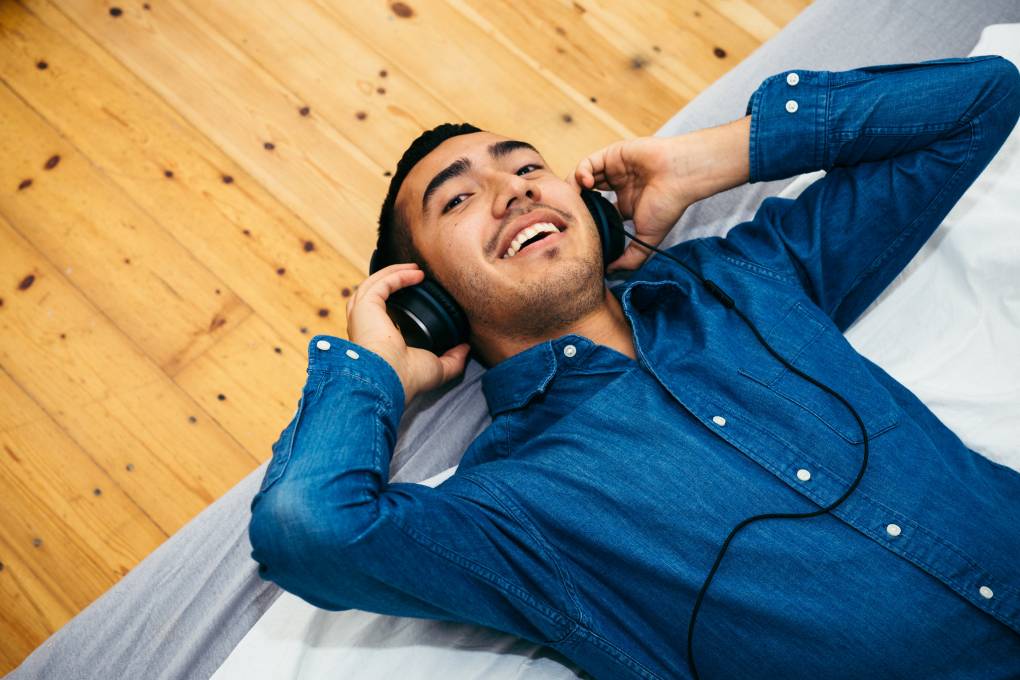
"caption": "Isn't staying in great? Cozy up this weekend with this sound-rich Bay Curious playlist.",
"description": null,
"title": "23753286105_6c93115f9f_k",
"credit": "Daniel Foster/flickr",
"status": "inherit",
"altTag": "A man in a blue collared shirt laying down and adjusting his headphones.",
"isLoading": false,
"fetchFailed": false
},
"news_11834975": {
"type": "attachments",
"id": "news_11834975",
"meta": {
"index": "attachments_1716263798",
"site": "news",
"id": "11834975",
"found": true
},
"parent": 11834961,
"imgSizes": {
"apple_news_ca_landscape_5_5": {
"file": "https://ww2.kqed.org/app/uploads/sites/10/2020/08/PalaceFineArts-DavidYu-1044x783.jpg",
"width": 1044,
"mimeType": "image/jpeg",
"height": 783
},
"apple_news_ca_square_4_0": {
"file": "https://ww2.kqed.org/app/uploads/sites/10/2020/08/PalaceFineArts-DavidYu-470x470.jpg",
"width": 470,
"mimeType": "image/jpeg",
"height": 470
},
"twentyfourteen-full-width": {
"file": "https://ww2.kqed.org/app/uploads/sites/10/2020/08/PalaceFineArts-DavidYu-1038x576.jpg",
"width": 1038,
"mimeType": "image/jpeg",
"height": 576
},
"thumbnail": {
"file": "https://ww2.kqed.org/app/uploads/sites/10/2020/08/PalaceFineArts-DavidYu-160x107.jpg",
"width": 160,
"mimeType": "image/jpeg",
"height": 107
},
"post-thumbnail": {
"file": "https://ww2.kqed.org/app/uploads/sites/10/2020/08/PalaceFineArts-DavidYu-672x372.jpg",
"width": 672,
"mimeType": "image/jpeg",
"height": 372
},
"kqedFullSize": {
"file": "https://ww2.kqed.org/app/uploads/sites/10/2020/08/PalaceFineArts-DavidYu.jpg",
"width": 1500,
"height": 1001
},
"apple_news_ca_landscape_4_7": {
"file": "https://ww2.kqed.org/app/uploads/sites/10/2020/08/PalaceFineArts-DavidYu-632x474.jpg",
"width": 632,
"mimeType": "image/jpeg",
"height": 474
},
"large": {
"file": "https://ww2.kqed.org/app/uploads/sites/10/2020/08/PalaceFineArts-DavidYu-1020x681.jpg",
"width": 1020,
"mimeType": "image/jpeg",
"height": 681
},
"apple_news_ca_landscape_4_0": {
"file": "https://ww2.kqed.org/app/uploads/sites/10/2020/08/PalaceFineArts-DavidYu-536x402.jpg",
"width": 536,
"mimeType": "image/jpeg",
"height": 402
},
"apple_news_ca_portrait_12_9": {
"file": "https://ww2.kqed.org/app/uploads/sites/10/2020/08/PalaceFineArts-DavidYu-1122x1001.jpg",
"width": 1122,
"mimeType": "image/jpeg",
"height": 1001
},
"medium": {
"file": "https://ww2.kqed.org/app/uploads/sites/10/2020/08/PalaceFineArts-DavidYu-800x534.jpg",
"width": 800,
"mimeType": "image/jpeg",
"height": 534
},
"apple_news_ca_portrait_4_0": {
"file": "https://ww2.kqed.org/app/uploads/sites/10/2020/08/PalaceFineArts-DavidYu-354x472.jpg",
"width": 354,
"mimeType": "image/jpeg",
"height": 472
},
"apple_news_ca_portrait_9_7": {
"file": "https://ww2.kqed.org/app/uploads/sites/10/2020/08/PalaceFineArts-DavidYu-840x1001.jpg",
"width": 840,
"mimeType": "image/jpeg",
"height": 1001
},
"apple_news_ca_square_9_7": {
"file": "https://ww2.kqed.org/app/uploads/sites/10/2020/08/PalaceFineArts-DavidYu-1104x1001.jpg",
"width": 1104,
"mimeType": "image/jpeg",
"height": 1001
},
"apple_news_ca_portrait_4_7": {
"file": "https://ww2.kqed.org/app/uploads/sites/10/2020/08/PalaceFineArts-DavidYu-414x552.jpg",
"width": 414,
"mimeType": "image/jpeg",
"height": 552
},
"apple_news_ca_square_12_9": {
"file": "https://ww2.kqed.org/app/uploads/sites/10/2020/08/PalaceFineArts-DavidYu-1472x1001.jpg",
"width": 1472,
"mimeType": "image/jpeg",
"height": 1001
},
"apple_news_ca_portrait_5_5": {
"file": "https://ww2.kqed.org/app/uploads/sites/10/2020/08/PalaceFineArts-DavidYu-687x916.jpg",
"width": 687,
"mimeType": "image/jpeg",
"height": 916
},
"apple_news_ca_square_4_7": {
"file": "https://ww2.kqed.org/app/uploads/sites/10/2020/08/PalaceFineArts-DavidYu-550x550.jpg",
"width": 550,
"mimeType": "image/jpeg",
"height": 550
},
"apple_news_ca_landscape_9_7": {
"file": "https://ww2.kqed.org/app/uploads/sites/10/2020/08/PalaceFineArts-DavidYu-1376x1001.jpg",
"width": 1376,
"mimeType": "image/jpeg",
"height": 1001
},
"apple_news_ca_square_5_5": {
"file": "https://ww2.kqed.org/app/uploads/sites/10/2020/08/PalaceFineArts-DavidYu-912x912.jpg",
"width": 912,
"mimeType": "image/jpeg",
"height": 912
}
},
"publishDate": 1598312264,
"modified": 1642110807,
"caption": "The Palace of Fine Arts lagoon has been home to many swans throughout the years.",
"description": null,
"title": "PalaceFineArts-DavidYu",
"credit": "\u003ca href=\"https://www.flickr.com/photos/davidyuweb/9450013295/\">David Yu\u003c/a>/Flickr",
"status": "inherit",
"altTag": null,
"isLoading": false,
"fetchFailed": false
},
"news_11893046": {
"type": "attachments",
"id": "news_11893046",
"meta": {
"index": "attachments_1716263798",
"site": "news",
"id": "11893046",
"found": true
},
"parent": 11893018,
"imgSizes": {
"twentyfourteen-full-width": {
"file": "https://ww2.kqed.org/app/uploads/sites/10/2021/10/GettyImages-460313270-1024x576.jpg",
"width": 1024,
"mimeType": "image/jpeg",
"height": 576
},
"thumbnail": {
"file": "https://ww2.kqed.org/app/uploads/sites/10/2021/10/GettyImages-460313270-160x106.jpg",
"width": 160,
"mimeType": "image/jpeg",
"height": 106
},
"post-thumbnail": {
"file": "https://ww2.kqed.org/app/uploads/sites/10/2021/10/GettyImages-460313270-672x372.jpg",
"width": 672,
"mimeType": "image/jpeg",
"height": 372
},
"kqedFullSize": {
"file": "https://ww2.kqed.org/app/uploads/sites/10/2021/10/GettyImages-460313270.jpg",
"width": 1024,
"height": 681
},
"large": {
"file": "https://ww2.kqed.org/app/uploads/sites/10/2021/10/GettyImages-460313270-1020x678.jpg",
"width": 1020,
"mimeType": "image/jpeg",
"height": 678
},
"medium": {
"file": "https://ww2.kqed.org/app/uploads/sites/10/2021/10/GettyImages-460313270-800x532.jpg",
"width": 800,
"mimeType": "image/jpeg",
"height": 532
}
},
"publishDate": 1634750967,
"modified": 1634781392,
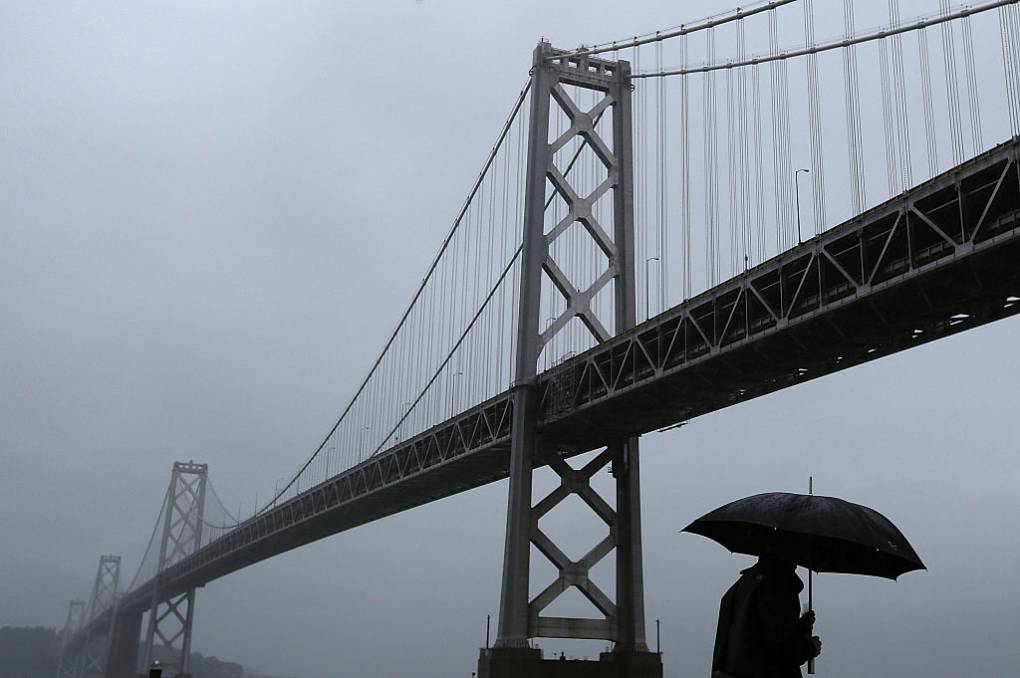
"caption": "A pedestrian walks in the rain next to the San Francisco-Oakland Bay Bridge. ",
"description": null,
"title": "Large Winter Storm Brings Heavy Rains And High Ways To Northern California",
"credit": "Justin Sullivan/Getty Images",
"status": "inherit",
"altTag": "A dark silhouette of a person with an umbrella walking through dense gray fog and rain in front of the Bay Bridge.",
"isLoading": false,
"fetchFailed": false
},
"news_11886502": {
"type": "attachments",
"id": "news_11886502",
"meta": {
"index": "attachments_1716263798",
"site": "news",
"id": "11886502",
"found": true
},
"parent": 11885170,
"imgSizes": {
"twentyfourteen-full-width": {
"file": "https://ww2.kqed.org/app/uploads/sites/10/2021/08/RS51188_GettyImages-1336534302-qut-1038x576.jpg",
"width": 1038,
"mimeType": "image/jpeg",
"height": 576
},
"thumbnail": {
"file": "https://ww2.kqed.org/app/uploads/sites/10/2021/08/RS51188_GettyImages-1336534302-qut-160x107.jpg",
"width": 160,
"mimeType": "image/jpeg",
"height": 107
},
"post-thumbnail": {
"file": "https://ww2.kqed.org/app/uploads/sites/10/2021/08/RS51188_GettyImages-1336534302-qut-672x372.jpg",
"width": 672,
"mimeType": "image/jpeg",
"height": 372
},
"kqedFullSize": {
"file": "https://ww2.kqed.org/app/uploads/sites/10/2021/08/RS51188_GettyImages-1336534302-qut.jpg",
"width": 1920,
"height": 1281
},
"large": {
"file": "https://ww2.kqed.org/app/uploads/sites/10/2021/08/RS51188_GettyImages-1336534302-qut-1020x681.jpg",
"width": 1020,
"mimeType": "image/jpeg",
"height": 681
},
"1536x1536": {
"file": "https://ww2.kqed.org/app/uploads/sites/10/2021/08/RS51188_GettyImages-1336534302-qut-1536x1025.jpg",
"width": 1536,
"mimeType": "image/jpeg",
"height": 1025
},
"medium": {
"file": "https://ww2.kqed.org/app/uploads/sites/10/2021/08/RS51188_GettyImages-1336534302-qut-800x534.jpg",
"width": 800,
"mimeType": "image/jpeg",
"height": 534
}
},
"publishDate": 1630018215,
"modified": 1630021848,
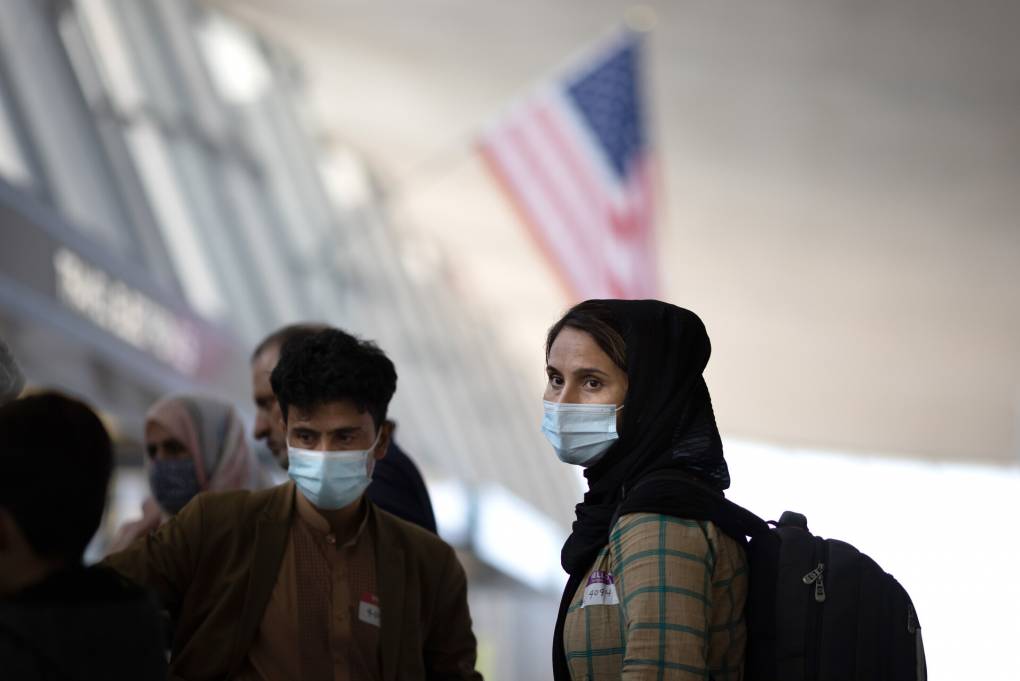
"caption": "Refugees evacuated from Kabul wait to board a bus at Dulles International Airport that will take them to a refugee processing center on Aug. 26, 2021 in Dulles, Virginia.",
"description": "Refugees evacuated from Kabul wait to board a bus at Dulles International Airport that will take them to a refugee processing center on Aug. 26, 2021 in Dulles, Virginia.",
"title": "Afghan Refugees Arrive At Dulles Airport Outside Nation's Capital",
"credit": "Win McNamee/Getty Images",
"status": "inherit",
"altTag": "refugees wear masks, head scarves and backpacks inside US airport",
"isLoading": false,
"fetchFailed": false
},
"news_11871124": {
"type": "attachments",
"id": "news_11871124",
"meta": {
"index": "attachments_1716263798",
"site": "news",
"id": "11871124",
"found": true
},
"parent": 11871122,
"imgSizes": {
"twentyfourteen-full-width": {
"file": "https://ww2.kqed.org/app/uploads/sites/10/2021/04/GettyImages-1314176777-1038x576.jpg",
"width": 1038,
"mimeType": "image/jpeg",
"height": 576
},
"thumbnail": {
"file": "https://ww2.kqed.org/app/uploads/sites/10/2021/04/GettyImages-1314176777-160x90.jpg",
"width": 160,
"mimeType": "image/jpeg",
"height": 90
},
"post-thumbnail": {
"file": "https://ww2.kqed.org/app/uploads/sites/10/2021/04/GettyImages-1314176777-672x372.jpg",
"width": 672,
"mimeType": "image/jpeg",
"height": 372
},
"kqedFullSize": {
"file": "https://ww2.kqed.org/app/uploads/sites/10/2021/04/GettyImages-1314176777-scaled.jpg",
"width": 2560,
"height": 1440
},
"2048x2048": {
"file": "https://ww2.kqed.org/app/uploads/sites/10/2021/04/GettyImages-1314176777-2048x1152.jpg",
"width": 2048,
"mimeType": "image/jpeg",
"height": 1152
},
"large": {
"file": "https://ww2.kqed.org/app/uploads/sites/10/2021/04/GettyImages-1314176777-1020x574.jpg",
"width": 1020,
"mimeType": "image/jpeg",
"height": 574
},
"1536x1536": {
"file": "https://ww2.kqed.org/app/uploads/sites/10/2021/04/GettyImages-1314176777-1536x864.jpg",
"width": 1536,
"mimeType": "image/jpeg",
"height": 864
},
"full-width": {
"file": "https://ww2.kqed.org/app/uploads/sites/10/2021/04/GettyImages-1314176777-1920x1080.jpg",
"width": 1920,
"mimeType": "image/jpeg",
"height": 1080
},
"medium": {
"file": "https://ww2.kqed.org/app/uploads/sites/10/2021/04/GettyImages-1314176777-800x450.jpg",
"width": 800,
"mimeType": "image/jpeg",
"height": 450
}
},
"publishDate": 1619406299,
"modified": 1619465946,
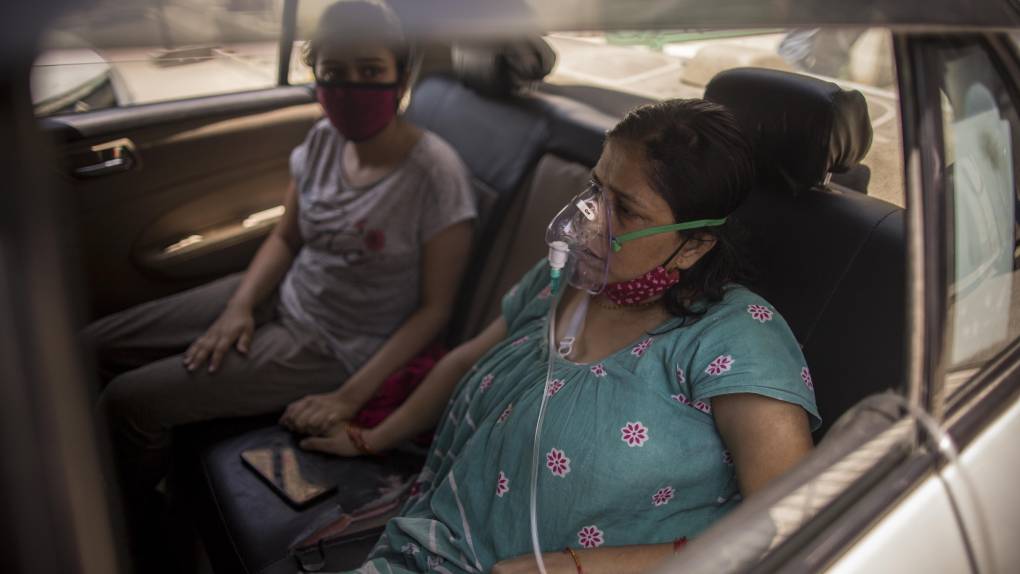
"caption": "Patients infected with COVID-19 can be seen wearing oxygen masks on April 24, 2021 in New Delhi, India. With recorded cases crossing 300,000 a day, India has more than 2 million active cases of COVID-19, the second-highest number in the world after the U.S.",
"description": null,
"title": "India Struggles To Contain Huge Wave Of Covid-19 Infections",
"credit": "Anindito Mukherjee/Getty Images",
"status": "inherit",
"altTag": "Patients infected with COVID-19 can be seen wearing Oxygen masks place amid the rising concerns over lack of Oxygen on April 24, 2021 in New Delhi, India. With recorded cases crossing 300,000 a day, India has more than 2 million active cases of COVID-19, the second-highest number in the world after the U.S. A new wave of the pandemic has totally overwhelmed the country's healthcare services and has caused crematoriums to operate day and night as the number of victims continues to spiral out of control.",
"isLoading": false,
"fetchFailed": false
},
"news_11865808": {
"type": "attachments",
"id": "news_11865808",
"meta": {
"index": "attachments_1716263798",
"site": "news",
"id": "11865808",
"found": true
},
"parent": 11865791,
"imgSizes": {
"twentyfourteen-full-width": {
"file": "https://ww2.kqed.org/app/uploads/sites/10/2021/03/Image-from-iOS-37-1038x576.jpg",
"width": 1038,
"mimeType": "image/jpeg",
"height": 576
},
"thumbnail": {
"file": "https://ww2.kqed.org/app/uploads/sites/10/2021/03/Image-from-iOS-37-160x106.jpg",
"width": 160,
"mimeType": "image/jpeg",
"height": 106
},
"post-thumbnail": {
"file": "https://ww2.kqed.org/app/uploads/sites/10/2021/03/Image-from-iOS-37-672x372.jpg",
"width": 672,
"mimeType": "image/jpeg",
"height": 372
},
"kqedFullSize": {
"file": "https://ww2.kqed.org/app/uploads/sites/10/2021/03/Image-from-iOS-37-scaled-e1616348826100.jpg",
"width": 1920,
"height": 1278
},
"2048x2048": {
"file": "https://ww2.kqed.org/app/uploads/sites/10/2021/03/Image-from-iOS-37-2048x1363.jpg",
"width": 2048,
"mimeType": "image/jpeg",
"height": 1363
},
"large": {
"file": "https://ww2.kqed.org/app/uploads/sites/10/2021/03/Image-from-iOS-37-1020x679.jpg",
"width": 1020,
"mimeType": "image/jpeg",
"height": 679
},
"1536x1536": {
"file": "https://ww2.kqed.org/app/uploads/sites/10/2021/03/Image-from-iOS-37-1536x1022.jpg",
"width": 1536,
"mimeType": "image/jpeg",
"height": 1022
},
"full-width": {
"file": "https://ww2.kqed.org/app/uploads/sites/10/2021/03/Image-from-iOS-37-1920x1278.jpg",
"width": 1920,
"mimeType": "image/jpeg",
"height": 1278
},
"medium": {
"file": "https://ww2.kqed.org/app/uploads/sites/10/2021/03/Image-from-iOS-37-800x532.jpg",
"width": 800,
"mimeType": "image/jpeg",
"height": 532
}
},
"publishDate": 1616293945,
"modified": 1616438951,
"caption": "A group of demonstrators hold signs that say 'Stop Asian Hate' during a vigil and rally in San Francisco’s Chinatown on March 20, 2021.",
"description": "A group of demonstrators hold signs that say, “Stop Asian Hate” during a vigil and rally in San Francisco’s Chinatown on March 20, 2021.",
"title": "Stop Asian Hate",
"credit": "Beth LaBerge/KQED",
"status": "inherit",
"altTag": "A group of demonstrators hold signs that say, 'Stop Asian Hate' during a vigil and rally in San Francisco’s Chinatown on March 20, 2021.",
"isLoading": false,
"fetchFailed": false
},
"news_11860486": {
"type": "attachments",
"id": "news_11860486",
"meta": {
"index": "attachments_1716263798",
"site": "news",
"id": "11860486",
"found": true
},
"parent": 11860391,
"imgSizes": {
"apple_news_ca_landscape_5_5": {
"file": "https://ww2.kqed.org/app/uploads/sites/10/2021/02/SF_Protest_IMG_0004-1044x783.jpg",
"width": 1044,
"mimeType": "image/jpeg",
"height": 783
},
"apple_news_ca_square_4_0": {
"file": "https://ww2.kqed.org/app/uploads/sites/10/2021/02/SF_Protest_IMG_0004-470x470.jpg",
"width": 470,
"mimeType": "image/jpeg",
"height": 470
},
"twentyfourteen-full-width": {
"file": "https://ww2.kqed.org/app/uploads/sites/10/2021/02/SF_Protest_IMG_0004-1038x576.jpg",
"width": 1038,
"mimeType": "image/jpeg",
"height": 576
},
"thumbnail": {
"file": "https://ww2.kqed.org/app/uploads/sites/10/2021/02/SF_Protest_IMG_0004-160x90.jpg",
"width": 160,
"mimeType": "image/jpeg",
"height": 90
},
"post-thumbnail": {
"file": "https://ww2.kqed.org/app/uploads/sites/10/2021/02/SF_Protest_IMG_0004-672x372.jpg",
"width": 672,
"mimeType": "image/jpeg",
"height": 372
},
"kqedFullSize": {
"file": "https://ww2.kqed.org/app/uploads/sites/10/2021/02/SF_Protest_IMG_0004-scaled-e1613499053216.jpg",
"width": 1920,
"height": 1080
},
"2048x2048": {
"file": "https://ww2.kqed.org/app/uploads/sites/10/2021/02/SF_Protest_IMG_0004-2048x1152.jpg",
"width": 2048,
"mimeType": "image/jpeg",
"height": 1152
},
"apple_news_ca_landscape_4_7": {
"file": "https://ww2.kqed.org/app/uploads/sites/10/2021/02/SF_Protest_IMG_0004-632x474.jpg",
"width": 632,
"mimeType": "image/jpeg",
"height": 474
},
"large": {
"file": "https://ww2.kqed.org/app/uploads/sites/10/2021/02/SF_Protest_IMG_0004-1020x574.jpg",
"width": 1020,
"mimeType": "image/jpeg",
"height": 574
},
"apple_news_ca_landscape_4_0": {
"file": "https://ww2.kqed.org/app/uploads/sites/10/2021/02/SF_Protest_IMG_0004-536x402.jpg",
"width": 536,
"mimeType": "image/jpeg",
"height": 402
},
"apple_news_ca_portrait_12_9": {
"file": "https://ww2.kqed.org/app/uploads/sites/10/2021/02/SF_Protest_IMG_0004-1122x1496.jpg",
"width": 1122,
"mimeType": "image/jpeg",
"height": 1496
},
"medium": {
"file": "https://ww2.kqed.org/app/uploads/sites/10/2021/02/SF_Protest_IMG_0004-800x450.jpg",
"width": 800,
"mimeType": "image/jpeg",
"height": 450
},
"apple_news_ca_portrait_4_0": {
"file": "https://ww2.kqed.org/app/uploads/sites/10/2021/02/SF_Protest_IMG_0004-354x472.jpg",
"width": 354,
"mimeType": "image/jpeg",
"height": 472
},
"apple_news_ca_portrait_9_7": {
"file": "https://ww2.kqed.org/app/uploads/sites/10/2021/02/SF_Protest_IMG_0004-840x1120.jpg",
"width": 840,
"mimeType": "image/jpeg",
"height": 1120
},
"apple_news_ca_landscape_12_9": {
"file": "https://ww2.kqed.org/app/uploads/sites/10/2021/02/SF_Protest_IMG_0004-1832x1374.jpg",
"width": 1832,
"mimeType": "image/jpeg",
"height": 1374
},
"apple_news_ca_square_9_7": {
"file": "https://ww2.kqed.org/app/uploads/sites/10/2021/02/SF_Protest_IMG_0004-1104x1104.jpg",
"width": 1104,
"mimeType": "image/jpeg",
"height": 1104
},
"1536x1536": {
"file": "https://ww2.kqed.org/app/uploads/sites/10/2021/02/SF_Protest_IMG_0004-1536x864.jpg",
"width": 1536,
"mimeType": "image/jpeg",
"height": 864
},
"apple_news_ca_portrait_4_7": {
"file": "https://ww2.kqed.org/app/uploads/sites/10/2021/02/SF_Protest_IMG_0004-414x552.jpg",
"width": 414,
"mimeType": "image/jpeg",
"height": 552
},
"apple_news_ca_square_12_9": {
"file": "https://ww2.kqed.org/app/uploads/sites/10/2021/02/SF_Protest_IMG_0004-1472x1472.jpg",
"width": 1472,
"mimeType": "image/jpeg",
"height": 1472
},
"apple_news_ca_portrait_5_5": {
"file": "https://ww2.kqed.org/app/uploads/sites/10/2021/02/SF_Protest_IMG_0004-687x916.jpg",
"width": 687,
"mimeType": "image/jpeg",
"height": 916
},
"full-width": {
"file": "https://ww2.kqed.org/app/uploads/sites/10/2021/02/SF_Protest_IMG_0004-1920x1080.jpg",
"width": 1920,
"mimeType": "image/jpeg",
"height": 1080
},
"apple_news_ca_square_4_7": {
"file": "https://ww2.kqed.org/app/uploads/sites/10/2021/02/SF_Protest_IMG_0004-550x550.jpg",
"width": 550,
"mimeType": "image/jpeg",
"height": 550
},
"apple_news_ca_landscape_9_7": {
"file": "https://ww2.kqed.org/app/uploads/sites/10/2021/02/SF_Protest_IMG_0004-1376x1032.jpg",
"width": 1376,
"mimeType": "image/jpeg",
"height": 1032
},
"apple_news_ca_square_5_5": {
"file": "https://ww2.kqed.org/app/uploads/sites/10/2021/02/SF_Protest_IMG_0004-912x912.jpg",
"width": 912,
"mimeType": "image/jpeg",
"height": 912
}
},
"publishDate": 1613498869,
"modified": 1613610729,
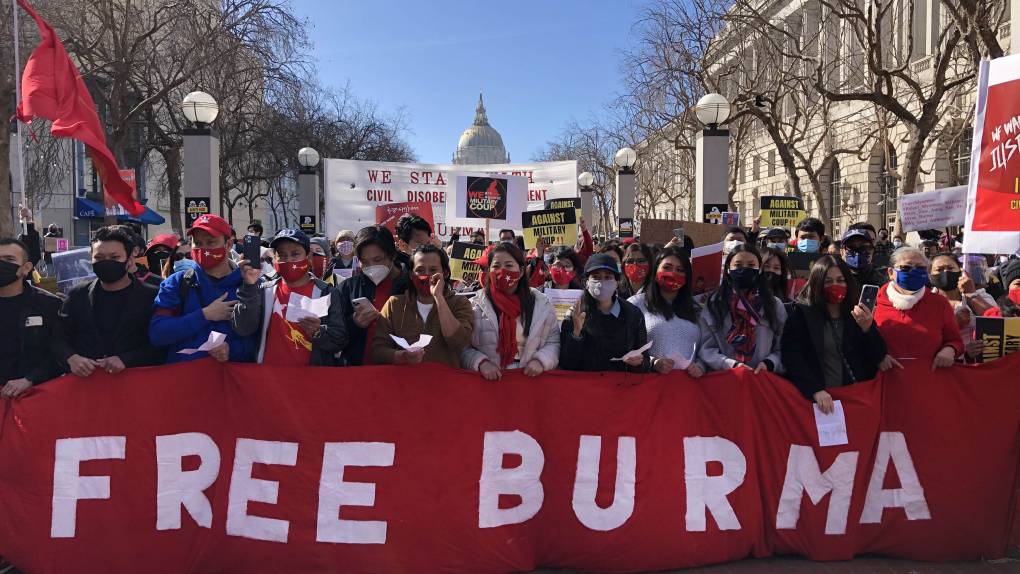
"caption": "Demonstrators at Civic Center Plaza in San Francisco rally on Feb. 13 In response to the recent military coup in Myanmar. The Free Burma Action Committee – a coalition of Bay Area-based Burmese activists – aims to reinforce and highlight civil disobedience campaigns and 'restore democracy in our homeland.'",
"description": "Demonstrators at Civic Center Plaza in San Francisco rally on Feb. 13 In response to the recent military coup in Myanmar. The Free Burma Action Committee – a coalition of Bay Area-based Burmese activists – aims to reinforce and highlight civil disobedience campaigns and 'restore democracy in our homeland.'",
"title": "SF_Protest_IMG_0004",
"credit": "Courtesy of Free Burma Action Committee – San Francisco",
"status": "inherit",
"altTag": null,
"isLoading": false,
"fetchFailed": false
},
"news_11845095": {
"type": "attachments",
"id": "news_11845095",
"meta": {
"index": "attachments_1716263798",
"site": "news",
"id": "11845095",
"found": true
},
"parent": 11844841,
"imgSizes": {
"apple_news_ca_landscape_5_5": {
"file": "https://ww2.kqed.org/app/uploads/sites/10/2020/11/RS45609_003_KQED_SanFrancisco_BallotDropOff_10312020-qut-1044x783.jpg",
"width": 1044,
"mimeType": "image/jpeg",
"height": 783
},
"apple_news_ca_square_4_0": {
"file": "https://ww2.kqed.org/app/uploads/sites/10/2020/11/RS45609_003_KQED_SanFrancisco_BallotDropOff_10312020-qut-470x470.jpg",
"width": 470,
"mimeType": "image/jpeg",
"height": 470
},
"twentyfourteen-full-width": {
"file": "https://ww2.kqed.org/app/uploads/sites/10/2020/11/RS45609_003_KQED_SanFrancisco_BallotDropOff_10312020-qut-1038x576.jpg",
"width": 1038,
"mimeType": "image/jpeg",
"height": 576
},
"thumbnail": {
"file": "https://ww2.kqed.org/app/uploads/sites/10/2020/11/RS45609_003_KQED_SanFrancisco_BallotDropOff_10312020-qut-160x107.jpg",
"width": 160,
"mimeType": "image/jpeg",
"height": 107
},
"post-thumbnail": {
"file": "https://ww2.kqed.org/app/uploads/sites/10/2020/11/RS45609_003_KQED_SanFrancisco_BallotDropOff_10312020-qut-672x372.jpg",
"width": 672,
"mimeType": "image/jpeg",
"height": 372
},
"kqedFullSize": {
"file": "https://ww2.kqed.org/app/uploads/sites/10/2020/11/RS45609_003_KQED_SanFrancisco_BallotDropOff_10312020-qut.jpg",
"width": 1920,
"height": 1280
},
"apple_news_ca_landscape_4_7": {
"file": "https://ww2.kqed.org/app/uploads/sites/10/2020/11/RS45609_003_KQED_SanFrancisco_BallotDropOff_10312020-qut-632x474.jpg",
"width": 632,
"mimeType": "image/jpeg",
"height": 474
},
"large": {
"file": "https://ww2.kqed.org/app/uploads/sites/10/2020/11/RS45609_003_KQED_SanFrancisco_BallotDropOff_10312020-qut-1020x680.jpg",
"width": 1020,
"mimeType": "image/jpeg",
"height": 680
},
"apple_news_ca_landscape_4_0": {
"file": "https://ww2.kqed.org/app/uploads/sites/10/2020/11/RS45609_003_KQED_SanFrancisco_BallotDropOff_10312020-qut-536x402.jpg",
"width": 536,
"mimeType": "image/jpeg",
"height": 402
},
"apple_news_ca_portrait_12_9": {
"file": "https://ww2.kqed.org/app/uploads/sites/10/2020/11/RS45609_003_KQED_SanFrancisco_BallotDropOff_10312020-qut-1122x1280.jpg",
"width": 1122,
"mimeType": "image/jpeg",
"height": 1280
},
"medium": {
"file": "https://ww2.kqed.org/app/uploads/sites/10/2020/11/RS45609_003_KQED_SanFrancisco_BallotDropOff_10312020-qut-800x533.jpg",
"width": 800,
"mimeType": "image/jpeg",
"height": 533
},
"apple_news_ca_portrait_4_0": {
"file": "https://ww2.kqed.org/app/uploads/sites/10/2020/11/RS45609_003_KQED_SanFrancisco_BallotDropOff_10312020-qut-354x472.jpg",
"width": 354,
"mimeType": "image/jpeg",
"height": 472
},
"apple_news_ca_portrait_9_7": {
"file": "https://ww2.kqed.org/app/uploads/sites/10/2020/11/RS45609_003_KQED_SanFrancisco_BallotDropOff_10312020-qut-840x1120.jpg",
"width": 840,
"mimeType": "image/jpeg",
"height": 1120
},
"apple_news_ca_landscape_12_9": {
"file": "https://ww2.kqed.org/app/uploads/sites/10/2020/11/RS45609_003_KQED_SanFrancisco_BallotDropOff_10312020-qut-1832x1280.jpg",
"width": 1832,
"mimeType": "image/jpeg",
"height": 1280
},
"apple_news_ca_square_9_7": {
"file": "https://ww2.kqed.org/app/uploads/sites/10/2020/11/RS45609_003_KQED_SanFrancisco_BallotDropOff_10312020-qut-1104x1104.jpg",
"width": 1104,
"mimeType": "image/jpeg",
"height": 1104
},
"1536x1536": {
"file": "https://ww2.kqed.org/app/uploads/sites/10/2020/11/RS45609_003_KQED_SanFrancisco_BallotDropOff_10312020-qut-1536x1024.jpg",
"width": 1536,
"mimeType": "image/jpeg",
"height": 1024
},
"apple_news_ca_portrait_4_7": {
"file": "https://ww2.kqed.org/app/uploads/sites/10/2020/11/RS45609_003_KQED_SanFrancisco_BallotDropOff_10312020-qut-414x552.jpg",
"width": 414,
"mimeType": "image/jpeg",
"height": 552
},
"apple_news_ca_square_12_9": {
"file": "https://ww2.kqed.org/app/uploads/sites/10/2020/11/RS45609_003_KQED_SanFrancisco_BallotDropOff_10312020-qut-1472x1280.jpg",
"width": 1472,
"mimeType": "image/jpeg",
"height": 1280
},
"apple_news_ca_portrait_5_5": {
"file": "https://ww2.kqed.org/app/uploads/sites/10/2020/11/RS45609_003_KQED_SanFrancisco_BallotDropOff_10312020-qut-687x916.jpg",
"width": 687,
"mimeType": "image/jpeg",
"height": 916
},
"apple_news_ca_square_4_7": {
"file": "https://ww2.kqed.org/app/uploads/sites/10/2020/11/RS45609_003_KQED_SanFrancisco_BallotDropOff_10312020-qut-550x550.jpg",
"width": 550,
"mimeType": "image/jpeg",
"height": 550
},
"apple_news_ca_landscape_9_7": {
"file": "https://ww2.kqed.org/app/uploads/sites/10/2020/11/RS45609_003_KQED_SanFrancisco_BallotDropOff_10312020-qut-1376x1032.jpg",
"width": 1376,
"mimeType": "image/jpeg",
"height": 1032
},
"apple_news_ca_square_5_5": {
"file": "https://ww2.kqed.org/app/uploads/sites/10/2020/11/RS45609_003_KQED_SanFrancisco_BallotDropOff_10312020-qut-912x912.jpg",
"width": 912,
"mimeType": "image/jpeg",
"height": 912
}
},
"publishDate": 1604371216,
"modified": 1604371266,
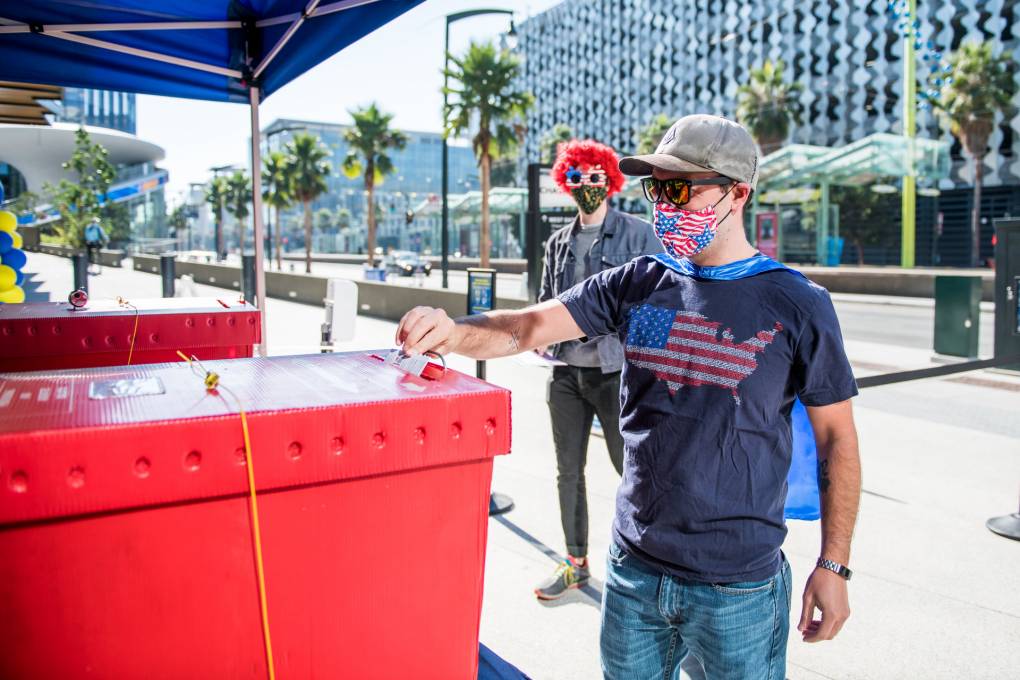
"caption": "Travis Strong drops off his mail-in ballot in costume at the Chase Center official drop-off location in San Francisco on Oct. 31, 2020.",
"description": null,
"title": "RS45609_003_KQED_SanFrancisco_BallotDropOff_10312020-qut",
"credit": "Beth LaBerge/KQED",
"status": "inherit",
"isLoading": false,
"fetchFailed": false
},
"news_11874922": {
"type": "attachments",
"id": "news_11874922",
"meta": {
"index": "attachments_1716263798",
"site": "news",
"id": "11874922",
"found": true
},
"parent": 11861500,
"imgSizes": {
"thumbnail": {
"file": "https://ww2.kqed.org/app/uploads/sites/10/2021/02/soldout-tunein-656x336-2021-160x82.jpg",
"width": 160,
"mimeType": "image/jpeg",
"height": 82
},
"kqedFullSize": {
"file": "https://ww2.kqed.org/app/uploads/sites/10/2021/02/soldout-tunein-656x336-2021.jpg",
"width": 656,
"height": 336
}
},
"publishDate": 1621728496,
"modified": 1621728502,
"caption": null,
"description": null,
"title": "soldout-tunein-656x336-2021",
"credit": null,
"status": "inherit",
"altTag": "Sold Out: Rethinking Housing in America Logo with illustration of houses and tent encampment",
"isLoading": false,
"fetchFailed": false
},
"news_11842955": {
"type": "attachments",
"id": "news_11842955",
"meta": {
"index": "attachments_1716263798",
"site": "news",
"id": "11842955",
"found": true
},
"parent": 11842951,
"imgSizes": {
"apple_news_ca_landscape_5_5": {
"file": "https://ww2.kqed.org/app/uploads/sites/10/2020/10/1920_GettyImages-1266322624-1044x783.jpg",
"width": 1044,
"mimeType": "image/jpeg",
"height": 783
},
"apple_news_ca_square_4_0": {
"file": "https://ww2.kqed.org/app/uploads/sites/10/2020/10/1920_GettyImages-1266322624-470x470.jpg",
"width": 470,
"mimeType": "image/jpeg",
"height": 470
},
"twentyfourteen-full-width": {
"file": "https://ww2.kqed.org/app/uploads/sites/10/2020/10/1920_GettyImages-1266322624-1038x576.jpg",
"width": 1038,
"mimeType": "image/jpeg",
"height": 576
},
"thumbnail": {
"file": "https://ww2.kqed.org/app/uploads/sites/10/2020/10/1920_GettyImages-1266322624-160x99.jpg",
"width": 160,
"mimeType": "image/jpeg",
"height": 99
},
"post-thumbnail": {
"file": "https://ww2.kqed.org/app/uploads/sites/10/2020/10/1920_GettyImages-1266322624-672x372.jpg",
"width": 672,
"mimeType": "image/jpeg",
"height": 372
},
"kqedFullSize": {
"file": "https://ww2.kqed.org/app/uploads/sites/10/2020/10/1920_GettyImages-1266322624-scaled.jpg",
"width": 2560,
"height": 1582
},
"2048x2048": {
"file": "https://ww2.kqed.org/app/uploads/sites/10/2020/10/1920_GettyImages-1266322624-2048x1265.jpg",
"width": 2048,
"mimeType": "image/jpeg",
"height": 1265
},
"apple_news_ca_landscape_4_7": {
"file": "https://ww2.kqed.org/app/uploads/sites/10/2020/10/1920_GettyImages-1266322624-632x474.jpg",
"width": 632,
"mimeType": "image/jpeg",
"height": 474
},
"large": {
"file": "https://ww2.kqed.org/app/uploads/sites/10/2020/10/1920_GettyImages-1266322624-1020x630.jpg",
"width": 1020,
"mimeType": "image/jpeg",
"height": 630
},
"apple_news_ca_landscape_4_0": {
"file": "https://ww2.kqed.org/app/uploads/sites/10/2020/10/1920_GettyImages-1266322624-536x402.jpg",
"width": 536,
"mimeType": "image/jpeg",
"height": 402
},
"apple_news_ca_portrait_12_9": {
"file": "https://ww2.kqed.org/app/uploads/sites/10/2020/10/1920_GettyImages-1266322624-1122x1496.jpg",
"width": 1122,
"mimeType": "image/jpeg",
"height": 1496
},
"medium": {
"file": "https://ww2.kqed.org/app/uploads/sites/10/2020/10/1920_GettyImages-1266322624-800x494.jpg",
"width": 800,
"mimeType": "image/jpeg",
"height": 494
},
"apple_news_ca_portrait_4_0": {
"file": "https://ww2.kqed.org/app/uploads/sites/10/2020/10/1920_GettyImages-1266322624-354x472.jpg",
"width": 354,
"mimeType": "image/jpeg",
"height": 472
},
"apple_news_ca_portrait_9_7": {
"file": "https://ww2.kqed.org/app/uploads/sites/10/2020/10/1920_GettyImages-1266322624-840x1120.jpg",
"width": 840,
"mimeType": "image/jpeg",
"height": 1120
},
"apple_news_ca_landscape_12_9": {
"file": "https://ww2.kqed.org/app/uploads/sites/10/2020/10/1920_GettyImages-1266322624-1832x1374.jpg",
"width": 1832,
"mimeType": "image/jpeg",
"height": 1374
},
"apple_news_ca_square_9_7": {
"file": "https://ww2.kqed.org/app/uploads/sites/10/2020/10/1920_GettyImages-1266322624-1104x1104.jpg",
"width": 1104,
"mimeType": "image/jpeg",
"height": 1104
},
"1536x1536": {
"file": "https://ww2.kqed.org/app/uploads/sites/10/2020/10/1920_GettyImages-1266322624-1536x949.jpg",
"width": 1536,
"mimeType": "image/jpeg",
"height": 949
},
"apple_news_ca_portrait_4_7": {
"file": "https://ww2.kqed.org/app/uploads/sites/10/2020/10/1920_GettyImages-1266322624-414x552.jpg",
"width": 414,
"mimeType": "image/jpeg",
"height": 552
},
"apple_news_ca_square_12_9": {
"file": "https://ww2.kqed.org/app/uploads/sites/10/2020/10/1920_GettyImages-1266322624-1472x1472.jpg",
"width": 1472,
"mimeType": "image/jpeg",
"height": 1472
},
"apple_news_ca_portrait_5_5": {
"file": "https://ww2.kqed.org/app/uploads/sites/10/2020/10/1920_GettyImages-1266322624-687x916.jpg",
"width": 687,
"mimeType": "image/jpeg",
"height": 916
},
"full-width": {
"file": "https://ww2.kqed.org/app/uploads/sites/10/2020/10/1920_GettyImages-1266322624-1920x1186.jpg",
"width": 1920,
"mimeType": "image/jpeg",
"height": 1186
},
"apple_news_ca_square_4_7": {
"file": "https://ww2.kqed.org/app/uploads/sites/10/2020/10/1920_GettyImages-1266322624-550x550.jpg",
"width": 550,
"mimeType": "image/jpeg",
"height": 550
},
"apple_news_ca_landscape_9_7": {
"file": "https://ww2.kqed.org/app/uploads/sites/10/2020/10/1920_GettyImages-1266322624-1376x1032.jpg",
"width": 1376,
"mimeType": "image/jpeg",
"height": 1032
},
"apple_news_ca_square_5_5": {
"file": "https://ww2.kqed.org/app/uploads/sites/10/2020/10/1920_GettyImages-1266322624-912x912.jpg",
"width": 912,
"mimeType": "image/jpeg",
"height": 912
}
},
"publishDate": 1603219608,
"modified": 1603234502,
"caption": "Supporters and members of the East Turkistan National Awakening Movement rally outside the White House in Washington, D.C. to urge the United States to end trade deals with China and take action to stop the oppression of Uighur and other Turkic peoples, August 14, 2020.",
"description": "Supporters and members of the East Turkistan National Awakening Movement rally outside the White House in Washington, D.C. to urge the United States to end trade deals with China and take action to stop the oppression of Uighur and other Turkic peoples, August 14, 2020.",
"title": "Rally Held Outside White House Against China Calls On US To End Trade Deal",
"credit": "Chip Somodevilla/Getty Images",
"status": "inherit",
"isLoading": false,
"fetchFailed": false
},
"news_11842019": {
"type": "attachments",
"id": "news_11842019",
"meta": {
"index": "attachments_1716263798",
"site": "news",
"id": "11842019",
"found": true
},
"parent": 11841996,
"imgSizes": {
"apple_news_ca_landscape_5_5": {
"file": "https://ww2.kqed.org/app/uploads/sites/10/2020/10/RS45321_027_KQED_SanFrancisco_NoConfirmationBeforeInauguration_10122020-qut-1044x783.jpg",
"width": 1044,
"mimeType": "image/jpeg",
"height": 783
},
"apple_news_ca_square_4_0": {
"file": "https://ww2.kqed.org/app/uploads/sites/10/2020/10/RS45321_027_KQED_SanFrancisco_NoConfirmationBeforeInauguration_10122020-qut-470x470.jpg",
"width": 470,
"mimeType": "image/jpeg",
"height": 470
},
"twentyfourteen-full-width": {
"file": "https://ww2.kqed.org/app/uploads/sites/10/2020/10/RS45321_027_KQED_SanFrancisco_NoConfirmationBeforeInauguration_10122020-qut-1038x576.jpg",
"width": 1038,
"mimeType": "image/jpeg",
"height": 576
},
"thumbnail": {
"file": "https://ww2.kqed.org/app/uploads/sites/10/2020/10/RS45321_027_KQED_SanFrancisco_NoConfirmationBeforeInauguration_10122020-qut-160x107.jpg",
"width": 160,
"mimeType": "image/jpeg",
"height": 107
},
"post-thumbnail": {
"file": "https://ww2.kqed.org/app/uploads/sites/10/2020/10/RS45321_027_KQED_SanFrancisco_NoConfirmationBeforeInauguration_10122020-qut-672x372.jpg",
"width": 672,
"mimeType": "image/jpeg",
"height": 372
},
"kqedFullSize": {
"file": "https://ww2.kqed.org/app/uploads/sites/10/2020/10/RS45321_027_KQED_SanFrancisco_NoConfirmationBeforeInauguration_10122020-qut.jpg",
"width": 1920,
"height": 1278
},
"apple_news_ca_landscape_4_7": {
"file": "https://ww2.kqed.org/app/uploads/sites/10/2020/10/RS45321_027_KQED_SanFrancisco_NoConfirmationBeforeInauguration_10122020-qut-632x474.jpg",
"width": 632,
"mimeType": "image/jpeg",
"height": 474
},
"large": {
"file": "https://ww2.kqed.org/app/uploads/sites/10/2020/10/RS45321_027_KQED_SanFrancisco_NoConfirmationBeforeInauguration_10122020-qut-1020x679.jpg",
"width": 1020,
"mimeType": "image/jpeg",
"height": 679
},
"apple_news_ca_landscape_4_0": {
"file": "https://ww2.kqed.org/app/uploads/sites/10/2020/10/RS45321_027_KQED_SanFrancisco_NoConfirmationBeforeInauguration_10122020-qut-536x402.jpg",
"width": 536,
"mimeType": "image/jpeg",
"height": 402
},
"apple_news_ca_portrait_12_9": {
"file": "https://ww2.kqed.org/app/uploads/sites/10/2020/10/RS45321_027_KQED_SanFrancisco_NoConfirmationBeforeInauguration_10122020-qut-1122x1278.jpg",
"width": 1122,
"mimeType": "image/jpeg",
"height": 1278
},
"medium": {
"file": "https://ww2.kqed.org/app/uploads/sites/10/2020/10/RS45321_027_KQED_SanFrancisco_NoConfirmationBeforeInauguration_10122020-qut-800x533.jpg",
"width": 800,
"mimeType": "image/jpeg",
"height": 533
},
"apple_news_ca_portrait_4_0": {
"file": "https://ww2.kqed.org/app/uploads/sites/10/2020/10/RS45321_027_KQED_SanFrancisco_NoConfirmationBeforeInauguration_10122020-qut-354x472.jpg",
"width": 354,
"mimeType": "image/jpeg",
"height": 472
},
"apple_news_ca_portrait_9_7": {
"file": "https://ww2.kqed.org/app/uploads/sites/10/2020/10/RS45321_027_KQED_SanFrancisco_NoConfirmationBeforeInauguration_10122020-qut-840x1120.jpg",
"width": 840,
"mimeType": "image/jpeg",
"height": 1120
},
"apple_news_ca_landscape_12_9": {
"file": "https://ww2.kqed.org/app/uploads/sites/10/2020/10/RS45321_027_KQED_SanFrancisco_NoConfirmationBeforeInauguration_10122020-qut-1832x1278.jpg",
"width": 1832,
"mimeType": "image/jpeg",
"height": 1278
},
"apple_news_ca_square_9_7": {
"file": "https://ww2.kqed.org/app/uploads/sites/10/2020/10/RS45321_027_KQED_SanFrancisco_NoConfirmationBeforeInauguration_10122020-qut-1104x1104.jpg",
"width": 1104,
"mimeType": "image/jpeg",
"height": 1104
},
"1536x1536": {
"file": "https://ww2.kqed.org/app/uploads/sites/10/2020/10/RS45321_027_KQED_SanFrancisco_NoConfirmationBeforeInauguration_10122020-qut-1536x1022.jpg",
"width": 1536,
"mimeType": "image/jpeg",
"height": 1022
},
"apple_news_ca_portrait_4_7": {
"file": "https://ww2.kqed.org/app/uploads/sites/10/2020/10/RS45321_027_KQED_SanFrancisco_NoConfirmationBeforeInauguration_10122020-qut-414x552.jpg",
"width": 414,
"mimeType": "image/jpeg",
"height": 552
},
"apple_news_ca_square_12_9": {
"file": "https://ww2.kqed.org/app/uploads/sites/10/2020/10/RS45321_027_KQED_SanFrancisco_NoConfirmationBeforeInauguration_10122020-qut-1472x1278.jpg",
"width": 1472,
"mimeType": "image/jpeg",
"height": 1278
},
"apple_news_ca_portrait_5_5": {
"file": "https://ww2.kqed.org/app/uploads/sites/10/2020/10/RS45321_027_KQED_SanFrancisco_NoConfirmationBeforeInauguration_10122020-qut-687x916.jpg",
"width": 687,
"mimeType": "image/jpeg",
"height": 916
},
"apple_news_ca_square_4_7": {
"file": "https://ww2.kqed.org/app/uploads/sites/10/2020/10/RS45321_027_KQED_SanFrancisco_NoConfirmationBeforeInauguration_10122020-qut-550x550.jpg",
"width": 550,
"mimeType": "image/jpeg",
"height": 550
},
"apple_news_ca_landscape_9_7": {
"file": "https://ww2.kqed.org/app/uploads/sites/10/2020/10/RS45321_027_KQED_SanFrancisco_NoConfirmationBeforeInauguration_10122020-qut-1376x1032.jpg",
"width": 1376,
"mimeType": "image/jpeg",
"height": 1032
},
"apple_news_ca_square_5_5": {
"file": "https://ww2.kqed.org/app/uploads/sites/10/2020/10/RS45321_027_KQED_SanFrancisco_NoConfirmationBeforeInauguration_10122020-qut-912x912.jpg",
"width": 912,
"mimeType": "image/jpeg",
"height": 912
}
},
"publishDate": 1602546822,
"modified": 1602546996,
"caption": "Demonstrators hold up their fists during a protest outside Sen. Dianne Feinstein's office in San Francisco on Oct. 12, 2020, to demand that Senate Democrats refuse to hold hearings to confirm any new Supreme Court justice until after the presidential inauguration.",
"description": "Demonstrators hold up their fists during a protest outside Sen. Dianne Feinstein's office in San Francisco on Oct. 12, 2020, to demand that Senate Democrats refuse to hold hearings to confirm any new Supreme Court justice until after the presidential inauguration.",
"title": "RS45321_027_KQED_SanFrancisco_NoConfirmationBeforeInauguration_10122020-qut",
"credit": "Beth LaBerge/KQED",
"status": "inherit",
"isLoading": false,
"fetchFailed": false
},
"news_11840307": {
"type": "attachments",
"id": "news_11840307",
"meta": {
"index": "attachments_1716263798",
"site": "news",
"id": "11840307",
"found": true
},
"parent": 11840140,
"imgSizes": {
"apple_news_ca_landscape_5_5": {
"file": "https://ww2.kqed.org/app/uploads/sites/10/2020/09/RS42494_006_KQED_Oakland_RentStrike_04012020-qut-1044x783.jpg",
"width": 1044,
"mimeType": "image/jpeg",
"height": 783
},
"apple_news_ca_square_4_0": {
"file": "https://ww2.kqed.org/app/uploads/sites/10/2020/09/RS42494_006_KQED_Oakland_RentStrike_04012020-qut-470x470.jpg",
"width": 470,
"mimeType": "image/jpeg",
"height": 470
},
"twentyfourteen-full-width": {
"file": "https://ww2.kqed.org/app/uploads/sites/10/2020/09/RS42494_006_KQED_Oakland_RentStrike_04012020-qut-1038x576.jpg",
"width": 1038,
"mimeType": "image/jpeg",
"height": 576
},
"thumbnail": {
"file": "https://ww2.kqed.org/app/uploads/sites/10/2020/09/RS42494_006_KQED_Oakland_RentStrike_04012020-qut-160x107.jpg",
"width": 160,
"mimeType": "image/jpeg",
"height": 107
},
"post-thumbnail": {
"file": "https://ww2.kqed.org/app/uploads/sites/10/2020/09/RS42494_006_KQED_Oakland_RentStrike_04012020-qut-672x372.jpg",
"width": 672,
"mimeType": "image/jpeg",
"height": 372
},
"kqedFullSize": {
"file": "https://ww2.kqed.org/app/uploads/sites/10/2020/09/RS42494_006_KQED_Oakland_RentStrike_04012020-qut.jpg",
"width": 1920,
"height": 1280
},
"apple_news_ca_landscape_4_7": {
"file": "https://ww2.kqed.org/app/uploads/sites/10/2020/09/RS42494_006_KQED_Oakland_RentStrike_04012020-qut-632x474.jpg",
"width": 632,
"mimeType": "image/jpeg",
"height": 474
},
"large": {
"file": "https://ww2.kqed.org/app/uploads/sites/10/2020/09/RS42494_006_KQED_Oakland_RentStrike_04012020-qut-1020x680.jpg",
"width": 1020,
"mimeType": "image/jpeg",
"height": 680
},
"apple_news_ca_landscape_4_0": {
"file": "https://ww2.kqed.org/app/uploads/sites/10/2020/09/RS42494_006_KQED_Oakland_RentStrike_04012020-qut-536x402.jpg",
"width": 536,
"mimeType": "image/jpeg",
"height": 402
},
"apple_news_ca_portrait_12_9": {
"file": "https://ww2.kqed.org/app/uploads/sites/10/2020/09/RS42494_006_KQED_Oakland_RentStrike_04012020-qut-1122x1280.jpg",
"width": 1122,
"mimeType": "image/jpeg",
"height": 1280
},
"medium": {
"file": "https://ww2.kqed.org/app/uploads/sites/10/2020/09/RS42494_006_KQED_Oakland_RentStrike_04012020-qut-800x533.jpg",
"width": 800,
"mimeType": "image/jpeg",
"height": 533
},
"apple_news_ca_portrait_4_0": {
"file": "https://ww2.kqed.org/app/uploads/sites/10/2020/09/RS42494_006_KQED_Oakland_RentStrike_04012020-qut-354x472.jpg",
"width": 354,
"mimeType": "image/jpeg",
"height": 472
},
"apple_news_ca_portrait_9_7": {
"file": "https://ww2.kqed.org/app/uploads/sites/10/2020/09/RS42494_006_KQED_Oakland_RentStrike_04012020-qut-840x1120.jpg",
"width": 840,
"mimeType": "image/jpeg",
"height": 1120
},
"apple_news_ca_landscape_12_9": {
"file": "https://ww2.kqed.org/app/uploads/sites/10/2020/09/RS42494_006_KQED_Oakland_RentStrike_04012020-qut-1832x1280.jpg",
"width": 1832,
"mimeType": "image/jpeg",
"height": 1280
},
"apple_news_ca_square_9_7": {
"file": "https://ww2.kqed.org/app/uploads/sites/10/2020/09/RS42494_006_KQED_Oakland_RentStrike_04012020-qut-1104x1104.jpg",
"width": 1104,
"mimeType": "image/jpeg",
"height": 1104
},
"1536x1536": {
"file": "https://ww2.kqed.org/app/uploads/sites/10/2020/09/RS42494_006_KQED_Oakland_RentStrike_04012020-qut-1536x1024.jpg",
"width": 1536,
"mimeType": "image/jpeg",
"height": 1024
},
"apple_news_ca_portrait_4_7": {
"file": "https://ww2.kqed.org/app/uploads/sites/10/2020/09/RS42494_006_KQED_Oakland_RentStrike_04012020-qut-414x552.jpg",
"width": 414,
"mimeType": "image/jpeg",
"height": 552
},
"apple_news_ca_square_12_9": {
"file": "https://ww2.kqed.org/app/uploads/sites/10/2020/09/RS42494_006_KQED_Oakland_RentStrike_04012020-qut-1472x1280.jpg",
"width": 1472,
"mimeType": "image/jpeg",
"height": 1280
},
"apple_news_ca_portrait_5_5": {
"file": "https://ww2.kqed.org/app/uploads/sites/10/2020/09/RS42494_006_KQED_Oakland_RentStrike_04012020-qut-687x916.jpg",
"width": 687,
"mimeType": "image/jpeg",
"height": 916
},
"apple_news_ca_square_4_7": {
"file": "https://ww2.kqed.org/app/uploads/sites/10/2020/09/RS42494_006_KQED_Oakland_RentStrike_04012020-qut-550x550.jpg",
"width": 550,
"mimeType": "image/jpeg",
"height": 550
},
"apple_news_ca_landscape_9_7": {
"file": "https://ww2.kqed.org/app/uploads/sites/10/2020/09/RS42494_006_KQED_Oakland_RentStrike_04012020-qut-1376x1032.jpg",
"width": 1376,
"mimeType": "image/jpeg",
"height": 1032
},
"apple_news_ca_square_5_5": {
"file": "https://ww2.kqed.org/app/uploads/sites/10/2020/09/RS42494_006_KQED_Oakland_RentStrike_04012020-qut-912x912.jpg",
"width": 912,
"mimeType": "image/jpeg",
"height": 912
}
},
"publishDate": 1601431026,
"modified": 1601431144,
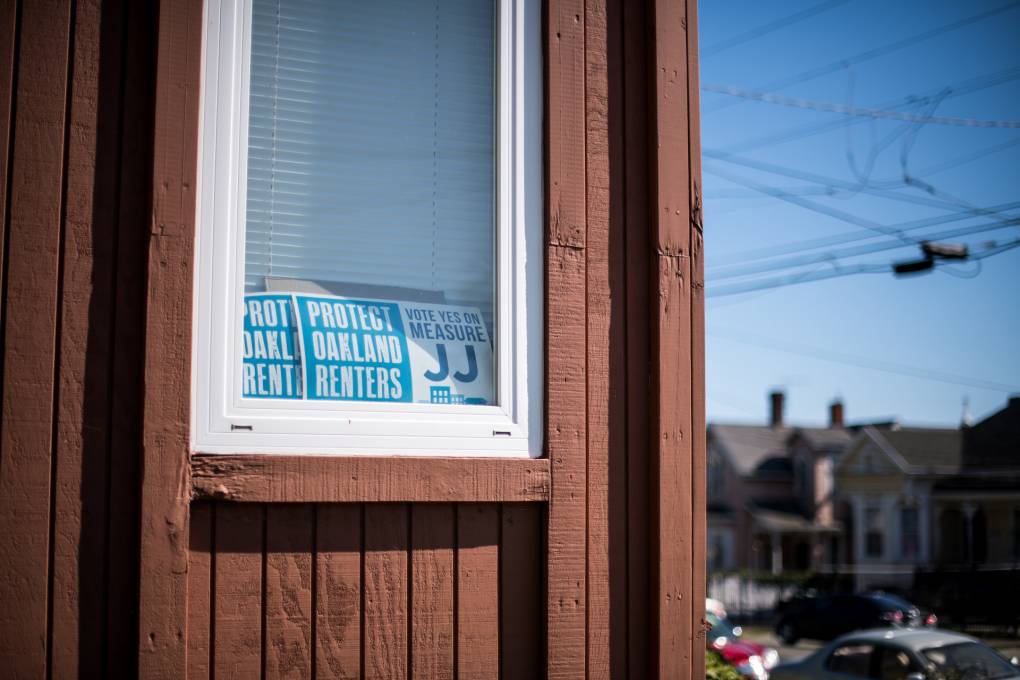
"caption": "A 'protect Oakland renters sign in the window of an apartment on Wednseday, April 1, 2020.",
"description": null,
"title": "An 'Oakland Rent Strike' banner in Oakland on Wednseday, April 1, 2020.",
"credit": "Beth LaBerge/KQED",
"status": "inherit",
"isLoading": false,
"fetchFailed": false
}
},
"audioPlayerReducer": {
"postId": "stream_live",
"isPaused": true,
"isPlaying": false,
"pfsActive": false,
"pledgeModalIsOpen": true,
"playerDrawerIsOpen": false,
"liveAudioPlayStartedAt": 0,
"liveAudioPlayContext": ""
},
"authorsReducer": {
"byline_news_11844841": {
"type": "authors",
"id": "byline_news_11844841",
"meta": {
"override": true
},
"slug": "byline_news_11844841",
"name": "Adam Beam \u003cbr> Associated Press",
"isLoading": false
},
"byline_news_11842951": {
"type": "authors",
"id": "byline_news_11842951",
"meta": {
"override": true
},
"slug": "byline_news_11842951",
"name": "Ben Fox \u003cbr> Associated Press",
"isLoading": false
},
"byline_news_11840140": {
"type": "authors",
"id": "byline_news_11840140",
"meta": {
"override": true
},
"slug": "byline_news_11840140",
"name": "Don Thompson \u003cbr> Associated Press",
"isLoading": false
},
"danbrekke": {
"type": "authors",
"id": "222",
"meta": {
"index": "authors_1716337520",
"id": "222",
"found": true
},
"name": "Dan Brekke",
"firstName": "Dan",
"lastName": "Brekke",
"slug": "danbrekke",
"email": "dbrekke@kqed.org",
"display_author_email": true,
"staff_mastheads": [
"news",
"science"
],
"title": "KQED Editor and Reporter",
"bio": "Dan Brekke is a reporter and editor for KQED News, responsible for coverage of topics ranging from California water issues to the Bay Area's transportation challenges. In a newsroom career that began in Chicago in 1972, Dan has worked for \u003cem>The San Francisco Examiner,\u003c/em> Wired and TechTV and has been published in The New York Times, The New York Times Magazine, Business 2.0, Salon and elsewhere.\r\n\r\nSince joining KQED in 2007, Dan has reported, edited and produced both radio and online features and breaking news pieces. He has shared as both editor and reporter in four Society of Professional Journalists Norcal Excellence in Journalism awards and one Edward R. Murrow regional award. He was chosen for a spring 2017 residency at the Mesa Refuge to advance his research on California salmon.\r\n\r\nEmail Dan at: \u003ca href=\"mailto:dbrekke@kqed.org\">dbrekke@kqed.org\u003c/a>\r\n\r\n\u003cstrong>Twitter:\u003c/strong> \u003ca href=\"https://twitter.com/danbrekke\" rel=\"noopener noreferrer\">twitter.com/danbrekke\u003c/a>\r\n\u003cstrong>Facebook:\u003c/strong> \u003ca href=\"https://www.facebook.com/danbrekke\" rel=\"noopener noreferrer\">www.facebook.com/danbrekke\u003c/a>\r\n\u003cstrong>LinkedIn:\u003c/strong> \u003ca href=\"https://www.linkedin.com/in/danbrekke\" rel=\"noopener noreferrer\">www.linkedin.com/in/danbrekke\u003c/a>",
"avatar": "https://secure.gravatar.com/avatar/c8126230345efca3f7aa89b1a402be45?s=600&d=mm&r=g",
"twitter": "danbrekke",
"facebook": null,
"instagram": "https://www.instagram.com/dan.brekke/",
"linkedin": "https://www.linkedin.com/in/danbrekke/",
"sites": [
{
"site": "news",
"roles": [
"administrator",
"create_posts"
]
},
{
"site": "stateofhealth",
"roles": [
"editor"
]
},
{
"site": "science",
"roles": [
"editor"
]
},
{
"site": "quest",
"roles": [
"contributor"
]
},
{
"site": "food",
"roles": [
"contributor"
]
},
{
"site": "forum",
"roles": [
"contributor"
]
},
{
"site": "liveblog",
"roles": [
"editor"
]
}
],
"headData": {
"title": "Dan Brekke | KQED",
"description": "KQED Editor and Reporter",
"ogImgSrc": "https://secure.gravatar.com/avatar/c8126230345efca3f7aa89b1a402be45?s=600&d=mm&r=g",
"twImgSrc": "https://secure.gravatar.com/avatar/c8126230345efca3f7aa89b1a402be45?s=600&d=mm&r=g"
},
"isLoading": false,
"link": "/author/danbrekke"
},
"kqednewsstaffandwires": {
"type": "authors",
"id": "237",
"meta": {
"index": "authors_1716337520",
"id": "237",
"found": true
},
"name": "KQED News Staff and Wires",
"firstName": "KQED News Staff and Wires",
"lastName": null,
"slug": "kqednewsstaffandwires",
"email": "onlinenewsstaff@kqed.org",
"display_author_email": false,
"staff_mastheads": [],
"title": null,
"bio": null,
"avatar": "https://secure.gravatar.com/avatar/72295af8ebbfbd19a4948f5271285664?s=600&d=blank&r=g",
"twitter": null,
"facebook": null,
"instagram": null,
"linkedin": null,
"sites": [
{
"site": "arts",
"roles": [
"contributor"
]
},
{
"site": "news",
"roles": [
"contributor"
]
},
{
"site": "lowdown",
"roles": [
"author"
]
},
{
"site": "stateofhealth",
"roles": [
"contributor"
]
},
{
"site": "food",
"roles": [
"author"
]
}
],
"headData": {
"title": "KQED News Staff and Wires | KQED",
"description": null,
"ogImgSrc": "https://secure.gravatar.com/avatar/72295af8ebbfbd19a4948f5271285664?s=600&d=blank&r=g",
"twImgSrc": "https://secure.gravatar.com/avatar/72295af8ebbfbd19a4948f5271285664?s=600&d=blank&r=g"
},
"isLoading": false,
"link": "/author/kqednewsstaffandwires"
},
"shossaini": {
"type": "authors",
"id": "3214",
"meta": {
"index": "authors_1716337520",
"id": "3214",
"found": true
},
"name": "Sara Hossaini",
"firstName": "Sara",
"lastName": "Hossaini",
"slug": "shossaini",
"email": "shossaini@kqed.org",
"display_author_email": true,
"staff_mastheads": [
"news"
],
"title": "KQED Reporter",
"bio": "Sara Hossaini came to general assignment reporting at KQED in 2013 after two winters reporting at Wyoming Public Radio. She holds a bachelor's degree in broadcast journalism from the University of Nebraska-Lincoln. Her radio romance began after a bitter breakup with documentary film (Ok, maybe it's still complicated). Her first simultaneous jobs in San Francisco were as Associate Producer on a PBS film series through the Center for Asian American Media and as a butler. She likes to trot, plot and make things with her hands.",
"avatar": "https://secure.gravatar.com/avatar/060e9f56b9554e17942e89f413242774?s=600&d=blank&r=g",
"twitter": "mshossaini",
"facebook": null,
"instagram": null,
"linkedin": null,
"sites": [
{
"site": "news",
"roles": [
"author"
]
},
{
"site": "stateofhealth",
"roles": [
"author"
]
}
],
"headData": {
"title": "Sara Hossaini | KQED",
"description": "KQED Reporter",
"ogImgSrc": "https://secure.gravatar.com/avatar/060e9f56b9554e17942e89f413242774?s=600&d=blank&r=g",
"twImgSrc": "https://secure.gravatar.com/avatar/060e9f56b9554e17942e89f413242774?s=600&d=blank&r=g"
},
"isLoading": false,
"link": "/author/shossaini"
},
"bwatt": {
"type": "authors",
"id": "11238",
"meta": {
"index": "authors_1716337520",
"id": "11238",
"found": true
},
"name": "Brian Watt",
"firstName": "Brian",
"lastName": "Watt",
"slug": "bwatt",
"email": "bwatt@KQED.org",
"display_author_email": false,
"staff_mastheads": [
"news"
],
"title": "Morning News Anchor",
"bio": "Brian Watt is KQED's morning radio news anchor. He joined the KQED News team in April of 2016. Prior to that, he worked as a Reporter for KPCC in Los Angeles and a producer at \u003cem>Marketplace.\u003c/em>\r\n\r\nDuring eight years at KPCC, Brian covered business and economics, and his work won several awards. In 2008, he won the Los Angeles Press Club’s first-place award for Business and Financial Reporting, Broadcast. He’s also received honorable mention and been first runner up for the Press Club’s Radio Journalist of the Year. He won two Golden Mike awards from the Radio and TV News Association of Southern California.\r\n\r\nBrian holds degrees in theater from Yale University and the Sorbonne, and has worked as an actor in France, Italy, Brazil, Hungary and . . . Hollywood. He appeared in a few television shows, including \u003cem>The West Wing, Judging Amy\u003c/em> and \u003cem>The District.\u003c/em>\r\n\r\nEmail: bwatt@KQED.org Twitter: @RadioBWatt",
"avatar": "https://secure.gravatar.com/avatar/55393ff57ed34e2be773ba4789dd6a19?s=600&d=blank&r=g",
"twitter": "@RadioBWatt",
"facebook": null,
"instagram": null,
"linkedin": null,
"sites": [
{
"site": "arts",
"roles": [
"contributor"
]
},
{
"site": "news",
"roles": [
"editor"
]
}
],
"headData": {
"title": "Brian Watt | KQED",
"description": "Morning News Anchor",
"ogImgSrc": "https://secure.gravatar.com/avatar/55393ff57ed34e2be773ba4789dd6a19?s=600&d=blank&r=g",
"twImgSrc": "https://secure.gravatar.com/avatar/55393ff57ed34e2be773ba4789dd6a19?s=600&d=blank&r=g"
},
"isLoading": false,
"link": "/author/bwatt"
},
"lsarah": {
"type": "authors",
"id": "11626",
"meta": {
"index": "authors_1716337520",
"id": "11626",
"found": true
},
"name": "Lakshmi Sarah",
"firstName": "Lakshmi",
"lastName": "Sarah",
"slug": "lsarah",
"email": "lsarah@kqed.org",
"display_author_email": false,
"staff_mastheads": [],
"title": "Digital Producer",
"bio": "Lakshmi Sarah is an educator, author and journalist with a focus on innovative storytelling. She has worked with newspapers, radio and magazines from Ahmedabad, India to Los Angeles, California. She has written and produced for Die Zeit, Global Voices, AJ+, KQED, Fusion Media Group and the New York Times.",
"avatar": "https://secure.gravatar.com/avatar/652dcaecd8b28826fc17a8b2d6bb4e93?s=600&d=blank&r=g",
"twitter": "lakitalki",
"facebook": null,
"instagram": "https://www.instagram.com/laki.talki/",
"linkedin": "https://www.linkedin.com/in/lakisarah/",
"sites": [
{
"site": "arts",
"roles": []
},
{
"site": "news",
"roles": []
},
{
"site": "bayareabites",
"roles": []
},
{
"site": "science",
"roles": []
}
],
"headData": {
"title": "Lakshmi Sarah | KQED",
"description": "Digital Producer",
"ogImgSrc": "https://secure.gravatar.com/avatar/652dcaecd8b28826fc17a8b2d6bb4e93?s=600&d=blank&r=g",
"twImgSrc": "https://secure.gravatar.com/avatar/652dcaecd8b28826fc17a8b2d6bb4e93?s=600&d=blank&r=g"
},
"isLoading": false,
"link": "/author/lsarah"
},
"kmoghadam": {
"type": "authors",
"id": "11637",
"meta": {
"index": "authors_1716337520",
"id": "11637",
"found": true
},
"name": "Kyana Moghadam",
"firstName": "Kyana",
"lastName": "Moghadam",
"slug": "kmoghadam",
"email": "kmoghadam@kqed.org",
"display_author_email": false,
"staff_mastheads": [
"news"
],
"title": "Senior Producer ",
"bio": "Kyana Moghadam is a senior producer at KQED. Prior to joining KQED, she was an audio producer and editor with Al Jazeera, Jetty Studios, VOX Media, Democracy Now!, and Global Press.",
"avatar": "https://secure.gravatar.com/avatar/cdbd6cb0b9e99deaa9eb618abdba56f265d374a2c614710aebeb4e58decbc5f0?s=600&d=blank&r=g",
"twitter": null,
"bluesky": null,
"facebook": null,
"instagram": null,
"linkedin": "https://www.linkedin.com/in/kyanamoghadam/",
"sites": [
{
"site": "",
"roles": [
"editor"
]
},
{
"site": "arts",
"roles": [
"editor"
]
},
{
"site": "news",
"roles": [
"administrator"
]
},
{
"site": "pop",
"roles": [
"editor"
]
},
{
"site": "about",
"roles": [
"editor"
]
},
{
"site": "forum",
"roles": [
"editor"
]
},
{
"site": "perspectives",
"roles": [
"editor"
]
},
{
"site": "podcasts",
"roles": [
"administrator"
]
}
],
"headData": {
"title": "Kyana Moghadam | KQED",
"description": "Senior Producer ",
"ogImgSrc": "https://secure.gravatar.com/avatar/cdbd6cb0b9e99deaa9eb618abdba56f265d374a2c614710aebeb4e58decbc5f0?s=600&d=blank&r=g",
"twImgSrc": "https://secure.gravatar.com/avatar/cdbd6cb0b9e99deaa9eb618abdba56f265d374a2c614710aebeb4e58decbc5f0?s=600&d=blank&r=g"
},
"isLoading": false,
"link": "/author/kmoghadam"
},
"msolomon": {
"type": "authors",
"id": "11651",
"meta": {
"index": "authors_1716337520",
"id": "11651",
"found": true
},
"name": "Molly Solomon",
"firstName": "Molly",
"lastName": "Solomon",
"slug": "msolomon",
"email": "msolomon@KQED.org",
"display_author_email": false,
"staff_mastheads": [
"news"
],
"title": "Senior Editor",
"bio": "Molly Solomon is the senior editor of KQED's California Politics and Government Desk. Previously, she was the station's editor-at-large, with a focus on editing early childhood education, politics, and criminal justice. Before that, she managed and edited statewide election coverage for The California Newsroom, a collaboration of local public radio stations, CalMatters and NPR. Molly joined KQED in 2019 to launch the station’s housing affordability desk, where she reported on homelessness, evictions and is the co-host of KQED’s housing podcast, SOLD OUT: Rethinking Housing in America. Before that, she was the Southwest Washington Bureau Chief for Oregon Public Broadcasting and a reporter at Hawaii Public Radio. Her stories have aired on NPR’s \u003cem>Morning Edition\u003c/em>, \u003cem>All Things Considered\u003c/em>, \u003cem>Here & Now\u003c/em>, \u003cem>Science Friday\u003c/em> and \u003cem>Marketplace\u003c/em>. Molly's award-winning reporting has been honored by the Best of the West, Edward R. Murrow awards, Society of Professional Journalists, National Headliner Awards, and the Asian American Journalists Association. Born and raised in Berkeley, Molly is a big fan of burritos and her scruffy terrier, Ollie.",
"avatar": "https://secure.gravatar.com/avatar/9ad9794616923d81c9a79897161545bd?s=600&d=blank&r=g",
"twitter": "solomonout",
"facebook": null,
"instagram": null,
"linkedin": null,
"sites": [
{
"site": "news",
"roles": [
"editor"
]
},
{
"site": "science",
"roles": [
"editor"
]
}
],
"headData": {
"title": "Molly Solomon | KQED",
"description": "Senior Editor",
"ogImgSrc": "https://secure.gravatar.com/avatar/9ad9794616923d81c9a79897161545bd?s=600&d=blank&r=g",
"twImgSrc": "https://secure.gravatar.com/avatar/9ad9794616923d81c9a79897161545bd?s=600&d=blank&r=g"
},
"isLoading": false,
"link": "/author/msolomon"
},
"ebaldassari": {
"type": "authors",
"id": "11652",
"meta": {
"index": "authors_1716337520",
"id": "11652",
"found": true
},
"name": "Erin Baldassari",
"firstName": "Erin",
"lastName": "Baldassari",
"slug": "ebaldassari",
"email": "ebaldassari@KQED.org",
"display_author_email": true,
"staff_mastheads": [
"news"
],
"title": "Staff Writer",
"bio": "Erin Baldassari covers housing for KQED. She's a former print journalist and most recently worked as the transportation reporter for the \u003cem>Mercury News\u003c/em> and \u003cem>East Bay Times. \u003c/em>There, she focused on how the Bay Area’s housing shortage has changed the way people move around the region. She also served on the \u003cem>East Bay Times\u003c/em>’ 2017 Pulitzer Prize-winning team for coverage of the Ghost Ship Fire in Oakland. Prior to that, Erin worked as a breaking news and general assignment reporter for a variety of outlets in the Bay Area and the greater Boston area. A Tufts University alumna, Erin grew up in the foothills of the Sierra Nevada mountains and in Sonoma County. She is a life-long KQED listener.",
"avatar": "https://secure.gravatar.com/avatar/5e95cad64a8ca08288082212e199d2b0cbeb4fd8e8ef5339395f361032bbe005?s=600&d=blank&r=g",
"twitter": "e_baldi",
"bluesky": null,
"facebook": null,
"instagram": null,
"linkedin": null,
"sites": [
{
"site": "news",
"roles": [
"edit_others_posts",
"editor"
]
},
{
"site": "science",
"roles": [
"editor"
]
},
{
"site": "liveblog",
"roles": [
"editor"
]
}
],
"headData": {
"title": "Erin Baldassari | KQED",
"description": "Staff Writer",
"ogImgSrc": "https://secure.gravatar.com/avatar/5e95cad64a8ca08288082212e199d2b0cbeb4fd8e8ef5339395f361032bbe005?s=600&d=blank&r=g",
"twImgSrc": "https://secure.gravatar.com/avatar/5e95cad64a8ca08288082212e199d2b0cbeb4fd8e8ef5339395f361032bbe005?s=600&d=blank&r=g"
},
"isLoading": false,
"link": "/author/ebaldassari"
},
"nnavarro": {
"type": "authors",
"id": "11756",
"meta": {
"index": "authors_1716337520",
"id": "11756",
"found": true
},
"name": "Natalia Navarro",
"firstName": "Natalia",
"lastName": "Navarro",
"slug": "nnavarro",
"email": "nnavarro@kqed.org",
"display_author_email": true,
"staff_mastheads": [
"news"
],
"title": "Afternoon News Anchor",
"bio": "Natalia Navarro is KQED's afternoon radio news anchor. She came to KQED in 2021 from Colorado Public Radio, where she was a reporter and host. She has received several awards for her work covering daily and breaking news from professional organizations such as the San Francisco Press Club, Society of Professional Journalists and the Colorado Broadcasters Association. Natalia is originally from Tucson, Arizona, where she got her start in journalism writing for the Arizona Daily Star, Arizona Public Media and the Tucson Weekly. Natalia earned her bachelor's degree in journalism and economics, and her master's degree in journalism from the University of Arizona.",
"avatar": "https://secure.gravatar.com/avatar/a2bdb19fd9520bdea295a2d5f9b2ad65ec51cf0bf559fb1cc041d3a0a04d62ad?s=600&d=blank&r=g",
"twitter": "@NataliaVNavarro",
"bluesky": null,
"facebook": null,
"instagram": null,
"linkedin": null,
"sites": [
{
"site": "news",
"roles": [
"editor"
]
}
],
"headData": {
"title": "Natalia Navarro | KQED",
"description": "Afternoon News Anchor",
"ogImgSrc": "https://secure.gravatar.com/avatar/a2bdb19fd9520bdea295a2d5f9b2ad65ec51cf0bf559fb1cc041d3a0a04d62ad?s=600&d=blank&r=g",
"twImgSrc": "https://secure.gravatar.com/avatar/a2bdb19fd9520bdea295a2d5f9b2ad65ec51cf0bf559fb1cc041d3a0a04d62ad?s=600&d=blank&r=g"
},
"isLoading": false,
"link": "/author/nnavarro"
},
"naldana": {
"type": "authors",
"id": "11793",
"meta": {
"index": "authors_1716337520",
"id": "11793",
"found": true
},
"name": "Natalia Aldana",
"firstName": "Natalia",
"lastName": "Aldana",
"slug": "naldana",
"email": "naldana@kqed.org",
"display_author_email": false,
"staff_mastheads": [],
"title": "KQED Producer",
"bio": "Natalia Aldana is the senior engagement producer for KQED podcasts.",
"avatar": "https://secure.gravatar.com/avatar/c784d8a94359b38cc84991c1a7a565b2?s=600&d=blank&r=g",
"twitter": null,
"facebook": null,
"instagram": null,
"linkedin": null,
"sites": [
{
"site": "news",
"roles": [
"editor"
]
}
],
"headData": {
"title": "Natalia Aldana | KQED",
"description": "KQED Producer",
"ogImgSrc": "https://secure.gravatar.com/avatar/c784d8a94359b38cc84991c1a7a565b2?s=600&d=blank&r=g",
"twImgSrc": "https://secure.gravatar.com/avatar/c784d8a94359b38cc84991c1a7a565b2?s=600&d=blank&r=g"
},
"isLoading": false,
"link": "/author/naldana"
}
},
"pagesReducer": {
"news_tag_bay-area": {
"type": "terms",
"id": "news_1386",
"meta": {
"index": "terms_1716263798",
"site": "news",
"id": "1386",
"score": 7.788433
},
"featImg": null,
"name": "Bay Area",
"description": null,
"taxonomy": "tag",
"headData": {
"twImgId": null,
"twTitle": null,
"ogTitle": null,
"ogImgId": null,
"twDescription": null,
"description": null,
"title": "Bay Area Archives | KQED News",
"ogDescription": null
},
"ttid": 1398,
"slug": "bay-area",
"isLoading": false,
"title": "Bay Area",
"pageMeta": {
"site": "news",
"WpPageTemplate": "page-topic-editorial",
"currentPage": 93
},
"blocks": [
{
"blockName": "kqed/post-list",
"attrs": {
"layout": "cardArticle2",
"query": "posts/news?tag=bay-area",
"seeMore": false,
"paginated": true,
"page": 93
}
},
{
"blockName": "kqed/ad"
}
]
}
},
"pfsSessionReducer": {},
"postsReducer": {
"stream_live": {
"type": "live",
"id": "stream_live",
"audioUrl": "https://streams.kqed.org/kqedradio",
"title": "Live Stream",
"excerpt": "Live Stream information currently unavailable.",
"link": "/radio",
"featImg": "",
"label": {
"name": "KQED Live",
"link": "/"
}
},
"stream_kqedNewscast": {
"type": "posts",
"id": "stream_kqedNewscast",
"audioUrl": "https://www.kqed.org/.stream/anon/radio/RDnews/newscast.mp3?_=1",
"title": "KQED Newscast",
"featImg": "",
"label": {
"name": "88.5 FM",
"link": "/"
}
},
"news_11902873": {
"type": "posts",
"id": "news_11902873",
"meta": {
"index": "posts_1716263798",
"site": "news",
"id": "11902873",
"score": null,
"sort": [
1643386504000
]
},
"guestAuthors": [],
"slug": "the-sounds-of-california-from-the-comfort-of-your-couch",
"title": "The Sounds of the Bay Area: Escape With 8 Sonic Stories",
"publishDate": 1643386504,
"format": "standard",
"headTitle": "The Sounds of the Bay Area: Escape With 8 Sonic Stories | KQED",
"labelTerm": {
"term": 17986,
"site": "news"
},
"content": "\u003cp>\u003ci>\u003cspan style=\"font-weight: 400\">Screech! Chirp, chirp. Bwwwwaaaaaa. Hyphy!\u003c/span>\u003c/i>\u003c/p>\n\u003cp>\u003cspan style=\"font-weight: 400\">The sounds of California are eclectic, and here at \u003ca href=\"https://www.kqed.org/podcasts/baycurious\">Bay Curious\u003c/a>, we’re pretty big fans of noise. So we dug through the Bay Curious archives to celebrate the soundtrack of the Golden State, from the sounds that guide us home, to the people who brighten up our day.\u003c/span>\u003c/p>\n\u003cp>\u003cspan style=\"font-weight: 400\">This is your excuse to stay in bed, snuggle deeper into your couch, and join Bay Curious on a truly immersive experience for your ears. So put on your headphones, follow along on our Spotify playlist below, settle in and turn up the volume.\u003c/span>\u003c/p>\n\u003cp>\u003c!-- iframe plugin v.4.3 wordpress.org/plugins/iframe/ -->\u003cbr>\n\u003ciframe loading=\"lazy\" src=\"https://open.spotify.com/embed/playlist/3pnC5RuL20oLb74k2FoMt4?utm_source=generator\" width=\"100%\" height=\"380\" frameborder=\"0\" allowfullscreen allow=\"autoplay; clipboard-write; encrypted-media; fullscreen; picture-in-picture\" scrolling=\"yes\" class=\"iframe-class\">\u003c/iframe>\u003c/p>\n\u003col>\n\u003cli style=\"font-weight: 400\">\n\u003ch3>\u003ca href=\"https://www.kqed.org/news/11030282/why-are-bart-trains-so-loud\">\u003cstrong>Why are BART trains so loud?\u003c/strong>\u003cspan style=\"font-weight: 400\">\u003cbr>\n\u003c/span>\u003c/a>\u003c/h3>\n\u003cfigure id=\"attachment_11425097\" class=\"wp-caption alignnone\" style=\"max-width: 800px\">\u003cimg loading=\"lazy\" decoding=\"async\" class=\"size-medium wp-image-11425097\" src=\"https://ww2.kqed.org/app/uploads/sites/10/2017/04/BartColiseum-800x510.jpg\" alt=\"A BART train at Oakland's Coliseum station, where 40 to 60 youths took over a train car and robbed and beat passengers.\" width=\"800\" height=\"510\" srcset=\"https://cdn.kqed.org/wp-content/uploads/sites/10/2017/04/BartColiseum-800x510.jpg 800w, https://cdn.kqed.org/wp-content/uploads/sites/10/2017/04/BartColiseum-160x102.jpg 160w, https://cdn.kqed.org/wp-content/uploads/sites/10/2017/04/BartColiseum-1020x650.jpg 1020w, https://cdn.kqed.org/wp-content/uploads/sites/10/2017/04/BartColiseum.jpg 1920w, https://cdn.kqed.org/wp-content/uploads/sites/10/2017/04/BartColiseum-1180x752.jpg 1180w, https://cdn.kqed.org/wp-content/uploads/sites/10/2017/04/BartColiseum-960x612.jpg 960w, https://cdn.kqed.org/wp-content/uploads/sites/10/2017/04/BartColiseum-240x153.jpg 240w, https://cdn.kqed.org/wp-content/uploads/sites/10/2017/04/BartColiseum-375x239.jpg 375w, https://cdn.kqed.org/wp-content/uploads/sites/10/2017/04/BartColiseum-520x332.jpg 520w\" sizes=\"(max-width: 800px) 100vw, 800px\">\u003cfigcaption class=\"wp-caption-text\">A BART train at Oakland’s Coliseum station. \u003ccite>(Paul Sullivan/Flickr)\u003c/cite>\u003c/figcaption>\u003c/figure>\n\u003cp>\u003cspan style=\"font-weight: 400\">The Bay Area is full of sounds. But one sound, in particular, stood out to Bay Curious listener Eric Bauer: “Why does BART scream like a banshee?” he so vividly asked us. Eric’s no stranger to trains — he rode them all the time when he lived in Chicago. To figure out what makes the noises of our subway system so unique, we visited BART’s repair shop to ask the experts.\u003c/span>\u003c/p>\u003c/li>\n\u003cli style=\"font-weight: 400\">\n\u003ch3>\u003ca href=\"https://www.kqed.org/news/11881696/how-hyphy-came-to-define-bay-area-hip-hop\">\u003cstrong>‘It’s pure energy’: How hyphy came to define Bay Area hip-hop\u003c/strong>\u003cspan style=\"font-weight: 400\">\u003cbr>\n\u003c/span>\u003c/a>\u003c/h3>\n\u003cfigure id=\"attachment_11882075\" class=\"wp-caption alignnone\" style=\"max-width: 800px\">\u003cimg loading=\"lazy\" decoding=\"async\" class=\"size-medium wp-image-11882075\" src=\"https://ww2.kqed.org/app/uploads/sites/10/2021/07/E-40.DeFremery-800x535.jpg\" alt=\"\" width=\"800\" height=\"535\" srcset=\"https://cdn.kqed.org/wp-content/uploads/sites/10/2021/07/E-40.DeFremery-800x535.jpg 800w, https://cdn.kqed.org/wp-content/uploads/sites/10/2021/07/E-40.DeFremery-1020x682.jpg 1020w, https://cdn.kqed.org/wp-content/uploads/sites/10/2021/07/E-40.DeFremery-160x107.jpg 160w, https://cdn.kqed.org/wp-content/uploads/sites/10/2021/07/E-40.DeFremery-1536x1026.jpg 1536w, https://cdn.kqed.org/wp-content/uploads/sites/10/2021/07/E-40.DeFremery.jpg 1920w\" sizes=\"(max-width: 800px) 100vw, 800px\">\u003cfigcaption class=\"wp-caption-text\">E-40 at DeFremery Park in West Oakland, Oct. 12, 2018. \u003ccite>(Pendarvis Harshaw/KQED)\u003c/cite>\u003c/figcaption>\u003c/figure>\n\u003cp>\u003cspan style=\"font-weight: 400\">Welcome to perhaps the most energizing history lesson you’ll ever have: how the hyphy movement created a distinctly Bay Area sound. We’re joined by Pendarvis Harshaw, host of \u003c/span>\u003ca href=\"https://www.kqed.org/podcasts/rightnowish\">\u003cspan style=\"font-weight: 400\">KQED’s Rightnowish podcast\u003c/span>\u003c/a>\u003cspan style=\"font-weight: 400\">, to answer Bay Curious listener Lauren Tankeh’s question on how hyphy music started, and what the movement represented for Bay culture. Requirements for this episode: “Gig,” not just dance, to the hyperactive up-tempo beats while you learn about the pioneers and legacy of this hip-hop subgenre.\u003c/span>\u003c/p>\u003c/li>\n\u003cli style=\"font-weight: 400\">\n\u003ch3>\u003ca href=\"https://www.kqed.org/news/11272504/foghorns-who-presses-the-play-button\">\u003cstrong>Foghorns: Who presses the play button?\u003c/strong>\u003cspan style=\"font-weight: 400\">\u003cbr>\n\u003c/span>\u003c/a>\u003c/h3>\n\u003cfigure id=\"attachment_11272505\" class=\"wp-caption alignnone\" style=\"max-width: 800px\">\u003cimg loading=\"lazy\" decoding=\"async\" class=\"size-medium wp-image-11272505\" src=\"https://ww2.kqed.org/app/uploads/sites/10/2017/01/RS23445_161219_GGFoghorns_bhs07-qut-800x533.jpg\" alt=\"This Golden Gate Bridge fog horn points west on the concrete base of the bridge's south tower, guiding ships safely in the fog.\" width=\"800\" height=\"533\" srcset=\"https://cdn.kqed.org/wp-content/uploads/sites/10/2017/01/RS23445_161219_GGFoghorns_bhs07-qut-800x533.jpg 800w, https://cdn.kqed.org/wp-content/uploads/sites/10/2017/01/RS23445_161219_GGFoghorns_bhs07-qut-160x107.jpg 160w, https://cdn.kqed.org/wp-content/uploads/sites/10/2017/01/RS23445_161219_GGFoghorns_bhs07-qut-1020x680.jpg 1020w, https://cdn.kqed.org/wp-content/uploads/sites/10/2017/01/RS23445_161219_GGFoghorns_bhs07-qut.jpg 1920w, https://cdn.kqed.org/wp-content/uploads/sites/10/2017/01/RS23445_161219_GGFoghorns_bhs07-qut-1180x787.jpg 1180w, https://cdn.kqed.org/wp-content/uploads/sites/10/2017/01/RS23445_161219_GGFoghorns_bhs07-qut-960x640.jpg 960w, https://cdn.kqed.org/wp-content/uploads/sites/10/2017/01/RS23445_161219_GGFoghorns_bhs07-qut-240x160.jpg 240w, https://cdn.kqed.org/wp-content/uploads/sites/10/2017/01/RS23445_161219_GGFoghorns_bhs07-qut-375x250.jpg 375w, https://cdn.kqed.org/wp-content/uploads/sites/10/2017/01/RS23445_161219_GGFoghorns_bhs07-qut-520x347.jpg 520w\" sizes=\"(max-width: 800px) 100vw, 800px\">\u003cfigcaption class=\"wp-caption-text\">This Golden Gate Bridge foghorn points west on the concrete base of the bridge’s south tower, guiding ships safely in the fog. \u003ccite>(Brittany Hosea-Small/KQED)\u003c/cite>\u003c/figcaption>\u003c/figure>\n\u003cp>Depending on where you live in the Bay Area, the sight of fog can also mean hearing foghorns. After Bay Curious listeners Andy MacKinnon and Jen Liu moved from San Francisco’s SOMA district to the Sunset, they realized foghorns were becoming a constant part of their lives — for better or for worse. They had so many questions for us, such as:\u003c/p>\n\u003cp>1. Where are these foghorns?\u003cbr>\n2. How many of them are there?\u003cbr>\n3. Why do we still use them despite technology like radar and GPS?\u003cbr>\n4. Who, or what, turns them on?\u003c/p>\n\u003cp>We went out into the fog to help Andy and Jen get some much-needed answers.\u003c/p>\u003c/li>\n\u003cli style=\"font-weight: 400\">\n\u003ch3>\u003ca href=\"https://www.kqed.org/news/11719871/why-the-myth-of-the-san-francisco-accent-persists\">\u003cstrong>Why does the myth of the ‘San Francisco accent’ persist?\u003c/strong>\u003cspan style=\"font-weight: 400\">\u003cbr>\n\u003c/span>\u003c/a>\u003c/h3>\n\u003cfigure id=\"attachment_11720643\" class=\"wp-caption alignnone\" style=\"max-width: 800px\">\u003cimg loading=\"lazy\" decoding=\"async\" class=\"size-medium wp-image-11720643\" src=\"https://ww2.kqed.org/app/uploads/sites/10/2019/01/BayCurious_opt1-800x450.jpg\" alt=\"\" width=\"800\" height=\"450\" srcset=\"https://cdn.kqed.org/wp-content/uploads/sites/10/2019/01/BayCurious_opt1-800x450.jpg 800w, https://cdn.kqed.org/wp-content/uploads/sites/10/2019/01/BayCurious_opt1-160x90.jpg 160w, https://cdn.kqed.org/wp-content/uploads/sites/10/2019/01/BayCurious_opt1-1020x574.jpg 1020w, https://cdn.kqed.org/wp-content/uploads/sites/10/2019/01/BayCurious_opt1-1200x675.jpg 1200w, https://cdn.kqed.org/wp-content/uploads/sites/10/2019/01/BayCurious_opt1.jpg 1920w\" sizes=\"(max-width: 800px) 100vw, 800px\">\u003cfigcaption class=\"wp-caption-text\">An accent is different from a word choice. It’s about how a word is pronounced. \u003ccite>(Kelly Heigert/KQED)\u003c/cite>\u003c/figcaption>\u003c/figure>\n\u003cp>\u003cspan style=\"font-weight: 400\">“Is there such a thing as a San Francisco accent?” That’s what Bay Curious listener Jonathan Morton wanted to know. When you think of New Yorkers, Bostonians or Texans, you might have a pretty good idea of a general accent, down to the rhythms and tones. But that gets harder to do with San Franciscans. In this episode, we dive deep into accents, the myth of the “Mission brogue,” and how naming just one accent in San Francisco actually says more about who has political power than how people speak.\u003c/span>\u003c/p>\u003c/li>\n\u003cli style=\"font-weight: 400\">\n\u003ch3>\u003ca href=\"https://www.kqed.org/news/11795009/why-do-some-crosswalks-make-a-machine-gun-sound\">\u003cstrong>Why do some crosswalks make a machine-gun sound?\u003c/strong>\u003cspan style=\"font-weight: 400\">\u003cbr>\n\u003c/span>\u003c/a>\u003c/h3>\n\u003cfigure id=\"attachment_11795015\" class=\"wp-caption alignnone\" style=\"max-width: 800px\">\u003cimg loading=\"lazy\" decoding=\"async\" class=\"size-medium wp-image-11795015\" src=\"https://ww2.kqed.org/app/uploads/sites/10/2020/01/1024px-PedestrianSignalPushButton-800x530.jpg\" alt=\"\" width=\"800\" height=\"530\" srcset=\"https://cdn.kqed.org/wp-content/uploads/sites/10/2020/01/1024px-PedestrianSignalPushButton-800x530.jpg 800w, https://cdn.kqed.org/wp-content/uploads/sites/10/2020/01/1024px-PedestrianSignalPushButton-160x106.jpg 160w, https://cdn.kqed.org/wp-content/uploads/sites/10/2020/01/1024px-PedestrianSignalPushButton-1020x675.jpg 1020w, https://cdn.kqed.org/wp-content/uploads/sites/10/2020/01/1024px-PedestrianSignalPushButton.jpg 1024w\" sizes=\"(max-width: 800px) 100vw, 800px\">\u003cfigcaption class=\"wp-caption-text\">Many of the accessible pedestrian signals in San Francisco look like this. \u003ccite>(Raysonho @ Open Grid Scheduler/Grid Engine)\u003c/cite>\u003c/figcaption>\u003c/figure>\n\u003cp>\u003cspan style=\"font-weight: 400\">The official name for the sound is the rapid tick. But one Bay Curious listener asked why so many crosswalks in the Bay Area sound like a “machine gun,” as opposed to the more commonplace cuckoo-chirp signals. Find out how the rapid tick was designed and how it’s meant to ensure accessibility for all pedestrians.\u003c/span>\u003c/p>\u003c/li>\n\u003cli style=\"font-weight: 400\">\n\u003ch3>\u003ca href=\"https://www.kqed.org/news/11825401/how-urban-renewal-decimated-the-fillmore-district-and-took-jazz-with-it\">\u003cstrong>Why is San Francisco’s Fillmore District no longer the ‘Harlem of the West’?\u003c/strong>\u003cspan style=\"font-weight: 400\">\u003cbr>\n\u003c/span>\u003c/a>\u003c/h3>\n\u003cfigure id=\"attachment_11825842\" class=\"wp-caption alignnone\" style=\"max-width: 497px\">\u003cimg loading=\"lazy\" decoding=\"async\" class=\"size-full wp-image-11825842\" src=\"https://ww2.kqed.org/app/uploads/sites/10/2020/06/RS43798_MOR-0681-qut.jpg\" alt=\"\" width=\"497\" height=\"400\" srcset=\"https://cdn.kqed.org/wp-content/uploads/sites/10/2020/06/RS43798_MOR-0681-qut.jpg 497w, https://cdn.kqed.org/wp-content/uploads/sites/10/2020/06/RS43798_MOR-0681-qut-160x129.jpg 160w\" sizes=\"(max-width: 497px) 100vw, 497px\">\u003cfigcaption class=\"wp-caption-text\">Jazz musician Dizzy Gillespie with San Francisco Mayor George Christopher in 1957. \u003ccite>(San Francisco History Center, San Francisco Public Library)\u003c/cite>\u003c/figcaption>\u003c/figure>\n\u003cp>\u003cspan style=\"font-weight: 400\">If you were walking down San Francisco’s Fillmore Street in the 1950s, chances are you might have run into any number of stars, from Billie Holiday to Ella Fitzgerald and Thelonious Monk. The Fillmore was known as the “Harlem of the West” for fostering a booming jazz scene and a vibrant Black community. “It was just magic,” said \u003c/span>\u003ca href=\"http://marystallingsjazz.com/\">\u003cspan style=\"font-weight: 400\">jazz singer Mary Stallings\u003c/span>\u003c/a>\u003cspan style=\"font-weight: 400\">. These days, however, the Fillmore isn’t booming like it once was. In this story, which won a public voting round, we explore how the Fillmore came to be a cultural center, and why that ultimately changed.\u003c/span>\u003c/p>\u003c/li>\n\u003cli style=\"font-weight: 400\">\n\u003ch3>\u003ca href=\"https://www.kqed.org/news/11185731/where-did-the-wild-parrots-of-san-francisco-come-from\">\u003cstrong>Where did the wild parrots of San Francisco come from?\u003c/strong>\u003cspan style=\"font-weight: 400\">\u003cbr>\n\u003c/span>\u003c/a>\u003c/h3>\n\u003cfigure id=\"attachment_11187393\" class=\"wp-caption alignnone\" style=\"max-width: 800px\">\u003cimg loading=\"lazy\" decoding=\"async\" class=\"size-medium wp-image-11187393\" src=\"https://ww2.kqed.org/app/uploads/sites/10/2016/11/2924064112_df11d9e7ec_o-800x532.jpg\" alt=\"The parrots have been spotted from the Embarcadero, all the way down to Sunnyvale.\" width=\"800\" height=\"532\" srcset=\"https://cdn.kqed.org/wp-content/uploads/sites/10/2016/11/2924064112_df11d9e7ec_o-800x532.jpg 800w, https://cdn.kqed.org/wp-content/uploads/sites/10/2016/11/2924064112_df11d9e7ec_o-160x106.jpg 160w, https://cdn.kqed.org/wp-content/uploads/sites/10/2016/11/2924064112_df11d9e7ec_o-1020x678.jpg 1020w, https://cdn.kqed.org/wp-content/uploads/sites/10/2016/11/2924064112_df11d9e7ec_o-1920x1277.jpg 1920w, https://cdn.kqed.org/wp-content/uploads/sites/10/2016/11/2924064112_df11d9e7ec_o-1180x785.jpg 1180w, https://cdn.kqed.org/wp-content/uploads/sites/10/2016/11/2924064112_df11d9e7ec_o-960x638.jpg 960w, https://cdn.kqed.org/wp-content/uploads/sites/10/2016/11/2924064112_df11d9e7ec_o-240x160.jpg 240w, https://cdn.kqed.org/wp-content/uploads/sites/10/2016/11/2924064112_df11d9e7ec_o-375x249.jpg 375w, https://cdn.kqed.org/wp-content/uploads/sites/10/2016/11/2924064112_df11d9e7ec_o-520x346.jpg 520w\" sizes=\"(max-width: 800px) 100vw, 800px\">\u003cfigcaption class=\"wp-caption-text\">The famous parrots of San Francisco’s Telegraph Hill. \u003ccite>(Patrick Buechner/KQED)\u003c/cite>\u003c/figcaption>\u003c/figure>\n\u003cp>They can be found from the Ferry Building in San Francisco all the way south to Sunnyvale, but you’ll likely \u003cem>hear\u003c/em> the cherry-headed conures before you \u003cem>see\u003c/em> them. Wild parrots are not what you would expect to find atop Bay Area trees and traffic signals, and Bay Curious listener Colleen McClowry wanted to know how they became Bay residents. “I think they’re probably not native to the city. But I’m interested to know how they got there,” Colleen asked. There are a lot of theories, and we start in San Francisco’s Telegraph Hill to learn more about these colorful cuties.\u003c/p>\u003c/li>\n\u003cli style=\"font-weight: 400\">\n\u003ch3>\u003cstrong>\u003ca href=\"https://www.kqed.org/news/11755398/whats-it-like-to-navigate-the-bay-area-while-blind\">What’s it like to navigate the Bay Area while blind?\u003c/a>\u003c/strong>\u003c/h3>\n\u003cfigure id=\"attachment_11755401\" class=\"wp-caption alignnone\" style=\"max-width: 800px\">\u003cimg loading=\"lazy\" decoding=\"async\" class=\"size-medium wp-image-11755401\" src=\"https://ww2.kqed.org/app/uploads/sites/10/2019/06/LH18BlindAmbition-154-800x534.jpg\" alt=\"Bryan Bashin, CEO of LightHouse for the Blind and Visually Impaired, stands at a varnished wood podium in a blue suit, speaking at a gala put on for his organization.\" width=\"800\" height=\"534\" srcset=\"https://cdn.kqed.org/wp-content/uploads/sites/10/2019/06/LH18BlindAmbition-154-800x534.jpg 800w, https://cdn.kqed.org/wp-content/uploads/sites/10/2019/06/LH18BlindAmbition-154-160x107.jpg 160w, https://cdn.kqed.org/wp-content/uploads/sites/10/2019/06/LH18BlindAmbition-154.jpg 1000w\" sizes=\"(max-width: 800px) 100vw, 800px\">\u003cfigcaption class=\"wp-caption-text\">Bryan Bashin, CEO of LightHouse for the Blind and Visually Impaired, stands at a varnished wood lectern in a blue suit, speaking at a gala for the organization. \u003ccite>(Courtesy of LightHouse for the Blind)\u003c/cite>\u003c/figcaption>\u003c/figure>\n\u003cp>This episode is a little different from most Bay Curious episodes. For this sonic experience, we’re joined by Sam Harnett and Chris Hoff, hosts of the podcast, \u003ca href=\"http://www.theworldaccordingtosound.org/\">“The World According to Sound,”\u003c/a> as they get a sense of what it’s like to navigate a chaotic city while blind. They’re guided by \u003cspan style=\"font-weight: 400\">Bryan Bashin, CEO of LightHouse for the Blind and Visually Impaired, on his morning commute.\u003c/span>\u003c/p>\u003c/li>\n\u003c/ol>\n\u003cp>[ad fullwidth]\u003c/p>\u003cp>[ad floatright]\u003c/p>\n",
"blocks": [],
"excerpt": null,
"status": "publish",
"parent": 0,
"modified": 1721132154,
"stats": {
"hasAudio": false,
"hasVideo": false,
"hasChartOrMap": false,
"iframeSrcs": [],
"hasGoogleForm": false,
"hasGallery": false,
"hasHearkenModule": false,
"hasPolis": false,
"paragraphCount": 16,
"wordCount": 1075
},
"headData": {
"title": "The Sounds of the Bay Area: Escape With 8 Sonic Stories | KQED",
"description": "Screech! Chirp, chirp. Bwwwwaaaaaa. Hyphy! The sounds of California are eclectic, and here at Bay Curious, we’re pretty big fans of noise. So we dug through the Bay Curious archives to celebrate the soundtrack of the Golden State, from the sounds that guide us home, to the people who brighten up our day. This is",
"ogTitle": "",
"ogDescription": "",
"ogImgId": "",
"twTitle": "",
"twDescription": "",
"twImgId": "",
"schema": {
"@context": "https://schema.org",
"@type": "NewsArticle",
"headline": "The Sounds of the Bay Area: Escape With 8 Sonic Stories",
"datePublished": "2022-01-28T08:15:04-08:00",
"dateModified": "2024-07-16T05:15:54-07:00",
"image": "https://cdn.kqed.org/wp-content/uploads/2020/02/KQED-OG-Image@1x.png",
"isAccessibleForFree": "True",
"publisher": {
"@type": "NewsMediaOrganization",
"@id": "https://www.kqed.org/#organization",
"name": "KQED",
"logo": "https://cdn.kqed.org/wp-content/uploads/2020/02/KQED-OG-Image@1x.png",
"url": "https://www.kqed.org",
"sameAs": [
"https://www.facebook.com/KQED",
"https://twitter.com/KQED",
"https://www.instagram.com/kqed/",
"https://www.tiktok.com/@kqedofficial",
"https://www.linkedin.com/company/kqed",
"https://www.youtube.com/channel/UCeC0IOo7i1P_61zVUWbJ4nw"
]
}
}
},
"sticky": false,
"excludeFromSiteSearch": "Include",
"path": "/news/11902873/the-sounds-of-california-from-the-comfort-of-your-couch",
"audioTrackLength": null,
"parsedContent": [
{
"type": "contentString",
"content": "\u003cdiv class=\"post-body\">\u003cp>\u003cp>\u003ci>\u003cspan style=\"font-weight: 400\">Screech! Chirp, chirp. Bwwwwaaaaaa. Hyphy!\u003c/span>\u003c/i>\u003c/p>\n\u003cp>\u003cspan style=\"font-weight: 400\">The sounds of California are eclectic, and here at \u003ca href=\"https://www.kqed.org/podcasts/baycurious\">Bay Curious\u003c/a>, we’re pretty big fans of noise. So we dug through the Bay Curious archives to celebrate the soundtrack of the Golden State, from the sounds that guide us home, to the people who brighten up our day.\u003c/span>\u003c/p>\n\u003cp>\u003cspan style=\"font-weight: 400\">This is your excuse to stay in bed, snuggle deeper into your couch, and join Bay Curious on a truly immersive experience for your ears. So put on your headphones, follow along on our Spotify playlist below, settle in and turn up the volume.\u003c/span>\u003c/p>\n\u003cp>\u003c!-- iframe plugin v.4.3 wordpress.org/plugins/iframe/ -->\u003cbr>\n\u003ciframe loading=\"lazy\" src=\"https://open.spotify.com/embed/playlist/3pnC5RuL20oLb74k2FoMt4?utm_source=generator\" width=\"100%\" height=\"380\" frameborder=\"0\" allowfullscreen allow=\"autoplay; clipboard-write; encrypted-media; fullscreen; picture-in-picture\" scrolling=\"yes\" class=\"iframe-class\">\u003c/iframe>\u003c/p>\n\u003col>\n\u003cli style=\"font-weight: 400\">\n\u003ch3>\u003ca href=\"https://www.kqed.org/news/11030282/why-are-bart-trains-so-loud\">\u003cstrong>Why are BART trains so loud?\u003c/strong>\u003cspan style=\"font-weight: 400\">\u003cbr>\n\u003c/span>\u003c/a>\u003c/h3>\n\u003cfigure id=\"attachment_11425097\" class=\"wp-caption alignnone\" style=\"max-width: 800px\">\u003cimg loading=\"lazy\" decoding=\"async\" class=\"size-medium wp-image-11425097\" src=\"https://ww2.kqed.org/app/uploads/sites/10/2017/04/BartColiseum-800x510.jpg\" alt=\"A BART train at Oakland's Coliseum station, where 40 to 60 youths took over a train car and robbed and beat passengers.\" width=\"800\" height=\"510\" srcset=\"https://cdn.kqed.org/wp-content/uploads/sites/10/2017/04/BartColiseum-800x510.jpg 800w, https://cdn.kqed.org/wp-content/uploads/sites/10/2017/04/BartColiseum-160x102.jpg 160w, https://cdn.kqed.org/wp-content/uploads/sites/10/2017/04/BartColiseum-1020x650.jpg 1020w, https://cdn.kqed.org/wp-content/uploads/sites/10/2017/04/BartColiseum.jpg 1920w, https://cdn.kqed.org/wp-content/uploads/sites/10/2017/04/BartColiseum-1180x752.jpg 1180w, https://cdn.kqed.org/wp-content/uploads/sites/10/2017/04/BartColiseum-960x612.jpg 960w, https://cdn.kqed.org/wp-content/uploads/sites/10/2017/04/BartColiseum-240x153.jpg 240w, https://cdn.kqed.org/wp-content/uploads/sites/10/2017/04/BartColiseum-375x239.jpg 375w, https://cdn.kqed.org/wp-content/uploads/sites/10/2017/04/BartColiseum-520x332.jpg 520w\" sizes=\"(max-width: 800px) 100vw, 800px\">\u003cfigcaption class=\"wp-caption-text\">A BART train at Oakland’s Coliseum station. \u003ccite>(Paul Sullivan/Flickr)\u003c/cite>\u003c/figcaption>\u003c/figure>\n\u003cp>\u003cspan style=\"font-weight: 400\">The Bay Area is full of sounds. But one sound, in particular, stood out to Bay Curious listener Eric Bauer: “Why does BART scream like a banshee?” he so vividly asked us. Eric’s no stranger to trains — he rode them all the time when he lived in Chicago. To figure out what makes the noises of our subway system so unique, we visited BART’s repair shop to ask the experts.\u003c/span>\u003c/p>\u003c/li>\n\u003cli style=\"font-weight: 400\">\n\u003ch3>\u003ca href=\"https://www.kqed.org/news/11881696/how-hyphy-came-to-define-bay-area-hip-hop\">\u003cstrong>‘It’s pure energy’: How hyphy came to define Bay Area hip-hop\u003c/strong>\u003cspan style=\"font-weight: 400\">\u003cbr>\n\u003c/span>\u003c/a>\u003c/h3>\n\u003cfigure id=\"attachment_11882075\" class=\"wp-caption alignnone\" style=\"max-width: 800px\">\u003cimg loading=\"lazy\" decoding=\"async\" class=\"size-medium wp-image-11882075\" src=\"https://ww2.kqed.org/app/uploads/sites/10/2021/07/E-40.DeFremery-800x535.jpg\" alt=\"\" width=\"800\" height=\"535\" srcset=\"https://cdn.kqed.org/wp-content/uploads/sites/10/2021/07/E-40.DeFremery-800x535.jpg 800w, https://cdn.kqed.org/wp-content/uploads/sites/10/2021/07/E-40.DeFremery-1020x682.jpg 1020w, https://cdn.kqed.org/wp-content/uploads/sites/10/2021/07/E-40.DeFremery-160x107.jpg 160w, https://cdn.kqed.org/wp-content/uploads/sites/10/2021/07/E-40.DeFremery-1536x1026.jpg 1536w, https://cdn.kqed.org/wp-content/uploads/sites/10/2021/07/E-40.DeFremery.jpg 1920w\" sizes=\"(max-width: 800px) 100vw, 800px\">\u003cfigcaption class=\"wp-caption-text\">E-40 at DeFremery Park in West Oakland, Oct. 12, 2018. \u003ccite>(Pendarvis Harshaw/KQED)\u003c/cite>\u003c/figcaption>\u003c/figure>\n\u003cp>\u003cspan style=\"font-weight: 400\">Welcome to perhaps the most energizing history lesson you’ll ever have: how the hyphy movement created a distinctly Bay Area sound. We’re joined by Pendarvis Harshaw, host of \u003c/span>\u003ca href=\"https://www.kqed.org/podcasts/rightnowish\">\u003cspan style=\"font-weight: 400\">KQED’s Rightnowish podcast\u003c/span>\u003c/a>\u003cspan style=\"font-weight: 400\">, to answer Bay Curious listener Lauren Tankeh’s question on how hyphy music started, and what the movement represented for Bay culture. Requirements for this episode: “Gig,” not just dance, to the hyperactive up-tempo beats while you learn about the pioneers and legacy of this hip-hop subgenre.\u003c/span>\u003c/p>\u003c/li>\n\u003cli style=\"font-weight: 400\">\n\u003ch3>\u003ca href=\"https://www.kqed.org/news/11272504/foghorns-who-presses-the-play-button\">\u003cstrong>Foghorns: Who presses the play button?\u003c/strong>\u003cspan style=\"font-weight: 400\">\u003cbr>\n\u003c/span>\u003c/a>\u003c/h3>\n\u003cfigure id=\"attachment_11272505\" class=\"wp-caption alignnone\" style=\"max-width: 800px\">\u003cimg loading=\"lazy\" decoding=\"async\" class=\"size-medium wp-image-11272505\" src=\"https://ww2.kqed.org/app/uploads/sites/10/2017/01/RS23445_161219_GGFoghorns_bhs07-qut-800x533.jpg\" alt=\"This Golden Gate Bridge fog horn points west on the concrete base of the bridge's south tower, guiding ships safely in the fog.\" width=\"800\" height=\"533\" srcset=\"https://cdn.kqed.org/wp-content/uploads/sites/10/2017/01/RS23445_161219_GGFoghorns_bhs07-qut-800x533.jpg 800w, https://cdn.kqed.org/wp-content/uploads/sites/10/2017/01/RS23445_161219_GGFoghorns_bhs07-qut-160x107.jpg 160w, https://cdn.kqed.org/wp-content/uploads/sites/10/2017/01/RS23445_161219_GGFoghorns_bhs07-qut-1020x680.jpg 1020w, https://cdn.kqed.org/wp-content/uploads/sites/10/2017/01/RS23445_161219_GGFoghorns_bhs07-qut.jpg 1920w, https://cdn.kqed.org/wp-content/uploads/sites/10/2017/01/RS23445_161219_GGFoghorns_bhs07-qut-1180x787.jpg 1180w, https://cdn.kqed.org/wp-content/uploads/sites/10/2017/01/RS23445_161219_GGFoghorns_bhs07-qut-960x640.jpg 960w, https://cdn.kqed.org/wp-content/uploads/sites/10/2017/01/RS23445_161219_GGFoghorns_bhs07-qut-240x160.jpg 240w, https://cdn.kqed.org/wp-content/uploads/sites/10/2017/01/RS23445_161219_GGFoghorns_bhs07-qut-375x250.jpg 375w, https://cdn.kqed.org/wp-content/uploads/sites/10/2017/01/RS23445_161219_GGFoghorns_bhs07-qut-520x347.jpg 520w\" sizes=\"(max-width: 800px) 100vw, 800px\">\u003cfigcaption class=\"wp-caption-text\">This Golden Gate Bridge foghorn points west on the concrete base of the bridge’s south tower, guiding ships safely in the fog. \u003ccite>(Brittany Hosea-Small/KQED)\u003c/cite>\u003c/figcaption>\u003c/figure>\n\u003cp>Depending on where you live in the Bay Area, the sight of fog can also mean hearing foghorns. After Bay Curious listeners Andy MacKinnon and Jen Liu moved from San Francisco’s SOMA district to the Sunset, they realized foghorns were becoming a constant part of their lives — for better or for worse. They had so many questions for us, such as:\u003c/p>\n\u003cp>1. Where are these foghorns?\u003cbr>\n2. How many of them are there?\u003cbr>\n3. Why do we still use them despite technology like radar and GPS?\u003cbr>\n4. Who, or what, turns them on?\u003c/p>\n\u003cp>We went out into the fog to help Andy and Jen get some much-needed answers.\u003c/p>\u003c/li>\n\u003cli style=\"font-weight: 400\">\n\u003ch3>\u003ca href=\"https://www.kqed.org/news/11719871/why-the-myth-of-the-san-francisco-accent-persists\">\u003cstrong>Why does the myth of the ‘San Francisco accent’ persist?\u003c/strong>\u003cspan style=\"font-weight: 400\">\u003cbr>\n\u003c/span>\u003c/a>\u003c/h3>\n\u003cfigure id=\"attachment_11720643\" class=\"wp-caption alignnone\" style=\"max-width: 800px\">\u003cimg loading=\"lazy\" decoding=\"async\" class=\"size-medium wp-image-11720643\" src=\"https://ww2.kqed.org/app/uploads/sites/10/2019/01/BayCurious_opt1-800x450.jpg\" alt=\"\" width=\"800\" height=\"450\" srcset=\"https://cdn.kqed.org/wp-content/uploads/sites/10/2019/01/BayCurious_opt1-800x450.jpg 800w, https://cdn.kqed.org/wp-content/uploads/sites/10/2019/01/BayCurious_opt1-160x90.jpg 160w, https://cdn.kqed.org/wp-content/uploads/sites/10/2019/01/BayCurious_opt1-1020x574.jpg 1020w, https://cdn.kqed.org/wp-content/uploads/sites/10/2019/01/BayCurious_opt1-1200x675.jpg 1200w, https://cdn.kqed.org/wp-content/uploads/sites/10/2019/01/BayCurious_opt1.jpg 1920w\" sizes=\"(max-width: 800px) 100vw, 800px\">\u003cfigcaption class=\"wp-caption-text\">An accent is different from a word choice. It’s about how a word is pronounced. \u003ccite>(Kelly Heigert/KQED)\u003c/cite>\u003c/figcaption>\u003c/figure>\n\u003cp>\u003cspan style=\"font-weight: 400\">“Is there such a thing as a San Francisco accent?” That’s what Bay Curious listener Jonathan Morton wanted to know. When you think of New Yorkers, Bostonians or Texans, you might have a pretty good idea of a general accent, down to the rhythms and tones. But that gets harder to do with San Franciscans. In this episode, we dive deep into accents, the myth of the “Mission brogue,” and how naming just one accent in San Francisco actually says more about who has political power than how people speak.\u003c/span>\u003c/p>\u003c/li>\n\u003cli style=\"font-weight: 400\">\n\u003ch3>\u003ca href=\"https://www.kqed.org/news/11795009/why-do-some-crosswalks-make-a-machine-gun-sound\">\u003cstrong>Why do some crosswalks make a machine-gun sound?\u003c/strong>\u003cspan style=\"font-weight: 400\">\u003cbr>\n\u003c/span>\u003c/a>\u003c/h3>\n\u003cfigure id=\"attachment_11795015\" class=\"wp-caption alignnone\" style=\"max-width: 800px\">\u003cimg loading=\"lazy\" decoding=\"async\" class=\"size-medium wp-image-11795015\" src=\"https://ww2.kqed.org/app/uploads/sites/10/2020/01/1024px-PedestrianSignalPushButton-800x530.jpg\" alt=\"\" width=\"800\" height=\"530\" srcset=\"https://cdn.kqed.org/wp-content/uploads/sites/10/2020/01/1024px-PedestrianSignalPushButton-800x530.jpg 800w, https://cdn.kqed.org/wp-content/uploads/sites/10/2020/01/1024px-PedestrianSignalPushButton-160x106.jpg 160w, https://cdn.kqed.org/wp-content/uploads/sites/10/2020/01/1024px-PedestrianSignalPushButton-1020x675.jpg 1020w, https://cdn.kqed.org/wp-content/uploads/sites/10/2020/01/1024px-PedestrianSignalPushButton.jpg 1024w\" sizes=\"(max-width: 800px) 100vw, 800px\">\u003cfigcaption class=\"wp-caption-text\">Many of the accessible pedestrian signals in San Francisco look like this. \u003ccite>(Raysonho @ Open Grid Scheduler/Grid Engine)\u003c/cite>\u003c/figcaption>\u003c/figure>\n\u003cp>\u003cspan style=\"font-weight: 400\">The official name for the sound is the rapid tick. But one Bay Curious listener asked why so many crosswalks in the Bay Area sound like a “machine gun,” as opposed to the more commonplace cuckoo-chirp signals. Find out how the rapid tick was designed and how it’s meant to ensure accessibility for all pedestrians.\u003c/span>\u003c/p>\u003c/li>\n\u003cli style=\"font-weight: 400\">\n\u003ch3>\u003ca href=\"https://www.kqed.org/news/11825401/how-urban-renewal-decimated-the-fillmore-district-and-took-jazz-with-it\">\u003cstrong>Why is San Francisco’s Fillmore District no longer the ‘Harlem of the West’?\u003c/strong>\u003cspan style=\"font-weight: 400\">\u003cbr>\n\u003c/span>\u003c/a>\u003c/h3>\n\u003cfigure id=\"attachment_11825842\" class=\"wp-caption alignnone\" style=\"max-width: 497px\">\u003cimg loading=\"lazy\" decoding=\"async\" class=\"size-full wp-image-11825842\" src=\"https://ww2.kqed.org/app/uploads/sites/10/2020/06/RS43798_MOR-0681-qut.jpg\" alt=\"\" width=\"497\" height=\"400\" srcset=\"https://cdn.kqed.org/wp-content/uploads/sites/10/2020/06/RS43798_MOR-0681-qut.jpg 497w, https://cdn.kqed.org/wp-content/uploads/sites/10/2020/06/RS43798_MOR-0681-qut-160x129.jpg 160w\" sizes=\"(max-width: 497px) 100vw, 497px\">\u003cfigcaption class=\"wp-caption-text\">Jazz musician Dizzy Gillespie with San Francisco Mayor George Christopher in 1957. \u003ccite>(San Francisco History Center, San Francisco Public Library)\u003c/cite>\u003c/figcaption>\u003c/figure>\n\u003cp>\u003cspan style=\"font-weight: 400\">If you were walking down San Francisco’s Fillmore Street in the 1950s, chances are you might have run into any number of stars, from Billie Holiday to Ella Fitzgerald and Thelonious Monk. The Fillmore was known as the “Harlem of the West” for fostering a booming jazz scene and a vibrant Black community. “It was just magic,” said \u003c/span>\u003ca href=\"http://marystallingsjazz.com/\">\u003cspan style=\"font-weight: 400\">jazz singer Mary Stallings\u003c/span>\u003c/a>\u003cspan style=\"font-weight: 400\">. These days, however, the Fillmore isn’t booming like it once was. In this story, which won a public voting round, we explore how the Fillmore came to be a cultural center, and why that ultimately changed.\u003c/span>\u003c/p>\u003c/li>\n\u003cli style=\"font-weight: 400\">\n\u003ch3>\u003ca href=\"https://www.kqed.org/news/11185731/where-did-the-wild-parrots-of-san-francisco-come-from\">\u003cstrong>Where did the wild parrots of San Francisco come from?\u003c/strong>\u003cspan style=\"font-weight: 400\">\u003cbr>\n\u003c/span>\u003c/a>\u003c/h3>\n\u003cfigure id=\"attachment_11187393\" class=\"wp-caption alignnone\" style=\"max-width: 800px\">\u003cimg loading=\"lazy\" decoding=\"async\" class=\"size-medium wp-image-11187393\" src=\"https://ww2.kqed.org/app/uploads/sites/10/2016/11/2924064112_df11d9e7ec_o-800x532.jpg\" alt=\"The parrots have been spotted from the Embarcadero, all the way down to Sunnyvale.\" width=\"800\" height=\"532\" srcset=\"https://cdn.kqed.org/wp-content/uploads/sites/10/2016/11/2924064112_df11d9e7ec_o-800x532.jpg 800w, https://cdn.kqed.org/wp-content/uploads/sites/10/2016/11/2924064112_df11d9e7ec_o-160x106.jpg 160w, https://cdn.kqed.org/wp-content/uploads/sites/10/2016/11/2924064112_df11d9e7ec_o-1020x678.jpg 1020w, https://cdn.kqed.org/wp-content/uploads/sites/10/2016/11/2924064112_df11d9e7ec_o-1920x1277.jpg 1920w, https://cdn.kqed.org/wp-content/uploads/sites/10/2016/11/2924064112_df11d9e7ec_o-1180x785.jpg 1180w, https://cdn.kqed.org/wp-content/uploads/sites/10/2016/11/2924064112_df11d9e7ec_o-960x638.jpg 960w, https://cdn.kqed.org/wp-content/uploads/sites/10/2016/11/2924064112_df11d9e7ec_o-240x160.jpg 240w, https://cdn.kqed.org/wp-content/uploads/sites/10/2016/11/2924064112_df11d9e7ec_o-375x249.jpg 375w, https://cdn.kqed.org/wp-content/uploads/sites/10/2016/11/2924064112_df11d9e7ec_o-520x346.jpg 520w\" sizes=\"(max-width: 800px) 100vw, 800px\">\u003cfigcaption class=\"wp-caption-text\">The famous parrots of San Francisco’s Telegraph Hill. \u003ccite>(Patrick Buechner/KQED)\u003c/cite>\u003c/figcaption>\u003c/figure>\n\u003cp>They can be found from the Ferry Building in San Francisco all the way south to Sunnyvale, but you’ll likely \u003cem>hear\u003c/em> the cherry-headed conures before you \u003cem>see\u003c/em> them. Wild parrots are not what you would expect to find atop Bay Area trees and traffic signals, and Bay Curious listener Colleen McClowry wanted to know how they became Bay residents. “I think they’re probably not native to the city. But I’m interested to know how they got there,” Colleen asked. There are a lot of theories, and we start in San Francisco’s Telegraph Hill to learn more about these colorful cuties.\u003c/p>\u003c/li>\n\u003cli style=\"font-weight: 400\">\n\u003ch3>\u003cstrong>\u003ca href=\"https://www.kqed.org/news/11755398/whats-it-like-to-navigate-the-bay-area-while-blind\">What’s it like to navigate the Bay Area while blind?\u003c/a>\u003c/strong>\u003c/h3>\n\u003cfigure id=\"attachment_11755401\" class=\"wp-caption alignnone\" style=\"max-width: 800px\">\u003cimg loading=\"lazy\" decoding=\"async\" class=\"size-medium wp-image-11755401\" src=\"https://ww2.kqed.org/app/uploads/sites/10/2019/06/LH18BlindAmbition-154-800x534.jpg\" alt=\"Bryan Bashin, CEO of LightHouse for the Blind and Visually Impaired, stands at a varnished wood podium in a blue suit, speaking at a gala put on for his organization.\" width=\"800\" height=\"534\" srcset=\"https://cdn.kqed.org/wp-content/uploads/sites/10/2019/06/LH18BlindAmbition-154-800x534.jpg 800w, https://cdn.kqed.org/wp-content/uploads/sites/10/2019/06/LH18BlindAmbition-154-160x107.jpg 160w, https://cdn.kqed.org/wp-content/uploads/sites/10/2019/06/LH18BlindAmbition-154.jpg 1000w\" sizes=\"(max-width: 800px) 100vw, 800px\">\u003cfigcaption class=\"wp-caption-text\">Bryan Bashin, CEO of LightHouse for the Blind and Visually Impaired, stands at a varnished wood lectern in a blue suit, speaking at a gala for the organization. \u003ccite>(Courtesy of LightHouse for the Blind)\u003c/cite>\u003c/figcaption>\u003c/figure>\n\u003cp>This episode is a little different from most Bay Curious episodes. For this sonic experience, we’re joined by Sam Harnett and Chris Hoff, hosts of the podcast, \u003ca href=\"http://www.theworldaccordingtosound.org/\">“The World According to Sound,”\u003c/a> as they get a sense of what it’s like to navigate a chaotic city while blind. They’re guided by \u003cspan style=\"font-weight: 400\">Bryan Bashin, CEO of LightHouse for the Blind and Visually Impaired, on his morning commute.\u003c/span>\u003c/p>\u003c/li>\n\u003c/ol>\n\u003cp>\u003c/p>\u003c/div>",
"attributes": {
"named": {},
"numeric": []
}
},
{
"type": "component",
"content": "",
"name": "ad",
"attributes": {
"named": {
"label": "fullwidth"
},
"numeric": [
"fullwidth"
]
}
},
{
"type": "contentString",
"content": "\u003cdiv class=\"post-body\">\u003cp>\u003c/p>\u003cp>\u003c/p>\u003c/div>",
"attributes": {
"named": {},
"numeric": []
}
},
{
"type": "component",
"content": "",
"name": "ad",
"attributes": {
"named": {
"label": "floatright"
},
"numeric": [
"floatright"
]
}
},
{
"type": "contentString",
"content": "\u003cdiv class=\"post-body\">\u003cp>\u003c/p>\n\u003c/div>\u003c/p>",
"attributes": {
"named": {},
"numeric": []
}
}
],
"link": "/news/11902873/the-sounds-of-california-from-the-comfort-of-your-couch",
"authors": [
"11793"
],
"series": [
"news_17986"
],
"categories": [
"news_8"
],
"tags": [
"news_18132",
"news_19133",
"news_269",
"news_1386",
"news_18426",
"news_2426",
"news_22210",
"news_20691",
"news_28946",
"news_38",
"news_519"
],
"featImg": "news_11902897",
"label": "news_17986"
},
"news_11901311": {
"type": "posts",
"id": "news_11901311",
"meta": {
"index": "posts_1716263798",
"site": "news",
"id": "11901311",
"score": null,
"sort": [
1642158041000
]
},
"guestAuthors": [],
"slug": "need-outdoor-adventures-during-omicron-things-to-do-around-the-bay-area-with-quirky-backstories",
"title": "Need Outdoor Adventures During Omicron? Things to Do Around the Bay Area (With Quirky Backstories)",
"publishDate": 1642158041,
"format": "standard",
"headTitle": "Need Outdoor Adventures During Omicron? Things to Do Around the Bay Area (With Quirky Backstories) | KQED",
"labelTerm": {},
"content": "\u003cp>The Bay Area is one of the most eclectic places in the world, if we do say so ourselves. It’s filled with people and places that prove time and again why so many yearn to visit us. As we’re contemplating how we want to start this new year, the Bay Curious team wanted a way to get out and explore the unique, rich history surrounding us in a safe — and relatively cost-free — way. So we dug through the archives for some fun activities you and yours can enjoy this weekend.\u003c/p>\n\u003cp>Here are seven places to visit to learn more about what makes the Bay so special. Listen to our Spotify playlist of these Bay Curious episodes on the road, while you’re there, or on your way to the next adventure.\u003c/p>\n\u003cp>\u003c!-- iframe plugin v.4.3 wordpress.org/plugins/iframe/ -->\u003cbr>\n\u003ciframe loading=\"lazy\" src=\"https://open.spotify.com/embed/playlist/3wc6RFluIltLRclRN3yHsb?utm_source=generator\" width=\"100%\" height=\"380\" frameborder=\"0\" allowfullscreen allow=\"autoplay; clipboard-write; encrypted-media; fullscreen; picture-in-picture\" scrolling=\"yes\" class=\"iframe-class\">\u003c/iframe>\u003c/p>\n\u003col>\n\u003cli>\n\u003ch3>\u003cstrong>\u003ca href=\"https://www.kqed.org/news/11428075/whos-behind-the-colorful-lights-at-san-francisco-city-hall\">Who’s Behind the Colorful Lights at San Francisco City Hall?\u003c/a>\u003c/strong>\u003c/h3>\n\u003cfigure id=\"attachment_11428739\" class=\"wp-caption alignnone\" style=\"max-width: 800px\">\u003cimg loading=\"lazy\" decoding=\"async\" class=\"wp-image-11428739 size-medium\" src=\"https://ww2.kqed.org/app/uploads/sites/10/2017/04/DSC_k4956-11-800x532.jpg\" alt=\"Katie Emigh met up with her best friend Kim Ish for St. Patrick's Day — but first a stop at her favorite landmark.\" width=\"800\" height=\"532\" srcset=\"https://cdn.kqed.org/wp-content/uploads/sites/10/2017/04/DSC_k4956-11-800x532.jpg 800w, https://cdn.kqed.org/wp-content/uploads/sites/10/2017/04/DSC_k4956-11-160x106.jpg 160w, https://cdn.kqed.org/wp-content/uploads/sites/10/2017/04/DSC_k4956-11-1020x679.jpg 1020w, https://cdn.kqed.org/wp-content/uploads/sites/10/2017/04/DSC_k4956-11-1920x1277.jpg 1920w, https://cdn.kqed.org/wp-content/uploads/sites/10/2017/04/DSC_k4956-11-1180x785.jpg 1180w, https://cdn.kqed.org/wp-content/uploads/sites/10/2017/04/DSC_k4956-11-960x639.jpg 960w, https://cdn.kqed.org/wp-content/uploads/sites/10/2017/04/DSC_k4956-11-240x160.jpg 240w, https://cdn.kqed.org/wp-content/uploads/sites/10/2017/04/DSC_k4956-11-375x249.jpg 375w, https://cdn.kqed.org/wp-content/uploads/sites/10/2017/04/DSC_k4956-11-520x346.jpg 520w\" sizes=\"(max-width: 800px) 100vw, 800px\">\u003cfigcaption class=\"wp-caption-text\">Katie Emigh (left) met up with her best friend, Kim Ish, for St. Patrick’s Day — but first a stop at her favorite landmark. \u003ccite>(Blair Wells/KQED)\u003c/cite>\u003c/figcaption>\u003c/figure>\n\u003cp>By day, San Francisco City Hall is a monument to a place many of us call home. And at night, the lights reflect the city’s unique identity. Like every great structure in every great city, San Francisco City Hall has a story to tell. Its history can be explored through the special days when its granite exterior takes on a vibrant new look: perhaps the colors of the rainbow for Pride Week, or a radiant shamrock green on St. Patty’s Day. Head on over to the historic steps and listen to Bay Curious to discover who makes the lighting decisions, and how it comes together.\u003c/p>\u003c/li>\n\u003cli>\n\u003ch3>\u003cstrong>\u003ca href=\"https://www.kqed.org/news/11655269/how-oakland-became-a-gnome-mans-land\">How Oakland Became a Gnome-Man’s Land\u003c/a>\u003c/strong>\u003c/h3>\n\u003cfigure id=\"attachment_11655279\" class=\"wp-caption alignnone\" style=\"max-width: 800px\">\u003cimg loading=\"lazy\" decoding=\"async\" class=\"wp-image-11655279 size-medium\" src=\"https://ww2.kqed.org/app/uploads/sites/10/2018/03/RS20458_160723_gnomes_bhs07-qut-800x533.jpg\" alt=\"This gnome sits against its telephone pole alongside a liquidambar tree in an Oakland neighborhood not far from Lake Merritt.\" width=\"800\" height=\"533\" srcset=\"https://cdn.kqed.org/wp-content/uploads/sites/10/2018/03/RS20458_160723_gnomes_bhs07-qut-800x533.jpg 800w, https://cdn.kqed.org/wp-content/uploads/sites/10/2018/03/RS20458_160723_gnomes_bhs07-qut-160x107.jpg 160w, https://cdn.kqed.org/wp-content/uploads/sites/10/2018/03/RS20458_160723_gnomes_bhs07-qut-1020x680.jpg 1020w, https://cdn.kqed.org/wp-content/uploads/sites/10/2018/03/RS20458_160723_gnomes_bhs07-qut.jpg 1920w, https://cdn.kqed.org/wp-content/uploads/sites/10/2018/03/RS20458_160723_gnomes_bhs07-qut-1180x787.jpg 1180w, https://cdn.kqed.org/wp-content/uploads/sites/10/2018/03/RS20458_160723_gnomes_bhs07-qut-960x640.jpg 960w, https://cdn.kqed.org/wp-content/uploads/sites/10/2018/03/RS20458_160723_gnomes_bhs07-qut-240x160.jpg 240w, https://cdn.kqed.org/wp-content/uploads/sites/10/2018/03/RS20458_160723_gnomes_bhs07-qut-375x250.jpg 375w, https://cdn.kqed.org/wp-content/uploads/sites/10/2018/03/RS20458_160723_gnomes_bhs07-qut-520x347.jpg 520w\" sizes=\"(max-width: 800px) 100vw, 800px\">\u003cfigcaption class=\"wp-caption-text\">This gnome is nailed to a telephone pole alongside a liquidambar tree in an Oakland neighborhood not far from Lake Merritt. \u003ccite>(Brittany Hosea-Small/KQED)\u003c/cite>\u003c/figcaption>\u003c/figure>\n\u003cp>Every time Bay Curious listener Lauren Bresnahan takes her dog for a walk, she sees them: a collection of painted gnomes at the bases of utility poles all over her Lake Merritt neighborhood. Seems kind of random, right? It’s a cute oddity, so we set out to find the story behind the little gnomes painted around this cherished Oakland neighborhood.\u003c/p>\u003c/li>\n\u003cli>\n\u003ch3>\u003cstrong>\u003ca href=\"https://www.kqed.org/news/11495697/whats-with-the-bison-in-golden-gate-park\">What’s With the Bison in Golden Gate Park?\u003c/a>\u003c/strong>\u003c/h3>\n\u003cfigure id=\"attachment_11809842\" class=\"wp-caption alignnone\" style=\"max-width: 800px\">\u003cimg loading=\"lazy\" decoding=\"async\" class=\"wp-image-11809842 size-medium\" src=\"https://ww2.kqed.org/app/uploads/sites/10/2020/04/Photo-1-Bison-Arrival-Credit_-James-Watkins-800x450.jpg\" alt=\"Five new bison are joining the heard at Golden Gate Park in honor of the park's Sesquicentennial.\" width=\"800\" height=\"450\" srcset=\"https://cdn.kqed.org/wp-content/uploads/sites/10/2020/04/Photo-1-Bison-Arrival-Credit_-James-Watkins-800x450.jpg 800w, https://cdn.kqed.org/wp-content/uploads/sites/10/2020/04/Photo-1-Bison-Arrival-Credit_-James-Watkins-160x90.jpg 160w, https://cdn.kqed.org/wp-content/uploads/sites/10/2020/04/Photo-1-Bison-Arrival-Credit_-James-Watkins-1020x574.jpg 1020w, https://cdn.kqed.org/wp-content/uploads/sites/10/2020/04/Photo-1-Bison-Arrival-Credit_-James-Watkins.jpg 1920w\" sizes=\"(max-width: 800px) 100vw, 800px\">\u003cfigcaption class=\"wp-caption-text\">Five members of the herd at Golden Gate Park. \u003ccite>(James Watkins/Courtesy of San Francisco Recreation and Parks)\u003c/cite>\u003c/figcaption>\u003c/figure>\n\u003cp>You might be wondering, why are there bison in San Francisco? Bay Curious listener Paul Irving had the same question. So we headed over to the lush fields of Golden Gate Park in search of the herd of American bison that call a section of the 1,000-acre urban park home. Bison aren’t native to San Francisco, after all, so what’s the story behind their presence at Golden Gate Park? The answer goes back hundreds of years.\u003c/p>\u003c/li>\n\u003cli>\n\u003ch3>\u003cstrong>\u003ca href=\"https://www.kqed.org/news/11831229/the-unassuming-east-bay-beach-with-hidden-ceramic-treasures\">The Unassuming East Bay Beach Strewn With Ceramic Treasures \u003c/a>\u003c/strong>\u003c/h3>\n\u003cfigure id=\"attachment_11831244\" class=\"wp-caption alignnone\" style=\"max-width: 800px\">\u003cimg loading=\"lazy\" decoding=\"async\" class=\"size-medium wp-image-11831244\" src=\"https://ww2.kqed.org/app/uploads/sites/10/2020/07/Tepco-beach-800x450.jpg\" alt=\"TEPCO beach in Richmond\" width=\"800\" height=\"450\" srcset=\"https://cdn.kqed.org/wp-content/uploads/sites/10/2020/07/Tepco-beach-800x450.jpg 800w, https://cdn.kqed.org/wp-content/uploads/sites/10/2020/07/Tepco-beach-1020x574.jpg 1020w, https://cdn.kqed.org/wp-content/uploads/sites/10/2020/07/Tepco-beach-160x90.jpg 160w, https://cdn.kqed.org/wp-content/uploads/sites/10/2020/07/Tepco-beach-1536x864.jpg 1536w, https://cdn.kqed.org/wp-content/uploads/sites/10/2020/07/Tepco-beach.jpg 1920w\" sizes=\"(max-width: 800px) 100vw, 800px\">\u003cfigcaption class=\"wp-caption-text\">TEPCO Beach is strewn with broken pieces of TEPCO pottery, dumped there when the factory was operating in El Cerrito. \u003ccite>(Katrina Schwartz/KQED)\u003c/cite>\u003c/figcaption>\u003c/figure>\n\u003cp>At this beach off the southern side of Point Isabel in Richmond, you’ll find broken pottery, not sand. It feels like you’ve happened upon some kind of archaeological site right next to the Costco. Bay Curious listener Jo Anne Yada stumbled upon this beach, affectionately called TEPCO Beach by locals, and wondered why it has so much pottery on it. The bizarre ceramic-strewn beach’s history tells us a lot about a beloved Bay Area porcelain business, its legacy, and changing views on environmentalism.\u003c/p>\u003c/li>\n\u003cli>\n\u003ch3>\u003cstrong>\u003ca href=\"https://www.kqed.org/news/11634601/is-the-castro-getting-less-gay\">Is the Castro Getting Less Gay?\u003c/a>\u003c/strong>\u003c/h3>\n\u003cfigure id=\"attachment_11635012\" class=\"wp-caption alignnone\" style=\"max-width: 800px\">\u003cimg loading=\"lazy\" decoding=\"async\" class=\"size-medium wp-image-11635012\" src=\"https://ww2.kqed.org/app/uploads/sites/10/2017/12/iStock-183834678-800x598.jpg\" alt=\"Longtime Castro residents say the neighborhood has evolved as house prices have gone up.\" width=\"800\" height=\"598\" srcset=\"https://cdn.kqed.org/wp-content/uploads/sites/10/2017/12/iStock-183834678-800x598.jpg 800w, https://cdn.kqed.org/wp-content/uploads/sites/10/2017/12/iStock-183834678-160x120.jpg 160w, https://cdn.kqed.org/wp-content/uploads/sites/10/2017/12/iStock-183834678-1020x763.jpg 1020w, https://cdn.kqed.org/wp-content/uploads/sites/10/2017/12/iStock-183834678-1920x1436.jpg 1920w, https://cdn.kqed.org/wp-content/uploads/sites/10/2017/12/iStock-183834678-1180x882.jpg 1180w, https://cdn.kqed.org/wp-content/uploads/sites/10/2017/12/iStock-183834678-960x718.jpg 960w, https://cdn.kqed.org/wp-content/uploads/sites/10/2017/12/iStock-183834678-240x179.jpg 240w, https://cdn.kqed.org/wp-content/uploads/sites/10/2017/12/iStock-183834678-375x280.jpg 375w, https://cdn.kqed.org/wp-content/uploads/sites/10/2017/12/iStock-183834678-520x389.jpg 520w, https://cdn.kqed.org/wp-content/uploads/sites/10/2017/12/iStock-183834678.jpg 2048w\" sizes=\"(max-width: 800px) 100vw, 800px\">\u003cfigcaption class=\"wp-caption-text\">Longtime Castro residents say the neighborhood has evolved as house prices have gone up. \u003ccite>(oversnap/iStock)\u003c/cite>\u003c/figcaption>\u003c/figure>\n\u003cp>“I had never seen a gayer place,” journalist Ryan Levi said when he first moved to San Francisco in 2016. He was blown away by the endless expressions of love and community in the Castro. But Bay Curious listener Bob Girard has a different perspective. As someone who has visited the Castro a lot over the years, he noticed a changing neighborhood, one that is less of a haven for LGBTQ+ people than it once was. “Doesn’t seem to be quite the same old Castro as in years past,” he said. So, what has changed, and why? Bay Curious explores the changing dynamics of one of San Francisco’s most famous neighborhoods.\u003c/p>\u003c/li>\n\u003cli>\n\u003ch3>\u003cstrong>\u003ca href=\"https://www.kqed.org/news/11621122/el-camino-not-so-real-the-true-story-of-the-ancient-road\">El Camino Not-So-Real: The True Story of the ‘Ancient Road’\u003c/a>\u003cbr>\n\u003c/strong>\u003c/h3>\n\u003cfigure id=\"attachment_11621286\" class=\"wp-caption alignnone\" style=\"max-width: 800px\">\u003cimg loading=\"lazy\" decoding=\"async\" class=\"wp-image-11621286 size-medium\" src=\"https://ww2.kqed.org/app/uploads/sites/10/2017/10/RS27186_IMG_3334-2-qut-800x450.jpg\" alt=\"\" width=\"800\" height=\"450\" srcset=\"https://cdn.kqed.org/wp-content/uploads/sites/10/2017/10/RS27186_IMG_3334-2-qut-800x450.jpg 800w, https://cdn.kqed.org/wp-content/uploads/sites/10/2017/10/RS27186_IMG_3334-2-qut-160x90.jpg 160w, https://cdn.kqed.org/wp-content/uploads/sites/10/2017/10/RS27186_IMG_3334-2-qut-1020x574.jpg 1020w, https://cdn.kqed.org/wp-content/uploads/sites/10/2017/10/RS27186_IMG_3334-2-qut.jpg 1920w, https://cdn.kqed.org/wp-content/uploads/sites/10/2017/10/RS27186_IMG_3334-2-qut-1180x664.jpg 1180w, https://cdn.kqed.org/wp-content/uploads/sites/10/2017/10/RS27186_IMG_3334-2-qut-960x540.jpg 960w, https://cdn.kqed.org/wp-content/uploads/sites/10/2017/10/RS27186_IMG_3334-2-qut-240x135.jpg 240w, https://cdn.kqed.org/wp-content/uploads/sites/10/2017/10/RS27186_IMG_3334-2-qut-375x211.jpg 375w, https://cdn.kqed.org/wp-content/uploads/sites/10/2017/10/RS27186_IMG_3334-2-qut-520x293.jpg 520w\" sizes=\"(max-width: 800px) 100vw, 800px\">\u003cfigcaption class=\"wp-caption-text\">Mission San José in Fremont once controlled a huge expanse of what we now know as the East Bay. \u003ccite>(Rachael Myrow/KQED)\u003c/cite>\u003c/figcaption>\u003c/figure>\n\u003cp>El Camino Real runs the length of the Peninsula between San Francisco and San José. Its very name implies a regal history, translating to “The King’s Highway” in Spanish. Legend has it that El Camino Real in Silicon Valley is part of the historic Mission Trail, an ancient road that connects the Spanish missions that stretch along the California coast. But is that true? Join us as we unravel a series of falsehoods that have become “common wisdom.”\u003c/p>\u003c/li>\n\u003cli>\n\u003ch3>\u003cstrong>\u003ca href=\"https://www.kqed.org/news/11834961/the-swans-at-san-franciscos-palace-of-fine-arts-have-attitude\">The Secret Lives of the Palace of Fine Arts Swans\u003c/a>\u003c/strong>\u003c/h3>\n\u003cfigure id=\"attachment_11834980\" class=\"wp-caption alignnone\" style=\"max-width: 800px\">\u003cimg loading=\"lazy\" decoding=\"async\" class=\"wp-image-11834980 size-medium\" src=\"https://ww2.kqed.org/app/uploads/sites/10/2020/08/7984114855_23d47852e9_k-800x600.jpg\" alt=\"Swan at the Palace of Fine Arts\" width=\"800\" height=\"600\" srcset=\"https://cdn.kqed.org/wp-content/uploads/sites/10/2020/08/7984114855_23d47852e9_k-800x600.jpg 800w, https://cdn.kqed.org/wp-content/uploads/sites/10/2020/08/7984114855_23d47852e9_k-1020x765.jpg 1020w, https://cdn.kqed.org/wp-content/uploads/sites/10/2020/08/7984114855_23d47852e9_k-160x120.jpg 160w, https://cdn.kqed.org/wp-content/uploads/sites/10/2020/08/7984114855_23d47852e9_k-1536x1152.jpg 1536w, https://cdn.kqed.org/wp-content/uploads/sites/10/2020/08/7984114855_23d47852e9_k-1920x1440.jpg 1920w, https://cdn.kqed.org/wp-content/uploads/sites/10/2020/08/7984114855_23d47852e9_k-1832x1374.jpg 1832w, https://cdn.kqed.org/wp-content/uploads/sites/10/2020/08/7984114855_23d47852e9_k-1376x1032.jpg 1376w, https://cdn.kqed.org/wp-content/uploads/sites/10/2020/08/7984114855_23d47852e9_k-1044x783.jpg 1044w, https://cdn.kqed.org/wp-content/uploads/sites/10/2020/08/7984114855_23d47852e9_k-632x474.jpg 632w, https://cdn.kqed.org/wp-content/uploads/sites/10/2020/08/7984114855_23d47852e9_k-536x402.jpg 536w, https://cdn.kqed.org/wp-content/uploads/sites/10/2020/08/7984114855_23d47852e9_k.jpg 2048w\" sizes=\"(max-width: 800px) 100vw, 800px\">\u003cfigcaption class=\"wp-caption-text\">One of the swans at the Palace of Fine Arts in San Francisco. \u003ccite>(\u003ca href=\"https://www.flickr.com/photos/jasontho/7984114855/in/photolist-dawFbF-dQim3j-7pRZus-6RdUub-4xeUJK-TKz9yu-6R9TGV-6R9MGF-6RdSEG-ij3Vv-wDA17y-6WpZDU-b76S2g-AUFCu-6Wq3gE-eyfZv-6Wmana-9W6KEf-nNnE2i-5LD1GD-5LHjsq-6Wm2yg-eBgK6B-PZzmK-9W3W7i-9W3WMr-56PXb-9W6Lq5-2zCEqN-9W6L7G-9W3WrK-9W3WAZ-9W6KY9-9W3Wjg-9W3Xak-9W3Wbv-9W3WnD-5j8jip-9W6LjY-9W3WS6-MBFw-9W6LAh-9W6KT3-jHc8Lx-5LHh79-9W6Lby-rMwYX-9W6Ldj-9W6Lr1-9W3WKR\">Jason Thompson\u003c/a>/Flickr)\u003c/cite>\u003c/figcaption>\u003c/figure>\n\u003cp>The Palace of Fine Arts is an architectural gem tucked into a corner of the Marina district, offering a lovely space for a stroll, a picnic and a selfie session. But do you know the story of the swans that live here? The lagoon at the center of the ancient Roman-style rotunda is home to swans that glide the chilly waters. One Bay Curious listener wondered how the graceful birds survive here. We soon found out that, if you want to know anything about the swans, there’s only one person to ask: The Swan Lady.\u003c/p>\n\u003cp>\u003cem>(Since publishing this episode, one of the swans featured in the story has sadly passed away.)\u003c/em>\u003c/p>\u003c/li>\n\u003c/ol>\n\u003cp>[baycuriousquestion]\u003c/p>\n\u003cp>[ad fullwidth]\u003c/p>\u003cp>\u003c/p>\n",
"blocks": [],
"excerpt": "Tired of being cooped up at home during the latest omicron-spurred COVID-19 surge? Get out and take a tour of a local city with this Bay Curious playlist that takes you behind the scenes of some of the Bay Area's most iconic spots. Whether it's bison in Golden Gate Park, the swans at San Francisco's Palace of Fine Arts, or gnomes in Oakland, these stories will get you excited — again — about living here.",
"status": "publish",
"parent": 0,
"modified": 1721131946,
"stats": {
"hasAudio": false,
"hasVideo": false,
"hasChartOrMap": false,
"iframeSrcs": [],
"hasGoogleForm": false,
"hasGallery": false,
"hasHearkenModule": true,
"hasPolis": false,
"paragraphCount": 14,
"wordCount": 1024
},
"headData": {
"title": "Need Outdoor Adventures During Omicron? Things to Do Around the Bay Area (With Quirky Backstories) | KQED",
"description": "From KQED's Bay Curious podcast team, explore seven stories about the people and places that make the Bay Area, California so special.",
"ogTitle": "",
"ogDescription": "",
"ogImgId": "",
"twTitle": "",
"twDescription": "",
"twImgId": "",
"socialDescription": "From KQED's Bay Curious podcast team, explore seven stories about the people and places that make the Bay Area, California so special.",
"schema": {
"@context": "https://schema.org",
"@type": "NewsArticle",
"headline": "Need Outdoor Adventures During Omicron? Things to Do Around the Bay Area (With Quirky Backstories)",
"datePublished": "2022-01-14T03:00:41-08:00",
"dateModified": "2024-07-16T05:12:26-07:00",
"image": "https://cdn.kqed.org/wp-content/uploads/2020/02/KQED-OG-Image@1x.png",
"isAccessibleForFree": "True",
"publisher": {
"@type": "NewsMediaOrganization",
"@id": "https://www.kqed.org/#organization",
"name": "KQED",
"logo": "https://cdn.kqed.org/wp-content/uploads/2020/02/KQED-OG-Image@1x.png",
"url": "https://www.kqed.org",
"sameAs": [
"https://www.facebook.com/KQED",
"https://twitter.com/KQED",
"https://www.instagram.com/kqed/",
"https://www.tiktok.com/@kqedofficial",
"https://www.linkedin.com/company/kqed",
"https://www.youtube.com/channel/UCeC0IOo7i1P_61zVUWbJ4nw"
]
}
}
},
"source": "Bay Curious",
"sourceUrl": "https://www.kqed.org/podcasts/baycurious",
"sticky": false,
"excludeFromSiteSearch": "Include",
"path": "/news/11901311/need-outdoor-adventures-during-omicron-things-to-do-around-the-bay-area-with-quirky-backstories",
"audioTrackLength": null,
"parsedContent": [
{
"type": "contentString",
"content": "\u003cdiv class=\"post-body\">\u003cp>\u003cp>The Bay Area is one of the most eclectic places in the world, if we do say so ourselves. It’s filled with people and places that prove time and again why so many yearn to visit us. As we’re contemplating how we want to start this new year, the Bay Curious team wanted a way to get out and explore the unique, rich history surrounding us in a safe — and relatively cost-free — way. So we dug through the archives for some fun activities you and yours can enjoy this weekend.\u003c/p>\n\u003cp>Here are seven places to visit to learn more about what makes the Bay so special. Listen to our Spotify playlist of these Bay Curious episodes on the road, while you’re there, or on your way to the next adventure.\u003c/p>\n\u003cp>\u003c!-- iframe plugin v.4.3 wordpress.org/plugins/iframe/ -->\u003cbr>\n\u003ciframe loading=\"lazy\" src=\"https://open.spotify.com/embed/playlist/3wc6RFluIltLRclRN3yHsb?utm_source=generator\" width=\"100%\" height=\"380\" frameborder=\"0\" allowfullscreen allow=\"autoplay; clipboard-write; encrypted-media; fullscreen; picture-in-picture\" scrolling=\"yes\" class=\"iframe-class\">\u003c/iframe>\u003c/p>\n\u003col>\n\u003cli>\n\u003ch3>\u003cstrong>\u003ca href=\"https://www.kqed.org/news/11428075/whos-behind-the-colorful-lights-at-san-francisco-city-hall\">Who’s Behind the Colorful Lights at San Francisco City Hall?\u003c/a>\u003c/strong>\u003c/h3>\n\u003cfigure id=\"attachment_11428739\" class=\"wp-caption alignnone\" style=\"max-width: 800px\">\u003cimg loading=\"lazy\" decoding=\"async\" class=\"wp-image-11428739 size-medium\" src=\"https://ww2.kqed.org/app/uploads/sites/10/2017/04/DSC_k4956-11-800x532.jpg\" alt=\"Katie Emigh met up with her best friend Kim Ish for St. Patrick's Day — but first a stop at her favorite landmark.\" width=\"800\" height=\"532\" srcset=\"https://cdn.kqed.org/wp-content/uploads/sites/10/2017/04/DSC_k4956-11-800x532.jpg 800w, https://cdn.kqed.org/wp-content/uploads/sites/10/2017/04/DSC_k4956-11-160x106.jpg 160w, https://cdn.kqed.org/wp-content/uploads/sites/10/2017/04/DSC_k4956-11-1020x679.jpg 1020w, https://cdn.kqed.org/wp-content/uploads/sites/10/2017/04/DSC_k4956-11-1920x1277.jpg 1920w, https://cdn.kqed.org/wp-content/uploads/sites/10/2017/04/DSC_k4956-11-1180x785.jpg 1180w, https://cdn.kqed.org/wp-content/uploads/sites/10/2017/04/DSC_k4956-11-960x639.jpg 960w, https://cdn.kqed.org/wp-content/uploads/sites/10/2017/04/DSC_k4956-11-240x160.jpg 240w, https://cdn.kqed.org/wp-content/uploads/sites/10/2017/04/DSC_k4956-11-375x249.jpg 375w, https://cdn.kqed.org/wp-content/uploads/sites/10/2017/04/DSC_k4956-11-520x346.jpg 520w\" sizes=\"(max-width: 800px) 100vw, 800px\">\u003cfigcaption class=\"wp-caption-text\">Katie Emigh (left) met up with her best friend, Kim Ish, for St. Patrick’s Day — but first a stop at her favorite landmark. \u003ccite>(Blair Wells/KQED)\u003c/cite>\u003c/figcaption>\u003c/figure>\n\u003cp>By day, San Francisco City Hall is a monument to a place many of us call home. And at night, the lights reflect the city’s unique identity. Like every great structure in every great city, San Francisco City Hall has a story to tell. Its history can be explored through the special days when its granite exterior takes on a vibrant new look: perhaps the colors of the rainbow for Pride Week, or a radiant shamrock green on St. Patty’s Day. Head on over to the historic steps and listen to Bay Curious to discover who makes the lighting decisions, and how it comes together.\u003c/p>\u003c/li>\n\u003cli>\n\u003ch3>\u003cstrong>\u003ca href=\"https://www.kqed.org/news/11655269/how-oakland-became-a-gnome-mans-land\">How Oakland Became a Gnome-Man’s Land\u003c/a>\u003c/strong>\u003c/h3>\n\u003cfigure id=\"attachment_11655279\" class=\"wp-caption alignnone\" style=\"max-width: 800px\">\u003cimg loading=\"lazy\" decoding=\"async\" class=\"wp-image-11655279 size-medium\" src=\"https://ww2.kqed.org/app/uploads/sites/10/2018/03/RS20458_160723_gnomes_bhs07-qut-800x533.jpg\" alt=\"This gnome sits against its telephone pole alongside a liquidambar tree in an Oakland neighborhood not far from Lake Merritt.\" width=\"800\" height=\"533\" srcset=\"https://cdn.kqed.org/wp-content/uploads/sites/10/2018/03/RS20458_160723_gnomes_bhs07-qut-800x533.jpg 800w, https://cdn.kqed.org/wp-content/uploads/sites/10/2018/03/RS20458_160723_gnomes_bhs07-qut-160x107.jpg 160w, https://cdn.kqed.org/wp-content/uploads/sites/10/2018/03/RS20458_160723_gnomes_bhs07-qut-1020x680.jpg 1020w, https://cdn.kqed.org/wp-content/uploads/sites/10/2018/03/RS20458_160723_gnomes_bhs07-qut.jpg 1920w, https://cdn.kqed.org/wp-content/uploads/sites/10/2018/03/RS20458_160723_gnomes_bhs07-qut-1180x787.jpg 1180w, https://cdn.kqed.org/wp-content/uploads/sites/10/2018/03/RS20458_160723_gnomes_bhs07-qut-960x640.jpg 960w, https://cdn.kqed.org/wp-content/uploads/sites/10/2018/03/RS20458_160723_gnomes_bhs07-qut-240x160.jpg 240w, https://cdn.kqed.org/wp-content/uploads/sites/10/2018/03/RS20458_160723_gnomes_bhs07-qut-375x250.jpg 375w, https://cdn.kqed.org/wp-content/uploads/sites/10/2018/03/RS20458_160723_gnomes_bhs07-qut-520x347.jpg 520w\" sizes=\"(max-width: 800px) 100vw, 800px\">\u003cfigcaption class=\"wp-caption-text\">This gnome is nailed to a telephone pole alongside a liquidambar tree in an Oakland neighborhood not far from Lake Merritt. \u003ccite>(Brittany Hosea-Small/KQED)\u003c/cite>\u003c/figcaption>\u003c/figure>\n\u003cp>Every time Bay Curious listener Lauren Bresnahan takes her dog for a walk, she sees them: a collection of painted gnomes at the bases of utility poles all over her Lake Merritt neighborhood. Seems kind of random, right? It’s a cute oddity, so we set out to find the story behind the little gnomes painted around this cherished Oakland neighborhood.\u003c/p>\u003c/li>\n\u003cli>\n\u003ch3>\u003cstrong>\u003ca href=\"https://www.kqed.org/news/11495697/whats-with-the-bison-in-golden-gate-park\">What’s With the Bison in Golden Gate Park?\u003c/a>\u003c/strong>\u003c/h3>\n\u003cfigure id=\"attachment_11809842\" class=\"wp-caption alignnone\" style=\"max-width: 800px\">\u003cimg loading=\"lazy\" decoding=\"async\" class=\"wp-image-11809842 size-medium\" src=\"https://ww2.kqed.org/app/uploads/sites/10/2020/04/Photo-1-Bison-Arrival-Credit_-James-Watkins-800x450.jpg\" alt=\"Five new bison are joining the heard at Golden Gate Park in honor of the park's Sesquicentennial.\" width=\"800\" height=\"450\" srcset=\"https://cdn.kqed.org/wp-content/uploads/sites/10/2020/04/Photo-1-Bison-Arrival-Credit_-James-Watkins-800x450.jpg 800w, https://cdn.kqed.org/wp-content/uploads/sites/10/2020/04/Photo-1-Bison-Arrival-Credit_-James-Watkins-160x90.jpg 160w, https://cdn.kqed.org/wp-content/uploads/sites/10/2020/04/Photo-1-Bison-Arrival-Credit_-James-Watkins-1020x574.jpg 1020w, https://cdn.kqed.org/wp-content/uploads/sites/10/2020/04/Photo-1-Bison-Arrival-Credit_-James-Watkins.jpg 1920w\" sizes=\"(max-width: 800px) 100vw, 800px\">\u003cfigcaption class=\"wp-caption-text\">Five members of the herd at Golden Gate Park. \u003ccite>(James Watkins/Courtesy of San Francisco Recreation and Parks)\u003c/cite>\u003c/figcaption>\u003c/figure>\n\u003cp>You might be wondering, why are there bison in San Francisco? Bay Curious listener Paul Irving had the same question. So we headed over to the lush fields of Golden Gate Park in search of the herd of American bison that call a section of the 1,000-acre urban park home. Bison aren’t native to San Francisco, after all, so what’s the story behind their presence at Golden Gate Park? The answer goes back hundreds of years.\u003c/p>\u003c/li>\n\u003cli>\n\u003ch3>\u003cstrong>\u003ca href=\"https://www.kqed.org/news/11831229/the-unassuming-east-bay-beach-with-hidden-ceramic-treasures\">The Unassuming East Bay Beach Strewn With Ceramic Treasures \u003c/a>\u003c/strong>\u003c/h3>\n\u003cfigure id=\"attachment_11831244\" class=\"wp-caption alignnone\" style=\"max-width: 800px\">\u003cimg loading=\"lazy\" decoding=\"async\" class=\"size-medium wp-image-11831244\" src=\"https://ww2.kqed.org/app/uploads/sites/10/2020/07/Tepco-beach-800x450.jpg\" alt=\"TEPCO beach in Richmond\" width=\"800\" height=\"450\" srcset=\"https://cdn.kqed.org/wp-content/uploads/sites/10/2020/07/Tepco-beach-800x450.jpg 800w, https://cdn.kqed.org/wp-content/uploads/sites/10/2020/07/Tepco-beach-1020x574.jpg 1020w, https://cdn.kqed.org/wp-content/uploads/sites/10/2020/07/Tepco-beach-160x90.jpg 160w, https://cdn.kqed.org/wp-content/uploads/sites/10/2020/07/Tepco-beach-1536x864.jpg 1536w, https://cdn.kqed.org/wp-content/uploads/sites/10/2020/07/Tepco-beach.jpg 1920w\" sizes=\"(max-width: 800px) 100vw, 800px\">\u003cfigcaption class=\"wp-caption-text\">TEPCO Beach is strewn with broken pieces of TEPCO pottery, dumped there when the factory was operating in El Cerrito. \u003ccite>(Katrina Schwartz/KQED)\u003c/cite>\u003c/figcaption>\u003c/figure>\n\u003cp>At this beach off the southern side of Point Isabel in Richmond, you’ll find broken pottery, not sand. It feels like you’ve happened upon some kind of archaeological site right next to the Costco. Bay Curious listener Jo Anne Yada stumbled upon this beach, affectionately called TEPCO Beach by locals, and wondered why it has so much pottery on it. The bizarre ceramic-strewn beach’s history tells us a lot about a beloved Bay Area porcelain business, its legacy, and changing views on environmentalism.\u003c/p>\u003c/li>\n\u003cli>\n\u003ch3>\u003cstrong>\u003ca href=\"https://www.kqed.org/news/11634601/is-the-castro-getting-less-gay\">Is the Castro Getting Less Gay?\u003c/a>\u003c/strong>\u003c/h3>\n\u003cfigure id=\"attachment_11635012\" class=\"wp-caption alignnone\" style=\"max-width: 800px\">\u003cimg loading=\"lazy\" decoding=\"async\" class=\"size-medium wp-image-11635012\" src=\"https://ww2.kqed.org/app/uploads/sites/10/2017/12/iStock-183834678-800x598.jpg\" alt=\"Longtime Castro residents say the neighborhood has evolved as house prices have gone up.\" width=\"800\" height=\"598\" srcset=\"https://cdn.kqed.org/wp-content/uploads/sites/10/2017/12/iStock-183834678-800x598.jpg 800w, https://cdn.kqed.org/wp-content/uploads/sites/10/2017/12/iStock-183834678-160x120.jpg 160w, https://cdn.kqed.org/wp-content/uploads/sites/10/2017/12/iStock-183834678-1020x763.jpg 1020w, https://cdn.kqed.org/wp-content/uploads/sites/10/2017/12/iStock-183834678-1920x1436.jpg 1920w, https://cdn.kqed.org/wp-content/uploads/sites/10/2017/12/iStock-183834678-1180x882.jpg 1180w, https://cdn.kqed.org/wp-content/uploads/sites/10/2017/12/iStock-183834678-960x718.jpg 960w, https://cdn.kqed.org/wp-content/uploads/sites/10/2017/12/iStock-183834678-240x179.jpg 240w, https://cdn.kqed.org/wp-content/uploads/sites/10/2017/12/iStock-183834678-375x280.jpg 375w, https://cdn.kqed.org/wp-content/uploads/sites/10/2017/12/iStock-183834678-520x389.jpg 520w, https://cdn.kqed.org/wp-content/uploads/sites/10/2017/12/iStock-183834678.jpg 2048w\" sizes=\"(max-width: 800px) 100vw, 800px\">\u003cfigcaption class=\"wp-caption-text\">Longtime Castro residents say the neighborhood has evolved as house prices have gone up. \u003ccite>(oversnap/iStock)\u003c/cite>\u003c/figcaption>\u003c/figure>\n\u003cp>“I had never seen a gayer place,” journalist Ryan Levi said when he first moved to San Francisco in 2016. He was blown away by the endless expressions of love and community in the Castro. But Bay Curious listener Bob Girard has a different perspective. As someone who has visited the Castro a lot over the years, he noticed a changing neighborhood, one that is less of a haven for LGBTQ+ people than it once was. “Doesn’t seem to be quite the same old Castro as in years past,” he said. So, what has changed, and why? Bay Curious explores the changing dynamics of one of San Francisco’s most famous neighborhoods.\u003c/p>\u003c/li>\n\u003cli>\n\u003ch3>\u003cstrong>\u003ca href=\"https://www.kqed.org/news/11621122/el-camino-not-so-real-the-true-story-of-the-ancient-road\">El Camino Not-So-Real: The True Story of the ‘Ancient Road’\u003c/a>\u003cbr>\n\u003c/strong>\u003c/h3>\n\u003cfigure id=\"attachment_11621286\" class=\"wp-caption alignnone\" style=\"max-width: 800px\">\u003cimg loading=\"lazy\" decoding=\"async\" class=\"wp-image-11621286 size-medium\" src=\"https://ww2.kqed.org/app/uploads/sites/10/2017/10/RS27186_IMG_3334-2-qut-800x450.jpg\" alt=\"\" width=\"800\" height=\"450\" srcset=\"https://cdn.kqed.org/wp-content/uploads/sites/10/2017/10/RS27186_IMG_3334-2-qut-800x450.jpg 800w, https://cdn.kqed.org/wp-content/uploads/sites/10/2017/10/RS27186_IMG_3334-2-qut-160x90.jpg 160w, https://cdn.kqed.org/wp-content/uploads/sites/10/2017/10/RS27186_IMG_3334-2-qut-1020x574.jpg 1020w, https://cdn.kqed.org/wp-content/uploads/sites/10/2017/10/RS27186_IMG_3334-2-qut.jpg 1920w, https://cdn.kqed.org/wp-content/uploads/sites/10/2017/10/RS27186_IMG_3334-2-qut-1180x664.jpg 1180w, https://cdn.kqed.org/wp-content/uploads/sites/10/2017/10/RS27186_IMG_3334-2-qut-960x540.jpg 960w, https://cdn.kqed.org/wp-content/uploads/sites/10/2017/10/RS27186_IMG_3334-2-qut-240x135.jpg 240w, https://cdn.kqed.org/wp-content/uploads/sites/10/2017/10/RS27186_IMG_3334-2-qut-375x211.jpg 375w, https://cdn.kqed.org/wp-content/uploads/sites/10/2017/10/RS27186_IMG_3334-2-qut-520x293.jpg 520w\" sizes=\"(max-width: 800px) 100vw, 800px\">\u003cfigcaption class=\"wp-caption-text\">Mission San José in Fremont once controlled a huge expanse of what we now know as the East Bay. \u003ccite>(Rachael Myrow/KQED)\u003c/cite>\u003c/figcaption>\u003c/figure>\n\u003cp>El Camino Real runs the length of the Peninsula between San Francisco and San José. Its very name implies a regal history, translating to “The King’s Highway” in Spanish. Legend has it that El Camino Real in Silicon Valley is part of the historic Mission Trail, an ancient road that connects the Spanish missions that stretch along the California coast. But is that true? Join us as we unravel a series of falsehoods that have become “common wisdom.”\u003c/p>\u003c/li>\n\u003cli>\n\u003ch3>\u003cstrong>\u003ca href=\"https://www.kqed.org/news/11834961/the-swans-at-san-franciscos-palace-of-fine-arts-have-attitude\">The Secret Lives of the Palace of Fine Arts Swans\u003c/a>\u003c/strong>\u003c/h3>\n\u003cfigure id=\"attachment_11834980\" class=\"wp-caption alignnone\" style=\"max-width: 800px\">\u003cimg loading=\"lazy\" decoding=\"async\" class=\"wp-image-11834980 size-medium\" src=\"https://ww2.kqed.org/app/uploads/sites/10/2020/08/7984114855_23d47852e9_k-800x600.jpg\" alt=\"Swan at the Palace of Fine Arts\" width=\"800\" height=\"600\" srcset=\"https://cdn.kqed.org/wp-content/uploads/sites/10/2020/08/7984114855_23d47852e9_k-800x600.jpg 800w, https://cdn.kqed.org/wp-content/uploads/sites/10/2020/08/7984114855_23d47852e9_k-1020x765.jpg 1020w, https://cdn.kqed.org/wp-content/uploads/sites/10/2020/08/7984114855_23d47852e9_k-160x120.jpg 160w, https://cdn.kqed.org/wp-content/uploads/sites/10/2020/08/7984114855_23d47852e9_k-1536x1152.jpg 1536w, https://cdn.kqed.org/wp-content/uploads/sites/10/2020/08/7984114855_23d47852e9_k-1920x1440.jpg 1920w, https://cdn.kqed.org/wp-content/uploads/sites/10/2020/08/7984114855_23d47852e9_k-1832x1374.jpg 1832w, https://cdn.kqed.org/wp-content/uploads/sites/10/2020/08/7984114855_23d47852e9_k-1376x1032.jpg 1376w, https://cdn.kqed.org/wp-content/uploads/sites/10/2020/08/7984114855_23d47852e9_k-1044x783.jpg 1044w, https://cdn.kqed.org/wp-content/uploads/sites/10/2020/08/7984114855_23d47852e9_k-632x474.jpg 632w, https://cdn.kqed.org/wp-content/uploads/sites/10/2020/08/7984114855_23d47852e9_k-536x402.jpg 536w, https://cdn.kqed.org/wp-content/uploads/sites/10/2020/08/7984114855_23d47852e9_k.jpg 2048w\" sizes=\"(max-width: 800px) 100vw, 800px\">\u003cfigcaption class=\"wp-caption-text\">One of the swans at the Palace of Fine Arts in San Francisco. \u003ccite>(\u003ca href=\"https://www.flickr.com/photos/jasontho/7984114855/in/photolist-dawFbF-dQim3j-7pRZus-6RdUub-4xeUJK-TKz9yu-6R9TGV-6R9MGF-6RdSEG-ij3Vv-wDA17y-6WpZDU-b76S2g-AUFCu-6Wq3gE-eyfZv-6Wmana-9W6KEf-nNnE2i-5LD1GD-5LHjsq-6Wm2yg-eBgK6B-PZzmK-9W3W7i-9W3WMr-56PXb-9W6Lq5-2zCEqN-9W6L7G-9W3WrK-9W3WAZ-9W6KY9-9W3Wjg-9W3Xak-9W3Wbv-9W3WnD-5j8jip-9W6LjY-9W3WS6-MBFw-9W6LAh-9W6KT3-jHc8Lx-5LHh79-9W6Lby-rMwYX-9W6Ldj-9W6Lr1-9W3WKR\">Jason Thompson\u003c/a>/Flickr)\u003c/cite>\u003c/figcaption>\u003c/figure>\n\u003cp>The Palace of Fine Arts is an architectural gem tucked into a corner of the Marina district, offering a lovely space for a stroll, a picnic and a selfie session. But do you know the story of the swans that live here? The lagoon at the center of the ancient Roman-style rotunda is home to swans that glide the chilly waters. One Bay Curious listener wondered how the graceful birds survive here. We soon found out that, if you want to know anything about the swans, there’s only one person to ask: The Swan Lady.\u003c/p>\n\u003cp>\u003cem>(Since publishing this episode, one of the swans featured in the story has sadly passed away.)\u003c/em>\u003c/p>\u003c/li>\n\u003c/ol>\n\u003cp>\u003c/p>\u003c/div>",
"attributes": {
"named": {},
"numeric": []
}
},
{
"type": "component",
"content": "",
"name": "baycuriousquestion",
"attributes": {
"named": {
"label": ""
},
"numeric": []
}
},
{
"type": "contentString",
"content": "\u003cdiv class=\"post-body\">\u003cp>\u003c/p>\n\u003cp>\u003c/p>\u003c/div>",
"attributes": {
"named": {},
"numeric": []
}
},
{
"type": "component",
"content": "",
"name": "ad",
"attributes": {
"named": {
"label": "fullwidth"
},
"numeric": [
"fullwidth"
]
}
},
{
"type": "contentString",
"content": "\u003cdiv class=\"post-body\">\u003cp>\u003c/p>\u003cp>\u003c/p>\n\u003c/div>\u003c/p>",
"attributes": {
"named": {},
"numeric": []
}
}
],
"link": "/news/11901311/need-outdoor-adventures-during-omicron-things-to-do-around-the-bay-area-with-quirky-backstories",
"authors": [
"11793"
],
"series": [
"news_17986"
],
"categories": [
"news_8"
],
"tags": [
"news_19133",
"news_1386",
"news_20013",
"news_823",
"news_579",
"news_38",
"news_28568"
],
"featImg": "news_11834975",
"label": "source_news_11901311"
},
"news_11893018": {
"type": "posts",
"id": "news_11893018",
"meta": {
"index": "posts_1716263798",
"site": "news",
"id": "11893018",
"score": null,
"sort": [
1634762883000
]
},
"guestAuthors": [],
"slug": "will-october-rain-end-fire-season-and-the-drought-what-wet-weather-means-for-the-bay-area",
"title": "Will October Rain End Fire Season and the Drought? What Wet Weather Means for the Bay Area",
"publishDate": 1634762883,
"format": "standard",
"headTitle": "Will October Rain End Fire Season and the Drought? What Wet Weather Means for the Bay Area | KQED",
"labelTerm": {
"site": "news"
},
"content": "\u003cp>Skip to:\u003c/p>\n\u003cul>\n\u003cli>\u003cstrong>\u003ca href=\"#resources\">Where can I find the latest on Bay Area weather?\u003c/a>\u003c/strong>\u003c/li>\n\u003cli>\u003cstrong>\u003ca href=\"#alerts\">How do I sign up for emergency weather updates?\u003c/a>\u003c/strong>\u003c/li>\n\u003c/ul>\n\u003cp>A series of heavy storms has hit the Bay Area and Northern California and is expected to continue through the weekend, bringing potentially record-breaking amounts of rain of up to 7 inches in parched parts of the state. The rains coming later this week could be the biggest storms the state’s Central Valley region has seen in nine months.\u003c/p>\n\u003cp>Local residents got a taste of what’s coming over the weekend when smaller storms sprinkled some areas in the valley while dumping 10 inches of snow in higher elevations of the Sierra Nevada.\u003c/p>\n\u003cp>“This is definitely going to be one of those ground-soaking events,” said Emily Heller, a meteorologist with the National Weather Service in Sacramento.\u003c/p>\n\u003cp>In a statement from the California Governor’s Office of Emergency Services Tuesday, officials advised that all Californians should be prepared. Officials are most concerned about mudslides in areas with burn scars from the Caldor and Dixie fires. The most dangerous conditions occur hours after a storm when the rain stops and water is absorbed into the earth.\u003c/p>\n\u003cul>\n\u003cli>\u003cstrong>\u003ca href=\"#alerts\">If you’re concerned about weather conditions in your area, sign up for alerts through your county.\u003c/a>\u003c/strong>\u003c/li>\n\u003c/ul>\n\u003cblockquote class=\"twitter-tweet\" data-width=\"550\" data-dnt=\"true\">\n\u003cp lang=\"en\" dir=\"ltr\">A series of weather system will bring periods of light to moderate rainfall ️ to the \u003ca href=\"https://twitter.com/hashtag/BayArea?src=hash&ref_src=twsrc%5Etfw\">#BayArea\u003c/a> & \u003ca href=\"https://twitter.com/hashtag/CentralCoast?src=hash&ref_src=twsrc%5Etfw\">#CentralCoast\u003c/a> through Friday. A more potent atmospheric river then takes aim on the region late in the weekend with widespread rainfall and gusty winds. Stay tuned!⚠️\u003ca href=\"https://twitter.com/hashtag/CAwx?src=hash&ref_src=twsrc%5Etfw\">#CAwx\u003c/a> \u003ca href=\"https://twitter.com/hashtag/BayAreaWX?src=hash&ref_src=twsrc%5Etfw\">#BayAreaWX\u003c/a> \u003ca href=\"https://t.co/usmXHUzWfk\">pic.twitter.com/usmXHUzWfk\u003c/a>\u003c/p>\n\u003cp>— NWS Bay Area (@NWSBayArea) \u003ca href=\"https://twitter.com/NWSBayArea/status/1450800366941990912?ref_src=twsrc%5Etfw\">October 20, 2021\u003c/a>\u003c/p>\u003c/blockquote>\n\u003cp>\u003cscript async src=\"https://platform.twitter.com/widgets.js\" charset=\"utf-8\">\u003c/script>\u003c/p>\n\u003cp>In anticipation of more wet weather, KQED host Natalia Navarro sat down with reporter Dan Brekke to find out what storms could mean for California’s drought and the fire season.\u003c/p>\n\u003cp>\u003ci data-stringify-type=\"italic\">This interview from Oct. 19 has been edited for length and clarity.\u003c/i>\u003c/p>\n\u003ch3>Natalia Navarro: What is significant about this forecast?\u003c/h3>\n\u003cp>\u003cstrong>Dan Brekke\u003c/strong>: It’s a huge relief to people just to see rain, period, after our usual summer dry spell. But we’re also in a really serious, prolonged drought. I think the main thing that we’re going to see is a lot of rain. We’re going to get one round of rain coming in tonight into tomorrow, another one Thursday into Friday, and then over the weekend starting Sunday and into Monday. [We could see] potentially really heavy rains that could fall across most of the northern half of the state. This is an opportunity — perhaps — to see the end of the fire season that has also been pretty rough on the state all year.\u003c/p>\n\u003ch3>How much rain can the Bay Area expect?\u003c/h3>\n\u003cp>It depends on where you are. Around the Bay Area, the rainiest locations are in northern Sonoma County and in the Santa Cruz Mountains, and those places could see — by the end of this whole series of storms — more than 6 inches of rain. [In] San Francisco, Oakland, Richmond, we could see maybe 3 to 4 inches of rain, which is a lot for October. We’ll see much less in the South Bay and further south.\u003cbr>\n[aside postID=science_1935067 hero='https://ww2.kqed.org/app/uploads/sites/39/2012/11/atmoriver.png']\u003c/p>\n\u003cp>When you expand out and start to look beyond, there’s going to be really heavy rain in the Feather River watershed — where Lake Oroville is, around Shasta Lake and at the head of the Sacramento River. And in the northern and central Sierra, very heavy precipitation [is expected] in all of those places over the next week.\u003c/p>\n\u003ch3>What could this amount of rain mean for this year’s fire season?\u003c/h3>\n\u003cp>The hope is that if this forecast pans out for the next week, there will be enough rain over the northern half of the state that it’s really going to end the fire threat for the season — meaning that the vegetation that might burn in a fire is basically thoroughly soaked enough that it’s just not going to be something that’s going to catch fire if there was a thunderstorm (which is less likely at this time of year) or in the event of a big windstorm.\u003c/p>\n\u003cp>Unfortunately, for the southern half of the state, we’re not going to get enough rain over this period to really end the fire threat, from, say, Monterey County south to Los Angeles and San Diego counties.\u003c/p>\n\u003ch3>Are there any concerns about flooding or mudslides?\u003c/h3>\n\u003cp>There are concerns, and those concerns are directly related to the fires that we’ve seen over the last couple of years. We had immense fires around the Bay Area and throughout Northern California last year and again this year. And all of those areas are places that are prone to debris flows and landslides because of the heavy amounts of rain that could be falling — especially the storm that’s coming in Sunday and Monday.\u003c/p>\n\u003cul>\n\u003cli>\u003ca href=\"https://water.ca.gov/What-We-Do/Flood-Preparedness/Flood-Preparedness-Week\" target=\"_blank\" rel=\"noopener noreferrer\">\u003cstrong>How to prepare for floods in California \u003c/strong>\u003c/a>\u003c/li>\n\u003c/ul>\n\u003ch3>Will this series of storms help us get out of this drought?\u003c/h3>\n\u003cp>It’s not really going to end the drought. I like the term that the National Weather Service office for the Bay Area uses: They speak of “beneficial rains,” and that’s really a short-term thing.\u003c/p>\n\u003cp>This is really a series of storms that is going to bring us some short-term benefits. Some of our reservoirs may bounce back from where they’ve been, and we’re going to get enough rain across our terribly brown, dry-looking landscape that will green up later in the fall.\u003c/p>\n\u003cp>But the drought is really a long-term issue. The long-term climate forecast for this coming season is that we’re in a La Niña pattern, which generally means less rain for Northern California than a normal year.\u003c/p>\n\u003cp>The bottom line [is that] what we really need to get is three really wet months in December, January and February to really say that we were out of the drought. But even then, you’re dealing with long-term effects. [The drought] really won’t be over until we have several seasons of normal rainfall.\u003c/p>\n\u003cfigure id=\"attachment_11893022\" class=\"wp-caption aligncenter\" style=\"max-width: 600px\">\u003cimg loading=\"lazy\" decoding=\"async\" class=\"size-full wp-image-11893022\" src=\"https://ww2.kqed.org/app/uploads/sites/10/2021/10/G17_sector_psw_GEOCOLOR_24fr_20211020-1202.gif\" alt=\"Animated gif of a satellite image of the Bay Area region with clouds and rainstorms moving through the frame.\" width=\"600\" height=\"600\">\u003cfigcaption class=\"wp-caption-text\">Satellite image captured the morning of October 20, 2021. \u003ccite>(NWS Bay Area)\u003c/cite>\u003c/figcaption>\u003c/figure>\n\u003ch3>\u003ca id=\"resources\">\u003c/a>Resources for tracking Bay Area weather\u003c/h3>\n\u003cp>There are plenty of online resources and apps available for tracking weather in real time, especially ahead of rain, storms and extreme conditions. Below is a list of sites KQED regularly uses in our reporting.\u003c/p>\n\u003cp>Websites to track basic weather information:\u003c/p>\n\u003cul>\n\u003cli>\u003ca href=\"http://www.wrh.noaa.gov/mtr/\" target=\"_blank\" rel=\"noopener noreferrer\">National Weather Service, San Francisco Bay Area\u003c/a>\u003c/li>\n\u003cli>\u003ca href=\"http://www.cnrfc.noaa.gov/\" target=\"_blank\" rel=\"noopener noreferrer\">California Nevada River Forecast Center\u003c/a>\u003c/li>\n\u003cli>\u003ca href=\"https://opensnow.com/dailysnow/tahoe\" target=\"_blank\" rel=\"noopener noreferrer\">Tahoe Daily Snow\u003c/a>\u003c/li>\n\u003c/ul>\n\u003cp>Comprehensive scientific sites for weather watch:\u003c/p>\n\u003cul>\n\u003cli>\u003ca href=\"http://earth.nullschool.net/\" target=\"_blank\" rel=\"noopener noreferrer\">Earth\u003c/a>\u003c/li>\n\u003cli>\u003ca href=\"http://www.cpc.ncep.noaa.gov/\" target=\"_blank\" rel=\"noopener noreferrer\">National Oceanic and Atmospheric Administration (NOAA) Climate Prediction Center\u003c/a>\u003c/li>\n\u003cli>\u003ca href=\"http://www.weatherwest.com/\" target=\"_blank\" rel=\"noopener noreferrer\">Weather West: California weather and climate perspectives\u003c/a>\u003c/li>\n\u003c/ul>\n\u003ch3>\u003ca id=\"alerts\">\u003c/a>Where to sign up for Bay Area emergency weather alerts\u003c/h3>\n\u003cp>\u003ca href=\"https://www.acgov.org/emergencysite/\" target=\"_blank\" rel=\"noopener noreferrer\">Alameda County emergency alerts\u003c/a>\u003c/p>\n\u003cp>\u003ca href=\"https://www.cityofberkeley.info/EmergencyAlerting/\" target=\"_blank\" rel=\"noopener noreferrer\">City of Berkeley emergency alerts\u003c/a>\u003c/p>\n\u003cp>\u003ca href=\"https://www.contracosta.ca.gov/2269/Emergency-Alerts-Resources\" target=\"_blank\" rel=\"noopener noreferrer\">Contra Costa County emergency alerts\u003c/a>\u003c/p>\n\u003cp>\u003ca href=\"https://emergency.marincounty.org/\" target=\"_blank\" rel=\"noopener noreferrer\">Marin County emergency alerts\u003c/a>\u003c/p>\n\u003cp>\u003ca href=\"https://www.countyofnapa.org/2481/Emergency-Alerts\" target=\"_blank\" rel=\"noopener noreferrer\">Napa County emergency alerts\u003c/a>\u003c/p>\n\u003cp>\u003ca href=\"https://sfdem.org/get-city-alerts\" target=\"_blank\" rel=\"noopener noreferrer\">San Francisco County emergency alerts\u003c/a>\u003c/p>\n\u003cp>\u003ca href=\"https://cmo.smcgov.org/smc-alert\" target=\"_blank\" rel=\"noopener noreferrer\">San Mateo County emergency alerts\u003c/a>\u003c/p>\n\u003cp>\u003ca href=\"https://emergencymanagement.sccgov.org/AlertSCC\" target=\"_blank\" rel=\"noopener noreferrer\">Santa Clara County emergency alerts\u003c/a>\u003c/p>\n\u003cp>\u003ca href=\"https://www.solanocounty.com/depts/oes/emergency.asp\" target=\"_blank\" rel=\"noopener noreferrer\">Solano County emergency alerts\u003c/a>\u003c/p>\n\u003cp>\u003ca href=\"https://socoemergency.org/get-ready/sign-up/\" target=\"_blank\" rel=\"noopener noreferrer\">Sonoma County emergency alerts\u003c/a>\u003c/p>\n\u003cp>\u003cem>\u003ci data-stringify-type=\"italic\">This post includes reporting from The Associated Press. \u003c/i>KQED’s Dan Brekke, Natalia Navarro, Lina Blanco and Carlos Cabrera-Lomelí contributed to this report. \u003c/em>\u003c/p>\n\u003cp>[ad fullwidth]\u003c/p>\n\u003cp>[ad floatright]\u003c/p>\n",
"blocks": [],
"excerpt": "Rainy weather and storms already are hitting the Bay Area and Northern California and are expected through the week. Here's what you can expect — plus, how to prepare.",
"status": "publish",
"parent": 0,
"modified": 1726006160,
"stats": {
"hasAudio": false,
"hasVideo": false,
"hasChartOrMap": false,
"iframeSrcs": [],
"hasGoogleForm": false,
"hasGallery": false,
"hasHearkenModule": false,
"hasPolis": false,
"paragraphCount": 35,
"wordCount": 1252
},
"headData": {
"title": "Will October Rain End Fire Season and the Drought? What Wet Weather Means for the Bay Area | KQED",
"description": "Rainy weather and storms already are hitting the Bay Area and Northern California and are expected through the week. Here's what you can expect — plus, how to prepare.",
"ogTitle": "",
"ogDescription": "",
"ogImgId": "",
"twTitle": "",
"twDescription": "",
"twImgId": "",
"schema": {
"@context": "https://schema.org",
"@type": "NewsArticle",
"headline": "Will October Rain End Fire Season and the Drought? What Wet Weather Means for the Bay Area",
"datePublished": "2021-10-20T13:48:03-07:00",
"dateModified": "2024-09-10T15:09:20-07:00",
"image": "https://cdn.kqed.org/wp-content/uploads/2020/02/KQED-OG-Image@1x.png",
"isAccessibleForFree": "True",
"publisher": {
"@type": "NewsMediaOrganization",
"@id": "https://www.kqed.org/#organization",
"name": "KQED",
"logo": "https://cdn.kqed.org/wp-content/uploads/2020/02/KQED-OG-Image@1x.png",
"url": "https://www.kqed.org",
"sameAs": [
"https://www.facebook.com/KQED",
"https://twitter.com/KQED",
"https://www.instagram.com/kqed/",
"https://www.tiktok.com/@kqedofficial",
"https://www.linkedin.com/company/kqed",
"https://www.youtube.com/channel/UCeC0IOo7i1P_61zVUWbJ4nw"
]
}
}
},
"audioUrl": "https://traffic.omny.fm/d/clips/0af137ef-751e-4b19-a055-aaef00d2d578/ffca7e9f-6831-41c5-bcaf-aaef00f5a073/8aaeccf1-211c-448d-b35c-adc7000ed926/audio.mp3",
"sticky": false,
"excludeFromSiteSearch": "Include",
"path": "/news/11893018/will-october-rain-end-fire-season-and-the-drought-what-wet-weather-means-for-the-bay-area",
"audioTrackLength": null,
"parsedContent": [
{
"type": "contentString",
"content": "\u003cdiv class=\"post-body\">\u003cp>\u003cp>Skip to:\u003c/p>\n\u003cul>\n\u003cli>\u003cstrong>\u003ca href=\"#resources\">Where can I find the latest on Bay Area weather?\u003c/a>\u003c/strong>\u003c/li>\n\u003cli>\u003cstrong>\u003ca href=\"#alerts\">How do I sign up for emergency weather updates?\u003c/a>\u003c/strong>\u003c/li>\n\u003c/ul>\n\u003cp>A series of heavy storms has hit the Bay Area and Northern California and is expected to continue through the weekend, bringing potentially record-breaking amounts of rain of up to 7 inches in parched parts of the state. The rains coming later this week could be the biggest storms the state’s Central Valley region has seen in nine months.\u003c/p>\n\u003cp>Local residents got a taste of what’s coming over the weekend when smaller storms sprinkled some areas in the valley while dumping 10 inches of snow in higher elevations of the Sierra Nevada.\u003c/p>\n\u003cp>“This is definitely going to be one of those ground-soaking events,” said Emily Heller, a meteorologist with the National Weather Service in Sacramento.\u003c/p>\n\u003cp>In a statement from the California Governor’s Office of Emergency Services Tuesday, officials advised that all Californians should be prepared. Officials are most concerned about mudslides in areas with burn scars from the Caldor and Dixie fires. The most dangerous conditions occur hours after a storm when the rain stops and water is absorbed into the earth.\u003c/p>\n\u003cul>\n\u003cli>\u003cstrong>\u003ca href=\"#alerts\">If you’re concerned about weather conditions in your area, sign up for alerts through your county.\u003c/a>\u003c/strong>\u003c/li>\n\u003c/ul>\n\u003cblockquote class=\"twitter-tweet\" data-width=\"550\" data-dnt=\"true\">\n\u003cp lang=\"en\" dir=\"ltr\">A series of weather system will bring periods of light to moderate rainfall ️ to the \u003ca href=\"https://twitter.com/hashtag/BayArea?src=hash&ref_src=twsrc%5Etfw\">#BayArea\u003c/a> & \u003ca href=\"https://twitter.com/hashtag/CentralCoast?src=hash&ref_src=twsrc%5Etfw\">#CentralCoast\u003c/a> through Friday. A more potent atmospheric river then takes aim on the region late in the weekend with widespread rainfall and gusty winds. Stay tuned!⚠️\u003ca href=\"https://twitter.com/hashtag/CAwx?src=hash&ref_src=twsrc%5Etfw\">#CAwx\u003c/a> \u003ca href=\"https://twitter.com/hashtag/BayAreaWX?src=hash&ref_src=twsrc%5Etfw\">#BayAreaWX\u003c/a> \u003ca href=\"https://t.co/usmXHUzWfk\">pic.twitter.com/usmXHUzWfk\u003c/a>\u003c/p>\n\u003cp>— NWS Bay Area (@NWSBayArea) \u003ca href=\"https://twitter.com/NWSBayArea/status/1450800366941990912?ref_src=twsrc%5Etfw\">October 20, 2021\u003c/a>\u003c/p>\u003c/blockquote>\n\u003cp>\u003cscript async src=\"https://platform.twitter.com/widgets.js\" charset=\"utf-8\">\u003c/script>\u003c/p>\n\u003cp>In anticipation of more wet weather, KQED host Natalia Navarro sat down with reporter Dan Brekke to find out what storms could mean for California’s drought and the fire season.\u003c/p>\n\u003cp>\u003ci data-stringify-type=\"italic\">This interview from Oct. 19 has been edited for length and clarity.\u003c/i>\u003c/p>\n\u003ch3>Natalia Navarro: What is significant about this forecast?\u003c/h3>\n\u003cp>\u003cstrong>Dan Brekke\u003c/strong>: It’s a huge relief to people just to see rain, period, after our usual summer dry spell. But we’re also in a really serious, prolonged drought. I think the main thing that we’re going to see is a lot of rain. We’re going to get one round of rain coming in tonight into tomorrow, another one Thursday into Friday, and then over the weekend starting Sunday and into Monday. [We could see] potentially really heavy rains that could fall across most of the northern half of the state. This is an opportunity — perhaps — to see the end of the fire season that has also been pretty rough on the state all year.\u003c/p>\n\u003ch3>How much rain can the Bay Area expect?\u003c/h3>\n\u003cp>It depends on where you are. Around the Bay Area, the rainiest locations are in northern Sonoma County and in the Santa Cruz Mountains, and those places could see — by the end of this whole series of storms — more than 6 inches of rain. [In] San Francisco, Oakland, Richmond, we could see maybe 3 to 4 inches of rain, which is a lot for October. We’ll see much less in the South Bay and further south.\u003cbr>\n\u003c/p>\u003c/div>",
"attributes": {
"named": {},
"numeric": []
}
},
{
"type": "component",
"content": "",
"name": "aside",
"attributes": {
"named": {
"postid": "science_1935067",
"hero": "https://ww2.kqed.org/app/uploads/sites/39/2012/11/atmoriver.png",
"label": ""
},
"numeric": []
}
},
{
"type": "contentString",
"content": "\u003cdiv class=\"post-body\">\u003cp>\u003c/p>\n\u003cp>When you expand out and start to look beyond, there’s going to be really heavy rain in the Feather River watershed — where Lake Oroville is, around Shasta Lake and at the head of the Sacramento River. And in the northern and central Sierra, very heavy precipitation [is expected] in all of those places over the next week.\u003c/p>\n\u003ch3>What could this amount of rain mean for this year’s fire season?\u003c/h3>\n\u003cp>The hope is that if this forecast pans out for the next week, there will be enough rain over the northern half of the state that it’s really going to end the fire threat for the season — meaning that the vegetation that might burn in a fire is basically thoroughly soaked enough that it’s just not going to be something that’s going to catch fire if there was a thunderstorm (which is less likely at this time of year) or in the event of a big windstorm.\u003c/p>\n\u003cp>Unfortunately, for the southern half of the state, we’re not going to get enough rain over this period to really end the fire threat, from, say, Monterey County south to Los Angeles and San Diego counties.\u003c/p>\n\u003ch3>Are there any concerns about flooding or mudslides?\u003c/h3>\n\u003cp>There are concerns, and those concerns are directly related to the fires that we’ve seen over the last couple of years. We had immense fires around the Bay Area and throughout Northern California last year and again this year. And all of those areas are places that are prone to debris flows and landslides because of the heavy amounts of rain that could be falling — especially the storm that’s coming in Sunday and Monday.\u003c/p>\n\u003cul>\n\u003cli>\u003ca href=\"https://water.ca.gov/What-We-Do/Flood-Preparedness/Flood-Preparedness-Week\" target=\"_blank\" rel=\"noopener noreferrer\">\u003cstrong>How to prepare for floods in California \u003c/strong>\u003c/a>\u003c/li>\n\u003c/ul>\n\u003ch3>Will this series of storms help us get out of this drought?\u003c/h3>\n\u003cp>It’s not really going to end the drought. I like the term that the National Weather Service office for the Bay Area uses: They speak of “beneficial rains,” and that’s really a short-term thing.\u003c/p>\n\u003cp>This is really a series of storms that is going to bring us some short-term benefits. Some of our reservoirs may bounce back from where they’ve been, and we’re going to get enough rain across our terribly brown, dry-looking landscape that will green up later in the fall.\u003c/p>\n\u003cp>But the drought is really a long-term issue. The long-term climate forecast for this coming season is that we’re in a La Niña pattern, which generally means less rain for Northern California than a normal year.\u003c/p>\n\u003cp>The bottom line [is that] what we really need to get is three really wet months in December, January and February to really say that we were out of the drought. But even then, you’re dealing with long-term effects. [The drought] really won’t be over until we have several seasons of normal rainfall.\u003c/p>\n\u003cfigure id=\"attachment_11893022\" class=\"wp-caption aligncenter\" style=\"max-width: 600px\">\u003cimg loading=\"lazy\" decoding=\"async\" class=\"size-full wp-image-11893022\" src=\"https://ww2.kqed.org/app/uploads/sites/10/2021/10/G17_sector_psw_GEOCOLOR_24fr_20211020-1202.gif\" alt=\"Animated gif of a satellite image of the Bay Area region with clouds and rainstorms moving through the frame.\" width=\"600\" height=\"600\">\u003cfigcaption class=\"wp-caption-text\">Satellite image captured the morning of October 20, 2021. \u003ccite>(NWS Bay Area)\u003c/cite>\u003c/figcaption>\u003c/figure>\n\u003ch3>\u003ca id=\"resources\">\u003c/a>Resources for tracking Bay Area weather\u003c/h3>\n\u003cp>There are plenty of online resources and apps available for tracking weather in real time, especially ahead of rain, storms and extreme conditions. Below is a list of sites KQED regularly uses in our reporting.\u003c/p>\n\u003cp>Websites to track basic weather information:\u003c/p>\n\u003cul>\n\u003cli>\u003ca href=\"http://www.wrh.noaa.gov/mtr/\" target=\"_blank\" rel=\"noopener noreferrer\">National Weather Service, San Francisco Bay Area\u003c/a>\u003c/li>\n\u003cli>\u003ca href=\"http://www.cnrfc.noaa.gov/\" target=\"_blank\" rel=\"noopener noreferrer\">California Nevada River Forecast Center\u003c/a>\u003c/li>\n\u003cli>\u003ca href=\"https://opensnow.com/dailysnow/tahoe\" target=\"_blank\" rel=\"noopener noreferrer\">Tahoe Daily Snow\u003c/a>\u003c/li>\n\u003c/ul>\n\u003cp>Comprehensive scientific sites for weather watch:\u003c/p>\n\u003cul>\n\u003cli>\u003ca href=\"http://earth.nullschool.net/\" target=\"_blank\" rel=\"noopener noreferrer\">Earth\u003c/a>\u003c/li>\n\u003cli>\u003ca href=\"http://www.cpc.ncep.noaa.gov/\" target=\"_blank\" rel=\"noopener noreferrer\">National Oceanic and Atmospheric Administration (NOAA) Climate Prediction Center\u003c/a>\u003c/li>\n\u003cli>\u003ca href=\"http://www.weatherwest.com/\" target=\"_blank\" rel=\"noopener noreferrer\">Weather West: California weather and climate perspectives\u003c/a>\u003c/li>\n\u003c/ul>\n\u003ch3>\u003ca id=\"alerts\">\u003c/a>Where to sign up for Bay Area emergency weather alerts\u003c/h3>\n\u003cp>\u003ca href=\"https://www.acgov.org/emergencysite/\" target=\"_blank\" rel=\"noopener noreferrer\">Alameda County emergency alerts\u003c/a>\u003c/p>\n\u003cp>\u003ca href=\"https://www.cityofberkeley.info/EmergencyAlerting/\" target=\"_blank\" rel=\"noopener noreferrer\">City of Berkeley emergency alerts\u003c/a>\u003c/p>\n\u003cp>\u003ca href=\"https://www.contracosta.ca.gov/2269/Emergency-Alerts-Resources\" target=\"_blank\" rel=\"noopener noreferrer\">Contra Costa County emergency alerts\u003c/a>\u003c/p>\n\u003cp>\u003ca href=\"https://emergency.marincounty.org/\" target=\"_blank\" rel=\"noopener noreferrer\">Marin County emergency alerts\u003c/a>\u003c/p>\n\u003cp>\u003ca href=\"https://www.countyofnapa.org/2481/Emergency-Alerts\" target=\"_blank\" rel=\"noopener noreferrer\">Napa County emergency alerts\u003c/a>\u003c/p>\n\u003cp>\u003ca href=\"https://sfdem.org/get-city-alerts\" target=\"_blank\" rel=\"noopener noreferrer\">San Francisco County emergency alerts\u003c/a>\u003c/p>\n\u003cp>\u003ca href=\"https://cmo.smcgov.org/smc-alert\" target=\"_blank\" rel=\"noopener noreferrer\">San Mateo County emergency alerts\u003c/a>\u003c/p>\n\u003cp>\u003ca href=\"https://emergencymanagement.sccgov.org/AlertSCC\" target=\"_blank\" rel=\"noopener noreferrer\">Santa Clara County emergency alerts\u003c/a>\u003c/p>\n\u003cp>\u003ca href=\"https://www.solanocounty.com/depts/oes/emergency.asp\" target=\"_blank\" rel=\"noopener noreferrer\">Solano County emergency alerts\u003c/a>\u003c/p>\n\u003cp>\u003ca href=\"https://socoemergency.org/get-ready/sign-up/\" target=\"_blank\" rel=\"noopener noreferrer\">Sonoma County emergency alerts\u003c/a>\u003c/p>\n\u003cp>\u003cem>\u003ci data-stringify-type=\"italic\">This post includes reporting from The Associated Press. \u003c/i>KQED’s Dan Brekke, Natalia Navarro, Lina Blanco and Carlos Cabrera-Lomelí contributed to this report. \u003c/em>\u003c/p>\n\u003cp>\u003c/p>\u003c/div>",
"attributes": {
"named": {},
"numeric": []
}
},
{
"type": "component",
"content": "",
"name": "ad",
"attributes": {
"named": {
"label": "fullwidth"
},
"numeric": [
"fullwidth"
]
}
},
{
"type": "contentString",
"content": "\u003cdiv class=\"post-body\">\u003cp>\u003c/p>\n\u003cp>\u003c/p>\u003c/div>",
"attributes": {
"named": {},
"numeric": []
}
},
{
"type": "component",
"content": "",
"name": "ad",
"attributes": {
"named": {
"label": "floatright"
},
"numeric": [
"floatright"
]
}
},
{
"type": "contentString",
"content": "\u003cdiv class=\"post-body\">\u003cp>\u003c/p>\n\u003c/div>\u003c/p>",
"attributes": {
"named": {},
"numeric": []
}
}
],
"link": "/news/11893018/will-october-rain-end-fire-season-and-the-drought-what-wet-weather-means-for-the-bay-area",
"authors": [
"11756",
"222"
],
"categories": [
"news_457",
"news_28250",
"news_8",
"news_356"
],
"tags": [
"news_20061",
"news_1386",
"news_17601",
"news_27626",
"news_28199",
"news_212",
"news_18543",
"news_465",
"news_1083",
"news_3"
],
"featImg": "news_11893046",
"label": "news"
},
"news_11885170": {
"type": "posts",
"id": "news_11885170",
"meta": {
"index": "posts_1716263798",
"site": "news",
"id": "11885170",
"score": null,
"sort": [
1630017015000
]
},
"guestAuthors": [],
"slug": "how-you-can-support-the-afghan-community-in-the-bay-area-and-beyond",
"title": "How You Can Support the Afghan Community, in the Bay Area and Beyond",
"publishDate": 1630017015,
"format": "standard",
"headTitle": "How You Can Support the Afghan Community, in the Bay Area and Beyond | KQED",
"labelTerm": {
"site": "news"
},
"content": "\u003cul>\n\u003cli>\u003cstrong>Skip straight to: \u003ca href=\"#help\">How to help\u003c/a>\u003c/strong>\u003c/li>\n\u003c/ul>\n\u003cp>\u003ca href=\"https://www.npr.org/2021/08/26/1031244804/kabul-airport-explosion-afghanistan\">Two explosions outside the international airport in Kabul on Thursday\u003c/a> left dozens of people dead and injured, including members of the U.S. military and Afghan civilians. The attacks, which occurred at one of the gates to the airport and at a nearby hotel, came less than a day after the U.S. Embassy warned U.S. citizens to get out of the area. ISIS-K, the Islamic State affiliate in Afghanistan, has said it carried out the attack, according to The Associated Press and Reuters. In an afternoon address, President Joe Biden vowed to “hunt down” the attackers and “make [them] pay.” \u003cem>\u003ca href=\"https://www.npr.org/2021/08/26/1031244804/kabul-airport-explosion-afghanistan\">Follow NPR’s ongoing coverage\u003c/a>. \u003c/em>\u003c/p>\n\u003cp>Mishkan Zahir Darbi, program manager of Fremont’s Afghan Coalition, told KQED on Thursday that the group had been bracing for the possibility of an attack.\u003c/p>\n\u003cp>“We knew that the behavior of this terrorism group is such that they will make certain to keep these individuals inside the country to torture essentially,” Darbi said. “It wasn’t a surprise, but it is devastating.”\u003c/p>\n\u003cp>Since Aug. 15, when Taliban soldiers took over Kabul, thousands of people have continued to make their way to the airport hoping to flee the country. On Aug. 16, some rushed the airport and were so desperate to escape the Taliban that they held onto a military jet as it took off, and plunged to their deaths. At least seven people were reported dead in that chaos, including \u003ca href=\"https://www.reuters.com/world/asia-pacific/two-gunmen-killed-by-us-forces-kabul-airport-past-24-hours-official-2021-08-16/\">two people shot by the U.S. military\u003c/a> trying to control the crowds.\u003c/p>\n\u003cp>Several Bay Area lawmakers are responding to the attacks, calling them “horrific.”\u003c/p>\n\u003cp>[ad fullwidth]\u003c/p>\n\u003cp>“Our urgent priority must be the safe and immediate evacuation of Americans and those who demonstrated allegiance to the U.S. during the war or are at risk if they remain in the country,” Rep. Zoe Lofgren, D-San José, said in a statement. “Today, we mourn the U.S. military men and women who lost their lives. Their bravery and sacrifices must not be forgotten.”\u003c/p>\n\u003cp>Rep. Eric Swalwell (D-Dublin) said in a statement that he is continuing to monitor the situation in Afghanistan.\u003c/p>\n\u003cp>“It’s critical that we do all we can to secure the area so we can prioritize the safe and swift rescue of U.S. citizens, diplomatic personnel, U.S. servicemembers, as well other individuals at imminent risk, such as journalists, women, civil servants and Afghan allies,” Swalwell said.\u003c/p>\n\u003cp>Rep. Ro Khanna (D-Fremont) said in an interview with KQED Thursday there needs to be a review of U.S. evacuation operations.\u003c/p>\n\u003cp>“I think we could have started the evacuation earlier,” he said. “I do think when we have those oversight questions in Congress we should look not just at the last 20 days but at the last 20 years of went wrong in the war in Afghanistan.”\u003c/p>\n\u003cp>John Garamendi (D-Davis) urged Pres. Joe Biden to maintain the Aug. 31 withdrawal from Afghanistan.\u003c/p>\n\u003cp>“It is tragically obvious that the American soldiers are in harm’s way … so the sooner they’re out of there, the better,” Garamendi said.\u003c/p>\n\u003cp>In the East Bay, home to one of the largest Afghan communities in the U.S., the Taliban takeover of Kabul on Aug. 15 was something many feared in their worst nightmares.\u003c/p>\n\u003cp>“I’m just in complete shock and complete despair. I can’t control my emotions,” Nahid Fattahi told KQED through tears, shortly after the Aug. 15 takeover. “My nightmare came true today with the collapse of the government.”\u003c/p>\n\u003cp>Fattahi said she feels let down, especially by the American government and by President Biden. “It was literally a slap on every Afghan’s face. It’s a very dark day for me — and millions of Afghans,” she said. “This is a dark day for anyone who believes in freedom and humanity.”\u003c/p>\n\u003cp>Fattahi, a human rights activist, said she’s been in disbelief since the collapse of Herat. Herat is Afghanistan’s third-largest city and her birthplace.\u003c/p>\n\u003cp>“I’m extremely emotional because, for Afghans — we foresaw this,” she added.[pullquote size=\"medium\" align=\"right\" citation=\"Mizgon Zahir Darby, freelance writer and former publisher of an Afghan American magazine\"]‘My concern for women in Afghanistan is the same as it would be here in the United States if women and girls lost their humanity — if they were being ripped out of their mother’s arms at 12 or 13 years old to marry terrorists.’[/pullquote]\u003c/p>\n\u003cp>As the Taliban tightened their grip on her hometown back in the mid-’90s, Fattahi says her parents made the agonizing choice to send her to Canada at the age of 14 to marry a man who promised to provide her a better life and an education.\u003c/p>\n\u003cp>Since coming to the U.S., she’s been outspoken about the dangers of the extremist group and the importance of making sure women’s rights are included when negotiating peace.\u003c/p>\n\u003cp>“We warned the American government about this,” she said through tears. “I and millions of Afghans around the world … we just feel betrayed, let down and hopeless.”\u003c/p>\n\u003cp>Fattahi started a \u003ca href=\"https://www.change.org/p/pres-biden-and-congress-ensure-afghan-women-s-rights-alongside-peace-with-the-taliban?\" target=\"_blank\" rel=\"noopener noreferrer\">Change.org\u003c/a> petition over two years ago to ensure women’s rights were considered in discussions with the Taliban.\u003c/p>\n\u003cp>“The Taliban cannot be trusted,” she said. “Women will pay a huge price for this, and for generations to come.” But she also said the impact will be felt globally. “I think the world will eventually pay a huge price for this because we are not separate — the world is very much connected.”\u003c/p>\n\u003cp>Hayward-based Mizgon Zahir Darby, a freelance writer and former publisher of an Afghan American magazine, echoed Fattahi shortly after the Taliban takeover in saying that there’s a sense of hopelessness.\u003c/p>\n\u003cp>“Women and girls have lost their rights, but in addition, they have lost their humanity,” Darby said. “My concern for women in Afghanistan is the same as it would be here in the United States if women and girls lost their humanity — if they were being ripped out of their mother’s arms at 12 or 13 years old to marry terrorists.”\u003c/p>\n\u003cp>For Farhad Yousafzai, who came to Sacramento in 2014 after working for the U.S. government in Afghanistan, he’s worried neighboring countries will help fund proxy armies, which could lead to even more death. He told KQED he’s disappointed and mad. “What was the point of all the death?” he asked, of the many years of instability and war in Afghanistan.\u003c/p>\n\u003ch3>\u003ca id=\"help\">\u003c/a>How to help\u003c/h3>\n\u003cp>Democratic U.S. Rep. Eric Swalwell — who represents parts of Alameda and Contra Costa counties and one of the largest Afghan American populations in the Bay Area — said following the Taliban takeover, “right now, the best thing I believe we can do as leaders in the community is to help give comfort and support to families who are looking for answers over in Afghanistan.” He’s also been working to assist those with visa applications already in place. [aside tag=\"afghanistan, afghan\" label=\"More Related Stories\"]\u003c/p>\n\u003cp>Swalwell said he spoke with the secretaries of state and defense on Aug. 15, and they had pledged to look into ways of streamlining applications. “Of course, we want to honor the interpreters who worked with us on the battlefield through the special immigration visa,” he added.\u003c/p>\n\u003cp>The New York Times reported that \u003ca href=\"https://www.nytimes.com/2021/07/30/us/politics/afghan-interpreters-evacuated.html\" target=\"_blank\" rel=\"noopener noreferrer\">18,000 Afghans have been caught “in bureaucratic limbo”\u003c/a> after applying for special immigrant visas — available to those facing threats as a result of working for the U.S. government.\u003c/p>\n\u003cp>On Aug. 25, U.S. Sen. Alex Padilla, D-California, joined 28 senators in writing \u003ca href=\"https://www.padilla.senate.gov/wp-content/uploads/Afghan-Parole-Letter-8.25.21.pdf\">a letter urging the Biden administration to expedite efforts to evacuate Afghans at risk\u003c/a> . Previously, Padilla said his office would work with the State Department to process special immigration visa requests “as expeditiously as possible,” in a statement released Aug. 16.\u003c/p>\n\u003cp>We’ve compiled some additional resources to support Afghans and Afghan Americans in the U.S. and abroad:\u003c/p>\n\u003ch3>\u003cstrong>Support a local or international organization \u003c/strong>\u003c/h3>\n\u003cp>\u003cstrong>\u003ca href=\"https://jfcs-eastbay.org/urgent-afghan-evacuation/\" target=\"_blank\" rel=\"noopener noreferrer\">Jewish Family and Community Services, East Bay\u003c/a>\u003c/strong>\u003c/p>\n\u003cp>JFCS East Bay has already welcomed dozens of people from Afghanistan to begin new lives in the East Bay, and \u003ca href=\"https://jfcs-eastbay.org/urgent-afghan-evacuation/\">in an Aug. 20 update\u003c/a> said they expected dozens more Afghans to arrive this week, noting that they often get very little notice before being called to meet arriving planes.\u003c/p>\n\u003cp>The organization has an \u003ca href=\"https://smile.amazon.com/hz/wishlist/ls/1CW3QPCLGZMBC/ref=nav_wishlist_lists_1?_encoding=UTF8&type=wishlist\" target=\"_blank\" rel=\"noopener noreferrer\">Amazon wish list\u003c/a> where items can be shipped to their Concord office and distributed to refugees directly.\u003c/p>\n\u003cp>“We are also especially in need of gift cards to low-cost grocery stores like FoodMaxx or Grocery Outlet or Target,” Ami Dodson, who coordinates volunteer services, wrote in an email to KQED. “We have actually been inundated with responses. This community is so compassionate and generous,” Dodson said.\u003c/p>\n\u003cp>Director of Refugee Services Fouzia Azizi thanked the thousands of Bay Area residents who have offered their help so far. “Each of these actions ensure that our new neighbors are welcomed with dignity and care,” Azizi wrote on the JFCS website. “We are overwhelmed by your heartfelt desire to help the new arrivals move from trauma to comfort.”\u003c/p>\n\u003cp>Those interested in donating furniture can reach out to her via email (adodson@jfcs-eastbay.org) with a photo of what they’d like to donate. Dodson said they do not have a pickup service available, so donations would need to be delivered to their storage unit in Walnut Creek. They are also unable to take queen- or king-size mattresses, sofas/couches, or other large or heavy items.\u003c/p>\n\u003cp>They are also requesting volunteers to sign up through this \u003ca href=\"https://docs.google.com/forms/d/e/1FAIpQLSfPhmo7tSgUe6kSu18TC3ubHExjXv8E7fukUAmOUmFtcCSSVQ/viewform\" target=\"_blank\" rel=\"noopener noreferrer\">Google Form\u003c/a> to assist case managers with airport pickups, signing up for social services and providing language support.\u003c/p>\n\u003cp>Financial donations can also be made \u003ca href=\"https://jfcs-eastbay.org/donate-now-newsletter/\" target=\"_blank\" rel=\"noopener noreferrer\">here\u003c/a>.\u003c/p>\n\u003cp>\u003c!-- iframe plugin v.4.3 wordpress.org/plugins/iframe/ -->\u003cbr>\n\u003ciframe loading=\"lazy\" frameborder=\"0\" height=\"200\" scrolling=\"no\" src=\"https://playlist.megaphone.fm?e=KQINC6145505079&light=true\" width=\"100%\" class=\"iframe-class\">\u003c/iframe>\u003c/p>\n\u003cp>\u003cstrong>\u003ca href=\"https://www.fremont.gov/ARHelp\" target=\"_blank\" rel=\"noopener noreferrer\">City of Fremont Afghan Refugee Fund\u003c/a>\u003c/strong>\u003c/p>\n\u003cp>The City of Fremont, home to one of the largest Afghan communities in the country, has established a fund through the Human Services Department. The fund is specifically for direct assistance to Afghan refugees arriving in Fremont, Newark and Union City.\u003c/p>\n\u003cp>Donations can be made \u003ca href=\"https://www.fremont.gov/ARHelp\" target=\"_blank\" rel=\"noopener noreferrer\">here\u003c/a>.\u003c/p>\n\u003cp>\u003cstrong>\u003ca href=\"https://www.rescue.org/united-states/oakland-ca\" target=\"_blank\" rel=\"noopener noreferrer\">International Rescue Committee \u003c/a>\u003c/strong>\u003c/p>\n\u003cp>The International Rescue Committee, which operates branches in Oakland as well as internationally, has launched a $10 million appeal to raise funds for the emergency response to ensure aid can still be provided within Afghanistan, as well as to continue to provide support and protection for internally displaced people in Kabul.\u003c/p>\n\u003cp>“Humanitarians like the IRC have remained in Afghanistan through crisis after crisis and have proven remarkably effective in delivering impartial and principled responses in challenging operating environments,” said Amanda Catanzano, IRC senior director for international programs policy and advocacy, in a \u003ca href=\"https://www.rescue.org/press-release/irc-urges-leaders-protect-civilians-and-safeguard-aid-workers-afghanistan-displacement\" target=\"_blank\" rel=\"noopener noreferrer\">press release\u003c/a> on Aug. 15.\u003c/p>\n\u003cp>Donations can be made \u003ca href=\"https://help.rescue.org/donate/afghanistan\" target=\"_blank\" rel=\"noopener noreferrer\">here\u003c/a>.\u003c/p>\n\u003ch3>\u003cstrong>Support a ‘Scholars at Risk’ fund\u003c/strong>\u003c/h3>\n\u003cp>A ‘\u003ca href=\"https://crowdfund.berkeley.edu/project/27209\" target=\"_blank\" rel=\"noopener noreferrer\">Scholars at Risk\u003c/a>‘ fund has been created by \u003ca href=\"https://humanrights.berkeley.edu/\" target=\"_blank\" rel=\"noopener noreferrer\">UC Berkeley’s Human Rights Center\u003c/a>, in partnership with San José State’s Human Rights Institute and the UC Berkeley Afghan Student Association. The fund is specifically “to respond to the Taliban takeover in Afghanistan and the urgent need to help journalists, lawyers, and other academics—especially women—flee the country.”\u003c/p>\n\u003cp>Their goal is to raise $100,000 by August 27. If that number is reached, the UC Berkeley Vice Chancellor for Research Office has pledged to match it in an effort to enable emergency travel and placement in the Bay Area.\u003c/p>\n\u003cp>Donate \u003ca href=\"https://crowdfund.berkeley.edu/project/27209\" target=\"_blank\" rel=\"noopener noreferrer\">here\u003c/a>.\u003c/p>\n\u003ch3>\u003cstrong>Volunteer as a U.S.-based attorney for pro bono cases\u003c/strong>\u003c/h3>\n\u003cp>This \u003ca href=\"https://docs.google.com/forms/d/e/1FAIpQLSeaGqsmuMLBr6H36GAwYgSpLNS-h1FbNSE9aRkmNeh8HKfCRg/viewform\" target=\"_blank\" rel=\"noopener noreferrer\">Google form\u003c/a> is an effort to put individuals who have immigration questions related to Afghanistan in contact with attorneys.\u003c/p>\n\u003cp>https://twitter.com/maitelsadany/status/1427016158503477249\u003c/p>\n\u003ch3>\u003cstrong>Support journalists\u003c/strong>\u003c/h3>\n\u003cul>\n\u003cli>The \u003ca href=\"https://cpj.org/\" target=\"_blank\" rel=\"noopener noreferrer\">Committee to Protect Journalists\u003c/a> has warned that journalists in Afghanistan face extreme dangers, specifically women who are “\u003ca href=\"https://www.theguardian.com/global-development/2021/aug/10/please-pray-for-me-female-reporter-being-hunted-by-the-taliban-tells-her-story\" target=\"_blank\" rel=\"noopener noreferrer\">terrified\u003c/a>” with the Taliban returning to power.\u003c/li>\n\u003cli>The International Women’s Media Foundation offers an \u003ca href=\"https://www.iwmf.org/programs/emergency-fund/\" target=\"_blank\" rel=\"noopener noreferrer\">Emergency Fund\u003c/a> to assist journalists in distress.\u003c/li>\n\u003cli>\u003ca href=\"https://www.mediasupport.org/news/hundreds-of-afghan-media-workers-are-under-threat-support-afghanistans-journalists/\" target=\"_blank\" rel=\"noopener noreferrer\">AJSC (Afghan Journalists Safety Committee)\u003c/a> provides shelters, safe houses and other support for journalists and their families.\u003c/li>\n\u003c/ul>\n\u003cp>Some Bay Area individuals and organizations are encouraging people to call their congresspeople to provide emergency aid to support fleeing Afghan migrants. Reach out to your representative \u003ca href=\"https://www.congress.gov/members/find-your-member\" target=\"_blank\" rel=\"noopener noreferrer\">here\u003c/a>.\u003c/p>\n\u003cp>\u003cem>Got something to add on how to help in the Bay Area? Let us know by sending an email to lsarah@kqed.org or tagging us on @kqednews.\u003c/em>\u003c/p>\n\u003cp>[ad floatright]\u003c/p>\n\u003cp>\u003cem>A version of this story was originally published on Aug. 17. This post includes reporting from KQED’s Gabriella Frenes, The Associated Press and NPR.\u003c/em>\u003c/p>\n\n",
"blocks": [],
"excerpt": "The Bay Area's Afghan community is reeling from recent events. Here are some ways to help. ",
"status": "publish",
"parent": 0,
"modified": 1721157200,
"stats": {
"hasAudio": true,
"hasVideo": false,
"hasChartOrMap": false,
"iframeSrcs": [],
"hasGoogleForm": false,
"hasGallery": false,
"hasHearkenModule": false,
"hasPolis": false,
"paragraphCount": 55,
"wordCount": 2185
},
"headData": {
"title": "How You Can Support the Afghan Community, in the Bay Area and Beyond | KQED",
"description": "The Bay Area's Afghan community is reeling from recent events. Here are some ways to help. ",
"ogTitle": "",
"ogDescription": "",
"ogImgId": "",
"twTitle": "",
"twDescription": "",
"twImgId": "",
"schema": {
"@context": "https://schema.org",
"@type": "NewsArticle",
"headline": "How You Can Support the Afghan Community, in the Bay Area and Beyond",
"datePublished": "2021-08-26T15:30:15-07:00",
"dateModified": "2024-07-16T12:13:20-07:00",
"image": "https://cdn.kqed.org/wp-content/uploads/2020/02/KQED-OG-Image@1x.png",
"isAccessibleForFree": "True",
"publisher": {
"@type": "NewsMediaOrganization",
"@id": "https://www.kqed.org/#organization",
"name": "KQED",
"logo": "https://cdn.kqed.org/wp-content/uploads/2020/02/KQED-OG-Image@1x.png",
"url": "https://www.kqed.org",
"sameAs": [
"https://www.facebook.com/KQED",
"https://twitter.com/KQED",
"https://www.instagram.com/kqed/",
"https://www.tiktok.com/@kqedofficial",
"https://www.linkedin.com/company/kqed",
"https://www.youtube.com/channel/UCeC0IOo7i1P_61zVUWbJ4nw"
]
}
}
},
"sticky": false,
"path": "/news/11885170/how-you-can-support-the-afghan-community-in-the-bay-area-and-beyond",
"audioTrackLength": null,
"parsedContent": [
{
"type": "contentString",
"content": "\u003cdiv class=\"post-body\">\u003cp>\u003cul>\n\u003cli>\u003cstrong>Skip straight to: \u003ca href=\"#help\">How to help\u003c/a>\u003c/strong>\u003c/li>\n\u003c/ul>\n\u003cp>\u003ca href=\"https://www.npr.org/2021/08/26/1031244804/kabul-airport-explosion-afghanistan\">Two explosions outside the international airport in Kabul on Thursday\u003c/a> left dozens of people dead and injured, including members of the U.S. military and Afghan civilians. The attacks, which occurred at one of the gates to the airport and at a nearby hotel, came less than a day after the U.S. Embassy warned U.S. citizens to get out of the area. ISIS-K, the Islamic State affiliate in Afghanistan, has said it carried out the attack, according to The Associated Press and Reuters. In an afternoon address, President Joe Biden vowed to “hunt down” the attackers and “make [them] pay.” \u003cem>\u003ca href=\"https://www.npr.org/2021/08/26/1031244804/kabul-airport-explosion-afghanistan\">Follow NPR’s ongoing coverage\u003c/a>. \u003c/em>\u003c/p>\n\u003cp>Mishkan Zahir Darbi, program manager of Fremont’s Afghan Coalition, told KQED on Thursday that the group had been bracing for the possibility of an attack.\u003c/p>\n\u003cp>“We knew that the behavior of this terrorism group is such that they will make certain to keep these individuals inside the country to torture essentially,” Darbi said. “It wasn’t a surprise, but it is devastating.”\u003c/p>\n\u003cp>Since Aug. 15, when Taliban soldiers took over Kabul, thousands of people have continued to make their way to the airport hoping to flee the country. On Aug. 16, some rushed the airport and were so desperate to escape the Taliban that they held onto a military jet as it took off, and plunged to their deaths. At least seven people were reported dead in that chaos, including \u003ca href=\"https://www.reuters.com/world/asia-pacific/two-gunmen-killed-by-us-forces-kabul-airport-past-24-hours-official-2021-08-16/\">two people shot by the U.S. military\u003c/a> trying to control the crowds.\u003c/p>\n\u003cp>Several Bay Area lawmakers are responding to the attacks, calling them “horrific.”\u003c/p>\n\u003cp>\u003c/p>\u003c/div>",
"attributes": {
"named": {},
"numeric": []
}
},
{
"type": "component",
"content": "",
"name": "ad",
"attributes": {
"named": {
"label": "fullwidth"
},
"numeric": [
"fullwidth"
]
}
},
{
"type": "contentString",
"content": "\u003cdiv class=\"post-body\">\u003cp>\u003c/p>\n\u003cp>“Our urgent priority must be the safe and immediate evacuation of Americans and those who demonstrated allegiance to the U.S. during the war or are at risk if they remain in the country,” Rep. Zoe Lofgren, D-San José, said in a statement. “Today, we mourn the U.S. military men and women who lost their lives. Their bravery and sacrifices must not be forgotten.”\u003c/p>\n\u003cp>Rep. Eric Swalwell (D-Dublin) said in a statement that he is continuing to monitor the situation in Afghanistan.\u003c/p>\n\u003cp>“It’s critical that we do all we can to secure the area so we can prioritize the safe and swift rescue of U.S. citizens, diplomatic personnel, U.S. servicemembers, as well other individuals at imminent risk, such as journalists, women, civil servants and Afghan allies,” Swalwell said.\u003c/p>\n\u003cp>Rep. Ro Khanna (D-Fremont) said in an interview with KQED Thursday there needs to be a review of U.S. evacuation operations.\u003c/p>\n\u003cp>“I think we could have started the evacuation earlier,” he said. “I do think when we have those oversight questions in Congress we should look not just at the last 20 days but at the last 20 years of went wrong in the war in Afghanistan.”\u003c/p>\n\u003cp>John Garamendi (D-Davis) urged Pres. Joe Biden to maintain the Aug. 31 withdrawal from Afghanistan.\u003c/p>\n\u003cp>“It is tragically obvious that the American soldiers are in harm’s way … so the sooner they’re out of there, the better,” Garamendi said.\u003c/p>\n\u003cp>In the East Bay, home to one of the largest Afghan communities in the U.S., the Taliban takeover of Kabul on Aug. 15 was something many feared in their worst nightmares.\u003c/p>\n\u003cp>“I’m just in complete shock and complete despair. I can’t control my emotions,” Nahid Fattahi told KQED through tears, shortly after the Aug. 15 takeover. “My nightmare came true today with the collapse of the government.”\u003c/p>\n\u003cp>Fattahi said she feels let down, especially by the American government and by President Biden. “It was literally a slap on every Afghan’s face. It’s a very dark day for me — and millions of Afghans,” she said. “This is a dark day for anyone who believes in freedom and humanity.”\u003c/p>\n\u003cp>Fattahi, a human rights activist, said she’s been in disbelief since the collapse of Herat. Herat is Afghanistan’s third-largest city and her birthplace.\u003c/p>\n\u003cp>“I’m extremely emotional because, for Afghans — we foresaw this,” she added.\u003c/p>\u003c/div>",
"attributes": {
"named": {},
"numeric": []
}
},
{
"type": "component",
"content": "‘My concern for women in Afghanistan is the same as it would be here in the United States if women and girls lost their humanity — if they were being ripped out of their mother’s arms at 12 or 13 years old to marry terrorists.’",
"name": "pullquote",
"attributes": {
"named": {
"size": "medium",
"align": "right",
"citation": "Mizgon Zahir Darby, freelance writer and former publisher of an Afghan American magazine",
"label": ""
},
"numeric": []
}
},
{
"type": "contentString",
"content": "\u003cdiv class=\"post-body\">\u003cp>\u003c/p>\n\u003cp>As the Taliban tightened their grip on her hometown back in the mid-’90s, Fattahi says her parents made the agonizing choice to send her to Canada at the age of 14 to marry a man who promised to provide her a better life and an education.\u003c/p>\n\u003cp>Since coming to the U.S., she’s been outspoken about the dangers of the extremist group and the importance of making sure women’s rights are included when negotiating peace.\u003c/p>\n\u003cp>“We warned the American government about this,” she said through tears. “I and millions of Afghans around the world … we just feel betrayed, let down and hopeless.”\u003c/p>\n\u003cp>Fattahi started a \u003ca href=\"https://www.change.org/p/pres-biden-and-congress-ensure-afghan-women-s-rights-alongside-peace-with-the-taliban?\" target=\"_blank\" rel=\"noopener noreferrer\">Change.org\u003c/a> petition over two years ago to ensure women’s rights were considered in discussions with the Taliban.\u003c/p>\n\u003cp>“The Taliban cannot be trusted,” she said. “Women will pay a huge price for this, and for generations to come.” But she also said the impact will be felt globally. “I think the world will eventually pay a huge price for this because we are not separate — the world is very much connected.”\u003c/p>\n\u003cp>Hayward-based Mizgon Zahir Darby, a freelance writer and former publisher of an Afghan American magazine, echoed Fattahi shortly after the Taliban takeover in saying that there’s a sense of hopelessness.\u003c/p>\n\u003cp>“Women and girls have lost their rights, but in addition, they have lost their humanity,” Darby said. “My concern for women in Afghanistan is the same as it would be here in the United States if women and girls lost their humanity — if they were being ripped out of their mother’s arms at 12 or 13 years old to marry terrorists.”\u003c/p>\n\u003cp>For Farhad Yousafzai, who came to Sacramento in 2014 after working for the U.S. government in Afghanistan, he’s worried neighboring countries will help fund proxy armies, which could lead to even more death. He told KQED he’s disappointed and mad. “What was the point of all the death?” he asked, of the many years of instability and war in Afghanistan.\u003c/p>\n\u003ch3>\u003ca id=\"help\">\u003c/a>How to help\u003c/h3>\n\u003cp>Democratic U.S. Rep. Eric Swalwell — who represents parts of Alameda and Contra Costa counties and one of the largest Afghan American populations in the Bay Area — said following the Taliban takeover, “right now, the best thing I believe we can do as leaders in the community is to help give comfort and support to families who are looking for answers over in Afghanistan.” He’s also been working to assist those with visa applications already in place. \u003c/p>\u003c/div>",
"attributes": {
"named": {},
"numeric": []
}
},
{
"type": "component",
"content": "",
"name": "aside",
"attributes": {
"named": {
"tag": "afghanistan, afghan",
"label": "More Related Stories "
},
"numeric": []
}
},
{
"type": "contentString",
"content": "\u003cdiv class=\"post-body\">\u003cp>\u003c/p>\n\u003cp>Swalwell said he spoke with the secretaries of state and defense on Aug. 15, and they had pledged to look into ways of streamlining applications. “Of course, we want to honor the interpreters who worked with us on the battlefield through the special immigration visa,” he added.\u003c/p>\n\u003cp>The New York Times reported that \u003ca href=\"https://www.nytimes.com/2021/07/30/us/politics/afghan-interpreters-evacuated.html\" target=\"_blank\" rel=\"noopener noreferrer\">18,000 Afghans have been caught “in bureaucratic limbo”\u003c/a> after applying for special immigrant visas — available to those facing threats as a result of working for the U.S. government.\u003c/p>\n\u003cp>On Aug. 25, U.S. Sen. Alex Padilla, D-California, joined 28 senators in writing \u003ca href=\"https://www.padilla.senate.gov/wp-content/uploads/Afghan-Parole-Letter-8.25.21.pdf\">a letter urging the Biden administration to expedite efforts to evacuate Afghans at risk\u003c/a> . Previously, Padilla said his office would work with the State Department to process special immigration visa requests “as expeditiously as possible,” in a statement released Aug. 16.\u003c/p>\n\u003cp>We’ve compiled some additional resources to support Afghans and Afghan Americans in the U.S. and abroad:\u003c/p>\n\u003ch3>\u003cstrong>Support a local or international organization \u003c/strong>\u003c/h3>\n\u003cp>\u003cstrong>\u003ca href=\"https://jfcs-eastbay.org/urgent-afghan-evacuation/\" target=\"_blank\" rel=\"noopener noreferrer\">Jewish Family and Community Services, East Bay\u003c/a>\u003c/strong>\u003c/p>\n\u003cp>JFCS East Bay has already welcomed dozens of people from Afghanistan to begin new lives in the East Bay, and \u003ca href=\"https://jfcs-eastbay.org/urgent-afghan-evacuation/\">in an Aug. 20 update\u003c/a> said they expected dozens more Afghans to arrive this week, noting that they often get very little notice before being called to meet arriving planes.\u003c/p>\n\u003cp>The organization has an \u003ca href=\"https://smile.amazon.com/hz/wishlist/ls/1CW3QPCLGZMBC/ref=nav_wishlist_lists_1?_encoding=UTF8&type=wishlist\" target=\"_blank\" rel=\"noopener noreferrer\">Amazon wish list\u003c/a> where items can be shipped to their Concord office and distributed to refugees directly.\u003c/p>\n\u003cp>“We are also especially in need of gift cards to low-cost grocery stores like FoodMaxx or Grocery Outlet or Target,” Ami Dodson, who coordinates volunteer services, wrote in an email to KQED. “We have actually been inundated with responses. This community is so compassionate and generous,” Dodson said.\u003c/p>\n\u003cp>Director of Refugee Services Fouzia Azizi thanked the thousands of Bay Area residents who have offered their help so far. “Each of these actions ensure that our new neighbors are welcomed with dignity and care,” Azizi wrote on the JFCS website. “We are overwhelmed by your heartfelt desire to help the new arrivals move from trauma to comfort.”\u003c/p>\n\u003cp>Those interested in donating furniture can reach out to her via email (adodson@jfcs-eastbay.org) with a photo of what they’d like to donate. Dodson said they do not have a pickup service available, so donations would need to be delivered to their storage unit in Walnut Creek. They are also unable to take queen- or king-size mattresses, sofas/couches, or other large or heavy items.\u003c/p>\n\u003cp>They are also requesting volunteers to sign up through this \u003ca href=\"https://docs.google.com/forms/d/e/1FAIpQLSfPhmo7tSgUe6kSu18TC3ubHExjXv8E7fukUAmOUmFtcCSSVQ/viewform\" target=\"_blank\" rel=\"noopener noreferrer\">Google Form\u003c/a> to assist case managers with airport pickups, signing up for social services and providing language support.\u003c/p>\n\u003cp>Financial donations can also be made \u003ca href=\"https://jfcs-eastbay.org/donate-now-newsletter/\" target=\"_blank\" rel=\"noopener noreferrer\">here\u003c/a>.\u003c/p>\n\u003cp>\u003c!-- iframe plugin v.4.3 wordpress.org/plugins/iframe/ -->\u003cbr>\n\u003ciframe loading=\"lazy\" frameborder=\"0\" height=\"200\" scrolling=\"no\" src=\"https://playlist.megaphone.fm?e=KQINC6145505079&light=true\" width=\"100%\" class=\"iframe-class\">\u003c/iframe>\u003c/p>\n\u003cp>\u003cstrong>\u003ca href=\"https://www.fremont.gov/ARHelp\" target=\"_blank\" rel=\"noopener noreferrer\">City of Fremont Afghan Refugee Fund\u003c/a>\u003c/strong>\u003c/p>\n\u003cp>The City of Fremont, home to one of the largest Afghan communities in the country, has established a fund through the Human Services Department. The fund is specifically for direct assistance to Afghan refugees arriving in Fremont, Newark and Union City.\u003c/p>\n\u003cp>Donations can be made \u003ca href=\"https://www.fremont.gov/ARHelp\" target=\"_blank\" rel=\"noopener noreferrer\">here\u003c/a>.\u003c/p>\n\u003cp>\u003cstrong>\u003ca href=\"https://www.rescue.org/united-states/oakland-ca\" target=\"_blank\" rel=\"noopener noreferrer\">International Rescue Committee \u003c/a>\u003c/strong>\u003c/p>\n\u003cp>The International Rescue Committee, which operates branches in Oakland as well as internationally, has launched a $10 million appeal to raise funds for the emergency response to ensure aid can still be provided within Afghanistan, as well as to continue to provide support and protection for internally displaced people in Kabul.\u003c/p>\n\u003cp>“Humanitarians like the IRC have remained in Afghanistan through crisis after crisis and have proven remarkably effective in delivering impartial and principled responses in challenging operating environments,” said Amanda Catanzano, IRC senior director for international programs policy and advocacy, in a \u003ca href=\"https://www.rescue.org/press-release/irc-urges-leaders-protect-civilians-and-safeguard-aid-workers-afghanistan-displacement\" target=\"_blank\" rel=\"noopener noreferrer\">press release\u003c/a> on Aug. 15.\u003c/p>\n\u003cp>Donations can be made \u003ca href=\"https://help.rescue.org/donate/afghanistan\" target=\"_blank\" rel=\"noopener noreferrer\">here\u003c/a>.\u003c/p>\n\u003ch3>\u003cstrong>Support a ‘Scholars at Risk’ fund\u003c/strong>\u003c/h3>\n\u003cp>A ‘\u003ca href=\"https://crowdfund.berkeley.edu/project/27209\" target=\"_blank\" rel=\"noopener noreferrer\">Scholars at Risk\u003c/a>‘ fund has been created by \u003ca href=\"https://humanrights.berkeley.edu/\" target=\"_blank\" rel=\"noopener noreferrer\">UC Berkeley’s Human Rights Center\u003c/a>, in partnership with San José State’s Human Rights Institute and the UC Berkeley Afghan Student Association. The fund is specifically “to respond to the Taliban takeover in Afghanistan and the urgent need to help journalists, lawyers, and other academics—especially women—flee the country.”\u003c/p>\n\u003cp>Their goal is to raise $100,000 by August 27. If that number is reached, the UC Berkeley Vice Chancellor for Research Office has pledged to match it in an effort to enable emergency travel and placement in the Bay Area.\u003c/p>\n\u003cp>Donate \u003ca href=\"https://crowdfund.berkeley.edu/project/27209\" target=\"_blank\" rel=\"noopener noreferrer\">here\u003c/a>.\u003c/p>\n\u003ch3>\u003cstrong>Volunteer as a U.S.-based attorney for pro bono cases\u003c/strong>\u003c/h3>\n\u003cp>This \u003ca href=\"https://docs.google.com/forms/d/e/1FAIpQLSeaGqsmuMLBr6H36GAwYgSpLNS-h1FbNSE9aRkmNeh8HKfCRg/viewform\" target=\"_blank\" rel=\"noopener noreferrer\">Google form\u003c/a> is an effort to put individuals who have immigration questions related to Afghanistan in contact with attorneys.\u003c/p>\u003c/p>\u003c/div>",
"attributes": {
"named": {},
"numeric": []
}
},
{
"type": "component",
"content": "",
"name": "singleTwitterStatus",
"attributes": {
"named": {
"id": "1427016158503477249"
},
"numeric": []
}
},
{
"type": "contentString",
"content": "\u003cdiv class=\"post-body\">\u003cp>\n\u003ch3>\u003cstrong>Support journalists\u003c/strong>\u003c/h3>\n\u003cul>\n\u003cli>The \u003ca href=\"https://cpj.org/\" target=\"_blank\" rel=\"noopener noreferrer\">Committee to Protect Journalists\u003c/a> has warned that journalists in Afghanistan face extreme dangers, specifically women who are “\u003ca href=\"https://www.theguardian.com/global-development/2021/aug/10/please-pray-for-me-female-reporter-being-hunted-by-the-taliban-tells-her-story\" target=\"_blank\" rel=\"noopener noreferrer\">terrified\u003c/a>” with the Taliban returning to power.\u003c/li>\n\u003cli>The International Women’s Media Foundation offers an \u003ca href=\"https://www.iwmf.org/programs/emergency-fund/\" target=\"_blank\" rel=\"noopener noreferrer\">Emergency Fund\u003c/a> to assist journalists in distress.\u003c/li>\n\u003cli>\u003ca href=\"https://www.mediasupport.org/news/hundreds-of-afghan-media-workers-are-under-threat-support-afghanistans-journalists/\" target=\"_blank\" rel=\"noopener noreferrer\">AJSC (Afghan Journalists Safety Committee)\u003c/a> provides shelters, safe houses and other support for journalists and their families.\u003c/li>\n\u003c/ul>\n\u003cp>Some Bay Area individuals and organizations are encouraging people to call their congresspeople to provide emergency aid to support fleeing Afghan migrants. Reach out to your representative \u003ca href=\"https://www.congress.gov/members/find-your-member\" target=\"_blank\" rel=\"noopener noreferrer\">here\u003c/a>.\u003c/p>\n\u003cp>\u003cem>Got something to add on how to help in the Bay Area? Let us know by sending an email to lsarah@kqed.org or tagging us on @kqednews.\u003c/em>\u003c/p>\n\u003cp>\u003c/p>\u003c/div>",
"attributes": {
"named": {},
"numeric": []
}
},
{
"type": "component",
"content": "",
"name": "ad",
"attributes": {
"named": {
"label": "floatright"
},
"numeric": [
"floatright"
]
}
},
{
"type": "contentString",
"content": "\u003cdiv class=\"post-body\">\u003cp>\u003c/p>\n\u003cp>\u003cem>A version of this story was originally published on Aug. 17. This post includes reporting from KQED’s Gabriella Frenes, The Associated Press and NPR.\u003c/em>\u003c/p>\n\n\u003c/div>\u003c/p>",
"attributes": {
"named": {},
"numeric": []
}
}
],
"link": "/news/11885170/how-you-can-support-the-afghan-community-in-the-bay-area-and-beyond",
"authors": [
"11626",
"3214",
"11238"
],
"categories": [
"news_6188",
"news_28250",
"news_8",
"news_13"
],
"tags": [
"news_29800",
"news_19537",
"news_1386",
"news_27626"
],
"featImg": "news_11886502",
"label": "news"
},
"news_11871122": {
"type": "posts",
"id": "news_11871122",
"meta": {
"index": "posts_1716263798",
"site": "news",
"id": "11871122",
"score": null,
"sort": [
1619463414000
]
},
"guestAuthors": [],
"slug": "each-hour-matters-bay-area-couple-fundraises-for-indias-oxygen-crisis",
"title": "'Each Hour Matters': Bay Area Couple Fundraises for India's Oxygen Crisis",
"publishDate": 1619463414,
"format": "standard",
"headTitle": "‘Each Hour Matters’: Bay Area Couple Fundraises for India’s Oxygen Crisis | KQED",
"labelTerm": {
"site": "news"
},
"content": "\u003cp>For the fifth straight day, \u003ca href=\"https://apnews.com/article/health-india-coronavirus-1bda2318594d65be400074da41fa13c6\">India set a global daily record of new coronavirus infections\u003c/a> on Monday.\u003c/p>\n\u003cp>Social media has been filled with desperate pleas from those in India seeking hospital beds and oxygen concentrators. \u003ca href=\"https://www.bloombergquint.com/coronavirus-outbreak/hope-and-heartbreak-on-indian-covid-twitter\">One journalist, Vinay Srivastava, even live-tweeted his declining oxygen levels until he died\u003c/a>. And on Sunday, the National Security Council announced that \u003ca href=\"https://www.npr.org/2021/04/25/990676453/u-s-pledges-medical-aid-to-india-where-covid-19-is-overwhelming-hospitals\">the United States will now make more medical aid available to India\u003c/a> in an effort to fight the spike in COVID-19 cases.\u003c/p>\n\u003cp>For Indians and Indian Americans in the Bay Area, what many are experiencing in daily life — the excitement of getting the vaccine and reopening businesses — contrasts starkly with the reality of family and friends sick and dying in New Delhi and other parts of the country.\u003c/p>\n\u003cp>“Every Indian you speak to will tell you we know somebody who has passed away in the last few days because they weren’t able to find a hospital to take them — or they weren’t able to get access to oxygen,” said Palo Alto resident Kanika Mediratta, who has family and friends in New Delhi. [pullquote size=\"medium\" align=\"right\" citation=\"Kanika Mediratta, started CovidReliefIndia.com\"]‘Every Indian you speak to will tell you we know somebody who has passed away in the last few days because they weren’t able to find a hospital to take them — or they weren’t able to get access to oxygen.’[/pullquote]\u003c/p>\n\u003cp>“Just 10 minutes ago I got a call from one of my very close friends asking if we knew of any supply for a patient [in India] who has oxygen only for the next three hours,” Mediratta said. “Without that, they will die.”\u003c/p>\n\u003cp>Mediratta’s brother-in-law — her husband Rohit’s brother — is a neurosurgeon at Apollo Hospital in New Delhi, and told the Palo Alto couple of his firsthand experiences with the region’s severe oxygen shortage that was being mirrored across India. So the Medirattas decided to take action.\u003c/p>\n\u003cp>They started a \u003ca href=\"https://www.gofundme.com/f/oxygen-concentrators-for-delhi?utm_campaign=p_cp+share-sheet&utm_medium=copy_link_all&utm_source=customer\" target=\"_blank\" rel=\"noopener noreferrer\">GoFundMe\u003c/a> to raise money for the \u003ca href=\"https://savelifefoundation.org/covid19\" target=\"_blank\" rel=\"noopener noreferrer\">Save Life Foundation,\u003c/a> a nonprofit working with the New Delhi government. In about 48 hours they raised enough money to procure 200 units of oxygen. They’ve also created the website \u003ca href=\"http://covidreliefindia.com/\" target=\"_blank\" rel=\"noopener noreferrer\">CovidReliefIndia.com\u003c/a> which explains the severity of India’s need for oxygen and \u003ca href=\"http://covidreliefindia.com/faqs/\">how people can help\u003c/a>.\u003c/p>\n\u003cp>It’s expected that this first shipment of oxygen units will start reaching the people in need in public hospitals “in the next week or so,” said Rohit Mediratta.\u003c/p>\n\u003cp>Their campaign has been amplified by people including Bay Area Congressman Ro Khanna, whose California District 17 encompasses Silicon Valley. Thus far, through their networks, the couple say they’ve seen people donating money from around the world — Australia, UK, the Middle East. “People who know people, who know people, have been contacting us,” Kanika Mediratta said.\u003c/p>\n\u003cp>https://twitter.com/RoKhanna/status/1385794794186813443?s=20\u003c/p>\n\u003cp>In addition to the \u003ca href=\"https://savelifefoundation.org/covid19\" target=\"_blank\" rel=\"noopener noreferrer\">Save Life Foundation,\u003c/a> the Medirattas are also directing donations to the humanitarian nonprofit organization \u003ca href=\"https://www.sewausa.org/Kanikas-Campaign-for-COVID-19-Relief-India\" target=\"_blank\" rel=\"noopener noreferrer\">Sewa International\u003c/a>. For those unsure which place to donate to, Kanika Mediratta gave some guidance: “If you’re looking to donate specifically for the Delhi region, then Save Life Foundation is working with the Delhi government, and is probably the biggest impact that we will have,” she said.\u003c/p>\n\u003cp>But for Bay Area residents wanting their donations to go beyond government agencies, or into other cities and regions in India, Sewa International is a good choice, say the Medirattas. Both organizations are registered nonprofits in the U.S.\u003c/p>\n\u003cp>“Thousands of people are dying every single day” in India, said Gitesh Desai, a Texas-based spokesperson for Sewa International on the COVID-19 crisis. According to Johns Hopkins University data, \u003ca href=\"https://coronavirus.jhu.edu/region/india\">on April 25 alone there were 2,812 deaths\u003c/a>.\u003c/p>\n\u003cp>Desai said Sewa International is buying oxygen concentrators and has already bought 400 that will be given to hospitals in India. With additional funds raised, Desai said they will be providing food and medicine to families as well as other basic needs to orphanages and senior citizen homes.\u003c/p>\n\u003cp>“We all want our money to get used in the best way possible and as quickly as possible, because each hour matters right now,” Kanika Mediratta said.\u003c/p>\n\u003cp>She added that it’s not just hours that count right now — it’s minutes. “We don’t have till Monday morning, or Tuesday morning, for action to be taken. If you have the capacity to contribute, to participate, to volunteer, we need the help and we need it now.”\u003c/p>\n\u003cp>“We don’t have a moment to lose right now,” she said.\u003c/p>\n\u003cp>“Whatever we can do to help, if we can do anything at all, it’s still not enough,” her husband Rohit added.\u003c/p>\n\u003cp>[ad fullwidth]\u003c/p>\n\u003ch3>The Severity of COVID-19 in India\u003c/h3>\n\u003cp>As of April 25, the country had over 16.9 million recorded cases, second behind only the United States. \u003ca href=\"https://apnews.com/article/health-india-religion-coronavirus-c644fc9eb09beb04e16d0215a6693886\">The Health Ministry reported another 2,767 deaths in the past 24 hours\u003c/a>, pushing India’s fatalities to 192,311.\u003c/p>\n\u003cp>Yet experts say this toll could be a huge undercount, as suspected cases are not included, and many COVID-19 deaths are being attributed to underlying conditions. [aside tag=\"india, coronavirus\" label=\"More Related Stories\"]\u003c/p>\n\u003cp>The unfolding crisis is most visceral in India’s overwhelmed graveyards and crematoriums, and in heartbreaking images of gasping patients dying on their way to hospitals due to lack of oxygen.\u003c/p>\n\u003cp>Burial grounds in the capital New Delhi are running out of space. The situation is equally grim at unbearably full hospitals, where desperate people are dying in line — sometimes on the roads outside — waiting to see doctors.\u003c/p>\n\u003cp>Health officials are scrambling to expand critical care units and stock up on dwindling supplies of oxygen. Hospitals and patients alike are struggling to procure scarce medical equipment that’s being sold on the black market at an exponential markup.\u003c/p>\n\u003cp>The drama is in direct contrast with \u003ca href=\"https://apnews.com/article/health-india-religion-coronavirus-c644fc9eb09beb04e16d0215a6693886\">government claims that “nobody in the country was left without oxygen,”\u003c/a> in a statement made Saturday by India’s Solicitor General Tushar Mehta before the Delhi High Court.\u003c/p>\n\u003cp>The breakdown is a stark failure for a country whose prime minister only in January had declared victory over COVID-19, and which boasted of being the “world’s pharmacy” as a global producer of vaccines and a model for other developing nations.\u003c/p>\n\u003cp>\u003cem>This article includes additional reporting from the Associated Press.\u003c/em>\u003c/p>\n\u003cp>[ad floatright]\u003c/p>\n",
"blocks": [],
"excerpt": " 'We don't have a moment to lose right now,' say Palo Alto residents Kanika and Rohit Mediratta of India's devastating COVID crisis.",
"status": "publish",
"parent": 0,
"modified": 1721156479,
"stats": {
"hasAudio": false,
"hasVideo": false,
"hasChartOrMap": false,
"iframeSrcs": [],
"hasGoogleForm": false,
"hasGallery": false,
"hasHearkenModule": false,
"hasPolis": false,
"paragraphCount": 27,
"wordCount": 1125
},
"headData": {
"title": "'Each Hour Matters': Bay Area Couple Fundraises for India's Oxygen Crisis | KQED",
"description": " 'We don't have a moment to lose right now,' say Palo Alto residents Kanika and Rohit Mediratta of India's devastating COVID crisis.",
"ogTitle": "",
"ogDescription": "",
"ogImgId": "",
"twTitle": "",
"twDescription": "",
"twImgId": "",
"schema": {
"@context": "https://schema.org",
"@type": "NewsArticle",
"headline": "'Each Hour Matters': Bay Area Couple Fundraises for India's Oxygen Crisis",
"datePublished": "2021-04-26T11:56:54-07:00",
"dateModified": "2024-07-16T12:01:19-07:00",
"image": "https://cdn.kqed.org/wp-content/uploads/2020/02/KQED-OG-Image@1x.png",
"isAccessibleForFree": "True",
"publisher": {
"@type": "NewsMediaOrganization",
"@id": "https://www.kqed.org/#organization",
"name": "KQED",
"logo": "https://cdn.kqed.org/wp-content/uploads/2020/02/KQED-OG-Image@1x.png",
"url": "https://www.kqed.org",
"sameAs": [
"https://www.facebook.com/KQED",
"https://twitter.com/KQED",
"https://www.instagram.com/kqed/",
"https://www.tiktok.com/@kqedofficial",
"https://www.linkedin.com/company/kqed",
"https://www.youtube.com/channel/UCeC0IOo7i1P_61zVUWbJ4nw"
]
}
}
},
"sticky": false,
"path": "/news/11871122/each-hour-matters-bay-area-couple-fundraises-for-indias-oxygen-crisis",
"audioTrackLength": null,
"parsedContent": [
{
"type": "contentString",
"content": "\u003cdiv class=\"post-body\">\u003cp>\u003cp>For the fifth straight day, \u003ca href=\"https://apnews.com/article/health-india-coronavirus-1bda2318594d65be400074da41fa13c6\">India set a global daily record of new coronavirus infections\u003c/a> on Monday.\u003c/p>\n\u003cp>Social media has been filled with desperate pleas from those in India seeking hospital beds and oxygen concentrators. \u003ca href=\"https://www.bloombergquint.com/coronavirus-outbreak/hope-and-heartbreak-on-indian-covid-twitter\">One journalist, Vinay Srivastava, even live-tweeted his declining oxygen levels until he died\u003c/a>. And on Sunday, the National Security Council announced that \u003ca href=\"https://www.npr.org/2021/04/25/990676453/u-s-pledges-medical-aid-to-india-where-covid-19-is-overwhelming-hospitals\">the United States will now make more medical aid available to India\u003c/a> in an effort to fight the spike in COVID-19 cases.\u003c/p>\n\u003cp>For Indians and Indian Americans in the Bay Area, what many are experiencing in daily life — the excitement of getting the vaccine and reopening businesses — contrasts starkly with the reality of family and friends sick and dying in New Delhi and other parts of the country.\u003c/p>\n\u003cp>“Every Indian you speak to will tell you we know somebody who has passed away in the last few days because they weren’t able to find a hospital to take them — or they weren’t able to get access to oxygen,” said Palo Alto resident Kanika Mediratta, who has family and friends in New Delhi. \u003c/p>\u003c/div>",
"attributes": {
"named": {},
"numeric": []
}
},
{
"type": "component",
"content": "‘Every Indian you speak to will tell you we know somebody who has passed away in the last few days because they weren’t able to find a hospital to take them — or they weren’t able to get access to oxygen.’",
"name": "pullquote",
"attributes": {
"named": {
"size": "medium",
"align": "right",
"citation": "Kanika Mediratta, started CovidReliefIndia.com",
"label": ""
},
"numeric": []
}
},
{
"type": "contentString",
"content": "\u003cdiv class=\"post-body\">\u003cp>\u003c/p>\n\u003cp>“Just 10 minutes ago I got a call from one of my very close friends asking if we knew of any supply for a patient [in India] who has oxygen only for the next three hours,” Mediratta said. “Without that, they will die.”\u003c/p>\n\u003cp>Mediratta’s brother-in-law — her husband Rohit’s brother — is a neurosurgeon at Apollo Hospital in New Delhi, and told the Palo Alto couple of his firsthand experiences with the region’s severe oxygen shortage that was being mirrored across India. So the Medirattas decided to take action.\u003c/p>\n\u003cp>They started a \u003ca href=\"https://www.gofundme.com/f/oxygen-concentrators-for-delhi?utm_campaign=p_cp+share-sheet&utm_medium=copy_link_all&utm_source=customer\" target=\"_blank\" rel=\"noopener noreferrer\">GoFundMe\u003c/a> to raise money for the \u003ca href=\"https://savelifefoundation.org/covid19\" target=\"_blank\" rel=\"noopener noreferrer\">Save Life Foundation,\u003c/a> a nonprofit working with the New Delhi government. In about 48 hours they raised enough money to procure 200 units of oxygen. They’ve also created the website \u003ca href=\"http://covidreliefindia.com/\" target=\"_blank\" rel=\"noopener noreferrer\">CovidReliefIndia.com\u003c/a> which explains the severity of India’s need for oxygen and \u003ca href=\"http://covidreliefindia.com/faqs/\">how people can help\u003c/a>.\u003c/p>\n\u003cp>It’s expected that this first shipment of oxygen units will start reaching the people in need in public hospitals “in the next week or so,” said Rohit Mediratta.\u003c/p>\n\u003cp>Their campaign has been amplified by people including Bay Area Congressman Ro Khanna, whose California District 17 encompasses Silicon Valley. Thus far, through their networks, the couple say they’ve seen people donating money from around the world — Australia, UK, the Middle East. “People who know people, who know people, have been contacting us,” Kanika Mediratta said.\u003c/p>\u003c/p>\u003c/div>",
"attributes": {
"named": {},
"numeric": []
}
},
{
"type": "component",
"content": "",
"name": "singleTwitterStatus",
"attributes": {
"named": {
"id": "1385794794186813443"
},
"numeric": []
}
},
{
"type": "contentString",
"content": "\u003cdiv class=\"post-body\">\u003cp>\n\u003cp>In addition to the \u003ca href=\"https://savelifefoundation.org/covid19\" target=\"_blank\" rel=\"noopener noreferrer\">Save Life Foundation,\u003c/a> the Medirattas are also directing donations to the humanitarian nonprofit organization \u003ca href=\"https://www.sewausa.org/Kanikas-Campaign-for-COVID-19-Relief-India\" target=\"_blank\" rel=\"noopener noreferrer\">Sewa International\u003c/a>. For those unsure which place to donate to, Kanika Mediratta gave some guidance: “If you’re looking to donate specifically for the Delhi region, then Save Life Foundation is working with the Delhi government, and is probably the biggest impact that we will have,” she said.\u003c/p>\n\u003cp>But for Bay Area residents wanting their donations to go beyond government agencies, or into other cities and regions in India, Sewa International is a good choice, say the Medirattas. Both organizations are registered nonprofits in the U.S.\u003c/p>\n\u003cp>“Thousands of people are dying every single day” in India, said Gitesh Desai, a Texas-based spokesperson for Sewa International on the COVID-19 crisis. According to Johns Hopkins University data, \u003ca href=\"https://coronavirus.jhu.edu/region/india\">on April 25 alone there were 2,812 deaths\u003c/a>.\u003c/p>\n\u003cp>Desai said Sewa International is buying oxygen concentrators and has already bought 400 that will be given to hospitals in India. With additional funds raised, Desai said they will be providing food and medicine to families as well as other basic needs to orphanages and senior citizen homes.\u003c/p>\n\u003cp>“We all want our money to get used in the best way possible and as quickly as possible, because each hour matters right now,” Kanika Mediratta said.\u003c/p>\n\u003cp>She added that it’s not just hours that count right now — it’s minutes. “We don’t have till Monday morning, or Tuesday morning, for action to be taken. If you have the capacity to contribute, to participate, to volunteer, we need the help and we need it now.”\u003c/p>\n\u003cp>“We don’t have a moment to lose right now,” she said.\u003c/p>\n\u003cp>“Whatever we can do to help, if we can do anything at all, it’s still not enough,” her husband Rohit added.\u003c/p>\n\u003cp>\u003c/p>\u003c/div>",
"attributes": {
"named": {},
"numeric": []
}
},
{
"type": "component",
"content": "",
"name": "ad",
"attributes": {
"named": {
"label": "fullwidth"
},
"numeric": [
"fullwidth"
]
}
},
{
"type": "contentString",
"content": "\u003cdiv class=\"post-body\">\u003cp>\u003c/p>\n\u003ch3>The Severity of COVID-19 in India\u003c/h3>\n\u003cp>As of April 25, the country had over 16.9 million recorded cases, second behind only the United States. \u003ca href=\"https://apnews.com/article/health-india-religion-coronavirus-c644fc9eb09beb04e16d0215a6693886\">The Health Ministry reported another 2,767 deaths in the past 24 hours\u003c/a>, pushing India’s fatalities to 192,311.\u003c/p>\n\u003cp>Yet experts say this toll could be a huge undercount, as suspected cases are not included, and many COVID-19 deaths are being attributed to underlying conditions. \u003c/p>\u003c/div>",
"attributes": {
"named": {},
"numeric": []
}
},
{
"type": "component",
"content": "",
"name": "aside",
"attributes": {
"named": {
"tag": "india, coronavirus",
"label": "More Related Stories "
},
"numeric": []
}
},
{
"type": "contentString",
"content": "\u003cdiv class=\"post-body\">\u003cp>\u003c/p>\n\u003cp>The unfolding crisis is most visceral in India’s overwhelmed graveyards and crematoriums, and in heartbreaking images of gasping patients dying on their way to hospitals due to lack of oxygen.\u003c/p>\n\u003cp>Burial grounds in the capital New Delhi are running out of space. The situation is equally grim at unbearably full hospitals, where desperate people are dying in line — sometimes on the roads outside — waiting to see doctors.\u003c/p>\n\u003cp>Health officials are scrambling to expand critical care units and stock up on dwindling supplies of oxygen. Hospitals and patients alike are struggling to procure scarce medical equipment that’s being sold on the black market at an exponential markup.\u003c/p>\n\u003cp>The drama is in direct contrast with \u003ca href=\"https://apnews.com/article/health-india-religion-coronavirus-c644fc9eb09beb04e16d0215a6693886\">government claims that “nobody in the country was left without oxygen,”\u003c/a> in a statement made Saturday by India’s Solicitor General Tushar Mehta before the Delhi High Court.\u003c/p>\n\u003cp>The breakdown is a stark failure for a country whose prime minister only in January had declared victory over COVID-19, and which boasted of being the “world’s pharmacy” as a global producer of vaccines and a model for other developing nations.\u003c/p>\n\u003cp>\u003cem>This article includes additional reporting from the Associated Press.\u003c/em>\u003c/p>\n\u003cp>\u003c/p>\u003c/div>",
"attributes": {
"named": {},
"numeric": []
}
},
{
"type": "component",
"content": "",
"name": "ad",
"attributes": {
"named": {
"label": "floatright"
},
"numeric": [
"floatright"
]
}
},
{
"type": "contentString",
"content": "\u003cdiv class=\"post-body\">\u003cp>\u003c/p>\n\u003c/div>\u003c/p>",
"attributes": {
"named": {},
"numeric": []
}
}
],
"link": "/news/11871122/each-hour-matters-bay-area-couple-fundraises-for-indias-oxygen-crisis",
"authors": [
"11626"
],
"categories": [
"news_28250",
"news_8"
],
"tags": [
"news_1386",
"news_27350",
"news_27989",
"news_27504",
"news_18436"
],
"featImg": "news_11871124",
"label": "news"
},
"news_11865791": {
"type": "posts",
"id": "news_11865791",
"meta": {
"index": "posts_1716263798",
"site": "news",
"id": "11865791",
"score": null,
"sort": [
1616295181000
]
},
"parent": 0,
"labelTerm": {
"site": "news"
},
"blocks": [],
"publishDate": 1616295181,
"format": "standard",
"disqusTitle": "Bay Area Vigils Remember Atlanta Shooting Victims, Challenge White Supremacy",
"title": "Bay Area Vigils Remember Atlanta Shooting Victims, Challenge White Supremacy",
"headTitle": "KQED News",
"content": "\u003cp>Dressed in a traditional Korean hanbok, Stella Kim stood among hundreds in San Francisco's Chinatown to support the Asian American and Pacific Islander community. Kim sees the shooting of eight people in Atlanta, including six Asian women, as a backlash against progress and an assertion of white supremacy.\u003c/p>\n\u003cp>That can't stand, she said, and people who want progress need to keep showing up.\u003c/p>\n\u003cp>\"I wore a hanbok as a sign of resistance,\" she said.\u003c/p>\n\u003cp>The Bay Area at large joined in that resistance. Hundreds gathered, marched and even skated on Saturday, to mourn the lives of those killed or hurt by the recent rise of anti-AAPI violence.\u003c/p>\n\u003cfigure id=\"attachment_11865809\" class=\"wp-caption alignnone\" style=\"max-width: 1152px\">\u003cimg class=\"size-full wp-image-11865809\" src=\"https://ww2.kqed.org/app/uploads/sites/10/2021/03/Image-from-iOS-39.jpg\" alt=\"\" width=\"1152\" height=\"767\" srcset=\"https://ww2.kqed.org/app/uploads/sites/10/2021/03/Image-from-iOS-39.jpg 1152w, https://ww2.kqed.org/app/uploads/sites/10/2021/03/Image-from-iOS-39-800x533.jpg 800w, https://ww2.kqed.org/app/uploads/sites/10/2021/03/Image-from-iOS-39-1020x679.jpg 1020w, https://ww2.kqed.org/app/uploads/sites/10/2021/03/Image-from-iOS-39-160x107.jpg 160w\" sizes=\"(max-width: 1152px) 100vw, 1152px\">\u003cfigcaption class=\"wp-caption-text\">Names of victims in the Atlanta spa shootings on March 16 are written on the Portsmouth Square Bridge on March 20, 2021, during a vigil and rally in support of the AAPI community. \u003ccite>(Beth LaBerge/KQED)\u003c/cite>\u003c/figcaption>\u003c/figure>\n\u003cp>From a vigil in San Francisco's Chinatown to a solidarity glide on roller skates in Oakland, with actions also planned soon in San Jose and elsewhere, people across the region are showing their support for the AAPI community.\u003c/p>\n\u003cp>[ad fullwidth]\u003c/p>\n\u003cp>https://twitter.com/BayAreaJulie/status/1373359012914196483\u003c/p>\n\u003cp>That community has grappled with rising racism and violence, including in the Bay Area.\u003c/p>\n\u003cp>Between March 19, 2020 and Feb. 28, 2021, there were at least 3,795 incidents of anti-Asian hate across the nation, ranging from physical assault and verbal harassment to various civil rights violations, according to a report released Tuesday by \u003ca href=\"https://stopaapihate.org/reports/\" target=\"_blank\" rel=\"noopener noreferrer\">Stop AAPI Hate\u003c/a>. The project, based out of San Francisco State University, asks members of AAPI communities to self-report acts of hate and discrimination.\u003c/p>\n\u003cp>More than 700 of those incidents occurred in the Bay Area, according to a report from the same organization released last month.\u003c/p>\n\u003ch3>'These Are Our Community Members'\u003c/h3>\n\u003cp>In San Francisco, people hung love letters to friends, family or the AAPI community at large on a clothesline, which was strung across a bridge connecting Portsmouth Square to the Chinese Culture Center.\u003c/p>\n\u003cp>One sign simply read \"grandma,\" written in Korean.\u003c/p>\n\u003cp>Many AAPI people attacked in the Bay Area have been seniors, including a Thai man killed in North Beach, a neighborhood adjacent to the peaceful vigil.\u003c/p>\n\u003cp>“Whether it’s San Francisco or Oakland, I think a lot of people are facing similar things,\" said Hyejin Shim, who works at Asian Pacific Institute on Gender-Based Violence, Oakland.\u003c/p>\n\u003cfigure id=\"attachment_11865827\" class=\"wp-caption alignnone\" style=\"max-width: 800px\">\u003cimg class=\"size-medium wp-image-11865827\" src=\"https://ww2.kqed.org/app/uploads/sites/10/2021/03/1920Lun_Fong-800x450.jpg\" alt=\"un Fong, 87, holds a yellow rose while listening to speakers at Portsmouth Square during a vigil and rally in support of the AAPI community on March 20, 2021.\" width=\"800\" height=\"450\" srcset=\"https://ww2.kqed.org/app/uploads/sites/10/2021/03/1920Lun_Fong-800x450.jpg 800w, https://ww2.kqed.org/app/uploads/sites/10/2021/03/1920Lun_Fong-1020x574.jpg 1020w, https://ww2.kqed.org/app/uploads/sites/10/2021/03/1920Lun_Fong-160x90.jpg 160w, https://ww2.kqed.org/app/uploads/sites/10/2021/03/1920Lun_Fong.jpg 1503w\" sizes=\"(max-width: 800px) 100vw, 800px\">\u003cfigcaption class=\"wp-caption-text\">Lun Fong, 87, holds a yellow rose while listening to speakers at Portsmouth Square during a vigil and rally in support of the AAPI community on March 20, 2021. \u003ccite>(Beth LaBerge/KQED)\u003c/cite>\u003c/figcaption>\u003c/figure>\n\u003cp>She says the public discussions of whether or not the Atlanta women were engaging in sex work is a distraction — and dehumanizes people who lost their lives.\u003c/p>\n\u003cp>“The reality is that sex workers have always been a part of the community,\" Shim said. \"And so I think the question of whether these massage parlor workers were or were not is irrelevant. But the fact is that massage parlor workers who are Asian are often hypersexualized without their consent or their workplaces become a site of sexual harassment from clients. And that is both about race and gender.”\u003c/p>\n\u003cp>Also at the San Francisco vigil was Esther Leong, who works at the nonprofit Asian Pacific Islander Legal Outreach. A San Franciscan with roots in Chinatown, Leong brought enlarged photos from books and family photos to the event to show the historic racism AAPI San Franciscans have faced, and to highlight AAPI's contributions to the city.\u003c/p>\n\u003cp>She says she’s upset law enforcement in Atlanta hasn't called the shootings a hate crime. Leong said she wants government to figure out a way to determine that an incident is a hate crime without having the assailant utter words of hate.[aside postID=news_11860549 hero='https://ww2.kqed.org/app/uploads/sites/10/2021/02/AAPI-1038x576.jpg']\u003c/p>\n\u003cp>Leong says the way the law is written is too high a burden because people have to show that the attacker said hateful words as evidence. “I mean, how often does someone say, 'I’m going to hit you because you’re Chinese?' ”\u003c/p>\n\u003cp>The San Francisco vigil was organized by a wide breadth of AAPI groups, including the Chinese Progressive Association, the API Council, Filipina Women's Network, Manilatown Heritage Foundation, Center for Asian American Media, Rose Pak Democratic Club and at least a dozen other organizations.\u003c/p>\n\u003cp>“All of us, including women and low-wage workers, deserve to be safe,\" said Shaw San Liu, executive director of the Chinese Progressive Association, in a statement.\u003c/p>\n\u003cp>\"Our members — many of whom are women, mothers living in the [single room occupancy hotels], and young women — are already risking their safety to go to work, providing childcare and caring for family members, navigating distance learning, and trying their best to preserve their mental health during these trying times.\"\u003c/p>\n\u003cfigure id=\"attachment_11865810\" class=\"wp-caption alignnone\" style=\"max-width: 1377px\">\u003cimg class=\"size-full wp-image-11865810\" src=\"https://ww2.kqed.org/app/uploads/sites/10/2021/03/Image-from-iOS-34.jpg\" alt=\"\" width=\"1377\" height=\"941\" srcset=\"https://ww2.kqed.org/app/uploads/sites/10/2021/03/Image-from-iOS-34.jpg 1377w, https://ww2.kqed.org/app/uploads/sites/10/2021/03/Image-from-iOS-34-800x547.jpg 800w, https://ww2.kqed.org/app/uploads/sites/10/2021/03/Image-from-iOS-34-1020x697.jpg 1020w, https://ww2.kqed.org/app/uploads/sites/10/2021/03/Image-from-iOS-34-160x109.jpg 160w\" sizes=\"(max-width: 1377px) 100vw, 1377px\">\u003cfigcaption class=\"wp-caption-text\">Roller skaters, skate boarders and bicyclists roll through Oakland on March 20, 2021, in solidarity with the AAPI community. \u003ccite>(Beth LaBerge/KQED)\u003c/cite>\u003c/figcaption>\u003c/figure>\n\u003cp>In Oakland, dozens came out in rollerskates to garner more attention for their support for the AAPI community.\u003c/p>\n\u003cp>One of those skaters, Ashley Silva, said she fears for her community.\u003c/p>\n\u003cp>“I’m also a Filipino and Hawaiian. I’m hapa,\" Silva said. \"I have my grandmother who goes out and my grandpa used to walk every single day. These could be our family members. These are our community members. And we have to keep each other safe. It’s really dangerous out there. And there are so many attacks. We really need to address the racism and take care of it.”\u003c/p>\n\u003cp>Also in Oakland, Lani Lee Marsden said the Atlanta shooting was a culmination of varying forms of hate.[aside postID=news_11865171 hero='https://ww2.kqed.org/app/uploads/sites/10/2021/03/RS47867_GettyImages-1231773402-qut-1020x680.jpg']\u003c/p>\n\u003cp>“I’m here because I’m half Chinese and I am really devastated and upset and I feel helpless, hurt and really mad about what happened in Atlanta as well as sexism, racism and classism combined,\" she said.\u003c/p>\n\u003ch3>City of Brisbane 'With you in Solidarity'\u003c/h3>\n\u003cp>The city of Brisbane in northern San Mateo County, where Asian Americans make up nearly 30% of the total population, held an afternoon rally in a park and made similar pleas.\u003c/p>\n\u003cp>The crowd heard speeches from local government and law enforcement officials calling for an end to hate crimes against Asian Americans and Pacific islanders. \u003c/p>\n\u003cp>“On behalf of the Brisbane police officers and myself, we stand here with you in solidarity to denounce violence and racism and promote peace, respect and safety for everyone,” Police Chief Elizabeth Macias said.\u003c/p>\n\u003cp>“In San Mateo County, we stand united against hate. Unprovoked attacks against our neighbors for simply being Asian cannot and will not be tolerated,” said San Mateo County Board of Supervisors President David J. Canepa in a statement in February. “We need to celebrate who we are and not let racist behavior divide us.”\u003c/p>\n\u003cp>Asian American parents and business owners are fearful of their children or places of work being targeted, and many community members are afraid to go out in public, activists have said.\u003c/p>\n\u003ch3>Taking Action Against Hate\u003c/h3>\n\u003cp>Even before the deadly shootings at spas in the Atlanta area killed six women of Asian descent, President Biden had taken steps to address the recent surge of violence against Asians and Asian Americans by making forceful statements against hate and harassment, banning the federal government from employing the sort of \"inflammatory and xenophobic\" language used by his predecessor and tasking senior administration leaders to hold \"listening sessions\" with community leaders and advocates.\u003c/p>\n\u003cfigure id=\"attachment_11865813\" class=\"wp-caption alignnone\" style=\"max-width: 1920px\">\u003cimg class=\"size-full wp-image-11865813\" src=\"https://ww2.kqed.org/app/uploads/sites/10/2021/03/GettyImages-1231817018-1.jpg\" alt=\"\" width=\"1920\" height=\"1252\" srcset=\"https://ww2.kqed.org/app/uploads/sites/10/2021/03/GettyImages-1231817018-1.jpg 1920w, https://ww2.kqed.org/app/uploads/sites/10/2021/03/GettyImages-1231817018-1-800x522.jpg 800w, https://ww2.kqed.org/app/uploads/sites/10/2021/03/GettyImages-1231817018-1-1020x665.jpg 1020w, https://ww2.kqed.org/app/uploads/sites/10/2021/03/GettyImages-1231817018-1-160x104.jpg 160w, https://ww2.kqed.org/app/uploads/sites/10/2021/03/GettyImages-1231817018-1-1536x1002.jpg 1536w\" sizes=\"(max-width: 1920px) 100vw, 1920px\">\u003cfigcaption class=\"wp-caption-text\">President Biden salutes Marines as he steps off Marine One after a series of meetings in Atlanta, Georgia, on March 19, 2021. President Biden leaves Atlanta, Georgia, after touring the Centers for Disease Control and Prevention, and meeting with Georgia Asian American leaders, following the Atlanta spa shootings. \u003ccite>(Eric Baradat/AFP via Getty Images)\u003c/cite>\u003c/figcaption>\u003c/figure>\n\u003cp>Now, with a sharp focus on the disturbing trend, Asian American and Pacific Islander community leaders are calling for concrete, measurable responses from Biden and his Justice Department.\u003c/p>\n\u003cp>\"Right now, people are afraid to leave their homes,\" said Cynthia Choi, a co-founder of Stop AAPI Hate. \"I think that basic denial of your sense of safety, it is a violation of our human rights. And I think that this does need to be taken seriously and urgently.\"\u003c/p>\n\u003cp>[pullquote size=\"medium\" align=\"right\" citation=\"Lani Lee Marsden, Oakland\"]'I’m here because I’m half-Chinese and I am really devastated and upset and I feel helpless, hurt and really mad about what happened in Atlanta as well as sexism, racism and classism combined.'[/pullquote]\u003c/p>\n\u003cp>This week, Biden and Vice President Harris, the first Asian American elected to that position, refocused a trip planned to tout the benefits of the coronavirus relief package to instead meet with Asian American lawmakers and other community leaders in Georgia.\u003c/p>\n\u003cp>\"Too many Asian Americans have been walking up and down the streets and worrying, waking up each morning the past year feeling their safety and the safety of their loved ones are stake,\" Biden said after the meeting. \"They've been attacked, blamed, scapegoated and harassed.\"\u003c/p>\n\u003cp>There are a wide variety of proposed solutions aimed at curbing violence, many of which are focused on the role that the Justice Department could play. Attorney General Merrick Garland and other Justice Department officials have been meeting with leaders of Asian and Pacific Islander groups, including several meetings this week, according to multiple sources familiar with the meetings.\u003c/p>\n\u003cp>Gregg Orton, the national director of the National Council of Asian Pacific Americans, said that when Biden releases his budget, it should significantly increase funding for programs at the Department of Justice that are designed to engage communities.\u003c/p>\n\u003cp>\"We can have as many listening sessions as we'd like, and I think it's great that a department makes themselves available to that kind of engagement,\" Orton said. \"But truly, until we reach the people on the ground and support not just the community organizers, but the communities themselves, it's difficult to see a lot of progress being made.\"\u003c/p>\n\u003cp>\u003cem>KQED's Julie Chang, Lakshmi Sarah, Beth LaBerge and Joe Fitzgerald Rodriguez contributed to this report.\u003c/em>\u003c/p>\n\u003cp>[ad floatright]\u003c/p>\n\u003cp>\u003cem>NPR reporter Juana Summers contributed to this report.\u003c/em>\u003c/p>\n\n",
"disqusIdentifier": "11865791 https://ww2.kqed.org/news/?p=11865791",
"disqusUrl": "https://ww2.kqed.org/news/2021/03/20/bay-area-vigils-remember-atlanta-shooting-victims-challenge-white-supremacy/",
"stats": {
"hasVideo": false,
"hasChartOrMap": false,
"hasAudio": false,
"hasPolis": false,
"wordCount": 1745,
"hasGoogleForm": false,
"hasGallery": false,
"hasHearkenModule": false,
"iframeSrcs": [],
"paragraphCount": 43
},
"modified": 1616438953,
"excerpt": "#StopAsianHate and #HateIsAVirus solidarity rallies in Portsmouth Square, Madison Square Park and Brisbane Community Park commemorate Atlanta shooting victims.",
"headData": {
"twImgId": "",
"twTitle": "",
"ogTitle": "",
"ogImgId": "",
"twDescription": "",
"description": "#StopAsianHate and #HateIsAVirus solidarity rallies in Portsmouth Square, Madison Square Park and Brisbane Community Park commemorate Atlanta shooting victims.",
"title": "Bay Area Vigils Remember Atlanta Shooting Victims, Challenge White Supremacy | KQED",
"ogDescription": "",
"schema": {
"@context": "https://schema.org",
"@type": "NewsArticle",
"headline": "Bay Area Vigils Remember Atlanta Shooting Victims, Challenge White Supremacy",
"datePublished": "2021-03-20T19:53:01-07:00",
"dateModified": "2021-03-22T11:49:13-07:00",
"image": "https://cdn.kqed.org/wp-content/uploads/2020/02/KQED-OG-Image@1x.png",
"isAccessibleForFree": "True",
"publisher": {
"@type": "NewsMediaOrganization",
"@id": "https://www.kqed.org/#organization",
"name": "KQED",
"logo": "https://cdn.kqed.org/wp-content/uploads/2020/02/KQED-OG-Image@1x.png",
"url": "https://www.kqed.org",
"sameAs": [
"https://www.facebook.com/KQED",
"https://twitter.com/KQED",
"https://www.instagram.com/kqed/",
"https://www.tiktok.com/@kqedofficial",
"https://www.linkedin.com/company/kqed",
"https://www.youtube.com/channel/UCeC0IOo7i1P_61zVUWbJ4nw"
]
}
}
},
"guestAuthors": [],
"slug": "bay-area-vigils-remember-atlanta-shooting-victims-challenge-white-supremacy",
"status": "publish",
"path": "/news/11865791/bay-area-vigils-remember-atlanta-shooting-victims-challenge-white-supremacy",
"audioTrackLength": null,
"parsedContent": [
{
"type": "contentString",
"content": "\u003cdiv class=\"post-body\">\u003cp>\u003cp>Dressed in a traditional Korean hanbok, Stella Kim stood among hundreds in San Francisco's Chinatown to support the Asian American and Pacific Islander community. Kim sees the shooting of eight people in Atlanta, including six Asian women, as a backlash against progress and an assertion of white supremacy.\u003c/p>\n\u003cp>That can't stand, she said, and people who want progress need to keep showing up.\u003c/p>\n\u003cp>\"I wore a hanbok as a sign of resistance,\" she said.\u003c/p>\n\u003cp>The Bay Area at large joined in that resistance. Hundreds gathered, marched and even skated on Saturday, to mourn the lives of those killed or hurt by the recent rise of anti-AAPI violence.\u003c/p>\n\u003cfigure id=\"attachment_11865809\" class=\"wp-caption alignnone\" style=\"max-width: 1152px\">\u003cimg class=\"size-full wp-image-11865809\" src=\"https://ww2.kqed.org/app/uploads/sites/10/2021/03/Image-from-iOS-39.jpg\" alt=\"\" width=\"1152\" height=\"767\" srcset=\"https://ww2.kqed.org/app/uploads/sites/10/2021/03/Image-from-iOS-39.jpg 1152w, https://ww2.kqed.org/app/uploads/sites/10/2021/03/Image-from-iOS-39-800x533.jpg 800w, https://ww2.kqed.org/app/uploads/sites/10/2021/03/Image-from-iOS-39-1020x679.jpg 1020w, https://ww2.kqed.org/app/uploads/sites/10/2021/03/Image-from-iOS-39-160x107.jpg 160w\" sizes=\"(max-width: 1152px) 100vw, 1152px\">\u003cfigcaption class=\"wp-caption-text\">Names of victims in the Atlanta spa shootings on March 16 are written on the Portsmouth Square Bridge on March 20, 2021, during a vigil and rally in support of the AAPI community. \u003ccite>(Beth LaBerge/KQED)\u003c/cite>\u003c/figcaption>\u003c/figure>\n\u003cp>From a vigil in San Francisco's Chinatown to a solidarity glide on roller skates in Oakland, with actions also planned soon in San Jose and elsewhere, people across the region are showing their support for the AAPI community.\u003c/p>\n\u003cp>\u003c/p>\u003c/div>",
"attributes": {
"named": {},
"numeric": []
}
},
{
"type": "component",
"content": "",
"name": "ad",
"attributes": {
"named": {
"label": "fullwidth"
},
"numeric": [
"fullwidth"
]
}
},
{
"type": "contentString",
"content": "\u003cdiv class=\"post-body\">\u003cp>\u003c/p>\u003c/p>\u003c/div>",
"attributes": {
"named": {},
"numeric": []
}
},
{
"type": "component",
"content": "",
"name": "singleTwitterStatus",
"attributes": {
"named": {
"id": "1373359012914196483"
},
"numeric": []
}
},
{
"type": "contentString",
"content": "\u003cdiv class=\"post-body\">\u003cp>\n\u003cp>That community has grappled with rising racism and violence, including in the Bay Area.\u003c/p>\n\u003cp>Between March 19, 2020 and Feb. 28, 2021, there were at least 3,795 incidents of anti-Asian hate across the nation, ranging from physical assault and verbal harassment to various civil rights violations, according to a report released Tuesday by \u003ca href=\"https://stopaapihate.org/reports/\" target=\"_blank\" rel=\"noopener noreferrer\">Stop AAPI Hate\u003c/a>. The project, based out of San Francisco State University, asks members of AAPI communities to self-report acts of hate and discrimination.\u003c/p>\n\u003cp>More than 700 of those incidents occurred in the Bay Area, according to a report from the same organization released last month.\u003c/p>\n\u003ch3>'These Are Our Community Members'\u003c/h3>\n\u003cp>In San Francisco, people hung love letters to friends, family or the AAPI community at large on a clothesline, which was strung across a bridge connecting Portsmouth Square to the Chinese Culture Center.\u003c/p>\n\u003cp>One sign simply read \"grandma,\" written in Korean.\u003c/p>\n\u003cp>Many AAPI people attacked in the Bay Area have been seniors, including a Thai man killed in North Beach, a neighborhood adjacent to the peaceful vigil.\u003c/p>\n\u003cp>“Whether it’s San Francisco or Oakland, I think a lot of people are facing similar things,\" said Hyejin Shim, who works at Asian Pacific Institute on Gender-Based Violence, Oakland.\u003c/p>\n\u003cfigure id=\"attachment_11865827\" class=\"wp-caption alignnone\" style=\"max-width: 800px\">\u003cimg class=\"size-medium wp-image-11865827\" src=\"https://ww2.kqed.org/app/uploads/sites/10/2021/03/1920Lun_Fong-800x450.jpg\" alt=\"un Fong, 87, holds a yellow rose while listening to speakers at Portsmouth Square during a vigil and rally in support of the AAPI community on March 20, 2021.\" width=\"800\" height=\"450\" srcset=\"https://ww2.kqed.org/app/uploads/sites/10/2021/03/1920Lun_Fong-800x450.jpg 800w, https://ww2.kqed.org/app/uploads/sites/10/2021/03/1920Lun_Fong-1020x574.jpg 1020w, https://ww2.kqed.org/app/uploads/sites/10/2021/03/1920Lun_Fong-160x90.jpg 160w, https://ww2.kqed.org/app/uploads/sites/10/2021/03/1920Lun_Fong.jpg 1503w\" sizes=\"(max-width: 800px) 100vw, 800px\">\u003cfigcaption class=\"wp-caption-text\">Lun Fong, 87, holds a yellow rose while listening to speakers at Portsmouth Square during a vigil and rally in support of the AAPI community on March 20, 2021. \u003ccite>(Beth LaBerge/KQED)\u003c/cite>\u003c/figcaption>\u003c/figure>\n\u003cp>She says the public discussions of whether or not the Atlanta women were engaging in sex work is a distraction — and dehumanizes people who lost their lives.\u003c/p>\n\u003cp>“The reality is that sex workers have always been a part of the community,\" Shim said. \"And so I think the question of whether these massage parlor workers were or were not is irrelevant. But the fact is that massage parlor workers who are Asian are often hypersexualized without their consent or their workplaces become a site of sexual harassment from clients. And that is both about race and gender.”\u003c/p>\n\u003cp>Also at the San Francisco vigil was Esther Leong, who works at the nonprofit Asian Pacific Islander Legal Outreach. A San Franciscan with roots in Chinatown, Leong brought enlarged photos from books and family photos to the event to show the historic racism AAPI San Franciscans have faced, and to highlight AAPI's contributions to the city.\u003c/p>\n\u003cp>She says she’s upset law enforcement in Atlanta hasn't called the shootings a hate crime. Leong said she wants government to figure out a way to determine that an incident is a hate crime without having the assailant utter words of hate.\u003c/p>\u003c/div>",
"attributes": {
"named": {},
"numeric": []
}
},
{
"type": "component",
"content": "",
"name": "aside",
"attributes": {
"named": {
"postid": "news_11860549",
"hero": "https://ww2.kqed.org/app/uploads/sites/10/2021/02/AAPI-1038x576.jpg",
"label": ""
},
"numeric": []
}
},
{
"type": "contentString",
"content": "\u003cdiv class=\"post-body\">\u003cp>\u003c/p>\n\u003cp>Leong says the way the law is written is too high a burden because people have to show that the attacker said hateful words as evidence. “I mean, how often does someone say, 'I’m going to hit you because you’re Chinese?' ”\u003c/p>\n\u003cp>The San Francisco vigil was organized by a wide breadth of AAPI groups, including the Chinese Progressive Association, the API Council, Filipina Women's Network, Manilatown Heritage Foundation, Center for Asian American Media, Rose Pak Democratic Club and at least a dozen other organizations.\u003c/p>\n\u003cp>“All of us, including women and low-wage workers, deserve to be safe,\" said Shaw San Liu, executive director of the Chinese Progressive Association, in a statement.\u003c/p>\n\u003cp>\"Our members — many of whom are women, mothers living in the [single room occupancy hotels], and young women — are already risking their safety to go to work, providing childcare and caring for family members, navigating distance learning, and trying their best to preserve their mental health during these trying times.\"\u003c/p>\n\u003cfigure id=\"attachment_11865810\" class=\"wp-caption alignnone\" style=\"max-width: 1377px\">\u003cimg class=\"size-full wp-image-11865810\" src=\"https://ww2.kqed.org/app/uploads/sites/10/2021/03/Image-from-iOS-34.jpg\" alt=\"\" width=\"1377\" height=\"941\" srcset=\"https://ww2.kqed.org/app/uploads/sites/10/2021/03/Image-from-iOS-34.jpg 1377w, https://ww2.kqed.org/app/uploads/sites/10/2021/03/Image-from-iOS-34-800x547.jpg 800w, https://ww2.kqed.org/app/uploads/sites/10/2021/03/Image-from-iOS-34-1020x697.jpg 1020w, https://ww2.kqed.org/app/uploads/sites/10/2021/03/Image-from-iOS-34-160x109.jpg 160w\" sizes=\"(max-width: 1377px) 100vw, 1377px\">\u003cfigcaption class=\"wp-caption-text\">Roller skaters, skate boarders and bicyclists roll through Oakland on March 20, 2021, in solidarity with the AAPI community. \u003ccite>(Beth LaBerge/KQED)\u003c/cite>\u003c/figcaption>\u003c/figure>\n\u003cp>In Oakland, dozens came out in rollerskates to garner more attention for their support for the AAPI community.\u003c/p>\n\u003cp>One of those skaters, Ashley Silva, said she fears for her community.\u003c/p>\n\u003cp>“I’m also a Filipino and Hawaiian. I’m hapa,\" Silva said. \"I have my grandmother who goes out and my grandpa used to walk every single day. These could be our family members. These are our community members. And we have to keep each other safe. It’s really dangerous out there. And there are so many attacks. We really need to address the racism and take care of it.”\u003c/p>\n\u003cp>Also in Oakland, Lani Lee Marsden said the Atlanta shooting was a culmination of varying forms of hate.\u003c/p>\u003c/div>",
"attributes": {
"named": {},
"numeric": []
}
},
{
"type": "component",
"content": "",
"name": "aside",
"attributes": {
"named": {
"postid": "news_11865171",
"hero": "https://ww2.kqed.org/app/uploads/sites/10/2021/03/RS47867_GettyImages-1231773402-qut-1020x680.jpg",
"label": ""
},
"numeric": []
}
},
{
"type": "contentString",
"content": "\u003cdiv class=\"post-body\">\u003cp>\u003c/p>\n\u003cp>“I’m here because I’m half Chinese and I am really devastated and upset and I feel helpless, hurt and really mad about what happened in Atlanta as well as sexism, racism and classism combined,\" she said.\u003c/p>\n\u003ch3>City of Brisbane 'With you in Solidarity'\u003c/h3>\n\u003cp>The city of Brisbane in northern San Mateo County, where Asian Americans make up nearly 30% of the total population, held an afternoon rally in a park and made similar pleas.\u003c/p>\n\u003cp>The crowd heard speeches from local government and law enforcement officials calling for an end to hate crimes against Asian Americans and Pacific islanders. \u003c/p>\n\u003cp>“On behalf of the Brisbane police officers and myself, we stand here with you in solidarity to denounce violence and racism and promote peace, respect and safety for everyone,” Police Chief Elizabeth Macias said.\u003c/p>\n\u003cp>“In San Mateo County, we stand united against hate. Unprovoked attacks against our neighbors for simply being Asian cannot and will not be tolerated,” said San Mateo County Board of Supervisors President David J. Canepa in a statement in February. “We need to celebrate who we are and not let racist behavior divide us.”\u003c/p>\n\u003cp>Asian American parents and business owners are fearful of their children or places of work being targeted, and many community members are afraid to go out in public, activists have said.\u003c/p>\n\u003ch3>Taking Action Against Hate\u003c/h3>\n\u003cp>Even before the deadly shootings at spas in the Atlanta area killed six women of Asian descent, President Biden had taken steps to address the recent surge of violence against Asians and Asian Americans by making forceful statements against hate and harassment, banning the federal government from employing the sort of \"inflammatory and xenophobic\" language used by his predecessor and tasking senior administration leaders to hold \"listening sessions\" with community leaders and advocates.\u003c/p>\n\u003cfigure id=\"attachment_11865813\" class=\"wp-caption alignnone\" style=\"max-width: 1920px\">\u003cimg class=\"size-full wp-image-11865813\" src=\"https://ww2.kqed.org/app/uploads/sites/10/2021/03/GettyImages-1231817018-1.jpg\" alt=\"\" width=\"1920\" height=\"1252\" srcset=\"https://ww2.kqed.org/app/uploads/sites/10/2021/03/GettyImages-1231817018-1.jpg 1920w, https://ww2.kqed.org/app/uploads/sites/10/2021/03/GettyImages-1231817018-1-800x522.jpg 800w, https://ww2.kqed.org/app/uploads/sites/10/2021/03/GettyImages-1231817018-1-1020x665.jpg 1020w, https://ww2.kqed.org/app/uploads/sites/10/2021/03/GettyImages-1231817018-1-160x104.jpg 160w, https://ww2.kqed.org/app/uploads/sites/10/2021/03/GettyImages-1231817018-1-1536x1002.jpg 1536w\" sizes=\"(max-width: 1920px) 100vw, 1920px\">\u003cfigcaption class=\"wp-caption-text\">President Biden salutes Marines as he steps off Marine One after a series of meetings in Atlanta, Georgia, on March 19, 2021. President Biden leaves Atlanta, Georgia, after touring the Centers for Disease Control and Prevention, and meeting with Georgia Asian American leaders, following the Atlanta spa shootings. \u003ccite>(Eric Baradat/AFP via Getty Images)\u003c/cite>\u003c/figcaption>\u003c/figure>\n\u003cp>Now, with a sharp focus on the disturbing trend, Asian American and Pacific Islander community leaders are calling for concrete, measurable responses from Biden and his Justice Department.\u003c/p>\n\u003cp>\"Right now, people are afraid to leave their homes,\" said Cynthia Choi, a co-founder of Stop AAPI Hate. \"I think that basic denial of your sense of safety, it is a violation of our human rights. And I think that this does need to be taken seriously and urgently.\"\u003c/p>\n\u003cp>\u003c/p>\u003c/div>",
"attributes": {
"named": {},
"numeric": []
}
},
{
"type": "component",
"content": "'I’m here because I’m half-Chinese and I am really devastated and upset and I feel helpless, hurt and really mad about what happened in Atlanta as well as sexism, racism and classism combined.'",
"name": "pullquote",
"attributes": {
"named": {
"size": "medium",
"align": "right",
"citation": "Lani Lee Marsden, Oakland",
"label": ""
},
"numeric": []
}
},
{
"type": "contentString",
"content": "\u003cdiv class=\"post-body\">\u003cp>\u003c/p>\n\u003cp>This week, Biden and Vice President Harris, the first Asian American elected to that position, refocused a trip planned to tout the benefits of the coronavirus relief package to instead meet with Asian American lawmakers and other community leaders in Georgia.\u003c/p>\n\u003cp>\"Too many Asian Americans have been walking up and down the streets and worrying, waking up each morning the past year feeling their safety and the safety of their loved ones are stake,\" Biden said after the meeting. \"They've been attacked, blamed, scapegoated and harassed.\"\u003c/p>\n\u003cp>There are a wide variety of proposed solutions aimed at curbing violence, many of which are focused on the role that the Justice Department could play. Attorney General Merrick Garland and other Justice Department officials have been meeting with leaders of Asian and Pacific Islander groups, including several meetings this week, according to multiple sources familiar with the meetings.\u003c/p>\n\u003cp>Gregg Orton, the national director of the National Council of Asian Pacific Americans, said that when Biden releases his budget, it should significantly increase funding for programs at the Department of Justice that are designed to engage communities.\u003c/p>\n\u003cp>\"We can have as many listening sessions as we'd like, and I think it's great that a department makes themselves available to that kind of engagement,\" Orton said. \"But truly, until we reach the people on the ground and support not just the community organizers, but the communities themselves, it's difficult to see a lot of progress being made.\"\u003c/p>\n\u003cp>\u003cem>KQED's Julie Chang, Lakshmi Sarah, Beth LaBerge and Joe Fitzgerald Rodriguez contributed to this report.\u003c/em>\u003c/p>\n\u003cp>\u003c/p>\u003c/div>",
"attributes": {
"named": {},
"numeric": []
}
},
{
"type": "component",
"content": "",
"name": "ad",
"attributes": {
"named": {
"label": "floatright"
},
"numeric": [
"floatright"
]
}
},
{
"type": "contentString",
"content": "\u003cdiv class=\"post-body\">\u003cp>\u003c/p>\n\u003cp>\u003cem>NPR reporter Juana Summers contributed to this report.\u003c/em>\u003c/p>\n\n\u003c/div>\u003c/p>",
"attributes": {
"named": {},
"numeric": []
}
}
],
"link": "/news/11865791/bay-area-vigils-remember-atlanta-shooting-victims-challenge-white-supremacy",
"authors": [
"237"
],
"categories": [
"news_6188",
"news_28250",
"news_8"
],
"tags": [
"news_29182",
"news_29267",
"news_29173",
"news_1386",
"news_393",
"news_27626",
"news_28289",
"news_19216",
"news_38"
],
"featImg": "news_11865808",
"label": "news"
},
"news_11860391": {
"type": "posts",
"id": "news_11860391",
"meta": {
"index": "posts_1716263798",
"site": "news",
"id": "11860391",
"score": null,
"sort": [
1613653291000
]
},
"guestAuthors": [],
"slug": "we-need-help-myanmar-solidarity-protesters-in-sf-hope-rallies-will-spur-us-officials-to-act",
"title": "'We Need Help': Myanmar Solidarity Protesters in SF Hope Rallies Will Spur US Officials to Act",
"publishDate": 1613653291,
"format": "standard",
"headTitle": "‘We Need Help’: Myanmar Solidarity Protesters in SF Hope Rallies Will Spur US Officials to Act | KQED",
"labelTerm": {
"site": "news"
},
"content": "\u003cp>On Feb. 1, a military coup in Myanmar (formerly Burma) toppled the government of Aung San Suu Kyi, a Nobel Peace Prize laureate who spent some 15 years under house arrest before leading the country’s first democratically elected government after decades of military rule.\u003c/p>\n\u003cp>Suu Kyi — who held the title of state counselor and was the country’s de facto leader – was removed from power after elections in November handed her National League for Democracy a resounding victory. Those same elections resulted in an embarrassing defeat for the military, which immediately labeled the results fraudulent. The coup’s leaders have now leveled \u003ca href=\"https://www.npr.org/2021/02/16/968350007/myanmars-coup-leaders-level-more-charges-against-ousted-leader-suu-kyi\" target=\"_blank\" rel=\"noopener noreferrer\">new charges against Suu Kyi\u003c/a>, which could result in her being held indefinitely without a trial.\u003c/p>\n\u003cp>As thousands of protesters \u003ca href=\"https://www.npr.org/2021/02/13/967714349/myanmar-protests-continue-in-wake-of-military-takeover\">continue to take to the streets in Myanmar\u003c/a> to demand Suu Kyi’s release and that power be handed back to civilian control, the United Nations special rapporteur on human rights in Myanmar \u003ca href=\"https://www.cnn.com/2021/02/16/asia/myanmar-military-coup-people-intl-hnk/index.html\">told CNN this week he was “terrified”\u003c/a> of the potential for violence if continuing mass protests and military troops converge.\u003c/p>\n\u003cp>[pullquote size=\"medium\" align=\"right\" citation=\"Ko Ko Lay, former 1988 student leader and Free Burma Action Committee member\"]‘I’m so upset, and so angry, and so worried for our new generation. But we have no choice — we have to fight for our freedom.’[/pullquote]\u003c/p>\n\u003cp>In the Bay Area, \u003ca href=\"https://www.facebook.com/FBACSF\" target=\"_blank\" rel=\"noopener noreferrer\">the Free Burma Action Committee — San Francisco\u003c/a> has coordinated three rallies at UN Plaza in the past two weeks, and plans to continue until Suu Kyi and President U Win Myint – who was also arrested after the coup – are released.\u003c/p>\n\u003cp>At least two of the rallies drew over 800 people, according to organizers.\u003c/p>\n\u003cp>Another rally “against China’s enabling Policy on Burma” is \u003ca href=\"https://www.facebook.com/events/432827808037471\" target=\"_blank\" rel=\"noopener noreferrer\">planned for this Saturday\u003c/a> at the Chinese Consulate in San Francisco. On Feb. 2, the United Nations Security Council failed to agree on a joint statement condemning the military coup \u003ca href=\"https://www.bbc.com/news/world-asia-55913947\">after China did not support it\u003c/a>.\u003c/p>\n\u003cp>https://twitter.com/MinThan16901630/status/1358328109456523265\u003c/p>\n\u003cp>“I’m so upset, and so angry, and so worried for our new generation,” said Ko Ko Lay. “But we have no choice — we have to fight for our freedom.”\u003c/p>\n\u003cp>Lay, who is in his early 60s, left Burma in 1988 after participating in the \u003ca href=\"https://www.bbc.co.uk/programmes/p06gsyrz\" target=\"_blank\" rel=\"noopener noreferrer\">8888 Uprising\u003c/a> as a student leader. The military killed hundreds of protesters during that uprising. Speaking with KQED on Sunday, Lay said he’d been awake until 7 a.m. trying to communicate with those in Myanmar during one of the recent \u003ca href=\"https://www.theguardian.com/world/2021/feb/17/myanmars-internet-shutdown-whats-going-on-and-it-crush-dissent\">internet shutdowns\u003c/a>.\u003c/p>\n\u003cp>https://twitter.com/netblocks/status/1361505276382359553\u003c/p>\n\u003cp>Lay helped form the Free Burma Action Committee — San Francisco on Feb. 1 in an effort to share information and to call on U.S. officials to act. He said the Burmese community across the U.S. cannot do all the work by themselves.\u003c/p>\n\u003cp>“We need the help of all American people,” he said, emphasizing the importance of fighting the military through “peaceful means, and peaceful protest.” The Free Burma Action Committee is demanding the Myanmar military respect peaceful assembly, recognize the 2020 election and restore civilian rule.\u003c/p>\n\u003cp>Lay said the Myanmar military is more brutal than in North Korea. “[It’s] a regime that will kill and destroy our life, and our future,” he said.\u003c/p>\n\u003cfigure id=\"attachment_11860525\" class=\"wp-caption aligncenter\" style=\"max-width: 1920px\">\u003cimg loading=\"lazy\" decoding=\"async\" src=\"https://ww2.kqed.org/app/uploads/sites/10/2021/02/1920_IMG_0013-scaled-e1613610829711.jpg\" alt=\"Demonstrator's at Civic Center Plaza in San Francisco on Feb. 14, 2021.\" width=\"1920\" height=\"1080\" class=\"size-full wp-image-11860525\">\u003cfigcaption class=\"wp-caption-text\">Demonstrators rally against the military takeover of Myanmar at Civic Center Plaza in San Francisco on Feb. 13, 2021. \u003ccite>(Courtesy of Free Burma Action Committee – San Francisco)\u003c/cite>\u003c/figcaption>\u003c/figure>\n\u003cp>According to \u003ca href=\"https://www.hrw.org/asia/myanmar-burma\" target=\"_blank\" rel=\"noopener noreferrer\">figures cited by Human Rights Watch\u003c/a>, at least 326 people have been arrested since the coup in Myanmar, and more than 300 are still detained, though the real number could be much higher. They also report that police \u003ca href=\"https://www.hrw.org/news/2021/02/09/myanmar-lethal-force-used-against-protesters\" target=\"_blank\" rel=\"noopener noreferrer\">used lethal force, shooting at least one protester\u003c/a>.\u003c/p>\n\u003cp>For Maw Aung, who was born and raised in Myanmar and has been in the Bay Area for the past 18 years, the story of that protester – Mya Thwe Thwe Khine, a young university student peacefully protesting when she was shot – is the most disturbing.\u003c/p>\n\u003cp>“Those students weren’t doing anything … it was just a peaceful protest,” Aung said. “Those kind of things like that really scare me. It’s just not acceptable and it’s just not humane.”\u003c/p>\n\u003cp>[ad fullwidth]\u003c/p>\n\u003cp>A doctor \u003ca href=\"https://www.hrw.org/news/2021/02/09/myanmar-lethal-force-used-against-protesters\">Human Rights Watch spoke with\u003c/a> said Mya Thwe Thwe Khine had a projectile consistent with live ammunition lodged in her head, that she remained in critical condition on Feb. 9.\u003c/p>\n\u003cp>Aung, who now lives in the East Bay, said some people in the Bay Area may not realize the things they take for granted, like water and electricity.\u003c/p>\n\u003cp>“Over here, for the people who live and grew up here, we do take these things for granted,” she said. \u003c/p>\n\u003cp>She doesn’t want to see Myanmar return to how it was when she was young — with a lack of access to basic necessities under a military dictatorship. She wants the world to see what is happening in Myanmar — so she’s been attending the protests in San Francisco with the hope that others will speak up and take action.\u003c/p>\n\u003ch3>Economic Sanctions by the Biden Administration\u003c/h3>\n\u003cp>On the national level, the Biden administration has imposed sanctions on 10 current and retired top-ranking leaders in Myanmar’s military.\u003c/p>\n\u003cp>In a \u003ca href=\"https://home.treasury.gov/news/press-releases/jy0024\">statement\u003c/a> issued Feb. 11, the Treasury Department announced it was freezing U.S.-based assets belonging to the sanctioned individuals. The list includes six members of the newly installed junta, including its head, Senior Gen. Min Aung Hlaing, and his deputy, Soe Win. Hlaing was already on a U.S. sanctions list from 2019, when he was targeted for the army’s brutal crackdown on Rohingya Muslims in the country’s western Rakhine state.\u003c/p>\n\u003cp>The \u003ca href=\"https://www.npr.org/2021/02/01/962758188/myanmar-coup-military-detains-aung-san-suu-kyi-plans-new-election-in-2022\">Feb. 1 coup\u003c/a> came in response to elections that easily returned Suu Kyi and her National League for Democracy to power — defeating the military. After taking power, Min Aung Hlaing ordered the arrest of Suu Kyi, who held the title of state counselor, as well as President U Win Myint.\u003c/p>\n\u003cp>Noting that President Biden had called the coup “a direct assault on Burma’s transition to democracy and the rule of law,” Treasury Secretary Janet Yellen said in the statement that the department “stands with the people of Burma — and we are doing what we must to help them in their effort to secure freedom and democracy.”\u003c/p>\n\u003cp>“We are also prepared to take additional action should Burma’s military not change course,” Yellen said. “If there is more violence against peaceful protestors, the Burmese military will find that today’s sanctions are just the first.”\u003c/p>\n\u003cp>Separately, the U.S. Agency for International Development \u003ca href=\"https://www.usaid.gov/news-information/press-releases/feb-11-2021-usaid-immediately-redirects-42-million-response-military-coup-burma\">announced \u003c/a>that it was “immediately redirecting $42.4 million of assistance away from work that would have benefited the Government of Burma. Rather than supporting the military, we will redirect these funds to support and strengthen civil society.”\u003c/p>\n\u003cp>“The people of Burma are making their voices heard, and the world is watching,” Biden said. “We’ll be ready to impose additional measures, and we’ll continue to work with our international partners to urge other nations to join us in these efforts.”\u003c/p>\n\u003cp>The military takeover has sparked the biggest protests in Myanmar since the 2007 “Saffron Revolution” that helped lay the groundwork for Suu Kyi’s eventual 2015 election victory after spending 15 years under house arrest at the hands of a previous junta.\u003c/p>\n\u003cp>In a separate \u003ca href=\"https://www.state.gov/designating-officials-and-entities-in-connection-with-the-military-coup-in-burma/\" target=\"_blank\" rel=\"noopener noreferrer\">statement\u003c/a> on Feb. 11, the State Department said the sanctions “specifically target current or former members of the military who played a leading role in the overthrow of Burma’s democratically-elected government.”\u003c/p>\n\u003cp>“They do not target the economy or people of Burma, and we have gone to great lengths to ensure we do not add to the humanitarian plight of the Burmese people,” the department said.\u003c/p>\n\u003cdiv class=\"fullattribution\">\u003cem>This story includes reporting from NPR’s Scott Neuman.\u003c/em>\u003c/div>\n\u003cp>[ad floatright]\u003c/p>\n",
"blocks": [],
"excerpt": "'I'm so upset, so angry and so worried for our new generation,' said Ko Ko Lay, who left Myanmar in 1988 and now lives in San Francisco. 'But we have no choice — we have to fight for our freedom.'",
"status": "publish",
"parent": 0,
"modified": 1721155889,
"stats": {
"hasAudio": false,
"hasVideo": false,
"hasChartOrMap": false,
"iframeSrcs": [],
"hasGoogleForm": false,
"hasGallery": false,
"hasHearkenModule": false,
"hasPolis": false,
"paragraphCount": 31,
"wordCount": 1384
},
"headData": {
"title": "'We Need Help': Myanmar Solidarity Protesters in SF Hope Rallies Will Spur US Officials to Act | KQED",
"description": "'I'm so upset, so angry and so worried for our new generation,' said Ko Ko Lay, who left Myanmar in 1988 and now lives in San Francisco. 'But we have no choice — we have to fight for our freedom.'",
"ogTitle": "",
"ogDescription": "",
"ogImgId": "",
"twTitle": "",
"twDescription": "",
"twImgId": "",
"schema": {
"@context": "https://schema.org",
"@type": "NewsArticle",
"headline": "'We Need Help': Myanmar Solidarity Protesters in SF Hope Rallies Will Spur US Officials to Act",
"datePublished": "2021-02-18T05:01:31-08:00",
"dateModified": "2024-07-16T11:51:29-07:00",
"image": "https://cdn.kqed.org/wp-content/uploads/2020/02/KQED-OG-Image@1x.png",
"isAccessibleForFree": "True",
"publisher": {
"@type": "NewsMediaOrganization",
"@id": "https://www.kqed.org/#organization",
"name": "KQED",
"logo": "https://cdn.kqed.org/wp-content/uploads/2020/02/KQED-OG-Image@1x.png",
"url": "https://www.kqed.org",
"sameAs": [
"https://www.facebook.com/KQED",
"https://twitter.com/KQED",
"https://www.instagram.com/kqed/",
"https://www.tiktok.com/@kqedofficial",
"https://www.linkedin.com/company/kqed",
"https://www.youtube.com/channel/UCeC0IOo7i1P_61zVUWbJ4nw"
]
}
}
},
"sticky": false,
"nprImageAgency": "Anadolu Agency via Getty Images",
"nprStoryId": "966946905",
"nprApiLink": "http://api.npr.org/query?id=966946905&apiKey=MDAxOTAwOTE4MDEyMTkxMDAzNjczZDljZA004",
"nprHtmlLink": "https://www.npr.org/2021/02/11/966946905/u-s-stands-with-the-people-imposes-sanctions-on-myanmars-coup-leaders?ft=nprml&f=966946905",
"nprRetrievedStory": "1",
"nprPubDate": "Fri, 12 Feb 2021 07:14:00 -0500",
"nprStoryDate": "Thu, 11 Feb 2021 14:38:06 -0500",
"nprLastModifiedDate": "Fri, 12 Feb 2021 07:14:50 -0500",
"path": "/news/11860391/we-need-help-myanmar-solidarity-protesters-in-sf-hope-rallies-will-spur-us-officials-to-act",
"audioTrackLength": null,
"parsedContent": [
{
"type": "contentString",
"content": "\u003cdiv class=\"post-body\">\u003cp>\u003cp>On Feb. 1, a military coup in Myanmar (formerly Burma) toppled the government of Aung San Suu Kyi, a Nobel Peace Prize laureate who spent some 15 years under house arrest before leading the country’s first democratically elected government after decades of military rule.\u003c/p>\n\u003cp>Suu Kyi — who held the title of state counselor and was the country’s de facto leader – was removed from power after elections in November handed her National League for Democracy a resounding victory. Those same elections resulted in an embarrassing defeat for the military, which immediately labeled the results fraudulent. The coup’s leaders have now leveled \u003ca href=\"https://www.npr.org/2021/02/16/968350007/myanmars-coup-leaders-level-more-charges-against-ousted-leader-suu-kyi\" target=\"_blank\" rel=\"noopener noreferrer\">new charges against Suu Kyi\u003c/a>, which could result in her being held indefinitely without a trial.\u003c/p>\n\u003cp>As thousands of protesters \u003ca href=\"https://www.npr.org/2021/02/13/967714349/myanmar-protests-continue-in-wake-of-military-takeover\">continue to take to the streets in Myanmar\u003c/a> to demand Suu Kyi’s release and that power be handed back to civilian control, the United Nations special rapporteur on human rights in Myanmar \u003ca href=\"https://www.cnn.com/2021/02/16/asia/myanmar-military-coup-people-intl-hnk/index.html\">told CNN this week he was “terrified”\u003c/a> of the potential for violence if continuing mass protests and military troops converge.\u003c/p>\n\u003cp>\u003c/p>\u003c/div>",
"attributes": {
"named": {},
"numeric": []
}
},
{
"type": "component",
"content": "‘I’m so upset, and so angry, and so worried for our new generation. But we have no choice — we have to fight for our freedom.’",
"name": "pullquote",
"attributes": {
"named": {
"size": "medium",
"align": "right",
"citation": "Ko Ko Lay, former 1988 student leader and Free Burma Action Committee member",
"label": ""
},
"numeric": []
}
},
{
"type": "contentString",
"content": "\u003cdiv class=\"post-body\">\u003cp>\u003c/p>\n\u003cp>In the Bay Area, \u003ca href=\"https://www.facebook.com/FBACSF\" target=\"_blank\" rel=\"noopener noreferrer\">the Free Burma Action Committee — San Francisco\u003c/a> has coordinated three rallies at UN Plaza in the past two weeks, and plans to continue until Suu Kyi and President U Win Myint – who was also arrested after the coup – are released.\u003c/p>\n\u003cp>At least two of the rallies drew over 800 people, according to organizers.\u003c/p>\n\u003cp>Another rally “against China’s enabling Policy on Burma” is \u003ca href=\"https://www.facebook.com/events/432827808037471\" target=\"_blank\" rel=\"noopener noreferrer\">planned for this Saturday\u003c/a> at the Chinese Consulate in San Francisco. On Feb. 2, the United Nations Security Council failed to agree on a joint statement condemning the military coup \u003ca href=\"https://www.bbc.com/news/world-asia-55913947\">after China did not support it\u003c/a>.\u003c/p>\u003c/p>\u003c/div>",
"attributes": {
"named": {},
"numeric": []
}
},
{
"type": "component",
"content": "",
"name": "singleTwitterStatus",
"attributes": {
"named": {
"id": "1358328109456523265"
},
"numeric": []
}
},
{
"type": "contentString",
"content": "\u003cdiv class=\"post-body\">\u003cp>\n\u003cp>“I’m so upset, and so angry, and so worried for our new generation,” said Ko Ko Lay. “But we have no choice — we have to fight for our freedom.”\u003c/p>\n\u003cp>Lay, who is in his early 60s, left Burma in 1988 after participating in the \u003ca href=\"https://www.bbc.co.uk/programmes/p06gsyrz\" target=\"_blank\" rel=\"noopener noreferrer\">8888 Uprising\u003c/a> as a student leader. The military killed hundreds of protesters during that uprising. Speaking with KQED on Sunday, Lay said he’d been awake until 7 a.m. trying to communicate with those in Myanmar during one of the recent \u003ca href=\"https://www.theguardian.com/world/2021/feb/17/myanmars-internet-shutdown-whats-going-on-and-it-crush-dissent\">internet shutdowns\u003c/a>.\u003c/p>\u003c/p>\u003c/div>",
"attributes": {
"named": {},
"numeric": []
}
},
{
"type": "component",
"content": "",
"name": "singleTwitterStatus",
"attributes": {
"named": {
"id": "1361505276382359553"
},
"numeric": []
}
},
{
"type": "contentString",
"content": "\u003cdiv class=\"post-body\">\u003cp>\n\u003cp>Lay helped form the Free Burma Action Committee — San Francisco on Feb. 1 in an effort to share information and to call on U.S. officials to act. He said the Burmese community across the U.S. cannot do all the work by themselves.\u003c/p>\n\u003cp>“We need the help of all American people,” he said, emphasizing the importance of fighting the military through “peaceful means, and peaceful protest.” The Free Burma Action Committee is demanding the Myanmar military respect peaceful assembly, recognize the 2020 election and restore civilian rule.\u003c/p>\n\u003cp>Lay said the Myanmar military is more brutal than in North Korea. “[It’s] a regime that will kill and destroy our life, and our future,” he said.\u003c/p>\n\u003cfigure id=\"attachment_11860525\" class=\"wp-caption aligncenter\" style=\"max-width: 1920px\">\u003cimg loading=\"lazy\" decoding=\"async\" src=\"https://ww2.kqed.org/app/uploads/sites/10/2021/02/1920_IMG_0013-scaled-e1613610829711.jpg\" alt=\"Demonstrator's at Civic Center Plaza in San Francisco on Feb. 14, 2021.\" width=\"1920\" height=\"1080\" class=\"size-full wp-image-11860525\">\u003cfigcaption class=\"wp-caption-text\">Demonstrators rally against the military takeover of Myanmar at Civic Center Plaza in San Francisco on Feb. 13, 2021. \u003ccite>(Courtesy of Free Burma Action Committee – San Francisco)\u003c/cite>\u003c/figcaption>\u003c/figure>\n\u003cp>According to \u003ca href=\"https://www.hrw.org/asia/myanmar-burma\" target=\"_blank\" rel=\"noopener noreferrer\">figures cited by Human Rights Watch\u003c/a>, at least 326 people have been arrested since the coup in Myanmar, and more than 300 are still detained, though the real number could be much higher. They also report that police \u003ca href=\"https://www.hrw.org/news/2021/02/09/myanmar-lethal-force-used-against-protesters\" target=\"_blank\" rel=\"noopener noreferrer\">used lethal force, shooting at least one protester\u003c/a>.\u003c/p>\n\u003cp>For Maw Aung, who was born and raised in Myanmar and has been in the Bay Area for the past 18 years, the story of that protester – Mya Thwe Thwe Khine, a young university student peacefully protesting when she was shot – is the most disturbing.\u003c/p>\n\u003cp>“Those students weren’t doing anything … it was just a peaceful protest,” Aung said. “Those kind of things like that really scare me. It’s just not acceptable and it’s just not humane.”\u003c/p>\n\u003cp>\u003c/p>\u003c/div>",
"attributes": {
"named": {},
"numeric": []
}
},
{
"type": "component",
"content": "",
"name": "ad",
"attributes": {
"named": {
"label": "fullwidth"
},
"numeric": [
"fullwidth"
]
}
},
{
"type": "contentString",
"content": "\u003cdiv class=\"post-body\">\u003cp>\u003c/p>\n\u003cp>A doctor \u003ca href=\"https://www.hrw.org/news/2021/02/09/myanmar-lethal-force-used-against-protesters\">Human Rights Watch spoke with\u003c/a> said Mya Thwe Thwe Khine had a projectile consistent with live ammunition lodged in her head, that she remained in critical condition on Feb. 9.\u003c/p>\n\u003cp>Aung, who now lives in the East Bay, said some people in the Bay Area may not realize the things they take for granted, like water and electricity.\u003c/p>\n\u003cp>“Over here, for the people who live and grew up here, we do take these things for granted,” she said. \u003c/p>\n\u003cp>She doesn’t want to see Myanmar return to how it was when she was young — with a lack of access to basic necessities under a military dictatorship. She wants the world to see what is happening in Myanmar — so she’s been attending the protests in San Francisco with the hope that others will speak up and take action.\u003c/p>\n\u003ch3>Economic Sanctions by the Biden Administration\u003c/h3>\n\u003cp>On the national level, the Biden administration has imposed sanctions on 10 current and retired top-ranking leaders in Myanmar’s military.\u003c/p>\n\u003cp>In a \u003ca href=\"https://home.treasury.gov/news/press-releases/jy0024\">statement\u003c/a> issued Feb. 11, the Treasury Department announced it was freezing U.S.-based assets belonging to the sanctioned individuals. The list includes six members of the newly installed junta, including its head, Senior Gen. Min Aung Hlaing, and his deputy, Soe Win. Hlaing was already on a U.S. sanctions list from 2019, when he was targeted for the army’s brutal crackdown on Rohingya Muslims in the country’s western Rakhine state.\u003c/p>\n\u003cp>The \u003ca href=\"https://www.npr.org/2021/02/01/962758188/myanmar-coup-military-detains-aung-san-suu-kyi-plans-new-election-in-2022\">Feb. 1 coup\u003c/a> came in response to elections that easily returned Suu Kyi and her National League for Democracy to power — defeating the military. After taking power, Min Aung Hlaing ordered the arrest of Suu Kyi, who held the title of state counselor, as well as President U Win Myint.\u003c/p>\n\u003cp>Noting that President Biden had called the coup “a direct assault on Burma’s transition to democracy and the rule of law,” Treasury Secretary Janet Yellen said in the statement that the department “stands with the people of Burma — and we are doing what we must to help them in their effort to secure freedom and democracy.”\u003c/p>\n\u003cp>“We are also prepared to take additional action should Burma’s military not change course,” Yellen said. “If there is more violence against peaceful protestors, the Burmese military will find that today’s sanctions are just the first.”\u003c/p>\n\u003cp>Separately, the U.S. Agency for International Development \u003ca href=\"https://www.usaid.gov/news-information/press-releases/feb-11-2021-usaid-immediately-redirects-42-million-response-military-coup-burma\">announced \u003c/a>that it was “immediately redirecting $42.4 million of assistance away from work that would have benefited the Government of Burma. Rather than supporting the military, we will redirect these funds to support and strengthen civil society.”\u003c/p>\n\u003cp>“The people of Burma are making their voices heard, and the world is watching,” Biden said. “We’ll be ready to impose additional measures, and we’ll continue to work with our international partners to urge other nations to join us in these efforts.”\u003c/p>\n\u003cp>The military takeover has sparked the biggest protests in Myanmar since the 2007 “Saffron Revolution” that helped lay the groundwork for Suu Kyi’s eventual 2015 election victory after spending 15 years under house arrest at the hands of a previous junta.\u003c/p>\n\u003cp>In a separate \u003ca href=\"https://www.state.gov/designating-officials-and-entities-in-connection-with-the-military-coup-in-burma/\" target=\"_blank\" rel=\"noopener noreferrer\">statement\u003c/a> on Feb. 11, the State Department said the sanctions “specifically target current or former members of the military who played a leading role in the overthrow of Burma’s democratically-elected government.”\u003c/p>\n\u003cp>“They do not target the economy or people of Burma, and we have gone to great lengths to ensure we do not add to the humanitarian plight of the Burmese people,” the department said.\u003c/p>\n\u003cdiv class=\"fullattribution\">\u003cem>This story includes reporting from NPR’s Scott Neuman.\u003c/em>\u003c/div>\n\u003cp>\u003c/p>\u003c/div>",
"attributes": {
"named": {},
"numeric": []
}
},
{
"type": "component",
"content": "",
"name": "ad",
"attributes": {
"named": {
"label": "floatright"
},
"numeric": [
"floatright"
]
}
},
{
"type": "contentString",
"content": "\u003cdiv class=\"post-body\">\u003cp>\u003c/p>\n\u003c/div>\u003c/p>",
"attributes": {
"named": {},
"numeric": []
}
}
],
"link": "/news/11860391/we-need-help-myanmar-solidarity-protesters-in-sf-hope-rallies-will-spur-us-officials-to-act",
"authors": [
"11626"
],
"categories": [
"news_6188",
"news_28250",
"news_8",
"news_13"
],
"tags": [
"news_1386",
"news_740",
"news_17968",
"news_745"
],
"featImg": "news_11860486",
"label": "news"
},
"news_11844841": {
"type": "posts",
"id": "news_11844841",
"meta": {
"index": "posts_1716263798",
"site": "news",
"id": "11844841",
"score": null,
"sort": [
1604254112000
]
},
"parent": 0,
"labelTerm": {
"site": "news"
},
"blocks": [],
"publishDate": 1604254112,
"format": "standard",
"disqusTitle": "'I Don't Want My Ballot Getting Lost': Voters Bring Mail-In Ballots to Polling Places",
"title": "'I Don't Want My Ballot Getting Lost': Voters Bring Mail-In Ballots to Polling Places",
"headTitle": "KQED News",
"content": "\u003cp>\u003cspan style=\"font-weight: 400\">Polling places opened to voters over the weekend in the Bay Area. W\u003c/span>\u003cspan style=\"font-weight: 400\">ith much at stake in this election, many voters said they just didn’t want to leave their ballot to chance. [aside postID=\"news_11841547\" \u003ci>label=\u003c/i>\"Did you make a Mistake?\"]\u003c/span>\u003c/p>\n\u003cp>\"It's too important ... especially this year,\" said Jeff Robinette with his wife Flo. They dropped their mail in ballots at the Richmond Civic Center voting location. \"With all the craziness going on right now, we wanted to make sure it was at an official, preferably a county or city, building,\" Robinette said. \"It's a beautiful day. We've done our civic duty and now we're going down to Point Richmond to have breakfast.\"\u003c/p>\n\u003cp>More than 22 million people are registered to vote in California, nearly 88% of all eligible adults. That’s the highest percentage heading into a general election in the past 80 years, according to the secretary of state’s office.\u003c/p>\n\u003cfigure id=\"attachment_11845096\" class=\"wp-caption alignnone\" style=\"max-width: 800px\">\u003cimg class=\"size-medium wp-image-11845096\" src=\"https://ww2.kqed.org/app/uploads/sites/10/2020/11/RS45648_014_KQED_Oakland_Coliseum_PollingPlace_10312020-qut-800x533.jpg\" alt=\"\" width=\"800\" height=\"533\" srcset=\"https://ww2.kqed.org/app/uploads/sites/10/2020/11/RS45648_014_KQED_Oakland_Coliseum_PollingPlace_10312020-qut-800x533.jpg 800w, https://ww2.kqed.org/app/uploads/sites/10/2020/11/RS45648_014_KQED_Oakland_Coliseum_PollingPlace_10312020-qut-1020x680.jpg 1020w, https://ww2.kqed.org/app/uploads/sites/10/2020/11/RS45648_014_KQED_Oakland_Coliseum_PollingPlace_10312020-qut-160x107.jpg 160w, https://ww2.kqed.org/app/uploads/sites/10/2020/11/RS45648_014_KQED_Oakland_Coliseum_PollingPlace_10312020-qut-1536x1024.jpg 1536w, https://ww2.kqed.org/app/uploads/sites/10/2020/11/RS45648_014_KQED_Oakland_Coliseum_PollingPlace_10312020-qut.jpg 1920w\" sizes=\"(max-width: 800px) 100vw, 800px\">\u003cfigcaption class=\"wp-caption-text\">Election workers (from left) Robert Steffani and Carolyn Jones collect mail-in ballots at the Coliseum official ballot dropoff location in Oakland on Oct. 31, 2020. \u003ccite>(Beth LaBerge/KQED)\u003c/cite>\u003c/figcaption>\u003c/figure>\n\u003cp>\u003cspan style=\"font-weight: 400\">Richmond voter Abraham Rodriguez was going to use a secured drop box outside the Richmond Civic Center, until he learned that at least 29 ballots dropped there on October 12 were still unaccounted for.\u003c/span> \"I came in to the actual in-person voting place to make sure my ballot was safely in there,\" Rodriguez said.\u003c/p>\n\u003cp>Tim Dupuis, the Registrar of Voters for Alameda County said the county\u003cspan style=\"font-weight: 400\"> had to turn volunteers away after thousands stepped forward to fill 1,500 election worker spots. Election workers wore face shields, plastic ponchos, masks and gloves and cleaned electronic voting touch screens between voters. Those with the roll of judges had to complete a two hour in-person course followed by a 90-minute online test to be approved.\u003c/span>\u003c/p>\n\u003cp>[ad fullwidth]\u003c/p>\n\u003cp>\u003cimg class=\"alignnone size-medium wp-image-11845097\" src=\"https://ww2.kqed.org/app/uploads/sites/10/2020/11/RS45652_020_KQED_Oakland_Coliseum_PollingPlace_10312020-qut-800x533.jpg\" alt=\"\" width=\"800\" height=\"533\" srcset=\"https://ww2.kqed.org/app/uploads/sites/10/2020/11/RS45652_020_KQED_Oakland_Coliseum_PollingPlace_10312020-qut-800x533.jpg 800w, https://ww2.kqed.org/app/uploads/sites/10/2020/11/RS45652_020_KQED_Oakland_Coliseum_PollingPlace_10312020-qut-1020x680.jpg 1020w, https://ww2.kqed.org/app/uploads/sites/10/2020/11/RS45652_020_KQED_Oakland_Coliseum_PollingPlace_10312020-qut-160x107.jpg 160w, https://ww2.kqed.org/app/uploads/sites/10/2020/11/RS45652_020_KQED_Oakland_Coliseum_PollingPlace_10312020-qut-1536x1024.jpg 1536w, https://ww2.kqed.org/app/uploads/sites/10/2020/11/RS45652_020_KQED_Oakland_Coliseum_PollingPlace_10312020-qut.jpg 1920w\" sizes=\"(max-width: 800px) 100vw, 800px\">At the Oakland Coliseum polling place, election judge Linda Zunas said she initially had concerns about volunteering because of COVID-19, but feels things are being run well. \"I was really relieved when I got assigned to the Coliseum because I know the Coliseum has good airflow, lots of space,\" Zunas said. \"We have a woman who has a compromised immune system working the drive-up drop boxes because she's thrilled she can be outside and still participate,\" she added.\u003c/p>\n\u003cp>\u003cspan style=\"font-weight: 400\">One voter said as far as safety is concerned, voting felt no more dangerous than going to the grocery store. \u003c/span>This year, all California voters got a ballot in the mail, part of the state’s effort to encourage people to vote remotely and avoid spreading the coronavirus. As of Sunday, more than 9.4 million people have returned their ballot, accounting for nearly two-thirds of all votes Californians cast during the 2016 presidential election.\u003c/p>\n\u003cp>That points to a potential record-high turnout as vote centers opened in advance of Election Day on Tuesday. The 14.6 million votes cast in 2016 was the most ever in a California election. The highest percentage of registered voters to cast ballots since 1910 was 88.38% in 1964.\u003c/p>\n\u003cp>The state Legislature agreed to let counties offer fewer polling places this year, but only if they opened them earlier. But like most things in 2020, voting in person won’t be the same.\u003c/p>\n\u003cp>The registrar for one Bay Area county is reporting that registered voters are returning their ballots early — and in large numbers. Napa County Registrar John Tuteur said that as of 5 p.m. Friday, the county's Registrar of Voters office has received and processed 46,869 ballots for Tuesday's presidential election. Tuteur added that this represents 55.4% of the overall turnout of the county's registered voters to date. \"I am pleased that voters are voting safely by using their vote by mail ballots and voting early to avoid congestion on Election Day,\" he said. [pullquote size=\"medium\" align=\"right\" citation=\"Krystal Bastyr, a Sacramento voter\"]'I wouldn’t mail it. I won’t even drop it in this box. I’m taking it inside,” she said. “Nobody is going to mess with my vote.'[/pullquote]\u003c/p>\n\u003cp>Comparing the latest numbers for Tuesday's presidential election with the last presidential election in November 2016, only 33,117 registered voters returned their ballots at this point in the election cycle, which represented a 43 percent overall turnout. Tuteur added that when the 2016 election was certified, 82.3% of the county's registered voters had cast ballots. \"If this trend continues, we could approach a 90 percent final turnout which would be the highest turnout in the past 60 years,\" Tuteur said.\u003c/p>\n\u003cp>Gov. Gavin Newsom cast his ballot on Thursday at the Golden 1 Center, home of the NBA’s Sacramento Kings. \"Suppress the virus. Not the vote,\" Newsom tweeted on October 30, adding that as of the day before over 9 million ballots had been cast in California, compared to over 4 million at the same time in 2016.\u003c/p>\n\u003cp>https://twitter.com/GavinNewsom/status/1322298145762471936\u003c/p>\n\u003cp>For the primary in March, Santa Barbara County opened 86 traditional polling places on Election Day. But this election, the county planned to have 35 consolidated polling places open on Saturday, three days ahead of Election Day. Registrar of Voters Joe Holland isn’t sure what to expect because, out of roughly 241,000 registered voters, more than 123,000 have already voted.\u003c/p>\n\u003cp>“This is really fundamentally changing the way America votes,” he said. “The old-fashioned way of voting is history, and it’s really exciting.”\u003c/p>\n\u003cp>People who do vote in person will be greeted by poll workers who will follow behind them to clean the equipment after they use it. It’s likely to slow down the process and could create long lines.\u003c/p>\n\u003cfigure id=\"attachment_11844845\" class=\"wp-caption alignnone\" style=\"max-width: 800px\">\u003cimg class=\"size-medium wp-image-11844845\" src=\"https://ww2.kqed.org/app/uploads/sites/10/2020/11/RS45634_037_KQED_SanFrancisco_BallotDropOff_10312020-qut-800x533.jpg\" alt=\"\" width=\"800\" height=\"533\" srcset=\"https://ww2.kqed.org/app/uploads/sites/10/2020/11/RS45634_037_KQED_SanFrancisco_BallotDropOff_10312020-qut-800x533.jpg 800w, https://ww2.kqed.org/app/uploads/sites/10/2020/11/RS45634_037_KQED_SanFrancisco_BallotDropOff_10312020-qut-1020x680.jpg 1020w, https://ww2.kqed.org/app/uploads/sites/10/2020/11/RS45634_037_KQED_SanFrancisco_BallotDropOff_10312020-qut-160x107.jpg 160w, https://ww2.kqed.org/app/uploads/sites/10/2020/11/RS45634_037_KQED_SanFrancisco_BallotDropOff_10312020-qut-1536x1024.jpg 1536w, https://ww2.kqed.org/app/uploads/sites/10/2020/11/RS45634_037_KQED_SanFrancisco_BallotDropOff_10312020-qut.jpg 1920w\" sizes=\"(max-width: 800px) 100vw, 800px\">\u003cfigcaption class=\"wp-caption-text\">Olivia Vong puts on her 'I Voted' sticker at the Chase Center official ballot dropoff location in San Francisco on Oct. 31, 2020. \u003ccite>(Beth LaBerge/KQED)\u003c/cite>\u003c/figcaption>\u003c/figure>\n\u003cp>Officials are also worried about the potential for violence, given the tense political environment this year. Businesses in Beverly Hills and some San Francisco Bay Area counties are boarding up windows and coming up with emergency plans, the San Francisco Chronicle reported. A report by the Armed Conflict Location & Event Data Project listed California as a “moderate risk” for election-related violence. [aside label=\"More 2020 Election Coverage\" tag=\"election-2020\"]\u003c/p>\n\u003cp>The pandemic has also changed how election workers count the ballots. In a normal year, observers from campaigns and advocacy groups will look over the shoulders of election workers as they count ballots on Election Night, often sharing tight spaces. That’s not possible during a pandemic, with public health orders requiring people to stay socially distant.\u003c/p>\n\u003cp>In Sacramento County, observers can still watch the county this year through the eyes of a robot, affectionately nicknamed “Clyde,” purchased with the help of grant funding. County spokeswoman Janna Haynes said Clyde looks like “a tablet riding a Segway,” with its camera projecting video onto a screen in the lobby for observers to monitor.\u003c/p>\n\u003cp>“He’s pretty stealth,” Haynes said.\u003c/p>\n\u003cfigure id=\"attachment_11844846\" class=\"wp-caption alignnone\" style=\"max-width: 800px\">\u003cimg class=\"size-medium wp-image-11844846\" src=\"https://ww2.kqed.org/app/uploads/sites/10/2020/11/RS45624_027_KQED_SanFrancisco_BallotDropOff_10312020-qut-800x533.jpg\" alt=\"\" width=\"800\" height=\"533\" srcset=\"https://ww2.kqed.org/app/uploads/sites/10/2020/11/RS45624_027_KQED_SanFrancisco_BallotDropOff_10312020-qut-800x533.jpg 800w, https://ww2.kqed.org/app/uploads/sites/10/2020/11/RS45624_027_KQED_SanFrancisco_BallotDropOff_10312020-qut-1020x680.jpg 1020w, https://ww2.kqed.org/app/uploads/sites/10/2020/11/RS45624_027_KQED_SanFrancisco_BallotDropOff_10312020-qut-160x107.jpg 160w, https://ww2.kqed.org/app/uploads/sites/10/2020/11/RS45624_027_KQED_SanFrancisco_BallotDropOff_10312020-qut-1536x1024.jpg 1536w, https://ww2.kqed.org/app/uploads/sites/10/2020/11/RS45624_027_KQED_SanFrancisco_BallotDropOff_10312020-qut.jpg 1920w\" sizes=\"(max-width: 800px) 100vw, 800px\">\u003cfigcaption class=\"wp-caption-text\">Voters drop off their mail-in ballots at the Chase Center official ballot dropoff location on Oct. 31, 2020. \u003ccite>(Beth LaBerge/KQED)\u003c/cite>\u003c/figcaption>\u003c/figure>\n\u003cp>Republican President Donald Trump has routinely cast doubts about the integrity of mail-in voting, a message amplified by social media and conservative media outlets. California Republicans are working hard to boost turnout through other means.\u003c/p>\n\u003cp>In Sacramento, the county GOP hosted a drive-thru ballot collection on Saturday, encouraging people to show up in costume to hand over their ballots to “trained collectors” who promise to deliver their ballots to the county elections office on Monday.\u003c/p>\n\u003cfigure id=\"attachment_11844849\" class=\"wp-caption alignnone\" style=\"max-width: 800px\">\u003cimg class=\"size-medium wp-image-11844849\" src=\"https://ww2.kqed.org/app/uploads/sites/10/2020/11/RS45618_016_KQED_SanFrancisco_BallotDropOff_10312020-qut-800x533.jpg\" alt=\"\" width=\"800\" height=\"533\" srcset=\"https://ww2.kqed.org/app/uploads/sites/10/2020/11/RS45618_016_KQED_SanFrancisco_BallotDropOff_10312020-qut-800x533.jpg 800w, https://ww2.kqed.org/app/uploads/sites/10/2020/11/RS45618_016_KQED_SanFrancisco_BallotDropOff_10312020-qut-1020x680.jpg 1020w, https://ww2.kqed.org/app/uploads/sites/10/2020/11/RS45618_016_KQED_SanFrancisco_BallotDropOff_10312020-qut-160x107.jpg 160w, https://ww2.kqed.org/app/uploads/sites/10/2020/11/RS45618_016_KQED_SanFrancisco_BallotDropOff_10312020-qut-1536x1024.jpg 1536w, https://ww2.kqed.org/app/uploads/sites/10/2020/11/RS45618_016_KQED_SanFrancisco_BallotDropOff_10312020-qut.jpg 1920w\" sizes=\"(max-width: 800px) 100vw, 800px\">\u003cfigcaption class=\"wp-caption-text\">Andrew Nelson (L) and Travis Strong (R) pose for a portrait after dropping off their mail-in ballots in costume at the Chase Center official drop-off location in San Francisco on Oct. 31, 2020. \u003ccite>(Beth LaBerge/KQED)\u003c/cite>\u003c/figcaption>\u003c/figure>\n\u003cp>In some counties with closely contested U.S. House races — including Orange and Los Angeles — Republicans have set up their unofficial ballot drop boxes to assuage any fears of spooked GOP voters. Secretary of State Alex Padilla initially said those boxes were illegal and ordered them removed. Republicans refused, arguing they are collecting ballots as allowed under state law.\u003c/p>\n\u003cp>The talk is impacting some Democratic voters, including 50-year-old Krystal Bastyr, who drove her ballot to the Sacramento County elections office earlier this week to deliver it in person.\u003c/p>\n\u003cp>“I wouldn’t mail it. I won’t even drop it in this box. I’m taking it inside,” she said. “Nobody is going to mess with my vote.”\u003c/p>\n\u003cp>[ad floatright]\u003c/p>\n\u003cp>\u003cem>KQED's Julia McEvoy contributed to this report.\u003c/em>\u003c/p>\n\n",
"disqusIdentifier": "11844841 https://ww2.kqed.org/news/?p=11844841",
"disqusUrl": "https://ww2.kqed.org/news/2020/11/01/nobody-is-going-to-mess-with-my-vote-in-person-voting-underway-in-california/",
"stats": {
"hasVideo": false,
"hasChartOrMap": false,
"hasAudio": false,
"hasPolis": false,
"wordCount": 1491,
"hasGoogleForm": false,
"hasGallery": false,
"hasHearkenModule": false,
"iframeSrcs": [],
"paragraphCount": 27
},
"modified": 1604421844,
"excerpt": "More than 22 million people are registered to vote in California, nearly 88% of all eligible adults. That’s the highest percentage heading into a general election in the past 80 years, according to the secretary of state’s office.",
"headData": {
"twImgId": "",
"twTitle": "",
"ogTitle": "",
"ogImgId": "",
"twDescription": "",
"description": "More than 22 million people are registered to vote in California, nearly 88% of all eligible adults. That’s the highest percentage heading into a general election in the past 80 years, according to the secretary of state’s office.",
"title": "'I Don't Want My Ballot Getting Lost': Voters Bring Mail-In Ballots to Polling Places | KQED",
"ogDescription": "",
"schema": {
"@context": "https://schema.org",
"@type": "NewsArticle",
"headline": "'I Don't Want My Ballot Getting Lost': Voters Bring Mail-In Ballots to Polling Places",
"datePublished": "2020-11-01T10:08:32-08:00",
"dateModified": "2020-11-03T08:44:04-08:00",
"image": "https://cdn.kqed.org/wp-content/uploads/2020/02/KQED-OG-Image@1x.png",
"isAccessibleForFree": "True",
"publisher": {
"@type": "NewsMediaOrganization",
"@id": "https://www.kqed.org/#organization",
"name": "KQED",
"logo": "https://cdn.kqed.org/wp-content/uploads/2020/02/KQED-OG-Image@1x.png",
"url": "https://www.kqed.org",
"sameAs": [
"https://www.facebook.com/KQED",
"https://twitter.com/KQED",
"https://www.instagram.com/kqed/",
"https://www.tiktok.com/@kqedofficial",
"https://www.linkedin.com/company/kqed",
"https://www.youtube.com/channel/UCeC0IOo7i1P_61zVUWbJ4nw"
]
}
}
},
"guestAuthors": [],
"slug": "nobody-is-going-to-mess-with-my-vote-in-person-voting-underway-in-california",
"status": "publish",
"nprByline": "Adam Beam \u003cbr> Associated Press",
"path": "/news/11844841/nobody-is-going-to-mess-with-my-vote-in-person-voting-underway-in-california",
"audioTrackLength": null,
"parsedContent": [
{
"type": "contentString",
"content": "\u003cdiv class=\"post-body\">\u003cp>\u003cp>\u003cspan style=\"font-weight: 400\">Polling places opened to voters over the weekend in the Bay Area. W\u003c/span>\u003cspan style=\"font-weight: 400\">ith much at stake in this election, many voters said they just didn’t want to leave their ballot to chance. \u003c/p>\u003c/div>",
"attributes": {
"named": {},
"numeric": []
}
},
{
"type": "component",
"content": "",
"name": "aside",
"attributes": {
"named": {
"postid": "news_11841547",
"label": "\u003ci>label=\u003c/i>\"Did you make a Mistake?\""
},
"numeric": [
"\u003ci>label=\u003c/i>\"Did",
"you",
"make",
"a",
"Mistake?\""
]
}
},
{
"type": "contentString",
"content": "\u003cdiv class=\"post-body\">\u003cp>\u003c/span>\u003c/p>\n\u003cp>\"It's too important ... especially this year,\" said Jeff Robinette with his wife Flo. They dropped their mail in ballots at the Richmond Civic Center voting location. \"With all the craziness going on right now, we wanted to make sure it was at an official, preferably a county or city, building,\" Robinette said. \"It's a beautiful day. We've done our civic duty and now we're going down to Point Richmond to have breakfast.\"\u003c/p>\n\u003cp>More than 22 million people are registered to vote in California, nearly 88% of all eligible adults. That’s the highest percentage heading into a general election in the past 80 years, according to the secretary of state’s office.\u003c/p>\n\u003cfigure id=\"attachment_11845096\" class=\"wp-caption alignnone\" style=\"max-width: 800px\">\u003cimg class=\"size-medium wp-image-11845096\" src=\"https://ww2.kqed.org/app/uploads/sites/10/2020/11/RS45648_014_KQED_Oakland_Coliseum_PollingPlace_10312020-qut-800x533.jpg\" alt=\"\" width=\"800\" height=\"533\" srcset=\"https://ww2.kqed.org/app/uploads/sites/10/2020/11/RS45648_014_KQED_Oakland_Coliseum_PollingPlace_10312020-qut-800x533.jpg 800w, https://ww2.kqed.org/app/uploads/sites/10/2020/11/RS45648_014_KQED_Oakland_Coliseum_PollingPlace_10312020-qut-1020x680.jpg 1020w, https://ww2.kqed.org/app/uploads/sites/10/2020/11/RS45648_014_KQED_Oakland_Coliseum_PollingPlace_10312020-qut-160x107.jpg 160w, https://ww2.kqed.org/app/uploads/sites/10/2020/11/RS45648_014_KQED_Oakland_Coliseum_PollingPlace_10312020-qut-1536x1024.jpg 1536w, https://ww2.kqed.org/app/uploads/sites/10/2020/11/RS45648_014_KQED_Oakland_Coliseum_PollingPlace_10312020-qut.jpg 1920w\" sizes=\"(max-width: 800px) 100vw, 800px\">\u003cfigcaption class=\"wp-caption-text\">Election workers (from left) Robert Steffani and Carolyn Jones collect mail-in ballots at the Coliseum official ballot dropoff location in Oakland on Oct. 31, 2020. \u003ccite>(Beth LaBerge/KQED)\u003c/cite>\u003c/figcaption>\u003c/figure>\n\u003cp>\u003cspan style=\"font-weight: 400\">Richmond voter Abraham Rodriguez was going to use a secured drop box outside the Richmond Civic Center, until he learned that at least 29 ballots dropped there on October 12 were still unaccounted for.\u003c/span> \"I came in to the actual in-person voting place to make sure my ballot was safely in there,\" Rodriguez said.\u003c/p>\n\u003cp>Tim Dupuis, the Registrar of Voters for Alameda County said the county\u003cspan style=\"font-weight: 400\"> had to turn volunteers away after thousands stepped forward to fill 1,500 election worker spots. Election workers wore face shields, plastic ponchos, masks and gloves and cleaned electronic voting touch screens between voters. Those with the roll of judges had to complete a two hour in-person course followed by a 90-minute online test to be approved.\u003c/span>\u003c/p>\n\u003cp>\u003c/p>\u003c/div>",
"attributes": {
"named": {},
"numeric": []
}
},
{
"type": "component",
"content": "",
"name": "ad",
"attributes": {
"named": {
"label": "fullwidth"
},
"numeric": [
"fullwidth"
]
}
},
{
"type": "contentString",
"content": "\u003cdiv class=\"post-body\">\u003cp>\u003c/p>\n\u003cp>\u003cimg class=\"alignnone size-medium wp-image-11845097\" src=\"https://ww2.kqed.org/app/uploads/sites/10/2020/11/RS45652_020_KQED_Oakland_Coliseum_PollingPlace_10312020-qut-800x533.jpg\" alt=\"\" width=\"800\" height=\"533\" srcset=\"https://ww2.kqed.org/app/uploads/sites/10/2020/11/RS45652_020_KQED_Oakland_Coliseum_PollingPlace_10312020-qut-800x533.jpg 800w, https://ww2.kqed.org/app/uploads/sites/10/2020/11/RS45652_020_KQED_Oakland_Coliseum_PollingPlace_10312020-qut-1020x680.jpg 1020w, https://ww2.kqed.org/app/uploads/sites/10/2020/11/RS45652_020_KQED_Oakland_Coliseum_PollingPlace_10312020-qut-160x107.jpg 160w, https://ww2.kqed.org/app/uploads/sites/10/2020/11/RS45652_020_KQED_Oakland_Coliseum_PollingPlace_10312020-qut-1536x1024.jpg 1536w, https://ww2.kqed.org/app/uploads/sites/10/2020/11/RS45652_020_KQED_Oakland_Coliseum_PollingPlace_10312020-qut.jpg 1920w\" sizes=\"(max-width: 800px) 100vw, 800px\">At the Oakland Coliseum polling place, election judge Linda Zunas said she initially had concerns about volunteering because of COVID-19, but feels things are being run well. \"I was really relieved when I got assigned to the Coliseum because I know the Coliseum has good airflow, lots of space,\" Zunas said. \"We have a woman who has a compromised immune system working the drive-up drop boxes because she's thrilled she can be outside and still participate,\" she added.\u003c/p>\n\u003cp>\u003cspan style=\"font-weight: 400\">One voter said as far as safety is concerned, voting felt no more dangerous than going to the grocery store. \u003c/span>This year, all California voters got a ballot in the mail, part of the state’s effort to encourage people to vote remotely and avoid spreading the coronavirus. As of Sunday, more than 9.4 million people have returned their ballot, accounting for nearly two-thirds of all votes Californians cast during the 2016 presidential election.\u003c/p>\n\u003cp>That points to a potential record-high turnout as vote centers opened in advance of Election Day on Tuesday. The 14.6 million votes cast in 2016 was the most ever in a California election. The highest percentage of registered voters to cast ballots since 1910 was 88.38% in 1964.\u003c/p>\n\u003cp>The state Legislature agreed to let counties offer fewer polling places this year, but only if they opened them earlier. But like most things in 2020, voting in person won’t be the same.\u003c/p>\n\u003cp>The registrar for one Bay Area county is reporting that registered voters are returning their ballots early — and in large numbers. Napa County Registrar John Tuteur said that as of 5 p.m. Friday, the county's Registrar of Voters office has received and processed 46,869 ballots for Tuesday's presidential election. Tuteur added that this represents 55.4% of the overall turnout of the county's registered voters to date. \"I am pleased that voters are voting safely by using their vote by mail ballots and voting early to avoid congestion on Election Day,\" he said. \u003c/p>\u003c/div>",
"attributes": {
"named": {},
"numeric": []
}
},
{
"type": "component",
"content": "'I wouldn’t mail it. I won’t even drop it in this box. I’m taking it inside,” she said. “Nobody is going to mess with my vote.'",
"name": "pullquote",
"attributes": {
"named": {
"size": "medium",
"align": "right",
"citation": "Krystal Bastyr, a Sacramento voter",
"label": ""
},
"numeric": []
}
},
{
"type": "contentString",
"content": "\u003cdiv class=\"post-body\">\u003cp>\u003c/p>\n\u003cp>Comparing the latest numbers for Tuesday's presidential election with the last presidential election in November 2016, only 33,117 registered voters returned their ballots at this point in the election cycle, which represented a 43 percent overall turnout. Tuteur added that when the 2016 election was certified, 82.3% of the county's registered voters had cast ballots. \"If this trend continues, we could approach a 90 percent final turnout which would be the highest turnout in the past 60 years,\" Tuteur said.\u003c/p>\n\u003cp>Gov. Gavin Newsom cast his ballot on Thursday at the Golden 1 Center, home of the NBA’s Sacramento Kings. \"Suppress the virus. Not the vote,\" Newsom tweeted on October 30, adding that as of the day before over 9 million ballots had been cast in California, compared to over 4 million at the same time in 2016.\u003c/p>\u003c/p>\u003c/div>",
"attributes": {
"named": {},
"numeric": []
}
},
{
"type": "component",
"content": "",
"name": "singleTwitterStatus",
"attributes": {
"named": {
"id": "1322298145762471936"
},
"numeric": []
}
},
{
"type": "contentString",
"content": "\u003cdiv class=\"post-body\">\u003cp>\n\u003cp>For the primary in March, Santa Barbara County opened 86 traditional polling places on Election Day. But this election, the county planned to have 35 consolidated polling places open on Saturday, three days ahead of Election Day. Registrar of Voters Joe Holland isn’t sure what to expect because, out of roughly 241,000 registered voters, more than 123,000 have already voted.\u003c/p>\n\u003cp>“This is really fundamentally changing the way America votes,” he said. “The old-fashioned way of voting is history, and it’s really exciting.”\u003c/p>\n\u003cp>People who do vote in person will be greeted by poll workers who will follow behind them to clean the equipment after they use it. It’s likely to slow down the process and could create long lines.\u003c/p>\n\u003cfigure id=\"attachment_11844845\" class=\"wp-caption alignnone\" style=\"max-width: 800px\">\u003cimg class=\"size-medium wp-image-11844845\" src=\"https://ww2.kqed.org/app/uploads/sites/10/2020/11/RS45634_037_KQED_SanFrancisco_BallotDropOff_10312020-qut-800x533.jpg\" alt=\"\" width=\"800\" height=\"533\" srcset=\"https://ww2.kqed.org/app/uploads/sites/10/2020/11/RS45634_037_KQED_SanFrancisco_BallotDropOff_10312020-qut-800x533.jpg 800w, https://ww2.kqed.org/app/uploads/sites/10/2020/11/RS45634_037_KQED_SanFrancisco_BallotDropOff_10312020-qut-1020x680.jpg 1020w, https://ww2.kqed.org/app/uploads/sites/10/2020/11/RS45634_037_KQED_SanFrancisco_BallotDropOff_10312020-qut-160x107.jpg 160w, https://ww2.kqed.org/app/uploads/sites/10/2020/11/RS45634_037_KQED_SanFrancisco_BallotDropOff_10312020-qut-1536x1024.jpg 1536w, https://ww2.kqed.org/app/uploads/sites/10/2020/11/RS45634_037_KQED_SanFrancisco_BallotDropOff_10312020-qut.jpg 1920w\" sizes=\"(max-width: 800px) 100vw, 800px\">\u003cfigcaption class=\"wp-caption-text\">Olivia Vong puts on her 'I Voted' sticker at the Chase Center official ballot dropoff location in San Francisco on Oct. 31, 2020. \u003ccite>(Beth LaBerge/KQED)\u003c/cite>\u003c/figcaption>\u003c/figure>\n\u003cp>Officials are also worried about the potential for violence, given the tense political environment this year. Businesses in Beverly Hills and some San Francisco Bay Area counties are boarding up windows and coming up with emergency plans, the San Francisco Chronicle reported. A report by the Armed Conflict Location & Event Data Project listed California as a “moderate risk” for election-related violence. \u003c/p>\u003c/div>",
"attributes": {
"named": {},
"numeric": []
}
},
{
"type": "component",
"content": "",
"name": "aside",
"attributes": {
"named": {
"label": "More 2020 Election Coverage ",
"tag": "election-2020"
},
"numeric": []
}
},
{
"type": "contentString",
"content": "\u003cdiv class=\"post-body\">\u003cp>\u003c/p>\n\u003cp>The pandemic has also changed how election workers count the ballots. In a normal year, observers from campaigns and advocacy groups will look over the shoulders of election workers as they count ballots on Election Night, often sharing tight spaces. That’s not possible during a pandemic, with public health orders requiring people to stay socially distant.\u003c/p>\n\u003cp>In Sacramento County, observers can still watch the county this year through the eyes of a robot, affectionately nicknamed “Clyde,” purchased with the help of grant funding. County spokeswoman Janna Haynes said Clyde looks like “a tablet riding a Segway,” with its camera projecting video onto a screen in the lobby for observers to monitor.\u003c/p>\n\u003cp>“He’s pretty stealth,” Haynes said.\u003c/p>\n\u003cfigure id=\"attachment_11844846\" class=\"wp-caption alignnone\" style=\"max-width: 800px\">\u003cimg class=\"size-medium wp-image-11844846\" src=\"https://ww2.kqed.org/app/uploads/sites/10/2020/11/RS45624_027_KQED_SanFrancisco_BallotDropOff_10312020-qut-800x533.jpg\" alt=\"\" width=\"800\" height=\"533\" srcset=\"https://ww2.kqed.org/app/uploads/sites/10/2020/11/RS45624_027_KQED_SanFrancisco_BallotDropOff_10312020-qut-800x533.jpg 800w, https://ww2.kqed.org/app/uploads/sites/10/2020/11/RS45624_027_KQED_SanFrancisco_BallotDropOff_10312020-qut-1020x680.jpg 1020w, https://ww2.kqed.org/app/uploads/sites/10/2020/11/RS45624_027_KQED_SanFrancisco_BallotDropOff_10312020-qut-160x107.jpg 160w, https://ww2.kqed.org/app/uploads/sites/10/2020/11/RS45624_027_KQED_SanFrancisco_BallotDropOff_10312020-qut-1536x1024.jpg 1536w, https://ww2.kqed.org/app/uploads/sites/10/2020/11/RS45624_027_KQED_SanFrancisco_BallotDropOff_10312020-qut.jpg 1920w\" sizes=\"(max-width: 800px) 100vw, 800px\">\u003cfigcaption class=\"wp-caption-text\">Voters drop off their mail-in ballots at the Chase Center official ballot dropoff location on Oct. 31, 2020. \u003ccite>(Beth LaBerge/KQED)\u003c/cite>\u003c/figcaption>\u003c/figure>\n\u003cp>Republican President Donald Trump has routinely cast doubts about the integrity of mail-in voting, a message amplified by social media and conservative media outlets. California Republicans are working hard to boost turnout through other means.\u003c/p>\n\u003cp>In Sacramento, the county GOP hosted a drive-thru ballot collection on Saturday, encouraging people to show up in costume to hand over their ballots to “trained collectors” who promise to deliver their ballots to the county elections office on Monday.\u003c/p>\n\u003cfigure id=\"attachment_11844849\" class=\"wp-caption alignnone\" style=\"max-width: 800px\">\u003cimg class=\"size-medium wp-image-11844849\" src=\"https://ww2.kqed.org/app/uploads/sites/10/2020/11/RS45618_016_KQED_SanFrancisco_BallotDropOff_10312020-qut-800x533.jpg\" alt=\"\" width=\"800\" height=\"533\" srcset=\"https://ww2.kqed.org/app/uploads/sites/10/2020/11/RS45618_016_KQED_SanFrancisco_BallotDropOff_10312020-qut-800x533.jpg 800w, https://ww2.kqed.org/app/uploads/sites/10/2020/11/RS45618_016_KQED_SanFrancisco_BallotDropOff_10312020-qut-1020x680.jpg 1020w, https://ww2.kqed.org/app/uploads/sites/10/2020/11/RS45618_016_KQED_SanFrancisco_BallotDropOff_10312020-qut-160x107.jpg 160w, https://ww2.kqed.org/app/uploads/sites/10/2020/11/RS45618_016_KQED_SanFrancisco_BallotDropOff_10312020-qut-1536x1024.jpg 1536w, https://ww2.kqed.org/app/uploads/sites/10/2020/11/RS45618_016_KQED_SanFrancisco_BallotDropOff_10312020-qut.jpg 1920w\" sizes=\"(max-width: 800px) 100vw, 800px\">\u003cfigcaption class=\"wp-caption-text\">Andrew Nelson (L) and Travis Strong (R) pose for a portrait after dropping off their mail-in ballots in costume at the Chase Center official drop-off location in San Francisco on Oct. 31, 2020. \u003ccite>(Beth LaBerge/KQED)\u003c/cite>\u003c/figcaption>\u003c/figure>\n\u003cp>In some counties with closely contested U.S. House races — including Orange and Los Angeles — Republicans have set up their unofficial ballot drop boxes to assuage any fears of spooked GOP voters. Secretary of State Alex Padilla initially said those boxes were illegal and ordered them removed. Republicans refused, arguing they are collecting ballots as allowed under state law.\u003c/p>\n\u003cp>The talk is impacting some Democratic voters, including 50-year-old Krystal Bastyr, who drove her ballot to the Sacramento County elections office earlier this week to deliver it in person.\u003c/p>\n\u003cp>“I wouldn’t mail it. I won’t even drop it in this box. I’m taking it inside,” she said. “Nobody is going to mess with my vote.”\u003c/p>\n\u003cp>\u003c/p>\u003c/div>",
"attributes": {
"named": {},
"numeric": []
}
},
{
"type": "component",
"content": "",
"name": "ad",
"attributes": {
"named": {
"label": "floatright"
},
"numeric": [
"floatright"
]
}
},
{
"type": "contentString",
"content": "\u003cdiv class=\"post-body\">\u003cp>\u003c/p>\n\u003cp>\u003cem>KQED's Julia McEvoy contributed to this report.\u003c/em>\u003c/p>\n\n\u003c/div>\u003c/p>",
"attributes": {
"named": {},
"numeric": []
}
}
],
"link": "/news/11844841/nobody-is-going-to-mess-with-my-vote-in-person-voting-underway-in-california",
"authors": [
"byline_news_11844841"
],
"categories": [
"news_8",
"news_13"
],
"tags": [
"news_1386",
"news_18538",
"news_27370",
"news_2520",
"news_17968",
"news_17648",
"news_2027"
],
"featImg": "news_11845095",
"label": "news"
},
"news_11843278": {
"type": "posts",
"id": "news_11843278",
"meta": {
"index": "posts_1716263798",
"site": "news",
"id": "11843278",
"score": null,
"sort": [
1603695681000
]
},
"guestAuthors": [],
"slug": "storycorps-and-sold-out-present-stories-from-inside-the-housing-crisis",
"title": "StoryCorps and SOLD OUT: Rethinking Housing in America Present: Stories From Inside the Housing Crisis",
"publishDate": 1603695681,
"format": "audio",
"headTitle": "StoryCorps and SOLD OUT: Rethinking Housing in America Present: Stories From Inside the Housing Crisis | KQED",
"labelTerm": {},
"content": "\u003cp>\u003cspan style=\"font-weight: 400\">“I wish that there was a warning about what you’re going to face when you try to live in San Francisco,” says Brontë Sorotsky, a 22-year-old college student.\u003c/span>\u003c/p>\n\u003cp>In a bonus episode of \u003ca href=\"https://www.kqed.org/podcasts/soldout\">SOLD OUT: Rethinking Housing in America\u003c/a>, \u003cspan style=\"font-weight: 400\">Sorotsky speaks with her friend, Eddie Huijon, about their struggles to find secure housing as students in the Bay Area.\u003c/span>\u003c/p>\n\u003cp>\u003cspan style=\"font-weight: 400\">“Housing in the Bay Area is so complex,” she says. “You have people being pushed out, and then you have young people struggling to find housing. And then you have the homeless population.” \u003c/span>\u003c/p>\n\u003cp>The conversation between Sorotsky and Huijon is just one of five conversations from inside the housing crisis featured in this episode. The others include:\u003c/p>\n\u003cul>\n\u003cli>Three sisters, Ovava, Mileti and Ileina Afuhaamango, share warm memories about their family home in San Francisco.\u003c/li>\n\u003cli>Christine Johnson, a former planning commissioner, and Sonja Trauss, director of YIMBY Law, reflect on their friendship and rivalry in city hall.\u003c/li>\n\u003cli>Christin Evans and Thomas Wolf talk about their approaches to homeless advocacy.\u003c/li>\n\u003cli>Bruce Quan and John Gamboa discuss what brought them to fight against housing discrimination for half a century.\u003c/li>\n\u003c/ul>\n\u003cp>\u003c!-- iframe plugin v.4.3 wordpress.org/plugins/iframe/ -->\u003cbr>\n\u003ciframe loading=\"lazy\" frameborder=\"0\" height=\"200\" scrolling=\"no\" src=\"https://playlist.megaphone.fm?e=KQINC7612258032&light=true\" width=\"100%\" class=\"iframe-class\">\u003c/iframe>\u003c/p>\n\u003cp>[ad fullwidth]\u003c/p>\n\u003cp>\u003cspan style=\"font-weight: 400\">This bonus episode was \u003c/span>made in collaboration with \u003ca href=\"https://storycorps.org/\">StoryCorps\u003c/a>, a national nonprofit which travels around the country in a mobile booth, \u003cspan style=\"font-weight: 400\">conducting interviews and sharing highlights in their public archive. You can read \u003ca href=\"https://bit.ly/35Jir3P\">the transcript\u003c/a> of the episode.\u003c/span>\u003c/p>\n\u003cp>On their San Francisco Bay Area tour, StoryCorps remotely conducted these recordings. You can hear highlights from the recording on their \u003ca href=\"https://storycorps.org/stories/\">website\u003c/a>.\u003c/p>\n\u003cp>\u003c/p>\n\u003cp>\u003cstrong>\u003cem>For more in-depth reporting on the housing crisis, check out our new podcast, SOLD OUT: Rethinking Housing in America. Subscribe on \u003ca href=\"https://podcasts.apple.com/us/podcast/sold-out-rethinking-housing-in-america/id1531354937?itsct=podcast_box&itscg=30200\">Apple Podcasts\u003c/a>, \u003ca href=\"https://open.spotify.com/show/38dTBSk2ISFoPiyYNoKn1X\">Spotify\u003c/a>, \u003ca href=\"https://www.npr.org/podcasts/911586047/s-o-l-d-o-u-t-rethinking-housing-in-america#:~:text=SOLD%20OUT%3A%20Rethinking%20Housing%20in%20America%20%3A%20NPR&text=SOLD%20OUT%3A%20Rethinking%20Housing%20in%20America%20A%20podcast%20that%20examines,solutions%20to%20high%20housing%20costs.\">NPR One\u003c/a>, \u003ca href=\"http://tun.in/pj2qf\">TuneIn\u003c/a> or on your favorite podcast listening app.\u003c/em>\u003c/strong>\u003c/p>\n\n",
"blocks": [],
"excerpt": "Stories about the messy, human part of housing — the part that tears us apart and brings together. \r\n",
"status": "publish",
"parent": 0,
"modified": 1739919860,
"stats": {
"hasAudio": true,
"hasVideo": false,
"hasChartOrMap": false,
"iframeSrcs": [],
"hasGoogleForm": false,
"hasGallery": false,
"hasHearkenModule": false,
"hasPolis": false,
"paragraphCount": 10,
"wordCount": 295
},
"headData": {
"title": "StoryCorps and SOLD OUT: Rethinking Housing in America Present: Stories From Inside the Housing Crisis | KQED",
"description": "KQED’s podcast "SOLD OUT: Rethinking Housing in America" examines housing affordability by zeroing in on the epicenter of the crisis — California.",
"ogTitle": "",
"ogDescription": "",
"ogImgId": "",
"twTitle": "",
"twDescription": "",
"twImgId": "",
"socialDescription": "KQED’s podcast "SOLD OUT: Rethinking Housing in America" examines housing affordability by zeroing in on the epicenter of the crisis — California.",
"schema": {
"@context": "https://schema.org",
"@type": "NewsArticle",
"headline": "StoryCorps and SOLD OUT: Rethinking Housing in America Present: Stories From Inside the Housing Crisis",
"datePublished": "2020-10-26T00:01:21-07:00",
"dateModified": "2025-02-18T15:04:20-08:00",
"image": "https://cdn.kqed.org/wp-content/uploads/2020/02/KQED-OG-Image@1x.png",
"isAccessibleForFree": "True",
"publisher": {
"@type": "NewsMediaOrganization",
"@id": "https://www.kqed.org/#organization",
"name": "KQED",
"logo": "https://cdn.kqed.org/wp-content/uploads/2020/02/KQED-OG-Image@1x.png",
"url": "https://www.kqed.org",
"sameAs": [
"https://www.facebook.com/KQED",
"https://twitter.com/KQED",
"https://www.instagram.com/kqed/",
"https://www.tiktok.com/@kqedofficial",
"https://www.linkedin.com/company/kqed",
"https://www.youtube.com/channel/UCeC0IOo7i1P_61zVUWbJ4nw"
]
}
}
},
"source": "SOLD OUT ",
"sourceUrl": "https://www.kqed.org/podcasts/soldout",
"audioUrl": "https://www.podtrac.com/pts/redirect.mp3/traffic.megaphone.fm/KQINC7612258032.mp3",
"sticky": false,
"path": "/news/11843278/storycorps-and-sold-out-present-stories-from-inside-the-housing-crisis",
"audioTrackLength": null,
"parsedContent": [
{
"type": "contentString",
"content": "\u003cdiv class=\"post-body\">\u003cp>\u003cp>\u003cspan style=\"font-weight: 400\">“I wish that there was a warning about what you’re going to face when you try to live in San Francisco,” says Brontë Sorotsky, a 22-year-old college student.\u003c/span>\u003c/p>\n\u003cp>In a bonus episode of \u003ca href=\"https://www.kqed.org/podcasts/soldout\">SOLD OUT: Rethinking Housing in America\u003c/a>, \u003cspan style=\"font-weight: 400\">Sorotsky speaks with her friend, Eddie Huijon, about their struggles to find secure housing as students in the Bay Area.\u003c/span>\u003c/p>\n\u003cp>\u003cspan style=\"font-weight: 400\">“Housing in the Bay Area is so complex,” she says. “You have people being pushed out, and then you have young people struggling to find housing. And then you have the homeless population.” \u003c/span>\u003c/p>\n\u003cp>The conversation between Sorotsky and Huijon is just one of five conversations from inside the housing crisis featured in this episode. The others include:\u003c/p>\n\u003cul>\n\u003cli>Three sisters, Ovava, Mileti and Ileina Afuhaamango, share warm memories about their family home in San Francisco.\u003c/li>\n\u003cli>Christine Johnson, a former planning commissioner, and Sonja Trauss, director of YIMBY Law, reflect on their friendship and rivalry in city hall.\u003c/li>\n\u003cli>Christin Evans and Thomas Wolf talk about their approaches to homeless advocacy.\u003c/li>\n\u003cli>Bruce Quan and John Gamboa discuss what brought them to fight against housing discrimination for half a century.\u003c/li>\n\u003c/ul>\n\u003cp>\u003c!-- iframe plugin v.4.3 wordpress.org/plugins/iframe/ -->\u003cbr>\n\u003ciframe loading=\"lazy\" frameborder=\"0\" height=\"200\" scrolling=\"no\" src=\"https://playlist.megaphone.fm?e=KQINC7612258032&light=true\" width=\"100%\" class=\"iframe-class\">\u003c/iframe>\u003c/p>\n\u003cp>\u003c/p>\u003c/div>",
"attributes": {
"named": {},
"numeric": []
}
},
{
"type": "component",
"content": "",
"name": "ad",
"attributes": {
"named": {
"label": "fullwidth"
},
"numeric": [
"fullwidth"
]
}
},
{
"type": "contentString",
"content": "\u003cdiv class=\"post-body\">\u003cp>\u003c/p>\n\u003cp>\u003cspan style=\"font-weight: 400\">This bonus episode was \u003c/span>made in collaboration with \u003ca href=\"https://storycorps.org/\">StoryCorps\u003c/a>, a national nonprofit which travels around the country in a mobile booth, \u003cspan style=\"font-weight: 400\">conducting interviews and sharing highlights in their public archive. You can read \u003ca href=\"https://bit.ly/35Jir3P\">the transcript\u003c/a> of the episode.\u003c/span>\u003c/p>\n\u003cp>On their San Francisco Bay Area tour, StoryCorps remotely conducted these recordings. You can hear highlights from the recording on their \u003ca href=\"https://storycorps.org/stories/\">website\u003c/a>.\u003c/p>\n\u003cp>\u003c/p>\n\u003cp>\u003cstrong>\u003cem>For more in-depth reporting on the housing crisis, check out our new podcast, SOLD OUT: Rethinking Housing in America. Subscribe on \u003ca href=\"https://podcasts.apple.com/us/podcast/sold-out-rethinking-housing-in-america/id1531354937?itsct=podcast_box&itscg=30200\">Apple Podcasts\u003c/a>, \u003ca href=\"https://open.spotify.com/show/38dTBSk2ISFoPiyYNoKn1X\">Spotify\u003c/a>, \u003ca href=\"https://www.npr.org/podcasts/911586047/s-o-l-d-o-u-t-rethinking-housing-in-america#:~:text=SOLD%20OUT%3A%20Rethinking%20Housing%20in%20America%20%3A%20NPR&text=SOLD%20OUT%3A%20Rethinking%20Housing%20in%20America%20A%20podcast%20that%20examines,solutions%20to%20high%20housing%20costs.\">NPR One\u003c/a>, \u003ca href=\"http://tun.in/pj2qf\">TuneIn\u003c/a> or on your favorite podcast listening app.\u003c/em>\u003c/strong>\u003c/p>\n\n\u003c/div>\u003c/p>",
"attributes": {
"named": {},
"numeric": []
}
}
],
"link": "/news/11843278/storycorps-and-sold-out-present-stories-from-inside-the-housing-crisis",
"authors": [
"11637",
"11652",
"11651"
],
"programs": [
"news_33522"
],
"categories": [
"news_6266",
"news_8",
"news_33520"
],
"tags": [
"news_1386",
"news_19542",
"news_4020",
"news_21358",
"news_38",
"news_28541"
],
"featImg": "news_11874922",
"label": "source_news_11843278"
},
"news_11842951": {
"type": "posts",
"id": "news_11842951",
"meta": {
"index": "posts_1716263798",
"site": "news",
"id": "11842951",
"score": null,
"sort": [
1603285222000
]
},
"parent": 0,
"labelTerm": {
"site": "news"
},
"blocks": [],
"publishDate": 1603285222,
"format": "standard",
"disqusTitle": "Bay Area Uighurs Respond to Investigation of Goods Linked to Forced Labor in China",
"title": "Bay Area Uighurs Respond to Investigation of Goods Linked to Forced Labor in China",
"headTitle": "KQED News",
"content": "\u003cp>A shipment of women’s gloves at a California port has been traced to a factory that uses the forced labor of people caught up in a brutal crackdown on ethnic minorities in China, U.S. authorities said last week.\u003c/p>\n\u003cp>U.S. Customs and Border Protection said the shipment of 1,900 pairs of gloves will be held at the Port of Los Angeles/Long Beach unless the American company that was seeking to import the material can prove it wasn’t made with forced labor.\u003c/p>\n\u003cp>Overland, a retailer based in Fairfield, Iowa, was seeking to import the gloves and says it has provided proof to U.S. Customs that the goods were not made with forced labor and should be released.\u003c/p>\n\u003cp>Customs officials said the gloves were made by the Yili Zhuowan Garment Manufacturing Company in Xinjiang, a region of northwestern China where the government has imprisoned more than 1 million Uighurs and other mostly Muslim minorities as part of an ethnic assimilation campaign.\u003c/p>\n\u003cp>Last month, \u003ca href=\"https://apnews.com/article/forced-labor-global-trade-china-archive-race-and-ethnicity-0a2b64d4b2dfee8dc6be8d402a96ecbe\" target=\"_blank\" rel=\"noopener noreferrer\">the Trump administration identified Yili\u003c/a> as one of several companies suspected of forcing people into the equivalent of modern-day slavery and said it would be prohibited from importing goods into the United States.\u003c/p>\n\u003cp>[ad fullwidth]\u003c/p>\n\u003cp>The Trump administration, which has clashed with China on a range of issues including trade and the coronavirus outbreak, has also increased enforcement of a U.S. law that bans the importation of goods made with forced labor.\u003c/p>\n\u003cp>Under the law, the importer generally has three months to submit proof that the goods are not tainted. If not, the goods are seized and typically destroyed.\u003c/p>\n\u003cp>Overland, which specializes in outerwear, said an independent inspection company in China evaluated conditions at the facility in Xinjiang and determined there were no abusive conditions, said Linda Vivier, director of inventory at the family-owned company.\u003c/p>\n\u003cp>“Obviously, Overland wants to make sure everybody is safe and well taken care of, and that’s the reason we have this third-party inspection company that can go to each factory and make sure that everybody is being treated well and fairly and that we are in compliance,” Vivier said.\u003c/p>\n\u003cp>Their report has been submitted to Customs and Border Protection (CBP). They are awaiting a response and hope to retrieve the gloves.\u003c/p>\n\u003cp>For some Bay Area Uighurs, the recent news is a step in the right direction, but it still leaves many hoping for more awareness and action from state and national officials.\u003c/p>\n\u003cp>\"Most of the people in the Bay Area don't know\" about the \u003ca href=\"https://www.nytimes.com/2019/12/30/world/asia/china-xinjiang-muslims-labor.html\" target=\"_blank\" rel=\"noopener noreferrer\">plight of Uighurs in China\u003c/a>, said Anna, who requested that her real name be withheld for fear of retribution against her family, who still live in Xinjiang. \"If I meet anyone, including my neighbors, they don't know.\"\u003c/p>\n\u003cp>Anna has sporadic contact with her family, and said she can't call them, because even that could get them sent to work camps.\u003c/p>\n\u003cp>\"It's really hard not knowing if they are OK,\" she said.\u003c/p>\n\u003cp>The Bay Area Uighur population is small, comprised of roughly 100 families. Another Uighur, Alim, who also requested that his name be withheld, has been in the Bay Area for 20 years, and said he hasn't spoken to his family for at least three years.\u003c/p>\n\u003cp>He's been working to educate others about what is happening in what he called \"Nazi-style camps\" in China, where Uighurs are imprisoned for anything from \u003ca href=\"https://www.bbc.com/news/world-asia-china-51520622\" target=\"_blank\" rel=\"noopener noreferrer\">having a beard to browsing the Internet\u003c/a>. Alim said China exploits cheap labor, including that of people incarcerated in work camps.\u003c/p>\n\u003cp>\"That's how it works in China, and prison labor is the cheapest,\" he said.\u003c/p>\n\u003cp>Alim acknowledged that it's hard to track where a product comes from in terms of sourcing, but said, \"As an American, let's demand it is not made with slave labor.\"\u003c/p>\n\u003cp>Other labor and human rights groups say it’s impossible to conduct legitimate inspections in Xinjiang — called East Turkestan by many Uighurs — because of the oppressive conditions there. The Chinese Communist Party has an intensive surveillance network as part of its campaign to force ethnically distinct minorities to assimilate into the dominant culture.\u003c/p>\n\u003cp>U.S. officials say it’s up to companies doing business in the United States to ensure their supply chains are free of material made under coercive conditions.\u003c/p>\n\u003cp>“CBP will not tolerate modern slavery in U.S. commerce,” Brenda Smith, executive assistant commissioner of the agency’s Office of Trade, said in a statement announcing the detention of the glove shipment.\u003c/p>\n\u003cp>A bipartisan bill that would declare that all goods manufactured in Xinjiang are the product of forced labor — and therefore banned from the country — passed overwhelmingly last month in the House of Representatives. If enacted, it could have significant effects on commerce since the region is a major source of cotton and other goods.\u003c/p>\n\u003cp>China has denied widespread and consistent reports of abuse and mistreatment of the Uighurs and other minorities, defending the campaign as an effort to crackdown on extremism and claiming the detention camps are for vocational and Chinese language training.\u003c/p>\n\u003cp>\u003c/p>\n\u003cp>\u003cem>KQED's Lakshmi Sarah and \u003c/em>\u003cem>Associated Press writer Martha Mendoza in Santa Cruz, California, contributed to this story.\u003c/em>\u003c/p>\n\n",
"disqusIdentifier": "11842951 https://ww2.kqed.org/news/?p=11842951",
"disqusUrl": "https://ww2.kqed.org/news/2020/10/21/bay-area-uighurs-respond-to-investigation-of-goods-linked-to-forced-labor-in-china/",
"stats": {
"hasVideo": false,
"hasChartOrMap": false,
"hasAudio": false,
"hasPolis": false,
"wordCount": 876,
"hasGoogleForm": false,
"hasGallery": false,
"hasHearkenModule": false,
"iframeSrcs": [],
"paragraphCount": 26
},
"modified": 1603328796,
"excerpt": "'As an American, let's demand it is not made with slave labor,' said one Bay Area who is part of the Bay Area Uighur community.",
"headData": {
"twImgId": "",
"twTitle": "",
"ogTitle": "",
"ogImgId": "",
"twDescription": "",
"description": "'As an American, let's demand it is not made with slave labor,' said one Bay Area who is part of the Bay Area Uighur community.",
"title": "Bay Area Uighurs Respond to Investigation of Goods Linked to Forced Labor in China | KQED",
"ogDescription": "",
"schema": {
"@context": "https://schema.org",
"@type": "NewsArticle",
"headline": "Bay Area Uighurs Respond to Investigation of Goods Linked to Forced Labor in China",
"datePublished": "2020-10-21T06:00:22-07:00",
"dateModified": "2020-10-21T18:06:36-07:00",
"image": "https://cdn.kqed.org/wp-content/uploads/2020/02/KQED-OG-Image@1x.png",
"isAccessibleForFree": "True",
"publisher": {
"@type": "NewsMediaOrganization",
"@id": "https://www.kqed.org/#organization",
"name": "KQED",
"logo": "https://cdn.kqed.org/wp-content/uploads/2020/02/KQED-OG-Image@1x.png",
"url": "https://www.kqed.org",
"sameAs": [
"https://www.facebook.com/KQED",
"https://twitter.com/KQED",
"https://www.instagram.com/kqed/",
"https://www.tiktok.com/@kqedofficial",
"https://www.linkedin.com/company/kqed",
"https://www.youtube.com/channel/UCeC0IOo7i1P_61zVUWbJ4nw"
]
}
}
},
"guestAuthors": [],
"slug": "bay-area-uighurs-respond-to-investigation-of-goods-linked-to-forced-labor-in-china",
"status": "publish",
"nprByline": "Ben Fox \u003cbr> Associated Press",
"path": "/news/11842951/bay-area-uighurs-respond-to-investigation-of-goods-linked-to-forced-labor-in-china",
"audioTrackLength": null,
"parsedContent": [
{
"type": "contentString",
"content": "\u003cdiv class=\"post-body\">\u003cp>\u003cp>A shipment of women’s gloves at a California port has been traced to a factory that uses the forced labor of people caught up in a brutal crackdown on ethnic minorities in China, U.S. authorities said last week.\u003c/p>\n\u003cp>U.S. Customs and Border Protection said the shipment of 1,900 pairs of gloves will be held at the Port of Los Angeles/Long Beach unless the American company that was seeking to import the material can prove it wasn’t made with forced labor.\u003c/p>\n\u003cp>Overland, a retailer based in Fairfield, Iowa, was seeking to import the gloves and says it has provided proof to U.S. Customs that the goods were not made with forced labor and should be released.\u003c/p>\n\u003cp>Customs officials said the gloves were made by the Yili Zhuowan Garment Manufacturing Company in Xinjiang, a region of northwestern China where the government has imprisoned more than 1 million Uighurs and other mostly Muslim minorities as part of an ethnic assimilation campaign.\u003c/p>\n\u003cp>Last month, \u003ca href=\"https://apnews.com/article/forced-labor-global-trade-china-archive-race-and-ethnicity-0a2b64d4b2dfee8dc6be8d402a96ecbe\" target=\"_blank\" rel=\"noopener noreferrer\">the Trump administration identified Yili\u003c/a> as one of several companies suspected of forcing people into the equivalent of modern-day slavery and said it would be prohibited from importing goods into the United States.\u003c/p>\n\u003cp>\u003c/p>\u003c/div>",
"attributes": {
"named": {},
"numeric": []
}
},
{
"type": "component",
"content": "",
"name": "ad",
"attributes": {
"named": {
"label": "fullwidth"
},
"numeric": [
"fullwidth"
]
}
},
{
"type": "contentString",
"content": "\u003cdiv class=\"post-body\">\u003cp>\u003c/p>\n\u003cp>The Trump administration, which has clashed with China on a range of issues including trade and the coronavirus outbreak, has also increased enforcement of a U.S. law that bans the importation of goods made with forced labor.\u003c/p>\n\u003cp>Under the law, the importer generally has three months to submit proof that the goods are not tainted. If not, the goods are seized and typically destroyed.\u003c/p>\n\u003cp>Overland, which specializes in outerwear, said an independent inspection company in China evaluated conditions at the facility in Xinjiang and determined there were no abusive conditions, said Linda Vivier, director of inventory at the family-owned company.\u003c/p>\n\u003cp>“Obviously, Overland wants to make sure everybody is safe and well taken care of, and that’s the reason we have this third-party inspection company that can go to each factory and make sure that everybody is being treated well and fairly and that we are in compliance,” Vivier said.\u003c/p>\n\u003cp>Their report has been submitted to Customs and Border Protection (CBP). They are awaiting a response and hope to retrieve the gloves.\u003c/p>\n\u003cp>For some Bay Area Uighurs, the recent news is a step in the right direction, but it still leaves many hoping for more awareness and action from state and national officials.\u003c/p>\n\u003cp>\"Most of the people in the Bay Area don't know\" about the \u003ca href=\"https://www.nytimes.com/2019/12/30/world/asia/china-xinjiang-muslims-labor.html\" target=\"_blank\" rel=\"noopener noreferrer\">plight of Uighurs in China\u003c/a>, said Anna, who requested that her real name be withheld for fear of retribution against her family, who still live in Xinjiang. \"If I meet anyone, including my neighbors, they don't know.\"\u003c/p>\n\u003cp>Anna has sporadic contact with her family, and said she can't call them, because even that could get them sent to work camps.\u003c/p>\n\u003cp>\"It's really hard not knowing if they are OK,\" she said.\u003c/p>\n\u003cp>The Bay Area Uighur population is small, comprised of roughly 100 families. Another Uighur, Alim, who also requested that his name be withheld, has been in the Bay Area for 20 years, and said he hasn't spoken to his family for at least three years.\u003c/p>\n\u003cp>He's been working to educate others about what is happening in what he called \"Nazi-style camps\" in China, where Uighurs are imprisoned for anything from \u003ca href=\"https://www.bbc.com/news/world-asia-china-51520622\" target=\"_blank\" rel=\"noopener noreferrer\">having a beard to browsing the Internet\u003c/a>. Alim said China exploits cheap labor, including that of people incarcerated in work camps.\u003c/p>\n\u003cp>\"That's how it works in China, and prison labor is the cheapest,\" he said.\u003c/p>\n\u003cp>Alim acknowledged that it's hard to track where a product comes from in terms of sourcing, but said, \"As an American, let's demand it is not made with slave labor.\"\u003c/p>\n\u003cp>Other labor and human rights groups say it’s impossible to conduct legitimate inspections in Xinjiang — called East Turkestan by many Uighurs — because of the oppressive conditions there. The Chinese Communist Party has an intensive surveillance network as part of its campaign to force ethnically distinct minorities to assimilate into the dominant culture.\u003c/p>\n\u003cp>U.S. officials say it’s up to companies doing business in the United States to ensure their supply chains are free of material made under coercive conditions.\u003c/p>\n\u003cp>“CBP will not tolerate modern slavery in U.S. commerce,” Brenda Smith, executive assistant commissioner of the agency’s Office of Trade, said in a statement announcing the detention of the glove shipment.\u003c/p>\n\u003cp>A bipartisan bill that would declare that all goods manufactured in Xinjiang are the product of forced labor — and therefore banned from the country — passed overwhelmingly last month in the House of Representatives. If enacted, it could have significant effects on commerce since the region is a major source of cotton and other goods.\u003c/p>\n\u003cp>China has denied widespread and consistent reports of abuse and mistreatment of the Uighurs and other minorities, defending the campaign as an effort to crackdown on extremism and claiming the detention camps are for vocational and Chinese language training.\u003c/p>\n\u003cp>\u003c/p>\n\u003cp>\u003cem>KQED's Lakshmi Sarah and \u003c/em>\u003cem>Associated Press writer Martha Mendoza in Santa Cruz, California, contributed to this story.\u003c/em>\u003c/p>\n\n\u003c/div>\u003c/p>",
"attributes": {
"named": {},
"numeric": []
}
}
],
"link": "/news/11842951/bay-area-uighurs-respond-to-investigation-of-goods-linked-to-forced-labor-in-china",
"authors": [
"byline_news_11842951"
],
"categories": [
"news_8",
"news_13"
],
"tags": [
"news_1386",
"news_18378",
"news_28694",
"news_4691",
"news_28691",
"news_28692",
"news_28693"
],
"featImg": "news_11842955",
"label": "news"
},
"news_11841996": {
"type": "posts",
"id": "news_11841996",
"meta": {
"index": "posts_1716263798",
"site": "news",
"id": "11841996",
"score": null,
"sort": [
1602555169000
]
},
"guestAuthors": [],
"slug": "as-supreme-court-hearings-begin-sf-activists-call-on-feinstein-to-reject-and-delay-them",
"title": "As Supreme Court Hearings Begin, SF Activists Call on Feinstein to Reject and Delay Them",
"publishDate": 1602555169,
"format": "standard",
"headTitle": "As Supreme Court Hearings Begin, SF Activists Call on Feinstein to Reject and Delay Them | KQED",
"labelTerm": {
"site": "news"
},
"content": "\u003cp>Activists rallied outside the San Francisco office of Sen. Dianne Feinstein on Monday, demanding that she and other Senate Democrats refuse to hold confirmation hearings for Amy Coney Barrett, President Donald Trump’s Supreme Court nominee, until after the presidential inauguration in January.\u003c/p>\n\u003cp>The hearings — which \u003ca href=\"https://www.npr.org/sections/live-amy-coney-barrett-supreme-court-confirmation\" target=\"_blank\" rel=\"noopener noreferrer\">began\u003c/a> in the Senate Judiciary Committee on Monday — could result in Barrett filling the seat left vacant following the death of Justice Ruth Bader Ginsburg on Sept. 18. If confirmed, Barrett’s appointment would result in a 6-3 conservative majority on the high court. [aside tag=\"supreme-court\" label=\"More Related Stories\"]\u003c/p>\n\u003cp>The Senate, led by Trump’s GOP allies, is pushing Barrett’s nomination to a quick vote before Election Day and ahead of the the latest challenge to the Affordable Care Act, which the Supreme Court is set to hear just one week after the election. Since Republicans have \u003ca href=\"https://www.politico.com/news/2020/09/22/romney-supports-holding-a-vote-on-next-supreme-court-nominee-419898\" target=\"_blank\" rel=\"noopener noreferrer\">all the votes they need\u003c/a> to move ahead with confirming Barrett, there’s little Democrats can do to stop it.\u003c/p>\n\u003cp>Republicans also hope to seat Barrett quickly enough to hear any legal challenges after the election. Several Democratic senators demanded that Barrett pledge not to take part in any election case. She has made no such commitment.\u003c/p>\n\u003cp>“We’re here to tell Sen. Feinstein and the Democrats that our eyes are on them – they must do everything in their power to stop Barrett’s nomination from moving forward,” activist and Richmond City Council member Melvin Willis said in a statement ahead of Monday’s protest.\u003c/p>\n\u003cp>[ad fullwidth]\u003c/p>\n\u003cp>“The president has refused to commit to a peaceful transfer of power if he loses the election, and Barrett’s nomination makes this scenario even more plausible. A court with Barrett will not protect our votes; it will protect Trump’s desire to stay in power. We’re calling on Democratic leaders to safeguard the American people’s right to choose our president by stopping this nomination,” Willis said.\u003c/p>\n\u003cfigure id=\"attachment_11842038\" class=\"wp-caption aligncenter\" style=\"max-width: 1920px\">\u003cimg loading=\"lazy\" decoding=\"async\" class=\"size-full wp-image-11842038\" src=\"https://ww2.kqed.org/app/uploads/sites/10/2020/10/RS45317_022_KQED_SanFrancisco_NoConfirmationBeforeInauguration_10122020-qut.jpg\" alt=\"Richmond City Councilmember Melvin Willis speaks during a protest outside Sen. Dianne Feinstein's office in San Francisco on Oct. 12, 2020.\" width=\"1920\" height=\"1278\" srcset=\"https://cdn.kqed.org/wp-content/uploads/sites/10/2020/10/RS45317_022_KQED_SanFrancisco_NoConfirmationBeforeInauguration_10122020-qut.jpg 1920w, https://cdn.kqed.org/wp-content/uploads/sites/10/2020/10/RS45317_022_KQED_SanFrancisco_NoConfirmationBeforeInauguration_10122020-qut-800x533.jpg 800w, https://cdn.kqed.org/wp-content/uploads/sites/10/2020/10/RS45317_022_KQED_SanFrancisco_NoConfirmationBeforeInauguration_10122020-qut-1020x679.jpg 1020w, https://cdn.kqed.org/wp-content/uploads/sites/10/2020/10/RS45317_022_KQED_SanFrancisco_NoConfirmationBeforeInauguration_10122020-qut-160x107.jpg 160w, https://cdn.kqed.org/wp-content/uploads/sites/10/2020/10/RS45317_022_KQED_SanFrancisco_NoConfirmationBeforeInauguration_10122020-qut-1536x1022.jpg 1536w\" sizes=\"(max-width: 1920px) 100vw, 1920px\">\u003cfigcaption class=\"wp-caption-text\">Richmond City Councilmember Melvin Willis speaks during a protest outside Sen. Dianne Feinstein’s office in San Francisco on Oct. 12, 2020. \u003ccite>(Beth LaBerge/KQED)\u003c/cite>\u003c/figcaption>\u003c/figure>\n\u003cp>In an opening \u003ca href=\"https://www.npr.org/sections/live-amy-coney-barrett-supreme-court-confirmation/2020/10/12/922444068/read-sen-feinsteins-opening-statement-on-amy-coney-barrett-s-nomination?utm_medium=RSS&utm_campaign=nprblogsliveamyconeybarrettssupremecourtconfirmation\" target=\"_blank\" rel=\"noopener noreferrer\">statement\u003c/a> at Monday’s confirmation hearing, Sen. Feinstein, who is the Senate Judiciary Committee’s top Democrat, said the Senate “should not be moving forward on this nomination” until the election is over and the next president has taken office. She did not indicate any intention to boycott or otherwise attempt to stymie this week’s hearings.\u003c/p>\n\u003cp>“Health care coverage for millions of Americans is at stake with this nomination,” Feinstein said.\u003c/p>\n\u003cp>Referencing critical comments Judge Barrett made about a previous ruling upholding the ACA, Feintein said “This well could mean that, if Judge Barrett is confirmed, Americans stand to lose the benefits that the ACA provides.” Addressing Barrett, she added, “I hope you will clarify that in this hearing.”\u003c/p>\n\u003cp>In recent years, 87 year-old Feinstein has angered some California progressives for being too collegial and bipartisan at a time when many Democrats are ready to fight. And some state Democrats \u003ca href=\"https://www.kqed.org/news/11839689/can-feinstein-lead-supreme-court-battle-some-democrats-have-doubts\" target=\"_blank\" rel=\"noopener noreferrer\">had doubts\u003c/a> about her ability to lead a fight against Barrett’s nomination.\u003c/p>\n\u003cp>“These Democrats are going to expect our blue votes for this state, we expect them to show up for us and act like the fighters that we need them to be,” said activist Tracey Corder at Monday’s protest. “We are demanding that Dianne Feinstein stand up, stop laying down for these Republicans. Stop acting like it’s business as usual and fight for us.”\u003c/p>\n\u003cfigure id=\"attachment_11842036\" class=\"wp-caption aligncenter\" style=\"max-width: 1920px\">\u003cimg loading=\"lazy\" decoding=\"async\" class=\"size-full wp-image-11842036\" src=\"https://ww2.kqed.org/app/uploads/sites/10/2020/10/RS45305_008_KQED_SanFrancisco_NoConfirmationBeforeInauguration_10122020-qut.jpg\" alt=\"\" width=\"1920\" height=\"1278\" srcset=\"https://cdn.kqed.org/wp-content/uploads/sites/10/2020/10/RS45305_008_KQED_SanFrancisco_NoConfirmationBeforeInauguration_10122020-qut.jpg 1920w, https://cdn.kqed.org/wp-content/uploads/sites/10/2020/10/RS45305_008_KQED_SanFrancisco_NoConfirmationBeforeInauguration_10122020-qut-800x533.jpg 800w, https://cdn.kqed.org/wp-content/uploads/sites/10/2020/10/RS45305_008_KQED_SanFrancisco_NoConfirmationBeforeInauguration_10122020-qut-1020x679.jpg 1020w, https://cdn.kqed.org/wp-content/uploads/sites/10/2020/10/RS45305_008_KQED_SanFrancisco_NoConfirmationBeforeInauguration_10122020-qut-160x107.jpg 160w, https://cdn.kqed.org/wp-content/uploads/sites/10/2020/10/RS45305_008_KQED_SanFrancisco_NoConfirmationBeforeInauguration_10122020-qut-1536x1022.jpg 1536w\" sizes=\"(max-width: 1920px) 100vw, 1920px\">\u003cfigcaption class=\"wp-caption-text\">Activist Tracey Corder holds a sign during a protest outside Sen. Dianne Feinstein’s office in San Francisco on Oct. 12, 2020, to demand that Senate Democrats refuse to hold hearings or confirm any new Supreme Court justice until after the presidential inauguration. \u003ccite>(Beth LaBerge/KQED)\u003c/cite>\u003c/figcaption>\u003c/figure>\n\u003cp>Willis called on Democratic Vice Presidential candidate Kamala Harris, who also sits on the Senate Judiciary Committee, to publicly reject the hearings and to use every “procedural block to jam processes and delay proceedings.”\u003c/p>\n\u003cp>Harris, in her own opening \u003ca href=\"https://www.npr.org/sections/live-amy-coney-barrett-supreme-court-confirmation\" target=\"_blank\" rel=\"noopener noreferrer\">statement\u003c/a>, also focused largely on the ACA and said Republicans “are trying to bypass the will of the voters and have the Supreme Court do their dirty work.”\u003c/p>\n\u003cp>“This is not business as usual — this is a power grab,” Willis said at Monday’s protest. “[Senate Republicans] are not thinking about the millions of people across this country that have been impacted by COVID, who have lost jobs, lost their housing and wages, and who have accumulated debt. We need to be talking about relief for our community members, not this Supreme Court nomination until inauguration.”\u003c/p>\n\u003cfigure id=\"attachment_11842029\" class=\"wp-caption aligncenter\" style=\"max-width: 1920px\">\u003cimg loading=\"lazy\" decoding=\"async\" class=\"size-full wp-image-11842029\" src=\"https://ww2.kqed.org/app/uploads/sites/10/2020/10/RS45314_018_KQED_SanFrancisco_NoConfirmationBeforeInauguration_10122020-qut.jpg\" alt=\"Jennifer Epps-Addison raises her fist\" width=\"1920\" height=\"1278\" srcset=\"https://cdn.kqed.org/wp-content/uploads/sites/10/2020/10/RS45314_018_KQED_SanFrancisco_NoConfirmationBeforeInauguration_10122020-qut.jpg 1920w, https://cdn.kqed.org/wp-content/uploads/sites/10/2020/10/RS45314_018_KQED_SanFrancisco_NoConfirmationBeforeInauguration_10122020-qut-800x533.jpg 800w, https://cdn.kqed.org/wp-content/uploads/sites/10/2020/10/RS45314_018_KQED_SanFrancisco_NoConfirmationBeforeInauguration_10122020-qut-1020x679.jpg 1020w, https://cdn.kqed.org/wp-content/uploads/sites/10/2020/10/RS45314_018_KQED_SanFrancisco_NoConfirmationBeforeInauguration_10122020-qut-160x107.jpg 160w, https://cdn.kqed.org/wp-content/uploads/sites/10/2020/10/RS45314_018_KQED_SanFrancisco_NoConfirmationBeforeInauguration_10122020-qut-1536x1022.jpg 1536w\" sizes=\"(max-width: 1920px) 100vw, 1920px\">\u003cfigcaption class=\"wp-caption-text\">Jennifer Epps-Addison with the Center for Popular Democracy speaks during a ‘No Confirmation Before Inauguration’ protest outside Sen. Dianne Feinstein’s office in San Francisco on Oct. 12, 2020. \u003ccite>(Beth LaBerge/KQED)\u003c/cite>\u003c/figcaption>\u003c/figure>\n\u003cp>Jennifer Epps-Addison, an activist with the Center for Popular Democracy, also took issue with the Senate’s focus on confirming Barrett versus taking up further economic relief for Americans impacted by the COVID-19 pandemic.\u003c/p>\n\u003cp>“It is outrageous that Republicans are moving this confirmation forward while tens of millions of people have lost their jobs,” she said. “But I’m not mad at Republicans because they are telling us exactly who they are. None of us are surprised. What I’m more upset about is Democrats who are treating this hearing as business as usual.”\u003c/p>\n\u003cp>\u003cem>KQED’s David Marks and The Associated Press contributed to this story.\u003c/em>\u003c/p>\n\u003cp>\u003c/p>\n",
"blocks": [],
"excerpt": "Activists rallied outside Sen. Dianne Feinstein's San Francisco office Monday, demanding that she and other Senate Democrats use every 'procedural block to jam processes and delay proceedings.'",
"status": "publish",
"parent": 0,
"modified": 1721127157,
"stats": {
"hasAudio": false,
"hasVideo": false,
"hasChartOrMap": false,
"iframeSrcs": [],
"hasGoogleForm": false,
"hasGallery": false,
"hasHearkenModule": false,
"hasPolis": false,
"paragraphCount": 19,
"wordCount": 964
},
"headData": {
"title": "As Supreme Court Hearings Begin, SF Activists Call on Feinstein to Reject and Delay Them | KQED",
"description": "Activists rallied outside Sen. Dianne Feinstein's San Francisco office Monday, demanding that she and other Senate Democrats use every 'procedural block to jam processes and delay proceedings.'",
"ogTitle": "",
"ogDescription": "",
"ogImgId": "",
"twTitle": "",
"twDescription": "",
"twImgId": "",
"schema": {
"@context": "https://schema.org",
"@type": "NewsArticle",
"headline": "As Supreme Court Hearings Begin, SF Activists Call on Feinstein to Reject and Delay Them",
"datePublished": "2020-10-12T19:12:49-07:00",
"dateModified": "2024-07-16T03:52:37-07:00",
"image": "https://cdn.kqed.org/wp-content/uploads/2020/02/KQED-OG-Image@1x.png",
"isAccessibleForFree": "True",
"publisher": {
"@type": "NewsMediaOrganization",
"@id": "https://www.kqed.org/#organization",
"name": "KQED",
"logo": "https://cdn.kqed.org/wp-content/uploads/2020/02/KQED-OG-Image@1x.png",
"url": "https://www.kqed.org",
"sameAs": [
"https://www.facebook.com/KQED",
"https://twitter.com/KQED",
"https://www.instagram.com/kqed/",
"https://www.tiktok.com/@kqedofficial",
"https://www.linkedin.com/company/kqed",
"https://www.youtube.com/channel/UCeC0IOo7i1P_61zVUWbJ4nw"
]
}
}
},
"sticky": false,
"path": "/news/11841996/as-supreme-court-hearings-begin-sf-activists-call-on-feinstein-to-reject-and-delay-them",
"audioTrackLength": null,
"parsedContent": [
{
"type": "contentString",
"content": "\u003cdiv class=\"post-body\">\u003cp>\u003cp>Activists rallied outside the San Francisco office of Sen. Dianne Feinstein on Monday, demanding that she and other Senate Democrats refuse to hold confirmation hearings for Amy Coney Barrett, President Donald Trump’s Supreme Court nominee, until after the presidential inauguration in January.\u003c/p>\n\u003cp>The hearings — which \u003ca href=\"https://www.npr.org/sections/live-amy-coney-barrett-supreme-court-confirmation\" target=\"_blank\" rel=\"noopener noreferrer\">began\u003c/a> in the Senate Judiciary Committee on Monday — could result in Barrett filling the seat left vacant following the death of Justice Ruth Bader Ginsburg on Sept. 18. If confirmed, Barrett’s appointment would result in a 6-3 conservative majority on the high court. \u003c/p>\u003c/div>",
"attributes": {
"named": {},
"numeric": []
}
},
{
"type": "component",
"content": "",
"name": "aside",
"attributes": {
"named": {
"tag": "supreme-court",
"label": "More Related Stories "
},
"numeric": []
}
},
{
"type": "contentString",
"content": "\u003cdiv class=\"post-body\">\u003cp>\u003c/p>\n\u003cp>The Senate, led by Trump’s GOP allies, is pushing Barrett’s nomination to a quick vote before Election Day and ahead of the the latest challenge to the Affordable Care Act, which the Supreme Court is set to hear just one week after the election. Since Republicans have \u003ca href=\"https://www.politico.com/news/2020/09/22/romney-supports-holding-a-vote-on-next-supreme-court-nominee-419898\" target=\"_blank\" rel=\"noopener noreferrer\">all the votes they need\u003c/a> to move ahead with confirming Barrett, there’s little Democrats can do to stop it.\u003c/p>\n\u003cp>Republicans also hope to seat Barrett quickly enough to hear any legal challenges after the election. Several Democratic senators demanded that Barrett pledge not to take part in any election case. She has made no such commitment.\u003c/p>\n\u003cp>“We’re here to tell Sen. Feinstein and the Democrats that our eyes are on them – they must do everything in their power to stop Barrett’s nomination from moving forward,” activist and Richmond City Council member Melvin Willis said in a statement ahead of Monday’s protest.\u003c/p>\n\u003cp>\u003c/p>\u003c/div>",
"attributes": {
"named": {},
"numeric": []
}
},
{
"type": "component",
"content": "",
"name": "ad",
"attributes": {
"named": {
"label": "fullwidth"
},
"numeric": [
"fullwidth"
]
}
},
{
"type": "contentString",
"content": "\u003cdiv class=\"post-body\">\u003cp>\u003c/p>\n\u003cp>“The president has refused to commit to a peaceful transfer of power if he loses the election, and Barrett’s nomination makes this scenario even more plausible. A court with Barrett will not protect our votes; it will protect Trump’s desire to stay in power. We’re calling on Democratic leaders to safeguard the American people’s right to choose our president by stopping this nomination,” Willis said.\u003c/p>\n\u003cfigure id=\"attachment_11842038\" class=\"wp-caption aligncenter\" style=\"max-width: 1920px\">\u003cimg loading=\"lazy\" decoding=\"async\" class=\"size-full wp-image-11842038\" src=\"https://ww2.kqed.org/app/uploads/sites/10/2020/10/RS45317_022_KQED_SanFrancisco_NoConfirmationBeforeInauguration_10122020-qut.jpg\" alt=\"Richmond City Councilmember Melvin Willis speaks during a protest outside Sen. Dianne Feinstein's office in San Francisco on Oct. 12, 2020.\" width=\"1920\" height=\"1278\" srcset=\"https://cdn.kqed.org/wp-content/uploads/sites/10/2020/10/RS45317_022_KQED_SanFrancisco_NoConfirmationBeforeInauguration_10122020-qut.jpg 1920w, https://cdn.kqed.org/wp-content/uploads/sites/10/2020/10/RS45317_022_KQED_SanFrancisco_NoConfirmationBeforeInauguration_10122020-qut-800x533.jpg 800w, https://cdn.kqed.org/wp-content/uploads/sites/10/2020/10/RS45317_022_KQED_SanFrancisco_NoConfirmationBeforeInauguration_10122020-qut-1020x679.jpg 1020w, https://cdn.kqed.org/wp-content/uploads/sites/10/2020/10/RS45317_022_KQED_SanFrancisco_NoConfirmationBeforeInauguration_10122020-qut-160x107.jpg 160w, https://cdn.kqed.org/wp-content/uploads/sites/10/2020/10/RS45317_022_KQED_SanFrancisco_NoConfirmationBeforeInauguration_10122020-qut-1536x1022.jpg 1536w\" sizes=\"(max-width: 1920px) 100vw, 1920px\">\u003cfigcaption class=\"wp-caption-text\">Richmond City Councilmember Melvin Willis speaks during a protest outside Sen. Dianne Feinstein’s office in San Francisco on Oct. 12, 2020. \u003ccite>(Beth LaBerge/KQED)\u003c/cite>\u003c/figcaption>\u003c/figure>\n\u003cp>In an opening \u003ca href=\"https://www.npr.org/sections/live-amy-coney-barrett-supreme-court-confirmation/2020/10/12/922444068/read-sen-feinsteins-opening-statement-on-amy-coney-barrett-s-nomination?utm_medium=RSS&utm_campaign=nprblogsliveamyconeybarrettssupremecourtconfirmation\" target=\"_blank\" rel=\"noopener noreferrer\">statement\u003c/a> at Monday’s confirmation hearing, Sen. Feinstein, who is the Senate Judiciary Committee’s top Democrat, said the Senate “should not be moving forward on this nomination” until the election is over and the next president has taken office. She did not indicate any intention to boycott or otherwise attempt to stymie this week’s hearings.\u003c/p>\n\u003cp>“Health care coverage for millions of Americans is at stake with this nomination,” Feinstein said.\u003c/p>\n\u003cp>Referencing critical comments Judge Barrett made about a previous ruling upholding the ACA, Feintein said “This well could mean that, if Judge Barrett is confirmed, Americans stand to lose the benefits that the ACA provides.” Addressing Barrett, she added, “I hope you will clarify that in this hearing.”\u003c/p>\n\u003cp>In recent years, 87 year-old Feinstein has angered some California progressives for being too collegial and bipartisan at a time when many Democrats are ready to fight. And some state Democrats \u003ca href=\"https://www.kqed.org/news/11839689/can-feinstein-lead-supreme-court-battle-some-democrats-have-doubts\" target=\"_blank\" rel=\"noopener noreferrer\">had doubts\u003c/a> about her ability to lead a fight against Barrett’s nomination.\u003c/p>\n\u003cp>“These Democrats are going to expect our blue votes for this state, we expect them to show up for us and act like the fighters that we need them to be,” said activist Tracey Corder at Monday’s protest. “We are demanding that Dianne Feinstein stand up, stop laying down for these Republicans. Stop acting like it’s business as usual and fight for us.”\u003c/p>\n\u003cfigure id=\"attachment_11842036\" class=\"wp-caption aligncenter\" style=\"max-width: 1920px\">\u003cimg loading=\"lazy\" decoding=\"async\" class=\"size-full wp-image-11842036\" src=\"https://ww2.kqed.org/app/uploads/sites/10/2020/10/RS45305_008_KQED_SanFrancisco_NoConfirmationBeforeInauguration_10122020-qut.jpg\" alt=\"\" width=\"1920\" height=\"1278\" srcset=\"https://cdn.kqed.org/wp-content/uploads/sites/10/2020/10/RS45305_008_KQED_SanFrancisco_NoConfirmationBeforeInauguration_10122020-qut.jpg 1920w, https://cdn.kqed.org/wp-content/uploads/sites/10/2020/10/RS45305_008_KQED_SanFrancisco_NoConfirmationBeforeInauguration_10122020-qut-800x533.jpg 800w, https://cdn.kqed.org/wp-content/uploads/sites/10/2020/10/RS45305_008_KQED_SanFrancisco_NoConfirmationBeforeInauguration_10122020-qut-1020x679.jpg 1020w, https://cdn.kqed.org/wp-content/uploads/sites/10/2020/10/RS45305_008_KQED_SanFrancisco_NoConfirmationBeforeInauguration_10122020-qut-160x107.jpg 160w, https://cdn.kqed.org/wp-content/uploads/sites/10/2020/10/RS45305_008_KQED_SanFrancisco_NoConfirmationBeforeInauguration_10122020-qut-1536x1022.jpg 1536w\" sizes=\"(max-width: 1920px) 100vw, 1920px\">\u003cfigcaption class=\"wp-caption-text\">Activist Tracey Corder holds a sign during a protest outside Sen. Dianne Feinstein’s office in San Francisco on Oct. 12, 2020, to demand that Senate Democrats refuse to hold hearings or confirm any new Supreme Court justice until after the presidential inauguration. \u003ccite>(Beth LaBerge/KQED)\u003c/cite>\u003c/figcaption>\u003c/figure>\n\u003cp>Willis called on Democratic Vice Presidential candidate Kamala Harris, who also sits on the Senate Judiciary Committee, to publicly reject the hearings and to use every “procedural block to jam processes and delay proceedings.”\u003c/p>\n\u003cp>Harris, in her own opening \u003ca href=\"https://www.npr.org/sections/live-amy-coney-barrett-supreme-court-confirmation\" target=\"_blank\" rel=\"noopener noreferrer\">statement\u003c/a>, also focused largely on the ACA and said Republicans “are trying to bypass the will of the voters and have the Supreme Court do their dirty work.”\u003c/p>\n\u003cp>“This is not business as usual — this is a power grab,” Willis said at Monday’s protest. “[Senate Republicans] are not thinking about the millions of people across this country that have been impacted by COVID, who have lost jobs, lost their housing and wages, and who have accumulated debt. We need to be talking about relief for our community members, not this Supreme Court nomination until inauguration.”\u003c/p>\n\u003cfigure id=\"attachment_11842029\" class=\"wp-caption aligncenter\" style=\"max-width: 1920px\">\u003cimg loading=\"lazy\" decoding=\"async\" class=\"size-full wp-image-11842029\" src=\"https://ww2.kqed.org/app/uploads/sites/10/2020/10/RS45314_018_KQED_SanFrancisco_NoConfirmationBeforeInauguration_10122020-qut.jpg\" alt=\"Jennifer Epps-Addison raises her fist\" width=\"1920\" height=\"1278\" srcset=\"https://cdn.kqed.org/wp-content/uploads/sites/10/2020/10/RS45314_018_KQED_SanFrancisco_NoConfirmationBeforeInauguration_10122020-qut.jpg 1920w, https://cdn.kqed.org/wp-content/uploads/sites/10/2020/10/RS45314_018_KQED_SanFrancisco_NoConfirmationBeforeInauguration_10122020-qut-800x533.jpg 800w, https://cdn.kqed.org/wp-content/uploads/sites/10/2020/10/RS45314_018_KQED_SanFrancisco_NoConfirmationBeforeInauguration_10122020-qut-1020x679.jpg 1020w, https://cdn.kqed.org/wp-content/uploads/sites/10/2020/10/RS45314_018_KQED_SanFrancisco_NoConfirmationBeforeInauguration_10122020-qut-160x107.jpg 160w, https://cdn.kqed.org/wp-content/uploads/sites/10/2020/10/RS45314_018_KQED_SanFrancisco_NoConfirmationBeforeInauguration_10122020-qut-1536x1022.jpg 1536w\" sizes=\"(max-width: 1920px) 100vw, 1920px\">\u003cfigcaption class=\"wp-caption-text\">Jennifer Epps-Addison with the Center for Popular Democracy speaks during a ‘No Confirmation Before Inauguration’ protest outside Sen. Dianne Feinstein’s office in San Francisco on Oct. 12, 2020. \u003ccite>(Beth LaBerge/KQED)\u003c/cite>\u003c/figcaption>\u003c/figure>\n\u003cp>Jennifer Epps-Addison, an activist with the Center for Popular Democracy, also took issue with the Senate’s focus on confirming Barrett versus taking up further economic relief for Americans impacted by the COVID-19 pandemic.\u003c/p>\n\u003cp>“It is outrageous that Republicans are moving this confirmation forward while tens of millions of people have lost their jobs,” she said. “But I’m not mad at Republicans because they are telling us exactly who they are. None of us are surprised. What I’m more upset about is Democrats who are treating this hearing as business as usual.”\u003c/p>\n\u003cp>\u003cem>KQED’s David Marks and The Associated Press contributed to this story.\u003c/em>\u003c/p>\n\u003cp>\u003c/p>\n\u003c/div>\u003c/p>",
"attributes": {
"named": {},
"numeric": []
}
}
],
"link": "/news/11841996/as-supreme-court-hearings-begin-sf-activists-call-on-feinstein-to-reject-and-delay-them",
"authors": [
"237"
],
"categories": [
"news_8",
"news_13"
],
"tags": [
"news_1386",
"news_274",
"news_1323",
"news_17968",
"news_38",
"news_1172"
],
"featImg": "news_11842019",
"label": "news"
},
"news_11840140": {
"type": "posts",
"id": "news_11840140",
"meta": {
"index": "posts_1716263798",
"site": "news",
"id": "11840140",
"score": null,
"sort": [
1601471125000
]
},
"guestAuthors": [],
"slug": "california-law-prioritizes-people-over-corporate-home-buyers",
"title": "California Law Prioritizes People Over Corporate Home-Buyers",
"publishDate": 1601471125,
"format": "standard",
"headTitle": "California Law Prioritizes People Over Corporate Home-Buyers | KQED",
"labelTerm": {
"site": "news"
},
"content": "\u003cp>Tenants, affordable housing groups and local governments will get the first chance to buy foreclosed homes under a measure approved Monday by Gov. Gavin Newsom.\u003c/p>\n\u003cp>The bill, \u003ca href=\"https://leginfo.legislature.ca.gov/faces/billNavClient.xhtml?bill_id=201920200SB1079\" target=\"_blank\" rel=\"noopener noreferrer\">Senate Bill 1079\u003c/a> is designed to keep corporations from snapping up homes and letting some fall into disrepair as they did during the Great Recession. The issue drew national attention a year ago \u003ca href=\"https://www.kqed.org/news/11797001/moms-4-housing-group-reaches-agreement-to-buy-vacant-house\" target=\"_blank\" rel=\"noopener noreferrer\">Moms 4 Housing\u003c/a> moved into a vacant, corporate-owned house in West Oakland.\u003c/p>\n\u003cp>It was among 15 bills Newsom signed into law as renters and home-buyers again struggle during mass layoffs prompted by the pandemic. The governor said the measures “will directly lead to more affordable opportunities for renters and homeowners.”\u003c/p>\n\u003cp>The law bars sellers of foreclosed homes from bundling them at auction for sale to a single buyer. In addition, it will allow tenants, families, local governments, affordable housing nonprofits and community land trusts 45 days to beat the best auction bid to buy the property.\u003c/p>\n\u003cp>Owners of poorly maintained properties can be fined as much as $2,000 a day under the bill.\u003c/p>\n\u003cp>[ad fullwidth]\u003c/p>\n\u003cp>Democratic Sen. Nancy Skinner of Berkeley said her measure gives people who want to live in a house a fair shot at buying it. She said the measure that takes effect Jan. 1 sends the message that “California homes are not yours to gobble up; we won’t tolerate another corporate takeover of housing.”\u003c/p>\n\u003cp>https://twitter.com/NancySkinnerCA/status/1310691265726435333\u003c/p>\n\u003cp>Newsom also signed bills \u003ca href=\"http://leginfo.legislature.ca.gov/faces/billNavClient.xhtml?bill_id=201920200AB2345\" target=\"_blank\" rel=\"noopener noreferrer\">increasing subsidies\u003c/a> for dense, affordable housing projects; allowing \u003ca href=\"http://leginfo.legislature.ca.gov/faces/billNavClient.xhtml?bill_id=201920200AB3308\" target=\"_blank\" rel=\"noopener noreferrer\">school districts\u003c/a> to use low-income housing tax credits to build affordable housing for teachers and school employees on district-owned land; and \u003ca href=\"https://leginfo.legislature.ca.gov/faces/billNavClient.xhtml?bill_id=201920200SB288\" target=\"_blank\" rel=\"noopener noreferrer\">exempting\u003c/a> bicycle, pedestrian, light rail and bus rapid transit projects from California’s strict environmental reviews.\u003c/p>\n\u003cp>Another bill expands a law that allows crime victims to \u003ca href=\"http://leginfo.legislature.ca.gov/faces/billNavClient.xhtml?bill_id=201920200SB1190\" target=\"_blank\" rel=\"noopener noreferrer\">break their leases\u003c/a> without penalty. [aside tag=\"housing\" label=\"More Related Stories\"]\u003c/p>\n\u003cp>The law had applied only to victims of domestic violence, stalking, elder abuse or human trafficking. The expansion adds crimes that result in injury or death and bars landlords from refusing to rent to tenants who have taken advantage of the law. He also approved a \u003ca href=\"http://leginfo.legislature.ca.gov/faces/billNavClient.xhtml?bill_id=201920200AB2992\" target=\"_blank\" rel=\"noopener noreferrer\">separate bill\u003c/a> allowing victims of violent crime and immediate family members of homicide victims to take unpaid leave from work.\u003c/p>\n\u003cp>He vetoed two bills, one that would have created an Office to End Homelessness within his administration and the other that would have created a right to safe, decent and affordable housing.\u003c/p>\n\u003cp>\u003c/p>\n\u003cp>Newsom said he already has made housing and homelessness a priority, and the “laudable goal” of making housing a right could have cost more than $10 billion a year.\u003c/p>\n\n",
"blocks": [],
"excerpt": "The bill is designed to keep corporations from snapping up homes and letting some fall into disrepair as they did during the Great Recession.",
"status": "publish",
"parent": 0,
"modified": 1767830156,
"stats": {
"hasAudio": false,
"hasVideo": false,
"hasChartOrMap": false,
"iframeSrcs": [],
"hasGoogleForm": false,
"hasGallery": false,
"hasHearkenModule": false,
"hasPolis": false,
"paragraphCount": 13,
"wordCount": 446
},
"headData": {
"title": "California Law Prioritizes People Over Corporate Home-Buyers | KQED",
"description": "The bill is designed to keep corporations from snapping up homes and letting some fall into disrepair as they did during the Great Recession.",
"ogTitle": "",
"ogDescription": "",
"ogImgId": "",
"twTitle": "",
"twDescription": "",
"twImgId": "",
"schema": {
"@context": "https://schema.org",
"@type": "NewsArticle",
"headline": "California Law Prioritizes People Over Corporate Home-Buyers",
"datePublished": "2020-09-30T06:05:25-07:00",
"dateModified": "2026-01-07T15:55:56-08:00",
"image": "https://cdn.kqed.org/wp-content/uploads/2020/02/KQED-OG-Image@1x.png",
"isAccessibleForFree": "True",
"publisher": {
"@type": "NewsMediaOrganization",
"@id": "https://www.kqed.org/#organization",
"name": "KQED",
"logo": "https://cdn.kqed.org/wp-content/uploads/2020/02/KQED-OG-Image@1x.png",
"url": "https://www.kqed.org",
"sameAs": [
"https://www.facebook.com/KQED",
"https://twitter.com/KQED",
"https://www.instagram.com/kqed/",
"https://www.tiktok.com/@kqedofficial",
"https://www.linkedin.com/company/kqed",
"https://www.youtube.com/channel/UCeC0IOo7i1P_61zVUWbJ4nw"
]
}
}
},
"primaryCategory": {
"termId": 6266,
"slug": "housing",
"name": "Housing"
},
"sticky": false,
"nprByline": "Don Thompson \u003cbr> Associated Press",
"templateType": "standard",
"featuredImageType": "standard",
"excludeFromSiteSearch": "Include",
"showOnAuthorArchivePages": "No",
"articleAge": "0",
"path": "/news/11840140/california-law-prioritizes-people-over-corporate-home-buyers",
"audioTrackLength": null,
"parsedContent": [
{
"type": "contentString",
"content": "\u003cdiv class=\"post-body\">\u003cp>\u003cp>Tenants, affordable housing groups and local governments will get the first chance to buy foreclosed homes under a measure approved Monday by Gov. Gavin Newsom.\u003c/p>\n\u003cp>The bill, \u003ca href=\"https://leginfo.legislature.ca.gov/faces/billNavClient.xhtml?bill_id=201920200SB1079\" target=\"_blank\" rel=\"noopener noreferrer\">Senate Bill 1079\u003c/a> is designed to keep corporations from snapping up homes and letting some fall into disrepair as they did during the Great Recession. The issue drew national attention a year ago \u003ca href=\"https://www.kqed.org/news/11797001/moms-4-housing-group-reaches-agreement-to-buy-vacant-house\" target=\"_blank\" rel=\"noopener noreferrer\">Moms 4 Housing\u003c/a> moved into a vacant, corporate-owned house in West Oakland.\u003c/p>\n\u003cp>It was among 15 bills Newsom signed into law as renters and home-buyers again struggle during mass layoffs prompted by the pandemic. The governor said the measures “will directly lead to more affordable opportunities for renters and homeowners.”\u003c/p>\n\u003cp>The law bars sellers of foreclosed homes from bundling them at auction for sale to a single buyer. In addition, it will allow tenants, families, local governments, affordable housing nonprofits and community land trusts 45 days to beat the best auction bid to buy the property.\u003c/p>\n\u003cp>Owners of poorly maintained properties can be fined as much as $2,000 a day under the bill.\u003c/p>\n\u003cp>\u003c/p>\u003c/div>",
"attributes": {
"named": {},
"numeric": []
}
},
{
"type": "component",
"content": "",
"name": "ad",
"attributes": {
"named": {
"label": "fullwidth"
},
"numeric": [
"fullwidth"
]
}
},
{
"type": "contentString",
"content": "\u003cdiv class=\"post-body\">\u003cp>\u003c/p>\n\u003cp>Democratic Sen. Nancy Skinner of Berkeley said her measure gives people who want to live in a house a fair shot at buying it. She said the measure that takes effect Jan. 1 sends the message that “California homes are not yours to gobble up; we won’t tolerate another corporate takeover of housing.”\u003c/p>\u003c/p>\u003c/div>",
"attributes": {
"named": {},
"numeric": []
}
},
{
"type": "component",
"content": "",
"name": "singleTwitterStatus",
"attributes": {
"named": {
"id": "1310691265726435333"
},
"numeric": []
}
},
{
"type": "contentString",
"content": "\u003cdiv class=\"post-body\">\u003cp>\n\u003cp>Newsom also signed bills \u003ca href=\"http://leginfo.legislature.ca.gov/faces/billNavClient.xhtml?bill_id=201920200AB2345\" target=\"_blank\" rel=\"noopener noreferrer\">increasing subsidies\u003c/a> for dense, affordable housing projects; allowing \u003ca href=\"http://leginfo.legislature.ca.gov/faces/billNavClient.xhtml?bill_id=201920200AB3308\" target=\"_blank\" rel=\"noopener noreferrer\">school districts\u003c/a> to use low-income housing tax credits to build affordable housing for teachers and school employees on district-owned land; and \u003ca href=\"https://leginfo.legislature.ca.gov/faces/billNavClient.xhtml?bill_id=201920200SB288\" target=\"_blank\" rel=\"noopener noreferrer\">exempting\u003c/a> bicycle, pedestrian, light rail and bus rapid transit projects from California’s strict environmental reviews.\u003c/p>\n\u003cp>Another bill expands a law that allows crime victims to \u003ca href=\"http://leginfo.legislature.ca.gov/faces/billNavClient.xhtml?bill_id=201920200SB1190\" target=\"_blank\" rel=\"noopener noreferrer\">break their leases\u003c/a> without penalty. \u003c/p>\u003c/div>",
"attributes": {
"named": {},
"numeric": []
}
},
{
"type": "component",
"content": "",
"name": "aside",
"attributes": {
"named": {
"tag": "housing",
"label": "More Related Stories "
},
"numeric": []
}
},
{
"type": "contentString",
"content": "\u003cdiv class=\"post-body\">\u003cp>\u003c/p>\n\u003cp>The law had applied only to victims of domestic violence, stalking, elder abuse or human trafficking. The expansion adds crimes that result in injury or death and bars landlords from refusing to rent to tenants who have taken advantage of the law. He also approved a \u003ca href=\"http://leginfo.legislature.ca.gov/faces/billNavClient.xhtml?bill_id=201920200AB2992\" target=\"_blank\" rel=\"noopener noreferrer\">separate bill\u003c/a> allowing victims of violent crime and immediate family members of homicide victims to take unpaid leave from work.\u003c/p>\n\u003cp>He vetoed two bills, one that would have created an Office to End Homelessness within his administration and the other that would have created a right to safe, decent and affordable housing.\u003c/p>\n\u003cp>\u003c/p>\n\u003cp>Newsom said he already has made housing and homelessness a priority, and the “laudable goal” of making housing a right could have cost more than $10 billion a year.\u003c/p>\n\n\u003c/div>\u003c/p>",
"attributes": {
"named": {},
"numeric": []
}
}
],
"link": "/news/11840140/california-law-prioritizes-people-over-corporate-home-buyers",
"authors": [
"byline_news_11840140"
],
"categories": [
"news_6266",
"news_8"
],
"tags": [
"news_3921",
"news_1386",
"news_18538",
"news_1775"
],
"featImg": "news_11840307",
"label": "news"
}
},
"podcastsReducer": {
"isFetching": false,
"fetchFailed": false,
"hasFetched": false,
"podcasts": {}
},
"radioProgramsReducer": {
"isFetching": false,
"fetchFailed": false,
"hasFetched": false,
"radioPrograms": {}
},
"radioSearchSegmentsReducer": {},
"programsReducer": {
"all-things-considered": {
"id": "all-things-considered",
"title": "All Things Considered",
"info": "Every weekday, \u003cem>All Things Considered\u003c/em> hosts Robert Siegel, Audie Cornish, Ari Shapiro, and Kelly McEvers present the program's trademark mix of news, interviews, commentaries, reviews, and offbeat features. Michel Martin hosts on the weekends.",
"airtime": "MON-FRI 1pm-2pm, 4:30pm-6:30pm\u003cbr />SAT-SUN 5pm-6pm",
"imageSrc": "https://cdn.kqed.org/wp-content/uploads/2024/04/All-Things-Considered-Podcast-Tile-360x360-1.jpg",
"officialWebsiteLink": "https://www.npr.org/programs/all-things-considered/",
"meta": {
"site": "news",
"source": "npr"
},
"link": "/radio/program/all-things-considered"
},
"american-suburb-podcast": {
"id": "american-suburb-podcast",
"title": "American Suburb: The Podcast",
"tagline": "The flip side of gentrification, told through one town",
"info": "Gentrification is changing cities across America, forcing people from neighborhoods they have long called home. Call them the displaced. Now those priced out of the Bay Area are looking for a better life in an unlikely place. American Suburb follows this migration to one California town along the Delta, 45 miles from San Francisco. But is this once sleepy suburb ready for them?",
"imageSrc": "https://cdn.kqed.org/wp-content/uploads/2024/04/American-Suburb-Podcast-Tile-703x703-1.jpg",
"officialWebsiteLink": "/news/series/american-suburb-podcast",
"meta": {
"site": "news",
"source": "kqed",
"order": 19
},
"link": "/news/series/american-suburb-podcast/",
"subscribe": {
"npr": "https://rpb3r.app.goo.gl/RBrW",
"apple": "https://itunes.apple.com/WebObjects/MZStore.woa/wa/viewPodcast?mt=2&id=1287748328",
"tuneIn": "https://tunein.com/radio/American-Suburb-p1086805/",
"rss": "https://ww2.kqed.org/news/series/american-suburb-podcast/feed/podcast",
"google": "https://podcasts.google.com/feed/aHR0cHM6Ly9mZWVkcy5tZWdhcGhvbmUuZm0vS1FJTkMzMDExODgxNjA5"
}
},
"baycurious": {
"id": "baycurious",
"title": "Bay Curious",
"tagline": "Exploring the Bay Area, one question at a time",
"info": "KQED’s new podcast, Bay Curious, gets to the bottom of the mysteries — both profound and peculiar — that give the Bay Area its unique identity. And we’ll do it with your help! You ask the questions. You decide what Bay Curious investigates. And you join us on the journey to find the answers.",
"imageSrc": "https://cdn.kqed.org/wp-content/uploads/2024/04/Bay-Curious-Podcast-Tile-703x703-1.jpg",
"imageAlt": "KQED Bay Curious",
"officialWebsiteLink": "/news/series/baycurious",
"meta": {
"site": "news",
"source": "kqed",
"order": 3
},
"link": "/podcasts/baycurious",
"subscribe": {
"apple": "https://podcasts.apple.com/us/podcast/bay-curious/id1172473406",
"npr": "https://www.npr.org/podcasts/500557090/bay-curious",
"rss": "https://ww2.kqed.org/news/category/bay-curious-podcast/feed/podcast",
"amazon": "https://music.amazon.com/podcasts/9a90d476-aa04-455d-9a4c-0871ed6216d4/bay-curious",
"stitcher": "https://www.stitcher.com/podcast/kqed/bay-curious",
"spotify": "https://open.spotify.com/show/6O76IdmhixfijmhTZLIJ8k"
}
},
"bbc-world-service": {
"id": "bbc-world-service",
"title": "BBC World Service",
"info": "The day's top stories from BBC News compiled twice daily in the week, once at weekends.",
"airtime": "MON-FRI 9pm-10pm, TUE-FRI 1am-2am",
"imageSrc": "https://cdn.kqed.org/wp-content/uploads/2024/04/BBC-World-Service-Podcast-Tile-360x360-1.jpg",
"officialWebsiteLink": "https://www.bbc.co.uk/sounds/play/live:bbc_world_service",
"meta": {
"site": "news",
"source": "BBC World Service"
},
"link": "/radio/program/bbc-world-service",
"subscribe": {
"apple": "https://itunes.apple.com/us/podcast/global-news-podcast/id135067274?mt=2",
"tuneIn": "https://tunein.com/radio/BBC-World-Service-p455581/",
"rss": "https://podcasts.files.bbci.co.uk/p02nq0gn.rss"
}
},
"californiareport": {
"id": "californiareport",
"title": "The California Report",
"tagline": "California, day by day",
"info": "KQED’s statewide radio news program providing daily coverage of issues, trends and public policy decisions.",
"imageSrc": "https://cdn.kqed.org/wp-content/uploads/2024/04/The-California-Report-Podcast-Tile-703x703-1.jpg",
"imageAlt": "KQED The California Report",
"officialWebsiteLink": "/californiareport",
"meta": {
"site": "news",
"source": "kqed",
"order": 8
},
"link": "/californiareport",
"subscribe": {
"apple": "https://podcasts.apple.com/us/podcast/kqeds-the-california-report/id79681292",
"amazon": "https://music.amazon.com/podcasts/26099305-72af-4542-9dde-ac1807fe36d5/kqed-s-the-california-report",
"npr": "https://www.npr.org/podcasts/432285393/the-california-report",
"stitcher": "https://www.stitcher.com/podcast/kqedfm-kqeds-the-california-report-podcast-8838",
"rss": "https://ww2.kqed.org/news/tag/tcram/feed/podcast"
}
},
"californiareportmagazine": {
"id": "californiareportmagazine",
"title": "The California Report Magazine",
"tagline": "Your state, your stories",
"info": "Every week, The California Report Magazine takes you on a road trip for the ears: to visit the places and meet the people who make California unique. The in-depth storytelling podcast from the California Report.",
"airtime": "FRI 4:30pm-5pm, 6:30pm-7pm, 11pm-11:30pm",
"imageSrc": "https://cdn.kqed.org/wp-content/uploads/2024/04/The-California-Report-Magazine-Podcast-Tile-703x703-1.jpg",
"imageAlt": "KQED The California Report Magazine",
"officialWebsiteLink": "/californiareportmagazine",
"meta": {
"site": "news",
"source": "kqed",
"order": 10
},
"link": "/californiareportmagazine",
"subscribe": {
"apple": "https://podcasts.apple.com/us/podcast/the-california-report-magazine/id1314750545",
"google": "https://podcasts.google.com/feed/aHR0cHM6Ly9mZWVkcy5tZWdhcGhvbmUuZm0vS1FJTkM3NjkwNjk1OTAz",
"npr": "https://www.npr.org/podcasts/564733126/the-california-report-magazine",
"stitcher": "https://www.stitcher.com/podcast/kqed/the-california-report-magazine",
"rss": "https://ww2.kqed.org/news/tag/tcrmag/feed/podcast"
}
},
"city-arts": {
"id": "city-arts",
"title": "City Arts & Lectures",
"info": "A one-hour radio program to hear celebrated writers, artists and thinkers address contemporary ideas and values, often discussing the creative process. Please note: tapes or transcripts are not available",
"imageSrc": "https://ww2.kqed.org/radio/wp-content/uploads/sites/50/2018/05/cityartsandlecture-300x300.jpg",
"officialWebsiteLink": "https://www.cityarts.net/",
"airtime": "SUN 1pm-2pm, TUE 10pm, WED 1am",
"meta": {
"site": "news",
"source": "City Arts & Lectures"
},
"link": "https://www.cityarts.net",
"subscribe": {
"tuneIn": "https://tunein.com/radio/City-Arts-and-Lectures-p692/",
"rss": "https://www.cityarts.net/feed/"
}
},
"closealltabs": {
"id": "closealltabs",
"title": "Close All Tabs",
"tagline": "Your irreverent guide to the trends redefining our world",
"info": "Close All Tabs breaks down how digital culture shapes our world through thoughtful insights and irreverent humor.",
"imageSrc": "https://cdn.kqed.org/wp-content/uploads/2025/02/CAT_2_Tile-scaled.jpg",
"imageAlt": "KQED Close All Tabs",
"officialWebsiteLink": "/podcasts/closealltabs",
"meta": {
"site": "news",
"source": "kqed",
"order": 1
},
"link": "/podcasts/closealltabs",
"subscribe": {
"apple": "https://podcasts.apple.com/us/podcast/close-all-tabs/id214663465",
"rss": "https://feeds.megaphone.fm/KQINC6993880386",
"amazon": "https://music.amazon.com/podcasts/92d9d4ac-67a3-4eed-b10a-fb45d45b1ef2/close-all-tabs",
"spotify": "https://open.spotify.com/show/6LAJFHnGK1pYXYzv6SIol6?si=deb0cae19813417c"
}
},
"code-switch-life-kit": {
"id": "code-switch-life-kit",
"title": "Code Switch / Life Kit",
"info": "\u003cem>Code Switch\u003c/em>, which listeners will hear in the first part of the hour, has fearless and much-needed conversations about race. Hosted by journalists of color, the show tackles the subject of race head-on, exploring how it impacts every part of society — from politics and pop culture to history, sports and more.\u003cbr />\u003cbr />\u003cem>Life Kit\u003c/em>, which will be in the second part of the hour, guides you through spaces and feelings no one prepares you for — from finances to mental health, from workplace microaggressions to imposter syndrome, from relationships to parenting. The show features experts with real world experience and shares their knowledge. Because everyone needs a little help being human.\u003cbr />\u003cbr />\u003ca href=\"https://www.npr.org/podcasts/510312/codeswitch\">\u003cem>Code Switch\u003c/em> offical site and podcast\u003c/a>\u003cbr />\u003ca href=\"https://www.npr.org/lifekit\">\u003cem>Life Kit\u003c/em> offical site and podcast\u003c/a>\u003cbr />",
"airtime": "SUN 9pm-10pm",
"imageSrc": "https://cdn.kqed.org/wp-content/uploads/2024/04/Code-Switch-Life-Kit-Podcast-Tile-360x360-1.jpg",
"meta": {
"site": "radio",
"source": "npr"
},
"link": "/radio/program/code-switch-life-kit",
"subscribe": {
"apple": "https://podcasts.apple.com/podcast/1112190608?mt=2&at=11l79Y&ct=nprdirectory",
"google": "https://podcasts.google.com/feed/aHR0cHM6Ly93d3cubnByLm9yZy9yc3MvcG9kY2FzdC5waHA_aWQ9NTEwMzEy",
"spotify": "https://open.spotify.com/show/3bExJ9JQpkwNhoHvaIIuyV",
"rss": "https://feeds.npr.org/510312/podcast.xml"
}
},
"commonwealth-club": {
"id": "commonwealth-club",
"title": "Commonwealth Club of California Podcast",
"info": "The Commonwealth Club of California is the nation's oldest and largest public affairs forum. As a non-partisan forum, The Club brings to the public airwaves diverse viewpoints on important topics. The Club's weekly radio broadcast - the oldest in the U.S., dating back to 1924 - is carried across the nation on public radio stations and is now podcasting. Our website archive features audio of our recent programs, as well as selected speeches from our long and distinguished history. This podcast feed is usually updated twice a week and is always un-edited.",
"airtime": "THU 10pm, FRI 1am",
"imageSrc": "https://cdn.kqed.org/wp-content/uploads/2024/04/Commonwealth-Club-Podcast-Tile-360x360-1.jpg",
"officialWebsiteLink": "https://www.commonwealthclub.org/podcasts",
"meta": {
"site": "news",
"source": "Commonwealth Club of California"
},
"link": "/radio/program/commonwealth-club",
"subscribe": {
"apple": "https://itunes.apple.com/us/podcast/commonwealth-club-of-california-podcast/id976334034?mt=2",
"google": "https://podcasts.google.com/feed/aHR0cDovL3d3dy5jb21tb253ZWFsdGhjbHViLm9yZy9hdWRpby9wb2RjYXN0L3dlZWtseS54bWw",
"tuneIn": "https://tunein.com/radio/Commonwealth-Club-of-California-p1060/"
}
},
"forum": {
"id": "forum",
"title": "Forum",
"tagline": "The conversation starts here",
"info": "KQED’s live call-in program discussing local, state, national and international issues, as well as in-depth interviews.",
"airtime": "MON-FRI 9am-11am, 10pm-11pm",
"imageSrc": "https://cdn.kqed.org/wp-content/uploads/2024/04/Forum-Podcast-Tile-703x703-1.jpg",
"imageAlt": "KQED Forum with Mina Kim and Alexis Madrigal",
"officialWebsiteLink": "/forum",
"meta": {
"site": "news",
"source": "kqed",
"order": 9
},
"link": "/forum",
"subscribe": {
"apple": "https://podcasts.apple.com/us/podcast/kqeds-forum/id73329719",
"google": "https://podcasts.google.com/feed/aHR0cHM6Ly9mZWVkcy5tZWdhcGhvbmUuZm0vS1FJTkM5NTU3MzgxNjMz",
"npr": "https://www.npr.org/podcasts/432307980/forum",
"stitcher": "https://www.stitcher.com/podcast/kqedfm-kqeds-forum-podcast",
"rss": "https://feeds.megaphone.fm/KQINC9557381633"
}
},
"freakonomics-radio": {
"id": "freakonomics-radio",
"title": "Freakonomics Radio",
"info": "Freakonomics Radio is a one-hour award-winning podcast and public-radio project hosted by Stephen Dubner, with co-author Steve Levitt as a regular guest. It is produced in partnership with WNYC.",
"imageSrc": "https://ww2.kqed.org/news/wp-content/uploads/sites/10/2018/05/freakonomicsRadio.png",
"officialWebsiteLink": "http://freakonomics.com/",
"airtime": "SUN 1am-2am, SAT 3pm-4pm",
"meta": {
"site": "radio",
"source": "WNYC"
},
"link": "/radio/program/freakonomics-radio",
"subscribe": {
"npr": "https://rpb3r.app.goo.gl/4s8b",
"apple": "https://itunes.apple.com/us/podcast/freakonomics-radio/id354668519",
"tuneIn": "https://tunein.com/podcasts/WNYC-Podcasts/Freakonomics-Radio-p272293/",
"rss": "https://feeds.feedburner.com/freakonomicsradio"
}
},
"fresh-air": {
"id": "fresh-air",
"title": "Fresh Air",
"info": "Hosted by Terry Gross, \u003cem>Fresh Air from WHYY\u003c/em> is the Peabody Award-winning weekday magazine of contemporary arts and issues. One of public radio's most popular programs, Fresh Air features intimate conversations with today's biggest luminaries.",
"airtime": "MON-FRI 7pm-8pm",
"imageSrc": "https://cdn.kqed.org/wp-content/uploads/2024/04/Fresh-Air-Podcast-Tile-360x360-1.jpg",
"officialWebsiteLink": "https://www.npr.org/programs/fresh-air/",
"meta": {
"site": "radio",
"source": "npr"
},
"link": "/radio/program/fresh-air",
"subscribe": {
"npr": "https://rpb3r.app.goo.gl/4s8b",
"apple": "https://itunes.apple.com/WebObjects/MZStore.woa/wa/viewPodcast?s=143441&mt=2&id=214089682&at=11l79Y&ct=nprdirectory",
"tuneIn": "https://tunein.com/radio/Fresh-Air-p17/",
"rss": "https://feeds.npr.org/381444908/podcast.xml"
}
},
"here-and-now": {
"id": "here-and-now",
"title": "Here & Now",
"info": "A live production of NPR and WBUR Boston, in collaboration with stations across the country, Here & Now reflects the fluid world of news as it's happening in the middle of the day, with timely, in-depth news, interviews and conversation. Hosted by Robin Young, Jeremy Hobson and Tonya Mosley.",
"airtime": "MON-THU 11am-12pm",
"imageSrc": "https://cdn.kqed.org/wp-content/uploads/2024/04/Here-And-Now-Podcast-Tile-360x360-1.jpg",
"officialWebsiteLink": "http://www.wbur.org/hereandnow",
"meta": {
"site": "news",
"source": "npr"
},
"link": "/radio/program/here-and-now",
"subsdcribe": {
"apple": "https://itunes.apple.com/WebObjects/MZStore.woa/wa/viewPodcast?mt=2&id=426698661",
"tuneIn": "https://tunein.com/radio/Here--Now-p211/",
"rss": "https://feeds.npr.org/510051/podcast.xml"
}
},
"hidden-brain": {
"id": "hidden-brain",
"title": "Hidden Brain",
"info": "Shankar Vedantam uses science and storytelling to reveal the unconscious patterns that drive human behavior, shape our choices and direct our relationships.",
"imageSrc": "https://ww2.kqed.org/radio/wp-content/uploads/sites/50/2018/05/hiddenbrain.jpg",
"officialWebsiteLink": "https://www.npr.org/series/423302056/hidden-brain",
"airtime": "SUN 7pm-8pm",
"meta": {
"site": "news",
"source": "NPR"
},
"link": "/radio/program/hidden-brain",
"subscribe": {
"apple": "https://itunes.apple.com/us/podcast/hidden-brain/id1028908750?mt=2",
"tuneIn": "https://tunein.com/podcasts/Science-Podcasts/Hidden-Brain-p787503/",
"rss": "https://feeds.npr.org/510308/podcast.xml"
}
},
"how-i-built-this": {
"id": "how-i-built-this",
"title": "How I Built This with Guy Raz",
"info": "Guy Raz dives into the stories behind some of the world's best known companies. How I Built This weaves a narrative journey about innovators, entrepreneurs and idealists—and the movements they built.",
"imageSrc": "https://ww2.kqed.org/news/wp-content/uploads/sites/10/2018/05/howIBuiltThis.png",
"officialWebsiteLink": "https://www.npr.org/podcasts/510313/how-i-built-this",
"airtime": "SUN 7:30pm-8pm",
"meta": {
"site": "news",
"source": "npr"
},
"link": "/radio/program/how-i-built-this",
"subscribe": {
"npr": "https://rpb3r.app.goo.gl/3zxy",
"apple": "https://itunes.apple.com/us/podcast/how-i-built-this-with-guy-raz/id1150510297?mt=2",
"tuneIn": "https://tunein.com/podcasts/Arts--Culture-Podcasts/How-I-Built-This-p910896/",
"rss": "https://feeds.npr.org/510313/podcast.xml"
}
},
"hyphenacion": {
"id": "hyphenacion",
"title": "Hyphenación",
"tagline": "Where conversation and cultura meet",
"info": "What kind of no sabo word is Hyphenación? For us, it’s about living within a hyphenation. Like being a third-gen Mexican-American from the Texas border now living that Bay Area Chicano life. Like Xorje! Each week we bring together a couple of hyphenated Latinos to talk all about personal life choices: family, careers, relationships, belonging … everything is on the table. ",
"imageSrc": "https://cdn.kqed.org/wp-content/uploads/2025/03/Hyphenacion_FinalAssets_PodcastTile.png",
"imageAlt": "KQED Hyphenación",
"officialWebsiteLink": "/podcasts/hyphenacion",
"meta": {
"site": "news",
"source": "kqed",
"order": 15
},
"link": "/podcasts/hyphenacion",
"subscribe": {
"apple": "https://podcasts.apple.com/us/podcast/hyphenaci%C3%B3n/id1191591838",
"spotify": "https://open.spotify.com/show/2p3Fifq96nw9BPcmFdIq0o?si=39209f7b25774f38",
"youtube": "https://www.youtube.com/c/kqedarts",
"amazon": "https://music.amazon.com/podcasts/6c3dd23c-93fb-4aab-97ba-1725fa6315f1/hyphenaci%C3%B3n",
"rss": "https://feeds.megaphone.fm/KQINC2275451163"
}
},
"jerrybrown": {
"id": "jerrybrown",
"title": "The Political Mind of Jerry Brown",
"tagline": "Lessons from a lifetime in politics",
"info": "The Political Mind of Jerry Brown brings listeners the wisdom of the former Governor, Mayor, and presidential candidate. Scott Shafer interviewed Brown for more than 40 hours, covering the former governor's life and half-century in the political game – and Brown has some lessons he'd like to share. ",
"imageSrc": "https://cdn.kqed.org/wp-content/uploads/2024/04/The-Political-Mind-of-Jerry-Brown-Podcast-Tile-703x703-1.jpg",
"imageAlt": "KQED The Political Mind of Jerry Brown",
"officialWebsiteLink": "/podcasts/jerrybrown",
"meta": {
"site": "news",
"source": "kqed",
"order": 18
},
"link": "/podcasts/jerrybrown",
"subscribe": {
"npr": "https://www.npr.org/podcasts/790253322/the-political-mind-of-jerry-brown",
"apple": "https://itunes.apple.com/us/podcast/id1492194549",
"rss": "https://ww2.kqed.org/news/series/jerrybrown/feed/podcast/",
"tuneIn": "http://tun.in/pjGcK",
"stitcher": "https://www.stitcher.com/podcast/kqed/the-political-mind-of-jerry-brown",
"spotify": "https://open.spotify.com/show/54C1dmuyFyKMFttY6X2j6r?si=K8SgRCoISNK6ZbjpXrX5-w",
"amazon": "https://music.amazon.com/podcasts/44420f75-3b0e-4301-ab3b-16da6b09e543/the-political-mind-of-jerry-brown"
}
},
"latino-usa": {
"id": "latino-usa",
"title": "Latino USA",
"airtime": "MON 1am-2am, SUN 6pm-7pm",
"info": "Latino USA, the radio journal of news and culture, is the only national, English-language radio program produced from a Latino perspective.",
"imageSrc": "https://ww2.kqed.org/radio/wp-content/uploads/sites/50/2018/04/latinoUsa.jpg",
"officialWebsiteLink": "http://latinousa.org/",
"meta": {
"site": "news",
"source": "npr"
},
"link": "/radio/program/latino-usa",
"subscribe": {
"npr": "https://rpb3r.app.goo.gl/xtTd",
"apple": "https://itunes.apple.com/WebObjects/MZStore.woa/wa/viewPodcast?s=143441&mt=2&id=79681317&at=11l79Y&ct=nprdirectory",
"tuneIn": "https://tunein.com/radio/Latino-USA-p621/",
"rss": "https://feeds.npr.org/510016/podcast.xml"
}
},
"marketplace": {
"id": "marketplace",
"title": "Marketplace",
"info": "Our flagship program, helmed by Kai Ryssdal, examines what the day in money delivered, through stories, conversations, newsworthy numbers and more. Updated Monday through Friday at about 3:30 p.m. PT.",
"airtime": "MON-FRI 4pm-4:30pm, MON-WED 6:30pm-7pm",
"imageSrc": "https://cdn.kqed.org/wp-content/uploads/2024/04/Marketplace-Podcast-Tile-360x360-1.jpg",
"officialWebsiteLink": "https://www.marketplace.org/",
"meta": {
"site": "news",
"source": "American Public Media"
},
"link": "/radio/program/marketplace",
"subscribe": {
"apple": "https://itunes.apple.com/WebObjects/MZStore.woa/wa/viewPodcast?s=143441&mt=2&id=201853034&at=11l79Y&ct=nprdirectory",
"tuneIn": "https://tunein.com/radio/APM-Marketplace-p88/",
"rss": "https://feeds.publicradio.org/public_feeds/marketplace-pm/rss/rss"
}
},
"masters-of-scale": {
"id": "masters-of-scale",
"title": "Masters of Scale",
"info": "Masters of Scale is an original podcast in which LinkedIn co-founder and Greylock Partner Reid Hoffman sets out to describe and prove theories that explain how great entrepreneurs take their companies from zero to a gazillion in ingenious fashion.",
"airtime": "Every other Wednesday June 12 through October 16 at 8pm (repeats Thursdays at 2am)",
"imageSrc": "https://cdn.kqed.org/wp-content/uploads/2024/04/Masters-of-Scale-Podcast-Tile-360x360-1.jpg",
"officialWebsiteLink": "https://mastersofscale.com/",
"meta": {
"site": "radio",
"source": "WaitWhat"
},
"link": "/radio/program/masters-of-scale",
"subscribe": {
"apple": "http://mastersofscale.app.link/",
"rss": "https://rss.art19.com/masters-of-scale"
}
},
"mindshift": {
"id": "mindshift",
"title": "MindShift",
"tagline": "A podcast about the future of learning and how we raise our kids",
"info": "The MindShift podcast explores the innovations in education that are shaping how kids learn. Hosts Ki Sung and Katrina Schwartz introduce listeners to educators, researchers, parents and students who are developing effective ways to improve how kids learn. We cover topics like how fed-up administrators are developing surprising tactics to deal with classroom disruptions; how listening to podcasts are helping kids develop reading skills; the consequences of overparenting; and why interdisciplinary learning can engage students on all ends of the traditional achievement spectrum. This podcast is part of the MindShift education site, a division of KQED News. KQED is an NPR/PBS member station based in San Francisco. You can also visit the MindShift website for episodes and supplemental blog posts or tweet us \u003ca href=\"https://twitter.com/MindShiftKQED\">@MindShiftKQED\u003c/a> or visit us at \u003ca href=\"/mindshift\">MindShift.KQED.org\u003c/a>",
"imageSrc": "https://cdn.kqed.org/wp-content/uploads/2024/04/Mindshift-Podcast-Tile-703x703-1.jpg",
"imageAlt": "KQED MindShift: How We Will Learn",
"officialWebsiteLink": "/mindshift/",
"meta": {
"site": "news",
"source": "kqed",
"order": 12
},
"link": "/podcasts/mindshift",
"subscribe": {
"apple": "https://podcasts.apple.com/us/podcast/mindshift-podcast/id1078765985",
"google": "https://podcasts.google.com/feed/aHR0cHM6Ly9mZWVkcy5tZWdhcGhvbmUuZm0vS1FJTkM1NzY0NjAwNDI5",
"npr": "https://www.npr.org/podcasts/464615685/mind-shift-podcast",
"stitcher": "https://www.stitcher.com/podcast/kqed/stories-teachers-share",
"spotify": "https://open.spotify.com/show/0MxSpNYZKNprFLCl7eEtyx"
}
},
"morning-edition": {
"id": "morning-edition",
"title": "Morning Edition",
"info": "\u003cem>Morning Edition\u003c/em> takes listeners around the country and the world with multi-faceted stories and commentaries every weekday. Hosts Steve Inskeep, David Greene and Rachel Martin bring you the latest breaking news and features to prepare you for the day.",
"airtime": "MON-FRI 3am-9am",
"imageSrc": "https://cdn.kqed.org/wp-content/uploads/2024/04/Morning-Edition-Podcast-Tile-360x360-1.jpg",
"officialWebsiteLink": "https://www.npr.org/programs/morning-edition/",
"meta": {
"site": "news",
"source": "npr"
},
"link": "/radio/program/morning-edition"
},
"onourwatch": {
"id": "onourwatch",
"title": "On Our Watch",
"tagline": "Deeply-reported investigative journalism",
"info": "For decades, the process for how police police themselves has been inconsistent – if not opaque. In some states, like California, these proceedings were completely hidden. After a new police transparency law unsealed scores of internal affairs files, our reporters set out to examine these cases and the shadow world of police discipline. On Our Watch brings listeners into the rooms where officers are questioned and witnesses are interrogated to find out who this system is really protecting. Is it the officers, or the public they've sworn to serve?",
"imageSrc": "https://cdn.kqed.org/wp-content/uploads/2024/04/On-Our-Watch-Podcast-Tile-703x703-1.jpg",
"imageAlt": "On Our Watch from NPR and KQED",
"officialWebsiteLink": "/podcasts/onourwatch",
"meta": {
"site": "news",
"source": "kqed",
"order": 11
},
"link": "/podcasts/onourwatch",
"subscribe": {
"apple": "https://podcasts.apple.com/podcast/id1567098962",
"google": "https://podcasts.google.com/feed/aHR0cHM6Ly9mZWVkcy5ucHIub3JnLzUxMDM2MC9wb2RjYXN0LnhtbD9zYz1nb29nbGVwb2RjYXN0cw",
"npr": "https://rpb3r.app.goo.gl/onourwatch",
"spotify": "https://open.spotify.com/show/0OLWoyizopu6tY1XiuX70x",
"tuneIn": "https://tunein.com/radio/On-Our-Watch-p1436229/",
"stitcher": "https://www.stitcher.com/show/on-our-watch",
"rss": "https://feeds.npr.org/510360/podcast.xml"
}
},
"on-the-media": {
"id": "on-the-media",
"title": "On The Media",
"info": "Our weekly podcast explores how the media 'sausage' is made, casts an incisive eye on fluctuations in the marketplace of ideas, and examines threats to the freedom of information and expression in America and abroad. For one hour a week, the show tries to lift the veil from the process of \"making media,\" especially news media, because it's through that lens that we see the world and the world sees us",
"airtime": "SUN 2pm-3pm, MON 12am-1am",
"imageSrc": "https://ww2.kqed.org/radio/wp-content/uploads/sites/50/2018/04/onTheMedia.png",
"officialWebsiteLink": "https://www.wnycstudios.org/shows/otm",
"meta": {
"site": "news",
"source": "wnyc"
},
"link": "/radio/program/on-the-media",
"subscribe": {
"apple": "https://itunes.apple.com/us/podcast/on-the-media/id73330715?mt=2",
"tuneIn": "https://tunein.com/radio/On-the-Media-p69/",
"rss": "http://feeds.wnyc.org/onthemedia"
}
},
"pbs-newshour": {
"id": "pbs-newshour",
"title": "PBS NewsHour",
"info": "Analysis, background reports and updates from the PBS NewsHour putting today's news in context.",
"airtime": "MON-FRI 3pm-4pm",
"imageSrc": "https://cdn.kqed.org/wp-content/uploads/2024/04/PBS-News-Hour-Podcast-Tile-360x360-1.jpg",
"officialWebsiteLink": "https://www.pbs.org/newshour/",
"meta": {
"site": "news",
"source": "pbs"
},
"link": "/radio/program/pbs-newshour",
"subscribe": {
"apple": "https://itunes.apple.com/us/podcast/pbs-newshour-full-show/id394432287?mt=2",
"tuneIn": "https://tunein.com/radio/PBS-NewsHour---Full-Show-p425698/",
"rss": "https://www.pbs.org/newshour/feeds/rss/podcasts/show"
}
},
"perspectives": {
"id": "perspectives",
"title": "Perspectives",
"tagline": "KQED's series of daily listener commentaries since 1991",
"info": "KQED's series of daily listener commentaries since 1991.",
"imageSrc": "https://cdn.kqed.org/wp-content/uploads/2025/01/Perspectives_Tile_Final.jpg",
"imageAlt": "KQED Perspectives",
"officialWebsiteLink": "/perspectives/",
"meta": {
"site": "radio",
"source": "kqed",
"order": 14
},
"link": "/perspectives",
"subscribe": {
"apple": "https://podcasts.apple.com/us/podcast/id73801135",
"npr": "https://www.npr.org/podcasts/432309616/perspectives",
"rss": "https://ww2.kqed.org/perspectives/category/perspectives/feed/",
"google": "https://podcasts.google.com/feed/aHR0cHM6Ly93dzIua3FlZC5vcmcvcGVyc3BlY3RpdmVzL2NhdGVnb3J5L3BlcnNwZWN0aXZlcy9mZWVkLw"
}
},
"planet-money": {
"id": "planet-money",
"title": "Planet Money",
"info": "The economy explained. Imagine you could call up a friend and say, Meet me at the bar and tell me what's going on with the economy. Now imagine that's actually a fun evening.",
"airtime": "SUN 3pm-4pm",
"imageSrc": "https://ww2.kqed.org/radio/wp-content/uploads/sites/50/2018/04/planetmoney.jpg",
"officialWebsiteLink": "https://www.npr.org/sections/money/",
"meta": {
"site": "news",
"source": "npr"
},
"link": "/radio/program/planet-money",
"subscribe": {
"npr": "https://rpb3r.app.goo.gl/M4f5",
"apple": "https://itunes.apple.com/us/podcast/planet-money/id290783428?mt=2",
"tuneIn": "https://tunein.com/podcasts/Business--Economics-Podcasts/Planet-Money-p164680/",
"rss": "https://feeds.npr.org/510289/podcast.xml"
}
},
"politicalbreakdown": {
"id": "politicalbreakdown",
"title": "Political Breakdown",
"tagline": "Politics from a personal perspective",
"info": "Political Breakdown is a new series that explores the political intersection of California and the nation. Each week hosts Scott Shafer and Marisa Lagos are joined with a new special guest to unpack politics -- with personality — and offer an insider’s glimpse at how politics happens.",
"airtime": "THU 6:30pm-7pm",
"imageSrc": "https://cdn.kqed.org/wp-content/uploads/2024/04/Political-Breakdown-2024-Podcast-Tile-703x703-1.jpg",
"imageAlt": "KQED Political Breakdown",
"officialWebsiteLink": "/podcasts/politicalbreakdown",
"meta": {
"site": "radio",
"source": "kqed",
"order": 5
},
"link": "/podcasts/politicalbreakdown",
"subscribe": {
"apple": "https://podcasts.apple.com/us/podcast/political-breakdown/id1327641087",
"amazon": "https://music.amazon.com/podcasts/e0c2d153-ad36-4c8d-901d-f1da6a724824/political-breakdown",
"npr": "https://www.npr.org/podcasts/572155894/political-breakdown",
"stitcher": "https://www.stitcher.com/podcast/kqed/political-breakdown",
"spotify": "https://open.spotify.com/show/07RVyIjIdk2WDuVehvBMoN",
"rss": "https://ww2.kqed.org/news/tag/political-breakdown/feed/podcast"
}
},
"possible": {
"id": "possible",
"title": "Possible",
"info": "Possible is hosted by entrepreneur Reid Hoffman and writer Aria Finger. Together in Possible, Hoffman and Finger lead enlightening discussions about building a brighter collective future. The show features interviews with visionary guests like Trevor Noah, Sam Altman and Janette Sadik-Khan. Possible paints an optimistic portrait of the world we can create through science, policy, business, art and our shared humanity. It asks: What if everything goes right for once? How can we get there? Each episode also includes a short fiction story generated by advanced AI GPT-4, serving as a thought-provoking springboard to speculate how humanity could leverage technology for good.",
"airtime": "SUN 2pm",
"imageSrc": "https://cdn.kqed.org/wp-content/uploads/2024/04/Possible-Podcast-Tile-360x360-1.jpg",
"officialWebsiteLink": "https://www.possible.fm/",
"meta": {
"site": "news",
"source": "Possible"
},
"link": "/radio/program/possible",
"subscribe": {
"apple": "https://podcasts.apple.com/us/podcast/possible/id1677184070",
"spotify": "https://open.spotify.com/show/730YpdUSNlMyPQwNnyjp4k"
}
},
"pri-the-world": {
"id": "pri-the-world",
"title": "PRI's The World: Latest Edition",
"info": "Each weekday, host Marco Werman and his team of producers bring you the world's most interesting stories in an hour of radio that reminds us just how small our planet really is.",
"airtime": "MON-FRI 2pm-3pm",
"imageSrc": "https://cdn.kqed.org/wp-content/uploads/2024/04/The-World-Podcast-Tile-360x360-1.jpg",
"officialWebsiteLink": "https://www.pri.org/programs/the-world",
"meta": {
"site": "news",
"source": "PRI"
},
"link": "/radio/program/pri-the-world",
"subscribe": {
"apple": "https://itunes.apple.com/us/podcast/pris-the-world-latest-edition/id278196007?mt=2",
"tuneIn": "https://tunein.com/podcasts/News--Politics-Podcasts/PRIs-The-World-p24/",
"rss": "http://feeds.feedburner.com/pri/theworld"
}
},
"radiolab": {
"id": "radiolab",
"title": "Radiolab",
"info": "A two-time Peabody Award-winner, Radiolab is an investigation told through sounds and stories, and centered around one big idea. In the Radiolab world, information sounds like music and science and culture collide. Hosted by Jad Abumrad and Robert Krulwich, the show is designed for listeners who demand skepticism, but appreciate wonder. WNYC Studios is the producer of other leading podcasts including Freakonomics Radio, Death, Sex & Money, On the Media and many more.",
"airtime": "SUN 12am-1am, SAT 2pm-3pm",
"imageSrc": "https://ww2.kqed.org/radio/wp-content/uploads/sites/50/2018/04/radiolab1400.png",
"officialWebsiteLink": "https://www.wnycstudios.org/shows/radiolab/",
"meta": {
"site": "science",
"source": "WNYC"
},
"link": "/radio/program/radiolab",
"subscribe": {
"apple": "https://itunes.apple.com/us/podcast/radiolab/id152249110?mt=2",
"tuneIn": "https://tunein.com/radio/RadioLab-p68032/",
"rss": "https://feeds.wnyc.org/radiolab"
}
},
"reveal": {
"id": "reveal",
"title": "Reveal",
"info": "Created by The Center for Investigative Reporting and PRX, Reveal is public radios first one-hour weekly radio show and podcast dedicated to investigative reporting. Credible, fact based and without a partisan agenda, Reveal combines the power and artistry of driveway moment storytelling with data-rich reporting on critically important issues. The result is stories that inform and inspire, arming our listeners with information to right injustices, hold the powerful accountable and improve lives.Reveal is hosted by Al Letson and showcases the award-winning work of CIR and newsrooms large and small across the nation. In a radio and podcast market crowded with choices, Reveal focuses on important and often surprising stories that illuminate the world for our listeners.",
"airtime": "SAT 4pm-5pm",
"imageSrc": "https://ww2.kqed.org/radio/wp-content/uploads/sites/50/2018/04/reveal300px.png",
"officialWebsiteLink": "https://www.revealnews.org/episodes/",
"meta": {
"site": "news",
"source": "npr"
},
"link": "/radio/program/reveal",
"subscribe": {
"apple": "https://itunes.apple.com/us/podcast/reveal/id886009669",
"tuneIn": "https://tunein.com/radio/Reveal-p679597/",
"rss": "http://feeds.revealradio.org/revealpodcast"
}
},
"rightnowish": {
"id": "rightnowish",
"title": "Rightnowish",
"tagline": "Art is where you find it",
"info": "Rightnowish digs into life in the Bay Area right now… ish. Journalist Pendarvis Harshaw takes us to galleries painted on the sides of liquor stores in West Oakland. We'll dance in warehouses in the Bayview, make smoothies with kids in South Berkeley, and listen to classical music in a 1984 Cutlass Supreme in Richmond. Every week, Pen talks to movers and shakers about how the Bay Area shapes what they create, and how they shape the place we call home.",
"imageSrc": "https://cdn.kqed.org/wp-content/uploads/2024/04/Rightnowish-Podcast-Tile-500x500-1.jpg",
"imageAlt": "KQED Rightnowish with Pendarvis Harshaw",
"officialWebsiteLink": "/podcasts/rightnowish",
"meta": {
"site": "arts",
"source": "kqed",
"order": 16
},
"link": "/podcasts/rightnowish",
"subscribe": {
"npr": "https://www.npr.org/podcasts/721590300/rightnowish",
"rss": "https://ww2.kqed.org/arts/programs/rightnowish/feed/podcast",
"apple": "https://podcasts.apple.com/us/podcast/rightnowish/id1482187648",
"stitcher": "https://www.stitcher.com/podcast/kqed/rightnowish",
"google": "https://podcasts.google.com/feed/aHR0cHM6Ly9mZWVkcy5tZWdhcGhvbmUuZm0vS1FJTkMxMjU5MTY3NDc4",
"spotify": "https://open.spotify.com/show/7kEJuafTzTVan7B78ttz1I"
}
},
"science-friday": {
"id": "science-friday",
"title": "Science Friday",
"info": "Science Friday is a weekly science talk show, broadcast live over public radio stations nationwide. Each week, the show focuses on science topics that are in the news and tries to bring an educated, balanced discussion to bear on the scientific issues at hand. Panels of expert guests join host Ira Flatow, a veteran science journalist, to discuss science and to take questions from listeners during the call-in portion of the program.",
"airtime": "FRI 11am-1pm",
"imageSrc": "https://cdn.kqed.org/wp-content/uploads/2024/04/Science-Friday-Podcast-Tile-360x360-1.jpg",
"officialWebsiteLink": "https://www.wnycstudios.org/shows/science-friday",
"meta": {
"site": "news",
"source": "npr"
},
"link": "/radio/program/science-friday",
"subscribe": {
"apple": "https://itunes.apple.com/WebObjects/MZStore.woa/wa/viewPodcast?s=143441&mt=2&id=73329284&at=11l79Y&ct=nprdirectory",
"tuneIn": "https://tunein.com/radio/Science-Friday-p394/",
"rss": "http://feeds.wnyc.org/science-friday"
}
},
"snap-judgment": {
"id": "snap-judgment",
"title": "Snap Judgment",
"tagline": "Real stories with killer beats",
"info": "The Snap Judgment radio show and podcast mixes real stories with killer beats to produce cinematic, dramatic radio. Snap's musical brand of storytelling dares listeners to see the world through the eyes of another. This is storytelling... with a BEAT!! Snap first aired on public radio stations nationwide in July 2010. Today, Snap Judgment airs on over 450 public radio stations and is brought to the airwaves by KQED & PRX.",
"airtime": "SAT 1pm-2pm, 9pm-10pm",
"imageSrc": "https://cdn.kqed.org/wp-content/uploads/2024/05/Snap-Judgment-Podcast-Tile-703x703-1.jpg",
"imageAlt": "KQED Snap Judgment",
"officialWebsiteLink": "https://snapjudgment.org",
"meta": {
"site": "arts",
"source": "kqed",
"order": 4
},
"link": "https://snapjudgment.org",
"subscribe": {
"apple": "https://podcasts.apple.com/us/podcast/snap-judgment/id283657561",
"npr": "https://www.npr.org/podcasts/449018144/snap-judgment",
"stitcher": "https://www.pandora.com/podcast/snap-judgment/PC:241?source=stitcher-sunset",
"spotify": "https://open.spotify.com/show/3Cct7ZWmxHNAtLgBTqjC5v",
"rss": "https://snap.feed.snapjudgment.org/"
}
},
"soldout": {
"id": "soldout",
"title": "SOLD OUT: Rethinking Housing in America",
"tagline": "A new future for housing",
"info": "Sold Out: Rethinking Housing in America",
"imageSrc": "https://cdn.kqed.org/wp-content/uploads/2024/04/Sold-Out-Podcast-Tile-703x703-1.jpg",
"imageAlt": "KQED Sold Out: Rethinking Housing in America",
"officialWebsiteLink": "/podcasts/soldout",
"meta": {
"site": "news",
"source": "kqed",
"order": 13
},
"link": "/podcasts/soldout",
"subscribe": {
"npr": "https://www.npr.org/podcasts/911586047/s-o-l-d-o-u-t-a-new-future-for-housing",
"apple": "https://podcasts.apple.com/us/podcast/introducing-sold-out-rethinking-housing-in-america/id1531354937",
"rss": "https://feeds.megaphone.fm/soldout",
"spotify": "https://open.spotify.com/show/38dTBSk2ISFoPiyYNoKn1X",
"stitcher": "https://www.stitcher.com/podcast/kqed/sold-out-rethinking-housing-in-america",
"tunein": "https://tunein.com/radio/SOLD-OUT-Rethinking-Housing-in-America-p1365871/"
}
},
"spooked": {
"id": "spooked",
"title": "Spooked",
"tagline": "True-life supernatural stories",
"info": "",
"imageSrc": "https://cdn.kqed.org/wp-content/uploads/2024/10/Spooked-Podcast-Tile-703x703-1.jpg",
"imageAlt": "KQED Spooked",
"officialWebsiteLink": "https://spookedpodcast.org/",
"meta": {
"site": "news",
"source": "kqed",
"order": 7
},
"link": "https://spookedpodcast.org/",
"subscribe": {
"apple": "https://podcasts.apple.com/us/podcast/spooked/id1279361017",
"npr": "https://www.npr.org/podcasts/549547848/snap-judgment-presents-spooked",
"spotify": "https://open.spotify.com/show/76571Rfl3m7PLJQZKQIGCT",
"rss": "https://feeds.simplecast.com/TBotaapn"
}
},
"tech-nation": {
"id": "tech-nation",
"title": "Tech Nation Radio Podcast",
"info": "Tech Nation is a weekly public radio program, hosted by Dr. Moira Gunn. Founded in 1993, it has grown from a simple interview show to a multi-faceted production, featuring conversations with noted technology and science leaders, and a weekly science and technology-related commentary.",
"airtime": "FRI 10pm",
"imageSrc": "https://cdn.kqed.org/wp-content/uploads/2024/04/Tech-Nation-Radio-Podcast-Tile-360x360-1.jpg",
"officialWebsiteLink": "http://technation.podomatic.com/",
"meta": {
"site": "science",
"source": "Tech Nation Media"
},
"link": "/radio/program/tech-nation",
"subscribe": {
"rss": "https://technation.podomatic.com/rss2.xml"
}
},
"ted-radio-hour": {
"id": "ted-radio-hour",
"title": "TED Radio Hour",
"info": "The TED Radio Hour is a journey through fascinating ideas, astonishing inventions, fresh approaches to old problems, and new ways to think and create.",
"airtime": "SUN 3pm-4pm, SAT 10pm-11pm",
"imageSrc": "https://ww2.kqed.org/radio/wp-content/uploads/sites/50/2018/04/tedRadioHour.jpg",
"officialWebsiteLink": "https://www.npr.org/programs/ted-radio-hour/?showDate=2018-06-22",
"meta": {
"site": "news",
"source": "npr"
},
"link": "/radio/program/ted-radio-hour",
"subscribe": {
"npr": "https://rpb3r.app.goo.gl/8vsS",
"apple": "https://itunes.apple.com/WebObjects/MZStore.woa/wa/viewPodcast?s=143441&mt=2&id=523121474&at=11l79Y&ct=nprdirectory",
"tuneIn": "https://tunein.com/radio/TED-Radio-Hour-p418021/",
"rss": "https://feeds.npr.org/510298/podcast.xml"
}
},
"thebay": {
"id": "thebay",
"title": "The Bay",
"tagline": "Local news to keep you rooted",
"info": "Host Devin Katayama walks you through the biggest story of the day with reporters and newsmakers.",
"imageSrc": "https://cdn.kqed.org/wp-content/uploads/2024/04/The-Bay-Podcast-Tile-703x703-1.jpg",
"imageAlt": "KQED The Bay",
"officialWebsiteLink": "/podcasts/thebay",
"meta": {
"site": "radio",
"source": "kqed",
"order": 2
},
"link": "/podcasts/thebay",
"subscribe": {
"apple": "https://podcasts.apple.com/us/podcast/the-bay/id1350043452",
"amazon": "https://music.amazon.com/podcasts/d800ea4c-7a2c-42f2-b861-edaf78a5db0b/the-bay",
"npr": "https://www.npr.org/podcasts/586725995/the-bay",
"stitcher": "https://www.stitcher.com/podcast/kqed/the-bay",
"spotify": "https://open.spotify.com/show/4BIKBKIujizLHlIlBNaAqQ",
"rss": "https://feeds.megaphone.fm/KQINC8259786327"
}
},
"thelatest": {
"id": "thelatest",
"title": "The Latest",
"tagline": "Trusted local news in real time",
"info": "",
"imageSrc": "https://cdn.kqed.org/wp-content/uploads/2025/05/The-Latest-2025-Podcast-Tile-703x703-1.jpg",
"imageAlt": "KQED The Latest",
"officialWebsiteLink": "/thelatest",
"meta": {
"site": "news",
"source": "kqed",
"order": 6
},
"link": "/thelatest",
"subscribe": {
"apple": "https://podcasts.apple.com/us/podcast/the-latest-from-kqed/id1197721799",
"npr": "https://www.npr.org/podcasts/1257949365/the-latest-from-k-q-e-d",
"spotify": "https://open.spotify.com/show/5KIIXMgM9GTi5AepwOYvIZ?si=bd3053fec7244dba",
"rss": "https://feeds.megaphone.fm/KQINC9137121918"
}
},
"theleap": {
"id": "theleap",
"title": "The Leap",
"tagline": "What if you closed your eyes, and jumped?",
"info": "Stories about people making dramatic, risky changes, told by award-winning public radio reporter Judy Campbell.",
"imageSrc": "https://cdn.kqed.org/wp-content/uploads/2024/04/The-Leap-Podcast-Tile-703x703-1.jpg",
"imageAlt": "KQED The Leap",
"officialWebsiteLink": "/podcasts/theleap",
"meta": {
"site": "news",
"source": "kqed",
"order": 17
},
"link": "/podcasts/theleap",
"subscribe": {
"apple": "https://podcasts.apple.com/us/podcast/the-leap/id1046668171",
"npr": "https://www.npr.org/podcasts/447248267/the-leap",
"stitcher": "https://www.stitcher.com/podcast/kqed/the-leap",
"spotify": "https://open.spotify.com/show/3sSlVHHzU0ytLwuGs1SD1U",
"rss": "https://ww2.kqed.org/news/programs/the-leap/feed/podcast"
}
},
"the-moth-radio-hour": {
"id": "the-moth-radio-hour",
"title": "The Moth Radio Hour",
"info": "Since its launch in 1997, The Moth has presented thousands of true stories, told live and without notes, to standing-room-only crowds worldwide. Moth storytellers stand alone, under a spotlight, with only a microphone and a roomful of strangers. The storyteller and the audience embark on a high-wire act of shared experience which is both terrifying and exhilarating. Since 2008, The Moth podcast has featured many of our favorite stories told live on Moth stages around the country. For information on all of our programs and live events, visit themoth.org.",
"airtime": "SAT 8pm-9pm and SUN 11am-12pm",
"imageSrc": "https://ww2.kqed.org/radio/wp-content/uploads/sites/50/2018/04/theMoth.jpg",
"officialWebsiteLink": "https://themoth.org/",
"meta": {
"site": "arts",
"source": "prx"
},
"link": "/radio/program/the-moth-radio-hour",
"subscribe": {
"apple": "https://itunes.apple.com/us/podcast/the-moth-podcast/id275699983?mt=2",
"tuneIn": "https://tunein.com/radio/The-Moth-p273888/",
"rss": "http://feeds.themoth.org/themothpodcast"
}
},
"the-new-yorker-radio-hour": {
"id": "the-new-yorker-radio-hour",
"title": "The New Yorker Radio Hour",
"info": "The New Yorker Radio Hour is a weekly program presented by the magazine's editor, David Remnick, and produced by WNYC Studios and The New Yorker. Each episode features a diverse mix of interviews, profiles, storytelling, and an occasional burst of humor inspired by the magazine, and shaped by its writers, artists, and editors. This isn't a radio version of a magazine, but something all its own, reflecting the rich possibilities of audio storytelling and conversation. Theme music for the show was composed and performed by Merrill Garbus of tUnE-YArDs.",
"airtime": "SAT 10am-11am",
"imageSrc": "https://cdn.kqed.org/wp-content/uploads/2024/04/The-New-Yorker-Podcast-Tile-360x360-1.jpg",
"officialWebsiteLink": "https://www.wnycstudios.org/shows/tnyradiohour",
"meta": {
"site": "arts",
"source": "WNYC"
},
"link": "/radio/program/the-new-yorker-radio-hour",
"subscribe": {
"apple": "https://itunes.apple.com/us/podcast/id1050430296",
"tuneIn": "https://tunein.com/podcasts/WNYC-Podcasts/New-Yorker-Radio-Hour-p803804/",
"rss": "https://feeds.feedburner.com/newyorkerradiohour"
}
},
"the-sam-sanders-show": {
"id": "the-sam-sanders-show",
"title": "The Sam Sanders Show",
"info": "One of public radio's most dynamic voices, Sam Sanders helped launch The NPR Politics Podcast and hosted NPR's hit show It's Been A Minute. Now, the award-winning host returns with something brand new, The Sam Sanders Show. Every week, Sam Sanders and friends dig into the culture that shapes our lives: what's driving the biggest trends, how artists really think, and even the memes you can't stop scrolling past. Sam is beloved for his way of unpacking the world and bringing you up close to fresh currents and engaging conversations. The Sam Sanders Show is smart, funny and always a good time.",
"airtime": "FRI 12-1pm AND SAT 11am-12pm",
"imageSrc": "https://cdn.kqed.org/wp-content/uploads/2025/11/The-Sam-Sanders-Show-Podcast-Tile-400x400-1.jpg",
"officialWebsiteLink": "https://www.kcrw.com/shows/the-sam-sanders-show/latest",
"meta": {
"site": "arts",
"source": "KCRW"
},
"link": "https://www.kcrw.com/shows/the-sam-sanders-show/latest",
"subscribe": {
"rss": "https://feed.cdnstream1.com/zjb/feed/download/ac/28/59/ac28594c-e1d0-4231-8728-61865cdc80e8.xml"
}
},
"the-splendid-table": {
"id": "the-splendid-table",
"title": "The Splendid Table",
"info": "\u003cem>The Splendid Table\u003c/em> hosts our nation's conversations about cooking, sustainability and food culture.",
"imageSrc": "https://cdn.kqed.org/wp-content/uploads/2024/04/The-Splendid-Table-Podcast-Tile-360x360-1.jpg",
"officialWebsiteLink": "https://www.splendidtable.org/",
"airtime": "SUN 10-11 pm",
"meta": {
"site": "radio",
"source": "npr"
},
"link": "/radio/program/the-splendid-table"
},
"this-american-life": {
"id": "this-american-life",
"title": "This American Life",
"info": "This American Life is a weekly public radio show, heard by 2.2 million people on more than 500 stations. Another 2.5 million people download the weekly podcast. It is hosted by Ira Glass, produced in collaboration with Chicago Public Media, delivered to stations by PRX The Public Radio Exchange, and has won all of the major broadcasting awards.",
"airtime": "SAT 12pm-1pm, 7pm-8pm",
"imageSrc": "https://ww2.kqed.org/radio/wp-content/uploads/sites/50/2018/04/thisAmericanLife.png",
"officialWebsiteLink": "https://www.thisamericanlife.org/",
"meta": {
"site": "news",
"source": "wbez"
},
"link": "/radio/program/this-american-life",
"subscribe": {
"apple": "https://itunes.apple.com/WebObjects/MZStore.woa/wa/viewPodcast?s=143441&mt=2&id=201671138&at=11l79Y&ct=nprdirectory",
"rss": "https://www.thisamericanlife.org/podcast/rss.xml"
}
},
"tinydeskradio": {
"id": "tinydeskradio",
"title": "Tiny Desk Radio",
"info": "We're bringing the best of Tiny Desk to the airwaves, only on public radio.",
"airtime": "SUN 8pm and SAT 9pm",
"imageSrc": "https://cdn.kqed.org/wp-content/uploads/2025/04/300x300-For-Member-Station-Logo-Tiny-Desk-Radio-@2x.png",
"officialWebsiteLink": "https://www.npr.org/series/g-s1-52030/tiny-desk-radio",
"meta": {
"site": "news",
"source": "npr"
},
"link": "/radio/program/tinydeskradio",
"subscribe": {
"rss": "https://feeds.npr.org/g-s1-52030/rss.xml"
}
},
"wait-wait-dont-tell-me": {
"id": "wait-wait-dont-tell-me",
"title": "Wait Wait... Don't Tell Me!",
"info": "Peter Sagal and Bill Kurtis host the weekly NPR News quiz show alongside some of the best and brightest news and entertainment personalities.",
"airtime": "SUN 10am-11am, SAT 11am-12pm, SAT 6pm-7pm",
"imageSrc": "https://cdn.kqed.org/wp-content/uploads/2024/04/Wait-Wait-Podcast-Tile-300x300-1.jpg",
"officialWebsiteLink": "https://www.npr.org/programs/wait-wait-dont-tell-me/",
"meta": {
"site": "news",
"source": "npr"
},
"link": "/radio/program/wait-wait-dont-tell-me",
"subscribe": {
"npr": "https://rpb3r.app.goo.gl/Xogv",
"apple": "https://itunes.apple.com/WebObjects/MZStore.woa/wa/viewPodcast?s=143441&mt=2&id=121493804&at=11l79Y&ct=nprdirectory",
"tuneIn": "https://tunein.com/radio/Wait-Wait-Dont-Tell-Me-p46/",
"rss": "https://feeds.npr.org/344098539/podcast.xml"
}
},
"weekend-edition-saturday": {
"id": "weekend-edition-saturday",
"title": "Weekend Edition Saturday",
"info": "Weekend Edition Saturday wraps up the week's news and offers a mix of analysis and features on a wide range of topics, including arts, sports, entertainment, and human interest stories. The two-hour program is hosted by NPR's Peabody Award-winning Scott Simon.",
"airtime": "SAT 5am-10am",
"imageSrc": "https://cdn.kqed.org/wp-content/uploads/2024/04/Weekend-Edition-Podcast-Tile-360x360-1.jpg",
"officialWebsiteLink": "https://www.npr.org/programs/weekend-edition-saturday/",
"meta": {
"site": "news",
"source": "npr"
},
"link": "/radio/program/weekend-edition-saturday"
},
"weekend-edition-sunday": {
"id": "weekend-edition-sunday",
"title": "Weekend Edition Sunday",
"info": "Weekend Edition Sunday features interviews with newsmakers, artists, scientists, politicians, musicians, writers, theologians and historians. The program has covered news events from Nelson Mandela's 1990 release from a South African prison to the capture of Saddam Hussein.",
"airtime": "SUN 5am-10am",
"imageSrc": "https://cdn.kqed.org/wp-content/uploads/2024/04/Weekend-Edition-Podcast-Tile-360x360-1.jpg",
"officialWebsiteLink": "https://www.npr.org/programs/weekend-edition-sunday/",
"meta": {
"site": "news",
"source": "npr"
},
"link": "/radio/program/weekend-edition-sunday"
}
},
"racesReducer": {},
"racesGenElectionReducer": {},
"racesGenElection2026Reducer": {},
"radioSchedulesReducer": {},
"listsReducer": {
"posts/news?tag=bay-area": {
"isFetching": false,
"latestQuery": {
"from": 1104,
"size": 12
},
"vitalsOnly": false,
"totalRequested": 12,
"isLoading": false,
"isLoadingMore": true,
"total": {
"value": 1216,
"relation": "eq"
},
"items": [
"news_11902873",
"news_11901311",
"news_11893018",
"news_11885170",
"news_11871122",
"news_11865791",
"news_11860391",
"news_11844841",
"news_11843278",
"news_11842951",
"news_11841996",
"news_11840140"
],
"complete": true
}
},
"recallGuideReducer": {
"intros": {},
"policy": {},
"candidates": {}
},
"savedArticleReducer": {
"articles": [],
"status": {}
},
"newslettersReducer": {
"isFetching": false,
"fetchFailed": false,
"hasFetched": false,
"newsletters": {},
"isSubscribing": false,
"isUnsubscribing": false,
"subscribedNewsletters": {}
},
"termsReducer": {
"about": {
"name": "About",
"type": "terms",
"id": "about",
"slug": "about",
"link": "/about",
"taxonomy": "site"
},
"arts": {
"name": "Arts & Culture",
"grouping": [
"arts",
"pop",
"trulyca"
],
"description": "KQED Arts provides daily in-depth coverage of the Bay Area's music, art, film, performing arts, literature and arts news, as well as cultural commentary and criticism.",
"type": "terms",
"id": "arts",
"slug": "arts",
"link": "/arts",
"taxonomy": "site"
},
"artschool": {
"name": "Art School",
"parent": "arts",
"type": "terms",
"id": "artschool",
"slug": "artschool",
"link": "/artschool",
"taxonomy": "site"
},
"bayareabites": {
"name": "KQED food",
"grouping": [
"food",
"bayareabites",
"checkplease"
],
"parent": "food",
"type": "terms",
"id": "bayareabites",
"slug": "bayareabites",
"link": "/food",
"taxonomy": "site"
},
"bayareahiphop": {
"name": "Bay Area Hiphop",
"type": "terms",
"id": "bayareahiphop",
"slug": "bayareahiphop",
"link": "/bayareahiphop",
"taxonomy": "site"
},
"campaign21": {
"name": "Campaign 21",
"type": "terms",
"id": "campaign21",
"slug": "campaign21",
"link": "/campaign21",
"taxonomy": "site"
},
"careers": {
"name": "Careers",
"type": "terms",
"id": "careers",
"slug": "careers",
"link": "/careers",
"taxonomy": "site"
},
"checkplease": {
"name": "KQED food",
"grouping": [
"food",
"bayareabites",
"checkplease"
],
"parent": "food",
"type": "terms",
"id": "checkplease",
"slug": "checkplease",
"link": "/food",
"taxonomy": "site"
},
"education": {
"name": "Education",
"grouping": [
"education"
],
"type": "terms",
"id": "education",
"slug": "education",
"link": "/education",
"taxonomy": "site"
},
"elections": {
"name": "Elections",
"type": "terms",
"id": "elections",
"slug": "elections",
"link": "/elections",
"taxonomy": "site"
},
"events": {
"name": "Events",
"type": "terms",
"id": "events",
"slug": "events",
"link": "/events",
"taxonomy": "site"
},
"event": {
"name": "Event",
"alias": "events",
"type": "terms",
"id": "event",
"slug": "event",
"link": "/event",
"taxonomy": "site"
},
"filmschoolshorts": {
"name": "Film School Shorts",
"type": "terms",
"id": "filmschoolshorts",
"slug": "filmschoolshorts",
"link": "/filmschoolshorts",
"taxonomy": "site"
},
"food": {
"name": "KQED food",
"grouping": [
"food",
"bayareabites",
"checkplease"
],
"type": "terms",
"id": "food",
"slug": "food",
"link": "/food",
"taxonomy": "site"
},
"forum": {
"name": "Forum",
"relatedContentQuery": "posts/forum?",
"parent": "news",
"type": "terms",
"id": "forum",
"slug": "forum",
"link": "/forum",
"taxonomy": "site"
},
"futureofyou": {
"name": "Future of You",
"grouping": [
"science",
"futureofyou"
],
"parent": "science",
"type": "terms",
"id": "futureofyou",
"slug": "futureofyou",
"link": "/futureofyou",
"taxonomy": "site"
},
"jpepinheart": {
"name": "KQED food",
"relatedContentQuery": "posts/food,bayareabites,checkplease",
"parent": "food",
"type": "terms",
"id": "jpepinheart",
"slug": "jpepinheart",
"link": "/food",
"taxonomy": "site"
},
"liveblog": {
"name": "Live Blog",
"type": "terms",
"id": "liveblog",
"slug": "liveblog",
"link": "/liveblog",
"taxonomy": "site"
},
"livetv": {
"name": "Live TV",
"parent": "tv",
"type": "terms",
"id": "livetv",
"slug": "livetv",
"link": "/livetv",
"taxonomy": "site"
},
"lowdown": {
"name": "The Lowdown",
"relatedContentQuery": "posts/lowdown?",
"parent": "news",
"type": "terms",
"id": "lowdown",
"slug": "lowdown",
"link": "/lowdown",
"taxonomy": "site"
},
"mindshift": {
"name": "Mindshift",
"parent": "news",
"description": "MindShift explores the future of education by highlighting the innovative – and sometimes counterintuitive – ways educators and parents are helping all children succeed.",
"type": "terms",
"id": "mindshift",
"slug": "mindshift",
"link": "/mindshift",
"taxonomy": "site"
},
"news": {
"name": "News",
"grouping": [
"news",
"forum"
],
"type": "terms",
"id": "news",
"slug": "news",
"link": "/news",
"taxonomy": "site"
},
"newsletters": {
"name": "newsletters",
"type": "terms",
"id": "newsletters",
"slug": "newsletters",
"link": "/newsletters",
"taxonomy": "site"
},
"perspectives": {
"name": "Perspectives",
"parent": "radio",
"type": "terms",
"id": "perspectives",
"slug": "perspectives",
"link": "/perspectives",
"taxonomy": "site"
},
"podcasts": {
"name": "Podcasts",
"type": "terms",
"id": "podcasts",
"slug": "podcasts",
"link": "/podcasts",
"taxonomy": "site"
},
"pop": {
"name": "Pop",
"parent": "arts",
"type": "terms",
"id": "pop",
"slug": "pop",
"link": "/pop",
"taxonomy": "site"
},
"pressroom": {
"name": "Pressroom",
"type": "terms",
"id": "pressroom",
"slug": "pressroom",
"link": "/pressroom",
"taxonomy": "site"
},
"quest": {
"name": "Quest",
"parent": "science",
"type": "terms",
"id": "quest",
"slug": "quest",
"link": "/quest",
"taxonomy": "site"
},
"radio": {
"name": "Radio",
"grouping": [
"forum",
"perspectives"
],
"description": "Listen to KQED Public Radio – home of Forum and The California Report – on 88.5 FM in San Francisco, 89.3 FM in Sacramento, 88.3 FM in Santa Rosa and 88.1 FM in Martinez.",
"type": "terms",
"id": "radio",
"slug": "radio",
"link": "/radio",
"taxonomy": "site"
},
"root": {
"name": "KQED",
"image": "https://ww2.kqed.org/app/uploads/2020/02/KQED-OG-Image@1x.png",
"imageWidth": 1200,
"imageHeight": 630,
"headData": {
"title": "KQED | News, Radio, Podcasts, TV | Public Media for Northern California",
"description": "KQED provides public radio, television, and independent reporting on issues that matter to the Bay Area. We’re the NPR and PBS member station for Northern California."
},
"type": "terms",
"id": "root",
"slug": "root",
"link": "/root",
"taxonomy": "site"
},
"science": {
"name": "Science",
"grouping": [
"science",
"futureofyou"
],
"description": "KQED Science brings you award-winning science and environment coverage from the Bay Area and beyond.",
"type": "terms",
"id": "science",
"slug": "science",
"link": "/science",
"taxonomy": "site"
},
"stateofhealth": {
"name": "State of Health",
"parent": "science",
"type": "terms",
"id": "stateofhealth",
"slug": "stateofhealth",
"link": "/stateofhealth",
"taxonomy": "site"
},
"support": {
"name": "Support",
"type": "terms",
"id": "support",
"slug": "support",
"link": "/support",
"taxonomy": "site"
},
"thedolist": {
"name": "The Do List",
"parent": "arts",
"type": "terms",
"id": "thedolist",
"slug": "thedolist",
"link": "/thedolist",
"taxonomy": "site"
},
"trulyca": {
"name": "Truly CA",
"grouping": [
"arts",
"pop",
"trulyca"
],
"parent": "arts",
"type": "terms",
"id": "trulyca",
"slug": "trulyca",
"link": "/trulyca",
"taxonomy": "site"
},
"tv": {
"name": "TV",
"type": "terms",
"id": "tv",
"slug": "tv",
"link": "/tv",
"taxonomy": "site"
},
"voterguide": {
"name": "Voter Guide",
"parent": "elections",
"alias": "elections",
"type": "terms",
"id": "voterguide",
"slug": "voterguide",
"link": "/voterguide",
"taxonomy": "site"
},
"guiaelectoral": {
"name": "Guia Electoral",
"parent": "elections",
"alias": "elections",
"type": "terms",
"id": "guiaelectoral",
"slug": "guiaelectoral",
"link": "/guiaelectoral",
"taxonomy": "site"
},
"news_tag_bay-area": {
"isLoading": true
},
"news_1386": {
"type": "terms",
"id": "news_1386",
"meta": {
"index": "terms_1716263798",
"site": "news",
"id": "1386",
"found": true
},
"relationships": {},
"featImg": null,
"name": "Bay Area",
"description": null,
"taxonomy": "tag",
"headData": {
"twImgId": null,
"twTitle": null,
"ogTitle": null,
"ogImgId": null,
"twDescription": null,
"description": null,
"title": "Bay Area Archives | KQED News",
"ogDescription": null
},
"ttid": 1398,
"slug": "bay-area",
"isLoading": false,
"link": "/news/tag/bay-area"
},
"source_news_11901311": {
"type": "terms",
"id": "source_news_11901311",
"meta": {
"override": true
},
"name": "Bay Curious",
"link": "https://www.kqed.org/podcasts/baycurious",
"isLoading": false
},
"source_news_11843278": {
"type": "terms",
"id": "source_news_11843278",
"meta": {
"override": true
},
"name": "SOLD OUT ",
"link": "https://www.kqed.org/podcasts/soldout",
"isLoading": false
},
"news_17986": {
"type": "terms",
"id": "news_17986",
"meta": {
"index": "terms_1716263798",
"site": "news",
"id": "17986",
"found": true
},
"relationships": {},
"featImg": "https://ww2.kqed.org/app/uploads/sites/10/2016/11/BayCuriousLogoFinal01-e1493662037229.png",
"name": "Bay Curious",
"description": "\u003ch2>A podcast exploring the Bay Area one question at a time\u003c/h2>\r\n\r\n\u003caside>\r\n\u003cdiv style=\"width: 100%; padding-right: 20px;\">\r\n\r\nKQED’s \u003cstrong>Bay Curious\u003c/strong> gets to the bottom of the mysteries — both profound and peculiar — that give the Bay Area its unique identity. And we’ll do it with your help! You ask the questions. You decide what Bay Curious investigates. And you join us on the journey to find the answers.\r\n\u003cbr />\r\n\u003cspan class=\"alignleft\">\u003ca href=\"https://itunes.apple.com/us/podcast/id1172473406\">\u003cimg width=\"75px\" src=\"https://ww2.kqed.org/news/wp-content/uploads/sites/10/2016/11/DownloadOniTunes_100x100.png\">\u003c/a> \u003ca href=\"https://goo.gl/app/playmusic?ibi=com.google.PlayMusic&isi=691797987&ius=googleplaymusic&link=https://play.google.com/music/m/Ipi2mc5aqfen4nr2daayiziiyuy?t%3DBay_Curious\">\u003cimg width=\"75px\" src=\"https://ww2.kqed.org/news/wp-content/uploads/sites/10/2016/11/Google_Play_100x100.png\">\u003c/a>\u003c/span>\u003c/div>\r\n\u003c/aside> \r\n\u003ch2>What's your question?\u003c/h2>\r\n\u003cdiv id=\"huxq6\" class=\"curiosity-module\" data-pym-src=\"//modules.wearehearken.com/kqed/curiosity_modules/133\">\u003c/div>\r\n\u003cscript src=\"//assets.wearehearken.com/production/thirdparty/p.m.js\">\u003c/script>\r\n\u003ch2>Bay Curious monthly newsletter\u003c/h2>\r\nWe're launching it soon! \u003ca href=\"https://docs.google.com/forms/d/e/1FAIpQLSdEtzbyNbSQkRHCCAkKhoGiAl3Bd0zWxhk0ZseJ1KH_o_ZDjQ/viewform\" target=\"_blank\">Sign up\u003c/a> so you don't miss it when it drops.\r\n",
"taxonomy": "series",
"headData": {
"twImgId": null,
"twTitle": null,
"ogTitle": null,
"ogImgId": null,
"twDescription": null,
"description": "A podcast exploring the Bay Area one question at a time KQED’s Bay Curious gets to the bottom of the mysteries — both profound and peculiar — that give the Bay Area its unique identity. And we’ll do it with your help! You ask the questions. You decide what Bay Curious investigates. And you join us on the journey to find the answers. What's your question? Bay Curious monthly newsletter We're launching it soon! Sign up so you don't miss it when it drops.",
"title": "Bay Curious Archives | KQED News",
"ogDescription": null
},
"ttid": 18020,
"slug": "baycurious",
"isLoading": false,
"link": "/news/series/baycurious"
},
"news_8": {
"type": "terms",
"id": "news_8",
"meta": {
"index": "terms_1716263798",
"site": "news",
"id": "8",
"found": true
},
"relationships": {},
"featImg": null,
"name": "News",
"description": null,
"taxonomy": "category",
"headData": {
"twImgId": null,
"twTitle": null,
"ogTitle": null,
"ogImgId": null,
"twDescription": null,
"description": null,
"title": "News Archives | KQED News",
"ogDescription": null
},
"ttid": 8,
"slug": "news",
"isLoading": false,
"link": "/news/category/news"
},
"news_18132": {
"type": "terms",
"id": "news_18132",
"meta": {
"index": "terms_1716263798",
"site": "news",
"id": "18132",
"found": true
},
"relationships": {},
"featImg": null,
"name": "animals",
"description": null,
"taxonomy": "tag",
"headData": {
"twImgId": null,
"twTitle": null,
"ogTitle": null,
"ogImgId": null,
"twDescription": null,
"description": null,
"title": "animals Archives | KQED News",
"ogDescription": null
},
"ttid": 18166,
"slug": "animals",
"isLoading": false,
"link": "/news/tag/animals"
},
"news_19133": {
"type": "terms",
"id": "news_19133",
"meta": {
"index": "terms_1716263798",
"site": "news",
"id": "19133",
"found": true
},
"relationships": {},
"featImg": null,
"name": "Arts",
"description": null,
"taxonomy": "tag",
"headData": {
"twImgId": null,
"twTitle": null,
"ogTitle": null,
"ogImgId": null,
"twDescription": null,
"description": null,
"title": "Arts Archives | KQED News",
"ogDescription": null
},
"ttid": 19150,
"slug": "arts",
"isLoading": false,
"link": "/news/tag/arts"
},
"news_269": {
"type": "terms",
"id": "news_269",
"meta": {
"index": "terms_1716263798",
"site": "news",
"id": "269",
"found": true
},
"relationships": {},
"featImg": null,
"name": "BART",
"description": null,
"taxonomy": "tag",
"headData": {
"twImgId": null,
"twTitle": null,
"ogTitle": null,
"ogImgId": null,
"twDescription": null,
"description": null,
"title": "BART Archives | KQED News",
"ogDescription": null
},
"ttid": 277,
"slug": "bart",
"isLoading": false,
"link": "/news/tag/bart"
},
"news_18426": {
"type": "terms",
"id": "news_18426",
"meta": {
"index": "terms_1716263798",
"site": "news",
"id": "18426",
"found": true
},
"relationships": {},
"featImg": null,
"name": "Bay Curious",
"description": null,
"taxonomy": "tag",
"headData": {
"twImgId": null,
"twTitle": null,
"ogTitle": null,
"ogImgId": null,
"twDescription": null,
"description": null,
"title": "Bay Curious Archives | KQED News",
"ogDescription": null
},
"ttid": 18460,
"slug": "bay-curious",
"isLoading": false,
"link": "/news/tag/bay-curious"
},
"news_2426": {
"type": "terms",
"id": "news_2426",
"meta": {
"index": "terms_1716263798",
"site": "news",
"id": "2426",
"found": true
},
"relationships": {},
"featImg": null,
"name": "birds",
"description": null,
"taxonomy": "tag",
"headData": {
"twImgId": null,
"twTitle": null,
"ogTitle": null,
"ogImgId": null,
"twDescription": null,
"description": null,
"title": "birds Archives | KQED News",
"ogDescription": null
},
"ttid": 2441,
"slug": "birds",
"isLoading": false,
"link": "/news/tag/birds"
},
"news_22210": {
"type": "terms",
"id": "news_22210",
"meta": {
"index": "terms_1716263798",
"site": "news",
"id": "22210",
"found": true
},
"relationships": {},
"featImg": null,
"name": "Fillmore District",
"description": null,
"taxonomy": "tag",
"headData": {
"twImgId": null,
"twTitle": null,
"ogTitle": null,
"ogImgId": null,
"twDescription": null,
"description": null,
"title": "Fillmore District Archives | KQED News",
"ogDescription": null
},
"ttid": 22227,
"slug": "fillmore-district",
"isLoading": false,
"link": "/news/tag/fillmore-district"
},
"news_20691": {
"type": "terms",
"id": "news_20691",
"meta": {
"index": "terms_1716263798",
"site": "news",
"id": "20691",
"found": true
},
"relationships": {},
"featImg": null,
"name": "LightHouse for the Blind and Visually Impaired",
"description": null,
"taxonomy": "tag",
"headData": {
"twImgId": null,
"twTitle": null,
"ogTitle": null,
"ogImgId": null,
"twDescription": null,
"description": null,
"title": "LightHouse for the Blind and Visually Impaired Archives | KQED News",
"ogDescription": null
},
"ttid": 20708,
"slug": "lighthouse-for-the-blind-and-visually-impaired",
"isLoading": false,
"link": "/news/tag/lighthouse-for-the-blind-and-visually-impaired"
},
"news_28946": {
"type": "terms",
"id": "news_28946",
"meta": {
"index": "terms_1716263798",
"site": "news",
"id": "28946",
"found": true
},
"relationships": {},
"name": "rightnowish",
"slug": "rightnowish",
"taxonomy": "tag",
"description": null,
"featImg": null,
"headData": {
"title": "rightnowish | KQED News",
"description": null,
"ogTitle": null,
"ogDescription": null,
"ogImgId": null,
"twTitle": null,
"twDescription": null,
"twImgId": null,
"metaRobotsNoIndex": "noindex"
},
"ttid": 28963,
"isLoading": false,
"link": "/news/tag/rightnowish"
},
"news_38": {
"type": "terms",
"id": "news_38",
"meta": {
"index": "terms_1716263798",
"site": "news",
"id": "38",
"found": true
},
"relationships": {},
"featImg": null,
"name": "San Francisco",
"description": null,
"taxonomy": "tag",
"headData": {
"twImgId": null,
"twTitle": null,
"ogTitle": null,
"ogImgId": null,
"twDescription": null,
"description": null,
"title": "San Francisco Archives | KQED News",
"ogDescription": null
},
"ttid": 58,
"slug": "san-francisco",
"isLoading": false,
"link": "/news/tag/san-francisco"
},
"news_519": {
"type": "terms",
"id": "news_519",
"meta": {
"index": "terms_1716263798",
"site": "news",
"id": "519",
"found": true
},
"relationships": {},
"featImg": null,
"name": "the Mission",
"description": null,
"taxonomy": "tag",
"headData": {
"twImgId": null,
"twTitle": null,
"ogTitle": null,
"ogImgId": null,
"twDescription": null,
"description": null,
"title": "the Mission Archives | KQED News",
"ogDescription": null
},
"ttid": 528,
"slug": "the-mission",
"isLoading": false,
"link": "/news/tag/the-mission"
},
"news_20013": {
"type": "terms",
"id": "news_20013",
"meta": {
"index": "terms_1716263798",
"site": "news",
"id": "20013",
"found": true
},
"relationships": {},
"featImg": null,
"name": "education",
"description": null,
"taxonomy": "tag",
"headData": {
"twImgId": null,
"twTitle": null,
"ogTitle": null,
"ogImgId": null,
"twDescription": null,
"description": null,
"title": "education Archives | KQED News",
"ogDescription": null
},
"ttid": 20030,
"slug": "education",
"isLoading": false,
"link": "/news/tag/education"
},
"news_823": {
"type": "terms",
"id": "news_823",
"meta": {
"index": "terms_1716263798",
"site": "news",
"id": "823",
"found": true
},
"relationships": {},
"featImg": null,
"name": "Golden Gate Park",
"description": null,
"taxonomy": "tag",
"headData": {
"twImgId": null,
"twTitle": null,
"ogTitle": null,
"ogImgId": null,
"twDescription": null,
"description": null,
"title": "Golden Gate Park Archives | KQED News",
"ogDescription": null
},
"ttid": 833,
"slug": "golden-gate-park",
"isLoading": false,
"link": "/news/tag/golden-gate-park"
},
"news_579": {
"type": "terms",
"id": "news_579",
"meta": {
"index": "terms_1716263798",
"site": "news",
"id": "579",
"found": true
},
"relationships": {},
"featImg": null,
"name": "Richmond",
"description": null,
"taxonomy": "tag",
"headData": {
"twImgId": null,
"twTitle": null,
"ogTitle": null,
"ogImgId": null,
"twDescription": null,
"description": null,
"title": "Richmond Archives | KQED News",
"ogDescription": null
},
"ttid": 2717,
"slug": "richmond",
"isLoading": false,
"link": "/news/tag/richmond"
},
"news_28568": {
"type": "terms",
"id": "news_28568",
"meta": {
"index": "terms_1716263798",
"site": "news",
"id": "28568",
"found": true
},
"relationships": {},
"name": "the castro",
"slug": "the-castro",
"taxonomy": "tag",
"description": null,
"featImg": null,
"headData": {
"title": "the castro | KQED News",
"description": null,
"ogTitle": null,
"ogDescription": null,
"ogImgId": null,
"twTitle": null,
"twDescription": null,
"twImgId": null,
"metaRobotsNoIndex": "noindex"
},
"ttid": 28585,
"isLoading": false,
"link": "/news/tag/the-castro"
},
"news_457": {
"type": "terms",
"id": "news_457",
"meta": {
"index": "terms_1716263798",
"site": "news",
"id": "457",
"found": true
},
"relationships": {},
"featImg": null,
"name": "Health",
"description": null,
"taxonomy": "category",
"headData": {
"twImgId": null,
"twTitle": null,
"ogTitle": null,
"ogImgId": null,
"twDescription": null,
"description": null,
"title": "Health Archives | KQED News",
"ogDescription": null
},
"ttid": 16998,
"slug": "health",
"isLoading": false,
"link": "/news/category/health"
},
"news_28250": {
"type": "terms",
"id": "news_28250",
"meta": {
"index": "terms_1716263798",
"site": "news",
"id": "28250",
"found": true
},
"relationships": {},
"featImg": null,
"name": "Local",
"description": null,
"taxonomy": "category",
"headData": {
"twImgId": null,
"twTitle": null,
"ogTitle": null,
"ogImgId": null,
"twDescription": null,
"description": null,
"title": "Local Archives | KQED News",
"ogDescription": null
},
"ttid": 28267,
"slug": "local",
"isLoading": false,
"link": "/news/category/local"
},
"news_356": {
"type": "terms",
"id": "news_356",
"meta": {
"index": "terms_1716263798",
"site": "news",
"id": "356",
"found": true
},
"relationships": {},
"featImg": null,
"name": "Science",
"description": null,
"taxonomy": "category",
"headData": {
"twImgId": null,
"twTitle": null,
"ogTitle": null,
"ogImgId": null,
"twDescription": null,
"description": null,
"title": "Science Archives | KQED News",
"ogDescription": null
},
"ttid": 364,
"slug": "science",
"isLoading": false,
"link": "/news/category/science"
},
"news_20061": {
"type": "terms",
"id": "news_20061",
"meta": {
"index": "terms_1716263798",
"site": "news",
"id": "20061",
"found": true
},
"relationships": {},
"featImg": null,
"name": "Atmospheric River",
"description": null,
"taxonomy": "tag",
"headData": {
"twImgId": null,
"twTitle": null,
"ogTitle": null,
"ogImgId": null,
"twDescription": null,
"description": null,
"title": "Atmospheric River Archives | KQED News",
"ogDescription": null
},
"ttid": 20078,
"slug": "atmospheric-river",
"isLoading": false,
"link": "/news/tag/atmospheric-river"
},
"news_17601": {
"type": "terms",
"id": "news_17601",
"meta": {
"index": "terms_1716263798",
"site": "news",
"id": "17601",
"found": true
},
"relationships": {},
"featImg": null,
"name": "Drought",
"description": null,
"taxonomy": "tag",
"headData": {
"twImgId": null,
"twTitle": null,
"ogTitle": null,
"ogImgId": null,
"twDescription": null,
"description": null,
"title": "Drought Archives | KQED News",
"ogDescription": null
},
"ttid": 17635,
"slug": "drought",
"isLoading": false,
"link": "/news/tag/drought"
},
"news_27626": {
"type": "terms",
"id": "news_27626",
"meta": {
"index": "terms_1716263798",
"site": "news",
"id": "27626",
"found": true
},
"relationships": {},
"featImg": null,
"name": "featured-news",
"description": null,
"taxonomy": "tag",
"headData": {
"twImgId": null,
"twTitle": null,
"ogTitle": null,
"ogImgId": null,
"twDescription": null,
"description": null,
"title": "featured-news Archives | KQED News",
"ogDescription": null
},
"ttid": 27643,
"slug": "featured-news",
"isLoading": false,
"link": "/news/tag/featured-news"
},
"news_28199": {
"type": "terms",
"id": "news_28199",
"meta": {
"index": "terms_1716263798",
"site": "news",
"id": "28199",
"found": true
},
"relationships": {},
"featImg": null,
"name": "featured-science",
"description": null,
"taxonomy": "tag",
"headData": {
"twImgId": null,
"twTitle": null,
"ogTitle": null,
"ogImgId": null,
"twDescription": null,
"description": null,
"title": "featured-science Archives | KQED News",
"ogDescription": null
},
"ttid": 28216,
"slug": "featured-science",
"isLoading": false,
"link": "/news/tag/featured-science"
},
"news_212": {
"type": "terms",
"id": "news_212",
"meta": {
"index": "terms_1716263798",
"site": "news",
"id": "212",
"found": true
},
"relationships": {},
"featImg": null,
"name": "Fire",
"description": null,
"taxonomy": "tag",
"headData": {
"twImgId": null,
"twTitle": null,
"ogTitle": null,
"ogImgId": null,
"twDescription": null,
"description": null,
"title": "Fire Archives | KQED News",
"ogDescription": null
},
"ttid": 220,
"slug": "fire",
"isLoading": false,
"link": "/news/tag/fire"
},
"news_18543": {
"type": "terms",
"id": "news_18543",
"meta": {
"index": "terms_1716263798",
"site": "news",
"id": "18543",
"found": true
},
"relationships": {},
"featImg": null,
"name": "Health",
"description": null,
"taxonomy": "tag",
"headData": {
"twImgId": null,
"twTitle": null,
"ogTitle": null,
"ogImgId": null,
"twDescription": null,
"description": null,
"title": "Health Archives | KQED News",
"ogDescription": null
},
"ttid": 466,
"slug": "health",
"isLoading": false,
"link": "/news/tag/health"
},
"news_465": {
"type": "terms",
"id": "news_465",
"meta": {
"index": "terms_1716263798",
"site": "news",
"id": "465",
"found": true
},
"relationships": {},
"featImg": null,
"name": "rain",
"description": null,
"taxonomy": "tag",
"headData": {
"twImgId": null,
"twTitle": null,
"ogTitle": null,
"ogImgId": null,
"twDescription": null,
"description": null,
"title": "rain Archives | KQED News",
"ogDescription": null
},
"ttid": 474,
"slug": "rain",
"isLoading": false,
"link": "/news/tag/rain"
},
"news_1083": {
"type": "terms",
"id": "news_1083",
"meta": {
"index": "terms_1716263798",
"site": "news",
"id": "1083",
"found": true
},
"relationships": {},
"featImg": null,
"name": "storm",
"description": null,
"taxonomy": "tag",
"headData": {
"twImgId": null,
"twTitle": null,
"ogTitle": null,
"ogImgId": null,
"twDescription": null,
"description": null,
"title": "storm Archives | KQED News",
"ogDescription": null
},
"ttid": 1094,
"slug": "storm",
"isLoading": false,
"link": "/news/tag/storm"
},
"news_3": {
"type": "terms",
"id": "news_3",
"meta": {
"index": "terms_1716263798",
"site": "news",
"id": "3",
"found": true
},
"relationships": {},
"featImg": null,
"name": "weather",
"description": null,
"taxonomy": "tag",
"headData": {
"twImgId": null,
"twTitle": null,
"ogTitle": null,
"ogImgId": null,
"twDescription": null,
"description": null,
"title": "weather Archives | KQED News",
"ogDescription": null
},
"ttid": 3,
"slug": "weather",
"isLoading": false,
"link": "/news/tag/weather"
},
"news_6188": {
"type": "terms",
"id": "news_6188",
"meta": {
"index": "terms_1716263798",
"site": "news",
"id": "6188",
"found": true
},
"relationships": {},
"featImg": null,
"name": "Law and Justice",
"description": null,
"taxonomy": "category",
"headData": {
"twImgId": null,
"twTitle": null,
"ogTitle": null,
"ogImgId": null,
"twDescription": null,
"description": null,
"title": "Law and Justice Archives | KQED News",
"ogDescription": null
},
"ttid": 6212,
"slug": "law-and-justice",
"isLoading": false,
"link": "/news/category/law-and-justice"
},
"news_13": {
"type": "terms",
"id": "news_13",
"meta": {
"index": "terms_1716263798",
"site": "news",
"id": "13",
"found": true
},
"relationships": {},
"name": "Politics",
"slug": "politics",
"taxonomy": "category",
"description": null,
"featImg": null,
"headData": {
"title": "Politics | KQED News",
"description": null,
"ogTitle": null,
"ogDescription": null,
"ogImgId": null,
"twTitle": null,
"twDescription": null,
"twImgId": null
},
"ttid": 13,
"isLoading": false,
"link": "/news/category/politics"
},
"news_29800": {
"type": "terms",
"id": "news_29800",
"meta": {
"index": "terms_1716263798",
"site": "news",
"id": "29800",
"found": true
},
"relationships": {},
"name": "afghan american",
"slug": "afghan-american",
"taxonomy": "tag",
"description": null,
"featImg": null,
"headData": {
"title": "afghan american | KQED News",
"description": null,
"ogTitle": null,
"ogDescription": null,
"ogImgId": null,
"twTitle": null,
"twDescription": null,
"twImgId": null,
"metaRobotsNoIndex": "noindex"
},
"ttid": 29817,
"isLoading": false,
"link": "/news/tag/afghan-american"
},
"news_19537": {
"type": "terms",
"id": "news_19537",
"meta": {
"index": "terms_1716263798",
"site": "news",
"id": "19537",
"found": true
},
"relationships": {},
"featImg": null,
"name": "Afghanistan",
"description": null,
"taxonomy": "tag",
"headData": {
"twImgId": null,
"twTitle": null,
"ogTitle": null,
"ogImgId": null,
"twDescription": null,
"description": null,
"title": "Afghanistan Archives | KQED News",
"ogDescription": null
},
"ttid": 19554,
"slug": "afghanistan",
"isLoading": false,
"link": "/news/tag/afghanistan"
},
"news_27350": {
"type": "terms",
"id": "news_27350",
"meta": {
"index": "terms_1716263798",
"site": "news",
"id": "27350",
"found": true
},
"relationships": {},
"featImg": null,
"name": "coronavirus",
"description": null,
"taxonomy": "tag",
"headData": {
"twImgId": null,
"twTitle": null,
"ogTitle": null,
"ogImgId": null,
"twDescription": null,
"description": null,
"title": "coronavirus Archives | KQED News",
"ogDescription": null
},
"ttid": 27367,
"slug": "coronavirus",
"isLoading": false,
"link": "/news/tag/coronavirus"
},
"news_27989": {
"type": "terms",
"id": "news_27989",
"meta": {
"index": "terms_1716263798",
"site": "news",
"id": "27989",
"found": true
},
"relationships": {},
"featImg": null,
"name": "covid",
"description": null,
"taxonomy": "tag",
"headData": {
"twImgId": null,
"twTitle": null,
"ogTitle": null,
"ogImgId": null,
"twDescription": null,
"description": null,
"title": "covid Archives | KQED News",
"ogDescription": null
},
"ttid": 28006,
"slug": "covid",
"isLoading": false,
"link": "/news/tag/covid"
},
"news_27504": {
"type": "terms",
"id": "news_27504",
"meta": {
"index": "terms_1716263798",
"site": "news",
"id": "27504",
"found": true
},
"relationships": {},
"featImg": null,
"name": "covid-19",
"description": null,
"taxonomy": "tag",
"headData": {
"twImgId": null,
"twTitle": null,
"ogTitle": null,
"ogImgId": null,
"twDescription": null,
"description": null,
"title": "covid-19 Archives | KQED News",
"ogDescription": null
},
"ttid": 27521,
"slug": "covid-19",
"isLoading": false,
"link": "/news/tag/covid-19"
},
"news_18436": {
"type": "terms",
"id": "news_18436",
"meta": {
"index": "terms_1716263798",
"site": "news",
"id": "18436",
"found": true
},
"relationships": {},
"featImg": null,
"name": "India",
"description": null,
"taxonomy": "tag",
"headData": {
"twImgId": null,
"twTitle": null,
"ogTitle": null,
"ogImgId": null,
"twDescription": null,
"description": null,
"title": "India Archives | KQED News",
"ogDescription": null
},
"ttid": 18470,
"slug": "india",
"isLoading": false,
"link": "/news/tag/india"
},
"news_29182": {
"type": "terms",
"id": "news_29182",
"meta": {
"index": "terms_1716263798",
"site": "news",
"id": "29182",
"found": true
},
"relationships": {},
"featImg": null,
"name": "AAPI",
"description": null,
"taxonomy": "tag",
"headData": {
"twImgId": null,
"twTitle": null,
"ogTitle": null,
"ogImgId": null,
"twDescription": null,
"description": null,
"title": "AAPI Archives | KQED News",
"ogDescription": null
},
"ttid": 29199,
"slug": "aapi",
"isLoading": false,
"link": "/news/tag/aapi"
},
"news_29267": {
"type": "terms",
"id": "news_29267",
"meta": {
"index": "terms_1716263798",
"site": "news",
"id": "29267",
"found": true
},
"relationships": {},
"featImg": null,
"name": "anti-asian",
"description": null,
"taxonomy": "tag",
"headData": {
"twImgId": null,
"twTitle": null,
"ogTitle": null,
"ogImgId": null,
"twDescription": null,
"description": null,
"title": "anti-asian Archives | KQED News",
"ogDescription": null
},
"ttid": 29284,
"slug": "anti-asian",
"isLoading": false,
"link": "/news/tag/anti-asian"
},
"news_29173": {
"type": "terms",
"id": "news_29173",
"meta": {
"index": "terms_1716263798",
"site": "news",
"id": "29173",
"found": true
},
"relationships": {},
"featImg": null,
"name": "anti-Asian attacks",
"description": null,
"taxonomy": "tag",
"headData": {
"twImgId": null,
"twTitle": null,
"ogTitle": null,
"ogImgId": null,
"twDescription": null,
"description": null,
"title": "anti-Asian attacks Archives | KQED News",
"ogDescription": null
},
"ttid": 29190,
"slug": "anti-asian-attacks",
"isLoading": false,
"link": "/news/tag/anti-asian-attacks"
},
"news_393": {
"type": "terms",
"id": "news_393",
"meta": {
"index": "terms_1716263798",
"site": "news",
"id": "393",
"found": true
},
"relationships": {},
"featImg": null,
"name": "Chinatown",
"description": null,
"taxonomy": "tag",
"headData": {
"twImgId": null,
"twTitle": null,
"ogTitle": null,
"ogImgId": null,
"twDescription": null,
"description": null,
"title": "Chinatown Archives | KQED News",
"ogDescription": null
},
"ttid": 401,
"slug": "chinatown",
"isLoading": false,
"link": "/news/tag/chinatown"
},
"news_28289": {
"type": "terms",
"id": "news_28289",
"meta": {
"index": "terms_1716263798",
"site": "news",
"id": "28289",
"found": true
},
"relationships": {},
"featImg": null,
"name": "racial reckoning",
"description": null,
"taxonomy": "tag",
"headData": {
"twImgId": null,
"twTitle": null,
"ogTitle": null,
"ogImgId": null,
"twDescription": null,
"description": null,
"title": "racial reckoning Archives | KQED News",
"ogDescription": null
},
"ttid": 28306,
"slug": "racial-reckoning",
"isLoading": false,
"link": "/news/tag/racial-reckoning"
},
"news_19216": {
"type": "terms",
"id": "news_19216",
"meta": {
"index": "terms_1716263798",
"site": "news",
"id": "19216",
"found": true
},
"relationships": {},
"featImg": null,
"name": "racism",
"description": null,
"taxonomy": "tag",
"headData": {
"twImgId": null,
"twTitle": null,
"ogTitle": null,
"ogImgId": null,
"twDescription": null,
"description": null,
"title": "racism Archives | KQED News",
"ogDescription": null
},
"ttid": 19233,
"slug": "racism",
"isLoading": false,
"link": "/news/tag/racism"
},
"news_740": {
"type": "terms",
"id": "news_740",
"meta": {
"index": "terms_1716263798",
"site": "news",
"id": "740",
"found": true
},
"relationships": {},
"featImg": null,
"name": "International",
"description": null,
"taxonomy": "tag",
"headData": {
"twImgId": null,
"twTitle": null,
"ogTitle": null,
"ogImgId": null,
"twDescription": null,
"description": null,
"title": "International Archives | KQED News",
"ogDescription": null
},
"ttid": 749,
"slug": "international",
"isLoading": false,
"link": "/news/tag/international"
},
"news_17968": {
"type": "terms",
"id": "news_17968",
"meta": {
"index": "terms_1716263798",
"site": "news",
"id": "17968",
"found": true
},
"relationships": {},
"name": "Politics",
"slug": "politics",
"taxonomy": "tag",
"description": null,
"featImg": null,
"headData": {
"title": "Politics | KQED News",
"description": null,
"ogTitle": null,
"ogDescription": null,
"ogImgId": null,
"twTitle": null,
"twDescription": null,
"twImgId": null
},
"ttid": 18002,
"isLoading": false,
"link": "/news/tag/politics"
},
"news_745": {
"type": "terms",
"id": "news_745",
"meta": {
"index": "terms_1716263798",
"site": "news",
"id": "745",
"found": true
},
"relationships": {},
"featImg": null,
"name": "protests",
"description": null,
"taxonomy": "tag",
"headData": {
"twImgId": null,
"twTitle": null,
"ogTitle": null,
"ogImgId": null,
"twDescription": null,
"description": null,
"title": "protests Archives | KQED News",
"ogDescription": null
},
"ttid": 754,
"slug": "protests",
"isLoading": false,
"link": "/news/tag/protests"
},
"news_18538": {
"type": "terms",
"id": "news_18538",
"meta": {
"index": "terms_1716263798",
"site": "news",
"id": "18538",
"found": true
},
"relationships": {},
"featImg": null,
"name": "California",
"description": null,
"taxonomy": "tag",
"headData": {
"twImgId": null,
"twTitle": null,
"ogTitle": null,
"ogImgId": null,
"twDescription": null,
"description": null,
"title": "California Archives | KQED News",
"ogDescription": null
},
"ttid": 31,
"slug": "california",
"isLoading": false,
"link": "/news/tag/california"
},
"news_27370": {
"type": "terms",
"id": "news_27370",
"meta": {
"index": "terms_1716263798",
"site": "news",
"id": "27370",
"found": true
},
"relationships": {},
"name": "Election2020",
"slug": "election2020",
"taxonomy": "tag",
"description": null,
"featImg": null,
"headData": {
"title": "Election2020 | KQED News",
"description": null,
"ogTitle": null,
"ogDescription": null,
"ogImgId": null,
"twTitle": null,
"twDescription": null,
"twImgId": null
},
"ttid": 27387,
"isLoading": false,
"link": "/news/tag/election2020"
},
"news_2520": {
"type": "terms",
"id": "news_2520",
"meta": {
"index": "terms_1716263798",
"site": "news",
"id": "2520",
"found": true
},
"relationships": {},
"featImg": null,
"name": "Napa",
"description": null,
"taxonomy": "tag",
"headData": {
"twImgId": null,
"twTitle": null,
"ogTitle": null,
"ogImgId": null,
"twDescription": null,
"description": null,
"title": "Napa Archives | KQED News",
"ogDescription": null
},
"ttid": 2535,
"slug": "napa",
"isLoading": false,
"link": "/news/tag/napa"
},
"news_17648": {
"type": "terms",
"id": "news_17648",
"meta": {
"index": "terms_1716263798",
"site": "news",
"id": "17648",
"found": true
},
"relationships": {},
"featImg": null,
"name": "voter turnout",
"description": null,
"taxonomy": "tag",
"headData": {
"twImgId": null,
"twTitle": null,
"ogTitle": null,
"ogImgId": null,
"twDescription": null,
"description": null,
"title": "voter turnout Archives | KQED News",
"ogDescription": null
},
"ttid": 17682,
"slug": "voter-turnout",
"isLoading": false,
"link": "/news/tag/voter-turnout"
},
"news_2027": {
"type": "terms",
"id": "news_2027",
"meta": {
"index": "terms_1716263798",
"site": "news",
"id": "2027",
"found": true
},
"relationships": {},
"featImg": null,
"name": "voting",
"description": null,
"taxonomy": "tag",
"headData": {
"twImgId": null,
"twTitle": null,
"ogTitle": null,
"ogImgId": null,
"twDescription": null,
"description": null,
"title": "voting Archives | KQED News",
"ogDescription": null
},
"ttid": 2042,
"slug": "voting",
"isLoading": false,
"link": "/news/tag/voting"
},
"news_33522": {
"type": "terms",
"id": "news_33522",
"meta": {
"index": "terms_1716263798",
"site": "news",
"id": "33522",
"found": true
},
"relationships": {},
"featImg": null,
"name": "SOLD OUT",
"description": null,
"taxonomy": "program",
"headData": {
"twImgId": null,
"twTitle": null,
"ogTitle": null,
"ogImgId": null,
"twDescription": null,
"description": null,
"title": "SOLD OUT Archives | KQED News",
"ogDescription": null
},
"ttid": 33539,
"slug": "sold-out",
"isLoading": false,
"link": "/news/program/sold-out"
},
"news_6266": {
"type": "terms",
"id": "news_6266",
"meta": {
"index": "terms_1716263798",
"site": "news",
"id": "6266",
"found": true
},
"relationships": {},
"featImg": null,
"name": "Housing",
"description": null,
"taxonomy": "category",
"headData": {
"twImgId": null,
"twTitle": null,
"ogTitle": null,
"ogImgId": null,
"twDescription": null,
"description": null,
"title": "Housing Archives | KQED News",
"ogDescription": null
},
"ttid": 6290,
"slug": "housing",
"isLoading": false,
"link": "/news/category/housing"
},
"news_33520": {
"type": "terms",
"id": "news_33520",
"meta": {
"index": "terms_1716263798",
"site": "news",
"id": "33520",
"found": true
},
"relationships": {},
"featImg": null,
"name": "Podcast",
"description": null,
"taxonomy": "category",
"headData": {
"twImgId": null,
"twTitle": null,
"ogTitle": null,
"ogImgId": null,
"twDescription": null,
"description": null,
"title": "Podcast Archives | KQED News",
"ogDescription": null
},
"ttid": 33537,
"slug": "podcast",
"isLoading": false,
"link": "/news/category/podcast"
},
"news_19542": {
"type": "terms",
"id": "news_19542",
"meta": {
"index": "terms_1716263798",
"site": "news",
"id": "19542",
"found": true
},
"relationships": {},
"featImg": null,
"name": "featured",
"description": null,
"taxonomy": "tag",
"headData": {
"twImgId": null,
"twTitle": null,
"ogTitle": null,
"ogImgId": null,
"twDescription": null,
"description": null,
"title": "featured Archives | KQED News",
"ogDescription": null
},
"ttid": 19559,
"slug": "featured",
"isLoading": false,
"link": "/news/tag/featured"
},
"news_4020": {
"type": "terms",
"id": "news_4020",
"meta": {
"index": "terms_1716263798",
"site": "news",
"id": "4020",
"found": true
},
"relationships": {},
"name": "Homelessness",
"slug": "homelessness",
"taxonomy": "tag",
"description": null,
"featImg": null,
"headData": {
"title": "Homelessness | KQED News",
"description": null,
"ogTitle": null,
"ogDescription": null,
"ogImgId": null,
"twTitle": null,
"twDescription": null,
"twImgId": null,
"metaRobotsNoIndex": "index"
},
"ttid": 4039,
"isLoading": false,
"link": "/news/tag/homelessness"
},
"news_21358": {
"type": "terms",
"id": "news_21358",
"meta": {
"index": "terms_1716263798",
"site": "news",
"id": "21358",
"found": true
},
"relationships": {},
"featImg": null,
"name": "housing crisis",
"description": null,
"taxonomy": "tag",
"headData": {
"twImgId": null,
"twTitle": null,
"ogTitle": null,
"ogImgId": null,
"twDescription": null,
"description": null,
"title": "housing crisis Archives | KQED News",
"ogDescription": null
},
"ttid": 21375,
"slug": "housing-crisis",
"isLoading": false,
"link": "/news/tag/housing-crisis"
},
"news_28541": {
"type": "terms",
"id": "news_28541",
"meta": {
"index": "terms_1716263798",
"site": "news",
"id": "28541",
"found": true
},
"relationships": {},
"featImg": null,
"name": "sold out",
"description": null,
"taxonomy": "tag",
"headData": {
"twImgId": null,
"twTitle": null,
"ogTitle": null,
"ogImgId": null,
"twDescription": null,
"description": null,
"title": "sold out Archives | KQED News",
"ogDescription": null
},
"ttid": 28558,
"slug": "sold-out",
"isLoading": false,
"link": "/news/tag/sold-out"
},
"news_18378": {
"type": "terms",
"id": "news_18378",
"meta": {
"index": "terms_1716263798",
"site": "news",
"id": "18378",
"found": true
},
"relationships": {},
"featImg": null,
"name": "China",
"description": null,
"taxonomy": "tag",
"headData": {
"twImgId": null,
"twTitle": null,
"ogTitle": null,
"ogImgId": null,
"twDescription": null,
"description": null,
"title": "China Archives | KQED News",
"ogDescription": null
},
"ttid": 18412,
"slug": "china",
"isLoading": false,
"link": "/news/tag/china"
},
"news_4691": {
"type": "terms",
"id": "news_4691",
"meta": {
"index": "terms_1716263798",
"site": "news",
"id": "4691",
"found": true
},
"relationships": {},
"featImg": null,
"name": "human rights",
"description": null,
"taxonomy": "tag",
"headData": {
"twImgId": null,
"twTitle": null,
"ogTitle": null,
"ogImgId": null,
"twDescription": null,
"description": null,
"title": "human rights Archives | KQED News",
"ogDescription": null
},
"ttid": 4710,
"slug": "human-rights-2",
"isLoading": false,
"link": "/news/tag/human-rights-2"
},
"news_274": {
"type": "terms",
"id": "news_274",
"meta": {
"index": "terms_1716263798",
"site": "news",
"id": "274",
"found": true
},
"relationships": {},
"featImg": null,
"name": "Dianne Feinstein",
"description": null,
"taxonomy": "tag",
"headData": {
"twImgId": null,
"twTitle": null,
"ogTitle": null,
"ogImgId": null,
"twDescription": null,
"description": null,
"title": "Dianne Feinstein Archives | KQED News",
"ogDescription": null
},
"ttid": 282,
"slug": "dianne-feinstein",
"isLoading": false,
"link": "/news/tag/dianne-feinstein"
},
"news_1323": {
"type": "terms",
"id": "news_1323",
"meta": {
"index": "terms_1716263798",
"site": "news",
"id": "1323",
"found": true
},
"relationships": {},
"featImg": null,
"name": "Donald Trump",
"description": null,
"taxonomy": "tag",
"headData": {
"twImgId": null,
"twTitle": null,
"ogTitle": null,
"ogImgId": null,
"twDescription": null,
"description": null,
"title": "Donald Trump Archives | KQED News",
"ogDescription": null
},
"ttid": 1335,
"slug": "donald-trump",
"isLoading": false,
"link": "/news/tag/donald-trump"
},
"news_1172": {
"type": "terms",
"id": "news_1172",
"meta": {
"index": "terms_1716263798",
"site": "news",
"id": "1172",
"found": true
},
"relationships": {},
"featImg": null,
"name": "U.S. Supreme Court",
"description": null,
"taxonomy": "tag",
"headData": {
"twImgId": null,
"twTitle": null,
"ogTitle": null,
"ogImgId": null,
"twDescription": null,
"description": null,
"title": "U.S. Supreme Court Archives | KQED News",
"ogDescription": null
},
"ttid": 1183,
"slug": "u-s-supreme-court",
"isLoading": false,
"link": "/news/tag/u-s-supreme-court"
},
"news_3921": {
"type": "terms",
"id": "news_3921",
"meta": {
"index": "terms_1716263798",
"site": "news",
"id": "3921",
"found": true
},
"relationships": {},
"featImg": null,
"name": "affordable housing",
"description": null,
"taxonomy": "tag",
"headData": {
"twImgId": null,
"twTitle": null,
"ogTitle": null,
"ogImgId": null,
"twDescription": null,
"description": null,
"title": "affordable housing Archives | KQED News",
"ogDescription": null
},
"ttid": 3940,
"slug": "affordable-housing",
"isLoading": false,
"link": "/news/tag/affordable-housing"
},
"news_1775": {
"type": "terms",
"id": "news_1775",
"meta": {
"index": "terms_1716263798",
"site": "news",
"id": "1775",
"found": true
},
"relationships": {},
"featImg": null,
"name": "housing",
"description": null,
"taxonomy": "tag",
"headData": {
"twImgId": null,
"twTitle": null,
"ogTitle": null,
"ogImgId": null,
"twDescription": null,
"description": null,
"title": "housing Archives | KQED News",
"ogDescription": null
},
"ttid": 1790,
"slug": "housing",
"isLoading": false,
"link": "/news/tag/housing"
}
},
"userPermissionsReducer": {
"wpLoggedIn": false
},
"eventsReducer": {},
"fssReducer": {},
"tvDailyScheduleReducer": {},
"tvWeeklyScheduleReducer": {},
"tvPrimetimeScheduleReducer": {},
"tvMonthlyScheduleReducer": {},
"userAccountReducer": {
"user": {
"email": null,
"emailStatus": "EMAIL_UNVALIDATED",
"loggedStatus": "LOGGED_OUT",
"loggingChecked": false,
"articles": [],
"firstName": null,
"lastName": null,
"phoneNumber": null,
"fetchingMembership": false,
"membershipError": false,
"memberships": [
{
"id": null,
"startDate": null,
"firstName": null,
"lastName": null,
"familyNumber": null,
"memberNumber": null,
"memberSince": null,
"expirationDate": null,
"pfsEligible": false,
"isSustaining": false,
"membershipLevel": "Prospect",
"membershipStatus": "Non Member",
"lastGiftDate": null,
"renewalDate": null,
"lastDonationAmount": null
}
]
},
"authModal": {
"isOpen": false,
"view": "LANDING_VIEW"
},
"error": null
},
"youthMediaReducer": {},
"checkPleaseReducer": {
"filterData": {
"region": {
"key": "Restaurant Region",
"filters": [
"Any Region"
]
},
"cuisine": {
"key": "Restaurant Cuisine",
"filters": [
"Any Cuisine"
]
}
},
"restaurantDataById": {},
"restaurantIdsSorted": [],
"error": null
},
"userAgentReducer": {
"userAgent": "Mozilla/5.0 AppleWebKit/537.36 (KHTML, like Gecko; compatible; ClaudeBot/1.0; +claudebot@anthropic.com)",
"isBot": true
},
"requestOutcomesReducer": {
"notFound": []
}
}