window.__IS_SSR__=true
window.__INITIAL_STATE__={
"attachmentsReducer": {
"audio_0": {
"type": "attachments",
"id": "audio_0",
"imgSizes": {
"kqedFullSize": {
"file": "https://ww2.kqed.org/news/wp-content/themes/KQED-unified/img/audio_bgs/background0.jpg"
}
}
},
"audio_1": {
"type": "attachments",
"id": "audio_1",
"imgSizes": {
"kqedFullSize": {
"file": "https://ww2.kqed.org/news/wp-content/themes/KQED-unified/img/audio_bgs/background1.jpg"
}
}
},
"audio_2": {
"type": "attachments",
"id": "audio_2",
"imgSizes": {
"kqedFullSize": {
"file": "https://ww2.kqed.org/news/wp-content/themes/KQED-unified/img/audio_bgs/background2.jpg"
}
}
},
"audio_3": {
"type": "attachments",
"id": "audio_3",
"imgSizes": {
"kqedFullSize": {
"file": "https://ww2.kqed.org/news/wp-content/themes/KQED-unified/img/audio_bgs/background3.jpg"
}
}
},
"audio_4": {
"type": "attachments",
"id": "audio_4",
"imgSizes": {
"kqedFullSize": {
"file": "https://ww2.kqed.org/news/wp-content/themes/KQED-unified/img/audio_bgs/background4.jpg"
}
}
},
"placeholder": {
"type": "attachments",
"id": "placeholder",
"imgSizes": {
"thumbnail": {
"file": "https://cdn.kqed.org/wp-content/uploads/2024/12/KQED-Default-Image-816638274-2000x1333-1-160x107.jpg",
"width": 160,
"height": 107,
"mimeType": "image/jpeg"
},
"medium": {
"file": "https://cdn.kqed.org/wp-content/uploads/2024/12/KQED-Default-Image-816638274-2000x1333-1-800x533.jpg",
"width": 800,
"height": 533,
"mimeType": "image/jpeg"
},
"medium_large": {
"file": "https://cdn.kqed.org/wp-content/uploads/2024/12/KQED-Default-Image-816638274-2000x1333-1-768x512.jpg",
"width": 768,
"height": 512,
"mimeType": "image/jpeg"
},
"large": {
"file": "https://cdn.kqed.org/wp-content/uploads/2024/12/KQED-Default-Image-816638274-2000x1333-1-1020x680.jpg",
"width": 1020,
"height": 680,
"mimeType": "image/jpeg"
},
"1536x1536": {
"file": "https://cdn.kqed.org/wp-content/uploads/2024/12/KQED-Default-Image-816638274-2000x1333-1-1536x1024.jpg",
"width": 1536,
"height": 1024,
"mimeType": "image/jpeg"
},
"fd-lrg": {
"file": "https://cdn.kqed.org/wp-content/uploads/2024/12/KQED-Default-Image-816638274-2000x1333-1-1536x1024.jpg",
"width": 1536,
"height": 1024,
"mimeType": "image/jpeg"
},
"fd-med": {
"file": "https://cdn.kqed.org/wp-content/uploads/2024/12/KQED-Default-Image-816638274-2000x1333-1-1020x680.jpg",
"width": 1020,
"height": 680,
"mimeType": "image/jpeg"
},
"fd-sm": {
"file": "https://cdn.kqed.org/wp-content/uploads/2024/12/KQED-Default-Image-816638274-2000x1333-1-800x533.jpg",
"width": 800,
"height": 533,
"mimeType": "image/jpeg"
},
"post-thumbnail": {
"file": "https://cdn.kqed.org/wp-content/uploads/2024/12/KQED-Default-Image-816638274-2000x1333-1-672x372.jpg",
"width": 672,
"height": 372,
"mimeType": "image/jpeg"
},
"twentyfourteen-full-width": {
"file": "https://cdn.kqed.org/wp-content/uploads/2024/12/KQED-Default-Image-816638274-2000x1333-1-1038x576.jpg",
"width": 1038,
"height": 576,
"mimeType": "image/jpeg"
},
"xxsmall": {
"file": "https://cdn.kqed.org/wp-content/uploads/2024/12/KQED-Default-Image-816638274-2000x1333-1-160x107.jpg",
"width": 160,
"height": 107,
"mimeType": "image/jpeg"
},
"xsmall": {
"file": "https://cdn.kqed.org/wp-content/uploads/2024/12/KQED-Default-Image-816638274-2000x1333-1-672x372.jpg",
"width": 672,
"height": 372,
"mimeType": "image/jpeg"
},
"small": {
"file": "https://cdn.kqed.org/wp-content/uploads/2024/12/KQED-Default-Image-816638274-2000x1333-1-672x372.jpg",
"width": 672,
"height": 372,
"mimeType": "image/jpeg"
},
"xlarge": {
"file": "https://cdn.kqed.org/wp-content/uploads/2024/12/KQED-Default-Image-816638274-2000x1333-1-1020x680.jpg",
"width": 1020,
"height": 680,
"mimeType": "image/jpeg"
},
"full-width": {
"file": "https://cdn.kqed.org/wp-content/uploads/2024/12/KQED-Default-Image-816638274-2000x1333-1-1920x1280.jpg",
"width": 1920,
"height": 1280,
"mimeType": "image/jpeg"
},
"guest-author-32": {
"file": "https://cdn.kqed.org/wp-content/uploads/2025/01/KQED-Default-Image-816638274-1333x1333-1-160x160.jpg",
"width": 32,
"height": 32,
"mimeType": "image/jpeg"
},
"guest-author-50": {
"file": "https://cdn.kqed.org/wp-content/uploads/2025/01/KQED-Default-Image-816638274-1333x1333-1-160x160.jpg",
"width": 50,
"height": 50,
"mimeType": "image/jpeg"
},
"guest-author-64": {
"file": "https://cdn.kqed.org/wp-content/uploads/2025/01/KQED-Default-Image-816638274-1333x1333-1-160x160.jpg",
"width": 64,
"height": 64,
"mimeType": "image/jpeg"
},
"guest-author-96": {
"file": "https://cdn.kqed.org/wp-content/uploads/2025/01/KQED-Default-Image-816638274-1333x1333-1-160x160.jpg",
"width": 96,
"height": 96,
"mimeType": "image/jpeg"
},
"guest-author-128": {
"file": "https://cdn.kqed.org/wp-content/uploads/2025/01/KQED-Default-Image-816638274-1333x1333-1-160x160.jpg",
"width": 128,
"height": 128,
"mimeType": "image/jpeg"
},
"detail": {
"file": "https://cdn.kqed.org/wp-content/uploads/2025/01/KQED-Default-Image-816638274-1333x1333-1-160x160.jpg",
"width": 160,
"height": 160,
"mimeType": "image/jpeg"
},
"kqedFullSize": {
"file": "https://cdn.kqed.org/wp-content/uploads/2024/12/KQED-Default-Image-816638274-2000x1333-1.jpg",
"width": 2000,
"height": 1333
}
}
},
"news_12028314": {
"type": "attachments",
"id": "news_12028314",
"meta": {
"index": "attachments_1716263798",
"site": "news",
"id": "12028314",
"found": true
},
"title": "vaccines, CVS, Huntington Park, pharmacy, covid-19, flu, vaccinations.",
"publishDate": 1740420917,
"status": "inherit",
"parent": 12028312,
"modified": 1740420960,
"caption": "A CVS in Huntington Park on Aug. 28, 2024. A new state report shows a growing decline in flu positivity rates in California, but experts still urge those who haven’t gotten flu shots to do so as soon as possible.",
"credit": "Christina House/Los Angeles Times via Getty Images",
"altTag": null,
"description": null,
"imgSizes": {
"medium": {
"file": "https://cdn.kqed.org/wp-content/uploads/sites/10/2025/02/FluGetty-800x562.jpg",
"width": 800,
"height": 562,
"mimeType": "image/jpeg"
},
"large": {
"file": "https://cdn.kqed.org/wp-content/uploads/sites/10/2025/02/FluGetty-1020x717.jpg",
"width": 1020,
"height": 717,
"mimeType": "image/jpeg"
},
"thumbnail": {
"file": "https://cdn.kqed.org/wp-content/uploads/sites/10/2025/02/FluGetty-160x112.jpg",
"width": 160,
"height": 112,
"mimeType": "image/jpeg"
},
"1536x1536": {
"file": "https://cdn.kqed.org/wp-content/uploads/sites/10/2025/02/FluGetty-1536x1079.jpg",
"width": 1536,
"height": 1079,
"mimeType": "image/jpeg"
},
"post-thumbnail": {
"file": "https://cdn.kqed.org/wp-content/uploads/sites/10/2025/02/FluGetty-672x372.jpg",
"width": 672,
"height": 372,
"mimeType": "image/jpeg"
},
"twentyfourteen-full-width": {
"file": "https://cdn.kqed.org/wp-content/uploads/sites/10/2025/02/FluGetty-1038x576.jpg",
"width": 1038,
"height": 576,
"mimeType": "image/jpeg"
},
"full-width": {
"file": "https://cdn.kqed.org/wp-content/uploads/sites/10/2025/02/FluGetty-1920x1349.jpg",
"width": 1920,
"height": 1349,
"mimeType": "image/jpeg"
},
"kqedFullSize": {
"file": "https://cdn.kqed.org/wp-content/uploads/sites/10/2025/02/FluGetty.jpg",
"width": 2000,
"height": 1405
}
},
"isLoading": false,
"fetchFailed": false
},
"news_12028311": {
"type": "attachments",
"id": "news_12028311",
"meta": {
"index": "attachments_1716263798",
"site": "news",
"id": "12028311",
"found": true
},
"title": "241023-SFUSDSuperintendent-12-BL_qed",
"publishDate": 1740420271,
"status": "inherit",
"parent": 12028309,
"modified": 1740420300,
"caption": "Katie Dorset teaches a class at Yick Wo Alternative Elementary School in San Francisco on Oct. 23, 2024.",
"credit": "Beth LaBerge/KQED",
"altTag": null,
"description": null,
"imgSizes": {
"medium": {
"file": "https://cdn.kqed.org/wp-content/uploads/sites/10/2025/02/241023-SFUSDSuperintendent-12-BL_qed-800x533.jpg",
"width": 800,
"height": 533,
"mimeType": "image/jpeg"
},
"large": {
"file": "https://cdn.kqed.org/wp-content/uploads/sites/10/2025/02/241023-SFUSDSuperintendent-12-BL_qed-1020x680.jpg",
"width": 1020,
"height": 680,
"mimeType": "image/jpeg"
},
"thumbnail": {
"file": "https://cdn.kqed.org/wp-content/uploads/sites/10/2025/02/241023-SFUSDSuperintendent-12-BL_qed-160x107.jpg",
"width": 160,
"height": 107,
"mimeType": "image/jpeg"
},
"1536x1536": {
"file": "https://cdn.kqed.org/wp-content/uploads/sites/10/2025/02/241023-SFUSDSuperintendent-12-BL_qed-1536x1024.jpg",
"width": 1536,
"height": 1024,
"mimeType": "image/jpeg"
},
"post-thumbnail": {
"file": "https://cdn.kqed.org/wp-content/uploads/sites/10/2025/02/241023-SFUSDSuperintendent-12-BL_qed-672x372.jpg",
"width": 672,
"height": 372,
"mimeType": "image/jpeg"
},
"twentyfourteen-full-width": {
"file": "https://cdn.kqed.org/wp-content/uploads/sites/10/2025/02/241023-SFUSDSuperintendent-12-BL_qed-1038x576.jpg",
"width": 1038,
"height": 576,
"mimeType": "image/jpeg"
},
"full-width": {
"file": "https://cdn.kqed.org/wp-content/uploads/sites/10/2025/02/241023-SFUSDSuperintendent-12-BL_qed-1920x1280.jpg",
"width": 1920,
"height": 1280,
"mimeType": "image/jpeg"
},
"kqedFullSize": {
"file": "https://cdn.kqed.org/wp-content/uploads/sites/10/2025/02/241023-SFUSDSuperintendent-12-BL_qed.jpg",
"width": 1999,
"height": 1333
}
},
"isLoading": false,
"fetchFailed": false
},
"news_11737489": {
"type": "attachments",
"id": "news_11737489",
"meta": {
"index": "attachments_1716263798",
"site": "news",
"id": "11737489",
"found": true
},
"title": "ghost-ship-trial-2",
"publishDate": 1554258114,
"status": "inherit",
"parent": 11737333,
"modified": 1740008073,
"caption": "The Alameda County Superior Courthouse in Oakland, seen on April 2, 2019.",
"credit": "Stephanie Lister/KQED",
"altTag": "The Alameda County Superior Courthouse, pictured on April 2, 2019.",
"description": "The Alameda County Superior Courthouse, pictured on April 2, 2019.",
"imgSizes": {
"thumbnail": {
"file": "https://cdn.kqed.org/wp-content/uploads/sites/10/2019/04/ghost-ship-trial-2-160x107.jpg",
"width": 160,
"height": 107,
"mimeType": "image/jpeg"
},
"medium": {
"file": "https://cdn.kqed.org/wp-content/uploads/sites/10/2019/04/ghost-ship-trial-2-800x534.jpg",
"width": 800,
"height": 534,
"mimeType": "image/jpeg"
},
"large": {
"file": "https://cdn.kqed.org/wp-content/uploads/sites/10/2019/04/ghost-ship-trial-2-1020x681.jpg",
"width": 1020,
"height": 681,
"mimeType": "image/jpeg"
},
"complete_open_graph": {
"file": "https://cdn.kqed.org/wp-content/uploads/sites/10/2019/04/ghost-ship-trial-2-1200x801.jpg",
"width": 1200,
"height": 801,
"mimeType": "image/jpeg"
},
"post-thumbnail": {
"file": "https://cdn.kqed.org/wp-content/uploads/sites/10/2019/04/ghost-ship-trial-2-672x372.jpg",
"width": 672,
"height": 372,
"mimeType": "image/jpeg"
},
"twentyfourteen-full-width": {
"file": "https://cdn.kqed.org/wp-content/uploads/sites/10/2019/04/ghost-ship-trial-2-1038x576.jpg",
"width": 1038,
"height": 576,
"mimeType": "image/jpeg"
},
"full-width": {
"file": "https://cdn.kqed.org/wp-content/uploads/sites/10/2019/04/ghost-ship-trial-2-1920x1281.jpg",
"width": 1920,
"height": 1281,
"mimeType": "image/jpeg"
},
"guest-author-32": {
"file": "https://cdn.kqed.org/wp-content/uploads/sites/10/2019/04/ghost-ship-trial-2-32x32.jpg",
"width": 32,
"height": 32,
"mimeType": "image/jpeg"
},
"guest-author-50": {
"file": "https://cdn.kqed.org/wp-content/uploads/sites/10/2019/04/ghost-ship-trial-2-50x50.jpg",
"width": 50,
"height": 50,
"mimeType": "image/jpeg"
},
"guest-author-64": {
"file": "https://cdn.kqed.org/wp-content/uploads/sites/10/2019/04/ghost-ship-trial-2-64x64.jpg",
"width": 64,
"height": 64,
"mimeType": "image/jpeg"
},
"guest-author-96": {
"file": "https://cdn.kqed.org/wp-content/uploads/sites/10/2019/04/ghost-ship-trial-2-96x96.jpg",
"width": 96,
"height": 96,
"mimeType": "image/jpeg"
},
"guest-author-128": {
"file": "https://cdn.kqed.org/wp-content/uploads/sites/10/2019/04/ghost-ship-trial-2-128x128.jpg",
"width": 128,
"height": 128,
"mimeType": "image/jpeg"
},
"apple_news_ca_landscape_12_9": {
"file": "https://cdn.kqed.org/wp-content/uploads/sites/10/2019/04/ghost-ship-trial-2-1832x1281.jpg",
"width": 1832,
"height": 1281,
"mimeType": "image/jpeg"
},
"apple_news_ca_landscape_9_7": {
"file": "https://cdn.kqed.org/wp-content/uploads/sites/10/2019/04/ghost-ship-trial-2-1376x1032.jpg",
"width": 1376,
"height": 1032,
"mimeType": "image/jpeg"
},
"apple_news_ca_landscape_5_5": {
"file": "https://cdn.kqed.org/wp-content/uploads/sites/10/2019/04/ghost-ship-trial-2-1044x783.jpg",
"width": 1044,
"height": 783,
"mimeType": "image/jpeg"
},
"apple_news_ca_landscape_4_7": {
"file": "https://cdn.kqed.org/wp-content/uploads/sites/10/2019/04/ghost-ship-trial-2-632x474.jpg",
"width": 632,
"height": 474,
"mimeType": "image/jpeg"
},
"apple_news_ca_landscape_4_0": {
"file": "https://cdn.kqed.org/wp-content/uploads/sites/10/2019/04/ghost-ship-trial-2-536x402.jpg",
"width": 536,
"height": 402,
"mimeType": "image/jpeg"
},
"apple_news_ca_portrait_12_9": {
"file": "https://cdn.kqed.org/wp-content/uploads/sites/10/2019/04/ghost-ship-trial-2-1122x1281.jpg",
"width": 1122,
"height": 1281,
"mimeType": "image/jpeg"
},
"apple_news_ca_portrait_9_7": {
"file": "https://cdn.kqed.org/wp-content/uploads/sites/10/2019/04/ghost-ship-trial-2-840x1120.jpg",
"width": 840,
"height": 1120,
"mimeType": "image/jpeg"
},
"apple_news_ca_portrait_5_5": {
"file": "https://cdn.kqed.org/wp-content/uploads/sites/10/2019/04/ghost-ship-trial-2-687x916.jpg",
"width": 687,
"height": 916,
"mimeType": "image/jpeg"
},
"apple_news_ca_portrait_4_7": {
"file": "https://cdn.kqed.org/wp-content/uploads/sites/10/2019/04/ghost-ship-trial-2-414x552.jpg",
"width": 414,
"height": 552,
"mimeType": "image/jpeg"
},
"apple_news_ca_portrait_4_0": {
"file": "https://cdn.kqed.org/wp-content/uploads/sites/10/2019/04/ghost-ship-trial-2-354x472.jpg",
"width": 354,
"height": 472,
"mimeType": "image/jpeg"
},
"apple_news_ca_square_12_9": {
"file": "https://cdn.kqed.org/wp-content/uploads/sites/10/2019/04/ghost-ship-trial-2-1472x1281.jpg",
"width": 1472,
"height": 1281,
"mimeType": "image/jpeg"
},
"apple_news_ca_square_9_7": {
"file": "https://cdn.kqed.org/wp-content/uploads/sites/10/2019/04/ghost-ship-trial-2-1104x1104.jpg",
"width": 1104,
"height": 1104,
"mimeType": "image/jpeg"
},
"apple_news_ca_square_5_5": {
"file": "https://cdn.kqed.org/wp-content/uploads/sites/10/2019/04/ghost-ship-trial-2-912x912.jpg",
"width": 912,
"height": 912,
"mimeType": "image/jpeg"
},
"apple_news_ca_square_4_7": {
"file": "https://cdn.kqed.org/wp-content/uploads/sites/10/2019/04/ghost-ship-trial-2-550x550.jpg",
"width": 550,
"height": 550,
"mimeType": "image/jpeg"
},
"apple_news_ca_square_4_0": {
"file": "https://cdn.kqed.org/wp-content/uploads/sites/10/2019/04/ghost-ship-trial-2-470x470.jpg",
"width": 470,
"height": 470,
"mimeType": "image/jpeg"
},
"kqedFullSize": {
"file": "https://cdn.kqed.org/wp-content/uploads/sites/10/2019/04/ghost-ship-trial-2.jpg",
"width": 1920,
"height": 1281
}
},
"isLoading": false,
"fetchFailed": false
},
"news_12015107": {
"type": "attachments",
"id": "news_12015107",
"meta": {
"index": "attachments_1716263798",
"site": "news",
"id": "12015107",
"found": true
},
"title": "Aerial view of Oakland Skyline, California",
"publishDate": 1732124916,
"status": "inherit",
"parent": 12015103,
"modified": 1738976574,
"caption": "Oakland faces the task of replacing its mayor after former Mayor Sheng Thao was recalled last November.",
"credit": "Joe Sohm/Visions of America/Universal Images Group via Getty Images",
"altTag": null,
"description": null,
"imgSizes": {
"medium": {
"file": "https://cdn.kqed.org/wp-content/uploads/sites/10/2024/11/OaklandGetty-800x449.jpg",
"width": 800,
"height": 449,
"mimeType": "image/jpeg"
},
"large": {
"file": "https://cdn.kqed.org/wp-content/uploads/sites/10/2024/11/OaklandGetty-1020x573.jpg",
"width": 1020,
"height": 573,
"mimeType": "image/jpeg"
},
"thumbnail": {
"file": "https://cdn.kqed.org/wp-content/uploads/sites/10/2024/11/OaklandGetty-160x90.jpg",
"width": 160,
"height": 90,
"mimeType": "image/jpeg"
},
"1536x1536": {
"file": "https://cdn.kqed.org/wp-content/uploads/sites/10/2024/11/OaklandGetty-1536x862.jpg",
"width": 1536,
"height": 862,
"mimeType": "image/jpeg"
},
"post-thumbnail": {
"file": "https://cdn.kqed.org/wp-content/uploads/sites/10/2024/11/OaklandGetty-672x372.jpg",
"width": 672,
"height": 372,
"mimeType": "image/jpeg"
},
"twentyfourteen-full-width": {
"file": "https://cdn.kqed.org/wp-content/uploads/sites/10/2024/11/OaklandGetty-1038x576.jpg",
"width": 1038,
"height": 576,
"mimeType": "image/jpeg"
},
"full-width": {
"file": "https://cdn.kqed.org/wp-content/uploads/sites/10/2024/11/OaklandGetty-1920x1078.jpg",
"width": 1920,
"height": 1078,
"mimeType": "image/jpeg"
},
"kqedFullSize": {
"file": "https://cdn.kqed.org/wp-content/uploads/sites/10/2024/11/OaklandGetty.jpg",
"width": 2000,
"height": 1123
}
},
"isLoading": false,
"fetchFailed": false
},
"news_12027542": {
"type": "attachments",
"id": "news_12027542",
"meta": {
"index": "attachments_1716263798",
"site": "news",
"id": "12027542",
"found": true
},
"title": "BayFarmShoreline_001_qed",
"publishDate": 1739905533,
"status": "inherit",
"parent": 12027540,
"modified": 1740005805,
"caption": "Homes lining the shoreline trail of Bay Farm Island in Alameda, California, on Aug. 16, 2021. Climate change activists worry that homes along Shoreline Park will be flooded out from rising sea levels in the next several decades if more is not done to reverse climate change's damaging effects. ",
"credit": "Joyce Tsai/KQED",
"altTag": null,
"description": null,
"imgSizes": {
"medium": {
"file": "https://cdn.kqed.org/wp-content/uploads/sites/10/2025/02/BayFarmShoreline_001_qed-800x533.jpg",
"width": 800,
"height": 533,
"mimeType": "image/jpeg"
},
"large": {
"file": "https://cdn.kqed.org/wp-content/uploads/sites/10/2025/02/BayFarmShoreline_001_qed-1020x680.jpg",
"width": 1020,
"height": 680,
"mimeType": "image/jpeg"
},
"thumbnail": {
"file": "https://cdn.kqed.org/wp-content/uploads/sites/10/2025/02/BayFarmShoreline_001_qed-160x107.jpg",
"width": 160,
"height": 107,
"mimeType": "image/jpeg"
},
"1536x1536": {
"file": "https://cdn.kqed.org/wp-content/uploads/sites/10/2025/02/BayFarmShoreline_001_qed-1536x1024.jpg",
"width": 1536,
"height": 1024,
"mimeType": "image/jpeg"
},
"post-thumbnail": {
"file": "https://cdn.kqed.org/wp-content/uploads/sites/10/2025/02/BayFarmShoreline_001_qed-672x372.jpg",
"width": 672,
"height": 372,
"mimeType": "image/jpeg"
},
"twentyfourteen-full-width": {
"file": "https://cdn.kqed.org/wp-content/uploads/sites/10/2025/02/BayFarmShoreline_001_qed-1038x576.jpg",
"width": 1038,
"height": 576,
"mimeType": "image/jpeg"
},
"full-width": {
"file": "https://cdn.kqed.org/wp-content/uploads/sites/10/2025/02/BayFarmShoreline_001_qed-1920x1280.jpg",
"width": 1920,
"height": 1280,
"mimeType": "image/jpeg"
},
"kqedFullSize": {
"file": "https://cdn.kqed.org/wp-content/uploads/sites/10/2025/02/BayFarmShoreline_001_qed.jpg",
"width": 2000,
"height": 1333
}
},
"isLoading": false,
"fetchFailed": false
},
"news_12027614": {
"type": "attachments",
"id": "news_12027614",
"meta": {
"index": "attachments_1716263798",
"site": "news",
"id": "12027614",
"found": true
},
"title": "BerkeleyPhotoStore4",
"publishDate": 1739922278,
"status": "inherit",
"parent": 0,
"modified": 1739989683,
"caption": "A vehicle rammed the front doors of Looking Glass Photo & Camera four times before breaking into the store.",
"credit": "Courtesy Looking Glass Photo & Camera",
"altTag": null,
"description": null,
"imgSizes": {
"medium": {
"file": "https://cdn.kqed.org/wp-content/uploads/sites/10/2025/02/BerkeleyPhotoStore4-800x600.jpg",
"width": 800,
"height": 600,
"mimeType": "image/jpeg"
},
"large": {
"file": "https://cdn.kqed.org/wp-content/uploads/sites/10/2025/02/BerkeleyPhotoStore4-1020x765.jpg",
"width": 1020,
"height": 765,
"mimeType": "image/jpeg"
},
"thumbnail": {
"file": "https://cdn.kqed.org/wp-content/uploads/sites/10/2025/02/BerkeleyPhotoStore4-160x120.jpg",
"width": 160,
"height": 120,
"mimeType": "image/jpeg"
},
"1536x1536": {
"file": "https://cdn.kqed.org/wp-content/uploads/sites/10/2025/02/BerkeleyPhotoStore4-1536x1152.jpg",
"width": 1536,
"height": 1152,
"mimeType": "image/jpeg"
},
"post-thumbnail": {
"file": "https://cdn.kqed.org/wp-content/uploads/sites/10/2025/02/BerkeleyPhotoStore4-672x372.jpg",
"width": 672,
"height": 372,
"mimeType": "image/jpeg"
},
"twentyfourteen-full-width": {
"file": "https://cdn.kqed.org/wp-content/uploads/sites/10/2025/02/BerkeleyPhotoStore4-1038x576.jpg",
"width": 1038,
"height": 576,
"mimeType": "image/jpeg"
},
"full-width": {
"file": "https://cdn.kqed.org/wp-content/uploads/sites/10/2025/02/BerkeleyPhotoStore4-1920x1440.jpg",
"width": 1920,
"height": 1440,
"mimeType": "image/jpeg"
},
"kqedFullSize": {
"file": "https://cdn.kqed.org/wp-content/uploads/sites/10/2025/02/BerkeleyPhotoStore4.jpg",
"width": 2000,
"height": 1500
}
},
"isLoading": false,
"fetchFailed": false
},
"news_12026949": {
"type": "attachments",
"id": "news_12026949",
"meta": {
"index": "attachments_1716263798",
"site": "news",
"id": "12026949",
"found": true
},
"title": "250212-ELKHORNSLOUGH-16-BL-KQED",
"publishDate": 1739477214,
"status": "inherit",
"parent": 12026477,
"modified": 1739491899,
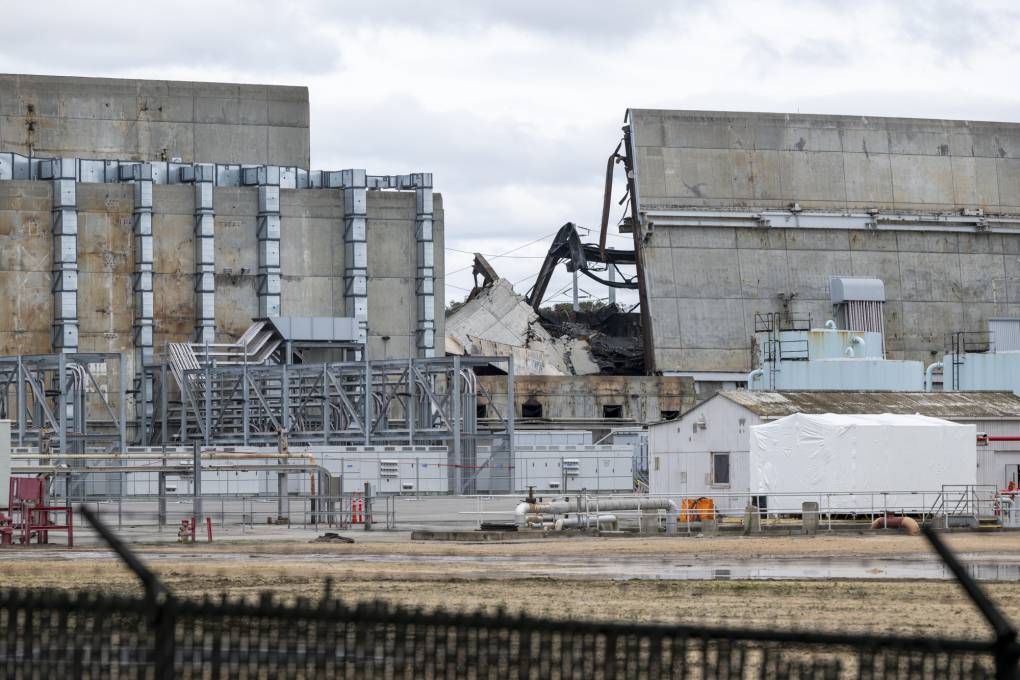
"caption": "The Moss Landing Power Plant, the site of a battery fire on Jan. 16, in Moss Landing on Feb. 12, 2025. The power plant is a natural gas-fired power station with a large battery storage facility.",
"credit": "Beth LaBerge/KQED",
"altTag": null,
"description": null,
"imgSizes": {
"medium": {
"file": "https://cdn.kqed.org/wp-content/uploads/sites/10/2025/02/250212-ELKHORNSLOUGH-16-BL-KQED-800x533.jpg",
"width": 800,
"height": 533,
"mimeType": "image/jpeg"
},
"large": {
"file": "https://cdn.kqed.org/wp-content/uploads/sites/10/2025/02/250212-ELKHORNSLOUGH-16-BL-KQED-1020x680.jpg",
"width": 1020,
"height": 680,
"mimeType": "image/jpeg"
},
"thumbnail": {
"file": "https://cdn.kqed.org/wp-content/uploads/sites/10/2025/02/250212-ELKHORNSLOUGH-16-BL-KQED-160x107.jpg",
"width": 160,
"height": 107,
"mimeType": "image/jpeg"
},
"1536x1536": {
"file": "https://cdn.kqed.org/wp-content/uploads/sites/10/2025/02/250212-ELKHORNSLOUGH-16-BL-KQED-1536x1024.jpg",
"width": 1536,
"height": 1024,
"mimeType": "image/jpeg"
},
"post-thumbnail": {
"file": "https://cdn.kqed.org/wp-content/uploads/sites/10/2025/02/250212-ELKHORNSLOUGH-16-BL-KQED-672x372.jpg",
"width": 672,
"height": 372,
"mimeType": "image/jpeg"
},
"twentyfourteen-full-width": {
"file": "https://cdn.kqed.org/wp-content/uploads/sites/10/2025/02/250212-ELKHORNSLOUGH-16-BL-KQED-1038x576.jpg",
"width": 1038,
"height": 576,
"mimeType": "image/jpeg"
},
"full-width": {
"file": "https://cdn.kqed.org/wp-content/uploads/sites/10/2025/02/250212-ELKHORNSLOUGH-16-BL-KQED-1920x1280.jpg",
"width": 1920,
"height": 1280,
"mimeType": "image/jpeg"
},
"kqedFullSize": {
"file": "https://cdn.kqed.org/wp-content/uploads/sites/10/2025/02/250212-ELKHORNSLOUGH-16-BL-KQED.jpg",
"width": 2000,
"height": 1333
}
},
"isLoading": false,
"fetchFailed": false
},
"news_12008939": {
"type": "attachments",
"id": "news_12008939",
"meta": {
"index": "attachments_1716263798",
"site": "news",
"id": "12008939",
"found": true
},
"title": "241010-SFUSDClosures-11-BL_qed",
"publishDate": 1728593726,
"status": "inherit",
"parent": 12025440,
"modified": 1739393473,
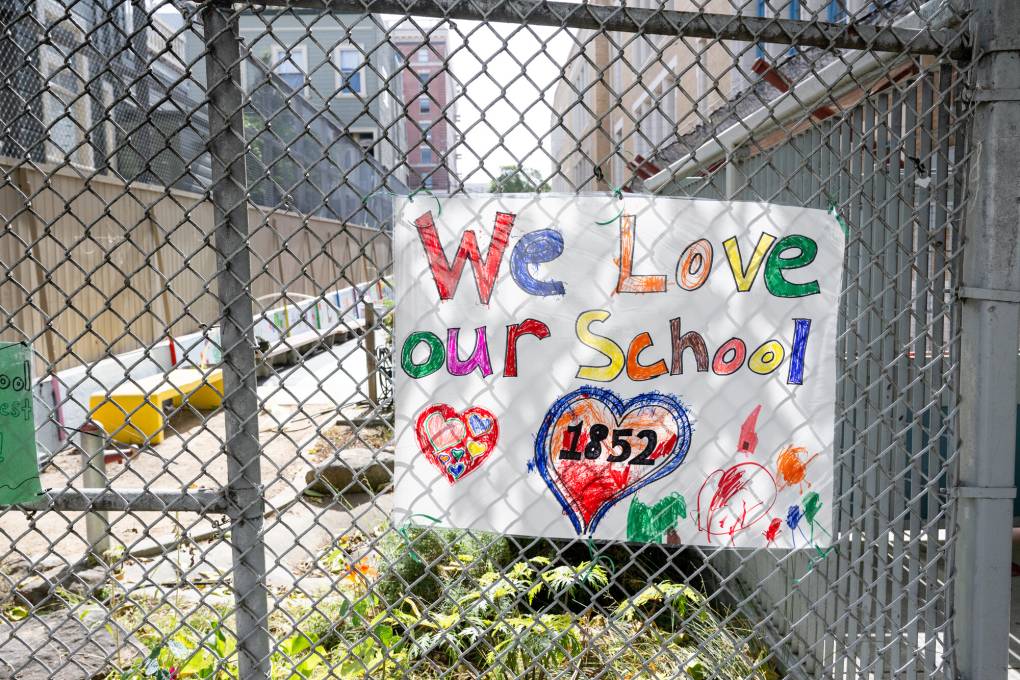
"caption": "Signs cover the fence in front of Spring Valley Science Elementary School in San Francisco during a press conference on Oct. 10, 2024, to push for city intervention in SFUSD’s school closure plans.",
"credit": "Beth LaBerge/KQED",
"altTag": null,
"description": null,
"imgSizes": {
"medium": {
"file": "https://cdn.kqed.org/wp-content/uploads/sites/10/2024/10/241010-SFUSDClosures-11-BL_qed-800x533.jpg",
"width": 800,
"height": 533,
"mimeType": "image/jpeg"
},
"large": {
"file": "https://cdn.kqed.org/wp-content/uploads/sites/10/2024/10/241010-SFUSDClosures-11-BL_qed-1020x680.jpg",
"width": 1020,
"height": 680,
"mimeType": "image/jpeg"
},
"thumbnail": {
"file": "https://cdn.kqed.org/wp-content/uploads/sites/10/2024/10/241010-SFUSDClosures-11-BL_qed-160x107.jpg",
"width": 160,
"height": 107,
"mimeType": "image/jpeg"
},
"1536x1536": {
"file": "https://cdn.kqed.org/wp-content/uploads/sites/10/2024/10/241010-SFUSDClosures-11-BL_qed-1536x1024.jpg",
"width": 1536,
"height": 1024,
"mimeType": "image/jpeg"
},
"post-thumbnail": {
"file": "https://cdn.kqed.org/wp-content/uploads/sites/10/2024/10/241010-SFUSDClosures-11-BL_qed-672x372.jpg",
"width": 672,
"height": 372,
"mimeType": "image/jpeg"
},
"twentyfourteen-full-width": {
"file": "https://cdn.kqed.org/wp-content/uploads/sites/10/2024/10/241010-SFUSDClosures-11-BL_qed-1038x576.jpg",
"width": 1038,
"height": 576,
"mimeType": "image/jpeg"
},
"full-width": {
"file": "https://cdn.kqed.org/wp-content/uploads/sites/10/2024/10/241010-SFUSDClosures-11-BL_qed-1920x1280.jpg",
"width": 1920,
"height": 1280,
"mimeType": "image/jpeg"
},
"kqedFullSize": {
"file": "https://cdn.kqed.org/wp-content/uploads/sites/10/2024/10/241010-SFUSDClosures-11-BL_qed.jpg",
"width": 2000,
"height": 1333
}
},
"isLoading": false,
"fetchFailed": false
},
"news_12026038": {
"type": "attachments",
"id": "news_12026038",
"meta": {
"index": "attachments_1716263798",
"site": "news",
"id": "12026038",
"found": true
},
"title": "250206-TrumpTariffs-26-BL",
"publishDate": 1738880338,
"status": "inherit",
"parent": 0,
"modified": 1738880880,
"caption": "Valentine's Day cards and gift items on the wall at The Standard 5 & 10 Ace, a family-owned hardware store in San Francisco’s Laurel Heights neighborhood, on Feb. 6, 2025.",
"credit": "Beth LaBerge/KQED",
"altTag": null,
"description": null,
"imgSizes": {
"medium": {
"file": "https://cdn.kqed.org/wp-content/uploads/sites/10/2025/02/250206-TrumpTariffs-26-BL-800x533.jpg",
"width": 800,
"height": 533,
"mimeType": "image/jpeg"
},
"large": {
"file": "https://cdn.kqed.org/wp-content/uploads/sites/10/2025/02/250206-TrumpTariffs-26-BL-1020x680.jpg",
"width": 1020,
"height": 680,
"mimeType": "image/jpeg"
},
"thumbnail": {
"file": "https://cdn.kqed.org/wp-content/uploads/sites/10/2025/02/250206-TrumpTariffs-26-BL-160x107.jpg",
"width": 160,
"height": 107,
"mimeType": "image/jpeg"
},
"1536x1536": {
"file": "https://cdn.kqed.org/wp-content/uploads/sites/10/2025/02/250206-TrumpTariffs-26-BL-1536x1024.jpg",
"width": 1536,
"height": 1024,
"mimeType": "image/jpeg"
},
"post-thumbnail": {
"file": "https://cdn.kqed.org/wp-content/uploads/sites/10/2025/02/250206-TrumpTariffs-26-BL-672x372.jpg",
"width": 672,
"height": 372,
"mimeType": "image/jpeg"
},
"twentyfourteen-full-width": {
"file": "https://cdn.kqed.org/wp-content/uploads/sites/10/2025/02/250206-TrumpTariffs-26-BL-1038x576.jpg",
"width": 1038,
"height": 576,
"mimeType": "image/jpeg"
},
"full-width": {
"file": "https://cdn.kqed.org/wp-content/uploads/sites/10/2025/02/250206-TrumpTariffs-26-BL-1920x1280.jpg",
"width": 1920,
"height": 1280,
"mimeType": "image/jpeg"
},
"kqedFullSize": {
"file": "https://cdn.kqed.org/wp-content/uploads/sites/10/2025/02/250206-TrumpTariffs-26-BL.jpg",
"width": 2000,
"height": 1333
}
},
"isLoading": false,
"fetchFailed": false
},
"news_11958901": {
"type": "attachments",
"id": "news_11958901",
"meta": {
"index": "attachments_1716263798",
"site": "news",
"id": "11958901",
"found": true
},
"title": "Bridges_(2412527)",
"publishDate": 1692820408,
"status": "inherit",
"parent": 11958879,
"modified": 1739491344,
"caption": "A little stub alongside the new San Mateo-Hayward Bridge is all that remains of the original from 1929. ",
"credit": "Courtesy of Peter Kaminski",
"altTag": "Looking down an old section of a now unused bridge that runs off into the distance and terminates just before the horizon line. To the left of it is the new bridge that replaced it. Both bridges run over calm, reflective blue water.",
"description": null,
"imgSizes": {
"medium": {
"file": "https://cdn.kqed.org/wp-content/uploads/sites/10/2023/08/Bridges_2412527-e1692820851937-800x600.jpg",
"width": 800,
"height": 600,
"mimeType": "image/jpeg"
},
"large": {
"file": "https://cdn.kqed.org/wp-content/uploads/sites/10/2023/08/Bridges_2412527-e1692820851937-1020x765.jpg",
"width": 1020,
"height": 765,
"mimeType": "image/jpeg"
},
"thumbnail": {
"file": "https://cdn.kqed.org/wp-content/uploads/sites/10/2023/08/Bridges_2412527-e1692820851937-160x120.jpg",
"width": 160,
"height": 120,
"mimeType": "image/jpeg"
},
"1536x1536": {
"file": "https://cdn.kqed.org/wp-content/uploads/sites/10/2023/08/Bridges_2412527-e1692820851937-1536x1152.jpg",
"width": 1536,
"height": 1152,
"mimeType": "image/jpeg"
},
"2048x2048": {
"file": "https://cdn.kqed.org/wp-content/uploads/sites/10/2023/08/Bridges_2412527-2048x1536.jpg",
"width": 2048,
"height": 1536,
"mimeType": "image/jpeg"
},
"post-thumbnail": {
"file": "https://cdn.kqed.org/wp-content/uploads/sites/10/2023/08/Bridges_2412527-e1692820851937-672x372.jpg",
"width": 672,
"height": 372,
"mimeType": "image/jpeg"
},
"twentyfourteen-full-width": {
"file": "https://cdn.kqed.org/wp-content/uploads/sites/10/2023/08/Bridges_2412527-e1692820851937-1038x576.jpg",
"width": 1038,
"height": 576,
"mimeType": "image/jpeg"
},
"full-width": {
"file": "https://cdn.kqed.org/wp-content/uploads/sites/10/2023/08/Bridges_2412527-1920x1440.jpg",
"width": 1920,
"height": 1440,
"mimeType": "image/jpeg"
},
"kqedFullSize": {
"file": "https://cdn.kqed.org/wp-content/uploads/sites/10/2023/08/Bridges_2412527-e1692820851937.jpg",
"width": 1920,
"height": 1440
}
},
"isLoading": false,
"fetchFailed": false
},
"news_12026888": {
"type": "attachments",
"id": "news_12026888",
"meta": {
"index": "attachments_1716263798",
"site": "news",
"id": "12026888",
"found": true
},
"title": "20241122_NorcalStorm_GC-12_qed (1)",
"publishDate": 1739467889,
"status": "inherit",
"parent": 12026874,
"modified": 1739467901,
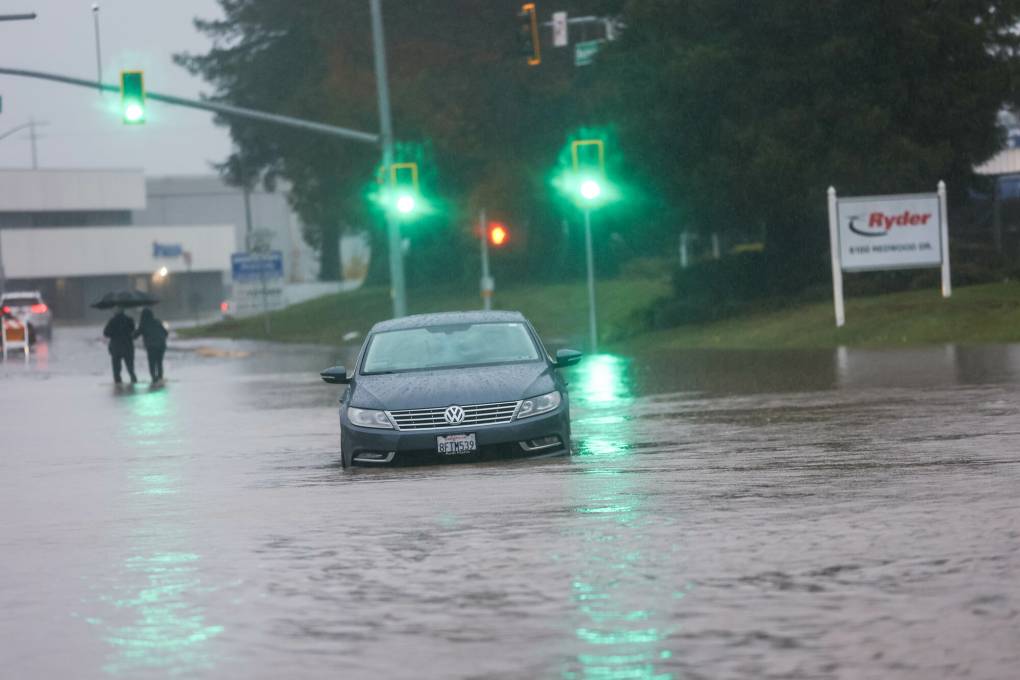
"caption": "A car left stranded on Rohnert Park Expressway after heavy rainfall flooded the street, during an atmospheric river storm affecting the Bay Area, on Nov. 22, 2024.",
"credit": "Gina Castro/KQED",
"altTag": null,
"description": null,
"imgSizes": {
"medium": {
"file": "https://cdn.kqed.org/wp-content/uploads/sites/10/2025/02/20241122_NorcalStorm_GC-12_qed-1-800x533.jpg",
"width": 800,
"height": 533,
"mimeType": "image/jpeg"
},
"large": {
"file": "https://cdn.kqed.org/wp-content/uploads/sites/10/2025/02/20241122_NorcalStorm_GC-12_qed-1-1020x680.jpg",
"width": 1020,
"height": 680,
"mimeType": "image/jpeg"
},
"thumbnail": {
"file": "https://cdn.kqed.org/wp-content/uploads/sites/10/2025/02/20241122_NorcalStorm_GC-12_qed-1-160x107.jpg",
"width": 160,
"height": 107,
"mimeType": "image/jpeg"
},
"1536x1536": {
"file": "https://cdn.kqed.org/wp-content/uploads/sites/10/2025/02/20241122_NorcalStorm_GC-12_qed-1-1536x1024.jpg",
"width": 1536,
"height": 1024,
"mimeType": "image/jpeg"
},
"post-thumbnail": {
"file": "https://cdn.kqed.org/wp-content/uploads/sites/10/2025/02/20241122_NorcalStorm_GC-12_qed-1-672x372.jpg",
"width": 672,
"height": 372,
"mimeType": "image/jpeg"
},
"twentyfourteen-full-width": {
"file": "https://cdn.kqed.org/wp-content/uploads/sites/10/2025/02/20241122_NorcalStorm_GC-12_qed-1-1038x576.jpg",
"width": 1038,
"height": 576,
"mimeType": "image/jpeg"
},
"full-width": {
"file": "https://cdn.kqed.org/wp-content/uploads/sites/10/2025/02/20241122_NorcalStorm_GC-12_qed-1-1920x1280.jpg",
"width": 1920,
"height": 1280,
"mimeType": "image/jpeg"
},
"kqedFullSize": {
"file": "https://cdn.kqed.org/wp-content/uploads/sites/10/2025/02/20241122_NorcalStorm_GC-12_qed-1.jpg",
"width": 2000,
"height": 1333
}
},
"isLoading": false,
"fetchFailed": false
},
"news_12026536": {
"type": "attachments",
"id": "news_12026536",
"meta": {
"index": "attachments_1716263798",
"site": "news",
"id": "12026536",
"found": true
},
"title": "20250127_K-ONDA_DB_00057-KQED",
"publishDate": 1739233064,
"status": "inherit",
"parent": 0,
"modified": 1739233085,
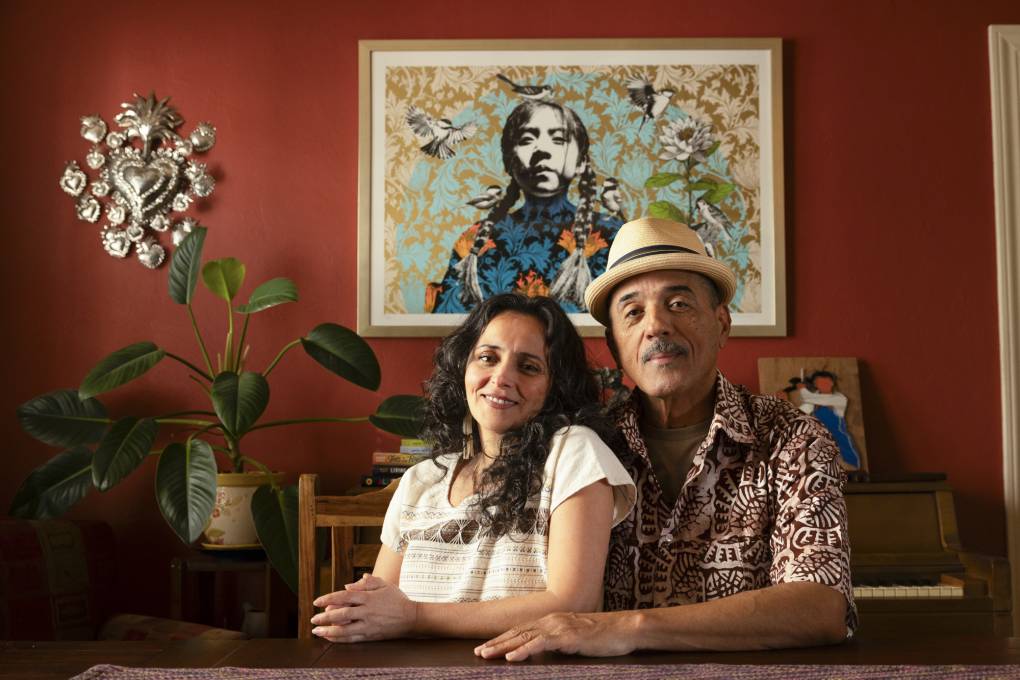
"caption": "Aida Salazar and John Santos, sit at their dining room table and pose for a portrait, in their home in Oakland, California, Monday, Jan. 27, 2025. Salazar is an award-winning Xicana author with several successful YA titles to her name. Santos, a San Francisco native, is a seven-time Grammy-nominated percussionist specializing in Afro-Latin music.",
"credit": "David M. Barreda/KQED",
"altTag": null,
"description": null,
"imgSizes": {
"medium": {
"file": "https://cdn.kqed.org/wp-content/uploads/sites/10/2025/02/20250127_K-ONDA_DB_00057-KQED-800x533.jpg",
"width": 800,
"height": 533,
"mimeType": "image/jpeg"
},
"large": {
"file": "https://cdn.kqed.org/wp-content/uploads/sites/10/2025/02/20250127_K-ONDA_DB_00057-KQED-1020x680.jpg",
"width": 1020,
"height": 680,
"mimeType": "image/jpeg"
},
"thumbnail": {
"file": "https://cdn.kqed.org/wp-content/uploads/sites/10/2025/02/20250127_K-ONDA_DB_00057-KQED-160x107.jpg",
"width": 160,
"height": 107,
"mimeType": "image/jpeg"
},
"1536x1536": {
"file": "https://cdn.kqed.org/wp-content/uploads/sites/10/2025/02/20250127_K-ONDA_DB_00057-KQED-1536x1024.jpg",
"width": 1536,
"height": 1024,
"mimeType": "image/jpeg"
},
"post-thumbnail": {
"file": "https://cdn.kqed.org/wp-content/uploads/sites/10/2025/02/20250127_K-ONDA_DB_00057-KQED-672x372.jpg",
"width": 672,
"height": 372,
"mimeType": "image/jpeg"
},
"twentyfourteen-full-width": {
"file": "https://cdn.kqed.org/wp-content/uploads/sites/10/2025/02/20250127_K-ONDA_DB_00057-KQED-1038x576.jpg",
"width": 1038,
"height": 576,
"mimeType": "image/jpeg"
},
"full-width": {
"file": "https://cdn.kqed.org/wp-content/uploads/sites/10/2025/02/20250127_K-ONDA_DB_00057-KQED-1920x1280.jpg",
"width": 1920,
"height": 1280,
"mimeType": "image/jpeg"
},
"kqedFullSize": {
"file": "https://cdn.kqed.org/wp-content/uploads/sites/10/2025/02/20250127_K-ONDA_DB_00057-KQED.jpg",
"width": 2000,
"height": 1333
}
},
"isLoading": false,
"fetchFailed": false
}
},
"audioPlayerReducer": {
"postId": "stream_live",
"isPaused": true,
"isPlaying": false,
"pfsActive": false,
"pledgeModalIsOpen": true,
"playerDrawerIsOpen": false,
"liveAudioPlayStartedAt": 0,
"liveAudioPlayContext": ""
},
"authorsReducer": {
"carlysevern": {
"type": "authors",
"id": "3243",
"meta": {
"index": "authors_1716337520",
"id": "3243",
"found": true
},
"name": "Carly Severn",
"firstName": "Carly",
"lastName": "Severn",
"slug": "carlysevern",
"email": "csevern@kqed.org",
"display_author_email": false,
"staff_mastheads": [
"news"
],
"title": "Senior Editor, Audience News ",
"bio": "Carly is KQED's Senior Editor of Audience News on the Digital News team, and has reported for the California Report Magazine, Bay Curious and KQED Arts. She's formerly the host of \u003ca href=\"http://ww2.kqed.org/pop/category/the-cooler/\" rel=\"noopener noreferrer\">The Cooler\u003c/a> podcast.",
"avatar": "https://secure.gravatar.com/avatar/54037bf5c128fe678f0ef26cec97a93f2e7f220a22d7285703328f12c42c1b1d?s=600&d=blank&r=g",
"twitter": "teacupinthebay",
"bluesky": null,
"facebook": null,
"instagram": null,
"linkedin": null,
"sites": [
{
"site": "",
"roles": [
"editor"
]
},
{
"site": "arts",
"roles": [
"editor"
]
},
{
"site": "news",
"roles": [
"administrator"
]
},
{
"site": "pop",
"roles": [
"editor"
]
},
{
"site": "futureofyou",
"roles": [
"editor"
]
},
{
"site": "about",
"roles": [
"administrator"
]
},
{
"site": "mindshift",
"roles": [
"editor"
]
},
{
"site": "bayareabites",
"roles": [
"editor"
]
},
{
"site": "stateofhealth",
"roles": [
"editor"
]
},
{
"site": "science",
"roles": [
"editor"
]
},
{
"site": "food",
"roles": [
"contributor"
]
},
{
"site": "forum",
"roles": [
"editor"
]
},
{
"site": "perspectives",
"roles": [
"administrator"
]
},
{
"site": "liveblog",
"roles": [
"editor"
]
}
],
"headData": {
"title": "Carly Severn | KQED",
"description": "Senior Editor, Audience News ",
"ogImgSrc": "https://secure.gravatar.com/avatar/54037bf5c128fe678f0ef26cec97a93f2e7f220a22d7285703328f12c42c1b1d?s=600&d=blank&r=g",
"twImgSrc": "https://secure.gravatar.com/avatar/54037bf5c128fe678f0ef26cec97a93f2e7f220a22d7285703328f12c42c1b1d?s=600&d=blank&r=g"
},
"isLoading": false,
"link": "/author/carlysevern"
},
"dcronin": {
"type": "authors",
"id": "11362",
"meta": {
"index": "authors_1716337520",
"id": "11362",
"found": true
},
"name": "Dana Cronin",
"firstName": "Dana",
"lastName": "Cronin",
"slug": "dcronin",
"email": "dcronin@KQED.org",
"display_author_email": true,
"staff_mastheads": [],
"title": "KQED Contributor",
"bio": "Dana Cronin is a reporter for KQED News. She loves writing stories about climate change, environmental issues, food and agriculture. She's reported across the country, from Colorado to Washington D.C. to Illinois, and has won numerous awards for her coverage. Her work is regularly featured on national broadcasts, including NPR’s Morning Edition, All Things Considered, PBS Newshour and Science Friday. She lives in Oakland and has an avocado tree in her back yard.",
"avatar": "https://secure.gravatar.com/avatar/bcf89e3455ff7235f96ab6fa7258dd95?s=600&d=blank&r=g",
"twitter": "DanaHCronin",
"facebook": null,
"instagram": null,
"linkedin": null,
"sites": [
{
"site": "arts",
"roles": [
"author"
]
},
{
"site": "news",
"roles": [
"editor"
]
},
{
"site": "science",
"roles": [
"author"
]
},
{
"site": "liveblog",
"roles": [
"author"
]
}
],
"headData": {
"title": "Dana Cronin | KQED",
"description": "KQED Contributor",
"ogImgSrc": "https://secure.gravatar.com/avatar/bcf89e3455ff7235f96ab6fa7258dd95?s=600&d=blank&r=g",
"twImgSrc": "https://secure.gravatar.com/avatar/bcf89e3455ff7235f96ab6fa7258dd95?s=600&d=blank&r=g"
},
"isLoading": false,
"link": "/author/dcronin"
},
"btorres": {
"type": "authors",
"id": "11666",
"meta": {
"index": "authors_1716337520",
"id": "11666",
"found": true
},
"name": "Blanca Torres",
"firstName": "Blanca",
"lastName": "Torres",
"slug": "btorres",
"email": "btorres@kqed.org",
"display_author_email": true,
"staff_mastheads": [
"news"
],
"title": "Producer, Forum",
"bio": "Blanca Torres brings sharp news judgement and keen sense of lively conversation to her work as producer for Forum. She loves producing shows that leave listeners feeling like they heard distinctive voices, learned something new and gained a fresh perspective.\r\n\r\nShe joined KQED in January of 2020 after 16 years of working as a newspaper reporter most recently at the \u003cem>San Francisco Business Times,\u003c/em> where she wrote about real estate and economic development. Before that, she covered a variety of beats including crime, education, retail, workplace, the economy, consumer issues, and small business for the \u003cem>Contra Costa Times, Baltimore Sun\u003c/em> and\u003cem> The Seattle Times\u003c/em>. In addition to reporting, she worked as an editorial writer and columnist for the \u003cem>Seattle Times\u003c/em>. From 2017 to 2020, Blanca won a total of ten awards from the National Association of Real Estate Editors and won first place for land use reporting from the California News Publishers Association two years in a row. She is also a member and former board member for the National Association of Hispanic Journalists.\r\n\r\nA native of the Pacific Northwest, Blanca earned her bachelor's degree from Vanderbilt University in Nashville and a master's in fine arts in creative writing at Mills College. She lives in the East Bay with her family.",
"avatar": "https://secure.gravatar.com/avatar/50b49d19b14a1eed34f26ebf4681152cdd81574ed21851100871ccd29e578cdc?s=600&d=blank&r=g",
"twitter": "@blancawrites",
"bluesky": null,
"facebook": null,
"instagram": null,
"linkedin": null,
"sites": [
{
"site": "arts",
"roles": [
"editor"
]
},
{
"site": "news",
"roles": [
"editor"
]
},
{
"site": "forum",
"roles": [
"editor"
]
}
],
"headData": {
"title": "Blanca Torres | KQED",
"description": "Producer, Forum",
"ogImgSrc": "https://secure.gravatar.com/avatar/50b49d19b14a1eed34f26ebf4681152cdd81574ed21851100871ccd29e578cdc?s=600&d=blank&r=g",
"twImgSrc": "https://secure.gravatar.com/avatar/50b49d19b14a1eed34f26ebf4681152cdd81574ed21851100871ccd29e578cdc?s=600&d=blank&r=g"
},
"isLoading": false,
"link": "/author/btorres"
},
"ccabreralomeli": {
"type": "authors",
"id": "11708",
"meta": {
"index": "authors_1716337520",
"id": "11708",
"found": true
},
"name": "Carlos Cabrera-Lomelí",
"firstName": "Carlos",
"lastName": "Cabrera-Lomelí",
"slug": "ccabreralomeli",
"email": "ccabreralomeli@KQED.org",
"display_author_email": true,
"staff_mastheads": [
"news"
],
"title": "Community Reporter",
"bio": "Carlos Cabrera-Lomelí is a community reporter with KQED's digital engagement team. He also reports and co-produces for KQED's bilingual news hub KQED en Español. He grew up in San Francisco's Mission District and has previously worked with Univision, 48 Hills and REFORMA in Mexico City.",
"avatar": "https://secure.gravatar.com/avatar/c309be9665e484f887b818c89e273ecc673004f426f36b24d00a4d813a2e0518?s=600&d=blank&r=g",
"twitter": "@LomeliCabrera",
"bluesky": null,
"facebook": null,
"instagram": null,
"linkedin": null,
"sites": [
{
"site": "arts",
"roles": [
"editor"
]
},
{
"site": "news",
"roles": [
"editor"
]
},
{
"site": "about",
"roles": [
"editor"
]
},
{
"site": "science",
"roles": [
"editor"
]
},
{
"site": "perspectives",
"roles": [
"editor"
]
},
{
"site": "elections",
"roles": [
"editor"
]
},
{
"site": "liveblog",
"roles": [
"contributor"
]
}
],
"headData": {
"title": "Carlos Cabrera-Lomelí | KQED",
"description": "Community Reporter",
"ogImgSrc": "https://secure.gravatar.com/avatar/c309be9665e484f887b818c89e273ecc673004f426f36b24d00a4d813a2e0518?s=600&d=blank&r=g",
"twImgSrc": "https://secure.gravatar.com/avatar/c309be9665e484f887b818c89e273ecc673004f426f36b24d00a4d813a2e0518?s=600&d=blank&r=g"
},
"isLoading": false,
"link": "/author/ccabreralomeli"
},
"eromero": {
"type": "authors",
"id": "11746",
"meta": {
"index": "authors_1716337520",
"id": "11746",
"found": true
},
"name": "Ezra David Romero",
"firstName": "Ezra David",
"lastName": "Romero",
"slug": "eromero",
"email": "eromero@kqed.org",
"display_author_email": true,
"staff_mastheads": [
"news",
"science"
],
"title": "Climate Reporter",
"bio": "Ezra David Romero is a climate reporter for KQED News. He covers the absence and excess of water in the Bay Area — think sea level rise, flooding and drought. For nearly a decade he’s covered how warming temperatures are altering the lives of Californians. He’s reported on farmers worried their pistachio trees aren’t getting enough sleep, families desperate for water, scientists studying dying giant sequoias, and alongside firefighters containing wildfires. His work has appeared on local stations across California and nationally on public radio shows like Morning Edition, Here and Now, All Things Considered and Science Friday. ",
"avatar": "https://secure.gravatar.com/avatar/c76404d287c10ed40224227551ac36e24352c7306f106632caf6fead76f8801f?s=600&d=blank&r=g",
"twitter": "ezraromero",
"bluesky": null,
"facebook": null,
"instagram": null,
"linkedin": null,
"sites": [
{
"site": "arts",
"roles": [
"editor"
]
},
{
"site": "news",
"roles": [
"editor"
]
},
{
"site": "science",
"roles": [
"editor"
]
},
{
"site": "liveblog",
"roles": [
"author"
]
}
],
"headData": {
"title": "Ezra David Romero | KQED",
"description": "Climate Reporter",
"ogImgSrc": "https://secure.gravatar.com/avatar/c76404d287c10ed40224227551ac36e24352c7306f106632caf6fead76f8801f?s=600&d=blank&r=g",
"twImgSrc": "https://secure.gravatar.com/avatar/c76404d287c10ed40224227551ac36e24352c7306f106632caf6fead76f8801f?s=600&d=blank&r=g"
},
"isLoading": false,
"link": "/author/eromero"
},
"jessicakariisa": {
"type": "authors",
"id": "11831",
"meta": {
"index": "authors_1716337520",
"id": "11831",
"found": true
},
"name": "Jessica Kariisa",
"firstName": "Jessica",
"lastName": "Kariisa",
"slug": "jessicakariisa",
"email": "jkariisa@kqed.org",
"display_author_email": false,
"staff_mastheads": [],
"title": "Producer, The Bay",
"bio": "Jessica Kariisa is the producer of The Bay. She first joined KQED as an intern for The California Report Magazine, after which she became an on-call producer. She reported a Bay Curious episode on the use of rap lyrics in criminal trials which won a Society of Professional Journalists award in 2023 for Excellence in Features Journalism and the 2023 Signal Award for Best Conversation Starter. She’s worked on podcasts for Snap Judgment and American Public Media. Before embarking on her audio career, she was a music journalist.\r\n\r\nJessica Kariisa is represented by SAG-AFTRA.",
"avatar": "https://secure.gravatar.com/avatar/522e97b28ac0b3d411621c0fde8f3419c7b71ea2c5c262c57c4bb600963f328c?s=600&d=blank&r=g",
"twitter": null,
"bluesky": null,
"facebook": null,
"instagram": null,
"linkedin": null,
"sites": [
{
"site": "arts",
"roles": [
"author"
]
},
{
"site": "news",
"roles": [
"editor",
"manage_categories"
]
}
],
"headData": {
"title": "Jessica Kariisa | KQED",
"description": "Producer, The Bay",
"ogImgSrc": "https://secure.gravatar.com/avatar/522e97b28ac0b3d411621c0fde8f3419c7b71ea2c5c262c57c4bb600963f328c?s=600&d=blank&r=g",
"twImgSrc": "https://secure.gravatar.com/avatar/522e97b28ac0b3d411621c0fde8f3419c7b71ea2c5c262c57c4bb600963f328c?s=600&d=blank&r=g"
},
"isLoading": false,
"link": "/author/jessicakariisa"
},
"kdebenedetti": {
"type": "authors",
"id": "11913",
"meta": {
"index": "authors_1716337520",
"id": "11913",
"found": true
},
"name": "Katie DeBenedetti",
"firstName": "Katie",
"lastName": "DeBenedetti",
"slug": "kdebenedetti",
"email": "kdebenedetti@kqed.org",
"display_author_email": false,
"staff_mastheads": [
"news",
"science"
],
"title": "KQED Contributor",
"bio": "Katie DeBenedetti is a digital reporter covering daily news for the Express Desk. Prior to joining KQED as a culture reporting intern in January 2024, she covered education and city government for the Napa Valley Register.",
"avatar": "https://secure.gravatar.com/avatar/6e31073cb8f7e4214ab03f42771d0f45?s=600&d=blank&r=g",
"twitter": null,
"facebook": null,
"instagram": null,
"linkedin": null,
"sites": [
{
"site": "news",
"roles": [
"author"
]
},
{
"site": "science",
"roles": [
"author"
]
},
{
"site": "liveblog",
"roles": [
"author"
]
}
],
"headData": {
"title": "Katie DeBenedetti | KQED",
"description": "KQED Contributor",
"ogImgSrc": "https://secure.gravatar.com/avatar/6e31073cb8f7e4214ab03f42771d0f45?s=600&d=blank&r=g",
"twImgSrc": "https://secure.gravatar.com/avatar/6e31073cb8f7e4214ab03f42771d0f45?s=600&d=blank&r=g"
},
"isLoading": false,
"link": "/author/kdebenedetti"
},
"slim": {
"type": "authors",
"id": "11920",
"meta": {
"index": "authors_1716337520",
"id": "11920",
"found": true
},
"name": "Samantha Lim",
"firstName": "Samantha",
"lastName": "Lim",
"slug": "slim",
"email": "slim@KQED.org",
"display_author_email": false,
"staff_mastheads": [],
"title": "KQED Contributor",
"bio": null,
"avatar": "https://secure.gravatar.com/avatar/82e592e6c15fe1a04d385e8ad0fb0b4e?s=600&d=blank&r=g",
"twitter": null,
"facebook": null,
"instagram": null,
"linkedin": null,
"sites": [
{
"site": "news",
"roles": []
}
],
"headData": {
"title": "Samantha Lim | KQED",
"description": "KQED Contributor",
"ogImgSrc": "https://secure.gravatar.com/avatar/82e592e6c15fe1a04d385e8ad0fb0b4e?s=600&d=blank&r=g",
"twImgSrc": "https://secure.gravatar.com/avatar/82e592e6c15fe1a04d385e8ad0fb0b4e?s=600&d=blank&r=g"
},
"isLoading": false,
"link": "/author/slim"
},
"mvelasquez": {
"type": "authors",
"id": "11939",
"meta": {
"index": "authors_1716337520",
"id": "11939",
"found": true
},
"name": "Mel Velasquez",
"firstName": "Mel",
"lastName": "Velasquez",
"slug": "mvelasquez",
"email": "mvelasquez@kqed.org",
"display_author_email": false,
"staff_mastheads": [],
"title": "KQED Contributor",
"bio": null,
"avatar": "https://secure.gravatar.com/avatar/409094312d56fab09fef4251e949ffa6?s=600&d=blank&r=g",
"twitter": null,
"facebook": null,
"instagram": null,
"linkedin": "www.linkedin.com/in/melanievelasquezz",
"sites": [
{
"site": "news",
"roles": [
"editor"
]
}
],
"headData": {
"title": "Mel Velasquez | KQED",
"description": "KQED Contributor",
"ogImgSrc": "https://secure.gravatar.com/avatar/409094312d56fab09fef4251e949ffa6?s=600&d=blank&r=g",
"twImgSrc": "https://secure.gravatar.com/avatar/409094312d56fab09fef4251e949ffa6?s=600&d=blank&r=g"
},
"isLoading": false,
"link": "/author/mvelasquez"
}
},
"pagesReducer": {
"news_tag_bay-area": {
"type": "terms",
"id": "news_1386",
"meta": {
"index": "terms_1716263798",
"site": "news",
"id": "1386",
"score": 7.788453
},
"featImg": null,
"name": "Bay Area",
"description": null,
"taxonomy": "tag",
"headData": {
"twImgId": null,
"twTitle": null,
"ogTitle": null,
"ogImgId": null,
"twDescription": null,
"description": null,
"title": "Bay Area Archives | KQED News",
"ogDescription": null
},
"ttid": 1398,
"slug": "bay-area",
"isLoading": false,
"title": "Bay Area",
"pageMeta": {
"site": "news",
"WpPageTemplate": "page-topic-editorial",
"currentPage": 78
},
"blocks": [
{
"blockName": "kqed/post-list",
"attrs": {
"layout": "cardArticle2",
"query": "posts/news?tag=bay-area",
"seeMore": false,
"paginated": true,
"page": 78
}
},
{
"blockName": "kqed/ad"
}
]
}
},
"pfsSessionReducer": {},
"postsReducer": {
"stream_live": {
"type": "live",
"id": "stream_live",
"audioUrl": "https://streams.kqed.org/kqedradio",
"title": "Live Stream",
"excerpt": "Live Stream information currently unavailable.",
"link": "/radio",
"featImg": "",
"label": {
"name": "KQED Live",
"link": "/"
}
},
"stream_kqedNewscast": {
"type": "posts",
"id": "stream_kqedNewscast",
"audioUrl": "https://www.kqed.org/.stream/anon/radio/RDnews/newscast.mp3?_=1",
"title": "KQED Newscast",
"featImg": "",
"label": {
"name": "88.5 FM",
"link": "/"
}
},
"news_12028312": {
"type": "posts",
"id": "news_12028312",
"meta": {
"index": "posts_1716263798",
"site": "news",
"id": "12028312",
"score": null,
"sort": [
1740516115000
]
},
"guestAuthors": [],
"slug": "californias-worst-flu-season-years-may-finally-easing",
"title": "California's Worst Flu Season in Years May Finally Be Easing",
"publishDate": 1740516115,
"format": "standard",
"headTitle": "California’s Worst Flu Season in Years May Finally Be Easing | KQED",
"labelTerm": {
"site": "news"
},
"content": "\u003cp>California may finally be getting a reprieve from one of the worst recorded \u003ca href=\"https://www.kqed.org/news/tag/flu\">flu\u003c/a> seasons in decades, a recent report by state health officials shows.\u003c/p>\n\u003cul>\n\u003cli>\u003cstrong>Jump straight to: \u003ca href=\"#flu-vaccine\">It’s not too late for a flu shot — and here’s where to find the vaccine\u003c/a>\u003c/strong>\u003c/li>\n\u003c/ul>\n\u003cp>For the week ending Feb. 15, 23.3% of tests conducted by the state’s clinical labs were positive for influenza, making up a week-over-week drop of 3.4 percentage points, according to the report released Friday by the Department of Public Health. That decline was more than triple the one seen the week before.\u003c/p>\n\u003cp>While the decrease in testing positivity rates could be a sign that the season has passed its peak, some health experts are warning that numbers could go up again and urge \u003ca href=\"https://www.kqed.org/news/12027283/forgot-your-flu-vaccine-with-historic-infections-its-not-too-late-for-a-shot\">those who haven’t been vaccinated yet\u003c/a> to do so as soon as possible.\u003c/p>\n\u003cp>[ad fullwidth]\u003c/p>\n\u003cp>A similar drop was reported in early January but only lasted a couple of weeks before rates climbed up again, said Dr. John Swartzberg, clinical professor emeritus at the UC Berkeley School of Public Health, noting that flu season typically peaks around the middle of February.\u003c/p>\n\u003cp>“It’s possible we could get lulled into the same mistake that we made in the middle of January … but I think this drop coincides more with what we typically see with influenza,” Swartzberg said. “I’m cautiously optimistic.”\u003c/p>\n\u003cfigure id=\"attachment_12009848\" class=\"wp-caption aligncenter\" style=\"max-width: 2000px\">\u003cimg loading=\"lazy\" decoding=\"async\" class=\"size-full wp-image-12009848\" src=\"https://cdn.kqed.org/wp-content/uploads/sites/10/2024/10/GettyImages-2168147137-scaled-e1740515847601.jpg\" alt=\"\" width=\"2000\" height=\"1359\">\u003cfigcaption class=\"wp-caption-text\">A man receives both the flu and COVID-19 vaccine at a CVS in August 2024. \u003ccite>(Christina House / Los Angeles Times via Getty Images)\u003c/cite>\u003c/figcaption>\u003c/figure>\n\u003cp>The Centers for Disease Control and Prevention estimates that there have been at least 33 million confirmed cases of influenza, 430,000 hospitalizations and 19,000 deaths across the country \u003ca href=\"https://www.kqed.org/news/12027212/missing-cdc-data-concerns-doctors-as-influenza-and-bird-flu-outbreaks-escalate\">during this flu season\u003c/a> alone.\u003c/p>\n\u003cp>In California, influenza activity remains high even as numbers begin to go down, and at least 15 children have died from flu-related complications — raising concerns about declining pediatric vaccination rates. Swartzberg said it’s worrying to see so many pediatric deaths because children tend to be resilient when it comes to fighting illnesses outside of infancy.\u003c/p>\n\u003cp>The two influenza strains circulating most rapidly this flu season are H1N1 and H3N2, both of which are influenza-type A strains. As the rate of those infections begins to go down, however, Swartzberg said there is another type of influenza circulating — influenza type B — and those numbers usually go up around March, which could result in another peak.\u003c/p>\n\u003cp>[aside postID=news_12028454 hero='https://cdn.kqed.org/wp-content/uploads/sites/10/2025/02/GettyImages-2177324845-1020x680.jpg']\u003c/p>\n\u003cp>“We may continue to see influenza A drop, but then the number of cases of influenza could go back up because influenza B is starting to play a role,” Swartzberg said. “We’ve seen that pattern over the last several years.”\u003c/p>\n\u003cp>Experts can only speculate as to why the rates of infection are so much higher this year, Swartzberg said, adding that several factors, such as a decrease in the use of masks in crowded spaces and lower vaccination rates, could be contributing.\u003c/p>\n\u003cp>People have been less diligent about getting their flu shots since the COVID-19 emergency ended, and herd immunity is way down, Swartzberg said. Additionally, since many people have had less exposure to the flu in recent years, they’re naturally more vulnerable to the respiratory illness, he added.\u003c/p>\n\u003cp>While the CDC recommends that everyone 6 months and older get the flu vaccine as early as possible — ideally in the fall — it’s never too late to get vaccinated, especially since the virus is still circulating.\u003c/p>\n\u003cp>“If you haven’t been vaccinated, you’ll get some immunity within a week of the vaccine, and you get your optimal immunity within two weeks of the vaccine,” Swartzberg said. “The vaccine may not prevent you from getting infected or even getting sick, but it’s quite good at preventing that sickness from getting really bad.”\u003c/p>\n\u003ch2>\u003ca id=\"flu-vaccine\">\u003c/a>Where can I find a flu shot?\u003c/h2>\n\u003cp>Although the CDC recommends that everyone 6 months and older get an annual flu vaccine “\u003ca href=\"https://www.cdc.gov/flu/prevention/index.html\">ideally by the end of October\u003c/a>,” the agency also said that people “should continue to get vaccinated as long as flu viruses pose a threat to their community.”\u003c/p>\n\u003cp>That means that if you forgot to get your shot back in the last months of 2024 — and you haven’t been hit by a flu infection yourself this winter — \u003ca href=\"https://www.kqed.org/news/12027283/forgot-your-flu-vaccine-with-historic-infections-its-not-too-late-for-a-shot\">it’s not too late to get the flu vaccine\u003c/a> now and increase your protection.\u003c/p>\n\u003cp>If you have health insurance, a flu shot is covered and available without extra cost as a preventive service from your usual health care provider. It’s also available at most pharmacies (see below).\u003c/p>\n\u003cp>Common places to find a flu shot appointment, walk-in site or drive-thru flu shot:\u003c/p>\n\u003cul>\n\u003cli>\u003ca href=\"https://www.vaccines.gov/find-vaccines/\">CDC’s Find Flu Vaccines tool\u003c/a>\u003c/li>\n\u003cli>\u003ca href=\"https://mydoctor.kaiserpermanente.org/ncal/cold-and-flu/prevention#/prevention\">Kaiser Permanente flu shots (Northern California)\u003c/a>\u003c/li>\n\u003cli>\u003ca href=\"https://www.cvs.com/immunizations/flu\">CVS flu shots\u003c/a>\u003c/li>\n\u003cli>\u003ca href=\"https://www.walgreens.com/topic/pharmacy/seasonal-flu.jsp?ban=flu_fy21_influenzapage\">Walgreens flu shots\u003c/a>\u003c/li>\n\u003cli>\u003ca href=\"https://www.riteaid.com/pharmacy/scheduler\">Rite Aid flu shots\u003c/a>\u003c/li>\n\u003cli>\u003ca href=\"https://www.costco.com/Pharmacy/adult-immunization-program.html\">Costco Pharmacy flu shots\u003c/a>\u003c/li>\n\u003cli>\u003ca href=\"https://www.albertsons.com/pharmacy/pharmacy-services/immunizations.html\">Albertsons (Safeway) flu shots\u003c/a>\u003c/li>\n\u003c/ul>\n\u003cp>If you don’t have health insurance, you can get the vaccine free of charge from several providers and community clinics around the Bay Area. (You can also technically use these free services even if you do have insurance, but you may consider choosing to reserve these particular resources for those without coverage.)\u003c/p>\n\u003cp>Your county’s public health department may also be offering flu shots.\u003c/p>\n\u003cp>Places to get a free or low-cost flu shot in the Bay Area include:\u003c/p>\n\u003cul>\n\u003cli>\u003ca href=\"https://www.sfcdcp.org/aitc/aitc-regular-prices-low-cost-or-free-vaccines/\">San Francisco Department of Public Health’s AITC clinic\u003c/a> (offers a pay-what-you-can option.)\u003c/li>\n\u003cli>\u003ca href=\"https://cchealth.org/immunization/clinics.php#Uninsured\">Contra Costa Public Health Immunization Clinic\u003c/a> (flu shots are $15 for adults over 19, but fees may be waived if you cannot pay.)\u003c/li>\n\u003cli>\u003ca href=\"https://acphd.org/clinics/\">Alameda County Immunization Clinics\u003c/a>.\u003c/li>\n\u003c/ul>\n\u003cp>\u003cem>KQED’s \u003c/em>\u003ca href=\"https://www.kqed.org/author/nnavarro\">\u003cem>Natalia Navarro\u003c/em>\u003c/a>\u003cem> contributed to this report.\u003c/em>\u003c/p>\n\u003cp>\u003c/p>\n",
"blocks": [],
"excerpt": "A new state report shows a growing decline in flu positivity rates in California, but experts still urge those who haven’t gotten flu shots to do so as soon as possible.",
"status": "publish",
"parent": 0,
"modified": 1749135104,
"stats": {
"hasAudio": false,
"hasVideo": false,
"hasChartOrMap": false,
"iframeSrcs": [],
"hasGoogleForm": false,
"hasGallery": false,
"hasHearkenModule": false,
"hasPolis": false,
"paragraphCount": 24,
"wordCount": 1006
},
"headData": {
"title": "Signs California's Harsh Flu Season Is Winding Down | KQED",
"description": "Learn why health experts say it’s still time to get your shot. Flu positivity rates in California are declining, suggesting the worst may be over.",
"ogTitle": "",
"ogDescription": "",
"ogImgId": "",
"twTitle": "",
"twDescription": "",
"twImgId": "",
"socialTitle": "Signs California's Harsh Flu Season Is Winding Down | KQED",
"socialDescription": "Learn why health experts say it’s still time to get your shot. Flu positivity rates in California are declining, suggesting the worst may be over.",
"schema": {
"@context": "https://schema.org",
"@type": "NewsArticle",
"headline": "California's Worst Flu Season in Years May Finally Be Easing",
"datePublished": "2025-02-25T12:41:55-08:00",
"dateModified": "2025-06-05T07:51:44-07:00",
"image": "https://cdn.kqed.org/wp-content/uploads/2020/02/KQED-OG-Image@1x.png",
"isAccessibleForFree": "True",
"publisher": {
"@type": "NewsMediaOrganization",
"@id": "https://www.kqed.org/#organization",
"name": "KQED",
"logo": "https://cdn.kqed.org/wp-content/uploads/2020/02/KQED-OG-Image@1x.png",
"url": "https://www.kqed.org",
"sameAs": [
"https://www.facebook.com/KQED",
"https://twitter.com/KQED",
"https://www.instagram.com/kqed/",
"https://www.tiktok.com/@kqedofficial",
"https://www.linkedin.com/company/kqed",
"https://www.youtube.com/channel/UCeC0IOo7i1P_61zVUWbJ4nw"
]
}
}
},
"sticky": false,
"nprStoryId": "kqed-12028312",
"templateType": "standard",
"featuredImageType": "standard",
"excludeFromSiteSearch": "Include",
"articleAge": "0",
"path": "/news/12028312/californias-worst-flu-season-years-may-finally-easing",
"audioTrackLength": null,
"parsedContent": [
{
"type": "contentString",
"content": "\u003cdiv class=\"post-body\">\u003cp>\u003cp>California may finally be getting a reprieve from one of the worst recorded \u003ca href=\"https://www.kqed.org/news/tag/flu\">flu\u003c/a> seasons in decades, a recent report by state health officials shows.\u003c/p>\n\u003cul>\n\u003cli>\u003cstrong>Jump straight to: \u003ca href=\"#flu-vaccine\">It’s not too late for a flu shot — and here’s where to find the vaccine\u003c/a>\u003c/strong>\u003c/li>\n\u003c/ul>\n\u003cp>For the week ending Feb. 15, 23.3% of tests conducted by the state’s clinical labs were positive for influenza, making up a week-over-week drop of 3.4 percentage points, according to the report released Friday by the Department of Public Health. That decline was more than triple the one seen the week before.\u003c/p>\n\u003cp>While the decrease in testing positivity rates could be a sign that the season has passed its peak, some health experts are warning that numbers could go up again and urge \u003ca href=\"https://www.kqed.org/news/12027283/forgot-your-flu-vaccine-with-historic-infections-its-not-too-late-for-a-shot\">those who haven’t been vaccinated yet\u003c/a> to do so as soon as possible.\u003c/p>\n\u003cp>\u003c/p>\u003c/div>",
"attributes": {
"named": {},
"numeric": []
}
},
{
"type": "component",
"content": "",
"name": "ad",
"attributes": {
"named": {
"label": "fullwidth"
},
"numeric": [
"fullwidth"
]
}
},
{
"type": "contentString",
"content": "\u003cdiv class=\"post-body\">\u003cp>\u003c/p>\n\u003cp>A similar drop was reported in early January but only lasted a couple of weeks before rates climbed up again, said Dr. John Swartzberg, clinical professor emeritus at the UC Berkeley School of Public Health, noting that flu season typically peaks around the middle of February.\u003c/p>\n\u003cp>“It’s possible we could get lulled into the same mistake that we made in the middle of January … but I think this drop coincides more with what we typically see with influenza,” Swartzberg said. “I’m cautiously optimistic.”\u003c/p>\n\u003cfigure id=\"attachment_12009848\" class=\"wp-caption aligncenter\" style=\"max-width: 2000px\">\u003cimg loading=\"lazy\" decoding=\"async\" class=\"size-full wp-image-12009848\" src=\"https://cdn.kqed.org/wp-content/uploads/sites/10/2024/10/GettyImages-2168147137-scaled-e1740515847601.jpg\" alt=\"\" width=\"2000\" height=\"1359\">\u003cfigcaption class=\"wp-caption-text\">A man receives both the flu and COVID-19 vaccine at a CVS in August 2024. \u003ccite>(Christina House / Los Angeles Times via Getty Images)\u003c/cite>\u003c/figcaption>\u003c/figure>\n\u003cp>The Centers for Disease Control and Prevention estimates that there have been at least 33 million confirmed cases of influenza, 430,000 hospitalizations and 19,000 deaths across the country \u003ca href=\"https://www.kqed.org/news/12027212/missing-cdc-data-concerns-doctors-as-influenza-and-bird-flu-outbreaks-escalate\">during this flu season\u003c/a> alone.\u003c/p>\n\u003cp>In California, influenza activity remains high even as numbers begin to go down, and at least 15 children have died from flu-related complications — raising concerns about declining pediatric vaccination rates. Swartzberg said it’s worrying to see so many pediatric deaths because children tend to be resilient when it comes to fighting illnesses outside of infancy.\u003c/p>\n\u003cp>The two influenza strains circulating most rapidly this flu season are H1N1 and H3N2, both of which are influenza-type A strains. As the rate of those infections begins to go down, however, Swartzberg said there is another type of influenza circulating — influenza type B — and those numbers usually go up around March, which could result in another peak.\u003c/p>\n\u003cp>\u003c/p>\u003c/div>",
"attributes": {
"named": {},
"numeric": []
}
},
{
"type": "component",
"content": "",
"name": "aside",
"attributes": {
"named": {
"postid": "news_12028454",
"hero": "https://cdn.kqed.org/wp-content/uploads/sites/10/2025/02/GettyImages-2177324845-1020x680.jpg",
"label": ""
},
"numeric": []
}
},
{
"type": "contentString",
"content": "\u003cdiv class=\"post-body\">\u003cp>\u003c/p>\n\u003cp>“We may continue to see influenza A drop, but then the number of cases of influenza could go back up because influenza B is starting to play a role,” Swartzberg said. “We’ve seen that pattern over the last several years.”\u003c/p>\n\u003cp>Experts can only speculate as to why the rates of infection are so much higher this year, Swartzberg said, adding that several factors, such as a decrease in the use of masks in crowded spaces and lower vaccination rates, could be contributing.\u003c/p>\n\u003cp>People have been less diligent about getting their flu shots since the COVID-19 emergency ended, and herd immunity is way down, Swartzberg said. Additionally, since many people have had less exposure to the flu in recent years, they’re naturally more vulnerable to the respiratory illness, he added.\u003c/p>\n\u003cp>While the CDC recommends that everyone 6 months and older get the flu vaccine as early as possible — ideally in the fall — it’s never too late to get vaccinated, especially since the virus is still circulating.\u003c/p>\n\u003cp>“If you haven’t been vaccinated, you’ll get some immunity within a week of the vaccine, and you get your optimal immunity within two weeks of the vaccine,” Swartzberg said. “The vaccine may not prevent you from getting infected or even getting sick, but it’s quite good at preventing that sickness from getting really bad.”\u003c/p>\n\u003ch2>\u003ca id=\"flu-vaccine\">\u003c/a>Where can I find a flu shot?\u003c/h2>\n\u003cp>Although the CDC recommends that everyone 6 months and older get an annual flu vaccine “\u003ca href=\"https://www.cdc.gov/flu/prevention/index.html\">ideally by the end of October\u003c/a>,” the agency also said that people “should continue to get vaccinated as long as flu viruses pose a threat to their community.”\u003c/p>\n\u003cp>That means that if you forgot to get your shot back in the last months of 2024 — and you haven’t been hit by a flu infection yourself this winter — \u003ca href=\"https://www.kqed.org/news/12027283/forgot-your-flu-vaccine-with-historic-infections-its-not-too-late-for-a-shot\">it’s not too late to get the flu vaccine\u003c/a> now and increase your protection.\u003c/p>\n\u003cp>If you have health insurance, a flu shot is covered and available without extra cost as a preventive service from your usual health care provider. It’s also available at most pharmacies (see below).\u003c/p>\n\u003cp>Common places to find a flu shot appointment, walk-in site or drive-thru flu shot:\u003c/p>\n\u003cul>\n\u003cli>\u003ca href=\"https://www.vaccines.gov/find-vaccines/\">CDC’s Find Flu Vaccines tool\u003c/a>\u003c/li>\n\u003cli>\u003ca href=\"https://mydoctor.kaiserpermanente.org/ncal/cold-and-flu/prevention#/prevention\">Kaiser Permanente flu shots (Northern California)\u003c/a>\u003c/li>\n\u003cli>\u003ca href=\"https://www.cvs.com/immunizations/flu\">CVS flu shots\u003c/a>\u003c/li>\n\u003cli>\u003ca href=\"https://www.walgreens.com/topic/pharmacy/seasonal-flu.jsp?ban=flu_fy21_influenzapage\">Walgreens flu shots\u003c/a>\u003c/li>\n\u003cli>\u003ca href=\"https://www.riteaid.com/pharmacy/scheduler\">Rite Aid flu shots\u003c/a>\u003c/li>\n\u003cli>\u003ca href=\"https://www.costco.com/Pharmacy/adult-immunization-program.html\">Costco Pharmacy flu shots\u003c/a>\u003c/li>\n\u003cli>\u003ca href=\"https://www.albertsons.com/pharmacy/pharmacy-services/immunizations.html\">Albertsons (Safeway) flu shots\u003c/a>\u003c/li>\n\u003c/ul>\n\u003cp>If you don’t have health insurance, you can get the vaccine free of charge from several providers and community clinics around the Bay Area. (You can also technically use these free services even if you do have insurance, but you may consider choosing to reserve these particular resources for those without coverage.)\u003c/p>\n\u003cp>Your county’s public health department may also be offering flu shots.\u003c/p>\n\u003cp>Places to get a free or low-cost flu shot in the Bay Area include:\u003c/p>\n\u003cul>\n\u003cli>\u003ca href=\"https://www.sfcdcp.org/aitc/aitc-regular-prices-low-cost-or-free-vaccines/\">San Francisco Department of Public Health’s AITC clinic\u003c/a> (offers a pay-what-you-can option.)\u003c/li>\n\u003cli>\u003ca href=\"https://cchealth.org/immunization/clinics.php#Uninsured\">Contra Costa Public Health Immunization Clinic\u003c/a> (flu shots are $15 for adults over 19, but fees may be waived if you cannot pay.)\u003c/li>\n\u003cli>\u003ca href=\"https://acphd.org/clinics/\">Alameda County Immunization Clinics\u003c/a>.\u003c/li>\n\u003c/ul>\n\u003cp>\u003cem>KQED’s \u003c/em>\u003ca href=\"https://www.kqed.org/author/nnavarro\">\u003cem>Natalia Navarro\u003c/em>\u003c/a>\u003cem> contributed to this report.\u003c/em>\u003c/p>\n\u003cp>\u003c/p>\n\u003c/div>\u003c/p>",
"attributes": {
"named": {},
"numeric": []
}
}
],
"link": "/news/12028312/californias-worst-flu-season-years-may-finally-easing",
"authors": [
"11920",
"3243"
],
"categories": [
"news_31795",
"news_457",
"news_8"
],
"tags": [
"news_32707",
"news_1386",
"news_18538",
"news_22326",
"news_18543",
"news_22327",
"news_19960",
"news_981"
],
"featImg": "news_12028314",
"label": "news"
},
"news_12028309": {
"type": "posts",
"id": "news_12028309",
"meta": {
"index": "posts_1716263798",
"site": "news",
"id": "12028309",
"score": null,
"sort": [
1740497404000
]
},
"guestAuthors": [],
"slug": "sf-school-board-must-consider-worst-case-scenario-over-800-layoffs",
"title": "SF School Board Must Consider a Worst-Case Scenario of Over 800 Layoffs",
"publishDate": 1740497404,
"format": "standard",
"headTitle": "SF School Board Must Consider a Worst-Case Scenario of Over 800 Layoffs | KQED",
"labelTerm": {
"site": "news"
},
"content": "\u003cp>San Francisco’s school board will make its first major budget decision of the year on Tuesday night when it votes on a proposal to potentially lay off hundreds of educators and administrators — \u003ca href=\"https://www.kqed.org/news/12026596/sf-school-staffing-cuts-leave-counselors-social-workers-on-the-chopping-block\">“painful” cuts\u003c/a> that parents and teachers say will unfairly harm students’ education.\u003c/p>\n\u003cp>The \u003ca href=\"https://www.kqed.org/news/tag/san-francisco-unified-school-district\">San Francisco Unified School District\u003c/a>, which is already under state oversight after certifying two negative budget reports in a row, has to cut $113 million — 10% of its total spending — next year. In an announcement on Friday, SFUSD said that about 80% of its budget goes toward staffing, so cuts across school sites and the district’s central office will be necessary to close its funding gap.\u003c/p>\n\u003cp>The district has been warning of the budget crisis’ effects on school staffing since it launched its \u003ca href=\"https://www.kqed.org/news/12010008/sf-schools-crisis-is-spiraling-with-top-official-to-resign-heres-all-thats-happened\">now-shelved school closure plan\u003c/a> last March. Still, for many, Tuesday’s decision will be a reality check of what campuses could look like next fall when the district starts operating on a staffing plan focused on “keeping the lights on.”\u003c/p>\n\u003cp>[ad fullwidth]\u003c/p>\n\u003cp>“I hear that it is a really tough place to be in right now where we have to make these tough decisions, and these tough decisions are going to, as I shared in our last meeting, impact people that we know and impact our students and impact our schools,” Superintendent Maria Su said at a board meeting earlier this month. “However, we are, at this moment in time, facing a very large deficit.”\u003c/p>\n\u003cp>Tuesday’s proposal is part of a worst-case scenario that would see the district issue as many as 837 preliminary layoff notices. If approved, it would give the district permission to send pink slips to 559 student-facing employees such as teachers, counselors and teachers aides. Earlier this month, the board approved a plan to send notices to 149 administrators and release temporary staffers. In the coming months, it also expects to request approval to pink slip 129 central office employees.\u003c/p>\n\u003cfigure id=\"attachment_12028401\" class=\"wp-caption aligncenter\" style=\"max-width: 2000px\">\u003cimg loading=\"lazy\" decoding=\"async\" class=\"size-full wp-image-12028401\" src=\"https://cdn.kqed.org/wp-content/uploads/sites/10/2025/02/241023-SFUSDSuperintendent-05-BL_qed.jpg\" alt=\"\" width=\"2000\" height=\"1333\" srcset=\"https://cdn.kqed.org/wp-content/uploads/sites/10/2025/02/241023-SFUSDSuperintendent-05-BL_qed.jpg 2000w, https://cdn.kqed.org/wp-content/uploads/sites/10/2025/02/241023-SFUSDSuperintendent-05-BL_qed-800x533.jpg 800w, https://cdn.kqed.org/wp-content/uploads/sites/10/2025/02/241023-SFUSDSuperintendent-05-BL_qed-1020x680.jpg 1020w, https://cdn.kqed.org/wp-content/uploads/sites/10/2025/02/241023-SFUSDSuperintendent-05-BL_qed-160x107.jpg 160w, https://cdn.kqed.org/wp-content/uploads/sites/10/2025/02/241023-SFUSDSuperintendent-05-BL_qed-1536x1024.jpg 1536w, https://cdn.kqed.org/wp-content/uploads/sites/10/2025/02/241023-SFUSDSuperintendent-05-BL_qed-1920x1280.jpg 1920w\" sizes=\"auto, (max-width: 2000px) 100vw, 2000px\">\u003cfigcaption class=\"wp-caption-text\">SFUSD Superintendent Maria Su speaks during a press conference at Yick Wo Alternative Elementary School in San Francisco on Oct. 23, 2024. \u003ccite>(Beth LaBerge/KQED)\u003c/cite>\u003c/figcaption>\u003c/figure>\n\u003cp>The district said these high numbers were chosen out of an “abundance of caution” and added that the final number of employees left without a job next year will likely be lower. But because it is required by state law to issue preliminary pink slips by March 15 — before it has a complete picture of its budget for the next fiscal year based on resignations, an early retirement buyout plan, and final state and federal funding allocations — it wants to ensure “flexibility” to lay off the necessary number of employees.\u003c/p>\n\u003cp>“We really find this to be an unnecessarily high number, even if they were in good faith doing due diligence in order to make sure their budget matches their staffing,” said Cassondra Curiel, the president of San Francisco’s teachers union.\u003c/p>\n\u003cp>“We have so many families and students without a [permanent] educator in their classroom right now, so the concept of a layoff yet again of educators that are already employed seems counterproductive to ensuring that every student has a qualified credentialed educator in their classroom for next year,” she told KQED.\u003c/p>\n\u003cp>[aside postID=news_12027158 hero='https://cdn.kqed.org/wp-content/uploads/sites/10/2024/10/241010-SFUSDClosures-11-BL_qed-1020x680.jpg']\u003c/p>\n\u003cp>Last fall, students in dozens of classrooms \u003ca href=\"https://www.kqed.org/news/12002125/as-san-francisco-school-closures-loom-frustrated-teachers-say-hiring-has-hit-a-wall\">didn’t have a permanent teacher\u003c/a>. There’s also been an uptick in the number of combination classes that schools have to teach.\u003c/p>\n\u003cp>Next year, some schools, like Sheridan Elementary School, might have to introduce a \u003ca href=\"https://www.kqed.org/news/12025440/schools-face-cuts-california-teachers-unions-band-together-demands\">kindergarten-first grade combined class\u003c/a>.\u003c/p>\n\u003cp>“Not one person who I know has a child in this district sends their child to school to be the teacher. They send their child to school to learn from teachers and educators,” Curiel said. “The district’s cuts [are] ultimately harming what students have to look forward to for the next year.”\u003c/p>\n\u003cp>Parents are also worried that important school-site positions like assistant principal roles won’t be funded. Some campuses are already without a \u003ca href=\"https://careers.sfusd.edu/job/San-Francisco-Assistant-Principal-2024-2025-School-Year-CA-94102/1111756000/#:~:text=Job%20Description&text=You%20will%20report%20to%20the,the%20achievement%20of%20all%20students.\">second-in-command\u003c/a> who helps supervise and train staff and work on “closing the opportunity gap” in schools — including managing individualized education programs and efforts to help chronically absent students.\u003c/p>\n\u003cp>“We’ve got over 100 IEPs in the school, which is about 25%–30% of the student population, all of which not only requires the extra staffing to put those supports in place but also an administrative overhead to make sure they’re being met, that the reporting is happening, all of that kind of stuff,” said Daniel Hobe, whose third-grader attends Rosa Parks Elementary in the Western Addition. “That’s really where our assistant principal was carrying a lot of the water.”\u003c/p>\n\u003cfigure id=\"attachment_12028404\" class=\"wp-caption aligncenter\" style=\"max-width: 1999px\">\u003cimg loading=\"lazy\" decoding=\"async\" class=\"size-full wp-image-12028404\" src=\"https://cdn.kqed.org/wp-content/uploads/sites/10/2025/02/241023-SFUSDSuperintendent-52-BL_qed.jpg\" alt=\"\" width=\"1999\" height=\"1333\" srcset=\"https://cdn.kqed.org/wp-content/uploads/sites/10/2025/02/241023-SFUSDSuperintendent-52-BL_qed.jpg 1999w, https://cdn.kqed.org/wp-content/uploads/sites/10/2025/02/241023-SFUSDSuperintendent-52-BL_qed-800x533.jpg 800w, https://cdn.kqed.org/wp-content/uploads/sites/10/2025/02/241023-SFUSDSuperintendent-52-BL_qed-1020x680.jpg 1020w, https://cdn.kqed.org/wp-content/uploads/sites/10/2025/02/241023-SFUSDSuperintendent-52-BL_qed-160x107.jpg 160w, https://cdn.kqed.org/wp-content/uploads/sites/10/2025/02/241023-SFUSDSuperintendent-52-BL_qed-1536x1024.jpg 1536w, https://cdn.kqed.org/wp-content/uploads/sites/10/2025/02/241023-SFUSDSuperintendent-52-BL_qed-1920x1280.jpg 1920w\" sizes=\"auto, (max-width: 1999px) 100vw, 1999px\">\u003cfigcaption class=\"wp-caption-text\">Backpacks hang in the hallway at Yick Wo Alternative Elementary School in San Francisco on Oct. 23, 2024. \u003ccite>(Beth LaBerge/KQED)\u003c/cite>\u003c/figcaption>\u003c/figure>\n\u003cp>Su’s staffing plan presented earlier this month does not include guaranteed funding for assistant principals at any schools. The baseline model, which district staff said includes the positions required to keep schools functional, is trim — it includes classroom teachers, a principal, a clerk, janitorial staff and a few other roles. It doesn’t cover wages for many of the social workers or counselors the district employs, though Su said that doesn’t mean they will all be laid off.\u003c/p>\n\u003cp>“Half of our SFUSD students live in poverty, we have other kids with disabilities. This is just a real kick in the stomach,” parent Brandee Marckmann said of cuts to student support positions. “It’s not fair to basically balance the budget on the backs of our kids when it’s the SFUSD management that has made so many mistakes.”[aside postID=news_12026600 hero='https://cdn.kqed.org/wp-content/uploads/sites/10/2025/02/250214-Dream-Keeper-Returns-01-KQED-1020x680.jpg']The board’s decision on Tuesday night won’t include a list of specific employees who’ll get pink slips next month, — only the numbers that will go out. If the plan is approved, the district said it will review employee resignations, retirements and leaves and then use a seniority list to determine which staffers will receive preliminary notices.\u003c/p>\n\u003cp>Some staff who have worked in the district for a long time might be bumped from a specialized role, like a language arts specialist, back to the classroom. That means that in some cases, two notices are issued while only one employee would be without a job, Curiel previously told KQED.\u003c/p>\n\u003cp>The district is also reviewing interest in a \u003ca href=\"https://www.kqed.org/news/12017631/embattled-sf-school-district-offer-hundreds-buyouts-potential-layoffs\">buyout it offered more senior staff\u003c/a> last December, which had a deadline last week. If at least 314 agree to early retirement at the end of the year, they’ll get a one-time payment equal to 60% of their salary and keep their retirement benefits. The district said that could help offset the final number of layoffs, but if there is too little interest, the deal will be fully revoked.\u003c/p>\n\u003cp>While Su has said that the process of stabilizing the district’s finances will be “awful” over the next few months, she has maintained that it is necessary to keep the district from further state intervention — especially with uncertainty at the federal level.\u003c/p>\n\u003cp>“We will be in a much better place in two years’ time where this district will be fully solvent, meaning we control our budget, we control how we allocate our dollars, we control what types of programs and initiatives we want to fund,” she told the school board at its last meeting. “More importantly, we will have and be able to give our teachers and educators and staff a level of stability and predictability that they need.”\u003c/p>\n\u003cp>[ad floatright]\u003c/p>\n",
"blocks": [],
"excerpt": "Tuesday’s decision could give the San Francisco school district permission to lay off hundreds of educators and administrators as it tries to cut $113 million from its budget.",
"status": "publish",
"parent": 0,
"modified": 1740512945,
"stats": {
"hasAudio": false,
"hasVideo": false,
"hasChartOrMap": false,
"iframeSrcs": [],
"hasGoogleForm": false,
"hasGallery": false,
"hasHearkenModule": false,
"hasPolis": false,
"paragraphCount": 22,
"wordCount": 1361
},
"headData": {
"title": "SF School Board Must Consider a Worst-Case Scenario of Over 800 Layoffs | KQED",
"description": "Tuesday’s decision could give the San Francisco school district permission to lay off hundreds of educators and administrators as it tries to cut $113 million from its budget.",
"ogTitle": "",
"ogDescription": "",
"ogImgId": "",
"twTitle": "",
"twDescription": "",
"twImgId": "",
"schema": {
"@context": "https://schema.org",
"@type": "NewsArticle",
"headline": "SF School Board Must Consider a Worst-Case Scenario of Over 800 Layoffs",
"datePublished": "2025-02-25T07:30:04-08:00",
"dateModified": "2025-02-25T11:49:05-08:00",
"image": "https://cdn.kqed.org/wp-content/uploads/2020/02/KQED-OG-Image@1x.png",
"isAccessibleForFree": "True",
"publisher": {
"@type": "NewsMediaOrganization",
"@id": "https://www.kqed.org/#organization",
"name": "KQED",
"logo": "https://cdn.kqed.org/wp-content/uploads/2020/02/KQED-OG-Image@1x.png",
"url": "https://www.kqed.org",
"sameAs": [
"https://www.facebook.com/KQED",
"https://twitter.com/KQED",
"https://www.instagram.com/kqed/",
"https://www.tiktok.com/@kqedofficial",
"https://www.linkedin.com/company/kqed",
"https://www.youtube.com/channel/UCeC0IOo7i1P_61zVUWbJ4nw"
]
}
}
},
"sticky": false,
"nprStoryId": "kqed-12028309",
"excludeFromSiteSearch": "Include",
"articleAge": "0",
"path": "/news/12028309/sf-school-board-must-consider-worst-case-scenario-over-800-layoffs",
"audioTrackLength": null,
"parsedContent": [
{
"type": "contentString",
"content": "\u003cdiv class=\"post-body\">\u003cp>\u003cp>San Francisco’s school board will make its first major budget decision of the year on Tuesday night when it votes on a proposal to potentially lay off hundreds of educators and administrators — \u003ca href=\"https://www.kqed.org/news/12026596/sf-school-staffing-cuts-leave-counselors-social-workers-on-the-chopping-block\">“painful” cuts\u003c/a> that parents and teachers say will unfairly harm students’ education.\u003c/p>\n\u003cp>The \u003ca href=\"https://www.kqed.org/news/tag/san-francisco-unified-school-district\">San Francisco Unified School District\u003c/a>, which is already under state oversight after certifying two negative budget reports in a row, has to cut $113 million — 10% of its total spending — next year. In an announcement on Friday, SFUSD said that about 80% of its budget goes toward staffing, so cuts across school sites and the district’s central office will be necessary to close its funding gap.\u003c/p>\n\u003cp>The district has been warning of the budget crisis’ effects on school staffing since it launched its \u003ca href=\"https://www.kqed.org/news/12010008/sf-schools-crisis-is-spiraling-with-top-official-to-resign-heres-all-thats-happened\">now-shelved school closure plan\u003c/a> last March. Still, for many, Tuesday’s decision will be a reality check of what campuses could look like next fall when the district starts operating on a staffing plan focused on “keeping the lights on.”\u003c/p>\n\u003cp>\u003c/p>\u003c/div>",
"attributes": {
"named": {},
"numeric": []
}
},
{
"type": "component",
"content": "",
"name": "ad",
"attributes": {
"named": {
"label": "fullwidth"
},
"numeric": [
"fullwidth"
]
}
},
{
"type": "contentString",
"content": "\u003cdiv class=\"post-body\">\u003cp>\u003c/p>\n\u003cp>“I hear that it is a really tough place to be in right now where we have to make these tough decisions, and these tough decisions are going to, as I shared in our last meeting, impact people that we know and impact our students and impact our schools,” Superintendent Maria Su said at a board meeting earlier this month. “However, we are, at this moment in time, facing a very large deficit.”\u003c/p>\n\u003cp>Tuesday’s proposal is part of a worst-case scenario that would see the district issue as many as 837 preliminary layoff notices. If approved, it would give the district permission to send pink slips to 559 student-facing employees such as teachers, counselors and teachers aides. Earlier this month, the board approved a plan to send notices to 149 administrators and release temporary staffers. In the coming months, it also expects to request approval to pink slip 129 central office employees.\u003c/p>\n\u003cfigure id=\"attachment_12028401\" class=\"wp-caption aligncenter\" style=\"max-width: 2000px\">\u003cimg loading=\"lazy\" decoding=\"async\" class=\"size-full wp-image-12028401\" src=\"https://cdn.kqed.org/wp-content/uploads/sites/10/2025/02/241023-SFUSDSuperintendent-05-BL_qed.jpg\" alt=\"\" width=\"2000\" height=\"1333\" srcset=\"https://cdn.kqed.org/wp-content/uploads/sites/10/2025/02/241023-SFUSDSuperintendent-05-BL_qed.jpg 2000w, https://cdn.kqed.org/wp-content/uploads/sites/10/2025/02/241023-SFUSDSuperintendent-05-BL_qed-800x533.jpg 800w, https://cdn.kqed.org/wp-content/uploads/sites/10/2025/02/241023-SFUSDSuperintendent-05-BL_qed-1020x680.jpg 1020w, https://cdn.kqed.org/wp-content/uploads/sites/10/2025/02/241023-SFUSDSuperintendent-05-BL_qed-160x107.jpg 160w, https://cdn.kqed.org/wp-content/uploads/sites/10/2025/02/241023-SFUSDSuperintendent-05-BL_qed-1536x1024.jpg 1536w, https://cdn.kqed.org/wp-content/uploads/sites/10/2025/02/241023-SFUSDSuperintendent-05-BL_qed-1920x1280.jpg 1920w\" sizes=\"auto, (max-width: 2000px) 100vw, 2000px\">\u003cfigcaption class=\"wp-caption-text\">SFUSD Superintendent Maria Su speaks during a press conference at Yick Wo Alternative Elementary School in San Francisco on Oct. 23, 2024. \u003ccite>(Beth LaBerge/KQED)\u003c/cite>\u003c/figcaption>\u003c/figure>\n\u003cp>The district said these high numbers were chosen out of an “abundance of caution” and added that the final number of employees left without a job next year will likely be lower. But because it is required by state law to issue preliminary pink slips by March 15 — before it has a complete picture of its budget for the next fiscal year based on resignations, an early retirement buyout plan, and final state and federal funding allocations — it wants to ensure “flexibility” to lay off the necessary number of employees.\u003c/p>\n\u003cp>“We really find this to be an unnecessarily high number, even if they were in good faith doing due diligence in order to make sure their budget matches their staffing,” said Cassondra Curiel, the president of San Francisco’s teachers union.\u003c/p>\n\u003cp>“We have so many families and students without a [permanent] educator in their classroom right now, so the concept of a layoff yet again of educators that are already employed seems counterproductive to ensuring that every student has a qualified credentialed educator in their classroom for next year,” she told KQED.\u003c/p>\n\u003cp>\u003c/p>\u003c/div>",
"attributes": {
"named": {},
"numeric": []
}
},
{
"type": "component",
"content": "",
"name": "aside",
"attributes": {
"named": {
"postid": "news_12027158",
"hero": "https://cdn.kqed.org/wp-content/uploads/sites/10/2024/10/241010-SFUSDClosures-11-BL_qed-1020x680.jpg",
"label": ""
},
"numeric": []
}
},
{
"type": "contentString",
"content": "\u003cdiv class=\"post-body\">\u003cp>\u003c/p>\n\u003cp>Last fall, students in dozens of classrooms \u003ca href=\"https://www.kqed.org/news/12002125/as-san-francisco-school-closures-loom-frustrated-teachers-say-hiring-has-hit-a-wall\">didn’t have a permanent teacher\u003c/a>. There’s also been an uptick in the number of combination classes that schools have to teach.\u003c/p>\n\u003cp>Next year, some schools, like Sheridan Elementary School, might have to introduce a \u003ca href=\"https://www.kqed.org/news/12025440/schools-face-cuts-california-teachers-unions-band-together-demands\">kindergarten-first grade combined class\u003c/a>.\u003c/p>\n\u003cp>“Not one person who I know has a child in this district sends their child to school to be the teacher. They send their child to school to learn from teachers and educators,” Curiel said. “The district’s cuts [are] ultimately harming what students have to look forward to for the next year.”\u003c/p>\n\u003cp>Parents are also worried that important school-site positions like assistant principal roles won’t be funded. Some campuses are already without a \u003ca href=\"https://careers.sfusd.edu/job/San-Francisco-Assistant-Principal-2024-2025-School-Year-CA-94102/1111756000/#:~:text=Job%20Description&text=You%20will%20report%20to%20the,the%20achievement%20of%20all%20students.\">second-in-command\u003c/a> who helps supervise and train staff and work on “closing the opportunity gap” in schools — including managing individualized education programs and efforts to help chronically absent students.\u003c/p>\n\u003cp>“We’ve got over 100 IEPs in the school, which is about 25%–30% of the student population, all of which not only requires the extra staffing to put those supports in place but also an administrative overhead to make sure they’re being met, that the reporting is happening, all of that kind of stuff,” said Daniel Hobe, whose third-grader attends Rosa Parks Elementary in the Western Addition. “That’s really where our assistant principal was carrying a lot of the water.”\u003c/p>\n\u003cfigure id=\"attachment_12028404\" class=\"wp-caption aligncenter\" style=\"max-width: 1999px\">\u003cimg loading=\"lazy\" decoding=\"async\" class=\"size-full wp-image-12028404\" src=\"https://cdn.kqed.org/wp-content/uploads/sites/10/2025/02/241023-SFUSDSuperintendent-52-BL_qed.jpg\" alt=\"\" width=\"1999\" height=\"1333\" srcset=\"https://cdn.kqed.org/wp-content/uploads/sites/10/2025/02/241023-SFUSDSuperintendent-52-BL_qed.jpg 1999w, https://cdn.kqed.org/wp-content/uploads/sites/10/2025/02/241023-SFUSDSuperintendent-52-BL_qed-800x533.jpg 800w, https://cdn.kqed.org/wp-content/uploads/sites/10/2025/02/241023-SFUSDSuperintendent-52-BL_qed-1020x680.jpg 1020w, https://cdn.kqed.org/wp-content/uploads/sites/10/2025/02/241023-SFUSDSuperintendent-52-BL_qed-160x107.jpg 160w, https://cdn.kqed.org/wp-content/uploads/sites/10/2025/02/241023-SFUSDSuperintendent-52-BL_qed-1536x1024.jpg 1536w, https://cdn.kqed.org/wp-content/uploads/sites/10/2025/02/241023-SFUSDSuperintendent-52-BL_qed-1920x1280.jpg 1920w\" sizes=\"auto, (max-width: 1999px) 100vw, 1999px\">\u003cfigcaption class=\"wp-caption-text\">Backpacks hang in the hallway at Yick Wo Alternative Elementary School in San Francisco on Oct. 23, 2024. \u003ccite>(Beth LaBerge/KQED)\u003c/cite>\u003c/figcaption>\u003c/figure>\n\u003cp>Su’s staffing plan presented earlier this month does not include guaranteed funding for assistant principals at any schools. The baseline model, which district staff said includes the positions required to keep schools functional, is trim — it includes classroom teachers, a principal, a clerk, janitorial staff and a few other roles. It doesn’t cover wages for many of the social workers or counselors the district employs, though Su said that doesn’t mean they will all be laid off.\u003c/p>\n\u003cp>“Half of our SFUSD students live in poverty, we have other kids with disabilities. This is just a real kick in the stomach,” parent Brandee Marckmann said of cuts to student support positions. “It’s not fair to basically balance the budget on the backs of our kids when it’s the SFUSD management that has made so many mistakes.”\u003c/p>\u003c/div>",
"attributes": {
"named": {},
"numeric": []
}
},
{
"type": "component",
"content": "",
"name": "aside",
"attributes": {
"named": {
"postid": "news_12026600",
"hero": "https://cdn.kqed.org/wp-content/uploads/sites/10/2025/02/250214-Dream-Keeper-Returns-01-KQED-1020x680.jpg",
"label": ""
},
"numeric": []
}
},
{
"type": "contentString",
"content": "\u003cdiv class=\"post-body\">\u003cp>The board’s decision on Tuesday night won’t include a list of specific employees who’ll get pink slips next month, — only the numbers that will go out. If the plan is approved, the district said it will review employee resignations, retirements and leaves and then use a seniority list to determine which staffers will receive preliminary notices.\u003c/p>\n\u003cp>Some staff who have worked in the district for a long time might be bumped from a specialized role, like a language arts specialist, back to the classroom. That means that in some cases, two notices are issued while only one employee would be without a job, Curiel previously told KQED.\u003c/p>\n\u003cp>The district is also reviewing interest in a \u003ca href=\"https://www.kqed.org/news/12017631/embattled-sf-school-district-offer-hundreds-buyouts-potential-layoffs\">buyout it offered more senior staff\u003c/a> last December, which had a deadline last week. If at least 314 agree to early retirement at the end of the year, they’ll get a one-time payment equal to 60% of their salary and keep their retirement benefits. The district said that could help offset the final number of layoffs, but if there is too little interest, the deal will be fully revoked.\u003c/p>\n\u003cp>While Su has said that the process of stabilizing the district’s finances will be “awful” over the next few months, she has maintained that it is necessary to keep the district from further state intervention — especially with uncertainty at the federal level.\u003c/p>\n\u003cp>“We will be in a much better place in two years’ time where this district will be fully solvent, meaning we control our budget, we control how we allocate our dollars, we control what types of programs and initiatives we want to fund,” she told the school board at its last meeting. “More importantly, we will have and be able to give our teachers and educators and staff a level of stability and predictability that they need.”\u003c/p>\n\u003cp>\u003c/p>\u003c/div>",
"attributes": {
"named": {},
"numeric": []
}
},
{
"type": "component",
"content": "",
"name": "ad",
"attributes": {
"named": {
"label": "floatright"
},
"numeric": [
"floatright"
]
}
},
{
"type": "contentString",
"content": "\u003cdiv class=\"post-body\">\u003cp>\u003c/p>\n\u003c/div>\u003c/p>",
"attributes": {
"named": {},
"numeric": []
}
}
],
"link": "/news/12028309/sf-school-board-must-consider-worst-case-scenario-over-800-layoffs",
"authors": [
"11913"
],
"categories": [
"news_18540",
"news_28250",
"news_8"
],
"tags": [
"news_1386",
"news_3854",
"news_34186",
"news_20013",
"news_19904",
"news_38",
"news_29330",
"news_3946",
"news_1290"
],
"featImg": "news_12028311",
"label": "news"
},
"news_12027782": {
"type": "posts",
"id": "news_12027782",
"meta": {
"index": "posts_1716263798",
"site": "news",
"id": "12027782",
"score": null,
"sort": [
1740074622000
]
},
"guestAuthors": [],
"slug": "hundreds-alameda-county-court-workers-strike-over-staff-shortages-disrupting-cases",
"title": "Alameda County Court Strike Continues for Second Day, Disrupting Cases",
"publishDate": 1740074622,
"format": "standard",
"headTitle": "Alameda County Court Strike Continues for Second Day, Disrupting Cases | KQED",
"labelTerm": {
"site": "news"
},
"content": "\u003cp>\u003cem>Updated 10 a.m. Thursday\u003c/em>\u003c/p>\n\u003cp>About 400 \u003ca href=\"https://www.kqed.org/news/tag/alameda-county\">Alameda County\u003c/a> Superior Court employees continued their strike for a second day on Thursday, demanding that court administrators address ongoing staff shortages and insufficient training.\u003c/p>\n\u003cp>Workers represented by Service Employees International Union Local 1021 and other labor unions picketed at several courthouses, including the Hayward Hall of Justice. Criminal, civil and juvenile court proceedings across the county were disrupted. A representative with SEIU Local 1021 said the strike could delay cases ranging from felonies to traffic disputes if it continues.\u003c/p>\n\u003cp>After their first day on the picket line Wednesday, SEIU Local 1021 said court management still wasn’t hearing their concerns.\u003c/p>\n\u003cp>[ad fullwidth]\u003c/p>\n\u003cp>Bargaining negotiations started last September, but little progress has been made, according to Kasha Clarke Young, a courtroom clerk at the Hayward Hall of Justice. She said it feels as if the administration is refusing to address worker concerns. Employees represented by SEIU Local 1021 have been working without a contract since the end of December.\u003c/p>\n\u003cp>“The court has been severely understaffed for quite some time, which is causing courtroom clerks to have to cover multiple departments in a day,” Clarke Young said. “That’s when mistakes and errors come into play, and those mistakes and errors can vastly affect the public.”\u003c/p>\n\u003cp>Chris Flink, a spokesperson for SEIU Local 1021, said in a statement that nearly 20% of court positions are vacant and workers are often expected to take on additional responsibilities that they are unqualified for. Legal processing assistants, for example, will occasionally assume clerk duties, Flink said.\u003c/p>\n\u003cp>[aside postID=news_12027507 hero='https://cdn.kqed.org/wp-content/uploads/sites/10/2025/02/250218-AlCoDASwornIn-11-1020x680.jpg']\u003c/p>\n\u003cp>In a Wednesday statement, Alameda County Superior Court representatives disputed the allegations and expressed concern over how the strike could interrupt the court’s operations. While available managers and staff are working to ensure that critical court functions can continue, the labor action puts the county at risk, court spokesperson Paul Rosynsky said the labor action puts the county at risk.\u003c/p>\n\u003cp>“Without court clerks, court reporters and some managers working, it will be harder for domestic violence victims to receive emergency restraining orders against violent partners, and some felons could be released from jail if their case cannot be heard before state-mandated deadlines,” he said in the statement.\u003c/p>\n\u003cp>Rosynsky said concerns over lack of staffing have not been the main focus of recent bargaining sessions. The Judicial Council of California estimated that the court is actually overstaffed by more than 100 employees, he said.\u003c/p>\n\u003cp>According to Rosynsky, SEIU Local 1021 has been insistent on salary increases for workers, but the court doesn’t have sufficient funds. Alameda County Superior Court experienced a $4.4 million budget reduction this year as part of a statewide $97 million cut to trial court budgets, Rosynsky said. The court is currently working to bridge the gap in funding.\u003c/p>\n\u003cp>“Court administration continues to be available for negotiations and mediation to reach agreement,” he said in the statement. “While the unions’ work action threatens public safety, the court’s executive team and available employees are diligently working to keep some courtrooms open to ensure the most critical cases can be heard.”\u003c/p>\n\u003cp>The next bargaining date is scheduled for next week.\u003c/p>\n\u003cp>\u003cem>KQED’s \u003c/em>\u003ca href=\"https://www.kqed.org/author/jlara\">\u003cem>Juan Carlos Lara\u003c/em>\u003c/a>\u003cem> contributed to this report.\u003c/em>\u003c/p>\n\u003cp>\u003cem>Feb. 20: This article was updated with the second day of the court strike and to correct a misspelling of SEIU Local 1021 representative Chris Flink’s name on second reference.\u003c/em>\u003c/p>\n\u003cp>\u003c/p>\n",
"blocks": [],
"excerpt": "Hundreds of court employees walked off the job, citing staff shortages and poor training. The strike disrupted hearings countywide and could delay cases if it continues.",
"status": "publish",
"parent": 0,
"modified": 1740074595,
"stats": {
"hasAudio": false,
"hasVideo": false,
"hasChartOrMap": false,
"iframeSrcs": [],
"hasGoogleForm": false,
"hasGallery": false,
"hasHearkenModule": false,
"hasPolis": false,
"paragraphCount": 18,
"wordCount": 602
},
"headData": {
"title": "Alameda County Court Strike Continues for Second Day, Disrupting Cases | KQED",
"description": "Hundreds of court employees walked off the job, citing staff shortages and poor training. The strike disrupted hearings countywide and could delay cases if it continues.",
"ogTitle": "",
"ogDescription": "",
"ogImgId": "",
"twTitle": "",
"twDescription": "",
"twImgId": "",
"schema": {
"@context": "https://schema.org",
"@type": "NewsArticle",
"headline": "Alameda County Court Strike Continues for Second Day, Disrupting Cases",
"datePublished": "2025-02-20T10:03:42-08:00",
"dateModified": "2025-02-20T10:03:15-08:00",
"image": "https://cdn.kqed.org/wp-content/uploads/2020/02/KQED-OG-Image@1x.png",
"isAccessibleForFree": "True",
"publisher": {
"@type": "NewsMediaOrganization",
"@id": "https://www.kqed.org/#organization",
"name": "KQED",
"logo": "https://cdn.kqed.org/wp-content/uploads/2020/02/KQED-OG-Image@1x.png",
"url": "https://www.kqed.org",
"sameAs": [
"https://www.facebook.com/KQED",
"https://twitter.com/KQED",
"https://www.instagram.com/kqed/",
"https://www.tiktok.com/@kqedofficial",
"https://www.linkedin.com/company/kqed",
"https://www.youtube.com/channel/UCeC0IOo7i1P_61zVUWbJ4nw"
]
}
}
},
"sticky": false,
"nprStoryId": "kqed-12027782",
"excludeFromSiteSearch": "Include",
"articleAge": "0",
"path": "/news/12027782/hundreds-alameda-county-court-workers-strike-over-staff-shortages-disrupting-cases",
"audioTrackLength": null,
"parsedContent": [
{
"type": "contentString",
"content": "\u003cdiv class=\"post-body\">\u003cp>\u003cp>\u003cem>Updated 10 a.m. Thursday\u003c/em>\u003c/p>\n\u003cp>About 400 \u003ca href=\"https://www.kqed.org/news/tag/alameda-county\">Alameda County\u003c/a> Superior Court employees continued their strike for a second day on Thursday, demanding that court administrators address ongoing staff shortages and insufficient training.\u003c/p>\n\u003cp>Workers represented by Service Employees International Union Local 1021 and other labor unions picketed at several courthouses, including the Hayward Hall of Justice. Criminal, civil and juvenile court proceedings across the county were disrupted. A representative with SEIU Local 1021 said the strike could delay cases ranging from felonies to traffic disputes if it continues.\u003c/p>\n\u003cp>After their first day on the picket line Wednesday, SEIU Local 1021 said court management still wasn’t hearing their concerns.\u003c/p>\n\u003cp>\u003c/p>\u003c/div>",
"attributes": {
"named": {},
"numeric": []
}
},
{
"type": "component",
"content": "",
"name": "ad",
"attributes": {
"named": {
"label": "fullwidth"
},
"numeric": [
"fullwidth"
]
}
},
{
"type": "contentString",
"content": "\u003cdiv class=\"post-body\">\u003cp>\u003c/p>\n\u003cp>Bargaining negotiations started last September, but little progress has been made, according to Kasha Clarke Young, a courtroom clerk at the Hayward Hall of Justice. She said it feels as if the administration is refusing to address worker concerns. Employees represented by SEIU Local 1021 have been working without a contract since the end of December.\u003c/p>\n\u003cp>“The court has been severely understaffed for quite some time, which is causing courtroom clerks to have to cover multiple departments in a day,” Clarke Young said. “That’s when mistakes and errors come into play, and those mistakes and errors can vastly affect the public.”\u003c/p>\n\u003cp>Chris Flink, a spokesperson for SEIU Local 1021, said in a statement that nearly 20% of court positions are vacant and workers are often expected to take on additional responsibilities that they are unqualified for. Legal processing assistants, for example, will occasionally assume clerk duties, Flink said.\u003c/p>\n\u003cp>\u003c/p>\u003c/div>",
"attributes": {
"named": {},
"numeric": []
}
},
{
"type": "component",
"content": "",
"name": "aside",
"attributes": {
"named": {
"postid": "news_12027507",
"hero": "https://cdn.kqed.org/wp-content/uploads/sites/10/2025/02/250218-AlCoDASwornIn-11-1020x680.jpg",
"label": ""
},
"numeric": []
}
},
{
"type": "contentString",
"content": "\u003cdiv class=\"post-body\">\u003cp>\u003c/p>\n\u003cp>In a Wednesday statement, Alameda County Superior Court representatives disputed the allegations and expressed concern over how the strike could interrupt the court’s operations. While available managers and staff are working to ensure that critical court functions can continue, the labor action puts the county at risk, court spokesperson Paul Rosynsky said the labor action puts the county at risk.\u003c/p>\n\u003cp>“Without court clerks, court reporters and some managers working, it will be harder for domestic violence victims to receive emergency restraining orders against violent partners, and some felons could be released from jail if their case cannot be heard before state-mandated deadlines,” he said in the statement.\u003c/p>\n\u003cp>Rosynsky said concerns over lack of staffing have not been the main focus of recent bargaining sessions. The Judicial Council of California estimated that the court is actually overstaffed by more than 100 employees, he said.\u003c/p>\n\u003cp>According to Rosynsky, SEIU Local 1021 has been insistent on salary increases for workers, but the court doesn’t have sufficient funds. Alameda County Superior Court experienced a $4.4 million budget reduction this year as part of a statewide $97 million cut to trial court budgets, Rosynsky said. The court is currently working to bridge the gap in funding.\u003c/p>\n\u003cp>“Court administration continues to be available for negotiations and mediation to reach agreement,” he said in the statement. “While the unions’ work action threatens public safety, the court’s executive team and available employees are diligently working to keep some courtrooms open to ensure the most critical cases can be heard.”\u003c/p>\n\u003cp>The next bargaining date is scheduled for next week.\u003c/p>\n\u003cp>\u003cem>KQED’s \u003c/em>\u003ca href=\"https://www.kqed.org/author/jlara\">\u003cem>Juan Carlos Lara\u003c/em>\u003c/a>\u003cem> contributed to this report.\u003c/em>\u003c/p>\n\u003cp>\u003cem>Feb. 20: This article was updated with the second day of the court strike and to correct a misspelling of SEIU Local 1021 representative Chris Flink’s name on second reference.\u003c/em>\u003c/p>\n\u003cp>\u003c/p>\n\u003c/div>\u003c/p>",
"attributes": {
"named": {},
"numeric": []
}
}
],
"link": "/news/12027782/hundreds-alameda-county-court-workers-strike-over-staff-shortages-disrupting-cases",
"authors": [
"11920"
],
"categories": [
"news_31795",
"news_34551",
"news_6188",
"news_8"
],
"tags": [
"news_18848",
"news_260",
"news_1386",
"news_18538",
"news_19904",
"news_24590",
"news_19954"
],
"featImg": "news_11737489",
"label": "news"
},
"news_12027537": {
"type": "posts",
"id": "news_12027537",
"meta": {
"index": "posts_1716263798",
"site": "news",
"id": "12027537",
"score": null,
"sort": [
1740060021000
]
},
"guestAuthors": [],
"slug": "oakland-budget-crisis-leads-nonprofit-cuts-leaving-social-services-limbo",
"title": "Oakland Budget Crisis Leads to Nonprofit Cuts, Leaving Social Services in Limbo",
"publishDate": 1740060021,
"format": "standard",
"headTitle": "Oakland Budget Crisis Leads to Nonprofit Cuts, Leaving Social Services in Limbo | KQED",
"labelTerm": {
"site": "news"
},
"content": "\u003cp>Organizers at over a dozen \u003ca href=\"https://www.kqed.org/news/tag/oakland\">Oakland\u003c/a> nonprofits are reeling as they face the impending loss of city funding, raising concerns that the cuts will hurt their ability to continue serving Oakland residents.\u003c/p>\n\u003cp>With the deadline fast approaching, several of the organizations on the list are also worried that they still haven’t received the money the city owes them.\u003c/p>\n\u003cp>Oakland, which must \u003ca href=\"https://www.kqed.org/news/12027749/oakland-reverses-several-layoffs-amid-scramble-close-massive-budget-deficit\">close a $130 million budget shortfall\u003c/a>, announced in January that it will be terminating contracts with 13 community organizations at the end of this month. That amounts to $2.6 million in slashed funding for nonprofits that provide the city with important social services such as free meals for seniors and violence prevention programs.\u003c/p>\n\u003cp>[ad fullwidth]\u003c/p>\n\u003cp>“We are going to find a way to keep showing up for them every day,” said Kim Olson, director of advocacy at the nonprofit SOS Meals on Wheels. “But in the long run, it means we’re really living in a state of uncertainty and having to decide how do we keep our programs going, how do we make sure that we can continue to serve at the same level we have.”\u003c/p>\n\u003cp>SOS Meals on Wheels provides free meals and wellness checks to over 1,000 senior citizens across Oakland and Alameda County each year. The organization is looking to expand its services, but those goals will be harder to reach with the termination of its two-year contract, Olson said, adding that the organization still hasn’t been paid the $150,000 it’s owed by the city for services rendered last year.\u003c/p>\n\u003cfigure id=\"attachment_12009716\" class=\"wp-caption aligncenter\" style=\"max-width: 2000px\">\u003cimg loading=\"lazy\" decoding=\"async\" class=\"size-full wp-image-12009716\" src=\"https://cdn.kqed.org/wp-content/uploads/sites/10/2024/10/BOSS2.jpg\" alt=\"\" width=\"2000\" height=\"1500\" srcset=\"https://cdn.kqed.org/wp-content/uploads/sites/10/2024/10/BOSS2.jpg 2000w, https://cdn.kqed.org/wp-content/uploads/sites/10/2024/10/BOSS2-800x600.jpg 800w, https://cdn.kqed.org/wp-content/uploads/sites/10/2024/10/BOSS2-1020x765.jpg 1020w, https://cdn.kqed.org/wp-content/uploads/sites/10/2024/10/BOSS2-160x120.jpg 160w, https://cdn.kqed.org/wp-content/uploads/sites/10/2024/10/BOSS2-1536x1152.jpg 1536w, https://cdn.kqed.org/wp-content/uploads/sites/10/2024/10/BOSS2-1920x1440.jpg 1920w\" sizes=\"auto, (max-width: 2000px) 100vw, 2000px\">\u003cfigcaption class=\"wp-caption-text\">Donald Frazier, the founder of Building Opportunities for Self-Sufficiency (BOSS), speaks at a press conference held at the trauma recovery center in Oakland on Wednesday, Oct. 16. 2024. \u003ccite>(Gilare Zada/KQED)\u003c/cite>\u003c/figcaption>\u003c/figure>\n\u003cp>According to an email sent to Oakland officials by City Administrator Jestin Johnson on Jan. 28, the city will pay nonprofits for the work they’ve done up to the point of termination, but no other work is authorized.\u003c/p>\n\u003cp>“We recognize these reductions will be difficult for their recipients and for the community members benefitting from the services they help fund,” Johnson said in the email. “Unfortunately, we do anticipate additional reductions remain necessary, including additional grant terminations and impacts on city contracts.”\u003c/p>\n\u003cp>Johnson sent termination notices to 13 nonprofits, including Communities United for Restorative Youth Justice, Trybe Inc., Building Opportunities for Self-Sufficiency, Centro Legal de la Raza and several others.\u003c/p>\n\u003cp>Despite his reassurances that the organizations will still be paid for existing work, Olson said there’s been minimal communication.\u003c/p>\n\u003cp>[aside postID=news_12027749 hero='https://ww2.kqed.org/app/uploads/sites/10/2023/08/230802-OAKLAND-CITY-HALL-MHN-06-KQED-1020x680.jpg']\u003c/p>\n\u003cp>Councilmember Janani Ramachandran, chair of the city’s finance committee, criticized the decision to end the contracts as one that was made unilaterally by Johnson. The council, however, gave him the authority to take such budget-cutting measures when it approved the city’s current budget and contingency plan \u003ca href=\"https://www.kqed.org/news/11992883/oakland-city-council-passes-budget-amid-concerns-over-pending-coliseum-sale\">in July\u003c/a>; Ramachandran voted against the spending plan.\u003c/p>\n\u003cp>While city officials have been looking for ways to mitigate the deficit, Ramachandran said there have been no discussions about ending contracts early. She called it a decision that should not have been made without the input of other city officials.\u003c/p>\n\u003cp>“I have been trying to demand answers but have not gotten any information, and it’s very frustrating,” Ramachandran said. “I’m not saying that the city of Oakland has unlimited money to continue funding every program that is important to our community, but ones that we’ve already promised and committed to doing, we should not have terminated.”\u003c/p>\n\u003cp>De’Morea Evans, an organizer with Trybe Inc., said at a Tuesday gathering of nonprofit leaders at the Fruitvale Transit Village that the funding nonprofits receive from the city goes directly to the people. After the termination of its contract, the nonprofit — which is dedicated to supporting families and young people through community events, mentorship programs and violence prevention initiatives — will see its budget slashed by $210,000.\u003c/p>\n\u003cfigure id=\"attachment_12023542\" class=\"wp-caption aligncenter\" style=\"max-width: 2000px\">\u003cimg loading=\"lazy\" decoding=\"async\" class=\"size-full wp-image-12023542\" src=\"https://cdn.kqed.org/wp-content/uploads/sites/10/2025/01/250122-OaklandImmigrants-13-BL.jpg\" alt=\"\" width=\"2000\" height=\"1333\" srcset=\"https://cdn.kqed.org/wp-content/uploads/sites/10/2025/01/250122-OaklandImmigrants-13-BL.jpg 2000w, https://cdn.kqed.org/wp-content/uploads/sites/10/2025/01/250122-OaklandImmigrants-13-BL-800x533.jpg 800w, https://cdn.kqed.org/wp-content/uploads/sites/10/2025/01/250122-OaklandImmigrants-13-BL-1020x680.jpg 1020w, https://cdn.kqed.org/wp-content/uploads/sites/10/2025/01/250122-OaklandImmigrants-13-BL-160x107.jpg 160w, https://cdn.kqed.org/wp-content/uploads/sites/10/2025/01/250122-OaklandImmigrants-13-BL-1536x1024.jpg 1536w, https://cdn.kqed.org/wp-content/uploads/sites/10/2025/01/250122-OaklandImmigrants-13-BL-1920x1280.jpg 1920w\" sizes=\"auto, (max-width: 2000px) 100vw, 2000px\">\u003cfigcaption class=\"wp-caption-text\">Monique Berlanga, Executive Director for Centro Legal de La Raza, speaks during a press conference with leaders from community groups throughout Alameda County in the Fruitvale neighborhood of Oakland on Jan. 22, 2025. \u003ccite>(Beth LaBerge/KQED)\u003c/cite>\u003c/figcaption>\u003c/figure>\n\u003cp>Community members are the ones who will feel the brunt of the loss if nonprofits are unable to fully function, Evans said. He urged city officials to consider how ending the contracts will affect Oakland, noting that many of the services that nonprofits provide are sorely needed by the city.\u003c/p>\n\u003cp>According to Rick Cohen, a spokesperson for the National Council of Nonprofits, the work that nonprofits do in their communities is more critical than ever despite both public and private funding streams continuing to dry up. Without them, government officials will need to find alternative ways to provide services that city community residents need, Cohen said.\u003c/p>\n\u003cp>“The reality is the return on investment that governments get from working with nonprofits is so much more than the savings that you get from turning off certain programs,” he said.\u003c/p>\n\u003cp>“Help us to be able to help them,” Evans said at Tuesday’s event. “We all stand for the same purpose — to help our community be better and to provide hope to people that are hopeless and opportunity to people who feel as if they don’t have a choice. I ask you, Oakland, do what’s right by your people so we can continue to do what’s right in our communities.”\u003c/p>\n\u003cp>\u003cem>KQED’s \u003c/em>\u003ca href=\"https://www.kqed.org/author/shossaini\">\u003cem>Sara Hossaini\u003c/em>\u003c/a>\u003cem> contributed to this report.\u003c/em>\u003c/p>\n\u003cp>\u003c/p>\n",
"blocks": [],
"excerpt": "Over a dozen Oakland nonprofits are slated to lose their city contracts at the end of the month. At least one says it still hasn’t been paid for work it’s already done.",
"status": "publish",
"parent": 0,
"modified": 1740091283,
"stats": {
"hasAudio": false,
"hasVideo": false,
"hasChartOrMap": false,
"iframeSrcs": [],
"hasGoogleForm": false,
"hasGallery": false,
"hasHearkenModule": false,
"hasPolis": false,
"paragraphCount": 21,
"wordCount": 966
},
"headData": {
"title": "Oakland Budget Crisis Leads to Nonprofit Cuts, Leaving Social Services in Limbo | KQED",
"description": "Over a dozen Oakland nonprofits are slated to lose their city contracts at the end of the month. At least one says it still hasn’t been paid for work it’s already done.",
"ogTitle": "",
"ogDescription": "",
"ogImgId": "",
"twTitle": "",
"twDescription": "",
"twImgId": "",
"schema": {
"@context": "https://schema.org",
"@type": "NewsArticle",
"headline": "Oakland Budget Crisis Leads to Nonprofit Cuts, Leaving Social Services in Limbo",
"datePublished": "2025-02-20T06:00:21-08:00",
"dateModified": "2025-02-20T14:41:23-08:00",
"image": "https://cdn.kqed.org/wp-content/uploads/2020/02/KQED-OG-Image@1x.png",
"isAccessibleForFree": "True",
"publisher": {
"@type": "NewsMediaOrganization",
"@id": "https://www.kqed.org/#organization",
"name": "KQED",
"logo": "https://cdn.kqed.org/wp-content/uploads/2020/02/KQED-OG-Image@1x.png",
"url": "https://www.kqed.org",
"sameAs": [
"https://www.facebook.com/KQED",
"https://twitter.com/KQED",
"https://www.instagram.com/kqed/",
"https://www.tiktok.com/@kqedofficial",
"https://www.linkedin.com/company/kqed",
"https://www.youtube.com/channel/UCeC0IOo7i1P_61zVUWbJ4nw"
]
}
}
},
"sticky": false,
"nprStoryId": "kqed-12027537",
"excludeFromSiteSearch": "Include",
"articleAge": "0",
"path": "/news/12027537/oakland-budget-crisis-leads-nonprofit-cuts-leaving-social-services-limbo",
"audioTrackLength": null,
"parsedContent": [
{
"type": "contentString",
"content": "\u003cdiv class=\"post-body\">\u003cp>\u003cp>Organizers at over a dozen \u003ca href=\"https://www.kqed.org/news/tag/oakland\">Oakland\u003c/a> nonprofits are reeling as they face the impending loss of city funding, raising concerns that the cuts will hurt their ability to continue serving Oakland residents.\u003c/p>\n\u003cp>With the deadline fast approaching, several of the organizations on the list are also worried that they still haven’t received the money the city owes them.\u003c/p>\n\u003cp>Oakland, which must \u003ca href=\"https://www.kqed.org/news/12027749/oakland-reverses-several-layoffs-amid-scramble-close-massive-budget-deficit\">close a $130 million budget shortfall\u003c/a>, announced in January that it will be terminating contracts with 13 community organizations at the end of this month. That amounts to $2.6 million in slashed funding for nonprofits that provide the city with important social services such as free meals for seniors and violence prevention programs.\u003c/p>\n\u003cp>\u003c/p>\u003c/div>",
"attributes": {
"named": {},
"numeric": []
}
},
{
"type": "component",
"content": "",
"name": "ad",
"attributes": {
"named": {
"label": "fullwidth"
},
"numeric": [
"fullwidth"
]
}
},
{
"type": "contentString",
"content": "\u003cdiv class=\"post-body\">\u003cp>\u003c/p>\n\u003cp>“We are going to find a way to keep showing up for them every day,” said Kim Olson, director of advocacy at the nonprofit SOS Meals on Wheels. “But in the long run, it means we’re really living in a state of uncertainty and having to decide how do we keep our programs going, how do we make sure that we can continue to serve at the same level we have.”\u003c/p>\n\u003cp>SOS Meals on Wheels provides free meals and wellness checks to over 1,000 senior citizens across Oakland and Alameda County each year. The organization is looking to expand its services, but those goals will be harder to reach with the termination of its two-year contract, Olson said, adding that the organization still hasn’t been paid the $150,000 it’s owed by the city for services rendered last year.\u003c/p>\n\u003cfigure id=\"attachment_12009716\" class=\"wp-caption aligncenter\" style=\"max-width: 2000px\">\u003cimg loading=\"lazy\" decoding=\"async\" class=\"size-full wp-image-12009716\" src=\"https://cdn.kqed.org/wp-content/uploads/sites/10/2024/10/BOSS2.jpg\" alt=\"\" width=\"2000\" height=\"1500\" srcset=\"https://cdn.kqed.org/wp-content/uploads/sites/10/2024/10/BOSS2.jpg 2000w, https://cdn.kqed.org/wp-content/uploads/sites/10/2024/10/BOSS2-800x600.jpg 800w, https://cdn.kqed.org/wp-content/uploads/sites/10/2024/10/BOSS2-1020x765.jpg 1020w, https://cdn.kqed.org/wp-content/uploads/sites/10/2024/10/BOSS2-160x120.jpg 160w, https://cdn.kqed.org/wp-content/uploads/sites/10/2024/10/BOSS2-1536x1152.jpg 1536w, https://cdn.kqed.org/wp-content/uploads/sites/10/2024/10/BOSS2-1920x1440.jpg 1920w\" sizes=\"auto, (max-width: 2000px) 100vw, 2000px\">\u003cfigcaption class=\"wp-caption-text\">Donald Frazier, the founder of Building Opportunities for Self-Sufficiency (BOSS), speaks at a press conference held at the trauma recovery center in Oakland on Wednesday, Oct. 16. 2024. \u003ccite>(Gilare Zada/KQED)\u003c/cite>\u003c/figcaption>\u003c/figure>\n\u003cp>According to an email sent to Oakland officials by City Administrator Jestin Johnson on Jan. 28, the city will pay nonprofits for the work they’ve done up to the point of termination, but no other work is authorized.\u003c/p>\n\u003cp>“We recognize these reductions will be difficult for their recipients and for the community members benefitting from the services they help fund,” Johnson said in the email. “Unfortunately, we do anticipate additional reductions remain necessary, including additional grant terminations and impacts on city contracts.”\u003c/p>\n\u003cp>Johnson sent termination notices to 13 nonprofits, including Communities United for Restorative Youth Justice, Trybe Inc., Building Opportunities for Self-Sufficiency, Centro Legal de la Raza and several others.\u003c/p>\n\u003cp>Despite his reassurances that the organizations will still be paid for existing work, Olson said there’s been minimal communication.\u003c/p>\n\u003cp>\u003c/p>\u003c/div>",
"attributes": {
"named": {},
"numeric": []
}
},
{
"type": "component",
"content": "",
"name": "aside",
"attributes": {
"named": {
"postid": "news_12027749",
"hero": "https://ww2.kqed.org/app/uploads/sites/10/2023/08/230802-OAKLAND-CITY-HALL-MHN-06-KQED-1020x680.jpg",
"label": ""
},
"numeric": []
}
},
{
"type": "contentString",
"content": "\u003cdiv class=\"post-body\">\u003cp>\u003c/p>\n\u003cp>Councilmember Janani Ramachandran, chair of the city’s finance committee, criticized the decision to end the contracts as one that was made unilaterally by Johnson. The council, however, gave him the authority to take such budget-cutting measures when it approved the city’s current budget and contingency plan \u003ca href=\"https://www.kqed.org/news/11992883/oakland-city-council-passes-budget-amid-concerns-over-pending-coliseum-sale\">in July\u003c/a>; Ramachandran voted against the spending plan.\u003c/p>\n\u003cp>While city officials have been looking for ways to mitigate the deficit, Ramachandran said there have been no discussions about ending contracts early. She called it a decision that should not have been made without the input of other city officials.\u003c/p>\n\u003cp>“I have been trying to demand answers but have not gotten any information, and it’s very frustrating,” Ramachandran said. “I’m not saying that the city of Oakland has unlimited money to continue funding every program that is important to our community, but ones that we’ve already promised and committed to doing, we should not have terminated.”\u003c/p>\n\u003cp>De’Morea Evans, an organizer with Trybe Inc., said at a Tuesday gathering of nonprofit leaders at the Fruitvale Transit Village that the funding nonprofits receive from the city goes directly to the people. After the termination of its contract, the nonprofit — which is dedicated to supporting families and young people through community events, mentorship programs and violence prevention initiatives — will see its budget slashed by $210,000.\u003c/p>\n\u003cfigure id=\"attachment_12023542\" class=\"wp-caption aligncenter\" style=\"max-width: 2000px\">\u003cimg loading=\"lazy\" decoding=\"async\" class=\"size-full wp-image-12023542\" src=\"https://cdn.kqed.org/wp-content/uploads/sites/10/2025/01/250122-OaklandImmigrants-13-BL.jpg\" alt=\"\" width=\"2000\" height=\"1333\" srcset=\"https://cdn.kqed.org/wp-content/uploads/sites/10/2025/01/250122-OaklandImmigrants-13-BL.jpg 2000w, https://cdn.kqed.org/wp-content/uploads/sites/10/2025/01/250122-OaklandImmigrants-13-BL-800x533.jpg 800w, https://cdn.kqed.org/wp-content/uploads/sites/10/2025/01/250122-OaklandImmigrants-13-BL-1020x680.jpg 1020w, https://cdn.kqed.org/wp-content/uploads/sites/10/2025/01/250122-OaklandImmigrants-13-BL-160x107.jpg 160w, https://cdn.kqed.org/wp-content/uploads/sites/10/2025/01/250122-OaklandImmigrants-13-BL-1536x1024.jpg 1536w, https://cdn.kqed.org/wp-content/uploads/sites/10/2025/01/250122-OaklandImmigrants-13-BL-1920x1280.jpg 1920w\" sizes=\"auto, (max-width: 2000px) 100vw, 2000px\">\u003cfigcaption class=\"wp-caption-text\">Monique Berlanga, Executive Director for Centro Legal de La Raza, speaks during a press conference with leaders from community groups throughout Alameda County in the Fruitvale neighborhood of Oakland on Jan. 22, 2025. \u003ccite>(Beth LaBerge/KQED)\u003c/cite>\u003c/figcaption>\u003c/figure>\n\u003cp>Community members are the ones who will feel the brunt of the loss if nonprofits are unable to fully function, Evans said. He urged city officials to consider how ending the contracts will affect Oakland, noting that many of the services that nonprofits provide are sorely needed by the city.\u003c/p>\n\u003cp>According to Rick Cohen, a spokesperson for the National Council of Nonprofits, the work that nonprofits do in their communities is more critical than ever despite both public and private funding streams continuing to dry up. Without them, government officials will need to find alternative ways to provide services that city community residents need, Cohen said.\u003c/p>\n\u003cp>“The reality is the return on investment that governments get from working with nonprofits is so much more than the savings that you get from turning off certain programs,” he said.\u003c/p>\n\u003cp>“Help us to be able to help them,” Evans said at Tuesday’s event. “We all stand for the same purpose — to help our community be better and to provide hope to people that are hopeless and opportunity to people who feel as if they don’t have a choice. I ask you, Oakland, do what’s right by your people so we can continue to do what’s right in our communities.”\u003c/p>\n\u003cp>\u003cem>KQED’s \u003c/em>\u003ca href=\"https://www.kqed.org/author/shossaini\">\u003cem>Sara Hossaini\u003c/em>\u003c/a>\u003cem> contributed to this report.\u003c/em>\u003c/p>\n\u003cp>\u003c/p>\n\u003c/div>\u003c/p>",
"attributes": {
"named": {},
"numeric": []
}
}
],
"link": "/news/12027537/oakland-budget-crisis-leads-nonprofit-cuts-leaving-social-services-limbo",
"authors": [
"11920"
],
"categories": [
"news_31795",
"news_28250",
"news_8"
],
"tags": [
"news_1386",
"news_32983",
"news_18352",
"news_27626",
"news_34377",
"news_34388",
"news_3424",
"news_34054",
"news_643",
"news_17968"
],
"featImg": "news_12015107",
"label": "news"
},
"news_12027540": {
"type": "posts",
"id": "news_12027540",
"meta": {
"index": "posts_1716263798",
"site": "news",
"id": "12027540",
"score": null,
"sort": [
1740004328000
]
},
"guestAuthors": [],
"slug": "land-sinking-fast-around-bay-area-worsening-effects-sea-level-rise",
"title": "Land Is Sinking Fast Around the Bay Area, Worsening the Effects of Sea Level Rise",
"publishDate": 1740004328,
"format": "standard",
"headTitle": "Land Is Sinking Fast Around the Bay Area, Worsening the Effects of Sea Level Rise | KQED",
"labelTerm": {
"site": "news"
},
"content": "\u003cp>The land at multiple spots along California’s iconic coastline is sinking at startling rates, compounding the flooding risks posed by future \u003ca href=\"https://www.kqed.org/news/12018004/how-three-coastal-cities-are-tackling-sea-level-rise\">sea level rise\u003c/a> from Humboldt Bay to San Diego, according to a \u003ca href=\"https://www.jpl.nasa.gov/news/nasa-led-study-pinpoints-areas-sinking-rising-along-california-coast/\">new study\u003c/a> led by scientists at NASA’s Jet Propulsion Laboratory.\u003c/p>\n\u003cp>The speed of the land sinking, or subsidence, helps show that \u003ca href=\"https://www.kqed.org/science/1973624/maps-see-which-bay-area-locations-are-at-risk-from-rising-seas\">regional estimates\u003c/a> “largely underestimate” sea level rise in parts of the San Francisco Bay Area and Los Angeles. That adds a new layer of complication for cities along the 800-plus miles of coastline preparing for \u003ca href=\"https://www.kqed.org/news/12018103/king-tides-foreshadow-far-wetter-future-sf-shoreline\">a far wetter future\u003c/a>, while some are already dealing with flooding from climate-fueled storms and king tides.\u003c/p>\n\u003cp>Using satellite imagery, the scientists found that land along San Francisco Bay in San Rafael, Corte Madera, Foster City and Alameda’s Bay Farm Island is subsiding more than 0.4 inches a year. When considering the subsidence rate, local sea levels could rise by more than double the regional estimate by 2050.\u003c/p>\n\u003cp>[ad fullwidth]\u003c/p>\n\u003cp>“Areas might be affected by the rising water much sooner than we anticipate, and that brings by itself increased flooding and tidal inundation,” said Marin Govorcin, the study’s lead author and a NASA remote sensing scientist in Southern California. “All of this can affect people on a daily basis.”\u003c/p>\n\u003cp>Since the 1880s, the Pacific Ocean has risen by about 8 inches along the West Coast. However, state scientists predict that in the worst-case scenario, the bay will rise more than a foot by 2050 and more than 6 feet by the end of the century.\u003c/p>\n\u003cfigure id=\"attachment_12027543\" class=\"wp-caption aligncenter\" style=\"max-width: 1999px\">\u003cimg loading=\"lazy\" decoding=\"async\" class=\"size-full wp-image-12027543\" src=\"https://cdn.kqed.org/wp-content/uploads/sites/10/2025/02/BayFarmShoreline_002_qed.jpg\" alt=\"\" width=\"1999\" height=\"1333\" srcset=\"https://cdn.kqed.org/wp-content/uploads/sites/10/2025/02/BayFarmShoreline_002_qed.jpg 1999w, https://cdn.kqed.org/wp-content/uploads/sites/10/2025/02/BayFarmShoreline_002_qed-800x533.jpg 800w, https://cdn.kqed.org/wp-content/uploads/sites/10/2025/02/BayFarmShoreline_002_qed-1020x680.jpg 1020w, https://cdn.kqed.org/wp-content/uploads/sites/10/2025/02/BayFarmShoreline_002_qed-160x107.jpg 160w, https://cdn.kqed.org/wp-content/uploads/sites/10/2025/02/BayFarmShoreline_002_qed-1536x1024.jpg 1536w, https://cdn.kqed.org/wp-content/uploads/sites/10/2025/02/BayFarmShoreline_002_qed-1920x1280.jpg 1920w\" sizes=\"auto, (max-width: 1999px) 100vw, 1999px\">\u003cfigcaption class=\"wp-caption-text\">A parent and child riding a bicycle were among the many families enjoying the shoreline views along Bay Farm Island’s Shoreline Trail in Alameda, California, on Aug. 16, 2021. \u003ccite>(Joyce Tsai/KQED)\u003c/cite>\u003c/figcaption>\u003c/figure>\n\u003cp>The new study shows how vertical land movement can be unpredictable in its scope and pace due to human-caused factors, like groundwater pumping, and natural ones, like tectonic activity. The researchers analyzed satellite observations from 2015 to 2023 to capture land movement by inch, suggesting that their estimates of vertical land motion plus sea level rise are more accurate than current models, which are based on tide gauge measurements.\u003c/p>\n\u003cp>Govorcin blames human activity for some of the subsidence. In the Bay Area, he said areas where cities \u003ca href=\"https://www.kqed.org/news/11799297/large-parts-of-the-bay-area-are-built-on-fill-why-and-where\">reclaimed parts of the bay\u003c/a> are especially vulnerable to sinking land and, in turn, future sea level rise.\u003c/p>\n\u003cp>“In many parts of the world, like the reclaimed ground beneath San Francisco, the land is moving down faster than the sea itself is going up,” Govorcin said.[aside postID=news_12018103 hero='https://cdn.kqed.org/wp-content/uploads/sites/10/2024/12/241213-PortFlood-24-1020x679.jpg']Not all of coastal California is sinking. For example, the researchers found areas including Santa Barbara and Long Beach are rising due to human activity, such as recharging groundwater basins and injecting fluid into the ground near oil and gas wells.\u003c/p>\n\u003cp>“We anticipate this land movement could lead to potential structural instability in our critical infrastructure,” Govorcin said. “We can see all of that from a satellite, and we can use that to inform the local authorities.”\u003c/p>\n\u003cp>According to the study, infrastructure such as San Francisco International Airport could see nearly a foot of sea level rise by 2050.\u003c/p>\n\u003cp>“What this says is that our situation in relation to flooding is worse than we thought,” said Kristina Hill, a UC Berkeley professor and a leading sea level rise scientist who was not involved in the study. “The region’s economy depends on the airports, so we’ll need to continue to focus on how to adapt those airports to these new conditions.”\u003c/p>\n\u003cp>Of all the subsidence hot spots the researchers highlighted, Hill was most worried about the North Bay city of San Rafael, where she visited during \u003ca href=\"https://www.kqed.org/news/12014611/king-tide-back-bay-area-heres-what-you-can-expect\">a king tide\u003c/a> in December and saw bay water rushing down the streets.\u003c/p>\n\u003cfigure id=\"attachment_12027545\" class=\"wp-caption aligncenter\" style=\"max-width: 2000px\">\u003cimg loading=\"lazy\" decoding=\"async\" class=\"size-full wp-image-12027545\" src=\"https://cdn.kqed.org/wp-content/uploads/sites/10/2025/02/240822-FosterCityFile-10-BL_qed.jpg\" alt=\"\" width=\"2000\" height=\"1333\" srcset=\"https://cdn.kqed.org/wp-content/uploads/sites/10/2025/02/240822-FosterCityFile-10-BL_qed.jpg 2000w, https://cdn.kqed.org/wp-content/uploads/sites/10/2025/02/240822-FosterCityFile-10-BL_qed-800x533.jpg 800w, https://cdn.kqed.org/wp-content/uploads/sites/10/2025/02/240822-FosterCityFile-10-BL_qed-1020x680.jpg 1020w, https://cdn.kqed.org/wp-content/uploads/sites/10/2025/02/240822-FosterCityFile-10-BL_qed-160x107.jpg 160w, https://cdn.kqed.org/wp-content/uploads/sites/10/2025/02/240822-FosterCityFile-10-BL_qed-1536x1024.jpg 1536w, https://cdn.kqed.org/wp-content/uploads/sites/10/2025/02/240822-FosterCityFile-10-BL_qed-1920x1280.jpg 1920w\" sizes=\"auto, (max-width: 2000px) 100vw, 2000px\">\u003cfigcaption class=\"wp-caption-text\">Houses line the Foster City Lagoon in Foster City on Aug. 22, 2024. \u003ccite>(Beth LaBerge/KQED)\u003c/cite>\u003c/figcaption>\u003c/figure>\n\u003cp>“It’s a game of inches there, and to talk about a third of a meter or more of sea level rise, that indicates to me that San Rafael is going to be the first to need very serious interventions in the region,” she said.\u003c/p>\n\u003cp>Hill said Bay Area sea level rise planners should “develop San Rafael as a test case for how cities are going to adapt” because it is ground zero for rising tides in the region. The city’s Canal neighborhood — home to many low-income Latinx families — is one of the areas at the highest risk of sea level rise in Marin County.\u003c/p>\n\u003cp>“It’s got a lot of people living in it who are very sensitive to disruption,” she said. “It seems like something that the whole region should start looking at. How can we protect San Rafael, and can we develop strategies that we can use in other parts of the Bay Area as well?”\u003c/p>\n\u003cp>[aside postID=news_12016813 hero='https://cdn.kqed.org/wp-content/uploads/sites/10/2024/12/170111_KingTide_bhs14-1020x680.jpg']\u003c/p>\n\u003cp>The researchers also discovered land sinking around Point Reyes and the Russian River Valley but at lower rates.\u003c/p>\n\u003cp>One caveat to the study is that the researchers don’t model future subsidence, said Rylan Gervase, director of legislative and external affairs for the Bay Conservation and Development Commission, which released the area’s \u003ca href=\"https://www.kqed.org/news/12016813/bay-area-now-has-first-ever-regional-sea-level-rise-plan\">first regional sea level rise plan\u003c/a> in December.\u003c/p>\n\u003cp>“We’re going to see a wide range of impacts; everything from highways along the bay shore to San Francisco Airport is going to be impacted,” he said. “The study does give us a good picture of what subsidences occurred in the past up until the present, but that doesn’t necessarily mean that the rate of subsidence is going to be constant.”\u003c/p>\n\u003cp>The commission’s regional plan advises cities and counties to consider subsidence when developing state-mandated sea level rise adaptation plans.\u003c/p>\n\u003cp>Dana Brechwald, the commission’s assistant planning director for climate adaptation, said staff had built the study’s methodology into their planning efforts and added that the continued data would only strengthen local plans. But she noted that cities and counties most affected by subsidence will likely need to take greater measures to plan for even more sea level rise than originally expected — which could include larger levees or infrastructure projects and solutions for inland flooding.\u003c/p>\n\u003cp>“This will increase the level of protection required because it amplifies the flooding,” she said. “It may change where flooding comes from or the extent of the flooding depending on where subsidence occurs.”\u003c/p>\n\u003cp>[ad floatright]\u003c/p>\n",
"blocks": [],
"excerpt": "Several spots on the California coast are subsiding at startling rates, compounding the flooding risks posed by future sea level rise, according to a new study.",
"status": "publish",
"parent": 0,
"modified": 1740080054,
"stats": {
"hasAudio": false,
"hasVideo": false,
"hasChartOrMap": false,
"iframeSrcs": [],
"hasGoogleForm": false,
"hasGallery": false,
"hasHearkenModule": false,
"hasPolis": false,
"paragraphCount": 24,
"wordCount": 1151
},
"headData": {
"title": "Land Is Sinking Fast Around the Bay Area, Worsening the Effects of Sea Level Rise | KQED",
"description": "Several spots on the California coast are subsiding at startling rates, compounding the flooding risks posed by future sea level rise, according to a new study.",
"ogTitle": "",
"ogDescription": "",
"ogImgId": "",
"twTitle": "",
"twDescription": "",
"twImgId": "",
"schema": {
"@context": "https://schema.org",
"@type": "NewsArticle",
"headline": "Land Is Sinking Fast Around the Bay Area, Worsening the Effects of Sea Level Rise",
"datePublished": "2025-02-19T14:32:08-08:00",
"dateModified": "2025-02-20T11:34:14-08:00",
"image": "https://cdn.kqed.org/wp-content/uploads/2020/02/KQED-OG-Image@1x.png",
"isAccessibleForFree": "True",
"publisher": {
"@type": "NewsMediaOrganization",
"@id": "https://www.kqed.org/#organization",
"name": "KQED",
"logo": "https://cdn.kqed.org/wp-content/uploads/2020/02/KQED-OG-Image@1x.png",
"url": "https://www.kqed.org",
"sameAs": [
"https://www.facebook.com/KQED",
"https://twitter.com/KQED",
"https://www.instagram.com/kqed/",
"https://www.tiktok.com/@kqedofficial",
"https://www.linkedin.com/company/kqed",
"https://www.youtube.com/channel/UCeC0IOo7i1P_61zVUWbJ4nw"
]
}
}
},
"audioUrl": "https://traffic.omny.fm/d/clips/0af137ef-751e-4b19-a055-aaef00d2d578/ffca7e9f-6831-41c5-bcaf-aaef00f5a073/64f5c04a-3c4f-4e24-9278-b28a012c500b/audio.mp3",
"sticky": false,
"nprStoryId": "kqed-12027540",
"excludeFromSiteSearch": "Include",
"articleAge": "0",
"path": "/news/12027540/land-sinking-fast-around-bay-area-worsening-effects-sea-level-rise",
"audioTrackLength": null,
"parsedContent": [
{
"type": "contentString",
"content": "\u003cdiv class=\"post-body\">\u003cp>\u003cp>The land at multiple spots along California’s iconic coastline is sinking at startling rates, compounding the flooding risks posed by future \u003ca href=\"https://www.kqed.org/news/12018004/how-three-coastal-cities-are-tackling-sea-level-rise\">sea level rise\u003c/a> from Humboldt Bay to San Diego, according to a \u003ca href=\"https://www.jpl.nasa.gov/news/nasa-led-study-pinpoints-areas-sinking-rising-along-california-coast/\">new study\u003c/a> led by scientists at NASA’s Jet Propulsion Laboratory.\u003c/p>\n\u003cp>The speed of the land sinking, or subsidence, helps show that \u003ca href=\"https://www.kqed.org/science/1973624/maps-see-which-bay-area-locations-are-at-risk-from-rising-seas\">regional estimates\u003c/a> “largely underestimate” sea level rise in parts of the San Francisco Bay Area and Los Angeles. That adds a new layer of complication for cities along the 800-plus miles of coastline preparing for \u003ca href=\"https://www.kqed.org/news/12018103/king-tides-foreshadow-far-wetter-future-sf-shoreline\">a far wetter future\u003c/a>, while some are already dealing with flooding from climate-fueled storms and king tides.\u003c/p>\n\u003cp>Using satellite imagery, the scientists found that land along San Francisco Bay in San Rafael, Corte Madera, Foster City and Alameda’s Bay Farm Island is subsiding more than 0.4 inches a year. When considering the subsidence rate, local sea levels could rise by more than double the regional estimate by 2050.\u003c/p>\n\u003cp>\u003c/p>\u003c/div>",
"attributes": {
"named": {},
"numeric": []
}
},
{
"type": "component",
"content": "",
"name": "ad",
"attributes": {
"named": {
"label": "fullwidth"
},
"numeric": [
"fullwidth"
]
}
},
{
"type": "contentString",
"content": "\u003cdiv class=\"post-body\">\u003cp>\u003c/p>\n\u003cp>“Areas might be affected by the rising water much sooner than we anticipate, and that brings by itself increased flooding and tidal inundation,” said Marin Govorcin, the study’s lead author and a NASA remote sensing scientist in Southern California. “All of this can affect people on a daily basis.”\u003c/p>\n\u003cp>Since the 1880s, the Pacific Ocean has risen by about 8 inches along the West Coast. However, state scientists predict that in the worst-case scenario, the bay will rise more than a foot by 2050 and more than 6 feet by the end of the century.\u003c/p>\n\u003cfigure id=\"attachment_12027543\" class=\"wp-caption aligncenter\" style=\"max-width: 1999px\">\u003cimg loading=\"lazy\" decoding=\"async\" class=\"size-full wp-image-12027543\" src=\"https://cdn.kqed.org/wp-content/uploads/sites/10/2025/02/BayFarmShoreline_002_qed.jpg\" alt=\"\" width=\"1999\" height=\"1333\" srcset=\"https://cdn.kqed.org/wp-content/uploads/sites/10/2025/02/BayFarmShoreline_002_qed.jpg 1999w, https://cdn.kqed.org/wp-content/uploads/sites/10/2025/02/BayFarmShoreline_002_qed-800x533.jpg 800w, https://cdn.kqed.org/wp-content/uploads/sites/10/2025/02/BayFarmShoreline_002_qed-1020x680.jpg 1020w, https://cdn.kqed.org/wp-content/uploads/sites/10/2025/02/BayFarmShoreline_002_qed-160x107.jpg 160w, https://cdn.kqed.org/wp-content/uploads/sites/10/2025/02/BayFarmShoreline_002_qed-1536x1024.jpg 1536w, https://cdn.kqed.org/wp-content/uploads/sites/10/2025/02/BayFarmShoreline_002_qed-1920x1280.jpg 1920w\" sizes=\"auto, (max-width: 1999px) 100vw, 1999px\">\u003cfigcaption class=\"wp-caption-text\">A parent and child riding a bicycle were among the many families enjoying the shoreline views along Bay Farm Island’s Shoreline Trail in Alameda, California, on Aug. 16, 2021. \u003ccite>(Joyce Tsai/KQED)\u003c/cite>\u003c/figcaption>\u003c/figure>\n\u003cp>The new study shows how vertical land movement can be unpredictable in its scope and pace due to human-caused factors, like groundwater pumping, and natural ones, like tectonic activity. The researchers analyzed satellite observations from 2015 to 2023 to capture land movement by inch, suggesting that their estimates of vertical land motion plus sea level rise are more accurate than current models, which are based on tide gauge measurements.\u003c/p>\n\u003cp>Govorcin blames human activity for some of the subsidence. In the Bay Area, he said areas where cities \u003ca href=\"https://www.kqed.org/news/11799297/large-parts-of-the-bay-area-are-built-on-fill-why-and-where\">reclaimed parts of the bay\u003c/a> are especially vulnerable to sinking land and, in turn, future sea level rise.\u003c/p>\n\u003cp>“In many parts of the world, like the reclaimed ground beneath San Francisco, the land is moving down faster than the sea itself is going up,” Govorcin said.\u003c/p>\u003c/div>",
"attributes": {
"named": {},
"numeric": []
}
},
{
"type": "component",
"content": "",
"name": "aside",
"attributes": {
"named": {
"postid": "news_12018103",
"hero": "https://cdn.kqed.org/wp-content/uploads/sites/10/2024/12/241213-PortFlood-24-1020x679.jpg",
"label": ""
},
"numeric": []
}
},
{
"type": "contentString",
"content": "\u003cdiv class=\"post-body\">\u003cp>Not all of coastal California is sinking. For example, the researchers found areas including Santa Barbara and Long Beach are rising due to human activity, such as recharging groundwater basins and injecting fluid into the ground near oil and gas wells.\u003c/p>\n\u003cp>“We anticipate this land movement could lead to potential structural instability in our critical infrastructure,” Govorcin said. “We can see all of that from a satellite, and we can use that to inform the local authorities.”\u003c/p>\n\u003cp>According to the study, infrastructure such as San Francisco International Airport could see nearly a foot of sea level rise by 2050.\u003c/p>\n\u003cp>“What this says is that our situation in relation to flooding is worse than we thought,” said Kristina Hill, a UC Berkeley professor and a leading sea level rise scientist who was not involved in the study. “The region’s economy depends on the airports, so we’ll need to continue to focus on how to adapt those airports to these new conditions.”\u003c/p>\n\u003cp>Of all the subsidence hot spots the researchers highlighted, Hill was most worried about the North Bay city of San Rafael, where she visited during \u003ca href=\"https://www.kqed.org/news/12014611/king-tide-back-bay-area-heres-what-you-can-expect\">a king tide\u003c/a> in December and saw bay water rushing down the streets.\u003c/p>\n\u003cfigure id=\"attachment_12027545\" class=\"wp-caption aligncenter\" style=\"max-width: 2000px\">\u003cimg loading=\"lazy\" decoding=\"async\" class=\"size-full wp-image-12027545\" src=\"https://cdn.kqed.org/wp-content/uploads/sites/10/2025/02/240822-FosterCityFile-10-BL_qed.jpg\" alt=\"\" width=\"2000\" height=\"1333\" srcset=\"https://cdn.kqed.org/wp-content/uploads/sites/10/2025/02/240822-FosterCityFile-10-BL_qed.jpg 2000w, https://cdn.kqed.org/wp-content/uploads/sites/10/2025/02/240822-FosterCityFile-10-BL_qed-800x533.jpg 800w, https://cdn.kqed.org/wp-content/uploads/sites/10/2025/02/240822-FosterCityFile-10-BL_qed-1020x680.jpg 1020w, https://cdn.kqed.org/wp-content/uploads/sites/10/2025/02/240822-FosterCityFile-10-BL_qed-160x107.jpg 160w, https://cdn.kqed.org/wp-content/uploads/sites/10/2025/02/240822-FosterCityFile-10-BL_qed-1536x1024.jpg 1536w, https://cdn.kqed.org/wp-content/uploads/sites/10/2025/02/240822-FosterCityFile-10-BL_qed-1920x1280.jpg 1920w\" sizes=\"auto, (max-width: 2000px) 100vw, 2000px\">\u003cfigcaption class=\"wp-caption-text\">Houses line the Foster City Lagoon in Foster City on Aug. 22, 2024. \u003ccite>(Beth LaBerge/KQED)\u003c/cite>\u003c/figcaption>\u003c/figure>\n\u003cp>“It’s a game of inches there, and to talk about a third of a meter or more of sea level rise, that indicates to me that San Rafael is going to be the first to need very serious interventions in the region,” she said.\u003c/p>\n\u003cp>Hill said Bay Area sea level rise planners should “develop San Rafael as a test case for how cities are going to adapt” because it is ground zero for rising tides in the region. The city’s Canal neighborhood — home to many low-income Latinx families — is one of the areas at the highest risk of sea level rise in Marin County.\u003c/p>\n\u003cp>“It’s got a lot of people living in it who are very sensitive to disruption,” she said. “It seems like something that the whole region should start looking at. How can we protect San Rafael, and can we develop strategies that we can use in other parts of the Bay Area as well?”\u003c/p>\n\u003cp>\u003c/p>\u003c/div>",
"attributes": {
"named": {},
"numeric": []
}
},
{
"type": "component",
"content": "",
"name": "aside",
"attributes": {
"named": {
"postid": "news_12016813",
"hero": "https://cdn.kqed.org/wp-content/uploads/sites/10/2024/12/170111_KingTide_bhs14-1020x680.jpg",
"label": ""
},
"numeric": []
}
},
{
"type": "contentString",
"content": "\u003cdiv class=\"post-body\">\u003cp>\u003c/p>\n\u003cp>The researchers also discovered land sinking around Point Reyes and the Russian River Valley but at lower rates.\u003c/p>\n\u003cp>One caveat to the study is that the researchers don’t model future subsidence, said Rylan Gervase, director of legislative and external affairs for the Bay Conservation and Development Commission, which released the area’s \u003ca href=\"https://www.kqed.org/news/12016813/bay-area-now-has-first-ever-regional-sea-level-rise-plan\">first regional sea level rise plan\u003c/a> in December.\u003c/p>\n\u003cp>“We’re going to see a wide range of impacts; everything from highways along the bay shore to San Francisco Airport is going to be impacted,” he said. “The study does give us a good picture of what subsidences occurred in the past up until the present, but that doesn’t necessarily mean that the rate of subsidence is going to be constant.”\u003c/p>\n\u003cp>The commission’s regional plan advises cities and counties to consider subsidence when developing state-mandated sea level rise adaptation plans.\u003c/p>\n\u003cp>Dana Brechwald, the commission’s assistant planning director for climate adaptation, said staff had built the study’s methodology into their planning efforts and added that the continued data would only strengthen local plans. But she noted that cities and counties most affected by subsidence will likely need to take greater measures to plan for even more sea level rise than originally expected — which could include larger levees or infrastructure projects and solutions for inland flooding.\u003c/p>\n\u003cp>“This will increase the level of protection required because it amplifies the flooding,” she said. “It may change where flooding comes from or the extent of the flooding depending on where subsidence occurs.”\u003c/p>\n\u003cp>\u003c/p>\u003c/div>",
"attributes": {
"named": {},
"numeric": []
}
},
{
"type": "component",
"content": "",
"name": "ad",
"attributes": {
"named": {
"label": "floatright"
},
"numeric": [
"floatright"
]
}
},
{
"type": "contentString",
"content": "\u003cdiv class=\"post-body\">\u003cp>\u003c/p>\n\u003c/div>\u003c/p>",
"attributes": {
"named": {},
"numeric": []
}
}
],
"link": "/news/12027540/land-sinking-fast-around-bay-area-worsening-effects-sea-level-rise",
"authors": [
"11746"
],
"categories": [
"news_31795",
"news_34165",
"news_8"
],
"tags": [
"news_260",
"news_1386",
"news_18538",
"news_34076",
"news_19204",
"news_255",
"news_20023",
"news_27626",
"news_28199",
"news_355",
"news_2630",
"news_2181"
],
"featImg": "news_12027542",
"label": "news"
},
"news_12027533": {
"type": "posts",
"id": "news_12027533",
"meta": {
"index": "posts_1716263798",
"site": "news",
"id": "12027533",
"score": null,
"sort": [
1739992452000
]
},
"guestAuthors": [],
"slug": "bay-area-photo-community-rallies-around-beloved-berkeley-shop-after-smash-and-grab",
"title": "Bay Area Photo Community Rallies Around Beloved Berkeley Shop After Smash-and-Grab",
"publishDate": 1739992452,
"format": "standard",
"headTitle": "Bay Area Photo Community Rallies Around Beloved Berkeley Shop After Smash-and-Grab | KQED",
"labelTerm": {
"site": "news"
},
"content": "\u003cp>Jen Waicukauski’s phone blared just after 5:30 a.m. Sunday morning, warning of a break-in at their \u003ca href=\"https://www.kqed.org/news/tag/berkeley\">Berkeley\u003c/a> camera store. Waicukauski and their partner rushed out the door in pajamas, watching through Waicukauski’s phone as burglars hustled cameras, film and equipment out of the store.\u003c/p>\n\u003cp>An hour later, they arrived in front of Looking Glass Photo & Camera, a fixture of the \u003ca href=\"https://www.kqed.org/news/tag/east-bay\">East Bay\u003c/a>’s photography community for more than 50 years. Waicukauski said it looked “like a bomb went off.”\u003c/p>\n\u003cp>“To see [that] the entire front of the building ultimately had been completely destroyed, I burst into tears,” they told KQED.\u003c/p>\n\u003cp>[ad fullwidth]\u003c/p>\n\u003cp>Looking Glass’ dual glass doors, surrounded by a grid of windows, had been rammed in by a vehicle, which pounded into the storefront four times. Shards of glass showered the floor of the main showroom, and inventory left behind was rustled through and knocked off of shelves.\u003c/p>\n\u003cp>“I just wasn’t prepared for that level of damage and then to come in and then see just the sea of glass,” Waicukauski said. “There were just pieces of the building hanging. The glass was still falling.”\u003c/p>\n\u003cfigure id=\"attachment_12027612\" class=\"wp-caption aligncenter\" style=\"max-width: 2000px\">\u003cimg loading=\"lazy\" decoding=\"async\" class=\"size-full wp-image-12027612\" src=\"https://cdn.kqed.org/wp-content/uploads/sites/10/2025/02/BerkeleyPhotoStore3.jpg\" alt=\"\" width=\"2000\" height=\"1500\" srcset=\"https://cdn.kqed.org/wp-content/uploads/sites/10/2025/02/BerkeleyPhotoStore3.jpg 2000w, https://cdn.kqed.org/wp-content/uploads/sites/10/2025/02/BerkeleyPhotoStore3-800x600.jpg 800w, https://cdn.kqed.org/wp-content/uploads/sites/10/2025/02/BerkeleyPhotoStore3-1020x765.jpg 1020w, https://cdn.kqed.org/wp-content/uploads/sites/10/2025/02/BerkeleyPhotoStore3-160x120.jpg 160w, https://cdn.kqed.org/wp-content/uploads/sites/10/2025/02/BerkeleyPhotoStore3-1536x1152.jpg 1536w, https://cdn.kqed.org/wp-content/uploads/sites/10/2025/02/BerkeleyPhotoStore3-1920x1440.jpg 1920w\" sizes=\"auto, (max-width: 2000px) 100vw, 2000px\">\u003cfigcaption class=\"wp-caption-text\">Looking Glass Photo & Camera owner Jen Waicukauski said the store’s main showroom was a sea of glass when they arrived Sunday morning, just an hour after the break-in. \u003ccite>(Courtesy Looking Glass Photo & Camera)\u003c/cite>\u003c/figcaption>\u003c/figure>\n\u003cp>They said the moment was overwhelming — “I just didn’t quite know what to do,” Waicukauski recalled. But almost immediately, people started showing up to help.\u003c/p>\n\u003cp>The next day, the store reopened for business — operating mostly from a temporary back counter — and long-time customers and enthusiasts have raised more than $50,000 to go toward Looking Glass’ recovery.\u003c/p>\n\u003cp>Waicukauski said the support the store has received in the days since has been humbling.\u003c/p>\n\u003cp>“I guess I just never am sure if we deserve all the love that people have given us, so it just means so much to know that what we do actually matters,” Waicukauski said. “I like to think that it does, but when everybody shows up, it’s like, ‘OK, that’s cool, that’s amazing.’”\u003c/p>\n\u003ch2>A challenging path ahead\u003c/h2>\n\u003cp>As a construction crew and employees sifted through the damage on Sunday, the financial reality of the burglary began to set in.\u003c/p>\n\u003cp>“Everybody [was] just starting to calculate in their minds the actual cost of what this is going to take to get up and running again and how much we have lost,” Waicukauski told KQED. “Many of them also know what we’ve been through as a business over the years and just how hard our industry is.”\u003c/p>\n\u003cfigure id=\"attachment_12027569\" class=\"wp-caption aligncenter\" style=\"max-width: 2000px\">\u003cimg loading=\"lazy\" decoding=\"async\" class=\"wp-image-12027569 size-full\" src=\"https://cdn.kqed.org/wp-content/uploads/sites/10/2025/02/BerkeleyPhotoStore1.jpg\" alt=\"\" width=\"2000\" height=\"1500\" srcset=\"https://cdn.kqed.org/wp-content/uploads/sites/10/2025/02/BerkeleyPhotoStore1.jpg 2000w, https://cdn.kqed.org/wp-content/uploads/sites/10/2025/02/BerkeleyPhotoStore1-800x600.jpg 800w, https://cdn.kqed.org/wp-content/uploads/sites/10/2025/02/BerkeleyPhotoStore1-1020x765.jpg 1020w, https://cdn.kqed.org/wp-content/uploads/sites/10/2025/02/BerkeleyPhotoStore1-160x120.jpg 160w, https://cdn.kqed.org/wp-content/uploads/sites/10/2025/02/BerkeleyPhotoStore1-1536x1152.jpg 1536w, https://cdn.kqed.org/wp-content/uploads/sites/10/2025/02/BerkeleyPhotoStore1-1920x1440.jpg 1920w\" sizes=\"auto, (max-width: 2000px) 100vw, 2000px\">\u003cfigcaption class=\"wp-caption-text\">Looking Glass Photo & Camera on Tuesday, Feb. 18, 2025. Hundreds of people have raised more than $52,800 toward its extensive repairs. \u003ccite>(Katie DeBenedetti/KQED )\u003c/cite>\u003c/figcaption>\u003c/figure>\n\u003cp>Looking Glass is one of the only small camera stores still \u003ca href=\"https://www.kqed.org/arts/13970148/pamplemousse-magazine-analog-film-photography-san-francisco\">operating in the Bay Area\u003c/a>, in part because of the slim profit margins on selling cameras. And during the pandemic, other services such as rentals, classes and demos weren’t possible.\u003c/p>\n\u003cp>The store also just finished a move into a new Fifth Street location, which was expensive and interrupted business over the summer. On top of all that, it is in the midst of a transition in its operations, reviving rental services and moving away from demonstrations and displays — which Waicukauski said have gotten more dangerous because of smash-and-grabs like the one that happened Sunday.\u003c/p>\n\u003cp>Still, when workers cleaning the store floated the idea of a GoFundMe page to jumpstart recovery, Waicukauski said they were hesitant.\u003c/p>\n\u003cp>“It’s weird to ask for help. We’ve always asked for the support of our community,” they said. “But to literally go out and do a GoFundMe where you’re asking people for their hard-earned dollars to help us make it through a really tough time?\u003c/p>\n\u003cp>“My partner and I had this conversation where it was, ‘Are we prepared for nobody to really contribute?’ We can’t expect people to do anything, but we can’t not ask for help right now either.”\u003c/p>\n\u003ch2>‘The whole freaking planet is showing up’\u003c/h2>\n\u003cp>Since a fundraiser was started for the store, though, hundreds of people have raised more than $52,800 toward its extensive repairs. A social media page managed by the trust of famed Bay Area photographer \u003ca href=\"https://www.kqed.org/arts/13928843/ansel-adams-in-our-time-de-young-review\">Ansel Adams\u003c/a> amplified the effort, and Waicukauski said people have been showing up in person to place orders and volunteer their time.\u003c/p>\n\u003cp>“The whole freaking planet is showing up right now,” they said. “I cannot believe the way that it has been shared, the people that are just coming in, [asking] ‘What do you have that I can buy?’”\u003c/p>\n\u003cfigure id=\"attachment_12027616\" class=\"wp-caption aligncenter\" style=\"max-width: 2000px\">\u003cimg loading=\"lazy\" decoding=\"async\" class=\"size-full wp-image-12027616\" src=\"https://cdn.kqed.org/wp-content/uploads/sites/10/2025/02/BerkeleyPhotoStore6.jpg\" alt=\"\" width=\"2000\" height=\"1500\" srcset=\"https://cdn.kqed.org/wp-content/uploads/sites/10/2025/02/BerkeleyPhotoStore6.jpg 2000w, https://cdn.kqed.org/wp-content/uploads/sites/10/2025/02/BerkeleyPhotoStore6-800x600.jpg 800w, https://cdn.kqed.org/wp-content/uploads/sites/10/2025/02/BerkeleyPhotoStore6-1020x765.jpg 1020w, https://cdn.kqed.org/wp-content/uploads/sites/10/2025/02/BerkeleyPhotoStore6-160x120.jpg 160w, https://cdn.kqed.org/wp-content/uploads/sites/10/2025/02/BerkeleyPhotoStore6-1536x1152.jpg 1536w, https://cdn.kqed.org/wp-content/uploads/sites/10/2025/02/BerkeleyPhotoStore6-1920x1440.jpg 1920w\" sizes=\"auto, (max-width: 2000px) 100vw, 2000px\">\u003cfigcaption class=\"wp-caption-text\">The inside of Looking Glass Photo & Camera following Sunday morning’s break-in. \u003ccite>(Courtesy Looking Glass Photo & Camera)\u003c/cite>\u003c/figcaption>\u003c/figure>\n\u003cp>Ginger Fierstein, who works at Looking Glass’ film developing partner next door, said the store is a major part of the local photography network.\u003c/p>\n\u003cp>“Looking Glass has done so much to foster community and be this core hub,” she said. “I would see some people come in and just yap to some of the employees.”\u003c/p>\n\u003cp>Photo Lab, where she works, develops all of the film dropped off next door at Looking Glass. Even when the store was in its previous locations further away, Fierstein said people often took the extra step to take their film there.\u003c/p>\n\u003cp>[aside postID=news_12011111 hero='https://cdn.kqed.org/wp-content/uploads/sites/10/2024/10/Annies-Annuals-3-1020x765.jpg']\u003c/p>\n\u003cp>“You can come to the [Photo] Lab directly and get your film back a little faster or your digital scans developed by email instead of USB, but people still loved going to Looking Glass,” she said. “Despite the slight inconvenience, they would make it like a ritual to go there and really build that into a part of their art practice.”\u003c/p>\n\u003cp>Marin Stuart, who interned at the store in 2015, said the community made it worth getting caught in rush hour traffic from El Cerrito to go work at Looking Glass after long days in high school.\u003c/p>\n\u003cp>“I just loved the vibe of the store, a lot of people who came in were characters,” said Stuart, who still makes photographs as part of her job with the city of Eugene, Oregon.\u003c/p>\n\u003cp>“Having the ability to talk to other photographers, the other staff,” she continued. “They were all super kind and nice and all were really invested in my development, both for my career and as a photographer. And so, just getting to chat with them and talk photography with all these different people who were into different kinds of photography all over the place was super cool. And Jen was super pivotal in my growth.”\u003c/p>\n\u003ch2>What’s next\u003c/h2>\n\u003cp>While the first few months in the Fifth Street space have been challenging, Waicukauski said the smash-and-grab hasn’t changed their path for revamping Looking Glass.\u003c/p>\n\u003cp>“It was starting to make sense and starting to look like a sustainable plan moving forward,” they said of the time just before the break-in. “This is feeling like we’ve made the right choice, people are responding to it well, and we’re developing something really kind of cool. A new version of a camera store.”\u003c/p>\n\u003cfigure id=\"attachment_12027570\" class=\"wp-caption aligncenter\" style=\"max-width: 2000px\">\u003cimg loading=\"lazy\" decoding=\"async\" class=\"size-full wp-image-12027570\" src=\"https://cdn.kqed.org/wp-content/uploads/sites/10/2025/02/BerkeleyPhotoStore2.jpg\" alt=\"\" width=\"2000\" height=\"1500\" srcset=\"https://cdn.kqed.org/wp-content/uploads/sites/10/2025/02/BerkeleyPhotoStore2.jpg 2000w, https://cdn.kqed.org/wp-content/uploads/sites/10/2025/02/BerkeleyPhotoStore2-800x600.jpg 800w, https://cdn.kqed.org/wp-content/uploads/sites/10/2025/02/BerkeleyPhotoStore2-1020x765.jpg 1020w, https://cdn.kqed.org/wp-content/uploads/sites/10/2025/02/BerkeleyPhotoStore2-160x120.jpg 160w, https://cdn.kqed.org/wp-content/uploads/sites/10/2025/02/BerkeleyPhotoStore2-1536x1152.jpg 1536w, https://cdn.kqed.org/wp-content/uploads/sites/10/2025/02/BerkeleyPhotoStore2-1920x1440.jpg 1920w\" sizes=\"auto, (max-width: 2000px) 100vw, 2000px\">\u003cfigcaption class=\"wp-caption-text\">Construction workers installed a temporary wall at Looking Glass Photo & Camera after its dual front doors were smashed in during a smash-and-grab on Sunday. \u003ccite>(Katie DeBenedetti/KQED )\u003c/cite>\u003c/figcaption>\u003c/figure>\n\u003cp>That’s going to include a new website reviving Looking Glass’ rentals program, which Waicukauski said will be a top priority as they begin recovery efforts.\u003c/p>\n\u003cp>“Even though [rental equipment] is something that will likely be covered by insurance, I don’t know when that check is coming,” Waicukauski said. “Any money that comes in now will be going towards rebuilding that, which will then get funneled into the other costs that are coming.”\u003c/p>\n\u003cp>They also hope to lean into the relationships a camera store can foster, introducing a community platform meant to help local photographers connect in person. Some of Looking Glass’ classes and workshops have given rise to groups who now photograph together, Waicukauski said, and they hope to host more events like a \u003ca href=\"https://www.lookingglassphoto.com/womens-photo-walk-in-nature.html\">Women’s Photo Walk\u003c/a> in December.\u003c/p>\n\u003cp>“We are working on a way to help people find friends to just go out and take pictures with because it is not safe to do it by yourself — that’s part of it — and it’s also nice to have company and connect around a shared interest,” Waicukauski said.\u003c/p>\n\u003cp>“Having people to go out and do stuff with and having a reliable source to find those people, that’s one of the things that we want to do in a bigger and more meaningful way as we move forward.”\u003c/p>\n\u003cp>[ad floatright]\u003c/p>\n",
"blocks": [],
"excerpt": "Early Sunday, a car rammed through the front of Looking Glass Photo & Camera in a smash-and-grab robbery. Almost immediately, people started showing up to help.\r\n",
"status": "publish",
"parent": 0,
"modified": 1739995771,
"stats": {
"hasAudio": false,
"hasVideo": false,
"hasChartOrMap": false,
"iframeSrcs": [],
"hasGoogleForm": false,
"hasGallery": false,
"hasHearkenModule": false,
"hasPolis": false,
"paragraphCount": 35,
"wordCount": 1567
},
"headData": {
"title": "Bay Area Photo Community Rallies Around Beloved Berkeley Shop After Smash-and-Grab | KQED",
"description": "Early Sunday, a car rammed through the front of Looking Glass Photo & Camera in a smash-and-grab robbery. Almost immediately, people started showing up to help.\r\n",
"ogTitle": "",
"ogDescription": "",
"ogImgId": "",
"twTitle": "",
"twDescription": "",
"twImgId": "",
"schema": {
"@context": "https://schema.org",
"@type": "NewsArticle",
"headline": "Bay Area Photo Community Rallies Around Beloved Berkeley Shop After Smash-and-Grab",
"datePublished": "2025-02-19T11:14:12-08:00",
"dateModified": "2025-02-19T12:09:31-08:00",
"image": "https://cdn.kqed.org/wp-content/uploads/2020/02/KQED-OG-Image@1x.png",
"isAccessibleForFree": "True",
"publisher": {
"@type": "NewsMediaOrganization",
"@id": "https://www.kqed.org/#organization",
"name": "KQED",
"logo": "https://cdn.kqed.org/wp-content/uploads/2020/02/KQED-OG-Image@1x.png",
"url": "https://www.kqed.org",
"sameAs": [
"https://www.facebook.com/KQED",
"https://twitter.com/KQED",
"https://www.instagram.com/kqed/",
"https://www.tiktok.com/@kqedofficial",
"https://www.linkedin.com/company/kqed",
"https://www.youtube.com/channel/UCeC0IOo7i1P_61zVUWbJ4nw"
]
}
}
},
"sticky": false,
"nprStoryId": "kqed-12027533",
"excludeFromSiteSearch": "Include",
"articleAge": "0",
"path": "/news/12027533/bay-area-photo-community-rallies-around-beloved-berkeley-shop-after-smash-and-grab",
"audioTrackLength": null,
"parsedContent": [
{
"type": "contentString",
"content": "\u003cdiv class=\"post-body\">\u003cp>\u003cp>Jen Waicukauski’s phone blared just after 5:30 a.m. Sunday morning, warning of a break-in at their \u003ca href=\"https://www.kqed.org/news/tag/berkeley\">Berkeley\u003c/a> camera store. Waicukauski and their partner rushed out the door in pajamas, watching through Waicukauski’s phone as burglars hustled cameras, film and equipment out of the store.\u003c/p>\n\u003cp>An hour later, they arrived in front of Looking Glass Photo & Camera, a fixture of the \u003ca href=\"https://www.kqed.org/news/tag/east-bay\">East Bay\u003c/a>’s photography community for more than 50 years. Waicukauski said it looked “like a bomb went off.”\u003c/p>\n\u003cp>“To see [that] the entire front of the building ultimately had been completely destroyed, I burst into tears,” they told KQED.\u003c/p>\n\u003cp>\u003c/p>\u003c/div>",
"attributes": {
"named": {},
"numeric": []
}
},
{
"type": "component",
"content": "",
"name": "ad",
"attributes": {
"named": {
"label": "fullwidth"
},
"numeric": [
"fullwidth"
]
}
},
{
"type": "contentString",
"content": "\u003cdiv class=\"post-body\">\u003cp>\u003c/p>\n\u003cp>Looking Glass’ dual glass doors, surrounded by a grid of windows, had been rammed in by a vehicle, which pounded into the storefront four times. Shards of glass showered the floor of the main showroom, and inventory left behind was rustled through and knocked off of shelves.\u003c/p>\n\u003cp>“I just wasn’t prepared for that level of damage and then to come in and then see just the sea of glass,” Waicukauski said. “There were just pieces of the building hanging. The glass was still falling.”\u003c/p>\n\u003cfigure id=\"attachment_12027612\" class=\"wp-caption aligncenter\" style=\"max-width: 2000px\">\u003cimg loading=\"lazy\" decoding=\"async\" class=\"size-full wp-image-12027612\" src=\"https://cdn.kqed.org/wp-content/uploads/sites/10/2025/02/BerkeleyPhotoStore3.jpg\" alt=\"\" width=\"2000\" height=\"1500\" srcset=\"https://cdn.kqed.org/wp-content/uploads/sites/10/2025/02/BerkeleyPhotoStore3.jpg 2000w, https://cdn.kqed.org/wp-content/uploads/sites/10/2025/02/BerkeleyPhotoStore3-800x600.jpg 800w, https://cdn.kqed.org/wp-content/uploads/sites/10/2025/02/BerkeleyPhotoStore3-1020x765.jpg 1020w, https://cdn.kqed.org/wp-content/uploads/sites/10/2025/02/BerkeleyPhotoStore3-160x120.jpg 160w, https://cdn.kqed.org/wp-content/uploads/sites/10/2025/02/BerkeleyPhotoStore3-1536x1152.jpg 1536w, https://cdn.kqed.org/wp-content/uploads/sites/10/2025/02/BerkeleyPhotoStore3-1920x1440.jpg 1920w\" sizes=\"auto, (max-width: 2000px) 100vw, 2000px\">\u003cfigcaption class=\"wp-caption-text\">Looking Glass Photo & Camera owner Jen Waicukauski said the store’s main showroom was a sea of glass when they arrived Sunday morning, just an hour after the break-in. \u003ccite>(Courtesy Looking Glass Photo & Camera)\u003c/cite>\u003c/figcaption>\u003c/figure>\n\u003cp>They said the moment was overwhelming — “I just didn’t quite know what to do,” Waicukauski recalled. But almost immediately, people started showing up to help.\u003c/p>\n\u003cp>The next day, the store reopened for business — operating mostly from a temporary back counter — and long-time customers and enthusiasts have raised more than $50,000 to go toward Looking Glass’ recovery.\u003c/p>\n\u003cp>Waicukauski said the support the store has received in the days since has been humbling.\u003c/p>\n\u003cp>“I guess I just never am sure if we deserve all the love that people have given us, so it just means so much to know that what we do actually matters,” Waicukauski said. “I like to think that it does, but when everybody shows up, it’s like, ‘OK, that’s cool, that’s amazing.’”\u003c/p>\n\u003ch2>A challenging path ahead\u003c/h2>\n\u003cp>As a construction crew and employees sifted through the damage on Sunday, the financial reality of the burglary began to set in.\u003c/p>\n\u003cp>“Everybody [was] just starting to calculate in their minds the actual cost of what this is going to take to get up and running again and how much we have lost,” Waicukauski told KQED. “Many of them also know what we’ve been through as a business over the years and just how hard our industry is.”\u003c/p>\n\u003cfigure id=\"attachment_12027569\" class=\"wp-caption aligncenter\" style=\"max-width: 2000px\">\u003cimg loading=\"lazy\" decoding=\"async\" class=\"wp-image-12027569 size-full\" src=\"https://cdn.kqed.org/wp-content/uploads/sites/10/2025/02/BerkeleyPhotoStore1.jpg\" alt=\"\" width=\"2000\" height=\"1500\" srcset=\"https://cdn.kqed.org/wp-content/uploads/sites/10/2025/02/BerkeleyPhotoStore1.jpg 2000w, https://cdn.kqed.org/wp-content/uploads/sites/10/2025/02/BerkeleyPhotoStore1-800x600.jpg 800w, https://cdn.kqed.org/wp-content/uploads/sites/10/2025/02/BerkeleyPhotoStore1-1020x765.jpg 1020w, https://cdn.kqed.org/wp-content/uploads/sites/10/2025/02/BerkeleyPhotoStore1-160x120.jpg 160w, https://cdn.kqed.org/wp-content/uploads/sites/10/2025/02/BerkeleyPhotoStore1-1536x1152.jpg 1536w, https://cdn.kqed.org/wp-content/uploads/sites/10/2025/02/BerkeleyPhotoStore1-1920x1440.jpg 1920w\" sizes=\"auto, (max-width: 2000px) 100vw, 2000px\">\u003cfigcaption class=\"wp-caption-text\">Looking Glass Photo & Camera on Tuesday, Feb. 18, 2025. Hundreds of people have raised more than $52,800 toward its extensive repairs. \u003ccite>(Katie DeBenedetti/KQED )\u003c/cite>\u003c/figcaption>\u003c/figure>\n\u003cp>Looking Glass is one of the only small camera stores still \u003ca href=\"https://www.kqed.org/arts/13970148/pamplemousse-magazine-analog-film-photography-san-francisco\">operating in the Bay Area\u003c/a>, in part because of the slim profit margins on selling cameras. And during the pandemic, other services such as rentals, classes and demos weren’t possible.\u003c/p>\n\u003cp>The store also just finished a move into a new Fifth Street location, which was expensive and interrupted business over the summer. On top of all that, it is in the midst of a transition in its operations, reviving rental services and moving away from demonstrations and displays — which Waicukauski said have gotten more dangerous because of smash-and-grabs like the one that happened Sunday.\u003c/p>\n\u003cp>Still, when workers cleaning the store floated the idea of a GoFundMe page to jumpstart recovery, Waicukauski said they were hesitant.\u003c/p>\n\u003cp>“It’s weird to ask for help. We’ve always asked for the support of our community,” they said. “But to literally go out and do a GoFundMe where you’re asking people for their hard-earned dollars to help us make it through a really tough time?\u003c/p>\n\u003cp>“My partner and I had this conversation where it was, ‘Are we prepared for nobody to really contribute?’ We can’t expect people to do anything, but we can’t not ask for help right now either.”\u003c/p>\n\u003ch2>‘The whole freaking planet is showing up’\u003c/h2>\n\u003cp>Since a fundraiser was started for the store, though, hundreds of people have raised more than $52,800 toward its extensive repairs. A social media page managed by the trust of famed Bay Area photographer \u003ca href=\"https://www.kqed.org/arts/13928843/ansel-adams-in-our-time-de-young-review\">Ansel Adams\u003c/a> amplified the effort, and Waicukauski said people have been showing up in person to place orders and volunteer their time.\u003c/p>\n\u003cp>“The whole freaking planet is showing up right now,” they said. “I cannot believe the way that it has been shared, the people that are just coming in, [asking] ‘What do you have that I can buy?’”\u003c/p>\n\u003cfigure id=\"attachment_12027616\" class=\"wp-caption aligncenter\" style=\"max-width: 2000px\">\u003cimg loading=\"lazy\" decoding=\"async\" class=\"size-full wp-image-12027616\" src=\"https://cdn.kqed.org/wp-content/uploads/sites/10/2025/02/BerkeleyPhotoStore6.jpg\" alt=\"\" width=\"2000\" height=\"1500\" srcset=\"https://cdn.kqed.org/wp-content/uploads/sites/10/2025/02/BerkeleyPhotoStore6.jpg 2000w, https://cdn.kqed.org/wp-content/uploads/sites/10/2025/02/BerkeleyPhotoStore6-800x600.jpg 800w, https://cdn.kqed.org/wp-content/uploads/sites/10/2025/02/BerkeleyPhotoStore6-1020x765.jpg 1020w, https://cdn.kqed.org/wp-content/uploads/sites/10/2025/02/BerkeleyPhotoStore6-160x120.jpg 160w, https://cdn.kqed.org/wp-content/uploads/sites/10/2025/02/BerkeleyPhotoStore6-1536x1152.jpg 1536w, https://cdn.kqed.org/wp-content/uploads/sites/10/2025/02/BerkeleyPhotoStore6-1920x1440.jpg 1920w\" sizes=\"auto, (max-width: 2000px) 100vw, 2000px\">\u003cfigcaption class=\"wp-caption-text\">The inside of Looking Glass Photo & Camera following Sunday morning’s break-in. \u003ccite>(Courtesy Looking Glass Photo & Camera)\u003c/cite>\u003c/figcaption>\u003c/figure>\n\u003cp>Ginger Fierstein, who works at Looking Glass’ film developing partner next door, said the store is a major part of the local photography network.\u003c/p>\n\u003cp>“Looking Glass has done so much to foster community and be this core hub,” she said. “I would see some people come in and just yap to some of the employees.”\u003c/p>\n\u003cp>Photo Lab, where she works, develops all of the film dropped off next door at Looking Glass. Even when the store was in its previous locations further away, Fierstein said people often took the extra step to take their film there.\u003c/p>\n\u003cp>\u003c/p>\u003c/div>",
"attributes": {
"named": {},
"numeric": []
}
},
{
"type": "component",
"content": "",
"name": "aside",
"attributes": {
"named": {
"postid": "news_12011111",
"hero": "https://cdn.kqed.org/wp-content/uploads/sites/10/2024/10/Annies-Annuals-3-1020x765.jpg",
"label": ""
},
"numeric": []
}
},
{
"type": "contentString",
"content": "\u003cdiv class=\"post-body\">\u003cp>\u003c/p>\n\u003cp>“You can come to the [Photo] Lab directly and get your film back a little faster or your digital scans developed by email instead of USB, but people still loved going to Looking Glass,” she said. “Despite the slight inconvenience, they would make it like a ritual to go there and really build that into a part of their art practice.”\u003c/p>\n\u003cp>Marin Stuart, who interned at the store in 2015, said the community made it worth getting caught in rush hour traffic from El Cerrito to go work at Looking Glass after long days in high school.\u003c/p>\n\u003cp>“I just loved the vibe of the store, a lot of people who came in were characters,” said Stuart, who still makes photographs as part of her job with the city of Eugene, Oregon.\u003c/p>\n\u003cp>“Having the ability to talk to other photographers, the other staff,” she continued. “They were all super kind and nice and all were really invested in my development, both for my career and as a photographer. And so, just getting to chat with them and talk photography with all these different people who were into different kinds of photography all over the place was super cool. And Jen was super pivotal in my growth.”\u003c/p>\n\u003ch2>What’s next\u003c/h2>\n\u003cp>While the first few months in the Fifth Street space have been challenging, Waicukauski said the smash-and-grab hasn’t changed their path for revamping Looking Glass.\u003c/p>\n\u003cp>“It was starting to make sense and starting to look like a sustainable plan moving forward,” they said of the time just before the break-in. “This is feeling like we’ve made the right choice, people are responding to it well, and we’re developing something really kind of cool. A new version of a camera store.”\u003c/p>\n\u003cfigure id=\"attachment_12027570\" class=\"wp-caption aligncenter\" style=\"max-width: 2000px\">\u003cimg loading=\"lazy\" decoding=\"async\" class=\"size-full wp-image-12027570\" src=\"https://cdn.kqed.org/wp-content/uploads/sites/10/2025/02/BerkeleyPhotoStore2.jpg\" alt=\"\" width=\"2000\" height=\"1500\" srcset=\"https://cdn.kqed.org/wp-content/uploads/sites/10/2025/02/BerkeleyPhotoStore2.jpg 2000w, https://cdn.kqed.org/wp-content/uploads/sites/10/2025/02/BerkeleyPhotoStore2-800x600.jpg 800w, https://cdn.kqed.org/wp-content/uploads/sites/10/2025/02/BerkeleyPhotoStore2-1020x765.jpg 1020w, https://cdn.kqed.org/wp-content/uploads/sites/10/2025/02/BerkeleyPhotoStore2-160x120.jpg 160w, https://cdn.kqed.org/wp-content/uploads/sites/10/2025/02/BerkeleyPhotoStore2-1536x1152.jpg 1536w, https://cdn.kqed.org/wp-content/uploads/sites/10/2025/02/BerkeleyPhotoStore2-1920x1440.jpg 1920w\" sizes=\"auto, (max-width: 2000px) 100vw, 2000px\">\u003cfigcaption class=\"wp-caption-text\">Construction workers installed a temporary wall at Looking Glass Photo & Camera after its dual front doors were smashed in during a smash-and-grab on Sunday. \u003ccite>(Katie DeBenedetti/KQED )\u003c/cite>\u003c/figcaption>\u003c/figure>\n\u003cp>That’s going to include a new website reviving Looking Glass’ rentals program, which Waicukauski said will be a top priority as they begin recovery efforts.\u003c/p>\n\u003cp>“Even though [rental equipment] is something that will likely be covered by insurance, I don’t know when that check is coming,” Waicukauski said. “Any money that comes in now will be going towards rebuilding that, which will then get funneled into the other costs that are coming.”\u003c/p>\n\u003cp>They also hope to lean into the relationships a camera store can foster, introducing a community platform meant to help local photographers connect in person. Some of Looking Glass’ classes and workshops have given rise to groups who now photograph together, Waicukauski said, and they hope to host more events like a \u003ca href=\"https://www.lookingglassphoto.com/womens-photo-walk-in-nature.html\">Women’s Photo Walk\u003c/a> in December.\u003c/p>\n\u003cp>“We are working on a way to help people find friends to just go out and take pictures with because it is not safe to do it by yourself — that’s part of it — and it’s also nice to have company and connect around a shared interest,” Waicukauski said.\u003c/p>\n\u003cp>“Having people to go out and do stuff with and having a reliable source to find those people, that’s one of the things that we want to do in a bigger and more meaningful way as we move forward.”\u003c/p>\n\u003cp>\u003c/p>\u003c/div>",
"attributes": {
"named": {},
"numeric": []
}
},
{
"type": "component",
"content": "",
"name": "ad",
"attributes": {
"named": {
"label": "floatright"
},
"numeric": [
"floatright"
]
}
},
{
"type": "contentString",
"content": "\u003cdiv class=\"post-body\">\u003cp>\u003c/p>\n\u003c/div>\u003c/p>",
"attributes": {
"named": {},
"numeric": []
}
}
],
"link": "/news/12027533/bay-area-photo-community-rallies-around-beloved-berkeley-shop-after-smash-and-grab",
"authors": [
"11913"
],
"categories": [
"news_34167",
"news_28250",
"news_8"
],
"tags": [
"news_260",
"news_1386",
"news_129",
"news_22960",
"news_17626",
"news_17725",
"news_27626",
"news_2672",
"news_34195",
"news_27734"
],
"featImg": "news_12027614",
"label": "news"
},
"news_12027670": {
"type": "posts",
"id": "news_12027670",
"meta": {
"index": "posts_1716263798",
"site": "news",
"id": "12027670",
"score": null,
"sort": [
1739987745000
]
},
"guestAuthors": [],
"slug": "monterey-county-battery-fire-reignites-weeks-after-massive-blaze",
"title": "Monterey County Battery Fire Briefly Flares Up Weeks After Massive Blaze",
"publishDate": 1739987745,
"format": "standard",
"headTitle": "Monterey County Battery Fire Briefly Flares Up Weeks After Massive Blaze | KQED",
"labelTerm": {
"site": "news"
},
"content": "\u003cp>\u003cem>Updated 1:56 p.m. Wednesday\u003c/em>\u003c/p>\n\u003cp>A fire that flared up Tuesday night at the \u003ca href=\"https://www.kqed.org/news/12022725/massive-fire-monterey-county-battery-plant-spews-toxic-smoke-forces-evacuations\">Monterey County energy storage facility\u003c/a> that burned in January is under control, county officials said Wednesday afternoon. Still, the reignition renewed fears about the environmental and health effects of both blazes, and other flare-ups that could still be coming.\u003c/p>\n\u003cp>North County Fire Chief Joel Mendoza said that fire crews and the Monterey County Sheriff’s Office responded Tuesday evening to reports of light smoke coming from a building at the Vistra Energy Storage Facility that burned in last month’s massive fire in Moss Landing. By later that night, it had intensified and turned into flames.\u003c/p>\n\u003cp>The fire started under a pile of rubble in a section of the facility that had previously burned. There haven’t been any sustained periods of poor air quality or indications of danger to the public, U.S. Environmental Protection Agency coordinator Eric Sandusky said, but officials advised residents to close windows and doors Tuesday night.\u003c/p>\n\u003cp>[ad fullwidth]\u003c/p>\n\u003cp>Mendoza said the fire burned at “different intensities” throughout the night and burned out around 8 a.m. Wednesday.\u003c/p>\n\u003cp>More than 70% of the Vistra site, including some of the 100,000 lithium-ion batteries it uses to store energy, burned in the original fire, which scientists said could have dangerous health and environmental impacts.\u003c/p>\n\u003cfigure id=\"attachment_12022726\" class=\"wp-caption aligncenter\" style=\"max-width: 2000px\">\u003cimg loading=\"lazy\" decoding=\"async\" class=\"size-full wp-image-12022726\" src=\"https://cdn.kqed.org/wp-content/uploads/sites/10/2025/01/MossLandingFire1.jpg\" alt=\"\" width=\"2000\" height=\"1333\" srcset=\"https://cdn.kqed.org/wp-content/uploads/sites/10/2025/01/MossLandingFire1.jpg 2000w, https://cdn.kqed.org/wp-content/uploads/sites/10/2025/01/MossLandingFire1-800x533.jpg 800w, https://cdn.kqed.org/wp-content/uploads/sites/10/2025/01/MossLandingFire1-1020x680.jpg 1020w, https://cdn.kqed.org/wp-content/uploads/sites/10/2025/01/MossLandingFire1-160x107.jpg 160w, https://cdn.kqed.org/wp-content/uploads/sites/10/2025/01/MossLandingFire1-1536x1024.jpg 1536w, https://cdn.kqed.org/wp-content/uploads/sites/10/2025/01/MossLandingFire1-1920x1280.jpg 1920w\" sizes=\"auto, (max-width: 2000px) 100vw, 2000px\">\u003cfigcaption class=\"wp-caption-text\">A fire burns at Moss Landing Power Plant on Thursday, Jan. 16, 2025. Four Monterey County residents are suing PG&E and Vistra, alleging negligence in a battery storage fire that spread toxic chemicals and forced evacuations. \u003ccite>(Courtesy Iman-Floyd Carroll)\u003c/cite>\u003c/figcaption>\u003c/figure>\n\u003cp>Thousands of people joined a Facebook group to discuss symptoms like nausea, headaches and sore throats that they developed in the days after the fire started.\u003c/p>\n\u003cp>Four people are \u003ca href=\"https://www.kqed.org/news/12026172/lawsuit-blames-pge-vistra-for-toxic-fire-at-monterey-battery-storage-facility\">suing Texas-based Vistra Corp.\u003c/a> over the release of toxic chemicals, saying the company should have known the risks of operating such a facility and failed to take safety measures to prevent or contain the fire.\u003c/p>\n\u003cp>The suit also criticizes the use of indoor storage for some of the batteries and the site’s allegedly faulty and inadequate heat-suppression system. In addition, it names PG&E, which draws power from the energy storage facility, and LG Energy Solution, which installed the batteries.\u003c/p>\n\u003cp>[aside postID=news_12024233 hero='https://cdn.kqed.org/wp-content/uploads/sites/10/2025/01/ElkhornSlough-1020x765.jpg']\u003c/p>\n\u003cp>Scientists at San José State University also later found \u003ca href=\"https://www.kqed.org/news/12026477/after-toxic-monterey-battery-fire-scientists-keep-watch-over-sensitive-ecosystem\">heightened levels of dangerous heavy metals\u003c/a> in the nearby Elkhorn Slough. In some parts of the sensitive ecosystem’s soil, \u003ca href=\"https://www.kqed.org/news/12024233/monterey-county-battery-fire-linked-surge-heavy-metals-nature-reserves-soil\">nanoparticles of manganese, cobalt and nickel\u003c/a> were detected at levels 1,000 times greater than before the fire.\u003c/p>\n\u003cp>County agencies formed a unified command to respond to the reignited fire Tuesday night and monitor the situation. Heavy metal and air quality monitoring are ongoing, but county environmental health chief Ric Encarnacion said that it appears to be safe for people living near the site to proceed with normal activities. If they smell smoke or are concerned, they should continue to take precautions like closing windows and wearing masks outdoors, he added.\u003c/p>\n\u003cp>Mendoza said fire crews will remain on-site through Wednesday night to monitor the area where the flare-up occurred.\u003c/p>\n\u003cp>Because batteries were damaged in January’s fire, and Monterey County has been hit by recent storms, rekindlings like this are “very common,” Sandusky said.\u003c/p>\n\u003cp>“During the fire, you don’t get a complete burn of the battery, so there’s still some batteries in there that are damaged. And then, when water impacts the electrolytes or the electrodes in the batteries, that short-circuits and catches fire,” he said during a press conference Wednesday. “The goal here is to mitigate the possibility of a large fire and keep the fires as small as possible because unfortunately, during a lithium battery event, the rekindling is very, very likely — [it] is almost a certainty that it will happen at some point.”\u003c/p>\n\u003cp>\u003c/p>\n",
"blocks": [],
"excerpt": "The flare-up is under control after smoke and flames were reported coming from the Moss Landing energy storage facility, where a huge fire last month raised concerns about toxic heavy metals.",
"status": "publish",
"parent": 0,
"modified": 1740002457,
"stats": {
"hasAudio": false,
"hasVideo": false,
"hasChartOrMap": false,
"iframeSrcs": [],
"hasGoogleForm": false,
"hasGallery": false,
"hasHearkenModule": false,
"hasPolis": false,
"paragraphCount": 17,
"wordCount": 676
},
"headData": {
"title": "Monterey County Battery Fire Briefly Flares Up Weeks After Massive Blaze | KQED",
"description": "The flare-up is under control after smoke and flames were reported coming from the Moss Landing energy storage facility, where a huge fire last month raised concerns about toxic heavy metals.",
"ogTitle": "",
"ogDescription": "",
"ogImgId": "",
"twTitle": "",
"twDescription": "",
"twImgId": "",
"schema": {
"@context": "https://schema.org",
"@type": "NewsArticle",
"headline": "Monterey County Battery Fire Briefly Flares Up Weeks After Massive Blaze",
"datePublished": "2025-02-19T09:55:45-08:00",
"dateModified": "2025-02-19T14:00:57-08:00",
"image": "https://cdn.kqed.org/wp-content/uploads/2020/02/KQED-OG-Image@1x.png",
"isAccessibleForFree": "True",
"publisher": {
"@type": "NewsMediaOrganization",
"@id": "https://www.kqed.org/#organization",
"name": "KQED",
"logo": "https://cdn.kqed.org/wp-content/uploads/2020/02/KQED-OG-Image@1x.png",
"url": "https://www.kqed.org",
"sameAs": [
"https://www.facebook.com/KQED",
"https://twitter.com/KQED",
"https://www.instagram.com/kqed/",
"https://www.tiktok.com/@kqedofficial",
"https://www.linkedin.com/company/kqed",
"https://www.youtube.com/channel/UCeC0IOo7i1P_61zVUWbJ4nw"
]
}
}
},
"sticky": false,
"nprStoryId": "kqed-12027670",
"excludeFromSiteSearch": "Include",
"articleAge": "0",
"path": "/news/12027670/monterey-county-battery-fire-reignites-weeks-after-massive-blaze",
"audioTrackLength": null,
"parsedContent": [
{
"type": "contentString",
"content": "\u003cdiv class=\"post-body\">\u003cp>\u003cp>\u003cem>Updated 1:56 p.m. Wednesday\u003c/em>\u003c/p>\n\u003cp>A fire that flared up Tuesday night at the \u003ca href=\"https://www.kqed.org/news/12022725/massive-fire-monterey-county-battery-plant-spews-toxic-smoke-forces-evacuations\">Monterey County energy storage facility\u003c/a> that burned in January is under control, county officials said Wednesday afternoon. Still, the reignition renewed fears about the environmental and health effects of both blazes, and other flare-ups that could still be coming.\u003c/p>\n\u003cp>North County Fire Chief Joel Mendoza said that fire crews and the Monterey County Sheriff’s Office responded Tuesday evening to reports of light smoke coming from a building at the Vistra Energy Storage Facility that burned in last month’s massive fire in Moss Landing. By later that night, it had intensified and turned into flames.\u003c/p>\n\u003cp>The fire started under a pile of rubble in a section of the facility that had previously burned. There haven’t been any sustained periods of poor air quality or indications of danger to the public, U.S. Environmental Protection Agency coordinator Eric Sandusky said, but officials advised residents to close windows and doors Tuesday night.\u003c/p>\n\u003cp>\u003c/p>\u003c/div>",
"attributes": {
"named": {},
"numeric": []
}
},
{
"type": "component",
"content": "",
"name": "ad",
"attributes": {
"named": {
"label": "fullwidth"
},
"numeric": [
"fullwidth"
]
}
},
{
"type": "contentString",
"content": "\u003cdiv class=\"post-body\">\u003cp>\u003c/p>\n\u003cp>Mendoza said the fire burned at “different intensities” throughout the night and burned out around 8 a.m. Wednesday.\u003c/p>\n\u003cp>More than 70% of the Vistra site, including some of the 100,000 lithium-ion batteries it uses to store energy, burned in the original fire, which scientists said could have dangerous health and environmental impacts.\u003c/p>\n\u003cfigure id=\"attachment_12022726\" class=\"wp-caption aligncenter\" style=\"max-width: 2000px\">\u003cimg loading=\"lazy\" decoding=\"async\" class=\"size-full wp-image-12022726\" src=\"https://cdn.kqed.org/wp-content/uploads/sites/10/2025/01/MossLandingFire1.jpg\" alt=\"\" width=\"2000\" height=\"1333\" srcset=\"https://cdn.kqed.org/wp-content/uploads/sites/10/2025/01/MossLandingFire1.jpg 2000w, https://cdn.kqed.org/wp-content/uploads/sites/10/2025/01/MossLandingFire1-800x533.jpg 800w, https://cdn.kqed.org/wp-content/uploads/sites/10/2025/01/MossLandingFire1-1020x680.jpg 1020w, https://cdn.kqed.org/wp-content/uploads/sites/10/2025/01/MossLandingFire1-160x107.jpg 160w, https://cdn.kqed.org/wp-content/uploads/sites/10/2025/01/MossLandingFire1-1536x1024.jpg 1536w, https://cdn.kqed.org/wp-content/uploads/sites/10/2025/01/MossLandingFire1-1920x1280.jpg 1920w\" sizes=\"auto, (max-width: 2000px) 100vw, 2000px\">\u003cfigcaption class=\"wp-caption-text\">A fire burns at Moss Landing Power Plant on Thursday, Jan. 16, 2025. Four Monterey County residents are suing PG&E and Vistra, alleging negligence in a battery storage fire that spread toxic chemicals and forced evacuations. \u003ccite>(Courtesy Iman-Floyd Carroll)\u003c/cite>\u003c/figcaption>\u003c/figure>\n\u003cp>Thousands of people joined a Facebook group to discuss symptoms like nausea, headaches and sore throats that they developed in the days after the fire started.\u003c/p>\n\u003cp>Four people are \u003ca href=\"https://www.kqed.org/news/12026172/lawsuit-blames-pge-vistra-for-toxic-fire-at-monterey-battery-storage-facility\">suing Texas-based Vistra Corp.\u003c/a> over the release of toxic chemicals, saying the company should have known the risks of operating such a facility and failed to take safety measures to prevent or contain the fire.\u003c/p>\n\u003cp>The suit also criticizes the use of indoor storage for some of the batteries and the site’s allegedly faulty and inadequate heat-suppression system. In addition, it names PG&E, which draws power from the energy storage facility, and LG Energy Solution, which installed the batteries.\u003c/p>\n\u003cp>\u003c/p>\u003c/div>",
"attributes": {
"named": {},
"numeric": []
}
},
{
"type": "component",
"content": "",
"name": "aside",
"attributes": {
"named": {
"postid": "news_12024233",
"hero": "https://cdn.kqed.org/wp-content/uploads/sites/10/2025/01/ElkhornSlough-1020x765.jpg",
"label": ""
},
"numeric": []
}
},
{
"type": "contentString",
"content": "\u003cdiv class=\"post-body\">\u003cp>\u003c/p>\n\u003cp>Scientists at San José State University also later found \u003ca href=\"https://www.kqed.org/news/12026477/after-toxic-monterey-battery-fire-scientists-keep-watch-over-sensitive-ecosystem\">heightened levels of dangerous heavy metals\u003c/a> in the nearby Elkhorn Slough. In some parts of the sensitive ecosystem’s soil, \u003ca href=\"https://www.kqed.org/news/12024233/monterey-county-battery-fire-linked-surge-heavy-metals-nature-reserves-soil\">nanoparticles of manganese, cobalt and nickel\u003c/a> were detected at levels 1,000 times greater than before the fire.\u003c/p>\n\u003cp>County agencies formed a unified command to respond to the reignited fire Tuesday night and monitor the situation. Heavy metal and air quality monitoring are ongoing, but county environmental health chief Ric Encarnacion said that it appears to be safe for people living near the site to proceed with normal activities. If they smell smoke or are concerned, they should continue to take precautions like closing windows and wearing masks outdoors, he added.\u003c/p>\n\u003cp>Mendoza said fire crews will remain on-site through Wednesday night to monitor the area where the flare-up occurred.\u003c/p>\n\u003cp>Because batteries were damaged in January’s fire, and Monterey County has been hit by recent storms, rekindlings like this are “very common,” Sandusky said.\u003c/p>\n\u003cp>“During the fire, you don’t get a complete burn of the battery, so there’s still some batteries in there that are damaged. And then, when water impacts the electrolytes or the electrodes in the batteries, that short-circuits and catches fire,” he said during a press conference Wednesday. “The goal here is to mitigate the possibility of a large fire and keep the fires as small as possible because unfortunately, during a lithium battery event, the rekindling is very, very likely — [it] is almost a certainty that it will happen at some point.”\u003c/p>\n\u003cp>\u003c/p>\n\u003c/div>\u003c/p>",
"attributes": {
"named": {},
"numeric": []
}
}
],
"link": "/news/12027670/monterey-county-battery-fire-reignites-weeks-after-massive-blaze",
"authors": [
"11913"
],
"categories": [
"news_31795",
"news_28250",
"news_8"
],
"tags": [
"news_1386",
"news_18538",
"news_20023",
"news_31830",
"news_27626",
"news_4462",
"news_4084",
"news_35007",
"news_19960",
"news_22456"
],
"featImg": "news_12026949",
"label": "news"
},
"news_12027158": {
"type": "posts",
"id": "news_12027158",
"meta": {
"index": "posts_1716263798",
"site": "news",
"id": "12027158",
"score": null,
"sort": [
1739719858000
]
},
"guestAuthors": [],
"slug": "how-oakland-and-sf-ended-up-among-7-ca-school-districts-who-cant-pay-their-bills",
"title": "How Oakland and SF Ended Up Among 7 CA School Districts Who Can’t Pay Their Bills",
"publishDate": 1739719858,
"format": "standard",
"headTitle": "How Oakland and SF Ended Up Among 7 CA School Districts Who Can’t Pay Their Bills | KQED",
"labelTerm": {
"site": "news"
},
"content": "\u003cp>\u003cem>Updated 9 a.m. Tuesday, Feb. 18\u003c/em>\u003c/p>\n\u003cp>\u003ca href=\"https://www.kqed.org/news/tag/oakland-unified-school-district\">Oakland public school\u003c/a> parents, teachers and students packed La Escuelita Elementary School’s gym in December, \u003ca href=\"https://www.kqed.org/news/12017719/oaklands-school-merger-plan-stalled-districts-huge-deficit-remains\">ready for a fight\u003c/a>. The district’s board was set to vote on a \u003ca href=\"https://www.kqed.org/news/12013739/oakland-school-board-spurns-campus-closures-plans-merge-some-schools-instead\">plan to merge 10 schools\u003c/a> — a modest proposal compared to the number recommended by an efficiency study to align Oakland’s campuses with enrollment but a nonstarter for school communities.\u003c/p>\n\u003cp>After about 30 minutes of pleas from a long line of emotional students who shuffled to the podium, former board President Sam Davis paused the public comment period.\u003c/p>\n\u003cp>“I was like, ‘Do we still want to hear public comment given that the guy whose idea this was isn’t even here?’” Davis recalled referring to board Vice President Mike Hutchinson, who had left his seat at the dais during the comment period after no motion was made. \u003c/p>\n\u003cp>[ad fullwidth]\u003c/p>\n\u003cp>Davis and Hutchinson sparred all fall about how to address the district’s massive — and growing — budget crisis. Davis believed the district needed to close schools while Hutchinson, who originally supported voting on the merger plan, pushed back against more drastic consolidations, saying there hadn’t been sufficient community engagement to do so. \u003c/p>\n\u003cp>“We’re sitting in the meeting, and I’m like, ‘OK, is there a motion for this plan? And nobody makes a motion,” Davis said. “It’s not my place. I’m not going to make the motion.\u003c/p>\n\u003cp>“We basically didn’t vote.”\u003c/p>\n\u003cfigure id=\"attachment_12017852\" class=\"wp-caption alignnone\" style=\"max-width: 2000px\">\u003ca href=\"https://cdn.kqed.org/wp-content/uploads/sites/10/2024/12/20241211-OUSDMergerVote-JY-033.jpg\">\u003cimg loading=\"lazy\" decoding=\"async\" class=\"size-full wp-image-12017852\" src=\"https://cdn.kqed.org/wp-content/uploads/sites/10/2024/12/20241211-OUSDMergerVote-JY-033.jpg\" alt=\"\" width=\"2000\" height=\"1332\" srcset=\"https://cdn.kqed.org/wp-content/uploads/sites/10/2024/12/20241211-OUSDMergerVote-JY-033.jpg 2000w, https://cdn.kqed.org/wp-content/uploads/sites/10/2024/12/20241211-OUSDMergerVote-JY-033-800x533.jpg 800w, https://cdn.kqed.org/wp-content/uploads/sites/10/2024/12/20241211-OUSDMergerVote-JY-033-1020x679.jpg 1020w, https://cdn.kqed.org/wp-content/uploads/sites/10/2024/12/20241211-OUSDMergerVote-JY-033-160x107.jpg 160w, https://cdn.kqed.org/wp-content/uploads/sites/10/2024/12/20241211-OUSDMergerVote-JY-033-1536x1023.jpg 1536w, https://cdn.kqed.org/wp-content/uploads/sites/10/2024/12/20241211-OUSDMergerVote-JY-033-1920x1279.jpg 1920w\" sizes=\"auto, (max-width: 2000px) 100vw, 2000px\">\u003c/a>\u003cfigcaption class=\"wp-caption-text\">The Oakland Unified School District Board listens to public comment during a meeting at La Escuelita Elementary School in Oakland, California, on Wednesday, Dec. 11, 2024. Students, families, educators, and community members raised their concerns about a proposed merger of their schools. \u003ccite>(Juliana Yamada/KQED)\u003c/cite>\u003c/figcaption>\u003c/figure>\n\u003cp>The anticlimactic finale of the school closure proposal is nothing new. Oakland’s school board has \u003ca href=\"https://www.kqed.org/news/11905982/how-dare-you-oakland-school-closure-decision-inspires-new-opposition-efforts\">repeatedly floated, then backed off\u003c/a>, plans to close schools and impose other “draconian” cuts in the name of budget balancing. Lisa Grant-Dawson, the district’s chief budget officer, described it as a pattern.\u003c/p>\n\u003cp>“It’s been decades of not dealing with systemic issues and ultimately asking the superintendent … and the staff to make it work for the year with some commitment that ‘We’ll do something in the future,’” she told KQED. “That doesn’t happen, and we just reach the place where we’ve run out of space for us to be able to make amends as we have historically.”\u003c/p>\n\u003cp>Oakland — under state receivership since 2003 but now less than two years from regaining control — \u003ca href=\"https://www.kqed.org/news/12023461/ousd-on-track-run-out-of-cash-after-avoiding-hard-decisions-scathing-letter-says\">certified a negative interim budget\u003c/a> in December. That designation puts it among just seven of nearly 1,000 California school districts that see no clear path to meeting their financial obligations over the next three years. \u003ca href=\"https://www.kqed.org/news/tag/san-francisco-unified-school-district\">San Francisco’s school district\u003c/a> is \u003ca href=\"https://www.kqed.org/news/12017631/embattled-sf-school-district-offer-hundreds-buyouts-potential-layoffs\">also on the list\u003c/a>.\u003c/p>\n\u003cp>[aside postID=news_12017631 hero='https://cdn.kqed.org/wp-content/uploads/sites/10/2024/10/SFUSDStudentsFamiliesGetty.jpg']\u003c/p>\n\u003cp>The two urban, considerably well-resourced districts are outliers among California’s districts with severe financial struggles. Their budgets are hundreds of millions larger. Mike Fine, the executive director of FCMAT, the financial company tasked with assisting California districts with financial management, said the reason they find themselves at the bottom is because of this skittish pattern.\u003c/p>\n\u003cp>“Districts all over the state are dealing with many of the same issues,” he said. “What distinguishes the districts on the negative list from others is the districts on the negative list aren’t really dealing with their problem in a timely way. Oakland, San Francisco have [spent] lots of years of ignoring, of not dealing with the problem at hand. Of having the same conversation year over year over year.”\u003c/p>\n\u003ch2>A series of rolled-back plans\u003c/h2>\n\u003cp>Last fall, rumors and fears about \u003ca href=\"https://www.kqed.org/news/12002125/as-san-francisco-school-closures-loom-frustrated-teachers-say-hiring-has-hit-a-wall\">looming school closures\u003c/a> and budget cuts swirled through Oakland and San Francisco’s schoolyards and board meetings. Like many districts across the state, both have experienced \u003ca href=\"https://www.kqed.org/news/12014795/fewer-kids-are-going-to-california-public-schools-is-there-a-right-way-to-close-campuses\">declining enrollment\u003c/a>, shrinking the per-pupil funding they receive. COVID-19 relief money, which buoyed districts throughout the pandemic, is drying up.\u003c/p>\n\u003cp>In October, SFUSD released a plan to \u003ca href=\"https://www.kqed.org/news/12008405/these-san-francisco-schools-could-close-list-isnt-final\">close three schools and merge another eight\u003c/a>. After massive blowback, it was shelved, and the superintendent who proposed it \u003ca href=\"https://www.kqed.org/news/12010008/sf-schools-crisis-is-spiraling-with-top-official-to-resign-heres-all-thats-happened\">was ousted\u003c/a>. Weeks later, Oakland \u003ca href=\"https://www.kqed.org/news/12013739/oakland-school-board-spurns-campus-closures-plans-merge-some-schools-instead\">announced its more modest merger plan\u003c/a> — combining 10 schools that already share five campuses. Davis said this replaced a proposition to close a larger number of campuses that didn’t curry enough board support.\u003c/p>\n\u003cp>Both districts have skirted around unpopular school closures for years. In 2006, SFUSD drastically scaled back a plan to close schools and abandoned another push for consolidations just before the pandemic. After opening more than 40 small schools in the early 2000s amid declining enrollment, Oakland \u003ca href=\"https://www.kqed.org/news/11937906/oakland-school-board-halts-controversial-closure-plan-sparing-5-elementary-schools\">approved five closures\u003c/a> in 2022. The board reversed them before they took effect in 2023.\u003c/p>\n\u003cp>“We should have emerged from [state] receivership at some point recently, and the fact that we’re still kind of eking along in receivership, why? Why haven’t we made the progress to get out of it?” Davis said. “It’s because we’ll be like, ‘OK, we’re going to close schools. No, we’re not going to close schools. OK, we’re going to make a plan. And then, what’s the plan?’”\u003c/p>\n\u003cfigure id=\"attachment_12008830\" class=\"wp-caption alignnone\" style=\"max-width: 2000px\">\u003ca href=\"https://cdn.kqed.org/wp-content/uploads/sites/10/2024/10/241009-SFUSDCLOSURESMARCH-07-BL-KQED.jpg\">\u003cimg loading=\"lazy\" decoding=\"async\" class=\"size-full wp-image-12008830\" src=\"https://cdn.kqed.org/wp-content/uploads/sites/10/2024/10/241009-SFUSDCLOSURESMARCH-07-BL-KQED.jpg\" alt=\"\" width=\"2000\" height=\"1333\" srcset=\"https://cdn.kqed.org/wp-content/uploads/sites/10/2024/10/241009-SFUSDCLOSURESMARCH-07-BL-KQED.jpg 2000w, https://cdn.kqed.org/wp-content/uploads/sites/10/2024/10/241009-SFUSDCLOSURESMARCH-07-BL-KQED-800x533.jpg 800w, https://cdn.kqed.org/wp-content/uploads/sites/10/2024/10/241009-SFUSDCLOSURESMARCH-07-BL-KQED-1020x680.jpg 1020w, https://cdn.kqed.org/wp-content/uploads/sites/10/2024/10/241009-SFUSDCLOSURESMARCH-07-BL-KQED-160x107.jpg 160w, https://cdn.kqed.org/wp-content/uploads/sites/10/2024/10/241009-SFUSDCLOSURESMARCH-07-BL-KQED-1536x1024.jpg 1536w, https://cdn.kqed.org/wp-content/uploads/sites/10/2024/10/241009-SFUSDCLOSURESMARCH-07-BL-KQED-1920x1280.jpg 1920w\" sizes=\"auto, (max-width: 2000px) 100vw, 2000px\">\u003c/a>\u003cfigcaption class=\"wp-caption-text\">Teachers, K-5 students, families, and community members leave Harvey Milk Civil Rights Academy to march to Harvey Milk Plaza in the Castro neighborhood of San Francisco on Oct. 9, 2024, to protest against the potential closure of the school. The school is on the list of 11 San Francisco campuses that could close after this academic year as the district grapples with declining enrollment and a budget deficit. \u003ccite>(Beth LaBerge/KQED)\u003c/cite>\u003c/figcaption>\u003c/figure>\n\u003cp>Fine said that closures are happening across the state and that, while painful, most boards approve and implement the plans without much squabbling. He said what eases the transitions is the way they’re usually rolled out. Most include at least a year of lead time and provide next steps for staff and students all at once.\u003c/p>\n\u003cp>“The parents already know exactly where their kids are going, all questions are answered,” he told KQED. “They probably have already hosted some open houses at the receiving schools so that the kids and families can start to be comfortable and meet people and integrate.”\u003c/p>\n\u003cp>Oakland and San Francisco’s school boards have said the plans they’ve been presented disproportionately affect minority groups and don’t present clear pathways for students. Past board members argued that small school environments are good for student outcomes, and closing schools is painful for families who have built community.\u003c/p>\n\u003ch2>The majority of districts follow through\u003c/h2>\n\u003cp>“Do we want a community school manager and a restorative justice coordinator at every school?” asked new OUSD board member Patrice Berry. “I do. I think that’s important.”\u003c/p>\n\u003cp>Those aren’t positions that the state covers in its base funding, though.\u003c/p>\n\u003cp>“The hard part about this is you are used to a lot of resources at your schools,” Elliott Duchon, SFUSD’s state-appointed advisor, said to the board at last week’s meeting. “Social workers are wonderful, but they are not generally part of the school allocation. It’s not really something that’s covered in your base expenditures.”\u003c/p>\n\u003cp>[aside postID=news_12025440 hero='https://cdn.kqed.org/wp-content/uploads/sites/10/2025/02/250204-WeCantWait-04-BL.jpg']\u003c/p>\n\u003cp>Even paying for the positions California does require to “keep the lights on” — a principal, classroom teachers, clerks and janitors — at every SFUSD school will exceed the district’s unrestricted budget by more than $57 million next year.\u003c/p>\n\u003cp>One of the main arguments for consolidating school sites last fall was to free up funds to support auxiliary positions — such as counselors, social workers and specialists — that parents say are needs, not wants.\u003c/p>\n\u003cp>“We need a smaller number of schools that keep better promises to kids,” Alameda County Superintendent Alysse Castro, who stepped up oversight in Oakland after the negative budget certification, said.\u003c/p>\n\u003cp>While Oakland’s negative budget certification is its first in more than 20 years, it hasn’t been skating by financially.\u003c/p>\n\u003cp>The district’s budget had been categorized as qualified — the equivalent of a maintenance warning light in your car — for seven years.\u003c/p>\n\u003cp>“We adapt and balance a budget year by year, make cuts mid-year to get through the year,” Grant-Dawson told KQED last month. “What we’ve not done is not created a comprehensive plan for it to be sustainable.”\u003c/p>\n\u003cp>In 2023, Oakland \u003ca href=\"https://www.kqed.org/news/11949458/oakland-teachers-strike-ends-as-union-reaches-agreement-with-school-district\">gave teachers a 10% raise\u003c/a> after a tense, weeklong strike. The raise was paid for, in part, with COVID-19 relief money, Davis said.\u003c/p>\n\u003cfigure id=\"attachment_12017856\" class=\"wp-caption alignnone\" style=\"max-width: 2000px\">\u003ca href=\"https://cdn.kqed.org/wp-content/uploads/sites/10/2024/12/20241211-OUSDMergerVote-JY-007.jpg\">\u003cimg loading=\"lazy\" decoding=\"async\" class=\"size-full wp-image-12017856\" src=\"https://cdn.kqed.org/wp-content/uploads/sites/10/2024/12/20241211-OUSDMergerVote-JY-007.jpg\" alt=\"\" width=\"2000\" height=\"1332\" srcset=\"https://cdn.kqed.org/wp-content/uploads/sites/10/2024/12/20241211-OUSDMergerVote-JY-007.jpg 2000w, https://cdn.kqed.org/wp-content/uploads/sites/10/2024/12/20241211-OUSDMergerVote-JY-007-800x533.jpg 800w, https://cdn.kqed.org/wp-content/uploads/sites/10/2024/12/20241211-OUSDMergerVote-JY-007-1020x679.jpg 1020w, https://cdn.kqed.org/wp-content/uploads/sites/10/2024/12/20241211-OUSDMergerVote-JY-007-160x107.jpg 160w, https://cdn.kqed.org/wp-content/uploads/sites/10/2024/12/20241211-OUSDMergerVote-JY-007-1536x1023.jpg 1536w, https://cdn.kqed.org/wp-content/uploads/sites/10/2024/12/20241211-OUSDMergerVote-JY-007-1920x1279.jpg 1920w\" sizes=\"auto, (max-width: 2000px) 100vw, 2000px\">\u003c/a>\u003cfigcaption class=\"wp-caption-text\">Sahaana Garg, center, attends the Oakland Unified School District Board Meeting with her mom, Medha, right, and sister Naija, left, at La Escuelita Elementary School in Oakland on Wednesday, Dec. 11, 2024. The School Board took public comment on a proposed merger of ten different schools. \u003ccite>(Juliana Yamada/KQED)\u003c/cite>\u003c/figcaption>\u003c/figure>\n\u003cp>San Francisco covered overspending with pandemic funding as well, and its current three-year budget dips into reserves.\u003c/p>\n\u003cp>“For many years, SFUSD has relied on one-time funds to help us carry ourselves from year to year,” Su told the board last week. “If we make these cuts [to expenditures] now, we will be in a much better place in two years’ time where this district will be fully solvent.\u003c/p>\n\u003cp>“We will be able to give our teachers and educators and staff a level of stability and predictability that they need, which then translates to a level of stability and predictability that our students need, but we have to do this really hard thing now.”\u003c/p>\n\u003cp>For the two decades Oakland has been in receivership, its school boards have come up with fiscal plans meant to set the district on a sustainable path, but they haven’t held up. The current iteration, dubbed the Re-Envision, Redesign, and Restructure plan, includes centralizing contracts for supplies and programs and potential staffing cuts. It’s been preliminarily approved but faces a final test next week.\u003c/p>\n\u003cp>San Francisco said it’s currently engaged in conversations to build its fiscal sustainability plan, which started under former superintendent Matt Wayne’s leadership and was mostly redone from scratch by Su last fall. Su is set to give insight into the staffing portion of the plan on Feb. 25.\u003c/p>\n\u003cp>Fine said whether the districts are able to get out of the red depends on if they commit to pushing budget cuts and possibly moving forward on site closures.\u003c/p>\n\u003cp>“The majority of [districts] follow through on their plans. The board adopts a plan and the board follows through on what’s required to implement the plan. The exceptions are the ones that we’re talking about,” he said. “Oakland is notorious for taking a plan and naming it five different times. All they do is change the name of the plan but never fully implement the plan. San Francisco has yet to come up with a plan, in my opinion.”\u003c/p>\n\u003cp>\u003cem>KQED’s \u003c/em>\u003ca href=\"https://www.kqed.org/author/shossaini\">\u003cem>Sara Hossaini\u003c/em>\u003c/a>\u003cem> contributed to this report.\u003c/em>\u003c/p>\n\u003cp>\u003cem>Feb. 18: This story was updated to clarify that Mike Hutchinson, who was not present for public comment during the Oakland school board meeting in December, left his seat at the dais only after no motion had been made for a vote on the school closures.\u003c/em>\u003c/p>\n\u003cp>[ad floatright]\u003c/p>\n",
"blocks": [],
"excerpt": " San Francisco and Oakland school districts continue to face severe budget challenges, struggling with declining enrollment, rising costs and financial instability statewide. ",
"status": "publish",
"parent": 0,
"modified": 1740766237,
"stats": {
"hasAudio": false,
"hasVideo": false,
"hasChartOrMap": false,
"iframeSrcs": [],
"hasGoogleForm": false,
"hasGallery": false,
"hasHearkenModule": false,
"hasPolis": false,
"paragraphCount": 42,
"wordCount": 2006
},
"headData": {
"title": "How Oakland and SF Ended Up Among 7 CA School Districts Who Can’t Pay Their Bills | KQED",
"description": " San Francisco and Oakland school districts continue to face severe budget challenges, struggling with declining enrollment, rising costs and financial instability statewide. ",
"ogTitle": "",
"ogDescription": "",
"ogImgId": "",
"twTitle": "",
"twDescription": "",
"twImgId": "",
"schema": {
"@context": "https://schema.org",
"@type": "NewsArticle",
"headline": "How Oakland and SF Ended Up Among 7 CA School Districts Who Can’t Pay Their Bills",
"datePublished": "2025-02-16T07:30:58-08:00",
"dateModified": "2025-02-28T10:10:37-08:00",
"image": "https://cdn.kqed.org/wp-content/uploads/2020/02/KQED-OG-Image@1x.png",
"isAccessibleForFree": "True",
"publisher": {
"@type": "NewsMediaOrganization",
"@id": "https://www.kqed.org/#organization",
"name": "KQED",
"logo": "https://cdn.kqed.org/wp-content/uploads/2020/02/KQED-OG-Image@1x.png",
"url": "https://www.kqed.org",
"sameAs": [
"https://www.facebook.com/KQED",
"https://twitter.com/KQED",
"https://www.instagram.com/kqed/",
"https://www.tiktok.com/@kqedofficial",
"https://www.linkedin.com/company/kqed",
"https://www.youtube.com/channel/UCeC0IOo7i1P_61zVUWbJ4nw"
]
}
}
},
"sticky": false,
"nprStoryId": "kqed-12027158",
"templateType": "standard",
"featuredImageType": "standard",
"excludeFromSiteSearch": "Include",
"articleAge": "0",
"path": "/news/12027158/how-oakland-and-sf-ended-up-among-7-ca-school-districts-who-cant-pay-their-bills",
"audioTrackLength": null,
"parsedContent": [
{
"type": "contentString",
"content": "\u003cdiv class=\"post-body\">\u003cp>\u003cp>\u003cem>Updated 9 a.m. Tuesday, Feb. 18\u003c/em>\u003c/p>\n\u003cp>\u003ca href=\"https://www.kqed.org/news/tag/oakland-unified-school-district\">Oakland public school\u003c/a> parents, teachers and students packed La Escuelita Elementary School’s gym in December, \u003ca href=\"https://www.kqed.org/news/12017719/oaklands-school-merger-plan-stalled-districts-huge-deficit-remains\">ready for a fight\u003c/a>. The district’s board was set to vote on a \u003ca href=\"https://www.kqed.org/news/12013739/oakland-school-board-spurns-campus-closures-plans-merge-some-schools-instead\">plan to merge 10 schools\u003c/a> — a modest proposal compared to the number recommended by an efficiency study to align Oakland’s campuses with enrollment but a nonstarter for school communities.\u003c/p>\n\u003cp>After about 30 minutes of pleas from a long line of emotional students who shuffled to the podium, former board President Sam Davis paused the public comment period.\u003c/p>\n\u003cp>“I was like, ‘Do we still want to hear public comment given that the guy whose idea this was isn’t even here?’” Davis recalled referring to board Vice President Mike Hutchinson, who had left his seat at the dais during the comment period after no motion was made. \u003c/p>\n\u003cp>\u003c/p>\u003c/div>",
"attributes": {
"named": {},
"numeric": []
}
},
{
"type": "component",
"content": "",
"name": "ad",
"attributes": {
"named": {
"label": "fullwidth"
},
"numeric": [
"fullwidth"
]
}
},
{
"type": "contentString",
"content": "\u003cdiv class=\"post-body\">\u003cp>\u003c/p>\n\u003cp>Davis and Hutchinson sparred all fall about how to address the district’s massive — and growing — budget crisis. Davis believed the district needed to close schools while Hutchinson, who originally supported voting on the merger plan, pushed back against more drastic consolidations, saying there hadn’t been sufficient community engagement to do so. \u003c/p>\n\u003cp>“We’re sitting in the meeting, and I’m like, ‘OK, is there a motion for this plan? And nobody makes a motion,” Davis said. “It’s not my place. I’m not going to make the motion.\u003c/p>\n\u003cp>“We basically didn’t vote.”\u003c/p>\n\u003cfigure id=\"attachment_12017852\" class=\"wp-caption alignnone\" style=\"max-width: 2000px\">\u003ca href=\"https://cdn.kqed.org/wp-content/uploads/sites/10/2024/12/20241211-OUSDMergerVote-JY-033.jpg\">\u003cimg loading=\"lazy\" decoding=\"async\" class=\"size-full wp-image-12017852\" src=\"https://cdn.kqed.org/wp-content/uploads/sites/10/2024/12/20241211-OUSDMergerVote-JY-033.jpg\" alt=\"\" width=\"2000\" height=\"1332\" srcset=\"https://cdn.kqed.org/wp-content/uploads/sites/10/2024/12/20241211-OUSDMergerVote-JY-033.jpg 2000w, https://cdn.kqed.org/wp-content/uploads/sites/10/2024/12/20241211-OUSDMergerVote-JY-033-800x533.jpg 800w, https://cdn.kqed.org/wp-content/uploads/sites/10/2024/12/20241211-OUSDMergerVote-JY-033-1020x679.jpg 1020w, https://cdn.kqed.org/wp-content/uploads/sites/10/2024/12/20241211-OUSDMergerVote-JY-033-160x107.jpg 160w, https://cdn.kqed.org/wp-content/uploads/sites/10/2024/12/20241211-OUSDMergerVote-JY-033-1536x1023.jpg 1536w, https://cdn.kqed.org/wp-content/uploads/sites/10/2024/12/20241211-OUSDMergerVote-JY-033-1920x1279.jpg 1920w\" sizes=\"auto, (max-width: 2000px) 100vw, 2000px\">\u003c/a>\u003cfigcaption class=\"wp-caption-text\">The Oakland Unified School District Board listens to public comment during a meeting at La Escuelita Elementary School in Oakland, California, on Wednesday, Dec. 11, 2024. Students, families, educators, and community members raised their concerns about a proposed merger of their schools. \u003ccite>(Juliana Yamada/KQED)\u003c/cite>\u003c/figcaption>\u003c/figure>\n\u003cp>The anticlimactic finale of the school closure proposal is nothing new. Oakland’s school board has \u003ca href=\"https://www.kqed.org/news/11905982/how-dare-you-oakland-school-closure-decision-inspires-new-opposition-efforts\">repeatedly floated, then backed off\u003c/a>, plans to close schools and impose other “draconian” cuts in the name of budget balancing. Lisa Grant-Dawson, the district’s chief budget officer, described it as a pattern.\u003c/p>\n\u003cp>“It’s been decades of not dealing with systemic issues and ultimately asking the superintendent … and the staff to make it work for the year with some commitment that ‘We’ll do something in the future,’” she told KQED. “That doesn’t happen, and we just reach the place where we’ve run out of space for us to be able to make amends as we have historically.”\u003c/p>\n\u003cp>Oakland — under state receivership since 2003 but now less than two years from regaining control — \u003ca href=\"https://www.kqed.org/news/12023461/ousd-on-track-run-out-of-cash-after-avoiding-hard-decisions-scathing-letter-says\">certified a negative interim budget\u003c/a> in December. That designation puts it among just seven of nearly 1,000 California school districts that see no clear path to meeting their financial obligations over the next three years. \u003ca href=\"https://www.kqed.org/news/tag/san-francisco-unified-school-district\">San Francisco’s school district\u003c/a> is \u003ca href=\"https://www.kqed.org/news/12017631/embattled-sf-school-district-offer-hundreds-buyouts-potential-layoffs\">also on the list\u003c/a>.\u003c/p>\n\u003cp>\u003c/p>\u003c/div>",
"attributes": {
"named": {},
"numeric": []
}
},
{
"type": "component",
"content": "",
"name": "aside",
"attributes": {
"named": {
"postid": "news_12017631",
"hero": "https://cdn.kqed.org/wp-content/uploads/sites/10/2024/10/SFUSDStudentsFamiliesGetty.jpg",
"label": ""
},
"numeric": []
}
},
{
"type": "contentString",
"content": "\u003cdiv class=\"post-body\">\u003cp>\u003c/p>\n\u003cp>The two urban, considerably well-resourced districts are outliers among California’s districts with severe financial struggles. Their budgets are hundreds of millions larger. Mike Fine, the executive director of FCMAT, the financial company tasked with assisting California districts with financial management, said the reason they find themselves at the bottom is because of this skittish pattern.\u003c/p>\n\u003cp>“Districts all over the state are dealing with many of the same issues,” he said. “What distinguishes the districts on the negative list from others is the districts on the negative list aren’t really dealing with their problem in a timely way. Oakland, San Francisco have [spent] lots of years of ignoring, of not dealing with the problem at hand. Of having the same conversation year over year over year.”\u003c/p>\n\u003ch2>A series of rolled-back plans\u003c/h2>\n\u003cp>Last fall, rumors and fears about \u003ca href=\"https://www.kqed.org/news/12002125/as-san-francisco-school-closures-loom-frustrated-teachers-say-hiring-has-hit-a-wall\">looming school closures\u003c/a> and budget cuts swirled through Oakland and San Francisco’s schoolyards and board meetings. Like many districts across the state, both have experienced \u003ca href=\"https://www.kqed.org/news/12014795/fewer-kids-are-going-to-california-public-schools-is-there-a-right-way-to-close-campuses\">declining enrollment\u003c/a>, shrinking the per-pupil funding they receive. COVID-19 relief money, which buoyed districts throughout the pandemic, is drying up.\u003c/p>\n\u003cp>In October, SFUSD released a plan to \u003ca href=\"https://www.kqed.org/news/12008405/these-san-francisco-schools-could-close-list-isnt-final\">close three schools and merge another eight\u003c/a>. After massive blowback, it was shelved, and the superintendent who proposed it \u003ca href=\"https://www.kqed.org/news/12010008/sf-schools-crisis-is-spiraling-with-top-official-to-resign-heres-all-thats-happened\">was ousted\u003c/a>. Weeks later, Oakland \u003ca href=\"https://www.kqed.org/news/12013739/oakland-school-board-spurns-campus-closures-plans-merge-some-schools-instead\">announced its more modest merger plan\u003c/a> — combining 10 schools that already share five campuses. Davis said this replaced a proposition to close a larger number of campuses that didn’t curry enough board support.\u003c/p>\n\u003cp>Both districts have skirted around unpopular school closures for years. In 2006, SFUSD drastically scaled back a plan to close schools and abandoned another push for consolidations just before the pandemic. After opening more than 40 small schools in the early 2000s amid declining enrollment, Oakland \u003ca href=\"https://www.kqed.org/news/11937906/oakland-school-board-halts-controversial-closure-plan-sparing-5-elementary-schools\">approved five closures\u003c/a> in 2022. The board reversed them before they took effect in 2023.\u003c/p>\n\u003cp>“We should have emerged from [state] receivership at some point recently, and the fact that we’re still kind of eking along in receivership, why? Why haven’t we made the progress to get out of it?” Davis said. “It’s because we’ll be like, ‘OK, we’re going to close schools. No, we’re not going to close schools. OK, we’re going to make a plan. And then, what’s the plan?’”\u003c/p>\n\u003cfigure id=\"attachment_12008830\" class=\"wp-caption alignnone\" style=\"max-width: 2000px\">\u003ca href=\"https://cdn.kqed.org/wp-content/uploads/sites/10/2024/10/241009-SFUSDCLOSURESMARCH-07-BL-KQED.jpg\">\u003cimg loading=\"lazy\" decoding=\"async\" class=\"size-full wp-image-12008830\" src=\"https://cdn.kqed.org/wp-content/uploads/sites/10/2024/10/241009-SFUSDCLOSURESMARCH-07-BL-KQED.jpg\" alt=\"\" width=\"2000\" height=\"1333\" srcset=\"https://cdn.kqed.org/wp-content/uploads/sites/10/2024/10/241009-SFUSDCLOSURESMARCH-07-BL-KQED.jpg 2000w, https://cdn.kqed.org/wp-content/uploads/sites/10/2024/10/241009-SFUSDCLOSURESMARCH-07-BL-KQED-800x533.jpg 800w, https://cdn.kqed.org/wp-content/uploads/sites/10/2024/10/241009-SFUSDCLOSURESMARCH-07-BL-KQED-1020x680.jpg 1020w, https://cdn.kqed.org/wp-content/uploads/sites/10/2024/10/241009-SFUSDCLOSURESMARCH-07-BL-KQED-160x107.jpg 160w, https://cdn.kqed.org/wp-content/uploads/sites/10/2024/10/241009-SFUSDCLOSURESMARCH-07-BL-KQED-1536x1024.jpg 1536w, https://cdn.kqed.org/wp-content/uploads/sites/10/2024/10/241009-SFUSDCLOSURESMARCH-07-BL-KQED-1920x1280.jpg 1920w\" sizes=\"auto, (max-width: 2000px) 100vw, 2000px\">\u003c/a>\u003cfigcaption class=\"wp-caption-text\">Teachers, K-5 students, families, and community members leave Harvey Milk Civil Rights Academy to march to Harvey Milk Plaza in the Castro neighborhood of San Francisco on Oct. 9, 2024, to protest against the potential closure of the school. The school is on the list of 11 San Francisco campuses that could close after this academic year as the district grapples with declining enrollment and a budget deficit. \u003ccite>(Beth LaBerge/KQED)\u003c/cite>\u003c/figcaption>\u003c/figure>\n\u003cp>Fine said that closures are happening across the state and that, while painful, most boards approve and implement the plans without much squabbling. He said what eases the transitions is the way they’re usually rolled out. Most include at least a year of lead time and provide next steps for staff and students all at once.\u003c/p>\n\u003cp>“The parents already know exactly where their kids are going, all questions are answered,” he told KQED. “They probably have already hosted some open houses at the receiving schools so that the kids and families can start to be comfortable and meet people and integrate.”\u003c/p>\n\u003cp>Oakland and San Francisco’s school boards have said the plans they’ve been presented disproportionately affect minority groups and don’t present clear pathways for students. Past board members argued that small school environments are good for student outcomes, and closing schools is painful for families who have built community.\u003c/p>\n\u003ch2>The majority of districts follow through\u003c/h2>\n\u003cp>“Do we want a community school manager and a restorative justice coordinator at every school?” asked new OUSD board member Patrice Berry. “I do. I think that’s important.”\u003c/p>\n\u003cp>Those aren’t positions that the state covers in its base funding, though.\u003c/p>\n\u003cp>“The hard part about this is you are used to a lot of resources at your schools,” Elliott Duchon, SFUSD’s state-appointed advisor, said to the board at last week’s meeting. “Social workers are wonderful, but they are not generally part of the school allocation. It’s not really something that’s covered in your base expenditures.”\u003c/p>\n\u003cp>\u003c/p>\u003c/div>",
"attributes": {
"named": {},
"numeric": []
}
},
{
"type": "component",
"content": "",
"name": "aside",
"attributes": {
"named": {
"postid": "news_12025440",
"hero": "https://cdn.kqed.org/wp-content/uploads/sites/10/2025/02/250204-WeCantWait-04-BL.jpg",
"label": ""
},
"numeric": []
}
},
{
"type": "contentString",
"content": "\u003cdiv class=\"post-body\">\u003cp>\u003c/p>\n\u003cp>Even paying for the positions California does require to “keep the lights on” — a principal, classroom teachers, clerks and janitors — at every SFUSD school will exceed the district’s unrestricted budget by more than $57 million next year.\u003c/p>\n\u003cp>One of the main arguments for consolidating school sites last fall was to free up funds to support auxiliary positions — such as counselors, social workers and specialists — that parents say are needs, not wants.\u003c/p>\n\u003cp>“We need a smaller number of schools that keep better promises to kids,” Alameda County Superintendent Alysse Castro, who stepped up oversight in Oakland after the negative budget certification, said.\u003c/p>\n\u003cp>While Oakland’s negative budget certification is its first in more than 20 years, it hasn’t been skating by financially.\u003c/p>\n\u003cp>The district’s budget had been categorized as qualified — the equivalent of a maintenance warning light in your car — for seven years.\u003c/p>\n\u003cp>“We adapt and balance a budget year by year, make cuts mid-year to get through the year,” Grant-Dawson told KQED last month. “What we’ve not done is not created a comprehensive plan for it to be sustainable.”\u003c/p>\n\u003cp>In 2023, Oakland \u003ca href=\"https://www.kqed.org/news/11949458/oakland-teachers-strike-ends-as-union-reaches-agreement-with-school-district\">gave teachers a 10% raise\u003c/a> after a tense, weeklong strike. The raise was paid for, in part, with COVID-19 relief money, Davis said.\u003c/p>\n\u003cfigure id=\"attachment_12017856\" class=\"wp-caption alignnone\" style=\"max-width: 2000px\">\u003ca href=\"https://cdn.kqed.org/wp-content/uploads/sites/10/2024/12/20241211-OUSDMergerVote-JY-007.jpg\">\u003cimg loading=\"lazy\" decoding=\"async\" class=\"size-full wp-image-12017856\" src=\"https://cdn.kqed.org/wp-content/uploads/sites/10/2024/12/20241211-OUSDMergerVote-JY-007.jpg\" alt=\"\" width=\"2000\" height=\"1332\" srcset=\"https://cdn.kqed.org/wp-content/uploads/sites/10/2024/12/20241211-OUSDMergerVote-JY-007.jpg 2000w, https://cdn.kqed.org/wp-content/uploads/sites/10/2024/12/20241211-OUSDMergerVote-JY-007-800x533.jpg 800w, https://cdn.kqed.org/wp-content/uploads/sites/10/2024/12/20241211-OUSDMergerVote-JY-007-1020x679.jpg 1020w, https://cdn.kqed.org/wp-content/uploads/sites/10/2024/12/20241211-OUSDMergerVote-JY-007-160x107.jpg 160w, https://cdn.kqed.org/wp-content/uploads/sites/10/2024/12/20241211-OUSDMergerVote-JY-007-1536x1023.jpg 1536w, https://cdn.kqed.org/wp-content/uploads/sites/10/2024/12/20241211-OUSDMergerVote-JY-007-1920x1279.jpg 1920w\" sizes=\"auto, (max-width: 2000px) 100vw, 2000px\">\u003c/a>\u003cfigcaption class=\"wp-caption-text\">Sahaana Garg, center, attends the Oakland Unified School District Board Meeting with her mom, Medha, right, and sister Naija, left, at La Escuelita Elementary School in Oakland on Wednesday, Dec. 11, 2024. The School Board took public comment on a proposed merger of ten different schools. \u003ccite>(Juliana Yamada/KQED)\u003c/cite>\u003c/figcaption>\u003c/figure>\n\u003cp>San Francisco covered overspending with pandemic funding as well, and its current three-year budget dips into reserves.\u003c/p>\n\u003cp>“For many years, SFUSD has relied on one-time funds to help us carry ourselves from year to year,” Su told the board last week. “If we make these cuts [to expenditures] now, we will be in a much better place in two years’ time where this district will be fully solvent.\u003c/p>\n\u003cp>“We will be able to give our teachers and educators and staff a level of stability and predictability that they need, which then translates to a level of stability and predictability that our students need, but we have to do this really hard thing now.”\u003c/p>\n\u003cp>For the two decades Oakland has been in receivership, its school boards have come up with fiscal plans meant to set the district on a sustainable path, but they haven’t held up. The current iteration, dubbed the Re-Envision, Redesign, and Restructure plan, includes centralizing contracts for supplies and programs and potential staffing cuts. It’s been preliminarily approved but faces a final test next week.\u003c/p>\n\u003cp>San Francisco said it’s currently engaged in conversations to build its fiscal sustainability plan, which started under former superintendent Matt Wayne’s leadership and was mostly redone from scratch by Su last fall. Su is set to give insight into the staffing portion of the plan on Feb. 25.\u003c/p>\n\u003cp>Fine said whether the districts are able to get out of the red depends on if they commit to pushing budget cuts and possibly moving forward on site closures.\u003c/p>\n\u003cp>“The majority of [districts] follow through on their plans. The board adopts a plan and the board follows through on what’s required to implement the plan. The exceptions are the ones that we’re talking about,” he said. “Oakland is notorious for taking a plan and naming it five different times. All they do is change the name of the plan but never fully implement the plan. San Francisco has yet to come up with a plan, in my opinion.”\u003c/p>\n\u003cp>\u003cem>KQED’s \u003c/em>\u003ca href=\"https://www.kqed.org/author/shossaini\">\u003cem>Sara Hossaini\u003c/em>\u003c/a>\u003cem> contributed to this report.\u003c/em>\u003c/p>\n\u003cp>\u003cem>Feb. 18: This story was updated to clarify that Mike Hutchinson, who was not present for public comment during the Oakland school board meeting in December, left his seat at the dais only after no motion had been made for a vote on the school closures.\u003c/em>\u003c/p>\n\u003cp>\u003c/p>\u003c/div>",
"attributes": {
"named": {},
"numeric": []
}
},
{
"type": "component",
"content": "",
"name": "ad",
"attributes": {
"named": {
"label": "floatright"
},
"numeric": [
"floatright"
]
}
},
{
"type": "contentString",
"content": "\u003cdiv class=\"post-body\">\u003cp>\u003c/p>\n\u003c/div>\u003c/p>",
"attributes": {
"named": {},
"numeric": []
}
}
],
"link": "/news/12027158/how-oakland-and-sf-ended-up-among-7-ca-school-districts-who-cant-pay-their-bills",
"authors": [
"11913"
],
"categories": [
"news_31795",
"news_18540",
"news_8"
],
"tags": [
"news_1386",
"news_35038",
"news_1761",
"news_20013",
"news_1826",
"news_3366",
"news_17968",
"news_3946",
"news_1290",
"news_30789"
],
"featImg": "news_12008939",
"label": "news"
},
"news_12026942": {
"type": "posts",
"id": "news_12026942",
"meta": {
"index": "posts_1716263798",
"site": "news",
"id": "12026942",
"score": null,
"sort": [
1739530851000
]
},
"guestAuthors": [],
"slug": "what-its-like-to-date-in-the-bay-area",
"title": "What It’s Like to Date in the Bay Area",
"publishDate": 1739530851,
"format": "audio",
"headTitle": "What It’s Like to Date in the Bay Area | KQED",
"labelTerm": {
"term": 28779,
"site": "news"
},
"content": "\u003cp>\u003cspan style=\"font-weight: 400\">In celebration of Valentine’s Day, we asked listeners to share their stories about dating in the Bay Area. Today, we meet some daters from all around the region and hear how they’re navigating the highs and lows of the Bay Area dating scene. \u003c/span>\u003c/p>\n\u003cp>\u003cem>Some members of the KQED podcast team are represented by The Screen Actors Guild, American Federation of Television and Radio Artists. San Francisco Northern California Local.\u003c/em>\u003c/p>\n\u003cp>\u003c!-- iframe plugin v.4.3 wordpress.org/plugins/iframe/ -->\u003cbr>\n\u003ciframe loading=\"lazy\" frameborder=\"0\" height=\"200\" scrolling=\"no\" src=\"https://playlist.megaphone.fm?e=KQINC2077177491&light=true\" width=\"100%\" class=\"iframe-class\">\u003c/iframe>\u003c/p>\n\u003cp>\u003cem>This is a computer-generated transcript. While our team has reviewed it, there may be errors.\u003c/em>\u003c/p>\n\u003cp>\u003cstrong>Jessica Kariisa \u003c/strong>[00:03:42] Hey, Carlos.\u003c/p>\n\u003cp>[ad fullwidth]\u003c/p>\n\u003cp>\u003cstrong>Carlos \u003c/strong>[00:03:44] Hi, Jessica.\u003c/p>\n\u003cp>\u003cstrong>Jessica Kariisa \u003c/strong>[00:03:45] I’m so excited to talk to you today. Can you maybe start by telling us a bit about the people that you spoke to?\u003c/p>\n\u003cp>\u003cstrong>Carlos Cabrera-Lomelí \u003c/strong>[00:03:52] For this story, I spoke to folks all over the Bay Area. We wanted to make sure that we understood the experiences of what it’s like to be single, of what it’s like to date. Most of the folks we spoke to were born and raised in the Bay Area. I also spoke to a couple of folks who had moved from other places and loved the Bay, but they told me that, hey, this little region that we call home has a very particular energy that sometimes takes a while to get used to.\u003c/p>\n\u003cp>\u003cstrong>Jessica Kariisa \u003c/strong>[00:04:21] Sounds like we got a lot of really great perspectives and also there’s you, Carlos. You’re a dater in the Bay Area. Can you tell us a little bit about yourself?\u003c/p>\n\u003cp>\u003cstrong>Carlos Cabrera-Lomelí \u003c/strong>[00:04:35] 5’8, deep dark brown eyes, melanated and marinated.\u003c/p>\n\u003cp>\u003cstrong>Jessica Kariisa \u003c/strong>[00:04:41] There you go.\u003c/p>\n\u003cp>\u003cstrong>Carlos Cabrera-Lomelí \u003c/strong>[00:04:43] I started using the apps, specifically Tinder, since I was able to. You know at that age, I was trying to figure out, like, hey, do I like girls, and I was like, oh, wait, I like both. And San Francisco is a place where I felt very comfortable and just being able to tell people that. I’ve met a lot of characters, a lot, a lot of characters, and I’m sure many of them can say the same about me.\u003c/p>\n\u003cp>\u003cstrong>Jessica Kariisa \u003c/strong>[00:05:13] Speaking of the apps, you mentioned the apps, and honestly, that’s the first thing I think of when I think of dating, especially in the past five, 10 years. And I’m curious, what’s your experience been like on the apps?\u003c/p>\n\u003cp>\u003cstrong>Carlos Cabrera-Lomelí \u003c/strong>[00:05:29] I’m a very spontaneous, instinctual person, and over time, I’ve learned that they’re tools, they’re helpful tools, but they’re also imperfect tools. But also, they make it really hard to just accurately express what you’re feeling, the energy, and also understand the other person. And also, it’s, you know, six, seven photos with maybe like two or three sentences. Right, right. How much are you going to get out of that?\u003c/p>\n\u003cp>\u003cstrong>Jessica Kariisa \u003c/strong>[00:05:54] Like you said, the apps are a tool. There’s good experiences to be had. There’s also not so great experiences to be had. But it seems like it’s just kind of an inevitable part of dating. And I want to get into the story of someone you talk to named Brenda. Can you tell me who she is and what her story is?\u003c/p>\n\u003cp>\u003cstrong>Carlos Cabrera-Lomelí \u003c/strong>[00:06:15] Brenda B is a teacher. For privacy reasons, we’re only going to be using the first letter of her last name. She is from Walnut Creek. She’s in her late 30s. She’s been in the apps and online dating for about 20 years, since she was 15.\u003c/p>\n\u003cp>\u003cstrong>Brenda B \u003c/strong>[00:06:30] So that’s mostly how I’ve been able to meet people. And I also like make sure, like on my profile, that I say exactly like what I’m looking for.\u003c/p>\n\u003cp>\u003cstrong>Jessica Kariisa \u003c/strong>[00:06:44] What did she tell you about what her overall experience has been like on the apps?\u003c/p>\n\u003cp>\u003cstrong>Carlos Cabrera-Lomelí \u003c/strong>[00:06:49] You know, one of the issues that comes up for her is that a lot of the guys she talks to, it’s just that they either don’t know what they want or they don’t want what she wants.\u003c/p>\n\u003cp>\u003cstrong>Brenda B \u003c/strong>[00:06:59] A lot of people are interested in polyamory and/or non-monogamy. And so at my age and then wanting monogamy is really hard to find. I think in particular, that’s a unique trait of this area.\u003c/p>\n\u003cp>\u003cstrong>Jessica Kariisa \u003c/strong>[00:07:19] Wow, I mean, I didn’t realize monogamy was out of style. Maybe I’m out of touch. But I’m curious, you know, when Brenda does meet people who are also interested in monogamy, has she had good experiences?\u003c/p>\n\u003cp>\u003cstrong>Carlos Cabrera-Lomelí \u003c/strong>[00:07:37] She puts the best of herself out there. She’s very intentional. And she reminds me a lot of my female besties who go out to meet someone and they are putting so much thought into where the date’s gonna be, what they’re gonna wear, what they’re gonna talk about. And then they leave the house so excited and then a few hours later they come back and they’re like, the guy just didn’t measure up.\u003c/p>\n\u003cp>\u003cstrong>Brenda B \u003c/strong>[00:08:03] Single guys in the bay, I feel like if you put in a little bit of effort, it will be appreciated. Don’t waste people’s time. If you’re not interested in dating anyone, just delete your app, please.\u003c/p>\n\u003cp>\u003cstrong>Carlos Cabrera-Lomelí \u003c/strong>[00:08:17] Something else that bothers her is that she might go out with someone three, four, five times, start building a bit of a connection with them and then the guy’s like, “Wait a minute. This is not something I was ready for. I don’t know what I want. Let’s just stop seeing each other.” Brenda said it very clear. “Hey, it’s okay if you don’t wanna date or if you don’t want something serious, but communicate that from the beginning. The other person might be cool with that. But just don’t lead them along.”\u003c/p>\n\u003cp>\u003cstrong>Jessica Kariisa \u003c/strong>[00:08:55] People obviously resort to the apps because meeting people in real life is hard. I mean, even just making friends in real life is hard. But people are still managing to meet people IRL and I’m curious, based on the people you spoke to, what did you hear about that?\u003c/p>\n\u003cp>\u003cstrong>Carlos Cabrera-Lomelí \u003c/strong>[00:09:12] I spoke to Bri Fritz. She’s from Napa, works at a community college and dates queer people.\u003c/p>\n\u003cp>\u003cstrong>Bri Fritz \u003c/strong>[00:09:19] There are a couple queer people out here but it is very slim picking. For me, what I have found really successful is I joined sports leagues. Now, I’m not a sporty person. I had never played soccer, never played sports, but I went and they were so welcoming and through that, I met other people.\u003c/p>\n\u003cp>\u003cstrong>Carlos Cabrera-Lomelí \u003c/strong>[00:09:37] She’s been able to form really cool networks of queer women and she’s been really intentional about this.\u003c/p>\n\u003cp>\u003cstrong>Jessica Kariisa \u003c/strong>[00:09:43] I really wish I was a sporty girl, but I would get so intimidated. I would definitely be the worst on the team. How did Bri choose sports?\u003c/p>\n\u003cp>\u003cstrong>Carlos Cabrera-Lomelí \u003c/strong>[00:10:01] These kind of spaces work really well for Bri because she’s not a drinker. She tries not to drink and wants to seek out spaces where drinking isn’t the center of what people are doing.\u003c/p>\n\u003cp>\u003cstrong>Bri Fritz \u003c/strong>[00:10:12] The thing with the queer community is there’s a lot of focus on drinking and going to the bars and that’s not really my scene. I don’t like to just randomly approach people. I get pretty nervous.\u003c/p>\n\u003cp>\u003cstrong>Carlos Cabrera-Lomelí \u003c/strong>[00:10:22] There’s a lot of really fun sports leagues for queer women, queer men, trans and non-binary folks all over the Bay Area and it can make meeting people a lot less daunting and even if you don’t meet someone that you’re romantically interested in, you’re now just gonna have a bigger network of people, of friends.\u003c/p>\n\u003cp>\u003cstrong>Jessica Kariisa \u003c/strong>[00:10:46] I mean, it honestly sounds like a win -win. You know, she’s doing, she’s being active. She’s, you know, doing these fun activities. She’s meeting super cool people. I wonder, is Brie running into any challenges? Yes.\u003c/p>\n\u003cp>\u003cstrong>Carlos Cabrera-Lomelí \u003c/strong>[00:11:02] The Bay Area is a huge place. It’s nine counties. But what that means is like, you know, you can meet someone at a bar or an app or something that might tell you, oh yeah, I live in the Bay too. And you might live in Marin and they’re like, and I live in San Jose. So you’re like, okay, how am I gonna make this work? Especially if you’re interested in them.\u003c/p>\n\u003cp>\u003cstrong>Bri Fritz \u003c/strong>[00:11:21] I met actually somebody who’s originally from Napa, lived in Walnut Creek and then moved to Fremont and they were asking if I was okay with the commute. Luckily, I love to drive. I have a little Honda Fit. And so for me, that commute was okay. We would sometimes meet halfway but it was kind of difficult.\u003c/p>\n\u003cp>\u003cstrong>Jessica Kariisa \u003c/strong>[00:11:37] I feel the commuting pain point. I live in San Jose. I obviously work here in San Francisco. I feel like I’m in a long distance relationship with the rest of the Bay team. But I’m curious, you know, besides joining a sports league which is super cool. What are some other good ways you heard from the people that you spoke to about meeting people in real life?\u003c/p>\n\u003cp>\u003cstrong>Carlos Cabrera-Lomelí \u003c/strong>[00:12:04] Yeah, I spoke about that with Tim Huey. He’s in his 30s, living in Oakland and working as an organizer.\u003c/p>\n\u003cp>\u003cstrong>Tim Huey \u003c/strong>[00:12:12] When it comes to meeting people in real life that’s certainly something that is maybe a little bit of a lost art. And so for myself, one of those spaces is kind of within community organizing, activism and advocacy.\u003c/p>\n\u003cp>\u003cstrong>Carlos Cabrera-Lomelí \u003c/strong>[00:12:30] Something that’s really important to Tim are the values, what the other person believes. Tim mentioned is that it helps you build trust with that person. That’s, I mean, in any relationship if you already have that, that makes things a lot stronger.\u003c/p>\n\u003cp>\u003cstrong>Tim Huey \u003c/strong>[00:12:43] You’re sitting in city hall for five hours for a meeting and you’re trying to wait for your turn to speak to you and making friends with people around you.\u003c/p>\n\u003cp>\u003cstrong>Jessica Kariisa \u003c/strong>[00:12:51] Has this worked out romantically for Tim as well?\u003c/p>\n\u003cp>\u003cstrong>Carlos Cabrera-Lomelí \u003c/strong>[00:12:55] In his case, it hasn’t worked out just because with the folks he’s met they mentioned that it’s best to not date within the movements.\u003c/p>\n\u003cp>\u003cstrong>Tim Huey \u003c/strong>[00:13:05] A lot of these spaces are very close -knit doing a lot of important and stressful work. So adding romantic relationships into that element can and has in some cases been a little bit more drama than maybe it’s worth to some people.\u003c/p>\n\u003cp>\u003cstrong>Jessica Kariisa \u003c/strong>[00:13:24] Yeah, like dating within a particular community if it’s small or if it overlaps with your work like it definitely sounds like there are some real pitfalls there.\u003c/p>\n\u003cp>\u003cstrong>Carlos Cabrera-Lomelí \u003c/strong>[00:13:36] Yeah, no, it makes things messy.\u003c/p>\n\u003cp>\u003cstrong>Jessica Kariisa \u003c/strong>[00:13:43] Just to wrap up, Carlos, I know you asked each of these daters for their best advice and I’m curious, what did they tell you?\u003c/p>\n\u003cp>\u003cstrong>Carlos Cabrera-Lomelí \u003c/strong>[00:13:51] I loved asking folks this question because what they told me it just made me smile. Like Bri, she actually printed out little business cards with her Instagram, funny facts, cool things about her that when she meets someone at a bar she’ll actually pass this card to them.\u003c/p>\n\u003cp>\u003cstrong>Bri Fritz \u003c/strong>[00:14:15] It’s such a power move to be like, oh yeah, here, contact me. Everybody I’ve ever given one to they say that their friends think it’s so funny. It’s such a power move.\u003c/p>\n\u003cp>\u003cstrong>Jessica Kariisa \u003c/strong>[00:14:24] I love that. I might take that idea, honestly. Business cards, we need to bring those back.\u003c/p>\n\u003cp>\u003cstrong>Carlos Cabrera-Lomelí \u003c/strong>[00:14:28] Me too! Me too. Me too. And other folks had kind of like bigger suggestions. Brenda, she really recommends to other women to be clear about what you want from the beginning.\u003c/p>\n\u003cp>\u003cstrong>Brenda B \u003c/strong>[00:14:41] I think women in particular have been taught to like kind of just smile and be happy and that we’re like too much and I think I bought into that and I’ve learned as I’ve dated more and as I’ve matured and gone to therapy that no, it’s really important to say like, hey, this is bothering me or this is something I’ve noticed.\u003c/p>\n\u003cp>\u003cstrong>Carlos Cabrera-Lomelí \u003c/strong>[00:15:06] She mentioned that sometimes if you say, “Hey, I want something serious” or “I want kids” or “I don’t want kids” at the beginning it might be daunting because you’re like, hey, is the other person going to be turned off by that or are they just going to leave? But she pointed out that if they leave or they step away once you mention what you want, that’s just how it’s meant to be, right? You don’t want to be with someone who’s not interested in the same things or doesn’t have the same goal in mind as you are.\u003c/p>\n\u003cp>\u003cstrong>Jessica Kariisa \u003c/strong>[00:15:36] That’s all such great advice. What about advice for the general dating pool? Were there any no-nos, anything that we should be leaving behind in 2025?\u003c/p>\n\u003cp>\u003cstrong>Carlos Cabrera-Lomelí \u003c/strong>[00:15:48] Yeah, I really, really like what Tim said, that we need to get better at closure.\u003c/p>\n\u003cp>\u003cstrong>Tim Huey \u003c/strong>[00:15:55] Especially in this day and age with social media and digital communication or it can be seen as disposable or really ready to kind of move on to the next thing. There’s something to be said for messaging. Some may say I’m just not feeling it but I wish you the best on finding your person. Something simple like that rather than just ghosting. I think that’s the big thing that a lot of people have either experienced or have done themselves.\u003c/p>\n\u003cp>\u003cstrong>Carlos Cabrera-Lomelí \u003c/strong>[00:16:23] You don’t have to be besties with everyone who you date, right? But at least in my case, I do appreciate when someone lets me know what they’re thinking and they’re honest that it’s not going to work out.\u003c/p>\n\u003cp>\u003cstrong>Jessica Kariisa \u003c/strong>[00:16:43] Carlos, what is your takeaway from all these conversations, would you say?\u003c/p>\n\u003cp>\u003cstrong>Carlos Cabrera-Lomelí \u003c/strong>[00:16:49] Every person I spoke to has a completely different background experience than I do. But hearing someone who lives in Walnut Creek is a teacher or lives in Napa or is an organizer but has gone through similar things as I have that has been ghosted or has dated someone who turned out to be in a committed relationship and didn’t communicate that to you or where you’ve been maybe not the good person. I think that’s really good to know that someone out there here in the Bay is going exactly through something that you’re going through right now. I mean, it’s not just affirming, but it’s like, okay, whoa, it’s not just about me.\u003c/p>\n\u003cp>\u003cstrong>Jessica Kariisa \u003c/strong>[00:17:34] I love that so much and I’ve really, really loved this conversation. Thank you so much, Carlos.\u003c/p>\n\u003cp>\u003cstrong>Carlos Cabrera-Lomelí \u003c/strong>[00:17:39] Thank you, Jessica.\u003c/p>\n\u003cp>\u003cstrong>Jessica Kariisa \u003c/strong>[00:17:43] That was Carlos Cabrera-Lomelí, a community reporter for KQED. This conversation was cut down and edited by our intern Mel Velasquez. Dana Cronin added all the music and the tape. Alan Montecillo is our editor. Some members of the KQED podcast team are represented by the Screen Actors Guild American Federation of Television and Radio Artists San Francisco, Northern California Local. Music courtesy of Audio Network and Blue Dot Sessions. Funding for The Bay is provided in part by the Osher Production Fund. I’m Jessica Kariisa, in for Erica Cruz Guevarra. Thanks for listening and happy Valentine’s Day!\u003c/p>\n\u003cp>[ad floatright]\u003c/p>\n\u003cp> \u003c/p>\n\n",
"blocks": [],
"excerpt": "In celebration of Valentine’s Day, we asked listeners to share their stories about dating in the Bay Area.",
"status": "publish",
"parent": 0,
"modified": 1740100705,
"stats": {
"hasAudio": true,
"hasVideo": false,
"hasChartOrMap": false,
"iframeSrcs": [],
"hasGoogleForm": false,
"hasGallery": false,
"hasHearkenModule": false,
"hasPolis": false,
"paragraphCount": 63,
"wordCount": 3026
},
"headData": {
"title": "What It’s Like to Date in the Bay Area | KQED",
"description": "In celebration of Valentine’s Day, we asked listeners to share their stories about dating in the Bay Area.",
"ogTitle": "",
"ogDescription": "",
"ogImgId": "",
"twTitle": "",
"twDescription": "",
"twImgId": "",
"schema": {
"@context": "https://schema.org",
"@type": "NewsArticle",
"headline": "What It’s Like to Date in the Bay Area",
"datePublished": "2025-02-14T03:00:51-08:00",
"dateModified": "2025-02-20T17:18:25-08:00",
"image": "https://cdn.kqed.org/wp-content/uploads/2020/02/KQED-OG-Image@1x.png",
"isAccessibleForFree": "True",
"publisher": {
"@type": "NewsMediaOrganization",
"@id": "https://www.kqed.org/#organization",
"name": "KQED",
"logo": "https://cdn.kqed.org/wp-content/uploads/2020/02/KQED-OG-Image@1x.png",
"url": "https://www.kqed.org",
"sameAs": [
"https://www.facebook.com/KQED",
"https://twitter.com/KQED",
"https://www.instagram.com/kqed/",
"https://www.tiktok.com/@kqedofficial",
"https://www.linkedin.com/company/kqed",
"https://www.youtube.com/channel/UCeC0IOo7i1P_61zVUWbJ4nw"
]
}
}
},
"audioUrl": "https://www.podtrac.com/pts/redirect.mp3/chrt.fm/track/G6C7C3/traffic.megaphone.fm/KQINC2077177491.mp3?updated=1739500639",
"sticky": false,
"nprStoryId": "kqed-12026942",
"excludeFromSiteSearch": "Include",
"articleAge": "0",
"path": "/news/12026942/what-its-like-to-date-in-the-bay-area",
"audioTrackLength": null,
"parsedContent": [
{
"type": "contentString",
"content": "\u003cdiv class=\"post-body\">\u003cp>\u003cp>\u003cspan style=\"font-weight: 400\">In celebration of Valentine’s Day, we asked listeners to share their stories about dating in the Bay Area. Today, we meet some daters from all around the region and hear how they’re navigating the highs and lows of the Bay Area dating scene. \u003c/span>\u003c/p>\n\u003cp>\u003cem>Some members of the KQED podcast team are represented by The Screen Actors Guild, American Federation of Television and Radio Artists. San Francisco Northern California Local.\u003c/em>\u003c/p>\n\u003cp>\u003c!-- iframe plugin v.4.3 wordpress.org/plugins/iframe/ -->\u003cbr>\n\u003ciframe loading=\"lazy\" frameborder=\"0\" height=\"200\" scrolling=\"no\" src=\"https://playlist.megaphone.fm?e=KQINC2077177491&light=true\" width=\"100%\" class=\"iframe-class\">\u003c/iframe>\u003c/p>\n\u003cp>\u003cem>This is a computer-generated transcript. While our team has reviewed it, there may be errors.\u003c/em>\u003c/p>\n\u003cp>\u003cstrong>Jessica Kariisa \u003c/strong>[00:03:42] Hey, Carlos.\u003c/p>\n\u003cp>\u003c/p>\u003c/div>",
"attributes": {
"named": {},
"numeric": []
}
},
{
"type": "component",
"content": "",
"name": "ad",
"attributes": {
"named": {
"label": "fullwidth"
},
"numeric": [
"fullwidth"
]
}
},
{
"type": "contentString",
"content": "\u003cdiv class=\"post-body\">\u003cp>\u003c/p>\n\u003cp>\u003cstrong>Carlos \u003c/strong>[00:03:44] Hi, Jessica.\u003c/p>\n\u003cp>\u003cstrong>Jessica Kariisa \u003c/strong>[00:03:45] I’m so excited to talk to you today. Can you maybe start by telling us a bit about the people that you spoke to?\u003c/p>\n\u003cp>\u003cstrong>Carlos Cabrera-Lomelí \u003c/strong>[00:03:52] For this story, I spoke to folks all over the Bay Area. We wanted to make sure that we understood the experiences of what it’s like to be single, of what it’s like to date. Most of the folks we spoke to were born and raised in the Bay Area. I also spoke to a couple of folks who had moved from other places and loved the Bay, but they told me that, hey, this little region that we call home has a very particular energy that sometimes takes a while to get used to.\u003c/p>\n\u003cp>\u003cstrong>Jessica Kariisa \u003c/strong>[00:04:21] Sounds like we got a lot of really great perspectives and also there’s you, Carlos. You’re a dater in the Bay Area. Can you tell us a little bit about yourself?\u003c/p>\n\u003cp>\u003cstrong>Carlos Cabrera-Lomelí \u003c/strong>[00:04:35] 5’8, deep dark brown eyes, melanated and marinated.\u003c/p>\n\u003cp>\u003cstrong>Jessica Kariisa \u003c/strong>[00:04:41] There you go.\u003c/p>\n\u003cp>\u003cstrong>Carlos Cabrera-Lomelí \u003c/strong>[00:04:43] I started using the apps, specifically Tinder, since I was able to. You know at that age, I was trying to figure out, like, hey, do I like girls, and I was like, oh, wait, I like both. And San Francisco is a place where I felt very comfortable and just being able to tell people that. I’ve met a lot of characters, a lot, a lot of characters, and I’m sure many of them can say the same about me.\u003c/p>\n\u003cp>\u003cstrong>Jessica Kariisa \u003c/strong>[00:05:13] Speaking of the apps, you mentioned the apps, and honestly, that’s the first thing I think of when I think of dating, especially in the past five, 10 years. And I’m curious, what’s your experience been like on the apps?\u003c/p>\n\u003cp>\u003cstrong>Carlos Cabrera-Lomelí \u003c/strong>[00:05:29] I’m a very spontaneous, instinctual person, and over time, I’ve learned that they’re tools, they’re helpful tools, but they’re also imperfect tools. But also, they make it really hard to just accurately express what you’re feeling, the energy, and also understand the other person. And also, it’s, you know, six, seven photos with maybe like two or three sentences. Right, right. How much are you going to get out of that?\u003c/p>\n\u003cp>\u003cstrong>Jessica Kariisa \u003c/strong>[00:05:54] Like you said, the apps are a tool. There’s good experiences to be had. There’s also not so great experiences to be had. But it seems like it’s just kind of an inevitable part of dating. And I want to get into the story of someone you talk to named Brenda. Can you tell me who she is and what her story is?\u003c/p>\n\u003cp>\u003cstrong>Carlos Cabrera-Lomelí \u003c/strong>[00:06:15] Brenda B is a teacher. For privacy reasons, we’re only going to be using the first letter of her last name. She is from Walnut Creek. She’s in her late 30s. She’s been in the apps and online dating for about 20 years, since she was 15.\u003c/p>\n\u003cp>\u003cstrong>Brenda B \u003c/strong>[00:06:30] So that’s mostly how I’ve been able to meet people. And I also like make sure, like on my profile, that I say exactly like what I’m looking for.\u003c/p>\n\u003cp>\u003cstrong>Jessica Kariisa \u003c/strong>[00:06:44] What did she tell you about what her overall experience has been like on the apps?\u003c/p>\n\u003cp>\u003cstrong>Carlos Cabrera-Lomelí \u003c/strong>[00:06:49] You know, one of the issues that comes up for her is that a lot of the guys she talks to, it’s just that they either don’t know what they want or they don’t want what she wants.\u003c/p>\n\u003cp>\u003cstrong>Brenda B \u003c/strong>[00:06:59] A lot of people are interested in polyamory and/or non-monogamy. And so at my age and then wanting monogamy is really hard to find. I think in particular, that’s a unique trait of this area.\u003c/p>\n\u003cp>\u003cstrong>Jessica Kariisa \u003c/strong>[00:07:19] Wow, I mean, I didn’t realize monogamy was out of style. Maybe I’m out of touch. But I’m curious, you know, when Brenda does meet people who are also interested in monogamy, has she had good experiences?\u003c/p>\n\u003cp>\u003cstrong>Carlos Cabrera-Lomelí \u003c/strong>[00:07:37] She puts the best of herself out there. She’s very intentional. And she reminds me a lot of my female besties who go out to meet someone and they are putting so much thought into where the date’s gonna be, what they’re gonna wear, what they’re gonna talk about. And then they leave the house so excited and then a few hours later they come back and they’re like, the guy just didn’t measure up.\u003c/p>\n\u003cp>\u003cstrong>Brenda B \u003c/strong>[00:08:03] Single guys in the bay, I feel like if you put in a little bit of effort, it will be appreciated. Don’t waste people’s time. If you’re not interested in dating anyone, just delete your app, please.\u003c/p>\n\u003cp>\u003cstrong>Carlos Cabrera-Lomelí \u003c/strong>[00:08:17] Something else that bothers her is that she might go out with someone three, four, five times, start building a bit of a connection with them and then the guy’s like, “Wait a minute. This is not something I was ready for. I don’t know what I want. Let’s just stop seeing each other.” Brenda said it very clear. “Hey, it’s okay if you don’t wanna date or if you don’t want something serious, but communicate that from the beginning. The other person might be cool with that. But just don’t lead them along.”\u003c/p>\n\u003cp>\u003cstrong>Jessica Kariisa \u003c/strong>[00:08:55] People obviously resort to the apps because meeting people in real life is hard. I mean, even just making friends in real life is hard. But people are still managing to meet people IRL and I’m curious, based on the people you spoke to, what did you hear about that?\u003c/p>\n\u003cp>\u003cstrong>Carlos Cabrera-Lomelí \u003c/strong>[00:09:12] I spoke to Bri Fritz. She’s from Napa, works at a community college and dates queer people.\u003c/p>\n\u003cp>\u003cstrong>Bri Fritz \u003c/strong>[00:09:19] There are a couple queer people out here but it is very slim picking. For me, what I have found really successful is I joined sports leagues. Now, I’m not a sporty person. I had never played soccer, never played sports, but I went and they were so welcoming and through that, I met other people.\u003c/p>\n\u003cp>\u003cstrong>Carlos Cabrera-Lomelí \u003c/strong>[00:09:37] She’s been able to form really cool networks of queer women and she’s been really intentional about this.\u003c/p>\n\u003cp>\u003cstrong>Jessica Kariisa \u003c/strong>[00:09:43] I really wish I was a sporty girl, but I would get so intimidated. I would definitely be the worst on the team. How did Bri choose sports?\u003c/p>\n\u003cp>\u003cstrong>Carlos Cabrera-Lomelí \u003c/strong>[00:10:01] These kind of spaces work really well for Bri because she’s not a drinker. She tries not to drink and wants to seek out spaces where drinking isn’t the center of what people are doing.\u003c/p>\n\u003cp>\u003cstrong>Bri Fritz \u003c/strong>[00:10:12] The thing with the queer community is there’s a lot of focus on drinking and going to the bars and that’s not really my scene. I don’t like to just randomly approach people. I get pretty nervous.\u003c/p>\n\u003cp>\u003cstrong>Carlos Cabrera-Lomelí \u003c/strong>[00:10:22] There’s a lot of really fun sports leagues for queer women, queer men, trans and non-binary folks all over the Bay Area and it can make meeting people a lot less daunting and even if you don’t meet someone that you’re romantically interested in, you’re now just gonna have a bigger network of people, of friends.\u003c/p>\n\u003cp>\u003cstrong>Jessica Kariisa \u003c/strong>[00:10:46] I mean, it honestly sounds like a win -win. You know, she’s doing, she’s being active. She’s, you know, doing these fun activities. She’s meeting super cool people. I wonder, is Brie running into any challenges? Yes.\u003c/p>\n\u003cp>\u003cstrong>Carlos Cabrera-Lomelí \u003c/strong>[00:11:02] The Bay Area is a huge place. It’s nine counties. But what that means is like, you know, you can meet someone at a bar or an app or something that might tell you, oh yeah, I live in the Bay too. And you might live in Marin and they’re like, and I live in San Jose. So you’re like, okay, how am I gonna make this work? Especially if you’re interested in them.\u003c/p>\n\u003cp>\u003cstrong>Bri Fritz \u003c/strong>[00:11:21] I met actually somebody who’s originally from Napa, lived in Walnut Creek and then moved to Fremont and they were asking if I was okay with the commute. Luckily, I love to drive. I have a little Honda Fit. And so for me, that commute was okay. We would sometimes meet halfway but it was kind of difficult.\u003c/p>\n\u003cp>\u003cstrong>Jessica Kariisa \u003c/strong>[00:11:37] I feel the commuting pain point. I live in San Jose. I obviously work here in San Francisco. I feel like I’m in a long distance relationship with the rest of the Bay team. But I’m curious, you know, besides joining a sports league which is super cool. What are some other good ways you heard from the people that you spoke to about meeting people in real life?\u003c/p>\n\u003cp>\u003cstrong>Carlos Cabrera-Lomelí \u003c/strong>[00:12:04] Yeah, I spoke about that with Tim Huey. He’s in his 30s, living in Oakland and working as an organizer.\u003c/p>\n\u003cp>\u003cstrong>Tim Huey \u003c/strong>[00:12:12] When it comes to meeting people in real life that’s certainly something that is maybe a little bit of a lost art. And so for myself, one of those spaces is kind of within community organizing, activism and advocacy.\u003c/p>\n\u003cp>\u003cstrong>Carlos Cabrera-Lomelí \u003c/strong>[00:12:30] Something that’s really important to Tim are the values, what the other person believes. Tim mentioned is that it helps you build trust with that person. That’s, I mean, in any relationship if you already have that, that makes things a lot stronger.\u003c/p>\n\u003cp>\u003cstrong>Tim Huey \u003c/strong>[00:12:43] You’re sitting in city hall for five hours for a meeting and you’re trying to wait for your turn to speak to you and making friends with people around you.\u003c/p>\n\u003cp>\u003cstrong>Jessica Kariisa \u003c/strong>[00:12:51] Has this worked out romantically for Tim as well?\u003c/p>\n\u003cp>\u003cstrong>Carlos Cabrera-Lomelí \u003c/strong>[00:12:55] In his case, it hasn’t worked out just because with the folks he’s met they mentioned that it’s best to not date within the movements.\u003c/p>\n\u003cp>\u003cstrong>Tim Huey \u003c/strong>[00:13:05] A lot of these spaces are very close -knit doing a lot of important and stressful work. So adding romantic relationships into that element can and has in some cases been a little bit more drama than maybe it’s worth to some people.\u003c/p>\n\u003cp>\u003cstrong>Jessica Kariisa \u003c/strong>[00:13:24] Yeah, like dating within a particular community if it’s small or if it overlaps with your work like it definitely sounds like there are some real pitfalls there.\u003c/p>\n\u003cp>\u003cstrong>Carlos Cabrera-Lomelí \u003c/strong>[00:13:36] Yeah, no, it makes things messy.\u003c/p>\n\u003cp>\u003cstrong>Jessica Kariisa \u003c/strong>[00:13:43] Just to wrap up, Carlos, I know you asked each of these daters for their best advice and I’m curious, what did they tell you?\u003c/p>\n\u003cp>\u003cstrong>Carlos Cabrera-Lomelí \u003c/strong>[00:13:51] I loved asking folks this question because what they told me it just made me smile. Like Bri, she actually printed out little business cards with her Instagram, funny facts, cool things about her that when she meets someone at a bar she’ll actually pass this card to them.\u003c/p>\n\u003cp>\u003cstrong>Bri Fritz \u003c/strong>[00:14:15] It’s such a power move to be like, oh yeah, here, contact me. Everybody I’ve ever given one to they say that their friends think it’s so funny. It’s such a power move.\u003c/p>\n\u003cp>\u003cstrong>Jessica Kariisa \u003c/strong>[00:14:24] I love that. I might take that idea, honestly. Business cards, we need to bring those back.\u003c/p>\n\u003cp>\u003cstrong>Carlos Cabrera-Lomelí \u003c/strong>[00:14:28] Me too! Me too. Me too. And other folks had kind of like bigger suggestions. Brenda, she really recommends to other women to be clear about what you want from the beginning.\u003c/p>\n\u003cp>\u003cstrong>Brenda B \u003c/strong>[00:14:41] I think women in particular have been taught to like kind of just smile and be happy and that we’re like too much and I think I bought into that and I’ve learned as I’ve dated more and as I’ve matured and gone to therapy that no, it’s really important to say like, hey, this is bothering me or this is something I’ve noticed.\u003c/p>\n\u003cp>\u003cstrong>Carlos Cabrera-Lomelí \u003c/strong>[00:15:06] She mentioned that sometimes if you say, “Hey, I want something serious” or “I want kids” or “I don’t want kids” at the beginning it might be daunting because you’re like, hey, is the other person going to be turned off by that or are they just going to leave? But she pointed out that if they leave or they step away once you mention what you want, that’s just how it’s meant to be, right? You don’t want to be with someone who’s not interested in the same things or doesn’t have the same goal in mind as you are.\u003c/p>\n\u003cp>\u003cstrong>Jessica Kariisa \u003c/strong>[00:15:36] That’s all such great advice. What about advice for the general dating pool? Were there any no-nos, anything that we should be leaving behind in 2025?\u003c/p>\n\u003cp>\u003cstrong>Carlos Cabrera-Lomelí \u003c/strong>[00:15:48] Yeah, I really, really like what Tim said, that we need to get better at closure.\u003c/p>\n\u003cp>\u003cstrong>Tim Huey \u003c/strong>[00:15:55] Especially in this day and age with social media and digital communication or it can be seen as disposable or really ready to kind of move on to the next thing. There’s something to be said for messaging. Some may say I’m just not feeling it but I wish you the best on finding your person. Something simple like that rather than just ghosting. I think that’s the big thing that a lot of people have either experienced or have done themselves.\u003c/p>\n\u003cp>\u003cstrong>Carlos Cabrera-Lomelí \u003c/strong>[00:16:23] You don’t have to be besties with everyone who you date, right? But at least in my case, I do appreciate when someone lets me know what they’re thinking and they’re honest that it’s not going to work out.\u003c/p>\n\u003cp>\u003cstrong>Jessica Kariisa \u003c/strong>[00:16:43] Carlos, what is your takeaway from all these conversations, would you say?\u003c/p>\n\u003cp>\u003cstrong>Carlos Cabrera-Lomelí \u003c/strong>[00:16:49] Every person I spoke to has a completely different background experience than I do. But hearing someone who lives in Walnut Creek is a teacher or lives in Napa or is an organizer but has gone through similar things as I have that has been ghosted or has dated someone who turned out to be in a committed relationship and didn’t communicate that to you or where you’ve been maybe not the good person. I think that’s really good to know that someone out there here in the Bay is going exactly through something that you’re going through right now. I mean, it’s not just affirming, but it’s like, okay, whoa, it’s not just about me.\u003c/p>\n\u003cp>\u003cstrong>Jessica Kariisa \u003c/strong>[00:17:34] I love that so much and I’ve really, really loved this conversation. Thank you so much, Carlos.\u003c/p>\n\u003cp>\u003cstrong>Carlos Cabrera-Lomelí \u003c/strong>[00:17:39] Thank you, Jessica.\u003c/p>\n\u003cp>\u003cstrong>Jessica Kariisa \u003c/strong>[00:17:43] That was Carlos Cabrera-Lomelí, a community reporter for KQED. This conversation was cut down and edited by our intern Mel Velasquez. Dana Cronin added all the music and the tape. Alan Montecillo is our editor. Some members of the KQED podcast team are represented by the Screen Actors Guild American Federation of Television and Radio Artists San Francisco, Northern California Local. Music courtesy of Audio Network and Blue Dot Sessions. Funding for The Bay is provided in part by the Osher Production Fund. I’m Jessica Kariisa, in for Erica Cruz Guevarra. Thanks for listening and happy Valentine’s Day!\u003c/p>\n\u003cp>\u003c/p>\u003c/div>",
"attributes": {
"named": {},
"numeric": []
}
},
{
"type": "component",
"content": "",
"name": "ad",
"attributes": {
"named": {
"label": "floatright"
},
"numeric": [
"floatright"
]
}
},
{
"type": "contentString",
"content": "\u003cdiv class=\"post-body\">\u003cp>\u003c/p>\n\u003cp> \u003c/p>\n\n\u003c/div>\u003c/p>",
"attributes": {
"named": {},
"numeric": []
}
}
],
"link": "/news/12026942/what-its-like-to-date-in-the-bay-area",
"authors": [
"11831",
"11708",
"11362",
"11939"
],
"programs": [
"news_28779"
],
"categories": [
"news_223"
],
"tags": [
"news_1386",
"news_28161",
"news_33812",
"news_22598",
"news_2301"
],
"featImg": "news_12026038",
"label": "news_28779"
},
"news_12027026": {
"type": "posts",
"id": "news_12027026",
"meta": {
"index": "posts_1716263798",
"site": "news",
"id": "12027026",
"score": null,
"sort": [
1739489944000
]
},
"guestAuthors": [],
"slug": "series-of-earthquakes-jolt-the-bay-area-its-a-good-reminder-to-be-prepared",
"title": "Series of Earthquakes Jolt the Bay Area. It’s a Good Reminder to Be Prepared",
"publishDate": 1739489944,
"format": "standard",
"headTitle": "Series of Earthquakes Jolt the Bay Area. It’s a Good Reminder to Be Prepared | KQED",
"labelTerm": {
"site": "news"
},
"content": "\u003cp>A series of \u003ca href=\"https://www.kqed.org/earthquakes\">earthquakes \u003c/a>rattled the East Bay on Thursday, adding a jolt of quake anxiety to what was already a rain-soaked day.\u003c/p>\n\u003cp>The largest of the bunch, a 3.7 magnitude earthquake, struck shortly before 2 p.m. just east of Hayward, sending a short but strong shockwave through much of the Bay Area. It followed two other small quakes — likely foreshocks — in the hours before.\u003c/p>\n\u003cp>The shaking could be felt as far north as Vallejo and south throughout San José, according to \u003ca href=\"https://earthquake.usgs.gov/earthquakes/eventpage/nc75132987/dyfi/intensity\">U.S. Geological Survey data\u003c/a>.\u003c/p>\n\u003cp>[ad fullwidth]\u003c/p>\n\u003cp>The quakes’ epicenters surrounded the Hayward fault, which spans from San Pablo Bay in the north to Fremont in the south. It runs under the cities of Berkeley, Oakland and Hayward before connecting to the longer Calaveras fault.\u003c/p>\n\u003cp>Hayward’s slip-strike fault hasn’t been hit with a strong earthquake since the 1860s, according to USGS, but do these smaller shakes mean the \u003ca href=\"https://www.kqed.org/science/1949019/its-about-time-how-to-get-ready-for-the-next-emergency\">Big One\u003c/a> is happening soon?\u003c/p>\n\u003cfigure id=\"attachment_11953682\" class=\"wp-caption alignnone\" style=\"max-width: 1024px\">\u003ca href=\"https://cdn.kqed.org/wp-content/uploads/sites/10/2023/06/GettyImages-1408947194.jpg\">\u003cimg loading=\"lazy\" decoding=\"async\" class=\"size-full wp-image-11953682\" src=\"https://cdn.kqed.org/wp-content/uploads/sites/10/2023/06/GettyImages-1408947194.jpg\" alt=\"A panoramic view of the North Bay shoreline near Rodeo. In the foreground are oil refinery terminals. Behind them are houses and hills.\" width=\"1024\" height=\"683\" srcset=\"https://cdn.kqed.org/wp-content/uploads/sites/10/2023/06/GettyImages-1408947194.jpg 1024w, https://cdn.kqed.org/wp-content/uploads/sites/10/2023/06/GettyImages-1408947194-800x534.jpg 800w, https://cdn.kqed.org/wp-content/uploads/sites/10/2023/06/GettyImages-1408947194-1020x680.jpg 1020w, https://cdn.kqed.org/wp-content/uploads/sites/10/2023/06/GettyImages-1408947194-160x107.jpg 160w\" sizes=\"auto, (max-width: 1024px) 100vw, 1024px\">\u003c/a>\u003cfigcaption class=\"wp-caption-text\">Phillips 66’s refinery in Rodeo, along the San Pablo Bay. The Feb. 13 quakes’ epicenters surrounded the Hayward fault, which spans from San Pablo Bay in the north to Fremont in the south. \u003ccite>(Carlos Avila Gonzalez/The San Francisco Chronicle via Getty Images)\u003c/cite>\u003c/figcaption>\u003c/figure>\n\u003cp>According to Peggy Hellweg with UC Berkeley’s Seismology Lab, who spoke to \u003ca href=\"https://www.kqed.org/science/1936949/do-little-quakes-mean-the-big-one-is-close-at-hand\">KQED in 2019\u003c/a>, it’s not so easy to know.\u003c/p>\n\u003cp>She said at the time that small quakes happen along the Hayward fault all the time, as they did in January of that year.\u003c/p>\n\u003cp>In the past 20 to 30 years, those worrisome, but fairly harmless, shakes had never led to a “big one.”\u003c/p>\n\u003cp>The longer the fault goes without a significant quake, though, the more pressure it builds up, Hellweg said. And the widespread myth that small earthquakes release some of this tension isn’t true.\u003c/p>\n\u003cp>[aside postID=science_1936949 hero='https://cdn.kqed.org/wp-content/uploads/sites/10/2019/12/05-1020x574.jpg']\u003c/p>\n\u003cp>The average interval between major seismic events on the Hayward fault is about 140 years, plus or minus 50. \u003ca href=\"https://pubs.usgs.gov/fs/2016/3020/fs20163020.pdf\">USGS researchers\u003c/a> say there’s about a 33% chance a magnitude 7 quake could take place on the fault in the next three decades, and there’s a slightly lower but still significant chance that two other faults that run through the Bay Area, the Paicines and San Andreas, could see some action.\u003c/p>\n\u003cp>One concern on the East Bay fault specifically is that it is made of a combination of locked and creeping lines. While the creeping ones move, normally causing some slight shaking, locked faults don’t. Instead, shaking on those could be foreshocks of a larger quake to come, UC Berkeley seismologist Roland Burgmann previously told KQED.\u003c/p>\n\u003cp>Whenever a quake — big or small — occurs, it’s a good time to check on earthquake kits and make sure to have the MyShake app downloaded.\u003c/p>\n\u003cp>The app, created by Berkeley’s Seismology Lab, \u003ca href=\"https://www.kqed.org/news/11999982/recent-california-earthquakes-had-a-few-seconds-warning-in-the-big-one-that-could-save-lives\">gave Californians a few seconds’ notice\u003c/a> before significant earthquakes last year and could make a real difference when a big one hits.\u003c/p>\n\u003cp>The farther from the epicenter, the longer the warning time you can usually get from the app, which sends out a notification instructing people to do what they’ve been taught since kindergarten but could forget in a panic: duck, cover and hold on.\u003c/p>\n\u003cp>“We’ve seen that for many earthquakes, particularly on the West Coast, in California, the people that are injured are injured by things falling on them because they’re trying to get to safety,” said Angie Lux, a project scientist for the Berkeley Seismology Lab’s earthquake early warning program. “It’s really hard to move during an earthquake.”\u003c/p>\n\u003cp>\u003c/p>\n",
"blocks": [],
"excerpt": "A 3.7 magnitude earthquake near Hayward sent shaking across the Bay Area on Thursday afternoon following two smaller quakes.",
"status": "publish",
"parent": 0,
"modified": 1747954784,
"stats": {
"hasAudio": false,
"hasVideo": false,
"hasChartOrMap": false,
"iframeSrcs": [],
"hasGoogleForm": false,
"hasGallery": false,
"hasHearkenModule": false,
"hasPolis": false,
"paragraphCount": 18,
"wordCount": 640
},
"headData": {
"title": "Series of Earthquakes Jolt the Bay Area. It’s a Good Reminder to Be Prepared | KQED",
"description": "A 3.7 magnitude earthquake near Hayward sent shaking across the Bay Area on Thursday afternoon following two smaller quakes.",
"ogTitle": "",
"ogDescription": "",
"ogImgId": "",
"twTitle": "",
"twDescription": "",
"twImgId": "",
"schema": {
"@context": "https://schema.org",
"@type": "NewsArticle",
"headline": "Series of Earthquakes Jolt the Bay Area. It’s a Good Reminder to Be Prepared",
"datePublished": "2025-02-13T15:39:04-08:00",
"dateModified": "2025-05-22T15:59:44-07:00",
"image": "https://cdn.kqed.org/wp-content/uploads/2020/02/KQED-OG-Image@1x.png",
"isAccessibleForFree": "True",
"publisher": {
"@type": "NewsMediaOrganization",
"@id": "https://www.kqed.org/#organization",
"name": "KQED",
"logo": "https://cdn.kqed.org/wp-content/uploads/2020/02/KQED-OG-Image@1x.png",
"url": "https://www.kqed.org",
"sameAs": [
"https://www.facebook.com/KQED",
"https://twitter.com/KQED",
"https://www.instagram.com/kqed/",
"https://www.tiktok.com/@kqedofficial",
"https://www.linkedin.com/company/kqed",
"https://www.youtube.com/channel/UCeC0IOo7i1P_61zVUWbJ4nw"
]
}
}
},
"sticky": false,
"nprStoryId": "kqed-12027026",
"excludeFromSiteSearch": "Include",
"articleAge": "0",
"path": "/news/12027026/series-of-earthquakes-jolt-the-bay-area-its-a-good-reminder-to-be-prepared",
"audioTrackLength": null,
"parsedContent": [
{
"type": "contentString",
"content": "\u003cdiv class=\"post-body\">\u003cp>\u003cp>A series of \u003ca href=\"https://www.kqed.org/earthquakes\">earthquakes \u003c/a>rattled the East Bay on Thursday, adding a jolt of quake anxiety to what was already a rain-soaked day.\u003c/p>\n\u003cp>The largest of the bunch, a 3.7 magnitude earthquake, struck shortly before 2 p.m. just east of Hayward, sending a short but strong shockwave through much of the Bay Area. It followed two other small quakes — likely foreshocks — in the hours before.\u003c/p>\n\u003cp>The shaking could be felt as far north as Vallejo and south throughout San José, according to \u003ca href=\"https://earthquake.usgs.gov/earthquakes/eventpage/nc75132987/dyfi/intensity\">U.S. Geological Survey data\u003c/a>.\u003c/p>\n\u003cp>\u003c/p>\u003c/div>",
"attributes": {
"named": {},
"numeric": []
}
},
{
"type": "component",
"content": "",
"name": "ad",
"attributes": {
"named": {
"label": "fullwidth"
},
"numeric": [
"fullwidth"
]
}
},
{
"type": "contentString",
"content": "\u003cdiv class=\"post-body\">\u003cp>\u003c/p>\n\u003cp>The quakes’ epicenters surrounded the Hayward fault, which spans from San Pablo Bay in the north to Fremont in the south. It runs under the cities of Berkeley, Oakland and Hayward before connecting to the longer Calaveras fault.\u003c/p>\n\u003cp>Hayward’s slip-strike fault hasn’t been hit with a strong earthquake since the 1860s, according to USGS, but do these smaller shakes mean the \u003ca href=\"https://www.kqed.org/science/1949019/its-about-time-how-to-get-ready-for-the-next-emergency\">Big One\u003c/a> is happening soon?\u003c/p>\n\u003cfigure id=\"attachment_11953682\" class=\"wp-caption alignnone\" style=\"max-width: 1024px\">\u003ca href=\"https://cdn.kqed.org/wp-content/uploads/sites/10/2023/06/GettyImages-1408947194.jpg\">\u003cimg loading=\"lazy\" decoding=\"async\" class=\"size-full wp-image-11953682\" src=\"https://cdn.kqed.org/wp-content/uploads/sites/10/2023/06/GettyImages-1408947194.jpg\" alt=\"A panoramic view of the North Bay shoreline near Rodeo. In the foreground are oil refinery terminals. Behind them are houses and hills.\" width=\"1024\" height=\"683\" srcset=\"https://cdn.kqed.org/wp-content/uploads/sites/10/2023/06/GettyImages-1408947194.jpg 1024w, https://cdn.kqed.org/wp-content/uploads/sites/10/2023/06/GettyImages-1408947194-800x534.jpg 800w, https://cdn.kqed.org/wp-content/uploads/sites/10/2023/06/GettyImages-1408947194-1020x680.jpg 1020w, https://cdn.kqed.org/wp-content/uploads/sites/10/2023/06/GettyImages-1408947194-160x107.jpg 160w\" sizes=\"auto, (max-width: 1024px) 100vw, 1024px\">\u003c/a>\u003cfigcaption class=\"wp-caption-text\">Phillips 66’s refinery in Rodeo, along the San Pablo Bay. The Feb. 13 quakes’ epicenters surrounded the Hayward fault, which spans from San Pablo Bay in the north to Fremont in the south. \u003ccite>(Carlos Avila Gonzalez/The San Francisco Chronicle via Getty Images)\u003c/cite>\u003c/figcaption>\u003c/figure>\n\u003cp>According to Peggy Hellweg with UC Berkeley’s Seismology Lab, who spoke to \u003ca href=\"https://www.kqed.org/science/1936949/do-little-quakes-mean-the-big-one-is-close-at-hand\">KQED in 2019\u003c/a>, it’s not so easy to know.\u003c/p>\n\u003cp>She said at the time that small quakes happen along the Hayward fault all the time, as they did in January of that year.\u003c/p>\n\u003cp>In the past 20 to 30 years, those worrisome, but fairly harmless, shakes had never led to a “big one.”\u003c/p>\n\u003cp>The longer the fault goes without a significant quake, though, the more pressure it builds up, Hellweg said. And the widespread myth that small earthquakes release some of this tension isn’t true.\u003c/p>\n\u003cp>\u003c/p>\u003c/div>",
"attributes": {
"named": {},
"numeric": []
}
},
{
"type": "component",
"content": "",
"name": "aside",
"attributes": {
"named": {
"postid": "science_1936949",
"hero": "https://cdn.kqed.org/wp-content/uploads/sites/10/2019/12/05-1020x574.jpg",
"label": ""
},
"numeric": []
}
},
{
"type": "contentString",
"content": "\u003cdiv class=\"post-body\">\u003cp>\u003c/p>\n\u003cp>The average interval between major seismic events on the Hayward fault is about 140 years, plus or minus 50. \u003ca href=\"https://pubs.usgs.gov/fs/2016/3020/fs20163020.pdf\">USGS researchers\u003c/a> say there’s about a 33% chance a magnitude 7 quake could take place on the fault in the next three decades, and there’s a slightly lower but still significant chance that two other faults that run through the Bay Area, the Paicines and San Andreas, could see some action.\u003c/p>\n\u003cp>One concern on the East Bay fault specifically is that it is made of a combination of locked and creeping lines. While the creeping ones move, normally causing some slight shaking, locked faults don’t. Instead, shaking on those could be foreshocks of a larger quake to come, UC Berkeley seismologist Roland Burgmann previously told KQED.\u003c/p>\n\u003cp>Whenever a quake — big or small — occurs, it’s a good time to check on earthquake kits and make sure to have the MyShake app downloaded.\u003c/p>\n\u003cp>The app, created by Berkeley’s Seismology Lab, \u003ca href=\"https://www.kqed.org/news/11999982/recent-california-earthquakes-had-a-few-seconds-warning-in-the-big-one-that-could-save-lives\">gave Californians a few seconds’ notice\u003c/a> before significant earthquakes last year and could make a real difference when a big one hits.\u003c/p>\n\u003cp>The farther from the epicenter, the longer the warning time you can usually get from the app, which sends out a notification instructing people to do what they’ve been taught since kindergarten but could forget in a panic: duck, cover and hold on.\u003c/p>\n\u003cp>“We’ve seen that for many earthquakes, particularly on the West Coast, in California, the people that are injured are injured by things falling on them because they’re trying to get to safety,” said Angie Lux, a project scientist for the Berkeley Seismology Lab’s earthquake early warning program. “It’s really hard to move during an earthquake.”\u003c/p>\n\u003cp>\u003c/p>\n\u003c/div>\u003c/p>",
"attributes": {
"named": {},
"numeric": []
}
}
],
"link": "/news/12027026/series-of-earthquakes-jolt-the-bay-area-its-a-good-reminder-to-be-prepared",
"authors": [
"11913"
],
"categories": [
"news_31795",
"news_34165",
"news_19906",
"news_8"
],
"tags": [
"news_1386",
"news_18538",
"news_19204",
"news_1012",
"news_18352",
"news_17996",
"news_664"
],
"featImg": "news_11958901",
"label": "news"
},
"news_12026874": {
"type": "posts",
"id": "news_12026874",
"meta": {
"index": "posts_1716263798",
"site": "news",
"id": "12026874",
"score": null,
"sort": [
1739480901000
]
},
"guestAuthors": [],
"slug": "bay-area-heavy-rain-flooding-landslides-thousands-without-power",
"title": "Bay Area Hit by Heavy Rain, Flooding and Landslides; Thousands Without Power",
"publishDate": 1739480901,
"format": "standard",
"headTitle": "Bay Area Hit by Heavy Rain, Flooding and Landslides; Thousands Without Power | KQED",
"labelTerm": {
"site": "news"
},
"content": "\u003cp>\u003cem>Updated 4:34 p.m. Thursday\u003c/em>\u003c/p>\n\u003cp>Heavy rain fell across the Bay Area Thursday morning and afternoon as \u003ca href=\"https://www.kqed.org/news/12026803/one-of-the-years-strongest-storms-is-about-to-hit-the-bay-area\">one of the strongest atmospheric river storms of the year\u003c/a> hit California, causing highway flooding, power outages and a few landslides.\u003c/p>\n\u003cp>The National Weather Service says the Santa Cruz Mountains have been hit the hardest, leading to a rare flash flood warning for parts of that region, and a minor flood watch for most of the Bay Area remains until Sunday as the rain recedes. But flood advisories are in effect for most of the Bay Area through 5:30 p.m.\u003c/p>\n\u003cp>“We’ve heard numerous reports of flooding from the East Bay, Santa Cruz Mountains and the North Bay,” said Rachel Kennedy, a meteorologist with the weather service’s Bay Area office. “There have been several landslides, but from here on out, we should see rain rates decrease.”\u003c/p>\n\u003cp>[ad fullwidth]\u003c/p>\n\u003cp>As many as 10,000 PG&E customers \u003ca href=\"https://www.kqed.org/science/1950931/map-pge-power-outages\">are without power\u003c/a>, with the majority in the South Bay. One man was killed in an early morning crash west of Santa Cruz, but it was not immediately certain whether the rain was a factor.\u003c/p>\n\u003cp>Dylan Flynn, a meteorologist with the weather service’s Bay Area office, said the worst of the storm was expected before 10 a.m., though the \u003ca href=\"https://www.kqed.org/news/12025860/trump-orders-and-atmospheric-rivers-how-prepared-are-californias-levees\">atmospheric river\u003c/a> will bring moderate to heavy rainfall and wind gusts over 50 mph across the Bay Area through Friday morning.\u003c/p>\n\u003cp>https://twitter.com/nwsbayarea/status/1890074097117536551?s=46&t=8L9OHVE58oUXKjH2wCBDtA\u003c/p>\n\u003cp>Between 1 and 3 inches of rain have fallen over the region so far. By the time the storm passes, the North Bay could receive up to 4 inches of rain, the Bay Area up to 3 inches and the Santa Cruz Mountains up to 6 inches.\u003c/p>\n\u003cp>“It’s pumping tropical moisture through the atmosphere directly at us; It’s like a fire hose,” Flynn said. “In terms of rainfall rates, this is about as heavy as it gets for us for atmospheric rivers. The only good news is that principal impacts only lasted about 12 hours.”\u003c/p>\n\u003cp>Arrival flights are experiencing delays at San Francisco International Airport by more than an hour because of winds, according to FlightAware. The website reports departures are delayed by nearly an hour and a half. Inbound flights are delayed at the origin by more than two hours due to the wind.\u003c/p>\n\u003cp>The storm has knocked over trees from Marin to Santa Cruz, including a large tree blocking Skyline Boulevard at Brandy Rock Way in Oakland’s Ridgemont neighborhood, according to an X post by the Oakland Fire Department.\u003c/p>\n\u003cp>https://twitter.com/OaklandFireLive/status/1890140306768871698\u003c/p>\n\u003cp>Multiple roads are closed across Sonoma County and on major highways across the region near Oakland, San Mateo, Sunnyvale, Redwood City, Hercules, Vallejo, South San Francisco, San Carlos, Emeryville and Castro Valley, according to the Metropolitan Transportation Commission.\u003c/p>\n\u003cp>“Highways are sort of the canary in the coal mine of where we start to see flooding in the typical places and how flooding is likely to become more widespread from there,” Kennedy said.\u003c/p>\n\u003cp>Evacuation orders have been lifted across Santa Cruz County. Evacuation orders covered Felton Grove residents living near the San Lorenzo River, as well as residents near Watsonville because of rising water levels in two local creeks: Corralitos and Salsipuedes.\u003c/p>\n\u003cp>Santa Cruz County posted a video on Facebook showing the Corralitos Creek overflowing with brown, muddy water.\u003c/p>\n\u003cp>https://twitter.com/CHPscrz/status/1890091906086105334\u003c/p>\n\u003cp>In Soquel, Main Street above Bates Creek was closed due to a tree down with fallen wires, and a landslide and flooding shut down San Jose Road. Some roads were also closed in Watsonville and Interlaken, according to the county.\u003c/p>\n\u003cp>Israel Murillo, public information officer for the California Highway Patrol office in Santa Cruz, said that as the atmospheric river pounds the region, all available officers are working and gearing up for anything else the storm brings.\u003c/p>\n\u003cp>“We had a vehicle that got stuck in the middle of the roadway because that individual chose to drive across flooded roads,” he said.\u003c/p>\n\u003cp>He also said a man was killed around 4:20 a.m. on State Route 1 and Scaroni Road when he was hit by a truck. Murillo said he can’t at this point attribute the death to the rain, but it happened during the storm.\u003c/p>\n\u003cp>The National Weather Service is paying close attention to any notable rise in streams and major rivers, with the Russian River at Guerneville and the San Lorenzo River having the highest chances of going into flood stage. “San Lorenzo is of particular concern given the rain so far and how flashy that basin is. The river gauge is already reporting a sharp rise,” meteorologists wrote in the weather service’s morning forecast discussion.\u003c/p>\n\u003cp>Stanford climate scientist Noah Diffenbaugh said this atmospheric river mirrors a more significant trend.\u003c/p>\n\u003cp>[aside postID=science_1996145 hero='https://cdn.kqed.org/wp-content/uploads/sites/35/2025/02/250210-SurferSewage-05-BL-1020x680.jpg']\u003c/p>\n\u003cp>“There’s a trend towards the atmospheric river storms that make landfall getting warmer,” he said. “They’ll tend to produce more rainfall than snow, which creates runoff right away.”\u003c/p>\n\u003cp>All that water is spilling into roadways, which is causing traffic issues, especially in the North Bay, said Sgt. Andrew Barclay, public information officer with the California Highway Patrol Golden Gate Division.\u003c/p>\n\u003cp>“We’re seeing flooding, we’re seeing debris, and we are seeing people that are driving too fast in those conditions that are losing control and spinning out,” he said.\u003c/p>\n\u003cp>In San Francisco, the weather service wrote in its most recent flood advisory that “downtown is the most likely place to experience minor flooding” and that on Thursday afternoon, “flooding may transpire, mainly in areas of hilly terrain.”\u003c/p>\n\u003cp>The weather service forecasts high surf with waves up 45 to feet through Saturday and has issued a flood watch through Saturday evening for the entire Bay Area and Central Coast, except for regions south of Hollister. Heavy rainfall may also continue to cause landslides.\u003c/p>\n\u003cp>“While the rain and wind grabs everybody’s attention, the most deadly weather we have here in the Bay Area is high surf and people getting swept out to sea,” Flynn said.\u003c/p>\n\u003cp>Flynn said scattered showers will pick up Thursday afternoon with a chance of thunderstorms, but the rain will be spottier than what happened overnight.\u003c/p>\n\u003cp>“By Friday afternoon, the sun will make a triumphant return, and the rain will stop,” he said.\u003c/p>\n\u003cp>Meteorologists expect a weaker storm to move through the region Sunday, with light rain focused on the North Bay. Forecasters wrote that the long-range discussion for the rest of the month is “split, but the majority of solutions point to a much drier second half of February as our roller-coaster rainy season continues.”\u003c/p>\n\u003cp>\u003c!-- iframe plugin v.4.3 wordpress.org/plugins/iframe/ -->\u003cbr>\n\u003ciframe loading=\"lazy\" src=\"https://kqednews.maps.arcgis.com/apps/instant/basic/index.html?appid=a04a97b02e764b5e94905acaaecf2edc\" width=\"1000\" height=\"600\" frameborder=\"0\" style=\"border:0\" scrolling=\"yes\" class=\"iframe-class\">\u003c/iframe>\u003c/p>\n\u003cp>[ad floatright]\u003c/p>\n",
"blocks": [],
"excerpt": "A strong storm hitting California has caused highway flooding, power outages and a few landslides across the Bay Area, with the Santa Cruz Mountains hit the hardest.",
"status": "publish",
"parent": 0,
"modified": 1739493309,
"stats": {
"hasAudio": false,
"hasVideo": false,
"hasChartOrMap": true,
"iframeSrcs": [
"https://kqednews.maps.arcgis.com/apps/instant/basic/index.html"
],
"hasGoogleForm": false,
"hasGallery": false,
"hasHearkenModule": false,
"hasPolis": false,
"paragraphCount": 33,
"wordCount": 1178
},
"headData": {
"title": "Bay Area Hit by Heavy Rain, Flooding and Landslides; Thousands Without Power | KQED",
"description": "A strong storm hitting California has caused highway flooding, power outages and a few landslides across the Bay Area, with the Santa Cruz Mountains hit the hardest.",
"ogTitle": "",
"ogDescription": "",
"ogImgId": "",
"twTitle": "",
"twDescription": "",
"twImgId": "",
"schema": {
"@context": "https://schema.org",
"@type": "NewsArticle",
"headline": "Bay Area Hit by Heavy Rain, Flooding and Landslides; Thousands Without Power",
"datePublished": "2025-02-13T13:08:21-08:00",
"dateModified": "2025-02-13T16:35:09-08:00",
"image": "https://cdn.kqed.org/wp-content/uploads/2020/02/KQED-OG-Image@1x.png",
"isAccessibleForFree": "True",
"publisher": {
"@type": "NewsMediaOrganization",
"@id": "https://www.kqed.org/#organization",
"name": "KQED",
"logo": "https://cdn.kqed.org/wp-content/uploads/2020/02/KQED-OG-Image@1x.png",
"url": "https://www.kqed.org",
"sameAs": [
"https://www.facebook.com/KQED",
"https://twitter.com/KQED",
"https://www.instagram.com/kqed/",
"https://www.tiktok.com/@kqedofficial",
"https://www.linkedin.com/company/kqed",
"https://www.youtube.com/channel/UCeC0IOo7i1P_61zVUWbJ4nw"
]
}
}
},
"sticky": false,
"nprStoryId": "kqed-12026874",
"excludeFromSiteSearch": "Include",
"articleAge": "0",
"path": "/news/12026874/bay-area-heavy-rain-flooding-landslides-thousands-without-power",
"audioTrackLength": null,
"parsedContent": [
{
"type": "contentString",
"content": "\u003cdiv class=\"post-body\">\u003cp>\u003cp>\u003cem>Updated 4:34 p.m. Thursday\u003c/em>\u003c/p>\n\u003cp>Heavy rain fell across the Bay Area Thursday morning and afternoon as \u003ca href=\"https://www.kqed.org/news/12026803/one-of-the-years-strongest-storms-is-about-to-hit-the-bay-area\">one of the strongest atmospheric river storms of the year\u003c/a> hit California, causing highway flooding, power outages and a few landslides.\u003c/p>\n\u003cp>The National Weather Service says the Santa Cruz Mountains have been hit the hardest, leading to a rare flash flood warning for parts of that region, and a minor flood watch for most of the Bay Area remains until Sunday as the rain recedes. But flood advisories are in effect for most of the Bay Area through 5:30 p.m.\u003c/p>\n\u003cp>“We’ve heard numerous reports of flooding from the East Bay, Santa Cruz Mountains and the North Bay,” said Rachel Kennedy, a meteorologist with the weather service’s Bay Area office. “There have been several landslides, but from here on out, we should see rain rates decrease.”\u003c/p>\n\u003cp>\u003c/p>\u003c/div>",
"attributes": {
"named": {},
"numeric": []
}
},
{
"type": "component",
"content": "",
"name": "ad",
"attributes": {
"named": {
"label": "fullwidth"
},
"numeric": [
"fullwidth"
]
}
},
{
"type": "contentString",
"content": "\u003cdiv class=\"post-body\">\u003cp>\u003c/p>\n\u003cp>As many as 10,000 PG&E customers \u003ca href=\"https://www.kqed.org/science/1950931/map-pge-power-outages\">are without power\u003c/a>, with the majority in the South Bay. One man was killed in an early morning crash west of Santa Cruz, but it was not immediately certain whether the rain was a factor.\u003c/p>\n\u003cp>Dylan Flynn, a meteorologist with the weather service’s Bay Area office, said the worst of the storm was expected before 10 a.m., though the \u003ca href=\"https://www.kqed.org/news/12025860/trump-orders-and-atmospheric-rivers-how-prepared-are-californias-levees\">atmospheric river\u003c/a> will bring moderate to heavy rainfall and wind gusts over 50 mph across the Bay Area through Friday morning.\u003c/p>\u003c/p>\u003c/div>",
"attributes": {
"named": {},
"numeric": []
}
},
{
"type": "component",
"content": "",
"name": "singleTwitterStatus",
"attributes": {
"named": {
"id": "1890074097117536551"
},
"numeric": []
}
},
{
"type": "contentString",
"content": "\u003cdiv class=\"post-body\">\u003cp>\n\u003cp>Between 1 and 3 inches of rain have fallen over the region so far. By the time the storm passes, the North Bay could receive up to 4 inches of rain, the Bay Area up to 3 inches and the Santa Cruz Mountains up to 6 inches.\u003c/p>\n\u003cp>“It’s pumping tropical moisture through the atmosphere directly at us; It’s like a fire hose,” Flynn said. “In terms of rainfall rates, this is about as heavy as it gets for us for atmospheric rivers. The only good news is that principal impacts only lasted about 12 hours.”\u003c/p>\n\u003cp>Arrival flights are experiencing delays at San Francisco International Airport by more than an hour because of winds, according to FlightAware. The website reports departures are delayed by nearly an hour and a half. Inbound flights are delayed at the origin by more than two hours due to the wind.\u003c/p>\n\u003cp>The storm has knocked over trees from Marin to Santa Cruz, including a large tree blocking Skyline Boulevard at Brandy Rock Way in Oakland’s Ridgemont neighborhood, according to an X post by the Oakland Fire Department.\u003c/p>\u003c/p>\u003c/div>",
"attributes": {
"named": {},
"numeric": []
}
},
{
"type": "component",
"content": "",
"name": "singleTwitterStatus",
"attributes": {
"named": {
"id": "1890140306768871698"
},
"numeric": []
}
},
{
"type": "contentString",
"content": "\u003cdiv class=\"post-body\">\u003cp>\n\u003cp>Multiple roads are closed across Sonoma County and on major highways across the region near Oakland, San Mateo, Sunnyvale, Redwood City, Hercules, Vallejo, South San Francisco, San Carlos, Emeryville and Castro Valley, according to the Metropolitan Transportation Commission.\u003c/p>\n\u003cp>“Highways are sort of the canary in the coal mine of where we start to see flooding in the typical places and how flooding is likely to become more widespread from there,” Kennedy said.\u003c/p>\n\u003cp>Evacuation orders have been lifted across Santa Cruz County. Evacuation orders covered Felton Grove residents living near the San Lorenzo River, as well as residents near Watsonville because of rising water levels in two local creeks: Corralitos and Salsipuedes.\u003c/p>\n\u003cp>Santa Cruz County posted a video on Facebook showing the Corralitos Creek overflowing with brown, muddy water.\u003c/p>\u003c/p>\u003c/div>",
"attributes": {
"named": {},
"numeric": []
}
},
{
"type": "component",
"content": "",
"name": "singleTwitterStatus",
"attributes": {
"named": {
"id": "1890091906086105334"
},
"numeric": []
}
},
{
"type": "contentString",
"content": "\u003cdiv class=\"post-body\">\u003cp>\n\u003cp>In Soquel, Main Street above Bates Creek was closed due to a tree down with fallen wires, and a landslide and flooding shut down San Jose Road. Some roads were also closed in Watsonville and Interlaken, according to the county.\u003c/p>\n\u003cp>Israel Murillo, public information officer for the California Highway Patrol office in Santa Cruz, said that as the atmospheric river pounds the region, all available officers are working and gearing up for anything else the storm brings.\u003c/p>\n\u003cp>“We had a vehicle that got stuck in the middle of the roadway because that individual chose to drive across flooded roads,” he said.\u003c/p>\n\u003cp>He also said a man was killed around 4:20 a.m. on State Route 1 and Scaroni Road when he was hit by a truck. Murillo said he can’t at this point attribute the death to the rain, but it happened during the storm.\u003c/p>\n\u003cp>The National Weather Service is paying close attention to any notable rise in streams and major rivers, with the Russian River at Guerneville and the San Lorenzo River having the highest chances of going into flood stage. “San Lorenzo is of particular concern given the rain so far and how flashy that basin is. The river gauge is already reporting a sharp rise,” meteorologists wrote in the weather service’s morning forecast discussion.\u003c/p>\n\u003cp>Stanford climate scientist Noah Diffenbaugh said this atmospheric river mirrors a more significant trend.\u003c/p>\n\u003cp>\u003c/p>\u003c/div>",
"attributes": {
"named": {},
"numeric": []
}
},
{
"type": "component",
"content": "",
"name": "aside",
"attributes": {
"named": {
"postid": "science_1996145",
"hero": "https://cdn.kqed.org/wp-content/uploads/sites/35/2025/02/250210-SurferSewage-05-BL-1020x680.jpg",
"label": ""
},
"numeric": []
}
},
{
"type": "contentString",
"content": "\u003cdiv class=\"post-body\">\u003cp>\u003c/p>\n\u003cp>“There’s a trend towards the atmospheric river storms that make landfall getting warmer,” he said. “They’ll tend to produce more rainfall than snow, which creates runoff right away.”\u003c/p>\n\u003cp>All that water is spilling into roadways, which is causing traffic issues, especially in the North Bay, said Sgt. Andrew Barclay, public information officer with the California Highway Patrol Golden Gate Division.\u003c/p>\n\u003cp>“We’re seeing flooding, we’re seeing debris, and we are seeing people that are driving too fast in those conditions that are losing control and spinning out,” he said.\u003c/p>\n\u003cp>In San Francisco, the weather service wrote in its most recent flood advisory that “downtown is the most likely place to experience minor flooding” and that on Thursday afternoon, “flooding may transpire, mainly in areas of hilly terrain.”\u003c/p>\n\u003cp>The weather service forecasts high surf with waves up 45 to feet through Saturday and has issued a flood watch through Saturday evening for the entire Bay Area and Central Coast, except for regions south of Hollister. Heavy rainfall may also continue to cause landslides.\u003c/p>\n\u003cp>“While the rain and wind grabs everybody’s attention, the most deadly weather we have here in the Bay Area is high surf and people getting swept out to sea,” Flynn said.\u003c/p>\n\u003cp>Flynn said scattered showers will pick up Thursday afternoon with a chance of thunderstorms, but the rain will be spottier than what happened overnight.\u003c/p>\n\u003cp>“By Friday afternoon, the sun will make a triumphant return, and the rain will stop,” he said.\u003c/p>\n\u003cp>Meteorologists expect a weaker storm to move through the region Sunday, with light rain focused on the North Bay. Forecasters wrote that the long-range discussion for the rest of the month is “split, but the majority of solutions point to a much drier second half of February as our roller-coaster rainy season continues.”\u003c/p>\n\u003cp>\u003c!-- iframe plugin v.4.3 wordpress.org/plugins/iframe/ -->\u003cbr>\n\u003ciframe loading=\"lazy\" src=\"https://kqednews.maps.arcgis.com/apps/instant/basic/index.html?appid=a04a97b02e764b5e94905acaaecf2edc\" width=\"1000\" height=\"600\" frameborder=\"0\" style=\"border:0\" scrolling=\"yes\" class=\"iframe-class\">\u003c/iframe>\u003c/p>\n\u003cp>\u003c/p>\u003c/div>",
"attributes": {
"named": {},
"numeric": []
}
},
{
"type": "component",
"content": "",
"name": "ad",
"attributes": {
"named": {
"label": "floatright"
},
"numeric": [
"floatright"
]
}
},
{
"type": "contentString",
"content": "\u003cdiv class=\"post-body\">\u003cp>\u003c/p>\n\u003c/div>\u003c/p>",
"attributes": {
"named": {},
"numeric": []
}
}
],
"link": "/news/12026874/bay-area-heavy-rain-flooding-landslides-thousands-without-power",
"authors": [
"11746"
],
"categories": [
"news_31795",
"news_34165",
"news_8"
],
"tags": [
"news_20061",
"news_1386",
"news_34945",
"news_19204",
"news_255",
"news_28199",
"news_3431",
"news_465",
"news_30125",
"news_3"
],
"featImg": "news_12026888",
"label": "news"
},
"news_12026423": {
"type": "posts",
"id": "news_12026423",
"meta": {
"index": "posts_1716263798",
"site": "news",
"id": "12026423",
"score": null,
"sort": [
1739282427000
]
},
"guestAuthors": [],
"slug": "how-2-bay-area-artists-built-a-life-music-literature-love",
"title": "Against the Odds: How 2 Bay Area Artists Built a Life of Music, Literature and Love",
"publishDate": 1739282427,
"format": "standard",
"headTitle": "Against the Odds: How 2 Bay Area Artists Built a Life of Music, Literature and Love | KQED",
"labelTerm": {
"site": "news"
},
"content": "\u003cp>\u003cem>This story was reported for K Onda KQED, a monthly newsletter focused on the Bay Area’s Latinx community. \u003c/em>\u003ca href=\"https://www.kqed.org/newsletters/k-onda\">\u003cem>Click here to subscribe.\u003c/em>\u003c/a>\u003c/p>\n\u003cp>I met children’s author Aida Salazar back in 2017 at an intensive, weeklong writing class. It was the type of class aspiring writers sign up for to receive feedback and encouragement to keep going, but few end up going pro.\u003c/p>\n\u003cp>Salazar landed a book deal. Since 2020, she has published four young adult novels, several anthologies, a handful of children’s books and translations.\u003c/p>\n\u003cp>I recently caught up with Salazar in the lobby of Freight & Salvage, a live music venue in Berkeley, before her partner, acclaimed Latin jazz percussionist John Santos, took the stage with his sextet. The sold-out show marked the 40th anniversary of Machete Records, the label he founded, and the release of his latest album, “Horizontes.”\u003c/p>\n\u003cp>[ad fullwidth]\u003c/p>\n\u003cp>Salazar was in charge of the merchandise table, a role she begrudgingly took when they started dating more than 25 years ago.\u003c/p>\n\u003cp>“When I moved in with him, I said, ‘I’m not going to be the one selling your CDs,’ and now I’m always the one selling his CDs because I know his collection so well,” she said, laughing.\u003c/p>\n\u003cp>That night, she set out copies of her books alongside the rows of CDs, turning the merch table into another symbol of their partnership. Making a living as an artist in the Bay Area is hard enough for one person, let alone two.\u003c/p>\n\u003cfigure id=\"attachment_12026499\" class=\"wp-caption aligncenter\" style=\"max-width: 2000px\">\u003cimg loading=\"lazy\" decoding=\"async\" class=\"size-full wp-image-12026499\" src=\"https://cdn.kqed.org/wp-content/uploads/sites/10/2025/02/20250201_K-Onda_DMB_04886.jpg\" alt=\"\" width=\"2000\" height=\"1333\" srcset=\"https://cdn.kqed.org/wp-content/uploads/sites/10/2025/02/20250201_K-Onda_DMB_04886.jpg 2000w, https://cdn.kqed.org/wp-content/uploads/sites/10/2025/02/20250201_K-Onda_DMB_04886-800x533.jpg 800w, https://cdn.kqed.org/wp-content/uploads/sites/10/2025/02/20250201_K-Onda_DMB_04886-1020x680.jpg 1020w, https://cdn.kqed.org/wp-content/uploads/sites/10/2025/02/20250201_K-Onda_DMB_04886-160x107.jpg 160w, https://cdn.kqed.org/wp-content/uploads/sites/10/2025/02/20250201_K-Onda_DMB_04886-1536x1024.jpg 1536w, https://cdn.kqed.org/wp-content/uploads/sites/10/2025/02/20250201_K-Onda_DMB_04886-1920x1280.jpg 1920w\" sizes=\"auto, (max-width: 2000px) 100vw, 2000px\">\u003cfigcaption class=\"wp-caption-text\">The John Santos Sextet performs to a sold out crowd at Freight & Salvage in Berkeley, California, Feb. 1, 2025. The concert marked the release of a new album, Horizontes, along with the 40th anniversary of the launch of Santos’ label, Machete Records. The sextet features bassist Saul Sierra, drummer David Flores, flutist John Calloway, saxophonist Charlie Gurke, and pianist and trumpeter Marco Diaz. The band was joined by percussionist Javier Navarrette; pianist Marcel Joao, Santos’ 17-year-old son; vocalists Maria Cora, Christelle Durandy and Juan Luis Pérez; cuatro player Pedro Pastrana; violinist Anthony Blea; and timbales legend Orestes Vilató. \u003ccite>(David M. Barreda/KQED)\u003c/cite>\u003c/figcaption>\u003c/figure>\n\u003cp>Artists are often credited with fueling the soul and character of a place, but in the Bay Area, artists are regularly forced to flee the high cost of living.\u003c/p>\n\u003cp>I sat down with Salazar and Santos in their home earlier this year to find out more about how they thrive as a couple — and as working artists in the Bay Area. Art, they said, brought them together as a spiritual practice, a creative practice and a vehicle for social justice.\u003c/p>\n\u003cp>Salazar’s books, including \u003cem>The Moon Within\u003c/em>, \u003cem>A Seed in the Sun\u003c/em> and \u003cem>Ultraviolet\u003c/em>, focus on the experiences of young Latinos navigating everything from their menstrual cycles to immigration to toxic masculinity. Her children’s book, \u003cem>Jovita Wore Pants\u003c/em>, tells the story of her distant aunt who dressed as a man to fight in a civil war over religious rights in 1920s Mexico.\u003c/p>\n\u003cp>[aside postID=news_12021877 hero='https://cdn.kqed.org/wp-content/uploads/sites/10/2024/12/20241216-KOndaJanuary-JY-009-1020x680.jpg']\u003c/p>\n\u003cp>Santos, 69, was born and raised in the Bernal Heights neighborhood of San Francisco. His mother’s family was originally from Puerto Rico, and his father’s from Cape Verde, a small island nation off the coast of West Africa. He learned traditional Caribbean and African rhythms from the various professional musicians in his family.\u003c/p>\n\u003cp>They met in 2000 in Los Angeles, where Salazar grew up. At 27, she was an artist who made a living producing cultural events for nonprofits and arts organizations. At the time, she had a rule of not dating musicians or actors because they “didn’t know when to stop performing.”\u003c/p>\n\u003cp>“John came in to do a performance at the museum where I was helping produce a concert series,” Salazar, now 52, continued. “He had an energy about him that was really awesome. I had to take him around to different gigs throughout the weekend, and he just made me laugh. He was so down-to-earth and so charismatic. He just didn’t feel like he was performing.”\u003c/p>\n\u003cp>It also didn’t hurt that he was tall and good-looking, she added.\u003c/p>\n\u003cp>“When I met Aida, she was a very beautiful young lady,” Santos said. “She’s very natural, very comfortable in her skin. And smart as a whip and communicative. She was very spunky. That was very attractive. And finding out about her work in the community and her background as an activist, I related to that.”\u003c/p>\n\u003cfigure id=\"attachment_12024525\" class=\"wp-caption aligncenter\" style=\"max-width: 2000px\">\u003cimg loading=\"lazy\" decoding=\"async\" class=\"size-full wp-image-12024525\" src=\"https://cdn.kqed.org/wp-content/uploads/sites/10/2025/01/20250127_K-Onda_DB_00109.jpg\" alt=\"\" width=\"2000\" height=\"1333\" srcset=\"https://cdn.kqed.org/wp-content/uploads/sites/10/2025/01/20250127_K-Onda_DB_00109.jpg 2000w, https://cdn.kqed.org/wp-content/uploads/sites/10/2025/01/20250127_K-Onda_DB_00109-800x533.jpg 800w, https://cdn.kqed.org/wp-content/uploads/sites/10/2025/01/20250127_K-Onda_DB_00109-1020x680.jpg 1020w, https://cdn.kqed.org/wp-content/uploads/sites/10/2025/01/20250127_K-Onda_DB_00109-160x107.jpg 160w, https://cdn.kqed.org/wp-content/uploads/sites/10/2025/01/20250127_K-Onda_DB_00109-1536x1024.jpg 1536w, https://cdn.kqed.org/wp-content/uploads/sites/10/2025/01/20250127_K-Onda_DB_00109-1920x1280.jpg 1920w\" sizes=\"auto, (max-width: 2000px) 100vw, 2000px\">\u003cfigcaption class=\"wp-caption-text\">John Santos and Aida Salazar pose for a portrait in front of their home in Oakland, California, on Monday, Jan. 27, 2025. \u003ccite>(David M. Barreda/KQED)\u003c/cite>\u003c/figcaption>\u003c/figure>\n\u003cp>They dated long-distance for about a year, exchanging many poetry-filled letters before Aida decided to move to the Bay Area.\u003c/p>\n\u003cp>The foundation of their life in Oakland is their house in the Fruitvale District.\u003c/p>\n\u003cp>The exterior is painted a deep blue with magenta accents. The inside is filled with photos, artwork and decor from Mexico and the Caribbean. A separate building in the back houses a recording studio.\u003c/p>\n\u003cp>Santos bought the house in 1997 because, like many San Francisco natives, he was priced out of his hometown. In retrospect, the purchase was fortuitous, given how much home values have risen in Oakland.[aside postID=news_12014006 hero='https://cdn.kqed.org/wp-content/uploads/sites/10/2024/11/Rogelio_Garcia_-_Convivir1-e1731360269373-1020x616.png']Santos’ focus on Latin jazz and Afro-Caribbean music could have pulled him to New York City, but he never had the desire to leave the Bay Area.\u003c/p>\n\u003cp>“I’m not interested in the commercial aspect of music. I’m not interested in winning a Grammy. I’m not interested in breaking records sales because I know that’s not realistic,” he said. “I’ve never felt limited being in the Bay Area. It’s kind of in my DNA. It’s more mellow here.”\u003c/p>\n\u003cp>Salazar referred to the house as a blessing.\u003c/p>\n\u003cp>“We call it La Casa Florida because there’s flowers everywhere outside like the big bougainvillea that I just adore,” she said. “It’s been like a canvas to be able to grow all of these plants everywhere and really make this place our home.”\u003c/p>\n\u003cp>They’ve focused on what Salazar calls “the ultimate creation,” their children. Their first child, Amaly Celeste, died a month after she was born — a loss they are still grappling with two decades later.\u003c/p>\n\u003cp>“The arts gave us something to express the grief we have and to dive into it and give us some solace,” Santos said.\u003c/p>\n\u003cp>They have two children. A daughter, Avelina Claridad, 19, is an accomplished dancer. Their son, Marcel Joao, 17, studies music at the Oakland School for the Arts.\u003c/p>\n\u003cp>“We facilitated them to find their own artistic path, and they became artists not because we wanted them to, but just because we were able to expose them to a world of the arts,” Salazar said.\u003c/p>\n\u003cp>Salazar plans to release \u003cem>Stream,\u003c/em> her fifth novel, next year. Santos hopes to perform at SF Jazz for his 70th birthday in November.\u003c/p>\n\u003cp>“We’re lucky to be still doing what we’re doing,” Santos said. “I feel fortunate to have met Aida, who I respect greatly for being an artist. It’s [an] ideal situation because we are coming from the same place in terms of how we see art and the role of art in the community and how it’s such an important voice for sanity and for peace in the world.”\u003c/p>\n\u003cp>[ad floatright]\u003c/p>\n",
"blocks": [],
"excerpt": "Two artists rooted in Oakland on the importance of art as a voice for sanity and for peace in the world.",
"status": "publish",
"parent": 0,
"modified": 1740776262,
"stats": {
"hasAudio": false,
"hasVideo": false,
"hasChartOrMap": false,
"iframeSrcs": [],
"hasGoogleForm": false,
"hasGallery": false,
"hasHearkenModule": false,
"hasPolis": false,
"paragraphCount": 31,
"wordCount": 1338
},
"headData": {
"title": "Against the Odds: How 2 Bay Area Artists Built a Life of Music, Literature and Love | KQED",
"description": "Two artists rooted in Oakland on the importance of art as a voice for sanity and for peace in the world.",
"ogTitle": "",
"ogDescription": "",
"ogImgId": "",
"twTitle": "",
"twDescription": "",
"twImgId": "",
"schema": {
"@context": "https://schema.org",
"@type": "NewsArticle",
"headline": "Against the Odds: How 2 Bay Area Artists Built a Life of Music, Literature and Love",
"datePublished": "2025-02-11T06:00:27-08:00",
"dateModified": "2025-02-28T12:57:42-08:00",
"image": "https://cdn.kqed.org/wp-content/uploads/2020/02/KQED-OG-Image@1x.png",
"isAccessibleForFree": "True",
"publisher": {
"@type": "NewsMediaOrganization",
"@id": "https://www.kqed.org/#organization",
"name": "KQED",
"logo": "https://cdn.kqed.org/wp-content/uploads/2020/02/KQED-OG-Image@1x.png",
"url": "https://www.kqed.org",
"sameAs": [
"https://www.facebook.com/KQED",
"https://twitter.com/KQED",
"https://www.instagram.com/kqed/",
"https://www.tiktok.com/@kqedofficial",
"https://www.linkedin.com/company/kqed",
"https://www.youtube.com/channel/UCeC0IOo7i1P_61zVUWbJ4nw"
]
}
}
},
"audioUrl": "https://traffic.omny.fm/d/clips/0af137ef-751e-4b19-a055-aaef00d2d578/ffca7e9f-6831-41c5-bcaf-aaef00f5a073/98fdb594-bc39-4a92-9b3e-b292011bae17/audio.mp3",
"sticky": false,
"nprStoryId": "kqed-12026423",
"templateType": "standard",
"featuredImageType": "standard",
"excludeFromSiteSearch": "Include",
"articleAge": "0",
"path": "/news/12026423/how-2-bay-area-artists-built-a-life-music-literature-love",
"audioTrackLength": null,
"parsedContent": [
{
"type": "contentString",
"content": "\u003cdiv class=\"post-body\">\u003cp>\u003cp>\u003cem>This story was reported for K Onda KQED, a monthly newsletter focused on the Bay Area’s Latinx community. \u003c/em>\u003ca href=\"https://www.kqed.org/newsletters/k-onda\">\u003cem>Click here to subscribe.\u003c/em>\u003c/a>\u003c/p>\n\u003cp>I met children’s author Aida Salazar back in 2017 at an intensive, weeklong writing class. It was the type of class aspiring writers sign up for to receive feedback and encouragement to keep going, but few end up going pro.\u003c/p>\n\u003cp>Salazar landed a book deal. Since 2020, she has published four young adult novels, several anthologies, a handful of children’s books and translations.\u003c/p>\n\u003cp>I recently caught up with Salazar in the lobby of Freight & Salvage, a live music venue in Berkeley, before her partner, acclaimed Latin jazz percussionist John Santos, took the stage with his sextet. The sold-out show marked the 40th anniversary of Machete Records, the label he founded, and the release of his latest album, “Horizontes.”\u003c/p>\n\u003cp>\u003c/p>\u003c/div>",
"attributes": {
"named": {},
"numeric": []
}
},
{
"type": "component",
"content": "",
"name": "ad",
"attributes": {
"named": {
"label": "fullwidth"
},
"numeric": [
"fullwidth"
]
}
},
{
"type": "contentString",
"content": "\u003cdiv class=\"post-body\">\u003cp>\u003c/p>\n\u003cp>Salazar was in charge of the merchandise table, a role she begrudgingly took when they started dating more than 25 years ago.\u003c/p>\n\u003cp>“When I moved in with him, I said, ‘I’m not going to be the one selling your CDs,’ and now I’m always the one selling his CDs because I know his collection so well,” she said, laughing.\u003c/p>\n\u003cp>That night, she set out copies of her books alongside the rows of CDs, turning the merch table into another symbol of their partnership. Making a living as an artist in the Bay Area is hard enough for one person, let alone two.\u003c/p>\n\u003cfigure id=\"attachment_12026499\" class=\"wp-caption aligncenter\" style=\"max-width: 2000px\">\u003cimg loading=\"lazy\" decoding=\"async\" class=\"size-full wp-image-12026499\" src=\"https://cdn.kqed.org/wp-content/uploads/sites/10/2025/02/20250201_K-Onda_DMB_04886.jpg\" alt=\"\" width=\"2000\" height=\"1333\" srcset=\"https://cdn.kqed.org/wp-content/uploads/sites/10/2025/02/20250201_K-Onda_DMB_04886.jpg 2000w, https://cdn.kqed.org/wp-content/uploads/sites/10/2025/02/20250201_K-Onda_DMB_04886-800x533.jpg 800w, https://cdn.kqed.org/wp-content/uploads/sites/10/2025/02/20250201_K-Onda_DMB_04886-1020x680.jpg 1020w, https://cdn.kqed.org/wp-content/uploads/sites/10/2025/02/20250201_K-Onda_DMB_04886-160x107.jpg 160w, https://cdn.kqed.org/wp-content/uploads/sites/10/2025/02/20250201_K-Onda_DMB_04886-1536x1024.jpg 1536w, https://cdn.kqed.org/wp-content/uploads/sites/10/2025/02/20250201_K-Onda_DMB_04886-1920x1280.jpg 1920w\" sizes=\"auto, (max-width: 2000px) 100vw, 2000px\">\u003cfigcaption class=\"wp-caption-text\">The John Santos Sextet performs to a sold out crowd at Freight & Salvage in Berkeley, California, Feb. 1, 2025. The concert marked the release of a new album, Horizontes, along with the 40th anniversary of the launch of Santos’ label, Machete Records. The sextet features bassist Saul Sierra, drummer David Flores, flutist John Calloway, saxophonist Charlie Gurke, and pianist and trumpeter Marco Diaz. The band was joined by percussionist Javier Navarrette; pianist Marcel Joao, Santos’ 17-year-old son; vocalists Maria Cora, Christelle Durandy and Juan Luis Pérez; cuatro player Pedro Pastrana; violinist Anthony Blea; and timbales legend Orestes Vilató. \u003ccite>(David M. Barreda/KQED)\u003c/cite>\u003c/figcaption>\u003c/figure>\n\u003cp>Artists are often credited with fueling the soul and character of a place, but in the Bay Area, artists are regularly forced to flee the high cost of living.\u003c/p>\n\u003cp>I sat down with Salazar and Santos in their home earlier this year to find out more about how they thrive as a couple — and as working artists in the Bay Area. Art, they said, brought them together as a spiritual practice, a creative practice and a vehicle for social justice.\u003c/p>\n\u003cp>Salazar’s books, including \u003cem>The Moon Within\u003c/em>, \u003cem>A Seed in the Sun\u003c/em> and \u003cem>Ultraviolet\u003c/em>, focus on the experiences of young Latinos navigating everything from their menstrual cycles to immigration to toxic masculinity. Her children’s book, \u003cem>Jovita Wore Pants\u003c/em>, tells the story of her distant aunt who dressed as a man to fight in a civil war over religious rights in 1920s Mexico.\u003c/p>\n\u003cp>\u003c/p>\u003c/div>",
"attributes": {
"named": {},
"numeric": []
}
},
{
"type": "component",
"content": "",
"name": "aside",
"attributes": {
"named": {
"postid": "news_12021877",
"hero": "https://cdn.kqed.org/wp-content/uploads/sites/10/2024/12/20241216-KOndaJanuary-JY-009-1020x680.jpg",
"label": ""
},
"numeric": []
}
},
{
"type": "contentString",
"content": "\u003cdiv class=\"post-body\">\u003cp>\u003c/p>\n\u003cp>Santos, 69, was born and raised in the Bernal Heights neighborhood of San Francisco. His mother’s family was originally from Puerto Rico, and his father’s from Cape Verde, a small island nation off the coast of West Africa. He learned traditional Caribbean and African rhythms from the various professional musicians in his family.\u003c/p>\n\u003cp>They met in 2000 in Los Angeles, where Salazar grew up. At 27, she was an artist who made a living producing cultural events for nonprofits and arts organizations. At the time, she had a rule of not dating musicians or actors because they “didn’t know when to stop performing.”\u003c/p>\n\u003cp>“John came in to do a performance at the museum where I was helping produce a concert series,” Salazar, now 52, continued. “He had an energy about him that was really awesome. I had to take him around to different gigs throughout the weekend, and he just made me laugh. He was so down-to-earth and so charismatic. He just didn’t feel like he was performing.”\u003c/p>\n\u003cp>It also didn’t hurt that he was tall and good-looking, she added.\u003c/p>\n\u003cp>“When I met Aida, she was a very beautiful young lady,” Santos said. “She’s very natural, very comfortable in her skin. And smart as a whip and communicative. She was very spunky. That was very attractive. And finding out about her work in the community and her background as an activist, I related to that.”\u003c/p>\n\u003cfigure id=\"attachment_12024525\" class=\"wp-caption aligncenter\" style=\"max-width: 2000px\">\u003cimg loading=\"lazy\" decoding=\"async\" class=\"size-full wp-image-12024525\" src=\"https://cdn.kqed.org/wp-content/uploads/sites/10/2025/01/20250127_K-Onda_DB_00109.jpg\" alt=\"\" width=\"2000\" height=\"1333\" srcset=\"https://cdn.kqed.org/wp-content/uploads/sites/10/2025/01/20250127_K-Onda_DB_00109.jpg 2000w, https://cdn.kqed.org/wp-content/uploads/sites/10/2025/01/20250127_K-Onda_DB_00109-800x533.jpg 800w, https://cdn.kqed.org/wp-content/uploads/sites/10/2025/01/20250127_K-Onda_DB_00109-1020x680.jpg 1020w, https://cdn.kqed.org/wp-content/uploads/sites/10/2025/01/20250127_K-Onda_DB_00109-160x107.jpg 160w, https://cdn.kqed.org/wp-content/uploads/sites/10/2025/01/20250127_K-Onda_DB_00109-1536x1024.jpg 1536w, https://cdn.kqed.org/wp-content/uploads/sites/10/2025/01/20250127_K-Onda_DB_00109-1920x1280.jpg 1920w\" sizes=\"auto, (max-width: 2000px) 100vw, 2000px\">\u003cfigcaption class=\"wp-caption-text\">John Santos and Aida Salazar pose for a portrait in front of their home in Oakland, California, on Monday, Jan. 27, 2025. \u003ccite>(David M. Barreda/KQED)\u003c/cite>\u003c/figcaption>\u003c/figure>\n\u003cp>They dated long-distance for about a year, exchanging many poetry-filled letters before Aida decided to move to the Bay Area.\u003c/p>\n\u003cp>The foundation of their life in Oakland is their house in the Fruitvale District.\u003c/p>\n\u003cp>The exterior is painted a deep blue with magenta accents. The inside is filled with photos, artwork and decor from Mexico and the Caribbean. A separate building in the back houses a recording studio.\u003c/p>\n\u003cp>Santos bought the house in 1997 because, like many San Francisco natives, he was priced out of his hometown. In retrospect, the purchase was fortuitous, given how much home values have risen in Oakland.\u003c/p>\u003c/div>",
"attributes": {
"named": {},
"numeric": []
}
},
{
"type": "component",
"content": "",
"name": "aside",
"attributes": {
"named": {
"postid": "news_12014006",
"hero": "https://cdn.kqed.org/wp-content/uploads/sites/10/2024/11/Rogelio_Garcia_-_Convivir1-e1731360269373-1020x616.png",
"label": ""
},
"numeric": []
}
},
{
"type": "contentString",
"content": "\u003cdiv class=\"post-body\">\u003cp>Santos’ focus on Latin jazz and Afro-Caribbean music could have pulled him to New York City, but he never had the desire to leave the Bay Area.\u003c/p>\n\u003cp>“I’m not interested in the commercial aspect of music. I’m not interested in winning a Grammy. I’m not interested in breaking records sales because I know that’s not realistic,” he said. “I’ve never felt limited being in the Bay Area. It’s kind of in my DNA. It’s more mellow here.”\u003c/p>\n\u003cp>Salazar referred to the house as a blessing.\u003c/p>\n\u003cp>“We call it La Casa Florida because there’s flowers everywhere outside like the big bougainvillea that I just adore,” she said. “It’s been like a canvas to be able to grow all of these plants everywhere and really make this place our home.”\u003c/p>\n\u003cp>They’ve focused on what Salazar calls “the ultimate creation,” their children. Their first child, Amaly Celeste, died a month after she was born — a loss they are still grappling with two decades later.\u003c/p>\n\u003cp>“The arts gave us something to express the grief we have and to dive into it and give us some solace,” Santos said.\u003c/p>\n\u003cp>They have two children. A daughter, Avelina Claridad, 19, is an accomplished dancer. Their son, Marcel Joao, 17, studies music at the Oakland School for the Arts.\u003c/p>\n\u003cp>“We facilitated them to find their own artistic path, and they became artists not because we wanted them to, but just because we were able to expose them to a world of the arts,” Salazar said.\u003c/p>\n\u003cp>Salazar plans to release \u003cem>Stream,\u003c/em> her fifth novel, next year. Santos hopes to perform at SF Jazz for his 70th birthday in November.\u003c/p>\n\u003cp>“We’re lucky to be still doing what we’re doing,” Santos said. “I feel fortunate to have met Aida, who I respect greatly for being an artist. It’s [an] ideal situation because we are coming from the same place in terms of how we see art and the role of art in the community and how it’s such an important voice for sanity and for peace in the world.”\u003c/p>\n\u003cp>\u003c/p>\u003c/div>",
"attributes": {
"named": {},
"numeric": []
}
},
{
"type": "component",
"content": "",
"name": "ad",
"attributes": {
"named": {
"label": "floatright"
},
"numeric": [
"floatright"
]
}
},
{
"type": "contentString",
"content": "\u003cdiv class=\"post-body\">\u003cp>\u003c/p>\n\u003c/div>\u003c/p>",
"attributes": {
"named": {},
"numeric": []
}
}
],
"link": "/news/12026423/how-2-bay-area-artists-built-a-life-music-literature-love",
"authors": [
"11666"
],
"categories": [
"news_223",
"news_31795",
"news_8"
],
"tags": [
"news_19133",
"news_32662",
"news_1386",
"news_18538",
"news_25409",
"news_1425",
"news_34054"
],
"featImg": "news_12026536",
"label": "news"
}
},
"podcastsReducer": {
"isFetching": false,
"fetchFailed": false,
"hasFetched": false,
"podcasts": {}
},
"radioProgramsReducer": {
"isFetching": false,
"fetchFailed": false,
"hasFetched": false,
"radioPrograms": {}
},
"radioSearchSegmentsReducer": {},
"programsReducer": {
"all-things-considered": {
"id": "all-things-considered",
"title": "All Things Considered",
"info": "Every weekday, \u003cem>All Things Considered\u003c/em> hosts Robert Siegel, Audie Cornish, Ari Shapiro, and Kelly McEvers present the program's trademark mix of news, interviews, commentaries, reviews, and offbeat features. Michel Martin hosts on the weekends.",
"airtime": "MON-FRI 1pm-2pm, 4:30pm-6:30pm\u003cbr />SAT-SUN 5pm-6pm",
"imageSrc": "https://cdn.kqed.org/wp-content/uploads/2024/04/All-Things-Considered-Podcast-Tile-360x360-1.jpg",
"officialWebsiteLink": "https://www.npr.org/programs/all-things-considered/",
"meta": {
"site": "news",
"source": "npr"
},
"link": "/radio/program/all-things-considered"
},
"american-suburb-podcast": {
"id": "american-suburb-podcast",
"title": "American Suburb: The Podcast",
"tagline": "The flip side of gentrification, told through one town",
"info": "Gentrification is changing cities across America, forcing people from neighborhoods they have long called home. Call them the displaced. Now those priced out of the Bay Area are looking for a better life in an unlikely place. American Suburb follows this migration to one California town along the Delta, 45 miles from San Francisco. But is this once sleepy suburb ready for them?",
"imageSrc": "https://cdn.kqed.org/wp-content/uploads/2024/04/American-Suburb-Podcast-Tile-703x703-1.jpg",
"officialWebsiteLink": "/news/series/american-suburb-podcast",
"meta": {
"site": "news",
"source": "kqed",
"order": 19
},
"link": "/news/series/american-suburb-podcast/",
"subscribe": {
"npr": "https://rpb3r.app.goo.gl/RBrW",
"apple": "https://itunes.apple.com/WebObjects/MZStore.woa/wa/viewPodcast?mt=2&id=1287748328",
"tuneIn": "https://tunein.com/radio/American-Suburb-p1086805/",
"rss": "https://ww2.kqed.org/news/series/american-suburb-podcast/feed/podcast",
"google": "https://podcasts.google.com/feed/aHR0cHM6Ly9mZWVkcy5tZWdhcGhvbmUuZm0vS1FJTkMzMDExODgxNjA5"
}
},
"baycurious": {
"id": "baycurious",
"title": "Bay Curious",
"tagline": "Exploring the Bay Area, one question at a time",
"info": "KQED’s new podcast, Bay Curious, gets to the bottom of the mysteries — both profound and peculiar — that give the Bay Area its unique identity. And we’ll do it with your help! You ask the questions. You decide what Bay Curious investigates. And you join us on the journey to find the answers.",
"imageSrc": "https://cdn.kqed.org/wp-content/uploads/2024/04/Bay-Curious-Podcast-Tile-703x703-1.jpg",
"imageAlt": "KQED Bay Curious",
"officialWebsiteLink": "/news/series/baycurious",
"meta": {
"site": "news",
"source": "kqed",
"order": 3
},
"link": "/podcasts/baycurious",
"subscribe": {
"apple": "https://podcasts.apple.com/us/podcast/bay-curious/id1172473406",
"npr": "https://www.npr.org/podcasts/500557090/bay-curious",
"rss": "https://ww2.kqed.org/news/category/bay-curious-podcast/feed/podcast",
"amazon": "https://music.amazon.com/podcasts/9a90d476-aa04-455d-9a4c-0871ed6216d4/bay-curious",
"stitcher": "https://www.stitcher.com/podcast/kqed/bay-curious",
"spotify": "https://open.spotify.com/show/6O76IdmhixfijmhTZLIJ8k"
}
},
"bbc-world-service": {
"id": "bbc-world-service",
"title": "BBC World Service",
"info": "The day's top stories from BBC News compiled twice daily in the week, once at weekends.",
"airtime": "MON-FRI 9pm-10pm, TUE-FRI 1am-2am",
"imageSrc": "https://cdn.kqed.org/wp-content/uploads/2024/04/BBC-World-Service-Podcast-Tile-360x360-1.jpg",
"officialWebsiteLink": "https://www.bbc.co.uk/sounds/play/live:bbc_world_service",
"meta": {
"site": "news",
"source": "BBC World Service"
},
"link": "/radio/program/bbc-world-service",
"subscribe": {
"apple": "https://itunes.apple.com/us/podcast/global-news-podcast/id135067274?mt=2",
"tuneIn": "https://tunein.com/radio/BBC-World-Service-p455581/",
"rss": "https://podcasts.files.bbci.co.uk/p02nq0gn.rss"
}
},
"californiareport": {
"id": "californiareport",
"title": "The California Report",
"tagline": "California, day by day",
"info": "KQED’s statewide radio news program providing daily coverage of issues, trends and public policy decisions.",
"imageSrc": "https://cdn.kqed.org/wp-content/uploads/2024/04/The-California-Report-Podcast-Tile-703x703-1.jpg",
"imageAlt": "KQED The California Report",
"officialWebsiteLink": "/californiareport",
"meta": {
"site": "news",
"source": "kqed",
"order": 8
},
"link": "/californiareport",
"subscribe": {
"apple": "https://podcasts.apple.com/us/podcast/kqeds-the-california-report/id79681292",
"amazon": "https://music.amazon.com/podcasts/26099305-72af-4542-9dde-ac1807fe36d5/kqed-s-the-california-report",
"npr": "https://www.npr.org/podcasts/432285393/the-california-report",
"stitcher": "https://www.stitcher.com/podcast/kqedfm-kqeds-the-california-report-podcast-8838",
"rss": "https://ww2.kqed.org/news/tag/tcram/feed/podcast"
}
},
"californiareportmagazine": {
"id": "californiareportmagazine",
"title": "The California Report Magazine",
"tagline": "Your state, your stories",
"info": "Every week, The California Report Magazine takes you on a road trip for the ears: to visit the places and meet the people who make California unique. The in-depth storytelling podcast from the California Report.",
"airtime": "FRI 4:30pm-5pm, 6:30pm-7pm, 11pm-11:30pm",
"imageSrc": "https://cdn.kqed.org/wp-content/uploads/2024/04/The-California-Report-Magazine-Podcast-Tile-703x703-1.jpg",
"imageAlt": "KQED The California Report Magazine",
"officialWebsiteLink": "/californiareportmagazine",
"meta": {
"site": "news",
"source": "kqed",
"order": 10
},
"link": "/californiareportmagazine",
"subscribe": {
"apple": "https://podcasts.apple.com/us/podcast/the-california-report-magazine/id1314750545",
"google": "https://podcasts.google.com/feed/aHR0cHM6Ly9mZWVkcy5tZWdhcGhvbmUuZm0vS1FJTkM3NjkwNjk1OTAz",
"npr": "https://www.npr.org/podcasts/564733126/the-california-report-magazine",
"stitcher": "https://www.stitcher.com/podcast/kqed/the-california-report-magazine",
"rss": "https://ww2.kqed.org/news/tag/tcrmag/feed/podcast"
}
},
"city-arts": {
"id": "city-arts",
"title": "City Arts & Lectures",
"info": "A one-hour radio program to hear celebrated writers, artists and thinkers address contemporary ideas and values, often discussing the creative process. Please note: tapes or transcripts are not available",
"imageSrc": "https://ww2.kqed.org/radio/wp-content/uploads/sites/50/2018/05/cityartsandlecture-300x300.jpg",
"officialWebsiteLink": "https://www.cityarts.net/",
"airtime": "SUN 1pm-2pm, TUE 10pm, WED 1am",
"meta": {
"site": "news",
"source": "City Arts & Lectures"
},
"link": "https://www.cityarts.net",
"subscribe": {
"tuneIn": "https://tunein.com/radio/City-Arts-and-Lectures-p692/",
"rss": "https://www.cityarts.net/feed/"
}
},
"closealltabs": {
"id": "closealltabs",
"title": "Close All Tabs",
"tagline": "Your irreverent guide to the trends redefining our world",
"info": "Close All Tabs breaks down how digital culture shapes our world through thoughtful insights and irreverent humor.",
"imageSrc": "https://cdn.kqed.org/wp-content/uploads/2025/02/CAT_2_Tile-scaled.jpg",
"imageAlt": "KQED Close All Tabs",
"officialWebsiteLink": "/podcasts/closealltabs",
"meta": {
"site": "news",
"source": "kqed",
"order": 1
},
"link": "/podcasts/closealltabs",
"subscribe": {
"apple": "https://podcasts.apple.com/us/podcast/close-all-tabs/id214663465",
"rss": "https://feeds.megaphone.fm/KQINC6993880386",
"amazon": "https://music.amazon.com/podcasts/92d9d4ac-67a3-4eed-b10a-fb45d45b1ef2/close-all-tabs",
"spotify": "https://open.spotify.com/show/6LAJFHnGK1pYXYzv6SIol6?si=deb0cae19813417c"
}
},
"code-switch-life-kit": {
"id": "code-switch-life-kit",
"title": "Code Switch / Life Kit",
"info": "\u003cem>Code Switch\u003c/em>, which listeners will hear in the first part of the hour, has fearless and much-needed conversations about race. Hosted by journalists of color, the show tackles the subject of race head-on, exploring how it impacts every part of society — from politics and pop culture to history, sports and more.\u003cbr />\u003cbr />\u003cem>Life Kit\u003c/em>, which will be in the second part of the hour, guides you through spaces and feelings no one prepares you for — from finances to mental health, from workplace microaggressions to imposter syndrome, from relationships to parenting. The show features experts with real world experience and shares their knowledge. Because everyone needs a little help being human.\u003cbr />\u003cbr />\u003ca href=\"https://www.npr.org/podcasts/510312/codeswitch\">\u003cem>Code Switch\u003c/em> offical site and podcast\u003c/a>\u003cbr />\u003ca href=\"https://www.npr.org/lifekit\">\u003cem>Life Kit\u003c/em> offical site and podcast\u003c/a>\u003cbr />",
"airtime": "SUN 9pm-10pm",
"imageSrc": "https://cdn.kqed.org/wp-content/uploads/2024/04/Code-Switch-Life-Kit-Podcast-Tile-360x360-1.jpg",
"meta": {
"site": "radio",
"source": "npr"
},
"link": "/radio/program/code-switch-life-kit",
"subscribe": {
"apple": "https://podcasts.apple.com/podcast/1112190608?mt=2&at=11l79Y&ct=nprdirectory",
"google": "https://podcasts.google.com/feed/aHR0cHM6Ly93d3cubnByLm9yZy9yc3MvcG9kY2FzdC5waHA_aWQ9NTEwMzEy",
"spotify": "https://open.spotify.com/show/3bExJ9JQpkwNhoHvaIIuyV",
"rss": "https://feeds.npr.org/510312/podcast.xml"
}
},
"commonwealth-club": {
"id": "commonwealth-club",
"title": "Commonwealth Club of California Podcast",
"info": "The Commonwealth Club of California is the nation's oldest and largest public affairs forum. As a non-partisan forum, The Club brings to the public airwaves diverse viewpoints on important topics. The Club's weekly radio broadcast - the oldest in the U.S., dating back to 1924 - is carried across the nation on public radio stations and is now podcasting. Our website archive features audio of our recent programs, as well as selected speeches from our long and distinguished history. This podcast feed is usually updated twice a week and is always un-edited.",
"airtime": "THU 10pm, FRI 1am",
"imageSrc": "https://cdn.kqed.org/wp-content/uploads/2024/04/Commonwealth-Club-Podcast-Tile-360x360-1.jpg",
"officialWebsiteLink": "https://www.commonwealthclub.org/podcasts",
"meta": {
"site": "news",
"source": "Commonwealth Club of California"
},
"link": "/radio/program/commonwealth-club",
"subscribe": {
"apple": "https://itunes.apple.com/us/podcast/commonwealth-club-of-california-podcast/id976334034?mt=2",
"google": "https://podcasts.google.com/feed/aHR0cDovL3d3dy5jb21tb253ZWFsdGhjbHViLm9yZy9hdWRpby9wb2RjYXN0L3dlZWtseS54bWw",
"tuneIn": "https://tunein.com/radio/Commonwealth-Club-of-California-p1060/"
}
},
"forum": {
"id": "forum",
"title": "Forum",
"tagline": "The conversation starts here",
"info": "KQED’s live call-in program discussing local, state, national and international issues, as well as in-depth interviews.",
"airtime": "MON-FRI 9am-11am, 10pm-11pm",
"imageSrc": "https://cdn.kqed.org/wp-content/uploads/2024/04/Forum-Podcast-Tile-703x703-1.jpg",
"imageAlt": "KQED Forum with Mina Kim and Alexis Madrigal",
"officialWebsiteLink": "/forum",
"meta": {
"site": "news",
"source": "kqed",
"order": 9
},
"link": "/forum",
"subscribe": {
"apple": "https://podcasts.apple.com/us/podcast/kqeds-forum/id73329719",
"google": "https://podcasts.google.com/feed/aHR0cHM6Ly9mZWVkcy5tZWdhcGhvbmUuZm0vS1FJTkM5NTU3MzgxNjMz",
"npr": "https://www.npr.org/podcasts/432307980/forum",
"stitcher": "https://www.stitcher.com/podcast/kqedfm-kqeds-forum-podcast",
"rss": "https://feeds.megaphone.fm/KQINC9557381633"
}
},
"freakonomics-radio": {
"id": "freakonomics-radio",
"title": "Freakonomics Radio",
"info": "Freakonomics Radio is a one-hour award-winning podcast and public-radio project hosted by Stephen Dubner, with co-author Steve Levitt as a regular guest. It is produced in partnership with WNYC.",
"imageSrc": "https://ww2.kqed.org/news/wp-content/uploads/sites/10/2018/05/freakonomicsRadio.png",
"officialWebsiteLink": "http://freakonomics.com/",
"airtime": "SUN 1am-2am, SAT 3pm-4pm",
"meta": {
"site": "radio",
"source": "WNYC"
},
"link": "/radio/program/freakonomics-radio",
"subscribe": {
"npr": "https://rpb3r.app.goo.gl/4s8b",
"apple": "https://itunes.apple.com/us/podcast/freakonomics-radio/id354668519",
"tuneIn": "https://tunein.com/podcasts/WNYC-Podcasts/Freakonomics-Radio-p272293/",
"rss": "https://feeds.feedburner.com/freakonomicsradio"
}
},
"fresh-air": {
"id": "fresh-air",
"title": "Fresh Air",
"info": "Hosted by Terry Gross, \u003cem>Fresh Air from WHYY\u003c/em> is the Peabody Award-winning weekday magazine of contemporary arts and issues. One of public radio's most popular programs, Fresh Air features intimate conversations with today's biggest luminaries.",
"airtime": "MON-FRI 7pm-8pm",
"imageSrc": "https://cdn.kqed.org/wp-content/uploads/2024/04/Fresh-Air-Podcast-Tile-360x360-1.jpg",
"officialWebsiteLink": "https://www.npr.org/programs/fresh-air/",
"meta": {
"site": "radio",
"source": "npr"
},
"link": "/radio/program/fresh-air",
"subscribe": {
"npr": "https://rpb3r.app.goo.gl/4s8b",
"apple": "https://itunes.apple.com/WebObjects/MZStore.woa/wa/viewPodcast?s=143441&mt=2&id=214089682&at=11l79Y&ct=nprdirectory",
"tuneIn": "https://tunein.com/radio/Fresh-Air-p17/",
"rss": "https://feeds.npr.org/381444908/podcast.xml"
}
},
"here-and-now": {
"id": "here-and-now",
"title": "Here & Now",
"info": "A live production of NPR and WBUR Boston, in collaboration with stations across the country, Here & Now reflects the fluid world of news as it's happening in the middle of the day, with timely, in-depth news, interviews and conversation. Hosted by Robin Young, Jeremy Hobson and Tonya Mosley.",
"airtime": "MON-THU 11am-12pm",
"imageSrc": "https://cdn.kqed.org/wp-content/uploads/2024/04/Here-And-Now-Podcast-Tile-360x360-1.jpg",
"officialWebsiteLink": "http://www.wbur.org/hereandnow",
"meta": {
"site": "news",
"source": "npr"
},
"link": "/radio/program/here-and-now",
"subsdcribe": {
"apple": "https://itunes.apple.com/WebObjects/MZStore.woa/wa/viewPodcast?mt=2&id=426698661",
"tuneIn": "https://tunein.com/radio/Here--Now-p211/",
"rss": "https://feeds.npr.org/510051/podcast.xml"
}
},
"hidden-brain": {
"id": "hidden-brain",
"title": "Hidden Brain",
"info": "Shankar Vedantam uses science and storytelling to reveal the unconscious patterns that drive human behavior, shape our choices and direct our relationships.",
"imageSrc": "https://ww2.kqed.org/radio/wp-content/uploads/sites/50/2018/05/hiddenbrain.jpg",
"officialWebsiteLink": "https://www.npr.org/series/423302056/hidden-brain",
"airtime": "SUN 7pm-8pm",
"meta": {
"site": "news",
"source": "NPR"
},
"link": "/radio/program/hidden-brain",
"subscribe": {
"apple": "https://itunes.apple.com/us/podcast/hidden-brain/id1028908750?mt=2",
"tuneIn": "https://tunein.com/podcasts/Science-Podcasts/Hidden-Brain-p787503/",
"rss": "https://feeds.npr.org/510308/podcast.xml"
}
},
"how-i-built-this": {
"id": "how-i-built-this",
"title": "How I Built This with Guy Raz",
"info": "Guy Raz dives into the stories behind some of the world's best known companies. How I Built This weaves a narrative journey about innovators, entrepreneurs and idealists—and the movements they built.",
"imageSrc": "https://ww2.kqed.org/news/wp-content/uploads/sites/10/2018/05/howIBuiltThis.png",
"officialWebsiteLink": "https://www.npr.org/podcasts/510313/how-i-built-this",
"airtime": "SUN 7:30pm-8pm",
"meta": {
"site": "news",
"source": "npr"
},
"link": "/radio/program/how-i-built-this",
"subscribe": {
"npr": "https://rpb3r.app.goo.gl/3zxy",
"apple": "https://itunes.apple.com/us/podcast/how-i-built-this-with-guy-raz/id1150510297?mt=2",
"tuneIn": "https://tunein.com/podcasts/Arts--Culture-Podcasts/How-I-Built-This-p910896/",
"rss": "https://feeds.npr.org/510313/podcast.xml"
}
},
"hyphenacion": {
"id": "hyphenacion",
"title": "Hyphenación",
"tagline": "Where conversation and cultura meet",
"info": "What kind of no sabo word is Hyphenación? For us, it’s about living within a hyphenation. Like being a third-gen Mexican-American from the Texas border now living that Bay Area Chicano life. Like Xorje! Each week we bring together a couple of hyphenated Latinos to talk all about personal life choices: family, careers, relationships, belonging … everything is on the table. ",
"imageSrc": "https://cdn.kqed.org/wp-content/uploads/2025/03/Hyphenacion_FinalAssets_PodcastTile.png",
"imageAlt": "KQED Hyphenación",
"officialWebsiteLink": "/podcasts/hyphenacion",
"meta": {
"site": "news",
"source": "kqed",
"order": 15
},
"link": "/podcasts/hyphenacion",
"subscribe": {
"apple": "https://podcasts.apple.com/us/podcast/hyphenaci%C3%B3n/id1191591838",
"spotify": "https://open.spotify.com/show/2p3Fifq96nw9BPcmFdIq0o?si=39209f7b25774f38",
"youtube": "https://www.youtube.com/c/kqedarts",
"amazon": "https://music.amazon.com/podcasts/6c3dd23c-93fb-4aab-97ba-1725fa6315f1/hyphenaci%C3%B3n",
"rss": "https://feeds.megaphone.fm/KQINC2275451163"
}
},
"jerrybrown": {
"id": "jerrybrown",
"title": "The Political Mind of Jerry Brown",
"tagline": "Lessons from a lifetime in politics",
"info": "The Political Mind of Jerry Brown brings listeners the wisdom of the former Governor, Mayor, and presidential candidate. Scott Shafer interviewed Brown for more than 40 hours, covering the former governor's life and half-century in the political game – and Brown has some lessons he'd like to share. ",
"imageSrc": "https://cdn.kqed.org/wp-content/uploads/2024/04/The-Political-Mind-of-Jerry-Brown-Podcast-Tile-703x703-1.jpg",
"imageAlt": "KQED The Political Mind of Jerry Brown",
"officialWebsiteLink": "/podcasts/jerrybrown",
"meta": {
"site": "news",
"source": "kqed",
"order": 18
},
"link": "/podcasts/jerrybrown",
"subscribe": {
"npr": "https://www.npr.org/podcasts/790253322/the-political-mind-of-jerry-brown",
"apple": "https://itunes.apple.com/us/podcast/id1492194549",
"rss": "https://ww2.kqed.org/news/series/jerrybrown/feed/podcast/",
"tuneIn": "http://tun.in/pjGcK",
"stitcher": "https://www.stitcher.com/podcast/kqed/the-political-mind-of-jerry-brown",
"spotify": "https://open.spotify.com/show/54C1dmuyFyKMFttY6X2j6r?si=K8SgRCoISNK6ZbjpXrX5-w",
"amazon": "https://music.amazon.com/podcasts/44420f75-3b0e-4301-ab3b-16da6b09e543/the-political-mind-of-jerry-brown"
}
},
"latino-usa": {
"id": "latino-usa",
"title": "Latino USA",
"airtime": "MON 1am-2am, SUN 6pm-7pm",
"info": "Latino USA, the radio journal of news and culture, is the only national, English-language radio program produced from a Latino perspective.",
"imageSrc": "https://ww2.kqed.org/radio/wp-content/uploads/sites/50/2018/04/latinoUsa.jpg",
"officialWebsiteLink": "http://latinousa.org/",
"meta": {
"site": "news",
"source": "npr"
},
"link": "/radio/program/latino-usa",
"subscribe": {
"npr": "https://rpb3r.app.goo.gl/xtTd",
"apple": "https://itunes.apple.com/WebObjects/MZStore.woa/wa/viewPodcast?s=143441&mt=2&id=79681317&at=11l79Y&ct=nprdirectory",
"tuneIn": "https://tunein.com/radio/Latino-USA-p621/",
"rss": "https://feeds.npr.org/510016/podcast.xml"
}
},
"marketplace": {
"id": "marketplace",
"title": "Marketplace",
"info": "Our flagship program, helmed by Kai Ryssdal, examines what the day in money delivered, through stories, conversations, newsworthy numbers and more. Updated Monday through Friday at about 3:30 p.m. PT.",
"airtime": "MON-FRI 4pm-4:30pm, MON-WED 6:30pm-7pm",
"imageSrc": "https://cdn.kqed.org/wp-content/uploads/2024/04/Marketplace-Podcast-Tile-360x360-1.jpg",
"officialWebsiteLink": "https://www.marketplace.org/",
"meta": {
"site": "news",
"source": "American Public Media"
},
"link": "/radio/program/marketplace",
"subscribe": {
"apple": "https://itunes.apple.com/WebObjects/MZStore.woa/wa/viewPodcast?s=143441&mt=2&id=201853034&at=11l79Y&ct=nprdirectory",
"tuneIn": "https://tunein.com/radio/APM-Marketplace-p88/",
"rss": "https://feeds.publicradio.org/public_feeds/marketplace-pm/rss/rss"
}
},
"masters-of-scale": {
"id": "masters-of-scale",
"title": "Masters of Scale",
"info": "Masters of Scale is an original podcast in which LinkedIn co-founder and Greylock Partner Reid Hoffman sets out to describe and prove theories that explain how great entrepreneurs take their companies from zero to a gazillion in ingenious fashion.",
"airtime": "Every other Wednesday June 12 through October 16 at 8pm (repeats Thursdays at 2am)",
"imageSrc": "https://cdn.kqed.org/wp-content/uploads/2024/04/Masters-of-Scale-Podcast-Tile-360x360-1.jpg",
"officialWebsiteLink": "https://mastersofscale.com/",
"meta": {
"site": "radio",
"source": "WaitWhat"
},
"link": "/radio/program/masters-of-scale",
"subscribe": {
"apple": "http://mastersofscale.app.link/",
"rss": "https://rss.art19.com/masters-of-scale"
}
},
"mindshift": {
"id": "mindshift",
"title": "MindShift",
"tagline": "A podcast about the future of learning and how we raise our kids",
"info": "The MindShift podcast explores the innovations in education that are shaping how kids learn. Hosts Ki Sung and Katrina Schwartz introduce listeners to educators, researchers, parents and students who are developing effective ways to improve how kids learn. We cover topics like how fed-up administrators are developing surprising tactics to deal with classroom disruptions; how listening to podcasts are helping kids develop reading skills; the consequences of overparenting; and why interdisciplinary learning can engage students on all ends of the traditional achievement spectrum. This podcast is part of the MindShift education site, a division of KQED News. KQED is an NPR/PBS member station based in San Francisco. You can also visit the MindShift website for episodes and supplemental blog posts or tweet us \u003ca href=\"https://twitter.com/MindShiftKQED\">@MindShiftKQED\u003c/a> or visit us at \u003ca href=\"/mindshift\">MindShift.KQED.org\u003c/a>",
"imageSrc": "https://cdn.kqed.org/wp-content/uploads/2024/04/Mindshift-Podcast-Tile-703x703-1.jpg",
"imageAlt": "KQED MindShift: How We Will Learn",
"officialWebsiteLink": "/mindshift/",
"meta": {
"site": "news",
"source": "kqed",
"order": 12
},
"link": "/podcasts/mindshift",
"subscribe": {
"apple": "https://podcasts.apple.com/us/podcast/mindshift-podcast/id1078765985",
"google": "https://podcasts.google.com/feed/aHR0cHM6Ly9mZWVkcy5tZWdhcGhvbmUuZm0vS1FJTkM1NzY0NjAwNDI5",
"npr": "https://www.npr.org/podcasts/464615685/mind-shift-podcast",
"stitcher": "https://www.stitcher.com/podcast/kqed/stories-teachers-share",
"spotify": "https://open.spotify.com/show/0MxSpNYZKNprFLCl7eEtyx"
}
},
"morning-edition": {
"id": "morning-edition",
"title": "Morning Edition",
"info": "\u003cem>Morning Edition\u003c/em> takes listeners around the country and the world with multi-faceted stories and commentaries every weekday. Hosts Steve Inskeep, David Greene and Rachel Martin bring you the latest breaking news and features to prepare you for the day.",
"airtime": "MON-FRI 3am-9am",
"imageSrc": "https://cdn.kqed.org/wp-content/uploads/2024/04/Morning-Edition-Podcast-Tile-360x360-1.jpg",
"officialWebsiteLink": "https://www.npr.org/programs/morning-edition/",
"meta": {
"site": "news",
"source": "npr"
},
"link": "/radio/program/morning-edition"
},
"onourwatch": {
"id": "onourwatch",
"title": "On Our Watch",
"tagline": "Deeply-reported investigative journalism",
"info": "For decades, the process for how police police themselves has been inconsistent – if not opaque. In some states, like California, these proceedings were completely hidden. After a new police transparency law unsealed scores of internal affairs files, our reporters set out to examine these cases and the shadow world of police discipline. On Our Watch brings listeners into the rooms where officers are questioned and witnesses are interrogated to find out who this system is really protecting. Is it the officers, or the public they've sworn to serve?",
"imageSrc": "https://cdn.kqed.org/wp-content/uploads/2024/04/On-Our-Watch-Podcast-Tile-703x703-1.jpg",
"imageAlt": "On Our Watch from NPR and KQED",
"officialWebsiteLink": "/podcasts/onourwatch",
"meta": {
"site": "news",
"source": "kqed",
"order": 11
},
"link": "/podcasts/onourwatch",
"subscribe": {
"apple": "https://podcasts.apple.com/podcast/id1567098962",
"google": "https://podcasts.google.com/feed/aHR0cHM6Ly9mZWVkcy5ucHIub3JnLzUxMDM2MC9wb2RjYXN0LnhtbD9zYz1nb29nbGVwb2RjYXN0cw",
"npr": "https://rpb3r.app.goo.gl/onourwatch",
"spotify": "https://open.spotify.com/show/0OLWoyizopu6tY1XiuX70x",
"tuneIn": "https://tunein.com/radio/On-Our-Watch-p1436229/",
"stitcher": "https://www.stitcher.com/show/on-our-watch",
"rss": "https://feeds.npr.org/510360/podcast.xml"
}
},
"on-the-media": {
"id": "on-the-media",
"title": "On The Media",
"info": "Our weekly podcast explores how the media 'sausage' is made, casts an incisive eye on fluctuations in the marketplace of ideas, and examines threats to the freedom of information and expression in America and abroad. For one hour a week, the show tries to lift the veil from the process of \"making media,\" especially news media, because it's through that lens that we see the world and the world sees us",
"airtime": "SUN 2pm-3pm, MON 12am-1am",
"imageSrc": "https://ww2.kqed.org/radio/wp-content/uploads/sites/50/2018/04/onTheMedia.png",
"officialWebsiteLink": "https://www.wnycstudios.org/shows/otm",
"meta": {
"site": "news",
"source": "wnyc"
},
"link": "/radio/program/on-the-media",
"subscribe": {
"apple": "https://itunes.apple.com/us/podcast/on-the-media/id73330715?mt=2",
"tuneIn": "https://tunein.com/radio/On-the-Media-p69/",
"rss": "http://feeds.wnyc.org/onthemedia"
}
},
"pbs-newshour": {
"id": "pbs-newshour",
"title": "PBS NewsHour",
"info": "Analysis, background reports and updates from the PBS NewsHour putting today's news in context.",
"airtime": "MON-FRI 3pm-4pm",
"imageSrc": "https://cdn.kqed.org/wp-content/uploads/2024/04/PBS-News-Hour-Podcast-Tile-360x360-1.jpg",
"officialWebsiteLink": "https://www.pbs.org/newshour/",
"meta": {
"site": "news",
"source": "pbs"
},
"link": "/radio/program/pbs-newshour",
"subscribe": {
"apple": "https://itunes.apple.com/us/podcast/pbs-newshour-full-show/id394432287?mt=2",
"tuneIn": "https://tunein.com/radio/PBS-NewsHour---Full-Show-p425698/",
"rss": "https://www.pbs.org/newshour/feeds/rss/podcasts/show"
}
},
"perspectives": {
"id": "perspectives",
"title": "Perspectives",
"tagline": "KQED's series of daily listener commentaries since 1991",
"info": "KQED's series of daily listener commentaries since 1991.",
"imageSrc": "https://cdn.kqed.org/wp-content/uploads/2025/01/Perspectives_Tile_Final.jpg",
"imageAlt": "KQED Perspectives",
"officialWebsiteLink": "/perspectives/",
"meta": {
"site": "radio",
"source": "kqed",
"order": 14
},
"link": "/perspectives",
"subscribe": {
"apple": "https://podcasts.apple.com/us/podcast/id73801135",
"npr": "https://www.npr.org/podcasts/432309616/perspectives",
"rss": "https://ww2.kqed.org/perspectives/category/perspectives/feed/",
"google": "https://podcasts.google.com/feed/aHR0cHM6Ly93dzIua3FlZC5vcmcvcGVyc3BlY3RpdmVzL2NhdGVnb3J5L3BlcnNwZWN0aXZlcy9mZWVkLw"
}
},
"planet-money": {
"id": "planet-money",
"title": "Planet Money",
"info": "The economy explained. Imagine you could call up a friend and say, Meet me at the bar and tell me what's going on with the economy. Now imagine that's actually a fun evening.",
"airtime": "SUN 3pm-4pm",
"imageSrc": "https://ww2.kqed.org/radio/wp-content/uploads/sites/50/2018/04/planetmoney.jpg",
"officialWebsiteLink": "https://www.npr.org/sections/money/",
"meta": {
"site": "news",
"source": "npr"
},
"link": "/radio/program/planet-money",
"subscribe": {
"npr": "https://rpb3r.app.goo.gl/M4f5",
"apple": "https://itunes.apple.com/us/podcast/planet-money/id290783428?mt=2",
"tuneIn": "https://tunein.com/podcasts/Business--Economics-Podcasts/Planet-Money-p164680/",
"rss": "https://feeds.npr.org/510289/podcast.xml"
}
},
"politicalbreakdown": {
"id": "politicalbreakdown",
"title": "Political Breakdown",
"tagline": "Politics from a personal perspective",
"info": "Political Breakdown is a new series that explores the political intersection of California and the nation. Each week hosts Scott Shafer and Marisa Lagos are joined with a new special guest to unpack politics -- with personality — and offer an insider’s glimpse at how politics happens.",
"airtime": "THU 6:30pm-7pm",
"imageSrc": "https://cdn.kqed.org/wp-content/uploads/2024/04/Political-Breakdown-2024-Podcast-Tile-703x703-1.jpg",
"imageAlt": "KQED Political Breakdown",
"officialWebsiteLink": "/podcasts/politicalbreakdown",
"meta": {
"site": "radio",
"source": "kqed",
"order": 5
},
"link": "/podcasts/politicalbreakdown",
"subscribe": {
"apple": "https://podcasts.apple.com/us/podcast/political-breakdown/id1327641087",
"amazon": "https://music.amazon.com/podcasts/e0c2d153-ad36-4c8d-901d-f1da6a724824/political-breakdown",
"npr": "https://www.npr.org/podcasts/572155894/political-breakdown",
"stitcher": "https://www.stitcher.com/podcast/kqed/political-breakdown",
"spotify": "https://open.spotify.com/show/07RVyIjIdk2WDuVehvBMoN",
"rss": "https://ww2.kqed.org/news/tag/political-breakdown/feed/podcast"
}
},
"possible": {
"id": "possible",
"title": "Possible",
"info": "Possible is hosted by entrepreneur Reid Hoffman and writer Aria Finger. Together in Possible, Hoffman and Finger lead enlightening discussions about building a brighter collective future. The show features interviews with visionary guests like Trevor Noah, Sam Altman and Janette Sadik-Khan. Possible paints an optimistic portrait of the world we can create through science, policy, business, art and our shared humanity. It asks: What if everything goes right for once? How can we get there? Each episode also includes a short fiction story generated by advanced AI GPT-4, serving as a thought-provoking springboard to speculate how humanity could leverage technology for good.",
"airtime": "SUN 2pm",
"imageSrc": "https://cdn.kqed.org/wp-content/uploads/2024/04/Possible-Podcast-Tile-360x360-1.jpg",
"officialWebsiteLink": "https://www.possible.fm/",
"meta": {
"site": "news",
"source": "Possible"
},
"link": "/radio/program/possible",
"subscribe": {
"apple": "https://podcasts.apple.com/us/podcast/possible/id1677184070",
"spotify": "https://open.spotify.com/show/730YpdUSNlMyPQwNnyjp4k"
}
},
"pri-the-world": {
"id": "pri-the-world",
"title": "PRI's The World: Latest Edition",
"info": "Each weekday, host Marco Werman and his team of producers bring you the world's most interesting stories in an hour of radio that reminds us just how small our planet really is.",
"airtime": "MON-FRI 2pm-3pm",
"imageSrc": "https://cdn.kqed.org/wp-content/uploads/2024/04/The-World-Podcast-Tile-360x360-1.jpg",
"officialWebsiteLink": "https://www.pri.org/programs/the-world",
"meta": {
"site": "news",
"source": "PRI"
},
"link": "/radio/program/pri-the-world",
"subscribe": {
"apple": "https://itunes.apple.com/us/podcast/pris-the-world-latest-edition/id278196007?mt=2",
"tuneIn": "https://tunein.com/podcasts/News--Politics-Podcasts/PRIs-The-World-p24/",
"rss": "http://feeds.feedburner.com/pri/theworld"
}
},
"radiolab": {
"id": "radiolab",
"title": "Radiolab",
"info": "A two-time Peabody Award-winner, Radiolab is an investigation told through sounds and stories, and centered around one big idea. In the Radiolab world, information sounds like music and science and culture collide. Hosted by Jad Abumrad and Robert Krulwich, the show is designed for listeners who demand skepticism, but appreciate wonder. WNYC Studios is the producer of other leading podcasts including Freakonomics Radio, Death, Sex & Money, On the Media and many more.",
"airtime": "SUN 12am-1am, SAT 2pm-3pm",
"imageSrc": "https://ww2.kqed.org/radio/wp-content/uploads/sites/50/2018/04/radiolab1400.png",
"officialWebsiteLink": "https://www.wnycstudios.org/shows/radiolab/",
"meta": {
"site": "science",
"source": "WNYC"
},
"link": "/radio/program/radiolab",
"subscribe": {
"apple": "https://itunes.apple.com/us/podcast/radiolab/id152249110?mt=2",
"tuneIn": "https://tunein.com/radio/RadioLab-p68032/",
"rss": "https://feeds.wnyc.org/radiolab"
}
},
"reveal": {
"id": "reveal",
"title": "Reveal",
"info": "Created by The Center for Investigative Reporting and PRX, Reveal is public radios first one-hour weekly radio show and podcast dedicated to investigative reporting. Credible, fact based and without a partisan agenda, Reveal combines the power and artistry of driveway moment storytelling with data-rich reporting on critically important issues. The result is stories that inform and inspire, arming our listeners with information to right injustices, hold the powerful accountable and improve lives.Reveal is hosted by Al Letson and showcases the award-winning work of CIR and newsrooms large and small across the nation. In a radio and podcast market crowded with choices, Reveal focuses on important and often surprising stories that illuminate the world for our listeners.",
"airtime": "SAT 4pm-5pm",
"imageSrc": "https://ww2.kqed.org/radio/wp-content/uploads/sites/50/2018/04/reveal300px.png",
"officialWebsiteLink": "https://www.revealnews.org/episodes/",
"meta": {
"site": "news",
"source": "npr"
},
"link": "/radio/program/reveal",
"subscribe": {
"apple": "https://itunes.apple.com/us/podcast/reveal/id886009669",
"tuneIn": "https://tunein.com/radio/Reveal-p679597/",
"rss": "http://feeds.revealradio.org/revealpodcast"
}
},
"rightnowish": {
"id": "rightnowish",
"title": "Rightnowish",
"tagline": "Art is where you find it",
"info": "Rightnowish digs into life in the Bay Area right now… ish. Journalist Pendarvis Harshaw takes us to galleries painted on the sides of liquor stores in West Oakland. We'll dance in warehouses in the Bayview, make smoothies with kids in South Berkeley, and listen to classical music in a 1984 Cutlass Supreme in Richmond. Every week, Pen talks to movers and shakers about how the Bay Area shapes what they create, and how they shape the place we call home.",
"imageSrc": "https://cdn.kqed.org/wp-content/uploads/2024/04/Rightnowish-Podcast-Tile-500x500-1.jpg",
"imageAlt": "KQED Rightnowish with Pendarvis Harshaw",
"officialWebsiteLink": "/podcasts/rightnowish",
"meta": {
"site": "arts",
"source": "kqed",
"order": 16
},
"link": "/podcasts/rightnowish",
"subscribe": {
"npr": "https://www.npr.org/podcasts/721590300/rightnowish",
"rss": "https://ww2.kqed.org/arts/programs/rightnowish/feed/podcast",
"apple": "https://podcasts.apple.com/us/podcast/rightnowish/id1482187648",
"stitcher": "https://www.stitcher.com/podcast/kqed/rightnowish",
"google": "https://podcasts.google.com/feed/aHR0cHM6Ly9mZWVkcy5tZWdhcGhvbmUuZm0vS1FJTkMxMjU5MTY3NDc4",
"spotify": "https://open.spotify.com/show/7kEJuafTzTVan7B78ttz1I"
}
},
"science-friday": {
"id": "science-friday",
"title": "Science Friday",
"info": "Science Friday is a weekly science talk show, broadcast live over public radio stations nationwide. Each week, the show focuses on science topics that are in the news and tries to bring an educated, balanced discussion to bear on the scientific issues at hand. Panels of expert guests join host Ira Flatow, a veteran science journalist, to discuss science and to take questions from listeners during the call-in portion of the program.",
"airtime": "FRI 11am-1pm",
"imageSrc": "https://cdn.kqed.org/wp-content/uploads/2024/04/Science-Friday-Podcast-Tile-360x360-1.jpg",
"officialWebsiteLink": "https://www.wnycstudios.org/shows/science-friday",
"meta": {
"site": "news",
"source": "npr"
},
"link": "/radio/program/science-friday",
"subscribe": {
"apple": "https://itunes.apple.com/WebObjects/MZStore.woa/wa/viewPodcast?s=143441&mt=2&id=73329284&at=11l79Y&ct=nprdirectory",
"tuneIn": "https://tunein.com/radio/Science-Friday-p394/",
"rss": "http://feeds.wnyc.org/science-friday"
}
},
"snap-judgment": {
"id": "snap-judgment",
"title": "Snap Judgment",
"tagline": "Real stories with killer beats",
"info": "The Snap Judgment radio show and podcast mixes real stories with killer beats to produce cinematic, dramatic radio. Snap's musical brand of storytelling dares listeners to see the world through the eyes of another. This is storytelling... with a BEAT!! Snap first aired on public radio stations nationwide in July 2010. Today, Snap Judgment airs on over 450 public radio stations and is brought to the airwaves by KQED & PRX.",
"airtime": "SAT 1pm-2pm, 9pm-10pm",
"imageSrc": "https://cdn.kqed.org/wp-content/uploads/2024/05/Snap-Judgment-Podcast-Tile-703x703-1.jpg",
"imageAlt": "KQED Snap Judgment",
"officialWebsiteLink": "https://snapjudgment.org",
"meta": {
"site": "arts",
"source": "kqed",
"order": 4
},
"link": "https://snapjudgment.org",
"subscribe": {
"apple": "https://podcasts.apple.com/us/podcast/snap-judgment/id283657561",
"npr": "https://www.npr.org/podcasts/449018144/snap-judgment",
"stitcher": "https://www.pandora.com/podcast/snap-judgment/PC:241?source=stitcher-sunset",
"spotify": "https://open.spotify.com/show/3Cct7ZWmxHNAtLgBTqjC5v",
"rss": "https://snap.feed.snapjudgment.org/"
}
},
"soldout": {
"id": "soldout",
"title": "SOLD OUT: Rethinking Housing in America",
"tagline": "A new future for housing",
"info": "Sold Out: Rethinking Housing in America",
"imageSrc": "https://cdn.kqed.org/wp-content/uploads/2024/04/Sold-Out-Podcast-Tile-703x703-1.jpg",
"imageAlt": "KQED Sold Out: Rethinking Housing in America",
"officialWebsiteLink": "/podcasts/soldout",
"meta": {
"site": "news",
"source": "kqed",
"order": 13
},
"link": "/podcasts/soldout",
"subscribe": {
"npr": "https://www.npr.org/podcasts/911586047/s-o-l-d-o-u-t-a-new-future-for-housing",
"apple": "https://podcasts.apple.com/us/podcast/introducing-sold-out-rethinking-housing-in-america/id1531354937",
"rss": "https://feeds.megaphone.fm/soldout",
"spotify": "https://open.spotify.com/show/38dTBSk2ISFoPiyYNoKn1X",
"stitcher": "https://www.stitcher.com/podcast/kqed/sold-out-rethinking-housing-in-america",
"tunein": "https://tunein.com/radio/SOLD-OUT-Rethinking-Housing-in-America-p1365871/"
}
},
"spooked": {
"id": "spooked",
"title": "Spooked",
"tagline": "True-life supernatural stories",
"info": "",
"imageSrc": "https://cdn.kqed.org/wp-content/uploads/2024/10/Spooked-Podcast-Tile-703x703-1.jpg",
"imageAlt": "KQED Spooked",
"officialWebsiteLink": "https://spookedpodcast.org/",
"meta": {
"site": "news",
"source": "kqed",
"order": 7
},
"link": "https://spookedpodcast.org/",
"subscribe": {
"apple": "https://podcasts.apple.com/us/podcast/spooked/id1279361017",
"npr": "https://www.npr.org/podcasts/549547848/snap-judgment-presents-spooked",
"spotify": "https://open.spotify.com/show/76571Rfl3m7PLJQZKQIGCT",
"rss": "https://feeds.simplecast.com/TBotaapn"
}
},
"tech-nation": {
"id": "tech-nation",
"title": "Tech Nation Radio Podcast",
"info": "Tech Nation is a weekly public radio program, hosted by Dr. Moira Gunn. Founded in 1993, it has grown from a simple interview show to a multi-faceted production, featuring conversations with noted technology and science leaders, and a weekly science and technology-related commentary.",
"airtime": "FRI 10pm",
"imageSrc": "https://cdn.kqed.org/wp-content/uploads/2024/04/Tech-Nation-Radio-Podcast-Tile-360x360-1.jpg",
"officialWebsiteLink": "http://technation.podomatic.com/",
"meta": {
"site": "science",
"source": "Tech Nation Media"
},
"link": "/radio/program/tech-nation",
"subscribe": {
"rss": "https://technation.podomatic.com/rss2.xml"
}
},
"ted-radio-hour": {
"id": "ted-radio-hour",
"title": "TED Radio Hour",
"info": "The TED Radio Hour is a journey through fascinating ideas, astonishing inventions, fresh approaches to old problems, and new ways to think and create.",
"airtime": "SUN 3pm-4pm, SAT 10pm-11pm",
"imageSrc": "https://ww2.kqed.org/radio/wp-content/uploads/sites/50/2018/04/tedRadioHour.jpg",
"officialWebsiteLink": "https://www.npr.org/programs/ted-radio-hour/?showDate=2018-06-22",
"meta": {
"site": "news",
"source": "npr"
},
"link": "/radio/program/ted-radio-hour",
"subscribe": {
"npr": "https://rpb3r.app.goo.gl/8vsS",
"apple": "https://itunes.apple.com/WebObjects/MZStore.woa/wa/viewPodcast?s=143441&mt=2&id=523121474&at=11l79Y&ct=nprdirectory",
"tuneIn": "https://tunein.com/radio/TED-Radio-Hour-p418021/",
"rss": "https://feeds.npr.org/510298/podcast.xml"
}
},
"thebay": {
"id": "thebay",
"title": "The Bay",
"tagline": "Local news to keep you rooted",
"info": "Host Devin Katayama walks you through the biggest story of the day with reporters and newsmakers.",
"imageSrc": "https://cdn.kqed.org/wp-content/uploads/2024/04/The-Bay-Podcast-Tile-703x703-1.jpg",
"imageAlt": "KQED The Bay",
"officialWebsiteLink": "/podcasts/thebay",
"meta": {
"site": "radio",
"source": "kqed",
"order": 2
},
"link": "/podcasts/thebay",
"subscribe": {
"apple": "https://podcasts.apple.com/us/podcast/the-bay/id1350043452",
"amazon": "https://music.amazon.com/podcasts/d800ea4c-7a2c-42f2-b861-edaf78a5db0b/the-bay",
"npr": "https://www.npr.org/podcasts/586725995/the-bay",
"stitcher": "https://www.stitcher.com/podcast/kqed/the-bay",
"spotify": "https://open.spotify.com/show/4BIKBKIujizLHlIlBNaAqQ",
"rss": "https://feeds.megaphone.fm/KQINC8259786327"
}
},
"thelatest": {
"id": "thelatest",
"title": "The Latest",
"tagline": "Trusted local news in real time",
"info": "",
"imageSrc": "https://cdn.kqed.org/wp-content/uploads/2025/05/The-Latest-2025-Podcast-Tile-703x703-1.jpg",
"imageAlt": "KQED The Latest",
"officialWebsiteLink": "/thelatest",
"meta": {
"site": "news",
"source": "kqed",
"order": 6
},
"link": "/thelatest",
"subscribe": {
"apple": "https://podcasts.apple.com/us/podcast/the-latest-from-kqed/id1197721799",
"npr": "https://www.npr.org/podcasts/1257949365/the-latest-from-k-q-e-d",
"spotify": "https://open.spotify.com/show/5KIIXMgM9GTi5AepwOYvIZ?si=bd3053fec7244dba",
"rss": "https://feeds.megaphone.fm/KQINC9137121918"
}
},
"theleap": {
"id": "theleap",
"title": "The Leap",
"tagline": "What if you closed your eyes, and jumped?",
"info": "Stories about people making dramatic, risky changes, told by award-winning public radio reporter Judy Campbell.",
"imageSrc": "https://cdn.kqed.org/wp-content/uploads/2024/04/The-Leap-Podcast-Tile-703x703-1.jpg",
"imageAlt": "KQED The Leap",
"officialWebsiteLink": "/podcasts/theleap",
"meta": {
"site": "news",
"source": "kqed",
"order": 17
},
"link": "/podcasts/theleap",
"subscribe": {
"apple": "https://podcasts.apple.com/us/podcast/the-leap/id1046668171",
"npr": "https://www.npr.org/podcasts/447248267/the-leap",
"stitcher": "https://www.stitcher.com/podcast/kqed/the-leap",
"spotify": "https://open.spotify.com/show/3sSlVHHzU0ytLwuGs1SD1U",
"rss": "https://ww2.kqed.org/news/programs/the-leap/feed/podcast"
}
},
"the-moth-radio-hour": {
"id": "the-moth-radio-hour",
"title": "The Moth Radio Hour",
"info": "Since its launch in 1997, The Moth has presented thousands of true stories, told live and without notes, to standing-room-only crowds worldwide. Moth storytellers stand alone, under a spotlight, with only a microphone and a roomful of strangers. The storyteller and the audience embark on a high-wire act of shared experience which is both terrifying and exhilarating. Since 2008, The Moth podcast has featured many of our favorite stories told live on Moth stages around the country. For information on all of our programs and live events, visit themoth.org.",
"airtime": "SAT 8pm-9pm and SUN 11am-12pm",
"imageSrc": "https://ww2.kqed.org/radio/wp-content/uploads/sites/50/2018/04/theMoth.jpg",
"officialWebsiteLink": "https://themoth.org/",
"meta": {
"site": "arts",
"source": "prx"
},
"link": "/radio/program/the-moth-radio-hour",
"subscribe": {
"apple": "https://itunes.apple.com/us/podcast/the-moth-podcast/id275699983?mt=2",
"tuneIn": "https://tunein.com/radio/The-Moth-p273888/",
"rss": "http://feeds.themoth.org/themothpodcast"
}
},
"the-new-yorker-radio-hour": {
"id": "the-new-yorker-radio-hour",
"title": "The New Yorker Radio Hour",
"info": "The New Yorker Radio Hour is a weekly program presented by the magazine's editor, David Remnick, and produced by WNYC Studios and The New Yorker. Each episode features a diverse mix of interviews, profiles, storytelling, and an occasional burst of humor inspired by the magazine, and shaped by its writers, artists, and editors. This isn't a radio version of a magazine, but something all its own, reflecting the rich possibilities of audio storytelling and conversation. Theme music for the show was composed and performed by Merrill Garbus of tUnE-YArDs.",
"airtime": "SAT 10am-11am",
"imageSrc": "https://cdn.kqed.org/wp-content/uploads/2024/04/The-New-Yorker-Podcast-Tile-360x360-1.jpg",
"officialWebsiteLink": "https://www.wnycstudios.org/shows/tnyradiohour",
"meta": {
"site": "arts",
"source": "WNYC"
},
"link": "/radio/program/the-new-yorker-radio-hour",
"subscribe": {
"apple": "https://itunes.apple.com/us/podcast/id1050430296",
"tuneIn": "https://tunein.com/podcasts/WNYC-Podcasts/New-Yorker-Radio-Hour-p803804/",
"rss": "https://feeds.feedburner.com/newyorkerradiohour"
}
},
"the-sam-sanders-show": {
"id": "the-sam-sanders-show",
"title": "The Sam Sanders Show",
"info": "One of public radio's most dynamic voices, Sam Sanders helped launch The NPR Politics Podcast and hosted NPR's hit show It's Been A Minute. Now, the award-winning host returns with something brand new, The Sam Sanders Show. Every week, Sam Sanders and friends dig into the culture that shapes our lives: what's driving the biggest trends, how artists really think, and even the memes you can't stop scrolling past. Sam is beloved for his way of unpacking the world and bringing you up close to fresh currents and engaging conversations. The Sam Sanders Show is smart, funny and always a good time.",
"airtime": "FRI 12-1pm AND SAT 11am-12pm",
"imageSrc": "https://cdn.kqed.org/wp-content/uploads/2025/11/The-Sam-Sanders-Show-Podcast-Tile-400x400-1.jpg",
"officialWebsiteLink": "https://www.kcrw.com/shows/the-sam-sanders-show/latest",
"meta": {
"site": "arts",
"source": "KCRW"
},
"link": "https://www.kcrw.com/shows/the-sam-sanders-show/latest",
"subscribe": {
"rss": "https://feed.cdnstream1.com/zjb/feed/download/ac/28/59/ac28594c-e1d0-4231-8728-61865cdc80e8.xml"
}
},
"the-splendid-table": {
"id": "the-splendid-table",
"title": "The Splendid Table",
"info": "\u003cem>The Splendid Table\u003c/em> hosts our nation's conversations about cooking, sustainability and food culture.",
"imageSrc": "https://cdn.kqed.org/wp-content/uploads/2024/04/The-Splendid-Table-Podcast-Tile-360x360-1.jpg",
"officialWebsiteLink": "https://www.splendidtable.org/",
"airtime": "SUN 10-11 pm",
"meta": {
"site": "radio",
"source": "npr"
},
"link": "/radio/program/the-splendid-table"
},
"this-american-life": {
"id": "this-american-life",
"title": "This American Life",
"info": "This American Life is a weekly public radio show, heard by 2.2 million people on more than 500 stations. Another 2.5 million people download the weekly podcast. It is hosted by Ira Glass, produced in collaboration with Chicago Public Media, delivered to stations by PRX The Public Radio Exchange, and has won all of the major broadcasting awards.",
"airtime": "SAT 12pm-1pm, 7pm-8pm",
"imageSrc": "https://ww2.kqed.org/radio/wp-content/uploads/sites/50/2018/04/thisAmericanLife.png",
"officialWebsiteLink": "https://www.thisamericanlife.org/",
"meta": {
"site": "news",
"source": "wbez"
},
"link": "/radio/program/this-american-life",
"subscribe": {
"apple": "https://itunes.apple.com/WebObjects/MZStore.woa/wa/viewPodcast?s=143441&mt=2&id=201671138&at=11l79Y&ct=nprdirectory",
"rss": "https://www.thisamericanlife.org/podcast/rss.xml"
}
},
"tinydeskradio": {
"id": "tinydeskradio",
"title": "Tiny Desk Radio",
"info": "We're bringing the best of Tiny Desk to the airwaves, only on public radio.",
"airtime": "SUN 8pm and SAT 9pm",
"imageSrc": "https://cdn.kqed.org/wp-content/uploads/2025/04/300x300-For-Member-Station-Logo-Tiny-Desk-Radio-@2x.png",
"officialWebsiteLink": "https://www.npr.org/series/g-s1-52030/tiny-desk-radio",
"meta": {
"site": "news",
"source": "npr"
},
"link": "/radio/program/tinydeskradio",
"subscribe": {
"rss": "https://feeds.npr.org/g-s1-52030/rss.xml"
}
},
"wait-wait-dont-tell-me": {
"id": "wait-wait-dont-tell-me",
"title": "Wait Wait... Don't Tell Me!",
"info": "Peter Sagal and Bill Kurtis host the weekly NPR News quiz show alongside some of the best and brightest news and entertainment personalities.",
"airtime": "SUN 10am-11am, SAT 11am-12pm, SAT 6pm-7pm",
"imageSrc": "https://cdn.kqed.org/wp-content/uploads/2024/04/Wait-Wait-Podcast-Tile-300x300-1.jpg",
"officialWebsiteLink": "https://www.npr.org/programs/wait-wait-dont-tell-me/",
"meta": {
"site": "news",
"source": "npr"
},
"link": "/radio/program/wait-wait-dont-tell-me",
"subscribe": {
"npr": "https://rpb3r.app.goo.gl/Xogv",
"apple": "https://itunes.apple.com/WebObjects/MZStore.woa/wa/viewPodcast?s=143441&mt=2&id=121493804&at=11l79Y&ct=nprdirectory",
"tuneIn": "https://tunein.com/radio/Wait-Wait-Dont-Tell-Me-p46/",
"rss": "https://feeds.npr.org/344098539/podcast.xml"
}
},
"weekend-edition-saturday": {
"id": "weekend-edition-saturday",
"title": "Weekend Edition Saturday",
"info": "Weekend Edition Saturday wraps up the week's news and offers a mix of analysis and features on a wide range of topics, including arts, sports, entertainment, and human interest stories. The two-hour program is hosted by NPR's Peabody Award-winning Scott Simon.",
"airtime": "SAT 5am-10am",
"imageSrc": "https://cdn.kqed.org/wp-content/uploads/2024/04/Weekend-Edition-Podcast-Tile-360x360-1.jpg",
"officialWebsiteLink": "https://www.npr.org/programs/weekend-edition-saturday/",
"meta": {
"site": "news",
"source": "npr"
},
"link": "/radio/program/weekend-edition-saturday"
},
"weekend-edition-sunday": {
"id": "weekend-edition-sunday",
"title": "Weekend Edition Sunday",
"info": "Weekend Edition Sunday features interviews with newsmakers, artists, scientists, politicians, musicians, writers, theologians and historians. The program has covered news events from Nelson Mandela's 1990 release from a South African prison to the capture of Saddam Hussein.",
"airtime": "SUN 5am-10am",
"imageSrc": "https://cdn.kqed.org/wp-content/uploads/2024/04/Weekend-Edition-Podcast-Tile-360x360-1.jpg",
"officialWebsiteLink": "https://www.npr.org/programs/weekend-edition-sunday/",
"meta": {
"site": "news",
"source": "npr"
},
"link": "/radio/program/weekend-edition-sunday"
}
},
"racesReducer": {},
"racesGenElectionReducer": {},
"racesGenElection2026Reducer": {},
"radioSchedulesReducer": {},
"listsReducer": {
"posts/news?tag=bay-area": {
"isFetching": false,
"latestQuery": {
"from": 924,
"size": 12
},
"vitalsOnly": false,
"totalRequested": 12,
"isLoading": false,
"isLoadingMore": true,
"total": {
"value": 1216,
"relation": "eq"
},
"items": [
"news_12028312",
"news_12028309",
"news_12027782",
"news_12027537",
"news_12027540",
"news_12027533",
"news_12027670",
"news_12027158",
"news_12026942",
"news_12027026",
"news_12026874",
"news_12026423"
],
"complete": true
}
},
"recallGuideReducer": {
"intros": {},
"policy": {},
"candidates": {}
},
"savedArticleReducer": {
"articles": [],
"status": {}
},
"newslettersReducer": {
"isFetching": false,
"fetchFailed": false,
"hasFetched": false,
"newsletters": {},
"isSubscribing": false,
"isUnsubscribing": false,
"subscribedNewsletters": {}
},
"termsReducer": {
"about": {
"name": "About",
"type": "terms",
"id": "about",
"slug": "about",
"link": "/about",
"taxonomy": "site"
},
"arts": {
"name": "Arts & Culture",
"grouping": [
"arts",
"pop",
"trulyca"
],
"description": "KQED Arts provides daily in-depth coverage of the Bay Area's music, art, film, performing arts, literature and arts news, as well as cultural commentary and criticism.",
"type": "terms",
"id": "arts",
"slug": "arts",
"link": "/arts",
"taxonomy": "site"
},
"artschool": {
"name": "Art School",
"parent": "arts",
"type": "terms",
"id": "artschool",
"slug": "artschool",
"link": "/artschool",
"taxonomy": "site"
},
"bayareabites": {
"name": "KQED food",
"grouping": [
"food",
"bayareabites",
"checkplease"
],
"parent": "food",
"type": "terms",
"id": "bayareabites",
"slug": "bayareabites",
"link": "/food",
"taxonomy": "site"
},
"bayareahiphop": {
"name": "Bay Area Hiphop",
"type": "terms",
"id": "bayareahiphop",
"slug": "bayareahiphop",
"link": "/bayareahiphop",
"taxonomy": "site"
},
"campaign21": {
"name": "Campaign 21",
"type": "terms",
"id": "campaign21",
"slug": "campaign21",
"link": "/campaign21",
"taxonomy": "site"
},
"careers": {
"name": "Careers",
"type": "terms",
"id": "careers",
"slug": "careers",
"link": "/careers",
"taxonomy": "site"
},
"checkplease": {
"name": "KQED food",
"grouping": [
"food",
"bayareabites",
"checkplease"
],
"parent": "food",
"type": "terms",
"id": "checkplease",
"slug": "checkplease",
"link": "/food",
"taxonomy": "site"
},
"education": {
"name": "Education",
"grouping": [
"education"
],
"type": "terms",
"id": "education",
"slug": "education",
"link": "/education",
"taxonomy": "site"
},
"elections": {
"name": "Elections",
"type": "terms",
"id": "elections",
"slug": "elections",
"link": "/elections",
"taxonomy": "site"
},
"events": {
"name": "Events",
"type": "terms",
"id": "events",
"slug": "events",
"link": "/events",
"taxonomy": "site"
},
"event": {
"name": "Event",
"alias": "events",
"type": "terms",
"id": "event",
"slug": "event",
"link": "/event",
"taxonomy": "site"
},
"filmschoolshorts": {
"name": "Film School Shorts",
"type": "terms",
"id": "filmschoolshorts",
"slug": "filmschoolshorts",
"link": "/filmschoolshorts",
"taxonomy": "site"
},
"food": {
"name": "KQED food",
"grouping": [
"food",
"bayareabites",
"checkplease"
],
"type": "terms",
"id": "food",
"slug": "food",
"link": "/food",
"taxonomy": "site"
},
"forum": {
"name": "Forum",
"relatedContentQuery": "posts/forum?",
"parent": "news",
"type": "terms",
"id": "forum",
"slug": "forum",
"link": "/forum",
"taxonomy": "site"
},
"futureofyou": {
"name": "Future of You",
"grouping": [
"science",
"futureofyou"
],
"parent": "science",
"type": "terms",
"id": "futureofyou",
"slug": "futureofyou",
"link": "/futureofyou",
"taxonomy": "site"
},
"jpepinheart": {
"name": "KQED food",
"relatedContentQuery": "posts/food,bayareabites,checkplease",
"parent": "food",
"type": "terms",
"id": "jpepinheart",
"slug": "jpepinheart",
"link": "/food",
"taxonomy": "site"
},
"liveblog": {
"name": "Live Blog",
"type": "terms",
"id": "liveblog",
"slug": "liveblog",
"link": "/liveblog",
"taxonomy": "site"
},
"livetv": {
"name": "Live TV",
"parent": "tv",
"type": "terms",
"id": "livetv",
"slug": "livetv",
"link": "/livetv",
"taxonomy": "site"
},
"lowdown": {
"name": "The Lowdown",
"relatedContentQuery": "posts/lowdown?",
"parent": "news",
"type": "terms",
"id": "lowdown",
"slug": "lowdown",
"link": "/lowdown",
"taxonomy": "site"
},
"mindshift": {
"name": "Mindshift",
"parent": "news",
"description": "MindShift explores the future of education by highlighting the innovative – and sometimes counterintuitive – ways educators and parents are helping all children succeed.",
"type": "terms",
"id": "mindshift",
"slug": "mindshift",
"link": "/mindshift",
"taxonomy": "site"
},
"news": {
"name": "News",
"grouping": [
"news",
"forum"
],
"type": "terms",
"id": "news",
"slug": "news",
"link": "/news",
"taxonomy": "site"
},
"newsletters": {
"name": "newsletters",
"type": "terms",
"id": "newsletters",
"slug": "newsletters",
"link": "/newsletters",
"taxonomy": "site"
},
"perspectives": {
"name": "Perspectives",
"parent": "radio",
"type": "terms",
"id": "perspectives",
"slug": "perspectives",
"link": "/perspectives",
"taxonomy": "site"
},
"podcasts": {
"name": "Podcasts",
"type": "terms",
"id": "podcasts",
"slug": "podcasts",
"link": "/podcasts",
"taxonomy": "site"
},
"pop": {
"name": "Pop",
"parent": "arts",
"type": "terms",
"id": "pop",
"slug": "pop",
"link": "/pop",
"taxonomy": "site"
},
"pressroom": {
"name": "Pressroom",
"type": "terms",
"id": "pressroom",
"slug": "pressroom",
"link": "/pressroom",
"taxonomy": "site"
},
"quest": {
"name": "Quest",
"parent": "science",
"type": "terms",
"id": "quest",
"slug": "quest",
"link": "/quest",
"taxonomy": "site"
},
"radio": {
"name": "Radio",
"grouping": [
"forum",
"perspectives"
],
"description": "Listen to KQED Public Radio – home of Forum and The California Report – on 88.5 FM in San Francisco, 89.3 FM in Sacramento, 88.3 FM in Santa Rosa and 88.1 FM in Martinez.",
"type": "terms",
"id": "radio",
"slug": "radio",
"link": "/radio",
"taxonomy": "site"
},
"root": {
"name": "KQED",
"image": "https://ww2.kqed.org/app/uploads/2020/02/KQED-OG-Image@1x.png",
"imageWidth": 1200,
"imageHeight": 630,
"headData": {
"title": "KQED | News, Radio, Podcasts, TV | Public Media for Northern California",
"description": "KQED provides public radio, television, and independent reporting on issues that matter to the Bay Area. We’re the NPR and PBS member station for Northern California."
},
"type": "terms",
"id": "root",
"slug": "root",
"link": "/root",
"taxonomy": "site"
},
"science": {
"name": "Science",
"grouping": [
"science",
"futureofyou"
],
"description": "KQED Science brings you award-winning science and environment coverage from the Bay Area and beyond.",
"type": "terms",
"id": "science",
"slug": "science",
"link": "/science",
"taxonomy": "site"
},
"stateofhealth": {
"name": "State of Health",
"parent": "science",
"type": "terms",
"id": "stateofhealth",
"slug": "stateofhealth",
"link": "/stateofhealth",
"taxonomy": "site"
},
"support": {
"name": "Support",
"type": "terms",
"id": "support",
"slug": "support",
"link": "/support",
"taxonomy": "site"
},
"thedolist": {
"name": "The Do List",
"parent": "arts",
"type": "terms",
"id": "thedolist",
"slug": "thedolist",
"link": "/thedolist",
"taxonomy": "site"
},
"trulyca": {
"name": "Truly CA",
"grouping": [
"arts",
"pop",
"trulyca"
],
"parent": "arts",
"type": "terms",
"id": "trulyca",
"slug": "trulyca",
"link": "/trulyca",
"taxonomy": "site"
},
"tv": {
"name": "TV",
"type": "terms",
"id": "tv",
"slug": "tv",
"link": "/tv",
"taxonomy": "site"
},
"voterguide": {
"name": "Voter Guide",
"parent": "elections",
"alias": "elections",
"type": "terms",
"id": "voterguide",
"slug": "voterguide",
"link": "/voterguide",
"taxonomy": "site"
},
"guiaelectoral": {
"name": "Guia Electoral",
"parent": "elections",
"alias": "elections",
"type": "terms",
"id": "guiaelectoral",
"slug": "guiaelectoral",
"link": "/guiaelectoral",
"taxonomy": "site"
},
"news_tag_bay-area": {
"isLoading": true
},
"news_1386": {
"type": "terms",
"id": "news_1386",
"meta": {
"index": "terms_1716263798",
"site": "news",
"id": "1386",
"found": true
},
"relationships": {},
"featImg": null,
"name": "Bay Area",
"description": null,
"taxonomy": "tag",
"headData": {
"twImgId": null,
"twTitle": null,
"ogTitle": null,
"ogImgId": null,
"twDescription": null,
"description": null,
"title": "Bay Area Archives | KQED News",
"ogDescription": null
},
"ttid": 1398,
"slug": "bay-area",
"isLoading": false,
"link": "/news/tag/bay-area"
},
"news_31795": {
"type": "terms",
"id": "news_31795",
"meta": {
"index": "terms_1716263798",
"site": "news",
"id": "31795",
"found": true
},
"relationships": {},
"featImg": null,
"name": "California",
"description": null,
"taxonomy": "category",
"headData": {
"twImgId": null,
"twTitle": null,
"ogTitle": null,
"ogImgId": null,
"twDescription": null,
"description": null,
"title": "California Archives | KQED News",
"ogDescription": null
},
"ttid": 31812,
"slug": "california",
"isLoading": false,
"link": "/news/category/california"
},
"news_457": {
"type": "terms",
"id": "news_457",
"meta": {
"index": "terms_1716263798",
"site": "news",
"id": "457",
"found": true
},
"relationships": {},
"featImg": null,
"name": "Health",
"description": null,
"taxonomy": "category",
"headData": {
"twImgId": null,
"twTitle": null,
"ogTitle": null,
"ogImgId": null,
"twDescription": null,
"description": null,
"title": "Health Archives | KQED News",
"ogDescription": null
},
"ttid": 16998,
"slug": "health",
"isLoading": false,
"link": "/news/category/health"
},
"news_8": {
"type": "terms",
"id": "news_8",
"meta": {
"index": "terms_1716263798",
"site": "news",
"id": "8",
"found": true
},
"relationships": {},
"featImg": null,
"name": "News",
"description": null,
"taxonomy": "category",
"headData": {
"twImgId": null,
"twTitle": null,
"ogTitle": null,
"ogImgId": null,
"twDescription": null,
"description": null,
"title": "News Archives | KQED News",
"ogDescription": null
},
"ttid": 8,
"slug": "news",
"isLoading": false,
"link": "/news/category/news"
},
"news_32707": {
"type": "terms",
"id": "news_32707",
"meta": {
"index": "terms_1716263798",
"site": "news",
"id": "32707",
"found": true
},
"relationships": {},
"featImg": null,
"name": "audience-news",
"description": null,
"taxonomy": "tag",
"headData": {
"twImgId": null,
"twTitle": null,
"ogTitle": null,
"ogImgId": null,
"twDescription": null,
"description": null,
"title": "audience-news Archives | KQED News",
"ogDescription": null
},
"ttid": 32724,
"slug": "audience-news",
"isLoading": false,
"link": "/news/tag/audience-news"
},
"news_18538": {
"type": "terms",
"id": "news_18538",
"meta": {
"index": "terms_1716263798",
"site": "news",
"id": "18538",
"found": true
},
"relationships": {},
"featImg": null,
"name": "California",
"description": null,
"taxonomy": "tag",
"headData": {
"twImgId": null,
"twTitle": null,
"ogTitle": null,
"ogImgId": null,
"twDescription": null,
"description": null,
"title": "California Archives | KQED News",
"ogDescription": null
},
"ttid": 31,
"slug": "california",
"isLoading": false,
"link": "/news/tag/california"
},
"news_22326": {
"type": "terms",
"id": "news_22326",
"meta": {
"index": "terms_1716263798",
"site": "news",
"id": "22326",
"found": true
},
"relationships": {},
"featImg": null,
"name": "flu",
"description": null,
"taxonomy": "tag",
"headData": {
"twImgId": null,
"twTitle": null,
"ogTitle": null,
"ogImgId": null,
"twDescription": null,
"description": null,
"title": "flu Archives | KQED News",
"ogDescription": null
},
"ttid": 22343,
"slug": "flu",
"isLoading": false,
"link": "/news/tag/flu"
},
"news_18543": {
"type": "terms",
"id": "news_18543",
"meta": {
"index": "terms_1716263798",
"site": "news",
"id": "18543",
"found": true
},
"relationships": {},
"featImg": null,
"name": "Health",
"description": null,
"taxonomy": "tag",
"headData": {
"twImgId": null,
"twTitle": null,
"ogTitle": null,
"ogImgId": null,
"twDescription": null,
"description": null,
"title": "Health Archives | KQED News",
"ogDescription": null
},
"ttid": 466,
"slug": "health",
"isLoading": false,
"link": "/news/tag/health"
},
"news_22327": {
"type": "terms",
"id": "news_22327",
"meta": {
"index": "terms_1716263798",
"site": "news",
"id": "22327",
"found": true
},
"relationships": {},
"featImg": null,
"name": "influenza",
"description": null,
"taxonomy": "tag",
"headData": {
"twImgId": null,
"twTitle": null,
"ogTitle": null,
"ogImgId": null,
"twDescription": null,
"description": null,
"title": "influenza Archives | KQED News",
"ogDescription": null
},
"ttid": 22344,
"slug": "influenza",
"isLoading": false,
"link": "/news/tag/influenza"
},
"news_19960": {
"type": "terms",
"id": "news_19960",
"meta": {
"index": "terms_1716263798",
"site": "news",
"id": "19960",
"found": true
},
"relationships": {},
"featImg": null,
"name": "public health",
"description": null,
"taxonomy": "tag",
"headData": {
"twImgId": null,
"twTitle": null,
"ogTitle": null,
"ogImgId": null,
"twDescription": null,
"description": null,
"title": "public health Archives | KQED News",
"ogDescription": null
},
"ttid": 19977,
"slug": "public-health",
"isLoading": false,
"link": "/news/tag/public-health"
},
"news_981": {
"type": "terms",
"id": "news_981",
"meta": {
"index": "terms_1716263798",
"site": "news",
"id": "981",
"found": true
},
"relationships": {},
"name": "Vaccines",
"slug": "vaccines",
"taxonomy": "tag",
"description": null,
"featImg": null,
"headData": {
"title": "Vaccines | KQED News",
"description": null,
"ogTitle": null,
"ogDescription": null,
"ogImgId": null,
"twTitle": null,
"twDescription": null,
"twImgId": null
},
"ttid": 991,
"isLoading": false,
"link": "/news/tag/vaccines"
},
"news_33738": {
"type": "terms",
"id": "news_33738",
"meta": {
"index": "terms_1716263798",
"site": "news",
"id": "33738",
"found": true
},
"relationships": {},
"featImg": null,
"name": "California",
"description": null,
"taxonomy": "interest",
"headData": {
"twImgId": null,
"twTitle": null,
"ogTitle": null,
"ogImgId": null,
"twDescription": null,
"description": null,
"title": "California Archives | KQED News",
"ogDescription": null
},
"ttid": 33755,
"slug": "california",
"isLoading": false,
"link": "/news/interest/california"
},
"news_33747": {
"type": "terms",
"id": "news_33747",
"meta": {
"index": "terms_1716263798",
"site": "news",
"id": "33747",
"found": true
},
"relationships": {},
"featImg": null,
"name": "Health",
"description": null,
"taxonomy": "interest",
"headData": {
"twImgId": null,
"twTitle": null,
"ogTitle": null,
"ogImgId": null,
"twDescription": null,
"description": null,
"title": "Health Archives | KQED News",
"ogDescription": null
},
"ttid": 33764,
"slug": "health",
"isLoading": false,
"link": "/news/interest/health"
},
"news_33733": {
"type": "terms",
"id": "news_33733",
"meta": {
"index": "terms_1716263798",
"site": "news",
"id": "33733",
"found": true
},
"relationships": {},
"featImg": null,
"name": "News",
"description": null,
"taxonomy": "interest",
"headData": {
"twImgId": null,
"twTitle": null,
"ogTitle": null,
"ogImgId": null,
"twDescription": null,
"description": null,
"title": "News Archives | KQED News",
"ogDescription": null
},
"ttid": 33750,
"slug": "news",
"isLoading": false,
"link": "/news/interest/news"
},
"news_18540": {
"type": "terms",
"id": "news_18540",
"meta": {
"index": "terms_1716263798",
"site": "news",
"id": "18540",
"found": true
},
"relationships": {},
"featImg": null,
"name": "Education",
"description": null,
"taxonomy": "category",
"headData": {
"twImgId": null,
"twTitle": null,
"ogTitle": null,
"ogImgId": null,
"twDescription": null,
"description": null,
"title": "Education Archives | KQED News",
"ogDescription": null
},
"ttid": 2595,
"slug": "education",
"isLoading": false,
"link": "/news/category/education"
},
"news_28250": {
"type": "terms",
"id": "news_28250",
"meta": {
"index": "terms_1716263798",
"site": "news",
"id": "28250",
"found": true
},
"relationships": {},
"featImg": null,
"name": "Local",
"description": null,
"taxonomy": "category",
"headData": {
"twImgId": null,
"twTitle": null,
"ogTitle": null,
"ogImgId": null,
"twDescription": null,
"description": null,
"title": "Local Archives | KQED News",
"ogDescription": null
},
"ttid": 28267,
"slug": "local",
"isLoading": false,
"link": "/news/category/local"
},
"news_3854": {
"type": "terms",
"id": "news_3854",
"meta": {
"index": "terms_1716263798",
"site": "news",
"id": "3854",
"found": true
},
"relationships": {},
"featImg": null,
"name": "budget cuts",
"description": null,
"taxonomy": "tag",
"headData": {
"twImgId": null,
"twTitle": null,
"ogTitle": null,
"ogImgId": null,
"twDescription": null,
"description": null,
"title": "budget cuts Archives | KQED News",
"ogDescription": null
},
"ttid": 3873,
"slug": "budget-cuts",
"isLoading": false,
"link": "/news/tag/budget-cuts"
},
"news_34186": {
"type": "terms",
"id": "news_34186",
"meta": {
"index": "terms_1716263798",
"site": "news",
"id": "34186",
"found": true
},
"relationships": {},
"name": "budget deficit",
"slug": "budget-deficit",
"taxonomy": "tag",
"description": null,
"featImg": null,
"headData": {
"title": "budget deficit Archives | KQED News",
"description": null,
"ogTitle": null,
"ogDescription": null,
"ogImgId": null,
"twTitle": null,
"twDescription": null,
"twImgId": null
},
"ttid": 34203,
"isLoading": false,
"link": "/news/tag/budget-deficit"
},
"news_20013": {
"type": "terms",
"id": "news_20013",
"meta": {
"index": "terms_1716263798",
"site": "news",
"id": "20013",
"found": true
},
"relationships": {},
"featImg": null,
"name": "education",
"description": null,
"taxonomy": "tag",
"headData": {
"twImgId": null,
"twTitle": null,
"ogTitle": null,
"ogImgId": null,
"twDescription": null,
"description": null,
"title": "education Archives | KQED News",
"ogDescription": null
},
"ttid": 20030,
"slug": "education",
"isLoading": false,
"link": "/news/tag/education"
},
"news_19904": {
"type": "terms",
"id": "news_19904",
"meta": {
"index": "terms_1716263798",
"site": "news",
"id": "19904",
"found": true
},
"relationships": {},
"name": "Labor",
"slug": "labor",
"taxonomy": "tag",
"description": null,
"featImg": null,
"headData": {
"title": "Labor | KQED News",
"description": null,
"ogTitle": null,
"ogDescription": null,
"ogImgId": null,
"twTitle": null,
"twDescription": null,
"twImgId": null
},
"ttid": 19921,
"isLoading": false,
"link": "/news/tag/labor"
},
"news_38": {
"type": "terms",
"id": "news_38",
"meta": {
"index": "terms_1716263798",
"site": "news",
"id": "38",
"found": true
},
"relationships": {},
"featImg": null,
"name": "San Francisco",
"description": null,
"taxonomy": "tag",
"headData": {
"twImgId": null,
"twTitle": null,
"ogTitle": null,
"ogImgId": null,
"twDescription": null,
"description": null,
"title": "San Francisco Archives | KQED News",
"ogDescription": null
},
"ttid": 58,
"slug": "san-francisco",
"isLoading": false,
"link": "/news/tag/san-francisco"
},
"news_29330": {
"type": "terms",
"id": "news_29330",
"meta": {
"index": "terms_1716263798",
"site": "news",
"id": "29330",
"found": true
},
"relationships": {},
"featImg": null,
"name": "San Francisco Board of Education",
"description": null,
"taxonomy": "tag",
"headData": {
"twImgId": null,
"twTitle": null,
"ogTitle": null,
"ogImgId": null,
"twDescription": null,
"description": null,
"title": "San Francisco Board of Education Archives | KQED News",
"ogDescription": null
},
"ttid": 29347,
"slug": "san-francisco-board-of-education",
"isLoading": false,
"link": "/news/tag/san-francisco-board-of-education"
},
"news_3946": {
"type": "terms",
"id": "news_3946",
"meta": {
"index": "terms_1716263798",
"site": "news",
"id": "3946",
"found": true
},
"relationships": {},
"featImg": null,
"name": "San Francisco Unified School District",
"description": null,
"taxonomy": "tag",
"headData": {
"twImgId": null,
"twTitle": null,
"ogTitle": null,
"ogImgId": null,
"twDescription": null,
"description": null,
"title": "San Francisco Unified School District Archives | KQED News",
"ogDescription": null
},
"ttid": 3965,
"slug": "san-francisco-unified-school-district",
"isLoading": false,
"link": "/news/tag/san-francisco-unified-school-district"
},
"news_1290": {
"type": "terms",
"id": "news_1290",
"meta": {
"index": "terms_1716263798",
"site": "news",
"id": "1290",
"found": true
},
"relationships": {},
"featImg": null,
"name": "SFUSD",
"description": null,
"taxonomy": "tag",
"headData": {
"twImgId": null,
"twTitle": null,
"ogTitle": null,
"ogImgId": null,
"twDescription": null,
"description": null,
"title": "SFUSD Archives | KQED News",
"ogDescription": null
},
"ttid": 1302,
"slug": "sfusd",
"isLoading": false,
"link": "/news/tag/sfusd"
},
"news_33746": {
"type": "terms",
"id": "news_33746",
"meta": {
"index": "terms_1716263798",
"site": "news",
"id": "33746",
"found": true
},
"relationships": {},
"featImg": null,
"name": "Education",
"description": null,
"taxonomy": "interest",
"headData": {
"twImgId": null,
"twTitle": null,
"ogTitle": null,
"ogImgId": null,
"twDescription": null,
"description": null,
"title": "Education Archives | KQED News",
"ogDescription": null
},
"ttid": 33763,
"slug": "education",
"isLoading": false,
"link": "/news/interest/education"
},
"news_33729": {
"type": "terms",
"id": "news_33729",
"meta": {
"index": "terms_1716263798",
"site": "news",
"id": "33729",
"found": true
},
"relationships": {},
"featImg": null,
"name": "San Francisco",
"description": null,
"taxonomy": "interest",
"headData": {
"twImgId": null,
"twTitle": null,
"ogTitle": null,
"ogImgId": null,
"twDescription": null,
"description": null,
"title": "San Francisco Archives | KQED News",
"ogDescription": null
},
"ttid": 33746,
"slug": "san-francisco",
"isLoading": false,
"link": "/news/interest/san-francisco"
},
"news_34551": {
"type": "terms",
"id": "news_34551",
"meta": {
"index": "terms_1716263798",
"site": "news",
"id": "34551",
"found": true
},
"relationships": {},
"name": "Labor",
"slug": "labor",
"taxonomy": "category",
"description": "We examine worker safety, workplace regulation, employment trends and union organizing.",
"featImg": null,
"headData": {
"title": "Labor | KQED News",
"description": "We examine worker safety, workplace regulation, employment trends and union organizing.",
"ogTitle": null,
"ogDescription": null,
"ogImgId": null,
"twTitle": null,
"twDescription": null,
"twImgId": null
},
"ttid": 34568,
"isLoading": false,
"link": "/news/category/labor"
},
"news_6188": {
"type": "terms",
"id": "news_6188",
"meta": {
"index": "terms_1716263798",
"site": "news",
"id": "6188",
"found": true
},
"relationships": {},
"featImg": null,
"name": "Law and Justice",
"description": null,
"taxonomy": "category",
"headData": {
"twImgId": null,
"twTitle": null,
"ogTitle": null,
"ogImgId": null,
"twDescription": null,
"description": null,
"title": "Law and Justice Archives | KQED News",
"ogDescription": null
},
"ttid": 6212,
"slug": "law-and-justice",
"isLoading": false,
"link": "/news/category/law-and-justice"
},
"news_18848": {
"type": "terms",
"id": "news_18848",
"meta": {
"index": "terms_1716263798",
"site": "news",
"id": "18848",
"found": true
},
"relationships": {},
"featImg": null,
"name": "Alameda",
"description": null,
"taxonomy": "tag",
"headData": {
"twImgId": null,
"twTitle": null,
"ogTitle": null,
"ogImgId": null,
"twDescription": null,
"description": null,
"title": "Alameda Archives | KQED News",
"ogDescription": null
},
"ttid": 18865,
"slug": "alameda",
"isLoading": false,
"link": "/news/tag/alameda"
},
"news_260": {
"type": "terms",
"id": "news_260",
"meta": {
"index": "terms_1716263798",
"site": "news",
"id": "260",
"found": true
},
"relationships": {},
"featImg": null,
"name": "Alameda County",
"description": null,
"taxonomy": "tag",
"headData": {
"twImgId": null,
"twTitle": null,
"ogTitle": null,
"ogImgId": null,
"twDescription": null,
"description": null,
"title": "Alameda County Archives | KQED News",
"ogDescription": null
},
"ttid": 268,
"slug": "alameda-county",
"isLoading": false,
"link": "/news/tag/alameda-county"
},
"news_24590": {
"type": "terms",
"id": "news_24590",
"meta": {
"index": "terms_1716263798",
"site": "news",
"id": "24590",
"found": true
},
"relationships": {},
"featImg": null,
"name": "labor strikes",
"description": null,
"taxonomy": "tag",
"headData": {
"twImgId": null,
"twTitle": null,
"ogTitle": null,
"ogImgId": null,
"twDescription": null,
"description": null,
"title": "labor strikes Archives | KQED News",
"ogDescription": null
},
"ttid": 24607,
"slug": "labor-strikes",
"isLoading": false,
"link": "/news/tag/labor-strikes"
},
"news_19954": {
"type": "terms",
"id": "news_19954",
"meta": {
"index": "terms_1716263798",
"site": "news",
"id": "19954",
"found": true
},
"relationships": {},
"featImg": null,
"name": "Law and Justice",
"description": null,
"taxonomy": "tag",
"headData": {
"twImgId": null,
"twTitle": null,
"ogTitle": null,
"ogImgId": null,
"twDescription": null,
"description": null,
"title": "Law and Justice Archives | KQED News",
"ogDescription": null
},
"ttid": 19971,
"slug": "law-and-justice",
"isLoading": false,
"link": "/news/tag/law-and-justice"
},
"news_33741": {
"type": "terms",
"id": "news_33741",
"meta": {
"index": "terms_1716263798",
"site": "news",
"id": "33741",
"found": true
},
"relationships": {},
"featImg": null,
"name": "East Bay",
"description": null,
"taxonomy": "interest",
"headData": {
"twImgId": null,
"twTitle": null,
"ogTitle": null,
"ogImgId": null,
"twDescription": null,
"description": null,
"title": "East Bay Archives | KQED News",
"ogDescription": null
},
"ttid": 33758,
"slug": "east-bay",
"isLoading": false,
"link": "/news/interest/east-bay"
},
"news_32983": {
"type": "terms",
"id": "news_32983",
"meta": {
"index": "terms_1716263798",
"site": "news",
"id": "32983",
"found": true
},
"relationships": {},
"featImg": null,
"name": "city budgets",
"description": null,
"taxonomy": "tag",
"headData": {
"twImgId": null,
"twTitle": null,
"ogTitle": null,
"ogImgId": null,
"twDescription": null,
"description": null,
"title": "city budgets Archives | KQED News",
"ogDescription": null
},
"ttid": 33000,
"slug": "city-budgets",
"isLoading": false,
"link": "/news/tag/city-budgets"
},
"news_18352": {
"type": "terms",
"id": "news_18352",
"meta": {
"index": "terms_1716263798",
"site": "news",
"id": "18352",
"found": true
},
"relationships": {},
"featImg": null,
"name": "East Bay",
"description": null,
"taxonomy": "tag",
"headData": {
"twImgId": null,
"twTitle": null,
"ogTitle": null,
"ogImgId": null,
"twDescription": null,
"description": null,
"title": "East Bay Archives | KQED News",
"ogDescription": null
},
"ttid": 18386,
"slug": "east-bay",
"isLoading": false,
"link": "/news/tag/east-bay"
},
"news_27626": {
"type": "terms",
"id": "news_27626",
"meta": {
"index": "terms_1716263798",
"site": "news",
"id": "27626",
"found": true
},
"relationships": {},
"featImg": null,
"name": "featured-news",
"description": null,
"taxonomy": "tag",
"headData": {
"twImgId": null,
"twTitle": null,
"ogTitle": null,
"ogImgId": null,
"twDescription": null,
"description": null,
"title": "featured-news Archives | KQED News",
"ogDescription": null
},
"ttid": 27643,
"slug": "featured-news",
"isLoading": false,
"link": "/news/tag/featured-news"
},
"news_34377": {
"type": "terms",
"id": "news_34377",
"meta": {
"index": "terms_1716263798",
"site": "news",
"id": "34377",
"found": true
},
"relationships": {},
"name": "featured-politics",
"slug": "featured-politics",
"taxonomy": "tag",
"description": null,
"featImg": null,
"headData": {
"title": "featured-politics Archives | KQED News",
"description": null,
"ogTitle": null,
"ogDescription": null,
"ogImgId": null,
"twTitle": null,
"twDescription": null,
"twImgId": null
},
"ttid": 34394,
"isLoading": false,
"link": "/news/tag/featured-politics"
},
"news_34388": {
"type": "terms",
"id": "news_34388",
"meta": {
"index": "terms_1716263798",
"site": "news",
"id": "34388",
"found": true
},
"relationships": {},
"name": "funding",
"slug": "funding",
"taxonomy": "tag",
"description": null,
"featImg": null,
"headData": {
"title": "funding Archives | KQED News",
"description": null,
"ogTitle": null,
"ogDescription": null,
"ogImgId": null,
"twTitle": null,
"twDescription": null,
"twImgId": null
},
"ttid": 34405,
"isLoading": false,
"link": "/news/tag/funding"
},
"news_3424": {
"type": "terms",
"id": "news_3424",
"meta": {
"index": "terms_1716263798",
"site": "news",
"id": "3424",
"found": true
},
"relationships": {},
"featImg": null,
"name": "nonprofits",
"description": null,
"taxonomy": "tag",
"headData": {
"twImgId": null,
"twTitle": null,
"ogTitle": null,
"ogImgId": null,
"twDescription": null,
"description": null,
"title": "nonprofits Archives | KQED News",
"ogDescription": null
},
"ttid": 3442,
"slug": "nonprofits",
"isLoading": false,
"link": "/news/tag/nonprofits"
},
"news_34054": {
"type": "terms",
"id": "news_34054",
"meta": {
"index": "terms_1716263798",
"site": "news",
"id": "34054",
"found": true
},
"relationships": {},
"featImg": null,
"name": "oakland",
"description": null,
"taxonomy": "tag",
"headData": {
"twImgId": null,
"twTitle": null,
"ogTitle": null,
"ogImgId": null,
"twDescription": null,
"description": null,
"title": "oakland Archives | KQED News",
"ogDescription": null
},
"ttid": 34071,
"slug": "oakland",
"isLoading": false,
"link": "/news/tag/oakland"
},
"news_643": {
"type": "terms",
"id": "news_643",
"meta": {
"index": "terms_1716263798",
"site": "news",
"id": "643",
"found": true
},
"relationships": {},
"featImg": null,
"name": "Oakland City Council",
"description": null,
"taxonomy": "tag",
"headData": {
"twImgId": null,
"twTitle": null,
"ogTitle": null,
"ogImgId": null,
"twDescription": null,
"description": null,
"title": "Oakland City Council Archives | KQED News",
"ogDescription": null
},
"ttid": 652,
"slug": "oakland-city-council",
"isLoading": false,
"link": "/news/tag/oakland-city-council"
},
"news_17968": {
"type": "terms",
"id": "news_17968",
"meta": {
"index": "terms_1716263798",
"site": "news",
"id": "17968",
"found": true
},
"relationships": {},
"name": "Politics",
"slug": "politics",
"taxonomy": "tag",
"description": null,
"featImg": null,
"headData": {
"title": "Politics | KQED News",
"description": null,
"ogTitle": null,
"ogDescription": null,
"ogImgId": null,
"twTitle": null,
"twDescription": null,
"twImgId": null
},
"ttid": 18002,
"isLoading": false,
"link": "/news/tag/politics"
},
"news_33730": {
"type": "terms",
"id": "news_33730",
"meta": {
"index": "terms_1716263798",
"site": "news",
"id": "33730",
"found": true
},
"relationships": {},
"featImg": null,
"name": "Oakland",
"description": null,
"taxonomy": "interest",
"headData": {
"twImgId": null,
"twTitle": null,
"ogTitle": null,
"ogImgId": null,
"twDescription": null,
"description": null,
"title": "Oakland Archives | KQED News",
"ogDescription": null
},
"ttid": 33747,
"slug": "oakland",
"isLoading": false,
"link": "/news/interest/oakland"
},
"news_34165": {
"type": "terms",
"id": "news_34165",
"meta": {
"index": "terms_1716263798",
"site": "news",
"id": "34165",
"found": true
},
"relationships": {},
"name": "Climate",
"slug": "climate",
"taxonomy": "category",
"description": null,
"featImg": null,
"headData": {
"title": "Climate Archives | KQED News",
"description": null,
"ogTitle": null,
"ogDescription": null,
"ogImgId": null,
"twTitle": null,
"twDescription": null,
"twImgId": null
},
"ttid": 34182,
"isLoading": false,
"link": "/news/category/climate"
},
"news_34076": {
"type": "terms",
"id": "news_34076",
"meta": {
"index": "terms_1716263798",
"site": "news",
"id": "34076",
"found": true
},
"relationships": {},
"featImg": null,
"name": "California coast",
"description": null,
"taxonomy": "tag",
"headData": {
"twImgId": null,
"twTitle": null,
"ogTitle": null,
"ogImgId": null,
"twDescription": null,
"description": null,
"title": "California coast Archives | KQED News",
"ogDescription": null
},
"ttid": 34093,
"slug": "california-coast",
"isLoading": false,
"link": "/news/tag/california-coast"
},
"news_19204": {
"type": "terms",
"id": "news_19204",
"meta": {
"index": "terms_1716263798",
"site": "news",
"id": "19204",
"found": true
},
"relationships": {},
"featImg": null,
"name": "climate",
"description": null,
"taxonomy": "tag",
"headData": {
"twImgId": null,
"twTitle": null,
"ogTitle": null,
"ogImgId": null,
"twDescription": null,
"description": null,
"title": "climate Archives | KQED News",
"ogDescription": null
},
"ttid": 19221,
"slug": "climate",
"isLoading": false,
"link": "/news/tag/climate"
},
"news_255": {
"type": "terms",
"id": "news_255",
"meta": {
"index": "terms_1716263798",
"site": "news",
"id": "255",
"found": true
},
"relationships": {},
"featImg": null,
"name": "climate change",
"description": null,
"taxonomy": "tag",
"headData": {
"twImgId": null,
"twTitle": null,
"ogTitle": null,
"ogImgId": null,
"twDescription": null,
"description": null,
"title": "climate change Archives | KQED News",
"ogDescription": null
},
"ttid": 263,
"slug": "climate-change",
"isLoading": false,
"link": "/news/tag/climate-change"
},
"news_20023": {
"type": "terms",
"id": "news_20023",
"meta": {
"index": "terms_1716263798",
"site": "news",
"id": "20023",
"found": true
},
"relationships": {},
"featImg": null,
"name": "environment",
"description": null,
"taxonomy": "tag",
"headData": {
"twImgId": null,
"twTitle": null,
"ogTitle": null,
"ogImgId": null,
"twDescription": null,
"description": null,
"title": "environment Archives | KQED News",
"ogDescription": null
},
"ttid": 20040,
"slug": "environment",
"isLoading": false,
"link": "/news/tag/environment"
},
"news_28199": {
"type": "terms",
"id": "news_28199",
"meta": {
"index": "terms_1716263798",
"site": "news",
"id": "28199",
"found": true
},
"relationships": {},
"featImg": null,
"name": "featured-science",
"description": null,
"taxonomy": "tag",
"headData": {
"twImgId": null,
"twTitle": null,
"ogTitle": null,
"ogImgId": null,
"twDescription": null,
"description": null,
"title": "featured-science Archives | KQED News",
"ogDescription": null
},
"ttid": 28216,
"slug": "featured-science",
"isLoading": false,
"link": "/news/tag/featured-science"
},
"news_355": {
"type": "terms",
"id": "news_355",
"meta": {
"index": "terms_1716263798",
"site": "news",
"id": "355",
"found": true
},
"relationships": {},
"featImg": null,
"name": "NASA",
"description": null,
"taxonomy": "tag",
"headData": {
"twImgId": null,
"twTitle": null,
"ogTitle": null,
"ogImgId": null,
"twDescription": null,
"description": null,
"title": "NASA Archives | KQED News",
"ogDescription": null
},
"ttid": 363,
"slug": "nasa",
"isLoading": false,
"link": "/news/tag/nasa"
},
"news_2630": {
"type": "terms",
"id": "news_2630",
"meta": {
"index": "terms_1716263798",
"site": "news",
"id": "2630",
"found": true
},
"relationships": {},
"featImg": null,
"name": "sea level",
"description": null,
"taxonomy": "tag",
"headData": {
"twImgId": null,
"twTitle": null,
"ogTitle": null,
"ogImgId": null,
"twDescription": null,
"description": null,
"title": "sea level Archives | KQED News",
"ogDescription": null
},
"ttid": 2646,
"slug": "sea-level",
"isLoading": false,
"link": "/news/tag/sea-level"
},
"news_2181": {
"type": "terms",
"id": "news_2181",
"meta": {
"index": "terms_1716263798",
"site": "news",
"id": "2181",
"found": true
},
"relationships": {},
"featImg": null,
"name": "sea-level rise",
"description": null,
"taxonomy": "tag",
"headData": {
"twImgId": null,
"twTitle": null,
"ogTitle": null,
"ogImgId": null,
"twDescription": null,
"description": null,
"title": "sea-level rise Archives | KQED News",
"ogDescription": null
},
"ttid": 2196,
"slug": "sea-level-rise",
"isLoading": false,
"link": "/news/tag/sea-level-rise"
},
"news_33750": {
"type": "terms",
"id": "news_33750",
"meta": {
"index": "terms_1716263798",
"site": "news",
"id": "33750",
"found": true
},
"relationships": {},
"featImg": null,
"name": "Climate",
"description": null,
"taxonomy": "interest",
"headData": {
"twImgId": null,
"twTitle": null,
"ogTitle": null,
"ogImgId": null,
"twDescription": null,
"description": null,
"title": "Climate Archives | KQED News",
"ogDescription": null
},
"ttid": 33767,
"slug": "climate",
"isLoading": false,
"link": "/news/interest/climate"
},
"news_34167": {
"type": "terms",
"id": "news_34167",
"meta": {
"index": "terms_1716263798",
"site": "news",
"id": "34167",
"found": true
},
"relationships": {},
"name": "Criminal Justice",
"slug": "criminal-justice",
"taxonomy": "category",
"description": null,
"featImg": null,
"headData": {
"title": "Criminal Justice Archives | KQED News",
"description": null,
"ogTitle": null,
"ogDescription": null,
"ogImgId": null,
"twTitle": null,
"twDescription": null,
"twImgId": null
},
"ttid": 34184,
"isLoading": false,
"link": "/news/category/criminal-justice"
},
"news_129": {
"type": "terms",
"id": "news_129",
"meta": {
"index": "terms_1716263798",
"site": "news",
"id": "129",
"found": true
},
"relationships": {},
"featImg": null,
"name": "Berkeley",
"description": null,
"taxonomy": "tag",
"headData": {
"twImgId": null,
"twTitle": null,
"ogTitle": null,
"ogImgId": null,
"twDescription": null,
"description": null,
"title": "Berkeley Archives | KQED News",
"ogDescription": null
},
"ttid": 133,
"slug": "berkeley",
"isLoading": false,
"link": "/news/tag/berkeley"
},
"news_22960": {
"type": "terms",
"id": "news_22960",
"meta": {
"index": "terms_1716263798",
"site": "news",
"id": "22960",
"found": true
},
"relationships": {},
"featImg": null,
"name": "community",
"description": null,
"taxonomy": "tag",
"headData": {
"twImgId": null,
"twTitle": null,
"ogTitle": null,
"ogImgId": null,
"twDescription": null,
"description": null,
"title": "community Archives | KQED News",
"ogDescription": null
},
"ttid": 22977,
"slug": "community",
"isLoading": false,
"link": "/news/tag/community"
},
"news_17626": {
"type": "terms",
"id": "news_17626",
"meta": {
"index": "terms_1716263798",
"site": "news",
"id": "17626",
"found": true
},
"relationships": {},
"featImg": null,
"name": "crime",
"description": null,
"taxonomy": "tag",
"headData": {
"twImgId": null,
"twTitle": null,
"ogTitle": null,
"ogImgId": null,
"twDescription": null,
"description": null,
"title": "crime Archives | KQED News",
"ogDescription": null
},
"ttid": 17660,
"slug": "crime",
"isLoading": false,
"link": "/news/tag/crime"
},
"news_17725": {
"type": "terms",
"id": "news_17725",
"meta": {
"index": "terms_1716263798",
"site": "news",
"id": "17725",
"found": true
},
"relationships": {},
"featImg": null,
"name": "criminal justice",
"description": null,
"taxonomy": "tag",
"headData": {
"twImgId": null,
"twTitle": null,
"ogTitle": null,
"ogImgId": null,
"twDescription": null,
"description": null,
"title": "criminal justice Archives | KQED News",
"ogDescription": null
},
"ttid": 17759,
"slug": "criminal-justice",
"isLoading": false,
"link": "/news/tag/criminal-justice"
},
"news_2672": {
"type": "terms",
"id": "news_2672",
"meta": {
"index": "terms_1716263798",
"site": "news",
"id": "2672",
"found": true
},
"relationships": {},
"featImg": null,
"name": "Photography",
"description": "Witness the Bay Area through captivating images and compelling narratives. Explore the latest visually-driven storytelling by KQED and immerse yourself in the heart of our community.",
"taxonomy": "tag",
"headData": {
"twImgId": null,
"twTitle": null,
"ogTitle": null,
"ogImgId": null,
"twDescription": null,
"description": "Witness the Bay Area through captivating images and compelling narratives. Explore the latest visually-driven storytelling by KQED and immerse yourself in the heart of our community.",
"title": "Photography Archives | KQED News",
"ogDescription": null
},
"ttid": 2689,
"slug": "photography",
"isLoading": false,
"link": "/news/tag/photography"
},
"news_34195": {
"type": "terms",
"id": "news_34195",
"meta": {
"index": "terms_1716263798",
"site": "news",
"id": "34195",
"found": true
},
"relationships": {},
"name": "retail theft",
"slug": "retail-theft",
"taxonomy": "tag",
"description": null,
"featImg": null,
"headData": {
"title": "retail theft Archives | KQED News",
"description": null,
"ogTitle": null,
"ogDescription": null,
"ogImgId": null,
"twTitle": null,
"twDescription": null,
"twImgId": null
},
"ttid": 34212,
"isLoading": false,
"link": "/news/tag/retail-theft"
},
"news_27734": {
"type": "terms",
"id": "news_27734",
"meta": {
"index": "terms_1716263798",
"site": "news",
"id": "27734",
"found": true
},
"relationships": {},
"featImg": null,
"name": "small businesses",
"description": null,
"taxonomy": "tag",
"headData": {
"twImgId": null,
"twTitle": null,
"ogTitle": null,
"ogImgId": null,
"twDescription": null,
"description": null,
"title": "small businesses Archives | KQED News",
"ogDescription": null
},
"ttid": 27751,
"slug": "small-businesses",
"isLoading": false,
"link": "/news/tag/small-businesses"
},
"news_33742": {
"type": "terms",
"id": "news_33742",
"meta": {
"index": "terms_1716263798",
"site": "news",
"id": "33742",
"found": true
},
"relationships": {},
"featImg": null,
"name": "Berkeley",
"description": null,
"taxonomy": "interest",
"headData": {
"twImgId": null,
"twTitle": null,
"ogTitle": null,
"ogImgId": null,
"twDescription": null,
"description": null,
"title": "Berkeley Archives | KQED News",
"ogDescription": null
},
"ttid": 33759,
"slug": "berkeley",
"isLoading": false,
"link": "/news/interest/berkeley"
},
"news_33745": {
"type": "terms",
"id": "news_33745",
"meta": {
"index": "terms_1716263798",
"site": "news",
"id": "33745",
"found": true
},
"relationships": {},
"featImg": null,
"name": "Criminal Justice",
"description": null,
"taxonomy": "interest",
"headData": {
"twImgId": null,
"twTitle": null,
"ogTitle": null,
"ogImgId": null,
"twDescription": null,
"description": null,
"title": "Criminal Justice Archives | KQED News",
"ogDescription": null
},
"ttid": 33762,
"slug": "criminal-justice",
"isLoading": false,
"link": "/news/interest/criminal-justice"
},
"news_31830": {
"type": "terms",
"id": "news_31830",
"meta": {
"index": "terms_1716263798",
"site": "news",
"id": "31830",
"found": true
},
"relationships": {},
"featImg": null,
"name": "environmental pollution",
"description": null,
"taxonomy": "tag",
"headData": {
"twImgId": null,
"twTitle": null,
"ogTitle": null,
"ogImgId": null,
"twDescription": null,
"description": null,
"title": "environmental pollution Archives | KQED News",
"ogDescription": null
},
"ttid": 31847,
"slug": "environmental-pollution",
"isLoading": false,
"link": "/news/tag/environmental-pollution"
},
"news_4462": {
"type": "terms",
"id": "news_4462",
"meta": {
"index": "terms_1716263798",
"site": "news",
"id": "4462",
"found": true
},
"relationships": {},
"featImg": null,
"name": "fires",
"description": null,
"taxonomy": "tag",
"headData": {
"twImgId": null,
"twTitle": null,
"ogTitle": null,
"ogImgId": null,
"twDescription": null,
"description": null,
"title": "fires Archives | KQED News",
"ogDescription": null
},
"ttid": 4481,
"slug": "fires",
"isLoading": false,
"link": "/news/tag/fires"
},
"news_4084": {
"type": "terms",
"id": "news_4084",
"meta": {
"index": "terms_1716263798",
"site": "news",
"id": "4084",
"found": true
},
"relationships": {},
"featImg": null,
"name": "Monterey County",
"description": null,
"taxonomy": "tag",
"headData": {
"twImgId": null,
"twTitle": null,
"ogTitle": null,
"ogImgId": null,
"twDescription": null,
"description": null,
"title": "Monterey County Archives | KQED News",
"ogDescription": null
},
"ttid": 4103,
"slug": "monterey-county",
"isLoading": false,
"link": "/news/tag/monterey-county"
},
"news_35007": {
"type": "terms",
"id": "news_35007",
"meta": {
"index": "terms_1716263798",
"site": "news",
"id": "35007",
"found": true
},
"relationships": {},
"name": "Moss Landing",
"slug": "moss-landing",
"taxonomy": "tag",
"description": null,
"featImg": null,
"headData": {
"title": "Moss Landing | KQED News",
"description": null,
"ogTitle": null,
"ogDescription": null,
"ogImgId": null,
"twTitle": null,
"twDescription": null,
"twImgId": null
},
"ttid": 35024,
"isLoading": false,
"link": "/news/tag/moss-landing"
},
"news_22456": {
"type": "terms",
"id": "news_22456",
"meta": {
"index": "terms_1716263798",
"site": "news",
"id": "22456",
"found": true
},
"relationships": {},
"featImg": null,
"name": "public safety",
"description": null,
"taxonomy": "tag",
"headData": {
"twImgId": null,
"twTitle": null,
"ogTitle": null,
"ogImgId": null,
"twDescription": null,
"description": null,
"title": "public safety Archives | KQED News",
"ogDescription": null
},
"ttid": 22473,
"slug": "public-safety",
"isLoading": false,
"link": "/news/tag/public-safety"
},
"news_35038": {
"type": "terms",
"id": "news_35038",
"meta": {
"index": "terms_1716263798",
"site": "news",
"id": "35038",
"found": true
},
"relationships": {},
"name": "budgets",
"slug": "budgets",
"taxonomy": "tag",
"description": null,
"featImg": null,
"headData": {
"title": "budgets | KQED News",
"description": null,
"ogTitle": null,
"ogDescription": null,
"ogImgId": null,
"twTitle": null,
"twDescription": null,
"twImgId": null
},
"ttid": 35055,
"isLoading": false,
"link": "/news/tag/budgets"
},
"news_1761": {
"type": "terms",
"id": "news_1761",
"meta": {
"index": "terms_1716263798",
"site": "news",
"id": "1761",
"found": true
},
"relationships": {},
"featImg": null,
"name": "economics",
"description": null,
"taxonomy": "tag",
"headData": {
"twImgId": null,
"twTitle": null,
"ogTitle": null,
"ogImgId": null,
"twDescription": null,
"description": null,
"title": "economics Archives | KQED News",
"ogDescription": null
},
"ttid": 1774,
"slug": "economics-2",
"isLoading": false,
"link": "/news/tag/economics-2"
},
"news_1826": {
"type": "terms",
"id": "news_1826",
"meta": {
"index": "terms_1716263798",
"site": "news",
"id": "1826",
"found": true
},
"relationships": {},
"featImg": null,
"name": "Oakland Unified School District",
"description": null,
"taxonomy": "tag",
"headData": {
"twImgId": null,
"twTitle": null,
"ogTitle": null,
"ogImgId": null,
"twDescription": null,
"description": null,
"title": "Oakland Unified School District Archives | KQED News",
"ogDescription": null
},
"ttid": 1841,
"slug": "oakland-unified-school-district",
"isLoading": false,
"link": "/news/tag/oakland-unified-school-district"
},
"news_3366": {
"type": "terms",
"id": "news_3366",
"meta": {
"index": "terms_1716263798",
"site": "news",
"id": "3366",
"found": true
},
"relationships": {},
"featImg": null,
"name": "OUSD",
"description": null,
"taxonomy": "tag",
"headData": {
"twImgId": null,
"twTitle": null,
"ogTitle": null,
"ogImgId": null,
"twDescription": null,
"description": null,
"title": "OUSD Archives | KQED News",
"ogDescription": null
},
"ttid": 3384,
"slug": "ousd",
"isLoading": false,
"link": "/news/tag/ousd"
},
"news_30789": {
"type": "terms",
"id": "news_30789",
"meta": {
"index": "terms_1716263798",
"site": "news",
"id": "30789",
"found": true
},
"relationships": {},
"featImg": null,
"name": "United Educators of San Francisco",
"description": null,
"taxonomy": "tag",
"headData": {
"twImgId": null,
"twTitle": null,
"ogTitle": null,
"ogImgId": null,
"twDescription": null,
"description": null,
"title": "United Educators of San Francisco Archives | KQED News",
"ogDescription": null
},
"ttid": 30806,
"slug": "united-educators-of-san-francisco",
"isLoading": false,
"link": "/news/tag/united-educators-of-san-francisco"
},
"news_28779": {
"type": "terms",
"id": "news_28779",
"meta": {
"index": "terms_1716263798",
"site": "news",
"id": "28779",
"found": true
},
"relationships": {},
"featImg": null,
"name": "The Bay",
"description": null,
"taxonomy": "program",
"headData": {
"twImgId": null,
"twTitle": null,
"ogTitle": null,
"ogImgId": null,
"twDescription": null,
"description": "The Bay is a daily news and culture program from KQED that covers the latest headlines, trends, and stories that matter to the Bay Area.",
"title": "The Bay Area Archives | KQED",
"ogDescription": null
},
"ttid": 28796,
"slug": "the-bay",
"isLoading": false,
"link": "/news/program/the-bay"
},
"news_223": {
"type": "terms",
"id": "news_223",
"meta": {
"index": "terms_1716263798",
"site": "news",
"id": "223",
"found": true
},
"relationships": {},
"featImg": null,
"name": "Arts and Culture",
"description": null,
"taxonomy": "category",
"headData": {
"twImgId": null,
"twTitle": null,
"ogTitle": null,
"ogImgId": null,
"twDescription": null,
"description": null,
"title": "Arts and Culture Archives | KQED News",
"ogDescription": null
},
"ttid": 231,
"slug": "arts-and-culture",
"isLoading": false,
"link": "/news/category/arts-and-culture"
},
"news_28161": {
"type": "terms",
"id": "news_28161",
"meta": {
"index": "terms_1716263798",
"site": "news",
"id": "28161",
"found": true
},
"relationships": {},
"featImg": null,
"name": "dating",
"description": null,
"taxonomy": "tag",
"headData": {
"twImgId": null,
"twTitle": null,
"ogTitle": null,
"ogImgId": null,
"twDescription": null,
"description": null,
"title": "dating Archives | KQED News",
"ogDescription": null
},
"ttid": 28178,
"slug": "dating",
"isLoading": false,
"link": "/news/tag/dating"
},
"news_33812": {
"type": "terms",
"id": "news_33812",
"meta": {
"index": "terms_1716263798",
"site": "news",
"id": "33812",
"found": true
},
"relationships": {},
"featImg": null,
"name": "Interests",
"description": null,
"taxonomy": "tag",
"headData": {
"twImgId": null,
"twTitle": null,
"ogTitle": null,
"ogImgId": null,
"twDescription": null,
"description": null,
"title": "Interests Archives | KQED News",
"ogDescription": null
},
"ttid": 33829,
"slug": "interests",
"isLoading": false,
"link": "/news/tag/interests"
},
"news_22598": {
"type": "terms",
"id": "news_22598",
"meta": {
"index": "terms_1716263798",
"site": "news",
"id": "22598",
"found": true
},
"relationships": {},
"featImg": null,
"name": "The Bay",
"description": "\u003cimg class=\"alignnone size-medium wp-image-11638190\" src=\"https://ww2.kqed.org/news/wp-content/uploads/sites/10/2018/02/TheBay_1200x6301.png\" alt=\"\" />\r\n\u003cbr/>\r\n\r\nEvery good story starts local. So that’s where we start. \u003ci>The Bay\u003c/i> is storytelling for daily news. KQED host Devin Katayama talks with reporters to help us make sense of what’s happening in the Bay Area. One story. One conversation. One idea.\r\n\r\n\u003cstrong>Subscribe to The Bay:\u003c/strong>\r\n\r\n\u003ca href=\"https://itunes.apple.com/us/podcast/the-bay/id1350043452?mt=2\">\u003cimg src=\"https://ww2.kqed.org/news/wp-content/uploads/sites/10/2018/01/Listen_on_Apple_Podcasts_sRGB_US-e1515635079510.png\" />\u003c/a>",
"taxonomy": "tag",
"headData": {
"twImgId": null,
"twTitle": null,
"ogTitle": null,
"ogImgId": null,
"twDescription": null,
"description": "Every good story starts local. So that’s where we start. The Bay is storytelling for daily news. KQED host Devin Katayama talks with reporters to help us make sense of what’s happening in the Bay Area. One story. One conversation. One idea. Subscribe to The Bay:",
"title": "The Bay Archives | KQED News",
"ogDescription": null
},
"ttid": 22615,
"slug": "the-bay",
"isLoading": false,
"link": "/news/tag/the-bay"
},
"news_2301": {
"type": "terms",
"id": "news_2301",
"meta": {
"index": "terms_1716263798",
"site": "news",
"id": "2301",
"found": true
},
"relationships": {},
"featImg": null,
"name": "Valentine's Day",
"description": null,
"taxonomy": "tag",
"headData": {
"twImgId": null,
"twTitle": null,
"ogTitle": null,
"ogImgId": null,
"twDescription": null,
"description": null,
"title": "Valentine's Day Archives | KQED News",
"ogDescription": null
},
"ttid": 2316,
"slug": "valentines-day",
"isLoading": false,
"link": "/news/tag/valentines-day"
},
"news_19906": {
"type": "terms",
"id": "news_19906",
"meta": {
"index": "terms_1716263798",
"site": "news",
"id": "19906",
"found": true
},
"relationships": {},
"featImg": null,
"name": "Environment",
"description": null,
"taxonomy": "category",
"headData": {
"twImgId": null,
"twTitle": null,
"ogTitle": null,
"ogImgId": null,
"twDescription": null,
"description": null,
"title": "Environment Archives | KQED News",
"ogDescription": null
},
"ttid": 19923,
"slug": "environment",
"isLoading": false,
"link": "/news/category/environment"
},
"news_1012": {
"type": "terms",
"id": "news_1012",
"meta": {
"index": "terms_1716263798",
"site": "news",
"id": "1012",
"found": true
},
"relationships": {},
"featImg": null,
"name": "earthquake",
"description": null,
"taxonomy": "tag",
"headData": {
"twImgId": null,
"twTitle": null,
"ogTitle": null,
"ogImgId": null,
"twDescription": null,
"description": null,
"title": "earthquake Archives | KQED News",
"ogDescription": null
},
"ttid": 1022,
"slug": "earthquake",
"isLoading": false,
"link": "/news/tag/earthquake"
},
"news_17996": {
"type": "terms",
"id": "news_17996",
"meta": {
"index": "terms_1716263798",
"site": "news",
"id": "17996",
"found": true
},
"relationships": {},
"featImg": null,
"name": "News",
"description": null,
"taxonomy": "tag",
"headData": {
"twImgId": null,
"twTitle": null,
"ogTitle": null,
"ogImgId": null,
"twDescription": null,
"description": null,
"title": "News Archives | KQED News",
"ogDescription": null
},
"ttid": 18030,
"slug": "news",
"isLoading": false,
"link": "/news/tag/news"
},
"news_664": {
"type": "terms",
"id": "news_664",
"meta": {
"index": "terms_1716263798",
"site": "news",
"id": "664",
"found": true
},
"relationships": {},
"featImg": null,
"name": "USGS",
"description": null,
"taxonomy": "tag",
"headData": {
"twImgId": null,
"twTitle": null,
"ogTitle": null,
"ogImgId": null,
"twDescription": null,
"description": null,
"title": "USGS Archives | KQED News",
"ogDescription": null
},
"ttid": 673,
"slug": "usgs",
"isLoading": false,
"link": "/news/tag/usgs"
},
"news_20061": {
"type": "terms",
"id": "news_20061",
"meta": {
"index": "terms_1716263798",
"site": "news",
"id": "20061",
"found": true
},
"relationships": {},
"featImg": null,
"name": "Atmospheric River",
"description": null,
"taxonomy": "tag",
"headData": {
"twImgId": null,
"twTitle": null,
"ogTitle": null,
"ogImgId": null,
"twDescription": null,
"description": null,
"title": "Atmospheric River Archives | KQED News",
"ogDescription": null
},
"ttid": 20078,
"slug": "atmospheric-river",
"isLoading": false,
"link": "/news/tag/atmospheric-river"
},
"news_34945": {
"type": "terms",
"id": "news_34945",
"meta": {
"index": "terms_1716263798",
"site": "news",
"id": "34945",
"found": true
},
"relationships": {},
"name": "bay area weather",
"slug": "bay-area-weather",
"taxonomy": "tag",
"description": null,
"featImg": null,
"headData": {
"title": "bay area weather | KQED News",
"description": null,
"ogTitle": null,
"ogDescription": null,
"ogImgId": null,
"twTitle": null,
"twDescription": null,
"twImgId": null
},
"ttid": 34962,
"isLoading": false,
"link": "/news/tag/bay-area-weather"
},
"news_3431": {
"type": "terms",
"id": "news_3431",
"meta": {
"index": "terms_1716263798",
"site": "news",
"id": "3431",
"found": true
},
"relationships": {},
"name": "Flooding",
"slug": "flooding",
"taxonomy": "tag",
"description": null,
"featImg": null,
"headData": {
"title": "Flooding | KQED News",
"description": null,
"ogTitle": null,
"ogDescription": null,
"ogImgId": null,
"twTitle": null,
"twDescription": null,
"twImgId": null
},
"ttid": 3449,
"isLoading": false,
"link": "/news/tag/flooding"
},
"news_465": {
"type": "terms",
"id": "news_465",
"meta": {
"index": "terms_1716263798",
"site": "news",
"id": "465",
"found": true
},
"relationships": {},
"featImg": null,
"name": "rain",
"description": null,
"taxonomy": "tag",
"headData": {
"twImgId": null,
"twTitle": null,
"ogTitle": null,
"ogImgId": null,
"twDescription": null,
"description": null,
"title": "rain Archives | KQED News",
"ogDescription": null
},
"ttid": 474,
"slug": "rain",
"isLoading": false,
"link": "/news/tag/rain"
},
"news_30125": {
"type": "terms",
"id": "news_30125",
"meta": {
"index": "terms_1716263798",
"site": "news",
"id": "30125",
"found": true
},
"relationships": {},
"featImg": null,
"name": "rain storm",
"description": null,
"taxonomy": "tag",
"headData": {
"twImgId": null,
"twTitle": null,
"ogTitle": null,
"ogImgId": null,
"twDescription": null,
"description": null,
"title": "rain storm Archives | KQED News",
"ogDescription": null
},
"ttid": 30142,
"slug": "rain-storm",
"isLoading": false,
"link": "/news/tag/rain-storm"
},
"news_3": {
"type": "terms",
"id": "news_3",
"meta": {
"index": "terms_1716263798",
"site": "news",
"id": "3",
"found": true
},
"relationships": {},
"featImg": null,
"name": "weather",
"description": null,
"taxonomy": "tag",
"headData": {
"twImgId": null,
"twTitle": null,
"ogTitle": null,
"ogImgId": null,
"twDescription": null,
"description": null,
"title": "weather Archives | KQED News",
"ogDescription": null
},
"ttid": 3,
"slug": "weather",
"isLoading": false,
"link": "/news/tag/weather"
},
"news_19133": {
"type": "terms",
"id": "news_19133",
"meta": {
"index": "terms_1716263798",
"site": "news",
"id": "19133",
"found": true
},
"relationships": {},
"featImg": null,
"name": "Arts",
"description": null,
"taxonomy": "tag",
"headData": {
"twImgId": null,
"twTitle": null,
"ogTitle": null,
"ogImgId": null,
"twDescription": null,
"description": null,
"title": "Arts Archives | KQED News",
"ogDescription": null
},
"ttid": 19150,
"slug": "arts",
"isLoading": false,
"link": "/news/tag/arts"
},
"news_32662": {
"type": "terms",
"id": "news_32662",
"meta": {
"index": "terms_1716263798",
"site": "news",
"id": "32662",
"found": true
},
"relationships": {},
"featImg": null,
"name": "arts and culture",
"description": null,
"taxonomy": "tag",
"headData": {
"twImgId": null,
"twTitle": null,
"ogTitle": null,
"ogImgId": null,
"twDescription": null,
"description": null,
"title": "arts and culture Archives | KQED News",
"ogDescription": null
},
"ttid": 32679,
"slug": "arts-and-culture",
"isLoading": false,
"link": "/news/tag/arts-and-culture"
},
"news_25409": {
"type": "terms",
"id": "news_25409",
"meta": {
"index": "terms_1716263798",
"site": "news",
"id": "25409",
"found": true
},
"relationships": {},
"featImg": null,
"name": "Latinx",
"description": null,
"taxonomy": "tag",
"headData": {
"twImgId": null,
"twTitle": null,
"ogTitle": null,
"ogImgId": null,
"twDescription": null,
"description": null,
"title": "Latinx Archives | KQED News",
"ogDescription": null
},
"ttid": 25426,
"slug": "latinx",
"isLoading": false,
"link": "/news/tag/latinx"
},
"news_1425": {
"type": "terms",
"id": "news_1425",
"meta": {
"index": "terms_1716263798",
"site": "news",
"id": "1425",
"found": true
},
"relationships": {},
"featImg": null,
"name": "music",
"description": null,
"taxonomy": "tag",
"headData": {
"twImgId": null,
"twTitle": null,
"ogTitle": null,
"ogImgId": null,
"twDescription": null,
"description": null,
"title": "music Archives | KQED News",
"ogDescription": null
},
"ttid": 1437,
"slug": "music",
"isLoading": false,
"link": "/news/tag/music"
},
"news_33736": {
"type": "terms",
"id": "news_33736",
"meta": {
"index": "terms_1716263798",
"site": "news",
"id": "33736",
"found": true
},
"relationships": {},
"featImg": null,
"name": "Arts and Culture",
"description": null,
"taxonomy": "interest",
"headData": {
"twImgId": null,
"twTitle": null,
"ogTitle": null,
"ogImgId": null,
"twDescription": null,
"description": null,
"title": "Arts and Culture Archives | KQED News",
"ogDescription": null
},
"ttid": 33753,
"slug": "arts-and-culture",
"isLoading": false,
"link": "/news/interest/arts-and-culture"
}
},
"userPermissionsReducer": {
"wpLoggedIn": false
},
"eventsReducer": {},
"fssReducer": {},
"tvDailyScheduleReducer": {},
"tvWeeklyScheduleReducer": {},
"tvPrimetimeScheduleReducer": {},
"tvMonthlyScheduleReducer": {},
"userAccountReducer": {
"user": {
"email": null,
"emailStatus": "EMAIL_UNVALIDATED",
"loggedStatus": "LOGGED_OUT",
"loggingChecked": false,
"articles": [],
"firstName": null,
"lastName": null,
"phoneNumber": null,
"fetchingMembership": false,
"membershipError": false,
"memberships": [
{
"id": null,
"startDate": null,
"firstName": null,
"lastName": null,
"familyNumber": null,
"memberNumber": null,
"memberSince": null,
"expirationDate": null,
"pfsEligible": false,
"isSustaining": false,
"membershipLevel": "Prospect",
"membershipStatus": "Non Member",
"lastGiftDate": null,
"renewalDate": null,
"lastDonationAmount": null
}
]
},
"authModal": {
"isOpen": false,
"view": "LANDING_VIEW"
},
"error": null
},
"youthMediaReducer": {},
"checkPleaseReducer": {
"filterData": {
"region": {
"key": "Restaurant Region",
"filters": [
"Any Region"
]
},
"cuisine": {
"key": "Restaurant Cuisine",
"filters": [
"Any Cuisine"
]
}
},
"restaurantDataById": {},
"restaurantIdsSorted": [],
"error": null
},
"userAgentReducer": {
"userAgent": "Mozilla/5.0 AppleWebKit/537.36 (KHTML, like Gecko; compatible; ClaudeBot/1.0; +claudebot@anthropic.com)",
"isBot": true
},
"requestOutcomesReducer": {
"notFound": []
}
}