window.__IS_SSR__=true
window.__INITIAL_STATE__={
"attachmentsReducer": {
"audio_0": {
"type": "attachments",
"id": "audio_0",
"imgSizes": {
"kqedFullSize": {
"file": "https://ww2.kqed.org/news/wp-content/themes/KQED-unified/img/audio_bgs/background0.jpg"
}
}
},
"audio_1": {
"type": "attachments",
"id": "audio_1",
"imgSizes": {
"kqedFullSize": {
"file": "https://ww2.kqed.org/news/wp-content/themes/KQED-unified/img/audio_bgs/background1.jpg"
}
}
},
"audio_2": {
"type": "attachments",
"id": "audio_2",
"imgSizes": {
"kqedFullSize": {
"file": "https://ww2.kqed.org/news/wp-content/themes/KQED-unified/img/audio_bgs/background2.jpg"
}
}
},
"audio_3": {
"type": "attachments",
"id": "audio_3",
"imgSizes": {
"kqedFullSize": {
"file": "https://ww2.kqed.org/news/wp-content/themes/KQED-unified/img/audio_bgs/background3.jpg"
}
}
},
"audio_4": {
"type": "attachments",
"id": "audio_4",
"imgSizes": {
"kqedFullSize": {
"file": "https://ww2.kqed.org/news/wp-content/themes/KQED-unified/img/audio_bgs/background4.jpg"
}
}
},
"placeholder": {
"type": "attachments",
"id": "placeholder",
"imgSizes": {
"thumbnail": {
"file": "https://cdn.kqed.org/wp-content/uploads/2024/12/KQED-Default-Image-816638274-2000x1333-1-160x107.jpg",
"width": 160,
"height": 107,
"mimeType": "image/jpeg"
},
"medium": {
"file": "https://cdn.kqed.org/wp-content/uploads/2024/12/KQED-Default-Image-816638274-2000x1333-1-800x533.jpg",
"width": 800,
"height": 533,
"mimeType": "image/jpeg"
},
"medium_large": {
"file": "https://cdn.kqed.org/wp-content/uploads/2024/12/KQED-Default-Image-816638274-2000x1333-1-768x512.jpg",
"width": 768,
"height": 512,
"mimeType": "image/jpeg"
},
"large": {
"file": "https://cdn.kqed.org/wp-content/uploads/2024/12/KQED-Default-Image-816638274-2000x1333-1-1020x680.jpg",
"width": 1020,
"height": 680,
"mimeType": "image/jpeg"
},
"1536x1536": {
"file": "https://cdn.kqed.org/wp-content/uploads/2024/12/KQED-Default-Image-816638274-2000x1333-1-1536x1024.jpg",
"width": 1536,
"height": 1024,
"mimeType": "image/jpeg"
},
"fd-lrg": {
"file": "https://cdn.kqed.org/wp-content/uploads/2024/12/KQED-Default-Image-816638274-2000x1333-1-1536x1024.jpg",
"width": 1536,
"height": 1024,
"mimeType": "image/jpeg"
},
"fd-med": {
"file": "https://cdn.kqed.org/wp-content/uploads/2024/12/KQED-Default-Image-816638274-2000x1333-1-1020x680.jpg",
"width": 1020,
"height": 680,
"mimeType": "image/jpeg"
},
"fd-sm": {
"file": "https://cdn.kqed.org/wp-content/uploads/2024/12/KQED-Default-Image-816638274-2000x1333-1-800x533.jpg",
"width": 800,
"height": 533,
"mimeType": "image/jpeg"
},
"post-thumbnail": {
"file": "https://cdn.kqed.org/wp-content/uploads/2024/12/KQED-Default-Image-816638274-2000x1333-1-672x372.jpg",
"width": 672,
"height": 372,
"mimeType": "image/jpeg"
},
"twentyfourteen-full-width": {
"file": "https://cdn.kqed.org/wp-content/uploads/2024/12/KQED-Default-Image-816638274-2000x1333-1-1038x576.jpg",
"width": 1038,
"height": 576,
"mimeType": "image/jpeg"
},
"xxsmall": {
"file": "https://cdn.kqed.org/wp-content/uploads/2024/12/KQED-Default-Image-816638274-2000x1333-1-160x107.jpg",
"width": 160,
"height": 107,
"mimeType": "image/jpeg"
},
"xsmall": {
"file": "https://cdn.kqed.org/wp-content/uploads/2024/12/KQED-Default-Image-816638274-2000x1333-1-672x372.jpg",
"width": 672,
"height": 372,
"mimeType": "image/jpeg"
},
"small": {
"file": "https://cdn.kqed.org/wp-content/uploads/2024/12/KQED-Default-Image-816638274-2000x1333-1-672x372.jpg",
"width": 672,
"height": 372,
"mimeType": "image/jpeg"
},
"xlarge": {
"file": "https://cdn.kqed.org/wp-content/uploads/2024/12/KQED-Default-Image-816638274-2000x1333-1-1020x680.jpg",
"width": 1020,
"height": 680,
"mimeType": "image/jpeg"
},
"full-width": {
"file": "https://cdn.kqed.org/wp-content/uploads/2024/12/KQED-Default-Image-816638274-2000x1333-1-1920x1280.jpg",
"width": 1920,
"height": 1280,
"mimeType": "image/jpeg"
},
"guest-author-32": {
"file": "https://cdn.kqed.org/wp-content/uploads/2025/01/KQED-Default-Image-816638274-1333x1333-1-160x160.jpg",
"width": 32,
"height": 32,
"mimeType": "image/jpeg"
},
"guest-author-50": {
"file": "https://cdn.kqed.org/wp-content/uploads/2025/01/KQED-Default-Image-816638274-1333x1333-1-160x160.jpg",
"width": 50,
"height": 50,
"mimeType": "image/jpeg"
},
"guest-author-64": {
"file": "https://cdn.kqed.org/wp-content/uploads/2025/01/KQED-Default-Image-816638274-1333x1333-1-160x160.jpg",
"width": 64,
"height": 64,
"mimeType": "image/jpeg"
},
"guest-author-96": {
"file": "https://cdn.kqed.org/wp-content/uploads/2025/01/KQED-Default-Image-816638274-1333x1333-1-160x160.jpg",
"width": 96,
"height": 96,
"mimeType": "image/jpeg"
},
"guest-author-128": {
"file": "https://cdn.kqed.org/wp-content/uploads/2025/01/KQED-Default-Image-816638274-1333x1333-1-160x160.jpg",
"width": 128,
"height": 128,
"mimeType": "image/jpeg"
},
"detail": {
"file": "https://cdn.kqed.org/wp-content/uploads/2025/01/KQED-Default-Image-816638274-1333x1333-1-160x160.jpg",
"width": 160,
"height": 160,
"mimeType": "image/jpeg"
},
"kqedFullSize": {
"file": "https://cdn.kqed.org/wp-content/uploads/2024/12/KQED-Default-Image-816638274-2000x1333-1.jpg",
"width": 2000,
"height": 1333
}
}
},
"news_12069998": {
"type": "attachments",
"id": "news_12069998",
"meta": {
"index": "attachments_1716263798",
"site": "news",
"id": "12069998",
"found": true
},
"title": "260115-SFCHILDCARESUBSIDIES00057_TV-KQED",
"publishDate": 1768504296,
"status": "inherit",
"parent": 0,
"modified": 1768504348,
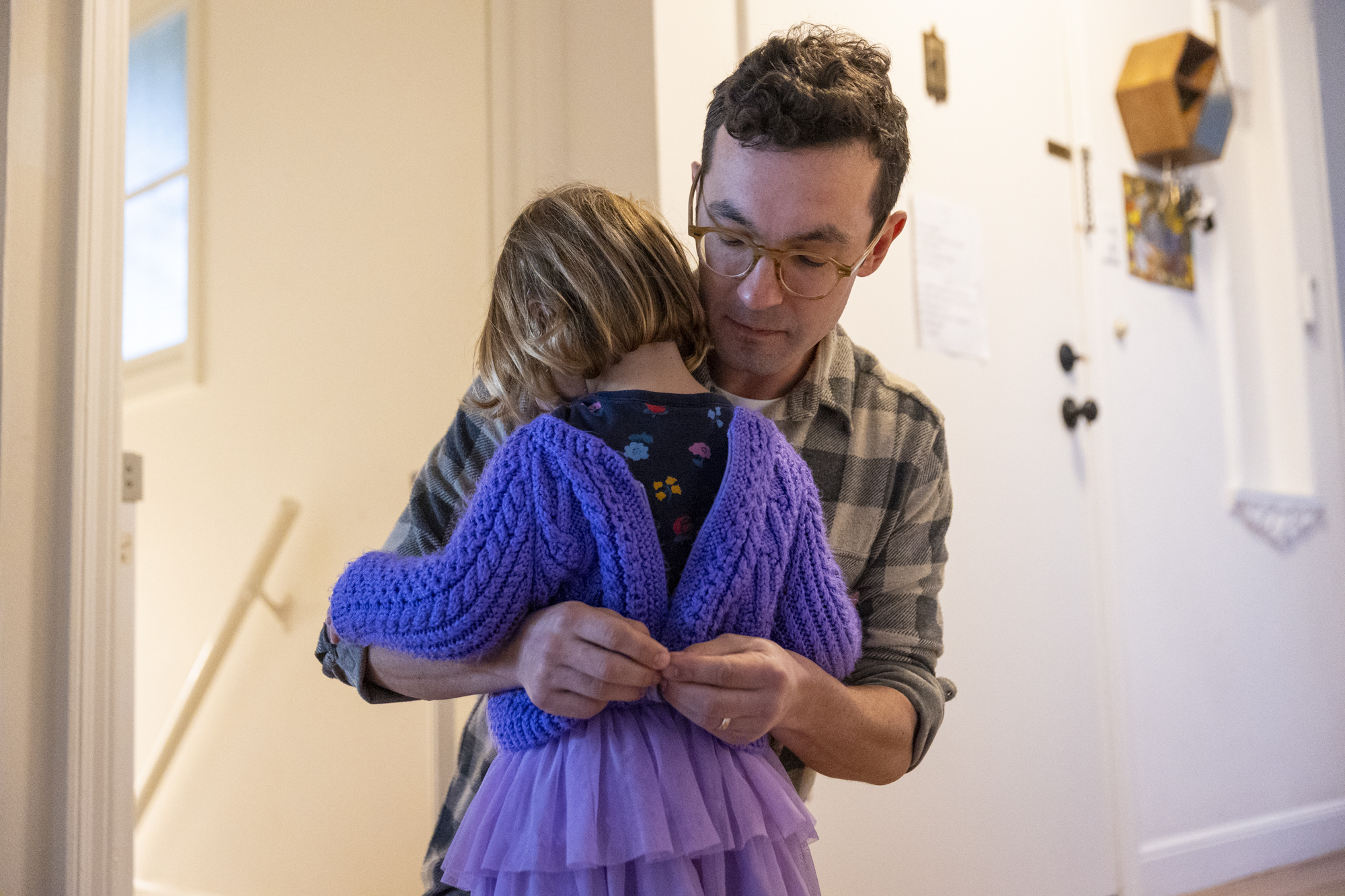
"caption": "Dylan Beighley (right) gets his daughter Bea (left) ready to be picked up by her grandpa in San Francisco on Jan. 15, 2026. San Francisco is expanding access to child care by offering 50% discounts to middle- and upper-middle-income earners in an effort to tackle affordability issues in one of the most expensive cities in the country. ",
"credit": "Tâm Vũ/KQED",
"altTag": null,
"description": null,
"imgSizes": {
"thumbnail": {
"file": "https://cdn.kqed.org/wp-content/uploads/sites/10/2026/01/260115-SFCHILDCARESUBSIDIES00057_TV-KQED-160x107.jpg",
"width": 160,
"height": 107,
"mimeType": "image/jpeg"
},
"1536x1536": {
"file": "https://cdn.kqed.org/wp-content/uploads/sites/10/2026/01/260115-SFCHILDCARESUBSIDIES00057_TV-KQED-1536x1024.jpg",
"width": 1536,
"height": 1024,
"mimeType": "image/jpeg"
},
"post-thumbnail": {
"file": "https://cdn.kqed.org/wp-content/uploads/sites/10/2026/01/260115-SFCHILDCARESUBSIDIES00057_TV-KQED-672x372.jpg",
"width": 672,
"height": 372,
"mimeType": "image/jpeg"
},
"twentyfourteen-full-width": {
"file": "https://cdn.kqed.org/wp-content/uploads/sites/10/2026/01/260115-SFCHILDCARESUBSIDIES00057_TV-KQED-1038x576.jpg",
"width": 1038,
"height": 576,
"mimeType": "image/jpeg"
},
"npr-cds-wide": {
"file": "https://cdn.kqed.org/wp-content/uploads/sites/10/2026/01/260115-SFCHILDCARESUBSIDIES00057_TV-KQED-1200x675.jpg",
"width": 1200,
"height": 675,
"mimeType": "image/jpeg"
},
"kqedFullSize": {
"file": "https://cdn.kqed.org/wp-content/uploads/sites/10/2026/01/260115-SFCHILDCARESUBSIDIES00057_TV-KQED.jpg",
"width": 2000,
"height": 1333
}
},
"isLoading": false,
"fetchFailed": false
},
"news_12051143": {
"type": "attachments",
"id": "news_12051143",
"meta": {
"index": "attachments_1716263798",
"site": "news",
"id": "12051143",
"found": true
},
"title": "The Richmond Police Department Offices in Richmond on Aug. 6, 2025.",
"publishDate": 1754512041,
"status": "inherit",
"parent": 12051745,
"modified": 1754956528,
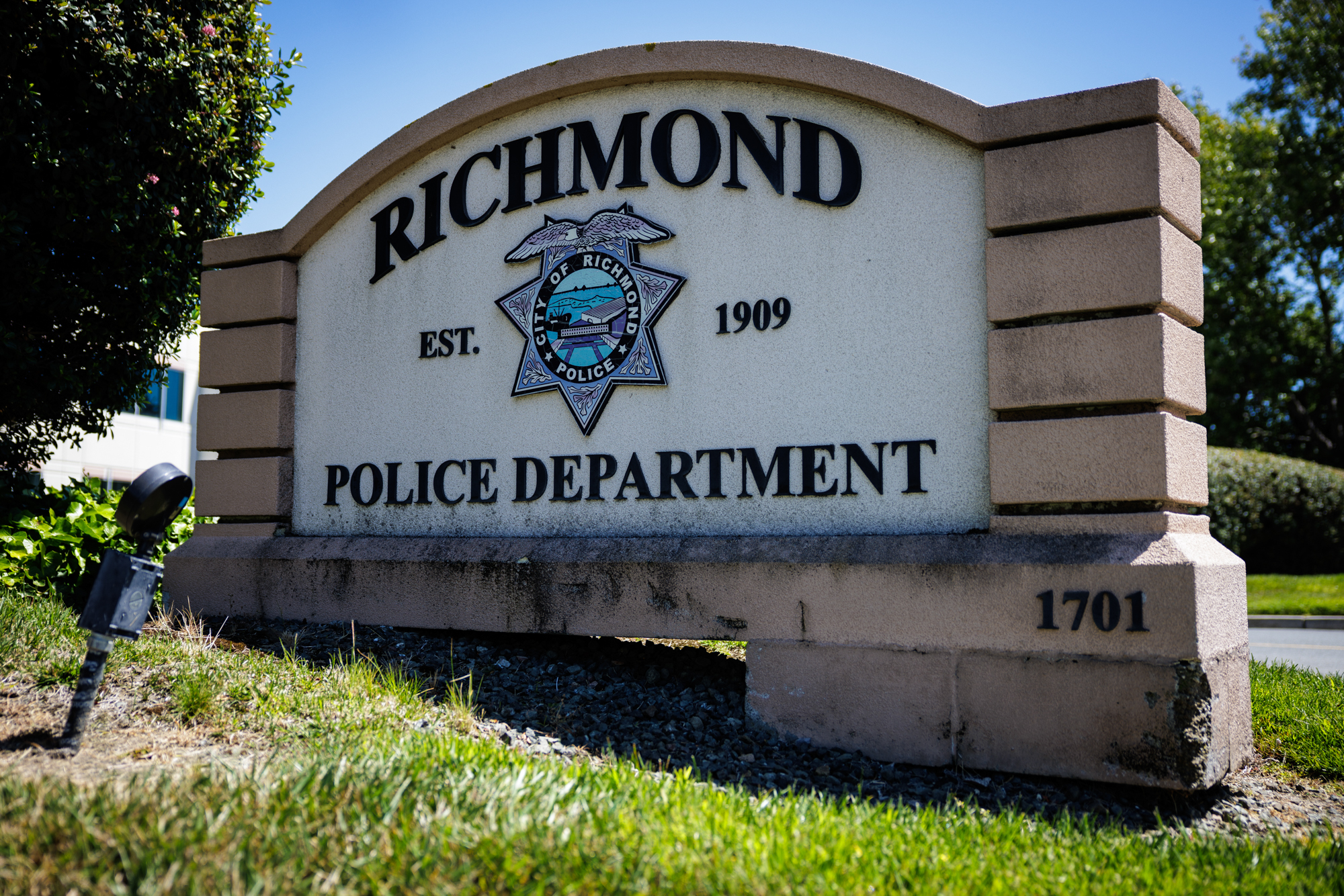
"caption": "The Richmond Police Department in Richmond on Aug. 6, 2025.",
"credit": "Martin do Nascimento/KQED",
"altTag": null,
"description": null,
"imgSizes": {
"thumbnail": {
"file": "https://cdn.kqed.org/wp-content/uploads/sites/10/2025/08/250806-RICHMOND-POLICE-FILE-MD-03-KQED-160x107.jpg",
"width": 160,
"height": 107,
"mimeType": "image/jpeg"
},
"1536x1536": {
"file": "https://cdn.kqed.org/wp-content/uploads/sites/10/2025/08/250806-RICHMOND-POLICE-FILE-MD-03-KQED-1536x1025.jpg",
"width": 1536,
"height": 1025,
"mimeType": "image/jpeg"
},
"post-thumbnail": {
"file": "https://cdn.kqed.org/wp-content/uploads/sites/10/2025/08/250806-RICHMOND-POLICE-FILE-MD-03-KQED-672x372.jpg",
"width": 672,
"height": 372,
"mimeType": "image/jpeg"
},
"twentyfourteen-full-width": {
"file": "https://cdn.kqed.org/wp-content/uploads/sites/10/2025/08/250806-RICHMOND-POLICE-FILE-MD-03-KQED-1038x576.jpg",
"width": 1038,
"height": 576,
"mimeType": "image/jpeg"
},
"kqedFullSize": {
"file": "https://cdn.kqed.org/wp-content/uploads/sites/10/2025/08/250806-RICHMOND-POLICE-FILE-MD-03-KQED.jpg",
"width": 2000,
"height": 1334
}
},
"isLoading": false,
"fetchFailed": false
},
"news_12037387": {
"type": "attachments",
"id": "news_12037387",
"meta": {
"index": "attachments_1716263798",
"site": "news",
"id": "12037387",
"found": true
},
"title": "May Day Protests",
"publishDate": 1745447079,
"status": "inherit",
"parent": 12037376,
"modified": 1765486756,
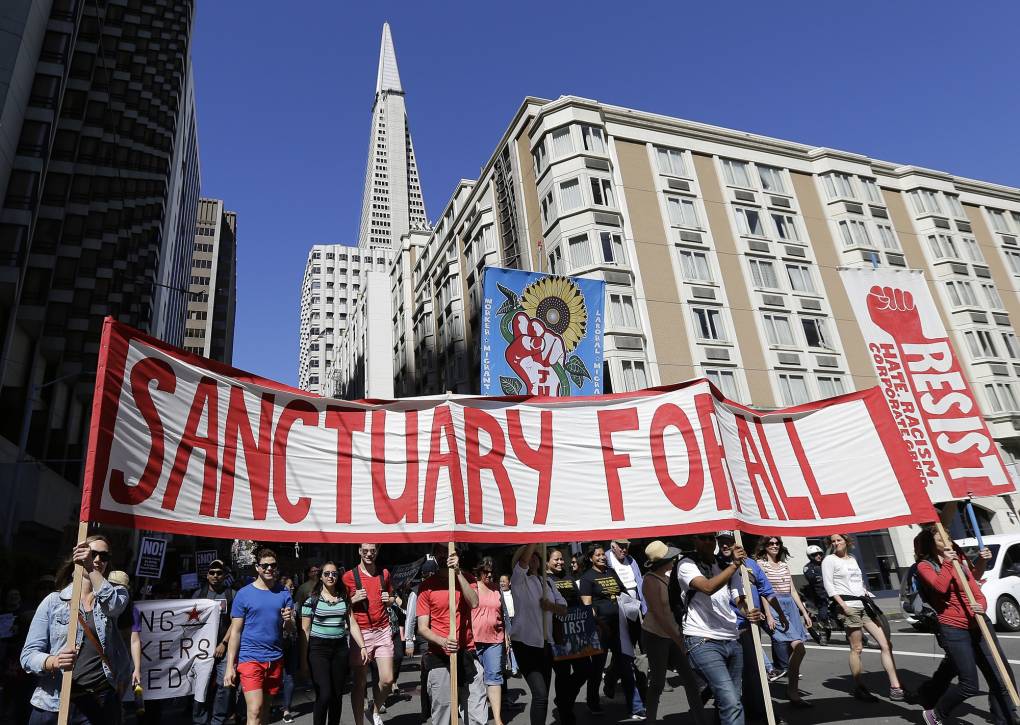
"caption": "Protesters walk during a march in San Francisco on May 1, 2017. ",
"credit": "Jeff Chiu/AP Photo",
"altTag": null,
"description": "Protesters walk during a march in San Francisco on May 1, 2017. Immigrant groups and their allies have joined forces to carry out marches, rallies and protests in cities nationwide to mark May Day, saying there's renewed momentum to fight back against Trump administration policies. ",
"imgSizes": {
"medium": {
"file": "https://cdn.kqed.org/wp-content/uploads/sites/10/2025/04/SanctuaryCitySFTrumpAP-800x569.jpg",
"width": 800,
"height": 569,
"mimeType": "image/jpeg"
},
"large": {
"file": "https://cdn.kqed.org/wp-content/uploads/sites/10/2025/04/SanctuaryCitySFTrumpAP-1020x725.jpg",
"width": 1020,
"height": 725,
"mimeType": "image/jpeg"
},
"thumbnail": {
"file": "https://cdn.kqed.org/wp-content/uploads/sites/10/2025/04/SanctuaryCitySFTrumpAP-160x114.jpg",
"width": 160,
"height": 114,
"mimeType": "image/jpeg"
},
"1536x1536": {
"file": "https://cdn.kqed.org/wp-content/uploads/sites/10/2025/04/SanctuaryCitySFTrumpAP-1536x1092.jpg",
"width": 1536,
"height": 1092,
"mimeType": "image/jpeg"
},
"post-thumbnail": {
"file": "https://cdn.kqed.org/wp-content/uploads/sites/10/2025/04/SanctuaryCitySFTrumpAP-672x372.jpg",
"width": 672,
"height": 372,
"mimeType": "image/jpeg"
},
"twentyfourteen-full-width": {
"file": "https://cdn.kqed.org/wp-content/uploads/sites/10/2025/04/SanctuaryCitySFTrumpAP-1038x576.jpg",
"width": 1038,
"height": 576,
"mimeType": "image/jpeg"
},
"full-width": {
"file": "https://cdn.kqed.org/wp-content/uploads/sites/10/2025/04/SanctuaryCitySFTrumpAP-1920x1365.jpg",
"width": 1920,
"height": 1365,
"mimeType": "image/jpeg"
},
"kqedFullSize": {
"file": "https://cdn.kqed.org/wp-content/uploads/sites/10/2025/04/SanctuaryCitySFTrumpAP.jpg",
"width": 2000,
"height": 1422
}
},
"isLoading": false,
"fetchFailed": false
},
"news_12069534": {
"type": "attachments",
"id": "news_12069534",
"meta": {
"index": "attachments_1716263798",
"site": "news",
"id": "12069534",
"found": true
},
"title": "Hand with a martini glass",
"publishDate": 1768327354,
"status": "inherit",
"parent": 12069387,
"modified": 1768329473,
"caption": "A hand with a martini glass sticks out from the green curtains.",
"credit": "Iuliia Bondar/Getty Images",
"altTag": null,
"description": null,
"imgSizes": {
"thumbnail": {
"file": "https://cdn.kqed.org/wp-content/uploads/sites/10/2026/01/DryJanuaryGetty-160x107.jpg",
"width": 160,
"height": 107,
"mimeType": "image/jpeg"
},
"1536x1536": {
"file": "https://cdn.kqed.org/wp-content/uploads/sites/10/2026/01/DryJanuaryGetty-1536x1024.jpg",
"width": 1536,
"height": 1024,
"mimeType": "image/jpeg"
},
"post-thumbnail": {
"file": "https://cdn.kqed.org/wp-content/uploads/sites/10/2026/01/DryJanuaryGetty-672x372.jpg",
"width": 672,
"height": 372,
"mimeType": "image/jpeg"
},
"twentyfourteen-full-width": {
"file": "https://cdn.kqed.org/wp-content/uploads/sites/10/2026/01/DryJanuaryGetty-1038x576.jpg",
"width": 1038,
"height": 576,
"mimeType": "image/jpeg"
},
"npr-cds-wide": {
"file": "https://cdn.kqed.org/wp-content/uploads/sites/10/2026/01/DryJanuaryGetty-1200x675.jpg",
"width": 1200,
"height": 675,
"mimeType": "image/jpeg"
},
"kqedFullSize": {
"file": "https://cdn.kqed.org/wp-content/uploads/sites/10/2026/01/DryJanuaryGetty.jpg",
"width": 2000,
"height": 1333
}
},
"isLoading": false,
"fetchFailed": false
},
"news_12040913": {
"type": "attachments",
"id": "news_12040913",
"meta": {
"index": "attachments_1716263798",
"site": "news",
"id": "12040913",
"found": true
},
"title": "PARK0412_2",
"publishDate": 1747763607,
"status": "inherit",
"parent": 12040892,
"modified": 1768348223,
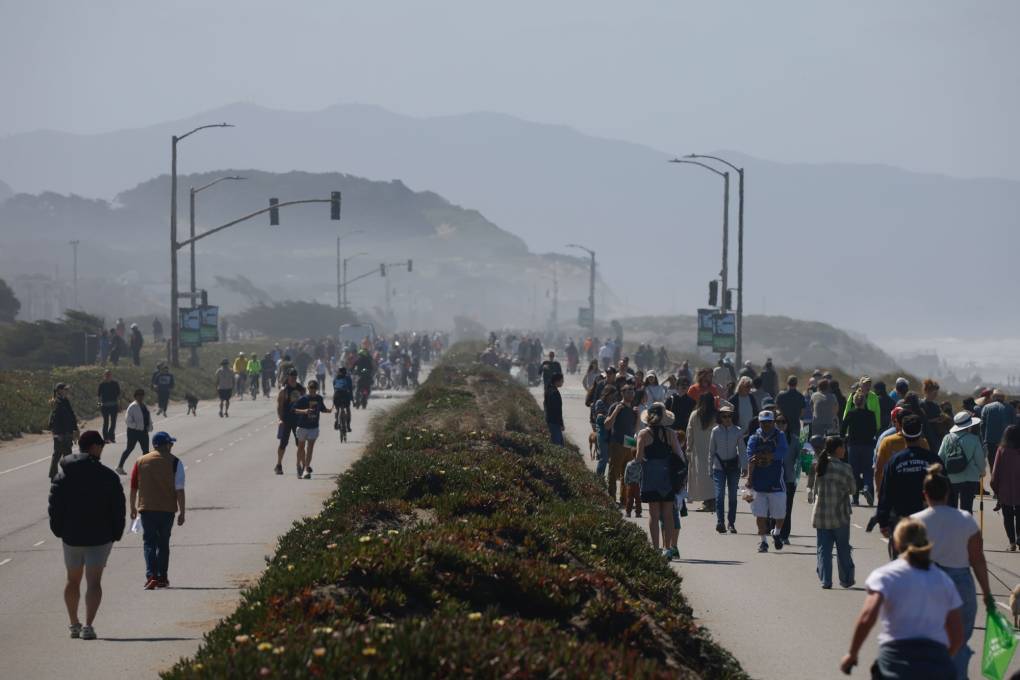
"caption": "Visitors seen during the grand opening of the Sunset Dunes Park along the former Upper Great Highway, in San Francisco, on April 12, 2025.",
"credit": "Stephen Lam/San Francisco Chronicle via Getty Images",
"altTag": null,
"description": null,
"imgSizes": {
"medium": {
"file": "https://cdn.kqed.org/wp-content/uploads/sites/10/2025/05/SunsetDunesGetty-800x533.jpg",
"width": 800,
"height": 533,
"mimeType": "image/jpeg"
},
"large": {
"file": "https://cdn.kqed.org/wp-content/uploads/sites/10/2025/05/SunsetDunesGetty-1020x680.jpg",
"width": 1020,
"height": 680,
"mimeType": "image/jpeg"
},
"thumbnail": {
"file": "https://cdn.kqed.org/wp-content/uploads/sites/10/2025/05/SunsetDunesGetty-160x107.jpg",
"width": 160,
"height": 107,
"mimeType": "image/jpeg"
},
"1536x1536": {
"file": "https://cdn.kqed.org/wp-content/uploads/sites/10/2025/05/SunsetDunesGetty-1536x1024.jpg",
"width": 1536,
"height": 1024,
"mimeType": "image/jpeg"
},
"post-thumbnail": {
"file": "https://cdn.kqed.org/wp-content/uploads/sites/10/2025/05/SunsetDunesGetty-672x372.jpg",
"width": 672,
"height": 372,
"mimeType": "image/jpeg"
},
"twentyfourteen-full-width": {
"file": "https://cdn.kqed.org/wp-content/uploads/sites/10/2025/05/SunsetDunesGetty-1038x576.jpg",
"width": 1038,
"height": 576,
"mimeType": "image/jpeg"
},
"full-width": {
"file": "https://cdn.kqed.org/wp-content/uploads/sites/10/2025/05/SunsetDunesGetty-1920x1280.jpg",
"width": 1920,
"height": 1280,
"mimeType": "image/jpeg"
},
"kqedFullSize": {
"file": "https://cdn.kqed.org/wp-content/uploads/sites/10/2025/05/SunsetDunesGetty.jpg",
"width": 2000,
"height": 1333
}
},
"isLoading": false,
"fetchFailed": false
},
"news_12069121": {
"type": "attachments",
"id": "news_12069121",
"meta": {
"index": "attachments_1716263798",
"site": "news",
"id": "12069121",
"found": true
},
"title": "Renee Nicole Good Killing Protest",
"publishDate": 1767905302,
"status": "inherit",
"parent": 12069104,
"modified": 1768001664,
"caption": "Protesters take part in a vigil for Renee Nicole Good at Fruitvale Plaza Park in Oakland, California, on Wednesday, Jan. 7, 2025. Good, a legal observer, was fatally shot by an ICE agent in Minneapolis on Wednesday. ",
"credit": "Jane Tyska/Digital First Media/East Bay Times via Getty Images",
"altTag": null,
"description": null,
"imgSizes": {
"thumbnail": {
"file": "https://cdn.kqed.org/wp-content/uploads/sites/10/2026/01/ReneeGoodProtestOaklandGetty-160x114.jpg",
"width": 160,
"height": 114,
"mimeType": "image/jpeg"
},
"1536x1536": {
"file": "https://cdn.kqed.org/wp-content/uploads/sites/10/2026/01/ReneeGoodProtestOaklandGetty-1536x1096.jpg",
"width": 1536,
"height": 1096,
"mimeType": "image/jpeg"
},
"post-thumbnail": {
"file": "https://cdn.kqed.org/wp-content/uploads/sites/10/2026/01/ReneeGoodProtestOaklandGetty-672x372.jpg",
"width": 672,
"height": 372,
"mimeType": "image/jpeg"
},
"twentyfourteen-full-width": {
"file": "https://cdn.kqed.org/wp-content/uploads/sites/10/2026/01/ReneeGoodProtestOaklandGetty-1038x576.jpg",
"width": 1038,
"height": 576,
"mimeType": "image/jpeg"
},
"npr-cds-wide": {
"file": "https://cdn.kqed.org/wp-content/uploads/sites/10/2026/01/ReneeGoodProtestOaklandGetty-1200x675.jpg",
"width": 1200,
"height": 675,
"mimeType": "image/jpeg"
},
"kqedFullSize": {
"file": "https://cdn.kqed.org/wp-content/uploads/sites/10/2026/01/ReneeGoodProtestOaklandGetty.jpg",
"width": 2000,
"height": 1427
}
},
"isLoading": false,
"fetchFailed": false
},
"news_11947885": {
"type": "attachments",
"id": "news_11947885",
"meta": {
"index": "attachments_1716263798",
"site": "news",
"id": "11947885",
"found": true
},
"parent": 11947876,
"imgSizes": {
"twentyfourteen-full-width": {
"file": "https://ww2.kqed.org/app/uploads/sites/10/2023/04/RS64575_022_KQED_AntiochPoliceRacistTextProtest_04182023-qut-1038x576.jpg",
"width": 1038,
"mimeType": "image/jpeg",
"height": 576
},
"thumbnail": {
"file": "https://ww2.kqed.org/app/uploads/sites/10/2023/04/RS64575_022_KQED_AntiochPoliceRacistTextProtest_04182023-qut-160x107.jpg",
"width": 160,
"mimeType": "image/jpeg",
"height": 107
},
"post-thumbnail": {
"file": "https://ww2.kqed.org/app/uploads/sites/10/2023/04/RS64575_022_KQED_AntiochPoliceRacistTextProtest_04182023-qut-672x372.jpg",
"width": 672,
"mimeType": "image/jpeg",
"height": 372
},
"kqedFullSize": {
"file": "https://ww2.kqed.org/app/uploads/sites/10/2023/04/RS64575_022_KQED_AntiochPoliceRacistTextProtest_04182023-qut.jpg",
"width": 1920,
"height": 1280
},
"large": {
"file": "https://ww2.kqed.org/app/uploads/sites/10/2023/04/RS64575_022_KQED_AntiochPoliceRacistTextProtest_04182023-qut-1020x680.jpg",
"width": 1020,
"mimeType": "image/jpeg",
"height": 680
},
"1536x1536": {
"file": "https://ww2.kqed.org/app/uploads/sites/10/2023/04/RS64575_022_KQED_AntiochPoliceRacistTextProtest_04182023-qut-1536x1024.jpg",
"width": 1536,
"mimeType": "image/jpeg",
"height": 1024
},
"medium": {
"file": "https://ww2.kqed.org/app/uploads/sites/10/2023/04/RS64575_022_KQED_AntiochPoliceRacistTextProtest_04182023-qut-800x533.jpg",
"width": 800,
"mimeType": "image/jpeg",
"height": 533
}
},
"publishDate": 1682624983,
"modified": 1682625772,
"caption": "Shagoofa Khan leads a rally from the Antioch Police Department to City Hall with dozens of community members on April 18, 2023, to protest the racist and homophobic text messages shared among the department.",
"description": null,
"title": "RS64575_022_KQED_AntiochPoliceRacistTextProtest_04182023-qut",
"credit": "Beth LaBerge/KQED",
"status": "inherit",
"altTag": "A young woman with a bullhorn leads protesters on the street holding signs.",
"isLoading": false,
"fetchFailed": false
},
"news_12066452": {
"type": "attachments",
"id": "news_12066452",
"meta": {
"index": "attachments_1716263798",
"site": "news",
"id": "12066452",
"found": true
},
"title": "3 Agaricus californicus LA 2016 1",
"publishDate": 1765302253,
"status": "inherit",
"parent": 12066441,
"modified": 1765320156,
"caption": "Death Cap Amanitas resemble common edible field and button mushrooms, such as Agaricus californicus, which is toxic but not deadly.",
"credit": "Courtesy of Britt Bunyard",
"altTag": null,
"description": null,
"imgSizes": {
"thumbnail": {
"file": "https://cdn.kqed.org/wp-content/uploads/sites/10/2025/12/3-Agaricus-californicus-LA-2016-1-160x120.jpg",
"width": 160,
"height": 120,
"mimeType": "image/jpeg"
},
"1536x1536": {
"file": "https://cdn.kqed.org/wp-content/uploads/sites/10/2025/12/3-Agaricus-californicus-LA-2016-1-1536x1152.jpg",
"width": 1536,
"height": 1152,
"mimeType": "image/jpeg"
},
"post-thumbnail": {
"file": "https://cdn.kqed.org/wp-content/uploads/sites/10/2025/12/3-Agaricus-californicus-LA-2016-1-672x372.jpg",
"width": 672,
"height": 372,
"mimeType": "image/jpeg"
},
"twentyfourteen-full-width": {
"file": "https://cdn.kqed.org/wp-content/uploads/sites/10/2025/12/3-Agaricus-californicus-LA-2016-1-1038x576.jpg",
"width": 1038,
"height": 576,
"mimeType": "image/jpeg"
},
"npr-cds-wide": {
"file": "https://cdn.kqed.org/wp-content/uploads/sites/10/2025/12/3-Agaricus-californicus-LA-2016-1-1200x675.jpg",
"width": 1200,
"height": 675,
"mimeType": "image/jpeg"
},
"kqedFullSize": {
"file": "https://cdn.kqed.org/wp-content/uploads/sites/10/2025/12/3-Agaricus-californicus-LA-2016-1.jpg",
"width": 2000,
"height": 1500
}
},
"isLoading": false,
"fetchFailed": false
},
"news_12069187": {
"type": "attachments",
"id": "news_12069187",
"meta": {
"index": "attachments_1716263798",
"site": "news",
"id": "12069187",
"found": true
},
"title": "260108-AlanWongGreatHighway-08-BL_qed",
"publishDate": 1767920058,
"status": "inherit",
"parent": 0,
"modified": 1767920105,
"caption": "District 4 Supervisor Alan Wong points to a map highlighting traffic incidents in 2024 and 2025 in the Sunset District during a press conference about the Great Highway at City Hall in San Francisco on Jan. 8, 2026.",
"credit": "Beth LaBerge/KQED",
"altTag": null,
"description": null,
"imgSizes": {
"thumbnail": {
"file": "https://cdn.kqed.org/wp-content/uploads/sites/10/2026/01/260108-AlanWongGreatHighway-08-BL_qed-160x107.jpg",
"width": 160,
"height": 107,
"mimeType": "image/jpeg"
},
"1536x1536": {
"file": "https://cdn.kqed.org/wp-content/uploads/sites/10/2026/01/260108-AlanWongGreatHighway-08-BL_qed-1536x1024.jpg",
"width": 1536,
"height": 1024,
"mimeType": "image/jpeg"
},
"post-thumbnail": {
"file": "https://cdn.kqed.org/wp-content/uploads/sites/10/2026/01/260108-AlanWongGreatHighway-08-BL_qed-672x372.jpg",
"width": 672,
"height": 372,
"mimeType": "image/jpeg"
},
"twentyfourteen-full-width": {
"file": "https://cdn.kqed.org/wp-content/uploads/sites/10/2026/01/260108-AlanWongGreatHighway-08-BL_qed-1038x576.jpg",
"width": 1038,
"height": 576,
"mimeType": "image/jpeg"
},
"npr-cds-wide": {
"file": "https://cdn.kqed.org/wp-content/uploads/sites/10/2026/01/260108-AlanWongGreatHighway-08-BL_qed-1200x675.jpg",
"width": 1200,
"height": 675,
"mimeType": "image/jpeg"
},
"kqedFullSize": {
"file": "https://cdn.kqed.org/wp-content/uploads/sites/10/2026/01/260108-AlanWongGreatHighway-08-BL_qed.jpg",
"width": 2000,
"height": 1333
}
},
"isLoading": false,
"fetchFailed": false
},
"news_12069165": {
"type": "attachments",
"id": "news_12069165",
"meta": {
"index": "attachments_1716263798",
"site": "news",
"id": "12069165",
"found": true
},
"title": "Measles Outbreak",
"publishDate": 1767916977,
"status": "inherit",
"parent": 12069161,
"modified": 1767917017,
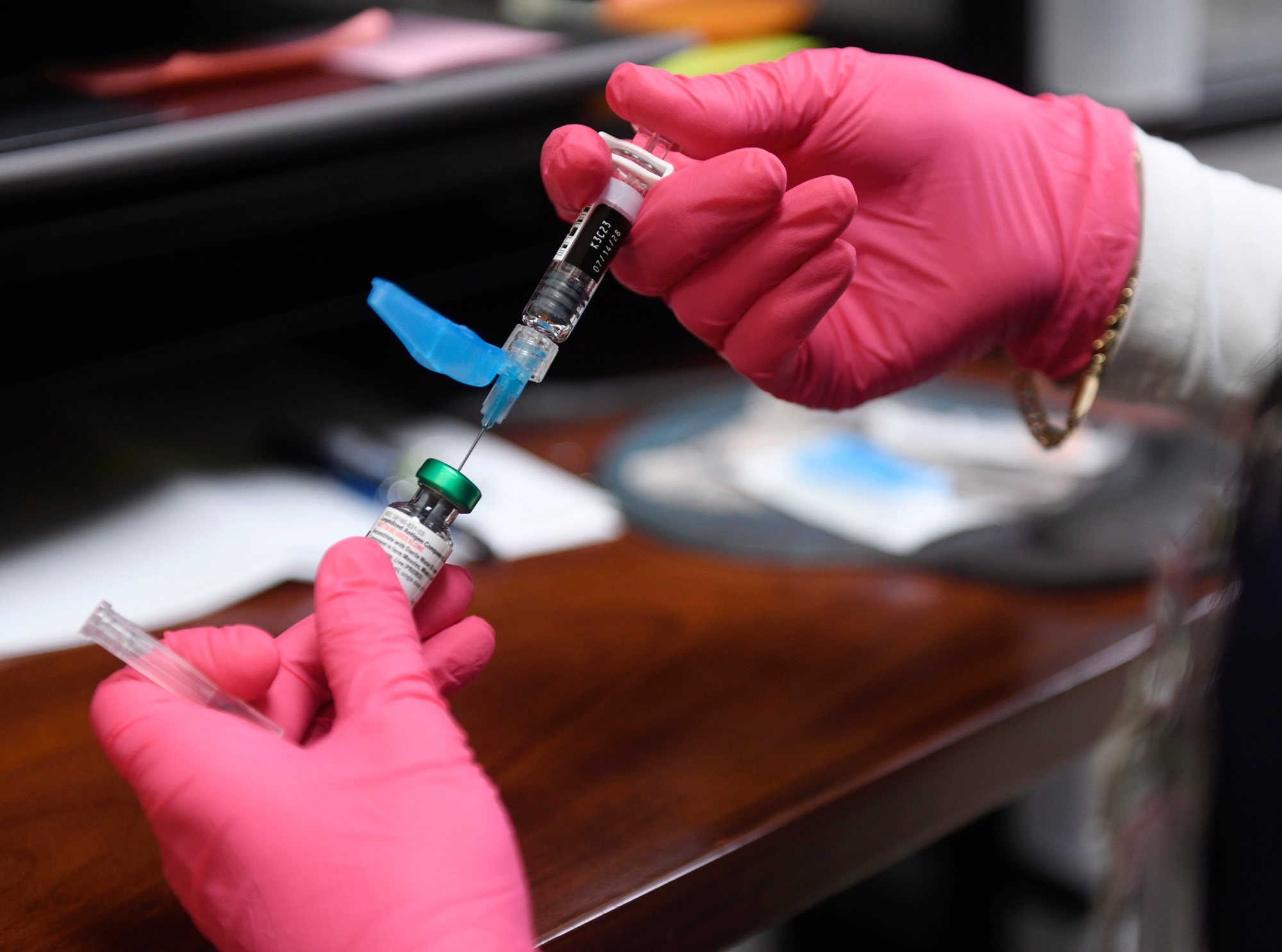
"caption": "A nurse prepares a measles, mumps and rubella vaccine at the Andrews County Health Department on April 8, 2025, in Andrews, Texas. ",
"credit": "Annie Rice/AP Photo",
"altTag": null,
"description": null,
"imgSizes": {
"thumbnail": {
"file": "https://cdn.kqed.org/wp-content/uploads/sites/10/2026/01/MeaslesAP-160x119.jpg",
"width": 160,
"height": 119,
"mimeType": "image/jpeg"
},
"1536x1536": {
"file": "https://cdn.kqed.org/wp-content/uploads/sites/10/2026/01/MeaslesAP-1536x1140.jpg",
"width": 1536,
"height": 1140,
"mimeType": "image/jpeg"
},
"post-thumbnail": {
"file": "https://cdn.kqed.org/wp-content/uploads/sites/10/2026/01/MeaslesAP-672x372.jpg",
"width": 672,
"height": 372,
"mimeType": "image/jpeg"
},
"twentyfourteen-full-width": {
"file": "https://cdn.kqed.org/wp-content/uploads/sites/10/2026/01/MeaslesAP-1038x576.jpg",
"width": 1038,
"height": 576,
"mimeType": "image/jpeg"
},
"npr-cds-wide": {
"file": "https://cdn.kqed.org/wp-content/uploads/sites/10/2026/01/MeaslesAP-1200x675.jpg",
"width": 1200,
"height": 675,
"mimeType": "image/jpeg"
},
"kqedFullSize": {
"file": "https://cdn.kqed.org/wp-content/uploads/sites/10/2026/01/MeaslesAP.jpg",
"width": 2000,
"height": 1485
}
},
"isLoading": false,
"fetchFailed": false
},
"news_12069091": {
"type": "attachments",
"id": "news_12069091",
"meta": {
"index": "attachments_1716263798",
"site": "news",
"id": "12069091",
"found": true
},
"title": "San Francisco Sees Historically Cold Summer With Record Rain In July",
"publishDate": 1767896015,
"status": "inherit",
"parent": 12069084,
"modified": 1767911736,
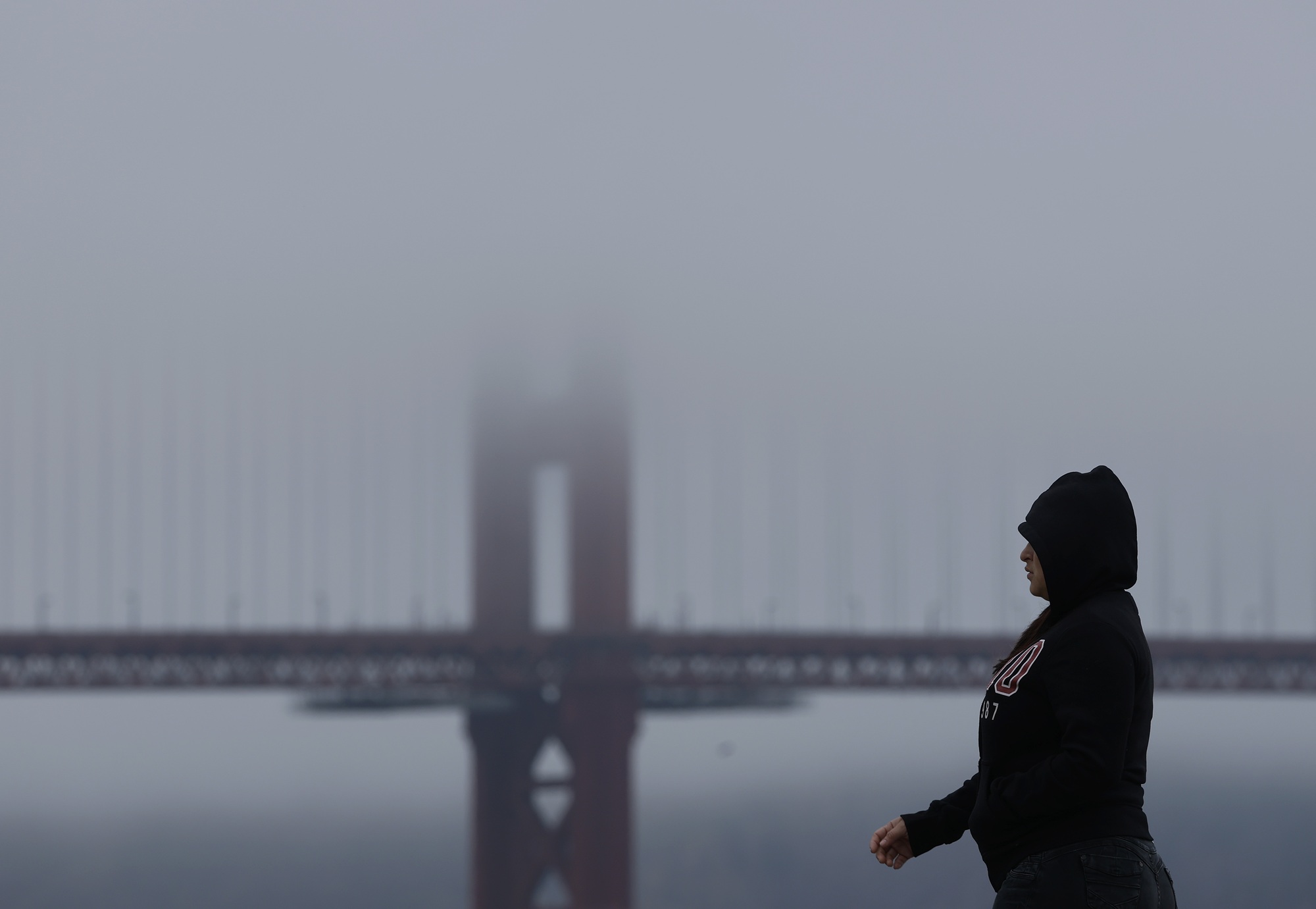
"caption": "A pedestrian walks by a fog-shrouded Golden Gate Bridge on July 30, 2025, in San Francisco, California. As summer temperatures soar to record highs across much of the U.S., San Francisco is experiencing a historically cold summer as a persistent marine layer hangs over the city on most days, keeping daily temperatures in the 50s and 60s. The constant fog has produced five days of measurable precipitation in July for the first time since 1850. Since May, San Francisco has only once reached a daytime high temperature of 70 degrees.",
"credit": "Justin Sullivan/Getty Images",
"altTag": null,
"description": null,
"imgSizes": {
"thumbnail": {
"file": "https://cdn.kqed.org/wp-content/uploads/sites/10/2026/01/BayAreaColdWeatherSFGetty-160x110.jpg",
"width": 160,
"height": 110,
"mimeType": "image/jpeg"
},
"1536x1536": {
"file": "https://cdn.kqed.org/wp-content/uploads/sites/10/2026/01/BayAreaColdWeatherSFGetty-1536x1061.jpg",
"width": 1536,
"height": 1061,
"mimeType": "image/jpeg"
},
"post-thumbnail": {
"file": "https://cdn.kqed.org/wp-content/uploads/sites/10/2026/01/BayAreaColdWeatherSFGetty-672x372.jpg",
"width": 672,
"height": 372,
"mimeType": "image/jpeg"
},
"twentyfourteen-full-width": {
"file": "https://cdn.kqed.org/wp-content/uploads/sites/10/2026/01/BayAreaColdWeatherSFGetty-1038x576.jpg",
"width": 1038,
"height": 576,
"mimeType": "image/jpeg"
},
"npr-cds-wide": {
"file": "https://cdn.kqed.org/wp-content/uploads/sites/10/2026/01/BayAreaColdWeatherSFGetty-1200x675.jpg",
"width": 1200,
"height": 675,
"mimeType": "image/jpeg"
},
"kqedFullSize": {
"file": "https://cdn.kqed.org/wp-content/uploads/sites/10/2026/01/BayAreaColdWeatherSFGetty.jpg",
"width": 2000,
"height": 1381
}
},
"isLoading": false,
"fetchFailed": false
},
"news_12068991": {
"type": "attachments",
"id": "news_12068991",
"meta": {
"index": "attachments_1716263798",
"site": "news",
"id": "12068991",
"found": true
},
"title": "Zyn Nicotine Pouches Come Under Political Scrutiny",
"publishDate": 1767826780,
"status": "inherit",
"parent": 12068987,
"modified": 1767837088,
"caption": "In this photo illustration, ZYN nicotine cases and pouches are seen on a table on Jan. 29, 2024, in New York City. Sen. Chuck Schumer, D-New York, is calling for federal action on ZYN, a popular nicotine pouch in the United States. The senator is asking the FTC and FDA to investigate the companies marketing and the health effects of the nicotine pouch.",
"credit": "Illustration by Michael M. Santiago/Getty Images",
"altTag": null,
"description": null,
"imgSizes": {
"thumbnail": {
"file": "https://cdn.kqed.org/wp-content/uploads/sites/10/2026/01/zyngetty-160x107.jpg",
"width": 160,
"height": 107,
"mimeType": "image/jpeg"
},
"1536x1536": {
"file": "https://cdn.kqed.org/wp-content/uploads/sites/10/2026/01/zyngetty-1536x1024.jpg",
"width": 1536,
"height": 1024,
"mimeType": "image/jpeg"
},
"post-thumbnail": {
"file": "https://cdn.kqed.org/wp-content/uploads/sites/10/2026/01/zyngetty-672x372.jpg",
"width": 672,
"height": 372,
"mimeType": "image/jpeg"
},
"twentyfourteen-full-width": {
"file": "https://cdn.kqed.org/wp-content/uploads/sites/10/2026/01/zyngetty-1038x576.jpg",
"width": 1038,
"height": 576,
"mimeType": "image/jpeg"
},
"npr-cds-wide": {
"file": "https://cdn.kqed.org/wp-content/uploads/sites/10/2026/01/zyngetty-1200x675.jpg",
"width": 1200,
"height": 675,
"mimeType": "image/jpeg"
},
"kqedFullSize": {
"file": "https://cdn.kqed.org/wp-content/uploads/sites/10/2026/01/zyngetty.jpg",
"width": 2000,
"height": 1333
}
},
"isLoading": false,
"fetchFailed": false
}
},
"audioPlayerReducer": {
"postId": "stream_live",
"isPaused": true,
"isPlaying": false,
"pfsActive": false,
"pledgeModalIsOpen": true,
"playerDrawerIsOpen": false,
"liveAudioPlayStartedAt": 0,
"liveAudioPlayContext": ""
},
"authorsReducer": {
"kqed": {
"type": "authors",
"id": "236",
"meta": {
"index": "authors_1716337520",
"id": "236",
"found": true
},
"name": "KQED News Staff",
"firstName": "KQED News Staff",
"lastName": null,
"slug": "kqed",
"email": "faq@kqed.org",
"display_author_email": false,
"staff_mastheads": [],
"title": null,
"bio": null,
"avatar": "https://secure.gravatar.com/avatar/ef0e801a68c4c54afa9180db14084167?s=600&d=blank&r=g",
"twitter": null,
"facebook": null,
"instagram": null,
"linkedin": null,
"sites": [
{
"site": "arts",
"roles": [
"contributor"
]
},
{
"site": "news",
"roles": [
"editor"
]
},
{
"site": "futureofyou",
"roles": [
"author"
]
}
],
"headData": {
"title": "KQED News Staff | KQED",
"description": null,
"ogImgSrc": "https://secure.gravatar.com/avatar/ef0e801a68c4c54afa9180db14084167?s=600&d=blank&r=g",
"twImgSrc": "https://secure.gravatar.com/avatar/ef0e801a68c4c54afa9180db14084167?s=600&d=blank&r=g"
},
"isLoading": false,
"link": "/author/kqed"
},
"carlysevern": {
"type": "authors",
"id": "3243",
"meta": {
"index": "authors_1716337520",
"id": "3243",
"found": true
},
"name": "Carly Severn",
"firstName": "Carly",
"lastName": "Severn",
"slug": "carlysevern",
"email": "csevern@kqed.org",
"display_author_email": false,
"staff_mastheads": [
"news"
],
"title": "Senior Editor, Audience News ",
"bio": "Carly is KQED's Senior Editor of Audience News on the Digital News team, and has reported for the California Report Magazine, Bay Curious and KQED Arts. She's formerly the host of \u003ca href=\"http://ww2.kqed.org/pop/category/the-cooler/\" rel=\"noopener noreferrer\">The Cooler\u003c/a> podcast.",
"avatar": "https://secure.gravatar.com/avatar/54037bf5c128fe678f0ef26cec97a93f2e7f220a22d7285703328f12c42c1b1d?s=600&d=blank&r=g",
"twitter": "teacupinthebay",
"bluesky": null,
"facebook": null,
"instagram": null,
"linkedin": null,
"sites": [
{
"site": "",
"roles": [
"editor"
]
},
{
"site": "arts",
"roles": [
"editor"
]
},
{
"site": "news",
"roles": [
"administrator"
]
},
{
"site": "pop",
"roles": [
"editor"
]
},
{
"site": "futureofyou",
"roles": [
"editor"
]
},
{
"site": "about",
"roles": [
"administrator"
]
},
{
"site": "mindshift",
"roles": [
"editor"
]
},
{
"site": "bayareabites",
"roles": [
"editor"
]
},
{
"site": "stateofhealth",
"roles": [
"editor"
]
},
{
"site": "science",
"roles": [
"editor"
]
},
{
"site": "food",
"roles": [
"contributor"
]
},
{
"site": "forum",
"roles": [
"editor"
]
},
{
"site": "perspectives",
"roles": [
"administrator"
]
},
{
"site": "liveblog",
"roles": [
"editor"
]
}
],
"headData": {
"title": "Carly Severn | KQED",
"description": "Senior Editor, Audience News ",
"ogImgSrc": "https://secure.gravatar.com/avatar/54037bf5c128fe678f0ef26cec97a93f2e7f220a22d7285703328f12c42c1b1d?s=600&d=blank&r=g",
"twImgSrc": "https://secure.gravatar.com/avatar/54037bf5c128fe678f0ef26cec97a93f2e7f220a22d7285703328f12c42c1b1d?s=600&d=blank&r=g"
},
"isLoading": false,
"link": "/author/carlysevern"
},
"bwatt": {
"type": "authors",
"id": "11238",
"meta": {
"index": "authors_1716337520",
"id": "11238",
"found": true
},
"name": "Brian Watt",
"firstName": "Brian",
"lastName": "Watt",
"slug": "bwatt",
"email": "bwatt@KQED.org",
"display_author_email": false,
"staff_mastheads": [
"news"
],
"title": "Morning News Anchor",
"bio": "Brian Watt is KQED's morning radio news anchor. He joined the KQED News team in April of 2016. Prior to that, he worked as a Reporter for KPCC in Los Angeles and a producer at \u003cem>Marketplace.\u003c/em>\r\n\r\nDuring eight years at KPCC, Brian covered business and economics, and his work won several awards. In 2008, he won the Los Angeles Press Club’s first-place award for Business and Financial Reporting, Broadcast. He’s also received honorable mention and been first runner up for the Press Club’s Radio Journalist of the Year. He won two Golden Mike awards from the Radio and TV News Association of Southern California.\r\n\r\nBrian holds degrees in theater from Yale University and the Sorbonne, and has worked as an actor in France, Italy, Brazil, Hungary and . . . Hollywood. He appeared in a few television shows, including \u003cem>The West Wing, Judging Amy\u003c/em> and \u003cem>The District.\u003c/em>\r\n\r\nEmail: bwatt@KQED.org Twitter: @RadioBWatt",
"avatar": "https://secure.gravatar.com/avatar/55393ff57ed34e2be773ba4789dd6a19?s=600&d=blank&r=g",
"twitter": "@RadioBWatt",
"facebook": null,
"instagram": null,
"linkedin": null,
"sites": [
{
"site": "arts",
"roles": [
"contributor"
]
},
{
"site": "news",
"roles": [
"editor"
]
}
],
"headData": {
"title": "Brian Watt | KQED",
"description": "Morning News Anchor",
"ogImgSrc": "https://secure.gravatar.com/avatar/55393ff57ed34e2be773ba4789dd6a19?s=600&d=blank&r=g",
"twImgSrc": "https://secure.gravatar.com/avatar/55393ff57ed34e2be773ba4789dd6a19?s=600&d=blank&r=g"
},
"isLoading": false,
"link": "/author/bwatt"
},
"ccabreralomeli": {
"type": "authors",
"id": "11708",
"meta": {
"index": "authors_1716337520",
"id": "11708",
"found": true
},
"name": "Carlos Cabrera-Lomelí",
"firstName": "Carlos",
"lastName": "Cabrera-Lomelí",
"slug": "ccabreralomeli",
"email": "ccabreralomeli@KQED.org",
"display_author_email": true,
"staff_mastheads": [
"news"
],
"title": "Community Reporter",
"bio": "Carlos Cabrera-Lomelí is a community reporter with KQED's digital engagement team. He also reports and co-produces for KQED's bilingual news hub KQED en Español. He grew up in San Francisco's Mission District and has previously worked with Univision, 48 Hills and REFORMA in Mexico City.",
"avatar": "https://secure.gravatar.com/avatar/c309be9665e484f887b818c89e273ecc673004f426f36b24d00a4d813a2e0518?s=600&d=blank&r=g",
"twitter": "@LomeliCabrera",
"bluesky": null,
"facebook": null,
"instagram": null,
"linkedin": null,
"sites": [
{
"site": "arts",
"roles": [
"editor"
]
},
{
"site": "news",
"roles": [
"editor"
]
},
{
"site": "about",
"roles": [
"editor"
]
},
{
"site": "science",
"roles": [
"editor"
]
},
{
"site": "perspectives",
"roles": [
"editor"
]
},
{
"site": "elections",
"roles": [
"editor"
]
},
{
"site": "liveblog",
"roles": [
"contributor"
]
}
],
"headData": {
"title": "Carlos Cabrera-Lomelí | KQED",
"description": "Community Reporter",
"ogImgSrc": "https://secure.gravatar.com/avatar/c309be9665e484f887b818c89e273ecc673004f426f36b24d00a4d813a2e0518?s=600&d=blank&r=g",
"twImgSrc": "https://secure.gravatar.com/avatar/c309be9665e484f887b818c89e273ecc673004f426f36b24d00a4d813a2e0518?s=600&d=blank&r=g"
},
"isLoading": false,
"link": "/author/ccabreralomeli"
},
"agonzalez": {
"type": "authors",
"id": "11724",
"meta": {
"index": "authors_1716337520",
"id": "11724",
"found": true
},
"name": "Alexander Gonzalez",
"firstName": "Alexander",
"lastName": "Gonzalez",
"slug": "agonzalez",
"email": "AlexanderGonzalez@KQED.org",
"display_author_email": false,
"staff_mastheads": [
"news"
],
"title": "KQED Contributor",
"bio": null,
"avatar": "https://secure.gravatar.com/avatar/9e291ed34e154df4c662edf858b641d70b4859939bfe40be478408f9dfd057d2?s=600&d=blank&r=g",
"twitter": null,
"bluesky": null,
"facebook": null,
"instagram": null,
"linkedin": null,
"sites": [
{
"site": "arts",
"roles": [
"editor"
]
},
{
"site": "news",
"roles": [
"editor"
]
},
{
"site": "science",
"roles": [
"editor"
]
}
],
"headData": {
"title": "Alexander Gonzalez | KQED",
"description": "KQED Contributor",
"ogImgSrc": "https://secure.gravatar.com/avatar/9e291ed34e154df4c662edf858b641d70b4859939bfe40be478408f9dfd057d2?s=600&d=blank&r=g",
"twImgSrc": "https://secure.gravatar.com/avatar/9e291ed34e154df4c662edf858b641d70b4859939bfe40be478408f9dfd057d2?s=600&d=blank&r=g"
},
"isLoading": false,
"link": "/author/agonzalez"
},
"jlara": {
"type": "authors",
"id": "11761",
"meta": {
"index": "authors_1716337520",
"id": "11761",
"found": true
},
"name": "Juan Carlos Lara",
"firstName": "Juan Carlos",
"lastName": "Lara",
"slug": "jlara",
"email": "jlara@kqed.org",
"display_author_email": false,
"staff_mastheads": [],
"title": "KQED Contributor",
"bio": null,
"avatar": "https://secure.gravatar.com/avatar/19e2052b9b05657c5ff2af2121846e9c?s=600&d=blank&r=g",
"twitter": null,
"facebook": null,
"instagram": null,
"linkedin": null,
"sites": [
{
"site": "arts",
"roles": [
"editor"
]
},
{
"site": "news",
"roles": [
"editor"
]
},
{
"site": "forum",
"roles": [
"editor"
]
},
{
"site": "liveblog",
"roles": [
"contributor"
]
}
],
"headData": {
"title": "Juan Carlos Lara | KQED",
"description": "KQED Contributor",
"ogImgSrc": "https://secure.gravatar.com/avatar/19e2052b9b05657c5ff2af2121846e9c?s=600&d=blank&r=g",
"twImgSrc": "https://secure.gravatar.com/avatar/19e2052b9b05657c5ff2af2121846e9c?s=600&d=blank&r=g"
},
"isLoading": false,
"link": "/author/jlara"
},
"daisynguyen": {
"type": "authors",
"id": "11829",
"meta": {
"index": "authors_1716337520",
"id": "11829",
"found": true
},
"name": "Daisy Nguyen",
"firstName": "Daisy",
"lastName": "Nguyen",
"slug": "daisynguyen",
"email": "daisynguyen@kqed.org",
"display_author_email": true,
"staff_mastheads": [
"news"
],
"title": "KQED Contributor",
"bio": "I have covered early childhood education and child care for KQED since 2022. I focus on policies aimed at increasing access to early care and education and how they shape individual lives. I've been a journalist for more than two decades, with most of that time devoted to covering breaking news throughout California for The Associated Press. I grew up in San Francisco and studied at UC Davis and Columbia University's Graduate School of Journalism. I live in Oakland with my husband and two kids.",
"avatar": "https://secure.gravatar.com/avatar/2da2127c27f7143b53ebd419800fd55f?s=600&d=blank&r=g",
"twitter": null,
"facebook": null,
"instagram": null,
"linkedin": "https://www.linkedin.com/in/daisynguyen/",
"sites": [
{
"site": "news",
"roles": [
"author"
]
},
{
"site": "liveblog",
"roles": [
"author"
]
}
],
"headData": {
"title": "Daisy Nguyen | KQED",
"description": "KQED Contributor",
"ogImgSrc": "https://secure.gravatar.com/avatar/2da2127c27f7143b53ebd419800fd55f?s=600&d=blank&r=g",
"twImgSrc": "https://secure.gravatar.com/avatar/2da2127c27f7143b53ebd419800fd55f?s=600&d=blank&r=g"
},
"isLoading": false,
"link": "/author/daisynguyen"
},
"sjohnson": {
"type": "authors",
"id": "11840",
"meta": {
"index": "authors_1716337520",
"id": "11840",
"found": true
},
"name": "Sydney Johnson",
"firstName": "Sydney",
"lastName": "Johnson",
"slug": "sjohnson",
"email": "sjohnson@kqed.org",
"display_author_email": false,
"staff_mastheads": [
"news"
],
"title": "KQED Reporter",
"bio": "Sydney Johnson is a general assignment reporter at KQED. She previously reported on public health and city government at the San Francisco Examiner, and before that, she covered statewide education policy for EdSource. Her reporting has won multiple local, state and national awards. Sydney is a graduate of the University of California, Berkeley and lives in San Francisco.",
"avatar": "https://secure.gravatar.com/avatar/97855f2719b72ad6190b7c535fe642c8?s=600&d=blank&r=g",
"twitter": "sydneyfjohnson",
"facebook": null,
"instagram": null,
"linkedin": null,
"sites": [
{
"site": "news",
"roles": [
"editor"
]
}
],
"headData": {
"title": "Sydney Johnson | KQED",
"description": "KQED Reporter",
"ogImgSrc": "https://secure.gravatar.com/avatar/97855f2719b72ad6190b7c535fe642c8?s=600&d=blank&r=g",
"twImgSrc": "https://secure.gravatar.com/avatar/97855f2719b72ad6190b7c535fe642c8?s=600&d=blank&r=g"
},
"isLoading": false,
"link": "/author/sjohnson"
},
"kdebenedetti": {
"type": "authors",
"id": "11913",
"meta": {
"index": "authors_1716337520",
"id": "11913",
"found": true
},
"name": "Katie DeBenedetti",
"firstName": "Katie",
"lastName": "DeBenedetti",
"slug": "kdebenedetti",
"email": "kdebenedetti@kqed.org",
"display_author_email": false,
"staff_mastheads": [
"news",
"science"
],
"title": "KQED Contributor",
"bio": "Katie DeBenedetti is a digital reporter covering daily news for the Express Desk. Prior to joining KQED as a culture reporting intern in January 2024, she covered education and city government for the Napa Valley Register.",
"avatar": "https://secure.gravatar.com/avatar/6e31073cb8f7e4214ab03f42771d0f45?s=600&d=blank&r=g",
"twitter": null,
"facebook": null,
"instagram": null,
"linkedin": null,
"sites": [
{
"site": "news",
"roles": [
"author"
]
},
{
"site": "science",
"roles": [
"author"
]
},
{
"site": "liveblog",
"roles": [
"author"
]
}
],
"headData": {
"title": "Katie DeBenedetti | KQED",
"description": "KQED Contributor",
"ogImgSrc": "https://secure.gravatar.com/avatar/6e31073cb8f7e4214ab03f42771d0f45?s=600&d=blank&r=g",
"twImgSrc": "https://secure.gravatar.com/avatar/6e31073cb8f7e4214ab03f42771d0f45?s=600&d=blank&r=g"
},
"isLoading": false,
"link": "/author/kdebenedetti"
},
"emanoukian": {
"type": "authors",
"id": "11925",
"meta": {
"index": "authors_1716337520",
"id": "11925",
"found": true
},
"name": "Elize Manoukian",
"firstName": "Elize",
"lastName": "Manoukian",
"slug": "emanoukian",
"email": "emanoukian@KQED.org",
"display_author_email": false,
"staff_mastheads": [
"news"
],
"title": "Digital News Editor",
"bio": "Elize Manoukian is an award-winning audio producer and Senior Editor on the Express Desk, KQED's digital news platform. Her work has appeared on KPFA, Interlochen Public Radio, Oregon Public Broadcast, the New York Daily News, LA Times and the San Diego Union-Tribune.",
"avatar": "https://secure.gravatar.com/avatar/4525f1a8e46ccb30933b32653d9772064cfefe3fa655eb45b3b3a80341f6bdad?s=600&d=blank&r=g",
"twitter": null,
"bluesky": null,
"facebook": null,
"instagram": null,
"linkedin": null,
"sites": [
{
"site": "arts",
"roles": [
"editor"
]
},
{
"site": "news",
"roles": [
"editor"
]
},
{
"site": "science",
"roles": [
"editor"
]
}
],
"headData": {
"title": "Elize Manoukian | KQED",
"description": "Digital News Editor",
"ogImgSrc": "https://secure.gravatar.com/avatar/4525f1a8e46ccb30933b32653d9772064cfefe3fa655eb45b3b3a80341f6bdad?s=600&d=blank&r=g",
"twImgSrc": "https://secure.gravatar.com/avatar/4525f1a8e46ccb30933b32653d9772064cfefe3fa655eb45b3b3a80341f6bdad?s=600&d=blank&r=g"
},
"isLoading": false,
"link": "/author/emanoukian"
},
"aaliahmad": {
"type": "authors",
"id": "11986",
"meta": {
"index": "authors_1716337520",
"id": "11986",
"found": true
},
"name": "Ayah Ali-Ahmad",
"firstName": "Ayah",
"lastName": "Ali-Ahmad",
"slug": "aaliahmad",
"email": "aaliahmad@KQED.org",
"display_author_email": false,
"staff_mastheads": [],
"title": "KQED Contributor",
"bio": null,
"avatar": "https://secure.gravatar.com/avatar/1cf54f187a5e1064b2cfef3f3d2f1e4f93e453395d56912aca6382a6071ec3ed?s=600&d=blank&r=g",
"twitter": "ayahaliahmad",
"bluesky": null,
"facebook": null,
"instagram": null,
"linkedin": null,
"sites": [
{
"site": "news",
"roles": [
"subscriber"
]
}
],
"headData": {
"title": "Ayah Ali-Ahmad | KQED",
"description": "KQED Contributor",
"ogImgSrc": "https://secure.gravatar.com/avatar/1cf54f187a5e1064b2cfef3f3d2f1e4f93e453395d56912aca6382a6071ec3ed?s=600&d=blank&r=g",
"twImgSrc": "https://secure.gravatar.com/avatar/1cf54f187a5e1064b2cfef3f3d2f1e4f93e453395d56912aca6382a6071ec3ed?s=600&d=blank&r=g"
},
"isLoading": false,
"link": "/author/aaliahmad"
}
},
"pagesReducer": {
"news_tag_bay-area": {
"type": "terms",
"id": "news_1386",
"meta": {
"index": "terms_1716263798",
"site": "news",
"id": "1386",
"score": 7.788453
},
"featImg": null,
"name": "Bay Area",
"description": null,
"taxonomy": "tag",
"headData": {
"twImgId": null,
"twTitle": null,
"ogTitle": null,
"ogImgId": null,
"twDescription": null,
"description": null,
"title": "Bay Area Archives | KQED News",
"ogDescription": null
},
"ttid": 1398,
"slug": "bay-area",
"isLoading": false,
"title": "Bay Area",
"pageMeta": {
"site": "news",
"WpPageTemplate": "page-topic-editorial",
"currentPage": 37
},
"blocks": [
{
"blockName": "kqed/post-list",
"attrs": {
"layout": "cardArticle2",
"query": "posts/news?tag=bay-area",
"seeMore": false,
"paginated": true,
"page": 37
}
},
{
"blockName": "kqed/ad"
}
]
}
},
"pfsSessionReducer": {},
"postsReducer": {
"stream_live": {
"type": "live",
"id": "stream_live",
"audioUrl": "https://streams.kqed.org/kqedradio",
"title": "Live Stream",
"excerpt": "Live Stream information currently unavailable.",
"link": "/radio",
"featImg": "",
"label": {
"name": "KQED Live",
"link": "/"
}
},
"stream_kqedNewscast": {
"type": "posts",
"id": "stream_kqedNewscast",
"audioUrl": "https://www.kqed.org/.stream/anon/radio/RDnews/newscast.mp3?_=1",
"title": "KQED Newscast",
"featImg": "",
"label": {
"name": "88.5 FM",
"link": "/"
}
},
"news_12069711": {
"type": "posts",
"id": "news_12069711",
"meta": {
"index": "posts_1716263798",
"site": "news",
"id": "12069711",
"score": null,
"sort": [
1768524071000
]
},
"guestAuthors": [],
"slug": "san-francisco-expands-child-care-subsidies-to-tackle-affordability-issues",
"title": "Lurie Vows to Speed Up Universal Access to Child Care: ‘We’re Going to Be the First’",
"publishDate": 1768524071,
"format": "standard",
"headTitle": "Lurie Vows to Speed Up Universal Access to Child Care: ‘We’re Going to Be the First’ | KQED",
"labelTerm": {
"site": "news"
},
"content": "\u003cp>When her almost 3-year-old daughter started going to a Spanish-language preschool in \u003ca href=\"https://www.kqed.org/news/tag/san-francisco\">San Francisco\u003c/a> this month, Sarah Klevan’s child care expenses doubled.\u003c/p>\n\u003cp>Just two afternoons per week of early learning costs $575 per month, but when tacked on to after-school programs, Klevan and her husband are already paying for their 6-year-old son, there was little room left in their budget for anything else.\u003c/p>\n\u003cp>Next to the mortgage, child care takes a big chunk of the couple’s monthly expenses, even when she and her husband earn six figures as a policy researcher and public school librarian, respectively.\u003c/p>\n\u003cp>[ad fullwidth]\u003c/p>\n\u003cp>“We’re really lucky to have family nearby [to provide backup care],” she said. “I really don’t think it would not be feasible for us to live here otherwise.”\u003c/p>\n\u003cp>San Francisco is trying to make life a little more affordable for middle- and upper-middle-income earners like them by expanding access to child care.\u003c/p>\n\u003cfigure id=\"attachment_12069997\" class=\"wp-caption aligncenter\" style=\"max-width: 2000px\">\u003cimg loading=\"lazy\" decoding=\"async\" class=\"size-full wp-image-12069997\" src=\"https://cdn.kqed.org/wp-content/uploads/sites/10/2026/01/260115-SFCHILDCARESUBSIDIES00041_TV-KQED.jpg\" alt=\"\" width=\"2000\" height=\"1333\" srcset=\"https://cdn.kqed.org/wp-content/uploads/sites/10/2026/01/260115-SFCHILDCARESUBSIDIES00041_TV-KQED.jpg 2000w, https://cdn.kqed.org/wp-content/uploads/sites/10/2026/01/260115-SFCHILDCARESUBSIDIES00041_TV-KQED-160x107.jpg 160w, https://cdn.kqed.org/wp-content/uploads/sites/10/2026/01/260115-SFCHILDCARESUBSIDIES00041_TV-KQED-1536x1024.jpg 1536w\" sizes=\"auto, (max-width: 2000px) 100vw, 2000px\">\u003cfigcaption class=\"wp-caption-text\">Sarah Klevan (right), a mother of two, gets her daughter Bea (left) ready to be picked up by her grandpa in San Francisco on Jan. 15, 2026. \u003ccite>(Tâm Vũ/KQED)\u003c/cite>\u003c/figcaption>\u003c/figure>\n\u003cp>Under a plan Mayor Daniel Lurie announced Wednesday, parents who earn up to $311,000 per year for a family of four, or 200% of the area median income, will qualify for 50% discount at \u003ca href=\"https://sfdec.org/early-learning-for-all/\">more than 500 city-funded early childhood education and care programs\u003c/a> starting in July.\u003c/p>\n\u003cp>And a family of four earning less than $233,000 per year, or up to 150% of the area median income, will immediately qualify for free child care.\u003c/p>\n\u003cp>“This is going to remove a huge burden for working parents,” Lurie said Thursday at his state of the city speech.\u003c/p>\n\u003cp>He acknowledged that a family of four needs to earn over $160,000 a year just to meet their basic needs, and vowed to make San Francisco the first major city in the nation to offer universal access to child care.[aside postID=news_12069608 hero='https://cdn.kqed.org/wp-content/uploads/sites/10/2026/01/019_KQED_RichmondHousing_08162022_qed.jpg']“Families are being forced to make impossible choices — delaying having children, sacrificing savings, or leaving the communities they call home,” he said. “I will not let that be the future of San Francisco.”\u003c/p>\n\u003cp>The news offered relief for Klevan, who qualifies for child care subsidies under the new eligibility requirement.\u003c/p>\n\u003cp>“It would be a huge difference for our family,” she said.\u003c/p>\n\u003cp>The subsidies will help her pay for more hours of preschool for her daughter, she said.\u003c/p>\n\u003cp>More than $550 million in unspent money and ongoing funds from a \u003ca href=\"https://www.kqed.org/news/11948690/business-tax-provides-crucial-funding-for-early-childhood-education-and-care-in-san-francisco\">commercial real estate tax that voters approved in 2018\u003c/a> will pay for the expanded subsidies. The goal of the tax measure, dubbed Baby Prop C, was to provide early education and care for all children under 5 years old. But revenue from the measure was tied up by a lawsuit that was resolved in 2021.\u003c/p>\n\u003cp>The city began by first offering free child care to low-income families, then tuition assistance to families earning between 111% to 150% of the area median income.\u003c/p>\n\u003cp>The plan also called for increasing the eligibility threshold to cover families making up to 200% of the area median income, but the city didn’t offer a timeline. That left some child care advocates \u003ca href=\"https://www.sfexaminer.com/news/education/baby-prop-c-expansion-500-million/article_f77319e4-6693-44bb-a9b2-8b229d04910d.html\">frustrated by the pace of the city’s ambitious plan to offer universal child care.\u003c/a>\u003c/p>\n\u003cp>Supervisor Stephen Sherill had previously requested a Feb. 4 hearing with the city’s Department of Early Childhood to ask whether the expansion could happen sooner.\u003c/p>\n\u003cfigure id=\"attachment_12069996\" class=\"wp-caption aligncenter\" style=\"max-width: 2000px\">\u003cimg loading=\"lazy\" decoding=\"async\" class=\"size-full wp-image-12069996\" src=\"https://cdn.kqed.org/wp-content/uploads/sites/10/2026/01/260115-SFCHILDCARESUBSIDIES00006_TV-KQED.jpg\" alt=\"\" width=\"2000\" height=\"1333\" srcset=\"https://cdn.kqed.org/wp-content/uploads/sites/10/2026/01/260115-SFCHILDCARESUBSIDIES00006_TV-KQED.jpg 2000w, https://cdn.kqed.org/wp-content/uploads/sites/10/2026/01/260115-SFCHILDCARESUBSIDIES00006_TV-KQED-160x107.jpg 160w, https://cdn.kqed.org/wp-content/uploads/sites/10/2026/01/260115-SFCHILDCARESUBSIDIES00006_TV-KQED-1536x1024.jpg 1536w\" sizes=\"auto, (max-width: 2000px) 100vw, 2000px\">\u003cfigcaption class=\"wp-caption-text\">Sarah Klevan (top left), and her husband Dylan Beighley (top right) finish up house chores before sending their children Emmett (bottom left) and Bea (bottom right) off to school in San Francisco on Jan. 15, 2026. \u003ccite>(Tâm Vũ/KQED)\u003c/cite>\u003c/figcaption>\u003c/figure>\n\u003cp>“One of the biggest expenses for young families is child care, some paying $3,000 a month per child in some cases,” he said Wednesday. “That is a crazy amount because that’s after taxes. That is a massive expense.”\u003c/p>\n\u003cp>Sherill also cited concerns about how the department is getting the word out to families about their eligibility for the subsidies. After San Francisco expanded them to families earning up to 150% of the area median income in May 2024, only about 200 families signed up, according to data provided by Wu Yee Children’s Services, which is responsible for enrolling eligible families.\u003c/p>\n\u003cp>“That’s a comically low number,” he said. “Does every pediatrician’s office know about this, and are they telling their patients? Does everyone who leaves the maternity ward in San Francisco get information about this? When a family signs up online for a slot, are they informed of this subsidy?”\u003c/p>\n\u003cp>Sherill asked, “If not enough people take advantage, then what is the point of this program?”\u003c/p>\n\u003cp>\u003cem>Editor’s Note: This story was updated on Jan. 15, 2026, to correct Klevan’s monthly child care expenses and include additional quotes from Lurie. \u003c/em>\u003c/p>\n\u003cp>\u003c/p>\n",
"blocks": [],
"excerpt": "The city is using more than $550 million in unspent money and ongoing funds from a commercial real estate tax to pay for child care subsidies. Mayor Daniel Lurie on Thursday vowed to make San Francisco the first major U.S. city to make sure every family has access to child care.",
"status": "publish",
"parent": 0,
"modified": 1768524102,
"stats": {
"hasAudio": false,
"hasVideo": false,
"hasChartOrMap": false,
"iframeSrcs": [],
"hasGoogleForm": false,
"hasGallery": false,
"hasHearkenModule": false,
"hasPolis": false,
"paragraphCount": 23,
"wordCount": 873
},
"headData": {
"title": "Lurie Vows to Speed Up Universal Access to Child Care: ‘We’re Going to Be the First’ | KQED",
"description": "The city is using more than $550 million in unspent money and ongoing funds from a commercial real estate tax to pay for child care subsidies. Mayor Daniel Lurie on Thursday vowed to make San Francisco the first major U.S. city to make sure every family has access to child care.",
"ogTitle": "",
"ogDescription": "",
"ogImgId": "",
"twTitle": "",
"twDescription": "",
"twImgId": "",
"schema": {
"@context": "https://schema.org",
"@type": "NewsArticle",
"headline": "Lurie Vows to Speed Up Universal Access to Child Care: ‘We’re Going to Be the First’",
"datePublished": "2026-01-15T16:41:11-08:00",
"dateModified": "2026-01-15T16:41:42-08:00",
"image": "https://cdn.kqed.org/wp-content/uploads/2020/02/KQED-OG-Image@1x.png",
"isAccessibleForFree": "True",
"publisher": {
"@type": "NewsMediaOrganization",
"@id": "https://www.kqed.org/#organization",
"name": "KQED",
"logo": "https://cdn.kqed.org/wp-content/uploads/2020/02/KQED-OG-Image@1x.png",
"url": "https://www.kqed.org",
"sameAs": [
"https://www.facebook.com/KQED",
"https://twitter.com/KQED",
"https://www.instagram.com/kqed/",
"https://www.tiktok.com/@kqedofficial",
"https://www.linkedin.com/company/kqed",
"https://www.youtube.com/channel/UCeC0IOo7i1P_61zVUWbJ4nw"
]
}
}
},
"primaryCategory": {
"termId": 28250,
"slug": "local",
"name": "Local"
},
"sticky": false,
"nprStoryId": "kqed-12069711",
"templateType": "standard",
"featuredImageType": "standard",
"excludeFromSiteSearch": "Include",
"articleAge": "0",
"path": "/news/12069711/san-francisco-expands-child-care-subsidies-to-tackle-affordability-issues",
"audioTrackLength": null,
"parsedContent": [
{
"type": "contentString",
"content": "\u003cdiv class=\"post-body\">\u003cp>\u003cp>When her almost 3-year-old daughter started going to a Spanish-language preschool in \u003ca href=\"https://www.kqed.org/news/tag/san-francisco\">San Francisco\u003c/a> this month, Sarah Klevan’s child care expenses doubled.\u003c/p>\n\u003cp>Just two afternoons per week of early learning costs $575 per month, but when tacked on to after-school programs, Klevan and her husband are already paying for their 6-year-old son, there was little room left in their budget for anything else.\u003c/p>\n\u003cp>Next to the mortgage, child care takes a big chunk of the couple’s monthly expenses, even when she and her husband earn six figures as a policy researcher and public school librarian, respectively.\u003c/p>\n\u003cp>\u003c/p>\u003c/div>",
"attributes": {
"named": {},
"numeric": []
}
},
{
"type": "component",
"content": "",
"name": "ad",
"attributes": {
"named": {
"label": "fullwidth"
},
"numeric": [
"fullwidth"
]
}
},
{
"type": "contentString",
"content": "\u003cdiv class=\"post-body\">\u003cp>\u003c/p>\n\u003cp>“We’re really lucky to have family nearby [to provide backup care],” she said. “I really don’t think it would not be feasible for us to live here otherwise.”\u003c/p>\n\u003cp>San Francisco is trying to make life a little more affordable for middle- and upper-middle-income earners like them by expanding access to child care.\u003c/p>\n\u003cfigure id=\"attachment_12069997\" class=\"wp-caption aligncenter\" style=\"max-width: 2000px\">\u003cimg loading=\"lazy\" decoding=\"async\" class=\"size-full wp-image-12069997\" src=\"https://cdn.kqed.org/wp-content/uploads/sites/10/2026/01/260115-SFCHILDCARESUBSIDIES00041_TV-KQED.jpg\" alt=\"\" width=\"2000\" height=\"1333\" srcset=\"https://cdn.kqed.org/wp-content/uploads/sites/10/2026/01/260115-SFCHILDCARESUBSIDIES00041_TV-KQED.jpg 2000w, https://cdn.kqed.org/wp-content/uploads/sites/10/2026/01/260115-SFCHILDCARESUBSIDIES00041_TV-KQED-160x107.jpg 160w, https://cdn.kqed.org/wp-content/uploads/sites/10/2026/01/260115-SFCHILDCARESUBSIDIES00041_TV-KQED-1536x1024.jpg 1536w\" sizes=\"auto, (max-width: 2000px) 100vw, 2000px\">\u003cfigcaption class=\"wp-caption-text\">Sarah Klevan (right), a mother of two, gets her daughter Bea (left) ready to be picked up by her grandpa in San Francisco on Jan. 15, 2026. \u003ccite>(Tâm Vũ/KQED)\u003c/cite>\u003c/figcaption>\u003c/figure>\n\u003cp>Under a plan Mayor Daniel Lurie announced Wednesday, parents who earn up to $311,000 per year for a family of four, or 200% of the area median income, will qualify for 50% discount at \u003ca href=\"https://sfdec.org/early-learning-for-all/\">more than 500 city-funded early childhood education and care programs\u003c/a> starting in July.\u003c/p>\n\u003cp>And a family of four earning less than $233,000 per year, or up to 150% of the area median income, will immediately qualify for free child care.\u003c/p>\n\u003cp>“This is going to remove a huge burden for working parents,” Lurie said Thursday at his state of the city speech.\u003c/p>\n\u003cp>He acknowledged that a family of four needs to earn over $160,000 a year just to meet their basic needs, and vowed to make San Francisco the first major city in the nation to offer universal access to child care.\u003c/p>\u003c/div>",
"attributes": {
"named": {},
"numeric": []
}
},
{
"type": "component",
"content": "",
"name": "aside",
"attributes": {
"named": {
"postid": "news_12069608",
"hero": "https://cdn.kqed.org/wp-content/uploads/sites/10/2026/01/019_KQED_RichmondHousing_08162022_qed.jpg",
"label": ""
},
"numeric": []
}
},
{
"type": "contentString",
"content": "\u003cdiv class=\"post-body\">\u003cp>“Families are being forced to make impossible choices — delaying having children, sacrificing savings, or leaving the communities they call home,” he said. “I will not let that be the future of San Francisco.”\u003c/p>\n\u003cp>The news offered relief for Klevan, who qualifies for child care subsidies under the new eligibility requirement.\u003c/p>\n\u003cp>“It would be a huge difference for our family,” she said.\u003c/p>\n\u003cp>The subsidies will help her pay for more hours of preschool for her daughter, she said.\u003c/p>\n\u003cp>More than $550 million in unspent money and ongoing funds from a \u003ca href=\"https://www.kqed.org/news/11948690/business-tax-provides-crucial-funding-for-early-childhood-education-and-care-in-san-francisco\">commercial real estate tax that voters approved in 2018\u003c/a> will pay for the expanded subsidies. The goal of the tax measure, dubbed Baby Prop C, was to provide early education and care for all children under 5 years old. But revenue from the measure was tied up by a lawsuit that was resolved in 2021.\u003c/p>\n\u003cp>The city began by first offering free child care to low-income families, then tuition assistance to families earning between 111% to 150% of the area median income.\u003c/p>\n\u003cp>The plan also called for increasing the eligibility threshold to cover families making up to 200% of the area median income, but the city didn’t offer a timeline. That left some child care advocates \u003ca href=\"https://www.sfexaminer.com/news/education/baby-prop-c-expansion-500-million/article_f77319e4-6693-44bb-a9b2-8b229d04910d.html\">frustrated by the pace of the city’s ambitious plan to offer universal child care.\u003c/a>\u003c/p>\n\u003cp>Supervisor Stephen Sherill had previously requested a Feb. 4 hearing with the city’s Department of Early Childhood to ask whether the expansion could happen sooner.\u003c/p>\n\u003cfigure id=\"attachment_12069996\" class=\"wp-caption aligncenter\" style=\"max-width: 2000px\">\u003cimg loading=\"lazy\" decoding=\"async\" class=\"size-full wp-image-12069996\" src=\"https://cdn.kqed.org/wp-content/uploads/sites/10/2026/01/260115-SFCHILDCARESUBSIDIES00006_TV-KQED.jpg\" alt=\"\" width=\"2000\" height=\"1333\" srcset=\"https://cdn.kqed.org/wp-content/uploads/sites/10/2026/01/260115-SFCHILDCARESUBSIDIES00006_TV-KQED.jpg 2000w, https://cdn.kqed.org/wp-content/uploads/sites/10/2026/01/260115-SFCHILDCARESUBSIDIES00006_TV-KQED-160x107.jpg 160w, https://cdn.kqed.org/wp-content/uploads/sites/10/2026/01/260115-SFCHILDCARESUBSIDIES00006_TV-KQED-1536x1024.jpg 1536w\" sizes=\"auto, (max-width: 2000px) 100vw, 2000px\">\u003cfigcaption class=\"wp-caption-text\">Sarah Klevan (top left), and her husband Dylan Beighley (top right) finish up house chores before sending their children Emmett (bottom left) and Bea (bottom right) off to school in San Francisco on Jan. 15, 2026. \u003ccite>(Tâm Vũ/KQED)\u003c/cite>\u003c/figcaption>\u003c/figure>\n\u003cp>“One of the biggest expenses for young families is child care, some paying $3,000 a month per child in some cases,” he said Wednesday. “That is a crazy amount because that’s after taxes. That is a massive expense.”\u003c/p>\n\u003cp>Sherill also cited concerns about how the department is getting the word out to families about their eligibility for the subsidies. After San Francisco expanded them to families earning up to 150% of the area median income in May 2024, only about 200 families signed up, according to data provided by Wu Yee Children’s Services, which is responsible for enrolling eligible families.\u003c/p>\n\u003cp>“That’s a comically low number,” he said. “Does every pediatrician’s office know about this, and are they telling their patients? Does everyone who leaves the maternity ward in San Francisco get information about this? When a family signs up online for a slot, are they informed of this subsidy?”\u003c/p>\n\u003cp>Sherill asked, “If not enough people take advantage, then what is the point of this program?”\u003c/p>\n\u003cp>\u003cem>Editor’s Note: This story was updated on Jan. 15, 2026, to correct Klevan’s monthly child care expenses and include additional quotes from Lurie. \u003c/em>\u003c/p>\n\u003cp>\u003c/p>\n\u003c/div>\u003c/p>",
"attributes": {
"named": {},
"numeric": []
}
}
],
"link": "/news/12069711/san-francisco-expands-child-care-subsidies-to-tackle-affordability-issues",
"authors": [
"11829"
],
"categories": [
"news_31795",
"news_18540",
"news_28250",
"news_8"
],
"tags": [
"news_25647",
"news_1386",
"news_18538",
"news_20754",
"news_32102",
"news_32928",
"news_23333",
"news_38",
"news_32709"
],
"featImg": "news_12069998",
"label": "news"
},
"news_12069774": {
"type": "posts",
"id": "news_12069774",
"meta": {
"index": "posts_1716263798",
"site": "news",
"id": "12069774",
"score": null,
"sort": [
1768496419000
]
},
"guestAuthors": [],
"slug": "staffing-mental-health-surveillance-tech-are-top-of-mind-for-richmond-polices-new-chief",
"title": "Staffing, Mental Health, Surveillance Tech Are Top of Mind for Richmond Police’s New Chief",
"publishDate": 1768496419,
"format": "standard",
"headTitle": "Staffing, Mental Health, Surveillance Tech Are Top of Mind for Richmond Police’s New Chief | KQED",
"labelTerm": {
"site": "news"
},
"content": "\u003cp>When Timothy Simmons began his law enforcement career at the \u003ca href=\"https://www.kqed.org/news/tag/contra-costa-county\">Contra Costa County\u003c/a> Sheriff’s Office 17 years ago, he knew he wanted to stay rooted in his hometown communities.\u003c/p>\n\u003cp>Originally from Vallejo, Simmons said the hallmarks of his childhood — soccer games and hangouts at the mall — took place just as much in Richmond, a city that has dealt with a history of high crime rates and headlines driven largely by the Chevron refinery.\u003c/p>\n\u003cp>“Now not only have I adopted the city of Richmond as a second home, I actually have family members who live in this community, and that’s really informed a lot of my ideology and my philosophy,” said Simmons, who officially assumes the role of the department’s new chief, starting on Jan. 17.\u003c/p>\n\u003cp>Simmons, who was formerly assistant chief, shared his vision with KQED’s Brian Watt, explaining the importance of community policing, ongoing staffing challenges and mental health. Here are highlights from their conversation.\u003c/p>\n\u003cp>[ad fullwidth]\u003c/p>\n\u003ch2>A reckoning after George Floyd\u003c/h2>\n\u003cp>Simmons said when he joined Richmond Police, former chief Chris Magnus was trying to shift the department toward community-oriented policing. According to Simmons, officers were encouraged to build relationships with community-based organizations, such as neighborhood councils and business districts.\u003c/p>\n\u003cp>“[These groups] would begin to know who their beat officer [was], and there would be a personal connection made. And officers would assume the ownership of the quality of life and the crime issues within those areas that they’re assigned,” he said.\u003c/p>\n\u003cfigure id=\"attachment_12069790\" class=\"wp-caption alignleft\" style=\"max-width: 1707px\">\u003cimg loading=\"lazy\" decoding=\"async\" class=\"size-full wp-image-12069790\" src=\"https://cdn.kqed.org/wp-content/uploads/sites/10/2026/01/Simmons_Timothy-scaled.jpg\" alt=\"\" width=\"1707\" height=\"2560\" srcset=\"https://cdn.kqed.org/wp-content/uploads/sites/10/2026/01/Simmons_Timothy-scaled.jpg 1707w, https://cdn.kqed.org/wp-content/uploads/sites/10/2026/01/Simmons_Timothy-2000x3000.jpg 2000w, https://cdn.kqed.org/wp-content/uploads/sites/10/2026/01/Simmons_Timothy-160x240.jpg 160w, https://cdn.kqed.org/wp-content/uploads/sites/10/2026/01/Simmons_Timothy-1024x1536.jpg 1024w, https://cdn.kqed.org/wp-content/uploads/sites/10/2026/01/Simmons_Timothy-1365x2048.jpg 1365w\" sizes=\"auto, (max-width: 1707px) 100vw, 1707px\">\u003cfigcaption class=\"wp-caption-text\">Timothy Simmons, the new chief for the Richmond Police Department, has been a law enforcement officer for 17 years, beginning at the Contra Costa County Sheriff’s Office. \u003ccite>(Courtesy of Richmond Police Department)\u003c/cite>\u003c/figcaption>\u003c/figure>\n\u003cp>The department has faced its share of scandals. In 2014, Officer Wallace Jensen \u003ca href=\"https://www.kqed.org/news/11733690/even-with-new-disclosure-law-fight-continues-to-unseal-californias-secret-police-files\">shot and killed\u003c/a> 24-year-old Richard “Pedie” Perez, who was unarmed. Richmond Police was also \u003ca href=\"https://www.kqed.org/news/11767613/ex-richmond-police-lieutenant-swapped-sexually-explicit-texts-with-exploited-teen\">involved\u003c/a> in a massive sexual exploitation case centered on a teenage sex worker.\u003c/p>\n\u003cp>But the watershed moment likely arrived in earnest in 2020, after racial justice protests sparked by the police murder of George Floyd. In response, law enforcement agencies around the country began to \u003ca href=\"https://www.npr.org/2025/05/23/nx-s1-5399738/george-floyd-police-justice-change\">reexamine\u003c/a> their own policies and practices.\u003c/p>\n\u003cp>“Departments were thrown into disarray,” Simmons said.\u003c/p>\n\u003cp>In response, several East Bay cities, such as Berkeley, Oakland and Richmond, created task forces to reimagine public safety.\u003c/p>\n\u003cp>Simmons represented the force in Richmond’s \u003ca href=\"https://www.ci.richmond.ca.us/4011/Reimagining-Public-Safety\">effort\u003c/a> but said the reallocation of $3 million from the city’s budget to fund policing alternatives had an unintended effect on staffing.\u003c/p>\n\u003cp>“There wasn’t a strong consideration as to what the impacts to the police department would be directly,” he said. “People on the lower end of the seniority tenure started to believe that there might be layoffs, and they didn’t want to stick around to see if they were going to lose their job.”\u003c/p>\n\u003cp>Simmons said within a two-year period, Richmond Police lost around 45 officers who were hired at other jurisdictions — including those who had been working to build community relationships.\u003c/p>\n\u003cp>“We started to be a little bit more on the reactive side, rather than on the proactive side when it comes to solving neighborhood problems,” said Simmons, who, as chief, plans to focus on recruitment and retention to improve relationship-building work.\u003c/p>\n\u003ch2>Mental health for officers and residents\u003c/h2>\n\u003cp>One of Simmons’ other priorities is to improve mental health support for officers. Research has long shown police officers face \u003ca href=\"https://www.npr.org/2025/05/26/nx-s1-5389653/police-protests-mental-health-treatment-growth\">worse\u003c/a> health outcomes than the general public, specifically as it relates to higher rates of depression, burnout and post-traumatic stress disorder.\u003c/p>\n\u003cp>“When you’re short-staffed, officers are working a lot of mandatory overtime. So, it’s a challenge for us to maintain proper mental health and proper work-life balance and make sure that our staff gets to spend time with their families and their friends and spend time doing things that you know fills their spirit, so to speak,” Simmons said.[aside postID=news_12068817 hero='https://ww2.kqed.org/app/uploads/sites/10/2022/11/RS55037_023_KQED_ChevronRefineryStrike_04072022-qut-1020x680.jpg']The way Richmond Police handles mental health made headlines last year, following the police shooting death of 27-year-old \u003ca href=\"https://www.kqed.org/news/12054383/during-mental-health-crises-california-police-are-still-first-responders-its-not-working\">Angel Montaño\u003c/a>. During a 911 call, his family said he was threatening to kill them and cited “mental health issues.”\u003c/p>\n\u003cp>At the time, Bisa French, Richmond Police’s former chief, called for reforms but expressed uncertainty about “what can be done differently.”\u003c/p>\n\u003cp>Simmons acknowledged that distress calls associated with mental health continue to be a challenge. He said the department will keep focusing on annual training.\u003c/p>\n\u003cp>“Until the system changes, this will continue to be an issue that society relies on law enforcement to be a response to,” he said. “We have a lot of work to do in this area, but Richmond [Police] and myself, we’re going to be committed to being as well-trained as we can, as empathetic as we possibly can and understanding the dynamics — while also putting the reverence for life as one of our primary things that is in our oath that we have to protect. It’s a balance.”\u003c/p>\n\u003ch2>Concerns over surveillance tech\u003c/h2>\n\u003cp>As many California cities have \u003ca href=\"https://www.kqed.org/news/12066989/california-cities-double-down-on-license-plate-readers-as-federal-surveillance-grows\">doubled down\u003c/a> on automated license plate readers, Simmons has prioritized data privacy concerns. Last fall, he decided to shut down Richmond’s system after a configuration error made local data potentially searchable by outside agencies.\u003c/p>\n\u003cp>“Not only are we a sanctuary state, but we are also a sanctuary city,” he said. “As such, I support the values and ideals of this community, making sure that our immigrant community, our undocumented community, and everybody in Richmond who calls Richmond home have the right to feel like their privacy is protected and it’s not being exploited by any city government or police department.”\u003c/p>\n\u003cfigure id=\"attachment_12051259\" class=\"wp-caption aligncenter\" style=\"max-width: 1777px\">\u003cimg loading=\"lazy\" decoding=\"async\" class=\"size-full wp-image-12051259\" src=\"https://cdn.kqed.org/wp-content/uploads/sites/10/2025/08/20160901_115600_qed.jpg\" alt=\"\" width=\"1777\" height=\"1333\" srcset=\"https://cdn.kqed.org/wp-content/uploads/sites/10/2025/08/20160901_115600_qed.jpg 1777w, https://cdn.kqed.org/wp-content/uploads/sites/10/2025/08/20160901_115600_qed-160x120.jpg 160w, https://cdn.kqed.org/wp-content/uploads/sites/10/2025/08/20160901_115600_qed-1536x1152.jpg 1536w\" sizes=\"auto, (max-width: 1777px) 100vw, 1777px\">\u003cfigcaption class=\"wp-caption-text\">A Richmond Police vehicle on Sept. 1, 2016. \u003ccite>(Alex Emslie/KQED)\u003c/cite>\u003c/figcaption>\u003c/figure>\n\u003cp>In December, Flock Safety, the system vendor, told KQED that it had shut off out-of-state access to camera data from California law enforcement agencies.\u003c/p>\n\u003cp>The police department wrote in a \u003ca href=\"https://www.facebook.com/richmondpolicecali/posts/pfbid02DLgEZwDpaCE6ZEXMyYboDY4EFiQFq8axkX2SG9YE6oQFUdgQDVuHMdPwx8xzXbpel\">Facebook post\u003c/a> announcing the suspension that it has no evidence that any outside agency actually viewed Richmond’s data.\u003c/p>\n\u003cp>Since then, Simmons said he wanted to get the system running again, arguing the lack of access to ALPR data has left investigators, officers and victims of crime “at a deficit, where we would have had a lot of investigative leads.”\u003c/p>\n\u003cp>“There are a lot of crimes that have been committed in our city and our community since turning that off,” Simmons said. “It is extremely important for us to be able to leverage technology so that we can provide the best possible law enforcement services to our community, [while] ensuring that privacy is protected. I value both of those things equally.”\u003c/p>\n\u003cp>[ad floatright]\u003c/p>\n",
"blocks": [],
"excerpt": "Timothy Simmons said officer recruitment and mental health will be priorities as chief of the East Bay police department. ",
"status": "publish",
"parent": 0,
"modified": 1768680712,
"stats": {
"hasAudio": false,
"hasVideo": false,
"hasChartOrMap": false,
"iframeSrcs": [],
"hasGoogleForm": false,
"hasGallery": false,
"hasHearkenModule": false,
"hasPolis": false,
"paragraphCount": 27,
"wordCount": 1187
},
"headData": {
"title": "Staffing, Mental Health, Surveillance Tech Are Top of Mind for Richmond Police’s New Chief | KQED",
"description": "Timothy Simmons said officer recruitment and mental health will be priorities as chief of the East Bay police department. ",
"ogTitle": "",
"ogDescription": "",
"ogImgId": "",
"twTitle": "",
"twDescription": "",
"twImgId": "",
"schema": {
"@context": "https://schema.org",
"@type": "NewsArticle",
"headline": "Staffing, Mental Health, Surveillance Tech Are Top of Mind for Richmond Police’s New Chief",
"datePublished": "2026-01-15T09:00:19-08:00",
"dateModified": "2026-01-17T12:11:52-08:00",
"image": "https://cdn.kqed.org/wp-content/uploads/2020/02/KQED-OG-Image@1x.png",
"isAccessibleForFree": "True",
"publisher": {
"@type": "NewsMediaOrganization",
"@id": "https://www.kqed.org/#organization",
"name": "KQED",
"logo": "https://cdn.kqed.org/wp-content/uploads/2020/02/KQED-OG-Image@1x.png",
"url": "https://www.kqed.org",
"sameAs": [
"https://www.facebook.com/KQED",
"https://twitter.com/KQED",
"https://www.instagram.com/kqed/",
"https://www.tiktok.com/@kqedofficial",
"https://www.linkedin.com/company/kqed",
"https://www.youtube.com/channel/UCeC0IOo7i1P_61zVUWbJ4nw"
]
}
}
},
"primaryCategory": {
"termId": 8,
"slug": "news",
"name": "News"
},
"audioUrl": "https://traffic.omny.fm/d/clips/0af137ef-751e-4b19-a055-aaef00d2d578/ffca7e9f-6831-41c5-bcaf-aaef00f5a073/16f58fc5-a985-41dc-935c-b3d301226d5c/audio.mp3",
"sticky": false,
"nprStoryId": "kqed-12069774",
"templateType": "standard",
"featuredImageType": "standard",
"excludeFromSiteSearch": "Include",
"articleAge": "0",
"path": "/news/12069774/staffing-mental-health-surveillance-tech-are-top-of-mind-for-richmond-polices-new-chief",
"audioTrackLength": null,
"parsedContent": [
{
"type": "contentString",
"content": "\u003cdiv class=\"post-body\">\u003cp>\u003cp>When Timothy Simmons began his law enforcement career at the \u003ca href=\"https://www.kqed.org/news/tag/contra-costa-county\">Contra Costa County\u003c/a> Sheriff’s Office 17 years ago, he knew he wanted to stay rooted in his hometown communities.\u003c/p>\n\u003cp>Originally from Vallejo, Simmons said the hallmarks of his childhood — soccer games and hangouts at the mall — took place just as much in Richmond, a city that has dealt with a history of high crime rates and headlines driven largely by the Chevron refinery.\u003c/p>\n\u003cp>“Now not only have I adopted the city of Richmond as a second home, I actually have family members who live in this community, and that’s really informed a lot of my ideology and my philosophy,” said Simmons, who officially assumes the role of the department’s new chief, starting on Jan. 17.\u003c/p>\n\u003cp>Simmons, who was formerly assistant chief, shared his vision with KQED’s Brian Watt, explaining the importance of community policing, ongoing staffing challenges and mental health. Here are highlights from their conversation.\u003c/p>\n\u003cp>\u003c/p>\u003c/div>",
"attributes": {
"named": {},
"numeric": []
}
},
{
"type": "component",
"content": "",
"name": "ad",
"attributes": {
"named": {
"label": "fullwidth"
},
"numeric": [
"fullwidth"
]
}
},
{
"type": "contentString",
"content": "\u003cdiv class=\"post-body\">\u003cp>\u003c/p>\n\u003ch2>A reckoning after George Floyd\u003c/h2>\n\u003cp>Simmons said when he joined Richmond Police, former chief Chris Magnus was trying to shift the department toward community-oriented policing. According to Simmons, officers were encouraged to build relationships with community-based organizations, such as neighborhood councils and business districts.\u003c/p>\n\u003cp>“[These groups] would begin to know who their beat officer [was], and there would be a personal connection made. And officers would assume the ownership of the quality of life and the crime issues within those areas that they’re assigned,” he said.\u003c/p>\n\u003cfigure id=\"attachment_12069790\" class=\"wp-caption alignleft\" style=\"max-width: 1707px\">\u003cimg loading=\"lazy\" decoding=\"async\" class=\"size-full wp-image-12069790\" src=\"https://cdn.kqed.org/wp-content/uploads/sites/10/2026/01/Simmons_Timothy-scaled.jpg\" alt=\"\" width=\"1707\" height=\"2560\" srcset=\"https://cdn.kqed.org/wp-content/uploads/sites/10/2026/01/Simmons_Timothy-scaled.jpg 1707w, https://cdn.kqed.org/wp-content/uploads/sites/10/2026/01/Simmons_Timothy-2000x3000.jpg 2000w, https://cdn.kqed.org/wp-content/uploads/sites/10/2026/01/Simmons_Timothy-160x240.jpg 160w, https://cdn.kqed.org/wp-content/uploads/sites/10/2026/01/Simmons_Timothy-1024x1536.jpg 1024w, https://cdn.kqed.org/wp-content/uploads/sites/10/2026/01/Simmons_Timothy-1365x2048.jpg 1365w\" sizes=\"auto, (max-width: 1707px) 100vw, 1707px\">\u003cfigcaption class=\"wp-caption-text\">Timothy Simmons, the new chief for the Richmond Police Department, has been a law enforcement officer for 17 years, beginning at the Contra Costa County Sheriff’s Office. \u003ccite>(Courtesy of Richmond Police Department)\u003c/cite>\u003c/figcaption>\u003c/figure>\n\u003cp>The department has faced its share of scandals. In 2014, Officer Wallace Jensen \u003ca href=\"https://www.kqed.org/news/11733690/even-with-new-disclosure-law-fight-continues-to-unseal-californias-secret-police-files\">shot and killed\u003c/a> 24-year-old Richard “Pedie” Perez, who was unarmed. Richmond Police was also \u003ca href=\"https://www.kqed.org/news/11767613/ex-richmond-police-lieutenant-swapped-sexually-explicit-texts-with-exploited-teen\">involved\u003c/a> in a massive sexual exploitation case centered on a teenage sex worker.\u003c/p>\n\u003cp>But the watershed moment likely arrived in earnest in 2020, after racial justice protests sparked by the police murder of George Floyd. In response, law enforcement agencies around the country began to \u003ca href=\"https://www.npr.org/2025/05/23/nx-s1-5399738/george-floyd-police-justice-change\">reexamine\u003c/a> their own policies and practices.\u003c/p>\n\u003cp>“Departments were thrown into disarray,” Simmons said.\u003c/p>\n\u003cp>In response, several East Bay cities, such as Berkeley, Oakland and Richmond, created task forces to reimagine public safety.\u003c/p>\n\u003cp>Simmons represented the force in Richmond’s \u003ca href=\"https://www.ci.richmond.ca.us/4011/Reimagining-Public-Safety\">effort\u003c/a> but said the reallocation of $3 million from the city’s budget to fund policing alternatives had an unintended effect on staffing.\u003c/p>\n\u003cp>“There wasn’t a strong consideration as to what the impacts to the police department would be directly,” he said. “People on the lower end of the seniority tenure started to believe that there might be layoffs, and they didn’t want to stick around to see if they were going to lose their job.”\u003c/p>\n\u003cp>Simmons said within a two-year period, Richmond Police lost around 45 officers who were hired at other jurisdictions — including those who had been working to build community relationships.\u003c/p>\n\u003cp>“We started to be a little bit more on the reactive side, rather than on the proactive side when it comes to solving neighborhood problems,” said Simmons, who, as chief, plans to focus on recruitment and retention to improve relationship-building work.\u003c/p>\n\u003ch2>Mental health for officers and residents\u003c/h2>\n\u003cp>One of Simmons’ other priorities is to improve mental health support for officers. Research has long shown police officers face \u003ca href=\"https://www.npr.org/2025/05/26/nx-s1-5389653/police-protests-mental-health-treatment-growth\">worse\u003c/a> health outcomes than the general public, specifically as it relates to higher rates of depression, burnout and post-traumatic stress disorder.\u003c/p>\n\u003cp>“When you’re short-staffed, officers are working a lot of mandatory overtime. So, it’s a challenge for us to maintain proper mental health and proper work-life balance and make sure that our staff gets to spend time with their families and their friends and spend time doing things that you know fills their spirit, so to speak,” Simmons said.\u003c/p>\u003c/div>",
"attributes": {
"named": {},
"numeric": []
}
},
{
"type": "component",
"content": "",
"name": "aside",
"attributes": {
"named": {
"postid": "news_12068817",
"hero": "https://ww2.kqed.org/app/uploads/sites/10/2022/11/RS55037_023_KQED_ChevronRefineryStrike_04072022-qut-1020x680.jpg",
"label": ""
},
"numeric": []
}
},
{
"type": "contentString",
"content": "\u003cdiv class=\"post-body\">\u003cp>The way Richmond Police handles mental health made headlines last year, following the police shooting death of 27-year-old \u003ca href=\"https://www.kqed.org/news/12054383/during-mental-health-crises-california-police-are-still-first-responders-its-not-working\">Angel Montaño\u003c/a>. During a 911 call, his family said he was threatening to kill them and cited “mental health issues.”\u003c/p>\n\u003cp>At the time, Bisa French, Richmond Police’s former chief, called for reforms but expressed uncertainty about “what can be done differently.”\u003c/p>\n\u003cp>Simmons acknowledged that distress calls associated with mental health continue to be a challenge. He said the department will keep focusing on annual training.\u003c/p>\n\u003cp>“Until the system changes, this will continue to be an issue that society relies on law enforcement to be a response to,” he said. “We have a lot of work to do in this area, but Richmond [Police] and myself, we’re going to be committed to being as well-trained as we can, as empathetic as we possibly can and understanding the dynamics — while also putting the reverence for life as one of our primary things that is in our oath that we have to protect. It’s a balance.”\u003c/p>\n\u003ch2>Concerns over surveillance tech\u003c/h2>\n\u003cp>As many California cities have \u003ca href=\"https://www.kqed.org/news/12066989/california-cities-double-down-on-license-plate-readers-as-federal-surveillance-grows\">doubled down\u003c/a> on automated license plate readers, Simmons has prioritized data privacy concerns. Last fall, he decided to shut down Richmond’s system after a configuration error made local data potentially searchable by outside agencies.\u003c/p>\n\u003cp>“Not only are we a sanctuary state, but we are also a sanctuary city,” he said. “As such, I support the values and ideals of this community, making sure that our immigrant community, our undocumented community, and everybody in Richmond who calls Richmond home have the right to feel like their privacy is protected and it’s not being exploited by any city government or police department.”\u003c/p>\n\u003cfigure id=\"attachment_12051259\" class=\"wp-caption aligncenter\" style=\"max-width: 1777px\">\u003cimg loading=\"lazy\" decoding=\"async\" class=\"size-full wp-image-12051259\" src=\"https://cdn.kqed.org/wp-content/uploads/sites/10/2025/08/20160901_115600_qed.jpg\" alt=\"\" width=\"1777\" height=\"1333\" srcset=\"https://cdn.kqed.org/wp-content/uploads/sites/10/2025/08/20160901_115600_qed.jpg 1777w, https://cdn.kqed.org/wp-content/uploads/sites/10/2025/08/20160901_115600_qed-160x120.jpg 160w, https://cdn.kqed.org/wp-content/uploads/sites/10/2025/08/20160901_115600_qed-1536x1152.jpg 1536w\" sizes=\"auto, (max-width: 1777px) 100vw, 1777px\">\u003cfigcaption class=\"wp-caption-text\">A Richmond Police vehicle on Sept. 1, 2016. \u003ccite>(Alex Emslie/KQED)\u003c/cite>\u003c/figcaption>\u003c/figure>\n\u003cp>In December, Flock Safety, the system vendor, told KQED that it had shut off out-of-state access to camera data from California law enforcement agencies.\u003c/p>\n\u003cp>The police department wrote in a \u003ca href=\"https://www.facebook.com/richmondpolicecali/posts/pfbid02DLgEZwDpaCE6ZEXMyYboDY4EFiQFq8axkX2SG9YE6oQFUdgQDVuHMdPwx8xzXbpel\">Facebook post\u003c/a> announcing the suspension that it has no evidence that any outside agency actually viewed Richmond’s data.\u003c/p>\n\u003cp>Since then, Simmons said he wanted to get the system running again, arguing the lack of access to ALPR data has left investigators, officers and victims of crime “at a deficit, where we would have had a lot of investigative leads.”\u003c/p>\n\u003cp>“There are a lot of crimes that have been committed in our city and our community since turning that off,” Simmons said. “It is extremely important for us to be able to leverage technology so that we can provide the best possible law enforcement services to our community, [while] ensuring that privacy is protected. I value both of those things equally.”\u003c/p>\n\u003cp>\u003c/p>\u003c/div>",
"attributes": {
"named": {},
"numeric": []
}
},
{
"type": "component",
"content": "",
"name": "ad",
"attributes": {
"named": {
"label": "floatright"
},
"numeric": [
"floatright"
]
}
},
{
"type": "contentString",
"content": "\u003cdiv class=\"post-body\">\u003cp>\u003c/p>\n\u003c/div>\u003c/p>",
"attributes": {
"named": {},
"numeric": []
}
}
],
"link": "/news/12069774/staffing-mental-health-surveillance-tech-are-top-of-mind-for-richmond-polices-new-chief",
"authors": [
"11724",
"11238"
],
"categories": [
"news_34167",
"news_6188",
"news_8",
"news_13"
],
"tags": [
"news_1386",
"news_1467",
"news_26945",
"news_17725",
"news_18352",
"news_27626",
"news_579",
"news_19662"
],
"featImg": "news_12051143",
"label": "news"
},
"news_12069724": {
"type": "posts",
"id": "news_12069724",
"meta": {
"index": "posts_1716263798",
"site": "news",
"id": "12069724",
"score": null,
"sort": [
1768433334000
]
},
"guestAuthors": [],
"slug": "attorney-general-rob-bonta-says-if-trump-ends-sanctuary-city-funding-he-will-lose",
"title": "Attorney General Rob Bonta Says if Trump Ends Sanctuary City Funding, He Will Lose",
"publishDate": 1768433334,
"format": "standard",
"headTitle": "Attorney General Rob Bonta Says if Trump Ends Sanctuary City Funding, He Will Lose | KQED",
"labelTerm": {
"site": "news"
},
"content": "\u003cp>After \u003ca href=\"https://www.kqed.org/news/tag/donald-trump\">President Donald Trump\u003c/a> announced this week that he plans to withhold funding from cities and states that have “sanctuary” immigration policies beginning next month, Attorney General \u003ca href=\"https://www.kqed.org/news/tag/rob-bonta\">Rob Bonta\u003c/a> and Bay Area cities are promising to take legal action should payments stop.\u003c/p>\n\u003cp>Bonta and Bay Area prosecutors said Wednesday that California has repeatedly won legal battles to block similar threats by the president during both of his administrations, and would do so again.\u003c/p>\n\u003cp>“This is a lawless repeat offender president who has lost on this issue multiple times already and will lose again,” he told KQED.\u003c/p>\n\u003cp>[ad fullwidth]\u003c/p>\n\u003cp>Trump made the threat on Tuesday amid escalating immigration crackdowns in Democrat-led cities, where three people have been shot by federal officials this month. In an address to the Detroit Economic Club, he said that beginning Feb. 1, his administration would withhold all payments to sanctuary cities and their states, which he said “protect criminals.”\u003c/p>\n\u003cp>“No more payments will be made by the federal government to states for their corrupt criminal protection centers known as sanctuary cities,” he reiterated in a post on social media on Wednesday. “All they do is breed crime and violence.”\u003c/p>\n\u003cfigure id=\"attachment_12045683\" class=\"wp-caption aligncenter\" style=\"max-width: 2560px\">\u003cimg loading=\"lazy\" decoding=\"async\" class=\"size-full wp-image-12045683\" src=\"https://cdn.kqed.org/wp-content/uploads/sites/10/2025/06/GettyImages-2220642625-scaled.jpg\" alt=\"\" width=\"2560\" height=\"1707\" srcset=\"https://cdn.kqed.org/wp-content/uploads/sites/10/2025/06/GettyImages-2220642625-scaled.jpg 2560w, https://cdn.kqed.org/wp-content/uploads/sites/10/2025/06/GettyImages-2220642625-2000x1333.jpg 2000w, https://cdn.kqed.org/wp-content/uploads/sites/10/2025/06/GettyImages-2220642625-160x107.jpg 160w, https://cdn.kqed.org/wp-content/uploads/sites/10/2025/06/GettyImages-2220642625-1536x1024.jpg 1536w, https://cdn.kqed.org/wp-content/uploads/sites/10/2025/06/GettyImages-2220642625-2048x1365.jpg 2048w\" sizes=\"auto, (max-width: 2560px) 100vw, 2560px\">\u003cfigcaption class=\"wp-caption-text\">President Donald Trump addresses the nation, alongside Vice President JD Vance (left), Secretary of State Marco Rubio (second, right) and Secretary of Defense Pete Hegseth (right), from the White House in Washington, D.C. on June 21, 2025. \u003ccite>(Carlos Barria/Pool/AFP via Getty Images )\u003c/cite>\u003c/figcaption>\u003c/figure>\n\u003cp>The announcement echoes a pair of executive orders from last January, which said that the administration would take action to ensure that jurisdictions with sanctuary policies do not receive federal funding. A memorandum by Attorney General Pam Bondi in February reiterated that sentiment.\u003c/p>\n\u003cp>A San Francisco federal judge in April \u003ca href=\"https://www.kqed.org/news/12037376/sf-santa-clara-counties-ask-us-court-halt-trumps-sanctuary-city-funding-freeze\">granted a preliminary injunction \u003c/a>halting those orders, which was \u003ca href=\"https://www.kqed.org/news/12053486/judge-blocks-trump-from-cutting-money-to-la-chicago-and-bay-area-cities-over-sanctuary-policies\">extended in August\u003c/a> and expanded to more than 30 cities and counties.\u003c/p>\n\u003cp>The same judge in 2017 ruled that a similar Trump executive order was “\u003ca href=\"https://www.npr.org/sections/thetwo-way/2017/11/21/565678707/enter-title#:~:text=Sullivan/Getty%20Images-,Protesters%20stand%20arm%2Din%2Darm%20as%20they%20block%20an%20entrance,cooperate%20with%20federal%20immigration%20authorities.&text=The%20Trump%20administration%20cannot%20withhold,the%20previous%20ones%2C%20is%20permanent.\">unduly coercive\u003c/a>” and violated the separation of powers, and permanently blocked him from withholding funds over cities’ sanctuary policies.[aside postID=news_12069540 hero='https://cdn.kqed.org/wp-content/uploads/sites/10/2026/01/260113-BROOKE-JENKINS-ON-PB-MD-04-KQED-1.jpg']“Federal courts have held a number of times that our sanctuary policies are lawful,” said San Francisco City Attorney David Chiu, whose office is party to the suit filed earlier this year. “This administration has repeatedly tried to withhold funding or impose illegal funding conditions on our city and many others. We’ve already taken legal action to protect our federal funding, and we’re going to continue to do so.”\u003c/p>\n\u003cp>Chiu said the move feels like an attempt by the president to distract from “horrific actions” in Minneapolis, where 37-year-old Renee Good was shot and killed by an ICE agent earlier this month while acting as a \u003ca href=\"https://www.kqed.org/news/12069104/bay-area-immigrant-defense-groups-report-surge-in-support-after-minneapolis-ice-killing\">legal observer for immigrants\u003c/a> in the city, according to Minnesota’s Attorney General.\u003c/p>\n\u003cp>Attorney General Kristi Noem, meanwhile, has said Good was carrying out actions that amounted to an “act of domestic terrorism” before she was shot, and Trump has made false claims about the events that led up to the incident.\u003c/p>\n\u003cp>Two others were shot by Border Patrol agents in Portland, Oregon, the following day, on Jan. 8, during an attempt to pull over their vehicle.\u003c/p>\n\u003cfigure id=\"attachment_12024429\" class=\"wp-caption aligncenter\" style=\"max-width: 2000px\">\u003cimg loading=\"lazy\" decoding=\"async\" class=\"size-full wp-image-12024429\" src=\"https://cdn.kqed.org/wp-content/uploads/sites/10/2025/01/250128-SFImmigration-05-BL.jpg\" alt=\"\" width=\"2000\" height=\"1333\" srcset=\"https://cdn.kqed.org/wp-content/uploads/sites/10/2025/01/250128-SFImmigration-05-BL.jpg 2000w, https://cdn.kqed.org/wp-content/uploads/sites/10/2025/01/250128-SFImmigration-05-BL-800x533.jpg 800w, https://cdn.kqed.org/wp-content/uploads/sites/10/2025/01/250128-SFImmigration-05-BL-1020x680.jpg 1020w, https://cdn.kqed.org/wp-content/uploads/sites/10/2025/01/250128-SFImmigration-05-BL-160x107.jpg 160w, https://cdn.kqed.org/wp-content/uploads/sites/10/2025/01/250128-SFImmigration-05-BL-1536x1024.jpg 1536w, https://cdn.kqed.org/wp-content/uploads/sites/10/2025/01/250128-SFImmigration-05-BL-1920x1280.jpg 1920w\" sizes=\"auto, (max-width: 2000px) 100vw, 2000px\">\u003cfigcaption class=\"wp-caption-text\">San Francisco City Attorney David Chiu speaks during a press conference with elected and public safety officials and labor leaders in front of City Hall in San Francisco on Jan. 28, 2025, to reaffirm San Francisco’s commitment to being a Sanctuary City. \u003ccite>(Beth LaBerge/KQED)\u003c/cite>\u003c/figcaption>\u003c/figure>\n\u003cp>Chiu and Tony LoPresti, county counsel for Santa Clara County, both said that whether the cities launch further legal action will depend on whether Trump follows through on this week’s threats, and in what form.\u003c/p>\n\u003cp>While Santa Clara County doesn’t use “sanctuary” language specifically, it also has policies that assert its right not to use local resources to aid federal immigration enforcement.\u003c/p>\n\u003cp>“We are certainly going to ensure that we’re enforcing the injunctions that we have in place, and that we will continue as a county … to litigate our constitutional rights not to cooperate with the federal government and their immigration enforcement campaign,” LoPresti said.\u003c/p>\n\u003cp>Oakland Mayor Barbara Lee called Trump’s announcement an attempt to “bully” sanctuary cities, and said that threats from Washington would not be effective.\u003c/p>\n\u003cp>Should the Trump administration begin withholding funds next month, Bonta said, the state is prepared to take legal action “within minutes.”\u003c/p>\n\u003cp>“We’ve got the arguments, we have the briefs, we have a legal strategy,” he said. “We just need to see how his general statements manifest into a specific action — what funding to what city for what issue.”\u003c/p>\n\u003cp>“Maybe it’ll be nothing, but we’re not counting on that. We believe he’s gonna do something, and whatever it is, we’ll be ready,” he continued.\u003c/p>\n\u003cp>\u003cem>KQED’s \u003c/em>\u003ca href=\"https://www.kqed.org/author/tychehendricks\">\u003cem>Tyche Hendricks\u003c/em>\u003c/a>\u003cem> contributed to this report. \u003c/em>\u003c/p>\n\u003cp>\u003c/p>\n",
"blocks": [],
"excerpt": "California has repeatedly won legal battles to block similar threats by the president, Bay Area prosecutors added, and the state would win again.",
"status": "publish",
"parent": 0,
"modified": 1768437024,
"stats": {
"hasAudio": false,
"hasVideo": false,
"hasChartOrMap": false,
"iframeSrcs": [],
"hasGoogleForm": false,
"hasGallery": false,
"hasHearkenModule": false,
"hasPolis": false,
"paragraphCount": 21,
"wordCount": 880
},
"headData": {
"title": "Attorney General Rob Bonta Says if Trump Ends Sanctuary City Funding, He Will Lose | KQED",
"description": "California has repeatedly won legal battles to block similar threats by the president, Bay Area prosecutors added, and the state would win again.",
"ogTitle": "",
"ogDescription": "",
"ogImgId": "",
"twTitle": "",
"twDescription": "",
"twImgId": "",
"schema": {
"@context": "https://schema.org",
"@type": "NewsArticle",
"headline": "Attorney General Rob Bonta Says if Trump Ends Sanctuary City Funding, He Will Lose",
"datePublished": "2026-01-14T15:28:54-08:00",
"dateModified": "2026-01-14T16:30:24-08:00",
"image": "https://cdn.kqed.org/wp-content/uploads/2020/02/KQED-OG-Image@1x.png",
"isAccessibleForFree": "True",
"publisher": {
"@type": "NewsMediaOrganization",
"@id": "https://www.kqed.org/#organization",
"name": "KQED",
"logo": "https://cdn.kqed.org/wp-content/uploads/2020/02/KQED-OG-Image@1x.png",
"url": "https://www.kqed.org",
"sameAs": [
"https://www.facebook.com/KQED",
"https://twitter.com/KQED",
"https://www.instagram.com/kqed/",
"https://www.tiktok.com/@kqedofficial",
"https://www.linkedin.com/company/kqed",
"https://www.youtube.com/channel/UCeC0IOo7i1P_61zVUWbJ4nw"
]
}
}
},
"primaryCategory": {
"termId": 13,
"slug": "politics",
"name": "Politics"
},
"sticky": false,
"nprStoryId": "kqed-12069724",
"templateType": "standard",
"featuredImageType": "standard",
"excludeFromSiteSearch": "Include",
"articleAge": "0",
"path": "/news/12069724/attorney-general-rob-bonta-says-if-trump-ends-sanctuary-city-funding-he-will-lose",
"audioTrackLength": null,
"parsedContent": [
{
"type": "contentString",
"content": "\u003cdiv class=\"post-body\">\u003cp>\u003cp>After \u003ca href=\"https://www.kqed.org/news/tag/donald-trump\">President Donald Trump\u003c/a> announced this week that he plans to withhold funding from cities and states that have “sanctuary” immigration policies beginning next month, Attorney General \u003ca href=\"https://www.kqed.org/news/tag/rob-bonta\">Rob Bonta\u003c/a> and Bay Area cities are promising to take legal action should payments stop.\u003c/p>\n\u003cp>Bonta and Bay Area prosecutors said Wednesday that California has repeatedly won legal battles to block similar threats by the president during both of his administrations, and would do so again.\u003c/p>\n\u003cp>“This is a lawless repeat offender president who has lost on this issue multiple times already and will lose again,” he told KQED.\u003c/p>\n\u003cp>\u003c/p>\u003c/div>",
"attributes": {
"named": {},
"numeric": []
}
},
{
"type": "component",
"content": "",
"name": "ad",
"attributes": {
"named": {
"label": "fullwidth"
},
"numeric": [
"fullwidth"
]
}
},
{
"type": "contentString",
"content": "\u003cdiv class=\"post-body\">\u003cp>\u003c/p>\n\u003cp>Trump made the threat on Tuesday amid escalating immigration crackdowns in Democrat-led cities, where three people have been shot by federal officials this month. In an address to the Detroit Economic Club, he said that beginning Feb. 1, his administration would withhold all payments to sanctuary cities and their states, which he said “protect criminals.”\u003c/p>\n\u003cp>“No more payments will be made by the federal government to states for their corrupt criminal protection centers known as sanctuary cities,” he reiterated in a post on social media on Wednesday. “All they do is breed crime and violence.”\u003c/p>\n\u003cfigure id=\"attachment_12045683\" class=\"wp-caption aligncenter\" style=\"max-width: 2560px\">\u003cimg loading=\"lazy\" decoding=\"async\" class=\"size-full wp-image-12045683\" src=\"https://cdn.kqed.org/wp-content/uploads/sites/10/2025/06/GettyImages-2220642625-scaled.jpg\" alt=\"\" width=\"2560\" height=\"1707\" srcset=\"https://cdn.kqed.org/wp-content/uploads/sites/10/2025/06/GettyImages-2220642625-scaled.jpg 2560w, https://cdn.kqed.org/wp-content/uploads/sites/10/2025/06/GettyImages-2220642625-2000x1333.jpg 2000w, https://cdn.kqed.org/wp-content/uploads/sites/10/2025/06/GettyImages-2220642625-160x107.jpg 160w, https://cdn.kqed.org/wp-content/uploads/sites/10/2025/06/GettyImages-2220642625-1536x1024.jpg 1536w, https://cdn.kqed.org/wp-content/uploads/sites/10/2025/06/GettyImages-2220642625-2048x1365.jpg 2048w\" sizes=\"auto, (max-width: 2560px) 100vw, 2560px\">\u003cfigcaption class=\"wp-caption-text\">President Donald Trump addresses the nation, alongside Vice President JD Vance (left), Secretary of State Marco Rubio (second, right) and Secretary of Defense Pete Hegseth (right), from the White House in Washington, D.C. on June 21, 2025. \u003ccite>(Carlos Barria/Pool/AFP via Getty Images )\u003c/cite>\u003c/figcaption>\u003c/figure>\n\u003cp>The announcement echoes a pair of executive orders from last January, which said that the administration would take action to ensure that jurisdictions with sanctuary policies do not receive federal funding. A memorandum by Attorney General Pam Bondi in February reiterated that sentiment.\u003c/p>\n\u003cp>A San Francisco federal judge in April \u003ca href=\"https://www.kqed.org/news/12037376/sf-santa-clara-counties-ask-us-court-halt-trumps-sanctuary-city-funding-freeze\">granted a preliminary injunction \u003c/a>halting those orders, which was \u003ca href=\"https://www.kqed.org/news/12053486/judge-blocks-trump-from-cutting-money-to-la-chicago-and-bay-area-cities-over-sanctuary-policies\">extended in August\u003c/a> and expanded to more than 30 cities and counties.\u003c/p>\n\u003cp>The same judge in 2017 ruled that a similar Trump executive order was “\u003ca href=\"https://www.npr.org/sections/thetwo-way/2017/11/21/565678707/enter-title#:~:text=Sullivan/Getty%20Images-,Protesters%20stand%20arm%2Din%2Darm%20as%20they%20block%20an%20entrance,cooperate%20with%20federal%20immigration%20authorities.&text=The%20Trump%20administration%20cannot%20withhold,the%20previous%20ones%2C%20is%20permanent.\">unduly coercive\u003c/a>” and violated the separation of powers, and permanently blocked him from withholding funds over cities’ sanctuary policies.\u003c/p>\u003c/div>",
"attributes": {
"named": {},
"numeric": []
}
},
{
"type": "component",
"content": "",
"name": "aside",
"attributes": {
"named": {
"postid": "news_12069540",
"hero": "https://cdn.kqed.org/wp-content/uploads/sites/10/2026/01/260113-BROOKE-JENKINS-ON-PB-MD-04-KQED-1.jpg",
"label": ""
},
"numeric": []
}
},
{
"type": "contentString",
"content": "\u003cdiv class=\"post-body\">\u003cp>“Federal courts have held a number of times that our sanctuary policies are lawful,” said San Francisco City Attorney David Chiu, whose office is party to the suit filed earlier this year. “This administration has repeatedly tried to withhold funding or impose illegal funding conditions on our city and many others. We’ve already taken legal action to protect our federal funding, and we’re going to continue to do so.”\u003c/p>\n\u003cp>Chiu said the move feels like an attempt by the president to distract from “horrific actions” in Minneapolis, where 37-year-old Renee Good was shot and killed by an ICE agent earlier this month while acting as a \u003ca href=\"https://www.kqed.org/news/12069104/bay-area-immigrant-defense-groups-report-surge-in-support-after-minneapolis-ice-killing\">legal observer for immigrants\u003c/a> in the city, according to Minnesota’s Attorney General.\u003c/p>\n\u003cp>Attorney General Kristi Noem, meanwhile, has said Good was carrying out actions that amounted to an “act of domestic terrorism” before she was shot, and Trump has made false claims about the events that led up to the incident.\u003c/p>\n\u003cp>Two others were shot by Border Patrol agents in Portland, Oregon, the following day, on Jan. 8, during an attempt to pull over their vehicle.\u003c/p>\n\u003cfigure id=\"attachment_12024429\" class=\"wp-caption aligncenter\" style=\"max-width: 2000px\">\u003cimg loading=\"lazy\" decoding=\"async\" class=\"size-full wp-image-12024429\" src=\"https://cdn.kqed.org/wp-content/uploads/sites/10/2025/01/250128-SFImmigration-05-BL.jpg\" alt=\"\" width=\"2000\" height=\"1333\" srcset=\"https://cdn.kqed.org/wp-content/uploads/sites/10/2025/01/250128-SFImmigration-05-BL.jpg 2000w, https://cdn.kqed.org/wp-content/uploads/sites/10/2025/01/250128-SFImmigration-05-BL-800x533.jpg 800w, https://cdn.kqed.org/wp-content/uploads/sites/10/2025/01/250128-SFImmigration-05-BL-1020x680.jpg 1020w, https://cdn.kqed.org/wp-content/uploads/sites/10/2025/01/250128-SFImmigration-05-BL-160x107.jpg 160w, https://cdn.kqed.org/wp-content/uploads/sites/10/2025/01/250128-SFImmigration-05-BL-1536x1024.jpg 1536w, https://cdn.kqed.org/wp-content/uploads/sites/10/2025/01/250128-SFImmigration-05-BL-1920x1280.jpg 1920w\" sizes=\"auto, (max-width: 2000px) 100vw, 2000px\">\u003cfigcaption class=\"wp-caption-text\">San Francisco City Attorney David Chiu speaks during a press conference with elected and public safety officials and labor leaders in front of City Hall in San Francisco on Jan. 28, 2025, to reaffirm San Francisco’s commitment to being a Sanctuary City. \u003ccite>(Beth LaBerge/KQED)\u003c/cite>\u003c/figcaption>\u003c/figure>\n\u003cp>Chiu and Tony LoPresti, county counsel for Santa Clara County, both said that whether the cities launch further legal action will depend on whether Trump follows through on this week’s threats, and in what form.\u003c/p>\n\u003cp>While Santa Clara County doesn’t use “sanctuary” language specifically, it also has policies that assert its right not to use local resources to aid federal immigration enforcement.\u003c/p>\n\u003cp>“We are certainly going to ensure that we’re enforcing the injunctions that we have in place, and that we will continue as a county … to litigate our constitutional rights not to cooperate with the federal government and their immigration enforcement campaign,” LoPresti said.\u003c/p>\n\u003cp>Oakland Mayor Barbara Lee called Trump’s announcement an attempt to “bully” sanctuary cities, and said that threats from Washington would not be effective.\u003c/p>\n\u003cp>Should the Trump administration begin withholding funds next month, Bonta said, the state is prepared to take legal action “within minutes.”\u003c/p>\n\u003cp>“We’ve got the arguments, we have the briefs, we have a legal strategy,” he said. “We just need to see how his general statements manifest into a specific action — what funding to what city for what issue.”\u003c/p>\n\u003cp>“Maybe it’ll be nothing, but we’re not counting on that. We believe he’s gonna do something, and whatever it is, we’ll be ready,” he continued.\u003c/p>\n\u003cp>\u003cem>KQED’s \u003c/em>\u003ca href=\"https://www.kqed.org/author/tychehendricks\">\u003cem>Tyche Hendricks\u003c/em>\u003c/a>\u003cem> contributed to this report. \u003c/em>\u003c/p>\n\u003cp>\u003c/p>\n\u003c/div>\u003c/p>",
"attributes": {
"named": {},
"numeric": []
}
}
],
"link": "/news/12069724/attorney-general-rob-bonta-says-if-trump-ends-sanctuary-city-funding-he-will-lose",
"authors": [
"11913"
],
"categories": [
"news_31795",
"news_1169",
"news_28250",
"news_8",
"news_13"
],
"tags": [
"news_1386",
"news_129",
"news_18538",
"news_1323",
"news_34377",
"news_35063",
"news_34927",
"news_16",
"news_21891",
"news_17968",
"news_3674",
"news_38",
"news_20445",
"news_18775"
],
"featImg": "news_12037387",
"label": "news"
},
"news_12069387": {
"type": "posts",
"id": "news_12069387",
"meta": {
"index": "posts_1716263798",
"site": "news",
"id": "12069387",
"score": null,
"sort": [
1768392058000
]
},
"guestAuthors": [],
"slug": "no-alcohol-tips-stop-drinking-dry-january-good-for-you-timeline",
"title": "Need Extra ‘Dry January’ Motivation Right About Now? Expert Advice on How to Keep Going",
"publishDate": 1768392058,
"format": "standard",
"headTitle": "Need Extra ‘Dry January’ Motivation Right About Now? Expert Advice on How to Keep Going | KQED",
"labelTerm": {
"site": "news"
},
"content": "\u003cp>A new year, a fresh start — and for many, \u003ca href=\"https://www.kqed.org/news/12030278/things-to-do-bay-area-alcohol-free-evening\">a break from drinking alcohol\u003c/a>.\u003c/p>\n\u003cp>Approximately \u003ca href=\"http://anba.org/wp-content/uploads/2025/07/ANBA-Industry-Statistics-June-2025.pdf\">1 in 5 of U.S. adults\u003c/a> take on a challenge known as “Dry January”: committing themselves to not drinking for the first 31 days of the year. Some do it for the health benefits that come \u003ca href=\"https://www.cdc.gov/drink-less-be-your-best/drinking-less-matters/index.html\">with drinking less\u003c/a>, others as a promise to their loved ones, and some just do it to change up their drinking habits.\u003c/p>\n\u003cp>But breaking old habits can be hard. Alcohol Change UK — the London-based organization that trademarked the Dry January name — \u003ca href=\"https://alcoholchange.org.uk/blog/dry-january-the-evidence\">surveyed 54,000 British people\u003c/a> who took on the challenge at the start of 2019 and found that just 51% stayed completely dry the whole month. A much bigger number of people — roughly 90% —stayed dry for at least 22 days.\u003c/p>\n\u003cp>[ad fullwidth]\u003c/p>\n\u003cp>Taking a month off from drinking may not resolve serious alcohol use disorders, but it can help people put themselves back in charge of how much they’re drinking, said Keith Humphreys, professor of psychiatry at Stanford University who studies addiction. “\u003c/p>\n\u003cp>As we reach the month’s halfway mark, it might be right about now that you’re finding yourself running out of steam to keep up your own dry January. If you’re looking for some extra motivation to keep going, read on to hear expert insights about the life benefits of staying the course through Jan. 31 — and beyond — and how to maintain your willpower.\u003c/p>\n\u003cul>\n\u003cli>\u003cstrong>Jump straight to: \u003ca href=\"#4ideasforfindingyourdryJanuarymotivationonceagain\">4 ideas for finding your dry January motivation once again\u003c/a>\u003c/strong>\u003c/li>\n\u003c/ul>\n\u003ch2>Think of what you’re gaining\u003c/h2>\n\u003cp>“Drinking can sneak up on people,” Humphreys said, adding that while someone may wake up and not have a plan to drink that day, spontaneous opportunities — like catching up with a coworker over a few drinks — can pop up very easily. “Dry January is about saying, ‘Don’t slide into this. Think about it. Decide what \u003cem>you\u003c/em> want to do,’” he said.\u003c/p>\n\u003cp>Instead of seeing this month as a moment without something — namely alcohol — it can be helpful to think of it as a moment where you’ve gained something pretty unique: an extended period of time to reflect on what life is like when you \u003cem>are\u003c/em> drinking.\u003c/p>\n\u003cfigure id=\"attachment_12069537\" class=\"wp-caption aligncenter\" style=\"max-width: 2000px\">\u003cimg loading=\"lazy\" decoding=\"async\" class=\"size-full wp-image-12069537\" src=\"https://cdn.kqed.org/wp-content/uploads/sites/10/2026/01/DryJanuaryGetty2.jpg\" alt=\"\" width=\"2000\" height=\"1333\" srcset=\"https://cdn.kqed.org/wp-content/uploads/sites/10/2026/01/DryJanuaryGetty2.jpg 2000w, https://cdn.kqed.org/wp-content/uploads/sites/10/2026/01/DryJanuaryGetty2-160x107.jpg 160w, https://cdn.kqed.org/wp-content/uploads/sites/10/2026/01/DryJanuaryGetty2-1536x1024.jpg 1536w\" sizes=\"auto, (max-width: 2000px) 100vw, 2000px\">\u003cfigcaption class=\"wp-caption-text\">For many, it’s not easy to get through a whole “dry January. \u003ccite>(Daniel Tamas Mehes/Getty Images)\u003c/cite>\u003c/figcaption>\u003c/figure>\n\u003cp>“Some people report that these dry periods can help them understand their relationship with alcohol or notice the impact their alcohol use has had on their life in different ways,” said Glenn-Milo Santos, professor at UC San Francisco, who conducts research on alcohol use and interventions to address alcohol use disorders.\u003c/p>\n\u003cp>“They might identify areas in their life where alcohol had an outsized effect or impact than they wanted to on their job performance or their relationships with their family, friends or partner,” he said.\u003c/p>\n\u003cp>(Speaking of performance, \u003ca href=\"https://alcoholchange.org.uk/help-and-support/managing-your-drinking/dry-january/about-dry-january/the-dry-january-story\">according to Alcohol Change UK\u003c/a>, the concept of Dry January \u003ca href=\"https://www.npr.org/2026/01/01/nx-s1-5662527/the-origins-of-dry-january\">originated in 2011\u003c/a> with their former deputy CEO Emily Robinson, who back then decided to give up alcohol for a month before her half-marathon. The benefits of cutting back on drinking were so significant for Robinson that she would later pitch the idea to the organization.)\u003c/p>\n\u003cp>You can also use this month to figure out how you want to drink for the rest of the year. Do you want to just drink on the weekends or on special occasions? When does it make sense for you to turn down that extra drink?\u003c/p>\n\u003cp>“A dry period can serve as a dry run for people’s long-term alcohol reduction strategy,” Santos said. “It can help people hone in on the skills that they use to navigate situations where there’s alcohol present.”\u003c/p>\n\u003ch2>Your body has already noticed some changes\u003c/h2>\n\u003cp>Multiple studies show that \u003ca href=\"https://health.ucdavis.edu/blog/cultivating-health/dry-january-why-cutting-out-alcohol-this-month-can-boost-your-health-sleep-mood-and-more/2025/12\">an extended break from alcohol\u003c/a> can help folks sleep better, exercise more and even lose weight. For some people, dry periods have even helped \u003ca href=\"https://pmc.ncbi.nlm.nih.gov/articles/PMC6118407/\">bring down their blood pressure\u003c/a>.[aside postID=news_12030278 hero='https://cdn.kqed.org/wp-content/uploads/sites/10/2025/03/GettyImages-1357042436-1020x680.jpg']Chief among the medical benefits: The health of your liver, the organ that processes your alcohol intake. “When you abstain from alcohol, your liver starts to heal itself,” Santos said. “That’s something that people won’t notice — but your liver will.”\u003c/p>\n\u003cp>Each day that you don’t drink is another opportunity for your liver to heal from the effects of alcohol. The liver is one of the few organs in the body that is able to replace damaged tissue with new cells and has shown \u003ca href=\"https://www.ucsf.edu/news/2025/03/429671/liver-disease-patients-dramatically-improve-thanks-new-approach\">a remarkable ability\u003c/a> to heal itself within short periods of time, but certain factors — like alcohol — \u003ca href=\"https://www.hepatitis.va.gov/basics/reversing-liver-damage.asp\">limit this ability\u003c/a>.\u003c/p>\n\u003cp>“Even if you’re drinking once or twice a week, it’s possible that you might be consuming alcohol that is potentially reaching harmful amounts,” Santos said. And “five or more drinks on a single occasion for men, and four or more drinks on a single occasion, for women: that elevates your blood alcohol level to harmful amounts to your body.”\u003c/p>\n\u003ch2>Less alcohol is probably helping you make healthier food choices …\u003c/h2>\n\u003cp>We also tend to cut back on other things when we’re not drinking, Humphreys said — what he called the “2,000 calorie glass of wine.”\u003c/p>\n\u003cp>Alcohol can “somewhat sap our self-control for super fatty types of things,” he said.\u003c/p>\n\u003cp>“You wouldn’t eat the double fudge forest cake at the restaurant, but then you have a glass of wine and think, ‘Ah, let me have that double fudge cake’,” he said.\u003c/p>\n\u003ch2>… and benefiting your wallet too\u003c/h2>\n\u003cp>As anyone who’s ever checked their credit card statement after a night out with friends, drinking — especially mixed drinks like craft cocktails — can be an increasingly expensive proposition. (Not to mention that \u003ca href=\"https://www.kqed.org/news/12064432/how-much-should-you-tip-for-a-drink-at-a-bar-in-the-bay-area\">expectations around tipping\u003c/a> have also shifted since the pandemic.)\u003c/p>\n\u003cp>Two weeks in, you can now check how much you’ve been able to save in 2026 already by not drinking.\u003c/p>\n\u003cp>By comparing your expenses from this month to last month’s, you may gain extra motivation to keep going with your dry January — and you may even want to buy something nice for yourself or a loved one at the end of the month with what you’ve saved.\u003c/p>\n\u003ch2>\u003ca id=\"4ideasforfindingyourdryJanuarymotivationonceagain\">\u003c/a>4 ideas for finding your dry January motivation once again\u003c/h2>\n\u003cp>\u003cstrong>Remind yourself why you’re doing this\u003c/strong>\u003c/p>\n\u003cp>Whether it’s changing your diet, going to the gym or even learning a new language, everybody struggles with big behavior changes, Humphreys said. “You should not kick yourself for that.”\u003c/p>\n\u003cp>He recommends thinking carefully about your original motivations for taking on dry January and writing them down somewhere, if you didn’t initially start on Jan. 1. “Part of the struggle is when we start thinking, ‘Why am I doing this? This is a pain’,” he said. “That’s when you go back to your motivation.”\u003c/p>\n\u003cp>\u003cstrong>Draw on nearby support\u003c/strong>\u003c/p>\n\u003cp>You can share these motivations with your family or friends so they can also understand how much this means to you — and support you by planning activities that they know you enjoy that are also alcohol-free. “We all need encouragement, because behavior change is so hard,” Humphreys said.\u003c/p>\n\u003cp>Something else to consider: reach out to folks you know who are also taking an alcohol break. “Having both the support and the accountability of somebody else doing the same thing is really helpful — and keeps each other honest,” added Humphreys. “It’s so much easier if you have fellow travelers.”\u003c/p>\n\u003cp>\u003cstrong>Be conscious of triggers\u003c/strong>\u003c/p>\n\u003cp>As you reflect on what life is when you \u003cem>do\u003c/em> drink, something else you can ask yourself: What situations, feelings or places make me want to drink?\u003c/p>\n\u003cp>“Maybe you had a long day, and you’re tired, or had an argument with somebody,” Humphreys said. “Or some people get very hungry, and their self-control wanes, and they want to consume something.” Even walking around town could be a trigger, he said — like passing a liquor store or running into friends at your favorite bar.\u003c/p>\n\u003cp>San Francisco ranks near the top of nationwide lists for most bars and \u003ca href=\"https://wallethub.com/edu/most-fun-cities-in-the-us/23455\">dance clubs per capita\u003c/a>, and most of the Bay Area — except for Alameda County — has \u003ca href=\"https://sfstandard.com/2023/01/20/san-francisco-bay-area-drinking-smoking-rates-maps/\">a larger percentage of residents who binge drink\u003c/a> than the national average of 15.5%.\u003c/p>\n\u003cp>So when alcohol is so easily available, it’s especially important to be conscious of what our triggers are, Santos said. “If you track these things, that could also provide you with some actionable steps,” he said. “You can make a plan to try to avoid those situations.”\u003c/p>\n\u003cp>\u003cstrong>Know it’s OK if you do miss a day\u003c/strong>\u003c/p>\n\u003cp>If you do end up drinking, that doesn’t mean your dry January is completely over, Humphreys said. “You can just start again tomorrow.”\u003c/p>\n\u003cp>“And if you make it 28 or 29 out of the 31 days, and that’s better than you usually do, I would still say that you didn’t get everything you wanted, but you \u003cem>did \u003c/em>make a change,” he said.\u003c/p>\n\u003ch2>How to seek professional support and community around drinking\u003c/h2>\n\u003cp>If you’re really struggling to keep your promise and stay motivated, this could be a good time to check in with someone you trust — like a doctor or mentor — to understand how alcohol is impacting your life, Humphreys said.\u003c/p>\n\u003cp>“If you find that you’re repeatedly drinking in situations that cause some harm to you or people that you care about, and you know that, but it’s just hard to stop,” he said, “that’s usually the sign that you have a drinking problem.”\u003c/p>\n\u003cfigure id=\"attachment_11876636\" class=\"wp-caption aligncenter\" style=\"max-width: 1920px\">\u003cimg loading=\"lazy\" decoding=\"async\" class=\"wp-image-11876636 size-full\" src=\"https://cdn.kqed.org/wp-content/uploads/sites/10/2021/06/RS49636_GettyImages-980583408-qut.jpg\" alt=\"\" width=\"1920\" height=\"1315\" srcset=\"https://cdn.kqed.org/wp-content/uploads/sites/10/2021/06/RS49636_GettyImages-980583408-qut.jpg 1920w, https://cdn.kqed.org/wp-content/uploads/sites/10/2021/06/RS49636_GettyImages-980583408-qut-800x548.jpg 800w, https://cdn.kqed.org/wp-content/uploads/sites/10/2021/06/RS49636_GettyImages-980583408-qut-1020x699.jpg 1020w, https://cdn.kqed.org/wp-content/uploads/sites/10/2021/06/RS49636_GettyImages-980583408-qut-160x110.jpg 160w, https://cdn.kqed.org/wp-content/uploads/sites/10/2021/06/RS49636_GettyImages-980583408-qut-1536x1052.jpg 1536w\" sizes=\"auto, (max-width: 1920px) 100vw, 1920px\">\u003cfigcaption class=\"wp-caption-text\">For many, it’s not easy to get through a whole “dry January.” \u003ccite>(Justin Sullivan/Getty Images)\u003c/cite>\u003c/figcaption>\u003c/figure>\n\u003cp>“And that doesn’t mean you’re at the alcoholic end,” he said, “but you’ve got a problem because you’re doing damage to yourself, your marriage, your kids, or your coworkers, and you keep doing it because you prioritize drinking that much.”\u003c/p>\n\u003cp>The good news: If you want to make a long-term change to your drinking habits, there are a lot of ways to do that in the Bay Area. You can join a peer support group like \u003ca href=\"https://meetings.smartrecovery.org/meetings/\">SMART Recovery\u003c/a>, \u003ca href=\"https://womenforsobriety.org/\">Women for Sobriety\u003c/a> or \u003ca href=\"https://aasfmarin.org/\">Alcoholics Anonymous\u003c/a>. The San Francisco-based nonprofit \u003ca href=\"https://www.healthright360.org/get-help/\">HealthRIGHT 360\u003c/a> also offers support groups that specifically serve women, Asian Americans and the LGBTQ+ community.\u003c/p>\n\u003cp>Some groups also focus on moderation management for folks who want to keep drinking but in a healthier and controlled way. But what’s most important is finding people with whom you can talk about these challenges, Humphreys said.\u003c/p>\n\u003cp>Then, “you’ve got other people on the same journey,” he said.\u003c/p>\n\u003cp>Another option you can ask your primary doctor about is naltrexone: a medication approved by the FDA to treat alcohol use disorder. “Naltrexone works by blocking the opioid receptors and by doing so, it reduces the pleasurable effects that you experience from drinking alcohol,” said Santos, who has researched how the medication changes the way people drink. “It also reduces people’s craving for alcohol.”\u003c/p>\n\u003cp>[ad floatright]\u003c/p>\n",
"blocks": [],
"excerpt": "About 1 in 5 U.S. adults will stop drinking for a “dry January,” but breaking old habits is hard — especially halfway through the month.",
"status": "publish",
"parent": 0,
"modified": 1768410280,
"stats": {
"hasAudio": false,
"hasVideo": false,
"hasChartOrMap": false,
"iframeSrcs": [],
"hasGoogleForm": false,
"hasGallery": false,
"hasHearkenModule": false,
"hasPolis": false,
"paragraphCount": 44,
"wordCount": 1995
},
"headData": {
"title": "Need Extra ‘Dry January’ Motivation Right About Now? Expert Advice on How to Keep Going | KQED",
"description": "About 1 in 5 U.S. adults will stop drinking for a “dry January,” but breaking old habits is hard — especially halfway through the month.",
"ogTitle": "",
"ogDescription": "",
"ogImgId": "",
"twTitle": "",
"twDescription": "",
"twImgId": "",
"schema": {
"@context": "https://schema.org",
"@type": "NewsArticle",
"headline": "Need Extra ‘Dry January’ Motivation Right About Now? Expert Advice on How to Keep Going",
"datePublished": "2026-01-14T04:00:58-08:00",
"dateModified": "2026-01-14T09:04:40-08:00",
"image": "https://cdn.kqed.org/wp-content/uploads/2020/02/KQED-OG-Image@1x.png",
"isAccessibleForFree": "True",
"publisher": {
"@type": "NewsMediaOrganization",
"@id": "https://www.kqed.org/#organization",
"name": "KQED",
"logo": "https://cdn.kqed.org/wp-content/uploads/2020/02/KQED-OG-Image@1x.png",
"url": "https://www.kqed.org",
"sameAs": [
"https://www.facebook.com/KQED",
"https://twitter.com/KQED",
"https://www.instagram.com/kqed/",
"https://www.tiktok.com/@kqedofficial",
"https://www.linkedin.com/company/kqed",
"https://www.youtube.com/channel/UCeC0IOo7i1P_61zVUWbJ4nw"
]
}
}
},
"primaryCategory": {
"termId": 34168,
"slug": "guides-and-explainers",
"name": "Guides and Explainers"
},
"sticky": false,
"nprStoryId": "kqed-12069387",
"templateType": "standard",
"featuredImageType": "standard",
"excludeFromSiteSearch": "Include",
"articleAge": "0",
"path": "/news/12069387/no-alcohol-tips-stop-drinking-dry-january-good-for-you-timeline",
"audioTrackLength": null,
"parsedContent": [
{
"type": "contentString",
"content": "\u003cdiv class=\"post-body\">\u003cp>\u003cp>A new year, a fresh start — and for many, \u003ca href=\"https://www.kqed.org/news/12030278/things-to-do-bay-area-alcohol-free-evening\">a break from drinking alcohol\u003c/a>.\u003c/p>\n\u003cp>Approximately \u003ca href=\"http://anba.org/wp-content/uploads/2025/07/ANBA-Industry-Statistics-June-2025.pdf\">1 in 5 of U.S. adults\u003c/a> take on a challenge known as “Dry January”: committing themselves to not drinking for the first 31 days of the year. Some do it for the health benefits that come \u003ca href=\"https://www.cdc.gov/drink-less-be-your-best/drinking-less-matters/index.html\">with drinking less\u003c/a>, others as a promise to their loved ones, and some just do it to change up their drinking habits.\u003c/p>\n\u003cp>But breaking old habits can be hard. Alcohol Change UK — the London-based organization that trademarked the Dry January name — \u003ca href=\"https://alcoholchange.org.uk/blog/dry-january-the-evidence\">surveyed 54,000 British people\u003c/a> who took on the challenge at the start of 2019 and found that just 51% stayed completely dry the whole month. A much bigger number of people — roughly 90% —stayed dry for at least 22 days.\u003c/p>\n\u003cp>\u003c/p>\u003c/div>",
"attributes": {
"named": {},
"numeric": []
}
},
{
"type": "component",
"content": "",
"name": "ad",
"attributes": {
"named": {
"label": "fullwidth"
},
"numeric": [
"fullwidth"
]
}
},
{
"type": "contentString",
"content": "\u003cdiv class=\"post-body\">\u003cp>\u003c/p>\n\u003cp>Taking a month off from drinking may not resolve serious alcohol use disorders, but it can help people put themselves back in charge of how much they’re drinking, said Keith Humphreys, professor of psychiatry at Stanford University who studies addiction. “\u003c/p>\n\u003cp>As we reach the month’s halfway mark, it might be right about now that you’re finding yourself running out of steam to keep up your own dry January. If you’re looking for some extra motivation to keep going, read on to hear expert insights about the life benefits of staying the course through Jan. 31 — and beyond — and how to maintain your willpower.\u003c/p>\n\u003cul>\n\u003cli>\u003cstrong>Jump straight to: \u003ca href=\"#4ideasforfindingyourdryJanuarymotivationonceagain\">4 ideas for finding your dry January motivation once again\u003c/a>\u003c/strong>\u003c/li>\n\u003c/ul>\n\u003ch2>Think of what you’re gaining\u003c/h2>\n\u003cp>“Drinking can sneak up on people,” Humphreys said, adding that while someone may wake up and not have a plan to drink that day, spontaneous opportunities — like catching up with a coworker over a few drinks — can pop up very easily. “Dry January is about saying, ‘Don’t slide into this. Think about it. Decide what \u003cem>you\u003c/em> want to do,’” he said.\u003c/p>\n\u003cp>Instead of seeing this month as a moment without something — namely alcohol — it can be helpful to think of it as a moment where you’ve gained something pretty unique: an extended period of time to reflect on what life is like when you \u003cem>are\u003c/em> drinking.\u003c/p>\n\u003cfigure id=\"attachment_12069537\" class=\"wp-caption aligncenter\" style=\"max-width: 2000px\">\u003cimg loading=\"lazy\" decoding=\"async\" class=\"size-full wp-image-12069537\" src=\"https://cdn.kqed.org/wp-content/uploads/sites/10/2026/01/DryJanuaryGetty2.jpg\" alt=\"\" width=\"2000\" height=\"1333\" srcset=\"https://cdn.kqed.org/wp-content/uploads/sites/10/2026/01/DryJanuaryGetty2.jpg 2000w, https://cdn.kqed.org/wp-content/uploads/sites/10/2026/01/DryJanuaryGetty2-160x107.jpg 160w, https://cdn.kqed.org/wp-content/uploads/sites/10/2026/01/DryJanuaryGetty2-1536x1024.jpg 1536w\" sizes=\"auto, (max-width: 2000px) 100vw, 2000px\">\u003cfigcaption class=\"wp-caption-text\">For many, it’s not easy to get through a whole “dry January. \u003ccite>(Daniel Tamas Mehes/Getty Images)\u003c/cite>\u003c/figcaption>\u003c/figure>\n\u003cp>“Some people report that these dry periods can help them understand their relationship with alcohol or notice the impact their alcohol use has had on their life in different ways,” said Glenn-Milo Santos, professor at UC San Francisco, who conducts research on alcohol use and interventions to address alcohol use disorders.\u003c/p>\n\u003cp>“They might identify areas in their life where alcohol had an outsized effect or impact than they wanted to on their job performance or their relationships with their family, friends or partner,” he said.\u003c/p>\n\u003cp>(Speaking of performance, \u003ca href=\"https://alcoholchange.org.uk/help-and-support/managing-your-drinking/dry-january/about-dry-january/the-dry-january-story\">according to Alcohol Change UK\u003c/a>, the concept of Dry January \u003ca href=\"https://www.npr.org/2026/01/01/nx-s1-5662527/the-origins-of-dry-january\">originated in 2011\u003c/a> with their former deputy CEO Emily Robinson, who back then decided to give up alcohol for a month before her half-marathon. The benefits of cutting back on drinking were so significant for Robinson that she would later pitch the idea to the organization.)\u003c/p>\n\u003cp>You can also use this month to figure out how you want to drink for the rest of the year. Do you want to just drink on the weekends or on special occasions? When does it make sense for you to turn down that extra drink?\u003c/p>\n\u003cp>“A dry period can serve as a dry run for people’s long-term alcohol reduction strategy,” Santos said. “It can help people hone in on the skills that they use to navigate situations where there’s alcohol present.”\u003c/p>\n\u003ch2>Your body has already noticed some changes\u003c/h2>\n\u003cp>Multiple studies show that \u003ca href=\"https://health.ucdavis.edu/blog/cultivating-health/dry-january-why-cutting-out-alcohol-this-month-can-boost-your-health-sleep-mood-and-more/2025/12\">an extended break from alcohol\u003c/a> can help folks sleep better, exercise more and even lose weight. For some people, dry periods have even helped \u003ca href=\"https://pmc.ncbi.nlm.nih.gov/articles/PMC6118407/\">bring down their blood pressure\u003c/a>.\u003c/p>\u003c/div>",
"attributes": {
"named": {},
"numeric": []
}
},
{
"type": "component",
"content": "",
"name": "aside",
"attributes": {
"named": {
"postid": "news_12030278",
"hero": "https://cdn.kqed.org/wp-content/uploads/sites/10/2025/03/GettyImages-1357042436-1020x680.jpg",
"label": ""
},
"numeric": []
}
},
{
"type": "contentString",
"content": "\u003cdiv class=\"post-body\">\u003cp>Chief among the medical benefits: The health of your liver, the organ that processes your alcohol intake. “When you abstain from alcohol, your liver starts to heal itself,” Santos said. “That’s something that people won’t notice — but your liver will.”\u003c/p>\n\u003cp>Each day that you don’t drink is another opportunity for your liver to heal from the effects of alcohol. The liver is one of the few organs in the body that is able to replace damaged tissue with new cells and has shown \u003ca href=\"https://www.ucsf.edu/news/2025/03/429671/liver-disease-patients-dramatically-improve-thanks-new-approach\">a remarkable ability\u003c/a> to heal itself within short periods of time, but certain factors — like alcohol — \u003ca href=\"https://www.hepatitis.va.gov/basics/reversing-liver-damage.asp\">limit this ability\u003c/a>.\u003c/p>\n\u003cp>“Even if you’re drinking once or twice a week, it’s possible that you might be consuming alcohol that is potentially reaching harmful amounts,” Santos said. And “five or more drinks on a single occasion for men, and four or more drinks on a single occasion, for women: that elevates your blood alcohol level to harmful amounts to your body.”\u003c/p>\n\u003ch2>Less alcohol is probably helping you make healthier food choices …\u003c/h2>\n\u003cp>We also tend to cut back on other things when we’re not drinking, Humphreys said — what he called the “2,000 calorie glass of wine.”\u003c/p>\n\u003cp>Alcohol can “somewhat sap our self-control for super fatty types of things,” he said.\u003c/p>\n\u003cp>“You wouldn’t eat the double fudge forest cake at the restaurant, but then you have a glass of wine and think, ‘Ah, let me have that double fudge cake’,” he said.\u003c/p>\n\u003ch2>… and benefiting your wallet too\u003c/h2>\n\u003cp>As anyone who’s ever checked their credit card statement after a night out with friends, drinking — especially mixed drinks like craft cocktails — can be an increasingly expensive proposition. (Not to mention that \u003ca href=\"https://www.kqed.org/news/12064432/how-much-should-you-tip-for-a-drink-at-a-bar-in-the-bay-area\">expectations around tipping\u003c/a> have also shifted since the pandemic.)\u003c/p>\n\u003cp>Two weeks in, you can now check how much you’ve been able to save in 2026 already by not drinking.\u003c/p>\n\u003cp>By comparing your expenses from this month to last month’s, you may gain extra motivation to keep going with your dry January — and you may even want to buy something nice for yourself or a loved one at the end of the month with what you’ve saved.\u003c/p>\n\u003ch2>\u003ca id=\"4ideasforfindingyourdryJanuarymotivationonceagain\">\u003c/a>4 ideas for finding your dry January motivation once again\u003c/h2>\n\u003cp>\u003cstrong>Remind yourself why you’re doing this\u003c/strong>\u003c/p>\n\u003cp>Whether it’s changing your diet, going to the gym or even learning a new language, everybody struggles with big behavior changes, Humphreys said. “You should not kick yourself for that.”\u003c/p>\n\u003cp>He recommends thinking carefully about your original motivations for taking on dry January and writing them down somewhere, if you didn’t initially start on Jan. 1. “Part of the struggle is when we start thinking, ‘Why am I doing this? This is a pain’,” he said. “That’s when you go back to your motivation.”\u003c/p>\n\u003cp>\u003cstrong>Draw on nearby support\u003c/strong>\u003c/p>\n\u003cp>You can share these motivations with your family or friends so they can also understand how much this means to you — and support you by planning activities that they know you enjoy that are also alcohol-free. “We all need encouragement, because behavior change is so hard,” Humphreys said.\u003c/p>\n\u003cp>Something else to consider: reach out to folks you know who are also taking an alcohol break. “Having both the support and the accountability of somebody else doing the same thing is really helpful — and keeps each other honest,” added Humphreys. “It’s so much easier if you have fellow travelers.”\u003c/p>\n\u003cp>\u003cstrong>Be conscious of triggers\u003c/strong>\u003c/p>\n\u003cp>As you reflect on what life is when you \u003cem>do\u003c/em> drink, something else you can ask yourself: What situations, feelings or places make me want to drink?\u003c/p>\n\u003cp>“Maybe you had a long day, and you’re tired, or had an argument with somebody,” Humphreys said. “Or some people get very hungry, and their self-control wanes, and they want to consume something.” Even walking around town could be a trigger, he said — like passing a liquor store or running into friends at your favorite bar.\u003c/p>\n\u003cp>San Francisco ranks near the top of nationwide lists for most bars and \u003ca href=\"https://wallethub.com/edu/most-fun-cities-in-the-us/23455\">dance clubs per capita\u003c/a>, and most of the Bay Area — except for Alameda County — has \u003ca href=\"https://sfstandard.com/2023/01/20/san-francisco-bay-area-drinking-smoking-rates-maps/\">a larger percentage of residents who binge drink\u003c/a> than the national average of 15.5%.\u003c/p>\n\u003cp>So when alcohol is so easily available, it’s especially important to be conscious of what our triggers are, Santos said. “If you track these things, that could also provide you with some actionable steps,” he said. “You can make a plan to try to avoid those situations.”\u003c/p>\n\u003cp>\u003cstrong>Know it’s OK if you do miss a day\u003c/strong>\u003c/p>\n\u003cp>If you do end up drinking, that doesn’t mean your dry January is completely over, Humphreys said. “You can just start again tomorrow.”\u003c/p>\n\u003cp>“And if you make it 28 or 29 out of the 31 days, and that’s better than you usually do, I would still say that you didn’t get everything you wanted, but you \u003cem>did \u003c/em>make a change,” he said.\u003c/p>\n\u003ch2>How to seek professional support and community around drinking\u003c/h2>\n\u003cp>If you’re really struggling to keep your promise and stay motivated, this could be a good time to check in with someone you trust — like a doctor or mentor — to understand how alcohol is impacting your life, Humphreys said.\u003c/p>\n\u003cp>“If you find that you’re repeatedly drinking in situations that cause some harm to you or people that you care about, and you know that, but it’s just hard to stop,” he said, “that’s usually the sign that you have a drinking problem.”\u003c/p>\n\u003cfigure id=\"attachment_11876636\" class=\"wp-caption aligncenter\" style=\"max-width: 1920px\">\u003cimg loading=\"lazy\" decoding=\"async\" class=\"wp-image-11876636 size-full\" src=\"https://cdn.kqed.org/wp-content/uploads/sites/10/2021/06/RS49636_GettyImages-980583408-qut.jpg\" alt=\"\" width=\"1920\" height=\"1315\" srcset=\"https://cdn.kqed.org/wp-content/uploads/sites/10/2021/06/RS49636_GettyImages-980583408-qut.jpg 1920w, https://cdn.kqed.org/wp-content/uploads/sites/10/2021/06/RS49636_GettyImages-980583408-qut-800x548.jpg 800w, https://cdn.kqed.org/wp-content/uploads/sites/10/2021/06/RS49636_GettyImages-980583408-qut-1020x699.jpg 1020w, https://cdn.kqed.org/wp-content/uploads/sites/10/2021/06/RS49636_GettyImages-980583408-qut-160x110.jpg 160w, https://cdn.kqed.org/wp-content/uploads/sites/10/2021/06/RS49636_GettyImages-980583408-qut-1536x1052.jpg 1536w\" sizes=\"auto, (max-width: 1920px) 100vw, 1920px\">\u003cfigcaption class=\"wp-caption-text\">For many, it’s not easy to get through a whole “dry January.” \u003ccite>(Justin Sullivan/Getty Images)\u003c/cite>\u003c/figcaption>\u003c/figure>\n\u003cp>“And that doesn’t mean you’re at the alcoholic end,” he said, “but you’ve got a problem because you’re doing damage to yourself, your marriage, your kids, or your coworkers, and you keep doing it because you prioritize drinking that much.”\u003c/p>\n\u003cp>The good news: If you want to make a long-term change to your drinking habits, there are a lot of ways to do that in the Bay Area. You can join a peer support group like \u003ca href=\"https://meetings.smartrecovery.org/meetings/\">SMART Recovery\u003c/a>, \u003ca href=\"https://womenforsobriety.org/\">Women for Sobriety\u003c/a> or \u003ca href=\"https://aasfmarin.org/\">Alcoholics Anonymous\u003c/a>. The San Francisco-based nonprofit \u003ca href=\"https://www.healthright360.org/get-help/\">HealthRIGHT 360\u003c/a> also offers support groups that specifically serve women, Asian Americans and the LGBTQ+ community.\u003c/p>\n\u003cp>Some groups also focus on moderation management for folks who want to keep drinking but in a healthier and controlled way. But what’s most important is finding people with whom you can talk about these challenges, Humphreys said.\u003c/p>\n\u003cp>Then, “you’ve got other people on the same journey,” he said.\u003c/p>\n\u003cp>Another option you can ask your primary doctor about is naltrexone: a medication approved by the FDA to treat alcohol use disorder. “Naltrexone works by blocking the opioid receptors and by doing so, it reduces the pleasurable effects that you experience from drinking alcohol,” said Santos, who has researched how the medication changes the way people drink. “It also reduces people’s craving for alcohol.”\u003c/p>\n\u003cp>\u003c/p>\u003c/div>",
"attributes": {
"named": {},
"numeric": []
}
},
{
"type": "component",
"content": "",
"name": "ad",
"attributes": {
"named": {
"label": "floatright"
},
"numeric": [
"floatright"
]
}
},
{
"type": "contentString",
"content": "\u003cdiv class=\"post-body\">\u003cp>\u003c/p>\n\u003c/div>\u003c/p>",
"attributes": {
"named": {},
"numeric": []
}
}
],
"link": "/news/12069387/no-alcohol-tips-stop-drinking-dry-january-good-for-you-timeline",
"authors": [
"11708"
],
"categories": [
"news_34168",
"news_457",
"news_8"
],
"tags": [
"news_20353",
"news_32707",
"news_1386",
"news_35888",
"news_27626",
"news_18543"
],
"featImg": "news_12069534",
"label": "news"
},
"news_12069580": {
"type": "posts",
"id": "news_12069580",
"meta": {
"index": "posts_1716263798",
"site": "news",
"id": "12069580",
"score": null,
"sort": [
1768347516000
]
},
"guestAuthors": [],
"slug": "great-highway-ballot-measure-proposal-appears-doomed-for-june-election",
"title": "Great Highway Ballot Measure Proposal Officially Doomed for June Election",
"publishDate": 1768347516,
"format": "standard",
"headTitle": "Great Highway Ballot Measure Proposal Officially Doomed for June Election | KQED",
"labelTerm": {
"site": "news"
},
"content": "\u003cp>Last-minute efforts to place \u003ca href=\"https://www.kqed.org/news/12069100/sunset-supervisor-reveals-draft-ballot-measure-to-put-cars-back-on-the-great-highway\">another Great Highway ballot measure\u003c/a> before San Francisco voters in June 2026 have been defeated.\u003c/p>\n\u003cp>Supervisor Alan Wong, who represents the Sunset District, has been leading the charge to give voters another chance to weigh in on whether cars should be allowed back on the Great Highway on weekdays. The deadline to submit the measure was Tuesday at 5 p.m., and he was shy the support of just one supervisor to reach the threshold needed to qualify.\u003c/p>\n\u003cp>\u003cspan style=\"font-weight: 400\">“While we did not receive the four signatures necessary to put a ballot measure to reopen the Great Highway on the ballot, I am proud of the overwhelming community support behind this measure,” Wong said Tuesday evening after the deadline. “While the measure will not move forward at this time, it is clear from continued community engagement that a compromise approach remains important.”\u003c/span>\u003c/p>\n\u003cp>[ad fullwidth]\u003c/p>\n\u003cp>Richmond Supervisor Connie Chan, who is currently running for California’s 11th Congressional seat, announced she would back Wong’s measure.\u003c/p>\n\u003cp>\u003cspan style=\"font-weight: 400\">Supervisor Cheyenne Chen also signed on to Supervisor Wong’s ballot measure just before the Tuesday deadline. \u003c/span>\u003c/p>\n\u003cp>\u003cspan style=\"font-weight: 400\">“San Francisco residents who are unable to use public transit need safe and predictable road access for their daily commutes,” Chen said in a statement. “The compromise allows community members to get to and from their appointments, school, and work, while also maintaining a public open space on the weekends.” \u003c/span>\u003c/p>\n\u003cp>Supervisor Shamann Walton, who had previously said he could support such a ballot measure, did not sign on. Walton, whose aide Natalie Gee is running for District 4 supervisor, said he still supports a “compromise from the community” for opening the Great Highway, according to \u003ci>Mission Local\u003c/i>.\u003c/p>\n\u003cp>The fight over the Great Highway has been a fraught issue in District 4 for years now. In 2020, the city closed a 2-mile stretch of the road to cars to allow for more social distancing and recreation during the COVID-19 pandemic. Then in 2022, voters elected to keep the road closed to cars on weekends and allow them on weekdays.\u003c/p>\n\u003cfigure id=\"attachment_12069188\" class=\"wp-caption aligncenter\" style=\"max-width: 2000px\">\u003cimg loading=\"lazy\" decoding=\"async\" class=\"size-full wp-image-12069188\" src=\"https://cdn.kqed.org/wp-content/uploads/sites/10/2026/01/260108-AlanWongGreatHighway-09-BL_qed.jpg\" alt=\"\" width=\"2000\" height=\"1333\" srcset=\"https://cdn.kqed.org/wp-content/uploads/sites/10/2026/01/260108-AlanWongGreatHighway-09-BL_qed.jpg 2000w, https://cdn.kqed.org/wp-content/uploads/sites/10/2026/01/260108-AlanWongGreatHighway-09-BL_qed-160x107.jpg 160w, https://cdn.kqed.org/wp-content/uploads/sites/10/2026/01/260108-AlanWongGreatHighway-09-BL_qed-1536x1024.jpg 1536w\" sizes=\"auto, (max-width: 2000px) 100vw, 2000px\">\u003cfigcaption class=\"wp-caption-text\">District 4 Supervisor Alan Wong speaks during a press conference about the Great Highway at City Hall in San Francisco on Jan. 8, 2026. A map behind him highlights traffic incidents in the Sunset District from 2024 and 2025. \u003ccite>(Beth LaBerge/KQED)\u003c/cite>\u003c/figcaption>\u003c/figure>\n\u003cp>In November 2024, voters citywide passed Proposition K, which permanently closed the upper portion of the Great Highway to cars to make way for a beachside park, called Sunset Dunes, which opened in April 2025.\u003c/p>\n\u003cp>Supporters of the park say it’s brought increased foot traffic to local businesses and created an outdoor venue for events, cycling and strolling, art exhibits and a skate park. Others point to how the Great Highway is in need of an environmental overhaul already due to climate change, and note that the lower portion of the road is already closed due to coastal erosion.\u003c/p>\n\u003cp>\u003cspan style=\"font-weight: 400\">“This was the last gasp of an anti-park crusade that San Franciscans have rejected at every turn,” said Lucas Lux, a Sunset resident and president of Friends of Sunset Dunes. “San Franciscans have made a decision and the park is here to stay. The park belongs to all San Franciscans regardless of how they voted on it, so we invite our neighbors to join us in planning the next phase of our shared oceanfront park.”\u003c/span>[aside postID=news_12069100 hero='https://cdn.kqed.org/wp-content/uploads/sites/10/2026/01/260108-AlanWongGreatHighway-08-BL_qed.jpg']Despite Proposition K’s success citywide, voters who live closest to the park in the Sunset largely voted against removing cars from the Great Highway. Mayor Daniel Lurie appointed Wong in December to represent the Sunset after District 4 voters recalled their former supervisor, Joel Engardio, largely over his support of Proposition K.\u003c/p>\n\u003cp>\u003cspan style=\"font-weight: 400\">“I’m glad that the vast majority of supervisors realized putting Sunset Dunes back on the ballot would be a distracting political wedge issue when we need to focus on issues like affordability and everything else that has the world on fire right now,” Engardio said Tuesday evening. “Fighting over a park and a road is not going to help anyone when the park is popular and traffic is fine.”\u003c/span>\u003c/p>\n\u003cp>Wong, who was born and raised in the neighborhood, said he voted against Proposition K and supports reopening the Great Highway to cars during weekdays and keeping it closed as a park on weekends.\u003c/p>\n\u003cp>\u003cspan style=\"font-weight: 400\">“Let me be clear––the reason why we don’t have the four signatures is because of politics. The measure had community support,” Wong said. “This was a straightforward measure––it would have rescinded Proposition K and restored the Great Highway compromise.”\u003c/span>\u003c/p>\n\u003cp>Not all businesses have felt a boost from the road closure.\u003c/p>\n\u003cp>“Our restaurant is right on 19th Avenue, and we have seen fewer customers because traffic is so backed up and parking is harder to access,” said Susan Wang, owner of Guilin Rice Noodles House, in a press release from Supervisor Wong’s office.\u003c/p>\n\u003cp>Others who want cars back on the westside thoroughfare, including Wong, said Proposition K has led to increased traffic in the area and has made commuting hours a headache. A study from the San Francisco Municipal Transportation Authority found minimal impact, however.\u003c/p>\n\u003cp>“When that access was removed, those trips didn’t go away. Traffic was redirected onto neighborhood streets and already busy corridors, changing what everyday life looks like for families, seniors and small businesses across the Sunset,” Wong said. “I need to listen to my constituents and prioritize daily commutes to work, school and essential services over weekday recreational use.”\u003c/p>\n\u003cp>\u003cem>KQED reporter\u003ca href=\"https://www.kqed.org/author/aaliahmad\"> Ayah Ali-Ahmad\u003c/a> contributed to this story. \u003c/em>\u003c/p>\n\u003cp>\u003c/p>\n",
"blocks": [],
"excerpt": "Supervisor Alan Wong, who is leading the charge to put cars back on the Great Highway, needed one more supervisor to support his plan. \r\n",
"status": "publish",
"parent": 0,
"modified": 1768368292,
"stats": {
"hasAudio": false,
"hasVideo": false,
"hasChartOrMap": false,
"iframeSrcs": [],
"hasGoogleForm": false,
"hasGallery": false,
"hasHearkenModule": false,
"hasPolis": false,
"paragraphCount": 21,
"wordCount": 990
},
"headData": {
"title": "Great Highway Ballot Measure Proposal Officially Doomed for June Election | KQED",
"description": "Supervisor Alan Wong, who is leading the charge to put cars back on the Great Highway, needed one more supervisor to support his plan. \r\n",
"ogTitle": "",
"ogDescription": "",
"ogImgId": "",
"twTitle": "",
"twDescription": "",
"twImgId": "",
"schema": {
"@context": "https://schema.org",
"@type": "NewsArticle",
"headline": "Great Highway Ballot Measure Proposal Officially Doomed for June Election",
"datePublished": "2026-01-13T15:38:36-08:00",
"dateModified": "2026-01-13T21:24:52-08:00",
"image": "https://cdn.kqed.org/wp-content/uploads/2020/02/KQED-OG-Image@1x.png",
"isAccessibleForFree": "True",
"publisher": {
"@type": "NewsMediaOrganization",
"@id": "https://www.kqed.org/#organization",
"name": "KQED",
"logo": "https://cdn.kqed.org/wp-content/uploads/2020/02/KQED-OG-Image@1x.png",
"url": "https://www.kqed.org",
"sameAs": [
"https://www.facebook.com/KQED",
"https://twitter.com/KQED",
"https://www.instagram.com/kqed/",
"https://www.tiktok.com/@kqedofficial",
"https://www.linkedin.com/company/kqed",
"https://www.youtube.com/channel/UCeC0IOo7i1P_61zVUWbJ4nw"
]
}
}
},
"primaryCategory": {
"termId": 13,
"slug": "politics",
"name": "Politics"
},
"sticky": false,
"nprStoryId": "kqed-12069580",
"templateType": "standard",
"featuredImageType": "standard",
"excludeFromSiteSearch": "Include",
"articleAge": "0",
"path": "/news/12069580/great-highway-ballot-measure-proposal-appears-doomed-for-june-election",
"audioTrackLength": null,
"parsedContent": [
{
"type": "contentString",
"content": "\u003cdiv class=\"post-body\">\u003cp>\u003cp>Last-minute efforts to place \u003ca href=\"https://www.kqed.org/news/12069100/sunset-supervisor-reveals-draft-ballot-measure-to-put-cars-back-on-the-great-highway\">another Great Highway ballot measure\u003c/a> before San Francisco voters in June 2026 have been defeated.\u003c/p>\n\u003cp>Supervisor Alan Wong, who represents the Sunset District, has been leading the charge to give voters another chance to weigh in on whether cars should be allowed back on the Great Highway on weekdays. The deadline to submit the measure was Tuesday at 5 p.m., and he was shy the support of just one supervisor to reach the threshold needed to qualify.\u003c/p>\n\u003cp>\u003cspan style=\"font-weight: 400\">“While we did not receive the four signatures necessary to put a ballot measure to reopen the Great Highway on the ballot, I am proud of the overwhelming community support behind this measure,” Wong said Tuesday evening after the deadline. “While the measure will not move forward at this time, it is clear from continued community engagement that a compromise approach remains important.”\u003c/span>\u003c/p>\n\u003cp>\u003c/p>\u003c/div>",
"attributes": {
"named": {},
"numeric": []
}
},
{
"type": "component",
"content": "",
"name": "ad",
"attributes": {
"named": {
"label": "fullwidth"
},
"numeric": [
"fullwidth"
]
}
},
{
"type": "contentString",
"content": "\u003cdiv class=\"post-body\">\u003cp>\u003c/p>\n\u003cp>Richmond Supervisor Connie Chan, who is currently running for California’s 11th Congressional seat, announced she would back Wong’s measure.\u003c/p>\n\u003cp>\u003cspan style=\"font-weight: 400\">Supervisor Cheyenne Chen also signed on to Supervisor Wong’s ballot measure just before the Tuesday deadline. \u003c/span>\u003c/p>\n\u003cp>\u003cspan style=\"font-weight: 400\">“San Francisco residents who are unable to use public transit need safe and predictable road access for their daily commutes,” Chen said in a statement. “The compromise allows community members to get to and from their appointments, school, and work, while also maintaining a public open space on the weekends.” \u003c/span>\u003c/p>\n\u003cp>Supervisor Shamann Walton, who had previously said he could support such a ballot measure, did not sign on. Walton, whose aide Natalie Gee is running for District 4 supervisor, said he still supports a “compromise from the community” for opening the Great Highway, according to \u003ci>Mission Local\u003c/i>.\u003c/p>\n\u003cp>The fight over the Great Highway has been a fraught issue in District 4 for years now. In 2020, the city closed a 2-mile stretch of the road to cars to allow for more social distancing and recreation during the COVID-19 pandemic. Then in 2022, voters elected to keep the road closed to cars on weekends and allow them on weekdays.\u003c/p>\n\u003cfigure id=\"attachment_12069188\" class=\"wp-caption aligncenter\" style=\"max-width: 2000px\">\u003cimg loading=\"lazy\" decoding=\"async\" class=\"size-full wp-image-12069188\" src=\"https://cdn.kqed.org/wp-content/uploads/sites/10/2026/01/260108-AlanWongGreatHighway-09-BL_qed.jpg\" alt=\"\" width=\"2000\" height=\"1333\" srcset=\"https://cdn.kqed.org/wp-content/uploads/sites/10/2026/01/260108-AlanWongGreatHighway-09-BL_qed.jpg 2000w, https://cdn.kqed.org/wp-content/uploads/sites/10/2026/01/260108-AlanWongGreatHighway-09-BL_qed-160x107.jpg 160w, https://cdn.kqed.org/wp-content/uploads/sites/10/2026/01/260108-AlanWongGreatHighway-09-BL_qed-1536x1024.jpg 1536w\" sizes=\"auto, (max-width: 2000px) 100vw, 2000px\">\u003cfigcaption class=\"wp-caption-text\">District 4 Supervisor Alan Wong speaks during a press conference about the Great Highway at City Hall in San Francisco on Jan. 8, 2026. A map behind him highlights traffic incidents in the Sunset District from 2024 and 2025. \u003ccite>(Beth LaBerge/KQED)\u003c/cite>\u003c/figcaption>\u003c/figure>\n\u003cp>In November 2024, voters citywide passed Proposition K, which permanently closed the upper portion of the Great Highway to cars to make way for a beachside park, called Sunset Dunes, which opened in April 2025.\u003c/p>\n\u003cp>Supporters of the park say it’s brought increased foot traffic to local businesses and created an outdoor venue for events, cycling and strolling, art exhibits and a skate park. Others point to how the Great Highway is in need of an environmental overhaul already due to climate change, and note that the lower portion of the road is already closed due to coastal erosion.\u003c/p>\n\u003cp>\u003cspan style=\"font-weight: 400\">“This was the last gasp of an anti-park crusade that San Franciscans have rejected at every turn,” said Lucas Lux, a Sunset resident and president of Friends of Sunset Dunes. “San Franciscans have made a decision and the park is here to stay. The park belongs to all San Franciscans regardless of how they voted on it, so we invite our neighbors to join us in planning the next phase of our shared oceanfront park.”\u003c/span>\u003c/p>\u003c/div>",
"attributes": {
"named": {},
"numeric": []
}
},
{
"type": "component",
"content": "",
"name": "aside",
"attributes": {
"named": {
"postid": "news_12069100",
"hero": "https://cdn.kqed.org/wp-content/uploads/sites/10/2026/01/260108-AlanWongGreatHighway-08-BL_qed.jpg",
"label": ""
},
"numeric": []
}
},
{
"type": "contentString",
"content": "\u003cdiv class=\"post-body\">\u003cp>Despite Proposition K’s success citywide, voters who live closest to the park in the Sunset largely voted against removing cars from the Great Highway. Mayor Daniel Lurie appointed Wong in December to represent the Sunset after District 4 voters recalled their former supervisor, Joel Engardio, largely over his support of Proposition K.\u003c/p>\n\u003cp>\u003cspan style=\"font-weight: 400\">“I’m glad that the vast majority of supervisors realized putting Sunset Dunes back on the ballot would be a distracting political wedge issue when we need to focus on issues like affordability and everything else that has the world on fire right now,” Engardio said Tuesday evening. “Fighting over a park and a road is not going to help anyone when the park is popular and traffic is fine.”\u003c/span>\u003c/p>\n\u003cp>Wong, who was born and raised in the neighborhood, said he voted against Proposition K and supports reopening the Great Highway to cars during weekdays and keeping it closed as a park on weekends.\u003c/p>\n\u003cp>\u003cspan style=\"font-weight: 400\">“Let me be clear––the reason why we don’t have the four signatures is because of politics. The measure had community support,” Wong said. “This was a straightforward measure––it would have rescinded Proposition K and restored the Great Highway compromise.”\u003c/span>\u003c/p>\n\u003cp>Not all businesses have felt a boost from the road closure.\u003c/p>\n\u003cp>“Our restaurant is right on 19th Avenue, and we have seen fewer customers because traffic is so backed up and parking is harder to access,” said Susan Wang, owner of Guilin Rice Noodles House, in a press release from Supervisor Wong’s office.\u003c/p>\n\u003cp>Others who want cars back on the westside thoroughfare, including Wong, said Proposition K has led to increased traffic in the area and has made commuting hours a headache. A study from the San Francisco Municipal Transportation Authority found minimal impact, however.\u003c/p>\n\u003cp>“When that access was removed, those trips didn’t go away. Traffic was redirected onto neighborhood streets and already busy corridors, changing what everyday life looks like for families, seniors and small businesses across the Sunset,” Wong said. “I need to listen to my constituents and prioritize daily commutes to work, school and essential services over weekday recreational use.”\u003c/p>\n\u003cp>\u003cem>KQED reporter\u003ca href=\"https://www.kqed.org/author/aaliahmad\"> Ayah Ali-Ahmad\u003c/a> contributed to this story. \u003c/em>\u003c/p>\n\u003cp>\u003c/p>\n\u003c/div>\u003c/p>",
"attributes": {
"named": {},
"numeric": []
}
}
],
"link": "/news/12069580/great-highway-ballot-measure-proposal-appears-doomed-for-june-election",
"authors": [
"11840"
],
"categories": [
"news_28250",
"news_8",
"news_13"
],
"tags": [
"news_18862",
"news_1386",
"news_3841",
"news_31578",
"news_38",
"news_31584",
"news_35297"
],
"featImg": "news_12040913",
"label": "news"
},
"news_12069104": {
"type": "posts",
"id": "news_12069104",
"meta": {
"index": "posts_1716263798",
"site": "news",
"id": "12069104",
"score": null,
"sort": [
1768001364000
]
},
"guestAuthors": [],
"slug": "bay-area-immigrant-defense-groups-report-surge-in-support-after-minneapolis-ice-killing",
"title": "Bay Area Immigrant Defense Groups Report Surge in Support After Minneapolis ICE Killing",
"publishDate": 1768001364,
"format": "standard",
"headTitle": "Bay Area Immigrant Defense Groups Report Surge in Support After Minneapolis ICE Killing | KQED",
"labelTerm": {
"site": "news"
},
"content": "\u003cp>Local rapid response networks are reporting an increased interest in volunteer training after an \u003ca href=\"https://www.kqed.org/news/tag/immigration\">Immigration\u003c/a> and Customs Enforcement officer fatally shot a Minneapolis woman on Wednesday.\u003c/p>\n\u003cp>Within 48 hours of the shooting of Renee Nicole Good, 37, officials with the North Bay Rapid Response Network said 30 individuals reached out to request legal observer training — the biggest surge they’ve seen since the last presidential election.\u003c/p>\n\u003cp>Local and Minnesota state leaders said Good was on the scene as a legal observer or a volunteer who monitors law enforcement operations during intensifying protests against ICE enforcement in Minneapolis.\u003c/p>\n\u003cp>[ad fullwidth]\u003c/p>\n\u003cp>Angel Ibarra, a co-director of the Alameda County Immigration Legal and Education Partnership, which serves as Alameda’s rapid response network, said the East Bay organization has similarly received a flood of messages expressing interest in volunteer training. The networks provide resources for immigrant communities, including confirming immigration enforcement activity in real time.\u003c/p>\n\u003cp>“That just speaks to the resilience of our communities and how willing they are to put themselves out there to support and be allies,” Ibarra said. “We are already updating our trainings to include stronger guidance on situational awareness, legal observation, de-escalation and how volunteers can protect one another when they’re out in the community.”\u003c/p>\n\u003cp>Engels Garcia, a steering committee member for the Rapid Response Network in Santa Clara, said the network is also updating its training and procedures, adding that the group is committed to continuing its work.\u003c/p>\n\u003cfigure id=\"attachment_12069305\" class=\"wp-caption aligncenter\" style=\"max-width: 2000px\">\u003cimg loading=\"lazy\" decoding=\"async\" class=\"size-full wp-image-12069305\" src=\"https://cdn.kqed.org/wp-content/uploads/sites/10/2026/01/ReneeGoodProtestOaklandGetty2.jpg\" alt=\"\" width=\"2000\" height=\"1433\" srcset=\"https://cdn.kqed.org/wp-content/uploads/sites/10/2026/01/ReneeGoodProtestOaklandGetty2.jpg 2000w, https://cdn.kqed.org/wp-content/uploads/sites/10/2026/01/ReneeGoodProtestOaklandGetty2-160x115.jpg 160w, https://cdn.kqed.org/wp-content/uploads/sites/10/2026/01/ReneeGoodProtestOaklandGetty2-1536x1101.jpg 1536w\" sizes=\"auto, (max-width: 2000px) 100vw, 2000px\">\u003cfigcaption class=\"wp-caption-text\">Protesters take part in a vigil for Renee Nicole Good at Fruitvale Plaza in Oakland, California, on Wednesday, Jan. 7, 2026. \u003ccite>(Jane Tyska/Digital First Media/East Bay Times via Getty Images)\u003c/cite>\u003c/figcaption>\u003c/figure>\n\u003cp>“We know that this is intimidation not only to our legal observers and to the Rapid Response Network, but to the community in general, and we’re not going to be intimidated,” Garcia said. “Regardless of what transpired, no one should lose their life from recording ICE activity in our communities.”\u003c/p>\n\u003cp>Ibarra said Alameda’s rapid response network is also hearing from current volunteers in response to the shooting.\u003c/p>\n\u003cp>“This is what we do, this is our bread and butter,” Ibarra said. “The fact that now, you need to take this extra level of precaution to make sure that folks are being not just effective but safe in the face of federal law enforcement is something that, you know, we didn’t expect originally, but we are in that sad reality now.”\u003c/p>\n\u003cp>Within 36 hours of the high-profile killing, local advocates held a handful of marches and vigils across the Bay Area — and organizers said more are coming this weekend.[aside postID=news_11821950 hero='https://ww2.kqed.org/app/uploads/sites/10/2023/04/RS64575_022_KQED_AntiochPoliceRacistTextProtest_04182023-qut-1020x680.jpg']Demonstrations are already planned for Saturday in several cities, including Dublin, Livermore, Concord and San Francisco.\u003c/p>\n\u003cp>The night of the shooting, a group gathered outside of ICE offices in San Francisco.\u003c/p>\n\u003cp>“We saw what was happening in Minneapolis, and we said we couldn’t wait another day to actually get our voices out there and the community’s voices out there,” Adam Sheehan, an event producer with Indivisible SF, a group behind last year’s \u003ca href=\"https://www.kqed.org/news/12060511/massive-no-kings-crowds-return-to-bay-area-streets-rebuking-trump\">No Kings protest\u003c/a>, told KQED.\u003c/p>\n\u003cp>Indivisible SF is also organizing a protest on Saturday, with other Bay Area \u003ca href=\"https://www.mobilize.us/?tag_ids=29132\">chapters\u003c/a> holding their own demonstrations and vigils.\u003c/p>\n\u003cp>Sheehan criticized the federal response to the shooting, citing comments made by Homeland Security Secretary Kristi Noem, who initially described Good’s actions in the moments leading up to her death as domestic terrorism. Noem also accused Good of attempting to weaponize her vehicle against agents on the scene.\u003c/p>\n\u003cp>“[Noem] came out in the cowboy hat and said it was domestic terrorism, trying to run over an officer, and then the footage came out and didn’t speak to that at all,” Sheehan said.\u003c/p>\n\u003cp>At a press conference on Wednesday after the shooting, Noem said immigration officers were “carrying out lawful operations” in Minneapolis, and protesters gathered around an ICE vehicle that was stuck in the snow that morning.\u003c/p>\n\u003cfigure id=\"attachment_12069309\" class=\"wp-caption aligncenter\" style=\"max-width: 2000px\">\u003cimg loading=\"lazy\" decoding=\"async\" class=\"wp-image-12069309 size-full\" src=\"https://cdn.kqed.org/wp-content/uploads/sites/10/2026/01/KristiNoemGetty.jpg\" alt=\"\" width=\"2000\" height=\"1333\" srcset=\"https://cdn.kqed.org/wp-content/uploads/sites/10/2026/01/KristiNoemGetty.jpg 2000w, https://cdn.kqed.org/wp-content/uploads/sites/10/2026/01/KristiNoemGetty-160x107.jpg 160w, https://cdn.kqed.org/wp-content/uploads/sites/10/2026/01/KristiNoemGetty-1536x1024.jpg 1536w\" sizes=\"auto, (max-width: 2000px) 100vw, 2000px\">\u003cfigcaption class=\"wp-caption-text\">Secretary of Homeland Security Kristi Noem speaks at a news conference on Jan. 7, 2026, in Brownsville, Texas. Secretary Noem announced that the federal government would be deploying 500 miles of water barriers in the Rio Grande River. \u003ccite>(Michael Gonzalez/Getty Images)\u003c/cite>\u003c/figcaption>\u003c/figure>\n\u003cp>“Law enforcement were attempting to push out this vehicle … when a mob of agitators that were harassing them all day began blocking them in, shouting and impeding law enforcement operations,” Noem said, referring to Good’s vehicle.\u003c/p>\n\u003cp>\u003ca href=\"https://www.nytimes.com/video/us/100000010631041/minneapolis-ice-shooting-video.html\">Footage\u003c/a> from multiple angles sourced by the \u003cem>New York Times\u003c/em> shows Good in a car nearby as officers begin advancing towards her maroon SUV. Good, the driver, appeared to try to turn right to leave the scene, but can first be seen appearing to wave the cars by, indicating for them to pass in front of her.\u003c/p>\n\u003cp>That’s when she was approached by immigration officers and ordered to exit the vehicle. Footage shows Good back the car up, then turn as if to evade the officers. As she began to pull forward, one officer fired three shots into the vehicle, shooting Good in the head. The FBI is currently investigating the shooting.\u003c/p>\n\u003cp>A day later, Customs and Border Patrol agents also \u003ca href=\"https://www.kgou.org/2026-01-09/border-patrol-shooting-in-portland-raises-questions-about-law-enforcement-training\">shot and wounded two people\u003c/a> in Portland.\u003c/p>\n\u003cp>“It was a completely unconscionable and lawless act — the murder of an innocent woman who was doing nothing illegal, simply legally observing ICE actions in Minneapolis,” Sanika Mahajan, an organizer with the Party for Socialism and Liberation, one of the groups behind another San Francisco demonstration the night of Good’s death, said.\u003c/p>\n\u003cp>Rev. Deborah Lee is the co-executive director of the Interfaith Movement for Human Integrity, a group that has organized recent protests against ICE actions and holds vigils outside of San Francisco ICE offices multiple times per week. Lee said the news of Good’s death was devastating and noted that it’s not the first time ICE has employed violence against people observing or protesting immigration enforcement activity.\u003c/p>\n\u003cfigure id=\"attachment_12069308\" class=\"wp-caption aligncenter\" style=\"max-width: 2000px\">\u003cimg loading=\"lazy\" decoding=\"async\" class=\"size-full wp-image-12069308\" src=\"https://cdn.kqed.org/wp-content/uploads/sites/10/2026/01/ReneeGoodProtestOaklandGetty3.jpg\" alt=\"\" width=\"2000\" height=\"1341\" srcset=\"https://cdn.kqed.org/wp-content/uploads/sites/10/2026/01/ReneeGoodProtestOaklandGetty3.jpg 2000w, https://cdn.kqed.org/wp-content/uploads/sites/10/2026/01/ReneeGoodProtestOaklandGetty3-160x107.jpg 160w, https://cdn.kqed.org/wp-content/uploads/sites/10/2026/01/ReneeGoodProtestOaklandGetty3-1536x1030.jpg 1536w\" sizes=\"auto, (max-width: 2000px) 100vw, 2000px\">\u003cfigcaption class=\"wp-caption-text\">Protesters take part in a vigil for Renee Nicole Good at Fruitvale Plaza Park in Oakland, California, on Wednesday, Jan. 7, 2026. \u003ccite>(Jane Tyska/Digital First Media/East Bay Times via Getty Images)\u003c/cite>\u003c/figcaption>\u003c/figure>\n\u003cp>“Even here in Oakland, right? They shot a pepper ball right into the face of one of our faith colleagues,” Lee said, referring to an October protest against \u003ca href=\"https://www.kqed.org/news/12061545/bay-area-spared-from-federal-immigration-enforcement-surge-officials-say\">potential ICE-enforcement escalation\u003c/a> in the Bay Area, where a federal agent shot \u003ca href=\"https://www.kqed.org/news/12061191/activists-federal-agents-clash-at-coast-guard-base-during-immigration-crackdown\">San Mateo pastor Jorge Bautista\u003c/a> in the face with some kind of pepper powder \u003ca href=\"https://oaklandside.org/2025/10/23/live-report-cbp-staging-area-coast-guard-island-oakland-alameda/\">at point-blank range.\u003c/a>\u003c/p>\n\u003cp>Lee said this moment is also an opportunity to remember other deaths resulting from ICE actions, like Jaime Alanís, a farmworker in Ventura who \u003ca href=\"https://www.kqed.org/news/12047860/california-farmworker-dies-after-falling-from-greenhouse-roof-during-ice-raid\">fell off a greenhouse roof \u003c/a>during an ICE raid in July and died of his injuries a day later.\u003c/p>\n\u003cp>2025 was also the \u003ca href=\"https://www.npr.org/2025/10/23/nx-s1-5538090/ice-detention-custody-immigration-arrest-enforcement-dhs-trump\">deadliest\u003c/a> year for people in ICE custody in more than 20 years. A total of \u003ca href=\"https://www.theguardian.com/us-news/ng-interactive/2026/jan/04/ice-2025-deaths-timeline\">32 people\u003c/a> died in ICE custody last year.\u003c/p>\n\u003cp>Limei Chen, an activist with the interfaith movement, regularly participates in those vigils. Last month, Chen, Lee and dozens of others were handcuffed and cited after they chained themselves to the doors of those offices to demand an end to ICE detentions of people showing up for court hearings or mandated check-ins.\u003c/p>\n\u003cp>“Our main goal is to let the folks there who are there for their ICE check-ins know that they are not alone. We are there. We are witnessing, and we are supporting them,” Chen said.\u003c/p>\n\u003cp>Chen said they were still processing the news of Good’s death and what it means for people like them who regularly encounter federal immigration enforcement.\u003c/p>\n\u003cp>“I was having this conversation with my mom about the action that we did a few weeks back, and she said to me, ‘I don’t want you to die.’ And I was thinking, well, that wouldn’t happen in the U.S.,” Chen said. “I’m sitting with my mom’s words. I’m sitting with the recent news. And I’m not quite sure how that might change my calculus.”\u003c/p>\n\u003cp>[ad floatright]\u003c/p>\n",
"blocks": [],
"excerpt": "Within 36 hours of Wednesday’s shooting, local advocates held marches and vigils — with more planned across the Bay Area this weekend.",
"status": "publish",
"parent": 0,
"modified": 1768004961,
"stats": {
"hasAudio": false,
"hasVideo": false,
"hasChartOrMap": false,
"iframeSrcs": [],
"hasGoogleForm": false,
"hasGallery": false,
"hasHearkenModule": false,
"hasPolis": false,
"paragraphCount": 31,
"wordCount": 1416
},
"headData": {
"title": "Bay Area Immigrant Defense Groups Report Surge in Support After Minneapolis ICE Killing | KQED",
"description": "Within 36 hours of Wednesday’s shooting, local advocates held marches and vigils — with more planned across the Bay Area this weekend.",
"ogTitle": "",
"ogDescription": "",
"ogImgId": "",
"twTitle": "",
"twDescription": "",
"twImgId": "",
"schema": {
"@context": "https://schema.org",
"@type": "NewsArticle",
"headline": "Bay Area Immigrant Defense Groups Report Surge in Support After Minneapolis ICE Killing",
"datePublished": "2026-01-09T15:29:24-08:00",
"dateModified": "2026-01-09T16:29:21-08:00",
"image": "https://cdn.kqed.org/wp-content/uploads/2020/02/KQED-OG-Image@1x.png",
"isAccessibleForFree": "True",
"publisher": {
"@type": "NewsMediaOrganization",
"@id": "https://www.kqed.org/#organization",
"name": "KQED",
"logo": "https://cdn.kqed.org/wp-content/uploads/2020/02/KQED-OG-Image@1x.png",
"url": "https://www.kqed.org",
"sameAs": [
"https://www.facebook.com/KQED",
"https://twitter.com/KQED",
"https://www.instagram.com/kqed/",
"https://www.tiktok.com/@kqedofficial",
"https://www.linkedin.com/company/kqed",
"https://www.youtube.com/channel/UCeC0IOo7i1P_61zVUWbJ4nw"
]
}
}
},
"primaryCategory": {
"termId": 13,
"slug": "politics",
"name": "Politics"
},
"sticky": false,
"nprStoryId": "kqed-12069104",
"templateType": "standard",
"featuredImageType": "standard",
"excludeFromSiteSearch": "Include",
"articleAge": "0",
"path": "/news/12069104/bay-area-immigrant-defense-groups-report-surge-in-support-after-minneapolis-ice-killing",
"audioTrackLength": null,
"parsedContent": [
{
"type": "contentString",
"content": "\u003cdiv class=\"post-body\">\u003cp>\u003cp>Local rapid response networks are reporting an increased interest in volunteer training after an \u003ca href=\"https://www.kqed.org/news/tag/immigration\">Immigration\u003c/a> and Customs Enforcement officer fatally shot a Minneapolis woman on Wednesday.\u003c/p>\n\u003cp>Within 48 hours of the shooting of Renee Nicole Good, 37, officials with the North Bay Rapid Response Network said 30 individuals reached out to request legal observer training — the biggest surge they’ve seen since the last presidential election.\u003c/p>\n\u003cp>Local and Minnesota state leaders said Good was on the scene as a legal observer or a volunteer who monitors law enforcement operations during intensifying protests against ICE enforcement in Minneapolis.\u003c/p>\n\u003cp>\u003c/p>\u003c/div>",
"attributes": {
"named": {},
"numeric": []
}
},
{
"type": "component",
"content": "",
"name": "ad",
"attributes": {
"named": {
"label": "fullwidth"
},
"numeric": [
"fullwidth"
]
}
},
{
"type": "contentString",
"content": "\u003cdiv class=\"post-body\">\u003cp>\u003c/p>\n\u003cp>Angel Ibarra, a co-director of the Alameda County Immigration Legal and Education Partnership, which serves as Alameda’s rapid response network, said the East Bay organization has similarly received a flood of messages expressing interest in volunteer training. The networks provide resources for immigrant communities, including confirming immigration enforcement activity in real time.\u003c/p>\n\u003cp>“That just speaks to the resilience of our communities and how willing they are to put themselves out there to support and be allies,” Ibarra said. “We are already updating our trainings to include stronger guidance on situational awareness, legal observation, de-escalation and how volunteers can protect one another when they’re out in the community.”\u003c/p>\n\u003cp>Engels Garcia, a steering committee member for the Rapid Response Network in Santa Clara, said the network is also updating its training and procedures, adding that the group is committed to continuing its work.\u003c/p>\n\u003cfigure id=\"attachment_12069305\" class=\"wp-caption aligncenter\" style=\"max-width: 2000px\">\u003cimg loading=\"lazy\" decoding=\"async\" class=\"size-full wp-image-12069305\" src=\"https://cdn.kqed.org/wp-content/uploads/sites/10/2026/01/ReneeGoodProtestOaklandGetty2.jpg\" alt=\"\" width=\"2000\" height=\"1433\" srcset=\"https://cdn.kqed.org/wp-content/uploads/sites/10/2026/01/ReneeGoodProtestOaklandGetty2.jpg 2000w, https://cdn.kqed.org/wp-content/uploads/sites/10/2026/01/ReneeGoodProtestOaklandGetty2-160x115.jpg 160w, https://cdn.kqed.org/wp-content/uploads/sites/10/2026/01/ReneeGoodProtestOaklandGetty2-1536x1101.jpg 1536w\" sizes=\"auto, (max-width: 2000px) 100vw, 2000px\">\u003cfigcaption class=\"wp-caption-text\">Protesters take part in a vigil for Renee Nicole Good at Fruitvale Plaza in Oakland, California, on Wednesday, Jan. 7, 2026. \u003ccite>(Jane Tyska/Digital First Media/East Bay Times via Getty Images)\u003c/cite>\u003c/figcaption>\u003c/figure>\n\u003cp>“We know that this is intimidation not only to our legal observers and to the Rapid Response Network, but to the community in general, and we’re not going to be intimidated,” Garcia said. “Regardless of what transpired, no one should lose their life from recording ICE activity in our communities.”\u003c/p>\n\u003cp>Ibarra said Alameda’s rapid response network is also hearing from current volunteers in response to the shooting.\u003c/p>\n\u003cp>“This is what we do, this is our bread and butter,” Ibarra said. “The fact that now, you need to take this extra level of precaution to make sure that folks are being not just effective but safe in the face of federal law enforcement is something that, you know, we didn’t expect originally, but we are in that sad reality now.”\u003c/p>\n\u003cp>Within 36 hours of the high-profile killing, local advocates held a handful of marches and vigils across the Bay Area — and organizers said more are coming this weekend.\u003c/p>\u003c/div>",
"attributes": {
"named": {},
"numeric": []
}
},
{
"type": "component",
"content": "",
"name": "aside",
"attributes": {
"named": {
"postid": "news_11821950",
"hero": "https://ww2.kqed.org/app/uploads/sites/10/2023/04/RS64575_022_KQED_AntiochPoliceRacistTextProtest_04182023-qut-1020x680.jpg",
"label": ""
},
"numeric": []
}
},
{
"type": "contentString",
"content": "\u003cdiv class=\"post-body\">\u003cp>Demonstrations are already planned for Saturday in several cities, including Dublin, Livermore, Concord and San Francisco.\u003c/p>\n\u003cp>The night of the shooting, a group gathered outside of ICE offices in San Francisco.\u003c/p>\n\u003cp>“We saw what was happening in Minneapolis, and we said we couldn’t wait another day to actually get our voices out there and the community’s voices out there,” Adam Sheehan, an event producer with Indivisible SF, a group behind last year’s \u003ca href=\"https://www.kqed.org/news/12060511/massive-no-kings-crowds-return-to-bay-area-streets-rebuking-trump\">No Kings protest\u003c/a>, told KQED.\u003c/p>\n\u003cp>Indivisible SF is also organizing a protest on Saturday, with other Bay Area \u003ca href=\"https://www.mobilize.us/?tag_ids=29132\">chapters\u003c/a> holding their own demonstrations and vigils.\u003c/p>\n\u003cp>Sheehan criticized the federal response to the shooting, citing comments made by Homeland Security Secretary Kristi Noem, who initially described Good’s actions in the moments leading up to her death as domestic terrorism. Noem also accused Good of attempting to weaponize her vehicle against agents on the scene.\u003c/p>\n\u003cp>“[Noem] came out in the cowboy hat and said it was domestic terrorism, trying to run over an officer, and then the footage came out and didn’t speak to that at all,” Sheehan said.\u003c/p>\n\u003cp>At a press conference on Wednesday after the shooting, Noem said immigration officers were “carrying out lawful operations” in Minneapolis, and protesters gathered around an ICE vehicle that was stuck in the snow that morning.\u003c/p>\n\u003cfigure id=\"attachment_12069309\" class=\"wp-caption aligncenter\" style=\"max-width: 2000px\">\u003cimg loading=\"lazy\" decoding=\"async\" class=\"wp-image-12069309 size-full\" src=\"https://cdn.kqed.org/wp-content/uploads/sites/10/2026/01/KristiNoemGetty.jpg\" alt=\"\" width=\"2000\" height=\"1333\" srcset=\"https://cdn.kqed.org/wp-content/uploads/sites/10/2026/01/KristiNoemGetty.jpg 2000w, https://cdn.kqed.org/wp-content/uploads/sites/10/2026/01/KristiNoemGetty-160x107.jpg 160w, https://cdn.kqed.org/wp-content/uploads/sites/10/2026/01/KristiNoemGetty-1536x1024.jpg 1536w\" sizes=\"auto, (max-width: 2000px) 100vw, 2000px\">\u003cfigcaption class=\"wp-caption-text\">Secretary of Homeland Security Kristi Noem speaks at a news conference on Jan. 7, 2026, in Brownsville, Texas. Secretary Noem announced that the federal government would be deploying 500 miles of water barriers in the Rio Grande River. \u003ccite>(Michael Gonzalez/Getty Images)\u003c/cite>\u003c/figcaption>\u003c/figure>\n\u003cp>“Law enforcement were attempting to push out this vehicle … when a mob of agitators that were harassing them all day began blocking them in, shouting and impeding law enforcement operations,” Noem said, referring to Good’s vehicle.\u003c/p>\n\u003cp>\u003ca href=\"https://www.nytimes.com/video/us/100000010631041/minneapolis-ice-shooting-video.html\">Footage\u003c/a> from multiple angles sourced by the \u003cem>New York Times\u003c/em> shows Good in a car nearby as officers begin advancing towards her maroon SUV. Good, the driver, appeared to try to turn right to leave the scene, but can first be seen appearing to wave the cars by, indicating for them to pass in front of her.\u003c/p>\n\u003cp>That’s when she was approached by immigration officers and ordered to exit the vehicle. Footage shows Good back the car up, then turn as if to evade the officers. As she began to pull forward, one officer fired three shots into the vehicle, shooting Good in the head. The FBI is currently investigating the shooting.\u003c/p>\n\u003cp>A day later, Customs and Border Patrol agents also \u003ca href=\"https://www.kgou.org/2026-01-09/border-patrol-shooting-in-portland-raises-questions-about-law-enforcement-training\">shot and wounded two people\u003c/a> in Portland.\u003c/p>\n\u003cp>“It was a completely unconscionable and lawless act — the murder of an innocent woman who was doing nothing illegal, simply legally observing ICE actions in Minneapolis,” Sanika Mahajan, an organizer with the Party for Socialism and Liberation, one of the groups behind another San Francisco demonstration the night of Good’s death, said.\u003c/p>\n\u003cp>Rev. Deborah Lee is the co-executive director of the Interfaith Movement for Human Integrity, a group that has organized recent protests against ICE actions and holds vigils outside of San Francisco ICE offices multiple times per week. Lee said the news of Good’s death was devastating and noted that it’s not the first time ICE has employed violence against people observing or protesting immigration enforcement activity.\u003c/p>\n\u003cfigure id=\"attachment_12069308\" class=\"wp-caption aligncenter\" style=\"max-width: 2000px\">\u003cimg loading=\"lazy\" decoding=\"async\" class=\"size-full wp-image-12069308\" src=\"https://cdn.kqed.org/wp-content/uploads/sites/10/2026/01/ReneeGoodProtestOaklandGetty3.jpg\" alt=\"\" width=\"2000\" height=\"1341\" srcset=\"https://cdn.kqed.org/wp-content/uploads/sites/10/2026/01/ReneeGoodProtestOaklandGetty3.jpg 2000w, https://cdn.kqed.org/wp-content/uploads/sites/10/2026/01/ReneeGoodProtestOaklandGetty3-160x107.jpg 160w, https://cdn.kqed.org/wp-content/uploads/sites/10/2026/01/ReneeGoodProtestOaklandGetty3-1536x1030.jpg 1536w\" sizes=\"auto, (max-width: 2000px) 100vw, 2000px\">\u003cfigcaption class=\"wp-caption-text\">Protesters take part in a vigil for Renee Nicole Good at Fruitvale Plaza Park in Oakland, California, on Wednesday, Jan. 7, 2026. \u003ccite>(Jane Tyska/Digital First Media/East Bay Times via Getty Images)\u003c/cite>\u003c/figcaption>\u003c/figure>\n\u003cp>“Even here in Oakland, right? They shot a pepper ball right into the face of one of our faith colleagues,” Lee said, referring to an October protest against \u003ca href=\"https://www.kqed.org/news/12061545/bay-area-spared-from-federal-immigration-enforcement-surge-officials-say\">potential ICE-enforcement escalation\u003c/a> in the Bay Area, where a federal agent shot \u003ca href=\"https://www.kqed.org/news/12061191/activists-federal-agents-clash-at-coast-guard-base-during-immigration-crackdown\">San Mateo pastor Jorge Bautista\u003c/a> in the face with some kind of pepper powder \u003ca href=\"https://oaklandside.org/2025/10/23/live-report-cbp-staging-area-coast-guard-island-oakland-alameda/\">at point-blank range.\u003c/a>\u003c/p>\n\u003cp>Lee said this moment is also an opportunity to remember other deaths resulting from ICE actions, like Jaime Alanís, a farmworker in Ventura who \u003ca href=\"https://www.kqed.org/news/12047860/california-farmworker-dies-after-falling-from-greenhouse-roof-during-ice-raid\">fell off a greenhouse roof \u003c/a>during an ICE raid in July and died of his injuries a day later.\u003c/p>\n\u003cp>2025 was also the \u003ca href=\"https://www.npr.org/2025/10/23/nx-s1-5538090/ice-detention-custody-immigration-arrest-enforcement-dhs-trump\">deadliest\u003c/a> year for people in ICE custody in more than 20 years. A total of \u003ca href=\"https://www.theguardian.com/us-news/ng-interactive/2026/jan/04/ice-2025-deaths-timeline\">32 people\u003c/a> died in ICE custody last year.\u003c/p>\n\u003cp>Limei Chen, an activist with the interfaith movement, regularly participates in those vigils. Last month, Chen, Lee and dozens of others were handcuffed and cited after they chained themselves to the doors of those offices to demand an end to ICE detentions of people showing up for court hearings or mandated check-ins.\u003c/p>\n\u003cp>“Our main goal is to let the folks there who are there for their ICE check-ins know that they are not alone. We are there. We are witnessing, and we are supporting them,” Chen said.\u003c/p>\n\u003cp>Chen said they were still processing the news of Good’s death and what it means for people like them who regularly encounter federal immigration enforcement.\u003c/p>\n\u003cp>“I was having this conversation with my mom about the action that we did a few weeks back, and she said to me, ‘I don’t want you to die.’ And I was thinking, well, that wouldn’t happen in the U.S.,” Chen said. “I’m sitting with my mom’s words. I’m sitting with the recent news. And I’m not quite sure how that might change my calculus.”\u003c/p>\n\u003cp>\u003c/p>\u003c/div>",
"attributes": {
"named": {},
"numeric": []
}
},
{
"type": "component",
"content": "",
"name": "ad",
"attributes": {
"named": {
"label": "floatright"
},
"numeric": [
"floatright"
]
}
},
{
"type": "contentString",
"content": "\u003cdiv class=\"post-body\">\u003cp>\u003c/p>\n\u003c/div>\u003c/p>",
"attributes": {
"named": {},
"numeric": []
}
}
],
"link": "/news/12069104/bay-area-immigrant-defense-groups-report-surge-in-support-after-minneapolis-ice-killing",
"authors": [
"11761"
],
"categories": [
"news_31795",
"news_1169",
"news_28250",
"news_8",
"news_13"
],
"tags": [
"news_1386",
"news_1323",
"news_27626",
"news_20202",
"news_34380",
"news_17968",
"news_745",
"news_38",
"news_20529"
],
"featImg": "news_12069121",
"label": "news"
},
"news_11821950": {
"type": "posts",
"id": "news_11821950",
"meta": {
"index": "posts_1716263798",
"site": "news",
"id": "11821950",
"score": null,
"sort": [
1768000259000
]
},
"guestAuthors": [],
"slug": "how-to-safely-attend-a-protest-in-the-bay-area",
"title": "How to Stay Safe at a Rally in the Bay Area: Know Your Rights",
"publishDate": 1768000259,
"format": "standard",
"headTitle": "How to Stay Safe at a Rally in the Bay Area: Know Your Rights | KQED",
"labelTerm": {},
"content": "\u003cp>The San Francisco Bay Area has a long history of protest.\u003c/p>\n\u003cp>But if you plan on attending a rally yourself, on any cause, how can you stay safe? What \u003cem>are\u003c/em> your rights as a protester?\u003c/p>\n\u003cul>\n\u003cli>\u003cstrong>Jump straight to: \u003ca href=\"#start\">Tips on what to have ready before going to a protest.\u003c/a>\u003c/strong>\u003c/li>\n\u003c/ul>\n\u003cp>If this is the first time you or your friends have gone to a protest, make sure to bookmark this guide, as our team frequently updates it with new information. We also have a \u003ca href=\"#immigrantrights\">new section on what your rights are if you are a not a U.S. citizen and plan to attend to a protest.\u003c/a>\u003c/p>\n\u003cp>And remember: If you’re unable to join a rally or protest in person for whatever reason but want to make your stance on an issue known, you always have the option to \u003ca href=\"https://www.kqed.org/news/11967439/how-can-i-call-my-representative-a-step-by-step-guide-to-the-process\">contact your elected officials to express your opinions\u003c/a>. For more information on what “call your reps” actually means, how to do it, and what to expect as a result, read our explainer: \u003ca href=\"https://www.kqed.org/news/11967439/how-can-i-call-my-representative-a-step-by-step-guide-to-the-process\">How Can I Call My Representative? A Step-by-Step Guide to the Process\u003c/a>.\u003c/p>\n\u003cfigure id=\"attachment_12013354\" class=\"wp-caption alignnone\" style=\"max-width: 2000px\">\u003cimg loading=\"lazy\" decoding=\"async\" class=\"size-full wp-image-12013354\" src=\"https://cdn.kqed.org/wp-content/uploads/sites/10/2024/11/241106-HarveyMilkElectionVigil-16-BL.jpg\" alt=\"\" width=\"2000\" height=\"1333\" srcset=\"https://cdn.kqed.org/wp-content/uploads/sites/10/2024/11/241106-HarveyMilkElectionVigil-16-BL.jpg 2000w, https://cdn.kqed.org/wp-content/uploads/sites/10/2024/11/241106-HarveyMilkElectionVigil-16-BL-800x533.jpg 800w, https://cdn.kqed.org/wp-content/uploads/sites/10/2024/11/241106-HarveyMilkElectionVigil-16-BL-1020x680.jpg 1020w, https://cdn.kqed.org/wp-content/uploads/sites/10/2024/11/241106-HarveyMilkElectionVigil-16-BL-160x107.jpg 160w, https://cdn.kqed.org/wp-content/uploads/sites/10/2024/11/241106-HarveyMilkElectionVigil-16-BL-1536x1024.jpg 1536w, https://cdn.kqed.org/wp-content/uploads/sites/10/2024/11/241106-HarveyMilkElectionVigil-16-BL-1920x1280.jpg 1920w\" sizes=\"auto, (max-width: 2000px) 100vw, 2000px\">\u003cfigcaption class=\"wp-caption-text\">A crowd gathers for a candlelight vigil at Harvey Milk Plaza in San Francisco on Nov. 6, 2024, organized by the Harvey Milk LGBTQ Democratic Club for the community to come together post-election. \u003ccite>(Beth LaBerge/KQED)\u003c/cite>\u003c/figcaption>\u003c/figure>\n\u003ch2>\u003ca id=\"start\">\u003c/a>Have a plan — and then a backup plan\u003c/h2>\n\u003cp>There’s a lot you can do before a protest in terms of logistics and planning:\u003c/p>\n\u003cp>\u003cstrong>Travel with friends\u003c/strong>\u003c/p>\n\u003cp>Choose a meeting place beforehand in the event you get separated. You may also want to designate a friend who is not at the protest as someone you can check in with.\u003c/p>\n\u003cp>Charge your phone. However, some activist groups also recommend taking digital security measures, such as disabling the fingerprint unlock feature to prevent a police officer from forcing you to unlock the phone. Others also recommend turning off text preview on messages and using a more secure messaging app, such as Signal.\u003c/p>\n\u003cp>Also, make sure that you can function without a phone. Consider writing down important phone numbers and keeping them with you.\u003c/p>\n\u003cp>\u003cstrong>Research the intended protest route if possible\u003c/strong>\u003c/p>\n\u003cp>This may be confusing since there’s not always a clearly stated route (a protest is, of course, not a parade), but some rallies do have preplanned routes.\u003c/p>\n\u003cp>By knowing where the protest is headed, you will be able to plan how you might \u003ca href=\"https://netpol.org/guide-to-kettles/\">avoid being caught in a “kettle”\u003c/a> or other containment method — and be able to leave when you are ready.\u003c/p>\n\u003cfigure id=\"attachment_11965032\" class=\"wp-caption aligncenter\" style=\"max-width: 1920px\">\u003cimg loading=\"lazy\" decoding=\"async\" class=\"wp-image-11965032 size-full\" src=\"https://ww2.kqed.org/app/uploads/sites/10/2022/06/231018-StudentWalkoutGaza-011-BL-qut.jpg\" alt=\"A young woman stands in front of a high school building. She looks away from the camera and has the Palestinian flag painted on her rigth cheek.\" width=\"1920\" height=\"1280\" srcset=\"https://cdn.kqed.org/wp-content/uploads/sites/10/2022/06/231018-StudentWalkoutGaza-011-BL-qut.jpg 1920w, https://cdn.kqed.org/wp-content/uploads/sites/10/2022/06/231018-StudentWalkoutGaza-011-BL-qut-800x533.jpg 800w, https://cdn.kqed.org/wp-content/uploads/sites/10/2022/06/231018-StudentWalkoutGaza-011-BL-qut-1020x680.jpg 1020w, https://cdn.kqed.org/wp-content/uploads/sites/10/2022/06/231018-StudentWalkoutGaza-011-BL-qut-160x107.jpg 160w, https://cdn.kqed.org/wp-content/uploads/sites/10/2022/06/231018-StudentWalkoutGaza-011-BL-qut-1536x1024.jpg 1536w\" sizes=\"auto, (max-width: 1920px) 100vw, 1920px\">\u003cfigcaption class=\"wp-caption-text\">Deena, a high school student, participates in a walkout to demand a cease-fire in the Israel-Hamas war in San Francisco on Oct. 18, 2023. \u003ccite>(Beth LaBerge/KQED)\u003c/cite>\u003c/figcaption>\u003c/figure>\n\u003cp>\u003cstrong>Know who is organizing the protest\u003c/strong>\u003c/p>\n\u003cp>It’s worth doing some research on the people and groups behind any protest you plan to attend to make sure it’s in alignment with your values and objectives. During certain Black Lives Matter protests in San Diego in June 2020, for instance, organizers warned demonstrators to avoid specific events they said likely had been surreptitiously coordinated by white nationalist groups.\u003c/p>\n\u003cp>\u003cstrong>Pack a small bag\u003c/strong>\u003c/p>\n\u003cp>Bring only essentials such as water, snacks, hand sanitizer and an extra phone charger.\u003c/p>\n\u003cp>The active component in tear gas adheres to moisture on your face. So it’s also a good idea to pack an extra N95, surgical mask or face covering in case you are exposed to tear gas.\u003c/p>\n\u003cp>Some people \u003ca href=\"https://lifehacker.com/how-to-protest-safely-and-legally-5859590\">recommend bringing basic medical supplies and a bandana soaked in vinegar\u003c/a> or \u003ca href=\"https://www.popsci.com/story/diy/tear-gas-guide/\">in water in a sealed plastic bag\u003c/a> in case there is tear gas. Others recommend a small bottle of water — or even better, a squirt bottle — to pour on your face and eyes.\u003c/p>\n\u003cp>If you get tear-gassed, it is often recommended to:\u003c/p>\n\u003cul>\n\u003cli>Close your eyes.\u003c/li>\n\u003cli>Hold your breath.\u003c/li>\n\u003cli>Get out of the area as soon as possible.\u003c/li>\n\u003cli>Rinse your eyes when possible (ideally using what you have packed with you).\u003c/li>\n\u003c/ul>\n\u003ch2>\u003cstrong>Know your rights\u003c/strong>\u003c/h2>\n\u003cp>You are entitled to free speech and freedom of assembly. However, your rights can be unclear during curfews and shelter-in-place orders. The American Civil Liberties Union has a \u003ca href=\"https://www.aclu.org/know-your-rights/protesters-rights/#i-want-to-take-pictures-or-shoot-video-at-a-protest\">detailed guide to your rights as a protester or a protest organizer\u003c/a>. Notably, when police issue an order to disperse, it is meant to be the last resort for law enforcement.\u003c/p>\n\u003cp>“If officers issue a dispersal order, they must provide a reasonable opportunity to comply, including sufficient time and a clear, unobstructed exit path,” \u003ca href=\"https://www.aclu.org/know-your-rights/protesters-rights/#i-want-to-take-pictures-or-shoot-video-at-a-protest\">according to the ACLU\u003c/a>. \u003ca href=\"https://www.kqed.org/news/11955465/dolores-hill-bomb-legal-rights-spectator-onlooker\">Read our guide to your rights as a spectator.\u003c/a>\u003c/p>\n\u003cp>If you are photographing others, it is recommended to respect privacy, as some may not want to have videos or photos taken. This may also depend on context, location and time of day. In some cases journalists, or those documenting events, have been the target of tear gas and rubber bullets.\u003c/p>\n\u003cul>\n\u003cli>\u003cstrong>\u003ca href=\"#tellus\">Tell us: What else do you need information about right now?\u003c/a>\u003c/strong>\u003c/li>\n\u003c/ul>\n\u003cp>The First Amendment gives you the right to film police who are actively performing their duties, and bystander videos can provide important counternarratives to official accounts. Read our \u003ca href=\"https://www.kqed.org/news/11871364/recording-the-police-what-to-know-and-how-to-stay-safe-doing-it\">guide to filming encounters with the police safely and ethically\u003c/a> and where to share your footage.\u003c/p>\n\u003cp>Additional information can be found from the ACLU and the National Lawyers Guild — the NLG has \u003ca href=\"https://www.nlg.org/know-your-rights/\">pocket-sized know-your-rights guides\u003c/a> in multiple languages. Writing the number for the NLG hotline (and other important numbers such as emergency contacts) on your arm in case you lose your phone or have it confiscated is another suggested way to ensure you have it — should you need it.\u003c/p>\n\u003cfigure id=\"attachment_11958935\" class=\"wp-caption aligncenter\" style=\"max-width: 2000px\">\u003cimg loading=\"lazy\" decoding=\"async\" class=\"size-full wp-image-11958935\" src=\"https://ww2.kqed.org/app/uploads/sites/10/2023/08/RS68263_20230822-HomelessLawsuit-17-JY-KQED.jpg\" alt=\"A large crowd with signs gathers in front of a large stone building. A line of police officers stands nearby.\" width=\"2000\" height=\"1333\" srcset=\"https://cdn.kqed.org/wp-content/uploads/sites/10/2023/08/RS68263_20230822-HomelessLawsuit-17-JY-KQED.jpg 2000w, https://cdn.kqed.org/wp-content/uploads/sites/10/2023/08/RS68263_20230822-HomelessLawsuit-17-JY-KQED-800x533.jpg 800w, https://cdn.kqed.org/wp-content/uploads/sites/10/2023/08/RS68263_20230822-HomelessLawsuit-17-JY-KQED-1020x680.jpg 1020w, https://cdn.kqed.org/wp-content/uploads/sites/10/2023/08/RS68263_20230822-HomelessLawsuit-17-JY-KQED-160x107.jpg 160w, https://cdn.kqed.org/wp-content/uploads/sites/10/2023/08/RS68263_20230822-HomelessLawsuit-17-JY-KQED-1536x1024.jpg 1536w, https://cdn.kqed.org/wp-content/uploads/sites/10/2023/08/RS68263_20230822-HomelessLawsuit-17-JY-KQED-1920x1280.jpg 1920w\" sizes=\"auto, (max-width: 2000px) 100vw, 2000px\">\u003cfigcaption class=\"wp-caption-text\">Protesters, counter-protesters, and SFPD are seen at a rally in front of the Ninth Circuit Court of Appeals in San Francisco on Wednesday, Aug. 23, 2023. The court is hearing arguments for the city’s appeal of an injunction filed by the Coalition on Homelessness, which has temporarily kept city workers from removing encampments on the streets. \u003ccite>(Juliana Yamada/KQED)\u003c/cite>\u003c/figcaption>\u003c/figure>\n\u003cp>\u003cstrong>Be aware of your surroundings\u003c/strong>\u003c/p>\n\u003cp>During the first few days of George Floyd protests in the Bay Area in June 2020, there were fireworks, fires, rubber bullets, tear gas, flash-bangs and even some gunshots. Being aware of your surroundings includes having an understanding of what possible actions may occur around you.\u003c/p>\n\u003ch2>Know the possible law enforcement ramifications of attending a protest\u003c/h2>\n\u003cp>In April 2024, San Francisco District Attorney Brooke Jenkins announced that \u003ca href=\"https://www.kqed.org/news/11983413/could-protesters-who-shut-down-golden-gate-bridge-be-charged-with-false-imprisonment\">she was considering charging a group of pro-Palestinian protesters\u003c/a> with a felony for \u003ca href=\"https://www.kqed.org/news/11982940/protesters-shut-down-880-freeway-in-oakland-as-part-of-economic-blockade-for-gaza\">blocking Bay Area freeways\u003c/a>. People who were stuck in traffic on the bridge, Jenkins \u003ca href=\"https://www.kqed.org/news/11983413/could-protesters-who-shut-down-golden-gate-bridge-be-charged-with-false-imprisonment\">wrote on X\u003c/a>, “may be entitled to restitution + have other victim rights guaranteed under Marsy’s law.”\u003c/p>\n\u003cp>While \u003ca href=\"https://abc7news.com/post/sf-judge-dismisses-majority-charges-pro-palestinian-protesters-shut-down-golden-gate-bridge-back-april/15582777/\">a judge dismissed most of the charges later that year\u003c/a>, and the agency that operates the Golden Gate Bridge \u003ca href=\"https://www.kqed.org/news/12063531/golden-gate-bridge-agency-drops-163k-restitution-claim-against-pro-palestinian-protesters\">withdrew its nearly $163,000 restitution claim\u003c/a> against the activists in November 2025, several of them still face more serious charges including felony conspiracy.[aside postID=news_11984807 hero='https://cdn.kqed.org/wp-content/uploads/sites/10/2024/04/240425-STANFORDGAZAPROTEST-011-BL-KQED-1020x680.jpg']\u003c/p>\n\u003cp>ACLU Northern California’s legal director, Shilpi Agarwal said she found the move by Jenkins had the potential to cast a “chilling effect” on speech in the Bay Area.\u003c/p>\n\u003cp>“Lawful protests are, by design, meant to be visible and inconvenient,” Agarwal said. And while the government can place “reasonable limits on protest” in what is called \u003ca href=\"https://firstamendment.mtsu.edu/article/time-place-and-manner-restrictions/\">a “time, place, and manner restriction\u003c/a>” — meaning authorities can call for certain parameters of protest for safety or other people using the space — the government may \u003ci>not \u003c/i>tell people they cannot protest. And in public spaces, Agarwal said, “people are allowed to protest.”\u003c/p>\n\u003cp>What kinds of law enforcement charges could protesters face, however? Agarwal said while \u003ca href=\"https://www.aclunc.org/our-work/know-your-rights\">charges for protests can be nuanced\u003c/a>, at a basic level, if you are engaged in a protest and encounter police officers who then determine for “some reason” you have violated the “parameters” of the protest, there are usually three charging options available to officers:\u003c/p>\n\u003cul>\n\u003cli>An infraction: typically a ticket where you show your ID, get a citation and may have to appear in court. Usually, an infraction is just a fine to pay.\u003c/li>\n\u003cli>A misdemeanor: for which “you rarely serve” jail time for low-level offenses, Agarwal said.\u003c/li>\n\u003cli>A felony: A more serious criminal charge that usually brings jail time.\u003c/li>\n\u003c/ul>\n\u003cp>Agarwal said the “vast majority of offenses that are commonly charged at protests, when the police do get involved, are typically infractions or misdemeanors.” Common provisions for protesters have been something like resisting arrest, disrupting a public meeting, and failing to disperse.\u003c/p>\n\u003cp>The Center for Protest Law and Litigation’s senior counsel, Rachel Lederman, said restitution is common in criminal cases, adding that \u003ca href=\"https://www.kqed.org/news/11967536/protesters-calling-for-gaza-ceasefire-block-bay-bridges-westbound-lanes\">pro-Palestinian protesters who previously blocked the Bay Bridge\u003c/a> in November 2023 are currently paying “a very small amount of restitution to one person who had a specific medical bill, that they attributed to the traffic blockage.”\u003c/p>\n\u003cp>In April 2024, California State Assemblymember Kate Sanchez introduced \u003ca href=\"https://www.courthousenews.com/california-bill-would-create-new-infraction-for-protesters-who-block-highways/\">a bill before the Assembly Transportation Committee\u003c/a> that would create a new infraction for those who obstruct a highway during a protest that affects an emergency vehicle. AB 2742 proposed a fine of between $200 and $500 for the first offense, $300 and $1000 for the second offense and $500 to $1000 for additional offenses, but\u003ca href=\"https://calmatters.digitaldemocracy.org/bills/ca_202320240ab2742\"> ultimately stalled in the California legislature.\u003c/a>\u003c/p>\n\u003cp>\u003cb>Reminder: Your rights are at their highest in a public forum\u003c/b>\u003c/p>\n\u003cp>When considering your rights, take into account the location where a protest may take place — it could be a campus, a city council meeting, or a usually busy road. And Agarwal said that while the law is complicated and can vary in different situations, First Amendment rights are generally “at their highest when something is a public forum” — that is, a place like a sidewalk or a public plaza.[aside postID='news_11984807,news_11967439,news_11955465,news_11871364,news_11827832' label='Related Guides From KQED']Aside from the \u003ca href=\"https://firstamendment.mtsu.edu/article/time-place-and-manner-restrictions/\">time, place, and manner restriction\u003c/a>, “when you have a public forum, there is very, very little that the government can do to regulate your speech,” she said.\u003c/p>\n\u003cp>Conversely, First Amendment rights are at their lowest at places like private homes, Agarwal said.\u003c/p>\n\u003cp>“It doesn’t mean that you have no rights, but it does mean that whenever and wherever you are on something that is not a public forum, the strength of your First Amendment rights starts to wane,” she said. “And the government can do more to regulate what you can and cannot say.”\u003c/p>\n\u003cp>\u003ca href=\"https://www.kqed.org/news/11984807/know-your-rights-california-protesters-legal-standing-under-the-first-amendment\">Read more about your First Amendment rights at a protest.\u003c/a>\u003c/p>\n\u003ch2>\u003ca id=\"immigrantrights\">\u003c/a>Attending a protest when you’re not a U.S. citizen\u003c/h2>\n\u003cp>One question that KQED has gotten over the years is: “I’m not a U.S. citizen. Can I even be part of a protest?”\u003c/p>\n\u003cp>It’s a question that’s only become more pressing against the backdrop of \u003ca href=\"https://www.kqed.org/news/12025647/what-to-do-if-you-encounter-ice\">high profile activity by U.S. Immigration and Customs Enforcement (ICE) agents\u003c/a> in the last year, spurred by President Trump’s promises to conduct mass deportations in his second term.\u003c/p>\n\u003cp>The \u003cem>technical\u003c/em> answer is: yes, you can attend a protest as a non-citizen. “As a general rule, people who are not citizens have the same First Amendment rights as citizens,” said attorney Carl Takei, the community safety program director at the \u003ca href=\"https://www.asianlawcaucus.org/get-help\">Asian Law Caucus\u003c/a>: a civil rights organization based in San Francisco that offers services to low-income, immigrant, and underserved Asian Americans and Pacific Islander communities.\u003c/p>\n\u003cp>The First Amendment of the United States Constitution is meant to \u003ca href=\"https://www.kqed.org/news/11984807/know-your-rights-california-protesters-legal-standing-under-the-first-amendment\">protect five basic rights\u003c/a>: freedom of religion, freedom of speech, freedom of the press, peaceful assembly and petitioning the government. Whether you have a green card or no permanent legal status, you are still protected by the Constitution, and that includes your right to be part of a peaceful assembly, like a march or rally.\u003c/p>\n\u003cp>However, \u003ca href=\"https://www.kqed.org/news/12028351/what-happens-if-the-president-disobeys-the-courts-a-constitutional-crisis-experts-say\">judges have argued that many of the Trump administrations plans and actions right now flatly go against the Constitution\u003c/a>. And legal scholars and immigration advocates have warned that \u003ca href=\"https://www.kqed.org/news/12042492/what-is-due-process-habeas-corpus-definition-courts-push-back-trump-moves-limit-this-right\">the president is testing his ability to challenge due process in the area of immigration particularly.\u003c/a>\u003c/p>\n\u003cp>Bear in mind also that there are limitations to First Amendment protections. For example, they do not protect speech that can be considered true threats, incitement, fighting words or harassment. The First Amendment also does not protect against “violent or unlawful conduct, even if the person engaging in it intends to express an idea.” \u003ca href=\"https://www.kqed.org/news/11984807/know-your-rights-california-protesters-legal-standing-under-the-first-amendment\">KQED has a complete guide on how First Amendment protections apply in protests.\u003c/a>\u003c/p>\n\u003cp>But what if you’re a non-citizen who’s determined to attend a protest right now? \u003ca href=\"https://www.kqed.org/news/12014436/undocumented-what-to-know-before-a-second-trump-term\">Undocumented people and green card holders have always faced additional risks\u003c/a> at a protest that citizens don’t, warned Takei — especially when law enforcement gets involved.\u003c/p>\n\u003cp>“\u003ca href=\"https://www.kqed.org/news/12065885/ice-immigration-us-citizens-detained-carry-passports-documentation-green-card\">A green card holder is required under federal law to carry\u003c/a> evidence of their permanent resident status,” he explained. He adds that carrying a fake green card or identification and presenting that to law enforcement could make the situation a lot more difficult.\u003c/p>\n\u003cp>“If you’re stopped by the police, \u003ca href=\"https://www.aclu.org/know-your-rights/protesters-rights#:~:text=If%20you%20are%20under%20arrest,are%20not%20allowed%20to%20listen.\">you have the same rights as anyone else\u003c/a>,” Takei said. “You don’t need to consent to a search, answer questions or sign anything.” Even if the situation seems intimidating, Takei explains,\u003ca href=\"https://www.kqed.org/news/12025647/what-to-do-if-you-encounter-ice\"> you have the right to remain silent and not share personal information with law enforcement.\u003c/a>\u003c/p>\n\u003cp>And if you’re asked a question about your immigration status and debating whether to share false information or remain silent, “it’s better to remain silent,” said Takei.\u003c/p>\n\u003cp>But ultimately, if you’re set on protesting as a non-citizen, the most important thing you can do to protect yourself is to make a safety plan for yourself before going to a protest, he recommended. “Write out the contact information for resources, including an attorney or legal organization, and make sure that you’ve talked with friends or family about what to do if you are arrested or if anything goes wrong,” he explained.\u003c/p>\n\u003ch2>Remember there are many ways to protest\u003c/h2>\n\u003cp>As the disability community continues to remind others, there are many ways to show up.\u003c/p>\n\u003cp>You can participate in many meaningful ways that don’t include attending an in-person protest or rally. This could include educating yourself, voting, talking to your community and supporting grassroots organizations, as outlined in \u003ca href=\"https://www.kqed.org/arts/13881199/5-ways-to-show-up-for-racial-justice-today\">this 2020 guide from KQED’s Nastia Voynovskaya\u003c/a>.\u003c/p>\n\u003cp>You can also \u003ca href=\"https://www.kqed.org/news/11967439/how-can-i-call-my-representative-a-step-by-step-guide-to-the-process\">contact your elected officials to express your opinions\u003c/a>. For more information on what “call your reps” actually means, read our explainer, \u003ca href=\"https://www.kqed.org/news/11967439/how-can-i-call-my-representative-a-step-by-step-guide-to-the-process\">How Can I Call My Representative? A Step-by-Step Guide to the Process\u003c/a>.\u003c/p>\n\u003ch2>COVID is still with us: What to know about your possible risks attending a protest\u003c/h2>\n\u003cp>The good news: Your risks of getting COVID-19 outdoors remain far lower than your risks indoors — about 20 times less, said Dr. Peter Chin-Hong, professor of medicine and infectious disease specialist at UCSF.\u003c/p>\n\u003cp>Also, being vaccinated and boosted will greatly reduce your risks of getting very sick, being hospitalized or dying from COVID-19.\u003c/p>\n\u003cp>But you should still think about your risks of getting (or spreading) COVID-19 at a big event full of people, even when you’re outdoors. As with so many decisions against the backdrop of COVID-19, a lot comes down to your personal risks and circumstances — not just to protect yourself but others, too. “I think it requires people to be thoughtful about who they are, who they live with, and what happens when they leave the protest and go back home,” Chin-Hong said.\u003c/p>\n\u003cp>[ad fullwidth]\u003c/p>\n\u003cp>\u003cstrong>Consider bringing a mask along regardless\u003c/strong>\u003c/p>\n\u003cp>It’s not only the number of people you’ll encounter at a protest — it’s what they might be \u003cem>doing\u003c/em>. Even outside, screaming, chanting, coughing and singing all expel more of the particles that can spread COVID-19 than regular activity does, and you may decide to keep your mask on during a protest if it’s a super-crowded space.\u003c/p>\n\u003cp>You might also find that some protest organizers explicitly request you wear a mask and maintain social distancing at the event, especially if the event is being attended by groups or communities at higher risk for severe illness from COVID-19.\u003c/p>\n\u003cp>There’s also the possibility that you might not \u003cem>stay\u003c/em> outside the whole time. “Whenever you have a protest, nobody just stays necessarily outdoors,” Chin-Hong said, giving pre-protest gatherings and meetings or post-protest dinners as examples.\u003c/p>\n\u003cp>“These may be done in people’s homes. I think it’s the stuff that goes around the actual outdoor protest that I’m more worried about,” Chin-Hong said. He recommends that people “think about carrying a mask with them, like they carry an umbrella. So that they just bring out the ‘umbrella’ when it’s potentially ‘raining with COVID\u003ci>.\u003c/i>‘”\u003c/p>\n\u003cfigure id=\"attachment_11965077\" class=\"wp-caption aligncenter\" style=\"max-width: 1020px\">\u003cimg loading=\"lazy\" decoding=\"async\" class=\"size-full wp-image-11965077\" src=\"https://ww2.kqed.org/app/uploads/sites/10/2022/06/RS43804_GettyImages-1244191840-1-qut-1020x680-1.jpg\" alt=\"A large crowed with signs crowds around a building that has been fenced off. Many are pushing against the fence and others are carrying signs. Almost all are wearing facemasks.\" width=\"1020\" height=\"680\" srcset=\"https://cdn.kqed.org/wp-content/uploads/sites/10/2022/06/RS43804_GettyImages-1244191840-1-qut-1020x680-1.jpg 1020w, https://cdn.kqed.org/wp-content/uploads/sites/10/2022/06/RS43804_GettyImages-1244191840-1-qut-1020x680-1-800x533.jpg 800w, https://cdn.kqed.org/wp-content/uploads/sites/10/2022/06/RS43804_GettyImages-1244191840-1-qut-1020x680-1-160x107.jpg 160w\" sizes=\"auto, (max-width: 1020px) 100vw, 1020px\">\u003cfigcaption class=\"wp-caption-text\">Protesters take a knee during a demonstration outside of Mission Police Station to honor of George Floyd on June 3, 2020, in San Francisco. Three years since the onset of the COVID-19 pandemic, it is still common to see people wearing facemasks at protests to protect themselves from a possible coronavirus infection.\u003c/figcaption>\u003c/figure>\n\u003cp>Back in 2021, Chin-Hong told KQED that protests against racist violence and the killing of Black people by police were themselves “a response to a public health threat, if you think about the impact of structural racism and stress on health care.”\u003c/p>\n\u003cp>Now, when it comes to weighing the desire to protest a cause with the risks of getting or spreading COVID-19, “I think the benefits of protesting are even more in favor of protesting now,” Chin-Hong told KQED in 2022. That “risk/benefit calculus,” as he puts it, is even more in favor of attending a rally — “because we have so many tools to keep people safer,” from vaccines and boosters to improved COVID-19 treatment if someone \u003cem>is\u003c/em> hospitalized.\u003c/p>\n\u003cp>\u003cem>This story includes reporting from KQED’s Lakshmi Sarah, Lisa Pickoff-White, Carly Severn, Nisa Khan and Carlos Cabrera-Lomelí. Beth LaBerge and \u003c/em>\u003cem>Peter Arcuni also contributed. A version of this story originally published on April 23, 2021. \u003c/em>\u003c/p>\n\u003cp>[ad floatright]\u003c/p>\n",
"blocks": [],
"excerpt": "Here are some tips on safety and preparation, should you choose to participate in a protest about a cause you care about.",
"status": "publish",
"parent": 0,
"modified": 1768003486,
"stats": {
"hasAudio": false,
"hasVideo": false,
"hasChartOrMap": false,
"iframeSrcs": [],
"hasGoogleForm": false,
"hasGallery": false,
"hasHearkenModule": false,
"hasPolis": false,
"paragraphCount": 66,
"wordCount": 3152
},
"headData": {
"title": "Protecting Your Rights at Bay Area Rallies | KQED",
"description": "Protect yourself at Bay Area protests. Get the latest tips on your rights, preparation, and safety precautions for attending rallies.",
"ogTitle": "",
"ogDescription": "",
"ogImgId": "",
"twTitle": "",
"twDescription": "",
"twImgId": "",
"socialTitle": "Protecting Your Rights at Bay Area Rallies | KQED",
"socialDescription": "Protect yourself at Bay Area protests. Get the latest tips on your rights, preparation, and safety precautions for attending rallies.",
"schema": {
"@context": "https://schema.org",
"@type": "NewsArticle",
"headline": "How to Stay Safe at a Rally in the Bay Area: Know Your Rights",
"datePublished": "2026-01-09T15:10:59-08:00",
"dateModified": "2026-01-09T16:04:46-08:00",
"image": "https://cdn.kqed.org/wp-content/uploads/2020/02/KQED-OG-Image@1x.png",
"isAccessibleForFree": "True",
"publisher": {
"@type": "NewsMediaOrganization",
"@id": "https://www.kqed.org/#organization",
"name": "KQED",
"logo": "https://cdn.kqed.org/wp-content/uploads/2020/02/KQED-OG-Image@1x.png",
"url": "https://www.kqed.org",
"sameAs": [
"https://www.facebook.com/KQED",
"https://twitter.com/KQED",
"https://www.instagram.com/kqed/",
"https://www.tiktok.com/@kqedofficial",
"https://www.linkedin.com/company/kqed",
"https://www.youtube.com/channel/UCeC0IOo7i1P_61zVUWbJ4nw"
]
}
}
},
"primaryCategory": {
"termId": 34168,
"slug": "guides-and-explainers",
"name": "Guides and Explainers"
},
"source": "News",
"sourceUrl": "http://kqed.org/news",
"sticky": false,
"templateType": "standard",
"featuredImageType": "standard",
"excludeFromSiteSearch": "Include",
"articleAge": "0",
"path": "/news/11821950/how-to-safely-attend-a-protest-in-the-bay-area",
"audioTrackLength": null,
"parsedContent": [
{
"type": "contentString",
"content": "\u003cdiv class=\"post-body\">\u003cp>\u003cp>The San Francisco Bay Area has a long history of protest.\u003c/p>\n\u003cp>But if you plan on attending a rally yourself, on any cause, how can you stay safe? What \u003cem>are\u003c/em> your rights as a protester?\u003c/p>\n\u003cul>\n\u003cli>\u003cstrong>Jump straight to: \u003ca href=\"#start\">Tips on what to have ready before going to a protest.\u003c/a>\u003c/strong>\u003c/li>\n\u003c/ul>\n\u003cp>If this is the first time you or your friends have gone to a protest, make sure to bookmark this guide, as our team frequently updates it with new information. We also have a \u003ca href=\"#immigrantrights\">new section on what your rights are if you are a not a U.S. citizen and plan to attend to a protest.\u003c/a>\u003c/p>\n\u003cp>And remember: If you’re unable to join a rally or protest in person for whatever reason but want to make your stance on an issue known, you always have the option to \u003ca href=\"https://www.kqed.org/news/11967439/how-can-i-call-my-representative-a-step-by-step-guide-to-the-process\">contact your elected officials to express your opinions\u003c/a>. For more information on what “call your reps” actually means, how to do it, and what to expect as a result, read our explainer: \u003ca href=\"https://www.kqed.org/news/11967439/how-can-i-call-my-representative-a-step-by-step-guide-to-the-process\">How Can I Call My Representative? A Step-by-Step Guide to the Process\u003c/a>.\u003c/p>\n\u003cfigure id=\"attachment_12013354\" class=\"wp-caption alignnone\" style=\"max-width: 2000px\">\u003cimg loading=\"lazy\" decoding=\"async\" class=\"size-full wp-image-12013354\" src=\"https://cdn.kqed.org/wp-content/uploads/sites/10/2024/11/241106-HarveyMilkElectionVigil-16-BL.jpg\" alt=\"\" width=\"2000\" height=\"1333\" srcset=\"https://cdn.kqed.org/wp-content/uploads/sites/10/2024/11/241106-HarveyMilkElectionVigil-16-BL.jpg 2000w, https://cdn.kqed.org/wp-content/uploads/sites/10/2024/11/241106-HarveyMilkElectionVigil-16-BL-800x533.jpg 800w, https://cdn.kqed.org/wp-content/uploads/sites/10/2024/11/241106-HarveyMilkElectionVigil-16-BL-1020x680.jpg 1020w, https://cdn.kqed.org/wp-content/uploads/sites/10/2024/11/241106-HarveyMilkElectionVigil-16-BL-160x107.jpg 160w, https://cdn.kqed.org/wp-content/uploads/sites/10/2024/11/241106-HarveyMilkElectionVigil-16-BL-1536x1024.jpg 1536w, https://cdn.kqed.org/wp-content/uploads/sites/10/2024/11/241106-HarveyMilkElectionVigil-16-BL-1920x1280.jpg 1920w\" sizes=\"auto, (max-width: 2000px) 100vw, 2000px\">\u003cfigcaption class=\"wp-caption-text\">A crowd gathers for a candlelight vigil at Harvey Milk Plaza in San Francisco on Nov. 6, 2024, organized by the Harvey Milk LGBTQ Democratic Club for the community to come together post-election. \u003ccite>(Beth LaBerge/KQED)\u003c/cite>\u003c/figcaption>\u003c/figure>\n\u003ch2>\u003ca id=\"start\">\u003c/a>Have a plan — and then a backup plan\u003c/h2>\n\u003cp>There’s a lot you can do before a protest in terms of logistics and planning:\u003c/p>\n\u003cp>\u003cstrong>Travel with friends\u003c/strong>\u003c/p>\n\u003cp>Choose a meeting place beforehand in the event you get separated. You may also want to designate a friend who is not at the protest as someone you can check in with.\u003c/p>\n\u003cp>Charge your phone. However, some activist groups also recommend taking digital security measures, such as disabling the fingerprint unlock feature to prevent a police officer from forcing you to unlock the phone. Others also recommend turning off text preview on messages and using a more secure messaging app, such as Signal.\u003c/p>\n\u003cp>Also, make sure that you can function without a phone. Consider writing down important phone numbers and keeping them with you.\u003c/p>\n\u003cp>\u003cstrong>Research the intended protest route if possible\u003c/strong>\u003c/p>\n\u003cp>This may be confusing since there’s not always a clearly stated route (a protest is, of course, not a parade), but some rallies do have preplanned routes.\u003c/p>\n\u003cp>By knowing where the protest is headed, you will be able to plan how you might \u003ca href=\"https://netpol.org/guide-to-kettles/\">avoid being caught in a “kettle”\u003c/a> or other containment method — and be able to leave when you are ready.\u003c/p>\n\u003cfigure id=\"attachment_11965032\" class=\"wp-caption aligncenter\" style=\"max-width: 1920px\">\u003cimg loading=\"lazy\" decoding=\"async\" class=\"wp-image-11965032 size-full\" src=\"https://ww2.kqed.org/app/uploads/sites/10/2022/06/231018-StudentWalkoutGaza-011-BL-qut.jpg\" alt=\"A young woman stands in front of a high school building. She looks away from the camera and has the Palestinian flag painted on her rigth cheek.\" width=\"1920\" height=\"1280\" srcset=\"https://cdn.kqed.org/wp-content/uploads/sites/10/2022/06/231018-StudentWalkoutGaza-011-BL-qut.jpg 1920w, https://cdn.kqed.org/wp-content/uploads/sites/10/2022/06/231018-StudentWalkoutGaza-011-BL-qut-800x533.jpg 800w, https://cdn.kqed.org/wp-content/uploads/sites/10/2022/06/231018-StudentWalkoutGaza-011-BL-qut-1020x680.jpg 1020w, https://cdn.kqed.org/wp-content/uploads/sites/10/2022/06/231018-StudentWalkoutGaza-011-BL-qut-160x107.jpg 160w, https://cdn.kqed.org/wp-content/uploads/sites/10/2022/06/231018-StudentWalkoutGaza-011-BL-qut-1536x1024.jpg 1536w\" sizes=\"auto, (max-width: 1920px) 100vw, 1920px\">\u003cfigcaption class=\"wp-caption-text\">Deena, a high school student, participates in a walkout to demand a cease-fire in the Israel-Hamas war in San Francisco on Oct. 18, 2023. \u003ccite>(Beth LaBerge/KQED)\u003c/cite>\u003c/figcaption>\u003c/figure>\n\u003cp>\u003cstrong>Know who is organizing the protest\u003c/strong>\u003c/p>\n\u003cp>It’s worth doing some research on the people and groups behind any protest you plan to attend to make sure it’s in alignment with your values and objectives. During certain Black Lives Matter protests in San Diego in June 2020, for instance, organizers warned demonstrators to avoid specific events they said likely had been surreptitiously coordinated by white nationalist groups.\u003c/p>\n\u003cp>\u003cstrong>Pack a small bag\u003c/strong>\u003c/p>\n\u003cp>Bring only essentials such as water, snacks, hand sanitizer and an extra phone charger.\u003c/p>\n\u003cp>The active component in tear gas adheres to moisture on your face. So it’s also a good idea to pack an extra N95, surgical mask or face covering in case you are exposed to tear gas.\u003c/p>\n\u003cp>Some people \u003ca href=\"https://lifehacker.com/how-to-protest-safely-and-legally-5859590\">recommend bringing basic medical supplies and a bandana soaked in vinegar\u003c/a> or \u003ca href=\"https://www.popsci.com/story/diy/tear-gas-guide/\">in water in a sealed plastic bag\u003c/a> in case there is tear gas. Others recommend a small bottle of water — or even better, a squirt bottle — to pour on your face and eyes.\u003c/p>\n\u003cp>If you get tear-gassed, it is often recommended to:\u003c/p>\n\u003cul>\n\u003cli>Close your eyes.\u003c/li>\n\u003cli>Hold your breath.\u003c/li>\n\u003cli>Get out of the area as soon as possible.\u003c/li>\n\u003cli>Rinse your eyes when possible (ideally using what you have packed with you).\u003c/li>\n\u003c/ul>\n\u003ch2>\u003cstrong>Know your rights\u003c/strong>\u003c/h2>\n\u003cp>You are entitled to free speech and freedom of assembly. However, your rights can be unclear during curfews and shelter-in-place orders. The American Civil Liberties Union has a \u003ca href=\"https://www.aclu.org/know-your-rights/protesters-rights/#i-want-to-take-pictures-or-shoot-video-at-a-protest\">detailed guide to your rights as a protester or a protest organizer\u003c/a>. Notably, when police issue an order to disperse, it is meant to be the last resort for law enforcement.\u003c/p>\n\u003cp>“If officers issue a dispersal order, they must provide a reasonable opportunity to comply, including sufficient time and a clear, unobstructed exit path,” \u003ca href=\"https://www.aclu.org/know-your-rights/protesters-rights/#i-want-to-take-pictures-or-shoot-video-at-a-protest\">according to the ACLU\u003c/a>. \u003ca href=\"https://www.kqed.org/news/11955465/dolores-hill-bomb-legal-rights-spectator-onlooker\">Read our guide to your rights as a spectator.\u003c/a>\u003c/p>\n\u003cp>If you are photographing others, it is recommended to respect privacy, as some may not want to have videos or photos taken. This may also depend on context, location and time of day. In some cases journalists, or those documenting events, have been the target of tear gas and rubber bullets.\u003c/p>\n\u003cul>\n\u003cli>\u003cstrong>\u003ca href=\"#tellus\">Tell us: What else do you need information about right now?\u003c/a>\u003c/strong>\u003c/li>\n\u003c/ul>\n\u003cp>The First Amendment gives you the right to film police who are actively performing their duties, and bystander videos can provide important counternarratives to official accounts. Read our \u003ca href=\"https://www.kqed.org/news/11871364/recording-the-police-what-to-know-and-how-to-stay-safe-doing-it\">guide to filming encounters with the police safely and ethically\u003c/a> and where to share your footage.\u003c/p>\n\u003cp>Additional information can be found from the ACLU and the National Lawyers Guild — the NLG has \u003ca href=\"https://www.nlg.org/know-your-rights/\">pocket-sized know-your-rights guides\u003c/a> in multiple languages. Writing the number for the NLG hotline (and other important numbers such as emergency contacts) on your arm in case you lose your phone or have it confiscated is another suggested way to ensure you have it — should you need it.\u003c/p>\n\u003cfigure id=\"attachment_11958935\" class=\"wp-caption aligncenter\" style=\"max-width: 2000px\">\u003cimg loading=\"lazy\" decoding=\"async\" class=\"size-full wp-image-11958935\" src=\"https://ww2.kqed.org/app/uploads/sites/10/2023/08/RS68263_20230822-HomelessLawsuit-17-JY-KQED.jpg\" alt=\"A large crowd with signs gathers in front of a large stone building. A line of police officers stands nearby.\" width=\"2000\" height=\"1333\" srcset=\"https://cdn.kqed.org/wp-content/uploads/sites/10/2023/08/RS68263_20230822-HomelessLawsuit-17-JY-KQED.jpg 2000w, https://cdn.kqed.org/wp-content/uploads/sites/10/2023/08/RS68263_20230822-HomelessLawsuit-17-JY-KQED-800x533.jpg 800w, https://cdn.kqed.org/wp-content/uploads/sites/10/2023/08/RS68263_20230822-HomelessLawsuit-17-JY-KQED-1020x680.jpg 1020w, https://cdn.kqed.org/wp-content/uploads/sites/10/2023/08/RS68263_20230822-HomelessLawsuit-17-JY-KQED-160x107.jpg 160w, https://cdn.kqed.org/wp-content/uploads/sites/10/2023/08/RS68263_20230822-HomelessLawsuit-17-JY-KQED-1536x1024.jpg 1536w, https://cdn.kqed.org/wp-content/uploads/sites/10/2023/08/RS68263_20230822-HomelessLawsuit-17-JY-KQED-1920x1280.jpg 1920w\" sizes=\"auto, (max-width: 2000px) 100vw, 2000px\">\u003cfigcaption class=\"wp-caption-text\">Protesters, counter-protesters, and SFPD are seen at a rally in front of the Ninth Circuit Court of Appeals in San Francisco on Wednesday, Aug. 23, 2023. The court is hearing arguments for the city’s appeal of an injunction filed by the Coalition on Homelessness, which has temporarily kept city workers from removing encampments on the streets. \u003ccite>(Juliana Yamada/KQED)\u003c/cite>\u003c/figcaption>\u003c/figure>\n\u003cp>\u003cstrong>Be aware of your surroundings\u003c/strong>\u003c/p>\n\u003cp>During the first few days of George Floyd protests in the Bay Area in June 2020, there were fireworks, fires, rubber bullets, tear gas, flash-bangs and even some gunshots. Being aware of your surroundings includes having an understanding of what possible actions may occur around you.\u003c/p>\n\u003ch2>Know the possible law enforcement ramifications of attending a protest\u003c/h2>\n\u003cp>In April 2024, San Francisco District Attorney Brooke Jenkins announced that \u003ca href=\"https://www.kqed.org/news/11983413/could-protesters-who-shut-down-golden-gate-bridge-be-charged-with-false-imprisonment\">she was considering charging a group of pro-Palestinian protesters\u003c/a> with a felony for \u003ca href=\"https://www.kqed.org/news/11982940/protesters-shut-down-880-freeway-in-oakland-as-part-of-economic-blockade-for-gaza\">blocking Bay Area freeways\u003c/a>. People who were stuck in traffic on the bridge, Jenkins \u003ca href=\"https://www.kqed.org/news/11983413/could-protesters-who-shut-down-golden-gate-bridge-be-charged-with-false-imprisonment\">wrote on X\u003c/a>, “may be entitled to restitution + have other victim rights guaranteed under Marsy’s law.”\u003c/p>\n\u003cp>While \u003ca href=\"https://abc7news.com/post/sf-judge-dismisses-majority-charges-pro-palestinian-protesters-shut-down-golden-gate-bridge-back-april/15582777/\">a judge dismissed most of the charges later that year\u003c/a>, and the agency that operates the Golden Gate Bridge \u003ca href=\"https://www.kqed.org/news/12063531/golden-gate-bridge-agency-drops-163k-restitution-claim-against-pro-palestinian-protesters\">withdrew its nearly $163,000 restitution claim\u003c/a> against the activists in November 2025, several of them still face more serious charges including felony conspiracy.\u003c/p>\u003c/div>",
"attributes": {
"named": {},
"numeric": []
}
},
{
"type": "component",
"content": "",
"name": "aside",
"attributes": {
"named": {
"postid": "news_11984807",
"hero": "https://cdn.kqed.org/wp-content/uploads/sites/10/2024/04/240425-STANFORDGAZAPROTEST-011-BL-KQED-1020x680.jpg",
"label": ""
},
"numeric": []
}
},
{
"type": "contentString",
"content": "\u003cdiv class=\"post-body\">\u003cp>\u003c/p>\n\u003cp>ACLU Northern California’s legal director, Shilpi Agarwal said she found the move by Jenkins had the potential to cast a “chilling effect” on speech in the Bay Area.\u003c/p>\n\u003cp>“Lawful protests are, by design, meant to be visible and inconvenient,” Agarwal said. And while the government can place “reasonable limits on protest” in what is called \u003ca href=\"https://firstamendment.mtsu.edu/article/time-place-and-manner-restrictions/\">a “time, place, and manner restriction\u003c/a>” — meaning authorities can call for certain parameters of protest for safety or other people using the space — the government may \u003ci>not \u003c/i>tell people they cannot protest. And in public spaces, Agarwal said, “people are allowed to protest.”\u003c/p>\n\u003cp>What kinds of law enforcement charges could protesters face, however? Agarwal said while \u003ca href=\"https://www.aclunc.org/our-work/know-your-rights\">charges for protests can be nuanced\u003c/a>, at a basic level, if you are engaged in a protest and encounter police officers who then determine for “some reason” you have violated the “parameters” of the protest, there are usually three charging options available to officers:\u003c/p>\n\u003cul>\n\u003cli>An infraction: typically a ticket where you show your ID, get a citation and may have to appear in court. Usually, an infraction is just a fine to pay.\u003c/li>\n\u003cli>A misdemeanor: for which “you rarely serve” jail time for low-level offenses, Agarwal said.\u003c/li>\n\u003cli>A felony: A more serious criminal charge that usually brings jail time.\u003c/li>\n\u003c/ul>\n\u003cp>Agarwal said the “vast majority of offenses that are commonly charged at protests, when the police do get involved, are typically infractions or misdemeanors.” Common provisions for protesters have been something like resisting arrest, disrupting a public meeting, and failing to disperse.\u003c/p>\n\u003cp>The Center for Protest Law and Litigation’s senior counsel, Rachel Lederman, said restitution is common in criminal cases, adding that \u003ca href=\"https://www.kqed.org/news/11967536/protesters-calling-for-gaza-ceasefire-block-bay-bridges-westbound-lanes\">pro-Palestinian protesters who previously blocked the Bay Bridge\u003c/a> in November 2023 are currently paying “a very small amount of restitution to one person who had a specific medical bill, that they attributed to the traffic blockage.”\u003c/p>\n\u003cp>In April 2024, California State Assemblymember Kate Sanchez introduced \u003ca href=\"https://www.courthousenews.com/california-bill-would-create-new-infraction-for-protesters-who-block-highways/\">a bill before the Assembly Transportation Committee\u003c/a> that would create a new infraction for those who obstruct a highway during a protest that affects an emergency vehicle. AB 2742 proposed a fine of between $200 and $500 for the first offense, $300 and $1000 for the second offense and $500 to $1000 for additional offenses, but\u003ca href=\"https://calmatters.digitaldemocracy.org/bills/ca_202320240ab2742\"> ultimately stalled in the California legislature.\u003c/a>\u003c/p>\n\u003cp>\u003cb>Reminder: Your rights are at their highest in a public forum\u003c/b>\u003c/p>\n\u003cp>When considering your rights, take into account the location where a protest may take place — it could be a campus, a city council meeting, or a usually busy road. And Agarwal said that while the law is complicated and can vary in different situations, First Amendment rights are generally “at their highest when something is a public forum” — that is, a place like a sidewalk or a public plaza.\u003c/p>\u003c/div>",
"attributes": {
"named": {},
"numeric": []
}
},
{
"type": "component",
"content": "",
"name": "aside",
"attributes": {
"named": {
"postid": "news_11984807,news_11967439,news_11955465,news_11871364,news_11827832",
"label": "Related Guides From KQED "
},
"numeric": []
}
},
{
"type": "contentString",
"content": "\u003cdiv class=\"post-body\">\u003cp>Aside from the \u003ca href=\"https://firstamendment.mtsu.edu/article/time-place-and-manner-restrictions/\">time, place, and manner restriction\u003c/a>, “when you have a public forum, there is very, very little that the government can do to regulate your speech,” she said.\u003c/p>\n\u003cp>Conversely, First Amendment rights are at their lowest at places like private homes, Agarwal said.\u003c/p>\n\u003cp>“It doesn’t mean that you have no rights, but it does mean that whenever and wherever you are on something that is not a public forum, the strength of your First Amendment rights starts to wane,” she said. “And the government can do more to regulate what you can and cannot say.”\u003c/p>\n\u003cp>\u003ca href=\"https://www.kqed.org/news/11984807/know-your-rights-california-protesters-legal-standing-under-the-first-amendment\">Read more about your First Amendment rights at a protest.\u003c/a>\u003c/p>\n\u003ch2>\u003ca id=\"immigrantrights\">\u003c/a>Attending a protest when you’re not a U.S. citizen\u003c/h2>\n\u003cp>One question that KQED has gotten over the years is: “I’m not a U.S. citizen. Can I even be part of a protest?”\u003c/p>\n\u003cp>It’s a question that’s only become more pressing against the backdrop of \u003ca href=\"https://www.kqed.org/news/12025647/what-to-do-if-you-encounter-ice\">high profile activity by U.S. Immigration and Customs Enforcement (ICE) agents\u003c/a> in the last year, spurred by President Trump’s promises to conduct mass deportations in his second term.\u003c/p>\n\u003cp>The \u003cem>technical\u003c/em> answer is: yes, you can attend a protest as a non-citizen. “As a general rule, people who are not citizens have the same First Amendment rights as citizens,” said attorney Carl Takei, the community safety program director at the \u003ca href=\"https://www.asianlawcaucus.org/get-help\">Asian Law Caucus\u003c/a>: a civil rights organization based in San Francisco that offers services to low-income, immigrant, and underserved Asian Americans and Pacific Islander communities.\u003c/p>\n\u003cp>The First Amendment of the United States Constitution is meant to \u003ca href=\"https://www.kqed.org/news/11984807/know-your-rights-california-protesters-legal-standing-under-the-first-amendment\">protect five basic rights\u003c/a>: freedom of religion, freedom of speech, freedom of the press, peaceful assembly and petitioning the government. Whether you have a green card or no permanent legal status, you are still protected by the Constitution, and that includes your right to be part of a peaceful assembly, like a march or rally.\u003c/p>\n\u003cp>However, \u003ca href=\"https://www.kqed.org/news/12028351/what-happens-if-the-president-disobeys-the-courts-a-constitutional-crisis-experts-say\">judges have argued that many of the Trump administrations plans and actions right now flatly go against the Constitution\u003c/a>. And legal scholars and immigration advocates have warned that \u003ca href=\"https://www.kqed.org/news/12042492/what-is-due-process-habeas-corpus-definition-courts-push-back-trump-moves-limit-this-right\">the president is testing his ability to challenge due process in the area of immigration particularly.\u003c/a>\u003c/p>\n\u003cp>Bear in mind also that there are limitations to First Amendment protections. For example, they do not protect speech that can be considered true threats, incitement, fighting words or harassment. The First Amendment also does not protect against “violent or unlawful conduct, even if the person engaging in it intends to express an idea.” \u003ca href=\"https://www.kqed.org/news/11984807/know-your-rights-california-protesters-legal-standing-under-the-first-amendment\">KQED has a complete guide on how First Amendment protections apply in protests.\u003c/a>\u003c/p>\n\u003cp>But what if you’re a non-citizen who’s determined to attend a protest right now? \u003ca href=\"https://www.kqed.org/news/12014436/undocumented-what-to-know-before-a-second-trump-term\">Undocumented people and green card holders have always faced additional risks\u003c/a> at a protest that citizens don’t, warned Takei — especially when law enforcement gets involved.\u003c/p>\n\u003cp>“\u003ca href=\"https://www.kqed.org/news/12065885/ice-immigration-us-citizens-detained-carry-passports-documentation-green-card\">A green card holder is required under federal law to carry\u003c/a> evidence of their permanent resident status,” he explained. He adds that carrying a fake green card or identification and presenting that to law enforcement could make the situation a lot more difficult.\u003c/p>\n\u003cp>“If you’re stopped by the police, \u003ca href=\"https://www.aclu.org/know-your-rights/protesters-rights#:~:text=If%20you%20are%20under%20arrest,are%20not%20allowed%20to%20listen.\">you have the same rights as anyone else\u003c/a>,” Takei said. “You don’t need to consent to a search, answer questions or sign anything.” Even if the situation seems intimidating, Takei explains,\u003ca href=\"https://www.kqed.org/news/12025647/what-to-do-if-you-encounter-ice\"> you have the right to remain silent and not share personal information with law enforcement.\u003c/a>\u003c/p>\n\u003cp>And if you’re asked a question about your immigration status and debating whether to share false information or remain silent, “it’s better to remain silent,” said Takei.\u003c/p>\n\u003cp>But ultimately, if you’re set on protesting as a non-citizen, the most important thing you can do to protect yourself is to make a safety plan for yourself before going to a protest, he recommended. “Write out the contact information for resources, including an attorney or legal organization, and make sure that you’ve talked with friends or family about what to do if you are arrested or if anything goes wrong,” he explained.\u003c/p>\n\u003ch2>Remember there are many ways to protest\u003c/h2>\n\u003cp>As the disability community continues to remind others, there are many ways to show up.\u003c/p>\n\u003cp>You can participate in many meaningful ways that don’t include attending an in-person protest or rally. This could include educating yourself, voting, talking to your community and supporting grassroots organizations, as outlined in \u003ca href=\"https://www.kqed.org/arts/13881199/5-ways-to-show-up-for-racial-justice-today\">this 2020 guide from KQED’s Nastia Voynovskaya\u003c/a>.\u003c/p>\n\u003cp>You can also \u003ca href=\"https://www.kqed.org/news/11967439/how-can-i-call-my-representative-a-step-by-step-guide-to-the-process\">contact your elected officials to express your opinions\u003c/a>. For more information on what “call your reps” actually means, read our explainer, \u003ca href=\"https://www.kqed.org/news/11967439/how-can-i-call-my-representative-a-step-by-step-guide-to-the-process\">How Can I Call My Representative? A Step-by-Step Guide to the Process\u003c/a>.\u003c/p>\n\u003ch2>COVID is still with us: What to know about your possible risks attending a protest\u003c/h2>\n\u003cp>The good news: Your risks of getting COVID-19 outdoors remain far lower than your risks indoors — about 20 times less, said Dr. Peter Chin-Hong, professor of medicine and infectious disease specialist at UCSF.\u003c/p>\n\u003cp>Also, being vaccinated and boosted will greatly reduce your risks of getting very sick, being hospitalized or dying from COVID-19.\u003c/p>\n\u003cp>But you should still think about your risks of getting (or spreading) COVID-19 at a big event full of people, even when you’re outdoors. As with so many decisions against the backdrop of COVID-19, a lot comes down to your personal risks and circumstances — not just to protect yourself but others, too. “I think it requires people to be thoughtful about who they are, who they live with, and what happens when they leave the protest and go back home,” Chin-Hong said.\u003c/p>\n\u003cp>\u003c/p>\u003c/div>",
"attributes": {
"named": {},
"numeric": []
}
},
{
"type": "component",
"content": "",
"name": "ad",
"attributes": {
"named": {
"label": "fullwidth"
},
"numeric": [
"fullwidth"
]
}
},
{
"type": "contentString",
"content": "\u003cdiv class=\"post-body\">\u003cp>\u003c/p>\n\u003cp>\u003cstrong>Consider bringing a mask along regardless\u003c/strong>\u003c/p>\n\u003cp>It’s not only the number of people you’ll encounter at a protest — it’s what they might be \u003cem>doing\u003c/em>. Even outside, screaming, chanting, coughing and singing all expel more of the particles that can spread COVID-19 than regular activity does, and you may decide to keep your mask on during a protest if it’s a super-crowded space.\u003c/p>\n\u003cp>You might also find that some protest organizers explicitly request you wear a mask and maintain social distancing at the event, especially if the event is being attended by groups or communities at higher risk for severe illness from COVID-19.\u003c/p>\n\u003cp>There’s also the possibility that you might not \u003cem>stay\u003c/em> outside the whole time. “Whenever you have a protest, nobody just stays necessarily outdoors,” Chin-Hong said, giving pre-protest gatherings and meetings or post-protest dinners as examples.\u003c/p>\n\u003cp>“These may be done in people’s homes. I think it’s the stuff that goes around the actual outdoor protest that I’m more worried about,” Chin-Hong said. He recommends that people “think about carrying a mask with them, like they carry an umbrella. So that they just bring out the ‘umbrella’ when it’s potentially ‘raining with COVID\u003ci>.\u003c/i>‘”\u003c/p>\n\u003cfigure id=\"attachment_11965077\" class=\"wp-caption aligncenter\" style=\"max-width: 1020px\">\u003cimg loading=\"lazy\" decoding=\"async\" class=\"size-full wp-image-11965077\" src=\"https://ww2.kqed.org/app/uploads/sites/10/2022/06/RS43804_GettyImages-1244191840-1-qut-1020x680-1.jpg\" alt=\"A large crowed with signs crowds around a building that has been fenced off. Many are pushing against the fence and others are carrying signs. Almost all are wearing facemasks.\" width=\"1020\" height=\"680\" srcset=\"https://cdn.kqed.org/wp-content/uploads/sites/10/2022/06/RS43804_GettyImages-1244191840-1-qut-1020x680-1.jpg 1020w, https://cdn.kqed.org/wp-content/uploads/sites/10/2022/06/RS43804_GettyImages-1244191840-1-qut-1020x680-1-800x533.jpg 800w, https://cdn.kqed.org/wp-content/uploads/sites/10/2022/06/RS43804_GettyImages-1244191840-1-qut-1020x680-1-160x107.jpg 160w\" sizes=\"auto, (max-width: 1020px) 100vw, 1020px\">\u003cfigcaption class=\"wp-caption-text\">Protesters take a knee during a demonstration outside of Mission Police Station to honor of George Floyd on June 3, 2020, in San Francisco. Three years since the onset of the COVID-19 pandemic, it is still common to see people wearing facemasks at protests to protect themselves from a possible coronavirus infection.\u003c/figcaption>\u003c/figure>\n\u003cp>Back in 2021, Chin-Hong told KQED that protests against racist violence and the killing of Black people by police were themselves “a response to a public health threat, if you think about the impact of structural racism and stress on health care.”\u003c/p>\n\u003cp>Now, when it comes to weighing the desire to protest a cause with the risks of getting or spreading COVID-19, “I think the benefits of protesting are even more in favor of protesting now,” Chin-Hong told KQED in 2022. That “risk/benefit calculus,” as he puts it, is even more in favor of attending a rally — “because we have so many tools to keep people safer,” from vaccines and boosters to improved COVID-19 treatment if someone \u003cem>is\u003c/em> hospitalized.\u003c/p>\n\u003cp>\u003cem>This story includes reporting from KQED’s Lakshmi Sarah, Lisa Pickoff-White, Carly Severn, Nisa Khan and Carlos Cabrera-Lomelí. Beth LaBerge and \u003c/em>\u003cem>Peter Arcuni also contributed. A version of this story originally published on April 23, 2021. \u003c/em>\u003c/p>\n\u003cp>\u003c/p>\u003c/div>",
"attributes": {
"named": {},
"numeric": []
}
},
{
"type": "component",
"content": "",
"name": "ad",
"attributes": {
"named": {
"label": "floatright"
},
"numeric": [
"floatright"
]
}
},
{
"type": "contentString",
"content": "\u003cdiv class=\"post-body\">\u003cp>\u003c/p>\n\u003c/div>\u003c/p>",
"attributes": {
"named": {},
"numeric": []
}
}
],
"link": "/news/11821950/how-to-safely-attend-a-protest-in-the-bay-area",
"authors": [
"236"
],
"categories": [
"news_223",
"news_18540",
"news_34168",
"news_8",
"news_13"
],
"tags": [
"news_21077",
"news_32707",
"news_1386",
"news_19971",
"news_28067",
"news_18538",
"news_4750",
"news_29029",
"news_20013",
"news_35888",
"news_6631",
"news_28031",
"news_20202",
"news_29198",
"news_745"
],
"featImg": "news_11947885",
"label": "source_news_11821950"
},
"news_12069232": {
"type": "posts",
"id": "news_12069232",
"meta": {
"index": "posts_1716263798",
"site": "news",
"id": "12069232",
"score": null,
"sort": [
1767990598000
]
},
"guestAuthors": [],
"slug": "bay-area-death-after-eating-wild-mushrooms-spurs-new-warnings-of-toxic-super-bloom",
"title": "Bay Area Death After Eating Wild Mushrooms Spurs New Warnings of Toxic ‘Super Bloom’",
"publishDate": 1767990598,
"format": "standard",
"headTitle": "Bay Area Death After Eating Wild Mushrooms Spurs New Warnings of Toxic ‘Super Bloom’ | KQED",
"labelTerm": {
"site": "news"
},
"content": "\u003cp>Local health officials are warning not to eat foraged fungi after the death last weekend of a \u003ca href=\"https://www.kqed.org/news/tag/sonoma-county\">Sonoma County\u003c/a> resident who had ingested wild mushrooms.\u003c/p>\n\u003cp>In recent months, California has seen its largest \u003ca href=\"https://www.kqed.org/science/1999700/super-bloom-of-death-caps-sparks-largest-outbreak-of-mushroom-poisonings-in-decades\">outbreak of mushroom poisonings\u003c/a> in at least three decades. There have been 35 cases since November, causing at least three deaths and three liver transplants, according to Sonoma County officials.\u003c/p>\n\u003cp>They’re urging residents to avoid eating wild mushrooms altogether during what’s been deemed a “super bloom” of toxic death caps — an innocuous-looking varietal that’s often confused for safe-to-eat ones foraged throughout Northern California.\u003c/p>\n\u003cp>[ad fullwidth]\u003c/p>\n\u003cp>“Eating wild mushrooms gathered without expert identification can be unsafe,” interim health officer Dr. Michael Stacey said. “Some harmful varieties closely resemble edible mushrooms, even to experienced foragers.”\u003c/p>\n\u003cp>Death caps are often small and come in white, bronze and light yellow and green hues that are similar to harmless field and button mushrooms like \u003cem>Agaricus campestris \u003c/em>or \u003cem>Amanita vernicoccora\u003c/em>. They don’t have a foul or bitter taste or smell, mycologist Britt Bunyard \u003ca href=\"https://www.kqed.org/news/12066441/california-mushroom-poisoning-symptoms-death-cap-identification-toxic-foraging\">told KQED in December\u003c/a>.[aside postID=news_12066441 hero='https://cdn.kqed.org/wp-content/uploads/sites/10/2025/12/LEDE-Amanita-phalloides-Bay-Area-2016-1.jpg']But their looks are deceiving. Death caps have about a 50% mortality rate and are responsible for more than 90% of mushroom-related deaths. The California Department of Public Health in December said that the agency detected two “significant clusters” of poisoning cases in Monterey and San Francisco counties, caused by the amatoxin found in the fungi.\u003c/p>\n\u003cp>Experts say that people who’ve eaten a toxic mushroom could begin feeling flu-like symptoms, including vomiting, stomach pain, nausea and diarrhea, within six to 24 hours. Even if those symptoms fade, liver damage can still develop over the course of a few days.\u003c/p>\n\u003cp>While foraging is part of important \u003ca href=\"https://www.kqed.org/science/1999700/super-bloom-of-death-caps-sparks-largest-outbreak-of-mushroom-poisonings-in-decades\">cultural or culinary traditions\u003c/a> for some, the Sonoma County officials are urging residents to avoid eating wild mushrooms at all during the super bloom, which Stacey said was spurred by mild temperatures and early fall rains in Northern California.\u003c/p>\n\u003cp>The county officials urged residents to keep an eye on children and pets who might come into contact with the mushrooms. They said that cooking, boiling or freezing the poisonous blooms won’t make them safe to eat, and suggested buying mushrooms only from grocery stores and other “trusted” retailers.\u003c/p>\n\u003cp>If someone does eat a poisonous mushroom, the county said that person should seek medical attention immediately, since treatment becomes more difficult once symptoms start.\u003c/p>\n\u003cp>\u003c/p>\n",
"blocks": [],
"excerpt": "A Sonoma County resident died last weekend after ingesting wild mushrooms, at least the third such death in California since November amid a major outbreak of mushroom poisonings.",
"status": "publish",
"parent": 0,
"modified": 1767996636,
"stats": {
"hasAudio": false,
"hasVideo": false,
"hasChartOrMap": false,
"iframeSrcs": [],
"hasGoogleForm": false,
"hasGallery": false,
"hasHearkenModule": false,
"hasPolis": false,
"paragraphCount": 11,
"wordCount": 443
},
"headData": {
"title": "Bay Area Death After Eating Wild Mushrooms Spurs New Warnings of Toxic ‘Super Bloom’ | KQED",
"description": "A Sonoma County resident died last weekend after ingesting wild mushrooms, at least the third such death in California since November amid a major outbreak of mushroom poisonings.",
"ogTitle": "",
"ogDescription": "",
"ogImgId": "",
"twTitle": "",
"twDescription": "",
"twImgId": "",
"schema": {
"@context": "https://schema.org",
"@type": "NewsArticle",
"headline": "Bay Area Death After Eating Wild Mushrooms Spurs New Warnings of Toxic ‘Super Bloom’",
"datePublished": "2026-01-09T12:29:58-08:00",
"dateModified": "2026-01-09T14:10:36-08:00",
"image": "https://cdn.kqed.org/wp-content/uploads/2020/02/KQED-OG-Image@1x.png",
"isAccessibleForFree": "True",
"publisher": {
"@type": "NewsMediaOrganization",
"@id": "https://www.kqed.org/#organization",
"name": "KQED",
"logo": "https://cdn.kqed.org/wp-content/uploads/2020/02/KQED-OG-Image@1x.png",
"url": "https://www.kqed.org",
"sameAs": [
"https://www.facebook.com/KQED",
"https://twitter.com/KQED",
"https://www.instagram.com/kqed/",
"https://www.tiktok.com/@kqedofficial",
"https://www.linkedin.com/company/kqed",
"https://www.youtube.com/channel/UCeC0IOo7i1P_61zVUWbJ4nw"
]
}
}
},
"primaryCategory": {
"termId": 457,
"slug": "health",
"name": "Health"
},
"sticky": false,
"nprStoryId": "kqed-12069232",
"templateType": "standard",
"featuredImageType": "standard",
"excludeFromSiteSearch": "Include",
"articleAge": "0",
"path": "/news/12069232/bay-area-death-after-eating-wild-mushrooms-spurs-new-warnings-of-toxic-super-bloom",
"audioTrackLength": null,
"parsedContent": [
{
"type": "contentString",
"content": "\u003cdiv class=\"post-body\">\u003cp>\u003cp>Local health officials are warning not to eat foraged fungi after the death last weekend of a \u003ca href=\"https://www.kqed.org/news/tag/sonoma-county\">Sonoma County\u003c/a> resident who had ingested wild mushrooms.\u003c/p>\n\u003cp>In recent months, California has seen its largest \u003ca href=\"https://www.kqed.org/science/1999700/super-bloom-of-death-caps-sparks-largest-outbreak-of-mushroom-poisonings-in-decades\">outbreak of mushroom poisonings\u003c/a> in at least three decades. There have been 35 cases since November, causing at least three deaths and three liver transplants, according to Sonoma County officials.\u003c/p>\n\u003cp>They’re urging residents to avoid eating wild mushrooms altogether during what’s been deemed a “super bloom” of toxic death caps — an innocuous-looking varietal that’s often confused for safe-to-eat ones foraged throughout Northern California.\u003c/p>\n\u003cp>\u003c/p>\u003c/div>",
"attributes": {
"named": {},
"numeric": []
}
},
{
"type": "component",
"content": "",
"name": "ad",
"attributes": {
"named": {
"label": "fullwidth"
},
"numeric": [
"fullwidth"
]
}
},
{
"type": "contentString",
"content": "\u003cdiv class=\"post-body\">\u003cp>\u003c/p>\n\u003cp>“Eating wild mushrooms gathered without expert identification can be unsafe,” interim health officer Dr. Michael Stacey said. “Some harmful varieties closely resemble edible mushrooms, even to experienced foragers.”\u003c/p>\n\u003cp>Death caps are often small and come in white, bronze and light yellow and green hues that are similar to harmless field and button mushrooms like \u003cem>Agaricus campestris \u003c/em>or \u003cem>Amanita vernicoccora\u003c/em>. They don’t have a foul or bitter taste or smell, mycologist Britt Bunyard \u003ca href=\"https://www.kqed.org/news/12066441/california-mushroom-poisoning-symptoms-death-cap-identification-toxic-foraging\">told KQED in December\u003c/a>.\u003c/p>\u003c/div>",
"attributes": {
"named": {},
"numeric": []
}
},
{
"type": "component",
"content": "",
"name": "aside",
"attributes": {
"named": {
"postid": "news_12066441",
"hero": "https://cdn.kqed.org/wp-content/uploads/sites/10/2025/12/LEDE-Amanita-phalloides-Bay-Area-2016-1.jpg",
"label": ""
},
"numeric": []
}
},
{
"type": "contentString",
"content": "\u003cdiv class=\"post-body\">\u003cp>But their looks are deceiving. Death caps have about a 50% mortality rate and are responsible for more than 90% of mushroom-related deaths. The California Department of Public Health in December said that the agency detected two “significant clusters” of poisoning cases in Monterey and San Francisco counties, caused by the amatoxin found in the fungi.\u003c/p>\n\u003cp>Experts say that people who’ve eaten a toxic mushroom could begin feeling flu-like symptoms, including vomiting, stomach pain, nausea and diarrhea, within six to 24 hours. Even if those symptoms fade, liver damage can still develop over the course of a few days.\u003c/p>\n\u003cp>While foraging is part of important \u003ca href=\"https://www.kqed.org/science/1999700/super-bloom-of-death-caps-sparks-largest-outbreak-of-mushroom-poisonings-in-decades\">cultural or culinary traditions\u003c/a> for some, the Sonoma County officials are urging residents to avoid eating wild mushrooms at all during the super bloom, which Stacey said was spurred by mild temperatures and early fall rains in Northern California.\u003c/p>\n\u003cp>The county officials urged residents to keep an eye on children and pets who might come into contact with the mushrooms. They said that cooking, boiling or freezing the poisonous blooms won’t make them safe to eat, and suggested buying mushrooms only from grocery stores and other “trusted” retailers.\u003c/p>\n\u003cp>If someone does eat a poisonous mushroom, the county said that person should seek medical attention immediately, since treatment becomes more difficult once symptoms start.\u003c/p>\n\u003cp>\u003c/p>\n\u003c/div>\u003c/p>",
"attributes": {
"named": {},
"numeric": []
}
}
],
"link": "/news/12069232/bay-area-death-after-eating-wild-mushrooms-spurs-new-warnings-of-toxic-super-bloom",
"authors": [
"11913"
],
"categories": [
"news_457",
"news_8"
],
"tags": [
"news_1386",
"news_22434",
"news_36226",
"news_4981",
"news_36203"
],
"featImg": "news_12066452",
"label": "news"
},
"news_12069100": {
"type": "posts",
"id": "news_12069100",
"meta": {
"index": "posts_1716263798",
"site": "news",
"id": "12069100",
"score": null,
"sort": [
1767921433000
]
},
"guestAuthors": [],
"slug": "sunset-supervisor-reveals-draft-ballot-measure-to-put-cars-back-on-the-great-highway",
"title": "Sunset Supervisor Reveals Draft Ballot Measure to Put Cars Back on the Great Highway",
"publishDate": 1767921433,
"format": "standard",
"headTitle": "Sunset Supervisor Reveals Draft Ballot Measure to Put Cars Back on the Great Highway | KQED",
"labelTerm": {
"site": "news"
},
"content": "\u003cp>The \u003ca href=\"https://www.kqed.org/news/tag/san-francisco\">San Francisco\u003c/a> supervisor leading the charge to allow cars back on a portion of the Great Highway unveiled on Thursday a draft of the \u003ca href=\"https://www.kqed.org/news/12067992/sunset-supervisor-to-back-ballot-measure-to-put-cars-back-on-the-great-highway\">citywide ballot measure\u003c/a> he hopes to put before voters this year.\u003c/p>\n\u003cp>The fight over the Great Highway has riled up residents across the city, particularly those on the west side who live closest to the road. District 4 Supervisor Alan Wong, who \u003ca href=\"https://www.kqed.org/news/12065576/sf-mayor-lurie-appoints-city-college-trustee-alan-wong-as-sunset-district-supervisor\">stepped into office in December 2025\u003c/a>, said he supports reopening the Great Highway to cars during weekdays and keeping it closed as a park on weekends.\u003c/p>\n\u003cp>“Under the compromise, San Franciscans had the best of both worlds, using the Great Highway as a park on weekends and sharing it with commuters on weekdays during peak traffic times,” Wong said. “The Sunset District is surrounded by recreational areas on three sides, Golden Gate Park, Ocean Beach, Stern Grove and every San Franciscan is just a 10-minute walk to a park.”\u003c/p>\n\u003cp>[ad fullwidth]\u003c/p>\n\u003cp>The upper portion of the Great Highway closed during the pandemic to make way for social distancing and recreation, and voters decided in 2022 to keep cars off the road on weekends.\u003c/p>\n\u003cp>Then, in November 2024, voters citywide passed Proposition K, which permanently removed cars from the two-mile stretch of the Great Highway to open a beachside park called \u003ca href=\"https://www.kqed.org/news/12035795/sunset-dunes-san-franciscos-controversial-new-park-officially-opens\">Sunset Dunes\u003c/a>. But the majority of residents who live closest to the park voted against removing cars from the road, and the decision helped fuel a successful recall campaign against former Supervisor Joel Engardio.\u003c/p>\n\u003cfigure id=\"attachment_12040913\" class=\"wp-caption aligncenter\" style=\"max-width: 2000px\">\u003cimg loading=\"lazy\" decoding=\"async\" class=\"size-full wp-image-12040913\" src=\"https://cdn.kqed.org/wp-content/uploads/sites/10/2025/05/SunsetDunesGetty.jpg\" alt=\"\" width=\"2000\" height=\"1333\" srcset=\"https://cdn.kqed.org/wp-content/uploads/sites/10/2025/05/SunsetDunesGetty.jpg 2000w, https://cdn.kqed.org/wp-content/uploads/sites/10/2025/05/SunsetDunesGetty-800x533.jpg 800w, https://cdn.kqed.org/wp-content/uploads/sites/10/2025/05/SunsetDunesGetty-1020x680.jpg 1020w, https://cdn.kqed.org/wp-content/uploads/sites/10/2025/05/SunsetDunesGetty-160x107.jpg 160w, https://cdn.kqed.org/wp-content/uploads/sites/10/2025/05/SunsetDunesGetty-1536x1024.jpg 1536w, https://cdn.kqed.org/wp-content/uploads/sites/10/2025/05/SunsetDunesGetty-1920x1280.jpg 1920w\" sizes=\"auto, (max-width: 2000px) 100vw, 2000px\">\u003cfigcaption class=\"wp-caption-text\">Visitors are seen during the grand opening of the Sunset Dunes Park along the former Upper Great Highway, in San Francisco, on April 12, 2025. \u003ccite>(Stephen Lam/San Francisco Chronicle via Getty Images)\u003c/cite>\u003c/figcaption>\u003c/figure>\n\u003cp>Wong worked with the city attorney’s office to draft the ballot measure, and he will need the support of three additional supervisors to get it on the ballot for a citywide election. Supervisors Connie Chan, Cheyenne Chen and Shamann Walton have all previously indicated support for such a ballot measure. It would require a simple majority to pass.\u003c/p>\n\u003cp>At a press conference on Thursday, Wong said that traffic jams and injuries have increased since the Great Highway closed and Sunset Dues opened in April 2025. He highlighted data showing traffic injuries in the district increased from 37 between April and September 2024 to 67 between April and December 2025.\u003c/p>\n\u003cp>“The 14,000 daily commuters didn’t just vanish when the highway was closed. They were pushed onto neighborhood streets and other corridors throughout the west side and the rest of the city, which is why any single road may not appear overwhelmed, but the cumulative impacts are undeniable,” said Wong, who voted against Prop K. “Ultimately, I have to prioritize street safety and the needs of those commuting to work, taking their kids to school or going to the Veterans Affairs hospital over weekday recreation.”[aside postID=news_12068774 hero='https://cdn.kqed.org/wp-content/uploads/sites/10/2025/03/241115-PropKFolo-24-BL_qed-1020x680.jpg']Wong’s backers include Sunset residents who say the road closure has increased traffic on other nearby avenues and major thoroughfares. However, one study from the San Francisco Municipal Transit Authority found minimal impact.\u003c/p>\n\u003cp>The supervisor released the draft ballot measure just days after a San Francisco judge dismissed all claims in a \u003ca href=\"https://www.kqed.org/news/12068774/san-francisco-judge-rejects-great-highway-lawsuit\">lawsuit seeking to overturn Prop K\u003c/a>. Plaintiffs said the city failed to conduct an environmental review before opening the park. They have about two months to appeal the judge’s recent ruling.\u003c/p>\n\u003cp>Lisa Arjes, a Sunset resident and plaintiff in the case, said simply shifting cars to another road does little to address the environmental challenges the west side is facing.\u003c/p>\n\u003cp>“All we’ve done by closing this is to move emissions somewhere else. We haven’t really addressed anything about how to reduce emissions,” Arjes said.\u003c/p>\n\u003cp>Park supporters say the road had to change in the near future, regardless of any ballot measure. The lower portion of the Great Highway is already closed off to car traffic due to coastal erosion.\u003c/p>\n\u003cp>Critics of the ballot measure also point to how there have already been two ballot measures since 2022 over the road and a lawsuit.\u003c/p>\n\u003cfigure id=\"attachment_12035817\" class=\"wp-caption aligncenter\" style=\"max-width: 2000px\">\u003cimg loading=\"lazy\" decoding=\"async\" class=\"size-full wp-image-12035817\" src=\"https://cdn.kqed.org/wp-content/uploads/sites/10/2025/04/20250412_SunsetDunesGrandOpening_GC-9_qed.jpg\" alt=\"\" width=\"2000\" height=\"1333\" srcset=\"https://cdn.kqed.org/wp-content/uploads/sites/10/2025/04/20250412_SunsetDunesGrandOpening_GC-9_qed.jpg 2000w, https://cdn.kqed.org/wp-content/uploads/sites/10/2025/04/20250412_SunsetDunesGrandOpening_GC-9_qed-800x533.jpg 800w, https://cdn.kqed.org/wp-content/uploads/sites/10/2025/04/20250412_SunsetDunesGrandOpening_GC-9_qed-1020x680.jpg 1020w, https://cdn.kqed.org/wp-content/uploads/sites/10/2025/04/20250412_SunsetDunesGrandOpening_GC-9_qed-160x107.jpg 160w, https://cdn.kqed.org/wp-content/uploads/sites/10/2025/04/20250412_SunsetDunesGrandOpening_GC-9_qed-1536x1024.jpg 1536w, https://cdn.kqed.org/wp-content/uploads/sites/10/2025/04/20250412_SunsetDunesGrandOpening_GC-9_qed-1920x1280.jpg 1920w\" sizes=\"auto, (max-width: 2000px) 100vw, 2000px\">\u003cfigcaption class=\"wp-caption-text\">Supervisor Joel Engardio speaks during the Sunset Dunes Park grand opening on the Upper Great Highway in San Francisco on April 12, 2025. \u003ccite>(Gina Castro/KQED)\u003c/cite>\u003c/figcaption>\u003c/figure>\n\u003cp>“Future generations will see this as a silly controversy because the park’s benefits far outweigh the fears of traffic jams that never happened,” Engardio, the recalled supervisor, said in a statement this week. “The coast belongs to everyone, and it won’t be long before a majority everywhere will embrace the wonderful and magical Sunset Dunes.”\u003c/p>\n\u003cp>Fans of the park say it expands recreational space for biking, skating and strolling along the coast, and has created a venue for public art and events.\u003c/p>\n\u003cp>Several local businesses told KQED they have seen profits increase since the park opened as a result of more foot traffic in the area and visitors coming from other parts of the city and the Bay Area.\u003c/p>\n\u003cp>Friends of Sunset Dunes, a group working to preserve the park and fight the ballot measure, held a forum on Wednesday night about the issue.\u003c/p>\n\u003cfigure id=\"attachment_12014721\" class=\"wp-caption aligncenter\" style=\"max-width: 2000px\">\u003cimg loading=\"lazy\" decoding=\"async\" class=\"wp-image-12014721 size-full\" src=\"https://cdn.kqed.org/wp-content/uploads/sites/10/2024/11/241115-PropKFolo-18-BL.jpg\" alt=\"\" width=\"2000\" height=\"1333\" srcset=\"https://cdn.kqed.org/wp-content/uploads/sites/10/2024/11/241115-PropKFolo-18-BL.jpg 2000w, https://cdn.kqed.org/wp-content/uploads/sites/10/2024/11/241115-PropKFolo-18-BL-800x533.jpg 800w, https://cdn.kqed.org/wp-content/uploads/sites/10/2024/11/241115-PropKFolo-18-BL-1020x680.jpg 1020w, https://cdn.kqed.org/wp-content/uploads/sites/10/2024/11/241115-PropKFolo-18-BL-160x107.jpg 160w, https://cdn.kqed.org/wp-content/uploads/sites/10/2024/11/241115-PropKFolo-18-BL-1536x1024.jpg 1536w, https://cdn.kqed.org/wp-content/uploads/sites/10/2024/11/241115-PropKFolo-18-BL-1920x1280.jpg 1920w\" sizes=\"auto, (max-width: 2000px) 100vw, 2000px\">\u003cfigcaption class=\"wp-caption-text\">The Great Highway in San Francisco on Nov. 15, 2024. \u003ccite>(Beth LaBerge/KQED)\u003c/cite>\u003c/figcaption>\u003c/figure>\n\u003cp>“Supervisor Wong was unable to explain even the most basic details about his proposal at a town hall last night, including how much it would cost taxpayers to rip out the city’s third most-visited park to replace it with a failing road,” said Friends of Sunset Dunes president Lucas Lux in a statement. “Instead, he willfully misrepresented data about traffic injuries to back up this political stunt rather than engage in thoughtful policymaking.”\u003c/p>\n\u003cp>After the community meeting, Wong defended his decision to introduce the ballot measure.\u003c/p>\n\u003cp>“I want all constituents to know that they can always engage me whether we see eye-to-eye or not,” Wong said in a statement. “During my first three weeks in office, I met with more Sunset Dunes-related organizations than any other and will continue to do so.”\u003c/p>\n\u003cp>\u003cem>KQED reporter Eliza Peppel contributed to this story.\u003c/em>\u003c/p>\n\u003cp>[ad floatright]\u003c/p>\n",
"blocks": [],
"excerpt": "If passed by voters, Supervisor Alan Wong’s ballot proposal would allow cars back on the Great Highway on weekdays and keep the beachside park open on weekends.",
"status": "publish",
"parent": 0,
"modified": 1767979893,
"stats": {
"hasAudio": false,
"hasVideo": false,
"hasChartOrMap": false,
"iframeSrcs": [],
"hasGoogleForm": false,
"hasGallery": false,
"hasHearkenModule": false,
"hasPolis": false,
"paragraphCount": 23,
"wordCount": 1065
},
"headData": {
"title": "Sunset Supervisor Reveals Draft Ballot Measure to Put Cars Back on the Great Highway | KQED",
"description": "If passed by voters, Supervisor Alan Wong’s ballot proposal would allow cars back on the Great Highway on weekdays and keep the beachside park open on weekends.",
"ogTitle": "",
"ogDescription": "",
"ogImgId": "",
"twTitle": "",
"twDescription": "",
"twImgId": "",
"schema": {
"@context": "https://schema.org",
"@type": "NewsArticle",
"headline": "Sunset Supervisor Reveals Draft Ballot Measure to Put Cars Back on the Great Highway",
"datePublished": "2026-01-08T17:17:13-08:00",
"dateModified": "2026-01-09T09:31:33-08:00",
"image": "https://cdn.kqed.org/wp-content/uploads/2020/02/KQED-OG-Image@1x.png",
"isAccessibleForFree": "True",
"publisher": {
"@type": "NewsMediaOrganization",
"@id": "https://www.kqed.org/#organization",
"name": "KQED",
"logo": "https://cdn.kqed.org/wp-content/uploads/2020/02/KQED-OG-Image@1x.png",
"url": "https://www.kqed.org",
"sameAs": [
"https://www.facebook.com/KQED",
"https://twitter.com/KQED",
"https://www.instagram.com/kqed/",
"https://www.tiktok.com/@kqedofficial",
"https://www.linkedin.com/company/kqed",
"https://www.youtube.com/channel/UCeC0IOo7i1P_61zVUWbJ4nw"
]
}
}
},
"primaryCategory": {
"termId": 28250,
"slug": "local",
"name": "Local"
},
"sticky": false,
"nprStoryId": "kqed-12069100",
"templateType": "standard",
"featuredImageType": "standard",
"excludeFromSiteSearch": "Include",
"articleAge": "0",
"path": "/news/12069100/sunset-supervisor-reveals-draft-ballot-measure-to-put-cars-back-on-the-great-highway",
"audioTrackLength": null,
"parsedContent": [
{
"type": "contentString",
"content": "\u003cdiv class=\"post-body\">\u003cp>\u003cp>The \u003ca href=\"https://www.kqed.org/news/tag/san-francisco\">San Francisco\u003c/a> supervisor leading the charge to allow cars back on a portion of the Great Highway unveiled on Thursday a draft of the \u003ca href=\"https://www.kqed.org/news/12067992/sunset-supervisor-to-back-ballot-measure-to-put-cars-back-on-the-great-highway\">citywide ballot measure\u003c/a> he hopes to put before voters this year.\u003c/p>\n\u003cp>The fight over the Great Highway has riled up residents across the city, particularly those on the west side who live closest to the road. District 4 Supervisor Alan Wong, who \u003ca href=\"https://www.kqed.org/news/12065576/sf-mayor-lurie-appoints-city-college-trustee-alan-wong-as-sunset-district-supervisor\">stepped into office in December 2025\u003c/a>, said he supports reopening the Great Highway to cars during weekdays and keeping it closed as a park on weekends.\u003c/p>\n\u003cp>“Under the compromise, San Franciscans had the best of both worlds, using the Great Highway as a park on weekends and sharing it with commuters on weekdays during peak traffic times,” Wong said. “The Sunset District is surrounded by recreational areas on three sides, Golden Gate Park, Ocean Beach, Stern Grove and every San Franciscan is just a 10-minute walk to a park.”\u003c/p>\n\u003cp>\u003c/p>\u003c/div>",
"attributes": {
"named": {},
"numeric": []
}
},
{
"type": "component",
"content": "",
"name": "ad",
"attributes": {
"named": {
"label": "fullwidth"
},
"numeric": [
"fullwidth"
]
}
},
{
"type": "contentString",
"content": "\u003cdiv class=\"post-body\">\u003cp>\u003c/p>\n\u003cp>The upper portion of the Great Highway closed during the pandemic to make way for social distancing and recreation, and voters decided in 2022 to keep cars off the road on weekends.\u003c/p>\n\u003cp>Then, in November 2024, voters citywide passed Proposition K, which permanently removed cars from the two-mile stretch of the Great Highway to open a beachside park called \u003ca href=\"https://www.kqed.org/news/12035795/sunset-dunes-san-franciscos-controversial-new-park-officially-opens\">Sunset Dunes\u003c/a>. But the majority of residents who live closest to the park voted against removing cars from the road, and the decision helped fuel a successful recall campaign against former Supervisor Joel Engardio.\u003c/p>\n\u003cfigure id=\"attachment_12040913\" class=\"wp-caption aligncenter\" style=\"max-width: 2000px\">\u003cimg loading=\"lazy\" decoding=\"async\" class=\"size-full wp-image-12040913\" src=\"https://cdn.kqed.org/wp-content/uploads/sites/10/2025/05/SunsetDunesGetty.jpg\" alt=\"\" width=\"2000\" height=\"1333\" srcset=\"https://cdn.kqed.org/wp-content/uploads/sites/10/2025/05/SunsetDunesGetty.jpg 2000w, https://cdn.kqed.org/wp-content/uploads/sites/10/2025/05/SunsetDunesGetty-800x533.jpg 800w, https://cdn.kqed.org/wp-content/uploads/sites/10/2025/05/SunsetDunesGetty-1020x680.jpg 1020w, https://cdn.kqed.org/wp-content/uploads/sites/10/2025/05/SunsetDunesGetty-160x107.jpg 160w, https://cdn.kqed.org/wp-content/uploads/sites/10/2025/05/SunsetDunesGetty-1536x1024.jpg 1536w, https://cdn.kqed.org/wp-content/uploads/sites/10/2025/05/SunsetDunesGetty-1920x1280.jpg 1920w\" sizes=\"auto, (max-width: 2000px) 100vw, 2000px\">\u003cfigcaption class=\"wp-caption-text\">Visitors are seen during the grand opening of the Sunset Dunes Park along the former Upper Great Highway, in San Francisco, on April 12, 2025. \u003ccite>(Stephen Lam/San Francisco Chronicle via Getty Images)\u003c/cite>\u003c/figcaption>\u003c/figure>\n\u003cp>Wong worked with the city attorney’s office to draft the ballot measure, and he will need the support of three additional supervisors to get it on the ballot for a citywide election. Supervisors Connie Chan, Cheyenne Chen and Shamann Walton have all previously indicated support for such a ballot measure. It would require a simple majority to pass.\u003c/p>\n\u003cp>At a press conference on Thursday, Wong said that traffic jams and injuries have increased since the Great Highway closed and Sunset Dues opened in April 2025. He highlighted data showing traffic injuries in the district increased from 37 between April and September 2024 to 67 between April and December 2025.\u003c/p>\n\u003cp>“The 14,000 daily commuters didn’t just vanish when the highway was closed. They were pushed onto neighborhood streets and other corridors throughout the west side and the rest of the city, which is why any single road may not appear overwhelmed, but the cumulative impacts are undeniable,” said Wong, who voted against Prop K. “Ultimately, I have to prioritize street safety and the needs of those commuting to work, taking their kids to school or going to the Veterans Affairs hospital over weekday recreation.”\u003c/p>\u003c/div>",
"attributes": {
"named": {},
"numeric": []
}
},
{
"type": "component",
"content": "",
"name": "aside",
"attributes": {
"named": {
"postid": "news_12068774",
"hero": "https://cdn.kqed.org/wp-content/uploads/sites/10/2025/03/241115-PropKFolo-24-BL_qed-1020x680.jpg",
"label": ""
},
"numeric": []
}
},
{
"type": "contentString",
"content": "\u003cdiv class=\"post-body\">\u003cp>Wong’s backers include Sunset residents who say the road closure has increased traffic on other nearby avenues and major thoroughfares. However, one study from the San Francisco Municipal Transit Authority found minimal impact.\u003c/p>\n\u003cp>The supervisor released the draft ballot measure just days after a San Francisco judge dismissed all claims in a \u003ca href=\"https://www.kqed.org/news/12068774/san-francisco-judge-rejects-great-highway-lawsuit\">lawsuit seeking to overturn Prop K\u003c/a>. Plaintiffs said the city failed to conduct an environmental review before opening the park. They have about two months to appeal the judge’s recent ruling.\u003c/p>\n\u003cp>Lisa Arjes, a Sunset resident and plaintiff in the case, said simply shifting cars to another road does little to address the environmental challenges the west side is facing.\u003c/p>\n\u003cp>“All we’ve done by closing this is to move emissions somewhere else. We haven’t really addressed anything about how to reduce emissions,” Arjes said.\u003c/p>\n\u003cp>Park supporters say the road had to change in the near future, regardless of any ballot measure. The lower portion of the Great Highway is already closed off to car traffic due to coastal erosion.\u003c/p>\n\u003cp>Critics of the ballot measure also point to how there have already been two ballot measures since 2022 over the road and a lawsuit.\u003c/p>\n\u003cfigure id=\"attachment_12035817\" class=\"wp-caption aligncenter\" style=\"max-width: 2000px\">\u003cimg loading=\"lazy\" decoding=\"async\" class=\"size-full wp-image-12035817\" src=\"https://cdn.kqed.org/wp-content/uploads/sites/10/2025/04/20250412_SunsetDunesGrandOpening_GC-9_qed.jpg\" alt=\"\" width=\"2000\" height=\"1333\" srcset=\"https://cdn.kqed.org/wp-content/uploads/sites/10/2025/04/20250412_SunsetDunesGrandOpening_GC-9_qed.jpg 2000w, https://cdn.kqed.org/wp-content/uploads/sites/10/2025/04/20250412_SunsetDunesGrandOpening_GC-9_qed-800x533.jpg 800w, https://cdn.kqed.org/wp-content/uploads/sites/10/2025/04/20250412_SunsetDunesGrandOpening_GC-9_qed-1020x680.jpg 1020w, https://cdn.kqed.org/wp-content/uploads/sites/10/2025/04/20250412_SunsetDunesGrandOpening_GC-9_qed-160x107.jpg 160w, https://cdn.kqed.org/wp-content/uploads/sites/10/2025/04/20250412_SunsetDunesGrandOpening_GC-9_qed-1536x1024.jpg 1536w, https://cdn.kqed.org/wp-content/uploads/sites/10/2025/04/20250412_SunsetDunesGrandOpening_GC-9_qed-1920x1280.jpg 1920w\" sizes=\"auto, (max-width: 2000px) 100vw, 2000px\">\u003cfigcaption class=\"wp-caption-text\">Supervisor Joel Engardio speaks during the Sunset Dunes Park grand opening on the Upper Great Highway in San Francisco on April 12, 2025. \u003ccite>(Gina Castro/KQED)\u003c/cite>\u003c/figcaption>\u003c/figure>\n\u003cp>“Future generations will see this as a silly controversy because the park’s benefits far outweigh the fears of traffic jams that never happened,” Engardio, the recalled supervisor, said in a statement this week. “The coast belongs to everyone, and it won’t be long before a majority everywhere will embrace the wonderful and magical Sunset Dunes.”\u003c/p>\n\u003cp>Fans of the park say it expands recreational space for biking, skating and strolling along the coast, and has created a venue for public art and events.\u003c/p>\n\u003cp>Several local businesses told KQED they have seen profits increase since the park opened as a result of more foot traffic in the area and visitors coming from other parts of the city and the Bay Area.\u003c/p>\n\u003cp>Friends of Sunset Dunes, a group working to preserve the park and fight the ballot measure, held a forum on Wednesday night about the issue.\u003c/p>\n\u003cfigure id=\"attachment_12014721\" class=\"wp-caption aligncenter\" style=\"max-width: 2000px\">\u003cimg loading=\"lazy\" decoding=\"async\" class=\"wp-image-12014721 size-full\" src=\"https://cdn.kqed.org/wp-content/uploads/sites/10/2024/11/241115-PropKFolo-18-BL.jpg\" alt=\"\" width=\"2000\" height=\"1333\" srcset=\"https://cdn.kqed.org/wp-content/uploads/sites/10/2024/11/241115-PropKFolo-18-BL.jpg 2000w, https://cdn.kqed.org/wp-content/uploads/sites/10/2024/11/241115-PropKFolo-18-BL-800x533.jpg 800w, https://cdn.kqed.org/wp-content/uploads/sites/10/2024/11/241115-PropKFolo-18-BL-1020x680.jpg 1020w, https://cdn.kqed.org/wp-content/uploads/sites/10/2024/11/241115-PropKFolo-18-BL-160x107.jpg 160w, https://cdn.kqed.org/wp-content/uploads/sites/10/2024/11/241115-PropKFolo-18-BL-1536x1024.jpg 1536w, https://cdn.kqed.org/wp-content/uploads/sites/10/2024/11/241115-PropKFolo-18-BL-1920x1280.jpg 1920w\" sizes=\"auto, (max-width: 2000px) 100vw, 2000px\">\u003cfigcaption class=\"wp-caption-text\">The Great Highway in San Francisco on Nov. 15, 2024. \u003ccite>(Beth LaBerge/KQED)\u003c/cite>\u003c/figcaption>\u003c/figure>\n\u003cp>“Supervisor Wong was unable to explain even the most basic details about his proposal at a town hall last night, including how much it would cost taxpayers to rip out the city’s third most-visited park to replace it with a failing road,” said Friends of Sunset Dunes president Lucas Lux in a statement. “Instead, he willfully misrepresented data about traffic injuries to back up this political stunt rather than engage in thoughtful policymaking.”\u003c/p>\n\u003cp>After the community meeting, Wong defended his decision to introduce the ballot measure.\u003c/p>\n\u003cp>“I want all constituents to know that they can always engage me whether we see eye-to-eye or not,” Wong said in a statement. “During my first three weeks in office, I met with more Sunset Dunes-related organizations than any other and will continue to do so.”\u003c/p>\n\u003cp>\u003cem>KQED reporter Eliza Peppel contributed to this story.\u003c/em>\u003c/p>\n\u003cp>\u003c/p>\u003c/div>",
"attributes": {
"named": {},
"numeric": []
}
},
{
"type": "component",
"content": "",
"name": "ad",
"attributes": {
"named": {
"label": "floatright"
},
"numeric": [
"floatright"
]
}
},
{
"type": "contentString",
"content": "\u003cdiv class=\"post-body\">\u003cp>\u003c/p>\n\u003c/div>\u003c/p>",
"attributes": {
"named": {},
"numeric": []
}
}
],
"link": "/news/12069100/sunset-supervisor-reveals-draft-ballot-measure-to-put-cars-back-on-the-great-highway",
"authors": [
"11840"
],
"categories": [
"news_28250",
"news_8",
"news_13"
],
"tags": [
"news_1386",
"news_3841",
"news_31578",
"news_17968",
"news_38",
"news_31584",
"news_35297"
],
"featImg": "news_12069187",
"label": "news"
},
"news_12069161": {
"type": "posts",
"id": "news_12069161",
"meta": {
"index": "posts_1716263798",
"site": "news",
"id": "12069161",
"score": null,
"sort": [
1767919208000
]
},
"guestAuthors": [],
"slug": "californias-first-measles-case-of-2026-appears-to-be-unvaccinated-patient-in-bay-area",
"title": "California’s First Measles Case of 2026 Is an Unvaccinated Patient in the Bay Area",
"publishDate": 1767919208,
"format": "standard",
"headTitle": "California’s First Measles Case of 2026 Is an Unvaccinated Patient in the Bay Area | KQED",
"labelTerm": {
"site": "news"
},
"content": "\u003cp>\u003ca href=\"https://www.kqed.org/news/tag/san-mateo-county\">San Mateo County\u003c/a> public health officials confirmed Thursday that a positive case of \u003ca href=\"https://www.kqed.org/news/tag/measles\">measles\u003c/a> has been reported in the area — making it California’s first measles case of 2026.\u003c/p>\n\u003cp>The case was detected in an unvaccinated adult who had traveled outside the United States, according to San Mateo County Health spokesperson Preston Merchant.\u003c/p>\n\u003cp>“We are still working on reaching anyone who may have been exposed, but so far no one else has developed symptoms,” Merchant said.\u003c/p>\n\u003cp>[ad fullwidth]\u003c/p>\n\u003cp>In 2025, the county confirmed a previous measles case that also followed international travel, Merchant noted.\u003c/p>\n\u003cp>In its weekly report, \u003ca href=\"https://www.cdph.ca.gov/Programs/CID/DCDC/Pages/Immunization/measles.aspx\">the California Department of Public Health has recorded one measles case statewide\u003c/a> in 2026. The agency confirmed Friday that this remains the current statewide count, but would not confirm directly whether this one case was the same as the San Mateo case.\u003c/p>\n\u003cp>\u003ca href=\"https://www.cdc.gov/measles/data-research/index.html\">The Centers for Disease Control and Prevention’s own measles reporting \u003c/a>indicates that three cases of the virus have been recorded nationwide since Jan. 1, but it said \u003ca href=\"https://www.cdc.gov/measles/data-research/index.html\">these cases were reported in North Carolina and South Carolina\u003c/a> — indicating the California case has not yet been included.\u003c/p>\n\u003ch2>Measles on the rise\u003c/h2>\n\u003cp>\u003ca href=\"https://www.cdph.ca.gov/Programs/CID/DCDC/Pages/Immunization/Measles-Activity-Archive.aspx\">California saw 25 cases of measles in 2025\u003c/a>, including Bay Area cases in Contra Costa, San Mateo and Santa Clara counties — contributing to \u003ca href=\"https://www.cdc.gov/measles/data-research/index.html\">a total of 2,144 confirmed cases \u003c/a>nationwide. Last year saw the country’s highest number of measles cases since the disease was eliminated in the year 2000, according to the CDC data.\u003c/p>\n\u003cp>Last year saw the country’s highest number of measles cases since the disease was eliminated in the year 2000, according to the CDC data.[aside postID=news_12033049 hero='https://cdn.kqed.org/wp-content/uploads/sites/10/2025/03/GettyImages-1140854350-1020x587.jpg']Symptoms of measles — a highly contagious virus that spreads through direct contact with infectious droplets — include fever, cough, runny nose and pink eye, followed a few days later by a rash. \u003ca href=\"https://www.cdc.gov/measles/signs-symptoms/\">These symptoms can emerge between seven and 21 days after exposure.\u003c/a>\u003c/p>\n\u003cp>About 1 in 5 unvaccinated people who become infected with measles \u003ca href=\"https://www.cdc.gov/measles/signs-symptoms/\">will require hospitalization\u003c/a>, according to the CDC. In some people, the disease can be fatal.\u003c/p>\n\u003cp>The San Mateo County case this week comes on the heels of Contra Costa Health’s Dec. 29 announcement that \u003ca href=\"https://www.cchealth.org/Home/Components/News/News/979/415\">a case of measles had been confirmed in that county\u003c/a>, in an individual who had been contagious in public between Dec. 17 and Dec. 24.\u003c/p>\n\u003cp>According to CDC data from the 2023-24 school year, California has \u003ca href=\"https://www.cdc.gov/measles/data-research/index.html\">a 96.2% vaccination rate\u003c/a> against measles.\u003c/p>\n\u003cp>\u003c/p>\n",
"blocks": [],
"excerpt": "San Mateo County health officials confirmed one case and said that \"so far no one else has developed symptoms\" of the highly contagious virus.",
"status": "publish",
"parent": 0,
"modified": 1769105206,
"stats": {
"hasAudio": false,
"hasVideo": false,
"hasChartOrMap": false,
"iframeSrcs": [],
"hasGoogleForm": false,
"hasGallery": false,
"hasHearkenModule": false,
"hasPolis": false,
"paragraphCount": 13,
"wordCount": 435
},
"headData": {
"title": "California’s First Measles Case of 2026 Is an Unvaccinated Patient in the Bay Area | KQED",
"description": "San Mateo County health officials confirmed one case and said that "so far no one else has developed symptoms" of the highly contagious virus.",
"ogTitle": "",
"ogDescription": "",
"ogImgId": "",
"twTitle": "",
"twDescription": "",
"twImgId": "",
"schema": {
"@context": "https://schema.org",
"@type": "NewsArticle",
"headline": "California’s First Measles Case of 2026 Is an Unvaccinated Patient in the Bay Area",
"datePublished": "2026-01-08T16:40:08-08:00",
"dateModified": "2026-01-22T10:06:46-08:00",
"image": "https://cdn.kqed.org/wp-content/uploads/2020/02/KQED-OG-Image@1x.png",
"isAccessibleForFree": "True",
"publisher": {
"@type": "NewsMediaOrganization",
"@id": "https://www.kqed.org/#organization",
"name": "KQED",
"logo": "https://cdn.kqed.org/wp-content/uploads/2020/02/KQED-OG-Image@1x.png",
"url": "https://www.kqed.org",
"sameAs": [
"https://www.facebook.com/KQED",
"https://twitter.com/KQED",
"https://www.instagram.com/kqed/",
"https://www.tiktok.com/@kqedofficial",
"https://www.linkedin.com/company/kqed",
"https://www.youtube.com/channel/UCeC0IOo7i1P_61zVUWbJ4nw"
]
}
}
},
"primaryCategory": {
"termId": 457,
"slug": "health",
"name": "Health"
},
"sticky": false,
"nprStoryId": "kqed-12069161",
"templateType": "standard",
"featuredImageType": "standard",
"excludeFromSiteSearch": "Include",
"articleAge": "0",
"path": "/news/12069161/californias-first-measles-case-of-2026-appears-to-be-unvaccinated-patient-in-bay-area",
"audioTrackLength": null,
"parsedContent": [
{
"type": "contentString",
"content": "\u003cdiv class=\"post-body\">\u003cp>\u003cp>\u003ca href=\"https://www.kqed.org/news/tag/san-mateo-county\">San Mateo County\u003c/a> public health officials confirmed Thursday that a positive case of \u003ca href=\"https://www.kqed.org/news/tag/measles\">measles\u003c/a> has been reported in the area — making it California’s first measles case of 2026.\u003c/p>\n\u003cp>The case was detected in an unvaccinated adult who had traveled outside the United States, according to San Mateo County Health spokesperson Preston Merchant.\u003c/p>\n\u003cp>“We are still working on reaching anyone who may have been exposed, but so far no one else has developed symptoms,” Merchant said.\u003c/p>\n\u003cp>\u003c/p>\u003c/div>",
"attributes": {
"named": {},
"numeric": []
}
},
{
"type": "component",
"content": "",
"name": "ad",
"attributes": {
"named": {
"label": "fullwidth"
},
"numeric": [
"fullwidth"
]
}
},
{
"type": "contentString",
"content": "\u003cdiv class=\"post-body\">\u003cp>\u003c/p>\n\u003cp>In 2025, the county confirmed a previous measles case that also followed international travel, Merchant noted.\u003c/p>\n\u003cp>In its weekly report, \u003ca href=\"https://www.cdph.ca.gov/Programs/CID/DCDC/Pages/Immunization/measles.aspx\">the California Department of Public Health has recorded one measles case statewide\u003c/a> in 2026. The agency confirmed Friday that this remains the current statewide count, but would not confirm directly whether this one case was the same as the San Mateo case.\u003c/p>\n\u003cp>\u003ca href=\"https://www.cdc.gov/measles/data-research/index.html\">The Centers for Disease Control and Prevention’s own measles reporting \u003c/a>indicates that three cases of the virus have been recorded nationwide since Jan. 1, but it said \u003ca href=\"https://www.cdc.gov/measles/data-research/index.html\">these cases were reported in North Carolina and South Carolina\u003c/a> — indicating the California case has not yet been included.\u003c/p>\n\u003ch2>Measles on the rise\u003c/h2>\n\u003cp>\u003ca href=\"https://www.cdph.ca.gov/Programs/CID/DCDC/Pages/Immunization/Measles-Activity-Archive.aspx\">California saw 25 cases of measles in 2025\u003c/a>, including Bay Area cases in Contra Costa, San Mateo and Santa Clara counties — contributing to \u003ca href=\"https://www.cdc.gov/measles/data-research/index.html\">a total of 2,144 confirmed cases \u003c/a>nationwide. Last year saw the country’s highest number of measles cases since the disease was eliminated in the year 2000, according to the CDC data.\u003c/p>\n\u003cp>Last year saw the country’s highest number of measles cases since the disease was eliminated in the year 2000, according to the CDC data.\u003c/p>\u003c/div>",
"attributes": {
"named": {},
"numeric": []
}
},
{
"type": "component",
"content": "",
"name": "aside",
"attributes": {
"named": {
"postid": "news_12033049",
"hero": "https://cdn.kqed.org/wp-content/uploads/sites/10/2025/03/GettyImages-1140854350-1020x587.jpg",
"label": ""
},
"numeric": []
}
},
{
"type": "contentString",
"content": "\u003cdiv class=\"post-body\">\u003cp>Symptoms of measles — a highly contagious virus that spreads through direct contact with infectious droplets — include fever, cough, runny nose and pink eye, followed a few days later by a rash. \u003ca href=\"https://www.cdc.gov/measles/signs-symptoms/\">These symptoms can emerge between seven and 21 days after exposure.\u003c/a>\u003c/p>\n\u003cp>About 1 in 5 unvaccinated people who become infected with measles \u003ca href=\"https://www.cdc.gov/measles/signs-symptoms/\">will require hospitalization\u003c/a>, according to the CDC. In some people, the disease can be fatal.\u003c/p>\n\u003cp>The San Mateo County case this week comes on the heels of Contra Costa Health’s Dec. 29 announcement that \u003ca href=\"https://www.cchealth.org/Home/Components/News/News/979/415\">a case of measles had been confirmed in that county\u003c/a>, in an individual who had been contagious in public between Dec. 17 and Dec. 24.\u003c/p>\n\u003cp>According to CDC data from the 2023-24 school year, California has \u003ca href=\"https://www.cdc.gov/measles/data-research/index.html\">a 96.2% vaccination rate\u003c/a> against measles.\u003c/p>\n\u003cp>\u003c/p>\n\u003c/div>\u003c/p>",
"attributes": {
"named": {},
"numeric": []
}
}
],
"link": "/news/12069161/californias-first-measles-case-of-2026-appears-to-be-unvaccinated-patient-in-bay-area",
"authors": [
"3243"
],
"categories": [
"news_31795",
"news_457",
"news_28250",
"news_8"
],
"tags": [
"news_32707",
"news_1386",
"news_18538",
"news_35888",
"news_17604",
"news_19960",
"news_19192",
"news_551",
"news_34586",
"news_21285"
],
"featImg": "news_12069165",
"label": "news"
},
"news_12069084": {
"type": "posts",
"id": "news_12069084",
"meta": {
"index": "posts_1716263798",
"site": "news",
"id": "12069084",
"score": null,
"sort": [
1767911081000
]
},
"guestAuthors": [],
"slug": "bay-area-faces-first-ever-extreme-cold-warning-as-temperatures-plunge-overnight",
"title": "Bay Area Faces First-Ever Extreme Cold Warning as Temperatures Plunge Overnight",
"publishDate": 1767911081,
"format": "standard",
"headTitle": "Bay Area Faces First-Ever Extreme Cold Warning as Temperatures Plunge Overnight | KQED",
"labelTerm": {
"site": "news"
},
"content": "\u003cp>The \u003ca href=\"https://www.kqed.org/news/tag/national-weather-service\">National Weather Service\u003c/a> has issued its first-ever \u003ca href=\"https://www.weather.gov/mtr/\">“extreme cold warning”\u003c/a> for the eastern \u003ca href=\"https://www.kqed.org/news/tag/santa-clara-county\">Santa Clara\u003c/a> Hills and a cold weather advisory for much of the Bay Area Thursday night and Friday morning.\u003c/p>\n\u003cp>Temperatures in the South Bay and inland valleys are forecast to drop into the mid-20s and low-30s overnight. National Weather Service meteorologist Dalton Behringer said the cold snap follows a recent atmospheric river, as clearing skies allow heat to escape the atmosphere more efficiently.\u003c/p>\n\u003cp>This shift marks a change in weather messaging, Behringer said, with the new “extreme cold” designation moving away from agricultural terminology to focus on broader human health risks.\u003c/p>\n\u003cp>[ad fullwidth]\u003c/p>\n\u003cp>“While some people may see this and say 32 degrees is not extreme cold. For us in the Bay Area, it can be dangerous, especially for people experiencing homelessness,” Behringer said. “Infrastructure and people are not built for this here.”\u003c/p>\n\u003cp>Meteorologists are advising commuters to allow extra time on Friday morning to scrape frost off windshields and are urging residents to protect the “four Ps”: plants, pipes, people and pets. Behringer noted the hills may remain slightly warmer than valley floors because of a warm air mass aloft, but the risk of frost remains high.\u003c/p>\n\u003cp>The life-threatening drop in temperature has prompted Santa Clara County’s Office of Emergency Management to activate its cold weather response.\u003c/p>\n\u003cfigure id=\"attachment_12068301\" class=\"wp-caption aligncenter\" style=\"max-width: 2560px\">\u003cimg loading=\"lazy\" decoding=\"async\" class=\"wp-image-12068301 size-full\" src=\"https://cdn.kqed.org/wp-content/uploads/sites/10/2025/12/GettyImages-2252316412-scaled.jpg\" alt=\"\" width=\"2560\" height=\"1707\" srcset=\"https://cdn.kqed.org/wp-content/uploads/sites/10/2025/12/GettyImages-2252316412-scaled.jpg 2560w, https://cdn.kqed.org/wp-content/uploads/sites/10/2025/12/GettyImages-2252316412-2000x1333.jpg 2000w, https://cdn.kqed.org/wp-content/uploads/sites/10/2025/12/GettyImages-2252316412-160x107.jpg 160w, https://cdn.kqed.org/wp-content/uploads/sites/10/2025/12/GettyImages-2252316412-1536x1024.jpg 1536w, https://cdn.kqed.org/wp-content/uploads/sites/10/2025/12/GettyImages-2252316412-2048x1365.jpg 2048w\" sizes=\"auto, (max-width: 2560px) 100vw, 2560px\">\u003cfigcaption class=\"wp-caption-text\">A couple walks near Fort Point as the Golden Gate Bridge is covered with dense fog during cold as rainy weather, as an atmospheric river hits the San Francisco Bay Area on Dec. 20, 2025. \u003ccite>(Tayfun Coskun/Anadolu via Getty Images)\u003c/cite>\u003c/figcaption>\u003c/figure>\n\u003cp>Charles Harris, with the county’s emergency office, said officials are working closely with public health and supportive housing departments to reach those most at risk. While the county cannot mandate that individuals move indoors, outreach teams are working to distribute survival gear to unhoused encampments through the evening.\u003c/p>\n\u003cp>“We give out emergency blankets, we give out water, tents, tarps, blankets,” Harris said. “As a county, we can’t force people into housing, but we can meet them where they are.”\u003c/p>\n\u003cp>The county is operating eight \u003ca href=\"https://oem.santaclaracounty.gov/disaster-preparedness/cold-weather-safety\">warming centers\u003c/a>, Harris said. In San José, the city has activated additional locations, including community rooms and libraries. The sites serve as temporary shelters during the cold weather, providing access to warm food and restrooms overnight before returning to normal public use during the day.\u003c/p>\n\u003cp>Beatriz Ramos, chief programs officer for HomeFirst, said teams are targeting specific geographic areas, including southern and western portions of San José. HomeFirst operates overnight warming locations at sites such as the Roosevelt Community Center and the Evergreen Library. While the sites are typically referral-based, Ramos said entry requirements are relaxed during inclement weather activations.[aside postID=news_12068963 hero='https://cdn.kqed.org/wp-content/uploads/sites/10/2025/02/Russian-River-flooding-15_qed-1020x680.jpg']“Currently, we do have a full program with a waitlist. However, if someone comes to the door, they would not be turned away,” Ramos said. “We would work for them to ensure that they have safety and protection against the elements for the night.”\u003c/p>\n\u003cp>Ramos said larger facilities, like the Boccardo Reception Center, have 250 beds and can increase capacity during emergencies. If a specific site is full, staff coordinate transportation to other shelters within the network.\u003c/p>\n\u003cp>Infrastructure officials are also on alert. Liann Walborsky, with San José Water, said the utility’s operations team is prepared for potential main breaks, noting local water mains are buried deep enough to provide natural insulation. Because water moves continuously through most of the system, that flow helps prevent freezing. The county roads department said it will monitor for hazards such as black ice.\u003c/p>\n\u003cp>County officials are coordinating with PG&E to monitor the power grid as residents increase heater use through Friday morning. Harris encouraged residents to sign up for \u003ca href=\"https://oem.santaclaracounty.gov/prepare-4-steps/register-alerts\">AlertSCC\u003c/a> to receive ZIP code-specific emergency notifications and urged the public to avoid using open flames or stoves to heat homes.\u003c/p>\n\u003cp>Along the coast, California State Parks rangers and lifeguards are monitoring conditions as a high surf advisory remains in effect through Friday night. In the Sonoma-Mendocino Coast District, beaches from Russian Gulch to Doran Park remain closed because of a recent \u003ca href=\"https://www.kqed.org/news/12068963/sonoma-county-storms-spill-wastewater-into-russian-river-residents-warned-to-stay-away\">sewage spill in the Russian River\u003c/a>. State Parks officials have also closed the Goat Rock gate at Sonoma Coast State Park to deter beach access in an area prone to strong backwash and sleeper waves.\u003c/p>\n\u003cp>Safety officials are urging visitors to view large surf only from paved parking lots and to avoid steep beaches, including Wrights Beach, Portuguese Beach and Schoolhouse Beach.\u003c/p>\n\u003cp>\u003c/p>\n",
"blocks": [],
"excerpt": "The National Weather Service has issued an extreme cold warning for parts of the Bay Area, prompting Santa Clara County to open warming centers as overnight temperatures drop into the 20s, raising health risks for unhoused residents and straining infrastructure.",
"status": "publish",
"parent": 0,
"modified": 1767913143,
"stats": {
"hasAudio": false,
"hasVideo": false,
"hasChartOrMap": false,
"iframeSrcs": [],
"hasGoogleForm": false,
"hasGallery": false,
"hasHearkenModule": false,
"hasPolis": false,
"paragraphCount": 17,
"wordCount": 796
},
"headData": {
"title": "Bay Area Faces First-Ever Extreme Cold Warning as Temperatures Plunge Overnight | KQED",
"description": "The National Weather Service has issued an extreme cold warning for parts of the Bay Area, prompting Santa Clara County to open warming centers as overnight temperatures drop into the 20s, raising health risks for unhoused residents and straining infrastructure.",
"ogTitle": "",
"ogDescription": "",
"ogImgId": "",
"twTitle": "",
"twDescription": "",
"twImgId": "",
"schema": {
"@context": "https://schema.org",
"@type": "NewsArticle",
"headline": "Bay Area Faces First-Ever Extreme Cold Warning as Temperatures Plunge Overnight",
"datePublished": "2026-01-08T14:24:41-08:00",
"dateModified": "2026-01-08T14:59:03-08:00",
"image": "https://cdn.kqed.org/wp-content/uploads/2020/02/KQED-OG-Image@1x.png",
"isAccessibleForFree": "True",
"publisher": {
"@type": "NewsMediaOrganization",
"@id": "https://www.kqed.org/#organization",
"name": "KQED",
"logo": "https://cdn.kqed.org/wp-content/uploads/2020/02/KQED-OG-Image@1x.png",
"url": "https://www.kqed.org",
"sameAs": [
"https://www.facebook.com/KQED",
"https://twitter.com/KQED",
"https://www.instagram.com/kqed/",
"https://www.tiktok.com/@kqedofficial",
"https://www.linkedin.com/company/kqed",
"https://www.youtube.com/channel/UCeC0IOo7i1P_61zVUWbJ4nw"
]
}
}
},
"primaryCategory": {
"termId": 34165,
"slug": "climate",
"name": "Climate"
},
"sticky": false,
"nprStoryId": "kqed-12069084",
"templateType": "standard",
"featuredImageType": "standard",
"excludeFromSiteSearch": "Include",
"articleAge": "0",
"path": "/news/12069084/bay-area-faces-first-ever-extreme-cold-warning-as-temperatures-plunge-overnight",
"audioTrackLength": null,
"parsedContent": [
{
"type": "contentString",
"content": "\u003cdiv class=\"post-body\">\u003cp>\u003cp>The \u003ca href=\"https://www.kqed.org/news/tag/national-weather-service\">National Weather Service\u003c/a> has issued its first-ever \u003ca href=\"https://www.weather.gov/mtr/\">“extreme cold warning”\u003c/a> for the eastern \u003ca href=\"https://www.kqed.org/news/tag/santa-clara-county\">Santa Clara\u003c/a> Hills and a cold weather advisory for much of the Bay Area Thursday night and Friday morning.\u003c/p>\n\u003cp>Temperatures in the South Bay and inland valleys are forecast to drop into the mid-20s and low-30s overnight. National Weather Service meteorologist Dalton Behringer said the cold snap follows a recent atmospheric river, as clearing skies allow heat to escape the atmosphere more efficiently.\u003c/p>\n\u003cp>This shift marks a change in weather messaging, Behringer said, with the new “extreme cold” designation moving away from agricultural terminology to focus on broader human health risks.\u003c/p>\n\u003cp>\u003c/p>\u003c/div>",
"attributes": {
"named": {},
"numeric": []
}
},
{
"type": "component",
"content": "",
"name": "ad",
"attributes": {
"named": {
"label": "fullwidth"
},
"numeric": [
"fullwidth"
]
}
},
{
"type": "contentString",
"content": "\u003cdiv class=\"post-body\">\u003cp>\u003c/p>\n\u003cp>“While some people may see this and say 32 degrees is not extreme cold. For us in the Bay Area, it can be dangerous, especially for people experiencing homelessness,” Behringer said. “Infrastructure and people are not built for this here.”\u003c/p>\n\u003cp>Meteorologists are advising commuters to allow extra time on Friday morning to scrape frost off windshields and are urging residents to protect the “four Ps”: plants, pipes, people and pets. Behringer noted the hills may remain slightly warmer than valley floors because of a warm air mass aloft, but the risk of frost remains high.\u003c/p>\n\u003cp>The life-threatening drop in temperature has prompted Santa Clara County’s Office of Emergency Management to activate its cold weather response.\u003c/p>\n\u003cfigure id=\"attachment_12068301\" class=\"wp-caption aligncenter\" style=\"max-width: 2560px\">\u003cimg loading=\"lazy\" decoding=\"async\" class=\"wp-image-12068301 size-full\" src=\"https://cdn.kqed.org/wp-content/uploads/sites/10/2025/12/GettyImages-2252316412-scaled.jpg\" alt=\"\" width=\"2560\" height=\"1707\" srcset=\"https://cdn.kqed.org/wp-content/uploads/sites/10/2025/12/GettyImages-2252316412-scaled.jpg 2560w, https://cdn.kqed.org/wp-content/uploads/sites/10/2025/12/GettyImages-2252316412-2000x1333.jpg 2000w, https://cdn.kqed.org/wp-content/uploads/sites/10/2025/12/GettyImages-2252316412-160x107.jpg 160w, https://cdn.kqed.org/wp-content/uploads/sites/10/2025/12/GettyImages-2252316412-1536x1024.jpg 1536w, https://cdn.kqed.org/wp-content/uploads/sites/10/2025/12/GettyImages-2252316412-2048x1365.jpg 2048w\" sizes=\"auto, (max-width: 2560px) 100vw, 2560px\">\u003cfigcaption class=\"wp-caption-text\">A couple walks near Fort Point as the Golden Gate Bridge is covered with dense fog during cold as rainy weather, as an atmospheric river hits the San Francisco Bay Area on Dec. 20, 2025. \u003ccite>(Tayfun Coskun/Anadolu via Getty Images)\u003c/cite>\u003c/figcaption>\u003c/figure>\n\u003cp>Charles Harris, with the county’s emergency office, said officials are working closely with public health and supportive housing departments to reach those most at risk. While the county cannot mandate that individuals move indoors, outreach teams are working to distribute survival gear to unhoused encampments through the evening.\u003c/p>\n\u003cp>“We give out emergency blankets, we give out water, tents, tarps, blankets,” Harris said. “As a county, we can’t force people into housing, but we can meet them where they are.”\u003c/p>\n\u003cp>The county is operating eight \u003ca href=\"https://oem.santaclaracounty.gov/disaster-preparedness/cold-weather-safety\">warming centers\u003c/a>, Harris said. In San José, the city has activated additional locations, including community rooms and libraries. The sites serve as temporary shelters during the cold weather, providing access to warm food and restrooms overnight before returning to normal public use during the day.\u003c/p>\n\u003cp>Beatriz Ramos, chief programs officer for HomeFirst, said teams are targeting specific geographic areas, including southern and western portions of San José. HomeFirst operates overnight warming locations at sites such as the Roosevelt Community Center and the Evergreen Library. While the sites are typically referral-based, Ramos said entry requirements are relaxed during inclement weather activations.\u003c/p>\u003c/div>",
"attributes": {
"named": {},
"numeric": []
}
},
{
"type": "component",
"content": "",
"name": "aside",
"attributes": {
"named": {
"postid": "news_12068963",
"hero": "https://cdn.kqed.org/wp-content/uploads/sites/10/2025/02/Russian-River-flooding-15_qed-1020x680.jpg",
"label": ""
},
"numeric": []
}
},
{
"type": "contentString",
"content": "\u003cdiv class=\"post-body\">\u003cp>“Currently, we do have a full program with a waitlist. However, if someone comes to the door, they would not be turned away,” Ramos said. “We would work for them to ensure that they have safety and protection against the elements for the night.”\u003c/p>\n\u003cp>Ramos said larger facilities, like the Boccardo Reception Center, have 250 beds and can increase capacity during emergencies. If a specific site is full, staff coordinate transportation to other shelters within the network.\u003c/p>\n\u003cp>Infrastructure officials are also on alert. Liann Walborsky, with San José Water, said the utility’s operations team is prepared for potential main breaks, noting local water mains are buried deep enough to provide natural insulation. Because water moves continuously through most of the system, that flow helps prevent freezing. The county roads department said it will monitor for hazards such as black ice.\u003c/p>\n\u003cp>County officials are coordinating with PG&E to monitor the power grid as residents increase heater use through Friday morning. Harris encouraged residents to sign up for \u003ca href=\"https://oem.santaclaracounty.gov/prepare-4-steps/register-alerts\">AlertSCC\u003c/a> to receive ZIP code-specific emergency notifications and urged the public to avoid using open flames or stoves to heat homes.\u003c/p>\n\u003cp>Along the coast, California State Parks rangers and lifeguards are monitoring conditions as a high surf advisory remains in effect through Friday night. In the Sonoma-Mendocino Coast District, beaches from Russian Gulch to Doran Park remain closed because of a recent \u003ca href=\"https://www.kqed.org/news/12068963/sonoma-county-storms-spill-wastewater-into-russian-river-residents-warned-to-stay-away\">sewage spill in the Russian River\u003c/a>. State Parks officials have also closed the Goat Rock gate at Sonoma Coast State Park to deter beach access in an area prone to strong backwash and sleeper waves.\u003c/p>\n\u003cp>Safety officials are urging visitors to view large surf only from paved parking lots and to avoid steep beaches, including Wrights Beach, Portuguese Beach and Schoolhouse Beach.\u003c/p>\n\u003cp>\u003c/p>\n\u003c/div>\u003c/p>",
"attributes": {
"named": {},
"numeric": []
}
}
],
"link": "/news/12069084/bay-area-faces-first-ever-extreme-cold-warning-as-temperatures-plunge-overnight",
"authors": [
"11986"
],
"categories": [
"news_34165",
"news_28250",
"news_8"
],
"tags": [
"news_1386",
"news_34945",
"news_19204",
"news_27081",
"news_18541",
"news_18188",
"news_21285"
],
"featImg": "news_12069091",
"label": "news"
},
"news_12068987": {
"type": "posts",
"id": "news_12068987",
"meta": {
"index": "posts_1716263798",
"site": "news",
"id": "12068987",
"score": null,
"sort": [
1767880833000
]
},
"guestAuthors": [],
"slug": "san-francisco-nets-nearly-4-million-from-zyn-sellers-in-crusade-against-flavored-tobacco",
"title": "San Francisco Nets Nearly $4 Million From Zyn Sellers in Crusade Against Flavored Tobacco",
"publishDate": 1767880833,
"format": "standard",
"headTitle": "San Francisco Nets Nearly $4 Million From Zyn Sellers in Crusade Against Flavored Tobacco | KQED",
"labelTerm": {
"site": "news"
},
"content": "\u003cp>Zynners repent.\u003c/p>\n\u003cp>San Francisco secured a $1 million settlement with a retailer it accused of using online sales to \u003ca href=\"https://www.kqed.org/news/12002998/san-francisco-breaks-the-zyn-ternet-with-lawsuit-against-flavored-nicotine-sales\">flout the city’s ban\u003c/a> on flavored nicotine pouches, the city attorney announced Thursday.\u003c/p>\n\u003cp>The agreement, reached in October, requires the Los Angeles-based Lucy Goods Inc. to stop shipments of its products to San Francisco. The company is the fourth — along with Rogue Holdings LLC, Swisher International Inc. and Northerner Scandinavia Inc., all of which settled last year — named in a 2024 lawsuit against online sellers accused of violating state and local law and appealing to young people with fruity, minty flavors.\u003c/p>\n\u003cp>“The popularity of flavored nicotine pouches has skyrocketed, and we cannot risk hooking a new generation of young people on tobacco products,” City Attorney David Chiu said in a statement. “Online tobacco retailers are not above our laws and cannot ship banned products into our city.”\u003c/p>\n\u003cp>[ad fullwidth]\u003c/p>\n\u003cp>The judgment also requires all four companies to prohibit the use of San Francisco addresses in shipping or billing address fields, and post clear language on their websites stating that flavored tobacco products may not be sold in San Francisco. Between the four defendants, the lawsuit netted the city nearly $4 million in penalties and fees.\u003c/p>\n\u003cp>Lucy Goods did not respond to a request for comment in time for publication.\u003c/p>\n\u003cp>The settlement is the latest in the city’s ongoing battle against flavored tobacco and other addictive products. San Francisco’s 2019 comprehensive ban on the sale of all flavored e-cigarettes and menthols included nicotine pouches in the legal definition of a “tobacco product.” A 2020 study \u003ca href=\"https://www.sciencedirect.com/science/article/pii/S2352853220300134\">found\u003c/a> that the ban significantly reduced overall flavored tobacco use among people ages 18 to 34.\u003c/p>\n\u003cp>More recently, the popularity of Zyns and other nicotine pouches has grown as an alternative to smoking and vaping, especially among younger users, according to \u003ca href=\"https://keck.usc.edu/news/use-of-nicotine-pouches-increases-significantly-among-u-s-teens/\">research published last year\u003c/a> by a team at the USC Keck School of Medicine.[aside postID=news_12002998 hero='https://cdn.kqed.org/wp-content/uploads/sites/10/2024/09/ZynNicotinPouchesAP-1020x680.jpg']According to the 2023 California Youth Tobacco Survey, most high school respondents who used tobacco reported using flavored tobacco products, and nicotine pouches were the second-most common form of tobacco use among eighth-graders. Experts say the proliferation of flavored tobacco products, which are more attractive to young people, has threatened decades of progress in reducing youth tobacco use.\u003c/p>\n\u003cp>Zyn, a Swedish brand of nicotine pouches that has dominated the market, has been around for a decade and was initially marketed to help users kick smoking habits.\u003c/p>\n\u003cp>The pillow-shaped pouches, which sit in the mouth between the gum and lip, deliver a head rush or buzz as the bloodstream absorbs the nicotine. The products come in round plastic containers that resemble Ice Breakers mints, and often in a variety of fruit or mint flavors.\u003c/p>\n\u003cp>Philip Morris International acquired Zyn in 2022 as part of the tobacco giant’s pivot to smokeless products. Though the pouches don’t contain cancer-causing tobacco, nicotine is addictive, and experts have raised alarm bells about the consequences of nicotine exposure to developing adolescent brains.\u003c/p>\n\u003cp>Some of the hype has been attributed to the role of “\u003ca href=\"https://www.theguardian.com/business/2024/feb/12/meet-the-zynfluencers-how-nicotine-pouches-ignited-a-new-culture-war\">Zynfluencers\u003c/a>,” social media accounts that promote or meme the products’ use. The content, which skews to young men, links the products to masculinity, productivity and skepticism of the medical health establishment.\u003c/p>\n\u003cp>Right-wing media personality Tucker Carlson, who previously called himself a “Zyn power user” — recently launched his own brand of nicotine pouches, after Zyn said Carlson’s \u003ca href=\"https://www.politico.com/news/magazine/2025/02/07/tucker-carlson-nicotine-pouches-00200455\">claims\u003c/a> about the company’s products were not backed up by science.\u003c/p>\n\u003cp>The San Francisco settlement was announced the day after California \u003ca href=\"https://www.cspdailynews.com/tobacco/california-unveils-unflavored-tobacco-list-enforce-flavored-tobacco-ban\">unveiled\u003c/a> a list of tobacco products that can be legally sold in the state, following a statewide flavored tobacco ban in 2020 that voters upheld in a 2022 referendum.\u003c/p>\n\u003cp>Supervisor Shamann Walton said in a statement that the settlement sends “a clear message that San Francisco will enforce its flavored tobacco ban and hold corporations accountable.”\u003c/p>\n\u003cp>“Flavored nicotine products are designed to attract young people, and we cannot allow online retailers to bypass local protections and put another generation at risk,” he said.\u003c/p>\n\u003cp>\u003c/p>\n",
"blocks": [],
"excerpt": "The agreement holds online tobacco sellers accountable for selling flavored nicotine packets, which the city banned in 2019. ",
"status": "publish",
"parent": 0,
"modified": 1768330425,
"stats": {
"hasAudio": false,
"hasVideo": false,
"hasChartOrMap": false,
"iframeSrcs": [],
"hasGoogleForm": false,
"hasGallery": false,
"hasHearkenModule": false,
"hasPolis": false,
"paragraphCount": 18,
"wordCount": 722
},
"headData": {
"title": "San Francisco Nets Nearly $4 Million From Zyn Sellers in Crusade Against Flavored Tobacco | KQED",
"description": "The agreement holds online tobacco sellers accountable for selling flavored nicotine packets, which the city banned in 2019. ",
"ogTitle": "",
"ogDescription": "",
"ogImgId": "",
"twTitle": "",
"twDescription": "",
"twImgId": "",
"schema": {
"@context": "https://schema.org",
"@type": "NewsArticle",
"headline": "San Francisco Nets Nearly $4 Million From Zyn Sellers in Crusade Against Flavored Tobacco",
"datePublished": "2026-01-08T06:00:33-08:00",
"dateModified": "2026-01-13T10:53:45-08:00",
"image": "https://cdn.kqed.org/wp-content/uploads/2020/02/KQED-OG-Image@1x.png",
"isAccessibleForFree": "True",
"publisher": {
"@type": "NewsMediaOrganization",
"@id": "https://www.kqed.org/#organization",
"name": "KQED",
"logo": "https://cdn.kqed.org/wp-content/uploads/2020/02/KQED-OG-Image@1x.png",
"url": "https://www.kqed.org",
"sameAs": [
"https://www.facebook.com/KQED",
"https://twitter.com/KQED",
"https://www.instagram.com/kqed/",
"https://www.tiktok.com/@kqedofficial",
"https://www.linkedin.com/company/kqed",
"https://www.youtube.com/channel/UCeC0IOo7i1P_61zVUWbJ4nw"
]
}
}
},
"primaryCategory": {
"termId": 8,
"slug": "news",
"name": "News"
},
"audioUrl": "https://traffic.omny.fm/d/clips/0af137ef-751e-4b19-a055-aaef00d2d578/ffca7e9f-6831-41c5-bcaf-aaef00f5a073/6df7718a-b334-4cd5-a0f4-b3cc014ba9dc/audio.mp3",
"sticky": false,
"nprStoryId": "kqed-12068987",
"templateType": "standard",
"featuredImageType": "standard",
"excludeFromSiteSearch": "Include",
"articleAge": "0",
"path": "/news/12068987/san-francisco-nets-nearly-4-million-from-zyn-sellers-in-crusade-against-flavored-tobacco",
"audioTrackLength": null,
"parsedContent": [
{
"type": "contentString",
"content": "\u003cdiv class=\"post-body\">\u003cp>\u003cp>Zynners repent.\u003c/p>\n\u003cp>San Francisco secured a $1 million settlement with a retailer it accused of using online sales to \u003ca href=\"https://www.kqed.org/news/12002998/san-francisco-breaks-the-zyn-ternet-with-lawsuit-against-flavored-nicotine-sales\">flout the city’s ban\u003c/a> on flavored nicotine pouches, the city attorney announced Thursday.\u003c/p>\n\u003cp>The agreement, reached in October, requires the Los Angeles-based Lucy Goods Inc. to stop shipments of its products to San Francisco. The company is the fourth — along with Rogue Holdings LLC, Swisher International Inc. and Northerner Scandinavia Inc., all of which settled last year — named in a 2024 lawsuit against online sellers accused of violating state and local law and appealing to young people with fruity, minty flavors.\u003c/p>\n\u003cp>“The popularity of flavored nicotine pouches has skyrocketed, and we cannot risk hooking a new generation of young people on tobacco products,” City Attorney David Chiu said in a statement. “Online tobacco retailers are not above our laws and cannot ship banned products into our city.”\u003c/p>\n\u003cp>\u003c/p>\u003c/div>",
"attributes": {
"named": {},
"numeric": []
}
},
{
"type": "component",
"content": "",
"name": "ad",
"attributes": {
"named": {
"label": "fullwidth"
},
"numeric": [
"fullwidth"
]
}
},
{
"type": "contentString",
"content": "\u003cdiv class=\"post-body\">\u003cp>\u003c/p>\n\u003cp>The judgment also requires all four companies to prohibit the use of San Francisco addresses in shipping or billing address fields, and post clear language on their websites stating that flavored tobacco products may not be sold in San Francisco. Between the four defendants, the lawsuit netted the city nearly $4 million in penalties and fees.\u003c/p>\n\u003cp>Lucy Goods did not respond to a request for comment in time for publication.\u003c/p>\n\u003cp>The settlement is the latest in the city’s ongoing battle against flavored tobacco and other addictive products. San Francisco’s 2019 comprehensive ban on the sale of all flavored e-cigarettes and menthols included nicotine pouches in the legal definition of a “tobacco product.” A 2020 study \u003ca href=\"https://www.sciencedirect.com/science/article/pii/S2352853220300134\">found\u003c/a> that the ban significantly reduced overall flavored tobacco use among people ages 18 to 34.\u003c/p>\n\u003cp>More recently, the popularity of Zyns and other nicotine pouches has grown as an alternative to smoking and vaping, especially among younger users, according to \u003ca href=\"https://keck.usc.edu/news/use-of-nicotine-pouches-increases-significantly-among-u-s-teens/\">research published last year\u003c/a> by a team at the USC Keck School of Medicine.\u003c/p>\u003c/div>",
"attributes": {
"named": {},
"numeric": []
}
},
{
"type": "component",
"content": "",
"name": "aside",
"attributes": {
"named": {
"postid": "news_12002998",
"hero": "https://cdn.kqed.org/wp-content/uploads/sites/10/2024/09/ZynNicotinPouchesAP-1020x680.jpg",
"label": ""
},
"numeric": []
}
},
{
"type": "contentString",
"content": "\u003cdiv class=\"post-body\">\u003cp>According to the 2023 California Youth Tobacco Survey, most high school respondents who used tobacco reported using flavored tobacco products, and nicotine pouches were the second-most common form of tobacco use among eighth-graders. Experts say the proliferation of flavored tobacco products, which are more attractive to young people, has threatened decades of progress in reducing youth tobacco use.\u003c/p>\n\u003cp>Zyn, a Swedish brand of nicotine pouches that has dominated the market, has been around for a decade and was initially marketed to help users kick smoking habits.\u003c/p>\n\u003cp>The pillow-shaped pouches, which sit in the mouth between the gum and lip, deliver a head rush or buzz as the bloodstream absorbs the nicotine. The products come in round plastic containers that resemble Ice Breakers mints, and often in a variety of fruit or mint flavors.\u003c/p>\n\u003cp>Philip Morris International acquired Zyn in 2022 as part of the tobacco giant’s pivot to smokeless products. Though the pouches don’t contain cancer-causing tobacco, nicotine is addictive, and experts have raised alarm bells about the consequences of nicotine exposure to developing adolescent brains.\u003c/p>\n\u003cp>Some of the hype has been attributed to the role of “\u003ca href=\"https://www.theguardian.com/business/2024/feb/12/meet-the-zynfluencers-how-nicotine-pouches-ignited-a-new-culture-war\">Zynfluencers\u003c/a>,” social media accounts that promote or meme the products’ use. The content, which skews to young men, links the products to masculinity, productivity and skepticism of the medical health establishment.\u003c/p>\n\u003cp>Right-wing media personality Tucker Carlson, who previously called himself a “Zyn power user” — recently launched his own brand of nicotine pouches, after Zyn said Carlson’s \u003ca href=\"https://www.politico.com/news/magazine/2025/02/07/tucker-carlson-nicotine-pouches-00200455\">claims\u003c/a> about the company’s products were not backed up by science.\u003c/p>\n\u003cp>The San Francisco settlement was announced the day after California \u003ca href=\"https://www.cspdailynews.com/tobacco/california-unveils-unflavored-tobacco-list-enforce-flavored-tobacco-ban\">unveiled\u003c/a> a list of tobacco products that can be legally sold in the state, following a statewide flavored tobacco ban in 2020 that voters upheld in a 2022 referendum.\u003c/p>\n\u003cp>Supervisor Shamann Walton said in a statement that the settlement sends “a clear message that San Francisco will enforce its flavored tobacco ban and hold corporations accountable.”\u003c/p>\n\u003cp>“Flavored nicotine products are designed to attract young people, and we cannot allow online retailers to bypass local protections and put another generation at risk,” he said.\u003c/p>\n\u003cp>\u003c/p>\n\u003c/div>\u003c/p>",
"attributes": {
"named": {},
"numeric": []
}
}
],
"link": "/news/12068987/san-francisco-nets-nearly-4-million-from-zyn-sellers-in-crusade-against-flavored-tobacco",
"authors": [
"11925"
],
"categories": [
"news_457",
"news_28250",
"news_8"
],
"tags": [
"news_1386",
"news_27626",
"news_23477",
"news_18543",
"news_38",
"news_2629"
],
"featImg": "news_12068991",
"label": "news"
}
},
"podcastsReducer": {
"isFetching": false,
"fetchFailed": false,
"hasFetched": false,
"podcasts": {}
},
"radioProgramsReducer": {
"isFetching": false,
"fetchFailed": false,
"hasFetched": false,
"radioPrograms": {}
},
"radioSearchSegmentsReducer": {},
"programsReducer": {
"all-things-considered": {
"id": "all-things-considered",
"title": "All Things Considered",
"info": "Every weekday, \u003cem>All Things Considered\u003c/em> hosts Robert Siegel, Audie Cornish, Ari Shapiro, and Kelly McEvers present the program's trademark mix of news, interviews, commentaries, reviews, and offbeat features. Michel Martin hosts on the weekends.",
"airtime": "MON-FRI 1pm-2pm, 4:30pm-6:30pm\u003cbr />SAT-SUN 5pm-6pm",
"imageSrc": "https://cdn.kqed.org/wp-content/uploads/2024/04/All-Things-Considered-Podcast-Tile-360x360-1.jpg",
"officialWebsiteLink": "https://www.npr.org/programs/all-things-considered/",
"meta": {
"site": "news",
"source": "npr"
},
"link": "/radio/program/all-things-considered"
},
"american-suburb-podcast": {
"id": "american-suburb-podcast",
"title": "American Suburb: The Podcast",
"tagline": "The flip side of gentrification, told through one town",
"info": "Gentrification is changing cities across America, forcing people from neighborhoods they have long called home. Call them the displaced. Now those priced out of the Bay Area are looking for a better life in an unlikely place. American Suburb follows this migration to one California town along the Delta, 45 miles from San Francisco. But is this once sleepy suburb ready for them?",
"imageSrc": "https://cdn.kqed.org/wp-content/uploads/2024/04/American-Suburb-Podcast-Tile-703x703-1.jpg",
"officialWebsiteLink": "/news/series/american-suburb-podcast",
"meta": {
"site": "news",
"source": "kqed",
"order": 19
},
"link": "/news/series/american-suburb-podcast/",
"subscribe": {
"npr": "https://rpb3r.app.goo.gl/RBrW",
"apple": "https://itunes.apple.com/WebObjects/MZStore.woa/wa/viewPodcast?mt=2&id=1287748328",
"tuneIn": "https://tunein.com/radio/American-Suburb-p1086805/",
"rss": "https://ww2.kqed.org/news/series/american-suburb-podcast/feed/podcast",
"google": "https://podcasts.google.com/feed/aHR0cHM6Ly9mZWVkcy5tZWdhcGhvbmUuZm0vS1FJTkMzMDExODgxNjA5"
}
},
"baycurious": {
"id": "baycurious",
"title": "Bay Curious",
"tagline": "Exploring the Bay Area, one question at a time",
"info": "KQED’s new podcast, Bay Curious, gets to the bottom of the mysteries — both profound and peculiar — that give the Bay Area its unique identity. And we’ll do it with your help! You ask the questions. You decide what Bay Curious investigates. And you join us on the journey to find the answers.",
"imageSrc": "https://cdn.kqed.org/wp-content/uploads/2024/04/Bay-Curious-Podcast-Tile-703x703-1.jpg",
"imageAlt": "KQED Bay Curious",
"officialWebsiteLink": "/news/series/baycurious",
"meta": {
"site": "news",
"source": "kqed",
"order": 3
},
"link": "/podcasts/baycurious",
"subscribe": {
"apple": "https://podcasts.apple.com/us/podcast/bay-curious/id1172473406",
"npr": "https://www.npr.org/podcasts/500557090/bay-curious",
"rss": "https://ww2.kqed.org/news/category/bay-curious-podcast/feed/podcast",
"amazon": "https://music.amazon.com/podcasts/9a90d476-aa04-455d-9a4c-0871ed6216d4/bay-curious",
"stitcher": "https://www.stitcher.com/podcast/kqed/bay-curious",
"spotify": "https://open.spotify.com/show/6O76IdmhixfijmhTZLIJ8k"
}
},
"bbc-world-service": {
"id": "bbc-world-service",
"title": "BBC World Service",
"info": "The day's top stories from BBC News compiled twice daily in the week, once at weekends.",
"airtime": "MON-FRI 9pm-10pm, TUE-FRI 1am-2am",
"imageSrc": "https://cdn.kqed.org/wp-content/uploads/2024/04/BBC-World-Service-Podcast-Tile-360x360-1.jpg",
"officialWebsiteLink": "https://www.bbc.co.uk/sounds/play/live:bbc_world_service",
"meta": {
"site": "news",
"source": "BBC World Service"
},
"link": "/radio/program/bbc-world-service",
"subscribe": {
"apple": "https://itunes.apple.com/us/podcast/global-news-podcast/id135067274?mt=2",
"tuneIn": "https://tunein.com/radio/BBC-World-Service-p455581/",
"rss": "https://podcasts.files.bbci.co.uk/p02nq0gn.rss"
}
},
"californiareport": {
"id": "californiareport",
"title": "The California Report",
"tagline": "California, day by day",
"info": "KQED’s statewide radio news program providing daily coverage of issues, trends and public policy decisions.",
"imageSrc": "https://cdn.kqed.org/wp-content/uploads/2024/04/The-California-Report-Podcast-Tile-703x703-1.jpg",
"imageAlt": "KQED The California Report",
"officialWebsiteLink": "/californiareport",
"meta": {
"site": "news",
"source": "kqed",
"order": 8
},
"link": "/californiareport",
"subscribe": {
"apple": "https://podcasts.apple.com/us/podcast/kqeds-the-california-report/id79681292",
"amazon": "https://music.amazon.com/podcasts/26099305-72af-4542-9dde-ac1807fe36d5/kqed-s-the-california-report",
"npr": "https://www.npr.org/podcasts/432285393/the-california-report",
"stitcher": "https://www.stitcher.com/podcast/kqedfm-kqeds-the-california-report-podcast-8838",
"rss": "https://ww2.kqed.org/news/tag/tcram/feed/podcast"
}
},
"californiareportmagazine": {
"id": "californiareportmagazine",
"title": "The California Report Magazine",
"tagline": "Your state, your stories",
"info": "Every week, The California Report Magazine takes you on a road trip for the ears: to visit the places and meet the people who make California unique. The in-depth storytelling podcast from the California Report.",
"airtime": "FRI 4:30pm-5pm, 6:30pm-7pm, 11pm-11:30pm",
"imageSrc": "https://cdn.kqed.org/wp-content/uploads/2024/04/The-California-Report-Magazine-Podcast-Tile-703x703-1.jpg",
"imageAlt": "KQED The California Report Magazine",
"officialWebsiteLink": "/californiareportmagazine",
"meta": {
"site": "news",
"source": "kqed",
"order": 10
},
"link": "/californiareportmagazine",
"subscribe": {
"apple": "https://podcasts.apple.com/us/podcast/the-california-report-magazine/id1314750545",
"google": "https://podcasts.google.com/feed/aHR0cHM6Ly9mZWVkcy5tZWdhcGhvbmUuZm0vS1FJTkM3NjkwNjk1OTAz",
"npr": "https://www.npr.org/podcasts/564733126/the-california-report-magazine",
"stitcher": "https://www.stitcher.com/podcast/kqed/the-california-report-magazine",
"rss": "https://ww2.kqed.org/news/tag/tcrmag/feed/podcast"
}
},
"city-arts": {
"id": "city-arts",
"title": "City Arts & Lectures",
"info": "A one-hour radio program to hear celebrated writers, artists and thinkers address contemporary ideas and values, often discussing the creative process. Please note: tapes or transcripts are not available",
"imageSrc": "https://ww2.kqed.org/radio/wp-content/uploads/sites/50/2018/05/cityartsandlecture-300x300.jpg",
"officialWebsiteLink": "https://www.cityarts.net/",
"airtime": "SUN 1pm-2pm, TUE 10pm, WED 1am",
"meta": {
"site": "news",
"source": "City Arts & Lectures"
},
"link": "https://www.cityarts.net",
"subscribe": {
"tuneIn": "https://tunein.com/radio/City-Arts-and-Lectures-p692/",
"rss": "https://www.cityarts.net/feed/"
}
},
"closealltabs": {
"id": "closealltabs",
"title": "Close All Tabs",
"tagline": "Your irreverent guide to the trends redefining our world",
"info": "Close All Tabs breaks down how digital culture shapes our world through thoughtful insights and irreverent humor.",
"imageSrc": "https://cdn.kqed.org/wp-content/uploads/2025/02/CAT_2_Tile-scaled.jpg",
"imageAlt": "KQED Close All Tabs",
"officialWebsiteLink": "/podcasts/closealltabs",
"meta": {
"site": "news",
"source": "kqed",
"order": 1
},
"link": "/podcasts/closealltabs",
"subscribe": {
"apple": "https://podcasts.apple.com/us/podcast/close-all-tabs/id214663465",
"rss": "https://feeds.megaphone.fm/KQINC6993880386",
"amazon": "https://music.amazon.com/podcasts/92d9d4ac-67a3-4eed-b10a-fb45d45b1ef2/close-all-tabs",
"spotify": "https://open.spotify.com/show/6LAJFHnGK1pYXYzv6SIol6?si=deb0cae19813417c"
}
},
"code-switch-life-kit": {
"id": "code-switch-life-kit",
"title": "Code Switch / Life Kit",
"info": "\u003cem>Code Switch\u003c/em>, which listeners will hear in the first part of the hour, has fearless and much-needed conversations about race. Hosted by journalists of color, the show tackles the subject of race head-on, exploring how it impacts every part of society — from politics and pop culture to history, sports and more.\u003cbr />\u003cbr />\u003cem>Life Kit\u003c/em>, which will be in the second part of the hour, guides you through spaces and feelings no one prepares you for — from finances to mental health, from workplace microaggressions to imposter syndrome, from relationships to parenting. The show features experts with real world experience and shares their knowledge. Because everyone needs a little help being human.\u003cbr />\u003cbr />\u003ca href=\"https://www.npr.org/podcasts/510312/codeswitch\">\u003cem>Code Switch\u003c/em> offical site and podcast\u003c/a>\u003cbr />\u003ca href=\"https://www.npr.org/lifekit\">\u003cem>Life Kit\u003c/em> offical site and podcast\u003c/a>\u003cbr />",
"airtime": "SUN 9pm-10pm",
"imageSrc": "https://cdn.kqed.org/wp-content/uploads/2024/04/Code-Switch-Life-Kit-Podcast-Tile-360x360-1.jpg",
"meta": {
"site": "radio",
"source": "npr"
},
"link": "/radio/program/code-switch-life-kit",
"subscribe": {
"apple": "https://podcasts.apple.com/podcast/1112190608?mt=2&at=11l79Y&ct=nprdirectory",
"google": "https://podcasts.google.com/feed/aHR0cHM6Ly93d3cubnByLm9yZy9yc3MvcG9kY2FzdC5waHA_aWQ9NTEwMzEy",
"spotify": "https://open.spotify.com/show/3bExJ9JQpkwNhoHvaIIuyV",
"rss": "https://feeds.npr.org/510312/podcast.xml"
}
},
"commonwealth-club": {
"id": "commonwealth-club",
"title": "Commonwealth Club of California Podcast",
"info": "The Commonwealth Club of California is the nation's oldest and largest public affairs forum. As a non-partisan forum, The Club brings to the public airwaves diverse viewpoints on important topics. The Club's weekly radio broadcast - the oldest in the U.S., dating back to 1924 - is carried across the nation on public radio stations and is now podcasting. Our website archive features audio of our recent programs, as well as selected speeches from our long and distinguished history. This podcast feed is usually updated twice a week and is always un-edited.",
"airtime": "THU 10pm, FRI 1am",
"imageSrc": "https://cdn.kqed.org/wp-content/uploads/2024/04/Commonwealth-Club-Podcast-Tile-360x360-1.jpg",
"officialWebsiteLink": "https://www.commonwealthclub.org/podcasts",
"meta": {
"site": "news",
"source": "Commonwealth Club of California"
},
"link": "/radio/program/commonwealth-club",
"subscribe": {
"apple": "https://itunes.apple.com/us/podcast/commonwealth-club-of-california-podcast/id976334034?mt=2",
"google": "https://podcasts.google.com/feed/aHR0cDovL3d3dy5jb21tb253ZWFsdGhjbHViLm9yZy9hdWRpby9wb2RjYXN0L3dlZWtseS54bWw",
"tuneIn": "https://tunein.com/radio/Commonwealth-Club-of-California-p1060/"
}
},
"forum": {
"id": "forum",
"title": "Forum",
"tagline": "The conversation starts here",
"info": "KQED’s live call-in program discussing local, state, national and international issues, as well as in-depth interviews.",
"airtime": "MON-FRI 9am-11am, 10pm-11pm",
"imageSrc": "https://cdn.kqed.org/wp-content/uploads/2024/04/Forum-Podcast-Tile-703x703-1.jpg",
"imageAlt": "KQED Forum with Mina Kim and Alexis Madrigal",
"officialWebsiteLink": "/forum",
"meta": {
"site": "news",
"source": "kqed",
"order": 9
},
"link": "/forum",
"subscribe": {
"apple": "https://podcasts.apple.com/us/podcast/kqeds-forum/id73329719",
"google": "https://podcasts.google.com/feed/aHR0cHM6Ly9mZWVkcy5tZWdhcGhvbmUuZm0vS1FJTkM5NTU3MzgxNjMz",
"npr": "https://www.npr.org/podcasts/432307980/forum",
"stitcher": "https://www.stitcher.com/podcast/kqedfm-kqeds-forum-podcast",
"rss": "https://feeds.megaphone.fm/KQINC9557381633"
}
},
"freakonomics-radio": {
"id": "freakonomics-radio",
"title": "Freakonomics Radio",
"info": "Freakonomics Radio is a one-hour award-winning podcast and public-radio project hosted by Stephen Dubner, with co-author Steve Levitt as a regular guest. It is produced in partnership with WNYC.",
"imageSrc": "https://ww2.kqed.org/news/wp-content/uploads/sites/10/2018/05/freakonomicsRadio.png",
"officialWebsiteLink": "http://freakonomics.com/",
"airtime": "SUN 1am-2am, SAT 3pm-4pm",
"meta": {
"site": "radio",
"source": "WNYC"
},
"link": "/radio/program/freakonomics-radio",
"subscribe": {
"npr": "https://rpb3r.app.goo.gl/4s8b",
"apple": "https://itunes.apple.com/us/podcast/freakonomics-radio/id354668519",
"tuneIn": "https://tunein.com/podcasts/WNYC-Podcasts/Freakonomics-Radio-p272293/",
"rss": "https://feeds.feedburner.com/freakonomicsradio"
}
},
"fresh-air": {
"id": "fresh-air",
"title": "Fresh Air",
"info": "Hosted by Terry Gross, \u003cem>Fresh Air from WHYY\u003c/em> is the Peabody Award-winning weekday magazine of contemporary arts and issues. One of public radio's most popular programs, Fresh Air features intimate conversations with today's biggest luminaries.",
"airtime": "MON-FRI 7pm-8pm",
"imageSrc": "https://cdn.kqed.org/wp-content/uploads/2024/04/Fresh-Air-Podcast-Tile-360x360-1.jpg",
"officialWebsiteLink": "https://www.npr.org/programs/fresh-air/",
"meta": {
"site": "radio",
"source": "npr"
},
"link": "/radio/program/fresh-air",
"subscribe": {
"npr": "https://rpb3r.app.goo.gl/4s8b",
"apple": "https://itunes.apple.com/WebObjects/MZStore.woa/wa/viewPodcast?s=143441&mt=2&id=214089682&at=11l79Y&ct=nprdirectory",
"tuneIn": "https://tunein.com/radio/Fresh-Air-p17/",
"rss": "https://feeds.npr.org/381444908/podcast.xml"
}
},
"here-and-now": {
"id": "here-and-now",
"title": "Here & Now",
"info": "A live production of NPR and WBUR Boston, in collaboration with stations across the country, Here & Now reflects the fluid world of news as it's happening in the middle of the day, with timely, in-depth news, interviews and conversation. Hosted by Robin Young, Jeremy Hobson and Tonya Mosley.",
"airtime": "MON-THU 11am-12pm",
"imageSrc": "https://cdn.kqed.org/wp-content/uploads/2024/04/Here-And-Now-Podcast-Tile-360x360-1.jpg",
"officialWebsiteLink": "http://www.wbur.org/hereandnow",
"meta": {
"site": "news",
"source": "npr"
},
"link": "/radio/program/here-and-now",
"subsdcribe": {
"apple": "https://itunes.apple.com/WebObjects/MZStore.woa/wa/viewPodcast?mt=2&id=426698661",
"tuneIn": "https://tunein.com/radio/Here--Now-p211/",
"rss": "https://feeds.npr.org/510051/podcast.xml"
}
},
"hidden-brain": {
"id": "hidden-brain",
"title": "Hidden Brain",
"info": "Shankar Vedantam uses science and storytelling to reveal the unconscious patterns that drive human behavior, shape our choices and direct our relationships.",
"imageSrc": "https://ww2.kqed.org/radio/wp-content/uploads/sites/50/2018/05/hiddenbrain.jpg",
"officialWebsiteLink": "https://www.npr.org/series/423302056/hidden-brain",
"airtime": "SUN 7pm-8pm",
"meta": {
"site": "news",
"source": "NPR"
},
"link": "/radio/program/hidden-brain",
"subscribe": {
"apple": "https://itunes.apple.com/us/podcast/hidden-brain/id1028908750?mt=2",
"tuneIn": "https://tunein.com/podcasts/Science-Podcasts/Hidden-Brain-p787503/",
"rss": "https://feeds.npr.org/510308/podcast.xml"
}
},
"how-i-built-this": {
"id": "how-i-built-this",
"title": "How I Built This with Guy Raz",
"info": "Guy Raz dives into the stories behind some of the world's best known companies. How I Built This weaves a narrative journey about innovators, entrepreneurs and idealists—and the movements they built.",
"imageSrc": "https://ww2.kqed.org/news/wp-content/uploads/sites/10/2018/05/howIBuiltThis.png",
"officialWebsiteLink": "https://www.npr.org/podcasts/510313/how-i-built-this",
"airtime": "SUN 7:30pm-8pm",
"meta": {
"site": "news",
"source": "npr"
},
"link": "/radio/program/how-i-built-this",
"subscribe": {
"npr": "https://rpb3r.app.goo.gl/3zxy",
"apple": "https://itunes.apple.com/us/podcast/how-i-built-this-with-guy-raz/id1150510297?mt=2",
"tuneIn": "https://tunein.com/podcasts/Arts--Culture-Podcasts/How-I-Built-This-p910896/",
"rss": "https://feeds.npr.org/510313/podcast.xml"
}
},
"hyphenacion": {
"id": "hyphenacion",
"title": "Hyphenación",
"tagline": "Where conversation and cultura meet",
"info": "What kind of no sabo word is Hyphenación? For us, it’s about living within a hyphenation. Like being a third-gen Mexican-American from the Texas border now living that Bay Area Chicano life. Like Xorje! Each week we bring together a couple of hyphenated Latinos to talk all about personal life choices: family, careers, relationships, belonging … everything is on the table. ",
"imageSrc": "https://cdn.kqed.org/wp-content/uploads/2025/03/Hyphenacion_FinalAssets_PodcastTile.png",
"imageAlt": "KQED Hyphenación",
"officialWebsiteLink": "/podcasts/hyphenacion",
"meta": {
"site": "news",
"source": "kqed",
"order": 15
},
"link": "/podcasts/hyphenacion",
"subscribe": {
"apple": "https://podcasts.apple.com/us/podcast/hyphenaci%C3%B3n/id1191591838",
"spotify": "https://open.spotify.com/show/2p3Fifq96nw9BPcmFdIq0o?si=39209f7b25774f38",
"youtube": "https://www.youtube.com/c/kqedarts",
"amazon": "https://music.amazon.com/podcasts/6c3dd23c-93fb-4aab-97ba-1725fa6315f1/hyphenaci%C3%B3n",
"rss": "https://feeds.megaphone.fm/KQINC2275451163"
}
},
"jerrybrown": {
"id": "jerrybrown",
"title": "The Political Mind of Jerry Brown",
"tagline": "Lessons from a lifetime in politics",
"info": "The Political Mind of Jerry Brown brings listeners the wisdom of the former Governor, Mayor, and presidential candidate. Scott Shafer interviewed Brown for more than 40 hours, covering the former governor's life and half-century in the political game – and Brown has some lessons he'd like to share. ",
"imageSrc": "https://cdn.kqed.org/wp-content/uploads/2024/04/The-Political-Mind-of-Jerry-Brown-Podcast-Tile-703x703-1.jpg",
"imageAlt": "KQED The Political Mind of Jerry Brown",
"officialWebsiteLink": "/podcasts/jerrybrown",
"meta": {
"site": "news",
"source": "kqed",
"order": 18
},
"link": "/podcasts/jerrybrown",
"subscribe": {
"npr": "https://www.npr.org/podcasts/790253322/the-political-mind-of-jerry-brown",
"apple": "https://itunes.apple.com/us/podcast/id1492194549",
"rss": "https://ww2.kqed.org/news/series/jerrybrown/feed/podcast/",
"tuneIn": "http://tun.in/pjGcK",
"stitcher": "https://www.stitcher.com/podcast/kqed/the-political-mind-of-jerry-brown",
"spotify": "https://open.spotify.com/show/54C1dmuyFyKMFttY6X2j6r?si=K8SgRCoISNK6ZbjpXrX5-w",
"amazon": "https://music.amazon.com/podcasts/44420f75-3b0e-4301-ab3b-16da6b09e543/the-political-mind-of-jerry-brown"
}
},
"latino-usa": {
"id": "latino-usa",
"title": "Latino USA",
"airtime": "MON 1am-2am, SUN 6pm-7pm",
"info": "Latino USA, the radio journal of news and culture, is the only national, English-language radio program produced from a Latino perspective.",
"imageSrc": "https://ww2.kqed.org/radio/wp-content/uploads/sites/50/2018/04/latinoUsa.jpg",
"officialWebsiteLink": "http://latinousa.org/",
"meta": {
"site": "news",
"source": "npr"
},
"link": "/radio/program/latino-usa",
"subscribe": {
"npr": "https://rpb3r.app.goo.gl/xtTd",
"apple": "https://itunes.apple.com/WebObjects/MZStore.woa/wa/viewPodcast?s=143441&mt=2&id=79681317&at=11l79Y&ct=nprdirectory",
"tuneIn": "https://tunein.com/radio/Latino-USA-p621/",
"rss": "https://feeds.npr.org/510016/podcast.xml"
}
},
"marketplace": {
"id": "marketplace",
"title": "Marketplace",
"info": "Our flagship program, helmed by Kai Ryssdal, examines what the day in money delivered, through stories, conversations, newsworthy numbers and more. Updated Monday through Friday at about 3:30 p.m. PT.",
"airtime": "MON-FRI 4pm-4:30pm, MON-WED 6:30pm-7pm",
"imageSrc": "https://cdn.kqed.org/wp-content/uploads/2024/04/Marketplace-Podcast-Tile-360x360-1.jpg",
"officialWebsiteLink": "https://www.marketplace.org/",
"meta": {
"site": "news",
"source": "American Public Media"
},
"link": "/radio/program/marketplace",
"subscribe": {
"apple": "https://itunes.apple.com/WebObjects/MZStore.woa/wa/viewPodcast?s=143441&mt=2&id=201853034&at=11l79Y&ct=nprdirectory",
"tuneIn": "https://tunein.com/radio/APM-Marketplace-p88/",
"rss": "https://feeds.publicradio.org/public_feeds/marketplace-pm/rss/rss"
}
},
"masters-of-scale": {
"id": "masters-of-scale",
"title": "Masters of Scale",
"info": "Masters of Scale is an original podcast in which LinkedIn co-founder and Greylock Partner Reid Hoffman sets out to describe and prove theories that explain how great entrepreneurs take their companies from zero to a gazillion in ingenious fashion.",
"airtime": "Every other Wednesday June 12 through October 16 at 8pm (repeats Thursdays at 2am)",
"imageSrc": "https://cdn.kqed.org/wp-content/uploads/2024/04/Masters-of-Scale-Podcast-Tile-360x360-1.jpg",
"officialWebsiteLink": "https://mastersofscale.com/",
"meta": {
"site": "radio",
"source": "WaitWhat"
},
"link": "/radio/program/masters-of-scale",
"subscribe": {
"apple": "http://mastersofscale.app.link/",
"rss": "https://rss.art19.com/masters-of-scale"
}
},
"mindshift": {
"id": "mindshift",
"title": "MindShift",
"tagline": "A podcast about the future of learning and how we raise our kids",
"info": "The MindShift podcast explores the innovations in education that are shaping how kids learn. Hosts Ki Sung and Katrina Schwartz introduce listeners to educators, researchers, parents and students who are developing effective ways to improve how kids learn. We cover topics like how fed-up administrators are developing surprising tactics to deal with classroom disruptions; how listening to podcasts are helping kids develop reading skills; the consequences of overparenting; and why interdisciplinary learning can engage students on all ends of the traditional achievement spectrum. This podcast is part of the MindShift education site, a division of KQED News. KQED is an NPR/PBS member station based in San Francisco. You can also visit the MindShift website for episodes and supplemental blog posts or tweet us \u003ca href=\"https://twitter.com/MindShiftKQED\">@MindShiftKQED\u003c/a> or visit us at \u003ca href=\"/mindshift\">MindShift.KQED.org\u003c/a>",
"imageSrc": "https://cdn.kqed.org/wp-content/uploads/2024/04/Mindshift-Podcast-Tile-703x703-1.jpg",
"imageAlt": "KQED MindShift: How We Will Learn",
"officialWebsiteLink": "/mindshift/",
"meta": {
"site": "news",
"source": "kqed",
"order": 12
},
"link": "/podcasts/mindshift",
"subscribe": {
"apple": "https://podcasts.apple.com/us/podcast/mindshift-podcast/id1078765985",
"google": "https://podcasts.google.com/feed/aHR0cHM6Ly9mZWVkcy5tZWdhcGhvbmUuZm0vS1FJTkM1NzY0NjAwNDI5",
"npr": "https://www.npr.org/podcasts/464615685/mind-shift-podcast",
"stitcher": "https://www.stitcher.com/podcast/kqed/stories-teachers-share",
"spotify": "https://open.spotify.com/show/0MxSpNYZKNprFLCl7eEtyx"
}
},
"morning-edition": {
"id": "morning-edition",
"title": "Morning Edition",
"info": "\u003cem>Morning Edition\u003c/em> takes listeners around the country and the world with multi-faceted stories and commentaries every weekday. Hosts Steve Inskeep, David Greene and Rachel Martin bring you the latest breaking news and features to prepare you for the day.",
"airtime": "MON-FRI 3am-9am",
"imageSrc": "https://cdn.kqed.org/wp-content/uploads/2024/04/Morning-Edition-Podcast-Tile-360x360-1.jpg",
"officialWebsiteLink": "https://www.npr.org/programs/morning-edition/",
"meta": {
"site": "news",
"source": "npr"
},
"link": "/radio/program/morning-edition"
},
"onourwatch": {
"id": "onourwatch",
"title": "On Our Watch",
"tagline": "Deeply-reported investigative journalism",
"info": "For decades, the process for how police police themselves has been inconsistent – if not opaque. In some states, like California, these proceedings were completely hidden. After a new police transparency law unsealed scores of internal affairs files, our reporters set out to examine these cases and the shadow world of police discipline. On Our Watch brings listeners into the rooms where officers are questioned and witnesses are interrogated to find out who this system is really protecting. Is it the officers, or the public they've sworn to serve?",
"imageSrc": "https://cdn.kqed.org/wp-content/uploads/2024/04/On-Our-Watch-Podcast-Tile-703x703-1.jpg",
"imageAlt": "On Our Watch from NPR and KQED",
"officialWebsiteLink": "/podcasts/onourwatch",
"meta": {
"site": "news",
"source": "kqed",
"order": 11
},
"link": "/podcasts/onourwatch",
"subscribe": {
"apple": "https://podcasts.apple.com/podcast/id1567098962",
"google": "https://podcasts.google.com/feed/aHR0cHM6Ly9mZWVkcy5ucHIub3JnLzUxMDM2MC9wb2RjYXN0LnhtbD9zYz1nb29nbGVwb2RjYXN0cw",
"npr": "https://rpb3r.app.goo.gl/onourwatch",
"spotify": "https://open.spotify.com/show/0OLWoyizopu6tY1XiuX70x",
"tuneIn": "https://tunein.com/radio/On-Our-Watch-p1436229/",
"stitcher": "https://www.stitcher.com/show/on-our-watch",
"rss": "https://feeds.npr.org/510360/podcast.xml"
}
},
"on-the-media": {
"id": "on-the-media",
"title": "On The Media",
"info": "Our weekly podcast explores how the media 'sausage' is made, casts an incisive eye on fluctuations in the marketplace of ideas, and examines threats to the freedom of information and expression in America and abroad. For one hour a week, the show tries to lift the veil from the process of \"making media,\" especially news media, because it's through that lens that we see the world and the world sees us",
"airtime": "SUN 2pm-3pm, MON 12am-1am",
"imageSrc": "https://ww2.kqed.org/radio/wp-content/uploads/sites/50/2018/04/onTheMedia.png",
"officialWebsiteLink": "https://www.wnycstudios.org/shows/otm",
"meta": {
"site": "news",
"source": "wnyc"
},
"link": "/radio/program/on-the-media",
"subscribe": {
"apple": "https://itunes.apple.com/us/podcast/on-the-media/id73330715?mt=2",
"tuneIn": "https://tunein.com/radio/On-the-Media-p69/",
"rss": "http://feeds.wnyc.org/onthemedia"
}
},
"pbs-newshour": {
"id": "pbs-newshour",
"title": "PBS NewsHour",
"info": "Analysis, background reports and updates from the PBS NewsHour putting today's news in context.",
"airtime": "MON-FRI 3pm-4pm",
"imageSrc": "https://cdn.kqed.org/wp-content/uploads/2024/04/PBS-News-Hour-Podcast-Tile-360x360-1.jpg",
"officialWebsiteLink": "https://www.pbs.org/newshour/",
"meta": {
"site": "news",
"source": "pbs"
},
"link": "/radio/program/pbs-newshour",
"subscribe": {
"apple": "https://itunes.apple.com/us/podcast/pbs-newshour-full-show/id394432287?mt=2",
"tuneIn": "https://tunein.com/radio/PBS-NewsHour---Full-Show-p425698/",
"rss": "https://www.pbs.org/newshour/feeds/rss/podcasts/show"
}
},
"perspectives": {
"id": "perspectives",
"title": "Perspectives",
"tagline": "KQED's series of daily listener commentaries since 1991",
"info": "KQED's series of daily listener commentaries since 1991.",
"imageSrc": "https://cdn.kqed.org/wp-content/uploads/2025/01/Perspectives_Tile_Final.jpg",
"imageAlt": "KQED Perspectives",
"officialWebsiteLink": "/perspectives/",
"meta": {
"site": "radio",
"source": "kqed",
"order": 14
},
"link": "/perspectives",
"subscribe": {
"apple": "https://podcasts.apple.com/us/podcast/id73801135",
"npr": "https://www.npr.org/podcasts/432309616/perspectives",
"rss": "https://ww2.kqed.org/perspectives/category/perspectives/feed/",
"google": "https://podcasts.google.com/feed/aHR0cHM6Ly93dzIua3FlZC5vcmcvcGVyc3BlY3RpdmVzL2NhdGVnb3J5L3BlcnNwZWN0aXZlcy9mZWVkLw"
}
},
"planet-money": {
"id": "planet-money",
"title": "Planet Money",
"info": "The economy explained. Imagine you could call up a friend and say, Meet me at the bar and tell me what's going on with the economy. Now imagine that's actually a fun evening.",
"airtime": "SUN 3pm-4pm",
"imageSrc": "https://ww2.kqed.org/radio/wp-content/uploads/sites/50/2018/04/planetmoney.jpg",
"officialWebsiteLink": "https://www.npr.org/sections/money/",
"meta": {
"site": "news",
"source": "npr"
},
"link": "/radio/program/planet-money",
"subscribe": {
"npr": "https://rpb3r.app.goo.gl/M4f5",
"apple": "https://itunes.apple.com/us/podcast/planet-money/id290783428?mt=2",
"tuneIn": "https://tunein.com/podcasts/Business--Economics-Podcasts/Planet-Money-p164680/",
"rss": "https://feeds.npr.org/510289/podcast.xml"
}
},
"politicalbreakdown": {
"id": "politicalbreakdown",
"title": "Political Breakdown",
"tagline": "Politics from a personal perspective",
"info": "Political Breakdown is a new series that explores the political intersection of California and the nation. Each week hosts Scott Shafer and Marisa Lagos are joined with a new special guest to unpack politics -- with personality — and offer an insider’s glimpse at how politics happens.",
"airtime": "THU 6:30pm-7pm",
"imageSrc": "https://cdn.kqed.org/wp-content/uploads/2024/04/Political-Breakdown-2024-Podcast-Tile-703x703-1.jpg",
"imageAlt": "KQED Political Breakdown",
"officialWebsiteLink": "/podcasts/politicalbreakdown",
"meta": {
"site": "radio",
"source": "kqed",
"order": 5
},
"link": "/podcasts/politicalbreakdown",
"subscribe": {
"apple": "https://podcasts.apple.com/us/podcast/political-breakdown/id1327641087",
"amazon": "https://music.amazon.com/podcasts/e0c2d153-ad36-4c8d-901d-f1da6a724824/political-breakdown",
"npr": "https://www.npr.org/podcasts/572155894/political-breakdown",
"stitcher": "https://www.stitcher.com/podcast/kqed/political-breakdown",
"spotify": "https://open.spotify.com/show/07RVyIjIdk2WDuVehvBMoN",
"rss": "https://ww2.kqed.org/news/tag/political-breakdown/feed/podcast"
}
},
"possible": {
"id": "possible",
"title": "Possible",
"info": "Possible is hosted by entrepreneur Reid Hoffman and writer Aria Finger. Together in Possible, Hoffman and Finger lead enlightening discussions about building a brighter collective future. The show features interviews with visionary guests like Trevor Noah, Sam Altman and Janette Sadik-Khan. Possible paints an optimistic portrait of the world we can create through science, policy, business, art and our shared humanity. It asks: What if everything goes right for once? How can we get there? Each episode also includes a short fiction story generated by advanced AI GPT-4, serving as a thought-provoking springboard to speculate how humanity could leverage technology for good.",
"airtime": "SUN 2pm",
"imageSrc": "https://cdn.kqed.org/wp-content/uploads/2024/04/Possible-Podcast-Tile-360x360-1.jpg",
"officialWebsiteLink": "https://www.possible.fm/",
"meta": {
"site": "news",
"source": "Possible"
},
"link": "/radio/program/possible",
"subscribe": {
"apple": "https://podcasts.apple.com/us/podcast/possible/id1677184070",
"spotify": "https://open.spotify.com/show/730YpdUSNlMyPQwNnyjp4k"
}
},
"pri-the-world": {
"id": "pri-the-world",
"title": "PRI's The World: Latest Edition",
"info": "Each weekday, host Marco Werman and his team of producers bring you the world's most interesting stories in an hour of radio that reminds us just how small our planet really is.",
"airtime": "MON-FRI 2pm-3pm",
"imageSrc": "https://cdn.kqed.org/wp-content/uploads/2024/04/The-World-Podcast-Tile-360x360-1.jpg",
"officialWebsiteLink": "https://www.pri.org/programs/the-world",
"meta": {
"site": "news",
"source": "PRI"
},
"link": "/radio/program/pri-the-world",
"subscribe": {
"apple": "https://itunes.apple.com/us/podcast/pris-the-world-latest-edition/id278196007?mt=2",
"tuneIn": "https://tunein.com/podcasts/News--Politics-Podcasts/PRIs-The-World-p24/",
"rss": "http://feeds.feedburner.com/pri/theworld"
}
},
"radiolab": {
"id": "radiolab",
"title": "Radiolab",
"info": "A two-time Peabody Award-winner, Radiolab is an investigation told through sounds and stories, and centered around one big idea. In the Radiolab world, information sounds like music and science and culture collide. Hosted by Jad Abumrad and Robert Krulwich, the show is designed for listeners who demand skepticism, but appreciate wonder. WNYC Studios is the producer of other leading podcasts including Freakonomics Radio, Death, Sex & Money, On the Media and many more.",
"airtime": "SUN 12am-1am, SAT 2pm-3pm",
"imageSrc": "https://ww2.kqed.org/radio/wp-content/uploads/sites/50/2018/04/radiolab1400.png",
"officialWebsiteLink": "https://www.wnycstudios.org/shows/radiolab/",
"meta": {
"site": "science",
"source": "WNYC"
},
"link": "/radio/program/radiolab",
"subscribe": {
"apple": "https://itunes.apple.com/us/podcast/radiolab/id152249110?mt=2",
"tuneIn": "https://tunein.com/radio/RadioLab-p68032/",
"rss": "https://feeds.wnyc.org/radiolab"
}
},
"reveal": {
"id": "reveal",
"title": "Reveal",
"info": "Created by The Center for Investigative Reporting and PRX, Reveal is public radios first one-hour weekly radio show and podcast dedicated to investigative reporting. Credible, fact based and without a partisan agenda, Reveal combines the power and artistry of driveway moment storytelling with data-rich reporting on critically important issues. The result is stories that inform and inspire, arming our listeners with information to right injustices, hold the powerful accountable and improve lives.Reveal is hosted by Al Letson and showcases the award-winning work of CIR and newsrooms large and small across the nation. In a radio and podcast market crowded with choices, Reveal focuses on important and often surprising stories that illuminate the world for our listeners.",
"airtime": "SAT 4pm-5pm",
"imageSrc": "https://ww2.kqed.org/radio/wp-content/uploads/sites/50/2018/04/reveal300px.png",
"officialWebsiteLink": "https://www.revealnews.org/episodes/",
"meta": {
"site": "news",
"source": "npr"
},
"link": "/radio/program/reveal",
"subscribe": {
"apple": "https://itunes.apple.com/us/podcast/reveal/id886009669",
"tuneIn": "https://tunein.com/radio/Reveal-p679597/",
"rss": "http://feeds.revealradio.org/revealpodcast"
}
},
"rightnowish": {
"id": "rightnowish",
"title": "Rightnowish",
"tagline": "Art is where you find it",
"info": "Rightnowish digs into life in the Bay Area right now… ish. Journalist Pendarvis Harshaw takes us to galleries painted on the sides of liquor stores in West Oakland. We'll dance in warehouses in the Bayview, make smoothies with kids in South Berkeley, and listen to classical music in a 1984 Cutlass Supreme in Richmond. Every week, Pen talks to movers and shakers about how the Bay Area shapes what they create, and how they shape the place we call home.",
"imageSrc": "https://cdn.kqed.org/wp-content/uploads/2024/04/Rightnowish-Podcast-Tile-500x500-1.jpg",
"imageAlt": "KQED Rightnowish with Pendarvis Harshaw",
"officialWebsiteLink": "/podcasts/rightnowish",
"meta": {
"site": "arts",
"source": "kqed",
"order": 16
},
"link": "/podcasts/rightnowish",
"subscribe": {
"npr": "https://www.npr.org/podcasts/721590300/rightnowish",
"rss": "https://ww2.kqed.org/arts/programs/rightnowish/feed/podcast",
"apple": "https://podcasts.apple.com/us/podcast/rightnowish/id1482187648",
"stitcher": "https://www.stitcher.com/podcast/kqed/rightnowish",
"google": "https://podcasts.google.com/feed/aHR0cHM6Ly9mZWVkcy5tZWdhcGhvbmUuZm0vS1FJTkMxMjU5MTY3NDc4",
"spotify": "https://open.spotify.com/show/7kEJuafTzTVan7B78ttz1I"
}
},
"science-friday": {
"id": "science-friday",
"title": "Science Friday",
"info": "Science Friday is a weekly science talk show, broadcast live over public radio stations nationwide. Each week, the show focuses on science topics that are in the news and tries to bring an educated, balanced discussion to bear on the scientific issues at hand. Panels of expert guests join host Ira Flatow, a veteran science journalist, to discuss science and to take questions from listeners during the call-in portion of the program.",
"airtime": "FRI 11am-1pm",
"imageSrc": "https://cdn.kqed.org/wp-content/uploads/2024/04/Science-Friday-Podcast-Tile-360x360-1.jpg",
"officialWebsiteLink": "https://www.wnycstudios.org/shows/science-friday",
"meta": {
"site": "news",
"source": "npr"
},
"link": "/radio/program/science-friday",
"subscribe": {
"apple": "https://itunes.apple.com/WebObjects/MZStore.woa/wa/viewPodcast?s=143441&mt=2&id=73329284&at=11l79Y&ct=nprdirectory",
"tuneIn": "https://tunein.com/radio/Science-Friday-p394/",
"rss": "http://feeds.wnyc.org/science-friday"
}
},
"snap-judgment": {
"id": "snap-judgment",
"title": "Snap Judgment",
"tagline": "Real stories with killer beats",
"info": "The Snap Judgment radio show and podcast mixes real stories with killer beats to produce cinematic, dramatic radio. Snap's musical brand of storytelling dares listeners to see the world through the eyes of another. This is storytelling... with a BEAT!! Snap first aired on public radio stations nationwide in July 2010. Today, Snap Judgment airs on over 450 public radio stations and is brought to the airwaves by KQED & PRX.",
"airtime": "SAT 1pm-2pm, 9pm-10pm",
"imageSrc": "https://cdn.kqed.org/wp-content/uploads/2024/05/Snap-Judgment-Podcast-Tile-703x703-1.jpg",
"imageAlt": "KQED Snap Judgment",
"officialWebsiteLink": "https://snapjudgment.org",
"meta": {
"site": "arts",
"source": "kqed",
"order": 4
},
"link": "https://snapjudgment.org",
"subscribe": {
"apple": "https://podcasts.apple.com/us/podcast/snap-judgment/id283657561",
"npr": "https://www.npr.org/podcasts/449018144/snap-judgment",
"stitcher": "https://www.pandora.com/podcast/snap-judgment/PC:241?source=stitcher-sunset",
"spotify": "https://open.spotify.com/show/3Cct7ZWmxHNAtLgBTqjC5v",
"rss": "https://snap.feed.snapjudgment.org/"
}
},
"soldout": {
"id": "soldout",
"title": "SOLD OUT: Rethinking Housing in America",
"tagline": "A new future for housing",
"info": "Sold Out: Rethinking Housing in America",
"imageSrc": "https://cdn.kqed.org/wp-content/uploads/2024/04/Sold-Out-Podcast-Tile-703x703-1.jpg",
"imageAlt": "KQED Sold Out: Rethinking Housing in America",
"officialWebsiteLink": "/podcasts/soldout",
"meta": {
"site": "news",
"source": "kqed",
"order": 13
},
"link": "/podcasts/soldout",
"subscribe": {
"npr": "https://www.npr.org/podcasts/911586047/s-o-l-d-o-u-t-a-new-future-for-housing",
"apple": "https://podcasts.apple.com/us/podcast/introducing-sold-out-rethinking-housing-in-america/id1531354937",
"rss": "https://feeds.megaphone.fm/soldout",
"spotify": "https://open.spotify.com/show/38dTBSk2ISFoPiyYNoKn1X",
"stitcher": "https://www.stitcher.com/podcast/kqed/sold-out-rethinking-housing-in-america",
"tunein": "https://tunein.com/radio/SOLD-OUT-Rethinking-Housing-in-America-p1365871/"
}
},
"spooked": {
"id": "spooked",
"title": "Spooked",
"tagline": "True-life supernatural stories",
"info": "",
"imageSrc": "https://cdn.kqed.org/wp-content/uploads/2024/10/Spooked-Podcast-Tile-703x703-1.jpg",
"imageAlt": "KQED Spooked",
"officialWebsiteLink": "https://spookedpodcast.org/",
"meta": {
"site": "news",
"source": "kqed",
"order": 7
},
"link": "https://spookedpodcast.org/",
"subscribe": {
"apple": "https://podcasts.apple.com/us/podcast/spooked/id1279361017",
"npr": "https://www.npr.org/podcasts/549547848/snap-judgment-presents-spooked",
"spotify": "https://open.spotify.com/show/76571Rfl3m7PLJQZKQIGCT",
"rss": "https://feeds.simplecast.com/TBotaapn"
}
},
"tech-nation": {
"id": "tech-nation",
"title": "Tech Nation Radio Podcast",
"info": "Tech Nation is a weekly public radio program, hosted by Dr. Moira Gunn. Founded in 1993, it has grown from a simple interview show to a multi-faceted production, featuring conversations with noted technology and science leaders, and a weekly science and technology-related commentary.",
"airtime": "FRI 10pm",
"imageSrc": "https://cdn.kqed.org/wp-content/uploads/2024/04/Tech-Nation-Radio-Podcast-Tile-360x360-1.jpg",
"officialWebsiteLink": "http://technation.podomatic.com/",
"meta": {
"site": "science",
"source": "Tech Nation Media"
},
"link": "/radio/program/tech-nation",
"subscribe": {
"rss": "https://technation.podomatic.com/rss2.xml"
}
},
"ted-radio-hour": {
"id": "ted-radio-hour",
"title": "TED Radio Hour",
"info": "The TED Radio Hour is a journey through fascinating ideas, astonishing inventions, fresh approaches to old problems, and new ways to think and create.",
"airtime": "SUN 3pm-4pm, SAT 10pm-11pm",
"imageSrc": "https://ww2.kqed.org/radio/wp-content/uploads/sites/50/2018/04/tedRadioHour.jpg",
"officialWebsiteLink": "https://www.npr.org/programs/ted-radio-hour/?showDate=2018-06-22",
"meta": {
"site": "news",
"source": "npr"
},
"link": "/radio/program/ted-radio-hour",
"subscribe": {
"npr": "https://rpb3r.app.goo.gl/8vsS",
"apple": "https://itunes.apple.com/WebObjects/MZStore.woa/wa/viewPodcast?s=143441&mt=2&id=523121474&at=11l79Y&ct=nprdirectory",
"tuneIn": "https://tunein.com/radio/TED-Radio-Hour-p418021/",
"rss": "https://feeds.npr.org/510298/podcast.xml"
}
},
"thebay": {
"id": "thebay",
"title": "The Bay",
"tagline": "Local news to keep you rooted",
"info": "Host Devin Katayama walks you through the biggest story of the day with reporters and newsmakers.",
"imageSrc": "https://cdn.kqed.org/wp-content/uploads/2024/04/The-Bay-Podcast-Tile-703x703-1.jpg",
"imageAlt": "KQED The Bay",
"officialWebsiteLink": "/podcasts/thebay",
"meta": {
"site": "radio",
"source": "kqed",
"order": 2
},
"link": "/podcasts/thebay",
"subscribe": {
"apple": "https://podcasts.apple.com/us/podcast/the-bay/id1350043452",
"amazon": "https://music.amazon.com/podcasts/d800ea4c-7a2c-42f2-b861-edaf78a5db0b/the-bay",
"npr": "https://www.npr.org/podcasts/586725995/the-bay",
"stitcher": "https://www.stitcher.com/podcast/kqed/the-bay",
"spotify": "https://open.spotify.com/show/4BIKBKIujizLHlIlBNaAqQ",
"rss": "https://feeds.megaphone.fm/KQINC8259786327"
}
},
"thelatest": {
"id": "thelatest",
"title": "The Latest",
"tagline": "Trusted local news in real time",
"info": "",
"imageSrc": "https://cdn.kqed.org/wp-content/uploads/2025/05/The-Latest-2025-Podcast-Tile-703x703-1.jpg",
"imageAlt": "KQED The Latest",
"officialWebsiteLink": "/thelatest",
"meta": {
"site": "news",
"source": "kqed",
"order": 6
},
"link": "/thelatest",
"subscribe": {
"apple": "https://podcasts.apple.com/us/podcast/the-latest-from-kqed/id1197721799",
"npr": "https://www.npr.org/podcasts/1257949365/the-latest-from-k-q-e-d",
"spotify": "https://open.spotify.com/show/5KIIXMgM9GTi5AepwOYvIZ?si=bd3053fec7244dba",
"rss": "https://feeds.megaphone.fm/KQINC9137121918"
}
},
"theleap": {
"id": "theleap",
"title": "The Leap",
"tagline": "What if you closed your eyes, and jumped?",
"info": "Stories about people making dramatic, risky changes, told by award-winning public radio reporter Judy Campbell.",
"imageSrc": "https://cdn.kqed.org/wp-content/uploads/2024/04/The-Leap-Podcast-Tile-703x703-1.jpg",
"imageAlt": "KQED The Leap",
"officialWebsiteLink": "/podcasts/theleap",
"meta": {
"site": "news",
"source": "kqed",
"order": 17
},
"link": "/podcasts/theleap",
"subscribe": {
"apple": "https://podcasts.apple.com/us/podcast/the-leap/id1046668171",
"npr": "https://www.npr.org/podcasts/447248267/the-leap",
"stitcher": "https://www.stitcher.com/podcast/kqed/the-leap",
"spotify": "https://open.spotify.com/show/3sSlVHHzU0ytLwuGs1SD1U",
"rss": "https://ww2.kqed.org/news/programs/the-leap/feed/podcast"
}
},
"the-moth-radio-hour": {
"id": "the-moth-radio-hour",
"title": "The Moth Radio Hour",
"info": "Since its launch in 1997, The Moth has presented thousands of true stories, told live and without notes, to standing-room-only crowds worldwide. Moth storytellers stand alone, under a spotlight, with only a microphone and a roomful of strangers. The storyteller and the audience embark on a high-wire act of shared experience which is both terrifying and exhilarating. Since 2008, The Moth podcast has featured many of our favorite stories told live on Moth stages around the country. For information on all of our programs and live events, visit themoth.org.",
"airtime": "SAT 8pm-9pm and SUN 11am-12pm",
"imageSrc": "https://ww2.kqed.org/radio/wp-content/uploads/sites/50/2018/04/theMoth.jpg",
"officialWebsiteLink": "https://themoth.org/",
"meta": {
"site": "arts",
"source": "prx"
},
"link": "/radio/program/the-moth-radio-hour",
"subscribe": {
"apple": "https://itunes.apple.com/us/podcast/the-moth-podcast/id275699983?mt=2",
"tuneIn": "https://tunein.com/radio/The-Moth-p273888/",
"rss": "http://feeds.themoth.org/themothpodcast"
}
},
"the-new-yorker-radio-hour": {
"id": "the-new-yorker-radio-hour",
"title": "The New Yorker Radio Hour",
"info": "The New Yorker Radio Hour is a weekly program presented by the magazine's editor, David Remnick, and produced by WNYC Studios and The New Yorker. Each episode features a diverse mix of interviews, profiles, storytelling, and an occasional burst of humor inspired by the magazine, and shaped by its writers, artists, and editors. This isn't a radio version of a magazine, but something all its own, reflecting the rich possibilities of audio storytelling and conversation. Theme music for the show was composed and performed by Merrill Garbus of tUnE-YArDs.",
"airtime": "SAT 10am-11am",
"imageSrc": "https://cdn.kqed.org/wp-content/uploads/2024/04/The-New-Yorker-Podcast-Tile-360x360-1.jpg",
"officialWebsiteLink": "https://www.wnycstudios.org/shows/tnyradiohour",
"meta": {
"site": "arts",
"source": "WNYC"
},
"link": "/radio/program/the-new-yorker-radio-hour",
"subscribe": {
"apple": "https://itunes.apple.com/us/podcast/id1050430296",
"tuneIn": "https://tunein.com/podcasts/WNYC-Podcasts/New-Yorker-Radio-Hour-p803804/",
"rss": "https://feeds.feedburner.com/newyorkerradiohour"
}
},
"the-sam-sanders-show": {
"id": "the-sam-sanders-show",
"title": "The Sam Sanders Show",
"info": "One of public radio's most dynamic voices, Sam Sanders helped launch The NPR Politics Podcast and hosted NPR's hit show It's Been A Minute. Now, the award-winning host returns with something brand new, The Sam Sanders Show. Every week, Sam Sanders and friends dig into the culture that shapes our lives: what's driving the biggest trends, how artists really think, and even the memes you can't stop scrolling past. Sam is beloved for his way of unpacking the world and bringing you up close to fresh currents and engaging conversations. The Sam Sanders Show is smart, funny and always a good time.",
"airtime": "FRI 12-1pm AND SAT 11am-12pm",
"imageSrc": "https://cdn.kqed.org/wp-content/uploads/2025/11/The-Sam-Sanders-Show-Podcast-Tile-400x400-1.jpg",
"officialWebsiteLink": "https://www.kcrw.com/shows/the-sam-sanders-show/latest",
"meta": {
"site": "arts",
"source": "KCRW"
},
"link": "https://www.kcrw.com/shows/the-sam-sanders-show/latest",
"subscribe": {
"rss": "https://feed.cdnstream1.com/zjb/feed/download/ac/28/59/ac28594c-e1d0-4231-8728-61865cdc80e8.xml"
}
},
"the-splendid-table": {
"id": "the-splendid-table",
"title": "The Splendid Table",
"info": "\u003cem>The Splendid Table\u003c/em> hosts our nation's conversations about cooking, sustainability and food culture.",
"imageSrc": "https://cdn.kqed.org/wp-content/uploads/2024/04/The-Splendid-Table-Podcast-Tile-360x360-1.jpg",
"officialWebsiteLink": "https://www.splendidtable.org/",
"airtime": "SUN 10-11 pm",
"meta": {
"site": "radio",
"source": "npr"
},
"link": "/radio/program/the-splendid-table"
},
"this-american-life": {
"id": "this-american-life",
"title": "This American Life",
"info": "This American Life is a weekly public radio show, heard by 2.2 million people on more than 500 stations. Another 2.5 million people download the weekly podcast. It is hosted by Ira Glass, produced in collaboration with Chicago Public Media, delivered to stations by PRX The Public Radio Exchange, and has won all of the major broadcasting awards.",
"airtime": "SAT 12pm-1pm, 7pm-8pm",
"imageSrc": "https://ww2.kqed.org/radio/wp-content/uploads/sites/50/2018/04/thisAmericanLife.png",
"officialWebsiteLink": "https://www.thisamericanlife.org/",
"meta": {
"site": "news",
"source": "wbez"
},
"link": "/radio/program/this-american-life",
"subscribe": {
"apple": "https://itunes.apple.com/WebObjects/MZStore.woa/wa/viewPodcast?s=143441&mt=2&id=201671138&at=11l79Y&ct=nprdirectory",
"rss": "https://www.thisamericanlife.org/podcast/rss.xml"
}
},
"tinydeskradio": {
"id": "tinydeskradio",
"title": "Tiny Desk Radio",
"info": "We're bringing the best of Tiny Desk to the airwaves, only on public radio.",
"airtime": "SUN 8pm and SAT 9pm",
"imageSrc": "https://cdn.kqed.org/wp-content/uploads/2025/04/300x300-For-Member-Station-Logo-Tiny-Desk-Radio-@2x.png",
"officialWebsiteLink": "https://www.npr.org/series/g-s1-52030/tiny-desk-radio",
"meta": {
"site": "news",
"source": "npr"
},
"link": "/radio/program/tinydeskradio",
"subscribe": {
"rss": "https://feeds.npr.org/g-s1-52030/rss.xml"
}
},
"wait-wait-dont-tell-me": {
"id": "wait-wait-dont-tell-me",
"title": "Wait Wait... Don't Tell Me!",
"info": "Peter Sagal and Bill Kurtis host the weekly NPR News quiz show alongside some of the best and brightest news and entertainment personalities.",
"airtime": "SUN 10am-11am, SAT 11am-12pm, SAT 6pm-7pm",
"imageSrc": "https://cdn.kqed.org/wp-content/uploads/2024/04/Wait-Wait-Podcast-Tile-300x300-1.jpg",
"officialWebsiteLink": "https://www.npr.org/programs/wait-wait-dont-tell-me/",
"meta": {
"site": "news",
"source": "npr"
},
"link": "/radio/program/wait-wait-dont-tell-me",
"subscribe": {
"npr": "https://rpb3r.app.goo.gl/Xogv",
"apple": "https://itunes.apple.com/WebObjects/MZStore.woa/wa/viewPodcast?s=143441&mt=2&id=121493804&at=11l79Y&ct=nprdirectory",
"tuneIn": "https://tunein.com/radio/Wait-Wait-Dont-Tell-Me-p46/",
"rss": "https://feeds.npr.org/344098539/podcast.xml"
}
},
"weekend-edition-saturday": {
"id": "weekend-edition-saturday",
"title": "Weekend Edition Saturday",
"info": "Weekend Edition Saturday wraps up the week's news and offers a mix of analysis and features on a wide range of topics, including arts, sports, entertainment, and human interest stories. The two-hour program is hosted by NPR's Peabody Award-winning Scott Simon.",
"airtime": "SAT 5am-10am",
"imageSrc": "https://cdn.kqed.org/wp-content/uploads/2024/04/Weekend-Edition-Podcast-Tile-360x360-1.jpg",
"officialWebsiteLink": "https://www.npr.org/programs/weekend-edition-saturday/",
"meta": {
"site": "news",
"source": "npr"
},
"link": "/radio/program/weekend-edition-saturday"
},
"weekend-edition-sunday": {
"id": "weekend-edition-sunday",
"title": "Weekend Edition Sunday",
"info": "Weekend Edition Sunday features interviews with newsmakers, artists, scientists, politicians, musicians, writers, theologians and historians. The program has covered news events from Nelson Mandela's 1990 release from a South African prison to the capture of Saddam Hussein.",
"airtime": "SUN 5am-10am",
"imageSrc": "https://cdn.kqed.org/wp-content/uploads/2024/04/Weekend-Edition-Podcast-Tile-360x360-1.jpg",
"officialWebsiteLink": "https://www.npr.org/programs/weekend-edition-sunday/",
"meta": {
"site": "news",
"source": "npr"
},
"link": "/radio/program/weekend-edition-sunday"
}
},
"racesReducer": {},
"racesGenElectionReducer": {},
"racesGenElection2026Reducer": {},
"radioSchedulesReducer": {},
"listsReducer": {
"posts/news?tag=bay-area": {
"isFetching": false,
"latestQuery": {
"from": 432,
"size": 12
},
"vitalsOnly": false,
"totalRequested": 12,
"isLoading": false,
"isLoadingMore": true,
"total": {
"value": 1215,
"relation": "eq"
},
"items": [
"news_12069711",
"news_12069774",
"news_12069724",
"news_12069387",
"news_12069580",
"news_12069104",
"news_11821950",
"news_12069232",
"news_12069100",
"news_12069161",
"news_12069084",
"news_12068987"
],
"complete": true
}
},
"recallGuideReducer": {
"intros": {},
"policy": {},
"candidates": {}
},
"savedArticleReducer": {
"articles": [],
"status": {}
},
"newslettersReducer": {
"isFetching": false,
"fetchFailed": false,
"hasFetched": false,
"newsletters": {},
"isSubscribing": false,
"isUnsubscribing": false,
"subscribedNewsletters": {}
},
"termsReducer": {
"about": {
"name": "About",
"type": "terms",
"id": "about",
"slug": "about",
"link": "/about",
"taxonomy": "site"
},
"arts": {
"name": "Arts & Culture",
"grouping": [
"arts",
"pop",
"trulyca"
],
"description": "KQED Arts provides daily in-depth coverage of the Bay Area's music, art, film, performing arts, literature and arts news, as well as cultural commentary and criticism.",
"type": "terms",
"id": "arts",
"slug": "arts",
"link": "/arts",
"taxonomy": "site"
},
"artschool": {
"name": "Art School",
"parent": "arts",
"type": "terms",
"id": "artschool",
"slug": "artschool",
"link": "/artschool",
"taxonomy": "site"
},
"bayareabites": {
"name": "KQED food",
"grouping": [
"food",
"bayareabites",
"checkplease"
],
"parent": "food",
"type": "terms",
"id": "bayareabites",
"slug": "bayareabites",
"link": "/food",
"taxonomy": "site"
},
"bayareahiphop": {
"name": "Bay Area Hiphop",
"type": "terms",
"id": "bayareahiphop",
"slug": "bayareahiphop",
"link": "/bayareahiphop",
"taxonomy": "site"
},
"campaign21": {
"name": "Campaign 21",
"type": "terms",
"id": "campaign21",
"slug": "campaign21",
"link": "/campaign21",
"taxonomy": "site"
},
"careers": {
"name": "Careers",
"type": "terms",
"id": "careers",
"slug": "careers",
"link": "/careers",
"taxonomy": "site"
},
"checkplease": {
"name": "KQED food",
"grouping": [
"food",
"bayareabites",
"checkplease"
],
"parent": "food",
"type": "terms",
"id": "checkplease",
"slug": "checkplease",
"link": "/food",
"taxonomy": "site"
},
"education": {
"name": "Education",
"grouping": [
"education"
],
"type": "terms",
"id": "education",
"slug": "education",
"link": "/education",
"taxonomy": "site"
},
"elections": {
"name": "Elections",
"type": "terms",
"id": "elections",
"slug": "elections",
"link": "/elections",
"taxonomy": "site"
},
"events": {
"name": "Events",
"type": "terms",
"id": "events",
"slug": "events",
"link": "/events",
"taxonomy": "site"
},
"event": {
"name": "Event",
"alias": "events",
"type": "terms",
"id": "event",
"slug": "event",
"link": "/event",
"taxonomy": "site"
},
"filmschoolshorts": {
"name": "Film School Shorts",
"type": "terms",
"id": "filmschoolshorts",
"slug": "filmschoolshorts",
"link": "/filmschoolshorts",
"taxonomy": "site"
},
"food": {
"name": "KQED food",
"grouping": [
"food",
"bayareabites",
"checkplease"
],
"type": "terms",
"id": "food",
"slug": "food",
"link": "/food",
"taxonomy": "site"
},
"forum": {
"name": "Forum",
"relatedContentQuery": "posts/forum?",
"parent": "news",
"type": "terms",
"id": "forum",
"slug": "forum",
"link": "/forum",
"taxonomy": "site"
},
"futureofyou": {
"name": "Future of You",
"grouping": [
"science",
"futureofyou"
],
"parent": "science",
"type": "terms",
"id": "futureofyou",
"slug": "futureofyou",
"link": "/futureofyou",
"taxonomy": "site"
},
"jpepinheart": {
"name": "KQED food",
"relatedContentQuery": "posts/food,bayareabites,checkplease",
"parent": "food",
"type": "terms",
"id": "jpepinheart",
"slug": "jpepinheart",
"link": "/food",
"taxonomy": "site"
},
"liveblog": {
"name": "Live Blog",
"type": "terms",
"id": "liveblog",
"slug": "liveblog",
"link": "/liveblog",
"taxonomy": "site"
},
"livetv": {
"name": "Live TV",
"parent": "tv",
"type": "terms",
"id": "livetv",
"slug": "livetv",
"link": "/livetv",
"taxonomy": "site"
},
"lowdown": {
"name": "The Lowdown",
"relatedContentQuery": "posts/lowdown?",
"parent": "news",
"type": "terms",
"id": "lowdown",
"slug": "lowdown",
"link": "/lowdown",
"taxonomy": "site"
},
"mindshift": {
"name": "Mindshift",
"parent": "news",
"description": "MindShift explores the future of education by highlighting the innovative – and sometimes counterintuitive – ways educators and parents are helping all children succeed.",
"type": "terms",
"id": "mindshift",
"slug": "mindshift",
"link": "/mindshift",
"taxonomy": "site"
},
"news": {
"name": "News",
"grouping": [
"news",
"forum"
],
"type": "terms",
"id": "news",
"slug": "news",
"link": "/news",
"taxonomy": "site"
},
"newsletters": {
"name": "newsletters",
"type": "terms",
"id": "newsletters",
"slug": "newsletters",
"link": "/newsletters",
"taxonomy": "site"
},
"perspectives": {
"name": "Perspectives",
"parent": "radio",
"type": "terms",
"id": "perspectives",
"slug": "perspectives",
"link": "/perspectives",
"taxonomy": "site"
},
"podcasts": {
"name": "Podcasts",
"type": "terms",
"id": "podcasts",
"slug": "podcasts",
"link": "/podcasts",
"taxonomy": "site"
},
"pop": {
"name": "Pop",
"parent": "arts",
"type": "terms",
"id": "pop",
"slug": "pop",
"link": "/pop",
"taxonomy": "site"
},
"pressroom": {
"name": "Pressroom",
"type": "terms",
"id": "pressroom",
"slug": "pressroom",
"link": "/pressroom",
"taxonomy": "site"
},
"quest": {
"name": "Quest",
"parent": "science",
"type": "terms",
"id": "quest",
"slug": "quest",
"link": "/quest",
"taxonomy": "site"
},
"radio": {
"name": "Radio",
"grouping": [
"forum",
"perspectives"
],
"description": "Listen to KQED Public Radio – home of Forum and The California Report – on 88.5 FM in San Francisco, 89.3 FM in Sacramento, 88.3 FM in Santa Rosa and 88.1 FM in Martinez.",
"type": "terms",
"id": "radio",
"slug": "radio",
"link": "/radio",
"taxonomy": "site"
},
"root": {
"name": "KQED",
"image": "https://ww2.kqed.org/app/uploads/2020/02/KQED-OG-Image@1x.png",
"imageWidth": 1200,
"imageHeight": 630,
"headData": {
"title": "KQED | News, Radio, Podcasts, TV | Public Media for Northern California",
"description": "KQED provides public radio, television, and independent reporting on issues that matter to the Bay Area. We’re the NPR and PBS member station for Northern California."
},
"type": "terms",
"id": "root",
"slug": "root",
"link": "/root",
"taxonomy": "site"
},
"science": {
"name": "Science",
"grouping": [
"science",
"futureofyou"
],
"description": "KQED Science brings you award-winning science and environment coverage from the Bay Area and beyond.",
"type": "terms",
"id": "science",
"slug": "science",
"link": "/science",
"taxonomy": "site"
},
"stateofhealth": {
"name": "State of Health",
"parent": "science",
"type": "terms",
"id": "stateofhealth",
"slug": "stateofhealth",
"link": "/stateofhealth",
"taxonomy": "site"
},
"support": {
"name": "Support",
"type": "terms",
"id": "support",
"slug": "support",
"link": "/support",
"taxonomy": "site"
},
"thedolist": {
"name": "The Do List",
"parent": "arts",
"type": "terms",
"id": "thedolist",
"slug": "thedolist",
"link": "/thedolist",
"taxonomy": "site"
},
"trulyca": {
"name": "Truly CA",
"grouping": [
"arts",
"pop",
"trulyca"
],
"parent": "arts",
"type": "terms",
"id": "trulyca",
"slug": "trulyca",
"link": "/trulyca",
"taxonomy": "site"
},
"tv": {
"name": "TV",
"type": "terms",
"id": "tv",
"slug": "tv",
"link": "/tv",
"taxonomy": "site"
},
"voterguide": {
"name": "Voter Guide",
"parent": "elections",
"alias": "elections",
"type": "terms",
"id": "voterguide",
"slug": "voterguide",
"link": "/voterguide",
"taxonomy": "site"
},
"guiaelectoral": {
"name": "Guia Electoral",
"parent": "elections",
"alias": "elections",
"type": "terms",
"id": "guiaelectoral",
"slug": "guiaelectoral",
"link": "/guiaelectoral",
"taxonomy": "site"
},
"news_tag_bay-area": {
"isLoading": true
},
"news_1386": {
"type": "terms",
"id": "news_1386",
"meta": {
"index": "terms_1716263798",
"site": "news",
"id": "1386",
"found": true
},
"relationships": {},
"featImg": null,
"name": "Bay Area",
"description": null,
"taxonomy": "tag",
"headData": {
"twImgId": null,
"twTitle": null,
"ogTitle": null,
"ogImgId": null,
"twDescription": null,
"description": null,
"title": "Bay Area Archives | KQED News",
"ogDescription": null
},
"ttid": 1398,
"slug": "bay-area",
"isLoading": false,
"link": "/news/tag/bay-area"
},
"source_news_11821950": {
"type": "terms",
"id": "source_news_11821950",
"meta": {
"override": true
},
"name": "News",
"link": "http://kqed.org/news",
"isLoading": false
},
"news_31795": {
"type": "terms",
"id": "news_31795",
"meta": {
"index": "terms_1716263798",
"site": "news",
"id": "31795",
"found": true
},
"relationships": {},
"featImg": null,
"name": "California",
"description": null,
"taxonomy": "category",
"headData": {
"twImgId": null,
"twTitle": null,
"ogTitle": null,
"ogImgId": null,
"twDescription": null,
"description": null,
"title": "California Archives | KQED News",
"ogDescription": null
},
"ttid": 31812,
"slug": "california",
"isLoading": false,
"link": "/news/category/california"
},
"news_18540": {
"type": "terms",
"id": "news_18540",
"meta": {
"index": "terms_1716263798",
"site": "news",
"id": "18540",
"found": true
},
"relationships": {},
"featImg": null,
"name": "Education",
"description": null,
"taxonomy": "category",
"headData": {
"twImgId": null,
"twTitle": null,
"ogTitle": null,
"ogImgId": null,
"twDescription": null,
"description": null,
"title": "Education Archives | KQED News",
"ogDescription": null
},
"ttid": 2595,
"slug": "education",
"isLoading": false,
"link": "/news/category/education"
},
"news_28250": {
"type": "terms",
"id": "news_28250",
"meta": {
"index": "terms_1716263798",
"site": "news",
"id": "28250",
"found": true
},
"relationships": {},
"featImg": null,
"name": "Local",
"description": null,
"taxonomy": "category",
"headData": {
"twImgId": null,
"twTitle": null,
"ogTitle": null,
"ogImgId": null,
"twDescription": null,
"description": null,
"title": "Local Archives | KQED News",
"ogDescription": null
},
"ttid": 28267,
"slug": "local",
"isLoading": false,
"link": "/news/category/local"
},
"news_8": {
"type": "terms",
"id": "news_8",
"meta": {
"index": "terms_1716263798",
"site": "news",
"id": "8",
"found": true
},
"relationships": {},
"featImg": null,
"name": "News",
"description": null,
"taxonomy": "category",
"headData": {
"twImgId": null,
"twTitle": null,
"ogTitle": null,
"ogImgId": null,
"twDescription": null,
"description": null,
"title": "News Archives | KQED News",
"ogDescription": null
},
"ttid": 8,
"slug": "news",
"isLoading": false,
"link": "/news/category/news"
},
"news_25647": {
"type": "terms",
"id": "news_25647",
"meta": {
"index": "terms_1716263798",
"site": "news",
"id": "25647",
"found": true
},
"relationships": {},
"name": "affordable child care",
"slug": "affordable-child-care",
"taxonomy": "tag",
"description": null,
"featImg": null,
"headData": {
"title": "affordable child care | KQED News",
"description": null,
"ogTitle": null,
"ogDescription": null,
"ogImgId": null,
"twTitle": null,
"twDescription": null,
"twImgId": null,
"metaRobotsNoIndex": "noindex"
},
"ttid": 25664,
"isLoading": false,
"link": "/news/tag/affordable-child-care"
},
"news_18538": {
"type": "terms",
"id": "news_18538",
"meta": {
"index": "terms_1716263798",
"site": "news",
"id": "18538",
"found": true
},
"relationships": {},
"featImg": null,
"name": "California",
"description": null,
"taxonomy": "tag",
"headData": {
"twImgId": null,
"twTitle": null,
"ogTitle": null,
"ogImgId": null,
"twDescription": null,
"description": null,
"title": "California Archives | KQED News",
"ogDescription": null
},
"ttid": 31,
"slug": "california",
"isLoading": false,
"link": "/news/tag/california"
},
"news_20754": {
"type": "terms",
"id": "news_20754",
"meta": {
"index": "terms_1716263798",
"site": "news",
"id": "20754",
"found": true
},
"relationships": {},
"featImg": null,
"name": "child care",
"description": null,
"taxonomy": "tag",
"headData": {
"twImgId": null,
"twTitle": null,
"ogTitle": null,
"ogImgId": null,
"twDescription": null,
"description": null,
"title": "child care Archives | KQED News",
"ogDescription": null
},
"ttid": 20771,
"slug": "child-care",
"isLoading": false,
"link": "/news/tag/child-care"
},
"news_32102": {
"type": "terms",
"id": "news_32102",
"meta": {
"index": "terms_1716263798",
"site": "news",
"id": "32102",
"found": true
},
"relationships": {},
"featImg": null,
"name": "early childhood education and care",
"description": null,
"taxonomy": "tag",
"headData": {
"twImgId": null,
"twTitle": null,
"ogTitle": null,
"ogImgId": null,
"twDescription": null,
"description": null,
"title": "early childhood education and care Archives | KQED News",
"ogDescription": null
},
"ttid": 32119,
"slug": "early-childhood-education-and-care",
"isLoading": false,
"link": "/news/tag/early-childhood-education-and-care"
},
"news_32928": {
"type": "terms",
"id": "news_32928",
"meta": {
"index": "terms_1716263798",
"site": "news",
"id": "32928",
"found": true
},
"relationships": {},
"featImg": null,
"name": "early childhood services",
"description": null,
"taxonomy": "tag",
"headData": {
"twImgId": null,
"twTitle": null,
"ogTitle": null,
"ogImgId": null,
"twDescription": null,
"description": null,
"title": "early childhood services Archives | KQED News",
"ogDescription": null
},
"ttid": 32945,
"slug": "early-childhood-services",
"isLoading": false,
"link": "/news/tag/early-childhood-services"
},
"news_23333": {
"type": "terms",
"id": "news_23333",
"meta": {
"index": "terms_1716263798",
"site": "news",
"id": "23333",
"found": true
},
"relationships": {},
"featImg": null,
"name": "families",
"description": null,
"taxonomy": "tag",
"headData": {
"twImgId": null,
"twTitle": null,
"ogTitle": null,
"ogImgId": null,
"twDescription": null,
"description": null,
"title": "families Archives | KQED News",
"ogDescription": null
},
"ttid": 23350,
"slug": "families",
"isLoading": false,
"link": "/news/tag/families"
},
"news_38": {
"type": "terms",
"id": "news_38",
"meta": {
"index": "terms_1716263798",
"site": "news",
"id": "38",
"found": true
},
"relationships": {},
"featImg": null,
"name": "San Francisco",
"description": null,
"taxonomy": "tag",
"headData": {
"twImgId": null,
"twTitle": null,
"ogTitle": null,
"ogImgId": null,
"twDescription": null,
"description": null,
"title": "San Francisco Archives | KQED News",
"ogDescription": null
},
"ttid": 58,
"slug": "san-francisco",
"isLoading": false,
"link": "/news/tag/san-francisco"
},
"news_32709": {
"type": "terms",
"id": "news_32709",
"meta": {
"index": "terms_1716263798",
"site": "news",
"id": "32709",
"found": true
},
"relationships": {},
"name": "subsidies",
"slug": "subsidies",
"taxonomy": "tag",
"description": null,
"featImg": null,
"headData": {
"title": "subsidies | KQED News",
"description": null,
"ogTitle": null,
"ogDescription": null,
"ogImgId": null,
"twTitle": null,
"twDescription": null,
"twImgId": null,
"metaRobotsNoIndex": "noindex"
},
"ttid": 32726,
"isLoading": false,
"link": "/news/tag/subsidies"
},
"news_33746": {
"type": "terms",
"id": "news_33746",
"meta": {
"index": "terms_1716263798",
"site": "news",
"id": "33746",
"found": true
},
"relationships": {},
"featImg": null,
"name": "Education",
"description": null,
"taxonomy": "interest",
"headData": {
"twImgId": null,
"twTitle": null,
"ogTitle": null,
"ogImgId": null,
"twDescription": null,
"description": null,
"title": "Education Archives | KQED News",
"ogDescription": null
},
"ttid": 33763,
"slug": "education",
"isLoading": false,
"link": "/news/interest/education"
},
"news_33733": {
"type": "terms",
"id": "news_33733",
"meta": {
"index": "terms_1716263798",
"site": "news",
"id": "33733",
"found": true
},
"relationships": {},
"featImg": null,
"name": "News",
"description": null,
"taxonomy": "interest",
"headData": {
"twImgId": null,
"twTitle": null,
"ogTitle": null,
"ogImgId": null,
"twDescription": null,
"description": null,
"title": "News Archives | KQED News",
"ogDescription": null
},
"ttid": 33750,
"slug": "news",
"isLoading": false,
"link": "/news/interest/news"
},
"news_33729": {
"type": "terms",
"id": "news_33729",
"meta": {
"index": "terms_1716263798",
"site": "news",
"id": "33729",
"found": true
},
"relationships": {},
"featImg": null,
"name": "San Francisco",
"description": null,
"taxonomy": "interest",
"headData": {
"twImgId": null,
"twTitle": null,
"ogTitle": null,
"ogImgId": null,
"twDescription": null,
"description": null,
"title": "San Francisco Archives | KQED News",
"ogDescription": null
},
"ttid": 33746,
"slug": "san-francisco",
"isLoading": false,
"link": "/news/interest/san-francisco"
},
"news_34167": {
"type": "terms",
"id": "news_34167",
"meta": {
"index": "terms_1716263798",
"site": "news",
"id": "34167",
"found": true
},
"relationships": {},
"name": "Criminal Justice",
"slug": "criminal-justice",
"taxonomy": "category",
"description": null,
"featImg": null,
"headData": {
"title": "Criminal Justice Archives | KQED News",
"description": null,
"ogTitle": null,
"ogDescription": null,
"ogImgId": null,
"twTitle": null,
"twDescription": null,
"twImgId": null
},
"ttid": 34184,
"isLoading": false,
"link": "/news/category/criminal-justice"
},
"news_6188": {
"type": "terms",
"id": "news_6188",
"meta": {
"index": "terms_1716263798",
"site": "news",
"id": "6188",
"found": true
},
"relationships": {},
"featImg": null,
"name": "Law and Justice",
"description": null,
"taxonomy": "category",
"headData": {
"twImgId": null,
"twTitle": null,
"ogTitle": null,
"ogImgId": null,
"twDescription": null,
"description": null,
"title": "Law and Justice Archives | KQED News",
"ogDescription": null
},
"ttid": 6212,
"slug": "law-and-justice",
"isLoading": false,
"link": "/news/category/law-and-justice"
},
"news_13": {
"type": "terms",
"id": "news_13",
"meta": {
"index": "terms_1716263798",
"site": "news",
"id": "13",
"found": true
},
"relationships": {},
"name": "Politics",
"slug": "politics",
"taxonomy": "category",
"description": null,
"featImg": null,
"headData": {
"title": "Politics | KQED News",
"description": null,
"ogTitle": null,
"ogDescription": null,
"ogImgId": null,
"twTitle": null,
"twDescription": null,
"twImgId": null
},
"ttid": 13,
"isLoading": false,
"link": "/news/category/politics"
},
"news_1467": {
"type": "terms",
"id": "news_1467",
"meta": {
"index": "terms_1716263798",
"site": "news",
"id": "1467",
"found": true
},
"relationships": {},
"featImg": null,
"name": "Contra Costa County",
"description": null,
"taxonomy": "tag",
"headData": {
"twImgId": null,
"twTitle": null,
"ogTitle": null,
"ogImgId": null,
"twDescription": null,
"description": null,
"title": "Contra Costa County Archives | KQED News",
"ogDescription": null
},
"ttid": 1479,
"slug": "contra-costa-county",
"isLoading": false,
"link": "/news/tag/contra-costa-county"
},
"news_26945": {
"type": "terms",
"id": "news_26945",
"meta": {
"index": "terms_1716263798",
"site": "news",
"id": "26945",
"found": true
},
"relationships": {},
"featImg": null,
"name": "Contra Costa County Sheriff",
"description": null,
"taxonomy": "tag",
"headData": {
"twImgId": null,
"twTitle": null,
"ogTitle": null,
"ogImgId": null,
"twDescription": null,
"description": null,
"title": "Contra Costa County Sheriff Archives | KQED News",
"ogDescription": null
},
"ttid": 26962,
"slug": "contra-costa-county-sheriff",
"isLoading": false,
"link": "/news/tag/contra-costa-county-sheriff"
},
"news_17725": {
"type": "terms",
"id": "news_17725",
"meta": {
"index": "terms_1716263798",
"site": "news",
"id": "17725",
"found": true
},
"relationships": {},
"featImg": null,
"name": "criminal justice",
"description": null,
"taxonomy": "tag",
"headData": {
"twImgId": null,
"twTitle": null,
"ogTitle": null,
"ogImgId": null,
"twDescription": null,
"description": null,
"title": "criminal justice Archives | KQED News",
"ogDescription": null
},
"ttid": 17759,
"slug": "criminal-justice",
"isLoading": false,
"link": "/news/tag/criminal-justice"
},
"news_18352": {
"type": "terms",
"id": "news_18352",
"meta": {
"index": "terms_1716263798",
"site": "news",
"id": "18352",
"found": true
},
"relationships": {},
"featImg": null,
"name": "East Bay",
"description": null,
"taxonomy": "tag",
"headData": {
"twImgId": null,
"twTitle": null,
"ogTitle": null,
"ogImgId": null,
"twDescription": null,
"description": null,
"title": "East Bay Archives | KQED News",
"ogDescription": null
},
"ttid": 18386,
"slug": "east-bay",
"isLoading": false,
"link": "/news/tag/east-bay"
},
"news_27626": {
"type": "terms",
"id": "news_27626",
"meta": {
"index": "terms_1716263798",
"site": "news",
"id": "27626",
"found": true
},
"relationships": {},
"featImg": null,
"name": "featured-news",
"description": null,
"taxonomy": "tag",
"headData": {
"twImgId": null,
"twTitle": null,
"ogTitle": null,
"ogImgId": null,
"twDescription": null,
"description": null,
"title": "featured-news Archives | KQED News",
"ogDescription": null
},
"ttid": 27643,
"slug": "featured-news",
"isLoading": false,
"link": "/news/tag/featured-news"
},
"news_579": {
"type": "terms",
"id": "news_579",
"meta": {
"index": "terms_1716263798",
"site": "news",
"id": "579",
"found": true
},
"relationships": {},
"featImg": null,
"name": "Richmond",
"description": null,
"taxonomy": "tag",
"headData": {
"twImgId": null,
"twTitle": null,
"ogTitle": null,
"ogImgId": null,
"twDescription": null,
"description": null,
"title": "Richmond Archives | KQED News",
"ogDescription": null
},
"ttid": 2717,
"slug": "richmond",
"isLoading": false,
"link": "/news/tag/richmond"
},
"news_19662": {
"type": "terms",
"id": "news_19662",
"meta": {
"index": "terms_1716263798",
"site": "news",
"id": "19662",
"found": true
},
"relationships": {},
"featImg": null,
"name": "Richmond Police Department",
"description": null,
"taxonomy": "tag",
"headData": {
"twImgId": null,
"twTitle": null,
"ogTitle": null,
"ogImgId": null,
"twDescription": null,
"description": null,
"title": "Richmond Police Department Archives | KQED News",
"ogDescription": null
},
"ttid": 19679,
"slug": "richmond-police-department",
"isLoading": false,
"link": "/news/tag/richmond-police-department"
},
"news_33745": {
"type": "terms",
"id": "news_33745",
"meta": {
"index": "terms_1716263798",
"site": "news",
"id": "33745",
"found": true
},
"relationships": {},
"featImg": null,
"name": "Criminal Justice",
"description": null,
"taxonomy": "interest",
"headData": {
"twImgId": null,
"twTitle": null,
"ogTitle": null,
"ogImgId": null,
"twDescription": null,
"description": null,
"title": "Criminal Justice Archives | KQED News",
"ogDescription": null
},
"ttid": 33762,
"slug": "criminal-justice",
"isLoading": false,
"link": "/news/interest/criminal-justice"
},
"news_33741": {
"type": "terms",
"id": "news_33741",
"meta": {
"index": "terms_1716263798",
"site": "news",
"id": "33741",
"found": true
},
"relationships": {},
"featImg": null,
"name": "East Bay",
"description": null,
"taxonomy": "interest",
"headData": {
"twImgId": null,
"twTitle": null,
"ogTitle": null,
"ogImgId": null,
"twDescription": null,
"description": null,
"title": "East Bay Archives | KQED News",
"ogDescription": null
},
"ttid": 33758,
"slug": "east-bay",
"isLoading": false,
"link": "/news/interest/east-bay"
},
"news_1169": {
"type": "terms",
"id": "news_1169",
"meta": {
"index": "terms_1716263798",
"site": "news",
"id": "1169",
"found": true
},
"relationships": {},
"featImg": null,
"name": "Immigration",
"description": null,
"taxonomy": "category",
"headData": {
"twImgId": null,
"twTitle": null,
"ogTitle": null,
"ogImgId": null,
"twDescription": null,
"description": null,
"title": "Immigration Archives | KQED News",
"ogDescription": null
},
"ttid": 1180,
"slug": "immigration",
"isLoading": false,
"link": "/news/category/immigration"
},
"news_129": {
"type": "terms",
"id": "news_129",
"meta": {
"index": "terms_1716263798",
"site": "news",
"id": "129",
"found": true
},
"relationships": {},
"featImg": null,
"name": "Berkeley",
"description": null,
"taxonomy": "tag",
"headData": {
"twImgId": null,
"twTitle": null,
"ogTitle": null,
"ogImgId": null,
"twDescription": null,
"description": null,
"title": "Berkeley Archives | KQED News",
"ogDescription": null
},
"ttid": 133,
"slug": "berkeley",
"isLoading": false,
"link": "/news/tag/berkeley"
},
"news_1323": {
"type": "terms",
"id": "news_1323",
"meta": {
"index": "terms_1716263798",
"site": "news",
"id": "1323",
"found": true
},
"relationships": {},
"featImg": null,
"name": "Donald Trump",
"description": null,
"taxonomy": "tag",
"headData": {
"twImgId": null,
"twTitle": null,
"ogTitle": null,
"ogImgId": null,
"twDescription": null,
"description": null,
"title": "Donald Trump Archives | KQED News",
"ogDescription": null
},
"ttid": 1335,
"slug": "donald-trump",
"isLoading": false,
"link": "/news/tag/donald-trump"
},
"news_34377": {
"type": "terms",
"id": "news_34377",
"meta": {
"index": "terms_1716263798",
"site": "news",
"id": "34377",
"found": true
},
"relationships": {},
"name": "featured-politics",
"slug": "featured-politics",
"taxonomy": "tag",
"description": null,
"featImg": null,
"headData": {
"title": "featured-politics Archives | KQED News",
"description": null,
"ogTitle": null,
"ogDescription": null,
"ogImgId": null,
"twTitle": null,
"twDescription": null,
"twImgId": null
},
"ttid": 34394,
"isLoading": false,
"link": "/news/tag/featured-politics"
},
"news_35063": {
"type": "terms",
"id": "news_35063",
"meta": {
"index": "terms_1716263798",
"site": "news",
"id": "35063",
"found": true
},
"relationships": {},
"name": "federal funding",
"slug": "federal-funding",
"taxonomy": "tag",
"description": null,
"featImg": null,
"headData": {
"title": "federal funding | KQED News",
"description": null,
"ogTitle": null,
"ogDescription": null,
"ogImgId": null,
"twTitle": null,
"twDescription": null,
"twImgId": null
},
"ttid": 35080,
"isLoading": false,
"link": "/news/tag/federal-funding"
},
"news_34927": {
"type": "terms",
"id": "news_34927",
"meta": {
"index": "terms_1716263798",
"site": "news",
"id": "34927",
"found": true
},
"relationships": {},
"name": "federal funds",
"slug": "federal-funds",
"taxonomy": "tag",
"description": null,
"featImg": null,
"headData": {
"title": "federal funds | KQED News",
"description": null,
"ogTitle": null,
"ogDescription": null,
"ogImgId": null,
"twTitle": null,
"twDescription": null,
"twImgId": null
},
"ttid": 34944,
"isLoading": false,
"link": "/news/tag/federal-funds"
},
"news_16": {
"type": "terms",
"id": "news_16",
"meta": {
"index": "terms_1716263798",
"site": "news",
"id": "16",
"found": true
},
"relationships": {},
"featImg": null,
"name": "Gavin Newsom",
"description": null,
"taxonomy": "tag",
"headData": {
"twImgId": null,
"twTitle": null,
"ogTitle": null,
"ogImgId": null,
"twDescription": null,
"description": null,
"title": "Gavin Newsom Archives | KQED News",
"ogDescription": null
},
"ttid": 16,
"slug": "gavin-newsom",
"isLoading": false,
"link": "/news/tag/gavin-newsom"
},
"news_21891": {
"type": "terms",
"id": "news_21891",
"meta": {
"index": "terms_1716263798",
"site": "news",
"id": "21891",
"found": true
},
"relationships": {},
"featImg": null,
"name": "lawsuits",
"description": null,
"taxonomy": "tag",
"headData": {
"twImgId": null,
"twTitle": null,
"ogTitle": null,
"ogImgId": null,
"twDescription": null,
"description": null,
"title": "lawsuits Archives | KQED News",
"ogDescription": null
},
"ttid": 21908,
"slug": "lawsuits",
"isLoading": false,
"link": "/news/tag/lawsuits"
},
"news_17968": {
"type": "terms",
"id": "news_17968",
"meta": {
"index": "terms_1716263798",
"site": "news",
"id": "17968",
"found": true
},
"relationships": {},
"name": "Politics",
"slug": "politics",
"taxonomy": "tag",
"description": null,
"featImg": null,
"headData": {
"title": "Politics | KQED News",
"description": null,
"ogTitle": null,
"ogDescription": null,
"ogImgId": null,
"twTitle": null,
"twDescription": null,
"twImgId": null
},
"ttid": 18002,
"isLoading": false,
"link": "/news/tag/politics"
},
"news_3674": {
"type": "terms",
"id": "news_3674",
"meta": {
"index": "terms_1716263798",
"site": "news",
"id": "3674",
"found": true
},
"relationships": {},
"featImg": null,
"name": "Rob Bonta",
"description": null,
"taxonomy": "tag",
"headData": {
"twImgId": null,
"twTitle": null,
"ogTitle": null,
"ogImgId": null,
"twDescription": null,
"description": null,
"title": "Rob Bonta Archives | KQED News",
"ogDescription": null
},
"ttid": 3692,
"slug": "rob-bonta",
"isLoading": false,
"link": "/news/tag/rob-bonta"
},
"news_20445": {
"type": "terms",
"id": "news_20445",
"meta": {
"index": "terms_1716263798",
"site": "news",
"id": "20445",
"found": true
},
"relationships": {},
"featImg": null,
"name": "Sanctuary Cities",
"description": null,
"taxonomy": "tag",
"headData": {
"twImgId": null,
"twTitle": null,
"ogTitle": null,
"ogImgId": null,
"twDescription": null,
"description": null,
"title": "Sanctuary Cities Archives | KQED News",
"ogDescription": null
},
"ttid": 20462,
"slug": "sanctuary-cities",
"isLoading": false,
"link": "/news/tag/sanctuary-cities"
},
"news_18775": {
"type": "terms",
"id": "news_18775",
"meta": {
"index": "terms_1716263798",
"site": "news",
"id": "18775",
"found": true
},
"relationships": {},
"featImg": null,
"name": "sanctuary city",
"description": null,
"taxonomy": "tag",
"headData": {
"twImgId": null,
"twTitle": null,
"ogTitle": null,
"ogImgId": null,
"twDescription": null,
"description": null,
"title": "sanctuary city Archives | KQED News",
"ogDescription": null
},
"ttid": 18792,
"slug": "sanctuary-city",
"isLoading": false,
"link": "/news/tag/sanctuary-city"
},
"news_33738": {
"type": "terms",
"id": "news_33738",
"meta": {
"index": "terms_1716263798",
"site": "news",
"id": "33738",
"found": true
},
"relationships": {},
"featImg": null,
"name": "California",
"description": null,
"taxonomy": "interest",
"headData": {
"twImgId": null,
"twTitle": null,
"ogTitle": null,
"ogImgId": null,
"twDescription": null,
"description": null,
"title": "California Archives | KQED News",
"ogDescription": null
},
"ttid": 33755,
"slug": "california",
"isLoading": false,
"link": "/news/interest/california"
},
"news_33734": {
"type": "terms",
"id": "news_33734",
"meta": {
"index": "terms_1716263798",
"site": "news",
"id": "33734",
"found": true
},
"relationships": {},
"featImg": null,
"name": "Local Politics",
"description": null,
"taxonomy": "interest",
"headData": {
"twImgId": null,
"twTitle": null,
"ogTitle": null,
"ogImgId": null,
"twDescription": null,
"description": null,
"title": "Local Politics Archives | KQED News",
"ogDescription": null
},
"ttid": 33751,
"slug": "local-politics",
"isLoading": false,
"link": "/news/interest/local-politics"
},
"news_34168": {
"type": "terms",
"id": "news_34168",
"meta": {
"index": "terms_1716263798",
"site": "news",
"id": "34168",
"found": true
},
"relationships": {},
"name": "Guides and Explainers",
"slug": "guides-and-explainers",
"taxonomy": "category",
"description": null,
"featImg": null,
"headData": {
"title": "Guides and Explainers Archives | KQED News",
"description": null,
"ogTitle": null,
"ogDescription": null,
"ogImgId": null,
"twTitle": null,
"twDescription": null,
"twImgId": null
},
"ttid": 34185,
"isLoading": false,
"link": "/news/category/guides-and-explainers"
},
"news_457": {
"type": "terms",
"id": "news_457",
"meta": {
"index": "terms_1716263798",
"site": "news",
"id": "457",
"found": true
},
"relationships": {},
"featImg": null,
"name": "Health",
"description": null,
"taxonomy": "category",
"headData": {
"twImgId": null,
"twTitle": null,
"ogTitle": null,
"ogImgId": null,
"twDescription": null,
"description": null,
"title": "Health Archives | KQED News",
"ogDescription": null
},
"ttid": 16998,
"slug": "health",
"isLoading": false,
"link": "/news/category/health"
},
"news_20353": {
"type": "terms",
"id": "news_20353",
"meta": {
"index": "terms_1716263798",
"site": "news",
"id": "20353",
"found": true
},
"relationships": {},
"name": "alcohol",
"slug": "alcohol",
"taxonomy": "tag",
"description": null,
"featImg": null,
"headData": {
"title": "alcohol | KQED News",
"description": null,
"ogTitle": null,
"ogDescription": null,
"ogImgId": null,
"twTitle": null,
"twDescription": null,
"twImgId": null,
"metaRobotsNoIndex": "noindex"
},
"ttid": 20370,
"isLoading": false,
"link": "/news/tag/alcohol"
},
"news_32707": {
"type": "terms",
"id": "news_32707",
"meta": {
"index": "terms_1716263798",
"site": "news",
"id": "32707",
"found": true
},
"relationships": {},
"featImg": null,
"name": "audience-news",
"description": null,
"taxonomy": "tag",
"headData": {
"twImgId": null,
"twTitle": null,
"ogTitle": null,
"ogImgId": null,
"twDescription": null,
"description": null,
"title": "audience-news Archives | KQED News",
"ogDescription": null
},
"ttid": 32724,
"slug": "audience-news",
"isLoading": false,
"link": "/news/tag/audience-news"
},
"news_35888": {
"type": "terms",
"id": "news_35888",
"meta": {
"index": "terms_1716263798",
"site": "news",
"id": "35888",
"found": true
},
"relationships": {},
"name": "featured-audience-news",
"slug": "featured-audience-news",
"taxonomy": "tag",
"description": null,
"featImg": null,
"headData": {
"title": "featured-audience-news | KQED News",
"description": null,
"ogTitle": null,
"ogDescription": null,
"ogImgId": null,
"twTitle": null,
"twDescription": null,
"twImgId": null
},
"ttid": 35905,
"isLoading": false,
"link": "/news/tag/featured-audience-news"
},
"news_18543": {
"type": "terms",
"id": "news_18543",
"meta": {
"index": "terms_1716263798",
"site": "news",
"id": "18543",
"found": true
},
"relationships": {},
"featImg": null,
"name": "Health",
"description": null,
"taxonomy": "tag",
"headData": {
"twImgId": null,
"twTitle": null,
"ogTitle": null,
"ogImgId": null,
"twDescription": null,
"description": null,
"title": "Health Archives | KQED News",
"ogDescription": null
},
"ttid": 466,
"slug": "health",
"isLoading": false,
"link": "/news/tag/health"
},
"news_33747": {
"type": "terms",
"id": "news_33747",
"meta": {
"index": "terms_1716263798",
"site": "news",
"id": "33747",
"found": true
},
"relationships": {},
"featImg": null,
"name": "Health",
"description": null,
"taxonomy": "interest",
"headData": {
"twImgId": null,
"twTitle": null,
"ogTitle": null,
"ogImgId": null,
"twDescription": null,
"description": null,
"title": "Health Archives | KQED News",
"ogDescription": null
},
"ttid": 33764,
"slug": "health",
"isLoading": false,
"link": "/news/interest/health"
},
"news_18862": {
"type": "terms",
"id": "news_18862",
"meta": {
"index": "terms_1716263798",
"site": "news",
"id": "18862",
"found": true
},
"relationships": {},
"featImg": null,
"name": "ballot measures",
"description": null,
"taxonomy": "tag",
"headData": {
"twImgId": null,
"twTitle": null,
"ogTitle": null,
"ogImgId": null,
"twDescription": null,
"description": null,
"title": "ballot measures Archives | KQED News",
"ogDescription": null
},
"ttid": 18879,
"slug": "ballot-measures",
"isLoading": false,
"link": "/news/tag/ballot-measures"
},
"news_3841": {
"type": "terms",
"id": "news_3841",
"meta": {
"index": "terms_1716263798",
"site": "news",
"id": "3841",
"found": true
},
"relationships": {},
"featImg": null,
"name": "Great Highway",
"description": null,
"taxonomy": "tag",
"headData": {
"twImgId": null,
"twTitle": null,
"ogTitle": null,
"ogImgId": null,
"twDescription": null,
"description": null,
"title": "Great Highway Archives | KQED News",
"ogDescription": null
},
"ttid": 3860,
"slug": "great-highway",
"isLoading": false,
"link": "/news/tag/great-highway"
},
"news_31578": {
"type": "terms",
"id": "news_31578",
"meta": {
"index": "terms_1716263798",
"site": "news",
"id": "31578",
"found": true
},
"relationships": {},
"featImg": null,
"name": "Joel Engardio",
"description": null,
"taxonomy": "tag",
"headData": {
"twImgId": null,
"twTitle": null,
"ogTitle": null,
"ogImgId": null,
"twDescription": null,
"description": null,
"title": "Joel Engardio Archives | KQED News",
"ogDescription": null
},
"ttid": 31595,
"slug": "joel-engardio",
"isLoading": false,
"link": "/news/tag/joel-engardio"
},
"news_31584": {
"type": "terms",
"id": "news_31584",
"meta": {
"index": "terms_1716263798",
"site": "news",
"id": "31584",
"found": true
},
"relationships": {},
"featImg": null,
"name": "sunset district",
"description": null,
"taxonomy": "tag",
"headData": {
"twImgId": null,
"twTitle": null,
"ogTitle": null,
"ogImgId": null,
"twDescription": null,
"description": null,
"title": "sunset district Archives | KQED News",
"ogDescription": null
},
"ttid": 31601,
"slug": "sunset-district",
"isLoading": false,
"link": "/news/tag/sunset-district"
},
"news_35297": {
"type": "terms",
"id": "news_35297",
"meta": {
"index": "terms_1716263798",
"site": "news",
"id": "35297",
"found": true
},
"relationships": {},
"name": "Sunset Dunes",
"slug": "sunset-dunes",
"taxonomy": "tag",
"description": null,
"featImg": null,
"headData": {
"title": "Sunset Dunes | KQED News",
"description": null,
"ogTitle": null,
"ogDescription": null,
"ogImgId": null,
"twTitle": null,
"twDescription": null,
"twImgId": null
},
"ttid": 35314,
"isLoading": false,
"link": "/news/tag/sunset-dunes"
},
"news_20202": {
"type": "terms",
"id": "news_20202",
"meta": {
"index": "terms_1716263798",
"site": "news",
"id": "20202",
"found": true
},
"relationships": {},
"featImg": null,
"name": "immigration",
"description": null,
"taxonomy": "tag",
"headData": {
"twImgId": null,
"twTitle": null,
"ogTitle": null,
"ogImgId": null,
"twDescription": null,
"description": null,
"title": "immigration Archives | KQED News",
"ogDescription": null
},
"ttid": 20219,
"slug": "immigration",
"isLoading": false,
"link": "/news/tag/immigration"
},
"news_34380": {
"type": "terms",
"id": "news_34380",
"meta": {
"index": "terms_1716263798",
"site": "news",
"id": "34380",
"found": true
},
"relationships": {},
"name": "minnesota",
"slug": "minnesota",
"taxonomy": "tag",
"description": null,
"featImg": null,
"headData": {
"title": "minnesota | KQED News",
"description": null,
"ogTitle": null,
"ogDescription": null,
"ogImgId": null,
"twTitle": null,
"twDescription": null,
"twImgId": null,
"metaRobotsNoIndex": "noindex"
},
"ttid": 34397,
"isLoading": false,
"link": "/news/tag/minnesota"
},
"news_745": {
"type": "terms",
"id": "news_745",
"meta": {
"index": "terms_1716263798",
"site": "news",
"id": "745",
"found": true
},
"relationships": {},
"featImg": null,
"name": "protests",
"description": null,
"taxonomy": "tag",
"headData": {
"twImgId": null,
"twTitle": null,
"ogTitle": null,
"ogImgId": null,
"twDescription": null,
"description": null,
"title": "protests Archives | KQED News",
"ogDescription": null
},
"ttid": 754,
"slug": "protests",
"isLoading": false,
"link": "/news/tag/protests"
},
"news_20529": {
"type": "terms",
"id": "news_20529",
"meta": {
"index": "terms_1716263798",
"site": "news",
"id": "20529",
"found": true
},
"relationships": {},
"featImg": null,
"name": "U.S. Immigration and Customs Enforcement",
"description": null,
"taxonomy": "tag",
"headData": {
"twImgId": null,
"twTitle": null,
"ogTitle": null,
"ogImgId": null,
"twDescription": null,
"description": null,
"title": "U.S. Immigration and Customs Enforcement Archives | KQED News",
"ogDescription": null
},
"ttid": 20546,
"slug": "u-s-immigration-and-customs-enforcement",
"isLoading": false,
"link": "/news/tag/u-s-immigration-and-customs-enforcement"
},
"news_223": {
"type": "terms",
"id": "news_223",
"meta": {
"index": "terms_1716263798",
"site": "news",
"id": "223",
"found": true
},
"relationships": {},
"featImg": null,
"name": "Arts and Culture",
"description": null,
"taxonomy": "category",
"headData": {
"twImgId": null,
"twTitle": null,
"ogTitle": null,
"ogImgId": null,
"twDescription": null,
"description": null,
"title": "Arts and Culture Archives | KQED News",
"ogDescription": null
},
"ttid": 231,
"slug": "arts-and-culture",
"isLoading": false,
"link": "/news/category/arts-and-culture"
},
"news_21077": {
"type": "terms",
"id": "news_21077",
"meta": {
"index": "terms_1716263798",
"site": "news",
"id": "21077",
"found": true
},
"relationships": {},
"featImg": null,
"name": "activism",
"description": null,
"taxonomy": "tag",
"headData": {
"twImgId": null,
"twTitle": null,
"ogTitle": null,
"ogImgId": null,
"twDescription": null,
"description": null,
"title": "activism Archives | KQED News",
"ogDescription": null
},
"ttid": 21094,
"slug": "activism",
"isLoading": false,
"link": "/news/tag/activism"
},
"news_19971": {
"type": "terms",
"id": "news_19971",
"meta": {
"index": "terms_1716263798",
"site": "news",
"id": "19971",
"found": true
},
"relationships": {},
"featImg": null,
"name": "black lives matter",
"description": null,
"taxonomy": "tag",
"headData": {
"twImgId": null,
"twTitle": null,
"ogTitle": null,
"ogImgId": null,
"twDescription": null,
"description": null,
"title": "black lives matter Archives | KQED News",
"ogDescription": null
},
"ttid": 19988,
"slug": "black-lives-matter",
"isLoading": false,
"link": "/news/tag/black-lives-matter"
},
"news_28067": {
"type": "terms",
"id": "news_28067",
"meta": {
"index": "terms_1716263798",
"site": "news",
"id": "28067",
"found": true
},
"relationships": {},
"featImg": null,
"name": "Breonna Taylor",
"description": null,
"taxonomy": "tag",
"headData": {
"twImgId": null,
"twTitle": null,
"ogTitle": null,
"ogImgId": null,
"twDescription": null,
"description": null,
"title": "Breonna Taylor Archives | KQED News",
"ogDescription": null
},
"ttid": 28084,
"slug": "breonna-taylor",
"isLoading": false,
"link": "/news/tag/breonna-taylor"
},
"news_4750": {
"type": "terms",
"id": "news_4750",
"meta": {
"index": "terms_1716263798",
"site": "news",
"id": "4750",
"found": true
},
"relationships": {},
"featImg": null,
"name": "civil rights",
"description": null,
"taxonomy": "tag",
"headData": {
"twImgId": null,
"twTitle": null,
"ogTitle": null,
"ogImgId": null,
"twDescription": null,
"description": null,
"title": "civil rights Archives | KQED News",
"ogDescription": null
},
"ttid": 4769,
"slug": "civil-rights",
"isLoading": false,
"link": "/news/tag/civil-rights"
},
"news_29029": {
"type": "terms",
"id": "news_29029",
"meta": {
"index": "terms_1716263798",
"site": "news",
"id": "29029",
"found": true
},
"relationships": {},
"featImg": null,
"name": "Coronavirus Resources and Explainers",
"description": null,
"taxonomy": "tag",
"headData": {
"twImgId": null,
"twTitle": null,
"ogTitle": null,
"ogImgId": null,
"twDescription": null,
"description": null,
"title": "Coronavirus Resources and Explainers Archives | KQED News",
"ogDescription": null
},
"ttid": 29046,
"slug": "coronavirus-resources-and-explainers",
"isLoading": false,
"link": "/news/tag/coronavirus-resources-and-explainers"
},
"news_20013": {
"type": "terms",
"id": "news_20013",
"meta": {
"index": "terms_1716263798",
"site": "news",
"id": "20013",
"found": true
},
"relationships": {},
"featImg": null,
"name": "education",
"description": null,
"taxonomy": "tag",
"headData": {
"twImgId": null,
"twTitle": null,
"ogTitle": null,
"ogImgId": null,
"twDescription": null,
"description": null,
"title": "education Archives | KQED News",
"ogDescription": null
},
"ttid": 20030,
"slug": "education",
"isLoading": false,
"link": "/news/tag/education"
},
"news_6631": {
"type": "terms",
"id": "news_6631",
"meta": {
"index": "terms_1716263798",
"site": "news",
"id": "6631",
"found": true
},
"relationships": {},
"featImg": null,
"name": "Gaza",
"description": null,
"taxonomy": "tag",
"headData": {
"twImgId": null,
"twTitle": null,
"ogTitle": null,
"ogImgId": null,
"twDescription": null,
"description": null,
"title": "Gaza Archives | KQED News",
"ogDescription": null
},
"ttid": 6655,
"slug": "gaza",
"isLoading": false,
"link": "/news/tag/gaza"
},
"news_28031": {
"type": "terms",
"id": "news_28031",
"meta": {
"index": "terms_1716263798",
"site": "news",
"id": "28031",
"found": true
},
"relationships": {},
"featImg": null,
"name": "George Floyd",
"description": null,
"taxonomy": "tag",
"headData": {
"twImgId": null,
"twTitle": null,
"ogTitle": null,
"ogImgId": null,
"twDescription": null,
"description": null,
"title": "George Floyd Archives | KQED News",
"ogDescription": null
},
"ttid": 28048,
"slug": "george-floyd",
"isLoading": false,
"link": "/news/tag/george-floyd"
},
"news_29198": {
"type": "terms",
"id": "news_29198",
"meta": {
"index": "terms_1716263798",
"site": "news",
"id": "29198",
"found": true
},
"relationships": {},
"featImg": null,
"name": "people's park",
"description": null,
"taxonomy": "tag",
"headData": {
"twImgId": null,
"twTitle": null,
"ogTitle": null,
"ogImgId": null,
"twDescription": null,
"description": null,
"title": "people's park Archives | KQED News",
"ogDescription": null
},
"ttid": 29215,
"slug": "peoples-park",
"isLoading": false,
"link": "/news/tag/peoples-park"
},
"news_33748": {
"type": "terms",
"id": "news_33748",
"meta": {
"index": "terms_1716263798",
"site": "news",
"id": "33748",
"found": true
},
"relationships": {},
"featImg": null,
"name": "Immigration",
"description": null,
"taxonomy": "interest",
"headData": {
"twImgId": null,
"twTitle": null,
"ogTitle": null,
"ogImgId": null,
"twDescription": null,
"description": null,
"title": "Immigration Archives | KQED News",
"ogDescription": null
},
"ttid": 33765,
"slug": "immigration",
"isLoading": false,
"link": "/news/interest/immigration"
},
"news_22434": {
"type": "terms",
"id": "news_22434",
"meta": {
"index": "terms_1716263798",
"site": "news",
"id": "22434",
"found": true
},
"relationships": {},
"featImg": null,
"name": "death",
"description": null,
"taxonomy": "tag",
"headData": {
"twImgId": null,
"twTitle": null,
"ogTitle": null,
"ogImgId": null,
"twDescription": null,
"description": null,
"title": "death Archives | KQED News",
"ogDescription": null
},
"ttid": 22451,
"slug": "death",
"isLoading": false,
"link": "/news/tag/death"
},
"news_36226": {
"type": "terms",
"id": "news_36226",
"meta": {
"index": "terms_1716263798",
"site": "news",
"id": "36226",
"found": true
},
"relationships": {},
"name": "mushrooms",
"slug": "mushrooms",
"taxonomy": "tag",
"description": null,
"featImg": null,
"headData": {
"title": "mushrooms | KQED News",
"description": null,
"ogTitle": null,
"ogDescription": null,
"ogImgId": null,
"twTitle": null,
"twDescription": null,
"twImgId": null
},
"ttid": 36243,
"isLoading": false,
"link": "/news/tag/mushrooms"
},
"news_4981": {
"type": "terms",
"id": "news_4981",
"meta": {
"index": "terms_1716263798",
"site": "news",
"id": "4981",
"found": true
},
"relationships": {},
"featImg": null,
"name": "Sonoma County",
"description": null,
"taxonomy": "tag",
"headData": {
"twImgId": null,
"twTitle": null,
"ogTitle": null,
"ogImgId": null,
"twDescription": null,
"description": null,
"title": "Sonoma County Archives | KQED News",
"ogDescription": null
},
"ttid": 5000,
"slug": "sonoma-county",
"isLoading": false,
"link": "/news/tag/sonoma-county"
},
"news_36203": {
"type": "terms",
"id": "news_36203",
"meta": {
"index": "terms_1716263798",
"site": "news",
"id": "36203",
"found": true
},
"relationships": {},
"name": "wild mushrooms",
"slug": "wild-mushrooms",
"taxonomy": "tag",
"description": null,
"featImg": null,
"headData": {
"title": "wild mushrooms | KQED News",
"description": null,
"ogTitle": null,
"ogDescription": null,
"ogImgId": null,
"twTitle": null,
"twDescription": null,
"twImgId": null
},
"ttid": 36220,
"isLoading": false,
"link": "/news/tag/wild-mushrooms"
},
"news_17604": {
"type": "terms",
"id": "news_17604",
"meta": {
"index": "terms_1716263798",
"site": "news",
"id": "17604",
"found": true
},
"relationships": {},
"featImg": null,
"name": "measles",
"description": null,
"taxonomy": "tag",
"headData": {
"twImgId": null,
"twTitle": null,
"ogTitle": null,
"ogImgId": null,
"twDescription": null,
"description": null,
"title": "measles Archives | KQED News",
"ogDescription": null
},
"ttid": 17638,
"slug": "measles",
"isLoading": false,
"link": "/news/tag/measles"
},
"news_19960": {
"type": "terms",
"id": "news_19960",
"meta": {
"index": "terms_1716263798",
"site": "news",
"id": "19960",
"found": true
},
"relationships": {},
"featImg": null,
"name": "public health",
"description": null,
"taxonomy": "tag",
"headData": {
"twImgId": null,
"twTitle": null,
"ogTitle": null,
"ogImgId": null,
"twDescription": null,
"description": null,
"title": "public health Archives | KQED News",
"ogDescription": null
},
"ttid": 19977,
"slug": "public-health",
"isLoading": false,
"link": "/news/tag/public-health"
},
"news_19192": {
"type": "terms",
"id": "news_19192",
"meta": {
"index": "terms_1716263798",
"site": "news",
"id": "19192",
"found": true
},
"relationships": {},
"featImg": null,
"name": "San Mateo",
"description": null,
"taxonomy": "tag",
"headData": {
"twImgId": null,
"twTitle": null,
"ogTitle": null,
"ogImgId": null,
"twDescription": null,
"description": null,
"title": "San Mateo Archives | KQED News",
"ogDescription": null
},
"ttid": 19209,
"slug": "san-mateo",
"isLoading": false,
"link": "/news/tag/san-mateo"
},
"news_551": {
"type": "terms",
"id": "news_551",
"meta": {
"index": "terms_1716263798",
"site": "news",
"id": "551",
"found": true
},
"relationships": {},
"featImg": null,
"name": "San Mateo County",
"description": null,
"taxonomy": "tag",
"headData": {
"twImgId": null,
"twTitle": null,
"ogTitle": null,
"ogImgId": null,
"twDescription": null,
"description": null,
"title": "San Mateo County Archives | KQED News",
"ogDescription": null
},
"ttid": 560,
"slug": "san-mateo-county",
"isLoading": false,
"link": "/news/tag/san-mateo-county"
},
"news_34586": {
"type": "terms",
"id": "news_34586",
"meta": {
"index": "terms_1716263798",
"site": "news",
"id": "34586",
"found": true
},
"relationships": {},
"name": "Silicon Valley",
"slug": "silicon-valley",
"taxonomy": "tag",
"description": null,
"featImg": null,
"headData": {
"title": "Silicon Valley | KQED News",
"description": null,
"ogTitle": null,
"ogDescription": null,
"ogImgId": null,
"twTitle": null,
"twDescription": null,
"twImgId": null
},
"ttid": 34603,
"isLoading": false,
"link": "/news/tag/silicon-valley"
},
"news_21285": {
"type": "terms",
"id": "news_21285",
"meta": {
"index": "terms_1716263798",
"site": "news",
"id": "21285",
"found": true
},
"relationships": {},
"featImg": null,
"name": "South Bay",
"description": null,
"taxonomy": "tag",
"headData": {
"twImgId": null,
"twTitle": null,
"ogTitle": null,
"ogImgId": null,
"twDescription": null,
"description": null,
"title": "South Bay Archives | KQED News",
"ogDescription": null
},
"ttid": 21302,
"slug": "south-bay",
"isLoading": false,
"link": "/news/tag/south-bay"
},
"news_33731": {
"type": "terms",
"id": "news_33731",
"meta": {
"index": "terms_1716263798",
"site": "news",
"id": "33731",
"found": true
},
"relationships": {},
"featImg": null,
"name": "South Bay",
"description": null,
"taxonomy": "interest",
"headData": {
"twImgId": null,
"twTitle": null,
"ogTitle": null,
"ogImgId": null,
"twDescription": null,
"description": null,
"title": "South Bay Archives | KQED News",
"ogDescription": null
},
"ttid": 33748,
"slug": "south-bay",
"isLoading": false,
"link": "/news/interest/south-bay"
},
"news_34165": {
"type": "terms",
"id": "news_34165",
"meta": {
"index": "terms_1716263798",
"site": "news",
"id": "34165",
"found": true
},
"relationships": {},
"name": "Climate",
"slug": "climate",
"taxonomy": "category",
"description": null,
"featImg": null,
"headData": {
"title": "Climate Archives | KQED News",
"description": null,
"ogTitle": null,
"ogDescription": null,
"ogImgId": null,
"twTitle": null,
"twDescription": null,
"twImgId": null
},
"ttid": 34182,
"isLoading": false,
"link": "/news/category/climate"
},
"news_34945": {
"type": "terms",
"id": "news_34945",
"meta": {
"index": "terms_1716263798",
"site": "news",
"id": "34945",
"found": true
},
"relationships": {},
"name": "bay area weather",
"slug": "bay-area-weather",
"taxonomy": "tag",
"description": null,
"featImg": null,
"headData": {
"title": "bay area weather | KQED News",
"description": null,
"ogTitle": null,
"ogDescription": null,
"ogImgId": null,
"twTitle": null,
"twDescription": null,
"twImgId": null
},
"ttid": 34962,
"isLoading": false,
"link": "/news/tag/bay-area-weather"
},
"news_19204": {
"type": "terms",
"id": "news_19204",
"meta": {
"index": "terms_1716263798",
"site": "news",
"id": "19204",
"found": true
},
"relationships": {},
"featImg": null,
"name": "climate",
"description": null,
"taxonomy": "tag",
"headData": {
"twImgId": null,
"twTitle": null,
"ogTitle": null,
"ogImgId": null,
"twDescription": null,
"description": null,
"title": "climate Archives | KQED News",
"ogDescription": null
},
"ttid": 19221,
"slug": "climate",
"isLoading": false,
"link": "/news/tag/climate"
},
"news_27081": {
"type": "terms",
"id": "news_27081",
"meta": {
"index": "terms_1716263798",
"site": "news",
"id": "27081",
"found": true
},
"relationships": {},
"featImg": null,
"name": "cold weather",
"description": null,
"taxonomy": "tag",
"headData": {
"twImgId": null,
"twTitle": null,
"ogTitle": null,
"ogImgId": null,
"twDescription": null,
"description": null,
"title": "cold weather Archives | KQED News",
"ogDescription": null
},
"ttid": 27098,
"slug": "cold-weather",
"isLoading": false,
"link": "/news/tag/cold-weather"
},
"news_18541": {
"type": "terms",
"id": "news_18541",
"meta": {
"index": "terms_1716263798",
"site": "news",
"id": "18541",
"found": true
},
"relationships": {},
"featImg": null,
"name": "San Jose",
"description": null,
"taxonomy": "tag",
"headData": {
"twImgId": null,
"twTitle": null,
"ogTitle": null,
"ogImgId": null,
"twDescription": null,
"description": null,
"title": "San Jose Archives | KQED News",
"ogDescription": null
},
"ttid": 91,
"slug": "san-jose",
"isLoading": false,
"link": "/news/tag/san-jose"
},
"news_18188": {
"type": "terms",
"id": "news_18188",
"meta": {
"index": "terms_1716263798",
"site": "news",
"id": "18188",
"found": true
},
"relationships": {},
"featImg": null,
"name": "Santa Clara County",
"description": null,
"taxonomy": "tag",
"headData": {
"twImgId": null,
"twTitle": null,
"ogTitle": null,
"ogImgId": null,
"twDescription": null,
"description": null,
"title": "Santa Clara County Archives | KQED News",
"ogDescription": null
},
"ttid": 18222,
"slug": "santa-clara-county",
"isLoading": false,
"link": "/news/tag/santa-clara-county"
},
"news_33750": {
"type": "terms",
"id": "news_33750",
"meta": {
"index": "terms_1716263798",
"site": "news",
"id": "33750",
"found": true
},
"relationships": {},
"featImg": null,
"name": "Climate",
"description": null,
"taxonomy": "interest",
"headData": {
"twImgId": null,
"twTitle": null,
"ogTitle": null,
"ogImgId": null,
"twDescription": null,
"description": null,
"title": "Climate Archives | KQED News",
"ogDescription": null
},
"ttid": 33767,
"slug": "climate",
"isLoading": false,
"link": "/news/interest/climate"
},
"news_23477": {
"type": "terms",
"id": "news_23477",
"meta": {
"index": "terms_1716263798",
"site": "news",
"id": "23477",
"found": true
},
"relationships": {},
"featImg": null,
"name": "flavored tobacco",
"description": null,
"taxonomy": "tag",
"headData": {
"twImgId": null,
"twTitle": null,
"ogTitle": null,
"ogImgId": null,
"twDescription": null,
"description": null,
"title": "flavored tobacco Archives | KQED News",
"ogDescription": null
},
"ttid": 23494,
"slug": "flavored-tobacco",
"isLoading": false,
"link": "/news/tag/flavored-tobacco"
},
"news_2629": {
"type": "terms",
"id": "news_2629",
"meta": {
"index": "terms_1716263798",
"site": "news",
"id": "2629",
"found": true
},
"relationships": {},
"featImg": null,
"name": "tobacco",
"description": null,
"taxonomy": "tag",
"headData": {
"twImgId": null,
"twTitle": null,
"ogTitle": null,
"ogImgId": null,
"twDescription": null,
"description": null,
"title": "tobacco Archives | KQED News",
"ogDescription": null
},
"ttid": 2645,
"slug": "tobacco",
"isLoading": false,
"link": "/news/tag/tobacco"
}
},
"userPermissionsReducer": {
"wpLoggedIn": false
},
"eventsReducer": {},
"fssReducer": {},
"tvDailyScheduleReducer": {},
"tvWeeklyScheduleReducer": {},
"tvPrimetimeScheduleReducer": {},
"tvMonthlyScheduleReducer": {},
"userAccountReducer": {
"user": {
"email": null,
"emailStatus": "EMAIL_UNVALIDATED",
"loggedStatus": "LOGGED_OUT",
"loggingChecked": false,
"articles": [],
"firstName": null,
"lastName": null,
"phoneNumber": null,
"fetchingMembership": false,
"membershipError": false,
"memberships": [
{
"id": null,
"startDate": null,
"firstName": null,
"lastName": null,
"familyNumber": null,
"memberNumber": null,
"memberSince": null,
"expirationDate": null,
"pfsEligible": false,
"isSustaining": false,
"membershipLevel": "Prospect",
"membershipStatus": "Non Member",
"lastGiftDate": null,
"renewalDate": null,
"lastDonationAmount": null
}
]
},
"authModal": {
"isOpen": false,
"view": "LANDING_VIEW"
},
"error": null
},
"youthMediaReducer": {},
"checkPleaseReducer": {
"filterData": {
"region": {
"key": "Restaurant Region",
"filters": [
"Any Region"
]
},
"cuisine": {
"key": "Restaurant Cuisine",
"filters": [
"Any Cuisine"
]
}
},
"restaurantDataById": {},
"restaurantIdsSorted": [],
"error": null
},
"userAgentReducer": {
"userAgent": "Mozilla/5.0 AppleWebKit/537.36 (KHTML, like Gecko; compatible; ClaudeBot/1.0; +claudebot@anthropic.com)",
"isBot": true
},
"requestOutcomesReducer": {
"notFound": []
}
}