window.__IS_SSR__=true
window.__INITIAL_STATE__={
"attachmentsReducer": {
"audio_0": {
"type": "attachments",
"id": "audio_0",
"imgSizes": {
"kqedFullSize": {
"file": "https://ww2.kqed.org/news/wp-content/themes/KQED-unified/img/audio_bgs/background0.jpg"
}
}
},
"audio_1": {
"type": "attachments",
"id": "audio_1",
"imgSizes": {
"kqedFullSize": {
"file": "https://ww2.kqed.org/news/wp-content/themes/KQED-unified/img/audio_bgs/background1.jpg"
}
}
},
"audio_2": {
"type": "attachments",
"id": "audio_2",
"imgSizes": {
"kqedFullSize": {
"file": "https://ww2.kqed.org/news/wp-content/themes/KQED-unified/img/audio_bgs/background2.jpg"
}
}
},
"audio_3": {
"type": "attachments",
"id": "audio_3",
"imgSizes": {
"kqedFullSize": {
"file": "https://ww2.kqed.org/news/wp-content/themes/KQED-unified/img/audio_bgs/background3.jpg"
}
}
},
"audio_4": {
"type": "attachments",
"id": "audio_4",
"imgSizes": {
"kqedFullSize": {
"file": "https://ww2.kqed.org/news/wp-content/themes/KQED-unified/img/audio_bgs/background4.jpg"
}
}
},
"placeholder": {
"type": "attachments",
"id": "placeholder",
"imgSizes": {
"thumbnail": {
"file": "https://cdn.kqed.org/wp-content/uploads/2024/12/KQED-Default-Image-816638274-2000x1333-1-160x107.jpg",
"width": 160,
"height": 107,
"mimeType": "image/jpeg"
},
"medium": {
"file": "https://cdn.kqed.org/wp-content/uploads/2024/12/KQED-Default-Image-816638274-2000x1333-1-800x533.jpg",
"width": 800,
"height": 533,
"mimeType": "image/jpeg"
},
"medium_large": {
"file": "https://cdn.kqed.org/wp-content/uploads/2024/12/KQED-Default-Image-816638274-2000x1333-1-768x512.jpg",
"width": 768,
"height": 512,
"mimeType": "image/jpeg"
},
"large": {
"file": "https://cdn.kqed.org/wp-content/uploads/2024/12/KQED-Default-Image-816638274-2000x1333-1-1020x680.jpg",
"width": 1020,
"height": 680,
"mimeType": "image/jpeg"
},
"1536x1536": {
"file": "https://cdn.kqed.org/wp-content/uploads/2024/12/KQED-Default-Image-816638274-2000x1333-1-1536x1024.jpg",
"width": 1536,
"height": 1024,
"mimeType": "image/jpeg"
},
"fd-lrg": {
"file": "https://cdn.kqed.org/wp-content/uploads/2024/12/KQED-Default-Image-816638274-2000x1333-1-1536x1024.jpg",
"width": 1536,
"height": 1024,
"mimeType": "image/jpeg"
},
"fd-med": {
"file": "https://cdn.kqed.org/wp-content/uploads/2024/12/KQED-Default-Image-816638274-2000x1333-1-1020x680.jpg",
"width": 1020,
"height": 680,
"mimeType": "image/jpeg"
},
"fd-sm": {
"file": "https://cdn.kqed.org/wp-content/uploads/2024/12/KQED-Default-Image-816638274-2000x1333-1-800x533.jpg",
"width": 800,
"height": 533,
"mimeType": "image/jpeg"
},
"post-thumbnail": {
"file": "https://cdn.kqed.org/wp-content/uploads/2024/12/KQED-Default-Image-816638274-2000x1333-1-672x372.jpg",
"width": 672,
"height": 372,
"mimeType": "image/jpeg"
},
"twentyfourteen-full-width": {
"file": "https://cdn.kqed.org/wp-content/uploads/2024/12/KQED-Default-Image-816638274-2000x1333-1-1038x576.jpg",
"width": 1038,
"height": 576,
"mimeType": "image/jpeg"
},
"xxsmall": {
"file": "https://cdn.kqed.org/wp-content/uploads/2024/12/KQED-Default-Image-816638274-2000x1333-1-160x107.jpg",
"width": 160,
"height": 107,
"mimeType": "image/jpeg"
},
"xsmall": {
"file": "https://cdn.kqed.org/wp-content/uploads/2024/12/KQED-Default-Image-816638274-2000x1333-1-672x372.jpg",
"width": 672,
"height": 372,
"mimeType": "image/jpeg"
},
"small": {
"file": "https://cdn.kqed.org/wp-content/uploads/2024/12/KQED-Default-Image-816638274-2000x1333-1-672x372.jpg",
"width": 672,
"height": 372,
"mimeType": "image/jpeg"
},
"xlarge": {
"file": "https://cdn.kqed.org/wp-content/uploads/2024/12/KQED-Default-Image-816638274-2000x1333-1-1020x680.jpg",
"width": 1020,
"height": 680,
"mimeType": "image/jpeg"
},
"full-width": {
"file": "https://cdn.kqed.org/wp-content/uploads/2024/12/KQED-Default-Image-816638274-2000x1333-1-1920x1280.jpg",
"width": 1920,
"height": 1280,
"mimeType": "image/jpeg"
},
"guest-author-32": {
"file": "https://cdn.kqed.org/wp-content/uploads/2025/01/KQED-Default-Image-816638274-1333x1333-1-160x160.jpg",
"width": 32,
"height": 32,
"mimeType": "image/jpeg"
},
"guest-author-50": {
"file": "https://cdn.kqed.org/wp-content/uploads/2025/01/KQED-Default-Image-816638274-1333x1333-1-160x160.jpg",
"width": 50,
"height": 50,
"mimeType": "image/jpeg"
},
"guest-author-64": {
"file": "https://cdn.kqed.org/wp-content/uploads/2025/01/KQED-Default-Image-816638274-1333x1333-1-160x160.jpg",
"width": 64,
"height": 64,
"mimeType": "image/jpeg"
},
"guest-author-96": {
"file": "https://cdn.kqed.org/wp-content/uploads/2025/01/KQED-Default-Image-816638274-1333x1333-1-160x160.jpg",
"width": 96,
"height": 96,
"mimeType": "image/jpeg"
},
"guest-author-128": {
"file": "https://cdn.kqed.org/wp-content/uploads/2025/01/KQED-Default-Image-816638274-1333x1333-1-160x160.jpg",
"width": 128,
"height": 128,
"mimeType": "image/jpeg"
},
"detail": {
"file": "https://cdn.kqed.org/wp-content/uploads/2025/01/KQED-Default-Image-816638274-1333x1333-1-160x160.jpg",
"width": 160,
"height": 160,
"mimeType": "image/jpeg"
},
"kqedFullSize": {
"file": "https://cdn.kqed.org/wp-content/uploads/2024/12/KQED-Default-Image-816638274-2000x1333-1.jpg",
"width": 2000,
"height": 1333
}
}
},
"news_11992098": {
"type": "attachments",
"id": "news_11992098",
"meta": {
"index": "attachments_1716263798",
"site": "news",
"id": "11992098",
"found": true
},
"title": "240313-BART CRISIS INTERVENTION UNIT-MD-15",
"publishDate": 1719434084,
"status": "inherit",
"parent": 11992041,
"modified": 1726695343,
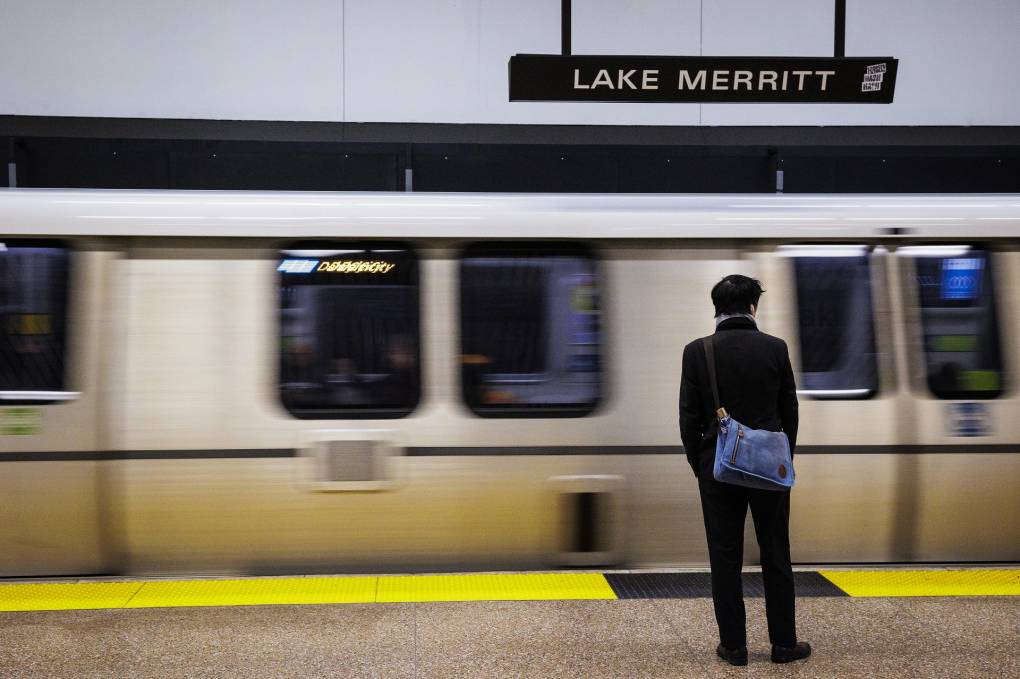
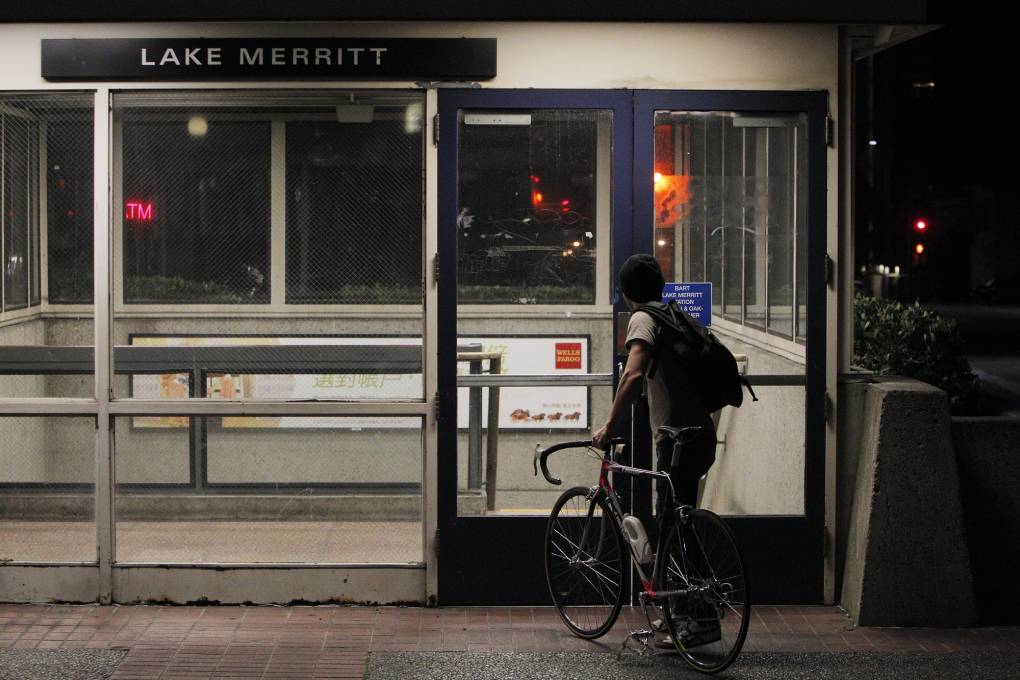
"caption": "A passenger watches a train go by at the Lake Merritt BART station on March 13, 2024. The Bay Area transit agency’s fare enforcement efforts have recovered minimal revenue, furthered racial disparities and largely failed to make riders feel safer, a new report found.",
"credit": "Martin do Nascimento/KQED",
"altTag": "A man stands at a train platform as a train leaves the station. A sign above says \"Lake Merritt.\"",
"description": null,
"imgSizes": {
"medium": {
"file": "https://cdn.kqed.org/wp-content/uploads/sites/10/2024/06/240313-BART-CRISIS-INTERVENTION-UNIT-MD-15-800x533.jpg",
"width": 800,
"height": 533,
"mimeType": "image/jpeg"
},
"large": {
"file": "https://cdn.kqed.org/wp-content/uploads/sites/10/2024/06/240313-BART-CRISIS-INTERVENTION-UNIT-MD-15-1020x679.jpg",
"width": 1020,
"height": 679,
"mimeType": "image/jpeg"
},
"thumbnail": {
"file": "https://cdn.kqed.org/wp-content/uploads/sites/10/2024/06/240313-BART-CRISIS-INTERVENTION-UNIT-MD-15-160x107.jpg",
"width": 160,
"height": 107,
"mimeType": "image/jpeg"
},
"1536x1536": {
"file": "https://cdn.kqed.org/wp-content/uploads/sites/10/2024/06/240313-BART-CRISIS-INTERVENTION-UNIT-MD-15-1536x1023.jpg",
"width": 1536,
"height": 1023,
"mimeType": "image/jpeg"
},
"post-thumbnail": {
"file": "https://cdn.kqed.org/wp-content/uploads/sites/10/2024/06/240313-BART-CRISIS-INTERVENTION-UNIT-MD-15-672x372.jpg",
"width": 672,
"height": 372,
"mimeType": "image/jpeg"
},
"twentyfourteen-full-width": {
"file": "https://cdn.kqed.org/wp-content/uploads/sites/10/2024/06/240313-BART-CRISIS-INTERVENTION-UNIT-MD-15-1038x576.jpg",
"width": 1038,
"height": 576,
"mimeType": "image/jpeg"
},
"kqedFullSize": {
"file": "https://cdn.kqed.org/wp-content/uploads/sites/10/2024/06/240313-BART-CRISIS-INTERVENTION-UNIT-MD-15.jpg",
"width": 1920,
"height": 1279
}
},
"isLoading": false,
"fetchFailed": false
},
"news_12040186": {
"type": "attachments",
"id": "news_12040186",
"meta": {
"index": "attachments_1716263798",
"site": "news",
"id": "12040186",
"found": true
},
"title": "20241204-BART-JY-002_qed",
"publishDate": 1747263386,
"status": "inherit",
"parent": 0,
"modified": 1757194100,
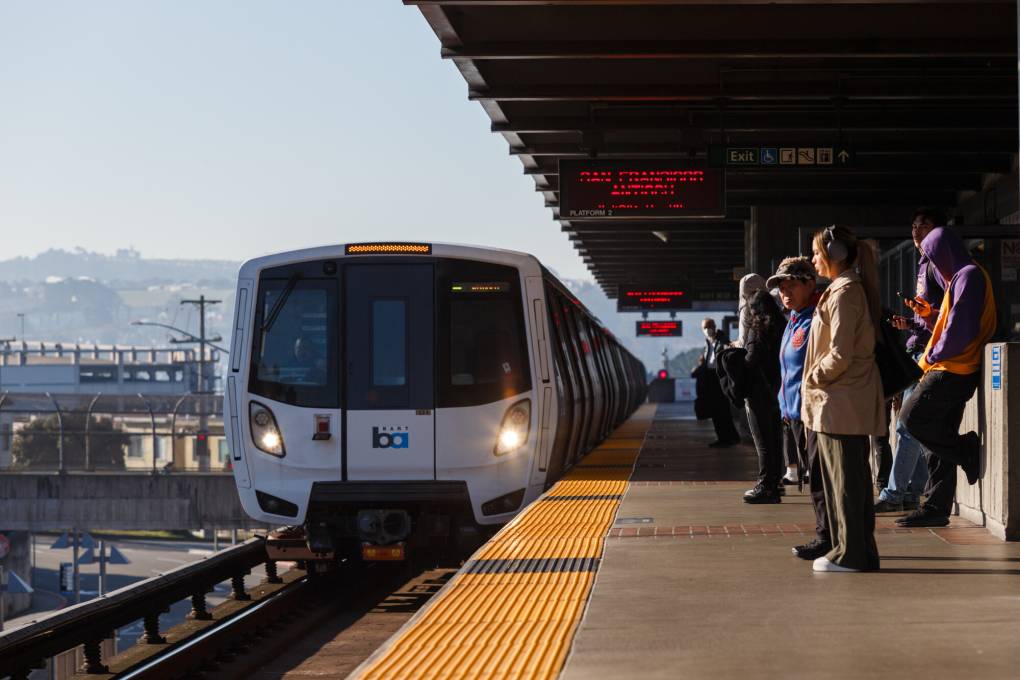
"caption": "A BART car approaches the platform at Daly City Station in Daly City, on Dec. 4, 2024.",
"credit": "Juliana Yamada/KQED",
"altTag": null,
"description": null,
"imgSizes": {
"medium": {
"file": "https://cdn.kqed.org/wp-content/uploads/sites/10/2025/05/20241204-BART-JY-002_qed-800x533.jpg",
"width": 800,
"height": 533,
"mimeType": "image/jpeg"
},
"large": {
"file": "https://cdn.kqed.org/wp-content/uploads/sites/10/2025/05/20241204-BART-JY-002_qed-1020x680.jpg",
"width": 1020,
"height": 680,
"mimeType": "image/jpeg"
},
"thumbnail": {
"file": "https://cdn.kqed.org/wp-content/uploads/sites/10/2025/05/20241204-BART-JY-002_qed-160x107.jpg",
"width": 160,
"height": 107,
"mimeType": "image/jpeg"
},
"1536x1536": {
"file": "https://cdn.kqed.org/wp-content/uploads/sites/10/2025/05/20241204-BART-JY-002_qed-1536x1024.jpg",
"width": 1536,
"height": 1024,
"mimeType": "image/jpeg"
},
"post-thumbnail": {
"file": "https://cdn.kqed.org/wp-content/uploads/sites/10/2025/05/20241204-BART-JY-002_qed-672x372.jpg",
"width": 672,
"height": 372,
"mimeType": "image/jpeg"
},
"twentyfourteen-full-width": {
"file": "https://cdn.kqed.org/wp-content/uploads/sites/10/2025/05/20241204-BART-JY-002_qed-1038x576.jpg",
"width": 1038,
"height": 576,
"mimeType": "image/jpeg"
},
"full-width": {
"file": "https://cdn.kqed.org/wp-content/uploads/sites/10/2025/05/20241204-BART-JY-002_qed-1920x1280.jpg",
"width": 1920,
"height": 1280,
"mimeType": "image/jpeg"
},
"kqedFullSize": {
"file": "https://cdn.kqed.org/wp-content/uploads/sites/10/2025/05/20241204-BART-JY-002_qed.jpg",
"width": 2000,
"height": 1333
}
},
"isLoading": false,
"fetchFailed": false
},
"news_11932694": {
"type": "attachments",
"id": "news_11932694",
"meta": {
"index": "attachments_1716263798",
"site": "news",
"id": "11932694",
"found": true
},
"title": "Rockridge-BART-cropped",
"publishDate": 1668796508,
"status": "inherit",
"parent": 11932690,
"modified": 1746835406,
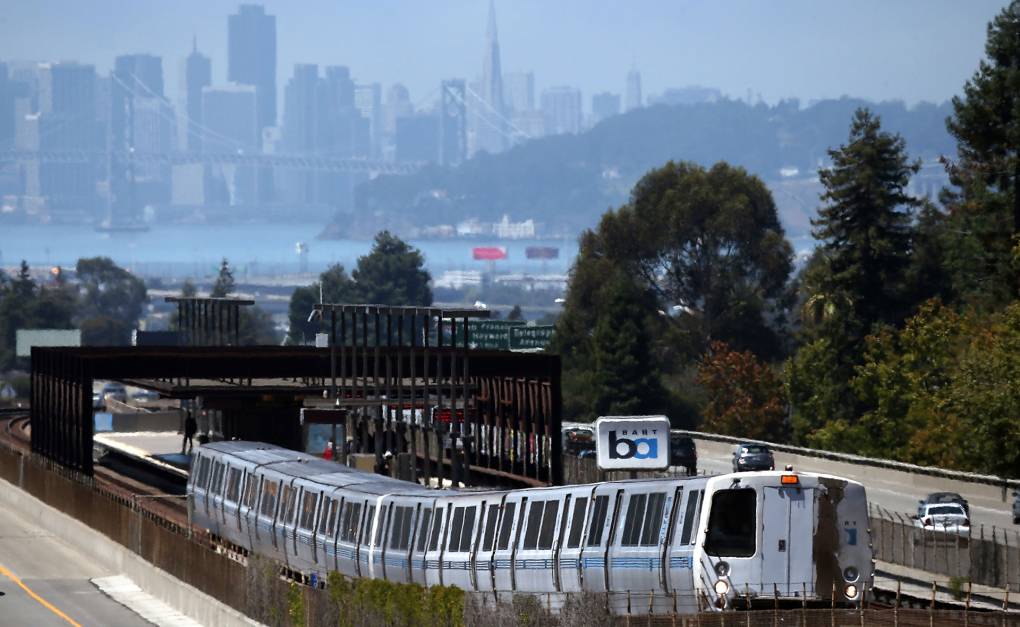
"caption": "A Bay Area Rapid Transit (BART) train pulls away from Oakland's Rockridge station on Aug. 2, 2013.",
"credit": "Justin Sullivan/Getty Images",
"altTag": "A BART train pulls out of an above-ground station. Cars whiz by alongside and the city of San Francisco looms in the background.",
"description": null,
"imgSizes": {
"medium": {
"file": "https://cdn.kqed.org/wp-content/uploads/sites/10/2022/11/Rockridge-BART-cropped-800x492.jpg",
"width": 800,
"height": 492,
"mimeType": "image/jpeg"
},
"large": {
"file": "https://cdn.kqed.org/wp-content/uploads/sites/10/2022/11/Rockridge-BART-cropped-1020x627.jpg",
"width": 1020,
"height": 627,
"mimeType": "image/jpeg"
},
"thumbnail": {
"file": "https://cdn.kqed.org/wp-content/uploads/sites/10/2022/11/Rockridge-BART-cropped-160x98.jpg",
"width": 160,
"height": 98,
"mimeType": "image/jpeg"
},
"1536x1536": {
"file": "https://cdn.kqed.org/wp-content/uploads/sites/10/2022/11/Rockridge-BART-cropped-1536x944.jpg",
"width": 1536,
"height": 944,
"mimeType": "image/jpeg"
},
"post-thumbnail": {
"file": "https://cdn.kqed.org/wp-content/uploads/sites/10/2022/11/Rockridge-BART-cropped-672x372.jpg",
"width": 672,
"height": 372,
"mimeType": "image/jpeg"
},
"twentyfourteen-full-width": {
"file": "https://cdn.kqed.org/wp-content/uploads/sites/10/2022/11/Rockridge-BART-cropped-1038x576.jpg",
"width": 1038,
"height": 576,
"mimeType": "image/jpeg"
},
"kqedFullSize": {
"file": "https://cdn.kqed.org/wp-content/uploads/sites/10/2022/11/Rockridge-BART-cropped.jpg",
"width": 1920,
"height": 1180
}
},
"isLoading": false,
"fetchFailed": false
},
"news_12039557": {
"type": "attachments",
"id": "news_12039557",
"meta": {
"index": "attachments_1716263798",
"site": "news",
"id": "12039557",
"found": true
},
"title": "250509-BARTOUTAGE-03-BL-KQED",
"publishDate": 1746817039,
"status": "inherit",
"parent": 0,
"modified": 1746819606,
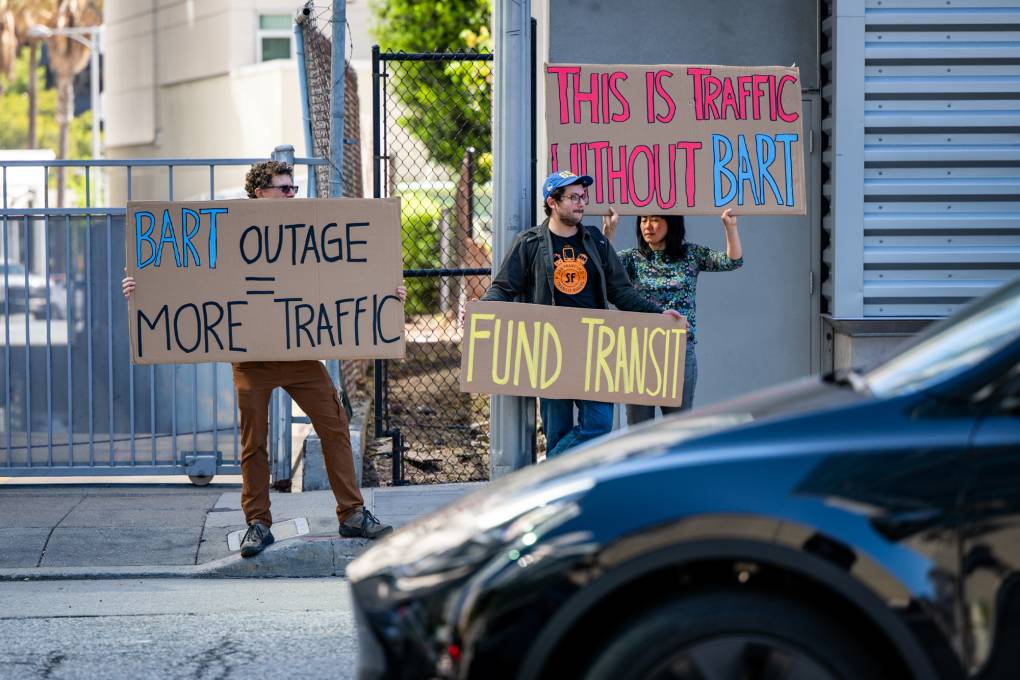
"caption": "Transit advocates hold signs calling for more public transit funding at the Fremont Street off-ramp for westbound I-80 in San Francisco on May 9, 2025.",
"credit": "Beth LaBerge/KQED",
"altTag": null,
"description": null,
"imgSizes": {
"medium": {
"file": "https://cdn.kqed.org/wp-content/uploads/sites/10/2025/05/250509-BARTOUTAGE-03-BL-KQED-800x533.jpg",
"width": 800,
"height": 533,
"mimeType": "image/jpeg"
},
"large": {
"file": "https://cdn.kqed.org/wp-content/uploads/sites/10/2025/05/250509-BARTOUTAGE-03-BL-KQED-1020x680.jpg",
"width": 1020,
"height": 680,
"mimeType": "image/jpeg"
},
"thumbnail": {
"file": "https://cdn.kqed.org/wp-content/uploads/sites/10/2025/05/250509-BARTOUTAGE-03-BL-KQED-160x107.jpg",
"width": 160,
"height": 107,
"mimeType": "image/jpeg"
},
"1536x1536": {
"file": "https://cdn.kqed.org/wp-content/uploads/sites/10/2025/05/250509-BARTOUTAGE-03-BL-KQED-1536x1024.jpg",
"width": 1536,
"height": 1024,
"mimeType": "image/jpeg"
},
"post-thumbnail": {
"file": "https://cdn.kqed.org/wp-content/uploads/sites/10/2025/05/250509-BARTOUTAGE-03-BL-KQED-672x372.jpg",
"width": 672,
"height": 372,
"mimeType": "image/jpeg"
},
"twentyfourteen-full-width": {
"file": "https://cdn.kqed.org/wp-content/uploads/sites/10/2025/05/250509-BARTOUTAGE-03-BL-KQED-1038x576.jpg",
"width": 1038,
"height": 576,
"mimeType": "image/jpeg"
},
"full-width": {
"file": "https://cdn.kqed.org/wp-content/uploads/sites/10/2025/05/250509-BARTOUTAGE-03-BL-KQED-1920x1280.jpg",
"width": 1920,
"height": 1280,
"mimeType": "image/jpeg"
},
"kqedFullSize": {
"file": "https://cdn.kqed.org/wp-content/uploads/sites/10/2025/05/250509-BARTOUTAGE-03-BL-KQED.jpg",
"width": 2000,
"height": 1333
}
},
"isLoading": false,
"fetchFailed": false
},
"news_12036442": {
"type": "attachments",
"id": "news_12036442",
"meta": {
"index": "attachments_1716263798",
"site": "news",
"id": "12036442",
"found": true
},
"title": "20250417_LURIE100DAYS_GC-8-KQED_1",
"publishDate": 1744918107,
"status": "inherit",
"parent": 0,
"modified": 1744918283,
"caption": "Mayor Daniel Lurie delivers remarks on a progress report of his first 100 days in office at the San Francisco Conservatory of Music in San Francisco on April 17, 2025.",
"credit": "Gina Castro/KQED",
"altTag": null,
"description": null,
"imgSizes": {
"medium": {
"file": "https://cdn.kqed.org/wp-content/uploads/sites/10/2025/04/20250417_LURIE100DAYS_GC-8-KQED_1-800x533.jpg",
"width": 800,
"height": 533,
"mimeType": "image/jpeg"
},
"large": {
"file": "https://cdn.kqed.org/wp-content/uploads/sites/10/2025/04/20250417_LURIE100DAYS_GC-8-KQED_1-1020x680.jpg",
"width": 1020,
"height": 680,
"mimeType": "image/jpeg"
},
"thumbnail": {
"file": "https://cdn.kqed.org/wp-content/uploads/sites/10/2025/04/20250417_LURIE100DAYS_GC-8-KQED_1-160x107.jpg",
"width": 160,
"height": 107,
"mimeType": "image/jpeg"
},
"1536x1536": {
"file": "https://cdn.kqed.org/wp-content/uploads/sites/10/2025/04/20250417_LURIE100DAYS_GC-8-KQED_1-1536x1024.jpg",
"width": 1536,
"height": 1024,
"mimeType": "image/jpeg"
},
"post-thumbnail": {
"file": "https://cdn.kqed.org/wp-content/uploads/sites/10/2025/04/20250417_LURIE100DAYS_GC-8-KQED_1-672x372.jpg",
"width": 672,
"height": 372,
"mimeType": "image/jpeg"
},
"twentyfourteen-full-width": {
"file": "https://cdn.kqed.org/wp-content/uploads/sites/10/2025/04/20250417_LURIE100DAYS_GC-8-KQED_1-1038x576.jpg",
"width": 1038,
"height": 576,
"mimeType": "image/jpeg"
},
"full-width": {
"file": "https://cdn.kqed.org/wp-content/uploads/sites/10/2025/04/20250417_LURIE100DAYS_GC-8-KQED_1-1920x1280.jpg",
"width": 1920,
"height": 1280,
"mimeType": "image/jpeg"
},
"kqedFullSize": {
"file": "https://cdn.kqed.org/wp-content/uploads/sites/10/2025/04/20250417_LURIE100DAYS_GC-8-KQED_1.jpg",
"width": 2000,
"height": 1333
}
},
"isLoading": false,
"fetchFailed": false
},
"news_11945540": {
"type": "attachments",
"id": "news_11945540",
"meta": {
"index": "attachments_1716263798",
"site": "news",
"id": "11945540",
"found": true
},
"parent": 11945484,
"imgSizes": {
"twentyfourteen-full-width": {
"file": "https://ww2.kqed.org/app/uploads/sites/10/2023/04/GettyImages-1473781948-1024x576.jpg",
"width": 1024,
"mimeType": "image/jpeg",
"height": 576
},
"thumbnail": {
"file": "https://ww2.kqed.org/app/uploads/sites/10/2023/04/GettyImages-1473781948-160x101.jpg",
"width": 160,
"mimeType": "image/jpeg",
"height": 101
},
"post-thumbnail": {
"file": "https://ww2.kqed.org/app/uploads/sites/10/2023/04/GettyImages-1473781948-672x372.jpg",
"width": 672,
"mimeType": "image/jpeg",
"height": 372
},
"kqedFullSize": {
"file": "https://ww2.kqed.org/app/uploads/sites/10/2023/04/GettyImages-1473781948.jpg",
"width": 1024,
"height": 644
},
"large": {
"file": "https://ww2.kqed.org/app/uploads/sites/10/2023/04/GettyImages-1473781948-1020x641.jpg",
"width": 1020,
"mimeType": "image/jpeg",
"height": 641
},
"medium": {
"file": "https://ww2.kqed.org/app/uploads/sites/10/2023/04/GettyImages-1473781948-800x503.jpg",
"width": 800,
"mimeType": "image/jpeg",
"height": 503
}
},
"publishDate": 1680555592,
"modified": 1680558670,
"caption": "A BART train approaches the El Cerrito Plaza station on March 15, 2023, in El Cerrito.",
"description": null,
"title": "Bay Area Rapid Transit System Faces Perilous Financial Outlook",
"credit": "Justin Sullivan/Getty Images",
"status": "inherit",
"altTag": "A train moving on tracks seen above a highway.",
"isLoading": false,
"fetchFailed": false
},
"news_12027779": {
"type": "attachments",
"id": "news_12027779",
"meta": {
"index": "attachments_1716263798",
"site": "news",
"id": "12027779",
"found": true
},
"title": "241217-DaylightingLaws-06-BL_qed",
"publishDate": 1740007578,
"status": "inherit",
"parent": 12027759,
"modified": 1740008998,
"caption": "A red curb indicates a no parking area near a crosswalk on Dolores and 16th streets in San Francisco on Dec. 17, 2024.",
"credit": "Beth LaBerge/KQED",
"altTag": null,
"description": null,
"imgSizes": {
"medium": {
"file": "https://cdn.kqed.org/wp-content/uploads/sites/10/2025/02/241217-DaylightingLaws-06-BL_qed-800x533.jpg",
"width": 800,
"height": 533,
"mimeType": "image/jpeg"
},
"large": {
"file": "https://cdn.kqed.org/wp-content/uploads/sites/10/2025/02/241217-DaylightingLaws-06-BL_qed-1020x680.jpg",
"width": 1020,
"height": 680,
"mimeType": "image/jpeg"
},
"thumbnail": {
"file": "https://cdn.kqed.org/wp-content/uploads/sites/10/2025/02/241217-DaylightingLaws-06-BL_qed-160x107.jpg",
"width": 160,
"height": 107,
"mimeType": "image/jpeg"
},
"1536x1536": {
"file": "https://cdn.kqed.org/wp-content/uploads/sites/10/2025/02/241217-DaylightingLaws-06-BL_qed-1536x1024.jpg",
"width": 1536,
"height": 1024,
"mimeType": "image/jpeg"
},
"post-thumbnail": {
"file": "https://cdn.kqed.org/wp-content/uploads/sites/10/2025/02/241217-DaylightingLaws-06-BL_qed-672x372.jpg",
"width": 672,
"height": 372,
"mimeType": "image/jpeg"
},
"twentyfourteen-full-width": {
"file": "https://cdn.kqed.org/wp-content/uploads/sites/10/2025/02/241217-DaylightingLaws-06-BL_qed-1038x576.jpg",
"width": 1038,
"height": 576,
"mimeType": "image/jpeg"
},
"full-width": {
"file": "https://cdn.kqed.org/wp-content/uploads/sites/10/2025/02/241217-DaylightingLaws-06-BL_qed-1920x1280.jpg",
"width": 1920,
"height": 1280,
"mimeType": "image/jpeg"
},
"kqedFullSize": {
"file": "https://cdn.kqed.org/wp-content/uploads/sites/10/2025/02/241217-DaylightingLaws-06-BL_qed.jpg",
"width": 2000,
"height": 1333
}
},
"isLoading": false,
"fetchFailed": false
},
"news_12027304": {
"type": "attachments",
"id": "news_12027304",
"meta": {
"index": "attachments_1716263798",
"site": "news",
"id": "12027304",
"found": true
},
"title": "20250214_Valentraine_DMB_00737",
"publishDate": 1739640185,
"status": "inherit",
"parent": 0,
"modified": 1739653660,
"caption": "Icarus Kranzke (left) of San Francisco, talks with Dani, no last name given in the train car reserved for those aged 18 to 21 at BART’s 'Valentraine' speed dating event, Friday, Feb. 14, 2025. Kranzke, a self-professed BART lover, said they were excited to meet other public transportation lovers at the event.",
"credit": "David M. Barreda/KQED",
"altTag": null,
"description": null,
"imgSizes": {
"medium": {
"file": "https://cdn.kqed.org/wp-content/uploads/sites/10/2025/02/20250214_Valentraine_DMB_00737-800x533.jpg",
"width": 800,
"height": 533,
"mimeType": "image/jpeg"
},
"large": {
"file": "https://cdn.kqed.org/wp-content/uploads/sites/10/2025/02/20250214_Valentraine_DMB_00737-1020x680.jpg",
"width": 1020,
"height": 680,
"mimeType": "image/jpeg"
},
"thumbnail": {
"file": "https://cdn.kqed.org/wp-content/uploads/sites/10/2025/02/20250214_Valentraine_DMB_00737-160x107.jpg",
"width": 160,
"height": 107,
"mimeType": "image/jpeg"
},
"1536x1536": {
"file": "https://cdn.kqed.org/wp-content/uploads/sites/10/2025/02/20250214_Valentraine_DMB_00737-1536x1024.jpg",
"width": 1536,
"height": 1024,
"mimeType": "image/jpeg"
},
"post-thumbnail": {
"file": "https://cdn.kqed.org/wp-content/uploads/sites/10/2025/02/20250214_Valentraine_DMB_00737-672x372.jpg",
"width": 672,
"height": 372,
"mimeType": "image/jpeg"
},
"twentyfourteen-full-width": {
"file": "https://cdn.kqed.org/wp-content/uploads/sites/10/2025/02/20250214_Valentraine_DMB_00737-1038x576.jpg",
"width": 1038,
"height": 576,
"mimeType": "image/jpeg"
},
"full-width": {
"file": "https://cdn.kqed.org/wp-content/uploads/sites/10/2025/02/20250214_Valentraine_DMB_00737-1920x1280.jpg",
"width": 1920,
"height": 1280,
"mimeType": "image/jpeg"
},
"kqedFullSize": {
"file": "https://cdn.kqed.org/wp-content/uploads/sites/10/2025/02/20250214_Valentraine_DMB_00737.jpg",
"width": 2000,
"height": 1333
}
},
"isLoading": false,
"fetchFailed": false
},
"news_12023482": {
"type": "attachments",
"id": "news_12023482",
"meta": {
"index": "attachments_1716263798",
"site": "news",
"id": "12023482",
"found": true
},
"title": "Two people wait for a train at BART Powell Street station in San Francisco, Calif., on Tuesday, February 11, 2020.",
"publishDate": 1737574272,
"status": "inherit",
"parent": 12023463,
"modified": 1737588181,
"caption": "Two people wait for a train at BART Powell Street station in San Francisco, California, on Tuesday, Feb. 11, 2020. ",
"credit": "Scott Strazzante/San Francisco Chronicle via Getty Images",
"altTag": null,
"description": null,
"imgSizes": {
"medium": {
"file": "https://cdn.kqed.org/wp-content/uploads/sites/10/2025/01/PowellStationSanFranciscoGetty-800x534.jpg",
"width": 800,
"height": 534,
"mimeType": "image/jpeg"
},
"large": {
"file": "https://cdn.kqed.org/wp-content/uploads/sites/10/2025/01/PowellStationSanFranciscoGetty-1020x680.jpg",
"width": 1020,
"height": 680,
"mimeType": "image/jpeg"
},
"thumbnail": {
"file": "https://cdn.kqed.org/wp-content/uploads/sites/10/2025/01/PowellStationSanFranciscoGetty-160x107.jpg",
"width": 160,
"height": 107,
"mimeType": "image/jpeg"
},
"1536x1536": {
"file": "https://cdn.kqed.org/wp-content/uploads/sites/10/2025/01/PowellStationSanFranciscoGetty-1536x1025.jpg",
"width": 1536,
"height": 1025,
"mimeType": "image/jpeg"
},
"post-thumbnail": {
"file": "https://cdn.kqed.org/wp-content/uploads/sites/10/2025/01/PowellStationSanFranciscoGetty-672x372.jpg",
"width": 672,
"height": 372,
"mimeType": "image/jpeg"
},
"twentyfourteen-full-width": {
"file": "https://cdn.kqed.org/wp-content/uploads/sites/10/2025/01/PowellStationSanFranciscoGetty-1038x576.jpg",
"width": 1038,
"height": 576,
"mimeType": "image/jpeg"
},
"full-width": {
"file": "https://cdn.kqed.org/wp-content/uploads/sites/10/2025/01/PowellStationSanFranciscoGetty-1920x1281.jpg",
"width": 1920,
"height": 1281,
"mimeType": "image/jpeg"
},
"kqedFullSize": {
"file": "https://cdn.kqed.org/wp-content/uploads/sites/10/2025/01/PowellStationSanFranciscoGetty.jpg",
"width": 2000,
"height": 1334
}
},
"isLoading": false,
"fetchFailed": false
},
"news_11971763": {
"type": "attachments",
"id": "news_11971763",
"meta": {
"index": "attachments_1716263798",
"site": "news",
"id": "11971763",
"found": true
},
"parent": 11971935,
"imgSizes": {
"twentyfourteen-full-width": {
"file": "https://cdn.kqed.org/wp-content/uploads/sites/10/2024/01/240103-RSR-BIKE-LANE-MD-03-KQED-1038x576.jpg",
"width": 1038,
"mimeType": "image/jpeg",
"height": 576
},
"thumbnail": {
"file": "https://cdn.kqed.org/wp-content/uploads/sites/10/2024/01/240103-RSR-BIKE-LANE-MD-03-KQED-160x107.jpg",
"width": 160,
"mimeType": "image/jpeg",
"height": 107
},
"post-thumbnail": {
"file": "https://cdn.kqed.org/wp-content/uploads/sites/10/2024/01/240103-RSR-BIKE-LANE-MD-03-KQED-672x372.jpg",
"width": 672,
"mimeType": "image/jpeg",
"height": 372
},
"kqedFullSize": {
"file": "https://cdn.kqed.org/wp-content/uploads/sites/10/2024/01/240103-RSR-BIKE-LANE-MD-03-KQED.jpg",
"width": 2000,
"height": 1333
},
"large": {
"file": "https://cdn.kqed.org/wp-content/uploads/sites/10/2024/01/240103-RSR-BIKE-LANE-MD-03-KQED-1020x680.jpg",
"width": 1020,
"mimeType": "image/jpeg",
"height": 680
},
"1536x1536": {
"file": "https://cdn.kqed.org/wp-content/uploads/sites/10/2024/01/240103-RSR-BIKE-LANE-MD-03-KQED-1536x1024.jpg",
"width": 1536,
"mimeType": "image/jpeg",
"height": 1024
},
"full-width": {
"file": "https://cdn.kqed.org/wp-content/uploads/sites/10/2024/01/240103-RSR-BIKE-LANE-MD-03-KQED-1920x1280.jpg",
"width": 1920,
"mimeType": "image/jpeg",
"height": 1280
},
"medium": {
"file": "https://cdn.kqed.org/wp-content/uploads/sites/10/2024/01/240103-RSR-BIKE-LANE-MD-03-KQED-800x533.jpg",
"width": 800,
"mimeType": "image/jpeg",
"height": 533
}
},
"publishDate": 1704475568,
"modified": 1704750331,
"caption": "The upper deck of the Richmond-San Rafael Bridge on Jan 3, 2024.",
"description": null,
"title": "The upper deck of the Richmond-San Rafael Bridge on Jan 3, 2024.",
"credit": "Martin do Nascimento/KQED",
"status": "inherit",
"altTag": "A bike lane on a large bridge on which cars are also driving.",
"isLoading": false,
"fetchFailed": false
},
"news_12018300": {
"type": "attachments",
"id": "news_12018300",
"meta": {
"index": "attachments_1716263798",
"site": "news",
"id": "12018300",
"found": true
},
"title": "BartVideo_0002",
"publishDate": 1734134593,
"status": "inherit",
"parent": 12055781,
"modified": 1757717352,
"caption": "A still from BART Police body camera footage released on Dec. 13, 2024, where an officer fired a gun at an individual before detaining them on Monday, Nov. 18, 2024, in the Union City Station parking lot.",
"credit": "Courtesy of BART",
"altTag": null,
"description": null,
"imgSizes": {
"medium": {
"file": "https://cdn.kqed.org/wp-content/uploads/sites/10/2024/12/BartVideo_0002-800x450.jpg",
"width": 800,
"height": 450,
"mimeType": "image/jpeg"
},
"large": {
"file": "https://cdn.kqed.org/wp-content/uploads/sites/10/2024/12/BartVideo_0002-1020x573.jpg",
"width": 1020,
"height": 573,
"mimeType": "image/jpeg"
},
"thumbnail": {
"file": "https://cdn.kqed.org/wp-content/uploads/sites/10/2024/12/BartVideo_0002-160x90.jpg",
"width": 160,
"height": 90,
"mimeType": "image/jpeg"
},
"1536x1536": {
"file": "https://cdn.kqed.org/wp-content/uploads/sites/10/2024/12/BartVideo_0002-1536x863.jpg",
"width": 1536,
"height": 863,
"mimeType": "image/jpeg"
},
"post-thumbnail": {
"file": "https://cdn.kqed.org/wp-content/uploads/sites/10/2024/12/BartVideo_0002-672x372.jpg",
"width": 672,
"height": 372,
"mimeType": "image/jpeg"
},
"twentyfourteen-full-width": {
"file": "https://cdn.kqed.org/wp-content/uploads/sites/10/2024/12/BartVideo_0002-1038x576.jpg",
"width": 1038,
"height": 576,
"mimeType": "image/jpeg"
},
"full-width": {
"file": "https://cdn.kqed.org/wp-content/uploads/sites/10/2024/12/BartVideo_0002-1920x1079.jpg",
"width": 1920,
"height": 1079,
"mimeType": "image/jpeg"
},
"kqedFullSize": {
"file": "https://cdn.kqed.org/wp-content/uploads/sites/10/2024/12/BartVideo_0002.jpg",
"width": 2000,
"height": 1124
}
},
"isLoading": false,
"fetchFailed": false
},
"news_12016730": {
"type": "attachments",
"id": "news_12016730",
"meta": {
"index": "attachments_1716263798",
"site": "news",
"id": "12016730",
"found": true
},
"title": "A BART patron approaches the Lake Merritt station as service begins to wind down late Thursday leading up to a strike on Friday. People involved with negotiations between BART and its unions declared an impasse following nearly 30 hours of negotiations on",
"publishDate": 1733354055,
"status": "inherit",
"parent": 12016715,
"modified": 1733445455,
"caption": "A BART patron approaches the Lake Merritt station as service begins to wind down late Thursday, Oct. 17, 2013, in Oakland.",
"credit": "Carlos Avila Gonzalez/The San Francisco Chronicle via Getty Images",
"altTag": null,
"description": null,
"imgSizes": {
"medium": {
"file": "https://cdn.kqed.org/wp-content/uploads/sites/10/2024/12/LakeMerrittBARTGetty-800x533.jpg",
"width": 800,
"height": 533,
"mimeType": "image/jpeg"
},
"large": {
"file": "https://cdn.kqed.org/wp-content/uploads/sites/10/2024/12/LakeMerrittBARTGetty-1020x680.jpg",
"width": 1020,
"height": 680,
"mimeType": "image/jpeg"
},
"thumbnail": {
"file": "https://cdn.kqed.org/wp-content/uploads/sites/10/2024/12/LakeMerrittBARTGetty-160x107.jpg",
"width": 160,
"height": 107,
"mimeType": "image/jpeg"
},
"1536x1536": {
"file": "https://cdn.kqed.org/wp-content/uploads/sites/10/2024/12/LakeMerrittBARTGetty-1536x1024.jpg",
"width": 1536,
"height": 1024,
"mimeType": "image/jpeg"
},
"post-thumbnail": {
"file": "https://cdn.kqed.org/wp-content/uploads/sites/10/2024/12/LakeMerrittBARTGetty-672x372.jpg",
"width": 672,
"height": 372,
"mimeType": "image/jpeg"
},
"twentyfourteen-full-width": {
"file": "https://cdn.kqed.org/wp-content/uploads/sites/10/2024/12/LakeMerrittBARTGetty-1038x576.jpg",
"width": 1038,
"height": 576,
"mimeType": "image/jpeg"
},
"full-width": {
"file": "https://cdn.kqed.org/wp-content/uploads/sites/10/2024/12/LakeMerrittBARTGetty-1920x1280.jpg",
"width": 1920,
"height": 1280,
"mimeType": "image/jpeg"
},
"kqedFullSize": {
"file": "https://cdn.kqed.org/wp-content/uploads/sites/10/2024/12/LakeMerrittBARTGetty.jpg",
"width": 2000,
"height": 1333
}
},
"isLoading": false,
"fetchFailed": false
}
},
"audioPlayerReducer": {
"postId": "stream_live",
"isPaused": true,
"isPlaying": false,
"pfsActive": false,
"pledgeModalIsOpen": true,
"playerDrawerIsOpen": false,
"liveAudioPlayStartedAt": 0,
"liveAudioPlayContext": ""
},
"authorsReducer": {
"danbrekke": {
"type": "authors",
"id": "222",
"meta": {
"index": "authors_1716337520",
"id": "222",
"found": true
},
"name": "Dan Brekke",
"firstName": "Dan",
"lastName": "Brekke",
"slug": "danbrekke",
"email": "dbrekke@kqed.org",
"display_author_email": true,
"staff_mastheads": [
"news",
"science"
],
"title": "KQED Editor and Reporter",
"bio": "Dan Brekke is a reporter and editor for KQED News, responsible for coverage of topics ranging from California water issues to the Bay Area's transportation challenges. In a newsroom career that began in Chicago in 1972, Dan has worked for \u003cem>The San Francisco Examiner,\u003c/em> Wired and TechTV and has been published in The New York Times, The New York Times Magazine, Business 2.0, Salon and elsewhere.\r\n\r\nSince joining KQED in 2007, Dan has reported, edited and produced both radio and online features and breaking news pieces. He has shared as both editor and reporter in four Society of Professional Journalists Norcal Excellence in Journalism awards and one Edward R. Murrow regional award. He was chosen for a spring 2017 residency at the Mesa Refuge to advance his research on California salmon.\r\n\r\nEmail Dan at: \u003ca href=\"mailto:dbrekke@kqed.org\">dbrekke@kqed.org\u003c/a>\r\n\r\n\u003cstrong>Twitter:\u003c/strong> \u003ca href=\"https://twitter.com/danbrekke\" rel=\"noopener noreferrer\">twitter.com/danbrekke\u003c/a>\r\n\u003cstrong>Facebook:\u003c/strong> \u003ca href=\"https://www.facebook.com/danbrekke\" rel=\"noopener noreferrer\">www.facebook.com/danbrekke\u003c/a>\r\n\u003cstrong>LinkedIn:\u003c/strong> \u003ca href=\"https://www.linkedin.com/in/danbrekke\" rel=\"noopener noreferrer\">www.linkedin.com/in/danbrekke\u003c/a>",
"avatar": "https://secure.gravatar.com/avatar/8f1f0d2a978fb3b23426c922c7e2af558fa36905b49c4ce76a97dc3c72d27226?s=600&d=mm&r=g",
"twitter": "danbrekke",
"bluesky": null,
"facebook": null,
"instagram": "https://www.instagram.com/dan.brekke/",
"linkedin": "https://www.linkedin.com/in/danbrekke/",
"sites": [
{
"site": "news",
"roles": [
"administrator",
"create_posts"
]
},
{
"site": "stateofhealth",
"roles": [
"editor"
]
},
{
"site": "science",
"roles": [
"editor"
]
},
{
"site": "quest",
"roles": [
"contributor"
]
},
{
"site": "food",
"roles": [
"contributor"
]
},
{
"site": "forum",
"roles": [
"contributor"
]
},
{
"site": "elections",
"roles": [
"editor"
]
},
{
"site": "liveblog",
"roles": [
"editor"
]
}
],
"headData": {
"title": "Dan Brekke | KQED",
"description": "KQED Editor and Reporter",
"ogImgSrc": "https://secure.gravatar.com/avatar/8f1f0d2a978fb3b23426c922c7e2af558fa36905b49c4ce76a97dc3c72d27226?s=600&d=mm&r=g",
"twImgSrc": "https://secure.gravatar.com/avatar/8f1f0d2a978fb3b23426c922c7e2af558fa36905b49c4ce76a97dc3c72d27226?s=600&d=mm&r=g"
},
"isLoading": false,
"link": "/author/danbrekke"
},
"matthewgreen": {
"type": "authors",
"id": "1263",
"meta": {
"index": "authors_1716337520",
"id": "1263",
"found": true
},
"name": "Matthew Green",
"firstName": "Matthew",
"lastName": "Green",
"slug": "matthewgreen",
"email": "mgreen@kqed.org",
"display_author_email": false,
"staff_mastheads": [],
"title": "KQED Editor/Reporter",
"bio": "Matthew Green is a digital media producer for KQED News. He previously produced \u003ca href=\"http://www.kqed.org/lowdown\">The Lowdown\u003c/a>, KQED’s multimedia news education blog. Matthew's written for numerous Bay Area publications, including the Oakland Tribune and San Francisco Chronicle. He also taught journalism classes at Fremont High School in East Oakland.\r\n\r\nEmail: mgreen@kqed.org; Twitter: @MGreenKQED",
"avatar": "https://secure.gravatar.com/avatar/3bf498d1267ca02c8494f33d8cfc575e?s=600&d=blank&r=g",
"twitter": "MGreenKQED",
"facebook": null,
"instagram": null,
"linkedin": null,
"sites": [
{
"site": "news",
"roles": []
},
{
"site": "lowdown",
"roles": []
},
{
"site": "science",
"roles": []
},
{
"site": "education",
"roles": []
},
{
"site": "quest",
"roles": []
},
{
"site": "liveblog",
"roles": []
}
],
"headData": {
"title": "Matthew Green | KQED",
"description": "KQED Editor/Reporter",
"ogImgSrc": "https://secure.gravatar.com/avatar/3bf498d1267ca02c8494f33d8cfc575e?s=600&d=blank&r=g",
"twImgSrc": "https://secure.gravatar.com/avatar/3bf498d1267ca02c8494f33d8cfc575e?s=600&d=blank&r=g"
},
"isLoading": false,
"link": "/author/matthewgreen"
},
"mlagos": {
"type": "authors",
"id": "3239",
"meta": {
"index": "authors_1716337520",
"id": "3239",
"found": true
},
"name": "Marisa Lagos",
"firstName": "Marisa",
"lastName": "Lagos",
"slug": "mlagos",
"email": "mlagos@kqed.org",
"display_author_email": false,
"staff_mastheads": [
"news"
],
"title": "KQED Contributor",
"bio": "Marisa Lagos is a correspondent for KQED’s California Politics and Government Desk and co-hosts the award-winning show and podcast, Political Breakdown. At KQED, Lagos also conducts reporting, analysis and investigations into state, local and national politics for radio, TV, online and onstage. In 2022, she and co-host, Scott Shafer, moderated the only gubernatorial debate in California. In 2020, the \u003ci>Washington Post\u003c/i> named her one of the top political journalists in California; she was nominated for a Peabody and won several other awards for her work investigating the 2017 California wildfires. She has worked at the \u003ci>San Francisco Chronicle\u003c/i>, \u003ci>San Francisco Examiner\u003c/i> and \u003ci>Los Angeles Times\u003c/i>. A UC Santa Barbara graduate, she lives in San Francisco with her two sons and husband.",
"avatar": "https://secure.gravatar.com/avatar/a261a0d3696fc066871ef96b85b5e7d2?s=600&d=blank&r=g",
"twitter": "@mlagos",
"facebook": null,
"instagram": null,
"linkedin": null,
"sites": [
{
"site": "arts",
"roles": [
"author"
]
},
{
"site": "news",
"roles": [
"editor"
]
},
{
"site": "science",
"roles": [
"editor"
]
},
{
"site": "forum",
"roles": [
"author"
]
},
{
"site": "liveblog",
"roles": [
"author"
]
}
],
"headData": {
"title": "Marisa Lagos | KQED",
"description": "KQED Contributor",
"ogImgSrc": "https://secure.gravatar.com/avatar/a261a0d3696fc066871ef96b85b5e7d2?s=600&d=blank&r=g",
"twImgSrc": "https://secure.gravatar.com/avatar/a261a0d3696fc066871ef96b85b5e7d2?s=600&d=blank&r=g"
},
"isLoading": false,
"link": "/author/mlagos"
},
"adahlstromeckman": {
"type": "authors",
"id": "11785",
"meta": {
"index": "authors_1716337520",
"id": "11785",
"found": true
},
"name": "Azul Dahlstrom-Eckman",
"firstName": "Azul",
"lastName": "Dahlstrom-Eckman",
"slug": "adahlstromeckman",
"email": "adahlstrom-eckman@kqed.org",
"display_author_email": true,
"staff_mastheads": [],
"title": "Reporter",
"bio": "Azul is a reporter for KQED focusing on transportation and features. He joined KQED in 2021 as an alumna of KALW's Audio Academy radio journalism training program.",
"avatar": "https://secure.gravatar.com/avatar/9cb750298435add7815a777f55bf1f46845c1386bb8452555c60a7b820b5aba3?s=600&d=blank&r=g",
"twitter": "@zuliemann",
"bluesky": "@azul415.bsky.social",
"facebook": null,
"instagram": null,
"linkedin": null,
"sites": [
{
"site": "arts",
"roles": [
"editor"
]
},
{
"site": "news",
"roles": [
"editor"
]
},
{
"site": "science",
"roles": [
"editor"
]
},
{
"site": "liveblog",
"roles": [
"author"
]
}
],
"headData": {
"title": "Azul Dahlstrom-Eckman | KQED",
"description": "Reporter",
"ogImgSrc": "https://secure.gravatar.com/avatar/9cb750298435add7815a777f55bf1f46845c1386bb8452555c60a7b820b5aba3?s=600&d=blank&r=g",
"twImgSrc": "https://secure.gravatar.com/avatar/9cb750298435add7815a777f55bf1f46845c1386bb8452555c60a7b820b5aba3?s=600&d=blank&r=g"
},
"isLoading": false,
"link": "/author/adahlstromeckman"
},
"jservantez": {
"type": "authors",
"id": "11909",
"meta": {
"index": "authors_1716337520",
"id": "11909",
"found": true
},
"name": "Jared Servantez",
"firstName": "Jared",
"lastName": "Servantez",
"slug": "jservantez",
"email": "jservantez@kqed.org",
"display_author_email": true,
"staff_mastheads": [
"news"
],
"title": "KQED Contributor",
"bio": "Jared Servantez is the editor of KQED's Express Desk, leading the newsroom's online breaking news operation. He most recently worked for the Los Angeles Times, where he served as a breaking news editor, the Metro Desk's night editor, and a copy editor. Jared is a graduate of the USC Annenberg School for Communication and Journalism.",
"avatar": "https://secure.gravatar.com/avatar/f0e317c67bb498c3f077f033d1cc79e62f3bc1303fa20a14e8880d31fbe7e01e?s=600&d=blank&r=g",
"twitter": "jservantez",
"bluesky": null,
"facebook": null,
"instagram": null,
"linkedin": null,
"sites": [
{
"site": "news",
"roles": [
"editor"
]
},
{
"site": "science",
"roles": [
"editor",
"author"
]
},
{
"site": "liveblog",
"roles": [
"editor"
]
}
],
"headData": {
"title": "Jared Servantez | KQED",
"description": "KQED Contributor",
"ogImgSrc": "https://secure.gravatar.com/avatar/f0e317c67bb498c3f077f033d1cc79e62f3bc1303fa20a14e8880d31fbe7e01e?s=600&d=blank&r=g",
"twImgSrc": "https://secure.gravatar.com/avatar/f0e317c67bb498c3f077f033d1cc79e62f3bc1303fa20a14e8880d31fbe7e01e?s=600&d=blank&r=g"
},
"isLoading": false,
"link": "/author/jservantez"
},
"kdebenedetti": {
"type": "authors",
"id": "11913",
"meta": {
"index": "authors_1716337520",
"id": "11913",
"found": true
},
"name": "Katie DeBenedetti",
"firstName": "Katie",
"lastName": "DeBenedetti",
"slug": "kdebenedetti",
"email": "kdebenedetti@kqed.org",
"display_author_email": false,
"staff_mastheads": [
"news",
"science"
],
"title": "KQED Contributor",
"bio": "Katie DeBenedetti is a digital reporter covering daily news for the Express Desk. Prior to joining KQED as a culture reporting intern in January 2024, she covered education and city government for the Napa Valley Register.",
"avatar": "https://secure.gravatar.com/avatar/6e31073cb8f7e4214ab03f42771d0f45?s=600&d=blank&r=g",
"twitter": null,
"facebook": null,
"instagram": null,
"linkedin": null,
"sites": [
{
"site": "news",
"roles": [
"author"
]
},
{
"site": "science",
"roles": [
"author"
]
},
{
"site": "liveblog",
"roles": [
"author"
]
}
],
"headData": {
"title": "Katie DeBenedetti | KQED",
"description": "KQED Contributor",
"ogImgSrc": "https://secure.gravatar.com/avatar/6e31073cb8f7e4214ab03f42771d0f45?s=600&d=blank&r=g",
"twImgSrc": "https://secure.gravatar.com/avatar/6e31073cb8f7e4214ab03f42771d0f45?s=600&d=blank&r=g"
},
"isLoading": false,
"link": "/author/kdebenedetti"
},
"slim": {
"type": "authors",
"id": "11920",
"meta": {
"index": "authors_1716337520",
"id": "11920",
"found": true
},
"name": "Samantha Lim",
"firstName": "Samantha",
"lastName": "Lim",
"slug": "slim",
"email": "slim@KQED.org",
"display_author_email": false,
"staff_mastheads": [],
"title": "KQED Contributor",
"bio": null,
"avatar": "https://secure.gravatar.com/avatar/82e592e6c15fe1a04d385e8ad0fb0b4e?s=600&d=blank&r=g",
"twitter": null,
"facebook": null,
"instagram": null,
"linkedin": null,
"sites": [
{
"site": "news",
"roles": []
}
],
"headData": {
"title": "Samantha Lim | KQED",
"description": "KQED Contributor",
"ogImgSrc": "https://secure.gravatar.com/avatar/82e592e6c15fe1a04d385e8ad0fb0b4e?s=600&d=blank&r=g",
"twImgSrc": "https://secure.gravatar.com/avatar/82e592e6c15fe1a04d385e8ad0fb0b4e?s=600&d=blank&r=g"
},
"isLoading": false,
"link": "/author/slim"
},
"bkrans": {
"type": "authors",
"id": "11923",
"meta": {
"index": "authors_1716337520",
"id": "11923",
"found": true
},
"name": "Brian Krans",
"firstName": "Brian",
"lastName": "Krans",
"slug": "bkrans",
"email": "bkrans@kqed.org",
"display_author_email": false,
"staff_mastheads": [
"news"
],
"title": "KQED Contributing Reporter",
"bio": "Brian Krans is an award-winning local news and investigative reporter who has been proudly working as a general assignment reporter for KQED since August 2023. He lives in Richmond, where he also reports on air pollution for Richmondside. He is also a founding member of the Vallejo Sun.",
"avatar": "https://secure.gravatar.com/avatar/71fa91f931774612559f7640390b53d9c2840ff72b20f195a25239aab2d9fbb9?s=600&d=blank&r=g",
"twitter": "citizenkrans",
"bluesky": null,
"facebook": null,
"instagram": null,
"linkedin": null,
"sites": [
{
"site": "news",
"roles": [
"editor"
]
}
],
"headData": {
"title": "Brian Krans | KQED",
"description": "KQED Contributing Reporter",
"ogImgSrc": "https://secure.gravatar.com/avatar/71fa91f931774612559f7640390b53d9c2840ff72b20f195a25239aab2d9fbb9?s=600&d=blank&r=g",
"twImgSrc": "https://secure.gravatar.com/avatar/71fa91f931774612559f7640390b53d9c2840ff72b20f195a25239aab2d9fbb9?s=600&d=blank&r=g"
},
"isLoading": false,
"link": "/author/bkrans"
},
"dbarreda": {
"type": "authors",
"id": "11933",
"meta": {
"index": "authors_1716337520",
"id": "11933",
"found": true
},
"name": "David M. Barreda",
"firstName": "David M.",
"lastName": "Barreda",
"slug": "dbarreda",
"email": "dbarreda@kqed.org",
"display_author_email": false,
"staff_mastheads": [],
"title": "KQED Photojournalist and Photo Editor",
"bio": null,
"avatar": "https://secure.gravatar.com/avatar/a04eda7b1670aec0811c6666c072677f?s=600&d=blank&r=g",
"twitter": "inkaman",
"facebook": null,
"instagram": "http://instagram.com/inkaman",
"linkedin": "https://www.linkedin.com/in/davidbarreda",
"sites": [
{
"site": "arts",
"roles": [
"editor",
"manage_categories"
]
},
{
"site": "news",
"roles": [
"editor",
"manage_categories"
]
},
{
"site": "science",
"roles": [
"editor",
"manage_categories"
]
}
],
"headData": {
"title": "David M. Barreda | KQED",
"description": "KQED Photojournalist and Photo Editor",
"ogImgSrc": "https://secure.gravatar.com/avatar/a04eda7b1670aec0811c6666c072677f?s=600&d=blank&r=g",
"twImgSrc": "https://secure.gravatar.com/avatar/a04eda7b1670aec0811c6666c072677f?s=600&d=blank&r=g"
},
"isLoading": false,
"link": "/author/dbarreda"
}
},
"pagesReducer": {
"news_tag_bart": {
"type": "terms",
"id": "news_269",
"meta": {
"index": "terms_1716263798",
"site": "news",
"id": "269",
"score": 8.558234
},
"featImg": null,
"name": "BART",
"description": null,
"taxonomy": "tag",
"headData": {
"twImgId": null,
"twTitle": null,
"ogTitle": null,
"ogImgId": null,
"twDescription": null,
"description": null,
"title": "BART Archives | KQED News",
"ogDescription": null
},
"ttid": 277,
"slug": "bart",
"isLoading": false,
"title": "BART",
"pageMeta": {
"site": "news",
"WpPageTemplate": "page-topic-editorial",
"currentPage": 6
},
"blocks": [
{
"blockName": "kqed/post-list",
"attrs": {
"layout": "cardArticle2",
"query": "posts/news?tag=bart",
"seeMore": false,
"paginated": true,
"page": 6
}
},
{
"blockName": "kqed/ad"
}
]
}
},
"pfsSessionReducer": {},
"postsReducer": {
"stream_live": {
"type": "live",
"id": "stream_live",
"audioUrl": "https://streams.kqed.org/kqedradio",
"title": "Live Stream",
"excerpt": "Live Stream information currently unavailable.",
"link": "/radio",
"featImg": "",
"label": {
"name": "KQED Live",
"link": "/"
}
},
"stream_kqedNewscast": {
"type": "posts",
"id": "stream_kqedNewscast",
"audioUrl": "https://www.kqed.org/.stream/anon/radio/RDnews/newscast.mp3?_=1",
"title": "KQED Newscast",
"featImg": "",
"label": {
"name": "88.5 FM",
"link": "/"
}
},
"news_12040762": {
"type": "posts",
"id": "news_12040762",
"meta": {
"index": "posts_1716263798",
"site": "news",
"id": "12040762",
"score": null,
"sort": [
1747751448000
]
},
"guestAuthors": [],
"slug": "bart-fare-evasion-crackdown-largely-ineffective-new-report-suggests",
"title": "BART Fare Evasion Crackdown Is Largely Ineffective, New Report Suggests",
"publishDate": 1747751448,
"format": "standard",
"headTitle": "BART Fare Evasion Crackdown Is Largely Ineffective, New Report Suggests | KQED",
"labelTerm": {
"site": "news"
},
"content": "\u003cp>\u003ca href=\"https://www.kqed.org/news/tag/bart\">BART\u003c/a>’s fare enforcement efforts have neither led to significant revenue recovery nor made riders feel all that much safer, according to a new report.\u003c/p>\n\u003cp>The \u003ca href=\"https://policingequity.org/wp-content/uploads/2025/05/CPE-BART-Report.pdf?utm_source=press&utm_medium=release&utm_campaign=bart\">report\u003c/a> published last week by the Center for Policing Equity, an found that the transit agency’s efforts to curb fare evasion have also disproportionately affected marginalized groups of riders, including people of color, unhoused people and those experiencing mental health challenges. It also recommends that BART expand its non-police responses to public nuisances.\u003c/p>\n\u003cp>“BART’s focus on fare evasion recovers minimal revenue, may be addressing an overstated problem, and is not effective at curbing incidents that make riders feel uneasy in the system,” the analysis concluded.\u003c/p>\n\u003cp>[ad fullwidth]\u003c/p>\n\u003cp>Findings from the BART-funded report, conducted in partnership with the agency and its police department, the Office of the Independent Police Auditor and several local nonprofits, is based on a trove of public safety and financial data, as well as short interviews with commuters at eight stations with the highest rates of fare evasion stops by BART police — including El Cerrito Plaza, Lake Merritt, Civic Center and West Oakland stations. The study’s authors also held focus groups with 95 riders from the five counties the transit agency serves.\u003c/p>\n\u003cp>Most riders shared similar safety concerns, ranging from quality-of-life issues to fear of serious violence, with the most commonly reported complaints being related to nonviolent nuisances and the presence of people who are unhoused or are suffering from mental illness.\u003c/p>\n\u003cp>Most riders, however, said BART’s heightened efforts to crack down on fare evasion have done little to improve public safety. That is backed by available data, despite the agency’s assertions to the contrary, the report said.\u003c/p>\n\u003cfigure id=\"attachment_11958827\" class=\"wp-caption aligncenter\" style=\"max-width: 2000px\">\u003cimg loading=\"lazy\" decoding=\"async\" class=\"size-full wp-image-11958827\" src=\"https://cdn.kqed.org/wp-content/uploads/sites/10/2023/08/230822-BART-TRAIN-GETTY-PC-KQED.jpg\" alt=\"A train car pulls into an outdoor station with several passengers waiting on the platform.\" width=\"2000\" height=\"1333\" srcset=\"https://cdn.kqed.org/wp-content/uploads/sites/10/2023/08/230822-BART-TRAIN-GETTY-PC-KQED.jpg 2000w, https://cdn.kqed.org/wp-content/uploads/sites/10/2023/08/230822-BART-TRAIN-GETTY-PC-KQED-800x533.jpg 800w, https://cdn.kqed.org/wp-content/uploads/sites/10/2023/08/230822-BART-TRAIN-GETTY-PC-KQED-1020x680.jpg 1020w, https://cdn.kqed.org/wp-content/uploads/sites/10/2023/08/230822-BART-TRAIN-GETTY-PC-KQED-160x107.jpg 160w, https://cdn.kqed.org/wp-content/uploads/sites/10/2023/08/230822-BART-TRAIN-GETTY-PC-KQED-1536x1024.jpg 1536w, https://cdn.kqed.org/wp-content/uploads/sites/10/2023/08/230822-BART-TRAIN-GETTY-PC-KQED-1920x1280.jpg 1920w\" sizes=\"auto, (max-width: 2000px) 100vw, 2000px\">\u003cfigcaption class=\"wp-caption-text\">A train destined for Warm Springs arrives at the West Oakland BART station in Oakland on Aug. 2, 2018. \u003ccite>(Paul Chinn/The San Francisco Chronicle via Getty Images)\u003c/cite>\u003c/figcaption>\u003c/figure>\n\u003cp>“They suggest that their fare enforcement policies and practices will improve public safety,” said Price Nyland, CPE’s impact and engagement manager. “But within this report and the data we were given access to and did use, there was not a consistent or meaningful link between punitive fare enforcement and increased safety.”\u003c/p>\n\u003cp>Researchers were also unable to verify the accuracy of BART’s estimate that fare evasion costs the financially struggling agency an estimated $25 million a year, the report said, arguing that the figure is likely overstated. It also noted that BART denied researchers access to data that could have been used to support that estimate and accused the agency of failing to clearly explain how its efforts would reduce crime.\u003c/p>\n\u003cp>The report comes as BART faces significant financial challenges due, in large part, to significantly decreased ridership since the pandemic. The agency is grappling with ongoing structural deficits ranging from $350 million to $400 million per year beginning in fiscal year 2027, the agency \u003ca href=\"https://www.bart.gov/about/financials/crisis\">reported in a post\u003c/a> titled “BART is facing a fiscal cliff.”\u003c/p>\n\u003cp>BART said its leadership had not been given sufficient time to read the report or weigh in on the findings, but the agency touted its efforts to install taller fare gates at 30 stations and uphold its code of conduct, including fare enforcement and “an increase in the visible safety presence in the system.”[aside postID=news_11985965 hero='https://cdn.kqed.org/wp-content/uploads/sites/10/2024/03/240313-BART-CRISIS-INTERVENTION-UNIT-MD-05-KQED-1020x680.jpg']“These strategies are improving the rider experience and are key to our 17% drop in crime last year,” BART spokesperson Christopher Filippi said in an email to KQED. He said BART riders are seeing “revitalized station environments,” better access for riders in wheelchairs, and a 1/3 drop in the number of riders who reported seeing fare evasion on their trip.\u003c/p>\n\u003cp>“These new gates serve as a powerful deterrent against fare evasion and as a result will reduce the number of interactions between BART PD and would-be fare evaders,” Filippi said, adding that BART plans to install the new gates at all 50 stations by the end of this year, at a cost of \u003ca href=\"https://www.bart.gov/about/projects/fare-gate\">roughly $90 million\u003c/a>.\u003c/p>\n\u003cp>Filippi also noted that the $25 million annual fare evasion cost estimate is a pre-pandemic figure that BART has not used in at least six years, and said CPE’s analysis was completed when the old, easy-to-hurdle orange slice gates were still in place.\u003c/p>\n\u003cp>“We believe the findings are no longer valid as the BART station environment is now very different,” Filippi said, adding that fare inspectors are instructed to check every single person on a train to eliminate disparities.\u003c/p>\n\u003cp>Filippi also said the agency has expanded the use of \u003ca href=\"https://www.kqed.org/news/11985965/we-approach-in-peace-are-barts-outreach-efforts-to-help-people-in-crisis-working\">ambassadors and crisis intervention specialists\u003c/a>, and is budgeting to add more crisis intervention positions next year.\u003c/p>\n\u003cp>He disputed the assertion that BART withheld some data from the report’s authors.\u003c/p>\n\u003cp>“We provided all available data,” Filippi said. “We don’t know what they are referencing.”\u003c/p>\n\u003cfigure id=\"attachment_11997867\" class=\"wp-caption aligncenter\" style=\"max-width: 2000px\">\u003cimg loading=\"lazy\" decoding=\"async\" class=\"size-full wp-image-11997867\" src=\"https://cdn.kqed.org/wp-content/uploads/sites/10/2024/07/007_KQED_PublicTransit_03102020_6511_qed.jpg\" alt=\"\" width=\"2000\" height=\"1333\" srcset=\"https://cdn.kqed.org/wp-content/uploads/sites/10/2024/07/007_KQED_PublicTransit_03102020_6511_qed.jpg 2000w, https://cdn.kqed.org/wp-content/uploads/sites/10/2024/07/007_KQED_PublicTransit_03102020_6511_qed-800x533.jpg 800w, https://cdn.kqed.org/wp-content/uploads/sites/10/2024/07/007_KQED_PublicTransit_03102020_6511_qed-1020x680.jpg 1020w, https://cdn.kqed.org/wp-content/uploads/sites/10/2024/07/007_KQED_PublicTransit_03102020_6511_qed-160x107.jpg 160w, https://cdn.kqed.org/wp-content/uploads/sites/10/2024/07/007_KQED_PublicTransit_03102020_6511_qed-1536x1024.jpg 1536w, https://cdn.kqed.org/wp-content/uploads/sites/10/2024/07/007_KQED_PublicTransit_03102020_6511_qed-1920x1280.jpg 1920w\" sizes=\"auto, (max-width: 2000px) 100vw, 2000px\">\u003cfigcaption class=\"wp-caption-text\">BART’s new fare gates are up at Civic Center, the second station after West Oakland to get the gates. \u003ccite>(Beth LaBerge/KQED)\u003c/cite>\u003c/figcaption>\u003c/figure>\n\u003cp>Meanwhile, the agency’s efforts to prevent fare evasion have furthered racial disparities, according to the report. Black people accounted for more than 43% of the nearly 21,000 fare evasion stops and nearly half of all citations issued from 2021 to 2023, despite making up only about 10% of BART’s ridership. And in the focus groups, many Black and brown participants said they felt racially profiled during fare checks.\u003c/p>\n\u003cp>One study participant, a Black man in his late 30s, described two encounters that started as a “welfare check” because he had fallen asleep on BART after working a double shift, but quickly turned into a fare enforcement stop because he was asked to provide proof of payment and was subsequently searched, he said.\u003c/p>\n\u003cp>The report also found that BART police often used fare evasion checks to target unhoused people and escalated such stops into full ID checks and searches, frequently resulting in arrests for unrelated offenses.\u003c/p>\n\u003cp>The authors recommended that BART expand efforts, such as its transit ambassador and crisis intervention teams, which are largely based on non-punitive approaches to helping people who appear to be in distress. It further advocates for separating those programs from the BART Police Department to maintain full independence.[aside postID=news_12040042 hero='https://cdn.kqed.org/wp-content/uploads/sites/10/2025/05/20241204-BART-JY-002_qed-1020x680.jpg']Additional recommendations for BART include working closely with community-based social service providers to address the needs of vulnerable populations, improving access to discounted fares for eligible riders, and implementing data auditing procedures to ensure accurate and comprehensive recording of incidents. It also urges the agency to clearly articulate the rationale for its enforcement strategies to the public.\u003c/p>\n\u003cp>“BART riders and Bay Area community residents deserve to see an evidence-based and a metrics-based plan” for their enforcement strategies, Nyland said. “It’s one thing to just implement something because it worked in another city, but you should have research to back your plan in your own community.”\u003c/p>\n\u003cp>CPE’s report follows its \u003ca href=\"https://www.bart.gov/sites/default/files/docs/CPE%20Report.pdf\">2020 analysis\u003c/a> examining the impact of policing throughout the BART system, which found significant issues related to racial equity and use of force. BART leadership accepted 12 specific recommendations from the report, its authors said, while also committing to analyzing the root causes of those disparities.\u003c/p>\n\u003cp>Nyland emphasized that this new report found multiple examples of BART taking positive steps to address disparities in its system, but she said the evidence makes clear that BART should adopt additional community-informed strategies that rely less on punitive fare enforcement.\u003c/p>\n\u003cp>“I think that their decision to participate in this evaluation reflects a willingness to engage with the issues at hand. But the process is not without its challenges,” she said. “This is really intended to be a starting point for BART as an agency to better understand the range of experiences that its riders are having on the system.”\u003c/p>\n\u003cp>The report, Nyland said, is meant to support the idea that the diverse experience of riders should be central to the approach that BART is taking in its enforcement efforts.\u003c/p>\n\u003cp>“Especially when you’re talking about the racial impacts, I mean, the realities are that these practices and these policies are disproportionately impacting Black riders, and the community deserves to know that,” she said. “BART has indicated in the past and continues to indicate an investment in addressing those types of issues. So we’re very hopeful that this report and these recommendations can empower the community and the agency itself to improve in those ways.”\u003c/p>\n\u003cp>[ad floatright]\u003c/p>\n",
"blocks": [],
"excerpt": "The Bay Area transit agency’s fare enforcement efforts have recovered minimal revenue, furthered racial disparities and largely failed to make riders feel safer, the report found.",
"status": "publish",
"parent": 0,
"modified": 1747762391,
"stats": {
"hasAudio": false,
"hasVideo": false,
"hasChartOrMap": false,
"iframeSrcs": [],
"hasGoogleForm": false,
"hasGallery": false,
"hasHearkenModule": false,
"hasPolis": false,
"paragraphCount": 28,
"wordCount": 1501
},
"headData": {
"title": "BART Fare Evasion Crackdown Is Largely Ineffective, New Report Suggests | KQED",
"description": "The Bay Area transit agency’s fare enforcement efforts have recovered minimal revenue, furthered racial disparities and largely failed to make riders feel safer, the report found.",
"ogTitle": "",
"ogDescription": "",
"ogImgId": "",
"twTitle": "",
"twDescription": "",
"twImgId": "",
"schema": {
"@context": "https://schema.org",
"@type": "NewsArticle",
"headline": "BART Fare Evasion Crackdown Is Largely Ineffective, New Report Suggests",
"datePublished": "2025-05-20T07:30:48-07:00",
"dateModified": "2025-05-20T10:33:11-07:00",
"image": "https://cdn.kqed.org/wp-content/uploads/2020/02/KQED-OG-Image@1x.png",
"isAccessibleForFree": "True",
"publisher": {
"@type": "NewsMediaOrganization",
"@id": "https://www.kqed.org/#organization",
"name": "KQED",
"logo": "https://cdn.kqed.org/wp-content/uploads/2020/02/KQED-OG-Image@1x.png",
"url": "https://www.kqed.org",
"sameAs": [
"https://www.facebook.com/KQED",
"https://twitter.com/KQED",
"https://www.instagram.com/kqed/",
"https://www.tiktok.com/@kqedofficial",
"https://www.linkedin.com/company/kqed",
"https://www.youtube.com/channel/UCeC0IOo7i1P_61zVUWbJ4nw"
]
}
}
},
"sticky": false,
"nprStoryId": "kqed-12040762",
"templateType": "standard",
"featuredImageType": "standard",
"excludeFromSiteSearch": "Include",
"articleAge": "0",
"path": "/news/12040762/bart-fare-evasion-crackdown-largely-ineffective-new-report-suggests",
"audioTrackLength": null,
"parsedContent": [
{
"type": "contentString",
"content": "\u003cdiv class=\"post-body\">\u003cp>\u003cp>\u003ca href=\"https://www.kqed.org/news/tag/bart\">BART\u003c/a>’s fare enforcement efforts have neither led to significant revenue recovery nor made riders feel all that much safer, according to a new report.\u003c/p>\n\u003cp>The \u003ca href=\"https://policingequity.org/wp-content/uploads/2025/05/CPE-BART-Report.pdf?utm_source=press&utm_medium=release&utm_campaign=bart\">report\u003c/a> published last week by the Center for Policing Equity, an found that the transit agency’s efforts to curb fare evasion have also disproportionately affected marginalized groups of riders, including people of color, unhoused people and those experiencing mental health challenges. It also recommends that BART expand its non-police responses to public nuisances.\u003c/p>\n\u003cp>“BART’s focus on fare evasion recovers minimal revenue, may be addressing an overstated problem, and is not effective at curbing incidents that make riders feel uneasy in the system,” the analysis concluded.\u003c/p>\n\u003cp>\u003c/p>\u003c/div>",
"attributes": {
"named": {},
"numeric": []
}
},
{
"type": "component",
"content": "",
"name": "ad",
"attributes": {
"named": {
"label": "fullwidth"
},
"numeric": [
"fullwidth"
]
}
},
{
"type": "contentString",
"content": "\u003cdiv class=\"post-body\">\u003cp>\u003c/p>\n\u003cp>Findings from the BART-funded report, conducted in partnership with the agency and its police department, the Office of the Independent Police Auditor and several local nonprofits, is based on a trove of public safety and financial data, as well as short interviews with commuters at eight stations with the highest rates of fare evasion stops by BART police — including El Cerrito Plaza, Lake Merritt, Civic Center and West Oakland stations. The study’s authors also held focus groups with 95 riders from the five counties the transit agency serves.\u003c/p>\n\u003cp>Most riders shared similar safety concerns, ranging from quality-of-life issues to fear of serious violence, with the most commonly reported complaints being related to nonviolent nuisances and the presence of people who are unhoused or are suffering from mental illness.\u003c/p>\n\u003cp>Most riders, however, said BART’s heightened efforts to crack down on fare evasion have done little to improve public safety. That is backed by available data, despite the agency’s assertions to the contrary, the report said.\u003c/p>\n\u003cfigure id=\"attachment_11958827\" class=\"wp-caption aligncenter\" style=\"max-width: 2000px\">\u003cimg loading=\"lazy\" decoding=\"async\" class=\"size-full wp-image-11958827\" src=\"https://cdn.kqed.org/wp-content/uploads/sites/10/2023/08/230822-BART-TRAIN-GETTY-PC-KQED.jpg\" alt=\"A train car pulls into an outdoor station with several passengers waiting on the platform.\" width=\"2000\" height=\"1333\" srcset=\"https://cdn.kqed.org/wp-content/uploads/sites/10/2023/08/230822-BART-TRAIN-GETTY-PC-KQED.jpg 2000w, https://cdn.kqed.org/wp-content/uploads/sites/10/2023/08/230822-BART-TRAIN-GETTY-PC-KQED-800x533.jpg 800w, https://cdn.kqed.org/wp-content/uploads/sites/10/2023/08/230822-BART-TRAIN-GETTY-PC-KQED-1020x680.jpg 1020w, https://cdn.kqed.org/wp-content/uploads/sites/10/2023/08/230822-BART-TRAIN-GETTY-PC-KQED-160x107.jpg 160w, https://cdn.kqed.org/wp-content/uploads/sites/10/2023/08/230822-BART-TRAIN-GETTY-PC-KQED-1536x1024.jpg 1536w, https://cdn.kqed.org/wp-content/uploads/sites/10/2023/08/230822-BART-TRAIN-GETTY-PC-KQED-1920x1280.jpg 1920w\" sizes=\"auto, (max-width: 2000px) 100vw, 2000px\">\u003cfigcaption class=\"wp-caption-text\">A train destined for Warm Springs arrives at the West Oakland BART station in Oakland on Aug. 2, 2018. \u003ccite>(Paul Chinn/The San Francisco Chronicle via Getty Images)\u003c/cite>\u003c/figcaption>\u003c/figure>\n\u003cp>“They suggest that their fare enforcement policies and practices will improve public safety,” said Price Nyland, CPE’s impact and engagement manager. “But within this report and the data we were given access to and did use, there was not a consistent or meaningful link between punitive fare enforcement and increased safety.”\u003c/p>\n\u003cp>Researchers were also unable to verify the accuracy of BART’s estimate that fare evasion costs the financially struggling agency an estimated $25 million a year, the report said, arguing that the figure is likely overstated. It also noted that BART denied researchers access to data that could have been used to support that estimate and accused the agency of failing to clearly explain how its efforts would reduce crime.\u003c/p>\n\u003cp>The report comes as BART faces significant financial challenges due, in large part, to significantly decreased ridership since the pandemic. The agency is grappling with ongoing structural deficits ranging from $350 million to $400 million per year beginning in fiscal year 2027, the agency \u003ca href=\"https://www.bart.gov/about/financials/crisis\">reported in a post\u003c/a> titled “BART is facing a fiscal cliff.”\u003c/p>\n\u003cp>BART said its leadership had not been given sufficient time to read the report or weigh in on the findings, but the agency touted its efforts to install taller fare gates at 30 stations and uphold its code of conduct, including fare enforcement and “an increase in the visible safety presence in the system.”\u003c/p>\u003c/div>",
"attributes": {
"named": {},
"numeric": []
}
},
{
"type": "component",
"content": "",
"name": "aside",
"attributes": {
"named": {
"postid": "news_11985965",
"hero": "https://cdn.kqed.org/wp-content/uploads/sites/10/2024/03/240313-BART-CRISIS-INTERVENTION-UNIT-MD-05-KQED-1020x680.jpg",
"label": ""
},
"numeric": []
}
},
{
"type": "contentString",
"content": "\u003cdiv class=\"post-body\">\u003cp>“These strategies are improving the rider experience and are key to our 17% drop in crime last year,” BART spokesperson Christopher Filippi said in an email to KQED. He said BART riders are seeing “revitalized station environments,” better access for riders in wheelchairs, and a 1/3 drop in the number of riders who reported seeing fare evasion on their trip.\u003c/p>\n\u003cp>“These new gates serve as a powerful deterrent against fare evasion and as a result will reduce the number of interactions between BART PD and would-be fare evaders,” Filippi said, adding that BART plans to install the new gates at all 50 stations by the end of this year, at a cost of \u003ca href=\"https://www.bart.gov/about/projects/fare-gate\">roughly $90 million\u003c/a>.\u003c/p>\n\u003cp>Filippi also noted that the $25 million annual fare evasion cost estimate is a pre-pandemic figure that BART has not used in at least six years, and said CPE’s analysis was completed when the old, easy-to-hurdle orange slice gates were still in place.\u003c/p>\n\u003cp>“We believe the findings are no longer valid as the BART station environment is now very different,” Filippi said, adding that fare inspectors are instructed to check every single person on a train to eliminate disparities.\u003c/p>\n\u003cp>Filippi also said the agency has expanded the use of \u003ca href=\"https://www.kqed.org/news/11985965/we-approach-in-peace-are-barts-outreach-efforts-to-help-people-in-crisis-working\">ambassadors and crisis intervention specialists\u003c/a>, and is budgeting to add more crisis intervention positions next year.\u003c/p>\n\u003cp>He disputed the assertion that BART withheld some data from the report’s authors.\u003c/p>\n\u003cp>“We provided all available data,” Filippi said. “We don’t know what they are referencing.”\u003c/p>\n\u003cfigure id=\"attachment_11997867\" class=\"wp-caption aligncenter\" style=\"max-width: 2000px\">\u003cimg loading=\"lazy\" decoding=\"async\" class=\"size-full wp-image-11997867\" src=\"https://cdn.kqed.org/wp-content/uploads/sites/10/2024/07/007_KQED_PublicTransit_03102020_6511_qed.jpg\" alt=\"\" width=\"2000\" height=\"1333\" srcset=\"https://cdn.kqed.org/wp-content/uploads/sites/10/2024/07/007_KQED_PublicTransit_03102020_6511_qed.jpg 2000w, https://cdn.kqed.org/wp-content/uploads/sites/10/2024/07/007_KQED_PublicTransit_03102020_6511_qed-800x533.jpg 800w, https://cdn.kqed.org/wp-content/uploads/sites/10/2024/07/007_KQED_PublicTransit_03102020_6511_qed-1020x680.jpg 1020w, https://cdn.kqed.org/wp-content/uploads/sites/10/2024/07/007_KQED_PublicTransit_03102020_6511_qed-160x107.jpg 160w, https://cdn.kqed.org/wp-content/uploads/sites/10/2024/07/007_KQED_PublicTransit_03102020_6511_qed-1536x1024.jpg 1536w, https://cdn.kqed.org/wp-content/uploads/sites/10/2024/07/007_KQED_PublicTransit_03102020_6511_qed-1920x1280.jpg 1920w\" sizes=\"auto, (max-width: 2000px) 100vw, 2000px\">\u003cfigcaption class=\"wp-caption-text\">BART’s new fare gates are up at Civic Center, the second station after West Oakland to get the gates. \u003ccite>(Beth LaBerge/KQED)\u003c/cite>\u003c/figcaption>\u003c/figure>\n\u003cp>Meanwhile, the agency’s efforts to prevent fare evasion have furthered racial disparities, according to the report. Black people accounted for more than 43% of the nearly 21,000 fare evasion stops and nearly half of all citations issued from 2021 to 2023, despite making up only about 10% of BART’s ridership. And in the focus groups, many Black and brown participants said they felt racially profiled during fare checks.\u003c/p>\n\u003cp>One study participant, a Black man in his late 30s, described two encounters that started as a “welfare check” because he had fallen asleep on BART after working a double shift, but quickly turned into a fare enforcement stop because he was asked to provide proof of payment and was subsequently searched, he said.\u003c/p>\n\u003cp>The report also found that BART police often used fare evasion checks to target unhoused people and escalated such stops into full ID checks and searches, frequently resulting in arrests for unrelated offenses.\u003c/p>\n\u003cp>The authors recommended that BART expand efforts, such as its transit ambassador and crisis intervention teams, which are largely based on non-punitive approaches to helping people who appear to be in distress. It further advocates for separating those programs from the BART Police Department to maintain full independence.\u003c/p>\u003c/div>",
"attributes": {
"named": {},
"numeric": []
}
},
{
"type": "component",
"content": "",
"name": "aside",
"attributes": {
"named": {
"postid": "news_12040042",
"hero": "https://cdn.kqed.org/wp-content/uploads/sites/10/2025/05/20241204-BART-JY-002_qed-1020x680.jpg",
"label": ""
},
"numeric": []
}
},
{
"type": "contentString",
"content": "\u003cdiv class=\"post-body\">\u003cp>Additional recommendations for BART include working closely with community-based social service providers to address the needs of vulnerable populations, improving access to discounted fares for eligible riders, and implementing data auditing procedures to ensure accurate and comprehensive recording of incidents. It also urges the agency to clearly articulate the rationale for its enforcement strategies to the public.\u003c/p>\n\u003cp>“BART riders and Bay Area community residents deserve to see an evidence-based and a metrics-based plan” for their enforcement strategies, Nyland said. “It’s one thing to just implement something because it worked in another city, but you should have research to back your plan in your own community.”\u003c/p>\n\u003cp>CPE’s report follows its \u003ca href=\"https://www.bart.gov/sites/default/files/docs/CPE%20Report.pdf\">2020 analysis\u003c/a> examining the impact of policing throughout the BART system, which found significant issues related to racial equity and use of force. BART leadership accepted 12 specific recommendations from the report, its authors said, while also committing to analyzing the root causes of those disparities.\u003c/p>\n\u003cp>Nyland emphasized that this new report found multiple examples of BART taking positive steps to address disparities in its system, but she said the evidence makes clear that BART should adopt additional community-informed strategies that rely less on punitive fare enforcement.\u003c/p>\n\u003cp>“I think that their decision to participate in this evaluation reflects a willingness to engage with the issues at hand. But the process is not without its challenges,” she said. “This is really intended to be a starting point for BART as an agency to better understand the range of experiences that its riders are having on the system.”\u003c/p>\n\u003cp>The report, Nyland said, is meant to support the idea that the diverse experience of riders should be central to the approach that BART is taking in its enforcement efforts.\u003c/p>\n\u003cp>“Especially when you’re talking about the racial impacts, I mean, the realities are that these practices and these policies are disproportionately impacting Black riders, and the community deserves to know that,” she said. “BART has indicated in the past and continues to indicate an investment in addressing those types of issues. So we’re very hopeful that this report and these recommendations can empower the community and the agency itself to improve in those ways.”\u003c/p>\n\u003cp>\u003c/p>\u003c/div>",
"attributes": {
"named": {},
"numeric": []
}
},
{
"type": "component",
"content": "",
"name": "ad",
"attributes": {
"named": {
"label": "floatright"
},
"numeric": [
"floatright"
]
}
},
{
"type": "contentString",
"content": "\u003cdiv class=\"post-body\">\u003cp>\u003c/p>\n\u003c/div>\u003c/p>",
"attributes": {
"named": {},
"numeric": []
}
}
],
"link": "/news/12040762/bart-fare-evasion-crackdown-largely-ineffective-new-report-suggests",
"authors": [
"1263"
],
"categories": [
"news_28250",
"news_8",
"news_1397"
],
"tags": [
"news_269",
"news_1386",
"news_1764",
"news_1533",
"news_20517"
],
"featImg": "news_11992098",
"label": "news"
},
"news_12040042": {
"type": "posts",
"id": "news_12040042",
"meta": {
"index": "posts_1716263798",
"site": "news",
"id": "12040042",
"score": null,
"sort": [
1747314033000
]
},
"guestAuthors": [],
"slug": "transit-advocates-warn-fiscal-crisis-after-newsom-passes-on-emergency-funding",
"title": "Transit Advocates Warn of Fiscal Crisis After Newsom Passes on Emergency Funding",
"publishDate": 1747314033,
"format": "standard",
"headTitle": "Transit Advocates Warn of Fiscal Crisis After Newsom Passes on Emergency Funding | KQED",
"labelTerm": {
"site": "news"
},
"content": "\u003cp>As Bay Area transit systems ride on the edge of financial catastrophe, some state leaders and transit advocates were disappointed to see that Gov. Gavin Newsom did not include a funding boost in his \u003ca href=\"https://www.kqed.org/news/12040025/newsom-blames-trump-california-budget-deficit-aims-cap-undocumented-health-care\">revised budget proposal\u003c/a> on Wednesday.\u003c/p>\n\u003cp>State Sens. Scott Wiener, D-San Francisco, and Jesse Arreguín, D-Berkeley, had asked for $2 billion in \u003ca href=\"https://www.kqed.org/news/12039394/last-ditch-effort-fund-bay-area-transit-tries-pick-up-support\">emergency funding\u003c/a> for transit agencies, a stopgap solution ahead of their proposed sales tax measure for the November 2026 ballot that would raise much-needed money.\u003c/p>\n\u003cp>Bay Area transit agencies, including BART, Muni, AC Transit and Caltrain, face a combined budget deficit of more than $800 million in the next fiscal year. Without immediate funding, some supporters are worried that the agencies may be forced to reduce operations before a sales tax measure can be voted on.\u003c/p>\n\u003cp>[ad fullwidth]\u003c/p>\n\u003cp>“It’s critical that we include in the adopted budget funding to keep transit agencies in operation in California,” Arreguín said. “We’re at the edge of a fiscal cliff, and the impact this will have on our state and particularly the Bay Area, will be significant.”\u003c/p>\n\u003cp>He added, however, that Newsom’s decision not to include transit funds in the revised state budget was not surprising. California now faces a $12 billion budget deficit in the coming fiscal year, according to the governor’s revised proposal, and the Trump administration’s hostilities threaten to further exacerbate the state’s economic uncertainty.\u003c/p>\n\u003cfigure id=\"attachment_12040183\" class=\"wp-caption aligncenter\" style=\"max-width: 1533px\">\u003cimg loading=\"lazy\" decoding=\"async\" class=\"size-full wp-image-12040183\" src=\"https://cdn.kqed.org/wp-content/uploads/sites/10/2025/05/IMAGE-6-KQED.jpg\" alt=\"\" width=\"1533\" height=\"1154\" srcset=\"https://cdn.kqed.org/wp-content/uploads/sites/10/2025/05/IMAGE-6-KQED.jpg 1533w, https://cdn.kqed.org/wp-content/uploads/sites/10/2025/05/IMAGE-6-KQED-800x602.jpg 800w, https://cdn.kqed.org/wp-content/uploads/sites/10/2025/05/IMAGE-6-KQED-1020x768.jpg 1020w, https://cdn.kqed.org/wp-content/uploads/sites/10/2025/05/IMAGE-6-KQED-160x120.jpg 160w\" sizes=\"auto, (max-width: 1533px) 100vw, 1533px\">\u003cfigcaption class=\"wp-caption-text\">A banner reading “Gavin: Fund Transit” hangs from the pedestrian bridge over US-101 at Utah and 18th streets in San Francisco on Tuesday, May 13, 2025. Public transit advocates in 12 cities across California dropped banners over highway overpasses to demand that Gov. Newsom include $2 billion in the upcoming state budget revision to keep transit systems running over the next two years. \u003ccite>(Courtesy of Fund California Public Transit.)\u003c/cite>\u003c/figcaption>\u003c/figure>\n\u003cp>“We knew when we submitted our budget request that it would be challenging,” Arreguín said. “We’re not going to expect that the federal government’s going to save us here, so it’s up to the state. We’re going to work harder over the next few weeks to make our case.”\u003c/p>\n\u003cp>While Newsom’s revised budget proposal does not include the emergency transit funding, the state Legislature may decide to add it before the budget is finalized in June, Arreguín noted.\u003c/p>\n\u003cp>If the money doesn’t come through, Arreguín warned that problems like last week’s \u003ca href=\"https://www.kqed.org/news/12039472/bart-shuts-down-entire-train-service-due-to-computer-networking-problem\">hourslong BART outage\u003c/a> that resulted in massive traffic jams and frustrated commuters could become more common.[aside postID=news_12040025 hero='https://cdn.kqed.org/wp-content/uploads/sites/10/2025/05/GavinNewsom2025AP2-1020x680.jpg']Cyrus Hall, a transportation activist, urged state legislators to reconsider the emergency funding. Without the $2 billion requested by Wiener and Arreguín, transit agencies are going to struggle to survive, he said. Many of them, such as BART and Muni, will have to drastically reduce services, which could mean slashing weekend operations and running fewer trains.\u003c/p>\n\u003cp>Alternatively, transit agencies could also decide to sustain themselves by reallocating funds, Hall said, adding that money typically spent on upkeep may be moved around in order to keep buses running, which could lead to unexpected failures. It’s not sustainable, he said.\u003c/p>\n\u003cp>“Public transit is that linchpin that allows people to get to work, to get to school. Without it, particularly here in the Bay Area with our geography, transportation will collapse,” Hall said. “We need to find the money in order to keep the system running.”\u003c/p>\n\u003cp>Rebecca Long, director of legislation and public affairs at the Metropolitan Transportation Commission, said that because state funding is unreliable, Bay Area residents should prioritize long-term solutions such as the tax measure proposed by Wiener and Arreguín.\u003c/p>\n\u003cp>According to Long, while funds resulting from the measure wouldn’t be available until 2027, transit agencies could take out loans against the anticipated funding to prevent service reductions in the meantime.\u003c/p>\n\u003cp>\u003cem>KQED’s \u003c/em>\u003ca href=\"https://www.kqed.org/author/jlara\">\u003cem>Juan Carlos Lara\u003c/em>\u003c/a>\u003cem> contributed to this report.\u003c/em>\u003c/p>\n\u003cp>\u003c/p>\n",
"blocks": [],
"excerpt": "Two Bay Area lawmakers had urged Gov. Gavin Newsom to include $2 billion in emergency transit funding in his revised budget proposal. He declined, but the Legislature could still add it.",
"status": "publish",
"parent": 0,
"modified": 1747270499,
"stats": {
"hasAudio": false,
"hasVideo": false,
"hasChartOrMap": false,
"iframeSrcs": [],
"hasGoogleForm": false,
"hasGallery": false,
"hasHearkenModule": false,
"hasPolis": false,
"paragraphCount": 15,
"wordCount": 707
},
"headData": {
"title": "Transit Advocates Warn of Fiscal Crisis After Newsom Passes on Emergency Funding | KQED",
"description": "Two Bay Area lawmakers had urged Gov. Gavin Newsom to include $2 billion in emergency transit funding in his revised budget proposal. He declined, but the Legislature could still add it.",
"ogTitle": "",
"ogDescription": "",
"ogImgId": "",
"twTitle": "",
"twDescription": "",
"twImgId": "",
"schema": {
"@context": "https://schema.org",
"@type": "NewsArticle",
"headline": "Transit Advocates Warn of Fiscal Crisis After Newsom Passes on Emergency Funding",
"datePublished": "2025-05-15T06:00:33-07:00",
"dateModified": "2025-05-14T17:54:59-07:00",
"image": "https://cdn.kqed.org/wp-content/uploads/2020/02/KQED-OG-Image@1x.png",
"isAccessibleForFree": "True",
"publisher": {
"@type": "NewsMediaOrganization",
"@id": "https://www.kqed.org/#organization",
"name": "KQED",
"logo": "https://cdn.kqed.org/wp-content/uploads/2020/02/KQED-OG-Image@1x.png",
"url": "https://www.kqed.org",
"sameAs": [
"https://www.facebook.com/KQED",
"https://twitter.com/KQED",
"https://www.instagram.com/kqed/",
"https://www.tiktok.com/@kqedofficial",
"https://www.linkedin.com/company/kqed",
"https://www.youtube.com/channel/UCeC0IOo7i1P_61zVUWbJ4nw"
]
}
}
},
"sticky": false,
"templateType": "standard",
"featuredImageType": "standard",
"excludeFromSiteSearch": "Include",
"articleAge": "0",
"path": "/news/12040042/transit-advocates-warn-fiscal-crisis-after-newsom-passes-on-emergency-funding",
"audioTrackLength": null,
"parsedContent": [
{
"type": "contentString",
"content": "\u003cdiv class=\"post-body\">\u003cp>\u003cp>As Bay Area transit systems ride on the edge of financial catastrophe, some state leaders and transit advocates were disappointed to see that Gov. Gavin Newsom did not include a funding boost in his \u003ca href=\"https://www.kqed.org/news/12040025/newsom-blames-trump-california-budget-deficit-aims-cap-undocumented-health-care\">revised budget proposal\u003c/a> on Wednesday.\u003c/p>\n\u003cp>State Sens. Scott Wiener, D-San Francisco, and Jesse Arreguín, D-Berkeley, had asked for $2 billion in \u003ca href=\"https://www.kqed.org/news/12039394/last-ditch-effort-fund-bay-area-transit-tries-pick-up-support\">emergency funding\u003c/a> for transit agencies, a stopgap solution ahead of their proposed sales tax measure for the November 2026 ballot that would raise much-needed money.\u003c/p>\n\u003cp>Bay Area transit agencies, including BART, Muni, AC Transit and Caltrain, face a combined budget deficit of more than $800 million in the next fiscal year. Without immediate funding, some supporters are worried that the agencies may be forced to reduce operations before a sales tax measure can be voted on.\u003c/p>\n\u003cp>\u003c/p>\u003c/div>",
"attributes": {
"named": {},
"numeric": []
}
},
{
"type": "component",
"content": "",
"name": "ad",
"attributes": {
"named": {
"label": "fullwidth"
},
"numeric": [
"fullwidth"
]
}
},
{
"type": "contentString",
"content": "\u003cdiv class=\"post-body\">\u003cp>\u003c/p>\n\u003cp>“It’s critical that we include in the adopted budget funding to keep transit agencies in operation in California,” Arreguín said. “We’re at the edge of a fiscal cliff, and the impact this will have on our state and particularly the Bay Area, will be significant.”\u003c/p>\n\u003cp>He added, however, that Newsom’s decision not to include transit funds in the revised state budget was not surprising. California now faces a $12 billion budget deficit in the coming fiscal year, according to the governor’s revised proposal, and the Trump administration’s hostilities threaten to further exacerbate the state’s economic uncertainty.\u003c/p>\n\u003cfigure id=\"attachment_12040183\" class=\"wp-caption aligncenter\" style=\"max-width: 1533px\">\u003cimg loading=\"lazy\" decoding=\"async\" class=\"size-full wp-image-12040183\" src=\"https://cdn.kqed.org/wp-content/uploads/sites/10/2025/05/IMAGE-6-KQED.jpg\" alt=\"\" width=\"1533\" height=\"1154\" srcset=\"https://cdn.kqed.org/wp-content/uploads/sites/10/2025/05/IMAGE-6-KQED.jpg 1533w, https://cdn.kqed.org/wp-content/uploads/sites/10/2025/05/IMAGE-6-KQED-800x602.jpg 800w, https://cdn.kqed.org/wp-content/uploads/sites/10/2025/05/IMAGE-6-KQED-1020x768.jpg 1020w, https://cdn.kqed.org/wp-content/uploads/sites/10/2025/05/IMAGE-6-KQED-160x120.jpg 160w\" sizes=\"auto, (max-width: 1533px) 100vw, 1533px\">\u003cfigcaption class=\"wp-caption-text\">A banner reading “Gavin: Fund Transit” hangs from the pedestrian bridge over US-101 at Utah and 18th streets in San Francisco on Tuesday, May 13, 2025. Public transit advocates in 12 cities across California dropped banners over highway overpasses to demand that Gov. Newsom include $2 billion in the upcoming state budget revision to keep transit systems running over the next two years. \u003ccite>(Courtesy of Fund California Public Transit.)\u003c/cite>\u003c/figcaption>\u003c/figure>\n\u003cp>“We knew when we submitted our budget request that it would be challenging,” Arreguín said. “We’re not going to expect that the federal government’s going to save us here, so it’s up to the state. We’re going to work harder over the next few weeks to make our case.”\u003c/p>\n\u003cp>While Newsom’s revised budget proposal does not include the emergency transit funding, the state Legislature may decide to add it before the budget is finalized in June, Arreguín noted.\u003c/p>\n\u003cp>If the money doesn’t come through, Arreguín warned that problems like last week’s \u003ca href=\"https://www.kqed.org/news/12039472/bart-shuts-down-entire-train-service-due-to-computer-networking-problem\">hourslong BART outage\u003c/a> that resulted in massive traffic jams and frustrated commuters could become more common.\u003c/p>\u003c/div>",
"attributes": {
"named": {},
"numeric": []
}
},
{
"type": "component",
"content": "",
"name": "aside",
"attributes": {
"named": {
"postid": "news_12040025",
"hero": "https://cdn.kqed.org/wp-content/uploads/sites/10/2025/05/GavinNewsom2025AP2-1020x680.jpg",
"label": ""
},
"numeric": []
}
},
{
"type": "contentString",
"content": "\u003cdiv class=\"post-body\">\u003cp>Cyrus Hall, a transportation activist, urged state legislators to reconsider the emergency funding. Without the $2 billion requested by Wiener and Arreguín, transit agencies are going to struggle to survive, he said. Many of them, such as BART and Muni, will have to drastically reduce services, which could mean slashing weekend operations and running fewer trains.\u003c/p>\n\u003cp>Alternatively, transit agencies could also decide to sustain themselves by reallocating funds, Hall said, adding that money typically spent on upkeep may be moved around in order to keep buses running, which could lead to unexpected failures. It’s not sustainable, he said.\u003c/p>\n\u003cp>“Public transit is that linchpin that allows people to get to work, to get to school. Without it, particularly here in the Bay Area with our geography, transportation will collapse,” Hall said. “We need to find the money in order to keep the system running.”\u003c/p>\n\u003cp>Rebecca Long, director of legislation and public affairs at the Metropolitan Transportation Commission, said that because state funding is unreliable, Bay Area residents should prioritize long-term solutions such as the tax measure proposed by Wiener and Arreguín.\u003c/p>\n\u003cp>According to Long, while funds resulting from the measure wouldn’t be available until 2027, transit agencies could take out loans against the anticipated funding to prevent service reductions in the meantime.\u003c/p>\n\u003cp>\u003cem>KQED’s \u003c/em>\u003ca href=\"https://www.kqed.org/author/jlara\">\u003cem>Juan Carlos Lara\u003c/em>\u003c/a>\u003cem> contributed to this report.\u003c/em>\u003c/p>\n\u003cp>\u003c/p>\n\u003c/div>\u003c/p>",
"attributes": {
"named": {},
"numeric": []
}
}
],
"link": "/news/12040042/transit-advocates-warn-fiscal-crisis-after-newsom-passes-on-emergency-funding",
"authors": [
"11920"
],
"categories": [
"news_31795",
"news_8",
"news_1397"
],
"tags": [
"news_269",
"news_1386",
"news_18538",
"news_22178",
"news_17768",
"news_1323",
"news_16",
"news_320",
"news_1764",
"news_34336",
"news_1334",
"news_23908",
"news_20517"
],
"featImg": "news_12040186",
"label": "news"
},
"news_12039394": {
"type": "posts",
"id": "news_12039394",
"meta": {
"index": "posts_1716263798",
"site": "news",
"id": "12039394",
"score": null,
"sort": [
1746887414000
]
},
"guestAuthors": [],
"slug": "last-ditch-effort-fund-bay-area-transit-tries-pick-up-support",
"title": "A Last-Ditch Effort to Fund Bay Area Transit Tries to Pick Up Support",
"publishDate": 1746887414,
"format": "standard",
"headTitle": "A Last-Ditch Effort to Fund Bay Area Transit Tries to Pick Up Support | KQED",
"labelTerm": {
"site": "news"
},
"content": "\u003cp>Afternoon rush hour brought the sounds of hundreds, if not thousands, of people \u003ca href=\"https://www.kqed.org/news/11997857/barts-new-evasion-resistant-gates-arrive-in-san-francisco-for-the-first-time\">tagging their Clipper cards\u003c/a> and pushing their way through turnstiles on a recent Thursday at Embarcadero station in downtown San Francisco.\u003c/p>\n\u003cp>Among the crowds was Anna Kondolf, from the town of Fairfax in Marin County, who was on her way to a dinner date in the city.\u003c/p>\n\u003cp>“ I thought, why don’t we do this more? Because it was just so great to take the ferry here and then take BART,” Kondolf said. “It all kind of works.”\u003c/p>\n\u003cp>[ad fullwidth]\u003c/p>\n\u003cp>It works, for now, but that interconnected network of transit could soon be severely reduced. Transit agencies across the Bay Area are forecasting \u003ca href=\"https://www.kqed.org/news/12021178/sf-muni-reducing-bus-light-rail-service-amid-fiscal-crisis-more-cuts-loom\">drastic service cuts\u003c/a> if nothing is done to alleviate multimillion-dollar budget deficits set to begin in 2026.\u003c/p>\n\u003cp>State Sens. Scott Wiener, D-San Francisco, and Jesse Arreguín, D-Berkeley, earlier this year \u003ca href=\"https://www.kqed.org/news/12032607/first-look-at-2026-tax-proposal-to-keep-bay-area-transit-running\">introduced a bill\u003c/a>, set to be heard Monday in the state Senate Appropriations Committee, that would put a sales tax on the ballot in some Bay Area counties next year in order to help fund these agencies and save the region’s public transit network as we know it.\u003c/p>\n\u003cp>“We all need to work together and lock arms and understand that if our transit systems collapse, if we see catastrophic service cuts at Muni, BART, AC Transit and Caltrain, that’s terrible for the entire region,” Wiener told KQED.\u003c/p>\n\u003ch2>A slimmed-down tax proposal\u003c/h2>\n\u003cp>As it is currently written, Wiener and Arreguín’s \u003ca href=\"https://leginfo.legislature.ca.gov/faces/billTextClient.xhtml?bill_id=202520260SB63\">SB 63\u003c/a> would put a measure on the November 2026 ballot to impose a 0.5% sales tax in Alameda and Contra counties, and a 0.5% to 1% sales tax in San Francisco County.\u003c/p>\n\u003cp>Revenue from the tax would primarily go toward funding San Francisco’s Muni, BART, AC Transit and Caltrain. Smaller transit agencies in the East Bay would also be eligible to receive funds.\u003c/p>\n\u003cfigure id=\"attachment_11254007\" class=\"wp-caption aligncenter\" style=\"max-width: 1920px\">\u003cimg loading=\"lazy\" decoding=\"async\" class=\"size-full wp-image-11254007\" src=\"https://cdn.kqed.org/wp-content/uploads/sites/10/2017/01/31909760916_d88814d339_o-e1483581327477.jpg\" alt=\"The side of a Caltrain train as it enters a station.\" width=\"1920\" height=\"1440\">\u003cfigcaption class=\"wp-caption-text\">Caltrain cars at San José’s Diridon Station, December 2016. \u003ccite>(Dan Brekke/KQED)\u003c/cite>\u003c/figcaption>\u003c/figure>\n\u003cp>An analysis by the Metropolitan Transportation Commission found that the tax could generate between roughly $440 million and $550 million a year, depending on the tax rate.\u003c/p>\n\u003cp>Wiener pulled a similar but farther-reaching bill from consideration last year in the face of \u003ca href=\"https://www.kqed.org/news/11988365/a-bill-to-save-bay-area-transit-from-fiscal-disaster-is-dead-at-least-for-now\">widespread opposition\u003c/a>. That effort would have covered all nine Bay Area counties and aimed to raise $1.5 billion for a wide variety of transit, street and highway improvements.\u003c/p>\n\u003cp>This year, the bill was narrowed down to just three counties, though it also includes a provision for San Mateo and Santa Clara counties to opt in by a July 31 deadline.\u003c/p>\n\u003cp>“ I’m cautiously optimistic about the bill’s prospects, but it ain’t over until it’s over,” Wiener said.\u003c/p>\n\u003ch2>Service cuts with deep implications\u003c/h2>\n\u003cp>Of all the Bay Area’s main transit agencies, BART has the biggest deficit and is forecasting the most severe cuts.\u003c/p>\n\u003cp>Beginning in fiscal year 2026, BART said its budget deficit will balloon to around $385 million. If SB 63 fails, the agency is considering cost-saving scenarios, including cutting two lines entirely, closing on weekends and shutting down the system at 9 p.m.\u003c/p>\n\u003cfigure id=\"attachment_12039661\" class=\"wp-caption aligncenter\" style=\"max-width: 1976px\">\u003cimg loading=\"lazy\" decoding=\"async\" class=\"wp-image-12039661 size-full\" src=\"https://cdn.kqed.org/wp-content/uploads/sites/10/2025/05/bart-strike20130804_qed.jpg\" alt=\"\" width=\"1976\" height=\"1333\" srcset=\"https://cdn.kqed.org/wp-content/uploads/sites/10/2025/05/bart-strike20130804_qed.jpg 1976w, https://cdn.kqed.org/wp-content/uploads/sites/10/2025/05/bart-strike20130804_qed-800x540.jpg 800w, https://cdn.kqed.org/wp-content/uploads/sites/10/2025/05/bart-strike20130804_qed-1020x688.jpg 1020w, https://cdn.kqed.org/wp-content/uploads/sites/10/2025/05/bart-strike20130804_qed-160x108.jpg 160w, https://cdn.kqed.org/wp-content/uploads/sites/10/2025/05/bart-strike20130804_qed-1536x1036.jpg 1536w, https://cdn.kqed.org/wp-content/uploads/sites/10/2025/05/bart-strike20130804_qed-1920x1295.jpg 1920w\" sizes=\"auto, (max-width: 1976px) 100vw, 1976px\">\u003cfigcaption class=\"wp-caption-text\">A Bay Area Rapid Transit (BART) train sits idle at the Millbrae station on July 3, 2013, in Millbrae, California. \u003ccite>(Justin Sullivan/Getty Images)\u003c/cite>\u003c/figcaption>\u003c/figure>\n\u003cp>“We’re not talking about their ability to continue to sustain the service that they have today by any stretch,” said Rebecca Long, director of legislation and public affairs at the Metropolitan Transportation Commission.\u003c/p>\n\u003cp>The effects of those cuts would not only be isolated to people who take public transit.\u003c/p>\n\u003cp>“If BART runs out of funding, drivers will sit in traffic for an extra 12 or more hours per week on average,” Laura Tolkoff, transportation policy director at the planning and urban research nonprofit SPUR, said at a media briefing.\u003c/p>\n\u003cp>Shades of that were seen Friday morning when a \u003ca href=\"https://www.kqed.org/news/12039472/bart-shuts-down-entire-train-service-due-to-computer-networking-problem\">computer networking problem\u003c/a> completely shut down BART for hours. Traffic on roads and bridges was snarled, with hundreds more Bay Bridge crossings recorded than the Friday before.\u003c/p>\n\u003cp>A group of activists who support SB 63 took it as an opportunity to remind drivers what’s at stake if transit funding dries up, gathering at the backed-up Interstate 80 westbound off-ramp on Fremont Street in San Francisco with signs in support of BART and Muni.\u003c/p>\n\u003cp>“Without sufficient funding, these kinds of problems are going to get worse,” transportation activist Cyrus Hall said. “BART’s been running on a shoestring for years, and we need to fix that now.”\u003c/p>\n\u003cfigure id=\"attachment_12039665\" class=\"wp-caption aligncenter\" style=\"max-width: 1695px\">\u003cimg loading=\"lazy\" decoding=\"async\" class=\"size-full wp-image-12039665\" src=\"https://cdn.kqed.org/wp-content/uploads/sites/10/2025/05/MUNI-with-GBUS.png\" alt=\"\" width=\"1695\" height=\"1158\" srcset=\"https://cdn.kqed.org/wp-content/uploads/sites/10/2025/05/MUNI-with-GBUS.png 1695w, https://cdn.kqed.org/wp-content/uploads/sites/10/2025/05/MUNI-with-GBUS-800x547.png 800w, https://cdn.kqed.org/wp-content/uploads/sites/10/2025/05/MUNI-with-GBUS-1020x697.png 1020w, https://cdn.kqed.org/wp-content/uploads/sites/10/2025/05/MUNI-with-GBUS-160x109.png 160w, https://cdn.kqed.org/wp-content/uploads/sites/10/2025/05/MUNI-with-GBUS-1536x1049.png 1536w\" sizes=\"auto, (max-width: 1695px) 100vw, 1695px\">\u003cfigcaption class=\"wp-caption-text\">Bay Area lawmakers are pushing for a regional sales tax measure to stave off drastic transit service cuts, as agencies across the region face mounting budget shortfalls starting in 2026. \u003ccite>(Mark Wilson/Getty Images)\u003c/cite>\u003c/figcaption>\u003c/figure>\n\u003cp>Muni, which is facing a deficit of around $320 million beginning July 2026, has discussed the need to cut up to 20 bus lines and reduce service on up to 28 bus and train routes if SB 63 fails, according to a Senate analysis.\u003c/p>\n\u003cp>AC Transit and Caltrain have smaller deficits (around $30 million and $80 million, respectively) but are still forecasting service cuts without help.\u003c/p>\n\u003cp>Together, the four agencies represent around 80% of all Bay Area public transit trips, according to Long.\u003c/p>\n\u003cp>While most transit agencies, but BART and Caltrain in particular, have historically relied on fares to fund operations, these agencies saw ridership plummet by 70% to 98% due to the pandemic, Long said. And although ridership is \u003ca href=\"https://www.bart.gov/news/articles/2025/news20250421#:~:text=Larger%20systems%20also%20saw%20significant,while%20Muni%20increased%20by%204%25.\">slowly recovering\u003c/a>, it still hasn’t returned to pre-pandemic levels.\u003c/p>\n\u003cp>“Essentially, we need to rebuild the business model for transit,” Long said.\u003c/p>\n\u003ch2>‘Different needs, different desires’\u003c/h2>\n\u003cp>Wiener said he is focused on “trying to build as much regional support as possible.”\u003c/p>\n\u003cp>“ It’s complicated because all the different counties have different needs, different desires,” Wiener said.\u003c/p>\n\u003cp>Transit agencies’ boards have been meeting in recent weeks to discuss whether to back the measure. The Peninsula Corridor Joint Powers Board, which oversees Caltrain, voted May 1 to endorse it.\u003c/p>\n\u003cfigure id=\"attachment_12039671\" class=\"wp-caption aligncenter\" style=\"max-width: 2000px\">\u003cimg loading=\"lazy\" decoding=\"async\" class=\"size-full wp-image-12039671\" src=\"https://cdn.kqed.org/wp-content/uploads/sites/10/2025/05/250218-SFDowntown-03-BL_qed.jpg\" alt=\"\" width=\"2000\" height=\"1333\" srcset=\"https://cdn.kqed.org/wp-content/uploads/sites/10/2025/05/250218-SFDowntown-03-BL_qed.jpg 2000w, https://cdn.kqed.org/wp-content/uploads/sites/10/2025/05/250218-SFDowntown-03-BL_qed-800x533.jpg 800w, https://cdn.kqed.org/wp-content/uploads/sites/10/2025/05/250218-SFDowntown-03-BL_qed-1020x680.jpg 1020w, https://cdn.kqed.org/wp-content/uploads/sites/10/2025/05/250218-SFDowntown-03-BL_qed-160x107.jpg 160w, https://cdn.kqed.org/wp-content/uploads/sites/10/2025/05/250218-SFDowntown-03-BL_qed-1536x1024.jpg 1536w, https://cdn.kqed.org/wp-content/uploads/sites/10/2025/05/250218-SFDowntown-03-BL_qed-1920x1280.jpg 1920w\" sizes=\"auto, (max-width: 2000px) 100vw, 2000px\">\u003cfigcaption class=\"wp-caption-text\">Sen. Scott Wiener speaks during a press conference in Union Square, San Francisco, on Feb. 18, 2025. \u003ccite>(Beth LaBerge/KQED)\u003c/cite>\u003c/figcaption>\u003c/figure>\n\u003cp>The board that oversees the Santa Clara Valley Transportation Authority, or VTA, is still weighing whether to endorse Santa Clara County joining the regional sales tax measure.\u003c/p>\n\u003cp>At a May 1 board meeting, some members expressed concern that Santa Clara County will not get a fair amount of revenue.\u003c/p>\n\u003cp>Meanwhile, polling commissioned by AC Transit showed that 54% of voters surveyed support a possible future parcel tax, separate from SB 63, to fund operations in the East Bay agency’s district alone.[aside postID=news_12039472 hero='https://cdn.kqed.org/wp-content/uploads/sites/10/2025/05/250509-BARTOUTAGE-03-BL-KQED-1020x680.jpg']The bill must be approved by the Senate by June 6 to make it to the Assembly floor. If it survives the Legislature and makes it onto the November 2026 ballot, it would need a simple majority from voters to pass.\u003c/p>\n\u003cp>A \u003ca href=\"https://mtc.ca.gov/news/new-poll-indicates-majority-support-transit-revenue-and-reform-measure\">poll of voters\u003c/a> in Alameda, Contra Costa, San Francisco and San Mateo counties, commissioned by the Metropolitan Transportation Commission and released in February, found that 54% of voters would vote yes on a half-cent sales tax to avoid major transit cuts.\u003c/p>\n\u003cp>Wiener said he is working with other lawmakers on a budget request worth $2 billion to fund public transit statewide in the meantime.\u003c/p>\n\u003cp>“If the regional measure is successful, the cash will start coming in in 2027,” Wiener said, “The idea is to make sure that we don’t have to have service cuts before then.”\u003c/p>\n\u003cp>Advocates are stressing the importance of public transit for the overall health of the Bay Area economy, as the region continues to struggle to recover from the economic devastation wrought by the pandemic.\u003c/p>\n\u003cp>“It’s the scaffolding for our economy,” said Tolkoff of SPUR. “When we think of how many organizations are trying to mandate people coming back into the office four or five days a week, we’re hearing that just won’t be possible if people can’t get to work on transit.”\u003c/p>\n\u003cp>[ad floatright]\u003c/p>\n",
"blocks": [],
"excerpt": "With Bay Area transit agencies facing future budget shortfalls in the hundreds of millions of dollars, lawmakers are looking to a sales tax measure to prevent drastic service cuts. ",
"status": "publish",
"parent": 0,
"modified": 1746836864,
"stats": {
"hasAudio": false,
"hasVideo": false,
"hasChartOrMap": false,
"iframeSrcs": [],
"hasGoogleForm": false,
"hasGallery": false,
"hasHearkenModule": false,
"hasPolis": false,
"paragraphCount": 38,
"wordCount": 1412
},
"headData": {
"title": "A Last-Ditch Effort to Fund Bay Area Transit Tries to Pick Up Support | KQED",
"description": "With Bay Area transit agencies facing future budget shortfalls in the hundreds of millions of dollars, lawmakers are looking to a sales tax measure to prevent drastic service cuts. ",
"ogTitle": "",
"ogDescription": "",
"ogImgId": "",
"twTitle": "",
"twDescription": "",
"twImgId": "",
"schema": {
"@context": "https://schema.org",
"@type": "NewsArticle",
"headline": "A Last-Ditch Effort to Fund Bay Area Transit Tries to Pick Up Support",
"datePublished": "2025-05-10T07:30:14-07:00",
"dateModified": "2025-05-09T17:27:44-07:00",
"image": "https://cdn.kqed.org/wp-content/uploads/2020/02/KQED-OG-Image@1x.png",
"isAccessibleForFree": "True",
"publisher": {
"@type": "NewsMediaOrganization",
"@id": "https://www.kqed.org/#organization",
"name": "KQED",
"logo": "https://cdn.kqed.org/wp-content/uploads/2020/02/KQED-OG-Image@1x.png",
"url": "https://www.kqed.org",
"sameAs": [
"https://www.facebook.com/KQED",
"https://twitter.com/KQED",
"https://www.instagram.com/kqed/",
"https://www.tiktok.com/@kqedofficial",
"https://www.linkedin.com/company/kqed",
"https://www.youtube.com/channel/UCeC0IOo7i1P_61zVUWbJ4nw"
]
}
}
},
"audioUrl": "https://traffic.omny.fm/d/clips/0af137ef-751e-4b19-a055-aaef00d2d578/ffca7e9f-6831-41c5-bcaf-aaef00f5a073/a6517768-1b8e-4337-a231-b2d501025dfb/audio.mp3",
"sticky": false,
"templateType": "standard",
"featuredImageType": "standard",
"excludeFromSiteSearch": "Include",
"articleAge": "0",
"path": "/news/12039394/last-ditch-effort-fund-bay-area-transit-tries-pick-up-support",
"audioTrackLength": null,
"parsedContent": [
{
"type": "contentString",
"content": "\u003cdiv class=\"post-body\">\u003cp>\u003cp>Afternoon rush hour brought the sounds of hundreds, if not thousands, of people \u003ca href=\"https://www.kqed.org/news/11997857/barts-new-evasion-resistant-gates-arrive-in-san-francisco-for-the-first-time\">tagging their Clipper cards\u003c/a> and pushing their way through turnstiles on a recent Thursday at Embarcadero station in downtown San Francisco.\u003c/p>\n\u003cp>Among the crowds was Anna Kondolf, from the town of Fairfax in Marin County, who was on her way to a dinner date in the city.\u003c/p>\n\u003cp>“ I thought, why don’t we do this more? Because it was just so great to take the ferry here and then take BART,” Kondolf said. “It all kind of works.”\u003c/p>\n\u003cp>\u003c/p>\u003c/div>",
"attributes": {
"named": {},
"numeric": []
}
},
{
"type": "component",
"content": "",
"name": "ad",
"attributes": {
"named": {
"label": "fullwidth"
},
"numeric": [
"fullwidth"
]
}
},
{
"type": "contentString",
"content": "\u003cdiv class=\"post-body\">\u003cp>\u003c/p>\n\u003cp>It works, for now, but that interconnected network of transit could soon be severely reduced. Transit agencies across the Bay Area are forecasting \u003ca href=\"https://www.kqed.org/news/12021178/sf-muni-reducing-bus-light-rail-service-amid-fiscal-crisis-more-cuts-loom\">drastic service cuts\u003c/a> if nothing is done to alleviate multimillion-dollar budget deficits set to begin in 2026.\u003c/p>\n\u003cp>State Sens. Scott Wiener, D-San Francisco, and Jesse Arreguín, D-Berkeley, earlier this year \u003ca href=\"https://www.kqed.org/news/12032607/first-look-at-2026-tax-proposal-to-keep-bay-area-transit-running\">introduced a bill\u003c/a>, set to be heard Monday in the state Senate Appropriations Committee, that would put a sales tax on the ballot in some Bay Area counties next year in order to help fund these agencies and save the region’s public transit network as we know it.\u003c/p>\n\u003cp>“We all need to work together and lock arms and understand that if our transit systems collapse, if we see catastrophic service cuts at Muni, BART, AC Transit and Caltrain, that’s terrible for the entire region,” Wiener told KQED.\u003c/p>\n\u003ch2>A slimmed-down tax proposal\u003c/h2>\n\u003cp>As it is currently written, Wiener and Arreguín’s \u003ca href=\"https://leginfo.legislature.ca.gov/faces/billTextClient.xhtml?bill_id=202520260SB63\">SB 63\u003c/a> would put a measure on the November 2026 ballot to impose a 0.5% sales tax in Alameda and Contra counties, and a 0.5% to 1% sales tax in San Francisco County.\u003c/p>\n\u003cp>Revenue from the tax would primarily go toward funding San Francisco’s Muni, BART, AC Transit and Caltrain. Smaller transit agencies in the East Bay would also be eligible to receive funds.\u003c/p>\n\u003cfigure id=\"attachment_11254007\" class=\"wp-caption aligncenter\" style=\"max-width: 1920px\">\u003cimg loading=\"lazy\" decoding=\"async\" class=\"size-full wp-image-11254007\" src=\"https://cdn.kqed.org/wp-content/uploads/sites/10/2017/01/31909760916_d88814d339_o-e1483581327477.jpg\" alt=\"The side of a Caltrain train as it enters a station.\" width=\"1920\" height=\"1440\">\u003cfigcaption class=\"wp-caption-text\">Caltrain cars at San José’s Diridon Station, December 2016. \u003ccite>(Dan Brekke/KQED)\u003c/cite>\u003c/figcaption>\u003c/figure>\n\u003cp>An analysis by the Metropolitan Transportation Commission found that the tax could generate between roughly $440 million and $550 million a year, depending on the tax rate.\u003c/p>\n\u003cp>Wiener pulled a similar but farther-reaching bill from consideration last year in the face of \u003ca href=\"https://www.kqed.org/news/11988365/a-bill-to-save-bay-area-transit-from-fiscal-disaster-is-dead-at-least-for-now\">widespread opposition\u003c/a>. That effort would have covered all nine Bay Area counties and aimed to raise $1.5 billion for a wide variety of transit, street and highway improvements.\u003c/p>\n\u003cp>This year, the bill was narrowed down to just three counties, though it also includes a provision for San Mateo and Santa Clara counties to opt in by a July 31 deadline.\u003c/p>\n\u003cp>“ I’m cautiously optimistic about the bill’s prospects, but it ain’t over until it’s over,” Wiener said.\u003c/p>\n\u003ch2>Service cuts with deep implications\u003c/h2>\n\u003cp>Of all the Bay Area’s main transit agencies, BART has the biggest deficit and is forecasting the most severe cuts.\u003c/p>\n\u003cp>Beginning in fiscal year 2026, BART said its budget deficit will balloon to around $385 million. If SB 63 fails, the agency is considering cost-saving scenarios, including cutting two lines entirely, closing on weekends and shutting down the system at 9 p.m.\u003c/p>\n\u003cfigure id=\"attachment_12039661\" class=\"wp-caption aligncenter\" style=\"max-width: 1976px\">\u003cimg loading=\"lazy\" decoding=\"async\" class=\"wp-image-12039661 size-full\" src=\"https://cdn.kqed.org/wp-content/uploads/sites/10/2025/05/bart-strike20130804_qed.jpg\" alt=\"\" width=\"1976\" height=\"1333\" srcset=\"https://cdn.kqed.org/wp-content/uploads/sites/10/2025/05/bart-strike20130804_qed.jpg 1976w, https://cdn.kqed.org/wp-content/uploads/sites/10/2025/05/bart-strike20130804_qed-800x540.jpg 800w, https://cdn.kqed.org/wp-content/uploads/sites/10/2025/05/bart-strike20130804_qed-1020x688.jpg 1020w, https://cdn.kqed.org/wp-content/uploads/sites/10/2025/05/bart-strike20130804_qed-160x108.jpg 160w, https://cdn.kqed.org/wp-content/uploads/sites/10/2025/05/bart-strike20130804_qed-1536x1036.jpg 1536w, https://cdn.kqed.org/wp-content/uploads/sites/10/2025/05/bart-strike20130804_qed-1920x1295.jpg 1920w\" sizes=\"auto, (max-width: 1976px) 100vw, 1976px\">\u003cfigcaption class=\"wp-caption-text\">A Bay Area Rapid Transit (BART) train sits idle at the Millbrae station on July 3, 2013, in Millbrae, California. \u003ccite>(Justin Sullivan/Getty Images)\u003c/cite>\u003c/figcaption>\u003c/figure>\n\u003cp>“We’re not talking about their ability to continue to sustain the service that they have today by any stretch,” said Rebecca Long, director of legislation and public affairs at the Metropolitan Transportation Commission.\u003c/p>\n\u003cp>The effects of those cuts would not only be isolated to people who take public transit.\u003c/p>\n\u003cp>“If BART runs out of funding, drivers will sit in traffic for an extra 12 or more hours per week on average,” Laura Tolkoff, transportation policy director at the planning and urban research nonprofit SPUR, said at a media briefing.\u003c/p>\n\u003cp>Shades of that were seen Friday morning when a \u003ca href=\"https://www.kqed.org/news/12039472/bart-shuts-down-entire-train-service-due-to-computer-networking-problem\">computer networking problem\u003c/a> completely shut down BART for hours. Traffic on roads and bridges was snarled, with hundreds more Bay Bridge crossings recorded than the Friday before.\u003c/p>\n\u003cp>A group of activists who support SB 63 took it as an opportunity to remind drivers what’s at stake if transit funding dries up, gathering at the backed-up Interstate 80 westbound off-ramp on Fremont Street in San Francisco with signs in support of BART and Muni.\u003c/p>\n\u003cp>“Without sufficient funding, these kinds of problems are going to get worse,” transportation activist Cyrus Hall said. “BART’s been running on a shoestring for years, and we need to fix that now.”\u003c/p>\n\u003cfigure id=\"attachment_12039665\" class=\"wp-caption aligncenter\" style=\"max-width: 1695px\">\u003cimg loading=\"lazy\" decoding=\"async\" class=\"size-full wp-image-12039665\" src=\"https://cdn.kqed.org/wp-content/uploads/sites/10/2025/05/MUNI-with-GBUS.png\" alt=\"\" width=\"1695\" height=\"1158\" srcset=\"https://cdn.kqed.org/wp-content/uploads/sites/10/2025/05/MUNI-with-GBUS.png 1695w, https://cdn.kqed.org/wp-content/uploads/sites/10/2025/05/MUNI-with-GBUS-800x547.png 800w, https://cdn.kqed.org/wp-content/uploads/sites/10/2025/05/MUNI-with-GBUS-1020x697.png 1020w, https://cdn.kqed.org/wp-content/uploads/sites/10/2025/05/MUNI-with-GBUS-160x109.png 160w, https://cdn.kqed.org/wp-content/uploads/sites/10/2025/05/MUNI-with-GBUS-1536x1049.png 1536w\" sizes=\"auto, (max-width: 1695px) 100vw, 1695px\">\u003cfigcaption class=\"wp-caption-text\">Bay Area lawmakers are pushing for a regional sales tax measure to stave off drastic transit service cuts, as agencies across the region face mounting budget shortfalls starting in 2026. \u003ccite>(Mark Wilson/Getty Images)\u003c/cite>\u003c/figcaption>\u003c/figure>\n\u003cp>Muni, which is facing a deficit of around $320 million beginning July 2026, has discussed the need to cut up to 20 bus lines and reduce service on up to 28 bus and train routes if SB 63 fails, according to a Senate analysis.\u003c/p>\n\u003cp>AC Transit and Caltrain have smaller deficits (around $30 million and $80 million, respectively) but are still forecasting service cuts without help.\u003c/p>\n\u003cp>Together, the four agencies represent around 80% of all Bay Area public transit trips, according to Long.\u003c/p>\n\u003cp>While most transit agencies, but BART and Caltrain in particular, have historically relied on fares to fund operations, these agencies saw ridership plummet by 70% to 98% due to the pandemic, Long said. And although ridership is \u003ca href=\"https://www.bart.gov/news/articles/2025/news20250421#:~:text=Larger%20systems%20also%20saw%20significant,while%20Muni%20increased%20by%204%25.\">slowly recovering\u003c/a>, it still hasn’t returned to pre-pandemic levels.\u003c/p>\n\u003cp>“Essentially, we need to rebuild the business model for transit,” Long said.\u003c/p>\n\u003ch2>‘Different needs, different desires’\u003c/h2>\n\u003cp>Wiener said he is focused on “trying to build as much regional support as possible.”\u003c/p>\n\u003cp>“ It’s complicated because all the different counties have different needs, different desires,” Wiener said.\u003c/p>\n\u003cp>Transit agencies’ boards have been meeting in recent weeks to discuss whether to back the measure. The Peninsula Corridor Joint Powers Board, which oversees Caltrain, voted May 1 to endorse it.\u003c/p>\n\u003cfigure id=\"attachment_12039671\" class=\"wp-caption aligncenter\" style=\"max-width: 2000px\">\u003cimg loading=\"lazy\" decoding=\"async\" class=\"size-full wp-image-12039671\" src=\"https://cdn.kqed.org/wp-content/uploads/sites/10/2025/05/250218-SFDowntown-03-BL_qed.jpg\" alt=\"\" width=\"2000\" height=\"1333\" srcset=\"https://cdn.kqed.org/wp-content/uploads/sites/10/2025/05/250218-SFDowntown-03-BL_qed.jpg 2000w, https://cdn.kqed.org/wp-content/uploads/sites/10/2025/05/250218-SFDowntown-03-BL_qed-800x533.jpg 800w, https://cdn.kqed.org/wp-content/uploads/sites/10/2025/05/250218-SFDowntown-03-BL_qed-1020x680.jpg 1020w, https://cdn.kqed.org/wp-content/uploads/sites/10/2025/05/250218-SFDowntown-03-BL_qed-160x107.jpg 160w, https://cdn.kqed.org/wp-content/uploads/sites/10/2025/05/250218-SFDowntown-03-BL_qed-1536x1024.jpg 1536w, https://cdn.kqed.org/wp-content/uploads/sites/10/2025/05/250218-SFDowntown-03-BL_qed-1920x1280.jpg 1920w\" sizes=\"auto, (max-width: 2000px) 100vw, 2000px\">\u003cfigcaption class=\"wp-caption-text\">Sen. Scott Wiener speaks during a press conference in Union Square, San Francisco, on Feb. 18, 2025. \u003ccite>(Beth LaBerge/KQED)\u003c/cite>\u003c/figcaption>\u003c/figure>\n\u003cp>The board that oversees the Santa Clara Valley Transportation Authority, or VTA, is still weighing whether to endorse Santa Clara County joining the regional sales tax measure.\u003c/p>\n\u003cp>At a May 1 board meeting, some members expressed concern that Santa Clara County will not get a fair amount of revenue.\u003c/p>\n\u003cp>Meanwhile, polling commissioned by AC Transit showed that 54% of voters surveyed support a possible future parcel tax, separate from SB 63, to fund operations in the East Bay agency’s district alone.\u003c/p>\u003c/div>",
"attributes": {
"named": {},
"numeric": []
}
},
{
"type": "component",
"content": "",
"name": "aside",
"attributes": {
"named": {
"postid": "news_12039472",
"hero": "https://cdn.kqed.org/wp-content/uploads/sites/10/2025/05/250509-BARTOUTAGE-03-BL-KQED-1020x680.jpg",
"label": ""
},
"numeric": []
}
},
{
"type": "contentString",
"content": "\u003cdiv class=\"post-body\">\u003cp>The bill must be approved by the Senate by June 6 to make it to the Assembly floor. If it survives the Legislature and makes it onto the November 2026 ballot, it would need a simple majority from voters to pass.\u003c/p>\n\u003cp>A \u003ca href=\"https://mtc.ca.gov/news/new-poll-indicates-majority-support-transit-revenue-and-reform-measure\">poll of voters\u003c/a> in Alameda, Contra Costa, San Francisco and San Mateo counties, commissioned by the Metropolitan Transportation Commission and released in February, found that 54% of voters would vote yes on a half-cent sales tax to avoid major transit cuts.\u003c/p>\n\u003cp>Wiener said he is working with other lawmakers on a budget request worth $2 billion to fund public transit statewide in the meantime.\u003c/p>\n\u003cp>“If the regional measure is successful, the cash will start coming in in 2027,” Wiener said, “The idea is to make sure that we don’t have to have service cuts before then.”\u003c/p>\n\u003cp>Advocates are stressing the importance of public transit for the overall health of the Bay Area economy, as the region continues to struggle to recover from the economic devastation wrought by the pandemic.\u003c/p>\n\u003cp>“It’s the scaffolding for our economy,” said Tolkoff of SPUR. “When we think of how many organizations are trying to mandate people coming back into the office four or five days a week, we’re hearing that just won’t be possible if people can’t get to work on transit.”\u003c/p>\n\u003cp>\u003c/p>\u003c/div>",
"attributes": {
"named": {},
"numeric": []
}
},
{
"type": "component",
"content": "",
"name": "ad",
"attributes": {
"named": {
"label": "floatright"
},
"numeric": [
"floatright"
]
}
},
{
"type": "contentString",
"content": "\u003cdiv class=\"post-body\">\u003cp>\u003c/p>\n\u003c/div>\u003c/p>",
"attributes": {
"named": {},
"numeric": []
}
}
],
"link": "/news/12039394/last-ditch-effort-fund-bay-area-transit-tries-pick-up-support",
"authors": [
"11785"
],
"categories": [
"news_28250",
"news_8",
"news_1397"
],
"tags": [
"news_269",
"news_1386",
"news_510",
"news_17768",
"news_27626",
"news_35063",
"news_6243",
"news_320",
"news_17968",
"news_1764",
"news_1533",
"news_38",
"news_1217",
"news_1334",
"news_20517"
],
"featImg": "news_11932694",
"label": "news"
},
"news_12039472": {
"type": "posts",
"id": "news_12039472",
"meta": {
"index": "posts_1716263798",
"site": "news",
"id": "12039472",
"score": null,
"sort": [
1746824731000
]
},
"guestAuthors": [],
"slug": "bart-shuts-down-entire-train-service-due-to-computer-networking-problem",
"title": "Massive BART Outage Not Related to Old Train Control System, Agency Says",
"publishDate": 1746824731,
"format": "standard",
"headTitle": "Massive BART Outage Not Related to Old Train Control System, Agency Says | KQED",
"labelTerm": {
"site": "news"
},
"content": "\u003cp>\u003cem>Updated 3:10 p.m. Friday\u003c/em>\u003c/p>\n\u003cp>An hourslong outage of the entire \u003ca href=\"https://www.kqed.org/news/tag/bart\">BART\u003c/a> system on Friday morning, which forced tens of thousands of riders to find other ways to get around the Bay Area, was not a result of aging equipment, the agency said.\u003c/p>\n\u003cp>Trains on the Bay Area’s largest transit system did not start running early Friday, suspended until about 9:30 a.m. because of what the agency called a computer networking problem. In an email midday, BART spokesperson Alicia Trost said the issue was caused by two network devices that were part of a system redundancy not having proper connectivity.\u003c/p>\n\u003cp>“Once the crews isolated that exact section that had the devices that were not properly communicating to each other, they were able to just simply disconnect them,” she told KQED. “That is what allowed us to finally get service back up and running.”\u003c/p>\n\u003cp>[ad fullwidth]\u003c/p>\n\u003cp>It was the largest systemwide BART outage \u003ca href=\"https://www.kqed.org/news/11732217/bart-cisco-hunting-for-root-cause-of-network-trouble-that-shut-down-service\">since 2019\u003c/a>, when a weekend service meltdown highlighted the need to replace the agency’s decades-old central train control system.\u003c/p>\n\u003cp>That shutdown, caused by a networking switch failure that made it impossible for BART to dispatch any trains, came as the agency was in the initial stages of a 10-year train control system replacement supported by funds from a 2016 bond measure.\u003c/p>\n\u003cp>The project, contracted to railway company Hitachi, is ongoing, and implementation is underway, according to Trost. Still, she said the train control system was not a factor in Friday’s outage.\u003c/p>\n\u003cfigure id=\"attachment_12039604\" class=\"wp-caption aligncenter\" style=\"max-width: 2000px\">\u003cimg loading=\"lazy\" decoding=\"async\" class=\"wp-image-12039604 size-full\" src=\"https://cdn.kqed.org/wp-content/uploads/sites/10/2025/05/241213-PortFlood-59_qed.jpg\" alt=\"\" width=\"2000\" height=\"1333\" srcset=\"https://cdn.kqed.org/wp-content/uploads/sites/10/2025/05/241213-PortFlood-59_qed.jpg 2000w, https://cdn.kqed.org/wp-content/uploads/sites/10/2025/05/241213-PortFlood-59_qed-800x533.jpg 800w, https://cdn.kqed.org/wp-content/uploads/sites/10/2025/05/241213-PortFlood-59_qed-1020x680.jpg 1020w, https://cdn.kqed.org/wp-content/uploads/sites/10/2025/05/241213-PortFlood-59_qed-160x107.jpg 160w, https://cdn.kqed.org/wp-content/uploads/sites/10/2025/05/241213-PortFlood-59_qed-1536x1024.jpg 1536w, https://cdn.kqed.org/wp-content/uploads/sites/10/2025/05/241213-PortFlood-59_qed-1920x1280.jpg 1920w\" sizes=\"auto, (max-width: 2000px) 100vw, 2000px\">\u003cfigcaption class=\"wp-caption-text\">A San Francisco Bay Ferry pulls into the Golden Gate Ferry Terminal in San Francisco on Dec. 13, 2024. \u003ccite>(Beth LaBerge/KQED)\u003c/cite>\u003c/figcaption>\u003c/figure>\n\u003cp>The shutdown forced Muni and AC Transit to step in to help relieve pressure, and the San Francisco Bay Ferry \u003ca href=\"https://x.com/SFBayFerry/status/1920835232711733692\">ran larger boats\u003c/a> where it could. Traffic on the Bay Bridge backed up for miles during the morning commute.\u003c/p>\n\u003cp>About 800 more cars crossed the bridge between 6 a.m. and 7 a.m. than during the same hour last week, and about 1,000 more made the trip across the bay in the following two commute hours, according to toll plaza data from the Metropolitan Transportation Commission.\u003c/p>\n\u003cp>Hundreds more people also used the San Mateo-Hayward and Dumbarton bridges during the same period.\u003c/p>\n\u003cp>BART announced the shutdown shortly after 5 a.m., right as the agency was to set its service in motion for the day.[aside postID=news_12037653 hero='https://cdn.kqed.org/wp-content/uploads/sites/10/2025/04/20231128-Muni-013-JY_qed-1-1020x680.jpg']At the 16th Street–Mission station, a worker announcing the shutdown to riders said the computer failure had even disrupted communications from the agency and left employees unable to clock in.\u003c/p>\n\u003cp>Across the Mission District, Ian Rice arrived at the 24th Street station shortly after 7 a.m. to take BART to his office downtown.\u003c/p>\n\u003cp>“This is the first I’m hearing about this,” he told a KQED reporter after finding the fare gates at the station’s underground entrance closed. Above ground, no signage warned that the trains below were halted. “I was planning on going upstairs and seeing if I could maybe take the 22 [Fillmore], take the bus. We’ll see what’s available, but this is going to be an issue.”\u003c/p>\n\u003cp>He was among the throng of commuters shuffling in — and quickly out — of the station during the busy morning commute.\u003c/p>\n\u003cp>Luna Pantera arrived at the same station around 7:15 to catch a train to the car she was supposed to pick up before work. She said the closure meant a 20-minute delay and a more expensive commute.\u003c/p>\n\u003cfigure id=\"attachment_12023482\" class=\"wp-caption aligncenter\" style=\"max-width: 2000px\">\u003cimg loading=\"lazy\" decoding=\"async\" class=\"size-full wp-image-12023482\" src=\"https://cdn.kqed.org/wp-content/uploads/sites/10/2025/01/PowellStationSanFranciscoGetty.jpg\" alt=\"\" width=\"2000\" height=\"1334\" srcset=\"https://cdn.kqed.org/wp-content/uploads/sites/10/2025/01/PowellStationSanFranciscoGetty.jpg 2000w, https://cdn.kqed.org/wp-content/uploads/sites/10/2025/01/PowellStationSanFranciscoGetty-800x534.jpg 800w, https://cdn.kqed.org/wp-content/uploads/sites/10/2025/01/PowellStationSanFranciscoGetty-1020x680.jpg 1020w, https://cdn.kqed.org/wp-content/uploads/sites/10/2025/01/PowellStationSanFranciscoGetty-160x107.jpg 160w, https://cdn.kqed.org/wp-content/uploads/sites/10/2025/01/PowellStationSanFranciscoGetty-1536x1025.jpg 1536w, https://cdn.kqed.org/wp-content/uploads/sites/10/2025/01/PowellStationSanFranciscoGetty-1920x1281.jpg 1920w\" sizes=\"auto, (max-width: 2000px) 100vw, 2000px\">\u003cfigcaption class=\"wp-caption-text\">Two people wait for a train at BART Powell Street station in San Francisco, California, on Tuesday, Feb. 11, 2020. \u003ccite>(Scott Strazzante/San Francisco Chronicle via Getty Images)\u003c/cite>\u003c/figcaption>\u003c/figure>\n\u003cp>“I’m going to have to take an Uber that I really can’t afford, so I’m not very happy right now,” she said.\u003c/p>\n\u003cp>Pantera told KQED that this isn’t the first time BART has frustrated her.\u003c/p>\n\u003cp>“It’s either the escalators are out or the trains are filthy, and we’re still raising prices,” she said. “It would have been nice to get a systemwide alert. I didn’t get one, and I do have BART on my [phone], so I could have made other arrangements.\u003c/p>\n\u003cp>“This is just not convenient, and I think BART needs to do a lot better.”\u003c/p>\n\u003cp>The agency has \u003ca href=\"https://www.kqed.org/news/12016154/bart-fare-increase-january-second-year-in-a-row\">raised fares twice\u003c/a> in the last two years, increasing the price of an average ride by 11% since 2023, as it faces a “fiscal cliff.”\u003c/p>\n\u003cfigure id=\"attachment_12008879\" class=\"wp-caption aligncenter\" style=\"max-width: 2000px\">\u003cimg loading=\"lazy\" decoding=\"async\" class=\"size-full wp-image-12008879\" src=\"https://cdn.kqed.org/wp-content/uploads/sites/10/2024/10/240111-TransitFile-19-BL_qed.jpg\" alt=\"\" width=\"2000\" height=\"1333\" srcset=\"https://cdn.kqed.org/wp-content/uploads/sites/10/2024/10/240111-TransitFile-19-BL_qed.jpg 2000w, https://cdn.kqed.org/wp-content/uploads/sites/10/2024/10/240111-TransitFile-19-BL_qed-800x533.jpg 800w, https://cdn.kqed.org/wp-content/uploads/sites/10/2024/10/240111-TransitFile-19-BL_qed-1020x680.jpg 1020w, https://cdn.kqed.org/wp-content/uploads/sites/10/2024/10/240111-TransitFile-19-BL_qed-160x107.jpg 160w, https://cdn.kqed.org/wp-content/uploads/sites/10/2024/10/240111-TransitFile-19-BL_qed-1536x1024.jpg 1536w, https://cdn.kqed.org/wp-content/uploads/sites/10/2024/10/240111-TransitFile-19-BL_qed-1920x1280.jpg 1920w\" sizes=\"auto, (max-width: 2000px) 100vw, 2000px\">\u003cfigcaption class=\"wp-caption-text\">BART fare gates at the 24th Street Mission station in San Francisco on Jan. 11, 2024. \u003ccite>(Beth LaBerge/KQED)\u003c/cite>\u003c/figcaption>\u003c/figure>\n\u003cp>Like other Bay Area transit systems, BART has struggled to bounce back after the COVID-19 pandemic as more commuters shifted to remote work. The agency recently announced $35 million in budget cuts and cost controls to balance its books for 2025, but its deficit is expected to balloon to $400 million by 2027.\u003c/p>\n\u003cp>“The Bay Area has the highest work-from-home rates in the nation and the slowest downtown recoveries,” the agency said in a statement on its website. “This has created an ongoing structural financial deficit, severely impacting BART’s long-term ability to deliver the high-quality transit service the Bay Area relies on.”\u003c/p>\n\u003cp>It’s warned that without changes in its funding, there could be dire consequences, like cutting lines, closing stations earlier at night, and even ending weekend service.\u003c/p>\n\u003cp>In March, state Sens. Scott Wiener, D-San Francisco, and Jesse Arreguín, D-Berkeley, \u003ca href=\"https://www.kqed.org/news/12032607/first-look-at-2026-tax-proposal-to-keep-bay-area-transit-running\">introduced a bill\u003c/a> that would put a sales tax measure on the 2026 ballot in some Bay Area counties meant to fund day-to-day transit operations.\u003c/p>\n\u003cp>The Metropolitan Transportation Commission has estimated that the tax could raise about $440 million to $550 million a year, depending on the tax rate and which counties are included.\u003c/p>\n\u003cfigure id=\"attachment_11999606\" class=\"wp-caption aligncenter\" style=\"max-width: 1920px\">\u003cimg loading=\"lazy\" decoding=\"async\" class=\"size-full wp-image-11999606\" src=\"https://cdn.kqed.org/wp-content/uploads/sites/10/2024/08/240313-BART-Train-arrives.jpg\" alt=\"\" width=\"1920\" height=\"1280\" srcset=\"https://cdn.kqed.org/wp-content/uploads/sites/10/2024/08/240313-BART-Train-arrives.jpg 1920w, https://cdn.kqed.org/wp-content/uploads/sites/10/2024/08/240313-BART-Train-arrives-800x533.jpg 800w, https://cdn.kqed.org/wp-content/uploads/sites/10/2024/08/240313-BART-Train-arrives-1020x680.jpg 1020w, https://cdn.kqed.org/wp-content/uploads/sites/10/2024/08/240313-BART-Train-arrives-160x107.jpg 160w, https://cdn.kqed.org/wp-content/uploads/sites/10/2024/08/240313-BART-Train-arrives-1536x1024.jpg 1536w\" sizes=\"auto, (max-width: 1920px) 100vw, 1920px\">\u003cfigcaption class=\"wp-caption-text\">A BART train approaches a station on March 13, 2024. \u003ccite>(Martin do Nascimento/KQED)\u003c/cite>\u003c/figcaption>\u003c/figure>\n\u003cp>Supporters of that measure took Friday’s major disruption as an opportunity to remind Bay Area residents what’s at stake if BART and other transit agencies buckle under the financial strain.\u003c/p>\n\u003cp>“Without sufficient funding, these kinds of problems are going to get worse,” transportation activist Cyrus Hall said, standing with a crowd holding pro-BART and Muni signs at the Interstate 80 westbound off-ramp on Fremont Street around 10:30 a.m. “BART’s been running on a shoestring for years, and we need to fix that now.”\u003c/p>\n\u003cp>Hall said that even if lawmakers put the ballot measure to voters in 2026, BART will need funding to patch gaps until then. Arreguín has also asked Gov. Gavin Newsom to allocate $2 billion in state funds to transit systems across the state over the next two years. The governor’s revised budget proposal is expected this month.\u003c/p>\n\u003cp>Without both a ballot measure and stopgap money, Hall said the system could be at risk.\u003c/p>\n\u003cp>“We’re looking at service cuts before we even get to the ballot,” Hall told KQED. “And that would really be devastating from a public support perspective.”\u003c/p>\n\u003cp>Slashing late-night or weekend hours and running fewer trains would mean longer commute times and more road traffic for drivers.\u003c/p>\n\u003cp>“Traffic was horrible,” one driver yelled out the window of his car, idling in the traffic crawling off the Bay Bridge.\u003c/p>\n\u003cp>“This is really our last moment where we can really save public transit and not see a decade of decline before we can start to rebuild,” Hall said.\u003c/p>\n\u003cp>\u003cem>KQED’s \u003ca href=\"https://www.kqed.org/author/bwatt\">Brian Watt\u003c/a>, \u003ca href=\"https://www.kqed.org/author/elindsey\">Ethan Toven-Lindsey\u003c/a>, \u003ca href=\"https://www.kqed.org/author/adahlstromeckman\">Azul Dahlstrom-Eckman\u003c/a> and \u003ca href=\"https://www.kqed.org/author/jlara\">Juan Carlos Lara\u003c/a> contributed to this report. \u003c/em>\u003c/p>\n\u003cp>[ad floatright]\u003c/p>\n",
"blocks": [],
"excerpt": "The Bay Area transit system is in the midst of replacing its train control system, but Friday’s outage was caused by network devices not connecting properly, a BART spokesperson said. ",
"status": "publish",
"parent": 0,
"modified": 1746829874,
"stats": {
"hasAudio": false,
"hasVideo": false,
"hasChartOrMap": false,
"iframeSrcs": [],
"hasGoogleForm": false,
"hasGallery": false,
"hasHearkenModule": false,
"hasPolis": false,
"paragraphCount": 36,
"wordCount": 1348
},
"headData": {
"title": "Massive BART Outage Not Related to Old Train Control System, Agency Says | KQED",
"description": "The Bay Area transit system is in the midst of replacing its train control system, but Friday’s outage was caused by network devices not connecting properly, a BART spokesperson said. ",
"ogTitle": "",
"ogDescription": "",
"ogImgId": "",
"twTitle": "",
"twDescription": "",
"twImgId": "",
"schema": {
"@context": "https://schema.org",
"@type": "NewsArticle",
"headline": "Massive BART Outage Not Related to Old Train Control System, Agency Says",
"datePublished": "2025-05-09T14:05:31-07:00",
"dateModified": "2025-05-09T15:31:14-07:00",
"image": "https://cdn.kqed.org/wp-content/uploads/2020/02/KQED-OG-Image@1x.png",
"isAccessibleForFree": "True",
"publisher": {
"@type": "NewsMediaOrganization",
"@id": "https://www.kqed.org/#organization",
"name": "KQED",
"logo": "https://cdn.kqed.org/wp-content/uploads/2020/02/KQED-OG-Image@1x.png",
"url": "https://www.kqed.org",
"sameAs": [
"https://www.facebook.com/KQED",
"https://twitter.com/KQED",
"https://www.instagram.com/kqed/",
"https://www.tiktok.com/@kqedofficial",
"https://www.linkedin.com/company/kqed",
"https://www.youtube.com/channel/UCeC0IOo7i1P_61zVUWbJ4nw"
]
}
}
},
"sticky": false,
"nprStoryId": "kqed-12039472",
"templateType": "standard",
"featuredImageType": "standard",
"excludeFromSiteSearch": "Include",
"articleAge": "0",
"path": "/news/12039472/bart-shuts-down-entire-train-service-due-to-computer-networking-problem",
"audioTrackLength": null,
"parsedContent": [
{
"type": "contentString",
"content": "\u003cdiv class=\"post-body\">\u003cp>\u003cp>\u003cem>Updated 3:10 p.m. Friday\u003c/em>\u003c/p>\n\u003cp>An hourslong outage of the entire \u003ca href=\"https://www.kqed.org/news/tag/bart\">BART\u003c/a> system on Friday morning, which forced tens of thousands of riders to find other ways to get around the Bay Area, was not a result of aging equipment, the agency said.\u003c/p>\n\u003cp>Trains on the Bay Area’s largest transit system did not start running early Friday, suspended until about 9:30 a.m. because of what the agency called a computer networking problem. In an email midday, BART spokesperson Alicia Trost said the issue was caused by two network devices that were part of a system redundancy not having proper connectivity.\u003c/p>\n\u003cp>“Once the crews isolated that exact section that had the devices that were not properly communicating to each other, they were able to just simply disconnect them,” she told KQED. “That is what allowed us to finally get service back up and running.”\u003c/p>\n\u003cp>\u003c/p>\u003c/div>",
"attributes": {
"named": {},
"numeric": []
}
},
{
"type": "component",
"content": "",
"name": "ad",
"attributes": {
"named": {
"label": "fullwidth"
},
"numeric": [
"fullwidth"
]
}
},
{
"type": "contentString",
"content": "\u003cdiv class=\"post-body\">\u003cp>\u003c/p>\n\u003cp>It was the largest systemwide BART outage \u003ca href=\"https://www.kqed.org/news/11732217/bart-cisco-hunting-for-root-cause-of-network-trouble-that-shut-down-service\">since 2019\u003c/a>, when a weekend service meltdown highlighted the need to replace the agency’s decades-old central train control system.\u003c/p>\n\u003cp>That shutdown, caused by a networking switch failure that made it impossible for BART to dispatch any trains, came as the agency was in the initial stages of a 10-year train control system replacement supported by funds from a 2016 bond measure.\u003c/p>\n\u003cp>The project, contracted to railway company Hitachi, is ongoing, and implementation is underway, according to Trost. Still, she said the train control system was not a factor in Friday’s outage.\u003c/p>\n\u003cfigure id=\"attachment_12039604\" class=\"wp-caption aligncenter\" style=\"max-width: 2000px\">\u003cimg loading=\"lazy\" decoding=\"async\" class=\"wp-image-12039604 size-full\" src=\"https://cdn.kqed.org/wp-content/uploads/sites/10/2025/05/241213-PortFlood-59_qed.jpg\" alt=\"\" width=\"2000\" height=\"1333\" srcset=\"https://cdn.kqed.org/wp-content/uploads/sites/10/2025/05/241213-PortFlood-59_qed.jpg 2000w, https://cdn.kqed.org/wp-content/uploads/sites/10/2025/05/241213-PortFlood-59_qed-800x533.jpg 800w, https://cdn.kqed.org/wp-content/uploads/sites/10/2025/05/241213-PortFlood-59_qed-1020x680.jpg 1020w, https://cdn.kqed.org/wp-content/uploads/sites/10/2025/05/241213-PortFlood-59_qed-160x107.jpg 160w, https://cdn.kqed.org/wp-content/uploads/sites/10/2025/05/241213-PortFlood-59_qed-1536x1024.jpg 1536w, https://cdn.kqed.org/wp-content/uploads/sites/10/2025/05/241213-PortFlood-59_qed-1920x1280.jpg 1920w\" sizes=\"auto, (max-width: 2000px) 100vw, 2000px\">\u003cfigcaption class=\"wp-caption-text\">A San Francisco Bay Ferry pulls into the Golden Gate Ferry Terminal in San Francisco on Dec. 13, 2024. \u003ccite>(Beth LaBerge/KQED)\u003c/cite>\u003c/figcaption>\u003c/figure>\n\u003cp>The shutdown forced Muni and AC Transit to step in to help relieve pressure, and the San Francisco Bay Ferry \u003ca href=\"https://x.com/SFBayFerry/status/1920835232711733692\">ran larger boats\u003c/a> where it could. Traffic on the Bay Bridge backed up for miles during the morning commute.\u003c/p>\n\u003cp>About 800 more cars crossed the bridge between 6 a.m. and 7 a.m. than during the same hour last week, and about 1,000 more made the trip across the bay in the following two commute hours, according to toll plaza data from the Metropolitan Transportation Commission.\u003c/p>\n\u003cp>Hundreds more people also used the San Mateo-Hayward and Dumbarton bridges during the same period.\u003c/p>\n\u003cp>BART announced the shutdown shortly after 5 a.m., right as the agency was to set its service in motion for the day.\u003c/p>\u003c/div>",
"attributes": {
"named": {},
"numeric": []
}
},
{
"type": "component",
"content": "",
"name": "aside",
"attributes": {
"named": {
"postid": "news_12037653",
"hero": "https://cdn.kqed.org/wp-content/uploads/sites/10/2025/04/20231128-Muni-013-JY_qed-1-1020x680.jpg",
"label": ""
},
"numeric": []
}
},
{
"type": "contentString",
"content": "\u003cdiv class=\"post-body\">\u003cp>At the 16th Street–Mission station, a worker announcing the shutdown to riders said the computer failure had even disrupted communications from the agency and left employees unable to clock in.\u003c/p>\n\u003cp>Across the Mission District, Ian Rice arrived at the 24th Street station shortly after 7 a.m. to take BART to his office downtown.\u003c/p>\n\u003cp>“This is the first I’m hearing about this,” he told a KQED reporter after finding the fare gates at the station’s underground entrance closed. Above ground, no signage warned that the trains below were halted. “I was planning on going upstairs and seeing if I could maybe take the 22 [Fillmore], take the bus. We’ll see what’s available, but this is going to be an issue.”\u003c/p>\n\u003cp>He was among the throng of commuters shuffling in — and quickly out — of the station during the busy morning commute.\u003c/p>\n\u003cp>Luna Pantera arrived at the same station around 7:15 to catch a train to the car she was supposed to pick up before work. She said the closure meant a 20-minute delay and a more expensive commute.\u003c/p>\n\u003cfigure id=\"attachment_12023482\" class=\"wp-caption aligncenter\" style=\"max-width: 2000px\">\u003cimg loading=\"lazy\" decoding=\"async\" class=\"size-full wp-image-12023482\" src=\"https://cdn.kqed.org/wp-content/uploads/sites/10/2025/01/PowellStationSanFranciscoGetty.jpg\" alt=\"\" width=\"2000\" height=\"1334\" srcset=\"https://cdn.kqed.org/wp-content/uploads/sites/10/2025/01/PowellStationSanFranciscoGetty.jpg 2000w, https://cdn.kqed.org/wp-content/uploads/sites/10/2025/01/PowellStationSanFranciscoGetty-800x534.jpg 800w, https://cdn.kqed.org/wp-content/uploads/sites/10/2025/01/PowellStationSanFranciscoGetty-1020x680.jpg 1020w, https://cdn.kqed.org/wp-content/uploads/sites/10/2025/01/PowellStationSanFranciscoGetty-160x107.jpg 160w, https://cdn.kqed.org/wp-content/uploads/sites/10/2025/01/PowellStationSanFranciscoGetty-1536x1025.jpg 1536w, https://cdn.kqed.org/wp-content/uploads/sites/10/2025/01/PowellStationSanFranciscoGetty-1920x1281.jpg 1920w\" sizes=\"auto, (max-width: 2000px) 100vw, 2000px\">\u003cfigcaption class=\"wp-caption-text\">Two people wait for a train at BART Powell Street station in San Francisco, California, on Tuesday, Feb. 11, 2020. \u003ccite>(Scott Strazzante/San Francisco Chronicle via Getty Images)\u003c/cite>\u003c/figcaption>\u003c/figure>\n\u003cp>“I’m going to have to take an Uber that I really can’t afford, so I’m not very happy right now,” she said.\u003c/p>\n\u003cp>Pantera told KQED that this isn’t the first time BART has frustrated her.\u003c/p>\n\u003cp>“It’s either the escalators are out or the trains are filthy, and we’re still raising prices,” she said. “It would have been nice to get a systemwide alert. I didn’t get one, and I do have BART on my [phone], so I could have made other arrangements.\u003c/p>\n\u003cp>“This is just not convenient, and I think BART needs to do a lot better.”\u003c/p>\n\u003cp>The agency has \u003ca href=\"https://www.kqed.org/news/12016154/bart-fare-increase-january-second-year-in-a-row\">raised fares twice\u003c/a> in the last two years, increasing the price of an average ride by 11% since 2023, as it faces a “fiscal cliff.”\u003c/p>\n\u003cfigure id=\"attachment_12008879\" class=\"wp-caption aligncenter\" style=\"max-width: 2000px\">\u003cimg loading=\"lazy\" decoding=\"async\" class=\"size-full wp-image-12008879\" src=\"https://cdn.kqed.org/wp-content/uploads/sites/10/2024/10/240111-TransitFile-19-BL_qed.jpg\" alt=\"\" width=\"2000\" height=\"1333\" srcset=\"https://cdn.kqed.org/wp-content/uploads/sites/10/2024/10/240111-TransitFile-19-BL_qed.jpg 2000w, https://cdn.kqed.org/wp-content/uploads/sites/10/2024/10/240111-TransitFile-19-BL_qed-800x533.jpg 800w, https://cdn.kqed.org/wp-content/uploads/sites/10/2024/10/240111-TransitFile-19-BL_qed-1020x680.jpg 1020w, https://cdn.kqed.org/wp-content/uploads/sites/10/2024/10/240111-TransitFile-19-BL_qed-160x107.jpg 160w, https://cdn.kqed.org/wp-content/uploads/sites/10/2024/10/240111-TransitFile-19-BL_qed-1536x1024.jpg 1536w, https://cdn.kqed.org/wp-content/uploads/sites/10/2024/10/240111-TransitFile-19-BL_qed-1920x1280.jpg 1920w\" sizes=\"auto, (max-width: 2000px) 100vw, 2000px\">\u003cfigcaption class=\"wp-caption-text\">BART fare gates at the 24th Street Mission station in San Francisco on Jan. 11, 2024. \u003ccite>(Beth LaBerge/KQED)\u003c/cite>\u003c/figcaption>\u003c/figure>\n\u003cp>Like other Bay Area transit systems, BART has struggled to bounce back after the COVID-19 pandemic as more commuters shifted to remote work. The agency recently announced $35 million in budget cuts and cost controls to balance its books for 2025, but its deficit is expected to balloon to $400 million by 2027.\u003c/p>\n\u003cp>“The Bay Area has the highest work-from-home rates in the nation and the slowest downtown recoveries,” the agency said in a statement on its website. “This has created an ongoing structural financial deficit, severely impacting BART’s long-term ability to deliver the high-quality transit service the Bay Area relies on.”\u003c/p>\n\u003cp>It’s warned that without changes in its funding, there could be dire consequences, like cutting lines, closing stations earlier at night, and even ending weekend service.\u003c/p>\n\u003cp>In March, state Sens. Scott Wiener, D-San Francisco, and Jesse Arreguín, D-Berkeley, \u003ca href=\"https://www.kqed.org/news/12032607/first-look-at-2026-tax-proposal-to-keep-bay-area-transit-running\">introduced a bill\u003c/a> that would put a sales tax measure on the 2026 ballot in some Bay Area counties meant to fund day-to-day transit operations.\u003c/p>\n\u003cp>The Metropolitan Transportation Commission has estimated that the tax could raise about $440 million to $550 million a year, depending on the tax rate and which counties are included.\u003c/p>\n\u003cfigure id=\"attachment_11999606\" class=\"wp-caption aligncenter\" style=\"max-width: 1920px\">\u003cimg loading=\"lazy\" decoding=\"async\" class=\"size-full wp-image-11999606\" src=\"https://cdn.kqed.org/wp-content/uploads/sites/10/2024/08/240313-BART-Train-arrives.jpg\" alt=\"\" width=\"1920\" height=\"1280\" srcset=\"https://cdn.kqed.org/wp-content/uploads/sites/10/2024/08/240313-BART-Train-arrives.jpg 1920w, https://cdn.kqed.org/wp-content/uploads/sites/10/2024/08/240313-BART-Train-arrives-800x533.jpg 800w, https://cdn.kqed.org/wp-content/uploads/sites/10/2024/08/240313-BART-Train-arrives-1020x680.jpg 1020w, https://cdn.kqed.org/wp-content/uploads/sites/10/2024/08/240313-BART-Train-arrives-160x107.jpg 160w, https://cdn.kqed.org/wp-content/uploads/sites/10/2024/08/240313-BART-Train-arrives-1536x1024.jpg 1536w\" sizes=\"auto, (max-width: 1920px) 100vw, 1920px\">\u003cfigcaption class=\"wp-caption-text\">A BART train approaches a station on March 13, 2024. \u003ccite>(Martin do Nascimento/KQED)\u003c/cite>\u003c/figcaption>\u003c/figure>\n\u003cp>Supporters of that measure took Friday’s major disruption as an opportunity to remind Bay Area residents what’s at stake if BART and other transit agencies buckle under the financial strain.\u003c/p>\n\u003cp>“Without sufficient funding, these kinds of problems are going to get worse,” transportation activist Cyrus Hall said, standing with a crowd holding pro-BART and Muni signs at the Interstate 80 westbound off-ramp on Fremont Street around 10:30 a.m. “BART’s been running on a shoestring for years, and we need to fix that now.”\u003c/p>\n\u003cp>Hall said that even if lawmakers put the ballot measure to voters in 2026, BART will need funding to patch gaps until then. Arreguín has also asked Gov. Gavin Newsom to allocate $2 billion in state funds to transit systems across the state over the next two years. The governor’s revised budget proposal is expected this month.\u003c/p>\n\u003cp>Without both a ballot measure and stopgap money, Hall said the system could be at risk.\u003c/p>\n\u003cp>“We’re looking at service cuts before we even get to the ballot,” Hall told KQED. “And that would really be devastating from a public support perspective.”\u003c/p>\n\u003cp>Slashing late-night or weekend hours and running fewer trains would mean longer commute times and more road traffic for drivers.\u003c/p>\n\u003cp>“Traffic was horrible,” one driver yelled out the window of his car, idling in the traffic crawling off the Bay Bridge.\u003c/p>\n\u003cp>“This is really our last moment where we can really save public transit and not see a decade of decline before we can start to rebuild,” Hall said.\u003c/p>\n\u003cp>\u003cem>KQED’s \u003ca href=\"https://www.kqed.org/author/bwatt\">Brian Watt\u003c/a>, \u003ca href=\"https://www.kqed.org/author/elindsey\">Ethan Toven-Lindsey\u003c/a>, \u003ca href=\"https://www.kqed.org/author/adahlstromeckman\">Azul Dahlstrom-Eckman\u003c/a> and \u003ca href=\"https://www.kqed.org/author/jlara\">Juan Carlos Lara\u003c/a> contributed to this report. \u003c/em>\u003c/p>\n\u003cp>\u003c/p>\u003c/div>",
"attributes": {
"named": {},
"numeric": []
}
},
{
"type": "component",
"content": "",
"name": "ad",
"attributes": {
"named": {
"label": "floatright"
},
"numeric": [
"floatright"
]
}
},
{
"type": "contentString",
"content": "\u003cdiv class=\"post-body\">\u003cp>\u003c/p>\n\u003c/div>\u003c/p>",
"attributes": {
"named": {},
"numeric": []
}
}
],
"link": "/news/12039472/bart-shuts-down-entire-train-service-due-to-computer-networking-problem",
"authors": [
"11909",
"11913"
],
"categories": [
"news_28250",
"news_8",
"news_1397"
],
"tags": [
"news_2505",
"news_269",
"news_5226",
"news_1386",
"news_17768",
"news_18352",
"news_27626",
"news_320",
"news_34054",
"news_1764",
"news_38",
"news_20517"
],
"featImg": "news_12039557",
"label": "news"
},
"news_12036408": {
"type": "posts",
"id": "news_12036408",
"meta": {
"index": "posts_1716263798",
"site": "news",
"id": "12036408",
"score": null,
"sort": [
1744922591000
]
},
"guestAuthors": [],
"slug": "sf-mayor-daniel-lurie-touts-progress-crime-homelessness-first-100-days",
"title": "SF Mayor Daniel Lurie Touts Progress on Crime, Homelessness in His First 100 Days",
"publishDate": 1744922591,
"format": "standard",
"headTitle": "SF Mayor Daniel Lurie Touts Progress on Crime, Homelessness in His First 100 Days | KQED",
"labelTerm": {
"site": "news"
},
"content": "\u003cp>San Francisco Mayor \u003ca href=\"https://www.kqed.org/news/tag/daniel-lurie\">Daniel Lurie\u003c/a> delivered what he called a “\u003ca href=\"https://media.api.sf.gov/documents/Fact_Sheet_-_Mayor_Luries_100-Day_Progress_Report.pdf\">progress report\u003c/a>” on Thursday, ahead of his 100th day in office, touting the city’s gains in recent months on \u003ca href=\"https://www.kqed.org/news/12030060/after-2-raids-sf-police-say-theyll-follow-drug-markets-from-block-to-block\">public safety\u003c/a>, \u003ca href=\"https://www.kqed.org/news/12031581/first-look-sf-mayor-luries-yearlong-plan-homelessness-response\">homelessness\u003c/a> and government efficiency.\u003c/p>\n\u003cp>In brief remarks from the 10th floor of the San Francisco Conservatory of Music’s Bowes Center overlooking City Hall, the mayor acknowledged the challenges facing San Francisco, which \u003ca href=\"https://www.kqed.org/news/11966281/san-francisco-restaurants-bounce-back-but-downtown-retail-still-struggles\">has struggled to rebound\u003c/a> from pandemic office closures and the ensuing economic challenges.\u003c/p>\n\u003cp>He said a “safe, bustling” downtown is key to attracting businesses and visitors, creating jobs and generating revenue. And he promised to continue working toward his ambitious goals of increasing shelter beds and housing development, hiring police officers and improving Muni and BART.\u003c/p>\n\u003cp>[ad fullwidth]\u003c/p>\n\u003cp>“We are trending in the right direction: Street encampments are dropping and violent crime is down 15%,” Lurie said, adding that car break-ins, a persistent and challenging problem in the city, are at a 22-year low.\u003c/p>\n\u003cp>Lurie highlighted what he called a surge in convention center bookings and noted several businesses that are choosing to stay and expand in San Francisco.\u003c/p>\n\u003cfigure id=\"attachment_12036443\" class=\"wp-caption aligncenter\" style=\"max-width: 2000px\">\u003cimg loading=\"lazy\" decoding=\"async\" class=\"size-full wp-image-12036443\" src=\"https://cdn.kqed.org/wp-content/uploads/sites/10/2025/04/20250417_LURIE100DAYS_GC-9-KQED.jpg\" alt=\"\" width=\"2000\" height=\"1333\" srcset=\"https://cdn.kqed.org/wp-content/uploads/sites/10/2025/04/20250417_LURIE100DAYS_GC-9-KQED.jpg 2000w, https://cdn.kqed.org/wp-content/uploads/sites/10/2025/04/20250417_LURIE100DAYS_GC-9-KQED-800x533.jpg 800w, https://cdn.kqed.org/wp-content/uploads/sites/10/2025/04/20250417_LURIE100DAYS_GC-9-KQED-1020x680.jpg 1020w, https://cdn.kqed.org/wp-content/uploads/sites/10/2025/04/20250417_LURIE100DAYS_GC-9-KQED-160x107.jpg 160w, https://cdn.kqed.org/wp-content/uploads/sites/10/2025/04/20250417_LURIE100DAYS_GC-9-KQED-1536x1024.jpg 1536w, https://cdn.kqed.org/wp-content/uploads/sites/10/2025/04/20250417_LURIE100DAYS_GC-9-KQED-1920x1280.jpg 1920w\" sizes=\"auto, (max-width: 2000px) 100vw, 2000px\">\u003cfigcaption class=\"wp-caption-text\">Mayor Daniel Lurie delivers remarks on a progress report of his first 100 days in office at the San Francisco Conservatory of Music in San Francisco on April 17, 2025. \u003ccite>(Gina Castro/KQED)\u003c/cite>\u003c/figcaption>\u003c/figure>\n\u003cp>“People are betting on San Francisco again,” he said.\u003c/p>\n\u003cp>Part of his approach to the job involves being out in the city, talking to people, he said.\u003c/p>\n\u003cp>“What I’ve learned in these first 100 days is you can’t solve what you can’t see. And I’m going to keep walking and talking to people each and every day, until public safety and public faith have been restored,” he said.\u003c/p>\n\u003cp>Lurie, who ran as \u003ca href=\"https://www.kqed.org/news/12001601/city-hall-outsider-daniel-lurie-wants-to-clean-up-local-government\">a City Hall outsider\u003c/a> who could bring needed change to city government, cited his \u003ca href=\"https://www.kqed.org/news/12017698/lurie-unveils-major-shakeup-san-francisco-mayors-office\">restructuring of the mayor’s office\u003c/a> and collaboration with the Board of Supervisors on issues including \u003ca href=\"https://www.kqed.org/news/12025495/luries-fentanyl-response-clears-san-francisco-board-of-supervisors\">declaring a fentanyl state of emergency\u003c/a> as proof that things are changing.[aside postID=news_12035273 hero='https://cdn.kqed.org/wp-content/uploads/sites/10/2025/01/240108-LurieInaugurationDay-05-1020x680.jpg']But he acknowledged the challenges ahead: the city’s nearly $1 billion budget deficit; its persistent homelessness and behavioral health problems playing out on city streets; its ongoing housing shortage; and the continued work of bringing people — and businesses — back downtown.\u003c/p>\n\u003cp>Lurie has faced criticism that his more aggressive policing approach merely shifts street problems between neighborhoods rather than solving them. In his address, he vowed that he is working toward permanent solutions and defended his \u003ca href=\"https://www.kqed.org/news/12034214/san-francisco-ends-health-programs-for-drug-users-not-active-in-treatment\">controversial policy\u003c/a> of requiring treatment for drug users to receive city-funded drug use supplies.\u003c/p>\n\u003cp>“We will not shy away from making tough calls,” he said. “We have long agreed that fentanyl has changed the game on our streets, but until now, we have not changed our approach.”\u003c/p>\n\u003cp>The mayor said the city expects to achieve his goal of adding 1,500 new shelter and treatment beds by this summer, and will open a new 24/7 police-friendly drop-off center on Geary Street by the end of the month, where law enforcement, paramedics and street outreach teams will be able to place people experiencing mental health or substance use crises. Earlier this year, the city opened \u003ca href=\"https://www.kqed.org/news/12026575/a-new-triage-center-opened-in-san-francisco-but-questions-remain\">a triage center\u003c/a> in San Francisco’s SOMA neighborhood to direct people to treatment or shelter options.\u003c/p>\n\u003cfigure id=\"attachment_12036444\" class=\"wp-caption aligncenter\" style=\"max-width: 2000px\">\u003cimg loading=\"lazy\" decoding=\"async\" class=\"size-full wp-image-12036444\" src=\"https://cdn.kqed.org/wp-content/uploads/sites/10/2025/04/20250417_LURIE100DAYS_GC-12-KQED.jpg\" alt=\"\" width=\"2000\" height=\"1333\" srcset=\"https://cdn.kqed.org/wp-content/uploads/sites/10/2025/04/20250417_LURIE100DAYS_GC-12-KQED.jpg 2000w, https://cdn.kqed.org/wp-content/uploads/sites/10/2025/04/20250417_LURIE100DAYS_GC-12-KQED-800x533.jpg 800w, https://cdn.kqed.org/wp-content/uploads/sites/10/2025/04/20250417_LURIE100DAYS_GC-12-KQED-1020x680.jpg 1020w, https://cdn.kqed.org/wp-content/uploads/sites/10/2025/04/20250417_LURIE100DAYS_GC-12-KQED-160x107.jpg 160w, https://cdn.kqed.org/wp-content/uploads/sites/10/2025/04/20250417_LURIE100DAYS_GC-12-KQED-1536x1024.jpg 1536w, https://cdn.kqed.org/wp-content/uploads/sites/10/2025/04/20250417_LURIE100DAYS_GC-12-KQED-1920x1280.jpg 1920w\" sizes=\"auto, (max-width: 2000px) 100vw, 2000px\">\u003cfigcaption class=\"wp-caption-text\">Members of the Board of Supervisors applaud Mayor Daniel Lurie’s remarks on a progress report of his first 100 days in office at the San Francisco Conservatory of Music in San Francisco on April 17, 2025. \u003ccite>(Gina Castro/KQED)\u003c/cite>\u003c/figcaption>\u003c/figure>\n\u003cp>Lurie also expressed his support \u003ca href=\"https://www.kqed.org/news/12033966/sfs-single-family-home-neighborhoods-apartments-65-story-towers-downtown\">for zoning changes that will bring denser housing\u003c/a> to neighborhoods on the west side, as the city faces pressure to meet its \u003ca href=\"https://sfplanning.org/project/housing-element-update-2022\">state-mandated housing element\u003c/a> to plan for 82,000 new housing units by 2031. His backing of the zoning proposal has raised ire among some of his supporters in those neighborhoods.\u003c/p>\n\u003cp>“We can’t block housing, we must build it at all levels, or the state will do it for us, and that’s unacceptable,” he said. “But this isn’t just about meeting a state mandate. It’s about saying yes to the future of San Francisco. It’s about saying yes to becoming a city with space for more workers, more artists, more dreamers and more families.”\u003c/p>\n\u003cp>Lurie said he will introduce legislation next month to eliminate outdated permitting requirements that make it “too hard” to build housing and run small businesses.\u003c/p>\n\u003cp>“Teachers shouldn’t have to wait seven years for the construction of a home that they can afford. Small businesses in Chinatown shouldn’t have to jump through a dozen hoops to add security gates or signs. And restaurants shouldn’t have to wade through weeks of approvals to put tables and chairs on the sidewalk.”\u003c/p>\n\u003cp>\u003c/p>\n",
"blocks": [],
"excerpt": "In a 100-day “progress report” address on Thursday, Lurie noted a drop in crime and increased collaboration on combating homelessness and the city’s drug crisis.",
"status": "publish",
"parent": 0,
"modified": 1745000975,
"stats": {
"hasAudio": false,
"hasVideo": false,
"hasChartOrMap": false,
"iframeSrcs": [],
"hasGoogleForm": false,
"hasGallery": false,
"hasHearkenModule": false,
"hasPolis": false,
"paragraphCount": 18,
"wordCount": 857
},
"headData": {
"title": "SF Mayor Daniel Lurie Touts Progress on Crime, Homelessness in His First 100 Days | KQED",
"description": "In a 100-day “progress report” address on Thursday, Lurie noted a drop in crime and increased collaboration on combating homelessness and the city’s drug crisis.",
"ogTitle": "",
"ogDescription": "",
"ogImgId": "",
"twTitle": "",
"twDescription": "",
"twImgId": "",
"schema": {
"@context": "https://schema.org",
"@type": "NewsArticle",
"headline": "SF Mayor Daniel Lurie Touts Progress on Crime, Homelessness in His First 100 Days",
"datePublished": "2025-04-17T13:43:11-07:00",
"dateModified": "2025-04-18T11:29:35-07:00",
"image": "https://cdn.kqed.org/wp-content/uploads/2020/02/KQED-OG-Image@1x.png",
"isAccessibleForFree": "True",
"publisher": {
"@type": "NewsMediaOrganization",
"@id": "https://www.kqed.org/#organization",
"name": "KQED",
"logo": "https://cdn.kqed.org/wp-content/uploads/2020/02/KQED-OG-Image@1x.png",
"url": "https://www.kqed.org",
"sameAs": [
"https://www.facebook.com/KQED",
"https://twitter.com/KQED",
"https://www.instagram.com/kqed/",
"https://www.tiktok.com/@kqedofficial",
"https://www.linkedin.com/company/kqed",
"https://www.youtube.com/channel/UCeC0IOo7i1P_61zVUWbJ4nw"
]
}
}
},
"audioUrl": "https://traffic.omny.fm/d/clips/0af137ef-751e-4b19-a055-aaef00d2d578/ffca7e9f-6831-41c5-bcaf-aaef00f5a073/c0c27560-6d35-490b-b37d-b2c301017773/audio.mp3",
"sticky": false,
"nprStoryId": "kqed-12036408",
"templateType": "standard",
"featuredImageType": "standard",
"excludeFromSiteSearch": "Include",
"articleAge": "0",
"path": "/news/12036408/sf-mayor-daniel-lurie-touts-progress-crime-homelessness-first-100-days",
"audioTrackLength": null,
"parsedContent": [
{
"type": "contentString",
"content": "\u003cdiv class=\"post-body\">\u003cp>\u003cp>San Francisco Mayor \u003ca href=\"https://www.kqed.org/news/tag/daniel-lurie\">Daniel Lurie\u003c/a> delivered what he called a “\u003ca href=\"https://media.api.sf.gov/documents/Fact_Sheet_-_Mayor_Luries_100-Day_Progress_Report.pdf\">progress report\u003c/a>” on Thursday, ahead of his 100th day in office, touting the city’s gains in recent months on \u003ca href=\"https://www.kqed.org/news/12030060/after-2-raids-sf-police-say-theyll-follow-drug-markets-from-block-to-block\">public safety\u003c/a>, \u003ca href=\"https://www.kqed.org/news/12031581/first-look-sf-mayor-luries-yearlong-plan-homelessness-response\">homelessness\u003c/a> and government efficiency.\u003c/p>\n\u003cp>In brief remarks from the 10th floor of the San Francisco Conservatory of Music’s Bowes Center overlooking City Hall, the mayor acknowledged the challenges facing San Francisco, which \u003ca href=\"https://www.kqed.org/news/11966281/san-francisco-restaurants-bounce-back-but-downtown-retail-still-struggles\">has struggled to rebound\u003c/a> from pandemic office closures and the ensuing economic challenges.\u003c/p>\n\u003cp>He said a “safe, bustling” downtown is key to attracting businesses and visitors, creating jobs and generating revenue. And he promised to continue working toward his ambitious goals of increasing shelter beds and housing development, hiring police officers and improving Muni and BART.\u003c/p>\n\u003cp>\u003c/p>\u003c/div>",
"attributes": {
"named": {},
"numeric": []
}
},
{
"type": "component",
"content": "",
"name": "ad",
"attributes": {
"named": {
"label": "fullwidth"
},
"numeric": [
"fullwidth"
]
}
},
{
"type": "contentString",
"content": "\u003cdiv class=\"post-body\">\u003cp>\u003c/p>\n\u003cp>“We are trending in the right direction: Street encampments are dropping and violent crime is down 15%,” Lurie said, adding that car break-ins, a persistent and challenging problem in the city, are at a 22-year low.\u003c/p>\n\u003cp>Lurie highlighted what he called a surge in convention center bookings and noted several businesses that are choosing to stay and expand in San Francisco.\u003c/p>\n\u003cfigure id=\"attachment_12036443\" class=\"wp-caption aligncenter\" style=\"max-width: 2000px\">\u003cimg loading=\"lazy\" decoding=\"async\" class=\"size-full wp-image-12036443\" src=\"https://cdn.kqed.org/wp-content/uploads/sites/10/2025/04/20250417_LURIE100DAYS_GC-9-KQED.jpg\" alt=\"\" width=\"2000\" height=\"1333\" srcset=\"https://cdn.kqed.org/wp-content/uploads/sites/10/2025/04/20250417_LURIE100DAYS_GC-9-KQED.jpg 2000w, https://cdn.kqed.org/wp-content/uploads/sites/10/2025/04/20250417_LURIE100DAYS_GC-9-KQED-800x533.jpg 800w, https://cdn.kqed.org/wp-content/uploads/sites/10/2025/04/20250417_LURIE100DAYS_GC-9-KQED-1020x680.jpg 1020w, https://cdn.kqed.org/wp-content/uploads/sites/10/2025/04/20250417_LURIE100DAYS_GC-9-KQED-160x107.jpg 160w, https://cdn.kqed.org/wp-content/uploads/sites/10/2025/04/20250417_LURIE100DAYS_GC-9-KQED-1536x1024.jpg 1536w, https://cdn.kqed.org/wp-content/uploads/sites/10/2025/04/20250417_LURIE100DAYS_GC-9-KQED-1920x1280.jpg 1920w\" sizes=\"auto, (max-width: 2000px) 100vw, 2000px\">\u003cfigcaption class=\"wp-caption-text\">Mayor Daniel Lurie delivers remarks on a progress report of his first 100 days in office at the San Francisco Conservatory of Music in San Francisco on April 17, 2025. \u003ccite>(Gina Castro/KQED)\u003c/cite>\u003c/figcaption>\u003c/figure>\n\u003cp>“People are betting on San Francisco again,” he said.\u003c/p>\n\u003cp>Part of his approach to the job involves being out in the city, talking to people, he said.\u003c/p>\n\u003cp>“What I’ve learned in these first 100 days is you can’t solve what you can’t see. And I’m going to keep walking and talking to people each and every day, until public safety and public faith have been restored,” he said.\u003c/p>\n\u003cp>Lurie, who ran as \u003ca href=\"https://www.kqed.org/news/12001601/city-hall-outsider-daniel-lurie-wants-to-clean-up-local-government\">a City Hall outsider\u003c/a> who could bring needed change to city government, cited his \u003ca href=\"https://www.kqed.org/news/12017698/lurie-unveils-major-shakeup-san-francisco-mayors-office\">restructuring of the mayor’s office\u003c/a> and collaboration with the Board of Supervisors on issues including \u003ca href=\"https://www.kqed.org/news/12025495/luries-fentanyl-response-clears-san-francisco-board-of-supervisors\">declaring a fentanyl state of emergency\u003c/a> as proof that things are changing.\u003c/p>\u003c/div>",
"attributes": {
"named": {},
"numeric": []
}
},
{
"type": "component",
"content": "",
"name": "aside",
"attributes": {
"named": {
"postid": "news_12035273",
"hero": "https://cdn.kqed.org/wp-content/uploads/sites/10/2025/01/240108-LurieInaugurationDay-05-1020x680.jpg",
"label": ""
},
"numeric": []
}
},
{
"type": "contentString",
"content": "\u003cdiv class=\"post-body\">\u003cp>But he acknowledged the challenges ahead: the city’s nearly $1 billion budget deficit; its persistent homelessness and behavioral health problems playing out on city streets; its ongoing housing shortage; and the continued work of bringing people — and businesses — back downtown.\u003c/p>\n\u003cp>Lurie has faced criticism that his more aggressive policing approach merely shifts street problems between neighborhoods rather than solving them. In his address, he vowed that he is working toward permanent solutions and defended his \u003ca href=\"https://www.kqed.org/news/12034214/san-francisco-ends-health-programs-for-drug-users-not-active-in-treatment\">controversial policy\u003c/a> of requiring treatment for drug users to receive city-funded drug use supplies.\u003c/p>\n\u003cp>“We will not shy away from making tough calls,” he said. “We have long agreed that fentanyl has changed the game on our streets, but until now, we have not changed our approach.”\u003c/p>\n\u003cp>The mayor said the city expects to achieve his goal of adding 1,500 new shelter and treatment beds by this summer, and will open a new 24/7 police-friendly drop-off center on Geary Street by the end of the month, where law enforcement, paramedics and street outreach teams will be able to place people experiencing mental health or substance use crises. Earlier this year, the city opened \u003ca href=\"https://www.kqed.org/news/12026575/a-new-triage-center-opened-in-san-francisco-but-questions-remain\">a triage center\u003c/a> in San Francisco’s SOMA neighborhood to direct people to treatment or shelter options.\u003c/p>\n\u003cfigure id=\"attachment_12036444\" class=\"wp-caption aligncenter\" style=\"max-width: 2000px\">\u003cimg loading=\"lazy\" decoding=\"async\" class=\"size-full wp-image-12036444\" src=\"https://cdn.kqed.org/wp-content/uploads/sites/10/2025/04/20250417_LURIE100DAYS_GC-12-KQED.jpg\" alt=\"\" width=\"2000\" height=\"1333\" srcset=\"https://cdn.kqed.org/wp-content/uploads/sites/10/2025/04/20250417_LURIE100DAYS_GC-12-KQED.jpg 2000w, https://cdn.kqed.org/wp-content/uploads/sites/10/2025/04/20250417_LURIE100DAYS_GC-12-KQED-800x533.jpg 800w, https://cdn.kqed.org/wp-content/uploads/sites/10/2025/04/20250417_LURIE100DAYS_GC-12-KQED-1020x680.jpg 1020w, https://cdn.kqed.org/wp-content/uploads/sites/10/2025/04/20250417_LURIE100DAYS_GC-12-KQED-160x107.jpg 160w, https://cdn.kqed.org/wp-content/uploads/sites/10/2025/04/20250417_LURIE100DAYS_GC-12-KQED-1536x1024.jpg 1536w, https://cdn.kqed.org/wp-content/uploads/sites/10/2025/04/20250417_LURIE100DAYS_GC-12-KQED-1920x1280.jpg 1920w\" sizes=\"auto, (max-width: 2000px) 100vw, 2000px\">\u003cfigcaption class=\"wp-caption-text\">Members of the Board of Supervisors applaud Mayor Daniel Lurie’s remarks on a progress report of his first 100 days in office at the San Francisco Conservatory of Music in San Francisco on April 17, 2025. \u003ccite>(Gina Castro/KQED)\u003c/cite>\u003c/figcaption>\u003c/figure>\n\u003cp>Lurie also expressed his support \u003ca href=\"https://www.kqed.org/news/12033966/sfs-single-family-home-neighborhoods-apartments-65-story-towers-downtown\">for zoning changes that will bring denser housing\u003c/a> to neighborhoods on the west side, as the city faces pressure to meet its \u003ca href=\"https://sfplanning.org/project/housing-element-update-2022\">state-mandated housing element\u003c/a> to plan for 82,000 new housing units by 2031. His backing of the zoning proposal has raised ire among some of his supporters in those neighborhoods.\u003c/p>\n\u003cp>“We can’t block housing, we must build it at all levels, or the state will do it for us, and that’s unacceptable,” he said. “But this isn’t just about meeting a state mandate. It’s about saying yes to the future of San Francisco. It’s about saying yes to becoming a city with space for more workers, more artists, more dreamers and more families.”\u003c/p>\n\u003cp>Lurie said he will introduce legislation next month to eliminate outdated permitting requirements that make it “too hard” to build housing and run small businesses.\u003c/p>\n\u003cp>“Teachers shouldn’t have to wait seven years for the construction of a home that they can afford. Small businesses in Chinatown shouldn’t have to jump through a dozen hoops to add security gates or signs. And restaurants shouldn’t have to wade through weeks of approvals to put tables and chairs on the sidewalk.”\u003c/p>\n\u003cp>\u003c/p>\n\u003c/div>\u003c/p>",
"attributes": {
"named": {},
"numeric": []
}
}
],
"link": "/news/12036408/sf-mayor-daniel-lurie-touts-progress-crime-homelessness-first-100-days",
"authors": [
"3239"
],
"categories": [
"news_28250",
"news_8",
"news_13"
],
"tags": [
"news_269",
"news_17626",
"news_34055",
"news_27626",
"news_34377",
"news_35213",
"news_4020",
"news_1775",
"news_320",
"news_17968",
"news_38"
],
"featImg": "news_12036442",
"label": "news"
},
"news_12032607": {
"type": "posts",
"id": "news_12032607",
"meta": {
"index": "posts_1716263798",
"site": "news",
"id": "12032607",
"score": null,
"sort": [
1742817655000
]
},
"guestAuthors": [],
"slug": "first-look-at-2026-tax-proposal-to-keep-bay-area-transit-running",
"title": "First Look at 2026 Tax Proposal to Keep Bay Area Transit Running",
"publishDate": 1742817655,
"format": "standard",
"headTitle": "First Look at 2026 Tax Proposal to Keep Bay Area Transit Running | KQED",
"labelTerm": {
"site": "news"
},
"content": "\u003cp>Bay Area lawmakers are unveiling the first draft of a November 2026 regional sales tax measure designed to help the largest Bay Area transit agencies deal with a long-term financial crisis that could lead to deep, long-lasting service cuts.\u003c/p>\n\u003cp>The measure is outlined in a bill, SB 63, by state Sens. Scott Wiener (D-San Francisco) and Jesse Arreguín (D-Berkeley), who released the first details of the proposal Monday.\u003c/p>\n\u003cp>Their bill would authorize a sales tax measure in San Francisco, Alameda and Contra Costa counties. The legislation includes a provision that allows San Mateo and Santa Clara county officials to decide whether they want to participate by July 31.\u003c/p>\n\u003cp>[ad fullwidth]\u003c/p>\n\u003cp>The sales tax, to be set at a half-cent in Alameda and Contra Costa counties and up to 1 cent in San Francisco, would help pay for day-to-day operations at BART, Muni, AC Transit and other agencies as well as for regional initiatives to make transit easier to use.\u003c/p>\n\u003cp>“We must do everything we can to strengthen our public transportation systems to prevent major service cuts, which would be devastating not only for transit riders, but for everyone in the Bay Area,” Wiener said in a statement.\u003c/p>\n\u003cp>Rebecca Long, director of legislation and public affairs for the Metropolitan Transportation Commission, said the bill is promising.\u003c/p>\n\u003cp>“This appears to move in the right direction to avert major transit service cuts, on BART in particular, and funding critical customer improvements that we know Bay Area residents want to see to make transit a more attractive option,” Long said in an interview.[aside postID=news_12026627 hero='https://cdn.kqed.org/wp-content/uploads/sites/10/2024/11/240111-TransitFile-11-BL_qed-1020x680.jpg']The measure announced Monday is a dramatically scaled-back version of an ambitious plan floated last year that would have covered all nine Bay Area counties and aimed to raise $1.5 billion for a wide variety of transit, street and highway improvements.\u003c/p>\n\u003cp>But that effort, embodied in Sen. Wiener’s SB 1031, \u003ca href=\"https://www.kqed.org/news/11988365/a-bill-to-save-bay-area-transit-from-fiscal-disaster-is-dead-at-least-for-now\">collapsed\u003c/a> amid a series of bitter disagreements, including what kind of tax should be imposed and how revenue would be distributed.\u003c/p>\n\u003cp>If last year is any indication, SB 63, too, will be the subject of intensive negotiations before the details of the measure are finalized and can be placed on the November 2026 ballot. Even if it wins voter approval, the proposed tax measure will not be enough by itself to erase the deficits the Bay Area’s biggest transit agencies are facing.\u003c/p>\n\u003cp>It’s unclear how much money the proposed three-county sales tax would raise, but the Metropolitan Transportation Commission has estimated that a four-county tax including San Mateo County would raise $560 million a year.\u003c/p>\n\u003cp>BART is projecting deficits of more than $350 million a year starting in July 2026. Muni forecasts a yearly shortfall of more than $300 million. Deficits at AC Transit and Caltrain are smaller but erasing them would still require significant service cuts.\u003c/p>\n\u003cp>To maintain transit operations at a level close to current levels, officials in San Francisco and at BART have discussed supplemental revenue measures that would also likely appear on ballots in 2026.\u003c/p>\n\u003cp>Bay Area transit agencies have received billions of dollars in federal and state emergency funding to make up for fare revenue lost during the COVID-19 pandemic. But with that funding running out, transit operators, elected officials and transportation advocates across the region have been looking to a regional tax to avoid deep cuts in bus, train and ferry services.\u003c/p>\n\u003cp>A regional measure has also been seen as a vehicle to pay for making transit more frequent, reliable and affordable across the region. It would do that not only by helping agencies purchase more vehicles, but by integrating fares and schedules among agencies.\u003c/p>\n\u003cp>\u003c/p>\n",
"blocks": [],
"excerpt": "Lawmakers propose a three-county tax designed to partially address catastrophic deficits at BART, Muni and other agencies. ",
"status": "publish",
"parent": 0,
"modified": 1742845102,
"stats": {
"hasAudio": false,
"hasVideo": false,
"hasChartOrMap": false,
"iframeSrcs": [],
"hasGoogleForm": false,
"hasGallery": false,
"hasHearkenModule": false,
"hasPolis": false,
"paragraphCount": 16,
"wordCount": 645
},
"headData": {
"title": "First Look at 2026 Tax Proposal to Keep Bay Area Transit Running | KQED",
"description": "Lawmakers propose a three-county tax designed to partially address catastrophic deficits at BART, Muni and other agencies. ",
"ogTitle": "",
"ogDescription": "",
"ogImgId": "",
"twTitle": "",
"twDescription": "",
"twImgId": "",
"schema": {
"@context": "https://schema.org",
"@type": "NewsArticle",
"headline": "First Look at 2026 Tax Proposal to Keep Bay Area Transit Running",
"datePublished": "2025-03-24T05:00:55-07:00",
"dateModified": "2025-03-24T12:38:22-07:00",
"image": "https://cdn.kqed.org/wp-content/uploads/2020/02/KQED-OG-Image@1x.png",
"isAccessibleForFree": "True",
"publisher": {
"@type": "NewsMediaOrganization",
"@id": "https://www.kqed.org/#organization",
"name": "KQED",
"logo": "https://cdn.kqed.org/wp-content/uploads/2020/02/KQED-OG-Image@1x.png",
"url": "https://www.kqed.org",
"sameAs": [
"https://www.facebook.com/KQED",
"https://twitter.com/KQED",
"https://www.instagram.com/kqed/",
"https://www.tiktok.com/@kqedofficial",
"https://www.linkedin.com/company/kqed",
"https://www.youtube.com/channel/UCeC0IOo7i1P_61zVUWbJ4nw"
]
}
}
},
"sticky": false,
"nprStoryId": "kqed-12032607",
"templateType": "standard",
"featuredImageType": "standard",
"excludeFromSiteSearch": "Include",
"articleAge": "0",
"path": "/news/12032607/first-look-at-2026-tax-proposal-to-keep-bay-area-transit-running",
"audioTrackLength": null,
"parsedContent": [
{
"type": "contentString",
"content": "\u003cdiv class=\"post-body\">\u003cp>\u003cp>Bay Area lawmakers are unveiling the first draft of a November 2026 regional sales tax measure designed to help the largest Bay Area transit agencies deal with a long-term financial crisis that could lead to deep, long-lasting service cuts.\u003c/p>\n\u003cp>The measure is outlined in a bill, SB 63, by state Sens. Scott Wiener (D-San Francisco) and Jesse Arreguín (D-Berkeley), who released the first details of the proposal Monday.\u003c/p>\n\u003cp>Their bill would authorize a sales tax measure in San Francisco, Alameda and Contra Costa counties. The legislation includes a provision that allows San Mateo and Santa Clara county officials to decide whether they want to participate by July 31.\u003c/p>\n\u003cp>\u003c/p>\u003c/div>",
"attributes": {
"named": {},
"numeric": []
}
},
{
"type": "component",
"content": "",
"name": "ad",
"attributes": {
"named": {
"label": "fullwidth"
},
"numeric": [
"fullwidth"
]
}
},
{
"type": "contentString",
"content": "\u003cdiv class=\"post-body\">\u003cp>\u003c/p>\n\u003cp>The sales tax, to be set at a half-cent in Alameda and Contra Costa counties and up to 1 cent in San Francisco, would help pay for day-to-day operations at BART, Muni, AC Transit and other agencies as well as for regional initiatives to make transit easier to use.\u003c/p>\n\u003cp>“We must do everything we can to strengthen our public transportation systems to prevent major service cuts, which would be devastating not only for transit riders, but for everyone in the Bay Area,” Wiener said in a statement.\u003c/p>\n\u003cp>Rebecca Long, director of legislation and public affairs for the Metropolitan Transportation Commission, said the bill is promising.\u003c/p>\n\u003cp>“This appears to move in the right direction to avert major transit service cuts, on BART in particular, and funding critical customer improvements that we know Bay Area residents want to see to make transit a more attractive option,” Long said in an interview.\u003c/p>\u003c/div>",
"attributes": {
"named": {},
"numeric": []
}
},
{
"type": "component",
"content": "",
"name": "aside",
"attributes": {
"named": {
"postid": "news_12026627",
"hero": "https://cdn.kqed.org/wp-content/uploads/sites/10/2024/11/240111-TransitFile-11-BL_qed-1020x680.jpg",
"label": ""
},
"numeric": []
}
},
{
"type": "contentString",
"content": "\u003cdiv class=\"post-body\">\u003cp>The measure announced Monday is a dramatically scaled-back version of an ambitious plan floated last year that would have covered all nine Bay Area counties and aimed to raise $1.5 billion for a wide variety of transit, street and highway improvements.\u003c/p>\n\u003cp>But that effort, embodied in Sen. Wiener’s SB 1031, \u003ca href=\"https://www.kqed.org/news/11988365/a-bill-to-save-bay-area-transit-from-fiscal-disaster-is-dead-at-least-for-now\">collapsed\u003c/a> amid a series of bitter disagreements, including what kind of tax should be imposed and how revenue would be distributed.\u003c/p>\n\u003cp>If last year is any indication, SB 63, too, will be the subject of intensive negotiations before the details of the measure are finalized and can be placed on the November 2026 ballot. Even if it wins voter approval, the proposed tax measure will not be enough by itself to erase the deficits the Bay Area’s biggest transit agencies are facing.\u003c/p>\n\u003cp>It’s unclear how much money the proposed three-county sales tax would raise, but the Metropolitan Transportation Commission has estimated that a four-county tax including San Mateo County would raise $560 million a year.\u003c/p>\n\u003cp>BART is projecting deficits of more than $350 million a year starting in July 2026. Muni forecasts a yearly shortfall of more than $300 million. Deficits at AC Transit and Caltrain are smaller but erasing them would still require significant service cuts.\u003c/p>\n\u003cp>To maintain transit operations at a level close to current levels, officials in San Francisco and at BART have discussed supplemental revenue measures that would also likely appear on ballots in 2026.\u003c/p>\n\u003cp>Bay Area transit agencies have received billions of dollars in federal and state emergency funding to make up for fare revenue lost during the COVID-19 pandemic. But with that funding running out, transit operators, elected officials and transportation advocates across the region have been looking to a regional tax to avoid deep cuts in bus, train and ferry services.\u003c/p>\n\u003cp>A regional measure has also been seen as a vehicle to pay for making transit more frequent, reliable and affordable across the region. It would do that not only by helping agencies purchase more vehicles, but by integrating fares and schedules among agencies.\u003c/p>\n\u003cp>\u003c/p>\n\u003c/div>\u003c/p>",
"attributes": {
"named": {},
"numeric": []
}
}
],
"link": "/news/12032607/first-look-at-2026-tax-proposal-to-keep-bay-area-transit-running",
"authors": [
"222"
],
"categories": [
"news_8",
"news_13",
"news_1397"
],
"tags": [
"news_269",
"news_1386",
"news_510",
"news_27626",
"news_3532",
"news_320",
"news_1764",
"news_1533"
],
"featImg": "news_11945540",
"label": "news"
},
"news_12027759": {
"type": "posts",
"id": "news_12027759",
"meta": {
"index": "posts_1716263798",
"site": "news",
"id": "12027759",
"score": null,
"sort": [
1740007780000
]
},
"guestAuthors": [],
"slug": "sf-transit-board-says-no-cutting-school-crossing-guards-save-money",
"title": "SF Transit Board Says No to Cutting School Crossing Guards to Save Money",
"publishDate": 1740007780,
"format": "standard",
"headTitle": "SF Transit Board Says No to Cutting School Crossing Guards to Save Money | KQED",
"labelTerm": {
"site": "news"
},
"content": "\u003cp>San Francisco transportation officials in search of ways to cut their budget have abandoned one idea that appears to be universally unpopular: eliminating the city’s school crossing-guard program.\u003c/p>\n\u003cp>That proposal was floated Tuesday as part of a menu of options to help the \u003ca href=\"https://www.kqed.org/news/tag/sfmta\">San Francisco Municipal Transportation Agency\u003c/a> deal with a $50 million budget shortfall in the next fiscal year. The agency’s financial staff has identified $35 million in cuts so far.\u003c/p>\n\u003cp>Doing away with the crossing-guard program would save about $3 million, but it was obvious at the SFMTA board’s Tuesday meeting that the idea wouldn’t fly with the public.\u003c/p>\n\u003cp>[ad fullwidth]\u003c/p>\n\u003cp>The board heard emotional pleas from students, parents, crossing guards and residents of school neighborhoods who all agreed that the notion of pulling guards from the streets is unthinkable, especially as the city continues to grapple with \u003ca href=\"https://www.kqed.org/news/12020559/can-san-francisco-stop-traffic-violence-so-far-efforts-failing\">a high number of pedestrian deaths and injuries\u003c/a> in traffic crashes.\u003c/p>\n\u003cp>“Traffic is dangerous to children like me, and public safety is essential,” said a sixth-grader at Creative Arts Charter School who identified herself as Mimi.\u003c/p>\n\u003cp>“My crossing guard at my school, Sean, is so nice and does his job so well every day,” she said, breaking down in tears.\u003c/p>\n\u003cp>Elizabeth Travelslight, the mother of a sixth-grader at Creative Arts, praised the same crossing guard for managing the chaotic crossing at Turk and Pierce streets in the city’s Western Addition neighborhood.\u003c/p>\n\u003cp>[aside postID=news_12026627 hero='https://cdn.kqed.org/wp-content/uploads/sites/10/2024/11/240111-TransitFile-11-BL_qed-1020x680.jpg']\u003c/p>\n\u003cp>“The skill Sean brings to his work is extraordinary,” Travelslight said. “At considerable personal risk, armed only with a stop sign, crossing guards like Sean protect and serve thousands of our city’s children. Every day, rain or shine. It’s not an exaggeration to say crossing guards are heroes, and they save lives.”\u003c/p>\n\u003cp>After hearing from the public and SFMTA staff, the board made it clear that cutting the crossing-guard program is off the table. And as they did earlier this month, several members said they’d \u003ca href=\"https://www.kqed.org/news/12025781/sf-muni-board-says-not-so-fast-proposed-service-cuts\">resist cuts in transit service\u003c/a>.\u003c/p>\n\u003cp>Board member Steve Heminger said he’s open to some of the other proposed cuts that the staff offered, which included trimming some maintenance programs and ending subsidies for lower-income residents who have their cars towed.\u003c/p>\n\u003cp>“I can live with the non-transit cuts, except for the crossing guards,” Heminger said. “I think everyone who came today said, ‘Except for the crossing guards.’ I was one of them in the 1960s, and I loved it. I’m still loyal to the crossing guards.”\u003c/p>\n\u003cp>The board’s discussion centered largely on what steps it can take to avoid cuts in Muni transit service. Heminger has advocated tapping the SFMTA’s $140 million operating reserve to make up the $15 million the agency needs to balance its budget next year.\u003c/p>\n\u003cp>“I think our first priority is to protect the service and honor the promises we’ve made to the public and the voters about what they’ll get for their tax money,” Heminger said.\u003c/p>\n\u003cp>However, other members of the board said that with much larger deficits \u003ca href=\"https://www.kqed.org/news/12026627/with-bay-area-transit-crisis-looming-lawmaker-pushes-for-urgent-state-funding\">expected beginning in 2026\u003c/a>, the agency should combine some of the cuts proposed Tuesday with a limited withdrawal from the reserve fund.\u003c/p>\n\u003cp>The next round of the budget-cutting discussion is due for the board’s meeting on March 4, with a final decision on a plan expected on March 18. The fiscal year begins July 1.\u003c/p>\n\u003cp>\u003c/p>\n",
"blocks": [],
"excerpt": "San Francisco’s transportation agency is looking for $15 million more in cuts to balance its budget, but eliminating the guard program is universally unpopular. ",
"status": "publish",
"parent": 0,
"modified": 1740009968,
"stats": {
"hasAudio": false,
"hasVideo": false,
"hasChartOrMap": false,
"iframeSrcs": [],
"hasGoogleForm": false,
"hasGallery": false,
"hasHearkenModule": false,
"hasPolis": false,
"paragraphCount": 18,
"wordCount": 618
},
"headData": {
"title": "SF Transit Board Says No to Cutting School Crossing Guards to Save Money | KQED",
"description": "San Francisco’s transportation agency is looking for $15 million more in cuts to balance its budget, but eliminating the guard program is universally unpopular. ",
"ogTitle": "",
"ogDescription": "",
"ogImgId": "",
"twTitle": "",
"twDescription": "",
"twImgId": "",
"schema": {
"@context": "https://schema.org",
"@type": "NewsArticle",
"headline": "SF Transit Board Says No to Cutting School Crossing Guards to Save Money",
"datePublished": "2025-02-19T15:29:40-08:00",
"dateModified": "2025-02-19T16:06:08-08:00",
"image": "https://cdn.kqed.org/wp-content/uploads/2020/02/KQED-OG-Image@1x.png",
"isAccessibleForFree": "True",
"publisher": {
"@type": "NewsMediaOrganization",
"@id": "https://www.kqed.org/#organization",
"name": "KQED",
"logo": "https://cdn.kqed.org/wp-content/uploads/2020/02/KQED-OG-Image@1x.png",
"url": "https://www.kqed.org",
"sameAs": [
"https://www.facebook.com/KQED",
"https://twitter.com/KQED",
"https://www.instagram.com/kqed/",
"https://www.tiktok.com/@kqedofficial",
"https://www.linkedin.com/company/kqed",
"https://www.youtube.com/channel/UCeC0IOo7i1P_61zVUWbJ4nw"
]
}
}
},
"sticky": false,
"nprStoryId": "kqed-12027759",
"excludeFromSiteSearch": "Include",
"articleAge": "0",
"path": "/news/12027759/sf-transit-board-says-no-cutting-school-crossing-guards-save-money",
"audioTrackLength": null,
"parsedContent": [
{
"type": "contentString",
"content": "\u003cdiv class=\"post-body\">\u003cp>\u003cp>San Francisco transportation officials in search of ways to cut their budget have abandoned one idea that appears to be universally unpopular: eliminating the city’s school crossing-guard program.\u003c/p>\n\u003cp>That proposal was floated Tuesday as part of a menu of options to help the \u003ca href=\"https://www.kqed.org/news/tag/sfmta\">San Francisco Municipal Transportation Agency\u003c/a> deal with a $50 million budget shortfall in the next fiscal year. The agency’s financial staff has identified $35 million in cuts so far.\u003c/p>\n\u003cp>Doing away with the crossing-guard program would save about $3 million, but it was obvious at the SFMTA board’s Tuesday meeting that the idea wouldn’t fly with the public.\u003c/p>\n\u003cp>\u003c/p>\u003c/div>",
"attributes": {
"named": {},
"numeric": []
}
},
{
"type": "component",
"content": "",
"name": "ad",
"attributes": {
"named": {
"label": "fullwidth"
},
"numeric": [
"fullwidth"
]
}
},
{
"type": "contentString",
"content": "\u003cdiv class=\"post-body\">\u003cp>\u003c/p>\n\u003cp>The board heard emotional pleas from students, parents, crossing guards and residents of school neighborhoods who all agreed that the notion of pulling guards from the streets is unthinkable, especially as the city continues to grapple with \u003ca href=\"https://www.kqed.org/news/12020559/can-san-francisco-stop-traffic-violence-so-far-efforts-failing\">a high number of pedestrian deaths and injuries\u003c/a> in traffic crashes.\u003c/p>\n\u003cp>“Traffic is dangerous to children like me, and public safety is essential,” said a sixth-grader at Creative Arts Charter School who identified herself as Mimi.\u003c/p>\n\u003cp>“My crossing guard at my school, Sean, is so nice and does his job so well every day,” she said, breaking down in tears.\u003c/p>\n\u003cp>Elizabeth Travelslight, the mother of a sixth-grader at Creative Arts, praised the same crossing guard for managing the chaotic crossing at Turk and Pierce streets in the city’s Western Addition neighborhood.\u003c/p>\n\u003cp>\u003c/p>\u003c/div>",
"attributes": {
"named": {},
"numeric": []
}
},
{
"type": "component",
"content": "",
"name": "aside",
"attributes": {
"named": {
"postid": "news_12026627",
"hero": "https://cdn.kqed.org/wp-content/uploads/sites/10/2024/11/240111-TransitFile-11-BL_qed-1020x680.jpg",
"label": ""
},
"numeric": []
}
},
{
"type": "contentString",
"content": "\u003cdiv class=\"post-body\">\u003cp>\u003c/p>\n\u003cp>“The skill Sean brings to his work is extraordinary,” Travelslight said. “At considerable personal risk, armed only with a stop sign, crossing guards like Sean protect and serve thousands of our city’s children. Every day, rain or shine. It’s not an exaggeration to say crossing guards are heroes, and they save lives.”\u003c/p>\n\u003cp>After hearing from the public and SFMTA staff, the board made it clear that cutting the crossing-guard program is off the table. And as they did earlier this month, several members said they’d \u003ca href=\"https://www.kqed.org/news/12025781/sf-muni-board-says-not-so-fast-proposed-service-cuts\">resist cuts in transit service\u003c/a>.\u003c/p>\n\u003cp>Board member Steve Heminger said he’s open to some of the other proposed cuts that the staff offered, which included trimming some maintenance programs and ending subsidies for lower-income residents who have their cars towed.\u003c/p>\n\u003cp>“I can live with the non-transit cuts, except for the crossing guards,” Heminger said. “I think everyone who came today said, ‘Except for the crossing guards.’ I was one of them in the 1960s, and I loved it. I’m still loyal to the crossing guards.”\u003c/p>\n\u003cp>The board’s discussion centered largely on what steps it can take to avoid cuts in Muni transit service. Heminger has advocated tapping the SFMTA’s $140 million operating reserve to make up the $15 million the agency needs to balance its budget next year.\u003c/p>\n\u003cp>“I think our first priority is to protect the service and honor the promises we’ve made to the public and the voters about what they’ll get for their tax money,” Heminger said.\u003c/p>\n\u003cp>However, other members of the board said that with much larger deficits \u003ca href=\"https://www.kqed.org/news/12026627/with-bay-area-transit-crisis-looming-lawmaker-pushes-for-urgent-state-funding\">expected beginning in 2026\u003c/a>, the agency should combine some of the cuts proposed Tuesday with a limited withdrawal from the reserve fund.\u003c/p>\n\u003cp>The next round of the budget-cutting discussion is due for the board’s meeting on March 4, with a final decision on a plan expected on March 18. The fiscal year begins July 1.\u003c/p>\n\u003cp>\u003c/p>\n\u003c/div>\u003c/p>",
"attributes": {
"named": {},
"numeric": []
}
}
],
"link": "/news/12027759/sf-transit-board-says-no-cutting-school-crossing-guards-save-money",
"authors": [
"222"
],
"categories": [
"news_28250",
"news_8",
"news_1397"
],
"tags": [
"news_269",
"news_3854",
"news_17768",
"news_320",
"news_1764",
"news_38",
"news_1334",
"news_20517"
],
"featImg": "news_12027779",
"label": "news"
},
"news_12027301": {
"type": "posts",
"id": "news_12027301",
"meta": {
"index": "posts_1716263798",
"site": "news",
"id": "12027301",
"score": null,
"sort": [
1739660448000
]
},
"guestAuthors": [],
"slug": "barts-first-ever-speed-dating-valentraine-event-gives-riders-a-shot-at-love",
"title": "BART's 1st-Ever Speed Dating 'Valentraine' Event Gives Riders a Shot at Love",
"publishDate": 1739660448,
"format": "image",
"headTitle": "BART’s 1st-Ever Speed Dating ‘Valentraine’ Event Gives Riders a Shot at Love | KQED",
"labelTerm": {
"site": "news"
},
"content": "\u003cp>Love was on the minds of many as a solitary train pulled into the Downtown Berkeley BART station just after 7 p.m. Friday. There a few hundred Bay Area singles, ages 18 to 35, were anxiously waiting on the platform for the first-ever BART speed dating event.\u003c/p>\n\u003cp>After it was announced just ten days prior, tickets sold out in about two hours, said Alicia Trost, chief communications officer for BART.\u003c/p>\n\u003cp>Once they boarded the train cars, the crowd was separated by age — 18- to 21-year-olds in the front cars, 21 to 25 in the middle cars, and 25 to 35 toward the back. The train ran nonstop for a two-hour roundtrip ride from downtown Berkeley to the Mission District and back.\u003c/p>\n\u003cfigure id=\"attachment_12027298\" class=\"wp-caption aligncenter\" style=\"max-width: 2000px\">\u003ca href=\"https://cdn.kqed.org/wp-content/uploads/sites/10/2025/02/20250214_Valentraine_DMB_00173.jpg\">\u003cimg loading=\"lazy\" decoding=\"async\" class=\"size-full wp-image-12027298\" src=\"https://cdn.kqed.org/wp-content/uploads/sites/10/2025/02/20250214_Valentraine_DMB_00173.jpg\" alt=\"\" width=\"2000\" height=\"1333\" srcset=\"https://cdn.kqed.org/wp-content/uploads/sites/10/2025/02/20250214_Valentraine_DMB_00173.jpg 2000w, https://cdn.kqed.org/wp-content/uploads/sites/10/2025/02/20250214_Valentraine_DMB_00173-800x533.jpg 800w, https://cdn.kqed.org/wp-content/uploads/sites/10/2025/02/20250214_Valentraine_DMB_00173-1020x680.jpg 1020w, https://cdn.kqed.org/wp-content/uploads/sites/10/2025/02/20250214_Valentraine_DMB_00173-160x107.jpg 160w, https://cdn.kqed.org/wp-content/uploads/sites/10/2025/02/20250214_Valentraine_DMB_00173-1536x1024.jpg 1536w, https://cdn.kqed.org/wp-content/uploads/sites/10/2025/02/20250214_Valentraine_DMB_00173-1920x1280.jpg 1920w\" sizes=\"auto, (max-width: 2000px) 100vw, 2000px\">\u003c/a>\u003cfigcaption class=\"wp-caption-text\">Friends and coworkers Lexi Skelton (center) of Oakland, and Torian Wright (right) of Emeryville, check in for a speed dating event aboard a BART train with BART principal marketing representative Michelle Robertson. Wright heard about the event on Instagram and told Skelton about it. \u003ccite>(David M. Barreda/KQED)\u003c/cite>\u003c/figcaption>\u003c/figure>\n\u003cfigure id=\"attachment_12027317\" class=\"wp-caption aligncenter\" style=\"max-width: 2000px\">\u003ca href=\"https://cdn.kqed.org/wp-content/uploads/sites/10/2025/02/20250214_Valentraine_DMB_00004_duo.jpg\">\u003cimg loading=\"lazy\" decoding=\"async\" class=\"size-full wp-image-12027317\" src=\"https://cdn.kqed.org/wp-content/uploads/sites/10/2025/02/20250214_Valentraine_DMB_00004_duo.jpg\" alt=\"\" width=\"2000\" height=\"660\" srcset=\"https://cdn.kqed.org/wp-content/uploads/sites/10/2025/02/20250214_Valentraine_DMB_00004_duo.jpg 2000w, https://cdn.kqed.org/wp-content/uploads/sites/10/2025/02/20250214_Valentraine_DMB_00004_duo-800x264.jpg 800w, https://cdn.kqed.org/wp-content/uploads/sites/10/2025/02/20250214_Valentraine_DMB_00004_duo-1020x337.jpg 1020w, https://cdn.kqed.org/wp-content/uploads/sites/10/2025/02/20250214_Valentraine_DMB_00004_duo-160x53.jpg 160w, https://cdn.kqed.org/wp-content/uploads/sites/10/2025/02/20250214_Valentraine_DMB_00004_duo-1536x507.jpg 1536w, https://cdn.kqed.org/wp-content/uploads/sites/10/2025/02/20250214_Valentraine_DMB_00004_duo-1920x634.jpg 1920w\" sizes=\"auto, (max-width: 2000px) 100vw, 2000px\">\u003c/a>\u003cfigcaption class=\"wp-caption-text\">BART employee Nequavis Brown (left) directs people to the check-in area for a speed dating event organized by BART, called ‘Valentraine.’ BART distributed a list of ice-breaker questions (right), including, ‘What is your favorite BART memory?’, ‘If you were an alien observing human behavior, what would be the most confusing thing to you?’ and ‘What’s the weirdest thing about you?’ \u003ccite>(David M. Barreda/KQED)\u003c/cite>\u003c/figcaption>\u003c/figure>\n\u003cfigure id=\"attachment_12027318\" class=\"wp-caption aligncenter\" style=\"max-width: 2020px\">\u003ca href=\"https://cdn.kqed.org/wp-content/uploads/sites/10/2025/02/20250214_Valentraine_DMB_00390_duo.jpg\">\u003cimg loading=\"lazy\" decoding=\"async\" class=\"size-full wp-image-12027318\" src=\"https://cdn.kqed.org/wp-content/uploads/sites/10/2025/02/20250214_Valentraine_DMB_00390_duo.jpg\" alt=\"\" width=\"2020\" height=\"667\" srcset=\"https://cdn.kqed.org/wp-content/uploads/sites/10/2025/02/20250214_Valentraine_DMB_00390_duo.jpg 2020w, https://cdn.kqed.org/wp-content/uploads/sites/10/2025/02/20250214_Valentraine_DMB_00390_duo-800x264.jpg 800w, https://cdn.kqed.org/wp-content/uploads/sites/10/2025/02/20250214_Valentraine_DMB_00390_duo-1020x337.jpg 1020w, https://cdn.kqed.org/wp-content/uploads/sites/10/2025/02/20250214_Valentraine_DMB_00390_duo-160x53.jpg 160w, https://cdn.kqed.org/wp-content/uploads/sites/10/2025/02/20250214_Valentraine_DMB_00390_duo-1536x507.jpg 1536w, https://cdn.kqed.org/wp-content/uploads/sites/10/2025/02/20250214_Valentraine_DMB_00390_duo-1920x634.jpg 1920w\" sizes=\"auto, (max-width: 2020px) 100vw, 2020px\">\u003c/a>\u003cfigcaption class=\"wp-caption-text\">Bay Area singles (left) line up to board a BART train for ‘Valentraine.’ Friends Lena (left) and Zara, both of whom declined to share last names, record an interview for BART while waiting to board the train. Lena said that when she first saw the announcement about the Valentine’s night event on BART’s website, she thought it was fake, but later saw it on Instagram and realized it was real. \u003ccite>(David M. Barreda/KQED)\u003c/cite>\u003c/figcaption>\u003c/figure>\n\u003cfigure id=\"attachment_12027321\" class=\"wp-caption aligncenter\" style=\"max-width: 2000px\">\u003ca href=\"https://cdn.kqed.org/wp-content/uploads/sites/10/2025/02/20250214_Valentraine_DMB_00511.jpg\">\u003cimg loading=\"lazy\" decoding=\"async\" class=\"size-full wp-image-12027321\" src=\"https://cdn.kqed.org/wp-content/uploads/sites/10/2025/02/20250214_Valentraine_DMB_00511.jpg\" alt=\"\" width=\"2000\" height=\"1333\" srcset=\"https://cdn.kqed.org/wp-content/uploads/sites/10/2025/02/20250214_Valentraine_DMB_00511.jpg 2000w, https://cdn.kqed.org/wp-content/uploads/sites/10/2025/02/20250214_Valentraine_DMB_00511-800x533.jpg 800w, https://cdn.kqed.org/wp-content/uploads/sites/10/2025/02/20250214_Valentraine_DMB_00511-1020x680.jpg 1020w, https://cdn.kqed.org/wp-content/uploads/sites/10/2025/02/20250214_Valentraine_DMB_00511-160x107.jpg 160w, https://cdn.kqed.org/wp-content/uploads/sites/10/2025/02/20250214_Valentraine_DMB_00511-1536x1024.jpg 1536w, https://cdn.kqed.org/wp-content/uploads/sites/10/2025/02/20250214_Valentraine_DMB_00511-1920x1280.jpg 1920w\" sizes=\"auto, (max-width: 2000px) 100vw, 2000px\">\u003c/a>\u003cfigcaption class=\"wp-caption-text\">The event was the idea of Erica Mitchell (right). \u003ccite>(David M. Barreda/KQED)\u003c/cite>\u003c/figcaption>\u003c/figure>\n\u003cp>The event is the brainchild of Erica Mitchell, who works at a civil engineering firm in Oakland — and is a self-professed public transportation lover — whose father previously worked for BART. She said she got the idea during an interview for a BART commercial back in 2023.\u003c/p>\n\u003cp>As the train pulled away from the platform, cars full of college students, behavioral scientists, animators, fin-tech employees, data engineers, and other public transportation lovers looked to see if any sparks would fly as they headed more than 130 feet under the Bay.\u003c/p>\n\u003cfigure id=\"attachment_12027312\" class=\"wp-caption aligncenter\" style=\"max-width: 2000px\">\u003ca href=\"https://cdn.kqed.org/wp-content/uploads/sites/10/2025/02/20250214_Valentraine_DMB_01637.jpg\">\u003cimg loading=\"lazy\" decoding=\"async\" class=\"size-full wp-image-12027312\" src=\"https://cdn.kqed.org/wp-content/uploads/sites/10/2025/02/20250214_Valentraine_DMB_01637.jpg\" alt=\"\" width=\"2000\" height=\"1333\" srcset=\"https://cdn.kqed.org/wp-content/uploads/sites/10/2025/02/20250214_Valentraine_DMB_01637.jpg 2000w, https://cdn.kqed.org/wp-content/uploads/sites/10/2025/02/20250214_Valentraine_DMB_01637-800x533.jpg 800w, https://cdn.kqed.org/wp-content/uploads/sites/10/2025/02/20250214_Valentraine_DMB_01637-1020x680.jpg 1020w, https://cdn.kqed.org/wp-content/uploads/sites/10/2025/02/20250214_Valentraine_DMB_01637-160x107.jpg 160w, https://cdn.kqed.org/wp-content/uploads/sites/10/2025/02/20250214_Valentraine_DMB_01637-1536x1024.jpg 1536w, https://cdn.kqed.org/wp-content/uploads/sites/10/2025/02/20250214_Valentraine_DMB_01637-1920x1280.jpg 1920w\" sizes=\"auto, (max-width: 2000px) 100vw, 2000px\">\u003c/a>\u003cfigcaption class=\"wp-caption-text\">The crowd was separated by age — 18 to 21 and the front cars, 21 to 25 in the middle cars, and 25 to 35 toward the back. \u003ccite>(David M. Barreda/KQED)\u003c/cite>\u003c/figcaption>\u003c/figure>\n\u003cfigure id=\"attachment_12027303\" class=\"wp-caption aligncenter\" style=\"max-width: 2000px\">\u003ca href=\"https://cdn.kqed.org/wp-content/uploads/sites/10/2025/02/20250214_Valentraine_DMB_00581.jpg\">\u003cimg loading=\"lazy\" decoding=\"async\" class=\"size-full wp-image-12027303\" src=\"https://cdn.kqed.org/wp-content/uploads/sites/10/2025/02/20250214_Valentraine_DMB_00581.jpg\" alt=\"\" width=\"2000\" height=\"1333\" srcset=\"https://cdn.kqed.org/wp-content/uploads/sites/10/2025/02/20250214_Valentraine_DMB_00581.jpg 2000w, https://cdn.kqed.org/wp-content/uploads/sites/10/2025/02/20250214_Valentraine_DMB_00581-800x533.jpg 800w, https://cdn.kqed.org/wp-content/uploads/sites/10/2025/02/20250214_Valentraine_DMB_00581-1020x680.jpg 1020w, https://cdn.kqed.org/wp-content/uploads/sites/10/2025/02/20250214_Valentraine_DMB_00581-160x107.jpg 160w, https://cdn.kqed.org/wp-content/uploads/sites/10/2025/02/20250214_Valentraine_DMB_00581-1536x1024.jpg 1536w, https://cdn.kqed.org/wp-content/uploads/sites/10/2025/02/20250214_Valentraine_DMB_00581-1920x1280.jpg 1920w\" sizes=\"auto, (max-width: 2000px) 100vw, 2000px\">\u003c/a>\u003cfigcaption class=\"wp-caption-text\">The train cars for the first-ever speed dating event aboard BART is decorated with Valentine’s messages on Friday, Feb. 14, 2025. More than 200 people, ages 18–35, RSVP’d to this exclusive event that sold out in 2 hours when tickets went online. \u003ccite>(David M. Barreda/KQED)\u003c/cite>\u003c/figcaption>\u003c/figure>\n\u003cfigure id=\"attachment_12027305\" class=\"wp-caption aligncenter\" style=\"max-width: 2000px\">\u003ca href=\"https://cdn.kqed.org/wp-content/uploads/sites/10/2025/02/20250214_Valentraine_DMB_00826.jpg\">\u003cimg loading=\"lazy\" decoding=\"async\" class=\"size-full wp-image-12027305\" src=\"https://cdn.kqed.org/wp-content/uploads/sites/10/2025/02/20250214_Valentraine_DMB_00826.jpg\" alt=\"\" width=\"2000\" height=\"1333\" srcset=\"https://cdn.kqed.org/wp-content/uploads/sites/10/2025/02/20250214_Valentraine_DMB_00826.jpg 2000w, https://cdn.kqed.org/wp-content/uploads/sites/10/2025/02/20250214_Valentraine_DMB_00826-800x533.jpg 800w, https://cdn.kqed.org/wp-content/uploads/sites/10/2025/02/20250214_Valentraine_DMB_00826-1020x680.jpg 1020w, https://cdn.kqed.org/wp-content/uploads/sites/10/2025/02/20250214_Valentraine_DMB_00826-160x107.jpg 160w, https://cdn.kqed.org/wp-content/uploads/sites/10/2025/02/20250214_Valentraine_DMB_00826-1536x1024.jpg 1536w, https://cdn.kqed.org/wp-content/uploads/sites/10/2025/02/20250214_Valentraine_DMB_00826-1920x1280.jpg 1920w\" sizes=\"auto, (max-width: 2000px) 100vw, 2000px\">\u003c/a>\u003cfigcaption class=\"wp-caption-text\">Raim Arelleno (right) shows his name tag to Isabella Madruga at BART’s ‘Valentraine’ speed dating event on Friday, Feb. 14, 2025. Couples had approximately 10 minutes to get to know each other before rotating around the train car. \u003ccite>(David M. Barreda/KQED)\u003c/cite>\u003c/figcaption>\u003c/figure>\n\u003cfigure id=\"attachment_12027306\" class=\"wp-caption aligncenter\" style=\"max-width: 2000px\">\u003ca href=\"https://cdn.kqed.org/wp-content/uploads/sites/10/2025/02/20250214_Valentraine_DMB_01031.jpg\">\u003cimg loading=\"lazy\" decoding=\"async\" class=\"size-full wp-image-12027306\" src=\"https://cdn.kqed.org/wp-content/uploads/sites/10/2025/02/20250214_Valentraine_DMB_01031.jpg\" alt=\"\" width=\"2000\" height=\"1333\" srcset=\"https://cdn.kqed.org/wp-content/uploads/sites/10/2025/02/20250214_Valentraine_DMB_01031.jpg 2000w, https://cdn.kqed.org/wp-content/uploads/sites/10/2025/02/20250214_Valentraine_DMB_01031-800x533.jpg 800w, https://cdn.kqed.org/wp-content/uploads/sites/10/2025/02/20250214_Valentraine_DMB_01031-1020x680.jpg 1020w, https://cdn.kqed.org/wp-content/uploads/sites/10/2025/02/20250214_Valentraine_DMB_01031-160x107.jpg 160w, https://cdn.kqed.org/wp-content/uploads/sites/10/2025/02/20250214_Valentraine_DMB_01031-1536x1024.jpg 1536w, https://cdn.kqed.org/wp-content/uploads/sites/10/2025/02/20250214_Valentraine_DMB_01031-1920x1280.jpg 1920w\" sizes=\"auto, (max-width: 2000px) 100vw, 2000px\">\u003c/a>\u003cfigcaption class=\"wp-caption-text\">The BART ‘Valentraine’ speed dating event was free apart from the roundtrip fee of $7.10 charged to everyone’s Clipper cards on Friday, Feb. 14, 2025. \u003ccite>(David M. Barreda/KQED)\u003c/cite>\u003c/figcaption>\u003c/figure>\n\u003cfigure id=\"attachment_12027310\" class=\"wp-caption aligncenter\" style=\"max-width: 2000px\">\u003ca href=\"https://cdn.kqed.org/wp-content/uploads/sites/10/2025/02/20250214_Valentraine_DMB_01344.jpg\">\u003cimg loading=\"lazy\" decoding=\"async\" class=\"size-full wp-image-12027310\" src=\"https://cdn.kqed.org/wp-content/uploads/sites/10/2025/02/20250214_Valentraine_DMB_01344.jpg\" alt=\"\" width=\"2000\" height=\"1333\" srcset=\"https://cdn.kqed.org/wp-content/uploads/sites/10/2025/02/20250214_Valentraine_DMB_01344.jpg 2000w, https://cdn.kqed.org/wp-content/uploads/sites/10/2025/02/20250214_Valentraine_DMB_01344-800x533.jpg 800w, https://cdn.kqed.org/wp-content/uploads/sites/10/2025/02/20250214_Valentraine_DMB_01344-1020x680.jpg 1020w, https://cdn.kqed.org/wp-content/uploads/sites/10/2025/02/20250214_Valentraine_DMB_01344-160x107.jpg 160w, https://cdn.kqed.org/wp-content/uploads/sites/10/2025/02/20250214_Valentraine_DMB_01344-1536x1024.jpg 1536w, https://cdn.kqed.org/wp-content/uploads/sites/10/2025/02/20250214_Valentraine_DMB_01344-1920x1280.jpg 1920w\" sizes=\"auto, (max-width: 2000px) 100vw, 2000px\">\u003c/a>\u003cfigcaption class=\"wp-caption-text\">Miranda, no last name given, of San Francisco, writes a message on a BART valentine card to hand to someone she met at the first-ever BART ‘Valentraine’ event on Friday, Feb. 14, 2025. \u003ccite>(David M. Barreda/KQED)\u003c/cite>\u003c/figcaption>\u003c/figure>\n\u003cp>\u003ca href=\"https://cdn.kqed.org/wp-content/uploads/sites/10/2025/02/20250214_Valentraine_DMB_01714.jpg\">\u003cimg loading=\"lazy\" decoding=\"async\" class=\"size-full wp-image-12027314\" src=\"https://cdn.kqed.org/wp-content/uploads/sites/10/2025/02/20250214_Valentraine_DMB_01714.jpg\" alt=\"\" width=\"2000\" height=\"1333\" srcset=\"https://cdn.kqed.org/wp-content/uploads/sites/10/2025/02/20250214_Valentraine_DMB_01714.jpg 2000w, https://cdn.kqed.org/wp-content/uploads/sites/10/2025/02/20250214_Valentraine_DMB_01714-800x533.jpg 800w, https://cdn.kqed.org/wp-content/uploads/sites/10/2025/02/20250214_Valentraine_DMB_01714-1020x680.jpg 1020w, https://cdn.kqed.org/wp-content/uploads/sites/10/2025/02/20250214_Valentraine_DMB_01714-160x107.jpg 160w, https://cdn.kqed.org/wp-content/uploads/sites/10/2025/02/20250214_Valentraine_DMB_01714-1536x1024.jpg 1536w, https://cdn.kqed.org/wp-content/uploads/sites/10/2025/02/20250214_Valentraine_DMB_01714-1920x1280.jpg 1920w\" sizes=\"auto, (max-width: 2000px) 100vw, 2000px\">\u003c/a>\u003c/p>\n\u003cfigure id=\"attachment_12027313\" class=\"wp-caption aligncenter\" style=\"max-width: 2000px\">\u003ca href=\"https://cdn.kqed.org/wp-content/uploads/sites/10/2025/02/20250214_Valentraine_DMB_01692.jpg\">\u003cimg loading=\"lazy\" decoding=\"async\" class=\"size-full wp-image-12027313\" src=\"https://cdn.kqed.org/wp-content/uploads/sites/10/2025/02/20250214_Valentraine_DMB_01692.jpg\" alt=\"\" width=\"2000\" height=\"1333\" srcset=\"https://cdn.kqed.org/wp-content/uploads/sites/10/2025/02/20250214_Valentraine_DMB_01692.jpg 2000w, https://cdn.kqed.org/wp-content/uploads/sites/10/2025/02/20250214_Valentraine_DMB_01692-800x533.jpg 800w, https://cdn.kqed.org/wp-content/uploads/sites/10/2025/02/20250214_Valentraine_DMB_01692-1020x680.jpg 1020w, https://cdn.kqed.org/wp-content/uploads/sites/10/2025/02/20250214_Valentraine_DMB_01692-160x107.jpg 160w, https://cdn.kqed.org/wp-content/uploads/sites/10/2025/02/20250214_Valentraine_DMB_01692-1536x1024.jpg 1536w, https://cdn.kqed.org/wp-content/uploads/sites/10/2025/02/20250214_Valentraine_DMB_01692-1920x1280.jpg 1920w\" sizes=\"auto, (max-width: 2000px) 100vw, 2000px\">\u003c/a>\u003cfigcaption class=\"wp-caption-text\">People mingle on the platform after the first-ever BART ‘Valentraine’ event. \u003ccite>(David M. Barreda/KQED)\u003c/cite>\u003c/figcaption>\u003c/figure>\n\u003cfigure id=\"attachment_12027315\" class=\"wp-caption aligncenter\" style=\"max-width: 2000px\">\u003ca href=\"https://cdn.kqed.org/wp-content/uploads/sites/10/2025/02/20250214_Valentraine_DMB_01768.jpg\">\u003cimg loading=\"lazy\" decoding=\"async\" class=\"size-full wp-image-12027315\" src=\"https://cdn.kqed.org/wp-content/uploads/sites/10/2025/02/20250214_Valentraine_DMB_01768.jpg\" alt=\"\" width=\"2000\" height=\"1333\" srcset=\"https://cdn.kqed.org/wp-content/uploads/sites/10/2025/02/20250214_Valentraine_DMB_01768.jpg 2000w, https://cdn.kqed.org/wp-content/uploads/sites/10/2025/02/20250214_Valentraine_DMB_01768-800x533.jpg 800w, https://cdn.kqed.org/wp-content/uploads/sites/10/2025/02/20250214_Valentraine_DMB_01768-1020x680.jpg 1020w, https://cdn.kqed.org/wp-content/uploads/sites/10/2025/02/20250214_Valentraine_DMB_01768-160x107.jpg 160w, https://cdn.kqed.org/wp-content/uploads/sites/10/2025/02/20250214_Valentraine_DMB_01768-1536x1024.jpg 1536w, https://cdn.kqed.org/wp-content/uploads/sites/10/2025/02/20250214_Valentraine_DMB_01768-1920x1280.jpg 1920w\" sizes=\"auto, (max-width: 2000px) 100vw, 2000px\">\u003c/a>\u003cfigcaption class=\"wp-caption-text\">Valentines Bryan and Ara, no last names given, wait for a northbound train at the Downtown Berkeley Bart station on Friday, Feb. 14, 2025. The couple has been dating for 2 or 3 months and said they were unaware of the BART ‘Valentraine’ speed dating event that was scheduled for the same night. \u003ccite>(David M. Barreda/KQED)\u003c/cite>\u003c/figcaption>\u003c/figure>\n\u003cp>\u003ca href=\"https://cdn.kqed.org/wp-content/uploads/sites/10/2025/02/20250214_Valentraine_DMB_01516.jpg\">\u003cimg loading=\"lazy\" decoding=\"async\" class=\"size-full wp-image-12027311\" src=\"https://cdn.kqed.org/wp-content/uploads/sites/10/2025/02/20250214_Valentraine_DMB_01516.jpg\" alt=\"\" width=\"2000\" height=\"1333\" srcset=\"https://cdn.kqed.org/wp-content/uploads/sites/10/2025/02/20250214_Valentraine_DMB_01516.jpg 2000w, https://cdn.kqed.org/wp-content/uploads/sites/10/2025/02/20250214_Valentraine_DMB_01516-800x533.jpg 800w, https://cdn.kqed.org/wp-content/uploads/sites/10/2025/02/20250214_Valentraine_DMB_01516-1020x680.jpg 1020w, https://cdn.kqed.org/wp-content/uploads/sites/10/2025/02/20250214_Valentraine_DMB_01516-160x107.jpg 160w, https://cdn.kqed.org/wp-content/uploads/sites/10/2025/02/20250214_Valentraine_DMB_01516-1536x1024.jpg 1536w, https://cdn.kqed.org/wp-content/uploads/sites/10/2025/02/20250214_Valentraine_DMB_01516-1920x1280.jpg 1920w\" sizes=\"auto, (max-width: 2000px) 100vw, 2000px\">\u003c/a>\u003c/p>\n\u003cp>[ad fullwidth]\u003c/p>\n\u003cp>\u003cem>Feb. 19: This story has been updated to correct Erica Mitchell’s job title and her father’s employment history with BART.\u003c/em>\u003c/p>\n\u003cp>\u003c/p>\n",
"blocks": [],
"excerpt": "Hundreds of Bay Area singles aged 18–35 took a 2-hour roundtrip speed dating ride from downtown Berkeley to the Mission District and back. \r\n",
"status": "publish",
"parent": 0,
"modified": 1741278512,
"stats": {
"hasAudio": false,
"hasVideo": false,
"hasChartOrMap": false,
"iframeSrcs": [],
"hasGoogleForm": false,
"hasGallery": false,
"hasHearkenModule": false,
"hasPolis": false,
"paragraphCount": 10,
"wordCount": 745
},
"headData": {
"title": "BART's 1st-Ever Speed Dating 'Valentraine' Event Gives Riders a Shot at Love | KQED",
"description": "Hundreds of Bay Area singles aged 18–35 took a 2-hour roundtrip speed dating ride from downtown Berkeley to the Mission District and back. \r\n",
"ogTitle": "",
"ogDescription": "",
"ogImgId": "",
"twTitle": "",
"twDescription": "",
"twImgId": "",
"schema": {
"@context": "https://schema.org",
"@type": "NewsArticle",
"headline": "BART's 1st-Ever Speed Dating 'Valentraine' Event Gives Riders a Shot at Love",
"datePublished": "2025-02-15T15:00:48-08:00",
"dateModified": "2025-03-06T08:28:32-08:00",
"image": "https://cdn.kqed.org/wp-content/uploads/2020/02/KQED-OG-Image@1x.png",
"isAccessibleForFree": "True",
"publisher": {
"@type": "NewsMediaOrganization",
"@id": "https://www.kqed.org/#organization",
"name": "KQED",
"logo": "https://cdn.kqed.org/wp-content/uploads/2020/02/KQED-OG-Image@1x.png",
"url": "https://www.kqed.org",
"sameAs": [
"https://www.facebook.com/KQED",
"https://twitter.com/KQED",
"https://www.instagram.com/kqed/",
"https://www.tiktok.com/@kqedofficial",
"https://www.linkedin.com/company/kqed",
"https://www.youtube.com/channel/UCeC0IOo7i1P_61zVUWbJ4nw"
]
}
}
},
"sticky": false,
"nprStoryId": "kqed-12027301",
"templateType": "standard",
"featuredImageType": "standard",
"excludeFromSiteSearch": "Include",
"articleAge": "0",
"path": "/news/12027301/barts-first-ever-speed-dating-valentraine-event-gives-riders-a-shot-at-love",
"audioTrackLength": null,
"parsedContent": [
{
"type": "contentString",
"content": "\u003cdiv class=\"post-body\">\u003cp>\u003cp>Love was on the minds of many as a solitary train pulled into the Downtown Berkeley BART station just after 7 p.m. Friday. There a few hundred Bay Area singles, ages 18 to 35, were anxiously waiting on the platform for the first-ever BART speed dating event.\u003c/p>\n\u003cp>After it was announced just ten days prior, tickets sold out in about two hours, said Alicia Trost, chief communications officer for BART.\u003c/p>\n\u003cp>Once they boarded the train cars, the crowd was separated by age — 18- to 21-year-olds in the front cars, 21 to 25 in the middle cars, and 25 to 35 toward the back. The train ran nonstop for a two-hour roundtrip ride from downtown Berkeley to the Mission District and back.\u003c/p>\n\u003cfigure id=\"attachment_12027298\" class=\"wp-caption aligncenter\" style=\"max-width: 2000px\">\u003ca href=\"https://cdn.kqed.org/wp-content/uploads/sites/10/2025/02/20250214_Valentraine_DMB_00173.jpg\">\u003cimg loading=\"lazy\" decoding=\"async\" class=\"size-full wp-image-12027298\" src=\"https://cdn.kqed.org/wp-content/uploads/sites/10/2025/02/20250214_Valentraine_DMB_00173.jpg\" alt=\"\" width=\"2000\" height=\"1333\" srcset=\"https://cdn.kqed.org/wp-content/uploads/sites/10/2025/02/20250214_Valentraine_DMB_00173.jpg 2000w, https://cdn.kqed.org/wp-content/uploads/sites/10/2025/02/20250214_Valentraine_DMB_00173-800x533.jpg 800w, https://cdn.kqed.org/wp-content/uploads/sites/10/2025/02/20250214_Valentraine_DMB_00173-1020x680.jpg 1020w, https://cdn.kqed.org/wp-content/uploads/sites/10/2025/02/20250214_Valentraine_DMB_00173-160x107.jpg 160w, https://cdn.kqed.org/wp-content/uploads/sites/10/2025/02/20250214_Valentraine_DMB_00173-1536x1024.jpg 1536w, https://cdn.kqed.org/wp-content/uploads/sites/10/2025/02/20250214_Valentraine_DMB_00173-1920x1280.jpg 1920w\" sizes=\"auto, (max-width: 2000px) 100vw, 2000px\">\u003c/a>\u003cfigcaption class=\"wp-caption-text\">Friends and coworkers Lexi Skelton (center) of Oakland, and Torian Wright (right) of Emeryville, check in for a speed dating event aboard a BART train with BART principal marketing representative Michelle Robertson. Wright heard about the event on Instagram and told Skelton about it. \u003ccite>(David M. Barreda/KQED)\u003c/cite>\u003c/figcaption>\u003c/figure>\n\u003cfigure id=\"attachment_12027317\" class=\"wp-caption aligncenter\" style=\"max-width: 2000px\">\u003ca href=\"https://cdn.kqed.org/wp-content/uploads/sites/10/2025/02/20250214_Valentraine_DMB_00004_duo.jpg\">\u003cimg loading=\"lazy\" decoding=\"async\" class=\"size-full wp-image-12027317\" src=\"https://cdn.kqed.org/wp-content/uploads/sites/10/2025/02/20250214_Valentraine_DMB_00004_duo.jpg\" alt=\"\" width=\"2000\" height=\"660\" srcset=\"https://cdn.kqed.org/wp-content/uploads/sites/10/2025/02/20250214_Valentraine_DMB_00004_duo.jpg 2000w, https://cdn.kqed.org/wp-content/uploads/sites/10/2025/02/20250214_Valentraine_DMB_00004_duo-800x264.jpg 800w, https://cdn.kqed.org/wp-content/uploads/sites/10/2025/02/20250214_Valentraine_DMB_00004_duo-1020x337.jpg 1020w, https://cdn.kqed.org/wp-content/uploads/sites/10/2025/02/20250214_Valentraine_DMB_00004_duo-160x53.jpg 160w, https://cdn.kqed.org/wp-content/uploads/sites/10/2025/02/20250214_Valentraine_DMB_00004_duo-1536x507.jpg 1536w, https://cdn.kqed.org/wp-content/uploads/sites/10/2025/02/20250214_Valentraine_DMB_00004_duo-1920x634.jpg 1920w\" sizes=\"auto, (max-width: 2000px) 100vw, 2000px\">\u003c/a>\u003cfigcaption class=\"wp-caption-text\">BART employee Nequavis Brown (left) directs people to the check-in area for a speed dating event organized by BART, called ‘Valentraine.’ BART distributed a list of ice-breaker questions (right), including, ‘What is your favorite BART memory?’, ‘If you were an alien observing human behavior, what would be the most confusing thing to you?’ and ‘What’s the weirdest thing about you?’ \u003ccite>(David M. Barreda/KQED)\u003c/cite>\u003c/figcaption>\u003c/figure>\n\u003cfigure id=\"attachment_12027318\" class=\"wp-caption aligncenter\" style=\"max-width: 2020px\">\u003ca href=\"https://cdn.kqed.org/wp-content/uploads/sites/10/2025/02/20250214_Valentraine_DMB_00390_duo.jpg\">\u003cimg loading=\"lazy\" decoding=\"async\" class=\"size-full wp-image-12027318\" src=\"https://cdn.kqed.org/wp-content/uploads/sites/10/2025/02/20250214_Valentraine_DMB_00390_duo.jpg\" alt=\"\" width=\"2020\" height=\"667\" srcset=\"https://cdn.kqed.org/wp-content/uploads/sites/10/2025/02/20250214_Valentraine_DMB_00390_duo.jpg 2020w, https://cdn.kqed.org/wp-content/uploads/sites/10/2025/02/20250214_Valentraine_DMB_00390_duo-800x264.jpg 800w, https://cdn.kqed.org/wp-content/uploads/sites/10/2025/02/20250214_Valentraine_DMB_00390_duo-1020x337.jpg 1020w, https://cdn.kqed.org/wp-content/uploads/sites/10/2025/02/20250214_Valentraine_DMB_00390_duo-160x53.jpg 160w, https://cdn.kqed.org/wp-content/uploads/sites/10/2025/02/20250214_Valentraine_DMB_00390_duo-1536x507.jpg 1536w, https://cdn.kqed.org/wp-content/uploads/sites/10/2025/02/20250214_Valentraine_DMB_00390_duo-1920x634.jpg 1920w\" sizes=\"auto, (max-width: 2020px) 100vw, 2020px\">\u003c/a>\u003cfigcaption class=\"wp-caption-text\">Bay Area singles (left) line up to board a BART train for ‘Valentraine.’ Friends Lena (left) and Zara, both of whom declined to share last names, record an interview for BART while waiting to board the train. Lena said that when she first saw the announcement about the Valentine’s night event on BART’s website, she thought it was fake, but later saw it on Instagram and realized it was real. \u003ccite>(David M. Barreda/KQED)\u003c/cite>\u003c/figcaption>\u003c/figure>\n\u003cfigure id=\"attachment_12027321\" class=\"wp-caption aligncenter\" style=\"max-width: 2000px\">\u003ca href=\"https://cdn.kqed.org/wp-content/uploads/sites/10/2025/02/20250214_Valentraine_DMB_00511.jpg\">\u003cimg loading=\"lazy\" decoding=\"async\" class=\"size-full wp-image-12027321\" src=\"https://cdn.kqed.org/wp-content/uploads/sites/10/2025/02/20250214_Valentraine_DMB_00511.jpg\" alt=\"\" width=\"2000\" height=\"1333\" srcset=\"https://cdn.kqed.org/wp-content/uploads/sites/10/2025/02/20250214_Valentraine_DMB_00511.jpg 2000w, https://cdn.kqed.org/wp-content/uploads/sites/10/2025/02/20250214_Valentraine_DMB_00511-800x533.jpg 800w, https://cdn.kqed.org/wp-content/uploads/sites/10/2025/02/20250214_Valentraine_DMB_00511-1020x680.jpg 1020w, https://cdn.kqed.org/wp-content/uploads/sites/10/2025/02/20250214_Valentraine_DMB_00511-160x107.jpg 160w, https://cdn.kqed.org/wp-content/uploads/sites/10/2025/02/20250214_Valentraine_DMB_00511-1536x1024.jpg 1536w, https://cdn.kqed.org/wp-content/uploads/sites/10/2025/02/20250214_Valentraine_DMB_00511-1920x1280.jpg 1920w\" sizes=\"auto, (max-width: 2000px) 100vw, 2000px\">\u003c/a>\u003cfigcaption class=\"wp-caption-text\">The event was the idea of Erica Mitchell (right). \u003ccite>(David M. Barreda/KQED)\u003c/cite>\u003c/figcaption>\u003c/figure>\n\u003cp>The event is the brainchild of Erica Mitchell, who works at a civil engineering firm in Oakland — and is a self-professed public transportation lover — whose father previously worked for BART. She said she got the idea during an interview for a BART commercial back in 2023.\u003c/p>\n\u003cp>As the train pulled away from the platform, cars full of college students, behavioral scientists, animators, fin-tech employees, data engineers, and other public transportation lovers looked to see if any sparks would fly as they headed more than 130 feet under the Bay.\u003c/p>\n\u003cfigure id=\"attachment_12027312\" class=\"wp-caption aligncenter\" style=\"max-width: 2000px\">\u003ca href=\"https://cdn.kqed.org/wp-content/uploads/sites/10/2025/02/20250214_Valentraine_DMB_01637.jpg\">\u003cimg loading=\"lazy\" decoding=\"async\" class=\"size-full wp-image-12027312\" src=\"https://cdn.kqed.org/wp-content/uploads/sites/10/2025/02/20250214_Valentraine_DMB_01637.jpg\" alt=\"\" width=\"2000\" height=\"1333\" srcset=\"https://cdn.kqed.org/wp-content/uploads/sites/10/2025/02/20250214_Valentraine_DMB_01637.jpg 2000w, https://cdn.kqed.org/wp-content/uploads/sites/10/2025/02/20250214_Valentraine_DMB_01637-800x533.jpg 800w, https://cdn.kqed.org/wp-content/uploads/sites/10/2025/02/20250214_Valentraine_DMB_01637-1020x680.jpg 1020w, https://cdn.kqed.org/wp-content/uploads/sites/10/2025/02/20250214_Valentraine_DMB_01637-160x107.jpg 160w, https://cdn.kqed.org/wp-content/uploads/sites/10/2025/02/20250214_Valentraine_DMB_01637-1536x1024.jpg 1536w, https://cdn.kqed.org/wp-content/uploads/sites/10/2025/02/20250214_Valentraine_DMB_01637-1920x1280.jpg 1920w\" sizes=\"auto, (max-width: 2000px) 100vw, 2000px\">\u003c/a>\u003cfigcaption class=\"wp-caption-text\">The crowd was separated by age — 18 to 21 and the front cars, 21 to 25 in the middle cars, and 25 to 35 toward the back. \u003ccite>(David M. Barreda/KQED)\u003c/cite>\u003c/figcaption>\u003c/figure>\n\u003cfigure id=\"attachment_12027303\" class=\"wp-caption aligncenter\" style=\"max-width: 2000px\">\u003ca href=\"https://cdn.kqed.org/wp-content/uploads/sites/10/2025/02/20250214_Valentraine_DMB_00581.jpg\">\u003cimg loading=\"lazy\" decoding=\"async\" class=\"size-full wp-image-12027303\" src=\"https://cdn.kqed.org/wp-content/uploads/sites/10/2025/02/20250214_Valentraine_DMB_00581.jpg\" alt=\"\" width=\"2000\" height=\"1333\" srcset=\"https://cdn.kqed.org/wp-content/uploads/sites/10/2025/02/20250214_Valentraine_DMB_00581.jpg 2000w, https://cdn.kqed.org/wp-content/uploads/sites/10/2025/02/20250214_Valentraine_DMB_00581-800x533.jpg 800w, https://cdn.kqed.org/wp-content/uploads/sites/10/2025/02/20250214_Valentraine_DMB_00581-1020x680.jpg 1020w, https://cdn.kqed.org/wp-content/uploads/sites/10/2025/02/20250214_Valentraine_DMB_00581-160x107.jpg 160w, https://cdn.kqed.org/wp-content/uploads/sites/10/2025/02/20250214_Valentraine_DMB_00581-1536x1024.jpg 1536w, https://cdn.kqed.org/wp-content/uploads/sites/10/2025/02/20250214_Valentraine_DMB_00581-1920x1280.jpg 1920w\" sizes=\"auto, (max-width: 2000px) 100vw, 2000px\">\u003c/a>\u003cfigcaption class=\"wp-caption-text\">The train cars for the first-ever speed dating event aboard BART is decorated with Valentine’s messages on Friday, Feb. 14, 2025. More than 200 people, ages 18–35, RSVP’d to this exclusive event that sold out in 2 hours when tickets went online. \u003ccite>(David M. Barreda/KQED)\u003c/cite>\u003c/figcaption>\u003c/figure>\n\u003cfigure id=\"attachment_12027305\" class=\"wp-caption aligncenter\" style=\"max-width: 2000px\">\u003ca href=\"https://cdn.kqed.org/wp-content/uploads/sites/10/2025/02/20250214_Valentraine_DMB_00826.jpg\">\u003cimg loading=\"lazy\" decoding=\"async\" class=\"size-full wp-image-12027305\" src=\"https://cdn.kqed.org/wp-content/uploads/sites/10/2025/02/20250214_Valentraine_DMB_00826.jpg\" alt=\"\" width=\"2000\" height=\"1333\" srcset=\"https://cdn.kqed.org/wp-content/uploads/sites/10/2025/02/20250214_Valentraine_DMB_00826.jpg 2000w, https://cdn.kqed.org/wp-content/uploads/sites/10/2025/02/20250214_Valentraine_DMB_00826-800x533.jpg 800w, https://cdn.kqed.org/wp-content/uploads/sites/10/2025/02/20250214_Valentraine_DMB_00826-1020x680.jpg 1020w, https://cdn.kqed.org/wp-content/uploads/sites/10/2025/02/20250214_Valentraine_DMB_00826-160x107.jpg 160w, https://cdn.kqed.org/wp-content/uploads/sites/10/2025/02/20250214_Valentraine_DMB_00826-1536x1024.jpg 1536w, https://cdn.kqed.org/wp-content/uploads/sites/10/2025/02/20250214_Valentraine_DMB_00826-1920x1280.jpg 1920w\" sizes=\"auto, (max-width: 2000px) 100vw, 2000px\">\u003c/a>\u003cfigcaption class=\"wp-caption-text\">Raim Arelleno (right) shows his name tag to Isabella Madruga at BART’s ‘Valentraine’ speed dating event on Friday, Feb. 14, 2025. Couples had approximately 10 minutes to get to know each other before rotating around the train car. \u003ccite>(David M. Barreda/KQED)\u003c/cite>\u003c/figcaption>\u003c/figure>\n\u003cfigure id=\"attachment_12027306\" class=\"wp-caption aligncenter\" style=\"max-width: 2000px\">\u003ca href=\"https://cdn.kqed.org/wp-content/uploads/sites/10/2025/02/20250214_Valentraine_DMB_01031.jpg\">\u003cimg loading=\"lazy\" decoding=\"async\" class=\"size-full wp-image-12027306\" src=\"https://cdn.kqed.org/wp-content/uploads/sites/10/2025/02/20250214_Valentraine_DMB_01031.jpg\" alt=\"\" width=\"2000\" height=\"1333\" srcset=\"https://cdn.kqed.org/wp-content/uploads/sites/10/2025/02/20250214_Valentraine_DMB_01031.jpg 2000w, https://cdn.kqed.org/wp-content/uploads/sites/10/2025/02/20250214_Valentraine_DMB_01031-800x533.jpg 800w, https://cdn.kqed.org/wp-content/uploads/sites/10/2025/02/20250214_Valentraine_DMB_01031-1020x680.jpg 1020w, https://cdn.kqed.org/wp-content/uploads/sites/10/2025/02/20250214_Valentraine_DMB_01031-160x107.jpg 160w, https://cdn.kqed.org/wp-content/uploads/sites/10/2025/02/20250214_Valentraine_DMB_01031-1536x1024.jpg 1536w, https://cdn.kqed.org/wp-content/uploads/sites/10/2025/02/20250214_Valentraine_DMB_01031-1920x1280.jpg 1920w\" sizes=\"auto, (max-width: 2000px) 100vw, 2000px\">\u003c/a>\u003cfigcaption class=\"wp-caption-text\">The BART ‘Valentraine’ speed dating event was free apart from the roundtrip fee of $7.10 charged to everyone’s Clipper cards on Friday, Feb. 14, 2025. \u003ccite>(David M. Barreda/KQED)\u003c/cite>\u003c/figcaption>\u003c/figure>\n\u003cfigure id=\"attachment_12027310\" class=\"wp-caption aligncenter\" style=\"max-width: 2000px\">\u003ca href=\"https://cdn.kqed.org/wp-content/uploads/sites/10/2025/02/20250214_Valentraine_DMB_01344.jpg\">\u003cimg loading=\"lazy\" decoding=\"async\" class=\"size-full wp-image-12027310\" src=\"https://cdn.kqed.org/wp-content/uploads/sites/10/2025/02/20250214_Valentraine_DMB_01344.jpg\" alt=\"\" width=\"2000\" height=\"1333\" srcset=\"https://cdn.kqed.org/wp-content/uploads/sites/10/2025/02/20250214_Valentraine_DMB_01344.jpg 2000w, https://cdn.kqed.org/wp-content/uploads/sites/10/2025/02/20250214_Valentraine_DMB_01344-800x533.jpg 800w, https://cdn.kqed.org/wp-content/uploads/sites/10/2025/02/20250214_Valentraine_DMB_01344-1020x680.jpg 1020w, https://cdn.kqed.org/wp-content/uploads/sites/10/2025/02/20250214_Valentraine_DMB_01344-160x107.jpg 160w, https://cdn.kqed.org/wp-content/uploads/sites/10/2025/02/20250214_Valentraine_DMB_01344-1536x1024.jpg 1536w, https://cdn.kqed.org/wp-content/uploads/sites/10/2025/02/20250214_Valentraine_DMB_01344-1920x1280.jpg 1920w\" sizes=\"auto, (max-width: 2000px) 100vw, 2000px\">\u003c/a>\u003cfigcaption class=\"wp-caption-text\">Miranda, no last name given, of San Francisco, writes a message on a BART valentine card to hand to someone she met at the first-ever BART ‘Valentraine’ event on Friday, Feb. 14, 2025. \u003ccite>(David M. Barreda/KQED)\u003c/cite>\u003c/figcaption>\u003c/figure>\n\u003cp>\u003ca href=\"https://cdn.kqed.org/wp-content/uploads/sites/10/2025/02/20250214_Valentraine_DMB_01714.jpg\">\u003cimg loading=\"lazy\" decoding=\"async\" class=\"size-full wp-image-12027314\" src=\"https://cdn.kqed.org/wp-content/uploads/sites/10/2025/02/20250214_Valentraine_DMB_01714.jpg\" alt=\"\" width=\"2000\" height=\"1333\" srcset=\"https://cdn.kqed.org/wp-content/uploads/sites/10/2025/02/20250214_Valentraine_DMB_01714.jpg 2000w, https://cdn.kqed.org/wp-content/uploads/sites/10/2025/02/20250214_Valentraine_DMB_01714-800x533.jpg 800w, https://cdn.kqed.org/wp-content/uploads/sites/10/2025/02/20250214_Valentraine_DMB_01714-1020x680.jpg 1020w, https://cdn.kqed.org/wp-content/uploads/sites/10/2025/02/20250214_Valentraine_DMB_01714-160x107.jpg 160w, https://cdn.kqed.org/wp-content/uploads/sites/10/2025/02/20250214_Valentraine_DMB_01714-1536x1024.jpg 1536w, https://cdn.kqed.org/wp-content/uploads/sites/10/2025/02/20250214_Valentraine_DMB_01714-1920x1280.jpg 1920w\" sizes=\"auto, (max-width: 2000px) 100vw, 2000px\">\u003c/a>\u003c/p>\n\u003cfigure id=\"attachment_12027313\" class=\"wp-caption aligncenter\" style=\"max-width: 2000px\">\u003ca href=\"https://cdn.kqed.org/wp-content/uploads/sites/10/2025/02/20250214_Valentraine_DMB_01692.jpg\">\u003cimg loading=\"lazy\" decoding=\"async\" class=\"size-full wp-image-12027313\" src=\"https://cdn.kqed.org/wp-content/uploads/sites/10/2025/02/20250214_Valentraine_DMB_01692.jpg\" alt=\"\" width=\"2000\" height=\"1333\" srcset=\"https://cdn.kqed.org/wp-content/uploads/sites/10/2025/02/20250214_Valentraine_DMB_01692.jpg 2000w, https://cdn.kqed.org/wp-content/uploads/sites/10/2025/02/20250214_Valentraine_DMB_01692-800x533.jpg 800w, https://cdn.kqed.org/wp-content/uploads/sites/10/2025/02/20250214_Valentraine_DMB_01692-1020x680.jpg 1020w, https://cdn.kqed.org/wp-content/uploads/sites/10/2025/02/20250214_Valentraine_DMB_01692-160x107.jpg 160w, https://cdn.kqed.org/wp-content/uploads/sites/10/2025/02/20250214_Valentraine_DMB_01692-1536x1024.jpg 1536w, https://cdn.kqed.org/wp-content/uploads/sites/10/2025/02/20250214_Valentraine_DMB_01692-1920x1280.jpg 1920w\" sizes=\"auto, (max-width: 2000px) 100vw, 2000px\">\u003c/a>\u003cfigcaption class=\"wp-caption-text\">People mingle on the platform after the first-ever BART ‘Valentraine’ event. \u003ccite>(David M. Barreda/KQED)\u003c/cite>\u003c/figcaption>\u003c/figure>\n\u003cfigure id=\"attachment_12027315\" class=\"wp-caption aligncenter\" style=\"max-width: 2000px\">\u003ca href=\"https://cdn.kqed.org/wp-content/uploads/sites/10/2025/02/20250214_Valentraine_DMB_01768.jpg\">\u003cimg loading=\"lazy\" decoding=\"async\" class=\"size-full wp-image-12027315\" src=\"https://cdn.kqed.org/wp-content/uploads/sites/10/2025/02/20250214_Valentraine_DMB_01768.jpg\" alt=\"\" width=\"2000\" height=\"1333\" srcset=\"https://cdn.kqed.org/wp-content/uploads/sites/10/2025/02/20250214_Valentraine_DMB_01768.jpg 2000w, https://cdn.kqed.org/wp-content/uploads/sites/10/2025/02/20250214_Valentraine_DMB_01768-800x533.jpg 800w, https://cdn.kqed.org/wp-content/uploads/sites/10/2025/02/20250214_Valentraine_DMB_01768-1020x680.jpg 1020w, https://cdn.kqed.org/wp-content/uploads/sites/10/2025/02/20250214_Valentraine_DMB_01768-160x107.jpg 160w, https://cdn.kqed.org/wp-content/uploads/sites/10/2025/02/20250214_Valentraine_DMB_01768-1536x1024.jpg 1536w, https://cdn.kqed.org/wp-content/uploads/sites/10/2025/02/20250214_Valentraine_DMB_01768-1920x1280.jpg 1920w\" sizes=\"auto, (max-width: 2000px) 100vw, 2000px\">\u003c/a>\u003cfigcaption class=\"wp-caption-text\">Valentines Bryan and Ara, no last names given, wait for a northbound train at the Downtown Berkeley Bart station on Friday, Feb. 14, 2025. The couple has been dating for 2 or 3 months and said they were unaware of the BART ‘Valentraine’ speed dating event that was scheduled for the same night. \u003ccite>(David M. Barreda/KQED)\u003c/cite>\u003c/figcaption>\u003c/figure>\n\u003cp>\u003ca href=\"https://cdn.kqed.org/wp-content/uploads/sites/10/2025/02/20250214_Valentraine_DMB_01516.jpg\">\u003cimg loading=\"lazy\" decoding=\"async\" class=\"size-full wp-image-12027311\" src=\"https://cdn.kqed.org/wp-content/uploads/sites/10/2025/02/20250214_Valentraine_DMB_01516.jpg\" alt=\"\" width=\"2000\" height=\"1333\" srcset=\"https://cdn.kqed.org/wp-content/uploads/sites/10/2025/02/20250214_Valentraine_DMB_01516.jpg 2000w, https://cdn.kqed.org/wp-content/uploads/sites/10/2025/02/20250214_Valentraine_DMB_01516-800x533.jpg 800w, https://cdn.kqed.org/wp-content/uploads/sites/10/2025/02/20250214_Valentraine_DMB_01516-1020x680.jpg 1020w, https://cdn.kqed.org/wp-content/uploads/sites/10/2025/02/20250214_Valentraine_DMB_01516-160x107.jpg 160w, https://cdn.kqed.org/wp-content/uploads/sites/10/2025/02/20250214_Valentraine_DMB_01516-1536x1024.jpg 1536w, https://cdn.kqed.org/wp-content/uploads/sites/10/2025/02/20250214_Valentraine_DMB_01516-1920x1280.jpg 1920w\" sizes=\"auto, (max-width: 2000px) 100vw, 2000px\">\u003c/a>\u003c/p>\n\u003cp>\u003c/p>\u003c/div>",
"attributes": {
"named": {},
"numeric": []
}
},
{
"type": "component",
"content": "",
"name": "ad",
"attributes": {
"named": {
"label": "fullwidth"
},
"numeric": [
"fullwidth"
]
}
},
{
"type": "contentString",
"content": "\u003cdiv class=\"post-body\">\u003cp>\u003c/p>\n\u003cp>\u003cem>Feb. 19: This story has been updated to correct Erica Mitchell’s job title and her father’s employment history with BART.\u003c/em>\u003c/p>\n\u003cp>\u003c/p>\n\u003c/div>\u003c/p>",
"attributes": {
"named": {},
"numeric": []
}
}
],
"link": "/news/12027301/barts-first-ever-speed-dating-valentraine-event-gives-riders-a-shot-at-love",
"authors": [
"11933"
],
"categories": [
"news_223",
"news_8",
"news_1397"
],
"tags": [
"news_269",
"news_28161",
"news_27626",
"news_2672",
"news_2301"
],
"featImg": "news_12027304",
"label": "news"
},
"news_12023463": {
"type": "posts",
"id": "news_12023463",
"meta": {
"index": "posts_1716263798",
"site": "news",
"id": "12023463",
"score": null,
"sort": [
1737588238000
]
},
"guestAuthors": [],
"slug": "suit-blames-bart-in-killing-74-year-old-rider-shoved-into-train",
"title": "Suit Blames BART in Killing of 74-Year-Old Rider Who Was Shoved Into Train",
"publishDate": 1737588238,
"format": "standard",
"headTitle": "Suit Blames BART in Killing of 74-Year-Old Rider Who Was Shoved Into Train | KQED",
"labelTerm": {
"site": "news"
},
"content": "\u003cp>The family of a woman who died last summer after \u003ca href=\"https://www.kqed.org/news/11993189/suspect-in-bart-killing-is-in-hospital-misses-court-appearance\">being pushed into the side of a moving BART train\u003c/a> in downtown San Francisco is suing the agency for what their attorneys call a “complete failure” to keep riders safe from crime and other dangers.\u003c/p>\n\u003cp>Corazon Dandan, 74, of Daly City, was returning home from her job as a telephone operator at a downtown hotel the night of July 1 when a man on the platform at BART’s Powell Street station shoved her into a moving train, according to police. Dandan suffered severe head injuries and died less than an hour later at San Francisco General Hospital.\u003c/p>\n\u003cp>BART police arrested Trevor Belmont, 49, who \u003ca href=\"https://sfdistrictattorney.org/press-release/man-charged-in-fatal-pushing-incident-at-powell-street-bart-station/\">was later charged\u003c/a> with murder, inflicting great bodily injury on a vulnerable person and a special circumstance of lying in wait.\u003c/p>\n\u003cp>[ad fullwidth]\u003c/p>\n\u003cp>The\u003ca href=\"https://www.documentcloud.org/documents/25501338-dandan-v-bart-250121/#document/p1\"> suit filed in San Francisco Superior Court\u003c/a> on behalf of one of Dandan’s nephews and half a dozen of her siblings blames her death on what it calls BART’s long-term failure to effectively address crime and fare evasion on the system.\u003c/p>\n\u003cp>The suspect in the case had been arrested at least five times by BART police since 2018, the suit notes, and had fare-evaded into the system the night Dandan was killed.\u003c/p>\n\u003cfigure id=\"attachment_12023588\" class=\"wp-caption aligncenter\" style=\"max-width: 2000px\">\u003cimg loading=\"lazy\" decoding=\"async\" class=\"size-full wp-image-12023588\" src=\"https://cdn.kqed.org/wp-content/uploads/sites/10/2025/01/PowellStation1.jpg\" alt=\"\" width=\"2000\" height=\"1340\" srcset=\"https://cdn.kqed.org/wp-content/uploads/sites/10/2025/01/PowellStation1.jpg 2000w, https://cdn.kqed.org/wp-content/uploads/sites/10/2025/01/PowellStation1-800x536.jpg 800w, https://cdn.kqed.org/wp-content/uploads/sites/10/2025/01/PowellStation1-1020x683.jpg 1020w, https://cdn.kqed.org/wp-content/uploads/sites/10/2025/01/PowellStation1-160x107.jpg 160w, https://cdn.kqed.org/wp-content/uploads/sites/10/2025/01/PowellStation1-1536x1029.jpg 1536w, https://cdn.kqed.org/wp-content/uploads/sites/10/2025/01/PowellStation1-1920x1286.jpg 1920w\" sizes=\"auto, (max-width: 2000px) 100vw, 2000px\">\u003cfigcaption class=\"wp-caption-text\">BART passengers stand on the platform as a train pulls into the Powell Street station on May 12, 2008, in San Francisco, California. \u003ccite>(Justin Sullivan/Getty Images)\u003c/cite>\u003c/figcaption>\u003c/figure>\n\u003cp>Dandan’s death “does not constitute an unforeseeable accident but rather is a direct result of the violence that BART has ignored and enabled throughout their stations through its negligent conduct,” the suit says.\u003c/p>\n\u003cp>The complaint goes on to recite a long series of public safety and security lapses at the agency over the past decade. Those include \u003ca href=\"https://www.sfgate.com/crime/article/BART-killing-exposes-security-gap-many-train-6757514.php\">the disclosure\u003c/a> after a fatal shooting aboard a train in 2016 that most of what looked like surveillance cameras on BART cars were merely empty shells.\u003c/p>\n\u003cp>The suit also cites \u003ca href=\"https://www.kqed.org/news/12014817/bay-area-leaders-want-newsom-to-make-bart-safer-but-no-one-agrees-on-how\">a November 2024 letter\u003c/a> to Gov. Gavin Newsom from the Bay Area Council business group and dozens of public officials across the region calling for increasing police presence on BART by deploying California Highway Patrol officers. Newsom declined to take action on the request.\u003c/p>\n\u003cp>[aside postID=news_12021178 hero='https://cdn.kqed.org/wp-content/uploads/sites/10/2025/01/20231128-Muni-013-JY_qed-1020x680.jpg']\u003c/p>\n\u003cp>The complaint lists incidents in which riders have fallen, jumped or been pushed onto the tracks, arguing that BART has been negligent in failing to adopt measures such as \u003ca href=\"https://en.wikipedia.org/wiki/Platform_screen_doors\">platform barrier doors\u003c/a> to prevent such incidents.\u003c/p>\n\u003cp>Reached by email on Wednesday, BART officials declined to comment on the lawsuit.\u003c/p>\n\u003cp>The agency has been under fire for years because of fare evasion and high-profile crimes like the still-unsolved 2016 shooting that exposed its dummy cameras, the \u003ca href=\"https://www.kqed.org/news/11829410/man-who-killed-nia-wilson-on-oakland-bart-platform-sentenced-to-life-in-prison\">2018 murder of Oakland teenager Nia Wilson\u003c/a> and the\u003ca href=\"https://www.sfchronicle.com/crime/article/Witness-to-BART-killing-says-victim-had-defended-14853795.php\"> fatal stabbing of a passenger in 2019\u003c/a> in a confrontation that began with a dispute over a pair of shoes.\u003c/p>\n\u003cp>In recent years, BART has also heard a drumbeat of complaints about filthy cars and stations and the increasing presence of riders who are using drugs or in the middle of a mental health episode. Safety and “quality of life” concerns among patrons have often been cited as one of the reasons BART has been slow to recover ridership in the wake of the pandemic.\u003c/p>\n\u003cp>Partly on its own initiative and partly at the prodding of state legislators, BART has launched a “\u003ca href=\"https://www.bart.gov/guide/safe-and-clean\">safe and clean plan\u003c/a>” that aims to address customer concerns.\u003c/p>\n\u003cp>The program includes redeploying police officers to increase their presence in trains and stations, hiring crisis intervention specialists to address riders experiencing mental health or other problems, installing new fare gates at all 50 stations by the end of this year and doubling down on efforts to keep the system clean.\u003c/p>\n\u003cp>\u003c/p>\n",
"blocks": [],
"excerpt": "The complaint filed on behalf of the Daly City woman’s family says BART fails to keep riders safe, noting that the suspect in her death had fare-evaded onto the system that night.",
"status": "publish",
"parent": 0,
"modified": 1737589511,
"stats": {
"hasAudio": false,
"hasVideo": false,
"hasChartOrMap": false,
"iframeSrcs": [],
"hasGoogleForm": false,
"hasGallery": false,
"hasHearkenModule": false,
"hasPolis": false,
"paragraphCount": 17,
"wordCount": 656
},
"headData": {
"title": "Suit Blames BART in Killing of 74-Year-Old Rider Who Was Shoved Into Train | KQED",
"description": "The complaint filed on behalf of the Daly City woman’s family says BART fails to keep riders safe, noting that the suspect in her death had fare-evaded onto the system that night.",
"ogTitle": "",
"ogDescription": "",
"ogImgId": "",
"twTitle": "",
"twDescription": "",
"twImgId": "",
"schema": {
"@context": "https://schema.org",
"@type": "NewsArticle",
"headline": "Suit Blames BART in Killing of 74-Year-Old Rider Who Was Shoved Into Train",
"datePublished": "2025-01-22T15:23:58-08:00",
"dateModified": "2025-01-22T15:45:11-08:00",
"image": "https://cdn.kqed.org/wp-content/uploads/2020/02/KQED-OG-Image@1x.png",
"isAccessibleForFree": "True",
"publisher": {
"@type": "NewsMediaOrganization",
"@id": "https://www.kqed.org/#organization",
"name": "KQED",
"logo": "https://cdn.kqed.org/wp-content/uploads/2020/02/KQED-OG-Image@1x.png",
"url": "https://www.kqed.org",
"sameAs": [
"https://www.facebook.com/KQED",
"https://twitter.com/KQED",
"https://www.instagram.com/kqed/",
"https://www.tiktok.com/@kqedofficial",
"https://www.linkedin.com/company/kqed",
"https://www.youtube.com/channel/UCeC0IOo7i1P_61zVUWbJ4nw"
]
}
}
},
"sticky": false,
"nprStoryId": "kqed-12023463",
"excludeFromSiteSearch": "Include",
"articleAge": "0",
"path": "/news/12023463/suit-blames-bart-in-killing-74-year-old-rider-shoved-into-train",
"audioTrackLength": null,
"parsedContent": [
{
"type": "contentString",
"content": "\u003cdiv class=\"post-body\">\u003cp>\u003cp>The family of a woman who died last summer after \u003ca href=\"https://www.kqed.org/news/11993189/suspect-in-bart-killing-is-in-hospital-misses-court-appearance\">being pushed into the side of a moving BART train\u003c/a> in downtown San Francisco is suing the agency for what their attorneys call a “complete failure” to keep riders safe from crime and other dangers.\u003c/p>\n\u003cp>Corazon Dandan, 74, of Daly City, was returning home from her job as a telephone operator at a downtown hotel the night of July 1 when a man on the platform at BART’s Powell Street station shoved her into a moving train, according to police. Dandan suffered severe head injuries and died less than an hour later at San Francisco General Hospital.\u003c/p>\n\u003cp>BART police arrested Trevor Belmont, 49, who \u003ca href=\"https://sfdistrictattorney.org/press-release/man-charged-in-fatal-pushing-incident-at-powell-street-bart-station/\">was later charged\u003c/a> with murder, inflicting great bodily injury on a vulnerable person and a special circumstance of lying in wait.\u003c/p>\n\u003cp>\u003c/p>\u003c/div>",
"attributes": {
"named": {},
"numeric": []
}
},
{
"type": "component",
"content": "",
"name": "ad",
"attributes": {
"named": {
"label": "fullwidth"
},
"numeric": [
"fullwidth"
]
}
},
{
"type": "contentString",
"content": "\u003cdiv class=\"post-body\">\u003cp>\u003c/p>\n\u003cp>The\u003ca href=\"https://www.documentcloud.org/documents/25501338-dandan-v-bart-250121/#document/p1\"> suit filed in San Francisco Superior Court\u003c/a> on behalf of one of Dandan’s nephews and half a dozen of her siblings blames her death on what it calls BART’s long-term failure to effectively address crime and fare evasion on the system.\u003c/p>\n\u003cp>The suspect in the case had been arrested at least five times by BART police since 2018, the suit notes, and had fare-evaded into the system the night Dandan was killed.\u003c/p>\n\u003cfigure id=\"attachment_12023588\" class=\"wp-caption aligncenter\" style=\"max-width: 2000px\">\u003cimg loading=\"lazy\" decoding=\"async\" class=\"size-full wp-image-12023588\" src=\"https://cdn.kqed.org/wp-content/uploads/sites/10/2025/01/PowellStation1.jpg\" alt=\"\" width=\"2000\" height=\"1340\" srcset=\"https://cdn.kqed.org/wp-content/uploads/sites/10/2025/01/PowellStation1.jpg 2000w, https://cdn.kqed.org/wp-content/uploads/sites/10/2025/01/PowellStation1-800x536.jpg 800w, https://cdn.kqed.org/wp-content/uploads/sites/10/2025/01/PowellStation1-1020x683.jpg 1020w, https://cdn.kqed.org/wp-content/uploads/sites/10/2025/01/PowellStation1-160x107.jpg 160w, https://cdn.kqed.org/wp-content/uploads/sites/10/2025/01/PowellStation1-1536x1029.jpg 1536w, https://cdn.kqed.org/wp-content/uploads/sites/10/2025/01/PowellStation1-1920x1286.jpg 1920w\" sizes=\"auto, (max-width: 2000px) 100vw, 2000px\">\u003cfigcaption class=\"wp-caption-text\">BART passengers stand on the platform as a train pulls into the Powell Street station on May 12, 2008, in San Francisco, California. \u003ccite>(Justin Sullivan/Getty Images)\u003c/cite>\u003c/figcaption>\u003c/figure>\n\u003cp>Dandan’s death “does not constitute an unforeseeable accident but rather is a direct result of the violence that BART has ignored and enabled throughout their stations through its negligent conduct,” the suit says.\u003c/p>\n\u003cp>The complaint goes on to recite a long series of public safety and security lapses at the agency over the past decade. Those include \u003ca href=\"https://www.sfgate.com/crime/article/BART-killing-exposes-security-gap-many-train-6757514.php\">the disclosure\u003c/a> after a fatal shooting aboard a train in 2016 that most of what looked like surveillance cameras on BART cars were merely empty shells.\u003c/p>\n\u003cp>The suit also cites \u003ca href=\"https://www.kqed.org/news/12014817/bay-area-leaders-want-newsom-to-make-bart-safer-but-no-one-agrees-on-how\">a November 2024 letter\u003c/a> to Gov. Gavin Newsom from the Bay Area Council business group and dozens of public officials across the region calling for increasing police presence on BART by deploying California Highway Patrol officers. Newsom declined to take action on the request.\u003c/p>\n\u003cp>\u003c/p>\u003c/div>",
"attributes": {
"named": {},
"numeric": []
}
},
{
"type": "component",
"content": "",
"name": "aside",
"attributes": {
"named": {
"postid": "news_12021178",
"hero": "https://cdn.kqed.org/wp-content/uploads/sites/10/2025/01/20231128-Muni-013-JY_qed-1020x680.jpg",
"label": ""
},
"numeric": []
}
},
{
"type": "contentString",
"content": "\u003cdiv class=\"post-body\">\u003cp>\u003c/p>\n\u003cp>The complaint lists incidents in which riders have fallen, jumped or been pushed onto the tracks, arguing that BART has been negligent in failing to adopt measures such as \u003ca href=\"https://en.wikipedia.org/wiki/Platform_screen_doors\">platform barrier doors\u003c/a> to prevent such incidents.\u003c/p>\n\u003cp>Reached by email on Wednesday, BART officials declined to comment on the lawsuit.\u003c/p>\n\u003cp>The agency has been under fire for years because of fare evasion and high-profile crimes like the still-unsolved 2016 shooting that exposed its dummy cameras, the \u003ca href=\"https://www.kqed.org/news/11829410/man-who-killed-nia-wilson-on-oakland-bart-platform-sentenced-to-life-in-prison\">2018 murder of Oakland teenager Nia Wilson\u003c/a> and the\u003ca href=\"https://www.sfchronicle.com/crime/article/Witness-to-BART-killing-says-victim-had-defended-14853795.php\"> fatal stabbing of a passenger in 2019\u003c/a> in a confrontation that began with a dispute over a pair of shoes.\u003c/p>\n\u003cp>In recent years, BART has also heard a drumbeat of complaints about filthy cars and stations and the increasing presence of riders who are using drugs or in the middle of a mental health episode. Safety and “quality of life” concerns among patrons have often been cited as one of the reasons BART has been slow to recover ridership in the wake of the pandemic.\u003c/p>\n\u003cp>Partly on its own initiative and partly at the prodding of state legislators, BART has launched a “\u003ca href=\"https://www.bart.gov/guide/safe-and-clean\">safe and clean plan\u003c/a>” that aims to address customer concerns.\u003c/p>\n\u003cp>The program includes redeploying police officers to increase their presence in trains and stations, hiring crisis intervention specialists to address riders experiencing mental health or other problems, installing new fare gates at all 50 stations by the end of this year and doubling down on efforts to keep the system clean.\u003c/p>\n\u003cp>\u003c/p>\n\u003c/div>\u003c/p>",
"attributes": {
"named": {},
"numeric": []
}
}
],
"link": "/news/12023463/suit-blames-bart-in-killing-74-year-old-rider-shoved-into-train",
"authors": [
"222"
],
"categories": [
"news_34167",
"news_28250",
"news_8",
"news_1397"
],
"tags": [
"news_269",
"news_4976",
"news_1386",
"news_18538",
"news_17768",
"news_17725",
"news_22434",
"news_21891",
"news_4080",
"news_22456",
"news_1764",
"news_1533",
"news_20517"
],
"featImg": "news_12023482",
"label": "news"
},
"news_12019904": {
"type": "posts",
"id": "news_12019904",
"meta": {
"index": "posts_1716263798",
"site": "news",
"id": "12019904",
"score": null,
"sort": [
1735572619000
]
},
"guestAuthors": [],
"slug": "bay-area-bridge-tolls-transit-fares-increase-new-years-day",
"title": "These Bay Area Bridge Tolls and Transit Fares Will Rise on New Year's Day",
"publishDate": 1735572619,
"format": "standard",
"headTitle": "These Bay Area Bridge Tolls and Transit Fares Will Rise on New Year’s Day | KQED",
"labelTerm": {
"site": "news"
},
"content": "\u003cp>Commuters and day-trippers will find it just a little more expensive to get around the Bay Area in the new year, with tolls going up Jan. 1 for the region’s seven state-owned \u003ca href=\"https://www.kqed.org/news/tag/bridge-tolls\">toll bridges\u003c/a> and fares increasing on its two biggest \u003ca href=\"https://www.kqed.org/news/tag/public-transit\">transit agencies\u003c/a>.\u003c/p>\n\u003cp>Drivers’ cost to cross the \u003ca href=\"https://www.kqed.org/news/12017479/new-bay-bridge-light-installation-underway-after-nearly-2-year-shutdown\">San Francisco-Oakland Bay Bridge\u003c/a> and the Antioch, Benicia, Carquinez, Richmond-San Rafael, San Mateo and Dumbarton spans will rise from $7 to $8. That charge covers two-axle cars and trucks; the toll will range up to $38 for tractor-trailer combinations with seven or more axles.\u003c/p>\n\u003cp>The increase is the third and final $1 hike that \u003ca href=\"https://www.kqed.org/news/11671240/10-things-to-know-regional-measure-3-the-proposed-bay-area-bridge-toll-increase\">voters approved in 2018\u003c/a> as part of Regional Measure 3, with revenue dedicated to a wide array of transit and highway improvements across the Bay Area’s nine counties.\u003c/p>\n\u003cp>[ad fullwidth]\u003c/p>\n\u003cp>More toll hikes are already on the horizon. Earlier this month, \u003ca href=\"https://mtc.ca.gov/news/toll-authority-approves-2026-toll-hike-carpool-policy-changes\">bridge officials approved\u003c/a> a five-year series of hikes that will raise tolls 50 cents a year starting Jan. 1, 2026. By 2030, drivers using FasTrak toll tags will pay $10.50 per trip. Money raised from the next series of toll increases is earmarked for bridge maintenance and operations.\u003c/p>\n\u003ch2>Transit fares\u003c/h2>\n\u003cp>Travel is also getting a little more expensive for those using \u003ca href=\"https://www.kqed.org/news/tag/bart\">BART\u003c/a> and \u003ca href=\"https://www.kqed.org/news/tag/muni\">Muni\u003c/a>. Here’s what to know about the increases, as well as fare information for other transit agencies in the Bay Area:\u003c/p>\n\u003cp>\u003ca href=\"https://www.bart.gov/tickets/calculator\">BART\u003c/a>: Fares will go up 5.5% on Jan. 1, marking \u003ca href=\"https://www.kqed.org/liveblog/bay-area-transportation-news#bart-fares-are-going-up-heres-what-youll-pay-and-heres-when-youll-see-the-next-increase\">the 20th increase\u003c/a> since BART carried its first paying passengers in September 1972.\u003c/p>\n\u003cfigure id=\"attachment_11993195\" class=\"wp-caption aligncenter\" style=\"max-width: 1999px\">\u003cimg loading=\"lazy\" decoding=\"async\" class=\"size-full wp-image-11993195\" src=\"https://cdn.kqed.org/wp-content/uploads/sites/10/2024/07/240313-BART-CRISIS-INTERVENTION-UNIT-MD-16_qed.jpg\" alt=\"\" width=\"1999\" height=\"1333\" srcset=\"https://cdn.kqed.org/wp-content/uploads/sites/10/2024/07/240313-BART-CRISIS-INTERVENTION-UNIT-MD-16_qed.jpg 1999w, https://cdn.kqed.org/wp-content/uploads/sites/10/2024/07/240313-BART-CRISIS-INTERVENTION-UNIT-MD-16_qed-800x533.jpg 800w, https://cdn.kqed.org/wp-content/uploads/sites/10/2024/07/240313-BART-CRISIS-INTERVENTION-UNIT-MD-16_qed-1020x680.jpg 1020w, https://cdn.kqed.org/wp-content/uploads/sites/10/2024/07/240313-BART-CRISIS-INTERVENTION-UNIT-MD-16_qed-160x107.jpg 160w, https://cdn.kqed.org/wp-content/uploads/sites/10/2024/07/240313-BART-CRISIS-INTERVENTION-UNIT-MD-16_qed-1536x1024.jpg 1536w, https://cdn.kqed.org/wp-content/uploads/sites/10/2024/07/240313-BART-CRISIS-INTERVENTION-UNIT-MD-16_qed-1920x1280.jpg 1920w\" sizes=\"auto, (max-width: 1999px) 100vw, 1999px\">\u003cfigcaption class=\"wp-caption-text\">A train approaches the station at the San Leandro BART station on March 13, 2024. \u003ccite>(Martin do Nascimento/KQED)\u003c/cite>\u003c/figcaption>\u003c/figure>\n\u003cp>The one-way fare for the shortest trips — for example, those beginning and ending in San Francisco and most trips within Oakland — will rise from $2.30 to $2.40. The one-way cost for the longest trip on the system — from Antioch to San José’s Berryessa station — will increase from $10.85 to $11.45.\u003c/p>\n\u003cp>For more typical commutes? If your trip is from \u003ca href=\"https://www.bart.gov/stations/dbrk\">Downtown Berkeley\u003c/a> station to any of San Francisco’s four downtown stations, the one-way fare will rise from $4.75 to $5. For a longer trip — say Concord to the downtown San Francisco stops — the one-way fare increases from $6.85 to $7.20. See BART’s \u003ca href=\"https://www.bart.gov/tickets/calculator\">fare calculator\u003c/a> for more.\u003c/p>\n\u003cp>\u003ca href=\"https://www.sfmta.com/getting-around/muni/fares\">Muni\u003c/a>: Clipper fares are rising for the first time since before the pandemic, from $2.50 to $2.75. Most of the agency’s extensive list of special fares — daily, weekly, monthly and income-related discounts — are also going up between 7% and 10%. Muni remains free for youth under 18, eligible adults age 65 and older and for people with disabilities. See \u003ca href=\"https://www.sfmta.com/getting-around/muni/fares\">Muni’s complete fare table\u003c/a> for more.\u003c/p>\n\u003cp>[aside postID=news_12019109 hero='https://cdn.kqed.org/wp-content/uploads/sites/10/2024/12/GettyImages-1245918306-1020x680.jpg']\u003c/p>\n\u003cp>\u003ca href=\"https://www.actransit.org/fares\">AC Transit\u003c/a>: No change. Local fares were set at $2.25 for Clipper and $2.50 for cash in 2019.\u003c/p>\n\u003cp>\u003ca href=\"https://www.vta.org/go/fares\">VTA\u003c/a>: No change. Local fares were set at $2.50 in 2019.\u003c/p>\n\u003cp>\u003ca href=\"https://www.caltrain.com/fares\">Caltrain\u003c/a>: No change. The Peninsula train operator will begin a three-year series of fare increases on July 1.\u003c/p>\n\u003cp>\u003ca href=\"https://www.samtrans.com/fares\">SamTrans\u003c/a>: No change. The agency hasn’t increased its basic local and Clipper fares — $2.25 and $2.05, respectively — since 2016.\u003c/p>\n\u003cp>\u003ca href=\"https://www.goldengate.org/bus/bus-fares-payment/fare-tables/\">Golden Gate Transit\u003c/a>: No change on the system’s buses and ferries. The agency approved a 25-cent increase on all fares that took effect July 1.\u003c/p>\n\u003cp>\u003ca href=\"https://sanfranciscobayferry.com/general-tickets-payment-options/\">San Francisco Bay Ferry\u003c/a>: No change.\u003c/p>\n\u003cp>\u003ca href=\"https://www.sonomamarintrain.org/fares\">SMART:\u003c/a> No change. The rail system remains free for all youth and senior riders — those 18 and under or 65 and older — through June 30, 2025.\u003c/p>\n\u003cp>\u003c/p>\n",
"blocks": [],
"excerpt": "On Jan. 1, tolls will go up on the Bay Area’s seven state-owned toll bridges and fares will increase for BART and Muni riders. Here’s what to know.",
"status": "publish",
"parent": 0,
"modified": 1735436567,
"stats": {
"hasAudio": false,
"hasVideo": false,
"hasChartOrMap": false,
"iframeSrcs": [],
"hasGoogleForm": false,
"hasGallery": false,
"hasHearkenModule": false,
"hasPolis": false,
"paragraphCount": 19,
"wordCount": 645
},
"headData": {
"title": "These Bay Area Bridge Tolls and Transit Fares Will Rise on New Year's Day | KQED",
"description": "On Jan. 1, tolls will go up on the Bay Area’s seven state-owned toll bridges and fares will increase for BART and Muni riders. Here’s what to know.",
"ogTitle": "",
"ogDescription": "",
"ogImgId": "",
"twTitle": "",
"twDescription": "",
"twImgId": "",
"schema": {
"@context": "https://schema.org",
"@type": "NewsArticle",
"headline": "These Bay Area Bridge Tolls and Transit Fares Will Rise on New Year's Day",
"datePublished": "2024-12-30T07:30:19-08:00",
"dateModified": "2024-12-28T17:42:47-08:00",
"image": "https://cdn.kqed.org/wp-content/uploads/2020/02/KQED-OG-Image@1x.png",
"isAccessibleForFree": "True",
"publisher": {
"@type": "NewsMediaOrganization",
"@id": "https://www.kqed.org/#organization",
"name": "KQED",
"logo": "https://cdn.kqed.org/wp-content/uploads/2020/02/KQED-OG-Image@1x.png",
"url": "https://www.kqed.org",
"sameAs": [
"https://www.facebook.com/KQED",
"https://twitter.com/KQED",
"https://www.instagram.com/kqed/",
"https://www.tiktok.com/@kqedofficial",
"https://www.linkedin.com/company/kqed",
"https://www.youtube.com/channel/UCeC0IOo7i1P_61zVUWbJ4nw"
]
}
}
},
"sticky": false,
"excludeFromSiteSearch": "Include",
"articleAge": "0",
"path": "/news/12019904/bay-area-bridge-tolls-transit-fares-increase-new-years-day",
"audioTrackLength": null,
"parsedContent": [
{
"type": "contentString",
"content": "\u003cdiv class=\"post-body\">\u003cp>\u003cp>Commuters and day-trippers will find it just a little more expensive to get around the Bay Area in the new year, with tolls going up Jan. 1 for the region’s seven state-owned \u003ca href=\"https://www.kqed.org/news/tag/bridge-tolls\">toll bridges\u003c/a> and fares increasing on its two biggest \u003ca href=\"https://www.kqed.org/news/tag/public-transit\">transit agencies\u003c/a>.\u003c/p>\n\u003cp>Drivers’ cost to cross the \u003ca href=\"https://www.kqed.org/news/12017479/new-bay-bridge-light-installation-underway-after-nearly-2-year-shutdown\">San Francisco-Oakland Bay Bridge\u003c/a> and the Antioch, Benicia, Carquinez, Richmond-San Rafael, San Mateo and Dumbarton spans will rise from $7 to $8. That charge covers two-axle cars and trucks; the toll will range up to $38 for tractor-trailer combinations with seven or more axles.\u003c/p>\n\u003cp>The increase is the third and final $1 hike that \u003ca href=\"https://www.kqed.org/news/11671240/10-things-to-know-regional-measure-3-the-proposed-bay-area-bridge-toll-increase\">voters approved in 2018\u003c/a> as part of Regional Measure 3, with revenue dedicated to a wide array of transit and highway improvements across the Bay Area’s nine counties.\u003c/p>\n\u003cp>\u003c/p>\u003c/div>",
"attributes": {
"named": {},
"numeric": []
}
},
{
"type": "component",
"content": "",
"name": "ad",
"attributes": {
"named": {
"label": "fullwidth"
},
"numeric": [
"fullwidth"
]
}
},
{
"type": "contentString",
"content": "\u003cdiv class=\"post-body\">\u003cp>\u003c/p>\n\u003cp>More toll hikes are already on the horizon. Earlier this month, \u003ca href=\"https://mtc.ca.gov/news/toll-authority-approves-2026-toll-hike-carpool-policy-changes\">bridge officials approved\u003c/a> a five-year series of hikes that will raise tolls 50 cents a year starting Jan. 1, 2026. By 2030, drivers using FasTrak toll tags will pay $10.50 per trip. Money raised from the next series of toll increases is earmarked for bridge maintenance and operations.\u003c/p>\n\u003ch2>Transit fares\u003c/h2>\n\u003cp>Travel is also getting a little more expensive for those using \u003ca href=\"https://www.kqed.org/news/tag/bart\">BART\u003c/a> and \u003ca href=\"https://www.kqed.org/news/tag/muni\">Muni\u003c/a>. Here’s what to know about the increases, as well as fare information for other transit agencies in the Bay Area:\u003c/p>\n\u003cp>\u003ca href=\"https://www.bart.gov/tickets/calculator\">BART\u003c/a>: Fares will go up 5.5% on Jan. 1, marking \u003ca href=\"https://www.kqed.org/liveblog/bay-area-transportation-news#bart-fares-are-going-up-heres-what-youll-pay-and-heres-when-youll-see-the-next-increase\">the 20th increase\u003c/a> since BART carried its first paying passengers in September 1972.\u003c/p>\n\u003cfigure id=\"attachment_11993195\" class=\"wp-caption aligncenter\" style=\"max-width: 1999px\">\u003cimg loading=\"lazy\" decoding=\"async\" class=\"size-full wp-image-11993195\" src=\"https://cdn.kqed.org/wp-content/uploads/sites/10/2024/07/240313-BART-CRISIS-INTERVENTION-UNIT-MD-16_qed.jpg\" alt=\"\" width=\"1999\" height=\"1333\" srcset=\"https://cdn.kqed.org/wp-content/uploads/sites/10/2024/07/240313-BART-CRISIS-INTERVENTION-UNIT-MD-16_qed.jpg 1999w, https://cdn.kqed.org/wp-content/uploads/sites/10/2024/07/240313-BART-CRISIS-INTERVENTION-UNIT-MD-16_qed-800x533.jpg 800w, https://cdn.kqed.org/wp-content/uploads/sites/10/2024/07/240313-BART-CRISIS-INTERVENTION-UNIT-MD-16_qed-1020x680.jpg 1020w, https://cdn.kqed.org/wp-content/uploads/sites/10/2024/07/240313-BART-CRISIS-INTERVENTION-UNIT-MD-16_qed-160x107.jpg 160w, https://cdn.kqed.org/wp-content/uploads/sites/10/2024/07/240313-BART-CRISIS-INTERVENTION-UNIT-MD-16_qed-1536x1024.jpg 1536w, https://cdn.kqed.org/wp-content/uploads/sites/10/2024/07/240313-BART-CRISIS-INTERVENTION-UNIT-MD-16_qed-1920x1280.jpg 1920w\" sizes=\"auto, (max-width: 1999px) 100vw, 1999px\">\u003cfigcaption class=\"wp-caption-text\">A train approaches the station at the San Leandro BART station on March 13, 2024. \u003ccite>(Martin do Nascimento/KQED)\u003c/cite>\u003c/figcaption>\u003c/figure>\n\u003cp>The one-way fare for the shortest trips — for example, those beginning and ending in San Francisco and most trips within Oakland — will rise from $2.30 to $2.40. The one-way cost for the longest trip on the system — from Antioch to San José’s Berryessa station — will increase from $10.85 to $11.45.\u003c/p>\n\u003cp>For more typical commutes? If your trip is from \u003ca href=\"https://www.bart.gov/stations/dbrk\">Downtown Berkeley\u003c/a> station to any of San Francisco’s four downtown stations, the one-way fare will rise from $4.75 to $5. For a longer trip — say Concord to the downtown San Francisco stops — the one-way fare increases from $6.85 to $7.20. See BART’s \u003ca href=\"https://www.bart.gov/tickets/calculator\">fare calculator\u003c/a> for more.\u003c/p>\n\u003cp>\u003ca href=\"https://www.sfmta.com/getting-around/muni/fares\">Muni\u003c/a>: Clipper fares are rising for the first time since before the pandemic, from $2.50 to $2.75. Most of the agency’s extensive list of special fares — daily, weekly, monthly and income-related discounts — are also going up between 7% and 10%. Muni remains free for youth under 18, eligible adults age 65 and older and for people with disabilities. See \u003ca href=\"https://www.sfmta.com/getting-around/muni/fares\">Muni’s complete fare table\u003c/a> for more.\u003c/p>\n\u003cp>\u003c/p>\u003c/div>",
"attributes": {
"named": {},
"numeric": []
}
},
{
"type": "component",
"content": "",
"name": "aside",
"attributes": {
"named": {
"postid": "news_12019109",
"hero": "https://cdn.kqed.org/wp-content/uploads/sites/10/2024/12/GettyImages-1245918306-1020x680.jpg",
"label": ""
},
"numeric": []
}
},
{
"type": "contentString",
"content": "\u003cdiv class=\"post-body\">\u003cp>\u003c/p>\n\u003cp>\u003ca href=\"https://www.actransit.org/fares\">AC Transit\u003c/a>: No change. Local fares were set at $2.25 for Clipper and $2.50 for cash in 2019.\u003c/p>\n\u003cp>\u003ca href=\"https://www.vta.org/go/fares\">VTA\u003c/a>: No change. Local fares were set at $2.50 in 2019.\u003c/p>\n\u003cp>\u003ca href=\"https://www.caltrain.com/fares\">Caltrain\u003c/a>: No change. The Peninsula train operator will begin a three-year series of fare increases on July 1.\u003c/p>\n\u003cp>\u003ca href=\"https://www.samtrans.com/fares\">SamTrans\u003c/a>: No change. The agency hasn’t increased its basic local and Clipper fares — $2.25 and $2.05, respectively — since 2016.\u003c/p>\n\u003cp>\u003ca href=\"https://www.goldengate.org/bus/bus-fares-payment/fare-tables/\">Golden Gate Transit\u003c/a>: No change on the system’s buses and ferries. The agency approved a 25-cent increase on all fares that took effect July 1.\u003c/p>\n\u003cp>\u003ca href=\"https://sanfranciscobayferry.com/general-tickets-payment-options/\">San Francisco Bay Ferry\u003c/a>: No change.\u003c/p>\n\u003cp>\u003ca href=\"https://www.sonomamarintrain.org/fares\">SMART:\u003c/a> No change. The rail system remains free for all youth and senior riders — those 18 and under or 65 and older — through June 30, 2025.\u003c/p>\n\u003cp>\u003c/p>\n\u003c/div>\u003c/p>",
"attributes": {
"named": {},
"numeric": []
}
}
],
"link": "/news/12019904/bay-area-bridge-tolls-transit-fares-increase-new-years-day",
"authors": [
"222"
],
"categories": [
"news_31795",
"news_34168",
"news_8",
"news_1397"
],
"tags": [
"news_269",
"news_30208",
"news_320",
"news_2684",
"news_20517"
],
"featImg": "news_11971763",
"label": "news"
},
"news_12018194": {
"type": "posts",
"id": "news_12018194",
"meta": {
"index": "posts_1716263798",
"site": "news",
"id": "12018194",
"score": null,
"sort": [
1734135353000
]
},
"guestAuthors": [],
"slug": "video-bart-police-shooting-shows-woman-try-drive-off-after-tense-stop",
"title": "Video of BART Police Shooting Shows Woman Try to Drive Off After Tense Stop",
"publishDate": 1734135353,
"format": "standard",
"headTitle": "Video of BART Police Shooting Shows Woman Try to Drive Off After Tense Stop | KQED",
"labelTerm": {
"site": "news"
},
"content": "\u003cp>Body camera footage released by \u003ca href=\"https://www.kqed.org/news/tag/bart\">BART\u003c/a> police on Friday showed an officer shooting at a woman three times last month at the Union City station parking lot. Just over five minutes before the shooting, the traffic stop nearly ended without incident.\u003c/p>\n\u003cp>Jasmine Gao, 32, survived the shooting. The officer was identified as Nicholas Poblete, who has been with BART for over six years and is currently assigned to its Operations Bureau, the department’s release said.\u003c/p>\n\u003cp>Officers responded to the station on \u003ca href=\"https://www.kqed.org/news/12014947/bart-police-shoot-injure-person-at-union-city-station\">the night of Nov. 18\u003c/a> for a report of reckless driving, according to BART’s release, but the body camera footage shows that they determined Gao wasn’t responsible. After the officers began to question her over expired registration, Gao “displayed erratic behavior,” did not comply when officers asked her to get out of her car, then rolled up her window and accelerated forward when an officer reached into the car, the department said.\u003c/p>\n\u003cp>\u003ca href=\"https://www.youtube.com/watch?v=eSGnU9yxT-w&rco=1\">The video\u003c/a> shows Gao express several times how fearful she was when police accused her of doing donuts while she was parked in a parking lot. She becomes increasingly agitated as Poblete grows more stern and demands she get out of her car.\u003c/p>\n\u003cp>[ad fullwidth]\u003c/p>\n\u003cp>Gao was treated at a hospital and later discharged. BART’s announcement didn’t say how many times Gao had been shot and where other than “in the upper torso.”\u003c/p>\n\u003cp>As with all police shootings, the case has been referred to the Alameda County District Attorney’s Office to determine whether Poblete, Gao or an unnamed second officer at the scene should face criminal charges.\u003c/p>\n\u003cp>“Due to the seriousness of this incident, we have retained an experienced third-party investigator to conduct the internal administrative investigation to ensure an unbiased and objective review,” BART Police Chief Kevin Franklin said in a statement. “BART remains committed to continuous improvement and ensuring the actions of our police officers meet the highest of standards.”\u003c/p>\n\u003cfigure id=\"attachment_12018301\" class=\"wp-caption aligncenter\" style=\"max-width: 2000px\">\u003cimg loading=\"lazy\" decoding=\"async\" class=\"size-full wp-image-12018301\" src=\"https://cdn.kqed.org/wp-content/uploads/sites/10/2024/12/BartVideo_0005.jpg\" alt=\"\" width=\"2000\" height=\"1124\" srcset=\"https://cdn.kqed.org/wp-content/uploads/sites/10/2024/12/BartVideo_0005.jpg 2000w, https://cdn.kqed.org/wp-content/uploads/sites/10/2024/12/BartVideo_0005-800x450.jpg 800w, https://cdn.kqed.org/wp-content/uploads/sites/10/2024/12/BartVideo_0005-1020x573.jpg 1020w, https://cdn.kqed.org/wp-content/uploads/sites/10/2024/12/BartVideo_0005-160x90.jpg 160w, https://cdn.kqed.org/wp-content/uploads/sites/10/2024/12/BartVideo_0005-1536x863.jpg 1536w, https://cdn.kqed.org/wp-content/uploads/sites/10/2024/12/BartVideo_0005-1920x1079.jpg 1920w\" sizes=\"auto, (max-width: 2000px) 100vw, 2000px\">\u003cfigcaption class=\"wp-caption-text\">A still from BART Police body-worn camera footage released on Dec. 13, 2024, where an officer fired a gun at an individual before detaining them on Monday, Nov. 18, 2024, in the Union City Station parking lot. \u003ccite>(Courtesy of BART)\u003c/cite>\u003c/figcaption>\u003c/figure>\n\u003cp>Russell Bloom, BART’s independent police auditor, said his office responded to the scene of the shooting to monitor BART’s investigation, but as of Friday, his office has not received any complaint of misconduct in connection with the shooting.\u003c/p>\n\u003cp>Bloom said he’s working with Franklin to ensure the independent auditor’s office has the same access as the third-party investigators that BART police brought in, as it’s “a departure from our standard approach to monitoring investigations conducted by the BPD Internal Affairs Unit.”\u003c/p>\n\u003cp>“Our goal is to ensure that any investigation of this shooting is objective, thorough, fair, and timely,” Bloom said.\u003c/p>\n\u003cp>Poblete has been placed on administrative leave during the investigation, BART said.\u003c/p>\n\u003ch2>What the body camera shows\u003c/h2>\n\u003cp>The time code on the body camera when the footage starts reads 9:24 p.m. on Nov. 18 as Poblete stops his SUV behind a dark-colored sedan with tinted windows. An unnamed officer stops his SUV off to the front of the sedan. The parking lot is largely empty, but Poblete leaves his emergency lights flashing.\u003c/p>\n\u003cp>“Roll down your back windows, please,” Poblete yells as he walks toward the car and shines a flashlight into the driver’s side window.\u003c/p>\n\u003cp>“Sorry, no,” Gao responds, her head poking out of the window. “There’s no one here,” she says as she rolls down the window, saying she was parked because she was talking to a friend on the phone.\u003c/p>\n\u003cp>Poblete tells her they are investigating a complaint of a car matching hers doing donuts in the parking lot.\u003c/p>\n\u003cp>“I don’t know how to do donuts,” she says. “I’m not that good at driving.”\u003c/p>\n\u003cp>After a few minutes of back-and-forth — during which the woman says her name is Raisa Gao — the other officer touches Gao’s front driver’s side tire. “Yeah, it’s not hot,” he says.\u003c/p>\n\u003cp>“All right. Have a good night, ma’am,” Poblete says as he turns away.\u003c/p>\n\u003cp>“Sorry,” the other officer says.\u003c/p>\n\u003cp>Poblete takes a few steps away and then turns back, telling Gao that his dispatcher says her registration expired. “I do have to address that,” he says.\u003c/p>\n\u003cp>“Oh, no, I just went to the DMV,” Gao says, immediately becoming defensive and flustered.\u003c/p>\n\u003cp>As Poblete tries to tell her about her registration being invalid, she repeatedly interrupts and asks whether she can go home nearby.\u003c/p>\n\u003cp>[aside postID=news_12014947 hero='https://cdn.kqed.org/wp-content/uploads/sites/10/2024/11/20161217_144416_qed-1020x765.jpg']\u003c/p>\n\u003cp>“I’m just nervous because of all the lights,” she says, gesturing to the flashing emergency lights around her.\u003c/p>\n\u003cp>Poblete again asks for her driver’s license, registration and proof of insurance.\u003c/p>\n\u003cp>“Don’t scare me right now,” she says. “I’m really tired.”\u003c/p>\n\u003cp>Poblete’s tone grows more stern as he says that he doesn’t like her interrupting him and that she is required to give him the documents he requested. Gao becomes increasingly flustered.\u003c/p>\n\u003cp>“Do me a favor, ma’am,” Poblete says. “Because you’re freaking out…”\u003c/p>\n\u003cp>“It’s because you’re cops,” Gao says, “and I’m just in a parking lot.”\u003c/p>\n\u003cp>“Can you turn off your vehicle and then can I see your keys? Please?”\u003c/p>\n\u003cp>“No,” Gao says. “That’s illegal.”\u003c/p>\n\u003cp>“No, it’s not,” Poblete says.\u003c/p>\n\u003cp>Gao then snatches her ID out of Poblete’s hand, and he reaches into the car and grabs Gao by the arm. “Get out of the vehicle,” he says repeatedly.\u003c/p>\n\u003cp>“Stop!” The two struggle for about 30 seconds.\u003c/p>\n\u003cp>“Ma’am, I’m going to pepper spray you,” Poblete says.\u003c/p>\n\u003cp>“No! Stop! You’re scaring me!” she says, putting the keys in the ignition as Poblete continues to hold onto her arm.\u003c/p>\n\u003cp>“Ma’am, I’m going to shoo…” Poblete says as Gao’s window rolls up and she drives away.\u003c/p>\n\u003cp>Poblete fires three times at the car. It stops a short distance away in the same parking lot. Poblete calls in “shots fired,” gets into his SUV, drives closer to Gao’s vehicle, then parks and stands with his door open, gun pointed at Gao.\u003c/p>\n\u003cp>Gao, bleeding as the two officers approach her open car door, cries, “Oh my God! What did you do to me? I’m just a girl!”\u003c/p>\n\u003cp>They cuff her hands behind her back and attempt to give her medical aid.\u003c/p>\n\u003cp>“You’re killing me,” she says. “I didn’t even do anything. Why would you hurt me?”\u003c/p>\n\u003cp>A crowd of people begins to gather as Gao yells out for someone to call her mother and rolls on the ground.\u003c/p>\n\u003cp>“Stop!” Poblete yells at her. “We’re trying to help you! You keep on moving. You’re gonna keep on bleeding! We’re trying to save your life!”\u003c/p>\n\u003cp>“Why did you shoot her?” one onlooker yells.\u003c/p>\n\u003cp>More officers arrive as they try to find Gao’s wounds. In the background, people in the crowd yell at officers as they wait for medical help.\u003c/p>\n\u003cp>When it does, a paramedic says the handcuffs on Gao need to come off so they can properly treat her.\u003c/p>\n\u003cp>[ad floatright]\u003c/p>\n",
"blocks": [],
"excerpt": "BART released body camera footage and says it hired a third-party investigator to review the shooting of a 32-year-old woman at its Union City station. ",
"status": "publish",
"parent": 0,
"modified": 1734138588,
"stats": {
"hasAudio": false,
"hasVideo": false,
"hasChartOrMap": false,
"iframeSrcs": [],
"hasGoogleForm": false,
"hasGallery": false,
"hasHearkenModule": false,
"hasPolis": false,
"paragraphCount": 48,
"wordCount": 1339
},
"headData": {
"title": "Video of BART Police Shooting Shows Woman Try to Drive Off After Tense Stop | KQED",
"description": "BART released body camera footage and says it hired a third-party investigator to review the shooting of a 32-year-old woman at its Union City station. ",
"ogTitle": "",
"ogDescription": "",
"ogImgId": "",
"twTitle": "",
"twDescription": "",
"twImgId": "",
"schema": {
"@context": "https://schema.org",
"@type": "NewsArticle",
"headline": "Video of BART Police Shooting Shows Woman Try to Drive Off After Tense Stop",
"datePublished": "2024-12-13T16:15:53-08:00",
"dateModified": "2024-12-13T17:09:48-08:00",
"image": "https://cdn.kqed.org/wp-content/uploads/2020/02/KQED-OG-Image@1x.png",
"isAccessibleForFree": "True",
"publisher": {
"@type": "NewsMediaOrganization",
"@id": "https://www.kqed.org/#organization",
"name": "KQED",
"logo": "https://cdn.kqed.org/wp-content/uploads/2020/02/KQED-OG-Image@1x.png",
"url": "https://www.kqed.org",
"sameAs": [
"https://www.facebook.com/KQED",
"https://twitter.com/KQED",
"https://www.instagram.com/kqed/",
"https://www.tiktok.com/@kqedofficial",
"https://www.linkedin.com/company/kqed",
"https://www.youtube.com/channel/UCeC0IOo7i1P_61zVUWbJ4nw"
]
}
}
},
"sticky": false,
"nprStoryId": "kqed-12018194",
"excludeFromSiteSearch": "Include",
"articleAge": "0",
"path": "/news/12018194/video-bart-police-shooting-shows-woman-try-drive-off-after-tense-stop",
"audioTrackLength": null,
"parsedContent": [
{
"type": "contentString",
"content": "\u003cdiv class=\"post-body\">\u003cp>\u003cp>Body camera footage released by \u003ca href=\"https://www.kqed.org/news/tag/bart\">BART\u003c/a> police on Friday showed an officer shooting at a woman three times last month at the Union City station parking lot. Just over five minutes before the shooting, the traffic stop nearly ended without incident.\u003c/p>\n\u003cp>Jasmine Gao, 32, survived the shooting. The officer was identified as Nicholas Poblete, who has been with BART for over six years and is currently assigned to its Operations Bureau, the department’s release said.\u003c/p>\n\u003cp>Officers responded to the station on \u003ca href=\"https://www.kqed.org/news/12014947/bart-police-shoot-injure-person-at-union-city-station\">the night of Nov. 18\u003c/a> for a report of reckless driving, according to BART’s release, but the body camera footage shows that they determined Gao wasn’t responsible. After the officers began to question her over expired registration, Gao “displayed erratic behavior,” did not comply when officers asked her to get out of her car, then rolled up her window and accelerated forward when an officer reached into the car, the department said.\u003c/p>\n\u003cp>\u003ca href=\"https://www.youtube.com/watch?v=eSGnU9yxT-w&rco=1\">The video\u003c/a> shows Gao express several times how fearful she was when police accused her of doing donuts while she was parked in a parking lot. She becomes increasingly agitated as Poblete grows more stern and demands she get out of her car.\u003c/p>\n\u003cp>\u003c/p>\u003c/div>",
"attributes": {
"named": {},
"numeric": []
}
},
{
"type": "component",
"content": "",
"name": "ad",
"attributes": {
"named": {
"label": "fullwidth"
},
"numeric": [
"fullwidth"
]
}
},
{
"type": "contentString",
"content": "\u003cdiv class=\"post-body\">\u003cp>\u003c/p>\n\u003cp>Gao was treated at a hospital and later discharged. BART’s announcement didn’t say how many times Gao had been shot and where other than “in the upper torso.”\u003c/p>\n\u003cp>As with all police shootings, the case has been referred to the Alameda County District Attorney’s Office to determine whether Poblete, Gao or an unnamed second officer at the scene should face criminal charges.\u003c/p>\n\u003cp>“Due to the seriousness of this incident, we have retained an experienced third-party investigator to conduct the internal administrative investigation to ensure an unbiased and objective review,” BART Police Chief Kevin Franklin said in a statement. “BART remains committed to continuous improvement and ensuring the actions of our police officers meet the highest of standards.”\u003c/p>\n\u003cfigure id=\"attachment_12018301\" class=\"wp-caption aligncenter\" style=\"max-width: 2000px\">\u003cimg loading=\"lazy\" decoding=\"async\" class=\"size-full wp-image-12018301\" src=\"https://cdn.kqed.org/wp-content/uploads/sites/10/2024/12/BartVideo_0005.jpg\" alt=\"\" width=\"2000\" height=\"1124\" srcset=\"https://cdn.kqed.org/wp-content/uploads/sites/10/2024/12/BartVideo_0005.jpg 2000w, https://cdn.kqed.org/wp-content/uploads/sites/10/2024/12/BartVideo_0005-800x450.jpg 800w, https://cdn.kqed.org/wp-content/uploads/sites/10/2024/12/BartVideo_0005-1020x573.jpg 1020w, https://cdn.kqed.org/wp-content/uploads/sites/10/2024/12/BartVideo_0005-160x90.jpg 160w, https://cdn.kqed.org/wp-content/uploads/sites/10/2024/12/BartVideo_0005-1536x863.jpg 1536w, https://cdn.kqed.org/wp-content/uploads/sites/10/2024/12/BartVideo_0005-1920x1079.jpg 1920w\" sizes=\"auto, (max-width: 2000px) 100vw, 2000px\">\u003cfigcaption class=\"wp-caption-text\">A still from BART Police body-worn camera footage released on Dec. 13, 2024, where an officer fired a gun at an individual before detaining them on Monday, Nov. 18, 2024, in the Union City Station parking lot. \u003ccite>(Courtesy of BART)\u003c/cite>\u003c/figcaption>\u003c/figure>\n\u003cp>Russell Bloom, BART’s independent police auditor, said his office responded to the scene of the shooting to monitor BART’s investigation, but as of Friday, his office has not received any complaint of misconduct in connection with the shooting.\u003c/p>\n\u003cp>Bloom said he’s working with Franklin to ensure the independent auditor’s office has the same access as the third-party investigators that BART police brought in, as it’s “a departure from our standard approach to monitoring investigations conducted by the BPD Internal Affairs Unit.”\u003c/p>\n\u003cp>“Our goal is to ensure that any investigation of this shooting is objective, thorough, fair, and timely,” Bloom said.\u003c/p>\n\u003cp>Poblete has been placed on administrative leave during the investigation, BART said.\u003c/p>\n\u003ch2>What the body camera shows\u003c/h2>\n\u003cp>The time code on the body camera when the footage starts reads 9:24 p.m. on Nov. 18 as Poblete stops his SUV behind a dark-colored sedan with tinted windows. An unnamed officer stops his SUV off to the front of the sedan. The parking lot is largely empty, but Poblete leaves his emergency lights flashing.\u003c/p>\n\u003cp>“Roll down your back windows, please,” Poblete yells as he walks toward the car and shines a flashlight into the driver’s side window.\u003c/p>\n\u003cp>“Sorry, no,” Gao responds, her head poking out of the window. “There’s no one here,” she says as she rolls down the window, saying she was parked because she was talking to a friend on the phone.\u003c/p>\n\u003cp>Poblete tells her they are investigating a complaint of a car matching hers doing donuts in the parking lot.\u003c/p>\n\u003cp>“I don’t know how to do donuts,” she says. “I’m not that good at driving.”\u003c/p>\n\u003cp>After a few minutes of back-and-forth — during which the woman says her name is Raisa Gao — the other officer touches Gao’s front driver’s side tire. “Yeah, it’s not hot,” he says.\u003c/p>\n\u003cp>“All right. Have a good night, ma’am,” Poblete says as he turns away.\u003c/p>\n\u003cp>“Sorry,” the other officer says.\u003c/p>\n\u003cp>Poblete takes a few steps away and then turns back, telling Gao that his dispatcher says her registration expired. “I do have to address that,” he says.\u003c/p>\n\u003cp>“Oh, no, I just went to the DMV,” Gao says, immediately becoming defensive and flustered.\u003c/p>\n\u003cp>As Poblete tries to tell her about her registration being invalid, she repeatedly interrupts and asks whether she can go home nearby.\u003c/p>\n\u003cp>\u003c/p>\u003c/div>",
"attributes": {
"named": {},
"numeric": []
}
},
{
"type": "component",
"content": "",
"name": "aside",
"attributes": {
"named": {
"postid": "news_12014947",
"hero": "https://cdn.kqed.org/wp-content/uploads/sites/10/2024/11/20161217_144416_qed-1020x765.jpg",
"label": ""
},
"numeric": []
}
},
{
"type": "contentString",
"content": "\u003cdiv class=\"post-body\">\u003cp>\u003c/p>\n\u003cp>“I’m just nervous because of all the lights,” she says, gesturing to the flashing emergency lights around her.\u003c/p>\n\u003cp>Poblete again asks for her driver’s license, registration and proof of insurance.\u003c/p>\n\u003cp>“Don’t scare me right now,” she says. “I’m really tired.”\u003c/p>\n\u003cp>Poblete’s tone grows more stern as he says that he doesn’t like her interrupting him and that she is required to give him the documents he requested. Gao becomes increasingly flustered.\u003c/p>\n\u003cp>“Do me a favor, ma’am,” Poblete says. “Because you’re freaking out…”\u003c/p>\n\u003cp>“It’s because you’re cops,” Gao says, “and I’m just in a parking lot.”\u003c/p>\n\u003cp>“Can you turn off your vehicle and then can I see your keys? Please?”\u003c/p>\n\u003cp>“No,” Gao says. “That’s illegal.”\u003c/p>\n\u003cp>“No, it’s not,” Poblete says.\u003c/p>\n\u003cp>Gao then snatches her ID out of Poblete’s hand, and he reaches into the car and grabs Gao by the arm. “Get out of the vehicle,” he says repeatedly.\u003c/p>\n\u003cp>“Stop!” The two struggle for about 30 seconds.\u003c/p>\n\u003cp>“Ma’am, I’m going to pepper spray you,” Poblete says.\u003c/p>\n\u003cp>“No! Stop! You’re scaring me!” she says, putting the keys in the ignition as Poblete continues to hold onto her arm.\u003c/p>\n\u003cp>“Ma’am, I’m going to shoo…” Poblete says as Gao’s window rolls up and she drives away.\u003c/p>\n\u003cp>Poblete fires three times at the car. It stops a short distance away in the same parking lot. Poblete calls in “shots fired,” gets into his SUV, drives closer to Gao’s vehicle, then parks and stands with his door open, gun pointed at Gao.\u003c/p>\n\u003cp>Gao, bleeding as the two officers approach her open car door, cries, “Oh my God! What did you do to me? I’m just a girl!”\u003c/p>\n\u003cp>They cuff her hands behind her back and attempt to give her medical aid.\u003c/p>\n\u003cp>“You’re killing me,” she says. “I didn’t even do anything. Why would you hurt me?”\u003c/p>\n\u003cp>A crowd of people begins to gather as Gao yells out for someone to call her mother and rolls on the ground.\u003c/p>\n\u003cp>“Stop!” Poblete yells at her. “We’re trying to help you! You keep on moving. You’re gonna keep on bleeding! We’re trying to save your life!”\u003c/p>\n\u003cp>“Why did you shoot her?” one onlooker yells.\u003c/p>\n\u003cp>More officers arrive as they try to find Gao’s wounds. In the background, people in the crowd yell at officers as they wait for medical help.\u003c/p>\n\u003cp>When it does, a paramedic says the handcuffs on Gao need to come off so they can properly treat her.\u003c/p>\n\u003cp>\u003c/p>\u003c/div>",
"attributes": {
"named": {},
"numeric": []
}
},
{
"type": "component",
"content": "",
"name": "ad",
"attributes": {
"named": {
"label": "floatright"
},
"numeric": [
"floatright"
]
}
},
{
"type": "contentString",
"content": "\u003cdiv class=\"post-body\">\u003cp>\u003c/p>\n\u003c/div>\u003c/p>",
"attributes": {
"named": {},
"numeric": []
}
}
],
"link": "/news/12018194/video-bart-police-shooting-shows-woman-try-drive-off-after-tense-stop",
"authors": [
"11923"
],
"categories": [
"news_31795",
"news_8",
"news_1397"
],
"tags": [
"news_269",
"news_1386",
"news_17626",
"news_18352",
"news_22850",
"news_22456",
"news_1533",
"news_20517"
],
"featImg": "news_12018300",
"label": "news"
},
"news_12016715": {
"type": "posts",
"id": "news_12016715",
"meta": {
"index": "posts_1716263798",
"site": "news",
"id": "12016715",
"score": null,
"sort": [
1733440959000
]
},
"guestAuthors": [],
"slug": "bart-may-rename-oaklands-lake-merritt-station-could-cost-750000",
"title": "BART Supports Renaming Oakland's Lake Merritt Station — if Someone Else Pays for It",
"publishDate": 1733440959,
"format": "standard",
"headTitle": "BART Supports Renaming Oakland’s Lake Merritt Station — if Someone Else Pays for It | KQED",
"labelTerm": {
"site": "news"
},
"content": "\u003cp>\u003cem>Updated 3:30 p.m., Thursday\u003c/em>\u003c/p>\n\u003cp>\u003ca href=\"https://www.kqed.org/news/tag/bart\">BART\u003c/a> directors plan to move forward with renaming Oakland’s Lake Merritt station, but only after they find a funding source for the estimated $750,000 project and complete a community engagement process.\u003c/p>\n\u003cp>The unanimous vote Thursday by the transit agency’s Board of Directors delivered a setback to many community members who had hoped to walk away from the meeting with a clear timeline for the station renaming.\u003c/p>\n\u003cp>“I would ask that it not be called a name change. It really is a name correction,” said Joshua Simon, who showed up to the public comment section of the meeting. “I’ve been getting off at that station now for 40 years, and every time I get off, I look around and say, ‘Where’s Lake Merritt?’ It’s in Chinatown. I think it’s time to fix this.”\u003c/p>\n\u003cp>[ad fullwidth]\u003c/p>\n\u003cp>Board member Robert Raburn, who has spearheaded the renaming effort along with Oakland Chinatown community groups, hoped that board approval Thursday would guarantee the new name in time for the opening of a new \u003ca href=\"https://www.kqed.org/news/12009951/oaklands-lake-merritt-bart-station-renamed-soon\">transit-oriented development on top of the station\u003c/a>, planned for March 2027.\u003c/p>\n\u003cp>Though the board is generally supportive of the name change, the fact that Raburn’s initiative had not followed established BART protocol made some members uneasy.\u003c/p>\n\u003cfigure id=\"attachment_12016759\" class=\"wp-caption aligncenter\" style=\"max-width: 1999px\">\u003cimg loading=\"lazy\" decoding=\"async\" class=\"size-full wp-image-12016759\" src=\"https://cdn.kqed.org/wp-content/uploads/sites/10/2024/12/009_KQED_Oakland_Chinatown_12182020_qed.jpg\" alt=\"\" width=\"1999\" height=\"1333\" srcset=\"https://cdn.kqed.org/wp-content/uploads/sites/10/2024/12/009_KQED_Oakland_Chinatown_12182020_qed.jpg 1999w, https://cdn.kqed.org/wp-content/uploads/sites/10/2024/12/009_KQED_Oakland_Chinatown_12182020_qed-800x533.jpg 800w, https://cdn.kqed.org/wp-content/uploads/sites/10/2024/12/009_KQED_Oakland_Chinatown_12182020_qed-1020x680.jpg 1020w, https://cdn.kqed.org/wp-content/uploads/sites/10/2024/12/009_KQED_Oakland_Chinatown_12182020_qed-160x107.jpg 160w, https://cdn.kqed.org/wp-content/uploads/sites/10/2024/12/009_KQED_Oakland_Chinatown_12182020_qed-1536x1024.jpg 1536w, https://cdn.kqed.org/wp-content/uploads/sites/10/2024/12/009_KQED_Oakland_Chinatown_12182020_qed-1920x1280.jpg 1920w\" sizes=\"(max-width: 1999px) 100vw, 1999px\">\u003cfigcaption class=\"wp-caption-text\">Shoppers walk by a shop in Oakland’s Chinatown on Dec. 18, 2020. Many shops keep plywood in their windows while open. \u003ccite>(Beth LaBerge/KQED)\u003c/cite>\u003c/figcaption>\u003c/figure>\n\u003cp>Current policy requires a third-party applicant to apply for and cover all the costs associated with a station renaming. As yet, no such applicant has come forward, making some board members worry the agency could be forced to pay the full cost of the Lake Merritt station renaming.\u003c/p>\n\u003cp>“If we say we’re going to rename it, that means we are on the hook for paying for it if we cannot find the outside funding,” board member Rebecca Saltzman said.\u003c/p>\n\u003cp>Raburn had previously maintained that neither the Chinatown community groups who have advocated for the name change nor the East Bay Asian Local Development Corporation, the new housing project’s developer, should be on the hook for payment, saying instead that the money could come from grants, BART’s capital budget or elsewhere.\u003c/p>\n\u003cp>“I’m not saying that money grows on trees, but we can find the money and this isn’t the kind of dollar amount that’s going to scare us away from taking this action,” Raburn said.\u003c/p>\n\u003cp>[aside postID=news_12016154 hero='https://cdn.kqed.org/wp-content/uploads/sites/10/2024/11/240111-TransitFile-02-BL_qed-1020x680.jpg']\u003c/p>\n\u003cp>Meanwhile, BART is facing \u003ca href=\"https://www.kqed.org/news/12016154/bart-fare-increase-january-second-year-in-a-row\">a bleak fiscal future\u003c/a> as ridership has failed to recover to pre-pandemic levels and federal and state emergency assistance from the pandemic is set to dry up by the end of next year. The agency is projecting a $385 million budget deficit for the 2026 fiscal year.\u003c/p>\n\u003cp>Raburn sees the renaming as a crucial part of the new housing development at the station.\u003c/p>\n\u003cp>“I think it’s a good investment to provide the change now and say that by the time it’s occupied, it will be renamed,” Raburn said. “That gives the developer something to share with potential investors, to somebody that might want to build a hotel or offices in Oakland Chinatown. I think those are the kinds of things that can pay dividends in the long run for BART.”\u003c/p>\n\u003cp>Board policy also calls for a robust community engagement process to rename a station, including at least three public workshops and endorsements from affected local bodies. Although the Lake Merritt renaming has garnered enthusiastic support from community members in BART board meetings and is endorsed by the Oakland Chinatown Chamber of Commerce and the Oakland Chinatown Improvement Council, BART staff said that requirement had so far not been fulfilled.\u003c/p>\n\u003cp>In the end, board member Saltzman introduced a substitute motion, supporting the intent to change the station name, subject to identifying an applicant who would fund the project, and conducting proper outreach. The motion was approved unanimously.\u003c/p>\n\u003cp>BART staff said they are aware of at least two other station renaming requests, including one from the family of Oscar Grant, who was shot and killed by BART police on New Year’s Day 2009 at Fruitvale Station, to rename it after Grant.\u003c/p>\n\u003cp>Staff also said the city of Berkeley has expressed interest in renaming Ashby Station to South Berkeley Station.\u003c/p>\n\u003cp>\u003c/p>\n",
"blocks": [],
"excerpt": "BART directors voted to support renaming the station 'Oakland Chinatown,' but said funding for the $750,000 project needs to be secured and more community engagement needs to happen.",
"status": "publish",
"parent": 0,
"modified": 1733445458,
"stats": {
"hasAudio": false,
"hasVideo": false,
"hasChartOrMap": false,
"iframeSrcs": [],
"hasGoogleForm": false,
"hasGallery": false,
"hasHearkenModule": false,
"hasPolis": false,
"paragraphCount": 20,
"wordCount": 773
},
"headData": {
"title": "BART Supports Renaming Oakland's Lake Merritt Station — if Someone Else Pays for It | KQED",
"description": "BART directors voted to support renaming the station 'Oakland Chinatown,' but said funding for the $750,000 project needs to be secured and more community engagement needs to happen.",
"ogTitle": "",
"ogDescription": "",
"ogImgId": "",
"twTitle": "",
"twDescription": "",
"twImgId": "",
"schema": {
"@context": "https://schema.org",
"@type": "NewsArticle",
"headline": "BART Supports Renaming Oakland's Lake Merritt Station — if Someone Else Pays for It",
"datePublished": "2024-12-05T15:22:39-08:00",
"dateModified": "2024-12-05T16:37:38-08:00",
"image": "https://cdn.kqed.org/wp-content/uploads/2020/02/KQED-OG-Image@1x.png",
"isAccessibleForFree": "True",
"publisher": {
"@type": "NewsMediaOrganization",
"@id": "https://www.kqed.org/#organization",
"name": "KQED",
"logo": "https://cdn.kqed.org/wp-content/uploads/2020/02/KQED-OG-Image@1x.png",
"url": "https://www.kqed.org",
"sameAs": [
"https://www.facebook.com/KQED",
"https://twitter.com/KQED",
"https://www.instagram.com/kqed/",
"https://www.tiktok.com/@kqedofficial",
"https://www.linkedin.com/company/kqed",
"https://www.youtube.com/channel/UCeC0IOo7i1P_61zVUWbJ4nw"
]
}
}
},
"sticky": false,
"nprStoryId": "kqed-12016715",
"excludeFromSiteSearch": "Include",
"articleAge": "0",
"path": "/news/12016715/bart-may-rename-oaklands-lake-merritt-station-could-cost-750000",
"audioTrackLength": null,
"parsedContent": [
{
"type": "contentString",
"content": "\u003cdiv class=\"post-body\">\u003cp>\u003cp>\u003cem>Updated 3:30 p.m., Thursday\u003c/em>\u003c/p>\n\u003cp>\u003ca href=\"https://www.kqed.org/news/tag/bart\">BART\u003c/a> directors plan to move forward with renaming Oakland’s Lake Merritt station, but only after they find a funding source for the estimated $750,000 project and complete a community engagement process.\u003c/p>\n\u003cp>The unanimous vote Thursday by the transit agency’s Board of Directors delivered a setback to many community members who had hoped to walk away from the meeting with a clear timeline for the station renaming.\u003c/p>\n\u003cp>“I would ask that it not be called a name change. It really is a name correction,” said Joshua Simon, who showed up to the public comment section of the meeting. “I’ve been getting off at that station now for 40 years, and every time I get off, I look around and say, ‘Where’s Lake Merritt?’ It’s in Chinatown. I think it’s time to fix this.”\u003c/p>\n\u003cp>\u003c/p>\u003c/div>",
"attributes": {
"named": {},
"numeric": []
}
},
{
"type": "component",
"content": "",
"name": "ad",
"attributes": {
"named": {
"label": "fullwidth"
},
"numeric": [
"fullwidth"
]
}
},
{
"type": "contentString",
"content": "\u003cdiv class=\"post-body\">\u003cp>\u003c/p>\n\u003cp>Board member Robert Raburn, who has spearheaded the renaming effort along with Oakland Chinatown community groups, hoped that board approval Thursday would guarantee the new name in time for the opening of a new \u003ca href=\"https://www.kqed.org/news/12009951/oaklands-lake-merritt-bart-station-renamed-soon\">transit-oriented development on top of the station\u003c/a>, planned for March 2027.\u003c/p>\n\u003cp>Though the board is generally supportive of the name change, the fact that Raburn’s initiative had not followed established BART protocol made some members uneasy.\u003c/p>\n\u003cfigure id=\"attachment_12016759\" class=\"wp-caption aligncenter\" style=\"max-width: 1999px\">\u003cimg loading=\"lazy\" decoding=\"async\" class=\"size-full wp-image-12016759\" src=\"https://cdn.kqed.org/wp-content/uploads/sites/10/2024/12/009_KQED_Oakland_Chinatown_12182020_qed.jpg\" alt=\"\" width=\"1999\" height=\"1333\" srcset=\"https://cdn.kqed.org/wp-content/uploads/sites/10/2024/12/009_KQED_Oakland_Chinatown_12182020_qed.jpg 1999w, https://cdn.kqed.org/wp-content/uploads/sites/10/2024/12/009_KQED_Oakland_Chinatown_12182020_qed-800x533.jpg 800w, https://cdn.kqed.org/wp-content/uploads/sites/10/2024/12/009_KQED_Oakland_Chinatown_12182020_qed-1020x680.jpg 1020w, https://cdn.kqed.org/wp-content/uploads/sites/10/2024/12/009_KQED_Oakland_Chinatown_12182020_qed-160x107.jpg 160w, https://cdn.kqed.org/wp-content/uploads/sites/10/2024/12/009_KQED_Oakland_Chinatown_12182020_qed-1536x1024.jpg 1536w, https://cdn.kqed.org/wp-content/uploads/sites/10/2024/12/009_KQED_Oakland_Chinatown_12182020_qed-1920x1280.jpg 1920w\" sizes=\"(max-width: 1999px) 100vw, 1999px\">\u003cfigcaption class=\"wp-caption-text\">Shoppers walk by a shop in Oakland’s Chinatown on Dec. 18, 2020. Many shops keep plywood in their windows while open. \u003ccite>(Beth LaBerge/KQED)\u003c/cite>\u003c/figcaption>\u003c/figure>\n\u003cp>Current policy requires a third-party applicant to apply for and cover all the costs associated with a station renaming. As yet, no such applicant has come forward, making some board members worry the agency could be forced to pay the full cost of the Lake Merritt station renaming.\u003c/p>\n\u003cp>“If we say we’re going to rename it, that means we are on the hook for paying for it if we cannot find the outside funding,” board member Rebecca Saltzman said.\u003c/p>\n\u003cp>Raburn had previously maintained that neither the Chinatown community groups who have advocated for the name change nor the East Bay Asian Local Development Corporation, the new housing project’s developer, should be on the hook for payment, saying instead that the money could come from grants, BART’s capital budget or elsewhere.\u003c/p>\n\u003cp>“I’m not saying that money grows on trees, but we can find the money and this isn’t the kind of dollar amount that’s going to scare us away from taking this action,” Raburn said.\u003c/p>\n\u003cp>\u003c/p>\u003c/div>",
"attributes": {
"named": {},
"numeric": []
}
},
{
"type": "component",
"content": "",
"name": "aside",
"attributes": {
"named": {
"postid": "news_12016154",
"hero": "https://cdn.kqed.org/wp-content/uploads/sites/10/2024/11/240111-TransitFile-02-BL_qed-1020x680.jpg",
"label": ""
},
"numeric": []
}
},
{
"type": "contentString",
"content": "\u003cdiv class=\"post-body\">\u003cp>\u003c/p>\n\u003cp>Meanwhile, BART is facing \u003ca href=\"https://www.kqed.org/news/12016154/bart-fare-increase-january-second-year-in-a-row\">a bleak fiscal future\u003c/a> as ridership has failed to recover to pre-pandemic levels and federal and state emergency assistance from the pandemic is set to dry up by the end of next year. The agency is projecting a $385 million budget deficit for the 2026 fiscal year.\u003c/p>\n\u003cp>Raburn sees the renaming as a crucial part of the new housing development at the station.\u003c/p>\n\u003cp>“I think it’s a good investment to provide the change now and say that by the time it’s occupied, it will be renamed,” Raburn said. “That gives the developer something to share with potential investors, to somebody that might want to build a hotel or offices in Oakland Chinatown. I think those are the kinds of things that can pay dividends in the long run for BART.”\u003c/p>\n\u003cp>Board policy also calls for a robust community engagement process to rename a station, including at least three public workshops and endorsements from affected local bodies. Although the Lake Merritt renaming has garnered enthusiastic support from community members in BART board meetings and is endorsed by the Oakland Chinatown Chamber of Commerce and the Oakland Chinatown Improvement Council, BART staff said that requirement had so far not been fulfilled.\u003c/p>\n\u003cp>In the end, board member Saltzman introduced a substitute motion, supporting the intent to change the station name, subject to identifying an applicant who would fund the project, and conducting proper outreach. The motion was approved unanimously.\u003c/p>\n\u003cp>BART staff said they are aware of at least two other station renaming requests, including one from the family of Oscar Grant, who was shot and killed by BART police on New Year’s Day 2009 at Fruitvale Station, to rename it after Grant.\u003c/p>\n\u003cp>Staff also said the city of Berkeley has expressed interest in renaming Ashby Station to South Berkeley Station.\u003c/p>\n\u003cp>\u003c/p>\n\u003c/div>\u003c/p>",
"attributes": {
"named": {},
"numeric": []
}
}
],
"link": "/news/12016715/bart-may-rename-oaklands-lake-merritt-station-could-cost-750000",
"authors": [
"11785"
],
"categories": [
"news_28250",
"news_8",
"news_1397"
],
"tags": [
"news_269",
"news_34054",
"news_20517"
],
"featImg": "news_12016730",
"label": "news"
}
},
"podcastsReducer": {
"isFetching": false,
"fetchFailed": false,
"hasFetched": false,
"podcasts": {}
},
"radioProgramsReducer": {
"isFetching": false,
"fetchFailed": false,
"hasFetched": false,
"radioPrograms": {}
},
"radioSearchSegmentsReducer": {},
"programsReducer": {
"all-things-considered": {
"id": "all-things-considered",
"title": "All Things Considered",
"info": "Every weekday, \u003cem>All Things Considered\u003c/em> hosts Robert Siegel, Audie Cornish, Ari Shapiro, and Kelly McEvers present the program's trademark mix of news, interviews, commentaries, reviews, and offbeat features. Michel Martin hosts on the weekends.",
"airtime": "MON-FRI 1pm-2pm, 4:30pm-6:30pm\u003cbr />SAT-SUN 5pm-6pm",
"imageSrc": "https://cdn.kqed.org/wp-content/uploads/2024/04/All-Things-Considered-Podcast-Tile-360x360-1.jpg",
"officialWebsiteLink": "https://www.npr.org/programs/all-things-considered/",
"meta": {
"site": "news",
"source": "npr"
},
"link": "/radio/program/all-things-considered"
},
"american-suburb-podcast": {
"id": "american-suburb-podcast",
"title": "American Suburb: The Podcast",
"tagline": "The flip side of gentrification, told through one town",
"info": "Gentrification is changing cities across America, forcing people from neighborhoods they have long called home. Call them the displaced. Now those priced out of the Bay Area are looking for a better life in an unlikely place. American Suburb follows this migration to one California town along the Delta, 45 miles from San Francisco. But is this once sleepy suburb ready for them?",
"imageSrc": "https://cdn.kqed.org/wp-content/uploads/2024/04/American-Suburb-Podcast-Tile-703x703-1.jpg",
"officialWebsiteLink": "/news/series/american-suburb-podcast",
"meta": {
"site": "news",
"source": "kqed",
"order": 19
},
"link": "/news/series/american-suburb-podcast/",
"subscribe": {
"npr": "https://rpb3r.app.goo.gl/RBrW",
"apple": "https://itunes.apple.com/WebObjects/MZStore.woa/wa/viewPodcast?mt=2&id=1287748328",
"tuneIn": "https://tunein.com/radio/American-Suburb-p1086805/",
"rss": "https://ww2.kqed.org/news/series/american-suburb-podcast/feed/podcast",
"google": "https://podcasts.google.com/feed/aHR0cHM6Ly9mZWVkcy5tZWdhcGhvbmUuZm0vS1FJTkMzMDExODgxNjA5"
}
},
"baycurious": {
"id": "baycurious",
"title": "Bay Curious",
"tagline": "Exploring the Bay Area, one question at a time",
"info": "KQED’s new podcast, Bay Curious, gets to the bottom of the mysteries — both profound and peculiar — that give the Bay Area its unique identity. And we’ll do it with your help! You ask the questions. You decide what Bay Curious investigates. And you join us on the journey to find the answers.",
"imageSrc": "https://cdn.kqed.org/wp-content/uploads/2024/04/Bay-Curious-Podcast-Tile-703x703-1.jpg",
"imageAlt": "KQED Bay Curious",
"officialWebsiteLink": "/news/series/baycurious",
"meta": {
"site": "news",
"source": "kqed",
"order": 3
},
"link": "/podcasts/baycurious",
"subscribe": {
"apple": "https://podcasts.apple.com/us/podcast/bay-curious/id1172473406",
"npr": "https://www.npr.org/podcasts/500557090/bay-curious",
"rss": "https://ww2.kqed.org/news/category/bay-curious-podcast/feed/podcast",
"amazon": "https://music.amazon.com/podcasts/9a90d476-aa04-455d-9a4c-0871ed6216d4/bay-curious",
"stitcher": "https://www.stitcher.com/podcast/kqed/bay-curious",
"spotify": "https://open.spotify.com/show/6O76IdmhixfijmhTZLIJ8k"
}
},
"bbc-world-service": {
"id": "bbc-world-service",
"title": "BBC World Service",
"info": "The day's top stories from BBC News compiled twice daily in the week, once at weekends.",
"airtime": "MON-FRI 9pm-10pm, TUE-FRI 1am-2am",
"imageSrc": "https://cdn.kqed.org/wp-content/uploads/2024/04/BBC-World-Service-Podcast-Tile-360x360-1.jpg",
"officialWebsiteLink": "https://www.bbc.co.uk/sounds/play/live:bbc_world_service",
"meta": {
"site": "news",
"source": "BBC World Service"
},
"link": "/radio/program/bbc-world-service",
"subscribe": {
"apple": "https://itunes.apple.com/us/podcast/global-news-podcast/id135067274?mt=2",
"tuneIn": "https://tunein.com/radio/BBC-World-Service-p455581/",
"rss": "https://podcasts.files.bbci.co.uk/p02nq0gn.rss"
}
},
"californiareport": {
"id": "californiareport",
"title": "The California Report",
"tagline": "California, day by day",
"info": "KQED’s statewide radio news program providing daily coverage of issues, trends and public policy decisions.",
"imageSrc": "https://cdn.kqed.org/wp-content/uploads/2024/04/The-California-Report-Podcast-Tile-703x703-1.jpg",
"imageAlt": "KQED The California Report",
"officialWebsiteLink": "/californiareport",
"meta": {
"site": "news",
"source": "kqed",
"order": 8
},
"link": "/californiareport",
"subscribe": {
"apple": "https://podcasts.apple.com/us/podcast/kqeds-the-california-report/id79681292",
"amazon": "https://music.amazon.com/podcasts/26099305-72af-4542-9dde-ac1807fe36d5/kqed-s-the-california-report",
"npr": "https://www.npr.org/podcasts/432285393/the-california-report",
"stitcher": "https://www.stitcher.com/podcast/kqedfm-kqeds-the-california-report-podcast-8838",
"rss": "https://ww2.kqed.org/news/tag/tcram/feed/podcast"
}
},
"californiareportmagazine": {
"id": "californiareportmagazine",
"title": "The California Report Magazine",
"tagline": "Your state, your stories",
"info": "Every week, The California Report Magazine takes you on a road trip for the ears: to visit the places and meet the people who make California unique. The in-depth storytelling podcast from the California Report.",
"airtime": "FRI 4:30pm-5pm, 6:30pm-7pm, 11pm-11:30pm",
"imageSrc": "https://cdn.kqed.org/wp-content/uploads/2024/04/The-California-Report-Magazine-Podcast-Tile-703x703-1.jpg",
"imageAlt": "KQED The California Report Magazine",
"officialWebsiteLink": "/californiareportmagazine",
"meta": {
"site": "news",
"source": "kqed",
"order": 10
},
"link": "/californiareportmagazine",
"subscribe": {
"apple": "https://podcasts.apple.com/us/podcast/the-california-report-magazine/id1314750545",
"google": "https://podcasts.google.com/feed/aHR0cHM6Ly9mZWVkcy5tZWdhcGhvbmUuZm0vS1FJTkM3NjkwNjk1OTAz",
"npr": "https://www.npr.org/podcasts/564733126/the-california-report-magazine",
"stitcher": "https://www.stitcher.com/podcast/kqed/the-california-report-magazine",
"rss": "https://ww2.kqed.org/news/tag/tcrmag/feed/podcast"
}
},
"city-arts": {
"id": "city-arts",
"title": "City Arts & Lectures",
"info": "A one-hour radio program to hear celebrated writers, artists and thinkers address contemporary ideas and values, often discussing the creative process. Please note: tapes or transcripts are not available",
"imageSrc": "https://ww2.kqed.org/radio/wp-content/uploads/sites/50/2018/05/cityartsandlecture-300x300.jpg",
"officialWebsiteLink": "https://www.cityarts.net/",
"airtime": "SUN 1pm-2pm, TUE 10pm, WED 1am",
"meta": {
"site": "news",
"source": "City Arts & Lectures"
},
"link": "https://www.cityarts.net",
"subscribe": {
"tuneIn": "https://tunein.com/radio/City-Arts-and-Lectures-p692/",
"rss": "https://www.cityarts.net/feed/"
}
},
"closealltabs": {
"id": "closealltabs",
"title": "Close All Tabs",
"tagline": "Your irreverent guide to the trends redefining our world",
"info": "Close All Tabs breaks down how digital culture shapes our world through thoughtful insights and irreverent humor.",
"imageSrc": "https://cdn.kqed.org/wp-content/uploads/2025/02/CAT_2_Tile-scaled.jpg",
"imageAlt": "KQED Close All Tabs",
"officialWebsiteLink": "/podcasts/closealltabs",
"meta": {
"site": "news",
"source": "kqed",
"order": 1
},
"link": "/podcasts/closealltabs",
"subscribe": {
"apple": "https://podcasts.apple.com/us/podcast/close-all-tabs/id214663465",
"rss": "https://feeds.megaphone.fm/KQINC6993880386",
"amazon": "https://music.amazon.com/podcasts/92d9d4ac-67a3-4eed-b10a-fb45d45b1ef2/close-all-tabs",
"spotify": "https://open.spotify.com/show/6LAJFHnGK1pYXYzv6SIol6?si=deb0cae19813417c"
}
},
"code-switch-life-kit": {
"id": "code-switch-life-kit",
"title": "Code Switch / Life Kit",
"info": "\u003cem>Code Switch\u003c/em>, which listeners will hear in the first part of the hour, has fearless and much-needed conversations about race. Hosted by journalists of color, the show tackles the subject of race head-on, exploring how it impacts every part of society — from politics and pop culture to history, sports and more.\u003cbr />\u003cbr />\u003cem>Life Kit\u003c/em>, which will be in the second part of the hour, guides you through spaces and feelings no one prepares you for — from finances to mental health, from workplace microaggressions to imposter syndrome, from relationships to parenting. The show features experts with real world experience and shares their knowledge. Because everyone needs a little help being human.\u003cbr />\u003cbr />\u003ca href=\"https://www.npr.org/podcasts/510312/codeswitch\">\u003cem>Code Switch\u003c/em> offical site and podcast\u003c/a>\u003cbr />\u003ca href=\"https://www.npr.org/lifekit\">\u003cem>Life Kit\u003c/em> offical site and podcast\u003c/a>\u003cbr />",
"airtime": "SUN 9pm-10pm",
"imageSrc": "https://cdn.kqed.org/wp-content/uploads/2024/04/Code-Switch-Life-Kit-Podcast-Tile-360x360-1.jpg",
"meta": {
"site": "radio",
"source": "npr"
},
"link": "/radio/program/code-switch-life-kit",
"subscribe": {
"apple": "https://podcasts.apple.com/podcast/1112190608?mt=2&at=11l79Y&ct=nprdirectory",
"google": "https://podcasts.google.com/feed/aHR0cHM6Ly93d3cubnByLm9yZy9yc3MvcG9kY2FzdC5waHA_aWQ9NTEwMzEy",
"spotify": "https://open.spotify.com/show/3bExJ9JQpkwNhoHvaIIuyV",
"rss": "https://feeds.npr.org/510312/podcast.xml"
}
},
"commonwealth-club": {
"id": "commonwealth-club",
"title": "Commonwealth Club of California Podcast",
"info": "The Commonwealth Club of California is the nation's oldest and largest public affairs forum. As a non-partisan forum, The Club brings to the public airwaves diverse viewpoints on important topics. The Club's weekly radio broadcast - the oldest in the U.S., dating back to 1924 - is carried across the nation on public radio stations and is now podcasting. Our website archive features audio of our recent programs, as well as selected speeches from our long and distinguished history. This podcast feed is usually updated twice a week and is always un-edited.",
"airtime": "THU 10pm, FRI 1am",
"imageSrc": "https://cdn.kqed.org/wp-content/uploads/2024/04/Commonwealth-Club-Podcast-Tile-360x360-1.jpg",
"officialWebsiteLink": "https://www.commonwealthclub.org/podcasts",
"meta": {
"site": "news",
"source": "Commonwealth Club of California"
},
"link": "/radio/program/commonwealth-club",
"subscribe": {
"apple": "https://itunes.apple.com/us/podcast/commonwealth-club-of-california-podcast/id976334034?mt=2",
"google": "https://podcasts.google.com/feed/aHR0cDovL3d3dy5jb21tb253ZWFsdGhjbHViLm9yZy9hdWRpby9wb2RjYXN0L3dlZWtseS54bWw",
"tuneIn": "https://tunein.com/radio/Commonwealth-Club-of-California-p1060/"
}
},
"forum": {
"id": "forum",
"title": "Forum",
"tagline": "The conversation starts here",
"info": "KQED’s live call-in program discussing local, state, national and international issues, as well as in-depth interviews.",
"airtime": "MON-FRI 9am-11am, 10pm-11pm",
"imageSrc": "https://cdn.kqed.org/wp-content/uploads/2024/04/Forum-Podcast-Tile-703x703-1.jpg",
"imageAlt": "KQED Forum with Mina Kim and Alexis Madrigal",
"officialWebsiteLink": "/forum",
"meta": {
"site": "news",
"source": "kqed",
"order": 9
},
"link": "/forum",
"subscribe": {
"apple": "https://podcasts.apple.com/us/podcast/kqeds-forum/id73329719",
"google": "https://podcasts.google.com/feed/aHR0cHM6Ly9mZWVkcy5tZWdhcGhvbmUuZm0vS1FJTkM5NTU3MzgxNjMz",
"npr": "https://www.npr.org/podcasts/432307980/forum",
"stitcher": "https://www.stitcher.com/podcast/kqedfm-kqeds-forum-podcast",
"rss": "https://feeds.megaphone.fm/KQINC9557381633"
}
},
"freakonomics-radio": {
"id": "freakonomics-radio",
"title": "Freakonomics Radio",
"info": "Freakonomics Radio is a one-hour award-winning podcast and public-radio project hosted by Stephen Dubner, with co-author Steve Levitt as a regular guest. It is produced in partnership with WNYC.",
"imageSrc": "https://ww2.kqed.org/news/wp-content/uploads/sites/10/2018/05/freakonomicsRadio.png",
"officialWebsiteLink": "http://freakonomics.com/",
"airtime": "SUN 1am-2am, SAT 3pm-4pm",
"meta": {
"site": "radio",
"source": "WNYC"
},
"link": "/radio/program/freakonomics-radio",
"subscribe": {
"npr": "https://rpb3r.app.goo.gl/4s8b",
"apple": "https://itunes.apple.com/us/podcast/freakonomics-radio/id354668519",
"tuneIn": "https://tunein.com/podcasts/WNYC-Podcasts/Freakonomics-Radio-p272293/",
"rss": "https://feeds.feedburner.com/freakonomicsradio"
}
},
"fresh-air": {
"id": "fresh-air",
"title": "Fresh Air",
"info": "Hosted by Terry Gross, \u003cem>Fresh Air from WHYY\u003c/em> is the Peabody Award-winning weekday magazine of contemporary arts and issues. One of public radio's most popular programs, Fresh Air features intimate conversations with today's biggest luminaries.",
"airtime": "MON-FRI 7pm-8pm",
"imageSrc": "https://cdn.kqed.org/wp-content/uploads/2024/04/Fresh-Air-Podcast-Tile-360x360-1.jpg",
"officialWebsiteLink": "https://www.npr.org/programs/fresh-air/",
"meta": {
"site": "radio",
"source": "npr"
},
"link": "/radio/program/fresh-air",
"subscribe": {
"npr": "https://rpb3r.app.goo.gl/4s8b",
"apple": "https://itunes.apple.com/WebObjects/MZStore.woa/wa/viewPodcast?s=143441&mt=2&id=214089682&at=11l79Y&ct=nprdirectory",
"tuneIn": "https://tunein.com/radio/Fresh-Air-p17/",
"rss": "https://feeds.npr.org/381444908/podcast.xml"
}
},
"here-and-now": {
"id": "here-and-now",
"title": "Here & Now",
"info": "A live production of NPR and WBUR Boston, in collaboration with stations across the country, Here & Now reflects the fluid world of news as it's happening in the middle of the day, with timely, in-depth news, interviews and conversation. Hosted by Robin Young, Jeremy Hobson and Tonya Mosley.",
"airtime": "MON-THU 11am-12pm",
"imageSrc": "https://cdn.kqed.org/wp-content/uploads/2024/04/Here-And-Now-Podcast-Tile-360x360-1.jpg",
"officialWebsiteLink": "http://www.wbur.org/hereandnow",
"meta": {
"site": "news",
"source": "npr"
},
"link": "/radio/program/here-and-now",
"subsdcribe": {
"apple": "https://itunes.apple.com/WebObjects/MZStore.woa/wa/viewPodcast?mt=2&id=426698661",
"tuneIn": "https://tunein.com/radio/Here--Now-p211/",
"rss": "https://feeds.npr.org/510051/podcast.xml"
}
},
"hidden-brain": {
"id": "hidden-brain",
"title": "Hidden Brain",
"info": "Shankar Vedantam uses science and storytelling to reveal the unconscious patterns that drive human behavior, shape our choices and direct our relationships.",
"imageSrc": "https://ww2.kqed.org/radio/wp-content/uploads/sites/50/2018/05/hiddenbrain.jpg",
"officialWebsiteLink": "https://www.npr.org/series/423302056/hidden-brain",
"airtime": "SUN 7pm-8pm",
"meta": {
"site": "news",
"source": "NPR"
},
"link": "/radio/program/hidden-brain",
"subscribe": {
"apple": "https://itunes.apple.com/us/podcast/hidden-brain/id1028908750?mt=2",
"tuneIn": "https://tunein.com/podcasts/Science-Podcasts/Hidden-Brain-p787503/",
"rss": "https://feeds.npr.org/510308/podcast.xml"
}
},
"how-i-built-this": {
"id": "how-i-built-this",
"title": "How I Built This with Guy Raz",
"info": "Guy Raz dives into the stories behind some of the world's best known companies. How I Built This weaves a narrative journey about innovators, entrepreneurs and idealists—and the movements they built.",
"imageSrc": "https://ww2.kqed.org/news/wp-content/uploads/sites/10/2018/05/howIBuiltThis.png",
"officialWebsiteLink": "https://www.npr.org/podcasts/510313/how-i-built-this",
"airtime": "SUN 7:30pm-8pm",
"meta": {
"site": "news",
"source": "npr"
},
"link": "/radio/program/how-i-built-this",
"subscribe": {
"npr": "https://rpb3r.app.goo.gl/3zxy",
"apple": "https://itunes.apple.com/us/podcast/how-i-built-this-with-guy-raz/id1150510297?mt=2",
"tuneIn": "https://tunein.com/podcasts/Arts--Culture-Podcasts/How-I-Built-This-p910896/",
"rss": "https://feeds.npr.org/510313/podcast.xml"
}
},
"hyphenacion": {
"id": "hyphenacion",
"title": "Hyphenación",
"tagline": "Where conversation and cultura meet",
"info": "What kind of no sabo word is Hyphenación? For us, it’s about living within a hyphenation. Like being a third-gen Mexican-American from the Texas border now living that Bay Area Chicano life. Like Xorje! Each week we bring together a couple of hyphenated Latinos to talk all about personal life choices: family, careers, relationships, belonging … everything is on the table. ",
"imageSrc": "https://cdn.kqed.org/wp-content/uploads/2025/03/Hyphenacion_FinalAssets_PodcastTile.png",
"imageAlt": "KQED Hyphenación",
"officialWebsiteLink": "/podcasts/hyphenacion",
"meta": {
"site": "news",
"source": "kqed",
"order": 15
},
"link": "/podcasts/hyphenacion",
"subscribe": {
"apple": "https://podcasts.apple.com/us/podcast/hyphenaci%C3%B3n/id1191591838",
"spotify": "https://open.spotify.com/show/2p3Fifq96nw9BPcmFdIq0o?si=39209f7b25774f38",
"youtube": "https://www.youtube.com/c/kqedarts",
"amazon": "https://music.amazon.com/podcasts/6c3dd23c-93fb-4aab-97ba-1725fa6315f1/hyphenaci%C3%B3n",
"rss": "https://feeds.megaphone.fm/KQINC2275451163"
}
},
"jerrybrown": {
"id": "jerrybrown",
"title": "The Political Mind of Jerry Brown",
"tagline": "Lessons from a lifetime in politics",
"info": "The Political Mind of Jerry Brown brings listeners the wisdom of the former Governor, Mayor, and presidential candidate. Scott Shafer interviewed Brown for more than 40 hours, covering the former governor's life and half-century in the political game – and Brown has some lessons he'd like to share. ",
"imageSrc": "https://cdn.kqed.org/wp-content/uploads/2024/04/The-Political-Mind-of-Jerry-Brown-Podcast-Tile-703x703-1.jpg",
"imageAlt": "KQED The Political Mind of Jerry Brown",
"officialWebsiteLink": "/podcasts/jerrybrown",
"meta": {
"site": "news",
"source": "kqed",
"order": 18
},
"link": "/podcasts/jerrybrown",
"subscribe": {
"npr": "https://www.npr.org/podcasts/790253322/the-political-mind-of-jerry-brown",
"apple": "https://itunes.apple.com/us/podcast/id1492194549",
"rss": "https://ww2.kqed.org/news/series/jerrybrown/feed/podcast/",
"tuneIn": "http://tun.in/pjGcK",
"stitcher": "https://www.stitcher.com/podcast/kqed/the-political-mind-of-jerry-brown",
"spotify": "https://open.spotify.com/show/54C1dmuyFyKMFttY6X2j6r?si=K8SgRCoISNK6ZbjpXrX5-w",
"amazon": "https://music.amazon.com/podcasts/44420f75-3b0e-4301-ab3b-16da6b09e543/the-political-mind-of-jerry-brown"
}
},
"latino-usa": {
"id": "latino-usa",
"title": "Latino USA",
"airtime": "MON 1am-2am, SUN 6pm-7pm",
"info": "Latino USA, the radio journal of news and culture, is the only national, English-language radio program produced from a Latino perspective.",
"imageSrc": "https://ww2.kqed.org/radio/wp-content/uploads/sites/50/2018/04/latinoUsa.jpg",
"officialWebsiteLink": "http://latinousa.org/",
"meta": {
"site": "news",
"source": "npr"
},
"link": "/radio/program/latino-usa",
"subscribe": {
"npr": "https://rpb3r.app.goo.gl/xtTd",
"apple": "https://itunes.apple.com/WebObjects/MZStore.woa/wa/viewPodcast?s=143441&mt=2&id=79681317&at=11l79Y&ct=nprdirectory",
"tuneIn": "https://tunein.com/radio/Latino-USA-p621/",
"rss": "https://feeds.npr.org/510016/podcast.xml"
}
},
"marketplace": {
"id": "marketplace",
"title": "Marketplace",
"info": "Our flagship program, helmed by Kai Ryssdal, examines what the day in money delivered, through stories, conversations, newsworthy numbers and more. Updated Monday through Friday at about 3:30 p.m. PT.",
"airtime": "MON-FRI 4pm-4:30pm, MON-WED 6:30pm-7pm",
"imageSrc": "https://cdn.kqed.org/wp-content/uploads/2024/04/Marketplace-Podcast-Tile-360x360-1.jpg",
"officialWebsiteLink": "https://www.marketplace.org/",
"meta": {
"site": "news",
"source": "American Public Media"
},
"link": "/radio/program/marketplace",
"subscribe": {
"apple": "https://itunes.apple.com/WebObjects/MZStore.woa/wa/viewPodcast?s=143441&mt=2&id=201853034&at=11l79Y&ct=nprdirectory",
"tuneIn": "https://tunein.com/radio/APM-Marketplace-p88/",
"rss": "https://feeds.publicradio.org/public_feeds/marketplace-pm/rss/rss"
}
},
"masters-of-scale": {
"id": "masters-of-scale",
"title": "Masters of Scale",
"info": "Masters of Scale is an original podcast in which LinkedIn co-founder and Greylock Partner Reid Hoffman sets out to describe and prove theories that explain how great entrepreneurs take their companies from zero to a gazillion in ingenious fashion.",
"airtime": "Every other Wednesday June 12 through October 16 at 8pm (repeats Thursdays at 2am)",
"imageSrc": "https://cdn.kqed.org/wp-content/uploads/2024/04/Masters-of-Scale-Podcast-Tile-360x360-1.jpg",
"officialWebsiteLink": "https://mastersofscale.com/",
"meta": {
"site": "radio",
"source": "WaitWhat"
},
"link": "/radio/program/masters-of-scale",
"subscribe": {
"apple": "http://mastersofscale.app.link/",
"rss": "https://rss.art19.com/masters-of-scale"
}
},
"mindshift": {
"id": "mindshift",
"title": "MindShift",
"tagline": "A podcast about the future of learning and how we raise our kids",
"info": "The MindShift podcast explores the innovations in education that are shaping how kids learn. Hosts Ki Sung and Katrina Schwartz introduce listeners to educators, researchers, parents and students who are developing effective ways to improve how kids learn. We cover topics like how fed-up administrators are developing surprising tactics to deal with classroom disruptions; how listening to podcasts are helping kids develop reading skills; the consequences of overparenting; and why interdisciplinary learning can engage students on all ends of the traditional achievement spectrum. This podcast is part of the MindShift education site, a division of KQED News. KQED is an NPR/PBS member station based in San Francisco. You can also visit the MindShift website for episodes and supplemental blog posts or tweet us \u003ca href=\"https://twitter.com/MindShiftKQED\">@MindShiftKQED\u003c/a> or visit us at \u003ca href=\"/mindshift\">MindShift.KQED.org\u003c/a>",
"imageSrc": "https://cdn.kqed.org/wp-content/uploads/2024/04/Mindshift-Podcast-Tile-703x703-1.jpg",
"imageAlt": "KQED MindShift: How We Will Learn",
"officialWebsiteLink": "/mindshift/",
"meta": {
"site": "news",
"source": "kqed",
"order": 12
},
"link": "/podcasts/mindshift",
"subscribe": {
"apple": "https://podcasts.apple.com/us/podcast/mindshift-podcast/id1078765985",
"google": "https://podcasts.google.com/feed/aHR0cHM6Ly9mZWVkcy5tZWdhcGhvbmUuZm0vS1FJTkM1NzY0NjAwNDI5",
"npr": "https://www.npr.org/podcasts/464615685/mind-shift-podcast",
"stitcher": "https://www.stitcher.com/podcast/kqed/stories-teachers-share",
"spotify": "https://open.spotify.com/show/0MxSpNYZKNprFLCl7eEtyx"
}
},
"morning-edition": {
"id": "morning-edition",
"title": "Morning Edition",
"info": "\u003cem>Morning Edition\u003c/em> takes listeners around the country and the world with multi-faceted stories and commentaries every weekday. Hosts Steve Inskeep, David Greene and Rachel Martin bring you the latest breaking news and features to prepare you for the day.",
"airtime": "MON-FRI 3am-9am",
"imageSrc": "https://cdn.kqed.org/wp-content/uploads/2024/04/Morning-Edition-Podcast-Tile-360x360-1.jpg",
"officialWebsiteLink": "https://www.npr.org/programs/morning-edition/",
"meta": {
"site": "news",
"source": "npr"
},
"link": "/radio/program/morning-edition"
},
"onourwatch": {
"id": "onourwatch",
"title": "On Our Watch",
"tagline": "Deeply-reported investigative journalism",
"info": "For decades, the process for how police police themselves has been inconsistent – if not opaque. In some states, like California, these proceedings were completely hidden. After a new police transparency law unsealed scores of internal affairs files, our reporters set out to examine these cases and the shadow world of police discipline. On Our Watch brings listeners into the rooms where officers are questioned and witnesses are interrogated to find out who this system is really protecting. Is it the officers, or the public they've sworn to serve?",
"imageSrc": "https://cdn.kqed.org/wp-content/uploads/2024/04/On-Our-Watch-Podcast-Tile-703x703-1.jpg",
"imageAlt": "On Our Watch from NPR and KQED",
"officialWebsiteLink": "/podcasts/onourwatch",
"meta": {
"site": "news",
"source": "kqed",
"order": 11
},
"link": "/podcasts/onourwatch",
"subscribe": {
"apple": "https://podcasts.apple.com/podcast/id1567098962",
"google": "https://podcasts.google.com/feed/aHR0cHM6Ly9mZWVkcy5ucHIub3JnLzUxMDM2MC9wb2RjYXN0LnhtbD9zYz1nb29nbGVwb2RjYXN0cw",
"npr": "https://rpb3r.app.goo.gl/onourwatch",
"spotify": "https://open.spotify.com/show/0OLWoyizopu6tY1XiuX70x",
"tuneIn": "https://tunein.com/radio/On-Our-Watch-p1436229/",
"stitcher": "https://www.stitcher.com/show/on-our-watch",
"rss": "https://feeds.npr.org/510360/podcast.xml"
}
},
"on-the-media": {
"id": "on-the-media",
"title": "On The Media",
"info": "Our weekly podcast explores how the media 'sausage' is made, casts an incisive eye on fluctuations in the marketplace of ideas, and examines threats to the freedom of information and expression in America and abroad. For one hour a week, the show tries to lift the veil from the process of \"making media,\" especially news media, because it's through that lens that we see the world and the world sees us",
"airtime": "SUN 2pm-3pm, MON 12am-1am",
"imageSrc": "https://ww2.kqed.org/radio/wp-content/uploads/sites/50/2018/04/onTheMedia.png",
"officialWebsiteLink": "https://www.wnycstudios.org/shows/otm",
"meta": {
"site": "news",
"source": "wnyc"
},
"link": "/radio/program/on-the-media",
"subscribe": {
"apple": "https://itunes.apple.com/us/podcast/on-the-media/id73330715?mt=2",
"tuneIn": "https://tunein.com/radio/On-the-Media-p69/",
"rss": "http://feeds.wnyc.org/onthemedia"
}
},
"pbs-newshour": {
"id": "pbs-newshour",
"title": "PBS NewsHour",
"info": "Analysis, background reports and updates from the PBS NewsHour putting today's news in context.",
"airtime": "MON-FRI 3pm-4pm",
"imageSrc": "https://cdn.kqed.org/wp-content/uploads/2024/04/PBS-News-Hour-Podcast-Tile-360x360-1.jpg",
"officialWebsiteLink": "https://www.pbs.org/newshour/",
"meta": {
"site": "news",
"source": "pbs"
},
"link": "/radio/program/pbs-newshour",
"subscribe": {
"apple": "https://itunes.apple.com/us/podcast/pbs-newshour-full-show/id394432287?mt=2",
"tuneIn": "https://tunein.com/radio/PBS-NewsHour---Full-Show-p425698/",
"rss": "https://www.pbs.org/newshour/feeds/rss/podcasts/show"
}
},
"perspectives": {
"id": "perspectives",
"title": "Perspectives",
"tagline": "KQED's series of daily listener commentaries since 1991",
"info": "KQED's series of daily listener commentaries since 1991.",
"imageSrc": "https://cdn.kqed.org/wp-content/uploads/2025/01/Perspectives_Tile_Final.jpg",
"imageAlt": "KQED Perspectives",
"officialWebsiteLink": "/perspectives/",
"meta": {
"site": "radio",
"source": "kqed",
"order": 14
},
"link": "/perspectives",
"subscribe": {
"apple": "https://podcasts.apple.com/us/podcast/id73801135",
"npr": "https://www.npr.org/podcasts/432309616/perspectives",
"rss": "https://ww2.kqed.org/perspectives/category/perspectives/feed/",
"google": "https://podcasts.google.com/feed/aHR0cHM6Ly93dzIua3FlZC5vcmcvcGVyc3BlY3RpdmVzL2NhdGVnb3J5L3BlcnNwZWN0aXZlcy9mZWVkLw"
}
},
"planet-money": {
"id": "planet-money",
"title": "Planet Money",
"info": "The economy explained. Imagine you could call up a friend and say, Meet me at the bar and tell me what's going on with the economy. Now imagine that's actually a fun evening.",
"airtime": "SUN 3pm-4pm",
"imageSrc": "https://ww2.kqed.org/radio/wp-content/uploads/sites/50/2018/04/planetmoney.jpg",
"officialWebsiteLink": "https://www.npr.org/sections/money/",
"meta": {
"site": "news",
"source": "npr"
},
"link": "/radio/program/planet-money",
"subscribe": {
"npr": "https://rpb3r.app.goo.gl/M4f5",
"apple": "https://itunes.apple.com/us/podcast/planet-money/id290783428?mt=2",
"tuneIn": "https://tunein.com/podcasts/Business--Economics-Podcasts/Planet-Money-p164680/",
"rss": "https://feeds.npr.org/510289/podcast.xml"
}
},
"politicalbreakdown": {
"id": "politicalbreakdown",
"title": "Political Breakdown",
"tagline": "Politics from a personal perspective",
"info": "Political Breakdown is a new series that explores the political intersection of California and the nation. Each week hosts Scott Shafer and Marisa Lagos are joined with a new special guest to unpack politics -- with personality — and offer an insider’s glimpse at how politics happens.",
"airtime": "THU 6:30pm-7pm",
"imageSrc": "https://cdn.kqed.org/wp-content/uploads/2024/04/Political-Breakdown-2024-Podcast-Tile-703x703-1.jpg",
"imageAlt": "KQED Political Breakdown",
"officialWebsiteLink": "/podcasts/politicalbreakdown",
"meta": {
"site": "radio",
"source": "kqed",
"order": 5
},
"link": "/podcasts/politicalbreakdown",
"subscribe": {
"apple": "https://podcasts.apple.com/us/podcast/political-breakdown/id1327641087",
"amazon": "https://music.amazon.com/podcasts/e0c2d153-ad36-4c8d-901d-f1da6a724824/political-breakdown",
"npr": "https://www.npr.org/podcasts/572155894/political-breakdown",
"stitcher": "https://www.stitcher.com/podcast/kqed/political-breakdown",
"spotify": "https://open.spotify.com/show/07RVyIjIdk2WDuVehvBMoN",
"rss": "https://ww2.kqed.org/news/tag/political-breakdown/feed/podcast"
}
},
"possible": {
"id": "possible",
"title": "Possible",
"info": "Possible is hosted by entrepreneur Reid Hoffman and writer Aria Finger. Together in Possible, Hoffman and Finger lead enlightening discussions about building a brighter collective future. The show features interviews with visionary guests like Trevor Noah, Sam Altman and Janette Sadik-Khan. Possible paints an optimistic portrait of the world we can create through science, policy, business, art and our shared humanity. It asks: What if everything goes right for once? How can we get there? Each episode also includes a short fiction story generated by advanced AI GPT-4, serving as a thought-provoking springboard to speculate how humanity could leverage technology for good.",
"airtime": "SUN 2pm",
"imageSrc": "https://cdn.kqed.org/wp-content/uploads/2024/04/Possible-Podcast-Tile-360x360-1.jpg",
"officialWebsiteLink": "https://www.possible.fm/",
"meta": {
"site": "news",
"source": "Possible"
},
"link": "/radio/program/possible",
"subscribe": {
"apple": "https://podcasts.apple.com/us/podcast/possible/id1677184070",
"spotify": "https://open.spotify.com/show/730YpdUSNlMyPQwNnyjp4k"
}
},
"pri-the-world": {
"id": "pri-the-world",
"title": "PRI's The World: Latest Edition",
"info": "Each weekday, host Marco Werman and his team of producers bring you the world's most interesting stories in an hour of radio that reminds us just how small our planet really is.",
"airtime": "MON-FRI 2pm-3pm",
"imageSrc": "https://cdn.kqed.org/wp-content/uploads/2024/04/The-World-Podcast-Tile-360x360-1.jpg",
"officialWebsiteLink": "https://www.pri.org/programs/the-world",
"meta": {
"site": "news",
"source": "PRI"
},
"link": "/radio/program/pri-the-world",
"subscribe": {
"apple": "https://itunes.apple.com/us/podcast/pris-the-world-latest-edition/id278196007?mt=2",
"tuneIn": "https://tunein.com/podcasts/News--Politics-Podcasts/PRIs-The-World-p24/",
"rss": "http://feeds.feedburner.com/pri/theworld"
}
},
"radiolab": {
"id": "radiolab",
"title": "Radiolab",
"info": "A two-time Peabody Award-winner, Radiolab is an investigation told through sounds and stories, and centered around one big idea. In the Radiolab world, information sounds like music and science and culture collide. Hosted by Jad Abumrad and Robert Krulwich, the show is designed for listeners who demand skepticism, but appreciate wonder. WNYC Studios is the producer of other leading podcasts including Freakonomics Radio, Death, Sex & Money, On the Media and many more.",
"airtime": "SUN 12am-1am, SAT 2pm-3pm",
"imageSrc": "https://ww2.kqed.org/radio/wp-content/uploads/sites/50/2018/04/radiolab1400.png",
"officialWebsiteLink": "https://www.wnycstudios.org/shows/radiolab/",
"meta": {
"site": "science",
"source": "WNYC"
},
"link": "/radio/program/radiolab",
"subscribe": {
"apple": "https://itunes.apple.com/us/podcast/radiolab/id152249110?mt=2",
"tuneIn": "https://tunein.com/radio/RadioLab-p68032/",
"rss": "https://feeds.wnyc.org/radiolab"
}
},
"reveal": {
"id": "reveal",
"title": "Reveal",
"info": "Created by The Center for Investigative Reporting and PRX, Reveal is public radios first one-hour weekly radio show and podcast dedicated to investigative reporting. Credible, fact based and without a partisan agenda, Reveal combines the power and artistry of driveway moment storytelling with data-rich reporting on critically important issues. The result is stories that inform and inspire, arming our listeners with information to right injustices, hold the powerful accountable and improve lives.Reveal is hosted by Al Letson and showcases the award-winning work of CIR and newsrooms large and small across the nation. In a radio and podcast market crowded with choices, Reveal focuses on important and often surprising stories that illuminate the world for our listeners.",
"airtime": "SAT 4pm-5pm",
"imageSrc": "https://ww2.kqed.org/radio/wp-content/uploads/sites/50/2018/04/reveal300px.png",
"officialWebsiteLink": "https://www.revealnews.org/episodes/",
"meta": {
"site": "news",
"source": "npr"
},
"link": "/radio/program/reveal",
"subscribe": {
"apple": "https://itunes.apple.com/us/podcast/reveal/id886009669",
"tuneIn": "https://tunein.com/radio/Reveal-p679597/",
"rss": "http://feeds.revealradio.org/revealpodcast"
}
},
"rightnowish": {
"id": "rightnowish",
"title": "Rightnowish",
"tagline": "Art is where you find it",
"info": "Rightnowish digs into life in the Bay Area right now… ish. Journalist Pendarvis Harshaw takes us to galleries painted on the sides of liquor stores in West Oakland. We'll dance in warehouses in the Bayview, make smoothies with kids in South Berkeley, and listen to classical music in a 1984 Cutlass Supreme in Richmond. Every week, Pen talks to movers and shakers about how the Bay Area shapes what they create, and how they shape the place we call home.",
"imageSrc": "https://cdn.kqed.org/wp-content/uploads/2024/04/Rightnowish-Podcast-Tile-500x500-1.jpg",
"imageAlt": "KQED Rightnowish with Pendarvis Harshaw",
"officialWebsiteLink": "/podcasts/rightnowish",
"meta": {
"site": "arts",
"source": "kqed",
"order": 16
},
"link": "/podcasts/rightnowish",
"subscribe": {
"npr": "https://www.npr.org/podcasts/721590300/rightnowish",
"rss": "https://ww2.kqed.org/arts/programs/rightnowish/feed/podcast",
"apple": "https://podcasts.apple.com/us/podcast/rightnowish/id1482187648",
"stitcher": "https://www.stitcher.com/podcast/kqed/rightnowish",
"google": "https://podcasts.google.com/feed/aHR0cHM6Ly9mZWVkcy5tZWdhcGhvbmUuZm0vS1FJTkMxMjU5MTY3NDc4",
"spotify": "https://open.spotify.com/show/7kEJuafTzTVan7B78ttz1I"
}
},
"science-friday": {
"id": "science-friday",
"title": "Science Friday",
"info": "Science Friday is a weekly science talk show, broadcast live over public radio stations nationwide. Each week, the show focuses on science topics that are in the news and tries to bring an educated, balanced discussion to bear on the scientific issues at hand. Panels of expert guests join host Ira Flatow, a veteran science journalist, to discuss science and to take questions from listeners during the call-in portion of the program.",
"airtime": "FRI 11am-1pm",
"imageSrc": "https://cdn.kqed.org/wp-content/uploads/2024/04/Science-Friday-Podcast-Tile-360x360-1.jpg",
"officialWebsiteLink": "https://www.wnycstudios.org/shows/science-friday",
"meta": {
"site": "news",
"source": "npr"
},
"link": "/radio/program/science-friday",
"subscribe": {
"apple": "https://itunes.apple.com/WebObjects/MZStore.woa/wa/viewPodcast?s=143441&mt=2&id=73329284&at=11l79Y&ct=nprdirectory",
"tuneIn": "https://tunein.com/radio/Science-Friday-p394/",
"rss": "http://feeds.wnyc.org/science-friday"
}
},
"snap-judgment": {
"id": "snap-judgment",
"title": "Snap Judgment",
"tagline": "Real stories with killer beats",
"info": "The Snap Judgment radio show and podcast mixes real stories with killer beats to produce cinematic, dramatic radio. Snap's musical brand of storytelling dares listeners to see the world through the eyes of another. This is storytelling... with a BEAT!! Snap first aired on public radio stations nationwide in July 2010. Today, Snap Judgment airs on over 450 public radio stations and is brought to the airwaves by KQED & PRX.",
"airtime": "SAT 1pm-2pm, 9pm-10pm",
"imageSrc": "https://cdn.kqed.org/wp-content/uploads/2024/05/Snap-Judgment-Podcast-Tile-703x703-1.jpg",
"imageAlt": "KQED Snap Judgment",
"officialWebsiteLink": "https://snapjudgment.org",
"meta": {
"site": "arts",
"source": "kqed",
"order": 4
},
"link": "https://snapjudgment.org",
"subscribe": {
"apple": "https://podcasts.apple.com/us/podcast/snap-judgment/id283657561",
"npr": "https://www.npr.org/podcasts/449018144/snap-judgment",
"stitcher": "https://www.pandora.com/podcast/snap-judgment/PC:241?source=stitcher-sunset",
"spotify": "https://open.spotify.com/show/3Cct7ZWmxHNAtLgBTqjC5v",
"rss": "https://snap.feed.snapjudgment.org/"
}
},
"soldout": {
"id": "soldout",
"title": "SOLD OUT: Rethinking Housing in America",
"tagline": "A new future for housing",
"info": "Sold Out: Rethinking Housing in America",
"imageSrc": "https://cdn.kqed.org/wp-content/uploads/2024/04/Sold-Out-Podcast-Tile-703x703-1.jpg",
"imageAlt": "KQED Sold Out: Rethinking Housing in America",
"officialWebsiteLink": "/podcasts/soldout",
"meta": {
"site": "news",
"source": "kqed",
"order": 13
},
"link": "/podcasts/soldout",
"subscribe": {
"npr": "https://www.npr.org/podcasts/911586047/s-o-l-d-o-u-t-a-new-future-for-housing",
"apple": "https://podcasts.apple.com/us/podcast/introducing-sold-out-rethinking-housing-in-america/id1531354937",
"rss": "https://feeds.megaphone.fm/soldout",
"spotify": "https://open.spotify.com/show/38dTBSk2ISFoPiyYNoKn1X",
"stitcher": "https://www.stitcher.com/podcast/kqed/sold-out-rethinking-housing-in-america",
"tunein": "https://tunein.com/radio/SOLD-OUT-Rethinking-Housing-in-America-p1365871/"
}
},
"spooked": {
"id": "spooked",
"title": "Spooked",
"tagline": "True-life supernatural stories",
"info": "",
"imageSrc": "https://cdn.kqed.org/wp-content/uploads/2024/10/Spooked-Podcast-Tile-703x703-1.jpg",
"imageAlt": "KQED Spooked",
"officialWebsiteLink": "https://spookedpodcast.org/",
"meta": {
"site": "news",
"source": "kqed",
"order": 7
},
"link": "https://spookedpodcast.org/",
"subscribe": {
"apple": "https://podcasts.apple.com/us/podcast/spooked/id1279361017",
"npr": "https://www.npr.org/podcasts/549547848/snap-judgment-presents-spooked",
"spotify": "https://open.spotify.com/show/76571Rfl3m7PLJQZKQIGCT",
"rss": "https://feeds.simplecast.com/TBotaapn"
}
},
"tech-nation": {
"id": "tech-nation",
"title": "Tech Nation Radio Podcast",
"info": "Tech Nation is a weekly public radio program, hosted by Dr. Moira Gunn. Founded in 1993, it has grown from a simple interview show to a multi-faceted production, featuring conversations with noted technology and science leaders, and a weekly science and technology-related commentary.",
"airtime": "FRI 10pm",
"imageSrc": "https://cdn.kqed.org/wp-content/uploads/2024/04/Tech-Nation-Radio-Podcast-Tile-360x360-1.jpg",
"officialWebsiteLink": "http://technation.podomatic.com/",
"meta": {
"site": "science",
"source": "Tech Nation Media"
},
"link": "/radio/program/tech-nation",
"subscribe": {
"rss": "https://technation.podomatic.com/rss2.xml"
}
},
"ted-radio-hour": {
"id": "ted-radio-hour",
"title": "TED Radio Hour",
"info": "The TED Radio Hour is a journey through fascinating ideas, astonishing inventions, fresh approaches to old problems, and new ways to think and create.",
"airtime": "SUN 3pm-4pm, SAT 10pm-11pm",
"imageSrc": "https://ww2.kqed.org/radio/wp-content/uploads/sites/50/2018/04/tedRadioHour.jpg",
"officialWebsiteLink": "https://www.npr.org/programs/ted-radio-hour/?showDate=2018-06-22",
"meta": {
"site": "news",
"source": "npr"
},
"link": "/radio/program/ted-radio-hour",
"subscribe": {
"npr": "https://rpb3r.app.goo.gl/8vsS",
"apple": "https://itunes.apple.com/WebObjects/MZStore.woa/wa/viewPodcast?s=143441&mt=2&id=523121474&at=11l79Y&ct=nprdirectory",
"tuneIn": "https://tunein.com/radio/TED-Radio-Hour-p418021/",
"rss": "https://feeds.npr.org/510298/podcast.xml"
}
},
"thebay": {
"id": "thebay",
"title": "The Bay",
"tagline": "Local news to keep you rooted",
"info": "Host Devin Katayama walks you through the biggest story of the day with reporters and newsmakers.",
"imageSrc": "https://cdn.kqed.org/wp-content/uploads/2024/04/The-Bay-Podcast-Tile-703x703-1.jpg",
"imageAlt": "KQED The Bay",
"officialWebsiteLink": "/podcasts/thebay",
"meta": {
"site": "radio",
"source": "kqed",
"order": 2
},
"link": "/podcasts/thebay",
"subscribe": {
"apple": "https://podcasts.apple.com/us/podcast/the-bay/id1350043452",
"amazon": "https://music.amazon.com/podcasts/d800ea4c-7a2c-42f2-b861-edaf78a5db0b/the-bay",
"npr": "https://www.npr.org/podcasts/586725995/the-bay",
"stitcher": "https://www.stitcher.com/podcast/kqed/the-bay",
"spotify": "https://open.spotify.com/show/4BIKBKIujizLHlIlBNaAqQ",
"rss": "https://feeds.megaphone.fm/KQINC8259786327"
}
},
"thelatest": {
"id": "thelatest",
"title": "The Latest",
"tagline": "Trusted local news in real time",
"info": "",
"imageSrc": "https://cdn.kqed.org/wp-content/uploads/2025/05/The-Latest-2025-Podcast-Tile-703x703-1.jpg",
"imageAlt": "KQED The Latest",
"officialWebsiteLink": "/thelatest",
"meta": {
"site": "news",
"source": "kqed",
"order": 6
},
"link": "/thelatest",
"subscribe": {
"apple": "https://podcasts.apple.com/us/podcast/the-latest-from-kqed/id1197721799",
"npr": "https://www.npr.org/podcasts/1257949365/the-latest-from-k-q-e-d",
"spotify": "https://open.spotify.com/show/5KIIXMgM9GTi5AepwOYvIZ?si=bd3053fec7244dba",
"rss": "https://feeds.megaphone.fm/KQINC9137121918"
}
},
"theleap": {
"id": "theleap",
"title": "The Leap",
"tagline": "What if you closed your eyes, and jumped?",
"info": "Stories about people making dramatic, risky changes, told by award-winning public radio reporter Judy Campbell.",
"imageSrc": "https://cdn.kqed.org/wp-content/uploads/2024/04/The-Leap-Podcast-Tile-703x703-1.jpg",
"imageAlt": "KQED The Leap",
"officialWebsiteLink": "/podcasts/theleap",
"meta": {
"site": "news",
"source": "kqed",
"order": 17
},
"link": "/podcasts/theleap",
"subscribe": {
"apple": "https://podcasts.apple.com/us/podcast/the-leap/id1046668171",
"npr": "https://www.npr.org/podcasts/447248267/the-leap",
"stitcher": "https://www.stitcher.com/podcast/kqed/the-leap",
"spotify": "https://open.spotify.com/show/3sSlVHHzU0ytLwuGs1SD1U",
"rss": "https://ww2.kqed.org/news/programs/the-leap/feed/podcast"
}
},
"the-moth-radio-hour": {
"id": "the-moth-radio-hour",
"title": "The Moth Radio Hour",
"info": "Since its launch in 1997, The Moth has presented thousands of true stories, told live and without notes, to standing-room-only crowds worldwide. Moth storytellers stand alone, under a spotlight, with only a microphone and a roomful of strangers. The storyteller and the audience embark on a high-wire act of shared experience which is both terrifying and exhilarating. Since 2008, The Moth podcast has featured many of our favorite stories told live on Moth stages around the country. For information on all of our programs and live events, visit themoth.org.",
"airtime": "SAT 8pm-9pm and SUN 11am-12pm",
"imageSrc": "https://ww2.kqed.org/radio/wp-content/uploads/sites/50/2018/04/theMoth.jpg",
"officialWebsiteLink": "https://themoth.org/",
"meta": {
"site": "arts",
"source": "prx"
},
"link": "/radio/program/the-moth-radio-hour",
"subscribe": {
"apple": "https://itunes.apple.com/us/podcast/the-moth-podcast/id275699983?mt=2",
"tuneIn": "https://tunein.com/radio/The-Moth-p273888/",
"rss": "http://feeds.themoth.org/themothpodcast"
}
},
"the-new-yorker-radio-hour": {
"id": "the-new-yorker-radio-hour",
"title": "The New Yorker Radio Hour",
"info": "The New Yorker Radio Hour is a weekly program presented by the magazine's editor, David Remnick, and produced by WNYC Studios and The New Yorker. Each episode features a diverse mix of interviews, profiles, storytelling, and an occasional burst of humor inspired by the magazine, and shaped by its writers, artists, and editors. This isn't a radio version of a magazine, but something all its own, reflecting the rich possibilities of audio storytelling and conversation. Theme music for the show was composed and performed by Merrill Garbus of tUnE-YArDs.",
"airtime": "SAT 10am-11am",
"imageSrc": "https://cdn.kqed.org/wp-content/uploads/2024/04/The-New-Yorker-Podcast-Tile-360x360-1.jpg",
"officialWebsiteLink": "https://www.wnycstudios.org/shows/tnyradiohour",
"meta": {
"site": "arts",
"source": "WNYC"
},
"link": "/radio/program/the-new-yorker-radio-hour",
"subscribe": {
"apple": "https://itunes.apple.com/us/podcast/id1050430296",
"tuneIn": "https://tunein.com/podcasts/WNYC-Podcasts/New-Yorker-Radio-Hour-p803804/",
"rss": "https://feeds.feedburner.com/newyorkerradiohour"
}
},
"the-sam-sanders-show": {
"id": "the-sam-sanders-show",
"title": "The Sam Sanders Show",
"info": "One of public radio's most dynamic voices, Sam Sanders helped launch The NPR Politics Podcast and hosted NPR's hit show It's Been A Minute. Now, the award-winning host returns with something brand new, The Sam Sanders Show. Every week, Sam Sanders and friends dig into the culture that shapes our lives: what's driving the biggest trends, how artists really think, and even the memes you can't stop scrolling past. Sam is beloved for his way of unpacking the world and bringing you up close to fresh currents and engaging conversations. The Sam Sanders Show is smart, funny and always a good time.",
"airtime": "FRI 12-1pm AND SAT 11am-12pm",
"imageSrc": "https://cdn.kqed.org/wp-content/uploads/2025/11/The-Sam-Sanders-Show-Podcast-Tile-400x400-1.jpg",
"officialWebsiteLink": "https://www.kcrw.com/shows/the-sam-sanders-show/latest",
"meta": {
"site": "arts",
"source": "KCRW"
},
"link": "https://www.kcrw.com/shows/the-sam-sanders-show/latest",
"subscribe": {
"rss": "https://feed.cdnstream1.com/zjb/feed/download/ac/28/59/ac28594c-e1d0-4231-8728-61865cdc80e8.xml"
}
},
"the-splendid-table": {
"id": "the-splendid-table",
"title": "The Splendid Table",
"info": "\u003cem>The Splendid Table\u003c/em> hosts our nation's conversations about cooking, sustainability and food culture.",
"imageSrc": "https://cdn.kqed.org/wp-content/uploads/2024/04/The-Splendid-Table-Podcast-Tile-360x360-1.jpg",
"officialWebsiteLink": "https://www.splendidtable.org/",
"airtime": "SUN 10-11 pm",
"meta": {
"site": "radio",
"source": "npr"
},
"link": "/radio/program/the-splendid-table"
},
"this-american-life": {
"id": "this-american-life",
"title": "This American Life",
"info": "This American Life is a weekly public radio show, heard by 2.2 million people on more than 500 stations. Another 2.5 million people download the weekly podcast. It is hosted by Ira Glass, produced in collaboration with Chicago Public Media, delivered to stations by PRX The Public Radio Exchange, and has won all of the major broadcasting awards.",
"airtime": "SAT 12pm-1pm, 7pm-8pm",
"imageSrc": "https://ww2.kqed.org/radio/wp-content/uploads/sites/50/2018/04/thisAmericanLife.png",
"officialWebsiteLink": "https://www.thisamericanlife.org/",
"meta": {
"site": "news",
"source": "wbez"
},
"link": "/radio/program/this-american-life",
"subscribe": {
"apple": "https://itunes.apple.com/WebObjects/MZStore.woa/wa/viewPodcast?s=143441&mt=2&id=201671138&at=11l79Y&ct=nprdirectory",
"rss": "https://www.thisamericanlife.org/podcast/rss.xml"
}
},
"tinydeskradio": {
"id": "tinydeskradio",
"title": "Tiny Desk Radio",
"info": "We're bringing the best of Tiny Desk to the airwaves, only on public radio.",
"airtime": "SUN 8pm and SAT 9pm",
"imageSrc": "https://cdn.kqed.org/wp-content/uploads/2025/04/300x300-For-Member-Station-Logo-Tiny-Desk-Radio-@2x.png",
"officialWebsiteLink": "https://www.npr.org/series/g-s1-52030/tiny-desk-radio",
"meta": {
"site": "news",
"source": "npr"
},
"link": "/radio/program/tinydeskradio",
"subscribe": {
"rss": "https://feeds.npr.org/g-s1-52030/rss.xml"
}
},
"wait-wait-dont-tell-me": {
"id": "wait-wait-dont-tell-me",
"title": "Wait Wait... Don't Tell Me!",
"info": "Peter Sagal and Bill Kurtis host the weekly NPR News quiz show alongside some of the best and brightest news and entertainment personalities.",
"airtime": "SUN 10am-11am, SAT 11am-12pm, SAT 6pm-7pm",
"imageSrc": "https://cdn.kqed.org/wp-content/uploads/2024/04/Wait-Wait-Podcast-Tile-300x300-1.jpg",
"officialWebsiteLink": "https://www.npr.org/programs/wait-wait-dont-tell-me/",
"meta": {
"site": "news",
"source": "npr"
},
"link": "/radio/program/wait-wait-dont-tell-me",
"subscribe": {
"npr": "https://rpb3r.app.goo.gl/Xogv",
"apple": "https://itunes.apple.com/WebObjects/MZStore.woa/wa/viewPodcast?s=143441&mt=2&id=121493804&at=11l79Y&ct=nprdirectory",
"tuneIn": "https://tunein.com/radio/Wait-Wait-Dont-Tell-Me-p46/",
"rss": "https://feeds.npr.org/344098539/podcast.xml"
}
},
"weekend-edition-saturday": {
"id": "weekend-edition-saturday",
"title": "Weekend Edition Saturday",
"info": "Weekend Edition Saturday wraps up the week's news and offers a mix of analysis and features on a wide range of topics, including arts, sports, entertainment, and human interest stories. The two-hour program is hosted by NPR's Peabody Award-winning Scott Simon.",
"airtime": "SAT 5am-10am",
"imageSrc": "https://cdn.kqed.org/wp-content/uploads/2024/04/Weekend-Edition-Podcast-Tile-360x360-1.jpg",
"officialWebsiteLink": "https://www.npr.org/programs/weekend-edition-saturday/",
"meta": {
"site": "news",
"source": "npr"
},
"link": "/radio/program/weekend-edition-saturday"
},
"weekend-edition-sunday": {
"id": "weekend-edition-sunday",
"title": "Weekend Edition Sunday",
"info": "Weekend Edition Sunday features interviews with newsmakers, artists, scientists, politicians, musicians, writers, theologians and historians. The program has covered news events from Nelson Mandela's 1990 release from a South African prison to the capture of Saddam Hussein.",
"airtime": "SUN 5am-10am",
"imageSrc": "https://cdn.kqed.org/wp-content/uploads/2024/04/Weekend-Edition-Podcast-Tile-360x360-1.jpg",
"officialWebsiteLink": "https://www.npr.org/programs/weekend-edition-sunday/",
"meta": {
"site": "news",
"source": "npr"
},
"link": "/radio/program/weekend-edition-sunday"
}
},
"racesReducer": {},
"racesGenElectionReducer": {},
"racesGenElection2026Reducer": {},
"radioSchedulesReducer": {},
"listsReducer": {
"posts/news?tag=bart": {
"isFetching": false,
"latestQuery": {
"from": 60,
"size": 12
},
"vitalsOnly": false,
"totalRequested": 12,
"isLoading": false,
"isLoadingMore": true,
"total": {
"value": 481,
"relation": "eq"
},
"items": [
"news_12040762",
"news_12040042",
"news_12039394",
"news_12039472",
"news_12036408",
"news_12032607",
"news_12027759",
"news_12027301",
"news_12023463",
"news_12019904",
"news_12018194",
"news_12016715"
],
"complete": true
}
},
"recallGuideReducer": {
"intros": {},
"policy": {},
"candidates": {}
},
"savedArticleReducer": {
"articles": [],
"status": {}
},
"newslettersReducer": {
"isFetching": false,
"fetchFailed": false,
"hasFetched": false,
"newsletters": {},
"isSubscribing": false,
"isUnsubscribing": false,
"subscribedNewsletters": {}
},
"termsReducer": {
"about": {
"name": "About",
"type": "terms",
"id": "about",
"slug": "about",
"link": "/about",
"taxonomy": "site"
},
"arts": {
"name": "Arts & Culture",
"grouping": [
"arts",
"pop",
"trulyca"
],
"description": "KQED Arts provides daily in-depth coverage of the Bay Area's music, art, film, performing arts, literature and arts news, as well as cultural commentary and criticism.",
"type": "terms",
"id": "arts",
"slug": "arts",
"link": "/arts",
"taxonomy": "site"
},
"artschool": {
"name": "Art School",
"parent": "arts",
"type": "terms",
"id": "artschool",
"slug": "artschool",
"link": "/artschool",
"taxonomy": "site"
},
"bayareabites": {
"name": "KQED food",
"grouping": [
"food",
"bayareabites",
"checkplease"
],
"parent": "food",
"type": "terms",
"id": "bayareabites",
"slug": "bayareabites",
"link": "/food",
"taxonomy": "site"
},
"bayareahiphop": {
"name": "Bay Area Hiphop",
"type": "terms",
"id": "bayareahiphop",
"slug": "bayareahiphop",
"link": "/bayareahiphop",
"taxonomy": "site"
},
"campaign21": {
"name": "Campaign 21",
"type": "terms",
"id": "campaign21",
"slug": "campaign21",
"link": "/campaign21",
"taxonomy": "site"
},
"careers": {
"name": "Careers",
"type": "terms",
"id": "careers",
"slug": "careers",
"link": "/careers",
"taxonomy": "site"
},
"checkplease": {
"name": "KQED food",
"grouping": [
"food",
"bayareabites",
"checkplease"
],
"parent": "food",
"type": "terms",
"id": "checkplease",
"slug": "checkplease",
"link": "/food",
"taxonomy": "site"
},
"education": {
"name": "Education",
"grouping": [
"education"
],
"type": "terms",
"id": "education",
"slug": "education",
"link": "/education",
"taxonomy": "site"
},
"elections": {
"name": "Elections",
"type": "terms",
"id": "elections",
"slug": "elections",
"link": "/elections",
"taxonomy": "site"
},
"events": {
"name": "Events",
"type": "terms",
"id": "events",
"slug": "events",
"link": "/events",
"taxonomy": "site"
},
"event": {
"name": "Event",
"alias": "events",
"type": "terms",
"id": "event",
"slug": "event",
"link": "/event",
"taxonomy": "site"
},
"filmschoolshorts": {
"name": "Film School Shorts",
"type": "terms",
"id": "filmschoolshorts",
"slug": "filmschoolshorts",
"link": "/filmschoolshorts",
"taxonomy": "site"
},
"food": {
"name": "KQED food",
"grouping": [
"food",
"bayareabites",
"checkplease"
],
"type": "terms",
"id": "food",
"slug": "food",
"link": "/food",
"taxonomy": "site"
},
"forum": {
"name": "Forum",
"relatedContentQuery": "posts/forum?",
"parent": "news",
"type": "terms",
"id": "forum",
"slug": "forum",
"link": "/forum",
"taxonomy": "site"
},
"futureofyou": {
"name": "Future of You",
"grouping": [
"science",
"futureofyou"
],
"parent": "science",
"type": "terms",
"id": "futureofyou",
"slug": "futureofyou",
"link": "/futureofyou",
"taxonomy": "site"
},
"jpepinheart": {
"name": "KQED food",
"relatedContentQuery": "posts/food,bayareabites,checkplease",
"parent": "food",
"type": "terms",
"id": "jpepinheart",
"slug": "jpepinheart",
"link": "/food",
"taxonomy": "site"
},
"liveblog": {
"name": "Live Blog",
"type": "terms",
"id": "liveblog",
"slug": "liveblog",
"link": "/liveblog",
"taxonomy": "site"
},
"livetv": {
"name": "Live TV",
"parent": "tv",
"type": "terms",
"id": "livetv",
"slug": "livetv",
"link": "/livetv",
"taxonomy": "site"
},
"lowdown": {
"name": "The Lowdown",
"relatedContentQuery": "posts/lowdown?",
"parent": "news",
"type": "terms",
"id": "lowdown",
"slug": "lowdown",
"link": "/lowdown",
"taxonomy": "site"
},
"mindshift": {
"name": "Mindshift",
"parent": "news",
"description": "MindShift explores the future of education by highlighting the innovative – and sometimes counterintuitive – ways educators and parents are helping all children succeed.",
"type": "terms",
"id": "mindshift",
"slug": "mindshift",
"link": "/mindshift",
"taxonomy": "site"
},
"news": {
"name": "News",
"grouping": [
"news",
"forum"
],
"type": "terms",
"id": "news",
"slug": "news",
"link": "/news",
"taxonomy": "site"
},
"newsletters": {
"name": "newsletters",
"type": "terms",
"id": "newsletters",
"slug": "newsletters",
"link": "/newsletters",
"taxonomy": "site"
},
"perspectives": {
"name": "Perspectives",
"parent": "radio",
"type": "terms",
"id": "perspectives",
"slug": "perspectives",
"link": "/perspectives",
"taxonomy": "site"
},
"podcasts": {
"name": "Podcasts",
"type": "terms",
"id": "podcasts",
"slug": "podcasts",
"link": "/podcasts",
"taxonomy": "site"
},
"pop": {
"name": "Pop",
"parent": "arts",
"type": "terms",
"id": "pop",
"slug": "pop",
"link": "/pop",
"taxonomy": "site"
},
"pressroom": {
"name": "Pressroom",
"type": "terms",
"id": "pressroom",
"slug": "pressroom",
"link": "/pressroom",
"taxonomy": "site"
},
"quest": {
"name": "Quest",
"parent": "science",
"type": "terms",
"id": "quest",
"slug": "quest",
"link": "/quest",
"taxonomy": "site"
},
"radio": {
"name": "Radio",
"grouping": [
"forum",
"perspectives"
],
"description": "Listen to KQED Public Radio – home of Forum and The California Report – on 88.5 FM in San Francisco, 89.3 FM in Sacramento, 88.3 FM in Santa Rosa and 88.1 FM in Martinez.",
"type": "terms",
"id": "radio",
"slug": "radio",
"link": "/radio",
"taxonomy": "site"
},
"root": {
"name": "KQED",
"image": "https://ww2.kqed.org/app/uploads/2020/02/KQED-OG-Image@1x.png",
"imageWidth": 1200,
"imageHeight": 630,
"headData": {
"title": "KQED | News, Radio, Podcasts, TV | Public Media for Northern California",
"description": "KQED provides public radio, television, and independent reporting on issues that matter to the Bay Area. We’re the NPR and PBS member station for Northern California."
},
"type": "terms",
"id": "root",
"slug": "root",
"link": "/root",
"taxonomy": "site"
},
"science": {
"name": "Science",
"grouping": [
"science",
"futureofyou"
],
"description": "KQED Science brings you award-winning science and environment coverage from the Bay Area and beyond.",
"type": "terms",
"id": "science",
"slug": "science",
"link": "/science",
"taxonomy": "site"
},
"stateofhealth": {
"name": "State of Health",
"parent": "science",
"type": "terms",
"id": "stateofhealth",
"slug": "stateofhealth",
"link": "/stateofhealth",
"taxonomy": "site"
},
"support": {
"name": "Support",
"type": "terms",
"id": "support",
"slug": "support",
"link": "/support",
"taxonomy": "site"
},
"thedolist": {
"name": "The Do List",
"parent": "arts",
"type": "terms",
"id": "thedolist",
"slug": "thedolist",
"link": "/thedolist",
"taxonomy": "site"
},
"trulyca": {
"name": "Truly CA",
"grouping": [
"arts",
"pop",
"trulyca"
],
"parent": "arts",
"type": "terms",
"id": "trulyca",
"slug": "trulyca",
"link": "/trulyca",
"taxonomy": "site"
},
"tv": {
"name": "TV",
"type": "terms",
"id": "tv",
"slug": "tv",
"link": "/tv",
"taxonomy": "site"
},
"voterguide": {
"name": "Voter Guide",
"parent": "elections",
"alias": "elections",
"type": "terms",
"id": "voterguide",
"slug": "voterguide",
"link": "/voterguide",
"taxonomy": "site"
},
"guiaelectoral": {
"name": "Guia Electoral",
"parent": "elections",
"alias": "elections",
"type": "terms",
"id": "guiaelectoral",
"slug": "guiaelectoral",
"link": "/guiaelectoral",
"taxonomy": "site"
},
"news_tag_bart": {
"isLoading": true
},
"news_269": {
"type": "terms",
"id": "news_269",
"meta": {
"index": "terms_1716263798",
"site": "news",
"id": "269",
"found": true
},
"relationships": {},
"featImg": null,
"name": "BART",
"description": null,
"taxonomy": "tag",
"headData": {
"twImgId": null,
"twTitle": null,
"ogTitle": null,
"ogImgId": null,
"twDescription": null,
"description": null,
"title": "BART Archives | KQED News",
"ogDescription": null
},
"ttid": 277,
"slug": "bart",
"isLoading": false,
"link": "/news/tag/bart"
},
"news_28250": {
"type": "terms",
"id": "news_28250",
"meta": {
"index": "terms_1716263798",
"site": "news",
"id": "28250",
"found": true
},
"relationships": {},
"featImg": null,
"name": "Local",
"description": null,
"taxonomy": "category",
"headData": {
"twImgId": null,
"twTitle": null,
"ogTitle": null,
"ogImgId": null,
"twDescription": null,
"description": null,
"title": "Local Archives | KQED News",
"ogDescription": null
},
"ttid": 28267,
"slug": "local",
"isLoading": false,
"link": "/news/category/local"
},
"news_8": {
"type": "terms",
"id": "news_8",
"meta": {
"index": "terms_1716263798",
"site": "news",
"id": "8",
"found": true
},
"relationships": {},
"featImg": null,
"name": "News",
"description": null,
"taxonomy": "category",
"headData": {
"twImgId": null,
"twTitle": null,
"ogTitle": null,
"ogImgId": null,
"twDescription": null,
"description": null,
"title": "News Archives | KQED News",
"ogDescription": null
},
"ttid": 8,
"slug": "news",
"isLoading": false,
"link": "/news/category/news"
},
"news_1397": {
"type": "terms",
"id": "news_1397",
"meta": {
"index": "terms_1716263798",
"site": "news",
"id": "1397",
"found": true
},
"relationships": {},
"featImg": null,
"name": "Transportation",
"description": null,
"taxonomy": "category",
"headData": {
"twImgId": null,
"twTitle": null,
"ogTitle": null,
"ogImgId": null,
"twDescription": null,
"description": null,
"title": "Transportation Archives | KQED News",
"ogDescription": null
},
"ttid": 1409,
"slug": "transportation",
"isLoading": false,
"link": "/news/category/transportation"
},
"news_1386": {
"type": "terms",
"id": "news_1386",
"meta": {
"index": "terms_1716263798",
"site": "news",
"id": "1386",
"found": true
},
"relationships": {},
"featImg": null,
"name": "Bay Area",
"description": null,
"taxonomy": "tag",
"headData": {
"twImgId": null,
"twTitle": null,
"ogTitle": null,
"ogImgId": null,
"twDescription": null,
"description": null,
"title": "Bay Area Archives | KQED News",
"ogDescription": null
},
"ttid": 1398,
"slug": "bay-area",
"isLoading": false,
"link": "/news/tag/bay-area"
},
"news_1764": {
"type": "terms",
"id": "news_1764",
"meta": {
"index": "terms_1716263798",
"site": "news",
"id": "1764",
"found": true
},
"relationships": {},
"featImg": null,
"name": "public transit",
"description": null,
"taxonomy": "tag",
"headData": {
"twImgId": null,
"twTitle": null,
"ogTitle": null,
"ogImgId": null,
"twDescription": null,
"description": null,
"title": "public transit Archives | KQED News",
"ogDescription": null
},
"ttid": 1777,
"slug": "public-transit",
"isLoading": false,
"link": "/news/tag/public-transit"
},
"news_1533": {
"type": "terms",
"id": "news_1533",
"meta": {
"index": "terms_1716263798",
"site": "news",
"id": "1533",
"found": true
},
"relationships": {},
"featImg": null,
"name": "public transportation",
"description": null,
"taxonomy": "tag",
"headData": {
"twImgId": null,
"twTitle": null,
"ogTitle": null,
"ogImgId": null,
"twDescription": null,
"description": null,
"title": "public transportation Archives | KQED News",
"ogDescription": null
},
"ttid": 1545,
"slug": "public-transportation",
"isLoading": false,
"link": "/news/tag/public-transportation"
},
"news_20517": {
"type": "terms",
"id": "news_20517",
"meta": {
"index": "terms_1716263798",
"site": "news",
"id": "20517",
"found": true
},
"relationships": {},
"featImg": null,
"name": "transportation",
"description": null,
"taxonomy": "tag",
"headData": {
"twImgId": null,
"twTitle": null,
"ogTitle": null,
"ogImgId": null,
"twDescription": null,
"description": null,
"title": "transportation Archives | KQED News",
"ogDescription": null
},
"ttid": 20534,
"slug": "transportation",
"isLoading": false,
"link": "/news/tag/transportation"
},
"news_33738": {
"type": "terms",
"id": "news_33738",
"meta": {
"index": "terms_1716263798",
"site": "news",
"id": "33738",
"found": true
},
"relationships": {},
"featImg": null,
"name": "California",
"description": null,
"taxonomy": "interest",
"headData": {
"twImgId": null,
"twTitle": null,
"ogTitle": null,
"ogImgId": null,
"twDescription": null,
"description": null,
"title": "California Archives | KQED News",
"ogDescription": null
},
"ttid": 33755,
"slug": "california",
"isLoading": false,
"link": "/news/interest/california"
},
"news_33733": {
"type": "terms",
"id": "news_33733",
"meta": {
"index": "terms_1716263798",
"site": "news",
"id": "33733",
"found": true
},
"relationships": {},
"featImg": null,
"name": "News",
"description": null,
"taxonomy": "interest",
"headData": {
"twImgId": null,
"twTitle": null,
"ogTitle": null,
"ogImgId": null,
"twDescription": null,
"description": null,
"title": "News Archives | KQED News",
"ogDescription": null
},
"ttid": 33750,
"slug": "news",
"isLoading": false,
"link": "/news/interest/news"
},
"news_33729": {
"type": "terms",
"id": "news_33729",
"meta": {
"index": "terms_1716263798",
"site": "news",
"id": "33729",
"found": true
},
"relationships": {},
"featImg": null,
"name": "San Francisco",
"description": null,
"taxonomy": "interest",
"headData": {
"twImgId": null,
"twTitle": null,
"ogTitle": null,
"ogImgId": null,
"twDescription": null,
"description": null,
"title": "San Francisco Archives | KQED News",
"ogDescription": null
},
"ttid": 33746,
"slug": "san-francisco",
"isLoading": false,
"link": "/news/interest/san-francisco"
},
"news_31795": {
"type": "terms",
"id": "news_31795",
"meta": {
"index": "terms_1716263798",
"site": "news",
"id": "31795",
"found": true
},
"relationships": {},
"featImg": null,
"name": "California",
"description": null,
"taxonomy": "category",
"headData": {
"twImgId": null,
"twTitle": null,
"ogTitle": null,
"ogImgId": null,
"twDescription": null,
"description": null,
"title": "California Archives | KQED News",
"ogDescription": null
},
"ttid": 31812,
"slug": "california",
"isLoading": false,
"link": "/news/category/california"
},
"news_18538": {
"type": "terms",
"id": "news_18538",
"meta": {
"index": "terms_1716263798",
"site": "news",
"id": "18538",
"found": true
},
"relationships": {},
"featImg": null,
"name": "California",
"description": null,
"taxonomy": "tag",
"headData": {
"twImgId": null,
"twTitle": null,
"ogTitle": null,
"ogImgId": null,
"twDescription": null,
"description": null,
"title": "California Archives | KQED News",
"ogDescription": null
},
"ttid": 31,
"slug": "california",
"isLoading": false,
"link": "/news/tag/california"
},
"news_22178": {
"type": "terms",
"id": "news_22178",
"meta": {
"index": "terms_1716263798",
"site": "news",
"id": "22178",
"found": true
},
"relationships": {},
"featImg": null,
"name": "California State Budget",
"description": null,
"taxonomy": "tag",
"headData": {
"twImgId": null,
"twTitle": null,
"ogTitle": null,
"ogImgId": null,
"twDescription": null,
"description": null,
"title": "California State Budget Archives | KQED News",
"ogDescription": null
},
"ttid": 22195,
"slug": "california-state-budget",
"isLoading": false,
"link": "/news/tag/california-state-budget"
},
"news_17768": {
"type": "terms",
"id": "news_17768",
"meta": {
"index": "terms_1716263798",
"site": "news",
"id": "17768",
"found": true
},
"relationships": {},
"featImg": null,
"name": "commuting",
"description": null,
"taxonomy": "tag",
"headData": {
"twImgId": null,
"twTitle": null,
"ogTitle": null,
"ogImgId": null,
"twDescription": null,
"description": null,
"title": "commuting Archives | KQED News",
"ogDescription": null
},
"ttid": 17802,
"slug": "commuting",
"isLoading": false,
"link": "/news/tag/commuting"
},
"news_1323": {
"type": "terms",
"id": "news_1323",
"meta": {
"index": "terms_1716263798",
"site": "news",
"id": "1323",
"found": true
},
"relationships": {},
"featImg": null,
"name": "Donald Trump",
"description": null,
"taxonomy": "tag",
"headData": {
"twImgId": null,
"twTitle": null,
"ogTitle": null,
"ogImgId": null,
"twDescription": null,
"description": null,
"title": "Donald Trump Archives | KQED News",
"ogDescription": null
},
"ttid": 1335,
"slug": "donald-trump",
"isLoading": false,
"link": "/news/tag/donald-trump"
},
"news_16": {
"type": "terms",
"id": "news_16",
"meta": {
"index": "terms_1716263798",
"site": "news",
"id": "16",
"found": true
},
"relationships": {},
"featImg": null,
"name": "Gavin Newsom",
"description": null,
"taxonomy": "tag",
"headData": {
"twImgId": null,
"twTitle": null,
"ogTitle": null,
"ogImgId": null,
"twDescription": null,
"description": null,
"title": "Gavin Newsom Archives | KQED News",
"ogDescription": null
},
"ttid": 16,
"slug": "gavin-newsom",
"isLoading": false,
"link": "/news/tag/gavin-newsom"
},
"news_320": {
"type": "terms",
"id": "news_320",
"meta": {
"index": "terms_1716263798",
"site": "news",
"id": "320",
"found": true
},
"relationships": {},
"featImg": null,
"name": "Muni",
"description": null,
"taxonomy": "tag",
"headData": {
"twImgId": null,
"twTitle": null,
"ogTitle": null,
"ogImgId": null,
"twDescription": null,
"description": null,
"title": "Muni Archives | KQED News",
"ogDescription": null
},
"ttid": 328,
"slug": "muni",
"isLoading": false,
"link": "/news/tag/muni"
},
"news_34336": {
"type": "terms",
"id": "news_34336",
"meta": {
"index": "terms_1716263798",
"site": "news",
"id": "34336",
"found": true
},
"relationships": {},
"name": "San Francisco Bay Rapid Transit",
"slug": "san-francisco-bay-rapid-transit",
"taxonomy": "tag",
"description": null,
"featImg": null,
"headData": {
"title": "San Francisco Bay Rapid Transit Archives | KQED News",
"description": null,
"ogTitle": null,
"ogDescription": null,
"ogImgId": null,
"twTitle": null,
"twDescription": null,
"twImgId": null
},
"ttid": 34353,
"isLoading": false,
"link": "/news/tag/san-francisco-bay-rapid-transit"
},
"news_1334": {
"type": "terms",
"id": "news_1334",
"meta": {
"index": "terms_1716263798",
"site": "news",
"id": "1334",
"found": true
},
"relationships": {},
"featImg": null,
"name": "SFMTA",
"description": null,
"taxonomy": "tag",
"headData": {
"twImgId": null,
"twTitle": null,
"ogTitle": null,
"ogImgId": null,
"twDescription": null,
"description": null,
"title": "SFMTA Archives | KQED News",
"ogDescription": null
},
"ttid": 1346,
"slug": "sfmta",
"isLoading": false,
"link": "/news/tag/sfmta"
},
"news_23908": {
"type": "terms",
"id": "news_23908",
"meta": {
"index": "terms_1716263798",
"site": "news",
"id": "23908",
"found": true
},
"relationships": {},
"featImg": null,
"name": "tariffs",
"description": null,
"taxonomy": "tag",
"headData": {
"twImgId": null,
"twTitle": null,
"ogTitle": null,
"ogImgId": null,
"twDescription": null,
"description": null,
"title": "tariffs Archives | KQED News",
"ogDescription": null
},
"ttid": 23925,
"slug": "tariffs",
"isLoading": false,
"link": "/news/tag/tariffs"
},
"news_33734": {
"type": "terms",
"id": "news_33734",
"meta": {
"index": "terms_1716263798",
"site": "news",
"id": "33734",
"found": true
},
"relationships": {},
"featImg": null,
"name": "Local Politics",
"description": null,
"taxonomy": "interest",
"headData": {
"twImgId": null,
"twTitle": null,
"ogTitle": null,
"ogImgId": null,
"twDescription": null,
"description": null,
"title": "Local Politics Archives | KQED News",
"ogDescription": null
},
"ttid": 33751,
"slug": "local-politics",
"isLoading": false,
"link": "/news/interest/local-politics"
},
"news_510": {
"type": "terms",
"id": "news_510",
"meta": {
"index": "terms_1716263798",
"site": "news",
"id": "510",
"found": true
},
"relationships": {},
"featImg": null,
"name": "Caltrain",
"description": null,
"taxonomy": "tag",
"headData": {
"twImgId": null,
"twTitle": null,
"ogTitle": null,
"ogImgId": null,
"twDescription": null,
"description": null,
"title": "Caltrain Archives | KQED News",
"ogDescription": null
},
"ttid": 519,
"slug": "caltrain",
"isLoading": false,
"link": "/news/tag/caltrain"
},
"news_27626": {
"type": "terms",
"id": "news_27626",
"meta": {
"index": "terms_1716263798",
"site": "news",
"id": "27626",
"found": true
},
"relationships": {},
"featImg": null,
"name": "featured-news",
"description": null,
"taxonomy": "tag",
"headData": {
"twImgId": null,
"twTitle": null,
"ogTitle": null,
"ogImgId": null,
"twDescription": null,
"description": null,
"title": "featured-news Archives | KQED News",
"ogDescription": null
},
"ttid": 27643,
"slug": "featured-news",
"isLoading": false,
"link": "/news/tag/featured-news"
},
"news_35063": {
"type": "terms",
"id": "news_35063",
"meta": {
"index": "terms_1716263798",
"site": "news",
"id": "35063",
"found": true
},
"relationships": {},
"name": "federal funding",
"slug": "federal-funding",
"taxonomy": "tag",
"description": null,
"featImg": null,
"headData": {
"title": "federal funding | KQED News",
"description": null,
"ogTitle": null,
"ogDescription": null,
"ogImgId": null,
"twTitle": null,
"twDescription": null,
"twImgId": null
},
"ttid": 35080,
"isLoading": false,
"link": "/news/tag/federal-funding"
},
"news_6243": {
"type": "terms",
"id": "news_6243",
"meta": {
"index": "terms_1716263798",
"site": "news",
"id": "6243",
"found": true
},
"relationships": {},
"featImg": null,
"name": "Jesse Arreguin",
"description": null,
"taxonomy": "tag",
"headData": {
"twImgId": null,
"twTitle": null,
"ogTitle": null,
"ogImgId": null,
"twDescription": null,
"description": null,
"title": "Jesse Arreguin Archives | KQED News",
"ogDescription": null
},
"ttid": 6267,
"slug": "jesse-arreguin",
"isLoading": false,
"link": "/news/tag/jesse-arreguin"
},
"news_17968": {
"type": "terms",
"id": "news_17968",
"meta": {
"index": "terms_1716263798",
"site": "news",
"id": "17968",
"found": true
},
"relationships": {},
"name": "Politics",
"slug": "politics",
"taxonomy": "tag",
"description": null,
"featImg": null,
"headData": {
"title": "Politics | KQED News",
"description": null,
"ogTitle": null,
"ogDescription": null,
"ogImgId": null,
"twTitle": null,
"twDescription": null,
"twImgId": null
},
"ttid": 18002,
"isLoading": false,
"link": "/news/tag/politics"
},
"news_38": {
"type": "terms",
"id": "news_38",
"meta": {
"index": "terms_1716263798",
"site": "news",
"id": "38",
"found": true
},
"relationships": {},
"featImg": null,
"name": "San Francisco",
"description": null,
"taxonomy": "tag",
"headData": {
"twImgId": null,
"twTitle": null,
"ogTitle": null,
"ogImgId": null,
"twDescription": null,
"description": null,
"title": "San Francisco Archives | KQED News",
"ogDescription": null
},
"ttid": 58,
"slug": "san-francisco",
"isLoading": false,
"link": "/news/tag/san-francisco"
},
"news_1217": {
"type": "terms",
"id": "news_1217",
"meta": {
"index": "terms_1716263798",
"site": "news",
"id": "1217",
"found": true
},
"relationships": {},
"featImg": null,
"name": "Scott Wiener",
"description": null,
"taxonomy": "tag",
"headData": {
"twImgId": null,
"twTitle": null,
"ogTitle": null,
"ogImgId": null,
"twDescription": null,
"description": null,
"title": "Scott Wiener Archives | KQED News",
"ogDescription": null
},
"ttid": 1229,
"slug": "scott-wiener",
"isLoading": false,
"link": "/news/tag/scott-wiener"
},
"news_2505": {
"type": "terms",
"id": "news_2505",
"meta": {
"index": "terms_1716263798",
"site": "news",
"id": "2505",
"found": true
},
"relationships": {},
"featImg": null,
"name": "AC Transit",
"description": null,
"taxonomy": "tag",
"headData": {
"twImgId": null,
"twTitle": null,
"ogTitle": null,
"ogImgId": null,
"twDescription": null,
"description": null,
"title": "AC Transit Archives | KQED News",
"ogDescription": null
},
"ttid": 2520,
"slug": "ac-transit",
"isLoading": false,
"link": "/news/tag/ac-transit"
},
"news_5226": {
"type": "terms",
"id": "news_5226",
"meta": {
"index": "terms_1716263798",
"site": "news",
"id": "5226",
"found": true
},
"relationships": {},
"featImg": null,
"name": "BART delays",
"description": null,
"taxonomy": "tag",
"headData": {
"twImgId": null,
"twTitle": null,
"ogTitle": null,
"ogImgId": null,
"twDescription": null,
"description": null,
"title": "BART delays Archives | KQED News",
"ogDescription": null
},
"ttid": 5247,
"slug": "bart-delays",
"isLoading": false,
"link": "/news/tag/bart-delays"
},
"news_18352": {
"type": "terms",
"id": "news_18352",
"meta": {
"index": "terms_1716263798",
"site": "news",
"id": "18352",
"found": true
},
"relationships": {},
"featImg": null,
"name": "East Bay",
"description": null,
"taxonomy": "tag",
"headData": {
"twImgId": null,
"twTitle": null,
"ogTitle": null,
"ogImgId": null,
"twDescription": null,
"description": null,
"title": "East Bay Archives | KQED News",
"ogDescription": null
},
"ttid": 18386,
"slug": "east-bay",
"isLoading": false,
"link": "/news/tag/east-bay"
},
"news_34054": {
"type": "terms",
"id": "news_34054",
"meta": {
"index": "terms_1716263798",
"site": "news",
"id": "34054",
"found": true
},
"relationships": {},
"featImg": null,
"name": "oakland",
"description": null,
"taxonomy": "tag",
"headData": {
"twImgId": null,
"twTitle": null,
"ogTitle": null,
"ogImgId": null,
"twDescription": null,
"description": null,
"title": "oakland Archives | KQED News",
"ogDescription": null
},
"ttid": 34071,
"slug": "oakland",
"isLoading": false,
"link": "/news/tag/oakland"
},
"news_33742": {
"type": "terms",
"id": "news_33742",
"meta": {
"index": "terms_1716263798",
"site": "news",
"id": "33742",
"found": true
},
"relationships": {},
"featImg": null,
"name": "Berkeley",
"description": null,
"taxonomy": "interest",
"headData": {
"twImgId": null,
"twTitle": null,
"ogTitle": null,
"ogImgId": null,
"twDescription": null,
"description": null,
"title": "Berkeley Archives | KQED News",
"ogDescription": null
},
"ttid": 33759,
"slug": "berkeley",
"isLoading": false,
"link": "/news/interest/berkeley"
},
"news_33741": {
"type": "terms",
"id": "news_33741",
"meta": {
"index": "terms_1716263798",
"site": "news",
"id": "33741",
"found": true
},
"relationships": {},
"featImg": null,
"name": "East Bay",
"description": null,
"taxonomy": "interest",
"headData": {
"twImgId": null,
"twTitle": null,
"ogTitle": null,
"ogImgId": null,
"twDescription": null,
"description": null,
"title": "East Bay Archives | KQED News",
"ogDescription": null
},
"ttid": 33758,
"slug": "east-bay",
"isLoading": false,
"link": "/news/interest/east-bay"
},
"news_33743": {
"type": "terms",
"id": "news_33743",
"meta": {
"index": "terms_1716263798",
"site": "news",
"id": "33743",
"found": true
},
"relationships": {},
"featImg": null,
"name": "North Bay",
"description": null,
"taxonomy": "interest",
"headData": {
"twImgId": null,
"twTitle": null,
"ogTitle": null,
"ogImgId": null,
"twDescription": null,
"description": null,
"title": "North Bay Archives | KQED News",
"ogDescription": null
},
"ttid": 33760,
"slug": "north-bay",
"isLoading": false,
"link": "/news/interest/north-bay"
},
"news_33730": {
"type": "terms",
"id": "news_33730",
"meta": {
"index": "terms_1716263798",
"site": "news",
"id": "33730",
"found": true
},
"relationships": {},
"featImg": null,
"name": "Oakland",
"description": null,
"taxonomy": "interest",
"headData": {
"twImgId": null,
"twTitle": null,
"ogTitle": null,
"ogImgId": null,
"twDescription": null,
"description": null,
"title": "Oakland Archives | KQED News",
"ogDescription": null
},
"ttid": 33747,
"slug": "oakland",
"isLoading": false,
"link": "/news/interest/oakland"
},
"news_33744": {
"type": "terms",
"id": "news_33744",
"meta": {
"index": "terms_1716263798",
"site": "news",
"id": "33744",
"found": true
},
"relationships": {},
"featImg": null,
"name": "Peninsula",
"description": null,
"taxonomy": "interest",
"headData": {
"twImgId": null,
"twTitle": null,
"ogTitle": null,
"ogImgId": null,
"twDescription": null,
"description": null,
"title": "Peninsula Archives | KQED News",
"ogDescription": null
},
"ttid": 33761,
"slug": "peninsula",
"isLoading": false,
"link": "/news/interest/peninsula"
},
"news_33731": {
"type": "terms",
"id": "news_33731",
"meta": {
"index": "terms_1716263798",
"site": "news",
"id": "33731",
"found": true
},
"relationships": {},
"featImg": null,
"name": "South Bay",
"description": null,
"taxonomy": "interest",
"headData": {
"twImgId": null,
"twTitle": null,
"ogTitle": null,
"ogImgId": null,
"twDescription": null,
"description": null,
"title": "South Bay Archives | KQED News",
"ogDescription": null
},
"ttid": 33748,
"slug": "south-bay",
"isLoading": false,
"link": "/news/interest/south-bay"
},
"news_13": {
"type": "terms",
"id": "news_13",
"meta": {
"index": "terms_1716263798",
"site": "news",
"id": "13",
"found": true
},
"relationships": {},
"name": "Politics",
"slug": "politics",
"taxonomy": "category",
"description": null,
"featImg": null,
"headData": {
"title": "Politics | KQED News",
"description": null,
"ogTitle": null,
"ogDescription": null,
"ogImgId": null,
"twTitle": null,
"twDescription": null,
"twImgId": null
},
"ttid": 13,
"isLoading": false,
"link": "/news/category/politics"
},
"news_17626": {
"type": "terms",
"id": "news_17626",
"meta": {
"index": "terms_1716263798",
"site": "news",
"id": "17626",
"found": true
},
"relationships": {},
"featImg": null,
"name": "crime",
"description": null,
"taxonomy": "tag",
"headData": {
"twImgId": null,
"twTitle": null,
"ogTitle": null,
"ogImgId": null,
"twDescription": null,
"description": null,
"title": "crime Archives | KQED News",
"ogDescription": null
},
"ttid": 17660,
"slug": "crime",
"isLoading": false,
"link": "/news/tag/crime"
},
"news_34055": {
"type": "terms",
"id": "news_34055",
"meta": {
"index": "terms_1716263798",
"site": "news",
"id": "34055",
"found": true
},
"relationships": {},
"name": "Daniel Lurie",
"slug": "daniel-lurie",
"taxonomy": "tag",
"description": null,
"featImg": null,
"headData": {
"title": "Daniel Lurie | KQED News",
"description": null,
"ogTitle": null,
"ogDescription": null,
"ogImgId": null,
"twTitle": null,
"twDescription": null,
"twImgId": null
},
"ttid": 34072,
"isLoading": false,
"link": "/news/tag/daniel-lurie"
},
"news_34377": {
"type": "terms",
"id": "news_34377",
"meta": {
"index": "terms_1716263798",
"site": "news",
"id": "34377",
"found": true
},
"relationships": {},
"name": "featured-politics",
"slug": "featured-politics",
"taxonomy": "tag",
"description": null,
"featImg": null,
"headData": {
"title": "featured-politics Archives | KQED News",
"description": null,
"ogTitle": null,
"ogDescription": null,
"ogImgId": null,
"twTitle": null,
"twDescription": null,
"twImgId": null
},
"ttid": 34394,
"isLoading": false,
"link": "/news/tag/featured-politics"
},
"news_35213": {
"type": "terms",
"id": "news_35213",
"meta": {
"index": "terms_1716263798",
"site": "news",
"id": "35213",
"found": true
},
"relationships": {},
"name": "homeless shelters",
"slug": "homeless-shelters",
"taxonomy": "tag",
"description": null,
"featImg": null,
"headData": {
"title": "homeless shelters | KQED News",
"description": null,
"ogTitle": null,
"ogDescription": null,
"ogImgId": null,
"twTitle": null,
"twDescription": null,
"twImgId": null
},
"ttid": 35230,
"isLoading": false,
"link": "/news/tag/homeless-shelters"
},
"news_4020": {
"type": "terms",
"id": "news_4020",
"meta": {
"index": "terms_1716263798",
"site": "news",
"id": "4020",
"found": true
},
"relationships": {},
"name": "Homelessness",
"slug": "homelessness",
"taxonomy": "tag",
"description": null,
"featImg": null,
"headData": {
"title": "Homelessness | KQED News",
"description": null,
"ogTitle": null,
"ogDescription": null,
"ogImgId": null,
"twTitle": null,
"twDescription": null,
"twImgId": null,
"metaRobotsNoIndex": "index"
},
"ttid": 4039,
"isLoading": false,
"link": "/news/tag/homelessness"
},
"news_1775": {
"type": "terms",
"id": "news_1775",
"meta": {
"index": "terms_1716263798",
"site": "news",
"id": "1775",
"found": true
},
"relationships": {},
"featImg": null,
"name": "housing",
"description": null,
"taxonomy": "tag",
"headData": {
"twImgId": null,
"twTitle": null,
"ogTitle": null,
"ogImgId": null,
"twDescription": null,
"description": null,
"title": "housing Archives | KQED News",
"ogDescription": null
},
"ttid": 1790,
"slug": "housing",
"isLoading": false,
"link": "/news/tag/housing"
},
"news_3532": {
"type": "terms",
"id": "news_3532",
"meta": {
"index": "terms_1716263798",
"site": "news",
"id": "3532",
"found": true
},
"relationships": {},
"featImg": null,
"name": "MTC",
"description": null,
"taxonomy": "tag",
"headData": {
"twImgId": null,
"twTitle": null,
"ogTitle": null,
"ogImgId": null,
"twDescription": null,
"description": null,
"title": "MTC Archives | KQED News",
"ogDescription": null
},
"ttid": 3550,
"slug": "mtc",
"isLoading": false,
"link": "/news/tag/mtc"
},
"news_3854": {
"type": "terms",
"id": "news_3854",
"meta": {
"index": "terms_1716263798",
"site": "news",
"id": "3854",
"found": true
},
"relationships": {},
"featImg": null,
"name": "budget cuts",
"description": null,
"taxonomy": "tag",
"headData": {
"twImgId": null,
"twTitle": null,
"ogTitle": null,
"ogImgId": null,
"twDescription": null,
"description": null,
"title": "budget cuts Archives | KQED News",
"ogDescription": null
},
"ttid": 3873,
"slug": "budget-cuts",
"isLoading": false,
"link": "/news/tag/budget-cuts"
},
"news_223": {
"type": "terms",
"id": "news_223",
"meta": {
"index": "terms_1716263798",
"site": "news",
"id": "223",
"found": true
},
"relationships": {},
"featImg": null,
"name": "Arts and Culture",
"description": null,
"taxonomy": "category",
"headData": {
"twImgId": null,
"twTitle": null,
"ogTitle": null,
"ogImgId": null,
"twDescription": null,
"description": null,
"title": "Arts and Culture Archives | KQED News",
"ogDescription": null
},
"ttid": 231,
"slug": "arts-and-culture",
"isLoading": false,
"link": "/news/category/arts-and-culture"
},
"news_28161": {
"type": "terms",
"id": "news_28161",
"meta": {
"index": "terms_1716263798",
"site": "news",
"id": "28161",
"found": true
},
"relationships": {},
"featImg": null,
"name": "dating",
"description": null,
"taxonomy": "tag",
"headData": {
"twImgId": null,
"twTitle": null,
"ogTitle": null,
"ogImgId": null,
"twDescription": null,
"description": null,
"title": "dating Archives | KQED News",
"ogDescription": null
},
"ttid": 28178,
"slug": "dating",
"isLoading": false,
"link": "/news/tag/dating"
},
"news_2672": {
"type": "terms",
"id": "news_2672",
"meta": {
"index": "terms_1716263798",
"site": "news",
"id": "2672",
"found": true
},
"relationships": {},
"featImg": null,
"name": "Photography",
"description": "Witness the Bay Area through captivating images and compelling narratives. Explore the latest visually-driven storytelling by KQED and immerse yourself in the heart of our community.",
"taxonomy": "tag",
"headData": {
"twImgId": null,
"twTitle": null,
"ogTitle": null,
"ogImgId": null,
"twDescription": null,
"description": "Witness the Bay Area through captivating images and compelling narratives. Explore the latest visually-driven storytelling by KQED and immerse yourself in the heart of our community.",
"title": "Photography Archives | KQED News",
"ogDescription": null
},
"ttid": 2689,
"slug": "photography",
"isLoading": false,
"link": "/news/tag/photography"
},
"news_2301": {
"type": "terms",
"id": "news_2301",
"meta": {
"index": "terms_1716263798",
"site": "news",
"id": "2301",
"found": true
},
"relationships": {},
"featImg": null,
"name": "Valentine's Day",
"description": null,
"taxonomy": "tag",
"headData": {
"twImgId": null,
"twTitle": null,
"ogTitle": null,
"ogImgId": null,
"twDescription": null,
"description": null,
"title": "Valentine's Day Archives | KQED News",
"ogDescription": null
},
"ttid": 2316,
"slug": "valentines-day",
"isLoading": false,
"link": "/news/tag/valentines-day"
},
"news_33736": {
"type": "terms",
"id": "news_33736",
"meta": {
"index": "terms_1716263798",
"site": "news",
"id": "33736",
"found": true
},
"relationships": {},
"featImg": null,
"name": "Arts and Culture",
"description": null,
"taxonomy": "interest",
"headData": {
"twImgId": null,
"twTitle": null,
"ogTitle": null,
"ogImgId": null,
"twDescription": null,
"description": null,
"title": "Arts and Culture Archives | KQED News",
"ogDescription": null
},
"ttid": 33753,
"slug": "arts-and-culture",
"isLoading": false,
"link": "/news/interest/arts-and-culture"
},
"news_33740": {
"type": "terms",
"id": "news_33740",
"meta": {
"index": "terms_1716263798",
"site": "news",
"id": "33740",
"found": true
},
"relationships": {},
"featImg": null,
"name": "Events",
"description": null,
"taxonomy": "interest",
"headData": {
"twImgId": null,
"twTitle": null,
"ogTitle": null,
"ogImgId": null,
"twDescription": null,
"description": null,
"title": "Events Archives | KQED News",
"ogDescription": null
},
"ttid": 33757,
"slug": "events",
"isLoading": false,
"link": "/news/interest/events"
},
"news_34167": {
"type": "terms",
"id": "news_34167",
"meta": {
"index": "terms_1716263798",
"site": "news",
"id": "34167",
"found": true
},
"relationships": {},
"name": "Criminal Justice",
"slug": "criminal-justice",
"taxonomy": "category",
"description": null,
"featImg": null,
"headData": {
"title": "Criminal Justice Archives | KQED News",
"description": null,
"ogTitle": null,
"ogDescription": null,
"ogImgId": null,
"twTitle": null,
"twDescription": null,
"twImgId": null
},
"ttid": 34184,
"isLoading": false,
"link": "/news/category/criminal-justice"
},
"news_4976": {
"type": "terms",
"id": "news_4976",
"meta": {
"index": "terms_1716263798",
"site": "news",
"id": "4976",
"found": true
},
"relationships": {},
"featImg": null,
"name": "BART accident",
"description": null,
"taxonomy": "tag",
"headData": {
"twImgId": null,
"twTitle": null,
"ogTitle": null,
"ogImgId": null,
"twDescription": null,
"description": null,
"title": "BART accident Archives | KQED News",
"ogDescription": null
},
"ttid": 4995,
"slug": "bart-accident",
"isLoading": false,
"link": "/news/tag/bart-accident"
},
"news_17725": {
"type": "terms",
"id": "news_17725",
"meta": {
"index": "terms_1716263798",
"site": "news",
"id": "17725",
"found": true
},
"relationships": {},
"featImg": null,
"name": "criminal justice",
"description": null,
"taxonomy": "tag",
"headData": {
"twImgId": null,
"twTitle": null,
"ogTitle": null,
"ogImgId": null,
"twDescription": null,
"description": null,
"title": "criminal justice Archives | KQED News",
"ogDescription": null
},
"ttid": 17759,
"slug": "criminal-justice",
"isLoading": false,
"link": "/news/tag/criminal-justice"
},
"news_22434": {
"type": "terms",
"id": "news_22434",
"meta": {
"index": "terms_1716263798",
"site": "news",
"id": "22434",
"found": true
},
"relationships": {},
"featImg": null,
"name": "death",
"description": null,
"taxonomy": "tag",
"headData": {
"twImgId": null,
"twTitle": null,
"ogTitle": null,
"ogImgId": null,
"twDescription": null,
"description": null,
"title": "death Archives | KQED News",
"ogDescription": null
},
"ttid": 22451,
"slug": "death",
"isLoading": false,
"link": "/news/tag/death"
},
"news_21891": {
"type": "terms",
"id": "news_21891",
"meta": {
"index": "terms_1716263798",
"site": "news",
"id": "21891",
"found": true
},
"relationships": {},
"featImg": null,
"name": "lawsuits",
"description": null,
"taxonomy": "tag",
"headData": {
"twImgId": null,
"twTitle": null,
"ogTitle": null,
"ogImgId": null,
"twDescription": null,
"description": null,
"title": "lawsuits Archives | KQED News",
"ogDescription": null
},
"ttid": 21908,
"slug": "lawsuits",
"isLoading": false,
"link": "/news/tag/lawsuits"
},
"news_4080": {
"type": "terms",
"id": "news_4080",
"meta": {
"index": "terms_1716263798",
"site": "news",
"id": "4080",
"found": true
},
"relationships": {},
"featImg": null,
"name": "Powell",
"description": null,
"taxonomy": "tag",
"headData": {
"twImgId": null,
"twTitle": null,
"ogTitle": null,
"ogImgId": null,
"twDescription": null,
"description": null,
"title": "Powell Archives | KQED News",
"ogDescription": null
},
"ttid": 4099,
"slug": "powell",
"isLoading": false,
"link": "/news/tag/powell"
},
"news_22456": {
"type": "terms",
"id": "news_22456",
"meta": {
"index": "terms_1716263798",
"site": "news",
"id": "22456",
"found": true
},
"relationships": {},
"featImg": null,
"name": "public safety",
"description": null,
"taxonomy": "tag",
"headData": {
"twImgId": null,
"twTitle": null,
"ogTitle": null,
"ogImgId": null,
"twDescription": null,
"description": null,
"title": "public safety Archives | KQED News",
"ogDescription": null
},
"ttid": 22473,
"slug": "public-safety",
"isLoading": false,
"link": "/news/tag/public-safety"
},
"news_33745": {
"type": "terms",
"id": "news_33745",
"meta": {
"index": "terms_1716263798",
"site": "news",
"id": "33745",
"found": true
},
"relationships": {},
"featImg": null,
"name": "Criminal Justice",
"description": null,
"taxonomy": "interest",
"headData": {
"twImgId": null,
"twTitle": null,
"ogTitle": null,
"ogImgId": null,
"twDescription": null,
"description": null,
"title": "Criminal Justice Archives | KQED News",
"ogDescription": null
},
"ttid": 33762,
"slug": "criminal-justice",
"isLoading": false,
"link": "/news/interest/criminal-justice"
},
"news_34168": {
"type": "terms",
"id": "news_34168",
"meta": {
"index": "terms_1716263798",
"site": "news",
"id": "34168",
"found": true
},
"relationships": {},
"name": "Guides and Explainers",
"slug": "guides-and-explainers",
"taxonomy": "category",
"description": null,
"featImg": null,
"headData": {
"title": "Guides and Explainers Archives | KQED News",
"description": null,
"ogTitle": null,
"ogDescription": null,
"ogImgId": null,
"twTitle": null,
"twDescription": null,
"twImgId": null
},
"ttid": 34185,
"isLoading": false,
"link": "/news/category/guides-and-explainers"
},
"news_30208": {
"type": "terms",
"id": "news_30208",
"meta": {
"index": "terms_1716263798",
"site": "news",
"id": "30208",
"found": true
},
"relationships": {},
"featImg": null,
"name": "bridges",
"description": null,
"taxonomy": "tag",
"headData": {
"twImgId": null,
"twTitle": null,
"ogTitle": null,
"ogImgId": null,
"twDescription": null,
"description": null,
"title": "bridges Archives | KQED News",
"ogDescription": null
},
"ttid": 30225,
"slug": "bridges",
"isLoading": false,
"link": "/news/tag/bridges"
},
"news_2684": {
"type": "terms",
"id": "news_2684",
"meta": {
"index": "terms_1716263798",
"site": "news",
"id": "2684",
"found": true
},
"relationships": {},
"featImg": null,
"name": "transit",
"description": null,
"taxonomy": "tag",
"headData": {
"twImgId": null,
"twTitle": null,
"ogTitle": null,
"ogImgId": null,
"twDescription": null,
"description": null,
"title": "transit Archives | KQED News",
"ogDescription": null
},
"ttid": 2701,
"slug": "transit",
"isLoading": false,
"link": "/news/tag/transit"
},
"news_22850": {
"type": "terms",
"id": "news_22850",
"meta": {
"index": "terms_1716263798",
"site": "news",
"id": "22850",
"found": true
},
"relationships": {},
"featImg": null,
"name": "Police shooting",
"description": null,
"taxonomy": "tag",
"headData": {
"twImgId": null,
"twTitle": null,
"ogTitle": null,
"ogImgId": null,
"twDescription": null,
"description": null,
"title": "Police shooting Archives | KQED News",
"ogDescription": null
},
"ttid": 22867,
"slug": "police-shooting",
"isLoading": false,
"link": "/news/tag/police-shooting"
}
},
"userPermissionsReducer": {
"wpLoggedIn": false
},
"eventsReducer": {},
"fssReducer": {},
"tvDailyScheduleReducer": {},
"tvWeeklyScheduleReducer": {},
"tvPrimetimeScheduleReducer": {},
"tvMonthlyScheduleReducer": {},
"userAccountReducer": {
"user": {
"email": null,
"emailStatus": "EMAIL_UNVALIDATED",
"loggedStatus": "LOGGED_OUT",
"loggingChecked": false,
"articles": [],
"firstName": null,
"lastName": null,
"phoneNumber": null,
"fetchingMembership": false,
"membershipError": false,
"memberships": [
{
"id": null,
"startDate": null,
"firstName": null,
"lastName": null,
"familyNumber": null,
"memberNumber": null,
"memberSince": null,
"expirationDate": null,
"pfsEligible": false,
"isSustaining": false,
"membershipLevel": "Prospect",
"membershipStatus": "Non Member",
"lastGiftDate": null,
"renewalDate": null,
"lastDonationAmount": null
}
]
},
"authModal": {
"isOpen": false,
"view": "LANDING_VIEW"
},
"error": null
},
"youthMediaReducer": {},
"checkPleaseReducer": {
"filterData": {
"region": {
"key": "Restaurant Region",
"filters": [
"Any Region"
]
},
"cuisine": {
"key": "Restaurant Cuisine",
"filters": [
"Any Cuisine"
]
}
},
"restaurantDataById": {},
"restaurantIdsSorted": [],
"error": null
},
"userAgentReducer": {
"userAgent": "Mozilla/5.0 AppleWebKit/537.36 (KHTML, like Gecko; compatible; ClaudeBot/1.0; +claudebot@anthropic.com)",
"isBot": true
},
"requestOutcomesReducer": {
"notFound": []
}
}