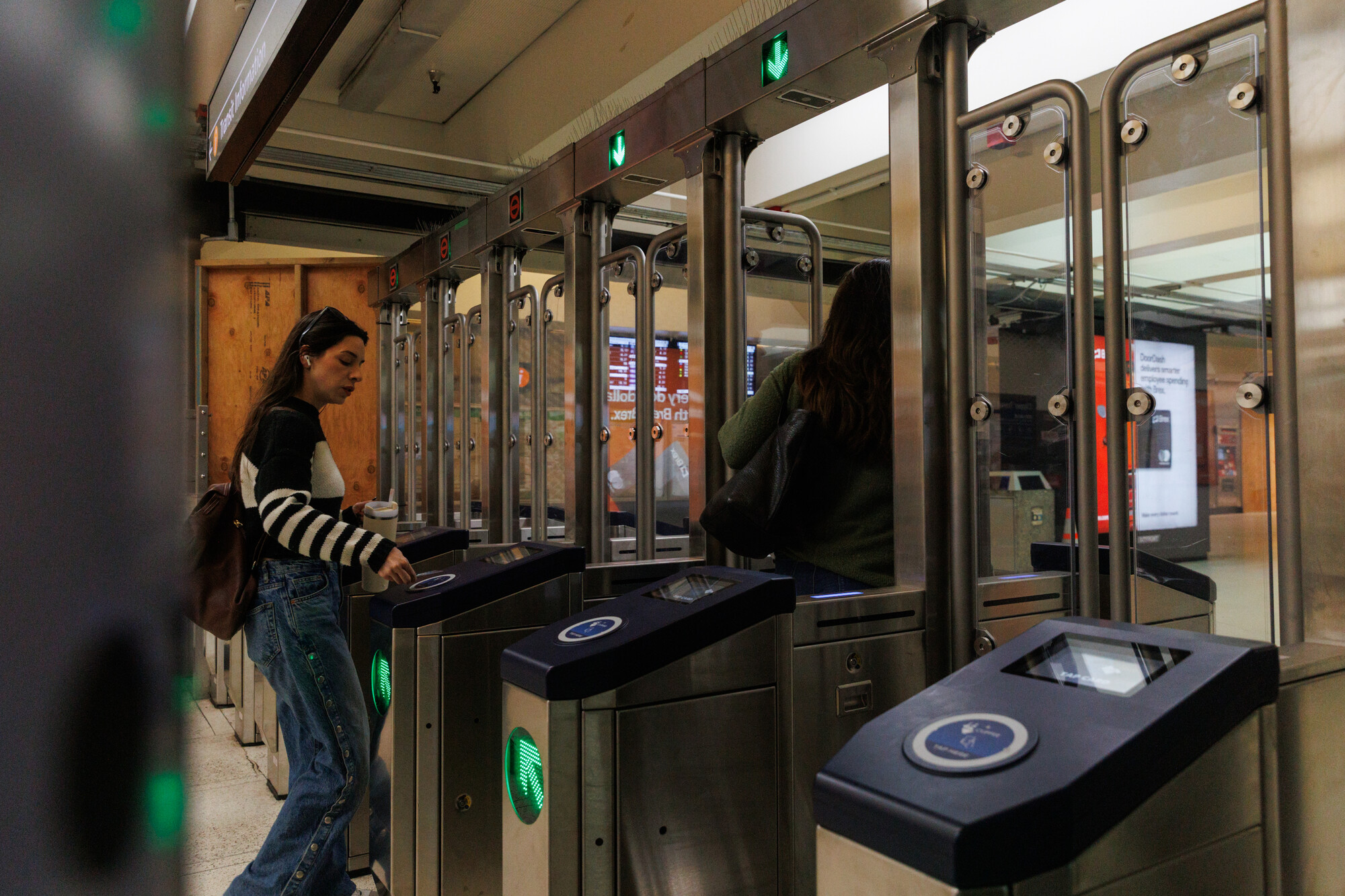
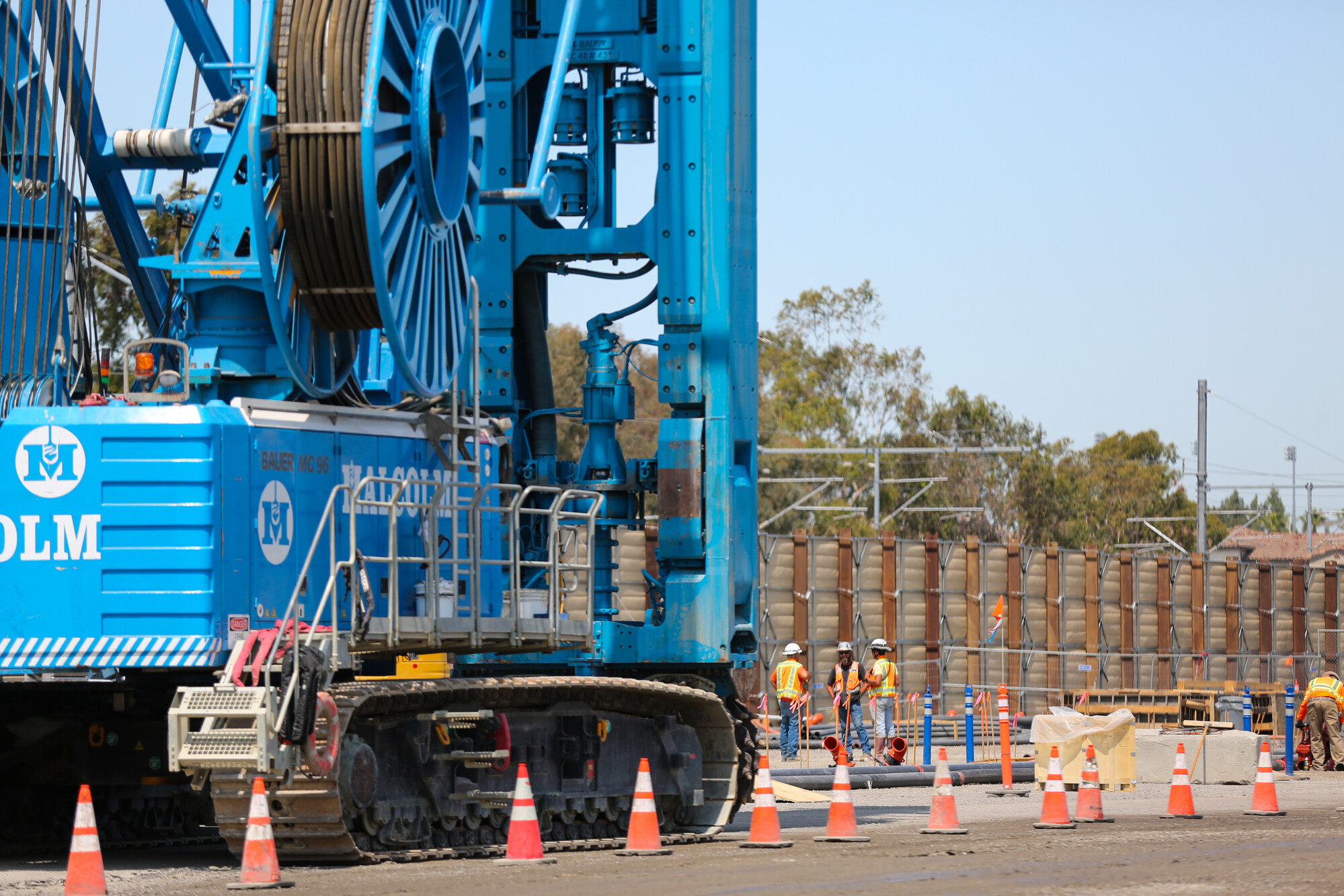
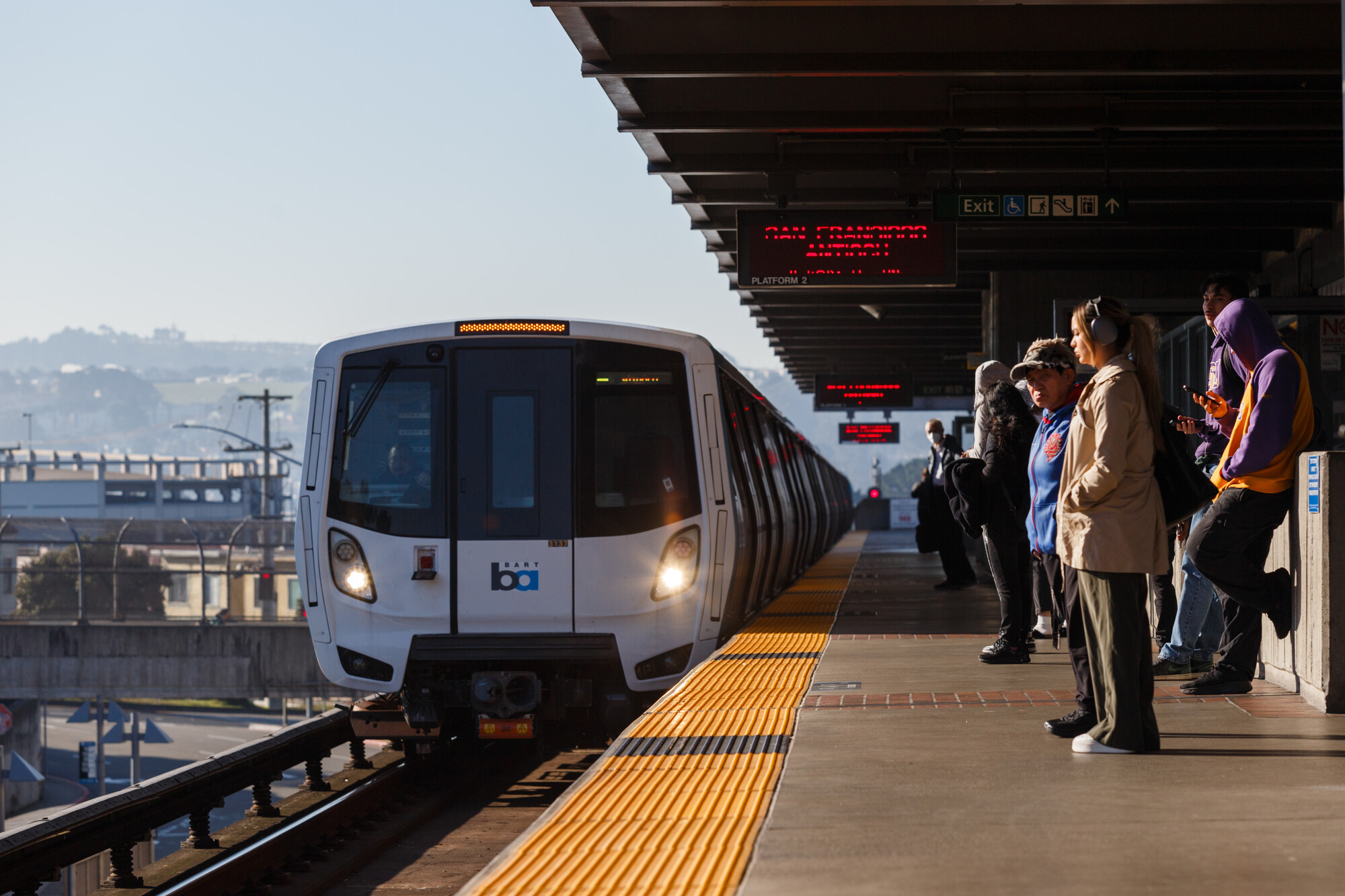
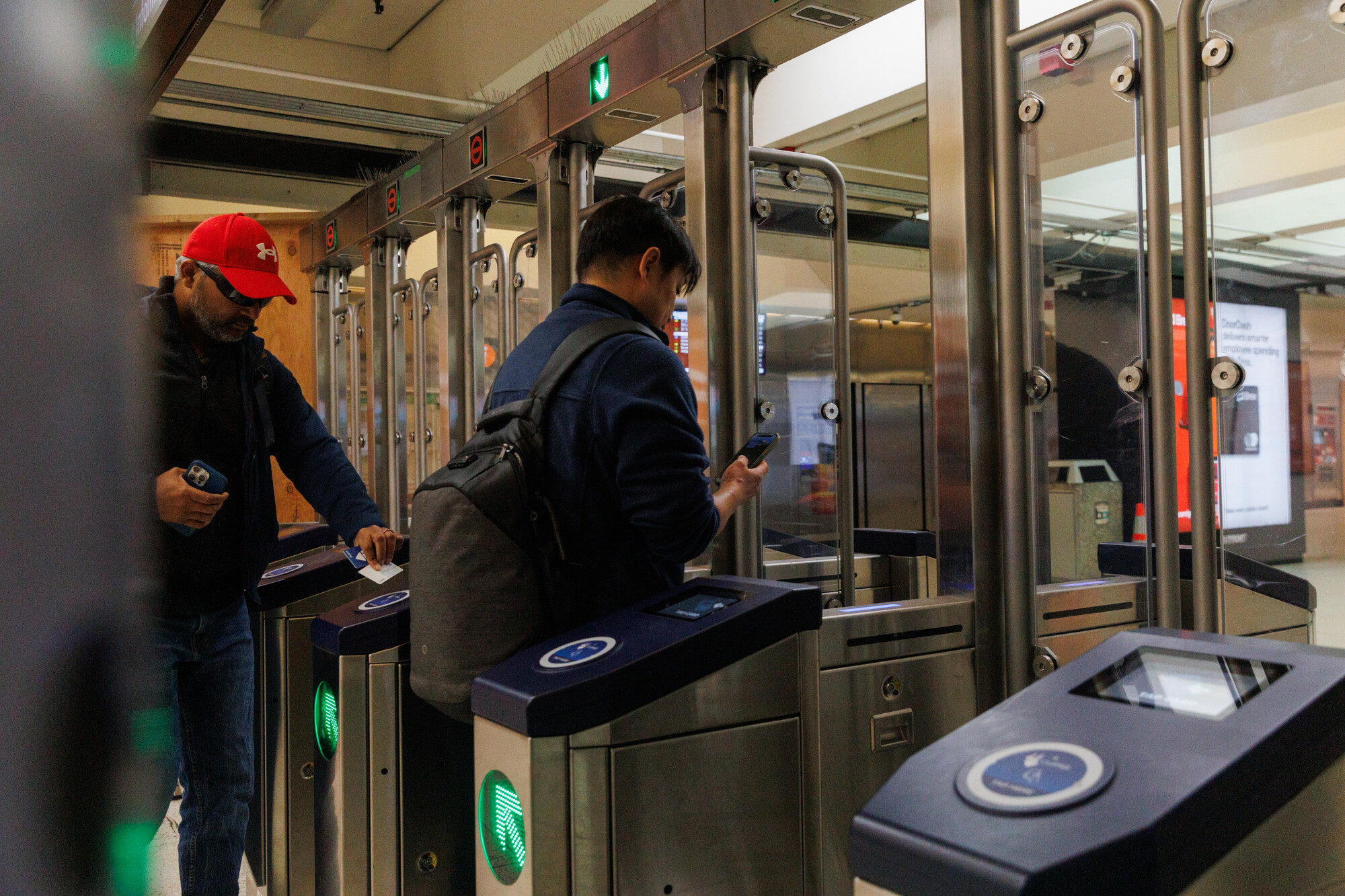
window.__IS_SSR__=true
window.__INITIAL_STATE__={
"attachmentsReducer": {
"audio_0": {
"type": "attachments",
"id": "audio_0",
"imgSizes": {
"kqedFullSize": {
"file": "https://ww2.kqed.org/news/wp-content/themes/KQED-unified/img/audio_bgs/background0.jpg"
}
}
},
"audio_1": {
"type": "attachments",
"id": "audio_1",
"imgSizes": {
"kqedFullSize": {
"file": "https://ww2.kqed.org/news/wp-content/themes/KQED-unified/img/audio_bgs/background1.jpg"
}
}
},
"audio_2": {
"type": "attachments",
"id": "audio_2",
"imgSizes": {
"kqedFullSize": {
"file": "https://ww2.kqed.org/news/wp-content/themes/KQED-unified/img/audio_bgs/background2.jpg"
}
}
},
"audio_3": {
"type": "attachments",
"id": "audio_3",
"imgSizes": {
"kqedFullSize": {
"file": "https://ww2.kqed.org/news/wp-content/themes/KQED-unified/img/audio_bgs/background3.jpg"
}
}
},
"audio_4": {
"type": "attachments",
"id": "audio_4",
"imgSizes": {
"kqedFullSize": {
"file": "https://ww2.kqed.org/news/wp-content/themes/KQED-unified/img/audio_bgs/background4.jpg"
}
}
},
"placeholder": {
"type": "attachments",
"id": "placeholder",
"imgSizes": {
"thumbnail": {
"file": "https://cdn.kqed.org/wp-content/uploads/2024/12/KQED-Default-Image-816638274-2000x1333-1-160x107.jpg",
"width": 160,
"height": 107,
"mimeType": "image/jpeg"
},
"medium": {
"file": "https://cdn.kqed.org/wp-content/uploads/2024/12/KQED-Default-Image-816638274-2000x1333-1-800x533.jpg",
"width": 800,
"height": 533,
"mimeType": "image/jpeg"
},
"medium_large": {
"file": "https://cdn.kqed.org/wp-content/uploads/2024/12/KQED-Default-Image-816638274-2000x1333-1-768x512.jpg",
"width": 768,
"height": 512,
"mimeType": "image/jpeg"
},
"large": {
"file": "https://cdn.kqed.org/wp-content/uploads/2024/12/KQED-Default-Image-816638274-2000x1333-1-1020x680.jpg",
"width": 1020,
"height": 680,
"mimeType": "image/jpeg"
},
"1536x1536": {
"file": "https://cdn.kqed.org/wp-content/uploads/2024/12/KQED-Default-Image-816638274-2000x1333-1-1536x1024.jpg",
"width": 1536,
"height": 1024,
"mimeType": "image/jpeg"
},
"fd-lrg": {
"file": "https://cdn.kqed.org/wp-content/uploads/2024/12/KQED-Default-Image-816638274-2000x1333-1-1536x1024.jpg",
"width": 1536,
"height": 1024,
"mimeType": "image/jpeg"
},
"fd-med": {
"file": "https://cdn.kqed.org/wp-content/uploads/2024/12/KQED-Default-Image-816638274-2000x1333-1-1020x680.jpg",
"width": 1020,
"height": 680,
"mimeType": "image/jpeg"
},
"fd-sm": {
"file": "https://cdn.kqed.org/wp-content/uploads/2024/12/KQED-Default-Image-816638274-2000x1333-1-800x533.jpg",
"width": 800,
"height": 533,
"mimeType": "image/jpeg"
},
"post-thumbnail": {
"file": "https://cdn.kqed.org/wp-content/uploads/2024/12/KQED-Default-Image-816638274-2000x1333-1-672x372.jpg",
"width": 672,
"height": 372,
"mimeType": "image/jpeg"
},
"twentyfourteen-full-width": {
"file": "https://cdn.kqed.org/wp-content/uploads/2024/12/KQED-Default-Image-816638274-2000x1333-1-1038x576.jpg",
"width": 1038,
"height": 576,
"mimeType": "image/jpeg"
},
"xxsmall": {
"file": "https://cdn.kqed.org/wp-content/uploads/2024/12/KQED-Default-Image-816638274-2000x1333-1-160x107.jpg",
"width": 160,
"height": 107,
"mimeType": "image/jpeg"
},
"xsmall": {
"file": "https://cdn.kqed.org/wp-content/uploads/2024/12/KQED-Default-Image-816638274-2000x1333-1-672x372.jpg",
"width": 672,
"height": 372,
"mimeType": "image/jpeg"
},
"small": {
"file": "https://cdn.kqed.org/wp-content/uploads/2024/12/KQED-Default-Image-816638274-2000x1333-1-672x372.jpg",
"width": 672,
"height": 372,
"mimeType": "image/jpeg"
},
"xlarge": {
"file": "https://cdn.kqed.org/wp-content/uploads/2024/12/KQED-Default-Image-816638274-2000x1333-1-1020x680.jpg",
"width": 1020,
"height": 680,
"mimeType": "image/jpeg"
},
"full-width": {
"file": "https://cdn.kqed.org/wp-content/uploads/2024/12/KQED-Default-Image-816638274-2000x1333-1-1920x1280.jpg",
"width": 1920,
"height": 1280,
"mimeType": "image/jpeg"
},
"guest-author-32": {
"file": "https://cdn.kqed.org/wp-content/uploads/2025/01/KQED-Default-Image-816638274-1333x1333-1-160x160.jpg",
"width": 32,
"height": 32,
"mimeType": "image/jpeg"
},
"guest-author-50": {
"file": "https://cdn.kqed.org/wp-content/uploads/2025/01/KQED-Default-Image-816638274-1333x1333-1-160x160.jpg",
"width": 50,
"height": 50,
"mimeType": "image/jpeg"
},
"guest-author-64": {
"file": "https://cdn.kqed.org/wp-content/uploads/2025/01/KQED-Default-Image-816638274-1333x1333-1-160x160.jpg",
"width": 64,
"height": 64,
"mimeType": "image/jpeg"
},
"guest-author-96": {
"file": "https://cdn.kqed.org/wp-content/uploads/2025/01/KQED-Default-Image-816638274-1333x1333-1-160x160.jpg",
"width": 96,
"height": 96,
"mimeType": "image/jpeg"
},
"guest-author-128": {
"file": "https://cdn.kqed.org/wp-content/uploads/2025/01/KQED-Default-Image-816638274-1333x1333-1-160x160.jpg",
"width": 128,
"height": 128,
"mimeType": "image/jpeg"
},
"detail": {
"file": "https://cdn.kqed.org/wp-content/uploads/2025/01/KQED-Default-Image-816638274-1333x1333-1-160x160.jpg",
"width": 160,
"height": 160,
"mimeType": "image/jpeg"
},
"kqedFullSize": {
"file": "https://cdn.kqed.org/wp-content/uploads/2024/12/KQED-Default-Image-816638274-2000x1333-1.jpg",
"width": 2000,
"height": 1333
}
}
},
"news_12052429": {
"type": "attachments",
"id": "news_12052429",
"meta": {
"index": "attachments_1716263798",
"site": "news",
"id": "12052429",
"found": true
},
"title": "20241204-BART-JY-023_qed",
"publishDate": 1755288565,
"status": "inherit",
"parent": 12052424,
"modified": 1755288593,
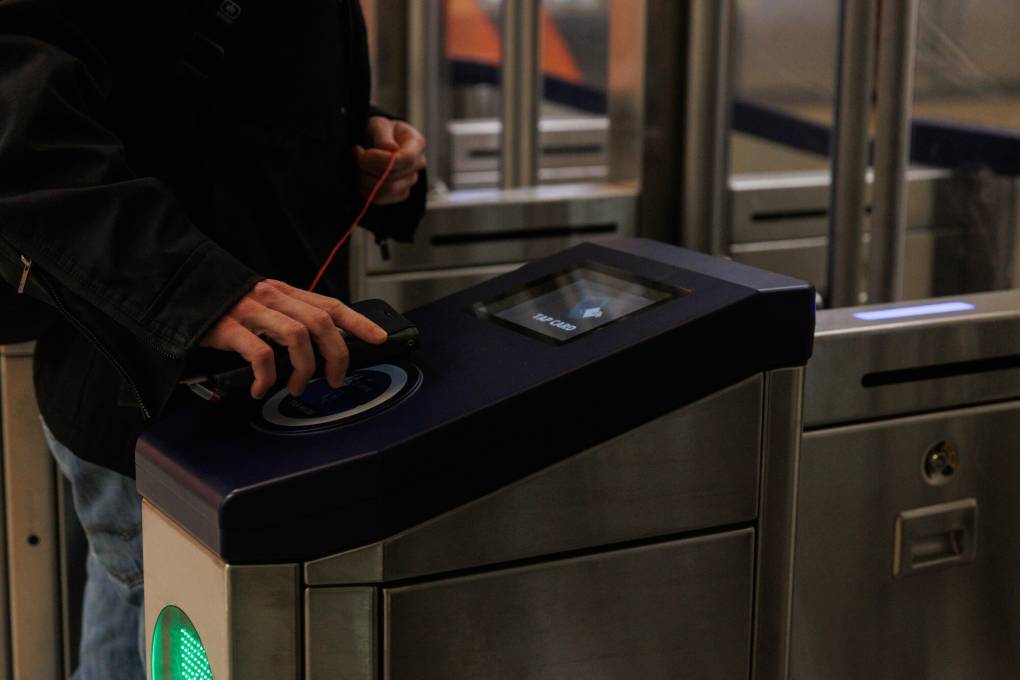
"caption": "Passengers tag their Clipper cards at Montgomery BART Station in San Francisco on Dec. 4, 2024. The rollout of \"open payments\" marks a soft launch for Clipper 2.0, a next-generation payment platform that's years overdue. \r\n",
"credit": "Juliana Yamada/KQED",
"altTag": null,
"description": null,
"imgSizes": {
"thumbnail": {
"file": "https://cdn.kqed.org/wp-content/uploads/sites/10/2025/08/20241204-BART-JY-023_qed-160x107.jpg",
"width": 160,
"height": 107,
"mimeType": "image/jpeg"
},
"1536x1536": {
"file": "https://cdn.kqed.org/wp-content/uploads/sites/10/2025/08/20241204-BART-JY-023_qed-1536x1024.jpg",
"width": 1536,
"height": 1024,
"mimeType": "image/jpeg"
},
"post-thumbnail": {
"file": "https://cdn.kqed.org/wp-content/uploads/sites/10/2025/08/20241204-BART-JY-023_qed-672x372.jpg",
"width": 672,
"height": 372,
"mimeType": "image/jpeg"
},
"twentyfourteen-full-width": {
"file": "https://cdn.kqed.org/wp-content/uploads/sites/10/2025/08/20241204-BART-JY-023_qed-1038x576.jpg",
"width": 1038,
"height": 576,
"mimeType": "image/jpeg"
},
"kqedFullSize": {
"file": "https://cdn.kqed.org/wp-content/uploads/sites/10/2025/08/20241204-BART-JY-023_qed.jpg",
"width": 2000,
"height": 1333
}
},
"isLoading": false,
"fetchFailed": false
},
"news_12051894": {
"type": "attachments",
"id": "news_12051894",
"meta": {
"index": "attachments_1716263798",
"site": "news",
"id": "12051894",
"found": true
},
"title": "250623-VTAWESTPORTAL-JG-5_qed",
"publishDate": 1755026070,
"status": "inherit",
"parent": 0,
"modified": 1755026105,
"caption": "A massive cutter soil-mixing rig injects materials into soil at the West Portal construction site in San José on June 23, 2025.",
"credit": "Joseph Geha/KQED",
"altTag": null,
"description": null,
"imgSizes": {
"thumbnail": {
"file": "https://cdn.kqed.org/wp-content/uploads/sites/10/2025/08/250623-VTAWESTPORTAL-JG-5_qed-160x107.jpg",
"width": 160,
"height": 107,
"mimeType": "image/jpeg"
},
"1536x1536": {
"file": "https://cdn.kqed.org/wp-content/uploads/sites/10/2025/08/250623-VTAWESTPORTAL-JG-5_qed-1536x1024.jpg",
"width": 1536,
"height": 1024,
"mimeType": "image/jpeg"
},
"post-thumbnail": {
"file": "https://cdn.kqed.org/wp-content/uploads/sites/10/2025/08/250623-VTAWESTPORTAL-JG-5_qed-672x372.jpg",
"width": 672,
"height": 372,
"mimeType": "image/jpeg"
},
"twentyfourteen-full-width": {
"file": "https://cdn.kqed.org/wp-content/uploads/sites/10/2025/08/250623-VTAWESTPORTAL-JG-5_qed-1038x576.jpg",
"width": 1038,
"height": 576,
"mimeType": "image/jpeg"
},
"kqedFullSize": {
"file": "https://cdn.kqed.org/wp-content/uploads/sites/10/2025/08/250623-VTAWESTPORTAL-JG-5_qed.jpg",
"width": 1999,
"height": 1333
}
},
"isLoading": false,
"fetchFailed": false
},
"news_12051374": {
"type": "attachments",
"id": "news_12051374",
"meta": {
"index": "attachments_1716263798",
"site": "news",
"id": "12051374",
"found": true
},
"title": "20241204-BART-JY-002_qed",
"publishDate": 1754609699,
"status": "inherit",
"parent": 12051362,
"modified": 1757189961,
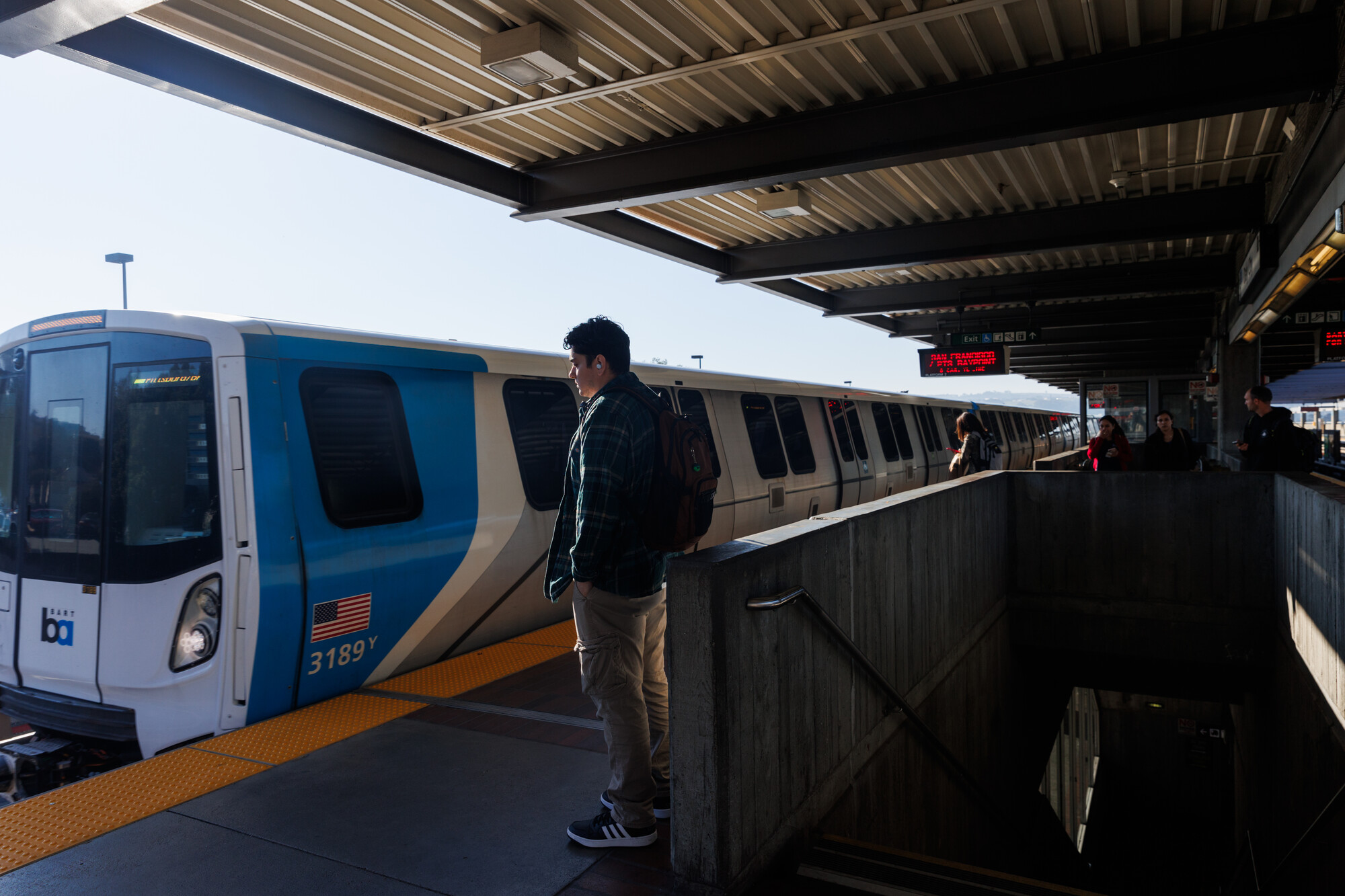
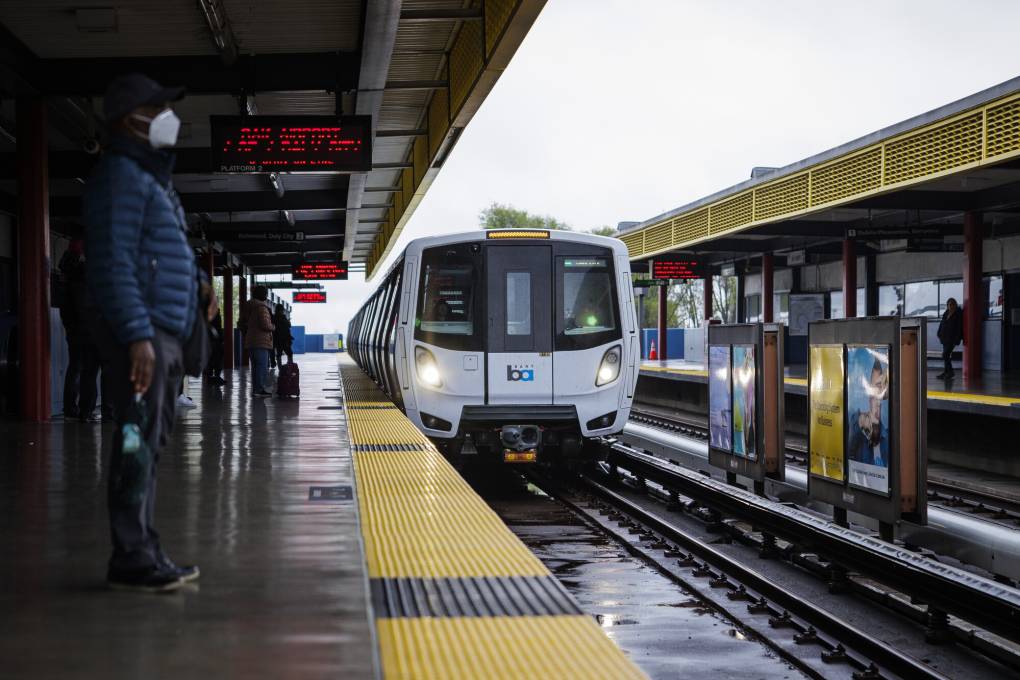
"caption": "A BART car approaches the platform at Daly City Station in Daly City, on Dec. 4, 2024.",
"credit": "Juliana Yamada/KQED",
"altTag": null,
"description": null,
"imgSizes": {
"thumbnail": {
"file": "https://cdn.kqed.org/wp-content/uploads/sites/10/2025/08/20241204-BART-JY-002_qed-160x107.jpg",
"width": 160,
"height": 107,
"mimeType": "image/jpeg"
},
"1536x1536": {
"file": "https://cdn.kqed.org/wp-content/uploads/sites/10/2025/08/20241204-BART-JY-002_qed-1536x1024.jpg",
"width": 1536,
"height": 1024,
"mimeType": "image/jpeg"
},
"post-thumbnail": {
"file": "https://cdn.kqed.org/wp-content/uploads/sites/10/2025/08/20241204-BART-JY-002_qed-672x372.jpg",
"width": 672,
"height": 372,
"mimeType": "image/jpeg"
},
"twentyfourteen-full-width": {
"file": "https://cdn.kqed.org/wp-content/uploads/sites/10/2025/08/20241204-BART-JY-002_qed-1038x576.jpg",
"width": 1038,
"height": 576,
"mimeType": "image/jpeg"
},
"kqedFullSize": {
"file": "https://cdn.kqed.org/wp-content/uploads/sites/10/2025/08/20241204-BART-JY-002_qed.jpg",
"width": 2000,
"height": 1333
}
},
"isLoading": false,
"fetchFailed": false
},
"news_12046682": {
"type": "attachments",
"id": "news_12046682",
"meta": {
"index": "attachments_1716263798",
"site": "news",
"id": "12046682",
"found": true
},
"title": "20241204-BART-JY-024_qed",
"publishDate": 1751388604,
"status": "inherit",
"parent": 12046678,
"modified": 1751388636,
"caption": "Passengers tag their Clipper cards at Montgomery BART Station in San Francisco on Dec. 4, 2024.",
"credit": "Juliana Yamada/KQED",
"altTag": null,
"description": null,
"imgSizes": {
"thumbnail": {
"file": "https://cdn.kqed.org/wp-content/uploads/sites/10/2025/07/20241204-BART-JY-024_qed-160x107.jpg",
"width": 160,
"height": 107,
"mimeType": "image/jpeg"
},
"1536x1536": {
"file": "https://cdn.kqed.org/wp-content/uploads/sites/10/2025/07/20241204-BART-JY-024_qed-1536x1024.jpg",
"width": 1536,
"height": 1024,
"mimeType": "image/jpeg"
},
"post-thumbnail": {
"file": "https://cdn.kqed.org/wp-content/uploads/sites/10/2025/07/20241204-BART-JY-024_qed-672x372.jpg",
"width": 672,
"height": 372,
"mimeType": "image/jpeg"
},
"twentyfourteen-full-width": {
"file": "https://cdn.kqed.org/wp-content/uploads/sites/10/2025/07/20241204-BART-JY-024_qed-1038x576.jpg",
"width": 1038,
"height": 576,
"mimeType": "image/jpeg"
},
"kqedFullSize": {
"file": "https://cdn.kqed.org/wp-content/uploads/sites/10/2025/07/20241204-BART-JY-024_qed.jpg",
"width": 2000,
"height": 1333
}
},
"isLoading": false,
"fetchFailed": false
},
"news_12044953": {
"type": "attachments",
"id": "news_12044953",
"meta": {
"index": "attachments_1716263798",
"site": "news",
"id": "12044953",
"found": true
},
"title": "20241204-BART-JY-009_qed",
"publishDate": 1750277536,
"status": "inherit",
"parent": 12044945,
"modified": 1757191512,
"caption": "Passengers wait to board BART at Daly City Station in Daly City, on Dec. 4, 2024.",
"credit": "Juliana Yamada/KQED",
"altTag": null,
"description": null,
"imgSizes": {
"thumbnail": {
"file": "https://cdn.kqed.org/wp-content/uploads/sites/10/2025/06/20241204-BART-JY-009_qed-160x107.jpg",
"width": 160,
"height": 107,
"mimeType": "image/jpeg"
},
"1536x1536": {
"file": "https://cdn.kqed.org/wp-content/uploads/sites/10/2025/06/20241204-BART-JY-009_qed-1536x1024.jpg",
"width": 1536,
"height": 1024,
"mimeType": "image/jpeg"
},
"post-thumbnail": {
"file": "https://cdn.kqed.org/wp-content/uploads/sites/10/2025/06/20241204-BART-JY-009_qed-672x372.jpg",
"width": 672,
"height": 372,
"mimeType": "image/jpeg"
},
"twentyfourteen-full-width": {
"file": "https://cdn.kqed.org/wp-content/uploads/sites/10/2025/06/20241204-BART-JY-009_qed-1038x576.jpg",
"width": 1038,
"height": 576,
"mimeType": "image/jpeg"
},
"kqedFullSize": {
"file": "https://cdn.kqed.org/wp-content/uploads/sites/10/2025/06/20241204-BART-JY-009_qed.jpg",
"width": 2000,
"height": 1333
}
},
"isLoading": false,
"fetchFailed": false
},
"news_12043558": {
"type": "attachments",
"id": "news_12043558",
"meta": {
"index": "attachments_1716263798",
"site": "news",
"id": "12043558",
"found": true
},
"title": "20241204-BART-JY-003_qed",
"publishDate": 1749582885,
"status": "inherit",
"parent": 12043556,
"modified": 1763760942,
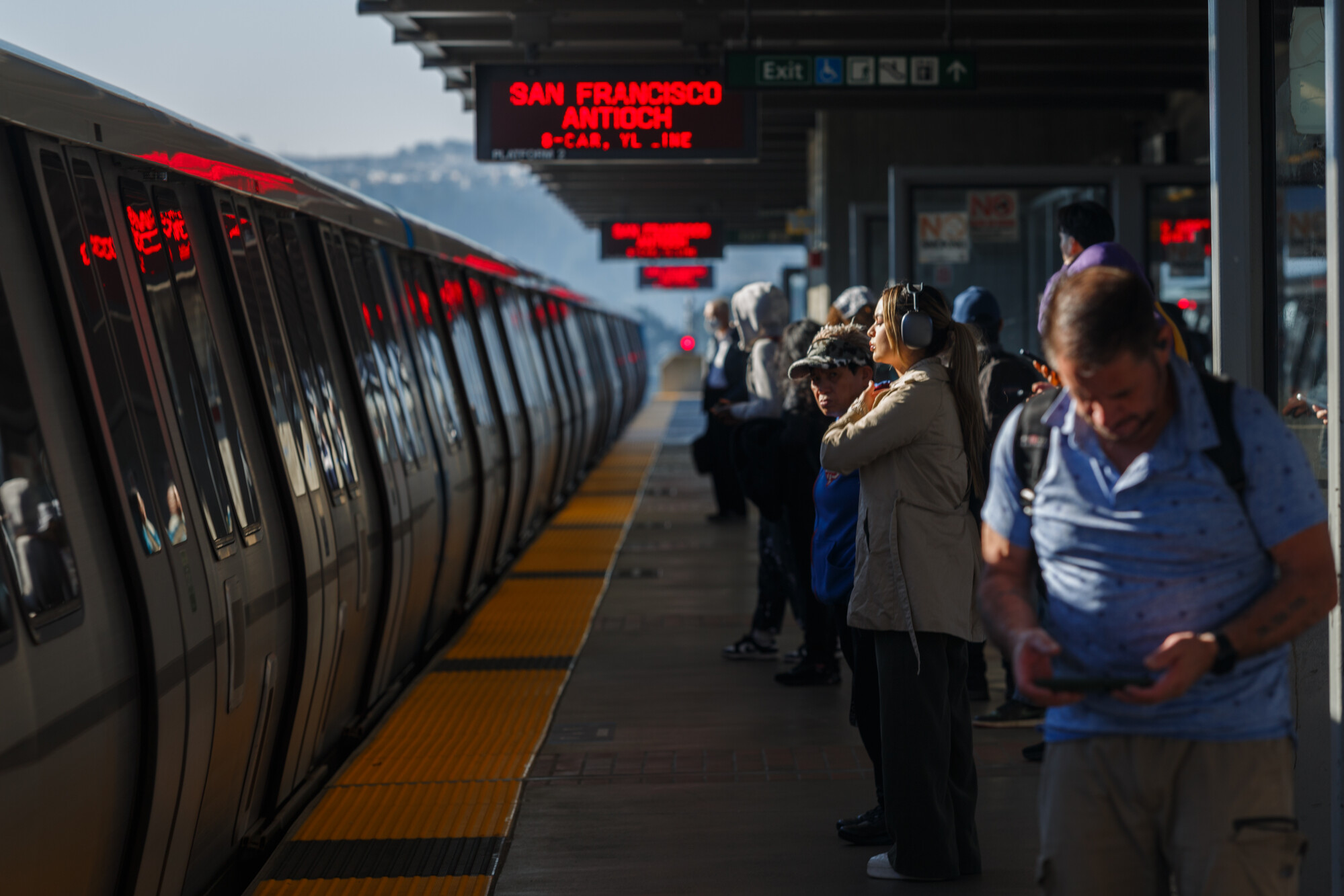
"caption": "Passengers wait to board BART at Daly City Station in Daly City, California, on Dec. 4, 2024.",
"credit": "Juliana Yamada/KQED",
"altTag": null,
"description": null,
"imgSizes": {
"thumbnail": {
"file": "https://cdn.kqed.org/wp-content/uploads/sites/10/2025/06/20241204-BART-JY-003_qed-160x107.jpg",
"width": 160,
"height": 107,
"mimeType": "image/jpeg"
},
"1536x1536": {
"file": "https://cdn.kqed.org/wp-content/uploads/sites/10/2025/06/20241204-BART-JY-003_qed-1536x1024.jpg",
"width": 1536,
"height": 1024,
"mimeType": "image/jpeg"
},
"post-thumbnail": {
"file": "https://cdn.kqed.org/wp-content/uploads/sites/10/2025/06/20241204-BART-JY-003_qed-672x372.jpg",
"width": 672,
"height": 372,
"mimeType": "image/jpeg"
},
"twentyfourteen-full-width": {
"file": "https://cdn.kqed.org/wp-content/uploads/sites/10/2025/06/20241204-BART-JY-003_qed-1038x576.jpg",
"width": 1038,
"height": 576,
"mimeType": "image/jpeg"
},
"kqedFullSize": {
"file": "https://cdn.kqed.org/wp-content/uploads/sites/10/2025/06/20241204-BART-JY-003_qed.jpg",
"width": 1999,
"height": 1333
}
},
"isLoading": false,
"fetchFailed": false
},
"news_11990515": {
"type": "attachments",
"id": "news_11990515",
"meta": {
"index": "attachments_1716263798",
"site": "news",
"id": "11990515",
"found": true
},
"title": "240614-VTAGROUNDBREAKING-JG-01_qut",
"publishDate": 1718404276,
"status": "inherit",
"parent": 0,
"modified": 1749491424,
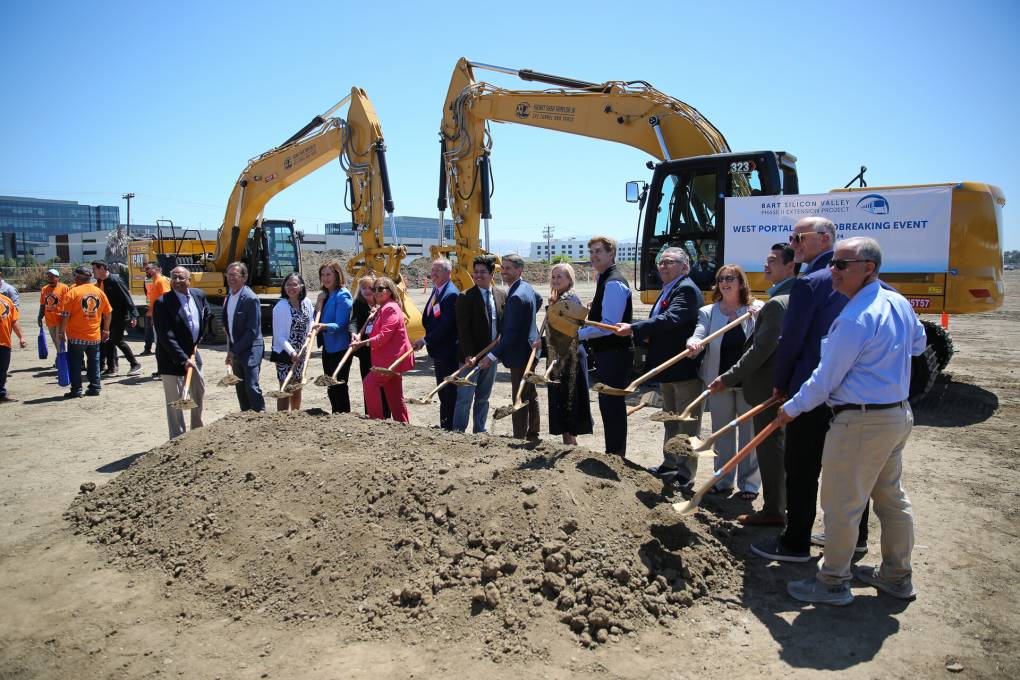
"caption": "South Bay leaders, transit officials and regional boosters take part in a ceremonial groundbreaking for VTA's BART Silicon Valley Phase II project in Santa Clara in June 2024.",
"credit": "Joseph Geha/KQED",
"altTag": null,
"description": null,
"imgSizes": {
"medium": {
"file": "https://cdn.kqed.org/wp-content/uploads/sites/10/2024/06/240614-VTAGROUNDBREAKING-JG-01_qut-800x533.jpg",
"width": 800,
"height": 533,
"mimeType": "image/jpeg"
},
"large": {
"file": "https://cdn.kqed.org/wp-content/uploads/sites/10/2024/06/240614-VTAGROUNDBREAKING-JG-01_qut-1020x680.jpg",
"width": 1020,
"height": 680,
"mimeType": "image/jpeg"
},
"thumbnail": {
"file": "https://cdn.kqed.org/wp-content/uploads/sites/10/2024/06/240614-VTAGROUNDBREAKING-JG-01_qut-160x107.jpg",
"width": 160,
"height": 107,
"mimeType": "image/jpeg"
},
"1536x1536": {
"file": "https://cdn.kqed.org/wp-content/uploads/sites/10/2024/06/240614-VTAGROUNDBREAKING-JG-01_qut-1536x1024.jpg",
"width": 1536,
"height": 1024,
"mimeType": "image/jpeg"
},
"post-thumbnail": {
"file": "https://cdn.kqed.org/wp-content/uploads/sites/10/2024/06/240614-VTAGROUNDBREAKING-JG-01_qut-672x372.jpg",
"width": 672,
"height": 372,
"mimeType": "image/jpeg"
},
"twentyfourteen-full-width": {
"file": "https://cdn.kqed.org/wp-content/uploads/sites/10/2024/06/240614-VTAGROUNDBREAKING-JG-01_qut-1038x576.jpg",
"width": 1038,
"height": 576,
"mimeType": "image/jpeg"
},
"kqedFullSize": {
"file": "https://cdn.kqed.org/wp-content/uploads/sites/10/2024/06/240614-VTAGROUNDBREAKING-JG-01_qut.jpg",
"width": 1920,
"height": 1280
}
},
"isLoading": false,
"fetchFailed": false
},
"news_12042674": {
"type": "attachments",
"id": "news_12042674",
"meta": {
"index": "attachments_1716263798",
"site": "news",
"id": "12042674",
"found": true
},
"title": "008_KQED_Housing_Oakland_02212020_3485_qed",
"publishDate": 1749053781,
"status": "inherit",
"parent": 12042670,
"modified": 1749053816,
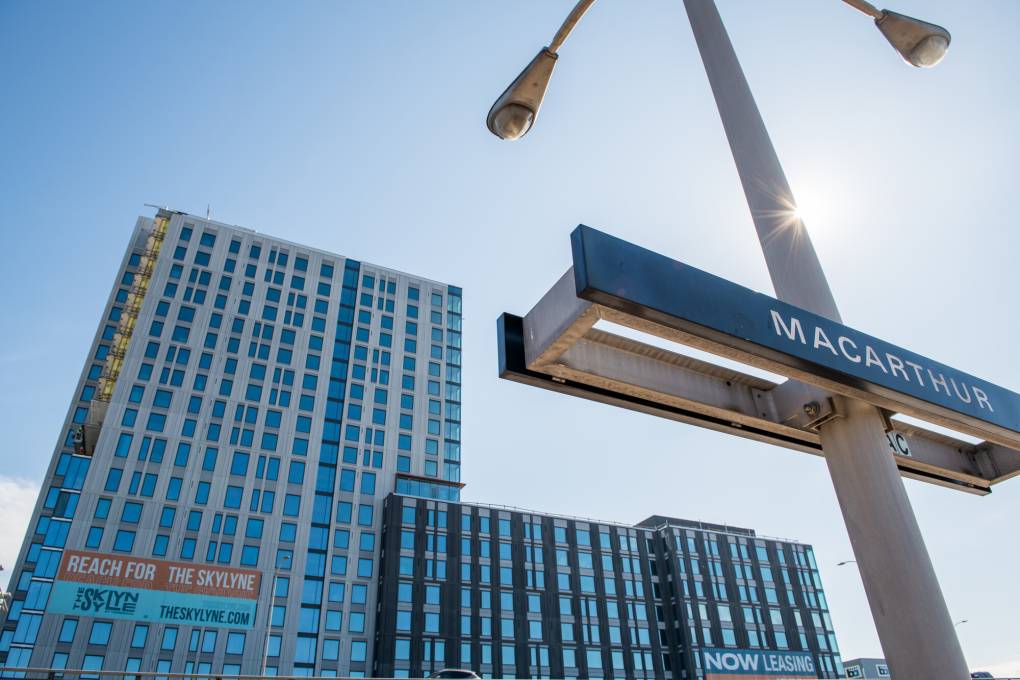
"caption": "Apartment buildings under construction near Macarthur BART station in Oakland, on Feb. 21, 2020.",
"credit": "Beth LaBerge/KQED",
"altTag": null,
"description": null,
"imgSizes": {
"medium": {
"file": "https://cdn.kqed.org/wp-content/uploads/sites/10/2025/06/008_KQED_Housing_Oakland_02212020_3485_qed-800x533.jpg",
"width": 800,
"height": 533,
"mimeType": "image/jpeg"
},
"large": {
"file": "https://cdn.kqed.org/wp-content/uploads/sites/10/2025/06/008_KQED_Housing_Oakland_02212020_3485_qed-1020x680.jpg",
"width": 1020,
"height": 680,
"mimeType": "image/jpeg"
},
"thumbnail": {
"file": "https://cdn.kqed.org/wp-content/uploads/sites/10/2025/06/008_KQED_Housing_Oakland_02212020_3485_qed-160x107.jpg",
"width": 160,
"height": 107,
"mimeType": "image/jpeg"
},
"1536x1536": {
"file": "https://cdn.kqed.org/wp-content/uploads/sites/10/2025/06/008_KQED_Housing_Oakland_02212020_3485_qed-1536x1024.jpg",
"width": 1536,
"height": 1024,
"mimeType": "image/jpeg"
},
"post-thumbnail": {
"file": "https://cdn.kqed.org/wp-content/uploads/sites/10/2025/06/008_KQED_Housing_Oakland_02212020_3485_qed-672x372.jpg",
"width": 672,
"height": 372,
"mimeType": "image/jpeg"
},
"twentyfourteen-full-width": {
"file": "https://cdn.kqed.org/wp-content/uploads/sites/10/2025/06/008_KQED_Housing_Oakland_02212020_3485_qed-1038x576.jpg",
"width": 1038,
"height": 576,
"mimeType": "image/jpeg"
},
"full-width": {
"file": "https://cdn.kqed.org/wp-content/uploads/sites/10/2025/06/008_KQED_Housing_Oakland_02212020_3485_qed-1920x1280.jpg",
"width": 1920,
"height": 1280,
"mimeType": "image/jpeg"
},
"kqedFullSize": {
"file": "https://cdn.kqed.org/wp-content/uploads/sites/10/2025/06/008_KQED_Housing_Oakland_02212020_3485_qed.jpg",
"width": 2000,
"height": 1333
}
},
"isLoading": false,
"fetchFailed": false
},
"news_12041827": {
"type": "attachments",
"id": "news_12041827",
"meta": {
"index": "attachments_1716263798",
"site": "news",
"id": "12041827",
"found": true
},
"title": "006_KQED_SanFrancisco_Muni_04062020_qed",
"publishDate": 1748456618,
"status": "inherit",
"parent": 12041824,
"modified": 1748807984,
"caption": "A fleet of Muni buses in San Francisco on April 6, 2020.",
"credit": "Beth LaBerge/KQED",
"altTag": "A fleet of buses with red stripes in a parking lot.",
"description": null,
"imgSizes": {
"medium": {
"file": "https://cdn.kqed.org/wp-content/uploads/sites/10/2025/05/006_KQED_SanFrancisco_Muni_04062020_qed-800x533.jpg",
"width": 800,
"height": 533,
"mimeType": "image/jpeg"
},
"large": {
"file": "https://cdn.kqed.org/wp-content/uploads/sites/10/2025/05/006_KQED_SanFrancisco_Muni_04062020_qed-1020x680.jpg",
"width": 1020,
"height": 680,
"mimeType": "image/jpeg"
},
"thumbnail": {
"file": "https://cdn.kqed.org/wp-content/uploads/sites/10/2025/05/006_KQED_SanFrancisco_Muni_04062020_qed-160x107.jpg",
"width": 160,
"height": 107,
"mimeType": "image/jpeg"
},
"1536x1536": {
"file": "https://cdn.kqed.org/wp-content/uploads/sites/10/2025/05/006_KQED_SanFrancisco_Muni_04062020_qed-1536x1024.jpg",
"width": 1536,
"height": 1024,
"mimeType": "image/jpeg"
},
"post-thumbnail": {
"file": "https://cdn.kqed.org/wp-content/uploads/sites/10/2025/05/006_KQED_SanFrancisco_Muni_04062020_qed-672x372.jpg",
"width": 672,
"height": 372,
"mimeType": "image/jpeg"
},
"twentyfourteen-full-width": {
"file": "https://cdn.kqed.org/wp-content/uploads/sites/10/2025/05/006_KQED_SanFrancisco_Muni_04062020_qed-1038x576.jpg",
"width": 1038,
"height": 576,
"mimeType": "image/jpeg"
},
"full-width": {
"file": "https://cdn.kqed.org/wp-content/uploads/sites/10/2025/05/006_KQED_SanFrancisco_Muni_04062020_qed-1920x1280.jpg",
"width": 1920,
"height": 1280,
"mimeType": "image/jpeg"
},
"kqedFullSize": {
"file": "https://cdn.kqed.org/wp-content/uploads/sites/10/2025/05/006_KQED_SanFrancisco_Muni_04062020_qed.jpg",
"width": 2000,
"height": 1333
}
},
"isLoading": false,
"fetchFailed": false
},
"news_12040954": {
"type": "attachments",
"id": "news_12040954",
"meta": {
"index": "attachments_1716263798",
"site": "news",
"id": "12040954",
"found": true
},
"title": "20241204-BART-JY-028_qed",
"publishDate": 1747772322,
"status": "inherit",
"parent": 12040951,
"modified": 1747772344,
"caption": "A passenger tags their Clipper card at Montgomery BART Station in San Francisco on Dec. 4, 2024.",
"credit": "Juliana Yamada/KQED",
"altTag": null,
"description": null,
"imgSizes": {
"medium": {
"file": "https://cdn.kqed.org/wp-content/uploads/sites/10/2025/05/20241204-BART-JY-028_qed-800x533.jpg",
"width": 800,
"height": 533,
"mimeType": "image/jpeg"
},
"large": {
"file": "https://cdn.kqed.org/wp-content/uploads/sites/10/2025/05/20241204-BART-JY-028_qed-1020x680.jpg",
"width": 1020,
"height": 680,
"mimeType": "image/jpeg"
},
"thumbnail": {
"file": "https://cdn.kqed.org/wp-content/uploads/sites/10/2025/05/20241204-BART-JY-028_qed-160x107.jpg",
"width": 160,
"height": 107,
"mimeType": "image/jpeg"
},
"1536x1536": {
"file": "https://cdn.kqed.org/wp-content/uploads/sites/10/2025/05/20241204-BART-JY-028_qed-1536x1024.jpg",
"width": 1536,
"height": 1024,
"mimeType": "image/jpeg"
},
"post-thumbnail": {
"file": "https://cdn.kqed.org/wp-content/uploads/sites/10/2025/05/20241204-BART-JY-028_qed-672x372.jpg",
"width": 672,
"height": 372,
"mimeType": "image/jpeg"
},
"twentyfourteen-full-width": {
"file": "https://cdn.kqed.org/wp-content/uploads/sites/10/2025/05/20241204-BART-JY-028_qed-1038x576.jpg",
"width": 1038,
"height": 576,
"mimeType": "image/jpeg"
},
"full-width": {
"file": "https://cdn.kqed.org/wp-content/uploads/sites/10/2025/05/20241204-BART-JY-028_qed-1920x1280.jpg",
"width": 1920,
"height": 1280,
"mimeType": "image/jpeg"
},
"kqedFullSize": {
"file": "https://cdn.kqed.org/wp-content/uploads/sites/10/2025/05/20241204-BART-JY-028_qed.jpg",
"width": 1999,
"height": 1333
}
},
"isLoading": false,
"fetchFailed": false
},
"news_11993195": {
"type": "attachments",
"id": "news_11993195",
"meta": {
"index": "attachments_1716263798",
"site": "news",
"id": "11993195",
"found": true
},
"title": "240313-BART CRISIS INTERVENTION UNIT-MD-16_qed",
"publishDate": 1720461197,
"status": "inherit",
"parent": 11993189,
"modified": 1747766652,
"caption": "A train approaches the San Leandro BART station on March 13, 2024.",
"credit": "Martin do Nascimento/KQED",
"altTag": null,
"description": null,
"imgSizes": {
"medium": {
"file": "https://cdn.kqed.org/wp-content/uploads/sites/10/2024/07/240313-BART-CRISIS-INTERVENTION-UNIT-MD-16_qed-800x533.jpg",
"width": 800,
"height": 533,
"mimeType": "image/jpeg"
},
"large": {
"file": "https://cdn.kqed.org/wp-content/uploads/sites/10/2024/07/240313-BART-CRISIS-INTERVENTION-UNIT-MD-16_qed-1020x680.jpg",
"width": 1020,
"height": 680,
"mimeType": "image/jpeg"
},
"thumbnail": {
"file": "https://cdn.kqed.org/wp-content/uploads/sites/10/2024/07/240313-BART-CRISIS-INTERVENTION-UNIT-MD-16_qed-160x107.jpg",
"width": 160,
"height": 107,
"mimeType": "image/jpeg"
},
"1536x1536": {
"file": "https://cdn.kqed.org/wp-content/uploads/sites/10/2024/07/240313-BART-CRISIS-INTERVENTION-UNIT-MD-16_qed-1536x1024.jpg",
"width": 1536,
"height": 1024,
"mimeType": "image/jpeg"
},
"post-thumbnail": {
"file": "https://cdn.kqed.org/wp-content/uploads/sites/10/2024/07/240313-BART-CRISIS-INTERVENTION-UNIT-MD-16_qed-672x372.jpg",
"width": 672,
"height": 372,
"mimeType": "image/jpeg"
},
"twentyfourteen-full-width": {
"file": "https://cdn.kqed.org/wp-content/uploads/sites/10/2024/07/240313-BART-CRISIS-INTERVENTION-UNIT-MD-16_qed-1038x576.jpg",
"width": 1038,
"height": 576,
"mimeType": "image/jpeg"
},
"full-width": {
"file": "https://cdn.kqed.org/wp-content/uploads/sites/10/2024/07/240313-BART-CRISIS-INTERVENTION-UNIT-MD-16_qed-1920x1280.jpg",
"width": 1920,
"height": 1280,
"mimeType": "image/jpeg"
},
"kqedFullSize": {
"file": "https://cdn.kqed.org/wp-content/uploads/sites/10/2024/07/240313-BART-CRISIS-INTERVENTION-UNIT-MD-16_qed.jpg",
"width": 1999,
"height": 1333
}
},
"isLoading": false,
"fetchFailed": false
}
},
"audioPlayerReducer": {
"postId": "stream_live",
"isPaused": true,
"isPlaying": false,
"pfsActive": false,
"pledgeModalIsOpen": true,
"playerDrawerIsOpen": false,
"liveAudioPlayStartedAt": 0,
"liveAudioPlayContext": ""
},
"authorsReducer": {
"danbrekke": {
"type": "authors",
"id": "222",
"meta": {
"index": "authors_1716337520",
"id": "222",
"found": true
},
"name": "Dan Brekke",
"firstName": "Dan",
"lastName": "Brekke",
"slug": "danbrekke",
"email": "dbrekke@kqed.org",
"display_author_email": true,
"staff_mastheads": [
"news",
"science"
],
"title": "KQED Editor and Reporter",
"bio": "Dan Brekke is a reporter and editor for KQED News, responsible for coverage of topics ranging from California water issues to the Bay Area's transportation challenges. In a newsroom career that began in Chicago in 1972, Dan has worked for \u003cem>The San Francisco Examiner,\u003c/em> Wired and TechTV and has been published in The New York Times, The New York Times Magazine, Business 2.0, Salon and elsewhere.\r\n\r\nSince joining KQED in 2007, Dan has reported, edited and produced both radio and online features and breaking news pieces. He has shared as both editor and reporter in four Society of Professional Journalists Norcal Excellence in Journalism awards and one Edward R. Murrow regional award. He was chosen for a spring 2017 residency at the Mesa Refuge to advance his research on California salmon.\r\n\r\nEmail Dan at: \u003ca href=\"mailto:dbrekke@kqed.org\">dbrekke@kqed.org\u003c/a>\r\n\r\n\u003cstrong>Twitter:\u003c/strong> \u003ca href=\"https://twitter.com/danbrekke\" rel=\"noopener noreferrer\">twitter.com/danbrekke\u003c/a>\r\n\u003cstrong>Facebook:\u003c/strong> \u003ca href=\"https://www.facebook.com/danbrekke\" rel=\"noopener noreferrer\">www.facebook.com/danbrekke\u003c/a>\r\n\u003cstrong>LinkedIn:\u003c/strong> \u003ca href=\"https://www.linkedin.com/in/danbrekke\" rel=\"noopener noreferrer\">www.linkedin.com/in/danbrekke\u003c/a>",
"avatar": "https://secure.gravatar.com/avatar/8f1f0d2a978fb3b23426c922c7e2af558fa36905b49c4ce76a97dc3c72d27226?s=600&d=mm&r=g",
"twitter": "danbrekke",
"bluesky": null,
"facebook": null,
"instagram": "https://www.instagram.com/dan.brekke/",
"linkedin": "https://www.linkedin.com/in/danbrekke/",
"sites": [
{
"site": "news",
"roles": [
"administrator",
"create_posts"
]
},
{
"site": "stateofhealth",
"roles": [
"editor"
]
},
{
"site": "science",
"roles": [
"editor"
]
},
{
"site": "quest",
"roles": [
"contributor"
]
},
{
"site": "food",
"roles": [
"contributor"
]
},
{
"site": "forum",
"roles": [
"contributor"
]
},
{
"site": "elections",
"roles": [
"editor"
]
},
{
"site": "liveblog",
"roles": [
"editor"
]
}
],
"headData": {
"title": "Dan Brekke | KQED",
"description": "KQED Editor and Reporter",
"ogImgSrc": "https://secure.gravatar.com/avatar/8f1f0d2a978fb3b23426c922c7e2af558fa36905b49c4ce76a97dc3c72d27226?s=600&d=mm&r=g",
"twImgSrc": "https://secure.gravatar.com/avatar/8f1f0d2a978fb3b23426c922c7e2af558fa36905b49c4ce76a97dc3c72d27226?s=600&d=mm&r=g"
},
"isLoading": false,
"link": "/author/danbrekke"
},
"ebaldassari": {
"type": "authors",
"id": "11652",
"meta": {
"index": "authors_1716337520",
"id": "11652",
"found": true
},
"name": "Erin Baldassari",
"firstName": "Erin",
"lastName": "Baldassari",
"slug": "ebaldassari",
"email": "ebaldassari@KQED.org",
"display_author_email": true,
"staff_mastheads": [
"news"
],
"title": "Staff Writer",
"bio": "Erin Baldassari covers housing for KQED. She's a former print journalist and most recently worked as the transportation reporter for the \u003cem>Mercury News\u003c/em> and \u003cem>East Bay Times. \u003c/em>There, she focused on how the Bay Area’s housing shortage has changed the way people move around the region. She also served on the \u003cem>East Bay Times\u003c/em>’ 2017 Pulitzer Prize-winning team for coverage of the Ghost Ship Fire in Oakland. Prior to that, Erin worked as a breaking news and general assignment reporter for a variety of outlets in the Bay Area and the greater Boston area. A Tufts University alumna, Erin grew up in the foothills of the Sierra Nevada mountains and in Sonoma County. She is a life-long KQED listener.",
"avatar": "https://secure.gravatar.com/avatar/5e95cad64a8ca08288082212e199d2b0cbeb4fd8e8ef5339395f361032bbe005?s=600&d=blank&r=g",
"twitter": "e_baldi",
"bluesky": null,
"facebook": null,
"instagram": null,
"linkedin": null,
"sites": [
{
"site": "news",
"roles": [
"edit_others_posts",
"editor"
]
},
{
"site": "science",
"roles": [
"editor"
]
},
{
"site": "liveblog",
"roles": [
"editor"
]
}
],
"headData": {
"title": "Erin Baldassari | KQED",
"description": "Staff Writer",
"ogImgSrc": "https://secure.gravatar.com/avatar/5e95cad64a8ca08288082212e199d2b0cbeb4fd8e8ef5339395f361032bbe005?s=600&d=blank&r=g",
"twImgSrc": "https://secure.gravatar.com/avatar/5e95cad64a8ca08288082212e199d2b0cbeb4fd8e8ef5339395f361032bbe005?s=600&d=blank&r=g"
},
"isLoading": false,
"link": "/author/ebaldassari"
},
"ccabreralomeli": {
"type": "authors",
"id": "11708",
"meta": {
"index": "authors_1716337520",
"id": "11708",
"found": true
},
"name": "Carlos Cabrera-Lomelí",
"firstName": "Carlos",
"lastName": "Cabrera-Lomelí",
"slug": "ccabreralomeli",
"email": "ccabreralomeli@KQED.org",
"display_author_email": true,
"staff_mastheads": [
"news"
],
"title": "Community Reporter",
"bio": "Carlos Cabrera-Lomelí is a community reporter with KQED's digital engagement team. He also reports and co-produces for KQED's bilingual news hub KQED en Español. He grew up in San Francisco's Mission District and has previously worked with Univision, 48 Hills and REFORMA in Mexico City.",
"avatar": "https://secure.gravatar.com/avatar/c309be9665e484f887b818c89e273ecc673004f426f36b24d00a4d813a2e0518?s=600&d=blank&r=g",
"twitter": "@LomeliCabrera",
"bluesky": null,
"facebook": null,
"instagram": null,
"linkedin": null,
"sites": [
{
"site": "arts",
"roles": [
"editor"
]
},
{
"site": "news",
"roles": [
"editor"
]
},
{
"site": "about",
"roles": [
"editor"
]
},
{
"site": "science",
"roles": [
"editor"
]
},
{
"site": "perspectives",
"roles": [
"editor"
]
},
{
"site": "elections",
"roles": [
"editor"
]
},
{
"site": "liveblog",
"roles": [
"contributor"
]
}
],
"headData": {
"title": "Carlos Cabrera-Lomelí | KQED",
"description": "Community Reporter",
"ogImgSrc": "https://secure.gravatar.com/avatar/c309be9665e484f887b818c89e273ecc673004f426f36b24d00a4d813a2e0518?s=600&d=blank&r=g",
"twImgSrc": "https://secure.gravatar.com/avatar/c309be9665e484f887b818c89e273ecc673004f426f36b24d00a4d813a2e0518?s=600&d=blank&r=g"
},
"isLoading": false,
"link": "/author/ccabreralomeli"
},
"nkhan": {
"type": "authors",
"id": "11867",
"meta": {
"index": "authors_1716337520",
"id": "11867",
"found": true
},
"name": "Nisa Khan",
"firstName": "Nisa",
"lastName": "Khan",
"slug": "nkhan",
"email": "nkhan@kqed.org",
"display_author_email": false,
"staff_mastheads": [],
"title": "KQED Contributor",
"bio": "Nisa Khan is a reporter for KQED's Audience News Desk. She was formerly a data reporter at Michigan Radio. She earned a Bachelor of Science in Information from the University of Michigan and a Master of Arts in Communication from Stanford University.",
"avatar": "https://secure.gravatar.com/avatar/8720459eef081ff64582b3506b124d58523e80e120704a0cbd9892533c914991?s=600&d=blank&r=g",
"twitter": "mnisakhan",
"bluesky": null,
"facebook": null,
"instagram": null,
"linkedin": null,
"sites": [
{
"site": "arts",
"roles": [
"editor"
]
},
{
"site": "news",
"roles": [
"editor"
]
},
{
"site": "science",
"roles": [
"editor",
"author"
]
},
{
"site": "forum",
"roles": [
"editor"
]
},
{
"site": "liveblog",
"roles": [
"contributor"
]
}
],
"headData": {
"title": "Nisa Khan | KQED",
"description": "KQED Contributor",
"ogImgSrc": "https://secure.gravatar.com/avatar/8720459eef081ff64582b3506b124d58523e80e120704a0cbd9892533c914991?s=600&d=blank&r=g",
"twImgSrc": "https://secure.gravatar.com/avatar/8720459eef081ff64582b3506b124d58523e80e120704a0cbd9892533c914991?s=600&d=blank&r=g"
},
"isLoading": false,
"link": "/author/nkhan"
},
"jgeha": {
"type": "authors",
"id": "11906",
"meta": {
"index": "authors_1716337520",
"id": "11906",
"found": true
},
"name": "Joseph Geha",
"firstName": "Joseph",
"lastName": "Geha",
"slug": "jgeha",
"email": "jgeha@kqed.org",
"display_author_email": false,
"staff_mastheads": [
"news",
"science"
],
"title": "KQED Contributor",
"bio": null,
"avatar": "https://secure.gravatar.com/avatar/ea84d2b6dd93d6369d453edf19dd583f117cd1759d2d9c9c92f9de77017354fe?s=600&d=blank&r=g",
"twitter": null,
"bluesky": null,
"facebook": null,
"instagram": null,
"linkedin": null,
"sites": [
{
"site": "news",
"roles": [
"editor"
]
},
{
"site": "liveblog",
"roles": [
"author"
]
}
],
"headData": {
"title": "Joseph Geha | KQED",
"description": "KQED Contributor",
"ogImgSrc": "https://secure.gravatar.com/avatar/ea84d2b6dd93d6369d453edf19dd583f117cd1759d2d9c9c92f9de77017354fe?s=600&d=blank&r=g",
"twImgSrc": "https://secure.gravatar.com/avatar/ea84d2b6dd93d6369d453edf19dd583f117cd1759d2d9c9c92f9de77017354fe?s=600&d=blank&r=g"
},
"isLoading": false,
"link": "/author/jgeha"
}
},
"pagesReducer": {
"news_tag_bart": {
"type": "terms",
"id": "news_269",
"meta": {
"index": "terms_1716263798",
"site": "news",
"id": "269",
"score": 8.558234
},
"featImg": null,
"name": "BART",
"description": null,
"taxonomy": "tag",
"headData": {
"twImgId": null,
"twTitle": null,
"ogTitle": null,
"ogImgId": null,
"twDescription": null,
"description": null,
"title": "BART Archives | KQED News",
"ogDescription": null
},
"ttid": 277,
"slug": "bart",
"isLoading": false,
"title": "BART",
"pageMeta": {
"site": "news",
"WpPageTemplate": "page-topic-editorial",
"currentPage": 5
},
"blocks": [
{
"blockName": "kqed/post-list",
"attrs": {
"layout": "cardArticle2",
"query": "posts/news?tag=bart",
"seeMore": false,
"paginated": true,
"page": 5
}
},
{
"blockName": "kqed/ad"
}
]
}
},
"pfsSessionReducer": {},
"postsReducer": {
"stream_live": {
"type": "live",
"id": "stream_live",
"audioUrl": "https://streams.kqed.org/kqedradio",
"title": "Live Stream",
"excerpt": "Live Stream information currently unavailable.",
"link": "/radio",
"featImg": "",
"label": {
"name": "KQED Live",
"link": "/"
}
},
"stream_kqedNewscast": {
"type": "posts",
"id": "stream_kqedNewscast",
"audioUrl": "https://www.kqed.org/.stream/anon/radio/RDnews/newscast.mp3?_=1",
"title": "KQED Newscast",
"featImg": "",
"label": {
"name": "88.5 FM",
"link": "/"
}
},
"news_12052690": {
"type": "posts",
"id": "news_12052690",
"meta": {
"index": "posts_1716263798",
"site": "news",
"id": "12052690",
"score": null,
"sort": [
1755613823000
]
},
"guestAuthors": [],
"slug": "bart-fares-2025-credit-card-clipper-tap-and-ride-contactless",
"title": "Starting This Week, You Can Tap Onto BART With a Credit Card — Here’s How",
"publishDate": 1755613823,
"format": "standard",
"headTitle": "Starting This Week, You Can Tap Onto BART With a Credit Card — Here’s How | KQED",
"labelTerm": {
"site": "news"
},
"content": "\u003cp>\u003cem>Updated 3 p.m. Wednesday\u003c/em>\u003c/p>\n\u003cp>This week, BART is finally catching up to its public transit counterparts in New York and London.\u003c/p>\n\u003cp>Now, instead of just using the Bay’s designated Clipper card to pay for a ride, riders can simply\u003ca href=\"https://www.kqed.org/news/12052424/you-can-soon-tap-a-credit-card-to-pay-bart-fare-its-been-a-long-time-coming\"> tap their credit card or debit card\u003c/a> on the turnstile to pay for their fare — as well as Apple Pay and Google Pay on mobile.\u003c/p>\n\u003cp>BART officials have been referring to this method as “contactless payment,” “open payment” or “Tap and Ride” (not to be confused with \u003ca href=\"https://www.bart.gov/guide/parking/payment/tap-and-go\">their existing “Tap and Go” program \u003c/a>for parking payments at BART stations).\u003c/p>\n\u003cp>[ad fullwidth]\u003c/p>\n\u003cp>The open payment update is part of a much longer effort to upgrade the Clipper card system, which has been under \u003ca href=\"https://www.kqed.org/news/12052424/you-can-soon-tap-a-credit-card-to-pay-bart-fare-its-been-a-long-time-coming\">development for a decade\u003c/a> and has attracted some harsh \u003ca href=\"https://www.kqed.org/news/12052424/you-can-soon-tap-a-credit-card-to-pay-bart-fare-its-been-a-long-time-coming\">criticism from transit executives\u003c/a>. \u003ca href=\"https://www.cnbc.com/2019/05/31/the-new-york-city-subway-systems-cashless-payments-start-friday.html\">New York’s Metropolitan Transportation Authority\u003c/a> and \u003ca href=\"https://tfl.gov.uk/info-for/media/press-releases/2014/july/contactless-payments-set-to-launch\">Transport for London \u003c/a>have offered this type of open payment for their cities’ riders for several years.\u003c/p>\n\u003cp>Keep reading for what to know about BART’s Tap and Ride, who should keep using their Clipper card even after Wednesday, and the “card clash” problem that might jam you up at the BART turnstile.\u003c/p>\n\u003cul>\n\u003cli>\u003cstrong>Jump straight to: \u003ca href=\"#bart-credit-card-possible-problem\">The problem you could encounter using a bank card for BART\u003c/a>\u003c/strong>\u003c/li>\n\u003c/ul>\n\u003ch2>When is contactless payment at BART rolling out?\u003c/h2>\n\u003cp>You’ll be able to use Tap and Ride starting Wednesday, Aug. 20. \u003ca href=\"https://www.bart.gov/tickets/contactless\">There is no registration process\u003c/a> to set up Tap and Ride.\u003c/p>\n\u003ch2>What cards can I use to Tap and Ride on BART?\u003c/h2>\n\u003cp>Starting Wednesday morning, you can use:\u003c/p>\n\u003cul>\n\u003cli>A credit card\u003c/li>\n\u003cli>A debit card\u003c/li>\n\u003cli>Apple Pay on mobile\u003c/li>\n\u003cli>Google Pay on mobile.\u003c/li>\n\u003c/ul>\n\u003cfigure id=\"attachment_12040953\" class=\"wp-caption aligncenter\" style=\"max-width: 2000px\">\u003ca href=\"https://cdn.kqed.org/wp-content/uploads/sites/10/2025/05/20241204-BART-JY-033_qed.jpg\">\u003cimg loading=\"lazy\" decoding=\"async\" class=\"size-full wp-image-12040953\" src=\"https://cdn.kqed.org/wp-content/uploads/sites/10/2025/05/20241204-BART-JY-033_qed.jpg\" alt=\"\" width=\"2000\" height=\"1333\" srcset=\"https://cdn.kqed.org/wp-content/uploads/sites/10/2025/05/20241204-BART-JY-033_qed.jpg 2000w, https://cdn.kqed.org/wp-content/uploads/sites/10/2025/05/20241204-BART-JY-033_qed-800x533.jpg 800w, https://cdn.kqed.org/wp-content/uploads/sites/10/2025/05/20241204-BART-JY-033_qed-1020x680.jpg 1020w, https://cdn.kqed.org/wp-content/uploads/sites/10/2025/05/20241204-BART-JY-033_qed-160x107.jpg 160w, https://cdn.kqed.org/wp-content/uploads/sites/10/2025/05/20241204-BART-JY-033_qed-1536x1024.jpg 1536w, https://cdn.kqed.org/wp-content/uploads/sites/10/2025/05/20241204-BART-JY-033_qed-1920x1280.jpg 1920w\" sizes=\"auto, (max-width: 2000px) 100vw, 2000px\">\u003c/a>\u003cfigcaption class=\"wp-caption-text\">People walk through Montgomery BART Station in San Francisco, on Dec. 4, 2024. \u003ccite>(Juliana Yamada/KQED)\u003c/cite>\u003c/figcaption>\u003c/figure>\n\u003cp>Cards accepted include Visa, Mastercard, American Express, and Discover Network.\u003c/p>\n\u003cp>Just tap your card (or your phone) to the reader, exactly like you would tap your Clipper card. And like Clipper, you’ll tap onto your ride and tap off too.\u003c/p>\n\u003cp>Unfortunately, riders with HealthEquity debit cards will have trouble using this new feature. BART officials said they are working with HealthEquity to address the issue, but there’s a chance these riders may need to ask HealthEquity for a replacement card.\u003c/p>\n\u003ch2>How much will I pay each time I tap on BART with a bank card?\u003c/h2>\n\u003cp>According to a BART spokesperson, people who use Tap and Ride on BART will be charged the full adult fare for their journey.\u003c/p>\n\u003cp>You can find out how much your fare is by using\u003ca href=\"https://www.bart.gov/tickets/calculator\"> BART’s online calculator\u003c/a>.\u003c/p>\n\u003ch2>Can I tap onto BART with one bank card and off BART with another payment method?\u003c/h2>\n\u003cp>No. Whichever payment method \u003ca href=\"https://www.kqed.org/news/12052424/you-can-soon-tap-a-credit-card-to-pay-bart-fare-its-been-a-long-time-coming\">you used to tap in\u003c/a> is the one you have to use when tapping out.\u003c/p>\n\u003ch2>What if I share a credit card with family members?\u003c/h2>\n\u003cp>According to BART’s website, “each rider must pay with their own card or mobile device.”\u003c/p>\n\u003cp>“If family members have the same credit card number but they are on different cards and devices, they will be able to use it.”\u003c/p>\n\u003ch2>Can I use Tap and Ride on other public transit, like SF Muni or AC Transit?\u003c/h2>\n\u003cp>[aside postID=news_12051362 hero='https://cdn.kqed.org/wp-content/uploads/sites/10/2025/08/20241204-BART-JY-002_qed.jpg']For now, this is only a BART deal — which means you can’t, for example, tap onto a Muni Metro train from BART within the station.\u003c/p>\n\u003cp>However, a spokesperson for BART told KQED by email that it will “eventually” be offered by other Bay Area transit agencies — there just isn’t a timeline for this expansion yet.\u003c/p>\n\u003cp>In a sense, BART is serving as the contactless payment’s guinea pig. According to a\u003ca href=\"https://baha.granicus.com/player/clip/21113?view_id=1&redirect=true\"> June 28 agenda item\u003c/a> on the Clipper Executive Board’s meeting discussing the change, “it was decided that BART would be the most impactful operator for the initial customer rollout of Open Payments” after “a review of potential candidates.”\u003c/p>\n\u003ch2>I use discounted BART fares. Can I still get them through Tap and Ride?\u003c/h2>\n\u003cp>Bay Area public transit has\u003ca href=\"https://www.bart.gov/tickets/discounts\"> several plans for riders\u003c/a>, including discounts for\u003ca href=\"https://www.clippercard.com/ClipperWeb/discounts.html\"> seniors, students\u003c/a>,\u003ca href=\"https://www.clipperstartcard.com/s/\"> low-income residents\u003c/a>, and people who are transferring from\u003ca href=\"https://www.sfmta.com/getting-around/muni/fares\"> one mode of public transit to another\u003c/a>.\u003c/p>\n\u003cp>But you won’t be able to see or use these discounts if you use your payment card to tap on and off. So, according to the BART spokesperson’s email, riders who are “those who are currently eligible for discounts or plan to transfer to another system should continue using their Clipper cards.”\u003c/p>\n\u003cp>However, BART officials say that in the future, discounted riders should hopefully be able to use Tap and Ride.\u003c/p>\n\u003cfigure id=\"attachment_12043558\" class=\"wp-caption aligncenter\" style=\"max-width: 1999px\">\u003ca href=\"https://cdn.kqed.org/wp-content/uploads/sites/10/2025/06/20241204-BART-JY-003_qed.jpg\">\u003cimg loading=\"lazy\" decoding=\"async\" class=\"size-full wp-image-12043558\" src=\"https://cdn.kqed.org/wp-content/uploads/sites/10/2025/06/20241204-BART-JY-003_qed.jpg\" alt=\"\" width=\"1999\" height=\"1333\" srcset=\"https://cdn.kqed.org/wp-content/uploads/sites/10/2025/06/20241204-BART-JY-003_qed.jpg 1999w, https://cdn.kqed.org/wp-content/uploads/sites/10/2025/06/20241204-BART-JY-003_qed-160x107.jpg 160w, https://cdn.kqed.org/wp-content/uploads/sites/10/2025/06/20241204-BART-JY-003_qed-1536x1024.jpg 1536w\" sizes=\"auto, (max-width: 1999px) 100vw, 1999px\">\u003c/a>\u003cfigcaption class=\"wp-caption-text\">Passengers wait to board BART at Daly City Station in Daly City, California, on Wednesday, Dec. 4, 2024. \u003ccite>(Juliana Yamada/KQED)\u003c/cite>\u003c/figcaption>\u003c/figure>\n\u003ch2>Can I use my employer’s commuter benefits program with Tap and Ride?\u003c/h2>\n\u003cp>If you use an employee benefit like Commuter Check to load pre-tax funds onto your Clipper card, you won’t be able to use that on Tap and Ride — at least not yet.\u003c/p>\n\u003ch2>So, who \u003cem>will \u003c/em>Tap and Ride work best for?\u003c/h2>\n\u003cp>For one thing, tourists to the Bay Area — who now won’t have to spend $3 to purchase a plastic Clipper card to load and use.\u003c/p>\n\u003cp>People who don’t ride BART or Bay Area public transit that often, whose Clipper card is gathering dust somewhere in their home, will probably also appreciate the convenience of tapping a payment card.\u003c/p>\n\u003ch2>What if I change my mind after I tap into the station and don’t want to use BART after all?\u003c/h2>\n\u003cp>According to BART’s website, Tap and Ride users will have a 30-minute grace period to avoid \u003ca href=\"https://www.bart.gov/guide/faq#:~:text=A:%20We%20apologize%20for%20the,and%20abuse%20of%20parking%20rules.\">the $7.10 excursion fare\u003c/a> if they enter a station and then change their mind about taking the BART somewhere.\u003c/p>\n\u003cp>(Clipper users still have to see an agent before exiting or contact customer services to avoid the fare. BART plans for Clipper card users to also get a grace period in the future, according to officials.)\u003c/p>\n\u003ch2>\u003ca id=\"bart-credit-card-possible-problem\">\u003c/a>How can I avoid “card clash” when using Tap and Ride?\u003c/h2>\n\u003cp>There is a chance that BART’s system will be confused when the Clipper reader detects more than one type of payment method, said Jason Weinstein, Clipper program director for the Metropolitan Transportation Commission, during \u003ca href=\"https://baha.granicus.com/player/clip/21113?view_id=1&redirect=true\">a June 28 meeting\u003c/a>.[aside postID=news_12051907 hero='https://cdn.kqed.org/wp-content/uploads/sites/10/2025/08/250808-CASUAL-CARPOOL-MD-01-KQED.jpg']This so-called \u003ca href=\"https://tfl.gov.uk/fares/refunds-and-replacements/card-clash\">“card clash”\u003c/a> can apply to both Clipper cards and contactless bank cards — including any cards you’ve got saved in digital wallets like Apple Pay or Google Pay.\u003c/p>\n\u003cp>So how can you stop a potential card clash? Weinstein advised:\u003c/p>\n\u003cul>\n\u003cli>If you’re using a plastic credit or debit, physically take it out from your wallet, or bag or phone case before tapping.\u003c/li>\n\u003cli>If you’re using Apple Pay, try setting up \u003ca href=\"https://support.apple.com/en-us/105123\">Express Mode in your Apple Wallet \u003c/a>for your preferred card to avoid charging the wrong one.\u003c/li>\n\u003cli>If you’re using Google Pay and don’t want to unlock your phone each time you pay, go to the Security tab in your Wallet app and turn off Verification.\u003c/li>\n\u003cli>If you’re using an Android device, Weinstein said these phones tend to automatically charge the Clipper card first — so you’ll need to be more deliberate about choosing your stored credit or debit card.\u003c/li>\n\u003c/ul>\n\u003cp>Weinstein said during the meeting that BART will add signage in its stations to warn people of this problem, as well as the solutions for people running into card clashes. Station agents can help you if you are not able to resolve your problem.\u003c/p>\n\u003cp>You can get more updates and details by checking out \u003ca href=\"https://www.bart.gov/tickets/contactless\">BART’s Contactless Payment page. \u003c/a>\u003c/p>\n\u003cp>\u003cem>This story contains reporting from KQED’s Dan Brekke and Carly Severn.\u003c/em>\u003c/p>\n\u003cp>[ad floatright]\u003c/p>\n",
"blocks": [],
"excerpt": "This week, BART’s long-awaited “Tap and Ride” system launches, no Clipper card needed. Here’s how paying for your fare with a credit or debit card will work.",
"status": "publish",
"parent": 0,
"modified": 1755726955,
"stats": {
"hasAudio": false,
"hasVideo": false,
"hasChartOrMap": false,
"iframeSrcs": [],
"hasGoogleForm": false,
"hasGallery": false,
"hasHearkenModule": false,
"hasPolis": false,
"paragraphCount": 34,
"wordCount": 1371
},
"headData": {
"title": "Starting This Week, You Can Tap Onto BART With a Credit Card — Here’s How | KQED",
"description": "This week, BART’s long-awaited “Tap and Ride” system launches, no Clipper card needed. Here’s how paying for your fare with a credit or debit card will work.",
"ogTitle": "",
"ogDescription": "",
"ogImgId": "",
"twTitle": "",
"twDescription": "",
"twImgId": "",
"schema": {
"@context": "https://schema.org",
"@type": "NewsArticle",
"headline": "Starting This Week, You Can Tap Onto BART With a Credit Card — Here’s How",
"datePublished": "2025-08-19T07:30:23-07:00",
"dateModified": "2025-08-20T14:55:55-07:00",
"image": "https://cdn.kqed.org/wp-content/uploads/2020/02/KQED-OG-Image@1x.png",
"isAccessibleForFree": "True",
"publisher": {
"@type": "NewsMediaOrganization",
"@id": "https://www.kqed.org/#organization",
"name": "KQED",
"logo": "https://cdn.kqed.org/wp-content/uploads/2020/02/KQED-OG-Image@1x.png",
"url": "https://www.kqed.org",
"sameAs": [
"https://www.facebook.com/KQED",
"https://twitter.com/KQED",
"https://www.instagram.com/kqed/",
"https://www.tiktok.com/@kqedofficial",
"https://www.linkedin.com/company/kqed",
"https://www.youtube.com/channel/UCeC0IOo7i1P_61zVUWbJ4nw"
]
}
}
},
"primaryCategory": {
"termId": 8,
"slug": "news",
"name": "News"
},
"sticky": false,
"nprStoryId": "kqed-12052690",
"templateType": "standard",
"featuredImageType": "standard",
"excludeFromSiteSearch": "Include",
"articleAge": "0",
"path": "/news/12052690/bart-fares-2025-credit-card-clipper-tap-and-ride-contactless",
"audioTrackLength": null,
"parsedContent": [
{
"type": "contentString",
"content": "\u003cdiv class=\"post-body\">\u003cp>\u003cp>\u003cem>Updated 3 p.m. Wednesday\u003c/em>\u003c/p>\n\u003cp>This week, BART is finally catching up to its public transit counterparts in New York and London.\u003c/p>\n\u003cp>Now, instead of just using the Bay’s designated Clipper card to pay for a ride, riders can simply\u003ca href=\"https://www.kqed.org/news/12052424/you-can-soon-tap-a-credit-card-to-pay-bart-fare-its-been-a-long-time-coming\"> tap their credit card or debit card\u003c/a> on the turnstile to pay for their fare — as well as Apple Pay and Google Pay on mobile.\u003c/p>\n\u003cp>BART officials have been referring to this method as “contactless payment,” “open payment” or “Tap and Ride” (not to be confused with \u003ca href=\"https://www.bart.gov/guide/parking/payment/tap-and-go\">their existing “Tap and Go” program \u003c/a>for parking payments at BART stations).\u003c/p>\n\u003cp>\u003c/p>\u003c/div>",
"attributes": {
"named": {},
"numeric": []
}
},
{
"type": "component",
"content": "",
"name": "ad",
"attributes": {
"named": {
"label": "fullwidth"
},
"numeric": [
"fullwidth"
]
}
},
{
"type": "contentString",
"content": "\u003cdiv class=\"post-body\">\u003cp>\u003c/p>\n\u003cp>The open payment update is part of a much longer effort to upgrade the Clipper card system, which has been under \u003ca href=\"https://www.kqed.org/news/12052424/you-can-soon-tap-a-credit-card-to-pay-bart-fare-its-been-a-long-time-coming\">development for a decade\u003c/a> and has attracted some harsh \u003ca href=\"https://www.kqed.org/news/12052424/you-can-soon-tap-a-credit-card-to-pay-bart-fare-its-been-a-long-time-coming\">criticism from transit executives\u003c/a>. \u003ca href=\"https://www.cnbc.com/2019/05/31/the-new-york-city-subway-systems-cashless-payments-start-friday.html\">New York’s Metropolitan Transportation Authority\u003c/a> and \u003ca href=\"https://tfl.gov.uk/info-for/media/press-releases/2014/july/contactless-payments-set-to-launch\">Transport for London \u003c/a>have offered this type of open payment for their cities’ riders for several years.\u003c/p>\n\u003cp>Keep reading for what to know about BART’s Tap and Ride, who should keep using their Clipper card even after Wednesday, and the “card clash” problem that might jam you up at the BART turnstile.\u003c/p>\n\u003cul>\n\u003cli>\u003cstrong>Jump straight to: \u003ca href=\"#bart-credit-card-possible-problem\">The problem you could encounter using a bank card for BART\u003c/a>\u003c/strong>\u003c/li>\n\u003c/ul>\n\u003ch2>When is contactless payment at BART rolling out?\u003c/h2>\n\u003cp>You’ll be able to use Tap and Ride starting Wednesday, Aug. 20. \u003ca href=\"https://www.bart.gov/tickets/contactless\">There is no registration process\u003c/a> to set up Tap and Ride.\u003c/p>\n\u003ch2>What cards can I use to Tap and Ride on BART?\u003c/h2>\n\u003cp>Starting Wednesday morning, you can use:\u003c/p>\n\u003cul>\n\u003cli>A credit card\u003c/li>\n\u003cli>A debit card\u003c/li>\n\u003cli>Apple Pay on mobile\u003c/li>\n\u003cli>Google Pay on mobile.\u003c/li>\n\u003c/ul>\n\u003cfigure id=\"attachment_12040953\" class=\"wp-caption aligncenter\" style=\"max-width: 2000px\">\u003ca href=\"https://cdn.kqed.org/wp-content/uploads/sites/10/2025/05/20241204-BART-JY-033_qed.jpg\">\u003cimg loading=\"lazy\" decoding=\"async\" class=\"size-full wp-image-12040953\" src=\"https://cdn.kqed.org/wp-content/uploads/sites/10/2025/05/20241204-BART-JY-033_qed.jpg\" alt=\"\" width=\"2000\" height=\"1333\" srcset=\"https://cdn.kqed.org/wp-content/uploads/sites/10/2025/05/20241204-BART-JY-033_qed.jpg 2000w, https://cdn.kqed.org/wp-content/uploads/sites/10/2025/05/20241204-BART-JY-033_qed-800x533.jpg 800w, https://cdn.kqed.org/wp-content/uploads/sites/10/2025/05/20241204-BART-JY-033_qed-1020x680.jpg 1020w, https://cdn.kqed.org/wp-content/uploads/sites/10/2025/05/20241204-BART-JY-033_qed-160x107.jpg 160w, https://cdn.kqed.org/wp-content/uploads/sites/10/2025/05/20241204-BART-JY-033_qed-1536x1024.jpg 1536w, https://cdn.kqed.org/wp-content/uploads/sites/10/2025/05/20241204-BART-JY-033_qed-1920x1280.jpg 1920w\" sizes=\"auto, (max-width: 2000px) 100vw, 2000px\">\u003c/a>\u003cfigcaption class=\"wp-caption-text\">People walk through Montgomery BART Station in San Francisco, on Dec. 4, 2024. \u003ccite>(Juliana Yamada/KQED)\u003c/cite>\u003c/figcaption>\u003c/figure>\n\u003cp>Cards accepted include Visa, Mastercard, American Express, and Discover Network.\u003c/p>\n\u003cp>Just tap your card (or your phone) to the reader, exactly like you would tap your Clipper card. And like Clipper, you’ll tap onto your ride and tap off too.\u003c/p>\n\u003cp>Unfortunately, riders with HealthEquity debit cards will have trouble using this new feature. BART officials said they are working with HealthEquity to address the issue, but there’s a chance these riders may need to ask HealthEquity for a replacement card.\u003c/p>\n\u003ch2>How much will I pay each time I tap on BART with a bank card?\u003c/h2>\n\u003cp>According to a BART spokesperson, people who use Tap and Ride on BART will be charged the full adult fare for their journey.\u003c/p>\n\u003cp>You can find out how much your fare is by using\u003ca href=\"https://www.bart.gov/tickets/calculator\"> BART’s online calculator\u003c/a>.\u003c/p>\n\u003ch2>Can I tap onto BART with one bank card and off BART with another payment method?\u003c/h2>\n\u003cp>No. Whichever payment method \u003ca href=\"https://www.kqed.org/news/12052424/you-can-soon-tap-a-credit-card-to-pay-bart-fare-its-been-a-long-time-coming\">you used to tap in\u003c/a> is the one you have to use when tapping out.\u003c/p>\n\u003ch2>What if I share a credit card with family members?\u003c/h2>\n\u003cp>According to BART’s website, “each rider must pay with their own card or mobile device.”\u003c/p>\n\u003cp>“If family members have the same credit card number but they are on different cards and devices, they will be able to use it.”\u003c/p>\n\u003ch2>Can I use Tap and Ride on other public transit, like SF Muni or AC Transit?\u003c/h2>\n\u003cp>\u003c/p>\u003c/div>",
"attributes": {
"named": {},
"numeric": []
}
},
{
"type": "component",
"content": "",
"name": "aside",
"attributes": {
"named": {
"postid": "news_12051362",
"hero": "https://cdn.kqed.org/wp-content/uploads/sites/10/2025/08/20241204-BART-JY-002_qed.jpg",
"label": ""
},
"numeric": []
}
},
{
"type": "contentString",
"content": "\u003cdiv class=\"post-body\">\u003cp>For now, this is only a BART deal — which means you can’t, for example, tap onto a Muni Metro train from BART within the station.\u003c/p>\n\u003cp>However, a spokesperson for BART told KQED by email that it will “eventually” be offered by other Bay Area transit agencies — there just isn’t a timeline for this expansion yet.\u003c/p>\n\u003cp>In a sense, BART is serving as the contactless payment’s guinea pig. According to a\u003ca href=\"https://baha.granicus.com/player/clip/21113?view_id=1&redirect=true\"> June 28 agenda item\u003c/a> on the Clipper Executive Board’s meeting discussing the change, “it was decided that BART would be the most impactful operator for the initial customer rollout of Open Payments” after “a review of potential candidates.”\u003c/p>\n\u003ch2>I use discounted BART fares. Can I still get them through Tap and Ride?\u003c/h2>\n\u003cp>Bay Area public transit has\u003ca href=\"https://www.bart.gov/tickets/discounts\"> several plans for riders\u003c/a>, including discounts for\u003ca href=\"https://www.clippercard.com/ClipperWeb/discounts.html\"> seniors, students\u003c/a>,\u003ca href=\"https://www.clipperstartcard.com/s/\"> low-income residents\u003c/a>, and people who are transferring from\u003ca href=\"https://www.sfmta.com/getting-around/muni/fares\"> one mode of public transit to another\u003c/a>.\u003c/p>\n\u003cp>But you won’t be able to see or use these discounts if you use your payment card to tap on and off. So, according to the BART spokesperson’s email, riders who are “those who are currently eligible for discounts or plan to transfer to another system should continue using their Clipper cards.”\u003c/p>\n\u003cp>However, BART officials say that in the future, discounted riders should hopefully be able to use Tap and Ride.\u003c/p>\n\u003cfigure id=\"attachment_12043558\" class=\"wp-caption aligncenter\" style=\"max-width: 1999px\">\u003ca href=\"https://cdn.kqed.org/wp-content/uploads/sites/10/2025/06/20241204-BART-JY-003_qed.jpg\">\u003cimg loading=\"lazy\" decoding=\"async\" class=\"size-full wp-image-12043558\" src=\"https://cdn.kqed.org/wp-content/uploads/sites/10/2025/06/20241204-BART-JY-003_qed.jpg\" alt=\"\" width=\"1999\" height=\"1333\" srcset=\"https://cdn.kqed.org/wp-content/uploads/sites/10/2025/06/20241204-BART-JY-003_qed.jpg 1999w, https://cdn.kqed.org/wp-content/uploads/sites/10/2025/06/20241204-BART-JY-003_qed-160x107.jpg 160w, https://cdn.kqed.org/wp-content/uploads/sites/10/2025/06/20241204-BART-JY-003_qed-1536x1024.jpg 1536w\" sizes=\"auto, (max-width: 1999px) 100vw, 1999px\">\u003c/a>\u003cfigcaption class=\"wp-caption-text\">Passengers wait to board BART at Daly City Station in Daly City, California, on Wednesday, Dec. 4, 2024. \u003ccite>(Juliana Yamada/KQED)\u003c/cite>\u003c/figcaption>\u003c/figure>\n\u003ch2>Can I use my employer’s commuter benefits program with Tap and Ride?\u003c/h2>\n\u003cp>If you use an employee benefit like Commuter Check to load pre-tax funds onto your Clipper card, you won’t be able to use that on Tap and Ride — at least not yet.\u003c/p>\n\u003ch2>So, who \u003cem>will \u003c/em>Tap and Ride work best for?\u003c/h2>\n\u003cp>For one thing, tourists to the Bay Area — who now won’t have to spend $3 to purchase a plastic Clipper card to load and use.\u003c/p>\n\u003cp>People who don’t ride BART or Bay Area public transit that often, whose Clipper card is gathering dust somewhere in their home, will probably also appreciate the convenience of tapping a payment card.\u003c/p>\n\u003ch2>What if I change my mind after I tap into the station and don’t want to use BART after all?\u003c/h2>\n\u003cp>According to BART’s website, Tap and Ride users will have a 30-minute grace period to avoid \u003ca href=\"https://www.bart.gov/guide/faq#:~:text=A:%20We%20apologize%20for%20the,and%20abuse%20of%20parking%20rules.\">the $7.10 excursion fare\u003c/a> if they enter a station and then change their mind about taking the BART somewhere.\u003c/p>\n\u003cp>(Clipper users still have to see an agent before exiting or contact customer services to avoid the fare. BART plans for Clipper card users to also get a grace period in the future, according to officials.)\u003c/p>\n\u003ch2>\u003ca id=\"bart-credit-card-possible-problem\">\u003c/a>How can I avoid “card clash” when using Tap and Ride?\u003c/h2>\n\u003cp>There is a chance that BART’s system will be confused when the Clipper reader detects more than one type of payment method, said Jason Weinstein, Clipper program director for the Metropolitan Transportation Commission, during \u003ca href=\"https://baha.granicus.com/player/clip/21113?view_id=1&redirect=true\">a June 28 meeting\u003c/a>.\u003c/p>\u003c/div>",
"attributes": {
"named": {},
"numeric": []
}
},
{
"type": "component",
"content": "",
"name": "aside",
"attributes": {
"named": {
"postid": "news_12051907",
"hero": "https://cdn.kqed.org/wp-content/uploads/sites/10/2025/08/250808-CASUAL-CARPOOL-MD-01-KQED.jpg",
"label": ""
},
"numeric": []
}
},
{
"type": "contentString",
"content": "\u003cdiv class=\"post-body\">\u003cp>This so-called \u003ca href=\"https://tfl.gov.uk/fares/refunds-and-replacements/card-clash\">“card clash”\u003c/a> can apply to both Clipper cards and contactless bank cards — including any cards you’ve got saved in digital wallets like Apple Pay or Google Pay.\u003c/p>\n\u003cp>So how can you stop a potential card clash? Weinstein advised:\u003c/p>\n\u003cul>\n\u003cli>If you’re using a plastic credit or debit, physically take it out from your wallet, or bag or phone case before tapping.\u003c/li>\n\u003cli>If you’re using Apple Pay, try setting up \u003ca href=\"https://support.apple.com/en-us/105123\">Express Mode in your Apple Wallet \u003c/a>for your preferred card to avoid charging the wrong one.\u003c/li>\n\u003cli>If you’re using Google Pay and don’t want to unlock your phone each time you pay, go to the Security tab in your Wallet app and turn off Verification.\u003c/li>\n\u003cli>If you’re using an Android device, Weinstein said these phones tend to automatically charge the Clipper card first — so you’ll need to be more deliberate about choosing your stored credit or debit card.\u003c/li>\n\u003c/ul>\n\u003cp>Weinstein said during the meeting that BART will add signage in its stations to warn people of this problem, as well as the solutions for people running into card clashes. Station agents can help you if you are not able to resolve your problem.\u003c/p>\n\u003cp>You can get more updates and details by checking out \u003ca href=\"https://www.bart.gov/tickets/contactless\">BART’s Contactless Payment page. \u003c/a>\u003c/p>\n\u003cp>\u003cem>This story contains reporting from KQED’s Dan Brekke and Carly Severn.\u003c/em>\u003c/p>\n\u003cp>\u003c/p>\u003c/div>",
"attributes": {
"named": {},
"numeric": []
}
},
{
"type": "component",
"content": "",
"name": "ad",
"attributes": {
"named": {
"label": "floatright"
},
"numeric": [
"floatright"
]
}
},
{
"type": "contentString",
"content": "\u003cdiv class=\"post-body\">\u003cp>\u003c/p>\n\u003c/div>\u003c/p>",
"attributes": {
"named": {},
"numeric": []
}
}
],
"link": "/news/12052690/bart-fares-2025-credit-card-clipper-tap-and-ride-contactless",
"authors": [
"11867"
],
"categories": [
"news_31795",
"news_34168",
"news_28250",
"news_8",
"news_1397"
],
"tags": [
"news_32707",
"news_269",
"news_1386",
"news_18538",
"news_1764"
],
"featImg": "news_12052429",
"label": "news"
},
"news_12052424": {
"type": "posts",
"id": "news_12052424",
"meta": {
"index": "posts_1716263798",
"site": "news",
"id": "12052424",
"score": null,
"sort": [
1755532813000
]
},
"guestAuthors": [],
"slug": "you-can-soon-tap-a-credit-card-to-pay-bart-fare-its-been-a-long-time-coming",
"title": "You Can Soon Tap a Credit Card to Pay BART Fare. It’s Been a Long Time Coming",
"publishDate": 1755532813,
"format": "standard",
"headTitle": "You Can Soon Tap a Credit Card to Pay BART Fare. It’s Been a Long Time Coming | KQED",
"labelTerm": {
"site": "news"
},
"content": "\u003cp>\u003ca href=\"https://www.kqed.org/news/tag/bart\">BART\u003c/a> riders are about to get their first chance to use at least part of the long-awaited Clipper 2.0 fare-payment system.\u003c/p>\n\u003cp>The system, which has been under development for more than a decade, will debut Wednesday with contactless card payments at the turnstile — only one of the many features Bay Area transportation officials have promised.\u003c/p>\n\u003cp>Clipper 2.0’s “open payments” capability means BART passengers will be able to use contactless credit and debit cards — essentially, cards with a chip — in addition to Clipper cards and mobile phone apps to tap through at fare gates.\u003c/p>\n\u003cp>[ad fullwidth]\u003c/p>\n\u003cp>In a memo circulated to BART staff, the agency said passengers need to be aware of several issues unique to the new system:\u003c/p>\n\u003cul>\n\u003cli>Each rider must use a separate contactless bank card.\u003c/li>\n\u003cli>Those using open payments will be charged the full adult fare. People entitled to take advantage of BART discounts, such as seniors, youth and people with disabilities, will still need to use a Clipper card or the Clipper mobile app to get their reduced fare.\u003c/li>\n\u003cli>Whatever payment method is used to tap in must be used to tap out.\u003c/li>\n\u003cli>Riders should be aware of possible “card clash.” To avoid getting overcharged, riders should take out only one fare payment method at the fare gate. Contactless cards must be removed from a wallet; if riders are using a mobile wallet, a default payment card must be selected.\u003c/li>\n\u003c/ul>\n\u003cp>The \u003ca href=\"https://www.kqed.org/news/12046678/bay-area-transit-agencies-open-fare-gates-after-total-clipper-system-outage\">Clipper payment system\u003c/a> has been criticized over the years for being slow to incorporate features like phone and smartwatch payments. It was launched in 2006 under the name TransLink.\u003c/p>\n\u003cp>The Metropolitan Transportation Commission has been preparing for a next-generation system, dubbed Clipper 2.0,\u003ca href=\"https://web.archive.org/web/20141224210546/https:/www.futureofclipper.com/\"> since 2013\u003c/a>. In 2018, the commission awarded a $461 million contract to Cubic to develop and operate the new system.\u003c/p>\n\u003cp>By 2020, MTC and Cubic were promising a full transition to Clipper 2.0 by the end of 2023. The date was moved back to the spring of 2024, then to spring of 2025.\u003c/p>\n\u003cfigure id=\"attachment_12051374\" class=\"wp-caption aligncenter\" style=\"max-width: 2000px\">\u003cimg loading=\"lazy\" decoding=\"async\" class=\"size-full wp-image-12051374\" src=\"https://cdn.kqed.org/wp-content/uploads/sites/10/2025/08/20241204-BART-JY-002_qed.jpg\" alt=\"\" width=\"2000\" height=\"1333\" srcset=\"https://cdn.kqed.org/wp-content/uploads/sites/10/2025/08/20241204-BART-JY-002_qed.jpg 2000w, https://cdn.kqed.org/wp-content/uploads/sites/10/2025/08/20241204-BART-JY-002_qed-160x107.jpg 160w, https://cdn.kqed.org/wp-content/uploads/sites/10/2025/08/20241204-BART-JY-002_qed-1536x1024.jpg 1536w\" sizes=\"auto, (max-width: 2000px) 100vw, 2000px\">\u003cfigcaption class=\"wp-caption-text\">A BART car approaches the platform at Daly City Station in Daly City, California, on Dec. 4, 2024. \u003ccite>(Juliana Yamada/KQED)\u003c/cite>\u003c/figcaption>\u003c/figure>\n\u003cp>The MTC and operators have promised that the new system will make it possible to offer a wide range of fare programs designed to make transit more attractive: credit and debit card payments; free transfers between bus and rail agencies; and “fare-capping,” a system that sets a maximum daily or weekly cost for users regardless of how many times they ride.\u003c/p>\n\u003cp>The repeated delays in introducing the new card have prompted sharp criticism from a committee of transit executives appointed to monitor the work.\u003c/p>\n\u003cp>“We get close to the milestone, we get close to the goalpost, the goalpost moves to the right,” BART General Manager Robert Powers said to project managers in January. “Then we get closer, closer, closer — the goalposts moved again.”\u003c/p>\n\u003cp>At the committee’s meeting in June, Powers blasted Cubic for failing to meet the latest delivery date.\u003c/p>\n\u003cp>“You have zero credibility,” Powers said. “I mean, you’re talking about building confidence. You’ve got zero, you, meaning Cubic.”\u003c/p>\n\u003cp>It’s still unknown when the Bay Area will see a general launch of the fully featured Clipper 2.0 system.\u003c/p>\n\u003cp>\u003c/p>\n",
"blocks": [],
"excerpt": "The rollout of \"open payments\" marks a soft launch for Clipper 2.0, a next-generation payment platform that's years overdue. ",
"status": "publish",
"parent": 0,
"modified": 1755302543,
"stats": {
"hasAudio": false,
"hasVideo": false,
"hasChartOrMap": false,
"iframeSrcs": [],
"hasGoogleForm": false,
"hasGallery": false,
"hasHearkenModule": false,
"hasPolis": false,
"paragraphCount": 15,
"wordCount": 561
},
"headData": {
"title": "You Can Soon Tap a Credit Card to Pay BART Fare. It’s Been a Long Time Coming | KQED",
"description": "The rollout of "open payments" marks a soft launch for Clipper 2.0, a next-generation payment platform that's years overdue. ",
"ogTitle": "",
"ogDescription": "",
"ogImgId": "",
"twTitle": "",
"twDescription": "",
"twImgId": "",
"schema": {
"@context": "https://schema.org",
"@type": "NewsArticle",
"headline": "You Can Soon Tap a Credit Card to Pay BART Fare. It’s Been a Long Time Coming",
"datePublished": "2025-08-18T09:00:13-07:00",
"dateModified": "2025-08-15T17:02:23-07:00",
"image": "https://cdn.kqed.org/wp-content/uploads/2020/02/KQED-OG-Image@1x.png",
"isAccessibleForFree": "True",
"publisher": {
"@type": "NewsMediaOrganization",
"@id": "https://www.kqed.org/#organization",
"name": "KQED",
"logo": "https://cdn.kqed.org/wp-content/uploads/2020/02/KQED-OG-Image@1x.png",
"url": "https://www.kqed.org",
"sameAs": [
"https://www.facebook.com/KQED",
"https://twitter.com/KQED",
"https://www.instagram.com/kqed/",
"https://www.tiktok.com/@kqedofficial",
"https://www.linkedin.com/company/kqed",
"https://www.youtube.com/channel/UCeC0IOo7i1P_61zVUWbJ4nw"
]
}
}
},
"primaryCategory": {
"termId": 8,
"slug": "news",
"name": "News"
},
"sticky": false,
"templateType": "standard",
"featuredImageType": "standard",
"excludeFromSiteSearch": "Include",
"articleAge": "0",
"path": "/news/12052424/you-can-soon-tap-a-credit-card-to-pay-bart-fare-its-been-a-long-time-coming",
"audioTrackLength": null,
"parsedContent": [
{
"type": "contentString",
"content": "\u003cdiv class=\"post-body\">\u003cp>\u003cp>\u003ca href=\"https://www.kqed.org/news/tag/bart\">BART\u003c/a> riders are about to get their first chance to use at least part of the long-awaited Clipper 2.0 fare-payment system.\u003c/p>\n\u003cp>The system, which has been under development for more than a decade, will debut Wednesday with contactless card payments at the turnstile — only one of the many features Bay Area transportation officials have promised.\u003c/p>\n\u003cp>Clipper 2.0’s “open payments” capability means BART passengers will be able to use contactless credit and debit cards — essentially, cards with a chip — in addition to Clipper cards and mobile phone apps to tap through at fare gates.\u003c/p>\n\u003cp>\u003c/p>\u003c/div>",
"attributes": {
"named": {},
"numeric": []
}
},
{
"type": "component",
"content": "",
"name": "ad",
"attributes": {
"named": {
"label": "fullwidth"
},
"numeric": [
"fullwidth"
]
}
},
{
"type": "contentString",
"content": "\u003cdiv class=\"post-body\">\u003cp>\u003c/p>\n\u003cp>In a memo circulated to BART staff, the agency said passengers need to be aware of several issues unique to the new system:\u003c/p>\n\u003cul>\n\u003cli>Each rider must use a separate contactless bank card.\u003c/li>\n\u003cli>Those using open payments will be charged the full adult fare. People entitled to take advantage of BART discounts, such as seniors, youth and people with disabilities, will still need to use a Clipper card or the Clipper mobile app to get their reduced fare.\u003c/li>\n\u003cli>Whatever payment method is used to tap in must be used to tap out.\u003c/li>\n\u003cli>Riders should be aware of possible “card clash.” To avoid getting overcharged, riders should take out only one fare payment method at the fare gate. Contactless cards must be removed from a wallet; if riders are using a mobile wallet, a default payment card must be selected.\u003c/li>\n\u003c/ul>\n\u003cp>The \u003ca href=\"https://www.kqed.org/news/12046678/bay-area-transit-agencies-open-fare-gates-after-total-clipper-system-outage\">Clipper payment system\u003c/a> has been criticized over the years for being slow to incorporate features like phone and smartwatch payments. It was launched in 2006 under the name TransLink.\u003c/p>\n\u003cp>The Metropolitan Transportation Commission has been preparing for a next-generation system, dubbed Clipper 2.0,\u003ca href=\"https://web.archive.org/web/20141224210546/https:/www.futureofclipper.com/\"> since 2013\u003c/a>. In 2018, the commission awarded a $461 million contract to Cubic to develop and operate the new system.\u003c/p>\n\u003cp>By 2020, MTC and Cubic were promising a full transition to Clipper 2.0 by the end of 2023. The date was moved back to the spring of 2024, then to spring of 2025.\u003c/p>\n\u003cfigure id=\"attachment_12051374\" class=\"wp-caption aligncenter\" style=\"max-width: 2000px\">\u003cimg loading=\"lazy\" decoding=\"async\" class=\"size-full wp-image-12051374\" src=\"https://cdn.kqed.org/wp-content/uploads/sites/10/2025/08/20241204-BART-JY-002_qed.jpg\" alt=\"\" width=\"2000\" height=\"1333\" srcset=\"https://cdn.kqed.org/wp-content/uploads/sites/10/2025/08/20241204-BART-JY-002_qed.jpg 2000w, https://cdn.kqed.org/wp-content/uploads/sites/10/2025/08/20241204-BART-JY-002_qed-160x107.jpg 160w, https://cdn.kqed.org/wp-content/uploads/sites/10/2025/08/20241204-BART-JY-002_qed-1536x1024.jpg 1536w\" sizes=\"auto, (max-width: 2000px) 100vw, 2000px\">\u003cfigcaption class=\"wp-caption-text\">A BART car approaches the platform at Daly City Station in Daly City, California, on Dec. 4, 2024. \u003ccite>(Juliana Yamada/KQED)\u003c/cite>\u003c/figcaption>\u003c/figure>\n\u003cp>The MTC and operators have promised that the new system will make it possible to offer a wide range of fare programs designed to make transit more attractive: credit and debit card payments; free transfers between bus and rail agencies; and “fare-capping,” a system that sets a maximum daily or weekly cost for users regardless of how many times they ride.\u003c/p>\n\u003cp>The repeated delays in introducing the new card have prompted sharp criticism from a committee of transit executives appointed to monitor the work.\u003c/p>\n\u003cp>“We get close to the milestone, we get close to the goalpost, the goalpost moves to the right,” BART General Manager Robert Powers said to project managers in January. “Then we get closer, closer, closer — the goalposts moved again.”\u003c/p>\n\u003cp>At the committee’s meeting in June, Powers blasted Cubic for failing to meet the latest delivery date.\u003c/p>\n\u003cp>“You have zero credibility,” Powers said. “I mean, you’re talking about building confidence. You’ve got zero, you, meaning Cubic.”\u003c/p>\n\u003cp>It’s still unknown when the Bay Area will see a general launch of the fully featured Clipper 2.0 system.\u003c/p>\n\u003cp>\u003c/p>\n\u003c/div>\u003c/p>",
"attributes": {
"named": {},
"numeric": []
}
}
],
"link": "/news/12052424/you-can-soon-tap-a-credit-card-to-pay-bart-fare-its-been-a-long-time-coming",
"authors": [
"222"
],
"categories": [
"news_28250",
"news_8",
"news_1397"
],
"tags": [
"news_269",
"news_31530",
"news_1386",
"news_17768",
"news_1764",
"news_20517"
],
"featImg": "news_12052429",
"label": "news"
},
"news_12051730": {
"type": "posts",
"id": "news_12051730",
"meta": {
"index": "posts_1716263798",
"site": "news",
"id": "12051730",
"score": null,
"sort": [
1755037664000
]
},
"guestAuthors": [],
"slug": "the-vta-is-all-in-on-one-tunnel-to-connect-san-jose-by-bart",
"title": "The VTA Is All in on 1 Tunnel to Connect San José By BART",
"publishDate": 1755037664,
"format": "standard",
"headTitle": "The VTA Is All in on 1 Tunnel to Connect San José By BART | KQED",
"labelTerm": {
"site": "news"
},
"content": "\u003cp>\u003ca href=\"https://www.kqed.org/news/tag/south-bay\">South Bay\u003c/a> transit officials in charge of building the $12.7 billion \u003ca href=\"https://www.kqed.org/news/tag/bart\">BART\u003c/a> extension through downtown San José are doubling down on a single-tunnel design for the long-delayed megaproject, despite concerns from some engineering experts that conclusions made in a newly released report may lack “validity.”\u003c/p>\n\u003cp>Managers of the Santa Clara Valley Transportation Authority, which is building the 6-mile, four-station project for BART, say their plan to dig one of the largest underground tunnels on earth to house the train tracks and its platforms 80 feet below ground is still the best option.\u003c/p>\n\u003cp>They reaffirmed that determination on Monday, after the agency released what it called an independent cost, risk and impact analysis of a previously considered design that would use two smaller tunnels at a shallower depth — a more conventional approach to building subways in line with most of the existing BART system.\u003c/p>\n\u003cp>[ad fullwidth]\u003c/p>\n\u003cp>“This report was prepared in direct response to inquiries from our board of directors and reflects VTA’s ongoing commitment to transparency, fiscal responsibility, and thoughtful data-driven decision-making,” Carolyn Gonot, VTA’s general manager, said Monday during a press briefing on the analysis.\u003c/p>\n\u003cp>Tom Maguire, head of megaprojects for VTA, said the report highlighted a higher cost and additional time required to construct a twin-bore design.\u003c/p>\n\u003cfigure id=\"attachment_11990511\" class=\"wp-caption aligncenter\" style=\"max-width: 1920px\">\u003cimg loading=\"lazy\" decoding=\"async\" class=\"wp-image-11990511 size-full\" src=\"https://cdn.kqed.org/wp-content/uploads/sites/10/2024/06/240614-VTAGROUNDBREAKING-JG-09_qut.jpg\" alt=\"\" width=\"1920\" height=\"1280\" srcset=\"https://cdn.kqed.org/wp-content/uploads/sites/10/2024/06/240614-VTAGROUNDBREAKING-JG-09_qut.jpg 1920w, https://cdn.kqed.org/wp-content/uploads/sites/10/2024/06/240614-VTAGROUNDBREAKING-JG-09_qut-800x533.jpg 800w, https://cdn.kqed.org/wp-content/uploads/sites/10/2024/06/240614-VTAGROUNDBREAKING-JG-09_qut-1020x680.jpg 1020w, https://cdn.kqed.org/wp-content/uploads/sites/10/2024/06/240614-VTAGROUNDBREAKING-JG-09_qut-160x107.jpg 160w, https://cdn.kqed.org/wp-content/uploads/sites/10/2024/06/240614-VTAGROUNDBREAKING-JG-09_qut-1536x1024.jpg 1536w\" sizes=\"auto, (max-width: 1920px) 100vw, 1920px\">\u003cfigcaption class=\"wp-caption-text\">VTA General Manager Carolyn Gonot speaks during the agency’s BART to Silicon Valley Phase II project groundbreaking event on June 14, 2024. \u003ccite>(Joseph Geha/KQED)\u003c/cite>\u003c/figcaption>\u003c/figure>\n\u003cp>“Changing the design of the BART Silicon Valley extension from its current single-bore back to a twin-bore design would increase the cost of the project by at least $600 million, and would not allow us to open the project any sooner than the 2037 date, which we are currently on track to deliver,” Maguire said.\u003c/p>\n\u003cp>In 2014, the project was expected to cost $4.7 billion, with an intended completion date in 2026.\u003c/p>\n\u003cp>Maguire said updating plans and environmental reviews for the original twin-bore blueprints that were partially completed in 2008 — when BART’s extension into Santa Clara County was first being planned — risks pushing back the project timeline even more. Building underground “boxes” to house stations around the two smaller tunnels would drive significant cost increases, he said.[aside postID=news_11990508 hero='https://cdn.kqed.org/wp-content/uploads/sites/10/2024/06/240614-VTAGROUNDBREAKING-JG-01_qut-1020x680.jpg']The single-bore option would also be less disruptive, Maguire said, and requires less tearing up of surface streets like San José’s downtown thoroughfare, Santa Clara Street — as opposed to digging to build the shallower stations, or “cut-and-cover” construction.\u003c/p>\n\u003cp>The report, assembled by three different teams of VTA consultants, responded to critics, transit advocates and some VTA board members who say the twin-bore design might have been dismissed too quickly in 2018 by VTA because of concerns about the impacts of cut-and-cover construction.\u003c/p>\n\u003cp>However, a consultant for the VTA board’s project oversight committee, tasked with reviewing the report and offering feedback, questioned the agency’s conclusions and calculations about the twin-bore model.\u003c/p>\n\u003cp>Nasri Munfah, a principal at engineering firm Gall Zeidler, told VTA managers in a written memo that the cost estimate of the twin-bore design “appears to be overinflated” due to overly conservative timelines and nonessential design additions.\u003c/p>\n\u003cp>“These results invite questions of the validity of the cost estimate,” Munfah wrote in his response to the report.\u003c/p>\n\u003cfigure id=\"attachment_12051900\" class=\"wp-caption aligncenter\" style=\"max-width: 2000px\">\u003cimg loading=\"lazy\" decoding=\"async\" class=\"size-full wp-image-12051900\" src=\"https://cdn.kqed.org/wp-content/uploads/sites/10/2025/08/250623-VTAWESTPORTAL-JG-3_qed.jpg\" alt=\"\" width=\"2000\" height=\"1333\" srcset=\"https://cdn.kqed.org/wp-content/uploads/sites/10/2025/08/250623-VTAWESTPORTAL-JG-3_qed.jpg 2000w, https://cdn.kqed.org/wp-content/uploads/sites/10/2025/08/250623-VTAWESTPORTAL-JG-3_qed-160x107.jpg 160w, https://cdn.kqed.org/wp-content/uploads/sites/10/2025/08/250623-VTAWESTPORTAL-JG-3_qed-1536x1024.jpg 1536w\" sizes=\"auto, (max-width: 2000px) 100vw, 2000px\">\u003cfigcaption class=\"wp-caption-text\">Workers and machinery are seen at VTA’s West Portal construction site in San José on June 23, 2025. \u003ccite>(Joseph Geha/KQED)\u003c/cite>\u003c/figcaption>\u003c/figure>\n\u003cp>Munfah wrote that the report fell short because it did “not compare the twin-bore vs the large single-bore concepts nor does it provide advantages/disadvantages of either of the two methods, or address risk assessment of either method.”\u003c/p>\n\u003cp>Barney Smits, a retired engineer who worked for BART for 25 years, told KQED the comments from Gall Zeidler are “right on target,” and said the VTA report seems “completely inaccurate.”\u003c/p>\n\u003cp>“They deliberately added things to the twin-bore design to make it more expensive and deliberately removed things from the single-bore design to try and make it look less expensive,” Smits said, of the VTA.\u003c/p>\n\u003cp>In a response, the VTA pushed back against much of Gall Zeidler’s critiques about project schedules, saying they “appear to be opinion-based rather than analysis-based.” The agency said its teams made “conservative but reasonable” assumptions in their analysis.\u003c/p>\n\u003cp>Gall Zeidler needed to include more “specific examples and details” to support concerns raised about the estimated cost of stations, the agency continued, and said VTA staff “takes exception to certain statements such as ‘overinflated’ and ‘questioning the validity.’”\u003c/p>\n\u003cfigure id=\"attachment_12051898\" class=\"wp-caption aligncenter\" style=\"max-width: 1999px\">\u003cimg loading=\"lazy\" decoding=\"async\" class=\"size-full wp-image-12051898\" src=\"https://cdn.kqed.org/wp-content/uploads/sites/10/2025/08/250623-VTAWESTPORTAL-JG-4_qed.jpg\" alt=\"\" width=\"1999\" height=\"1333\" srcset=\"https://cdn.kqed.org/wp-content/uploads/sites/10/2025/08/250623-VTAWESTPORTAL-JG-4_qed.jpg 1999w, https://cdn.kqed.org/wp-content/uploads/sites/10/2025/08/250623-VTAWESTPORTAL-JG-4_qed-160x107.jpg 160w, https://cdn.kqed.org/wp-content/uploads/sites/10/2025/08/250623-VTAWESTPORTAL-JG-4_qed-1536x1024.jpg 1536w\" sizes=\"auto, (max-width: 1999px) 100vw, 1999px\">\u003cfigcaption class=\"wp-caption-text\">An excavator operator moves material during early work on VTA’s BART to Silicon Valley Phase II Extension project at the West Portal construction site in San José on June 23, 2025. \u003ccite>(Joseph Geha/KQED)\u003c/cite>\u003c/figcaption>\u003c/figure>\n\u003cp>As of Monday, the VTA said it isn’t planning to do any further analysis of the twin-bore design. It appears transit officials are hopeful this report will put to bed any skepticism of the agency’s decision.\u003c/p>\n\u003cp>Sudhanshu “Suds” Jain, a Santa Clara council member and a VTA board member, said Monday in an interview with KQED that he has “a great deal of skepticism” about the report, and is concerned overall about a lack of transparency from VTA higher-ups to the board and the public.\u003c/p>\n\u003cp>He said the project has been marred by questionable decision-making by VTA managers, such as waiting too long to \u003ca href=\"https://www.kqed.org/news/12043328/vta-officials-want-to-ditch-contractor-on-south-bay-bart-extension\">ditch the project’s primary \u003c/a>contractor earlier this year, which is expected to delay the start of tunneling by roughly a year and a half.\u003c/p>\n\u003cp>Jain also sits on the VTA board’s project oversight committee, which will review the report at its meeting on Thursday at noon.\u003c/p>\n\u003cp>Smits, the retired BART engineer, said the latest twin-bore report is “certainly not responsive to what the board and the public had requested,” and he expects the board members will have concerns with the way the report was prepared.\u003c/p>\n\u003cp>“The questions should continue,” Smits said, “because this report is not independent, it’s not a true apples-to-apples comparison.”\u003c/p>\n\u003cp>\u003c/p>\n",
"blocks": [],
"excerpt": "Some engineering experts raised questions about projected costs and construction timelines in a new VTA report about the long-awaited plans to connect more of the South Bay by BART. ",
"status": "publish",
"parent": 0,
"modified": 1755043846,
"stats": {
"hasAudio": false,
"hasVideo": false,
"hasChartOrMap": false,
"iframeSrcs": [],
"hasGoogleForm": false,
"hasGallery": false,
"hasHearkenModule": false,
"hasPolis": false,
"paragraphCount": 25,
"wordCount": 1104
},
"headData": {
"title": "The VTA Is All in on 1 Tunnel to Connect San José By BART | KQED",
"description": "Some engineering experts raised questions about projected costs and construction timelines in a new VTA report about the long-awaited plans to connect more of the South Bay by BART. ",
"ogTitle": "",
"ogDescription": "",
"ogImgId": "",
"twTitle": "",
"twDescription": "",
"twImgId": "",
"schema": {
"@context": "https://schema.org",
"@type": "NewsArticle",
"headline": "The VTA Is All in on 1 Tunnel to Connect San José By BART",
"datePublished": "2025-08-12T15:27:44-07:00",
"dateModified": "2025-08-12T17:10:46-07:00",
"image": "https://cdn.kqed.org/wp-content/uploads/2020/02/KQED-OG-Image@1x.png",
"isAccessibleForFree": "True",
"publisher": {
"@type": "NewsMediaOrganization",
"@id": "https://www.kqed.org/#organization",
"name": "KQED",
"logo": "https://cdn.kqed.org/wp-content/uploads/2020/02/KQED-OG-Image@1x.png",
"url": "https://www.kqed.org",
"sameAs": [
"https://www.facebook.com/KQED",
"https://twitter.com/KQED",
"https://www.instagram.com/kqed/",
"https://www.tiktok.com/@kqedofficial",
"https://www.linkedin.com/company/kqed",
"https://www.youtube.com/channel/UCeC0IOo7i1P_61zVUWbJ4nw"
]
}
}
},
"primaryCategory": {
"termId": 8,
"slug": "news",
"name": "News"
},
"sticky": false,
"nprStoryId": "kqed-12051730",
"templateType": "standard",
"featuredImageType": "standard",
"excludeFromSiteSearch": "Include",
"articleAge": "0",
"path": "/news/12051730/the-vta-is-all-in-on-one-tunnel-to-connect-san-jose-by-bart",
"audioTrackLength": null,
"parsedContent": [
{
"type": "contentString",
"content": "\u003cdiv class=\"post-body\">\u003cp>\u003cp>\u003ca href=\"https://www.kqed.org/news/tag/south-bay\">South Bay\u003c/a> transit officials in charge of building the $12.7 billion \u003ca href=\"https://www.kqed.org/news/tag/bart\">BART\u003c/a> extension through downtown San José are doubling down on a single-tunnel design for the long-delayed megaproject, despite concerns from some engineering experts that conclusions made in a newly released report may lack “validity.”\u003c/p>\n\u003cp>Managers of the Santa Clara Valley Transportation Authority, which is building the 6-mile, four-station project for BART, say their plan to dig one of the largest underground tunnels on earth to house the train tracks and its platforms 80 feet below ground is still the best option.\u003c/p>\n\u003cp>They reaffirmed that determination on Monday, after the agency released what it called an independent cost, risk and impact analysis of a previously considered design that would use two smaller tunnels at a shallower depth — a more conventional approach to building subways in line with most of the existing BART system.\u003c/p>\n\u003cp>\u003c/p>\u003c/div>",
"attributes": {
"named": {},
"numeric": []
}
},
{
"type": "component",
"content": "",
"name": "ad",
"attributes": {
"named": {
"label": "fullwidth"
},
"numeric": [
"fullwidth"
]
}
},
{
"type": "contentString",
"content": "\u003cdiv class=\"post-body\">\u003cp>\u003c/p>\n\u003cp>“This report was prepared in direct response to inquiries from our board of directors and reflects VTA’s ongoing commitment to transparency, fiscal responsibility, and thoughtful data-driven decision-making,” Carolyn Gonot, VTA’s general manager, said Monday during a press briefing on the analysis.\u003c/p>\n\u003cp>Tom Maguire, head of megaprojects for VTA, said the report highlighted a higher cost and additional time required to construct a twin-bore design.\u003c/p>\n\u003cfigure id=\"attachment_11990511\" class=\"wp-caption aligncenter\" style=\"max-width: 1920px\">\u003cimg loading=\"lazy\" decoding=\"async\" class=\"wp-image-11990511 size-full\" src=\"https://cdn.kqed.org/wp-content/uploads/sites/10/2024/06/240614-VTAGROUNDBREAKING-JG-09_qut.jpg\" alt=\"\" width=\"1920\" height=\"1280\" srcset=\"https://cdn.kqed.org/wp-content/uploads/sites/10/2024/06/240614-VTAGROUNDBREAKING-JG-09_qut.jpg 1920w, https://cdn.kqed.org/wp-content/uploads/sites/10/2024/06/240614-VTAGROUNDBREAKING-JG-09_qut-800x533.jpg 800w, https://cdn.kqed.org/wp-content/uploads/sites/10/2024/06/240614-VTAGROUNDBREAKING-JG-09_qut-1020x680.jpg 1020w, https://cdn.kqed.org/wp-content/uploads/sites/10/2024/06/240614-VTAGROUNDBREAKING-JG-09_qut-160x107.jpg 160w, https://cdn.kqed.org/wp-content/uploads/sites/10/2024/06/240614-VTAGROUNDBREAKING-JG-09_qut-1536x1024.jpg 1536w\" sizes=\"auto, (max-width: 1920px) 100vw, 1920px\">\u003cfigcaption class=\"wp-caption-text\">VTA General Manager Carolyn Gonot speaks during the agency’s BART to Silicon Valley Phase II project groundbreaking event on June 14, 2024. \u003ccite>(Joseph Geha/KQED)\u003c/cite>\u003c/figcaption>\u003c/figure>\n\u003cp>“Changing the design of the BART Silicon Valley extension from its current single-bore back to a twin-bore design would increase the cost of the project by at least $600 million, and would not allow us to open the project any sooner than the 2037 date, which we are currently on track to deliver,” Maguire said.\u003c/p>\n\u003cp>In 2014, the project was expected to cost $4.7 billion, with an intended completion date in 2026.\u003c/p>\n\u003cp>Maguire said updating plans and environmental reviews for the original twin-bore blueprints that were partially completed in 2008 — when BART’s extension into Santa Clara County was first being planned — risks pushing back the project timeline even more. Building underground “boxes” to house stations around the two smaller tunnels would drive significant cost increases, he said.\u003c/p>\u003c/div>",
"attributes": {
"named": {},
"numeric": []
}
},
{
"type": "component",
"content": "",
"name": "aside",
"attributes": {
"named": {
"postid": "news_11990508",
"hero": "https://cdn.kqed.org/wp-content/uploads/sites/10/2024/06/240614-VTAGROUNDBREAKING-JG-01_qut-1020x680.jpg",
"label": ""
},
"numeric": []
}
},
{
"type": "contentString",
"content": "\u003cdiv class=\"post-body\">\u003cp>The single-bore option would also be less disruptive, Maguire said, and requires less tearing up of surface streets like San José’s downtown thoroughfare, Santa Clara Street — as opposed to digging to build the shallower stations, or “cut-and-cover” construction.\u003c/p>\n\u003cp>The report, assembled by three different teams of VTA consultants, responded to critics, transit advocates and some VTA board members who say the twin-bore design might have been dismissed too quickly in 2018 by VTA because of concerns about the impacts of cut-and-cover construction.\u003c/p>\n\u003cp>However, a consultant for the VTA board’s project oversight committee, tasked with reviewing the report and offering feedback, questioned the agency’s conclusions and calculations about the twin-bore model.\u003c/p>\n\u003cp>Nasri Munfah, a principal at engineering firm Gall Zeidler, told VTA managers in a written memo that the cost estimate of the twin-bore design “appears to be overinflated” due to overly conservative timelines and nonessential design additions.\u003c/p>\n\u003cp>“These results invite questions of the validity of the cost estimate,” Munfah wrote in his response to the report.\u003c/p>\n\u003cfigure id=\"attachment_12051900\" class=\"wp-caption aligncenter\" style=\"max-width: 2000px\">\u003cimg loading=\"lazy\" decoding=\"async\" class=\"size-full wp-image-12051900\" src=\"https://cdn.kqed.org/wp-content/uploads/sites/10/2025/08/250623-VTAWESTPORTAL-JG-3_qed.jpg\" alt=\"\" width=\"2000\" height=\"1333\" srcset=\"https://cdn.kqed.org/wp-content/uploads/sites/10/2025/08/250623-VTAWESTPORTAL-JG-3_qed.jpg 2000w, https://cdn.kqed.org/wp-content/uploads/sites/10/2025/08/250623-VTAWESTPORTAL-JG-3_qed-160x107.jpg 160w, https://cdn.kqed.org/wp-content/uploads/sites/10/2025/08/250623-VTAWESTPORTAL-JG-3_qed-1536x1024.jpg 1536w\" sizes=\"auto, (max-width: 2000px) 100vw, 2000px\">\u003cfigcaption class=\"wp-caption-text\">Workers and machinery are seen at VTA’s West Portal construction site in San José on June 23, 2025. \u003ccite>(Joseph Geha/KQED)\u003c/cite>\u003c/figcaption>\u003c/figure>\n\u003cp>Munfah wrote that the report fell short because it did “not compare the twin-bore vs the large single-bore concepts nor does it provide advantages/disadvantages of either of the two methods, or address risk assessment of either method.”\u003c/p>\n\u003cp>Barney Smits, a retired engineer who worked for BART for 25 years, told KQED the comments from Gall Zeidler are “right on target,” and said the VTA report seems “completely inaccurate.”\u003c/p>\n\u003cp>“They deliberately added things to the twin-bore design to make it more expensive and deliberately removed things from the single-bore design to try and make it look less expensive,” Smits said, of the VTA.\u003c/p>\n\u003cp>In a response, the VTA pushed back against much of Gall Zeidler’s critiques about project schedules, saying they “appear to be opinion-based rather than analysis-based.” The agency said its teams made “conservative but reasonable” assumptions in their analysis.\u003c/p>\n\u003cp>Gall Zeidler needed to include more “specific examples and details” to support concerns raised about the estimated cost of stations, the agency continued, and said VTA staff “takes exception to certain statements such as ‘overinflated’ and ‘questioning the validity.’”\u003c/p>\n\u003cfigure id=\"attachment_12051898\" class=\"wp-caption aligncenter\" style=\"max-width: 1999px\">\u003cimg loading=\"lazy\" decoding=\"async\" class=\"size-full wp-image-12051898\" src=\"https://cdn.kqed.org/wp-content/uploads/sites/10/2025/08/250623-VTAWESTPORTAL-JG-4_qed.jpg\" alt=\"\" width=\"1999\" height=\"1333\" srcset=\"https://cdn.kqed.org/wp-content/uploads/sites/10/2025/08/250623-VTAWESTPORTAL-JG-4_qed.jpg 1999w, https://cdn.kqed.org/wp-content/uploads/sites/10/2025/08/250623-VTAWESTPORTAL-JG-4_qed-160x107.jpg 160w, https://cdn.kqed.org/wp-content/uploads/sites/10/2025/08/250623-VTAWESTPORTAL-JG-4_qed-1536x1024.jpg 1536w\" sizes=\"auto, (max-width: 1999px) 100vw, 1999px\">\u003cfigcaption class=\"wp-caption-text\">An excavator operator moves material during early work on VTA’s BART to Silicon Valley Phase II Extension project at the West Portal construction site in San José on June 23, 2025. \u003ccite>(Joseph Geha/KQED)\u003c/cite>\u003c/figcaption>\u003c/figure>\n\u003cp>As of Monday, the VTA said it isn’t planning to do any further analysis of the twin-bore design. It appears transit officials are hopeful this report will put to bed any skepticism of the agency’s decision.\u003c/p>\n\u003cp>Sudhanshu “Suds” Jain, a Santa Clara council member and a VTA board member, said Monday in an interview with KQED that he has “a great deal of skepticism” about the report, and is concerned overall about a lack of transparency from VTA higher-ups to the board and the public.\u003c/p>\n\u003cp>He said the project has been marred by questionable decision-making by VTA managers, such as waiting too long to \u003ca href=\"https://www.kqed.org/news/12043328/vta-officials-want-to-ditch-contractor-on-south-bay-bart-extension\">ditch the project’s primary \u003c/a>contractor earlier this year, which is expected to delay the start of tunneling by roughly a year and a half.\u003c/p>\n\u003cp>Jain also sits on the VTA board’s project oversight committee, which will review the report at its meeting on Thursday at noon.\u003c/p>\n\u003cp>Smits, the retired BART engineer, said the latest twin-bore report is “certainly not responsive to what the board and the public had requested,” and he expects the board members will have concerns with the way the report was prepared.\u003c/p>\n\u003cp>“The questions should continue,” Smits said, “because this report is not independent, it’s not a true apples-to-apples comparison.”\u003c/p>\n\u003cp>\u003c/p>\n\u003c/div>\u003c/p>",
"attributes": {
"named": {},
"numeric": []
}
}
],
"link": "/news/12051730/the-vta-is-all-in-on-one-tunnel-to-connect-san-jose-by-bart",
"authors": [
"11906"
],
"categories": [
"news_28250",
"news_8",
"news_13",
"news_1397"
],
"tags": [
"news_269",
"news_1386",
"news_17768",
"news_27626",
"news_1764",
"news_1533",
"news_18541",
"news_34586",
"news_21285",
"news_20517",
"news_20675"
],
"featImg": "news_12051894",
"label": "news"
},
"news_12051362": {
"type": "posts",
"id": "news_12051362",
"meta": {
"index": "posts_1716263798",
"site": "news",
"id": "12051362",
"score": null,
"sort": [
1754650809000
]
},
"guestAuthors": [],
"slug": "bart-and-ac-transits-new-schedules-and-changes-start-this-week-check-if-your-routes-affected",
"title": "BART and AC Transit’s New Schedules and Changes Start This Week. Check If Your Route’s Affected",
"publishDate": 1754650809,
"format": "standard",
"headTitle": "BART and AC Transit’s New Schedules and Changes Start This Week. Check If Your Route’s Affected | KQED",
"labelTerm": {
"site": "news"
},
"content": "\u003cp>\u003ca href=\"https://www.kqed.org/news/tag/bay-area\">Bay Area\u003c/a> commuters: big changes are coming your way.\u003c/p>\n\u003cp>On Aug. 10, \u003ca href=\"https://www.kqed.org/news/tag/ac-transit\">AC Transit\u003c/a> will begin the so-called “realign” you might have seen signs on buses about: adding 14 new bus lines and updating dozens of existing routes.\u003c/p>\n\u003cp>The very next day, \u003ca href=\"https://www.kqed.org/news/tag/bart\">BART\u003c/a> will also be making its own — if smaller — changes, with all five train lines getting slight updates to their timetables.\u003c/p>\n\u003cp>Both transit agencies say they’re making the changes to better serve riders and adapt to a post-pandemic reality. While AC Transit ridership \u003ca href=\"https://www.actransit.org/press-release/ac-transit-realign-updating-104-bus-lines-starting-august-10\">is now back at 85%\u003c/a> of what it was before the pandemic, the agency still faces a $41.5 million budget shortfall. While BART is also facing \u003ca href=\"https://www.kqed.org/news/12041824/bay-area-transit-faces-a-fiscal-crisis-newsoms-budget-plan-could-make-it-worse\">its own financial challenges\u003c/a>, the network’s scheduling changes are apparently intended to help improve the transfer process for commuters who hop between multiple transit agencies to make their journeys.\u003c/p>\n\u003cp>[ad fullwidth]\u003c/p>\n\u003cp>“With fewer people riding the bus, you’ve got fewer people paying at the fare box,” AC Transit spokesperson Robert Lyles told KQED. “As a result, we need to go back and look at how we can make the system better respond to where people are riding— and how they are riding.”\u003c/p>\n\u003cp>Keep reading for what to know about these upcoming changes in the Bay Area’s biggest public transit systems.\u003c/p>\n\u003cfigure id=\"attachment_12051372\" class=\"wp-caption aligncenter\" style=\"max-width: 1999px\">\u003cimg loading=\"lazy\" decoding=\"async\" class=\"size-full wp-image-12051372\" src=\"https://cdn.kqed.org/wp-content/uploads/sites/10/2025/08/20241204-BART-JY-027_qed.jpg\" alt=\"\" width=\"1999\" height=\"1333\" srcset=\"https://cdn.kqed.org/wp-content/uploads/sites/10/2025/08/20241204-BART-JY-027_qed.jpg 1999w, https://cdn.kqed.org/wp-content/uploads/sites/10/2025/08/20241204-BART-JY-027_qed-160x107.jpg 160w, https://cdn.kqed.org/wp-content/uploads/sites/10/2025/08/20241204-BART-JY-027_qed-1536x1024.jpg 1536w\" sizes=\"auto, (max-width: 1999px) 100vw, 1999px\">\u003cfigcaption class=\"wp-caption-text\">A passenger tags their Clipper card at Montgomery BART Station in San Francisco on Dec. 4, 2024. \u003ccite>(Juliana Yamada/KQED)\u003c/cite>\u003c/figcaption>\u003c/figure>\n\u003ch2>BART: The new schedule changes\u003c/h2>\n\u003cp>The headline: All five BART lines will see changes to both their weekday and weekend schedules. For example, if you are used to taking the orange line at Berryessa Station on weekdays at 7:16 a.m., that train will now be leaving at 8:21 a.m.\u003c/p>\n\u003cp>BART is still updating its \u003ca href=\"https://www.bart.gov/planner\">Trip Planner tool\u003c/a> to include these changes, so remember: if you visit that website \u003cem>before \u003c/em>Aug. 11, you’ll get travel information that will soon be outdated. But another option is to review the upcoming “Aug. 11 and beyond” timetable for the routes you usually take:\u003c/p>\n\u003cp>Yellow Line: \u003cstrong>Antioch to SFO\u003c/strong>\u003c/p>\n\u003cul>\n\u003cli>\u003ca href=\"https://www.bart.gov/sites/default/files/2025-07/August%2011%2C%202025%20WDAY%20Service%20for%20Antioch_SFO%20%28Yellow%29%20Line.pdf\">Weekday schedule\u003c/a>\u003c/li>\n\u003cli>\u003ca href=\"https://www.bart.gov/sites/default/files/2025-07/August%2011%2C%202025%20Sat_Sun%20Service%20for%20Antioch%20to%20SFO%20%28Yellow%29%20Line.pdf\">Weekend schedule\u003c/a>[aside postID=news_12044945 hero='https://cdn.kqed.org/wp-content/uploads/sites/10/2025/06/20241204-BART-JY-009_qed.jpg']Green Line: \u003cstrong>Berryessa/North San José to Daly City\u003c/strong>\u003c/li>\n\u003c/ul>\n\u003cul>\n\u003cli>\u003ca href=\"https://www.bart.gov/sites/default/files/2025-07/August%2011%2C%202025%20WDAY%20Service%20for%20Berryessa_N%20San%20Jose%E2%95%A0%C3%BC%20to%20Daly%20City%20%28Green%29%20Line.pdf\">Weekday schedule\u003c/a>\u003c/li>\n\u003cli>\u003ca href=\"https://www.bart.gov/sites/default/files/2025-07/August%2011%2C%202025%20Sat_Sun%20Service%20for%20Berryessa%20N%20San%20Jose%20to%20Daly%20City%20%28Green%29%20Line.pdf\">Weekend schedule\u003cbr>\n\u003c/a>\u003c/li>\n\u003c/ul>\n\u003cp>Orange Line: \u003cstrong>Berryessa/North San José to Richmond\u003c/strong>\u003c/p>\n\u003cul>\n\u003cli>\u003ca href=\"https://www.bart.gov/sites/default/files/2025-07/August%2011%2C%202025%20%20WDAY%20Service%20for%20Berryessa_N%20San%20Jose%E2%95%A0%C3%BC%20to%20Richmond%20%28Orange%29%20Line.pdf\">Weekday schedule\u003c/a>\u003c/li>\n\u003cli>\u003ca href=\"https://www.bart.gov/sites/default/files/2025-07/August%2011%2C%202025%20Sat_Sun%20Service%20for%20Berryessa%20N%20San%20Jose%20to%20Richmond%20%28Orange%29%20Line.pdf\">Weekend schedule\u003cbr>\n\u003c/a>\u003c/li>\n\u003c/ul>\n\u003cp>Blue Line: \u003cstrong>Dublin/Pleasanton to Daly City\u003c/strong>\u003c/p>\n\u003cul>\n\u003cli>\u003ca href=\"https://www.bart.gov/sites/default/files/2025-07/August%2011%2C%202025%20%20WDAY%20Service%20for%20Dublin_Pleasanton%20to%20Daly%20City%20%28Blue%29%20Line.pdf\">Weekday schedule\u003c/a>\u003c/li>\n\u003cli>\u003ca href=\"https://www.bart.gov/sites/default/files/2025-07/August%2011%2C%202025%20Sat_Sun%20Service%20for%20Dublin_Pleasanton%20to%20Daly%20City%20%28Blue%29%20Line.pdf\">Weekend schedule\u003cbr>\n\u003c/a>\u003c/li>\n\u003c/ul>\n\u003cp>Red Line: \u003cstrong>Richmond to Millbrae\u003c/strong>\u003c/p>\n\u003cul>\n\u003cli>\u003ca href=\"https://www.bart.gov/sites/default/files/2025-07/August%2011%2C%20%202025%20%20WDAY%20Service%20for%20Richmond%20to%20Millbrae%20%28Red%29%20Line.pdf\">Weekday schedule\u003c/a>\u003c/li>\n\u003cli>\u003ca href=\"https://www.bart.gov/sites/default/files/2025-07/August%2011%2C%202025%20Sat_Sun%20Service%20for%20Richmond%20to%20Millbrae%20%2BSFO%20%28Red%29%20Line.pdf\">Weekend schedule\u003c/a>\u003c/li>\n\u003c/ul>\n\u003ch2>AC Transit: The bus lines being added, rerouted and cut\u003c/h2>\n\u003cp>More than 100 existing AC Transit bus lines all over the East Bay will see changes to their schedules and routes starting Aug. 10.\u003c/p>\n\u003cp>There are some lines, however, that are not seeing any changes at all, including the \u003cstrong>1T\u003c/strong>.\u003c/p>\n\u003cfigure id=\"attachment_12051375\" class=\"wp-caption aligncenter\" style=\"max-width: 2000px\">\u003cimg loading=\"lazy\" decoding=\"async\" class=\"size-full wp-image-12051375\" src=\"https://cdn.kqed.org/wp-content/uploads/sites/10/2025/08/112.jpg\" alt=\"\" width=\"2000\" height=\"1333\" srcset=\"https://cdn.kqed.org/wp-content/uploads/sites/10/2025/08/112.jpg 2000w, https://cdn.kqed.org/wp-content/uploads/sites/10/2025/08/112-160x107.jpg 160w, https://cdn.kqed.org/wp-content/uploads/sites/10/2025/08/112-1536x1024.jpg 1536w\" sizes=\"auto, (max-width: 2000px) 100vw, 2000px\">\u003cfigcaption class=\"wp-caption-text\">An AC transit bus stops to pick up people at the MacArthur BART station on June 24, 2013. \u003ccite>(Deborah Svoboda/KQED)\u003c/cite>\u003c/figcaption>\u003c/figure>\n\u003cp>Check if your line will be affected \u003ca href=\"https://www.actransit.org/realign/service-changes\">on AC Transit’s dashboard\u003c/a>.\u003c/p>\n\u003cp>While some of these planned changes impact scheduling (the All Nighter \u003cstrong>801\u003c/strong> line, for example, will now run every 60 minutes), other lines are seeing their routes redrawn to reach more locations. There will also be 14 new lines, some of which are variations of formerly existing routes: \u003cstrong>9, 22, 27, 30, 31, 72L, 211, 231, 281, 627, 633, 639, 678 \u003c/strong>and \u003cstrong>689.\u003c/strong>\u003c/p>\n\u003cp>AC Transit has also decided to eliminate dozens of routes, pointing to low ridership and shifting ridership needs after the pandemic. These lines are: \u003cstrong>10, 20, 21, 29, 33, 39, 46, 47, 72R, 79, 80, 83, 94, 99, 212, 215, 217, 232, 314, 339, 356, 376, 626, 628, 671, 672, 676, as well as lines B, BF3, C, CB, H, LA, M, NX1, NX2, NX4, NXC, OX, S, SB \u003c/strong>and \u003cstrong>Z.\u003c/strong>\u003c/p>\n\u003cp>\u003cem>This story includes reporting from KQED’s Nibras Suliman.\u003c/em>\u003c/p>\n\u003cp>\u003c/p>\n",
"blocks": [],
"excerpt": "Is your regular journey changing on AC Transit or BART? See the new schedules, changes and cuts coming to Bay Area public transit in August.",
"status": "publish",
"parent": 0,
"modified": 1754665433,
"stats": {
"hasAudio": false,
"hasVideo": false,
"hasChartOrMap": false,
"iframeSrcs": [],
"hasGoogleForm": false,
"hasGallery": false,
"hasHearkenModule": false,
"hasPolis": false,
"paragraphCount": 20,
"wordCount": 663
},
"headData": {
"title": "BART and AC Transit’s New Schedules and Changes Start This Week. Check If Your Route’s Affected | KQED",
"description": "Is your regular journey changing on AC Transit or BART? See the new schedules, changes and cuts coming to Bay Area public transit in August.",
"ogTitle": "",
"ogDescription": "",
"ogImgId": "",
"twTitle": "",
"twDescription": "",
"twImgId": "",
"schema": {
"@context": "https://schema.org",
"@type": "NewsArticle",
"headline": "BART and AC Transit’s New Schedules and Changes Start This Week. Check If Your Route’s Affected",
"datePublished": "2025-08-08T04:00:09-07:00",
"dateModified": "2025-08-08T08:03:53-07:00",
"image": "https://cdn.kqed.org/wp-content/uploads/2020/02/KQED-OG-Image@1x.png",
"isAccessibleForFree": "True",
"publisher": {
"@type": "NewsMediaOrganization",
"@id": "https://www.kqed.org/#organization",
"name": "KQED",
"logo": "https://cdn.kqed.org/wp-content/uploads/2020/02/KQED-OG-Image@1x.png",
"url": "https://www.kqed.org",
"sameAs": [
"https://www.facebook.com/KQED",
"https://twitter.com/KQED",
"https://www.instagram.com/kqed/",
"https://www.tiktok.com/@kqedofficial",
"https://www.linkedin.com/company/kqed",
"https://www.youtube.com/channel/UCeC0IOo7i1P_61zVUWbJ4nw"
]
}
}
},
"primaryCategory": {
"termId": 8,
"slug": "news",
"name": "News"
},
"sticky": false,
"nprStoryId": "kqed-12051362",
"templateType": "standard",
"featuredImageType": "standard",
"excludeFromSiteSearch": "Include",
"articleAge": "0",
"path": "/news/12051362/bart-and-ac-transits-new-schedules-and-changes-start-this-week-check-if-your-routes-affected",
"audioTrackLength": null,
"parsedContent": [
{
"type": "contentString",
"content": "\u003cdiv class=\"post-body\">\u003cp>\u003cp>\u003ca href=\"https://www.kqed.org/news/tag/bay-area\">Bay Area\u003c/a> commuters: big changes are coming your way.\u003c/p>\n\u003cp>On Aug. 10, \u003ca href=\"https://www.kqed.org/news/tag/ac-transit\">AC Transit\u003c/a> will begin the so-called “realign” you might have seen signs on buses about: adding 14 new bus lines and updating dozens of existing routes.\u003c/p>\n\u003cp>The very next day, \u003ca href=\"https://www.kqed.org/news/tag/bart\">BART\u003c/a> will also be making its own — if smaller — changes, with all five train lines getting slight updates to their timetables.\u003c/p>\n\u003cp>Both transit agencies say they’re making the changes to better serve riders and adapt to a post-pandemic reality. While AC Transit ridership \u003ca href=\"https://www.actransit.org/press-release/ac-transit-realign-updating-104-bus-lines-starting-august-10\">is now back at 85%\u003c/a> of what it was before the pandemic, the agency still faces a $41.5 million budget shortfall. While BART is also facing \u003ca href=\"https://www.kqed.org/news/12041824/bay-area-transit-faces-a-fiscal-crisis-newsoms-budget-plan-could-make-it-worse\">its own financial challenges\u003c/a>, the network’s scheduling changes are apparently intended to help improve the transfer process for commuters who hop between multiple transit agencies to make their journeys.\u003c/p>\n\u003cp>\u003c/p>\u003c/div>",
"attributes": {
"named": {},
"numeric": []
}
},
{
"type": "component",
"content": "",
"name": "ad",
"attributes": {
"named": {
"label": "fullwidth"
},
"numeric": [
"fullwidth"
]
}
},
{
"type": "contentString",
"content": "\u003cdiv class=\"post-body\">\u003cp>\u003c/p>\n\u003cp>“With fewer people riding the bus, you’ve got fewer people paying at the fare box,” AC Transit spokesperson Robert Lyles told KQED. “As a result, we need to go back and look at how we can make the system better respond to where people are riding— and how they are riding.”\u003c/p>\n\u003cp>Keep reading for what to know about these upcoming changes in the Bay Area’s biggest public transit systems.\u003c/p>\n\u003cfigure id=\"attachment_12051372\" class=\"wp-caption aligncenter\" style=\"max-width: 1999px\">\u003cimg loading=\"lazy\" decoding=\"async\" class=\"size-full wp-image-12051372\" src=\"https://cdn.kqed.org/wp-content/uploads/sites/10/2025/08/20241204-BART-JY-027_qed.jpg\" alt=\"\" width=\"1999\" height=\"1333\" srcset=\"https://cdn.kqed.org/wp-content/uploads/sites/10/2025/08/20241204-BART-JY-027_qed.jpg 1999w, https://cdn.kqed.org/wp-content/uploads/sites/10/2025/08/20241204-BART-JY-027_qed-160x107.jpg 160w, https://cdn.kqed.org/wp-content/uploads/sites/10/2025/08/20241204-BART-JY-027_qed-1536x1024.jpg 1536w\" sizes=\"auto, (max-width: 1999px) 100vw, 1999px\">\u003cfigcaption class=\"wp-caption-text\">A passenger tags their Clipper card at Montgomery BART Station in San Francisco on Dec. 4, 2024. \u003ccite>(Juliana Yamada/KQED)\u003c/cite>\u003c/figcaption>\u003c/figure>\n\u003ch2>BART: The new schedule changes\u003c/h2>\n\u003cp>The headline: All five BART lines will see changes to both their weekday and weekend schedules. For example, if you are used to taking the orange line at Berryessa Station on weekdays at 7:16 a.m., that train will now be leaving at 8:21 a.m.\u003c/p>\n\u003cp>BART is still updating its \u003ca href=\"https://www.bart.gov/planner\">Trip Planner tool\u003c/a> to include these changes, so remember: if you visit that website \u003cem>before \u003c/em>Aug. 11, you’ll get travel information that will soon be outdated. But another option is to review the upcoming “Aug. 11 and beyond” timetable for the routes you usually take:\u003c/p>\n\u003cp>Yellow Line: \u003cstrong>Antioch to SFO\u003c/strong>\u003c/p>\n\u003cul>\n\u003cli>\u003ca href=\"https://www.bart.gov/sites/default/files/2025-07/August%2011%2C%202025%20WDAY%20Service%20for%20Antioch_SFO%20%28Yellow%29%20Line.pdf\">Weekday schedule\u003c/a>\u003c/li>\n\u003cli>\u003ca href=\"https://www.bart.gov/sites/default/files/2025-07/August%2011%2C%202025%20Sat_Sun%20Service%20for%20Antioch%20to%20SFO%20%28Yellow%29%20Line.pdf\">Weekend schedule\u003c/a>\u003c/p>\u003c/div>",
"attributes": {
"named": {},
"numeric": []
}
},
{
"type": "component",
"content": "",
"name": "aside",
"attributes": {
"named": {
"postid": "news_12044945",
"hero": "https://cdn.kqed.org/wp-content/uploads/sites/10/2025/06/20241204-BART-JY-009_qed.jpg",
"label": ""
},
"numeric": []
}
},
{
"type": "contentString",
"content": "\u003cdiv class=\"post-body\">\u003cp>Green Line: \u003cstrong>Berryessa/North San José to Daly City\u003c/strong>\u003c/li>\n\u003c/ul>\n\u003cul>\n\u003cli>\u003ca href=\"https://www.bart.gov/sites/default/files/2025-07/August%2011%2C%202025%20WDAY%20Service%20for%20Berryessa_N%20San%20Jose%E2%95%A0%C3%BC%20to%20Daly%20City%20%28Green%29%20Line.pdf\">Weekday schedule\u003c/a>\u003c/li>\n\u003cli>\u003ca href=\"https://www.bart.gov/sites/default/files/2025-07/August%2011%2C%202025%20Sat_Sun%20Service%20for%20Berryessa%20N%20San%20Jose%20to%20Daly%20City%20%28Green%29%20Line.pdf\">Weekend schedule\u003cbr>\n\u003c/a>\u003c/li>\n\u003c/ul>\n\u003cp>Orange Line: \u003cstrong>Berryessa/North San José to Richmond\u003c/strong>\u003c/p>\n\u003cul>\n\u003cli>\u003ca href=\"https://www.bart.gov/sites/default/files/2025-07/August%2011%2C%202025%20%20WDAY%20Service%20for%20Berryessa_N%20San%20Jose%E2%95%A0%C3%BC%20to%20Richmond%20%28Orange%29%20Line.pdf\">Weekday schedule\u003c/a>\u003c/li>\n\u003cli>\u003ca href=\"https://www.bart.gov/sites/default/files/2025-07/August%2011%2C%202025%20Sat_Sun%20Service%20for%20Berryessa%20N%20San%20Jose%20to%20Richmond%20%28Orange%29%20Line.pdf\">Weekend schedule\u003cbr>\n\u003c/a>\u003c/li>\n\u003c/ul>\n\u003cp>Blue Line: \u003cstrong>Dublin/Pleasanton to Daly City\u003c/strong>\u003c/p>\n\u003cul>\n\u003cli>\u003ca href=\"https://www.bart.gov/sites/default/files/2025-07/August%2011%2C%202025%20%20WDAY%20Service%20for%20Dublin_Pleasanton%20to%20Daly%20City%20%28Blue%29%20Line.pdf\">Weekday schedule\u003c/a>\u003c/li>\n\u003cli>\u003ca href=\"https://www.bart.gov/sites/default/files/2025-07/August%2011%2C%202025%20Sat_Sun%20Service%20for%20Dublin_Pleasanton%20to%20Daly%20City%20%28Blue%29%20Line.pdf\">Weekend schedule\u003cbr>\n\u003c/a>\u003c/li>\n\u003c/ul>\n\u003cp>Red Line: \u003cstrong>Richmond to Millbrae\u003c/strong>\u003c/p>\n\u003cul>\n\u003cli>\u003ca href=\"https://www.bart.gov/sites/default/files/2025-07/August%2011%2C%20%202025%20%20WDAY%20Service%20for%20Richmond%20to%20Millbrae%20%28Red%29%20Line.pdf\">Weekday schedule\u003c/a>\u003c/li>\n\u003cli>\u003ca href=\"https://www.bart.gov/sites/default/files/2025-07/August%2011%2C%202025%20Sat_Sun%20Service%20for%20Richmond%20to%20Millbrae%20%2BSFO%20%28Red%29%20Line.pdf\">Weekend schedule\u003c/a>\u003c/li>\n\u003c/ul>\n\u003ch2>AC Transit: The bus lines being added, rerouted and cut\u003c/h2>\n\u003cp>More than 100 existing AC Transit bus lines all over the East Bay will see changes to their schedules and routes starting Aug. 10.\u003c/p>\n\u003cp>There are some lines, however, that are not seeing any changes at all, including the \u003cstrong>1T\u003c/strong>.\u003c/p>\n\u003cfigure id=\"attachment_12051375\" class=\"wp-caption aligncenter\" style=\"max-width: 2000px\">\u003cimg loading=\"lazy\" decoding=\"async\" class=\"size-full wp-image-12051375\" src=\"https://cdn.kqed.org/wp-content/uploads/sites/10/2025/08/112.jpg\" alt=\"\" width=\"2000\" height=\"1333\" srcset=\"https://cdn.kqed.org/wp-content/uploads/sites/10/2025/08/112.jpg 2000w, https://cdn.kqed.org/wp-content/uploads/sites/10/2025/08/112-160x107.jpg 160w, https://cdn.kqed.org/wp-content/uploads/sites/10/2025/08/112-1536x1024.jpg 1536w\" sizes=\"auto, (max-width: 2000px) 100vw, 2000px\">\u003cfigcaption class=\"wp-caption-text\">An AC transit bus stops to pick up people at the MacArthur BART station on June 24, 2013. \u003ccite>(Deborah Svoboda/KQED)\u003c/cite>\u003c/figcaption>\u003c/figure>\n\u003cp>Check if your line will be affected \u003ca href=\"https://www.actransit.org/realign/service-changes\">on AC Transit’s dashboard\u003c/a>.\u003c/p>\n\u003cp>While some of these planned changes impact scheduling (the All Nighter \u003cstrong>801\u003c/strong> line, for example, will now run every 60 minutes), other lines are seeing their routes redrawn to reach more locations. There will also be 14 new lines, some of which are variations of formerly existing routes: \u003cstrong>9, 22, 27, 30, 31, 72L, 211, 231, 281, 627, 633, 639, 678 \u003c/strong>and \u003cstrong>689.\u003c/strong>\u003c/p>\n\u003cp>AC Transit has also decided to eliminate dozens of routes, pointing to low ridership and shifting ridership needs after the pandemic. These lines are: \u003cstrong>10, 20, 21, 29, 33, 39, 46, 47, 72R, 79, 80, 83, 94, 99, 212, 215, 217, 232, 314, 339, 356, 376, 626, 628, 671, 672, 676, as well as lines B, BF3, C, CB, H, LA, M, NX1, NX2, NX4, NXC, OX, S, SB \u003c/strong>and \u003cstrong>Z.\u003c/strong>\u003c/p>\n\u003cp>\u003cem>This story includes reporting from KQED’s Nibras Suliman.\u003c/em>\u003c/p>\n\u003cp>\u003c/p>\n\u003c/div>\u003c/p>",
"attributes": {
"named": {},
"numeric": []
}
}
],
"link": "/news/12051362/bart-and-ac-transits-new-schedules-and-changes-start-this-week-check-if-your-routes-affected",
"authors": [
"11708"
],
"categories": [
"news_34168",
"news_28250",
"news_8",
"news_1397"
],
"tags": [
"news_2505",
"news_32707",
"news_269",
"news_31530",
"news_1386",
"news_17768",
"news_27626",
"news_1764",
"news_1533",
"news_4511",
"news_20517"
],
"featImg": "news_12051374",
"label": "news"
},
"news_12046678": {
"type": "posts",
"id": "news_12046678",
"meta": {
"index": "posts_1716263798",
"site": "news",
"id": "12046678",
"score": null,
"sort": [
1751388678000
]
},
"guestAuthors": [],
"slug": "bay-area-transit-agencies-open-fare-gates-after-total-clipper-system-outage",
"title": "Clipper Outage Fixed After Forcing Bay Area Transit Agencies to Go Fare-Free for Hours",
"publishDate": 1751388678,
"format": "standard",
"headTitle": "Clipper Outage Fixed After Forcing Bay Area Transit Agencies to Go Fare-Free for Hours | KQED",
"labelTerm": {
"site": "news"
},
"content": "\u003cp>\u003cem>Updated 1:32 p.m. Tuesday\u003c/em>\u003c/p>\n\u003cp>The Clipper system that allows hundreds of thousands of \u003ca href=\"https://www.kqed.org/news/12043556/california-lawmakers-plan-would-help-bay-area-transit-avoid-fiscal-disaster-for-now\">Bay Area commuters\u003c/a> to pay transit fares suffered a total network failure on Tuesday morning, forcing bus, train and ferry agencies across the region to suspend fare collections for several hours.\u003c/p>\n\u003cp>Just before 5 a.m., \u003ca href=\"https://www.kqed.org/news/tag/bart\">BART\u003c/a> alerted station agents across its 50-station network that the Clipper system was down. The agency opened all fare gates, a move followed by Muni and other agencies to allow commuters to make their trips.\u003c/p>\n\u003cp>Metropolitan Transportation Commission spokesperson John Goodwin said the cause of the outage wasn’t immediately known. Although it came on the same day that fare increases took effect for agencies including Muni, AC Transit, Caltrain and San Francisco Bay Ferry, Goodwin said the outage was unrelated.\u003c/p>\n\u003cp>[ad fullwidth]\u003c/p>\n\u003cp>Cubic Transportation Systems, the contractor that runs Clipper, told the MTC at 10 a.m. that it was rolling out a fix to the system’s software, a painstaking, operator-by-operator process it completed by noon.\u003c/p>\n\u003cp>The MTC will make an effort to compensate transit operators for fares they’re missing during the outage, Goodwin said. The exact mechanism for doing that is unknown at this point.\u003c/p>\n\u003cfigure id=\"attachment_12037658\" class=\"wp-caption aligncenter\" style=\"max-width: 2000px\">\u003cimg loading=\"lazy\" decoding=\"async\" class=\"size-full wp-image-12037658\" src=\"https://cdn.kqed.org/wp-content/uploads/sites/10/2025/04/20231128-Muni-013-JY_qed-1.jpg\" alt=\"\" width=\"2000\" height=\"1333\" srcset=\"https://cdn.kqed.org/wp-content/uploads/sites/10/2025/04/20231128-Muni-013-JY_qed-1.jpg 2000w, https://cdn.kqed.org/wp-content/uploads/sites/10/2025/04/20231128-Muni-013-JY_qed-1-800x533.jpg 800w, https://cdn.kqed.org/wp-content/uploads/sites/10/2025/04/20231128-Muni-013-JY_qed-1-1020x680.jpg 1020w, https://cdn.kqed.org/wp-content/uploads/sites/10/2025/04/20231128-Muni-013-JY_qed-1-160x107.jpg 160w, https://cdn.kqed.org/wp-content/uploads/sites/10/2025/04/20231128-Muni-013-JY_qed-1-1536x1024.jpg 1536w, https://cdn.kqed.org/wp-content/uploads/sites/10/2025/04/20231128-Muni-013-JY_qed-1-1920x1280.jpg 1920w\" sizes=\"auto, (max-width: 2000px) 100vw, 2000px\">\u003cfigcaption class=\"wp-caption-text\">Passengers wait to board the L Bus outside of West Portal Station in San Francisco on Tuesday, Nov. 28, 2023. \u003ccite>(Juliana Yamada/KQED)\u003c/cite>\u003c/figcaption>\u003c/figure>\n\u003cp>The Clipper payment system, initially called TransLink, was launched in 2006. The system has been criticized over the years for being slow to incorporate features like phone and smartwatch payments.\u003c/p>\n\u003cp>The MTC has been preparing for a next-generation system, dubbed Clipper 2.0, \u003ca href=\"https://web.archive.org/web/20141224210546/https:/www.futureofclipper.com/\">since 2013\u003c/a>. In 2018, the commission awarded a $461 million contract to Cubic to develop and operate the new system[aside postID=news_12044945 hero='https://cdn.kqed.org/wp-content/uploads/sites/10/2025/06/20241204-BART-JY-009_qed.jpg']By 2020, MTC and Cubic were promising a full transition to Clipper 2.0 by the end of 2023. The date was moved back to the spring of 2024, then the spring of 2025.\u003c/p>\n\u003cp>The MTC and operators have promised that the new system will make it possible to offer a wide range of fare programs designed to make transit more attractive: credit and debit card payments; free transfers between bus and rail agencies; and “fare-capping,” a system that sets a maximum daily or weekly cost for users regardless of how many times they ride.\u003c/p>\n\u003cp>The repeated delays in introducing the new card have prompted sharp criticism from a committee of transit executives appointed to monitor the work.\u003c/p>\n\u003cp>“We get close to the milestone, we get close to the goalpost, the goalpost moves to the right,” BART General Manager Robert Powers complained to project managers in January. “Then we get closer, closer, closer — the goalposts moved again.”\u003c/p>\n\u003cp>At the committee’s meeting last month, Powers blasted Cubic for failing to meet the latest delivery date.\u003c/p>\n\u003cp>“You have zero credibility,” Powers said. “I mean, you’re talking about building confidence. You’ve got zero, you, meaning Cubic.”\u003c/p>\n\u003cp>\u003c/p>\n",
"blocks": [],
"excerpt": "The Clipper system that allows hundreds of thousands of Bay Area commuters to pay transit fares suffered a total network failure on Tuesday morning.",
"status": "publish",
"parent": 0,
"modified": 1751401970,
"stats": {
"hasAudio": false,
"hasVideo": false,
"hasChartOrMap": false,
"iframeSrcs": [],
"hasGoogleForm": false,
"hasGallery": false,
"hasHearkenModule": false,
"hasPolis": false,
"paragraphCount": 15,
"wordCount": 522
},
"headData": {
"title": "Clipper Outage Fixed After Forcing Bay Area Transit Agencies to Go Fare-Free for Hours | KQED",
"description": "The Clipper system that allows hundreds of thousands of Bay Area commuters to pay transit fares suffered a total network failure on Tuesday morning.",
"ogTitle": "",
"ogDescription": "",
"ogImgId": "",
"twTitle": "",
"twDescription": "",
"twImgId": "",
"schema": {
"@context": "https://schema.org",
"@type": "NewsArticle",
"headline": "Clipper Outage Fixed After Forcing Bay Area Transit Agencies to Go Fare-Free for Hours",
"datePublished": "2025-07-01T09:51:18-07:00",
"dateModified": "2025-07-01T13:32:50-07:00",
"image": "https://cdn.kqed.org/wp-content/uploads/2020/02/KQED-OG-Image@1x.png",
"isAccessibleForFree": "True",
"publisher": {
"@type": "NewsMediaOrganization",
"@id": "https://www.kqed.org/#organization",
"name": "KQED",
"logo": "https://cdn.kqed.org/wp-content/uploads/2020/02/KQED-OG-Image@1x.png",
"url": "https://www.kqed.org",
"sameAs": [
"https://www.facebook.com/KQED",
"https://twitter.com/KQED",
"https://www.instagram.com/kqed/",
"https://www.tiktok.com/@kqedofficial",
"https://www.linkedin.com/company/kqed",
"https://www.youtube.com/channel/UCeC0IOo7i1P_61zVUWbJ4nw"
]
}
}
},
"primaryCategory": {
"termId": 8,
"slug": "news",
"name": "News"
},
"sticky": false,
"nprStoryId": "kqed-12046678",
"templateType": "standard",
"featuredImageType": "standard",
"excludeFromSiteSearch": "Include",
"articleAge": "0",
"path": "/news/12046678/bay-area-transit-agencies-open-fare-gates-after-total-clipper-system-outage",
"audioTrackLength": null,
"parsedContent": [
{
"type": "contentString",
"content": "\u003cdiv class=\"post-body\">\u003cp>\u003cp>\u003cem>Updated 1:32 p.m. Tuesday\u003c/em>\u003c/p>\n\u003cp>The Clipper system that allows hundreds of thousands of \u003ca href=\"https://www.kqed.org/news/12043556/california-lawmakers-plan-would-help-bay-area-transit-avoid-fiscal-disaster-for-now\">Bay Area commuters\u003c/a> to pay transit fares suffered a total network failure on Tuesday morning, forcing bus, train and ferry agencies across the region to suspend fare collections for several hours.\u003c/p>\n\u003cp>Just before 5 a.m., \u003ca href=\"https://www.kqed.org/news/tag/bart\">BART\u003c/a> alerted station agents across its 50-station network that the Clipper system was down. The agency opened all fare gates, a move followed by Muni and other agencies to allow commuters to make their trips.\u003c/p>\n\u003cp>Metropolitan Transportation Commission spokesperson John Goodwin said the cause of the outage wasn’t immediately known. Although it came on the same day that fare increases took effect for agencies including Muni, AC Transit, Caltrain and San Francisco Bay Ferry, Goodwin said the outage was unrelated.\u003c/p>\n\u003cp>\u003c/p>\u003c/div>",
"attributes": {
"named": {},
"numeric": []
}
},
{
"type": "component",
"content": "",
"name": "ad",
"attributes": {
"named": {
"label": "fullwidth"
},
"numeric": [
"fullwidth"
]
}
},
{
"type": "contentString",
"content": "\u003cdiv class=\"post-body\">\u003cp>\u003c/p>\n\u003cp>Cubic Transportation Systems, the contractor that runs Clipper, told the MTC at 10 a.m. that it was rolling out a fix to the system’s software, a painstaking, operator-by-operator process it completed by noon.\u003c/p>\n\u003cp>The MTC will make an effort to compensate transit operators for fares they’re missing during the outage, Goodwin said. The exact mechanism for doing that is unknown at this point.\u003c/p>\n\u003cfigure id=\"attachment_12037658\" class=\"wp-caption aligncenter\" style=\"max-width: 2000px\">\u003cimg loading=\"lazy\" decoding=\"async\" class=\"size-full wp-image-12037658\" src=\"https://cdn.kqed.org/wp-content/uploads/sites/10/2025/04/20231128-Muni-013-JY_qed-1.jpg\" alt=\"\" width=\"2000\" height=\"1333\" srcset=\"https://cdn.kqed.org/wp-content/uploads/sites/10/2025/04/20231128-Muni-013-JY_qed-1.jpg 2000w, https://cdn.kqed.org/wp-content/uploads/sites/10/2025/04/20231128-Muni-013-JY_qed-1-800x533.jpg 800w, https://cdn.kqed.org/wp-content/uploads/sites/10/2025/04/20231128-Muni-013-JY_qed-1-1020x680.jpg 1020w, https://cdn.kqed.org/wp-content/uploads/sites/10/2025/04/20231128-Muni-013-JY_qed-1-160x107.jpg 160w, https://cdn.kqed.org/wp-content/uploads/sites/10/2025/04/20231128-Muni-013-JY_qed-1-1536x1024.jpg 1536w, https://cdn.kqed.org/wp-content/uploads/sites/10/2025/04/20231128-Muni-013-JY_qed-1-1920x1280.jpg 1920w\" sizes=\"auto, (max-width: 2000px) 100vw, 2000px\">\u003cfigcaption class=\"wp-caption-text\">Passengers wait to board the L Bus outside of West Portal Station in San Francisco on Tuesday, Nov. 28, 2023. \u003ccite>(Juliana Yamada/KQED)\u003c/cite>\u003c/figcaption>\u003c/figure>\n\u003cp>The Clipper payment system, initially called TransLink, was launched in 2006. The system has been criticized over the years for being slow to incorporate features like phone and smartwatch payments.\u003c/p>\n\u003cp>The MTC has been preparing for a next-generation system, dubbed Clipper 2.0, \u003ca href=\"https://web.archive.org/web/20141224210546/https:/www.futureofclipper.com/\">since 2013\u003c/a>. In 2018, the commission awarded a $461 million contract to Cubic to develop and operate the new system\u003c/p>\u003c/div>",
"attributes": {
"named": {},
"numeric": []
}
},
{
"type": "component",
"content": "",
"name": "aside",
"attributes": {
"named": {
"postid": "news_12044945",
"hero": "https://cdn.kqed.org/wp-content/uploads/sites/10/2025/06/20241204-BART-JY-009_qed.jpg",
"label": ""
},
"numeric": []
}
},
{
"type": "contentString",
"content": "\u003cdiv class=\"post-body\">\u003cp>By 2020, MTC and Cubic were promising a full transition to Clipper 2.0 by the end of 2023. The date was moved back to the spring of 2024, then the spring of 2025.\u003c/p>\n\u003cp>The MTC and operators have promised that the new system will make it possible to offer a wide range of fare programs designed to make transit more attractive: credit and debit card payments; free transfers between bus and rail agencies; and “fare-capping,” a system that sets a maximum daily or weekly cost for users regardless of how many times they ride.\u003c/p>\n\u003cp>The repeated delays in introducing the new card have prompted sharp criticism from a committee of transit executives appointed to monitor the work.\u003c/p>\n\u003cp>“We get close to the milestone, we get close to the goalpost, the goalpost moves to the right,” BART General Manager Robert Powers complained to project managers in January. “Then we get closer, closer, closer — the goalposts moved again.”\u003c/p>\n\u003cp>At the committee’s meeting last month, Powers blasted Cubic for failing to meet the latest delivery date.\u003c/p>\n\u003cp>“You have zero credibility,” Powers said. “I mean, you’re talking about building confidence. You’ve got zero, you, meaning Cubic.”\u003c/p>\n\u003cp>\u003c/p>\n\u003c/div>\u003c/p>",
"attributes": {
"named": {},
"numeric": []
}
}
],
"link": "/news/12046678/bay-area-transit-agencies-open-fare-gates-after-total-clipper-system-outage",
"authors": [
"222"
],
"categories": [
"news_31795",
"news_28250",
"news_8",
"news_248",
"news_1397"
],
"tags": [
"news_269",
"news_5226",
"news_31530",
"news_1386",
"news_510",
"news_17768",
"news_17795",
"news_20008",
"news_3532",
"news_320",
"news_1764",
"news_1533",
"news_20887",
"news_20517"
],
"featImg": "news_12046682",
"label": "news"
},
"news_12044945": {
"type": "posts",
"id": "news_12044945",
"meta": {
"index": "posts_1716263798",
"site": "news",
"id": "12044945",
"score": null,
"sort": [
1750345223000
]
},
"guestAuthors": [],
"slug": "proposed-transit-tax-should-be-paid-by-businesses-not-people-progressive-group-says",
"title": "Proposed Transit Tax Should Be Paid by Businesses, Not People, Progressive Group Says",
"publishDate": 1750345223,
"format": "standard",
"headTitle": "Proposed Transit Tax Should Be Paid by Businesses, Not People, Progressive Group Says | KQED",
"labelTerm": {
"site": "news"
},
"content": "\u003cp>As state lawmakers weigh a proposed regional tax measure designed to \u003ca href=\"https://www.kqed.org/news/12043556/california-lawmakers-plan-would-help-bay-area-transit-avoid-fiscal-disaster-for-now\">bail out deficit-ridden Bay Area transit agencies\u003c/a>, a coalition of progressive labor and public transportation advocates has launched a campaign aimed at rewriting a key provision and shifting the tax burden.\u003c/p>\n\u003cp>Bay Area Forward, which includes union locals representing workers at BART, Muni and AC Transit and the advocacy group \u003ca href=\"https://www.voicesforpublictransportation.org/\">Voices for Public Transportation\u003c/a>, wants legislators to drop the proposed measure’s sales tax in favor of a gross receipts tax on the region’s businesses.\u003c/p>\n\u003cp>The group argues that a sales tax would impose an unfair burden on Bay Area residents and transit riders who pay high fares and already support public transportation with a variety of sales and parcel taxes.\u003c/p>\n\u003cp>[ad fullwidth]\u003c/p>\n\u003cp>The coalition also points to recent polling that it says shows voters would be more receptive to a business tax than a sales tax. It also says a business tax measure could raise more money for transit operators who are \u003ca href=\"https://www.kqed.org/news/12041824/bay-area-transit-faces-a-fiscal-crisis-newsoms-budget-plan-could-make-it-worse\">facing billions in deficits\u003c/a> over the next several years.\u003c/p>\n\u003cp>“At the end of the day, we have a choice,” said Ryan Williams, a political organizer with Service Employees International Union Local 1021 and campaign director for Bay Area Forward. “Do we want a regressive sales tax that would increase the cost of living for folks and that doesn’t quite fund the amount needed for transit, or do you all want a progressive business tax where big businesses pay their fair share and we can have thriving public transit agencies?”\u003c/p>\n\u003cp>But the group’s proposal has drawn a cool response from the lawmakers leading the effort to pass \u003ca href=\"https://leginfo.legislature.ca.gov/faces/billTextClient.xhtml?bill_id=202520260SB63\">a bill\u003c/a> to authorize the ballot measure. And the gross receipts tax has provoked outright hostility from a host of business groups across the region.\u003c/p>\n\u003cfigure id=\"attachment_12023544\" class=\"wp-caption aligncenter\" style=\"max-width: 2000px\">\u003cimg loading=\"lazy\" decoding=\"async\" class=\"size-full wp-image-12023544\" src=\"https://cdn.kqed.org/wp-content/uploads/sites/10/2025/01/250122-OaklandImmigrants-22-BL.jpg\" alt=\"\" width=\"2000\" height=\"1333\" srcset=\"https://cdn.kqed.org/wp-content/uploads/sites/10/2025/01/250122-OaklandImmigrants-22-BL.jpg 2000w, https://cdn.kqed.org/wp-content/uploads/sites/10/2025/01/250122-OaklandImmigrants-22-BL-800x533.jpg 800w, https://cdn.kqed.org/wp-content/uploads/sites/10/2025/01/250122-OaklandImmigrants-22-BL-1020x680.jpg 1020w, https://cdn.kqed.org/wp-content/uploads/sites/10/2025/01/250122-OaklandImmigrants-22-BL-160x107.jpg 160w, https://cdn.kqed.org/wp-content/uploads/sites/10/2025/01/250122-OaklandImmigrants-22-BL-1536x1024.jpg 1536w, https://cdn.kqed.org/wp-content/uploads/sites/10/2025/01/250122-OaklandImmigrants-22-BL-1920x1280.jpg 1920w\" sizes=\"auto, (max-width: 2000px) 100vw, 2000px\">\u003cfigcaption class=\"wp-caption-text\">Sen. Jesse Arreguín speaks during a press conference with leaders from community groups throughout Alameda County in the Fruitvale neighborhood of Oakland on Jan. 22, 2025, to discuss support for immigrant families in the Bay Area after President Donald Trump promised mass deportations. \u003ccite>(Beth LaBerge/KQED)\u003c/cite>\u003c/figcaption>\u003c/figure>\n\u003cp>“We understand and respect that there are diverse views about the best funding source to shore up and strengthen our transit systems,” state Sens. Scott Wiener (D–San Francisco) and Jesse Arreguín (D-Berkeley) said in a joint statement. “There are pros and cons to any funding source. We are very late in this multi-year process, and changing the funding source at this point will be difficult.”\u003c/p>\n\u003cp>Earlier this week, 13 business groups, including the Bay Area Council, Silicon Valley Leadership Group and the San Francisco and San José chambers of commerce, sent \u003ca href=\"https://www.documentcloud.org/documents/25978965-061625-business-coalition-letter-re-sb-63-revenue-mechanism/\" target=\"_blank\" rel=\"noopener\">a joint letter\u003c/a> to leaders of the Legislature’s Bay Area caucus promising “strong and sustained opposition” to a gross receipts tax.\u003c/p>\n\u003cp>“Introducing new business taxes would undercut our current efforts to make our regional economy more competitive and would not support a vibrant economy,” the groups said.[aside postID=news_12043556 hero='https://cdn.kqed.org/wp-content/uploads/sites/10/2025/06/20241204-BART-JY-003_qed.jpg']“That labor is proposing this now at the 11th hour after a more than yearlong process in which they participated is frustrating, to say the least,” the Bay Area Council business group said in a separate statement. “We would not play any role, other than possibly an opposition role, in a campaign in which a payroll, gross receipts or other business tax represented the funding mechanism.”\u003c/p>\n\u003cp>The Bay Area Forward proposal comes several months after Wiener and Arreguin introduced \u003ca href=\"https://leginfo.legislature.ca.gov/faces/billTextClient.xhtml?bill_id=202520260SB63\">SB 63\u003c/a>, which would authorize a transit tax measure for the November 2026 ballot in as many as five Bay Area counties. The measure passed the state Senate earlier this month and will get its first Assembly committee hearing in early July.\u003c/p>\n\u003cp>The group’s plan is the latest twist in a process that began early last year, when Wiener introduced \u003ca href=\"https://www.kqed.org/news/11988365/a-bill-to-save-bay-area-transit-from-fiscal-disaster-is-dead-at-least-for-now\">an ambitious bill\u003c/a> that would have authorized a nine-county vote and raised as much as $1.5 billion a year for transit and other regional transportation needs. The bill included several potential tax options: a payroll tax, parcel tax and sales tax.\u003c/p>\n\u003cp>Wiener pulled the bill, \u003ca href=\"https://leginfo.legislature.ca.gov/faces/billNavClient.xhtml?bill_id=202320240SB1031\">SB 1031\u003c/a>, amid disagreements about how much of the measure’s funding would be returned directly to the counties where it was raised. The Metropolitan Transportation Commission then appointed \u003ca href=\"https://mtc.ca.gov/about-mtc/committees/interagency-committees/transportation-revenue-measure-select-committee\">a select panel\u003c/a> of local officials, transit advocates and labor and business representatives from across the region to develop a framework for the 2026 ballot measure.\u003c/p>\n\u003cfigure id=\"attachment_12016156\" class=\"wp-caption aligncenter\" style=\"max-width: 2000px\">\u003cimg loading=\"lazy\" decoding=\"async\" class=\"size-full wp-image-12016156\" src=\"https://cdn.kqed.org/wp-content/uploads/sites/10/2024/11/240111-TransitFile-02-BL_qed.jpg\" alt=\"\" width=\"2000\" height=\"1333\" srcset=\"https://cdn.kqed.org/wp-content/uploads/sites/10/2024/11/240111-TransitFile-02-BL_qed.jpg 2000w, https://cdn.kqed.org/wp-content/uploads/sites/10/2024/11/240111-TransitFile-02-BL_qed-800x533.jpg 800w, https://cdn.kqed.org/wp-content/uploads/sites/10/2024/11/240111-TransitFile-02-BL_qed-1020x680.jpg 1020w, https://cdn.kqed.org/wp-content/uploads/sites/10/2024/11/240111-TransitFile-02-BL_qed-160x107.jpg 160w, https://cdn.kqed.org/wp-content/uploads/sites/10/2024/11/240111-TransitFile-02-BL_qed-1536x1024.jpg 1536w, https://cdn.kqed.org/wp-content/uploads/sites/10/2024/11/240111-TransitFile-02-BL_qed-1920x1280.jpg 1920w\" sizes=\"auto, (max-width: 2000px) 100vw, 2000px\">\u003cfigcaption class=\"wp-caption-text\">People enter and exit the BART fare gate at the Embarcadero Station in San Francisco on Jan. 11, 2024. \u003ccite>(Beth LaBerge/KQED)\u003c/cite>\u003c/figcaption>\u003c/figure>\n\u003cp>Although the select committee considered a range of different tax options, disagreements on the panel led the Metropolitan Transportation Commission to recommend that legislators adopt a sales tax as the revenue mechanism in SB 63.\u003c/p>\n\u003cp>San Francisco-based urban policy research organization SPUR says it has “\u003ca href=\"https://www.spur.org/news/2025-04-18/why-spur-supporting-sb-63-tax-measure-keep-transit-alive\">deep-seated reservations\u003c/a>” about a new sales tax because of its regressive nature — it poses a heavier relative burden on the limited resources of lower-income taxpayers than on the more affluent. But the group says it supports the tax in this case because the money it raises will go to fund day-to-day operations of transit services that lower-income people rely on.\u003c/p>\n\u003cp>Polls conducted by the MTC and BART over the past six months have shown that a new transit sales tax attracts just over 50% support after respondents hear both positive and negative arguments for the levy. Bay Area Forward’s polling on its gross receipts tax proposal gains 57% backing after respondents hear the pros and cons.\u003c/p>\n\u003cp>Key details of SB 63 are still under negotiation. Currently, the ballot measure that the bill would authorize would take place in only three counties: Alameda, Contra Costa and San Francisco. But the legislation also expresses a preference for San Mateo County to participate and gives Santa Clara County the option of joining. A decision on which counties will be included is due in early August.\u003c/p>\n\u003cp>\u003c/p>\n",
"blocks": [],
"excerpt": "Bay Area public transportation advocates have joined with transit labor groups in an attempt to get lawmakers to drop a sales tax proposal in favor of a new levy on businesses.",
"status": "publish",
"parent": 0,
"modified": 1750289774,
"stats": {
"hasAudio": false,
"hasVideo": false,
"hasChartOrMap": false,
"iframeSrcs": [],
"hasGoogleForm": false,
"hasGallery": false,
"hasHearkenModule": false,
"hasPolis": false,
"paragraphCount": 18,
"wordCount": 1038
},
"headData": {
"title": "Proposed Transit Tax Should Be Paid by Businesses, Not People, Progressive Group Says | KQED",
"description": "Bay Area public transportation advocates have joined with transit labor groups in an attempt to get lawmakers to drop a sales tax proposal in favor of a new levy on businesses.",
"ogTitle": "",
"ogDescription": "",
"ogImgId": "",
"twTitle": "",
"twDescription": "",
"twImgId": "",
"schema": {
"@context": "https://schema.org",
"@type": "NewsArticle",
"headline": "Proposed Transit Tax Should Be Paid by Businesses, Not People, Progressive Group Says",
"datePublished": "2025-06-19T08:00:23-07:00",
"dateModified": "2025-06-18T16:36:14-07:00",
"image": "https://cdn.kqed.org/wp-content/uploads/2020/02/KQED-OG-Image@1x.png",
"isAccessibleForFree": "True",
"publisher": {
"@type": "NewsMediaOrganization",
"@id": "https://www.kqed.org/#organization",
"name": "KQED",
"logo": "https://cdn.kqed.org/wp-content/uploads/2020/02/KQED-OG-Image@1x.png",
"url": "https://www.kqed.org",
"sameAs": [
"https://www.facebook.com/KQED",
"https://twitter.com/KQED",
"https://www.instagram.com/kqed/",
"https://www.tiktok.com/@kqedofficial",
"https://www.linkedin.com/company/kqed",
"https://www.youtube.com/channel/UCeC0IOo7i1P_61zVUWbJ4nw"
]
}
}
},
"sticky": false,
"templateType": "standard",
"featuredImageType": "standard",
"excludeFromSiteSearch": "Include",
"articleAge": "0",
"path": "/news/12044945/proposed-transit-tax-should-be-paid-by-businesses-not-people-progressive-group-says",
"audioTrackLength": null,
"parsedContent": [
{
"type": "contentString",
"content": "\u003cdiv class=\"post-body\">\u003cp>\u003cp>As state lawmakers weigh a proposed regional tax measure designed to \u003ca href=\"https://www.kqed.org/news/12043556/california-lawmakers-plan-would-help-bay-area-transit-avoid-fiscal-disaster-for-now\">bail out deficit-ridden Bay Area transit agencies\u003c/a>, a coalition of progressive labor and public transportation advocates has launched a campaign aimed at rewriting a key provision and shifting the tax burden.\u003c/p>\n\u003cp>Bay Area Forward, which includes union locals representing workers at BART, Muni and AC Transit and the advocacy group \u003ca href=\"https://www.voicesforpublictransportation.org/\">Voices for Public Transportation\u003c/a>, wants legislators to drop the proposed measure’s sales tax in favor of a gross receipts tax on the region’s businesses.\u003c/p>\n\u003cp>The group argues that a sales tax would impose an unfair burden on Bay Area residents and transit riders who pay high fares and already support public transportation with a variety of sales and parcel taxes.\u003c/p>\n\u003cp>\u003c/p>\u003c/div>",
"attributes": {
"named": {},
"numeric": []
}
},
{
"type": "component",
"content": "",
"name": "ad",
"attributes": {
"named": {
"label": "fullwidth"
},
"numeric": [
"fullwidth"
]
}
},
{
"type": "contentString",
"content": "\u003cdiv class=\"post-body\">\u003cp>\u003c/p>\n\u003cp>The coalition also points to recent polling that it says shows voters would be more receptive to a business tax than a sales tax. It also says a business tax measure could raise more money for transit operators who are \u003ca href=\"https://www.kqed.org/news/12041824/bay-area-transit-faces-a-fiscal-crisis-newsoms-budget-plan-could-make-it-worse\">facing billions in deficits\u003c/a> over the next several years.\u003c/p>\n\u003cp>“At the end of the day, we have a choice,” said Ryan Williams, a political organizer with Service Employees International Union Local 1021 and campaign director for Bay Area Forward. “Do we want a regressive sales tax that would increase the cost of living for folks and that doesn’t quite fund the amount needed for transit, or do you all want a progressive business tax where big businesses pay their fair share and we can have thriving public transit agencies?”\u003c/p>\n\u003cp>But the group’s proposal has drawn a cool response from the lawmakers leading the effort to pass \u003ca href=\"https://leginfo.legislature.ca.gov/faces/billTextClient.xhtml?bill_id=202520260SB63\">a bill\u003c/a> to authorize the ballot measure. And the gross receipts tax has provoked outright hostility from a host of business groups across the region.\u003c/p>\n\u003cfigure id=\"attachment_12023544\" class=\"wp-caption aligncenter\" style=\"max-width: 2000px\">\u003cimg loading=\"lazy\" decoding=\"async\" class=\"size-full wp-image-12023544\" src=\"https://cdn.kqed.org/wp-content/uploads/sites/10/2025/01/250122-OaklandImmigrants-22-BL.jpg\" alt=\"\" width=\"2000\" height=\"1333\" srcset=\"https://cdn.kqed.org/wp-content/uploads/sites/10/2025/01/250122-OaklandImmigrants-22-BL.jpg 2000w, https://cdn.kqed.org/wp-content/uploads/sites/10/2025/01/250122-OaklandImmigrants-22-BL-800x533.jpg 800w, https://cdn.kqed.org/wp-content/uploads/sites/10/2025/01/250122-OaklandImmigrants-22-BL-1020x680.jpg 1020w, https://cdn.kqed.org/wp-content/uploads/sites/10/2025/01/250122-OaklandImmigrants-22-BL-160x107.jpg 160w, https://cdn.kqed.org/wp-content/uploads/sites/10/2025/01/250122-OaklandImmigrants-22-BL-1536x1024.jpg 1536w, https://cdn.kqed.org/wp-content/uploads/sites/10/2025/01/250122-OaklandImmigrants-22-BL-1920x1280.jpg 1920w\" sizes=\"auto, (max-width: 2000px) 100vw, 2000px\">\u003cfigcaption class=\"wp-caption-text\">Sen. Jesse Arreguín speaks during a press conference with leaders from community groups throughout Alameda County in the Fruitvale neighborhood of Oakland on Jan. 22, 2025, to discuss support for immigrant families in the Bay Area after President Donald Trump promised mass deportations. \u003ccite>(Beth LaBerge/KQED)\u003c/cite>\u003c/figcaption>\u003c/figure>\n\u003cp>“We understand and respect that there are diverse views about the best funding source to shore up and strengthen our transit systems,” state Sens. Scott Wiener (D–San Francisco) and Jesse Arreguín (D-Berkeley) said in a joint statement. “There are pros and cons to any funding source. We are very late in this multi-year process, and changing the funding source at this point will be difficult.”\u003c/p>\n\u003cp>Earlier this week, 13 business groups, including the Bay Area Council, Silicon Valley Leadership Group and the San Francisco and San José chambers of commerce, sent \u003ca href=\"https://www.documentcloud.org/documents/25978965-061625-business-coalition-letter-re-sb-63-revenue-mechanism/\" target=\"_blank\" rel=\"noopener\">a joint letter\u003c/a> to leaders of the Legislature’s Bay Area caucus promising “strong and sustained opposition” to a gross receipts tax.\u003c/p>\n\u003cp>“Introducing new business taxes would undercut our current efforts to make our regional economy more competitive and would not support a vibrant economy,” the groups said.\u003c/p>\u003c/div>",
"attributes": {
"named": {},
"numeric": []
}
},
{
"type": "component",
"content": "",
"name": "aside",
"attributes": {
"named": {
"postid": "news_12043556",
"hero": "https://cdn.kqed.org/wp-content/uploads/sites/10/2025/06/20241204-BART-JY-003_qed.jpg",
"label": ""
},
"numeric": []
}
},
{
"type": "contentString",
"content": "\u003cdiv class=\"post-body\">\u003cp>“That labor is proposing this now at the 11th hour after a more than yearlong process in which they participated is frustrating, to say the least,” the Bay Area Council business group said in a separate statement. “We would not play any role, other than possibly an opposition role, in a campaign in which a payroll, gross receipts or other business tax represented the funding mechanism.”\u003c/p>\n\u003cp>The Bay Area Forward proposal comes several months after Wiener and Arreguin introduced \u003ca href=\"https://leginfo.legislature.ca.gov/faces/billTextClient.xhtml?bill_id=202520260SB63\">SB 63\u003c/a>, which would authorize a transit tax measure for the November 2026 ballot in as many as five Bay Area counties. The measure passed the state Senate earlier this month and will get its first Assembly committee hearing in early July.\u003c/p>\n\u003cp>The group’s plan is the latest twist in a process that began early last year, when Wiener introduced \u003ca href=\"https://www.kqed.org/news/11988365/a-bill-to-save-bay-area-transit-from-fiscal-disaster-is-dead-at-least-for-now\">an ambitious bill\u003c/a> that would have authorized a nine-county vote and raised as much as $1.5 billion a year for transit and other regional transportation needs. The bill included several potential tax options: a payroll tax, parcel tax and sales tax.\u003c/p>\n\u003cp>Wiener pulled the bill, \u003ca href=\"https://leginfo.legislature.ca.gov/faces/billNavClient.xhtml?bill_id=202320240SB1031\">SB 1031\u003c/a>, amid disagreements about how much of the measure’s funding would be returned directly to the counties where it was raised. The Metropolitan Transportation Commission then appointed \u003ca href=\"https://mtc.ca.gov/about-mtc/committees/interagency-committees/transportation-revenue-measure-select-committee\">a select panel\u003c/a> of local officials, transit advocates and labor and business representatives from across the region to develop a framework for the 2026 ballot measure.\u003c/p>\n\u003cfigure id=\"attachment_12016156\" class=\"wp-caption aligncenter\" style=\"max-width: 2000px\">\u003cimg loading=\"lazy\" decoding=\"async\" class=\"size-full wp-image-12016156\" src=\"https://cdn.kqed.org/wp-content/uploads/sites/10/2024/11/240111-TransitFile-02-BL_qed.jpg\" alt=\"\" width=\"2000\" height=\"1333\" srcset=\"https://cdn.kqed.org/wp-content/uploads/sites/10/2024/11/240111-TransitFile-02-BL_qed.jpg 2000w, https://cdn.kqed.org/wp-content/uploads/sites/10/2024/11/240111-TransitFile-02-BL_qed-800x533.jpg 800w, https://cdn.kqed.org/wp-content/uploads/sites/10/2024/11/240111-TransitFile-02-BL_qed-1020x680.jpg 1020w, https://cdn.kqed.org/wp-content/uploads/sites/10/2024/11/240111-TransitFile-02-BL_qed-160x107.jpg 160w, https://cdn.kqed.org/wp-content/uploads/sites/10/2024/11/240111-TransitFile-02-BL_qed-1536x1024.jpg 1536w, https://cdn.kqed.org/wp-content/uploads/sites/10/2024/11/240111-TransitFile-02-BL_qed-1920x1280.jpg 1920w\" sizes=\"auto, (max-width: 2000px) 100vw, 2000px\">\u003cfigcaption class=\"wp-caption-text\">People enter and exit the BART fare gate at the Embarcadero Station in San Francisco on Jan. 11, 2024. \u003ccite>(Beth LaBerge/KQED)\u003c/cite>\u003c/figcaption>\u003c/figure>\n\u003cp>Although the select committee considered a range of different tax options, disagreements on the panel led the Metropolitan Transportation Commission to recommend that legislators adopt a sales tax as the revenue mechanism in SB 63.\u003c/p>\n\u003cp>San Francisco-based urban policy research organization SPUR says it has “\u003ca href=\"https://www.spur.org/news/2025-04-18/why-spur-supporting-sb-63-tax-measure-keep-transit-alive\">deep-seated reservations\u003c/a>” about a new sales tax because of its regressive nature — it poses a heavier relative burden on the limited resources of lower-income taxpayers than on the more affluent. But the group says it supports the tax in this case because the money it raises will go to fund day-to-day operations of transit services that lower-income people rely on.\u003c/p>\n\u003cp>Polls conducted by the MTC and BART over the past six months have shown that a new transit sales tax attracts just over 50% support after respondents hear both positive and negative arguments for the levy. Bay Area Forward’s polling on its gross receipts tax proposal gains 57% backing after respondents hear the pros and cons.\u003c/p>\n\u003cp>Key details of SB 63 are still under negotiation. Currently, the ballot measure that the bill would authorize would take place in only three counties: Alameda, Contra Costa and San Francisco. But the legislation also expresses a preference for San Mateo County to participate and gives Santa Clara County the option of joining. A decision on which counties will be included is due in early August.\u003c/p>\n\u003cp>\u003c/p>\n\u003c/div>\u003c/p>",
"attributes": {
"named": {},
"numeric": []
}
}
],
"link": "/news/12044945/proposed-transit-tax-should-be-paid-by-businesses-not-people-progressive-group-says",
"authors": [
"222"
],
"categories": [
"news_31795",
"news_8",
"news_1397"
],
"tags": [
"news_269",
"news_1386",
"news_18538",
"news_17768",
"news_16",
"news_320",
"news_1764",
"news_20517"
],
"featImg": "news_12044953",
"label": "news"
},
"news_12043556": {
"type": "posts",
"id": "news_12043556",
"meta": {
"index": "posts_1716263798",
"site": "news",
"id": "12043556",
"score": null,
"sort": [
1749591536000
]
},
"guestAuthors": [],
"slug": "california-lawmakers-plan-would-help-bay-area-transit-avoid-fiscal-disaster-for-now",
"title": "California Lawmakers' Plan Would Help Bay Area Transit Avoid Fiscal Disaster — for Now",
"publishDate": 1749591536,
"format": "standard",
"headTitle": "California Lawmakers’ Plan Would Help Bay Area Transit Avoid Fiscal Disaster — for Now | KQED",
"labelTerm": {
"site": "news"
},
"content": "\u003cp>\u003cem>Updated 4:56 p.m.\u003c/em>\u003c/p>\n\u003cp>State lawmakers have come up with a plan that offers temporary relief to \u003ca href=\"https://www.kqed.org/news/tag/bay-area\">Bay Area\u003c/a> transit agencies on the verge of a fiscal crisis that could force drastic service cuts as early as next summer.\u003c/p>\n\u003cp>State Sens. Scott Wiener, D-San Francisco, and Jesse Arreguín, D-Berkeley, \u003ca href=\"https://sd11.senate.ca.gov/news/senate-and-assembly-reach-agreement-fund-public-transit-avert-mass-service-cuts\">announced Monday\u003c/a> that the budget blueprint drawn up by Assembly and Senate budget negotiators would reverse \u003ca href=\"https://www.kqed.org/news/12041824/bay-area-transit-faces-a-fiscal-crisis-newsoms-budget-plan-could-make-it-worse\">a $1.1 billion cut in transit funding\u003c/a> that Gov. Newsom proposed last month.\u003c/p>\n\u003cp>The Legislature’s budget, which must be approved by next Sunday, would also provide as much as $750 million in interest-free loans to Bay Area transit operators who are staring down devastating budget deficits in the fiscal year beginning July 1, 2026.\u003c/p>\n\u003cp>[ad fullwidth]\u003c/p>\n\u003cp>Arreguín and Wiener issued a joint statement that warned “allowing [public transit] to collapse would devastate California’s economic recovery and quality of life.”\u003c/p>\n\u003cp>But the senators, who have worked for the last several months with Assemblymember Mark Gonzalez, D-Los Angeles, to craft a transit relief package, acknowledged the Legislature’s plan will provide only a temporary respite from transit agencies’ long-term budget problems. Those challenges arise mostly from the pandemic-driven loss of ridership and fare revenue and a downturn in tax receipts that bus and train operators rely on.\u003c/p>\n\u003cfigure id=\"attachment_12043149\" class=\"wp-caption aligncenter\" style=\"max-width: 2000px\">\u003cimg loading=\"lazy\" decoding=\"async\" class=\"size-full wp-image-12043149\" src=\"https://cdn.kqed.org/wp-content/uploads/sites/10/2025/06/HarveyMilkFolo2.jpg\" alt=\"\" width=\"2000\" height=\"1500\" srcset=\"https://cdn.kqed.org/wp-content/uploads/sites/10/2025/06/HarveyMilkFolo2.jpg 2000w, https://cdn.kqed.org/wp-content/uploads/sites/10/2025/06/HarveyMilkFolo2-160x120.jpg 160w, https://cdn.kqed.org/wp-content/uploads/sites/10/2025/06/HarveyMilkFolo2-1536x1152.jpg 1536w\" sizes=\"auto, (max-width: 2000px) 100vw, 2000px\">\u003cfigcaption class=\"wp-caption-text\">Sen. Scott Wiener speaks at a press conference at Jane Warner Plaza in San Francisco on June 6, 2025. \u003ccite>(Samantha Kennedy/KQED)\u003c/cite>\u003c/figcaption>\u003c/figure>\n\u003cp>“Our public transportation systems’ future is still far from secure, and they require greater engagement and prioritization from our leaders to avert disaster,” Arreguín and Wiener said. “Even with this one-time relief package, systems across the state continue to face large budget shortfalls that threaten devastating service cuts.”\u003c/p>\n\u003cp>The lawmakers’ solution to the transit crisis, which rejects the governor’s proposal to redirect $1.5 billion of revenue in the state’s cap-and-trade fund to Cal Fire instead of transit, will need Newsom’s approval to take effect. The governor’s office says it’s still reviewing the proposal.\u003c/p>\n\u003cp>Parisa Safarzadeh, director of communications for the San Francisco Municipal Transportation Agency, said in an email statement that city officials will work with community members “to make sure this package is part of the final budget with the governor. We are working to make Muni more efficient and accountable, but our city’s economy cannot withstand the severe Muni service cuts that would result without this state support.”[aside postID=news_12042706 hero='https://ww2.kqed.org/app/uploads/sites/10/2022/05/IMG_7164-1020x765.jpeg']\u003ca href=\"https://www.documentcloud.org/documents/25970156-shortfalls-and-fair-share-analysis-mtc-250523/#document/p1\">A recent analysis\u003c/a> for the Metropolitan Transportation Commission found that collectively, BART, Muni, AC Transit, Caltrain and Golden Gate Transit face a total deficit of $3.7 billion in the five fiscal years beginning in July 2026. \u003c/p>\n\u003cp>BART and San Francisco’s Muni system account for $2.9 billion of that total, with both facing staggering shortfalls — $380 million for BART, $320 million for Muni — in fiscal 2026–27.\u003c/p>\n\u003cp>If those deficits are not solved, BART said that it might have to suspend service on two of its five lines, reduce service on those runs to just one or two trains every 60 minutes, shorten daily service hours and shut down some stations as a result. Muni leaders \u003ca href=\"https://www.kqed.org/news/12014573/sf-muni-dire-need-funding-without-cuts-could-be-devastating\">have warned\u003c/a> that the agency might need to suspend service on 20 bus lines, cut the frequency of service by 50% and end service at 9 p.m.\u003c/p>\n\u003cp>To avert those cuts, Wiener, Arreguín and Assemblymember Catherine Stefani, D-San Francisco, are working with the MTC and officials across the Bay Area \u003ca href=\"https://www.kqed.org/news/12039394/last-ditch-effort-fund-bay-area-transit-tries-pick-up-support\">to craft legislation\u003c/a> to authorize a November 2026 ballot measure that would aid BART, Muni, AC Transit, Caltrain and other operators.\u003c/p>\n\u003cp>The bill, \u003ca href=\"https://leginfo.legislature.ca.gov/faces/billTextClient.xhtml?bill_id=202520260SB63\">SB 63\u003c/a>, recently passed the Senate and will be taken up next by the Assembly Transportation Committee. It would impose additional sales taxes in San Francisco, Alameda and Contra Costa counties to support day-to-day operations and to improve regional transit connections. The MTC has estimated that the sales taxes — a half-cent in Alameda and Contra counties and up to one cent in San Francisco — would raise up to $550 million a year.\u003c/p>\n\u003cp>The bill also allows San Mateo and Santa Clara counties to opt in to the ballot measure, a decision each county would have to make by Aug. 11.\u003c/p>\n\u003cp>\u003c/p>\n",
"blocks": [],
"excerpt": "The budget blueprint would reverse Gov. Newsom's proposal for a $1.1 billion cut in transit funding and offer emergency loans to BART, Muni and others. ",
"status": "publish",
"parent": 0,
"modified": 1749599911,
"stats": {
"hasAudio": false,
"hasVideo": false,
"hasChartOrMap": false,
"iframeSrcs": [],
"hasGoogleForm": false,
"hasGallery": false,
"hasHearkenModule": false,
"hasPolis": false,
"paragraphCount": 16,
"wordCount": 759
},
"headData": {
"title": "California Lawmakers' Plan Would Help Bay Area Transit Avoid Fiscal Disaster — for Now | KQED",
"description": "The budget blueprint would reverse Gov. Newsom's proposal for a $1.1 billion cut in transit funding and offer emergency loans to BART, Muni and others. ",
"ogTitle": "",
"ogDescription": "",
"ogImgId": "",
"twTitle": "",
"twDescription": "",
"twImgId": "",
"schema": {
"@context": "https://schema.org",
"@type": "NewsArticle",
"headline": "California Lawmakers' Plan Would Help Bay Area Transit Avoid Fiscal Disaster — for Now",
"datePublished": "2025-06-10T14:38:56-07:00",
"dateModified": "2025-06-10T16:58:31-07:00",
"image": "https://cdn.kqed.org/wp-content/uploads/2020/02/KQED-OG-Image@1x.png",
"isAccessibleForFree": "True",
"publisher": {
"@type": "NewsMediaOrganization",
"@id": "https://www.kqed.org/#organization",
"name": "KQED",
"logo": "https://cdn.kqed.org/wp-content/uploads/2020/02/KQED-OG-Image@1x.png",
"url": "https://www.kqed.org",
"sameAs": [
"https://www.facebook.com/KQED",
"https://twitter.com/KQED",
"https://www.instagram.com/kqed/",
"https://www.tiktok.com/@kqedofficial",
"https://www.linkedin.com/company/kqed",
"https://www.youtube.com/channel/UCeC0IOo7i1P_61zVUWbJ4nw"
]
}
}
},
"sticky": false,
"nprStoryId": "kqed-12043556",
"templateType": "standard",
"featuredImageType": "standard",
"excludeFromSiteSearch": "Include",
"articleAge": "0",
"path": "/news/12043556/california-lawmakers-plan-would-help-bay-area-transit-avoid-fiscal-disaster-for-now",
"audioTrackLength": null,
"parsedContent": [
{
"type": "contentString",
"content": "\u003cdiv class=\"post-body\">\u003cp>\u003cp>\u003cem>Updated 4:56 p.m.\u003c/em>\u003c/p>\n\u003cp>State lawmakers have come up with a plan that offers temporary relief to \u003ca href=\"https://www.kqed.org/news/tag/bay-area\">Bay Area\u003c/a> transit agencies on the verge of a fiscal crisis that could force drastic service cuts as early as next summer.\u003c/p>\n\u003cp>State Sens. Scott Wiener, D-San Francisco, and Jesse Arreguín, D-Berkeley, \u003ca href=\"https://sd11.senate.ca.gov/news/senate-and-assembly-reach-agreement-fund-public-transit-avert-mass-service-cuts\">announced Monday\u003c/a> that the budget blueprint drawn up by Assembly and Senate budget negotiators would reverse \u003ca href=\"https://www.kqed.org/news/12041824/bay-area-transit-faces-a-fiscal-crisis-newsoms-budget-plan-could-make-it-worse\">a $1.1 billion cut in transit funding\u003c/a> that Gov. Newsom proposed last month.\u003c/p>\n\u003cp>The Legislature’s budget, which must be approved by next Sunday, would also provide as much as $750 million in interest-free loans to Bay Area transit operators who are staring down devastating budget deficits in the fiscal year beginning July 1, 2026.\u003c/p>\n\u003cp>\u003c/p>\u003c/div>",
"attributes": {
"named": {},
"numeric": []
}
},
{
"type": "component",
"content": "",
"name": "ad",
"attributes": {
"named": {
"label": "fullwidth"
},
"numeric": [
"fullwidth"
]
}
},
{
"type": "contentString",
"content": "\u003cdiv class=\"post-body\">\u003cp>\u003c/p>\n\u003cp>Arreguín and Wiener issued a joint statement that warned “allowing [public transit] to collapse would devastate California’s economic recovery and quality of life.”\u003c/p>\n\u003cp>But the senators, who have worked for the last several months with Assemblymember Mark Gonzalez, D-Los Angeles, to craft a transit relief package, acknowledged the Legislature’s plan will provide only a temporary respite from transit agencies’ long-term budget problems. Those challenges arise mostly from the pandemic-driven loss of ridership and fare revenue and a downturn in tax receipts that bus and train operators rely on.\u003c/p>\n\u003cfigure id=\"attachment_12043149\" class=\"wp-caption aligncenter\" style=\"max-width: 2000px\">\u003cimg loading=\"lazy\" decoding=\"async\" class=\"size-full wp-image-12043149\" src=\"https://cdn.kqed.org/wp-content/uploads/sites/10/2025/06/HarveyMilkFolo2.jpg\" alt=\"\" width=\"2000\" height=\"1500\" srcset=\"https://cdn.kqed.org/wp-content/uploads/sites/10/2025/06/HarveyMilkFolo2.jpg 2000w, https://cdn.kqed.org/wp-content/uploads/sites/10/2025/06/HarveyMilkFolo2-160x120.jpg 160w, https://cdn.kqed.org/wp-content/uploads/sites/10/2025/06/HarveyMilkFolo2-1536x1152.jpg 1536w\" sizes=\"auto, (max-width: 2000px) 100vw, 2000px\">\u003cfigcaption class=\"wp-caption-text\">Sen. Scott Wiener speaks at a press conference at Jane Warner Plaza in San Francisco on June 6, 2025. \u003ccite>(Samantha Kennedy/KQED)\u003c/cite>\u003c/figcaption>\u003c/figure>\n\u003cp>“Our public transportation systems’ future is still far from secure, and they require greater engagement and prioritization from our leaders to avert disaster,” Arreguín and Wiener said. “Even with this one-time relief package, systems across the state continue to face large budget shortfalls that threaten devastating service cuts.”\u003c/p>\n\u003cp>The lawmakers’ solution to the transit crisis, which rejects the governor’s proposal to redirect $1.5 billion of revenue in the state’s cap-and-trade fund to Cal Fire instead of transit, will need Newsom’s approval to take effect. The governor’s office says it’s still reviewing the proposal.\u003c/p>\n\u003cp>Parisa Safarzadeh, director of communications for the San Francisco Municipal Transportation Agency, said in an email statement that city officials will work with community members “to make sure this package is part of the final budget with the governor. We are working to make Muni more efficient and accountable, but our city’s economy cannot withstand the severe Muni service cuts that would result without this state support.”\u003c/p>\u003c/div>",
"attributes": {
"named": {},
"numeric": []
}
},
{
"type": "component",
"content": "",
"name": "aside",
"attributes": {
"named": {
"postid": "news_12042706",
"hero": "https://ww2.kqed.org/app/uploads/sites/10/2022/05/IMG_7164-1020x765.jpeg",
"label": ""
},
"numeric": []
}
},
{
"type": "contentString",
"content": "\u003cdiv class=\"post-body\">\u003cp>\u003ca href=\"https://www.documentcloud.org/documents/25970156-shortfalls-and-fair-share-analysis-mtc-250523/#document/p1\">A recent analysis\u003c/a> for the Metropolitan Transportation Commission found that collectively, BART, Muni, AC Transit, Caltrain and Golden Gate Transit face a total deficit of $3.7 billion in the five fiscal years beginning in July 2026. \u003c/p>\n\u003cp>BART and San Francisco’s Muni system account for $2.9 billion of that total, with both facing staggering shortfalls — $380 million for BART, $320 million for Muni — in fiscal 2026–27.\u003c/p>\n\u003cp>If those deficits are not solved, BART said that it might have to suspend service on two of its five lines, reduce service on those runs to just one or two trains every 60 minutes, shorten daily service hours and shut down some stations as a result. Muni leaders \u003ca href=\"https://www.kqed.org/news/12014573/sf-muni-dire-need-funding-without-cuts-could-be-devastating\">have warned\u003c/a> that the agency might need to suspend service on 20 bus lines, cut the frequency of service by 50% and end service at 9 p.m.\u003c/p>\n\u003cp>To avert those cuts, Wiener, Arreguín and Assemblymember Catherine Stefani, D-San Francisco, are working with the MTC and officials across the Bay Area \u003ca href=\"https://www.kqed.org/news/12039394/last-ditch-effort-fund-bay-area-transit-tries-pick-up-support\">to craft legislation\u003c/a> to authorize a November 2026 ballot measure that would aid BART, Muni, AC Transit, Caltrain and other operators.\u003c/p>\n\u003cp>The bill, \u003ca href=\"https://leginfo.legislature.ca.gov/faces/billTextClient.xhtml?bill_id=202520260SB63\">SB 63\u003c/a>, recently passed the Senate and will be taken up next by the Assembly Transportation Committee. It would impose additional sales taxes in San Francisco, Alameda and Contra Costa counties to support day-to-day operations and to improve regional transit connections. The MTC has estimated that the sales taxes — a half-cent in Alameda and Contra counties and up to one cent in San Francisco — would raise up to $550 million a year.\u003c/p>\n\u003cp>The bill also allows San Mateo and Santa Clara counties to opt in to the ballot measure, a decision each county would have to make by Aug. 11.\u003c/p>\n\u003cp>\u003c/p>\n\u003c/div>\u003c/p>",
"attributes": {
"named": {},
"numeric": []
}
}
],
"link": "/news/12043556/california-lawmakers-plan-would-help-bay-area-transit-avoid-fiscal-disaster-for-now",
"authors": [
"222"
],
"categories": [
"news_28250",
"news_8",
"news_1397"
],
"tags": [
"news_269",
"news_1386",
"news_16",
"news_320",
"news_1764",
"news_1533",
"news_20517"
],
"featImg": "news_12043558",
"label": "news"
},
"news_12043328": {
"type": "posts",
"id": "news_12043328",
"meta": {
"index": "posts_1716263798",
"site": "news",
"id": "12043328",
"score": null,
"sort": [
1749499042000
]
},
"guestAuthors": [],
"slug": "vta-officials-want-to-ditch-contractor-on-south-bay-bart-extension",
"title": "VTA Officials Want to Ditch Contractor on South Bay BART Extension",
"publishDate": 1749499042,
"format": "standard",
"headTitle": "VTA Officials Want to Ditch Contractor on South Bay BART Extension | KQED",
"labelTerm": {
"site": "news"
},
"content": "\u003cp>\u003cem>Updated 5:19 p.m. Monday\u003c/em>\u003c/p>\n\u003cp>South Bay transit officials overseeing the $12.7 billion \u003ca href=\"https://www.kqed.org/news/11998646/feds-commit-5-1-billion-to-south-bay-bart-extension\">BART extension\u003c/a> through downtown San José are looking to cut ties with the project’s primary contractor due to a dispute over cost, a move that could cause even more delays for the backed-up public works project.\u003c/p>\n\u003cp>Leadership of Santa Clara Valley Transportation Authority will recommend to its board of directors in upcoming meetings that the public transit agency take an “offramp” out of the contract it has in place with Kiewit Shea Traylor — a joint venture of three large and well known contractors charged with the major tunneling and track work of the massive project — and find a new one.\u003c/p>\n\u003cp>“We believe it’s time to explore a fresh start,” Tom Maguire, VTA’s head of megaprojects, told reporters on Monday during a briefing of the plans. The VTA is responsible for planning and building the extension project.\u003c/p>\n\u003cp>[ad fullwidth]\u003c/p>\n\u003cp>The contractor has been on the project since 2022, and is responsible for large portions of work that are already underway, including the building of a $76 million tunnel boring machine, and the preparation of a launch structure where the boring machine would be put into the ground in Santa Clara.\u003c/p>\n\u003cp>Agency officials said KST would be owed a maximum of about $1 billion for the work it has already begun and would still plan to complete if the VTA board decides to end the contract.\u003c/p>\n\u003cp>But Maguire said VTA and KST have not been able to come to an agreement about the “lump sum” cost of the rest of the planned work, including the tunneling and excavation needed for underground stations, and the tracking and creation of entrances and exits, despite negotiating since last summer.\u003c/p>\n\u003cfigure id=\"attachment_11998675\" class=\"wp-caption aligncenter\" style=\"max-width: 1920px\">\u003cimg loading=\"lazy\" decoding=\"async\" class=\"size-full wp-image-11998675\" src=\"https://cdn.kqed.org/wp-content/uploads/sites/10/2024/08/240802-VTAFEDFUND-JG-1.jpg\" alt=\"The mayor of San Jose stands behind a podium. A poster breaking down the project budget is displayed next to the speaker.\" width=\"1920\" height=\"1280\" srcset=\"https://cdn.kqed.org/wp-content/uploads/sites/10/2024/08/240802-VTAFEDFUND-JG-1.jpg 1920w, https://cdn.kqed.org/wp-content/uploads/sites/10/2024/08/240802-VTAFEDFUND-JG-1-800x533.jpg 800w, https://cdn.kqed.org/wp-content/uploads/sites/10/2024/08/240802-VTAFEDFUND-JG-1-1020x680.jpg 1020w, https://cdn.kqed.org/wp-content/uploads/sites/10/2024/08/240802-VTAFEDFUND-JG-1-160x107.jpg 160w, https://cdn.kqed.org/wp-content/uploads/sites/10/2024/08/240802-VTAFEDFUND-JG-1-1536x1024.jpg 1536w\" sizes=\"auto, (max-width: 1920px) 100vw, 1920px\">\u003cfigcaption class=\"wp-caption-text\">San José Mayor Matt Mahan speaks during a gathering in Santa Clara on Aug. 2, 2024, to announce a nearly $5.1 billion funding commitment from federal transit officials toward the VTA BART Silicon Valley Phase II extension project. \u003ccite>(Joseph Geha/KQED)\u003c/cite>\u003c/figcaption>\u003c/figure>\n\u003cp>“This is about making sure that a contractor who can’t give us a price that is within our budget, that we hold them accountable,” Maguire said.\u003c/p>\n\u003cp>The agency created an internal task force to seek out other contracting opportunities and has begun conversations with 10 national tunnelling contractors that have shown “strong interest in taking this project on in a way that fits within VTA’s budget and model,” Maguire said.\u003c/p>\n\u003cp>A spokesperson for KST declined an interview Monday, but in an emailed statement to KQED said, “KST remains focused on safely and successfully delivering its current scope of work” on the project.\u003c/p>\n\u003cp>The cost of the project’s second phase — which is planned to extend BART six miles from its current end of the line at Berryessa Station in North San José and run west to create four new stations ending in Santa Clara — has been a major stumbling block for transit officials and local and regional leaders almost since its inception.\u003c/p>\n\u003cp>While originally pegged at a budget of $4.7 billion in 2014, with an intended completion date in 2026, the entire project is currently estimated to cost $12.7 billion and is expected to be completed in 2037.\u003c/p>\n\u003cp>With the potential change of contractors, Maguire said tunneling work, which was expected to start this year in recent estimates, is likely to be pushed out to 2027. However, Maguire said the completion date for the project overall is not being changed for the moment, and that a potential redesign with a new contractor could accelerate the timeline.[aside postID=news_12043139 hero='https://cdn.kqed.org/wp-content/uploads/sites/10/2025/06/250606-SJICEPROTEST-JG-2-KQED.jpg']The BART extension notched a major milestone in August when the Federal Transit Administration said it would commit \u003ca href=\"https://www.kqed.org/news/11998646/feds-commit-5-1-billion-to-south-bay-bart-extension\">$5.1 billion\u003c/a> to help pay for the project. While significant, the pledge also left a roughly $1.2 billion gap in funding for the project, which is also being largely paid for with regional tax measures.\u003c/p>\n\u003cp>Transit officials and local leaders said at the time they were confident the budget hole could be addressed, in part by allocating $500 million more from a regional tax measure into the project than was previously committed. The remaining gap of roughly $700 million is still pending.\u003c/p>\n\u003cp>While the federal funds were pledged under President Joe Biden’s administration, the agency would need to apply for a grant agreement to access the money from the government.\u003c/p>\n\u003cp>While officials said the agency is confident the project will still be a viable one in the eyes of the federal government as it works through balancing its budget, Maguire noted that VTA “has gotten some pretty clear advice” against asking for $5 billion from a Trump-controlled Federal Transportation Administration right now.\u003c/p>\n\u003cp>Trump’s administration has recently pulled back billions for the state’s long-delayed \u003ca href=\"https://www.kqed.org/news/12042706/california-high-speed-rail-is-a-track-to-nowhere-us-says-in-move-to-pull-funding\">High Speed Rail project\u003c/a>, and a $20 million grant to improve transit between \u003ca href=\"https://www.kqed.org/science/1997068/sf-planned-to-improve-treasure-islands-transit-trump-took-back-the-funds\">Treasure Island and San Francisco\u003c/a>.\u003c/p>\n\u003cp>VTA General Manager Carolyn Gonot said the decision to hold off on applying for the funds is largely based on needing to cut costs, but acknowledged it is partially political.\u003c/p>\n\u003cp>“We also need to get a clear and better understanding about what the administration wants to see,” Gonot said.\u003c/p>\n\u003cp>Campbell Mayor Sergio Lopez, the chair of the VTA board and the vice chair of the oversight committee, said that by evaluating tough decisions like this one, the agency is showing the leadership necessary to keep the project going.\u003c/p>\n\u003cp>He acknowledged that there haven’t been major problems with KST’s work to date.\u003c/p>\n\u003cp>“It’s not about quality, it’s not about safety. There’s complete alignment on those. It’s really just disagreements about the costs and the services,” Lopez told KQED Monday. “But when we went out to multiple respected independent cost estimators, there was just a stark gulf in terms of the expected cost.”\u003c/p>\n\u003cp>Maguire didn’t share details about how much the agency expects to save through finding a new contractor, but said it would be one part of an overall price reduction strategy.\u003c/p>\n\u003cp>In addition to shopping around, the agency is looking at reshaping the tunneling contract package, as well as changing the risk-sharing agreement between VTA and a potential new contractor, and adjusting the schedule of the work.\u003c/p>\n\u003cp>“We remain fully committed to finding ways to cut costs and reduce the overall program schedule to ensure that we stay within our overall funding and budget,” Maguire said. “We do think that the offramp and restructuring the tunnel contract is going to give us a better price, and that better price is going to help us secure the long-term viability of the project.”\u003c/p>\n\u003cp>The oversight committee and board will also hear more details about other potential cost-saving measures in upcoming meetings, including a value engineering report. The agency also plans to share long-awaited results of an independent consultant’s analysis of the VTA’s twin-bore construction alternative and cost estimates.\u003c/p>\n\u003cp>The agency has long been committed to a huge, single tunnel design that would be deeper underground than standard BART tunnels, but has faced increasing criticism for previously dismissing a shallower, two-tunnel approach, which could disrupt businesses and traffic on city streets for years.\u003c/p>\n\u003cp>It’s unclear if KST would sue VTA over the ending of the contract or other aspects of the agreement with the agency. Maguire acknowledged “you can never say never,” about being sued, but said the agency is confident “we’ve got a very, very strong case moving forward, and we’re not deeply concerned about an action from [KST].”\u003c/p>\n\u003cp>San José Mayor Matt Mahan, the chair of the oversight committee, said in a statement he supports VTA’s efforts to control costs on this “once in a generation” project.\u003c/p>\n\u003cp>“We don’t have a blank check for this project, and it’s important that everyone — from the agency to its contractors — is held accountable for staying within budget,” he said.\u003c/p>\n\u003cp>VTA officials will first make the offramp recommendation to the BART Silicon Valley Phase II Oversight Committee at its meeting on June 12 at noon. The full VTA Board of Directors, who have the final say on the decision, will consider the recommendation at its meeting on June 27 at 9 a.m.\u003c/p>\n\u003cp>“VTA remains unwavering in its commitment to complete this extension of the BART service to Silicon Valley and produce these last six miles in a way that is financially responsible, technically sound, and fully accountable to the public,” Gonot said Monday.\u003c/p>\n\u003cp>“So every decision we make is rooted in our responsibility to deliver a project that transforms our region with transparency, efficiency and lasting benefits.”\u003c/p>\n\u003cp>[ad floatright]\u003c/p>\n",
"blocks": [],
"excerpt": "VTA officials are recommending that transit agency leaders find a new contractor to head up major tunneling and track work due to a dispute over cost.",
"status": "publish",
"parent": 0,
"modified": 1749515043,
"stats": {
"hasAudio": false,
"hasVideo": false,
"hasChartOrMap": false,
"iframeSrcs": [],
"hasGoogleForm": false,
"hasGallery": false,
"hasHearkenModule": false,
"hasPolis": false,
"paragraphCount": 35,
"wordCount": 1528
},
"headData": {
"title": "VTA Officials Want to Ditch Contractor on South Bay BART Extension | KQED",
"description": "VTA officials are recommending that transit agency leaders find a new contractor to head up major tunneling and track work due to a dispute over cost.",
"ogTitle": "",
"ogDescription": "",
"ogImgId": "",
"twTitle": "",
"twDescription": "",
"twImgId": "",
"schema": {
"@context": "https://schema.org",
"@type": "NewsArticle",
"headline": "VTA Officials Want to Ditch Contractor on South Bay BART Extension",
"datePublished": "2025-06-09T12:57:22-07:00",
"dateModified": "2025-06-09T17:24:03-07:00",
"image": "https://cdn.kqed.org/wp-content/uploads/2020/02/KQED-OG-Image@1x.png",
"isAccessibleForFree": "True",
"publisher": {
"@type": "NewsMediaOrganization",
"@id": "https://www.kqed.org/#organization",
"name": "KQED",
"logo": "https://cdn.kqed.org/wp-content/uploads/2020/02/KQED-OG-Image@1x.png",
"url": "https://www.kqed.org",
"sameAs": [
"https://www.facebook.com/KQED",
"https://twitter.com/KQED",
"https://www.instagram.com/kqed/",
"https://www.tiktok.com/@kqedofficial",
"https://www.linkedin.com/company/kqed",
"https://www.youtube.com/channel/UCeC0IOo7i1P_61zVUWbJ4nw"
]
}
}
},
"sticky": false,
"nprStoryId": "kqed-12043328",
"templateType": "standard",
"featuredImageType": "standard",
"excludeFromSiteSearch": "Include",
"articleAge": "0",
"path": "/news/12043328/vta-officials-want-to-ditch-contractor-on-south-bay-bart-extension",
"audioTrackLength": null,
"parsedContent": [
{
"type": "contentString",
"content": "\u003cdiv class=\"post-body\">\u003cp>\u003cp>\u003cem>Updated 5:19 p.m. Monday\u003c/em>\u003c/p>\n\u003cp>South Bay transit officials overseeing the $12.7 billion \u003ca href=\"https://www.kqed.org/news/11998646/feds-commit-5-1-billion-to-south-bay-bart-extension\">BART extension\u003c/a> through downtown San José are looking to cut ties with the project’s primary contractor due to a dispute over cost, a move that could cause even more delays for the backed-up public works project.\u003c/p>\n\u003cp>Leadership of Santa Clara Valley Transportation Authority will recommend to its board of directors in upcoming meetings that the public transit agency take an “offramp” out of the contract it has in place with Kiewit Shea Traylor — a joint venture of three large and well known contractors charged with the major tunneling and track work of the massive project — and find a new one.\u003c/p>\n\u003cp>“We believe it’s time to explore a fresh start,” Tom Maguire, VTA’s head of megaprojects, told reporters on Monday during a briefing of the plans. The VTA is responsible for planning and building the extension project.\u003c/p>\n\u003cp>\u003c/p>\u003c/div>",
"attributes": {
"named": {},
"numeric": []
}
},
{
"type": "component",
"content": "",
"name": "ad",
"attributes": {
"named": {
"label": "fullwidth"
},
"numeric": [
"fullwidth"
]
}
},
{
"type": "contentString",
"content": "\u003cdiv class=\"post-body\">\u003cp>\u003c/p>\n\u003cp>The contractor has been on the project since 2022, and is responsible for large portions of work that are already underway, including the building of a $76 million tunnel boring machine, and the preparation of a launch structure where the boring machine would be put into the ground in Santa Clara.\u003c/p>\n\u003cp>Agency officials said KST would be owed a maximum of about $1 billion for the work it has already begun and would still plan to complete if the VTA board decides to end the contract.\u003c/p>\n\u003cp>But Maguire said VTA and KST have not been able to come to an agreement about the “lump sum” cost of the rest of the planned work, including the tunneling and excavation needed for underground stations, and the tracking and creation of entrances and exits, despite negotiating since last summer.\u003c/p>\n\u003cfigure id=\"attachment_11998675\" class=\"wp-caption aligncenter\" style=\"max-width: 1920px\">\u003cimg loading=\"lazy\" decoding=\"async\" class=\"size-full wp-image-11998675\" src=\"https://cdn.kqed.org/wp-content/uploads/sites/10/2024/08/240802-VTAFEDFUND-JG-1.jpg\" alt=\"The mayor of San Jose stands behind a podium. A poster breaking down the project budget is displayed next to the speaker.\" width=\"1920\" height=\"1280\" srcset=\"https://cdn.kqed.org/wp-content/uploads/sites/10/2024/08/240802-VTAFEDFUND-JG-1.jpg 1920w, https://cdn.kqed.org/wp-content/uploads/sites/10/2024/08/240802-VTAFEDFUND-JG-1-800x533.jpg 800w, https://cdn.kqed.org/wp-content/uploads/sites/10/2024/08/240802-VTAFEDFUND-JG-1-1020x680.jpg 1020w, https://cdn.kqed.org/wp-content/uploads/sites/10/2024/08/240802-VTAFEDFUND-JG-1-160x107.jpg 160w, https://cdn.kqed.org/wp-content/uploads/sites/10/2024/08/240802-VTAFEDFUND-JG-1-1536x1024.jpg 1536w\" sizes=\"auto, (max-width: 1920px) 100vw, 1920px\">\u003cfigcaption class=\"wp-caption-text\">San José Mayor Matt Mahan speaks during a gathering in Santa Clara on Aug. 2, 2024, to announce a nearly $5.1 billion funding commitment from federal transit officials toward the VTA BART Silicon Valley Phase II extension project. \u003ccite>(Joseph Geha/KQED)\u003c/cite>\u003c/figcaption>\u003c/figure>\n\u003cp>“This is about making sure that a contractor who can’t give us a price that is within our budget, that we hold them accountable,” Maguire said.\u003c/p>\n\u003cp>The agency created an internal task force to seek out other contracting opportunities and has begun conversations with 10 national tunnelling contractors that have shown “strong interest in taking this project on in a way that fits within VTA’s budget and model,” Maguire said.\u003c/p>\n\u003cp>A spokesperson for KST declined an interview Monday, but in an emailed statement to KQED said, “KST remains focused on safely and successfully delivering its current scope of work” on the project.\u003c/p>\n\u003cp>The cost of the project’s second phase — which is planned to extend BART six miles from its current end of the line at Berryessa Station in North San José and run west to create four new stations ending in Santa Clara — has been a major stumbling block for transit officials and local and regional leaders almost since its inception.\u003c/p>\n\u003cp>While originally pegged at a budget of $4.7 billion in 2014, with an intended completion date in 2026, the entire project is currently estimated to cost $12.7 billion and is expected to be completed in 2037.\u003c/p>\n\u003cp>With the potential change of contractors, Maguire said tunneling work, which was expected to start this year in recent estimates, is likely to be pushed out to 2027. However, Maguire said the completion date for the project overall is not being changed for the moment, and that a potential redesign with a new contractor could accelerate the timeline.\u003c/p>\u003c/div>",
"attributes": {
"named": {},
"numeric": []
}
},
{
"type": "component",
"content": "",
"name": "aside",
"attributes": {
"named": {
"postid": "news_12043139",
"hero": "https://cdn.kqed.org/wp-content/uploads/sites/10/2025/06/250606-SJICEPROTEST-JG-2-KQED.jpg",
"label": ""
},
"numeric": []
}
},
{
"type": "contentString",
"content": "\u003cdiv class=\"post-body\">\u003cp>The BART extension notched a major milestone in August when the Federal Transit Administration said it would commit \u003ca href=\"https://www.kqed.org/news/11998646/feds-commit-5-1-billion-to-south-bay-bart-extension\">$5.1 billion\u003c/a> to help pay for the project. While significant, the pledge also left a roughly $1.2 billion gap in funding for the project, which is also being largely paid for with regional tax measures.\u003c/p>\n\u003cp>Transit officials and local leaders said at the time they were confident the budget hole could be addressed, in part by allocating $500 million more from a regional tax measure into the project than was previously committed. The remaining gap of roughly $700 million is still pending.\u003c/p>\n\u003cp>While the federal funds were pledged under President Joe Biden’s administration, the agency would need to apply for a grant agreement to access the money from the government.\u003c/p>\n\u003cp>While officials said the agency is confident the project will still be a viable one in the eyes of the federal government as it works through balancing its budget, Maguire noted that VTA “has gotten some pretty clear advice” against asking for $5 billion from a Trump-controlled Federal Transportation Administration right now.\u003c/p>\n\u003cp>Trump’s administration has recently pulled back billions for the state’s long-delayed \u003ca href=\"https://www.kqed.org/news/12042706/california-high-speed-rail-is-a-track-to-nowhere-us-says-in-move-to-pull-funding\">High Speed Rail project\u003c/a>, and a $20 million grant to improve transit between \u003ca href=\"https://www.kqed.org/science/1997068/sf-planned-to-improve-treasure-islands-transit-trump-took-back-the-funds\">Treasure Island and San Francisco\u003c/a>.\u003c/p>\n\u003cp>VTA General Manager Carolyn Gonot said the decision to hold off on applying for the funds is largely based on needing to cut costs, but acknowledged it is partially political.\u003c/p>\n\u003cp>“We also need to get a clear and better understanding about what the administration wants to see,” Gonot said.\u003c/p>\n\u003cp>Campbell Mayor Sergio Lopez, the chair of the VTA board and the vice chair of the oversight committee, said that by evaluating tough decisions like this one, the agency is showing the leadership necessary to keep the project going.\u003c/p>\n\u003cp>He acknowledged that there haven’t been major problems with KST’s work to date.\u003c/p>\n\u003cp>“It’s not about quality, it’s not about safety. There’s complete alignment on those. It’s really just disagreements about the costs and the services,” Lopez told KQED Monday. “But when we went out to multiple respected independent cost estimators, there was just a stark gulf in terms of the expected cost.”\u003c/p>\n\u003cp>Maguire didn’t share details about how much the agency expects to save through finding a new contractor, but said it would be one part of an overall price reduction strategy.\u003c/p>\n\u003cp>In addition to shopping around, the agency is looking at reshaping the tunneling contract package, as well as changing the risk-sharing agreement between VTA and a potential new contractor, and adjusting the schedule of the work.\u003c/p>\n\u003cp>“We remain fully committed to finding ways to cut costs and reduce the overall program schedule to ensure that we stay within our overall funding and budget,” Maguire said. “We do think that the offramp and restructuring the tunnel contract is going to give us a better price, and that better price is going to help us secure the long-term viability of the project.”\u003c/p>\n\u003cp>The oversight committee and board will also hear more details about other potential cost-saving measures in upcoming meetings, including a value engineering report. The agency also plans to share long-awaited results of an independent consultant’s analysis of the VTA’s twin-bore construction alternative and cost estimates.\u003c/p>\n\u003cp>The agency has long been committed to a huge, single tunnel design that would be deeper underground than standard BART tunnels, but has faced increasing criticism for previously dismissing a shallower, two-tunnel approach, which could disrupt businesses and traffic on city streets for years.\u003c/p>\n\u003cp>It’s unclear if KST would sue VTA over the ending of the contract or other aspects of the agreement with the agency. Maguire acknowledged “you can never say never,” about being sued, but said the agency is confident “we’ve got a very, very strong case moving forward, and we’re not deeply concerned about an action from [KST].”\u003c/p>\n\u003cp>San José Mayor Matt Mahan, the chair of the oversight committee, said in a statement he supports VTA’s efforts to control costs on this “once in a generation” project.\u003c/p>\n\u003cp>“We don’t have a blank check for this project, and it’s important that everyone — from the agency to its contractors — is held accountable for staying within budget,” he said.\u003c/p>\n\u003cp>VTA officials will first make the offramp recommendation to the BART Silicon Valley Phase II Oversight Committee at its meeting on June 12 at noon. The full VTA Board of Directors, who have the final say on the decision, will consider the recommendation at its meeting on June 27 at 9 a.m.\u003c/p>\n\u003cp>“VTA remains unwavering in its commitment to complete this extension of the BART service to Silicon Valley and produce these last six miles in a way that is financially responsible, technically sound, and fully accountable to the public,” Gonot said Monday.\u003c/p>\n\u003cp>“So every decision we make is rooted in our responsibility to deliver a project that transforms our region with transparency, efficiency and lasting benefits.”\u003c/p>\n\u003cp>\u003c/p>\u003c/div>",
"attributes": {
"named": {},
"numeric": []
}
},
{
"type": "component",
"content": "",
"name": "ad",
"attributes": {
"named": {
"label": "floatright"
},
"numeric": [
"floatright"
]
}
},
{
"type": "contentString",
"content": "\u003cdiv class=\"post-body\">\u003cp>\u003c/p>\n\u003c/div>\u003c/p>",
"attributes": {
"named": {},
"numeric": []
}
}
],
"link": "/news/12043328/vta-officials-want-to-ditch-contractor-on-south-bay-bart-extension",
"authors": [
"11906"
],
"categories": [
"news_31795",
"news_8",
"news_1397"
],
"tags": [
"news_269",
"news_1764",
"news_1533",
"news_29087",
"news_34586",
"news_21285",
"news_20517",
"news_20675"
],
"featImg": "news_11990515",
"label": "news"
},
"news_12042670": {
"type": "posts",
"id": "news_12042670",
"meta": {
"index": "posts_1716263798",
"site": "news",
"id": "12042670",
"score": null,
"sort": [
1749059549000
]
},
"guestAuthors": [],
"slug": "controversial-housing-near-transit-bill-advances-to-next-stop-in-legislature",
"title": "Controversial Housing-Near-Transit Bill Advances to Next Stop in Legislature",
"publishDate": 1749059549,
"format": "standard",
"headTitle": "Controversial Housing-Near-Transit Bill Advances to Next Stop in Legislature | KQED",
"labelTerm": {
"site": "news"
},
"content": "\u003cp>A controversial bill that would allow \u003ca href=\"https://www.kqed.org/news/12031302/wieners-controversial-bill-to-allow-housing-near-transit-is-back\">more apartments near public transit\u003c/a> stations throughout California narrowly squeaked through the state Senate on Tuesday.\u003c/p>\n\u003cp>The bill, \u003ca href=\"https://leginfo.legislature.ca.gov/faces/billTextClient.xhtml?bill_id=202520260SB79\">SB 79\u003c/a>, needed 21 “yes” votes to pass, and it had none to spare, with senators voting 21–13 to advance it to the Assembly. Authored by Sen. Scott Wiener, D-San Francisco, SB 79 would enable the construction of buildings between four and nine stories tall near certain high-frequency bus stations, train and ferry stops. Wiener said the goals of the bill are twofold: to buoy beleaguered public transit agencies still recovering from \u003ca href=\"https://www.metro.net/about/la-metro-kicks-off-2025-with-continued-ridership-growth/#:~:text=January%20year%2Dover%2Dyear%20ridership,of%20its%20pre%2Dpandemic%20level.\">pandemic-era\u003c/a> ridership dips and to boost housing construction.\u003c/p>\n\u003cp>“We see that we do have [transit] systems in California that don’t have a lot of housing around it, and they have low ridership as a result,” Wiener said on the Senate floor on Tuesday. “And so the purpose of this bill is to say, ‘Let’s focus more housing around the highest-quality public transportation, where we have made significant public investments of tax dollars.”\u003c/p>\n\u003cp>[ad fullwidth]\u003c/p>\n\u003cp>Previous attempts to pass similar measures — most recently \u003ca href=\"https://www.kqed.org/news/11798945/__trashed-4\">SB 50 in 2020\u003c/a> and its predecessor, SB 857, which was first introduced in 2018 — died in the legislature before making it to the governor’s desk. The latest iteration comes as the state’s Democratic legislature, reeling from the results of the 2024 national election, has \u003ca href=\"https://calmatters.org/politics/2025/02/california-affordability-housing-costs-legislation/#:~:text=At%20least%20250%20of%20the,improve%20services%2C%E2%80%9D%20Miller%20said.\">vowed to take on the issue of affordability\u003c/a>, but \u003ca href=\"https://www.kqed.org/news/12031302/wieners-controversial-bill-to-allow-housing-near-transit-is-back\">without a clear consensus\u003c/a> on just how to achieve it.\u003c/p>\n\u003cp>On the Senate floor on Tuesday, those differences were on display, with opponents of the bill claiming it lacks clear affordability requirements and supporters pointing to the state’s \u003ca href=\"https://www.ppic.org/blog/new-housing-fails-to-make-up-for-decades-of-undersupply/\">housing shortage\u003c/a> as the primary driver of \u003ca href=\"https://lao.ca.gov/LAOEconTax/Article/Detail/793\">rising home costs\u003c/a>.\u003c/p>\n\u003cfigure id=\"attachment_12042698\" class=\"wp-caption aligncenter\" style=\"max-width: 1920px\">\u003cimg loading=\"lazy\" decoding=\"async\" class=\"size-full wp-image-12042698\" src=\"https://cdn.kqed.org/wp-content/uploads/sites/10/2025/06/Housing_5.jpg\" alt=\"\" width=\"1920\" height=\"1240\" srcset=\"https://cdn.kqed.org/wp-content/uploads/sites/10/2025/06/Housing_5.jpg 1920w, https://cdn.kqed.org/wp-content/uploads/sites/10/2025/06/Housing_5-800x517.jpg 800w, https://cdn.kqed.org/wp-content/uploads/sites/10/2025/06/Housing_5-1020x659.jpg 1020w, https://cdn.kqed.org/wp-content/uploads/sites/10/2025/06/Housing_5-160x103.jpg 160w, https://cdn.kqed.org/wp-content/uploads/sites/10/2025/06/Housing_5-1536x992.jpg 1536w\" sizes=\"auto, (max-width: 1920px) 100vw, 1920px\">\u003cfigcaption class=\"wp-caption-text\">Under SB 79, transit stops would be separated into “tiers” based on the frequency of the service and location. Heavy rail lines, such as BART and Caltrain, could see taller apartments, and lower-frequency commuter lines, such as SMART Rail and ferry stops, would see less intensive development. \u003ccite>(Illustration by Darren Tu/KQED)\u003c/cite>\u003c/figcaption>\u003c/figure>\n\u003cp>Sen. Lola Smallwood Cuevas, D-Los Angeles, agreed with the bill’s basic premise to prioritize new housing around transit, but worried that without stronger anti-displacement measures, it would allow new development to push out lower-income residents, who are also most likely to \u003ca href=\"https://calmatters.org/housing/2025/05/la-gentrification-public-transit/\">ride public transportation\u003c/a>.\u003c/p>\n\u003cp>“And I don’t see enough opportunity in this bill to stop the massive displacement,” she said before ultimately abstaining from a vote. “There is no mention of community benefits. There’s no mention in terms of — how do we ensure that our most vulnerable communities, that are at the most risk of being displaced, how do we ensure that they have an opportunity to fully participate?”\u003c/p>\n\u003cp>The bill requires developers to abide by local inclusionary housing mandates and allows them to take advantage of existing \u003ca href=\"https://leginfo.legislature.ca.gov/faces/billNavClient.xhtml?bill_id=202320240SB423\">permit streamlining\u003c/a> and \u003ca href=\"https://leginfo.legislature.ca.gov/faces/codes_displaySection.xhtml?sectionNum=65915&lawCode=GOV\">density bonus\u003c/a> laws, which would trigger built-in affordability requirements, Wiener noted. If developers opt out, they would have to go through the same public process they undergo now. But he added, the bill’s premise — to allow apartments in areas where they wouldn’t otherwise be permitted — also makes affordable housing easier to build.[aside postID=news_12031302 hero='https://cdn.kqed.org/wp-content/uploads/sites/10/2024/06/010_KQED_AlamedaAffordableHousing_01122023-1020x680.jpg']“Low-density housing means no affordable housing because you’re not going to have affordable housing unless you have a certain level of multi-unit density,” he said, noting that the Nonprofit Housing Association of Northern California, which had earlier been opposed to the bill, was now in \u003ca href=\"https://leginfo.legislature.ca.gov/faces/billAnalysisClient.xhtml?bill_id=202520260SB79\">support\u003c/a>.\u003c/p>\n\u003cp>The bill also faced bipartisan opposition from senators who said it would override cities’ ability to plan for housing in their communities by allowing transit agencies to have more control over what gets built near stations.\u003c/p>\n\u003cp>“The bill also allows transit agencies to become de facto land developers,” Sen. Kelly Seyarto, R-Murrieta, said. “And the need to make land use decisions based on agency fiscal needs will taint the need to act in the best interest of the public and the community.”\u003c/p>\n\u003cp>Under \u003ca href=\"https://cayimby.org/wp-content/uploads/2025/05/SB-79-Wiener-Fact-Sheet-5.14.25.pdf\">the proposed legislation\u003c/a>, apartment buildings would be the tallest directly adjacent to a transit stop, stepping down with a quarter-mile and again within a half-mile. The transit systems would be further separated into “tiers” based on the type of system, frequency of service and where the transit agencies are located.\u003c/p>\n\u003cp>Heavy rail and high-frequency commuter trains — such as BART, Caltrain and LA Metro’s B and D lines — would have the most intensive housing development near stations and ferry stops or commuter rail, such as the SMART Rail, having the least.\u003c/p>\n\u003cfigure id=\"attachment_12042675\" class=\"wp-caption aligncenter\" style=\"max-width: 2000px\">\u003cimg loading=\"lazy\" decoding=\"async\" class=\"size-full wp-image-12042675\" src=\"https://cdn.kqed.org/wp-content/uploads/sites/10/2025/06/002_KQED_Housing_Oakland_02212020_3417_qed.jpg\" alt=\"\" width=\"2000\" height=\"1333\" srcset=\"https://cdn.kqed.org/wp-content/uploads/sites/10/2025/06/002_KQED_Housing_Oakland_02212020_3417_qed.jpg 2000w, https://cdn.kqed.org/wp-content/uploads/sites/10/2025/06/002_KQED_Housing_Oakland_02212020_3417_qed-800x533.jpg 800w, https://cdn.kqed.org/wp-content/uploads/sites/10/2025/06/002_KQED_Housing_Oakland_02212020_3417_qed-1020x680.jpg 1020w, https://cdn.kqed.org/wp-content/uploads/sites/10/2025/06/002_KQED_Housing_Oakland_02212020_3417_qed-160x107.jpg 160w, https://cdn.kqed.org/wp-content/uploads/sites/10/2025/06/002_KQED_Housing_Oakland_02212020_3417_qed-1536x1024.jpg 1536w, https://cdn.kqed.org/wp-content/uploads/sites/10/2025/06/002_KQED_Housing_Oakland_02212020_3417_qed-1920x1280.jpg 1920w\" sizes=\"auto, (max-width: 2000px) 100vw, 2000px\">\u003cfigcaption class=\"wp-caption-text\">Apartment buildings under construction near Macarthur BART station in Oakland, on Feb. 21, 2020. \u003ccite>(Beth LaBerge/KQED)\u003c/cite>\u003c/figcaption>\u003c/figure>\n\u003cp>Transit stops located in counties with fewer than 15 rail stations would be subject to the least intensive development standards.\u003c/p>\n\u003cp>Sen. Josh Becker, D-Menlo Park, who ultimately voted in support of the measure, said he was concerned that cities are already required to demonstrate to the state how they plan to accommodate new housing in their communities through a process called the \u003ca href=\"https://www.hcd.ca.gov/planning-and-community-development/regional-housing-needs-allocation\">Regional Housing Needs Allocation\u003c/a>, and this bill undermines it.\u003c/p>\n\u003cp>“Many cities only recently completed those [plans], where we told them, ‘Hey, you pick where you zone,’” he said. “And then, here, we’re coming along and saying, ‘Hey, and by the way, we’re gonna choose for you in these areas.’”\u003c/p>\n\u003cp>A recent amendment to the bill allows jurisdictions to present their own proposals to the state’s housing department to increase density around transit stops. That could mean allowing more housing near one station within a city and less around another, or building taller apartments on one side of a station.\u003c/p>\n\u003cp>“It is very important to me to give cities additional flexibility to say, ‘We understand what you’re trying to do. We want to do it in a somewhat different way,’” Wiener said, adding that flexibility is already written into the bill. “I know we can make it even better, and I’m committed to doing that work.”\u003c/p>\n\u003cp>\u003c/p>\n",
"blocks": [],
"excerpt": "The bill, SB 79, by state Sen. Scott Wiener, would allow buildings between four and seven stories tall around certain bus, ferry and train stations across California. ",
"status": "publish",
"parent": 0,
"modified": 1749675779,
"stats": {
"hasAudio": false,
"hasVideo": false,
"hasChartOrMap": false,
"iframeSrcs": [],
"hasGoogleForm": false,
"hasGallery": false,
"hasHearkenModule": false,
"hasPolis": false,
"paragraphCount": 19,
"wordCount": 1081
},
"headData": {
"title": "Controversial Housing-Near-Transit Bill Advances to Next Stop in Legislature | KQED",
"description": "The bill, SB 79, by state Sen. Scott Wiener, would allow buildings between four and seven stories tall around certain bus, ferry and train stations across California. ",
"ogTitle": "",
"ogDescription": "",
"ogImgId": "",
"twTitle": "",
"twDescription": "",
"twImgId": "",
"schema": {
"@context": "https://schema.org",
"@type": "NewsArticle",
"headline": "Controversial Housing-Near-Transit Bill Advances to Next Stop in Legislature",
"datePublished": "2025-06-04T10:52:29-07:00",
"dateModified": "2025-06-11T14:02:59-07:00",
"image": "https://cdn.kqed.org/wp-content/uploads/2020/02/KQED-OG-Image@1x.png",
"isAccessibleForFree": "True",
"publisher": {
"@type": "NewsMediaOrganization",
"@id": "https://www.kqed.org/#organization",
"name": "KQED",
"logo": "https://cdn.kqed.org/wp-content/uploads/2020/02/KQED-OG-Image@1x.png",
"url": "https://www.kqed.org",
"sameAs": [
"https://www.facebook.com/KQED",
"https://twitter.com/KQED",
"https://www.instagram.com/kqed/",
"https://www.tiktok.com/@kqedofficial",
"https://www.linkedin.com/company/kqed",
"https://www.youtube.com/channel/UCeC0IOo7i1P_61zVUWbJ4nw"
]
}
}
},
"audioUrl": "https://traffic.omny.fm/d/clips/0af137ef-751e-4b19-a055-aaef00d2d578/ffca7e9f-6831-41c5-bcaf-aaef00f5a073/251ffc03-0618-43c2-aa96-b2f901049229/audio.mp3",
"sticky": false,
"nprStoryId": "kqed-12042670",
"templateType": "standard",
"featuredImageType": "standard",
"excludeFromSiteSearch": "Include",
"articleAge": "0",
"path": "/news/12042670/controversial-housing-near-transit-bill-advances-to-next-stop-in-legislature",
"audioTrackLength": null,
"parsedContent": [
{
"type": "contentString",
"content": "\u003cdiv class=\"post-body\">\u003cp>\u003cp>A controversial bill that would allow \u003ca href=\"https://www.kqed.org/news/12031302/wieners-controversial-bill-to-allow-housing-near-transit-is-back\">more apartments near public transit\u003c/a> stations throughout California narrowly squeaked through the state Senate on Tuesday.\u003c/p>\n\u003cp>The bill, \u003ca href=\"https://leginfo.legislature.ca.gov/faces/billTextClient.xhtml?bill_id=202520260SB79\">SB 79\u003c/a>, needed 21 “yes” votes to pass, and it had none to spare, with senators voting 21–13 to advance it to the Assembly. Authored by Sen. Scott Wiener, D-San Francisco, SB 79 would enable the construction of buildings between four and nine stories tall near certain high-frequency bus stations, train and ferry stops. Wiener said the goals of the bill are twofold: to buoy beleaguered public transit agencies still recovering from \u003ca href=\"https://www.metro.net/about/la-metro-kicks-off-2025-with-continued-ridership-growth/#:~:text=January%20year%2Dover%2Dyear%20ridership,of%20its%20pre%2Dpandemic%20level.\">pandemic-era\u003c/a> ridership dips and to boost housing construction.\u003c/p>\n\u003cp>“We see that we do have [transit] systems in California that don’t have a lot of housing around it, and they have low ridership as a result,” Wiener said on the Senate floor on Tuesday. “And so the purpose of this bill is to say, ‘Let’s focus more housing around the highest-quality public transportation, where we have made significant public investments of tax dollars.”\u003c/p>\n\u003cp>\u003c/p>\u003c/div>",
"attributes": {
"named": {},
"numeric": []
}
},
{
"type": "component",
"content": "",
"name": "ad",
"attributes": {
"named": {
"label": "fullwidth"
},
"numeric": [
"fullwidth"
]
}
},
{
"type": "contentString",
"content": "\u003cdiv class=\"post-body\">\u003cp>\u003c/p>\n\u003cp>Previous attempts to pass similar measures — most recently \u003ca href=\"https://www.kqed.org/news/11798945/__trashed-4\">SB 50 in 2020\u003c/a> and its predecessor, SB 857, which was first introduced in 2018 — died in the legislature before making it to the governor’s desk. The latest iteration comes as the state’s Democratic legislature, reeling from the results of the 2024 national election, has \u003ca href=\"https://calmatters.org/politics/2025/02/california-affordability-housing-costs-legislation/#:~:text=At%20least%20250%20of%20the,improve%20services%2C%E2%80%9D%20Miller%20said.\">vowed to take on the issue of affordability\u003c/a>, but \u003ca href=\"https://www.kqed.org/news/12031302/wieners-controversial-bill-to-allow-housing-near-transit-is-back\">without a clear consensus\u003c/a> on just how to achieve it.\u003c/p>\n\u003cp>On the Senate floor on Tuesday, those differences were on display, with opponents of the bill claiming it lacks clear affordability requirements and supporters pointing to the state’s \u003ca href=\"https://www.ppic.org/blog/new-housing-fails-to-make-up-for-decades-of-undersupply/\">housing shortage\u003c/a> as the primary driver of \u003ca href=\"https://lao.ca.gov/LAOEconTax/Article/Detail/793\">rising home costs\u003c/a>.\u003c/p>\n\u003cfigure id=\"attachment_12042698\" class=\"wp-caption aligncenter\" style=\"max-width: 1920px\">\u003cimg loading=\"lazy\" decoding=\"async\" class=\"size-full wp-image-12042698\" src=\"https://cdn.kqed.org/wp-content/uploads/sites/10/2025/06/Housing_5.jpg\" alt=\"\" width=\"1920\" height=\"1240\" srcset=\"https://cdn.kqed.org/wp-content/uploads/sites/10/2025/06/Housing_5.jpg 1920w, https://cdn.kqed.org/wp-content/uploads/sites/10/2025/06/Housing_5-800x517.jpg 800w, https://cdn.kqed.org/wp-content/uploads/sites/10/2025/06/Housing_5-1020x659.jpg 1020w, https://cdn.kqed.org/wp-content/uploads/sites/10/2025/06/Housing_5-160x103.jpg 160w, https://cdn.kqed.org/wp-content/uploads/sites/10/2025/06/Housing_5-1536x992.jpg 1536w\" sizes=\"auto, (max-width: 1920px) 100vw, 1920px\">\u003cfigcaption class=\"wp-caption-text\">Under SB 79, transit stops would be separated into “tiers” based on the frequency of the service and location. Heavy rail lines, such as BART and Caltrain, could see taller apartments, and lower-frequency commuter lines, such as SMART Rail and ferry stops, would see less intensive development. \u003ccite>(Illustration by Darren Tu/KQED)\u003c/cite>\u003c/figcaption>\u003c/figure>\n\u003cp>Sen. Lola Smallwood Cuevas, D-Los Angeles, agreed with the bill’s basic premise to prioritize new housing around transit, but worried that without stronger anti-displacement measures, it would allow new development to push out lower-income residents, who are also most likely to \u003ca href=\"https://calmatters.org/housing/2025/05/la-gentrification-public-transit/\">ride public transportation\u003c/a>.\u003c/p>\n\u003cp>“And I don’t see enough opportunity in this bill to stop the massive displacement,” she said before ultimately abstaining from a vote. “There is no mention of community benefits. There’s no mention in terms of — how do we ensure that our most vulnerable communities, that are at the most risk of being displaced, how do we ensure that they have an opportunity to fully participate?”\u003c/p>\n\u003cp>The bill requires developers to abide by local inclusionary housing mandates and allows them to take advantage of existing \u003ca href=\"https://leginfo.legislature.ca.gov/faces/billNavClient.xhtml?bill_id=202320240SB423\">permit streamlining\u003c/a> and \u003ca href=\"https://leginfo.legislature.ca.gov/faces/codes_displaySection.xhtml?sectionNum=65915&lawCode=GOV\">density bonus\u003c/a> laws, which would trigger built-in affordability requirements, Wiener noted. If developers opt out, they would have to go through the same public process they undergo now. But he added, the bill’s premise — to allow apartments in areas where they wouldn’t otherwise be permitted — also makes affordable housing easier to build.\u003c/p>\u003c/div>",
"attributes": {
"named": {},
"numeric": []
}
},
{
"type": "component",
"content": "",
"name": "aside",
"attributes": {
"named": {
"postid": "news_12031302",
"hero": "https://cdn.kqed.org/wp-content/uploads/sites/10/2024/06/010_KQED_AlamedaAffordableHousing_01122023-1020x680.jpg",
"label": ""
},
"numeric": []
}
},
{
"type": "contentString",
"content": "\u003cdiv class=\"post-body\">\u003cp>“Low-density housing means no affordable housing because you’re not going to have affordable housing unless you have a certain level of multi-unit density,” he said, noting that the Nonprofit Housing Association of Northern California, which had earlier been opposed to the bill, was now in \u003ca href=\"https://leginfo.legislature.ca.gov/faces/billAnalysisClient.xhtml?bill_id=202520260SB79\">support\u003c/a>.\u003c/p>\n\u003cp>The bill also faced bipartisan opposition from senators who said it would override cities’ ability to plan for housing in their communities by allowing transit agencies to have more control over what gets built near stations.\u003c/p>\n\u003cp>“The bill also allows transit agencies to become de facto land developers,” Sen. Kelly Seyarto, R-Murrieta, said. “And the need to make land use decisions based on agency fiscal needs will taint the need to act in the best interest of the public and the community.”\u003c/p>\n\u003cp>Under \u003ca href=\"https://cayimby.org/wp-content/uploads/2025/05/SB-79-Wiener-Fact-Sheet-5.14.25.pdf\">the proposed legislation\u003c/a>, apartment buildings would be the tallest directly adjacent to a transit stop, stepping down with a quarter-mile and again within a half-mile. The transit systems would be further separated into “tiers” based on the type of system, frequency of service and where the transit agencies are located.\u003c/p>\n\u003cp>Heavy rail and high-frequency commuter trains — such as BART, Caltrain and LA Metro’s B and D lines — would have the most intensive housing development near stations and ferry stops or commuter rail, such as the SMART Rail, having the least.\u003c/p>\n\u003cfigure id=\"attachment_12042675\" class=\"wp-caption aligncenter\" style=\"max-width: 2000px\">\u003cimg loading=\"lazy\" decoding=\"async\" class=\"size-full wp-image-12042675\" src=\"https://cdn.kqed.org/wp-content/uploads/sites/10/2025/06/002_KQED_Housing_Oakland_02212020_3417_qed.jpg\" alt=\"\" width=\"2000\" height=\"1333\" srcset=\"https://cdn.kqed.org/wp-content/uploads/sites/10/2025/06/002_KQED_Housing_Oakland_02212020_3417_qed.jpg 2000w, https://cdn.kqed.org/wp-content/uploads/sites/10/2025/06/002_KQED_Housing_Oakland_02212020_3417_qed-800x533.jpg 800w, https://cdn.kqed.org/wp-content/uploads/sites/10/2025/06/002_KQED_Housing_Oakland_02212020_3417_qed-1020x680.jpg 1020w, https://cdn.kqed.org/wp-content/uploads/sites/10/2025/06/002_KQED_Housing_Oakland_02212020_3417_qed-160x107.jpg 160w, https://cdn.kqed.org/wp-content/uploads/sites/10/2025/06/002_KQED_Housing_Oakland_02212020_3417_qed-1536x1024.jpg 1536w, https://cdn.kqed.org/wp-content/uploads/sites/10/2025/06/002_KQED_Housing_Oakland_02212020_3417_qed-1920x1280.jpg 1920w\" sizes=\"auto, (max-width: 2000px) 100vw, 2000px\">\u003cfigcaption class=\"wp-caption-text\">Apartment buildings under construction near Macarthur BART station in Oakland, on Feb. 21, 2020. \u003ccite>(Beth LaBerge/KQED)\u003c/cite>\u003c/figcaption>\u003c/figure>\n\u003cp>Transit stops located in counties with fewer than 15 rail stations would be subject to the least intensive development standards.\u003c/p>\n\u003cp>Sen. Josh Becker, D-Menlo Park, who ultimately voted in support of the measure, said he was concerned that cities are already required to demonstrate to the state how they plan to accommodate new housing in their communities through a process called the \u003ca href=\"https://www.hcd.ca.gov/planning-and-community-development/regional-housing-needs-allocation\">Regional Housing Needs Allocation\u003c/a>, and this bill undermines it.\u003c/p>\n\u003cp>“Many cities only recently completed those [plans], where we told them, ‘Hey, you pick where you zone,’” he said. “And then, here, we’re coming along and saying, ‘Hey, and by the way, we’re gonna choose for you in these areas.’”\u003c/p>\n\u003cp>A recent amendment to the bill allows jurisdictions to present their own proposals to the state’s housing department to increase density around transit stops. That could mean allowing more housing near one station within a city and less around another, or building taller apartments on one side of a station.\u003c/p>\n\u003cp>“It is very important to me to give cities additional flexibility to say, ‘We understand what you’re trying to do. We want to do it in a somewhat different way,’” Wiener said, adding that flexibility is already written into the bill. “I know we can make it even better, and I’m committed to doing that work.”\u003c/p>\n\u003cp>\u003c/p>\n\u003c/div>\u003c/p>",
"attributes": {
"named": {},
"numeric": []
}
}
],
"link": "/news/12042670/controversial-housing-near-transit-bill-advances-to-next-stop-in-legislature",
"authors": [
"11652"
],
"categories": [
"news_31795",
"news_6266",
"news_8"
],
"tags": [
"news_3921",
"news_269",
"news_18538",
"news_510",
"news_27626",
"news_16",
"news_1775",
"news_1764",
"news_1217"
],
"featImg": "news_12042674",
"label": "news"
},
"news_12041824": {
"type": "posts",
"id": "news_12041824",
"meta": {
"index": "posts_1716263798",
"site": "news",
"id": "12041824",
"score": null,
"sort": [
1748696455000
]
},
"guestAuthors": [],
"slug": "bay-area-transit-faces-a-fiscal-crisis-newsoms-budget-plan-could-make-it-worse",
"title": "Bay Area Transit Faces a Fiscal Crisis. Newsom’s Budget Plan Could Make It Worse",
"publishDate": 1748696455,
"format": "standard",
"headTitle": "Bay Area Transit Faces a Fiscal Crisis. Newsom’s Budget Plan Could Make It Worse | KQED",
"labelTerm": {
"site": "news"
},
"content": "\u003cp>Bay Area transportation officials, advocates and elected leaders are expressing concern about Gov. Gavin Newsom’s latest \u003ca href=\"https://www.kqed.org/news/12040025/newsom-blames-trump-california-budget-deficit-aims-cap-undocumented-health-care\">budget proposal\u003c/a>, which they say could deepen the imminent financial crisis facing transit operators across the region.\u003c/p>\n\u003cp>At issue is \u003ca href=\"https://www.kqed.org/news/12041217/cap-and-trade-debate-includes-controversial-proposals\">Newsom’s move\u003c/a> to shift $1.5 billion in revenue from the state’s cap-and-trade climate program to Cal Fire, while omitting funds that had been committed to both day-to-day transit operations and longer-term capital projects under previous budget agreements.\u003c/p>\n\u003cp>State Sen. Scott Wiener, D-San Francisco, sounded the alarm on the proposal in \u003ca href=\"https://bsky.app/profile/scottwiener.bsky.social/post/3lps2m3ezec2h\">a social media post\u003c/a>, warning that the state’s biggest transit agencies, including BART and San Francisco’s Muni, could each be big losers if the governor’s proposal stands.\u003c/p>\n\u003cp>[ad fullwidth]\u003c/p>\n\u003cp>“Diverting this money will take hundreds of millions of dollars away from Muni, hundreds of millions of dollars away from BART, and it’ll take money away from transit systems around the state,” Wiener said in an interview. “And that is going in the opposite direction that we’ve been trying to go, which is to increase support for transit so that we avoid service cuts.”\u003c/p>\n\u003cp>The California Transit Association estimates $3 billion in transit funding could be at risk over the next five years. Most of that would have gone to a range of projects to improve service over the long run, including a program that pays for agencies to purchase zero-emission vehicles.\u003c/p>\n\u003cfigure id=\"attachment_12040953\" class=\"wp-caption aligncenter\" style=\"max-width: 2000px\">\u003cimg loading=\"lazy\" decoding=\"async\" class=\"size-full wp-image-12040953\" src=\"https://cdn.kqed.org/wp-content/uploads/sites/10/2025/05/20241204-BART-JY-033_qed.jpg\" alt=\"\" width=\"2000\" height=\"1333\" srcset=\"https://cdn.kqed.org/wp-content/uploads/sites/10/2025/05/20241204-BART-JY-033_qed.jpg 2000w, https://cdn.kqed.org/wp-content/uploads/sites/10/2025/05/20241204-BART-JY-033_qed-800x533.jpg 800w, https://cdn.kqed.org/wp-content/uploads/sites/10/2025/05/20241204-BART-JY-033_qed-1020x680.jpg 1020w, https://cdn.kqed.org/wp-content/uploads/sites/10/2025/05/20241204-BART-JY-033_qed-160x107.jpg 160w, https://cdn.kqed.org/wp-content/uploads/sites/10/2025/05/20241204-BART-JY-033_qed-1536x1024.jpg 1536w, https://cdn.kqed.org/wp-content/uploads/sites/10/2025/05/20241204-BART-JY-033_qed-1920x1280.jpg 1920w\" sizes=\"auto, (max-width: 2000px) 100vw, 2000px\">\u003cfigcaption class=\"wp-caption-text\">People walk through Montgomery BART Station in San Francisco on Dec. 4, 2024. \u003ccite>(Juliana Yamada/KQED)\u003c/cite>\u003c/figcaption>\u003c/figure>\n\u003cp>The potential loss of funds comes as the Bay Area’s largest transit agencies face deficits that, if unsolved, will result in \u003ca href=\"https://www.kqed.org/news/12039394/last-ditch-effort-fund-bay-area-transit-tries-pick-up-support\">major service cuts\u003c/a>.\u003c/p>\n\u003cp>An analysis presented to the Metropolitan Transportation Commission this week reported that five of the agencies — BART, Muni, AC Transit, Caltrain and Golden Gate Transit — face a combined $3.7 billion deficit between mid-2026 and mid-2030. Muni and BART account for the majority of that total, each forecasting total deficits of more than $1.4 billion during that period.\u003c/p>\n\u003cp>The deficits are a legacy of the pandemic, which triggered steep declines in ridership and fare revenue, and also lowered the sales tax revenue that flows to many transit operators.[aside postID=news_12040951 hero='https://cdn.kqed.org/wp-content/uploads/sites/10/2025/05/20241204-BART-JY-028_qed-1020x680.jpg']As part of a budget presentation last week, BART finance official Pamela Herhold said the cuts in Newsom’s proposal could involve funds that the agency is counting on to balance its budget in the coming year.\u003c/p>\n\u003cp>BART had been planning to use $350 million of the capital funding that’s now at risk for its core-capacity project. That’s a program that’s been years in the making to modernize its train-control system and significantly increase the frequency of trains. An additional $375 million that could now disappear had been committed to the BART-VTA extension through downtown San José.\u003c/p>\n\u003cp>“So, a lot is up in the air right now, and we’re actively monitoring the situation,” Herhold said. “It’s concerning, but it’s not a done deal.”\u003c/p>\n\u003cp>Wiener, serving this session as chair of the Senate Budget Committee, said, “There’s a lot of support for reversing this cut” through negotiations with the governor’s office.\u003c/p>\n\u003cp>Newsom’s latest budget proposal also ignored \u003ca href=\"https://www.kqed.org/news/12026627/with-bay-area-transit-crisis-looming-lawmaker-pushes-for-urgent-state-funding\">an urgent request\u003c/a> from Bay Area lawmakers for an additional $2 billion in emergency funding that could be used by transit agencies facing hundreds of millions of dollars in deficits beginning in mid-2026.\u003c/p>\n\u003cfigure id=\"attachment_12027563\" class=\"wp-caption aligncenter\" style=\"max-width: 2000px\">\u003cimg loading=\"lazy\" decoding=\"async\" class=\"size-full wp-image-12027563\" src=\"https://cdn.kqed.org/wp-content/uploads/sites/10/2025/02/250218-SFDowntown-04-BL.jpg\" alt=\"\" width=\"2000\" height=\"1333\" srcset=\"https://cdn.kqed.org/wp-content/uploads/sites/10/2025/02/250218-SFDowntown-04-BL.jpg 2000w, https://cdn.kqed.org/wp-content/uploads/sites/10/2025/02/250218-SFDowntown-04-BL-800x533.jpg 800w, https://cdn.kqed.org/wp-content/uploads/sites/10/2025/02/250218-SFDowntown-04-BL-1020x680.jpg 1020w, https://cdn.kqed.org/wp-content/uploads/sites/10/2025/02/250218-SFDowntown-04-BL-160x107.jpg 160w, https://cdn.kqed.org/wp-content/uploads/sites/10/2025/02/250218-SFDowntown-04-BL-1536x1024.jpg 1536w, https://cdn.kqed.org/wp-content/uploads/sites/10/2025/02/250218-SFDowntown-04-BL-1920x1280.jpg 1920w\" sizes=\"auto, (max-width: 2000px) 100vw, 2000px\">\u003cfigcaption class=\"wp-caption-text\">Senator Scott Wiener speaks during a press conference announcing legislation to increase nightlife in Downtown San Francisco to help the recovery of the neighborhood, in Union Square, San Francisco, on Tuesday, Feb. 18, 2025. \u003ccite>(Beth LaBerge/KQED)\u003c/cite>\u003c/figcaption>\u003c/figure>\n\u003cp>Wiener said that the proposal isn’t dead, though getting emergency aid will be a struggle given the state’s need to address crises in health care, \u003ca href=\"https://www.kqed.org/news/12041926/newsom-local-leaders-scuffle-over-homelessness-solutions\">housing and homelessness\u003c/a> funding.\u003c/p>\n\u003cp>Newsom’s proposal to cancel transit funding from the cap-and-trade program “makes it more challenging, because now you’re digging out of a hole, because that was a cut to existing funds,” Wiener said. “But there is definitely a lot of support in California for making sure that we have strong public transportation systems.”\u003c/p>\n\u003cp>In response to a request for comment from the governor’s office, California State Transportation Agency spokesperson Kimberly Erickson acknowledged challenges facing transit and said the administration is committed to negotiations with the Legislature.\u003c/p>\n\u003cp>“Transit ridership in California has been declining for many years, and the lingering impacts of COVID-19 have only heightened this challenge,” Erickson said in an emailed statement. “Despite substantial investments, increasing ridership remains the most pressing challenge for many transit agencies across the state.”\u003c/p>\n\u003cp>She said the goal of negotiations over cap-and-trade resources “is to align limited funding with shared statewide priorities while considering regional differences in need and fiscal capacity.”\u003c/p>\n\u003cp>The Legislature faces a June 15 deadline to approve a balanced budget.\u003c/p>\n\u003cp>\u003c/p>\n",
"blocks": [],
"excerpt": "Gov. Gavin Newsom's latest budget plan omits funding from cap-and-trade revenue that train, bus and ferry operators are depending on.",
"status": "publish",
"parent": 0,
"modified": 1748647025,
"stats": {
"hasAudio": false,
"hasVideo": false,
"hasChartOrMap": false,
"iframeSrcs": [],
"hasGoogleForm": false,
"hasGallery": false,
"hasHearkenModule": false,
"hasPolis": false,
"paragraphCount": 20,
"wordCount": 889
},
"headData": {
"title": "Bay Area Transit Faces a Fiscal Crisis. Newsom’s Budget Plan Could Make It Worse | KQED",
"description": "Gov. Gavin Newsom's latest budget plan omits funding from cap-and-trade revenue that train, bus and ferry operators are depending on.",
"ogTitle": "",
"ogDescription": "",
"ogImgId": "",
"twTitle": "",
"twDescription": "",
"twImgId": "",
"schema": {
"@context": "https://schema.org",
"@type": "NewsArticle",
"headline": "Bay Area Transit Faces a Fiscal Crisis. Newsom’s Budget Plan Could Make It Worse",
"datePublished": "2025-05-31T06:00:55-07:00",
"dateModified": "2025-05-30T16:17:05-07:00",
"image": "https://cdn.kqed.org/wp-content/uploads/2020/02/KQED-OG-Image@1x.png",
"isAccessibleForFree": "True",
"publisher": {
"@type": "NewsMediaOrganization",
"@id": "https://www.kqed.org/#organization",
"name": "KQED",
"logo": "https://cdn.kqed.org/wp-content/uploads/2020/02/KQED-OG-Image@1x.png",
"url": "https://www.kqed.org",
"sameAs": [
"https://www.facebook.com/KQED",
"https://twitter.com/KQED",
"https://www.instagram.com/kqed/",
"https://www.tiktok.com/@kqedofficial",
"https://www.linkedin.com/company/kqed",
"https://www.youtube.com/channel/UCeC0IOo7i1P_61zVUWbJ4nw"
]
}
}
},
"sticky": false,
"templateType": "standard",
"featuredImageType": "standard",
"excludeFromSiteSearch": "Include",
"articleAge": "0",
"path": "/news/12041824/bay-area-transit-faces-a-fiscal-crisis-newsoms-budget-plan-could-make-it-worse",
"audioTrackLength": null,
"parsedContent": [
{
"type": "contentString",
"content": "\u003cdiv class=\"post-body\">\u003cp>\u003cp>Bay Area transportation officials, advocates and elected leaders are expressing concern about Gov. Gavin Newsom’s latest \u003ca href=\"https://www.kqed.org/news/12040025/newsom-blames-trump-california-budget-deficit-aims-cap-undocumented-health-care\">budget proposal\u003c/a>, which they say could deepen the imminent financial crisis facing transit operators across the region.\u003c/p>\n\u003cp>At issue is \u003ca href=\"https://www.kqed.org/news/12041217/cap-and-trade-debate-includes-controversial-proposals\">Newsom’s move\u003c/a> to shift $1.5 billion in revenue from the state’s cap-and-trade climate program to Cal Fire, while omitting funds that had been committed to both day-to-day transit operations and longer-term capital projects under previous budget agreements.\u003c/p>\n\u003cp>State Sen. Scott Wiener, D-San Francisco, sounded the alarm on the proposal in \u003ca href=\"https://bsky.app/profile/scottwiener.bsky.social/post/3lps2m3ezec2h\">a social media post\u003c/a>, warning that the state’s biggest transit agencies, including BART and San Francisco’s Muni, could each be big losers if the governor’s proposal stands.\u003c/p>\n\u003cp>\u003c/p>\u003c/div>",
"attributes": {
"named": {},
"numeric": []
}
},
{
"type": "component",
"content": "",
"name": "ad",
"attributes": {
"named": {
"label": "fullwidth"
},
"numeric": [
"fullwidth"
]
}
},
{
"type": "contentString",
"content": "\u003cdiv class=\"post-body\">\u003cp>\u003c/p>\n\u003cp>“Diverting this money will take hundreds of millions of dollars away from Muni, hundreds of millions of dollars away from BART, and it’ll take money away from transit systems around the state,” Wiener said in an interview. “And that is going in the opposite direction that we’ve been trying to go, which is to increase support for transit so that we avoid service cuts.”\u003c/p>\n\u003cp>The California Transit Association estimates $3 billion in transit funding could be at risk over the next five years. Most of that would have gone to a range of projects to improve service over the long run, including a program that pays for agencies to purchase zero-emission vehicles.\u003c/p>\n\u003cfigure id=\"attachment_12040953\" class=\"wp-caption aligncenter\" style=\"max-width: 2000px\">\u003cimg loading=\"lazy\" decoding=\"async\" class=\"size-full wp-image-12040953\" src=\"https://cdn.kqed.org/wp-content/uploads/sites/10/2025/05/20241204-BART-JY-033_qed.jpg\" alt=\"\" width=\"2000\" height=\"1333\" srcset=\"https://cdn.kqed.org/wp-content/uploads/sites/10/2025/05/20241204-BART-JY-033_qed.jpg 2000w, https://cdn.kqed.org/wp-content/uploads/sites/10/2025/05/20241204-BART-JY-033_qed-800x533.jpg 800w, https://cdn.kqed.org/wp-content/uploads/sites/10/2025/05/20241204-BART-JY-033_qed-1020x680.jpg 1020w, https://cdn.kqed.org/wp-content/uploads/sites/10/2025/05/20241204-BART-JY-033_qed-160x107.jpg 160w, https://cdn.kqed.org/wp-content/uploads/sites/10/2025/05/20241204-BART-JY-033_qed-1536x1024.jpg 1536w, https://cdn.kqed.org/wp-content/uploads/sites/10/2025/05/20241204-BART-JY-033_qed-1920x1280.jpg 1920w\" sizes=\"auto, (max-width: 2000px) 100vw, 2000px\">\u003cfigcaption class=\"wp-caption-text\">People walk through Montgomery BART Station in San Francisco on Dec. 4, 2024. \u003ccite>(Juliana Yamada/KQED)\u003c/cite>\u003c/figcaption>\u003c/figure>\n\u003cp>The potential loss of funds comes as the Bay Area’s largest transit agencies face deficits that, if unsolved, will result in \u003ca href=\"https://www.kqed.org/news/12039394/last-ditch-effort-fund-bay-area-transit-tries-pick-up-support\">major service cuts\u003c/a>.\u003c/p>\n\u003cp>An analysis presented to the Metropolitan Transportation Commission this week reported that five of the agencies — BART, Muni, AC Transit, Caltrain and Golden Gate Transit — face a combined $3.7 billion deficit between mid-2026 and mid-2030. Muni and BART account for the majority of that total, each forecasting total deficits of more than $1.4 billion during that period.\u003c/p>\n\u003cp>The deficits are a legacy of the pandemic, which triggered steep declines in ridership and fare revenue, and also lowered the sales tax revenue that flows to many transit operators.\u003c/p>\u003c/div>",
"attributes": {
"named": {},
"numeric": []
}
},
{
"type": "component",
"content": "",
"name": "aside",
"attributes": {
"named": {
"postid": "news_12040951",
"hero": "https://cdn.kqed.org/wp-content/uploads/sites/10/2025/05/20241204-BART-JY-028_qed-1020x680.jpg",
"label": ""
},
"numeric": []
}
},
{
"type": "contentString",
"content": "\u003cdiv class=\"post-body\">\u003cp>As part of a budget presentation last week, BART finance official Pamela Herhold said the cuts in Newsom’s proposal could involve funds that the agency is counting on to balance its budget in the coming year.\u003c/p>\n\u003cp>BART had been planning to use $350 million of the capital funding that’s now at risk for its core-capacity project. That’s a program that’s been years in the making to modernize its train-control system and significantly increase the frequency of trains. An additional $375 million that could now disappear had been committed to the BART-VTA extension through downtown San José.\u003c/p>\n\u003cp>“So, a lot is up in the air right now, and we’re actively monitoring the situation,” Herhold said. “It’s concerning, but it’s not a done deal.”\u003c/p>\n\u003cp>Wiener, serving this session as chair of the Senate Budget Committee, said, “There’s a lot of support for reversing this cut” through negotiations with the governor’s office.\u003c/p>\n\u003cp>Newsom’s latest budget proposal also ignored \u003ca href=\"https://www.kqed.org/news/12026627/with-bay-area-transit-crisis-looming-lawmaker-pushes-for-urgent-state-funding\">an urgent request\u003c/a> from Bay Area lawmakers for an additional $2 billion in emergency funding that could be used by transit agencies facing hundreds of millions of dollars in deficits beginning in mid-2026.\u003c/p>\n\u003cfigure id=\"attachment_12027563\" class=\"wp-caption aligncenter\" style=\"max-width: 2000px\">\u003cimg loading=\"lazy\" decoding=\"async\" class=\"size-full wp-image-12027563\" src=\"https://cdn.kqed.org/wp-content/uploads/sites/10/2025/02/250218-SFDowntown-04-BL.jpg\" alt=\"\" width=\"2000\" height=\"1333\" srcset=\"https://cdn.kqed.org/wp-content/uploads/sites/10/2025/02/250218-SFDowntown-04-BL.jpg 2000w, https://cdn.kqed.org/wp-content/uploads/sites/10/2025/02/250218-SFDowntown-04-BL-800x533.jpg 800w, https://cdn.kqed.org/wp-content/uploads/sites/10/2025/02/250218-SFDowntown-04-BL-1020x680.jpg 1020w, https://cdn.kqed.org/wp-content/uploads/sites/10/2025/02/250218-SFDowntown-04-BL-160x107.jpg 160w, https://cdn.kqed.org/wp-content/uploads/sites/10/2025/02/250218-SFDowntown-04-BL-1536x1024.jpg 1536w, https://cdn.kqed.org/wp-content/uploads/sites/10/2025/02/250218-SFDowntown-04-BL-1920x1280.jpg 1920w\" sizes=\"auto, (max-width: 2000px) 100vw, 2000px\">\u003cfigcaption class=\"wp-caption-text\">Senator Scott Wiener speaks during a press conference announcing legislation to increase nightlife in Downtown San Francisco to help the recovery of the neighborhood, in Union Square, San Francisco, on Tuesday, Feb. 18, 2025. \u003ccite>(Beth LaBerge/KQED)\u003c/cite>\u003c/figcaption>\u003c/figure>\n\u003cp>Wiener said that the proposal isn’t dead, though getting emergency aid will be a struggle given the state’s need to address crises in health care, \u003ca href=\"https://www.kqed.org/news/12041926/newsom-local-leaders-scuffle-over-homelessness-solutions\">housing and homelessness\u003c/a> funding.\u003c/p>\n\u003cp>Newsom’s proposal to cancel transit funding from the cap-and-trade program “makes it more challenging, because now you’re digging out of a hole, because that was a cut to existing funds,” Wiener said. “But there is definitely a lot of support in California for making sure that we have strong public transportation systems.”\u003c/p>\n\u003cp>In response to a request for comment from the governor’s office, California State Transportation Agency spokesperson Kimberly Erickson acknowledged challenges facing transit and said the administration is committed to negotiations with the Legislature.\u003c/p>\n\u003cp>“Transit ridership in California has been declining for many years, and the lingering impacts of COVID-19 have only heightened this challenge,” Erickson said in an emailed statement. “Despite substantial investments, increasing ridership remains the most pressing challenge for many transit agencies across the state.”\u003c/p>\n\u003cp>She said the goal of negotiations over cap-and-trade resources “is to align limited funding with shared statewide priorities while considering regional differences in need and fiscal capacity.”\u003c/p>\n\u003cp>The Legislature faces a June 15 deadline to approve a balanced budget.\u003c/p>\n\u003cp>\u003c/p>\n\u003c/div>\u003c/p>",
"attributes": {
"named": {},
"numeric": []
}
}
],
"link": "/news/12041824/bay-area-transit-faces-a-fiscal-crisis-newsoms-budget-plan-could-make-it-worse",
"authors": [
"222"
],
"categories": [
"news_28250",
"news_8",
"news_1397"
],
"tags": [
"news_269",
"news_1386",
"news_34186",
"news_27626",
"news_320",
"news_1764",
"news_1533",
"news_1334",
"news_20517"
],
"featImg": "news_12041827",
"label": "news"
},
"news_12040951": {
"type": "posts",
"id": "news_12040951",
"meta": {
"index": "posts_1716263798",
"site": "news",
"id": "12040951",
"score": null,
"sort": [
1747839640000
]
},
"guestAuthors": [],
"slug": "bart-raise-fares-again-deficit-looms",
"title": "BART to Raise Fares Again as Deficit Looms",
"publishDate": 1747839640,
"format": "standard",
"headTitle": "BART to Raise Fares Again as Deficit Looms | KQED",
"labelTerm": {
"site": "news"
},
"content": "\u003cp>\u003ca href=\"https://www.kqed.org/news/tag/bart\">BART\u003c/a> is moving forward with the latest in a series of \u003ca href=\"https://www.kqed.org/news/tag/bart-fares\">fare hikes\u003c/a> designed to keep up with inflation as it faces a future of major deficits and potential service cuts.\u003c/p>\n\u003cp>The 6.2% increase is scheduled to take effect Jan. 1. The surge continues a program of inflation-based increases the agency has imposed every two years since 2004.\u003c/p>\n\u003cp>The one-way cost for the shortest trips on the system, such as those between stops in downtown San Francisco and Oakland, will rise from $2.45 to $2.60. A moderate-length commute — from El Cerrito Plaza to San Francisco’s Civic Center station — will go up 35 cents to $5.70 each way. BART calculates that the average passenger fare will rise from about 30 cents to $5.\u003c/p>\n\u003cp>[ad fullwidth]\u003c/p>\n\u003cp>The latest hike is detailed in \u003ca href=\"https://www.documentcloud.org/documents/25949336-title-vi-analysis-for-2026-inflation-based-fare-increase-report/\">a federally required analysis\u003c/a> of the equity impact on minority and low-income riders that the BART board of directors is slated to approve Thursday.\u003c/p>\n\u003cp>The 106-page report, which includes dozens of pages of largely critical comments from people surveyed about the proposed increase earlier this year, concludes that higher fares will have no disparate impact on BART’s substantial number of customers who are people of color or who have lower incomes.\u003c/p>\n\u003cp>\u003c!-- iframe plugin v.4.3 wordpress.org/plugins/iframe/ -->\u003cbr>\n\u003ciframe loading=\"lazy\" title=\"BART Fare Increases, 1972-2026\" aria-label=\"Table\" id=\"datawrapper-chart-20HRx\" src=\"https://datawrapper.dwcdn.net/20HRx/2/\" scrolling=\"no\" frameborder=\"0\" style=\"width: 0; min-width: 100% !important; border: none;\" height=\"1020\" data-external=\"1\" width=\"100%\" class=\"iframe-class\">\u003c/iframe>\u003c/p>\n\u003cp>Survey respondents who supported the higher fares said they understand the need, as the agency faces a budget crisis that could lead to service cuts as soon as mid-2026.\u003c/p>\n\u003cp>“Look, no one wants to have to pay more for things,” one of those surveyed wrote. “But I’d rather BART double fares than cut service. BART is essential to my ability to live, work, and have fun in the Bay Area.”\u003c/p>\n\u003cp>But those saying they were willing to pay more were outnumbered about two to one by people saying the agency’s fares are high enough.\u003c/p>\n\u003cfigure id=\"attachment_12040953\" class=\"wp-caption aligncenter\" style=\"max-width: 2000px\">\u003cimg loading=\"lazy\" decoding=\"async\" class=\"wp-image-12040953 size-full\" src=\"https://cdn.kqed.org/wp-content/uploads/sites/10/2025/05/20241204-BART-JY-033_qed.jpg\" alt=\"\" width=\"2000\" height=\"1333\" srcset=\"https://cdn.kqed.org/wp-content/uploads/sites/10/2025/05/20241204-BART-JY-033_qed.jpg 2000w, https://cdn.kqed.org/wp-content/uploads/sites/10/2025/05/20241204-BART-JY-033_qed-800x533.jpg 800w, https://cdn.kqed.org/wp-content/uploads/sites/10/2025/05/20241204-BART-JY-033_qed-1020x680.jpg 1020w, https://cdn.kqed.org/wp-content/uploads/sites/10/2025/05/20241204-BART-JY-033_qed-160x107.jpg 160w, https://cdn.kqed.org/wp-content/uploads/sites/10/2025/05/20241204-BART-JY-033_qed-1536x1024.jpg 1536w, https://cdn.kqed.org/wp-content/uploads/sites/10/2025/05/20241204-BART-JY-033_qed-1920x1280.jpg 1920w\" sizes=\"auto, (max-width: 2000px) 100vw, 2000px\">\u003cfigcaption class=\"wp-caption-text\">People walk through Montgomery BART Station in San Francisco on Dec. 4, 2024. \u003ccite>(Juliana Yamada/KQED)\u003c/cite>\u003c/figcaption>\u003c/figure>\n\u003cp>“The more you increase the prices, the less likely people will want to even ride the BART, which will lower your revenue,” one commenter wrote. “… Y’all are just making Bart less and less accessible at this point.”\u003c/p>\n\u003cp>Because the BART board elected to phase in the previous inflation-related increase \u003ca href=\"https://www.kqed.org/news/12016154/bart-fare-increase-january-second-year-in-a-row\">over the past two years\u003c/a>, the next hike will mark the third straight year fares have gone up for the first time in the agency’s history.\u003c/p>\n\u003cp>BART offers a 50% discount for lower-income riders through the regional \u003ca href=\"https://www.clipperstartcard.com/s/\">Clipper Start\u003c/a> program. The initiative, which the Metropolitan Transportation Commission launched in 2020, offers reduced fares on more than 20 Bay Area transit operators and is available to those with household income of less than 200% of the region’s federally defined poverty level.[aside postID=news_12040762 hero='https://cdn.kqed.org/wp-content/uploads/sites/10/2024/06/240313-BART-CRISIS-INTERVENTION-UNIT-MD-15-1020x679.jpg']BART management has already baked the 6.2% increase into its revenue projections for the next two fiscal years. The agency is forecasting a balanced budget this year, thanks largely to one-time state aid for its day-to-day operations and to a lesser extent, on a series of cost-cutting moves such as a partial hiring freeze.\u003c/p>\n\u003cp>However, additional revenue from the new fare hike — somewhere between $15 million and $20 million a year — will do little to solve BART deficits projected to total more than $1 billion by the end of the decade.\u003c/p>\n\u003cp>The fiscal crisis is driven mostly by the continuing loss of ridership and fare revenue triggered by the COVID-19 pandemic five years ago.\u003c/p>\n\u003cp>BART is among several Bay Area transit agencies, including Muni, AC Transit and Caltrain, that are banking on a regional tax measure planned for the November 2026 ballot to reduce their funding shortfalls.\u003c/p>\n\u003cp>Without revenue from such a measure, BART has warned that a range of draconian service cuts are likely. Those could include shutting down two of its five lines, closing stations, reducing operating hours and running trains just once an hour.\u003c/p>\n\u003cp>\u003c/p>\n",
"blocks": [],
"excerpt": "The Bay Area transit agency plans a 6.2% increase starting Jan. 1, marking the third consecutive year of rising fares.",
"status": "publish",
"parent": 0,
"modified": 1747783476,
"stats": {
"hasAudio": false,
"hasVideo": false,
"hasChartOrMap": true,
"iframeSrcs": [
"https://datawrapper.dwcdn.net/20HRx/2/"
],
"hasGoogleForm": false,
"hasGallery": false,
"hasHearkenModule": false,
"hasPolis": false,
"paragraphCount": 18,
"wordCount": 696
},
"headData": {
"title": "BART to Raise Fares Again as Deficit Looms | KQED",
"description": "The Bay Area transit agency plans a 6.2% increase starting Jan. 1, marking the third consecutive year of rising fares.",
"ogTitle": "",
"ogDescription": "",
"ogImgId": "",
"twTitle": "",
"twDescription": "",
"twImgId": "",
"schema": {
"@context": "https://schema.org",
"@type": "NewsArticle",
"headline": "BART to Raise Fares Again as Deficit Looms",
"datePublished": "2025-05-21T08:00:40-07:00",
"dateModified": "2025-05-20T16:24:36-07:00",
"image": "https://cdn.kqed.org/wp-content/uploads/2020/02/KQED-OG-Image@1x.png",
"isAccessibleForFree": "True",
"publisher": {
"@type": "NewsMediaOrganization",
"@id": "https://www.kqed.org/#organization",
"name": "KQED",
"logo": "https://cdn.kqed.org/wp-content/uploads/2020/02/KQED-OG-Image@1x.png",
"url": "https://www.kqed.org",
"sameAs": [
"https://www.facebook.com/KQED",
"https://twitter.com/KQED",
"https://www.instagram.com/kqed/",
"https://www.tiktok.com/@kqedofficial",
"https://www.linkedin.com/company/kqed",
"https://www.youtube.com/channel/UCeC0IOo7i1P_61zVUWbJ4nw"
]
}
}
},
"sticky": false,
"templateType": "standard",
"featuredImageType": "standard",
"excludeFromSiteSearch": "Include",
"articleAge": "0",
"path": "/news/12040951/bart-raise-fares-again-deficit-looms",
"audioTrackLength": null,
"parsedContent": [
{
"type": "contentString",
"content": "\u003cdiv class=\"post-body\">\u003cp>\u003cp>\u003ca href=\"https://www.kqed.org/news/tag/bart\">BART\u003c/a> is moving forward with the latest in a series of \u003ca href=\"https://www.kqed.org/news/tag/bart-fares\">fare hikes\u003c/a> designed to keep up with inflation as it faces a future of major deficits and potential service cuts.\u003c/p>\n\u003cp>The 6.2% increase is scheduled to take effect Jan. 1. The surge continues a program of inflation-based increases the agency has imposed every two years since 2004.\u003c/p>\n\u003cp>The one-way cost for the shortest trips on the system, such as those between stops in downtown San Francisco and Oakland, will rise from $2.45 to $2.60. A moderate-length commute — from El Cerrito Plaza to San Francisco’s Civic Center station — will go up 35 cents to $5.70 each way. BART calculates that the average passenger fare will rise from about 30 cents to $5.\u003c/p>\n\u003cp>\u003c/p>\u003c/div>",
"attributes": {
"named": {},
"numeric": []
}
},
{
"type": "component",
"content": "",
"name": "ad",
"attributes": {
"named": {
"label": "fullwidth"
},
"numeric": [
"fullwidth"
]
}
},
{
"type": "contentString",
"content": "\u003cdiv class=\"post-body\">\u003cp>\u003c/p>\n\u003cp>The latest hike is detailed in \u003ca href=\"https://www.documentcloud.org/documents/25949336-title-vi-analysis-for-2026-inflation-based-fare-increase-report/\">a federally required analysis\u003c/a> of the equity impact on minority and low-income riders that the BART board of directors is slated to approve Thursday.\u003c/p>\n\u003cp>The 106-page report, which includes dozens of pages of largely critical comments from people surveyed about the proposed increase earlier this year, concludes that higher fares will have no disparate impact on BART’s substantial number of customers who are people of color or who have lower incomes.\u003c/p>\n\u003cp>\u003c!-- iframe plugin v.4.3 wordpress.org/plugins/iframe/ -->\u003cbr>\n\u003ciframe loading=\"lazy\" title=\"BART Fare Increases, 1972-2026\" aria-label=\"Table\" id=\"datawrapper-chart-20HRx\" src=\"https://datawrapper.dwcdn.net/20HRx/2/\" scrolling=\"no\" frameborder=\"0\" style=\"width: 0; min-width: 100% !important; border: none;\" height=\"1020\" data-external=\"1\" width=\"100%\" class=\"iframe-class\">\u003c/iframe>\u003c/p>\n\u003cp>Survey respondents who supported the higher fares said they understand the need, as the agency faces a budget crisis that could lead to service cuts as soon as mid-2026.\u003c/p>\n\u003cp>“Look, no one wants to have to pay more for things,” one of those surveyed wrote. “But I’d rather BART double fares than cut service. BART is essential to my ability to live, work, and have fun in the Bay Area.”\u003c/p>\n\u003cp>But those saying they were willing to pay more were outnumbered about two to one by people saying the agency’s fares are high enough.\u003c/p>\n\u003cfigure id=\"attachment_12040953\" class=\"wp-caption aligncenter\" style=\"max-width: 2000px\">\u003cimg loading=\"lazy\" decoding=\"async\" class=\"wp-image-12040953 size-full\" src=\"https://cdn.kqed.org/wp-content/uploads/sites/10/2025/05/20241204-BART-JY-033_qed.jpg\" alt=\"\" width=\"2000\" height=\"1333\" srcset=\"https://cdn.kqed.org/wp-content/uploads/sites/10/2025/05/20241204-BART-JY-033_qed.jpg 2000w, https://cdn.kqed.org/wp-content/uploads/sites/10/2025/05/20241204-BART-JY-033_qed-800x533.jpg 800w, https://cdn.kqed.org/wp-content/uploads/sites/10/2025/05/20241204-BART-JY-033_qed-1020x680.jpg 1020w, https://cdn.kqed.org/wp-content/uploads/sites/10/2025/05/20241204-BART-JY-033_qed-160x107.jpg 160w, https://cdn.kqed.org/wp-content/uploads/sites/10/2025/05/20241204-BART-JY-033_qed-1536x1024.jpg 1536w, https://cdn.kqed.org/wp-content/uploads/sites/10/2025/05/20241204-BART-JY-033_qed-1920x1280.jpg 1920w\" sizes=\"auto, (max-width: 2000px) 100vw, 2000px\">\u003cfigcaption class=\"wp-caption-text\">People walk through Montgomery BART Station in San Francisco on Dec. 4, 2024. \u003ccite>(Juliana Yamada/KQED)\u003c/cite>\u003c/figcaption>\u003c/figure>\n\u003cp>“The more you increase the prices, the less likely people will want to even ride the BART, which will lower your revenue,” one commenter wrote. “… Y’all are just making Bart less and less accessible at this point.”\u003c/p>\n\u003cp>Because the BART board elected to phase in the previous inflation-related increase \u003ca href=\"https://www.kqed.org/news/12016154/bart-fare-increase-january-second-year-in-a-row\">over the past two years\u003c/a>, the next hike will mark the third straight year fares have gone up for the first time in the agency’s history.\u003c/p>\n\u003cp>BART offers a 50% discount for lower-income riders through the regional \u003ca href=\"https://www.clipperstartcard.com/s/\">Clipper Start\u003c/a> program. The initiative, which the Metropolitan Transportation Commission launched in 2020, offers reduced fares on more than 20 Bay Area transit operators and is available to those with household income of less than 200% of the region’s federally defined poverty level.\u003c/p>\u003c/div>",
"attributes": {
"named": {},
"numeric": []
}
},
{
"type": "component",
"content": "",
"name": "aside",
"attributes": {
"named": {
"postid": "news_12040762",
"hero": "https://cdn.kqed.org/wp-content/uploads/sites/10/2024/06/240313-BART-CRISIS-INTERVENTION-UNIT-MD-15-1020x679.jpg",
"label": ""
},
"numeric": []
}
},
{
"type": "contentString",
"content": "\u003cdiv class=\"post-body\">\u003cp>BART management has already baked the 6.2% increase into its revenue projections for the next two fiscal years. The agency is forecasting a balanced budget this year, thanks largely to one-time state aid for its day-to-day operations and to a lesser extent, on a series of cost-cutting moves such as a partial hiring freeze.\u003c/p>\n\u003cp>However, additional revenue from the new fare hike — somewhere between $15 million and $20 million a year — will do little to solve BART deficits projected to total more than $1 billion by the end of the decade.\u003c/p>\n\u003cp>The fiscal crisis is driven mostly by the continuing loss of ridership and fare revenue triggered by the COVID-19 pandemic five years ago.\u003c/p>\n\u003cp>BART is among several Bay Area transit agencies, including Muni, AC Transit and Caltrain, that are banking on a regional tax measure planned for the November 2026 ballot to reduce their funding shortfalls.\u003c/p>\n\u003cp>Without revenue from such a measure, BART has warned that a range of draconian service cuts are likely. Those could include shutting down two of its five lines, closing stations, reducing operating hours and running trains just once an hour.\u003c/p>\n\u003cp>\u003c/p>\n\u003c/div>\u003c/p>",
"attributes": {
"named": {},
"numeric": []
}
}
],
"link": "/news/12040951/bart-raise-fares-again-deficit-looms",
"authors": [
"222"
],
"categories": [
"news_28250",
"news_8",
"news_1397"
],
"tags": [
"news_269",
"news_31530",
"news_1386",
"news_17768",
"news_1764",
"news_1533",
"news_20517"
],
"featImg": "news_12040954",
"label": "news"
},
"news_12040881": {
"type": "posts",
"id": "news_12040881",
"meta": {
"index": "posts_1716263798",
"site": "news",
"id": "12040881",
"score": null,
"sort": [
1747759608000
]
},
"guestAuthors": [],
"slug": "fire-barts-san-leandro-station-causes-widespread-service-disruptions",
"title": "Fire at BART’s San Leandro Station Causes Widespread Service Disruptions",
"publishDate": 1747759608,
"format": "standard",
"headTitle": "Fire at BART’s San Leandro Station Causes Widespread Service Disruptions | KQED",
"labelTerm": {
"site": "news"
},
"content": "\u003cp>\u003cem>Updated 3:45 p.m. Tuesday\u003c/em>\u003c/p>\n\u003cp>A fire at \u003ca href=\"https://www.kqed.org/news/tag/bart\">BART\u003c/a>‘s San Leandro station early Tuesday triggered the system’s second major service disruption this month, halting trains in much of the East Bay and South Bay.\u003c/p>\n\u003cp>BART didn’t immediately provide details about the blaze, but \u003ca href=\"https://x.com/mattbiglerradio/status/1924824585448652964\">video posted on social media\u003c/a> showed what appeared to be an electrical fire along the trackway at the station shortly before 5 a.m.\u003c/p>\n\u003cp>Spokesperson Chris Filippi told reporters at the San Leandro station that the fire had damaged train control equipment and a high-voltage electrical cable that feeds power to the system’s third rail.\u003c/p>\n\u003cp>[ad fullwidth]\u003c/p>\n\u003cp>The fire shut down all BART service south of Oakland’s Lake Merritt station, stranding passengers on the Green Line between San Jose’s Berryessa station and Daly City, on the Blue Line between Dublin/Pleasanton and Daly City, and on the Orange Line between Richmond and Berryessa.[aside postID=news_12040762 hero='https://cdn.kqed.org/wp-content/uploads/sites/10/2024/06/240313-BART-CRISIS-INTERVENTION-UNIT-MD-15-1020x679.jpg']\u003c/p>\n\u003cp>Into the early afternoon, the smell of burnt plastic hung in the air at the San Leandro station as police cordoned off the area with yellow tape. Crews were working on removing burned insulation and cables from under the track when Jonathan Woods walked up to the station, only for members of BART’s Crisis Intervention Team to turn him away because the power was off.\u003c/p>\n\u003cp>Woods was there to put money on his Clipper card ahead of a trip to San Francisco on Wednesday.\u003c/p>\n\u003cp>“I only take Bart when I go to the city, and so I can leave my car parked here,” he said.\u003c/p>\n\u003cp>The agency \u003ca href=\"https://x.com/SFBART/status/1924867958662431049\">said on social media\u003c/a> just before 10 a.m. that it could still take six to eight hours to restore normal service. It advised customers to seek alternate transportation.\u003c/p>\n\u003cp>Hali Shannon of Oakland tugged on the Lake Merritt BART station doors only to discover they were locked. She was running late for a business appointment in San Francisco, so a KQED reporter gave her a ride to West Oakland BART, which was open.\u003c/p>\n\u003cp>“I’m working on getting a new car,” she said. “So recently, I have been depending on Bart and a few other means of transportation, like Uber and things like that.”\u003c/p>\n\u003cp>Shannon said she primarily uses BART to avoid traffic when traveling to San Francisco, where she was headed to Powell Station. She’s experienced BART disruptions before.\u003c/p>\n\u003cp>“In the past when I used to take it all the time, but normally I drive so I haven’t had any major issues since I’ve been taking BART,” she said.\u003c/p>\n\u003cp>The agency said \u003ca href=\"https://x.com/SFBART/status/1924867958662431049\">on social media\u003c/a> just before 10 a.m. that it could still take six to eight hours to restore normal service. It advised customers to seek alternate transportation.\u003c/p>\n\u003cp>AC Transit is offering replacement service between the Lake Merritt and Fremont stations. VTA is running substitute service between the Milpitas and Berryessa stations.\u003c/p>\n\u003cp>Tuesday’s incident marked the second time in recent weeks that BART has suffered a service meltdown. On May 9, \u003ca href=\"https://www.kqed.org/news/12039472/bart-shuts-down-entire-train-service-due-to-computer-networking-problem\">a still-unexplained computer network failure\u003c/a> shut down the system for several hours.\u003c/p>\n\u003cp>\u003cem>KQED’s \u003ca href=\"https://www.kqed.org/author/bkrans\">Brian Krans\u003c/a> contributed to this report.\u003c/em>\u003c/p>\n\u003cp>\u003c/p>\n",
"blocks": [],
"excerpt": "Trains were halted in much of the East Bay and South Bay on Tuesday morning, marking the system’s second major service disruption this month.",
"status": "publish",
"parent": 0,
"modified": 1747781152,
"stats": {
"hasAudio": false,
"hasVideo": false,
"hasChartOrMap": false,
"iframeSrcs": [],
"hasGoogleForm": false,
"hasGallery": false,
"hasHearkenModule": false,
"hasPolis": false,
"paragraphCount": 19,
"wordCount": 566
},
"headData": {
"title": "Fire at BART’s San Leandro Station Causes Widespread Service Disruptions | KQED",
"description": "Trains were halted in much of the East Bay and South Bay on Tuesday morning, marking the system’s second major service disruption this month.",
"ogTitle": "",
"ogDescription": "",
"ogImgId": "",
"twTitle": "",
"twDescription": "",
"twImgId": "",
"schema": {
"@context": "https://schema.org",
"@type": "NewsArticle",
"headline": "Fire at BART’s San Leandro Station Causes Widespread Service Disruptions",
"datePublished": "2025-05-20T09:46:48-07:00",
"dateModified": "2025-05-20T15:45:52-07:00",
"image": "https://cdn.kqed.org/wp-content/uploads/2020/02/KQED-OG-Image@1x.png",
"isAccessibleForFree": "True",
"publisher": {
"@type": "NewsMediaOrganization",
"@id": "https://www.kqed.org/#organization",
"name": "KQED",
"logo": "https://cdn.kqed.org/wp-content/uploads/2020/02/KQED-OG-Image@1x.png",
"url": "https://www.kqed.org",
"sameAs": [
"https://www.facebook.com/KQED",
"https://twitter.com/KQED",
"https://www.instagram.com/kqed/",
"https://www.tiktok.com/@kqedofficial",
"https://www.linkedin.com/company/kqed",
"https://www.youtube.com/channel/UCeC0IOo7i1P_61zVUWbJ4nw"
]
}
}
},
"sticky": false,
"nprStoryId": "kqed-12040881",
"templateType": "standard",
"featuredImageType": "standard",
"excludeFromSiteSearch": "Include",
"articleAge": "0",
"path": "/news/12040881/fire-barts-san-leandro-station-causes-widespread-service-disruptions",
"audioTrackLength": null,
"parsedContent": [
{
"type": "contentString",
"content": "\u003cdiv class=\"post-body\">\u003cp>\u003cp>\u003cem>Updated 3:45 p.m. Tuesday\u003c/em>\u003c/p>\n\u003cp>A fire at \u003ca href=\"https://www.kqed.org/news/tag/bart\">BART\u003c/a>‘s San Leandro station early Tuesday triggered the system’s second major service disruption this month, halting trains in much of the East Bay and South Bay.\u003c/p>\n\u003cp>BART didn’t immediately provide details about the blaze, but \u003ca href=\"https://x.com/mattbiglerradio/status/1924824585448652964\">video posted on social media\u003c/a> showed what appeared to be an electrical fire along the trackway at the station shortly before 5 a.m.\u003c/p>\n\u003cp>Spokesperson Chris Filippi told reporters at the San Leandro station that the fire had damaged train control equipment and a high-voltage electrical cable that feeds power to the system’s third rail.\u003c/p>\n\u003cp>\u003c/p>\u003c/div>",
"attributes": {
"named": {},
"numeric": []
}
},
{
"type": "component",
"content": "",
"name": "ad",
"attributes": {
"named": {
"label": "fullwidth"
},
"numeric": [
"fullwidth"
]
}
},
{
"type": "contentString",
"content": "\u003cdiv class=\"post-body\">\u003cp>\u003c/p>\n\u003cp>The fire shut down all BART service south of Oakland’s Lake Merritt station, stranding passengers on the Green Line between San Jose’s Berryessa station and Daly City, on the Blue Line between Dublin/Pleasanton and Daly City, and on the Orange Line between Richmond and Berryessa.\u003c/p>\u003c/div>",
"attributes": {
"named": {},
"numeric": []
}
},
{
"type": "component",
"content": "",
"name": "aside",
"attributes": {
"named": {
"postid": "news_12040762",
"hero": "https://cdn.kqed.org/wp-content/uploads/sites/10/2024/06/240313-BART-CRISIS-INTERVENTION-UNIT-MD-15-1020x679.jpg",
"label": ""
},
"numeric": []
}
},
{
"type": "contentString",
"content": "\u003cdiv class=\"post-body\">\u003cp>\u003c/p>\n\u003cp>Into the early afternoon, the smell of burnt plastic hung in the air at the San Leandro station as police cordoned off the area with yellow tape. Crews were working on removing burned insulation and cables from under the track when Jonathan Woods walked up to the station, only for members of BART’s Crisis Intervention Team to turn him away because the power was off.\u003c/p>\n\u003cp>Woods was there to put money on his Clipper card ahead of a trip to San Francisco on Wednesday.\u003c/p>\n\u003cp>“I only take Bart when I go to the city, and so I can leave my car parked here,” he said.\u003c/p>\n\u003cp>The agency \u003ca href=\"https://x.com/SFBART/status/1924867958662431049\">said on social media\u003c/a> just before 10 a.m. that it could still take six to eight hours to restore normal service. It advised customers to seek alternate transportation.\u003c/p>\n\u003cp>Hali Shannon of Oakland tugged on the Lake Merritt BART station doors only to discover they were locked. She was running late for a business appointment in San Francisco, so a KQED reporter gave her a ride to West Oakland BART, which was open.\u003c/p>\n\u003cp>“I’m working on getting a new car,” she said. “So recently, I have been depending on Bart and a few other means of transportation, like Uber and things like that.”\u003c/p>\n\u003cp>Shannon said she primarily uses BART to avoid traffic when traveling to San Francisco, where she was headed to Powell Station. She’s experienced BART disruptions before.\u003c/p>\n\u003cp>“In the past when I used to take it all the time, but normally I drive so I haven’t had any major issues since I’ve been taking BART,” she said.\u003c/p>\n\u003cp>The agency said \u003ca href=\"https://x.com/SFBART/status/1924867958662431049\">on social media\u003c/a> just before 10 a.m. that it could still take six to eight hours to restore normal service. It advised customers to seek alternate transportation.\u003c/p>\n\u003cp>AC Transit is offering replacement service between the Lake Merritt and Fremont stations. VTA is running substitute service between the Milpitas and Berryessa stations.\u003c/p>\n\u003cp>Tuesday’s incident marked the second time in recent weeks that BART has suffered a service meltdown. On May 9, \u003ca href=\"https://www.kqed.org/news/12039472/bart-shuts-down-entire-train-service-due-to-computer-networking-problem\">a still-unexplained computer network failure\u003c/a> shut down the system for several hours.\u003c/p>\n\u003cp>\u003cem>KQED’s \u003ca href=\"https://www.kqed.org/author/bkrans\">Brian Krans\u003c/a> contributed to this report.\u003c/em>\u003c/p>\n\u003cp>\u003c/p>\n\u003c/div>\u003c/p>",
"attributes": {
"named": {},
"numeric": []
}
}
],
"link": "/news/12040881/fire-barts-san-leandro-station-causes-widespread-service-disruptions",
"authors": [
"222"
],
"categories": [
"news_28250",
"news_8",
"news_1397"
],
"tags": [
"news_269",
"news_5226",
"news_33084",
"news_1386",
"news_17768",
"news_18352",
"news_34054",
"news_1764",
"news_1533",
"news_38",
"news_23276",
"news_20517"
],
"featImg": "news_11993195",
"label": "news"
}
},
"podcastsReducer": {
"isFetching": false,
"fetchFailed": false,
"hasFetched": false,
"podcasts": {}
},
"radioProgramsReducer": {
"isFetching": false,
"fetchFailed": false,
"hasFetched": false,
"radioPrograms": {}
},
"radioSearchSegmentsReducer": {},
"programsReducer": {
"all-things-considered": {
"id": "all-things-considered",
"title": "All Things Considered",
"info": "Every weekday, \u003cem>All Things Considered\u003c/em> hosts Robert Siegel, Audie Cornish, Ari Shapiro, and Kelly McEvers present the program's trademark mix of news, interviews, commentaries, reviews, and offbeat features. Michel Martin hosts on the weekends.",
"airtime": "MON-FRI 1pm-2pm, 4:30pm-6:30pm\u003cbr />SAT-SUN 5pm-6pm",
"imageSrc": "https://cdn.kqed.org/wp-content/uploads/2024/04/All-Things-Considered-Podcast-Tile-360x360-1.jpg",
"officialWebsiteLink": "https://www.npr.org/programs/all-things-considered/",
"meta": {
"site": "news",
"source": "npr"
},
"link": "/radio/program/all-things-considered"
},
"american-suburb-podcast": {
"id": "american-suburb-podcast",
"title": "American Suburb: The Podcast",
"tagline": "The flip side of gentrification, told through one town",
"info": "Gentrification is changing cities across America, forcing people from neighborhoods they have long called home. Call them the displaced. Now those priced out of the Bay Area are looking for a better life in an unlikely place. American Suburb follows this migration to one California town along the Delta, 45 miles from San Francisco. But is this once sleepy suburb ready for them?",
"imageSrc": "https://cdn.kqed.org/wp-content/uploads/2024/04/American-Suburb-Podcast-Tile-703x703-1.jpg",
"officialWebsiteLink": "/news/series/american-suburb-podcast",
"meta": {
"site": "news",
"source": "kqed",
"order": 19
},
"link": "/news/series/american-suburb-podcast/",
"subscribe": {
"npr": "https://rpb3r.app.goo.gl/RBrW",
"apple": "https://itunes.apple.com/WebObjects/MZStore.woa/wa/viewPodcast?mt=2&id=1287748328",
"tuneIn": "https://tunein.com/radio/American-Suburb-p1086805/",
"rss": "https://ww2.kqed.org/news/series/american-suburb-podcast/feed/podcast",
"google": "https://podcasts.google.com/feed/aHR0cHM6Ly9mZWVkcy5tZWdhcGhvbmUuZm0vS1FJTkMzMDExODgxNjA5"
}
},
"baycurious": {
"id": "baycurious",
"title": "Bay Curious",
"tagline": "Exploring the Bay Area, one question at a time",
"info": "KQED’s new podcast, Bay Curious, gets to the bottom of the mysteries — both profound and peculiar — that give the Bay Area its unique identity. And we’ll do it with your help! You ask the questions. You decide what Bay Curious investigates. And you join us on the journey to find the answers.",
"imageSrc": "https://cdn.kqed.org/wp-content/uploads/2024/04/Bay-Curious-Podcast-Tile-703x703-1.jpg",
"imageAlt": "KQED Bay Curious",
"officialWebsiteLink": "/news/series/baycurious",
"meta": {
"site": "news",
"source": "kqed",
"order": 3
},
"link": "/podcasts/baycurious",
"subscribe": {
"apple": "https://podcasts.apple.com/us/podcast/bay-curious/id1172473406",
"npr": "https://www.npr.org/podcasts/500557090/bay-curious",
"rss": "https://ww2.kqed.org/news/category/bay-curious-podcast/feed/podcast",
"amazon": "https://music.amazon.com/podcasts/9a90d476-aa04-455d-9a4c-0871ed6216d4/bay-curious",
"stitcher": "https://www.stitcher.com/podcast/kqed/bay-curious",
"spotify": "https://open.spotify.com/show/6O76IdmhixfijmhTZLIJ8k"
}
},
"bbc-world-service": {
"id": "bbc-world-service",
"title": "BBC World Service",
"info": "The day's top stories from BBC News compiled twice daily in the week, once at weekends.",
"airtime": "MON-FRI 9pm-10pm, TUE-FRI 1am-2am",
"imageSrc": "https://cdn.kqed.org/wp-content/uploads/2024/04/BBC-World-Service-Podcast-Tile-360x360-1.jpg",
"officialWebsiteLink": "https://www.bbc.co.uk/sounds/play/live:bbc_world_service",
"meta": {
"site": "news",
"source": "BBC World Service"
},
"link": "/radio/program/bbc-world-service",
"subscribe": {
"apple": "https://itunes.apple.com/us/podcast/global-news-podcast/id135067274?mt=2",
"tuneIn": "https://tunein.com/radio/BBC-World-Service-p455581/",
"rss": "https://podcasts.files.bbci.co.uk/p02nq0gn.rss"
}
},
"californiareport": {
"id": "californiareport",
"title": "The California Report",
"tagline": "California, day by day",
"info": "KQED’s statewide radio news program providing daily coverage of issues, trends and public policy decisions.",
"imageSrc": "https://cdn.kqed.org/wp-content/uploads/2024/04/The-California-Report-Podcast-Tile-703x703-1.jpg",
"imageAlt": "KQED The California Report",
"officialWebsiteLink": "/californiareport",
"meta": {
"site": "news",
"source": "kqed",
"order": 8
},
"link": "/californiareport",
"subscribe": {
"apple": "https://podcasts.apple.com/us/podcast/kqeds-the-california-report/id79681292",
"amazon": "https://music.amazon.com/podcasts/26099305-72af-4542-9dde-ac1807fe36d5/kqed-s-the-california-report",
"npr": "https://www.npr.org/podcasts/432285393/the-california-report",
"stitcher": "https://www.stitcher.com/podcast/kqedfm-kqeds-the-california-report-podcast-8838",
"rss": "https://ww2.kqed.org/news/tag/tcram/feed/podcast"
}
},
"californiareportmagazine": {
"id": "californiareportmagazine",
"title": "The California Report Magazine",
"tagline": "Your state, your stories",
"info": "Every week, The California Report Magazine takes you on a road trip for the ears: to visit the places and meet the people who make California unique. The in-depth storytelling podcast from the California Report.",
"airtime": "FRI 4:30pm-5pm, 6:30pm-7pm, 11pm-11:30pm",
"imageSrc": "https://cdn.kqed.org/wp-content/uploads/2024/04/The-California-Report-Magazine-Podcast-Tile-703x703-1.jpg",
"imageAlt": "KQED The California Report Magazine",
"officialWebsiteLink": "/californiareportmagazine",
"meta": {
"site": "news",
"source": "kqed",
"order": 10
},
"link": "/californiareportmagazine",
"subscribe": {
"apple": "https://podcasts.apple.com/us/podcast/the-california-report-magazine/id1314750545",
"google": "https://podcasts.google.com/feed/aHR0cHM6Ly9mZWVkcy5tZWdhcGhvbmUuZm0vS1FJTkM3NjkwNjk1OTAz",
"npr": "https://www.npr.org/podcasts/564733126/the-california-report-magazine",
"stitcher": "https://www.stitcher.com/podcast/kqed/the-california-report-magazine",
"rss": "https://ww2.kqed.org/news/tag/tcrmag/feed/podcast"
}
},
"city-arts": {
"id": "city-arts",
"title": "City Arts & Lectures",
"info": "A one-hour radio program to hear celebrated writers, artists and thinkers address contemporary ideas and values, often discussing the creative process. Please note: tapes or transcripts are not available",
"imageSrc": "https://ww2.kqed.org/radio/wp-content/uploads/sites/50/2018/05/cityartsandlecture-300x300.jpg",
"officialWebsiteLink": "https://www.cityarts.net/",
"airtime": "SUN 1pm-2pm, TUE 10pm, WED 1am",
"meta": {
"site": "news",
"source": "City Arts & Lectures"
},
"link": "https://www.cityarts.net",
"subscribe": {
"tuneIn": "https://tunein.com/radio/City-Arts-and-Lectures-p692/",
"rss": "https://www.cityarts.net/feed/"
}
},
"closealltabs": {
"id": "closealltabs",
"title": "Close All Tabs",
"tagline": "Your irreverent guide to the trends redefining our world",
"info": "Close All Tabs breaks down how digital culture shapes our world through thoughtful insights and irreverent humor.",
"imageSrc": "https://cdn.kqed.org/wp-content/uploads/2025/02/CAT_2_Tile-scaled.jpg",
"imageAlt": "KQED Close All Tabs",
"officialWebsiteLink": "/podcasts/closealltabs",
"meta": {
"site": "news",
"source": "kqed",
"order": 1
},
"link": "/podcasts/closealltabs",
"subscribe": {
"apple": "https://podcasts.apple.com/us/podcast/close-all-tabs/id214663465",
"rss": "https://feeds.megaphone.fm/KQINC6993880386",
"amazon": "https://music.amazon.com/podcasts/92d9d4ac-67a3-4eed-b10a-fb45d45b1ef2/close-all-tabs",
"spotify": "https://open.spotify.com/show/6LAJFHnGK1pYXYzv6SIol6?si=deb0cae19813417c"
}
},
"code-switch-life-kit": {
"id": "code-switch-life-kit",
"title": "Code Switch / Life Kit",
"info": "\u003cem>Code Switch\u003c/em>, which listeners will hear in the first part of the hour, has fearless and much-needed conversations about race. Hosted by journalists of color, the show tackles the subject of race head-on, exploring how it impacts every part of society — from politics and pop culture to history, sports and more.\u003cbr />\u003cbr />\u003cem>Life Kit\u003c/em>, which will be in the second part of the hour, guides you through spaces and feelings no one prepares you for — from finances to mental health, from workplace microaggressions to imposter syndrome, from relationships to parenting. The show features experts with real world experience and shares their knowledge. Because everyone needs a little help being human.\u003cbr />\u003cbr />\u003ca href=\"https://www.npr.org/podcasts/510312/codeswitch\">\u003cem>Code Switch\u003c/em> offical site and podcast\u003c/a>\u003cbr />\u003ca href=\"https://www.npr.org/lifekit\">\u003cem>Life Kit\u003c/em> offical site and podcast\u003c/a>\u003cbr />",
"airtime": "SUN 9pm-10pm",
"imageSrc": "https://cdn.kqed.org/wp-content/uploads/2024/04/Code-Switch-Life-Kit-Podcast-Tile-360x360-1.jpg",
"meta": {
"site": "radio",
"source": "npr"
},
"link": "/radio/program/code-switch-life-kit",
"subscribe": {
"apple": "https://podcasts.apple.com/podcast/1112190608?mt=2&at=11l79Y&ct=nprdirectory",
"google": "https://podcasts.google.com/feed/aHR0cHM6Ly93d3cubnByLm9yZy9yc3MvcG9kY2FzdC5waHA_aWQ9NTEwMzEy",
"spotify": "https://open.spotify.com/show/3bExJ9JQpkwNhoHvaIIuyV",
"rss": "https://feeds.npr.org/510312/podcast.xml"
}
},
"commonwealth-club": {
"id": "commonwealth-club",
"title": "Commonwealth Club of California Podcast",
"info": "The Commonwealth Club of California is the nation's oldest and largest public affairs forum. As a non-partisan forum, The Club brings to the public airwaves diverse viewpoints on important topics. The Club's weekly radio broadcast - the oldest in the U.S., dating back to 1924 - is carried across the nation on public radio stations and is now podcasting. Our website archive features audio of our recent programs, as well as selected speeches from our long and distinguished history. This podcast feed is usually updated twice a week and is always un-edited.",
"airtime": "THU 10pm, FRI 1am",
"imageSrc": "https://cdn.kqed.org/wp-content/uploads/2024/04/Commonwealth-Club-Podcast-Tile-360x360-1.jpg",
"officialWebsiteLink": "https://www.commonwealthclub.org/podcasts",
"meta": {
"site": "news",
"source": "Commonwealth Club of California"
},
"link": "/radio/program/commonwealth-club",
"subscribe": {
"apple": "https://itunes.apple.com/us/podcast/commonwealth-club-of-california-podcast/id976334034?mt=2",
"google": "https://podcasts.google.com/feed/aHR0cDovL3d3dy5jb21tb253ZWFsdGhjbHViLm9yZy9hdWRpby9wb2RjYXN0L3dlZWtseS54bWw",
"tuneIn": "https://tunein.com/radio/Commonwealth-Club-of-California-p1060/"
}
},
"forum": {
"id": "forum",
"title": "Forum",
"tagline": "The conversation starts here",
"info": "KQED’s live call-in program discussing local, state, national and international issues, as well as in-depth interviews.",
"airtime": "MON-FRI 9am-11am, 10pm-11pm",
"imageSrc": "https://cdn.kqed.org/wp-content/uploads/2024/04/Forum-Podcast-Tile-703x703-1.jpg",
"imageAlt": "KQED Forum with Mina Kim and Alexis Madrigal",
"officialWebsiteLink": "/forum",
"meta": {
"site": "news",
"source": "kqed",
"order": 9
},
"link": "/forum",
"subscribe": {
"apple": "https://podcasts.apple.com/us/podcast/kqeds-forum/id73329719",
"google": "https://podcasts.google.com/feed/aHR0cHM6Ly9mZWVkcy5tZWdhcGhvbmUuZm0vS1FJTkM5NTU3MzgxNjMz",
"npr": "https://www.npr.org/podcasts/432307980/forum",
"stitcher": "https://www.stitcher.com/podcast/kqedfm-kqeds-forum-podcast",
"rss": "https://feeds.megaphone.fm/KQINC9557381633"
}
},
"freakonomics-radio": {
"id": "freakonomics-radio",
"title": "Freakonomics Radio",
"info": "Freakonomics Radio is a one-hour award-winning podcast and public-radio project hosted by Stephen Dubner, with co-author Steve Levitt as a regular guest. It is produced in partnership with WNYC.",
"imageSrc": "https://ww2.kqed.org/news/wp-content/uploads/sites/10/2018/05/freakonomicsRadio.png",
"officialWebsiteLink": "http://freakonomics.com/",
"airtime": "SUN 1am-2am, SAT 3pm-4pm",
"meta": {
"site": "radio",
"source": "WNYC"
},
"link": "/radio/program/freakonomics-radio",
"subscribe": {
"npr": "https://rpb3r.app.goo.gl/4s8b",
"apple": "https://itunes.apple.com/us/podcast/freakonomics-radio/id354668519",
"tuneIn": "https://tunein.com/podcasts/WNYC-Podcasts/Freakonomics-Radio-p272293/",
"rss": "https://feeds.feedburner.com/freakonomicsradio"
}
},
"fresh-air": {
"id": "fresh-air",
"title": "Fresh Air",
"info": "Hosted by Terry Gross, \u003cem>Fresh Air from WHYY\u003c/em> is the Peabody Award-winning weekday magazine of contemporary arts and issues. One of public radio's most popular programs, Fresh Air features intimate conversations with today's biggest luminaries.",
"airtime": "MON-FRI 7pm-8pm",
"imageSrc": "https://cdn.kqed.org/wp-content/uploads/2024/04/Fresh-Air-Podcast-Tile-360x360-1.jpg",
"officialWebsiteLink": "https://www.npr.org/programs/fresh-air/",
"meta": {
"site": "radio",
"source": "npr"
},
"link": "/radio/program/fresh-air",
"subscribe": {
"npr": "https://rpb3r.app.goo.gl/4s8b",
"apple": "https://itunes.apple.com/WebObjects/MZStore.woa/wa/viewPodcast?s=143441&mt=2&id=214089682&at=11l79Y&ct=nprdirectory",
"tuneIn": "https://tunein.com/radio/Fresh-Air-p17/",
"rss": "https://feeds.npr.org/381444908/podcast.xml"
}
},
"here-and-now": {
"id": "here-and-now",
"title": "Here & Now",
"info": "A live production of NPR and WBUR Boston, in collaboration with stations across the country, Here & Now reflects the fluid world of news as it's happening in the middle of the day, with timely, in-depth news, interviews and conversation. Hosted by Robin Young, Jeremy Hobson and Tonya Mosley.",
"airtime": "MON-THU 11am-12pm",
"imageSrc": "https://cdn.kqed.org/wp-content/uploads/2024/04/Here-And-Now-Podcast-Tile-360x360-1.jpg",
"officialWebsiteLink": "http://www.wbur.org/hereandnow",
"meta": {
"site": "news",
"source": "npr"
},
"link": "/radio/program/here-and-now",
"subsdcribe": {
"apple": "https://itunes.apple.com/WebObjects/MZStore.woa/wa/viewPodcast?mt=2&id=426698661",
"tuneIn": "https://tunein.com/radio/Here--Now-p211/",
"rss": "https://feeds.npr.org/510051/podcast.xml"
}
},
"hidden-brain": {
"id": "hidden-brain",
"title": "Hidden Brain",
"info": "Shankar Vedantam uses science and storytelling to reveal the unconscious patterns that drive human behavior, shape our choices and direct our relationships.",
"imageSrc": "https://ww2.kqed.org/radio/wp-content/uploads/sites/50/2018/05/hiddenbrain.jpg",
"officialWebsiteLink": "https://www.npr.org/series/423302056/hidden-brain",
"airtime": "SUN 7pm-8pm",
"meta": {
"site": "news",
"source": "NPR"
},
"link": "/radio/program/hidden-brain",
"subscribe": {
"apple": "https://itunes.apple.com/us/podcast/hidden-brain/id1028908750?mt=2",
"tuneIn": "https://tunein.com/podcasts/Science-Podcasts/Hidden-Brain-p787503/",
"rss": "https://feeds.npr.org/510308/podcast.xml"
}
},
"how-i-built-this": {
"id": "how-i-built-this",
"title": "How I Built This with Guy Raz",
"info": "Guy Raz dives into the stories behind some of the world's best known companies. How I Built This weaves a narrative journey about innovators, entrepreneurs and idealists—and the movements they built.",
"imageSrc": "https://ww2.kqed.org/news/wp-content/uploads/sites/10/2018/05/howIBuiltThis.png",
"officialWebsiteLink": "https://www.npr.org/podcasts/510313/how-i-built-this",
"airtime": "SUN 7:30pm-8pm",
"meta": {
"site": "news",
"source": "npr"
},
"link": "/radio/program/how-i-built-this",
"subscribe": {
"npr": "https://rpb3r.app.goo.gl/3zxy",
"apple": "https://itunes.apple.com/us/podcast/how-i-built-this-with-guy-raz/id1150510297?mt=2",
"tuneIn": "https://tunein.com/podcasts/Arts--Culture-Podcasts/How-I-Built-This-p910896/",
"rss": "https://feeds.npr.org/510313/podcast.xml"
}
},
"hyphenacion": {
"id": "hyphenacion",
"title": "Hyphenación",
"tagline": "Where conversation and cultura meet",
"info": "What kind of no sabo word is Hyphenación? For us, it’s about living within a hyphenation. Like being a third-gen Mexican-American from the Texas border now living that Bay Area Chicano life. Like Xorje! Each week we bring together a couple of hyphenated Latinos to talk all about personal life choices: family, careers, relationships, belonging … everything is on the table. ",
"imageSrc": "https://cdn.kqed.org/wp-content/uploads/2025/03/Hyphenacion_FinalAssets_PodcastTile.png",
"imageAlt": "KQED Hyphenación",
"officialWebsiteLink": "/podcasts/hyphenacion",
"meta": {
"site": "news",
"source": "kqed",
"order": 15
},
"link": "/podcasts/hyphenacion",
"subscribe": {
"apple": "https://podcasts.apple.com/us/podcast/hyphenaci%C3%B3n/id1191591838",
"spotify": "https://open.spotify.com/show/2p3Fifq96nw9BPcmFdIq0o?si=39209f7b25774f38",
"youtube": "https://www.youtube.com/c/kqedarts",
"amazon": "https://music.amazon.com/podcasts/6c3dd23c-93fb-4aab-97ba-1725fa6315f1/hyphenaci%C3%B3n",
"rss": "https://feeds.megaphone.fm/KQINC2275451163"
}
},
"jerrybrown": {
"id": "jerrybrown",
"title": "The Political Mind of Jerry Brown",
"tagline": "Lessons from a lifetime in politics",
"info": "The Political Mind of Jerry Brown brings listeners the wisdom of the former Governor, Mayor, and presidential candidate. Scott Shafer interviewed Brown for more than 40 hours, covering the former governor's life and half-century in the political game – and Brown has some lessons he'd like to share. ",
"imageSrc": "https://cdn.kqed.org/wp-content/uploads/2024/04/The-Political-Mind-of-Jerry-Brown-Podcast-Tile-703x703-1.jpg",
"imageAlt": "KQED The Political Mind of Jerry Brown",
"officialWebsiteLink": "/podcasts/jerrybrown",
"meta": {
"site": "news",
"source": "kqed",
"order": 18
},
"link": "/podcasts/jerrybrown",
"subscribe": {
"npr": "https://www.npr.org/podcasts/790253322/the-political-mind-of-jerry-brown",
"apple": "https://itunes.apple.com/us/podcast/id1492194549",
"rss": "https://ww2.kqed.org/news/series/jerrybrown/feed/podcast/",
"tuneIn": "http://tun.in/pjGcK",
"stitcher": "https://www.stitcher.com/podcast/kqed/the-political-mind-of-jerry-brown",
"spotify": "https://open.spotify.com/show/54C1dmuyFyKMFttY6X2j6r?si=K8SgRCoISNK6ZbjpXrX5-w",
"amazon": "https://music.amazon.com/podcasts/44420f75-3b0e-4301-ab3b-16da6b09e543/the-political-mind-of-jerry-brown"
}
},
"latino-usa": {
"id": "latino-usa",
"title": "Latino USA",
"airtime": "MON 1am-2am, SUN 6pm-7pm",
"info": "Latino USA, the radio journal of news and culture, is the only national, English-language radio program produced from a Latino perspective.",
"imageSrc": "https://ww2.kqed.org/radio/wp-content/uploads/sites/50/2018/04/latinoUsa.jpg",
"officialWebsiteLink": "http://latinousa.org/",
"meta": {
"site": "news",
"source": "npr"
},
"link": "/radio/program/latino-usa",
"subscribe": {
"npr": "https://rpb3r.app.goo.gl/xtTd",
"apple": "https://itunes.apple.com/WebObjects/MZStore.woa/wa/viewPodcast?s=143441&mt=2&id=79681317&at=11l79Y&ct=nprdirectory",
"tuneIn": "https://tunein.com/radio/Latino-USA-p621/",
"rss": "https://feeds.npr.org/510016/podcast.xml"
}
},
"marketplace": {
"id": "marketplace",
"title": "Marketplace",
"info": "Our flagship program, helmed by Kai Ryssdal, examines what the day in money delivered, through stories, conversations, newsworthy numbers and more. Updated Monday through Friday at about 3:30 p.m. PT.",
"airtime": "MON-FRI 4pm-4:30pm, MON-WED 6:30pm-7pm",
"imageSrc": "https://cdn.kqed.org/wp-content/uploads/2024/04/Marketplace-Podcast-Tile-360x360-1.jpg",
"officialWebsiteLink": "https://www.marketplace.org/",
"meta": {
"site": "news",
"source": "American Public Media"
},
"link": "/radio/program/marketplace",
"subscribe": {
"apple": "https://itunes.apple.com/WebObjects/MZStore.woa/wa/viewPodcast?s=143441&mt=2&id=201853034&at=11l79Y&ct=nprdirectory",
"tuneIn": "https://tunein.com/radio/APM-Marketplace-p88/",
"rss": "https://feeds.publicradio.org/public_feeds/marketplace-pm/rss/rss"
}
},
"masters-of-scale": {
"id": "masters-of-scale",
"title": "Masters of Scale",
"info": "Masters of Scale is an original podcast in which LinkedIn co-founder and Greylock Partner Reid Hoffman sets out to describe and prove theories that explain how great entrepreneurs take their companies from zero to a gazillion in ingenious fashion.",
"airtime": "Every other Wednesday June 12 through October 16 at 8pm (repeats Thursdays at 2am)",
"imageSrc": "https://cdn.kqed.org/wp-content/uploads/2024/04/Masters-of-Scale-Podcast-Tile-360x360-1.jpg",
"officialWebsiteLink": "https://mastersofscale.com/",
"meta": {
"site": "radio",
"source": "WaitWhat"
},
"link": "/radio/program/masters-of-scale",
"subscribe": {
"apple": "http://mastersofscale.app.link/",
"rss": "https://rss.art19.com/masters-of-scale"
}
},
"mindshift": {
"id": "mindshift",
"title": "MindShift",
"tagline": "A podcast about the future of learning and how we raise our kids",
"info": "The MindShift podcast explores the innovations in education that are shaping how kids learn. Hosts Ki Sung and Katrina Schwartz introduce listeners to educators, researchers, parents and students who are developing effective ways to improve how kids learn. We cover topics like how fed-up administrators are developing surprising tactics to deal with classroom disruptions; how listening to podcasts are helping kids develop reading skills; the consequences of overparenting; and why interdisciplinary learning can engage students on all ends of the traditional achievement spectrum. This podcast is part of the MindShift education site, a division of KQED News. KQED is an NPR/PBS member station based in San Francisco. You can also visit the MindShift website for episodes and supplemental blog posts or tweet us \u003ca href=\"https://twitter.com/MindShiftKQED\">@MindShiftKQED\u003c/a> or visit us at \u003ca href=\"/mindshift\">MindShift.KQED.org\u003c/a>",
"imageSrc": "https://cdn.kqed.org/wp-content/uploads/2024/04/Mindshift-Podcast-Tile-703x703-1.jpg",
"imageAlt": "KQED MindShift: How We Will Learn",
"officialWebsiteLink": "/mindshift/",
"meta": {
"site": "news",
"source": "kqed",
"order": 12
},
"link": "/podcasts/mindshift",
"subscribe": {
"apple": "https://podcasts.apple.com/us/podcast/mindshift-podcast/id1078765985",
"google": "https://podcasts.google.com/feed/aHR0cHM6Ly9mZWVkcy5tZWdhcGhvbmUuZm0vS1FJTkM1NzY0NjAwNDI5",
"npr": "https://www.npr.org/podcasts/464615685/mind-shift-podcast",
"stitcher": "https://www.stitcher.com/podcast/kqed/stories-teachers-share",
"spotify": "https://open.spotify.com/show/0MxSpNYZKNprFLCl7eEtyx"
}
},
"morning-edition": {
"id": "morning-edition",
"title": "Morning Edition",
"info": "\u003cem>Morning Edition\u003c/em> takes listeners around the country and the world with multi-faceted stories and commentaries every weekday. Hosts Steve Inskeep, David Greene and Rachel Martin bring you the latest breaking news and features to prepare you for the day.",
"airtime": "MON-FRI 3am-9am",
"imageSrc": "https://cdn.kqed.org/wp-content/uploads/2024/04/Morning-Edition-Podcast-Tile-360x360-1.jpg",
"officialWebsiteLink": "https://www.npr.org/programs/morning-edition/",
"meta": {
"site": "news",
"source": "npr"
},
"link": "/radio/program/morning-edition"
},
"onourwatch": {
"id": "onourwatch",
"title": "On Our Watch",
"tagline": "Deeply-reported investigative journalism",
"info": "For decades, the process for how police police themselves has been inconsistent – if not opaque. In some states, like California, these proceedings were completely hidden. After a new police transparency law unsealed scores of internal affairs files, our reporters set out to examine these cases and the shadow world of police discipline. On Our Watch brings listeners into the rooms where officers are questioned and witnesses are interrogated to find out who this system is really protecting. Is it the officers, or the public they've sworn to serve?",
"imageSrc": "https://cdn.kqed.org/wp-content/uploads/2024/04/On-Our-Watch-Podcast-Tile-703x703-1.jpg",
"imageAlt": "On Our Watch from NPR and KQED",
"officialWebsiteLink": "/podcasts/onourwatch",
"meta": {
"site": "news",
"source": "kqed",
"order": 11
},
"link": "/podcasts/onourwatch",
"subscribe": {
"apple": "https://podcasts.apple.com/podcast/id1567098962",
"google": "https://podcasts.google.com/feed/aHR0cHM6Ly9mZWVkcy5ucHIub3JnLzUxMDM2MC9wb2RjYXN0LnhtbD9zYz1nb29nbGVwb2RjYXN0cw",
"npr": "https://rpb3r.app.goo.gl/onourwatch",
"spotify": "https://open.spotify.com/show/0OLWoyizopu6tY1XiuX70x",
"tuneIn": "https://tunein.com/radio/On-Our-Watch-p1436229/",
"stitcher": "https://www.stitcher.com/show/on-our-watch",
"rss": "https://feeds.npr.org/510360/podcast.xml"
}
},
"on-the-media": {
"id": "on-the-media",
"title": "On The Media",
"info": "Our weekly podcast explores how the media 'sausage' is made, casts an incisive eye on fluctuations in the marketplace of ideas, and examines threats to the freedom of information and expression in America and abroad. For one hour a week, the show tries to lift the veil from the process of \"making media,\" especially news media, because it's through that lens that we see the world and the world sees us",
"airtime": "SUN 2pm-3pm, MON 12am-1am",
"imageSrc": "https://ww2.kqed.org/radio/wp-content/uploads/sites/50/2018/04/onTheMedia.png",
"officialWebsiteLink": "https://www.wnycstudios.org/shows/otm",
"meta": {
"site": "news",
"source": "wnyc"
},
"link": "/radio/program/on-the-media",
"subscribe": {
"apple": "https://itunes.apple.com/us/podcast/on-the-media/id73330715?mt=2",
"tuneIn": "https://tunein.com/radio/On-the-Media-p69/",
"rss": "http://feeds.wnyc.org/onthemedia"
}
},
"pbs-newshour": {
"id": "pbs-newshour",
"title": "PBS NewsHour",
"info": "Analysis, background reports and updates from the PBS NewsHour putting today's news in context.",
"airtime": "MON-FRI 3pm-4pm",
"imageSrc": "https://cdn.kqed.org/wp-content/uploads/2024/04/PBS-News-Hour-Podcast-Tile-360x360-1.jpg",
"officialWebsiteLink": "https://www.pbs.org/newshour/",
"meta": {
"site": "news",
"source": "pbs"
},
"link": "/radio/program/pbs-newshour",
"subscribe": {
"apple": "https://itunes.apple.com/us/podcast/pbs-newshour-full-show/id394432287?mt=2",
"tuneIn": "https://tunein.com/radio/PBS-NewsHour---Full-Show-p425698/",
"rss": "https://www.pbs.org/newshour/feeds/rss/podcasts/show"
}
},
"perspectives": {
"id": "perspectives",
"title": "Perspectives",
"tagline": "KQED's series of daily listener commentaries since 1991",
"info": "KQED's series of daily listener commentaries since 1991.",
"imageSrc": "https://cdn.kqed.org/wp-content/uploads/2025/01/Perspectives_Tile_Final.jpg",
"imageAlt": "KQED Perspectives",
"officialWebsiteLink": "/perspectives/",
"meta": {
"site": "radio",
"source": "kqed",
"order": 14
},
"link": "/perspectives",
"subscribe": {
"apple": "https://podcasts.apple.com/us/podcast/id73801135",
"npr": "https://www.npr.org/podcasts/432309616/perspectives",
"rss": "https://ww2.kqed.org/perspectives/category/perspectives/feed/",
"google": "https://podcasts.google.com/feed/aHR0cHM6Ly93dzIua3FlZC5vcmcvcGVyc3BlY3RpdmVzL2NhdGVnb3J5L3BlcnNwZWN0aXZlcy9mZWVkLw"
}
},
"planet-money": {
"id": "planet-money",
"title": "Planet Money",
"info": "The economy explained. Imagine you could call up a friend and say, Meet me at the bar and tell me what's going on with the economy. Now imagine that's actually a fun evening.",
"airtime": "SUN 3pm-4pm",
"imageSrc": "https://ww2.kqed.org/radio/wp-content/uploads/sites/50/2018/04/planetmoney.jpg",
"officialWebsiteLink": "https://www.npr.org/sections/money/",
"meta": {
"site": "news",
"source": "npr"
},
"link": "/radio/program/planet-money",
"subscribe": {
"npr": "https://rpb3r.app.goo.gl/M4f5",
"apple": "https://itunes.apple.com/us/podcast/planet-money/id290783428?mt=2",
"tuneIn": "https://tunein.com/podcasts/Business--Economics-Podcasts/Planet-Money-p164680/",
"rss": "https://feeds.npr.org/510289/podcast.xml"
}
},
"politicalbreakdown": {
"id": "politicalbreakdown",
"title": "Political Breakdown",
"tagline": "Politics from a personal perspective",
"info": "Political Breakdown is a new series that explores the political intersection of California and the nation. Each week hosts Scott Shafer and Marisa Lagos are joined with a new special guest to unpack politics -- with personality — and offer an insider’s glimpse at how politics happens.",
"airtime": "THU 6:30pm-7pm",
"imageSrc": "https://cdn.kqed.org/wp-content/uploads/2024/04/Political-Breakdown-2024-Podcast-Tile-703x703-1.jpg",
"imageAlt": "KQED Political Breakdown",
"officialWebsiteLink": "/podcasts/politicalbreakdown",
"meta": {
"site": "radio",
"source": "kqed",
"order": 5
},
"link": "/podcasts/politicalbreakdown",
"subscribe": {
"apple": "https://podcasts.apple.com/us/podcast/political-breakdown/id1327641087",
"amazon": "https://music.amazon.com/podcasts/e0c2d153-ad36-4c8d-901d-f1da6a724824/political-breakdown",
"npr": "https://www.npr.org/podcasts/572155894/political-breakdown",
"stitcher": "https://www.stitcher.com/podcast/kqed/political-breakdown",
"spotify": "https://open.spotify.com/show/07RVyIjIdk2WDuVehvBMoN",
"rss": "https://ww2.kqed.org/news/tag/political-breakdown/feed/podcast"
}
},
"possible": {
"id": "possible",
"title": "Possible",
"info": "Possible is hosted by entrepreneur Reid Hoffman and writer Aria Finger. Together in Possible, Hoffman and Finger lead enlightening discussions about building a brighter collective future. The show features interviews with visionary guests like Trevor Noah, Sam Altman and Janette Sadik-Khan. Possible paints an optimistic portrait of the world we can create through science, policy, business, art and our shared humanity. It asks: What if everything goes right for once? How can we get there? Each episode also includes a short fiction story generated by advanced AI GPT-4, serving as a thought-provoking springboard to speculate how humanity could leverage technology for good.",
"airtime": "SUN 2pm",
"imageSrc": "https://cdn.kqed.org/wp-content/uploads/2024/04/Possible-Podcast-Tile-360x360-1.jpg",
"officialWebsiteLink": "https://www.possible.fm/",
"meta": {
"site": "news",
"source": "Possible"
},
"link": "/radio/program/possible",
"subscribe": {
"apple": "https://podcasts.apple.com/us/podcast/possible/id1677184070",
"spotify": "https://open.spotify.com/show/730YpdUSNlMyPQwNnyjp4k"
}
},
"pri-the-world": {
"id": "pri-the-world",
"title": "PRI's The World: Latest Edition",
"info": "Each weekday, host Marco Werman and his team of producers bring you the world's most interesting stories in an hour of radio that reminds us just how small our planet really is.",
"airtime": "MON-FRI 2pm-3pm",
"imageSrc": "https://cdn.kqed.org/wp-content/uploads/2024/04/The-World-Podcast-Tile-360x360-1.jpg",
"officialWebsiteLink": "https://www.pri.org/programs/the-world",
"meta": {
"site": "news",
"source": "PRI"
},
"link": "/radio/program/pri-the-world",
"subscribe": {
"apple": "https://itunes.apple.com/us/podcast/pris-the-world-latest-edition/id278196007?mt=2",
"tuneIn": "https://tunein.com/podcasts/News--Politics-Podcasts/PRIs-The-World-p24/",
"rss": "http://feeds.feedburner.com/pri/theworld"
}
},
"radiolab": {
"id": "radiolab",
"title": "Radiolab",
"info": "A two-time Peabody Award-winner, Radiolab is an investigation told through sounds and stories, and centered around one big idea. In the Radiolab world, information sounds like music and science and culture collide. Hosted by Jad Abumrad and Robert Krulwich, the show is designed for listeners who demand skepticism, but appreciate wonder. WNYC Studios is the producer of other leading podcasts including Freakonomics Radio, Death, Sex & Money, On the Media and many more.",
"airtime": "SUN 12am-1am, SAT 2pm-3pm",
"imageSrc": "https://ww2.kqed.org/radio/wp-content/uploads/sites/50/2018/04/radiolab1400.png",
"officialWebsiteLink": "https://www.wnycstudios.org/shows/radiolab/",
"meta": {
"site": "science",
"source": "WNYC"
},
"link": "/radio/program/radiolab",
"subscribe": {
"apple": "https://itunes.apple.com/us/podcast/radiolab/id152249110?mt=2",
"tuneIn": "https://tunein.com/radio/RadioLab-p68032/",
"rss": "https://feeds.wnyc.org/radiolab"
}
},
"reveal": {
"id": "reveal",
"title": "Reveal",
"info": "Created by The Center for Investigative Reporting and PRX, Reveal is public radios first one-hour weekly radio show and podcast dedicated to investigative reporting. Credible, fact based and without a partisan agenda, Reveal combines the power and artistry of driveway moment storytelling with data-rich reporting on critically important issues. The result is stories that inform and inspire, arming our listeners with information to right injustices, hold the powerful accountable and improve lives.Reveal is hosted by Al Letson and showcases the award-winning work of CIR and newsrooms large and small across the nation. In a radio and podcast market crowded with choices, Reveal focuses on important and often surprising stories that illuminate the world for our listeners.",
"airtime": "SAT 4pm-5pm",
"imageSrc": "https://ww2.kqed.org/radio/wp-content/uploads/sites/50/2018/04/reveal300px.png",
"officialWebsiteLink": "https://www.revealnews.org/episodes/",
"meta": {
"site": "news",
"source": "npr"
},
"link": "/radio/program/reveal",
"subscribe": {
"apple": "https://itunes.apple.com/us/podcast/reveal/id886009669",
"tuneIn": "https://tunein.com/radio/Reveal-p679597/",
"rss": "http://feeds.revealradio.org/revealpodcast"
}
},
"rightnowish": {
"id": "rightnowish",
"title": "Rightnowish",
"tagline": "Art is where you find it",
"info": "Rightnowish digs into life in the Bay Area right now… ish. Journalist Pendarvis Harshaw takes us to galleries painted on the sides of liquor stores in West Oakland. We'll dance in warehouses in the Bayview, make smoothies with kids in South Berkeley, and listen to classical music in a 1984 Cutlass Supreme in Richmond. Every week, Pen talks to movers and shakers about how the Bay Area shapes what they create, and how they shape the place we call home.",
"imageSrc": "https://cdn.kqed.org/wp-content/uploads/2024/04/Rightnowish-Podcast-Tile-500x500-1.jpg",
"imageAlt": "KQED Rightnowish with Pendarvis Harshaw",
"officialWebsiteLink": "/podcasts/rightnowish",
"meta": {
"site": "arts",
"source": "kqed",
"order": 16
},
"link": "/podcasts/rightnowish",
"subscribe": {
"npr": "https://www.npr.org/podcasts/721590300/rightnowish",
"rss": "https://ww2.kqed.org/arts/programs/rightnowish/feed/podcast",
"apple": "https://podcasts.apple.com/us/podcast/rightnowish/id1482187648",
"stitcher": "https://www.stitcher.com/podcast/kqed/rightnowish",
"google": "https://podcasts.google.com/feed/aHR0cHM6Ly9mZWVkcy5tZWdhcGhvbmUuZm0vS1FJTkMxMjU5MTY3NDc4",
"spotify": "https://open.spotify.com/show/7kEJuafTzTVan7B78ttz1I"
}
},
"science-friday": {
"id": "science-friday",
"title": "Science Friday",
"info": "Science Friday is a weekly science talk show, broadcast live over public radio stations nationwide. Each week, the show focuses on science topics that are in the news and tries to bring an educated, balanced discussion to bear on the scientific issues at hand. Panels of expert guests join host Ira Flatow, a veteran science journalist, to discuss science and to take questions from listeners during the call-in portion of the program.",
"airtime": "FRI 11am-1pm",
"imageSrc": "https://cdn.kqed.org/wp-content/uploads/2024/04/Science-Friday-Podcast-Tile-360x360-1.jpg",
"officialWebsiteLink": "https://www.wnycstudios.org/shows/science-friday",
"meta": {
"site": "news",
"source": "npr"
},
"link": "/radio/program/science-friday",
"subscribe": {
"apple": "https://itunes.apple.com/WebObjects/MZStore.woa/wa/viewPodcast?s=143441&mt=2&id=73329284&at=11l79Y&ct=nprdirectory",
"tuneIn": "https://tunein.com/radio/Science-Friday-p394/",
"rss": "http://feeds.wnyc.org/science-friday"
}
},
"snap-judgment": {
"id": "snap-judgment",
"title": "Snap Judgment",
"tagline": "Real stories with killer beats",
"info": "The Snap Judgment radio show and podcast mixes real stories with killer beats to produce cinematic, dramatic radio. Snap's musical brand of storytelling dares listeners to see the world through the eyes of another. This is storytelling... with a BEAT!! Snap first aired on public radio stations nationwide in July 2010. Today, Snap Judgment airs on over 450 public radio stations and is brought to the airwaves by KQED & PRX.",
"airtime": "SAT 1pm-2pm, 9pm-10pm",
"imageSrc": "https://cdn.kqed.org/wp-content/uploads/2024/05/Snap-Judgment-Podcast-Tile-703x703-1.jpg",
"imageAlt": "KQED Snap Judgment",
"officialWebsiteLink": "https://snapjudgment.org",
"meta": {
"site": "arts",
"source": "kqed",
"order": 4
},
"link": "https://snapjudgment.org",
"subscribe": {
"apple": "https://podcasts.apple.com/us/podcast/snap-judgment/id283657561",
"npr": "https://www.npr.org/podcasts/449018144/snap-judgment",
"stitcher": "https://www.pandora.com/podcast/snap-judgment/PC:241?source=stitcher-sunset",
"spotify": "https://open.spotify.com/show/3Cct7ZWmxHNAtLgBTqjC5v",
"rss": "https://snap.feed.snapjudgment.org/"
}
},
"soldout": {
"id": "soldout",
"title": "SOLD OUT: Rethinking Housing in America",
"tagline": "A new future for housing",
"info": "Sold Out: Rethinking Housing in America",
"imageSrc": "https://cdn.kqed.org/wp-content/uploads/2024/04/Sold-Out-Podcast-Tile-703x703-1.jpg",
"imageAlt": "KQED Sold Out: Rethinking Housing in America",
"officialWebsiteLink": "/podcasts/soldout",
"meta": {
"site": "news",
"source": "kqed",
"order": 13
},
"link": "/podcasts/soldout",
"subscribe": {
"npr": "https://www.npr.org/podcasts/911586047/s-o-l-d-o-u-t-a-new-future-for-housing",
"apple": "https://podcasts.apple.com/us/podcast/introducing-sold-out-rethinking-housing-in-america/id1531354937",
"rss": "https://feeds.megaphone.fm/soldout",
"spotify": "https://open.spotify.com/show/38dTBSk2ISFoPiyYNoKn1X",
"stitcher": "https://www.stitcher.com/podcast/kqed/sold-out-rethinking-housing-in-america",
"tunein": "https://tunein.com/radio/SOLD-OUT-Rethinking-Housing-in-America-p1365871/"
}
},
"spooked": {
"id": "spooked",
"title": "Spooked",
"tagline": "True-life supernatural stories",
"info": "",
"imageSrc": "https://cdn.kqed.org/wp-content/uploads/2024/10/Spooked-Podcast-Tile-703x703-1.jpg",
"imageAlt": "KQED Spooked",
"officialWebsiteLink": "https://spookedpodcast.org/",
"meta": {
"site": "news",
"source": "kqed",
"order": 7
},
"link": "https://spookedpodcast.org/",
"subscribe": {
"apple": "https://podcasts.apple.com/us/podcast/spooked/id1279361017",
"npr": "https://www.npr.org/podcasts/549547848/snap-judgment-presents-spooked",
"spotify": "https://open.spotify.com/show/76571Rfl3m7PLJQZKQIGCT",
"rss": "https://feeds.simplecast.com/TBotaapn"
}
},
"tech-nation": {
"id": "tech-nation",
"title": "Tech Nation Radio Podcast",
"info": "Tech Nation is a weekly public radio program, hosted by Dr. Moira Gunn. Founded in 1993, it has grown from a simple interview show to a multi-faceted production, featuring conversations with noted technology and science leaders, and a weekly science and technology-related commentary.",
"airtime": "FRI 10pm",
"imageSrc": "https://cdn.kqed.org/wp-content/uploads/2024/04/Tech-Nation-Radio-Podcast-Tile-360x360-1.jpg",
"officialWebsiteLink": "http://technation.podomatic.com/",
"meta": {
"site": "science",
"source": "Tech Nation Media"
},
"link": "/radio/program/tech-nation",
"subscribe": {
"rss": "https://technation.podomatic.com/rss2.xml"
}
},
"ted-radio-hour": {
"id": "ted-radio-hour",
"title": "TED Radio Hour",
"info": "The TED Radio Hour is a journey through fascinating ideas, astonishing inventions, fresh approaches to old problems, and new ways to think and create.",
"airtime": "SUN 3pm-4pm, SAT 10pm-11pm",
"imageSrc": "https://ww2.kqed.org/radio/wp-content/uploads/sites/50/2018/04/tedRadioHour.jpg",
"officialWebsiteLink": "https://www.npr.org/programs/ted-radio-hour/?showDate=2018-06-22",
"meta": {
"site": "news",
"source": "npr"
},
"link": "/radio/program/ted-radio-hour",
"subscribe": {
"npr": "https://rpb3r.app.goo.gl/8vsS",
"apple": "https://itunes.apple.com/WebObjects/MZStore.woa/wa/viewPodcast?s=143441&mt=2&id=523121474&at=11l79Y&ct=nprdirectory",
"tuneIn": "https://tunein.com/radio/TED-Radio-Hour-p418021/",
"rss": "https://feeds.npr.org/510298/podcast.xml"
}
},
"thebay": {
"id": "thebay",
"title": "The Bay",
"tagline": "Local news to keep you rooted",
"info": "Host Devin Katayama walks you through the biggest story of the day with reporters and newsmakers.",
"imageSrc": "https://cdn.kqed.org/wp-content/uploads/2024/04/The-Bay-Podcast-Tile-703x703-1.jpg",
"imageAlt": "KQED The Bay",
"officialWebsiteLink": "/podcasts/thebay",
"meta": {
"site": "radio",
"source": "kqed",
"order": 2
},
"link": "/podcasts/thebay",
"subscribe": {
"apple": "https://podcasts.apple.com/us/podcast/the-bay/id1350043452",
"amazon": "https://music.amazon.com/podcasts/d800ea4c-7a2c-42f2-b861-edaf78a5db0b/the-bay",
"npr": "https://www.npr.org/podcasts/586725995/the-bay",
"stitcher": "https://www.stitcher.com/podcast/kqed/the-bay",
"spotify": "https://open.spotify.com/show/4BIKBKIujizLHlIlBNaAqQ",
"rss": "https://feeds.megaphone.fm/KQINC8259786327"
}
},
"thelatest": {
"id": "thelatest",
"title": "The Latest",
"tagline": "Trusted local news in real time",
"info": "",
"imageSrc": "https://cdn.kqed.org/wp-content/uploads/2025/05/The-Latest-2025-Podcast-Tile-703x703-1.jpg",
"imageAlt": "KQED The Latest",
"officialWebsiteLink": "/thelatest",
"meta": {
"site": "news",
"source": "kqed",
"order": 6
},
"link": "/thelatest",
"subscribe": {
"apple": "https://podcasts.apple.com/us/podcast/the-latest-from-kqed/id1197721799",
"npr": "https://www.npr.org/podcasts/1257949365/the-latest-from-k-q-e-d",
"spotify": "https://open.spotify.com/show/5KIIXMgM9GTi5AepwOYvIZ?si=bd3053fec7244dba",
"rss": "https://feeds.megaphone.fm/KQINC9137121918"
}
},
"theleap": {
"id": "theleap",
"title": "The Leap",
"tagline": "What if you closed your eyes, and jumped?",
"info": "Stories about people making dramatic, risky changes, told by award-winning public radio reporter Judy Campbell.",
"imageSrc": "https://cdn.kqed.org/wp-content/uploads/2024/04/The-Leap-Podcast-Tile-703x703-1.jpg",
"imageAlt": "KQED The Leap",
"officialWebsiteLink": "/podcasts/theleap",
"meta": {
"site": "news",
"source": "kqed",
"order": 17
},
"link": "/podcasts/theleap",
"subscribe": {
"apple": "https://podcasts.apple.com/us/podcast/the-leap/id1046668171",
"npr": "https://www.npr.org/podcasts/447248267/the-leap",
"stitcher": "https://www.stitcher.com/podcast/kqed/the-leap",
"spotify": "https://open.spotify.com/show/3sSlVHHzU0ytLwuGs1SD1U",
"rss": "https://ww2.kqed.org/news/programs/the-leap/feed/podcast"
}
},
"the-moth-radio-hour": {
"id": "the-moth-radio-hour",
"title": "The Moth Radio Hour",
"info": "Since its launch in 1997, The Moth has presented thousands of true stories, told live and without notes, to standing-room-only crowds worldwide. Moth storytellers stand alone, under a spotlight, with only a microphone and a roomful of strangers. The storyteller and the audience embark on a high-wire act of shared experience which is both terrifying and exhilarating. Since 2008, The Moth podcast has featured many of our favorite stories told live on Moth stages around the country. For information on all of our programs and live events, visit themoth.org.",
"airtime": "SAT 8pm-9pm and SUN 11am-12pm",
"imageSrc": "https://ww2.kqed.org/radio/wp-content/uploads/sites/50/2018/04/theMoth.jpg",
"officialWebsiteLink": "https://themoth.org/",
"meta": {
"site": "arts",
"source": "prx"
},
"link": "/radio/program/the-moth-radio-hour",
"subscribe": {
"apple": "https://itunes.apple.com/us/podcast/the-moth-podcast/id275699983?mt=2",
"tuneIn": "https://tunein.com/radio/The-Moth-p273888/",
"rss": "http://feeds.themoth.org/themothpodcast"
}
},
"the-new-yorker-radio-hour": {
"id": "the-new-yorker-radio-hour",
"title": "The New Yorker Radio Hour",
"info": "The New Yorker Radio Hour is a weekly program presented by the magazine's editor, David Remnick, and produced by WNYC Studios and The New Yorker. Each episode features a diverse mix of interviews, profiles, storytelling, and an occasional burst of humor inspired by the magazine, and shaped by its writers, artists, and editors. This isn't a radio version of a magazine, but something all its own, reflecting the rich possibilities of audio storytelling and conversation. Theme music for the show was composed and performed by Merrill Garbus of tUnE-YArDs.",
"airtime": "SAT 10am-11am",
"imageSrc": "https://cdn.kqed.org/wp-content/uploads/2024/04/The-New-Yorker-Podcast-Tile-360x360-1.jpg",
"officialWebsiteLink": "https://www.wnycstudios.org/shows/tnyradiohour",
"meta": {
"site": "arts",
"source": "WNYC"
},
"link": "/radio/program/the-new-yorker-radio-hour",
"subscribe": {
"apple": "https://itunes.apple.com/us/podcast/id1050430296",
"tuneIn": "https://tunein.com/podcasts/WNYC-Podcasts/New-Yorker-Radio-Hour-p803804/",
"rss": "https://feeds.feedburner.com/newyorkerradiohour"
}
},
"the-sam-sanders-show": {
"id": "the-sam-sanders-show",
"title": "The Sam Sanders Show",
"info": "One of public radio's most dynamic voices, Sam Sanders helped launch The NPR Politics Podcast and hosted NPR's hit show It's Been A Minute. Now, the award-winning host returns with something brand new, The Sam Sanders Show. Every week, Sam Sanders and friends dig into the culture that shapes our lives: what's driving the biggest trends, how artists really think, and even the memes you can't stop scrolling past. Sam is beloved for his way of unpacking the world and bringing you up close to fresh currents and engaging conversations. The Sam Sanders Show is smart, funny and always a good time.",
"airtime": "FRI 12-1pm AND SAT 11am-12pm",
"imageSrc": "https://cdn.kqed.org/wp-content/uploads/2025/11/The-Sam-Sanders-Show-Podcast-Tile-400x400-1.jpg",
"officialWebsiteLink": "https://www.kcrw.com/shows/the-sam-sanders-show/latest",
"meta": {
"site": "arts",
"source": "KCRW"
},
"link": "https://www.kcrw.com/shows/the-sam-sanders-show/latest",
"subscribe": {
"rss": "https://feed.cdnstream1.com/zjb/feed/download/ac/28/59/ac28594c-e1d0-4231-8728-61865cdc80e8.xml"
}
},
"the-splendid-table": {
"id": "the-splendid-table",
"title": "The Splendid Table",
"info": "\u003cem>The Splendid Table\u003c/em> hosts our nation's conversations about cooking, sustainability and food culture.",
"imageSrc": "https://cdn.kqed.org/wp-content/uploads/2024/04/The-Splendid-Table-Podcast-Tile-360x360-1.jpg",
"officialWebsiteLink": "https://www.splendidtable.org/",
"airtime": "SUN 10-11 pm",
"meta": {
"site": "radio",
"source": "npr"
},
"link": "/radio/program/the-splendid-table"
},
"this-american-life": {
"id": "this-american-life",
"title": "This American Life",
"info": "This American Life is a weekly public radio show, heard by 2.2 million people on more than 500 stations. Another 2.5 million people download the weekly podcast. It is hosted by Ira Glass, produced in collaboration with Chicago Public Media, delivered to stations by PRX The Public Radio Exchange, and has won all of the major broadcasting awards.",
"airtime": "SAT 12pm-1pm, 7pm-8pm",
"imageSrc": "https://ww2.kqed.org/radio/wp-content/uploads/sites/50/2018/04/thisAmericanLife.png",
"officialWebsiteLink": "https://www.thisamericanlife.org/",
"meta": {
"site": "news",
"source": "wbez"
},
"link": "/radio/program/this-american-life",
"subscribe": {
"apple": "https://itunes.apple.com/WebObjects/MZStore.woa/wa/viewPodcast?s=143441&mt=2&id=201671138&at=11l79Y&ct=nprdirectory",
"rss": "https://www.thisamericanlife.org/podcast/rss.xml"
}
},
"tinydeskradio": {
"id": "tinydeskradio",
"title": "Tiny Desk Radio",
"info": "We're bringing the best of Tiny Desk to the airwaves, only on public radio.",
"airtime": "SUN 8pm and SAT 9pm",
"imageSrc": "https://cdn.kqed.org/wp-content/uploads/2025/04/300x300-For-Member-Station-Logo-Tiny-Desk-Radio-@2x.png",
"officialWebsiteLink": "https://www.npr.org/series/g-s1-52030/tiny-desk-radio",
"meta": {
"site": "news",
"source": "npr"
},
"link": "/radio/program/tinydeskradio",
"subscribe": {
"rss": "https://feeds.npr.org/g-s1-52030/rss.xml"
}
},
"wait-wait-dont-tell-me": {
"id": "wait-wait-dont-tell-me",
"title": "Wait Wait... Don't Tell Me!",
"info": "Peter Sagal and Bill Kurtis host the weekly NPR News quiz show alongside some of the best and brightest news and entertainment personalities.",
"airtime": "SUN 10am-11am, SAT 11am-12pm, SAT 6pm-7pm",
"imageSrc": "https://cdn.kqed.org/wp-content/uploads/2024/04/Wait-Wait-Podcast-Tile-300x300-1.jpg",
"officialWebsiteLink": "https://www.npr.org/programs/wait-wait-dont-tell-me/",
"meta": {
"site": "news",
"source": "npr"
},
"link": "/radio/program/wait-wait-dont-tell-me",
"subscribe": {
"npr": "https://rpb3r.app.goo.gl/Xogv",
"apple": "https://itunes.apple.com/WebObjects/MZStore.woa/wa/viewPodcast?s=143441&mt=2&id=121493804&at=11l79Y&ct=nprdirectory",
"tuneIn": "https://tunein.com/radio/Wait-Wait-Dont-Tell-Me-p46/",
"rss": "https://feeds.npr.org/344098539/podcast.xml"
}
},
"weekend-edition-saturday": {
"id": "weekend-edition-saturday",
"title": "Weekend Edition Saturday",
"info": "Weekend Edition Saturday wraps up the week's news and offers a mix of analysis and features on a wide range of topics, including arts, sports, entertainment, and human interest stories. The two-hour program is hosted by NPR's Peabody Award-winning Scott Simon.",
"airtime": "SAT 5am-10am",
"imageSrc": "https://cdn.kqed.org/wp-content/uploads/2024/04/Weekend-Edition-Podcast-Tile-360x360-1.jpg",
"officialWebsiteLink": "https://www.npr.org/programs/weekend-edition-saturday/",
"meta": {
"site": "news",
"source": "npr"
},
"link": "/radio/program/weekend-edition-saturday"
},
"weekend-edition-sunday": {
"id": "weekend-edition-sunday",
"title": "Weekend Edition Sunday",
"info": "Weekend Edition Sunday features interviews with newsmakers, artists, scientists, politicians, musicians, writers, theologians and historians. The program has covered news events from Nelson Mandela's 1990 release from a South African prison to the capture of Saddam Hussein.",
"airtime": "SUN 5am-10am",
"imageSrc": "https://cdn.kqed.org/wp-content/uploads/2024/04/Weekend-Edition-Podcast-Tile-360x360-1.jpg",
"officialWebsiteLink": "https://www.npr.org/programs/weekend-edition-sunday/",
"meta": {
"site": "news",
"source": "npr"
},
"link": "/radio/program/weekend-edition-sunday"
}
},
"racesReducer": {},
"racesGenElectionReducer": {},
"racesGenElection2026Reducer": {},
"radioSchedulesReducer": {},
"listsReducer": {
"posts/news?tag=bart": {
"isFetching": false,
"latestQuery": {
"from": 48,
"size": 12
},
"vitalsOnly": false,
"totalRequested": 12,
"isLoading": false,
"isLoadingMore": true,
"total": {
"value": 481,
"relation": "eq"
},
"items": [
"news_12052690",
"news_12052424",
"news_12051730",
"news_12051362",
"news_12046678",
"news_12044945",
"news_12043556",
"news_12043328",
"news_12042670",
"news_12041824",
"news_12040951",
"news_12040881"
],
"complete": true
}
},
"recallGuideReducer": {
"intros": {},
"policy": {},
"candidates": {}
},
"savedArticleReducer": {
"articles": [],
"status": {}
},
"newslettersReducer": {
"isFetching": false,
"fetchFailed": false,
"hasFetched": false,
"newsletters": {},
"isSubscribing": false,
"isUnsubscribing": false,
"subscribedNewsletters": {}
},
"termsReducer": {
"about": {
"name": "About",
"type": "terms",
"id": "about",
"slug": "about",
"link": "/about",
"taxonomy": "site"
},
"arts": {
"name": "Arts & Culture",
"grouping": [
"arts",
"pop",
"trulyca"
],
"description": "KQED Arts provides daily in-depth coverage of the Bay Area's music, art, film, performing arts, literature and arts news, as well as cultural commentary and criticism.",
"type": "terms",
"id": "arts",
"slug": "arts",
"link": "/arts",
"taxonomy": "site"
},
"artschool": {
"name": "Art School",
"parent": "arts",
"type": "terms",
"id": "artschool",
"slug": "artschool",
"link": "/artschool",
"taxonomy": "site"
},
"bayareabites": {
"name": "KQED food",
"grouping": [
"food",
"bayareabites",
"checkplease"
],
"parent": "food",
"type": "terms",
"id": "bayareabites",
"slug": "bayareabites",
"link": "/food",
"taxonomy": "site"
},
"bayareahiphop": {
"name": "Bay Area Hiphop",
"type": "terms",
"id": "bayareahiphop",
"slug": "bayareahiphop",
"link": "/bayareahiphop",
"taxonomy": "site"
},
"campaign21": {
"name": "Campaign 21",
"type": "terms",
"id": "campaign21",
"slug": "campaign21",
"link": "/campaign21",
"taxonomy": "site"
},
"careers": {
"name": "Careers",
"type": "terms",
"id": "careers",
"slug": "careers",
"link": "/careers",
"taxonomy": "site"
},
"checkplease": {
"name": "KQED food",
"grouping": [
"food",
"bayareabites",
"checkplease"
],
"parent": "food",
"type": "terms",
"id": "checkplease",
"slug": "checkplease",
"link": "/food",
"taxonomy": "site"
},
"education": {
"name": "Education",
"grouping": [
"education"
],
"type": "terms",
"id": "education",
"slug": "education",
"link": "/education",
"taxonomy": "site"
},
"elections": {
"name": "Elections",
"type": "terms",
"id": "elections",
"slug": "elections",
"link": "/elections",
"taxonomy": "site"
},
"events": {
"name": "Events",
"type": "terms",
"id": "events",
"slug": "events",
"link": "/events",
"taxonomy": "site"
},
"event": {
"name": "Event",
"alias": "events",
"type": "terms",
"id": "event",
"slug": "event",
"link": "/event",
"taxonomy": "site"
},
"filmschoolshorts": {
"name": "Film School Shorts",
"type": "terms",
"id": "filmschoolshorts",
"slug": "filmschoolshorts",
"link": "/filmschoolshorts",
"taxonomy": "site"
},
"food": {
"name": "KQED food",
"grouping": [
"food",
"bayareabites",
"checkplease"
],
"type": "terms",
"id": "food",
"slug": "food",
"link": "/food",
"taxonomy": "site"
},
"forum": {
"name": "Forum",
"relatedContentQuery": "posts/forum?",
"parent": "news",
"type": "terms",
"id": "forum",
"slug": "forum",
"link": "/forum",
"taxonomy": "site"
},
"futureofyou": {
"name": "Future of You",
"grouping": [
"science",
"futureofyou"
],
"parent": "science",
"type": "terms",
"id": "futureofyou",
"slug": "futureofyou",
"link": "/futureofyou",
"taxonomy": "site"
},
"jpepinheart": {
"name": "KQED food",
"relatedContentQuery": "posts/food,bayareabites,checkplease",
"parent": "food",
"type": "terms",
"id": "jpepinheart",
"slug": "jpepinheart",
"link": "/food",
"taxonomy": "site"
},
"liveblog": {
"name": "Live Blog",
"type": "terms",
"id": "liveblog",
"slug": "liveblog",
"link": "/liveblog",
"taxonomy": "site"
},
"livetv": {
"name": "Live TV",
"parent": "tv",
"type": "terms",
"id": "livetv",
"slug": "livetv",
"link": "/livetv",
"taxonomy": "site"
},
"lowdown": {
"name": "The Lowdown",
"relatedContentQuery": "posts/lowdown?",
"parent": "news",
"type": "terms",
"id": "lowdown",
"slug": "lowdown",
"link": "/lowdown",
"taxonomy": "site"
},
"mindshift": {
"name": "Mindshift",
"parent": "news",
"description": "MindShift explores the future of education by highlighting the innovative – and sometimes counterintuitive – ways educators and parents are helping all children succeed.",
"type": "terms",
"id": "mindshift",
"slug": "mindshift",
"link": "/mindshift",
"taxonomy": "site"
},
"news": {
"name": "News",
"grouping": [
"news",
"forum"
],
"type": "terms",
"id": "news",
"slug": "news",
"link": "/news",
"taxonomy": "site"
},
"newsletters": {
"name": "newsletters",
"type": "terms",
"id": "newsletters",
"slug": "newsletters",
"link": "/newsletters",
"taxonomy": "site"
},
"perspectives": {
"name": "Perspectives",
"parent": "radio",
"type": "terms",
"id": "perspectives",
"slug": "perspectives",
"link": "/perspectives",
"taxonomy": "site"
},
"podcasts": {
"name": "Podcasts",
"type": "terms",
"id": "podcasts",
"slug": "podcasts",
"link": "/podcasts",
"taxonomy": "site"
},
"pop": {
"name": "Pop",
"parent": "arts",
"type": "terms",
"id": "pop",
"slug": "pop",
"link": "/pop",
"taxonomy": "site"
},
"pressroom": {
"name": "Pressroom",
"type": "terms",
"id": "pressroom",
"slug": "pressroom",
"link": "/pressroom",
"taxonomy": "site"
},
"quest": {
"name": "Quest",
"parent": "science",
"type": "terms",
"id": "quest",
"slug": "quest",
"link": "/quest",
"taxonomy": "site"
},
"radio": {
"name": "Radio",
"grouping": [
"forum",
"perspectives"
],
"description": "Listen to KQED Public Radio – home of Forum and The California Report – on 88.5 FM in San Francisco, 89.3 FM in Sacramento, 88.3 FM in Santa Rosa and 88.1 FM in Martinez.",
"type": "terms",
"id": "radio",
"slug": "radio",
"link": "/radio",
"taxonomy": "site"
},
"root": {
"name": "KQED",
"image": "https://ww2.kqed.org/app/uploads/2020/02/KQED-OG-Image@1x.png",
"imageWidth": 1200,
"imageHeight": 630,
"headData": {
"title": "KQED | News, Radio, Podcasts, TV | Public Media for Northern California",
"description": "KQED provides public radio, television, and independent reporting on issues that matter to the Bay Area. We’re the NPR and PBS member station for Northern California."
},
"type": "terms",
"id": "root",
"slug": "root",
"link": "/root",
"taxonomy": "site"
},
"science": {
"name": "Science",
"grouping": [
"science",
"futureofyou"
],
"description": "KQED Science brings you award-winning science and environment coverage from the Bay Area and beyond.",
"type": "terms",
"id": "science",
"slug": "science",
"link": "/science",
"taxonomy": "site"
},
"stateofhealth": {
"name": "State of Health",
"parent": "science",
"type": "terms",
"id": "stateofhealth",
"slug": "stateofhealth",
"link": "/stateofhealth",
"taxonomy": "site"
},
"support": {
"name": "Support",
"type": "terms",
"id": "support",
"slug": "support",
"link": "/support",
"taxonomy": "site"
},
"thedolist": {
"name": "The Do List",
"parent": "arts",
"type": "terms",
"id": "thedolist",
"slug": "thedolist",
"link": "/thedolist",
"taxonomy": "site"
},
"trulyca": {
"name": "Truly CA",
"grouping": [
"arts",
"pop",
"trulyca"
],
"parent": "arts",
"type": "terms",
"id": "trulyca",
"slug": "trulyca",
"link": "/trulyca",
"taxonomy": "site"
},
"tv": {
"name": "TV",
"type": "terms",
"id": "tv",
"slug": "tv",
"link": "/tv",
"taxonomy": "site"
},
"voterguide": {
"name": "Voter Guide",
"parent": "elections",
"alias": "elections",
"type": "terms",
"id": "voterguide",
"slug": "voterguide",
"link": "/voterguide",
"taxonomy": "site"
},
"guiaelectoral": {
"name": "Guia Electoral",
"parent": "elections",
"alias": "elections",
"type": "terms",
"id": "guiaelectoral",
"slug": "guiaelectoral",
"link": "/guiaelectoral",
"taxonomy": "site"
},
"news_tag_bart": {
"isLoading": true
},
"news_269": {
"type": "terms",
"id": "news_269",
"meta": {
"index": "terms_1716263798",
"site": "news",
"id": "269",
"found": true
},
"relationships": {},
"featImg": null,
"name": "BART",
"description": null,
"taxonomy": "tag",
"headData": {
"twImgId": null,
"twTitle": null,
"ogTitle": null,
"ogImgId": null,
"twDescription": null,
"description": null,
"title": "BART Archives | KQED News",
"ogDescription": null
},
"ttid": 277,
"slug": "bart",
"isLoading": false,
"link": "/news/tag/bart"
},
"news_31795": {
"type": "terms",
"id": "news_31795",
"meta": {
"index": "terms_1716263798",
"site": "news",
"id": "31795",
"found": true
},
"relationships": {},
"featImg": null,
"name": "California",
"description": null,
"taxonomy": "category",
"headData": {
"twImgId": null,
"twTitle": null,
"ogTitle": null,
"ogImgId": null,
"twDescription": null,
"description": null,
"title": "California Archives | KQED News",
"ogDescription": null
},
"ttid": 31812,
"slug": "california",
"isLoading": false,
"link": "/news/category/california"
},
"news_34168": {
"type": "terms",
"id": "news_34168",
"meta": {
"index": "terms_1716263798",
"site": "news",
"id": "34168",
"found": true
},
"relationships": {},
"name": "Guides and Explainers",
"slug": "guides-and-explainers",
"taxonomy": "category",
"description": null,
"featImg": null,
"headData": {
"title": "Guides and Explainers Archives | KQED News",
"description": null,
"ogTitle": null,
"ogDescription": null,
"ogImgId": null,
"twTitle": null,
"twDescription": null,
"twImgId": null
},
"ttid": 34185,
"isLoading": false,
"link": "/news/category/guides-and-explainers"
},
"news_28250": {
"type": "terms",
"id": "news_28250",
"meta": {
"index": "terms_1716263798",
"site": "news",
"id": "28250",
"found": true
},
"relationships": {},
"featImg": null,
"name": "Local",
"description": null,
"taxonomy": "category",
"headData": {
"twImgId": null,
"twTitle": null,
"ogTitle": null,
"ogImgId": null,
"twDescription": null,
"description": null,
"title": "Local Archives | KQED News",
"ogDescription": null
},
"ttid": 28267,
"slug": "local",
"isLoading": false,
"link": "/news/category/local"
},
"news_8": {
"type": "terms",
"id": "news_8",
"meta": {
"index": "terms_1716263798",
"site": "news",
"id": "8",
"found": true
},
"relationships": {},
"featImg": null,
"name": "News",
"description": null,
"taxonomy": "category",
"headData": {
"twImgId": null,
"twTitle": null,
"ogTitle": null,
"ogImgId": null,
"twDescription": null,
"description": null,
"title": "News Archives | KQED News",
"ogDescription": null
},
"ttid": 8,
"slug": "news",
"isLoading": false,
"link": "/news/category/news"
},
"news_1397": {
"type": "terms",
"id": "news_1397",
"meta": {
"index": "terms_1716263798",
"site": "news",
"id": "1397",
"found": true
},
"relationships": {},
"featImg": null,
"name": "Transportation",
"description": null,
"taxonomy": "category",
"headData": {
"twImgId": null,
"twTitle": null,
"ogTitle": null,
"ogImgId": null,
"twDescription": null,
"description": null,
"title": "Transportation Archives | KQED News",
"ogDescription": null
},
"ttid": 1409,
"slug": "transportation",
"isLoading": false,
"link": "/news/category/transportation"
},
"news_32707": {
"type": "terms",
"id": "news_32707",
"meta": {
"index": "terms_1716263798",
"site": "news",
"id": "32707",
"found": true
},
"relationships": {},
"featImg": null,
"name": "audience-news",
"description": null,
"taxonomy": "tag",
"headData": {
"twImgId": null,
"twTitle": null,
"ogTitle": null,
"ogImgId": null,
"twDescription": null,
"description": null,
"title": "audience-news Archives | KQED News",
"ogDescription": null
},
"ttid": 32724,
"slug": "audience-news",
"isLoading": false,
"link": "/news/tag/audience-news"
},
"news_1386": {
"type": "terms",
"id": "news_1386",
"meta": {
"index": "terms_1716263798",
"site": "news",
"id": "1386",
"found": true
},
"relationships": {},
"featImg": null,
"name": "Bay Area",
"description": null,
"taxonomy": "tag",
"headData": {
"twImgId": null,
"twTitle": null,
"ogTitle": null,
"ogImgId": null,
"twDescription": null,
"description": null,
"title": "Bay Area Archives | KQED News",
"ogDescription": null
},
"ttid": 1398,
"slug": "bay-area",
"isLoading": false,
"link": "/news/tag/bay-area"
},
"news_18538": {
"type": "terms",
"id": "news_18538",
"meta": {
"index": "terms_1716263798",
"site": "news",
"id": "18538",
"found": true
},
"relationships": {},
"featImg": null,
"name": "California",
"description": null,
"taxonomy": "tag",
"headData": {
"twImgId": null,
"twTitle": null,
"ogTitle": null,
"ogImgId": null,
"twDescription": null,
"description": null,
"title": "California Archives | KQED News",
"ogDescription": null
},
"ttid": 31,
"slug": "california",
"isLoading": false,
"link": "/news/tag/california"
},
"news_1764": {
"type": "terms",
"id": "news_1764",
"meta": {
"index": "terms_1716263798",
"site": "news",
"id": "1764",
"found": true
},
"relationships": {},
"featImg": null,
"name": "public transit",
"description": null,
"taxonomy": "tag",
"headData": {
"twImgId": null,
"twTitle": null,
"ogTitle": null,
"ogImgId": null,
"twDescription": null,
"description": null,
"title": "public transit Archives | KQED News",
"ogDescription": null
},
"ttid": 1777,
"slug": "public-transit",
"isLoading": false,
"link": "/news/tag/public-transit"
},
"news_33738": {
"type": "terms",
"id": "news_33738",
"meta": {
"index": "terms_1716263798",
"site": "news",
"id": "33738",
"found": true
},
"relationships": {},
"featImg": null,
"name": "California",
"description": null,
"taxonomy": "interest",
"headData": {
"twImgId": null,
"twTitle": null,
"ogTitle": null,
"ogImgId": null,
"twDescription": null,
"description": null,
"title": "California Archives | KQED News",
"ogDescription": null
},
"ttid": 33755,
"slug": "california",
"isLoading": false,
"link": "/news/interest/california"
},
"news_33733": {
"type": "terms",
"id": "news_33733",
"meta": {
"index": "terms_1716263798",
"site": "news",
"id": "33733",
"found": true
},
"relationships": {},
"featImg": null,
"name": "News",
"description": null,
"taxonomy": "interest",
"headData": {
"twImgId": null,
"twTitle": null,
"ogTitle": null,
"ogImgId": null,
"twDescription": null,
"description": null,
"title": "News Archives | KQED News",
"ogDescription": null
},
"ttid": 33750,
"slug": "news",
"isLoading": false,
"link": "/news/interest/news"
},
"news_33730": {
"type": "terms",
"id": "news_33730",
"meta": {
"index": "terms_1716263798",
"site": "news",
"id": "33730",
"found": true
},
"relationships": {},
"featImg": null,
"name": "Oakland",
"description": null,
"taxonomy": "interest",
"headData": {
"twImgId": null,
"twTitle": null,
"ogTitle": null,
"ogImgId": null,
"twDescription": null,
"description": null,
"title": "Oakland Archives | KQED News",
"ogDescription": null
},
"ttid": 33747,
"slug": "oakland",
"isLoading": false,
"link": "/news/interest/oakland"
},
"news_33744": {
"type": "terms",
"id": "news_33744",
"meta": {
"index": "terms_1716263798",
"site": "news",
"id": "33744",
"found": true
},
"relationships": {},
"featImg": null,
"name": "Peninsula",
"description": null,
"taxonomy": "interest",
"headData": {
"twImgId": null,
"twTitle": null,
"ogTitle": null,
"ogImgId": null,
"twDescription": null,
"description": null,
"title": "Peninsula Archives | KQED News",
"ogDescription": null
},
"ttid": 33761,
"slug": "peninsula",
"isLoading": false,
"link": "/news/interest/peninsula"
},
"news_33729": {
"type": "terms",
"id": "news_33729",
"meta": {
"index": "terms_1716263798",
"site": "news",
"id": "33729",
"found": true
},
"relationships": {},
"featImg": null,
"name": "San Francisco",
"description": null,
"taxonomy": "interest",
"headData": {
"twImgId": null,
"twTitle": null,
"ogTitle": null,
"ogImgId": null,
"twDescription": null,
"description": null,
"title": "San Francisco Archives | KQED News",
"ogDescription": null
},
"ttid": 33746,
"slug": "san-francisco",
"isLoading": false,
"link": "/news/interest/san-francisco"
},
"news_33731": {
"type": "terms",
"id": "news_33731",
"meta": {
"index": "terms_1716263798",
"site": "news",
"id": "33731",
"found": true
},
"relationships": {},
"featImg": null,
"name": "South Bay",
"description": null,
"taxonomy": "interest",
"headData": {
"twImgId": null,
"twTitle": null,
"ogTitle": null,
"ogImgId": null,
"twDescription": null,
"description": null,
"title": "South Bay Archives | KQED News",
"ogDescription": null
},
"ttid": 33748,
"slug": "south-bay",
"isLoading": false,
"link": "/news/interest/south-bay"
},
"news_31530": {
"type": "terms",
"id": "news_31530",
"meta": {
"index": "terms_1716263798",
"site": "news",
"id": "31530",
"found": true
},
"relationships": {},
"featImg": null,
"name": "BART fares",
"description": null,
"taxonomy": "tag",
"headData": {
"twImgId": null,
"twTitle": null,
"ogTitle": null,
"ogImgId": null,
"twDescription": null,
"description": null,
"title": "BART fares Archives | KQED News",
"ogDescription": null
},
"ttid": 31547,
"slug": "bart-fares",
"isLoading": false,
"link": "/news/tag/bart-fares"
},
"news_17768": {
"type": "terms",
"id": "news_17768",
"meta": {
"index": "terms_1716263798",
"site": "news",
"id": "17768",
"found": true
},
"relationships": {},
"featImg": null,
"name": "commuting",
"description": null,
"taxonomy": "tag",
"headData": {
"twImgId": null,
"twTitle": null,
"ogTitle": null,
"ogImgId": null,
"twDescription": null,
"description": null,
"title": "commuting Archives | KQED News",
"ogDescription": null
},
"ttid": 17802,
"slug": "commuting",
"isLoading": false,
"link": "/news/tag/commuting"
},
"news_20517": {
"type": "terms",
"id": "news_20517",
"meta": {
"index": "terms_1716263798",
"site": "news",
"id": "20517",
"found": true
},
"relationships": {},
"featImg": null,
"name": "transportation",
"description": null,
"taxonomy": "tag",
"headData": {
"twImgId": null,
"twTitle": null,
"ogTitle": null,
"ogImgId": null,
"twDescription": null,
"description": null,
"title": "transportation Archives | KQED News",
"ogDescription": null
},
"ttid": 20534,
"slug": "transportation",
"isLoading": false,
"link": "/news/tag/transportation"
},
"news_33741": {
"type": "terms",
"id": "news_33741",
"meta": {
"index": "terms_1716263798",
"site": "news",
"id": "33741",
"found": true
},
"relationships": {},
"featImg": null,
"name": "East Bay",
"description": null,
"taxonomy": "interest",
"headData": {
"twImgId": null,
"twTitle": null,
"ogTitle": null,
"ogImgId": null,
"twDescription": null,
"description": null,
"title": "East Bay Archives | KQED News",
"ogDescription": null
},
"ttid": 33758,
"slug": "east-bay",
"isLoading": false,
"link": "/news/interest/east-bay"
},
"news_13": {
"type": "terms",
"id": "news_13",
"meta": {
"index": "terms_1716263798",
"site": "news",
"id": "13",
"found": true
},
"relationships": {},
"name": "Politics",
"slug": "politics",
"taxonomy": "category",
"description": null,
"featImg": null,
"headData": {
"title": "Politics | KQED News",
"description": null,
"ogTitle": null,
"ogDescription": null,
"ogImgId": null,
"twTitle": null,
"twDescription": null,
"twImgId": null
},
"ttid": 13,
"isLoading": false,
"link": "/news/category/politics"
},
"news_27626": {
"type": "terms",
"id": "news_27626",
"meta": {
"index": "terms_1716263798",
"site": "news",
"id": "27626",
"found": true
},
"relationships": {},
"featImg": null,
"name": "featured-news",
"description": null,
"taxonomy": "tag",
"headData": {
"twImgId": null,
"twTitle": null,
"ogTitle": null,
"ogImgId": null,
"twDescription": null,
"description": null,
"title": "featured-news Archives | KQED News",
"ogDescription": null
},
"ttid": 27643,
"slug": "featured-news",
"isLoading": false,
"link": "/news/tag/featured-news"
},
"news_1533": {
"type": "terms",
"id": "news_1533",
"meta": {
"index": "terms_1716263798",
"site": "news",
"id": "1533",
"found": true
},
"relationships": {},
"featImg": null,
"name": "public transportation",
"description": null,
"taxonomy": "tag",
"headData": {
"twImgId": null,
"twTitle": null,
"ogTitle": null,
"ogImgId": null,
"twDescription": null,
"description": null,
"title": "public transportation Archives | KQED News",
"ogDescription": null
},
"ttid": 1545,
"slug": "public-transportation",
"isLoading": false,
"link": "/news/tag/public-transportation"
},
"news_18541": {
"type": "terms",
"id": "news_18541",
"meta": {
"index": "terms_1716263798",
"site": "news",
"id": "18541",
"found": true
},
"relationships": {},
"featImg": null,
"name": "San Jose",
"description": null,
"taxonomy": "tag",
"headData": {
"twImgId": null,
"twTitle": null,
"ogTitle": null,
"ogImgId": null,
"twDescription": null,
"description": null,
"title": "San Jose Archives | KQED News",
"ogDescription": null
},
"ttid": 91,
"slug": "san-jose",
"isLoading": false,
"link": "/news/tag/san-jose"
},
"news_34586": {
"type": "terms",
"id": "news_34586",
"meta": {
"index": "terms_1716263798",
"site": "news",
"id": "34586",
"found": true
},
"relationships": {},
"name": "Silicon Valley",
"slug": "silicon-valley",
"taxonomy": "tag",
"description": null,
"featImg": null,
"headData": {
"title": "Silicon Valley | KQED News",
"description": null,
"ogTitle": null,
"ogDescription": null,
"ogImgId": null,
"twTitle": null,
"twDescription": null,
"twImgId": null
},
"ttid": 34603,
"isLoading": false,
"link": "/news/tag/silicon-valley"
},
"news_21285": {
"type": "terms",
"id": "news_21285",
"meta": {
"index": "terms_1716263798",
"site": "news",
"id": "21285",
"found": true
},
"relationships": {},
"featImg": null,
"name": "South Bay",
"description": null,
"taxonomy": "tag",
"headData": {
"twImgId": null,
"twTitle": null,
"ogTitle": null,
"ogImgId": null,
"twDescription": null,
"description": null,
"title": "South Bay Archives | KQED News",
"ogDescription": null
},
"ttid": 21302,
"slug": "south-bay",
"isLoading": false,
"link": "/news/tag/south-bay"
},
"news_20675": {
"type": "terms",
"id": "news_20675",
"meta": {
"index": "terms_1716263798",
"site": "news",
"id": "20675",
"found": true
},
"relationships": {},
"featImg": null,
"name": "VTA",
"description": null,
"taxonomy": "tag",
"headData": {
"twImgId": null,
"twTitle": null,
"ogTitle": null,
"ogImgId": null,
"twDescription": null,
"description": null,
"title": "VTA Archives | KQED News",
"ogDescription": null
},
"ttid": 20692,
"slug": "vta",
"isLoading": false,
"link": "/news/tag/vta"
},
"news_33734": {
"type": "terms",
"id": "news_33734",
"meta": {
"index": "terms_1716263798",
"site": "news",
"id": "33734",
"found": true
},
"relationships": {},
"featImg": null,
"name": "Local Politics",
"description": null,
"taxonomy": "interest",
"headData": {
"twImgId": null,
"twTitle": null,
"ogTitle": null,
"ogImgId": null,
"twDescription": null,
"description": null,
"title": "Local Politics Archives | KQED News",
"ogDescription": null
},
"ttid": 33751,
"slug": "local-politics",
"isLoading": false,
"link": "/news/interest/local-politics"
},
"news_2505": {
"type": "terms",
"id": "news_2505",
"meta": {
"index": "terms_1716263798",
"site": "news",
"id": "2505",
"found": true
},
"relationships": {},
"featImg": null,
"name": "AC Transit",
"description": null,
"taxonomy": "tag",
"headData": {
"twImgId": null,
"twTitle": null,
"ogTitle": null,
"ogImgId": null,
"twDescription": null,
"description": null,
"title": "AC Transit Archives | KQED News",
"ogDescription": null
},
"ttid": 2520,
"slug": "ac-transit",
"isLoading": false,
"link": "/news/tag/ac-transit"
},
"news_4511": {
"type": "terms",
"id": "news_4511",
"meta": {
"index": "terms_1716263798",
"site": "news",
"id": "4511",
"found": true
},
"relationships": {},
"featImg": null,
"name": "rate increase",
"description": null,
"taxonomy": "tag",
"headData": {
"twImgId": null,
"twTitle": null,
"ogTitle": null,
"ogImgId": null,
"twDescription": null,
"description": null,
"title": "rate increase Archives | KQED News",
"ogDescription": null
},
"ttid": 4530,
"slug": "rate-increase",
"isLoading": false,
"link": "/news/tag/rate-increase"
},
"news_248": {
"type": "terms",
"id": "news_248",
"meta": {
"index": "terms_1716263798",
"site": "news",
"id": "248",
"found": true
},
"relationships": {},
"featImg": null,
"name": "Technology",
"description": null,
"taxonomy": "category",
"headData": {
"twImgId": null,
"twTitle": null,
"ogTitle": null,
"ogImgId": null,
"twDescription": null,
"description": null,
"title": "Technology Archives | KQED News",
"ogDescription": null
},
"ttid": 256,
"slug": "technology",
"isLoading": false,
"link": "/news/category/technology"
},
"news_5226": {
"type": "terms",
"id": "news_5226",
"meta": {
"index": "terms_1716263798",
"site": "news",
"id": "5226",
"found": true
},
"relationships": {},
"featImg": null,
"name": "BART delays",
"description": null,
"taxonomy": "tag",
"headData": {
"twImgId": null,
"twTitle": null,
"ogTitle": null,
"ogImgId": null,
"twDescription": null,
"description": null,
"title": "BART delays Archives | KQED News",
"ogDescription": null
},
"ttid": 5247,
"slug": "bart-delays",
"isLoading": false,
"link": "/news/tag/bart-delays"
},
"news_510": {
"type": "terms",
"id": "news_510",
"meta": {
"index": "terms_1716263798",
"site": "news",
"id": "510",
"found": true
},
"relationships": {},
"featImg": null,
"name": "Caltrain",
"description": null,
"taxonomy": "tag",
"headData": {
"twImgId": null,
"twTitle": null,
"ogTitle": null,
"ogImgId": null,
"twDescription": null,
"description": null,
"title": "Caltrain Archives | KQED News",
"ogDescription": null
},
"ttid": 519,
"slug": "caltrain",
"isLoading": false,
"link": "/news/tag/caltrain"
},
"news_17795": {
"type": "terms",
"id": "news_17795",
"meta": {
"index": "terms_1716263798",
"site": "news",
"id": "17795",
"found": true
},
"relationships": {},
"featImg": null,
"name": "ferries",
"description": null,
"taxonomy": "tag",
"headData": {
"twImgId": null,
"twTitle": null,
"ogTitle": null,
"ogImgId": null,
"twDescription": null,
"description": null,
"title": "ferries Archives | KQED News",
"ogDescription": null
},
"ttid": 17829,
"slug": "ferries",
"isLoading": false,
"link": "/news/tag/ferries"
},
"news_20008": {
"type": "terms",
"id": "news_20008",
"meta": {
"index": "terms_1716263798",
"site": "news",
"id": "20008",
"found": true
},
"relationships": {},
"featImg": null,
"name": "Metropolitan Transportation Commission",
"description": null,
"taxonomy": "tag",
"headData": {
"twImgId": null,
"twTitle": null,
"ogTitle": null,
"ogImgId": null,
"twDescription": null,
"description": null,
"title": "Metropolitan Transportation Commission Archives | KQED News",
"ogDescription": null
},
"ttid": 20025,
"slug": "metropolitan-transportation-commission",
"isLoading": false,
"link": "/news/tag/metropolitan-transportation-commission"
},
"news_3532": {
"type": "terms",
"id": "news_3532",
"meta": {
"index": "terms_1716263798",
"site": "news",
"id": "3532",
"found": true
},
"relationships": {},
"featImg": null,
"name": "MTC",
"description": null,
"taxonomy": "tag",
"headData": {
"twImgId": null,
"twTitle": null,
"ogTitle": null,
"ogImgId": null,
"twDescription": null,
"description": null,
"title": "MTC Archives | KQED News",
"ogDescription": null
},
"ttid": 3550,
"slug": "mtc",
"isLoading": false,
"link": "/news/tag/mtc"
},
"news_320": {
"type": "terms",
"id": "news_320",
"meta": {
"index": "terms_1716263798",
"site": "news",
"id": "320",
"found": true
},
"relationships": {},
"featImg": null,
"name": "Muni",
"description": null,
"taxonomy": "tag",
"headData": {
"twImgId": null,
"twTitle": null,
"ogTitle": null,
"ogImgId": null,
"twDescription": null,
"description": null,
"title": "Muni Archives | KQED News",
"ogDescription": null
},
"ttid": 328,
"slug": "muni",
"isLoading": false,
"link": "/news/tag/muni"
},
"news_20887": {
"type": "terms",
"id": "news_20887",
"meta": {
"index": "terms_1716263798",
"site": "news",
"id": "20887",
"found": true
},
"relationships": {},
"featImg": null,
"name": "San Francisco Bay Ferry",
"description": null,
"taxonomy": "tag",
"headData": {
"twImgId": null,
"twTitle": null,
"ogTitle": null,
"ogImgId": null,
"twDescription": null,
"description": null,
"title": "San Francisco Bay Ferry Archives | KQED News",
"ogDescription": null
},
"ttid": 20904,
"slug": "san-francisco-bay-ferry",
"isLoading": false,
"link": "/news/tag/san-francisco-bay-ferry"
},
"news_16": {
"type": "terms",
"id": "news_16",
"meta": {
"index": "terms_1716263798",
"site": "news",
"id": "16",
"found": true
},
"relationships": {},
"featImg": null,
"name": "Gavin Newsom",
"description": null,
"taxonomy": "tag",
"headData": {
"twImgId": null,
"twTitle": null,
"ogTitle": null,
"ogImgId": null,
"twDescription": null,
"description": null,
"title": "Gavin Newsom Archives | KQED News",
"ogDescription": null
},
"ttid": 16,
"slug": "gavin-newsom",
"isLoading": false,
"link": "/news/tag/gavin-newsom"
},
"news_29087": {
"type": "terms",
"id": "news_29087",
"meta": {
"index": "terms_1716263798",
"site": "news",
"id": "29087",
"found": true
},
"relationships": {},
"featImg": null,
"name": "Santa Clara Valley Transportation Authority",
"description": null,
"taxonomy": "tag",
"headData": {
"twImgId": null,
"twTitle": null,
"ogTitle": null,
"ogImgId": null,
"twDescription": null,
"description": null,
"title": "Santa Clara Valley Transportation Authority Archives | KQED News",
"ogDescription": null
},
"ttid": 29104,
"slug": "santa-clara-valley-transportation-authority",
"isLoading": false,
"link": "/news/tag/santa-clara-valley-transportation-authority"
},
"news_6266": {
"type": "terms",
"id": "news_6266",
"meta": {
"index": "terms_1716263798",
"site": "news",
"id": "6266",
"found": true
},
"relationships": {},
"featImg": null,
"name": "Housing",
"description": null,
"taxonomy": "category",
"headData": {
"twImgId": null,
"twTitle": null,
"ogTitle": null,
"ogImgId": null,
"twDescription": null,
"description": null,
"title": "Housing Archives | KQED News",
"ogDescription": null
},
"ttid": 6290,
"slug": "housing",
"isLoading": false,
"link": "/news/category/housing"
},
"news_3921": {
"type": "terms",
"id": "news_3921",
"meta": {
"index": "terms_1716263798",
"site": "news",
"id": "3921",
"found": true
},
"relationships": {},
"featImg": null,
"name": "affordable housing",
"description": null,
"taxonomy": "tag",
"headData": {
"twImgId": null,
"twTitle": null,
"ogTitle": null,
"ogImgId": null,
"twDescription": null,
"description": null,
"title": "affordable housing Archives | KQED News",
"ogDescription": null
},
"ttid": 3940,
"slug": "affordable-housing",
"isLoading": false,
"link": "/news/tag/affordable-housing"
},
"news_1775": {
"type": "terms",
"id": "news_1775",
"meta": {
"index": "terms_1716263798",
"site": "news",
"id": "1775",
"found": true
},
"relationships": {},
"featImg": null,
"name": "housing",
"description": null,
"taxonomy": "tag",
"headData": {
"twImgId": null,
"twTitle": null,
"ogTitle": null,
"ogImgId": null,
"twDescription": null,
"description": null,
"title": "housing Archives | KQED News",
"ogDescription": null
},
"ttid": 1790,
"slug": "housing",
"isLoading": false,
"link": "/news/tag/housing"
},
"news_1217": {
"type": "terms",
"id": "news_1217",
"meta": {
"index": "terms_1716263798",
"site": "news",
"id": "1217",
"found": true
},
"relationships": {},
"featImg": null,
"name": "Scott Wiener",
"description": null,
"taxonomy": "tag",
"headData": {
"twImgId": null,
"twTitle": null,
"ogTitle": null,
"ogImgId": null,
"twDescription": null,
"description": null,
"title": "Scott Wiener Archives | KQED News",
"ogDescription": null
},
"ttid": 1229,
"slug": "scott-wiener",
"isLoading": false,
"link": "/news/tag/scott-wiener"
},
"news_33739": {
"type": "terms",
"id": "news_33739",
"meta": {
"index": "terms_1716263798",
"site": "news",
"id": "33739",
"found": true
},
"relationships": {},
"featImg": null,
"name": "Housing",
"description": null,
"taxonomy": "interest",
"headData": {
"twImgId": null,
"twTitle": null,
"ogTitle": null,
"ogImgId": null,
"twDescription": null,
"description": null,
"title": "Housing Archives | KQED News",
"ogDescription": null
},
"ttid": 33756,
"slug": "housing",
"isLoading": false,
"link": "/news/interest/housing"
},
"news_34186": {
"type": "terms",
"id": "news_34186",
"meta": {
"index": "terms_1716263798",
"site": "news",
"id": "34186",
"found": true
},
"relationships": {},
"name": "budget deficit",
"slug": "budget-deficit",
"taxonomy": "tag",
"description": null,
"featImg": null,
"headData": {
"title": "budget deficit Archives | KQED News",
"description": null,
"ogTitle": null,
"ogDescription": null,
"ogImgId": null,
"twTitle": null,
"twDescription": null,
"twImgId": null
},
"ttid": 34203,
"isLoading": false,
"link": "/news/tag/budget-deficit"
},
"news_1334": {
"type": "terms",
"id": "news_1334",
"meta": {
"index": "terms_1716263798",
"site": "news",
"id": "1334",
"found": true
},
"relationships": {},
"featImg": null,
"name": "SFMTA",
"description": null,
"taxonomy": "tag",
"headData": {
"twImgId": null,
"twTitle": null,
"ogTitle": null,
"ogImgId": null,
"twDescription": null,
"description": null,
"title": "SFMTA Archives | KQED News",
"ogDescription": null
},
"ttid": 1346,
"slug": "sfmta",
"isLoading": false,
"link": "/news/tag/sfmta"
},
"news_33084": {
"type": "terms",
"id": "news_33084",
"meta": {
"index": "terms_1716263798",
"site": "news",
"id": "33084",
"found": true
},
"relationships": {},
"featImg": null,
"name": "BART schedule",
"description": null,
"taxonomy": "tag",
"headData": {
"twImgId": null,
"twTitle": null,
"ogTitle": null,
"ogImgId": null,
"twDescription": null,
"description": null,
"title": "BART schedule Archives | KQED News",
"ogDescription": null
},
"ttid": 33101,
"slug": "bart-schedule",
"isLoading": false,
"link": "/news/tag/bart-schedule"
},
"news_18352": {
"type": "terms",
"id": "news_18352",
"meta": {
"index": "terms_1716263798",
"site": "news",
"id": "18352",
"found": true
},
"relationships": {},
"featImg": null,
"name": "East Bay",
"description": null,
"taxonomy": "tag",
"headData": {
"twImgId": null,
"twTitle": null,
"ogTitle": null,
"ogImgId": null,
"twDescription": null,
"description": null,
"title": "East Bay Archives | KQED News",
"ogDescription": null
},
"ttid": 18386,
"slug": "east-bay",
"isLoading": false,
"link": "/news/tag/east-bay"
},
"news_34054": {
"type": "terms",
"id": "news_34054",
"meta": {
"index": "terms_1716263798",
"site": "news",
"id": "34054",
"found": true
},
"relationships": {},
"featImg": null,
"name": "oakland",
"description": null,
"taxonomy": "tag",
"headData": {
"twImgId": null,
"twTitle": null,
"ogTitle": null,
"ogImgId": null,
"twDescription": null,
"description": null,
"title": "oakland Archives | KQED News",
"ogDescription": null
},
"ttid": 34071,
"slug": "oakland",
"isLoading": false,
"link": "/news/tag/oakland"
},
"news_38": {
"type": "terms",
"id": "news_38",
"meta": {
"index": "terms_1716263798",
"site": "news",
"id": "38",
"found": true
},
"relationships": {},
"featImg": null,
"name": "San Francisco",
"description": null,
"taxonomy": "tag",
"headData": {
"twImgId": null,
"twTitle": null,
"ogTitle": null,
"ogImgId": null,
"twDescription": null,
"description": null,
"title": "San Francisco Archives | KQED News",
"ogDescription": null
},
"ttid": 58,
"slug": "san-francisco",
"isLoading": false,
"link": "/news/tag/san-francisco"
},
"news_23276": {
"type": "terms",
"id": "news_23276",
"meta": {
"index": "terms_1716263798",
"site": "news",
"id": "23276",
"found": true
},
"relationships": {},
"featImg": null,
"name": "San Leandro",
"description": null,
"taxonomy": "tag",
"headData": {
"twImgId": null,
"twTitle": null,
"ogTitle": null,
"ogImgId": null,
"twDescription": null,
"description": null,
"title": "San Leandro Archives | KQED News",
"ogDescription": null
},
"ttid": 23293,
"slug": "san-leandro",
"isLoading": false,
"link": "/news/tag/san-leandro"
}
},
"userPermissionsReducer": {
"wpLoggedIn": false
},
"eventsReducer": {},
"fssReducer": {},
"tvDailyScheduleReducer": {},
"tvWeeklyScheduleReducer": {},
"tvPrimetimeScheduleReducer": {},
"tvMonthlyScheduleReducer": {},
"userAccountReducer": {
"user": {
"email": null,
"emailStatus": "EMAIL_UNVALIDATED",
"loggedStatus": "LOGGED_OUT",
"loggingChecked": false,
"articles": [],
"firstName": null,
"lastName": null,
"phoneNumber": null,
"fetchingMembership": false,
"membershipError": false,
"memberships": [
{
"id": null,
"startDate": null,
"firstName": null,
"lastName": null,
"familyNumber": null,
"memberNumber": null,
"memberSince": null,
"expirationDate": null,
"pfsEligible": false,
"isSustaining": false,
"membershipLevel": "Prospect",
"membershipStatus": "Non Member",
"lastGiftDate": null,
"renewalDate": null,
"lastDonationAmount": null
}
]
},
"authModal": {
"isOpen": false,
"view": "LANDING_VIEW"
},
"error": null
},
"youthMediaReducer": {},
"checkPleaseReducer": {
"filterData": {
"region": {
"key": "Restaurant Region",
"filters": [
"Any Region"
]
},
"cuisine": {
"key": "Restaurant Cuisine",
"filters": [
"Any Cuisine"
]
}
},
"restaurantDataById": {},
"restaurantIdsSorted": [],
"error": null
},
"userAgentReducer": {
"userAgent": "Mozilla/5.0 AppleWebKit/537.36 (KHTML, like Gecko; compatible; ClaudeBot/1.0; +claudebot@anthropic.com)",
"isBot": true
},
"requestOutcomesReducer": {
"notFound": []
}
}