window.__IS_SSR__=true
window.__INITIAL_STATE__={
"attachmentsReducer": {
"audio_0": {
"type": "attachments",
"id": "audio_0",
"imgSizes": {
"kqedFullSize": {
"file": "https://ww2.kqed.org/news/wp-content/themes/KQED-unified/img/audio_bgs/background0.jpg"
}
}
},
"audio_1": {
"type": "attachments",
"id": "audio_1",
"imgSizes": {
"kqedFullSize": {
"file": "https://ww2.kqed.org/news/wp-content/themes/KQED-unified/img/audio_bgs/background1.jpg"
}
}
},
"audio_2": {
"type": "attachments",
"id": "audio_2",
"imgSizes": {
"kqedFullSize": {
"file": "https://ww2.kqed.org/news/wp-content/themes/KQED-unified/img/audio_bgs/background2.jpg"
}
}
},
"audio_3": {
"type": "attachments",
"id": "audio_3",
"imgSizes": {
"kqedFullSize": {
"file": "https://ww2.kqed.org/news/wp-content/themes/KQED-unified/img/audio_bgs/background3.jpg"
}
}
},
"audio_4": {
"type": "attachments",
"id": "audio_4",
"imgSizes": {
"kqedFullSize": {
"file": "https://ww2.kqed.org/news/wp-content/themes/KQED-unified/img/audio_bgs/background4.jpg"
}
}
},
"placeholder": {
"type": "attachments",
"id": "placeholder",
"imgSizes": {
"thumbnail": {
"file": "https://cdn.kqed.org/wp-content/uploads/2024/12/KQED-Default-Image-816638274-2000x1333-1-160x107.jpg",
"width": 160,
"height": 107,
"mimeType": "image/jpeg"
},
"medium": {
"file": "https://cdn.kqed.org/wp-content/uploads/2024/12/KQED-Default-Image-816638274-2000x1333-1-800x533.jpg",
"width": 800,
"height": 533,
"mimeType": "image/jpeg"
},
"medium_large": {
"file": "https://cdn.kqed.org/wp-content/uploads/2024/12/KQED-Default-Image-816638274-2000x1333-1-768x512.jpg",
"width": 768,
"height": 512,
"mimeType": "image/jpeg"
},
"large": {
"file": "https://cdn.kqed.org/wp-content/uploads/2024/12/KQED-Default-Image-816638274-2000x1333-1-1020x680.jpg",
"width": 1020,
"height": 680,
"mimeType": "image/jpeg"
},
"1536x1536": {
"file": "https://cdn.kqed.org/wp-content/uploads/2024/12/KQED-Default-Image-816638274-2000x1333-1-1536x1024.jpg",
"width": 1536,
"height": 1024,
"mimeType": "image/jpeg"
},
"fd-lrg": {
"file": "https://cdn.kqed.org/wp-content/uploads/2024/12/KQED-Default-Image-816638274-2000x1333-1-1536x1024.jpg",
"width": 1536,
"height": 1024,
"mimeType": "image/jpeg"
},
"fd-med": {
"file": "https://cdn.kqed.org/wp-content/uploads/2024/12/KQED-Default-Image-816638274-2000x1333-1-1020x680.jpg",
"width": 1020,
"height": 680,
"mimeType": "image/jpeg"
},
"fd-sm": {
"file": "https://cdn.kqed.org/wp-content/uploads/2024/12/KQED-Default-Image-816638274-2000x1333-1-800x533.jpg",
"width": 800,
"height": 533,
"mimeType": "image/jpeg"
},
"post-thumbnail": {
"file": "https://cdn.kqed.org/wp-content/uploads/2024/12/KQED-Default-Image-816638274-2000x1333-1-672x372.jpg",
"width": 672,
"height": 372,
"mimeType": "image/jpeg"
},
"twentyfourteen-full-width": {
"file": "https://cdn.kqed.org/wp-content/uploads/2024/12/KQED-Default-Image-816638274-2000x1333-1-1038x576.jpg",
"width": 1038,
"height": 576,
"mimeType": "image/jpeg"
},
"xxsmall": {
"file": "https://cdn.kqed.org/wp-content/uploads/2024/12/KQED-Default-Image-816638274-2000x1333-1-160x107.jpg",
"width": 160,
"height": 107,
"mimeType": "image/jpeg"
},
"xsmall": {
"file": "https://cdn.kqed.org/wp-content/uploads/2024/12/KQED-Default-Image-816638274-2000x1333-1-672x372.jpg",
"width": 672,
"height": 372,
"mimeType": "image/jpeg"
},
"small": {
"file": "https://cdn.kqed.org/wp-content/uploads/2024/12/KQED-Default-Image-816638274-2000x1333-1-672x372.jpg",
"width": 672,
"height": 372,
"mimeType": "image/jpeg"
},
"xlarge": {
"file": "https://cdn.kqed.org/wp-content/uploads/2024/12/KQED-Default-Image-816638274-2000x1333-1-1020x680.jpg",
"width": 1020,
"height": 680,
"mimeType": "image/jpeg"
},
"full-width": {
"file": "https://cdn.kqed.org/wp-content/uploads/2024/12/KQED-Default-Image-816638274-2000x1333-1-1920x1280.jpg",
"width": 1920,
"height": 1280,
"mimeType": "image/jpeg"
},
"guest-author-32": {
"file": "https://cdn.kqed.org/wp-content/uploads/2025/01/KQED-Default-Image-816638274-1333x1333-1-160x160.jpg",
"width": 32,
"height": 32,
"mimeType": "image/jpeg"
},
"guest-author-50": {
"file": "https://cdn.kqed.org/wp-content/uploads/2025/01/KQED-Default-Image-816638274-1333x1333-1-160x160.jpg",
"width": 50,
"height": 50,
"mimeType": "image/jpeg"
},
"guest-author-64": {
"file": "https://cdn.kqed.org/wp-content/uploads/2025/01/KQED-Default-Image-816638274-1333x1333-1-160x160.jpg",
"width": 64,
"height": 64,
"mimeType": "image/jpeg"
},
"guest-author-96": {
"file": "https://cdn.kqed.org/wp-content/uploads/2025/01/KQED-Default-Image-816638274-1333x1333-1-160x160.jpg",
"width": 96,
"height": 96,
"mimeType": "image/jpeg"
},
"guest-author-128": {
"file": "https://cdn.kqed.org/wp-content/uploads/2025/01/KQED-Default-Image-816638274-1333x1333-1-160x160.jpg",
"width": 128,
"height": 128,
"mimeType": "image/jpeg"
},
"detail": {
"file": "https://cdn.kqed.org/wp-content/uploads/2025/01/KQED-Default-Image-816638274-1333x1333-1-160x160.jpg",
"width": 160,
"height": 160,
"mimeType": "image/jpeg"
},
"kqedFullSize": {
"file": "https://cdn.kqed.org/wp-content/uploads/2024/12/KQED-Default-Image-816638274-2000x1333-1.jpg",
"width": 2000,
"height": 1333
}
}
},
"news_10610191": {
"type": "attachments",
"id": "news_10610191",
"meta": {
"index": "attachments_1716263798",
"site": "news",
"id": "10610191",
"found": true
},
"parent": 10610036,
"imgSizes": {
"twentyfourteen-full-width": {
"file": "https://ww2.kqed.org/app/uploads/sites/10/2015/07/RS16095_M15-Gate-A-D-qut-1038x576.jpg",
"width": 1038,
"mimeType": "image/jpeg",
"height": 576
},
"thumbnail": {
"file": "https://ww2.kqed.org/app/uploads/sites/10/2015/07/RS16095_M15-Gate-A-D-qut-400x300.jpg",
"width": 400,
"mimeType": "image/jpeg",
"height": 300
},
"fd-sm": {
"file": "https://ww2.kqed.org/app/uploads/sites/10/2015/07/RS16095_M15-Gate-A-D-qut-960x721.jpg",
"width": 960,
"mimeType": "image/jpeg",
"height": 721
},
"post-thumbnail": {
"file": "https://ww2.kqed.org/app/uploads/sites/10/2015/07/RS16095_M15-Gate-A-D-qut-672x372.jpg",
"width": 672,
"mimeType": "image/jpeg",
"height": 372
},
"kqedFullSize": {
"file": "https://ww2.kqed.org/app/uploads/sites/10/2015/07/RS16095_M15-Gate-A-D-qut.jpg",
"width": 1920,
"height": 1442
},
"large": {
"file": "https://ww2.kqed.org/app/uploads/sites/10/2015/07/RS16095_M15-Gate-A-D-qut-1440x1082.jpg",
"width": 1440,
"mimeType": "image/jpeg",
"height": 1082
},
"guest-author-96": {
"file": "https://ww2.kqed.org/app/uploads/sites/10/2015/07/RS16095_M15-Gate-A-D-qut-96x96.jpg",
"width": 96,
"mimeType": "image/jpeg",
"height": 96
},
"medium": {
"file": "https://ww2.kqed.org/app/uploads/sites/10/2015/07/RS16095_M15-Gate-A-D-qut-800x601.jpg",
"width": 800,
"mimeType": "image/jpeg",
"height": 601
},
"guest-author-64": {
"file": "https://ww2.kqed.org/app/uploads/sites/10/2015/07/RS16095_M15-Gate-A-D-qut-64x64.jpg",
"width": 64,
"mimeType": "image/jpeg",
"height": 64
},
"guest-author-32": {
"file": "https://ww2.kqed.org/app/uploads/sites/10/2015/07/RS16095_M15-Gate-A-D-qut-32x32.jpg",
"width": 32,
"mimeType": "image/jpeg",
"height": 32
},
"jmtc-small-thumb": {
"file": "https://ww2.kqed.org/app/uploads/sites/10/2015/07/RS16095_M15-Gate-A-D-qut-280x150.jpg",
"width": 280,
"mimeType": "image/jpeg",
"height": 150
},
"fd-lrg": {
"file": "https://ww2.kqed.org/app/uploads/sites/10/2015/07/RS16095_M15-Gate-A-D-qut-1400x1051.jpg",
"width": 1400,
"mimeType": "image/jpeg",
"height": 1051
},
"fd-med": {
"file": "https://ww2.kqed.org/app/uploads/sites/10/2015/07/RS16095_M15-Gate-A-D-qut-1180x886.jpg",
"width": 1180,
"mimeType": "image/jpeg",
"height": 886
},
"detail": {
"file": "https://ww2.kqed.org/app/uploads/sites/10/2015/07/RS16095_M15-Gate-A-D-qut-75x75.jpg",
"width": 75,
"mimeType": "image/jpeg",
"height": 75
},
"guest-author-128": {
"file": "https://ww2.kqed.org/app/uploads/sites/10/2015/07/RS16095_M15-Gate-A-D-qut-128x128.jpg",
"width": 128,
"mimeType": "image/jpeg",
"height": 128
}
},
"publishDate": 1437517860,
"modified": 1437521326,
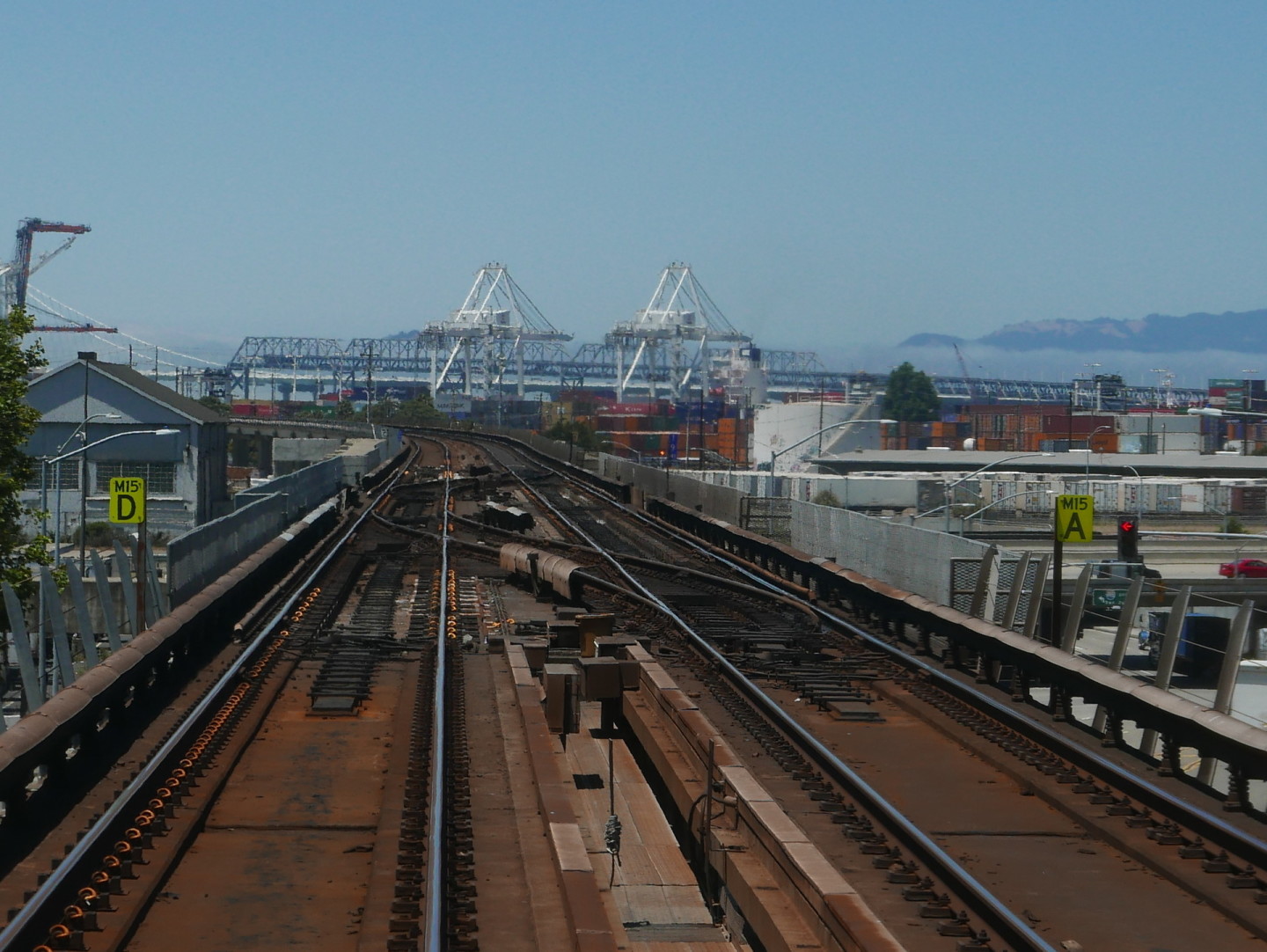
"caption": "An interlocking mechanism near West Oakland Station that allows BART trains to switch tracks before entering and after emerging from the Transbay Tube.",
"description": "An \"interlocking\" mechanism near West Oakland Station that allows BART trains to switch tracks before entering and after emerging from the Transbay Tube.",
"title": "RS16095_M15 Gate A & D-qut",
"credit": "Courtesy of BART",
"status": "inherit",
"isLoading": false,
"fetchFailed": false
},
"news_10594335": {
"type": "attachments",
"id": "news_10594335",
"meta": {
"index": "attachments_1716263798",
"site": "news",
"id": "10594335",
"found": true
},
"parent": 10594281,
"imgSizes": {
"twentyfourteen-full-width": {
"file": "https://ww2.kqed.org/app/uploads/sites/10/2015/07/IMG_5087-1038x576.jpg",
"width": 1038,
"mimeType": "image/jpeg",
"height": 576
},
"thumbnail": {
"file": "https://ww2.kqed.org/app/uploads/sites/10/2015/07/IMG_5087-400x300.jpg",
"width": 400,
"mimeType": "image/jpeg",
"height": 300
},
"fd-sm": {
"file": "https://ww2.kqed.org/app/uploads/sites/10/2015/07/IMG_5087-960x720.jpg",
"width": 960,
"mimeType": "image/jpeg",
"height": 720
},
"post-thumbnail": {
"file": "https://ww2.kqed.org/app/uploads/sites/10/2015/07/IMG_5087-672x372.jpg",
"width": 672,
"mimeType": "image/jpeg",
"height": 372
},
"kqedFullSize": {
"file": "https://ww2.kqed.org/app/uploads/sites/10/2015/07/IMG_5087-e1436455460398.jpg",
"width": 1920,
"height": 1440
},
"large": {
"file": "https://ww2.kqed.org/app/uploads/sites/10/2015/07/IMG_5087-1440x1080.jpg",
"width": 1440,
"mimeType": "image/jpeg",
"height": 1080
},
"guest-author-96": {
"file": "https://ww2.kqed.org/app/uploads/sites/10/2015/07/IMG_5087-96x96.jpg",
"width": 96,
"mimeType": "image/jpeg",
"height": 96
},
"medium": {
"file": "https://ww2.kqed.org/app/uploads/sites/10/2015/07/IMG_5087-800x600.jpg",
"width": 800,
"mimeType": "image/jpeg",
"height": 600
},
"guest-author-64": {
"file": "https://ww2.kqed.org/app/uploads/sites/10/2015/07/IMG_5087-64x64.jpg",
"width": 64,
"mimeType": "image/jpeg",
"height": 64
},
"guest-author-32": {
"file": "https://ww2.kqed.org/app/uploads/sites/10/2015/07/IMG_5087-32x32.jpg",
"width": 32,
"mimeType": "image/jpeg",
"height": 32
},
"jmtc-small-thumb": {
"file": "https://ww2.kqed.org/app/uploads/sites/10/2015/07/IMG_5087-280x150.jpg",
"width": 280,
"mimeType": "image/jpeg",
"height": 150
},
"fd-med": {
"file": "https://ww2.kqed.org/app/uploads/sites/10/2015/07/IMG_5087-1180x885.jpg",
"width": 1180,
"mimeType": "image/jpeg",
"height": 885
},
"detail": {
"file": "https://ww2.kqed.org/app/uploads/sites/10/2015/07/IMG_5087-75x75.jpg",
"width": 75,
"mimeType": "image/jpeg",
"height": 75
},
"guest-author-128": {
"file": "https://ww2.kqed.org/app/uploads/sites/10/2015/07/IMG_5087-128x128.jpg",
"width": 128,
"mimeType": "image/jpeg",
"height": 128
}
},
"publishDate": 1436455336,
"modified": 1436455441,
"caption": "BART is experiencing major delays on Thursday morning, June 9, 2015, because of a train fire.",
"description": null,
"title": "IMG_5087",
"credit": "Patricia Yollin/KQED",
"status": "inherit",
"isLoading": false,
"fetchFailed": false
},
"news_10556878": {
"type": "attachments",
"id": "news_10556878",
"meta": {
"index": "attachments_1716263798",
"site": "news",
"id": "10556878",
"found": true
},
"parent": 10556807,
"imgSizes": {
"twentyfourteen-full-width": {
"file": "https://ww2.kqed.org/app/uploads/sites/10/2015/06/RS7013_175333538.jpg-alt_246-1038x576.jpg",
"width": 1038,
"mimeType": "image/jpeg",
"height": 576
},
"thumbnail": {
"file": "https://ww2.kqed.org/app/uploads/sites/10/2015/06/RS7013_175333538.jpg-alt_246-400x300.jpg",
"width": 400,
"mimeType": "image/jpeg",
"height": 300
},
"fd-sm": {
"file": "https://ww2.kqed.org/app/uploads/sites/10/2015/06/RS7013_175333538.jpg-alt_246-960x720.jpg",
"width": 960,
"mimeType": "image/jpeg",
"height": 720
},
"post-thumbnail": {
"file": "https://ww2.kqed.org/app/uploads/sites/10/2015/06/RS7013_175333538.jpg-alt_246-672x372.jpg",
"width": 672,
"mimeType": "image/jpeg",
"height": 372
},
"kqedFullSize": {
"file": "https://ww2.kqed.org/app/uploads/sites/10/2015/06/RS7013_175333538.jpg-alt_246.jpg",
"width": 1920,
"height": 1440
},
"large": {
"file": "https://ww2.kqed.org/app/uploads/sites/10/2015/06/RS7013_175333538.jpg-alt_246-1440x1080.jpg",
"width": 1440,
"mimeType": "image/jpeg",
"height": 1080
},
"guest-author-96": {
"file": "https://ww2.kqed.org/app/uploads/sites/10/2015/06/RS7013_175333538.jpg-alt_246-96x96.jpg",
"width": 96,
"mimeType": "image/jpeg",
"height": 96
},
"medium": {
"file": "https://ww2.kqed.org/app/uploads/sites/10/2015/06/RS7013_175333538.jpg-alt_246-800x600.jpg",
"width": 800,
"mimeType": "image/jpeg",
"height": 600
},
"guest-author-64": {
"file": "https://ww2.kqed.org/app/uploads/sites/10/2015/06/RS7013_175333538.jpg-alt_246-64x64.jpg",
"width": 64,
"mimeType": "image/jpeg",
"height": 64
},
"guest-author-32": {
"file": "https://ww2.kqed.org/app/uploads/sites/10/2015/06/RS7013_175333538.jpg-alt_246-32x32.jpg",
"width": 32,
"mimeType": "image/jpeg",
"height": 32
},
"fd-med": {
"file": "https://ww2.kqed.org/app/uploads/sites/10/2015/06/RS7013_175333538.jpg-alt_246-1180x885.jpg",
"width": 1180,
"mimeType": "image/jpeg",
"height": 885
},
"detail": {
"file": "https://ww2.kqed.org/app/uploads/sites/10/2015/06/RS7013_175333538.jpg-alt_246-75x75.jpg",
"width": 75,
"mimeType": "image/jpeg",
"height": 75
},
"guest-author-128": {
"file": "https://ww2.kqed.org/app/uploads/sites/10/2015/06/RS7013_175333538.jpg-alt_246-128x128.jpg",
"width": 128,
"mimeType": "image/jpeg",
"height": 128
}
},
"publishDate": 1433888629,
"modified": 1463606344,
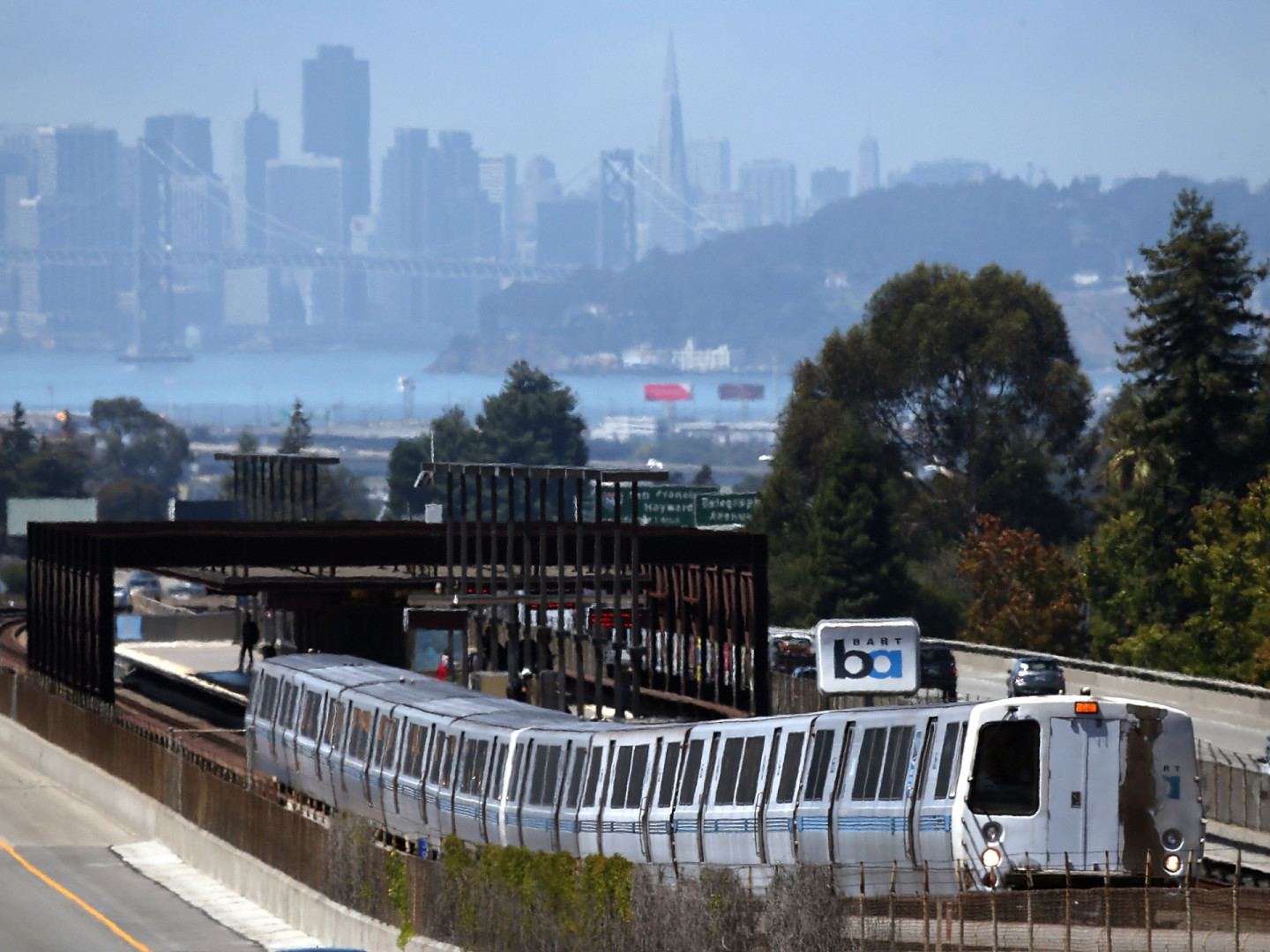
"caption": "A BART train on the Pittsburg-Bay Point line departing Oakland's Rockridge Station.",
"description": "BART train service will not run Saturday and Sunday between West Oakland and Embarcadero stations. ",
"title": "BART",
"credit": "Justin Sullivan/Getty Images",
"status": "inherit",
"isLoading": false,
"fetchFailed": false
},
"news_10508402": {
"type": "attachments",
"id": "news_10508402",
"meta": {
"index": "attachments_1716263798",
"site": "news",
"id": "10508402",
"found": true
},
"parent": 0,
"imgSizes": {
"twentyfourteen-full-width": {
"file": "https://ww2.kqed.org/app/uploads/sites/10/2015/04/bart150430-1038x576.jpg",
"width": 1038,
"mimeType": "image/jpeg",
"height": 576
},
"thumbnail": {
"file": "https://ww2.kqed.org/app/uploads/sites/10/2015/04/bart150430-400x298.jpg",
"width": 400,
"mimeType": "image/jpeg",
"height": 298
},
"fd-sm": {
"file": "https://ww2.kqed.org/app/uploads/sites/10/2015/04/bart150430-960x715.jpg",
"width": 960,
"mimeType": "image/jpeg",
"height": 715
},
"post-thumbnail": {
"file": "https://ww2.kqed.org/app/uploads/sites/10/2015/04/bart150430-672x372.jpg",
"width": 672,
"mimeType": "image/jpeg",
"height": 372
},
"kqedFullSize": {
"file": "https://ww2.kqed.org/app/uploads/sites/10/2015/04/bart150430.jpg",
"width": 1920,
"height": 1429
},
"large": {
"file": "https://ww2.kqed.org/app/uploads/sites/10/2015/04/bart150430-1440x1072.jpg",
"width": 1440,
"mimeType": "image/jpeg",
"height": 1072
},
"guest-author-96": {
"file": "https://ww2.kqed.org/app/uploads/sites/10/2015/04/bart150430-96x96.jpg",
"width": 96,
"mimeType": "image/jpeg",
"height": 96
},
"medium": {
"file": "https://ww2.kqed.org/app/uploads/sites/10/2015/04/bart150430-800x595.jpg",
"width": 800,
"mimeType": "image/jpeg",
"height": 595
},
"guest-author-64": {
"file": "https://ww2.kqed.org/app/uploads/sites/10/2015/04/bart150430-64x64.jpg",
"width": 64,
"mimeType": "image/jpeg",
"height": 64
},
"guest-author-32": {
"file": "https://ww2.kqed.org/app/uploads/sites/10/2015/04/bart150430-32x32.jpg",
"width": 32,
"mimeType": "image/jpeg",
"height": 32
},
"fd-med": {
"file": "https://ww2.kqed.org/app/uploads/sites/10/2015/04/bart150430-1180x878.jpg",
"width": 1180,
"mimeType": "image/jpeg",
"height": 878
},
"detail": {
"file": "https://ww2.kqed.org/app/uploads/sites/10/2015/04/bart150430-75x75.jpg",
"width": 75,
"mimeType": "image/jpeg",
"height": 75
},
"guest-author-128": {
"file": "https://ww2.kqed.org/app/uploads/sites/10/2015/04/bart150430-128x128.jpg",
"width": 128,
"mimeType": "image/jpeg",
"height": 128
}
},
"publishDate": 1430438735,
"modified": 1430939618,
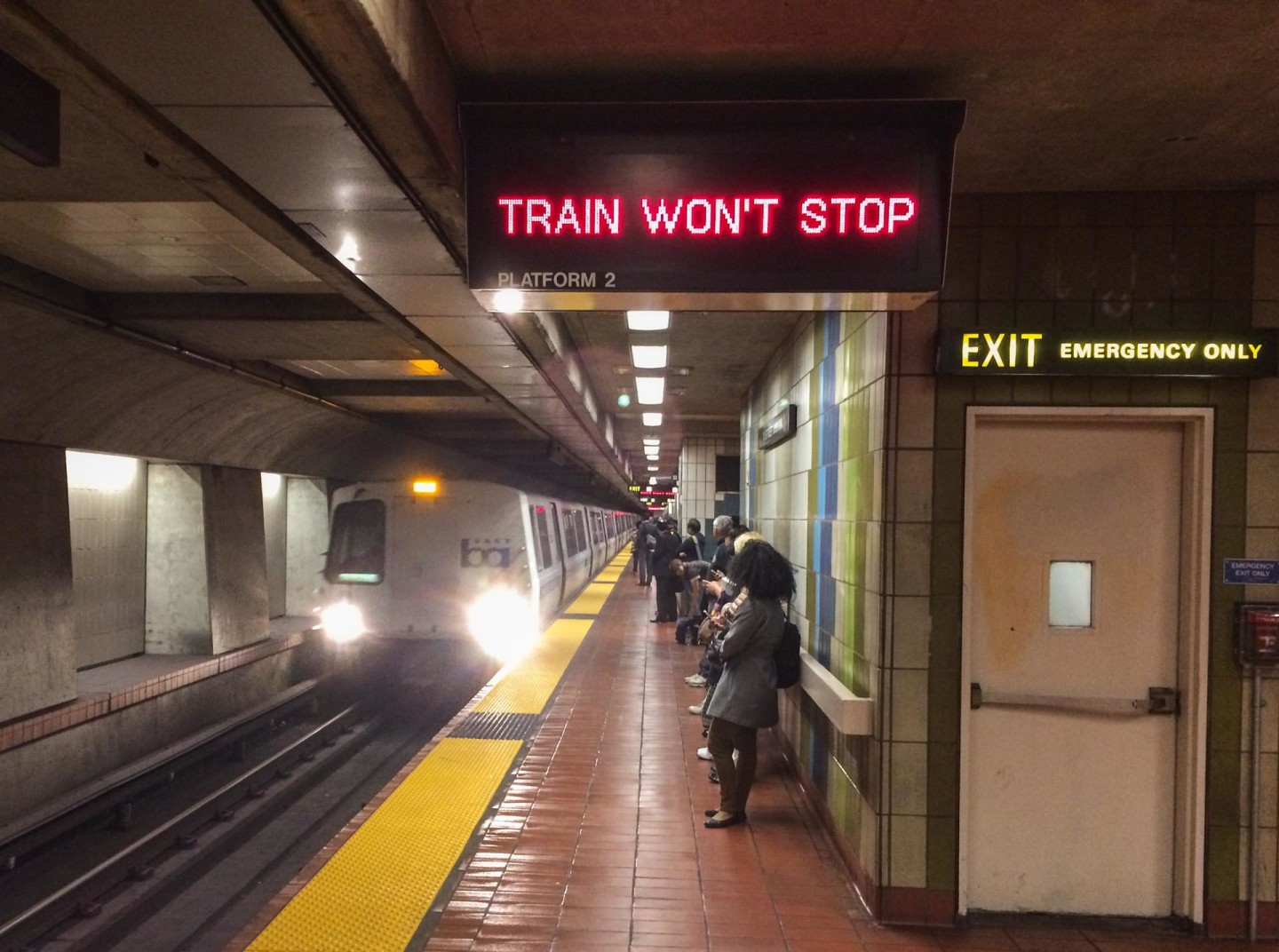
"caption": "BART's 16th Street/Mission Station in San Francisco, pictured in April 2015.",
"description": null,
"title": "BART-16th Street",
"credit": "Dan Brekke/KQED",
"status": "inherit",
"isLoading": false,
"fetchFailed": false
},
"news_10509141": {
"type": "attachments",
"id": "news_10509141",
"meta": {
"index": "attachments_1716263798",
"site": "news",
"id": "10509141",
"found": true
},
"parent": 10509139,
"imgSizes": {
"thumbnail": {
"file": "https://ww2.kqed.org/app/uploads/sites/10/2015/05/Screenshot-2015-05-01-08.23.24-400x228.png",
"width": 400,
"mimeType": "image/png",
"height": 228
},
"post-thumbnail": {
"file": "https://ww2.kqed.org/app/uploads/sites/10/2015/05/Screenshot-2015-05-01-08.23.24-672x372.png",
"width": 672,
"mimeType": "image/png",
"height": 372
},
"kqedFullSize": {
"file": "https://ww2.kqed.org/app/uploads/sites/10/2015/05/Screenshot-2015-05-01-08.23.24.png",
"width": 820,
"height": 467
},
"guest-author-96": {
"file": "https://ww2.kqed.org/app/uploads/sites/10/2015/05/Screenshot-2015-05-01-08.23.24-96x96.png",
"width": 96,
"mimeType": "image/png",
"height": 96
},
"medium": {
"file": "https://ww2.kqed.org/app/uploads/sites/10/2015/05/Screenshot-2015-05-01-08.23.24-800x456.png",
"width": 800,
"mimeType": "image/png",
"height": 456
},
"guest-author-64": {
"file": "https://ww2.kqed.org/app/uploads/sites/10/2015/05/Screenshot-2015-05-01-08.23.24-64x64.png",
"width": 64,
"mimeType": "image/png",
"height": 64
},
"detail": {
"file": "https://ww2.kqed.org/app/uploads/sites/10/2015/05/Screenshot-2015-05-01-08.23.24-75x75.png",
"width": 75,
"mimeType": "image/png",
"height": 75
},
"guest-author-32": {
"file": "https://ww2.kqed.org/app/uploads/sites/10/2015/05/Screenshot-2015-05-01-08.23.24-32x32.png",
"width": 32,
"mimeType": "image/png",
"height": 32
},
"guest-author-128": {
"file": "https://ww2.kqed.org/app/uploads/sites/10/2015/05/Screenshot-2015-05-01-08.23.24-128x128.png",
"width": 128,
"mimeType": "image/png",
"height": 128
}
},
"publishDate": 1430495317,
"modified": 1553299510,
"caption": "Megan Sheehan, injured March 17, 2014, when a BART police officer slammed her face first into the floor at the Santa Rita Jail.",
"description": "Megan Sheehan, injured March 17, 2014, when a BART police officer slammed her face first into the floor at the Santa Rita Jail.",
"title": "BART Police-Megan Sheehan",
"credit": "Via Megan Sheehan's lawsuit against BART",
"status": "inherit",
"isLoading": false,
"fetchFailed": false
},
"news_10489894": {
"type": "attachments",
"id": "news_10489894",
"meta": {
"index": "attachments_1716263798",
"site": "news",
"id": "10489894",
"found": true
},
"parent": 10489893,
"imgSizes": {
"twentyfourteen-full-width": {
"file": "https://ww2.kqed.org/app/uploads/sites/10/2015/04/BART1-1038x576.jpg",
"width": 1038,
"mimeType": "image/jpeg",
"height": 576
},
"thumbnail": {
"file": "https://ww2.kqed.org/app/uploads/sites/10/2015/04/BART1-400x300.jpg",
"width": 400,
"mimeType": "image/jpeg",
"height": 300
},
"fd-sm": {
"file": "https://ww2.kqed.org/app/uploads/sites/10/2015/04/BART1-320x240.jpg",
"width": 320,
"mimeType": "image/jpeg",
"height": 240
},
"post-thumbnail": {
"file": "https://ww2.kqed.org/app/uploads/sites/10/2015/04/BART1-672x372.jpg",
"width": 672,
"mimeType": "image/jpeg",
"height": 372
},
"kqedFullSize": {
"file": "https://ww2.kqed.org/app/uploads/sites/10/2015/04/BART1.jpg",
"width": 1920,
"height": 1440
},
"large": {
"file": "https://ww2.kqed.org/app/uploads/sites/10/2015/04/BART1-1440x1080.jpg",
"width": 1440,
"mimeType": "image/jpeg",
"height": 1080
},
"guest-author-96": {
"file": "https://ww2.kqed.org/app/uploads/sites/10/2015/04/BART1-96x96.jpg",
"width": 96,
"mimeType": "image/jpeg",
"height": 96
},
"medium": {
"file": "https://ww2.kqed.org/app/uploads/sites/10/2015/04/BART1-800x600.jpg",
"width": 800,
"mimeType": "image/jpeg",
"height": 600
},
"guest-author-64": {
"file": "https://ww2.kqed.org/app/uploads/sites/10/2015/04/BART1-64x64.jpg",
"width": 64,
"mimeType": "image/jpeg",
"height": 64
},
"guest-author-32": {
"file": "https://ww2.kqed.org/app/uploads/sites/10/2015/04/BART1-32x32.jpg",
"width": 32,
"mimeType": "image/jpeg",
"height": 32
},
"fd-lrg": {
"file": "https://ww2.kqed.org/app/uploads/sites/10/2015/04/BART1-1180x885.jpg",
"width": 1180,
"mimeType": "image/jpeg",
"height": 885
},
"fd-med": {
"file": "https://ww2.kqed.org/app/uploads/sites/10/2015/04/BART1-768x576.jpg",
"width": 768,
"mimeType": "image/jpeg",
"height": 576
},
"detail": {
"file": "https://ww2.kqed.org/app/uploads/sites/10/2015/04/BART1-75x75.jpg",
"width": 75,
"mimeType": "image/jpeg",
"height": 75
},
"guest-author-128": {
"file": "https://ww2.kqed.org/app/uploads/sites/10/2015/04/BART1-128x128.jpg",
"width": 128,
"mimeType": "image/jpeg",
"height": 128
}
},
"publishDate": 1429029419,
"modified": 1442352820,
"caption": "A BART train near the system's Rockridge Station in Oakland. ",
"description": "A BART train near the system's Rockridge station in Oakland. ",
"title": "Bay Area Transportation Workers Strike Looms Ahead Of Monday Deadline",
"credit": "Justin Sullivan/Getty Images",
"status": "inherit",
"isLoading": false,
"fetchFailed": false
},
"news_10483076": {
"type": "attachments",
"id": "news_10483076",
"meta": {
"index": "attachments_1716263798",
"site": "news",
"id": "10483076",
"found": true
},
"title": "BART",
"publishDate": 1428532834,
"status": "inherit",
"parent": 10483021,
"modified": 1760131353,
"caption": "The BART station at 16th and Mission streets in San Francisco.",
"credit": "Deborah Svoboda/KQED",
"altTag": "The BART station at 16th and Mission streets in San Francisco.",
"description": "The BART station at 16th and Mission streets in San Francisco.",
"imgSizes": {
"thumbnail": {
"file": "https://cdn.kqed.org/wp-content/uploads/sites/10/2015/04/BART-400x267.jpg",
"width": 400,
"height": 267,
"mimeType": "image/jpeg"
},
"medium": {
"file": "https://cdn.kqed.org/wp-content/uploads/sites/10/2015/04/BART-800x533.jpg",
"width": 800,
"height": 533,
"mimeType": "image/jpeg"
},
"large": {
"file": "https://cdn.kqed.org/wp-content/uploads/sites/10/2015/04/BART-1440x960.jpg",
"width": 1440,
"height": 960,
"mimeType": "image/jpeg"
},
"fd-lrg": {
"file": "https://cdn.kqed.org/wp-content/uploads/sites/10/2015/04/BART-1180x786.jpg",
"width": 1180,
"height": 786,
"mimeType": "image/jpeg"
},
"fd-med": {
"file": "https://cdn.kqed.org/wp-content/uploads/sites/10/2015/04/BART-768x512.jpg",
"width": 768,
"height": 512,
"mimeType": "image/jpeg"
},
"fd-sm": {
"file": "https://cdn.kqed.org/wp-content/uploads/sites/10/2015/04/BART-320x213.jpg",
"width": 320,
"height": 213,
"mimeType": "image/jpeg"
},
"post-thumbnail": {
"file": "https://cdn.kqed.org/wp-content/uploads/sites/10/2015/04/BART-672x372.jpg",
"width": 672,
"height": 372,
"mimeType": "image/jpeg"
},
"twentyfourteen-full-width": {
"file": "https://cdn.kqed.org/wp-content/uploads/sites/10/2015/04/BART-1038x576.jpg",
"width": 1038,
"height": 576,
"mimeType": "image/jpeg"
},
"guest-author-32": {
"file": "https://cdn.kqed.org/wp-content/uploads/sites/10/2015/04/BART-32x32.jpg",
"width": 32,
"height": 32,
"mimeType": "image/jpeg"
},
"guest-author-64": {
"file": "https://cdn.kqed.org/wp-content/uploads/sites/10/2015/04/BART-64x64.jpg",
"width": 64,
"height": 64,
"mimeType": "image/jpeg"
},
"guest-author-96": {
"file": "https://cdn.kqed.org/wp-content/uploads/sites/10/2015/04/BART-96x96.jpg",
"width": 96,
"height": 96,
"mimeType": "image/jpeg"
},
"guest-author-128": {
"file": "https://cdn.kqed.org/wp-content/uploads/sites/10/2015/04/BART-128x128.jpg",
"width": 128,
"height": 128,
"mimeType": "image/jpeg"
},
"detail": {
"file": "https://cdn.kqed.org/wp-content/uploads/sites/10/2015/04/BART-75x75.jpg",
"width": 75,
"height": 75,
"mimeType": "image/jpeg"
},
"kqedFullSize": {
"file": "https://cdn.kqed.org/wp-content/uploads/sites/10/2015/04/BART-e1428532843522.jpg",
"width": 1920,
"height": 1280
}
},
"isLoading": false,
"fetchFailed": false
},
"news_10454885": {
"type": "attachments",
"id": "news_10454885",
"meta": {
"index": "attachments_1716263798",
"site": "news",
"id": "10454885",
"found": true
},
"parent": 10454836,
"imgSizes": {
"twentyfourteen-full-width": {
"file": "https://ww2.kqed.org/app/uploads/sites/10/2015/03/bartbike-1038x576.jpg",
"width": 1038,
"mimeType": "image/jpeg",
"height": 576
},
"thumbnail": {
"file": "https://ww2.kqed.org/app/uploads/sites/10/2015/03/bartbike-400x316.jpg",
"width": 400,
"mimeType": "image/jpeg",
"height": 316
},
"fd-sm": {
"file": "https://ww2.kqed.org/app/uploads/sites/10/2015/03/bartbike-320x253.jpg",
"width": 320,
"mimeType": "image/jpeg",
"height": 253
},
"post-thumbnail": {
"file": "https://ww2.kqed.org/app/uploads/sites/10/2015/03/bartbike-672x372.jpg",
"width": 672,
"mimeType": "image/jpeg",
"height": 372
},
"kqedFullSize": {
"file": "https://ww2.kqed.org/app/uploads/sites/10/2015/03/bartbike-e1426286765701.jpg",
"width": 1920,
"height": 1515
},
"large": {
"file": "https://ww2.kqed.org/app/uploads/sites/10/2015/03/bartbike-1440x1137.jpg",
"width": 1440,
"mimeType": "image/jpeg",
"height": 1137
},
"guest-author-96": {
"file": "https://ww2.kqed.org/app/uploads/sites/10/2015/03/bartbike-96x96.jpg",
"width": 96,
"mimeType": "image/jpeg",
"height": 96
},
"medium": {
"file": "https://ww2.kqed.org/app/uploads/sites/10/2015/03/bartbike-800x631.jpg",
"width": 800,
"mimeType": "image/jpeg",
"height": 631
},
"guest-author-64": {
"file": "https://ww2.kqed.org/app/uploads/sites/10/2015/03/bartbike-64x64.jpg",
"width": 64,
"mimeType": "image/jpeg",
"height": 64
},
"guest-author-32": {
"file": "https://ww2.kqed.org/app/uploads/sites/10/2015/03/bartbike-32x32.jpg",
"width": 32,
"mimeType": "image/jpeg",
"height": 32
},
"fd-lrg": {
"file": "https://ww2.kqed.org/app/uploads/sites/10/2015/03/bartbike-1180x931.jpg",
"width": 1180,
"mimeType": "image/jpeg",
"height": 931
},
"fd-med": {
"file": "https://ww2.kqed.org/app/uploads/sites/10/2015/03/bartbike-768x606.jpg",
"width": 768,
"mimeType": "image/jpeg",
"height": 606
},
"detail": {
"file": "https://ww2.kqed.org/app/uploads/sites/10/2015/03/bartbike-75x75.jpg",
"width": 75,
"mimeType": "image/jpeg",
"height": 75
},
"guest-author-128": {
"file": "https://ww2.kqed.org/app/uploads/sites/10/2015/03/bartbike-128x128.jpg",
"width": 128,
"mimeType": "image/jpeg",
"height": 128
}
},
"publishDate": 1426286553,
"modified": 1426293136,
"caption": "Cyclist rides escalator -- against the rules -- at BART's 16th Street-Mission Station in San Francisco. Some non-biking BART passengers cite cyclists' use of escalators as a concern. ",
"description": null,
"title": "BART-Bicycles",
"credit": "Dan Brekke/KQED",
"status": "inherit",
"isLoading": false,
"fetchFailed": false
},
"news_134009": {
"type": "attachments",
"id": "news_134009",
"meta": {
"index": "attachments_1716263798",
"site": "news",
"id": "134009",
"found": true
},
"parent": 133897,
"imgSizes": {
"kqedFullSize": {
"file": "https://ww2.kqed.org/app/uploads/sites/10/2014/04/RS10156_MUNI-with-GBUS-scr.jpg",
"width": 850,
"height": 581
}
},
"publishDate": 1398460383,
"modified": 1424730573,
"caption": "Safety was a top concern among 2,800 people surveyed about late-night transportation. One recommendation calls for redesigning bus shelters to improve safety.",
"description": "Safety was a top concern among 2,800 people surveyed about late-night transportation. One recommendation calls for redesigning bus shelters to improve safety.",
"title": "Muni-Night",
"credit": "Mark Wilson/Getty Images",
"status": "inherit",
"isLoading": false,
"fetchFailed": false
},
"news_10412705": {
"type": "attachments",
"id": "news_10412705",
"meta": {
"index": "attachments_1716263798",
"site": "news",
"id": "10412705",
"found": true
},
"parent": 10412651,
"imgSizes": {
"twentyfourteen-full-width": {
"file": "https://ww2.kqed.org/app/uploads/sites/10/2015/01/9065_transform-1038x576.jpg",
"width": 1038,
"mimeType": "image/jpeg",
"height": 576
},
"thumbnail": {
"file": "https://ww2.kqed.org/app/uploads/sites/10/2015/01/9065_transform-400x266.jpg",
"width": 400,
"mimeType": "image/jpeg",
"height": 266
},
"post-thumbnail": {
"file": "https://ww2.kqed.org/app/uploads/sites/10/2015/01/9065_transform-672x372.jpg",
"width": 672,
"mimeType": "image/jpeg",
"height": 372
},
"kqedFullSize": {
"file": "https://ww2.kqed.org/app/uploads/sites/10/2015/01/9065_transform.jpg",
"width": 1400,
"height": 933
},
"guest-author-96": {
"file": "https://ww2.kqed.org/app/uploads/sites/10/2015/01/9065_transform-96x96.jpg",
"width": 96,
"mimeType": "image/jpeg",
"height": 96
},
"medium": {
"file": "https://ww2.kqed.org/app/uploads/sites/10/2015/01/9065_transform-800x533.jpg",
"width": 800,
"mimeType": "image/jpeg",
"height": 533
},
"guest-author-64": {
"file": "https://ww2.kqed.org/app/uploads/sites/10/2015/01/9065_transform-64x64.jpg",
"width": 64,
"mimeType": "image/jpeg",
"height": 64
},
"detail": {
"file": "https://ww2.kqed.org/app/uploads/sites/10/2015/01/9065_transform-75x75.jpg",
"width": 75,
"mimeType": "image/jpeg",
"height": 75
},
"guest-author-32": {
"file": "https://ww2.kqed.org/app/uploads/sites/10/2015/01/9065_transform-32x32.jpg",
"width": 32,
"mimeType": "image/jpeg",
"height": 32
},
"guest-author-128": {
"file": "https://ww2.kqed.org/app/uploads/sites/10/2015/01/9065_transform-128x128.jpg",
"width": 128,
"mimeType": "image/jpeg",
"height": 128
}
},
"publishDate": 1421888187,
"modified": 1422310719,
"caption": "Yenisley Dieppa tries different flavors as she purchases an electronic cigarette at the Vapor Shark store in Miami, Florida, in February 2014.",
"description": "Yenisley Dieppa tries different flavors as she purchases an electronic cigarette at the Vapor Shark store in Miami, Florida, in February 2014.",
"title": "Top US Tobacco Companies Enter E-Cigarette Market",
"credit": "Joe Raedle/Getty Images",
"status": "inherit",
"isLoading": false,
"fetchFailed": false
}
},
"audioPlayerReducer": {
"postId": "stream_live",
"isPaused": true,
"isPlaying": false,
"pfsActive": false,
"pledgeModalIsOpen": true,
"playerDrawerIsOpen": false,
"liveAudioPlayStartedAt": 0,
"liveAudioPlayContext": ""
},
"authorsReducer": {
"byline_news_10483021": {
"type": "authors",
"id": "byline_news_10483021",
"meta": {
"override": true
},
"slug": "byline_news_10483021",
"name": "Bay City News",
"isLoading": false
},
"byline_news_10454836": {
"type": "authors",
"id": "byline_news_10454836",
"meta": {
"override": true
},
"slug": "byline_news_10454836",
"name": "\u003cstrong>Tiffany Camhi\u003cbr />KQED News\u003c/strong>",
"isLoading": false
},
"bgoebel": {
"type": "authors",
"id": "214",
"meta": {
"index": "authors_1716337520",
"id": "214",
"found": true
},
"name": "Bryan Goebel",
"firstName": "Bryan",
"lastName": "Goebel",
"slug": "bgoebel",
"email": "bgoebel@kqed.org",
"display_author_email": false,
"staff_mastheads": [],
"title": null,
"bio": "Bryan Goebel is a reporter focused on transportation and housing issues. He was previously the editor of Streetsblog San Francisco, and an anchor/editor at KCBS Radio. He's a lifelong Californian and has also worked at radio stations in Barstow, Redding and Sacramento.",
"avatar": "https://secure.gravatar.com/avatar/7fdd6b065bfe9a23a71bcfa80848df88?s=600&d=blank&r=g",
"twitter": "velobry",
"facebook": null,
"instagram": null,
"linkedin": null,
"sites": [
{
"site": "news",
"roles": [
"subscriber"
]
},
{
"site": "stateofhealth",
"roles": [
"subscriber"
]
}
],
"headData": {
"title": "Bryan Goebel | KQED",
"description": null,
"ogImgSrc": "https://secure.gravatar.com/avatar/7fdd6b065bfe9a23a71bcfa80848df88?s=600&d=blank&r=g",
"twImgSrc": "https://secure.gravatar.com/avatar/7fdd6b065bfe9a23a71bcfa80848df88?s=600&d=blank&r=g"
},
"isLoading": false,
"link": "/author/bgoebel"
},
"danbrekke": {
"type": "authors",
"id": "222",
"meta": {
"index": "authors_1716337520",
"id": "222",
"found": true
},
"name": "Dan Brekke",
"firstName": "Dan",
"lastName": "Brekke",
"slug": "danbrekke",
"email": "dbrekke@kqed.org",
"display_author_email": true,
"staff_mastheads": [
"news",
"science"
],
"title": "KQED Editor and Reporter",
"bio": "Dan Brekke is a reporter and editor for KQED News, responsible for coverage of topics ranging from California water issues to the Bay Area's transportation challenges. In a newsroom career that began in Chicago in 1972, Dan has worked for \u003cem>The San Francisco Examiner,\u003c/em> Wired and TechTV and has been published in The New York Times, The New York Times Magazine, Business 2.0, Salon and elsewhere.\r\n\r\nSince joining KQED in 2007, Dan has reported, edited and produced both radio and online features and breaking news pieces. He has shared as both editor and reporter in four Society of Professional Journalists Norcal Excellence in Journalism awards and one Edward R. Murrow regional award. He was chosen for a spring 2017 residency at the Mesa Refuge to advance his research on California salmon.\r\n\r\nEmail Dan at: \u003ca href=\"mailto:dbrekke@kqed.org\">dbrekke@kqed.org\u003c/a>\r\n\r\n\u003cstrong>Twitter:\u003c/strong> \u003ca href=\"https://twitter.com/danbrekke\" rel=\"noopener noreferrer\">twitter.com/danbrekke\u003c/a>\r\n\u003cstrong>Facebook:\u003c/strong> \u003ca href=\"https://www.facebook.com/danbrekke\" rel=\"noopener noreferrer\">www.facebook.com/danbrekke\u003c/a>\r\n\u003cstrong>LinkedIn:\u003c/strong> \u003ca href=\"https://www.linkedin.com/in/danbrekke\" rel=\"noopener noreferrer\">www.linkedin.com/in/danbrekke\u003c/a>",
"avatar": "https://secure.gravatar.com/avatar/8f1f0d2a978fb3b23426c922c7e2af558fa36905b49c4ce76a97dc3c72d27226?s=600&d=mm&r=g",
"twitter": "danbrekke",
"bluesky": null,
"facebook": null,
"instagram": "https://www.instagram.com/dan.brekke/",
"linkedin": "https://www.linkedin.com/in/danbrekke/",
"sites": [
{
"site": "news",
"roles": [
"administrator",
"create_posts"
]
},
{
"site": "stateofhealth",
"roles": [
"editor"
]
},
{
"site": "science",
"roles": [
"editor"
]
},
{
"site": "quest",
"roles": [
"contributor"
]
},
{
"site": "food",
"roles": [
"contributor"
]
},
{
"site": "forum",
"roles": [
"contributor"
]
},
{
"site": "elections",
"roles": [
"editor"
]
},
{
"site": "liveblog",
"roles": [
"editor"
]
}
],
"headData": {
"title": "Dan Brekke | KQED",
"description": "KQED Editor and Reporter",
"ogImgSrc": "https://secure.gravatar.com/avatar/8f1f0d2a978fb3b23426c922c7e2af558fa36905b49c4ce76a97dc3c72d27226?s=600&d=mm&r=g",
"twImgSrc": "https://secure.gravatar.com/avatar/8f1f0d2a978fb3b23426c922c7e2af558fa36905b49c4ce76a97dc3c72d27226?s=600&d=mm&r=g"
},
"isLoading": false,
"link": "/author/danbrekke"
},
"iangell": {
"type": "authors",
"id": "229",
"meta": {
"index": "authors_1716337520",
"id": "229",
"found": true
},
"name": "Isabel Angell",
"firstName": "Isabel",
"lastName": "Angell",
"slug": "iangell",
"email": "iangell@KQED.org",
"display_author_email": false,
"staff_mastheads": [],
"title": null,
"bio": "Isabel Angell is an on-call reporter for KQED. She joined the station as a newsroom intern in 2013. \u003ca href=\"https://twitter.com/IsabeltheAngell\" target=\"_blank\" rel=\"noopener\">@IsabeltheAngell \u003c/a>",
"avatar": "https://secure.gravatar.com/avatar/e5d0b523fbffce6592a52f1dccafabe5?s=600&d=blank&r=g",
"twitter": null,
"facebook": null,
"instagram": null,
"linkedin": null,
"sites": [
{
"site": "news",
"roles": [
"subscriber"
]
}
],
"headData": {
"title": "Isabel Angell | KQED",
"description": null,
"ogImgSrc": "https://secure.gravatar.com/avatar/e5d0b523fbffce6592a52f1dccafabe5?s=600&d=blank&r=g",
"twImgSrc": "https://secure.gravatar.com/avatar/e5d0b523fbffce6592a52f1dccafabe5?s=600&d=blank&r=g"
},
"isLoading": false,
"link": "/author/iangell"
},
"kqed": {
"type": "authors",
"id": "236",
"meta": {
"index": "authors_1716337520",
"id": "236",
"found": true
},
"name": "KQED News Staff",
"firstName": "KQED News Staff",
"lastName": null,
"slug": "kqed",
"email": "faq@kqed.org",
"display_author_email": false,
"staff_mastheads": [],
"title": null,
"bio": null,
"avatar": "https://secure.gravatar.com/avatar/ef0e801a68c4c54afa9180db14084167?s=600&d=blank&r=g",
"twitter": null,
"facebook": null,
"instagram": null,
"linkedin": null,
"sites": [
{
"site": "arts",
"roles": [
"contributor"
]
},
{
"site": "news",
"roles": [
"editor"
]
},
{
"site": "futureofyou",
"roles": [
"author"
]
}
],
"headData": {
"title": "KQED News Staff | KQED",
"description": null,
"ogImgSrc": "https://secure.gravatar.com/avatar/ef0e801a68c4c54afa9180db14084167?s=600&d=blank&r=g",
"twImgSrc": "https://secure.gravatar.com/avatar/ef0e801a68c4c54afa9180db14084167?s=600&d=blank&r=g"
},
"isLoading": false,
"link": "/author/kqed"
},
"kqednewsstaffandwires": {
"type": "authors",
"id": "237",
"meta": {
"index": "authors_1716337520",
"id": "237",
"found": true
},
"name": "KQED News Staff and Wires",
"firstName": "KQED News Staff and Wires",
"lastName": null,
"slug": "kqednewsstaffandwires",
"email": "onlinenewsstaff@kqed.org",
"display_author_email": false,
"staff_mastheads": [],
"title": null,
"bio": null,
"avatar": "https://secure.gravatar.com/avatar/72295af8ebbfbd19a4948f5271285664?s=600&d=blank&r=g",
"twitter": null,
"facebook": null,
"instagram": null,
"linkedin": null,
"sites": [
{
"site": "arts",
"roles": [
"contributor"
]
},
{
"site": "news",
"roles": [
"contributor"
]
},
{
"site": "lowdown",
"roles": [
"author"
]
},
{
"site": "stateofhealth",
"roles": [
"contributor"
]
},
{
"site": "food",
"roles": [
"author"
]
}
],
"headData": {
"title": "KQED News Staff and Wires | KQED",
"description": null,
"ogImgSrc": "https://secure.gravatar.com/avatar/72295af8ebbfbd19a4948f5271285664?s=600&d=blank&r=g",
"twImgSrc": "https://secure.gravatar.com/avatar/72295af8ebbfbd19a4948f5271285664?s=600&d=blank&r=g"
},
"isLoading": false,
"link": "/author/kqednewsstaffandwires"
},
"aemslie": {
"type": "authors",
"id": "3206",
"meta": {
"index": "authors_1716337520",
"id": "3206",
"found": true
},
"name": "Alex Emslie",
"firstName": "Alex",
"lastName": "Emslie",
"slug": "aemslie",
"email": "aemslie@kqed.org",
"display_author_email": true,
"staff_mastheads": [
"news"
],
"title": "KQED Senior Editor",
"bio": "Alex Emslie is senior editor of talent and development at KQED, where he manages dozens of early career journalists and oversees news department internships.\r\n\r\nHe is a former carpenter and proud graduate of City College of San Francisco and San Francisco State University, where he studied journalism and criminal justice before joining KQED in 2013.\r\n\r\nAlex produced investigative journalism focused on \u003ca href=\"https://www.kqed.org/news/11667594/the-trials-of-marvin-mutch-video\">criminal justice\u003c/a> and policing for most of a decade. He has broken major stories about \u003ca href=\"https://www.kqed.org/news/135682/amid-a-series-of-vallejo-police-shootings-one-officers-name-stands-out\">police use of deadly force\u003c/a>, \u003ca href=\"https://www.kqed.org/news/10454955/racist-texts-prompt-sfpd-internal-investigation\">officer misconduct\u003c/a> and \u003ca href=\"https://www.kqed.org/news/11712239/terrorist-or-troll-judge-to-weigh-whether-oakland-man-really-intended-to-attack-bay-area\">other\u003c/a> \u003ca href=\"https://www.kqed.org/news/11221414/hayward-paid-159000-to-husband-of-retired-police-chief-documents-show\">high\u003c/a>-\u003ca href=\"https://www.kqed.org/news/10622762/the-forgotten-tracking-two-homicides-in-san-francisco-public-housing\">profile\u003c/a> \u003ca href=\"https://www.kqed.org/news/11624516/federal-agency-promoted-ranger-just-months-after-his-gun-was-stolen-and-used-in-steinle-killing\">cases\u003c/a>. He co-founded the \u003ca href=\"https://projects.scpr.org/california-reporting-project/\">California Reporting Project\u003c/a> in 2019 to obtain and report on previously confidential police internal investigations. The effort produced well over 100 original stories and changed the course of multiple criminal cases.\r\n\r\nHis work has been recognized with numerous journalism awards, including a national Edward R. Murrow award for several years of \u003ca href=\"https://www.kqed.org/news/11688481/sfpd-officers-in-mario-woods-case-recount-shooting-in-newly-filed-depositions\">reporting\u003c/a> on the San Francisco Police shooting of Mario Woods. His \u003ca href=\"https://www.kqed.org/news/147854/half-of-those-killed-by-san-francisco-police-are-mentally-ill\">reporting\u003c/a> on police killings of people in psychiatric crisis was cited in amicus briefs before the U.S. Supreme Court.\r\n\r\nAlex now enjoys mentoring the next generation of journalists at KQED.",
"avatar": "https://secure.gravatar.com/avatar/e691e65209f20e9da202bd730ead5663?s=600&d=blank&r=g",
"twitter": "SFNewsReporter",
"facebook": null,
"instagram": null,
"linkedin": null,
"sites": [
{
"site": "arts",
"roles": [
"editor"
]
},
{
"site": "news",
"roles": [
"editor"
]
},
{
"site": "mindshift",
"roles": [
"editor"
]
},
{
"site": "stateofhealth",
"roles": [
"editor"
]
},
{
"site": "science",
"roles": [
"administrator"
]
}
],
"headData": {
"title": "Alex Emslie | KQED",
"description": "KQED Senior Editor",
"ogImgSrc": "https://secure.gravatar.com/avatar/e691e65209f20e9da202bd730ead5663?s=600&d=blank&r=g",
"twImgSrc": "https://secure.gravatar.com/avatar/e691e65209f20e9da202bd730ead5663?s=600&d=blank&r=g"
},
"isLoading": false,
"link": "/author/aemslie"
}
},
"pagesReducer": {
"news_tag_bart": {
"type": "terms",
"id": "news_269",
"meta": {
"index": "terms_1716263798",
"site": "news",
"id": "269",
"score": 8.558313
},
"featImg": null,
"name": "BART",
"description": null,
"taxonomy": "tag",
"headData": {
"twImgId": null,
"twTitle": null,
"ogTitle": null,
"ogImgId": null,
"twDescription": null,
"description": null,
"title": "BART Archives | KQED News",
"ogDescription": null
},
"ttid": 277,
"slug": "bart",
"isLoading": false,
"title": "BART",
"pageMeta": {
"site": "news",
"WpPageTemplate": "page-topic-editorial",
"currentPage": 26
},
"blocks": [
{
"blockName": "kqed/post-list",
"attrs": {
"layout": "cardArticle2",
"query": "posts/news?tag=bart",
"seeMore": false,
"paginated": true,
"page": 26
}
},
{
"blockName": "kqed/ad"
}
]
}
},
"pfsSessionReducer": {},
"postsReducer": {
"stream_live": {
"type": "live",
"id": "stream_live",
"audioUrl": "https://streams.kqed.org/kqedradio",
"title": "Live Stream",
"excerpt": "Live Stream information currently unavailable.",
"link": "/radio",
"featImg": "",
"label": {
"name": "KQED Live",
"link": "/"
}
},
"stream_kqedNewscast": {
"type": "posts",
"id": "stream_kqedNewscast",
"audioUrl": "https://www.kqed.org/.stream/anon/radio/RDnews/newscast.mp3?_=1",
"title": "KQED Newscast",
"featImg": "",
"label": {
"name": "88.5 FM",
"link": "/"
}
},
"news_10610036": {
"type": "posts",
"id": "news_10610036",
"meta": {
"index": "posts_1716263798",
"site": "news",
"id": "10610036",
"score": null,
"sort": [
1437523565000
]
},
"parent": 0,
"labelTerm": {
"site": "news",
"term": 6944
},
"blocks": [],
"publishDate": 1437523565,
"format": "standard",
"disqusTitle": "BART Applying Lessons From 2013 Strike to Upcoming Transbay Closures",
"title": "BART Applying Lessons From 2013 Strike to Upcoming Transbay Closures",
"headTitle": "News Fix | KQED News",
"content": "\u003cp>No matter how they're distributed, shifting some 100,000 BART riders to other transit systems is going to cause some headaches, delays and traffic.\u003c/p>\n\u003cp>So BART and other transit system authorities are encouraging commuters to stay home on the first weekends of August and September (Labor Day weekend) when, for the first time ever, train service between San Francisco and the East Bay will be \u003ca href=\"http://www.bart.gov/news/articles/2015/news20150624-0\" target=\"_blank\">halted\u003c/a> for repairs.\u003c/p>\n\u003caside class=\"pullquote alignright\">'With 100,000 transbay BART riders being displaced, there will be traffic. We encourage people to stay on their side of the bay.'\u003ccite>Bob Franklin\u003cbr>\nBART Manager, Customer Access and Accessibility\u003c/cite>\u003c/aside>\n\u003cp>\"This is a unique opportunity,\" BART spokesman Jim Allison said of the closure to replace 932 track ties and close to half a mile of rail between West Oakland Station and the Transbay Tube. \"They’re going to use every second that they have, and they’re going to make sure that they get out of the way in time for the morning commute when that weekday rolls around again.\"\u003c/p>\n\u003cp>For those who can't abort travel plans, BART is contracting with AC Transit, Muni in San Francisco, SamTrans and Golden Gate Transit for 94 buses to carry a typical Labor Day's worth of BART riders over the Bay Bridge.\u003c/p>\n\u003cp>\"We assembled a public transit dream team of bus operators,\" said Bob Franklin, the BART department manager in charge of organizing the tangle of agreements with other transit agencies to form the \"bus bridge.\"\u003c/p>\n\u003cp>[ad fullwidth]\u003c/p>\n\u003cp>Bay Area public transit veterans, and really anyone who tried to get around here during two \u003ca href=\"http://ww2.kqed.org/news/tag/bart-strike\" target=\"_blank\">strikes\u003c/a> in 2013 that shut down the system for days, will remember it's not the first time BART has tried to set up a bus bridge across the bay.\u003c/p>\n\u003cfigure id=\"attachment_10610199\" class=\"wp-caption alignright\" style=\"max-width: 1041px\">\u003ca href=\"http://ww2.kqed.org/news/wp-content/uploads/sites/10/2015/07/RS16097_Map.jpg-alt_295.jpg\">\u003cimg class=\"wp-image-10610199 size-full\" src=\"http://ww2.kqed.org/news/wp-content/uploads/sites/10/2015/07/RS16097_Map.jpg-alt_295.jpg\" alt=\"A map showing BART's "bus bridge" planned between 19th Street Oakland Station and the Transbay Terminal in San Francisco during Aug. 1 and 2 and Sept. 5-7 repairs that will close will the Transbay Tube.\" width=\"1041\" height=\"735\" srcset=\"https://ww2.kqed.org/app/uploads/sites/10/2015/07/RS16097_Map.jpg-alt_295.jpg 1041w, https://ww2.kqed.org/app/uploads/sites/10/2015/07/RS16097_Map.jpg-alt_295-400x282.jpg 400w, https://ww2.kqed.org/app/uploads/sites/10/2015/07/RS16097_Map.jpg-alt_295-800x565.jpg 800w, https://ww2.kqed.org/app/uploads/sites/10/2015/07/RS16097_Map.jpg-alt_295-960x678.jpg 960w\" sizes=\"(max-width: 1041px) 100vw, 1041px\">\u003c/a>\u003cfigcaption class=\"wp-caption-text\">A map showing BART's bus bridge planned between 19th Street Oakland Station and the Transbay Terminal in San Francisco during Aug. 1 and 2 and Sept. 5-7 repairs that will close will the Transbay Tube. \u003ccite>(Courtesy of BART)\u003c/cite>\u003c/figcaption>\u003c/figure>\n\u003cp>Bus capacity lined up for Aug. 1-2 and Sept. 5-7 is more than eight times what BART put together during the most recent strike, according to Franklin.\u003c/p>\n\u003cp>But that doesn't mean the commute will be smooth. The buses, plus an anticipated 15,000 to 20,000 more vehicles crossing the Bay Bridge, are expected to snarl traffic.\u003c/p>\n\u003cp>\"With 100,000 transbay BART riders being displaced, there will be traffic,\" Franklin said. \"We encourage people to stay on their side of the bay.\"\u003c/p>\n\u003cp>Caltrans is pitching in with more toll takers and facilitating exclusive on- and off-ramps for the buses.\u003c/p>\n\u003cp>Sean Nozzari, Caltrans deputy director of traffic operations, said typical Bay Bridge weekend delays of 15 to 20 minutes could \"easily double to about 30 to 60 minutes.\"\u003c/p>\n\u003cp>\"What we need motorists to do is to help avoid any nonessential trips across the bridge,\" he said. \"If they do have to travel, we ask that they allow additional time during their travel and use alternate routes.\"\u003c/p>\n\u003cp>Allison said crossover tracks between West Oakland Station and the Transbay Tube haven't been used since January, when track inspectors noted many of the ties anchoring them had started to work loose.\u003c/p>\n\u003cp>\"Should we have a major service disruption, say in the Transbay Tube or anywhere between West Oakland Station and Montgomery Street Station, the people who dispatch our trains and move train traffic around have no flexibility,\" Allison said.\u003c/p>\n\u003cp>The crossover tracks allow trains to switch sides before dropping beneath the bay.\u003c/p>\n\u003cfigure id=\"attachment_10610202\" class=\"wp-caption alignleft\" style=\"max-width: 1280px\">\u003ca href=\"http://ww2.kqed.org/news/wp-content/uploads/sites/10/2015/07/IMG_30581.jpg\">\u003cimg class=\"size-full wp-image-10610202\" src=\"http://ww2.kqed.org/news/wp-content/uploads/sites/10/2015/07/IMG_30581.jpg\" alt=\"A sticker on a fare gate at North Berkeley BART advertises an upcoming disruption to transbay train service on Aug. 1 and 2 and Sept. 5-7.\" width=\"1280\" height=\"960\" srcset=\"https://ww2.kqed.org/app/uploads/sites/10/2015/07/IMG_30581.jpg 1280w, https://ww2.kqed.org/app/uploads/sites/10/2015/07/IMG_30581-400x300.jpg 400w, https://ww2.kqed.org/app/uploads/sites/10/2015/07/IMG_30581-800x600.jpg 800w, https://ww2.kqed.org/app/uploads/sites/10/2015/07/IMG_30581-1180x885.jpg 1180w, https://ww2.kqed.org/app/uploads/sites/10/2015/07/IMG_30581-960x720.jpg 960w\" sizes=\"(max-width: 1280px) 100vw, 1280px\">\u003c/a>\u003cfigcaption class=\"wp-caption-text\">A sticker on a fare gate at North Berkeley BART advertises upcoming disruption to transbay train service on Aug. 1-2 and Sept. 5-7. \u003ccite>(Dan Brekke/KQED)\u003c/cite>\u003c/figcaption>\u003c/figure>\n\u003cp>\"This is something that we can only do in an intense, very quick period of time,\" Allison said.\u003c/p>\n\u003cp>The repairs, which will also include rail replacements in the Transbay Tube, are expected to cost $2 million.\u003c/p>\n\u003cp>The final cost of bus bridge and support staff for the closures isn't finalized, but the BART Board of Directors is scheduled to \u003ca href=\"http://www.bart.gov/sites/default/files/docs/agendas/07-23-15%20Agenda%20Packet.pdf\" target=\"_blank\">vote Thursday\u003c/a> on authorizing expenditures of $500,000 per day for each bus operator during the closure, plus $1 million for the Metropolitan Transportation Commission, which coordinates regional transportation and is deploying Caltrans and CHP for the closures, and $200,000 for city permits and other municipal-level expenses.\u003c/p>\n\u003cp>\u003c/p>\n\u003cp>Franklin said he's requesting about double what he hopes the bus bridge will cost, but BART staff need the authority to spend the extra money if something goes wrong.\u003c/p>\n\n",
"disqusIdentifier": "10610036 http://ww2.kqed.org/news/?p=10610036",
"disqusUrl": "https://ww2.kqed.org/news/2015/07/21/bart-applying-lessons-from-2013-strike-to-upcoming-transbay-closures/",
"stats": {
"hasVideo": false,
"hasChartOrMap": false,
"hasAudio": false,
"hasPolis": false,
"wordCount": 755,
"hasGoogleForm": false,
"hasGallery": false,
"hasHearkenModule": false,
"iframeSrcs": [],
"paragraphCount": 21
},
"modified": 1437523565,
"excerpt": "BART lines up more than eight times the bus capacity compared with strike. Tricky travel still anticipated.",
"headData": {
"twImgId": "",
"twTitle": "",
"ogTitle": "",
"ogImgId": "",
"twDescription": "",
"description": "BART lines up more than eight times the bus capacity compared with strike. Tricky travel still anticipated.",
"title": "BART Applying Lessons From 2013 Strike to Upcoming Transbay Closures | KQED",
"ogDescription": "",
"schema": {
"@context": "https://schema.org",
"@type": "NewsArticle",
"headline": "BART Applying Lessons From 2013 Strike to Upcoming Transbay Closures",
"datePublished": "2015-07-21T17:06:05-07:00",
"dateModified": "2015-07-21T17:06:05-07:00",
"image": "https://cdn.kqed.org/wp-content/uploads/2020/02/KQED-OG-Image@1x.png",
"isAccessibleForFree": "True",
"publisher": {
"@type": "NewsMediaOrganization",
"@id": "https://www.kqed.org/#organization",
"name": "KQED",
"logo": "https://cdn.kqed.org/wp-content/uploads/2020/02/KQED-OG-Image@1x.png",
"url": "https://www.kqed.org",
"sameAs": [
"https://www.facebook.com/KQED",
"https://twitter.com/KQED",
"https://www.instagram.com/kqed/",
"https://www.tiktok.com/@kqedofficial",
"https://www.linkedin.com/company/kqed",
"https://www.youtube.com/channel/UCeC0IOo7i1P_61zVUWbJ4nw"
]
}
}
},
"guestAuthors": [],
"slug": "bart-applying-lessons-from-2013-strike-to-upcoming-transbay-closures",
"status": "publish",
"path": "/news/10610036/bart-applying-lessons-from-2013-strike-to-upcoming-transbay-closures",
"audioTrackLength": null,
"parsedContent": [
{
"type": "contentString",
"content": "\u003cdiv class=\"post-body\">\u003cp>\u003cp>No matter how they're distributed, shifting some 100,000 BART riders to other transit systems is going to cause some headaches, delays and traffic.\u003c/p>\n\u003cp>So BART and other transit system authorities are encouraging commuters to stay home on the first weekends of August and September (Labor Day weekend) when, for the first time ever, train service between San Francisco and the East Bay will be \u003ca href=\"http://www.bart.gov/news/articles/2015/news20150624-0\" target=\"_blank\">halted\u003c/a> for repairs.\u003c/p>\n\u003caside class=\"pullquote alignright\">'With 100,000 transbay BART riders being displaced, there will be traffic. We encourage people to stay on their side of the bay.'\u003ccite>Bob Franklin\u003cbr>\nBART Manager, Customer Access and Accessibility\u003c/cite>\u003c/aside>\n\u003cp>\"This is a unique opportunity,\" BART spokesman Jim Allison said of the closure to replace 932 track ties and close to half a mile of rail between West Oakland Station and the Transbay Tube. \"They’re going to use every second that they have, and they’re going to make sure that they get out of the way in time for the morning commute when that weekday rolls around again.\"\u003c/p>\n\u003cp>For those who can't abort travel plans, BART is contracting with AC Transit, Muni in San Francisco, SamTrans and Golden Gate Transit for 94 buses to carry a typical Labor Day's worth of BART riders over the Bay Bridge.\u003c/p>\n\u003cp>\"We assembled a public transit dream team of bus operators,\" said Bob Franklin, the BART department manager in charge of organizing the tangle of agreements with other transit agencies to form the \"bus bridge.\"\u003c/p>\n\u003cp>\u003c/p>\u003c/div>",
"attributes": {
"named": {},
"numeric": []
}
},
{
"type": "component",
"content": "",
"name": "ad",
"attributes": {
"named": {
"label": "fullwidth"
},
"numeric": [
"fullwidth"
]
}
},
{
"type": "contentString",
"content": "\u003cdiv class=\"post-body\">\u003cp>\u003c/p>\n\u003cp>Bay Area public transit veterans, and really anyone who tried to get around here during two \u003ca href=\"http://ww2.kqed.org/news/tag/bart-strike\" target=\"_blank\">strikes\u003c/a> in 2013 that shut down the system for days, will remember it's not the first time BART has tried to set up a bus bridge across the bay.\u003c/p>\n\u003cfigure id=\"attachment_10610199\" class=\"wp-caption alignright\" style=\"max-width: 1041px\">\u003ca href=\"http://ww2.kqed.org/news/wp-content/uploads/sites/10/2015/07/RS16097_Map.jpg-alt_295.jpg\">\u003cimg class=\"wp-image-10610199 size-full\" src=\"http://ww2.kqed.org/news/wp-content/uploads/sites/10/2015/07/RS16097_Map.jpg-alt_295.jpg\" alt=\"A map showing BART's "bus bridge" planned between 19th Street Oakland Station and the Transbay Terminal in San Francisco during Aug. 1 and 2 and Sept. 5-7 repairs that will close will the Transbay Tube.\" width=\"1041\" height=\"735\" srcset=\"https://ww2.kqed.org/app/uploads/sites/10/2015/07/RS16097_Map.jpg-alt_295.jpg 1041w, https://ww2.kqed.org/app/uploads/sites/10/2015/07/RS16097_Map.jpg-alt_295-400x282.jpg 400w, https://ww2.kqed.org/app/uploads/sites/10/2015/07/RS16097_Map.jpg-alt_295-800x565.jpg 800w, https://ww2.kqed.org/app/uploads/sites/10/2015/07/RS16097_Map.jpg-alt_295-960x678.jpg 960w\" sizes=\"(max-width: 1041px) 100vw, 1041px\">\u003c/a>\u003cfigcaption class=\"wp-caption-text\">A map showing BART's bus bridge planned between 19th Street Oakland Station and the Transbay Terminal in San Francisco during Aug. 1 and 2 and Sept. 5-7 repairs that will close will the Transbay Tube. \u003ccite>(Courtesy of BART)\u003c/cite>\u003c/figcaption>\u003c/figure>\n\u003cp>Bus capacity lined up for Aug. 1-2 and Sept. 5-7 is more than eight times what BART put together during the most recent strike, according to Franklin.\u003c/p>\n\u003cp>But that doesn't mean the commute will be smooth. The buses, plus an anticipated 15,000 to 20,000 more vehicles crossing the Bay Bridge, are expected to snarl traffic.\u003c/p>\n\u003cp>\"With 100,000 transbay BART riders being displaced, there will be traffic,\" Franklin said. \"We encourage people to stay on their side of the bay.\"\u003c/p>\n\u003cp>Caltrans is pitching in with more toll takers and facilitating exclusive on- and off-ramps for the buses.\u003c/p>\n\u003cp>Sean Nozzari, Caltrans deputy director of traffic operations, said typical Bay Bridge weekend delays of 15 to 20 minutes could \"easily double to about 30 to 60 minutes.\"\u003c/p>\n\u003cp>\"What we need motorists to do is to help avoid any nonessential trips across the bridge,\" he said. \"If they do have to travel, we ask that they allow additional time during their travel and use alternate routes.\"\u003c/p>\n\u003cp>Allison said crossover tracks between West Oakland Station and the Transbay Tube haven't been used since January, when track inspectors noted many of the ties anchoring them had started to work loose.\u003c/p>\n\u003cp>\"Should we have a major service disruption, say in the Transbay Tube or anywhere between West Oakland Station and Montgomery Street Station, the people who dispatch our trains and move train traffic around have no flexibility,\" Allison said.\u003c/p>\n\u003cp>The crossover tracks allow trains to switch sides before dropping beneath the bay.\u003c/p>\n\u003cfigure id=\"attachment_10610202\" class=\"wp-caption alignleft\" style=\"max-width: 1280px\">\u003ca href=\"http://ww2.kqed.org/news/wp-content/uploads/sites/10/2015/07/IMG_30581.jpg\">\u003cimg class=\"size-full wp-image-10610202\" src=\"http://ww2.kqed.org/news/wp-content/uploads/sites/10/2015/07/IMG_30581.jpg\" alt=\"A sticker on a fare gate at North Berkeley BART advertises an upcoming disruption to transbay train service on Aug. 1 and 2 and Sept. 5-7.\" width=\"1280\" height=\"960\" srcset=\"https://ww2.kqed.org/app/uploads/sites/10/2015/07/IMG_30581.jpg 1280w, https://ww2.kqed.org/app/uploads/sites/10/2015/07/IMG_30581-400x300.jpg 400w, https://ww2.kqed.org/app/uploads/sites/10/2015/07/IMG_30581-800x600.jpg 800w, https://ww2.kqed.org/app/uploads/sites/10/2015/07/IMG_30581-1180x885.jpg 1180w, https://ww2.kqed.org/app/uploads/sites/10/2015/07/IMG_30581-960x720.jpg 960w\" sizes=\"(max-width: 1280px) 100vw, 1280px\">\u003c/a>\u003cfigcaption class=\"wp-caption-text\">A sticker on a fare gate at North Berkeley BART advertises upcoming disruption to transbay train service on Aug. 1-2 and Sept. 5-7. \u003ccite>(Dan Brekke/KQED)\u003c/cite>\u003c/figcaption>\u003c/figure>\n\u003cp>\"This is something that we can only do in an intense, very quick period of time,\" Allison said.\u003c/p>\n\u003cp>The repairs, which will also include rail replacements in the Transbay Tube, are expected to cost $2 million.\u003c/p>\n\u003cp>The final cost of bus bridge and support staff for the closures isn't finalized, but the BART Board of Directors is scheduled to \u003ca href=\"http://www.bart.gov/sites/default/files/docs/agendas/07-23-15%20Agenda%20Packet.pdf\" target=\"_blank\">vote Thursday\u003c/a> on authorizing expenditures of $500,000 per day for each bus operator during the closure, plus $1 million for the Metropolitan Transportation Commission, which coordinates regional transportation and is deploying Caltrans and CHP for the closures, and $200,000 for city permits and other municipal-level expenses.\u003c/p>\n\u003cp>\u003c/p>\n\u003cp>Franklin said he's requesting about double what he hopes the bus bridge will cost, but BART staff need the authority to spend the extra money if something goes wrong.\u003c/p>\n\n\u003c/div>\u003c/p>",
"attributes": {
"named": {},
"numeric": []
}
}
],
"link": "/news/10610036/bart-applying-lessons-from-2013-strike-to-upcoming-transbay-closures",
"authors": [
"3206"
],
"programs": [
"news_6944"
],
"categories": [
"news_8",
"news_1397"
],
"tags": [
"news_269",
"news_5642"
],
"featImg": "news_10610191",
"label": "news_6944"
},
"news_10594281": {
"type": "posts",
"id": "news_10594281",
"meta": {
"index": "posts_1716263798",
"site": "news",
"id": "10594281",
"score": null,
"sort": [
1436457196000
]
},
"parent": 0,
"labelTerm": {
"site": "news",
"term": 6944
},
"blocks": [],
"publishDate": 1436457196,
"format": "standard",
"disqusTitle": "Electrical Spark on BART Train Caused Major Delays in Morning Commute",
"title": "Electrical Spark on BART Train Caused Major Delays in Morning Commute",
"headTitle": "News Fix | KQED News",
"content": "\u003cp>\u003cstrong>Update, Thursday 5:30p.m.: \u003c/strong>\u003c/p>\n\u003cp>BART officials say riders should expect \"normal train service\" this afternoon and evening.\u003c/p>\n\u003cp>At a news conference at Embarcadero station, spokesman Jim Allison said crews have replaced a section of the electric third rail that triggered this morning's problem on the last car of a three-car train near Fruitvale station.\u003c/p>\n\u003cp>Allison said an electrical spark, or arc, caused smoke to enter the rear car. Three riders who kicked through a window and walked out onto the 60-foot-high elevated tracks did not follow proper safety procedures, Allison said.\u003c/p>\n\u003cp>\"The protocol is to get the train to a safe location so you can evacuate people,\" Allison said. \"Thankfully, we were able to get them back into the train, and move that to a safe location.\"\u003c/p>\n\u003cp>[ad fullwidth]\u003c/p>\n\u003cp>Posters and brochures outlining emergency procedures are located in all trains, Allison said, although they are only available in English. They are available in multiple languages online, he said.\u003c/p>\n\u003cp>All three suffered minor injuries, including a broken hand, said Allison. He was pressed by reporters to explain whether the incident was caused by the system's old infrastructure.\u003c/p>\n\u003cp>\"From what we can tell right now, in the preliminary investigation, this has nothing to do with the aging infrastructure. After all, we have been working to keep ahead of the aging, and we're doing that as best we can,\" he said.\u003c/p>\n\u003cp>The problem occurred on a section of track between Fruitvale and Coliseum stations, where the rail ties were recently replaced.\u003c/p>\n\u003cp>\"We're looking at how this occured, and if we need to do anything differently,\" said Allison.\u003c/p>\n\u003cp>The damaged train car has been taken to one of BART's facilities in Oakland.\u003c/p>\n\u003cp>\u003cem>This update has been corrected to reflect that the problem was not a \"fire\" but an electrical bolt that caused smoke to enter the train. \u003c/em>\u003c/p>\n\u003cp>\u003cstrong>Update, Thursday 10:10 a.m.:\u003c/strong>\u003c/p>\n\u003cp>BART reports that all stations are now open on the Fremont line and that normal service has been restored. But it says that passengers should expect residual delays to continue systemwide.\u003c/p>\n\u003cp>Three people went to the hospital with minor injuries, according to Bay City News.\u003c/p>\n\u003cp>\u003cstrong>Original post:\u003c/strong>\u003c/p>\n\u003cp>A predawn fire on a BART train in Oakland has resulted in major delays as crews work to remove the train and repair damaged tracks, BART officials said.\u003c/p>\n\u003cp>The fire was reported at 4:38 a.m. on the last car of a three-car Fremont-Richmond train traveling between the Coliseum and Fruitvale stations, BART spokeswoman Denise Gonzalez said.\u003c/p>\n\u003cp>BART reports that the Lake Merritt, Fruitvale, Coliseum and San Leandro stations are currently closed, along with the connector to Oakland International Airport.\u003c/p>\n\u003cp>BART spokesman Jim Allison said he did not immediately have any information on whether any passengers on board were injured.\u003c/p>\n\u003cp>Allison said the SFO-Pittsburg/Bay Point and Richmond-Daly City lines are still running with normal service.\u003c/p>\n\u003cp>BART officials said passengers should expect the service disruptions to last through the morning commute and should seek alternate forms of transportation.\u003c/p>\n\u003cp>Many commuters apparently are doing just that, as this photo of long lines at the Oakland ferry terminal illustrates.\u003c/p>\n\u003cp> \u003c/p>\n\u003cp>https://twitter.com/_johnbrock/status/619168994809917442\u003c/p>\n\u003cp>\u003c/p>\n\u003cp>\u003cem>Bay City News contributed to this report.\u003c/em>\u003c/p>\n\n",
"disqusIdentifier": "10594281 http://ww2.kqed.org/news/?p=10594281",
"disqusUrl": "https://ww2.kqed.org/news/2015/07/09/fire-on-bart-train-causing-major-delays-in-morning-commute/",
"stats": {
"hasVideo": false,
"hasChartOrMap": false,
"hasAudio": false,
"hasPolis": false,
"wordCount": 548,
"hasGoogleForm": false,
"hasGallery": false,
"hasHearkenModule": false,
"iframeSrcs": [],
"paragraphCount": 26
},
"modified": 1436547418,
"excerpt": "Four stations in the East Bay have reopened and normal service has been restored.",
"headData": {
"twImgId": "",
"twTitle": "",
"ogTitle": "",
"ogImgId": "",
"twDescription": "",
"description": "Four stations in the East Bay have reopened and normal service has been restored.",
"title": "Electrical Spark on BART Train Caused Major Delays in Morning Commute | KQED",
"ogDescription": "",
"schema": {
"@context": "https://schema.org",
"@type": "NewsArticle",
"headline": "Electrical Spark on BART Train Caused Major Delays in Morning Commute",
"datePublished": "2015-07-09T08:53:16-07:00",
"dateModified": "2015-07-10T09:56:58-07:00",
"image": "https://cdn.kqed.org/wp-content/uploads/2020/02/KQED-OG-Image@1x.png",
"isAccessibleForFree": "True",
"publisher": {
"@type": "NewsMediaOrganization",
"@id": "https://www.kqed.org/#organization",
"name": "KQED",
"logo": "https://cdn.kqed.org/wp-content/uploads/2020/02/KQED-OG-Image@1x.png",
"url": "https://www.kqed.org",
"sameAs": [
"https://www.facebook.com/KQED",
"https://twitter.com/KQED",
"https://www.instagram.com/kqed/",
"https://www.tiktok.com/@kqedofficial",
"https://www.linkedin.com/company/kqed",
"https://www.youtube.com/channel/UCeC0IOo7i1P_61zVUWbJ4nw"
]
}
}
},
"guestAuthors": [],
"slug": "fire-on-bart-train-causing-major-delays-in-morning-commute",
"status": "publish",
"path": "/news/10594281/fire-on-bart-train-causing-major-delays-in-morning-commute",
"audioTrackLength": null,
"parsedContent": [
{
"type": "contentString",
"content": "\u003cdiv class=\"post-body\">\u003cp>\u003cp>\u003cstrong>Update, Thursday 5:30p.m.: \u003c/strong>\u003c/p>\n\u003cp>BART officials say riders should expect \"normal train service\" this afternoon and evening.\u003c/p>\n\u003cp>At a news conference at Embarcadero station, spokesman Jim Allison said crews have replaced a section of the electric third rail that triggered this morning's problem on the last car of a three-car train near Fruitvale station.\u003c/p>\n\u003cp>Allison said an electrical spark, or arc, caused smoke to enter the rear car. Three riders who kicked through a window and walked out onto the 60-foot-high elevated tracks did not follow proper safety procedures, Allison said.\u003c/p>\n\u003cp>\"The protocol is to get the train to a safe location so you can evacuate people,\" Allison said. \"Thankfully, we were able to get them back into the train, and move that to a safe location.\"\u003c/p>\n\u003cp>\u003c/p>\u003c/div>",
"attributes": {
"named": {},
"numeric": []
}
},
{
"type": "component",
"content": "",
"name": "ad",
"attributes": {
"named": {
"label": "fullwidth"
},
"numeric": [
"fullwidth"
]
}
},
{
"type": "contentString",
"content": "\u003cdiv class=\"post-body\">\u003cp>\u003c/p>\n\u003cp>Posters and brochures outlining emergency procedures are located in all trains, Allison said, although they are only available in English. They are available in multiple languages online, he said.\u003c/p>\n\u003cp>All three suffered minor injuries, including a broken hand, said Allison. He was pressed by reporters to explain whether the incident was caused by the system's old infrastructure.\u003c/p>\n\u003cp>\"From what we can tell right now, in the preliminary investigation, this has nothing to do with the aging infrastructure. After all, we have been working to keep ahead of the aging, and we're doing that as best we can,\" he said.\u003c/p>\n\u003cp>The problem occurred on a section of track between Fruitvale and Coliseum stations, where the rail ties were recently replaced.\u003c/p>\n\u003cp>\"We're looking at how this occured, and if we need to do anything differently,\" said Allison.\u003c/p>\n\u003cp>The damaged train car has been taken to one of BART's facilities in Oakland.\u003c/p>\n\u003cp>\u003cem>This update has been corrected to reflect that the problem was not a \"fire\" but an electrical bolt that caused smoke to enter the train. \u003c/em>\u003c/p>\n\u003cp>\u003cstrong>Update, Thursday 10:10 a.m.:\u003c/strong>\u003c/p>\n\u003cp>BART reports that all stations are now open on the Fremont line and that normal service has been restored. But it says that passengers should expect residual delays to continue systemwide.\u003c/p>\n\u003cp>Three people went to the hospital with minor injuries, according to Bay City News.\u003c/p>\n\u003cp>\u003cstrong>Original post:\u003c/strong>\u003c/p>\n\u003cp>A predawn fire on a BART train in Oakland has resulted in major delays as crews work to remove the train and repair damaged tracks, BART officials said.\u003c/p>\n\u003cp>The fire was reported at 4:38 a.m. on the last car of a three-car Fremont-Richmond train traveling between the Coliseum and Fruitvale stations, BART spokeswoman Denise Gonzalez said.\u003c/p>\n\u003cp>BART reports that the Lake Merritt, Fruitvale, Coliseum and San Leandro stations are currently closed, along with the connector to Oakland International Airport.\u003c/p>\n\u003cp>BART spokesman Jim Allison said he did not immediately have any information on whether any passengers on board were injured.\u003c/p>\n\u003cp>Allison said the SFO-Pittsburg/Bay Point and Richmond-Daly City lines are still running with normal service.\u003c/p>\n\u003cp>BART officials said passengers should expect the service disruptions to last through the morning commute and should seek alternate forms of transportation.\u003c/p>\n\u003cp>Many commuters apparently are doing just that, as this photo of long lines at the Oakland ferry terminal illustrates.\u003c/p>\n\u003cp> \u003c/p>\u003c/p>\u003c/div>",
"attributes": {
"named": {},
"numeric": []
}
},
{
"type": "component",
"content": "",
"name": "singleTwitterStatus",
"attributes": {
"named": {
"id": "619168994809917442"
},
"numeric": []
}
},
{
"type": "contentString",
"content": "\u003cdiv class=\"post-body\">\u003cp>\n\u003cp>\u003c/p>\n\u003cp>\u003cem>Bay City News contributed to this report.\u003c/em>\u003c/p>\n\n\u003c/div>\u003c/p>",
"attributes": {
"named": {},
"numeric": []
}
}
],
"link": "/news/10594281/fire-on-bart-train-causing-major-delays-in-morning-commute",
"authors": [
"237"
],
"programs": [
"news_6944"
],
"categories": [
"news_8"
],
"tags": [
"news_269"
],
"featImg": "news_10594335",
"label": "news_6944"
},
"news_10559459": {
"type": "posts",
"id": "news_10559459",
"meta": {
"index": "posts_1716263798",
"site": "news",
"id": "10559459",
"score": null,
"sort": [
1434064808000
]
},
"parent": 0,
"labelTerm": {
"site": "news",
"term": 6944
},
"blocks": [],
"publishDate": 1434064808,
"format": "standard",
"disqusTitle": "BART's New Budget Promises More Trains During Rush Hour",
"title": "BART's New Budget Promises More Trains During Rush Hour",
"headTitle": "News Fix | KQED News",
"content": "\u003cp>BART officials say some relief is on the way to help alleviate crowded trains and improve service during rush hour by \"squeezing\" more capacity out of its aging fleet of rail cars.\u003c/p>\n\u003cp>The transit agency's board of directors Thursday\u003ca href=\"http://www.bart.gov/news/articles/2015/news20150611\" target=\"_blank\"> unanimously approved a $1.57 billion budget\u003c/a> that addresses some of the biggest complaints from riders in last year's \u003ca href=\"https://www.bart.gov/sites/default/files/docs/CustSat2014Report_Final.pdf\" target=\"_blank\">customer satisfaction survey\u003c/a>.\u003c/p>\n\u003cp>\"They want cleaner trains, they want longer trains, they want to have more capacity. So, I think this goes a long way to address some of those concerns,\" said BART board member Joel Keller.\u003c/p>\n\u003cp>In all, BART officials say they plan to put 30 additional rail cars in service by hiring more workers to move \"train cars from maintenance to passenger service at a faster pace.\"\u003c/p>\n\u003cp>To help fix train-control failures that the agency says account for one-fifth of late trains, BART plans to hire two new technicians. In addition, it will add more hours for on-call paramedics to deal with medical emergencies.\u003c/p>\n\u003cp>[ad fullwidth]\u003c/p>\n\u003cp>The agency also plans to hire 21 more workers to \"clean and scrub stations more frequently,\" along with 14 new hires \"to clean floors and disinfect seats.\"\u003c/p>\n\u003cp>BART spokesman Jim Allison says passengers should starting noticing the improvements in September.\u003c/p>\n\u003cp>The budget also includes a 3.4 percent inflation-based fare hike, which goes into effect in January.\u003c/p>\n\u003cp>Keller acknowledged the agency still has a long way to go to get the transit system in shape. BART faces a $4.8 billion shortfall to pay for a major infrastructure upgrade, including money to help fund its \"\u003ca href=\"http://ww2.kqed.org/news/2014/04/16/bart-unveils-new-cars/\" target=\"_blank\">Fleet of the Future.\u003c/a>\"\u003c/p>\n\u003cp>\"All the work we're doing now is going to be undermined if we don't reinvest in restoring the original system,\" said Keller. \"We have a lot more work to do in order to get this railroad back to where it was 40 years ago.\"\u003c/p>\n\u003cp>\u003c/p>\n\u003cp>BART officials are considering putting a bond measure on the 2016 ballot in three Bay Area counties to help pay for the upgrades. The transit advocacy group, TransForm, \u003ca href=\"http://www.transformca.org/landing-page/save-bart\" target=\"_blank\">has been encouraging BART\u003c/a> to ask for a billion dollars.\u003c/p>\n\n",
"disqusIdentifier": "10559459 http://ww2.kqed.org/news/?p=10559459",
"disqusUrl": "https://ww2.kqed.org/news/2015/06/11/barts-new-budget-promises-more-trains-during-rush-hour/",
"stats": {
"hasVideo": false,
"hasChartOrMap": false,
"hasAudio": false,
"hasPolis": false,
"wordCount": 358,
"hasGoogleForm": false,
"hasGallery": false,
"hasHearkenModule": false,
"iframeSrcs": [],
"paragraphCount": 13
},
"modified": 1434151326,
"excerpt": "Agency's board approves $1.57 billion budget that promises better service and cleaner trains. ",
"headData": {
"twImgId": "",
"twTitle": "",
"ogTitle": "",
"ogImgId": "",
"twDescription": "",
"description": "Agency's board approves $1.57 billion budget that promises better service and cleaner trains. ",
"title": "BART's New Budget Promises More Trains During Rush Hour | KQED",
"ogDescription": "",
"schema": {
"@context": "https://schema.org",
"@type": "NewsArticle",
"headline": "BART's New Budget Promises More Trains During Rush Hour",
"datePublished": "2015-06-11T16:20:08-07:00",
"dateModified": "2015-06-12T16:22:06-07:00",
"image": "https://cdn.kqed.org/wp-content/uploads/2020/02/KQED-OG-Image@1x.png",
"isAccessibleForFree": "True",
"publisher": {
"@type": "NewsMediaOrganization",
"@id": "https://www.kqed.org/#organization",
"name": "KQED",
"logo": "https://cdn.kqed.org/wp-content/uploads/2020/02/KQED-OG-Image@1x.png",
"url": "https://www.kqed.org",
"sameAs": [
"https://www.facebook.com/KQED",
"https://twitter.com/KQED",
"https://www.instagram.com/kqed/",
"https://www.tiktok.com/@kqedofficial",
"https://www.linkedin.com/company/kqed",
"https://www.youtube.com/channel/UCeC0IOo7i1P_61zVUWbJ4nw"
]
}
}
},
"guestAuthors": [],
"slug": "barts-new-budget-promises-more-trains-during-rush-hour",
"status": "publish",
"path": "/news/10559459/barts-new-budget-promises-more-trains-during-rush-hour",
"audioTrackLength": null,
"parsedContent": [
{
"type": "contentString",
"content": "\u003cdiv class=\"post-body\">\u003cp>\u003cp>BART officials say some relief is on the way to help alleviate crowded trains and improve service during rush hour by \"squeezing\" more capacity out of its aging fleet of rail cars.\u003c/p>\n\u003cp>The transit agency's board of directors Thursday\u003ca href=\"http://www.bart.gov/news/articles/2015/news20150611\" target=\"_blank\"> unanimously approved a $1.57 billion budget\u003c/a> that addresses some of the biggest complaints from riders in last year's \u003ca href=\"https://www.bart.gov/sites/default/files/docs/CustSat2014Report_Final.pdf\" target=\"_blank\">customer satisfaction survey\u003c/a>.\u003c/p>\n\u003cp>\"They want cleaner trains, they want longer trains, they want to have more capacity. So, I think this goes a long way to address some of those concerns,\" said BART board member Joel Keller.\u003c/p>\n\u003cp>In all, BART officials say they plan to put 30 additional rail cars in service by hiring more workers to move \"train cars from maintenance to passenger service at a faster pace.\"\u003c/p>\n\u003cp>To help fix train-control failures that the agency says account for one-fifth of late trains, BART plans to hire two new technicians. In addition, it will add more hours for on-call paramedics to deal with medical emergencies.\u003c/p>\n\u003cp>\u003c/p>\u003c/div>",
"attributes": {
"named": {},
"numeric": []
}
},
{
"type": "component",
"content": "",
"name": "ad",
"attributes": {
"named": {
"label": "fullwidth"
},
"numeric": [
"fullwidth"
]
}
},
{
"type": "contentString",
"content": "\u003cdiv class=\"post-body\">\u003cp>\u003c/p>\n\u003cp>The agency also plans to hire 21 more workers to \"clean and scrub stations more frequently,\" along with 14 new hires \"to clean floors and disinfect seats.\"\u003c/p>\n\u003cp>BART spokesman Jim Allison says passengers should starting noticing the improvements in September.\u003c/p>\n\u003cp>The budget also includes a 3.4 percent inflation-based fare hike, which goes into effect in January.\u003c/p>\n\u003cp>Keller acknowledged the agency still has a long way to go to get the transit system in shape. BART faces a $4.8 billion shortfall to pay for a major infrastructure upgrade, including money to help fund its \"\u003ca href=\"http://ww2.kqed.org/news/2014/04/16/bart-unveils-new-cars/\" target=\"_blank\">Fleet of the Future.\u003c/a>\"\u003c/p>\n\u003cp>\"All the work we're doing now is going to be undermined if we don't reinvest in restoring the original system,\" said Keller. \"We have a lot more work to do in order to get this railroad back to where it was 40 years ago.\"\u003c/p>\n\u003cp>\u003c/p>\n\u003cp>BART officials are considering putting a bond measure on the 2016 ballot in three Bay Area counties to help pay for the upgrades. The transit advocacy group, TransForm, \u003ca href=\"http://www.transformca.org/landing-page/save-bart\" target=\"_blank\">has been encouraging BART\u003c/a> to ask for a billion dollars.\u003c/p>\n\n\u003c/div>\u003c/p>",
"attributes": {
"named": {},
"numeric": []
}
}
],
"link": "/news/10559459/barts-new-budget-promises-more-trains-during-rush-hour",
"authors": [
"214"
],
"programs": [
"news_6944"
],
"categories": [
"news_8",
"news_1397"
],
"tags": [
"news_269",
"news_2684"
],
"featImg": "news_10556878",
"label": "news_6944"
},
"news_10556807": {
"type": "posts",
"id": "news_10556807",
"meta": {
"index": "posts_1716263798",
"site": "news",
"id": "10556807",
"score": null,
"sort": [
1433896233000
]
},
"parent": 0,
"labelTerm": {
"site": "news",
"term": 6944
},
"blocks": [],
"publishDate": 1433896233,
"format": "standard",
"disqusTitle": "BART Shutting Down Transbay Service Over Two Summer Weekends",
"title": "BART Shutting Down Transbay Service Over Two Summer Weekends",
"headTitle": "News Fix | KQED News",
"content": "\u003cp>If you're planning a Labor Day cookout, you may want to consider stocking up on sleeping bags for your guests visiting from across the bay.\u003c/p>\n\u003cp>BART is planning to halt all train service between San Francisco and the East Bay during two weekends this summer: Aug. 1-2 and the Labor Day weekend of Sept. 5-7. The transit agency says major track maintenance is needed near the West Oakland station, just outside the Transbay Tube, where the tracks are reportedly more than 40 years old.\u003c/p>\n\u003cp>BART plans to set up a bus bridge to cart passengers between West Oakland and San Francisco, and other public transportation systems are making arrangements to adjust service. BART is set to hold a news conference next week to announce the final closure schedule and alternative transportation options.\u003c/p>\n\u003cp>The last time riders were unable to cross under the Bay was for a very different reason -- the BART strikes of 2013. That disruption to weekday service caused a 45-minute wait for drivers to cross the Bay Bridge.\u003c/p>\n\u003cp>These disruptions are planned for weekends that have historically had lower ridership. But a Billy Joel concert at AT&T Park on Sept. 5 could pose a traffic nightmare for fans who may find themselves singing, \"But I'm taking an A.C. Transit Bus, on the scenic Trans Bay Line, I'm in a Bay Bridge state of mind.\"\u003c/p>\n\u003cp>[ad fullwidth]\u003c/p>\n\u003cp>\u003c/p>\n\u003cp>\u003cem>\u003cstrong>Note:\u003c/strong> This story has been updated to correct the time of a BART press conference to announce details of its summer transbay tube closure plan. \u003c/em>\u003c/p>\n\n",
"disqusIdentifier": "10556807 http://ww2.kqed.org/news/?p=10556807",
"disqusUrl": "https://ww2.kqed.org/news/2015/06/09/bart-shutting-down-transbay-service-over-two-summer-weekends/",
"stats": {
"hasVideo": false,
"hasChartOrMap": false,
"hasAudio": false,
"hasPolis": false,
"wordCount": 262,
"hasGoogleForm": false,
"hasGallery": false,
"hasHearkenModule": false,
"iframeSrcs": [],
"paragraphCount": 8
},
"modified": 1433948609,
"excerpt": "Track maintenance will halt service twice this summer, including Labor Day weekend.",
"headData": {
"twImgId": "",
"twTitle": "",
"ogTitle": "",
"ogImgId": "",
"twDescription": "",
"description": "Track maintenance will halt service twice this summer, including Labor Day weekend.",
"title": "BART Shutting Down Transbay Service Over Two Summer Weekends | KQED",
"ogDescription": "",
"schema": {
"@context": "https://schema.org",
"@type": "NewsArticle",
"headline": "BART Shutting Down Transbay Service Over Two Summer Weekends",
"datePublished": "2015-06-09T17:30:33-07:00",
"dateModified": "2015-06-10T08:03:29-07:00",
"image": "https://cdn.kqed.org/wp-content/uploads/2020/02/KQED-OG-Image@1x.png",
"isAccessibleForFree": "True",
"publisher": {
"@type": "NewsMediaOrganization",
"@id": "https://www.kqed.org/#organization",
"name": "KQED",
"logo": "https://cdn.kqed.org/wp-content/uploads/2020/02/KQED-OG-Image@1x.png",
"url": "https://www.kqed.org",
"sameAs": [
"https://www.facebook.com/KQED",
"https://twitter.com/KQED",
"https://www.instagram.com/kqed/",
"https://www.tiktok.com/@kqedofficial",
"https://www.linkedin.com/company/kqed",
"https://www.youtube.com/channel/UCeC0IOo7i1P_61zVUWbJ4nw"
]
}
}
},
"guestAuthors": [],
"slug": "bart-shutting-down-transbay-service-over-two-summer-weekends",
"status": "publish",
"path": "/news/10556807/bart-shutting-down-transbay-service-over-two-summer-weekends",
"audioTrackLength": null,
"parsedContent": [
{
"type": "contentString",
"content": "\u003cdiv class=\"post-body\">\u003cp>\u003cp>If you're planning a Labor Day cookout, you may want to consider stocking up on sleeping bags for your guests visiting from across the bay.\u003c/p>\n\u003cp>BART is planning to halt all train service between San Francisco and the East Bay during two weekends this summer: Aug. 1-2 and the Labor Day weekend of Sept. 5-7. The transit agency says major track maintenance is needed near the West Oakland station, just outside the Transbay Tube, where the tracks are reportedly more than 40 years old.\u003c/p>\n\u003cp>BART plans to set up a bus bridge to cart passengers between West Oakland and San Francisco, and other public transportation systems are making arrangements to adjust service. BART is set to hold a news conference next week to announce the final closure schedule and alternative transportation options.\u003c/p>\n\u003cp>The last time riders were unable to cross under the Bay was for a very different reason -- the BART strikes of 2013. That disruption to weekday service caused a 45-minute wait for drivers to cross the Bay Bridge.\u003c/p>\n\u003cp>These disruptions are planned for weekends that have historically had lower ridership. But a Billy Joel concert at AT&T Park on Sept. 5 could pose a traffic nightmare for fans who may find themselves singing, \"But I'm taking an A.C. Transit Bus, on the scenic Trans Bay Line, I'm in a Bay Bridge state of mind.\"\u003c/p>\n\u003cp>\u003c/p>\u003c/div>",
"attributes": {
"named": {},
"numeric": []
}
},
{
"type": "component",
"content": "",
"name": "ad",
"attributes": {
"named": {
"label": "fullwidth"
},
"numeric": [
"fullwidth"
]
}
},
{
"type": "contentString",
"content": "\u003cdiv class=\"post-body\">\u003cp>\u003c/p>\n\u003cp>\u003c/p>\n\u003cp>\u003cem>\u003cstrong>Note:\u003c/strong> This story has been updated to correct the time of a BART press conference to announce details of its summer transbay tube closure plan. \u003c/em>\u003c/p>\n\n\u003c/div>\u003c/p>",
"attributes": {
"named": {},
"numeric": []
}
}
],
"link": "/news/10556807/bart-shutting-down-transbay-service-over-two-summer-weekends",
"authors": [
"236"
],
"programs": [
"news_6944"
],
"categories": [
"news_8"
],
"tags": [
"news_269"
],
"featImg": "news_10556878",
"label": "news_6944"
},
"news_10515536": {
"type": "posts",
"id": "news_10515536",
"meta": {
"index": "posts_1716263798",
"site": "news",
"id": "10515536",
"score": null,
"sort": [
1431029732000
]
},
"parent": 0,
"labelTerm": {
"site": "news",
"term": 6944
},
"blocks": [],
"publishDate": 1431029732,
"format": "standard",
"disqusTitle": "BART Restores Service After Broken Rail Causes Major Delays",
"title": "BART Restores Service After Broken Rail Causes Major Delays",
"headTitle": "News Fix | KQED News",
"content": "\u003cp>\u003cstrong>Updated, 1:15 p.m. Thursday:\u003c/strong> For what it's worth, here's BART's final update on Wednesday's terrible, horrible, no good, very bad day (i.e., the broken rail that snarled service most of the day):\u003c/p>\n\u003cblockquote>\u003cp>Crews successfully made a permanent fix last night to the damaged rail in between Civic Center and 16th Street Stations. There have been no problems with the new track and trains operated at full speed all morning.\u003c/p>\n\u003cp>BART has sent the broken piece of rail to a specialist for lab testing to help determine why it broke. The rail was not original rail from when the system was first built. It had been replaced in early 2011.\u003c/p>\n\u003cp>We want to once again apologize for the inconvenience this caused our passengers and we are thankful for the quick action of our crews who got the rail fixed before the evening commute. Safety is our top priority.\u003c/p>\n\u003cp>There will be no interviews today as there is nothing new to report beyond this information and what was shared yesterday.\u003c/p>\u003c/blockquote>\n\u003cp>\u003cstrong>Updated, 4:43 p.m. Wednesday:\u003c/strong> BART is back up and running, though some crowding continues in Market Street stations.\u003c/p>\n\u003cp>https://twitter.com/SFBART/status/596087920026607616\u003c/p>\n\u003cp>\u003cstrong>Updated, 3:40 p.m.:\u003c/strong> The repair has been completed and BART expects to restore service by 4 p.m. They say some delays will continue as the system catches up, but those should decrease by 5 p.m.\u003c/p>\n\u003cp>\u003cstrong>Updated, 3:00 p.m.:\u003c/strong> BART says that they expect to have service restored by 4 p.m., an improvement from an earlier announcement that things wouldn't be back to normal until 4:30 p.m.\u003c/p>\n\u003cp>[ad fullwidth]\u003c/p>\n\u003cp>A PG&E outage near the BayFair station is causing further delays throughout the East Bay.\u003c/p>\n\u003caside class=\"alignright\">\n\u003ch2>Alternative Ways Across the Bay\u003c/h2>\n\u003cul>\n\u003cli>\u003cstrong>\u003ca href=\"http://www.actransit.org/\" target=\"_blank\">AC Transit\u003c/a>:\u003c/strong> The East Bay bus service is honoring BART tickets.\u003c/li>\n\u003cli>\u003cstrong>\u003ca href=\"http://sanfranciscobayferry.com/\" target=\"_blank\">San Francisco Bay Ferry\u003c/a>:\u003c/strong> Offers routes between various points in San Francisco and the East Bay.\u003c/li>\n\u003cli>\u003cstrong>If You Drive:\u003c/strong> Get the latest \u003ca href=\"http://traffic.511.org/\" target=\"_blank\">traffic updates from 511.org. \u003c/a>\u003c/li>\n\u003c/ul>\n\u003c/aside>\n\u003cp>\u003cstrong>Original Post:\u003c/strong>\u003c/p>\n\u003cp>BART crews are trying to repair a broken rail between the system's 16th Street/Mission and Civic Center stations in San Francisco, a problem that caused epic commute delays and crowding Wednesday morning.\u003c/p>\n\u003cp>The break prompted BART to shut down three of the four lines running between San Francisco and the East Bay. The one line that remained operational, the route from Pittsburg-Bay Point to San Francisco International Airport, is being single-tracked around the damaged rail.\u003c/p>\n\u003cp>BART spokeswoman Alicia Trost said the agency expects delays \"will bleed into the 5 p.m. hour,\" and she urged travelers to find alternate transportation. Later, the agency tweeted that repairs had started and the estimated time of service restoration is 4 p.m.\u003c/p>\n\u003cp>https://twitter.com/SFBART/status/596039551539421186\u003c/p>\n\u003cp>Trost said during a press conference outside the 16th Street station that a 10-inch piece of rail on eastbound tracks was reported broken about 9:20 a.m. after a train crossed the damaged area. Trost said an inspection crew found the broken piece of rail alongside the track.\u003c/p>\n\u003cp>Trost said at noon the repair itself would take about two hours to perform, but added the process of bringing equipment and materials to the repair site in the San Francisco tunnel and cleaning up the area after the work is finished would be more time-consuming.\u003c/p>\n\u003cp>The total time for getting the system up and running as normal could be five to six hours, she said. Until then, trains will be single-tracked on westbound rails through the affected stretch -- meaning long delays at least through mid-afternoon.\u003c/p>\n\u003cp>Trost urged travelers to avoid BART if possible Wednesday afternoon.\u003c/p>\n\u003cp>\"The backup is ferries, AC Transit, buses, having people get picked up from work and taken home,\" Trost said during a press conference outside the 16th Street station. \"So it's a situation where avoid BART for the next several hours.\"\u003c/p>\n\u003cp>With just one route running through the city from the East Bay, Trost said customers could expect at least 60-minute delays. She said the agency will take extraordinary measures to avoid overcrowding in its San Francisco stations.\u003c/p>\n\u003cp>\"We'll have to make it that not everyone can go into the stations,\" Trost said. \"We'll have to meter people into the stations.\u003c/p>\n\u003cp>Trost said it's not clear why the rail broke, adding that a visual inspection of all rails on the system's tracks is performed every night.\u003c/p>\n\u003cp>Here's the best of social media coverage of the delay:\u003c/p>\n\u003cp>\u003c/p>\n\u003cp>\u003c!-- iframe plugin v.4.3 wordpress.org/plugins/iframe/ -->\u003cbr>\n\u003ciframe src=\"//storify.com/kqednews/broken-rails-causes-major-bart-delays/embed\" width=\"100%\" height=\"750\" frameborder=\"no\" allowtransparency=\"true\" scrolling=\"yes\" class=\"iframe-class\">\u003c/iframe>\u003c/p>\n\n",
"disqusIdentifier": "10515536 http://ww2.kqed.org/news/?p=10515536",
"disqusUrl": "https://ww2.kqed.org/news/2015/05/07/bart-track-problem-in-san-francisco-snarls-service/",
"stats": {
"hasVideo": false,
"hasChartOrMap": false,
"hasAudio": false,
"hasPolis": false,
"wordCount": 761,
"hasGoogleForm": false,
"hasGallery": false,
"hasHearkenModule": false,
"iframeSrcs": [],
"paragraphCount": 25
},
"modified": 1431033019,
"excerpt": "Riders face epic waits Wednesday morning and afternoon because of break between Civic Center and 16th St.",
"headData": {
"twImgId": "",
"twTitle": "",
"ogTitle": "",
"ogImgId": "",
"twDescription": "",
"description": "Riders face epic waits Wednesday morning and afternoon because of break between Civic Center and 16th St.",
"title": "BART Restores Service After Broken Rail Causes Major Delays | KQED",
"ogDescription": "",
"schema": {
"@context": "https://schema.org",
"@type": "NewsArticle",
"headline": "BART Restores Service After Broken Rail Causes Major Delays",
"datePublished": "2015-05-07T13:15:32-07:00",
"dateModified": "2015-05-07T14:10:19-07:00",
"image": "https://cdn.kqed.org/wp-content/uploads/2020/02/KQED-OG-Image@1x.png",
"isAccessibleForFree": "True",
"publisher": {
"@type": "NewsMediaOrganization",
"@id": "https://www.kqed.org/#organization",
"name": "KQED",
"logo": "https://cdn.kqed.org/wp-content/uploads/2020/02/KQED-OG-Image@1x.png",
"url": "https://www.kqed.org",
"sameAs": [
"https://www.facebook.com/KQED",
"https://twitter.com/KQED",
"https://www.instagram.com/kqed/",
"https://www.tiktok.com/@kqedofficial",
"https://www.linkedin.com/company/kqed",
"https://www.youtube.com/channel/UCeC0IOo7i1P_61zVUWbJ4nw"
]
}
}
},
"guestAuthors": [],
"slug": "bart-track-problem-in-san-francisco-snarls-service",
"status": "publish",
"customPermalink": "2015/05/06/bart-track-problem-in-san-francisco-snarls-service/",
"path": "/news/10515536/bart-track-problem-in-san-francisco-snarls-service",
"audioTrackLength": null,
"parsedContent": [
{
"type": "contentString",
"content": "\u003cdiv class=\"post-body\">\u003cp>\u003cp>\u003cstrong>Updated, 1:15 p.m. Thursday:\u003c/strong> For what it's worth, here's BART's final update on Wednesday's terrible, horrible, no good, very bad day (i.e., the broken rail that snarled service most of the day):\u003c/p>\n\u003cblockquote>\u003cp>Crews successfully made a permanent fix last night to the damaged rail in between Civic Center and 16th Street Stations. There have been no problems with the new track and trains operated at full speed all morning.\u003c/p>\n\u003cp>BART has sent the broken piece of rail to a specialist for lab testing to help determine why it broke. The rail was not original rail from when the system was first built. It had been replaced in early 2011.\u003c/p>\n\u003cp>We want to once again apologize for the inconvenience this caused our passengers and we are thankful for the quick action of our crews who got the rail fixed before the evening commute. Safety is our top priority.\u003c/p>\n\u003cp>There will be no interviews today as there is nothing new to report beyond this information and what was shared yesterday.\u003c/p>\u003c/blockquote>\n\u003cp>\u003cstrong>Updated, 4:43 p.m. Wednesday:\u003c/strong> BART is back up and running, though some crowding continues in Market Street stations.\u003c/p>\u003c/p>\u003c/div>",
"attributes": {
"named": {},
"numeric": []
}
},
{
"type": "component",
"content": "",
"name": "singleTwitterStatus",
"attributes": {
"named": {
"id": "596087920026607616"
},
"numeric": []
}
},
{
"type": "contentString",
"content": "\u003cdiv class=\"post-body\">\u003cp>\n\u003cp>\u003cstrong>Updated, 3:40 p.m.:\u003c/strong> The repair has been completed and BART expects to restore service by 4 p.m. They say some delays will continue as the system catches up, but those should decrease by 5 p.m.\u003c/p>\n\u003cp>\u003cstrong>Updated, 3:00 p.m.:\u003c/strong> BART says that they expect to have service restored by 4 p.m., an improvement from an earlier announcement that things wouldn't be back to normal until 4:30 p.m.\u003c/p>\n\u003cp>\u003c/p>\u003c/div>",
"attributes": {
"named": {},
"numeric": []
}
},
{
"type": "component",
"content": "",
"name": "ad",
"attributes": {
"named": {
"label": "fullwidth"
},
"numeric": [
"fullwidth"
]
}
},
{
"type": "contentString",
"content": "\u003cdiv class=\"post-body\">\u003cp>\u003c/p>\n\u003cp>A PG&E outage near the BayFair station is causing further delays throughout the East Bay.\u003c/p>\n\u003caside class=\"alignright\">\n\u003ch2>Alternative Ways Across the Bay\u003c/h2>\n\u003cul>\n\u003cli>\u003cstrong>\u003ca href=\"http://www.actransit.org/\" target=\"_blank\">AC Transit\u003c/a>:\u003c/strong> The East Bay bus service is honoring BART tickets.\u003c/li>\n\u003cli>\u003cstrong>\u003ca href=\"http://sanfranciscobayferry.com/\" target=\"_blank\">San Francisco Bay Ferry\u003c/a>:\u003c/strong> Offers routes between various points in San Francisco and the East Bay.\u003c/li>\n\u003cli>\u003cstrong>If You Drive:\u003c/strong> Get the latest \u003ca href=\"http://traffic.511.org/\" target=\"_blank\">traffic updates from 511.org. \u003c/a>\u003c/li>\n\u003c/ul>\n\u003c/aside>\n\u003cp>\u003cstrong>Original Post:\u003c/strong>\u003c/p>\n\u003cp>BART crews are trying to repair a broken rail between the system's 16th Street/Mission and Civic Center stations in San Francisco, a problem that caused epic commute delays and crowding Wednesday morning.\u003c/p>\n\u003cp>The break prompted BART to shut down three of the four lines running between San Francisco and the East Bay. The one line that remained operational, the route from Pittsburg-Bay Point to San Francisco International Airport, is being single-tracked around the damaged rail.\u003c/p>\n\u003cp>BART spokeswoman Alicia Trost said the agency expects delays \"will bleed into the 5 p.m. hour,\" and she urged travelers to find alternate transportation. Later, the agency tweeted that repairs had started and the estimated time of service restoration is 4 p.m.\u003c/p>\u003c/p>\u003c/div>",
"attributes": {
"named": {},
"numeric": []
}
},
{
"type": "component",
"content": "",
"name": "singleTwitterStatus",
"attributes": {
"named": {
"id": "596039551539421186"
},
"numeric": []
}
},
{
"type": "contentString",
"content": "\u003cdiv class=\"post-body\">\u003cp>\n\u003cp>Trost said during a press conference outside the 16th Street station that a 10-inch piece of rail on eastbound tracks was reported broken about 9:20 a.m. after a train crossed the damaged area. Trost said an inspection crew found the broken piece of rail alongside the track.\u003c/p>\n\u003cp>Trost said at noon the repair itself would take about two hours to perform, but added the process of bringing equipment and materials to the repair site in the San Francisco tunnel and cleaning up the area after the work is finished would be more time-consuming.\u003c/p>\n\u003cp>The total time for getting the system up and running as normal could be five to six hours, she said. Until then, trains will be single-tracked on westbound rails through the affected stretch -- meaning long delays at least through mid-afternoon.\u003c/p>\n\u003cp>Trost urged travelers to avoid BART if possible Wednesday afternoon.\u003c/p>\n\u003cp>\"The backup is ferries, AC Transit, buses, having people get picked up from work and taken home,\" Trost said during a press conference outside the 16th Street station. \"So it's a situation where avoid BART for the next several hours.\"\u003c/p>\n\u003cp>With just one route running through the city from the East Bay, Trost said customers could expect at least 60-minute delays. She said the agency will take extraordinary measures to avoid overcrowding in its San Francisco stations.\u003c/p>\n\u003cp>\"We'll have to make it that not everyone can go into the stations,\" Trost said. \"We'll have to meter people into the stations.\u003c/p>\n\u003cp>Trost said it's not clear why the rail broke, adding that a visual inspection of all rails on the system's tracks is performed every night.\u003c/p>\n\u003cp>Here's the best of social media coverage of the delay:\u003c/p>\n\u003cp>\u003c/p>\n\u003cp>\u003c!-- iframe plugin v.4.3 wordpress.org/plugins/iframe/ -->\u003cbr>\n\u003ciframe src=\"//storify.com/kqednews/broken-rails-causes-major-bart-delays/embed\" width=\"100%\" height=\"750\" frameborder=\"no\" allowtransparency=\"true\" scrolling=\"yes\" class=\"iframe-class\">\u003c/iframe>\u003c/p>\n\n\u003c/div>\u003c/p>",
"attributes": {
"named": {},
"numeric": []
}
}
],
"link": "/news/10515536/bart-track-problem-in-san-francisco-snarls-service",
"authors": [
"222"
],
"programs": [
"news_6944"
],
"categories": [
"news_8",
"news_1397"
],
"tags": [
"news_269",
"news_2684"
],
"featImg": "news_10508402",
"label": "news_6944"
},
"news_10509139": {
"type": "posts",
"id": "news_10509139",
"meta": {
"index": "posts_1716263798",
"site": "news",
"id": "10509139",
"score": null,
"sort": [
1430508995000
]
},
"guestAuthors": [],
"slug": "body-cameras-capture-bart-cop-slamming-woman-face-first-into-floor",
"title": "Body Cameras Capture BART Cop Slamming Woman Face First Into Floor",
"publishDate": 1430508995,
"format": "aside",
"headTitle": "Body Cameras Capture BART Cop Slamming Woman Face First Into Floor | KQED",
"labelTerm": {
"term": 6944,
"site": "news"
},
"content": "\u003cp>\u003c!-- iframe plugin v.4.3 wordpress.org/plugins/iframe/ -->\u003cbr>\n\u003ciframe loading=\"lazy\" width=\"640\" height=\"360\" src=\"https://www.youtube.com/embed/Eddli4T33ys\" frameborder=\"0\" scrolling=\"yes\" class=\"iframe-class\">\u003c/iframe>\u003c/p>\n\u003cp>In the debate over police body cameras and the role they might play in confirming or contradicting police officers’ encounters with the public, it’s worth considering the case of Megan Sheehan. She’s the woman who plays the unwilling starring role in the harrowing video above, from \u003ca href=\"http://abc7news.com/news/exclusive-woman-files-suit-against-east-bay-police-alleging-excessive-force-/681205/\" target=\"_blank\" rel=\"noopener\">ABC7 News\u003c/a>.\u003c/p>\n\u003cp>Sheehan, 28, had too much to drink on St. Patrick’s Day 2014 — she admits what’s obvious in some of the body-cam video used in the ABC7 report — and wound up at BART’s Lake Merritt Station.\u003c/p>\n\u003cp>There, BART says, officers determined she was in no condition to take care of herself. She cursed officers, pushed one of them and kicked another in the face as they took her into custody, the agency says. BART police Officer Nolan Pianta drove her to the Alameda County Jail in Santa Rita to be booked on charges of public intoxication, resisting arrest and battery on a police officer.\u003c/p>\n\u003cp>In a federal lawsuit against Pianta, BART and others, Sheehan’s attorneys concede that she urinated in Pianta’s car on the way to jail. In a case management statement, a document (\u003ca href=\"#sheehancase\">embedded below\u003c/a>) that reflects both sides’ contentions, BART’s lawyers are more explicit: “While being escorted to the entrance to the jail, [Sheehan] attempted to press her buttocks up against Officer Pianta’s leg in an attempt to transfer urine onto his pants; Officer Pianta kept plaintiff at arm’s length and thus, she was unsuccessful in this endeavor.”\u003c/p>\n\u003cp>[ad fullwidth]\u003c/p>\n\u003cp>The case management statement also describes what happened when Pianta and Sheehan arrived at the jail’s booking desk:\u003c/p>\n\u003cblockquote>\u003cp>Plaintiff was initially compliant during the booking process. However, her demeanor changed and she threw a hair tie at Officer Pianta which struck the officer. Inexplicably, plaintiff then began looking through her purse and refused the officer’s instructions to stop doing so. Plaintiff attempted to pull the purse away from him. Officer Pianta then placed plaintiff in an arm bar control hold to gain compliance. Plaintiff began resisting and attempted to punch the officer. Acting in self-defense, the officer used an arm bar takedown and guided plaintiff to the ground. Moments later the officer observed blood coming from plaintiff’s facial area and medical assistance was requested. …\u003c/p>\u003c/blockquote>\n\u003cp>For what it’s worth, that account seems to soften what Pianta wrote in his police report of the incident, which described the takedown of Sheehan as a response to her “violently punching with a closed fist at my face.” He also describes using an “arm-bar” technique to “guide her to the ground.” So, you get a couple of clear impressions: An officer was reacting to a persistent physical threat, and he exercised care in “guiding” Sheehan to gain control of her.\u003c/p>\n\u003cp>As it happens, the scene was recorded from several angles on multiple devices, including officers’ body cameras and jail security video.\u003c/p>\n\u003cp>No two people will see these videos precisely the same way. But it’s awfully hard to square Pianta’s and BART’s account with what the cameras captured. Yes, Sheehan was noncompliant. Did she pose a threat? That’s not evident. The contention that Pianta “guided” Sheehan to the ground? Well, we can let the list of her injuries, inventoried at Eden Hospital and reported in the case management statement, speak to that claim:\u003c/p>\n\u003cp>\u003cstrong>Principal problem:\u003c/strong>\u003c/p>\n\u003cul>\n\u003cli>Fracture: \u003ca href=\"http://en.wikipedia.org/wiki/Orbital_blowout_fracture\" target=\"_blank\" rel=\"noopener\">left orbital floor blowout\u003c/a>\u003c/li>\n\u003c/ul>\n\u003cp>\u003cstrong>Active Problems:\u003c/strong>\u003c/p>\n\u003cul>\n\u003cli>Loss of consciousness\u003c/li>\n\u003cli>Fracture: Left maxillary depressed comminuted anterior wall, nondisplaced medial wall, displaced lateral wall\u003c/li>\n\u003cli>Left orbital wall lateral displaced \u003ca href=\"comminuted%20fracture\" target=\"_blank\" rel=\"noopener\">comminuted fracture\u003c/a>\u003c/li>\n\u003cli>Fracture: medial wall right maxillary antrum\u003c/li>\n\u003cli>Concussion with brief loss of consciousness\u003c/li>\n\u003cli>Eyelid laceration\u003c/li>\n\u003cli>Lip laceration\u003c/li>\n\u003c/ul>\n\u003cp>Less clinically, part of Sheehan’s face was shattered.\u003c/p>\n\u003cp>The video of the incident is sickening — an impression reinforced by the involuntary gasps of witnesses. Stated simply: Pianta slams Sheehan face first into the floor. You can hear a gruesome crack as she hits. There’s no evidence he attempted to “guide” or control Sheehan as he propelled her downward.\u003c/p>\n\u003cp>How to explain such a use of force? Sheehan’s attorney, John Houston Scott of San Francisco, told ABC7: “She was uncooperative. She was intoxicated. And I believe she had to be taught a lesson. In police jargon, she flunked the attitude test.”\u003c/p>\n\u003cp>It appears that what happened to Sheehan caused barely a ripple inside BART itself. A spokesman for the agency says BART Police Chief Kenton Rainey reviewed and “signed off” on a report on the episode. Pianta was never placed on administrative leave, the agency says, and remains on the job. However, the lawsuit over the assault — it’s hard to call it anything else — has apparently prompted some action: both BART police internal affairs investigators and the department’s independent police auditor are conducting inquiries.\u003c/p>\n\u003cp>Sheehan has asked for a jury to hear the suit, which alleges Pianta used excessive force and violated her constitutional rights. It’s hard to see that happening, given the video evidence. BART and other defendants will presumably settle rather than open the way to endless replays of Sheehan being brutalized.\u003c/p>\n\u003cp>But that won’t end the matter. BART will still need to make a public accounting for how it’s handling the case of an officer whose own account of his actions appears to differ so wildly from what the video shows.\u003c/p>\n\u003cp>\u003cem>Post updated to include details of BART’s handling of Sheehan case to date. \u003c/em>\u003c/p>\n\u003cp>\u003c/p>\n\u003cp>\u003ca id=\"sheehancase\">\u003c/a>\u003cbr>\n\u003c!-- iframe plugin v.4.3 wordpress.org/plugins/iframe/ -->\u003cbr>\n\u003ciframe loading=\"lazy\" class=\"scribd_iframe_embed\" src=\"https://www.scribd.com/embeds/263808561/content?start_page=1&view_mode=scroll&show_recommendations=true\" data-auto-height=\"false\" data-aspect-ratio=\"undefined\" scrolling=\"no\" id=\"doc_16607\" width=\"100%\" height=\"600\" frameborder=\"0\">\u003c/iframe>\u003c/p>\n\n",
"blocks": [],
"excerpt": "Case an example of how officers' accounts of incidents may diverge from evidence cameras capture.",
"status": "publish",
"parent": 0,
"modified": 1721150556,
"stats": {
"hasAudio": false,
"hasVideo": true,
"hasChartOrMap": true,
"iframeSrcs": [
"https://www.scribd.com/embeds/263808561/content"
],
"hasGoogleForm": false,
"hasGallery": false,
"hasHearkenModule": false,
"hasPolis": false,
"paragraphCount": 22,
"wordCount": 954
},
"headData": {
"title": "Body Cameras Capture BART Cop Slamming Woman Face First Into Floor | KQED",
"description": "Case an example of how officers' accounts of incidents may diverge from evidence cameras capture.",
"ogTitle": "",
"ogDescription": "",
"ogImgId": "",
"twTitle": "",
"twDescription": "",
"twImgId": "",
"schema": {
"@context": "https://schema.org",
"@type": "NewsArticle",
"headline": "Body Cameras Capture BART Cop Slamming Woman Face First Into Floor",
"datePublished": "2015-05-01T12:36:35-07:00",
"dateModified": "2024-07-16T10:22:36-07:00",
"image": "https://cdn.kqed.org/wp-content/uploads/2020/02/KQED-OG-Image@1x.png",
"isAccessibleForFree": "True",
"publisher": {
"@type": "NewsMediaOrganization",
"@id": "https://www.kqed.org/#organization",
"name": "KQED",
"logo": "https://cdn.kqed.org/wp-content/uploads/2020/02/KQED-OG-Image@1x.png",
"url": "https://www.kqed.org",
"sameAs": [
"https://www.facebook.com/KQED",
"https://twitter.com/KQED",
"https://www.instagram.com/kqed/",
"https://www.tiktok.com/@kqedofficial",
"https://www.linkedin.com/company/kqed",
"https://www.youtube.com/channel/UCeC0IOo7i1P_61zVUWbJ4nw"
]
}
}
},
"sticky": false,
"path": "/news/10509139/body-cameras-capture-bart-cop-slamming-woman-face-first-into-floor",
"audioTrackLength": null,
"parsedContent": [
{
"type": "contentString",
"content": "\u003cdiv class=\"post-body\">\u003cp>\u003cp>\u003c!-- iframe plugin v.4.3 wordpress.org/plugins/iframe/ -->\u003cbr>\n\u003ciframe loading=\"lazy\" width=\"640\" height=\"360\" src=\"https://www.youtube.com/embed/Eddli4T33ys\" frameborder=\"0\" scrolling=\"yes\" class=\"iframe-class\">\u003c/iframe>\u003c/p>\n\u003cp>In the debate over police body cameras and the role they might play in confirming or contradicting police officers’ encounters with the public, it’s worth considering the case of Megan Sheehan. She’s the woman who plays the unwilling starring role in the harrowing video above, from \u003ca href=\"http://abc7news.com/news/exclusive-woman-files-suit-against-east-bay-police-alleging-excessive-force-/681205/\" target=\"_blank\" rel=\"noopener\">ABC7 News\u003c/a>.\u003c/p>\n\u003cp>Sheehan, 28, had too much to drink on St. Patrick’s Day 2014 — she admits what’s obvious in some of the body-cam video used in the ABC7 report — and wound up at BART’s Lake Merritt Station.\u003c/p>\n\u003cp>There, BART says, officers determined she was in no condition to take care of herself. She cursed officers, pushed one of them and kicked another in the face as they took her into custody, the agency says. BART police Officer Nolan Pianta drove her to the Alameda County Jail in Santa Rita to be booked on charges of public intoxication, resisting arrest and battery on a police officer.\u003c/p>\n\u003cp>In a federal lawsuit against Pianta, BART and others, Sheehan’s attorneys concede that she urinated in Pianta’s car on the way to jail. In a case management statement, a document (\u003ca href=\"#sheehancase\">embedded below\u003c/a>) that reflects both sides’ contentions, BART’s lawyers are more explicit: “While being escorted to the entrance to the jail, [Sheehan] attempted to press her buttocks up against Officer Pianta’s leg in an attempt to transfer urine onto his pants; Officer Pianta kept plaintiff at arm’s length and thus, she was unsuccessful in this endeavor.”\u003c/p>\n\u003cp>\u003c/p>\u003c/div>",
"attributes": {
"named": {},
"numeric": []
}
},
{
"type": "component",
"content": "",
"name": "ad",
"attributes": {
"named": {
"label": "fullwidth"
},
"numeric": [
"fullwidth"
]
}
},
{
"type": "contentString",
"content": "\u003cdiv class=\"post-body\">\u003cp>\u003c/p>\n\u003cp>The case management statement also describes what happened when Pianta and Sheehan arrived at the jail’s booking desk:\u003c/p>\n\u003cblockquote>\u003cp>Plaintiff was initially compliant during the booking process. However, her demeanor changed and she threw a hair tie at Officer Pianta which struck the officer. Inexplicably, plaintiff then began looking through her purse and refused the officer’s instructions to stop doing so. Plaintiff attempted to pull the purse away from him. Officer Pianta then placed plaintiff in an arm bar control hold to gain compliance. Plaintiff began resisting and attempted to punch the officer. Acting in self-defense, the officer used an arm bar takedown and guided plaintiff to the ground. Moments later the officer observed blood coming from plaintiff’s facial area and medical assistance was requested. …\u003c/p>\u003c/blockquote>\n\u003cp>For what it’s worth, that account seems to soften what Pianta wrote in his police report of the incident, which described the takedown of Sheehan as a response to her “violently punching with a closed fist at my face.” He also describes using an “arm-bar” technique to “guide her to the ground.” So, you get a couple of clear impressions: An officer was reacting to a persistent physical threat, and he exercised care in “guiding” Sheehan to gain control of her.\u003c/p>\n\u003cp>As it happens, the scene was recorded from several angles on multiple devices, including officers’ body cameras and jail security video.\u003c/p>\n\u003cp>No two people will see these videos precisely the same way. But it’s awfully hard to square Pianta’s and BART’s account with what the cameras captured. Yes, Sheehan was noncompliant. Did she pose a threat? That’s not evident. The contention that Pianta “guided” Sheehan to the ground? Well, we can let the list of her injuries, inventoried at Eden Hospital and reported in the case management statement, speak to that claim:\u003c/p>\n\u003cp>\u003cstrong>Principal problem:\u003c/strong>\u003c/p>\n\u003cul>\n\u003cli>Fracture: \u003ca href=\"http://en.wikipedia.org/wiki/Orbital_blowout_fracture\" target=\"_blank\" rel=\"noopener\">left orbital floor blowout\u003c/a>\u003c/li>\n\u003c/ul>\n\u003cp>\u003cstrong>Active Problems:\u003c/strong>\u003c/p>\n\u003cul>\n\u003cli>Loss of consciousness\u003c/li>\n\u003cli>Fracture: Left maxillary depressed comminuted anterior wall, nondisplaced medial wall, displaced lateral wall\u003c/li>\n\u003cli>Left orbital wall lateral displaced \u003ca href=\"comminuted%20fracture\" target=\"_blank\" rel=\"noopener\">comminuted fracture\u003c/a>\u003c/li>\n\u003cli>Fracture: medial wall right maxillary antrum\u003c/li>\n\u003cli>Concussion with brief loss of consciousness\u003c/li>\n\u003cli>Eyelid laceration\u003c/li>\n\u003cli>Lip laceration\u003c/li>\n\u003c/ul>\n\u003cp>Less clinically, part of Sheehan’s face was shattered.\u003c/p>\n\u003cp>The video of the incident is sickening — an impression reinforced by the involuntary gasps of witnesses. Stated simply: Pianta slams Sheehan face first into the floor. You can hear a gruesome crack as she hits. There’s no evidence he attempted to “guide” or control Sheehan as he propelled her downward.\u003c/p>\n\u003cp>How to explain such a use of force? Sheehan’s attorney, John Houston Scott of San Francisco, told ABC7: “She was uncooperative. She was intoxicated. And I believe she had to be taught a lesson. In police jargon, she flunked the attitude test.”\u003c/p>\n\u003cp>It appears that what happened to Sheehan caused barely a ripple inside BART itself. A spokesman for the agency says BART Police Chief Kenton Rainey reviewed and “signed off” on a report on the episode. Pianta was never placed on administrative leave, the agency says, and remains on the job. However, the lawsuit over the assault — it’s hard to call it anything else — has apparently prompted some action: both BART police internal affairs investigators and the department’s independent police auditor are conducting inquiries.\u003c/p>\n\u003cp>Sheehan has asked for a jury to hear the suit, which alleges Pianta used excessive force and violated her constitutional rights. It’s hard to see that happening, given the video evidence. BART and other defendants will presumably settle rather than open the way to endless replays of Sheehan being brutalized.\u003c/p>\n\u003cp>But that won’t end the matter. BART will still need to make a public accounting for how it’s handling the case of an officer whose own account of his actions appears to differ so wildly from what the video shows.\u003c/p>\n\u003cp>\u003cem>Post updated to include details of BART’s handling of Sheehan case to date. \u003c/em>\u003c/p>\n\u003cp>\u003c/p>\n\u003cp>\u003ca id=\"sheehancase\">\u003c/a>\u003cbr>\n\u003c!-- iframe plugin v.4.3 wordpress.org/plugins/iframe/ -->\u003cbr>\n\u003ciframe loading=\"lazy\" class=\"scribd_iframe_embed\" src=\"https://www.scribd.com/embeds/263808561/content?start_page=1&view_mode=scroll&show_recommendations=true\" data-auto-height=\"false\" data-aspect-ratio=\"undefined\" scrolling=\"no\" id=\"doc_16607\" width=\"100%\" height=\"600\" frameborder=\"0\">\u003c/iframe>\u003c/p>\n\n\u003c/div>\u003c/p>",
"attributes": {
"named": {},
"numeric": []
}
}
],
"link": "/news/10509139/body-cameras-capture-bart-cop-slamming-woman-face-first-into-floor",
"authors": [
"222"
],
"programs": [
"news_6944"
],
"categories": [
"news_8"
],
"tags": [
"news_269",
"news_18002"
],
"featImg": "news_10509141",
"label": "news_6944"
},
"news_10506777": {
"type": "posts",
"id": "news_10506777",
"meta": {
"index": "posts_1716263798",
"site": "news",
"id": "10506777",
"score": null,
"sort": [
1430346234000
]
},
"parent": 0,
"labelTerm": {
"site": "news",
"term": 6944
},
"blocks": [],
"publishDate": 1430346234,
"format": "standard",
"disqusTitle": "BART Faces Big Investment Shortfall, State Auditor Says",
"title": "BART Faces Big Investment Shortfall, State Auditor Says",
"headTitle": "News Fix | KQED News",
"content": "\u003cp>BART needs money, and lots of it, to maintain and modernize the system amid an onslaught of new riders.\u003c/p>\n\u003cp>That's the less-than-shocking conclusion of a report by California's state auditor on the financial state of the transit agency as it hunts for funding for major capital projects, including: the purchase of 775 new train cars to replace rolling stock that goes back to the Nixon era; expanding its vehicle-maintenance facility; and replacing its central train control system.\u003c/p>\n\u003cp>More specifically, the audit, released Tuesday (and \u003ca href=\"#bartaudit\">embedded below\u003c/a>) shows that BART will face continuous challenges in paying for about $9.6 billion in capital projects, including approximately:\u003c/p>\n\u003cul>\n\u003cli>$2.5 billion for its new car acquisitions\u003c/li>\n\u003cli>$1 billion for a new train control system\u003c/li>\n\u003cli>$450 million for a new maintenance facility in Hayward\u003c/li>\n\u003cli>$5.5 billion for station upgrades, earthquake retrofits and other projects\u003c/li>\n\u003c/ul>\n\u003cp>BART says it has only a vague idea, so far, where it will get the money for about half of that $9.6 billion total in capital improvements.\u003c/p>\n\u003cp>How might BART pay for these projects? Or more to the point, \u003cem>who\u003c/em> will pay?\u003c/p>\n\u003cp>[ad fullwidth]\u003c/p>\n\u003cp>BART has already managed to secure funds for some of its big projects -- nailing down commitments for $2 billion for its 775 new rail cars, for instance. Those funds will come from a variety of sources: federal transportation funding dispensed by the Metropolitan Transportation Commission, bridge tolls, California high-speed rail bond proceeds (BART qualifies, because it's expected to tie into any future bullet-train network the state builds), and money from the state's cap-and-trade program, set up to reduce emissions of greenhouse gases.\u003c/p>\n\u003cp>But even with all those funds promised -- \u003cem>promised\u003c/em>, not delivered -- BART would still have to find about $500 million to pay for the new rail cars. It faces similar challenges lining up money for its maintenance facility and for replacing its train control system, the latter being a project that would allow more trains to run on the system simultaneously.\u003c/p>\n\u003cp>So back to the \"who will pay?\" question. The answer is: most of us in the Bay Area, in some way or other.\u003c/p>\n\u003cp>\"After all, people who ride BART are part owners,\" BART spokesman Jim Allison told KQED's Peter Jon Shuler on Tuesday. \"So we're going to continue to seek help from the public.\"\u003c/p>\n\u003cp>What kind of help?\u003c/p>\n\u003cp>The agency's board has already adopted a schedule for future fare increases (you'll pay \u003ca href=\"http://www.sfgate.com/bayarea/article/BART-announces-rate-of-planned-2016-rate-increase-6185254.php\" target=\"_blank\">3.9 percent more\u003c/a> starting Jan. 1, 2016, with the next rise tentatively set for 2018).\u003c/p>\n\u003cp>Beyond that, BART's been talking about going to the ballot to try to secure new funding. Allison says that could happen in 2016 or 2018, though exactly what the agency would ask for -- for instance, a bond issue that would be paid for by an increase in property taxes or a sales-tax increase in the counties BART serves -- hasn't been decided.\u003c/p>\n\u003cp>Jeff Hobson, deputy director of transit advocacy group Transform, says that to make a credible argument to voters, BART needs to demonstrate the urgency of its needs and to show that it's been spending money wisely. Transform has been a consistent critic of BART -- for instance, questioning what it has described as the slow progress of upgrading its rolling stock and train control system.\u003c/p>\n\u003cp>One step BART could take in planning for the future, Hobson says, is to consider less expensive alternatives for future expansions.\u003c/p>\n\u003cp>\"BART needs to think of itself as a transit system instead of as a silver train,\" Hobson says. He points to the agency's plans to extend its rail service from its current Dublin-Pleasanton station to Livermore. A sales tax measure passed last year by Alameda County voters will raise hundreds of millions of dollars for that project, but Hobson says the agency should consider less costly alternatives -- such as an express bus service that could serve both the Interstate 580 and I-680 corridors.\u003c/p>\n\u003cp>But while BART \u003ca href=\"http://www.contracostatimes.com/daniel-borenstein/ci_27929716/daniel-borenstein-bart-looking-2016-voters-property-tax\" target=\"_blank\">continues to face criticism\u003c/a> for granting significant wage increases to union workers after two strikes in 2013, Hobson says the auditor's report may help the agency's cause.\u003c/p>\n\u003cp>The audit finds that BART has done a credible job of projecting its future fiscal needs and that its projections for coming years are at least plausible.\u003c/p>\n\u003cp>\"They need to be able to say, 'We've been using our money responsibly.' That's always the most important thing when approaching the voters,\" Hobson says. \"And they have to say, 'Look at the needs we have.'\"\u003c/p>\n\u003cp>And the needs, in more human terms than budget figures convey, include a system that will be more and more crowded in coming decades. BART's ridership has increased about 25 percent in the last five years, to more than 400,000 trips on the average weekday. BART has projected that figure could increase to more than 800,000 by 2040.\u003c/p>\n\u003cp>\u003c/p>\n\u003cp>\u003ca id=\"bartaudit\">\u003c/a>\u003cbr>\n\u003c!-- iframe plugin v.4.3 wordpress.org/plugins/iframe/ -->\u003cbr>\n\u003ciframe class=\"scribd_iframe_embed\" src=\"https://www.scribd.com/embeds/263550397/content?start_page=1&view_mode=scroll&show_recommendations=true\" data-auto-height=\"false\" data-aspect-ratio=\"undefined\" scrolling=\"no\" id=\"doc_25180\" width=\"100%\" height=\"600\" frameborder=\"0\">\u003c/iframe>\u003c/p>\n\n",
"disqusIdentifier": "10506777 http://ww2.kqed.org/news/?p=10506777",
"disqusUrl": "https://ww2.kqed.org/news/2015/04/29/bart-faces-big-investment-shortfall-state-auditor-says/",
"stats": {
"hasVideo": false,
"hasChartOrMap": false,
"hasAudio": false,
"hasPolis": false,
"wordCount": 825,
"hasGoogleForm": false,
"hasGallery": false,
"hasHearkenModule": false,
"iframeSrcs": [],
"paragraphCount": 22
},
"modified": 1430409336,
"excerpt": "Study of agency's financial needs finds serious challenges to funding for planned capital projects. ",
"headData": {
"twImgId": "",
"twTitle": "",
"ogTitle": "",
"ogImgId": "",
"twDescription": "",
"description": "Study of agency's financial needs finds serious challenges to funding for planned capital projects. ",
"title": "BART Faces Big Investment Shortfall, State Auditor Says | KQED",
"ogDescription": "",
"schema": {
"@context": "https://schema.org",
"@type": "NewsArticle",
"headline": "BART Faces Big Investment Shortfall, State Auditor Says",
"datePublished": "2015-04-29T15:23:54-07:00",
"dateModified": "2015-04-30T08:55:36-07:00",
"image": "https://cdn.kqed.org/wp-content/uploads/2020/02/KQED-OG-Image@1x.png",
"isAccessibleForFree": "True",
"publisher": {
"@type": "NewsMediaOrganization",
"@id": "https://www.kqed.org/#organization",
"name": "KQED",
"logo": "https://cdn.kqed.org/wp-content/uploads/2020/02/KQED-OG-Image@1x.png",
"url": "https://www.kqed.org",
"sameAs": [
"https://www.facebook.com/KQED",
"https://twitter.com/KQED",
"https://www.instagram.com/kqed/",
"https://www.tiktok.com/@kqedofficial",
"https://www.linkedin.com/company/kqed",
"https://www.youtube.com/channel/UCeC0IOo7i1P_61zVUWbJ4nw"
]
}
}
},
"guestAuthors": [],
"slug": "bart-faces-big-investment-shortfall-state-auditor-says",
"status": "publish",
"path": "/news/10506777/bart-faces-big-investment-shortfall-state-auditor-says",
"audioTrackLength": null,
"parsedContent": [
{
"type": "contentString",
"content": "\u003cdiv class=\"post-body\">\u003cp>\u003cp>BART needs money, and lots of it, to maintain and modernize the system amid an onslaught of new riders.\u003c/p>\n\u003cp>That's the less-than-shocking conclusion of a report by California's state auditor on the financial state of the transit agency as it hunts for funding for major capital projects, including: the purchase of 775 new train cars to replace rolling stock that goes back to the Nixon era; expanding its vehicle-maintenance facility; and replacing its central train control system.\u003c/p>\n\u003cp>More specifically, the audit, released Tuesday (and \u003ca href=\"#bartaudit\">embedded below\u003c/a>) shows that BART will face continuous challenges in paying for about $9.6 billion in capital projects, including approximately:\u003c/p>\n\u003cul>\n\u003cli>$2.5 billion for its new car acquisitions\u003c/li>\n\u003cli>$1 billion for a new train control system\u003c/li>\n\u003cli>$450 million for a new maintenance facility in Hayward\u003c/li>\n\u003cli>$5.5 billion for station upgrades, earthquake retrofits and other projects\u003c/li>\n\u003c/ul>\n\u003cp>BART says it has only a vague idea, so far, where it will get the money for about half of that $9.6 billion total in capital improvements.\u003c/p>\n\u003cp>How might BART pay for these projects? Or more to the point, \u003cem>who\u003c/em> will pay?\u003c/p>\n\u003cp>\u003c/p>\u003c/div>",
"attributes": {
"named": {},
"numeric": []
}
},
{
"type": "component",
"content": "",
"name": "ad",
"attributes": {
"named": {
"label": "fullwidth"
},
"numeric": [
"fullwidth"
]
}
},
{
"type": "contentString",
"content": "\u003cdiv class=\"post-body\">\u003cp>\u003c/p>\n\u003cp>BART has already managed to secure funds for some of its big projects -- nailing down commitments for $2 billion for its 775 new rail cars, for instance. Those funds will come from a variety of sources: federal transportation funding dispensed by the Metropolitan Transportation Commission, bridge tolls, California high-speed rail bond proceeds (BART qualifies, because it's expected to tie into any future bullet-train network the state builds), and money from the state's cap-and-trade program, set up to reduce emissions of greenhouse gases.\u003c/p>\n\u003cp>But even with all those funds promised -- \u003cem>promised\u003c/em>, not delivered -- BART would still have to find about $500 million to pay for the new rail cars. It faces similar challenges lining up money for its maintenance facility and for replacing its train control system, the latter being a project that would allow more trains to run on the system simultaneously.\u003c/p>\n\u003cp>So back to the \"who will pay?\" question. The answer is: most of us in the Bay Area, in some way or other.\u003c/p>\n\u003cp>\"After all, people who ride BART are part owners,\" BART spokesman Jim Allison told KQED's Peter Jon Shuler on Tuesday. \"So we're going to continue to seek help from the public.\"\u003c/p>\n\u003cp>What kind of help?\u003c/p>\n\u003cp>The agency's board has already adopted a schedule for future fare increases (you'll pay \u003ca href=\"http://www.sfgate.com/bayarea/article/BART-announces-rate-of-planned-2016-rate-increase-6185254.php\" target=\"_blank\">3.9 percent more\u003c/a> starting Jan. 1, 2016, with the next rise tentatively set for 2018).\u003c/p>\n\u003cp>Beyond that, BART's been talking about going to the ballot to try to secure new funding. Allison says that could happen in 2016 or 2018, though exactly what the agency would ask for -- for instance, a bond issue that would be paid for by an increase in property taxes or a sales-tax increase in the counties BART serves -- hasn't been decided.\u003c/p>\n\u003cp>Jeff Hobson, deputy director of transit advocacy group Transform, says that to make a credible argument to voters, BART needs to demonstrate the urgency of its needs and to show that it's been spending money wisely. Transform has been a consistent critic of BART -- for instance, questioning what it has described as the slow progress of upgrading its rolling stock and train control system.\u003c/p>\n\u003cp>One step BART could take in planning for the future, Hobson says, is to consider less expensive alternatives for future expansions.\u003c/p>\n\u003cp>\"BART needs to think of itself as a transit system instead of as a silver train,\" Hobson says. He points to the agency's plans to extend its rail service from its current Dublin-Pleasanton station to Livermore. A sales tax measure passed last year by Alameda County voters will raise hundreds of millions of dollars for that project, but Hobson says the agency should consider less costly alternatives -- such as an express bus service that could serve both the Interstate 580 and I-680 corridors.\u003c/p>\n\u003cp>But while BART \u003ca href=\"http://www.contracostatimes.com/daniel-borenstein/ci_27929716/daniel-borenstein-bart-looking-2016-voters-property-tax\" target=\"_blank\">continues to face criticism\u003c/a> for granting significant wage increases to union workers after two strikes in 2013, Hobson says the auditor's report may help the agency's cause.\u003c/p>\n\u003cp>The audit finds that BART has done a credible job of projecting its future fiscal needs and that its projections for coming years are at least plausible.\u003c/p>\n\u003cp>\"They need to be able to say, 'We've been using our money responsibly.' That's always the most important thing when approaching the voters,\" Hobson says. \"And they have to say, 'Look at the needs we have.'\"\u003c/p>\n\u003cp>And the needs, in more human terms than budget figures convey, include a system that will be more and more crowded in coming decades. BART's ridership has increased about 25 percent in the last five years, to more than 400,000 trips on the average weekday. BART has projected that figure could increase to more than 800,000 by 2040.\u003c/p>\n\u003cp>\u003c/p>\n\u003cp>\u003ca id=\"bartaudit\">\u003c/a>\u003cbr>\n\u003c!-- iframe plugin v.4.3 wordpress.org/plugins/iframe/ -->\u003cbr>\n\u003ciframe class=\"scribd_iframe_embed\" src=\"https://www.scribd.com/embeds/263550397/content?start_page=1&view_mode=scroll&show_recommendations=true\" data-auto-height=\"false\" data-aspect-ratio=\"undefined\" scrolling=\"no\" id=\"doc_25180\" width=\"100%\" height=\"600\" frameborder=\"0\">\u003c/iframe>\u003c/p>\n\n\u003c/div>\u003c/p>",
"attributes": {
"named": {},
"numeric": []
}
}
],
"link": "/news/10506777/bart-faces-big-investment-shortfall-state-auditor-says",
"authors": [
"222"
],
"programs": [
"news_6944"
],
"categories": [
"news_8",
"news_1397"
],
"tags": [
"news_269"
],
"featImg": "news_10489894",
"label": "news_6944"
},
"news_10489893": {
"type": "posts",
"id": "news_10489893",
"meta": {
"index": "posts_1716263798",
"site": "news",
"id": "10489893",
"score": null,
"sort": [
1429040915000
]
},
"parent": 0,
"labelTerm": {
"site": "news",
"term": 6944
},
"blocks": [],
"publishDate": 1429040915,
"format": "standard",
"disqusTitle": "BART Takes Action as Suicides on System Increase",
"title": "BART Takes Action as Suicides on System Increase",
"headTitle": "News Fix | KQED News",
"content": "\u003cp>BART is announcing a new campaign Tuesday aimed at reducing the number of deaths and injuries on the system's tracks.\u003c/p>\n\u003cp>The effort includes short-term steps to begin immediately -- including signs with the \u003ca href=\"http://www.suicidepreventionlifeline.org/\" target=\"_blank\">National Suicide Prevention\u003c/a> phone number and training for BART staff most often on station platforms in how to recognize someone who could be in crisis. There are also longer-term goals like \"platform screen doors\" that would create a barrier between passengers and the tracks.\u003c/p>\n\u003cp>That last step is \"not something that we can do quickly,\" BART spokeswoman Alicia Trost said of the proposed barriers. \"We’d have to do a feasibility study and try to find funding for it. But we wanted to do at least a good first step in having some sort of campaign at BART, as we’ve seen the numbers increase throughout the past few years.\"\u003c/p>\n\u003cfigure id=\"attachment_10489946\" class=\"wp-caption alignright\" style=\"max-width: 800px\">\u003ca href=\"http://ww2.kqed.org/news/wp-content/uploads/sites/10/2015/04/BART-Suicide-is-not-the-route.jpg\">\u003cimg class=\"wp-image-10489946 size-medium\" src=\"http://ww2.kqed.org/news/wp-content/uploads/sites/10/2015/04/BART-Suicide-is-not-the-route-800x610.jpg\" alt=\"BART plans to post signs like this across from station platforms.\" width=\"800\" height=\"610\" srcset=\"https://ww2.kqed.org/app/uploads/sites/10/2015/04/BART-Suicide-is-not-the-route-800x610.jpg 800w, https://ww2.kqed.org/app/uploads/sites/10/2015/04/BART-Suicide-is-not-the-route-400x305.jpg 400w, https://ww2.kqed.org/app/uploads/sites/10/2015/04/BART-Suicide-is-not-the-route-768x586.jpg 768w, https://ww2.kqed.org/app/uploads/sites/10/2015/04/BART-Suicide-is-not-the-route-320x244.jpg 320w, https://ww2.kqed.org/app/uploads/sites/10/2015/04/BART-Suicide-is-not-the-route.jpg 1142w\" sizes=\"(max-width: 800px) 100vw, 800px\">\u003c/a>\u003cfigcaption class=\"wp-caption-text\">BART plans to post signs like this across from station platforms. \u003ccite>(Courtesy of BART)\u003c/cite>\u003c/figcaption>\u003c/figure>\n\u003cp>That increase includes a more than doubling of incidents that BART classifies as suicides or suicide attempts in 2014, compared with the previous year. There were five fatalities and one near miss in 2013, according to data provided by BART, and a total of 14 people hit by trains in 2014, with eight fatalities. There have already been five fatalities on the system this year and one near collision with no injury.\u003c/p>\n\u003cp>The data do not include two \u003ca href=\"http://ww2.kqed.org/news/2013/10/20/ntsb-investigating-bart-train-accident-that-killed-two-workers\" target=\"_blank\">BART workers struck and killed\u003c/a> by an out-of-service train in October 2013. The incidents included in the data are \"presumed suicides or suicide attempts,\" Trost said.\u003c/p>\n\u003cp>[ad fullwidth]\u003c/p>\n\u003cp>BART started consulting with mental health experts late last year and worked with the \u003ca href=\"http://www.bascia.org/\" target=\"_blank\">Bay Area Suicide and Crisis Intervention Alliance\u003c/a> to craft station signage with the phrase \"suicide is not the route.\" Trost said BART polled mental health experts, who chose the phrase that's been used by the Long Island Railroad.\u003c/p>\n\u003cp>\"They thought that having the word 'route' connects you to BART in some ways, and that that was a good thing,\" Trost said. \"We want to send a very clear and simple message for those that happen to be on our platform that are struggling.\"\u003c/p>\n\u003cp>BART will also immediately stock station-agent booths with wallet cards that list possible signs that someone could be experiencing psychiatric crisis. Trost said the agency is working on printing the National Suicide Prevention phone number on paper tickets, but that will take about six months to implement.\u003c/p>\n\u003cp>She said BART could fund barriers with federal grants for building transit capacity, because the barriers would allow the system to fit more people on station platforms safely.\u003c/p>\n\u003cp>New trains expected to hit the system in late 2016 have three doors per train car, instead of the two-door cars the system uses now. BART plans to use both train types for a while, and that presents a problem for a fixed platform barrier design.\u003c/p>\n\u003cp>\"Most likely we'll have to wait until our entire fleet has been replaced and we're only dealing with three-door trains,\" Trost said.\u003c/p>\n\u003cp>\u003c/p>\n\u003cp>\"People are in crisis in the Bay Area, and there is a need for partnering up and doing what you can to make sure that those in crisis know that there’s always someone to help,\" she said.\u003c/p>\n\n",
"disqusIdentifier": "10489893 http://ww2.kqed.org/news/?p=10489893",
"disqusUrl": "https://ww2.kqed.org/news/2015/04/14/bart-takes-action-as-suicides-on-system-increase/",
"stats": {
"hasVideo": false,
"hasChartOrMap": false,
"hasAudio": false,
"hasPolis": false,
"wordCount": 554,
"hasGoogleForm": false,
"hasGallery": false,
"hasHearkenModule": false,
"iframeSrcs": [],
"paragraphCount": 14
},
"modified": 1429050036,
"excerpt": "Number of incidents on the tracks more than doubled last year, and trend is continuing in 2015.",
"headData": {
"twImgId": "",
"twTitle": "",
"ogTitle": "",
"ogImgId": "",
"twDescription": "",
"description": "Number of incidents on the tracks more than doubled last year, and trend is continuing in 2015.",
"title": "BART Takes Action as Suicides on System Increase | KQED",
"ogDescription": "",
"schema": {
"@context": "https://schema.org",
"@type": "NewsArticle",
"headline": "BART Takes Action as Suicides on System Increase",
"datePublished": "2015-04-14T12:48:35-07:00",
"dateModified": "2015-04-14T15:20:36-07:00",
"image": "https://cdn.kqed.org/wp-content/uploads/2020/02/KQED-OG-Image@1x.png",
"isAccessibleForFree": "True",
"publisher": {
"@type": "NewsMediaOrganization",
"@id": "https://www.kqed.org/#organization",
"name": "KQED",
"logo": "https://cdn.kqed.org/wp-content/uploads/2020/02/KQED-OG-Image@1x.png",
"url": "https://www.kqed.org",
"sameAs": [
"https://www.facebook.com/KQED",
"https://twitter.com/KQED",
"https://www.instagram.com/kqed/",
"https://www.tiktok.com/@kqedofficial",
"https://www.linkedin.com/company/kqed",
"https://www.youtube.com/channel/UCeC0IOo7i1P_61zVUWbJ4nw"
]
}
}
},
"guestAuthors": [],
"slug": "bart-takes-action-as-suicides-on-system-increase",
"status": "publish",
"path": "/news/10489893/bart-takes-action-as-suicides-on-system-increase",
"audioTrackLength": null,
"parsedContent": [
{
"type": "contentString",
"content": "\u003cdiv class=\"post-body\">\u003cp>\u003cp>BART is announcing a new campaign Tuesday aimed at reducing the number of deaths and injuries on the system's tracks.\u003c/p>\n\u003cp>The effort includes short-term steps to begin immediately -- including signs with the \u003ca href=\"http://www.suicidepreventionlifeline.org/\" target=\"_blank\">National Suicide Prevention\u003c/a> phone number and training for BART staff most often on station platforms in how to recognize someone who could be in crisis. There are also longer-term goals like \"platform screen doors\" that would create a barrier between passengers and the tracks.\u003c/p>\n\u003cp>That last step is \"not something that we can do quickly,\" BART spokeswoman Alicia Trost said of the proposed barriers. \"We’d have to do a feasibility study and try to find funding for it. But we wanted to do at least a good first step in having some sort of campaign at BART, as we’ve seen the numbers increase throughout the past few years.\"\u003c/p>\n\u003cfigure id=\"attachment_10489946\" class=\"wp-caption alignright\" style=\"max-width: 800px\">\u003ca href=\"http://ww2.kqed.org/news/wp-content/uploads/sites/10/2015/04/BART-Suicide-is-not-the-route.jpg\">\u003cimg class=\"wp-image-10489946 size-medium\" src=\"http://ww2.kqed.org/news/wp-content/uploads/sites/10/2015/04/BART-Suicide-is-not-the-route-800x610.jpg\" alt=\"BART plans to post signs like this across from station platforms.\" width=\"800\" height=\"610\" srcset=\"https://ww2.kqed.org/app/uploads/sites/10/2015/04/BART-Suicide-is-not-the-route-800x610.jpg 800w, https://ww2.kqed.org/app/uploads/sites/10/2015/04/BART-Suicide-is-not-the-route-400x305.jpg 400w, https://ww2.kqed.org/app/uploads/sites/10/2015/04/BART-Suicide-is-not-the-route-768x586.jpg 768w, https://ww2.kqed.org/app/uploads/sites/10/2015/04/BART-Suicide-is-not-the-route-320x244.jpg 320w, https://ww2.kqed.org/app/uploads/sites/10/2015/04/BART-Suicide-is-not-the-route.jpg 1142w\" sizes=\"(max-width: 800px) 100vw, 800px\">\u003c/a>\u003cfigcaption class=\"wp-caption-text\">BART plans to post signs like this across from station platforms. \u003ccite>(Courtesy of BART)\u003c/cite>\u003c/figcaption>\u003c/figure>\n\u003cp>That increase includes a more than doubling of incidents that BART classifies as suicides or suicide attempts in 2014, compared with the previous year. There were five fatalities and one near miss in 2013, according to data provided by BART, and a total of 14 people hit by trains in 2014, with eight fatalities. There have already been five fatalities on the system this year and one near collision with no injury.\u003c/p>\n\u003cp>The data do not include two \u003ca href=\"http://ww2.kqed.org/news/2013/10/20/ntsb-investigating-bart-train-accident-that-killed-two-workers\" target=\"_blank\">BART workers struck and killed\u003c/a> by an out-of-service train in October 2013. The incidents included in the data are \"presumed suicides or suicide attempts,\" Trost said.\u003c/p>\n\u003cp>\u003c/p>\u003c/div>",
"attributes": {
"named": {},
"numeric": []
}
},
{
"type": "component",
"content": "",
"name": "ad",
"attributes": {
"named": {
"label": "fullwidth"
},
"numeric": [
"fullwidth"
]
}
},
{
"type": "contentString",
"content": "\u003cdiv class=\"post-body\">\u003cp>\u003c/p>\n\u003cp>BART started consulting with mental health experts late last year and worked with the \u003ca href=\"http://www.bascia.org/\" target=\"_blank\">Bay Area Suicide and Crisis Intervention Alliance\u003c/a> to craft station signage with the phrase \"suicide is not the route.\" Trost said BART polled mental health experts, who chose the phrase that's been used by the Long Island Railroad.\u003c/p>\n\u003cp>\"They thought that having the word 'route' connects you to BART in some ways, and that that was a good thing,\" Trost said. \"We want to send a very clear and simple message for those that happen to be on our platform that are struggling.\"\u003c/p>\n\u003cp>BART will also immediately stock station-agent booths with wallet cards that list possible signs that someone could be experiencing psychiatric crisis. Trost said the agency is working on printing the National Suicide Prevention phone number on paper tickets, but that will take about six months to implement.\u003c/p>\n\u003cp>She said BART could fund barriers with federal grants for building transit capacity, because the barriers would allow the system to fit more people on station platforms safely.\u003c/p>\n\u003cp>New trains expected to hit the system in late 2016 have three doors per train car, instead of the two-door cars the system uses now. BART plans to use both train types for a while, and that presents a problem for a fixed platform barrier design.\u003c/p>\n\u003cp>\"Most likely we'll have to wait until our entire fleet has been replaced and we're only dealing with three-door trains,\" Trost said.\u003c/p>\n\u003cp>\u003c/p>\n\u003cp>\"People are in crisis in the Bay Area, and there is a need for partnering up and doing what you can to make sure that those in crisis know that there’s always someone to help,\" she said.\u003c/p>\n\n\u003c/div>\u003c/p>",
"attributes": {
"named": {},
"numeric": []
}
}
],
"link": "/news/10489893/bart-takes-action-as-suicides-on-system-increase",
"authors": [
"3206"
],
"programs": [
"news_6944"
],
"categories": [
"news_457",
"news_1397"
],
"tags": [
"news_269",
"news_2883"
],
"featImg": "news_10489894",
"label": "news_6944"
},
"news_10483021": {
"type": "posts",
"id": "news_10483021",
"meta": {
"index": "posts_1716263798",
"site": "news",
"id": "10483021",
"score": null,
"sort": [
1428533221000
]
},
"parent": 0,
"labelTerm": {
"site": "news",
"term": 6944
},
"blocks": [],
"publishDate": 1428533221,
"format": "standard",
"disqusTitle": "BART Announces Fare Increases for Next Year",
"title": "BART Announces Fare Increases for Next Year",
"headTitle": "News Fix | KQED News",
"content": "\u003cp>BART is taking public comments on a plan to increase current fares by 3.4 percent next year, transit agency officials said.\u003c/p>\n\u003cp>Starting on Jan. 1, 2016, fares will increase by either 10 or 15 cents, depending on the distance of the trip.\u003c/p>\n\u003cp>Passengers who travel between Berkeley and MacArthur stations or from the El Cerrito del Norte to 12th Street Oakland City Center stations will see a 10-cent hike.\u003c/p>\n\u003cp>It will cost 15 more cents to ride along longer stretches of the system, including from Hayward to Embarcadero, from Lake Merritt to Balboa Park and from Walnut Creek to Powell Street.\u003c/p>\n\u003cp>The added revenue from the fare hike will help pay for high-priority projects in the transit system, including new rail cars, an automated train control system and an expansion of the Hayward Maintenance Complex, BART officials said.\u003c/p>\n\u003cp>[ad fullwidth]\u003c/p>\n\u003cp>The planned fare hike is part of the agency's inflation-based fare increase program, which helps the agency generate its own revenue to fund the system.\u003c/p>\n\u003cp>The increase in 2016 is estimated to bring $15 million a year to the agency, BART officials said.\u003c/p>\n\u003cp>The biennial increase takes the average of local and national inflation in a two-year period, which is then subtracted by a half-percent to account for BART's \"operating efficiencies.\" The final total is a rate below inflation and rounded to the nearest nickel.\u003c/p>\n\u003cp>The BART Board of Directors adopted the program in 2003, and the first hike took place in 2006.\u003c/p>\n\u003cp>Public comments on the planned increase will be accepted until April 28 and will be submitted to the BART Board of Directors. Comments can be sent by mail to the BART Office of Civil Rights at 300 Lakeside Drive, Suite 1600, Oakland, CA 94612.\u003c/p>\n\u003cp>Comments can also be made by phone to (510) 464-6752, by fax to (510) 464-7587 or by email at fares@bart.gov.\u003c/p>\n\u003cp>\u003c/p>\n\u003cp>People can also fill out an online survey on the increase and learn more information about the program \u003ca href=\"http://www.bart.gov/guide/titlevi\" target=\"_blank\">here\u003c/a>.\u003c/p>\n\n",
"disqusIdentifier": "10483021 http://ww2.kqed.org/news/?p=10483021",
"disqusUrl": "https://ww2.kqed.org/news/2015/04/08/bart-announces-fare-increase/",
"stats": {
"hasVideo": false,
"hasChartOrMap": false,
"hasAudio": false,
"hasPolis": false,
"wordCount": 338,
"hasGoogleForm": false,
"hasGallery": false,
"hasHearkenModule": false,
"iframeSrcs": [],
"paragraphCount": 14
},
"modified": 1428534739,
"excerpt": "Starting on Jan. 1, fares will increase by either 10 or 15 cents, depending on distance of the trip.\r\n",
"headData": {
"twImgId": "",
"twTitle": "",
"ogTitle": "",
"ogImgId": "",
"twDescription": "",
"description": "Starting on Jan. 1, fares will increase by either 10 or 15 cents, depending on distance of the trip.\r\n",
"title": "BART Announces Fare Increases for Next Year | KQED",
"ogDescription": "",
"schema": {
"@context": "https://schema.org",
"@type": "NewsArticle",
"headline": "BART Announces Fare Increases for Next Year",
"datePublished": "2015-04-08T15:47:01-07:00",
"dateModified": "2015-04-08T16:12:19-07:00",
"image": "https://cdn.kqed.org/wp-content/uploads/2020/02/KQED-OG-Image@1x.png",
"isAccessibleForFree": "True",
"publisher": {
"@type": "NewsMediaOrganization",
"@id": "https://www.kqed.org/#organization",
"name": "KQED",
"logo": "https://cdn.kqed.org/wp-content/uploads/2020/02/KQED-OG-Image@1x.png",
"url": "https://www.kqed.org",
"sameAs": [
"https://www.facebook.com/KQED",
"https://twitter.com/KQED",
"https://www.instagram.com/kqed/",
"https://www.tiktok.com/@kqedofficial",
"https://www.linkedin.com/company/kqed",
"https://www.youtube.com/channel/UCeC0IOo7i1P_61zVUWbJ4nw"
]
}
}
},
"guestAuthors": [],
"slug": "bart-announces-fare-increase",
"status": "publish",
"nprByline": "Bay City News",
"path": "/news/10483021/bart-announces-fare-increase",
"audioTrackLength": null,
"parsedContent": [
{
"type": "contentString",
"content": "\u003cdiv class=\"post-body\">\u003cp>\u003cp>BART is taking public comments on a plan to increase current fares by 3.4 percent next year, transit agency officials said.\u003c/p>\n\u003cp>Starting on Jan. 1, 2016, fares will increase by either 10 or 15 cents, depending on the distance of the trip.\u003c/p>\n\u003cp>Passengers who travel between Berkeley and MacArthur stations or from the El Cerrito del Norte to 12th Street Oakland City Center stations will see a 10-cent hike.\u003c/p>\n\u003cp>It will cost 15 more cents to ride along longer stretches of the system, including from Hayward to Embarcadero, from Lake Merritt to Balboa Park and from Walnut Creek to Powell Street.\u003c/p>\n\u003cp>The added revenue from the fare hike will help pay for high-priority projects in the transit system, including new rail cars, an automated train control system and an expansion of the Hayward Maintenance Complex, BART officials said.\u003c/p>\n\u003cp>\u003c/p>\u003c/div>",
"attributes": {
"named": {},
"numeric": []
}
},
{
"type": "component",
"content": "",
"name": "ad",
"attributes": {
"named": {
"label": "fullwidth"
},
"numeric": [
"fullwidth"
]
}
},
{
"type": "contentString",
"content": "\u003cdiv class=\"post-body\">\u003cp>\u003c/p>\n\u003cp>The planned fare hike is part of the agency's inflation-based fare increase program, which helps the agency generate its own revenue to fund the system.\u003c/p>\n\u003cp>The increase in 2016 is estimated to bring $15 million a year to the agency, BART officials said.\u003c/p>\n\u003cp>The biennial increase takes the average of local and national inflation in a two-year period, which is then subtracted by a half-percent to account for BART's \"operating efficiencies.\" The final total is a rate below inflation and rounded to the nearest nickel.\u003c/p>\n\u003cp>The BART Board of Directors adopted the program in 2003, and the first hike took place in 2006.\u003c/p>\n\u003cp>Public comments on the planned increase will be accepted until April 28 and will be submitted to the BART Board of Directors. Comments can be sent by mail to the BART Office of Civil Rights at 300 Lakeside Drive, Suite 1600, Oakland, CA 94612.\u003c/p>\n\u003cp>Comments can also be made by phone to (510) 464-6752, by fax to (510) 464-7587 or by email at fares@bart.gov.\u003c/p>\n\u003cp>\u003c/p>\n\u003cp>People can also fill out an online survey on the increase and learn more information about the program \u003ca href=\"http://www.bart.gov/guide/titlevi\" target=\"_blank\">here\u003c/a>.\u003c/p>\n\n\u003c/div>\u003c/p>",
"attributes": {
"named": {},
"numeric": []
}
}
],
"link": "/news/10483021/bart-announces-fare-increase",
"authors": [
"byline_news_10483021"
],
"programs": [
"news_6944"
],
"categories": [
"news_8",
"news_1397"
],
"tags": [
"news_269"
],
"featImg": "news_10483076",
"label": "news_6944"
},
"news_10454836": {
"type": "posts",
"id": "news_10454836",
"meta": {
"index": "posts_1716263798",
"site": "news",
"id": "10454836",
"score": null,
"sort": [
1426291124000
]
},
"parent": 0,
"labelTerm": {
"site": "news",
"term": 6944
},
"blocks": [],
"publishDate": 1426291124,
"format": "standard",
"disqusTitle": "BART Passengers Riding in Harmony With BART Bicyclists, Mostly",
"title": "BART Passengers Riding in Harmony With BART Bicyclists, Mostly",
"headTitle": "News Fix | KQED News",
"content": "\u003cp>A new BART survey shows that cyclists and non-biking passengers are coexisting peacefully for the most part, despite increased crowding on the system.\u003c/p>\n\u003cp>Results of a survey presented Thursday to BART's Board of Directors (and \u003ca href=\"#bikesonbart\">embedded below\u003c/a>) finds that non-cycling passengers' feelings about sharing trains is virtually unchanged since the agency granted all-station, all-hours access to bikes in 2013.\u003c/p>\n\u003cp>The report also shows a 20 percent increase in the number of train trips cyclists made from 2012 through 2014. \u003c/p>\n\u003cp>The survey found that 78 percent of passengers say the new bike access has had no effect on whether or not they use BART; in 2013, that number was 81 percent. Asked how all-day, all-train access affected their trip on BART, 67 percent of respondents said \"no effect,\" compared with 68 percent in 2013; 11 percent said it made trips better (2013: 8 percent) and 21 percent said it made trips worse (2013: 24 percent).\u003c/p>\n\u003cp>Even though crowding on BART has become a frequent topic of complaints from patrons, with weekday ridership rising about 15 percent since February 2012, survey respondents didn't report seeing bikes as a problem: 29 percent said there was enough room for bikes on rush-hour trains (2013: 22 percent); 23 percent said rush-hour was too crowded to add bikes to the mix -- 2 percent less than 2013.\u003c/p>\n\u003cp>[ad fullwidth]\u003c/p>\n\u003cp>The survey results reflect 2,349 responses from a group composed of riders from all of the system's lines and weighted to avoid over-representing cyclists. The margin of error is plus or minus 2 percent.\u003c/p>\n\u003cp>The study found 72 percent of passengers said they had not personally experienced a problem with bikes on BART; 28 percent said they had.\u003c/p>\n\u003cp>Non-biking passengers said they didn't like bikes on escalators (against the system's rules), longer boarding times because of bikes, grease from bikes, rude cyclists and bikes blocking seats.\u003c/p>\n\u003cp>As for cyclists, they weren't pleased with passengers blocking designated bike spaces, passengers failing to move to the middle of cars to make room for bikes, rude comments and missing trains due to rush-hour crowding.\u003c/p>\n\u003cp>Those sentiments were echoed by BART commuters at San Francisco’s Montgomery Station on Friday. Some are OK with bikes on crowded trains; others, not so much.\u003c/p>\n\u003cp>“I think in general they’re pretty respectful of people,” BART commuter Scott Fuller says about the cyclists he sees.\u003c/p>\n\u003cp>Jamal Jackson commutes from Hayward to San Francisco. He says he does not enjoy sharing train cars with bicyclists.\u003c/p>\n\u003cp>“The train is already crowded enough,” says Jackson. “They run up against you, run over your pant leg. They run over you.”\u003c/p>\n\u003cp>BART bike commuter Adrian Tofighi says he steers clear of heavy commute times to avoid issues with other passengers.\u003c/p>\n\u003cp>“If it’s super-packed, a lot of folks don’t really get that we have to get to work as well,” says Tofighi.\u003c/p>\n\u003cp>BART Bike Program Manager Steve Beroldo says he was pleasantly surprised by the results of the survey. Beroldo says the next step is to provide better and safer bicycle parking at the system's stations.\u003c/p>\n\u003cp>BART plans to add 280 bike lockers to its stations this summer. In addition, a new bike station just opened at the 19th Street Station in downtown Oakland. Similar facilities, which provide secure bicycle parking and other services to cyclists, are under construction at San Francisco's Civic Center and planned for the MacArthur, Concord and Pleasant Hill stations.\u003c/p>\n\u003cp>\u003c/p>\n\u003cp>\u003ca id=\"bikesonbart\">\u003c/a>\u003cbr>\n\u003c!-- iframe plugin v.4.3 wordpress.org/plugins/iframe/ -->\u003cbr>\n\u003ciframe class=\"scribd_iframe_embed\" src=\"https://www.scribd.com/embeds/258657467/content?start_page=1&view_mode=scroll&show_recommendations=true\" data-auto-height=\"false\" data-aspect-ratio=\"undefined\" scrolling=\"no\" id=\"doc_61648\" width=\"100%\" height=\"600\" frameborder=\"0\">\u003c/iframe>\u003c/p>\n\n",
"disqusIdentifier": "10454836 http://ww2.kqed.org/news/?p=10454836",
"disqusUrl": "https://ww2.kqed.org/news/2015/03/13/bart-passengers-riding-in-harmony-with-bart-bicyclists-mostly/",
"stats": {
"hasVideo": false,
"hasChartOrMap": false,
"hasAudio": false,
"hasPolis": false,
"wordCount": 598,
"hasGoogleForm": false,
"hasGallery": false,
"hasHearkenModule": false,
"iframeSrcs": [],
"paragraphCount": 20
},
"modified": 1426600263,
"excerpt": "Despite some complaints, big majority of patrons say they've had no problems with increased bike access.",
"headData": {
"twImgId": "",
"twTitle": "",
"ogTitle": "",
"ogImgId": "",
"twDescription": "",
"description": "Despite some complaints, big majority of patrons say they've had no problems with increased bike access.",
"title": "BART Passengers Riding in Harmony With BART Bicyclists, Mostly | KQED",
"ogDescription": "",
"schema": {
"@context": "https://schema.org",
"@type": "NewsArticle",
"headline": "BART Passengers Riding in Harmony With BART Bicyclists, Mostly",
"datePublished": "2015-03-13T16:58:44-07:00",
"dateModified": "2015-03-17T06:51:03-07:00",
"image": "https://cdn.kqed.org/wp-content/uploads/2020/02/KQED-OG-Image@1x.png",
"isAccessibleForFree": "True",
"publisher": {
"@type": "NewsMediaOrganization",
"@id": "https://www.kqed.org/#organization",
"name": "KQED",
"logo": "https://cdn.kqed.org/wp-content/uploads/2020/02/KQED-OG-Image@1x.png",
"url": "https://www.kqed.org",
"sameAs": [
"https://www.facebook.com/KQED",
"https://twitter.com/KQED",
"https://www.instagram.com/kqed/",
"https://www.tiktok.com/@kqedofficial",
"https://www.linkedin.com/company/kqed",
"https://www.youtube.com/channel/UCeC0IOo7i1P_61zVUWbJ4nw"
]
}
}
},
"guestAuthors": [],
"slug": "bart-passengers-riding-in-harmony-with-bart-bicyclists-mostly",
"status": "publish",
"nprByline": "\u003cstrong>Tiffany Camhi\u003cbr />KQED News\u003c/strong>",
"path": "/news/10454836/bart-passengers-riding-in-harmony-with-bart-bicyclists-mostly",
"audioTrackLength": null,
"parsedContent": [
{
"type": "contentString",
"content": "\u003cdiv class=\"post-body\">\u003cp>\u003cp>A new BART survey shows that cyclists and non-biking passengers are coexisting peacefully for the most part, despite increased crowding on the system.\u003c/p>\n\u003cp>Results of a survey presented Thursday to BART's Board of Directors (and \u003ca href=\"#bikesonbart\">embedded below\u003c/a>) finds that non-cycling passengers' feelings about sharing trains is virtually unchanged since the agency granted all-station, all-hours access to bikes in 2013.\u003c/p>\n\u003cp>The report also shows a 20 percent increase in the number of train trips cyclists made from 2012 through 2014. \u003c/p>\n\u003cp>The survey found that 78 percent of passengers say the new bike access has had no effect on whether or not they use BART; in 2013, that number was 81 percent. Asked how all-day, all-train access affected their trip on BART, 67 percent of respondents said \"no effect,\" compared with 68 percent in 2013; 11 percent said it made trips better (2013: 8 percent) and 21 percent said it made trips worse (2013: 24 percent).\u003c/p>\n\u003cp>Even though crowding on BART has become a frequent topic of complaints from patrons, with weekday ridership rising about 15 percent since February 2012, survey respondents didn't report seeing bikes as a problem: 29 percent said there was enough room for bikes on rush-hour trains (2013: 22 percent); 23 percent said rush-hour was too crowded to add bikes to the mix -- 2 percent less than 2013.\u003c/p>\n\u003cp>\u003c/p>\u003c/div>",
"attributes": {
"named": {},
"numeric": []
}
},
{
"type": "component",
"content": "",
"name": "ad",
"attributes": {
"named": {
"label": "fullwidth"
},
"numeric": [
"fullwidth"
]
}
},
{
"type": "contentString",
"content": "\u003cdiv class=\"post-body\">\u003cp>\u003c/p>\n\u003cp>The survey results reflect 2,349 responses from a group composed of riders from all of the system's lines and weighted to avoid over-representing cyclists. The margin of error is plus or minus 2 percent.\u003c/p>\n\u003cp>The study found 72 percent of passengers said they had not personally experienced a problem with bikes on BART; 28 percent said they had.\u003c/p>\n\u003cp>Non-biking passengers said they didn't like bikes on escalators (against the system's rules), longer boarding times because of bikes, grease from bikes, rude cyclists and bikes blocking seats.\u003c/p>\n\u003cp>As for cyclists, they weren't pleased with passengers blocking designated bike spaces, passengers failing to move to the middle of cars to make room for bikes, rude comments and missing trains due to rush-hour crowding.\u003c/p>\n\u003cp>Those sentiments were echoed by BART commuters at San Francisco’s Montgomery Station on Friday. Some are OK with bikes on crowded trains; others, not so much.\u003c/p>\n\u003cp>“I think in general they’re pretty respectful of people,” BART commuter Scott Fuller says about the cyclists he sees.\u003c/p>\n\u003cp>Jamal Jackson commutes from Hayward to San Francisco. He says he does not enjoy sharing train cars with bicyclists.\u003c/p>\n\u003cp>“The train is already crowded enough,” says Jackson. “They run up against you, run over your pant leg. They run over you.”\u003c/p>\n\u003cp>BART bike commuter Adrian Tofighi says he steers clear of heavy commute times to avoid issues with other passengers.\u003c/p>\n\u003cp>“If it’s super-packed, a lot of folks don’t really get that we have to get to work as well,” says Tofighi.\u003c/p>\n\u003cp>BART Bike Program Manager Steve Beroldo says he was pleasantly surprised by the results of the survey. Beroldo says the next step is to provide better and safer bicycle parking at the system's stations.\u003c/p>\n\u003cp>BART plans to add 280 bike lockers to its stations this summer. In addition, a new bike station just opened at the 19th Street Station in downtown Oakland. Similar facilities, which provide secure bicycle parking and other services to cyclists, are under construction at San Francisco's Civic Center and planned for the MacArthur, Concord and Pleasant Hill stations.\u003c/p>\n\u003cp>\u003c/p>\n\u003cp>\u003ca id=\"bikesonbart\">\u003c/a>\u003cbr>\n\u003c!-- iframe plugin v.4.3 wordpress.org/plugins/iframe/ -->\u003cbr>\n\u003ciframe class=\"scribd_iframe_embed\" src=\"https://www.scribd.com/embeds/258657467/content?start_page=1&view_mode=scroll&show_recommendations=true\" data-auto-height=\"false\" data-aspect-ratio=\"undefined\" scrolling=\"no\" id=\"doc_61648\" width=\"100%\" height=\"600\" frameborder=\"0\">\u003c/iframe>\u003c/p>\n\n\u003c/div>\u003c/p>",
"attributes": {
"named": {},
"numeric": []
}
}
],
"link": "/news/10454836/bart-passengers-riding-in-harmony-with-bart-bicyclists-mostly",
"authors": [
"byline_news_10454836"
],
"programs": [
"news_6944"
],
"categories": [
"news_8",
"news_1397"
],
"tags": [
"news_269",
"news_578"
],
"featImg": "news_10454885",
"label": "news_6944"
},
"news_10439797": {
"type": "posts",
"id": "news_10439797",
"meta": {
"index": "posts_1716263798",
"site": "news",
"id": "10439797",
"score": null,
"sort": [
1424670814000
]
},
"parent": 0,
"labelTerm": {
"site": "news",
"term": 6944
},
"blocks": [],
"publishDate": 1424670814,
"format": "standard",
"disqusTitle": "San Francisco's New Road Map for Better Late-Night Transit",
"title": "San Francisco's New Road Map for Better Late-Night Transit",
"headTitle": "News Fix | KQED News",
"content": "\u003cp>For the first time in a decade, San Francisco transportation officials have a road map to improve late-night and early-morning travel for the tens of thousands of graveyard shift workers and night owls who currently have limited transportation options unless they drive.\u003c/p>\n\u003cp>In a 27-page report to be released Monday (\u003ca href=\"#nighttransit\">embedded below\u003c/a>), city officials, nightlife advocates, labor union representatives and others recommend developing plans to make overnight local and transbay bus service more frequent, reliable and safe.\u003c/p>\n\u003cp>In response to earlier calls for improved nighttime transit, BART and AC Transit have already expanded weekend transbay bus service as part of \u003ca href=\"http://www.actransit.org/allnighter/\">a one-year pilot program\u003c/a>, and funding to boost Muni's Owl service by 30 percent \u003ca href=\"http://www.sfcta.org/transportation-authority-board-february-24-2015\">will be considered Tuesday\u003c/a> by the San Francisco County Transportation Authority board.\u003c/p>\n\u003cp>\"We know what needs to happen, and some of it has happened, and some of it will happen later this year,\" said Supervisor Scott Wiener, who \u003ca href=\"http://ww2.kqed.org/news/2014/04/28/san-francisco-to-explore-boosting-late-night-transit-options\">convened the group last April\u003c/a>.\u003c/p>\n\u003cp>The report calls for a long-term regional effort to press for funding so that overnight rail service on BART, and a second transbay tube, become a reality someday:\u003c/p>\n\u003cblockquote>\u003cp>While 24-hour rail service is decades away and would require substantial funding for major new capital investments and operating costs that have not been identified, appropriate and timely steps must be taken to work toward its implementation.\u003c/p>\u003c/blockquote>\n\u003cp>The report urges BART and Muni to better explain why overnight rail service is not currently doable. Both agencies have said that downtime overnight is critical for maintenance work.\u003c/p>\n\u003cp>[ad fullwidth]\u003c/p>\n\u003cp>\"I don't accept the contention that it would just be impossible [for BART] to go a little bit later on Friday and Saturday night,\" said Wiener. \"There has to be a way for them to work it out.\"\u003c/p>\n\u003cp>Not surprisingly, the lack of 24-hour BART service was the top issue affecting overnight travel decisions, followed by poor bus service, in a survey of 2,800 people conducted in English, Spanish and Chinese last summer and fall.\u003c/p>\n\u003cfigure id=\"attachment_10440489\" class=\"wp-caption aligncenter\" style=\"max-width: 800px\">\u003ca href=\"http://ww2.kqed.org/news/wp-content/uploads/sites/10/2015/02/Overnight-Transit-Map-.jpg\">\u003cimg class=\"size-medium wp-image-10440489\" src=\"http://ww2.kqed.org/news/wp-content/uploads/sites/10/2015/02/Overnight-Transit-Map--800x568.jpg\" alt=\"Bay Area transits options diminish significantly after 3 a.m. \" width=\"800\" height=\"568\" srcset=\"https://ww2.kqed.org/app/uploads/sites/10/2015/02/Overnight-Transit-Map--800x568.jpg 800w, https://ww2.kqed.org/app/uploads/sites/10/2015/02/Overnight-Transit-Map--400x284.jpg 400w, https://ww2.kqed.org/app/uploads/sites/10/2015/02/Overnight-Transit-Map--1440x1022.jpg 1440w, https://ww2.kqed.org/app/uploads/sites/10/2015/02/Overnight-Transit-Map-.jpg 2048w\" sizes=\"(max-width: 800px) 100vw, 800px\">\u003c/a>\u003cfigcaption class=\"wp-caption-text\">Bay Area transit options diminish significantly after 3 a.m. \u003ccite>(From \"The Other 9-to-5: Improving Late NIght and Early Morning Transportation for San Francisco Workers, Residents and Visitors.\" )\u003c/cite>\u003c/figcaption>\u003c/figure>\n\u003cp>\u003cstrong>How Many Late-Night Trips?\u003c/strong>\u003c/p>\n\u003cp>Twenty percent of the 250,000 trips taken each weeknight between 9 p.m. and 5 a.m. in San Francisco are on transit, the report says. From midnight to 5 a.m., two-thirds of trips are to or from another Bay Area county.\u003c/p>\n\u003cp>Driving or taking a taxi or ride service like Lyft, the report notes, are convenient and faster, but come \"at substantially higher costs.\" A majority of overnight commuters live on low- to-moderate incomes, according to the survey.\u003c/p>\n\u003cp>The San Francisco Municipal Transportation Agency should develop regulations that allow taxi drivers to charge a flat rate of $11 for two or more passengers to share a ride, the report recommends, and the city should consider taxi subsidies for low-income workers, similar to how rides are subsidized for people with disabilities.\u003c/p>\n\u003cp>\u003cstrong>Safety Concerns\u003c/strong>\u003c/p>\n\u003cp>Safety was a major concern, especially among women. Sixty percent of all those surveyed said \"they always or sometimes choose not to travel between midnight and 5 a.m. because of safety concerns.\" Among women, the figure was 70 percent.\u003c/p>\n\u003cp>The report recommends \"a comprehensive analysis of safety and security trends,\" along with redesigning bus stops, expanding community ambassador programs and installing real-time transit information in bars, restaurants and other establishments because information about overnight transit options is scarce.\u003c/p>\n\u003cp>It also says the city should consider closing streets when bars let out to improve pedestrian safety:\u003c/p>\n\u003cblockquote>\u003cp>In commercial corridors with vibrant nightlife, pedestrian safety and comfort may be a challenge at closing time, when large numbers of patrons -- many of whom will have, no doubt, been drinking -- simultaneously exit multiple venues, crowding into narrow sidewalks.\u003c/p>\n\u003cp>Cities such as Austin, Texas, and Vancouver, British Columbia, have used temporary late night street closures as a strategy to improve pedestrian safety in particularly active corridors.\u003c/p>\u003c/blockquote>\n\u003cp>\u003c/p>\n\u003cp>Wiener and the working group are expected to announce the results of the report at a City Hall press conference Monday, which will be followed by \u003ca href=\"http://www.sfbos.org/Modules/ShowDocument.aspx?documentid=51606\">a hearing\u003c/a> before the Board of Supervisors Land Use and Economic Development Committee.\u003cbr>\n\u003ca id=\"nighttransit\">\u003c/a>\u003cbr>\n\u003c!-- iframe plugin v.4.3 wordpress.org/plugins/iframe/ -->\u003cbr>\n\u003ciframe class=\"scribd_iframe_embed\" src=\"https://www.scribd.com/embeds/256605047/content?start_page=1&view_mode=scroll&show_recommendations=true\" data-auto-height=\"false\" data-aspect-ratio=\"undefined\" scrolling=\"no\" id=\"doc_48425\" width=\"100%\" height=\"600\" frameborder=\"0\">\u003c/iframe>\u003c/p>\n\n",
"disqusIdentifier": "10439797 http://ww2.kqed.org/news/?p=10439797",
"disqusUrl": "https://ww2.kqed.org/news/2015/02/22/san-franciscos-new-roadmap-for-better-late-night-transit/",
"stats": {
"hasVideo": false,
"hasChartOrMap": false,
"hasAudio": false,
"hasPolis": false,
"wordCount": 721,
"hasGoogleForm": false,
"hasGallery": false,
"hasHearkenModule": false,
"iframeSrcs": [],
"paragraphCount": 22
},
"modified": 1424730579,
"excerpt": "Report recommends making overnight bus service more reliable and exploring later BART and rail service.",
"headData": {
"twImgId": "",
"twTitle": "",
"ogTitle": "",
"ogImgId": "",
"twDescription": "",
"description": "Report recommends making overnight bus service more reliable and exploring later BART and rail service.",
"title": "San Francisco's New Road Map for Better Late-Night Transit | KQED",
"ogDescription": "",
"schema": {
"@context": "https://schema.org",
"@type": "NewsArticle",
"headline": "San Francisco's New Road Map for Better Late-Night Transit",
"datePublished": "2015-02-22T21:53:34-08:00",
"dateModified": "2015-02-23T14:29:39-08:00",
"image": "https://cdn.kqed.org/wp-content/uploads/2020/02/KQED-OG-Image@1x.png",
"isAccessibleForFree": "True",
"publisher": {
"@type": "NewsMediaOrganization",
"@id": "https://www.kqed.org/#organization",
"name": "KQED",
"logo": "https://cdn.kqed.org/wp-content/uploads/2020/02/KQED-OG-Image@1x.png",
"url": "https://www.kqed.org",
"sameAs": [
"https://www.facebook.com/KQED",
"https://twitter.com/KQED",
"https://www.instagram.com/kqed/",
"https://www.tiktok.com/@kqedofficial",
"https://www.linkedin.com/company/kqed",
"https://www.youtube.com/channel/UCeC0IOo7i1P_61zVUWbJ4nw"
]
}
}
},
"guestAuthors": [],
"slug": "san-franciscos-new-roadmap-for-better-late-night-transit",
"status": "publish",
"customPermalink": "2015/02/22/san-francisco-late-night-transit-plan/",
"path": "/news/10439797/san-franciscos-new-roadmap-for-better-late-night-transit",
"audioTrackLength": null,
"parsedContent": [
{
"type": "contentString",
"content": "\u003cdiv class=\"post-body\">\u003cp>\u003cp>For the first time in a decade, San Francisco transportation officials have a road map to improve late-night and early-morning travel for the tens of thousands of graveyard shift workers and night owls who currently have limited transportation options unless they drive.\u003c/p>\n\u003cp>In a 27-page report to be released Monday (\u003ca href=\"#nighttransit\">embedded below\u003c/a>), city officials, nightlife advocates, labor union representatives and others recommend developing plans to make overnight local and transbay bus service more frequent, reliable and safe.\u003c/p>\n\u003cp>In response to earlier calls for improved nighttime transit, BART and AC Transit have already expanded weekend transbay bus service as part of \u003ca href=\"http://www.actransit.org/allnighter/\">a one-year pilot program\u003c/a>, and funding to boost Muni's Owl service by 30 percent \u003ca href=\"http://www.sfcta.org/transportation-authority-board-february-24-2015\">will be considered Tuesday\u003c/a> by the San Francisco County Transportation Authority board.\u003c/p>\n\u003cp>\"We know what needs to happen, and some of it has happened, and some of it will happen later this year,\" said Supervisor Scott Wiener, who \u003ca href=\"http://ww2.kqed.org/news/2014/04/28/san-francisco-to-explore-boosting-late-night-transit-options\">convened the group last April\u003c/a>.\u003c/p>\n\u003cp>The report calls for a long-term regional effort to press for funding so that overnight rail service on BART, and a second transbay tube, become a reality someday:\u003c/p>\n\u003cblockquote>\u003cp>While 24-hour rail service is decades away and would require substantial funding for major new capital investments and operating costs that have not been identified, appropriate and timely steps must be taken to work toward its implementation.\u003c/p>\u003c/blockquote>\n\u003cp>The report urges BART and Muni to better explain why overnight rail service is not currently doable. Both agencies have said that downtime overnight is critical for maintenance work.\u003c/p>\n\u003cp>\u003c/p>\u003c/div>",
"attributes": {
"named": {},
"numeric": []
}
},
{
"type": "component",
"content": "",
"name": "ad",
"attributes": {
"named": {
"label": "fullwidth"
},
"numeric": [
"fullwidth"
]
}
},
{
"type": "contentString",
"content": "\u003cdiv class=\"post-body\">\u003cp>\u003c/p>\n\u003cp>\"I don't accept the contention that it would just be impossible [for BART] to go a little bit later on Friday and Saturday night,\" said Wiener. \"There has to be a way for them to work it out.\"\u003c/p>\n\u003cp>Not surprisingly, the lack of 24-hour BART service was the top issue affecting overnight travel decisions, followed by poor bus service, in a survey of 2,800 people conducted in English, Spanish and Chinese last summer and fall.\u003c/p>\n\u003cfigure id=\"attachment_10440489\" class=\"wp-caption aligncenter\" style=\"max-width: 800px\">\u003ca href=\"http://ww2.kqed.org/news/wp-content/uploads/sites/10/2015/02/Overnight-Transit-Map-.jpg\">\u003cimg class=\"size-medium wp-image-10440489\" src=\"http://ww2.kqed.org/news/wp-content/uploads/sites/10/2015/02/Overnight-Transit-Map--800x568.jpg\" alt=\"Bay Area transits options diminish significantly after 3 a.m. \" width=\"800\" height=\"568\" srcset=\"https://ww2.kqed.org/app/uploads/sites/10/2015/02/Overnight-Transit-Map--800x568.jpg 800w, https://ww2.kqed.org/app/uploads/sites/10/2015/02/Overnight-Transit-Map--400x284.jpg 400w, https://ww2.kqed.org/app/uploads/sites/10/2015/02/Overnight-Transit-Map--1440x1022.jpg 1440w, https://ww2.kqed.org/app/uploads/sites/10/2015/02/Overnight-Transit-Map-.jpg 2048w\" sizes=\"(max-width: 800px) 100vw, 800px\">\u003c/a>\u003cfigcaption class=\"wp-caption-text\">Bay Area transit options diminish significantly after 3 a.m. \u003ccite>(From \"The Other 9-to-5: Improving Late NIght and Early Morning Transportation for San Francisco Workers, Residents and Visitors.\" )\u003c/cite>\u003c/figcaption>\u003c/figure>\n\u003cp>\u003cstrong>How Many Late-Night Trips?\u003c/strong>\u003c/p>\n\u003cp>Twenty percent of the 250,000 trips taken each weeknight between 9 p.m. and 5 a.m. in San Francisco are on transit, the report says. From midnight to 5 a.m., two-thirds of trips are to or from another Bay Area county.\u003c/p>\n\u003cp>Driving or taking a taxi or ride service like Lyft, the report notes, are convenient and faster, but come \"at substantially higher costs.\" A majority of overnight commuters live on low- to-moderate incomes, according to the survey.\u003c/p>\n\u003cp>The San Francisco Municipal Transportation Agency should develop regulations that allow taxi drivers to charge a flat rate of $11 for two or more passengers to share a ride, the report recommends, and the city should consider taxi subsidies for low-income workers, similar to how rides are subsidized for people with disabilities.\u003c/p>\n\u003cp>\u003cstrong>Safety Concerns\u003c/strong>\u003c/p>\n\u003cp>Safety was a major concern, especially among women. Sixty percent of all those surveyed said \"they always or sometimes choose not to travel between midnight and 5 a.m. because of safety concerns.\" Among women, the figure was 70 percent.\u003c/p>\n\u003cp>The report recommends \"a comprehensive analysis of safety and security trends,\" along with redesigning bus stops, expanding community ambassador programs and installing real-time transit information in bars, restaurants and other establishments because information about overnight transit options is scarce.\u003c/p>\n\u003cp>It also says the city should consider closing streets when bars let out to improve pedestrian safety:\u003c/p>\n\u003cblockquote>\u003cp>In commercial corridors with vibrant nightlife, pedestrian safety and comfort may be a challenge at closing time, when large numbers of patrons -- many of whom will have, no doubt, been drinking -- simultaneously exit multiple venues, crowding into narrow sidewalks.\u003c/p>\n\u003cp>Cities such as Austin, Texas, and Vancouver, British Columbia, have used temporary late night street closures as a strategy to improve pedestrian safety in particularly active corridors.\u003c/p>\u003c/blockquote>\n\u003cp>\u003c/p>\n\u003cp>Wiener and the working group are expected to announce the results of the report at a City Hall press conference Monday, which will be followed by \u003ca href=\"http://www.sfbos.org/Modules/ShowDocument.aspx?documentid=51606\">a hearing\u003c/a> before the Board of Supervisors Land Use and Economic Development Committee.\u003cbr>\n\u003ca id=\"nighttransit\">\u003c/a>\u003cbr>\n\u003c!-- iframe plugin v.4.3 wordpress.org/plugins/iframe/ -->\u003cbr>\n\u003ciframe class=\"scribd_iframe_embed\" src=\"https://www.scribd.com/embeds/256605047/content?start_page=1&view_mode=scroll&show_recommendations=true\" data-auto-height=\"false\" data-aspect-ratio=\"undefined\" scrolling=\"no\" id=\"doc_48425\" width=\"100%\" height=\"600\" frameborder=\"0\">\u003c/iframe>\u003c/p>\n\n\u003c/div>\u003c/p>",
"attributes": {
"named": {},
"numeric": []
}
}
],
"link": "/news/10439797/san-franciscos-new-roadmap-for-better-late-night-transit",
"authors": [
"214"
],
"programs": [
"news_6944"
],
"categories": [
"news_8",
"news_1397"
],
"tags": [
"news_2505",
"news_269",
"news_320"
],
"featImg": "news_134009",
"label": "news_6944"
},
"news_10412651": {
"type": "posts",
"id": "news_10412651",
"meta": {
"index": "posts_1716263798",
"site": "news",
"id": "10412651",
"score": null,
"sort": [
1421944250000
]
},
"parent": 0,
"labelTerm": {
"site": "news",
"term": 6944
},
"blocks": [],
"publishDate": 1421944250,
"format": "standard",
"disqusTitle": "BART Board to Vote Today on E-Cigarette Ban",
"title": "BART Board to Vote Today on E-Cigarette Ban",
"headTitle": "News Fix | KQED News",
"content": "\u003cp>The BART Board of Directors is expected to vote today on whether to ban the \u003ca href=\"http://www.bart.gov/news/articles/2015/news20150121\" target=\"_blank\">use of electronic cigarettes\u003c/a> on trains and in stations.\u003c/p>\n\u003cp>BART spokesman Taylor Huckaby says he expects the board to pass the ban.\u003c/p>\n\u003cp>\"The board has had a number of complaints about people that are smoking these e-cigarette or vaping devices on the trains. And so we, after some consideration, have decided that we would like to have a consistent nonsmoking experience on all transit property,\" Huckaby says.\u003c/p>\n\u003cp>The four counties that BART operates in -- Contra Costa, Alameda, San Francisco and San Mateo -- already have restrictions on using e-cigarettes in public places. Huckaby says the proposed ban would fill in any gaps in enforcement and further clarify the agency's smoking policy.\u003c/p>\n\u003cp>\"We want (our passengers) to be able to breathe a smoke-free atmosphere, whether that's nicotine vapor or actual smoke,\" he says.\u003c/p>\n\u003cp>[ad fullwidth]\u003c/p>\n\u003cp>E-cigarettes are often marketed as a safer alternative to smoking. But a \u003ca href=\"http://www.ucsf.edu/news/2014/05/114301/e-cigarettes-expose-people-more-%E2%80%98harmless%E2%80%99-water-vapor-and-should-be-regulated\" target=\"_blank\">UCSF study\u003c/a> last year found toxins like formaldehyde in the vapor from these devices, although at lower levels than conventional cigarettes.\u003c/p>\n\u003cp>The study's authors also wrote that e-cigarette use has a negative impact on lung function in the short term, and that bystanders can \"absorb nicotine from passive exposure\" to the e-cigarette vapor.\u003c/p>\n\u003cp>\u003c/p>\n\u003cp>The same study found that using e-cigarettes isn't very effective in helping people quit smoking -- smokers in the study were a third less likely to quit than smokers who did not.\u003c/p>\n\n",
"disqusIdentifier": "10412651 http://ww2.kqed.org/news/?p=10412651",
"disqusUrl": "https://ww2.kqed.org/news/2015/01/22/bart-board-to-consider-e-cigarette-ban/",
"stats": {
"hasVideo": false,
"hasChartOrMap": false,
"hasAudio": false,
"hasPolis": false,
"wordCount": 258,
"hasGoogleForm": false,
"hasGallery": false,
"hasHearkenModule": false,
"iframeSrcs": [],
"paragraphCount": 10
},
"modified": 1421899955,
"excerpt": "The agency is considering a 'consistent nonsmoking experience' that would be enforced systemwide.",
"headData": {
"twImgId": "",
"twTitle": "",
"ogTitle": "",
"ogImgId": "",
"twDescription": "",
"description": "The agency is considering a 'consistent nonsmoking experience' that would be enforced systemwide.",
"title": "BART Board to Vote Today on E-Cigarette Ban | KQED",
"ogDescription": "",
"schema": {
"@context": "https://schema.org",
"@type": "NewsArticle",
"headline": "BART Board to Vote Today on E-Cigarette Ban",
"datePublished": "2015-01-22T08:30:50-08:00",
"dateModified": "2015-01-21T20:12:35-08:00",
"image": "https://cdn.kqed.org/wp-content/uploads/2020/02/KQED-OG-Image@1x.png",
"isAccessibleForFree": "True",
"publisher": {
"@type": "NewsMediaOrganization",
"@id": "https://www.kqed.org/#organization",
"name": "KQED",
"logo": "https://cdn.kqed.org/wp-content/uploads/2020/02/KQED-OG-Image@1x.png",
"url": "https://www.kqed.org",
"sameAs": [
"https://www.facebook.com/KQED",
"https://twitter.com/KQED",
"https://www.instagram.com/kqed/",
"https://www.tiktok.com/@kqedofficial",
"https://www.linkedin.com/company/kqed",
"https://www.youtube.com/channel/UCeC0IOo7i1P_61zVUWbJ4nw"
]
}
}
},
"guestAuthors": [],
"slug": "bart-board-to-consider-e-cigarette-ban",
"status": "publish",
"path": "/news/10412651/bart-board-to-consider-e-cigarette-ban",
"audioTrackLength": null,
"parsedContent": [
{
"type": "contentString",
"content": "\u003cdiv class=\"post-body\">\u003cp>\u003cp>The BART Board of Directors is expected to vote today on whether to ban the \u003ca href=\"http://www.bart.gov/news/articles/2015/news20150121\" target=\"_blank\">use of electronic cigarettes\u003c/a> on trains and in stations.\u003c/p>\n\u003cp>BART spokesman Taylor Huckaby says he expects the board to pass the ban.\u003c/p>\n\u003cp>\"The board has had a number of complaints about people that are smoking these e-cigarette or vaping devices on the trains. And so we, after some consideration, have decided that we would like to have a consistent nonsmoking experience on all transit property,\" Huckaby says.\u003c/p>\n\u003cp>The four counties that BART operates in -- Contra Costa, Alameda, San Francisco and San Mateo -- already have restrictions on using e-cigarettes in public places. Huckaby says the proposed ban would fill in any gaps in enforcement and further clarify the agency's smoking policy.\u003c/p>\n\u003cp>\"We want (our passengers) to be able to breathe a smoke-free atmosphere, whether that's nicotine vapor or actual smoke,\" he says.\u003c/p>\n\u003cp>\u003c/p>\u003c/div>",
"attributes": {
"named": {},
"numeric": []
}
},
{
"type": "component",
"content": "",
"name": "ad",
"attributes": {
"named": {
"label": "fullwidth"
},
"numeric": [
"fullwidth"
]
}
},
{
"type": "contentString",
"content": "\u003cdiv class=\"post-body\">\u003cp>\u003c/p>\n\u003cp>E-cigarettes are often marketed as a safer alternative to smoking. But a \u003ca href=\"http://www.ucsf.edu/news/2014/05/114301/e-cigarettes-expose-people-more-%E2%80%98harmless%E2%80%99-water-vapor-and-should-be-regulated\" target=\"_blank\">UCSF study\u003c/a> last year found toxins like formaldehyde in the vapor from these devices, although at lower levels than conventional cigarettes.\u003c/p>\n\u003cp>The study's authors also wrote that e-cigarette use has a negative impact on lung function in the short term, and that bystanders can \"absorb nicotine from passive exposure\" to the e-cigarette vapor.\u003c/p>\n\u003cp>\u003c/p>\n\u003cp>The same study found that using e-cigarettes isn't very effective in helping people quit smoking -- smokers in the study were a third less likely to quit than smokers who did not.\u003c/p>\n\n\u003c/div>\u003c/p>",
"attributes": {
"named": {},
"numeric": []
}
}
],
"link": "/news/10412651/bart-board-to-consider-e-cigarette-ban",
"authors": [
"229"
],
"programs": [
"news_6944"
],
"categories": [
"news_457",
"news_1397"
],
"tags": [
"news_269"
],
"featImg": "news_10412705",
"label": "news_6944"
}
},
"podcastsReducer": {
"isFetching": false,
"fetchFailed": false,
"hasFetched": false,
"podcasts": {}
},
"radioProgramsReducer": {
"isFetching": false,
"fetchFailed": false,
"hasFetched": false,
"radioPrograms": {}
},
"radioSearchSegmentsReducer": {},
"programsReducer": {
"all-things-considered": {
"id": "all-things-considered",
"title": "All Things Considered",
"info": "Every weekday, \u003cem>All Things Considered\u003c/em> hosts Robert Siegel, Audie Cornish, Ari Shapiro, and Kelly McEvers present the program's trademark mix of news, interviews, commentaries, reviews, and offbeat features. Michel Martin hosts on the weekends.",
"airtime": "MON-FRI 1pm-2pm, 4:30pm-6:30pm\u003cbr />SAT-SUN 5pm-6pm",
"imageSrc": "https://cdn.kqed.org/wp-content/uploads/2024/04/All-Things-Considered-Podcast-Tile-360x360-1.jpg",
"officialWebsiteLink": "https://www.npr.org/programs/all-things-considered/",
"meta": {
"site": "news",
"source": "npr"
},
"link": "/radio/program/all-things-considered"
},
"american-suburb-podcast": {
"id": "american-suburb-podcast",
"title": "American Suburb: The Podcast",
"tagline": "The flip side of gentrification, told through one town",
"info": "Gentrification is changing cities across America, forcing people from neighborhoods they have long called home. Call them the displaced. Now those priced out of the Bay Area are looking for a better life in an unlikely place. American Suburb follows this migration to one California town along the Delta, 45 miles from San Francisco. But is this once sleepy suburb ready for them?",
"imageSrc": "https://cdn.kqed.org/wp-content/uploads/2024/04/American-Suburb-Podcast-Tile-703x703-1.jpg",
"officialWebsiteLink": "/news/series/american-suburb-podcast",
"meta": {
"site": "news",
"source": "kqed",
"order": 19
},
"link": "/news/series/american-suburb-podcast/",
"subscribe": {
"npr": "https://rpb3r.app.goo.gl/RBrW",
"apple": "https://itunes.apple.com/WebObjects/MZStore.woa/wa/viewPodcast?mt=2&id=1287748328",
"tuneIn": "https://tunein.com/radio/American-Suburb-p1086805/",
"rss": "https://ww2.kqed.org/news/series/american-suburb-podcast/feed/podcast",
"google": "https://podcasts.google.com/feed/aHR0cHM6Ly9mZWVkcy5tZWdhcGhvbmUuZm0vS1FJTkMzMDExODgxNjA5"
}
},
"baycurious": {
"id": "baycurious",
"title": "Bay Curious",
"tagline": "Exploring the Bay Area, one question at a time",
"info": "KQED’s new podcast, Bay Curious, gets to the bottom of the mysteries — both profound and peculiar — that give the Bay Area its unique identity. And we’ll do it with your help! You ask the questions. You decide what Bay Curious investigates. And you join us on the journey to find the answers.",
"imageSrc": "https://cdn.kqed.org/wp-content/uploads/2024/04/Bay-Curious-Podcast-Tile-703x703-1.jpg",
"imageAlt": "KQED Bay Curious",
"officialWebsiteLink": "/news/series/baycurious",
"meta": {
"site": "news",
"source": "kqed",
"order": 3
},
"link": "/podcasts/baycurious",
"subscribe": {
"apple": "https://podcasts.apple.com/us/podcast/bay-curious/id1172473406",
"npr": "https://www.npr.org/podcasts/500557090/bay-curious",
"rss": "https://ww2.kqed.org/news/category/bay-curious-podcast/feed/podcast",
"amazon": "https://music.amazon.com/podcasts/9a90d476-aa04-455d-9a4c-0871ed6216d4/bay-curious",
"stitcher": "https://www.stitcher.com/podcast/kqed/bay-curious",
"spotify": "https://open.spotify.com/show/6O76IdmhixfijmhTZLIJ8k"
}
},
"bbc-world-service": {
"id": "bbc-world-service",
"title": "BBC World Service",
"info": "The day's top stories from BBC News compiled twice daily in the week, once at weekends.",
"airtime": "MON-FRI 9pm-10pm, TUE-FRI 1am-2am",
"imageSrc": "https://cdn.kqed.org/wp-content/uploads/2024/04/BBC-World-Service-Podcast-Tile-360x360-1.jpg",
"officialWebsiteLink": "https://www.bbc.co.uk/sounds/play/live:bbc_world_service",
"meta": {
"site": "news",
"source": "BBC World Service"
},
"link": "/radio/program/bbc-world-service",
"subscribe": {
"apple": "https://itunes.apple.com/us/podcast/global-news-podcast/id135067274?mt=2",
"tuneIn": "https://tunein.com/radio/BBC-World-Service-p455581/",
"rss": "https://podcasts.files.bbci.co.uk/p02nq0gn.rss"
}
},
"californiareport": {
"id": "californiareport",
"title": "The California Report",
"tagline": "California, day by day",
"info": "KQED’s statewide radio news program providing daily coverage of issues, trends and public policy decisions.",
"imageSrc": "https://cdn.kqed.org/wp-content/uploads/2024/04/The-California-Report-Podcast-Tile-703x703-1.jpg",
"imageAlt": "KQED The California Report",
"officialWebsiteLink": "/californiareport",
"meta": {
"site": "news",
"source": "kqed",
"order": 8
},
"link": "/californiareport",
"subscribe": {
"apple": "https://podcasts.apple.com/us/podcast/kqeds-the-california-report/id79681292",
"amazon": "https://music.amazon.com/podcasts/26099305-72af-4542-9dde-ac1807fe36d5/kqed-s-the-california-report",
"npr": "https://www.npr.org/podcasts/432285393/the-california-report",
"stitcher": "https://www.stitcher.com/podcast/kqedfm-kqeds-the-california-report-podcast-8838",
"rss": "https://ww2.kqed.org/news/tag/tcram/feed/podcast"
}
},
"californiareportmagazine": {
"id": "californiareportmagazine",
"title": "The California Report Magazine",
"tagline": "Your state, your stories",
"info": "Every week, The California Report Magazine takes you on a road trip for the ears: to visit the places and meet the people who make California unique. The in-depth storytelling podcast from the California Report.",
"airtime": "FRI 4:30pm-5pm, 6:30pm-7pm, 11pm-11:30pm",
"imageSrc": "https://cdn.kqed.org/wp-content/uploads/2024/04/The-California-Report-Magazine-Podcast-Tile-703x703-1.jpg",
"imageAlt": "KQED The California Report Magazine",
"officialWebsiteLink": "/californiareportmagazine",
"meta": {
"site": "news",
"source": "kqed",
"order": 10
},
"link": "/californiareportmagazine",
"subscribe": {
"apple": "https://podcasts.apple.com/us/podcast/the-california-report-magazine/id1314750545",
"google": "https://podcasts.google.com/feed/aHR0cHM6Ly9mZWVkcy5tZWdhcGhvbmUuZm0vS1FJTkM3NjkwNjk1OTAz",
"npr": "https://www.npr.org/podcasts/564733126/the-california-report-magazine",
"stitcher": "https://www.stitcher.com/podcast/kqed/the-california-report-magazine",
"rss": "https://ww2.kqed.org/news/tag/tcrmag/feed/podcast"
}
},
"city-arts": {
"id": "city-arts",
"title": "City Arts & Lectures",
"info": "A one-hour radio program to hear celebrated writers, artists and thinkers address contemporary ideas and values, often discussing the creative process. Please note: tapes or transcripts are not available",
"imageSrc": "https://ww2.kqed.org/radio/wp-content/uploads/sites/50/2018/05/cityartsandlecture-300x300.jpg",
"officialWebsiteLink": "https://www.cityarts.net/",
"airtime": "SUN 1pm-2pm, TUE 10pm, WED 1am",
"meta": {
"site": "news",
"source": "City Arts & Lectures"
},
"link": "https://www.cityarts.net",
"subscribe": {
"tuneIn": "https://tunein.com/radio/City-Arts-and-Lectures-p692/",
"rss": "https://www.cityarts.net/feed/"
}
},
"closealltabs": {
"id": "closealltabs",
"title": "Close All Tabs",
"tagline": "Your irreverent guide to the trends redefining our world",
"info": "Close All Tabs breaks down how digital culture shapes our world through thoughtful insights and irreverent humor.",
"imageSrc": "https://cdn.kqed.org/wp-content/uploads/2025/02/CAT_2_Tile-scaled.jpg",
"imageAlt": "KQED Close All Tabs",
"officialWebsiteLink": "/podcasts/closealltabs",
"meta": {
"site": "news",
"source": "kqed",
"order": 1
},
"link": "/podcasts/closealltabs",
"subscribe": {
"apple": "https://podcasts.apple.com/us/podcast/close-all-tabs/id214663465",
"rss": "https://feeds.megaphone.fm/KQINC6993880386",
"amazon": "https://music.amazon.com/podcasts/92d9d4ac-67a3-4eed-b10a-fb45d45b1ef2/close-all-tabs",
"spotify": "https://open.spotify.com/show/6LAJFHnGK1pYXYzv6SIol6?si=deb0cae19813417c"
}
},
"code-switch-life-kit": {
"id": "code-switch-life-kit",
"title": "Code Switch / Life Kit",
"info": "\u003cem>Code Switch\u003c/em>, which listeners will hear in the first part of the hour, has fearless and much-needed conversations about race. Hosted by journalists of color, the show tackles the subject of race head-on, exploring how it impacts every part of society — from politics and pop culture to history, sports and more.\u003cbr />\u003cbr />\u003cem>Life Kit\u003c/em>, which will be in the second part of the hour, guides you through spaces and feelings no one prepares you for — from finances to mental health, from workplace microaggressions to imposter syndrome, from relationships to parenting. The show features experts with real world experience and shares their knowledge. Because everyone needs a little help being human.\u003cbr />\u003cbr />\u003ca href=\"https://www.npr.org/podcasts/510312/codeswitch\">\u003cem>Code Switch\u003c/em> offical site and podcast\u003c/a>\u003cbr />\u003ca href=\"https://www.npr.org/lifekit\">\u003cem>Life Kit\u003c/em> offical site and podcast\u003c/a>\u003cbr />",
"airtime": "SUN 9pm-10pm",
"imageSrc": "https://cdn.kqed.org/wp-content/uploads/2024/04/Code-Switch-Life-Kit-Podcast-Tile-360x360-1.jpg",
"meta": {
"site": "radio",
"source": "npr"
},
"link": "/radio/program/code-switch-life-kit",
"subscribe": {
"apple": "https://podcasts.apple.com/podcast/1112190608?mt=2&at=11l79Y&ct=nprdirectory",
"google": "https://podcasts.google.com/feed/aHR0cHM6Ly93d3cubnByLm9yZy9yc3MvcG9kY2FzdC5waHA_aWQ9NTEwMzEy",
"spotify": "https://open.spotify.com/show/3bExJ9JQpkwNhoHvaIIuyV",
"rss": "https://feeds.npr.org/510312/podcast.xml"
}
},
"commonwealth-club": {
"id": "commonwealth-club",
"title": "Commonwealth Club of California Podcast",
"info": "The Commonwealth Club of California is the nation's oldest and largest public affairs forum. As a non-partisan forum, The Club brings to the public airwaves diverse viewpoints on important topics. The Club's weekly radio broadcast - the oldest in the U.S., dating back to 1924 - is carried across the nation on public radio stations and is now podcasting. Our website archive features audio of our recent programs, as well as selected speeches from our long and distinguished history. This podcast feed is usually updated twice a week and is always un-edited.",
"airtime": "THU 10pm, FRI 1am",
"imageSrc": "https://cdn.kqed.org/wp-content/uploads/2024/04/Commonwealth-Club-Podcast-Tile-360x360-1.jpg",
"officialWebsiteLink": "https://www.commonwealthclub.org/podcasts",
"meta": {
"site": "news",
"source": "Commonwealth Club of California"
},
"link": "/radio/program/commonwealth-club",
"subscribe": {
"apple": "https://itunes.apple.com/us/podcast/commonwealth-club-of-california-podcast/id976334034?mt=2",
"google": "https://podcasts.google.com/feed/aHR0cDovL3d3dy5jb21tb253ZWFsdGhjbHViLm9yZy9hdWRpby9wb2RjYXN0L3dlZWtseS54bWw",
"tuneIn": "https://tunein.com/radio/Commonwealth-Club-of-California-p1060/"
}
},
"forum": {
"id": "forum",
"title": "Forum",
"tagline": "The conversation starts here",
"info": "KQED’s live call-in program discussing local, state, national and international issues, as well as in-depth interviews.",
"airtime": "MON-FRI 9am-11am, 10pm-11pm",
"imageSrc": "https://cdn.kqed.org/wp-content/uploads/2024/04/Forum-Podcast-Tile-703x703-1.jpg",
"imageAlt": "KQED Forum with Mina Kim and Alexis Madrigal",
"officialWebsiteLink": "/forum",
"meta": {
"site": "news",
"source": "kqed",
"order": 9
},
"link": "/forum",
"subscribe": {
"apple": "https://podcasts.apple.com/us/podcast/kqeds-forum/id73329719",
"google": "https://podcasts.google.com/feed/aHR0cHM6Ly9mZWVkcy5tZWdhcGhvbmUuZm0vS1FJTkM5NTU3MzgxNjMz",
"npr": "https://www.npr.org/podcasts/432307980/forum",
"stitcher": "https://www.stitcher.com/podcast/kqedfm-kqeds-forum-podcast",
"rss": "https://feeds.megaphone.fm/KQINC9557381633"
}
},
"freakonomics-radio": {
"id": "freakonomics-radio",
"title": "Freakonomics Radio",
"info": "Freakonomics Radio is a one-hour award-winning podcast and public-radio project hosted by Stephen Dubner, with co-author Steve Levitt as a regular guest. It is produced in partnership with WNYC.",
"imageSrc": "https://ww2.kqed.org/news/wp-content/uploads/sites/10/2018/05/freakonomicsRadio.png",
"officialWebsiteLink": "http://freakonomics.com/",
"airtime": "SUN 1am-2am, SAT 3pm-4pm",
"meta": {
"site": "radio",
"source": "WNYC"
},
"link": "/radio/program/freakonomics-radio",
"subscribe": {
"npr": "https://rpb3r.app.goo.gl/4s8b",
"apple": "https://itunes.apple.com/us/podcast/freakonomics-radio/id354668519",
"tuneIn": "https://tunein.com/podcasts/WNYC-Podcasts/Freakonomics-Radio-p272293/",
"rss": "https://feeds.feedburner.com/freakonomicsradio"
}
},
"fresh-air": {
"id": "fresh-air",
"title": "Fresh Air",
"info": "Hosted by Terry Gross, \u003cem>Fresh Air from WHYY\u003c/em> is the Peabody Award-winning weekday magazine of contemporary arts and issues. One of public radio's most popular programs, Fresh Air features intimate conversations with today's biggest luminaries.",
"airtime": "MON-FRI 7pm-8pm",
"imageSrc": "https://cdn.kqed.org/wp-content/uploads/2024/04/Fresh-Air-Podcast-Tile-360x360-1.jpg",
"officialWebsiteLink": "https://www.npr.org/programs/fresh-air/",
"meta": {
"site": "radio",
"source": "npr"
},
"link": "/radio/program/fresh-air",
"subscribe": {
"npr": "https://rpb3r.app.goo.gl/4s8b",
"apple": "https://itunes.apple.com/WebObjects/MZStore.woa/wa/viewPodcast?s=143441&mt=2&id=214089682&at=11l79Y&ct=nprdirectory",
"tuneIn": "https://tunein.com/radio/Fresh-Air-p17/",
"rss": "https://feeds.npr.org/381444908/podcast.xml"
}
},
"here-and-now": {
"id": "here-and-now",
"title": "Here & Now",
"info": "A live production of NPR and WBUR Boston, in collaboration with stations across the country, Here & Now reflects the fluid world of news as it's happening in the middle of the day, with timely, in-depth news, interviews and conversation. Hosted by Robin Young, Jeremy Hobson and Tonya Mosley.",
"airtime": "MON-THU 11am-12pm",
"imageSrc": "https://cdn.kqed.org/wp-content/uploads/2024/04/Here-And-Now-Podcast-Tile-360x360-1.jpg",
"officialWebsiteLink": "http://www.wbur.org/hereandnow",
"meta": {
"site": "news",
"source": "npr"
},
"link": "/radio/program/here-and-now",
"subsdcribe": {
"apple": "https://itunes.apple.com/WebObjects/MZStore.woa/wa/viewPodcast?mt=2&id=426698661",
"tuneIn": "https://tunein.com/radio/Here--Now-p211/",
"rss": "https://feeds.npr.org/510051/podcast.xml"
}
},
"hidden-brain": {
"id": "hidden-brain",
"title": "Hidden Brain",
"info": "Shankar Vedantam uses science and storytelling to reveal the unconscious patterns that drive human behavior, shape our choices and direct our relationships.",
"imageSrc": "https://ww2.kqed.org/radio/wp-content/uploads/sites/50/2018/05/hiddenbrain.jpg",
"officialWebsiteLink": "https://www.npr.org/series/423302056/hidden-brain",
"airtime": "SUN 7pm-8pm",
"meta": {
"site": "news",
"source": "NPR"
},
"link": "/radio/program/hidden-brain",
"subscribe": {
"apple": "https://itunes.apple.com/us/podcast/hidden-brain/id1028908750?mt=2",
"tuneIn": "https://tunein.com/podcasts/Science-Podcasts/Hidden-Brain-p787503/",
"rss": "https://feeds.npr.org/510308/podcast.xml"
}
},
"how-i-built-this": {
"id": "how-i-built-this",
"title": "How I Built This with Guy Raz",
"info": "Guy Raz dives into the stories behind some of the world's best known companies. How I Built This weaves a narrative journey about innovators, entrepreneurs and idealists—and the movements they built.",
"imageSrc": "https://ww2.kqed.org/news/wp-content/uploads/sites/10/2018/05/howIBuiltThis.png",
"officialWebsiteLink": "https://www.npr.org/podcasts/510313/how-i-built-this",
"airtime": "SUN 7:30pm-8pm",
"meta": {
"site": "news",
"source": "npr"
},
"link": "/radio/program/how-i-built-this",
"subscribe": {
"npr": "https://rpb3r.app.goo.gl/3zxy",
"apple": "https://itunes.apple.com/us/podcast/how-i-built-this-with-guy-raz/id1150510297?mt=2",
"tuneIn": "https://tunein.com/podcasts/Arts--Culture-Podcasts/How-I-Built-This-p910896/",
"rss": "https://feeds.npr.org/510313/podcast.xml"
}
},
"hyphenacion": {
"id": "hyphenacion",
"title": "Hyphenación",
"tagline": "Where conversation and cultura meet",
"info": "What kind of no sabo word is Hyphenación? For us, it’s about living within a hyphenation. Like being a third-gen Mexican-American from the Texas border now living that Bay Area Chicano life. Like Xorje! Each week we bring together a couple of hyphenated Latinos to talk all about personal life choices: family, careers, relationships, belonging … everything is on the table. ",
"imageSrc": "https://cdn.kqed.org/wp-content/uploads/2025/03/Hyphenacion_FinalAssets_PodcastTile.png",
"imageAlt": "KQED Hyphenación",
"officialWebsiteLink": "/podcasts/hyphenacion",
"meta": {
"site": "news",
"source": "kqed",
"order": 15
},
"link": "/podcasts/hyphenacion",
"subscribe": {
"apple": "https://podcasts.apple.com/us/podcast/hyphenaci%C3%B3n/id1191591838",
"spotify": "https://open.spotify.com/show/2p3Fifq96nw9BPcmFdIq0o?si=39209f7b25774f38",
"youtube": "https://www.youtube.com/c/kqedarts",
"amazon": "https://music.amazon.com/podcasts/6c3dd23c-93fb-4aab-97ba-1725fa6315f1/hyphenaci%C3%B3n",
"rss": "https://feeds.megaphone.fm/KQINC2275451163"
}
},
"jerrybrown": {
"id": "jerrybrown",
"title": "The Political Mind of Jerry Brown",
"tagline": "Lessons from a lifetime in politics",
"info": "The Political Mind of Jerry Brown brings listeners the wisdom of the former Governor, Mayor, and presidential candidate. Scott Shafer interviewed Brown for more than 40 hours, covering the former governor's life and half-century in the political game – and Brown has some lessons he'd like to share. ",
"imageSrc": "https://cdn.kqed.org/wp-content/uploads/2024/04/The-Political-Mind-of-Jerry-Brown-Podcast-Tile-703x703-1.jpg",
"imageAlt": "KQED The Political Mind of Jerry Brown",
"officialWebsiteLink": "/podcasts/jerrybrown",
"meta": {
"site": "news",
"source": "kqed",
"order": 18
},
"link": "/podcasts/jerrybrown",
"subscribe": {
"npr": "https://www.npr.org/podcasts/790253322/the-political-mind-of-jerry-brown",
"apple": "https://itunes.apple.com/us/podcast/id1492194549",
"rss": "https://ww2.kqed.org/news/series/jerrybrown/feed/podcast/",
"tuneIn": "http://tun.in/pjGcK",
"stitcher": "https://www.stitcher.com/podcast/kqed/the-political-mind-of-jerry-brown",
"spotify": "https://open.spotify.com/show/54C1dmuyFyKMFttY6X2j6r?si=K8SgRCoISNK6ZbjpXrX5-w",
"amazon": "https://music.amazon.com/podcasts/44420f75-3b0e-4301-ab3b-16da6b09e543/the-political-mind-of-jerry-brown"
}
},
"latino-usa": {
"id": "latino-usa",
"title": "Latino USA",
"airtime": "MON 1am-2am, SUN 6pm-7pm",
"info": "Latino USA, the radio journal of news and culture, is the only national, English-language radio program produced from a Latino perspective.",
"imageSrc": "https://ww2.kqed.org/radio/wp-content/uploads/sites/50/2018/04/latinoUsa.jpg",
"officialWebsiteLink": "http://latinousa.org/",
"meta": {
"site": "news",
"source": "npr"
},
"link": "/radio/program/latino-usa",
"subscribe": {
"npr": "https://rpb3r.app.goo.gl/xtTd",
"apple": "https://itunes.apple.com/WebObjects/MZStore.woa/wa/viewPodcast?s=143441&mt=2&id=79681317&at=11l79Y&ct=nprdirectory",
"tuneIn": "https://tunein.com/radio/Latino-USA-p621/",
"rss": "https://feeds.npr.org/510016/podcast.xml"
}
},
"marketplace": {
"id": "marketplace",
"title": "Marketplace",
"info": "Our flagship program, helmed by Kai Ryssdal, examines what the day in money delivered, through stories, conversations, newsworthy numbers and more. Updated Monday through Friday at about 3:30 p.m. PT.",
"airtime": "MON-FRI 4pm-4:30pm, MON-WED 6:30pm-7pm",
"imageSrc": "https://cdn.kqed.org/wp-content/uploads/2024/04/Marketplace-Podcast-Tile-360x360-1.jpg",
"officialWebsiteLink": "https://www.marketplace.org/",
"meta": {
"site": "news",
"source": "American Public Media"
},
"link": "/radio/program/marketplace",
"subscribe": {
"apple": "https://itunes.apple.com/WebObjects/MZStore.woa/wa/viewPodcast?s=143441&mt=2&id=201853034&at=11l79Y&ct=nprdirectory",
"tuneIn": "https://tunein.com/radio/APM-Marketplace-p88/",
"rss": "https://feeds.publicradio.org/public_feeds/marketplace-pm/rss/rss"
}
},
"masters-of-scale": {
"id": "masters-of-scale",
"title": "Masters of Scale",
"info": "Masters of Scale is an original podcast in which LinkedIn co-founder and Greylock Partner Reid Hoffman sets out to describe and prove theories that explain how great entrepreneurs take their companies from zero to a gazillion in ingenious fashion.",
"airtime": "Every other Wednesday June 12 through October 16 at 8pm (repeats Thursdays at 2am)",
"imageSrc": "https://cdn.kqed.org/wp-content/uploads/2024/04/Masters-of-Scale-Podcast-Tile-360x360-1.jpg",
"officialWebsiteLink": "https://mastersofscale.com/",
"meta": {
"site": "radio",
"source": "WaitWhat"
},
"link": "/radio/program/masters-of-scale",
"subscribe": {
"apple": "http://mastersofscale.app.link/",
"rss": "https://rss.art19.com/masters-of-scale"
}
},
"mindshift": {
"id": "mindshift",
"title": "MindShift",
"tagline": "A podcast about the future of learning and how we raise our kids",
"info": "The MindShift podcast explores the innovations in education that are shaping how kids learn. Hosts Ki Sung and Katrina Schwartz introduce listeners to educators, researchers, parents and students who are developing effective ways to improve how kids learn. We cover topics like how fed-up administrators are developing surprising tactics to deal with classroom disruptions; how listening to podcasts are helping kids develop reading skills; the consequences of overparenting; and why interdisciplinary learning can engage students on all ends of the traditional achievement spectrum. This podcast is part of the MindShift education site, a division of KQED News. KQED is an NPR/PBS member station based in San Francisco. You can also visit the MindShift website for episodes and supplemental blog posts or tweet us \u003ca href=\"https://twitter.com/MindShiftKQED\">@MindShiftKQED\u003c/a> or visit us at \u003ca href=\"/mindshift\">MindShift.KQED.org\u003c/a>",
"imageSrc": "https://cdn.kqed.org/wp-content/uploads/2024/04/Mindshift-Podcast-Tile-703x703-1.jpg",
"imageAlt": "KQED MindShift: How We Will Learn",
"officialWebsiteLink": "/mindshift/",
"meta": {
"site": "news",
"source": "kqed",
"order": 12
},
"link": "/podcasts/mindshift",
"subscribe": {
"apple": "https://podcasts.apple.com/us/podcast/mindshift-podcast/id1078765985",
"google": "https://podcasts.google.com/feed/aHR0cHM6Ly9mZWVkcy5tZWdhcGhvbmUuZm0vS1FJTkM1NzY0NjAwNDI5",
"npr": "https://www.npr.org/podcasts/464615685/mind-shift-podcast",
"stitcher": "https://www.stitcher.com/podcast/kqed/stories-teachers-share",
"spotify": "https://open.spotify.com/show/0MxSpNYZKNprFLCl7eEtyx"
}
},
"morning-edition": {
"id": "morning-edition",
"title": "Morning Edition",
"info": "\u003cem>Morning Edition\u003c/em> takes listeners around the country and the world with multi-faceted stories and commentaries every weekday. Hosts Steve Inskeep, David Greene and Rachel Martin bring you the latest breaking news and features to prepare you for the day.",
"airtime": "MON-FRI 3am-9am",
"imageSrc": "https://cdn.kqed.org/wp-content/uploads/2024/04/Morning-Edition-Podcast-Tile-360x360-1.jpg",
"officialWebsiteLink": "https://www.npr.org/programs/morning-edition/",
"meta": {
"site": "news",
"source": "npr"
},
"link": "/radio/program/morning-edition"
},
"onourwatch": {
"id": "onourwatch",
"title": "On Our Watch",
"tagline": "Deeply-reported investigative journalism",
"info": "For decades, the process for how police police themselves has been inconsistent – if not opaque. In some states, like California, these proceedings were completely hidden. After a new police transparency law unsealed scores of internal affairs files, our reporters set out to examine these cases and the shadow world of police discipline. On Our Watch brings listeners into the rooms where officers are questioned and witnesses are interrogated to find out who this system is really protecting. Is it the officers, or the public they've sworn to serve?",
"imageSrc": "https://cdn.kqed.org/wp-content/uploads/2024/04/On-Our-Watch-Podcast-Tile-703x703-1.jpg",
"imageAlt": "On Our Watch from NPR and KQED",
"officialWebsiteLink": "/podcasts/onourwatch",
"meta": {
"site": "news",
"source": "kqed",
"order": 11
},
"link": "/podcasts/onourwatch",
"subscribe": {
"apple": "https://podcasts.apple.com/podcast/id1567098962",
"google": "https://podcasts.google.com/feed/aHR0cHM6Ly9mZWVkcy5ucHIub3JnLzUxMDM2MC9wb2RjYXN0LnhtbD9zYz1nb29nbGVwb2RjYXN0cw",
"npr": "https://rpb3r.app.goo.gl/onourwatch",
"spotify": "https://open.spotify.com/show/0OLWoyizopu6tY1XiuX70x",
"tuneIn": "https://tunein.com/radio/On-Our-Watch-p1436229/",
"stitcher": "https://www.stitcher.com/show/on-our-watch",
"rss": "https://feeds.npr.org/510360/podcast.xml"
}
},
"on-the-media": {
"id": "on-the-media",
"title": "On The Media",
"info": "Our weekly podcast explores how the media 'sausage' is made, casts an incisive eye on fluctuations in the marketplace of ideas, and examines threats to the freedom of information and expression in America and abroad. For one hour a week, the show tries to lift the veil from the process of \"making media,\" especially news media, because it's through that lens that we see the world and the world sees us",
"airtime": "SUN 2pm-3pm, MON 12am-1am",
"imageSrc": "https://ww2.kqed.org/radio/wp-content/uploads/sites/50/2018/04/onTheMedia.png",
"officialWebsiteLink": "https://www.wnycstudios.org/shows/otm",
"meta": {
"site": "news",
"source": "wnyc"
},
"link": "/radio/program/on-the-media",
"subscribe": {
"apple": "https://itunes.apple.com/us/podcast/on-the-media/id73330715?mt=2",
"tuneIn": "https://tunein.com/radio/On-the-Media-p69/",
"rss": "http://feeds.wnyc.org/onthemedia"
}
},
"pbs-newshour": {
"id": "pbs-newshour",
"title": "PBS NewsHour",
"info": "Analysis, background reports and updates from the PBS NewsHour putting today's news in context.",
"airtime": "MON-FRI 3pm-4pm",
"imageSrc": "https://cdn.kqed.org/wp-content/uploads/2024/04/PBS-News-Hour-Podcast-Tile-360x360-1.jpg",
"officialWebsiteLink": "https://www.pbs.org/newshour/",
"meta": {
"site": "news",
"source": "pbs"
},
"link": "/radio/program/pbs-newshour",
"subscribe": {
"apple": "https://itunes.apple.com/us/podcast/pbs-newshour-full-show/id394432287?mt=2",
"tuneIn": "https://tunein.com/radio/PBS-NewsHour---Full-Show-p425698/",
"rss": "https://www.pbs.org/newshour/feeds/rss/podcasts/show"
}
},
"perspectives": {
"id": "perspectives",
"title": "Perspectives",
"tagline": "KQED's series of daily listener commentaries since 1991",
"info": "KQED's series of daily listener commentaries since 1991.",
"imageSrc": "https://cdn.kqed.org/wp-content/uploads/2025/01/Perspectives_Tile_Final.jpg",
"imageAlt": "KQED Perspectives",
"officialWebsiteLink": "/perspectives/",
"meta": {
"site": "radio",
"source": "kqed",
"order": 14
},
"link": "/perspectives",
"subscribe": {
"apple": "https://podcasts.apple.com/us/podcast/id73801135",
"npr": "https://www.npr.org/podcasts/432309616/perspectives",
"rss": "https://ww2.kqed.org/perspectives/category/perspectives/feed/",
"google": "https://podcasts.google.com/feed/aHR0cHM6Ly93dzIua3FlZC5vcmcvcGVyc3BlY3RpdmVzL2NhdGVnb3J5L3BlcnNwZWN0aXZlcy9mZWVkLw"
}
},
"planet-money": {
"id": "planet-money",
"title": "Planet Money",
"info": "The economy explained. Imagine you could call up a friend and say, Meet me at the bar and tell me what's going on with the economy. Now imagine that's actually a fun evening.",
"airtime": "SUN 3pm-4pm",
"imageSrc": "https://ww2.kqed.org/radio/wp-content/uploads/sites/50/2018/04/planetmoney.jpg",
"officialWebsiteLink": "https://www.npr.org/sections/money/",
"meta": {
"site": "news",
"source": "npr"
},
"link": "/radio/program/planet-money",
"subscribe": {
"npr": "https://rpb3r.app.goo.gl/M4f5",
"apple": "https://itunes.apple.com/us/podcast/planet-money/id290783428?mt=2",
"tuneIn": "https://tunein.com/podcasts/Business--Economics-Podcasts/Planet-Money-p164680/",
"rss": "https://feeds.npr.org/510289/podcast.xml"
}
},
"politicalbreakdown": {
"id": "politicalbreakdown",
"title": "Political Breakdown",
"tagline": "Politics from a personal perspective",
"info": "Political Breakdown is a new series that explores the political intersection of California and the nation. Each week hosts Scott Shafer and Marisa Lagos are joined with a new special guest to unpack politics -- with personality — and offer an insider’s glimpse at how politics happens.",
"airtime": "THU 6:30pm-7pm",
"imageSrc": "https://cdn.kqed.org/wp-content/uploads/2024/04/Political-Breakdown-2024-Podcast-Tile-703x703-1.jpg",
"imageAlt": "KQED Political Breakdown",
"officialWebsiteLink": "/podcasts/politicalbreakdown",
"meta": {
"site": "radio",
"source": "kqed",
"order": 5
},
"link": "/podcasts/politicalbreakdown",
"subscribe": {
"apple": "https://podcasts.apple.com/us/podcast/political-breakdown/id1327641087",
"amazon": "https://music.amazon.com/podcasts/e0c2d153-ad36-4c8d-901d-f1da6a724824/political-breakdown",
"npr": "https://www.npr.org/podcasts/572155894/political-breakdown",
"stitcher": "https://www.stitcher.com/podcast/kqed/political-breakdown",
"spotify": "https://open.spotify.com/show/07RVyIjIdk2WDuVehvBMoN",
"rss": "https://ww2.kqed.org/news/tag/political-breakdown/feed/podcast"
}
},
"possible": {
"id": "possible",
"title": "Possible",
"info": "Possible is hosted by entrepreneur Reid Hoffman and writer Aria Finger. Together in Possible, Hoffman and Finger lead enlightening discussions about building a brighter collective future. The show features interviews with visionary guests like Trevor Noah, Sam Altman and Janette Sadik-Khan. Possible paints an optimistic portrait of the world we can create through science, policy, business, art and our shared humanity. It asks: What if everything goes right for once? How can we get there? Each episode also includes a short fiction story generated by advanced AI GPT-4, serving as a thought-provoking springboard to speculate how humanity could leverage technology for good.",
"airtime": "SUN 2pm",
"imageSrc": "https://cdn.kqed.org/wp-content/uploads/2024/04/Possible-Podcast-Tile-360x360-1.jpg",
"officialWebsiteLink": "https://www.possible.fm/",
"meta": {
"site": "news",
"source": "Possible"
},
"link": "/radio/program/possible",
"subscribe": {
"apple": "https://podcasts.apple.com/us/podcast/possible/id1677184070",
"spotify": "https://open.spotify.com/show/730YpdUSNlMyPQwNnyjp4k"
}
},
"pri-the-world": {
"id": "pri-the-world",
"title": "PRI's The World: Latest Edition",
"info": "Each weekday, host Marco Werman and his team of producers bring you the world's most interesting stories in an hour of radio that reminds us just how small our planet really is.",
"airtime": "MON-FRI 2pm-3pm",
"imageSrc": "https://cdn.kqed.org/wp-content/uploads/2024/04/The-World-Podcast-Tile-360x360-1.jpg",
"officialWebsiteLink": "https://www.pri.org/programs/the-world",
"meta": {
"site": "news",
"source": "PRI"
},
"link": "/radio/program/pri-the-world",
"subscribe": {
"apple": "https://itunes.apple.com/us/podcast/pris-the-world-latest-edition/id278196007?mt=2",
"tuneIn": "https://tunein.com/podcasts/News--Politics-Podcasts/PRIs-The-World-p24/",
"rss": "http://feeds.feedburner.com/pri/theworld"
}
},
"radiolab": {
"id": "radiolab",
"title": "Radiolab",
"info": "A two-time Peabody Award-winner, Radiolab is an investigation told through sounds and stories, and centered around one big idea. In the Radiolab world, information sounds like music and science and culture collide. Hosted by Jad Abumrad and Robert Krulwich, the show is designed for listeners who demand skepticism, but appreciate wonder. WNYC Studios is the producer of other leading podcasts including Freakonomics Radio, Death, Sex & Money, On the Media and many more.",
"airtime": "SUN 12am-1am, SAT 2pm-3pm",
"imageSrc": "https://ww2.kqed.org/radio/wp-content/uploads/sites/50/2018/04/radiolab1400.png",
"officialWebsiteLink": "https://www.wnycstudios.org/shows/radiolab/",
"meta": {
"site": "science",
"source": "WNYC"
},
"link": "/radio/program/radiolab",
"subscribe": {
"apple": "https://itunes.apple.com/us/podcast/radiolab/id152249110?mt=2",
"tuneIn": "https://tunein.com/radio/RadioLab-p68032/",
"rss": "https://feeds.wnyc.org/radiolab"
}
},
"reveal": {
"id": "reveal",
"title": "Reveal",
"info": "Created by The Center for Investigative Reporting and PRX, Reveal is public radios first one-hour weekly radio show and podcast dedicated to investigative reporting. Credible, fact based and without a partisan agenda, Reveal combines the power and artistry of driveway moment storytelling with data-rich reporting on critically important issues. The result is stories that inform and inspire, arming our listeners with information to right injustices, hold the powerful accountable and improve lives.Reveal is hosted by Al Letson and showcases the award-winning work of CIR and newsrooms large and small across the nation. In a radio and podcast market crowded with choices, Reveal focuses on important and often surprising stories that illuminate the world for our listeners.",
"airtime": "SAT 4pm-5pm",
"imageSrc": "https://ww2.kqed.org/radio/wp-content/uploads/sites/50/2018/04/reveal300px.png",
"officialWebsiteLink": "https://www.revealnews.org/episodes/",
"meta": {
"site": "news",
"source": "npr"
},
"link": "/radio/program/reveal",
"subscribe": {
"apple": "https://itunes.apple.com/us/podcast/reveal/id886009669",
"tuneIn": "https://tunein.com/radio/Reveal-p679597/",
"rss": "http://feeds.revealradio.org/revealpodcast"
}
},
"rightnowish": {
"id": "rightnowish",
"title": "Rightnowish",
"tagline": "Art is where you find it",
"info": "Rightnowish digs into life in the Bay Area right now… ish. Journalist Pendarvis Harshaw takes us to galleries painted on the sides of liquor stores in West Oakland. We'll dance in warehouses in the Bayview, make smoothies with kids in South Berkeley, and listen to classical music in a 1984 Cutlass Supreme in Richmond. Every week, Pen talks to movers and shakers about how the Bay Area shapes what they create, and how they shape the place we call home.",
"imageSrc": "https://cdn.kqed.org/wp-content/uploads/2024/04/Rightnowish-Podcast-Tile-500x500-1.jpg",
"imageAlt": "KQED Rightnowish with Pendarvis Harshaw",
"officialWebsiteLink": "/podcasts/rightnowish",
"meta": {
"site": "arts",
"source": "kqed",
"order": 16
},
"link": "/podcasts/rightnowish",
"subscribe": {
"npr": "https://www.npr.org/podcasts/721590300/rightnowish",
"rss": "https://ww2.kqed.org/arts/programs/rightnowish/feed/podcast",
"apple": "https://podcasts.apple.com/us/podcast/rightnowish/id1482187648",
"stitcher": "https://www.stitcher.com/podcast/kqed/rightnowish",
"google": "https://podcasts.google.com/feed/aHR0cHM6Ly9mZWVkcy5tZWdhcGhvbmUuZm0vS1FJTkMxMjU5MTY3NDc4",
"spotify": "https://open.spotify.com/show/7kEJuafTzTVan7B78ttz1I"
}
},
"science-friday": {
"id": "science-friday",
"title": "Science Friday",
"info": "Science Friday is a weekly science talk show, broadcast live over public radio stations nationwide. Each week, the show focuses on science topics that are in the news and tries to bring an educated, balanced discussion to bear on the scientific issues at hand. Panels of expert guests join host Ira Flatow, a veteran science journalist, to discuss science and to take questions from listeners during the call-in portion of the program.",
"airtime": "FRI 11am-1pm",
"imageSrc": "https://cdn.kqed.org/wp-content/uploads/2024/04/Science-Friday-Podcast-Tile-360x360-1.jpg",
"officialWebsiteLink": "https://www.wnycstudios.org/shows/science-friday",
"meta": {
"site": "news",
"source": "npr"
},
"link": "/radio/program/science-friday",
"subscribe": {
"apple": "https://itunes.apple.com/WebObjects/MZStore.woa/wa/viewPodcast?s=143441&mt=2&id=73329284&at=11l79Y&ct=nprdirectory",
"tuneIn": "https://tunein.com/radio/Science-Friday-p394/",
"rss": "http://feeds.wnyc.org/science-friday"
}
},
"snap-judgment": {
"id": "snap-judgment",
"title": "Snap Judgment",
"tagline": "Real stories with killer beats",
"info": "The Snap Judgment radio show and podcast mixes real stories with killer beats to produce cinematic, dramatic radio. Snap's musical brand of storytelling dares listeners to see the world through the eyes of another. This is storytelling... with a BEAT!! Snap first aired on public radio stations nationwide in July 2010. Today, Snap Judgment airs on over 450 public radio stations and is brought to the airwaves by KQED & PRX.",
"airtime": "SAT 1pm-2pm, 9pm-10pm",
"imageSrc": "https://cdn.kqed.org/wp-content/uploads/2024/05/Snap-Judgment-Podcast-Tile-703x703-1.jpg",
"imageAlt": "KQED Snap Judgment",
"officialWebsiteLink": "https://snapjudgment.org",
"meta": {
"site": "arts",
"source": "kqed",
"order": 4
},
"link": "https://snapjudgment.org",
"subscribe": {
"apple": "https://podcasts.apple.com/us/podcast/snap-judgment/id283657561",
"npr": "https://www.npr.org/podcasts/449018144/snap-judgment",
"stitcher": "https://www.pandora.com/podcast/snap-judgment/PC:241?source=stitcher-sunset",
"spotify": "https://open.spotify.com/show/3Cct7ZWmxHNAtLgBTqjC5v",
"rss": "https://snap.feed.snapjudgment.org/"
}
},
"soldout": {
"id": "soldout",
"title": "SOLD OUT: Rethinking Housing in America",
"tagline": "A new future for housing",
"info": "Sold Out: Rethinking Housing in America",
"imageSrc": "https://cdn.kqed.org/wp-content/uploads/2024/04/Sold-Out-Podcast-Tile-703x703-1.jpg",
"imageAlt": "KQED Sold Out: Rethinking Housing in America",
"officialWebsiteLink": "/podcasts/soldout",
"meta": {
"site": "news",
"source": "kqed",
"order": 13
},
"link": "/podcasts/soldout",
"subscribe": {
"npr": "https://www.npr.org/podcasts/911586047/s-o-l-d-o-u-t-a-new-future-for-housing",
"apple": "https://podcasts.apple.com/us/podcast/introducing-sold-out-rethinking-housing-in-america/id1531354937",
"rss": "https://feeds.megaphone.fm/soldout",
"spotify": "https://open.spotify.com/show/38dTBSk2ISFoPiyYNoKn1X",
"stitcher": "https://www.stitcher.com/podcast/kqed/sold-out-rethinking-housing-in-america",
"tunein": "https://tunein.com/radio/SOLD-OUT-Rethinking-Housing-in-America-p1365871/"
}
},
"spooked": {
"id": "spooked",
"title": "Spooked",
"tagline": "True-life supernatural stories",
"info": "",
"imageSrc": "https://cdn.kqed.org/wp-content/uploads/2024/10/Spooked-Podcast-Tile-703x703-1.jpg",
"imageAlt": "KQED Spooked",
"officialWebsiteLink": "https://spookedpodcast.org/",
"meta": {
"site": "news",
"source": "kqed",
"order": 7
},
"link": "https://spookedpodcast.org/",
"subscribe": {
"apple": "https://podcasts.apple.com/us/podcast/spooked/id1279361017",
"npr": "https://www.npr.org/podcasts/549547848/snap-judgment-presents-spooked",
"spotify": "https://open.spotify.com/show/76571Rfl3m7PLJQZKQIGCT",
"rss": "https://feeds.simplecast.com/TBotaapn"
}
},
"tech-nation": {
"id": "tech-nation",
"title": "Tech Nation Radio Podcast",
"info": "Tech Nation is a weekly public radio program, hosted by Dr. Moira Gunn. Founded in 1993, it has grown from a simple interview show to a multi-faceted production, featuring conversations with noted technology and science leaders, and a weekly science and technology-related commentary.",
"airtime": "FRI 10pm",
"imageSrc": "https://cdn.kqed.org/wp-content/uploads/2024/04/Tech-Nation-Radio-Podcast-Tile-360x360-1.jpg",
"officialWebsiteLink": "http://technation.podomatic.com/",
"meta": {
"site": "science",
"source": "Tech Nation Media"
},
"link": "/radio/program/tech-nation",
"subscribe": {
"rss": "https://technation.podomatic.com/rss2.xml"
}
},
"ted-radio-hour": {
"id": "ted-radio-hour",
"title": "TED Radio Hour",
"info": "The TED Radio Hour is a journey through fascinating ideas, astonishing inventions, fresh approaches to old problems, and new ways to think and create.",
"airtime": "SUN 3pm-4pm, SAT 10pm-11pm",
"imageSrc": "https://ww2.kqed.org/radio/wp-content/uploads/sites/50/2018/04/tedRadioHour.jpg",
"officialWebsiteLink": "https://www.npr.org/programs/ted-radio-hour/?showDate=2018-06-22",
"meta": {
"site": "news",
"source": "npr"
},
"link": "/radio/program/ted-radio-hour",
"subscribe": {
"npr": "https://rpb3r.app.goo.gl/8vsS",
"apple": "https://itunes.apple.com/WebObjects/MZStore.woa/wa/viewPodcast?s=143441&mt=2&id=523121474&at=11l79Y&ct=nprdirectory",
"tuneIn": "https://tunein.com/radio/TED-Radio-Hour-p418021/",
"rss": "https://feeds.npr.org/510298/podcast.xml"
}
},
"thebay": {
"id": "thebay",
"title": "The Bay",
"tagline": "Local news to keep you rooted",
"info": "Host Devin Katayama walks you through the biggest story of the day with reporters and newsmakers.",
"imageSrc": "https://cdn.kqed.org/wp-content/uploads/2024/04/The-Bay-Podcast-Tile-703x703-1.jpg",
"imageAlt": "KQED The Bay",
"officialWebsiteLink": "/podcasts/thebay",
"meta": {
"site": "radio",
"source": "kqed",
"order": 2
},
"link": "/podcasts/thebay",
"subscribe": {
"apple": "https://podcasts.apple.com/us/podcast/the-bay/id1350043452",
"amazon": "https://music.amazon.com/podcasts/d800ea4c-7a2c-42f2-b861-edaf78a5db0b/the-bay",
"npr": "https://www.npr.org/podcasts/586725995/the-bay",
"stitcher": "https://www.stitcher.com/podcast/kqed/the-bay",
"spotify": "https://open.spotify.com/show/4BIKBKIujizLHlIlBNaAqQ",
"rss": "https://feeds.megaphone.fm/KQINC8259786327"
}
},
"thelatest": {
"id": "thelatest",
"title": "The Latest",
"tagline": "Trusted local news in real time",
"info": "",
"imageSrc": "https://cdn.kqed.org/wp-content/uploads/2025/05/The-Latest-2025-Podcast-Tile-703x703-1.jpg",
"imageAlt": "KQED The Latest",
"officialWebsiteLink": "/thelatest",
"meta": {
"site": "news",
"source": "kqed",
"order": 6
},
"link": "/thelatest",
"subscribe": {
"apple": "https://podcasts.apple.com/us/podcast/the-latest-from-kqed/id1197721799",
"npr": "https://www.npr.org/podcasts/1257949365/the-latest-from-k-q-e-d",
"spotify": "https://open.spotify.com/show/5KIIXMgM9GTi5AepwOYvIZ?si=bd3053fec7244dba",
"rss": "https://feeds.megaphone.fm/KQINC9137121918"
}
},
"theleap": {
"id": "theleap",
"title": "The Leap",
"tagline": "What if you closed your eyes, and jumped?",
"info": "Stories about people making dramatic, risky changes, told by award-winning public radio reporter Judy Campbell.",
"imageSrc": "https://cdn.kqed.org/wp-content/uploads/2024/04/The-Leap-Podcast-Tile-703x703-1.jpg",
"imageAlt": "KQED The Leap",
"officialWebsiteLink": "/podcasts/theleap",
"meta": {
"site": "news",
"source": "kqed",
"order": 17
},
"link": "/podcasts/theleap",
"subscribe": {
"apple": "https://podcasts.apple.com/us/podcast/the-leap/id1046668171",
"npr": "https://www.npr.org/podcasts/447248267/the-leap",
"stitcher": "https://www.stitcher.com/podcast/kqed/the-leap",
"spotify": "https://open.spotify.com/show/3sSlVHHzU0ytLwuGs1SD1U",
"rss": "https://ww2.kqed.org/news/programs/the-leap/feed/podcast"
}
},
"the-moth-radio-hour": {
"id": "the-moth-radio-hour",
"title": "The Moth Radio Hour",
"info": "Since its launch in 1997, The Moth has presented thousands of true stories, told live and without notes, to standing-room-only crowds worldwide. Moth storytellers stand alone, under a spotlight, with only a microphone and a roomful of strangers. The storyteller and the audience embark on a high-wire act of shared experience which is both terrifying and exhilarating. Since 2008, The Moth podcast has featured many of our favorite stories told live on Moth stages around the country. For information on all of our programs and live events, visit themoth.org.",
"airtime": "SAT 8pm-9pm and SUN 11am-12pm",
"imageSrc": "https://ww2.kqed.org/radio/wp-content/uploads/sites/50/2018/04/theMoth.jpg",
"officialWebsiteLink": "https://themoth.org/",
"meta": {
"site": "arts",
"source": "prx"
},
"link": "/radio/program/the-moth-radio-hour",
"subscribe": {
"apple": "https://itunes.apple.com/us/podcast/the-moth-podcast/id275699983?mt=2",
"tuneIn": "https://tunein.com/radio/The-Moth-p273888/",
"rss": "http://feeds.themoth.org/themothpodcast"
}
},
"the-new-yorker-radio-hour": {
"id": "the-new-yorker-radio-hour",
"title": "The New Yorker Radio Hour",
"info": "The New Yorker Radio Hour is a weekly program presented by the magazine's editor, David Remnick, and produced by WNYC Studios and The New Yorker. Each episode features a diverse mix of interviews, profiles, storytelling, and an occasional burst of humor inspired by the magazine, and shaped by its writers, artists, and editors. This isn't a radio version of a magazine, but something all its own, reflecting the rich possibilities of audio storytelling and conversation. Theme music for the show was composed and performed by Merrill Garbus of tUnE-YArDs.",
"airtime": "SAT 10am-11am",
"imageSrc": "https://cdn.kqed.org/wp-content/uploads/2024/04/The-New-Yorker-Podcast-Tile-360x360-1.jpg",
"officialWebsiteLink": "https://www.wnycstudios.org/shows/tnyradiohour",
"meta": {
"site": "arts",
"source": "WNYC"
},
"link": "/radio/program/the-new-yorker-radio-hour",
"subscribe": {
"apple": "https://itunes.apple.com/us/podcast/id1050430296",
"tuneIn": "https://tunein.com/podcasts/WNYC-Podcasts/New-Yorker-Radio-Hour-p803804/",
"rss": "https://feeds.feedburner.com/newyorkerradiohour"
}
},
"the-sam-sanders-show": {
"id": "the-sam-sanders-show",
"title": "The Sam Sanders Show",
"info": "One of public radio's most dynamic voices, Sam Sanders helped launch The NPR Politics Podcast and hosted NPR's hit show It's Been A Minute. Now, the award-winning host returns with something brand new, The Sam Sanders Show. Every week, Sam Sanders and friends dig into the culture that shapes our lives: what's driving the biggest trends, how artists really think, and even the memes you can't stop scrolling past. Sam is beloved for his way of unpacking the world and bringing you up close to fresh currents and engaging conversations. The Sam Sanders Show is smart, funny and always a good time.",
"airtime": "FRI 12-1pm AND SAT 11am-12pm",
"imageSrc": "https://cdn.kqed.org/wp-content/uploads/2025/11/The-Sam-Sanders-Show-Podcast-Tile-400x400-1.jpg",
"officialWebsiteLink": "https://www.kcrw.com/shows/the-sam-sanders-show/latest",
"meta": {
"site": "arts",
"source": "KCRW"
},
"link": "https://www.kcrw.com/shows/the-sam-sanders-show/latest",
"subscribe": {
"rss": "https://feed.cdnstream1.com/zjb/feed/download/ac/28/59/ac28594c-e1d0-4231-8728-61865cdc80e8.xml"
}
},
"the-splendid-table": {
"id": "the-splendid-table",
"title": "The Splendid Table",
"info": "\u003cem>The Splendid Table\u003c/em> hosts our nation's conversations about cooking, sustainability and food culture.",
"imageSrc": "https://cdn.kqed.org/wp-content/uploads/2024/04/The-Splendid-Table-Podcast-Tile-360x360-1.jpg",
"officialWebsiteLink": "https://www.splendidtable.org/",
"airtime": "SUN 10-11 pm",
"meta": {
"site": "radio",
"source": "npr"
},
"link": "/radio/program/the-splendid-table"
},
"this-american-life": {
"id": "this-american-life",
"title": "This American Life",
"info": "This American Life is a weekly public radio show, heard by 2.2 million people on more than 500 stations. Another 2.5 million people download the weekly podcast. It is hosted by Ira Glass, produced in collaboration with Chicago Public Media, delivered to stations by PRX The Public Radio Exchange, and has won all of the major broadcasting awards.",
"airtime": "SAT 12pm-1pm, 7pm-8pm",
"imageSrc": "https://ww2.kqed.org/radio/wp-content/uploads/sites/50/2018/04/thisAmericanLife.png",
"officialWebsiteLink": "https://www.thisamericanlife.org/",
"meta": {
"site": "news",
"source": "wbez"
},
"link": "/radio/program/this-american-life",
"subscribe": {
"apple": "https://itunes.apple.com/WebObjects/MZStore.woa/wa/viewPodcast?s=143441&mt=2&id=201671138&at=11l79Y&ct=nprdirectory",
"rss": "https://www.thisamericanlife.org/podcast/rss.xml"
}
},
"tinydeskradio": {
"id": "tinydeskradio",
"title": "Tiny Desk Radio",
"info": "We're bringing the best of Tiny Desk to the airwaves, only on public radio.",
"airtime": "SUN 8pm and SAT 9pm",
"imageSrc": "https://cdn.kqed.org/wp-content/uploads/2025/04/300x300-For-Member-Station-Logo-Tiny-Desk-Radio-@2x.png",
"officialWebsiteLink": "https://www.npr.org/series/g-s1-52030/tiny-desk-radio",
"meta": {
"site": "news",
"source": "npr"
},
"link": "/radio/program/tinydeskradio",
"subscribe": {
"rss": "https://feeds.npr.org/g-s1-52030/rss.xml"
}
},
"wait-wait-dont-tell-me": {
"id": "wait-wait-dont-tell-me",
"title": "Wait Wait... Don't Tell Me!",
"info": "Peter Sagal and Bill Kurtis host the weekly NPR News quiz show alongside some of the best and brightest news and entertainment personalities.",
"airtime": "SUN 10am-11am, SAT 11am-12pm, SAT 6pm-7pm",
"imageSrc": "https://cdn.kqed.org/wp-content/uploads/2024/04/Wait-Wait-Podcast-Tile-300x300-1.jpg",
"officialWebsiteLink": "https://www.npr.org/programs/wait-wait-dont-tell-me/",
"meta": {
"site": "news",
"source": "npr"
},
"link": "/radio/program/wait-wait-dont-tell-me",
"subscribe": {
"npr": "https://rpb3r.app.goo.gl/Xogv",
"apple": "https://itunes.apple.com/WebObjects/MZStore.woa/wa/viewPodcast?s=143441&mt=2&id=121493804&at=11l79Y&ct=nprdirectory",
"tuneIn": "https://tunein.com/radio/Wait-Wait-Dont-Tell-Me-p46/",
"rss": "https://feeds.npr.org/344098539/podcast.xml"
}
},
"weekend-edition-saturday": {
"id": "weekend-edition-saturday",
"title": "Weekend Edition Saturday",
"info": "Weekend Edition Saturday wraps up the week's news and offers a mix of analysis and features on a wide range of topics, including arts, sports, entertainment, and human interest stories. The two-hour program is hosted by NPR's Peabody Award-winning Scott Simon.",
"airtime": "SAT 5am-10am",
"imageSrc": "https://cdn.kqed.org/wp-content/uploads/2024/04/Weekend-Edition-Podcast-Tile-360x360-1.jpg",
"officialWebsiteLink": "https://www.npr.org/programs/weekend-edition-saturday/",
"meta": {
"site": "news",
"source": "npr"
},
"link": "/radio/program/weekend-edition-saturday"
},
"weekend-edition-sunday": {
"id": "weekend-edition-sunday",
"title": "Weekend Edition Sunday",
"info": "Weekend Edition Sunday features interviews with newsmakers, artists, scientists, politicians, musicians, writers, theologians and historians. The program has covered news events from Nelson Mandela's 1990 release from a South African prison to the capture of Saddam Hussein.",
"airtime": "SUN 5am-10am",
"imageSrc": "https://cdn.kqed.org/wp-content/uploads/2024/04/Weekend-Edition-Podcast-Tile-360x360-1.jpg",
"officialWebsiteLink": "https://www.npr.org/programs/weekend-edition-sunday/",
"meta": {
"site": "news",
"source": "npr"
},
"link": "/radio/program/weekend-edition-sunday"
}
},
"racesReducer": {},
"racesGenElectionReducer": {},
"racesGenElection2026Reducer": {},
"racesGenElection2026PresidentialReducer": {},
"radioSchedulesReducer": {},
"listsReducer": {
"posts/news?tag=bart": {
"isFetching": false,
"latestQuery": {
"from": 300,
"size": 12
},
"vitalsOnly": false,
"totalRequested": 12,
"isLoading": false,
"isLoadingMore": true,
"total": {
"value": 481,
"relation": "eq"
},
"items": [
"news_10610036",
"news_10594281",
"news_10559459",
"news_10556807",
"news_10515536",
"news_10509139",
"news_10506777",
"news_10489893",
"news_10483021",
"news_10454836",
"news_10439797",
"news_10412651"
],
"complete": true
}
},
"recallGuideReducer": {
"intros": {},
"policy": {},
"candidates": {}
},
"savedArticleReducer": {
"articles": [],
"status": {}
},
"newslettersReducer": {
"isFetching": false,
"fetchFailed": false,
"hasFetched": false,
"newsletters": {},
"isSubscribing": false,
"isUnsubscribing": false,
"subscribedNewsletters": {}
},
"termsReducer": {
"about": {
"name": "About",
"type": "terms",
"id": "about",
"slug": "about",
"link": "/about",
"taxonomy": "site"
},
"arts": {
"name": "Arts & Culture",
"grouping": [
"arts",
"pop",
"trulyca"
],
"description": "KQED Arts provides daily in-depth coverage of the Bay Area's music, art, film, performing arts, literature and arts news, as well as cultural commentary and criticism.",
"type": "terms",
"id": "arts",
"slug": "arts",
"link": "/arts",
"taxonomy": "site"
},
"artschool": {
"name": "Art School",
"parent": "arts",
"type": "terms",
"id": "artschool",
"slug": "artschool",
"link": "/artschool",
"taxonomy": "site"
},
"bayareabites": {
"name": "KQED food",
"grouping": [
"food",
"bayareabites",
"checkplease"
],
"parent": "food",
"type": "terms",
"id": "bayareabites",
"slug": "bayareabites",
"link": "/food",
"taxonomy": "site"
},
"bayareahiphop": {
"name": "Bay Area Hiphop",
"type": "terms",
"id": "bayareahiphop",
"slug": "bayareahiphop",
"link": "/bayareahiphop",
"taxonomy": "site"
},
"campaign21": {
"name": "Campaign 21",
"type": "terms",
"id": "campaign21",
"slug": "campaign21",
"link": "/campaign21",
"taxonomy": "site"
},
"careers": {
"name": "Careers",
"type": "terms",
"id": "careers",
"slug": "careers",
"link": "/careers",
"taxonomy": "site"
},
"checkplease": {
"name": "KQED food",
"grouping": [
"food",
"bayareabites",
"checkplease"
],
"parent": "food",
"type": "terms",
"id": "checkplease",
"slug": "checkplease",
"link": "/food",
"taxonomy": "site"
},
"education": {
"name": "Education",
"grouping": [
"education"
],
"type": "terms",
"id": "education",
"slug": "education",
"link": "/education",
"taxonomy": "site"
},
"elections": {
"name": "Elections",
"type": "terms",
"id": "elections",
"slug": "elections",
"link": "/elections",
"taxonomy": "site"
},
"events": {
"name": "Events",
"type": "terms",
"id": "events",
"slug": "events",
"link": "/events",
"taxonomy": "site"
},
"event": {
"name": "Event",
"alias": "events",
"type": "terms",
"id": "event",
"slug": "event",
"link": "/event",
"taxonomy": "site"
},
"filmschoolshorts": {
"name": "Film School Shorts",
"type": "terms",
"id": "filmschoolshorts",
"slug": "filmschoolshorts",
"link": "/filmschoolshorts",
"taxonomy": "site"
},
"food": {
"name": "KQED food",
"grouping": [
"food",
"bayareabites",
"checkplease"
],
"type": "terms",
"id": "food",
"slug": "food",
"link": "/food",
"taxonomy": "site"
},
"forum": {
"name": "Forum",
"relatedContentQuery": "posts/forum?",
"parent": "news",
"type": "terms",
"id": "forum",
"slug": "forum",
"link": "/forum",
"taxonomy": "site"
},
"futureofyou": {
"name": "Future of You",
"grouping": [
"science",
"futureofyou"
],
"parent": "science",
"type": "terms",
"id": "futureofyou",
"slug": "futureofyou",
"link": "/futureofyou",
"taxonomy": "site"
},
"jpepinheart": {
"name": "KQED food",
"relatedContentQuery": "posts/food,bayareabites,checkplease",
"parent": "food",
"type": "terms",
"id": "jpepinheart",
"slug": "jpepinheart",
"link": "/food",
"taxonomy": "site"
},
"liveblog": {
"name": "Live Blog",
"type": "terms",
"id": "liveblog",
"slug": "liveblog",
"link": "/liveblog",
"taxonomy": "site"
},
"livetv": {
"name": "Live TV",
"parent": "tv",
"type": "terms",
"id": "livetv",
"slug": "livetv",
"link": "/livetv",
"taxonomy": "site"
},
"lowdown": {
"name": "The Lowdown",
"relatedContentQuery": "posts/lowdown?",
"parent": "news",
"type": "terms",
"id": "lowdown",
"slug": "lowdown",
"link": "/lowdown",
"taxonomy": "site"
},
"mindshift": {
"name": "Mindshift",
"parent": "news",
"description": "MindShift explores the future of education by highlighting the innovative – and sometimes counterintuitive – ways educators and parents are helping all children succeed.",
"type": "terms",
"id": "mindshift",
"slug": "mindshift",
"link": "/mindshift",
"taxonomy": "site"
},
"news": {
"name": "News",
"grouping": [
"news",
"forum"
],
"type": "terms",
"id": "news",
"slug": "news",
"link": "/news",
"taxonomy": "site"
},
"newsletters": {
"name": "newsletters",
"type": "terms",
"id": "newsletters",
"slug": "newsletters",
"link": "/newsletters",
"taxonomy": "site"
},
"perspectives": {
"name": "Perspectives",
"parent": "radio",
"type": "terms",
"id": "perspectives",
"slug": "perspectives",
"link": "/perspectives",
"taxonomy": "site"
},
"podcasts": {
"name": "Podcasts",
"type": "terms",
"id": "podcasts",
"slug": "podcasts",
"link": "/podcasts",
"taxonomy": "site"
},
"pop": {
"name": "Pop",
"parent": "arts",
"type": "terms",
"id": "pop",
"slug": "pop",
"link": "/pop",
"taxonomy": "site"
},
"pressroom": {
"name": "Pressroom",
"type": "terms",
"id": "pressroom",
"slug": "pressroom",
"link": "/pressroom",
"taxonomy": "site"
},
"quest": {
"name": "Quest",
"parent": "science",
"type": "terms",
"id": "quest",
"slug": "quest",
"link": "/quest",
"taxonomy": "site"
},
"radio": {
"name": "Radio",
"grouping": [
"forum",
"perspectives"
],
"description": "Listen to KQED Public Radio – home of Forum and The California Report – on 88.5 FM in San Francisco, 89.3 FM in Sacramento, 88.3 FM in Santa Rosa and 88.1 FM in Martinez.",
"type": "terms",
"id": "radio",
"slug": "radio",
"link": "/radio",
"taxonomy": "site"
},
"root": {
"name": "KQED",
"image": "https://ww2.kqed.org/app/uploads/2020/02/KQED-OG-Image@1x.png",
"imageWidth": 1200,
"imageHeight": 630,
"headData": {
"title": "KQED | News, Radio, Podcasts, TV | Public Media for Northern California",
"description": "KQED provides public radio, television, and independent reporting on issues that matter to the Bay Area. We’re the NPR and PBS member station for Northern California."
},
"type": "terms",
"id": "root",
"slug": "root",
"link": "/root",
"taxonomy": "site"
},
"science": {
"name": "Science",
"grouping": [
"science",
"futureofyou"
],
"description": "KQED Science brings you award-winning science and environment coverage from the Bay Area and beyond.",
"type": "terms",
"id": "science",
"slug": "science",
"link": "/science",
"taxonomy": "site"
},
"stateofhealth": {
"name": "State of Health",
"parent": "science",
"type": "terms",
"id": "stateofhealth",
"slug": "stateofhealth",
"link": "/stateofhealth",
"taxonomy": "site"
},
"support": {
"name": "Support",
"type": "terms",
"id": "support",
"slug": "support",
"link": "/support",
"taxonomy": "site"
},
"thedolist": {
"name": "The Do List",
"parent": "arts",
"type": "terms",
"id": "thedolist",
"slug": "thedolist",
"link": "/thedolist",
"taxonomy": "site"
},
"trulyca": {
"name": "Truly CA",
"grouping": [
"arts",
"pop",
"trulyca"
],
"parent": "arts",
"type": "terms",
"id": "trulyca",
"slug": "trulyca",
"link": "/trulyca",
"taxonomy": "site"
},
"tv": {
"name": "TV",
"type": "terms",
"id": "tv",
"slug": "tv",
"link": "/tv",
"taxonomy": "site"
},
"voterguide": {
"name": "Voter Guide",
"parent": "elections",
"alias": "elections",
"type": "terms",
"id": "voterguide",
"slug": "voterguide",
"link": "/voterguide",
"taxonomy": "site"
},
"guiaelectoral": {
"name": "Guia Electoral",
"parent": "elections",
"alias": "elections",
"type": "terms",
"id": "guiaelectoral",
"slug": "guiaelectoral",
"link": "/guiaelectoral",
"taxonomy": "site"
},
"news_tag_bart": {
"isLoading": true
},
"news_269": {
"type": "terms",
"id": "news_269",
"meta": {
"index": "terms_1716263798",
"site": "news",
"id": "269",
"found": true
},
"relationships": {},
"featImg": null,
"name": "BART",
"description": null,
"taxonomy": "tag",
"headData": {
"twImgId": null,
"twTitle": null,
"ogTitle": null,
"ogImgId": null,
"twDescription": null,
"description": null,
"title": "BART Archives | KQED News",
"ogDescription": null
},
"ttid": 277,
"slug": "bart",
"isLoading": false,
"link": "/news/tag/bart"
},
"news_6944": {
"type": "terms",
"id": "news_6944",
"meta": {
"index": "terms_1716263798",
"site": "news",
"id": "6944",
"found": true
},
"relationships": {},
"featImg": "https://ww2.kqed.org/app/uploads/sites/10/2014/10/News-Fix-Logo-Web-Banners-04.png",
"name": "News Fix",
"description": null,
"taxonomy": "program",
"headData": {
"twImgId": null,
"twTitle": null,
"ogTitle": null,
"ogImgId": null,
"twDescription": null,
"description": "The News Fix is a daily news podcast from KQED that breaks down the latest headlines and provides in-depth analysis of the stories that matter to the Bay Area.",
"title": "News Fix - Daily Dose of Bay Area News | KQED",
"ogDescription": null
},
"ttid": 6968,
"slug": "news-fix",
"isLoading": false,
"link": "/news/program/news-fix"
},
"news_8": {
"type": "terms",
"id": "news_8",
"meta": {
"index": "terms_1716263798",
"site": "news",
"id": "8",
"found": true
},
"relationships": {},
"featImg": null,
"name": "News",
"description": null,
"taxonomy": "category",
"headData": {
"twImgId": null,
"twTitle": null,
"ogTitle": null,
"ogImgId": null,
"twDescription": null,
"description": null,
"title": "News Archives | KQED News",
"ogDescription": null
},
"ttid": 8,
"slug": "news",
"isLoading": false,
"link": "/news/category/news"
},
"news_1397": {
"type": "terms",
"id": "news_1397",
"meta": {
"index": "terms_1716263798",
"site": "news",
"id": "1397",
"found": true
},
"relationships": {},
"featImg": null,
"name": "Transportation",
"description": null,
"taxonomy": "category",
"headData": {
"twImgId": null,
"twTitle": null,
"ogTitle": null,
"ogImgId": null,
"twDescription": null,
"description": null,
"title": "Transportation Archives | KQED News",
"ogDescription": null
},
"ttid": 1409,
"slug": "transportation",
"isLoading": false,
"link": "/news/category/transportation"
},
"news_5642": {
"type": "terms",
"id": "news_5642",
"meta": {
"index": "terms_1716263798",
"site": "news",
"id": "5642",
"found": true
},
"relationships": {},
"featImg": null,
"name": "Transbay tube",
"description": null,
"taxonomy": "tag",
"headData": {
"twImgId": null,
"twTitle": null,
"ogTitle": null,
"ogImgId": null,
"twDescription": null,
"description": null,
"title": "Transbay tube Archives | KQED News",
"ogDescription": null
},
"ttid": 5666,
"slug": "transbay-tube",
"isLoading": false,
"link": "/news/tag/transbay-tube"
},
"news_2684": {
"type": "terms",
"id": "news_2684",
"meta": {
"index": "terms_1716263798",
"site": "news",
"id": "2684",
"found": true
},
"relationships": {},
"featImg": null,
"name": "transit",
"description": null,
"taxonomy": "tag",
"headData": {
"twImgId": null,
"twTitle": null,
"ogTitle": null,
"ogImgId": null,
"twDescription": null,
"description": null,
"title": "transit Archives | KQED News",
"ogDescription": null
},
"ttid": 2701,
"slug": "transit",
"isLoading": false,
"link": "/news/tag/transit"
},
"news_18002": {
"type": "terms",
"id": "news_18002",
"meta": {
"index": "terms_1716263798",
"site": "news",
"id": "18002",
"found": true
},
"relationships": {},
"featImg": null,
"name": "body cameras",
"description": null,
"taxonomy": "tag",
"headData": {
"twImgId": null,
"twTitle": null,
"ogTitle": null,
"ogImgId": null,
"twDescription": null,
"description": null,
"title": "body cameras Archives | KQED News",
"ogDescription": null
},
"ttid": 18036,
"slug": "body-cameras",
"isLoading": false,
"link": "/news/tag/body-cameras"
},
"news_457": {
"type": "terms",
"id": "news_457",
"meta": {
"index": "terms_1716263798",
"site": "news",
"id": "457",
"found": true
},
"relationships": {},
"featImg": null,
"name": "Health",
"description": null,
"taxonomy": "category",
"headData": {
"twImgId": null,
"twTitle": null,
"ogTitle": null,
"ogImgId": null,
"twDescription": null,
"description": null,
"title": "Health Archives | KQED News",
"ogDescription": null
},
"ttid": 16998,
"slug": "health",
"isLoading": false,
"link": "/news/category/health"
},
"news_2883": {
"type": "terms",
"id": "news_2883",
"meta": {
"index": "terms_1716263798",
"site": "news",
"id": "2883",
"found": true
},
"relationships": {},
"featImg": null,
"name": "suicide",
"description": null,
"taxonomy": "tag",
"headData": {
"twImgId": null,
"twTitle": null,
"ogTitle": null,
"ogImgId": null,
"twDescription": null,
"description": null,
"title": "suicide Archives | KQED News",
"ogDescription": null
},
"ttid": 2901,
"slug": "suicide",
"isLoading": false,
"link": "/news/tag/suicide"
},
"news_578": {
"type": "terms",
"id": "news_578",
"meta": {
"index": "terms_1716263798",
"site": "news",
"id": "578",
"found": true
},
"relationships": {},
"featImg": null,
"name": "bicycles",
"description": null,
"taxonomy": "tag",
"headData": {
"twImgId": null,
"twTitle": null,
"ogTitle": null,
"ogImgId": null,
"twDescription": null,
"description": null,
"title": "bicycles Archives | KQED News",
"ogDescription": null
},
"ttid": 587,
"slug": "bicycles",
"isLoading": false,
"link": "/news/tag/bicycles"
},
"news_2505": {
"type": "terms",
"id": "news_2505",
"meta": {
"index": "terms_1716263798",
"site": "news",
"id": "2505",
"found": true
},
"relationships": {},
"featImg": null,
"name": "AC Transit",
"description": null,
"taxonomy": "tag",
"headData": {
"twImgId": null,
"twTitle": null,
"ogTitle": null,
"ogImgId": null,
"twDescription": null,
"description": null,
"title": "AC Transit Archives | KQED News",
"ogDescription": null
},
"ttid": 2520,
"slug": "ac-transit",
"isLoading": false,
"link": "/news/tag/ac-transit"
},
"news_320": {
"type": "terms",
"id": "news_320",
"meta": {
"index": "terms_1716263798",
"site": "news",
"id": "320",
"found": true
},
"relationships": {},
"featImg": null,
"name": "Muni",
"description": null,
"taxonomy": "tag",
"headData": {
"twImgId": null,
"twTitle": null,
"ogTitle": null,
"ogImgId": null,
"twDescription": null,
"description": null,
"title": "Muni Archives | KQED News",
"ogDescription": null
},
"ttid": 328,
"slug": "muni",
"isLoading": false,
"link": "/news/tag/muni"
}
},
"userPermissionsReducer": {
"wpLoggedIn": false
},
"eventsReducer": {},
"fssReducer": {},
"tvDailyScheduleReducer": {},
"tvWeeklyScheduleReducer": {},
"tvPrimetimeScheduleReducer": {},
"tvMonthlyScheduleReducer": {},
"userAccountReducer": {
"user": {
"email": null,
"emailStatus": "EMAIL_UNVALIDATED",
"loggedStatus": "LOGGED_OUT",
"loggingChecked": false,
"articles": [],
"firstName": null,
"lastName": null,
"phoneNumber": null,
"fetchingMembership": false,
"membershipError": false,
"memberships": [
{
"id": null,
"startDate": null,
"firstName": null,
"lastName": null,
"familyNumber": null,
"memberNumber": null,
"memberSince": null,
"expirationDate": null,
"pfsEligible": false,
"isSustaining": false,
"membershipLevel": "Prospect",
"membershipStatus": "Non Member",
"lastGiftDate": null,
"renewalDate": null,
"lastDonationAmount": null
}
]
},
"authModal": {
"isOpen": false,
"view": "LANDING_VIEW"
},
"error": null
},
"youthMediaReducer": {},
"checkPleaseReducer": {
"filterData": {
"region": {
"key": "Restaurant Region",
"filters": [
"Any Region"
]
},
"cuisine": {
"key": "Restaurant Cuisine",
"filters": [
"Any Cuisine"
]
}
},
"restaurantDataById": {},
"restaurantIdsSorted": [],
"error": null
},
"userAgentReducer": {
"userAgent": "Mozilla/5.0 AppleWebKit/537.36 (KHTML, like Gecko; compatible; ClaudeBot/1.0; +claudebot@anthropic.com)",
"isBot": true
},
"requestOutcomesReducer": {
"notFound": []
}
}