window.__IS_SSR__=true
window.__INITIAL_STATE__={
"attachmentsReducer": {
"audio_0": {
"type": "attachments",
"id": "audio_0",
"imgSizes": {
"kqedFullSize": {
"file": "https://ww2.kqed.org/news/wp-content/themes/KQED-unified/img/audio_bgs/background0.jpg"
}
}
},
"audio_1": {
"type": "attachments",
"id": "audio_1",
"imgSizes": {
"kqedFullSize": {
"file": "https://ww2.kqed.org/news/wp-content/themes/KQED-unified/img/audio_bgs/background1.jpg"
}
}
},
"audio_2": {
"type": "attachments",
"id": "audio_2",
"imgSizes": {
"kqedFullSize": {
"file": "https://ww2.kqed.org/news/wp-content/themes/KQED-unified/img/audio_bgs/background2.jpg"
}
}
},
"audio_3": {
"type": "attachments",
"id": "audio_3",
"imgSizes": {
"kqedFullSize": {
"file": "https://ww2.kqed.org/news/wp-content/themes/KQED-unified/img/audio_bgs/background3.jpg"
}
}
},
"audio_4": {
"type": "attachments",
"id": "audio_4",
"imgSizes": {
"kqedFullSize": {
"file": "https://ww2.kqed.org/news/wp-content/themes/KQED-unified/img/audio_bgs/background4.jpg"
}
}
},
"placeholder": {
"type": "attachments",
"id": "placeholder",
"imgSizes": {
"thumbnail": {
"file": "https://cdn.kqed.org/wp-content/uploads/2024/12/KQED-Default-Image-816638274-2000x1333-1-160x107.jpg",
"width": 160,
"height": 107,
"mimeType": "image/jpeg"
},
"medium": {
"file": "https://cdn.kqed.org/wp-content/uploads/2024/12/KQED-Default-Image-816638274-2000x1333-1-800x533.jpg",
"width": 800,
"height": 533,
"mimeType": "image/jpeg"
},
"medium_large": {
"file": "https://cdn.kqed.org/wp-content/uploads/2024/12/KQED-Default-Image-816638274-2000x1333-1-768x512.jpg",
"width": 768,
"height": 512,
"mimeType": "image/jpeg"
},
"large": {
"file": "https://cdn.kqed.org/wp-content/uploads/2024/12/KQED-Default-Image-816638274-2000x1333-1-1020x680.jpg",
"width": 1020,
"height": 680,
"mimeType": "image/jpeg"
},
"1536x1536": {
"file": "https://cdn.kqed.org/wp-content/uploads/2024/12/KQED-Default-Image-816638274-2000x1333-1-1536x1024.jpg",
"width": 1536,
"height": 1024,
"mimeType": "image/jpeg"
},
"fd-lrg": {
"file": "https://cdn.kqed.org/wp-content/uploads/2024/12/KQED-Default-Image-816638274-2000x1333-1-1536x1024.jpg",
"width": 1536,
"height": 1024,
"mimeType": "image/jpeg"
},
"fd-med": {
"file": "https://cdn.kqed.org/wp-content/uploads/2024/12/KQED-Default-Image-816638274-2000x1333-1-1020x680.jpg",
"width": 1020,
"height": 680,
"mimeType": "image/jpeg"
},
"fd-sm": {
"file": "https://cdn.kqed.org/wp-content/uploads/2024/12/KQED-Default-Image-816638274-2000x1333-1-800x533.jpg",
"width": 800,
"height": 533,
"mimeType": "image/jpeg"
},
"post-thumbnail": {
"file": "https://cdn.kqed.org/wp-content/uploads/2024/12/KQED-Default-Image-816638274-2000x1333-1-672x372.jpg",
"width": 672,
"height": 372,
"mimeType": "image/jpeg"
},
"twentyfourteen-full-width": {
"file": "https://cdn.kqed.org/wp-content/uploads/2024/12/KQED-Default-Image-816638274-2000x1333-1-1038x576.jpg",
"width": 1038,
"height": 576,
"mimeType": "image/jpeg"
},
"xxsmall": {
"file": "https://cdn.kqed.org/wp-content/uploads/2024/12/KQED-Default-Image-816638274-2000x1333-1-160x107.jpg",
"width": 160,
"height": 107,
"mimeType": "image/jpeg"
},
"xsmall": {
"file": "https://cdn.kqed.org/wp-content/uploads/2024/12/KQED-Default-Image-816638274-2000x1333-1-672x372.jpg",
"width": 672,
"height": 372,
"mimeType": "image/jpeg"
},
"small": {
"file": "https://cdn.kqed.org/wp-content/uploads/2024/12/KQED-Default-Image-816638274-2000x1333-1-672x372.jpg",
"width": 672,
"height": 372,
"mimeType": "image/jpeg"
},
"xlarge": {
"file": "https://cdn.kqed.org/wp-content/uploads/2024/12/KQED-Default-Image-816638274-2000x1333-1-1020x680.jpg",
"width": 1020,
"height": 680,
"mimeType": "image/jpeg"
},
"full-width": {
"file": "https://cdn.kqed.org/wp-content/uploads/2024/12/KQED-Default-Image-816638274-2000x1333-1-1920x1280.jpg",
"width": 1920,
"height": 1280,
"mimeType": "image/jpeg"
},
"guest-author-32": {
"file": "https://cdn.kqed.org/wp-content/uploads/2025/01/KQED-Default-Image-816638274-1333x1333-1-160x160.jpg",
"width": 32,
"height": 32,
"mimeType": "image/jpeg"
},
"guest-author-50": {
"file": "https://cdn.kqed.org/wp-content/uploads/2025/01/KQED-Default-Image-816638274-1333x1333-1-160x160.jpg",
"width": 50,
"height": 50,
"mimeType": "image/jpeg"
},
"guest-author-64": {
"file": "https://cdn.kqed.org/wp-content/uploads/2025/01/KQED-Default-Image-816638274-1333x1333-1-160x160.jpg",
"width": 64,
"height": 64,
"mimeType": "image/jpeg"
},
"guest-author-96": {
"file": "https://cdn.kqed.org/wp-content/uploads/2025/01/KQED-Default-Image-816638274-1333x1333-1-160x160.jpg",
"width": 96,
"height": 96,
"mimeType": "image/jpeg"
},
"guest-author-128": {
"file": "https://cdn.kqed.org/wp-content/uploads/2025/01/KQED-Default-Image-816638274-1333x1333-1-160x160.jpg",
"width": 128,
"height": 128,
"mimeType": "image/jpeg"
},
"detail": {
"file": "https://cdn.kqed.org/wp-content/uploads/2025/01/KQED-Default-Image-816638274-1333x1333-1-160x160.jpg",
"width": 160,
"height": 160,
"mimeType": "image/jpeg"
},
"kqedFullSize": {
"file": "https://cdn.kqed.org/wp-content/uploads/2024/12/KQED-Default-Image-816638274-2000x1333-1.jpg",
"width": 2000,
"height": 1333
}
}
},
"news_11639691": {
"type": "attachments",
"id": "news_11639691",
"meta": {
"index": "attachments_1716263798",
"site": "news",
"id": "11639691",
"found": true
},
"parent": 11639679,
"imgSizes": {
"small": {
"file": "https://cdn.kqed.org/wp-content/uploads/sites/10/2017/12/Image-uploaded-from-iOS-520x390.jpg",
"width": 520,
"mimeType": "image/jpeg",
"height": 390
},
"twentyfourteen-full-width": {
"file": "https://cdn.kqed.org/wp-content/uploads/sites/10/2017/12/Image-uploaded-from-iOS-1038x576.jpg",
"width": 1038,
"mimeType": "image/jpeg",
"height": 576
},
"thumbnail": {
"file": "https://cdn.kqed.org/wp-content/uploads/sites/10/2017/12/Image-uploaded-from-iOS-160x120.jpg",
"width": 160,
"mimeType": "image/jpeg",
"height": 120
},
"fd-sm": {
"file": "https://cdn.kqed.org/wp-content/uploads/sites/10/2017/12/Image-uploaded-from-iOS-960x720.jpg",
"width": 960,
"mimeType": "image/jpeg",
"height": 720
},
"post-thumbnail": {
"file": "https://cdn.kqed.org/wp-content/uploads/sites/10/2017/12/Image-uploaded-from-iOS-672x372.jpg",
"width": 672,
"mimeType": "image/jpeg",
"height": 372
},
"xsmall": {
"file": "https://cdn.kqed.org/wp-content/uploads/sites/10/2017/12/Image-uploaded-from-iOS-375x281.jpg",
"width": 375,
"mimeType": "image/jpeg",
"height": 281
},
"kqedFullSize": {
"file": "https://cdn.kqed.org/wp-content/uploads/sites/10/2017/12/Image-uploaded-from-iOS-e1514752165580.jpg",
"width": 1920,
"height": 1440
},
"large": {
"file": "https://cdn.kqed.org/wp-content/uploads/sites/10/2017/12/Image-uploaded-from-iOS-1020x765.jpg",
"width": 1020,
"mimeType": "image/jpeg",
"height": 765
},
"xlarge": {
"file": "https://cdn.kqed.org/wp-content/uploads/sites/10/2017/12/Image-uploaded-from-iOS-1180x885.jpg",
"width": 1180,
"mimeType": "image/jpeg",
"height": 885
},
"guest-author-50": {
"file": "https://cdn.kqed.org/wp-content/uploads/sites/10/2017/12/Image-uploaded-from-iOS-50x50.jpg",
"width": 50,
"mimeType": "image/jpeg",
"height": 50
},
"guest-author-96": {
"file": "https://cdn.kqed.org/wp-content/uploads/sites/10/2017/12/Image-uploaded-from-iOS-96x96.jpg",
"width": 96,
"mimeType": "image/jpeg",
"height": 96
},
"medium": {
"file": "https://cdn.kqed.org/wp-content/uploads/sites/10/2017/12/Image-uploaded-from-iOS-800x600.jpg",
"width": 800,
"mimeType": "image/jpeg",
"height": 600
},
"guest-author-64": {
"file": "https://cdn.kqed.org/wp-content/uploads/sites/10/2017/12/Image-uploaded-from-iOS-64x64.jpg",
"width": 64,
"mimeType": "image/jpeg",
"height": 64
},
"guest-author-32": {
"file": "https://cdn.kqed.org/wp-content/uploads/sites/10/2017/12/Image-uploaded-from-iOS-32x32.jpg",
"width": 32,
"mimeType": "image/jpeg",
"height": 32
},
"fd-lrg": {
"file": "https://cdn.kqed.org/wp-content/uploads/sites/10/2017/12/Image-uploaded-from-iOS-1920x1440.jpg",
"width": 1920,
"mimeType": "image/jpeg",
"height": 1440
},
"fd-med": {
"file": "https://cdn.kqed.org/wp-content/uploads/sites/10/2017/12/Image-uploaded-from-iOS-1180x885.jpg",
"width": 1180,
"mimeType": "image/jpeg",
"height": 885
},
"full-width": {
"file": "https://cdn.kqed.org/wp-content/uploads/sites/10/2017/12/Image-uploaded-from-iOS-1920x1440.jpg",
"width": 1920,
"mimeType": "image/jpeg",
"height": 1440
},
"detail": {
"file": "https://cdn.kqed.org/wp-content/uploads/sites/10/2017/12/Image-uploaded-from-iOS-150x150.jpg",
"width": 150,
"mimeType": "image/jpeg",
"height": 150
},
"guest-author-128": {
"file": "https://cdn.kqed.org/wp-content/uploads/sites/10/2017/12/Image-uploaded-from-iOS-128x128.jpg",
"width": 128,
"mimeType": "image/jpeg",
"height": 128
},
"xxsmall": {
"file": "https://cdn.kqed.org/wp-content/uploads/sites/10/2017/12/Image-uploaded-from-iOS-240x180.jpg",
"width": 240,
"mimeType": "image/jpeg",
"height": 180
}
},
"publishDate": 1514749792,
"modified": 1708650801,
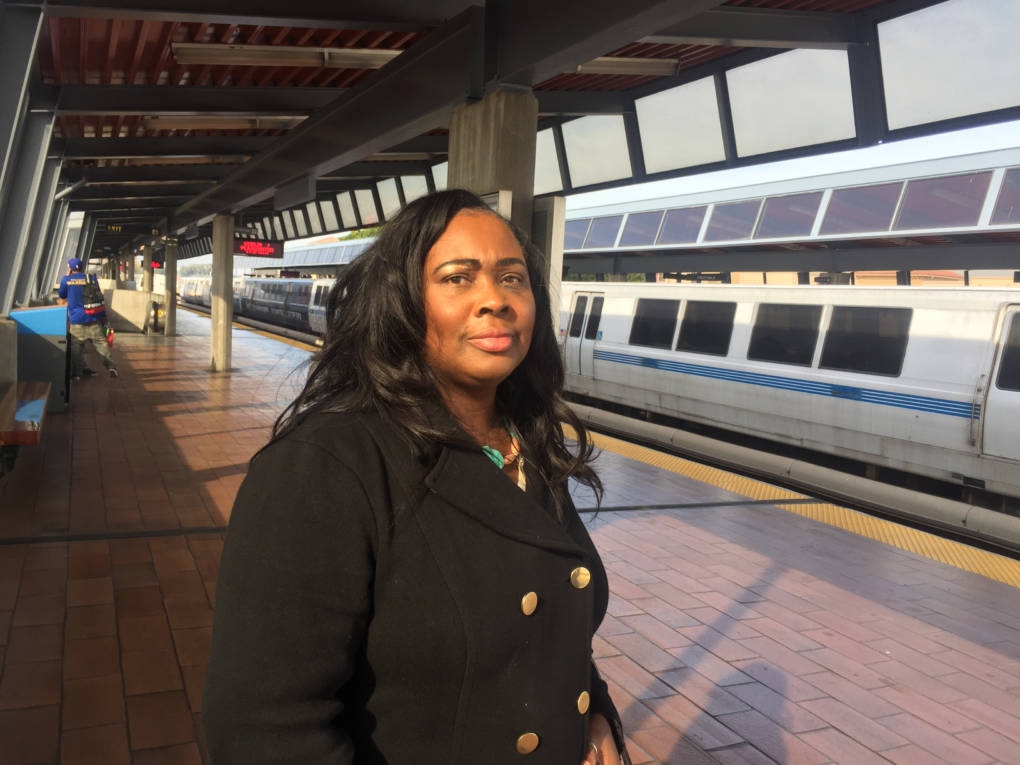
"caption": "Rev. Wanda Johnson, Oscar Grant's mother, in 2017, standing on the same BART platform where her son was shot and killed by a BART police officer on New Year's Day 2009.",
"description": "Wanda Johnson, Oscar Grant's mother, stands on the same BART platform where her son was shot and killed by a BART police officer on New Year's Day 2009. She spends a lot of time in the community where she helps support at-risk youth as well as family members who have lost loved ones to police violence.",
"title": "Wanda Johnson",
"credit": "Alyssa Jeong Perry/KQED",
"status": "inherit",
"altTag": "Wanda Johnson, Oscar Grant's mother, stands on the same BART platform where her son was shot and killed by a BART police officer on New Year's Day 2009. She spends a lot of time in the community where she helps support at-risk youth as well as family members who have lost loved ones to police violence.",
"isLoading": false,
"fetchFailed": false
},
"news_11639324": {
"type": "attachments",
"id": "news_11639324",
"meta": {
"index": "attachments_1716263798",
"site": "news",
"id": "11639324",
"found": true
},
"parent": 11639317,
"imgSizes": {
"small": {
"file": "https://ww2.kqed.org/app/uploads/sites/10/2017/12/38212450505_7924cbf220_o-520x534.jpg",
"width": 520,
"mimeType": "image/jpeg",
"height": 534
},
"twentyfourteen-full-width": {
"file": "https://ww2.kqed.org/app/uploads/sites/10/2017/12/38212450505_7924cbf220_o-1038x576.jpg",
"width": 1038,
"mimeType": "image/jpeg",
"height": 576
},
"thumbnail": {
"file": "https://ww2.kqed.org/app/uploads/sites/10/2017/12/38212450505_7924cbf220_o-160x164.jpg",
"width": 160,
"mimeType": "image/jpeg",
"height": 164
},
"fd-sm": {
"file": "https://ww2.kqed.org/app/uploads/sites/10/2017/12/38212450505_7924cbf220_o-960x987.jpg",
"width": 960,
"mimeType": "image/jpeg",
"height": 987
},
"post-thumbnail": {
"file": "https://ww2.kqed.org/app/uploads/sites/10/2017/12/38212450505_7924cbf220_o-672x372.jpg",
"width": 672,
"mimeType": "image/jpeg",
"height": 372
},
"xsmall": {
"file": "https://ww2.kqed.org/app/uploads/sites/10/2017/12/38212450505_7924cbf220_o-375x385.jpg",
"width": 375,
"mimeType": "image/jpeg",
"height": 385
},
"kqedFullSize": {
"file": "https://ww2.kqed.org/app/uploads/sites/10/2017/12/38212450505_7924cbf220_o-e1514420892867.jpg",
"width": 1920,
"height": 1973
},
"large": {
"file": "https://ww2.kqed.org/app/uploads/sites/10/2017/12/38212450505_7924cbf220_o-1020x1048.jpg",
"width": 1020,
"mimeType": "image/jpeg",
"height": 1048
},
"xlarge": {
"file": "https://ww2.kqed.org/app/uploads/sites/10/2017/12/38212450505_7924cbf220_o-1180x1213.jpg",
"width": 1180,
"mimeType": "image/jpeg",
"height": 1213
},
"guest-author-50": {
"file": "https://ww2.kqed.org/app/uploads/sites/10/2017/12/38212450505_7924cbf220_o-50x50.jpg",
"width": 50,
"mimeType": "image/jpeg",
"height": 50
},
"guest-author-96": {
"file": "https://ww2.kqed.org/app/uploads/sites/10/2017/12/38212450505_7924cbf220_o-96x96.jpg",
"width": 96,
"mimeType": "image/jpeg",
"height": 96
},
"medium": {
"file": "https://ww2.kqed.org/app/uploads/sites/10/2017/12/38212450505_7924cbf220_o-800x822.jpg",
"width": 800,
"mimeType": "image/jpeg",
"height": 822
},
"guest-author-64": {
"file": "https://ww2.kqed.org/app/uploads/sites/10/2017/12/38212450505_7924cbf220_o-64x64.jpg",
"width": 64,
"mimeType": "image/jpeg",
"height": 64
},
"guest-author-32": {
"file": "https://ww2.kqed.org/app/uploads/sites/10/2017/12/38212450505_7924cbf220_o-32x32.jpg",
"width": 32,
"mimeType": "image/jpeg",
"height": 32
},
"fd-lrg": {
"file": "https://ww2.kqed.org/app/uploads/sites/10/2017/12/38212450505_7924cbf220_o-1920x1973.jpg",
"width": 1920,
"mimeType": "image/jpeg",
"height": 1973
},
"fd-med": {
"file": "https://ww2.kqed.org/app/uploads/sites/10/2017/12/38212450505_7924cbf220_o-1180x1213.jpg",
"width": 1180,
"mimeType": "image/jpeg",
"height": 1213
},
"full-width": {
"file": "https://ww2.kqed.org/app/uploads/sites/10/2017/12/38212450505_7924cbf220_o-1920x1973.jpg",
"width": 1920,
"mimeType": "image/jpeg",
"height": 1973
},
"detail": {
"file": "https://ww2.kqed.org/app/uploads/sites/10/2017/12/38212450505_7924cbf220_o-150x150.jpg",
"width": 150,
"mimeType": "image/jpeg",
"height": 150
},
"guest-author-128": {
"file": "https://ww2.kqed.org/app/uploads/sites/10/2017/12/38212450505_7924cbf220_o-128x128.jpg",
"width": 128,
"mimeType": "image/jpeg",
"height": 128
},
"xxsmall": {
"file": "https://ww2.kqed.org/app/uploads/sites/10/2017/12/38212450505_7924cbf220_o-240x247.jpg",
"width": 240,
"mimeType": "image/jpeg",
"height": 247
}
},
"publishDate": 1514420346,
"modified": 1514500438,
"caption": "A BART patron leaving San Francisco's 16th Street/Mission Station through a side gate -- a popular route for fare evaders. BART is launching a proof of payment system to try to discourage rampant fare cheating on the system. ",
"description": null,
"title": "BART-Fare Cheats",
"credit": "Dan Brekke/KQED",
"status": "inherit",
"isLoading": false,
"fetchFailed": false
},
"news_11636786": {
"type": "attachments",
"id": "news_11636786",
"meta": {
"index": "attachments_1716263798",
"site": "news",
"id": "11636786",
"found": true
},
"parent": 11635550,
"imgSizes": {
"small": {
"file": "https://ww2.kqed.org/app/uploads/sites/10/2017/12/Screen-Shot-2017-12-13-at-9.31.11-AM-520x277.png",
"width": 520,
"mimeType": "image/png",
"height": 277
},
"twentyfourteen-full-width": {
"file": "https://ww2.kqed.org/app/uploads/sites/10/2017/12/Screen-Shot-2017-12-13-at-9.31.11-AM-1038x576.png",
"width": 1038,
"mimeType": "image/png",
"height": 576
},
"thumbnail": {
"file": "https://ww2.kqed.org/app/uploads/sites/10/2017/12/Screen-Shot-2017-12-13-at-9.31.11-AM-160x85.png",
"width": 160,
"mimeType": "image/png",
"height": 85
},
"fd-sm": {
"file": "https://ww2.kqed.org/app/uploads/sites/10/2017/12/Screen-Shot-2017-12-13-at-9.31.11-AM-960x511.png",
"width": 960,
"mimeType": "image/png",
"height": 511
},
"post-thumbnail": {
"file": "https://ww2.kqed.org/app/uploads/sites/10/2017/12/Screen-Shot-2017-12-13-at-9.31.11-AM-672x372.png",
"width": 672,
"mimeType": "image/png",
"height": 372
},
"xsmall": {
"file": "https://ww2.kqed.org/app/uploads/sites/10/2017/12/Screen-Shot-2017-12-13-at-9.31.11-AM-375x200.png",
"width": 375,
"mimeType": "image/png",
"height": 200
},
"kqedFullSize": {
"file": "https://ww2.kqed.org/app/uploads/sites/10/2017/12/Screen-Shot-2017-12-13-at-9.31.11-AM.png",
"width": 1922,
"height": 1024
},
"large": {
"file": "https://ww2.kqed.org/app/uploads/sites/10/2017/12/Screen-Shot-2017-12-13-at-9.31.11-AM-1020x543.png",
"width": 1020,
"mimeType": "image/png",
"height": 543
},
"xlarge": {
"file": "https://ww2.kqed.org/app/uploads/sites/10/2017/12/Screen-Shot-2017-12-13-at-9.31.11-AM-1180x629.png",
"width": 1180,
"mimeType": "image/png",
"height": 629
},
"guest-author-50": {
"file": "https://ww2.kqed.org/app/uploads/sites/10/2017/12/Screen-Shot-2017-12-13-at-9.31.11-AM-50x50.png",
"width": 50,
"mimeType": "image/png",
"height": 50
},
"guest-author-96": {
"file": "https://ww2.kqed.org/app/uploads/sites/10/2017/12/Screen-Shot-2017-12-13-at-9.31.11-AM-96x96.png",
"width": 96,
"mimeType": "image/png",
"height": 96
},
"medium": {
"file": "https://ww2.kqed.org/app/uploads/sites/10/2017/12/Screen-Shot-2017-12-13-at-9.31.11-AM-800x426.png",
"width": 800,
"mimeType": "image/png",
"height": 426
},
"guest-author-64": {
"file": "https://ww2.kqed.org/app/uploads/sites/10/2017/12/Screen-Shot-2017-12-13-at-9.31.11-AM-64x64.png",
"width": 64,
"mimeType": "image/png",
"height": 64
},
"guest-author-32": {
"file": "https://ww2.kqed.org/app/uploads/sites/10/2017/12/Screen-Shot-2017-12-13-at-9.31.11-AM-32x32.png",
"width": 32,
"mimeType": "image/png",
"height": 32
},
"fd-lrg": {
"file": "https://ww2.kqed.org/app/uploads/sites/10/2017/12/Screen-Shot-2017-12-13-at-9.31.11-AM-1920x1023.png",
"width": 1920,
"mimeType": "image/png",
"height": 1023
},
"fd-med": {
"file": "https://ww2.kqed.org/app/uploads/sites/10/2017/12/Screen-Shot-2017-12-13-at-9.31.11-AM-1180x629.png",
"width": 1180,
"mimeType": "image/png",
"height": 629
},
"full-width": {
"file": "https://ww2.kqed.org/app/uploads/sites/10/2017/12/Screen-Shot-2017-12-13-at-9.31.11-AM-1920x1023.png",
"width": 1920,
"mimeType": "image/png",
"height": 1023
},
"detail": {
"file": "https://ww2.kqed.org/app/uploads/sites/10/2017/12/Screen-Shot-2017-12-13-at-9.31.11-AM-150x150.png",
"width": 150,
"mimeType": "image/png",
"height": 150
},
"guest-author-128": {
"file": "https://ww2.kqed.org/app/uploads/sites/10/2017/12/Screen-Shot-2017-12-13-at-9.31.11-AM-128x128.png",
"width": 128,
"mimeType": "image/png",
"height": 128
},
"xxsmall": {
"file": "https://ww2.kqed.org/app/uploads/sites/10/2017/12/Screen-Shot-2017-12-13-at-9.31.11-AM-240x128.png",
"width": 240,
"mimeType": "image/png",
"height": 128
}
},
"publishDate": 1513205809,
"modified": 1513648795,
"caption": "A late 1960s conception of a proposed bridge from San Francisco to the East Bay. ",
"description": null,
"title": "Southern Crossing",
"credit": "Ronald Reagan Presidential Library and Museum",
"status": "inherit",
"isLoading": false,
"fetchFailed": false
},
"news_11632484": {
"type": "attachments",
"id": "news_11632484",
"meta": {
"index": "attachments_1716263798",
"site": "news",
"id": "11632484",
"found": true
},
"parent": 11632453,
"imgSizes": {
"small": {
"file": "https://ww2.kqed.org/app/uploads/sites/10/2017/11/30419836675_867ae4440f_k-520x355.jpg",
"width": 520,
"mimeType": "image/jpeg",
"height": 355
},
"twentyfourteen-full-width": {
"file": "https://ww2.kqed.org/app/uploads/sites/10/2017/11/30419836675_867ae4440f_k-1038x576.jpg",
"width": 1038,
"mimeType": "image/jpeg",
"height": 576
},
"thumbnail": {
"file": "https://ww2.kqed.org/app/uploads/sites/10/2017/11/30419836675_867ae4440f_k-160x109.jpg",
"width": 160,
"mimeType": "image/jpeg",
"height": 109
},
"fd-sm": {
"file": "https://ww2.kqed.org/app/uploads/sites/10/2017/11/30419836675_867ae4440f_k-960x655.jpg",
"width": 960,
"mimeType": "image/jpeg",
"height": 655
},
"post-thumbnail": {
"file": "https://ww2.kqed.org/app/uploads/sites/10/2017/11/30419836675_867ae4440f_k-672x372.jpg",
"width": 672,
"mimeType": "image/jpeg",
"height": 372
},
"xsmall": {
"file": "https://ww2.kqed.org/app/uploads/sites/10/2017/11/30419836675_867ae4440f_k-375x256.jpg",
"width": 375,
"mimeType": "image/jpeg",
"height": 256
},
"kqedFullSize": {
"file": "https://ww2.kqed.org/app/uploads/sites/10/2017/11/30419836675_867ae4440f_k-e1511222635388.jpg",
"width": 1920,
"height": 1311
},
"large": {
"file": "https://ww2.kqed.org/app/uploads/sites/10/2017/11/30419836675_867ae4440f_k-1020x696.jpg",
"width": 1020,
"mimeType": "image/jpeg",
"height": 696
},
"xlarge": {
"file": "https://ww2.kqed.org/app/uploads/sites/10/2017/11/30419836675_867ae4440f_k-1180x805.jpg",
"width": 1180,
"mimeType": "image/jpeg",
"height": 805
},
"guest-author-50": {
"file": "https://ww2.kqed.org/app/uploads/sites/10/2017/11/30419836675_867ae4440f_k-50x50.jpg",
"width": 50,
"mimeType": "image/jpeg",
"height": 50
},
"guest-author-96": {
"file": "https://ww2.kqed.org/app/uploads/sites/10/2017/11/30419836675_867ae4440f_k-96x96.jpg",
"width": 96,
"mimeType": "image/jpeg",
"height": 96
},
"medium": {
"file": "https://ww2.kqed.org/app/uploads/sites/10/2017/11/30419836675_867ae4440f_k-800x546.jpg",
"width": 800,
"mimeType": "image/jpeg",
"height": 546
},
"guest-author-64": {
"file": "https://ww2.kqed.org/app/uploads/sites/10/2017/11/30419836675_867ae4440f_k-64x64.jpg",
"width": 64,
"mimeType": "image/jpeg",
"height": 64
},
"guest-author-32": {
"file": "https://ww2.kqed.org/app/uploads/sites/10/2017/11/30419836675_867ae4440f_k-32x32.jpg",
"width": 32,
"mimeType": "image/jpeg",
"height": 32
},
"fd-lrg": {
"file": "https://ww2.kqed.org/app/uploads/sites/10/2017/11/30419836675_867ae4440f_k-1920x1311.jpg",
"width": 1920,
"mimeType": "image/jpeg",
"height": 1311
},
"fd-med": {
"file": "https://ww2.kqed.org/app/uploads/sites/10/2017/11/30419836675_867ae4440f_k-1180x805.jpg",
"width": 1180,
"mimeType": "image/jpeg",
"height": 805
},
"full-width": {
"file": "https://ww2.kqed.org/app/uploads/sites/10/2017/11/30419836675_867ae4440f_k-1920x1311.jpg",
"width": 1920,
"mimeType": "image/jpeg",
"height": 1311
},
"detail": {
"file": "https://ww2.kqed.org/app/uploads/sites/10/2017/11/30419836675_867ae4440f_k-150x150.jpg",
"width": 150,
"mimeType": "image/jpeg",
"height": 150
},
"guest-author-128": {
"file": "https://ww2.kqed.org/app/uploads/sites/10/2017/11/30419836675_867ae4440f_k-128x128.jpg",
"width": 128,
"mimeType": "image/jpeg",
"height": 128
},
"xxsmall": {
"file": "https://ww2.kqed.org/app/uploads/sites/10/2017/11/30419836675_867ae4440f_k-240x164.jpg",
"width": 240,
"mimeType": "image/jpeg",
"height": 164
}
},
"publishDate": 1511222480,
"modified": 1511228586,
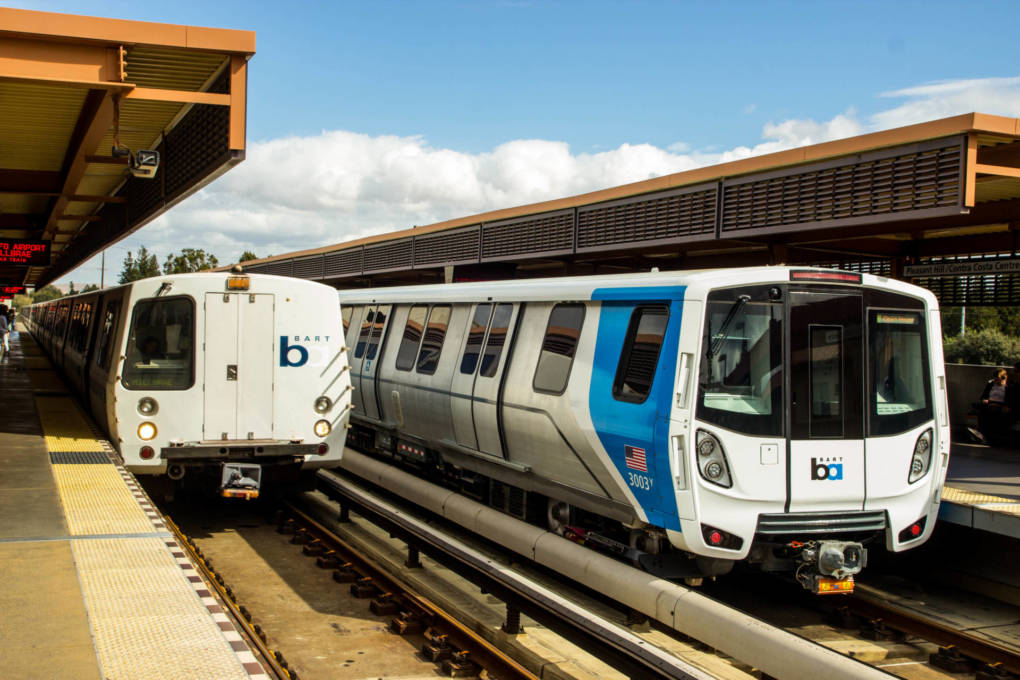
"caption": "In October 2016, BART showed off several of its new train cars at an open house at the agency's Pleasant Hill Station.",
"description": null,
"title": "BART-Fleet of the Future",
"credit": "Dan Brekke/KQED",
"status": "inherit",
"isLoading": false,
"fetchFailed": false
},
"news_11159700": {
"type": "attachments",
"id": "news_11159700",
"meta": {
"index": "attachments_1716263798",
"site": "news",
"id": "11159700",
"found": true
},
"parent": 11159698,
"imgSizes": {
"small": {
"file": "https://ww2.kqed.org/app/uploads/sites/10/2017/11/bartcars-520x347.jpg",
"width": 520,
"mimeType": "image/jpeg",
"height": 347
},
"twentyfourteen-full-width": {
"file": "https://ww2.kqed.org/app/uploads/sites/10/2017/11/bartcars-1038x576.jpg",
"width": 1038,
"mimeType": "image/jpeg",
"height": 576
},
"thumbnail": {
"file": "https://ww2.kqed.org/app/uploads/sites/10/2017/11/bartcars-160x107.jpg",
"width": 160,
"mimeType": "image/jpeg",
"height": 107
},
"fd-sm": {
"file": "https://ww2.kqed.org/app/uploads/sites/10/2017/11/bartcars-960x640.jpg",
"width": 960,
"mimeType": "image/jpeg",
"height": 640
},
"post-thumbnail": {
"file": "https://ww2.kqed.org/app/uploads/sites/10/2017/11/bartcars-672x372.jpg",
"width": 672,
"mimeType": "image/jpeg",
"height": 372
},
"xsmall": {
"file": "https://ww2.kqed.org/app/uploads/sites/10/2017/11/bartcars-375x250.jpg",
"width": 375,
"mimeType": "image/jpeg",
"height": 250
},
"kqedFullSize": {
"file": "https://ww2.kqed.org/app/uploads/sites/10/2017/11/bartcars.jpg",
"width": 1920,
"height": 1280
},
"large": {
"file": "https://ww2.kqed.org/app/uploads/sites/10/2017/11/bartcars-1020x680.jpg",
"width": 1020,
"mimeType": "image/jpeg",
"height": 680
},
"xlarge": {
"file": "https://ww2.kqed.org/app/uploads/sites/10/2017/11/bartcars-1180x787.jpg",
"width": 1180,
"mimeType": "image/jpeg",
"height": 787
},
"guest-author-50": {
"file": "https://ww2.kqed.org/app/uploads/sites/10/2017/11/bartcars-50x50.jpg",
"width": 50,
"mimeType": "image/jpeg",
"height": 50
},
"guest-author-96": {
"file": "https://ww2.kqed.org/app/uploads/sites/10/2017/11/bartcars-96x96.jpg",
"width": 96,
"mimeType": "image/jpeg",
"height": 96
},
"medium": {
"file": "https://ww2.kqed.org/app/uploads/sites/10/2017/11/bartcars-800x533.jpg",
"width": 800,
"mimeType": "image/jpeg",
"height": 533
},
"guest-author-64": {
"file": "https://ww2.kqed.org/app/uploads/sites/10/2017/11/bartcars-64x64.jpg",
"width": 64,
"mimeType": "image/jpeg",
"height": 64
},
"guest-author-32": {
"file": "https://ww2.kqed.org/app/uploads/sites/10/2017/11/bartcars-32x32.jpg",
"width": 32,
"mimeType": "image/jpeg",
"height": 32
},
"jmtc-small-thumb": {
"file": "https://ww2.kqed.org/app/uploads/sites/10/2017/11/bartcars-280x150.jpg",
"width": 280,
"mimeType": "image/jpeg",
"height": 150
},
"fd-lrg": {
"file": "https://ww2.kqed.org/app/uploads/sites/10/2017/11/bartcars-1920x1280.jpg",
"width": 1920,
"mimeType": "image/jpeg",
"height": 1280
},
"fd-med": {
"file": "https://ww2.kqed.org/app/uploads/sites/10/2017/11/bartcars-1180x787.jpg",
"width": 1180,
"mimeType": "image/jpeg",
"height": 787
},
"full-width": {
"file": "https://ww2.kqed.org/app/uploads/sites/10/2017/11/bartcars-1920x1280.jpg",
"width": 1920,
"mimeType": "image/jpeg",
"height": 1280
},
"detail": {
"file": "https://ww2.kqed.org/app/uploads/sites/10/2017/11/bartcars-150x150.jpg",
"width": 150,
"mimeType": "image/jpeg",
"height": 150
},
"guest-author-128": {
"file": "https://ww2.kqed.org/app/uploads/sites/10/2017/11/bartcars-128x128.jpg",
"width": 128,
"mimeType": "image/jpeg",
"height": 128
},
"xxsmall": {
"file": "https://ww2.kqed.org/app/uploads/sites/10/2017/11/bartcars-240x160.jpg",
"width": 240,
"mimeType": "image/jpeg",
"height": 160
}
},
"publishDate": 1478297376,
"modified": 1516140615,
"caption": "A car from BART's 'Fleet of the Future,' right, alongside one of the transit agency's old cars at Pleasant Hill Station in October 2016. ",
"description": "BART trains at Pleasant Hill station, October 2016. ",
"title": "BART Cars",
"credit": "Dan Brekke/KQED",
"status": "inherit",
"isLoading": false,
"fetchFailed": false
},
"news_11627142": {
"type": "attachments",
"id": "news_11627142",
"meta": {
"index": "attachments_1716263798",
"site": "news",
"id": "11627142",
"found": true
},
"parent": 11627066,
"imgSizes": {
"small": {
"file": "https://ww2.kqed.org/app/uploads/sites/10/2017/10/IMG_2971-520x347.jpg",
"width": 520,
"mimeType": "image/jpeg",
"height": 347
},
"twentyfourteen-full-width": {
"file": "https://ww2.kqed.org/app/uploads/sites/10/2017/10/IMG_2971-1038x576.jpg",
"width": 1038,
"mimeType": "image/jpeg",
"height": 576
},
"thumbnail": {
"file": "https://ww2.kqed.org/app/uploads/sites/10/2017/10/IMG_2971-160x107.jpg",
"width": 160,
"mimeType": "image/jpeg",
"height": 107
},
"fd-sm": {
"file": "https://ww2.kqed.org/app/uploads/sites/10/2017/10/IMG_2971-960x640.jpg",
"width": 960,
"mimeType": "image/jpeg",
"height": 640
},
"post-thumbnail": {
"file": "https://ww2.kqed.org/app/uploads/sites/10/2017/10/IMG_2971-672x372.jpg",
"width": 672,
"mimeType": "image/jpeg",
"height": 372
},
"xsmall": {
"file": "https://ww2.kqed.org/app/uploads/sites/10/2017/10/IMG_2971-375x250.jpg",
"width": 375,
"mimeType": "image/jpeg",
"height": 250
},
"kqedFullSize": {
"file": "https://ww2.kqed.org/app/uploads/sites/10/2017/10/IMG_2971-e1509490003642.jpg",
"width": 1920,
"height": 1280
},
"large": {
"file": "https://ww2.kqed.org/app/uploads/sites/10/2017/10/IMG_2971-1020x680.jpg",
"width": 1020,
"mimeType": "image/jpeg",
"height": 680
},
"xlarge": {
"file": "https://ww2.kqed.org/app/uploads/sites/10/2017/10/IMG_2971-1180x787.jpg",
"width": 1180,
"mimeType": "image/jpeg",
"height": 787
},
"guest-author-50": {
"file": "https://ww2.kqed.org/app/uploads/sites/10/2017/10/IMG_2971-50x50.jpg",
"width": 50,
"mimeType": "image/jpeg",
"height": 50
},
"guest-author-96": {
"file": "https://ww2.kqed.org/app/uploads/sites/10/2017/10/IMG_2971-96x96.jpg",
"width": 96,
"mimeType": "image/jpeg",
"height": 96
},
"medium": {
"file": "https://ww2.kqed.org/app/uploads/sites/10/2017/10/IMG_2971-800x533.jpg",
"width": 800,
"mimeType": "image/jpeg",
"height": 533
},
"guest-author-64": {
"file": "https://ww2.kqed.org/app/uploads/sites/10/2017/10/IMG_2971-64x64.jpg",
"width": 64,
"mimeType": "image/jpeg",
"height": 64
},
"guest-author-32": {
"file": "https://ww2.kqed.org/app/uploads/sites/10/2017/10/IMG_2971-32x32.jpg",
"width": 32,
"mimeType": "image/jpeg",
"height": 32
},
"fd-lrg": {
"file": "https://ww2.kqed.org/app/uploads/sites/10/2017/10/IMG_2971-1920x1280.jpg",
"width": 1920,
"mimeType": "image/jpeg",
"height": 1280
},
"fd-med": {
"file": "https://ww2.kqed.org/app/uploads/sites/10/2017/10/IMG_2971-1180x787.jpg",
"width": 1180,
"mimeType": "image/jpeg",
"height": 787
},
"full-width": {
"file": "https://ww2.kqed.org/app/uploads/sites/10/2017/10/IMG_2971-1920x1280.jpg",
"width": 1920,
"mimeType": "image/jpeg",
"height": 1280
},
"detail": {
"file": "https://ww2.kqed.org/app/uploads/sites/10/2017/10/IMG_2971-150x150.jpg",
"width": 150,
"mimeType": "image/jpeg",
"height": 150
},
"guest-author-128": {
"file": "https://ww2.kqed.org/app/uploads/sites/10/2017/10/IMG_2971-128x128.jpg",
"width": 128,
"mimeType": "image/jpeg",
"height": 128
},
"xxsmall": {
"file": "https://ww2.kqed.org/app/uploads/sites/10/2017/10/IMG_2971-240x160.jpg",
"width": 240,
"mimeType": "image/jpeg",
"height": 160
}
},
"publishDate": 1509484133,
"modified": 1509492289,
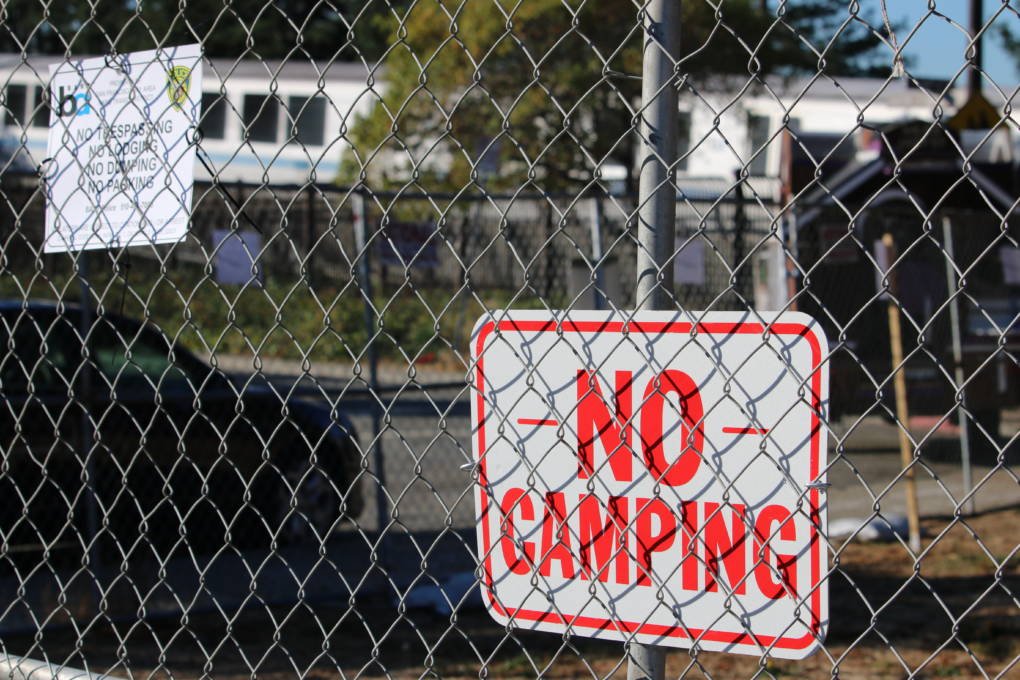
"caption": "Residents at the 'Here There' encampment in South Berkeley argue they have a right to stay on BART's property.",
"description": null,
"title": "IMG_2971",
"credit": "Devin Katayama/KQED",
"status": "inherit",
"isLoading": false,
"fetchFailed": false
},
"news_11625989": {
"type": "attachments",
"id": "news_11625989",
"meta": {
"index": "attachments_1716263798",
"site": "news",
"id": "11625989",
"found": true
},
"title": "IMG_2943",
"publishDate": 1508967483,
"status": "inherit",
"parent": 11625944,
"modified": 1509056856,
"caption": "BART cleared a homeless encampment and fenced off property in South Berkeley on Oct. 25, 2017.",
"credit": "Devin Katayama/KQED",
"altTag": null,
"description": null,
"imgSizes": {
"thumbnail": {
"file": "https://cdn.kqed.org/wp-content/uploads/sites/10/2017/10/IMG_2943-160x107.jpg",
"width": 160,
"height": 107,
"mimeType": "image/jpeg"
},
"medium": {
"file": "https://cdn.kqed.org/wp-content/uploads/sites/10/2017/10/IMG_2943-800x533.jpg",
"width": 800,
"height": 533,
"mimeType": "image/jpeg"
},
"large": {
"file": "https://cdn.kqed.org/wp-content/uploads/sites/10/2017/10/IMG_2943-1020x680.jpg",
"width": 1020,
"height": 680,
"mimeType": "image/jpeg"
},
"fd-lrg": {
"file": "https://cdn.kqed.org/wp-content/uploads/sites/10/2017/10/IMG_2943-1920x1280.jpg",
"width": 1920,
"height": 1280,
"mimeType": "image/jpeg"
},
"fd-med": {
"file": "https://cdn.kqed.org/wp-content/uploads/sites/10/2017/10/IMG_2943-1180x787.jpg",
"width": 1180,
"height": 787,
"mimeType": "image/jpeg"
},
"fd-sm": {
"file": "https://cdn.kqed.org/wp-content/uploads/sites/10/2017/10/IMG_2943-960x640.jpg",
"width": 960,
"height": 640,
"mimeType": "image/jpeg"
},
"post-thumbnail": {
"file": "https://cdn.kqed.org/wp-content/uploads/sites/10/2017/10/IMG_2943-672x372.jpg",
"width": 672,
"height": 372,
"mimeType": "image/jpeg"
},
"twentyfourteen-full-width": {
"file": "https://cdn.kqed.org/wp-content/uploads/sites/10/2017/10/IMG_2943-1038x576.jpg",
"width": 1038,
"height": 576,
"mimeType": "image/jpeg"
},
"xxsmall": {
"file": "https://cdn.kqed.org/wp-content/uploads/sites/10/2017/10/IMG_2943-240x160.jpg",
"width": 240,
"height": 160,
"mimeType": "image/jpeg"
},
"xsmall": {
"file": "https://cdn.kqed.org/wp-content/uploads/sites/10/2017/10/IMG_2943-375x250.jpg",
"width": 375,
"height": 250,
"mimeType": "image/jpeg"
},
"small": {
"file": "https://cdn.kqed.org/wp-content/uploads/sites/10/2017/10/IMG_2943-520x347.jpg",
"width": 520,
"height": 347,
"mimeType": "image/jpeg"
},
"xlarge": {
"file": "https://cdn.kqed.org/wp-content/uploads/sites/10/2017/10/IMG_2943-1180x787.jpg",
"width": 1180,
"height": 787,
"mimeType": "image/jpeg"
},
"full-width": {
"file": "https://cdn.kqed.org/wp-content/uploads/sites/10/2017/10/IMG_2943-1920x1280.jpg",
"width": 1920,
"height": 1280,
"mimeType": "image/jpeg"
},
"guest-author-32": {
"file": "https://cdn.kqed.org/wp-content/uploads/sites/10/2017/10/IMG_2943-32x32.jpg",
"width": 32,
"height": 32,
"mimeType": "image/jpeg"
},
"guest-author-50": {
"file": "https://cdn.kqed.org/wp-content/uploads/sites/10/2017/10/IMG_2943-50x50.jpg",
"width": 50,
"height": 50,
"mimeType": "image/jpeg"
},
"guest-author-64": {
"file": "https://cdn.kqed.org/wp-content/uploads/sites/10/2017/10/IMG_2943-64x64.jpg",
"width": 64,
"height": 64,
"mimeType": "image/jpeg"
},
"guest-author-96": {
"file": "https://cdn.kqed.org/wp-content/uploads/sites/10/2017/10/IMG_2943-96x96.jpg",
"width": 96,
"height": 96,
"mimeType": "image/jpeg"
},
"guest-author-128": {
"file": "https://cdn.kqed.org/wp-content/uploads/sites/10/2017/10/IMG_2943-128x128.jpg",
"width": 128,
"height": 128,
"mimeType": "image/jpeg"
},
"detail": {
"file": "https://cdn.kqed.org/wp-content/uploads/sites/10/2017/10/IMG_2943-150x150.jpg",
"width": 150,
"height": 150,
"mimeType": "image/jpeg"
},
"kqedFullSize": {
"file": "https://cdn.kqed.org/wp-content/uploads/sites/10/2017/10/IMG_2943-e1731527667984.jpg",
"width": 2000,
"height": 1333
}
},
"isLoading": false,
"fetchFailed": false
},
"news_65350": {
"type": "attachments",
"id": "news_65350",
"meta": {
"index": "attachments_1716263798",
"site": "news",
"id": "65350",
"found": true
},
"parent": 64864,
"imgSizes": {
"kqedFullSize": {
"file": "https://ww2.kqed.org/app/uploads/sites/10/2012/05/jets.jpg",
"width": 640,
"height": 450
}
},
"publishDate": 1337110034,
"modified": 1507332529,
"caption": "The U.S. Navy Blue Angels pass in front of the Golden Gate Bridge during a practice session for Fleet Week in 2007.",
"description": "The U.S. Navy Blue Angels pass in front of the Golden Gate Bridge during a practice session for Fleet Week in 2007.",
"title": "jets",
"credit": "Justin Sullivan/Getty Images",
"status": "inherit",
"isLoading": false,
"fetchFailed": false
},
"news_11618166": {
"type": "attachments",
"id": "news_11618166",
"meta": {
"index": "attachments_1716263798",
"site": "news",
"id": "11618166",
"found": true
},
"parent": 11618056,
"imgSizes": {
"small": {
"file": "https://ww2.kqed.org/app/uploads/sites/10/2017/09/4396922963_77b9b7dc6e_b-520x390.jpg",
"width": 520,
"mimeType": "image/jpeg",
"height": 390
},
"twentyfourteen-full-width": {
"file": "https://ww2.kqed.org/app/uploads/sites/10/2017/09/4396922963_77b9b7dc6e_b-1024x576.jpg",
"width": 1024,
"mimeType": "image/jpeg",
"height": 576
},
"thumbnail": {
"file": "https://ww2.kqed.org/app/uploads/sites/10/2017/09/4396922963_77b9b7dc6e_b-160x120.jpg",
"width": 160,
"mimeType": "image/jpeg",
"height": 120
},
"fd-sm": {
"file": "https://ww2.kqed.org/app/uploads/sites/10/2017/09/4396922963_77b9b7dc6e_b-960x720.jpg",
"width": 960,
"mimeType": "image/jpeg",
"height": 720
},
"post-thumbnail": {
"file": "https://ww2.kqed.org/app/uploads/sites/10/2017/09/4396922963_77b9b7dc6e_b-672x372.jpg",
"width": 672,
"mimeType": "image/jpeg",
"height": 372
},
"xsmall": {
"file": "https://ww2.kqed.org/app/uploads/sites/10/2017/09/4396922963_77b9b7dc6e_b-375x281.jpg",
"width": 375,
"mimeType": "image/jpeg",
"height": 281
},
"kqedFullSize": {
"file": "https://ww2.kqed.org/app/uploads/sites/10/2017/09/4396922963_77b9b7dc6e_b.jpg",
"width": 1024,
"height": 768
},
"large": {
"file": "https://ww2.kqed.org/app/uploads/sites/10/2017/09/4396922963_77b9b7dc6e_b-1020x765.jpg",
"width": 1020,
"mimeType": "image/jpeg",
"height": 765
},
"guest-author-50": {
"file": "https://ww2.kqed.org/app/uploads/sites/10/2017/09/4396922963_77b9b7dc6e_b-50x50.jpg",
"width": 50,
"mimeType": "image/jpeg",
"height": 50
},
"guest-author-96": {
"file": "https://ww2.kqed.org/app/uploads/sites/10/2017/09/4396922963_77b9b7dc6e_b-96x96.jpg",
"width": 96,
"mimeType": "image/jpeg",
"height": 96
},
"medium": {
"file": "https://ww2.kqed.org/app/uploads/sites/10/2017/09/4396922963_77b9b7dc6e_b-800x600.jpg",
"width": 800,
"mimeType": "image/jpeg",
"height": 600
},
"guest-author-64": {
"file": "https://ww2.kqed.org/app/uploads/sites/10/2017/09/4396922963_77b9b7dc6e_b-64x64.jpg",
"width": 64,
"mimeType": "image/jpeg",
"height": 64
},
"guest-author-32": {
"file": "https://ww2.kqed.org/app/uploads/sites/10/2017/09/4396922963_77b9b7dc6e_b-32x32.jpg",
"width": 32,
"mimeType": "image/jpeg",
"height": 32
},
"detail": {
"file": "https://ww2.kqed.org/app/uploads/sites/10/2017/09/4396922963_77b9b7dc6e_b-150x150.jpg",
"width": 150,
"mimeType": "image/jpeg",
"height": 150
},
"guest-author-128": {
"file": "https://ww2.kqed.org/app/uploads/sites/10/2017/09/4396922963_77b9b7dc6e_b-128x128.jpg",
"width": 128,
"mimeType": "image/jpeg",
"height": 128
},
"xxsmall": {
"file": "https://ww2.kqed.org/app/uploads/sites/10/2017/09/4396922963_77b9b7dc6e_b-240x180.jpg",
"width": 240,
"mimeType": "image/jpeg",
"height": 180
}
},
"publishDate": 1505950719,
"modified": 1505950787,
"caption": "If you're in the Transbay Tube during an earthquake, BART has a plan. ",
"description": "If you're in the Transbay Tube during an earthquake, BART has a plan. ",
"title": "4396922963_77b9b7dc6e_b",
"credit": "\u003ca href=\"https://www.flickr.com/photos/walkingsf/4396922963/in/photolist-Vn3RLb-7Gxo1B-Vy6NA5-dpNwhB-dpNFAo-dpNFKA-dazqm9-dpNw7H-9jcTBf-dQS13y-5SVGwG-7MZpfZ-8UgCEG-9TgK3Q-8uMV75-4H6N32-6ky89Z-de9nER-5b58v-4Ze1DQ-fEjLGB-8pLbiX-rtaXFp-UwswYB-nNKvE7-6oyb3Y-9m3kkm-RAKDkw-RLE7SS-8SdfnS-8jtHe\" target=\"_blank\">Eric Fischer\u003c/a>/Flickr",
"status": "inherit",
"isLoading": false,
"fetchFailed": false
},
"news_11617391": {
"type": "attachments",
"id": "news_11617391",
"meta": {
"index": "attachments_1716263798",
"site": "news",
"id": "11617391",
"found": true
},
"parent": 11617155,
"imgSizes": {
"small": {
"file": "https://ww2.kqed.org/app/uploads/sites/10/2017/09/GettyImages-172490893-520x322.jpg",
"width": 520,
"mimeType": "image/jpeg",
"height": 322
},
"twentyfourteen-full-width": {
"file": "https://ww2.kqed.org/app/uploads/sites/10/2017/09/GettyImages-172490893-1038x576.jpg",
"width": 1038,
"mimeType": "image/jpeg",
"height": 576
},
"thumbnail": {
"file": "https://ww2.kqed.org/app/uploads/sites/10/2017/09/GettyImages-172490893-160x99.jpg",
"width": 160,
"mimeType": "image/jpeg",
"height": 99
},
"fd-sm": {
"file": "https://ww2.kqed.org/app/uploads/sites/10/2017/09/GettyImages-172490893-960x594.jpg",
"width": 960,
"mimeType": "image/jpeg",
"height": 594
},
"post-thumbnail": {
"file": "https://ww2.kqed.org/app/uploads/sites/10/2017/09/GettyImages-172490893-672x372.jpg",
"width": 672,
"mimeType": "image/jpeg",
"height": 372
},
"xsmall": {
"file": "https://ww2.kqed.org/app/uploads/sites/10/2017/09/GettyImages-172490893-375x232.jpg",
"width": 375,
"mimeType": "image/jpeg",
"height": 232
},
"kqedFullSize": {
"file": "https://ww2.kqed.org/app/uploads/sites/10/2017/09/GettyImages-172490893-e1505525219997.jpg",
"width": 1920,
"height": 1188
},
"large": {
"file": "https://ww2.kqed.org/app/uploads/sites/10/2017/09/GettyImages-172490893-1020x631.jpg",
"width": 1020,
"mimeType": "image/jpeg",
"height": 631
},
"xlarge": {
"file": "https://ww2.kqed.org/app/uploads/sites/10/2017/09/GettyImages-172490893-1180x730.jpg",
"width": 1180,
"mimeType": "image/jpeg",
"height": 730
},
"guest-author-50": {
"file": "https://ww2.kqed.org/app/uploads/sites/10/2017/09/GettyImages-172490893-50x50.jpg",
"width": 50,
"mimeType": "image/jpeg",
"height": 50
},
"guest-author-96": {
"file": "https://ww2.kqed.org/app/uploads/sites/10/2017/09/GettyImages-172490893-96x96.jpg",
"width": 96,
"mimeType": "image/jpeg",
"height": 96
},
"medium": {
"file": "https://ww2.kqed.org/app/uploads/sites/10/2017/09/GettyImages-172490893-800x495.jpg",
"width": 800,
"mimeType": "image/jpeg",
"height": 495
},
"guest-author-64": {
"file": "https://ww2.kqed.org/app/uploads/sites/10/2017/09/GettyImages-172490893-64x64.jpg",
"width": 64,
"mimeType": "image/jpeg",
"height": 64
},
"guest-author-32": {
"file": "https://ww2.kqed.org/app/uploads/sites/10/2017/09/GettyImages-172490893-32x32.jpg",
"width": 32,
"mimeType": "image/jpeg",
"height": 32
},
"fd-lrg": {
"file": "https://ww2.kqed.org/app/uploads/sites/10/2017/09/GettyImages-172490893-1920x1188.jpg",
"width": 1920,
"mimeType": "image/jpeg",
"height": 1188
},
"fd-med": {
"file": "https://ww2.kqed.org/app/uploads/sites/10/2017/09/GettyImages-172490893-1180x730.jpg",
"width": 1180,
"mimeType": "image/jpeg",
"height": 730
},
"full-width": {
"file": "https://ww2.kqed.org/app/uploads/sites/10/2017/09/GettyImages-172490893-1920x1188.jpg",
"width": 1920,
"mimeType": "image/jpeg",
"height": 1188
},
"detail": {
"file": "https://ww2.kqed.org/app/uploads/sites/10/2017/09/GettyImages-172490893-150x150.jpg",
"width": 150,
"mimeType": "image/jpeg",
"height": 150
},
"guest-author-128": {
"file": "https://ww2.kqed.org/app/uploads/sites/10/2017/09/GettyImages-172490893-128x128.jpg",
"width": 128,
"mimeType": "image/jpeg",
"height": 128
},
"xxsmall": {
"file": "https://ww2.kqed.org/app/uploads/sites/10/2017/09/GettyImages-172490893-240x149.jpg",
"width": 240,
"mimeType": "image/jpeg",
"height": 149
}
},
"publishDate": 1505525053,
"modified": 1505525199,
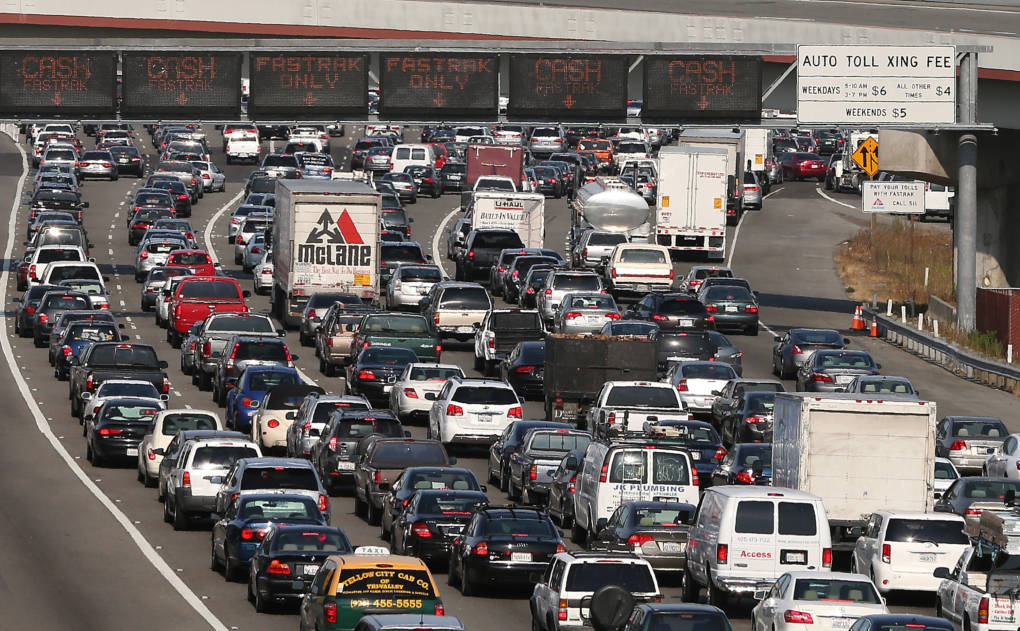
"caption": "Commuter traffic at the Bay Bridge toll plaze pictured during the July 2013 BART strike. ",
"description": null,
"title": "Bay Bridge Toll Plaza",
"credit": "Justin Sullivan/Getty Images",
"status": "inherit",
"isLoading": false,
"fetchFailed": false
},
"news_11616916": {
"type": "attachments",
"id": "news_11616916",
"meta": {
"index": "attachments_1716263798",
"site": "news",
"id": "11616916",
"found": true
},
"parent": 11616485,
"imgSizes": {
"small": {
"file": "https://ww2.kqed.org/app/uploads/sites/10/2017/09/StateCapSac-520x339.jpg",
"width": 520,
"mimeType": "image/jpeg",
"height": 339
},
"twentyfourteen-full-width": {
"file": "https://ww2.kqed.org/app/uploads/sites/10/2017/09/StateCapSac-1038x576.jpg",
"width": 1038,
"mimeType": "image/jpeg",
"height": 576
},
"thumbnail": {
"file": "https://ww2.kqed.org/app/uploads/sites/10/2017/09/StateCapSac-160x104.jpg",
"width": 160,
"mimeType": "image/jpeg",
"height": 104
},
"fd-sm": {
"file": "https://ww2.kqed.org/app/uploads/sites/10/2017/09/StateCapSac-960x627.jpg",
"width": 960,
"mimeType": "image/jpeg",
"height": 627
},
"post-thumbnail": {
"file": "https://ww2.kqed.org/app/uploads/sites/10/2017/09/StateCapSac-672x372.jpg",
"width": 672,
"mimeType": "image/jpeg",
"height": 372
},
"xsmall": {
"file": "https://ww2.kqed.org/app/uploads/sites/10/2017/09/StateCapSac-375x245.jpg",
"width": 375,
"mimeType": "image/jpeg",
"height": 245
},
"kqedFullSize": {
"file": "https://ww2.kqed.org/app/uploads/sites/10/2017/09/StateCapSac.jpg",
"width": 1920,
"height": 1253
},
"large": {
"file": "https://ww2.kqed.org/app/uploads/sites/10/2017/09/StateCapSac-1020x666.jpg",
"width": 1020,
"mimeType": "image/jpeg",
"height": 666
},
"xlarge": {
"file": "https://ww2.kqed.org/app/uploads/sites/10/2017/09/StateCapSac-1180x770.jpg",
"width": 1180,
"mimeType": "image/jpeg",
"height": 770
},
"guest-author-50": {
"file": "https://ww2.kqed.org/app/uploads/sites/10/2017/09/StateCapSac-50x50.jpg",
"width": 50,
"mimeType": "image/jpeg",
"height": 50
},
"guest-author-96": {
"file": "https://ww2.kqed.org/app/uploads/sites/10/2017/09/StateCapSac-96x96.jpg",
"width": 96,
"mimeType": "image/jpeg",
"height": 96
},
"medium": {
"file": "https://ww2.kqed.org/app/uploads/sites/10/2017/09/StateCapSac-800x522.jpg",
"width": 800,
"mimeType": "image/jpeg",
"height": 522
},
"guest-author-64": {
"file": "https://ww2.kqed.org/app/uploads/sites/10/2017/09/StateCapSac-64x64.jpg",
"width": 64,
"mimeType": "image/jpeg",
"height": 64
},
"guest-author-32": {
"file": "https://ww2.kqed.org/app/uploads/sites/10/2017/09/StateCapSac-32x32.jpg",
"width": 32,
"mimeType": "image/jpeg",
"height": 32
},
"fd-lrg": {
"file": "https://ww2.kqed.org/app/uploads/sites/10/2017/09/StateCapSac-1920x1253.jpg",
"width": 1920,
"mimeType": "image/jpeg",
"height": 1253
},
"fd-med": {
"file": "https://ww2.kqed.org/app/uploads/sites/10/2017/09/StateCapSac-1180x770.jpg",
"width": 1180,
"mimeType": "image/jpeg",
"height": 770
},
"full-width": {
"file": "https://ww2.kqed.org/app/uploads/sites/10/2017/09/StateCapSac-1920x1253.jpg",
"width": 1920,
"mimeType": "image/jpeg",
"height": 1253
},
"detail": {
"file": "https://ww2.kqed.org/app/uploads/sites/10/2017/09/StateCapSac-150x150.jpg",
"width": 150,
"mimeType": "image/jpeg",
"height": 150
},
"guest-author-128": {
"file": "https://ww2.kqed.org/app/uploads/sites/10/2017/09/StateCapSac-128x128.jpg",
"width": 128,
"mimeType": "image/jpeg",
"height": 128
},
"xxsmall": {
"file": "https://ww2.kqed.org/app/uploads/sites/10/2017/09/StateCapSac-240x157.jpg",
"width": 240,
"mimeType": "image/jpeg",
"height": 157
}
},
"publishDate": 1505417047,
"modified": 1505417103,
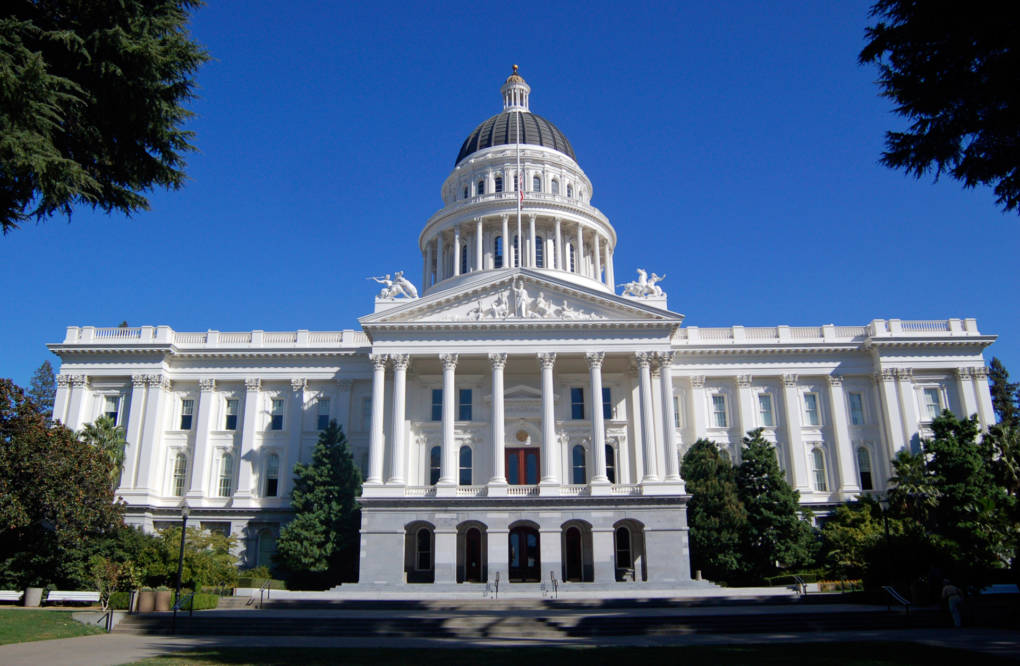
"caption": "The state Capitol in Sacramento.",
"description": "The state Capitol in Sacramento.",
"title": "StateCapSac",
"credit": "Getty Images",
"status": "inherit",
"isLoading": false,
"fetchFailed": false
},
"news_11616978": {
"type": "attachments",
"id": "news_11616978",
"meta": {
"index": "attachments_1716263798",
"site": "news",
"id": "11616978",
"found": true
},
"parent": 11616961,
"imgSizes": {
"small": {
"file": "https://ww2.kqed.org/app/uploads/sites/10/2017/09/109633104_23f34b5d26_o-520x299.jpg",
"width": 520,
"mimeType": "image/jpeg",
"height": 299
},
"twentyfourteen-full-width": {
"file": "https://ww2.kqed.org/app/uploads/sites/10/2017/09/109633104_23f34b5d26_o-1038x576.jpg",
"width": 1038,
"mimeType": "image/jpeg",
"height": 576
},
"thumbnail": {
"file": "https://ww2.kqed.org/app/uploads/sites/10/2017/09/109633104_23f34b5d26_o-160x92.jpg",
"width": 160,
"mimeType": "image/jpeg",
"height": 92
},
"fd-sm": {
"file": "https://ww2.kqed.org/app/uploads/sites/10/2017/09/109633104_23f34b5d26_o-960x552.jpg",
"width": 960,
"mimeType": "image/jpeg",
"height": 552
},
"post-thumbnail": {
"file": "https://ww2.kqed.org/app/uploads/sites/10/2017/09/109633104_23f34b5d26_o-672x372.jpg",
"width": 672,
"mimeType": "image/jpeg",
"height": 372
},
"xsmall": {
"file": "https://ww2.kqed.org/app/uploads/sites/10/2017/09/109633104_23f34b5d26_o-375x216.jpg",
"width": 375,
"mimeType": "image/jpeg",
"height": 216
},
"kqedFullSize": {
"file": "https://ww2.kqed.org/app/uploads/sites/10/2017/09/109633104_23f34b5d26_o-e1505427023219.jpg",
"width": 1920,
"height": 1104
},
"large": {
"file": "https://ww2.kqed.org/app/uploads/sites/10/2017/09/109633104_23f34b5d26_o-1020x587.jpg",
"width": 1020,
"mimeType": "image/jpeg",
"height": 587
},
"xlarge": {
"file": "https://ww2.kqed.org/app/uploads/sites/10/2017/09/109633104_23f34b5d26_o-1180x679.jpg",
"width": 1180,
"mimeType": "image/jpeg",
"height": 679
},
"guest-author-50": {
"file": "https://ww2.kqed.org/app/uploads/sites/10/2017/09/109633104_23f34b5d26_o-50x50.jpg",
"width": 50,
"mimeType": "image/jpeg",
"height": 50
},
"guest-author-96": {
"file": "https://ww2.kqed.org/app/uploads/sites/10/2017/09/109633104_23f34b5d26_o-96x96.jpg",
"width": 96,
"mimeType": "image/jpeg",
"height": 96
},
"medium": {
"file": "https://ww2.kqed.org/app/uploads/sites/10/2017/09/109633104_23f34b5d26_o-800x460.jpg",
"width": 800,
"mimeType": "image/jpeg",
"height": 460
},
"guest-author-64": {
"file": "https://ww2.kqed.org/app/uploads/sites/10/2017/09/109633104_23f34b5d26_o-64x64.jpg",
"width": 64,
"mimeType": "image/jpeg",
"height": 64
},
"guest-author-32": {
"file": "https://ww2.kqed.org/app/uploads/sites/10/2017/09/109633104_23f34b5d26_o-32x32.jpg",
"width": 32,
"mimeType": "image/jpeg",
"height": 32
},
"fd-lrg": {
"file": "https://ww2.kqed.org/app/uploads/sites/10/2017/09/109633104_23f34b5d26_o-1920x1104.jpg",
"width": 1920,
"mimeType": "image/jpeg",
"height": 1104
},
"fd-med": {
"file": "https://ww2.kqed.org/app/uploads/sites/10/2017/09/109633104_23f34b5d26_o-1180x679.jpg",
"width": 1180,
"mimeType": "image/jpeg",
"height": 679
},
"full-width": {
"file": "https://ww2.kqed.org/app/uploads/sites/10/2017/09/109633104_23f34b5d26_o-1920x1104.jpg",
"width": 1920,
"mimeType": "image/jpeg",
"height": 1104
},
"detail": {
"file": "https://ww2.kqed.org/app/uploads/sites/10/2017/09/109633104_23f34b5d26_o-150x150.jpg",
"width": 150,
"mimeType": "image/jpeg",
"height": 150
},
"guest-author-128": {
"file": "https://ww2.kqed.org/app/uploads/sites/10/2017/09/109633104_23f34b5d26_o-128x128.jpg",
"width": 128,
"mimeType": "image/jpeg",
"height": 128
},
"xxsmall": {
"file": "https://ww2.kqed.org/app/uploads/sites/10/2017/09/109633104_23f34b5d26_o-240x138.jpg",
"width": 240,
"mimeType": "image/jpeg",
"height": 138
}
},
"publishDate": 1505426942,
"modified": 1505427016,
"caption": "A BART train in motion. ",
"description": null,
"title": "BART",
"credit": "\u003ca href=\"https://flic.kr/p/aFU6W\" target=\"_blank\">Thomas Hawk/Flickr\u003c/a>",
"status": "inherit",
"isLoading": false,
"fetchFailed": false
}
},
"audioPlayerReducer": {
"postId": "stream_live",
"isPaused": true,
"isPlaying": false,
"pfsActive": false,
"pledgeModalIsOpen": true,
"playerDrawerIsOpen": false,
"liveAudioPlayStartedAt": 0,
"liveAudioPlayContext": ""
},
"authorsReducer": {
"danbrekke": {
"type": "authors",
"id": "222",
"meta": {
"index": "authors_1716337520",
"id": "222",
"found": true
},
"name": "Dan Brekke",
"firstName": "Dan",
"lastName": "Brekke",
"slug": "danbrekke",
"email": "dbrekke@kqed.org",
"display_author_email": true,
"staff_mastheads": [
"news",
"science"
],
"title": "KQED Editor and Reporter",
"bio": "Dan Brekke is a reporter and editor for KQED News, responsible for coverage of topics ranging from California water issues to the Bay Area's transportation challenges. In a newsroom career that began in Chicago in 1972, Dan has worked for \u003cem>The San Francisco Examiner,\u003c/em> Wired and TechTV and has been published in The New York Times, The New York Times Magazine, Business 2.0, Salon and elsewhere.\r\n\r\nSince joining KQED in 2007, Dan has reported, edited and produced both radio and online features and breaking news pieces. He has shared as both editor and reporter in four Society of Professional Journalists Norcal Excellence in Journalism awards and one Edward R. Murrow regional award. He was chosen for a spring 2017 residency at the Mesa Refuge to advance his research on California salmon.\r\n\r\nEmail Dan at: \u003ca href=\"mailto:dbrekke@kqed.org\">dbrekke@kqed.org\u003c/a>\r\n\r\n\u003cstrong>Twitter:\u003c/strong> \u003ca href=\"https://twitter.com/danbrekke\" rel=\"noopener noreferrer\">twitter.com/danbrekke\u003c/a>\r\n\u003cstrong>Facebook:\u003c/strong> \u003ca href=\"https://www.facebook.com/danbrekke\" rel=\"noopener noreferrer\">www.facebook.com/danbrekke\u003c/a>\r\n\u003cstrong>LinkedIn:\u003c/strong> \u003ca href=\"https://www.linkedin.com/in/danbrekke\" rel=\"noopener noreferrer\">www.linkedin.com/in/danbrekke\u003c/a>",
"avatar": "https://secure.gravatar.com/avatar/8f1f0d2a978fb3b23426c922c7e2af558fa36905b49c4ce76a97dc3c72d27226?s=600&d=mm&r=g",
"twitter": "danbrekke",
"bluesky": null,
"facebook": null,
"instagram": "https://www.instagram.com/dan.brekke/",
"linkedin": "https://www.linkedin.com/in/danbrekke/",
"sites": [
{
"site": "news",
"roles": [
"administrator",
"create_posts"
]
},
{
"site": "stateofhealth",
"roles": [
"editor"
]
},
{
"site": "science",
"roles": [
"editor"
]
},
{
"site": "quest",
"roles": [
"contributor"
]
},
{
"site": "food",
"roles": [
"contributor"
]
},
{
"site": "forum",
"roles": [
"contributor"
]
},
{
"site": "elections",
"roles": [
"editor"
]
},
{
"site": "liveblog",
"roles": [
"editor"
]
}
],
"headData": {
"title": "Dan Brekke | KQED",
"description": "KQED Editor and Reporter",
"ogImgSrc": "https://secure.gravatar.com/avatar/8f1f0d2a978fb3b23426c922c7e2af558fa36905b49c4ce76a97dc3c72d27226?s=600&d=mm&r=g",
"twImgSrc": "https://secure.gravatar.com/avatar/8f1f0d2a978fb3b23426c922c7e2af558fa36905b49c4ce76a97dc3c72d27226?s=600&d=mm&r=g"
},
"isLoading": false,
"link": "/author/danbrekke"
},
"gmarzorati": {
"type": "authors",
"id": "227",
"meta": {
"index": "authors_1716337520",
"id": "227",
"found": true
},
"name": "Guy Marzorati",
"firstName": "Guy",
"lastName": "Marzorati",
"slug": "gmarzorati",
"email": "gmarzorati@KQED.org",
"display_author_email": true,
"staff_mastheads": [
"news"
],
"title": "Correspondent",
"bio": "Guy Marzorati is a correspondent on KQED's California Politics and Government Desk, based in San Jose. A graduate of Santa Clara University, Guy joined KQED in 2013. He reports on state and local politics and produces KQED's digital voter guide.",
"avatar": "https://secure.gravatar.com/avatar/e7038b8dbfd55b104369b76b1cd0b9de?s=600&d=blank&r=g",
"twitter": "guymarzorati",
"facebook": null,
"instagram": null,
"linkedin": null,
"sites": [
{
"site": "",
"roles": [
"editor"
]
},
{
"site": "news",
"roles": [
"editor"
]
},
{
"site": "science",
"roles": [
"editor"
]
},
{
"site": "forum",
"roles": [
"editor"
]
},
{
"site": "elections",
"roles": [
"editor"
]
},
{
"site": "liveblog",
"roles": [
"editor"
]
}
],
"headData": {
"title": "Guy Marzorati | KQED",
"description": "Correspondent",
"ogImgSrc": "https://secure.gravatar.com/avatar/e7038b8dbfd55b104369b76b1cd0b9de?s=600&d=blank&r=g",
"twImgSrc": "https://secure.gravatar.com/avatar/e7038b8dbfd55b104369b76b1cd0b9de?s=600&d=blank&r=g"
},
"isLoading": false,
"link": "/author/gmarzorati"
},
"scottshafer": {
"type": "authors",
"id": "255",
"meta": {
"index": "authors_1716337520",
"id": "255",
"found": true
},
"name": "Scott Shafer",
"firstName": "Scott",
"lastName": "Shafer",
"slug": "scottshafer",
"email": "sshafer@kqed.org",
"display_author_email": false,
"staff_mastheads": [
"news"
],
"title": "KQED Contributor",
"bio": "Scott Shafer is a senior editor with the KQED Politics and Government desk. He is co-host of Political Breakdown, the award-winning radio show and podcast with a personal take on the world of politics. Scott came to KQED in 1998 to host the statewide\u003cem> California Report\u003c/em>. Prior to that he had extended stints in politics and government\u003cem>.\u003c/em> He uses that inside experience at KQED in his, reporting, hosting and analysis for the politics desk. Scott collaborated \u003cem>Political Breakdown a\u003c/em>nd on \u003cem>The Political Mind of Jerry Brown, \u003c/em>an eight-part series about the life and extraordinary political career of the former governor. For fun, he plays water polo with the San Francisco Tsunami.",
"avatar": "https://secure.gravatar.com/avatar/a62ebae45b79d7aed1a39a0e3bf68104?s=600&d=blank&r=g",
"twitter": "scottshafer",
"bluesky": null,
"facebook": null,
"instagram": null,
"linkedin": null,
"sites": [
{
"site": "news",
"roles": [
"editor"
]
},
{
"site": "stateofhealth",
"roles": [
"author"
]
},
{
"site": "science",
"roles": [
"author"
]
},
{
"site": "forum",
"roles": [
"subscriber"
]
},
{
"site": "liveblog",
"roles": [
"author"
]
}
],
"headData": {
"title": "Scott Shafer | KQED",
"description": "KQED Contributor",
"ogImgSrc": "https://secure.gravatar.com/avatar/a62ebae45b79d7aed1a39a0e3bf68104?s=600&d=blank&r=g",
"twImgSrc": "https://secure.gravatar.com/avatar/a62ebae45b79d7aed1a39a0e3bf68104?s=600&d=blank&r=g"
},
"isLoading": false,
"link": "/author/scottshafer"
},
"mlagos": {
"type": "authors",
"id": "3239",
"meta": {
"index": "authors_1716337520",
"id": "3239",
"found": true
},
"name": "Marisa Lagos",
"firstName": "Marisa",
"lastName": "Lagos",
"slug": "mlagos",
"email": "mlagos@kqed.org",
"display_author_email": false,
"staff_mastheads": [
"news"
],
"title": "KQED Contributor",
"bio": "Marisa Lagos is a correspondent for KQED’s California Politics and Government Desk and co-hosts the award-winning show and podcast, Political Breakdown. At KQED, Lagos also conducts reporting, analysis and investigations into state, local and national politics for radio, TV, online and onstage. In 2022, she and co-host, Scott Shafer, moderated the only gubernatorial debate in California. In 2020, the \u003ci>Washington Post\u003c/i> named her one of the top political journalists in California; she was nominated for a Peabody and won several other awards for her work investigating the 2017 California wildfires. She has worked at the \u003ci>San Francisco Chronicle\u003c/i>, \u003ci>San Francisco Examiner\u003c/i> and \u003ci>Los Angeles Times\u003c/i>. A UC Santa Barbara graduate, she lives in San Francisco with her two sons and husband.",
"avatar": "https://secure.gravatar.com/avatar/a261a0d3696fc066871ef96b85b5e7d2?s=600&d=blank&r=g",
"twitter": "@mlagos",
"facebook": null,
"instagram": null,
"linkedin": null,
"sites": [
{
"site": "arts",
"roles": [
"author"
]
},
{
"site": "news",
"roles": [
"editor"
]
},
{
"site": "science",
"roles": [
"editor"
]
},
{
"site": "forum",
"roles": [
"author"
]
},
{
"site": "liveblog",
"roles": [
"author"
]
}
],
"headData": {
"title": "Marisa Lagos | KQED",
"description": "KQED Contributor",
"ogImgSrc": "https://secure.gravatar.com/avatar/a261a0d3696fc066871ef96b85b5e7d2?s=600&d=blank&r=g",
"twImgSrc": "https://secure.gravatar.com/avatar/a261a0d3696fc066871ef96b85b5e7d2?s=600&d=blank&r=g"
},
"isLoading": false,
"link": "/author/mlagos"
},
"dkatayama": {
"type": "authors",
"id": "7240",
"meta": {
"index": "authors_1716337520",
"id": "7240",
"found": true
},
"name": "Devin Katayama",
"firstName": "Devin",
"lastName": "Katayama",
"slug": "dkatayama",
"email": "dkatayama@kqed.org",
"display_author_email": true,
"staff_mastheads": [
"news"
],
"title": "Editor of Talent and Development",
"bio": "Devin Katayama is former Editor of Talent and Development for KQED. He supported our internship program and on-call staff by looking for equitable opportunities to improve the newsroom.\r\n\r\nHe previously hosted The Bay and American Suburb podcasts from KQED News. Prior to returning to the Bay Area in 2015, Devin was the education reporter for WFPL in Louisville and worked as a producer with radio stations in Chicago and Portland, OR. His work has appeared on NPR’s \u003cem>Morning Edition, All Things Considered, The Takeaway\u003c/em> and \u003cem>Here and Now.\u003c/em>\r\n\r\nDevin earned his MA in Journalism from Columbia College Chicago, where he was a Follett Fellow and the recipient of the 2011 Studs Terkel Community Media Workshop Scholarship for his story on Chicago's homeless youth. He won WBUR's 2014 Daniel Schorr award and a regional RTNDA Edward R. Murrow Award for his documentary \"At Risk\" that looked at issues facing some of Louisville's students. Devin has also received numerous local awards from the Associated Press and the Society of Professional Journalists.",
"avatar": "https://secure.gravatar.com/avatar/d0d2978a31002fb2de107921a8e18405?s=600&d=blank&r=g",
"twitter": "RadioDevin",
"facebook": null,
"instagram": null,
"linkedin": null,
"sites": [
{
"site": "arts",
"roles": []
},
{
"site": "news",
"roles": [
"author"
]
},
{
"site": "stateofhealth",
"roles": [
"author"
]
},
{
"site": "forum",
"roles": [
"editor"
]
},
{
"site": "perspectives",
"roles": [
"editor"
]
}
],
"headData": {
"title": "Devin Katayama | KQED",
"description": "Editor of Talent and Development",
"ogImgSrc": "https://secure.gravatar.com/avatar/d0d2978a31002fb2de107921a8e18405?s=600&d=blank&r=g",
"twImgSrc": "https://secure.gravatar.com/avatar/d0d2978a31002fb2de107921a8e18405?s=600&d=blank&r=g"
},
"isLoading": false,
"link": "/author/dkatayama"
},
"ewirtschafter": {
"type": "authors",
"id": "11259",
"meta": {
"index": "authors_1716337520",
"id": "11259",
"found": true
},
"name": "Eli Wirtschafter",
"firstName": "Eli",
"lastName": "Wirtschafter",
"slug": "ewirtschafter",
"email": "ewirtschafter@KQED.org",
"display_author_email": false,
"staff_mastheads": [],
"title": "KQED Contributor",
"bio": "Eli Wirtschafter is a freelance reporter and producer focusing on transportation, art, and activism. He previously interned with \u003cem>The California Report\u003c/em> and KQED Local News\u003cem>.\u003c/em> Eli is also KALW's transportation reporter, and a graduate of KALW's \u003ca href=\"http://kalw.org/post/enrollment-now-open-kalws-audio-academy#stream/0\" target=\"_blank\" rel=\"noopener noreferrer\">Audio Academy.\u003c/a> Eli's work has been heard on NPR, Here & Now, and BackStory. Find him on Twitter at \u003ca href=\"https://twitter.com/RadioEli\" target=\"_blank\" rel=\"noopener noreferrer\">@RadioEli\u003c/a>.",
"avatar": "https://secure.gravatar.com/avatar/dd6917a8f3309e9659ae1da5ffc10865559102003d58d9f077ca49c7f7ca792e?s=600&d=blank&r=g",
"twitter": "RadioEli",
"bluesky": null,
"facebook": null,
"instagram": null,
"linkedin": null,
"sites": [
{
"site": "arts",
"roles": [
"subscriber"
]
},
{
"site": "news",
"roles": [
"author"
]
},
{
"site": "science",
"roles": [
"author"
]
}
],
"headData": {
"title": "Eli Wirtschafter | KQED",
"description": "KQED Contributor",
"ogImgSrc": "https://secure.gravatar.com/avatar/dd6917a8f3309e9659ae1da5ffc10865559102003d58d9f077ca49c7f7ca792e?s=600&d=blank&r=g",
"twImgSrc": "https://secure.gravatar.com/avatar/dd6917a8f3309e9659ae1da5ffc10865559102003d58d9f077ca49c7f7ca792e?s=600&d=blank&r=g"
},
"isLoading": false,
"link": "/author/ewirtschafter"
},
"trubio": {
"type": "authors",
"id": "11311",
"meta": {
"index": "authors_1716337520",
"id": "11311",
"found": true
},
"name": "Tena Rubio",
"firstName": "Tena",
"lastName": "Rubio",
"slug": "trubio",
"email": "trubio@KQED.org",
"display_author_email": false,
"staff_mastheads": [],
"title": null,
"bio": " \r\n\r\n\u003cstrong>TENA RUBIO \u003c/strong>is an award-winning radio journalist and multimedia producer based in San Francisco and Los Angeles. Currently, she works on contract as a producer and reporter for KQED Public Radio. She was the managing editor of NPR’s \u003cem>Latino USA \u003c/em>and is the former host & executive producer of the news magazine radio show, \u003cem>Making Contact\u003c/em>. Previously, a TV producer and newswriter, Tena continues to produce and report for various radio outlets across the country. Tena is currently the Board Secretary and Elections Chair for the Association of Independents in Radio (AIR).\r\n\r\n ",
"avatar": "https://secure.gravatar.com/avatar/3ff35feefc3472ea9e4e43ecd4df283b?s=600&d=blank&r=g",
"twitter": "@tenarubio",
"facebook": null,
"instagram": null,
"linkedin": null,
"sites": [
{
"site": "news",
"roles": [
"author"
]
}
],
"headData": {
"title": "Tena Rubio | KQED",
"description": null,
"ogImgSrc": "https://secure.gravatar.com/avatar/3ff35feefc3472ea9e4e43ecd4df283b?s=600&d=blank&r=g",
"twImgSrc": "https://secure.gravatar.com/avatar/3ff35feefc3472ea9e4e43ecd4df283b?s=600&d=blank&r=g"
},
"isLoading": false,
"link": "/author/trubio"
},
"ajperry": {
"type": "authors",
"id": "11334",
"meta": {
"index": "authors_1716337520",
"id": "11334",
"found": true
},
"name": "Alyssa Jeong Perry",
"firstName": "Alyssa",
"lastName": "Perry",
"slug": "ajperry",
"email": "AlyssaPerry@KQED.org",
"display_author_email": false,
"staff_mastheads": [],
"title": "KQED Contributor",
"bio": "Alyssa Jeong Perry is a on-call reporter at KQED. She's had stories air on NPR and WBUR's \u003cem>Here & Now,\u003c/em> PRI's The World and WNYC's \u003cem>The Takeaway.\u003c/em> And her written stories have been published in \u003cem>The Guardian \u003c/em>and \u003cem>The Nation. \u003c/em> For her reporting on immigration, Alyssa was honored as a 2015 Ford Foundation fellow through International Center for Journalists and a 2016 Mark Felt fellow with the UC Berkeley's Investigative Reporting Program. She's also interned at \u003cem>Oregon Public Broadcasting \u003c/em>and has her masters in journalism from the UC Berkeley. Before diving deep into journalism, she lived in Korea for almost four years and traveled extensively through Central America and Asia.",
"avatar": "https://secure.gravatar.com/avatar/8601b3e2995177110a6b5beb3aaea2f3?s=600&d=blank&r=g",
"twitter": "alyssajperry",
"facebook": null,
"instagram": null,
"linkedin": null,
"sites": [
{
"site": "news",
"roles": [
"author"
]
}
],
"headData": {
"title": "Alyssa Jeong Perry | KQED",
"description": "KQED Contributor",
"ogImgSrc": "https://secure.gravatar.com/avatar/8601b3e2995177110a6b5beb3aaea2f3?s=600&d=blank&r=g",
"twImgSrc": "https://secure.gravatar.com/avatar/8601b3e2995177110a6b5beb3aaea2f3?s=600&d=blank&r=g"
},
"isLoading": false,
"link": "/author/ajperry"
},
"mcheng": {
"type": "authors",
"id": "11392",
"meta": {
"index": "authors_1716337520",
"id": "11392",
"found": true
},
"name": "Michelle Cheng",
"firstName": "Michelle",
"lastName": "Cheng",
"slug": "mcheng",
"email": "michellebrittany15@gmail.com",
"display_author_email": false,
"staff_mastheads": [],
"title": "KQED Contributor",
"bio": "Michelle Cheng is an on-call interactive producer at KQED. She has written for FiveThirtyEight, Forbes, and MIT Technology Review. She received her undergraduate degree at Boston University -- but doesn't miss the cold. Prior to becoming a journalist, she was a competitive dancer. Reach her at mcheng@kqed.org or on Twitter @mbcheng15.",
"avatar": "https://secure.gravatar.com/avatar/14ee002b5eca4a81008be56ade91b3e326b80fbd81023881c7df7a7d2ed1499c?s=600&d=blank&r=g",
"twitter": null,
"bluesky": null,
"facebook": null,
"instagram": null,
"linkedin": null,
"sites": [
{
"site": "news",
"roles": [
"subscriber"
]
}
],
"headData": {
"title": "Michelle Cheng | KQED",
"description": "KQED Contributor",
"ogImgSrc": "https://secure.gravatar.com/avatar/14ee002b5eca4a81008be56ade91b3e326b80fbd81023881c7df7a7d2ed1499c?s=600&d=blank&r=g",
"twImgSrc": "https://secure.gravatar.com/avatar/14ee002b5eca4a81008be56ade91b3e326b80fbd81023881c7df7a7d2ed1499c?s=600&d=blank&r=g"
},
"isLoading": false,
"link": "/author/mcheng"
}
},
"pagesReducer": {
"news_tag_bart": {
"type": "terms",
"id": "news_269",
"meta": {
"index": "terms_1716263798",
"site": "news",
"id": "269",
"score": 8.558294
},
"featImg": null,
"name": "BART",
"description": null,
"taxonomy": "tag",
"headData": {
"twImgId": null,
"twTitle": null,
"ogTitle": null,
"ogImgId": null,
"twDescription": null,
"description": null,
"title": "BART Archives | KQED News",
"ogDescription": null
},
"ttid": 277,
"slug": "bart",
"isLoading": false,
"title": "BART",
"pageMeta": {
"site": "news",
"WpPageTemplate": "page-topic-editorial",
"currentPage": 19
},
"blocks": [
{
"blockName": "kqed/post-list",
"attrs": {
"layout": "cardArticle2",
"query": "posts/news?tag=bart",
"seeMore": false,
"paginated": true,
"page": 19
}
},
{
"blockName": "kqed/ad"
}
]
}
},
"pfsSessionReducer": {},
"postsReducer": {
"stream_live": {
"type": "live",
"id": "stream_live",
"audioUrl": "https://streams.kqed.org/kqedradio",
"title": "Live Stream",
"excerpt": "Live Stream information currently unavailable.",
"link": "/radio",
"featImg": "",
"label": {
"name": "KQED Live",
"link": "/"
}
},
"stream_kqedNewscast": {
"type": "posts",
"id": "stream_kqedNewscast",
"audioUrl": "https://www.kqed.org/.stream/anon/radio/RDnews/newscast.mp3?_=1",
"title": "KQED Newscast",
"featImg": "",
"label": {
"name": "88.5 FM",
"link": "/"
}
},
"news_11639679": {
"type": "posts",
"id": "news_11639679",
"meta": {
"index": "posts_1716263798",
"site": "news",
"id": "11639679",
"score": null,
"sort": [
1514793690000
]
},
"guestAuthors": [],
"slug": "nine-years-after-oscar-grants-death-his-mother-continues-to-speak-out",
"title": "9 Years After Oscar Grant's Death, His Mother Continues to Speak Out",
"publishDate": 1514793690,
"format": "standard",
"headTitle": "9 Years After Oscar Grant’s Death, His Mother Continues to Speak Out | KQED",
"labelTerm": {
"term": 6944,
"site": "news"
},
"content": "\u003cp>Wanda Johnson smiles as she passes out fliers to BART passengers with a picture of her dead son, Oscar Grant, and the words, “Gone But Not Forgotten.”\u003c/p>\n\u003cp>We’re at the Fruitvale BART Station, where her 22-year-old son was shot and killed nine years ago in the early morning hours of New Year’s Day.\u003c/p>\n\u003cp>BART police officers, including one named Johannes Mehserle, detained Grant and his friends after reports of a fight on a train from San Francisco. \u003ca href=\"https://www.youtube.com/watch?v=Q2LDw5l_yMI\" target=\"_blank\" rel=\"noopener\">Cellphone footage\u003c/a> from the night showed Mehserle shooting Grant in the back as he lay on his stomach.\u003c/p>\n\u003cp>Johnson asks if I want to go upstairs to the train platform. It’s Saturday morning, two days before the new year. We walk through the turnstiles without paying, and the transit worker nearby doesn’t stop us. It was as if they already knew who she was.\u003c/p>\n\u003cp>[audio src=\"https://www.kqed.org/.stream/anon/radio/RDnews/2018/01/PerryOscarGrant.mp3\" Image=\"https://ww2.kqed.org/news/wp-content/uploads/sites/10/2017/12/Image-uploaded-from-iOS-1180x885.jpg\" Title=\"Nine Years After Oscar Grant’s Death, His Mother Continues to Speak Out\" program=\"KQED News\"]\u003c/p>\n\u003cp>I follow her up the escalator and we sit down on a bench, just a few yards from where Grant was shot.\u003c/p>\n\u003cp>[ad fullwidth]\u003c/p>\n\u003cp>At one point while Johnson and I talk, a BART conductor leans out the front window and shouts to Johnson, “Hey, you look familiar!” She replies, “I’m Oscar’s mom.”\u003c/p>\n\u003cp>On the last day of 2008, just hours before Grant died, he, Johnson and the rest of her family spent the day together. It was Johnson’s birthday.\u003c/p>\n\u003cp>“That was the last time I was able to see Oscar. We had my birthday dinner together. We had gumbo,” Johnson says quietly as she remembers Grant filling his bowl multiple times with her homemade gumbo.\u003c/p>\n\u003cp>Shortly after dinner, Grant headed into San Francisco with his friends. Johnson remembers him wanting to drive, but she pleaded with him to take BART because it would be safer.\u003c/p>\n\u003cp>Johnson looks at a corner toward the end of the platform, not more than 10 feet from where we are sitting.\u003c/p>\n\u003cp>“And here on this very platform right over there, in this very space, he ended up losing his life,” she says.\u003c/p>\n\u003cfigure id=\"attachment_11639715\" class=\"wp-caption aligncenter\" style=\"max-width: 800px\">\u003ca href=\"https://ww2.kqed.org/news/wp-content/uploads/sites/10/2018/01/RS3302_granttrial051111-e1514764868889.jpg\">\u003cimg loading=\"lazy\" decoding=\"async\" class=\"wp-image-11639715 size-medium\" src=\"https://ww2.kqed.org/news/wp-content/uploads/sites/10/2018/01/RS3302_granttrial051111-800x562.jpg\" alt=\"Wanda Johnson, center, is comforted by her supporters outside the Los Angeles Superior Court on July 8, 2010, after the involuntary manslaughter verdict against former BART police officer Johannes Mehserle, who was charged in the death of her son, Oscar Grant. The trial was moved to Los Angeles because of a racially charged atmosphere in Oakland, where the shooting took place.\" width=\"800\" height=\"562\">\u003c/a>\u003cfigcaption class=\"wp-caption-text\">Wanda Johnson, center, is comforted by her supporters outside Los Angeles Superior Court on July 8, 2010, after the involuntary manslaughter verdict against former BART police officer Johannes Mehserle, who was charged in the death of her son, Oscar Grant. The trial was moved to Los Angeles because of a racially charged atmosphere in Oakland, where the shooting took place. \u003ccite>(MARK RALSTON/AFP/Getty Images)\u003c/cite>\u003c/figcaption>\u003c/figure>\n\u003cp>For people who have lost a loved one to violence, going to the spot where they died can often hit too close to home. But for Johnson, it’s different.\u003c/p>\n\u003cp>“It’s a healing and a hurting at the same time,” she says. “I know that Oscar is here with me, and he encourages me to keep on going because that is what Oscar would have wanted.”\u003c/p>\n\u003cp>Now Johnson spends her time in the community, where she advocates for at-risk youth and promotes justice for people like her son who have been killed by law enforcement. She heads the \u003ca href=\"https://oscargrantfoundation.org\" target=\"_blank\" rel=\"noopener\">Oscar Grant Foundation\u003c/a>, a nonprofit that supports young teens to reduce high school attrition, teen crime and teen pregnancy.\u003c/p>\n\u003cp>Johnson says she meets annually with other mothers who have lost families to police violence: Gwen Carr, mother of Eric Garner and grandmother of Erica Garner; Sybrina Fulton, mother of Trayvon Martin; and Lesley McSpadden, mother of Michael Brown.\u003c/p>\n\u003cfigure id=\"attachment_11639714\" class=\"wp-caption aligncenter\" style=\"max-width: 800px\">\u003ca href=\"https://ww2.kqed.org/news/wp-content/uploads/sites/10/2018/01/RS28734_GettyImages-583550860-qut.jpg\">\u003cimg loading=\"lazy\" decoding=\"async\" class=\"wp-image-11639714 size-medium\" src=\"https://ww2.kqed.org/news/wp-content/uploads/sites/10/2018/01/RS28734_GettyImages-583550860-qut-800x533.jpg\" alt=\"Left to right: Cleopatra Pendleton-Cowley, mother of Hadiya Pendleton; Wanda Johnson, mother of Oscar Grant; and Lezley McSpadden, mother of Mike Brown stand on stage prior to delivering remarks on the second day of the Democratic National Convention at the Wells Fargo Center, July 26, 2016, in Philadelphia. Johnson says she meets annually with other mothers who have lost loved ones to police violence.\" width=\"800\" height=\"533\" srcset=\"https://cdn.kqed.org/wp-content/uploads/sites/10/2018/01/RS28734_GettyImages-583550860-qut-800x533.jpg 800w, https://cdn.kqed.org/wp-content/uploads/sites/10/2018/01/RS28734_GettyImages-583550860-qut-160x107.jpg 160w, https://cdn.kqed.org/wp-content/uploads/sites/10/2018/01/RS28734_GettyImages-583550860-qut-1020x680.jpg 1020w, https://cdn.kqed.org/wp-content/uploads/sites/10/2018/01/RS28734_GettyImages-583550860-qut.jpg 1920w, https://cdn.kqed.org/wp-content/uploads/sites/10/2018/01/RS28734_GettyImages-583550860-qut-1180x787.jpg 1180w, https://cdn.kqed.org/wp-content/uploads/sites/10/2018/01/RS28734_GettyImages-583550860-qut-960x640.jpg 960w, https://cdn.kqed.org/wp-content/uploads/sites/10/2018/01/RS28734_GettyImages-583550860-qut-240x160.jpg 240w, https://cdn.kqed.org/wp-content/uploads/sites/10/2018/01/RS28734_GettyImages-583550860-qut-375x250.jpg 375w, https://cdn.kqed.org/wp-content/uploads/sites/10/2018/01/RS28734_GettyImages-583550860-qut-520x347.jpg 520w\" sizes=\"(max-width: 800px) 100vw, 800px\">\u003c/a>\u003cfigcaption class=\"wp-caption-text\">Left to right: Cleopatra Pendleton-Cowley, mother of Hadiya Pendleton; Wanda Johnson, mother of Oscar Grant; and Lesley McSpadden, mother of Mike Brown, stand on stage prior to delivering remarks on the second day of the Democratic National Convention at the Wells Fargo Center, July 26, 2016, in Philadelphia. \u003ccite>(Jessica Kourkounis/Getty Images)\u003c/cite>\u003c/figcaption>\u003c/figure>\n\u003cp>“His legacy will always be here with us. I will always encourage others to love their family because we don’t know what tomorrow will hold for us,” she says as her eyes well up with tears.\u003c/p>\n\u003cp>The fliers that she was handing out earlier are invitations to the ninth annual vigil for Grant at the Fruitvale BART Station on New Year’s Day. Johnson will be there along, with Grant’s 13-year-old daughter, Tatiana Grant. Johnson says community leaders, faith leaders and activists will be in attendance to promote the theme “Speak Up and Judge Fairly.”\u003c/p>\n\u003cp>“We want you to speak up about the injustices within our community,” Johnson says. “We are asking our government and our police officers and our judges and courthouses to judge fairly.”\u003c/p>\n\u003cp>In 2010, Johannes Mehserle was \u003ca href=\"http://articles.latimes.com/2010/jul/08/local/la-me-bart-verdict-20100709\" target=\"_blank\" rel=\"noopener\">convicted of involuntary manslaughter\u003c/a> by a jury that also considered the more serious charges of voluntary manslaughter and second-degree murder. He was given credit for good conduct in jail and released after serving about half of his two-year sentence.\u003c/p>\n\u003cp>Johnson says carrying on her son’s legacy is what keeps her hopeful.\u003c/p>\n\u003cp>“Oscar was an encourager,” she says. “If you were feeling down, he would try to say the very thing to make you laugh, to make you not dwell on the hurt or pain you would feel.”\u003c/p>\n\u003cp>\u003c/p>\n\u003cp>She says that’s the kind of person she wants to be to those who have lost family members to police violence.\u003c/p>\n\n",
"blocks": [],
"excerpt": "On New Year's Day in 2009, Oscar Grant was shot in the back by a BART police officer at Fruitvale Station. His mother reflects on his life and the work she does now.",
"status": "publish",
"parent": 0,
"modified": 1721119213,
"stats": {
"hasAudio": true,
"hasVideo": false,
"hasChartOrMap": false,
"iframeSrcs": [],
"hasGoogleForm": false,
"hasGallery": false,
"hasHearkenModule": false,
"hasPolis": false,
"paragraphCount": 24,
"wordCount": 957
},
"headData": {
"title": "9 Years After Oscar Grant's Death, His Mother Continues to Speak Out | KQED",
"description": "On New Year's Day in 2009, Oscar Grant was shot in the back by a BART police officer at Fruitvale Station. His mother reflects on his life and the work she does now.",
"ogTitle": "",
"ogDescription": "",
"ogImgId": "",
"twTitle": "",
"twDescription": "",
"twImgId": "",
"schema": {
"@context": "https://schema.org",
"@type": "NewsArticle",
"headline": "9 Years After Oscar Grant's Death, His Mother Continues to Speak Out",
"datePublished": "2018-01-01T00:01:30-08:00",
"dateModified": "2024-07-16T01:40:13-07:00",
"image": "https://cdn.kqed.org/wp-content/uploads/2020/02/KQED-OG-Image@1x.png",
"isAccessibleForFree": "True",
"publisher": {
"@type": "NewsMediaOrganization",
"@id": "https://www.kqed.org/#organization",
"name": "KQED",
"logo": "https://cdn.kqed.org/wp-content/uploads/2020/02/KQED-OG-Image@1x.png",
"url": "https://www.kqed.org",
"sameAs": [
"https://www.facebook.com/KQED",
"https://twitter.com/KQED",
"https://www.instagram.com/kqed/",
"https://www.tiktok.com/@kqedofficial",
"https://www.linkedin.com/company/kqed",
"https://www.youtube.com/channel/UCeC0IOo7i1P_61zVUWbJ4nw"
]
}
}
},
"sticky": false,
"audioTrackLength": 118,
"path": "/news/11639679/nine-years-after-oscar-grants-death-his-mother-continues-to-speak-out",
"audioUrl": "https://www.kqed.org/.stream/anon/radio/RDnews/2018/01/PerryOscarGrant.mp3",
"audioDuration": 104000,
"parsedContent": [
{
"type": "contentString",
"content": "\u003cdiv class=\"post-body\">\u003cp>\u003cp>Wanda Johnson smiles as she passes out fliers to BART passengers with a picture of her dead son, Oscar Grant, and the words, “Gone But Not Forgotten.”\u003c/p>\n\u003cp>We’re at the Fruitvale BART Station, where her 22-year-old son was shot and killed nine years ago in the early morning hours of New Year’s Day.\u003c/p>\n\u003cp>BART police officers, including one named Johannes Mehserle, detained Grant and his friends after reports of a fight on a train from San Francisco. \u003ca href=\"https://www.youtube.com/watch?v=Q2LDw5l_yMI\" target=\"_blank\" rel=\"noopener\">Cellphone footage\u003c/a> from the night showed Mehserle shooting Grant in the back as he lay on his stomach.\u003c/p>\n\u003cp>Johnson asks if I want to go upstairs to the train platform. It’s Saturday morning, two days before the new year. We walk through the turnstiles without paying, and the transit worker nearby doesn’t stop us. It was as if they already knew who she was.\u003c/p>\n\u003cp>\u003c/p>\u003c/div>",
"attributes": {
"named": {},
"numeric": []
}
},
{
"type": "component",
"content": "",
"name": "audio",
"attributes": {
"named": {
"src": "https://www.kqed.org/.stream/anon/radio/RDnews/2018/01/PerryOscarGrant.mp3",
"image": "https://ww2.kqed.org/news/wp-content/uploads/sites/10/2017/12/Image-uploaded-from-iOS-1180x885.jpg",
"title": "Nine Years After Oscar Grant’s Death, His Mother Continues to Speak Out",
"program": "KQED News",
"label": ""
},
"numeric": []
}
},
{
"type": "contentString",
"content": "\u003cdiv class=\"post-body\">\u003cp>\u003c/p>\n\u003cp>I follow her up the escalator and we sit down on a bench, just a few yards from where Grant was shot.\u003c/p>\n\u003cp>\u003c/p>\u003c/div>",
"attributes": {
"named": {},
"numeric": []
}
},
{
"type": "component",
"content": "",
"name": "ad",
"attributes": {
"named": {
"label": "fullwidth"
},
"numeric": [
"fullwidth"
]
}
},
{
"type": "contentString",
"content": "\u003cdiv class=\"post-body\">\u003cp>\u003c/p>\n\u003cp>At one point while Johnson and I talk, a BART conductor leans out the front window and shouts to Johnson, “Hey, you look familiar!” She replies, “I’m Oscar’s mom.”\u003c/p>\n\u003cp>On the last day of 2008, just hours before Grant died, he, Johnson and the rest of her family spent the day together. It was Johnson’s birthday.\u003c/p>\n\u003cp>“That was the last time I was able to see Oscar. We had my birthday dinner together. We had gumbo,” Johnson says quietly as she remembers Grant filling his bowl multiple times with her homemade gumbo.\u003c/p>\n\u003cp>Shortly after dinner, Grant headed into San Francisco with his friends. Johnson remembers him wanting to drive, but she pleaded with him to take BART because it would be safer.\u003c/p>\n\u003cp>Johnson looks at a corner toward the end of the platform, not more than 10 feet from where we are sitting.\u003c/p>\n\u003cp>“And here on this very platform right over there, in this very space, he ended up losing his life,” she says.\u003c/p>\n\u003cfigure id=\"attachment_11639715\" class=\"wp-caption aligncenter\" style=\"max-width: 800px\">\u003ca href=\"https://ww2.kqed.org/news/wp-content/uploads/sites/10/2018/01/RS3302_granttrial051111-e1514764868889.jpg\">\u003cimg loading=\"lazy\" decoding=\"async\" class=\"wp-image-11639715 size-medium\" src=\"https://ww2.kqed.org/news/wp-content/uploads/sites/10/2018/01/RS3302_granttrial051111-800x562.jpg\" alt=\"Wanda Johnson, center, is comforted by her supporters outside the Los Angeles Superior Court on July 8, 2010, after the involuntary manslaughter verdict against former BART police officer Johannes Mehserle, who was charged in the death of her son, Oscar Grant. The trial was moved to Los Angeles because of a racially charged atmosphere in Oakland, where the shooting took place.\" width=\"800\" height=\"562\">\u003c/a>\u003cfigcaption class=\"wp-caption-text\">Wanda Johnson, center, is comforted by her supporters outside Los Angeles Superior Court on July 8, 2010, after the involuntary manslaughter verdict against former BART police officer Johannes Mehserle, who was charged in the death of her son, Oscar Grant. The trial was moved to Los Angeles because of a racially charged atmosphere in Oakland, where the shooting took place. \u003ccite>(MARK RALSTON/AFP/Getty Images)\u003c/cite>\u003c/figcaption>\u003c/figure>\n\u003cp>For people who have lost a loved one to violence, going to the spot where they died can often hit too close to home. But for Johnson, it’s different.\u003c/p>\n\u003cp>“It’s a healing and a hurting at the same time,” she says. “I know that Oscar is here with me, and he encourages me to keep on going because that is what Oscar would have wanted.”\u003c/p>\n\u003cp>Now Johnson spends her time in the community, where she advocates for at-risk youth and promotes justice for people like her son who have been killed by law enforcement. She heads the \u003ca href=\"https://oscargrantfoundation.org\" target=\"_blank\" rel=\"noopener\">Oscar Grant Foundation\u003c/a>, a nonprofit that supports young teens to reduce high school attrition, teen crime and teen pregnancy.\u003c/p>\n\u003cp>Johnson says she meets annually with other mothers who have lost families to police violence: Gwen Carr, mother of Eric Garner and grandmother of Erica Garner; Sybrina Fulton, mother of Trayvon Martin; and Lesley McSpadden, mother of Michael Brown.\u003c/p>\n\u003cfigure id=\"attachment_11639714\" class=\"wp-caption aligncenter\" style=\"max-width: 800px\">\u003ca href=\"https://ww2.kqed.org/news/wp-content/uploads/sites/10/2018/01/RS28734_GettyImages-583550860-qut.jpg\">\u003cimg loading=\"lazy\" decoding=\"async\" class=\"wp-image-11639714 size-medium\" src=\"https://ww2.kqed.org/news/wp-content/uploads/sites/10/2018/01/RS28734_GettyImages-583550860-qut-800x533.jpg\" alt=\"Left to right: Cleopatra Pendleton-Cowley, mother of Hadiya Pendleton; Wanda Johnson, mother of Oscar Grant; and Lezley McSpadden, mother of Mike Brown stand on stage prior to delivering remarks on the second day of the Democratic National Convention at the Wells Fargo Center, July 26, 2016, in Philadelphia. Johnson says she meets annually with other mothers who have lost loved ones to police violence.\" width=\"800\" height=\"533\" srcset=\"https://cdn.kqed.org/wp-content/uploads/sites/10/2018/01/RS28734_GettyImages-583550860-qut-800x533.jpg 800w, https://cdn.kqed.org/wp-content/uploads/sites/10/2018/01/RS28734_GettyImages-583550860-qut-160x107.jpg 160w, https://cdn.kqed.org/wp-content/uploads/sites/10/2018/01/RS28734_GettyImages-583550860-qut-1020x680.jpg 1020w, https://cdn.kqed.org/wp-content/uploads/sites/10/2018/01/RS28734_GettyImages-583550860-qut.jpg 1920w, https://cdn.kqed.org/wp-content/uploads/sites/10/2018/01/RS28734_GettyImages-583550860-qut-1180x787.jpg 1180w, https://cdn.kqed.org/wp-content/uploads/sites/10/2018/01/RS28734_GettyImages-583550860-qut-960x640.jpg 960w, https://cdn.kqed.org/wp-content/uploads/sites/10/2018/01/RS28734_GettyImages-583550860-qut-240x160.jpg 240w, https://cdn.kqed.org/wp-content/uploads/sites/10/2018/01/RS28734_GettyImages-583550860-qut-375x250.jpg 375w, https://cdn.kqed.org/wp-content/uploads/sites/10/2018/01/RS28734_GettyImages-583550860-qut-520x347.jpg 520w\" sizes=\"(max-width: 800px) 100vw, 800px\">\u003c/a>\u003cfigcaption class=\"wp-caption-text\">Left to right: Cleopatra Pendleton-Cowley, mother of Hadiya Pendleton; Wanda Johnson, mother of Oscar Grant; and Lesley McSpadden, mother of Mike Brown, stand on stage prior to delivering remarks on the second day of the Democratic National Convention at the Wells Fargo Center, July 26, 2016, in Philadelphia. \u003ccite>(Jessica Kourkounis/Getty Images)\u003c/cite>\u003c/figcaption>\u003c/figure>\n\u003cp>“His legacy will always be here with us. I will always encourage others to love their family because we don’t know what tomorrow will hold for us,” she says as her eyes well up with tears.\u003c/p>\n\u003cp>The fliers that she was handing out earlier are invitations to the ninth annual vigil for Grant at the Fruitvale BART Station on New Year’s Day. Johnson will be there along, with Grant’s 13-year-old daughter, Tatiana Grant. Johnson says community leaders, faith leaders and activists will be in attendance to promote the theme “Speak Up and Judge Fairly.”\u003c/p>\n\u003cp>“We want you to speak up about the injustices within our community,” Johnson says. “We are asking our government and our police officers and our judges and courthouses to judge fairly.”\u003c/p>\n\u003cp>In 2010, Johannes Mehserle was \u003ca href=\"http://articles.latimes.com/2010/jul/08/local/la-me-bart-verdict-20100709\" target=\"_blank\" rel=\"noopener\">convicted of involuntary manslaughter\u003c/a> by a jury that also considered the more serious charges of voluntary manslaughter and second-degree murder. He was given credit for good conduct in jail and released after serving about half of his two-year sentence.\u003c/p>\n\u003cp>Johnson says carrying on her son’s legacy is what keeps her hopeful.\u003c/p>\n\u003cp>“Oscar was an encourager,” she says. “If you were feeling down, he would try to say the very thing to make you laugh, to make you not dwell on the hurt or pain you would feel.”\u003c/p>\n\u003cp>\u003c/p>\n\u003cp>She says that’s the kind of person she wants to be to those who have lost family members to police violence.\u003c/p>\n\n\u003c/div>\u003c/p>",
"attributes": {
"named": {},
"numeric": []
}
}
],
"link": "/news/11639679/nine-years-after-oscar-grants-death-his-mother-continues-to-speak-out",
"authors": [
"11334"
],
"programs": [
"news_6944"
],
"categories": [
"news_6188",
"news_8"
],
"tags": [
"news_269",
"news_1528",
"news_19542",
"news_4598",
"news_147"
],
"featImg": "news_11639691",
"label": "news_6944"
},
"news_11639317": {
"type": "posts",
"id": "news_11639317",
"meta": {
"index": "posts_1716263798",
"site": "news",
"id": "11639317",
"score": null,
"sort": [
1514492558000
]
},
"parent": 0,
"labelTerm": {
"site": "news",
"term": 6944
},
"blocks": [],
"publishDate": 1514492558,
"format": "standard",
"disqusTitle": "BART Launching Effort to Get Tough on Fare Cheaters",
"title": "BART Launching Effort to Get Tough on Fare Cheaters",
"headTitle": "News Fix | KQED News",
"content": "\u003cp>\u003cem>\u003ca href=\"#update\">Updated Jan 1, 2018\u003c/a>\u003c/em>\u003c/p>\n\u003cp>A lot of paying BART patrons at a lot of stations have this gripe, but I'll go first.\u003c/p>\n\u003cp>My regular San Francisco station is \u003ca href=\"https://ww2.kqed.org/news/2016/05/27/at-barts-16th-mission-station-the-rapture-is-nigh/\" target=\"_blank\" rel=\"noopener\">16th and Mission\u003c/a>. The concourse features a side gate that swings open to stairs leading out of the station.\u003c/p>\n\u003cp>Every time I'm headed to or from a train there, I see people waltzing right through that \"emergency\" exit, thus avoiding paying for their ride. Folks of all descriptions do that with little apparent fear of being challenged (the station agent's booth is a good 100 feet from the gate), concern about their fellow patrons' opinions or any legal consequences.\u003c/p>\n\u003cp>[audio src=\"https://www.kqed.org/.stream/anon/radio/RDnews/2017/12/BrekkeBARTFareChecks.mp3\" title=\"BART Launching Effort to Get Tough on Fare Cheaters\" program=KQED News\" image=\"https://ww2.kqed.org/news/wp-content/uploads/sites/10/2017/04/BartColiseum.jpg\"]\u003c/p>\n\u003cp>This scene is repeated often enough -- perhaps as many as 15,000 or 20,000 times every weekday, at an annual cost BART has estimated at $15 million to $25 million -- that the agency has decided to try to do a better job of persuading riders that they should pay for the sometimes questionable privilege of boarding its trains.\u003c/p>\n\u003cp>[ad fullwidth]\u003c/p>\n\u003cp>BART is taking steps like erecting higher barriers at some station concourses, making them harder to jump. The district is also installing signage and floor decals informing riders they may have to provide proof of payment and warning them against fare evasion\u003c/p>\n\u003cp>Those are peripheral measures. The heart of the anti-fare-cheating effort is a proof-of-payment system that will require passengers to show a valid Clipper Card or ticket, on demand, when they're inside a station's fare gates or on a train.\u003c/p>\n\u003cp>The system, similar to those already in place on Muni and Caltrain and many other systems, will rely on a half-dozen inspectors, working in teams of at least two, to check fares.\u003c/p>\n\u003cp>The proof-of-payment rules require a non-biased approach to enforcement: Inspectors carrying card readers will be required to move through an entire car or down an entire platform, moving person to person without skipping anyone, to check fares. That protocol is designed to prevent targeting of individuals based on appearance, age or behavior. To ensure the protocol is followed, fare inspectors will wear body cameras to record their enforcement efforts.\u003c/p>\n\u003cp>The inspectors will be BART Police Department employees, but not sworn officers. BART police are also empowered to demand proof of payment if officers have \"reasonable suspicion\" that someone has entered a station's paid area without paying or any time they approach an individual patron on suspicion of some other criminal act.\u003c/p>\n\u003cp>What will happen if you can't prove you've paid to get on a train?\u003c/p>\n\u003cp>The first two offenses in any 12-month period will result in a non-criminal citation and fine of $75 for adults and $55 for minors. Adults who rack up a third offense in that 12-month period will face a possible criminal citation and a fine of as much as $250. Minors, who under state law \u003ca href=\"https://usa.streetsblog.org/2017/03/08/why-cities-are-starting-to-decriminalize-fare-evasion/\" target=\"_blank\" rel=\"noopener\">may not be given\u003c/a> a criminal citation for fare evasion, would face continued lower-level fines.\u003c/p>\n\u003cp>The district's fare-evasion ordinance, which formally takes effect Jan., 1, also allows all minors and low-income adults to perform community service in lieu of paying the fines.\u003c/p>\n\u003cp>While BART police may start enforcing the ordinance on New Year's Day, agency spokesman Jim Allison said last week that the new inspectors were still undergoing training and \"are expected to begin their patrols in mid-January.\" \u003c/p>\n\u003cp>He added there will be a grace period of at least two weeks during which inspectors will hand out warnings to those who can't produce proof of payment. \u003c/p>\n\u003cp>One final note: How much difference will six fare inspectors make in a system that includes 45 stations and carries hundreds of thousands of people each weekday?\u003c/p>\n\u003cp>It's too early to say, clearly. A BART board presentation suggested that fare inspections, along with measures like higher barriers and better video monitoring, could recover $8 million to $11 million a year -- a substantial and welcome sum to an agency that considered eliminating service hours this fiscal year because of an expected deficit.\u003c/p>\n\u003cp>We'll have a better answer about how the system works in six months or so, when BART police are required to report on the program's initial results.\u003c/p>\n\u003cfigure id=\"attachment_11639371\" class=\"wp-caption aligncenter\" style=\"max-width: 800px\">\u003ca href=\"https://ww2.kqed.org/news/wp-content/uploads/sites/10/2017/12/38353978754_43f2ef5860_o.jpg\">\u003cimg class=\"size-medium wp-image-11639371\" src=\"https://ww2.kqed.org/news/wp-content/uploads/sites/10/2017/12/38353978754_43f2ef5860_o-800x600.jpg\" alt=\"\" width=\"800\" height=\"600\" srcset=\"https://ww2.kqed.org/app/uploads/sites/10/2017/12/38353978754_43f2ef5860_o-800x600.jpg 800w, https://ww2.kqed.org/app/uploads/sites/10/2017/12/38353978754_43f2ef5860_o-160x120.jpg 160w, https://ww2.kqed.org/app/uploads/sites/10/2017/12/38353978754_43f2ef5860_o-1020x765.jpg 1020w, https://ww2.kqed.org/app/uploads/sites/10/2017/12/38353978754_43f2ef5860_o-1920x1440.jpg 1920w, https://ww2.kqed.org/app/uploads/sites/10/2017/12/38353978754_43f2ef5860_o-1180x885.jpg 1180w, https://ww2.kqed.org/app/uploads/sites/10/2017/12/38353978754_43f2ef5860_o-960x720.jpg 960w, https://ww2.kqed.org/app/uploads/sites/10/2017/12/38353978754_43f2ef5860_o-240x180.jpg 240w, https://ww2.kqed.org/app/uploads/sites/10/2017/12/38353978754_43f2ef5860_o-375x281.jpg 375w, https://ww2.kqed.org/app/uploads/sites/10/2017/12/38353978754_43f2ef5860_o-520x390.jpg 520w\" sizes=\"(max-width: 800px) 100vw, 800px\">\u003c/a>\u003cfigcaption class=\"wp-caption-text\">Proof-of-payment decals at BART's North Berkeley station. \u003ccite>(Dan Brekke/KQED)\u003c/cite>\u003c/figcaption>\u003c/figure>\n\u003cp>\u003ca id=\"update\">\u003c/a>\u003c/p>\n\u003cp>\u003c/p>\n\u003cp>\u003cem>Updated Jan. 1, 2018, with BART statement that proof of payment inspections would begin in mid-January.\u003c/em>\u003c/p>\n\n",
"disqusIdentifier": "11639317 https://ww2.kqed.org/news/?p=11639317",
"disqusUrl": "https://ww2.kqed.org/news/2017/12/28/bart-launches-effort-to-get-tough-on-fare-cheaters/",
"stats": {
"hasVideo": false,
"hasChartOrMap": false,
"hasAudio": true,
"hasPolis": false,
"wordCount": 785,
"hasGoogleForm": false,
"hasGallery": false,
"hasHearkenModule": false,
"iframeSrcs": [],
"paragraphCount": 22
},
"modified": 1514876020,
"excerpt": "Agency, losing as much as $25 million a year to fare evasion, will deploy inspectors to check that passengers have paid to ride. ",
"headData": {
"twImgId": "",
"twTitle": "",
"ogTitle": "",
"ogImgId": "",
"twDescription": "",
"description": "Agency, losing as much as $25 million a year to fare evasion, will deploy inspectors to check that passengers have paid to ride. ",
"title": "BART Launching Effort to Get Tough on Fare Cheaters | KQED",
"ogDescription": "",
"schema": {
"@context": "https://schema.org",
"@type": "NewsArticle",
"headline": "BART Launching Effort to Get Tough on Fare Cheaters",
"datePublished": "2017-12-28T12:22:38-08:00",
"dateModified": "2018-01-01T22:53:40-08:00",
"image": "https://cdn.kqed.org/wp-content/uploads/2020/02/KQED-OG-Image@1x.png",
"isAccessibleForFree": "True",
"publisher": {
"@type": "NewsMediaOrganization",
"@id": "https://www.kqed.org/#organization",
"name": "KQED",
"logo": "https://cdn.kqed.org/wp-content/uploads/2020/02/KQED-OG-Image@1x.png",
"url": "https://www.kqed.org",
"sameAs": [
"https://www.facebook.com/KQED",
"https://twitter.com/KQED",
"https://www.instagram.com/kqed/",
"https://www.tiktok.com/@kqedofficial",
"https://www.linkedin.com/company/kqed",
"https://www.youtube.com/channel/UCeC0IOo7i1P_61zVUWbJ4nw"
]
}
}
},
"guestAuthors": [],
"slug": "bart-launches-effort-to-get-tough-on-fare-cheaters",
"status": "publish",
"path": "/news/11639317/bart-launches-effort-to-get-tough-on-fare-cheaters",
"audioUrl": "https://www.kqed.org/.stream/anon/radio/RDnews/2017/12/BrekkeBARTFareChecks.mp3",
"audioDuration": 177000,
"audioTrackLength": null,
"parsedContent": [
{
"type": "contentString",
"content": "\u003cdiv class=\"post-body\">\u003cp>\u003cp>\u003cem>\u003ca href=\"#update\">Updated Jan 1, 2018\u003c/a>\u003c/em>\u003c/p>\n\u003cp>A lot of paying BART patrons at a lot of stations have this gripe, but I'll go first.\u003c/p>\n\u003cp>My regular San Francisco station is \u003ca href=\"https://ww2.kqed.org/news/2016/05/27/at-barts-16th-mission-station-the-rapture-is-nigh/\" target=\"_blank\" rel=\"noopener\">16th and Mission\u003c/a>. The concourse features a side gate that swings open to stairs leading out of the station.\u003c/p>\n\u003cp>Every time I'm headed to or from a train there, I see people waltzing right through that \"emergency\" exit, thus avoiding paying for their ride. Folks of all descriptions do that with little apparent fear of being challenged (the station agent's booth is a good 100 feet from the gate), concern about their fellow patrons' opinions or any legal consequences.\u003c/p>\n\u003cp>\u003c/p>\u003c/div>",
"attributes": {
"named": {},
"numeric": []
}
},
{
"type": "component",
"content": "",
"name": "audio",
"attributes": {
"named": {
"src": "https://www.kqed.org/.stream/anon/radio/RDnews/2017/12/BrekkeBARTFareChecks.mp3",
"title": "BART Launching Effort to Get Tough on Fare Cheaters",
"program": "KQED",
"image": "https://ww2.kqed.org/news/wp-content/uploads/sites/10/2017/04/BartColiseum.jpg",
"label": "News\""
},
"numeric": [
"News\""
]
}
},
{
"type": "contentString",
"content": "\u003cdiv class=\"post-body\">\u003cp>\u003c/p>\n\u003cp>This scene is repeated often enough -- perhaps as many as 15,000 or 20,000 times every weekday, at an annual cost BART has estimated at $15 million to $25 million -- that the agency has decided to try to do a better job of persuading riders that they should pay for the sometimes questionable privilege of boarding its trains.\u003c/p>\n\u003cp>\u003c/p>\u003c/div>",
"attributes": {
"named": {},
"numeric": []
}
},
{
"type": "component",
"content": "",
"name": "ad",
"attributes": {
"named": {
"label": "fullwidth"
},
"numeric": [
"fullwidth"
]
}
},
{
"type": "contentString",
"content": "\u003cdiv class=\"post-body\">\u003cp>\u003c/p>\n\u003cp>BART is taking steps like erecting higher barriers at some station concourses, making them harder to jump. The district is also installing signage and floor decals informing riders they may have to provide proof of payment and warning them against fare evasion\u003c/p>\n\u003cp>Those are peripheral measures. The heart of the anti-fare-cheating effort is a proof-of-payment system that will require passengers to show a valid Clipper Card or ticket, on demand, when they're inside a station's fare gates or on a train.\u003c/p>\n\u003cp>The system, similar to those already in place on Muni and Caltrain and many other systems, will rely on a half-dozen inspectors, working in teams of at least two, to check fares.\u003c/p>\n\u003cp>The proof-of-payment rules require a non-biased approach to enforcement: Inspectors carrying card readers will be required to move through an entire car or down an entire platform, moving person to person without skipping anyone, to check fares. That protocol is designed to prevent targeting of individuals based on appearance, age or behavior. To ensure the protocol is followed, fare inspectors will wear body cameras to record their enforcement efforts.\u003c/p>\n\u003cp>The inspectors will be BART Police Department employees, but not sworn officers. BART police are also empowered to demand proof of payment if officers have \"reasonable suspicion\" that someone has entered a station's paid area without paying or any time they approach an individual patron on suspicion of some other criminal act.\u003c/p>\n\u003cp>What will happen if you can't prove you've paid to get on a train?\u003c/p>\n\u003cp>The first two offenses in any 12-month period will result in a non-criminal citation and fine of $75 for adults and $55 for minors. Adults who rack up a third offense in that 12-month period will face a possible criminal citation and a fine of as much as $250. Minors, who under state law \u003ca href=\"https://usa.streetsblog.org/2017/03/08/why-cities-are-starting-to-decriminalize-fare-evasion/\" target=\"_blank\" rel=\"noopener\">may not be given\u003c/a> a criminal citation for fare evasion, would face continued lower-level fines.\u003c/p>\n\u003cp>The district's fare-evasion ordinance, which formally takes effect Jan., 1, also allows all minors and low-income adults to perform community service in lieu of paying the fines.\u003c/p>\n\u003cp>While BART police may start enforcing the ordinance on New Year's Day, agency spokesman Jim Allison said last week that the new inspectors were still undergoing training and \"are expected to begin their patrols in mid-January.\" \u003c/p>\n\u003cp>He added there will be a grace period of at least two weeks during which inspectors will hand out warnings to those who can't produce proof of payment. \u003c/p>\n\u003cp>One final note: How much difference will six fare inspectors make in a system that includes 45 stations and carries hundreds of thousands of people each weekday?\u003c/p>\n\u003cp>It's too early to say, clearly. A BART board presentation suggested that fare inspections, along with measures like higher barriers and better video monitoring, could recover $8 million to $11 million a year -- a substantial and welcome sum to an agency that considered eliminating service hours this fiscal year because of an expected deficit.\u003c/p>\n\u003cp>We'll have a better answer about how the system works in six months or so, when BART police are required to report on the program's initial results.\u003c/p>\n\u003cfigure id=\"attachment_11639371\" class=\"wp-caption aligncenter\" style=\"max-width: 800px\">\u003ca href=\"https://ww2.kqed.org/news/wp-content/uploads/sites/10/2017/12/38353978754_43f2ef5860_o.jpg\">\u003cimg class=\"size-medium wp-image-11639371\" src=\"https://ww2.kqed.org/news/wp-content/uploads/sites/10/2017/12/38353978754_43f2ef5860_o-800x600.jpg\" alt=\"\" width=\"800\" height=\"600\" srcset=\"https://ww2.kqed.org/app/uploads/sites/10/2017/12/38353978754_43f2ef5860_o-800x600.jpg 800w, https://ww2.kqed.org/app/uploads/sites/10/2017/12/38353978754_43f2ef5860_o-160x120.jpg 160w, https://ww2.kqed.org/app/uploads/sites/10/2017/12/38353978754_43f2ef5860_o-1020x765.jpg 1020w, https://ww2.kqed.org/app/uploads/sites/10/2017/12/38353978754_43f2ef5860_o-1920x1440.jpg 1920w, https://ww2.kqed.org/app/uploads/sites/10/2017/12/38353978754_43f2ef5860_o-1180x885.jpg 1180w, https://ww2.kqed.org/app/uploads/sites/10/2017/12/38353978754_43f2ef5860_o-960x720.jpg 960w, https://ww2.kqed.org/app/uploads/sites/10/2017/12/38353978754_43f2ef5860_o-240x180.jpg 240w, https://ww2.kqed.org/app/uploads/sites/10/2017/12/38353978754_43f2ef5860_o-375x281.jpg 375w, https://ww2.kqed.org/app/uploads/sites/10/2017/12/38353978754_43f2ef5860_o-520x390.jpg 520w\" sizes=\"(max-width: 800px) 100vw, 800px\">\u003c/a>\u003cfigcaption class=\"wp-caption-text\">Proof-of-payment decals at BART's North Berkeley station. \u003ccite>(Dan Brekke/KQED)\u003c/cite>\u003c/figcaption>\u003c/figure>\n\u003cp>\u003ca id=\"update\">\u003c/a>\u003c/p>\n\u003cp>\u003c/p>\n\u003cp>\u003cem>Updated Jan. 1, 2018, with BART statement that proof of payment inspections would begin in mid-January.\u003c/em>\u003c/p>\n\n\u003c/div>\u003c/p>",
"attributes": {
"named": {},
"numeric": []
}
}
],
"link": "/news/11639317/bart-launches-effort-to-get-tough-on-fare-cheaters",
"authors": [
"222"
],
"programs": [
"news_6944"
],
"categories": [
"news_8",
"news_1397"
],
"tags": [
"news_269",
"news_2684"
],
"featImg": "news_11639324",
"label": "news_6944"
},
"news_11637275": {
"type": "posts",
"id": "news_11637275",
"meta": {
"index": "posts_1716263798",
"site": "news",
"id": "11637275",
"score": null,
"sort": [
1513649031000
]
},
"parent": 0,
"labelTerm": {
"site": "news",
"term": 6944
},
"blocks": [],
"publishDate": 1513649031,
"format": "audio",
"disqusTitle": "You Say You Want a New Bridge or 2nd BART Tube? Here's How You Might Pay for It",
"title": "You Say You Want a New Bridge or 2nd BART Tube? Here's How You Might Pay for It",
"headTitle": "News Fix | KQED News",
"content": "\u003cp>[dropcap]E[/dropcap]arlier this month, Sen. Dianne Feinstein and East Bay congressman Mark DeSaulnier caused a little bit of a stir when they wrote officials at the Metropolitan Transportation Commission and told them that they needed to start planning -- now -- for a new vehicular and rail crossing between the Peninsula and East Bay.\u003c/p>\n\u003cp>The two suggested that the planning effort ought to be undertaken under the auspices of Regional Measure 3, a pitch to Bay Area voters to \u003ca href=\"https://ww2.kqed.org/news/2017/09/15/sb-595-bay-area-transportation-plan-regional-measure-3/\" target=\"_blank\" rel=\"noopener\">increase bridge tolls by as much as $3\u003c/a> to raise money for dozens of transportation projects.\u003c/p>\n\u003cp>The $4.5 billion measure, which the MTC hopes to place before voters in the nine Bay Area counties next June, includes $50 million to pay for preliminary engineering, environmental review and design of a second transbay rail crossing. Since the designated project sponsor in the measure's \u003ca href=\"https://leginfo.legislature.ca.gov/faces/billCompareClient.xhtml?bill_id=201720180SB595\" target=\"_blank\" rel=\"noopener\">enabling legislation\u003c/a> is BART, most assume that $50 million would go to building a second transbay tube -- maybe with capacity for high-speed rail, too.\u003c/p>\n\u003cp>In their Dec. 6 letter to MTC Director Steve Heminger, DeSaulnier and Feinstein said the regional measure -- and its promise of $8 and $9 bridge tolls -- does not come \"anywhere close to addressing one of the most significant traffic problems facing the Bay Area – namely, the need for an additional route across the bay for both BART and vehicular traffic.\"\u003c/p>\n\u003cp>DeSaulnier said in an interview that the lawmakers' sense of urgency is driven by the region's \u003ca href=\"https://mtc.ca.gov/whats-happening/news/bay-area-vital-signs-freeway-congestion-hits-new-record-0\" target=\"_blank\" rel=\"noopener\">increasing traffic congestion\u003c/a> and the harm it's doing to commuters' quality of life and to the overall Bay Area economy.\u003c/p>\n\u003cp>[ad fullwidth]\u003c/p>\n\u003cp>If the start of planning is delayed, DeSaulnier said, regional residents will \"look at 20 or 30 years of increasing congestion with no significant remedy to relieve it. That's the window of opportunity we have in the next few months.\"\u003c/p>\n\u003cp>[dropcap]R[/dropcap]egardless of whether a study recommends a second BART tube or a major new bridge, actually building it will be expensive.\u003c/p>\n\u003cp>A 2012 MTC study put the cost of a combined vehicle-rail bridge from Interstate 380, near San Francisco International Airport, to I-238, on the southern edge of San Leandro, at $12.4 billion. The price tag for three different alignments of a new BART tube in roughly the same area was estimated at $8.2 billion to $11.2 billion.\u003c/p>\n\u003cp>\"We're going to have to think in a very transformational way to pay for some of these transformative but huge projects, like a second transbay rail crossing,\" said state Sen. Scott Wiener of San Francisco, who serves on the upper house's Transportation and Housing Committee.\u003c/p>\n\u003cp>Randy Rentschler, director of legislation and public affairs for the Metropolitan Transportation Commission, said the need goes well beyond one marquee project.\u003c/p>\n\u003cp>\"We need serious money,\" Rentschler said. \"And not just for one project such as a second crossing, but for a whole host of things that benefit not just those who are crossing the bay, but for those who are in San Jose in congestion, to benefit those who are stuck in congestion on 680 or 580 or 101 -- wherever you are.\"\u003c/p>\n\u003cp>Wiener, Rentschler and others say another reality goes along with the need for \"transformational\" thinking.\u003c/p>\n\u003cp>If Bay Area residents want big new transportation infrastructure like a new rail crossing, they'll need to be ready to foot the bill themselves.\u003c/p>\n\u003cp>[dropcap]J[/dropcap]ohn Grubb, chief operating officer of the Bay Area Council, a group that represents business throughout the region, says Los Angeles County offers an example of how the Bay Area might proceed. Last November, 71 percent of voters said yes to a sales tax measure that's projected to raise $120 billion for transportation over the next 40 years.\u003c/p>\n\u003cp>\"L.A. has the worst traffic in the country, we've got the second-worst traffic in the country,\" Grubb said. \"We need to think big.\"\u003c/p>\n\u003cp>Grubb said that the council, along with the Silicon Valley Leadership Group, the Metropolitan Transportation Commission and other planning groups, are studying whether it will be feasible to put a funding measure before voters in the nine Bay Area counties in 2020.\u003c/p>\n\u003cp>One possibility, Grubb said, would be a regional bond measure, which would be paid for through a parcel tax on both commercial and residential property owners.\u003c/p>\n\u003cp>\"We've got a lot of work to do between here and there to figure out what the final mechanism would be,\" Grubb said. \"But that is a way to raise that amount of funding in the Bay Area, for something between 75 and 100 billion dollars in transportation improvements.\"\u003c/p>\n\u003cp>The question, Grubb said, is what the electorate would support. He said initial research shows that two-thirds of voters \"are willing to support even what sounds like an astounding amount of money for transportation -- that's how upset they are.\"\u003c/p>\n\u003cp>But the Bay Area Council and Silicon Valley Leadership Group say they're focusing first on passing Regional Measure 3.\u003c/p>\n\u003cp>\"I'm going to cite the baseball maxim, 'Don't lose sight of the game you're in and start thinking about tomorrow's game,' \" Carl Guardino, SVLG's president and CEO, said in an interview. \"The effort we're all in now is Regional Measure 3. So while we've been working together for nearly a year and a half on what we might do in 2020, for this year we are focused on what we absolutely must do in 2018.\"\u003c/p>\n\u003cp>\u003c/p>\n\u003cp>The MTC will hold a workshop Wednesday to discuss how much of a bridge toll increase the measure will seek and how it might be phased in if voters approve it.\u003c/p>\n\n",
"disqusIdentifier": "11637275 https://ww2.kqed.org/news/?p=11637275",
"disqusUrl": "https://ww2.kqed.org/news/2017/12/18/you-say-you-want-a-new-bridge-or-2nd-bart-tube-heres-how-you-might-pay-for-it/",
"stats": {
"hasVideo": false,
"hasChartOrMap": false,
"hasAudio": false,
"hasPolis": false,
"wordCount": 946,
"hasGoogleForm": false,
"hasGallery": false,
"hasHearkenModule": false,
"iframeSrcs": [],
"paragraphCount": 24
},
"modified": 1513738830,
"excerpt": "Bay Area business and planning groups are studying the feasibility of a massive transportation measure in 2020 to pay for 'transformational' projects. ",
"headData": {
"twImgId": "",
"twTitle": "",
"ogTitle": "",
"ogImgId": "",
"twDescription": "",
"description": "Bay Area business and planning groups are studying the feasibility of a massive transportation measure in 2020 to pay for 'transformational' projects. ",
"title": "You Say You Want a New Bridge or 2nd BART Tube? Here's How You Might Pay for It | KQED",
"ogDescription": "",
"schema": {
"@context": "https://schema.org",
"@type": "NewsArticle",
"headline": "You Say You Want a New Bridge or 2nd BART Tube? Here's How You Might Pay for It",
"datePublished": "2017-12-18T18:03:51-08:00",
"dateModified": "2017-12-19T19:00:30-08:00",
"image": "https://cdn.kqed.org/wp-content/uploads/2020/02/KQED-OG-Image@1x.png",
"isAccessibleForFree": "True",
"publisher": {
"@type": "NewsMediaOrganization",
"@id": "https://www.kqed.org/#organization",
"name": "KQED",
"logo": "https://cdn.kqed.org/wp-content/uploads/2020/02/KQED-OG-Image@1x.png",
"url": "https://www.kqed.org",
"sameAs": [
"https://www.facebook.com/KQED",
"https://twitter.com/KQED",
"https://www.instagram.com/kqed/",
"https://www.tiktok.com/@kqedofficial",
"https://www.linkedin.com/company/kqed",
"https://www.youtube.com/channel/UCeC0IOo7i1P_61zVUWbJ4nw"
]
}
}
},
"guestAuthors": [],
"slug": "you-say-you-want-a-new-bridge-or-2nd-bart-tube-heres-how-you-might-pay-for-it",
"status": "publish",
"audioUrl": "https://www.kqed.org/.stream/anon/radio/RDnews/2017/12/5302Way171219.mp3",
"path": "/news/11637275/you-say-you-want-a-new-bridge-or-2nd-bart-tube-heres-how-you-might-pay-for-it",
"audioTrackLength": null,
"parsedContent": [
{
"type": "contentString",
"content": "\u003cdiv class=\"post-body\">\u003cp>\u003cp>\u003c/p>\u003cp>\u003cspan class=\"utils-parseShortcode-shortcodes-__dropcapShortcode__dropcap\">E\u003c/span>\u003c/p>\u003cp>arlier this month, Sen. Dianne Feinstein and East Bay congressman Mark DeSaulnier caused a little bit of a stir when they wrote officials at the Metropolitan Transportation Commission and told them that they needed to start planning -- now -- for a new vehicular and rail crossing between the Peninsula and East Bay.\u003c/p>\n\u003cp>The two suggested that the planning effort ought to be undertaken under the auspices of Regional Measure 3, a pitch to Bay Area voters to \u003ca href=\"https://ww2.kqed.org/news/2017/09/15/sb-595-bay-area-transportation-plan-regional-measure-3/\" target=\"_blank\" rel=\"noopener\">increase bridge tolls by as much as $3\u003c/a> to raise money for dozens of transportation projects.\u003c/p>\n\u003cp>The $4.5 billion measure, which the MTC hopes to place before voters in the nine Bay Area counties next June, includes $50 million to pay for preliminary engineering, environmental review and design of a second transbay rail crossing. Since the designated project sponsor in the measure's \u003ca href=\"https://leginfo.legislature.ca.gov/faces/billCompareClient.xhtml?bill_id=201720180SB595\" target=\"_blank\" rel=\"noopener\">enabling legislation\u003c/a> is BART, most assume that $50 million would go to building a second transbay tube -- maybe with capacity for high-speed rail, too.\u003c/p>\n\u003cp>In their Dec. 6 letter to MTC Director Steve Heminger, DeSaulnier and Feinstein said the regional measure -- and its promise of $8 and $9 bridge tolls -- does not come \"anywhere close to addressing one of the most significant traffic problems facing the Bay Area – namely, the need for an additional route across the bay for both BART and vehicular traffic.\"\u003c/p>\n\u003cp>DeSaulnier said in an interview that the lawmakers' sense of urgency is driven by the region's \u003ca href=\"https://mtc.ca.gov/whats-happening/news/bay-area-vital-signs-freeway-congestion-hits-new-record-0\" target=\"_blank\" rel=\"noopener\">increasing traffic congestion\u003c/a> and the harm it's doing to commuters' quality of life and to the overall Bay Area economy.\u003c/p>\n\u003cp>\u003c/p>\u003c/div>",
"attributes": {
"named": {},
"numeric": []
}
},
{
"type": "component",
"content": "",
"name": "ad",
"attributes": {
"named": {
"label": "fullwidth"
},
"numeric": [
"fullwidth"
]
}
},
{
"type": "contentString",
"content": "\u003cdiv class=\"post-body\">\u003cp>\u003c/p>\n\u003cp>If the start of planning is delayed, DeSaulnier said, regional residents will \"look at 20 or 30 years of increasing congestion with no significant remedy to relieve it. That's the window of opportunity we have in the next few months.\"\u003c/p>\n\u003cp>\u003c/p>\u003cp>\u003cspan class=\"utils-parseShortcode-shortcodes-__dropcapShortcode__dropcap\">R\u003c/span>\u003c/p>\u003cp>egardless of whether a study recommends a second BART tube or a major new bridge, actually building it will be expensive.\u003c/p>\n\u003cp>A 2012 MTC study put the cost of a combined vehicle-rail bridge from Interstate 380, near San Francisco International Airport, to I-238, on the southern edge of San Leandro, at $12.4 billion. The price tag for three different alignments of a new BART tube in roughly the same area was estimated at $8.2 billion to $11.2 billion.\u003c/p>\n\u003cp>\"We're going to have to think in a very transformational way to pay for some of these transformative but huge projects, like a second transbay rail crossing,\" said state Sen. Scott Wiener of San Francisco, who serves on the upper house's Transportation and Housing Committee.\u003c/p>\n\u003cp>Randy Rentschler, director of legislation and public affairs for the Metropolitan Transportation Commission, said the need goes well beyond one marquee project.\u003c/p>\n\u003cp>\"We need serious money,\" Rentschler said. \"And not just for one project such as a second crossing, but for a whole host of things that benefit not just those who are crossing the bay, but for those who are in San Jose in congestion, to benefit those who are stuck in congestion on 680 or 580 or 101 -- wherever you are.\"\u003c/p>\n\u003cp>Wiener, Rentschler and others say another reality goes along with the need for \"transformational\" thinking.\u003c/p>\n\u003cp>If Bay Area residents want big new transportation infrastructure like a new rail crossing, they'll need to be ready to foot the bill themselves.\u003c/p>\n\u003cp>\u003c/p>\u003cp>\u003cspan class=\"utils-parseShortcode-shortcodes-__dropcapShortcode__dropcap\">J\u003c/span>\u003c/p>\u003cp>ohn Grubb, chief operating officer of the Bay Area Council, a group that represents business throughout the region, says Los Angeles County offers an example of how the Bay Area might proceed. Last November, 71 percent of voters said yes to a sales tax measure that's projected to raise $120 billion for transportation over the next 40 years.\u003c/p>\n\u003cp>\"L.A. has the worst traffic in the country, we've got the second-worst traffic in the country,\" Grubb said. \"We need to think big.\"\u003c/p>\n\u003cp>Grubb said that the council, along with the Silicon Valley Leadership Group, the Metropolitan Transportation Commission and other planning groups, are studying whether it will be feasible to put a funding measure before voters in the nine Bay Area counties in 2020.\u003c/p>\n\u003cp>One possibility, Grubb said, would be a regional bond measure, which would be paid for through a parcel tax on both commercial and residential property owners.\u003c/p>\n\u003cp>\"We've got a lot of work to do between here and there to figure out what the final mechanism would be,\" Grubb said. \"But that is a way to raise that amount of funding in the Bay Area, for something between 75 and 100 billion dollars in transportation improvements.\"\u003c/p>\n\u003cp>The question, Grubb said, is what the electorate would support. He said initial research shows that two-thirds of voters \"are willing to support even what sounds like an astounding amount of money for transportation -- that's how upset they are.\"\u003c/p>\n\u003cp>But the Bay Area Council and Silicon Valley Leadership Group say they're focusing first on passing Regional Measure 3.\u003c/p>\n\u003cp>\"I'm going to cite the baseball maxim, 'Don't lose sight of the game you're in and start thinking about tomorrow's game,' \" Carl Guardino, SVLG's president and CEO, said in an interview. \"The effort we're all in now is Regional Measure 3. So while we've been working together for nearly a year and a half on what we might do in 2020, for this year we are focused on what we absolutely must do in 2018.\"\u003c/p>\n\u003cp>\u003c/p>\n\u003cp>The MTC will hold a workshop Wednesday to discuss how much of a bridge toll increase the measure will seek and how it might be phased in if voters approve it.\u003c/p>\n\n\u003c/div>\u003c/p>",
"attributes": {
"named": {},
"numeric": []
}
}
],
"link": "/news/11637275/you-say-you-want-a-new-bridge-or-2nd-bart-tube-heres-how-you-might-pay-for-it",
"authors": [
"222"
],
"programs": [
"news_6944"
],
"categories": [
"news_8",
"news_1397"
],
"tags": [
"news_269",
"news_274",
"news_19542",
"news_21729"
],
"featImg": "news_11636786",
"label": "news_6944"
},
"news_11632453": {
"type": "posts",
"id": "news_11632453",
"meta": {
"index": "posts_1716263798",
"site": "news",
"id": "11632453",
"score": null,
"sort": [
1511226931000
]
},
"parent": 0,
"labelTerm": {
"site": "news",
"term": 6944
},
"blocks": [],
"publishDate": 1511226931,
"format": "standard",
"disqusTitle": "BART Says It Has Ironed Out Problems With New Cars, and You Can Ride ... Soonish",
"title": "BART Says It Has Ironed Out Problems With New Cars, and You Can Ride ... Soonish",
"headTitle": "News Fix | KQED News",
"content": "\u003cp>BART says it has unraveled two problems that delayed the debut of its new train cars and -- wait for it -- the agency could begin carrying paying passengers on its Fleet of the Future by mid-December.\u003c/p>\n\u003cp>The new cars suffered \u003ca href=\"https://ww2.kqed.org/news/2017/11/08/bart-faces-new-delay-in-rolling-out-fleet-of-the-future/\" target=\"_blank\" rel=\"noopener\">an embarrassing failure\u003c/a> earlier this month with inspectors from the California Public Utilities Commission on board -- with a 10-car train deciding it was actually a three-car train and doors on seven of 10 cars refusing to open.\u003c/p>\n\u003cp>The agency has been subjecting the new cars to rigorous testing for more than a year. With 10 cars of the eventual 775-car fleet on hand, the agency had hoped to begin carrying passengers this week.\u003c/p>\n\u003cp>BART spokesman Jim Allison said Monday that the cars' manufacturer, Montreal-based Bombardier, had traced the failure to two issues: fluctuating voltage in the electrical cable connecting the 10 cars and a failed circuit board that prevented doors from opening.\u003c/p>\n\u003cp>Allison said the fluctuating voltage caused the train to go into a safe mode that recognized only three cars as operational.\u003c/p>\n\u003cp>[ad fullwidth]\u003c/p>\n\u003cp>\"And so the trailing seven cars were essentially drones -- the doors wouldn't open and the train operator wasn't able to control those cars,\" Allison said. \"That was a relatively simple fix to make with hardware.\"\u003c/p>\n\u003cp>Bombardier also found that one of two circuit boards needed for doors to open had failed on one of the cars.\u003c/p>\n\u003cp>\"These two circuit boards that are on the train cars -- they have to match in terms of the signal that the doors are OK to open,\" Allison said. \"So one of those boards physically failed. We replaced that board ... and then the other thing we did was a software fix, so that if a circuit board does fail, the train car searches for another circuit board farther down the train that will give it a match and therefore open the doors.\"\u003c/p>\n\u003cp>With those problems apparently fixed, BART will reschedule a test ride with inspectors from the CPUC, which regulates the state's transit agencies. The test run will take the new 10-car train through all 46 BART stations.\u003c/p>\n\u003cp>Paul Oversier, BART's assistant general manager for operations, told the agency's board of directors last week that \"depending on any other hiccups we have,\" and assuming the test goes well and the CPUC gives its OK, the new cars could begin carrying paying passengers sometime between the end of November and Dec. 15. Long ago, BART talked about putting the first cars of the $2.6 billion new fleet on the rails by late 2016.\u003c/p>\n\u003cp>BART officials have said that once they have dealt with all bugs in the new cars -- vehicles that Allison likened to new airliners in their complexity -- that Bombardier will rapidly ramp up production.\u003c/p>\n\u003cp>\u003c/p>\n\u003cp>BART recently received its 11th car, and the 12th is expected to arrive, on a flatbed truck from the Bombardier plant in Plattsburgh, New York, any day now. Another 15 cars are currently on the New York production line. The shells for two more cars, which are being fabricated at Bombardier's facility in Sahagun, Mexico, and shipped to New York, are complete. The shell for car number 30 is expected to ship in mid-December, Oversier said.\u003c/p>\n\n",
"disqusIdentifier": "11632453 https://ww2.kqed.org/news/?p=11632453",
"disqusUrl": "https://ww2.kqed.org/news/2017/11/20/bart-says-its-ironed-out-problems-with-new-cars-and-you-can-ride-soonish/",
"stats": {
"hasVideo": false,
"hasChartOrMap": false,
"hasAudio": false,
"hasPolis": false,
"wordCount": 544,
"hasGoogleForm": false,
"hasGallery": false,
"hasHearkenModule": false,
"iframeSrcs": [],
"paragraphCount": 14
},
"modified": 1511228718,
"excerpt": "Agency says manufacturer has tracked down issues that caused failure during state inspection.",
"headData": {
"twImgId": "",
"twTitle": "",
"ogTitle": "",
"ogImgId": "",
"twDescription": "",
"description": "Agency says manufacturer has tracked down issues that caused failure during state inspection.",
"title": "BART Says It Has Ironed Out Problems With New Cars, and You Can Ride ... Soonish | KQED",
"ogDescription": "",
"schema": {
"@context": "https://schema.org",
"@type": "NewsArticle",
"headline": "BART Says It Has Ironed Out Problems With New Cars, and You Can Ride ... Soonish",
"datePublished": "2017-11-20T17:15:31-08:00",
"dateModified": "2017-11-20T17:45:18-08:00",
"image": "https://cdn.kqed.org/wp-content/uploads/2020/02/KQED-OG-Image@1x.png",
"isAccessibleForFree": "True",
"publisher": {
"@type": "NewsMediaOrganization",
"@id": "https://www.kqed.org/#organization",
"name": "KQED",
"logo": "https://cdn.kqed.org/wp-content/uploads/2020/02/KQED-OG-Image@1x.png",
"url": "https://www.kqed.org",
"sameAs": [
"https://www.facebook.com/KQED",
"https://twitter.com/KQED",
"https://www.instagram.com/kqed/",
"https://www.tiktok.com/@kqedofficial",
"https://www.linkedin.com/company/kqed",
"https://www.youtube.com/channel/UCeC0IOo7i1P_61zVUWbJ4nw"
]
}
}
},
"guestAuthors": [],
"slug": "bart-says-its-ironed-out-problems-with-new-cars-and-you-can-ride-soonish",
"status": "publish",
"path": "/news/11632453/bart-says-its-ironed-out-problems-with-new-cars-and-you-can-ride-soonish",
"audioTrackLength": null,
"parsedContent": [
{
"type": "contentString",
"content": "\u003cdiv class=\"post-body\">\u003cp>\u003cp>BART says it has unraveled two problems that delayed the debut of its new train cars and -- wait for it -- the agency could begin carrying paying passengers on its Fleet of the Future by mid-December.\u003c/p>\n\u003cp>The new cars suffered \u003ca href=\"https://ww2.kqed.org/news/2017/11/08/bart-faces-new-delay-in-rolling-out-fleet-of-the-future/\" target=\"_blank\" rel=\"noopener\">an embarrassing failure\u003c/a> earlier this month with inspectors from the California Public Utilities Commission on board -- with a 10-car train deciding it was actually a three-car train and doors on seven of 10 cars refusing to open.\u003c/p>\n\u003cp>The agency has been subjecting the new cars to rigorous testing for more than a year. With 10 cars of the eventual 775-car fleet on hand, the agency had hoped to begin carrying passengers this week.\u003c/p>\n\u003cp>BART spokesman Jim Allison said Monday that the cars' manufacturer, Montreal-based Bombardier, had traced the failure to two issues: fluctuating voltage in the electrical cable connecting the 10 cars and a failed circuit board that prevented doors from opening.\u003c/p>\n\u003cp>Allison said the fluctuating voltage caused the train to go into a safe mode that recognized only three cars as operational.\u003c/p>\n\u003cp>\u003c/p>\u003c/div>",
"attributes": {
"named": {},
"numeric": []
}
},
{
"type": "component",
"content": "",
"name": "ad",
"attributes": {
"named": {
"label": "fullwidth"
},
"numeric": [
"fullwidth"
]
}
},
{
"type": "contentString",
"content": "\u003cdiv class=\"post-body\">\u003cp>\u003c/p>\n\u003cp>\"And so the trailing seven cars were essentially drones -- the doors wouldn't open and the train operator wasn't able to control those cars,\" Allison said. \"That was a relatively simple fix to make with hardware.\"\u003c/p>\n\u003cp>Bombardier also found that one of two circuit boards needed for doors to open had failed on one of the cars.\u003c/p>\n\u003cp>\"These two circuit boards that are on the train cars -- they have to match in terms of the signal that the doors are OK to open,\" Allison said. \"So one of those boards physically failed. We replaced that board ... and then the other thing we did was a software fix, so that if a circuit board does fail, the train car searches for another circuit board farther down the train that will give it a match and therefore open the doors.\"\u003c/p>\n\u003cp>With those problems apparently fixed, BART will reschedule a test ride with inspectors from the CPUC, which regulates the state's transit agencies. The test run will take the new 10-car train through all 46 BART stations.\u003c/p>\n\u003cp>Paul Oversier, BART's assistant general manager for operations, told the agency's board of directors last week that \"depending on any other hiccups we have,\" and assuming the test goes well and the CPUC gives its OK, the new cars could begin carrying paying passengers sometime between the end of November and Dec. 15. Long ago, BART talked about putting the first cars of the $2.6 billion new fleet on the rails by late 2016.\u003c/p>\n\u003cp>BART officials have said that once they have dealt with all bugs in the new cars -- vehicles that Allison likened to new airliners in their complexity -- that Bombardier will rapidly ramp up production.\u003c/p>\n\u003cp>\u003c/p>\n\u003cp>BART recently received its 11th car, and the 12th is expected to arrive, on a flatbed truck from the Bombardier plant in Plattsburgh, New York, any day now. Another 15 cars are currently on the New York production line. The shells for two more cars, which are being fabricated at Bombardier's facility in Sahagun, Mexico, and shipped to New York, are complete. The shell for car number 30 is expected to ship in mid-December, Oversier said.\u003c/p>\n\n\u003c/div>\u003c/p>",
"attributes": {
"named": {},
"numeric": []
}
}
],
"link": "/news/11632453/bart-says-its-ironed-out-problems-with-new-cars-and-you-can-ride-soonish",
"authors": [
"222"
],
"programs": [
"news_6944"
],
"categories": [
"news_8",
"news_1397"
],
"tags": [
"news_269",
"news_2684"
],
"featImg": "news_11632484",
"label": "news_6944"
},
"news_11629111": {
"type": "posts",
"id": "news_11629111",
"meta": {
"index": "posts_1716263798",
"site": "news",
"id": "11629111",
"score": null,
"sort": [
1510161197000
]
},
"parent": 0,
"labelTerm": {
"site": "news",
"term": 6944
},
"blocks": [],
"publishDate": 1510161197,
"format": "standard",
"disqusTitle": "BART Faces New Delay in Rolling Out 'Fleet of the Future'",
"title": "BART Faces New Delay in Rolling Out 'Fleet of the Future'",
"headTitle": "News Fix | KQED News",
"content": "\u003cp>BART is trying to sort out a problem that could derail its plan to roll out the first of its \u003ca href=\"https://ww2.kqed.org/news/2017/07/24/bart-unveils-cleanest-best-smelling-quietest-cars-ever/\" target=\"_blank\" rel=\"noopener\">anxiously awaited new train cars\u003c/a> by the end of the month.\u003c/p>\n\u003cp>The agency has been conducting intensive testing and refinement of the cars, which the agency calls the Fleet of the Future, ever since receiving the first of the new vehicles early in 2016.\u003c/p>\n\u003cp>The agency now has 10 cars on the tracks, and last month said it was ready to put them into revenue service -- transit-speak for carrying paying passengers.\u003c/p>\n\u003cp>Just one hurdle remained: The California Public Utilities Commission, which oversees rail transit agencies in the state, needed to conduct its own safety testing and sign off on the cars.\u003c/p>\n\u003cp>Which brings us to last Friday morning, when all 10 of the new cars were running as a \"consist\" -- transit-speak for a train -- with a team of four CPUC inspectors on board. Everything was fine, apparently, until the train pulled into San Leandro's Bay Fair Station.\u003c/p>\n\u003cp>[ad fullwidth]\u003c/p>\n\u003cp>For reasons still not fully explained, the onboard system controlling the \"consist\" decided at that point it was a three-car train, not a 10-car train. The system automatically locked the doors to cars four through 10, and the operator could not get them to open.\u003c/p>\n\u003cp>BART says the cars went into a \"safe mode\" as the train approached the Bay Fair station. \"The train acted in a fail-safe manner as intended,\" the agency said in a statement.\u003c/p>\n\u003cp>The result: The CPUC flunked the train and on Monday sent BART \u003ca href=\"https://www.documentcloud.org/documents/4177041-CPUC-Denies-BART-Permission-to-Operate-New-Train.html\" target=\"_blank\" rel=\"noopener\">a letter\u003c/a> denying permission to use the new cars. Further, the commission told BART it must diagnose, explain and correct the problem before scheduling a further \"ride check\" with the agency's inspectors on board. That test run will include a trip through BART's entire 110-mile system, including stops at all 46 station platforms.\u003c/p>\n\u003cp>BART says it's conferring with the cars' manufacturer, Montreal-based Bombardier, to get to the bottom of the problem.\u003c/p>\n\u003cp>Will the new cars roll by the end of the month? BART says it's too early to say.\u003c/p>\n\u003cp>The agency's statement said the issue must be analyzed and a fix identified \"before we can assess the impact, if any, on the planned operation of the cars in passenger service around Thanksgiving.\"\u003c/p>\n\u003cp>\u003c/p>\n\u003cp>BART says the long series of delays getting the Fleet of the Future on the rails -- the agency at one point hoped to have new cars carrying riders in 2016 -- should not affect its long-term plan to have 775 new cars running by 2021. Officials have said that once all the bugs in the cars are ironed out, Bombardier will be able to rapidly ramp up production of the new vehicles.\u003c/p>\n\n",
"disqusIdentifier": "11629111 https://ww2.kqed.org/news/?p=11629111",
"disqusUrl": "https://ww2.kqed.org/news/2017/11/08/bart-faces-new-delay-in-rolling-out-fleet-of-the-future/",
"stats": {
"hasVideo": false,
"hasChartOrMap": false,
"hasAudio": false,
"hasPolis": false,
"wordCount": 465,
"hasGoogleForm": false,
"hasGallery": false,
"hasHearkenModule": false,
"iframeSrcs": [],
"paragraphCount": 14
},
"modified": 1510179880,
"excerpt": "New cars suffer problem during test run, putting agency's hoped-for November launch date in question. ",
"headData": {
"twImgId": "",
"twTitle": "",
"ogTitle": "",
"ogImgId": "",
"twDescription": "",
"description": "New cars suffer problem during test run, putting agency's hoped-for November launch date in question. ",
"title": "BART Faces New Delay in Rolling Out 'Fleet of the Future' | KQED",
"ogDescription": "",
"schema": {
"@context": "https://schema.org",
"@type": "NewsArticle",
"headline": "BART Faces New Delay in Rolling Out 'Fleet of the Future'",
"datePublished": "2017-11-08T09:13:17-08:00",
"dateModified": "2017-11-08T14:24:40-08:00",
"image": "https://cdn.kqed.org/wp-content/uploads/2020/02/KQED-OG-Image@1x.png",
"isAccessibleForFree": "True",
"publisher": {
"@type": "NewsMediaOrganization",
"@id": "https://www.kqed.org/#organization",
"name": "KQED",
"logo": "https://cdn.kqed.org/wp-content/uploads/2020/02/KQED-OG-Image@1x.png",
"url": "https://www.kqed.org",
"sameAs": [
"https://www.facebook.com/KQED",
"https://twitter.com/KQED",
"https://www.instagram.com/kqed/",
"https://www.tiktok.com/@kqedofficial",
"https://www.linkedin.com/company/kqed",
"https://www.youtube.com/channel/UCeC0IOo7i1P_61zVUWbJ4nw"
]
}
}
},
"guestAuthors": [],
"slug": "bart-faces-new-delay-in-rolling-out-fleet-of-the-future",
"status": "publish",
"path": "/news/11629111/bart-faces-new-delay-in-rolling-out-fleet-of-the-future",
"audioTrackLength": null,
"parsedContent": [
{
"type": "contentString",
"content": "\u003cdiv class=\"post-body\">\u003cp>\u003cp>BART is trying to sort out a problem that could derail its plan to roll out the first of its \u003ca href=\"https://ww2.kqed.org/news/2017/07/24/bart-unveils-cleanest-best-smelling-quietest-cars-ever/\" target=\"_blank\" rel=\"noopener\">anxiously awaited new train cars\u003c/a> by the end of the month.\u003c/p>\n\u003cp>The agency has been conducting intensive testing and refinement of the cars, which the agency calls the Fleet of the Future, ever since receiving the first of the new vehicles early in 2016.\u003c/p>\n\u003cp>The agency now has 10 cars on the tracks, and last month said it was ready to put them into revenue service -- transit-speak for carrying paying passengers.\u003c/p>\n\u003cp>Just one hurdle remained: The California Public Utilities Commission, which oversees rail transit agencies in the state, needed to conduct its own safety testing and sign off on the cars.\u003c/p>\n\u003cp>Which brings us to last Friday morning, when all 10 of the new cars were running as a \"consist\" -- transit-speak for a train -- with a team of four CPUC inspectors on board. Everything was fine, apparently, until the train pulled into San Leandro's Bay Fair Station.\u003c/p>\n\u003cp>\u003c/p>\u003c/div>",
"attributes": {
"named": {},
"numeric": []
}
},
{
"type": "component",
"content": "",
"name": "ad",
"attributes": {
"named": {
"label": "fullwidth"
},
"numeric": [
"fullwidth"
]
}
},
{
"type": "contentString",
"content": "\u003cdiv class=\"post-body\">\u003cp>\u003c/p>\n\u003cp>For reasons still not fully explained, the onboard system controlling the \"consist\" decided at that point it was a three-car train, not a 10-car train. The system automatically locked the doors to cars four through 10, and the operator could not get them to open.\u003c/p>\n\u003cp>BART says the cars went into a \"safe mode\" as the train approached the Bay Fair station. \"The train acted in a fail-safe manner as intended,\" the agency said in a statement.\u003c/p>\n\u003cp>The result: The CPUC flunked the train and on Monday sent BART \u003ca href=\"https://www.documentcloud.org/documents/4177041-CPUC-Denies-BART-Permission-to-Operate-New-Train.html\" target=\"_blank\" rel=\"noopener\">a letter\u003c/a> denying permission to use the new cars. Further, the commission told BART it must diagnose, explain and correct the problem before scheduling a further \"ride check\" with the agency's inspectors on board. That test run will include a trip through BART's entire 110-mile system, including stops at all 46 station platforms.\u003c/p>\n\u003cp>BART says it's conferring with the cars' manufacturer, Montreal-based Bombardier, to get to the bottom of the problem.\u003c/p>\n\u003cp>Will the new cars roll by the end of the month? BART says it's too early to say.\u003c/p>\n\u003cp>The agency's statement said the issue must be analyzed and a fix identified \"before we can assess the impact, if any, on the planned operation of the cars in passenger service around Thanksgiving.\"\u003c/p>\n\u003cp>\u003c/p>\n\u003cp>BART says the long series of delays getting the Fleet of the Future on the rails -- the agency at one point hoped to have new cars carrying riders in 2016 -- should not affect its long-term plan to have 775 new cars running by 2021. Officials have said that once all the bugs in the cars are ironed out, Bombardier will be able to rapidly ramp up production of the new vehicles.\u003c/p>\n\n\u003c/div>\u003c/p>",
"attributes": {
"named": {},
"numeric": []
}
}
],
"link": "/news/11629111/bart-faces-new-delay-in-rolling-out-fleet-of-the-future",
"authors": [
"222"
],
"programs": [
"news_6944"
],
"categories": [
"news_8",
"news_1397"
],
"tags": [
"news_269",
"news_19542",
"news_2684"
],
"featImg": "news_11159700",
"label": "news_6944"
},
"news_11627066": {
"type": "posts",
"id": "news_11627066",
"meta": {
"index": "posts_1716263798",
"site": "news",
"id": "11627066",
"score": null,
"sort": [
1509512419000
]
},
"guestAuthors": [],
"slug": "judge-hears-arguments-in-berkeley-here-there-homeless-encampment-case",
"title": "BART Can Evict Berkeley Homeless Camp, Judge Rules",
"publishDate": 1509512419,
"format": "standard",
"headTitle": "BART Can Evict Berkeley Homeless Camp, Judge Rules | KQED",
"labelTerm": {
"term": 6944,
"site": "news"
},
"content": "\u003cp>\u003cstrong>Update, 10 p.m. Tuesday:\u003c/strong> A federal judge has ruled in favor of BART in a dispute over the agency’s intention to evict a long-term homeless encampment in South Berkeley.\u003c/p>\n\u003cp>Residents of the “Here There” encampment near Alcatraz Avenue and Martin Luther King Jr. Way filed a suit last week challenging the eviction on grounds it would violate the Americans With Disabilities Act and several provisions of the U.S. Constitution.\u003c/p>\n\u003cp>At a hearing Tuesday, attorneys for the residents argued that BART should be blocked from removing them because the eviction would cause them irreparable harm in a community with so little opportunity to find housing.\u003c/p>\n\u003cp>U.S. District Court Judge William Alsup, although showing sympathy for the homeless crisis, said in his ruling the plaintiffs didn’t meet the standard of proof necessary to grant a preliminary injunction.\u003c/p>\n\u003cp>He further wrote BART is not responsible for providing housing or services for the homeless. BART will be allowed to issue a new 72–hour eviction notice.\u003c/p>\n\u003cp>[ad fullwidth]\u003c/p>\n\u003cp>\u003cstrong>Original post:\u003c/strong> A federal judge says he’ll soon decide whether to allow a homeless encampment in Berkeley to remain on BART property while a case asserting the constitutional rights of the homeless moves forward.\u003c/p>\n\u003cp>“We’re asking him to do things that no judge has done in the past,” said Dan Siegel, an attorney with Siegel, Yee and Brunner, which represents encampment residents.\u003c/p>\n\u003cp>A few residents of the “Here There” encampment — named after the iconic art installation on-site — filed a complaint \u003ca href=\"https://ww2.kqed.org/news/2017/10/25/bart-removes-a-homeless-camp-in-berkeley-another-fights-to-stay/\">last week\u003c/a> after receiving a 72-hour eviction notice from BART. Northern California District Judge William Alsup heard oral arguments Tuesday morning and said he will make a decision whether to grant a preliminary injunction in the next couple of days.\u003c/p>\n\u003cp>The question Alsup must answer: Would evicting residents from BART’s property cause irreparable harm to them?\u003c/p>\n\u003cp>Siegel argues that yes, it would. He told the judge that residents should be allowed to stay on BART’s property near Alcatraz Avenue and Martin Luther King Jr. Way, where they’ve been for around 10 months, because the city doesn’t have enough housing for its homeless population.\u003c/p>\n\u003cp>“The alternative to being allowed where they’ve been camping is to be thrown out on the street,” Siegel said.\u003c/p>\n\u003cp>BART attorneys said the transit agency has a right to enforce state trespassing laws on its own property. They argued that proper 72-hour notice was given to residents and that they were pointed to housing and homeless services.\u003c/p>\n\u003cp>Attorney Kimberly Chin said BART is not in a position to assist the homeless and that letting people live on its property is a liability.\u003c/p>\n\u003cp>“That property is not suitable for long-term habitation,” Chin said. “There is no running water, there is no electricity.”\u003c/p>\n\u003cp>When asked by Judge Alsup whether the city has done enough to help its homeless population, Deputy City Attorney Savith Iyengar said Berkeley has spent millions of dollars trying to address the issue.\u003c/p>\n\u003cp>“The city has a responsibility to the broader community and to serve all residents,” Iyengar said.\u003c/p>\n\u003cp>The encampment is run by the group \u003ca href=\"https://www.facebook.com/firsttheycameforthehomeless/\">First They Came for the Homeless\u003c/a>, which has advocated for the homeless the last couple of years. The encampment operates under a set of rules made by group consensus. Drugs and rowdy behavior are not tolerated, according to residents, but the city said there have been numerous complaints from neighbors and some calls to police near the site.\u003c/p>\n\u003cp>Alsup told Siegel he would have an “uphill battle” proving his case, but also recognized that Berkeley isn’t doing enough to serve its homeless population.\u003c/p>\n\u003cp>\u003c/p>\n\u003cp>“You’re the most liberal, progressive city government in America,” he said. “If you haven’t done it, it’s not going to get done.”\u003c/p>\n\n",
"blocks": [],
"excerpt": "Ruling says that residents' lawsuit -- which challenged camp's removal on civil rights grounds -- didn't meet standard of proof to go forward. ",
"status": "publish",
"parent": 0,
"modified": 1740517733,
"stats": {
"hasAudio": false,
"hasVideo": false,
"hasChartOrMap": false,
"iframeSrcs": [],
"hasGoogleForm": false,
"hasGallery": false,
"hasHearkenModule": false,
"hasPolis": false,
"paragraphCount": 21,
"wordCount": 667
},
"headData": {
"title": "BART Can Evict Berkeley Homeless Camp, Judge Rules | KQED",
"description": "Ruling says that residents' lawsuit -- which challenged camp's removal on civil rights grounds -- didn't meet standard of proof to go forward. ",
"ogTitle": "",
"ogDescription": "",
"ogImgId": "",
"twTitle": "",
"twDescription": "",
"twImgId": "",
"schema": {
"@context": "https://schema.org",
"@type": "NewsArticle",
"headline": "BART Can Evict Berkeley Homeless Camp, Judge Rules",
"datePublished": "2017-10-31T22:00:19-07:00",
"dateModified": "2025-02-25T13:08:53-08:00",
"image": "https://cdn.kqed.org/wp-content/uploads/2020/02/KQED-OG-Image@1x.png",
"isAccessibleForFree": "True",
"publisher": {
"@type": "NewsMediaOrganization",
"@id": "https://www.kqed.org/#organization",
"name": "KQED",
"logo": "https://cdn.kqed.org/wp-content/uploads/2020/02/KQED-OG-Image@1x.png",
"url": "https://www.kqed.org",
"sameAs": [
"https://www.facebook.com/KQED",
"https://twitter.com/KQED",
"https://www.instagram.com/kqed/",
"https://www.tiktok.com/@kqedofficial",
"https://www.linkedin.com/company/kqed",
"https://www.youtube.com/channel/UCeC0IOo7i1P_61zVUWbJ4nw"
]
}
}
},
"sticky": false,
"path": "/news/11627066/judge-hears-arguments-in-berkeley-here-there-homeless-encampment-case",
"audioTrackLength": null,
"parsedContent": [
{
"type": "contentString",
"content": "\u003cdiv class=\"post-body\">\u003cp>\u003cp>\u003cstrong>Update, 10 p.m. Tuesday:\u003c/strong> A federal judge has ruled in favor of BART in a dispute over the agency’s intention to evict a long-term homeless encampment in South Berkeley.\u003c/p>\n\u003cp>Residents of the “Here There” encampment near Alcatraz Avenue and Martin Luther King Jr. Way filed a suit last week challenging the eviction on grounds it would violate the Americans With Disabilities Act and several provisions of the U.S. Constitution.\u003c/p>\n\u003cp>At a hearing Tuesday, attorneys for the residents argued that BART should be blocked from removing them because the eviction would cause them irreparable harm in a community with so little opportunity to find housing.\u003c/p>\n\u003cp>U.S. District Court Judge William Alsup, although showing sympathy for the homeless crisis, said in his ruling the plaintiffs didn’t meet the standard of proof necessary to grant a preliminary injunction.\u003c/p>\n\u003cp>He further wrote BART is not responsible for providing housing or services for the homeless. BART will be allowed to issue a new 72–hour eviction notice.\u003c/p>\n\u003cp>\u003c/p>\u003c/div>",
"attributes": {
"named": {},
"numeric": []
}
},
{
"type": "component",
"content": "",
"name": "ad",
"attributes": {
"named": {
"label": "fullwidth"
},
"numeric": [
"fullwidth"
]
}
},
{
"type": "contentString",
"content": "\u003cdiv class=\"post-body\">\u003cp>\u003c/p>\n\u003cp>\u003cstrong>Original post:\u003c/strong> A federal judge says he’ll soon decide whether to allow a homeless encampment in Berkeley to remain on BART property while a case asserting the constitutional rights of the homeless moves forward.\u003c/p>\n\u003cp>“We’re asking him to do things that no judge has done in the past,” said Dan Siegel, an attorney with Siegel, Yee and Brunner, which represents encampment residents.\u003c/p>\n\u003cp>A few residents of the “Here There” encampment — named after the iconic art installation on-site — filed a complaint \u003ca href=\"https://ww2.kqed.org/news/2017/10/25/bart-removes-a-homeless-camp-in-berkeley-another-fights-to-stay/\">last week\u003c/a> after receiving a 72-hour eviction notice from BART. Northern California District Judge William Alsup heard oral arguments Tuesday morning and said he will make a decision whether to grant a preliminary injunction in the next couple of days.\u003c/p>\n\u003cp>The question Alsup must answer: Would evicting residents from BART’s property cause irreparable harm to them?\u003c/p>\n\u003cp>Siegel argues that yes, it would. He told the judge that residents should be allowed to stay on BART’s property near Alcatraz Avenue and Martin Luther King Jr. Way, where they’ve been for around 10 months, because the city doesn’t have enough housing for its homeless population.\u003c/p>\n\u003cp>“The alternative to being allowed where they’ve been camping is to be thrown out on the street,” Siegel said.\u003c/p>\n\u003cp>BART attorneys said the transit agency has a right to enforce state trespassing laws on its own property. They argued that proper 72-hour notice was given to residents and that they were pointed to housing and homeless services.\u003c/p>\n\u003cp>Attorney Kimberly Chin said BART is not in a position to assist the homeless and that letting people live on its property is a liability.\u003c/p>\n\u003cp>“That property is not suitable for long-term habitation,” Chin said. “There is no running water, there is no electricity.”\u003c/p>\n\u003cp>When asked by Judge Alsup whether the city has done enough to help its homeless population, Deputy City Attorney Savith Iyengar said Berkeley has spent millions of dollars trying to address the issue.\u003c/p>\n\u003cp>“The city has a responsibility to the broader community and to serve all residents,” Iyengar said.\u003c/p>\n\u003cp>The encampment is run by the group \u003ca href=\"https://www.facebook.com/firsttheycameforthehomeless/\">First They Came for the Homeless\u003c/a>, which has advocated for the homeless the last couple of years. The encampment operates under a set of rules made by group consensus. Drugs and rowdy behavior are not tolerated, according to residents, but the city said there have been numerous complaints from neighbors and some calls to police near the site.\u003c/p>\n\u003cp>Alsup told Siegel he would have an “uphill battle” proving his case, but also recognized that Berkeley isn’t doing enough to serve its homeless population.\u003c/p>\n\u003cp>\u003c/p>\n\u003cp>“You’re the most liberal, progressive city government in America,” he said. “If you haven’t done it, it’s not going to get done.”\u003c/p>\n\n\u003c/div>\u003c/p>",
"attributes": {
"named": {},
"numeric": []
}
}
],
"link": "/news/11627066/judge-hears-arguments-in-berkeley-here-there-homeless-encampment-case",
"authors": [
"7240"
],
"programs": [
"news_6944"
],
"categories": [
"news_6266",
"news_6188",
"news_8"
],
"tags": [
"news_269",
"news_21883",
"news_4020"
],
"featImg": "news_11627142",
"label": "news_6944"
},
"news_11625944": {
"type": "posts",
"id": "news_11625944",
"meta": {
"index": "posts_1716263798",
"site": "news",
"id": "11625944",
"score": null,
"sort": [
1508980110000
]
},
"guestAuthors": [],
"slug": "bart-removes-a-homeless-camp-in-berkeley-another-fights-to-stay",
"title": "BART Removes a Homeless Camp in Berkeley; Another Fights to Stay",
"publishDate": 1508980110,
"format": "standard",
"headTitle": "BART Removes a Homeless Camp in Berkeley; Another Fights to Stay | KQED",
"labelTerm": {
"term": 6944,
"site": "news"
},
"content": "\u003cp>A plot of dry grass is now fenced on one side of the BART tracks between Alcatraz Avenue and 63rd Street in South Berkeley. “No Camping” signs have been posted around the fence by transit agency police.\u003c/p>\n\u003cp>On the other side of the tracks, alongside Adeline Street, a separate encampment featuring a couple of dozen tents is still bustling. People sit in chairs around a communal table where watermelons and other food is available. Residents will tell you the encampment is safe and drug-free and that decisions are communal. It’s a model encampment, they say.\u003c/p>\n\u003cp>“It’s very forward-thinking, very structured,” said Trevor “T-Rex” Sullivan, who has lived at the encampment for about a month. “We show love and support to everyone.”\u003c/p>\n\u003cp>After posting notices to vacate both camps over the weekend, BART cleared the one east of the tracks Wednesday morning. But a federal judge \u003ca href=\"http://www.berkeleyside.com/2017/10/24/south-berkeley-homeless-camp-earns-temporary-reprieve-bart-eviction/\" target=\"_blank\" rel=\"noopener\">granted a temporary restraining order\u003c/a> on Tuesday blocking the transit agency from removing the encampment on the west side, named “Here There” after an art installation at the site. The camp’s residents will get a chance to argue their case next week.\u003c/p>\n\u003cfigure id=\"attachment_11626056\" class=\"wp-caption aligncenter\" style=\"max-width: 800px\">\u003cimg loading=\"lazy\" decoding=\"async\" class=\"size-medium wp-image-11626056\" src=\"https://ww2.kqed.org/news/wp-content/uploads/sites/10/2017/10/IMG_2948-800x533.jpg\" alt=\"\" width=\"800\" height=\"533\" srcset=\"https://cdn.kqed.org/wp-content/uploads/sites/10/2017/10/IMG_2948-800x533.jpg 800w, https://cdn.kqed.org/wp-content/uploads/sites/10/2017/10/IMG_2948-160x107.jpg 160w, https://cdn.kqed.org/wp-content/uploads/sites/10/2017/10/IMG_2948-1020x680.jpg 1020w, https://cdn.kqed.org/wp-content/uploads/sites/10/2017/10/IMG_2948-1920x1280.jpg 1920w, https://cdn.kqed.org/wp-content/uploads/sites/10/2017/10/IMG_2948-1180x787.jpg 1180w, https://cdn.kqed.org/wp-content/uploads/sites/10/2017/10/IMG_2948-960x640.jpg 960w, https://cdn.kqed.org/wp-content/uploads/sites/10/2017/10/IMG_2948-240x160.jpg 240w, https://cdn.kqed.org/wp-content/uploads/sites/10/2017/10/IMG_2948-375x250.jpg 375w, https://cdn.kqed.org/wp-content/uploads/sites/10/2017/10/IMG_2948-520x347.jpg 520w\" sizes=\"auto, (max-width: 800px) 100vw, 800px\">\u003cfigcaption class=\"wp-caption-text\">The “Here There” encampment has been established in South Berkeley since early 2017. \u003ccite>(Devin Katayama/KQED)\u003c/cite>\u003c/figcaption>\u003c/figure>\n\u003cp>Residents are part of a group called \u003ca href=\"https://www.facebook.com/firsttheycameforthehomeless/\">First They Came For The Homeless\u003c/a>, which has protested against criminalizing homelessness in Berkeley the last couple of years. The “Here There” camp was established in December, according to a complaint that was filed.\u003c/p>\n\u003cp>[ad fullwidth]\u003c/p>\n\u003cp>Camp residents are asked to attend a meeting and go through a two-week probation period, said Sullivan. The site has solar panels for electricity and a neighborhood group has helped get a portable bathroom installed.\u003c/p>\n\u003cp>A city spokesman told \u003ca href=\"http://www.berkeleyside.com/2017/06/28/berkeleys-homeless-protest-camp-puts-roots/\">Berkeleyside\u003c/a> in June the encampment was allowed to stay because there hadn’t been complaints.\u003c/p>\n\u003cp>It was a different story with the camp on the other side of the tracks, which adjoined a residential neighborhood. Among the reported problems was a fatal drug overdose and an assault with a deadly weapon, BART says.\u003c/p>\n\u003cp>This week, Berkeley Mayor Jesse Arreguin said in a \u003ca href=\"https://www.jessearreguin.com/blog-1/2017/10/23/no-easy-answers-when-it-comes-to-solving-homeless-crisis\">statement on his website\u003c/a>:\u003c/p>\n\u003cp>“For most of the year, it has been my position that the encampment at HERE THERE, should be allowed to remain. For most of its existence, it was a well-run intentional community, supported by local residents and businesses. But there have also been problems and complaints.”\u003c/p>\n\u003cp>BART says there have been “over 50 complaints about unsafe and dangerous activity from nearby neighbors and school parents,” but it’s unclear how many of those incidents are attributed to the “Here There” site.\u003c/p>\n\u003cp>“Here There” residents are quick to say their encampment is different from others nearby.\u003c/p>\n\u003cp>“When I first showed up here, it was a savior,” said Sam Clune, who says he was staying in a Shattuck Avenue doorway. He said the first night he stayed at “Here There,” he cried.\u003c/p>\n\u003cp>“It was such a relief,” said Clune.\u003c/p>\n\u003cfigure id=\"attachment_11626050\" class=\"wp-caption aligncenter\" style=\"max-width: 800px\">\u003cimg loading=\"lazy\" decoding=\"async\" class=\"size-medium wp-image-11626050\" src=\"https://ww2.kqed.org/news/wp-content/uploads/sites/10/2017/10/IMG_2963-800x533.jpg\" alt=\"\" width=\"800\" height=\"533\" srcset=\"https://cdn.kqed.org/wp-content/uploads/sites/10/2017/10/IMG_2963-800x533.jpg 800w, https://cdn.kqed.org/wp-content/uploads/sites/10/2017/10/IMG_2963-160x107.jpg 160w, https://cdn.kqed.org/wp-content/uploads/sites/10/2017/10/IMG_2963-1020x680.jpg 1020w, https://cdn.kqed.org/wp-content/uploads/sites/10/2017/10/IMG_2963-1920x1280.jpg 1920w, https://cdn.kqed.org/wp-content/uploads/sites/10/2017/10/IMG_2963-1180x787.jpg 1180w, https://cdn.kqed.org/wp-content/uploads/sites/10/2017/10/IMG_2963-960x640.jpg 960w, https://cdn.kqed.org/wp-content/uploads/sites/10/2017/10/IMG_2963-240x160.jpg 240w, https://cdn.kqed.org/wp-content/uploads/sites/10/2017/10/IMG_2963-375x250.jpg 375w, https://cdn.kqed.org/wp-content/uploads/sites/10/2017/10/IMG_2963-520x347.jpg 520w\" sizes=\"auto, (max-width: 800px) 100vw, 800px\">\u003cfigcaption class=\"wp-caption-text\">Sam Clune lives at the Here There encampment with his dog Trouble. \u003ccite>(Devin Katayama/KQED)\u003c/cite>\u003c/figcaption>\u003c/figure>\n\u003cp>The residents’ case, which argues that evicting them will violate their civil rights, will be heard next Tuesday. The law firm Siegel, Yee & Brunner, which represents encampment residents, will file an amended complaint on Thursday to flesh out some of the resident’s basic arguments, said attorney EmilyRose Johns.\u003c/p>\n\u003cp>Knowing the encampment will be arguing for its right to stay in the next week makes some residents, like Adam Bredenberg, anxious.\u003c/p>\n\u003cp>\u003c/p>\n\u003cp>“We’re still under a lot of stress and fear,” said Bredenberg. “The case is very much up in the air. We don’t know how it will turn out.”\u003c/p>\n\n",
"blocks": [],
"excerpt": "Residents in a Berkeley encampment will argue in federal court that they should be allowed to continue living on BART property.",
"status": "publish",
"parent": 0,
"modified": 1740517739,
"stats": {
"hasAudio": false,
"hasVideo": false,
"hasChartOrMap": false,
"iframeSrcs": [],
"hasGoogleForm": false,
"hasGallery": false,
"hasHearkenModule": false,
"hasPolis": false,
"paragraphCount": 19,
"wordCount": 664
},
"headData": {
"title": "BART Removes a Homeless Camp in Berkeley; Another Fights to Stay | KQED",
"description": "Residents in a Berkeley encampment will argue in federal court that they should be allowed to continue living on BART property.",
"ogTitle": "",
"ogDescription": "",
"ogImgId": "",
"twTitle": "",
"twDescription": "",
"twImgId": "",
"schema": {
"@context": "https://schema.org",
"@type": "NewsArticle",
"headline": "BART Removes a Homeless Camp in Berkeley; Another Fights to Stay",
"datePublished": "2017-10-25T18:08:30-07:00",
"dateModified": "2025-02-25T13:08:59-08:00",
"image": "https://cdn.kqed.org/wp-content/uploads/2020/02/KQED-OG-Image@1x.png",
"isAccessibleForFree": "True",
"publisher": {
"@type": "NewsMediaOrganization",
"@id": "https://www.kqed.org/#organization",
"name": "KQED",
"logo": "https://cdn.kqed.org/wp-content/uploads/2020/02/KQED-OG-Image@1x.png",
"url": "https://www.kqed.org",
"sameAs": [
"https://www.facebook.com/KQED",
"https://twitter.com/KQED",
"https://www.instagram.com/kqed/",
"https://www.tiktok.com/@kqedofficial",
"https://www.linkedin.com/company/kqed",
"https://www.youtube.com/channel/UCeC0IOo7i1P_61zVUWbJ4nw"
]
}
}
},
"sticky": false,
"path": "/news/11625944/bart-removes-a-homeless-camp-in-berkeley-another-fights-to-stay",
"audioTrackLength": null,
"parsedContent": [
{
"type": "contentString",
"content": "\u003cdiv class=\"post-body\">\u003cp>\u003cp>A plot of dry grass is now fenced on one side of the BART tracks between Alcatraz Avenue and 63rd Street in South Berkeley. “No Camping” signs have been posted around the fence by transit agency police.\u003c/p>\n\u003cp>On the other side of the tracks, alongside Adeline Street, a separate encampment featuring a couple of dozen tents is still bustling. People sit in chairs around a communal table where watermelons and other food is available. Residents will tell you the encampment is safe and drug-free and that decisions are communal. It’s a model encampment, they say.\u003c/p>\n\u003cp>“It’s very forward-thinking, very structured,” said Trevor “T-Rex” Sullivan, who has lived at the encampment for about a month. “We show love and support to everyone.”\u003c/p>\n\u003cp>After posting notices to vacate both camps over the weekend, BART cleared the one east of the tracks Wednesday morning. But a federal judge \u003ca href=\"http://www.berkeleyside.com/2017/10/24/south-berkeley-homeless-camp-earns-temporary-reprieve-bart-eviction/\" target=\"_blank\" rel=\"noopener\">granted a temporary restraining order\u003c/a> on Tuesday blocking the transit agency from removing the encampment on the west side, named “Here There” after an art installation at the site. The camp’s residents will get a chance to argue their case next week.\u003c/p>\n\u003cfigure id=\"attachment_11626056\" class=\"wp-caption aligncenter\" style=\"max-width: 800px\">\u003cimg loading=\"lazy\" decoding=\"async\" class=\"size-medium wp-image-11626056\" src=\"https://ww2.kqed.org/news/wp-content/uploads/sites/10/2017/10/IMG_2948-800x533.jpg\" alt=\"\" width=\"800\" height=\"533\" srcset=\"https://cdn.kqed.org/wp-content/uploads/sites/10/2017/10/IMG_2948-800x533.jpg 800w, https://cdn.kqed.org/wp-content/uploads/sites/10/2017/10/IMG_2948-160x107.jpg 160w, https://cdn.kqed.org/wp-content/uploads/sites/10/2017/10/IMG_2948-1020x680.jpg 1020w, https://cdn.kqed.org/wp-content/uploads/sites/10/2017/10/IMG_2948-1920x1280.jpg 1920w, https://cdn.kqed.org/wp-content/uploads/sites/10/2017/10/IMG_2948-1180x787.jpg 1180w, https://cdn.kqed.org/wp-content/uploads/sites/10/2017/10/IMG_2948-960x640.jpg 960w, https://cdn.kqed.org/wp-content/uploads/sites/10/2017/10/IMG_2948-240x160.jpg 240w, https://cdn.kqed.org/wp-content/uploads/sites/10/2017/10/IMG_2948-375x250.jpg 375w, https://cdn.kqed.org/wp-content/uploads/sites/10/2017/10/IMG_2948-520x347.jpg 520w\" sizes=\"auto, (max-width: 800px) 100vw, 800px\">\u003cfigcaption class=\"wp-caption-text\">The “Here There” encampment has been established in South Berkeley since early 2017. \u003ccite>(Devin Katayama/KQED)\u003c/cite>\u003c/figcaption>\u003c/figure>\n\u003cp>Residents are part of a group called \u003ca href=\"https://www.facebook.com/firsttheycameforthehomeless/\">First They Came For The Homeless\u003c/a>, which has protested against criminalizing homelessness in Berkeley the last couple of years. The “Here There” camp was established in December, according to a complaint that was filed.\u003c/p>\n\u003cp>\u003c/p>\u003c/div>",
"attributes": {
"named": {},
"numeric": []
}
},
{
"type": "component",
"content": "",
"name": "ad",
"attributes": {
"named": {
"label": "fullwidth"
},
"numeric": [
"fullwidth"
]
}
},
{
"type": "contentString",
"content": "\u003cdiv class=\"post-body\">\u003cp>\u003c/p>\n\u003cp>Camp residents are asked to attend a meeting and go through a two-week probation period, said Sullivan. The site has solar panels for electricity and a neighborhood group has helped get a portable bathroom installed.\u003c/p>\n\u003cp>A city spokesman told \u003ca href=\"http://www.berkeleyside.com/2017/06/28/berkeleys-homeless-protest-camp-puts-roots/\">Berkeleyside\u003c/a> in June the encampment was allowed to stay because there hadn’t been complaints.\u003c/p>\n\u003cp>It was a different story with the camp on the other side of the tracks, which adjoined a residential neighborhood. Among the reported problems was a fatal drug overdose and an assault with a deadly weapon, BART says.\u003c/p>\n\u003cp>This week, Berkeley Mayor Jesse Arreguin said in a \u003ca href=\"https://www.jessearreguin.com/blog-1/2017/10/23/no-easy-answers-when-it-comes-to-solving-homeless-crisis\">statement on his website\u003c/a>:\u003c/p>\n\u003cp>“For most of the year, it has been my position that the encampment at HERE THERE, should be allowed to remain. For most of its existence, it was a well-run intentional community, supported by local residents and businesses. But there have also been problems and complaints.”\u003c/p>\n\u003cp>BART says there have been “over 50 complaints about unsafe and dangerous activity from nearby neighbors and school parents,” but it’s unclear how many of those incidents are attributed to the “Here There” site.\u003c/p>\n\u003cp>“Here There” residents are quick to say their encampment is different from others nearby.\u003c/p>\n\u003cp>“When I first showed up here, it was a savior,” said Sam Clune, who says he was staying in a Shattuck Avenue doorway. He said the first night he stayed at “Here There,” he cried.\u003c/p>\n\u003cp>“It was such a relief,” said Clune.\u003c/p>\n\u003cfigure id=\"attachment_11626050\" class=\"wp-caption aligncenter\" style=\"max-width: 800px\">\u003cimg loading=\"lazy\" decoding=\"async\" class=\"size-medium wp-image-11626050\" src=\"https://ww2.kqed.org/news/wp-content/uploads/sites/10/2017/10/IMG_2963-800x533.jpg\" alt=\"\" width=\"800\" height=\"533\" srcset=\"https://cdn.kqed.org/wp-content/uploads/sites/10/2017/10/IMG_2963-800x533.jpg 800w, https://cdn.kqed.org/wp-content/uploads/sites/10/2017/10/IMG_2963-160x107.jpg 160w, https://cdn.kqed.org/wp-content/uploads/sites/10/2017/10/IMG_2963-1020x680.jpg 1020w, https://cdn.kqed.org/wp-content/uploads/sites/10/2017/10/IMG_2963-1920x1280.jpg 1920w, https://cdn.kqed.org/wp-content/uploads/sites/10/2017/10/IMG_2963-1180x787.jpg 1180w, https://cdn.kqed.org/wp-content/uploads/sites/10/2017/10/IMG_2963-960x640.jpg 960w, https://cdn.kqed.org/wp-content/uploads/sites/10/2017/10/IMG_2963-240x160.jpg 240w, https://cdn.kqed.org/wp-content/uploads/sites/10/2017/10/IMG_2963-375x250.jpg 375w, https://cdn.kqed.org/wp-content/uploads/sites/10/2017/10/IMG_2963-520x347.jpg 520w\" sizes=\"auto, (max-width: 800px) 100vw, 800px\">\u003cfigcaption class=\"wp-caption-text\">Sam Clune lives at the Here There encampment with his dog Trouble. \u003ccite>(Devin Katayama/KQED)\u003c/cite>\u003c/figcaption>\u003c/figure>\n\u003cp>The residents’ case, which argues that evicting them will violate their civil rights, will be heard next Tuesday. The law firm Siegel, Yee & Brunner, which represents encampment residents, will file an amended complaint on Thursday to flesh out some of the resident’s basic arguments, said attorney EmilyRose Johns.\u003c/p>\n\u003cp>Knowing the encampment will be arguing for its right to stay in the next week makes some residents, like Adam Bredenberg, anxious.\u003c/p>\n\u003cp>\u003c/p>\n\u003cp>“We’re still under a lot of stress and fear,” said Bredenberg. “The case is very much up in the air. We don’t know how it will turn out.”\u003c/p>\n\n\u003c/div>\u003c/p>",
"attributes": {
"named": {},
"numeric": []
}
}
],
"link": "/news/11625944/bart-removes-a-homeless-camp-in-berkeley-another-fights-to-stay",
"authors": [
"7240"
],
"programs": [
"news_6944"
],
"categories": [
"news_8"
],
"tags": [
"news_269",
"news_129",
"news_4020"
],
"featImg": "news_11625989",
"label": "news_6944"
},
"news_11621521": {
"type": "posts",
"id": "news_11621521",
"meta": {
"index": "posts_1716263798",
"site": "news",
"id": "11621521",
"score": null,
"sort": [
1507332590000
]
},
"parent": 0,
"labelTerm": {
"site": "news",
"term": 6944
},
"blocks": [],
"publishDate": 1507332590,
"format": "standard",
"disqusTitle": "Fleet Week Returns to the Bay: A Quick Guide to Getting There",
"title": "Fleet Week Returns to the Bay: A Quick Guide to Getting There",
"headTitle": "News Fix | KQED News",
"content": "\u003cp>The annual \u003ca href=\"https://fleetweeksf.org\" target=\"_blank\" rel=\"noopener\">Fleet Week\u003c/a> celebration is here. More than 1 million people are expected to flock to San Francisco this weekend to see Navy ships and the aerial spectacle of stunt pilots, parachutists and jets.\u003c/p>\n\u003cp>On Saturday and Sunday, the air shows will run from noon to 4 p.m., with the Navy’s Blue Angels making their grand entrance at 3 p.m. The show will be visible all along the waterfront from the Ferry Building to the Golden Gate Bridge. (See a list of Fleet Week events happening this weekend \u003ca href=\"https://fleetweeksf.org/events/\" target=\"_blank\" rel=\"noopener\">here\u003c/a>.)\u003c/p>\n\u003cp>In addition, \u003ca href=\"http://www.hardlystrictlybluegrass.com/2017/\">the Hardly Strictly Bluegrass festival\u003c/a> will be drawing its own crowds to Golden Gate Park, making getting around the city this weekend tough. To prepare for the numbers, transit agencies are ramping up ferry, bus, BART and Caltrain services.\u003c/p>\n\u003cp>\u003cstrong>San Francisco Bay Ferry\u003c/strong> will \u003ca href=\"http://sanfranciscobayferry.com/fleet-week-weekend-schedules-october-7-and-8\" target=\"_blank\" rel=\"noopener\">operate expanded schedules from Alameda, Oakland and Vallejo\u003c/a> to the San Francisco Ferry Building.\u003c/p>\n\u003cp>\u003cstrong>Caltrain\u003c/strong> will \u003ca href=\"http://www.caltrain.com/about/MediaRelations/news/Make_Caltrain_Part_of_Your_Trip_to_Fleet_Week_in_San_Francisco.html\" target=\"_blank\" rel=\"noopener\">increase its services before and after the events on Saturday and Sunday\u003c/a>.\u003c/p>\n\u003cp>[ad fullwidth]\u003c/p>\n\u003cp>\u003cstrong>BART\u003c/strong> will also reportedly run \u003ca href=\"http://www.eastbaytimes.com/2017/10/06/your-transit-guide-for-navigating-fleet-week-hardly-strictly-by-boat-train-bus-or-bicycle/\" target=\"_blank\" rel=\"noopener\">expanded train services and “special event” trains\u003c/a>.\u003c/p>\n\u003cp>And \u003cstrong>Muni\u003c/strong> will provide \u003ca href=\"https://www.sfmta.com/calendar/alerts/fleet-week-service\" target=\"_blank\" rel=\"noopener\">extra services to the North Beach, Russian Hill and Treasure Island neighborhoods, starting Friday\u003c/a>.\u003c/p>\n\u003cp>\u003c/p>\n\u003cp>If you do plan on driving, keep in mind that Jefferson Street between Hyde Street and the westerly terminus will be closed from 6 a.m. on Friday until 6 p.m. on Sunday, meaning public transit might be a wise choice.\u003c/p>\n\n",
"disqusIdentifier": "11621521 https://ww2.kqed.org/news/?p=11621521",
"disqusUrl": "https://ww2.kqed.org/news/2017/10/06/fleet-week-returns-to-the-bay-a-quick-guide-to-getting-there/",
"stats": {
"hasVideo": false,
"hasChartOrMap": false,
"hasAudio": false,
"hasPolis": false,
"wordCount": 247,
"hasGoogleForm": false,
"hasGallery": false,
"hasHearkenModule": false,
"iframeSrcs": [],
"paragraphCount": 10
},
"modified": 1507334647,
"excerpt": "Planning to go to Fleet Week this weekend? Check the expanded transit services. ",
"headData": {
"twImgId": "",
"twTitle": "",
"ogTitle": "",
"ogImgId": "",
"twDescription": "",
"description": "Planning to go to Fleet Week this weekend? Check the expanded transit services. ",
"title": "Fleet Week Returns to the Bay: A Quick Guide to Getting There | KQED",
"ogDescription": "",
"schema": {
"@context": "https://schema.org",
"@type": "NewsArticle",
"headline": "Fleet Week Returns to the Bay: A Quick Guide to Getting There",
"datePublished": "2017-10-06T16:29:50-07:00",
"dateModified": "2017-10-06T17:04:07-07:00",
"image": "https://cdn.kqed.org/wp-content/uploads/2020/02/KQED-OG-Image@1x.png",
"isAccessibleForFree": "True",
"publisher": {
"@type": "NewsMediaOrganization",
"@id": "https://www.kqed.org/#organization",
"name": "KQED",
"logo": "https://cdn.kqed.org/wp-content/uploads/2020/02/KQED-OG-Image@1x.png",
"url": "https://www.kqed.org",
"sameAs": [
"https://www.facebook.com/KQED",
"https://twitter.com/KQED",
"https://www.instagram.com/kqed/",
"https://www.tiktok.com/@kqedofficial",
"https://www.linkedin.com/company/kqed",
"https://www.youtube.com/channel/UCeC0IOo7i1P_61zVUWbJ4nw"
]
}
}
},
"guestAuthors": [],
"slug": "fleet-week-returns-to-the-bay-a-quick-guide-to-getting-there",
"status": "publish",
"path": "/news/11621521/fleet-week-returns-to-the-bay-a-quick-guide-to-getting-there",
"audioTrackLength": null,
"parsedContent": [
{
"type": "contentString",
"content": "\u003cdiv class=\"post-body\">\u003cp>\u003cp>The annual \u003ca href=\"https://fleetweeksf.org\" target=\"_blank\" rel=\"noopener\">Fleet Week\u003c/a> celebration is here. More than 1 million people are expected to flock to San Francisco this weekend to see Navy ships and the aerial spectacle of stunt pilots, parachutists and jets.\u003c/p>\n\u003cp>On Saturday and Sunday, the air shows will run from noon to 4 p.m., with the Navy’s Blue Angels making their grand entrance at 3 p.m. The show will be visible all along the waterfront from the Ferry Building to the Golden Gate Bridge. (See a list of Fleet Week events happening this weekend \u003ca href=\"https://fleetweeksf.org/events/\" target=\"_blank\" rel=\"noopener\">here\u003c/a>.)\u003c/p>\n\u003cp>In addition, \u003ca href=\"http://www.hardlystrictlybluegrass.com/2017/\">the Hardly Strictly Bluegrass festival\u003c/a> will be drawing its own crowds to Golden Gate Park, making getting around the city this weekend tough. To prepare for the numbers, transit agencies are ramping up ferry, bus, BART and Caltrain services.\u003c/p>\n\u003cp>\u003cstrong>San Francisco Bay Ferry\u003c/strong> will \u003ca href=\"http://sanfranciscobayferry.com/fleet-week-weekend-schedules-october-7-and-8\" target=\"_blank\" rel=\"noopener\">operate expanded schedules from Alameda, Oakland and Vallejo\u003c/a> to the San Francisco Ferry Building.\u003c/p>\n\u003cp>\u003cstrong>Caltrain\u003c/strong> will \u003ca href=\"http://www.caltrain.com/about/MediaRelations/news/Make_Caltrain_Part_of_Your_Trip_to_Fleet_Week_in_San_Francisco.html\" target=\"_blank\" rel=\"noopener\">increase its services before and after the events on Saturday and Sunday\u003c/a>.\u003c/p>\n\u003cp>\u003c/p>\u003c/div>",
"attributes": {
"named": {},
"numeric": []
}
},
{
"type": "component",
"content": "",
"name": "ad",
"attributes": {
"named": {
"label": "fullwidth"
},
"numeric": [
"fullwidth"
]
}
},
{
"type": "contentString",
"content": "\u003cdiv class=\"post-body\">\u003cp>\u003c/p>\n\u003cp>\u003cstrong>BART\u003c/strong> will also reportedly run \u003ca href=\"http://www.eastbaytimes.com/2017/10/06/your-transit-guide-for-navigating-fleet-week-hardly-strictly-by-boat-train-bus-or-bicycle/\" target=\"_blank\" rel=\"noopener\">expanded train services and “special event” trains\u003c/a>.\u003c/p>\n\u003cp>And \u003cstrong>Muni\u003c/strong> will provide \u003ca href=\"https://www.sfmta.com/calendar/alerts/fleet-week-service\" target=\"_blank\" rel=\"noopener\">extra services to the North Beach, Russian Hill and Treasure Island neighborhoods, starting Friday\u003c/a>.\u003c/p>\n\u003cp>\u003c/p>\n\u003cp>If you do plan on driving, keep in mind that Jefferson Street between Hyde Street and the westerly terminus will be closed from 6 a.m. on Friday until 6 p.m. on Sunday, meaning public transit might be a wise choice.\u003c/p>\n\n\u003c/div>\u003c/p>",
"attributes": {
"named": {},
"numeric": []
}
}
],
"link": "/news/11621521/fleet-week-returns-to-the-bay-a-quick-guide-to-getting-there",
"authors": [
"11392"
],
"programs": [
"news_6944"
],
"categories": [
"news_223",
"news_8",
"news_1397"
],
"tags": [
"news_269",
"news_3278",
"news_320",
"news_2684"
],
"featImg": "news_65350",
"label": "news_6944"
},
"news_11618056": {
"type": "posts",
"id": "news_11618056",
"meta": {
"index": "posts_1716263798",
"site": "news",
"id": "11618056",
"score": null,
"sort": [
1505988045000
]
},
"parent": 0,
"labelTerm": {},
"blocks": [],
"publishDate": 1505988045,
"format": "audio",
"title": "Quake Prep: BART’s Tunnel Plan and the Muni Bus That Could Save You",
"headTitle": "Quake Prep: BART’s Tunnel Plan and the Muni Bus That Could Save You | KQED",
"content": "\u003cp>Picture a set of binoculars — only a pair the size of a low-rise building. That’s the shape of BART’s Transbay Tube — the dual-bore, 3.8-mile passageway that connects the West Oakland Station to San Francisco’s Embarcadero Station. Every weekday during peak commute hours, more than 60,000 BART riders cruise through the tube. What most don’t know is that they’re in a trench on the floor of San Francisco Bay.\u003c/p>\n\u003cp>Bay Curious listener Jennifer Schulz rides through the tube a lot and can’t help but to think: What if there was an earthquake? How safe is the Transbay Tube? Would it crack? Would bay water flood into my jam-packed BART car? Could I be trapped?\u003c/p>\n\u003cp>[baycuriouspodcastinfo]\u003c/p>\n\u003cp>Since 2005, BART has been undergoing a major earthquake retrofit. The final phase is expected to begin next year, finishing up some time in 2023. The cost? So far, $1.3 billion.\u003c/p>\n\u003cp>KQED’s Tena Rubio spoke with Tom Horton, BART’s earthquake safety manager.\u003c/p>\n\u003cp>[ad fullwidth]\u003c/p>\n\u003cp>\u003cstrong>Is the Transbay Tube safe during an earthquake?\u003c/strong>\u003c/p>\n\u003cp>What I can say is that it’s safer than most other places people are going to be in their working day. I mean, some of the buildings downtown are obviously built to very modern standards and can survive a large earthquake. But most of the buildings in the Bay Area probably would be collapsing in the size earthquake we’re talking about.\u003c/p>\n\u003cp>\u003cstrong>Walk us through what happens if there is an earthquake.\u003c/strong>\u003c/p>\n\u003cp>First, we reduce the speed of the train down to 27 mph, which gives an operator plenty of time to see what’s in front of him, and see if there’s any cracking or anything of that nature. But our goal is to not stop in the Transbay Tube. If for some reason folks have to exit the train, we have protocols in place to do that.\u003c/p>\n\u003cp>\u003cstrong>What would happen? Would it leak?\u003c/strong>\u003c/p>\n\u003cp>The tube does get leaks every now and then, as all tunnels do. And BART actually has an active program to plug those leaks when they happen. During the earthquake we expect that the earthquake forces will cause the liner to crack and then you’ll get leakage. Now the tunnel doesn’t collapse. The tunnels are plenty strong enough to stay up. But if you get too much leakage, it fills with water and that’s what we’re trying to prevent.\u003c/p>\n\u003cp>\u003cstrong>So if it did crack, can it fill with water and flood?\u003c/strong>\u003c/p>\n\u003cp>We have a pumping system. Part of the retrofit is to increase the size of that pumping system so you can at least slow down the rate of fill. The idea is that you can slow it down enough so that people can get out well before the tube floods.\u003c/p>\n\u003cp>\u003cstrong>So it sounds like you’d almost want to be in the tube? That it’s safer than other areas?\u003c/strong>\u003c/p>\n\u003cp>Unless it’s a very, very large earthquake you’d probably want to be in the tube. Now we talked about the flooding problem. So if you’re in an earthquake that large it would be problematic, but then so is everywhere else in the Bay Area. So it’s kind of a wash, if you will.\u003c/p>\n\u003cp>To hear more from Tom Horton and the safety of the Transbay Tube, listen to the full episode of Bay Curious at the top of this article.\u003c/p>\n\u003cfigure id=\"attachment_11618104\" class=\"wp-caption aligncenter\" style=\"max-width: 800px\">\u003cimg decoding=\"async\" loading=\"lazy\" class=\"wp-image-11618104 size-medium\" src=\"https://ww2.kqed.org/news/wp-content/uploads/sites/10/2017/09/ambubus-800x465.jpg\" alt=\"Since coming online, the fire department has only used the ambulance buses to transport patients once. They transported seniors after a convalescent home lost power in Burlingame.\" width=\"800\" height=\"465\" srcset=\"https://ww2.kqed.org/app/uploads/sites/10/2017/09/ambubus.jpg 800w, https://ww2.kqed.org/app/uploads/sites/10/2017/09/ambubus-160x93.jpg 160w, https://ww2.kqed.org/app/uploads/sites/10/2017/09/ambubus-240x140.jpg 240w, https://ww2.kqed.org/app/uploads/sites/10/2017/09/ambubus-375x218.jpg 375w, https://ww2.kqed.org/app/uploads/sites/10/2017/09/ambubus-520x302.jpg 520w\" sizes=\"(max-width: 800px) 100vw, 800px\">\u003cfigcaption class=\"wp-caption-text\">Since coming online, the Fire Department has used the ambulance buses to transport patients only once. It transported seniors after a convalescent home lost power in Burlingame. \u003ccite>(Eli Wirtshafter/KQED)\u003c/cite>\u003c/figcaption>\u003c/figure>\n\u003ch2>A Response Plan, Ready and Waiting\u003c/h2>\n\u003cp>All that talk about earthquakes got us thinking — what if something catastrophic did happen in the Bay Area? After the big one, it’s not going to be easy for \u003cem>anyone\u003c/em> to get around. So what will happen to people who really need medical care?\u003c/p>\n\u003cp>Reporter Eli Wirtschafter learned about one unusual tool San Francisco has to address that problem: old Muni buses that have been turned into giant ambulances.\u003c/p>\n\u003cp>The idea was first used on New Year’s Eve 2010, when big celebrations were planned at the Embarcadero. To provide extra medical support, the San Francisco Fire Department borrowed a 40-foot Muni bus and turned it into a makeshift mobile clinic, treating people who might have partied a little too hard.\u003c/p>\n\u003cp>From that time on, the idea of having a bus-sized ambulance “just stayed with us,” says Andy Zanoff, chief paramedic for the Fire Department.\u003c/p>\n\u003cp>“Mass casualty ambulances” exist, but new ones can cost around half a million dollars.\u003c/p>\n\u003cp>In 2015, Muni donated two old buses it was taking out of service. Muni engineers converted the buses into ambulances over the course of six weeks, using kits purchased from a Virginia company. The project cost the city $79,000, and was supplemented by $67,000 from the Department of Homeland Security — in all, far less expensive than buying the ambulances new.\u003c/p>\n\u003cp>The buses are the size and shape of standard Muni buses, but inside is a different story. Most of the seats have been replaced by stretchers stacked three high. They’re also fully stocked with medical equipment, like oxygen supply gear, gloves, shears and bandages.\u003c/p>\n\u003cp>Each bus can carry up to 22 patients in all — 10 in ordinary bus seats, and 12 on the stretchers.\u003c/p>\n\u003cp>Although the buses lack sirens, they would travel with a police escort. In the event of a large-scale emergency, “the buses can be ready to roll in less than 30 minutes,” says Zanoff.\u003c/p>\n\u003cfigure id=\"attachment_11618108\" class=\"wp-caption aligncenter\" style=\"max-width: 743px\">\u003cimg decoding=\"async\" loading=\"lazy\" class=\"size-full wp-image-11618108\" src=\"https://ww2.kqed.org/news/wp-content/uploads/sites/10/2017/09/ambubus_interior-1-e1505946604937.jpg\" alt=\"In a regular ambulance, “we would have cabinets where we could store all this equipment” says Zanoff. Here, they use a system of pouches that hang by the backdoor of the bus.\" width=\"743\" height=\"432\">\u003cfigcaption class=\"wp-caption-text\">In a regular ambulance, “we would have cabinets where we could store all this equipment,” says Zanoff. Here, they use a system of pouches that hang by the back door of the bus. \u003ccite>(Eli Wirtschafter/KQED)\u003c/cite>\u003c/figcaption>\u003c/figure>\n\u003cp>Thirty minutes may seem like a long time to wait, but the buses have largely been used for pre-planned events, like Halloween in the Castro or during Fleet Week.\u003c/p>\n\u003cp>But emergency medical services chief Tony Molloy says one of the ambu-buses’ most important jobs is to be ready in case there’s an unplanned incident.\u003c/p>\n\u003cp>[baycuriousbug]\u003c/p>\n\u003cp>“We know there’s going to be big events,” says Molloy. “We know we’re going to need something during these events.”\u003c/p>\n\u003cp>Molloy says during a major natural disaster, the ambu-buses could evacuate patients from a hospital that became unsafe. Or if the roads to hospitals become inaccessible, the buses could serve as mobile hospitals for disaster victims.\u003c/p>\n\u003cp>This reporting on the ambu-buses originally appeared on \u003ca href=\"http://kalw.org/post/disaster-prep-sf-style-giant-ambulances-built-old-muni-buses#stream/0\" target=\"_blank\" rel=\"noopener noreferrer\">Crosscurrents for KALW.\u003c/a>\u003c/p>\n\u003cp>[ad floatright]\u003c/p>\n\u003cp>[baycuriousquestion]\u003c/p>\n\n",
"stats": {
"hasVideo": false,
"hasChartOrMap": false,
"hasAudio": false,
"hasPolis": false,
"wordCount": 1150,
"hasGoogleForm": false,
"hasGallery": false,
"hasHearkenModule": true,
"iframeSrcs": [],
"paragraphCount": 34
},
"modified": 1700597455,
"excerpt": "After the big one: From getting people out of the Transbay Tube to shuttling injured people in a converted Muni bus.",
"headData": {
"twImgId": "",
"twTitle": "",
"ogTitle": "",
"ogImgId": "",
"twDescription": "",
"description": "After the big one: From getting people out of the Transbay Tube to shuttling injured people in a converted Muni bus.",
"title": "Quake Prep: BART’s Tunnel Plan and the Muni Bus That Could Save You | KQED",
"ogDescription": "",
"schema": {
"@context": "https://schema.org",
"@type": "NewsArticle",
"headline": "Quake Prep: BART’s Tunnel Plan and the Muni Bus That Could Save You",
"datePublished": "2017-09-21T03:00:45-07:00",
"dateModified": "2023-11-21T12:10:55-08:00",
"image": "https://cdn.kqed.org/wp-content/uploads/2020/02/KQED-OG-Image@1x.png",
"isAccessibleForFree": "True",
"publisher": {
"@type": "NewsMediaOrganization",
"@id": "https://www.kqed.org/#organization",
"name": "KQED",
"logo": "https://cdn.kqed.org/wp-content/uploads/2020/02/KQED-OG-Image@1x.png",
"url": "https://www.kqed.org",
"sameAs": [
"https://www.facebook.com/KQED",
"https://twitter.com/KQED",
"https://www.instagram.com/kqed/",
"https://www.tiktok.com/@kqedofficial",
"https://www.linkedin.com/company/kqed",
"https://www.youtube.com/channel/UCeC0IOo7i1P_61zVUWbJ4nw"
]
}
}
},
"guestAuthors": [],
"slug": "quake-prep-barts-tunnel-plan-and-the-muni-bus-that-could-save-you",
"status": "publish",
"sourceUrl": "https://www.kqed.org/news/series/baycurious",
"audioUrl": "https://www.kqed.org/.stream/anon/radio/bay-curious/2017/09/BART-quake-ambubus.mp3",
"audioTrackLength": 581,
"source": "Bay Curious",
"path": "/news/11618056/quake-prep-barts-tunnel-plan-and-the-muni-bus-that-could-save-you",
"audioDuration": null,
"parsedContent": [
{
"type": "contentString",
"content": "\u003cdiv class=\"post-body\">\u003cp>\u003cp>Picture a set of binoculars — only a pair the size of a low-rise building. That’s the shape of BART’s Transbay Tube — the dual-bore, 3.8-mile passageway that connects the West Oakland Station to San Francisco’s Embarcadero Station. Every weekday during peak commute hours, more than 60,000 BART riders cruise through the tube. What most don’t know is that they’re in a trench on the floor of San Francisco Bay.\u003c/p>\n\u003cp>Bay Curious listener Jennifer Schulz rides through the tube a lot and can’t help but to think: What if there was an earthquake? How safe is the Transbay Tube? Would it crack? Would bay water flood into my jam-packed BART car? Could I be trapped?\u003c/p>\n\u003cp>\u003c/p>\u003cp>\u003caside class=\"alignleft utils-parseShortcode-shortcodes-__bayCuriousPodcastShortcode__bayCurious\">\u003cimg src=https://cdn.kqed.org/wp-content/uploads/2023/02/bayCuriousLogo.png alt=\"Bay Curious Podcast\" loading=\"lazy\" />\n \u003ca href=\"/news/series/baycurious\">Bay Curious\u003c/a> is a podcast that answers your questions about the Bay Area.\n Subscribe on \u003ca href=\"https://itunes.apple.com/us/podcast/bay-curious/id1172473406\" target=\"_blank\" rel=\"noopener noreferrer\">Apple Podcasts\u003c/a>,\n \u003ca href=\"http://www.npr.org/podcasts/500557090/bay-curious\" target=\"_blank\" rel=\"noopener noreferrer\">NPR One\u003c/a> or your favorite podcast platform.\u003c/aside>\u003c/p>\u003cp>\u003c/p>\n\u003cp>Since 2005, BART has been undergoing a major earthquake retrofit. The final phase is expected to begin next year, finishing up some time in 2023. The cost? So far, $1.3 billion.\u003c/p>\n\u003cp>KQED’s Tena Rubio spoke with Tom Horton, BART’s earthquake safety manager.\u003c/p>\n\u003cp>\u003c/p>\u003c/div>",
"attributes": {
"named": {},
"numeric": []
}
},
{
"type": "component",
"content": "",
"name": "ad",
"attributes": {
"named": {
"label": "fullwidth"
},
"numeric": [
"fullwidth"
]
}
},
{
"type": "contentString",
"content": "\u003cdiv class=\"post-body\">\u003cp>\u003c/p>\n\u003cp>\u003cstrong>Is the Transbay Tube safe during an earthquake?\u003c/strong>\u003c/p>\n\u003cp>What I can say is that it’s safer than most other places people are going to be in their working day. I mean, some of the buildings downtown are obviously built to very modern standards and can survive a large earthquake. But most of the buildings in the Bay Area probably would be collapsing in the size earthquake we’re talking about.\u003c/p>\n\u003cp>\u003cstrong>Walk us through what happens if there is an earthquake.\u003c/strong>\u003c/p>\n\u003cp>First, we reduce the speed of the train down to 27 mph, which gives an operator plenty of time to see what’s in front of him, and see if there’s any cracking or anything of that nature. But our goal is to not stop in the Transbay Tube. If for some reason folks have to exit the train, we have protocols in place to do that.\u003c/p>\n\u003cp>\u003cstrong>What would happen? Would it leak?\u003c/strong>\u003c/p>\n\u003cp>The tube does get leaks every now and then, as all tunnels do. And BART actually has an active program to plug those leaks when they happen. During the earthquake we expect that the earthquake forces will cause the liner to crack and then you’ll get leakage. Now the tunnel doesn’t collapse. The tunnels are plenty strong enough to stay up. But if you get too much leakage, it fills with water and that’s what we’re trying to prevent.\u003c/p>\n\u003cp>\u003cstrong>So if it did crack, can it fill with water and flood?\u003c/strong>\u003c/p>\n\u003cp>We have a pumping system. Part of the retrofit is to increase the size of that pumping system so you can at least slow down the rate of fill. The idea is that you can slow it down enough so that people can get out well before the tube floods.\u003c/p>\n\u003cp>\u003cstrong>So it sounds like you’d almost want to be in the tube? That it’s safer than other areas?\u003c/strong>\u003c/p>\n\u003cp>Unless it’s a very, very large earthquake you’d probably want to be in the tube. Now we talked about the flooding problem. So if you’re in an earthquake that large it would be problematic, but then so is everywhere else in the Bay Area. So it’s kind of a wash, if you will.\u003c/p>\n\u003cp>To hear more from Tom Horton and the safety of the Transbay Tube, listen to the full episode of Bay Curious at the top of this article.\u003c/p>\n\u003cfigure id=\"attachment_11618104\" class=\"wp-caption aligncenter\" style=\"max-width: 800px\">\u003cimg decoding=\"async\" loading=\"lazy\" class=\"wp-image-11618104 size-medium\" src=\"https://ww2.kqed.org/news/wp-content/uploads/sites/10/2017/09/ambubus-800x465.jpg\" alt=\"Since coming online, the fire department has only used the ambulance buses to transport patients once. They transported seniors after a convalescent home lost power in Burlingame.\" width=\"800\" height=\"465\" srcset=\"https://ww2.kqed.org/app/uploads/sites/10/2017/09/ambubus.jpg 800w, https://ww2.kqed.org/app/uploads/sites/10/2017/09/ambubus-160x93.jpg 160w, https://ww2.kqed.org/app/uploads/sites/10/2017/09/ambubus-240x140.jpg 240w, https://ww2.kqed.org/app/uploads/sites/10/2017/09/ambubus-375x218.jpg 375w, https://ww2.kqed.org/app/uploads/sites/10/2017/09/ambubus-520x302.jpg 520w\" sizes=\"(max-width: 800px) 100vw, 800px\">\u003cfigcaption class=\"wp-caption-text\">Since coming online, the Fire Department has used the ambulance buses to transport patients only once. It transported seniors after a convalescent home lost power in Burlingame. \u003ccite>(Eli Wirtshafter/KQED)\u003c/cite>\u003c/figcaption>\u003c/figure>\n\u003ch2>A Response Plan, Ready and Waiting\u003c/h2>\n\u003cp>All that talk about earthquakes got us thinking — what if something catastrophic did happen in the Bay Area? After the big one, it’s not going to be easy for \u003cem>anyone\u003c/em> to get around. So what will happen to people who really need medical care?\u003c/p>\n\u003cp>Reporter Eli Wirtschafter learned about one unusual tool San Francisco has to address that problem: old Muni buses that have been turned into giant ambulances.\u003c/p>\n\u003cp>The idea was first used on New Year’s Eve 2010, when big celebrations were planned at the Embarcadero. To provide extra medical support, the San Francisco Fire Department borrowed a 40-foot Muni bus and turned it into a makeshift mobile clinic, treating people who might have partied a little too hard.\u003c/p>\n\u003cp>From that time on, the idea of having a bus-sized ambulance “just stayed with us,” says Andy Zanoff, chief paramedic for the Fire Department.\u003c/p>\n\u003cp>“Mass casualty ambulances” exist, but new ones can cost around half a million dollars.\u003c/p>\n\u003cp>In 2015, Muni donated two old buses it was taking out of service. Muni engineers converted the buses into ambulances over the course of six weeks, using kits purchased from a Virginia company. The project cost the city $79,000, and was supplemented by $67,000 from the Department of Homeland Security — in all, far less expensive than buying the ambulances new.\u003c/p>\n\u003cp>The buses are the size and shape of standard Muni buses, but inside is a different story. Most of the seats have been replaced by stretchers stacked three high. They’re also fully stocked with medical equipment, like oxygen supply gear, gloves, shears and bandages.\u003c/p>\n\u003cp>Each bus can carry up to 22 patients in all — 10 in ordinary bus seats, and 12 on the stretchers.\u003c/p>\n\u003cp>Although the buses lack sirens, they would travel with a police escort. In the event of a large-scale emergency, “the buses can be ready to roll in less than 30 minutes,” says Zanoff.\u003c/p>\n\u003cfigure id=\"attachment_11618108\" class=\"wp-caption aligncenter\" style=\"max-width: 743px\">\u003cimg decoding=\"async\" loading=\"lazy\" class=\"size-full wp-image-11618108\" src=\"https://ww2.kqed.org/news/wp-content/uploads/sites/10/2017/09/ambubus_interior-1-e1505946604937.jpg\" alt=\"In a regular ambulance, “we would have cabinets where we could store all this equipment” says Zanoff. Here, they use a system of pouches that hang by the backdoor of the bus.\" width=\"743\" height=\"432\">\u003cfigcaption class=\"wp-caption-text\">In a regular ambulance, “we would have cabinets where we could store all this equipment,” says Zanoff. Here, they use a system of pouches that hang by the back door of the bus. \u003ccite>(Eli Wirtschafter/KQED)\u003c/cite>\u003c/figcaption>\u003c/figure>\n\u003cp>Thirty minutes may seem like a long time to wait, but the buses have largely been used for pre-planned events, like Halloween in the Castro or during Fleet Week.\u003c/p>\n\u003cp>But emergency medical services chief Tony Molloy says one of the ambu-buses’ most important jobs is to be ready in case there’s an unplanned incident.\u003c/p>\n\u003cp>\u003c/p>\u003cp>\u003caside class=\"alignleft utils-parseShortcode-shortcodes-__bayCuriousPodcastShortcode__bayCurious\">\u003cimg src=https://cdn.kqed.org/wp-content/uploads/2023/02/bayCuriousLogo.png alt=\"Bay Curious Podcast\" loading=\"lazy\" />\n What do you wonder about the Bay Area, its culture or people that you want KQED to investigate?\n \u003ca href=\"/news/series/baycurious\">Ask Bay Curious.\u003c/a>\u003c/aside>\u003c/p>\u003cp>\u003c/p>\n\u003cp>“We know there’s going to be big events,” says Molloy. “We know we’re going to need something during these events.”\u003c/p>\n\u003cp>Molloy says during a major natural disaster, the ambu-buses could evacuate patients from a hospital that became unsafe. Or if the roads to hospitals become inaccessible, the buses could serve as mobile hospitals for disaster victims.\u003c/p>\n\u003cp>This reporting on the ambu-buses originally appeared on \u003ca href=\"http://kalw.org/post/disaster-prep-sf-style-giant-ambulances-built-old-muni-buses#stream/0\" target=\"_blank\" rel=\"noopener noreferrer\">Crosscurrents for KALW.\u003c/a>\u003c/p>\n\u003cp>\u003c/p>\u003c/div>",
"attributes": {
"named": {},
"numeric": []
}
},
{
"type": "component",
"content": "",
"name": "ad",
"attributes": {
"named": {
"label": "floatright"
},
"numeric": [
"floatright"
]
}
},
{
"type": "contentString",
"content": "\u003cdiv class=\"post-body\">\u003cp>\u003c/p>\n\u003cp>\u003c/p>\u003c/div>",
"attributes": {
"named": {},
"numeric": []
}
},
{
"type": "component",
"content": "",
"name": "baycuriousquestion",
"attributes": {
"named": {
"label": ""
},
"numeric": []
}
},
{
"type": "contentString",
"content": "\u003cdiv class=\"post-body\">\u003cp>\u003c/p>\n\n\u003c/div>\u003c/p>",
"attributes": {
"named": {},
"numeric": []
}
}
],
"link": "/news/11618056/quake-prep-barts-tunnel-plan-and-the-muni-bus-that-could-save-you",
"authors": [
"11311",
"11259"
],
"programs": [
"news_33523"
],
"series": [
"news_17986"
],
"categories": [
"news_8",
"news_33520",
"news_1397"
],
"tags": [
"news_269",
"news_19542"
],
"featImg": "news_11618166",
"label": "source_news_11618056"
},
"news_11617155": {
"type": "posts",
"id": "news_11617155",
"meta": {
"index": "posts_1716263798",
"site": "news",
"id": "11617155",
"score": null,
"sort": [
1505525315000
]
},
"parent": 0,
"labelTerm": {
"site": "news",
"term": 6944
},
"blocks": [],
"publishDate": 1505525315,
"format": "image",
"disqusTitle": "$4.4 Billion Bay Area Transportation Plan -- to Be Paid for by Higher Bridge Tolls -- Sent to Governor",
"title": "$4.4 Billion Bay Area Transportation Plan -- to Be Paid for by Higher Bridge Tolls -- Sent to Governor",
"headTitle": "News Fix | KQED News",
"content": "\u003cp>\u003cem>Editor's note: A version of this post appears in \u003ca href=\"https://ww2.kqed.org/news/2017/09/15/hundreds-of-bills-will-live-or-die-as-friday-deadline-looms/\" target=\"_blank\">our roundup\u003c/a> of last-minute votes in the state Legislature.\u003c/em>\u003c/p>\n\u003cp>If you live in the Bay Area, you'll be hearing a lot about \u003ca href=\"https://leginfo.legislature.ca.gov/faces/billCompareClient.xhtml?bill_id=201720180SB595\" target=\"_blank\">Senate Bill 595\u003c/a> over the next year or so. If you're a regular user of any of the region's seven state-owned toll bridges -- that's all of them, except the Golden Gate Bridge -- you'll want to pay close attention.\u003c/p>\n\u003cp>SB 595, which won final passage Thursday and now awaits Gov. Jerry Brown's signature, provides for a vote in the nine Bay Area counties next year to raise bridge tolls by as much as $3. If the Bay Area Toll Authority, the agency that oversees the bridges, seeks that maximum $3 increase, tolls for a single crossing would be as high as $9 -- the potential rush-hour tab for a trip across the Bay Bridge. (If you're hyperventilating, just remember we're still not in Verrazano-Narrows Bridge territory; the cash toll on the span between Brooklyn and Staten Island rose to $17 earlier this year.)\u003c/p>\n\u003cp>The higher tolls would pay for nearly three dozen transit and highway projects totaling $4.45 billion over the next 25 years. The complete list is \u003ca href=\"#projectlist\">at the end of this post\u003c/a>, but highlights include:\u003c/p>\n\u003cul>\n\u003cli>BART would get $500 million to help pay for an expanded fleet of new-generation rail cars.\u003c/li>\n\u003cli>BART would get $50 million for preliminary design and engineering work on a second transbay crossing.\u003c/li>\n\u003cli>The Santa Clara Valley Transportation Authority would get $375 million, part of what it needs to build a planned BART extension to downtown San Jose.\u003c/li>\n\u003cli>Some $325 million would go to a long-dreamed-of Caltrain extension from San Francisco's far-South of Market to downtown. \u003c/li>\n\u003cli>The Bay Area's Water Emergency Transportation Authority would get $300 to pay for new boats and dock facilities.\u003c/li>\n\u003cli>On the highway side, $300 million in toll proceeds would go to building new paid express lanes on Bay Area freeways.\u003c/li>\n\u003cli>Another $1.1 billion would go to rebuilding interchanges and improving the most heavily traveled highway corridors.\u003c/li>\n\u003c/ul>\n\u003cp>Beyond the proposed spending, the bill's most notable feature might be a provision put forward by longtime BART critic Sen. Steve Glazer, D-Orinda, to create a new inspector general position that would have sweeping authority to watch over the agency's finances and performance. \u003c/p>\n\u003cp>[ad fullwidth]\u003c/p>\n\u003cp>A long list of local officials, unions, business and urban planning groups supported SB 595 as crucial for dealing with current and future transportation challenges in the Bay Area. \u003c/p>\n\u003cp>“This bill gives the Bay Area the bold plan it needs for the future,’’ Sen. Beall, the bill's sponsor, said in a statement after the proposal finally made it through the Assembly on Wednesday. He added that the measure is especially important in Silicon Valley. \u003c/p>\n\u003cp>“On weekdays, an average of 602,000 vehicles enter and exit the Bay Area,\" Beall said. \"With the expansion of tech firms, such as Google and Apple, those numbers will grow. Let’s take action now to curb traffic before it becomes worse.\"\u003c/p>\n\u003cp>So, what's not to like in this picture?\u003c/p>\n\u003cp>Several Contra Costa County legislators -- Assemblymember Tim Grayson and Congressman Mark DeSaulnier among them -- opposed SB 595, saying that it's 1) a regressive tax and 2) a ripoff for the residents of the East Bay. \u003c/p>\n\u003cp>Their main argument -- both \u003ca href=\"http://www.eastbaytimes.com/2017/09/01/desaulnier-bridge-toll-plan-fails-east-bay-commuters-miserably/\" target=\"_blank\">DeSaulnier\u003c/a> and \u003ca href=\"http://www.eastbaytimes.com/2017/09/07/opinion-toll-increases-are-not-the-answer-we-deserve/\" target=\"_blank\">Grayson\u003c/a> penned op-ed pieces for the East Bay Times -- is that residents of Alameda and Contra Costa counties will pay significantly more in increased tolls than their communities will get back in benefits. \u003c/p>\n\u003cp>Grayson said after SB 595 passed the Assembly that while he understood the need for infrastructure upgrades in the Bay Area, \"there is a fundamental lack of equity in this proposal. ... East Bay commuters deserve a better and far more just measure.\"\u003c/p>\n\u003cp>DeSaulnier, who has vowed to fight the toll increase as it heads to the ballot next year as Regional Measure 3, said he feels the long shopping list of projects in bill is the result of what he termed a politically driven planning process on the Metropolitan Transportation Commission. \u003c/p>\n\u003cp>\"It's frustrating that such an innovative area is so backward when it comes to transportation,\" DeSaulnier said.\u003cbr>\n\u003ca id=\"projectlist\">\u003c/a>\u003c/p>\n\u003cp>\u003cem>Here's the comprehensive list of projects to be funded under SB 595, as \u003ca href=\"https://leginfo.legislature.ca.gov/faces/billCompareClient.xhtml?bill_id=201720180SB595\" target=\"_blank\">detailed in the bill\u003c/a>:\u003c/em>\u003c/p>\n\u003cp>\u003cstrong>1. BART Expansion Cars.\u003c/strong> Purchase new railcars for the Bay Area Rapid Transit District (BART) to expand its fleet and improve reliability. The project sponsor is the BART. Five hundred million dollars ($500,000,000).\u003c/p>\n\u003cp>\u003cstrong>2. Bay Area Corridor Express Lanes.\u003c/strong> Fund the environmental review, design, and construction of express lanes to complete the Bay Area Express Lane Network, including supportive operational improvements to connecting transportation facilities. Eligible projects include, but are not limited to, express lanes on Interstate 80, Interstate 580, and Interstate 680 in the Counties of Alameda and Contra Costa, Interstate 880 in the County of Alameda, Interstate 280 in the City and County of San Francisco, Highway 101 in the City and County of San Francisco and the County of San Mateo, State Route 84 and State Route 92 in the Counties of Alameda and San Mateo, Interstate 80 from Red Top Road to the intersection with Interstate 505 in the County of Solano, and express lanes in the County of Santa Clara. Eligible project sponsors include the Bay Area Infrastructure Financing Authority, and any countywide or multicounty agency in a bay area county that is authorized to implement express lanes. The Metropolitan Transportation Commission shall make funds available based on performance criteria, including benefit-cost and project readiness. Three hundred million dollars ($300,000,000).\u003c/p>\n\u003cp>\u003cstrong>3. Goods Movement and Mitigation.\u003c/strong> Provide funding to reduce truck traffic congestion and mitigate its environmental effects. Eligible projects include, but are not limited to, improvements in the County of Alameda to enable more goods to be shipped by rail, access improvements on Interstate 580, Interstate 80, and Interstate 880, and improved access to the Port of Oakland. The Metropolitan Transportation Commission shall consult and coordinate with the Alameda County Transportation Commission to select projects for the program. Eligible applicants include cities, counties, countywide transportation agencies, rail operators, and the Port of Oakland. The project sponsor is the Metropolitan Transportation Commission and the Alameda County Transportation Commission. One hundred sixty million dollars ($160,000,000).\u003c/p>\n\u003cp>\u003cstrong>4. San Francisco Bay Trail/Safe Routes to Transit.\u003c/strong> Provide funding for a competitive grant program to fund bicycle and pedestrian access improvements on and in the vicinity of the state-owned toll bridges connecting to rail transit stations and ferry terminals. Eligible applicants include cities, counties, transit operators, school districts, community colleges, and universities. The project sponsor is the Metropolitan Transportation Commission. One hundred fifty million dollars ($150,000,000).\u003c/p>\n\u003cp>\u003cstrong>5. Ferry Enhancement Program.\u003c/strong> Provide funding to purchase new vessels, upgrade and rehabilitate existing vessels, build facilities and landside improvements, and upgrade existing facilities. The project sponsor is the San Francisco Bay Area Water Emergency Transportation Authority. Three hundred million dollars ($300,000,000).\u003c/p>\n\u003cp>\u003cstrong>6. BART to San Jose Phase 2.\u003c/strong> Extend BART from Berryessa Station to San Jose and Santa Clara. The project sponsor is the Santa Clara Valley Transportation Authority. Three hundred seventy-five million dollars ($375,000,000).\u003c/p>\n\u003cp>\u003cstrong>7. Sonoma-Marin Area Rail Transit District (SMART).\u003c/strong> Provide funding to extend the rail system north of the Charles M. Schulz-Sonoma County Airport to the Cities of Windsor and Healdsburg. The project sponsor is the Sonoma-Marin Area Rail Transit District. Forty million dollars ($40,000,000).\u003c/p>\n\u003cp>\u003cstrong>8. Capitol Corridor.\u003c/strong> Provide funding for track infrastructure that will improve the performance of Capital Corridor passenger rail operations by reducing travel times, adding service frequencies, and improving system safety and reliability. The project sponsor is the Capital Corridor Joint Powers Authority. Ninety million dollars ($90,000,000).\u003c/p>\n\u003cp>\u003cstrong>9. Caltrain Downtown Extension.\u003c/strong> Extend Caltrain from its current terminus at Fourth Street and King Street to the Transbay Transit Center. The Metropolitan Transportation Commission shall allocate funding to the agency designated to build the project, which shall be the project sponsor. Three hundred twenty-five million dollars ($325,000,000).\u003c/p>\n\u003cp>\u003cstrong>10. Muni Fleet Expansion and Facilities.\u003c/strong> Fund replacement and expansion of the San Francisco Municipal Transportation Agency’s MUNI vehicle fleet and associated facilities. The project sponsor is the San Francisco Municipal Transportation Agency. One hundred forty million dollars ($140,000,000).\u003c/p>\n\u003cp>\u003cstrong>11. Core Capacity Transit Improvements. \u003c/strong>Implement recommendations from the Core Capacity Transit Study and other ideas to maximize person throughput in the transbay corridor. Eligible projects include, but are not limited to, transbay bus improvements and high-occupancy vehicle (HOV) lane access improvements. Priority funding shall be the Alameda-Contra Costa Transit District’s (AC Transit) Tier 1 and Tier 2 projects identified in the study. The project sponsors are the Metropolitan Transportation Commission, Alameda County Transportation Commission, and AC Transit. One hundred forty million dollars ($140,000,000).\u003c/p>\n\u003cp>\u003cstrong>12. Alameda-Contra Costa Transit District (AC Transit) Rapid Bus Corridor Improvements.\u003c/strong> Fund bus purchases and capital improvements to reduce travel times and increase service frequency along key corridors. The project sponsors are AC Transit and Alameda County Transportation Commission. One hundred million dollars ($100,000,000).\u003c/p>\n\u003cp>\u003cstrong>13. Transbay Rail Crossing. \u003c/strong> Fund preliminary engineering, environmental review, and design of a second transbay rail crossing and its approaches to provide additional rail capacity, increased reliability, and improved resiliency to the corridor. Subject to approval by the Metropolitan Transportation Commission, funds may also be used for construction, and, if sufficient matching funds are secured, to fully fund a useable segment of the project. The project sponsor is the Bay Area Rapid Transit District. Fifty million dollars ($50,000,000).\u003c/p>\n\u003cp>\u003cstrong>14. Tri-Valley Transit Access Improvements.\u003c/strong> Provide interregional and last-mile transit connections on the Interstate 580 corridor in the County of Alameda within the Tri-Valley area of Dublin, Pleasanton, and Livermore. The Metropolitan Transportation Commission shall consult with the Alameda County Transportation Commission, the Bay Area Rapid Transit District, and local jurisdictions to determine the project sponsor. One hundred million dollars ($100,000,000).\u003c/p>\n\u003cp>\u003cstrong>15. Eastridge to BART Regional Connector.\u003c/strong> Extend Santa Clara Valley Transportation Authority light rail from the Alum Rock station to the Eastridge Transit Center. The project sponsor is the Santa Clara Valley Transportation Authority. One hundred thirty million dollars ($130,000,000).\u003c/p>\n\u003cp>\u003cstrong>16. San Jose Diridon Station.\u003c/strong> Redesign, rebuild, and expand Diridon Station to more efficiently and effectively accommodate existing regional rail services, future BART and high-speed rail service, and Santa Clara Valley Transportation Authority light rail and buses. The project sponsor shall consider accommodating a future connection to Norman Y. Mineta San Jose International Airport and prioritizing non-auto access modes. The project sponsor is the Santa Clara Valley Transportation Authority. One hundred million dollars ($100,000,000).\u003c/p>\n\u003cp>\u003cstrong>17. Dumbarton Corridor Improvements.\u003c/strong> Fund planning, environmental review, design, and construction of capital improvements within Dumbarton Bridge and rail corridor in the Counties of Alameda and San Mateo to relieve congestion, increase person throughput, and offer reliable travel times. Eligible projects include, but are not limited to, the projects recommended in the Dumbarton Corridor Transportation Study and improvements to facilitate rail and transit connectivity among the Altamont Corridor Express, Capitol Corridor, and Bay Area Rapid Transit District, including a rail connection at Shinn Station. The project sponsors are the Bay Area Toll Authority, Alameda County Transportation Commission, the San Mateo County Transit District, and the San Mateo County Transportation Authority. One hundred thirty million dollars ($130,000,000).\u003c/p>\n\u003cp>\u003cstrong>18. Highway 101/State Route 92 Interchange.\u003c/strong> Fund improvements to the interchange of Highway 101 and State Route 92 in the County of San Mateo. The project is jointly sponsored by the City/County Association of Governments of San Mateo County and the San Mateo County Transportation Authority. Fifty million dollars ($50,000,000).\u003c/p>\n\u003cp>\u003cstrong>19. Contra Costa Interstate 680/State Route 4 Interchange Improvements.\u003c/strong> Fund improvements to the Interstate 680/State Route 4 interchange to improve safety and reduce congestion, including, but not limited to, a new direct connector between northbound Interstate 680 and westbound State Route 4, a new direct connector between eastbound State Route 4 and southbound Interstate 680, and widening of State Route 4 to add auxiliary lanes and high-occupancy vehicle lanes. The project sponsor is the Contra Costa Transportation Authority. Two hundred ten million dollars ($210,000,000).\u003c/p>\n\u003cp>\u003cstrong>20. U.S. 101-Marin/Sonoma Narrows.\u003c/strong> Construct northbound and southbound high-occupancy vehicle lanes on U.S. 101 between Petaluma Boulevard South in Petaluma and Atherton Avenue in Novato. The project sponsors are the Transportation Authority of Marin and the Sonoma County Transportation Authority. One hundred twenty million dollars ($120,000,000).\u003c/p>\n\u003cp>\u003cstrong>21. Solano County Interstate 80/Interstate 680/State HIghway 12 Interchange Project.\u003c/strong> Construct Red Top Road interchange and westbound Interstate 80 to southbound Interstate 680 connector. The project sponsor is the Solano Transportation Authority. One hundred fifty million dollars ($150,000,000).\u003c/p>\n\u003cp>\u003cstrong>22. Interstate 80 Westbound Truck Scales.\u003c/strong> Improve freight mobility, reliability, and safety on the Interstate 80 corridor by funding improvements to the Interstate 80 Westbound Truck Scales in the County of Solano. The project sponsor is the Solano Transportation Authority. One hundred five million dollars ($105,000,000).\u003c/p>\n\u003cp>\u003cstrong>23. State Highway 37 Improvements.\u003c/strong> Fund near-term and longer-term improvements to State Highway 37 to improve the roadway’s mobility, safety, and long-term resiliency to sea level rise and flooding. For the purposes of the environmental review and design, the project shall include the segment of State Highway 37 from the intersection in Marin County with U.S. 101 to the intersection with Interstate 80 in the County of Solano. Capital funds may used on any segment along this corridor, as determined by the project sponsors. The project is jointly sponsored by the Transportation Authority of Marin, the Napa Valley Transportation Authority, the Solano Transportation Authority, and the Sonoma County Transportation Authority. Funds for this project may be allocated to any of the project sponsors. One hundred million dollars ($100,000,000)\u003c/p>\n\u003cp>\u003cstrong>24. San Rafael Transit Center.\u003c/strong> Construct a replacement to the San Rafael (Bettini) Transit Center on an existing or new site, or both, in downtown San Rafael. The selected alternative shall be approved by the City of San Rafael, the Golden Gate Bridge, Highway and Transportation District, the Transportation Authority of Marin, and Marin Transit. The project sponsor is the Golden Gate Bridge, Highway and Transportation District. Thirty million dollars ($30,000,000).\u003c/p>\n\u003cp>\u003cstrong>25. Richmond-San Rafael Bridge Access Improvements. \u003c/strong>Fund eastbound and westbound improvements in the Richmond-San Rafael Bridge corridor, including a direct connector from northbound Highway 101 to eastbound Interstate 580, westbound access and operational improvements in the vicinity of the toll plaza east of the bridge in Contra Costa County, and Richmond Parkway interchange improvements. Of the amount allocated to this project, one hundred thirty-five million dollars ($135,000,000) shall be dedicated to the direct connector from northbound Highway 101 to eastbound Interstate 580 in Marin County and seventy-five million dollars ($75,000,000) shall be dedicated to the projects in Contra Costa County. The project sponsors are the Bay Area Toll Authority, the Contra Costa Transportation Authority, and the Transportation Authority of Marin. Two hundred ten million dollars ($210,000,000).\u003c/p>\n\u003cp>\u003cstrong>26. North Bay Transit Access Improvements. \u003c/strong>Provide funding for transit improvements, including, but not limited to, bus capital projects, including vehicles, transit facilities, and access to transit facilities, benefiting the Counties of Marin, Sonoma, Napa, Solano, and Contra Costa. Priority shall be given to projects that are fully funded, ready for construction, and serving rail transit or transit service that operates primarily on existing or fully funded high-occupancy vehicle lanes. The project sponsor is the Metropolitan Transportation Commission. Eligible applicants are any transit operator providing service in the Counties of Contra Costa, Marin, Napa, Solano, or Sonoma. One hundred million dollars ($100,000,000).\u003c/p>\n\u003cp>\u003cstrong>27. State Highway 29. \u003c/strong>Eligible project expenses include State Highway 29 major intersection improvements, including Soscol Junction, and signal and signage improvements, which may include multimodal infrastructure and safety improvements between Carneros Highway (State Highway 12/121) and American Canyon Road. The project sponsor is the Napa Valley Transportation Authority. Twenty million dollars ($20,000,000).\u003cbr>\n\u003cstrong>\u003cbr>\n28. Next-Generation Clipper Transit Fare Payment System.\u003c/strong> Provide funding to design, develop, test, implement, and transition to the next generation of Clipper, the bay area’s transit fare payment system. The next-generation system will support a universal, consistent, and seamless transit fare payment system for the riders of transit agencies in the bay area. The project sponsor is the Metropolitan Transportation Commission. Fifty million dollars ($50,000,000).\u003c/p>\n\u003cp>\u003cstrong>29. Interstate 680/Interstate 880/Route 262 Freeway Connector.\u003c/strong> Connect Interstate 680 and Interstate 880 in southern Alameda County to improve traffic movement, reduce congestion, and improve operations and safety. The project sponsor is the Alameda County Transportation Commission. Fifteen million dollars ($15,000,000).\u003c/p>\n\u003cp>\u003cstrong>30. Interstate 680/State Highway 84 Interchange Reconstruction Project.\u003c/strong> Improve safety and regional and interregional connectivity by conforming State Highway 84 to expressway standards between south of Ruby Hill Drive and the Interstate 680 interchange in southern Alameda County and implementing additional improvements to reduce weaving and merging conflicts and help address the additional traffic demand between Interstate 680 and State Highway 84. The project sponsor is Alameda County Transportation Commission. Eighty-five million dollars ($85,000,000).\u003c/p>\n\u003cp>\u003cstrong>31. Interstate 80 Transit Improvements.\u003c/strong> Fund improvements to support expanded bus service in the Interstate 80 corridor including, but not limited to, bus purchases, expansion of the WestCAT storage yard and maintenance facility. Fund implementation of the San Pablo Avenue Multi-modal Corridor (AC Transit). The project sponsor is Contra Costa Transportation Authority. Twenty-five million dollars ($25,000,000).\u003c/p>\n\u003cp>\u003cstrong>32. Byron Highway-Vasco Road Airport Connector.\u003c/strong> Fund construction of a new connector between Byron Highway and Vasco Road south of Camino Diablo Road as well as shoulder and other improvements to the Byron Highway, including a railroad grade separation, to improve safety and access to the Byron Airport and to facilitate economic development and access for goods movement in East Contra Costa County. The project sponsor is Contra Costa Transportation Authority. Ten million dollars ($10,000,000).\u003c/p>\n\u003cp>\u003cstrong>33. Vasco Road Safety Improvements.\u003c/strong> Fund the widening of lanes and construction of a concrete median barrier along 2.5 miles of Vasco Road beginning approximately three miles north of the Contra Costa/Alameda County Line. The project sponsor is Contra Costa Transportation Authority. Fifteen million dollars ($15,000,000).\u003c/p>\n\u003cp>\u003cstrong>24. East Contra Costa County Transit Intermodal Center.\u003c/strong> Fund the construction of a Transit Intermodal Center in Brentwood enhancing access to eBART and Mokelumne Bike Trail/Pedestrian Overcrossing at State Route 4. The project sponsor is Contra Costa Transportation Authority. Fifteen million dollars ($15,000,000).\u003c/p>\n\u003cp>\u003cstrong>35. Interstate 680 Transit Improvements.\u003c/strong> Fund improvements that will enhance transit service in the Interstate 680 corridor, including, but not limited to, implementing bus operations on shoulder (BOS), technology-based intermodal transit centers/managed parking lots and development of technology to enhance real-time travel information. Fund implementation of Shared Autonomous Vehicles (SAVs) to improve first and last mile transit connectivity. The project sponsor is Contra Costa Transportation Authority. Ten million dollars ($10,000,000).\u003c/p>\n\u003cp>[ad floatright]\u003c/p>\n\u003cp>\u003cstrong>36. Transit Operating Support:\u003c/strong> The measure provides up to $60 million a year to support the operations of future regional express buses, the new Transbay Transit Center and expansions of of the Water Emergency Transportation Authorities ferries. WETA, which operates the San Francisco Bay Ferry system, would get the lion's share of that money -- as much as $40 million in operating support in coming years. \u003c/p>\n\n",
"disqusIdentifier": "11617155 https://ww2.kqed.org/news/?p=11617155",
"disqusUrl": "https://ww2.kqed.org/news/2017/09/15/sb-595-bay-area-transportation-plan-regional-measure-3/",
"stats": {
"hasVideo": false,
"hasChartOrMap": false,
"hasAudio": false,
"hasPolis": false,
"wordCount": 3301,
"hasGoogleForm": false,
"hasGallery": false,
"hasHearkenModule": false,
"iframeSrcs": [],
"paragraphCount": 52
},
"modified": 1505798981,
"excerpt": "Legislature approves plan that would submit a proposed $3 toll increase to a vote by all nine Bay Area counties. ",
"headData": {
"twImgId": "",
"twTitle": "",
"ogTitle": "",
"ogImgId": "",
"twDescription": "",
"description": "Legislature approves plan that would submit a proposed $3 toll increase to a vote by all nine Bay Area counties. ",
"title": "$4.4 Billion Bay Area Transportation Plan -- to Be Paid for by Higher Bridge Tolls -- Sent to Governor | KQED",
"ogDescription": "",
"schema": {
"@context": "https://schema.org",
"@type": "NewsArticle",
"headline": "$4.4 Billion Bay Area Transportation Plan -- to Be Paid for by Higher Bridge Tolls -- Sent to Governor",
"datePublished": "2017-09-15T18:28:35-07:00",
"dateModified": "2017-09-18T22:29:41-07:00",
"image": "https://cdn.kqed.org/wp-content/uploads/2020/02/KQED-OG-Image@1x.png",
"isAccessibleForFree": "True",
"publisher": {
"@type": "NewsMediaOrganization",
"@id": "https://www.kqed.org/#organization",
"name": "KQED",
"logo": "https://cdn.kqed.org/wp-content/uploads/2020/02/KQED-OG-Image@1x.png",
"url": "https://www.kqed.org",
"sameAs": [
"https://www.facebook.com/KQED",
"https://twitter.com/KQED",
"https://www.instagram.com/kqed/",
"https://www.tiktok.com/@kqedofficial",
"https://www.linkedin.com/company/kqed",
"https://www.youtube.com/channel/UCeC0IOo7i1P_61zVUWbJ4nw"
]
}
}
},
"guestAuthors": [],
"slug": "sb-595-bay-area-transportation-plan-regional-measure-3",
"status": "publish",
"WpOldSlug": "sb-595-bay-area-transportation-plan-regional-measure-3__trashed",
"path": "/news/11617155/sb-595-bay-area-transportation-plan-regional-measure-3",
"audioTrackLength": null,
"parsedContent": [
{
"type": "contentString",
"content": "\u003cdiv class=\"post-body\">\u003cp>\u003cp>\u003cem>Editor's note: A version of this post appears in \u003ca href=\"https://ww2.kqed.org/news/2017/09/15/hundreds-of-bills-will-live-or-die-as-friday-deadline-looms/\" target=\"_blank\">our roundup\u003c/a> of last-minute votes in the state Legislature.\u003c/em>\u003c/p>\n\u003cp>If you live in the Bay Area, you'll be hearing a lot about \u003ca href=\"https://leginfo.legislature.ca.gov/faces/billCompareClient.xhtml?bill_id=201720180SB595\" target=\"_blank\">Senate Bill 595\u003c/a> over the next year or so. If you're a regular user of any of the region's seven state-owned toll bridges -- that's all of them, except the Golden Gate Bridge -- you'll want to pay close attention.\u003c/p>\n\u003cp>SB 595, which won final passage Thursday and now awaits Gov. Jerry Brown's signature, provides for a vote in the nine Bay Area counties next year to raise bridge tolls by as much as $3. If the Bay Area Toll Authority, the agency that oversees the bridges, seeks that maximum $3 increase, tolls for a single crossing would be as high as $9 -- the potential rush-hour tab for a trip across the Bay Bridge. (If you're hyperventilating, just remember we're still not in Verrazano-Narrows Bridge territory; the cash toll on the span between Brooklyn and Staten Island rose to $17 earlier this year.)\u003c/p>\n\u003cp>The higher tolls would pay for nearly three dozen transit and highway projects totaling $4.45 billion over the next 25 years. The complete list is \u003ca href=\"#projectlist\">at the end of this post\u003c/a>, but highlights include:\u003c/p>\n\u003cul>\n\u003cli>BART would get $500 million to help pay for an expanded fleet of new-generation rail cars.\u003c/li>\n\u003cli>BART would get $50 million for preliminary design and engineering work on a second transbay crossing.\u003c/li>\n\u003cli>The Santa Clara Valley Transportation Authority would get $375 million, part of what it needs to build a planned BART extension to downtown San Jose.\u003c/li>\n\u003cli>Some $325 million would go to a long-dreamed-of Caltrain extension from San Francisco's far-South of Market to downtown. \u003c/li>\n\u003cli>The Bay Area's Water Emergency Transportation Authority would get $300 to pay for new boats and dock facilities.\u003c/li>\n\u003cli>On the highway side, $300 million in toll proceeds would go to building new paid express lanes on Bay Area freeways.\u003c/li>\n\u003cli>Another $1.1 billion would go to rebuilding interchanges and improving the most heavily traveled highway corridors.\u003c/li>\n\u003c/ul>\n\u003cp>Beyond the proposed spending, the bill's most notable feature might be a provision put forward by longtime BART critic Sen. Steve Glazer, D-Orinda, to create a new inspector general position that would have sweeping authority to watch over the agency's finances and performance. \u003c/p>\n\u003cp>\u003c/p>\u003c/div>",
"attributes": {
"named": {},
"numeric": []
}
},
{
"type": "component",
"content": "",
"name": "ad",
"attributes": {
"named": {
"label": "fullwidth"
},
"numeric": [
"fullwidth"
]
}
},
{
"type": "contentString",
"content": "\u003cdiv class=\"post-body\">\u003cp>\u003c/p>\n\u003cp>A long list of local officials, unions, business and urban planning groups supported SB 595 as crucial for dealing with current and future transportation challenges in the Bay Area. \u003c/p>\n\u003cp>“This bill gives the Bay Area the bold plan it needs for the future,’’ Sen. Beall, the bill's sponsor, said in a statement after the proposal finally made it through the Assembly on Wednesday. He added that the measure is especially important in Silicon Valley. \u003c/p>\n\u003cp>“On weekdays, an average of 602,000 vehicles enter and exit the Bay Area,\" Beall said. \"With the expansion of tech firms, such as Google and Apple, those numbers will grow. Let’s take action now to curb traffic before it becomes worse.\"\u003c/p>\n\u003cp>So, what's not to like in this picture?\u003c/p>\n\u003cp>Several Contra Costa County legislators -- Assemblymember Tim Grayson and Congressman Mark DeSaulnier among them -- opposed SB 595, saying that it's 1) a regressive tax and 2) a ripoff for the residents of the East Bay. \u003c/p>\n\u003cp>Their main argument -- both \u003ca href=\"http://www.eastbaytimes.com/2017/09/01/desaulnier-bridge-toll-plan-fails-east-bay-commuters-miserably/\" target=\"_blank\">DeSaulnier\u003c/a> and \u003ca href=\"http://www.eastbaytimes.com/2017/09/07/opinion-toll-increases-are-not-the-answer-we-deserve/\" target=\"_blank\">Grayson\u003c/a> penned op-ed pieces for the East Bay Times -- is that residents of Alameda and Contra Costa counties will pay significantly more in increased tolls than their communities will get back in benefits. \u003c/p>\n\u003cp>Grayson said after SB 595 passed the Assembly that while he understood the need for infrastructure upgrades in the Bay Area, \"there is a fundamental lack of equity in this proposal. ... East Bay commuters deserve a better and far more just measure.\"\u003c/p>\n\u003cp>DeSaulnier, who has vowed to fight the toll increase as it heads to the ballot next year as Regional Measure 3, said he feels the long shopping list of projects in bill is the result of what he termed a politically driven planning process on the Metropolitan Transportation Commission. \u003c/p>\n\u003cp>\"It's frustrating that such an innovative area is so backward when it comes to transportation,\" DeSaulnier said.\u003cbr>\n\u003ca id=\"projectlist\">\u003c/a>\u003c/p>\n\u003cp>\u003cem>Here's the comprehensive list of projects to be funded under SB 595, as \u003ca href=\"https://leginfo.legislature.ca.gov/faces/billCompareClient.xhtml?bill_id=201720180SB595\" target=\"_blank\">detailed in the bill\u003c/a>:\u003c/em>\u003c/p>\n\u003cp>\u003cstrong>1. BART Expansion Cars.\u003c/strong> Purchase new railcars for the Bay Area Rapid Transit District (BART) to expand its fleet and improve reliability. The project sponsor is the BART. Five hundred million dollars ($500,000,000).\u003c/p>\n\u003cp>\u003cstrong>2. Bay Area Corridor Express Lanes.\u003c/strong> Fund the environmental review, design, and construction of express lanes to complete the Bay Area Express Lane Network, including supportive operational improvements to connecting transportation facilities. Eligible projects include, but are not limited to, express lanes on Interstate 80, Interstate 580, and Interstate 680 in the Counties of Alameda and Contra Costa, Interstate 880 in the County of Alameda, Interstate 280 in the City and County of San Francisco, Highway 101 in the City and County of San Francisco and the County of San Mateo, State Route 84 and State Route 92 in the Counties of Alameda and San Mateo, Interstate 80 from Red Top Road to the intersection with Interstate 505 in the County of Solano, and express lanes in the County of Santa Clara. Eligible project sponsors include the Bay Area Infrastructure Financing Authority, and any countywide or multicounty agency in a bay area county that is authorized to implement express lanes. The Metropolitan Transportation Commission shall make funds available based on performance criteria, including benefit-cost and project readiness. Three hundred million dollars ($300,000,000).\u003c/p>\n\u003cp>\u003cstrong>3. Goods Movement and Mitigation.\u003c/strong> Provide funding to reduce truck traffic congestion and mitigate its environmental effects. Eligible projects include, but are not limited to, improvements in the County of Alameda to enable more goods to be shipped by rail, access improvements on Interstate 580, Interstate 80, and Interstate 880, and improved access to the Port of Oakland. The Metropolitan Transportation Commission shall consult and coordinate with the Alameda County Transportation Commission to select projects for the program. Eligible applicants include cities, counties, countywide transportation agencies, rail operators, and the Port of Oakland. The project sponsor is the Metropolitan Transportation Commission and the Alameda County Transportation Commission. One hundred sixty million dollars ($160,000,000).\u003c/p>\n\u003cp>\u003cstrong>4. San Francisco Bay Trail/Safe Routes to Transit.\u003c/strong> Provide funding for a competitive grant program to fund bicycle and pedestrian access improvements on and in the vicinity of the state-owned toll bridges connecting to rail transit stations and ferry terminals. Eligible applicants include cities, counties, transit operators, school districts, community colleges, and universities. The project sponsor is the Metropolitan Transportation Commission. One hundred fifty million dollars ($150,000,000).\u003c/p>\n\u003cp>\u003cstrong>5. Ferry Enhancement Program.\u003c/strong> Provide funding to purchase new vessels, upgrade and rehabilitate existing vessels, build facilities and landside improvements, and upgrade existing facilities. The project sponsor is the San Francisco Bay Area Water Emergency Transportation Authority. Three hundred million dollars ($300,000,000).\u003c/p>\n\u003cp>\u003cstrong>6. BART to San Jose Phase 2.\u003c/strong> Extend BART from Berryessa Station to San Jose and Santa Clara. The project sponsor is the Santa Clara Valley Transportation Authority. Three hundred seventy-five million dollars ($375,000,000).\u003c/p>\n\u003cp>\u003cstrong>7. Sonoma-Marin Area Rail Transit District (SMART).\u003c/strong> Provide funding to extend the rail system north of the Charles M. Schulz-Sonoma County Airport to the Cities of Windsor and Healdsburg. The project sponsor is the Sonoma-Marin Area Rail Transit District. Forty million dollars ($40,000,000).\u003c/p>\n\u003cp>\u003cstrong>8. Capitol Corridor.\u003c/strong> Provide funding for track infrastructure that will improve the performance of Capital Corridor passenger rail operations by reducing travel times, adding service frequencies, and improving system safety and reliability. The project sponsor is the Capital Corridor Joint Powers Authority. Ninety million dollars ($90,000,000).\u003c/p>\n\u003cp>\u003cstrong>9. Caltrain Downtown Extension.\u003c/strong> Extend Caltrain from its current terminus at Fourth Street and King Street to the Transbay Transit Center. The Metropolitan Transportation Commission shall allocate funding to the agency designated to build the project, which shall be the project sponsor. Three hundred twenty-five million dollars ($325,000,000).\u003c/p>\n\u003cp>\u003cstrong>10. Muni Fleet Expansion and Facilities.\u003c/strong> Fund replacement and expansion of the San Francisco Municipal Transportation Agency’s MUNI vehicle fleet and associated facilities. The project sponsor is the San Francisco Municipal Transportation Agency. One hundred forty million dollars ($140,000,000).\u003c/p>\n\u003cp>\u003cstrong>11. Core Capacity Transit Improvements. \u003c/strong>Implement recommendations from the Core Capacity Transit Study and other ideas to maximize person throughput in the transbay corridor. Eligible projects include, but are not limited to, transbay bus improvements and high-occupancy vehicle (HOV) lane access improvements. Priority funding shall be the Alameda-Contra Costa Transit District’s (AC Transit) Tier 1 and Tier 2 projects identified in the study. The project sponsors are the Metropolitan Transportation Commission, Alameda County Transportation Commission, and AC Transit. One hundred forty million dollars ($140,000,000).\u003c/p>\n\u003cp>\u003cstrong>12. Alameda-Contra Costa Transit District (AC Transit) Rapid Bus Corridor Improvements.\u003c/strong> Fund bus purchases and capital improvements to reduce travel times and increase service frequency along key corridors. The project sponsors are AC Transit and Alameda County Transportation Commission. One hundred million dollars ($100,000,000).\u003c/p>\n\u003cp>\u003cstrong>13. Transbay Rail Crossing. \u003c/strong> Fund preliminary engineering, environmental review, and design of a second transbay rail crossing and its approaches to provide additional rail capacity, increased reliability, and improved resiliency to the corridor. Subject to approval by the Metropolitan Transportation Commission, funds may also be used for construction, and, if sufficient matching funds are secured, to fully fund a useable segment of the project. The project sponsor is the Bay Area Rapid Transit District. Fifty million dollars ($50,000,000).\u003c/p>\n\u003cp>\u003cstrong>14. Tri-Valley Transit Access Improvements.\u003c/strong> Provide interregional and last-mile transit connections on the Interstate 580 corridor in the County of Alameda within the Tri-Valley area of Dublin, Pleasanton, and Livermore. The Metropolitan Transportation Commission shall consult with the Alameda County Transportation Commission, the Bay Area Rapid Transit District, and local jurisdictions to determine the project sponsor. One hundred million dollars ($100,000,000).\u003c/p>\n\u003cp>\u003cstrong>15. Eastridge to BART Regional Connector.\u003c/strong> Extend Santa Clara Valley Transportation Authority light rail from the Alum Rock station to the Eastridge Transit Center. The project sponsor is the Santa Clara Valley Transportation Authority. One hundred thirty million dollars ($130,000,000).\u003c/p>\n\u003cp>\u003cstrong>16. San Jose Diridon Station.\u003c/strong> Redesign, rebuild, and expand Diridon Station to more efficiently and effectively accommodate existing regional rail services, future BART and high-speed rail service, and Santa Clara Valley Transportation Authority light rail and buses. The project sponsor shall consider accommodating a future connection to Norman Y. Mineta San Jose International Airport and prioritizing non-auto access modes. The project sponsor is the Santa Clara Valley Transportation Authority. One hundred million dollars ($100,000,000).\u003c/p>\n\u003cp>\u003cstrong>17. Dumbarton Corridor Improvements.\u003c/strong> Fund planning, environmental review, design, and construction of capital improvements within Dumbarton Bridge and rail corridor in the Counties of Alameda and San Mateo to relieve congestion, increase person throughput, and offer reliable travel times. Eligible projects include, but are not limited to, the projects recommended in the Dumbarton Corridor Transportation Study and improvements to facilitate rail and transit connectivity among the Altamont Corridor Express, Capitol Corridor, and Bay Area Rapid Transit District, including a rail connection at Shinn Station. The project sponsors are the Bay Area Toll Authority, Alameda County Transportation Commission, the San Mateo County Transit District, and the San Mateo County Transportation Authority. One hundred thirty million dollars ($130,000,000).\u003c/p>\n\u003cp>\u003cstrong>18. Highway 101/State Route 92 Interchange.\u003c/strong> Fund improvements to the interchange of Highway 101 and State Route 92 in the County of San Mateo. The project is jointly sponsored by the City/County Association of Governments of San Mateo County and the San Mateo County Transportation Authority. Fifty million dollars ($50,000,000).\u003c/p>\n\u003cp>\u003cstrong>19. Contra Costa Interstate 680/State Route 4 Interchange Improvements.\u003c/strong> Fund improvements to the Interstate 680/State Route 4 interchange to improve safety and reduce congestion, including, but not limited to, a new direct connector between northbound Interstate 680 and westbound State Route 4, a new direct connector between eastbound State Route 4 and southbound Interstate 680, and widening of State Route 4 to add auxiliary lanes and high-occupancy vehicle lanes. The project sponsor is the Contra Costa Transportation Authority. Two hundred ten million dollars ($210,000,000).\u003c/p>\n\u003cp>\u003cstrong>20. U.S. 101-Marin/Sonoma Narrows.\u003c/strong> Construct northbound and southbound high-occupancy vehicle lanes on U.S. 101 between Petaluma Boulevard South in Petaluma and Atherton Avenue in Novato. The project sponsors are the Transportation Authority of Marin and the Sonoma County Transportation Authority. One hundred twenty million dollars ($120,000,000).\u003c/p>\n\u003cp>\u003cstrong>21. Solano County Interstate 80/Interstate 680/State HIghway 12 Interchange Project.\u003c/strong> Construct Red Top Road interchange and westbound Interstate 80 to southbound Interstate 680 connector. The project sponsor is the Solano Transportation Authority. One hundred fifty million dollars ($150,000,000).\u003c/p>\n\u003cp>\u003cstrong>22. Interstate 80 Westbound Truck Scales.\u003c/strong> Improve freight mobility, reliability, and safety on the Interstate 80 corridor by funding improvements to the Interstate 80 Westbound Truck Scales in the County of Solano. The project sponsor is the Solano Transportation Authority. One hundred five million dollars ($105,000,000).\u003c/p>\n\u003cp>\u003cstrong>23. State Highway 37 Improvements.\u003c/strong> Fund near-term and longer-term improvements to State Highway 37 to improve the roadway’s mobility, safety, and long-term resiliency to sea level rise and flooding. For the purposes of the environmental review and design, the project shall include the segment of State Highway 37 from the intersection in Marin County with U.S. 101 to the intersection with Interstate 80 in the County of Solano. Capital funds may used on any segment along this corridor, as determined by the project sponsors. The project is jointly sponsored by the Transportation Authority of Marin, the Napa Valley Transportation Authority, the Solano Transportation Authority, and the Sonoma County Transportation Authority. Funds for this project may be allocated to any of the project sponsors. One hundred million dollars ($100,000,000)\u003c/p>\n\u003cp>\u003cstrong>24. San Rafael Transit Center.\u003c/strong> Construct a replacement to the San Rafael (Bettini) Transit Center on an existing or new site, or both, in downtown San Rafael. The selected alternative shall be approved by the City of San Rafael, the Golden Gate Bridge, Highway and Transportation District, the Transportation Authority of Marin, and Marin Transit. The project sponsor is the Golden Gate Bridge, Highway and Transportation District. Thirty million dollars ($30,000,000).\u003c/p>\n\u003cp>\u003cstrong>25. Richmond-San Rafael Bridge Access Improvements. \u003c/strong>Fund eastbound and westbound improvements in the Richmond-San Rafael Bridge corridor, including a direct connector from northbound Highway 101 to eastbound Interstate 580, westbound access and operational improvements in the vicinity of the toll plaza east of the bridge in Contra Costa County, and Richmond Parkway interchange improvements. Of the amount allocated to this project, one hundred thirty-five million dollars ($135,000,000) shall be dedicated to the direct connector from northbound Highway 101 to eastbound Interstate 580 in Marin County and seventy-five million dollars ($75,000,000) shall be dedicated to the projects in Contra Costa County. The project sponsors are the Bay Area Toll Authority, the Contra Costa Transportation Authority, and the Transportation Authority of Marin. Two hundred ten million dollars ($210,000,000).\u003c/p>\n\u003cp>\u003cstrong>26. North Bay Transit Access Improvements. \u003c/strong>Provide funding for transit improvements, including, but not limited to, bus capital projects, including vehicles, transit facilities, and access to transit facilities, benefiting the Counties of Marin, Sonoma, Napa, Solano, and Contra Costa. Priority shall be given to projects that are fully funded, ready for construction, and serving rail transit or transit service that operates primarily on existing or fully funded high-occupancy vehicle lanes. The project sponsor is the Metropolitan Transportation Commission. Eligible applicants are any transit operator providing service in the Counties of Contra Costa, Marin, Napa, Solano, or Sonoma. One hundred million dollars ($100,000,000).\u003c/p>\n\u003cp>\u003cstrong>27. State Highway 29. \u003c/strong>Eligible project expenses include State Highway 29 major intersection improvements, including Soscol Junction, and signal and signage improvements, which may include multimodal infrastructure and safety improvements between Carneros Highway (State Highway 12/121) and American Canyon Road. The project sponsor is the Napa Valley Transportation Authority. Twenty million dollars ($20,000,000).\u003cbr>\n\u003cstrong>\u003cbr>\n28. Next-Generation Clipper Transit Fare Payment System.\u003c/strong> Provide funding to design, develop, test, implement, and transition to the next generation of Clipper, the bay area’s transit fare payment system. The next-generation system will support a universal, consistent, and seamless transit fare payment system for the riders of transit agencies in the bay area. The project sponsor is the Metropolitan Transportation Commission. Fifty million dollars ($50,000,000).\u003c/p>\n\u003cp>\u003cstrong>29. Interstate 680/Interstate 880/Route 262 Freeway Connector.\u003c/strong> Connect Interstate 680 and Interstate 880 in southern Alameda County to improve traffic movement, reduce congestion, and improve operations and safety. The project sponsor is the Alameda County Transportation Commission. Fifteen million dollars ($15,000,000).\u003c/p>\n\u003cp>\u003cstrong>30. Interstate 680/State Highway 84 Interchange Reconstruction Project.\u003c/strong> Improve safety and regional and interregional connectivity by conforming State Highway 84 to expressway standards between south of Ruby Hill Drive and the Interstate 680 interchange in southern Alameda County and implementing additional improvements to reduce weaving and merging conflicts and help address the additional traffic demand between Interstate 680 and State Highway 84. The project sponsor is Alameda County Transportation Commission. Eighty-five million dollars ($85,000,000).\u003c/p>\n\u003cp>\u003cstrong>31. Interstate 80 Transit Improvements.\u003c/strong> Fund improvements to support expanded bus service in the Interstate 80 corridor including, but not limited to, bus purchases, expansion of the WestCAT storage yard and maintenance facility. Fund implementation of the San Pablo Avenue Multi-modal Corridor (AC Transit). The project sponsor is Contra Costa Transportation Authority. Twenty-five million dollars ($25,000,000).\u003c/p>\n\u003cp>\u003cstrong>32. Byron Highway-Vasco Road Airport Connector.\u003c/strong> Fund construction of a new connector between Byron Highway and Vasco Road south of Camino Diablo Road as well as shoulder and other improvements to the Byron Highway, including a railroad grade separation, to improve safety and access to the Byron Airport and to facilitate economic development and access for goods movement in East Contra Costa County. The project sponsor is Contra Costa Transportation Authority. Ten million dollars ($10,000,000).\u003c/p>\n\u003cp>\u003cstrong>33. Vasco Road Safety Improvements.\u003c/strong> Fund the widening of lanes and construction of a concrete median barrier along 2.5 miles of Vasco Road beginning approximately three miles north of the Contra Costa/Alameda County Line. The project sponsor is Contra Costa Transportation Authority. Fifteen million dollars ($15,000,000).\u003c/p>\n\u003cp>\u003cstrong>24. East Contra Costa County Transit Intermodal Center.\u003c/strong> Fund the construction of a Transit Intermodal Center in Brentwood enhancing access to eBART and Mokelumne Bike Trail/Pedestrian Overcrossing at State Route 4. The project sponsor is Contra Costa Transportation Authority. Fifteen million dollars ($15,000,000).\u003c/p>\n\u003cp>\u003cstrong>35. Interstate 680 Transit Improvements.\u003c/strong> Fund improvements that will enhance transit service in the Interstate 680 corridor, including, but not limited to, implementing bus operations on shoulder (BOS), technology-based intermodal transit centers/managed parking lots and development of technology to enhance real-time travel information. Fund implementation of Shared Autonomous Vehicles (SAVs) to improve first and last mile transit connectivity. The project sponsor is Contra Costa Transportation Authority. Ten million dollars ($10,000,000).\u003c/p>\n\u003cp>\u003c/p>\u003c/div>",
"attributes": {
"named": {},
"numeric": []
}
},
{
"type": "component",
"content": "",
"name": "ad",
"attributes": {
"named": {
"label": "floatright"
},
"numeric": [
"floatright"
]
}
},
{
"type": "contentString",
"content": "\u003cdiv class=\"post-body\">\u003cp>\u003c/p>\n\u003cp>\u003cstrong>36. Transit Operating Support:\u003c/strong> The measure provides up to $60 million a year to support the operations of future regional express buses, the new Transbay Transit Center and expansions of of the Water Emergency Transportation Authorities ferries. WETA, which operates the San Francisco Bay Ferry system, would get the lion's share of that money -- as much as $40 million in operating support in coming years. \u003c/p>\n\n\u003c/div>\u003c/p>",
"attributes": {
"named": {},
"numeric": []
}
}
],
"link": "/news/11617155/sb-595-bay-area-transportation-plan-regional-measure-3",
"authors": [
"222"
],
"programs": [
"news_6944"
],
"categories": [
"news_8",
"news_1397"
],
"tags": [
"news_269",
"news_3532",
"news_2684"
],
"featImg": "news_11617391",
"label": "news_6944"
},
"news_11616485": {
"type": "posts",
"id": "news_11616485",
"meta": {
"index": "posts_1716263798",
"site": "news",
"id": "11616485",
"score": null,
"sort": [
1505500843000
]
},
"guestAuthors": [],
"slug": "hundreds-of-bills-will-live-or-die-as-friday-deadline-looms",
"title": "Legislature Rejects Later Start Time for California Middle and High Schoolers",
"publishDate": 1505500843,
"format": "image",
"headTitle": "Legislature Rejects Later Start Time for California Middle and High Schoolers | KQED",
"labelTerm": {
"term": 72,
"site": "news"
},
"content": "\u003cp>We’ve reached the home stretch of the legislative year at the state Capitol, with hours left until tonight’s midnight deadline to pass bills.\u003c/p>\n\u003cp>That means hallways packed with fretting lobbyists, hundreds of rapid-fire votes and late-night debates on the Senate and Assembly floor.\u003c/p>\n\u003cp>We’ve been updating this post throughout the week as bills are passed, killed or changed.\u003c/p>\n\u003cp>\u003cstrong>Update, 11:40 a.m. Friday: No Later Start Time for Middle and High Schoolers\u003c/strong>\u003c/p>\n\u003cp>Moments after passing a series of landmark housing bills, the State Assembly threw cold water on a measure that would given given middle and high schoolers a little more sleep, by pushing back school start times in California to at least 8:30 a.m.\u003c/p>\n\u003cp>[ad fullwidth]\u003c/p>\n\u003cp>Senate Bill 328 was defeated Thursday night on a 26-29 vote. \u003c/p>\n\u003cp>Studies have found that adolescents \u003ca href=\"https://ww2.kqed.org/lowdown/2017/08/24/should-school-start-later-with-lesson-plan/\">require more sleep\u003c/a> as they develop, but the idea of a single, state-mandated start time drew bipartisan opposition.\u003c/p>\n\u003cp>“Each local district should be able to incorporate what are the local pressures on young people’s schedules,” said Assemblyman Matthew Harper (R-Huntington Beach).\u003c/p>\n\u003cp>The average high school start time in the state is currently 8:07 a.m. SB 328, carried by Sen. Anthony Portantino (D-Pasadena), would have enacted the \u003ca href=\"https://ww2.kqed.org/forum/2017/08/07/bill-for-late-school-start-passes-senate-heads-to-assembly/\">first such statewide start time\u003c/a> in the country, beginning in 2020.\u003c/p>\n\u003cp>[contextly_sidebar id=”4LSMzH9HV5TSmVBXP8vkWqXiRYKps5td”]\u003c/p>\n\u003cp>During a lengthy floor debate in the Assembly, members with experience on local school boards argued that the bill would create a logjam of early morning school bus pickups, and inconvenience parents who need to get to work.\u003c/p>\n\u003cp>Supporters of the measure said the focus should be squarely on the kids who need the sleep, not parents or administrators.\u003c/p>\n\u003cp>“We need to make sure that we’re really thinking about what’s beneficial for our children,” said Assemblywoman Shirley Weber (D-San Diego).\u003c/p>\n\u003cp>Weber said leaving the decision to districts would be fruitless, as individual school boards would have to contend with angry parents and the difficulty of synchronizing extracurricular activities with neighboring schools that remained on a different schedule.\u003c/p>\n\u003cp>\u003cstrong>Update, 10:15 a.m. Friday: Bridge Toll Measure Would Raise Billions for Bay Area Transportation; Passes Over Objections from East Bay Legislators\u003c/strong>\u003c/p>\n\u003cp>If you live in the Bay Area, you’ll be hearing a lot about \u003ca href=\"https://leginfo.legislature.ca.gov/faces/billCompareClient.xhtml?bill_id=201720180SB595\" target=\"_blank\" rel=\"noopener noreferrer\">Senate Bill 595\u003c/a> over the next year or so. The bill by state Sen. Jim Beall, D-Campbell, won final Senate passage Thursday and now awaits the governor’s signature.\u003c/p>\n\u003cp>SB 595 provides for a vote in the nine Bay Area counties next year to raise tolls on the region’s state-owned bridges — that’s all of them, except the Golden Gate — by as much as $3. If the Bay Area Toll Authority, the agency that oversees the bridges, seeks that maximum $3 increase, tolls on the bridges would be $8 to $9. (We still wouldn’t be in Verrazano-Narrows Bridge territory, though; the cash toll on the span between Brooklyn and Staten Island rose to $17 earlier this year.)\u003c/p>\n\u003cp>The higher tolls would raise something like $375 million a year, according to \u003ca href=\"https://leginfo.legislature.ca.gov/faces/billAnalysisClient.xhtml?bill_id=201720180SB595#\" target=\"_blank\" rel=\"noopener noreferrer\">the latest legislative analysis\u003c/a>, and pay for nearly three dozen transit and highway projects totaling $4.45 billion.\u003c/p>\n\u003cfigure id=\"attachment_11617220\" class=\"wp-caption aligncenter\" style=\"max-width: 800px\">\u003cimg loading=\"lazy\" decoding=\"async\" src=\"https://ww2.kqed.org/news/wp-content/uploads/sites/10/2017/09/TollPlaza-800x460.jpg\" alt=\"Traffic backs up at the Bay Bridge toll plaza.\" width=\"800\" height=\"460\" class=\"size-medium wp-image-11617220\" srcset=\"https://cdn.kqed.org/wp-content/uploads/sites/10/2017/09/TollPlaza-800x460.jpg 800w, https://cdn.kqed.org/wp-content/uploads/sites/10/2017/09/TollPlaza-160x92.jpg 160w, https://cdn.kqed.org/wp-content/uploads/sites/10/2017/09/TollPlaza-1020x587.jpg 1020w, https://cdn.kqed.org/wp-content/uploads/sites/10/2017/09/TollPlaza.jpg 1920w, https://cdn.kqed.org/wp-content/uploads/sites/10/2017/09/TollPlaza-1180x679.jpg 1180w, https://cdn.kqed.org/wp-content/uploads/sites/10/2017/09/TollPlaza-960x553.jpg 960w, https://cdn.kqed.org/wp-content/uploads/sites/10/2017/09/TollPlaza-240x138.jpg 240w, https://cdn.kqed.org/wp-content/uploads/sites/10/2017/09/TollPlaza-375x216.jpg 375w, https://cdn.kqed.org/wp-content/uploads/sites/10/2017/09/TollPlaza-520x299.jpg 520w\" sizes=\"(max-width: 800px) 100vw, 800px\">\u003cfigcaption class=\"wp-caption-text\">Traffic backs up at the Bay Bridge toll plaza. \u003ccite>(Justin Sullivan/Getty Images)\u003c/cite>\u003c/figcaption>\u003c/figure>\n\u003cp>BART would get $500 million to help pay for its expanded fleet of new-generation rail cars, and $50 million for preliminary design and engineering work on a second transbay crossing. The Santa Clara Valley Transportation Authority would get $375 million, part of what it needs to build a planned BART extension to downtown San Jose. Some $325 million would go to a long-dreamed-of Caltrain extension from San Francisco’s far-South of Market to downtown. The Bay Area’s Water Emergency Transportation Authority would get $300 to pay for new boats and dock facilities.\u003c/p>\n\u003cp>On the highway side, $300 million in toll proceeds would go to building new paid express lanes on Bay Area freeways, and another $1.1 billion would go to rebuilding interchanges and improving the most heavily traveled highway corridors.\u003c/p>\n\u003cp>Another major feature: In a provision put forward by longtime BART critic Sen. Steve Glazer, D-Orinda, the measure creates a new inspector general position that would have sweeping authority to watch over the agency’s finances and performance.\u003c/p>\n\u003cp>A long list of local officials, unions, business and urban planning groups supported SB 595 as crucial for dealing with current and future transportation challenges in the Bay Area.\u003c/p>\n\u003cp>“This bill gives the Bay Area the bold plan it needs for the future,’’ Sen. Beall, the bill’s sponsor, said in a statement after the proposal finally made it through the Assembly on Wednesday. He added that the measure is especially important in Silicon Valley.\u003c/p>\n\u003cp>“On weekdays, an average of 602,000 vehicles enter and exit the Bay Area,” Beall said. “With the expansion of tech firms, such as Google and Apple, those numbers will grow. Let’s take action now to curb traffic before it becomes worse.”\u003c/p>\n\u003cp>So, what’s not to like in this picture?\u003c/p>\n\u003cp>Several Contra Costa County legislators — Assemblymember Tim Grayson and Congressman Mark DeSaulnier among them — opposed SB 595, saying that it’s 1) a regressive tax and 2) a ripoff for the residents of the East Bay.\u003c/p>\n\u003cp>Their main argument — both \u003ca href=\"http://www.eastbaytimes.com/2017/09/01/desaulnier-bridge-toll-plan-fails-east-bay-commuters-miserably/\" target=\"_blank\" rel=\"noopener noreferrer\">DeSaulnier\u003c/a> and \u003ca href=\"http://www.eastbaytimes.com/2017/09/07/opinion-toll-increases-are-not-the-answer-we-deserve/\" target=\"_blank\" rel=\"noopener noreferrer\">Grayson\u003c/a> penned op-ed pieces for the East Bay Times — is that residents of Alameda and Contra Costa counties will pay significantly more in increased tolls than their communities will get back in benefits.\u003c/p>\n\u003cp>Grayson said after SB 595 passed the Assembly that while he understood the need for infrastructure upgrades in the Bay Area, “there is a fundamental lack of equity in this proposal. … East Bay commuters deserve a better and far more just measure.”\u003c/p>\n\u003cp>DeSaulnier, who has vowed to fight the toll increase when it appears on the ballot, said he feels the long shopping list of projects in SB 595 is the result of what he termed a politically driven planning process on the Metropolitan Transportation Commission.\u003c/p>\n\u003cp>“It’s frustrating that such an innovative area is so backward when it comes to transportation,” DeSaulnier said.\u003c/p>\n\u003cp>\u003cb>Update, 8 p.m. Thursday, Sept. 14: Bill to Seal Court Records of the Unconvicted\u003c/b>\u003c/p>\n\u003cp>A bill that could help thousands of Californians overcome a persistent obstacle to getting a job or housing is heading to Governor Jerry Brown’s desk.\u003c/p>\n\u003cp>\u003cspan style=\"font-weight: 400\">\u003ca href=\"https://leginfo.legislature.ca.gov/faces/billTextClient.xhtml?bill_id=201720180SB393\">SB 393\u003c/a> aims to address problems faced by people\u003c/span> \u003cspan style=\"font-weight: 400\">who were arrested but not \u003c/span>\u003ci>\u003cspan style=\"font-weight: 400\">convicted\u003c/span>\u003c/i>\u003cspan style=\"font-weight: 400\"> of a crime, yet still find that potential employers, landlords and others have access to their court records.\u003c/span>\u003c/p>\n\u003cp>Under Senate Bill 393, the so-called California Arrest Record Equity (CARE) Act, most of these people will be able to file a petition asking the court to seal their records.\u003c/p>\n\u003cp>The bill was sponsored by San Francisco District Attorney George Gascon. The measure’s author, Sen. Ricardo Lara, D-Los Angeles, says people who were not convicted deserve a chance to live life free from the stigma of prior arrests.\u003c/p>\n\u003cp>“This now creates a clear uniform process to allow the judge to finally once and for all seal this record so that people can move on with their lives and not be trapped in this paper jail,” Lara said.\u003c/p>\n\u003cp>SB 393 is one of several criminal justice bills heading to the governor’s desk this session.\u003c/p>\n\u003cp>\u003cb>Update, Noon Thursday, Sept. 14: Bill to House Homeless Medi-Cal Recipients Heads to the Governor\u003c/b>\u003c/p>\n\u003cp>As the state Legislature considers a number of high-profile bills to address the state’s affordable housing crisis, a measure to help house chronically homeless Californians is heading to the governor’s desk.\u003c/p>\n\u003cp>Assembly Bill 74, from San Francisco Assemblyman David Chiu, would provide rental assistance to homeless Medi-Cal recipients. It passed out of the state Assembly on Wednesday on a 60-18 vote.\u003c/p>\n\u003cp>“California is home to 20 percent of the nation’s homeless population and one-third of the nation’s chronically homeless population,” Chiu said in a statement. “We need to bring significant and innovative solutions to address this crisis.”\u003c/p>\n\u003cp>The legislation takes a ‘housing first’ approach, with the idea that permanent housing will \u003ca href=\"https://ww2.kqed.org/news/2017/07/03/california-taps-health-care-money-to-pay-for-homeless-services/\">provide a stable setting\u003c/a> where homeless Californians can access medical and supportive services.\u003c/p>\n\u003cp>[contextly_sidebar id=”gKvrpDsnMiCODbIy8Ktt5uGTsE2VVWaJ”]\u003c/p>\n\u003cp>The bill initially sought to use state general fund money to pay for the rental assistance, but that Assembly proposal didn’t survive negotiations with the governor and Senate.\u003c/p>\n\u003cp>Instead, funding in the bill will come from the federal Housing Trust Fund program, which could place the initiative on shakier ground.\u003c/p>\n\u003cp>The Housing Trust Fund sent $10.1 million to California last year, but the Trump administration has proposed \u003ca href=\"https://portal.hud.gov/hudportal/documents/huddoc?id=SOHUDtestFY18Budget_House.pdf\" target=\"_blank\" rel=\"noopener noreferrer\">eliminating the program\u003c/a> from the Housing and Urban Development Department budget.\u003c/p>\n\u003cp>Still, advocates remained optimistic that the bill will promote the cooperation between housing and health care agencies that they believe will benefit homeless residents.\u003c/p>\n\u003cp>“Having a home of their own will provide the stability they need to pursue regular, preventive and effective care and that means healthier people and lower costs,” said Sharon Rapport, Associate Director at the Corporation for Supportive Housing, in a statement.\u003c/p>\n\u003cp>\u003cstrong>Update, 5 p.m. Wednesday: Landmark Prescription Drug Measure Heads to Governor’s Desk\u003c/strong>\u003c/p>\n\u003cp>A bill to increase transparency on prescription drugs passed out of the Senate over the strong objections of the pharmaceutical industry and now heads to Gov. Jerry Brown.\u003c/p>\n\u003cp>If Brown signs Senate Bill 17, it will require drug makers to give advance notice before they raise prices and force health plans to report how much they spend on prescription drugs.\u003c/p>\n\u003cp>It was Sen. Ed Hernandez’s \u003ca href=\"https://ww2.kqed.org/stateofhealth/2017/04/07/california-presses-forward-in-fight-to-regulate-pharma/\">second run at the issue\u003c/a>; a similar measure was changed so dramatically in the Assembly last year that Hernandez abandoned his own bill.\u003c/p>\n\u003cp>But this year, on the heels of public outrage over soaring drug prices — including the EpiPen — the powerful drug lobby was unable to stall the bill.\u003c/p>\n\u003cp>“Honestly, I think the biggest difference [this year] is the consumer is concerned about the costs of prescription drugs and they’re telling their elected officials,” Hernandez said shortly after the bill cleared the Senate floor.\u003c/p>\n\u003cfigure id=\"attachment_11616926\" class=\"wp-caption aligncenter\" style=\"max-width: 800px\">\u003cimg loading=\"lazy\" decoding=\"async\" class=\"size-medium wp-image-11616926\" src=\"https://ww2.kqed.org/news/wp-content/uploads/sites/10/2017/09/EdHernandez-800x533.jpg\" alt=\"State Sen. Ed Hernandez\" width=\"800\" height=\"533\" srcset=\"https://cdn.kqed.org/wp-content/uploads/sites/10/2017/09/EdHernandez-800x533.jpg 800w, https://cdn.kqed.org/wp-content/uploads/sites/10/2017/09/EdHernandez-160x107.jpg 160w, https://cdn.kqed.org/wp-content/uploads/sites/10/2017/09/EdHernandez-1020x680.jpg 1020w, https://cdn.kqed.org/wp-content/uploads/sites/10/2017/09/EdHernandez.jpg 1920w, https://cdn.kqed.org/wp-content/uploads/sites/10/2017/09/EdHernandez-1180x787.jpg 1180w, https://cdn.kqed.org/wp-content/uploads/sites/10/2017/09/EdHernandez-960x640.jpg 960w, https://cdn.kqed.org/wp-content/uploads/sites/10/2017/09/EdHernandez-240x160.jpg 240w, https://cdn.kqed.org/wp-content/uploads/sites/10/2017/09/EdHernandez-375x250.jpg 375w, https://cdn.kqed.org/wp-content/uploads/sites/10/2017/09/EdHernandez-520x347.jpg 520w\" sizes=\"(max-width: 800px) 100vw, 800px\">\u003cfigcaption class=\"wp-caption-text\">State Sen. Ed Hernandez \u003ccite>(Bert Johnson/KQED)\u003c/cite>\u003c/figcaption>\u003c/figure>\n\u003cp>Pharmaceutical industry representatives said the bill will do nothing to drive down prices and accused Hernandez of making false promises. His response?\u003c/p>\n\u003cp>“Well, if it’s not going to do anything to impact drug prices, why do they fight so hard against it?” Hernandez said.\u003c/p>\n\u003cp>He said having an even better sense of how drug prices are impacting healthcare costs could put pressure on the market. And, he’s hopeful that California’s lead could help consumers in other states as well.\u003c/p>\n\u003cp>“I hope it spreads to the federal government,” Hernandez said, but he added that even if Congress doesn’t act, “I think this is going to make a national impact because California, being such a big market, it will send shock waves throughout the country.”\u003c/p>\n\u003cp>\u003cb>Update, 3:45 p.m. Wednesday: Bills to Expand ID Options for Nonbinary Californians Pass Assembly\u003c/b>\u003c/p>\n\u003cp>A pair of bills aiming to make life easier for Californians who identify as neither male or female sailed to passage in the state Assembly.\u003c/p>\n\u003cp>Senate Bill 179 would allow Californians to have a \u003ca href=\"https://ww2.kqed.org/forum/2017/05/30/california-bill-would-recognize-a-nonbinary-third-gender/\">“nonbinary” designation\u003c/a> displayed on state identifications like drivers licenses and birth certificates.\u003c/p>\n\u003cp>California joins Oregon as the only states to allow this third gender on drivers licenses.\u003c/p>\n\u003cp>[contextly_sidebar id=”v6pa7MbBBfa209nJ9xgb7fnl4pCXofZP”]\u003c/p>\n\u003cp>“We want to keep California on the leading edge when it comes to the LGBTQ rights movement,” said Assemblyman Todd Gloria, D-San Diego.\u003c/p>\n\u003cp>Supporters said the option will help transgender and nonbinary residents avoid delay and harassment when using their identification on a daily basis.\u003c/p>\n\u003cp>The measure was opposed by conservative groups like the \u003ca href=\"http://www.californiafamily.org/2017/bill-to-make-gender-a-personal-choice-in-hearing-tomorrow/\">California Family Council\u003c/a>, which argued that gender is a medical fact, not a choice. Only Democrats supported the legislation.\u003c/p>\n\u003cp>The Assembly later passed a separate bill, also by San Diego Senator Toni Atkins, that will make it easier for California prisoners to change their name and gender while incarcerated.\u003c/p>\n\u003cp>Both bills head back to the Senate for a final concurrence vote.\u003c/p>\n\u003cp>\u003cstrong>Update, 9:15 p.m. Tuesday: Senate Rejects Safe Injection Sites\u003c/strong>\u003c/p>\n\u003cp>The state Senate voted down \u003ca href=\"https://ww2.kqed.org/news/2017/07/27/spurred-by-drug-deaths-legislature-advances-idea-of-supervised-injection-sites/\" target=\"_blank\" rel=\"noopener noreferrer\">legislation\u003c/a> that would have allowed cities and counties to create “safe-consumption sites” for drug users, in an effort to address the state’s \u003ca href=\"https://ww2.kqed.org/news/2017/08/18/the-california-report-1262/\">opioid epidemic\u003c/a>.\u003c/p>\n\u003cp>The first-in-the-nation idea was modeled after a program in Vancouver, where users of drugs such as heroin can shoot up under the supervision of trained staff in a designated facility.\u003c/p>\n\u003cp>The goal of Assembly Bill 186 was to connect users in the “consumption sites” to medical treatment and other social services, while making sure they are not overdosing.\u003c/p>\n\u003cfigure id=\"attachment_11616737\" class=\"wp-caption aligncenter\" style=\"max-width: 800px\">\u003cimg loading=\"lazy\" decoding=\"async\" class=\"size-medium wp-image-11616737\" src=\"https://ww2.kqed.org/news/wp-content/uploads/sites/10/2017/09/SusanEggman-800x694-800x694.jpg\" alt=\"Assemblywoman Susan Eggman, the Stockton Democrat who carried the bill, once worked as a drug treatment counselor.\" width=\"800\" height=\"694\" srcset=\"https://cdn.kqed.org/wp-content/uploads/sites/10/2017/09/SusanEggman-800x694.jpg 800w, https://cdn.kqed.org/wp-content/uploads/sites/10/2017/09/SusanEggman-800x694-160x139.jpg 160w, https://cdn.kqed.org/wp-content/uploads/sites/10/2017/09/SusanEggman-800x694-240x208.jpg 240w, https://cdn.kqed.org/wp-content/uploads/sites/10/2017/09/SusanEggman-800x694-375x325.jpg 375w, https://cdn.kqed.org/wp-content/uploads/sites/10/2017/09/SusanEggman-800x694-520x451.jpg 520w\" sizes=\"(max-width: 800px) 100vw, 800px\">\u003cfigcaption class=\"wp-caption-text\">Assemblywoman Susan Eggman, the Stockton Democrat who carried the bill, once worked as a drug treatment counselor. \u003ccite>(Steve Yeater/CALmatters)\u003c/cite>\u003c/figcaption>\u003c/figure>\n\u003cp>To opponents, the measure was little more than a step toward supporting illegal drug use.\u003c/p>\n\u003cp>“Why are we condoning the illegal drug use of heroin, which leads to other opiate addiction problems?” asked Jeff Stone R-Temecula.\u003c/p>\n\u003cp>The bill, which is expected to be taken up on a reconsideration vote later this week, would have allowed local governments in Alameda, Humboldt, Los Angeles, Mendocino, San Francisco and San Joaquin counties to establish four-year trial runs of the consumption sites.\u003c/p>\n\u003cp>Senators in both parties criticized that provision for not weighing the desires of the local governments chosen in the bill.\u003c/p>\n\u003cp>[contextly_sidebar id=”dQckkjvpUAAxKQQWV0ZBHrmPRTf4L2rt”]\u003c/p>\n\u003cp>North Coast Democrat Mike McGuire said Humboldt County was not consulted before they were included in the project.\u003c/p>\n\u003cp>Lawmakers in Fresno also \u003ca href=\"http://www.fresnobee.com/news/local/article165602407.html\">chafed at the idea\u003c/a>, leading to the county being removed from the list of potential pilot sites.\u003c/p>\n\u003cp>In 2015, 4,000 people in the state ended up in the emergency room because of an opiate overdose.\u003c/p>\n\u003cp>“The approach we’ve been using, it’s a failure,” said Scott Wiener, D-San Francisco. “Why wouldn’t we want to try new things?”\u003c/p>\n\u003cp>\u003cstrong>Update, 7 p.m. Tuesday: Effort to Lower Voting Age Fails in Assembly\u003c/strong>\u003c/p>\n\u003cp>A proposal to lower California’s voting age from 18 to 17-years-old failed to pass on the Assembly floor.\u003c/p>\n\u003cp>Assembly Constitutional Amendment 10, from Assemblyman Evan Low (D-Campbell), did not receive the two-thirds vote it needed to advance towards a future statewide ballot.\u003c/p>\n\u003cp>California would have become the first state in the country to allow 17-year-olds to vote.\u003c/p>\n\u003cp>“This is a bold idea,” said Low. “But bold ideas are required to make significant change.”\u003c/p>\n\u003cfigure id=\"attachment_11616741\" class=\"wp-caption aligncenter\" style=\"max-width: 800px\">\u003cimg loading=\"lazy\" decoding=\"async\" class=\"size-medium wp-image-11616741\" src=\"https://ww2.kqed.org/news/wp-content/uploads/sites/10/2017/09/VotingBooths-800x503.jpg\" alt=\"A voter casts her ballot at a polling station in Pasadena in 2014.\" width=\"800\" height=\"503\" srcset=\"https://cdn.kqed.org/wp-content/uploads/sites/10/2017/09/VotingBooths-800x503.jpg 800w, https://cdn.kqed.org/wp-content/uploads/sites/10/2017/09/VotingBooths-160x101.jpg 160w, https://cdn.kqed.org/wp-content/uploads/sites/10/2017/09/VotingBooths-1020x641.jpg 1020w, https://cdn.kqed.org/wp-content/uploads/sites/10/2017/09/VotingBooths.jpg 1920w, https://cdn.kqed.org/wp-content/uploads/sites/10/2017/09/VotingBooths-1180x742.jpg 1180w, https://cdn.kqed.org/wp-content/uploads/sites/10/2017/09/VotingBooths-960x604.jpg 960w, https://cdn.kqed.org/wp-content/uploads/sites/10/2017/09/VotingBooths-240x151.jpg 240w, https://cdn.kqed.org/wp-content/uploads/sites/10/2017/09/VotingBooths-375x236.jpg 375w, https://cdn.kqed.org/wp-content/uploads/sites/10/2017/09/VotingBooths-520x327.jpg 520w\" sizes=\"(max-width: 800px) 100vw, 800px\">\u003cfigcaption class=\"wp-caption-text\">A voter casts her ballot at a polling station in Pasadena in 2014. \u003ccite>(FREDERIC J. BROWN/AFP/Getty Images)\u003c/cite>\u003c/figcaption>\u003c/figure>\n\u003cp>Proponents of ACA 10 argued that high school seniors are well-positioned to take on the responsibility of voting. Many are enrolled in history or civics classes, and unlike some college freshmen, they don’t have to vote as absentees from other states.\u003c/p>\n\u003cp>Critics pointed out that California has already settled on 18 as an age of responsibility for other thresholds, such as getting married and entering into contracts.\u003c/p>\n\u003cp>“This schizophrenic lawmaking does not make any sense,” said Assemblyman Matthew Harper (R-Huntington Beach).\u003c/p>\n\u003cp>A lengthy floor debate on the idea saw several members call on personal experience to inform their decision on the measure.\u003c/p>\n\u003cp>Assemblywoman Melissa Melendez (R-Lake Elsinore) indicated that the thought of her own 17-year-old child was enough to make her vote against the bill.\u003c/p>\n\u003cp>Lorena Gonzalez Fletcher said Melendez doesn’t speak for all mothers in the Assembly.\u003c/p>\n\u003cp>“I’ve had a 17-year-old who, unlike other people on this floor, I actually would very much trust to vote,” she responded.\u003c/p>\n\u003cp>Low’s office says he plans to bring the measure back on a reconsideration vote later this week.\u003c/p>\n\u003cp>\u003cstrong>Update, 2 p.m., Tuesday: Assembly OKs Parental Leave Law Extension\u003c/strong>\u003c/p>\n\u003cp>The State Assembly has passed legislation to expand parental leave law to cover California businesses with between 20 and 50 employees. Other states including New York, Oregon and Washington have protections similar to \u003ca href=\"https://leginfo.legislature.ca.gov/faces/billTextClient.xhtml?bill_id=201720180SB63\" target=\"_blank\" rel=\"noopener noreferrer\">Senate Bill 63\u003c/a>, which guarantees a worker’s employment upon return from leave but does not provide pay.\u003c/p>\n\u003cp>“Moms are only trying to bring their baby into the world and stay home for a certain amount of time,” said Assemblywoman Lorena Gonzalez Fletcher, D-San Diego. “We need to catch up to the rest of the nation.”\u003c/p>\n\u003cp>The measure passed on a 45-12 vote, with five Republicans voting in favor.\u003c/p>\n\u003cp>An earlier version of SB 63 \u003ca href=\"https://ww2.kqed.org/news/2017/05/30/california-senate-votes-to-expand-parental-leave-law/\" target=\"_blank\" rel=\"noopener noreferrer\">passed the state Senate in May\u003c/a>.\u003c/p>\n\u003cp>[contextly_sidebar id=”D84HNq0BgcFHEEzwTMVosYmZQHzHByLP”]\u003c/p>\n\u003cp>Last year, Santa Barbara Sen. Hannah-Beth Jackson pushed for a similar expansion of the state’s current law, which only applies to businesses with more than 50 employees.\u003c/p>\n\u003cp>That bill was vetoed by Gov. Jerry Brown, who was concerned that small businesses couldn’t afford to defend potential lawsuits brought by workers who could claim that they were not given proper pay or returned to a similar position.\u003c/p>\n\u003cp>Negotiations with the governor’s office this year resulted in the creation of a proposed mediation pilot program, in which disputes can be heard before they end up in court.\u003c/p>\n\u003cp>That amendment — added to the bill last week — was not enough to stave off opposition from the measure’s most powerful opponent.\u003c/p>\n\u003cp>The \u003ca href=\"http://blob.capitoltrack.com/17blobs/8f89c461-defa-4c50-8d28-b6858546bf3d\" target=\"_blank\" rel=\"noopener noreferrer\">California Chamber of Commerce\u003c/a> says the mediation program is toothless, because an employee has the option of terminating the process and heading straight to court.\u003c/p>\n\u003cp>[ad floatright]\u003c/p>\n\u003cp>The bill now heads \u003ca href=\"https://ww2.kqed.org/news/2017/05/30/california-senate-votes-to-expand-parental-leave-law/\" target=\"_blank\" rel=\"noopener noreferrer\">back to the State Senate\u003c/a> for a final concurrence vote.\u003c/p>\n\n",
"blocks": [],
"excerpt": "Senate Bill 328 would have pushed back school start times to 8:30 a.m., but raised concerns about removing local control.",
"status": "publish",
"parent": 0,
"modified": 1725926545,
"stats": {
"hasAudio": false,
"hasVideo": false,
"hasChartOrMap": false,
"iframeSrcs": [],
"hasGoogleForm": false,
"hasGallery": false,
"hasHearkenModule": false,
"hasPolis": false,
"paragraphCount": 108,
"wordCount": 3058
},
"headData": {
"title": "Legislature Rejects Later Start Time for California Middle and High Schoolers | KQED",
"description": "Senate Bill 328 would have pushed back school start times to 8:30 a.m., but raised concerns about removing local control.",
"ogTitle": "",
"ogDescription": "",
"ogImgId": "",
"twTitle": "",
"twDescription": "",
"twImgId": "",
"schema": {
"@context": "https://schema.org",
"@type": "NewsArticle",
"headline": "Legislature Rejects Later Start Time for California Middle and High Schoolers",
"datePublished": "2017-09-15T11:40:43-07:00",
"dateModified": "2024-09-09T17:02:25-07:00",
"image": "https://cdn.kqed.org/wp-content/uploads/2020/02/KQED-OG-Image@1x.png",
"isAccessibleForFree": "True",
"publisher": {
"@type": "NewsMediaOrganization",
"@id": "https://www.kqed.org/#organization",
"name": "KQED",
"logo": "https://cdn.kqed.org/wp-content/uploads/2020/02/KQED-OG-Image@1x.png",
"url": "https://www.kqed.org",
"sameAs": [
"https://www.facebook.com/KQED",
"https://twitter.com/KQED",
"https://www.instagram.com/kqed/",
"https://www.tiktok.com/@kqedofficial",
"https://www.linkedin.com/company/kqed",
"https://www.youtube.com/channel/UCeC0IOo7i1P_61zVUWbJ4nw"
]
}
}
},
"sticky": false,
"path": "/news/11616485/hundreds-of-bills-will-live-or-die-as-friday-deadline-looms",
"audioTrackLength": null,
"parsedContent": [
{
"type": "contentString",
"content": "\u003cdiv class=\"post-body\">\u003cp>\u003cp>We’ve reached the home stretch of the legislative year at the state Capitol, with hours left until tonight’s midnight deadline to pass bills.\u003c/p>\n\u003cp>That means hallways packed with fretting lobbyists, hundreds of rapid-fire votes and late-night debates on the Senate and Assembly floor.\u003c/p>\n\u003cp>We’ve been updating this post throughout the week as bills are passed, killed or changed.\u003c/p>\n\u003cp>\u003cstrong>Update, 11:40 a.m. Friday: No Later Start Time for Middle and High Schoolers\u003c/strong>\u003c/p>\n\u003cp>Moments after passing a series of landmark housing bills, the State Assembly threw cold water on a measure that would given given middle and high schoolers a little more sleep, by pushing back school start times in California to at least 8:30 a.m.\u003c/p>\n\u003cp>\u003c/p>\u003c/div>",
"attributes": {
"named": {},
"numeric": []
}
},
{
"type": "component",
"content": "",
"name": "ad",
"attributes": {
"named": {
"label": "fullwidth"
},
"numeric": [
"fullwidth"
]
}
},
{
"type": "contentString",
"content": "\u003cdiv class=\"post-body\">\u003cp>\u003c/p>\n\u003cp>Senate Bill 328 was defeated Thursday night on a 26-29 vote. \u003c/p>\n\u003cp>Studies have found that adolescents \u003ca href=\"https://ww2.kqed.org/lowdown/2017/08/24/should-school-start-later-with-lesson-plan/\">require more sleep\u003c/a> as they develop, but the idea of a single, state-mandated start time drew bipartisan opposition.\u003c/p>\n\u003cp>“Each local district should be able to incorporate what are the local pressures on young people’s schedules,” said Assemblyman Matthew Harper (R-Huntington Beach).\u003c/p>\n\u003cp>The average high school start time in the state is currently 8:07 a.m. SB 328, carried by Sen. Anthony Portantino (D-Pasadena), would have enacted the \u003ca href=\"https://ww2.kqed.org/forum/2017/08/07/bill-for-late-school-start-passes-senate-heads-to-assembly/\">first such statewide start time\u003c/a> in the country, beginning in 2020.\u003c/p>\n\u003cp>\u003c/p>\u003cp>\u003c/p>\u003cp>\u003c/p>\n\u003cp>During a lengthy floor debate in the Assembly, members with experience on local school boards argued that the bill would create a logjam of early morning school bus pickups, and inconvenience parents who need to get to work.\u003c/p>\n\u003cp>Supporters of the measure said the focus should be squarely on the kids who need the sleep, not parents or administrators.\u003c/p>\n\u003cp>“We need to make sure that we’re really thinking about what’s beneficial for our children,” said Assemblywoman Shirley Weber (D-San Diego).\u003c/p>\n\u003cp>Weber said leaving the decision to districts would be fruitless, as individual school boards would have to contend with angry parents and the difficulty of synchronizing extracurricular activities with neighboring schools that remained on a different schedule.\u003c/p>\n\u003cp>\u003cstrong>Update, 10:15 a.m. Friday: Bridge Toll Measure Would Raise Billions for Bay Area Transportation; Passes Over Objections from East Bay Legislators\u003c/strong>\u003c/p>\n\u003cp>If you live in the Bay Area, you’ll be hearing a lot about \u003ca href=\"https://leginfo.legislature.ca.gov/faces/billCompareClient.xhtml?bill_id=201720180SB595\" target=\"_blank\" rel=\"noopener noreferrer\">Senate Bill 595\u003c/a> over the next year or so. The bill by state Sen. Jim Beall, D-Campbell, won final Senate passage Thursday and now awaits the governor’s signature.\u003c/p>\n\u003cp>SB 595 provides for a vote in the nine Bay Area counties next year to raise tolls on the region’s state-owned bridges — that’s all of them, except the Golden Gate — by as much as $3. If the Bay Area Toll Authority, the agency that oversees the bridges, seeks that maximum $3 increase, tolls on the bridges would be $8 to $9. (We still wouldn’t be in Verrazano-Narrows Bridge territory, though; the cash toll on the span between Brooklyn and Staten Island rose to $17 earlier this year.)\u003c/p>\n\u003cp>The higher tolls would raise something like $375 million a year, according to \u003ca href=\"https://leginfo.legislature.ca.gov/faces/billAnalysisClient.xhtml?bill_id=201720180SB595#\" target=\"_blank\" rel=\"noopener noreferrer\">the latest legislative analysis\u003c/a>, and pay for nearly three dozen transit and highway projects totaling $4.45 billion.\u003c/p>\n\u003cfigure id=\"attachment_11617220\" class=\"wp-caption aligncenter\" style=\"max-width: 800px\">\u003cimg loading=\"lazy\" decoding=\"async\" src=\"https://ww2.kqed.org/news/wp-content/uploads/sites/10/2017/09/TollPlaza-800x460.jpg\" alt=\"Traffic backs up at the Bay Bridge toll plaza.\" width=\"800\" height=\"460\" class=\"size-medium wp-image-11617220\" srcset=\"https://cdn.kqed.org/wp-content/uploads/sites/10/2017/09/TollPlaza-800x460.jpg 800w, https://cdn.kqed.org/wp-content/uploads/sites/10/2017/09/TollPlaza-160x92.jpg 160w, https://cdn.kqed.org/wp-content/uploads/sites/10/2017/09/TollPlaza-1020x587.jpg 1020w, https://cdn.kqed.org/wp-content/uploads/sites/10/2017/09/TollPlaza.jpg 1920w, https://cdn.kqed.org/wp-content/uploads/sites/10/2017/09/TollPlaza-1180x679.jpg 1180w, https://cdn.kqed.org/wp-content/uploads/sites/10/2017/09/TollPlaza-960x553.jpg 960w, https://cdn.kqed.org/wp-content/uploads/sites/10/2017/09/TollPlaza-240x138.jpg 240w, https://cdn.kqed.org/wp-content/uploads/sites/10/2017/09/TollPlaza-375x216.jpg 375w, https://cdn.kqed.org/wp-content/uploads/sites/10/2017/09/TollPlaza-520x299.jpg 520w\" sizes=\"(max-width: 800px) 100vw, 800px\">\u003cfigcaption class=\"wp-caption-text\">Traffic backs up at the Bay Bridge toll plaza. \u003ccite>(Justin Sullivan/Getty Images)\u003c/cite>\u003c/figcaption>\u003c/figure>\n\u003cp>BART would get $500 million to help pay for its expanded fleet of new-generation rail cars, and $50 million for preliminary design and engineering work on a second transbay crossing. The Santa Clara Valley Transportation Authority would get $375 million, part of what it needs to build a planned BART extension to downtown San Jose. Some $325 million would go to a long-dreamed-of Caltrain extension from San Francisco’s far-South of Market to downtown. The Bay Area’s Water Emergency Transportation Authority would get $300 to pay for new boats and dock facilities.\u003c/p>\n\u003cp>On the highway side, $300 million in toll proceeds would go to building new paid express lanes on Bay Area freeways, and another $1.1 billion would go to rebuilding interchanges and improving the most heavily traveled highway corridors.\u003c/p>\n\u003cp>Another major feature: In a provision put forward by longtime BART critic Sen. Steve Glazer, D-Orinda, the measure creates a new inspector general position that would have sweeping authority to watch over the agency’s finances and performance.\u003c/p>\n\u003cp>A long list of local officials, unions, business and urban planning groups supported SB 595 as crucial for dealing with current and future transportation challenges in the Bay Area.\u003c/p>\n\u003cp>“This bill gives the Bay Area the bold plan it needs for the future,’’ Sen. Beall, the bill’s sponsor, said in a statement after the proposal finally made it through the Assembly on Wednesday. He added that the measure is especially important in Silicon Valley.\u003c/p>\n\u003cp>“On weekdays, an average of 602,000 vehicles enter and exit the Bay Area,” Beall said. “With the expansion of tech firms, such as Google and Apple, those numbers will grow. Let’s take action now to curb traffic before it becomes worse.”\u003c/p>\n\u003cp>So, what’s not to like in this picture?\u003c/p>\n\u003cp>Several Contra Costa County legislators — Assemblymember Tim Grayson and Congressman Mark DeSaulnier among them — opposed SB 595, saying that it’s 1) a regressive tax and 2) a ripoff for the residents of the East Bay.\u003c/p>\n\u003cp>Their main argument — both \u003ca href=\"http://www.eastbaytimes.com/2017/09/01/desaulnier-bridge-toll-plan-fails-east-bay-commuters-miserably/\" target=\"_blank\" rel=\"noopener noreferrer\">DeSaulnier\u003c/a> and \u003ca href=\"http://www.eastbaytimes.com/2017/09/07/opinion-toll-increases-are-not-the-answer-we-deserve/\" target=\"_blank\" rel=\"noopener noreferrer\">Grayson\u003c/a> penned op-ed pieces for the East Bay Times — is that residents of Alameda and Contra Costa counties will pay significantly more in increased tolls than their communities will get back in benefits.\u003c/p>\n\u003cp>Grayson said after SB 595 passed the Assembly that while he understood the need for infrastructure upgrades in the Bay Area, “there is a fundamental lack of equity in this proposal. … East Bay commuters deserve a better and far more just measure.”\u003c/p>\n\u003cp>DeSaulnier, who has vowed to fight the toll increase when it appears on the ballot, said he feels the long shopping list of projects in SB 595 is the result of what he termed a politically driven planning process on the Metropolitan Transportation Commission.\u003c/p>\n\u003cp>“It’s frustrating that such an innovative area is so backward when it comes to transportation,” DeSaulnier said.\u003c/p>\n\u003cp>\u003cb>Update, 8 p.m. Thursday, Sept. 14: Bill to Seal Court Records of the Unconvicted\u003c/b>\u003c/p>\n\u003cp>A bill that could help thousands of Californians overcome a persistent obstacle to getting a job or housing is heading to Governor Jerry Brown’s desk.\u003c/p>\n\u003cp>\u003cspan style=\"font-weight: 400\">\u003ca href=\"https://leginfo.legislature.ca.gov/faces/billTextClient.xhtml?bill_id=201720180SB393\">SB 393\u003c/a> aims to address problems faced by people\u003c/span> \u003cspan style=\"font-weight: 400\">who were arrested but not \u003c/span>\u003ci>\u003cspan style=\"font-weight: 400\">convicted\u003c/span>\u003c/i>\u003cspan style=\"font-weight: 400\"> of a crime, yet still find that potential employers, landlords and others have access to their court records.\u003c/span>\u003c/p>\n\u003cp>Under Senate Bill 393, the so-called California Arrest Record Equity (CARE) Act, most of these people will be able to file a petition asking the court to seal their records.\u003c/p>\n\u003cp>The bill was sponsored by San Francisco District Attorney George Gascon. The measure’s author, Sen. Ricardo Lara, D-Los Angeles, says people who were not convicted deserve a chance to live life free from the stigma of prior arrests.\u003c/p>\n\u003cp>“This now creates a clear uniform process to allow the judge to finally once and for all seal this record so that people can move on with their lives and not be trapped in this paper jail,” Lara said.\u003c/p>\n\u003cp>SB 393 is one of several criminal justice bills heading to the governor’s desk this session.\u003c/p>\n\u003cp>\u003cb>Update, Noon Thursday, Sept. 14: Bill to House Homeless Medi-Cal Recipients Heads to the Governor\u003c/b>\u003c/p>\n\u003cp>As the state Legislature considers a number of high-profile bills to address the state’s affordable housing crisis, a measure to help house chronically homeless Californians is heading to the governor’s desk.\u003c/p>\n\u003cp>Assembly Bill 74, from San Francisco Assemblyman David Chiu, would provide rental assistance to homeless Medi-Cal recipients. It passed out of the state Assembly on Wednesday on a 60-18 vote.\u003c/p>\n\u003cp>“California is home to 20 percent of the nation’s homeless population and one-third of the nation’s chronically homeless population,” Chiu said in a statement. “We need to bring significant and innovative solutions to address this crisis.”\u003c/p>\n\u003cp>The legislation takes a ‘housing first’ approach, with the idea that permanent housing will \u003ca href=\"https://ww2.kqed.org/news/2017/07/03/california-taps-health-care-money-to-pay-for-homeless-services/\">provide a stable setting\u003c/a> where homeless Californians can access medical and supportive services.\u003c/p>\n\u003cp>\u003c/p>\u003cp>\u003c/p>\u003cp>\u003c/p>\n\u003cp>The bill initially sought to use state general fund money to pay for the rental assistance, but that Assembly proposal didn’t survive negotiations with the governor and Senate.\u003c/p>\n\u003cp>Instead, funding in the bill will come from the federal Housing Trust Fund program, which could place the initiative on shakier ground.\u003c/p>\n\u003cp>The Housing Trust Fund sent $10.1 million to California last year, but the Trump administration has proposed \u003ca href=\"https://portal.hud.gov/hudportal/documents/huddoc?id=SOHUDtestFY18Budget_House.pdf\" target=\"_blank\" rel=\"noopener noreferrer\">eliminating the program\u003c/a> from the Housing and Urban Development Department budget.\u003c/p>\n\u003cp>Still, advocates remained optimistic that the bill will promote the cooperation between housing and health care agencies that they believe will benefit homeless residents.\u003c/p>\n\u003cp>“Having a home of their own will provide the stability they need to pursue regular, preventive and effective care and that means healthier people and lower costs,” said Sharon Rapport, Associate Director at the Corporation for Supportive Housing, in a statement.\u003c/p>\n\u003cp>\u003cstrong>Update, 5 p.m. Wednesday: Landmark Prescription Drug Measure Heads to Governor’s Desk\u003c/strong>\u003c/p>\n\u003cp>A bill to increase transparency on prescription drugs passed out of the Senate over the strong objections of the pharmaceutical industry and now heads to Gov. Jerry Brown.\u003c/p>\n\u003cp>If Brown signs Senate Bill 17, it will require drug makers to give advance notice before they raise prices and force health plans to report how much they spend on prescription drugs.\u003c/p>\n\u003cp>It was Sen. Ed Hernandez’s \u003ca href=\"https://ww2.kqed.org/stateofhealth/2017/04/07/california-presses-forward-in-fight-to-regulate-pharma/\">second run at the issue\u003c/a>; a similar measure was changed so dramatically in the Assembly last year that Hernandez abandoned his own bill.\u003c/p>\n\u003cp>But this year, on the heels of public outrage over soaring drug prices — including the EpiPen — the powerful drug lobby was unable to stall the bill.\u003c/p>\n\u003cp>“Honestly, I think the biggest difference [this year] is the consumer is concerned about the costs of prescription drugs and they’re telling their elected officials,” Hernandez said shortly after the bill cleared the Senate floor.\u003c/p>\n\u003cfigure id=\"attachment_11616926\" class=\"wp-caption aligncenter\" style=\"max-width: 800px\">\u003cimg loading=\"lazy\" decoding=\"async\" class=\"size-medium wp-image-11616926\" src=\"https://ww2.kqed.org/news/wp-content/uploads/sites/10/2017/09/EdHernandez-800x533.jpg\" alt=\"State Sen. Ed Hernandez\" width=\"800\" height=\"533\" srcset=\"https://cdn.kqed.org/wp-content/uploads/sites/10/2017/09/EdHernandez-800x533.jpg 800w, https://cdn.kqed.org/wp-content/uploads/sites/10/2017/09/EdHernandez-160x107.jpg 160w, https://cdn.kqed.org/wp-content/uploads/sites/10/2017/09/EdHernandez-1020x680.jpg 1020w, https://cdn.kqed.org/wp-content/uploads/sites/10/2017/09/EdHernandez.jpg 1920w, https://cdn.kqed.org/wp-content/uploads/sites/10/2017/09/EdHernandez-1180x787.jpg 1180w, https://cdn.kqed.org/wp-content/uploads/sites/10/2017/09/EdHernandez-960x640.jpg 960w, https://cdn.kqed.org/wp-content/uploads/sites/10/2017/09/EdHernandez-240x160.jpg 240w, https://cdn.kqed.org/wp-content/uploads/sites/10/2017/09/EdHernandez-375x250.jpg 375w, https://cdn.kqed.org/wp-content/uploads/sites/10/2017/09/EdHernandez-520x347.jpg 520w\" sizes=\"(max-width: 800px) 100vw, 800px\">\u003cfigcaption class=\"wp-caption-text\">State Sen. Ed Hernandez \u003ccite>(Bert Johnson/KQED)\u003c/cite>\u003c/figcaption>\u003c/figure>\n\u003cp>Pharmaceutical industry representatives said the bill will do nothing to drive down prices and accused Hernandez of making false promises. His response?\u003c/p>\n\u003cp>“Well, if it’s not going to do anything to impact drug prices, why do they fight so hard against it?” Hernandez said.\u003c/p>\n\u003cp>He said having an even better sense of how drug prices are impacting healthcare costs could put pressure on the market. And, he’s hopeful that California’s lead could help consumers in other states as well.\u003c/p>\n\u003cp>“I hope it spreads to the federal government,” Hernandez said, but he added that even if Congress doesn’t act, “I think this is going to make a national impact because California, being such a big market, it will send shock waves throughout the country.”\u003c/p>\n\u003cp>\u003cb>Update, 3:45 p.m. Wednesday: Bills to Expand ID Options for Nonbinary Californians Pass Assembly\u003c/b>\u003c/p>\n\u003cp>A pair of bills aiming to make life easier for Californians who identify as neither male or female sailed to passage in the state Assembly.\u003c/p>\n\u003cp>Senate Bill 179 would allow Californians to have a \u003ca href=\"https://ww2.kqed.org/forum/2017/05/30/california-bill-would-recognize-a-nonbinary-third-gender/\">“nonbinary” designation\u003c/a> displayed on state identifications like drivers licenses and birth certificates.\u003c/p>\n\u003cp>California joins Oregon as the only states to allow this third gender on drivers licenses.\u003c/p>\n\u003cp>\u003c/p>\u003cp>\u003c/p>\u003cp>\u003c/p>\n\u003cp>“We want to keep California on the leading edge when it comes to the LGBTQ rights movement,” said Assemblyman Todd Gloria, D-San Diego.\u003c/p>\n\u003cp>Supporters said the option will help transgender and nonbinary residents avoid delay and harassment when using their identification on a daily basis.\u003c/p>\n\u003cp>The measure was opposed by conservative groups like the \u003ca href=\"http://www.californiafamily.org/2017/bill-to-make-gender-a-personal-choice-in-hearing-tomorrow/\">California Family Council\u003c/a>, which argued that gender is a medical fact, not a choice. Only Democrats supported the legislation.\u003c/p>\n\u003cp>The Assembly later passed a separate bill, also by San Diego Senator Toni Atkins, that will make it easier for California prisoners to change their name and gender while incarcerated.\u003c/p>\n\u003cp>Both bills head back to the Senate for a final concurrence vote.\u003c/p>\n\u003cp>\u003cstrong>Update, 9:15 p.m. Tuesday: Senate Rejects Safe Injection Sites\u003c/strong>\u003c/p>\n\u003cp>The state Senate voted down \u003ca href=\"https://ww2.kqed.org/news/2017/07/27/spurred-by-drug-deaths-legislature-advances-idea-of-supervised-injection-sites/\" target=\"_blank\" rel=\"noopener noreferrer\">legislation\u003c/a> that would have allowed cities and counties to create “safe-consumption sites” for drug users, in an effort to address the state’s \u003ca href=\"https://ww2.kqed.org/news/2017/08/18/the-california-report-1262/\">opioid epidemic\u003c/a>.\u003c/p>\n\u003cp>The first-in-the-nation idea was modeled after a program in Vancouver, where users of drugs such as heroin can shoot up under the supervision of trained staff in a designated facility.\u003c/p>\n\u003cp>The goal of Assembly Bill 186 was to connect users in the “consumption sites” to medical treatment and other social services, while making sure they are not overdosing.\u003c/p>\n\u003cfigure id=\"attachment_11616737\" class=\"wp-caption aligncenter\" style=\"max-width: 800px\">\u003cimg loading=\"lazy\" decoding=\"async\" class=\"size-medium wp-image-11616737\" src=\"https://ww2.kqed.org/news/wp-content/uploads/sites/10/2017/09/SusanEggman-800x694-800x694.jpg\" alt=\"Assemblywoman Susan Eggman, the Stockton Democrat who carried the bill, once worked as a drug treatment counselor.\" width=\"800\" height=\"694\" srcset=\"https://cdn.kqed.org/wp-content/uploads/sites/10/2017/09/SusanEggman-800x694.jpg 800w, https://cdn.kqed.org/wp-content/uploads/sites/10/2017/09/SusanEggman-800x694-160x139.jpg 160w, https://cdn.kqed.org/wp-content/uploads/sites/10/2017/09/SusanEggman-800x694-240x208.jpg 240w, https://cdn.kqed.org/wp-content/uploads/sites/10/2017/09/SusanEggman-800x694-375x325.jpg 375w, https://cdn.kqed.org/wp-content/uploads/sites/10/2017/09/SusanEggman-800x694-520x451.jpg 520w\" sizes=\"(max-width: 800px) 100vw, 800px\">\u003cfigcaption class=\"wp-caption-text\">Assemblywoman Susan Eggman, the Stockton Democrat who carried the bill, once worked as a drug treatment counselor. \u003ccite>(Steve Yeater/CALmatters)\u003c/cite>\u003c/figcaption>\u003c/figure>\n\u003cp>To opponents, the measure was little more than a step toward supporting illegal drug use.\u003c/p>\n\u003cp>“Why are we condoning the illegal drug use of heroin, which leads to other opiate addiction problems?” asked Jeff Stone R-Temecula.\u003c/p>\n\u003cp>The bill, which is expected to be taken up on a reconsideration vote later this week, would have allowed local governments in Alameda, Humboldt, Los Angeles, Mendocino, San Francisco and San Joaquin counties to establish four-year trial runs of the consumption sites.\u003c/p>\n\u003cp>Senators in both parties criticized that provision for not weighing the desires of the local governments chosen in the bill.\u003c/p>\n\u003cp>\u003c/p>\u003cp>\u003c/p>\u003cp>\u003c/p>\n\u003cp>North Coast Democrat Mike McGuire said Humboldt County was not consulted before they were included in the project.\u003c/p>\n\u003cp>Lawmakers in Fresno also \u003ca href=\"http://www.fresnobee.com/news/local/article165602407.html\">chafed at the idea\u003c/a>, leading to the county being removed from the list of potential pilot sites.\u003c/p>\n\u003cp>In 2015, 4,000 people in the state ended up in the emergency room because of an opiate overdose.\u003c/p>\n\u003cp>“The approach we’ve been using, it’s a failure,” said Scott Wiener, D-San Francisco. “Why wouldn’t we want to try new things?”\u003c/p>\n\u003cp>\u003cstrong>Update, 7 p.m. Tuesday: Effort to Lower Voting Age Fails in Assembly\u003c/strong>\u003c/p>\n\u003cp>A proposal to lower California’s voting age from 18 to 17-years-old failed to pass on the Assembly floor.\u003c/p>\n\u003cp>Assembly Constitutional Amendment 10, from Assemblyman Evan Low (D-Campbell), did not receive the two-thirds vote it needed to advance towards a future statewide ballot.\u003c/p>\n\u003cp>California would have become the first state in the country to allow 17-year-olds to vote.\u003c/p>\n\u003cp>“This is a bold idea,” said Low. “But bold ideas are required to make significant change.”\u003c/p>\n\u003cfigure id=\"attachment_11616741\" class=\"wp-caption aligncenter\" style=\"max-width: 800px\">\u003cimg loading=\"lazy\" decoding=\"async\" class=\"size-medium wp-image-11616741\" src=\"https://ww2.kqed.org/news/wp-content/uploads/sites/10/2017/09/VotingBooths-800x503.jpg\" alt=\"A voter casts her ballot at a polling station in Pasadena in 2014.\" width=\"800\" height=\"503\" srcset=\"https://cdn.kqed.org/wp-content/uploads/sites/10/2017/09/VotingBooths-800x503.jpg 800w, https://cdn.kqed.org/wp-content/uploads/sites/10/2017/09/VotingBooths-160x101.jpg 160w, https://cdn.kqed.org/wp-content/uploads/sites/10/2017/09/VotingBooths-1020x641.jpg 1020w, https://cdn.kqed.org/wp-content/uploads/sites/10/2017/09/VotingBooths.jpg 1920w, https://cdn.kqed.org/wp-content/uploads/sites/10/2017/09/VotingBooths-1180x742.jpg 1180w, https://cdn.kqed.org/wp-content/uploads/sites/10/2017/09/VotingBooths-960x604.jpg 960w, https://cdn.kqed.org/wp-content/uploads/sites/10/2017/09/VotingBooths-240x151.jpg 240w, https://cdn.kqed.org/wp-content/uploads/sites/10/2017/09/VotingBooths-375x236.jpg 375w, https://cdn.kqed.org/wp-content/uploads/sites/10/2017/09/VotingBooths-520x327.jpg 520w\" sizes=\"(max-width: 800px) 100vw, 800px\">\u003cfigcaption class=\"wp-caption-text\">A voter casts her ballot at a polling station in Pasadena in 2014. \u003ccite>(FREDERIC J. BROWN/AFP/Getty Images)\u003c/cite>\u003c/figcaption>\u003c/figure>\n\u003cp>Proponents of ACA 10 argued that high school seniors are well-positioned to take on the responsibility of voting. Many are enrolled in history or civics classes, and unlike some college freshmen, they don’t have to vote as absentees from other states.\u003c/p>\n\u003cp>Critics pointed out that California has already settled on 18 as an age of responsibility for other thresholds, such as getting married and entering into contracts.\u003c/p>\n\u003cp>“This schizophrenic lawmaking does not make any sense,” said Assemblyman Matthew Harper (R-Huntington Beach).\u003c/p>\n\u003cp>A lengthy floor debate on the idea saw several members call on personal experience to inform their decision on the measure.\u003c/p>\n\u003cp>Assemblywoman Melissa Melendez (R-Lake Elsinore) indicated that the thought of her own 17-year-old child was enough to make her vote against the bill.\u003c/p>\n\u003cp>Lorena Gonzalez Fletcher said Melendez doesn’t speak for all mothers in the Assembly.\u003c/p>\n\u003cp>“I’ve had a 17-year-old who, unlike other people on this floor, I actually would very much trust to vote,” she responded.\u003c/p>\n\u003cp>Low’s office says he plans to bring the measure back on a reconsideration vote later this week.\u003c/p>\n\u003cp>\u003cstrong>Update, 2 p.m., Tuesday: Assembly OKs Parental Leave Law Extension\u003c/strong>\u003c/p>\n\u003cp>The State Assembly has passed legislation to expand parental leave law to cover California businesses with between 20 and 50 employees. Other states including New York, Oregon and Washington have protections similar to \u003ca href=\"https://leginfo.legislature.ca.gov/faces/billTextClient.xhtml?bill_id=201720180SB63\" target=\"_blank\" rel=\"noopener noreferrer\">Senate Bill 63\u003c/a>, which guarantees a worker’s employment upon return from leave but does not provide pay.\u003c/p>\n\u003cp>“Moms are only trying to bring their baby into the world and stay home for a certain amount of time,” said Assemblywoman Lorena Gonzalez Fletcher, D-San Diego. “We need to catch up to the rest of the nation.”\u003c/p>\n\u003cp>The measure passed on a 45-12 vote, with five Republicans voting in favor.\u003c/p>\n\u003cp>An earlier version of SB 63 \u003ca href=\"https://ww2.kqed.org/news/2017/05/30/california-senate-votes-to-expand-parental-leave-law/\" target=\"_blank\" rel=\"noopener noreferrer\">passed the state Senate in May\u003c/a>.\u003c/p>\n\u003cp>\u003c/p>\u003cp>\u003c/p>\u003cp>\u003c/p>\n\u003cp>Last year, Santa Barbara Sen. Hannah-Beth Jackson pushed for a similar expansion of the state’s current law, which only applies to businesses with more than 50 employees.\u003c/p>\n\u003cp>That bill was vetoed by Gov. Jerry Brown, who was concerned that small businesses couldn’t afford to defend potential lawsuits brought by workers who could claim that they were not given proper pay or returned to a similar position.\u003c/p>\n\u003cp>Negotiations with the governor’s office this year resulted in the creation of a proposed mediation pilot program, in which disputes can be heard before they end up in court.\u003c/p>\n\u003cp>That amendment — added to the bill last week — was not enough to stave off opposition from the measure’s most powerful opponent.\u003c/p>\n\u003cp>The \u003ca href=\"http://blob.capitoltrack.com/17blobs/8f89c461-defa-4c50-8d28-b6858546bf3d\" target=\"_blank\" rel=\"noopener noreferrer\">California Chamber of Commerce\u003c/a> says the mediation program is toothless, because an employee has the option of terminating the process and heading straight to court.\u003c/p>\n\u003cp>\u003c/p>\u003c/div>",
"attributes": {
"named": {},
"numeric": []
}
},
{
"type": "component",
"content": "",
"name": "ad",
"attributes": {
"named": {
"label": "floatright"
},
"numeric": [
"floatright"
]
}
},
{
"type": "contentString",
"content": "\u003cdiv class=\"post-body\">\u003cp>\u003c/p>\n\u003cp>The bill now heads \u003ca href=\"https://ww2.kqed.org/news/2017/05/30/california-senate-votes-to-expand-parental-leave-law/\" target=\"_blank\" rel=\"noopener noreferrer\">back to the State Senate\u003c/a> for a final concurrence vote.\u003c/p>\n\n\u003c/div>\u003c/p>",
"attributes": {
"named": {},
"numeric": []
}
}
],
"link": "/news/11616485/hundreds-of-bills-will-live-or-die-as-friday-deadline-looms",
"authors": [
"227",
"3239",
"255",
"222"
],
"programs": [
"news_6944",
"news_72"
],
"categories": [
"news_18540",
"news_6266",
"news_8",
"news_13",
"news_1397"
],
"tags": [
"news_269",
"news_231",
"news_2704",
"news_4020",
"news_17896",
"news_4921",
"news_18153",
"news_17286",
"news_2027"
],
"featImg": "news_11616916",
"label": "news_72"
},
"news_11616961": {
"type": "posts",
"id": "news_11616961",
"meta": {
"index": "posts_1716263798",
"site": "news",
"id": "11616961",
"score": null,
"sort": [
1505427364000
]
},
"parent": 0,
"labelTerm": {
"site": "news",
"term": 6944
},
"blocks": [],
"publishDate": 1505427364,
"format": "standard",
"disqusTitle": "Suit Alleges BART Failed to Respond Adequately to Train Robberies",
"title": "Suit Alleges BART Failed to Respond Adequately to Train Robberies",
"headTitle": "News Fix | KQED News",
"content": "\u003cp>Six BART patrons are suing the transit system, alleging it didn't do enough to prevent or investigate a series of robberies aboard trains earlier this year at Oakland's Coliseum station.\u003c/p>\n\u003cp>The lawsuit filed in Alameda County Superior Court on Thursday concerns three incidents in March and April in which passengers were robbed of cellphones, computers, cash and other items. The suit seeks unspecified damages. \u003c/p>\n\u003cp>\u003ca href=\"https://ww2.kqed.org/news/2017/05/12/bart-cops-investigating-weekend-train-robbery-in-oakland/\" target=\"_blank\">One of the incidents\u003c/a>, which occurred April 22, involved dozens of teenagers who jumped fare gates at the Coliseum station rushed aboard a Dublin/Pleasanton-bound train and robbed passengers. \u003c/p>\n\u003cp>Four of the six plaintiffs in the case, filed by Walnut Creek attorney Paul Justi, were victims of the April 22 attack. They include Russell and Patricia Stapp of Pleasanton and their daughter Amanda, who were returning from a night out in San Francisco, and Mohammad Rasul. \u003c/p>\n\u003cp>Russell Stapp was beaten when he tried to hold on to his cellphone, the suit says, and his wife's purse was stolen. \u003c/p>\n\u003cp>[ad fullwidth]\u003c/p>\n\u003cp>Rasul, whom the suit says witnessed the beating of another rider, was carrying a bag containing an heirloom ring. Rasul was on a car on which an unidentified male suspect reportedly yelled to passengers, \"All of you get your shit out or you're all gonna get fucked up.\" Rasul is said to have tried to hold on to his bag, but surrendered it when the man told him, \"Let go or you're next.\" \u003c/p>\n\u003cp>The other plaintiffs, Timothy Howk and Daniel Mendez, were also reportedly victims of earlier robberies by large groups of suspects -- Howk on April 18 and Mendez on March 20. \u003c/p>\n\u003cp>The suit alleges that BART withheld video of the April 22 robbery and failed to adequately investigate all three to avoid publicity about crime in the system. \u003c/p>\n\u003cp>The complaint says that in addition to being robbed, Russell Stapp suffered physical injuries from his beating and that all the plaintiffs suffered mental and emotional hardship resulting from the robberies and BART's alleged failure to aggressively pursue suspects. \u003c/p>\n\u003cp>\u003c/p>\n\u003cp>BART has said it withheld the video because it showed minors and contained nothing that would help its investigation. Two suspects were arrested in that case, but no charges have been announced. The agency had no immediate comment Thursday on the suit's filing. \u003c/p>\n\n",
"disqusIdentifier": "11616961 https://ww2.kqed.org/news/?p=11616961",
"disqusUrl": "https://ww2.kqed.org/news/2017/09/14/suit-alleges-bart-failed-to-respond-adequately-to-train-robberies/",
"stats": {
"hasVideo": false,
"hasChartOrMap": false,
"hasAudio": false,
"hasPolis": false,
"wordCount": 383,
"hasGoogleForm": false,
"hasGallery": false,
"hasHearkenModule": false,
"iframeSrcs": [],
"paragraphCount": 12
},
"modified": 1505435069,
"excerpt": "Six passengers file complaint in connection with incidents involving large numbers of suspects reported to have committed robberies aboard trains in Oakland.",
"headData": {
"twImgId": "",
"twTitle": "",
"ogTitle": "",
"ogImgId": "",
"twDescription": "",
"description": "Six passengers file complaint in connection with incidents involving large numbers of suspects reported to have committed robberies aboard trains in Oakland.",
"title": "Suit Alleges BART Failed to Respond Adequately to Train Robberies | KQED",
"ogDescription": "",
"schema": {
"@context": "https://schema.org",
"@type": "NewsArticle",
"headline": "Suit Alleges BART Failed to Respond Adequately to Train Robberies",
"datePublished": "2017-09-14T15:16:04-07:00",
"dateModified": "2017-09-14T17:24:29-07:00",
"image": "https://cdn.kqed.org/wp-content/uploads/2020/02/KQED-OG-Image@1x.png",
"isAccessibleForFree": "True",
"publisher": {
"@type": "NewsMediaOrganization",
"@id": "https://www.kqed.org/#organization",
"name": "KQED",
"logo": "https://cdn.kqed.org/wp-content/uploads/2020/02/KQED-OG-Image@1x.png",
"url": "https://www.kqed.org",
"sameAs": [
"https://www.facebook.com/KQED",
"https://twitter.com/KQED",
"https://www.instagram.com/kqed/",
"https://www.tiktok.com/@kqedofficial",
"https://www.linkedin.com/company/kqed",
"https://www.youtube.com/channel/UCeC0IOo7i1P_61zVUWbJ4nw"
]
}
}
},
"guestAuthors": [],
"slug": "suit-alleges-bart-failed-to-respond-adequately-to-train-robberies",
"status": "publish",
"path": "/news/11616961/suit-alleges-bart-failed-to-respond-adequately-to-train-robberies",
"audioTrackLength": null,
"parsedContent": [
{
"type": "contentString",
"content": "\u003cdiv class=\"post-body\">\u003cp>\u003cp>Six BART patrons are suing the transit system, alleging it didn't do enough to prevent or investigate a series of robberies aboard trains earlier this year at Oakland's Coliseum station.\u003c/p>\n\u003cp>The lawsuit filed in Alameda County Superior Court on Thursday concerns three incidents in March and April in which passengers were robbed of cellphones, computers, cash and other items. The suit seeks unspecified damages. \u003c/p>\n\u003cp>\u003ca href=\"https://ww2.kqed.org/news/2017/05/12/bart-cops-investigating-weekend-train-robbery-in-oakland/\" target=\"_blank\">One of the incidents\u003c/a>, which occurred April 22, involved dozens of teenagers who jumped fare gates at the Coliseum station rushed aboard a Dublin/Pleasanton-bound train and robbed passengers. \u003c/p>\n\u003cp>Four of the six plaintiffs in the case, filed by Walnut Creek attorney Paul Justi, were victims of the April 22 attack. They include Russell and Patricia Stapp of Pleasanton and their daughter Amanda, who were returning from a night out in San Francisco, and Mohammad Rasul. \u003c/p>\n\u003cp>Russell Stapp was beaten when he tried to hold on to his cellphone, the suit says, and his wife's purse was stolen. \u003c/p>\n\u003cp>\u003c/p>\u003c/div>",
"attributes": {
"named": {},
"numeric": []
}
},
{
"type": "component",
"content": "",
"name": "ad",
"attributes": {
"named": {
"label": "fullwidth"
},
"numeric": [
"fullwidth"
]
}
},
{
"type": "contentString",
"content": "\u003cdiv class=\"post-body\">\u003cp>\u003c/p>\n\u003cp>Rasul, whom the suit says witnessed the beating of another rider, was carrying a bag containing an heirloom ring. Rasul was on a car on which an unidentified male suspect reportedly yelled to passengers, \"All of you get your shit out or you're all gonna get fucked up.\" Rasul is said to have tried to hold on to his bag, but surrendered it when the man told him, \"Let go or you're next.\" \u003c/p>\n\u003cp>The other plaintiffs, Timothy Howk and Daniel Mendez, were also reportedly victims of earlier robberies by large groups of suspects -- Howk on April 18 and Mendez on March 20. \u003c/p>\n\u003cp>The suit alleges that BART withheld video of the April 22 robbery and failed to adequately investigate all three to avoid publicity about crime in the system. \u003c/p>\n\u003cp>The complaint says that in addition to being robbed, Russell Stapp suffered physical injuries from his beating and that all the plaintiffs suffered mental and emotional hardship resulting from the robberies and BART's alleged failure to aggressively pursue suspects. \u003c/p>\n\u003cp>\u003c/p>\n\u003cp>BART has said it withheld the video because it showed minors and contained nothing that would help its investigation. Two suspects were arrested in that case, but no charges have been announced. The agency had no immediate comment Thursday on the suit's filing. \u003c/p>\n\n\u003c/div>\u003c/p>",
"attributes": {
"named": {},
"numeric": []
}
}
],
"link": "/news/11616961/suit-alleges-bart-failed-to-respond-adequately-to-train-robberies",
"authors": [
"222"
],
"programs": [
"news_6944"
],
"categories": [
"news_6188",
"news_1397"
],
"tags": [
"news_269",
"news_17626"
],
"featImg": "news_11616978",
"label": "news_6944"
}
},
"podcastsReducer": {
"isFetching": false,
"fetchFailed": false,
"hasFetched": false,
"podcasts": {}
},
"radioProgramsReducer": {
"isFetching": false,
"fetchFailed": false,
"hasFetched": false,
"radioPrograms": {}
},
"radioSearchSegmentsReducer": {},
"programsReducer": {
"all-things-considered": {
"id": "all-things-considered",
"title": "All Things Considered",
"info": "Every weekday, \u003cem>All Things Considered\u003c/em> hosts Robert Siegel, Audie Cornish, Ari Shapiro, and Kelly McEvers present the program's trademark mix of news, interviews, commentaries, reviews, and offbeat features. Michel Martin hosts on the weekends.",
"airtime": "MON-FRI 1pm-2pm, 4:30pm-6:30pm\u003cbr />SAT-SUN 5pm-6pm",
"imageSrc": "https://cdn.kqed.org/wp-content/uploads/2024/04/All-Things-Considered-Podcast-Tile-360x360-1.jpg",
"officialWebsiteLink": "https://www.npr.org/programs/all-things-considered/",
"meta": {
"site": "news",
"source": "npr"
},
"link": "/radio/program/all-things-considered"
},
"american-suburb-podcast": {
"id": "american-suburb-podcast",
"title": "American Suburb: The Podcast",
"tagline": "The flip side of gentrification, told through one town",
"info": "Gentrification is changing cities across America, forcing people from neighborhoods they have long called home. Call them the displaced. Now those priced out of the Bay Area are looking for a better life in an unlikely place. American Suburb follows this migration to one California town along the Delta, 45 miles from San Francisco. But is this once sleepy suburb ready for them?",
"imageSrc": "https://cdn.kqed.org/wp-content/uploads/2024/04/American-Suburb-Podcast-Tile-703x703-1.jpg",
"officialWebsiteLink": "/news/series/american-suburb-podcast",
"meta": {
"site": "news",
"source": "kqed",
"order": 19
},
"link": "/news/series/american-suburb-podcast/",
"subscribe": {
"npr": "https://rpb3r.app.goo.gl/RBrW",
"apple": "https://itunes.apple.com/WebObjects/MZStore.woa/wa/viewPodcast?mt=2&id=1287748328",
"tuneIn": "https://tunein.com/radio/American-Suburb-p1086805/",
"rss": "https://ww2.kqed.org/news/series/american-suburb-podcast/feed/podcast",
"google": "https://podcasts.google.com/feed/aHR0cHM6Ly9mZWVkcy5tZWdhcGhvbmUuZm0vS1FJTkMzMDExODgxNjA5"
}
},
"baycurious": {
"id": "baycurious",
"title": "Bay Curious",
"tagline": "Exploring the Bay Area, one question at a time",
"info": "KQED’s new podcast, Bay Curious, gets to the bottom of the mysteries — both profound and peculiar — that give the Bay Area its unique identity. And we’ll do it with your help! You ask the questions. You decide what Bay Curious investigates. And you join us on the journey to find the answers.",
"imageSrc": "https://cdn.kqed.org/wp-content/uploads/2024/04/Bay-Curious-Podcast-Tile-703x703-1.jpg",
"imageAlt": "KQED Bay Curious",
"officialWebsiteLink": "/news/series/baycurious",
"meta": {
"site": "news",
"source": "kqed",
"order": 3
},
"link": "/podcasts/baycurious",
"subscribe": {
"apple": "https://podcasts.apple.com/us/podcast/bay-curious/id1172473406",
"npr": "https://www.npr.org/podcasts/500557090/bay-curious",
"rss": "https://ww2.kqed.org/news/category/bay-curious-podcast/feed/podcast",
"amazon": "https://music.amazon.com/podcasts/9a90d476-aa04-455d-9a4c-0871ed6216d4/bay-curious",
"stitcher": "https://www.stitcher.com/podcast/kqed/bay-curious",
"spotify": "https://open.spotify.com/show/6O76IdmhixfijmhTZLIJ8k"
}
},
"bbc-world-service": {
"id": "bbc-world-service",
"title": "BBC World Service",
"info": "The day's top stories from BBC News compiled twice daily in the week, once at weekends.",
"airtime": "MON-FRI 9pm-10pm, TUE-FRI 1am-2am",
"imageSrc": "https://cdn.kqed.org/wp-content/uploads/2024/04/BBC-World-Service-Podcast-Tile-360x360-1.jpg",
"officialWebsiteLink": "https://www.bbc.co.uk/sounds/play/live:bbc_world_service",
"meta": {
"site": "news",
"source": "BBC World Service"
},
"link": "/radio/program/bbc-world-service",
"subscribe": {
"apple": "https://itunes.apple.com/us/podcast/global-news-podcast/id135067274?mt=2",
"tuneIn": "https://tunein.com/radio/BBC-World-Service-p455581/",
"rss": "https://podcasts.files.bbci.co.uk/p02nq0gn.rss"
}
},
"californiareport": {
"id": "californiareport",
"title": "The California Report",
"tagline": "California, day by day",
"info": "KQED’s statewide radio news program providing daily coverage of issues, trends and public policy decisions.",
"imageSrc": "https://cdn.kqed.org/wp-content/uploads/2024/04/The-California-Report-Podcast-Tile-703x703-1.jpg",
"imageAlt": "KQED The California Report",
"officialWebsiteLink": "/californiareport",
"meta": {
"site": "news",
"source": "kqed",
"order": 8
},
"link": "/californiareport",
"subscribe": {
"apple": "https://podcasts.apple.com/us/podcast/kqeds-the-california-report/id79681292",
"amazon": "https://music.amazon.com/podcasts/26099305-72af-4542-9dde-ac1807fe36d5/kqed-s-the-california-report",
"npr": "https://www.npr.org/podcasts/432285393/the-california-report",
"stitcher": "https://www.stitcher.com/podcast/kqedfm-kqeds-the-california-report-podcast-8838",
"rss": "https://ww2.kqed.org/news/tag/tcram/feed/podcast"
}
},
"californiareportmagazine": {
"id": "californiareportmagazine",
"title": "The California Report Magazine",
"tagline": "Your state, your stories",
"info": "Every week, The California Report Magazine takes you on a road trip for the ears: to visit the places and meet the people who make California unique. The in-depth storytelling podcast from the California Report.",
"airtime": "FRI 4:30pm-5pm, 6:30pm-7pm, 11pm-11:30pm",
"imageSrc": "https://cdn.kqed.org/wp-content/uploads/2024/04/The-California-Report-Magazine-Podcast-Tile-703x703-1.jpg",
"imageAlt": "KQED The California Report Magazine",
"officialWebsiteLink": "/californiareportmagazine",
"meta": {
"site": "news",
"source": "kqed",
"order": 10
},
"link": "/californiareportmagazine",
"subscribe": {
"apple": "https://podcasts.apple.com/us/podcast/the-california-report-magazine/id1314750545",
"google": "https://podcasts.google.com/feed/aHR0cHM6Ly9mZWVkcy5tZWdhcGhvbmUuZm0vS1FJTkM3NjkwNjk1OTAz",
"npr": "https://www.npr.org/podcasts/564733126/the-california-report-magazine",
"stitcher": "https://www.stitcher.com/podcast/kqed/the-california-report-magazine",
"rss": "https://ww2.kqed.org/news/tag/tcrmag/feed/podcast"
}
},
"city-arts": {
"id": "city-arts",
"title": "City Arts & Lectures",
"info": "A one-hour radio program to hear celebrated writers, artists and thinkers address contemporary ideas and values, often discussing the creative process. Please note: tapes or transcripts are not available",
"imageSrc": "https://ww2.kqed.org/radio/wp-content/uploads/sites/50/2018/05/cityartsandlecture-300x300.jpg",
"officialWebsiteLink": "https://www.cityarts.net/",
"airtime": "SUN 1pm-2pm, TUE 10pm, WED 1am",
"meta": {
"site": "news",
"source": "City Arts & Lectures"
},
"link": "https://www.cityarts.net",
"subscribe": {
"tuneIn": "https://tunein.com/radio/City-Arts-and-Lectures-p692/",
"rss": "https://www.cityarts.net/feed/"
}
},
"closealltabs": {
"id": "closealltabs",
"title": "Close All Tabs",
"tagline": "Your irreverent guide to the trends redefining our world",
"info": "Close All Tabs breaks down how digital culture shapes our world through thoughtful insights and irreverent humor.",
"imageSrc": "https://cdn.kqed.org/wp-content/uploads/2025/02/CAT_2_Tile-scaled.jpg",
"imageAlt": "KQED Close All Tabs",
"officialWebsiteLink": "/podcasts/closealltabs",
"meta": {
"site": "news",
"source": "kqed",
"order": 1
},
"link": "/podcasts/closealltabs",
"subscribe": {
"apple": "https://podcasts.apple.com/us/podcast/close-all-tabs/id214663465",
"rss": "https://feeds.megaphone.fm/KQINC6993880386",
"amazon": "https://music.amazon.com/podcasts/92d9d4ac-67a3-4eed-b10a-fb45d45b1ef2/close-all-tabs",
"spotify": "https://open.spotify.com/show/6LAJFHnGK1pYXYzv6SIol6?si=deb0cae19813417c"
}
},
"code-switch-life-kit": {
"id": "code-switch-life-kit",
"title": "Code Switch / Life Kit",
"info": "\u003cem>Code Switch\u003c/em>, which listeners will hear in the first part of the hour, has fearless and much-needed conversations about race. Hosted by journalists of color, the show tackles the subject of race head-on, exploring how it impacts every part of society — from politics and pop culture to history, sports and more.\u003cbr />\u003cbr />\u003cem>Life Kit\u003c/em>, which will be in the second part of the hour, guides you through spaces and feelings no one prepares you for — from finances to mental health, from workplace microaggressions to imposter syndrome, from relationships to parenting. The show features experts with real world experience and shares their knowledge. Because everyone needs a little help being human.\u003cbr />\u003cbr />\u003ca href=\"https://www.npr.org/podcasts/510312/codeswitch\">\u003cem>Code Switch\u003c/em> offical site and podcast\u003c/a>\u003cbr />\u003ca href=\"https://www.npr.org/lifekit\">\u003cem>Life Kit\u003c/em> offical site and podcast\u003c/a>\u003cbr />",
"airtime": "SUN 9pm-10pm",
"imageSrc": "https://cdn.kqed.org/wp-content/uploads/2024/04/Code-Switch-Life-Kit-Podcast-Tile-360x360-1.jpg",
"meta": {
"site": "radio",
"source": "npr"
},
"link": "/radio/program/code-switch-life-kit",
"subscribe": {
"apple": "https://podcasts.apple.com/podcast/1112190608?mt=2&at=11l79Y&ct=nprdirectory",
"google": "https://podcasts.google.com/feed/aHR0cHM6Ly93d3cubnByLm9yZy9yc3MvcG9kY2FzdC5waHA_aWQ9NTEwMzEy",
"spotify": "https://open.spotify.com/show/3bExJ9JQpkwNhoHvaIIuyV",
"rss": "https://feeds.npr.org/510312/podcast.xml"
}
},
"commonwealth-club": {
"id": "commonwealth-club",
"title": "Commonwealth Club of California Podcast",
"info": "The Commonwealth Club of California is the nation's oldest and largest public affairs forum. As a non-partisan forum, The Club brings to the public airwaves diverse viewpoints on important topics. The Club's weekly radio broadcast - the oldest in the U.S., dating back to 1924 - is carried across the nation on public radio stations and is now podcasting. Our website archive features audio of our recent programs, as well as selected speeches from our long and distinguished history. This podcast feed is usually updated twice a week and is always un-edited.",
"airtime": "THU 10pm, FRI 1am",
"imageSrc": "https://cdn.kqed.org/wp-content/uploads/2024/04/Commonwealth-Club-Podcast-Tile-360x360-1.jpg",
"officialWebsiteLink": "https://www.commonwealthclub.org/podcasts",
"meta": {
"site": "news",
"source": "Commonwealth Club of California"
},
"link": "/radio/program/commonwealth-club",
"subscribe": {
"apple": "https://itunes.apple.com/us/podcast/commonwealth-club-of-california-podcast/id976334034?mt=2",
"google": "https://podcasts.google.com/feed/aHR0cDovL3d3dy5jb21tb253ZWFsdGhjbHViLm9yZy9hdWRpby9wb2RjYXN0L3dlZWtseS54bWw",
"tuneIn": "https://tunein.com/radio/Commonwealth-Club-of-California-p1060/"
}
},
"forum": {
"id": "forum",
"title": "Forum",
"tagline": "The conversation starts here",
"info": "KQED’s live call-in program discussing local, state, national and international issues, as well as in-depth interviews.",
"airtime": "MON-FRI 9am-11am, 10pm-11pm",
"imageSrc": "https://cdn.kqed.org/wp-content/uploads/2024/04/Forum-Podcast-Tile-703x703-1.jpg",
"imageAlt": "KQED Forum with Mina Kim and Alexis Madrigal",
"officialWebsiteLink": "/forum",
"meta": {
"site": "news",
"source": "kqed",
"order": 9
},
"link": "/forum",
"subscribe": {
"apple": "https://podcasts.apple.com/us/podcast/kqeds-forum/id73329719",
"google": "https://podcasts.google.com/feed/aHR0cHM6Ly9mZWVkcy5tZWdhcGhvbmUuZm0vS1FJTkM5NTU3MzgxNjMz",
"npr": "https://www.npr.org/podcasts/432307980/forum",
"stitcher": "https://www.stitcher.com/podcast/kqedfm-kqeds-forum-podcast",
"rss": "https://feeds.megaphone.fm/KQINC9557381633"
}
},
"freakonomics-radio": {
"id": "freakonomics-radio",
"title": "Freakonomics Radio",
"info": "Freakonomics Radio is a one-hour award-winning podcast and public-radio project hosted by Stephen Dubner, with co-author Steve Levitt as a regular guest. It is produced in partnership with WNYC.",
"imageSrc": "https://ww2.kqed.org/news/wp-content/uploads/sites/10/2018/05/freakonomicsRadio.png",
"officialWebsiteLink": "http://freakonomics.com/",
"airtime": "SUN 1am-2am, SAT 3pm-4pm",
"meta": {
"site": "radio",
"source": "WNYC"
},
"link": "/radio/program/freakonomics-radio",
"subscribe": {
"npr": "https://rpb3r.app.goo.gl/4s8b",
"apple": "https://itunes.apple.com/us/podcast/freakonomics-radio/id354668519",
"tuneIn": "https://tunein.com/podcasts/WNYC-Podcasts/Freakonomics-Radio-p272293/",
"rss": "https://feeds.feedburner.com/freakonomicsradio"
}
},
"fresh-air": {
"id": "fresh-air",
"title": "Fresh Air",
"info": "Hosted by Terry Gross, \u003cem>Fresh Air from WHYY\u003c/em> is the Peabody Award-winning weekday magazine of contemporary arts and issues. One of public radio's most popular programs, Fresh Air features intimate conversations with today's biggest luminaries.",
"airtime": "MON-FRI 7pm-8pm",
"imageSrc": "https://cdn.kqed.org/wp-content/uploads/2024/04/Fresh-Air-Podcast-Tile-360x360-1.jpg",
"officialWebsiteLink": "https://www.npr.org/programs/fresh-air/",
"meta": {
"site": "radio",
"source": "npr"
},
"link": "/radio/program/fresh-air",
"subscribe": {
"npr": "https://rpb3r.app.goo.gl/4s8b",
"apple": "https://itunes.apple.com/WebObjects/MZStore.woa/wa/viewPodcast?s=143441&mt=2&id=214089682&at=11l79Y&ct=nprdirectory",
"tuneIn": "https://tunein.com/radio/Fresh-Air-p17/",
"rss": "https://feeds.npr.org/381444908/podcast.xml"
}
},
"here-and-now": {
"id": "here-and-now",
"title": "Here & Now",
"info": "A live production of NPR and WBUR Boston, in collaboration with stations across the country, Here & Now reflects the fluid world of news as it's happening in the middle of the day, with timely, in-depth news, interviews and conversation. Hosted by Robin Young, Jeremy Hobson and Tonya Mosley.",
"airtime": "MON-THU 11am-12pm",
"imageSrc": "https://cdn.kqed.org/wp-content/uploads/2024/04/Here-And-Now-Podcast-Tile-360x360-1.jpg",
"officialWebsiteLink": "http://www.wbur.org/hereandnow",
"meta": {
"site": "news",
"source": "npr"
},
"link": "/radio/program/here-and-now",
"subsdcribe": {
"apple": "https://itunes.apple.com/WebObjects/MZStore.woa/wa/viewPodcast?mt=2&id=426698661",
"tuneIn": "https://tunein.com/radio/Here--Now-p211/",
"rss": "https://feeds.npr.org/510051/podcast.xml"
}
},
"hidden-brain": {
"id": "hidden-brain",
"title": "Hidden Brain",
"info": "Shankar Vedantam uses science and storytelling to reveal the unconscious patterns that drive human behavior, shape our choices and direct our relationships.",
"imageSrc": "https://ww2.kqed.org/radio/wp-content/uploads/sites/50/2018/05/hiddenbrain.jpg",
"officialWebsiteLink": "https://www.npr.org/series/423302056/hidden-brain",
"airtime": "SUN 7pm-8pm",
"meta": {
"site": "news",
"source": "NPR"
},
"link": "/radio/program/hidden-brain",
"subscribe": {
"apple": "https://itunes.apple.com/us/podcast/hidden-brain/id1028908750?mt=2",
"tuneIn": "https://tunein.com/podcasts/Science-Podcasts/Hidden-Brain-p787503/",
"rss": "https://feeds.npr.org/510308/podcast.xml"
}
},
"how-i-built-this": {
"id": "how-i-built-this",
"title": "How I Built This with Guy Raz",
"info": "Guy Raz dives into the stories behind some of the world's best known companies. How I Built This weaves a narrative journey about innovators, entrepreneurs and idealists—and the movements they built.",
"imageSrc": "https://ww2.kqed.org/news/wp-content/uploads/sites/10/2018/05/howIBuiltThis.png",
"officialWebsiteLink": "https://www.npr.org/podcasts/510313/how-i-built-this",
"airtime": "SUN 7:30pm-8pm",
"meta": {
"site": "news",
"source": "npr"
},
"link": "/radio/program/how-i-built-this",
"subscribe": {
"npr": "https://rpb3r.app.goo.gl/3zxy",
"apple": "https://itunes.apple.com/us/podcast/how-i-built-this-with-guy-raz/id1150510297?mt=2",
"tuneIn": "https://tunein.com/podcasts/Arts--Culture-Podcasts/How-I-Built-This-p910896/",
"rss": "https://feeds.npr.org/510313/podcast.xml"
}
},
"hyphenacion": {
"id": "hyphenacion",
"title": "Hyphenación",
"tagline": "Where conversation and cultura meet",
"info": "What kind of no sabo word is Hyphenación? For us, it’s about living within a hyphenation. Like being a third-gen Mexican-American from the Texas border now living that Bay Area Chicano life. Like Xorje! Each week we bring together a couple of hyphenated Latinos to talk all about personal life choices: family, careers, relationships, belonging … everything is on the table. ",
"imageSrc": "https://cdn.kqed.org/wp-content/uploads/2025/03/Hyphenacion_FinalAssets_PodcastTile.png",
"imageAlt": "KQED Hyphenación",
"officialWebsiteLink": "/podcasts/hyphenacion",
"meta": {
"site": "news",
"source": "kqed",
"order": 15
},
"link": "/podcasts/hyphenacion",
"subscribe": {
"apple": "https://podcasts.apple.com/us/podcast/hyphenaci%C3%B3n/id1191591838",
"spotify": "https://open.spotify.com/show/2p3Fifq96nw9BPcmFdIq0o?si=39209f7b25774f38",
"youtube": "https://www.youtube.com/c/kqedarts",
"amazon": "https://music.amazon.com/podcasts/6c3dd23c-93fb-4aab-97ba-1725fa6315f1/hyphenaci%C3%B3n",
"rss": "https://feeds.megaphone.fm/KQINC2275451163"
}
},
"jerrybrown": {
"id": "jerrybrown",
"title": "The Political Mind of Jerry Brown",
"tagline": "Lessons from a lifetime in politics",
"info": "The Political Mind of Jerry Brown brings listeners the wisdom of the former Governor, Mayor, and presidential candidate. Scott Shafer interviewed Brown for more than 40 hours, covering the former governor's life and half-century in the political game – and Brown has some lessons he'd like to share. ",
"imageSrc": "https://cdn.kqed.org/wp-content/uploads/2024/04/The-Political-Mind-of-Jerry-Brown-Podcast-Tile-703x703-1.jpg",
"imageAlt": "KQED The Political Mind of Jerry Brown",
"officialWebsiteLink": "/podcasts/jerrybrown",
"meta": {
"site": "news",
"source": "kqed",
"order": 18
},
"link": "/podcasts/jerrybrown",
"subscribe": {
"npr": "https://www.npr.org/podcasts/790253322/the-political-mind-of-jerry-brown",
"apple": "https://itunes.apple.com/us/podcast/id1492194549",
"rss": "https://ww2.kqed.org/news/series/jerrybrown/feed/podcast/",
"tuneIn": "http://tun.in/pjGcK",
"stitcher": "https://www.stitcher.com/podcast/kqed/the-political-mind-of-jerry-brown",
"spotify": "https://open.spotify.com/show/54C1dmuyFyKMFttY6X2j6r?si=K8SgRCoISNK6ZbjpXrX5-w",
"amazon": "https://music.amazon.com/podcasts/44420f75-3b0e-4301-ab3b-16da6b09e543/the-political-mind-of-jerry-brown"
}
},
"latino-usa": {
"id": "latino-usa",
"title": "Latino USA",
"airtime": "MON 1am-2am, SUN 6pm-7pm",
"info": "Latino USA, the radio journal of news and culture, is the only national, English-language radio program produced from a Latino perspective.",
"imageSrc": "https://ww2.kqed.org/radio/wp-content/uploads/sites/50/2018/04/latinoUsa.jpg",
"officialWebsiteLink": "http://latinousa.org/",
"meta": {
"site": "news",
"source": "npr"
},
"link": "/radio/program/latino-usa",
"subscribe": {
"npr": "https://rpb3r.app.goo.gl/xtTd",
"apple": "https://itunes.apple.com/WebObjects/MZStore.woa/wa/viewPodcast?s=143441&mt=2&id=79681317&at=11l79Y&ct=nprdirectory",
"tuneIn": "https://tunein.com/radio/Latino-USA-p621/",
"rss": "https://feeds.npr.org/510016/podcast.xml"
}
},
"marketplace": {
"id": "marketplace",
"title": "Marketplace",
"info": "Our flagship program, helmed by Kai Ryssdal, examines what the day in money delivered, through stories, conversations, newsworthy numbers and more. Updated Monday through Friday at about 3:30 p.m. PT.",
"airtime": "MON-FRI 4pm-4:30pm, MON-WED 6:30pm-7pm",
"imageSrc": "https://cdn.kqed.org/wp-content/uploads/2024/04/Marketplace-Podcast-Tile-360x360-1.jpg",
"officialWebsiteLink": "https://www.marketplace.org/",
"meta": {
"site": "news",
"source": "American Public Media"
},
"link": "/radio/program/marketplace",
"subscribe": {
"apple": "https://itunes.apple.com/WebObjects/MZStore.woa/wa/viewPodcast?s=143441&mt=2&id=201853034&at=11l79Y&ct=nprdirectory",
"tuneIn": "https://tunein.com/radio/APM-Marketplace-p88/",
"rss": "https://feeds.publicradio.org/public_feeds/marketplace-pm/rss/rss"
}
},
"masters-of-scale": {
"id": "masters-of-scale",
"title": "Masters of Scale",
"info": "Masters of Scale is an original podcast in which LinkedIn co-founder and Greylock Partner Reid Hoffman sets out to describe and prove theories that explain how great entrepreneurs take their companies from zero to a gazillion in ingenious fashion.",
"airtime": "Every other Wednesday June 12 through October 16 at 8pm (repeats Thursdays at 2am)",
"imageSrc": "https://cdn.kqed.org/wp-content/uploads/2024/04/Masters-of-Scale-Podcast-Tile-360x360-1.jpg",
"officialWebsiteLink": "https://mastersofscale.com/",
"meta": {
"site": "radio",
"source": "WaitWhat"
},
"link": "/radio/program/masters-of-scale",
"subscribe": {
"apple": "http://mastersofscale.app.link/",
"rss": "https://rss.art19.com/masters-of-scale"
}
},
"mindshift": {
"id": "mindshift",
"title": "MindShift",
"tagline": "A podcast about the future of learning and how we raise our kids",
"info": "The MindShift podcast explores the innovations in education that are shaping how kids learn. Hosts Ki Sung and Katrina Schwartz introduce listeners to educators, researchers, parents and students who are developing effective ways to improve how kids learn. We cover topics like how fed-up administrators are developing surprising tactics to deal with classroom disruptions; how listening to podcasts are helping kids develop reading skills; the consequences of overparenting; and why interdisciplinary learning can engage students on all ends of the traditional achievement spectrum. This podcast is part of the MindShift education site, a division of KQED News. KQED is an NPR/PBS member station based in San Francisco. You can also visit the MindShift website for episodes and supplemental blog posts or tweet us \u003ca href=\"https://twitter.com/MindShiftKQED\">@MindShiftKQED\u003c/a> or visit us at \u003ca href=\"/mindshift\">MindShift.KQED.org\u003c/a>",
"imageSrc": "https://cdn.kqed.org/wp-content/uploads/2024/04/Mindshift-Podcast-Tile-703x703-1.jpg",
"imageAlt": "KQED MindShift: How We Will Learn",
"officialWebsiteLink": "/mindshift/",
"meta": {
"site": "news",
"source": "kqed",
"order": 12
},
"link": "/podcasts/mindshift",
"subscribe": {
"apple": "https://podcasts.apple.com/us/podcast/mindshift-podcast/id1078765985",
"google": "https://podcasts.google.com/feed/aHR0cHM6Ly9mZWVkcy5tZWdhcGhvbmUuZm0vS1FJTkM1NzY0NjAwNDI5",
"npr": "https://www.npr.org/podcasts/464615685/mind-shift-podcast",
"stitcher": "https://www.stitcher.com/podcast/kqed/stories-teachers-share",
"spotify": "https://open.spotify.com/show/0MxSpNYZKNprFLCl7eEtyx"
}
},
"morning-edition": {
"id": "morning-edition",
"title": "Morning Edition",
"info": "\u003cem>Morning Edition\u003c/em> takes listeners around the country and the world with multi-faceted stories and commentaries every weekday. Hosts Steve Inskeep, David Greene and Rachel Martin bring you the latest breaking news and features to prepare you for the day.",
"airtime": "MON-FRI 3am-9am",
"imageSrc": "https://cdn.kqed.org/wp-content/uploads/2024/04/Morning-Edition-Podcast-Tile-360x360-1.jpg",
"officialWebsiteLink": "https://www.npr.org/programs/morning-edition/",
"meta": {
"site": "news",
"source": "npr"
},
"link": "/radio/program/morning-edition"
},
"onourwatch": {
"id": "onourwatch",
"title": "On Our Watch",
"tagline": "Deeply-reported investigative journalism",
"info": "For decades, the process for how police police themselves has been inconsistent – if not opaque. In some states, like California, these proceedings were completely hidden. After a new police transparency law unsealed scores of internal affairs files, our reporters set out to examine these cases and the shadow world of police discipline. On Our Watch brings listeners into the rooms where officers are questioned and witnesses are interrogated to find out who this system is really protecting. Is it the officers, or the public they've sworn to serve?",
"imageSrc": "https://cdn.kqed.org/wp-content/uploads/2024/04/On-Our-Watch-Podcast-Tile-703x703-1.jpg",
"imageAlt": "On Our Watch from NPR and KQED",
"officialWebsiteLink": "/podcasts/onourwatch",
"meta": {
"site": "news",
"source": "kqed",
"order": 11
},
"link": "/podcasts/onourwatch",
"subscribe": {
"apple": "https://podcasts.apple.com/podcast/id1567098962",
"google": "https://podcasts.google.com/feed/aHR0cHM6Ly9mZWVkcy5ucHIub3JnLzUxMDM2MC9wb2RjYXN0LnhtbD9zYz1nb29nbGVwb2RjYXN0cw",
"npr": "https://rpb3r.app.goo.gl/onourwatch",
"spotify": "https://open.spotify.com/show/0OLWoyizopu6tY1XiuX70x",
"tuneIn": "https://tunein.com/radio/On-Our-Watch-p1436229/",
"stitcher": "https://www.stitcher.com/show/on-our-watch",
"rss": "https://feeds.npr.org/510360/podcast.xml"
}
},
"on-the-media": {
"id": "on-the-media",
"title": "On The Media",
"info": "Our weekly podcast explores how the media 'sausage' is made, casts an incisive eye on fluctuations in the marketplace of ideas, and examines threats to the freedom of information and expression in America and abroad. For one hour a week, the show tries to lift the veil from the process of \"making media,\" especially news media, because it's through that lens that we see the world and the world sees us",
"airtime": "SUN 2pm-3pm, MON 12am-1am",
"imageSrc": "https://ww2.kqed.org/radio/wp-content/uploads/sites/50/2018/04/onTheMedia.png",
"officialWebsiteLink": "https://www.wnycstudios.org/shows/otm",
"meta": {
"site": "news",
"source": "wnyc"
},
"link": "/radio/program/on-the-media",
"subscribe": {
"apple": "https://itunes.apple.com/us/podcast/on-the-media/id73330715?mt=2",
"tuneIn": "https://tunein.com/radio/On-the-Media-p69/",
"rss": "http://feeds.wnyc.org/onthemedia"
}
},
"pbs-newshour": {
"id": "pbs-newshour",
"title": "PBS NewsHour",
"info": "Analysis, background reports and updates from the PBS NewsHour putting today's news in context.",
"airtime": "MON-FRI 3pm-4pm",
"imageSrc": "https://cdn.kqed.org/wp-content/uploads/2024/04/PBS-News-Hour-Podcast-Tile-360x360-1.jpg",
"officialWebsiteLink": "https://www.pbs.org/newshour/",
"meta": {
"site": "news",
"source": "pbs"
},
"link": "/radio/program/pbs-newshour",
"subscribe": {
"apple": "https://itunes.apple.com/us/podcast/pbs-newshour-full-show/id394432287?mt=2",
"tuneIn": "https://tunein.com/radio/PBS-NewsHour---Full-Show-p425698/",
"rss": "https://www.pbs.org/newshour/feeds/rss/podcasts/show"
}
},
"perspectives": {
"id": "perspectives",
"title": "Perspectives",
"tagline": "KQED's series of daily listener commentaries since 1991",
"info": "KQED's series of daily listener commentaries since 1991.",
"imageSrc": "https://cdn.kqed.org/wp-content/uploads/2025/01/Perspectives_Tile_Final.jpg",
"imageAlt": "KQED Perspectives",
"officialWebsiteLink": "/perspectives/",
"meta": {
"site": "radio",
"source": "kqed",
"order": 14
},
"link": "/perspectives",
"subscribe": {
"apple": "https://podcasts.apple.com/us/podcast/id73801135",
"npr": "https://www.npr.org/podcasts/432309616/perspectives",
"rss": "https://ww2.kqed.org/perspectives/category/perspectives/feed/",
"google": "https://podcasts.google.com/feed/aHR0cHM6Ly93dzIua3FlZC5vcmcvcGVyc3BlY3RpdmVzL2NhdGVnb3J5L3BlcnNwZWN0aXZlcy9mZWVkLw"
}
},
"planet-money": {
"id": "planet-money",
"title": "Planet Money",
"info": "The economy explained. Imagine you could call up a friend and say, Meet me at the bar and tell me what's going on with the economy. Now imagine that's actually a fun evening.",
"airtime": "SUN 3pm-4pm",
"imageSrc": "https://ww2.kqed.org/radio/wp-content/uploads/sites/50/2018/04/planetmoney.jpg",
"officialWebsiteLink": "https://www.npr.org/sections/money/",
"meta": {
"site": "news",
"source": "npr"
},
"link": "/radio/program/planet-money",
"subscribe": {
"npr": "https://rpb3r.app.goo.gl/M4f5",
"apple": "https://itunes.apple.com/us/podcast/planet-money/id290783428?mt=2",
"tuneIn": "https://tunein.com/podcasts/Business--Economics-Podcasts/Planet-Money-p164680/",
"rss": "https://feeds.npr.org/510289/podcast.xml"
}
},
"politicalbreakdown": {
"id": "politicalbreakdown",
"title": "Political Breakdown",
"tagline": "Politics from a personal perspective",
"info": "Political Breakdown is a new series that explores the political intersection of California and the nation. Each week hosts Scott Shafer and Marisa Lagos are joined with a new special guest to unpack politics -- with personality — and offer an insider’s glimpse at how politics happens.",
"airtime": "THU 6:30pm-7pm",
"imageSrc": "https://cdn.kqed.org/wp-content/uploads/2024/04/Political-Breakdown-2024-Podcast-Tile-703x703-1.jpg",
"imageAlt": "KQED Political Breakdown",
"officialWebsiteLink": "/podcasts/politicalbreakdown",
"meta": {
"site": "radio",
"source": "kqed",
"order": 5
},
"link": "/podcasts/politicalbreakdown",
"subscribe": {
"apple": "https://podcasts.apple.com/us/podcast/political-breakdown/id1327641087",
"amazon": "https://music.amazon.com/podcasts/e0c2d153-ad36-4c8d-901d-f1da6a724824/political-breakdown",
"npr": "https://www.npr.org/podcasts/572155894/political-breakdown",
"stitcher": "https://www.stitcher.com/podcast/kqed/political-breakdown",
"spotify": "https://open.spotify.com/show/07RVyIjIdk2WDuVehvBMoN",
"rss": "https://ww2.kqed.org/news/tag/political-breakdown/feed/podcast"
}
},
"possible": {
"id": "possible",
"title": "Possible",
"info": "Possible is hosted by entrepreneur Reid Hoffman and writer Aria Finger. Together in Possible, Hoffman and Finger lead enlightening discussions about building a brighter collective future. The show features interviews with visionary guests like Trevor Noah, Sam Altman and Janette Sadik-Khan. Possible paints an optimistic portrait of the world we can create through science, policy, business, art and our shared humanity. It asks: What if everything goes right for once? How can we get there? Each episode also includes a short fiction story generated by advanced AI GPT-4, serving as a thought-provoking springboard to speculate how humanity could leverage technology for good.",
"airtime": "SUN 2pm",
"imageSrc": "https://cdn.kqed.org/wp-content/uploads/2024/04/Possible-Podcast-Tile-360x360-1.jpg",
"officialWebsiteLink": "https://www.possible.fm/",
"meta": {
"site": "news",
"source": "Possible"
},
"link": "/radio/program/possible",
"subscribe": {
"apple": "https://podcasts.apple.com/us/podcast/possible/id1677184070",
"spotify": "https://open.spotify.com/show/730YpdUSNlMyPQwNnyjp4k"
}
},
"pri-the-world": {
"id": "pri-the-world",
"title": "PRI's The World: Latest Edition",
"info": "Each weekday, host Marco Werman and his team of producers bring you the world's most interesting stories in an hour of radio that reminds us just how small our planet really is.",
"airtime": "MON-FRI 2pm-3pm",
"imageSrc": "https://cdn.kqed.org/wp-content/uploads/2024/04/The-World-Podcast-Tile-360x360-1.jpg",
"officialWebsiteLink": "https://www.pri.org/programs/the-world",
"meta": {
"site": "news",
"source": "PRI"
},
"link": "/radio/program/pri-the-world",
"subscribe": {
"apple": "https://itunes.apple.com/us/podcast/pris-the-world-latest-edition/id278196007?mt=2",
"tuneIn": "https://tunein.com/podcasts/News--Politics-Podcasts/PRIs-The-World-p24/",
"rss": "http://feeds.feedburner.com/pri/theworld"
}
},
"radiolab": {
"id": "radiolab",
"title": "Radiolab",
"info": "A two-time Peabody Award-winner, Radiolab is an investigation told through sounds and stories, and centered around one big idea. In the Radiolab world, information sounds like music and science and culture collide. Hosted by Jad Abumrad and Robert Krulwich, the show is designed for listeners who demand skepticism, but appreciate wonder. WNYC Studios is the producer of other leading podcasts including Freakonomics Radio, Death, Sex & Money, On the Media and many more.",
"airtime": "SUN 12am-1am, SAT 2pm-3pm",
"imageSrc": "https://ww2.kqed.org/radio/wp-content/uploads/sites/50/2018/04/radiolab1400.png",
"officialWebsiteLink": "https://www.wnycstudios.org/shows/radiolab/",
"meta": {
"site": "science",
"source": "WNYC"
},
"link": "/radio/program/radiolab",
"subscribe": {
"apple": "https://itunes.apple.com/us/podcast/radiolab/id152249110?mt=2",
"tuneIn": "https://tunein.com/radio/RadioLab-p68032/",
"rss": "https://feeds.wnyc.org/radiolab"
}
},
"reveal": {
"id": "reveal",
"title": "Reveal",
"info": "Created by The Center for Investigative Reporting and PRX, Reveal is public radios first one-hour weekly radio show and podcast dedicated to investigative reporting. Credible, fact based and without a partisan agenda, Reveal combines the power and artistry of driveway moment storytelling with data-rich reporting on critically important issues. The result is stories that inform and inspire, arming our listeners with information to right injustices, hold the powerful accountable and improve lives.Reveal is hosted by Al Letson and showcases the award-winning work of CIR and newsrooms large and small across the nation. In a radio and podcast market crowded with choices, Reveal focuses on important and often surprising stories that illuminate the world for our listeners.",
"airtime": "SAT 4pm-5pm",
"imageSrc": "https://ww2.kqed.org/radio/wp-content/uploads/sites/50/2018/04/reveal300px.png",
"officialWebsiteLink": "https://www.revealnews.org/episodes/",
"meta": {
"site": "news",
"source": "npr"
},
"link": "/radio/program/reveal",
"subscribe": {
"apple": "https://itunes.apple.com/us/podcast/reveal/id886009669",
"tuneIn": "https://tunein.com/radio/Reveal-p679597/",
"rss": "http://feeds.revealradio.org/revealpodcast"
}
},
"rightnowish": {
"id": "rightnowish",
"title": "Rightnowish",
"tagline": "Art is where you find it",
"info": "Rightnowish digs into life in the Bay Area right now… ish. Journalist Pendarvis Harshaw takes us to galleries painted on the sides of liquor stores in West Oakland. We'll dance in warehouses in the Bayview, make smoothies with kids in South Berkeley, and listen to classical music in a 1984 Cutlass Supreme in Richmond. Every week, Pen talks to movers and shakers about how the Bay Area shapes what they create, and how they shape the place we call home.",
"imageSrc": "https://cdn.kqed.org/wp-content/uploads/2024/04/Rightnowish-Podcast-Tile-500x500-1.jpg",
"imageAlt": "KQED Rightnowish with Pendarvis Harshaw",
"officialWebsiteLink": "/podcasts/rightnowish",
"meta": {
"site": "arts",
"source": "kqed",
"order": 16
},
"link": "/podcasts/rightnowish",
"subscribe": {
"npr": "https://www.npr.org/podcasts/721590300/rightnowish",
"rss": "https://ww2.kqed.org/arts/programs/rightnowish/feed/podcast",
"apple": "https://podcasts.apple.com/us/podcast/rightnowish/id1482187648",
"stitcher": "https://www.stitcher.com/podcast/kqed/rightnowish",
"google": "https://podcasts.google.com/feed/aHR0cHM6Ly9mZWVkcy5tZWdhcGhvbmUuZm0vS1FJTkMxMjU5MTY3NDc4",
"spotify": "https://open.spotify.com/show/7kEJuafTzTVan7B78ttz1I"
}
},
"science-friday": {
"id": "science-friday",
"title": "Science Friday",
"info": "Science Friday is a weekly science talk show, broadcast live over public radio stations nationwide. Each week, the show focuses on science topics that are in the news and tries to bring an educated, balanced discussion to bear on the scientific issues at hand. Panels of expert guests join host Ira Flatow, a veteran science journalist, to discuss science and to take questions from listeners during the call-in portion of the program.",
"airtime": "FRI 11am-1pm",
"imageSrc": "https://cdn.kqed.org/wp-content/uploads/2024/04/Science-Friday-Podcast-Tile-360x360-1.jpg",
"officialWebsiteLink": "https://www.wnycstudios.org/shows/science-friday",
"meta": {
"site": "news",
"source": "npr"
},
"link": "/radio/program/science-friday",
"subscribe": {
"apple": "https://itunes.apple.com/WebObjects/MZStore.woa/wa/viewPodcast?s=143441&mt=2&id=73329284&at=11l79Y&ct=nprdirectory",
"tuneIn": "https://tunein.com/radio/Science-Friday-p394/",
"rss": "http://feeds.wnyc.org/science-friday"
}
},
"snap-judgment": {
"id": "snap-judgment",
"title": "Snap Judgment",
"tagline": "Real stories with killer beats",
"info": "The Snap Judgment radio show and podcast mixes real stories with killer beats to produce cinematic, dramatic radio. Snap's musical brand of storytelling dares listeners to see the world through the eyes of another. This is storytelling... with a BEAT!! Snap first aired on public radio stations nationwide in July 2010. Today, Snap Judgment airs on over 450 public radio stations and is brought to the airwaves by KQED & PRX.",
"airtime": "SAT 1pm-2pm, 9pm-10pm",
"imageSrc": "https://cdn.kqed.org/wp-content/uploads/2024/05/Snap-Judgment-Podcast-Tile-703x703-1.jpg",
"imageAlt": "KQED Snap Judgment",
"officialWebsiteLink": "https://snapjudgment.org",
"meta": {
"site": "arts",
"source": "kqed",
"order": 4
},
"link": "https://snapjudgment.org",
"subscribe": {
"apple": "https://podcasts.apple.com/us/podcast/snap-judgment/id283657561",
"npr": "https://www.npr.org/podcasts/449018144/snap-judgment",
"stitcher": "https://www.pandora.com/podcast/snap-judgment/PC:241?source=stitcher-sunset",
"spotify": "https://open.spotify.com/show/3Cct7ZWmxHNAtLgBTqjC5v",
"rss": "https://snap.feed.snapjudgment.org/"
}
},
"soldout": {
"id": "soldout",
"title": "SOLD OUT: Rethinking Housing in America",
"tagline": "A new future for housing",
"info": "Sold Out: Rethinking Housing in America",
"imageSrc": "https://cdn.kqed.org/wp-content/uploads/2024/04/Sold-Out-Podcast-Tile-703x703-1.jpg",
"imageAlt": "KQED Sold Out: Rethinking Housing in America",
"officialWebsiteLink": "/podcasts/soldout",
"meta": {
"site": "news",
"source": "kqed",
"order": 13
},
"link": "/podcasts/soldout",
"subscribe": {
"npr": "https://www.npr.org/podcasts/911586047/s-o-l-d-o-u-t-a-new-future-for-housing",
"apple": "https://podcasts.apple.com/us/podcast/introducing-sold-out-rethinking-housing-in-america/id1531354937",
"rss": "https://feeds.megaphone.fm/soldout",
"spotify": "https://open.spotify.com/show/38dTBSk2ISFoPiyYNoKn1X",
"stitcher": "https://www.stitcher.com/podcast/kqed/sold-out-rethinking-housing-in-america",
"tunein": "https://tunein.com/radio/SOLD-OUT-Rethinking-Housing-in-America-p1365871/"
}
},
"spooked": {
"id": "spooked",
"title": "Spooked",
"tagline": "True-life supernatural stories",
"info": "",
"imageSrc": "https://cdn.kqed.org/wp-content/uploads/2024/10/Spooked-Podcast-Tile-703x703-1.jpg",
"imageAlt": "KQED Spooked",
"officialWebsiteLink": "https://spookedpodcast.org/",
"meta": {
"site": "news",
"source": "kqed",
"order": 7
},
"link": "https://spookedpodcast.org/",
"subscribe": {
"apple": "https://podcasts.apple.com/us/podcast/spooked/id1279361017",
"npr": "https://www.npr.org/podcasts/549547848/snap-judgment-presents-spooked",
"spotify": "https://open.spotify.com/show/76571Rfl3m7PLJQZKQIGCT",
"rss": "https://feeds.simplecast.com/TBotaapn"
}
},
"tech-nation": {
"id": "tech-nation",
"title": "Tech Nation Radio Podcast",
"info": "Tech Nation is a weekly public radio program, hosted by Dr. Moira Gunn. Founded in 1993, it has grown from a simple interview show to a multi-faceted production, featuring conversations with noted technology and science leaders, and a weekly science and technology-related commentary.",
"airtime": "FRI 10pm",
"imageSrc": "https://cdn.kqed.org/wp-content/uploads/2024/04/Tech-Nation-Radio-Podcast-Tile-360x360-1.jpg",
"officialWebsiteLink": "http://technation.podomatic.com/",
"meta": {
"site": "science",
"source": "Tech Nation Media"
},
"link": "/radio/program/tech-nation",
"subscribe": {
"rss": "https://technation.podomatic.com/rss2.xml"
}
},
"ted-radio-hour": {
"id": "ted-radio-hour",
"title": "TED Radio Hour",
"info": "The TED Radio Hour is a journey through fascinating ideas, astonishing inventions, fresh approaches to old problems, and new ways to think and create.",
"airtime": "SUN 3pm-4pm, SAT 10pm-11pm",
"imageSrc": "https://ww2.kqed.org/radio/wp-content/uploads/sites/50/2018/04/tedRadioHour.jpg",
"officialWebsiteLink": "https://www.npr.org/programs/ted-radio-hour/?showDate=2018-06-22",
"meta": {
"site": "news",
"source": "npr"
},
"link": "/radio/program/ted-radio-hour",
"subscribe": {
"npr": "https://rpb3r.app.goo.gl/8vsS",
"apple": "https://itunes.apple.com/WebObjects/MZStore.woa/wa/viewPodcast?s=143441&mt=2&id=523121474&at=11l79Y&ct=nprdirectory",
"tuneIn": "https://tunein.com/radio/TED-Radio-Hour-p418021/",
"rss": "https://feeds.npr.org/510298/podcast.xml"
}
},
"thebay": {
"id": "thebay",
"title": "The Bay",
"tagline": "Local news to keep you rooted",
"info": "Host Devin Katayama walks you through the biggest story of the day with reporters and newsmakers.",
"imageSrc": "https://cdn.kqed.org/wp-content/uploads/2024/04/The-Bay-Podcast-Tile-703x703-1.jpg",
"imageAlt": "KQED The Bay",
"officialWebsiteLink": "/podcasts/thebay",
"meta": {
"site": "radio",
"source": "kqed",
"order": 2
},
"link": "/podcasts/thebay",
"subscribe": {
"apple": "https://podcasts.apple.com/us/podcast/the-bay/id1350043452",
"amazon": "https://music.amazon.com/podcasts/d800ea4c-7a2c-42f2-b861-edaf78a5db0b/the-bay",
"npr": "https://www.npr.org/podcasts/586725995/the-bay",
"stitcher": "https://www.stitcher.com/podcast/kqed/the-bay",
"spotify": "https://open.spotify.com/show/4BIKBKIujizLHlIlBNaAqQ",
"rss": "https://feeds.megaphone.fm/KQINC8259786327"
}
},
"thelatest": {
"id": "thelatest",
"title": "The Latest",
"tagline": "Trusted local news in real time",
"info": "",
"imageSrc": "https://cdn.kqed.org/wp-content/uploads/2025/05/The-Latest-2025-Podcast-Tile-703x703-1.jpg",
"imageAlt": "KQED The Latest",
"officialWebsiteLink": "/thelatest",
"meta": {
"site": "news",
"source": "kqed",
"order": 6
},
"link": "/thelatest",
"subscribe": {
"apple": "https://podcasts.apple.com/us/podcast/the-latest-from-kqed/id1197721799",
"npr": "https://www.npr.org/podcasts/1257949365/the-latest-from-k-q-e-d",
"spotify": "https://open.spotify.com/show/5KIIXMgM9GTi5AepwOYvIZ?si=bd3053fec7244dba",
"rss": "https://feeds.megaphone.fm/KQINC9137121918"
}
},
"theleap": {
"id": "theleap",
"title": "The Leap",
"tagline": "What if you closed your eyes, and jumped?",
"info": "Stories about people making dramatic, risky changes, told by award-winning public radio reporter Judy Campbell.",
"imageSrc": "https://cdn.kqed.org/wp-content/uploads/2024/04/The-Leap-Podcast-Tile-703x703-1.jpg",
"imageAlt": "KQED The Leap",
"officialWebsiteLink": "/podcasts/theleap",
"meta": {
"site": "news",
"source": "kqed",
"order": 17
},
"link": "/podcasts/theleap",
"subscribe": {
"apple": "https://podcasts.apple.com/us/podcast/the-leap/id1046668171",
"npr": "https://www.npr.org/podcasts/447248267/the-leap",
"stitcher": "https://www.stitcher.com/podcast/kqed/the-leap",
"spotify": "https://open.spotify.com/show/3sSlVHHzU0ytLwuGs1SD1U",
"rss": "https://ww2.kqed.org/news/programs/the-leap/feed/podcast"
}
},
"the-moth-radio-hour": {
"id": "the-moth-radio-hour",
"title": "The Moth Radio Hour",
"info": "Since its launch in 1997, The Moth has presented thousands of true stories, told live and without notes, to standing-room-only crowds worldwide. Moth storytellers stand alone, under a spotlight, with only a microphone and a roomful of strangers. The storyteller and the audience embark on a high-wire act of shared experience which is both terrifying and exhilarating. Since 2008, The Moth podcast has featured many of our favorite stories told live on Moth stages around the country. For information on all of our programs and live events, visit themoth.org.",
"airtime": "SAT 8pm-9pm and SUN 11am-12pm",
"imageSrc": "https://ww2.kqed.org/radio/wp-content/uploads/sites/50/2018/04/theMoth.jpg",
"officialWebsiteLink": "https://themoth.org/",
"meta": {
"site": "arts",
"source": "prx"
},
"link": "/radio/program/the-moth-radio-hour",
"subscribe": {
"apple": "https://itunes.apple.com/us/podcast/the-moth-podcast/id275699983?mt=2",
"tuneIn": "https://tunein.com/radio/The-Moth-p273888/",
"rss": "http://feeds.themoth.org/themothpodcast"
}
},
"the-new-yorker-radio-hour": {
"id": "the-new-yorker-radio-hour",
"title": "The New Yorker Radio Hour",
"info": "The New Yorker Radio Hour is a weekly program presented by the magazine's editor, David Remnick, and produced by WNYC Studios and The New Yorker. Each episode features a diverse mix of interviews, profiles, storytelling, and an occasional burst of humor inspired by the magazine, and shaped by its writers, artists, and editors. This isn't a radio version of a magazine, but something all its own, reflecting the rich possibilities of audio storytelling and conversation. Theme music for the show was composed and performed by Merrill Garbus of tUnE-YArDs.",
"airtime": "SAT 10am-11am",
"imageSrc": "https://cdn.kqed.org/wp-content/uploads/2024/04/The-New-Yorker-Podcast-Tile-360x360-1.jpg",
"officialWebsiteLink": "https://www.wnycstudios.org/shows/tnyradiohour",
"meta": {
"site": "arts",
"source": "WNYC"
},
"link": "/radio/program/the-new-yorker-radio-hour",
"subscribe": {
"apple": "https://itunes.apple.com/us/podcast/id1050430296",
"tuneIn": "https://tunein.com/podcasts/WNYC-Podcasts/New-Yorker-Radio-Hour-p803804/",
"rss": "https://feeds.feedburner.com/newyorkerradiohour"
}
},
"the-sam-sanders-show": {
"id": "the-sam-sanders-show",
"title": "The Sam Sanders Show",
"info": "One of public radio's most dynamic voices, Sam Sanders helped launch The NPR Politics Podcast and hosted NPR's hit show It's Been A Minute. Now, the award-winning host returns with something brand new, The Sam Sanders Show. Every week, Sam Sanders and friends dig into the culture that shapes our lives: what's driving the biggest trends, how artists really think, and even the memes you can't stop scrolling past. Sam is beloved for his way of unpacking the world and bringing you up close to fresh currents and engaging conversations. The Sam Sanders Show is smart, funny and always a good time.",
"airtime": "FRI 12-1pm AND SAT 11am-12pm",
"imageSrc": "https://cdn.kqed.org/wp-content/uploads/2025/11/The-Sam-Sanders-Show-Podcast-Tile-400x400-1.jpg",
"officialWebsiteLink": "https://www.kcrw.com/shows/the-sam-sanders-show/latest",
"meta": {
"site": "arts",
"source": "KCRW"
},
"link": "https://www.kcrw.com/shows/the-sam-sanders-show/latest",
"subscribe": {
"rss": "https://feed.cdnstream1.com/zjb/feed/download/ac/28/59/ac28594c-e1d0-4231-8728-61865cdc80e8.xml"
}
},
"the-splendid-table": {
"id": "the-splendid-table",
"title": "The Splendid Table",
"info": "\u003cem>The Splendid Table\u003c/em> hosts our nation's conversations about cooking, sustainability and food culture.",
"imageSrc": "https://cdn.kqed.org/wp-content/uploads/2024/04/The-Splendid-Table-Podcast-Tile-360x360-1.jpg",
"officialWebsiteLink": "https://www.splendidtable.org/",
"airtime": "SUN 10-11 pm",
"meta": {
"site": "radio",
"source": "npr"
},
"link": "/radio/program/the-splendid-table"
},
"this-american-life": {
"id": "this-american-life",
"title": "This American Life",
"info": "This American Life is a weekly public radio show, heard by 2.2 million people on more than 500 stations. Another 2.5 million people download the weekly podcast. It is hosted by Ira Glass, produced in collaboration with Chicago Public Media, delivered to stations by PRX The Public Radio Exchange, and has won all of the major broadcasting awards.",
"airtime": "SAT 12pm-1pm, 7pm-8pm",
"imageSrc": "https://ww2.kqed.org/radio/wp-content/uploads/sites/50/2018/04/thisAmericanLife.png",
"officialWebsiteLink": "https://www.thisamericanlife.org/",
"meta": {
"site": "news",
"source": "wbez"
},
"link": "/radio/program/this-american-life",
"subscribe": {
"apple": "https://itunes.apple.com/WebObjects/MZStore.woa/wa/viewPodcast?s=143441&mt=2&id=201671138&at=11l79Y&ct=nprdirectory",
"rss": "https://www.thisamericanlife.org/podcast/rss.xml"
}
},
"tinydeskradio": {
"id": "tinydeskradio",
"title": "Tiny Desk Radio",
"info": "We're bringing the best of Tiny Desk to the airwaves, only on public radio.",
"airtime": "SUN 8pm and SAT 9pm",
"imageSrc": "https://cdn.kqed.org/wp-content/uploads/2025/04/300x300-For-Member-Station-Logo-Tiny-Desk-Radio-@2x.png",
"officialWebsiteLink": "https://www.npr.org/series/g-s1-52030/tiny-desk-radio",
"meta": {
"site": "news",
"source": "npr"
},
"link": "/radio/program/tinydeskradio",
"subscribe": {
"rss": "https://feeds.npr.org/g-s1-52030/rss.xml"
}
},
"wait-wait-dont-tell-me": {
"id": "wait-wait-dont-tell-me",
"title": "Wait Wait... Don't Tell Me!",
"info": "Peter Sagal and Bill Kurtis host the weekly NPR News quiz show alongside some of the best and brightest news and entertainment personalities.",
"airtime": "SUN 10am-11am, SAT 11am-12pm, SAT 6pm-7pm",
"imageSrc": "https://cdn.kqed.org/wp-content/uploads/2024/04/Wait-Wait-Podcast-Tile-300x300-1.jpg",
"officialWebsiteLink": "https://www.npr.org/programs/wait-wait-dont-tell-me/",
"meta": {
"site": "news",
"source": "npr"
},
"link": "/radio/program/wait-wait-dont-tell-me",
"subscribe": {
"npr": "https://rpb3r.app.goo.gl/Xogv",
"apple": "https://itunes.apple.com/WebObjects/MZStore.woa/wa/viewPodcast?s=143441&mt=2&id=121493804&at=11l79Y&ct=nprdirectory",
"tuneIn": "https://tunein.com/radio/Wait-Wait-Dont-Tell-Me-p46/",
"rss": "https://feeds.npr.org/344098539/podcast.xml"
}
},
"weekend-edition-saturday": {
"id": "weekend-edition-saturday",
"title": "Weekend Edition Saturday",
"info": "Weekend Edition Saturday wraps up the week's news and offers a mix of analysis and features on a wide range of topics, including arts, sports, entertainment, and human interest stories. The two-hour program is hosted by NPR's Peabody Award-winning Scott Simon.",
"airtime": "SAT 5am-10am",
"imageSrc": "https://cdn.kqed.org/wp-content/uploads/2024/04/Weekend-Edition-Podcast-Tile-360x360-1.jpg",
"officialWebsiteLink": "https://www.npr.org/programs/weekend-edition-saturday/",
"meta": {
"site": "news",
"source": "npr"
},
"link": "/radio/program/weekend-edition-saturday"
},
"weekend-edition-sunday": {
"id": "weekend-edition-sunday",
"title": "Weekend Edition Sunday",
"info": "Weekend Edition Sunday features interviews with newsmakers, artists, scientists, politicians, musicians, writers, theologians and historians. The program has covered news events from Nelson Mandela's 1990 release from a South African prison to the capture of Saddam Hussein.",
"airtime": "SUN 5am-10am",
"imageSrc": "https://cdn.kqed.org/wp-content/uploads/2024/04/Weekend-Edition-Podcast-Tile-360x360-1.jpg",
"officialWebsiteLink": "https://www.npr.org/programs/weekend-edition-sunday/",
"meta": {
"site": "news",
"source": "npr"
},
"link": "/radio/program/weekend-edition-sunday"
}
},
"racesReducer": {},
"racesGenElectionReducer": {},
"racesGenElection2026Reducer": {},
"racesGenElection2026PresidentialReducer": {},
"radioSchedulesReducer": {},
"listsReducer": {
"posts/news?tag=bart": {
"isFetching": false,
"latestQuery": {
"from": 216,
"size": 12
},
"vitalsOnly": false,
"totalRequested": 12,
"isLoading": false,
"isLoadingMore": true,
"total": {
"value": 481,
"relation": "eq"
},
"items": [
"news_11639679",
"news_11639317",
"news_11637275",
"news_11632453",
"news_11629111",
"news_11627066",
"news_11625944",
"news_11621521",
"news_11618056",
"news_11617155",
"news_11616485",
"news_11616961"
],
"complete": true
}
},
"recallGuideReducer": {
"intros": {},
"policy": {},
"candidates": {}
},
"savedArticleReducer": {
"articles": [],
"status": {}
},
"newslettersReducer": {
"isFetching": false,
"fetchFailed": false,
"hasFetched": false,
"newsletters": {},
"isSubscribing": false,
"isUnsubscribing": false,
"subscribedNewsletters": {}
},
"termsReducer": {
"about": {
"name": "About",
"type": "terms",
"id": "about",
"slug": "about",
"link": "/about",
"taxonomy": "site"
},
"arts": {
"name": "Arts & Culture",
"grouping": [
"arts",
"pop",
"trulyca"
],
"description": "KQED Arts provides daily in-depth coverage of the Bay Area's music, art, film, performing arts, literature and arts news, as well as cultural commentary and criticism.",
"type": "terms",
"id": "arts",
"slug": "arts",
"link": "/arts",
"taxonomy": "site"
},
"artschool": {
"name": "Art School",
"parent": "arts",
"type": "terms",
"id": "artschool",
"slug": "artschool",
"link": "/artschool",
"taxonomy": "site"
},
"bayareabites": {
"name": "KQED food",
"grouping": [
"food",
"bayareabites",
"checkplease"
],
"parent": "food",
"type": "terms",
"id": "bayareabites",
"slug": "bayareabites",
"link": "/food",
"taxonomy": "site"
},
"bayareahiphop": {
"name": "Bay Area Hiphop",
"type": "terms",
"id": "bayareahiphop",
"slug": "bayareahiphop",
"link": "/bayareahiphop",
"taxonomy": "site"
},
"campaign21": {
"name": "Campaign 21",
"type": "terms",
"id": "campaign21",
"slug": "campaign21",
"link": "/campaign21",
"taxonomy": "site"
},
"careers": {
"name": "Careers",
"type": "terms",
"id": "careers",
"slug": "careers",
"link": "/careers",
"taxonomy": "site"
},
"checkplease": {
"name": "KQED food",
"grouping": [
"food",
"bayareabites",
"checkplease"
],
"parent": "food",
"type": "terms",
"id": "checkplease",
"slug": "checkplease",
"link": "/food",
"taxonomy": "site"
},
"education": {
"name": "Education",
"grouping": [
"education"
],
"type": "terms",
"id": "education",
"slug": "education",
"link": "/education",
"taxonomy": "site"
},
"elections": {
"name": "Elections",
"type": "terms",
"id": "elections",
"slug": "elections",
"link": "/elections",
"taxonomy": "site"
},
"events": {
"name": "Events",
"type": "terms",
"id": "events",
"slug": "events",
"link": "/events",
"taxonomy": "site"
},
"event": {
"name": "Event",
"alias": "events",
"type": "terms",
"id": "event",
"slug": "event",
"link": "/event",
"taxonomy": "site"
},
"filmschoolshorts": {
"name": "Film School Shorts",
"type": "terms",
"id": "filmschoolshorts",
"slug": "filmschoolshorts",
"link": "/filmschoolshorts",
"taxonomy": "site"
},
"food": {
"name": "KQED food",
"grouping": [
"food",
"bayareabites",
"checkplease"
],
"type": "terms",
"id": "food",
"slug": "food",
"link": "/food",
"taxonomy": "site"
},
"forum": {
"name": "Forum",
"relatedContentQuery": "posts/forum?",
"parent": "news",
"type": "terms",
"id": "forum",
"slug": "forum",
"link": "/forum",
"taxonomy": "site"
},
"futureofyou": {
"name": "Future of You",
"grouping": [
"science",
"futureofyou"
],
"parent": "science",
"type": "terms",
"id": "futureofyou",
"slug": "futureofyou",
"link": "/futureofyou",
"taxonomy": "site"
},
"jpepinheart": {
"name": "KQED food",
"relatedContentQuery": "posts/food,bayareabites,checkplease",
"parent": "food",
"type": "terms",
"id": "jpepinheart",
"slug": "jpepinheart",
"link": "/food",
"taxonomy": "site"
},
"liveblog": {
"name": "Live Blog",
"type": "terms",
"id": "liveblog",
"slug": "liveblog",
"link": "/liveblog",
"taxonomy": "site"
},
"livetv": {
"name": "Live TV",
"parent": "tv",
"type": "terms",
"id": "livetv",
"slug": "livetv",
"link": "/livetv",
"taxonomy": "site"
},
"lowdown": {
"name": "The Lowdown",
"relatedContentQuery": "posts/lowdown?",
"parent": "news",
"type": "terms",
"id": "lowdown",
"slug": "lowdown",
"link": "/lowdown",
"taxonomy": "site"
},
"mindshift": {
"name": "Mindshift",
"parent": "news",
"description": "MindShift explores the future of education by highlighting the innovative – and sometimes counterintuitive – ways educators and parents are helping all children succeed.",
"type": "terms",
"id": "mindshift",
"slug": "mindshift",
"link": "/mindshift",
"taxonomy": "site"
},
"news": {
"name": "News",
"grouping": [
"news",
"forum"
],
"type": "terms",
"id": "news",
"slug": "news",
"link": "/news",
"taxonomy": "site"
},
"newsletters": {
"name": "newsletters",
"type": "terms",
"id": "newsletters",
"slug": "newsletters",
"link": "/newsletters",
"taxonomy": "site"
},
"perspectives": {
"name": "Perspectives",
"parent": "radio",
"type": "terms",
"id": "perspectives",
"slug": "perspectives",
"link": "/perspectives",
"taxonomy": "site"
},
"podcasts": {
"name": "Podcasts",
"type": "terms",
"id": "podcasts",
"slug": "podcasts",
"link": "/podcasts",
"taxonomy": "site"
},
"pop": {
"name": "Pop",
"parent": "arts",
"type": "terms",
"id": "pop",
"slug": "pop",
"link": "/pop",
"taxonomy": "site"
},
"pressroom": {
"name": "Pressroom",
"type": "terms",
"id": "pressroom",
"slug": "pressroom",
"link": "/pressroom",
"taxonomy": "site"
},
"quest": {
"name": "Quest",
"parent": "science",
"type": "terms",
"id": "quest",
"slug": "quest",
"link": "/quest",
"taxonomy": "site"
},
"radio": {
"name": "Radio",
"grouping": [
"forum",
"perspectives"
],
"description": "Listen to KQED Public Radio – home of Forum and The California Report – on 88.5 FM in San Francisco, 89.3 FM in Sacramento, 88.3 FM in Santa Rosa and 88.1 FM in Martinez.",
"type": "terms",
"id": "radio",
"slug": "radio",
"link": "/radio",
"taxonomy": "site"
},
"root": {
"name": "KQED",
"image": "https://ww2.kqed.org/app/uploads/2020/02/KQED-OG-Image@1x.png",
"imageWidth": 1200,
"imageHeight": 630,
"headData": {
"title": "KQED | News, Radio, Podcasts, TV | Public Media for Northern California",
"description": "KQED provides public radio, television, and independent reporting on issues that matter to the Bay Area. We’re the NPR and PBS member station for Northern California."
},
"type": "terms",
"id": "root",
"slug": "root",
"link": "/root",
"taxonomy": "site"
},
"science": {
"name": "Science",
"grouping": [
"science",
"futureofyou"
],
"description": "KQED Science brings you award-winning science and environment coverage from the Bay Area and beyond.",
"type": "terms",
"id": "science",
"slug": "science",
"link": "/science",
"taxonomy": "site"
},
"stateofhealth": {
"name": "State of Health",
"parent": "science",
"type": "terms",
"id": "stateofhealth",
"slug": "stateofhealth",
"link": "/stateofhealth",
"taxonomy": "site"
},
"support": {
"name": "Support",
"type": "terms",
"id": "support",
"slug": "support",
"link": "/support",
"taxonomy": "site"
},
"thedolist": {
"name": "The Do List",
"parent": "arts",
"type": "terms",
"id": "thedolist",
"slug": "thedolist",
"link": "/thedolist",
"taxonomy": "site"
},
"trulyca": {
"name": "Truly CA",
"grouping": [
"arts",
"pop",
"trulyca"
],
"parent": "arts",
"type": "terms",
"id": "trulyca",
"slug": "trulyca",
"link": "/trulyca",
"taxonomy": "site"
},
"tv": {
"name": "TV",
"type": "terms",
"id": "tv",
"slug": "tv",
"link": "/tv",
"taxonomy": "site"
},
"voterguide": {
"name": "Voter Guide",
"parent": "elections",
"alias": "elections",
"type": "terms",
"id": "voterguide",
"slug": "voterguide",
"link": "/voterguide",
"taxonomy": "site"
},
"guiaelectoral": {
"name": "Guia Electoral",
"parent": "elections",
"alias": "elections",
"type": "terms",
"id": "guiaelectoral",
"slug": "guiaelectoral",
"link": "/guiaelectoral",
"taxonomy": "site"
},
"news_tag_bart": {
"isLoading": true
},
"news_269": {
"type": "terms",
"id": "news_269",
"meta": {
"index": "terms_1716263798",
"site": "news",
"id": "269",
"found": true
},
"relationships": {},
"featImg": null,
"name": "BART",
"description": null,
"taxonomy": "tag",
"headData": {
"twImgId": null,
"twTitle": null,
"ogTitle": null,
"ogImgId": null,
"twDescription": null,
"description": null,
"title": "BART Archives | KQED News",
"ogDescription": null
},
"ttid": 277,
"slug": "bart",
"isLoading": false,
"link": "/news/tag/bart"
},
"source_news_11618056": {
"type": "terms",
"id": "source_news_11618056",
"meta": {
"override": true
},
"name": "Bay Curious",
"link": "https://www.kqed.org/news/series/baycurious",
"isLoading": false
},
"news_6944": {
"type": "terms",
"id": "news_6944",
"meta": {
"index": "terms_1716263798",
"site": "news",
"id": "6944",
"found": true
},
"relationships": {},
"featImg": "https://ww2.kqed.org/app/uploads/sites/10/2014/10/News-Fix-Logo-Web-Banners-04.png",
"name": "News Fix",
"description": null,
"taxonomy": "program",
"headData": {
"twImgId": null,
"twTitle": null,
"ogTitle": null,
"ogImgId": null,
"twDescription": null,
"description": "The News Fix is a daily news podcast from KQED that breaks down the latest headlines and provides in-depth analysis of the stories that matter to the Bay Area.",
"title": "News Fix - Daily Dose of Bay Area News | KQED",
"ogDescription": null
},
"ttid": 6968,
"slug": "news-fix",
"isLoading": false,
"link": "/news/program/news-fix"
},
"news_6188": {
"type": "terms",
"id": "news_6188",
"meta": {
"index": "terms_1716263798",
"site": "news",
"id": "6188",
"found": true
},
"relationships": {},
"featImg": null,
"name": "Law and Justice",
"description": null,
"taxonomy": "category",
"headData": {
"twImgId": null,
"twTitle": null,
"ogTitle": null,
"ogImgId": null,
"twDescription": null,
"description": null,
"title": "Law and Justice Archives | KQED News",
"ogDescription": null
},
"ttid": 6212,
"slug": "law-and-justice",
"isLoading": false,
"link": "/news/category/law-and-justice"
},
"news_8": {
"type": "terms",
"id": "news_8",
"meta": {
"index": "terms_1716263798",
"site": "news",
"id": "8",
"found": true
},
"relationships": {},
"featImg": null,
"name": "News",
"description": null,
"taxonomy": "category",
"headData": {
"twImgId": null,
"twTitle": null,
"ogTitle": null,
"ogImgId": null,
"twDescription": null,
"description": null,
"title": "News Archives | KQED News",
"ogDescription": null
},
"ttid": 8,
"slug": "news",
"isLoading": false,
"link": "/news/category/news"
},
"news_1528": {
"type": "terms",
"id": "news_1528",
"meta": {
"index": "terms_1716263798",
"site": "news",
"id": "1528",
"found": true
},
"relationships": {},
"featImg": null,
"name": "BART police",
"description": null,
"taxonomy": "tag",
"headData": {
"twImgId": null,
"twTitle": null,
"ogTitle": null,
"ogImgId": null,
"twDescription": null,
"description": null,
"title": "BART police Archives | KQED News",
"ogDescription": null
},
"ttid": 1540,
"slug": "bart-police",
"isLoading": false,
"link": "/news/tag/bart-police"
},
"news_19542": {
"type": "terms",
"id": "news_19542",
"meta": {
"index": "terms_1716263798",
"site": "news",
"id": "19542",
"found": true
},
"relationships": {},
"featImg": null,
"name": "featured",
"description": null,
"taxonomy": "tag",
"headData": {
"twImgId": null,
"twTitle": null,
"ogTitle": null,
"ogImgId": null,
"twDescription": null,
"description": null,
"title": "featured Archives | KQED News",
"ogDescription": null
},
"ttid": 19559,
"slug": "featured",
"isLoading": false,
"link": "/news/tag/featured"
},
"news_4598": {
"type": "terms",
"id": "news_4598",
"meta": {
"index": "terms_1716263798",
"site": "news",
"id": "4598",
"found": true
},
"relationships": {},
"name": "fruitvale station",
"slug": "fruitvale-station",
"taxonomy": "tag",
"description": null,
"featImg": null,
"headData": {
"title": "fruitvale station | KQED News",
"description": null,
"ogTitle": null,
"ogDescription": null,
"ogImgId": null,
"twTitle": null,
"twDescription": null,
"twImgId": null,
"metaRobotsNoIndex": "noindex"
},
"ttid": 4617,
"isLoading": false,
"link": "/news/tag/fruitvale-station"
},
"news_147": {
"type": "terms",
"id": "news_147",
"meta": {
"index": "terms_1716263798",
"site": "news",
"id": "147",
"found": true
},
"relationships": {},
"featImg": null,
"name": "Oscar Grant",
"description": null,
"taxonomy": "tag",
"headData": {
"twImgId": null,
"twTitle": null,
"ogTitle": null,
"ogImgId": null,
"twDescription": null,
"description": null,
"title": "Oscar Grant Archives | KQED News",
"ogDescription": null
},
"ttid": 153,
"slug": "oscar-grant",
"isLoading": false,
"link": "/news/tag/oscar-grant"
},
"news_1397": {
"type": "terms",
"id": "news_1397",
"meta": {
"index": "terms_1716263798",
"site": "news",
"id": "1397",
"found": true
},
"relationships": {},
"featImg": null,
"name": "Transportation",
"description": null,
"taxonomy": "category",
"headData": {
"twImgId": null,
"twTitle": null,
"ogTitle": null,
"ogImgId": null,
"twDescription": null,
"description": null,
"title": "Transportation Archives | KQED News",
"ogDescription": null
},
"ttid": 1409,
"slug": "transportation",
"isLoading": false,
"link": "/news/category/transportation"
},
"news_2684": {
"type": "terms",
"id": "news_2684",
"meta": {
"index": "terms_1716263798",
"site": "news",
"id": "2684",
"found": true
},
"relationships": {},
"featImg": null,
"name": "transit",
"description": null,
"taxonomy": "tag",
"headData": {
"twImgId": null,
"twTitle": null,
"ogTitle": null,
"ogImgId": null,
"twDescription": null,
"description": null,
"title": "transit Archives | KQED News",
"ogDescription": null
},
"ttid": 2701,
"slug": "transit",
"isLoading": false,
"link": "/news/tag/transit"
},
"news_274": {
"type": "terms",
"id": "news_274",
"meta": {
"index": "terms_1716263798",
"site": "news",
"id": "274",
"found": true
},
"relationships": {},
"featImg": null,
"name": "Dianne Feinstein",
"description": null,
"taxonomy": "tag",
"headData": {
"twImgId": null,
"twTitle": null,
"ogTitle": null,
"ogImgId": null,
"twDescription": null,
"description": null,
"title": "Dianne Feinstein Archives | KQED News",
"ogDescription": null
},
"ttid": 282,
"slug": "dianne-feinstein",
"isLoading": false,
"link": "/news/tag/dianne-feinstein"
},
"news_21729": {
"type": "terms",
"id": "news_21729",
"meta": {
"index": "terms_1716263798",
"site": "news",
"id": "21729",
"found": true
},
"relationships": {},
"featImg": null,
"name": "Mark DeSaulnier",
"description": null,
"taxonomy": "tag",
"headData": {
"twImgId": null,
"twTitle": null,
"ogTitle": null,
"ogImgId": null,
"twDescription": null,
"description": null,
"title": "Mark DeSaulnier Archives | KQED News",
"ogDescription": null
},
"ttid": 21746,
"slug": "mark-desaulnier",
"isLoading": false,
"link": "/news/tag/mark-desaulnier"
},
"news_6266": {
"type": "terms",
"id": "news_6266",
"meta": {
"index": "terms_1716263798",
"site": "news",
"id": "6266",
"found": true
},
"relationships": {},
"featImg": null,
"name": "Housing",
"description": null,
"taxonomy": "category",
"headData": {
"twImgId": null,
"twTitle": null,
"ogTitle": null,
"ogImgId": null,
"twDescription": null,
"description": null,
"title": "Housing Archives | KQED News",
"ogDescription": null
},
"ttid": 6290,
"slug": "housing",
"isLoading": false,
"link": "/news/category/housing"
},
"news_21883": {
"type": "terms",
"id": "news_21883",
"meta": {
"index": "terms_1716263798",
"site": "news",
"id": "21883",
"found": true
},
"relationships": {},
"featImg": null,
"name": "eviction",
"description": null,
"taxonomy": "tag",
"headData": {
"twImgId": null,
"twTitle": null,
"ogTitle": null,
"ogImgId": null,
"twDescription": null,
"description": null,
"title": "eviction Archives | KQED News",
"ogDescription": null
},
"ttid": 21900,
"slug": "eviction",
"isLoading": false,
"link": "/news/tag/eviction"
},
"news_4020": {
"type": "terms",
"id": "news_4020",
"meta": {
"index": "terms_1716263798",
"site": "news",
"id": "4020",
"found": true
},
"relationships": {},
"name": "Homelessness",
"slug": "homelessness",
"taxonomy": "tag",
"description": null,
"featImg": null,
"headData": {
"title": "Homelessness | KQED News",
"description": null,
"ogTitle": null,
"ogDescription": null,
"ogImgId": null,
"twTitle": null,
"twDescription": null,
"twImgId": null,
"metaRobotsNoIndex": "index"
},
"ttid": 4039,
"isLoading": false,
"link": "/news/tag/homelessness"
},
"news_129": {
"type": "terms",
"id": "news_129",
"meta": {
"index": "terms_1716263798",
"site": "news",
"id": "129",
"found": true
},
"relationships": {},
"featImg": null,
"name": "Berkeley",
"description": null,
"taxonomy": "tag",
"headData": {
"twImgId": null,
"twTitle": null,
"ogTitle": null,
"ogImgId": null,
"twDescription": null,
"description": null,
"title": "Berkeley Archives | KQED News",
"ogDescription": null
},
"ttid": 133,
"slug": "berkeley",
"isLoading": false,
"link": "/news/tag/berkeley"
},
"news_223": {
"type": "terms",
"id": "news_223",
"meta": {
"index": "terms_1716263798",
"site": "news",
"id": "223",
"found": true
},
"relationships": {},
"featImg": null,
"name": "Arts and Culture",
"description": null,
"taxonomy": "category",
"headData": {
"twImgId": null,
"twTitle": null,
"ogTitle": null,
"ogImgId": null,
"twDescription": null,
"description": null,
"title": "Arts and Culture Archives | KQED News",
"ogDescription": null
},
"ttid": 231,
"slug": "arts-and-culture",
"isLoading": false,
"link": "/news/category/arts-and-culture"
},
"news_3278": {
"type": "terms",
"id": "news_3278",
"meta": {
"index": "terms_1716263798",
"site": "news",
"id": "3278",
"found": true
},
"relationships": {},
"featImg": null,
"name": "Fleet Week",
"description": null,
"taxonomy": "tag",
"headData": {
"twImgId": null,
"twTitle": null,
"ogTitle": null,
"ogImgId": null,
"twDescription": null,
"description": null,
"title": "Fleet Week Archives | KQED News",
"ogDescription": null
},
"ttid": 3296,
"slug": "fleet-week",
"isLoading": false,
"link": "/news/tag/fleet-week"
},
"news_320": {
"type": "terms",
"id": "news_320",
"meta": {
"index": "terms_1716263798",
"site": "news",
"id": "320",
"found": true
},
"relationships": {},
"featImg": null,
"name": "Muni",
"description": null,
"taxonomy": "tag",
"headData": {
"twImgId": null,
"twTitle": null,
"ogTitle": null,
"ogImgId": null,
"twDescription": null,
"description": null,
"title": "Muni Archives | KQED News",
"ogDescription": null
},
"ttid": 328,
"slug": "muni",
"isLoading": false,
"link": "/news/tag/muni"
},
"news_33523": {
"type": "terms",
"id": "news_33523",
"meta": {
"index": "terms_1716263798",
"site": "news",
"id": "33523",
"found": true
},
"relationships": {},
"featImg": null,
"name": "Bay Curious",
"description": null,
"taxonomy": "program",
"headData": {
"twImgId": null,
"twTitle": null,
"ogTitle": null,
"ogImgId": null,
"twDescription": null,
"description": null,
"title": "Bay Curious Archives | KQED News",
"ogDescription": null
},
"ttid": 33540,
"slug": "bay-curious",
"isLoading": false,
"link": "/news/program/bay-curious"
},
"news_17986": {
"type": "terms",
"id": "news_17986",
"meta": {
"index": "terms_1716263798",
"site": "news",
"id": "17986",
"found": true
},
"relationships": {},
"featImg": "https://ww2.kqed.org/app/uploads/sites/10/2016/11/BayCuriousLogoFinal01-e1493662037229.png",
"name": "Bay Curious",
"description": "\u003ch2>A podcast exploring the Bay Area one question at a time\u003c/h2>\r\n\r\n\u003caside>\r\n\u003cdiv style=\"width: 100%; padding-right: 20px;\">\r\n\r\nKQED’s \u003cstrong>Bay Curious\u003c/strong> gets to the bottom of the mysteries — both profound and peculiar — that give the Bay Area its unique identity. And we’ll do it with your help! You ask the questions. You decide what Bay Curious investigates. And you join us on the journey to find the answers.\r\n\u003cbr />\r\n\u003cspan class=\"alignleft\">\u003ca href=\"https://itunes.apple.com/us/podcast/id1172473406\">\u003cimg width=\"75px\" src=\"https://ww2.kqed.org/news/wp-content/uploads/sites/10/2016/11/DownloadOniTunes_100x100.png\">\u003c/a> \u003ca href=\"https://goo.gl/app/playmusic?ibi=com.google.PlayMusic&isi=691797987&ius=googleplaymusic&link=https://play.google.com/music/m/Ipi2mc5aqfen4nr2daayiziiyuy?t%3DBay_Curious\">\u003cimg width=\"75px\" src=\"https://ww2.kqed.org/news/wp-content/uploads/sites/10/2016/11/Google_Play_100x100.png\">\u003c/a>\u003c/span>\u003c/div>\r\n\u003c/aside> \r\n\u003ch2>What's your question?\u003c/h2>\r\n\u003cdiv id=\"huxq6\" class=\"curiosity-module\" data-pym-src=\"//modules.wearehearken.com/kqed/curiosity_modules/133\">\u003c/div>\r\n\u003cscript src=\"//assets.wearehearken.com/production/thirdparty/p.m.js\">\u003c/script>\r\n\u003ch2>Bay Curious monthly newsletter\u003c/h2>\r\nWe're launching it soon! \u003ca href=\"https://docs.google.com/forms/d/e/1FAIpQLSdEtzbyNbSQkRHCCAkKhoGiAl3Bd0zWxhk0ZseJ1KH_o_ZDjQ/viewform\" target=\"_blank\">Sign up\u003c/a> so you don't miss it when it drops.\r\n",
"taxonomy": "series",
"headData": {
"twImgId": null,
"twTitle": null,
"ogTitle": null,
"ogImgId": null,
"twDescription": null,
"description": "A podcast exploring the Bay Area one question at a time KQED’s Bay Curious gets to the bottom of the mysteries — both profound and peculiar — that give the Bay Area its unique identity. And we’ll do it with your help! You ask the questions. You decide what Bay Curious investigates. And you join us on the journey to find the answers. What's your question? Bay Curious monthly newsletter We're launching it soon! Sign up so you don't miss it when it drops.",
"title": "Bay Curious Archives | KQED News",
"ogDescription": null
},
"ttid": 18020,
"slug": "baycurious",
"isLoading": false,
"link": "/news/series/baycurious"
},
"news_33520": {
"type": "terms",
"id": "news_33520",
"meta": {
"index": "terms_1716263798",
"site": "news",
"id": "33520",
"found": true
},
"relationships": {},
"featImg": null,
"name": "Podcast",
"description": null,
"taxonomy": "category",
"headData": {
"twImgId": null,
"twTitle": null,
"ogTitle": null,
"ogImgId": null,
"twDescription": null,
"description": null,
"title": "Podcast Archives | KQED News",
"ogDescription": null
},
"ttid": 33537,
"slug": "podcast",
"isLoading": false,
"link": "/news/category/podcast"
},
"news_3532": {
"type": "terms",
"id": "news_3532",
"meta": {
"index": "terms_1716263798",
"site": "news",
"id": "3532",
"found": true
},
"relationships": {},
"featImg": null,
"name": "MTC",
"description": null,
"taxonomy": "tag",
"headData": {
"twImgId": null,
"twTitle": null,
"ogTitle": null,
"ogImgId": null,
"twDescription": null,
"description": null,
"title": "MTC Archives | KQED News",
"ogDescription": null
},
"ttid": 3550,
"slug": "mtc",
"isLoading": false,
"link": "/news/tag/mtc"
},
"news_72": {
"type": "terms",
"id": "news_72",
"meta": {
"index": "terms_1716263798",
"site": "news",
"id": "72",
"found": true
},
"relationships": {},
"featImg": "https://ww2.kqed.org/app/uploads/sites/10/2014/10/TCR-2-Logo-Web-Banners-03.png",
"name": "The California Report",
"description": null,
"taxonomy": "program",
"headData": {
"twImgId": null,
"twTitle": null,
"ogTitle": null,
"ogImgId": null,
"twDescription": null,
"description": null,
"title": "The California Report Archives | KQED News",
"ogDescription": null
},
"ttid": 6969,
"slug": "the-california-report",
"isLoading": false,
"link": "/news/program/the-california-report"
},
"news_18540": {
"type": "terms",
"id": "news_18540",
"meta": {
"index": "terms_1716263798",
"site": "news",
"id": "18540",
"found": true
},
"relationships": {},
"featImg": null,
"name": "Education",
"description": null,
"taxonomy": "category",
"headData": {
"twImgId": null,
"twTitle": null,
"ogTitle": null,
"ogImgId": null,
"twDescription": null,
"description": null,
"title": "Education Archives | KQED News",
"ogDescription": null
},
"ttid": 2595,
"slug": "education",
"isLoading": false,
"link": "/news/category/education"
},
"news_13": {
"type": "terms",
"id": "news_13",
"meta": {
"index": "terms_1716263798",
"site": "news",
"id": "13",
"found": true
},
"relationships": {},
"name": "Politics",
"slug": "politics",
"taxonomy": "category",
"description": null,
"featImg": null,
"headData": {
"title": "Politics | KQED News",
"description": null,
"ogTitle": null,
"ogDescription": null,
"ogImgId": null,
"twTitle": null,
"twDescription": null,
"twImgId": null
},
"ttid": 13,
"isLoading": false,
"link": "/news/category/politics"
},
"news_231": {
"type": "terms",
"id": "news_231",
"meta": {
"index": "terms_1716263798",
"site": "news",
"id": "231",
"found": true
},
"relationships": {},
"featImg": null,
"name": "Bay Bridge",
"description": null,
"taxonomy": "tag",
"headData": {
"twImgId": null,
"twTitle": null,
"ogTitle": null,
"ogImgId": null,
"twDescription": null,
"description": null,
"title": "Bay Bridge Archives | KQED News",
"ogDescription": null
},
"ttid": 239,
"slug": "bay-bridge",
"isLoading": false,
"link": "/news/tag/bay-bridge"
},
"news_2704": {
"type": "terms",
"id": "news_2704",
"meta": {
"index": "terms_1716263798",
"site": "news",
"id": "2704",
"found": true
},
"relationships": {},
"featImg": null,
"name": "California Legislature",
"description": null,
"taxonomy": "tag",
"headData": {
"twImgId": null,
"twTitle": null,
"ogTitle": null,
"ogImgId": null,
"twDescription": null,
"description": null,
"title": "California Legislature Archives | KQED News",
"ogDescription": null
},
"ttid": 2722,
"slug": "california-legislature",
"isLoading": false,
"link": "/news/tag/california-legislature"
},
"news_17896": {
"type": "terms",
"id": "news_17896",
"meta": {
"index": "terms_1716263798",
"site": "news",
"id": "17896",
"found": true
},
"relationships": {},
"featImg": null,
"name": "LGBT rights",
"description": null,
"taxonomy": "tag",
"headData": {
"twImgId": null,
"twTitle": null,
"ogTitle": null,
"ogImgId": null,
"twDescription": null,
"description": null,
"title": "LGBT rights Archives | KQED News",
"ogDescription": null
},
"ttid": 17930,
"slug": "lgbt-rights",
"isLoading": false,
"link": "/news/tag/lgbt-rights"
},
"news_4921": {
"type": "terms",
"id": "news_4921",
"meta": {
"index": "terms_1716263798",
"site": "news",
"id": "4921",
"found": true
},
"relationships": {},
"featImg": null,
"name": "middle school",
"description": null,
"taxonomy": "tag",
"headData": {
"twImgId": null,
"twTitle": null,
"ogTitle": null,
"ogImgId": null,
"twDescription": null,
"description": null,
"title": "middle school Archives | KQED News",
"ogDescription": null
},
"ttid": 4940,
"slug": "middle-school",
"isLoading": false,
"link": "/news/tag/middle-school"
},
"news_18153": {
"type": "terms",
"id": "news_18153",
"meta": {
"index": "terms_1716263798",
"site": "news",
"id": "18153",
"found": true
},
"relationships": {},
"featImg": null,
"name": "Prescription Drugs",
"description": null,
"taxonomy": "tag",
"headData": {
"twImgId": null,
"twTitle": null,
"ogTitle": null,
"ogImgId": null,
"twDescription": null,
"description": null,
"title": "Prescription Drugs Archives | KQED News",
"ogDescription": null
},
"ttid": 18187,
"slug": "prescription-drugs",
"isLoading": false,
"link": "/news/tag/prescription-drugs"
},
"news_17286": {
"type": "terms",
"id": "news_17286",
"meta": {
"index": "terms_1716263798",
"site": "news",
"id": "17286",
"found": true
},
"relationships": {},
"featImg": null,
"name": "tcr",
"description": null,
"taxonomy": "tag",
"headData": {
"twImgId": null,
"twTitle": null,
"ogTitle": null,
"ogImgId": null,
"twDescription": null,
"description": null,
"title": "tcr Archives | KQED News",
"ogDescription": null
},
"ttid": 17318,
"slug": "tcr",
"isLoading": false,
"link": "/news/tag/tcr"
},
"news_2027": {
"type": "terms",
"id": "news_2027",
"meta": {
"index": "terms_1716263798",
"site": "news",
"id": "2027",
"found": true
},
"relationships": {},
"featImg": null,
"name": "voting",
"description": null,
"taxonomy": "tag",
"headData": {
"twImgId": null,
"twTitle": null,
"ogTitle": null,
"ogImgId": null,
"twDescription": null,
"description": null,
"title": "voting Archives | KQED News",
"ogDescription": null
},
"ttid": 2042,
"slug": "voting",
"isLoading": false,
"link": "/news/tag/voting"
},
"news_17626": {
"type": "terms",
"id": "news_17626",
"meta": {
"index": "terms_1716263798",
"site": "news",
"id": "17626",
"found": true
},
"relationships": {},
"featImg": null,
"name": "crime",
"description": null,
"taxonomy": "tag",
"headData": {
"twImgId": null,
"twTitle": null,
"ogTitle": null,
"ogImgId": null,
"twDescription": null,
"description": null,
"title": "crime Archives | KQED News",
"ogDescription": null
},
"ttid": 17660,
"slug": "crime",
"isLoading": false,
"link": "/news/tag/crime"
}
},
"userPermissionsReducer": {
"wpLoggedIn": false
},
"eventsReducer": {},
"fssReducer": {},
"tvDailyScheduleReducer": {},
"tvWeeklyScheduleReducer": {},
"tvPrimetimeScheduleReducer": {},
"tvMonthlyScheduleReducer": {},
"userAccountReducer": {
"user": {
"email": null,
"emailStatus": "EMAIL_UNVALIDATED",
"loggedStatus": "LOGGED_OUT",
"loggingChecked": false,
"articles": [],
"firstName": null,
"lastName": null,
"phoneNumber": null,
"fetchingMembership": false,
"membershipError": false,
"memberships": [
{
"id": null,
"startDate": null,
"firstName": null,
"lastName": null,
"familyNumber": null,
"memberNumber": null,
"memberSince": null,
"expirationDate": null,
"pfsEligible": false,
"isSustaining": false,
"membershipLevel": "Prospect",
"membershipStatus": "Non Member",
"lastGiftDate": null,
"renewalDate": null,
"lastDonationAmount": null
}
]
},
"authModal": {
"isOpen": false,
"view": "LANDING_VIEW"
},
"error": null
},
"youthMediaReducer": {},
"checkPleaseReducer": {
"filterData": {
"region": {
"key": "Restaurant Region",
"filters": [
"Any Region"
]
},
"cuisine": {
"key": "Restaurant Cuisine",
"filters": [
"Any Cuisine"
]
}
},
"restaurantDataById": {},
"restaurantIdsSorted": [],
"error": null
},
"userAgentReducer": {
"userAgent": "Mozilla/5.0 AppleWebKit/537.36 (KHTML, like Gecko; compatible; ClaudeBot/1.0; +claudebot@anthropic.com)",
"isBot": true
},
"requestOutcomesReducer": {
"notFound": []
}
}