window.__IS_SSR__=true
window.__INITIAL_STATE__={
"attachmentsReducer": {
"audio_0": {
"type": "attachments",
"id": "audio_0",
"imgSizes": {
"kqedFullSize": {
"file": "https://ww2.kqed.org/news/wp-content/themes/KQED-unified/img/audio_bgs/background0.jpg"
}
}
},
"audio_1": {
"type": "attachments",
"id": "audio_1",
"imgSizes": {
"kqedFullSize": {
"file": "https://ww2.kqed.org/news/wp-content/themes/KQED-unified/img/audio_bgs/background1.jpg"
}
}
},
"audio_2": {
"type": "attachments",
"id": "audio_2",
"imgSizes": {
"kqedFullSize": {
"file": "https://ww2.kqed.org/news/wp-content/themes/KQED-unified/img/audio_bgs/background2.jpg"
}
}
},
"audio_3": {
"type": "attachments",
"id": "audio_3",
"imgSizes": {
"kqedFullSize": {
"file": "https://ww2.kqed.org/news/wp-content/themes/KQED-unified/img/audio_bgs/background3.jpg"
}
}
},
"audio_4": {
"type": "attachments",
"id": "audio_4",
"imgSizes": {
"kqedFullSize": {
"file": "https://ww2.kqed.org/news/wp-content/themes/KQED-unified/img/audio_bgs/background4.jpg"
}
}
},
"placeholder": {
"type": "attachments",
"id": "placeholder",
"imgSizes": {
"thumbnail": {
"file": "https://cdn.kqed.org/wp-content/uploads/2024/12/KQED-Default-Image-816638274-2000x1333-1-160x107.jpg",
"width": 160,
"height": 107,
"mimeType": "image/jpeg"
},
"medium": {
"file": "https://cdn.kqed.org/wp-content/uploads/2024/12/KQED-Default-Image-816638274-2000x1333-1-800x533.jpg",
"width": 800,
"height": 533,
"mimeType": "image/jpeg"
},
"medium_large": {
"file": "https://cdn.kqed.org/wp-content/uploads/2024/12/KQED-Default-Image-816638274-2000x1333-1-768x512.jpg",
"width": 768,
"height": 512,
"mimeType": "image/jpeg"
},
"large": {
"file": "https://cdn.kqed.org/wp-content/uploads/2024/12/KQED-Default-Image-816638274-2000x1333-1-1020x680.jpg",
"width": 1020,
"height": 680,
"mimeType": "image/jpeg"
},
"1536x1536": {
"file": "https://cdn.kqed.org/wp-content/uploads/2024/12/KQED-Default-Image-816638274-2000x1333-1-1536x1024.jpg",
"width": 1536,
"height": 1024,
"mimeType": "image/jpeg"
},
"fd-lrg": {
"file": "https://cdn.kqed.org/wp-content/uploads/2024/12/KQED-Default-Image-816638274-2000x1333-1-1536x1024.jpg",
"width": 1536,
"height": 1024,
"mimeType": "image/jpeg"
},
"fd-med": {
"file": "https://cdn.kqed.org/wp-content/uploads/2024/12/KQED-Default-Image-816638274-2000x1333-1-1020x680.jpg",
"width": 1020,
"height": 680,
"mimeType": "image/jpeg"
},
"fd-sm": {
"file": "https://cdn.kqed.org/wp-content/uploads/2024/12/KQED-Default-Image-816638274-2000x1333-1-800x533.jpg",
"width": 800,
"height": 533,
"mimeType": "image/jpeg"
},
"post-thumbnail": {
"file": "https://cdn.kqed.org/wp-content/uploads/2024/12/KQED-Default-Image-816638274-2000x1333-1-672x372.jpg",
"width": 672,
"height": 372,
"mimeType": "image/jpeg"
},
"twentyfourteen-full-width": {
"file": "https://cdn.kqed.org/wp-content/uploads/2024/12/KQED-Default-Image-816638274-2000x1333-1-1038x576.jpg",
"width": 1038,
"height": 576,
"mimeType": "image/jpeg"
},
"xxsmall": {
"file": "https://cdn.kqed.org/wp-content/uploads/2024/12/KQED-Default-Image-816638274-2000x1333-1-160x107.jpg",
"width": 160,
"height": 107,
"mimeType": "image/jpeg"
},
"xsmall": {
"file": "https://cdn.kqed.org/wp-content/uploads/2024/12/KQED-Default-Image-816638274-2000x1333-1-672x372.jpg",
"width": 672,
"height": 372,
"mimeType": "image/jpeg"
},
"small": {
"file": "https://cdn.kqed.org/wp-content/uploads/2024/12/KQED-Default-Image-816638274-2000x1333-1-672x372.jpg",
"width": 672,
"height": 372,
"mimeType": "image/jpeg"
},
"xlarge": {
"file": "https://cdn.kqed.org/wp-content/uploads/2024/12/KQED-Default-Image-816638274-2000x1333-1-1020x680.jpg",
"width": 1020,
"height": 680,
"mimeType": "image/jpeg"
},
"full-width": {
"file": "https://cdn.kqed.org/wp-content/uploads/2024/12/KQED-Default-Image-816638274-2000x1333-1-1920x1280.jpg",
"width": 1920,
"height": 1280,
"mimeType": "image/jpeg"
},
"guest-author-32": {
"file": "https://cdn.kqed.org/wp-content/uploads/2025/01/KQED-Default-Image-816638274-1333x1333-1-160x160.jpg",
"width": 32,
"height": 32,
"mimeType": "image/jpeg"
},
"guest-author-50": {
"file": "https://cdn.kqed.org/wp-content/uploads/2025/01/KQED-Default-Image-816638274-1333x1333-1-160x160.jpg",
"width": 50,
"height": 50,
"mimeType": "image/jpeg"
},
"guest-author-64": {
"file": "https://cdn.kqed.org/wp-content/uploads/2025/01/KQED-Default-Image-816638274-1333x1333-1-160x160.jpg",
"width": 64,
"height": 64,
"mimeType": "image/jpeg"
},
"guest-author-96": {
"file": "https://cdn.kqed.org/wp-content/uploads/2025/01/KQED-Default-Image-816638274-1333x1333-1-160x160.jpg",
"width": 96,
"height": 96,
"mimeType": "image/jpeg"
},
"guest-author-128": {
"file": "https://cdn.kqed.org/wp-content/uploads/2025/01/KQED-Default-Image-816638274-1333x1333-1-160x160.jpg",
"width": 128,
"height": 128,
"mimeType": "image/jpeg"
},
"detail": {
"file": "https://cdn.kqed.org/wp-content/uploads/2025/01/KQED-Default-Image-816638274-1333x1333-1-160x160.jpg",
"width": 160,
"height": 160,
"mimeType": "image/jpeg"
},
"kqedFullSize": {
"file": "https://cdn.kqed.org/wp-content/uploads/2024/12/KQED-Default-Image-816638274-2000x1333-1.jpg",
"width": 2000,
"height": 1333
}
}
},
"news_11801916": {
"type": "attachments",
"id": "news_11801916",
"meta": {
"index": "attachments_1716263798",
"site": "news",
"id": "11801916",
"found": true
},
"parent": 11801713,
"imgSizes": {
"apple_news_ca_landscape_5_5": {
"file": "https://ww2.kqed.org/app/uploads/sites/10/2020/02/Oumar-Yaide-1044x783.jpg",
"width": 1044,
"mimeType": "image/jpeg",
"height": 783
},
"apple_news_ca_square_4_0": {
"file": "https://ww2.kqed.org/app/uploads/sites/10/2020/02/Oumar-Yaide-470x470.jpg",
"width": 470,
"mimeType": "image/jpeg",
"height": 470
},
"twentyfourteen-full-width": {
"file": "https://ww2.kqed.org/app/uploads/sites/10/2020/02/Oumar-Yaide-1038x576.jpg",
"width": 1038,
"mimeType": "image/jpeg",
"height": 576
},
"thumbnail": {
"file": "https://ww2.kqed.org/app/uploads/sites/10/2020/02/Oumar-Yaide-160x121.jpg",
"width": 160,
"mimeType": "image/jpeg",
"height": 121
},
"post-thumbnail": {
"file": "https://ww2.kqed.org/app/uploads/sites/10/2020/02/Oumar-Yaide-672x372.jpg",
"width": 672,
"mimeType": "image/jpeg",
"height": 372
},
"kqedFullSize": {
"file": "https://ww2.kqed.org/app/uploads/sites/10/2020/02/Oumar-Yaide.jpg",
"width": 1920,
"height": 1450
},
"apple_news_ca_landscape_4_7": {
"file": "https://ww2.kqed.org/app/uploads/sites/10/2020/02/Oumar-Yaide-632x474.jpg",
"width": 632,
"mimeType": "image/jpeg",
"height": 474
},
"large": {
"file": "https://ww2.kqed.org/app/uploads/sites/10/2020/02/Oumar-Yaide-1020x770.jpg",
"width": 1020,
"mimeType": "image/jpeg",
"height": 770
},
"apple_news_ca_landscape_4_0": {
"file": "https://ww2.kqed.org/app/uploads/sites/10/2020/02/Oumar-Yaide-536x402.jpg",
"width": 536,
"mimeType": "image/jpeg",
"height": 402
},
"apple_news_ca_portrait_12_9": {
"file": "https://ww2.kqed.org/app/uploads/sites/10/2020/02/Oumar-Yaide-1122x1450.jpg",
"width": 1122,
"mimeType": "image/jpeg",
"height": 1450
},
"medium": {
"file": "https://ww2.kqed.org/app/uploads/sites/10/2020/02/Oumar-Yaide-800x604.jpg",
"width": 800,
"mimeType": "image/jpeg",
"height": 604
},
"apple_news_ca_portrait_4_0": {
"file": "https://ww2.kqed.org/app/uploads/sites/10/2020/02/Oumar-Yaide-354x472.jpg",
"width": 354,
"mimeType": "image/jpeg",
"height": 472
},
"apple_news_ca_portrait_9_7": {
"file": "https://ww2.kqed.org/app/uploads/sites/10/2020/02/Oumar-Yaide-840x1120.jpg",
"width": 840,
"mimeType": "image/jpeg",
"height": 1120
},
"apple_news_ca_landscape_12_9": {
"file": "https://ww2.kqed.org/app/uploads/sites/10/2020/02/Oumar-Yaide-1832x1374.jpg",
"width": 1832,
"mimeType": "image/jpeg",
"height": 1374
},
"apple_news_ca_square_9_7": {
"file": "https://ww2.kqed.org/app/uploads/sites/10/2020/02/Oumar-Yaide-1104x1104.jpg",
"width": 1104,
"mimeType": "image/jpeg",
"height": 1104
},
"apple_news_ca_portrait_4_7": {
"file": "https://ww2.kqed.org/app/uploads/sites/10/2020/02/Oumar-Yaide-414x552.jpg",
"width": 414,
"mimeType": "image/jpeg",
"height": 552
},
"apple_news_ca_square_12_9": {
"file": "https://ww2.kqed.org/app/uploads/sites/10/2020/02/Oumar-Yaide-1472x1450.jpg",
"width": 1472,
"mimeType": "image/jpeg",
"height": 1450
},
"apple_news_ca_portrait_5_5": {
"file": "https://ww2.kqed.org/app/uploads/sites/10/2020/02/Oumar-Yaide-687x916.jpg",
"width": 687,
"mimeType": "image/jpeg",
"height": 916
},
"full-width": {
"file": "https://ww2.kqed.org/app/uploads/sites/10/2020/02/Oumar-Yaide-1920x1450.jpg",
"width": 1920,
"mimeType": "image/jpeg",
"height": 1450
},
"apple_news_ca_square_4_7": {
"file": "https://ww2.kqed.org/app/uploads/sites/10/2020/02/Oumar-Yaide-550x550.jpg",
"width": 550,
"mimeType": "image/jpeg",
"height": 550
},
"apple_news_ca_landscape_9_7": {
"file": "https://ww2.kqed.org/app/uploads/sites/10/2020/02/Oumar-Yaide-1376x1032.jpg",
"width": 1376,
"mimeType": "image/jpeg",
"height": 1032
},
"apple_news_ca_square_5_5": {
"file": "https://ww2.kqed.org/app/uploads/sites/10/2020/02/Oumar-Yaide-912x912.jpg",
"width": 912,
"mimeType": "image/jpeg",
"height": 912
}
},
"publishDate": 1581729864,
"modified": 1581729906,
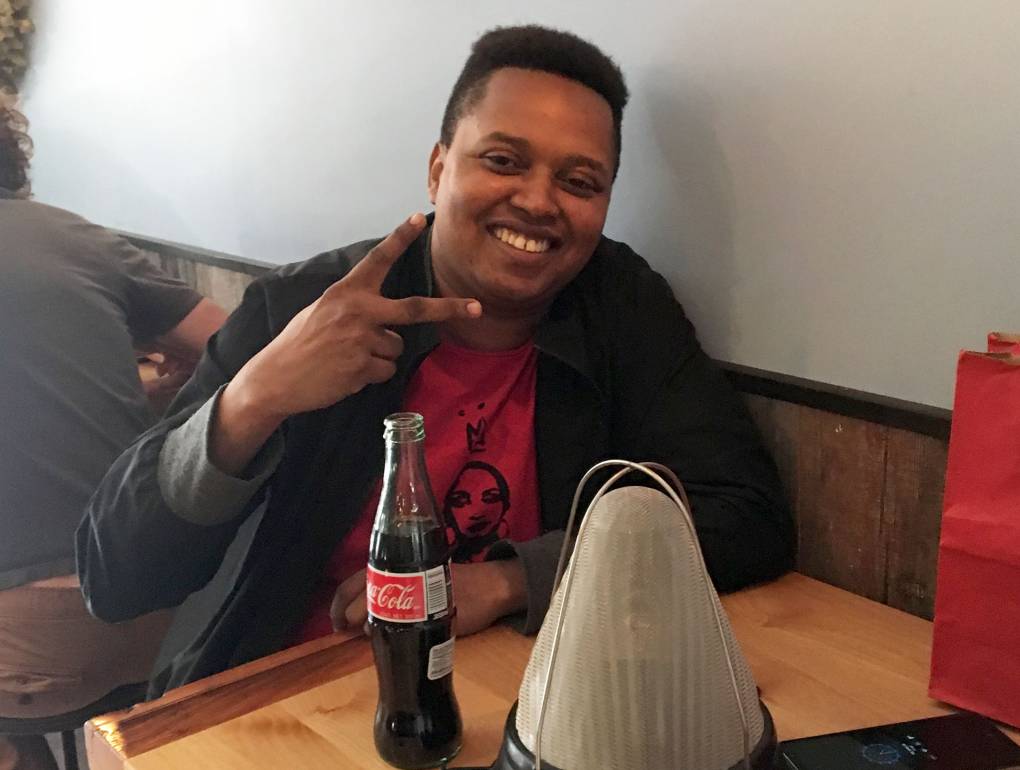
"caption": "Abderaman Oumar Yaide, a former San Francisco resident, was deported to his native Chad last year.",
"description": "Abderaman Oumar Yaide, a former San Francisco resident, was deported to his native Chad last year.",
"title": "Oumar-Yaide",
"credit": "Courtesy Pangea Legal Services",
"status": "inherit",
"isLoading": false,
"fetchFailed": false
},
"news_11800546": {
"type": "attachments",
"id": "news_11800546",
"meta": {
"index": "attachments_1716263798",
"site": "news",
"id": "11800546",
"found": true
},
"parent": 11800525,
"imgSizes": {
"apple_news_ca_landscape_5_5": {
"file": "https://ww2.kqed.org/app/uploads/sites/10/2020/02/Image-from-iOS-2-1044x783.jpg",
"width": 1044,
"mimeType": "image/jpeg",
"height": 783
},
"apple_news_ca_square_4_0": {
"file": "https://ww2.kqed.org/app/uploads/sites/10/2020/02/Image-from-iOS-2-470x470.jpg",
"width": 470,
"mimeType": "image/jpeg",
"height": 470
},
"twentyfourteen-full-width": {
"file": "https://ww2.kqed.org/app/uploads/sites/10/2020/02/Image-from-iOS-2-1038x576.jpg",
"width": 1038,
"mimeType": "image/jpeg",
"height": 576
},
"thumbnail": {
"file": "https://ww2.kqed.org/app/uploads/sites/10/2020/02/Image-from-iOS-2-160x120.jpg",
"width": 160,
"mimeType": "image/jpeg",
"height": 120
},
"post-thumbnail": {
"file": "https://ww2.kqed.org/app/uploads/sites/10/2020/02/Image-from-iOS-2-672x372.jpg",
"width": 672,
"mimeType": "image/jpeg",
"height": 372
},
"kqedFullSize": {
"file": "https://ww2.kqed.org/app/uploads/sites/10/2020/02/Image-from-iOS-2-e1581028043449.jpg",
"width": 1920,
"height": 1440
},
"apple_news_ca_landscape_4_7": {
"file": "https://ww2.kqed.org/app/uploads/sites/10/2020/02/Image-from-iOS-2-632x474.jpg",
"width": 632,
"mimeType": "image/jpeg",
"height": 474
},
"large": {
"file": "https://ww2.kqed.org/app/uploads/sites/10/2020/02/Image-from-iOS-2-1020x765.jpg",
"width": 1020,
"mimeType": "image/jpeg",
"height": 765
},
"apple_news_ca_landscape_4_0": {
"file": "https://ww2.kqed.org/app/uploads/sites/10/2020/02/Image-from-iOS-2-536x402.jpg",
"width": 536,
"mimeType": "image/jpeg",
"height": 402
},
"apple_news_ca_portrait_12_9": {
"file": "https://ww2.kqed.org/app/uploads/sites/10/2020/02/Image-from-iOS-2-1122x1496.jpg",
"width": 1122,
"mimeType": "image/jpeg",
"height": 1496
},
"medium": {
"file": "https://ww2.kqed.org/app/uploads/sites/10/2020/02/Image-from-iOS-2-800x600.jpg",
"width": 800,
"mimeType": "image/jpeg",
"height": 600
},
"apple_news_ca_portrait_4_0": {
"file": "https://ww2.kqed.org/app/uploads/sites/10/2020/02/Image-from-iOS-2-354x472.jpg",
"width": 354,
"mimeType": "image/jpeg",
"height": 472
},
"apple_news_ca_portrait_9_7": {
"file": "https://ww2.kqed.org/app/uploads/sites/10/2020/02/Image-from-iOS-2-840x1120.jpg",
"width": 840,
"mimeType": "image/jpeg",
"height": 1120
},
"apple_news_ca_landscape_12_9": {
"file": "https://ww2.kqed.org/app/uploads/sites/10/2020/02/Image-from-iOS-2-1832x1374.jpg",
"width": 1832,
"mimeType": "image/jpeg",
"height": 1374
},
"apple_news_ca_square_9_7": {
"file": "https://ww2.kqed.org/app/uploads/sites/10/2020/02/Image-from-iOS-2-1104x1104.jpg",
"width": 1104,
"mimeType": "image/jpeg",
"height": 1104
},
"apple_news_ca_portrait_4_7": {
"file": "https://ww2.kqed.org/app/uploads/sites/10/2020/02/Image-from-iOS-2-414x552.jpg",
"width": 414,
"mimeType": "image/jpeg",
"height": 552
},
"apple_news_ca_square_12_9": {
"file": "https://ww2.kqed.org/app/uploads/sites/10/2020/02/Image-from-iOS-2-1472x1472.jpg",
"width": 1472,
"mimeType": "image/jpeg",
"height": 1472
},
"apple_news_ca_portrait_5_5": {
"file": "https://ww2.kqed.org/app/uploads/sites/10/2020/02/Image-from-iOS-2-687x916.jpg",
"width": 687,
"mimeType": "image/jpeg",
"height": 916
},
"full-width": {
"file": "https://ww2.kqed.org/app/uploads/sites/10/2020/02/Image-from-iOS-2-1920x1440.jpg",
"width": 1920,
"mimeType": "image/jpeg",
"height": 1440
},
"apple_news_ca_square_4_7": {
"file": "https://ww2.kqed.org/app/uploads/sites/10/2020/02/Image-from-iOS-2-550x550.jpg",
"width": 550,
"mimeType": "image/jpeg",
"height": 550
},
"apple_news_ca_landscape_9_7": {
"file": "https://ww2.kqed.org/app/uploads/sites/10/2020/02/Image-from-iOS-2-1376x1032.jpg",
"width": 1376,
"mimeType": "image/jpeg",
"height": 1032
},
"apple_news_ca_square_5_5": {
"file": "https://ww2.kqed.org/app/uploads/sites/10/2020/02/Image-from-iOS-2-912x912.jpg",
"width": 912,
"mimeType": "image/jpeg",
"height": 912
}
},
"publishDate": 1581028012,
"modified": 1581028390,
"caption": "Douglas Oviedo, 36, is one of a few people whose asylum claims at the U.S-Mexico border have been approved ever since the Trump administration implemented its 'Remain in Mexico' policy, which requires asylum seekers to wait in Mexico while their asylum cases are being evaluated.",
"description": null,
"title": "Image-from-iOS-2",
"credit": "Farida Jhabvala Romero",
"status": "inherit",
"isLoading": false,
"fetchFailed": false
},
"news_11800370": {
"type": "attachments",
"id": "news_11800370",
"meta": {
"index": "attachments_1716263798",
"site": "news",
"id": "11800370",
"found": true
},
"parent": 11800164,
"imgSizes": {
"apple_news_ca_landscape_5_5": {
"file": "https://ww2.kqed.org/app/uploads/sites/10/2020/02/RS41154_GettyImages-981570652-qut-1044x783.jpg",
"width": 1044,
"mimeType": "image/jpeg",
"height": 783
},
"apple_news_ca_square_4_0": {
"file": "https://ww2.kqed.org/app/uploads/sites/10/2020/02/RS41154_GettyImages-981570652-qut-470x470.jpg",
"width": 470,
"mimeType": "image/jpeg",
"height": 470
},
"twentyfourteen-full-width": {
"file": "https://ww2.kqed.org/app/uploads/sites/10/2020/02/RS41154_GettyImages-981570652-qut-1038x576.jpg",
"width": 1038,
"mimeType": "image/jpeg",
"height": 576
},
"thumbnail": {
"file": "https://ww2.kqed.org/app/uploads/sites/10/2020/02/RS41154_GettyImages-981570652-qut-160x110.jpg",
"width": 160,
"mimeType": "image/jpeg",
"height": 110
},
"post-thumbnail": {
"file": "https://ww2.kqed.org/app/uploads/sites/10/2020/02/RS41154_GettyImages-981570652-qut-672x372.jpg",
"width": 672,
"mimeType": "image/jpeg",
"height": 372
},
"kqedFullSize": {
"file": "https://ww2.kqed.org/app/uploads/sites/10/2020/02/RS41154_GettyImages-981570652-qut-e1581019613403.jpg",
"width": 1919,
"height": 1318
},
"apple_news_ca_landscape_4_7": {
"file": "https://ww2.kqed.org/app/uploads/sites/10/2020/02/RS41154_GettyImages-981570652-qut-632x474.jpg",
"width": 632,
"mimeType": "image/jpeg",
"height": 474
},
"large": {
"file": "https://ww2.kqed.org/app/uploads/sites/10/2020/02/RS41154_GettyImages-981570652-qut-1020x701.jpg",
"width": 1020,
"mimeType": "image/jpeg",
"height": 701
},
"apple_news_ca_landscape_4_0": {
"file": "https://ww2.kqed.org/app/uploads/sites/10/2020/02/RS41154_GettyImages-981570652-qut-536x402.jpg",
"width": 536,
"mimeType": "image/jpeg",
"height": 402
},
"apple_news_ca_portrait_12_9": {
"file": "https://ww2.kqed.org/app/uploads/sites/10/2020/02/RS41154_GettyImages-981570652-qut-1122x1319.jpg",
"width": 1122,
"mimeType": "image/jpeg",
"height": 1319
},
"medium": {
"file": "https://ww2.kqed.org/app/uploads/sites/10/2020/02/RS41154_GettyImages-981570652-qut-800x550.jpg",
"width": 800,
"mimeType": "image/jpeg",
"height": 550
},
"apple_news_ca_portrait_4_0": {
"file": "https://ww2.kqed.org/app/uploads/sites/10/2020/02/RS41154_GettyImages-981570652-qut-354x472.jpg",
"width": 354,
"mimeType": "image/jpeg",
"height": 472
},
"apple_news_ca_portrait_9_7": {
"file": "https://ww2.kqed.org/app/uploads/sites/10/2020/02/RS41154_GettyImages-981570652-qut-840x1120.jpg",
"width": 840,
"mimeType": "image/jpeg",
"height": 1120
},
"apple_news_ca_landscape_12_9": {
"file": "https://ww2.kqed.org/app/uploads/sites/10/2020/02/RS41154_GettyImages-981570652-qut-1832x1319.jpg",
"width": 1832,
"mimeType": "image/jpeg",
"height": 1319
},
"apple_news_ca_square_9_7": {
"file": "https://ww2.kqed.org/app/uploads/sites/10/2020/02/RS41154_GettyImages-981570652-qut-1104x1104.jpg",
"width": 1104,
"mimeType": "image/jpeg",
"height": 1104
},
"apple_news_ca_portrait_4_7": {
"file": "https://ww2.kqed.org/app/uploads/sites/10/2020/02/RS41154_GettyImages-981570652-qut-414x552.jpg",
"width": 414,
"mimeType": "image/jpeg",
"height": 552
},
"apple_news_ca_square_12_9": {
"file": "https://ww2.kqed.org/app/uploads/sites/10/2020/02/RS41154_GettyImages-981570652-qut-1472x1319.jpg",
"width": 1472,
"mimeType": "image/jpeg",
"height": 1319
},
"apple_news_ca_portrait_5_5": {
"file": "https://ww2.kqed.org/app/uploads/sites/10/2020/02/RS41154_GettyImages-981570652-qut-687x916.jpg",
"width": 687,
"mimeType": "image/jpeg",
"height": 916
},
"full-width": {
"file": "https://ww2.kqed.org/app/uploads/sites/10/2020/02/RS41154_GettyImages-981570652-qut-1920x1319.jpg",
"width": 1920,
"mimeType": "image/jpeg",
"height": 1319
},
"apple_news_ca_square_4_7": {
"file": "https://ww2.kqed.org/app/uploads/sites/10/2020/02/RS41154_GettyImages-981570652-qut-550x550.jpg",
"width": 550,
"mimeType": "image/jpeg",
"height": 550
},
"apple_news_ca_landscape_9_7": {
"file": "https://ww2.kqed.org/app/uploads/sites/10/2020/02/RS41154_GettyImages-981570652-qut-1376x1032.jpg",
"width": 1376,
"mimeType": "image/jpeg",
"height": 1032
},
"apple_news_ca_square_5_5": {
"file": "https://ww2.kqed.org/app/uploads/sites/10/2020/02/RS41154_GettyImages-981570652-qut-912x912.jpg",
"width": 912,
"mimeType": "image/jpeg",
"height": 912
}
},
"publishDate": 1580982750,
"modified": 1581023867,
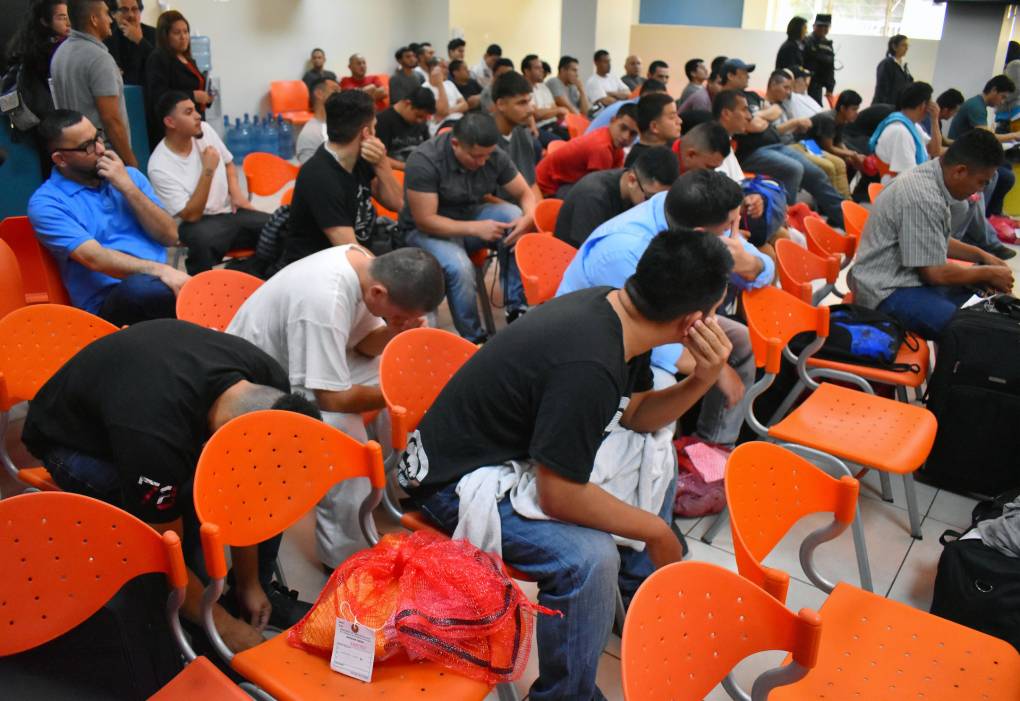
"caption": "Salvadorans deported from the United States wait at the Migrants Attention Centre in San Salvador on June 22, 2018. ",
"description": "Salvadorans deported from the United States wait at the Migrants Attention Centre in San Salvador on June 22, 2018. ",
"title": "EL SALVADOR-US-MIGRATION-DEPORTED",
"credit": "Oscar Rivera/AFP via Getty Images",
"status": "inherit",
"isLoading": false,
"fetchFailed": false
},
"news_11797588": {
"type": "attachments",
"id": "news_11797588",
"meta": {
"index": "attachments_1716263798",
"site": "news",
"id": "11797588",
"found": true
},
"parent": 11797579,
"imgSizes": {
"apple_news_ca_landscape_5_5": {
"file": "https://ww2.kqed.org/app/uploads/sites/10/2020/01/RS40888_IMG_1720-1-qut-1044x783.jpg",
"width": 1044,
"mimeType": "image/jpeg",
"height": 783
},
"apple_news_ca_square_4_0": {
"file": "https://ww2.kqed.org/app/uploads/sites/10/2020/01/RS40888_IMG_1720-1-qut-470x470.jpg",
"width": 470,
"mimeType": "image/jpeg",
"height": 470
},
"twentyfourteen-full-width": {
"file": "https://ww2.kqed.org/app/uploads/sites/10/2020/01/RS40888_IMG_1720-1-qut-1038x576.jpg",
"width": 1038,
"mimeType": "image/jpeg",
"height": 576
},
"thumbnail": {
"file": "https://ww2.kqed.org/app/uploads/sites/10/2020/01/RS40888_IMG_1720-1-qut-160x122.jpg",
"width": 160,
"mimeType": "image/jpeg",
"height": 122
},
"post-thumbnail": {
"file": "https://ww2.kqed.org/app/uploads/sites/10/2020/01/RS40888_IMG_1720-1-qut-672x372.jpg",
"width": 672,
"mimeType": "image/jpeg",
"height": 372
},
"kqedFullSize": {
"file": "https://ww2.kqed.org/app/uploads/sites/10/2020/01/RS40888_IMG_1720-1-qut.jpg",
"width": 1920,
"height": 1464
},
"apple_news_ca_landscape_4_7": {
"file": "https://ww2.kqed.org/app/uploads/sites/10/2020/01/RS40888_IMG_1720-1-qut-632x474.jpg",
"width": 632,
"mimeType": "image/jpeg",
"height": 474
},
"large": {
"file": "https://ww2.kqed.org/app/uploads/sites/10/2020/01/RS40888_IMG_1720-1-qut-1020x778.jpg",
"width": 1020,
"mimeType": "image/jpeg",
"height": 778
},
"apple_news_ca_landscape_4_0": {
"file": "https://ww2.kqed.org/app/uploads/sites/10/2020/01/RS40888_IMG_1720-1-qut-536x402.jpg",
"width": 536,
"mimeType": "image/jpeg",
"height": 402
},
"apple_news_ca_portrait_12_9": {
"file": "https://ww2.kqed.org/app/uploads/sites/10/2020/01/RS40888_IMG_1720-1-qut-1122x1464.jpg",
"width": 1122,
"mimeType": "image/jpeg",
"height": 1464
},
"medium": {
"file": "https://ww2.kqed.org/app/uploads/sites/10/2020/01/RS40888_IMG_1720-1-qut-800x610.jpg",
"width": 800,
"mimeType": "image/jpeg",
"height": 610
},
"apple_news_ca_portrait_4_0": {
"file": "https://ww2.kqed.org/app/uploads/sites/10/2020/01/RS40888_IMG_1720-1-qut-354x472.jpg",
"width": 354,
"mimeType": "image/jpeg",
"height": 472
},
"apple_news_ca_portrait_9_7": {
"file": "https://ww2.kqed.org/app/uploads/sites/10/2020/01/RS40888_IMG_1720-1-qut-840x1120.jpg",
"width": 840,
"mimeType": "image/jpeg",
"height": 1120
},
"apple_news_ca_landscape_12_9": {
"file": "https://ww2.kqed.org/app/uploads/sites/10/2020/01/RS40888_IMG_1720-1-qut-1832x1374.jpg",
"width": 1832,
"mimeType": "image/jpeg",
"height": 1374
},
"apple_news_ca_square_9_7": {
"file": "https://ww2.kqed.org/app/uploads/sites/10/2020/01/RS40888_IMG_1720-1-qut-1104x1104.jpg",
"width": 1104,
"mimeType": "image/jpeg",
"height": 1104
},
"apple_news_ca_portrait_4_7": {
"file": "https://ww2.kqed.org/app/uploads/sites/10/2020/01/RS40888_IMG_1720-1-qut-414x552.jpg",
"width": 414,
"mimeType": "image/jpeg",
"height": 552
},
"apple_news_ca_square_12_9": {
"file": "https://ww2.kqed.org/app/uploads/sites/10/2020/01/RS40888_IMG_1720-1-qut-1472x1464.jpg",
"width": 1472,
"mimeType": "image/jpeg",
"height": 1464
},
"apple_news_ca_portrait_5_5": {
"file": "https://ww2.kqed.org/app/uploads/sites/10/2020/01/RS40888_IMG_1720-1-qut-687x916.jpg",
"width": 687,
"mimeType": "image/jpeg",
"height": 916
},
"full-width": {
"file": "https://ww2.kqed.org/app/uploads/sites/10/2020/01/RS40888_IMG_1720-1-qut-1920x1464.jpg",
"width": 1920,
"mimeType": "image/jpeg",
"height": 1464
},
"apple_news_ca_square_4_7": {
"file": "https://ww2.kqed.org/app/uploads/sites/10/2020/01/RS40888_IMG_1720-1-qut-550x550.jpg",
"width": 550,
"mimeType": "image/jpeg",
"height": 550
},
"apple_news_ca_landscape_9_7": {
"file": "https://ww2.kqed.org/app/uploads/sites/10/2020/01/RS40888_IMG_1720-1-qut-1376x1032.jpg",
"width": 1376,
"mimeType": "image/jpeg",
"height": 1032
},
"apple_news_ca_square_5_5": {
"file": "https://ww2.kqed.org/app/uploads/sites/10/2020/01/RS40888_IMG_1720-1-qut-912x912.jpg",
"width": 912,
"mimeType": "image/jpeg",
"height": 912
}
},
"publishDate": 1579818373,
"modified": 1579831157,
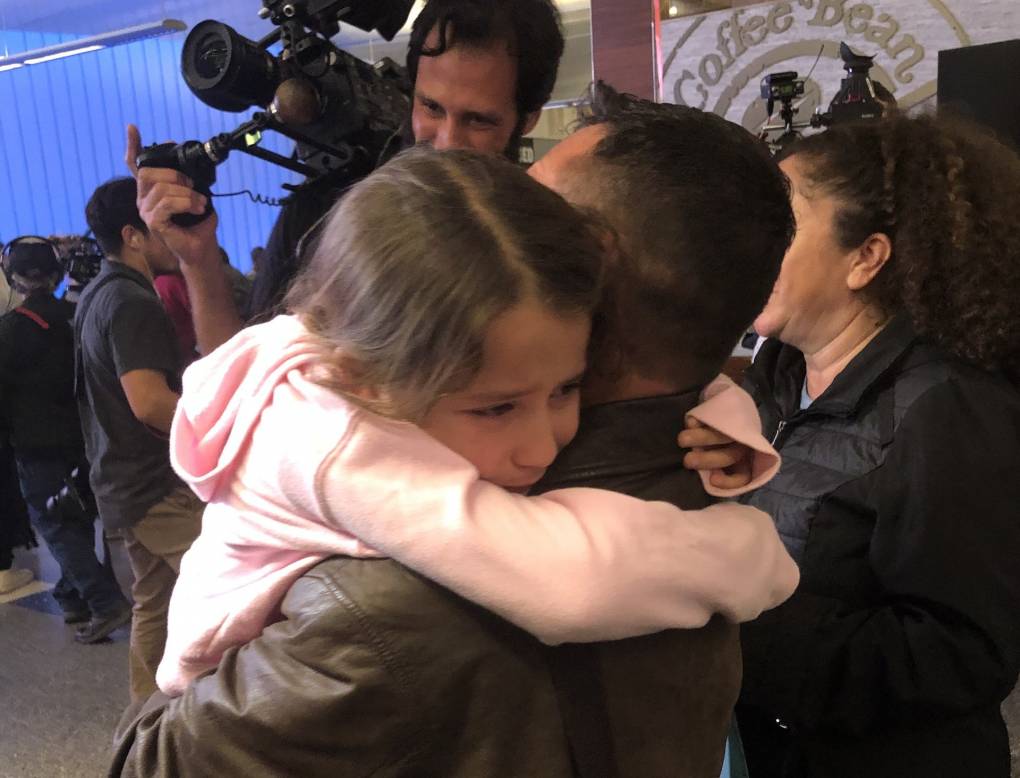
"caption": "Esvin Fernando Arredondo hugs his youngest daughter Alison, 7, at Los Angeles International Airport as his wife Cleivi Jerez stands next to him on Jan. 22, 2020. Arredondo, an asylum-seeker from Guatemala, had not seen his three daughters or wife in nearly two years.",
"description": "Esvin Fernando Arredondo hugs his youngest daughter Alison, 7, at Los Angeles International Airport as his wife Cleivi Jerez stands next to him on Jan. 22, 2020. Arredondo, an asylum seeker from Guatemala, had not seen his three daughters or wife in nearly two years.",
"title": "RS40888_IMG_1720 (1)-qut",
"credit": "Xavier Rosas/Kids in Need of Defense",
"status": "inherit",
"isLoading": false,
"fetchFailed": false
},
"news_11796924": {
"type": "attachments",
"id": "news_11796924",
"meta": {
"index": "attachments_1716263798",
"site": "news",
"id": "11796924",
"found": true
},
"parent": 11796825,
"imgSizes": {
"apple_news_ca_landscape_5_5": {
"file": "https://ww2.kqed.org/app/uploads/sites/10/2020/01/01172020_asylum-seeker_mexico-qut-1044x783.jpg",
"width": 1044,
"mimeType": "image/jpeg",
"height": 783
},
"apple_news_ca_square_4_0": {
"file": "https://ww2.kqed.org/app/uploads/sites/10/2020/01/01172020_asylum-seeker_mexico-qut-470x470.jpg",
"width": 470,
"mimeType": "image/jpeg",
"height": 470
},
"twentyfourteen-full-width": {
"file": "https://ww2.kqed.org/app/uploads/sites/10/2020/01/01172020_asylum-seeker_mexico-qut-1038x576.jpg",
"width": 1038,
"mimeType": "image/jpeg",
"height": 576
},
"thumbnail": {
"file": "https://ww2.kqed.org/app/uploads/sites/10/2020/01/01172020_asylum-seeker_mexico-qut-160x106.jpg",
"width": 160,
"mimeType": "image/jpeg",
"height": 106
},
"post-thumbnail": {
"file": "https://ww2.kqed.org/app/uploads/sites/10/2020/01/01172020_asylum-seeker_mexico-qut-672x372.jpg",
"width": 672,
"mimeType": "image/jpeg",
"height": 372
},
"kqedFullSize": {
"file": "https://ww2.kqed.org/app/uploads/sites/10/2020/01/01172020_asylum-seeker_mexico-qut.jpg",
"width": 1800,
"height": 1198
},
"apple_news_ca_landscape_4_7": {
"file": "https://ww2.kqed.org/app/uploads/sites/10/2020/01/01172020_asylum-seeker_mexico-qut-632x474.jpg",
"width": 632,
"mimeType": "image/jpeg",
"height": 474
},
"large": {
"file": "https://ww2.kqed.org/app/uploads/sites/10/2020/01/01172020_asylum-seeker_mexico-qut-1020x679.jpg",
"width": 1020,
"mimeType": "image/jpeg",
"height": 679
},
"apple_news_ca_landscape_4_0": {
"file": "https://ww2.kqed.org/app/uploads/sites/10/2020/01/01172020_asylum-seeker_mexico-qut-536x402.jpg",
"width": 536,
"mimeType": "image/jpeg",
"height": 402
},
"apple_news_ca_portrait_12_9": {
"file": "https://ww2.kqed.org/app/uploads/sites/10/2020/01/01172020_asylum-seeker_mexico-qut-1122x1198.jpg",
"width": 1122,
"mimeType": "image/jpeg",
"height": 1198
},
"medium": {
"file": "https://ww2.kqed.org/app/uploads/sites/10/2020/01/01172020_asylum-seeker_mexico-qut-800x532.jpg",
"width": 800,
"mimeType": "image/jpeg",
"height": 532
},
"apple_news_ca_portrait_4_0": {
"file": "https://ww2.kqed.org/app/uploads/sites/10/2020/01/01172020_asylum-seeker_mexico-qut-354x472.jpg",
"width": 354,
"mimeType": "image/jpeg",
"height": 472
},
"apple_news_ca_portrait_9_7": {
"file": "https://ww2.kqed.org/app/uploads/sites/10/2020/01/01172020_asylum-seeker_mexico-qut-840x1120.jpg",
"width": 840,
"mimeType": "image/jpeg",
"height": 1120
},
"apple_news_ca_square_9_7": {
"file": "https://ww2.kqed.org/app/uploads/sites/10/2020/01/01172020_asylum-seeker_mexico-qut-1104x1104.jpg",
"width": 1104,
"mimeType": "image/jpeg",
"height": 1104
},
"apple_news_ca_portrait_4_7": {
"file": "https://ww2.kqed.org/app/uploads/sites/10/2020/01/01172020_asylum-seeker_mexico-qut-414x552.jpg",
"width": 414,
"mimeType": "image/jpeg",
"height": 552
},
"apple_news_ca_square_12_9": {
"file": "https://ww2.kqed.org/app/uploads/sites/10/2020/01/01172020_asylum-seeker_mexico-qut-1472x1198.jpg",
"width": 1472,
"mimeType": "image/jpeg",
"height": 1198
},
"apple_news_ca_portrait_5_5": {
"file": "https://ww2.kqed.org/app/uploads/sites/10/2020/01/01172020_asylum-seeker_mexico-qut-687x916.jpg",
"width": 687,
"mimeType": "image/jpeg",
"height": 916
},
"apple_news_ca_square_4_7": {
"file": "https://ww2.kqed.org/app/uploads/sites/10/2020/01/01172020_asylum-seeker_mexico-qut-550x550.jpg",
"width": 550,
"mimeType": "image/jpeg",
"height": 550
},
"apple_news_ca_landscape_9_7": {
"file": "https://ww2.kqed.org/app/uploads/sites/10/2020/01/01172020_asylum-seeker_mexico-qut-1376x1032.jpg",
"width": 1376,
"mimeType": "image/jpeg",
"height": 1032
},
"apple_news_ca_square_5_5": {
"file": "https://ww2.kqed.org/app/uploads/sites/10/2020/01/01172020_asylum-seeker_mexico-qut-912x912.jpg",
"width": 912,
"mimeType": "image/jpeg",
"height": 912
}
},
"publishDate": 1579314792,
"modified": 1579314973,
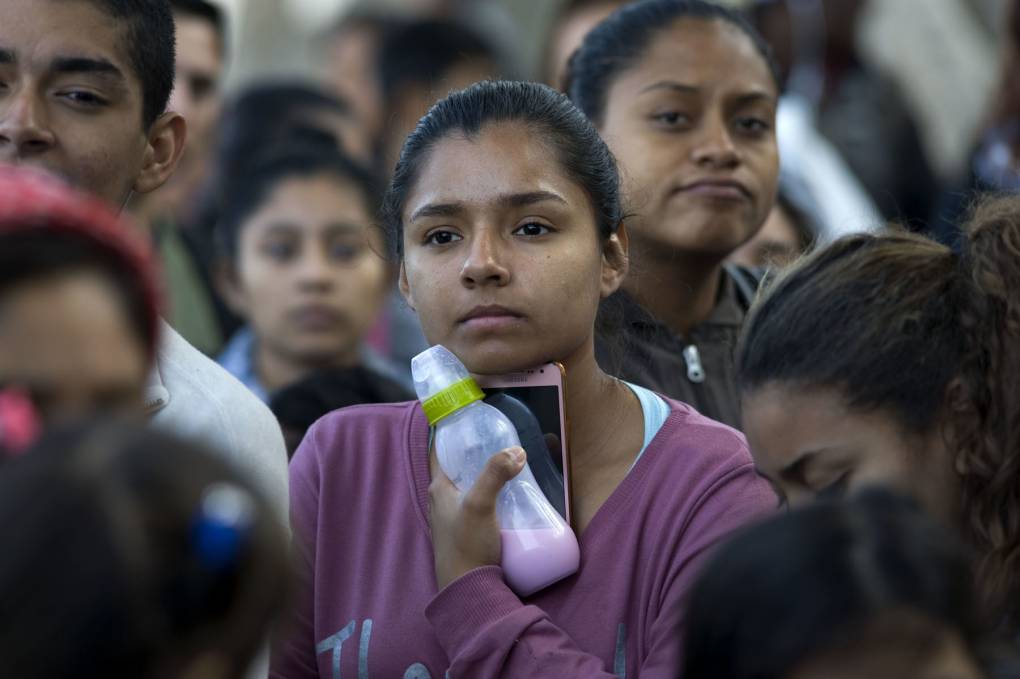
"caption": "A woman waits to hear her place on a list of people waiting in Tijuana, Mexico, on Nov. 18, 2018, to seek asylum in the U.S.",
"description": "A woman waits to hear her place on a list of people waiting in Tijuana, Mexico, on Nov. 18, 2018, to seek asylum in the U.S.",
"title": "01172020_asylum-seeker_mexico-qut",
"credit": "David Maung/KQED",
"status": "inherit",
"isLoading": false,
"fetchFailed": false
},
"news_11781912": {
"type": "attachments",
"id": "news_11781912",
"meta": {
"index": "attachments_1716263798",
"site": "news",
"id": "11781912",
"found": true
},
"parent": 11781894,
"imgSizes": {
"apple_news_ca_landscape_5_5": {
"file": "https://ww2.kqed.org/app/uploads/sites/10/2019/10/Asylum-Seekers-1044x783.jpg",
"width": 1044,
"mimeType": "image/jpeg",
"height": 783
},
"apple_news_ca_square_4_0": {
"file": "https://ww2.kqed.org/app/uploads/sites/10/2019/10/Asylum-Seekers-470x470.jpg",
"width": 470,
"mimeType": "image/jpeg",
"height": 470
},
"twentyfourteen-full-width": {
"file": "https://ww2.kqed.org/app/uploads/sites/10/2019/10/Asylum-Seekers-1038x576.jpg",
"width": 1038,
"mimeType": "image/jpeg",
"height": 576
},
"thumbnail": {
"file": "https://ww2.kqed.org/app/uploads/sites/10/2019/10/Asylum-Seekers-160x106.jpg",
"width": 160,
"mimeType": "image/jpeg",
"height": 106
},
"post-thumbnail": {
"file": "https://ww2.kqed.org/app/uploads/sites/10/2019/10/Asylum-Seekers-672x372.jpg",
"width": 672,
"mimeType": "image/jpeg",
"height": 372
},
"kqedFullSize": {
"file": "https://ww2.kqed.org/app/uploads/sites/10/2019/10/Asylum-Seekers.jpg",
"width": 1800,
"height": 1198
},
"apple_news_ca_landscape_4_7": {
"file": "https://ww2.kqed.org/app/uploads/sites/10/2019/10/Asylum-Seekers-632x474.jpg",
"width": 632,
"mimeType": "image/jpeg",
"height": 474
},
"large": {
"file": "https://ww2.kqed.org/app/uploads/sites/10/2019/10/Asylum-Seekers-1020x679.jpg",
"width": 1020,
"mimeType": "image/jpeg",
"height": 679
},
"complete_open_graph": {
"file": "https://ww2.kqed.org/app/uploads/sites/10/2019/10/Asylum-Seekers-1200x799.jpg",
"width": 1200,
"mimeType": "image/jpeg",
"height": 799
},
"apple_news_ca_landscape_4_0": {
"file": "https://ww2.kqed.org/app/uploads/sites/10/2019/10/Asylum-Seekers-536x402.jpg",
"width": 536,
"mimeType": "image/jpeg",
"height": 402
},
"apple_news_ca_portrait_12_9": {
"file": "https://ww2.kqed.org/app/uploads/sites/10/2019/10/Asylum-Seekers-1122x1198.jpg",
"width": 1122,
"mimeType": "image/jpeg",
"height": 1198
},
"medium": {
"file": "https://ww2.kqed.org/app/uploads/sites/10/2019/10/Asylum-Seekers-800x532.jpg",
"width": 800,
"mimeType": "image/jpeg",
"height": 532
},
"apple_news_ca_portrait_4_0": {
"file": "https://ww2.kqed.org/app/uploads/sites/10/2019/10/Asylum-Seekers-354x472.jpg",
"width": 354,
"mimeType": "image/jpeg",
"height": 472
},
"apple_news_ca_portrait_9_7": {
"file": "https://ww2.kqed.org/app/uploads/sites/10/2019/10/Asylum-Seekers-840x1120.jpg",
"width": 840,
"mimeType": "image/jpeg",
"height": 1120
},
"apple_news_ca_square_9_7": {
"file": "https://ww2.kqed.org/app/uploads/sites/10/2019/10/Asylum-Seekers-1104x1104.jpg",
"width": 1104,
"mimeType": "image/jpeg",
"height": 1104
},
"apple_news_ca_portrait_4_7": {
"file": "https://ww2.kqed.org/app/uploads/sites/10/2019/10/Asylum-Seekers-414x552.jpg",
"width": 414,
"mimeType": "image/jpeg",
"height": 552
},
"apple_news_ca_square_12_9": {
"file": "https://ww2.kqed.org/app/uploads/sites/10/2019/10/Asylum-Seekers-1472x1198.jpg",
"width": 1472,
"mimeType": "image/jpeg",
"height": 1198
},
"apple_news_ca_portrait_5_5": {
"file": "https://ww2.kqed.org/app/uploads/sites/10/2019/10/Asylum-Seekers-687x916.jpg",
"width": 687,
"mimeType": "image/jpeg",
"height": 916
},
"apple_news_ca_square_4_7": {
"file": "https://ww2.kqed.org/app/uploads/sites/10/2019/10/Asylum-Seekers-550x550.jpg",
"width": 550,
"mimeType": "image/jpeg",
"height": 550
},
"apple_news_ca_landscape_9_7": {
"file": "https://ww2.kqed.org/app/uploads/sites/10/2019/10/Asylum-Seekers-1376x1032.jpg",
"width": 1376,
"mimeType": "image/jpeg",
"height": 1032
},
"apple_news_ca_square_5_5": {
"file": "https://ww2.kqed.org/app/uploads/sites/10/2019/10/Asylum-Seekers-912x912.jpg",
"width": 912,
"mimeType": "image/jpeg",
"height": 912
}
},
"publishDate": 1571789661,
"modified": 1579025908,
"caption": "A woman and child wait to hear their position in a list of people waiting at the U.S.-Mexico border to seek asylum in the U.S. in November 2018.",
"description": "A woman and child wait to hear their position on a list of people waiting at the U.S.-Mexico border to seek asylum in the U.S. in Nov. 2018.",
"title": "Asylum-Seekers",
"credit": "David Maung/Getty Images",
"status": "inherit",
"isLoading": false,
"fetchFailed": false
},
"news_11794550": {
"type": "attachments",
"id": "news_11794550",
"meta": {
"index": "attachments_1716263798",
"site": "news",
"id": "11794550",
"found": true
},
"parent": 11794514,
"imgSizes": {
"apple_news_ca_landscape_5_5": {
"file": "https://ww2.kqed.org/app/uploads/sites/10/2020/01/AsylumSeekersCamp-1044x783.jpg",
"width": 1044,
"mimeType": "image/jpeg",
"height": 783
},
"apple_news_ca_square_4_0": {
"file": "https://ww2.kqed.org/app/uploads/sites/10/2020/01/AsylumSeekersCamp-470x470.jpg",
"width": 470,
"mimeType": "image/jpeg",
"height": 470
},
"twentyfourteen-full-width": {
"file": "https://ww2.kqed.org/app/uploads/sites/10/2020/01/AsylumSeekersCamp-1038x576.jpg",
"width": 1038,
"mimeType": "image/jpeg",
"height": 576
},
"thumbnail": {
"file": "https://ww2.kqed.org/app/uploads/sites/10/2020/01/AsylumSeekersCamp-160x107.jpg",
"width": 160,
"mimeType": "image/jpeg",
"height": 107
},
"post-thumbnail": {
"file": "https://ww2.kqed.org/app/uploads/sites/10/2020/01/AsylumSeekersCamp-672x372.jpg",
"width": 672,
"mimeType": "image/jpeg",
"height": 372
},
"kqedFullSize": {
"file": "https://ww2.kqed.org/app/uploads/sites/10/2020/01/AsylumSeekersCamp.jpg",
"width": 1920,
"height": 1280
},
"apple_news_ca_landscape_4_7": {
"file": "https://ww2.kqed.org/app/uploads/sites/10/2020/01/AsylumSeekersCamp-632x474.jpg",
"width": 632,
"mimeType": "image/jpeg",
"height": 474
},
"large": {
"file": "https://ww2.kqed.org/app/uploads/sites/10/2020/01/AsylumSeekersCamp-1020x680.jpg",
"width": 1020,
"mimeType": "image/jpeg",
"height": 680
},
"complete_open_graph": {
"file": "https://ww2.kqed.org/app/uploads/sites/10/2020/01/AsylumSeekersCamp-1200x800.jpg",
"width": 1200,
"mimeType": "image/jpeg",
"height": 800
},
"apple_news_ca_landscape_4_0": {
"file": "https://ww2.kqed.org/app/uploads/sites/10/2020/01/AsylumSeekersCamp-536x402.jpg",
"width": 536,
"mimeType": "image/jpeg",
"height": 402
},
"apple_news_ca_portrait_12_9": {
"file": "https://ww2.kqed.org/app/uploads/sites/10/2020/01/AsylumSeekersCamp-1122x1280.jpg",
"width": 1122,
"mimeType": "image/jpeg",
"height": 1280
},
"medium": {
"file": "https://ww2.kqed.org/app/uploads/sites/10/2020/01/AsylumSeekersCamp-800x533.jpg",
"width": 800,
"mimeType": "image/jpeg",
"height": 533
},
"apple_news_ca_portrait_4_0": {
"file": "https://ww2.kqed.org/app/uploads/sites/10/2020/01/AsylumSeekersCamp-354x472.jpg",
"width": 354,
"mimeType": "image/jpeg",
"height": 472
},
"apple_news_ca_portrait_9_7": {
"file": "https://ww2.kqed.org/app/uploads/sites/10/2020/01/AsylumSeekersCamp-840x1120.jpg",
"width": 840,
"mimeType": "image/jpeg",
"height": 1120
},
"apple_news_ca_landscape_12_9": {
"file": "https://ww2.kqed.org/app/uploads/sites/10/2020/01/AsylumSeekersCamp-1832x1280.jpg",
"width": 1832,
"mimeType": "image/jpeg",
"height": 1280
},
"apple_news_ca_square_9_7": {
"file": "https://ww2.kqed.org/app/uploads/sites/10/2020/01/AsylumSeekersCamp-1104x1104.jpg",
"width": 1104,
"mimeType": "image/jpeg",
"height": 1104
},
"apple_news_ca_portrait_4_7": {
"file": "https://ww2.kqed.org/app/uploads/sites/10/2020/01/AsylumSeekersCamp-414x552.jpg",
"width": 414,
"mimeType": "image/jpeg",
"height": 552
},
"apple_news_ca_square_12_9": {
"file": "https://ww2.kqed.org/app/uploads/sites/10/2020/01/AsylumSeekersCamp-1472x1280.jpg",
"width": 1472,
"mimeType": "image/jpeg",
"height": 1280
},
"apple_news_ca_portrait_5_5": {
"file": "https://ww2.kqed.org/app/uploads/sites/10/2020/01/AsylumSeekersCamp-687x916.jpg",
"width": 687,
"mimeType": "image/jpeg",
"height": 916
},
"full-width": {
"file": "https://ww2.kqed.org/app/uploads/sites/10/2020/01/AsylumSeekersCamp-1920x1280.jpg",
"width": 1920,
"mimeType": "image/jpeg",
"height": 1280
},
"apple_news_ca_square_4_7": {
"file": "https://ww2.kqed.org/app/uploads/sites/10/2020/01/AsylumSeekersCamp-550x550.jpg",
"width": 550,
"mimeType": "image/jpeg",
"height": 550
},
"apple_news_ca_landscape_9_7": {
"file": "https://ww2.kqed.org/app/uploads/sites/10/2020/01/AsylumSeekersCamp-1376x1032.jpg",
"width": 1376,
"mimeType": "image/jpeg",
"height": 1032
},
"apple_news_ca_square_5_5": {
"file": "https://ww2.kqed.org/app/uploads/sites/10/2020/01/AsylumSeekersCamp-912x912.jpg",
"width": 912,
"mimeType": "image/jpeg",
"height": 912
}
},
"publishDate": 1578443915,
"modified": 1578443979,
"caption": "A man, 28, from Michoacan State walks with his daughter, 6, and son, 4, through a camp of Mexican asylum seekers in Ciudad Juarez, Mexico, on Dec. 13, 2019.",
"description": "A man, 28, from Michoacan State walks with his daughter, 6, and son, 4, through a camp of Mexican asylum seekers in Ciudad Juarez, Mexico, on Dec. 13, 2019.",
"title": "AsylumSeekersCamp",
"credit": "PAUL RATJE/AFP via Getty Images",
"status": "inherit",
"isLoading": false,
"fetchFailed": false
},
"news_11783520": {
"type": "attachments",
"id": "news_11783520",
"meta": {
"index": "attachments_1716263798",
"site": "news",
"id": "11783520",
"found": true
},
"parent": 11783511,
"imgSizes": {
"apple_news_ca_landscape_5_5": {
"file": "https://ww2.kqed.org/app/uploads/sites/10/2019/10/RS32986_IMG_8631-qut-1044x783.jpg",
"width": 1044,
"mimeType": "image/jpeg",
"height": 783
},
"apple_news_ca_square_4_0": {
"file": "https://ww2.kqed.org/app/uploads/sites/10/2019/10/RS32986_IMG_8631-qut-470x470.jpg",
"width": 470,
"mimeType": "image/jpeg",
"height": 470
},
"twentyfourteen-full-width": {
"file": "https://ww2.kqed.org/app/uploads/sites/10/2019/10/RS32986_IMG_8631-qut-1038x576.jpg",
"width": 1038,
"mimeType": "image/jpeg",
"height": 576
},
"thumbnail": {
"file": "https://ww2.kqed.org/app/uploads/sites/10/2019/10/RS32986_IMG_8631-qut-160x120.jpg",
"width": 160,
"mimeType": "image/jpeg",
"height": 120
},
"post-thumbnail": {
"file": "https://ww2.kqed.org/app/uploads/sites/10/2019/10/RS32986_IMG_8631-qut-672x372.jpg",
"width": 672,
"mimeType": "image/jpeg",
"height": 372
},
"kqedFullSize": {
"file": "https://ww2.kqed.org/app/uploads/sites/10/2019/10/RS32986_IMG_8631-qut.jpg",
"width": 1920,
"height": 1440
},
"apple_news_ca_landscape_4_7": {
"file": "https://ww2.kqed.org/app/uploads/sites/10/2019/10/RS32986_IMG_8631-qut-632x474.jpg",
"width": 632,
"mimeType": "image/jpeg",
"height": 474
},
"large": {
"file": "https://ww2.kqed.org/app/uploads/sites/10/2019/10/RS32986_IMG_8631-qut-1020x765.jpg",
"width": 1020,
"mimeType": "image/jpeg",
"height": 765
},
"complete_open_graph": {
"file": "https://ww2.kqed.org/app/uploads/sites/10/2019/10/RS32986_IMG_8631-qut-1200x900.jpg",
"width": 1200,
"mimeType": "image/jpeg",
"height": 900
},
"apple_news_ca_landscape_4_0": {
"file": "https://ww2.kqed.org/app/uploads/sites/10/2019/10/RS32986_IMG_8631-qut-536x402.jpg",
"width": 536,
"mimeType": "image/jpeg",
"height": 402
},
"apple_news_ca_portrait_12_9": {
"file": "https://ww2.kqed.org/app/uploads/sites/10/2019/10/RS32986_IMG_8631-qut-1122x1440.jpg",
"width": 1122,
"mimeType": "image/jpeg",
"height": 1440
},
"medium": {
"file": "https://ww2.kqed.org/app/uploads/sites/10/2019/10/RS32986_IMG_8631-qut-800x600.jpg",
"width": 800,
"mimeType": "image/jpeg",
"height": 600
},
"apple_news_ca_portrait_4_0": {
"file": "https://ww2.kqed.org/app/uploads/sites/10/2019/10/RS32986_IMG_8631-qut-354x472.jpg",
"width": 354,
"mimeType": "image/jpeg",
"height": 472
},
"apple_news_ca_portrait_9_7": {
"file": "https://ww2.kqed.org/app/uploads/sites/10/2019/10/RS32986_IMG_8631-qut-840x1120.jpg",
"width": 840,
"mimeType": "image/jpeg",
"height": 1120
},
"apple_news_ca_landscape_12_9": {
"file": "https://ww2.kqed.org/app/uploads/sites/10/2019/10/RS32986_IMG_8631-qut-1832x1374.jpg",
"width": 1832,
"mimeType": "image/jpeg",
"height": 1374
},
"apple_news_ca_square_9_7": {
"file": "https://ww2.kqed.org/app/uploads/sites/10/2019/10/RS32986_IMG_8631-qut-1104x1104.jpg",
"width": 1104,
"mimeType": "image/jpeg",
"height": 1104
},
"apple_news_ca_portrait_4_7": {
"file": "https://ww2.kqed.org/app/uploads/sites/10/2019/10/RS32986_IMG_8631-qut-414x552.jpg",
"width": 414,
"mimeType": "image/jpeg",
"height": 552
},
"apple_news_ca_square_12_9": {
"file": "https://ww2.kqed.org/app/uploads/sites/10/2019/10/RS32986_IMG_8631-qut-1472x1440.jpg",
"width": 1472,
"mimeType": "image/jpeg",
"height": 1440
},
"apple_news_ca_portrait_5_5": {
"file": "https://ww2.kqed.org/app/uploads/sites/10/2019/10/RS32986_IMG_8631-qut-687x916.jpg",
"width": 687,
"mimeType": "image/jpeg",
"height": 916
},
"full-width": {
"file": "https://ww2.kqed.org/app/uploads/sites/10/2019/10/RS32986_IMG_8631-qut-1920x1440.jpg",
"width": 1920,
"mimeType": "image/jpeg",
"height": 1440
},
"apple_news_ca_square_4_7": {
"file": "https://ww2.kqed.org/app/uploads/sites/10/2019/10/RS32986_IMG_8631-qut-550x550.jpg",
"width": 550,
"mimeType": "image/jpeg",
"height": 550
},
"apple_news_ca_landscape_9_7": {
"file": "https://ww2.kqed.org/app/uploads/sites/10/2019/10/RS32986_IMG_8631-qut-1376x1032.jpg",
"width": 1376,
"mimeType": "image/jpeg",
"height": 1032
},
"apple_news_ca_square_5_5": {
"file": "https://ww2.kqed.org/app/uploads/sites/10/2019/10/RS32986_IMG_8631-qut-912x912.jpg",
"width": 912,
"mimeType": "image/jpeg",
"height": 912
}
},
"publishDate": 1572309046,
"modified": 1572407822,
"caption": "TPS holders and their U.S. citizen children rally in support of the protections in front of federal court in San Francisco on Sept. 26, 2018. ",
"description": null,
"title": "RS32986_IMG_8631-qut",
"credit": "Farida Jhabvala Romero/KQED",
"status": "inherit",
"isLoading": false,
"fetchFailed": false
},
"news_11782412": {
"type": "attachments",
"id": "news_11782412",
"meta": {
"index": "attachments_1716263798",
"site": "news",
"id": "11782412",
"found": true
},
"parent": 11782393,
"imgSizes": {
"apple_news_ca_landscape_5_5": {
"file": "https://ww2.kqed.org/app/uploads/sites/10/2019/10/RS39716_Nest_012-qut-1044x783.jpg",
"width": 1044,
"mimeType": "image/jpeg",
"height": 783
},
"apple_news_ca_square_4_0": {
"file": "https://ww2.kqed.org/app/uploads/sites/10/2019/10/RS39716_Nest_012-qut-470x470.jpg",
"width": 470,
"mimeType": "image/jpeg",
"height": 470
},
"twentyfourteen-full-width": {
"file": "https://ww2.kqed.org/app/uploads/sites/10/2019/10/RS39716_Nest_012-qut-1038x576.jpg",
"width": 1038,
"mimeType": "image/jpeg",
"height": 576
},
"thumbnail": {
"file": "https://ww2.kqed.org/app/uploads/sites/10/2019/10/RS39716_Nest_012-qut-160x107.jpg",
"width": 160,
"mimeType": "image/jpeg",
"height": 107
},
"post-thumbnail": {
"file": "https://ww2.kqed.org/app/uploads/sites/10/2019/10/RS39716_Nest_012-qut-672x372.jpg",
"width": 672,
"mimeType": "image/jpeg",
"height": 372
},
"kqedFullSize": {
"file": "https://ww2.kqed.org/app/uploads/sites/10/2019/10/RS39716_Nest_012-qut.jpg",
"width": 1920,
"height": 1280
},
"apple_news_ca_landscape_4_7": {
"file": "https://ww2.kqed.org/app/uploads/sites/10/2019/10/RS39716_Nest_012-qut-632x474.jpg",
"width": 632,
"mimeType": "image/jpeg",
"height": 474
},
"large": {
"file": "https://ww2.kqed.org/app/uploads/sites/10/2019/10/RS39716_Nest_012-qut-1020x680.jpg",
"width": 1020,
"mimeType": "image/jpeg",
"height": 680
},
"complete_open_graph": {
"file": "https://ww2.kqed.org/app/uploads/sites/10/2019/10/RS39716_Nest_012-qut-1200x800.jpg",
"width": 1200,
"mimeType": "image/jpeg",
"height": 800
},
"apple_news_ca_landscape_4_0": {
"file": "https://ww2.kqed.org/app/uploads/sites/10/2019/10/RS39716_Nest_012-qut-536x402.jpg",
"width": 536,
"mimeType": "image/jpeg",
"height": 402
},
"apple_news_ca_portrait_12_9": {
"file": "https://ww2.kqed.org/app/uploads/sites/10/2019/10/RS39716_Nest_012-qut-1122x1280.jpg",
"width": 1122,
"mimeType": "image/jpeg",
"height": 1280
},
"medium": {
"file": "https://ww2.kqed.org/app/uploads/sites/10/2019/10/RS39716_Nest_012-qut-800x533.jpg",
"width": 800,
"mimeType": "image/jpeg",
"height": 533
},
"apple_news_ca_portrait_4_0": {
"file": "https://ww2.kqed.org/app/uploads/sites/10/2019/10/RS39716_Nest_012-qut-354x472.jpg",
"width": 354,
"mimeType": "image/jpeg",
"height": 472
},
"apple_news_ca_portrait_9_7": {
"file": "https://ww2.kqed.org/app/uploads/sites/10/2019/10/RS39716_Nest_012-qut-840x1120.jpg",
"width": 840,
"mimeType": "image/jpeg",
"height": 1120
},
"apple_news_ca_landscape_12_9": {
"file": "https://ww2.kqed.org/app/uploads/sites/10/2019/10/RS39716_Nest_012-qut-1832x1280.jpg",
"width": 1832,
"mimeType": "image/jpeg",
"height": 1280
},
"apple_news_ca_square_9_7": {
"file": "https://ww2.kqed.org/app/uploads/sites/10/2019/10/RS39716_Nest_012-qut-1104x1104.jpg",
"width": 1104,
"mimeType": "image/jpeg",
"height": 1104
},
"apple_news_ca_portrait_4_7": {
"file": "https://ww2.kqed.org/app/uploads/sites/10/2019/10/RS39716_Nest_012-qut-414x552.jpg",
"width": 414,
"mimeType": "image/jpeg",
"height": 552
},
"apple_news_ca_square_12_9": {
"file": "https://ww2.kqed.org/app/uploads/sites/10/2019/10/RS39716_Nest_012-qut-1472x1280.jpg",
"width": 1472,
"mimeType": "image/jpeg",
"height": 1280
},
"apple_news_ca_portrait_5_5": {
"file": "https://ww2.kqed.org/app/uploads/sites/10/2019/10/RS39716_Nest_012-qut-687x916.jpg",
"width": 687,
"mimeType": "image/jpeg",
"height": 916
},
"full-width": {
"file": "https://ww2.kqed.org/app/uploads/sites/10/2019/10/RS39716_Nest_012-qut-1920x1280.jpg",
"width": 1920,
"mimeType": "image/jpeg",
"height": 1280
},
"apple_news_ca_square_4_7": {
"file": "https://ww2.kqed.org/app/uploads/sites/10/2019/10/RS39716_Nest_012-qut-550x550.jpg",
"width": 550,
"mimeType": "image/jpeg",
"height": 550
},
"apple_news_ca_landscape_9_7": {
"file": "https://ww2.kqed.org/app/uploads/sites/10/2019/10/RS39716_Nest_012-qut-1376x1032.jpg",
"width": 1376,
"mimeType": "image/jpeg",
"height": 1032
},
"apple_news_ca_square_5_5": {
"file": "https://ww2.kqed.org/app/uploads/sites/10/2019/10/RS39716_Nest_012-qut-912x912.jpg",
"width": 912,
"mimeType": "image/jpeg",
"height": 912
}
},
"publishDate": 1571945386,
"modified": 1572025030,
"caption": "Kids project shapes onto the walls at the Nest Tijuana. ",
"description": "Kids project shapes onto the walls and play with colorful magnetic blocks at the Nest Tijuana. ",
"title": "RS39716_Nest_012-qut",
"credit": "Erin Siegal McIntyre/KQED",
"status": "inherit",
"isLoading": false,
"fetchFailed": false
},
"news_11777623": {
"type": "attachments",
"id": "news_11777623",
"meta": {
"index": "attachments_1716263798",
"site": "news",
"id": "11777623",
"found": true
},
"parent": 11777573,
"imgSizes": {
"apple_news_ca_landscape_5_5": {
"file": "https://ww2.kqed.org/app/uploads/sites/10/2019/10/10012019_asylum-seekers_port-of-entry_remain-in-mexico-qut-1044x783.jpg",
"width": 1044,
"mimeType": "image/jpeg",
"height": 783
},
"apple_news_ca_square_4_0": {
"file": "https://ww2.kqed.org/app/uploads/sites/10/2019/10/10012019_asylum-seekers_port-of-entry_remain-in-mexico-qut-470x470.jpg",
"width": 470,
"mimeType": "image/jpeg",
"height": 470
},
"twentyfourteen-full-width": {
"file": "https://ww2.kqed.org/app/uploads/sites/10/2019/10/10012019_asylum-seekers_port-of-entry_remain-in-mexico-qut-1038x576.jpg",
"width": 1038,
"mimeType": "image/jpeg",
"height": 576
},
"thumbnail": {
"file": "https://ww2.kqed.org/app/uploads/sites/10/2019/10/10012019_asylum-seekers_port-of-entry_remain-in-mexico-qut-160x106.jpg",
"width": 160,
"mimeType": "image/jpeg",
"height": 106
},
"post-thumbnail": {
"file": "https://ww2.kqed.org/app/uploads/sites/10/2019/10/10012019_asylum-seekers_port-of-entry_remain-in-mexico-qut-672x372.jpg",
"width": 672,
"mimeType": "image/jpeg",
"height": 372
},
"kqedFullSize": {
"file": "https://ww2.kqed.org/app/uploads/sites/10/2019/10/10012019_asylum-seekers_port-of-entry_remain-in-mexico-qut.jpg",
"width": 1800,
"height": 1198
},
"apple_news_ca_landscape_4_7": {
"file": "https://ww2.kqed.org/app/uploads/sites/10/2019/10/10012019_asylum-seekers_port-of-entry_remain-in-mexico-qut-632x474.jpg",
"width": 632,
"mimeType": "image/jpeg",
"height": 474
},
"large": {
"file": "https://ww2.kqed.org/app/uploads/sites/10/2019/10/10012019_asylum-seekers_port-of-entry_remain-in-mexico-qut-1020x679.jpg",
"width": 1020,
"mimeType": "image/jpeg",
"height": 679
},
"complete_open_graph": {
"file": "https://ww2.kqed.org/app/uploads/sites/10/2019/10/10012019_asylum-seekers_port-of-entry_remain-in-mexico-qut-1200x799.jpg",
"width": 1200,
"mimeType": "image/jpeg",
"height": 799
},
"apple_news_ca_landscape_4_0": {
"file": "https://ww2.kqed.org/app/uploads/sites/10/2019/10/10012019_asylum-seekers_port-of-entry_remain-in-mexico-qut-536x402.jpg",
"width": 536,
"mimeType": "image/jpeg",
"height": 402
},
"apple_news_ca_portrait_12_9": {
"file": "https://ww2.kqed.org/app/uploads/sites/10/2019/10/10012019_asylum-seekers_port-of-entry_remain-in-mexico-qut-1122x1198.jpg",
"width": 1122,
"mimeType": "image/jpeg",
"height": 1198
},
"medium": {
"file": "https://ww2.kqed.org/app/uploads/sites/10/2019/10/10012019_asylum-seekers_port-of-entry_remain-in-mexico-qut-800x532.jpg",
"width": 800,
"mimeType": "image/jpeg",
"height": 532
},
"apple_news_ca_portrait_4_0": {
"file": "https://ww2.kqed.org/app/uploads/sites/10/2019/10/10012019_asylum-seekers_port-of-entry_remain-in-mexico-qut-354x472.jpg",
"width": 354,
"mimeType": "image/jpeg",
"height": 472
},
"apple_news_ca_portrait_9_7": {
"file": "https://ww2.kqed.org/app/uploads/sites/10/2019/10/10012019_asylum-seekers_port-of-entry_remain-in-mexico-qut-840x1120.jpg",
"width": 840,
"mimeType": "image/jpeg",
"height": 1120
},
"apple_news_ca_square_9_7": {
"file": "https://ww2.kqed.org/app/uploads/sites/10/2019/10/10012019_asylum-seekers_port-of-entry_remain-in-mexico-qut-1104x1104.jpg",
"width": 1104,
"mimeType": "image/jpeg",
"height": 1104
},
"apple_news_ca_portrait_4_7": {
"file": "https://ww2.kqed.org/app/uploads/sites/10/2019/10/10012019_asylum-seekers_port-of-entry_remain-in-mexico-qut-414x552.jpg",
"width": 414,
"mimeType": "image/jpeg",
"height": 552
},
"apple_news_ca_square_12_9": {
"file": "https://ww2.kqed.org/app/uploads/sites/10/2019/10/10012019_asylum-seekers_port-of-entry_remain-in-mexico-qut-1472x1198.jpg",
"width": 1472,
"mimeType": "image/jpeg",
"height": 1198
},
"apple_news_ca_portrait_5_5": {
"file": "https://ww2.kqed.org/app/uploads/sites/10/2019/10/10012019_asylum-seekers_port-of-entry_remain-in-mexico-qut-687x916.jpg",
"width": 687,
"mimeType": "image/jpeg",
"height": 916
},
"apple_news_ca_square_4_7": {
"file": "https://ww2.kqed.org/app/uploads/sites/10/2019/10/10012019_asylum-seekers_port-of-entry_remain-in-mexico-qut-550x550.jpg",
"width": 550,
"mimeType": "image/jpeg",
"height": 550
},
"apple_news_ca_landscape_9_7": {
"file": "https://ww2.kqed.org/app/uploads/sites/10/2019/10/10012019_asylum-seekers_port-of-entry_remain-in-mexico-qut-1376x1032.jpg",
"width": 1376,
"mimeType": "image/jpeg",
"height": 1032
},
"apple_news_ca_square_5_5": {
"file": "https://ww2.kqed.org/app/uploads/sites/10/2019/10/10012019_asylum-seekers_port-of-entry_remain-in-mexico-qut-912x912.jpg",
"width": 912,
"mimeType": "image/jpeg",
"height": 912
}
},
"publishDate": 1569970699,
"modified": 1569974628,
"caption": "A woman waits to hear her position on a list of people waiting at the U.S.-Mexico border to seek asylum on Nov. 21, 2018, in Tijuana, Mexico.",
"description": "A woman waits to hear her position on a list of people waiting at the U.S.-Mexico border to seek asylum on Nov. 21, 2018, in Tijuana, Mexico.",
"title": "10012019_asylum seekers_port of entry_remain in mexico-qut",
"credit": "David Maung/KQED",
"status": "inherit",
"isLoading": false,
"fetchFailed": false
},
"news_11773820": {
"type": "attachments",
"id": "news_11773820",
"meta": {
"index": "attachments_1716263798",
"site": "news",
"id": "11773820",
"found": true
},
"parent": 11773808,
"imgSizes": {
"apple_news_ca_landscape_5_5": {
"file": "https://ww2.kqed.org/app/uploads/sites/10/2019/09/RS34163_chaparral-FINAL-01-qut-1044x783.jpg",
"width": 1044,
"mimeType": "image/jpeg",
"height": 783
},
"apple_news_ca_square_4_0": {
"file": "https://ww2.kqed.org/app/uploads/sites/10/2019/09/RS34163_chaparral-FINAL-01-qut-470x470.jpg",
"width": 470,
"mimeType": "image/jpeg",
"height": 470
},
"twentyfourteen-full-width": {
"file": "https://ww2.kqed.org/app/uploads/sites/10/2019/09/RS34163_chaparral-FINAL-01-qut-1038x576.jpg",
"width": 1038,
"mimeType": "image/jpeg",
"height": 576
},
"thumbnail": {
"file": "https://ww2.kqed.org/app/uploads/sites/10/2019/09/RS34163_chaparral-FINAL-01-qut-160x106.jpg",
"width": 160,
"mimeType": "image/jpeg",
"height": 106
},
"post-thumbnail": {
"file": "https://ww2.kqed.org/app/uploads/sites/10/2019/09/RS34163_chaparral-FINAL-01-qut-672x372.jpg",
"width": 672,
"mimeType": "image/jpeg",
"height": 372
},
"kqedFullSize": {
"file": "https://ww2.kqed.org/app/uploads/sites/10/2019/09/RS34163_chaparral-FINAL-01-qut.jpg",
"width": 1800,
"height": 1198
},
"apple_news_ca_landscape_4_7": {
"file": "https://ww2.kqed.org/app/uploads/sites/10/2019/09/RS34163_chaparral-FINAL-01-qut-632x474.jpg",
"width": 632,
"mimeType": "image/jpeg",
"height": 474
},
"large": {
"file": "https://ww2.kqed.org/app/uploads/sites/10/2019/09/RS34163_chaparral-FINAL-01-qut-1020x679.jpg",
"width": 1020,
"mimeType": "image/jpeg",
"height": 679
},
"complete_open_graph": {
"file": "https://ww2.kqed.org/app/uploads/sites/10/2019/09/RS34163_chaparral-FINAL-01-qut-1200x799.jpg",
"width": 1200,
"mimeType": "image/jpeg",
"height": 799
},
"apple_news_ca_landscape_4_0": {
"file": "https://ww2.kqed.org/app/uploads/sites/10/2019/09/RS34163_chaparral-FINAL-01-qut-536x402.jpg",
"width": 536,
"mimeType": "image/jpeg",
"height": 402
},
"apple_news_ca_portrait_12_9": {
"file": "https://ww2.kqed.org/app/uploads/sites/10/2019/09/RS34163_chaparral-FINAL-01-qut-1122x1198.jpg",
"width": 1122,
"mimeType": "image/jpeg",
"height": 1198
},
"medium": {
"file": "https://ww2.kqed.org/app/uploads/sites/10/2019/09/RS34163_chaparral-FINAL-01-qut-800x532.jpg",
"width": 800,
"mimeType": "image/jpeg",
"height": 532
},
"apple_news_ca_portrait_4_0": {
"file": "https://ww2.kqed.org/app/uploads/sites/10/2019/09/RS34163_chaparral-FINAL-01-qut-354x472.jpg",
"width": 354,
"mimeType": "image/jpeg",
"height": 472
},
"apple_news_ca_portrait_9_7": {
"file": "https://ww2.kqed.org/app/uploads/sites/10/2019/09/RS34163_chaparral-FINAL-01-qut-840x1120.jpg",
"width": 840,
"mimeType": "image/jpeg",
"height": 1120
},
"apple_news_ca_square_9_7": {
"file": "https://ww2.kqed.org/app/uploads/sites/10/2019/09/RS34163_chaparral-FINAL-01-qut-1104x1104.jpg",
"width": 1104,
"mimeType": "image/jpeg",
"height": 1104
},
"apple_news_ca_portrait_4_7": {
"file": "https://ww2.kqed.org/app/uploads/sites/10/2019/09/RS34163_chaparral-FINAL-01-qut-414x552.jpg",
"width": 414,
"mimeType": "image/jpeg",
"height": 552
},
"apple_news_ca_square_12_9": {
"file": "https://ww2.kqed.org/app/uploads/sites/10/2019/09/RS34163_chaparral-FINAL-01-qut-1472x1198.jpg",
"width": 1472,
"mimeType": "image/jpeg",
"height": 1198
},
"apple_news_ca_portrait_5_5": {
"file": "https://ww2.kqed.org/app/uploads/sites/10/2019/09/RS34163_chaparral-FINAL-01-qut-687x916.jpg",
"width": 687,
"mimeType": "image/jpeg",
"height": 916
},
"apple_news_ca_square_4_7": {
"file": "https://ww2.kqed.org/app/uploads/sites/10/2019/09/RS34163_chaparral-FINAL-01-qut-550x550.jpg",
"width": 550,
"mimeType": "image/jpeg",
"height": 550
},
"apple_news_ca_landscape_9_7": {
"file": "https://ww2.kqed.org/app/uploads/sites/10/2019/09/RS34163_chaparral-FINAL-01-qut-1376x1032.jpg",
"width": 1376,
"mimeType": "image/jpeg",
"height": 1032
},
"apple_news_ca_square_5_5": {
"file": "https://ww2.kqed.org/app/uploads/sites/10/2019/09/RS34163_chaparral-FINAL-01-qut-912x912.jpg",
"width": 912,
"mimeType": "image/jpeg",
"height": 912
}
},
"publishDate": 1568245734,
"modified": 1568245791,
"caption": "People listen as a man calls out the names on a waiting list whose turn it is to walk to the U.S. border crossing in Tijuana where they will then ask for asylum.",
"description": "People listen as a man calls out the names on a waiting list whose turn it is to walk to the U.S. border crossing in Tijuana where they will then ask for asylum.",
"title": "RS34163_chaparral FINAL 01-qut",
"credit": "David Maung/KQED",
"status": "inherit",
"isLoading": false,
"fetchFailed": false
}
},
"audioPlayerReducer": {
"postId": "stream_live",
"isPaused": true,
"isPlaying": false,
"pfsActive": false,
"pledgeModalIsOpen": true,
"playerDrawerIsOpen": false,
"liveAudioPlayStartedAt": 0,
"liveAudioPlayContext": ""
},
"authorsReducer": {
"byline_news_11773808": {
"type": "authors",
"id": "byline_news_11773808",
"meta": {
"override": true
},
"slug": "byline_news_11773808",
"name": "Mark Sherman\u003cbr />Associated Press",
"isLoading": false
},
"sasha-khokha": {
"type": "authors",
"id": "254",
"meta": {
"index": "authors_1716337520",
"id": "254",
"found": true
},
"name": "Sasha Khokha",
"firstName": "Sasha",
"lastName": "Khokha",
"slug": "sasha-khokha",
"email": "skhokha@kqed.org",
"display_author_email": true,
"staff_mastheads": [
"news"
],
"title": "Host, The California Report Magazine",
"bio": "Sasha Khokha is the host of \u003cem>The California Report's \u003c/em> weekly magazine program, which takes listeners on sound-rich excursions to meet the people that make the Golden State unique -- through audio documentaries and long-form stories. As \u003cem>The California Report's\u003c/em> Central Valley Bureau Chief based in Fresno for nearly a dozen years, Sasha brought the lives and concerns of rural Californians to listeners around the state. Her reporting helped expose the hidden price immigrant women janitors and farmworkers may pay to keep their jobs: sexual assault at work. It inspired two new California laws to protect them from sexual harassment. She was a key member of the reporting team for the Frontline film \u003cem>Rape on the Night Shift, \u003c/em>which was nominated for two national Emmys. Sasha has also won a national Edward R. Murrow and a national PRNDI award for investigative reporting, as well as multiple prizes from the Society for Professional Journalists. Sasha is a proud alum of the UC Berkeley Graduate School of Journalism and Brown University and a member of the South Asian Journalists Association.",
"avatar": "https://secure.gravatar.com/avatar/e4b5e1541aaeea2aa356aa1fb2a68950?s=600&d=blank&r=g",
"twitter": "KQEDSashaKhokha",
"facebook": null,
"instagram": null,
"linkedin": null,
"sites": [
{
"site": "news",
"roles": [
"editor"
]
},
{
"site": "stateofhealth",
"roles": [
"author"
]
},
{
"site": "science",
"roles": [
"author"
]
},
{
"site": "quest",
"roles": [
"subscriber"
]
}
],
"headData": {
"title": "Sasha Khokha | KQED",
"description": "Host, The California Report Magazine",
"ogImgSrc": "https://secure.gravatar.com/avatar/e4b5e1541aaeea2aa356aa1fb2a68950?s=600&d=blank&r=g",
"twImgSrc": "https://secure.gravatar.com/avatar/e4b5e1541aaeea2aa356aa1fb2a68950?s=600&d=blank&r=g"
},
"isLoading": false,
"link": "/author/sasha-khokha"
},
"tychehendricks": {
"type": "authors",
"id": "259",
"meta": {
"index": "authors_1716337520",
"id": "259",
"found": true
},
"name": "Tyche Hendricks",
"firstName": "Tyche",
"lastName": "Hendricks",
"slug": "tychehendricks",
"email": "thendricks@kqed.org",
"display_author_email": true,
"staff_mastheads": [
"news"
],
"title": "KQED Senior Editor, Immigration",
"bio": "\u003cspan style=\"font-weight: 400;\">Tyche Hendricks is KQED’s senior editor for immigration, leading coverage of the policy and politics that affect California’s immigrant communities. Her work for KQED’s radio and online audiences is also carried on NPR and other national outlets. She has been recognized with awards from the Radio and Television News Directors Association, the Society for Professional Journalists; the Education Writers Association; the Best of the West and the National Federation of Community Broadcasters. Before joining KQED in 2010, Tyche spent more than a dozen years as a newspaper reporter, notably at the \u003c/span>\u003ci>\u003cspan style=\"font-weight: 400;\">San Francisco Chronicle\u003c/span>\u003c/i>\u003cspan style=\"font-weight: 400;\">. At different times she has covered criminal justice, government and politics and urban planning. Tyche has taught in the MFA Creative Writing program at the University of San Francisco and at UC Berkeley’s Graduate School of Journalism, where she was co-director of a national immigration symposium for professional journalists. She is the author of \u003c/span>\u003ci>\u003cspan style=\"font-weight: 400;\">The Wind Doesn't Need a Passport: Stories from the U.S.-Mexico Borderlands\u003c/span>\u003c/i>\u003cspan style=\"font-weight: 400;\"> (University of California Press). \u003c/span>",
"avatar": "https://secure.gravatar.com/avatar/b8ee458e2731c2d43df86882ce17267e?s=600&d=blank&r=g",
"twitter": "tychehendricks",
"facebook": null,
"instagram": null,
"linkedin": null,
"sites": [
{
"site": "news",
"roles": [
"editor"
]
},
{
"site": "stateofhealth",
"roles": [
"editor"
]
}
],
"headData": {
"title": "Tyche Hendricks | KQED",
"description": "KQED Senior Editor, Immigration",
"ogImgSrc": "https://secure.gravatar.com/avatar/b8ee458e2731c2d43df86882ce17267e?s=600&d=blank&r=g",
"twImgSrc": "https://secure.gravatar.com/avatar/b8ee458e2731c2d43df86882ce17267e?s=600&d=blank&r=g"
},
"isLoading": false,
"link": "/author/tychehendricks"
},
"dkatayama": {
"type": "authors",
"id": "7240",
"meta": {
"index": "authors_1716337520",
"id": "7240",
"found": true
},
"name": "Devin Katayama",
"firstName": "Devin",
"lastName": "Katayama",
"slug": "dkatayama",
"email": "dkatayama@kqed.org",
"display_author_email": true,
"staff_mastheads": [
"news"
],
"title": "Editor of Talent and Development",
"bio": "Devin Katayama is former Editor of Talent and Development for KQED. He supported our internship program and on-call staff by looking for equitable opportunities to improve the newsroom.\r\n\r\nHe previously hosted The Bay and American Suburb podcasts from KQED News. Prior to returning to the Bay Area in 2015, Devin was the education reporter for WFPL in Louisville and worked as a producer with radio stations in Chicago and Portland, OR. His work has appeared on NPR’s \u003cem>Morning Edition, All Things Considered, The Takeaway\u003c/em> and \u003cem>Here and Now.\u003c/em>\r\n\r\nDevin earned his MA in Journalism from Columbia College Chicago, where he was a Follett Fellow and the recipient of the 2011 Studs Terkel Community Media Workshop Scholarship for his story on Chicago's homeless youth. He won WBUR's 2014 Daniel Schorr award and a regional RTNDA Edward R. Murrow Award for his documentary \"At Risk\" that looked at issues facing some of Louisville's students. Devin has also received numerous local awards from the Associated Press and the Society of Professional Journalists.",
"avatar": "https://secure.gravatar.com/avatar/d0d2978a31002fb2de107921a8e18405?s=600&d=blank&r=g",
"twitter": "RadioDevin",
"facebook": null,
"instagram": null,
"linkedin": null,
"sites": [
{
"site": "arts",
"roles": []
},
{
"site": "news",
"roles": [
"author"
]
},
{
"site": "stateofhealth",
"roles": [
"author"
]
},
{
"site": "forum",
"roles": [
"editor"
]
},
{
"site": "perspectives",
"roles": [
"editor"
]
}
],
"headData": {
"title": "Devin Katayama | KQED",
"description": "Editor of Talent and Development",
"ogImgSrc": "https://secure.gravatar.com/avatar/d0d2978a31002fb2de107921a8e18405?s=600&d=blank&r=g",
"twImgSrc": "https://secure.gravatar.com/avatar/d0d2978a31002fb2de107921a8e18405?s=600&d=blank&r=g"
},
"isLoading": false,
"link": "/author/dkatayama"
},
"ecruzguevarra": {
"type": "authors",
"id": "8654",
"meta": {
"index": "authors_1716337520",
"id": "8654",
"found": true
},
"name": "Ericka Cruz Guevarra",
"firstName": "Ericka",
"lastName": "Cruz Guevarra",
"slug": "ecruzguevarra",
"email": "ecruzguevarra@kqed.org",
"display_author_email": true,
"staff_mastheads": [
"news"
],
"title": "Producer, The Bay Podcast",
"bio": "Ericka Cruz Guevarra is host of \u003ca href=\"https://www.kqed.org/podcasts/thebay\">\u003cem>The Bay\u003c/em>\u003c/a> podcast at KQED. Before host, she was the show’s producer. Her work in that capacity includes a three-part reported series on policing in Vallejo, which won a 2020 excellence in journalism award from the Society of Professional Journalists. Ericka has worked as a breaking news reporter at Oregon Public Broadcasting, helped produce the Code Switch podcast, and was KQED’s inaugural Raul Ramirez Diversity Fund intern. She’s also an alumna of NPR’s Next Generation Radio program. Send her an email if you have strong feelings about whether Fairfield and Suisun City are the Bay. Ericka is represented by SAG-AFTRA.",
"avatar": "https://secure.gravatar.com/avatar/accefc1de4bafc7e234b69bcb9b6f6536c130fd84709bc3069ef11a78787e1bb?s=600&d=blank&r=g",
"twitter": "NotoriousECG",
"bluesky": null,
"facebook": null,
"instagram": null,
"linkedin": null,
"sites": [
{
"site": "arts",
"roles": [
"subscriber"
]
},
{
"site": "news",
"roles": [
"editor",
"manage_categories"
]
},
{
"site": "futureofyou",
"roles": [
"subscriber"
]
},
{
"site": "stateofhealth",
"roles": [
"subscriber"
]
},
{
"site": "science",
"roles": [
"editor"
]
},
{
"site": "forum",
"roles": [
"subscriber"
]
}
],
"headData": {
"title": "Ericka Cruz Guevarra | KQED",
"description": "Producer, The Bay Podcast",
"ogImgSrc": "https://secure.gravatar.com/avatar/accefc1de4bafc7e234b69bcb9b6f6536c130fd84709bc3069ef11a78787e1bb?s=600&d=blank&r=g",
"twImgSrc": "https://secure.gravatar.com/avatar/accefc1de4bafc7e234b69bcb9b6f6536c130fd84709bc3069ef11a78787e1bb?s=600&d=blank&r=g"
},
"isLoading": false,
"link": "/author/ecruzguevarra"
},
"fjhabvala": {
"type": "authors",
"id": "8659",
"meta": {
"index": "authors_1716337520",
"id": "8659",
"found": true
},
"name": "Farida Jhabvala Romero",
"firstName": "Farida",
"lastName": "Jhabvala Romero",
"slug": "fjhabvala",
"email": "fjhabvala@kqed.org",
"display_author_email": true,
"staff_mastheads": [
"news"
],
"title": "KQED Contributor",
"bio": "Farida Jhabvala Romero is a Labor Correspondent for KQED. She previously covered immigration. Farida was \u003ca href=\"https://www.ccnma.org/2022-most-influential-latina-journalists\">named\u003c/a> one of the 10 Most Influential Latina Journalists in California in 2022 by the California Chicano News Media Association. Her work has won awards from the Society of Professional Journalists (Northern California), as well as a national and regional Edward M. Murrow Award for the collaborative reporting projects “Dangerous Air” and “Graying California.” Before joining KQED, Farida worked as a producer at Radio Bilingüe, a national public radio network. Farida earned her master’s degree in journalism from Stanford University.",
"avatar": "https://secure.gravatar.com/avatar/f9f022d4e2609741874222a1e9d41f48fea74011aa7c615eef91d9a50c944ebe?s=600&d=blank&r=g",
"twitter": "FaridaJhabvala",
"bluesky": null,
"facebook": null,
"instagram": null,
"linkedin": "https://www.linkedin.com/in/faridajhabvala/",
"sites": [
{
"site": "news",
"roles": [
"editor"
]
},
{
"site": "stateofhealth",
"roles": [
"author"
]
},
{
"site": "liveblog",
"roles": [
"author"
]
}
],
"headData": {
"title": "Farida Jhabvala Romero | KQED",
"description": "KQED Contributor",
"ogImgSrc": "https://secure.gravatar.com/avatar/f9f022d4e2609741874222a1e9d41f48fea74011aa7c615eef91d9a50c944ebe?s=600&d=blank&r=g",
"twImgSrc": "https://secure.gravatar.com/avatar/f9f022d4e2609741874222a1e9d41f48fea74011aa7c615eef91d9a50c944ebe?s=600&d=blank&r=g"
},
"isLoading": false,
"link": "/author/fjhabvala"
},
"mwiley": {
"type": "authors",
"id": "11526",
"meta": {
"index": "authors_1716337520",
"id": "11526",
"found": true
},
"name": "Michelle Wiley",
"firstName": "Michelle",
"lastName": "Wiley",
"slug": "mwiley",
"email": "mwiley@KQED.org",
"display_author_email": true,
"staff_mastheads": [],
"title": null,
"bio": "Michelle Wiley was the senior editor of weekends.",
"avatar": "https://secure.gravatar.com/avatar/3b897d82a09e8587e8e73fa69fbcc635?s=600&d=blank&r=g",
"twitter": "michelleewiley",
"facebook": null,
"instagram": null,
"linkedin": null,
"sites": [
{
"site": "",
"roles": [
"editor"
]
},
{
"site": "arts",
"roles": [
"editor"
]
},
{
"site": "news",
"roles": [
"subscriber"
]
},
{
"site": "lowdown",
"roles": [
"editor"
]
},
{
"site": "science",
"roles": [
"editor"
]
},
{
"site": "podcasts",
"roles": [
"editor"
]
}
],
"headData": {
"title": "Michelle Wiley | KQED",
"description": null,
"ogImgSrc": "https://secure.gravatar.com/avatar/3b897d82a09e8587e8e73fa69fbcc635?s=600&d=blank&r=g",
"twImgSrc": "https://secure.gravatar.com/avatar/3b897d82a09e8587e8e73fa69fbcc635?s=600&d=blank&r=g"
},
"isLoading": false,
"link": "/author/mwiley"
},
"amontecillo": {
"type": "authors",
"id": "11649",
"meta": {
"index": "authors_1716337520",
"id": "11649",
"found": true
},
"name": "Alan Montecillo",
"firstName": "Alan",
"lastName": "Montecillo",
"slug": "amontecillo",
"email": "amontecillo@kqed.org",
"display_author_email": false,
"staff_mastheads": [
"news"
],
"title": "KQED Contributor",
"bio": "Alan Montecillo is the senior editor of \u003cem>\u003ca href=\"http://kqed.org/thebay\">The Bay\u003c/a>, \u003c/em> KQED's local news podcast. Before moving to the Bay Area, he worked as a senior talk show producer for WILL in Champaign-Urbana, Illinois and at Oregon Public Broadcasting in Portland, Oregon. He has won journalism awards from the Society of Professional Journalists Northern California, the Public Media Journalists Association, The Signal Awards, and has also received a regional Edward R. Murrow award. Alan is a Filipino American from Hong Kong and a graduate of Reed College.",
"avatar": "https://secure.gravatar.com/avatar/268f53a2066899ea9efdd8a5900218b17c822d9862cbc9326cccec53ef41d349?s=600&d=blank&r=g",
"twitter": "alanmontecillo",
"bluesky": null,
"facebook": null,
"instagram": null,
"linkedin": null,
"sites": [
{
"site": "",
"roles": [
"editor"
]
},
{
"site": "news",
"roles": [
"editor",
"manage_categories"
]
}
],
"headData": {
"title": "Alan Montecillo | KQED",
"description": "KQED Contributor",
"ogImgSrc": "https://secure.gravatar.com/avatar/268f53a2066899ea9efdd8a5900218b17c822d9862cbc9326cccec53ef41d349?s=600&d=blank&r=g",
"twImgSrc": "https://secure.gravatar.com/avatar/268f53a2066899ea9efdd8a5900218b17c822d9862cbc9326cccec53ef41d349?s=600&d=blank&r=g"
},
"isLoading": false,
"link": "/author/amontecillo"
}
},
"pagesReducer": {
"news_tag_asylum": {
"type": "terms",
"id": "news_23087",
"meta": {
"index": "terms_1716263798",
"site": "news",
"id": "23087",
"score": 9.892343
},
"featImg": null,
"name": "Asylum",
"description": null,
"taxonomy": "tag",
"headData": {
"twImgId": null,
"twTitle": null,
"ogTitle": null,
"ogImgId": null,
"twDescription": null,
"description": null,
"title": "Asylum Archives | KQED News",
"ogDescription": null
},
"ttid": 23104,
"slug": "asylum",
"isLoading": false,
"title": "Asylum",
"pageMeta": {
"site": "news",
"WpPageTemplate": "page-topic-editorial",
"currentPage": 4
},
"blocks": [
{
"blockName": "kqed/post-list",
"attrs": {
"layout": "cardArticle2",
"query": "posts/news?tag=asylum",
"seeMore": false,
"paginated": true,
"page": 4
}
},
{
"blockName": "kqed/ad"
}
]
}
},
"pfsSessionReducer": {},
"postsReducer": {
"stream_live": {
"type": "live",
"id": "stream_live",
"audioUrl": "https://streams.kqed.org/kqedradio",
"title": "Live Stream",
"excerpt": "Live Stream information currently unavailable.",
"link": "/radio",
"featImg": "",
"label": {
"name": "KQED Live",
"link": "/"
}
},
"stream_kqedNewscast": {
"type": "posts",
"id": "stream_kqedNewscast",
"audioUrl": "https://www.kqed.org/.stream/anon/radio/RDnews/newscast.mp3?_=1",
"title": "KQED Newscast",
"featImg": "",
"label": {
"name": "88.5 FM",
"link": "/"
}
},
"news_11801713": {
"type": "posts",
"id": "news_11801713",
"meta": {
"index": "posts_1716263798",
"site": "news",
"id": "11801713",
"score": null,
"sort": [
1581771695000
]
},
"parent": 0,
"labelTerm": {
"site": "news"
},
"blocks": [],
"publishDate": 1581771695,
"format": "audio",
"disqusTitle": "Judge Orders Trump Administration to Quickly Bring Back SF Man Wrongly Deported to Chad",
"title": "Judge Orders Trump Administration to Quickly Bring Back SF Man Wrongly Deported to Chad",
"headTitle": "KQED News",
"content": "\u003cp>A federal judge in San Francisco told the Trump administration to expedite the return of a gay man who was deported to Chad last year while he was seeking asylum in the U.S.\u003c/p>\n\u003cp>U.S. District Judge Charles Breyer told federal officials, including a representative from the Department of Homeland Security, to speed up the delivery of a boarding document to Abderaman Oumar Yaide that will allow him to return to the United States.\u003c/p>\n\u003cp>And if they don't provide that letter before the next court-ordered status conference in two weeks?\u003c/p>\n\u003cp>\"The government needs to put a boarding letter for a plane in Oumar's hands by that time and, if not, he'll order someone from the State Department to appear in front of him in court,\" said Yaide's lawyer, Sean Lai McMahon with Pangea Legal Services.\u003c/p>\n\u003cp>Yaide came to San Francisco in 2009, seeking political asylum. His case was denied by an immigration judge in 2014, and for years he's been appealing the decision. Since then, Yaide has come out as gay.\u003c/p>\n\u003cfigure id=\"attachment_11801925\" class=\"wp-caption aligncenter\" style=\"max-width: 800px\">\u003cimg class=\"size-medium wp-image-11801925\" src=\"https://ww2.kqed.org/app/uploads/sites/10/2020/02/Oumar-Yaide-With-Friends-800x601.jpg\" alt=\"Oumar Yaide, pictured with friends in San Francisco, has been in hiding in Chad since he was deported. Yaide's lawyers say he fears for his life in Chad, which outlawed homosexuality in 2017.\" width=\"800\" height=\"601\" srcset=\"https://ww2.kqed.org/app/uploads/sites/10/2020/02/Oumar-Yaide-With-Friends-800x601.jpg 800w, https://ww2.kqed.org/app/uploads/sites/10/2020/02/Oumar-Yaide-With-Friends-160x120.jpg 160w, https://ww2.kqed.org/app/uploads/sites/10/2020/02/Oumar-Yaide-With-Friends-1020x766.jpg 1020w, https://ww2.kqed.org/app/uploads/sites/10/2020/02/Oumar-Yaide-With-Friends.jpg 1920w, https://ww2.kqed.org/app/uploads/sites/10/2020/02/Oumar-Yaide-With-Friends-1832x1374.jpg 1832w, https://ww2.kqed.org/app/uploads/sites/10/2020/02/Oumar-Yaide-With-Friends-1376x1032.jpg 1376w, https://ww2.kqed.org/app/uploads/sites/10/2020/02/Oumar-Yaide-With-Friends-1044x783.jpg 1044w, https://ww2.kqed.org/app/uploads/sites/10/2020/02/Oumar-Yaide-With-Friends-632x474.jpg 632w, https://ww2.kqed.org/app/uploads/sites/10/2020/02/Oumar-Yaide-With-Friends-536x402.jpg 536w\" sizes=\"(max-width: 800px) 100vw, 800px\">\u003cfigcaption class=\"wp-caption-text\">Oumar Yaide, pictured with friends in San Francisco, has been in hiding in Chad since he was deported. Yaide's lawyers say he fears for his life in Chad, which outlawed homosexuality in 2017. \u003ccite>(Courtesy Pangea Legal Services)\u003c/cite>\u003c/figcaption>\u003c/figure>\n\u003cp>In August 2019, Yaide was arrested by immigration officials and placed in deportation proceedings. He and his lawyers asked the Board of Immigration Appeals to reconsider his asylum claim due to the fact that Chad had \u003ca href=\"https://www.humandignitytrust.org/country-profile/chad/\" target=\"_blank\" rel=\"noopener noreferrer\">outlawed homosexuality\u003c/a> in 2017.\u003c/p>\n\u003cp>But while the appeal was being processed, Yaide was deported back to Chad, in Central Africa, where his lawyers say he fears he will be \"tortured and killed by his own family, clan or the government.\"\u003c/p>\n\u003cp>In December, Judge Breyer ordered the federal government to return him to the U.S.\u003c/p>\n\u003cp>Since being back in Chad, his lawyers said Yaide has been in hiding.\u003c/p>\n\u003cp>\"For the moment, he is not in immediate danger,\" McMahon said. \"But I think that every day that he spends there heightens the risk, and I don't want to keep taking that risk.\"\u003c/p>\n\u003cp>[ad fullwidth]\u003c/p>\n\u003cp>On Friday, McMahon reported that Yaide was able to obtain a Chadian passport. He did so with the help of a third party, in part because he’s afraid to go out in public, McMahon said. That brings him one step closer to being able to return to the U.S.\u003c/p>\n\u003cp>But, during the hearing, the government also said it would appeal the order to return Yaide.\u003c/p>\n\u003cp>\"It's incredibly surprising,” McMahon said. “When the judge issued his order on Dec. 18, he stayed the order, meaning it didn't go into effect in order to give the government time to appeal. So for them to file it now is frustrating for us.\"\u003c/p>\n\u003cp>Lawyers with the federal government said they're filing a \"protective appeal,\" a move that reserves the right to appeal the case, whether or not they follow through.\u003c/p>\n\u003cp>\"It seems like just another roadblock the government is putting in the way of Oumar's right to come back and seek asylum here,\" McMahon said.\u003c/p>\n\u003cp>Judge Breyer ordered the two sides to return to court on Feb. 28 to update him.\u003c/p>\n\u003cp>Several politicians have come out in support of Yaide, including U.S. \u003ca href=\"https://www.feinstein.senate.gov/public/index.cfm/press-releases?id=D71FF193-4D09-4D0D-8E62-F8D94745112D\" target=\"_blank\" rel=\"noopener noreferrer\">Sen. Dianne Feinstein\u003c/a>. Earlier this month, the San Francisco Board of Supervisors \u003ca href=\"https://missionlocal.org/2020/02/417035/\" target=\"_blank\" rel=\"noopener noreferrer\">unanimously approved\u003c/a> a resolution supporting his return.\u003c/p>\n\u003cp>State Sen Scott Wiener and Assemblymember David Chiu have also expressed their support on \u003ca href=\"https://twitter.com/DavidChiu/status/1227304498684743680?s=20\" target=\"_blank\" rel=\"noopener noreferrer\">Twitter\u003c/a>.\u003c/p>\n\u003cp>https://twitter.com/Scott_Wiener/status/1224011863152910343?s=20\u003c/p>\n\u003cp>\u003c/p>\n",
"disqusIdentifier": "11801713 https://ww2.kqed.org/news/?p=11801713",
"disqusUrl": "https://ww2.kqed.org/news/2020/02/15/judge-orders-trump-administration-to-quickly-bring-back-sf-man-wrongly-deported-to-chad/",
"stats": {
"hasVideo": false,
"hasChartOrMap": false,
"hasAudio": false,
"hasPolis": false,
"wordCount": 596,
"hasGoogleForm": false,
"hasGallery": false,
"hasHearkenModule": false,
"iframeSrcs": [],
"paragraphCount": 20
},
"modified": 1584742821,
"excerpt": "Oumar Yaide, who came to San Francisco in 2009 seeking political asylum, was deported last year. His lawyers say he fears for his life in Chad, which outlawed homosexuality in 2017.",
"headData": {
"twImgId": "",
"twTitle": "",
"ogTitle": "",
"ogImgId": "",
"twDescription": "",
"description": "Oumar Yaide, who came to San Francisco in 2009 seeking political asylum, was deported last year. His lawyers say he fears for his life in Chad, which outlawed homosexuality in 2017.",
"title": "Judge Orders Trump Administration to Quickly Bring Back SF Man Wrongly Deported to Chad | KQED",
"ogDescription": "",
"schema": {
"@context": "https://schema.org",
"@type": "NewsArticle",
"headline": "Judge Orders Trump Administration to Quickly Bring Back SF Man Wrongly Deported to Chad",
"datePublished": "2020-02-15T05:01:35-08:00",
"dateModified": "2020-03-20T15:20:21-07:00",
"image": "https://cdn.kqed.org/wp-content/uploads/2020/02/KQED-OG-Image@1x.png",
"isAccessibleForFree": "True",
"publisher": {
"@type": "NewsMediaOrganization",
"@id": "https://www.kqed.org/#organization",
"name": "KQED",
"logo": "https://cdn.kqed.org/wp-content/uploads/2020/02/KQED-OG-Image@1x.png",
"url": "https://www.kqed.org",
"sameAs": [
"https://www.facebook.com/KQED",
"https://twitter.com/KQED",
"https://www.instagram.com/kqed/",
"https://www.tiktok.com/@kqedofficial",
"https://www.linkedin.com/company/kqed",
"https://www.youtube.com/channel/UCeC0IOo7i1P_61zVUWbJ4nw"
]
}
}
},
"guestAuthors": [],
"slug": "judge-orders-trump-administration-to-quickly-bring-back-sf-man-wrongly-deported-to-chad",
"status": "publish",
"audioUrl": "https://www.kqed.org/.stream/anon/radio/RDnews/2020/02/WileyChadDeportationCase.mp3",
"audioTrackLength": 64,
"path": "/news/11801713/judge-orders-trump-administration-to-quickly-bring-back-sf-man-wrongly-deported-to-chad",
"audioDuration": 64000,
"parsedContent": [
{
"type": "contentString",
"content": "\u003cdiv class=\"post-body\">\u003cp>\u003cp>A federal judge in San Francisco told the Trump administration to expedite the return of a gay man who was deported to Chad last year while he was seeking asylum in the U.S.\u003c/p>\n\u003cp>U.S. District Judge Charles Breyer told federal officials, including a representative from the Department of Homeland Security, to speed up the delivery of a boarding document to Abderaman Oumar Yaide that will allow him to return to the United States.\u003c/p>\n\u003cp>And if they don't provide that letter before the next court-ordered status conference in two weeks?\u003c/p>\n\u003cp>\"The government needs to put a boarding letter for a plane in Oumar's hands by that time and, if not, he'll order someone from the State Department to appear in front of him in court,\" said Yaide's lawyer, Sean Lai McMahon with Pangea Legal Services.\u003c/p>\n\u003cp>Yaide came to San Francisco in 2009, seeking political asylum. His case was denied by an immigration judge in 2014, and for years he's been appealing the decision. Since then, Yaide has come out as gay.\u003c/p>\n\u003cfigure id=\"attachment_11801925\" class=\"wp-caption aligncenter\" style=\"max-width: 800px\">\u003cimg class=\"size-medium wp-image-11801925\" src=\"https://ww2.kqed.org/app/uploads/sites/10/2020/02/Oumar-Yaide-With-Friends-800x601.jpg\" alt=\"Oumar Yaide, pictured with friends in San Francisco, has been in hiding in Chad since he was deported. Yaide's lawyers say he fears for his life in Chad, which outlawed homosexuality in 2017.\" width=\"800\" height=\"601\" srcset=\"https://ww2.kqed.org/app/uploads/sites/10/2020/02/Oumar-Yaide-With-Friends-800x601.jpg 800w, https://ww2.kqed.org/app/uploads/sites/10/2020/02/Oumar-Yaide-With-Friends-160x120.jpg 160w, https://ww2.kqed.org/app/uploads/sites/10/2020/02/Oumar-Yaide-With-Friends-1020x766.jpg 1020w, https://ww2.kqed.org/app/uploads/sites/10/2020/02/Oumar-Yaide-With-Friends.jpg 1920w, https://ww2.kqed.org/app/uploads/sites/10/2020/02/Oumar-Yaide-With-Friends-1832x1374.jpg 1832w, https://ww2.kqed.org/app/uploads/sites/10/2020/02/Oumar-Yaide-With-Friends-1376x1032.jpg 1376w, https://ww2.kqed.org/app/uploads/sites/10/2020/02/Oumar-Yaide-With-Friends-1044x783.jpg 1044w, https://ww2.kqed.org/app/uploads/sites/10/2020/02/Oumar-Yaide-With-Friends-632x474.jpg 632w, https://ww2.kqed.org/app/uploads/sites/10/2020/02/Oumar-Yaide-With-Friends-536x402.jpg 536w\" sizes=\"(max-width: 800px) 100vw, 800px\">\u003cfigcaption class=\"wp-caption-text\">Oumar Yaide, pictured with friends in San Francisco, has been in hiding in Chad since he was deported. Yaide's lawyers say he fears for his life in Chad, which outlawed homosexuality in 2017. \u003ccite>(Courtesy Pangea Legal Services)\u003c/cite>\u003c/figcaption>\u003c/figure>\n\u003cp>In August 2019, Yaide was arrested by immigration officials and placed in deportation proceedings. He and his lawyers asked the Board of Immigration Appeals to reconsider his asylum claim due to the fact that Chad had \u003ca href=\"https://www.humandignitytrust.org/country-profile/chad/\" target=\"_blank\" rel=\"noopener noreferrer\">outlawed homosexuality\u003c/a> in 2017.\u003c/p>\n\u003cp>But while the appeal was being processed, Yaide was deported back to Chad, in Central Africa, where his lawyers say he fears he will be \"tortured and killed by his own family, clan or the government.\"\u003c/p>\n\u003cp>In December, Judge Breyer ordered the federal government to return him to the U.S.\u003c/p>\n\u003cp>Since being back in Chad, his lawyers said Yaide has been in hiding.\u003c/p>\n\u003cp>\"For the moment, he is not in immediate danger,\" McMahon said. \"But I think that every day that he spends there heightens the risk, and I don't want to keep taking that risk.\"\u003c/p>\n\u003cp>\u003c/p>\u003c/div>",
"attributes": {
"named": {},
"numeric": []
}
},
{
"type": "component",
"content": "",
"name": "ad",
"attributes": {
"named": {
"label": "fullwidth"
},
"numeric": [
"fullwidth"
]
}
},
{
"type": "contentString",
"content": "\u003cdiv class=\"post-body\">\u003cp>\u003c/p>\n\u003cp>On Friday, McMahon reported that Yaide was able to obtain a Chadian passport. He did so with the help of a third party, in part because he’s afraid to go out in public, McMahon said. That brings him one step closer to being able to return to the U.S.\u003c/p>\n\u003cp>But, during the hearing, the government also said it would appeal the order to return Yaide.\u003c/p>\n\u003cp>\"It's incredibly surprising,” McMahon said. “When the judge issued his order on Dec. 18, he stayed the order, meaning it didn't go into effect in order to give the government time to appeal. So for them to file it now is frustrating for us.\"\u003c/p>\n\u003cp>Lawyers with the federal government said they're filing a \"protective appeal,\" a move that reserves the right to appeal the case, whether or not they follow through.\u003c/p>\n\u003cp>\"It seems like just another roadblock the government is putting in the way of Oumar's right to come back and seek asylum here,\" McMahon said.\u003c/p>\n\u003cp>Judge Breyer ordered the two sides to return to court on Feb. 28 to update him.\u003c/p>\n\u003cp>Several politicians have come out in support of Yaide, including U.S. \u003ca href=\"https://www.feinstein.senate.gov/public/index.cfm/press-releases?id=D71FF193-4D09-4D0D-8E62-F8D94745112D\" target=\"_blank\" rel=\"noopener noreferrer\">Sen. Dianne Feinstein\u003c/a>. Earlier this month, the San Francisco Board of Supervisors \u003ca href=\"https://missionlocal.org/2020/02/417035/\" target=\"_blank\" rel=\"noopener noreferrer\">unanimously approved\u003c/a> a resolution supporting his return.\u003c/p>\n\u003cp>State Sen Scott Wiener and Assemblymember David Chiu have also expressed their support on \u003ca href=\"https://twitter.com/DavidChiu/status/1227304498684743680?s=20\" target=\"_blank\" rel=\"noopener noreferrer\">Twitter\u003c/a>.\u003c/p>\u003c/p>\u003c/div>",
"attributes": {
"named": {},
"numeric": []
}
},
{
"type": "component",
"content": "",
"name": "singleTwitterStatus",
"attributes": {
"named": {
"id": "1224011863152910343"
},
"numeric": []
}
},
{
"type": "contentString",
"content": "\u003cdiv class=\"post-body\">\u003cp>\n\u003cp>\u003c/p>\n\u003c/div>\u003c/p>",
"attributes": {
"named": {},
"numeric": []
}
}
],
"link": "/news/11801713/judge-orders-trump-administration-to-quickly-bring-back-sf-man-wrongly-deported-to-chad",
"authors": [
"11526"
],
"categories": [
"news_1169",
"news_6188",
"news_8",
"news_13"
],
"tags": [
"news_23087",
"news_26233",
"news_21143",
"news_19542",
"news_20202",
"news_20004",
"news_17968",
"news_196",
"news_1217"
],
"featImg": "news_11801916",
"label": "news"
},
"news_11800525": {
"type": "posts",
"id": "news_11800525",
"meta": {
"index": "posts_1716263798",
"site": "news",
"id": "11800525",
"score": null,
"sort": [
1581073215000
]
},
"parent": 0,
"labelTerm": {},
"blocks": [],
"publishDate": 1581073215,
"format": "audio",
"title": "'Fui Muy Afortunado': How One Asylum-Seeker Made It to the Bay Area",
"headTitle": "‘Fui Muy Afortunado’: How One Asylum-Seeker Made It to the Bay Area | KQED",
"content": "\u003cp>It’s been about a year since the Trump administration changed how seeking asylum works at the U.S-Mexico border. The so-called “Remain in Mexico” policy means that tens of thousands of migrants from Central America have to wait for their court hearings in what can be dangerous conditions.\u003c/p>\n\u003cp>This policy has made the process much harder for asylum-seekers, who already have an uphill climb to get their claims approved. Only a small fraction of those seeking asylum to escape violence in their countries are accepted into the U.S.\u003c/p>\n\u003cp>Douglas Oviedo is one of those lucky few. Now he lives in the Bay Area, and he’s trying to help the people who are still waiting at the border.\u003c/p>\n\u003cp>[ad fullwidth]\u003c/p>\u003cp>\u003c/p>\n",
"stats": {
"hasVideo": false,
"hasChartOrMap": false,
"hasAudio": false,
"hasPolis": false,
"wordCount": 129,
"hasGoogleForm": false,
"hasGallery": false,
"hasHearkenModule": false,
"iframeSrcs": [],
"paragraphCount": 5
},
"modified": 1700694497,
"excerpt": null,
"headData": {
"twImgId": "",
"twTitle": "",
"ogTitle": "",
"ogImgId": "",
"twDescription": "",
"description": "It’s been about a year since the Trump administration changed how seeking asylum works at the U.S-Mexico border. The so-called “Remain in Mexico” policy means that tens of thousands of migrants from Central America have to wait for their court hearings in what can be dangerous conditions. This policy has made the process much harder",
"title": "'Fui Muy Afortunado': How One Asylum-Seeker Made It to the Bay Area | KQED",
"ogDescription": "",
"schema": {
"@context": "https://schema.org",
"@type": "NewsArticle",
"headline": "'Fui Muy Afortunado': How One Asylum-Seeker Made It to the Bay Area",
"datePublished": "2020-02-07T03:00:15-08:00",
"dateModified": "2023-11-22T15:08:17-08:00",
"image": "https://cdn.kqed.org/wp-content/uploads/2020/02/KQED-OG-Image@1x.png",
"isAccessibleForFree": "True",
"publisher": {
"@type": "NewsMediaOrganization",
"@id": "https://www.kqed.org/#organization",
"name": "KQED",
"logo": "https://cdn.kqed.org/wp-content/uploads/2020/02/KQED-OG-Image@1x.png",
"url": "https://www.kqed.org",
"sameAs": [
"https://www.facebook.com/KQED",
"https://twitter.com/KQED",
"https://www.instagram.com/kqed/",
"https://www.tiktok.com/@kqedofficial",
"https://www.linkedin.com/company/kqed",
"https://www.youtube.com/channel/UCeC0IOo7i1P_61zVUWbJ4nw"
]
}
}
},
"guestAuthors": [],
"slug": "fui-muy-afortunado-one-asylum-seekers-journey-to-the-bay-area",
"status": "publish",
"sourceUrl": "https://www.kqed.org/podcasts/thebay",
"audioUrl": "https://www.kqed.org/.stream/anon/radio/thebay/2020/02/RemainInMexico5mixdown.mp3",
"audioTrackLength": 915,
"source": "The Bay",
"path": "/news/11800525/fui-muy-afortunado-one-asylum-seekers-journey-to-the-bay-area",
"audioDuration": 915000,
"parsedContent": [
{
"type": "contentString",
"content": "\u003cdiv class=\"post-body\">\u003cp>\u003cp>It’s been about a year since the Trump administration changed how seeking asylum works at the U.S-Mexico border. The so-called “Remain in Mexico” policy means that tens of thousands of migrants from Central America have to wait for their court hearings in what can be dangerous conditions.\u003c/p>\n\u003cp>This policy has made the process much harder for asylum-seekers, who already have an uphill climb to get their claims approved. Only a small fraction of those seeking asylum to escape violence in their countries are accepted into the U.S.\u003c/p>\n\u003cp>Douglas Oviedo is one of those lucky few. Now he lives in the Bay Area, and he’s trying to help the people who are still waiting at the border.\u003c/p>\n\u003cp>\u003c/p>\u003c/div>",
"attributes": {
"named": {},
"numeric": []
}
},
{
"type": "component",
"content": "",
"name": "ad",
"attributes": {
"named": {
"label": "fullwidth"
},
"numeric": [
"fullwidth"
]
}
},
{
"type": "contentString",
"content": "\u003cdiv class=\"post-body\">\u003cp>\u003c/p>\u003cp>\u003c/p>\n\u003c/div>\u003c/p>",
"attributes": {
"named": {},
"numeric": []
}
}
],
"link": "/news/11800525/fui-muy-afortunado-one-asylum-seekers-journey-to-the-bay-area",
"authors": [
"7240",
"8659",
"8654",
"11649"
],
"programs": [
"news_28779"
],
"categories": [
"news_8",
"news_33520"
],
"tags": [
"news_23087",
"news_20202",
"news_22598"
],
"featImg": "news_11800546",
"label": "source_news_11800525"
},
"news_11800164": {
"type": "posts",
"id": "news_11800164",
"meta": {
"index": "posts_1716263798",
"site": "news",
"id": "11800164",
"score": null,
"sort": [
1581024645000
]
},
"parent": 0,
"labelTerm": {
"site": "news",
"term": 72
},
"blocks": [],
"publishDate": 1581024645,
"format": "audio",
"disqusTitle": "At Least 138 Salvadorans Were Killed After US Deported Them, Report Finds",
"title": "At Least 138 Salvadorans Were Killed After US Deported Them, Report Finds",
"headTitle": "The California Report | KQED News",
"content": "\u003cp>In 2010, a young man fled gang recruitment and violence in his El Salvador neighborhood. He sought asylum in the United States, where his mother had already gone. But he and his mother were denied asylum and deported back to El Salvador.\u003c/p>\n\u003cp>Four months later, both were killed by gang members. The same gang that had caused them to flee in the first place.\u003c/p>\n\u003cp>That's just one account in a \u003ca href=\"https://www.hrw.org/report/2020/02/05/deported-danger/united-states-deportation-policies-expose-salvadorans-death-and\" target=\"_blank\" rel=\"noopener noreferrer\">new report\u003c/a> from Human Rights Watch, documenting the harm that can come to people deported back to El Salvador, including many asylum-seekers. The group documented almost 140 killings over a six-year period.\u003c/p>\n\u003cp>[pullquote size=\"medium\" align=\"right\" citation=\"Alison Parker, co-author of the Human Rights Watch report\"]'El Salvador is facing a human rights crisis, and the country is struggling to keep its own citizens safe.'[/pullquote]\u003c/p>\n\u003cp>It comes at a time when President Trump is touting his administration's get-tough immigration policies, particularly related to arrests and deportations, as he gears up for his reelection campaign.\u003c/p>\n\u003cp>\"Last year, our brave ICE [U.S. Immigration and Customs Enforcement] officers arrested more than 120,000 criminal aliens charged with nearly 10,000 burglaries, 5,000 sexual assaults, 45,000 violent assaults and 2,000 murders,\" Trump said during Tuesday's \u003ca href=\"https://www.nytimes.com/2020/02/05/us/politics/state-of-union-transcript.html\" target=\"_blank\" rel=\"noopener noreferrer\">State of the Union\u003c/a> address.\u003c/p>\n\u003cp>He also celebrated entering cooperative agreements with many Central American countries, \u003ca href=\"https://www.dhs.gov/news/2019/09/20/joint-statement-between-us-government-and-government-el-salvador\" target=\"_blank\" rel=\"noopener noreferrer\">including El Salvador\u003c/a>, aimed at diverting asylum-seekers away from the U.S.\u003c/p>\n\u003cp>Human Rights Watch says it is concerned over those cooperative agreements and urges their repeal.\u003c/p>\n\u003cp>\"What our report shows is that El Salvador is facing a human rights crisis, and the country is struggling to keep its own citizens safe much less provide safe protection to asylum-seekers from other countries in the region,\" said Alison Parker, San Francisco-based managing director of the U.S. Program at Human Rights Watch and co-author of the report.\u003c/p>\n\u003cp>[ad fullwidth]\u003c/p>\n\u003cp>According to the \u003ca href=\"https://www.pewresearch.org/hispanic/wp-content/uploads/sites/5/2019/09/Pew-Research-Center_Salvadorans-in-U-S-2017-data.xlsx\" target=\"_blank\" rel=\"noopener noreferrer\">Pew Research Center\u003c/a>, more people with Salvadoran origin live in California than any other state.\u003c/p>\n\u003cp>The Human Rights Watch report, which was compiled between November 2018 and December 2019, looks at cases of people deported to El Salvador between 2013 and 2019.\u003c/p>\n\u003cp>Through a series of interviews with deportees, family members, witnesses, journalists and law enforcement professionals — plus a review of Salvadoran government data, court records and news reports — the group was able to find more than 200 cases of Salvadorans being abused, beaten and, in 138 cases, murdered after returning to the country.\u003c/p>\n\u003cp>And, Parker says, it's likely an undercount.\u003c/p>\n\u003cp>\"It's actually very stigmatizing to be a deportee in El Salvador,\" Parker said. \"And that means that family members of murder victims, or other victims of crime, don't report that their loved one — or they themselves are a deportee.\"\u003c/p>\n\u003cp>[aside label='Related Coverage' tag='asylum-seekers']In one case, Human Rights Watch found, a Salvadoran official said \"we think that if a person wasn’t wanted in the United States, it must be because the deported person is bad.”\u003c/p>\n\u003cp>In fact, many deportees are simply people who lost an asylum claim. In order to \u003ca href=\"https://www.dhs.gov/xlibrary/assets/training/xus/crcl/asylumseekers/crcl_asylum/pdfs/Immigration%20and%20Nationality%20Act%20101(a)(42).pdf\" target=\"_blank\" rel=\"noopener noreferrer\">qualify for asylum\u003c/a> in the U.S., an individual must have \"a well-founded fear of persecution on account of race, religion, nationality, membership in a particular social group, or political opinion.\" Asylum-seekers must also prove that their government is persecuting them or unable or unwilling to protect them.\u003c/p>\n\u003cp>While the Human Rights Watch study spans parts of both the Obama administration and the current administration, the report points to specific Trump-era policies that narrow access to asylum protections in the U.S.\u003c/p>\n\u003cp>The human rights group also advocates reversing two decisions by U.S. attorneys general that make it more difficult to get asylum for \u003ca href=\"https://www.justice.gov/eoir/page/file/1070866/download\">people fleeing domestic violence or gang violence\u003c/a>, or for \u003ca href=\"https://www.justice.gov/file/1187856/download\">people whose family members faced persecution\u003c/a>.\u003c/p>\n\u003cp>\"Each of these factors is extremely relevant to the Salvadorans whom we interviewed for this report,\" Parker said. \"And that means it's become even more difficult for them to get protection.\"\u003c/p>\n\u003cp>\u003c/p>\n",
"disqusIdentifier": "11800164 https://ww2.kqed.org/news/?p=11800164",
"disqusUrl": "https://ww2.kqed.org/news/2020/02/06/at-least-138-salvadorans-were-killed-after-us-deported-them-report-finds/",
"stats": {
"hasVideo": false,
"hasChartOrMap": false,
"hasAudio": false,
"hasPolis": false,
"wordCount": 685,
"hasGoogleForm": false,
"hasGallery": false,
"hasHearkenModule": false,
"iframeSrcs": [],
"paragraphCount": 21
},
"modified": 1581039452,
"excerpt": "Human Rights Watch found more than 200 cases of Salvadorans being abused, beaten and, in 138 cases, murdered after returning to the country over a six-year period.",
"headData": {
"twImgId": "",
"twTitle": "",
"ogTitle": "",
"ogImgId": "",
"twDescription": "",
"description": "Human Rights Watch found more than 200 cases of Salvadorans being abused, beaten and, in 138 cases, murdered after returning to the country over a six-year period.",
"title": "At Least 138 Salvadorans Were Killed After US Deported Them, Report Finds | KQED",
"ogDescription": "",
"schema": {
"@context": "https://schema.org",
"@type": "NewsArticle",
"headline": "At Least 138 Salvadorans Were Killed After US Deported Them, Report Finds",
"datePublished": "2020-02-06T13:30:45-08:00",
"dateModified": "2020-02-06T17:37:32-08:00",
"image": "https://cdn.kqed.org/wp-content/uploads/2020/02/KQED-OG-Image@1x.png",
"isAccessibleForFree": "True",
"publisher": {
"@type": "NewsMediaOrganization",
"@id": "https://www.kqed.org/#organization",
"name": "KQED",
"logo": "https://cdn.kqed.org/wp-content/uploads/2020/02/KQED-OG-Image@1x.png",
"url": "https://www.kqed.org",
"sameAs": [
"https://www.facebook.com/KQED",
"https://twitter.com/KQED",
"https://www.instagram.com/kqed/",
"https://www.tiktok.com/@kqedofficial",
"https://www.linkedin.com/company/kqed",
"https://www.youtube.com/channel/UCeC0IOo7i1P_61zVUWbJ4nw"
]
}
}
},
"guestAuthors": [],
"slug": "at-least-138-salvadorans-were-killed-after-us-deported-them-report-finds",
"status": "publish",
"audioUrl": "https://traffic.omny.fm/d/clips/0af137ef-751e-4b19-a055-aaef00d2d578/ffca7e9f-6831-41c5-bcaf-aaef00f5a073/8a964939-a77f-4953-ba05-ab590144fa2e/audio.mp3",
"audioTrackLength": 81,
"path": "/news/11800164/at-least-138-salvadorans-were-killed-after-us-deported-them-report-finds",
"audioDuration": 81000,
"parsedContent": [
{
"type": "contentString",
"content": "\u003cdiv class=\"post-body\">\u003cp>\u003cp>In 2010, a young man fled gang recruitment and violence in his El Salvador neighborhood. He sought asylum in the United States, where his mother had already gone. But he and his mother were denied asylum and deported back to El Salvador.\u003c/p>\n\u003cp>Four months later, both were killed by gang members. The same gang that had caused them to flee in the first place.\u003c/p>\n\u003cp>That's just one account in a \u003ca href=\"https://www.hrw.org/report/2020/02/05/deported-danger/united-states-deportation-policies-expose-salvadorans-death-and\" target=\"_blank\" rel=\"noopener noreferrer\">new report\u003c/a> from Human Rights Watch, documenting the harm that can come to people deported back to El Salvador, including many asylum-seekers. The group documented almost 140 killings over a six-year period.\u003c/p>\n\u003cp>\u003c/p>\u003c/div>",
"attributes": {
"named": {},
"numeric": []
}
},
{
"type": "component",
"content": "'El Salvador is facing a human rights crisis, and the country is struggling to keep its own citizens safe.'",
"name": "pullquote",
"attributes": {
"named": {
"size": "medium",
"align": "right",
"citation": "Alison Parker, co-author of the Human Rights Watch report",
"label": ""
},
"numeric": []
}
},
{
"type": "contentString",
"content": "\u003cdiv class=\"post-body\">\u003cp>\u003c/p>\n\u003cp>It comes at a time when President Trump is touting his administration's get-tough immigration policies, particularly related to arrests and deportations, as he gears up for his reelection campaign.\u003c/p>\n\u003cp>\"Last year, our brave ICE [U.S. Immigration and Customs Enforcement] officers arrested more than 120,000 criminal aliens charged with nearly 10,000 burglaries, 5,000 sexual assaults, 45,000 violent assaults and 2,000 murders,\" Trump said during Tuesday's \u003ca href=\"https://www.nytimes.com/2020/02/05/us/politics/state-of-union-transcript.html\" target=\"_blank\" rel=\"noopener noreferrer\">State of the Union\u003c/a> address.\u003c/p>\n\u003cp>He also celebrated entering cooperative agreements with many Central American countries, \u003ca href=\"https://www.dhs.gov/news/2019/09/20/joint-statement-between-us-government-and-government-el-salvador\" target=\"_blank\" rel=\"noopener noreferrer\">including El Salvador\u003c/a>, aimed at diverting asylum-seekers away from the U.S.\u003c/p>\n\u003cp>Human Rights Watch says it is concerned over those cooperative agreements and urges their repeal.\u003c/p>\n\u003cp>\"What our report shows is that El Salvador is facing a human rights crisis, and the country is struggling to keep its own citizens safe much less provide safe protection to asylum-seekers from other countries in the region,\" said Alison Parker, San Francisco-based managing director of the U.S. Program at Human Rights Watch and co-author of the report.\u003c/p>\n\u003cp>\u003c/p>\u003c/div>",
"attributes": {
"named": {},
"numeric": []
}
},
{
"type": "component",
"content": "",
"name": "ad",
"attributes": {
"named": {
"label": "fullwidth"
},
"numeric": [
"fullwidth"
]
}
},
{
"type": "contentString",
"content": "\u003cdiv class=\"post-body\">\u003cp>\u003c/p>\n\u003cp>According to the \u003ca href=\"https://www.pewresearch.org/hispanic/wp-content/uploads/sites/5/2019/09/Pew-Research-Center_Salvadorans-in-U-S-2017-data.xlsx\" target=\"_blank\" rel=\"noopener noreferrer\">Pew Research Center\u003c/a>, more people with Salvadoran origin live in California than any other state.\u003c/p>\n\u003cp>The Human Rights Watch report, which was compiled between November 2018 and December 2019, looks at cases of people deported to El Salvador between 2013 and 2019.\u003c/p>\n\u003cp>Through a series of interviews with deportees, family members, witnesses, journalists and law enforcement professionals — plus a review of Salvadoran government data, court records and news reports — the group was able to find more than 200 cases of Salvadorans being abused, beaten and, in 138 cases, murdered after returning to the country.\u003c/p>\n\u003cp>And, Parker says, it's likely an undercount.\u003c/p>\n\u003cp>\"It's actually very stigmatizing to be a deportee in El Salvador,\" Parker said. \"And that means that family members of murder victims, or other victims of crime, don't report that their loved one — or they themselves are a deportee.\"\u003c/p>\n\u003cp>\u003c/p>\u003c/div>",
"attributes": {
"named": {},
"numeric": []
}
},
{
"type": "component",
"content": "",
"name": "aside",
"attributes": {
"named": {
"label": "Related Coverage ",
"tag": "asylum-seekers"
},
"numeric": []
}
},
{
"type": "contentString",
"content": "\u003cdiv class=\"post-body\">\u003cp>In one case, Human Rights Watch found, a Salvadoran official said \"we think that if a person wasn’t wanted in the United States, it must be because the deported person is bad.”\u003c/p>\n\u003cp>In fact, many deportees are simply people who lost an asylum claim. In order to \u003ca href=\"https://www.dhs.gov/xlibrary/assets/training/xus/crcl/asylumseekers/crcl_asylum/pdfs/Immigration%20and%20Nationality%20Act%20101(a)(42).pdf\" target=\"_blank\" rel=\"noopener noreferrer\">qualify for asylum\u003c/a> in the U.S., an individual must have \"a well-founded fear of persecution on account of race, religion, nationality, membership in a particular social group, or political opinion.\" Asylum-seekers must also prove that their government is persecuting them or unable or unwilling to protect them.\u003c/p>\n\u003cp>While the Human Rights Watch study spans parts of both the Obama administration and the current administration, the report points to specific Trump-era policies that narrow access to asylum protections in the U.S.\u003c/p>\n\u003cp>The human rights group also advocates reversing two decisions by U.S. attorneys general that make it more difficult to get asylum for \u003ca href=\"https://www.justice.gov/eoir/page/file/1070866/download\">people fleeing domestic violence or gang violence\u003c/a>, or for \u003ca href=\"https://www.justice.gov/file/1187856/download\">people whose family members faced persecution\u003c/a>.\u003c/p>\n\u003cp>\"Each of these factors is extremely relevant to the Salvadorans whom we interviewed for this report,\" Parker said. \"And that means it's become even more difficult for them to get protection.\"\u003c/p>\n\u003cp>\u003c/p>\n\u003c/div>\u003c/p>",
"attributes": {
"named": {},
"numeric": []
}
}
],
"link": "/news/11800164/at-least-138-salvadorans-were-killed-after-us-deported-them-report-finds",
"authors": [
"11526"
],
"programs": [
"news_72"
],
"categories": [
"news_1169",
"news_6188",
"news_8",
"news_13"
],
"tags": [
"news_23087",
"news_26233",
"news_23653",
"news_18123",
"news_22334",
"news_20202",
"news_25296"
],
"featImg": "news_11800370",
"label": "news_72"
},
"news_11797579": {
"type": "posts",
"id": "news_11797579",
"meta": {
"index": "posts_1716263798",
"site": "news",
"id": "11797579",
"score": null,
"sort": [
1579830028000
]
},
"guestAuthors": [],
"slug": "9-separated-migrant-parents-return-to-reunite-with-kids",
"title": "9 Separated Migrant Parents Return to Reunite With Kids",
"publishDate": 1579830028,
"format": "audio",
"headTitle": "9 Separated Migrant Parents Return to Reunite With Kids | KQED",
"labelTerm": {
"term": 72,
"site": "news"
},
"content": "\u003cp>Nine Central American parents who were forcibly separated from their children at the southern border under the Trump administration’s “zero tolerance” policy, and then deported without their kids, landed Wednesday night at Los Angeles International Airport to reunite with them.\u003c/p>\n\u003cp>The asylum-seekers had permission to be admitted to the United States as a result of a federal court order. While some in the group continued their journey to different U.S. cities, others, like Esvin Fernando Arredondo, passed through the arrival gate at LAX to find their families waiting for them with open arms.\u003c/p>\n\u003cp>Arredondo, all smiles, embraced his three daughters and wife, who he hadn’t seen for nearly two years. It was a moment he said he had prayed for during many sleepless nights after U.S. authorities sent him back to Guatemala in August 2018.\u003c/p>\n\u003cp>On Wednesday afternoon, as he waited to board his U.S.-bound flight at the airport in Guatemala City, he said the prospect of reuniting with his daughters felt “like a miracle.”\u003c/p>\n\u003cp>[ad fullwidth]\u003c/p>\n\u003cp>“I feel completely happy,” said Arredondo, 44. “I want to recover some of the time I lost with my daughters, with my family. All I want to do is be with them, hug them and kiss them.”\u003c/p>\n\u003cp>Arredondo is one of 11 parents who will also have a chance to pursue their asylum claims in the U.S. after a federal judge in San Diego ordered the government to allow them to return. Two of those parents were not part of the group that arrived together from Guatemala.\u003c/p>\n\u003cp>https://twitter.com/supportKIND/status/1220367702667251713?s=20\u003c/p>\n\u003cp>In September, U.S. District Judge Dana Sabraw ruled that U.S. authorities had unlawfully removed these parents. He cited evidence that immigration officers had misled or coerced them into signing deportation orders, and that some parents had agreed to abandon their asylum claims believing it would allow them to get their kids back.\u003c/p>\n\u003cp>More than \u003ca href=\"https://www.kqed.org/news/11782685/new-tally-totals-over-5500-kids-taken-from-parents-at-the-border\">5,500 children were forcibly separated from their parents\u003c/a> at the U.S.-Mexico border before and after the official start of “zero tolerance” in the spring of 2018. At least 471 parents were then deported to Central America without their kids.\u003c/p>\n\u003cp>In a lawsuit seeking to reunite the families, ACLU attorneys for the separated parents said it was unlikely that many more of the deported parents would be allowed by Sabraw to return to the U.S. But Linda Dakin-Grimm, Arredondo’s attorney, said the arriving parents were still making history.\u003c/p>\n\u003cp>“There’s only nine of them, but they are, I hope, a beacon of hope for many, many other people who haven’t had any kind of remedy for what happened to them,” said Dakin-Grimm, a pro bono lawyer with the nonprofit Kids in Need of Defense, who is also representing Arredondo’s wife and children in their asylum claims.\u003c/p>\n\u003cp>[aside label=\"Family Separations at the Border\" tag=\"family-separation\"]\u003c/p>\n\u003cp>According to his declaration to the court, Arredondo’s family fled Guatemala in February 2018 after his 17-year-old son, Marco, was murdered by alleged gang members. Arredondo and his wife feared they or their daughters would be next. Police would not protect them, he said.\u003c/p>\n\u003cp>The family sold their home and began the trek to the U.S., Arredondo said, but in Mexico, he and his 11-year-old daughter Andrea were stopped and questioned by authorities, and got separated from the rest of the family.\u003c/p>\n\u003cp>Arredondo’s wife, Cleivi Jerez, and daughters Keyli and Alison made it to the Texas border and passed an initial asylum screening, known as a “credible fear” interview. They were then allowed to join relatives in Los Angeles.\u003c/p>\n\u003cp>But when Arredondo and Andrea presented themselves to U.S. border officials in May 2018, he said, a crying Andrea was taken away while he protested. Arredondo was detained for three months, and did not pass his interview to establish a fear of returning to Guatemala, although his reasons were the same as his family’s. He was then deported.\u003c/p>\n\u003cp>Andrea spent about a month in a government-contracted shelter before she was released to her mother, according to Dakin-Grimm.\u003c/p>\n\u003cp>Back in Guatemala City, Arredondo said he was afraid the gang, known as Mara 18, would kill him. He said he couldn’t return to his old part of town, where he had worked as a taxi driver and participated in a neighborhood watch group of friends trying to protect their families. He said he believes that joining the group had made his family a target of the gang. On his return, Arredondo said, he survived on odd jobs, painting homes or doing construction work, while worrying about his family.\u003c/p>\n\u003cp>“It was very, very difficult,” he said. “After the deportation, I arrived in Guatemala with no money, no extra clothes, no home, and worst of all — no family. I spent entire nights unable to sleep, just thinking about them, hoping they were alright.”\u003c/p>\n\u003cp>While the Trump administration has stopped large-scale separations of migrant parents from their children, Department of Homeland Security officials are implementing new policies that have drastically reduced access to asylum for Central American migrants at the southern border.\u003c/p>\n\u003cp>One such policy, the Migrant Protection Protocols, has allowed authorities to return more than \u003ca href=\"https://www.kqed.org/news/11796825/one-year-into-trump-remain-in-mexico-policy-congress-increases-scrutiny\">57,000 non-Mexican asylum-seekers\u003c/a> to Mexico to wait while their claims are processed in the U.S. \u003c/p>\n\u003cp>Only about 0.2% of the people in the program have won asylum since it began a year ago, compared to 29% of all asylum-seekers last year.\u003c/p>\n\u003cp>\u003c/p>\n",
"blocks": [],
"excerpt": "Nine parents who'd been sent home to Central America without their children flew back to the U.S. to reclaim their kids and renew their asylum claims, after a judge said they'd been wrongly deported.",
"status": "publish",
"parent": 0,
"modified": 1721116994,
"stats": {
"hasAudio": false,
"hasVideo": false,
"hasChartOrMap": false,
"iframeSrcs": [],
"hasGoogleForm": false,
"hasGallery": false,
"hasHearkenModule": false,
"hasPolis": false,
"paragraphCount": 23,
"wordCount": 958
},
"headData": {
"title": "9 Separated Migrant Parents Return to Reunite With Kids | KQED",
"description": "Nine parents who'd been sent home to Central America without their children flew back to the U.S. to reclaim their kids and renew their asylum claims, after a judge said they'd been wrongly deported.",
"ogTitle": "",
"ogDescription": "",
"ogImgId": "",
"twTitle": "",
"twDescription": "",
"twImgId": "",
"schema": {
"@context": "https://schema.org",
"@type": "NewsArticle",
"headline": "9 Separated Migrant Parents Return to Reunite With Kids",
"datePublished": "2020-01-23T17:40:28-08:00",
"dateModified": "2024-07-16T01:03:14-07:00",
"image": "https://cdn.kqed.org/wp-content/uploads/2020/02/KQED-OG-Image@1x.png",
"isAccessibleForFree": "True",
"publisher": {
"@type": "NewsMediaOrganization",
"@id": "https://www.kqed.org/#organization",
"name": "KQED",
"logo": "https://cdn.kqed.org/wp-content/uploads/2020/02/KQED-OG-Image@1x.png",
"url": "https://www.kqed.org",
"sameAs": [
"https://www.facebook.com/KQED",
"https://twitter.com/KQED",
"https://www.instagram.com/kqed/",
"https://www.tiktok.com/@kqedofficial",
"https://www.linkedin.com/company/kqed",
"https://www.youtube.com/channel/UCeC0IOo7i1P_61zVUWbJ4nw"
]
}
}
},
"audioUrl": "https://www.kqed.org/.stream/anon/radio/tcr/2020/01/RomeroFamilySeparation.mp3",
"sticky": false,
"audioTrackLength": 106,
"path": "/news/11797579/9-separated-migrant-parents-return-to-reunite-with-kids",
"audioDuration": 102000,
"parsedContent": [
{
"type": "contentString",
"content": "\u003cdiv class=\"post-body\">\u003cp>\u003cp>Nine Central American parents who were forcibly separated from their children at the southern border under the Trump administration’s “zero tolerance” policy, and then deported without their kids, landed Wednesday night at Los Angeles International Airport to reunite with them.\u003c/p>\n\u003cp>The asylum-seekers had permission to be admitted to the United States as a result of a federal court order. While some in the group continued their journey to different U.S. cities, others, like Esvin Fernando Arredondo, passed through the arrival gate at LAX to find their families waiting for them with open arms.\u003c/p>\n\u003cp>Arredondo, all smiles, embraced his three daughters and wife, who he hadn’t seen for nearly two years. It was a moment he said he had prayed for during many sleepless nights after U.S. authorities sent him back to Guatemala in August 2018.\u003c/p>\n\u003cp>On Wednesday afternoon, as he waited to board his U.S.-bound flight at the airport in Guatemala City, he said the prospect of reuniting with his daughters felt “like a miracle.”\u003c/p>\n\u003cp>\u003c/p>\u003c/div>",
"attributes": {
"named": {},
"numeric": []
}
},
{
"type": "component",
"content": "",
"name": "ad",
"attributes": {
"named": {
"label": "fullwidth"
},
"numeric": [
"fullwidth"
]
}
},
{
"type": "contentString",
"content": "\u003cdiv class=\"post-body\">\u003cp>\u003c/p>\n\u003cp>“I feel completely happy,” said Arredondo, 44. “I want to recover some of the time I lost with my daughters, with my family. All I want to do is be with them, hug them and kiss them.”\u003c/p>\n\u003cp>Arredondo is one of 11 parents who will also have a chance to pursue their asylum claims in the U.S. after a federal judge in San Diego ordered the government to allow them to return. Two of those parents were not part of the group that arrived together from Guatemala.\u003c/p>\u003c/p>\u003c/div>",
"attributes": {
"named": {},
"numeric": []
}
},
{
"type": "component",
"content": "",
"name": "singleTwitterStatus",
"attributes": {
"named": {
"id": "1220367702667251713"
},
"numeric": []
}
},
{
"type": "contentString",
"content": "\u003cdiv class=\"post-body\">\u003cp>\n\u003cp>In September, U.S. District Judge Dana Sabraw ruled that U.S. authorities had unlawfully removed these parents. He cited evidence that immigration officers had misled or coerced them into signing deportation orders, and that some parents had agreed to abandon their asylum claims believing it would allow them to get their kids back.\u003c/p>\n\u003cp>More than \u003ca href=\"https://www.kqed.org/news/11782685/new-tally-totals-over-5500-kids-taken-from-parents-at-the-border\">5,500 children were forcibly separated from their parents\u003c/a> at the U.S.-Mexico border before and after the official start of “zero tolerance” in the spring of 2018. At least 471 parents were then deported to Central America without their kids.\u003c/p>\n\u003cp>In a lawsuit seeking to reunite the families, ACLU attorneys for the separated parents said it was unlikely that many more of the deported parents would be allowed by Sabraw to return to the U.S. But Linda Dakin-Grimm, Arredondo’s attorney, said the arriving parents were still making history.\u003c/p>\n\u003cp>“There’s only nine of them, but they are, I hope, a beacon of hope for many, many other people who haven’t had any kind of remedy for what happened to them,” said Dakin-Grimm, a pro bono lawyer with the nonprofit Kids in Need of Defense, who is also representing Arredondo’s wife and children in their asylum claims.\u003c/p>\n\u003cp>\u003c/p>\u003c/div>",
"attributes": {
"named": {},
"numeric": []
}
},
{
"type": "component",
"content": "",
"name": "aside",
"attributes": {
"named": {
"label": "Family Separations at the Border ",
"tag": "family-separation"
},
"numeric": []
}
},
{
"type": "contentString",
"content": "\u003cdiv class=\"post-body\">\u003cp>\u003c/p>\n\u003cp>According to his declaration to the court, Arredondo’s family fled Guatemala in February 2018 after his 17-year-old son, Marco, was murdered by alleged gang members. Arredondo and his wife feared they or their daughters would be next. Police would not protect them, he said.\u003c/p>\n\u003cp>The family sold their home and began the trek to the U.S., Arredondo said, but in Mexico, he and his 11-year-old daughter Andrea were stopped and questioned by authorities, and got separated from the rest of the family.\u003c/p>\n\u003cp>Arredondo’s wife, Cleivi Jerez, and daughters Keyli and Alison made it to the Texas border and passed an initial asylum screening, known as a “credible fear” interview. They were then allowed to join relatives in Los Angeles.\u003c/p>\n\u003cp>But when Arredondo and Andrea presented themselves to U.S. border officials in May 2018, he said, a crying Andrea was taken away while he protested. Arredondo was detained for three months, and did not pass his interview to establish a fear of returning to Guatemala, although his reasons were the same as his family’s. He was then deported.\u003c/p>\n\u003cp>Andrea spent about a month in a government-contracted shelter before she was released to her mother, according to Dakin-Grimm.\u003c/p>\n\u003cp>Back in Guatemala City, Arredondo said he was afraid the gang, known as Mara 18, would kill him. He said he couldn’t return to his old part of town, where he had worked as a taxi driver and participated in a neighborhood watch group of friends trying to protect their families. He said he believes that joining the group had made his family a target of the gang. On his return, Arredondo said, he survived on odd jobs, painting homes or doing construction work, while worrying about his family.\u003c/p>\n\u003cp>“It was very, very difficult,” he said. “After the deportation, I arrived in Guatemala with no money, no extra clothes, no home, and worst of all — no family. I spent entire nights unable to sleep, just thinking about them, hoping they were alright.”\u003c/p>\n\u003cp>While the Trump administration has stopped large-scale separations of migrant parents from their children, Department of Homeland Security officials are implementing new policies that have drastically reduced access to asylum for Central American migrants at the southern border.\u003c/p>\n\u003cp>One such policy, the Migrant Protection Protocols, has allowed authorities to return more than \u003ca href=\"https://www.kqed.org/news/11796825/one-year-into-trump-remain-in-mexico-policy-congress-increases-scrutiny\">57,000 non-Mexican asylum-seekers\u003c/a> to Mexico to wait while their claims are processed in the U.S. \u003c/p>\n\u003cp>Only about 0.2% of the people in the program have won asylum since it began a year ago, compared to 29% of all asylum-seekers last year.\u003c/p>\n\u003cp>\u003c/p>\n\u003c/div>\u003c/p>",
"attributes": {
"named": {},
"numeric": []
}
}
],
"link": "/news/11797579/9-separated-migrant-parents-return-to-reunite-with-kids",
"authors": [
"8659"
],
"programs": [
"news_72"
],
"categories": [
"news_1169",
"news_6188",
"news_8"
],
"tags": [
"news_23087",
"news_26233",
"news_23653",
"news_1323",
"news_23456",
"news_21691",
"news_20202",
"news_23524",
"news_17041"
],
"featImg": "news_11797588",
"label": "news_72"
},
"news_11796825": {
"type": "posts",
"id": "news_11796825",
"meta": {
"index": "posts_1716263798",
"site": "news",
"id": "11796825",
"score": null,
"sort": [
1579356050000
]
},
"parent": 0,
"labelTerm": {
"site": "news",
"term": 72
},
"blocks": [],
"publishDate": 1579356050,
"format": "standard",
"disqusTitle": "One Year Into Trump 'Remain in Mexico' Policy, Congress Increases Scrutiny",
"title": "One Year Into Trump 'Remain in Mexico' Policy, Congress Increases Scrutiny",
"headTitle": "The California Report | KQED News",
"content": "\u003cp>The House Judiciary Committee has stepped up an investigation into a Trump administration policy that has forced more than 57,000 asylum-seekers to wait in Mexico potentially for months — often in extremely dangerous regions — while their claims are processed in the United States.\u003c/p>\n\u003cp>The year-old policy, officially called \u003ca href=\"https://www.dhs.gov/news/2019/01/24/migrant-protection-protocols\" target=\"_blank\" rel=\"noopener noreferrer\">Migrant Protection Protocols\u003c/a>, or MPP, is one of a series of moves by administration officials to fundamentally restructure this country’s asylum system and drastically restrict access to it.\u003c/p>\n\u003cp>On Tuesday, the Judiciary Committee \u003ca href=\"https://judiciary.house.gov/uploadedfiles/judiciary_objections_to_mpp.pdf\" target=\"_blank\" rel=\"noopener noreferrer\">asked \u003c/a>the Department of Homeland Security to turn over documents about how the program, known informally as the “Remain in Mexico” policy, is being implemented.\u003c/p>\n\u003cp>San Jose Rep. Zoe Lofgren, who chairs the Judiciary’s immigration subcommittee, said the administration is trampling the rights of asylum-seekers and making the protections unattainable for people with legitimate claims. Meanwhile, women, children and other vulnerable migrants are being “preyed upon by gangs and criminals” as they wait in Mexico, she said.\u003c/p>\n\u003cp>“The current situation is really appalling,” said Lofgren. “The administration is acting without regard to what the law requires ... it's important to note that seeking asylum is provided for under law.”\u003c/p>\n\u003cp>[ad fullwidth]\u003c/p>\n\u003cp>By law, anyone who reaches the U.S. and can make a case that they face persecution at home has a right to claim protection, regardless of whether they come to an official port of entry or enter the country without authorization.\u003c/p>\n\u003cp>[pullquote size='medium' align='right' citation=\"Ian Philabaum, director of border programs at Innovation Law Lab\"]'Thousands and thousands of people in Mexico, along the U.S.-Mexico border, are living on the streets, switching shelter to shelter every couple of days … struggling to feed their children.'[/pullquote]Among other things, Lofgren and her colleagues are requesting information on cases where border authorities \u003ca href=\"https://www.npr.org/2020/01/09/794587498/this-migrant-won-in-immigration-court-and-the-u-s-sent-him-to-mexico-anyway\" target=\"_blank\" rel=\"noopener noreferrer\">returned people to Mexico\u003c/a> even after they were granted asylum by a U.S. immigration judge.\u003c/p>\n\u003cp>The congressional inquiry comes nearly a year after \u003ca href=\"https://www.npr.org/2019/01/29/689819928/trump-administration-begins-remain-in-mexico-policy-sending-asylum-seekers-back\" target=\"_blank\" rel=\"noopener noreferrer\">the first person\u003c/a> was returned to Mexico under MPP. On Jan. 29, 2019, a Honduran man, Carlos Catarlo Gomez, was sent to Tijuana to wait for an assigned court date in San Diego.\u003c/p>\n\u003cp>Trump administration officials say MPP is preventing migrants from “gaming” the asylum system for economic opportunity in the U.S. Officials \u003ca href=\"https://www.dhs.gov/sites/default/files/publications/assessment_of_the_migrant_protection_protocols_mpp.pdf\" target=\"_blank\" rel=\"noopener noreferrer\">argue \u003c/a>the policy has helped \u003ca href=\"https://www.cbp.gov/newsroom/stats/sw-border-migration\" target=\"_blank\" rel=\"noopener noreferrer\">reduce \u003c/a>unauthorized immigration in recent months.\u003c/p>\n\u003cp>“MPP has been and will continue to be an effective tool to address the ongoing crisis at the southwest border,” a DHS spokesperson said in a statement.\u003c/p>\n\u003cp>The policy has transformed how U.S. authorities process asylum-seekers who are not Mexican nationals at the southern border. If they pass an initial screening, adults requesting asylum are now given a notice for a hearing in a U.S. immigration court, with instructions to appear at the port of entry to be transported to the courthouse. Then they are turned back to the Mexican side of the border.\u003c/p>\n\u003cp>[pullquote size='medium' align='right' citation=\"Department of Homeland Security\"]'MPP has been and will continue to be an effective tool to address the ongoing crisis at the southwest border.'[/pullquote]As many as 20,000 people are currently sheltered in northern Mexico awaiting entry into the U.S., according to U.S. Customs and Border Protection. The U.S. State Department has issued safety advisories for five of the six Mexican states along the border, warning people to reconsider travel or not to travel at all, due to violent crime and gang activity.\u003c/p>\n\u003cp>Many asylum-seekers coming through Mexico are Central Americans with children, and they often lack resources and become victims of extortion, kidnapping and other crimes, legal advocates say.\u003c/p>\n\u003cp>“Thousands and thousands of people in Mexico, along the U.S.-Mexico border, are living on the streets, switching shelter to shelter every couple of days … struggling to feed their children,” said Ian Philabaum, director of border programs at Innovation Law Lab. “More often than not, people are forced to discontinue their court proceedings because of the violence they are subjected to or because their children are sick.”\u003c/p>\n\u003cp>Innovation Law Lab is one of several legal aid groups in California that \u003ca href=\"https://www.kqed.org/news/11726721/bay-area-legal-groups-challenge-trumps-remain-in-mexico-asylum-policy\" target=\"_blank\" rel=\"noopener noreferrer\">sued \u003c/a>the Trump administration last year to block the Remain in Mexico program, and a federal judge in San Francisco initially halted it. But last May, the 9th Circuit Court of Appeals allowed the program to continue while the case is litigated.\u003c/p>\n\u003cp>Previously, asylum-seekers who passed “credible fear” screenings waited in the U.S. while their cases were decided, often released into the community. That gave people a chance to get legal support and prepare their cases, as well as reconnect with relatives in this country, said Lindsay Toczylowski, executive director of the Immigrant Defenders Law Center in Los Angeles.\u003c/p>\n\u003cp>But for migrants in Mexico, who typically live in shelters or on the street, it’s “nearly impossible” to find U.S. immigration attorneys, she said.\u003c/p>\n\u003cp>[pullquote size='medium' align='right' citation=\"Lindsay Toczylowski executive director of the Immigrant Defenders Law Center\"]'They've created a system that's not designed to adjudicate claims but is designed just to deny people the right to asylum.'[/pullquote]Toczylowski said those in the MPP program with cases pending in the San Diego immigration court are typically summoned at 4 a.m. to the U.S. port of entry in Tijuana to be processed by CBP and then bused to the court. Some of her clients must travel hours from surrounding Mexican cities in the middle of the night to make those appointments, often with small children in tow, she said.\u003c/p>\n\u003cp>“They've created a system that's not designed to adjudicate claims but is designed just to deny people the right to asylum,” Toczylowski said. “It's designed to make sure that people are in no condition and have no ability to actually defend themselves in court.”\u003c/p>\n\u003cp>Legal representation is key to winning asylum, data shows, but the vast majority of asylum-seekers returned to Mexico don’t have an attorney. So far, 117 people in the program — or about 0.2% — have been granted relief, \u003ca href=\"https://trac.syr.edu/phptools/immigration/mpp/\" target=\"_blank\" rel=\"noopener noreferrer\">according to\u003c/a> researchers at Syracuse University. Last year, asylum was granted in roughly \u003ca href=\"https://trac.syr.edu/phptools/immigration/asylum/\" target=\"_blank\" rel=\"noopener noreferrer\">30%\u003c/a> of all cases.\u003c/p>\n\u003cp>Under U.S. law, non-citizens are eligible for asylum if they have a well-founded fear of persecution in their home country because of their race, religion, nationality, membership in a particular social group or political opinion.\u003c/p>\n\u003cp>[pullquote size='medium' align='right' citation=\"Jessica Vaughan, Center for Immigration Studies\"]'(Remain in Mexico) removes the incentives that people had to leave their homes and pay a smuggler to come on this dangerous journey … hoping that they would be released into the United States.'[/pullquote]Most of the people arrested last year by Border Patrol agents are Central American families. Many say they are fleeing violence in their home countries and that their governments can’t protect them. The so-called “Northern Triangle” of Central America — Guatemala, Honduras and El Salvador — is one of the world’s most dangerous regions outside a war zone.\u003c/p>\n\u003cp>Advocates who favor reducing immigration have applauded the MPP program. Jessica Vaughan, who directs policy studies at the Center for Immigration Studies, said the adoption of Remain in Mexico has been a “major improvement” in the U.S. asylum system. Her group had recommended such a change for years.\u003c/p>\n\u003cp>“It removes the incentives that people had to leave their homes and pay a smuggler to come on this dangerous journey … hoping that they would be released into the United States,” said Vaughan.\u003c/p>\n\u003cp>She pointed out that people in the program have a shorter wait for their claims to be decided, compared to the \u003ca href=\"https://trac.syr.edu/immigration/reports/588/\" target=\"_blank\" rel=\"noopener noreferrer\">three years\u003c/a> on average it takes for an immigration judge to rule on other asylum claims.\u003c/p>\n\u003cp>The Justice Department, which oversees U.S. immigration courts, \u003ca href=\"https://www.kqed.org/news/11770865/san-diego-judges-told-to-speed-up-cases-under-controversial-immigration-policy\" target=\"_blank\" rel=\"noopener noreferrer\">told \u003c/a>judges in San Diego, El Paso and other border cities to prioritize “Remain in Mexico” cases. Hearings are scheduled within two to four months, \u003ca href=\"https://www.dhs.gov/sites/default/files/publications/assessment_of_the_migrant_protection_protocols_mpp.pdf\" target=\"_blank\" rel=\"noopener noreferrer\">according to\u003c/a> a DHS report.\u003c/p>\n\u003cp>[aside label=\"related coverage\" tag=\"asylum\"]International law prohibits the U.S. from returning people to countries where they fear persecution or torture. Under the MPP, asylum-seekers who express such a fear about Mexico are entitled to an interview to make a case to stay in the U.S. while their cases are decided. But immigration attorneys have said the government was barring them from attending those interviews with their clients. This week, a federal judge in San Diego \u003ca href=\"https://www.aclusandiego.org/judge-grants-preliminary-injunction-in-mpp-suit-rules-asylum-seekers-forced-into-mpp-must-have-access-to-lawyers-for-fear-of-return-to-mexico-interviews/\" target=\"_blank\" rel=\"noopener noreferrer\">ruled \u003c/a>that all asylum-seekers in the program must have access to legal representation before and during those interviews.\u003c/p>\n\u003cp>The Remain in Mexico program is one of several steps the Trump administration has taken to restrict asylum. Others include:\u003c/p>\n\u003cp>— On Nov. 9, 2018, a \u003ca href=\"https://www.whitehouse.gov/presidential-actions/presidential-proclamation-addressing-mass-migration-southern-border-united-states/?utm_source=CLINIC+Mail&utm_campaign=92bfd1c04c-press_release_11_9_2018&utm_medium=email&utm_term=0_a33179621a-92bfd1c04c-284025717\" target=\"_blank\" rel=\"noopener noreferrer\">presidential proclamation\u003c/a> and \u003ca href=\"https://www.federalregister.gov/documents/2018/11/09/2018-24594/aliens-subject-to-a-bar-on-entry-under-certain-presidential-proclamations-procedures-for-protection?utm_source=CLINIC+Mail&utm_campaign=92bfd1c04c-press_release_11_9_2018&utm_medium=email&utm_term=0_a33179621a-92bfd1c04c-284025717\" target=\"_blank\" rel=\"noopener noreferrer\">federal rule\u003c/a> barred people from applying for asylum if they did not come to the U.S. through an official port of entry. Federal courts blocked implementation of this rule. The 9th Circuit Court of Appeals is considering the case.\u003c/p>\n\u003cp>— On July 16, 2019, a \u003ca href=\"https://www.federalregister.gov/documents/2019/07/16/2019-15246/asylum-eligibility-and-procedural-modifications\" target=\"_blank\" rel=\"noopener noreferrer\">federal rule\u003c/a> made people ineligible for asylum if they crossed another country on the way to the U.S. but failed to apply for protection there. The U.S. Supreme Court \u003ca href=\"https://www.npr.org/2019/09/11/759981451/supreme-court-allows-government-to-curtail-asylum-requests-during-legal-fight\" target=\"_blank\" rel=\"noopener noreferrer\">allowed \u003c/a>the administration to implement that policy while lower courts weigh a legal challenge.\u003c/p>\n\u003cp>— On Nov. 14, 2019, the Trump administration issued a \u003ca href=\"https://www.kqed.org/news/11795925/california-ag-slams-trump-plan-restricting-work-permits-for-asylum-seekers\" target=\"_blank\" rel=\"noopener noreferrer\">proposed federal rule\u003c/a> that would deny work permits to asylum-seekers who didn’t come to the U.S. through an official port of entry, and would make asylum-seekers wait a year for a work permit — rather than the usual five months.\u003c/p>\n\u003cp>[ad floatright]\u003c/p>\n\u003cp>— In 2019, the Trump administration \u003ca href=\"https://www.dhs.gov/sites/default/files/publications/19_1028_opa_factsheet-northern-central-america-agreements_v2.pdf\" target=\"_blank\" rel=\"noopener noreferrer\">signed agreements\u003c/a> with Guatemala, Honduras and El Salvador that allow the U.S. to send asylum-seekers to those countries to seek protections in those countries instead. Since then, the U.S. has sent dozens of Honduran and Salvadorans to Guatemala under the agreement, according to media reports.\u003c/p>\n\n",
"disqusIdentifier": "11796825 https://ww2.kqed.org/news/?p=11796825",
"disqusUrl": "https://ww2.kqed.org/news/2020/01/18/one-year-into-trump-remain-in-mexico-policy-congress-increases-scrutiny/",
"stats": {
"hasVideo": false,
"hasChartOrMap": false,
"hasAudio": false,
"hasPolis": false,
"wordCount": 1711,
"hasGoogleForm": false,
"hasGallery": false,
"hasHearkenModule": false,
"iframeSrcs": [],
"paragraphCount": 34
},
"modified": 1579649543,
"excerpt": "The program is one of several administration moves to drastically restrict access to asylum. House Democrats call it \"appalling.\" ",
"headData": {
"twImgId": "",
"twTitle": "",
"ogTitle": "",
"ogImgId": "",
"twDescription": "",
"description": "The program is one of several administration moves to drastically restrict access to asylum. House Democrats call it "appalling." ",
"title": "One Year Into Trump 'Remain in Mexico' Policy, Congress Increases Scrutiny | KQED",
"ogDescription": "",
"schema": {
"@context": "https://schema.org",
"@type": "NewsArticle",
"headline": "One Year Into Trump 'Remain in Mexico' Policy, Congress Increases Scrutiny",
"datePublished": "2020-01-18T06:00:50-08:00",
"dateModified": "2020-01-21T15:32:23-08:00",
"image": "https://cdn.kqed.org/wp-content/uploads/2020/02/KQED-OG-Image@1x.png",
"isAccessibleForFree": "True",
"publisher": {
"@type": "NewsMediaOrganization",
"@id": "https://www.kqed.org/#organization",
"name": "KQED",
"logo": "https://cdn.kqed.org/wp-content/uploads/2020/02/KQED-OG-Image@1x.png",
"url": "https://www.kqed.org",
"sameAs": [
"https://www.facebook.com/KQED",
"https://twitter.com/KQED",
"https://www.instagram.com/kqed/",
"https://www.tiktok.com/@kqedofficial",
"https://www.linkedin.com/company/kqed",
"https://www.youtube.com/channel/UCeC0IOo7i1P_61zVUWbJ4nw"
]
}
}
},
"guestAuthors": [],
"slug": "one-year-into-trump-remain-in-mexico-policy-congress-increases-scrutiny",
"status": "publish",
"path": "/news/11796825/one-year-into-trump-remain-in-mexico-policy-congress-increases-scrutiny",
"audioUrl": "https://www.kqed.org/.stream/anon/radio/RDnews/2020/01/Romero2wayRemainMexicoUpdate.mp3",
"audioDuration": 190000,
"audioTrackLength": null,
"parsedContent": [
{
"type": "contentString",
"content": "\u003cdiv class=\"post-body\">\u003cp>\u003cp>The House Judiciary Committee has stepped up an investigation into a Trump administration policy that has forced more than 57,000 asylum-seekers to wait in Mexico potentially for months — often in extremely dangerous regions — while their claims are processed in the United States.\u003c/p>\n\u003cp>The year-old policy, officially called \u003ca href=\"https://www.dhs.gov/news/2019/01/24/migrant-protection-protocols\" target=\"_blank\" rel=\"noopener noreferrer\">Migrant Protection Protocols\u003c/a>, or MPP, is one of a series of moves by administration officials to fundamentally restructure this country’s asylum system and drastically restrict access to it.\u003c/p>\n\u003cp>On Tuesday, the Judiciary Committee \u003ca href=\"https://judiciary.house.gov/uploadedfiles/judiciary_objections_to_mpp.pdf\" target=\"_blank\" rel=\"noopener noreferrer\">asked \u003c/a>the Department of Homeland Security to turn over documents about how the program, known informally as the “Remain in Mexico” policy, is being implemented.\u003c/p>\n\u003cp>San Jose Rep. Zoe Lofgren, who chairs the Judiciary’s immigration subcommittee, said the administration is trampling the rights of asylum-seekers and making the protections unattainable for people with legitimate claims. Meanwhile, women, children and other vulnerable migrants are being “preyed upon by gangs and criminals” as they wait in Mexico, she said.\u003c/p>\n\u003cp>“The current situation is really appalling,” said Lofgren. “The administration is acting without regard to what the law requires ... it's important to note that seeking asylum is provided for under law.”\u003c/p>\n\u003cp>\u003c/p>\u003c/div>",
"attributes": {
"named": {},
"numeric": []
}
},
{
"type": "component",
"content": "",
"name": "ad",
"attributes": {
"named": {
"label": "fullwidth"
},
"numeric": [
"fullwidth"
]
}
},
{
"type": "contentString",
"content": "\u003cdiv class=\"post-body\">\u003cp>\u003c/p>\n\u003cp>By law, anyone who reaches the U.S. and can make a case that they face persecution at home has a right to claim protection, regardless of whether they come to an official port of entry or enter the country without authorization.\u003c/p>\n\u003cp>\u003c/p>\u003c/div>",
"attributes": {
"named": {},
"numeric": []
}
},
{
"type": "component",
"content": "'Thousands and thousands of people in Mexico, along the U.S.-Mexico border, are living on the streets, switching shelter to shelter every couple of days … struggling to feed their children.'",
"name": "pullquote",
"attributes": {
"named": {
"size": "medium",
"align": "right",
"citation": "Ian Philabaum, director of border programs at Innovation Law Lab",
"label": ""
},
"numeric": []
}
},
{
"type": "contentString",
"content": "\u003cdiv class=\"post-body\">\u003cp>Among other things, Lofgren and her colleagues are requesting information on cases where border authorities \u003ca href=\"https://www.npr.org/2020/01/09/794587498/this-migrant-won-in-immigration-court-and-the-u-s-sent-him-to-mexico-anyway\" target=\"_blank\" rel=\"noopener noreferrer\">returned people to Mexico\u003c/a> even after they were granted asylum by a U.S. immigration judge.\u003c/p>\n\u003cp>The congressional inquiry comes nearly a year after \u003ca href=\"https://www.npr.org/2019/01/29/689819928/trump-administration-begins-remain-in-mexico-policy-sending-asylum-seekers-back\" target=\"_blank\" rel=\"noopener noreferrer\">the first person\u003c/a> was returned to Mexico under MPP. On Jan. 29, 2019, a Honduran man, Carlos Catarlo Gomez, was sent to Tijuana to wait for an assigned court date in San Diego.\u003c/p>\n\u003cp>Trump administration officials say MPP is preventing migrants from “gaming” the asylum system for economic opportunity in the U.S. Officials \u003ca href=\"https://www.dhs.gov/sites/default/files/publications/assessment_of_the_migrant_protection_protocols_mpp.pdf\" target=\"_blank\" rel=\"noopener noreferrer\">argue \u003c/a>the policy has helped \u003ca href=\"https://www.cbp.gov/newsroom/stats/sw-border-migration\" target=\"_blank\" rel=\"noopener noreferrer\">reduce \u003c/a>unauthorized immigration in recent months.\u003c/p>\n\u003cp>“MPP has been and will continue to be an effective tool to address the ongoing crisis at the southwest border,” a DHS spokesperson said in a statement.\u003c/p>\n\u003cp>The policy has transformed how U.S. authorities process asylum-seekers who are not Mexican nationals at the southern border. If they pass an initial screening, adults requesting asylum are now given a notice for a hearing in a U.S. immigration court, with instructions to appear at the port of entry to be transported to the courthouse. Then they are turned back to the Mexican side of the border.\u003c/p>\n\u003cp>\u003c/p>\u003c/div>",
"attributes": {
"named": {},
"numeric": []
}
},
{
"type": "component",
"content": "'MPP has been and will continue to be an effective tool to address the ongoing crisis at the southwest border.'",
"name": "pullquote",
"attributes": {
"named": {
"size": "medium",
"align": "right",
"citation": "Department of Homeland Security",
"label": ""
},
"numeric": []
}
},
{
"type": "contentString",
"content": "\u003cdiv class=\"post-body\">\u003cp>As many as 20,000 people are currently sheltered in northern Mexico awaiting entry into the U.S., according to U.S. Customs and Border Protection. The U.S. State Department has issued safety advisories for five of the six Mexican states along the border, warning people to reconsider travel or not to travel at all, due to violent crime and gang activity.\u003c/p>\n\u003cp>Many asylum-seekers coming through Mexico are Central Americans with children, and they often lack resources and become victims of extortion, kidnapping and other crimes, legal advocates say.\u003c/p>\n\u003cp>“Thousands and thousands of people in Mexico, along the U.S.-Mexico border, are living on the streets, switching shelter to shelter every couple of days … struggling to feed their children,” said Ian Philabaum, director of border programs at Innovation Law Lab. “More often than not, people are forced to discontinue their court proceedings because of the violence they are subjected to or because their children are sick.”\u003c/p>\n\u003cp>Innovation Law Lab is one of several legal aid groups in California that \u003ca href=\"https://www.kqed.org/news/11726721/bay-area-legal-groups-challenge-trumps-remain-in-mexico-asylum-policy\" target=\"_blank\" rel=\"noopener noreferrer\">sued \u003c/a>the Trump administration last year to block the Remain in Mexico program, and a federal judge in San Francisco initially halted it. But last May, the 9th Circuit Court of Appeals allowed the program to continue while the case is litigated.\u003c/p>\n\u003cp>Previously, asylum-seekers who passed “credible fear” screenings waited in the U.S. while their cases were decided, often released into the community. That gave people a chance to get legal support and prepare their cases, as well as reconnect with relatives in this country, said Lindsay Toczylowski, executive director of the Immigrant Defenders Law Center in Los Angeles.\u003c/p>\n\u003cp>But for migrants in Mexico, who typically live in shelters or on the street, it’s “nearly impossible” to find U.S. immigration attorneys, she said.\u003c/p>\n\u003cp>\u003c/p>\u003c/div>",
"attributes": {
"named": {},
"numeric": []
}
},
{
"type": "component",
"content": "'They've created a system that's not designed to adjudicate claims but is designed just to deny people the right to asylum.'",
"name": "pullquote",
"attributes": {
"named": {
"size": "medium",
"align": "right",
"citation": "Lindsay Toczylowski executive director of the Immigrant Defenders Law Center",
"label": ""
},
"numeric": []
}
},
{
"type": "contentString",
"content": "\u003cdiv class=\"post-body\">\u003cp>Toczylowski said those in the MPP program with cases pending in the San Diego immigration court are typically summoned at 4 a.m. to the U.S. port of entry in Tijuana to be processed by CBP and then bused to the court. Some of her clients must travel hours from surrounding Mexican cities in the middle of the night to make those appointments, often with small children in tow, she said.\u003c/p>\n\u003cp>“They've created a system that's not designed to adjudicate claims but is designed just to deny people the right to asylum,” Toczylowski said. “It's designed to make sure that people are in no condition and have no ability to actually defend themselves in court.”\u003c/p>\n\u003cp>Legal representation is key to winning asylum, data shows, but the vast majority of asylum-seekers returned to Mexico don’t have an attorney. So far, 117 people in the program — or about 0.2% — have been granted relief, \u003ca href=\"https://trac.syr.edu/phptools/immigration/mpp/\" target=\"_blank\" rel=\"noopener noreferrer\">according to\u003c/a> researchers at Syracuse University. Last year, asylum was granted in roughly \u003ca href=\"https://trac.syr.edu/phptools/immigration/asylum/\" target=\"_blank\" rel=\"noopener noreferrer\">30%\u003c/a> of all cases.\u003c/p>\n\u003cp>Under U.S. law, non-citizens are eligible for asylum if they have a well-founded fear of persecution in their home country because of their race, religion, nationality, membership in a particular social group or political opinion.\u003c/p>\n\u003cp>\u003c/p>\u003c/div>",
"attributes": {
"named": {},
"numeric": []
}
},
{
"type": "component",
"content": "'(Remain in Mexico) removes the incentives that people had to leave their homes and pay a smuggler to come on this dangerous journey … hoping that they would be released into the United States.'",
"name": "pullquote",
"attributes": {
"named": {
"size": "medium",
"align": "right",
"citation": "Jessica Vaughan, Center for Immigration Studies",
"label": ""
},
"numeric": []
}
},
{
"type": "contentString",
"content": "\u003cdiv class=\"post-body\">\u003cp>Most of the people arrested last year by Border Patrol agents are Central American families. Many say they are fleeing violence in their home countries and that their governments can’t protect them. The so-called “Northern Triangle” of Central America — Guatemala, Honduras and El Salvador — is one of the world’s most dangerous regions outside a war zone.\u003c/p>\n\u003cp>Advocates who favor reducing immigration have applauded the MPP program. Jessica Vaughan, who directs policy studies at the Center for Immigration Studies, said the adoption of Remain in Mexico has been a “major improvement” in the U.S. asylum system. Her group had recommended such a change for years.\u003c/p>\n\u003cp>“It removes the incentives that people had to leave their homes and pay a smuggler to come on this dangerous journey … hoping that they would be released into the United States,” said Vaughan.\u003c/p>\n\u003cp>She pointed out that people in the program have a shorter wait for their claims to be decided, compared to the \u003ca href=\"https://trac.syr.edu/immigration/reports/588/\" target=\"_blank\" rel=\"noopener noreferrer\">three years\u003c/a> on average it takes for an immigration judge to rule on other asylum claims.\u003c/p>\n\u003cp>The Justice Department, which oversees U.S. immigration courts, \u003ca href=\"https://www.kqed.org/news/11770865/san-diego-judges-told-to-speed-up-cases-under-controversial-immigration-policy\" target=\"_blank\" rel=\"noopener noreferrer\">told \u003c/a>judges in San Diego, El Paso and other border cities to prioritize “Remain in Mexico” cases. Hearings are scheduled within two to four months, \u003ca href=\"https://www.dhs.gov/sites/default/files/publications/assessment_of_the_migrant_protection_protocols_mpp.pdf\" target=\"_blank\" rel=\"noopener noreferrer\">according to\u003c/a> a DHS report.\u003c/p>\n\u003cp>\u003c/p>\u003c/div>",
"attributes": {
"named": {},
"numeric": []
}
},
{
"type": "component",
"content": "",
"name": "aside",
"attributes": {
"named": {
"label": "related coverage ",
"tag": "asylum"
},
"numeric": []
}
},
{
"type": "contentString",
"content": "\u003cdiv class=\"post-body\">\u003cp>International law prohibits the U.S. from returning people to countries where they fear persecution or torture. Under the MPP, asylum-seekers who express such a fear about Mexico are entitled to an interview to make a case to stay in the U.S. while their cases are decided. But immigration attorneys have said the government was barring them from attending those interviews with their clients. This week, a federal judge in San Diego \u003ca href=\"https://www.aclusandiego.org/judge-grants-preliminary-injunction-in-mpp-suit-rules-asylum-seekers-forced-into-mpp-must-have-access-to-lawyers-for-fear-of-return-to-mexico-interviews/\" target=\"_blank\" rel=\"noopener noreferrer\">ruled \u003c/a>that all asylum-seekers in the program must have access to legal representation before and during those interviews.\u003c/p>\n\u003cp>The Remain in Mexico program is one of several steps the Trump administration has taken to restrict asylum. Others include:\u003c/p>\n\u003cp>— On Nov. 9, 2018, a \u003ca href=\"https://www.whitehouse.gov/presidential-actions/presidential-proclamation-addressing-mass-migration-southern-border-united-states/?utm_source=CLINIC+Mail&utm_campaign=92bfd1c04c-press_release_11_9_2018&utm_medium=email&utm_term=0_a33179621a-92bfd1c04c-284025717\" target=\"_blank\" rel=\"noopener noreferrer\">presidential proclamation\u003c/a> and \u003ca href=\"https://www.federalregister.gov/documents/2018/11/09/2018-24594/aliens-subject-to-a-bar-on-entry-under-certain-presidential-proclamations-procedures-for-protection?utm_source=CLINIC+Mail&utm_campaign=92bfd1c04c-press_release_11_9_2018&utm_medium=email&utm_term=0_a33179621a-92bfd1c04c-284025717\" target=\"_blank\" rel=\"noopener noreferrer\">federal rule\u003c/a> barred people from applying for asylum if they did not come to the U.S. through an official port of entry. Federal courts blocked implementation of this rule. The 9th Circuit Court of Appeals is considering the case.\u003c/p>\n\u003cp>— On July 16, 2019, a \u003ca href=\"https://www.federalregister.gov/documents/2019/07/16/2019-15246/asylum-eligibility-and-procedural-modifications\" target=\"_blank\" rel=\"noopener noreferrer\">federal rule\u003c/a> made people ineligible for asylum if they crossed another country on the way to the U.S. but failed to apply for protection there. The U.S. Supreme Court \u003ca href=\"https://www.npr.org/2019/09/11/759981451/supreme-court-allows-government-to-curtail-asylum-requests-during-legal-fight\" target=\"_blank\" rel=\"noopener noreferrer\">allowed \u003c/a>the administration to implement that policy while lower courts weigh a legal challenge.\u003c/p>\n\u003cp>— On Nov. 14, 2019, the Trump administration issued a \u003ca href=\"https://www.kqed.org/news/11795925/california-ag-slams-trump-plan-restricting-work-permits-for-asylum-seekers\" target=\"_blank\" rel=\"noopener noreferrer\">proposed federal rule\u003c/a> that would deny work permits to asylum-seekers who didn’t come to the U.S. through an official port of entry, and would make asylum-seekers wait a year for a work permit — rather than the usual five months.\u003c/p>\n\u003cp>\u003c/p>\u003c/div>",
"attributes": {
"named": {},
"numeric": []
}
},
{
"type": "component",
"content": "",
"name": "ad",
"attributes": {
"named": {
"label": "floatright"
},
"numeric": [
"floatright"
]
}
},
{
"type": "contentString",
"content": "\u003cdiv class=\"post-body\">\u003cp>\u003c/p>\n\u003cp>— In 2019, the Trump administration \u003ca href=\"https://www.dhs.gov/sites/default/files/publications/19_1028_opa_factsheet-northern-central-america-agreements_v2.pdf\" target=\"_blank\" rel=\"noopener noreferrer\">signed agreements\u003c/a> with Guatemala, Honduras and El Salvador that allow the U.S. to send asylum-seekers to those countries to seek protections in those countries instead. Since then, the U.S. has sent dozens of Honduran and Salvadorans to Guatemala under the agreement, according to media reports.\u003c/p>\n\n\u003c/div>\u003c/p>",
"attributes": {
"named": {},
"numeric": []
}
}
],
"link": "/news/11796825/one-year-into-trump-remain-in-mexico-policy-congress-increases-scrutiny",
"authors": [
"8659"
],
"programs": [
"news_72"
],
"categories": [
"news_1169",
"news_6188",
"news_8",
"news_13"
],
"tags": [
"news_23087",
"news_23653",
"news_20202",
"news_24941",
"news_17827",
"news_26112",
"news_2013"
],
"featImg": "news_11796924",
"label": "news_72"
},
"news_11795925": {
"type": "posts",
"id": "news_11795925",
"meta": {
"index": "posts_1716263798",
"site": "news",
"id": "11795925",
"score": null,
"sort": [
1579026011000
]
},
"guestAuthors": [],
"slug": "california-ag-slams-trump-plan-restricting-work-permits-for-asylum-seekers",
"title": "California AG Slams Trump Plan Restricting Work Permits for Asylum-Seekers",
"publishDate": 1579026011,
"format": "standard",
"headTitle": "California AG Slams Trump Plan Restricting Work Permits for Asylum-Seekers | KQED",
"labelTerm": {
"term": 72,
"site": "news"
},
"content": "\u003cp>California’s attorney general is calling for the Trump administration to withdraw a proposal that would make it more difficult for asylum-seekers to legally work in the U.S. while their claims are decided.\u003c/p>\n\u003cp>Under the \u003ca href=\"https://www.federalregister.gov/documents/2019/11/14/2019-24293/asylum-application-interview-and-employment-authorization-for-applicants\" target=\"_blank\" rel=\"noopener noreferrer\">proposed federal rule\u003c/a>, asylum applicants would have to wait a year before requesting a work permit, rather than the current waiting period of five months. The proposal would also prevent most people who didn’t come to the U.S. through an official port of entry from obtaining employment authorization while they pursue an asylum claim.\u003c/p>\n\u003cp>[pullquote size='medium' align='right' citation=\"Michael Smith, Refugee Rights Program Director, East Bay Sanctuary Covenant\"]‘The impact would be they’ll have a harder time surviving, buying groceries, paying rent. It’ll make life more difficult for them.’[/pullquote]\u003c/p>\n\u003cp>Work permits would also be denied to asylum-seekers who have been convicted in the U.S. of any felonies or certain types of other public safety offenses, such as driving under the influence and domestic violence.\u003c/p>\n\u003cp>The move would harm at least 15,000 asylum-seekers in California each year and drive many of them to look for work in the underground economy, according to Attorney General Xavier Becerra.\u003c/p>\n\u003cp>“Today, we’re calling on the federal government to rescind this latest proposed attack on the asylum process,” Becerra said in a \u003ca href=\"https://oag.ca.gov/news/press-releases/attorney-general-becerra-leads-coalition-blasting-latest-federal-proposal\" target=\"_blank\" rel=\"noopener noreferrer\">statement\u003c/a> Monday announcing that he and 23 other state attorneys general had filed a \u003ca href=\"https://oag.ca.gov/system/files/attachments/press-docs/Asylum-Employment-Authorization-Letter.pdf\" target=\"_blank\" rel=\"noopener noreferrer\">letter of opposition\u003c/a>. “The Trump administration … continues to introduce arbitrary hoops and hurdles that prevent people fleeing violence and persecution from being able to provide for themselves or their families.”\u003c/p>\n\u003cp>Asylum applicants waited an average of nearly three years for immigration courts to decide their cases, according to a recent \u003ca href=\"https://trac.syr.edu/immigration/reports/588/\" target=\"_blank\" rel=\"noopener noreferrer\">report\u003c/a> by researchers at Syracuse University.\u003c/p>\n\u003cp>Department of Homeland Security officials say the plan aims to deter migrants from entering the country unlawfully. In a November statement \u003ca href=\"https://www.uscis.gov/news/news-releases/uscis-deter-frivolous-or-fraudulent-asylum-seekers-obtaining-work-authorizations\" target=\"_blank\" rel=\"noopener noreferrer\">announcing\u003c/a> the proposal, officials with U.S. Citizenship and Immigration Services said the rule would discourage people from filing “frivolous, fraudulent or otherwise non-meritorious asylum applications in order to obtain employment authorization.”\u003c/p>\n\u003cp>“Illegal aliens are gaming our asylum system for economic opportunity, which undermines the integrity of our immigration system and delays relief for legitimate asylum seekers in need of humanitarian protection,” said USCIS acting Director Ken Cuccinelli in the statement.\u003c/p>\n\u003cp>[ad fullwidth]\u003c/p>\n\u003cp>The proposed rule is the latest in a series of policies introduced by the Trump administration to restrict eligibility for asylum and make it more difficult for asylum-seekers to obtain refuge, such as by forcing them to remain in Mexico — often in dangerous conditions and without access to legal counsel — while their applications are decided by U.S. immigration courts.\u003c/p>\n\u003cp>A \u003ca href=\"https://www.kqed.org/news/11793365/california-officials-reject-proposal-to-hike-u-s-citizenship-fees\" target=\"_blank\" rel=\"noopener noreferrer\">separate proposal\u003c/a> by USCIS would take the unprecedented step of charging some people $50 to request asylum, and $490 to apply for a first-time work permit. Only three other countries charge asylum-seekers a fee to consider their applications: Iran, Fiji and Australia.\u003c/p>\n\u003cp>[aside label=\"related coverage\" tag=\"asylum\"]The cumulative impact of these initiatives is to prevent people of color from gaining legal protections in the U.S. — particularly Central Americans and Mexicans, who constitute most of the people apprehended at the southern border, said Michael Smith, Refugee Rights Program Director at East Bay Sanctuary Covenant in Berkeley.\u003c/p>\n\u003cp>He said the latest proposal restricting work permits would be “very punitive” to clients at his organization, which represents about 300 asylum cases each year.\u003c/p>\n\u003cp>“The impact would be they’ll have a harder time surviving, buying groceries, paying rent,” Smith said. “It’ll make life more difficult for them.”\u003c/p>\n\u003cp>The public comment period on the proposal ended Jan. 13. Government officials must now take those comments into consideration before issuing a final rule.\u003c/p>\n\u003cp>\u003c/p>\n",
"blocks": [],
"excerpt": "Attorney General Xavier Becerra is calling for the Trump administration to withdraw a proposal that would make it more difficult for asylum-seekers to legally work in the U.S. while their claims are decided.",
"status": "publish",
"parent": 0,
"modified": 1738180054,
"stats": {
"hasAudio": false,
"hasVideo": false,
"hasChartOrMap": false,
"iframeSrcs": [],
"hasGoogleForm": false,
"hasGallery": false,
"hasHearkenModule": false,
"hasPolis": false,
"paragraphCount": 17,
"wordCount": 653
},
"headData": {
"title": "California AG Slams Trump Plan Restricting Work Permits for Asylum-Seekers | KQED",
"description": "Attorney General Xavier Becerra is calling for the Trump administration to withdraw a proposal that would make it more difficult for asylum-seekers to legally work in the U.S. while their claims are decided.",
"ogTitle": "",
"ogDescription": "",
"ogImgId": "",
"twTitle": "",
"twDescription": "",
"twImgId": "",
"schema": {
"@context": "https://schema.org",
"@type": "NewsArticle",
"headline": "California AG Slams Trump Plan Restricting Work Permits for Asylum-Seekers",
"datePublished": "2020-01-14T10:20:11-08:00",
"dateModified": "2025-01-29T11:47:34-08:00",
"image": "https://cdn.kqed.org/wp-content/uploads/2020/02/KQED-OG-Image@1x.png",
"isAccessibleForFree": "True",
"publisher": {
"@type": "NewsMediaOrganization",
"@id": "https://www.kqed.org/#organization",
"name": "KQED",
"logo": "https://cdn.kqed.org/wp-content/uploads/2020/02/KQED-OG-Image@1x.png",
"url": "https://www.kqed.org",
"sameAs": [
"https://www.facebook.com/KQED",
"https://twitter.com/KQED",
"https://www.instagram.com/kqed/",
"https://www.tiktok.com/@kqedofficial",
"https://www.linkedin.com/company/kqed",
"https://www.youtube.com/channel/UCeC0IOo7i1P_61zVUWbJ4nw"
]
}
}
},
"sticky": false,
"path": "/news/11795925/california-ag-slams-trump-plan-restricting-work-permits-for-asylum-seekers",
"audioTrackLength": null,
"parsedContent": [
{
"type": "contentString",
"content": "\u003cdiv class=\"post-body\">\u003cp>\u003cp>California’s attorney general is calling for the Trump administration to withdraw a proposal that would make it more difficult for asylum-seekers to legally work in the U.S. while their claims are decided.\u003c/p>\n\u003cp>Under the \u003ca href=\"https://www.federalregister.gov/documents/2019/11/14/2019-24293/asylum-application-interview-and-employment-authorization-for-applicants\" target=\"_blank\" rel=\"noopener noreferrer\">proposed federal rule\u003c/a>, asylum applicants would have to wait a year before requesting a work permit, rather than the current waiting period of five months. The proposal would also prevent most people who didn’t come to the U.S. through an official port of entry from obtaining employment authorization while they pursue an asylum claim.\u003c/p>\n\u003cp>\u003c/p>\u003c/div>",
"attributes": {
"named": {},
"numeric": []
}
},
{
"type": "component",
"content": "‘The impact would be they’ll have a harder time surviving, buying groceries, paying rent. It’ll make life more difficult for them.’",
"name": "pullquote",
"attributes": {
"named": {
"size": "medium",
"align": "right",
"citation": "Michael Smith, Refugee Rights Program Director, East Bay Sanctuary Covenant",
"label": ""
},
"numeric": []
}
},
{
"type": "contentString",
"content": "\u003cdiv class=\"post-body\">\u003cp>\u003c/p>\n\u003cp>Work permits would also be denied to asylum-seekers who have been convicted in the U.S. of any felonies or certain types of other public safety offenses, such as driving under the influence and domestic violence.\u003c/p>\n\u003cp>The move would harm at least 15,000 asylum-seekers in California each year and drive many of them to look for work in the underground economy, according to Attorney General Xavier Becerra.\u003c/p>\n\u003cp>“Today, we’re calling on the federal government to rescind this latest proposed attack on the asylum process,” Becerra said in a \u003ca href=\"https://oag.ca.gov/news/press-releases/attorney-general-becerra-leads-coalition-blasting-latest-federal-proposal\" target=\"_blank\" rel=\"noopener noreferrer\">statement\u003c/a> Monday announcing that he and 23 other state attorneys general had filed a \u003ca href=\"https://oag.ca.gov/system/files/attachments/press-docs/Asylum-Employment-Authorization-Letter.pdf\" target=\"_blank\" rel=\"noopener noreferrer\">letter of opposition\u003c/a>. “The Trump administration … continues to introduce arbitrary hoops and hurdles that prevent people fleeing violence and persecution from being able to provide for themselves or their families.”\u003c/p>\n\u003cp>Asylum applicants waited an average of nearly three years for immigration courts to decide their cases, according to a recent \u003ca href=\"https://trac.syr.edu/immigration/reports/588/\" target=\"_blank\" rel=\"noopener noreferrer\">report\u003c/a> by researchers at Syracuse University.\u003c/p>\n\u003cp>Department of Homeland Security officials say the plan aims to deter migrants from entering the country unlawfully. In a November statement \u003ca href=\"https://www.uscis.gov/news/news-releases/uscis-deter-frivolous-or-fraudulent-asylum-seekers-obtaining-work-authorizations\" target=\"_blank\" rel=\"noopener noreferrer\">announcing\u003c/a> the proposal, officials with U.S. Citizenship and Immigration Services said the rule would discourage people from filing “frivolous, fraudulent or otherwise non-meritorious asylum applications in order to obtain employment authorization.”\u003c/p>\n\u003cp>“Illegal aliens are gaming our asylum system for economic opportunity, which undermines the integrity of our immigration system and delays relief for legitimate asylum seekers in need of humanitarian protection,” said USCIS acting Director Ken Cuccinelli in the statement.\u003c/p>\n\u003cp>\u003c/p>\u003c/div>",
"attributes": {
"named": {},
"numeric": []
}
},
{
"type": "component",
"content": "",
"name": "ad",
"attributes": {
"named": {
"label": "fullwidth"
},
"numeric": [
"fullwidth"
]
}
},
{
"type": "contentString",
"content": "\u003cdiv class=\"post-body\">\u003cp>\u003c/p>\n\u003cp>The proposed rule is the latest in a series of policies introduced by the Trump administration to restrict eligibility for asylum and make it more difficult for asylum-seekers to obtain refuge, such as by forcing them to remain in Mexico — often in dangerous conditions and without access to legal counsel — while their applications are decided by U.S. immigration courts.\u003c/p>\n\u003cp>A \u003ca href=\"https://www.kqed.org/news/11793365/california-officials-reject-proposal-to-hike-u-s-citizenship-fees\" target=\"_blank\" rel=\"noopener noreferrer\">separate proposal\u003c/a> by USCIS would take the unprecedented step of charging some people $50 to request asylum, and $490 to apply for a first-time work permit. Only three other countries charge asylum-seekers a fee to consider their applications: Iran, Fiji and Australia.\u003c/p>\n\u003cp>\u003c/p>\u003c/div>",
"attributes": {
"named": {},
"numeric": []
}
},
{
"type": "component",
"content": "",
"name": "aside",
"attributes": {
"named": {
"label": "related coverage ",
"tag": "asylum"
},
"numeric": []
}
},
{
"type": "contentString",
"content": "\u003cdiv class=\"post-body\">\u003cp>The cumulative impact of these initiatives is to prevent people of color from gaining legal protections in the U.S. — particularly Central Americans and Mexicans, who constitute most of the people apprehended at the southern border, said Michael Smith, Refugee Rights Program Director at East Bay Sanctuary Covenant in Berkeley.\u003c/p>\n\u003cp>He said the latest proposal restricting work permits would be “very punitive” to clients at his organization, which represents about 300 asylum cases each year.\u003c/p>\n\u003cp>“The impact would be they’ll have a harder time surviving, buying groceries, paying rent,” Smith said. “It’ll make life more difficult for them.”\u003c/p>\n\u003cp>The public comment period on the proposal ended Jan. 13. Government officials must now take those comments into consideration before issuing a final rule.\u003c/p>\n\u003cp>\u003c/p>\n\u003c/div>\u003c/p>",
"attributes": {
"named": {},
"numeric": []
}
}
],
"link": "/news/11795925/california-ag-slams-trump-plan-restricting-work-permits-for-asylum-seekers",
"authors": [
"8659"
],
"programs": [
"news_72"
],
"categories": [
"news_1169",
"news_6188",
"news_8",
"news_33520"
],
"tags": [
"news_23087",
"news_23653",
"news_1323",
"news_17968",
"news_26537",
"news_20378"
],
"featImg": "news_11781912",
"label": "news_72"
},
"news_11794514": {
"type": "posts",
"id": "news_11794514",
"meta": {
"index": "posts_1716263798",
"site": "news",
"id": "11794514",
"score": null,
"sort": [
1578446272000
]
},
"parent": 0,
"labelTerm": {
"site": "news",
"term": 72
},
"blocks": [],
"publishDate": 1578446272,
"format": "standard",
"disqusTitle": "Trump Administration May Now Send Mexican Asylum-Seekers to ... Guatemala",
"title": "Trump Administration May Now Send Mexican Asylum-Seekers to ... Guatemala",
"headTitle": "The California Report | KQED News",
"content": "\u003cp>U.S. immigration authorities may now send Mexicans seeking asylum at the U.S. border to Guatemala — a country plagued by violence — so they can seek protections in that country instead.\u003c/p>\n\u003cp>News of the expansion of a policy that has already sent dozens of Honduran and Salvadoran asylum-seekers from the U.S. border to Guatemala was first reported by \u003ca href=\"https://www.buzzfeednews.com/article/hamedaleaziz/trump-immigration-deporting-refugees-mexico-guatemala-border\" target=\"_blank\" rel=\"noopener noreferrer\">BuzzFeed News\u003c/a>.\u003c/p>\n\u003cp>The U.S. Department of Homeland Security confirmed its policy change, made possible under an \u003ca href=\"https://www.dhs.gov/sites/default/files/publications/19_1028_opa_factsheet-northern-central-america-agreements_v2.pdf\" target=\"_blank\" rel=\"noopener noreferrer\">agreement\u003c/a> signed in July between the U.S. and Guatemala.\u003c/p>\n\u003cp>“Certain Mexicans seeking humanitarian protections in the United States may now be eligible to be transferred to Guatemala and given the opportunity to seek protection there, under the terms of the Guatemala Asylum Cooperative Agreement,” a DHS spokesman said in a statement.\u003c/p>\n\u003cp>[pullquote size=\"medium\" align=\"right\" citation=\"Harley Shaiken, UC Berkeley\"]'It’s Orwellian logic run amok ... thousands of Guatemalans are fleeing violence and persecution there. And to use this country to locate Mexican asylum-seekers is cruel and dangerous.'[/pullquote]\u003c/p>\n\u003cp>DHS did not respond to requests for more information on who among Mexican nationals will be considered for such transfers, or whether the policy is now being implemented along the California-Mexico border. The plan has been in place in Texas since November, according to BuzzFeed News.\u003c/p>\n\u003cp>The move by the Trump administration is the latest in a series of policies aimed at restricting asylum protections and deterring illegal border crossings. High-ranking immigration officials maintain the asylum system is being exploited by migrants who are merely seeking economic opportunity.\u003c/p>\n\u003cp>[ad fullwidth]\u003c/p>\n\u003cp>In 2019, U.S. immigration courts decided more than 4,400 asylum cases of Guatemalans who told border officials they had a credible fear of returning to their country, according to \u003ca href=\"https://www.justice.gov/eoir/page/file/1111476/download\" target=\"_blank\" rel=\"noopener noreferrer\">government figures\u003c/a>. Immigrants who pass a credible fear interview with asylum officers, are then referred to an immigration judge to pursue their case.\u003c/p>\n\u003cp>Mexican officials expressed “disagreement” with the DHS plan and said it could affect about 900 applicants beginning in February.\u003c/p>\n\u003cp>“The Government of Mexico, together with state and local authorities, will work to offer better options to Mexicans who may be affected by this provision,” said the Mexican Ministry of Foreign Affairs \u003ca href=\"https://www.gob.mx/sre/prensa/mexico-expresses-its-disagreement-with-us-plan-to-send-mexican-asylum-seekers-to-guatemala-to-continue-their-cases-there\" target=\"_blank\" rel=\"noopener noreferrer\">in a statement\u003c/a>. “The Foreign Ministry will closely monitor compliance with the human rights set forth in the international agreements signed and ratified by both Mexico and the United States.\"\u003c/p>\n\u003cp>Guatemala remains one of the most dangerous countries in the world, with an “alarmingly high” murder rate driven in part by drug traffickers, criminal gangs and a justice system unable to hold many criminals accountable, according to \u003ca href=\"https://www.osac.gov/Content/Report/5f31517e-62bb-4f2c-8956-15f4aeaab930\" target=\"_blank\" rel=\"noopener noreferrer\">a report\u003c/a> by the U.S. Department of State Overseas Security Advisory Council.\u003c/p>\n\u003cp>[aside label=\"Related Coverage\" tag=\"asylum\"]Hundreds of clients at the \u003ca href=\"http://www.immdef.org\" target=\"_blank\" rel=\"noopener noreferrer\">Immigrant Defenders Law Center\u003c/a> are Guatemalan asylum-seekers “often fleeing unspeakable violence,” said Lindsay Toczylowski, executive director of the organization, which has several offices in Southern California.\u003c/p>\n\u003cp>“The idea that the U.S. government is now going to send asylum-seekers from Mexico and elsewhere to a place that we know to be incredibly dangerous is a stunning betrayal of the commitment to human rights that our country has long aspired to uphold,” Toczylowski said. “This new agreement is further proof of the Trump administration’s intention to completely dismantle the asylum protection system in the U.S. and to close our doors to the most vulnerable.”\u003c/p>\n\u003cp>Harley Shaiken, who directs the Center for Latin American Studies at UC Berkeley, said the Guatemalan government does not have the ability to ensure a fair and efficient asylum process.\u003c/p>\n\u003cp>“It defies logic given the weak institutions and the increasing impunity in Guatemala to think that the government could process Mexicans who are fleeing persecution or evaluate their claims fairly,” Shaiken said. “It’s very dangerous, and the U.S. government is essentially fleeing it’s moral responsibilities but also its legal responsibilities under international agreements that we’ve signed, and even U.S. law.”\u003c/p>\n\u003cp>\"It’s beyond the pale,\" Shaiken added. \"It’s Orwellian logic run amok ... thousands of Guatemalans are fleeing violence and persecution there. And to use this country to locate Mexican asylum-seekers is cruel and dangerous.\"\u003c/p>\n\u003cp>\u003c/p>\n",
"disqusIdentifier": "11794514 https://ww2.kqed.org/news/?p=11794514",
"disqusUrl": "https://ww2.kqed.org/news/2020/01/07/trump-administration-may-now-send-mexican-asylum-seekers-to-guatemala/",
"stats": {
"hasVideo": false,
"hasChartOrMap": false,
"hasAudio": false,
"hasPolis": false,
"wordCount": 723,
"hasGoogleForm": false,
"hasGallery": false,
"hasHearkenModule": false,
"iframeSrcs": [],
"paragraphCount": 18
},
"modified": 1578524821,
"excerpt": "The move by the Trump administration is the latest in a series of policies aimed at restricting asylum protections. Guatemala remains one of the most dangerous countries in the world.",
"headData": {
"twImgId": "",
"twTitle": "",
"ogTitle": "",
"ogImgId": "",
"twDescription": "",
"description": "The move by the Trump administration is the latest in a series of policies aimed at restricting asylum protections. Guatemala remains one of the most dangerous countries in the world.",
"title": "Trump Administration May Now Send Mexican Asylum-Seekers to ... Guatemala | KQED",
"ogDescription": "",
"schema": {
"@context": "https://schema.org",
"@type": "NewsArticle",
"headline": "Trump Administration May Now Send Mexican Asylum-Seekers to ... Guatemala",
"datePublished": "2020-01-07T17:17:52-08:00",
"dateModified": "2020-01-08T15:07:01-08:00",
"image": "https://cdn.kqed.org/wp-content/uploads/2020/02/KQED-OG-Image@1x.png",
"isAccessibleForFree": "True",
"publisher": {
"@type": "NewsMediaOrganization",
"@id": "https://www.kqed.org/#organization",
"name": "KQED",
"logo": "https://cdn.kqed.org/wp-content/uploads/2020/02/KQED-OG-Image@1x.png",
"url": "https://www.kqed.org",
"sameAs": [
"https://www.facebook.com/KQED",
"https://twitter.com/KQED",
"https://www.instagram.com/kqed/",
"https://www.tiktok.com/@kqedofficial",
"https://www.linkedin.com/company/kqed",
"https://www.youtube.com/channel/UCeC0IOo7i1P_61zVUWbJ4nw"
]
}
}
},
"guestAuthors": [],
"slug": "trump-administration-may-now-send-mexican-asylum-seekers-to-guatemala",
"status": "publish",
"path": "/news/11794514/trump-administration-may-now-send-mexican-asylum-seekers-to-guatemala",
"audioTrackLength": null,
"parsedContent": [
{
"type": "contentString",
"content": "\u003cdiv class=\"post-body\">\u003cp>\u003cp>U.S. immigration authorities may now send Mexicans seeking asylum at the U.S. border to Guatemala — a country plagued by violence — so they can seek protections in that country instead.\u003c/p>\n\u003cp>News of the expansion of a policy that has already sent dozens of Honduran and Salvadoran asylum-seekers from the U.S. border to Guatemala was first reported by \u003ca href=\"https://www.buzzfeednews.com/article/hamedaleaziz/trump-immigration-deporting-refugees-mexico-guatemala-border\" target=\"_blank\" rel=\"noopener noreferrer\">BuzzFeed News\u003c/a>.\u003c/p>\n\u003cp>The U.S. Department of Homeland Security confirmed its policy change, made possible under an \u003ca href=\"https://www.dhs.gov/sites/default/files/publications/19_1028_opa_factsheet-northern-central-america-agreements_v2.pdf\" target=\"_blank\" rel=\"noopener noreferrer\">agreement\u003c/a> signed in July between the U.S. and Guatemala.\u003c/p>\n\u003cp>“Certain Mexicans seeking humanitarian protections in the United States may now be eligible to be transferred to Guatemala and given the opportunity to seek protection there, under the terms of the Guatemala Asylum Cooperative Agreement,” a DHS spokesman said in a statement.\u003c/p>\n\u003cp>\u003c/p>\u003c/div>",
"attributes": {
"named": {},
"numeric": []
}
},
{
"type": "component",
"content": "'It’s Orwellian logic run amok ... thousands of Guatemalans are fleeing violence and persecution there. And to use this country to locate Mexican asylum-seekers is cruel and dangerous.'",
"name": "pullquote",
"attributes": {
"named": {
"size": "medium",
"align": "right",
"citation": "Harley Shaiken, UC Berkeley",
"label": ""
},
"numeric": []
}
},
{
"type": "contentString",
"content": "\u003cdiv class=\"post-body\">\u003cp>\u003c/p>\n\u003cp>DHS did not respond to requests for more information on who among Mexican nationals will be considered for such transfers, or whether the policy is now being implemented along the California-Mexico border. The plan has been in place in Texas since November, according to BuzzFeed News.\u003c/p>\n\u003cp>The move by the Trump administration is the latest in a series of policies aimed at restricting asylum protections and deterring illegal border crossings. High-ranking immigration officials maintain the asylum system is being exploited by migrants who are merely seeking economic opportunity.\u003c/p>\n\u003cp>\u003c/p>\u003c/div>",
"attributes": {
"named": {},
"numeric": []
}
},
{
"type": "component",
"content": "",
"name": "ad",
"attributes": {
"named": {
"label": "fullwidth"
},
"numeric": [
"fullwidth"
]
}
},
{
"type": "contentString",
"content": "\u003cdiv class=\"post-body\">\u003cp>\u003c/p>\n\u003cp>In 2019, U.S. immigration courts decided more than 4,400 asylum cases of Guatemalans who told border officials they had a credible fear of returning to their country, according to \u003ca href=\"https://www.justice.gov/eoir/page/file/1111476/download\" target=\"_blank\" rel=\"noopener noreferrer\">government figures\u003c/a>. Immigrants who pass a credible fear interview with asylum officers, are then referred to an immigration judge to pursue their case.\u003c/p>\n\u003cp>Mexican officials expressed “disagreement” with the DHS plan and said it could affect about 900 applicants beginning in February.\u003c/p>\n\u003cp>“The Government of Mexico, together with state and local authorities, will work to offer better options to Mexicans who may be affected by this provision,” said the Mexican Ministry of Foreign Affairs \u003ca href=\"https://www.gob.mx/sre/prensa/mexico-expresses-its-disagreement-with-us-plan-to-send-mexican-asylum-seekers-to-guatemala-to-continue-their-cases-there\" target=\"_blank\" rel=\"noopener noreferrer\">in a statement\u003c/a>. “The Foreign Ministry will closely monitor compliance with the human rights set forth in the international agreements signed and ratified by both Mexico and the United States.\"\u003c/p>\n\u003cp>Guatemala remains one of the most dangerous countries in the world, with an “alarmingly high” murder rate driven in part by drug traffickers, criminal gangs and a justice system unable to hold many criminals accountable, according to \u003ca href=\"https://www.osac.gov/Content/Report/5f31517e-62bb-4f2c-8956-15f4aeaab930\" target=\"_blank\" rel=\"noopener noreferrer\">a report\u003c/a> by the U.S. Department of State Overseas Security Advisory Council.\u003c/p>\n\u003cp>\u003c/p>\u003c/div>",
"attributes": {
"named": {},
"numeric": []
}
},
{
"type": "component",
"content": "",
"name": "aside",
"attributes": {
"named": {
"label": "Related Coverage ",
"tag": "asylum"
},
"numeric": []
}
},
{
"type": "contentString",
"content": "\u003cdiv class=\"post-body\">\u003cp>Hundreds of clients at the \u003ca href=\"http://www.immdef.org\" target=\"_blank\" rel=\"noopener noreferrer\">Immigrant Defenders Law Center\u003c/a> are Guatemalan asylum-seekers “often fleeing unspeakable violence,” said Lindsay Toczylowski, executive director of the organization, which has several offices in Southern California.\u003c/p>\n\u003cp>“The idea that the U.S. government is now going to send asylum-seekers from Mexico and elsewhere to a place that we know to be incredibly dangerous is a stunning betrayal of the commitment to human rights that our country has long aspired to uphold,” Toczylowski said. “This new agreement is further proof of the Trump administration’s intention to completely dismantle the asylum protection system in the U.S. and to close our doors to the most vulnerable.”\u003c/p>\n\u003cp>Harley Shaiken, who directs the Center for Latin American Studies at UC Berkeley, said the Guatemalan government does not have the ability to ensure a fair and efficient asylum process.\u003c/p>\n\u003cp>“It defies logic given the weak institutions and the increasing impunity in Guatemala to think that the government could process Mexicans who are fleeing persecution or evaluate their claims fairly,” Shaiken said. “It’s very dangerous, and the U.S. government is essentially fleeing it’s moral responsibilities but also its legal responsibilities under international agreements that we’ve signed, and even U.S. law.”\u003c/p>\n\u003cp>\"It’s beyond the pale,\" Shaiken added. \"It’s Orwellian logic run amok ... thousands of Guatemalans are fleeing violence and persecution there. And to use this country to locate Mexican asylum-seekers is cruel and dangerous.\"\u003c/p>\n\u003cp>\u003c/p>\n\u003c/div>\u003c/p>",
"attributes": {
"named": {},
"numeric": []
}
}
],
"link": "/news/11794514/trump-administration-may-now-send-mexican-asylum-seekers-to-guatemala",
"authors": [
"8659"
],
"programs": [
"news_72"
],
"categories": [
"news_1169",
"news_6188",
"news_8",
"news_13"
],
"tags": [
"news_23087",
"news_26233",
"news_23653",
"news_21691",
"news_20202",
"news_2403"
],
"featImg": "news_11794550",
"label": "news_72"
},
"news_11783511": {
"type": "posts",
"id": "news_11783511",
"meta": {
"index": "posts_1716263798",
"site": "news",
"id": "11783511",
"score": null,
"sort": [
1572374652000
]
},
"parent": 0,
"labelTerm": {
"site": "news",
"term": 72
},
"blocks": [],
"publishDate": 1572374652,
"format": "standard",
"disqusTitle": "Trump Administration Extends Protections for Many Salvadorans Living in U.S.",
"title": "Trump Administration Extends Protections for Many Salvadorans Living in U.S.",
"headTitle": "The California Report | KQED News",
"content": "\u003cp>The U.S. government is extending work permits for more than \u003ca href=\"https://www.everycrsreport.com/files/20190329_RS20844_40bba737bf5e4440ac7bebb19757db87fe994fa4.pdf\" target=\"_blank\" rel=\"noopener noreferrer\">250,000 immigrants\u003c/a> from El Salvador who live in the U.S. under temporary humanitarian protections, as part of a new Trump administration agreement with the Central American country.\u003c/p>\n\u003cp>Under \u003ca href=\"https://www.dhs.gov/news/2019/10/28/us-and-el-salvador-sign-arrangements-security-information-sharing-give-salvadorans\" target=\"_blank\" rel=\"noopener noreferrer\">the accord announced Monday\u003c/a>, work authorization for Salvadorans with Temporary Protected Status won’t expire until Jan. 4, 2021 — which represents a one-year extension. In exchange, El Salvador has committed to increase its cooperation with Washington to tackle “irregular migration” and border security issues, according to the Department of Homeland Security, though details remained vague.\u003c/p>\n\u003cp>[aside tag='asylum-seekers' label='Related Coverage']The largest proportion of Salvadoran TPS holders — nearly 75,000 — live in California, and have been protected from deportation for nearly two decades.\u003c/p>\n\u003cp>The announcement comes despite a push by the Trump administration over the past two years to end TPS for people from El Salvador and several other countries.\u003c/p>\n\u003cp>“Today’s agreements will significantly help the U.S. and our partners in El Salvador confront illegal migration and will strengthen the entire region as we approach the implementation of asylum cooperative agreements,” said Acting Secretary of Homeland Security Kevin K. McAleenan, who announced his resignation earlier in October but has not yet stepped down from his post.\u003c/p>\n\u003cp>[ad fullwidth]\u003c/p>\n\u003cp>The deal represents one of a series of\u003ca href=\"https://www.dhs.gov/sites/default/files/publications/19_1028_opa_factsheet-northern-central-america-agreements_508.pdf\" target=\"_blank\" rel=\"noopener noreferrer\"> agreements,\u003c/a> intended to reduce the flow of asylum-seekers, that the Trump administration has recently struck with El Salvador, Guatemala and Honduras. Most migrants detained at the southern border are from those three countries.\u003c/p>\n\u003cp>[pullquote size='small' align='right' citation='Ahilan Arulanantham, ACLU of Southern California']'For U.S. citizen children of TPS holders, they could face an impossible choice ... living in the only country they’ve ever known or be separated from their parents.'[/pullquote]The accords include one signed in September, which \u003ca href=\"https://www.nytimes.com/2019/09/20/us/politics/us-asylum-el-salvador.html\" target=\"_blank\" rel=\"noopener noreferrer\">could force\u003c/a> Central American migrants to seek protections in El Salvador — a gang-plagued nation with one of the highest murder rates in the world — instead of in the U.S.\u003c/p>\n\u003cp>“It’s not a safe country,” said Claudia Lainez, a Salvadoran veterinary assistant in Oakland who has held TPS since 2001.\u003c/p>\n\u003cp>Lainez, the mother of a 19-year-old U.S. citizen daughter, said she was “relieved” by the news of the one-year extension. But she also decried the measure as insufficient.\u003c/p>\n\u003cp>“It’s great that we have one more year. We need to use it as much as we can to push Congress to give us a more permanent solution,” said Lainez, a member of the National TPS Alliance. “It’s really hard to be in this limbo of waiting, waiting to see what’s going to happen.”\u003c/p>\n\u003cp>Since January 2018, the Trump administration has taken steps to end the humanitarian protections for about 400,000 people from El Salvador, Haiti, Honduras, Nepal, Nicaragua and Sudan. An estimated \u003ca href=\"https://cmsny.org/publications/jmhs-tps-elsalvador-honduras-haiti/\" target=\"_blank\" rel=\"noopener noreferrer\">273,000 U.S. citizens\u003c/a>, most school-age children, have at least one parent with TPS.\u003c/p>\n\u003cp>[pullquote]Congress created the TPS program in 1990 to provide temporary humanitarian relief to immigrants already in the U.S. who could not return safely to home countries struck by armed conflict or natural disasters.[/pullquote]Last October, a federal judge in San Francisco temporarily blocked the government from ending the protections. The 9th U.S. District Court of Appeals is expected to soon decide whether the program can continue, said Ahilan Arulanantham, lead plaintiff attorney with the ACLU of Southern California.\u003c/p>\n\u003cp>Lainez and other Salvadoran TPS holders have had to undergo security screenings at least every 18 months to renew their permits.\u003c/p>\n\u003cp>Arulanantham said the lawsuit guarantees TPS holders from the affected countries six months of protections beyond the date of an adverse court decision.\u003c/p>\n\u003cp>“While one year is better than six months, it’s still a very short amount of time for a person who’s lived here lawfully for 20 years,” said Arulanantham. “Particularly for U.S. citizen children of TPS holders, they could face an impossible choice ... living in the only country they’ve ever known or be[ing] separated from their parents.”\u003c/p>\n\u003cp>Under the new agreement, the U.S. is also providing Salvadoran TPS holders with another year to repatriate to their home country if courts rule the Trump administration ended TPS lawfully.\u003c/p>\n\u003cp>“The Administration’s goal is to create an orderly and responsible process to repatriate Salvadorans and help them return home; however, a sudden inflow of 250,000 individuals to El Salvador could spark another mass migration to the U.S. and reinvigorate the crisis at the southern border,” said a Homeland Security statement justifying the agreement.\u003c/p>\n\u003cp>Julia Gelatt, a senior policy analyst at the Migration Policy Institute, said it was “encouraging” to see the administration recognize the potentially destructive impact of a sudden return of all TPS holders to El Salvador.\u003c/p>\n\u003cp>The recent agreements with Central American countries are part of a broader Trump administration strategy to stop potential asylum-seekers from reaching the U.S. border, she said. But those agreements don’t seem to address the reasons people say they are fleeing those countries in the first place, she added.\u003c/p>\n\u003cp>“They won’t get rid of any of the push factors that are causing people to seek protections in the U.S. — from poverty to political oppression,” Gelatt said.\u003c/p>\n\u003cp>Earlier this month, the administration \u003ca href=\"https://www.reuters.com/article/us-usa-immigration-aid/us-restores-aid-to-central-america-after-reaching-migration-deals-idUSKBN1WV2T8\" target=\"_blank\" rel=\"noopener noreferrer\">reversed its decision\u003c/a> to stop sending aid to Guatemala, Honduras and El Salvador after those countries signed agreements affecting asylum-seekers.\u003c/p>\n\u003cp>[pullquote size='small' align='right' citation='Department of Homeland Security']'The Administration’s goal is to create an orderly and responsible process to repatriate Salvadorans and help them return home.'[/pullquote]DHS did not return a request for more information on the September asylum agreement with El Salvador.\u003c/p>\n\u003cp>“I think it’s a positive development for the U.S. and all of our neighbors to increase our cooperation and migration management and information sharing. The big question mark is what the asylum part of this deal will look like,” said Gelatt.\u003c/p>\n\u003cp>[ad floatright]\u003c/p>\n\u003cp>Under Monday’s immigration accord, Washington and El Salvador will expand biometric data collection and information sharing. U.S. immigration officials will advise Salvadoran police and immigration agents, and “share best practices to support criminal investigations, countering human trafficking and drug trafficking,” according to a Homeland Security statement.\u003c/p>\n\n",
"disqusIdentifier": "11783511 https://ww2.kqed.org/news/?p=11783511",
"disqusUrl": "https://ww2.kqed.org/news/2019/10/29/trump-administration-extends-protections-for-many-salvadorans-living-in-u-s/",
"stats": {
"hasVideo": false,
"hasChartOrMap": false,
"hasAudio": false,
"hasPolis": false,
"wordCount": 1098,
"hasGoogleForm": false,
"hasGallery": false,
"hasHearkenModule": false,
"iframeSrcs": [],
"paragraphCount": 26
},
"modified": 1578444814,
"excerpt": "The Trump administration is extending work permits for more than 250,000 immigrants from El Salvador who live in the U.S. under temporary humanitarian protections — reversing its earlier opposition to the program.",
"headData": {
"twImgId": "",
"twTitle": "",
"ogTitle": "",
"ogImgId": "",
"twDescription": "",
"description": "The Trump administration is extending work permits for more than 250,000 immigrants from El Salvador who live in the U.S. under temporary humanitarian protections — reversing its earlier opposition to the program.",
"title": "Trump Administration Extends Protections for Many Salvadorans Living in U.S. | KQED",
"ogDescription": "",
"schema": {
"@context": "https://schema.org",
"@type": "NewsArticle",
"headline": "Trump Administration Extends Protections for Many Salvadorans Living in U.S.",
"datePublished": "2019-10-29T11:44:12-07:00",
"dateModified": "2020-01-07T16:53:34-08:00",
"image": "https://cdn.kqed.org/wp-content/uploads/2020/02/KQED-OG-Image@1x.png",
"isAccessibleForFree": "True",
"publisher": {
"@type": "NewsMediaOrganization",
"@id": "https://www.kqed.org/#organization",
"name": "KQED",
"logo": "https://cdn.kqed.org/wp-content/uploads/2020/02/KQED-OG-Image@1x.png",
"url": "https://www.kqed.org",
"sameAs": [
"https://www.facebook.com/KQED",
"https://twitter.com/KQED",
"https://www.instagram.com/kqed/",
"https://www.tiktok.com/@kqedofficial",
"https://www.linkedin.com/company/kqed",
"https://www.youtube.com/channel/UCeC0IOo7i1P_61zVUWbJ4nw"
]
}
}
},
"guestAuthors": [],
"slug": "trump-administration-extends-protections-for-many-salvadorans-living-in-u-s",
"status": "publish",
"path": "/news/11783511/trump-administration-extends-protections-for-many-salvadorans-living-in-u-s",
"audioTrackLength": null,
"parsedContent": [
{
"type": "contentString",
"content": "\u003cdiv class=\"post-body\">\u003cp>\u003cp>The U.S. government is extending work permits for more than \u003ca href=\"https://www.everycrsreport.com/files/20190329_RS20844_40bba737bf5e4440ac7bebb19757db87fe994fa4.pdf\" target=\"_blank\" rel=\"noopener noreferrer\">250,000 immigrants\u003c/a> from El Salvador who live in the U.S. under temporary humanitarian protections, as part of a new Trump administration agreement with the Central American country.\u003c/p>\n\u003cp>Under \u003ca href=\"https://www.dhs.gov/news/2019/10/28/us-and-el-salvador-sign-arrangements-security-information-sharing-give-salvadorans\" target=\"_blank\" rel=\"noopener noreferrer\">the accord announced Monday\u003c/a>, work authorization for Salvadorans with Temporary Protected Status won’t expire until Jan. 4, 2021 — which represents a one-year extension. In exchange, El Salvador has committed to increase its cooperation with Washington to tackle “irregular migration” and border security issues, according to the Department of Homeland Security, though details remained vague.\u003c/p>\n\u003cp>\u003c/p>\u003c/div>",
"attributes": {
"named": {},
"numeric": []
}
},
{
"type": "component",
"content": "",
"name": "aside",
"attributes": {
"named": {
"tag": "asylum-seekers",
"label": "Related Coverage "
},
"numeric": []
}
},
{
"type": "contentString",
"content": "\u003cdiv class=\"post-body\">\u003cp>The largest proportion of Salvadoran TPS holders — nearly 75,000 — live in California, and have been protected from deportation for nearly two decades.\u003c/p>\n\u003cp>The announcement comes despite a push by the Trump administration over the past two years to end TPS for people from El Salvador and several other countries.\u003c/p>\n\u003cp>“Today’s agreements will significantly help the U.S. and our partners in El Salvador confront illegal migration and will strengthen the entire region as we approach the implementation of asylum cooperative agreements,” said Acting Secretary of Homeland Security Kevin K. McAleenan, who announced his resignation earlier in October but has not yet stepped down from his post.\u003c/p>\n\u003cp>\u003c/p>\u003c/div>",
"attributes": {
"named": {},
"numeric": []
}
},
{
"type": "component",
"content": "",
"name": "ad",
"attributes": {
"named": {
"label": "fullwidth"
},
"numeric": [
"fullwidth"
]
}
},
{
"type": "contentString",
"content": "\u003cdiv class=\"post-body\">\u003cp>\u003c/p>\n\u003cp>The deal represents one of a series of\u003ca href=\"https://www.dhs.gov/sites/default/files/publications/19_1028_opa_factsheet-northern-central-america-agreements_508.pdf\" target=\"_blank\" rel=\"noopener noreferrer\"> agreements,\u003c/a> intended to reduce the flow of asylum-seekers, that the Trump administration has recently struck with El Salvador, Guatemala and Honduras. Most migrants detained at the southern border are from those three countries.\u003c/p>\n\u003cp>\u003c/p>\u003c/div>",
"attributes": {
"named": {},
"numeric": []
}
},
{
"type": "component",
"content": "'For U.S. citizen children of TPS holders, they could face an impossible choice ... living in the only country they’ve ever known or be separated from their parents.'",
"name": "pullquote",
"attributes": {
"named": {
"size": "small",
"align": "right",
"citation": "Ahilan Arulanantham, ACLU of Southern California",
"label": ""
},
"numeric": []
}
},
{
"type": "contentString",
"content": "\u003cdiv class=\"post-body\">\u003cp>The accords include one signed in September, which \u003ca href=\"https://www.nytimes.com/2019/09/20/us/politics/us-asylum-el-salvador.html\" target=\"_blank\" rel=\"noopener noreferrer\">could force\u003c/a> Central American migrants to seek protections in El Salvador — a gang-plagued nation with one of the highest murder rates in the world — instead of in the U.S.\u003c/p>\n\u003cp>“It’s not a safe country,” said Claudia Lainez, a Salvadoran veterinary assistant in Oakland who has held TPS since 2001.\u003c/p>\n\u003cp>Lainez, the mother of a 19-year-old U.S. citizen daughter, said she was “relieved” by the news of the one-year extension. But she also decried the measure as insufficient.\u003c/p>\n\u003cp>“It’s great that we have one more year. We need to use it as much as we can to push Congress to give us a more permanent solution,” said Lainez, a member of the National TPS Alliance. “It’s really hard to be in this limbo of waiting, waiting to see what’s going to happen.”\u003c/p>\n\u003cp>Since January 2018, the Trump administration has taken steps to end the humanitarian protections for about 400,000 people from El Salvador, Haiti, Honduras, Nepal, Nicaragua and Sudan. An estimated \u003ca href=\"https://cmsny.org/publications/jmhs-tps-elsalvador-honduras-haiti/\" target=\"_blank\" rel=\"noopener noreferrer\">273,000 U.S. citizens\u003c/a>, most school-age children, have at least one parent with TPS.\u003c/p>\n\u003cp>\u003c/p>\u003c/div>",
"attributes": {
"named": {},
"numeric": []
}
},
{
"type": "component",
"content": "Congress created the TPS program in 1990 to provide temporary humanitarian relief to immigrants already in the U.S. who could not return safely to home countries struck by armed conflict or natural disasters.",
"name": "pullquote",
"attributes": {
"named": {
"label": ""
},
"numeric": []
}
},
{
"type": "contentString",
"content": "\u003cdiv class=\"post-body\">\u003cp>Last October, a federal judge in San Francisco temporarily blocked the government from ending the protections. The 9th U.S. District Court of Appeals is expected to soon decide whether the program can continue, said Ahilan Arulanantham, lead plaintiff attorney with the ACLU of Southern California.\u003c/p>\n\u003cp>Lainez and other Salvadoran TPS holders have had to undergo security screenings at least every 18 months to renew their permits.\u003c/p>\n\u003cp>Arulanantham said the lawsuit guarantees TPS holders from the affected countries six months of protections beyond the date of an adverse court decision.\u003c/p>\n\u003cp>“While one year is better than six months, it’s still a very short amount of time for a person who’s lived here lawfully for 20 years,” said Arulanantham. “Particularly for U.S. citizen children of TPS holders, they could face an impossible choice ... living in the only country they’ve ever known or be[ing] separated from their parents.”\u003c/p>\n\u003cp>Under the new agreement, the U.S. is also providing Salvadoran TPS holders with another year to repatriate to their home country if courts rule the Trump administration ended TPS lawfully.\u003c/p>\n\u003cp>“The Administration’s goal is to create an orderly and responsible process to repatriate Salvadorans and help them return home; however, a sudden inflow of 250,000 individuals to El Salvador could spark another mass migration to the U.S. and reinvigorate the crisis at the southern border,” said a Homeland Security statement justifying the agreement.\u003c/p>\n\u003cp>Julia Gelatt, a senior policy analyst at the Migration Policy Institute, said it was “encouraging” to see the administration recognize the potentially destructive impact of a sudden return of all TPS holders to El Salvador.\u003c/p>\n\u003cp>The recent agreements with Central American countries are part of a broader Trump administration strategy to stop potential asylum-seekers from reaching the U.S. border, she said. But those agreements don’t seem to address the reasons people say they are fleeing those countries in the first place, she added.\u003c/p>\n\u003cp>“They won’t get rid of any of the push factors that are causing people to seek protections in the U.S. — from poverty to political oppression,” Gelatt said.\u003c/p>\n\u003cp>Earlier this month, the administration \u003ca href=\"https://www.reuters.com/article/us-usa-immigration-aid/us-restores-aid-to-central-america-after-reaching-migration-deals-idUSKBN1WV2T8\" target=\"_blank\" rel=\"noopener noreferrer\">reversed its decision\u003c/a> to stop sending aid to Guatemala, Honduras and El Salvador after those countries signed agreements affecting asylum-seekers.\u003c/p>\n\u003cp>\u003c/p>\u003c/div>",
"attributes": {
"named": {},
"numeric": []
}
},
{
"type": "component",
"content": "'The Administration’s goal is to create an orderly and responsible process to repatriate Salvadorans and help them return home.'",
"name": "pullquote",
"attributes": {
"named": {
"size": "small",
"align": "right",
"citation": "Department of Homeland Security",
"label": ""
},
"numeric": []
}
},
{
"type": "contentString",
"content": "\u003cdiv class=\"post-body\">\u003cp>DHS did not return a request for more information on the September asylum agreement with El Salvador.\u003c/p>\n\u003cp>“I think it’s a positive development for the U.S. and all of our neighbors to increase our cooperation and migration management and information sharing. The big question mark is what the asylum part of this deal will look like,” said Gelatt.\u003c/p>\n\u003cp>\u003c/p>\u003c/div>",
"attributes": {
"named": {},
"numeric": []
}
},
{
"type": "component",
"content": "",
"name": "ad",
"attributes": {
"named": {
"label": "floatright"
},
"numeric": [
"floatright"
]
}
},
{
"type": "contentString",
"content": "\u003cdiv class=\"post-body\">\u003cp>\u003c/p>\n\u003cp>Under Monday’s immigration accord, Washington and El Salvador will expand biometric data collection and information sharing. U.S. immigration officials will advise Salvadoran police and immigration agents, and “share best practices to support criminal investigations, countering human trafficking and drug trafficking,” according to a Homeland Security statement.\u003c/p>\n\n\u003c/div>\u003c/p>",
"attributes": {
"named": {},
"numeric": []
}
}
],
"link": "/news/11783511/trump-administration-extends-protections-for-many-salvadorans-living-in-u-s",
"authors": [
"8659"
],
"programs": [
"news_72"
],
"categories": [
"news_1169",
"news_6188",
"news_8"
],
"tags": [
"news_23087",
"news_23653",
"news_23629",
"news_23978",
"news_22335"
],
"featImg": "news_11783520",
"label": "news_72"
},
"news_11782393": {
"type": "posts",
"id": "news_11782393",
"meta": {
"index": "posts_1716263798",
"site": "news",
"id": "11782393",
"score": null,
"sort": [
1572046907000
]
},
"guestAuthors": [],
"slug": "california-teachers-build-a-nest-for-migrant-kids-at-the-border",
"title": "California Teachers Build a 'Nest' for Migrant Kids at the Border",
"publishDate": 1572046907,
"format": "audio",
"headTitle": "California Teachers Build a ‘Nest’ for Migrant Kids at the Border | KQED",
"labelTerm": {
"term": 72,
"site": "news"
},
"content": "\u003cp>Classical music plays, silk curtains blow in the wind and comfy couches offer a place to curl up with a book. There are wooden toys, colorful magnetic blocks, and crayons organized by color in glass jars. Children use light projectors to make patterns and shapes on the walls.\u003c/p>\n\u003cp>It may sound like a high-end early childhood education center in California, but this is Tijuana. \u003c/p>\n\u003cp>The students and their parents have fled violence in Central America, or other parts of Mexico, and are waiting for their asylum applications to the U.S. to be processed.\u003c/p>\n\u003cfigure id=\"attachment_11782433\" class=\"wp-caption aligncenter\" style=\"max-width: 800px\">\u003cimg loading=\"lazy\" decoding=\"async\" class=\"size-medium wp-image-11782433\" src=\"https://ww2.kqed.org/news/wp-content/uploads/sites/10/2019/10/RS39733_Nest_077-qut-800x533.jpg\" alt=\"\" width=\"800\" height=\"533\" srcset=\"https://cdn.kqed.org/wp-content/uploads/sites/10/2019/10/RS39733_Nest_077-qut-800x533.jpg 800w, https://cdn.kqed.org/wp-content/uploads/sites/10/2019/10/RS39733_Nest_077-qut-160x107.jpg 160w, https://cdn.kqed.org/wp-content/uploads/sites/10/2019/10/RS39733_Nest_077-qut-1020x680.jpg 1020w, https://cdn.kqed.org/wp-content/uploads/sites/10/2019/10/RS39733_Nest_077-qut-1200x800.jpg 1200w, https://cdn.kqed.org/wp-content/uploads/sites/10/2019/10/RS39733_Nest_077-qut.jpg 1920w\" sizes=\"(max-width: 800px) 100vw, 800px\">\u003cfigcaption class=\"wp-caption-text\">Three-year-old Kevin, whose family fled cartel violence in Michoacán, plays at the light table with magnetic blocks at the Nest Tijuana. \u003ccite>(Erin Siegal McIntyre/KQED)\u003c/cite>\u003c/figcaption>\u003c/figure>\n\u003cp>A California woman opened this school, the Nest, in September. It’s the first one of its kind attached to a migrant shelter in the Mexican border town. \u003c/p>\n\u003cp>They welcome children 6 and under, and give them a chance to spend time away from the crowded shelter across the street — and to just be kids.\u003c/p>\n\u003cp>“This isn’t a Band-Aid solution,” said founder Alise Shafer Ivey, a veteran early childhood director from Santa Monica. “This isn’t sweetening the day of a child who might be stuck on a mattress in a shelter. Of course we’re sweetening the day of that child, but it’s so much more than that. This is about really setting a trajectory that will have an impact.”\u003c/p>\n\u003cp>\u003cb>Families Sharing a Single Mattress in Crowded Shelter\u003c/b>\u003c/p>\n\u003cp>Patricia’s 2-year-old daughter is one of the new students at the Nest. On the trip to Tijuana, Patricia’s two girls kept asking where their dad was. But how could Patricia tell them? They couldn’t even go to the funeral. It was too dangerous to show up to bury her husband.\u003c/p>\n\u003cfigure id=\"attachment_11782423\" class=\"wp-caption alignright\" style=\"max-width: 269px\">\u003cimg loading=\"lazy\" decoding=\"async\" class=\" wp-image-11782423\" src=\"https://ww2.kqed.org/news/wp-content/uploads/sites/10/2019/10/RS39724_Nest_034-qut-800x1200.jpg\" alt=\"\" width=\"269\" height=\"404\" srcset=\"https://cdn.kqed.org/wp-content/uploads/sites/10/2019/10/RS39724_Nest_034-qut-800x1200.jpg 800w, https://cdn.kqed.org/wp-content/uploads/sites/10/2019/10/RS39724_Nest_034-qut-160x240.jpg 160w, https://cdn.kqed.org/wp-content/uploads/sites/10/2019/10/RS39724_Nest_034-qut-1020x1530.jpg 1020w, https://cdn.kqed.org/wp-content/uploads/sites/10/2019/10/RS39724_Nest_034-qut.jpg 1920w\" sizes=\"(max-width: 269px) 100vw, 269px\">\u003cfigcaption class=\"wp-caption-text\">Patricia and her daughter, 2, fled their home the same day her husband was killed for failing to pay a bribe to members of a cartel in Michoacán. \u003ccite>(Erin Siegal McIntyre/KQED)\u003c/cite>\u003c/figcaption>\u003c/figure>\n\u003cp>He had been a small-business owner in the western state of Michoacán, which has seen a \u003ca href=\"https://www.washingtonpost.com/world/the_americas/13-police-killed-by-gunmen-in-mexican-state-of-michoacan/2019/10/14/e84aef6c-eea5-11e9-bb7e-d2026ee0c199_story.html\">recent spike in violence\u003c/a> linked to drug cartels. When some men arrived at his shop demanding a bribe, he asked for more time to get the money. They killed him. Patricia and her girls, the older one is 5, fled that afternoon. (KQED is not using Patricia’s real name to protect her identity.)\u003c/p>\n\u003cp>Patricia didn’t look back until she got to the shelter in Tijuana. It felt overwhelming: more than 150 people sharing four bathrooms, a single washing machine and one mattress to share with her girls.\u003c/p>\n\u003cp>Families like Patricia’s are arriving in Tijuana at a time when applications for asylum at the US-Mexico border have been \u003ca href=\"https://www.justice.gov/eoir/page/file/1106366/download\">surging.\u003c/a>\u003c/p>\n\u003cp>Many are waiting in crowded shelters at the border for longer periods under the Trump administration’s controversial \u003ca href=\"https://www.kqed.org/news/11758516/fear-confusion-and-separation-as-trump-administration-sends-migrants-back-to-mexico\">“Remain in Mexico” program\u003c/a>. Although it’s been challenged in court, the program has required more than 56,000 asylum-seekers (mostly Central Americans) to wait in Mexico while their cases are processed in the U.S.\u003c/p>\n\u003cp>At the same time, a spike in cartel violence has \u003ca href=\"https://www.washingtonpost.com/national/surge-of-mexican-migrants-is-new-challenge-for-trump-border-crackdown/2019/10/18/c40f6e72-f029-11e9-b648-76bcf86eb67e_story.html\">forced a lot of Mexican families\u003c/a> like Patricia’s to seek asylum in the U.S., too — and find space in overflowing shelters in border towns like Tijuana.\u003c/p>\n\u003cfigure id=\"attachment_11782419\" class=\"wp-caption alignnone\" style=\"max-width: 800px\">\u003cimg loading=\"lazy\" decoding=\"async\" class=\"size-medium wp-image-11782419\" src=\"https://ww2.kqed.org/news/wp-content/uploads/sites/10/2019/10/RS39721_Nest_025-qut-800x533.jpg\" alt=\"\" width=\"800\" height=\"533\" srcset=\"https://cdn.kqed.org/wp-content/uploads/sites/10/2019/10/RS39721_Nest_025-qut-800x533.jpg 800w, https://cdn.kqed.org/wp-content/uploads/sites/10/2019/10/RS39721_Nest_025-qut-160x107.jpg 160w, https://cdn.kqed.org/wp-content/uploads/sites/10/2019/10/RS39721_Nest_025-qut-1020x680.jpg 1020w, https://cdn.kqed.org/wp-content/uploads/sites/10/2019/10/RS39721_Nest_025-qut-1200x800.jpg 1200w, https://cdn.kqed.org/wp-content/uploads/sites/10/2019/10/RS39721_Nest_025-qut.jpg 1920w\" sizes=\"(max-width: 800px) 100vw, 800px\">\u003cfigcaption class=\"wp-caption-text\">Families wait in line at the shelter to eat a meal donated by students at a local medical college in Tijuana. \u003ccite>(Erin Siegal McIntyre/KQED)\u003c/cite>\u003c/figcaption>\u003c/figure>\n\u003cp>“These kids have seen things no child should see,” said Ivey. “They’ve been stripped of their homelands, they’ve left their families behind. They’ve been stuffed in trunks of cars and crossed over borders.\u003c/p>\n\u003cp>“To think we’re going to deliver them to a kindergarten in the U.S. and think it’s going to go well? Not necessarily,” she added.\u003c/p>\n\u003cp>\u003ca href=\"https://www.kqed.org/mindshift/48155/what-the-science-says-about-how-preschool-benefits-children\">Research\u003c/a> shows kids who have a hard time adjusting socially before age 5 have a lot of trouble catching up. If kids who’ve experienced the trauma of fleeing their homes can play and relax away from the stress of the crowded shelter, it could give them some sense of stability, experts say.\u003c/p>\n\u003cfigure id=\"attachment_11782409\" class=\"wp-caption alignnone\" style=\"max-width: 800px\">\u003cimg loading=\"lazy\" decoding=\"async\" class=\"size-medium wp-image-11782409\" src=\"https://ww2.kqed.org/news/wp-content/uploads/sites/10/2019/10/RS39713_Nest_004-qut-800x533.jpg\" alt='A child walks through shapes projected on a wall at \"The Nest\" in Tijuana.' width=\"800\" height=\"533\" srcset=\"https://cdn.kqed.org/wp-content/uploads/sites/10/2019/10/RS39713_Nest_004-qut-800x533.jpg 800w, https://cdn.kqed.org/wp-content/uploads/sites/10/2019/10/RS39713_Nest_004-qut-160x107.jpg 160w, https://cdn.kqed.org/wp-content/uploads/sites/10/2019/10/RS39713_Nest_004-qut-1020x680.jpg 1020w, https://cdn.kqed.org/wp-content/uploads/sites/10/2019/10/RS39713_Nest_004-qut-1200x800.jpg 1200w, https://cdn.kqed.org/wp-content/uploads/sites/10/2019/10/RS39713_Nest_004-qut.jpg 1920w\" sizes=\"(max-width: 800px) 100vw, 800px\">\u003cfigcaption class=\"wp-caption-text\">A child walks through shapes projected on a wall at the Tijuana Nest. \u003ccite>(Erin Siegal McIntyre/KQED)\u003c/cite>\u003c/figcaption>\u003c/figure>\n\u003cp>\u003cb>An Unlikely Pair Share a Common Mission \u003c/b>\u003c/p>\n\u003cfigure id=\"attachment_11782429\" class=\"wp-caption alignright\" style=\"max-width: 334px\">\u003cimg loading=\"lazy\" decoding=\"async\" class=\" wp-image-11782429\" src=\"https://ww2.kqed.org/news/wp-content/uploads/sites/10/2019/10/RS39730_Nest_056-qut-800x1200.jpg\" alt=\"\" width=\"334\" height=\"501\" srcset=\"https://cdn.kqed.org/wp-content/uploads/sites/10/2019/10/RS39730_Nest_056-qut-800x1200.jpg 800w, https://cdn.kqed.org/wp-content/uploads/sites/10/2019/10/RS39730_Nest_056-qut-160x240.jpg 160w, https://cdn.kqed.org/wp-content/uploads/sites/10/2019/10/RS39730_Nest_056-qut-1020x1530.jpg 1020w, https://cdn.kqed.org/wp-content/uploads/sites/10/2019/10/RS39730_Nest_056-qut.jpg 1920w\" sizes=\"(max-width: 334px) 100vw, 334px\">\u003cfigcaption class=\"wp-caption-text\">Alise Shafer Ivey and Leticia Herrera Hernández at the Nest Tijuana in October 2019. \u003ccite>(Erin Siegal McIntyre/KQED)\u003c/cite>\u003c/figcaption>\u003c/figure>\n\u003cp>The idea for the Nest began with a trip Ivey took to Lesvos, Greece, after retiring from decades of directing the \u003ca href=\"https://www.evergreencommunityschool.com/\">Evergreen Community School\u003c/a> in Santa Monica. She met a relief worker who invited her to visit a refugee camp, which then housed mostly Syrian migrants.\u003c/p>\n\u003cp>Children were “digging in the dirt, playing with nails in their pockets,” Ivey said. “They had old cigarette lighters that they had found. There was nothing for children.”\u003c/p>\n\u003cp>Ivey offered to set up a space for refugee kids to play. She returned to California, raising $10,000 through a nonprofit she helped found, the \u003ca href=\"https://www.thinkwithus.org/\">Pedagogical Institute of Los Angeles.\u003c/a> She went on to set up Nests in Samos, Greece, then two more in the Congo.\u003c/p>\n\u003cp>Early childhood teachers, many from California, use their vacation time to volunteer for a few weeks at the Nests. They train refugees to work with young children, a skill that could help them find a job if they get asylum in a new country.\u003c/p>\n\u003cp>The Tijuana Nest got its start after Ivey visited the shelter across the street, where Patricia and her girls sought refuge. Ivey instantly connected with Leticia Herrera Hernández, who runs the shelter. They’re both strong believers in prioritizing the needs of children, especially when parents are going through trauma.\u003c/p>\n\u003cfigure id=\"attachment_11782436\" class=\"wp-caption alignnone\" style=\"max-width: 800px\">\u003cimg loading=\"lazy\" decoding=\"async\" class=\"size-medium wp-image-11782436\" src=\"https://ww2.kqed.org/news/wp-content/uploads/sites/10/2019/10/RS39738_Nest_085-qut-800x533.jpg\" alt=\"\" width=\"800\" height=\"533\" srcset=\"https://cdn.kqed.org/wp-content/uploads/sites/10/2019/10/RS39738_Nest_085-qut-800x533.jpg 800w, https://cdn.kqed.org/wp-content/uploads/sites/10/2019/10/RS39738_Nest_085-qut-160x107.jpg 160w, https://cdn.kqed.org/wp-content/uploads/sites/10/2019/10/RS39738_Nest_085-qut-1020x680.jpg 1020w, https://cdn.kqed.org/wp-content/uploads/sites/10/2019/10/RS39738_Nest_085-qut-1200x800.jpg 1200w, https://cdn.kqed.org/wp-content/uploads/sites/10/2019/10/RS39738_Nest_085-qut.jpg 1920w\" sizes=\"(max-width: 800px) 100vw, 800px\">\u003cfigcaption class=\"wp-caption-text\">Viviana Lundgren (left) is an early childhood teacher in La Jolla who uses her vacation days to volunteer at the Nest in Tijuana. \u003ccite>(Erin Siegal McIntyre/KQED)\u003c/cite>\u003c/figcaption>\u003c/figure>\n\u003cp>Herrera had already worked with a California group\u003ca href=\"https://www.reuters.com/article/us-usa-immigration-mexico-school/at-u-s-mexico-border-a-bus-becomes-a-school-for-migrant-children-in-limbo-idUSKCN1UV25J\"> to set up a makeshift elementary school next to her shelter, in an old bus.\u003c/a> But there was nothing for toddlers and preschool-age kids.\u003c/p>\n\u003cp>“The kids would just spend their days playing on their parents’ phones, having tantrums, and we’d be trying to get them to play to entertain themselves,” Herrera said in Spanish.\u003c/p>\n\u003cp>[pullquote size='medium' align='right' citation=\"Alise Shafer Ivey, veteran early childhood director\"]‘This isn’t sweetening the day of a child who might be stuck on a mattress in a shelter. This is about really setting a trajectory that will have an impact.’[/pullquote]So she was thrilled when Ivey proposed renting the house and opening an engaging play space for young children who live in the shelter.\u003c/p>\n\u003cp>Herrera and Ivey make an unlikely pair. Ivey doesn’t speak Spanish and was raised Jewish. She doesn’t count on God or governments to change things. Herrera is a devout Catholic, guided by her unwavering faith that God will provide.\u003c/p>\n\u003cp>Herrera came to working with refugee families via a different path than Ivey: through tragedy. She used to own a beauty salon and lived an upper-class life in Tijuana. Then her son was killed in a car accident in 2002 in his mid-20s.\u003c/p>\n\u003cp>“Everything I thought was important didn’t matter. … I just wanted to die,” said Herrera.\u003c/p>\n\u003cfigure id=\"attachment_11782437\" class=\"wp-caption alignnone\" style=\"max-width: 800px\">\u003cimg loading=\"lazy\" decoding=\"async\" class=\"size-medium wp-image-11782437\" src=\"https://ww2.kqed.org/news/wp-content/uploads/sites/10/2019/10/RS39739_Nest_086-qut-800x533.jpg\" alt=\"\" width=\"800\" height=\"533\" srcset=\"https://cdn.kqed.org/wp-content/uploads/sites/10/2019/10/RS39739_Nest_086-qut-800x533.jpg 800w, https://cdn.kqed.org/wp-content/uploads/sites/10/2019/10/RS39739_Nest_086-qut-160x107.jpg 160w, https://cdn.kqed.org/wp-content/uploads/sites/10/2019/10/RS39739_Nest_086-qut-1020x680.jpg 1020w, https://cdn.kqed.org/wp-content/uploads/sites/10/2019/10/RS39739_Nest_086-qut-1200x800.jpg 1200w, https://cdn.kqed.org/wp-content/uploads/sites/10/2019/10/RS39739_Nest_086-qut.jpg 1920w\" sizes=\"(max-width: 800px) 100vw, 800px\">\u003cfigcaption class=\"wp-caption-text\">After the death of her son, Leticia Herrera Hernández founded a shelter for migrants in Tijuana. \u003ccite>(Erin Siegal McIntyre/KQED)\u003c/cite>\u003c/figcaption>\u003c/figure>\n\u003cp>A priest urged her to channel her pain into helping people. In 2010, a friend asked her to go to the border to hand out food to homeless migrants.\u003c/p>\n\u003cp>“It crushed my soul to see people so hungry,” Herrera said. “They were wiping every last drop of food from the pots with a tortilla. I left doubting that I had ever done anything meaningful with my life. I started to try to figure out how I could build a house for them.”\u003c/p>\n\u003cp>[ad fullwidth]\u003c/p>\n\u003cp>A Catholic charity helped Herrera find a space to start a shelter. It became one of the first to house LGBTQ migrants from Central America, attracting the ire of homophobic neighbors who \u003ca href=\"https://www.eluniversal.com.mx/estados/atacan-migrantes-trans-en-albergue-de-tijuana\">tried to burn it down.\u003c/a>\u003c/p>\n\u003cp>These days, most of the families she houses are from Mexico, fleeing an \u003ca href=\"https://www.washingtonpost.com/world/the_americas/13-police-killed-by-gunmen-in-mexican-state-of-michoacan/2019/10/14/e84aef6c-eea5-11e9-bb7e-d2026ee0c199_story.html\">uptick in cartel violence in the states of Guerrero and Michoacán. \u003c/a>\u003c/p>\n\u003cp>\u003cstrong>Parents Get a Space to Play, Too\u003c/strong>\u003c/p>\n\u003cp>At parent orientation night at the Nest, Ivey did what she would do back at her former school in Santa Monica: lay out a spread with wine and cheese. She talked about brain science and neural pathways, and why memorizing ABCs is not enough.\u003c/p>\n\u003cfigure id=\"attachment_11782410\" class=\"wp-caption alignnone\" style=\"max-width: 800px\">\u003cimg loading=\"lazy\" decoding=\"async\" class=\"size-medium wp-image-11782410\" src=\"https://ww2.kqed.org/news/wp-content/uploads/sites/10/2019/10/RS39714_Nest_009-qut-800x533.jpg\" alt=\"\" width=\"800\" height=\"533\" srcset=\"https://cdn.kqed.org/wp-content/uploads/sites/10/2019/10/RS39714_Nest_009-qut-800x533.jpg 800w, https://cdn.kqed.org/wp-content/uploads/sites/10/2019/10/RS39714_Nest_009-qut-160x107.jpg 160w, https://cdn.kqed.org/wp-content/uploads/sites/10/2019/10/RS39714_Nest_009-qut-1020x680.jpg 1020w, https://cdn.kqed.org/wp-content/uploads/sites/10/2019/10/RS39714_Nest_009-qut-1200x800.jpg 1200w, https://cdn.kqed.org/wp-content/uploads/sites/10/2019/10/RS39714_Nest_009-qut.jpg 1920w\" sizes=\"(max-width: 800px) 100vw, 800px\">\u003cfigcaption class=\"wp-caption-text\">Asylum-seekers at the shelter across the street train as teachers at the Nest, gaining valuable skills that could land them a job in the US if they win their asylum case. \u003ccite>(Erin Siegal McIntyre/KQED)\u003c/cite>\u003c/figcaption>\u003c/figure>\n\u003cp>[aside tag='migrants' label='Related Coverage']“The more we talk to children about their ideas and ask them ‘I wonder how that would work?’ Not quizzing them, but just wondering with them, the more all of those parts of the brain are activated\u003ci>,” \u003c/i>Ivey told the parents, many of whom had never been able to send their kids to preschool in their hometowns.\u003c/p>\n\u003cp>She encouraged them to try out the magnetic wall where they can build a ramp for a ball to roll down. She showed them the light table, the painting area, the clay. Just like their kids do each day, the parents acted in a short play they wrote.\u003c/p>\n\u003cp>A lot of giggling broke out as Julieta, mom to Kevin, 3, pretended to be a grandmother in a story based on “Little Red Riding Hood.” She walked hunched over, her hands on her back, to meet a wolf.\u003c/p>\n\u003cp>The other parents whooped and applauded Julieta’s performance. Ivey said it’s the first time she’d seen Julieta smile.\u003c/p>\n\u003cfigure id=\"attachment_11782422\" class=\"wp-caption aligncenter\" style=\"max-width: 800px\">\u003cimg loading=\"lazy\" decoding=\"async\" class=\"size-medium wp-image-11782422\" src=\"https://ww2.kqed.org/news/wp-content/uploads/sites/10/2019/10/RS39723_Nest_030-qut-800x1200.jpg\" alt=\"\" width=\"800\" height=\"1200\" srcset=\"https://cdn.kqed.org/wp-content/uploads/sites/10/2019/10/RS39723_Nest_030-qut-800x1200.jpg 800w, https://cdn.kqed.org/wp-content/uploads/sites/10/2019/10/RS39723_Nest_030-qut-160x240.jpg 160w, https://cdn.kqed.org/wp-content/uploads/sites/10/2019/10/RS39723_Nest_030-qut-1020x1530.jpg 1020w, https://cdn.kqed.org/wp-content/uploads/sites/10/2019/10/RS39723_Nest_030-qut.jpg 1920w\" sizes=\"(max-width: 800px) 100vw, 800px\">\u003cfigcaption class=\"wp-caption-text\">Julieta and her son, Kevin, fled cartel violence in Michoacán. They don’t want to show their faces or use Julieta’s real name for fear of being identified and targeted. \u003ccite>(Erin Siegal McIntyre/KQED)\u003c/cite>\u003c/figcaption>\u003c/figure>\n\u003cp>Julieta and Kevin fled cartel violence in Michoacán. When they arrived in Tijuana in August, he had a really hard time accepting the shelter as home. He would hit other kids, yell at them. The Nest has helped him to adjust.\u003c/p>\n\u003cp>“Now he doesn’t fight. He plays with the other kids,” Julieta said in Spanish (KQED isn’t using her real name to protect her identity since she is fleeing violence). “I used to have to grab him so he would turn and listen to me. Now he turns and looks at me. He reaches for my hand.”\u003c/p>\n\u003cfigure id=\"attachment_11782427\" class=\"wp-caption aligncenter\" style=\"max-width: 800px\">\u003cimg loading=\"lazy\" decoding=\"async\" class=\"size-medium wp-image-11782427\" src=\"https://ww2.kqed.org/news/wp-content/uploads/sites/10/2019/10/RS39728_Nest_050-qut-800x1200.jpg\" alt=\"\" width=\"800\" height=\"1200\" srcset=\"https://cdn.kqed.org/wp-content/uploads/sites/10/2019/10/RS39728_Nest_050-qut-800x1200.jpg 800w, https://cdn.kqed.org/wp-content/uploads/sites/10/2019/10/RS39728_Nest_050-qut-160x240.jpg 160w, https://cdn.kqed.org/wp-content/uploads/sites/10/2019/10/RS39728_Nest_050-qut-1020x1530.jpg 1020w, https://cdn.kqed.org/wp-content/uploads/sites/10/2019/10/RS39728_Nest_050-qut.jpg 1920w\" sizes=\"(max-width: 800px) 100vw, 800px\">\u003cfigcaption class=\"wp-caption-text\">Kevin, 3, sends scarves up through a plastic tube attached to a fan and shrieks with delight as they suspend in the air above his head. \u003ccite>(Erin Siegal McIntyre/KQED)\u003c/cite>\u003c/figcaption>\u003c/figure>\n\u003cp>Kevin loves sending silk scarves up through a vertical plastic tube attached to a tiny fan.\u003c/p>\n\u003cp>“Otra Vez! Otra Vez! (Again! Again!)” he shrieked as he watched them float and suspend above his head.\u003c/p>\n\u003cp>When a scarf got stuck on a ceiling fan, he had to figure out how to retrieve it. At the Nest, kids get to make a lot of decisions. They’ve had so little control over what has happened so far in their young lives.\u003c/p>\n\u003cp>Eventually, Kevin and several other kids lugged over a heavy ladder. A volunteer teacher from San Diego supervised them as they climbed up to get the scarf down.\u003c/p>\n\u003cfigure id=\"attachment_11782434\" class=\"wp-caption alignnone\" style=\"max-width: 800px\">\u003cimg loading=\"lazy\" decoding=\"async\" class=\"size-medium wp-image-11782434\" src=\"https://ww2.kqed.org/news/wp-content/uploads/sites/10/2019/10/RS39734_Nest_079-qut-800x533.jpg\" alt=\"\" width=\"800\" height=\"533\" srcset=\"https://cdn.kqed.org/wp-content/uploads/sites/10/2019/10/RS39734_Nest_079-qut-800x533.jpg 800w, https://cdn.kqed.org/wp-content/uploads/sites/10/2019/10/RS39734_Nest_079-qut-160x107.jpg 160w, https://cdn.kqed.org/wp-content/uploads/sites/10/2019/10/RS39734_Nest_079-qut-1020x680.jpg 1020w, https://cdn.kqed.org/wp-content/uploads/sites/10/2019/10/RS39734_Nest_079-qut-1200x800.jpg 1200w, https://cdn.kqed.org/wp-content/uploads/sites/10/2019/10/RS39734_Nest_079-qut.jpg 1920w\" sizes=\"(max-width: 800px) 100vw, 800px\">\u003cfigcaption class=\"wp-caption-text\">Alise Shafer Ivey spent 34 years as the director of a private nonprofit school in Santa Monica, before founding the Pedagogical Institute of Los Angeles, which sponsors “Nests” at refugee camps and shelters around the world. \u003ccite>(Erin Siegal McIntyre/KQED)\u003c/cite>\u003c/figcaption>\u003c/figure>\n\u003cp>That kind of waiting, watching and letting kids problem-solve has been eye-opening for some parents.\u003c/p>\n\u003cp>“I’ve learned to be a better dad,” said Alfredo, another asylum-seeker who has been volunteering at the Nest (KQED isn’t using his real name to protect him from being located by a cartel that had targeted his family). “I used to tell them, ‘No, do it this way. Because I said so.’ And I learned that I was wrong. Having them do things on their own gives them more confidence in their decisions.”\u003c/p>\n\u003cfigure id=\"attachment_11782408\" class=\"wp-caption alignnone\" style=\"max-width: 800px\">\u003cimg loading=\"lazy\" decoding=\"async\" class=\"size-medium wp-image-11782408\" src=\"https://ww2.kqed.org/news/wp-content/uploads/sites/10/2019/10/RS39712_Nest_001-qut-800x533.jpg\" alt=\"\" width=\"800\" height=\"533\" srcset=\"https://cdn.kqed.org/wp-content/uploads/sites/10/2019/10/RS39712_Nest_001-qut-800x533.jpg 800w, https://cdn.kqed.org/wp-content/uploads/sites/10/2019/10/RS39712_Nest_001-qut-160x107.jpg 160w, https://cdn.kqed.org/wp-content/uploads/sites/10/2019/10/RS39712_Nest_001-qut-1020x680.jpg 1020w, https://cdn.kqed.org/wp-content/uploads/sites/10/2019/10/RS39712_Nest_001-qut-1200x800.jpg 1200w, https://cdn.kqed.org/wp-content/uploads/sites/10/2019/10/RS39712_Nest_001-qut.jpg 1920w\" sizes=\"(max-width: 800px) 100vw, 800px\">\u003cfigcaption class=\"wp-caption-text\">Paintings dry on a rack in the outdoor art area at the Nest. \u003ccite>(Erin Siegal McIntyre/KQED)\u003c/cite>\u003c/figcaption>\u003c/figure>\n\u003cp>The Nest also seeks to offer the children a refuge from the crowded shelter, where many of their fellow residents are fleeing life-threatening violence. A few ways they do that: forbidding adults from talking about adult problems and banning cellphones. The adults who volunteer just focus on being with the kids.\u003c/p>\n\u003cp>“We protect the sacredness of this place,” said Ivey. “This is about children.”\u003c/p>\n\u003cp>[ad floatright]\u003c/p>\n",
"blocks": [],
"excerpt": "California teachers have opened the first preschool attached to a migrant shelter in Tijuana, called 'The Nest.' ",
"status": "publish",
"parent": 0,
"modified": 1726598266,
"stats": {
"hasAudio": false,
"hasVideo": false,
"hasChartOrMap": false,
"iframeSrcs": [],
"hasGoogleForm": false,
"hasGallery": false,
"hasHearkenModule": false,
"hasPolis": false,
"paragraphCount": 50,
"wordCount": 2240
},
"headData": {
"title": "California Teachers Build a 'Nest' for Migrant Kids at the Border | KQED",
"description": "California teachers have opened the first preschool attached to a migrant shelter in Tijuana, called 'The Nest.' ",
"ogTitle": "",
"ogDescription": "",
"ogImgId": "",
"twTitle": "",
"twDescription": "",
"twImgId": "",
"schema": {
"@context": "https://schema.org",
"@type": "NewsArticle",
"headline": "California Teachers Build a 'Nest' for Migrant Kids at the Border",
"datePublished": "2019-10-25T16:41:47-07:00",
"dateModified": "2024-09-17T11:37:46-07:00",
"image": "https://cdn.kqed.org/wp-content/uploads/2020/02/KQED-OG-Image@1x.png",
"isAccessibleForFree": "True",
"publisher": {
"@type": "NewsMediaOrganization",
"@id": "https://www.kqed.org/#organization",
"name": "KQED",
"logo": "https://cdn.kqed.org/wp-content/uploads/2020/02/KQED-OG-Image@1x.png",
"url": "https://www.kqed.org",
"sameAs": [
"https://www.facebook.com/KQED",
"https://twitter.com/KQED",
"https://www.instagram.com/kqed/",
"https://www.tiktok.com/@kqedofficial",
"https://www.linkedin.com/company/kqed",
"https://www.youtube.com/channel/UCeC0IOo7i1P_61zVUWbJ4nw"
]
}
}
},
"audioUrl": "https://www.kqed.org/.stream/anon/radio/tcrmag/2019/10/KhokhaMigrantShelterKids.mp3",
"sticky": false,
"audioTrackLength": 692,
"path": "/news/11782393/california-teachers-build-a-nest-for-migrant-kids-at-the-border",
"parsedContent": [
{
"type": "contentString",
"content": "\u003cdiv class=\"post-body\">\u003cp>\u003cp>Classical music plays, silk curtains blow in the wind and comfy couches offer a place to curl up with a book. There are wooden toys, colorful magnetic blocks, and crayons organized by color in glass jars. Children use light projectors to make patterns and shapes on the walls.\u003c/p>\n\u003cp>It may sound like a high-end early childhood education center in California, but this is Tijuana. \u003c/p>\n\u003cp>The students and their parents have fled violence in Central America, or other parts of Mexico, and are waiting for their asylum applications to the U.S. to be processed.\u003c/p>\n\u003cfigure id=\"attachment_11782433\" class=\"wp-caption aligncenter\" style=\"max-width: 800px\">\u003cimg loading=\"lazy\" decoding=\"async\" class=\"size-medium wp-image-11782433\" src=\"https://ww2.kqed.org/news/wp-content/uploads/sites/10/2019/10/RS39733_Nest_077-qut-800x533.jpg\" alt=\"\" width=\"800\" height=\"533\" srcset=\"https://cdn.kqed.org/wp-content/uploads/sites/10/2019/10/RS39733_Nest_077-qut-800x533.jpg 800w, https://cdn.kqed.org/wp-content/uploads/sites/10/2019/10/RS39733_Nest_077-qut-160x107.jpg 160w, https://cdn.kqed.org/wp-content/uploads/sites/10/2019/10/RS39733_Nest_077-qut-1020x680.jpg 1020w, https://cdn.kqed.org/wp-content/uploads/sites/10/2019/10/RS39733_Nest_077-qut-1200x800.jpg 1200w, https://cdn.kqed.org/wp-content/uploads/sites/10/2019/10/RS39733_Nest_077-qut.jpg 1920w\" sizes=\"(max-width: 800px) 100vw, 800px\">\u003cfigcaption class=\"wp-caption-text\">Three-year-old Kevin, whose family fled cartel violence in Michoacán, plays at the light table with magnetic blocks at the Nest Tijuana. \u003ccite>(Erin Siegal McIntyre/KQED)\u003c/cite>\u003c/figcaption>\u003c/figure>\n\u003cp>A California woman opened this school, the Nest, in September. It’s the first one of its kind attached to a migrant shelter in the Mexican border town. \u003c/p>\n\u003cp>They welcome children 6 and under, and give them a chance to spend time away from the crowded shelter across the street — and to just be kids.\u003c/p>\n\u003cp>“This isn’t a Band-Aid solution,” said founder Alise Shafer Ivey, a veteran early childhood director from Santa Monica. “This isn’t sweetening the day of a child who might be stuck on a mattress in a shelter. Of course we’re sweetening the day of that child, but it’s so much more than that. This is about really setting a trajectory that will have an impact.”\u003c/p>\n\u003cp>\u003cb>Families Sharing a Single Mattress in Crowded Shelter\u003c/b>\u003c/p>\n\u003cp>Patricia’s 2-year-old daughter is one of the new students at the Nest. On the trip to Tijuana, Patricia’s two girls kept asking where their dad was. But how could Patricia tell them? They couldn’t even go to the funeral. It was too dangerous to show up to bury her husband.\u003c/p>\n\u003cfigure id=\"attachment_11782423\" class=\"wp-caption alignright\" style=\"max-width: 269px\">\u003cimg loading=\"lazy\" decoding=\"async\" class=\" wp-image-11782423\" src=\"https://ww2.kqed.org/news/wp-content/uploads/sites/10/2019/10/RS39724_Nest_034-qut-800x1200.jpg\" alt=\"\" width=\"269\" height=\"404\" srcset=\"https://cdn.kqed.org/wp-content/uploads/sites/10/2019/10/RS39724_Nest_034-qut-800x1200.jpg 800w, https://cdn.kqed.org/wp-content/uploads/sites/10/2019/10/RS39724_Nest_034-qut-160x240.jpg 160w, https://cdn.kqed.org/wp-content/uploads/sites/10/2019/10/RS39724_Nest_034-qut-1020x1530.jpg 1020w, https://cdn.kqed.org/wp-content/uploads/sites/10/2019/10/RS39724_Nest_034-qut.jpg 1920w\" sizes=\"(max-width: 269px) 100vw, 269px\">\u003cfigcaption class=\"wp-caption-text\">Patricia and her daughter, 2, fled their home the same day her husband was killed for failing to pay a bribe to members of a cartel in Michoacán. \u003ccite>(Erin Siegal McIntyre/KQED)\u003c/cite>\u003c/figcaption>\u003c/figure>\n\u003cp>He had been a small-business owner in the western state of Michoacán, which has seen a \u003ca href=\"https://www.washingtonpost.com/world/the_americas/13-police-killed-by-gunmen-in-mexican-state-of-michoacan/2019/10/14/e84aef6c-eea5-11e9-bb7e-d2026ee0c199_story.html\">recent spike in violence\u003c/a> linked to drug cartels. When some men arrived at his shop demanding a bribe, he asked for more time to get the money. They killed him. Patricia and her girls, the older one is 5, fled that afternoon. (KQED is not using Patricia’s real name to protect her identity.)\u003c/p>\n\u003cp>Patricia didn’t look back until she got to the shelter in Tijuana. It felt overwhelming: more than 150 people sharing four bathrooms, a single washing machine and one mattress to share with her girls.\u003c/p>\n\u003cp>Families like Patricia’s are arriving in Tijuana at a time when applications for asylum at the US-Mexico border have been \u003ca href=\"https://www.justice.gov/eoir/page/file/1106366/download\">surging.\u003c/a>\u003c/p>\n\u003cp>Many are waiting in crowded shelters at the border for longer periods under the Trump administration’s controversial \u003ca href=\"https://www.kqed.org/news/11758516/fear-confusion-and-separation-as-trump-administration-sends-migrants-back-to-mexico\">“Remain in Mexico” program\u003c/a>. Although it’s been challenged in court, the program has required more than 56,000 asylum-seekers (mostly Central Americans) to wait in Mexico while their cases are processed in the U.S.\u003c/p>\n\u003cp>At the same time, a spike in cartel violence has \u003ca href=\"https://www.washingtonpost.com/national/surge-of-mexican-migrants-is-new-challenge-for-trump-border-crackdown/2019/10/18/c40f6e72-f029-11e9-b648-76bcf86eb67e_story.html\">forced a lot of Mexican families\u003c/a> like Patricia’s to seek asylum in the U.S., too — and find space in overflowing shelters in border towns like Tijuana.\u003c/p>\n\u003cfigure id=\"attachment_11782419\" class=\"wp-caption alignnone\" style=\"max-width: 800px\">\u003cimg loading=\"lazy\" decoding=\"async\" class=\"size-medium wp-image-11782419\" src=\"https://ww2.kqed.org/news/wp-content/uploads/sites/10/2019/10/RS39721_Nest_025-qut-800x533.jpg\" alt=\"\" width=\"800\" height=\"533\" srcset=\"https://cdn.kqed.org/wp-content/uploads/sites/10/2019/10/RS39721_Nest_025-qut-800x533.jpg 800w, https://cdn.kqed.org/wp-content/uploads/sites/10/2019/10/RS39721_Nest_025-qut-160x107.jpg 160w, https://cdn.kqed.org/wp-content/uploads/sites/10/2019/10/RS39721_Nest_025-qut-1020x680.jpg 1020w, https://cdn.kqed.org/wp-content/uploads/sites/10/2019/10/RS39721_Nest_025-qut-1200x800.jpg 1200w, https://cdn.kqed.org/wp-content/uploads/sites/10/2019/10/RS39721_Nest_025-qut.jpg 1920w\" sizes=\"(max-width: 800px) 100vw, 800px\">\u003cfigcaption class=\"wp-caption-text\">Families wait in line at the shelter to eat a meal donated by students at a local medical college in Tijuana. \u003ccite>(Erin Siegal McIntyre/KQED)\u003c/cite>\u003c/figcaption>\u003c/figure>\n\u003cp>“These kids have seen things no child should see,” said Ivey. “They’ve been stripped of their homelands, they’ve left their families behind. They’ve been stuffed in trunks of cars and crossed over borders.\u003c/p>\n\u003cp>“To think we’re going to deliver them to a kindergarten in the U.S. and think it’s going to go well? Not necessarily,” she added.\u003c/p>\n\u003cp>\u003ca href=\"https://www.kqed.org/mindshift/48155/what-the-science-says-about-how-preschool-benefits-children\">Research\u003c/a> shows kids who have a hard time adjusting socially before age 5 have a lot of trouble catching up. If kids who’ve experienced the trauma of fleeing their homes can play and relax away from the stress of the crowded shelter, it could give them some sense of stability, experts say.\u003c/p>\n\u003cfigure id=\"attachment_11782409\" class=\"wp-caption alignnone\" style=\"max-width: 800px\">\u003cimg loading=\"lazy\" decoding=\"async\" class=\"size-medium wp-image-11782409\" src=\"https://ww2.kqed.org/news/wp-content/uploads/sites/10/2019/10/RS39713_Nest_004-qut-800x533.jpg\" alt='A child walks through shapes projected on a wall at \"The Nest\" in Tijuana.' width=\"800\" height=\"533\" srcset=\"https://cdn.kqed.org/wp-content/uploads/sites/10/2019/10/RS39713_Nest_004-qut-800x533.jpg 800w, https://cdn.kqed.org/wp-content/uploads/sites/10/2019/10/RS39713_Nest_004-qut-160x107.jpg 160w, https://cdn.kqed.org/wp-content/uploads/sites/10/2019/10/RS39713_Nest_004-qut-1020x680.jpg 1020w, https://cdn.kqed.org/wp-content/uploads/sites/10/2019/10/RS39713_Nest_004-qut-1200x800.jpg 1200w, https://cdn.kqed.org/wp-content/uploads/sites/10/2019/10/RS39713_Nest_004-qut.jpg 1920w\" sizes=\"(max-width: 800px) 100vw, 800px\">\u003cfigcaption class=\"wp-caption-text\">A child walks through shapes projected on a wall at the Tijuana Nest. \u003ccite>(Erin Siegal McIntyre/KQED)\u003c/cite>\u003c/figcaption>\u003c/figure>\n\u003cp>\u003cb>An Unlikely Pair Share a Common Mission \u003c/b>\u003c/p>\n\u003cfigure id=\"attachment_11782429\" class=\"wp-caption alignright\" style=\"max-width: 334px\">\u003cimg loading=\"lazy\" decoding=\"async\" class=\" wp-image-11782429\" src=\"https://ww2.kqed.org/news/wp-content/uploads/sites/10/2019/10/RS39730_Nest_056-qut-800x1200.jpg\" alt=\"\" width=\"334\" height=\"501\" srcset=\"https://cdn.kqed.org/wp-content/uploads/sites/10/2019/10/RS39730_Nest_056-qut-800x1200.jpg 800w, https://cdn.kqed.org/wp-content/uploads/sites/10/2019/10/RS39730_Nest_056-qut-160x240.jpg 160w, https://cdn.kqed.org/wp-content/uploads/sites/10/2019/10/RS39730_Nest_056-qut-1020x1530.jpg 1020w, https://cdn.kqed.org/wp-content/uploads/sites/10/2019/10/RS39730_Nest_056-qut.jpg 1920w\" sizes=\"(max-width: 334px) 100vw, 334px\">\u003cfigcaption class=\"wp-caption-text\">Alise Shafer Ivey and Leticia Herrera Hernández at the Nest Tijuana in October 2019. \u003ccite>(Erin Siegal McIntyre/KQED)\u003c/cite>\u003c/figcaption>\u003c/figure>\n\u003cp>The idea for the Nest began with a trip Ivey took to Lesvos, Greece, after retiring from decades of directing the \u003ca href=\"https://www.evergreencommunityschool.com/\">Evergreen Community School\u003c/a> in Santa Monica. She met a relief worker who invited her to visit a refugee camp, which then housed mostly Syrian migrants.\u003c/p>\n\u003cp>Children were “digging in the dirt, playing with nails in their pockets,” Ivey said. “They had old cigarette lighters that they had found. There was nothing for children.”\u003c/p>\n\u003cp>Ivey offered to set up a space for refugee kids to play. She returned to California, raising $10,000 through a nonprofit she helped found, the \u003ca href=\"https://www.thinkwithus.org/\">Pedagogical Institute of Los Angeles.\u003c/a> She went on to set up Nests in Samos, Greece, then two more in the Congo.\u003c/p>\n\u003cp>Early childhood teachers, many from California, use their vacation time to volunteer for a few weeks at the Nests. They train refugees to work with young children, a skill that could help them find a job if they get asylum in a new country.\u003c/p>\n\u003cp>The Tijuana Nest got its start after Ivey visited the shelter across the street, where Patricia and her girls sought refuge. Ivey instantly connected with Leticia Herrera Hernández, who runs the shelter. They’re both strong believers in prioritizing the needs of children, especially when parents are going through trauma.\u003c/p>\n\u003cfigure id=\"attachment_11782436\" class=\"wp-caption alignnone\" style=\"max-width: 800px\">\u003cimg loading=\"lazy\" decoding=\"async\" class=\"size-medium wp-image-11782436\" src=\"https://ww2.kqed.org/news/wp-content/uploads/sites/10/2019/10/RS39738_Nest_085-qut-800x533.jpg\" alt=\"\" width=\"800\" height=\"533\" srcset=\"https://cdn.kqed.org/wp-content/uploads/sites/10/2019/10/RS39738_Nest_085-qut-800x533.jpg 800w, https://cdn.kqed.org/wp-content/uploads/sites/10/2019/10/RS39738_Nest_085-qut-160x107.jpg 160w, https://cdn.kqed.org/wp-content/uploads/sites/10/2019/10/RS39738_Nest_085-qut-1020x680.jpg 1020w, https://cdn.kqed.org/wp-content/uploads/sites/10/2019/10/RS39738_Nest_085-qut-1200x800.jpg 1200w, https://cdn.kqed.org/wp-content/uploads/sites/10/2019/10/RS39738_Nest_085-qut.jpg 1920w\" sizes=\"(max-width: 800px) 100vw, 800px\">\u003cfigcaption class=\"wp-caption-text\">Viviana Lundgren (left) is an early childhood teacher in La Jolla who uses her vacation days to volunteer at the Nest in Tijuana. \u003ccite>(Erin Siegal McIntyre/KQED)\u003c/cite>\u003c/figcaption>\u003c/figure>\n\u003cp>Herrera had already worked with a California group\u003ca href=\"https://www.reuters.com/article/us-usa-immigration-mexico-school/at-u-s-mexico-border-a-bus-becomes-a-school-for-migrant-children-in-limbo-idUSKCN1UV25J\"> to set up a makeshift elementary school next to her shelter, in an old bus.\u003c/a> But there was nothing for toddlers and preschool-age kids.\u003c/p>\n\u003cp>“The kids would just spend their days playing on their parents’ phones, having tantrums, and we’d be trying to get them to play to entertain themselves,” Herrera said in Spanish.\u003c/p>\n\u003cp>\u003c/p>\u003c/div>",
"attributes": {
"named": {},
"numeric": []
}
},
{
"type": "component",
"content": "‘This isn’t sweetening the day of a child who might be stuck on a mattress in a shelter. This is about really setting a trajectory that will have an impact.’",
"name": "pullquote",
"attributes": {
"named": {
"size": "medium",
"align": "right",
"citation": "Alise Shafer Ivey, veteran early childhood director",
"label": ""
},
"numeric": []
}
},
{
"type": "contentString",
"content": "\u003cdiv class=\"post-body\">\u003cp>So she was thrilled when Ivey proposed renting the house and opening an engaging play space for young children who live in the shelter.\u003c/p>\n\u003cp>Herrera and Ivey make an unlikely pair. Ivey doesn’t speak Spanish and was raised Jewish. She doesn’t count on God or governments to change things. Herrera is a devout Catholic, guided by her unwavering faith that God will provide.\u003c/p>\n\u003cp>Herrera came to working with refugee families via a different path than Ivey: through tragedy. She used to own a beauty salon and lived an upper-class life in Tijuana. Then her son was killed in a car accident in 2002 in his mid-20s.\u003c/p>\n\u003cp>“Everything I thought was important didn’t matter. … I just wanted to die,” said Herrera.\u003c/p>\n\u003cfigure id=\"attachment_11782437\" class=\"wp-caption alignnone\" style=\"max-width: 800px\">\u003cimg loading=\"lazy\" decoding=\"async\" class=\"size-medium wp-image-11782437\" src=\"https://ww2.kqed.org/news/wp-content/uploads/sites/10/2019/10/RS39739_Nest_086-qut-800x533.jpg\" alt=\"\" width=\"800\" height=\"533\" srcset=\"https://cdn.kqed.org/wp-content/uploads/sites/10/2019/10/RS39739_Nest_086-qut-800x533.jpg 800w, https://cdn.kqed.org/wp-content/uploads/sites/10/2019/10/RS39739_Nest_086-qut-160x107.jpg 160w, https://cdn.kqed.org/wp-content/uploads/sites/10/2019/10/RS39739_Nest_086-qut-1020x680.jpg 1020w, https://cdn.kqed.org/wp-content/uploads/sites/10/2019/10/RS39739_Nest_086-qut-1200x800.jpg 1200w, https://cdn.kqed.org/wp-content/uploads/sites/10/2019/10/RS39739_Nest_086-qut.jpg 1920w\" sizes=\"(max-width: 800px) 100vw, 800px\">\u003cfigcaption class=\"wp-caption-text\">After the death of her son, Leticia Herrera Hernández founded a shelter for migrants in Tijuana. \u003ccite>(Erin Siegal McIntyre/KQED)\u003c/cite>\u003c/figcaption>\u003c/figure>\n\u003cp>A priest urged her to channel her pain into helping people. In 2010, a friend asked her to go to the border to hand out food to homeless migrants.\u003c/p>\n\u003cp>“It crushed my soul to see people so hungry,” Herrera said. “They were wiping every last drop of food from the pots with a tortilla. I left doubting that I had ever done anything meaningful with my life. I started to try to figure out how I could build a house for them.”\u003c/p>\n\u003cp>\u003c/p>\u003c/div>",
"attributes": {
"named": {},
"numeric": []
}
},
{
"type": "component",
"content": "",
"name": "ad",
"attributes": {
"named": {
"label": "fullwidth"
},
"numeric": [
"fullwidth"
]
}
},
{
"type": "contentString",
"content": "\u003cdiv class=\"post-body\">\u003cp>\u003c/p>\n\u003cp>A Catholic charity helped Herrera find a space to start a shelter. It became one of the first to house LGBTQ migrants from Central America, attracting the ire of homophobic neighbors who \u003ca href=\"https://www.eluniversal.com.mx/estados/atacan-migrantes-trans-en-albergue-de-tijuana\">tried to burn it down.\u003c/a>\u003c/p>\n\u003cp>These days, most of the families she houses are from Mexico, fleeing an \u003ca href=\"https://www.washingtonpost.com/world/the_americas/13-police-killed-by-gunmen-in-mexican-state-of-michoacan/2019/10/14/e84aef6c-eea5-11e9-bb7e-d2026ee0c199_story.html\">uptick in cartel violence in the states of Guerrero and Michoacán. \u003c/a>\u003c/p>\n\u003cp>\u003cstrong>Parents Get a Space to Play, Too\u003c/strong>\u003c/p>\n\u003cp>At parent orientation night at the Nest, Ivey did what she would do back at her former school in Santa Monica: lay out a spread with wine and cheese. She talked about brain science and neural pathways, and why memorizing ABCs is not enough.\u003c/p>\n\u003cfigure id=\"attachment_11782410\" class=\"wp-caption alignnone\" style=\"max-width: 800px\">\u003cimg loading=\"lazy\" decoding=\"async\" class=\"size-medium wp-image-11782410\" src=\"https://ww2.kqed.org/news/wp-content/uploads/sites/10/2019/10/RS39714_Nest_009-qut-800x533.jpg\" alt=\"\" width=\"800\" height=\"533\" srcset=\"https://cdn.kqed.org/wp-content/uploads/sites/10/2019/10/RS39714_Nest_009-qut-800x533.jpg 800w, https://cdn.kqed.org/wp-content/uploads/sites/10/2019/10/RS39714_Nest_009-qut-160x107.jpg 160w, https://cdn.kqed.org/wp-content/uploads/sites/10/2019/10/RS39714_Nest_009-qut-1020x680.jpg 1020w, https://cdn.kqed.org/wp-content/uploads/sites/10/2019/10/RS39714_Nest_009-qut-1200x800.jpg 1200w, https://cdn.kqed.org/wp-content/uploads/sites/10/2019/10/RS39714_Nest_009-qut.jpg 1920w\" sizes=\"(max-width: 800px) 100vw, 800px\">\u003cfigcaption class=\"wp-caption-text\">Asylum-seekers at the shelter across the street train as teachers at the Nest, gaining valuable skills that could land them a job in the US if they win their asylum case. \u003ccite>(Erin Siegal McIntyre/KQED)\u003c/cite>\u003c/figcaption>\u003c/figure>\n\u003cp>\u003c/p>\u003c/div>",
"attributes": {
"named": {},
"numeric": []
}
},
{
"type": "component",
"content": "",
"name": "aside",
"attributes": {
"named": {
"tag": "migrants",
"label": "Related Coverage "
},
"numeric": []
}
},
{
"type": "contentString",
"content": "\u003cdiv class=\"post-body\">\u003cp>“The more we talk to children about their ideas and ask them ‘I wonder how that would work?’ Not quizzing them, but just wondering with them, the more all of those parts of the brain are activated\u003ci>,” \u003c/i>Ivey told the parents, many of whom had never been able to send their kids to preschool in their hometowns.\u003c/p>\n\u003cp>She encouraged them to try out the magnetic wall where they can build a ramp for a ball to roll down. She showed them the light table, the painting area, the clay. Just like their kids do each day, the parents acted in a short play they wrote.\u003c/p>\n\u003cp>A lot of giggling broke out as Julieta, mom to Kevin, 3, pretended to be a grandmother in a story based on “Little Red Riding Hood.” She walked hunched over, her hands on her back, to meet a wolf.\u003c/p>\n\u003cp>The other parents whooped and applauded Julieta’s performance. Ivey said it’s the first time she’d seen Julieta smile.\u003c/p>\n\u003cfigure id=\"attachment_11782422\" class=\"wp-caption aligncenter\" style=\"max-width: 800px\">\u003cimg loading=\"lazy\" decoding=\"async\" class=\"size-medium wp-image-11782422\" src=\"https://ww2.kqed.org/news/wp-content/uploads/sites/10/2019/10/RS39723_Nest_030-qut-800x1200.jpg\" alt=\"\" width=\"800\" height=\"1200\" srcset=\"https://cdn.kqed.org/wp-content/uploads/sites/10/2019/10/RS39723_Nest_030-qut-800x1200.jpg 800w, https://cdn.kqed.org/wp-content/uploads/sites/10/2019/10/RS39723_Nest_030-qut-160x240.jpg 160w, https://cdn.kqed.org/wp-content/uploads/sites/10/2019/10/RS39723_Nest_030-qut-1020x1530.jpg 1020w, https://cdn.kqed.org/wp-content/uploads/sites/10/2019/10/RS39723_Nest_030-qut.jpg 1920w\" sizes=\"(max-width: 800px) 100vw, 800px\">\u003cfigcaption class=\"wp-caption-text\">Julieta and her son, Kevin, fled cartel violence in Michoacán. They don’t want to show their faces or use Julieta’s real name for fear of being identified and targeted. \u003ccite>(Erin Siegal McIntyre/KQED)\u003c/cite>\u003c/figcaption>\u003c/figure>\n\u003cp>Julieta and Kevin fled cartel violence in Michoacán. When they arrived in Tijuana in August, he had a really hard time accepting the shelter as home. He would hit other kids, yell at them. The Nest has helped him to adjust.\u003c/p>\n\u003cp>“Now he doesn’t fight. He plays with the other kids,” Julieta said in Spanish (KQED isn’t using her real name to protect her identity since she is fleeing violence). “I used to have to grab him so he would turn and listen to me. Now he turns and looks at me. He reaches for my hand.”\u003c/p>\n\u003cfigure id=\"attachment_11782427\" class=\"wp-caption aligncenter\" style=\"max-width: 800px\">\u003cimg loading=\"lazy\" decoding=\"async\" class=\"size-medium wp-image-11782427\" src=\"https://ww2.kqed.org/news/wp-content/uploads/sites/10/2019/10/RS39728_Nest_050-qut-800x1200.jpg\" alt=\"\" width=\"800\" height=\"1200\" srcset=\"https://cdn.kqed.org/wp-content/uploads/sites/10/2019/10/RS39728_Nest_050-qut-800x1200.jpg 800w, https://cdn.kqed.org/wp-content/uploads/sites/10/2019/10/RS39728_Nest_050-qut-160x240.jpg 160w, https://cdn.kqed.org/wp-content/uploads/sites/10/2019/10/RS39728_Nest_050-qut-1020x1530.jpg 1020w, https://cdn.kqed.org/wp-content/uploads/sites/10/2019/10/RS39728_Nest_050-qut.jpg 1920w\" sizes=\"(max-width: 800px) 100vw, 800px\">\u003cfigcaption class=\"wp-caption-text\">Kevin, 3, sends scarves up through a plastic tube attached to a fan and shrieks with delight as they suspend in the air above his head. \u003ccite>(Erin Siegal McIntyre/KQED)\u003c/cite>\u003c/figcaption>\u003c/figure>\n\u003cp>Kevin loves sending silk scarves up through a vertical plastic tube attached to a tiny fan.\u003c/p>\n\u003cp>“Otra Vez! Otra Vez! (Again! Again!)” he shrieked as he watched them float and suspend above his head.\u003c/p>\n\u003cp>When a scarf got stuck on a ceiling fan, he had to figure out how to retrieve it. At the Nest, kids get to make a lot of decisions. They’ve had so little control over what has happened so far in their young lives.\u003c/p>\n\u003cp>Eventually, Kevin and several other kids lugged over a heavy ladder. A volunteer teacher from San Diego supervised them as they climbed up to get the scarf down.\u003c/p>\n\u003cfigure id=\"attachment_11782434\" class=\"wp-caption alignnone\" style=\"max-width: 800px\">\u003cimg loading=\"lazy\" decoding=\"async\" class=\"size-medium wp-image-11782434\" src=\"https://ww2.kqed.org/news/wp-content/uploads/sites/10/2019/10/RS39734_Nest_079-qut-800x533.jpg\" alt=\"\" width=\"800\" height=\"533\" srcset=\"https://cdn.kqed.org/wp-content/uploads/sites/10/2019/10/RS39734_Nest_079-qut-800x533.jpg 800w, https://cdn.kqed.org/wp-content/uploads/sites/10/2019/10/RS39734_Nest_079-qut-160x107.jpg 160w, https://cdn.kqed.org/wp-content/uploads/sites/10/2019/10/RS39734_Nest_079-qut-1020x680.jpg 1020w, https://cdn.kqed.org/wp-content/uploads/sites/10/2019/10/RS39734_Nest_079-qut-1200x800.jpg 1200w, https://cdn.kqed.org/wp-content/uploads/sites/10/2019/10/RS39734_Nest_079-qut.jpg 1920w\" sizes=\"(max-width: 800px) 100vw, 800px\">\u003cfigcaption class=\"wp-caption-text\">Alise Shafer Ivey spent 34 years as the director of a private nonprofit school in Santa Monica, before founding the Pedagogical Institute of Los Angeles, which sponsors “Nests” at refugee camps and shelters around the world. \u003ccite>(Erin Siegal McIntyre/KQED)\u003c/cite>\u003c/figcaption>\u003c/figure>\n\u003cp>That kind of waiting, watching and letting kids problem-solve has been eye-opening for some parents.\u003c/p>\n\u003cp>“I’ve learned to be a better dad,” said Alfredo, another asylum-seeker who has been volunteering at the Nest (KQED isn’t using his real name to protect him from being located by a cartel that had targeted his family). “I used to tell them, ‘No, do it this way. Because I said so.’ And I learned that I was wrong. Having them do things on their own gives them more confidence in their decisions.”\u003c/p>\n\u003cfigure id=\"attachment_11782408\" class=\"wp-caption alignnone\" style=\"max-width: 800px\">\u003cimg loading=\"lazy\" decoding=\"async\" class=\"size-medium wp-image-11782408\" src=\"https://ww2.kqed.org/news/wp-content/uploads/sites/10/2019/10/RS39712_Nest_001-qut-800x533.jpg\" alt=\"\" width=\"800\" height=\"533\" srcset=\"https://cdn.kqed.org/wp-content/uploads/sites/10/2019/10/RS39712_Nest_001-qut-800x533.jpg 800w, https://cdn.kqed.org/wp-content/uploads/sites/10/2019/10/RS39712_Nest_001-qut-160x107.jpg 160w, https://cdn.kqed.org/wp-content/uploads/sites/10/2019/10/RS39712_Nest_001-qut-1020x680.jpg 1020w, https://cdn.kqed.org/wp-content/uploads/sites/10/2019/10/RS39712_Nest_001-qut-1200x800.jpg 1200w, https://cdn.kqed.org/wp-content/uploads/sites/10/2019/10/RS39712_Nest_001-qut.jpg 1920w\" sizes=\"(max-width: 800px) 100vw, 800px\">\u003cfigcaption class=\"wp-caption-text\">Paintings dry on a rack in the outdoor art area at the Nest. \u003ccite>(Erin Siegal McIntyre/KQED)\u003c/cite>\u003c/figcaption>\u003c/figure>\n\u003cp>The Nest also seeks to offer the children a refuge from the crowded shelter, where many of their fellow residents are fleeing life-threatening violence. A few ways they do that: forbidding adults from talking about adult problems and banning cellphones. The adults who volunteer just focus on being with the kids.\u003c/p>\n\u003cp>“We protect the sacredness of this place,” said Ivey. “This is about children.”\u003c/p>\n\u003cp>\u003c/p>\u003c/div>",
"attributes": {
"named": {},
"numeric": []
}
},
{
"type": "component",
"content": "",
"name": "ad",
"attributes": {
"named": {
"label": "floatright"
},
"numeric": [
"floatright"
]
}
},
{
"type": "contentString",
"content": "\u003cdiv class=\"post-body\">\u003cp>\u003c/p>\n\u003c/div>\u003c/p>",
"attributes": {
"named": {},
"numeric": []
}
}
],
"link": "/news/11782393/california-teachers-build-a-nest-for-migrant-kids-at-the-border",
"authors": [
"254"
],
"programs": [
"news_72"
],
"categories": [
"news_18540",
"news_457",
"news_1169",
"news_8"
],
"tags": [
"news_23087",
"news_32102",
"news_20013",
"news_20202",
"news_2403",
"news_20463",
"news_4486",
"news_18226",
"news_3327",
"news_17041",
"news_18121"
],
"featImg": "news_11782412",
"label": "news_72"
},
"news_11781894": {
"type": "posts",
"id": "news_11781894",
"meta": {
"index": "posts_1716263798",
"site": "news",
"id": "11781894",
"score": null,
"sort": [
1571790068000
]
},
"guestAuthors": [],
"slug": "judges-in-san-francisco-to-weigh-in-on-asylum-seekers-right-to-bond-hearings",
"title": "Judges in San Francisco to Weigh in on Asylum-Seekers' Right to Bond Hearings",
"publishDate": 1571790068,
"format": "standard",
"headTitle": "Judges in San Francisco to Weigh in on Asylum-Seekers’ Right to Bond Hearings | KQED",
"labelTerm": {
"term": 72,
"site": "news"
},
"content": "\u003cp>A federal appeals court in San Francisco is considering whether thousands of asylum-seekers can be locked up for months or years, or whether they have a constitutional right to ask a judge for their release on bond.\u003c/p>\n\u003cp>A three-judge panel of the 9th U.S. Circuit Court of Appeals heard arguments Tuesday in a lawsuit challenging a Trump administration order that aims to detain asylum-seekers who enter the country without proper inspection until their cases are decided, a process that can take up to several years.\u003c/p>\n\u003cp>Just moments after Justice Department attorney Lauren Bingham began addressing the court, Judge Michael Hawkins cut her off with what would become a recurring question throughout the hearing.\u003c/p>\n\u003cp>“Are the people in the plaintiffs class subject to indefinite detention with no promise of a bond hearing? Yes or no?” asked Hawkins, a Clinton appointee.\u003c/p>\n\u003cp>Detention would not be indefinite, Bingham responded, because it would last only until an immigration judge decides if the government can deport that individual.\u003c/p>\n\u003cp>Bingham said immigrants who entered the country illegally — and passed initial interviews establishing a “credible fear” of persecution or torture — are entitled only to rights expressly given to them by Congress.\u003c/p>\n\u003cp>“There is a sliding scale of due process,” she said. “And the Supreme Court has said on multiple occasions that due process is a flexible concept that takes into account all of the different varying circumstances.”\u003c/p>\n\u003cp>[aside label=\"Related Coverage\" tag=\"asylum\"]\u003c/p>\n\u003cp>Last year, the U.S. Supreme Court ruled that immigration laws do not give detained immigrants the right to periodic bond hearings. But the justices also instructed lower courts to examine whether the U.S. Constitution requires such hearings.\u003c/p>\n\u003cp>In April, U.S. Attorney General William Barr, whose purview includes immigration courts, \u003ca href=\"https://www.justice.gov/eoir/file/1154747/download\" target=\"_blank\" rel=\"noopener\">issued the order\u003c/a> saying asylum-seekers who entered unlawfully are no longer eligible for release on bond, despite the fact that the practice has been around for decades.\u003c/p>\n\u003cp>The change is one of several efforts by the Trump administration to dramatically restrict humanitarian protections, arguing that migrants are abusing the U.S. asylum system.\u003c/p>\n\u003cp>Under Barr’s order, U.S. Immigration and Customs Enforcement can still decide to release asylum applicants. But plaintiff attorneys argue that if the policy takes effect, detainees would not have a fair shot at freedom because ICE is biased toward detaining people.\u003c/p>\n\u003cp>In criminal cases, defendants generally have the right to ask a judge to set them free while their cases are decided.\u003c/p>\n\u003cp>In July, a federal judge in Seattle issued a nationwide halt to Barr’s order. U.S. District Judge Marsha J. Pechman also said the government must provide bond hearings within seven days.\u003c/p>\n\u003cp>Pechman’s ruling provides critical protections that allow migrants seeking refuge in the U.S. to have a “genuine opportunity” to make their case for asylum, plaintiffs’ attorney Matt Adams told the 9th circuit panel.\u003c/p>\n\u003cp>“We have thousands of our class members who will not only have been deprived of their liberty for months and perhaps years,” said Adams, legal director at the Northwest Immigrant Rights Project. “But many will then have been deprived of the opportunity to obtain legal representation, to gather the evidence necessary to marshal their case, to present their case before the court.”\u003c/p>\n\u003cp>[ad fullwidth]\u003c/p>\n\u003cp>Only one out of 10 asylum-seekers win their case without legal representation, \u003ca href=\"https://trac.syr.edu/immigration/reports/491/\" target=\"_blank\" rel=\"noopener\">according to\u003c/a> researchers at Syracuse University.\u003c/p>\n\u003cp>Government attorney Bingham cautioned the judges against requiring hearings within seven days.\u003c/p>\n\u003cp>“By requiring the bond hearings to happen so quickly with the government bearing the burden of proof, it incentivizes aliens to enter the United States illegally because they would then be entitled to greater process than if they properly reported to a port of entry,” said Bingham, referring to official border crossings.\u003c/p>\n\u003cp>Trump and other top administration officials argue that many asylum-seekers skip court hearings and disappear into the country after they are released from detention. But that’s not supported by several studies, including a \u003ca href=\"https://www.kqed.org/news/11756583/report-vast-majority-of-asylum-seeking-families-in-s-f-immigration-court-attend-all-hearings\" target=\"_blank\" rel=\"noopener\">recent analysis\u003c/a> that found that close to 98% of families applying for asylum in San Francisco’s immigration court showed up to every hearing.\u003c/p>\n\u003cp>About half of asylum-seekers who go before a judge and request release are granted bond while their case is decided, Adams told the panel of judges.\u003c/p>\n\u003cp>In the face of \u003ca href=\"https://www.cbp.gov/newsroom/national-media-release/claims-credible-fear-increase-fiscal-year-2018\" target=\"_blank\" rel=\"noopener\">growing numbers\u003c/a> of people claiming asylum, the Trump administration has moved aggressively to eliminate what officials call “loopholes” they say attract migrants from Central America.\u003c/p>\n\u003cp>Immigration advocates have challenged many of those policies — including one that denies asylum to people who fail to seek protection in a country they cross en route to the U.S., and another that forces asylum-seekers to remain in Mexico while an immigration judge decides their case.\u003c/p>\n\u003cp>“We’ve seen from this administration an assault on asylum,” said Michael Tan, a senior staff attorney with the ACLU Immigrants’ Rights Project. “The sad reality — that this administration is all too aware of — is that a lot of people just give up, they’d rather risk their life and safety than stay locked up.”\u003c/p>\n\u003cp>The three-judge panel is expected to issue its ruling soon.\u003c/p>\n\u003cp>\u003c/p>\n",
"blocks": [],
"excerpt": "A federal appeals court is considering whether thousands of asylum-seekers can be locked up for months or years, without the right to ask a judge to release them on bond.",
"status": "publish",
"parent": 0,
"modified": 1721111155,
"stats": {
"hasAudio": false,
"hasVideo": false,
"hasChartOrMap": false,
"iframeSrcs": [],
"hasGoogleForm": false,
"hasGallery": false,
"hasHearkenModule": false,
"hasPolis": false,
"paragraphCount": 27,
"wordCount": 890
},
"headData": {
"title": "Judges in San Francisco to Weigh in on Asylum-Seekers' Right to Bond Hearings | KQED",
"description": "A federal appeals court is considering whether thousands of asylum-seekers can be locked up for months or years, without the right to ask a judge to release them on bond.",
"ogTitle": "",
"ogDescription": "",
"ogImgId": "",
"twTitle": "",
"twDescription": "",
"twImgId": "",
"schema": {
"@context": "https://schema.org",
"@type": "NewsArticle",
"headline": "Judges in San Francisco to Weigh in on Asylum-Seekers' Right to Bond Hearings",
"datePublished": "2019-10-22T17:21:08-07:00",
"dateModified": "2024-07-15T23:25:55-07:00",
"image": "https://cdn.kqed.org/wp-content/uploads/2020/02/KQED-OG-Image@1x.png",
"isAccessibleForFree": "True",
"publisher": {
"@type": "NewsMediaOrganization",
"@id": "https://www.kqed.org/#organization",
"name": "KQED",
"logo": "https://cdn.kqed.org/wp-content/uploads/2020/02/KQED-OG-Image@1x.png",
"url": "https://www.kqed.org",
"sameAs": [
"https://www.facebook.com/KQED",
"https://twitter.com/KQED",
"https://www.instagram.com/kqed/",
"https://www.tiktok.com/@kqedofficial",
"https://www.linkedin.com/company/kqed",
"https://www.youtube.com/channel/UCeC0IOo7i1P_61zVUWbJ4nw"
]
}
}
},
"sticky": false,
"path": "/news/11781894/judges-in-san-francisco-to-weigh-in-on-asylum-seekers-right-to-bond-hearings",
"audioTrackLength": null,
"parsedContent": [
{
"type": "contentString",
"content": "\u003cdiv class=\"post-body\">\u003cp>\u003cp>A federal appeals court in San Francisco is considering whether thousands of asylum-seekers can be locked up for months or years, or whether they have a constitutional right to ask a judge for their release on bond.\u003c/p>\n\u003cp>A three-judge panel of the 9th U.S. Circuit Court of Appeals heard arguments Tuesday in a lawsuit challenging a Trump administration order that aims to detain asylum-seekers who enter the country without proper inspection until their cases are decided, a process that can take up to several years.\u003c/p>\n\u003cp>Just moments after Justice Department attorney Lauren Bingham began addressing the court, Judge Michael Hawkins cut her off with what would become a recurring question throughout the hearing.\u003c/p>\n\u003cp>“Are the people in the plaintiffs class subject to indefinite detention with no promise of a bond hearing? Yes or no?” asked Hawkins, a Clinton appointee.\u003c/p>\n\u003cp>Detention would not be indefinite, Bingham responded, because it would last only until an immigration judge decides if the government can deport that individual.\u003c/p>\n\u003cp>Bingham said immigrants who entered the country illegally — and passed initial interviews establishing a “credible fear” of persecution or torture — are entitled only to rights expressly given to them by Congress.\u003c/p>\n\u003cp>“There is a sliding scale of due process,” she said. “And the Supreme Court has said on multiple occasions that due process is a flexible concept that takes into account all of the different varying circumstances.”\u003c/p>\n\u003cp>\u003c/p>\u003c/div>",
"attributes": {
"named": {},
"numeric": []
}
},
{
"type": "component",
"content": "",
"name": "aside",
"attributes": {
"named": {
"label": "Related Coverage ",
"tag": "asylum"
},
"numeric": []
}
},
{
"type": "contentString",
"content": "\u003cdiv class=\"post-body\">\u003cp>\u003c/p>\n\u003cp>Last year, the U.S. Supreme Court ruled that immigration laws do not give detained immigrants the right to periodic bond hearings. But the justices also instructed lower courts to examine whether the U.S. Constitution requires such hearings.\u003c/p>\n\u003cp>In April, U.S. Attorney General William Barr, whose purview includes immigration courts, \u003ca href=\"https://www.justice.gov/eoir/file/1154747/download\" target=\"_blank\" rel=\"noopener\">issued the order\u003c/a> saying asylum-seekers who entered unlawfully are no longer eligible for release on bond, despite the fact that the practice has been around for decades.\u003c/p>\n\u003cp>The change is one of several efforts by the Trump administration to dramatically restrict humanitarian protections, arguing that migrants are abusing the U.S. asylum system.\u003c/p>\n\u003cp>Under Barr’s order, U.S. Immigration and Customs Enforcement can still decide to release asylum applicants. But plaintiff attorneys argue that if the policy takes effect, detainees would not have a fair shot at freedom because ICE is biased toward detaining people.\u003c/p>\n\u003cp>In criminal cases, defendants generally have the right to ask a judge to set them free while their cases are decided.\u003c/p>\n\u003cp>In July, a federal judge in Seattle issued a nationwide halt to Barr’s order. U.S. District Judge Marsha J. Pechman also said the government must provide bond hearings within seven days.\u003c/p>\n\u003cp>Pechman’s ruling provides critical protections that allow migrants seeking refuge in the U.S. to have a “genuine opportunity” to make their case for asylum, plaintiffs’ attorney Matt Adams told the 9th circuit panel.\u003c/p>\n\u003cp>“We have thousands of our class members who will not only have been deprived of their liberty for months and perhaps years,” said Adams, legal director at the Northwest Immigrant Rights Project. “But many will then have been deprived of the opportunity to obtain legal representation, to gather the evidence necessary to marshal their case, to present their case before the court.”\u003c/p>\n\u003cp>\u003c/p>\u003c/div>",
"attributes": {
"named": {},
"numeric": []
}
},
{
"type": "component",
"content": "",
"name": "ad",
"attributes": {
"named": {
"label": "fullwidth"
},
"numeric": [
"fullwidth"
]
}
},
{
"type": "contentString",
"content": "\u003cdiv class=\"post-body\">\u003cp>\u003c/p>\n\u003cp>Only one out of 10 asylum-seekers win their case without legal representation, \u003ca href=\"https://trac.syr.edu/immigration/reports/491/\" target=\"_blank\" rel=\"noopener\">according to\u003c/a> researchers at Syracuse University.\u003c/p>\n\u003cp>Government attorney Bingham cautioned the judges against requiring hearings within seven days.\u003c/p>\n\u003cp>“By requiring the bond hearings to happen so quickly with the government bearing the burden of proof, it incentivizes aliens to enter the United States illegally because they would then be entitled to greater process than if they properly reported to a port of entry,” said Bingham, referring to official border crossings.\u003c/p>\n\u003cp>Trump and other top administration officials argue that many asylum-seekers skip court hearings and disappear into the country after they are released from detention. But that’s not supported by several studies, including a \u003ca href=\"https://www.kqed.org/news/11756583/report-vast-majority-of-asylum-seeking-families-in-s-f-immigration-court-attend-all-hearings\" target=\"_blank\" rel=\"noopener\">recent analysis\u003c/a> that found that close to 98% of families applying for asylum in San Francisco’s immigration court showed up to every hearing.\u003c/p>\n\u003cp>About half of asylum-seekers who go before a judge and request release are granted bond while their case is decided, Adams told the panel of judges.\u003c/p>\n\u003cp>In the face of \u003ca href=\"https://www.cbp.gov/newsroom/national-media-release/claims-credible-fear-increase-fiscal-year-2018\" target=\"_blank\" rel=\"noopener\">growing numbers\u003c/a> of people claiming asylum, the Trump administration has moved aggressively to eliminate what officials call “loopholes” they say attract migrants from Central America.\u003c/p>\n\u003cp>Immigration advocates have challenged many of those policies — including one that denies asylum to people who fail to seek protection in a country they cross en route to the U.S., and another that forces asylum-seekers to remain in Mexico while an immigration judge decides their case.\u003c/p>\n\u003cp>“We’ve seen from this administration an assault on asylum,” said Michael Tan, a senior staff attorney with the ACLU Immigrants’ Rights Project. “The sad reality — that this administration is all too aware of — is that a lot of people just give up, they’d rather risk their life and safety than stay locked up.”\u003c/p>\n\u003cp>The three-judge panel is expected to issue its ruling soon.\u003c/p>\n\u003cp>\u003c/p>\n\u003c/div>\u003c/p>",
"attributes": {
"named": {},
"numeric": []
}
}
],
"link": "/news/11781894/judges-in-san-francisco-to-weigh-in-on-asylum-seekers-right-to-bond-hearings",
"authors": [
"8659"
],
"programs": [
"news_72"
],
"categories": [
"news_1169",
"news_6188",
"news_8",
"news_13"
],
"tags": [
"news_4863",
"news_23087",
"news_26233",
"news_23653",
"news_17725",
"news_24253",
"news_1323",
"news_23687",
"news_20202",
"news_38"
],
"featImg": "news_11781912",
"label": "news_72"
},
"news_11777573": {
"type": "posts",
"id": "news_11777573",
"meta": {
"index": "posts_1716263798",
"site": "news",
"id": "11777573",
"score": null,
"sort": [
1569980153000
]
},
"parent": 0,
"labelTerm": {
"site": "news",
"term": 72
},
"blocks": [],
"publishDate": 1569980153,
"format": "audio",
"disqusTitle": "Can Trump Administration Impose Tighter Restrictions on Asylum? Judges to Weigh In",
"title": "Can Trump Administration Impose Tighter Restrictions on Asylum? Judges to Weigh In",
"headTitle": "The California Report | KQED News",
"content": "\u003cp>Federal judges on Tuesday challenged government lawyers over the legality of a Trump administration rule that denies asylum to people who don't come through a designated port of entry, even though the law specifically allows them to apply — regardless of where they enter the U.S.\u003c/p>\n\u003cp>[aside tag='immigration' label='Related Coverage']The exchange was part of a hearing before the 9th U.S. Circuit Court of Appeals on two cases challenging Trump administration policies restricting access to asylum protections for tens of thousands of migrants at the U.S.-Mexico border. The hearing in San Francisco addressed both the “port of entry” rule and another policy that forces most non-Mexicans who seek asylum at the border to wait in Mexico while their cases are heard in U.S. immigration court.\u003c/p>\n\u003cp>The administration has sought to deter the growing number of families and others seeking safe haven in the United States, many of whom say they are fleeing violence in Central America from which their government fails to protect them. The policies are part of a larger effort by the administration to restrict immigration overall.\u003c/p>\n\u003cp>In the first case, Justice Department attorney Scott Stewart asked the three-judge panel to overturn a lower court ruling last December that blocked the “port of entry” rule. The government has said the restriction is “an important rule designed to address a crisis at our southern border that is overwhelming our asylum system.”\u003c/p>\n\u003cp>In court, Stewart said the rule is valid because it still allows people who don’t come through a port of entry to apply for asylum — even if none of them will be granted it.\u003c/p>\n\u003cp>[ad fullwidth]\u003c/p>\n\u003cp>“This ability to apply for asylum, your honor, doesn’t guarantee any substantive outcome,” Stewart told the judges. “This authority to grant asylum is imbued with discretion.”\u003c/p>\n\u003cp>Judge Richard Paez cut him off.\u003c/p>\n\u003cp>“It seems kind of odd that Congress has pretty specifically set out when an alien can apply — whether or not at a designated port of entry — and then the agency comes along and promulgates a regulation that basically just wipes that out. How is that consistent with the text of the statute?” asked Paez, who was appointed to the bench by President Bill Clinton.\u003c/p>\n\u003cp>Representing a group of immigrant legal service organizations challenging the “port of entry” rule, ACLU attorney Lee Gelernt argued that the asylum restriction was in blatant violation with the language of the law.\u003c/p>\n\u003cp>“We do not think it would have made sense for Congress to say — and twice now, 1980 and 1996 — you may apply regardless,” said Gelernt. “Congress looked at this issue, understood how dangerous it was to eliminate asylum for people who couldn't make it to a port of entry, and put that language in.”\u003c/p>\n\u003cp>The second case before the 9th Circuit Tuesday dealt with the Trump administration’s Migration Protection Protocols, known as the “Remain in Mexico” policy. It requires many non-Mexicans who seek asylum at the border to wait in Mexico for their cases to be heard in U.S. immigration court.\u003c/p>\n\u003cp>In April, U.S. District Judge Richard Seeborg in San Francisco blocked the policy. But the following month, the 9th Circuit allowed it to take effect while the government appeals Seeborg’s preliminary injunction. As of late August, 38,000 people had been ordered to remain in Mexico while their asylum cases proceed.\u003c/p>\n\u003cp>[aside tag='asylum-seekers' label='More Coverage']ACLU attorney Judy Rabinovitz argued that the forced return to Mexico was illegal and asked the court to allow the lower court’s injunction to block it. In particular, she said it was urgent to stop the U.S. from returning asylum-seekers to a country where they could face danger — a requirement of international law known by the French term “non-refoulement.”\u003c/p>\n\u003cp>“The greatest suffering is with respect to those individuals who are being returned to persecution or torture despite the non-refoulement obligation,” said Rabinovitz. “Our concern is just to ensure that we get relief for those people.”\u003c/p>\n\u003cp>Judge William Fletcher, another Clinton appointee, challenged Department of Justice attorney Stewart, suggesting that the interview used to place migrants into the Remain in Mexico program is flawed.\u003c/p>\n\u003cp>“You don’t even ask if they have any kind of fear,” said Fletcher. “You're not even asking them the key question with respect to refoulement, that is to say, ‘Are you afraid?’ ”\u003c/p>\n\u003cp>Stewart replied that the government doesn’t need to ask because asylum-seekers can volunteer that they fear being sent back to Mexico.\u003c/p>\n\u003cp>Douglas Oviedo, an evangelical pastor from Honduras, is one of the plaintiffs in the Remain in Mexico case. He is one of a few people who have won asylum through that program.\u003c/p>\n\u003cp>Speaking after the hearing, Oviedo said he spent 11 months in a Tijuana migrant shelter, unable to work. Central American migrants face discrimination in Mexico but, even worse, they are preyed upon by local gangs and drug cartels and also by the Mexican police. Women are raped and young people are extorted, he said.\u003c/p>\n\u003cp>“Women and children are hiding in the shelters,” he said. “Migrants don’t leave because they’re afraid to go out in the streets.”\u003c/p>\n\u003cp>\u003c/p>\n\u003cp>\u003cem>KQED's Farida Jhabvala Romero contributed to this report.\u003c/em>\u003c/p>\n\n",
"disqusIdentifier": "11777573 https://ww2.kqed.org/news/?p=11777573",
"disqusUrl": "https://ww2.kqed.org/news/2019/10/01/can-trump-administration-impose-tighter-restrictions-on-asylum-judges-to-weigh-in/",
"stats": {
"hasVideo": false,
"hasChartOrMap": false,
"hasAudio": false,
"hasPolis": false,
"wordCount": 929,
"hasGoogleForm": false,
"hasGallery": false,
"hasHearkenModule": false,
"iframeSrcs": [],
"paragraphCount": 23
},
"modified": 1570121508,
"excerpt": "The Trump administration has sought to deter the growing number of families and others seeking safe haven in the U.S., many of whom say they are fleeing violence in Central America.",
"headData": {
"twImgId": "",
"twTitle": "",
"ogTitle": "",
"ogImgId": "",
"twDescription": "",
"description": "The Trump administration has sought to deter the growing number of families and others seeking safe haven in the U.S., many of whom say they are fleeing violence in Central America.",
"title": "Can Trump Administration Impose Tighter Restrictions on Asylum? Judges to Weigh In | KQED",
"ogDescription": "",
"schema": {
"@context": "https://schema.org",
"@type": "NewsArticle",
"headline": "Can Trump Administration Impose Tighter Restrictions on Asylum? Judges to Weigh In",
"datePublished": "2019-10-01T18:35:53-07:00",
"dateModified": "2019-10-03T09:51:48-07:00",
"image": "https://cdn.kqed.org/wp-content/uploads/2020/02/KQED-OG-Image@1x.png",
"isAccessibleForFree": "True",
"publisher": {
"@type": "NewsMediaOrganization",
"@id": "https://www.kqed.org/#organization",
"name": "KQED",
"logo": "https://cdn.kqed.org/wp-content/uploads/2020/02/KQED-OG-Image@1x.png",
"url": "https://www.kqed.org",
"sameAs": [
"https://www.facebook.com/KQED",
"https://twitter.com/KQED",
"https://www.instagram.com/kqed/",
"https://www.tiktok.com/@kqedofficial",
"https://www.linkedin.com/company/kqed",
"https://www.youtube.com/channel/UCeC0IOo7i1P_61zVUWbJ4nw"
]
}
}
},
"guestAuthors": [],
"slug": "can-trump-administration-impose-tighter-restrictions-on-asylum-judges-to-weigh-in",
"status": "publish",
"audioUrl": "https://www.kqed.org/.stream/anon/radio/tcr/2019/10/315541Romero9thcircuit.mp3",
"audioTrackLength": 119,
"path": "/news/11777573/can-trump-administration-impose-tighter-restrictions-on-asylum-judges-to-weigh-in",
"audioDuration": 120000,
"parsedContent": [
{
"type": "contentString",
"content": "\u003cdiv class=\"post-body\">\u003cp>\u003cp>Federal judges on Tuesday challenged government lawyers over the legality of a Trump administration rule that denies asylum to people who don't come through a designated port of entry, even though the law specifically allows them to apply — regardless of where they enter the U.S.\u003c/p>\n\u003cp>\u003c/p>\u003c/div>",
"attributes": {
"named": {},
"numeric": []
}
},
{
"type": "component",
"content": "",
"name": "aside",
"attributes": {
"named": {
"tag": "immigration",
"label": "Related Coverage "
},
"numeric": []
}
},
{
"type": "contentString",
"content": "\u003cdiv class=\"post-body\">\u003cp>The exchange was part of a hearing before the 9th U.S. Circuit Court of Appeals on two cases challenging Trump administration policies restricting access to asylum protections for tens of thousands of migrants at the U.S.-Mexico border. The hearing in San Francisco addressed both the “port of entry” rule and another policy that forces most non-Mexicans who seek asylum at the border to wait in Mexico while their cases are heard in U.S. immigration court.\u003c/p>\n\u003cp>The administration has sought to deter the growing number of families and others seeking safe haven in the United States, many of whom say they are fleeing violence in Central America from which their government fails to protect them. The policies are part of a larger effort by the administration to restrict immigration overall.\u003c/p>\n\u003cp>In the first case, Justice Department attorney Scott Stewart asked the three-judge panel to overturn a lower court ruling last December that blocked the “port of entry” rule. The government has said the restriction is “an important rule designed to address a crisis at our southern border that is overwhelming our asylum system.”\u003c/p>\n\u003cp>In court, Stewart said the rule is valid because it still allows people who don’t come through a port of entry to apply for asylum — even if none of them will be granted it.\u003c/p>\n\u003cp>\u003c/p>\u003c/div>",
"attributes": {
"named": {},
"numeric": []
}
},
{
"type": "component",
"content": "",
"name": "ad",
"attributes": {
"named": {
"label": "fullwidth"
},
"numeric": [
"fullwidth"
]
}
},
{
"type": "contentString",
"content": "\u003cdiv class=\"post-body\">\u003cp>\u003c/p>\n\u003cp>“This ability to apply for asylum, your honor, doesn’t guarantee any substantive outcome,” Stewart told the judges. “This authority to grant asylum is imbued with discretion.”\u003c/p>\n\u003cp>Judge Richard Paez cut him off.\u003c/p>\n\u003cp>“It seems kind of odd that Congress has pretty specifically set out when an alien can apply — whether or not at a designated port of entry — and then the agency comes along and promulgates a regulation that basically just wipes that out. How is that consistent with the text of the statute?” asked Paez, who was appointed to the bench by President Bill Clinton.\u003c/p>\n\u003cp>Representing a group of immigrant legal service organizations challenging the “port of entry” rule, ACLU attorney Lee Gelernt argued that the asylum restriction was in blatant violation with the language of the law.\u003c/p>\n\u003cp>“We do not think it would have made sense for Congress to say — and twice now, 1980 and 1996 — you may apply regardless,” said Gelernt. “Congress looked at this issue, understood how dangerous it was to eliminate asylum for people who couldn't make it to a port of entry, and put that language in.”\u003c/p>\n\u003cp>The second case before the 9th Circuit Tuesday dealt with the Trump administration’s Migration Protection Protocols, known as the “Remain in Mexico” policy. It requires many non-Mexicans who seek asylum at the border to wait in Mexico for their cases to be heard in U.S. immigration court.\u003c/p>\n\u003cp>In April, U.S. District Judge Richard Seeborg in San Francisco blocked the policy. But the following month, the 9th Circuit allowed it to take effect while the government appeals Seeborg’s preliminary injunction. As of late August, 38,000 people had been ordered to remain in Mexico while their asylum cases proceed.\u003c/p>\n\u003cp>\u003c/p>\u003c/div>",
"attributes": {
"named": {},
"numeric": []
}
},
{
"type": "component",
"content": "",
"name": "aside",
"attributes": {
"named": {
"tag": "asylum-seekers",
"label": "More Coverage "
},
"numeric": []
}
},
{
"type": "contentString",
"content": "\u003cdiv class=\"post-body\">\u003cp>ACLU attorney Judy Rabinovitz argued that the forced return to Mexico was illegal and asked the court to allow the lower court’s injunction to block it. In particular, she said it was urgent to stop the U.S. from returning asylum-seekers to a country where they could face danger — a requirement of international law known by the French term “non-refoulement.”\u003c/p>\n\u003cp>“The greatest suffering is with respect to those individuals who are being returned to persecution or torture despite the non-refoulement obligation,” said Rabinovitz. “Our concern is just to ensure that we get relief for those people.”\u003c/p>\n\u003cp>Judge William Fletcher, another Clinton appointee, challenged Department of Justice attorney Stewart, suggesting that the interview used to place migrants into the Remain in Mexico program is flawed.\u003c/p>\n\u003cp>“You don’t even ask if they have any kind of fear,” said Fletcher. “You're not even asking them the key question with respect to refoulement, that is to say, ‘Are you afraid?’ ”\u003c/p>\n\u003cp>Stewart replied that the government doesn’t need to ask because asylum-seekers can volunteer that they fear being sent back to Mexico.\u003c/p>\n\u003cp>Douglas Oviedo, an evangelical pastor from Honduras, is one of the plaintiffs in the Remain in Mexico case. He is one of a few people who have won asylum through that program.\u003c/p>\n\u003cp>Speaking after the hearing, Oviedo said he spent 11 months in a Tijuana migrant shelter, unable to work. Central American migrants face discrimination in Mexico but, even worse, they are preyed upon by local gangs and drug cartels and also by the Mexican police. Women are raped and young people are extorted, he said.\u003c/p>\n\u003cp>“Women and children are hiding in the shelters,” he said. “Migrants don’t leave because they’re afraid to go out in the streets.”\u003c/p>\n\u003cp>\u003c/p>\n\u003cp>\u003cem>KQED's Farida Jhabvala Romero contributed to this report.\u003c/em>\u003c/p>\n\n\u003c/div>\u003c/p>",
"attributes": {
"named": {},
"numeric": []
}
}
],
"link": "/news/11777573/can-trump-administration-impose-tighter-restrictions-on-asylum-judges-to-weigh-in",
"authors": [
"259"
],
"programs": [
"news_72"
],
"categories": [
"news_1169",
"news_6188",
"news_8",
"news_13"
],
"tags": [
"news_350",
"news_23087",
"news_26233",
"news_23653",
"news_23629",
"news_20202",
"news_26112",
"news_17041",
"news_17907"
],
"featImg": "news_11777623",
"label": "news_72"
},
"news_11773808": {
"type": "posts",
"id": "news_11773808",
"meta": {
"index": "posts_1716263798",
"site": "news",
"id": "11773808",
"score": null,
"sort": [
1568245933000
]
},
"parent": 0,
"labelTerm": {},
"blocks": [],
"publishDate": 1568245933,
"format": "standard",
"disqusTitle": "Supreme Court Allows Trump to Ban Most Central American Asylum-Seekers",
"title": "Supreme Court Allows Trump to Ban Most Central American Asylum-Seekers",
"headTitle": "KQED News",
"content": "\u003cp>The Supreme Court is allowing nationwide enforcement of a new Trump administration rule that prevents most Central American immigrants from seeking asylum in the United States.\u003cbr>\n[aside postID=\"news_11771386,news_11770057,news_11763296\" label=\"Trump Administration's Immigration Policy\"]\u003cbr>\nThe justices' order late Wednesday temporarily undoes a lower court ruling that had blocked the new asylum policy in some states along the southern border. The policy is meant to deny asylum to anyone who passes through another country on the way to the U.S. without seeking protection there.\u003c/p>\n\u003cp>Most people crossing the southern border are Central Americans fleeing violence and poverty. They are largely ineligible under the new rule, as are asylum-seekers from Africa, Asia and South America who arrive regularly at the southern border.\u003c/p>\n\u003cp>The shift reverses decades of U.S. policy. The administration has said that it wants to close the gap between an initial asylum screening that most people pass and a final decision on asylum that most people do not win.\u003c/p>\n\u003cp>\"BIG United States Supreme Court WIN for the Border on Asylum!\" Trump tweeted.\u003c/p>\n\u003cp>https://twitter.com/realDonaldTrump/status/1171918282905018370?s=20\u003c/p>\n\u003cp>Justices Ruth Bader Ginsburg and Sonia Sotomayor dissented from the high court's order. \"Once again, the Executive Branch has issued a rule that seeks to upend longstanding practices regarding refugees who seek shelter from persecution,\" Sotomayor wrote.\u003c/p>\n\u003cp>The legal challenge to the new policy has a brief but somewhat convoluted history. U.S. District Judge Jon Tigar in San Francisco blocked the new policy from taking effect in late July. A three-judge panel of the 9th U.S. Circuit Court of Appeals narrowed Tigar's order so that it applied only in Arizona and California, states that are within the 9th Circuit.\u003c/p>\n\u003cp>That left the administration free to enforce the policy on asylum seekers arriving in New Mexico and Texas. Tigar issued a new order on Monday that reimposed a nationwide hold on asylum policy. The 9th Circuit again narrowed his order on Tuesday.\u003c/p>\n\u003cp>The high court action allows the administration to impose the new policy everywhere while the court case against it continues.\u003c/p>\n\u003cp>It's unclear how quickly the policy will be rolled out and how exactly it fits in with the other efforts by the administration to restrict border crossings and tighten asylum rules.\u003c/p>\n\u003cp>For example, thousands of people are waiting on lists at border crossings in Mexico to claim asylum in the U.S. And acting U.S. Customs and Border Protection Commissioner Mark Morgan said Thursday that 45,000 people have been \u003ca href=\"https://www.kqed.org/news/11758516/fear-confusion-and-separation-as-trump-administration-sends-migrants-back-to-mexico\" target=\"_blank\" rel=\"noopener\">turned back to Mexico\u003c/a> to wait out their asylum claims.\u003c/p>\n\u003cp>Asylum seekers must pass an initial screening called a \"credible fear\" interview, a hurdle that a vast majority clear. Under the new policy, they would fail the test unless they sought asylum in at least one country they traveled through and were denied. They would be placed in fast-track deportation proceedings and flown to their home countries at U.S. expense.\u003c/p>\n\u003cp>The American Civil Liberties Union lawyer who is representing immigrant advocacy groups in the case, Lee Gelernt, said: \"This is just a temporary step, and we're hopeful we'll prevail at the end of the day. The lives of thousands of families are at stake.\"\u003c/p>\n\u003cp>Morgan said Trump and his administration are \"doing everything that they can\" to address what he described as the crisis on the U.S. border with Mexico.\u003c/p>\n\u003cp>Migrants with valid claims \"should be seeking help and asylum from the first country they come in contact with,\" Morgan said Thursday on Fox News Channel's \"Fox and Friends.\" ''They shouldn't be paying the cartels thousands of dollars and risking their lives to take a 1,000-mile journey across several countries to get help. We want them to get help and seek asylum in the first country they get to.\"\u003c/p>\n\u003cp>Justice Department spokesperson Alexei Woltornist said the agency was \"pleased that the Supreme Court intervened in this case,\" adding, \"This action will assist the Administration in its objectives to bring order to the crisis at the southern border, close loopholes in our immigration system, and discourage frivolous claims.\"\u003c/p>\n\u003cp>[ad fullwidth]\u003c/p>\n\u003cp>\u003c/p>\n",
"disqusIdentifier": "11773808 https://ww2.kqed.org/news/?p=11773808",
"disqusUrl": "https://ww2.kqed.org/news/2019/09/11/supreme-court-allows-trump-to-ban-most-central-american-asylum-seekers/",
"stats": {
"hasVideo": false,
"hasChartOrMap": false,
"hasAudio": false,
"hasPolis": false,
"wordCount": 692,
"hasGoogleForm": false,
"hasGallery": false,
"hasHearkenModule": false,
"iframeSrcs": [],
"paragraphCount": 17
},
"modified": 1568307873,
"excerpt": "The policy is meant to deny asylum to anyone who passes through another country on the way to the U.S. without seeking protection there.",
"headData": {
"twImgId": "",
"twTitle": "",
"ogTitle": "",
"ogImgId": "",
"twDescription": "",
"description": "The policy is meant to deny asylum to anyone who passes through another country on the way to the U.S. without seeking protection there.",
"title": "Supreme Court Allows Trump to Ban Most Central American Asylum-Seekers | KQED",
"ogDescription": "",
"schema": {
"@context": "https://schema.org",
"@type": "NewsArticle",
"headline": "Supreme Court Allows Trump to Ban Most Central American Asylum-Seekers",
"datePublished": "2019-09-11T16:52:13-07:00",
"dateModified": "2019-09-12T10:04:33-07:00",
"image": "https://cdn.kqed.org/wp-content/uploads/2020/02/KQED-OG-Image@1x.png",
"isAccessibleForFree": "True",
"publisher": {
"@type": "NewsMediaOrganization",
"@id": "https://www.kqed.org/#organization",
"name": "KQED",
"logo": "https://cdn.kqed.org/wp-content/uploads/2020/02/KQED-OG-Image@1x.png",
"url": "https://www.kqed.org",
"sameAs": [
"https://www.facebook.com/KQED",
"https://twitter.com/KQED",
"https://www.instagram.com/kqed/",
"https://www.tiktok.com/@kqedofficial",
"https://www.linkedin.com/company/kqed",
"https://www.youtube.com/channel/UCeC0IOo7i1P_61zVUWbJ4nw"
]
}
}
},
"guestAuthors": [],
"slug": "supreme-court-allows-trump-to-ban-most-central-american-asylum-seekers",
"status": "publish",
"nprByline": "Mark Sherman\u003cbr />Associated Press",
"source": "Associated Press",
"path": "/news/11773808/supreme-court-allows-trump-to-ban-most-central-american-asylum-seekers",
"audioTrackLength": null,
"parsedContent": [
{
"type": "contentString",
"content": "\u003cdiv class=\"post-body\">\u003cp>\u003cp>The Supreme Court is allowing nationwide enforcement of a new Trump administration rule that prevents most Central American immigrants from seeking asylum in the United States.\u003cbr>\n\u003c/p>\u003c/div>",
"attributes": {
"named": {},
"numeric": []
}
},
{
"type": "component",
"content": "",
"name": "aside",
"attributes": {
"named": {
"postid": "news_11771386,news_11770057,news_11763296",
"label": "Trump Administration's Immigration Policy "
},
"numeric": []
}
},
{
"type": "contentString",
"content": "\u003cdiv class=\"post-body\">\u003cp>\u003cbr>\nThe justices' order late Wednesday temporarily undoes a lower court ruling that had blocked the new asylum policy in some states along the southern border. The policy is meant to deny asylum to anyone who passes through another country on the way to the U.S. without seeking protection there.\u003c/p>\n\u003cp>Most people crossing the southern border are Central Americans fleeing violence and poverty. They are largely ineligible under the new rule, as are asylum-seekers from Africa, Asia and South America who arrive regularly at the southern border.\u003c/p>\n\u003cp>The shift reverses decades of U.S. policy. The administration has said that it wants to close the gap between an initial asylum screening that most people pass and a final decision on asylum that most people do not win.\u003c/p>\n\u003cp>\"BIG United States Supreme Court WIN for the Border on Asylum!\" Trump tweeted.\u003c/p>\u003c/p>\u003c/div>",
"attributes": {
"named": {},
"numeric": []
}
},
{
"type": "component",
"content": "",
"name": "singleTwitterStatus",
"attributes": {
"named": {
"id": "1171918282905018370"
},
"numeric": []
}
},
{
"type": "contentString",
"content": "\u003cdiv class=\"post-body\">\u003cp>\n\u003cp>Justices Ruth Bader Ginsburg and Sonia Sotomayor dissented from the high court's order. \"Once again, the Executive Branch has issued a rule that seeks to upend longstanding practices regarding refugees who seek shelter from persecution,\" Sotomayor wrote.\u003c/p>\n\u003cp>The legal challenge to the new policy has a brief but somewhat convoluted history. U.S. District Judge Jon Tigar in San Francisco blocked the new policy from taking effect in late July. A three-judge panel of the 9th U.S. Circuit Court of Appeals narrowed Tigar's order so that it applied only in Arizona and California, states that are within the 9th Circuit.\u003c/p>\n\u003cp>That left the administration free to enforce the policy on asylum seekers arriving in New Mexico and Texas. Tigar issued a new order on Monday that reimposed a nationwide hold on asylum policy. The 9th Circuit again narrowed his order on Tuesday.\u003c/p>\n\u003cp>The high court action allows the administration to impose the new policy everywhere while the court case against it continues.\u003c/p>\n\u003cp>It's unclear how quickly the policy will be rolled out and how exactly it fits in with the other efforts by the administration to restrict border crossings and tighten asylum rules.\u003c/p>\n\u003cp>For example, thousands of people are waiting on lists at border crossings in Mexico to claim asylum in the U.S. And acting U.S. Customs and Border Protection Commissioner Mark Morgan said Thursday that 45,000 people have been \u003ca href=\"https://www.kqed.org/news/11758516/fear-confusion-and-separation-as-trump-administration-sends-migrants-back-to-mexico\" target=\"_blank\" rel=\"noopener\">turned back to Mexico\u003c/a> to wait out their asylum claims.\u003c/p>\n\u003cp>Asylum seekers must pass an initial screening called a \"credible fear\" interview, a hurdle that a vast majority clear. Under the new policy, they would fail the test unless they sought asylum in at least one country they traveled through and were denied. They would be placed in fast-track deportation proceedings and flown to their home countries at U.S. expense.\u003c/p>\n\u003cp>The American Civil Liberties Union lawyer who is representing immigrant advocacy groups in the case, Lee Gelernt, said: \"This is just a temporary step, and we're hopeful we'll prevail at the end of the day. The lives of thousands of families are at stake.\"\u003c/p>\n\u003cp>Morgan said Trump and his administration are \"doing everything that they can\" to address what he described as the crisis on the U.S. border with Mexico.\u003c/p>\n\u003cp>Migrants with valid claims \"should be seeking help and asylum from the first country they come in contact with,\" Morgan said Thursday on Fox News Channel's \"Fox and Friends.\" ''They shouldn't be paying the cartels thousands of dollars and risking their lives to take a 1,000-mile journey across several countries to get help. We want them to get help and seek asylum in the first country they get to.\"\u003c/p>\n\u003cp>Justice Department spokesperson Alexei Woltornist said the agency was \"pleased that the Supreme Court intervened in this case,\" adding, \"This action will assist the Administration in its objectives to bring order to the crisis at the southern border, close loopholes in our immigration system, and discourage frivolous claims.\"\u003c/p>\n\u003cp>\u003c/p>\u003c/div>",
"attributes": {
"named": {},
"numeric": []
}
},
{
"type": "component",
"content": "",
"name": "ad",
"attributes": {
"named": {
"label": "fullwidth"
},
"numeric": [
"fullwidth"
]
}
},
{
"type": "contentString",
"content": "\u003cdiv class=\"post-body\">\u003cp>\u003c/p>\n\u003cp>\u003c/p>\n\u003c/div>\u003c/p>",
"attributes": {
"named": {},
"numeric": []
}
}
],
"link": "/news/11773808/supreme-court-allows-trump-to-ban-most-central-american-asylum-seekers",
"authors": [
"byline_news_11773808"
],
"categories": [
"news_1169",
"news_6188",
"news_8",
"news_13"
],
"tags": [
"news_23087",
"news_19542",
"news_17827",
"news_21038",
"news_1172"
],
"featImg": "news_11773820",
"label": "source_news_11773808"
}
},
"podcastsReducer": {
"isFetching": false,
"fetchFailed": false,
"hasFetched": false,
"podcasts": {}
},
"radioProgramsReducer": {
"isFetching": false,
"fetchFailed": false,
"hasFetched": false,
"radioPrograms": {}
},
"radioSearchSegmentsReducer": {},
"programsReducer": {
"all-things-considered": {
"id": "all-things-considered",
"title": "All Things Considered",
"info": "Every weekday, \u003cem>All Things Considered\u003c/em> hosts Robert Siegel, Audie Cornish, Ari Shapiro, and Kelly McEvers present the program's trademark mix of news, interviews, commentaries, reviews, and offbeat features. Michel Martin hosts on the weekends.",
"airtime": "MON-FRI 1pm-2pm, 4:30pm-6:30pm\u003cbr />SAT-SUN 5pm-6pm",
"imageSrc": "https://cdn.kqed.org/wp-content/uploads/2024/04/All-Things-Considered-Podcast-Tile-360x360-1.jpg",
"officialWebsiteLink": "https://www.npr.org/programs/all-things-considered/",
"meta": {
"site": "news",
"source": "npr"
},
"link": "/radio/program/all-things-considered"
},
"american-suburb-podcast": {
"id": "american-suburb-podcast",
"title": "American Suburb: The Podcast",
"tagline": "The flip side of gentrification, told through one town",
"info": "Gentrification is changing cities across America, forcing people from neighborhoods they have long called home. Call them the displaced. Now those priced out of the Bay Area are looking for a better life in an unlikely place. American Suburb follows this migration to one California town along the Delta, 45 miles from San Francisco. But is this once sleepy suburb ready for them?",
"imageSrc": "https://cdn.kqed.org/wp-content/uploads/2024/04/American-Suburb-Podcast-Tile-703x703-1.jpg",
"officialWebsiteLink": "/news/series/american-suburb-podcast",
"meta": {
"site": "news",
"source": "kqed",
"order": 19
},
"link": "/news/series/american-suburb-podcast/",
"subscribe": {
"npr": "https://rpb3r.app.goo.gl/RBrW",
"apple": "https://itunes.apple.com/WebObjects/MZStore.woa/wa/viewPodcast?mt=2&id=1287748328",
"tuneIn": "https://tunein.com/radio/American-Suburb-p1086805/",
"rss": "https://ww2.kqed.org/news/series/american-suburb-podcast/feed/podcast",
"google": "https://podcasts.google.com/feed/aHR0cHM6Ly9mZWVkcy5tZWdhcGhvbmUuZm0vS1FJTkMzMDExODgxNjA5"
}
},
"baycurious": {
"id": "baycurious",
"title": "Bay Curious",
"tagline": "Exploring the Bay Area, one question at a time",
"info": "KQED’s new podcast, Bay Curious, gets to the bottom of the mysteries — both profound and peculiar — that give the Bay Area its unique identity. And we’ll do it with your help! You ask the questions. You decide what Bay Curious investigates. And you join us on the journey to find the answers.",
"imageSrc": "https://cdn.kqed.org/wp-content/uploads/2024/04/Bay-Curious-Podcast-Tile-703x703-1.jpg",
"imageAlt": "KQED Bay Curious",
"officialWebsiteLink": "/news/series/baycurious",
"meta": {
"site": "news",
"source": "kqed",
"order": 3
},
"link": "/podcasts/baycurious",
"subscribe": {
"apple": "https://podcasts.apple.com/us/podcast/bay-curious/id1172473406",
"npr": "https://www.npr.org/podcasts/500557090/bay-curious",
"rss": "https://ww2.kqed.org/news/category/bay-curious-podcast/feed/podcast",
"amazon": "https://music.amazon.com/podcasts/9a90d476-aa04-455d-9a4c-0871ed6216d4/bay-curious",
"stitcher": "https://www.stitcher.com/podcast/kqed/bay-curious",
"spotify": "https://open.spotify.com/show/6O76IdmhixfijmhTZLIJ8k"
}
},
"bbc-world-service": {
"id": "bbc-world-service",
"title": "BBC World Service",
"info": "The day's top stories from BBC News compiled twice daily in the week, once at weekends.",
"airtime": "MON-FRI 9pm-10pm, TUE-FRI 1am-2am",
"imageSrc": "https://cdn.kqed.org/wp-content/uploads/2024/04/BBC-World-Service-Podcast-Tile-360x360-1.jpg",
"officialWebsiteLink": "https://www.bbc.co.uk/sounds/play/live:bbc_world_service",
"meta": {
"site": "news",
"source": "BBC World Service"
},
"link": "/radio/program/bbc-world-service",
"subscribe": {
"apple": "https://itunes.apple.com/us/podcast/global-news-podcast/id135067274?mt=2",
"tuneIn": "https://tunein.com/radio/BBC-World-Service-p455581/",
"rss": "https://podcasts.files.bbci.co.uk/p02nq0gn.rss"
}
},
"californiareport": {
"id": "californiareport",
"title": "The California Report",
"tagline": "California, day by day",
"info": "KQED’s statewide radio news program providing daily coverage of issues, trends and public policy decisions.",
"imageSrc": "https://cdn.kqed.org/wp-content/uploads/2024/04/The-California-Report-Podcast-Tile-703x703-1.jpg",
"imageAlt": "KQED The California Report",
"officialWebsiteLink": "/californiareport",
"meta": {
"site": "news",
"source": "kqed",
"order": 8
},
"link": "/californiareport",
"subscribe": {
"apple": "https://podcasts.apple.com/us/podcast/kqeds-the-california-report/id79681292",
"amazon": "https://music.amazon.com/podcasts/26099305-72af-4542-9dde-ac1807fe36d5/kqed-s-the-california-report",
"npr": "https://www.npr.org/podcasts/432285393/the-california-report",
"stitcher": "https://www.stitcher.com/podcast/kqedfm-kqeds-the-california-report-podcast-8838",
"rss": "https://ww2.kqed.org/news/tag/tcram/feed/podcast"
}
},
"californiareportmagazine": {
"id": "californiareportmagazine",
"title": "The California Report Magazine",
"tagline": "Your state, your stories",
"info": "Every week, The California Report Magazine takes you on a road trip for the ears: to visit the places and meet the people who make California unique. The in-depth storytelling podcast from the California Report.",
"airtime": "FRI 4:30pm-5pm, 6:30pm-7pm, 11pm-11:30pm",
"imageSrc": "https://cdn.kqed.org/wp-content/uploads/2024/04/The-California-Report-Magazine-Podcast-Tile-703x703-1.jpg",
"imageAlt": "KQED The California Report Magazine",
"officialWebsiteLink": "/californiareportmagazine",
"meta": {
"site": "news",
"source": "kqed",
"order": 10
},
"link": "/californiareportmagazine",
"subscribe": {
"apple": "https://podcasts.apple.com/us/podcast/the-california-report-magazine/id1314750545",
"google": "https://podcasts.google.com/feed/aHR0cHM6Ly9mZWVkcy5tZWdhcGhvbmUuZm0vS1FJTkM3NjkwNjk1OTAz",
"npr": "https://www.npr.org/podcasts/564733126/the-california-report-magazine",
"stitcher": "https://www.stitcher.com/podcast/kqed/the-california-report-magazine",
"rss": "https://ww2.kqed.org/news/tag/tcrmag/feed/podcast"
}
},
"city-arts": {
"id": "city-arts",
"title": "City Arts & Lectures",
"info": "A one-hour radio program to hear celebrated writers, artists and thinkers address contemporary ideas and values, often discussing the creative process. Please note: tapes or transcripts are not available",
"imageSrc": "https://ww2.kqed.org/radio/wp-content/uploads/sites/50/2018/05/cityartsandlecture-300x300.jpg",
"officialWebsiteLink": "https://www.cityarts.net/",
"airtime": "SUN 1pm-2pm, TUE 10pm, WED 1am",
"meta": {
"site": "news",
"source": "City Arts & Lectures"
},
"link": "https://www.cityarts.net",
"subscribe": {
"tuneIn": "https://tunein.com/radio/City-Arts-and-Lectures-p692/",
"rss": "https://www.cityarts.net/feed/"
}
},
"closealltabs": {
"id": "closealltabs",
"title": "Close All Tabs",
"tagline": "Your irreverent guide to the trends redefining our world",
"info": "Close All Tabs breaks down how digital culture shapes our world through thoughtful insights and irreverent humor.",
"imageSrc": "https://cdn.kqed.org/wp-content/uploads/2025/02/CAT_2_Tile-scaled.jpg",
"imageAlt": "KQED Close All Tabs",
"officialWebsiteLink": "/podcasts/closealltabs",
"meta": {
"site": "news",
"source": "kqed",
"order": 1
},
"link": "/podcasts/closealltabs",
"subscribe": {
"apple": "https://podcasts.apple.com/us/podcast/close-all-tabs/id214663465",
"rss": "https://feeds.megaphone.fm/KQINC6993880386",
"amazon": "https://music.amazon.com/podcasts/92d9d4ac-67a3-4eed-b10a-fb45d45b1ef2/close-all-tabs",
"spotify": "https://open.spotify.com/show/6LAJFHnGK1pYXYzv6SIol6?si=deb0cae19813417c"
}
},
"code-switch-life-kit": {
"id": "code-switch-life-kit",
"title": "Code Switch / Life Kit",
"info": "\u003cem>Code Switch\u003c/em>, which listeners will hear in the first part of the hour, has fearless and much-needed conversations about race. Hosted by journalists of color, the show tackles the subject of race head-on, exploring how it impacts every part of society — from politics and pop culture to history, sports and more.\u003cbr />\u003cbr />\u003cem>Life Kit\u003c/em>, which will be in the second part of the hour, guides you through spaces and feelings no one prepares you for — from finances to mental health, from workplace microaggressions to imposter syndrome, from relationships to parenting. The show features experts with real world experience and shares their knowledge. Because everyone needs a little help being human.\u003cbr />\u003cbr />\u003ca href=\"https://www.npr.org/podcasts/510312/codeswitch\">\u003cem>Code Switch\u003c/em> offical site and podcast\u003c/a>\u003cbr />\u003ca href=\"https://www.npr.org/lifekit\">\u003cem>Life Kit\u003c/em> offical site and podcast\u003c/a>\u003cbr />",
"airtime": "SUN 9pm-10pm",
"imageSrc": "https://cdn.kqed.org/wp-content/uploads/2024/04/Code-Switch-Life-Kit-Podcast-Tile-360x360-1.jpg",
"meta": {
"site": "radio",
"source": "npr"
},
"link": "/radio/program/code-switch-life-kit",
"subscribe": {
"apple": "https://podcasts.apple.com/podcast/1112190608?mt=2&at=11l79Y&ct=nprdirectory",
"google": "https://podcasts.google.com/feed/aHR0cHM6Ly93d3cubnByLm9yZy9yc3MvcG9kY2FzdC5waHA_aWQ9NTEwMzEy",
"spotify": "https://open.spotify.com/show/3bExJ9JQpkwNhoHvaIIuyV",
"rss": "https://feeds.npr.org/510312/podcast.xml"
}
},
"commonwealth-club": {
"id": "commonwealth-club",
"title": "Commonwealth Club of California Podcast",
"info": "The Commonwealth Club of California is the nation's oldest and largest public affairs forum. As a non-partisan forum, The Club brings to the public airwaves diverse viewpoints on important topics. The Club's weekly radio broadcast - the oldest in the U.S., dating back to 1924 - is carried across the nation on public radio stations and is now podcasting. Our website archive features audio of our recent programs, as well as selected speeches from our long and distinguished history. This podcast feed is usually updated twice a week and is always un-edited.",
"airtime": "THU 10pm, FRI 1am",
"imageSrc": "https://cdn.kqed.org/wp-content/uploads/2024/04/Commonwealth-Club-Podcast-Tile-360x360-1.jpg",
"officialWebsiteLink": "https://www.commonwealthclub.org/podcasts",
"meta": {
"site": "news",
"source": "Commonwealth Club of California"
},
"link": "/radio/program/commonwealth-club",
"subscribe": {
"apple": "https://itunes.apple.com/us/podcast/commonwealth-club-of-california-podcast/id976334034?mt=2",
"google": "https://podcasts.google.com/feed/aHR0cDovL3d3dy5jb21tb253ZWFsdGhjbHViLm9yZy9hdWRpby9wb2RjYXN0L3dlZWtseS54bWw",
"tuneIn": "https://tunein.com/radio/Commonwealth-Club-of-California-p1060/"
}
},
"forum": {
"id": "forum",
"title": "Forum",
"tagline": "The conversation starts here",
"info": "KQED’s live call-in program discussing local, state, national and international issues, as well as in-depth interviews.",
"airtime": "MON-FRI 9am-11am, 10pm-11pm",
"imageSrc": "https://cdn.kqed.org/wp-content/uploads/2024/04/Forum-Podcast-Tile-703x703-1.jpg",
"imageAlt": "KQED Forum with Mina Kim and Alexis Madrigal",
"officialWebsiteLink": "/forum",
"meta": {
"site": "news",
"source": "kqed",
"order": 9
},
"link": "/forum",
"subscribe": {
"apple": "https://podcasts.apple.com/us/podcast/kqeds-forum/id73329719",
"google": "https://podcasts.google.com/feed/aHR0cHM6Ly9mZWVkcy5tZWdhcGhvbmUuZm0vS1FJTkM5NTU3MzgxNjMz",
"npr": "https://www.npr.org/podcasts/432307980/forum",
"stitcher": "https://www.stitcher.com/podcast/kqedfm-kqeds-forum-podcast",
"rss": "https://feeds.megaphone.fm/KQINC9557381633"
}
},
"freakonomics-radio": {
"id": "freakonomics-radio",
"title": "Freakonomics Radio",
"info": "Freakonomics Radio is a one-hour award-winning podcast and public-radio project hosted by Stephen Dubner, with co-author Steve Levitt as a regular guest. It is produced in partnership with WNYC.",
"imageSrc": "https://ww2.kqed.org/news/wp-content/uploads/sites/10/2018/05/freakonomicsRadio.png",
"officialWebsiteLink": "http://freakonomics.com/",
"airtime": "SUN 1am-2am, SAT 3pm-4pm",
"meta": {
"site": "radio",
"source": "WNYC"
},
"link": "/radio/program/freakonomics-radio",
"subscribe": {
"npr": "https://rpb3r.app.goo.gl/4s8b",
"apple": "https://itunes.apple.com/us/podcast/freakonomics-radio/id354668519",
"tuneIn": "https://tunein.com/podcasts/WNYC-Podcasts/Freakonomics-Radio-p272293/",
"rss": "https://feeds.feedburner.com/freakonomicsradio"
}
},
"fresh-air": {
"id": "fresh-air",
"title": "Fresh Air",
"info": "Hosted by Terry Gross, \u003cem>Fresh Air from WHYY\u003c/em> is the Peabody Award-winning weekday magazine of contemporary arts and issues. One of public radio's most popular programs, Fresh Air features intimate conversations with today's biggest luminaries.",
"airtime": "MON-FRI 7pm-8pm",
"imageSrc": "https://cdn.kqed.org/wp-content/uploads/2024/04/Fresh-Air-Podcast-Tile-360x360-1.jpg",
"officialWebsiteLink": "https://www.npr.org/programs/fresh-air/",
"meta": {
"site": "radio",
"source": "npr"
},
"link": "/radio/program/fresh-air",
"subscribe": {
"npr": "https://rpb3r.app.goo.gl/4s8b",
"apple": "https://itunes.apple.com/WebObjects/MZStore.woa/wa/viewPodcast?s=143441&mt=2&id=214089682&at=11l79Y&ct=nprdirectory",
"tuneIn": "https://tunein.com/radio/Fresh-Air-p17/",
"rss": "https://feeds.npr.org/381444908/podcast.xml"
}
},
"here-and-now": {
"id": "here-and-now",
"title": "Here & Now",
"info": "A live production of NPR and WBUR Boston, in collaboration with stations across the country, Here & Now reflects the fluid world of news as it's happening in the middle of the day, with timely, in-depth news, interviews and conversation. Hosted by Robin Young, Jeremy Hobson and Tonya Mosley.",
"airtime": "MON-THU 11am-12pm",
"imageSrc": "https://cdn.kqed.org/wp-content/uploads/2024/04/Here-And-Now-Podcast-Tile-360x360-1.jpg",
"officialWebsiteLink": "http://www.wbur.org/hereandnow",
"meta": {
"site": "news",
"source": "npr"
},
"link": "/radio/program/here-and-now",
"subsdcribe": {
"apple": "https://itunes.apple.com/WebObjects/MZStore.woa/wa/viewPodcast?mt=2&id=426698661",
"tuneIn": "https://tunein.com/radio/Here--Now-p211/",
"rss": "https://feeds.npr.org/510051/podcast.xml"
}
},
"hidden-brain": {
"id": "hidden-brain",
"title": "Hidden Brain",
"info": "Shankar Vedantam uses science and storytelling to reveal the unconscious patterns that drive human behavior, shape our choices and direct our relationships.",
"imageSrc": "https://ww2.kqed.org/radio/wp-content/uploads/sites/50/2018/05/hiddenbrain.jpg",
"officialWebsiteLink": "https://www.npr.org/series/423302056/hidden-brain",
"airtime": "SUN 7pm-8pm",
"meta": {
"site": "news",
"source": "NPR"
},
"link": "/radio/program/hidden-brain",
"subscribe": {
"apple": "https://itunes.apple.com/us/podcast/hidden-brain/id1028908750?mt=2",
"tuneIn": "https://tunein.com/podcasts/Science-Podcasts/Hidden-Brain-p787503/",
"rss": "https://feeds.npr.org/510308/podcast.xml"
}
},
"how-i-built-this": {
"id": "how-i-built-this",
"title": "How I Built This with Guy Raz",
"info": "Guy Raz dives into the stories behind some of the world's best known companies. How I Built This weaves a narrative journey about innovators, entrepreneurs and idealists—and the movements they built.",
"imageSrc": "https://ww2.kqed.org/news/wp-content/uploads/sites/10/2018/05/howIBuiltThis.png",
"officialWebsiteLink": "https://www.npr.org/podcasts/510313/how-i-built-this",
"airtime": "SUN 7:30pm-8pm",
"meta": {
"site": "news",
"source": "npr"
},
"link": "/radio/program/how-i-built-this",
"subscribe": {
"npr": "https://rpb3r.app.goo.gl/3zxy",
"apple": "https://itunes.apple.com/us/podcast/how-i-built-this-with-guy-raz/id1150510297?mt=2",
"tuneIn": "https://tunein.com/podcasts/Arts--Culture-Podcasts/How-I-Built-This-p910896/",
"rss": "https://feeds.npr.org/510313/podcast.xml"
}
},
"hyphenacion": {
"id": "hyphenacion",
"title": "Hyphenación",
"tagline": "Where conversation and cultura meet",
"info": "What kind of no sabo word is Hyphenación? For us, it’s about living within a hyphenation. Like being a third-gen Mexican-American from the Texas border now living that Bay Area Chicano life. Like Xorje! Each week we bring together a couple of hyphenated Latinos to talk all about personal life choices: family, careers, relationships, belonging … everything is on the table. ",
"imageSrc": "https://cdn.kqed.org/wp-content/uploads/2025/03/Hyphenacion_FinalAssets_PodcastTile.png",
"imageAlt": "KQED Hyphenación",
"officialWebsiteLink": "/podcasts/hyphenacion",
"meta": {
"site": "news",
"source": "kqed",
"order": 15
},
"link": "/podcasts/hyphenacion",
"subscribe": {
"apple": "https://podcasts.apple.com/us/podcast/hyphenaci%C3%B3n/id1191591838",
"spotify": "https://open.spotify.com/show/2p3Fifq96nw9BPcmFdIq0o?si=39209f7b25774f38",
"youtube": "https://www.youtube.com/c/kqedarts",
"amazon": "https://music.amazon.com/podcasts/6c3dd23c-93fb-4aab-97ba-1725fa6315f1/hyphenaci%C3%B3n",
"rss": "https://feeds.megaphone.fm/KQINC2275451163"
}
},
"jerrybrown": {
"id": "jerrybrown",
"title": "The Political Mind of Jerry Brown",
"tagline": "Lessons from a lifetime in politics",
"info": "The Political Mind of Jerry Brown brings listeners the wisdom of the former Governor, Mayor, and presidential candidate. Scott Shafer interviewed Brown for more than 40 hours, covering the former governor's life and half-century in the political game – and Brown has some lessons he'd like to share. ",
"imageSrc": "https://cdn.kqed.org/wp-content/uploads/2024/04/The-Political-Mind-of-Jerry-Brown-Podcast-Tile-703x703-1.jpg",
"imageAlt": "KQED The Political Mind of Jerry Brown",
"officialWebsiteLink": "/podcasts/jerrybrown",
"meta": {
"site": "news",
"source": "kqed",
"order": 18
},
"link": "/podcasts/jerrybrown",
"subscribe": {
"npr": "https://www.npr.org/podcasts/790253322/the-political-mind-of-jerry-brown",
"apple": "https://itunes.apple.com/us/podcast/id1492194549",
"rss": "https://ww2.kqed.org/news/series/jerrybrown/feed/podcast/",
"tuneIn": "http://tun.in/pjGcK",
"stitcher": "https://www.stitcher.com/podcast/kqed/the-political-mind-of-jerry-brown",
"spotify": "https://open.spotify.com/show/54C1dmuyFyKMFttY6X2j6r?si=K8SgRCoISNK6ZbjpXrX5-w",
"amazon": "https://music.amazon.com/podcasts/44420f75-3b0e-4301-ab3b-16da6b09e543/the-political-mind-of-jerry-brown"
}
},
"latino-usa": {
"id": "latino-usa",
"title": "Latino USA",
"airtime": "MON 1am-2am, SUN 6pm-7pm",
"info": "Latino USA, the radio journal of news and culture, is the only national, English-language radio program produced from a Latino perspective.",
"imageSrc": "https://ww2.kqed.org/radio/wp-content/uploads/sites/50/2018/04/latinoUsa.jpg",
"officialWebsiteLink": "http://latinousa.org/",
"meta": {
"site": "news",
"source": "npr"
},
"link": "/radio/program/latino-usa",
"subscribe": {
"npr": "https://rpb3r.app.goo.gl/xtTd",
"apple": "https://itunes.apple.com/WebObjects/MZStore.woa/wa/viewPodcast?s=143441&mt=2&id=79681317&at=11l79Y&ct=nprdirectory",
"tuneIn": "https://tunein.com/radio/Latino-USA-p621/",
"rss": "https://feeds.npr.org/510016/podcast.xml"
}
},
"marketplace": {
"id": "marketplace",
"title": "Marketplace",
"info": "Our flagship program, helmed by Kai Ryssdal, examines what the day in money delivered, through stories, conversations, newsworthy numbers and more. Updated Monday through Friday at about 3:30 p.m. PT.",
"airtime": "MON-FRI 4pm-4:30pm, MON-WED 6:30pm-7pm",
"imageSrc": "https://cdn.kqed.org/wp-content/uploads/2024/04/Marketplace-Podcast-Tile-360x360-1.jpg",
"officialWebsiteLink": "https://www.marketplace.org/",
"meta": {
"site": "news",
"source": "American Public Media"
},
"link": "/radio/program/marketplace",
"subscribe": {
"apple": "https://itunes.apple.com/WebObjects/MZStore.woa/wa/viewPodcast?s=143441&mt=2&id=201853034&at=11l79Y&ct=nprdirectory",
"tuneIn": "https://tunein.com/radio/APM-Marketplace-p88/",
"rss": "https://feeds.publicradio.org/public_feeds/marketplace-pm/rss/rss"
}
},
"masters-of-scale": {
"id": "masters-of-scale",
"title": "Masters of Scale",
"info": "Masters of Scale is an original podcast in which LinkedIn co-founder and Greylock Partner Reid Hoffman sets out to describe and prove theories that explain how great entrepreneurs take their companies from zero to a gazillion in ingenious fashion.",
"airtime": "Every other Wednesday June 12 through October 16 at 8pm (repeats Thursdays at 2am)",
"imageSrc": "https://cdn.kqed.org/wp-content/uploads/2024/04/Masters-of-Scale-Podcast-Tile-360x360-1.jpg",
"officialWebsiteLink": "https://mastersofscale.com/",
"meta": {
"site": "radio",
"source": "WaitWhat"
},
"link": "/radio/program/masters-of-scale",
"subscribe": {
"apple": "http://mastersofscale.app.link/",
"rss": "https://rss.art19.com/masters-of-scale"
}
},
"mindshift": {
"id": "mindshift",
"title": "MindShift",
"tagline": "A podcast about the future of learning and how we raise our kids",
"info": "The MindShift podcast explores the innovations in education that are shaping how kids learn. Hosts Ki Sung and Katrina Schwartz introduce listeners to educators, researchers, parents and students who are developing effective ways to improve how kids learn. We cover topics like how fed-up administrators are developing surprising tactics to deal with classroom disruptions; how listening to podcasts are helping kids develop reading skills; the consequences of overparenting; and why interdisciplinary learning can engage students on all ends of the traditional achievement spectrum. This podcast is part of the MindShift education site, a division of KQED News. KQED is an NPR/PBS member station based in San Francisco. You can also visit the MindShift website for episodes and supplemental blog posts or tweet us \u003ca href=\"https://twitter.com/MindShiftKQED\">@MindShiftKQED\u003c/a> or visit us at \u003ca href=\"/mindshift\">MindShift.KQED.org\u003c/a>",
"imageSrc": "https://cdn.kqed.org/wp-content/uploads/2024/04/Mindshift-Podcast-Tile-703x703-1.jpg",
"imageAlt": "KQED MindShift: How We Will Learn",
"officialWebsiteLink": "/mindshift/",
"meta": {
"site": "news",
"source": "kqed",
"order": 12
},
"link": "/podcasts/mindshift",
"subscribe": {
"apple": "https://podcasts.apple.com/us/podcast/mindshift-podcast/id1078765985",
"google": "https://podcasts.google.com/feed/aHR0cHM6Ly9mZWVkcy5tZWdhcGhvbmUuZm0vS1FJTkM1NzY0NjAwNDI5",
"npr": "https://www.npr.org/podcasts/464615685/mind-shift-podcast",
"stitcher": "https://www.stitcher.com/podcast/kqed/stories-teachers-share",
"spotify": "https://open.spotify.com/show/0MxSpNYZKNprFLCl7eEtyx"
}
},
"morning-edition": {
"id": "morning-edition",
"title": "Morning Edition",
"info": "\u003cem>Morning Edition\u003c/em> takes listeners around the country and the world with multi-faceted stories and commentaries every weekday. Hosts Steve Inskeep, David Greene and Rachel Martin bring you the latest breaking news and features to prepare you for the day.",
"airtime": "MON-FRI 3am-9am",
"imageSrc": "https://cdn.kqed.org/wp-content/uploads/2024/04/Morning-Edition-Podcast-Tile-360x360-1.jpg",
"officialWebsiteLink": "https://www.npr.org/programs/morning-edition/",
"meta": {
"site": "news",
"source": "npr"
},
"link": "/radio/program/morning-edition"
},
"onourwatch": {
"id": "onourwatch",
"title": "On Our Watch",
"tagline": "Deeply-reported investigative journalism",
"info": "For decades, the process for how police police themselves has been inconsistent – if not opaque. In some states, like California, these proceedings were completely hidden. After a new police transparency law unsealed scores of internal affairs files, our reporters set out to examine these cases and the shadow world of police discipline. On Our Watch brings listeners into the rooms where officers are questioned and witnesses are interrogated to find out who this system is really protecting. Is it the officers, or the public they've sworn to serve?",
"imageSrc": "https://cdn.kqed.org/wp-content/uploads/2024/04/On-Our-Watch-Podcast-Tile-703x703-1.jpg",
"imageAlt": "On Our Watch from NPR and KQED",
"officialWebsiteLink": "/podcasts/onourwatch",
"meta": {
"site": "news",
"source": "kqed",
"order": 11
},
"link": "/podcasts/onourwatch",
"subscribe": {
"apple": "https://podcasts.apple.com/podcast/id1567098962",
"google": "https://podcasts.google.com/feed/aHR0cHM6Ly9mZWVkcy5ucHIub3JnLzUxMDM2MC9wb2RjYXN0LnhtbD9zYz1nb29nbGVwb2RjYXN0cw",
"npr": "https://rpb3r.app.goo.gl/onourwatch",
"spotify": "https://open.spotify.com/show/0OLWoyizopu6tY1XiuX70x",
"tuneIn": "https://tunein.com/radio/On-Our-Watch-p1436229/",
"stitcher": "https://www.stitcher.com/show/on-our-watch",
"rss": "https://feeds.npr.org/510360/podcast.xml"
}
},
"on-the-media": {
"id": "on-the-media",
"title": "On The Media",
"info": "Our weekly podcast explores how the media 'sausage' is made, casts an incisive eye on fluctuations in the marketplace of ideas, and examines threats to the freedom of information and expression in America and abroad. For one hour a week, the show tries to lift the veil from the process of \"making media,\" especially news media, because it's through that lens that we see the world and the world sees us",
"airtime": "SUN 2pm-3pm, MON 12am-1am",
"imageSrc": "https://ww2.kqed.org/radio/wp-content/uploads/sites/50/2018/04/onTheMedia.png",
"officialWebsiteLink": "https://www.wnycstudios.org/shows/otm",
"meta": {
"site": "news",
"source": "wnyc"
},
"link": "/radio/program/on-the-media",
"subscribe": {
"apple": "https://itunes.apple.com/us/podcast/on-the-media/id73330715?mt=2",
"tuneIn": "https://tunein.com/radio/On-the-Media-p69/",
"rss": "http://feeds.wnyc.org/onthemedia"
}
},
"pbs-newshour": {
"id": "pbs-newshour",
"title": "PBS NewsHour",
"info": "Analysis, background reports and updates from the PBS NewsHour putting today's news in context.",
"airtime": "MON-FRI 3pm-4pm",
"imageSrc": "https://cdn.kqed.org/wp-content/uploads/2024/04/PBS-News-Hour-Podcast-Tile-360x360-1.jpg",
"officialWebsiteLink": "https://www.pbs.org/newshour/",
"meta": {
"site": "news",
"source": "pbs"
},
"link": "/radio/program/pbs-newshour",
"subscribe": {
"apple": "https://itunes.apple.com/us/podcast/pbs-newshour-full-show/id394432287?mt=2",
"tuneIn": "https://tunein.com/radio/PBS-NewsHour---Full-Show-p425698/",
"rss": "https://www.pbs.org/newshour/feeds/rss/podcasts/show"
}
},
"perspectives": {
"id": "perspectives",
"title": "Perspectives",
"tagline": "KQED's series of daily listener commentaries since 1991",
"info": "KQED's series of daily listener commentaries since 1991.",
"imageSrc": "https://cdn.kqed.org/wp-content/uploads/2025/01/Perspectives_Tile_Final.jpg",
"imageAlt": "KQED Perspectives",
"officialWebsiteLink": "/perspectives/",
"meta": {
"site": "radio",
"source": "kqed",
"order": 14
},
"link": "/perspectives",
"subscribe": {
"apple": "https://podcasts.apple.com/us/podcast/id73801135",
"npr": "https://www.npr.org/podcasts/432309616/perspectives",
"rss": "https://ww2.kqed.org/perspectives/category/perspectives/feed/",
"google": "https://podcasts.google.com/feed/aHR0cHM6Ly93dzIua3FlZC5vcmcvcGVyc3BlY3RpdmVzL2NhdGVnb3J5L3BlcnNwZWN0aXZlcy9mZWVkLw"
}
},
"planet-money": {
"id": "planet-money",
"title": "Planet Money",
"info": "The economy explained. Imagine you could call up a friend and say, Meet me at the bar and tell me what's going on with the economy. Now imagine that's actually a fun evening.",
"airtime": "SUN 3pm-4pm",
"imageSrc": "https://ww2.kqed.org/radio/wp-content/uploads/sites/50/2018/04/planetmoney.jpg",
"officialWebsiteLink": "https://www.npr.org/sections/money/",
"meta": {
"site": "news",
"source": "npr"
},
"link": "/radio/program/planet-money",
"subscribe": {
"npr": "https://rpb3r.app.goo.gl/M4f5",
"apple": "https://itunes.apple.com/us/podcast/planet-money/id290783428?mt=2",
"tuneIn": "https://tunein.com/podcasts/Business--Economics-Podcasts/Planet-Money-p164680/",
"rss": "https://feeds.npr.org/510289/podcast.xml"
}
},
"politicalbreakdown": {
"id": "politicalbreakdown",
"title": "Political Breakdown",
"tagline": "Politics from a personal perspective",
"info": "Political Breakdown is a new series that explores the political intersection of California and the nation. Each week hosts Scott Shafer and Marisa Lagos are joined with a new special guest to unpack politics -- with personality — and offer an insider’s glimpse at how politics happens.",
"airtime": "THU 6:30pm-7pm",
"imageSrc": "https://cdn.kqed.org/wp-content/uploads/2024/04/Political-Breakdown-2024-Podcast-Tile-703x703-1.jpg",
"imageAlt": "KQED Political Breakdown",
"officialWebsiteLink": "/podcasts/politicalbreakdown",
"meta": {
"site": "radio",
"source": "kqed",
"order": 5
},
"link": "/podcasts/politicalbreakdown",
"subscribe": {
"apple": "https://podcasts.apple.com/us/podcast/political-breakdown/id1327641087",
"amazon": "https://music.amazon.com/podcasts/e0c2d153-ad36-4c8d-901d-f1da6a724824/political-breakdown",
"npr": "https://www.npr.org/podcasts/572155894/political-breakdown",
"stitcher": "https://www.stitcher.com/podcast/kqed/political-breakdown",
"spotify": "https://open.spotify.com/show/07RVyIjIdk2WDuVehvBMoN",
"rss": "https://ww2.kqed.org/news/tag/political-breakdown/feed/podcast"
}
},
"possible": {
"id": "possible",
"title": "Possible",
"info": "Possible is hosted by entrepreneur Reid Hoffman and writer Aria Finger. Together in Possible, Hoffman and Finger lead enlightening discussions about building a brighter collective future. The show features interviews with visionary guests like Trevor Noah, Sam Altman and Janette Sadik-Khan. Possible paints an optimistic portrait of the world we can create through science, policy, business, art and our shared humanity. It asks: What if everything goes right for once? How can we get there? Each episode also includes a short fiction story generated by advanced AI GPT-4, serving as a thought-provoking springboard to speculate how humanity could leverage technology for good.",
"airtime": "SUN 2pm",
"imageSrc": "https://cdn.kqed.org/wp-content/uploads/2024/04/Possible-Podcast-Tile-360x360-1.jpg",
"officialWebsiteLink": "https://www.possible.fm/",
"meta": {
"site": "news",
"source": "Possible"
},
"link": "/radio/program/possible",
"subscribe": {
"apple": "https://podcasts.apple.com/us/podcast/possible/id1677184070",
"spotify": "https://open.spotify.com/show/730YpdUSNlMyPQwNnyjp4k"
}
},
"pri-the-world": {
"id": "pri-the-world",
"title": "PRI's The World: Latest Edition",
"info": "Each weekday, host Marco Werman and his team of producers bring you the world's most interesting stories in an hour of radio that reminds us just how small our planet really is.",
"airtime": "MON-FRI 2pm-3pm",
"imageSrc": "https://cdn.kqed.org/wp-content/uploads/2024/04/The-World-Podcast-Tile-360x360-1.jpg",
"officialWebsiteLink": "https://www.pri.org/programs/the-world",
"meta": {
"site": "news",
"source": "PRI"
},
"link": "/radio/program/pri-the-world",
"subscribe": {
"apple": "https://itunes.apple.com/us/podcast/pris-the-world-latest-edition/id278196007?mt=2",
"tuneIn": "https://tunein.com/podcasts/News--Politics-Podcasts/PRIs-The-World-p24/",
"rss": "http://feeds.feedburner.com/pri/theworld"
}
},
"radiolab": {
"id": "radiolab",
"title": "Radiolab",
"info": "A two-time Peabody Award-winner, Radiolab is an investigation told through sounds and stories, and centered around one big idea. In the Radiolab world, information sounds like music and science and culture collide. Hosted by Jad Abumrad and Robert Krulwich, the show is designed for listeners who demand skepticism, but appreciate wonder. WNYC Studios is the producer of other leading podcasts including Freakonomics Radio, Death, Sex & Money, On the Media and many more.",
"airtime": "SUN 12am-1am, SAT 2pm-3pm",
"imageSrc": "https://ww2.kqed.org/radio/wp-content/uploads/sites/50/2018/04/radiolab1400.png",
"officialWebsiteLink": "https://www.wnycstudios.org/shows/radiolab/",
"meta": {
"site": "science",
"source": "WNYC"
},
"link": "/radio/program/radiolab",
"subscribe": {
"apple": "https://itunes.apple.com/us/podcast/radiolab/id152249110?mt=2",
"tuneIn": "https://tunein.com/radio/RadioLab-p68032/",
"rss": "https://feeds.wnyc.org/radiolab"
}
},
"reveal": {
"id": "reveal",
"title": "Reveal",
"info": "Created by The Center for Investigative Reporting and PRX, Reveal is public radios first one-hour weekly radio show and podcast dedicated to investigative reporting. Credible, fact based and without a partisan agenda, Reveal combines the power and artistry of driveway moment storytelling with data-rich reporting on critically important issues. The result is stories that inform and inspire, arming our listeners with information to right injustices, hold the powerful accountable and improve lives.Reveal is hosted by Al Letson and showcases the award-winning work of CIR and newsrooms large and small across the nation. In a radio and podcast market crowded with choices, Reveal focuses on important and often surprising stories that illuminate the world for our listeners.",
"airtime": "SAT 4pm-5pm",
"imageSrc": "https://ww2.kqed.org/radio/wp-content/uploads/sites/50/2018/04/reveal300px.png",
"officialWebsiteLink": "https://www.revealnews.org/episodes/",
"meta": {
"site": "news",
"source": "npr"
},
"link": "/radio/program/reveal",
"subscribe": {
"apple": "https://itunes.apple.com/us/podcast/reveal/id886009669",
"tuneIn": "https://tunein.com/radio/Reveal-p679597/",
"rss": "http://feeds.revealradio.org/revealpodcast"
}
},
"rightnowish": {
"id": "rightnowish",
"title": "Rightnowish",
"tagline": "Art is where you find it",
"info": "Rightnowish digs into life in the Bay Area right now… ish. Journalist Pendarvis Harshaw takes us to galleries painted on the sides of liquor stores in West Oakland. We'll dance in warehouses in the Bayview, make smoothies with kids in South Berkeley, and listen to classical music in a 1984 Cutlass Supreme in Richmond. Every week, Pen talks to movers and shakers about how the Bay Area shapes what they create, and how they shape the place we call home.",
"imageSrc": "https://cdn.kqed.org/wp-content/uploads/2024/04/Rightnowish-Podcast-Tile-500x500-1.jpg",
"imageAlt": "KQED Rightnowish with Pendarvis Harshaw",
"officialWebsiteLink": "/podcasts/rightnowish",
"meta": {
"site": "arts",
"source": "kqed",
"order": 16
},
"link": "/podcasts/rightnowish",
"subscribe": {
"npr": "https://www.npr.org/podcasts/721590300/rightnowish",
"rss": "https://ww2.kqed.org/arts/programs/rightnowish/feed/podcast",
"apple": "https://podcasts.apple.com/us/podcast/rightnowish/id1482187648",
"stitcher": "https://www.stitcher.com/podcast/kqed/rightnowish",
"google": "https://podcasts.google.com/feed/aHR0cHM6Ly9mZWVkcy5tZWdhcGhvbmUuZm0vS1FJTkMxMjU5MTY3NDc4",
"spotify": "https://open.spotify.com/show/7kEJuafTzTVan7B78ttz1I"
}
},
"science-friday": {
"id": "science-friday",
"title": "Science Friday",
"info": "Science Friday is a weekly science talk show, broadcast live over public radio stations nationwide. Each week, the show focuses on science topics that are in the news and tries to bring an educated, balanced discussion to bear on the scientific issues at hand. Panels of expert guests join host Ira Flatow, a veteran science journalist, to discuss science and to take questions from listeners during the call-in portion of the program.",
"airtime": "FRI 11am-1pm",
"imageSrc": "https://cdn.kqed.org/wp-content/uploads/2024/04/Science-Friday-Podcast-Tile-360x360-1.jpg",
"officialWebsiteLink": "https://www.wnycstudios.org/shows/science-friday",
"meta": {
"site": "news",
"source": "npr"
},
"link": "/radio/program/science-friday",
"subscribe": {
"apple": "https://itunes.apple.com/WebObjects/MZStore.woa/wa/viewPodcast?s=143441&mt=2&id=73329284&at=11l79Y&ct=nprdirectory",
"tuneIn": "https://tunein.com/radio/Science-Friday-p394/",
"rss": "http://feeds.wnyc.org/science-friday"
}
},
"snap-judgment": {
"id": "snap-judgment",
"title": "Snap Judgment",
"tagline": "Real stories with killer beats",
"info": "The Snap Judgment radio show and podcast mixes real stories with killer beats to produce cinematic, dramatic radio. Snap's musical brand of storytelling dares listeners to see the world through the eyes of another. This is storytelling... with a BEAT!! Snap first aired on public radio stations nationwide in July 2010. Today, Snap Judgment airs on over 450 public radio stations and is brought to the airwaves by KQED & PRX.",
"airtime": "SAT 1pm-2pm, 9pm-10pm",
"imageSrc": "https://cdn.kqed.org/wp-content/uploads/2024/05/Snap-Judgment-Podcast-Tile-703x703-1.jpg",
"imageAlt": "KQED Snap Judgment",
"officialWebsiteLink": "https://snapjudgment.org",
"meta": {
"site": "arts",
"source": "kqed",
"order": 4
},
"link": "https://snapjudgment.org",
"subscribe": {
"apple": "https://podcasts.apple.com/us/podcast/snap-judgment/id283657561",
"npr": "https://www.npr.org/podcasts/449018144/snap-judgment",
"stitcher": "https://www.pandora.com/podcast/snap-judgment/PC:241?source=stitcher-sunset",
"spotify": "https://open.spotify.com/show/3Cct7ZWmxHNAtLgBTqjC5v",
"rss": "https://snap.feed.snapjudgment.org/"
}
},
"soldout": {
"id": "soldout",
"title": "SOLD OUT: Rethinking Housing in America",
"tagline": "A new future for housing",
"info": "Sold Out: Rethinking Housing in America",
"imageSrc": "https://cdn.kqed.org/wp-content/uploads/2024/04/Sold-Out-Podcast-Tile-703x703-1.jpg",
"imageAlt": "KQED Sold Out: Rethinking Housing in America",
"officialWebsiteLink": "/podcasts/soldout",
"meta": {
"site": "news",
"source": "kqed",
"order": 13
},
"link": "/podcasts/soldout",
"subscribe": {
"npr": "https://www.npr.org/podcasts/911586047/s-o-l-d-o-u-t-a-new-future-for-housing",
"apple": "https://podcasts.apple.com/us/podcast/introducing-sold-out-rethinking-housing-in-america/id1531354937",
"rss": "https://feeds.megaphone.fm/soldout",
"spotify": "https://open.spotify.com/show/38dTBSk2ISFoPiyYNoKn1X",
"stitcher": "https://www.stitcher.com/podcast/kqed/sold-out-rethinking-housing-in-america",
"tunein": "https://tunein.com/radio/SOLD-OUT-Rethinking-Housing-in-America-p1365871/"
}
},
"spooked": {
"id": "spooked",
"title": "Spooked",
"tagline": "True-life supernatural stories",
"info": "",
"imageSrc": "https://cdn.kqed.org/wp-content/uploads/2024/10/Spooked-Podcast-Tile-703x703-1.jpg",
"imageAlt": "KQED Spooked",
"officialWebsiteLink": "https://spookedpodcast.org/",
"meta": {
"site": "news",
"source": "kqed",
"order": 7
},
"link": "https://spookedpodcast.org/",
"subscribe": {
"apple": "https://podcasts.apple.com/us/podcast/spooked/id1279361017",
"npr": "https://www.npr.org/podcasts/549547848/snap-judgment-presents-spooked",
"spotify": "https://open.spotify.com/show/76571Rfl3m7PLJQZKQIGCT",
"rss": "https://feeds.simplecast.com/TBotaapn"
}
},
"tech-nation": {
"id": "tech-nation",
"title": "Tech Nation Radio Podcast",
"info": "Tech Nation is a weekly public radio program, hosted by Dr. Moira Gunn. Founded in 1993, it has grown from a simple interview show to a multi-faceted production, featuring conversations with noted technology and science leaders, and a weekly science and technology-related commentary.",
"airtime": "FRI 10pm",
"imageSrc": "https://cdn.kqed.org/wp-content/uploads/2024/04/Tech-Nation-Radio-Podcast-Tile-360x360-1.jpg",
"officialWebsiteLink": "http://technation.podomatic.com/",
"meta": {
"site": "science",
"source": "Tech Nation Media"
},
"link": "/radio/program/tech-nation",
"subscribe": {
"rss": "https://technation.podomatic.com/rss2.xml"
}
},
"ted-radio-hour": {
"id": "ted-radio-hour",
"title": "TED Radio Hour",
"info": "The TED Radio Hour is a journey through fascinating ideas, astonishing inventions, fresh approaches to old problems, and new ways to think and create.",
"airtime": "SUN 3pm-4pm, SAT 10pm-11pm",
"imageSrc": "https://ww2.kqed.org/radio/wp-content/uploads/sites/50/2018/04/tedRadioHour.jpg",
"officialWebsiteLink": "https://www.npr.org/programs/ted-radio-hour/?showDate=2018-06-22",
"meta": {
"site": "news",
"source": "npr"
},
"link": "/radio/program/ted-radio-hour",
"subscribe": {
"npr": "https://rpb3r.app.goo.gl/8vsS",
"apple": "https://itunes.apple.com/WebObjects/MZStore.woa/wa/viewPodcast?s=143441&mt=2&id=523121474&at=11l79Y&ct=nprdirectory",
"tuneIn": "https://tunein.com/radio/TED-Radio-Hour-p418021/",
"rss": "https://feeds.npr.org/510298/podcast.xml"
}
},
"thebay": {
"id": "thebay",
"title": "The Bay",
"tagline": "Local news to keep you rooted",
"info": "Host Devin Katayama walks you through the biggest story of the day with reporters and newsmakers.",
"imageSrc": "https://cdn.kqed.org/wp-content/uploads/2024/04/The-Bay-Podcast-Tile-703x703-1.jpg",
"imageAlt": "KQED The Bay",
"officialWebsiteLink": "/podcasts/thebay",
"meta": {
"site": "radio",
"source": "kqed",
"order": 2
},
"link": "/podcasts/thebay",
"subscribe": {
"apple": "https://podcasts.apple.com/us/podcast/the-bay/id1350043452",
"amazon": "https://music.amazon.com/podcasts/d800ea4c-7a2c-42f2-b861-edaf78a5db0b/the-bay",
"npr": "https://www.npr.org/podcasts/586725995/the-bay",
"stitcher": "https://www.stitcher.com/podcast/kqed/the-bay",
"spotify": "https://open.spotify.com/show/4BIKBKIujizLHlIlBNaAqQ",
"rss": "https://feeds.megaphone.fm/KQINC8259786327"
}
},
"thelatest": {
"id": "thelatest",
"title": "The Latest",
"tagline": "Trusted local news in real time",
"info": "",
"imageSrc": "https://cdn.kqed.org/wp-content/uploads/2025/05/The-Latest-2025-Podcast-Tile-703x703-1.jpg",
"imageAlt": "KQED The Latest",
"officialWebsiteLink": "/thelatest",
"meta": {
"site": "news",
"source": "kqed",
"order": 6
},
"link": "/thelatest",
"subscribe": {
"apple": "https://podcasts.apple.com/us/podcast/the-latest-from-kqed/id1197721799",
"npr": "https://www.npr.org/podcasts/1257949365/the-latest-from-k-q-e-d",
"spotify": "https://open.spotify.com/show/5KIIXMgM9GTi5AepwOYvIZ?si=bd3053fec7244dba",
"rss": "https://feeds.megaphone.fm/KQINC9137121918"
}
},
"theleap": {
"id": "theleap",
"title": "The Leap",
"tagline": "What if you closed your eyes, and jumped?",
"info": "Stories about people making dramatic, risky changes, told by award-winning public radio reporter Judy Campbell.",
"imageSrc": "https://cdn.kqed.org/wp-content/uploads/2024/04/The-Leap-Podcast-Tile-703x703-1.jpg",
"imageAlt": "KQED The Leap",
"officialWebsiteLink": "/podcasts/theleap",
"meta": {
"site": "news",
"source": "kqed",
"order": 17
},
"link": "/podcasts/theleap",
"subscribe": {
"apple": "https://podcasts.apple.com/us/podcast/the-leap/id1046668171",
"npr": "https://www.npr.org/podcasts/447248267/the-leap",
"stitcher": "https://www.stitcher.com/podcast/kqed/the-leap",
"spotify": "https://open.spotify.com/show/3sSlVHHzU0ytLwuGs1SD1U",
"rss": "https://ww2.kqed.org/news/programs/the-leap/feed/podcast"
}
},
"the-moth-radio-hour": {
"id": "the-moth-radio-hour",
"title": "The Moth Radio Hour",
"info": "Since its launch in 1997, The Moth has presented thousands of true stories, told live and without notes, to standing-room-only crowds worldwide. Moth storytellers stand alone, under a spotlight, with only a microphone and a roomful of strangers. The storyteller and the audience embark on a high-wire act of shared experience which is both terrifying and exhilarating. Since 2008, The Moth podcast has featured many of our favorite stories told live on Moth stages around the country. For information on all of our programs and live events, visit themoth.org.",
"airtime": "SAT 8pm-9pm and SUN 11am-12pm",
"imageSrc": "https://ww2.kqed.org/radio/wp-content/uploads/sites/50/2018/04/theMoth.jpg",
"officialWebsiteLink": "https://themoth.org/",
"meta": {
"site": "arts",
"source": "prx"
},
"link": "/radio/program/the-moth-radio-hour",
"subscribe": {
"apple": "https://itunes.apple.com/us/podcast/the-moth-podcast/id275699983?mt=2",
"tuneIn": "https://tunein.com/radio/The-Moth-p273888/",
"rss": "http://feeds.themoth.org/themothpodcast"
}
},
"the-new-yorker-radio-hour": {
"id": "the-new-yorker-radio-hour",
"title": "The New Yorker Radio Hour",
"info": "The New Yorker Radio Hour is a weekly program presented by the magazine's editor, David Remnick, and produced by WNYC Studios and The New Yorker. Each episode features a diverse mix of interviews, profiles, storytelling, and an occasional burst of humor inspired by the magazine, and shaped by its writers, artists, and editors. This isn't a radio version of a magazine, but something all its own, reflecting the rich possibilities of audio storytelling and conversation. Theme music for the show was composed and performed by Merrill Garbus of tUnE-YArDs.",
"airtime": "SAT 10am-11am",
"imageSrc": "https://cdn.kqed.org/wp-content/uploads/2024/04/The-New-Yorker-Podcast-Tile-360x360-1.jpg",
"officialWebsiteLink": "https://www.wnycstudios.org/shows/tnyradiohour",
"meta": {
"site": "arts",
"source": "WNYC"
},
"link": "/radio/program/the-new-yorker-radio-hour",
"subscribe": {
"apple": "https://itunes.apple.com/us/podcast/id1050430296",
"tuneIn": "https://tunein.com/podcasts/WNYC-Podcasts/New-Yorker-Radio-Hour-p803804/",
"rss": "https://feeds.feedburner.com/newyorkerradiohour"
}
},
"the-sam-sanders-show": {
"id": "the-sam-sanders-show",
"title": "The Sam Sanders Show",
"info": "One of public radio's most dynamic voices, Sam Sanders helped launch The NPR Politics Podcast and hosted NPR's hit show It's Been A Minute. Now, the award-winning host returns with something brand new, The Sam Sanders Show. Every week, Sam Sanders and friends dig into the culture that shapes our lives: what's driving the biggest trends, how artists really think, and even the memes you can't stop scrolling past. Sam is beloved for his way of unpacking the world and bringing you up close to fresh currents and engaging conversations. The Sam Sanders Show is smart, funny and always a good time.",
"airtime": "FRI 12-1pm AND SAT 11am-12pm",
"imageSrc": "https://cdn.kqed.org/wp-content/uploads/2025/11/The-Sam-Sanders-Show-Podcast-Tile-400x400-1.jpg",
"officialWebsiteLink": "https://www.kcrw.com/shows/the-sam-sanders-show/latest",
"meta": {
"site": "arts",
"source": "KCRW"
},
"link": "https://www.kcrw.com/shows/the-sam-sanders-show/latest",
"subscribe": {
"rss": "https://feed.cdnstream1.com/zjb/feed/download/ac/28/59/ac28594c-e1d0-4231-8728-61865cdc80e8.xml"
}
},
"the-splendid-table": {
"id": "the-splendid-table",
"title": "The Splendid Table",
"info": "\u003cem>The Splendid Table\u003c/em> hosts our nation's conversations about cooking, sustainability and food culture.",
"imageSrc": "https://cdn.kqed.org/wp-content/uploads/2024/04/The-Splendid-Table-Podcast-Tile-360x360-1.jpg",
"officialWebsiteLink": "https://www.splendidtable.org/",
"airtime": "SUN 10-11 pm",
"meta": {
"site": "radio",
"source": "npr"
},
"link": "/radio/program/the-splendid-table"
},
"this-american-life": {
"id": "this-american-life",
"title": "This American Life",
"info": "This American Life is a weekly public radio show, heard by 2.2 million people on more than 500 stations. Another 2.5 million people download the weekly podcast. It is hosted by Ira Glass, produced in collaboration with Chicago Public Media, delivered to stations by PRX The Public Radio Exchange, and has won all of the major broadcasting awards.",
"airtime": "SAT 12pm-1pm, 7pm-8pm",
"imageSrc": "https://ww2.kqed.org/radio/wp-content/uploads/sites/50/2018/04/thisAmericanLife.png",
"officialWebsiteLink": "https://www.thisamericanlife.org/",
"meta": {
"site": "news",
"source": "wbez"
},
"link": "/radio/program/this-american-life",
"subscribe": {
"apple": "https://itunes.apple.com/WebObjects/MZStore.woa/wa/viewPodcast?s=143441&mt=2&id=201671138&at=11l79Y&ct=nprdirectory",
"rss": "https://www.thisamericanlife.org/podcast/rss.xml"
}
},
"tinydeskradio": {
"id": "tinydeskradio",
"title": "Tiny Desk Radio",
"info": "We're bringing the best of Tiny Desk to the airwaves, only on public radio.",
"airtime": "SUN 8pm and SAT 9pm",
"imageSrc": "https://cdn.kqed.org/wp-content/uploads/2025/04/300x300-For-Member-Station-Logo-Tiny-Desk-Radio-@2x.png",
"officialWebsiteLink": "https://www.npr.org/series/g-s1-52030/tiny-desk-radio",
"meta": {
"site": "news",
"source": "npr"
},
"link": "/radio/program/tinydeskradio",
"subscribe": {
"rss": "https://feeds.npr.org/g-s1-52030/rss.xml"
}
},
"wait-wait-dont-tell-me": {
"id": "wait-wait-dont-tell-me",
"title": "Wait Wait... Don't Tell Me!",
"info": "Peter Sagal and Bill Kurtis host the weekly NPR News quiz show alongside some of the best and brightest news and entertainment personalities.",
"airtime": "SUN 10am-11am, SAT 11am-12pm, SAT 6pm-7pm",
"imageSrc": "https://cdn.kqed.org/wp-content/uploads/2024/04/Wait-Wait-Podcast-Tile-300x300-1.jpg",
"officialWebsiteLink": "https://www.npr.org/programs/wait-wait-dont-tell-me/",
"meta": {
"site": "news",
"source": "npr"
},
"link": "/radio/program/wait-wait-dont-tell-me",
"subscribe": {
"npr": "https://rpb3r.app.goo.gl/Xogv",
"apple": "https://itunes.apple.com/WebObjects/MZStore.woa/wa/viewPodcast?s=143441&mt=2&id=121493804&at=11l79Y&ct=nprdirectory",
"tuneIn": "https://tunein.com/radio/Wait-Wait-Dont-Tell-Me-p46/",
"rss": "https://feeds.npr.org/344098539/podcast.xml"
}
},
"weekend-edition-saturday": {
"id": "weekend-edition-saturday",
"title": "Weekend Edition Saturday",
"info": "Weekend Edition Saturday wraps up the week's news and offers a mix of analysis and features on a wide range of topics, including arts, sports, entertainment, and human interest stories. The two-hour program is hosted by NPR's Peabody Award-winning Scott Simon.",
"airtime": "SAT 5am-10am",
"imageSrc": "https://cdn.kqed.org/wp-content/uploads/2024/04/Weekend-Edition-Podcast-Tile-360x360-1.jpg",
"officialWebsiteLink": "https://www.npr.org/programs/weekend-edition-saturday/",
"meta": {
"site": "news",
"source": "npr"
},
"link": "/radio/program/weekend-edition-saturday"
},
"weekend-edition-sunday": {
"id": "weekend-edition-sunday",
"title": "Weekend Edition Sunday",
"info": "Weekend Edition Sunday features interviews with newsmakers, artists, scientists, politicians, musicians, writers, theologians and historians. The program has covered news events from Nelson Mandela's 1990 release from a South African prison to the capture of Saddam Hussein.",
"airtime": "SUN 5am-10am",
"imageSrc": "https://cdn.kqed.org/wp-content/uploads/2024/04/Weekend-Edition-Podcast-Tile-360x360-1.jpg",
"officialWebsiteLink": "https://www.npr.org/programs/weekend-edition-sunday/",
"meta": {
"site": "news",
"source": "npr"
},
"link": "/radio/program/weekend-edition-sunday"
}
},
"racesReducer": {},
"racesGenElectionReducer": {},
"racesGenElection2026Reducer": {},
"radioSchedulesReducer": {},
"listsReducer": {
"posts/news?tag=asylum": {
"isFetching": false,
"latestQuery": {
"from": 36,
"size": 12
},
"vitalsOnly": false,
"totalRequested": 12,
"isLoading": false,
"isLoadingMore": true,
"total": {
"value": 111,
"relation": "eq"
},
"items": [
"news_11801713",
"news_11800525",
"news_11800164",
"news_11797579",
"news_11796825",
"news_11795925",
"news_11794514",
"news_11783511",
"news_11782393",
"news_11781894",
"news_11777573",
"news_11773808"
],
"complete": true
}
},
"recallGuideReducer": {
"intros": {},
"policy": {},
"candidates": {}
},
"savedArticleReducer": {
"articles": [],
"status": {}
},
"newslettersReducer": {
"isFetching": false,
"fetchFailed": false,
"hasFetched": false,
"newsletters": {},
"isSubscribing": false,
"isUnsubscribing": false,
"subscribedNewsletters": {}
},
"termsReducer": {
"about": {
"name": "About",
"type": "terms",
"id": "about",
"slug": "about",
"link": "/about",
"taxonomy": "site"
},
"arts": {
"name": "Arts & Culture",
"grouping": [
"arts",
"pop",
"trulyca"
],
"description": "KQED Arts provides daily in-depth coverage of the Bay Area's music, art, film, performing arts, literature and arts news, as well as cultural commentary and criticism.",
"type": "terms",
"id": "arts",
"slug": "arts",
"link": "/arts",
"taxonomy": "site"
},
"artschool": {
"name": "Art School",
"parent": "arts",
"type": "terms",
"id": "artschool",
"slug": "artschool",
"link": "/artschool",
"taxonomy": "site"
},
"bayareabites": {
"name": "KQED food",
"grouping": [
"food",
"bayareabites",
"checkplease"
],
"parent": "food",
"type": "terms",
"id": "bayareabites",
"slug": "bayareabites",
"link": "/food",
"taxonomy": "site"
},
"bayareahiphop": {
"name": "Bay Area Hiphop",
"type": "terms",
"id": "bayareahiphop",
"slug": "bayareahiphop",
"link": "/bayareahiphop",
"taxonomy": "site"
},
"campaign21": {
"name": "Campaign 21",
"type": "terms",
"id": "campaign21",
"slug": "campaign21",
"link": "/campaign21",
"taxonomy": "site"
},
"careers": {
"name": "Careers",
"type": "terms",
"id": "careers",
"slug": "careers",
"link": "/careers",
"taxonomy": "site"
},
"checkplease": {
"name": "KQED food",
"grouping": [
"food",
"bayareabites",
"checkplease"
],
"parent": "food",
"type": "terms",
"id": "checkplease",
"slug": "checkplease",
"link": "/food",
"taxonomy": "site"
},
"education": {
"name": "Education",
"grouping": [
"education"
],
"type": "terms",
"id": "education",
"slug": "education",
"link": "/education",
"taxonomy": "site"
},
"elections": {
"name": "Elections",
"type": "terms",
"id": "elections",
"slug": "elections",
"link": "/elections",
"taxonomy": "site"
},
"events": {
"name": "Events",
"type": "terms",
"id": "events",
"slug": "events",
"link": "/events",
"taxonomy": "site"
},
"event": {
"name": "Event",
"alias": "events",
"type": "terms",
"id": "event",
"slug": "event",
"link": "/event",
"taxonomy": "site"
},
"filmschoolshorts": {
"name": "Film School Shorts",
"type": "terms",
"id": "filmschoolshorts",
"slug": "filmschoolshorts",
"link": "/filmschoolshorts",
"taxonomy": "site"
},
"food": {
"name": "KQED food",
"grouping": [
"food",
"bayareabites",
"checkplease"
],
"type": "terms",
"id": "food",
"slug": "food",
"link": "/food",
"taxonomy": "site"
},
"forum": {
"name": "Forum",
"relatedContentQuery": "posts/forum?",
"parent": "news",
"type": "terms",
"id": "forum",
"slug": "forum",
"link": "/forum",
"taxonomy": "site"
},
"futureofyou": {
"name": "Future of You",
"grouping": [
"science",
"futureofyou"
],
"parent": "science",
"type": "terms",
"id": "futureofyou",
"slug": "futureofyou",
"link": "/futureofyou",
"taxonomy": "site"
},
"jpepinheart": {
"name": "KQED food",
"relatedContentQuery": "posts/food,bayareabites,checkplease",
"parent": "food",
"type": "terms",
"id": "jpepinheart",
"slug": "jpepinheart",
"link": "/food",
"taxonomy": "site"
},
"liveblog": {
"name": "Live Blog",
"type": "terms",
"id": "liveblog",
"slug": "liveblog",
"link": "/liveblog",
"taxonomy": "site"
},
"livetv": {
"name": "Live TV",
"parent": "tv",
"type": "terms",
"id": "livetv",
"slug": "livetv",
"link": "/livetv",
"taxonomy": "site"
},
"lowdown": {
"name": "The Lowdown",
"relatedContentQuery": "posts/lowdown?",
"parent": "news",
"type": "terms",
"id": "lowdown",
"slug": "lowdown",
"link": "/lowdown",
"taxonomy": "site"
},
"mindshift": {
"name": "Mindshift",
"parent": "news",
"description": "MindShift explores the future of education by highlighting the innovative – and sometimes counterintuitive – ways educators and parents are helping all children succeed.",
"type": "terms",
"id": "mindshift",
"slug": "mindshift",
"link": "/mindshift",
"taxonomy": "site"
},
"news": {
"name": "News",
"grouping": [
"news",
"forum"
],
"type": "terms",
"id": "news",
"slug": "news",
"link": "/news",
"taxonomy": "site"
},
"newsletters": {
"name": "newsletters",
"type": "terms",
"id": "newsletters",
"slug": "newsletters",
"link": "/newsletters",
"taxonomy": "site"
},
"perspectives": {
"name": "Perspectives",
"parent": "radio",
"type": "terms",
"id": "perspectives",
"slug": "perspectives",
"link": "/perspectives",
"taxonomy": "site"
},
"podcasts": {
"name": "Podcasts",
"type": "terms",
"id": "podcasts",
"slug": "podcasts",
"link": "/podcasts",
"taxonomy": "site"
},
"pop": {
"name": "Pop",
"parent": "arts",
"type": "terms",
"id": "pop",
"slug": "pop",
"link": "/pop",
"taxonomy": "site"
},
"pressroom": {
"name": "Pressroom",
"type": "terms",
"id": "pressroom",
"slug": "pressroom",
"link": "/pressroom",
"taxonomy": "site"
},
"quest": {
"name": "Quest",
"parent": "science",
"type": "terms",
"id": "quest",
"slug": "quest",
"link": "/quest",
"taxonomy": "site"
},
"radio": {
"name": "Radio",
"grouping": [
"forum",
"perspectives"
],
"description": "Listen to KQED Public Radio – home of Forum and The California Report – on 88.5 FM in San Francisco, 89.3 FM in Sacramento, 88.3 FM in Santa Rosa and 88.1 FM in Martinez.",
"type": "terms",
"id": "radio",
"slug": "radio",
"link": "/radio",
"taxonomy": "site"
},
"root": {
"name": "KQED",
"image": "https://ww2.kqed.org/app/uploads/2020/02/KQED-OG-Image@1x.png",
"imageWidth": 1200,
"imageHeight": 630,
"headData": {
"title": "KQED | News, Radio, Podcasts, TV | Public Media for Northern California",
"description": "KQED provides public radio, television, and independent reporting on issues that matter to the Bay Area. We’re the NPR and PBS member station for Northern California."
},
"type": "terms",
"id": "root",
"slug": "root",
"link": "/root",
"taxonomy": "site"
},
"science": {
"name": "Science",
"grouping": [
"science",
"futureofyou"
],
"description": "KQED Science brings you award-winning science and environment coverage from the Bay Area and beyond.",
"type": "terms",
"id": "science",
"slug": "science",
"link": "/science",
"taxonomy": "site"
},
"stateofhealth": {
"name": "State of Health",
"parent": "science",
"type": "terms",
"id": "stateofhealth",
"slug": "stateofhealth",
"link": "/stateofhealth",
"taxonomy": "site"
},
"support": {
"name": "Support",
"type": "terms",
"id": "support",
"slug": "support",
"link": "/support",
"taxonomy": "site"
},
"thedolist": {
"name": "The Do List",
"parent": "arts",
"type": "terms",
"id": "thedolist",
"slug": "thedolist",
"link": "/thedolist",
"taxonomy": "site"
},
"trulyca": {
"name": "Truly CA",
"grouping": [
"arts",
"pop",
"trulyca"
],
"parent": "arts",
"type": "terms",
"id": "trulyca",
"slug": "trulyca",
"link": "/trulyca",
"taxonomy": "site"
},
"tv": {
"name": "TV",
"type": "terms",
"id": "tv",
"slug": "tv",
"link": "/tv",
"taxonomy": "site"
},
"voterguide": {
"name": "Voter Guide",
"parent": "elections",
"alias": "elections",
"type": "terms",
"id": "voterguide",
"slug": "voterguide",
"link": "/voterguide",
"taxonomy": "site"
},
"guiaelectoral": {
"name": "Guia Electoral",
"parent": "elections",
"alias": "elections",
"type": "terms",
"id": "guiaelectoral",
"slug": "guiaelectoral",
"link": "/guiaelectoral",
"taxonomy": "site"
},
"news_tag_asylum": {
"isLoading": true
},
"news_23087": {
"type": "terms",
"id": "news_23087",
"meta": {
"index": "terms_1716263798",
"site": "news",
"id": "23087",
"found": true
},
"relationships": {},
"featImg": null,
"name": "Asylum",
"description": null,
"taxonomy": "tag",
"headData": {
"twImgId": null,
"twTitle": null,
"ogTitle": null,
"ogImgId": null,
"twDescription": null,
"description": null,
"title": "Asylum Archives | KQED News",
"ogDescription": null
},
"ttid": 23104,
"slug": "asylum",
"isLoading": false,
"link": "/news/tag/asylum"
},
"source_news_11800525": {
"type": "terms",
"id": "source_news_11800525",
"meta": {
"override": true
},
"name": "The Bay",
"link": "https://www.kqed.org/podcasts/thebay",
"isLoading": false
},
"source_news_11773808": {
"type": "terms",
"id": "source_news_11773808",
"meta": {
"override": true
},
"name": "Associated Press",
"isLoading": false
},
"news_1169": {
"type": "terms",
"id": "news_1169",
"meta": {
"index": "terms_1716263798",
"site": "news",
"id": "1169",
"found": true
},
"relationships": {},
"featImg": null,
"name": "Immigration",
"description": null,
"taxonomy": "category",
"headData": {
"twImgId": null,
"twTitle": null,
"ogTitle": null,
"ogImgId": null,
"twDescription": null,
"description": null,
"title": "Immigration Archives | KQED News",
"ogDescription": null
},
"ttid": 1180,
"slug": "immigration",
"isLoading": false,
"link": "/news/category/immigration"
},
"news_6188": {
"type": "terms",
"id": "news_6188",
"meta": {
"index": "terms_1716263798",
"site": "news",
"id": "6188",
"found": true
},
"relationships": {},
"featImg": null,
"name": "Law and Justice",
"description": null,
"taxonomy": "category",
"headData": {
"twImgId": null,
"twTitle": null,
"ogTitle": null,
"ogImgId": null,
"twDescription": null,
"description": null,
"title": "Law and Justice Archives | KQED News",
"ogDescription": null
},
"ttid": 6212,
"slug": "law-and-justice",
"isLoading": false,
"link": "/news/category/law-and-justice"
},
"news_8": {
"type": "terms",
"id": "news_8",
"meta": {
"index": "terms_1716263798",
"site": "news",
"id": "8",
"found": true
},
"relationships": {},
"featImg": null,
"name": "News",
"description": null,
"taxonomy": "category",
"headData": {
"twImgId": null,
"twTitle": null,
"ogTitle": null,
"ogImgId": null,
"twDescription": null,
"description": null,
"title": "News Archives | KQED News",
"ogDescription": null
},
"ttid": 8,
"slug": "news",
"isLoading": false,
"link": "/news/category/news"
},
"news_13": {
"type": "terms",
"id": "news_13",
"meta": {
"index": "terms_1716263798",
"site": "news",
"id": "13",
"found": true
},
"relationships": {},
"name": "Politics",
"slug": "politics",
"taxonomy": "category",
"description": null,
"featImg": null,
"headData": {
"title": "Politics | KQED News",
"description": null,
"ogTitle": null,
"ogDescription": null,
"ogImgId": null,
"twTitle": null,
"twDescription": null,
"twImgId": null
},
"ttid": 13,
"isLoading": false,
"link": "/news/category/politics"
},
"news_26233": {
"type": "terms",
"id": "news_26233",
"meta": {
"index": "terms_1716263798",
"site": "news",
"id": "26233",
"found": true
},
"relationships": {},
"featImg": null,
"name": "asylum seeker",
"description": null,
"taxonomy": "tag",
"headData": {
"twImgId": null,
"twTitle": null,
"ogTitle": null,
"ogImgId": null,
"twDescription": null,
"description": null,
"title": "asylum seeker Archives | KQED News",
"ogDescription": null
},
"ttid": 26250,
"slug": "asylum-seeker",
"isLoading": false,
"link": "/news/tag/asylum-seeker"
},
"news_21143": {
"type": "terms",
"id": "news_21143",
"meta": {
"index": "terms_1716263798",
"site": "news",
"id": "21143",
"found": true
},
"relationships": {},
"featImg": null,
"name": "Deportees",
"description": null,
"taxonomy": "tag",
"headData": {
"twImgId": null,
"twTitle": null,
"ogTitle": null,
"ogImgId": null,
"twDescription": null,
"description": null,
"title": "Deportees Archives | KQED News",
"ogDescription": null
},
"ttid": 21160,
"slug": "deportees",
"isLoading": false,
"link": "/news/tag/deportees"
},
"news_19542": {
"type": "terms",
"id": "news_19542",
"meta": {
"index": "terms_1716263798",
"site": "news",
"id": "19542",
"found": true
},
"relationships": {},
"featImg": null,
"name": "featured",
"description": null,
"taxonomy": "tag",
"headData": {
"twImgId": null,
"twTitle": null,
"ogTitle": null,
"ogImgId": null,
"twDescription": null,
"description": null,
"title": "featured Archives | KQED News",
"ogDescription": null
},
"ttid": 19559,
"slug": "featured",
"isLoading": false,
"link": "/news/tag/featured"
},
"news_20202": {
"type": "terms",
"id": "news_20202",
"meta": {
"index": "terms_1716263798",
"site": "news",
"id": "20202",
"found": true
},
"relationships": {},
"featImg": null,
"name": "immigration",
"description": null,
"taxonomy": "tag",
"headData": {
"twImgId": null,
"twTitle": null,
"ogTitle": null,
"ogImgId": null,
"twDescription": null,
"description": null,
"title": "immigration Archives | KQED News",
"ogDescription": null
},
"ttid": 20219,
"slug": "immigration",
"isLoading": false,
"link": "/news/tag/immigration"
},
"news_20004": {
"type": "terms",
"id": "news_20004",
"meta": {
"index": "terms_1716263798",
"site": "news",
"id": "20004",
"found": true
},
"relationships": {},
"featImg": null,
"name": "LGBTQ",
"description": null,
"taxonomy": "tag",
"headData": {
"twImgId": null,
"twTitle": null,
"ogTitle": null,
"ogImgId": null,
"twDescription": null,
"description": null,
"title": "LGBTQ Archives | KQED News",
"ogDescription": null
},
"ttid": 20021,
"slug": "lgbtq",
"isLoading": false,
"link": "/news/tag/lgbtq"
},
"news_17968": {
"type": "terms",
"id": "news_17968",
"meta": {
"index": "terms_1716263798",
"site": "news",
"id": "17968",
"found": true
},
"relationships": {},
"name": "Politics",
"slug": "politics",
"taxonomy": "tag",
"description": null,
"featImg": null,
"headData": {
"title": "Politics | KQED News",
"description": null,
"ogTitle": null,
"ogDescription": null,
"ogImgId": null,
"twTitle": null,
"twDescription": null,
"twImgId": null
},
"ttid": 18002,
"isLoading": false,
"link": "/news/tag/politics"
},
"news_196": {
"type": "terms",
"id": "news_196",
"meta": {
"index": "terms_1716263798",
"site": "news",
"id": "196",
"found": true
},
"relationships": {},
"featImg": null,
"name": "San Francisco Board of Supervisors",
"description": null,
"taxonomy": "tag",
"headData": {
"twImgId": null,
"twTitle": null,
"ogTitle": null,
"ogImgId": null,
"twDescription": null,
"description": null,
"title": "San Francisco Board of Supervisors Archives | KQED News",
"ogDescription": null
},
"ttid": 204,
"slug": "san-francisco-board-of-supervisors",
"isLoading": false,
"link": "/news/tag/san-francisco-board-of-supervisors"
},
"news_1217": {
"type": "terms",
"id": "news_1217",
"meta": {
"index": "terms_1716263798",
"site": "news",
"id": "1217",
"found": true
},
"relationships": {},
"featImg": null,
"name": "Scott Wiener",
"description": null,
"taxonomy": "tag",
"headData": {
"twImgId": null,
"twTitle": null,
"ogTitle": null,
"ogImgId": null,
"twDescription": null,
"description": null,
"title": "Scott Wiener Archives | KQED News",
"ogDescription": null
},
"ttid": 1229,
"slug": "scott-wiener",
"isLoading": false,
"link": "/news/tag/scott-wiener"
},
"news_28779": {
"type": "terms",
"id": "news_28779",
"meta": {
"index": "terms_1716263798",
"site": "news",
"id": "28779",
"found": true
},
"relationships": {},
"featImg": null,
"name": "The Bay",
"description": null,
"taxonomy": "program",
"headData": {
"twImgId": null,
"twTitle": null,
"ogTitle": null,
"ogImgId": null,
"twDescription": null,
"description": "The Bay is a daily news and culture program from KQED that covers the latest headlines, trends, and stories that matter to the Bay Area.",
"title": "The Bay Area Archives | KQED",
"ogDescription": null
},
"ttid": 28796,
"slug": "the-bay",
"isLoading": false,
"link": "/news/program/the-bay"
},
"news_33520": {
"type": "terms",
"id": "news_33520",
"meta": {
"index": "terms_1716263798",
"site": "news",
"id": "33520",
"found": true
},
"relationships": {},
"featImg": null,
"name": "Podcast",
"description": null,
"taxonomy": "category",
"headData": {
"twImgId": null,
"twTitle": null,
"ogTitle": null,
"ogImgId": null,
"twDescription": null,
"description": null,
"title": "Podcast Archives | KQED News",
"ogDescription": null
},
"ttid": 33537,
"slug": "podcast",
"isLoading": false,
"link": "/news/category/podcast"
},
"news_22598": {
"type": "terms",
"id": "news_22598",
"meta": {
"index": "terms_1716263798",
"site": "news",
"id": "22598",
"found": true
},
"relationships": {},
"featImg": null,
"name": "The Bay",
"description": "\u003cimg class=\"alignnone size-medium wp-image-11638190\" src=\"https://ww2.kqed.org/news/wp-content/uploads/sites/10/2018/02/TheBay_1200x6301.png\" alt=\"\" />\r\n\u003cbr/>\r\n\r\nEvery good story starts local. So that’s where we start. \u003ci>The Bay\u003c/i> is storytelling for daily news. KQED host Devin Katayama talks with reporters to help us make sense of what’s happening in the Bay Area. One story. One conversation. One idea.\r\n\r\n\u003cstrong>Subscribe to The Bay:\u003c/strong>\r\n\r\n\u003ca href=\"https://itunes.apple.com/us/podcast/the-bay/id1350043452?mt=2\">\u003cimg src=\"https://ww2.kqed.org/news/wp-content/uploads/sites/10/2018/01/Listen_on_Apple_Podcasts_sRGB_US-e1515635079510.png\" />\u003c/a>",
"taxonomy": "tag",
"headData": {
"twImgId": null,
"twTitle": null,
"ogTitle": null,
"ogImgId": null,
"twDescription": null,
"description": "Every good story starts local. So that’s where we start. The Bay is storytelling for daily news. KQED host Devin Katayama talks with reporters to help us make sense of what’s happening in the Bay Area. One story. One conversation. One idea. Subscribe to The Bay:",
"title": "The Bay Archives | KQED News",
"ogDescription": null
},
"ttid": 22615,
"slug": "the-bay",
"isLoading": false,
"link": "/news/tag/the-bay"
},
"news_72": {
"type": "terms",
"id": "news_72",
"meta": {
"index": "terms_1716263798",
"site": "news",
"id": "72",
"found": true
},
"relationships": {},
"featImg": "https://ww2.kqed.org/app/uploads/sites/10/2014/10/TCR-2-Logo-Web-Banners-03.png",
"name": "The California Report",
"description": null,
"taxonomy": "program",
"headData": {
"twImgId": null,
"twTitle": null,
"ogTitle": null,
"ogImgId": null,
"twDescription": null,
"description": null,
"title": "The California Report Archives | KQED News",
"ogDescription": null
},
"ttid": 6969,
"slug": "the-california-report",
"isLoading": false,
"link": "/news/program/the-california-report"
},
"news_23653": {
"type": "terms",
"id": "news_23653",
"meta": {
"index": "terms_1716263798",
"site": "news",
"id": "23653",
"found": true
},
"relationships": {},
"featImg": null,
"name": "Asylum-seekers",
"description": null,
"taxonomy": "tag",
"headData": {
"twImgId": null,
"twTitle": null,
"ogTitle": null,
"ogImgId": null,
"twDescription": null,
"description": null,
"title": "Asylum-seekers Archives | KQED News",
"ogDescription": null
},
"ttid": 23670,
"slug": "asylum-seekers",
"isLoading": false,
"link": "/news/tag/asylum-seekers"
},
"news_18123": {
"type": "terms",
"id": "news_18123",
"meta": {
"index": "terms_1716263798",
"site": "news",
"id": "18123",
"found": true
},
"relationships": {},
"featImg": null,
"name": "deportation",
"description": null,
"taxonomy": "tag",
"headData": {
"twImgId": null,
"twTitle": null,
"ogTitle": null,
"ogImgId": null,
"twDescription": null,
"description": null,
"title": "deportation Archives | KQED News",
"ogDescription": null
},
"ttid": 18157,
"slug": "deportation",
"isLoading": false,
"link": "/news/tag/deportation"
},
"news_22334": {
"type": "terms",
"id": "news_22334",
"meta": {
"index": "terms_1716263798",
"site": "news",
"id": "22334",
"found": true
},
"relationships": {},
"featImg": null,
"name": "El Salvador",
"description": null,
"taxonomy": "tag",
"headData": {
"twImgId": null,
"twTitle": null,
"ogTitle": null,
"ogImgId": null,
"twDescription": null,
"description": null,
"title": "El Salvador Archives | KQED News",
"ogDescription": null
},
"ttid": 22351,
"slug": "el-salvador",
"isLoading": false,
"link": "/news/tag/el-salvador"
},
"news_25296": {
"type": "terms",
"id": "news_25296",
"meta": {
"index": "terms_1716263798",
"site": "news",
"id": "25296",
"found": true
},
"relationships": {},
"featImg": null,
"name": "migration",
"description": null,
"taxonomy": "tag",
"headData": {
"twImgId": null,
"twTitle": null,
"ogTitle": null,
"ogImgId": null,
"twDescription": null,
"description": null,
"title": "migration Archives | KQED News",
"ogDescription": null
},
"ttid": 25313,
"slug": "migration",
"isLoading": false,
"link": "/news/tag/migration"
},
"news_1323": {
"type": "terms",
"id": "news_1323",
"meta": {
"index": "terms_1716263798",
"site": "news",
"id": "1323",
"found": true
},
"relationships": {},
"featImg": null,
"name": "Donald Trump",
"description": null,
"taxonomy": "tag",
"headData": {
"twImgId": null,
"twTitle": null,
"ogTitle": null,
"ogImgId": null,
"twDescription": null,
"description": null,
"title": "Donald Trump Archives | KQED News",
"ogDescription": null
},
"ttid": 1335,
"slug": "donald-trump",
"isLoading": false,
"link": "/news/tag/donald-trump"
},
"news_23456": {
"type": "terms",
"id": "news_23456",
"meta": {
"index": "terms_1716263798",
"site": "news",
"id": "23456",
"found": true
},
"relationships": {},
"featImg": null,
"name": "family separation",
"description": null,
"taxonomy": "tag",
"headData": {
"twImgId": null,
"twTitle": null,
"ogTitle": null,
"ogImgId": null,
"twDescription": null,
"description": null,
"title": "family separation Archives | KQED News",
"ogDescription": null
},
"ttid": 23473,
"slug": "family-separation",
"isLoading": false,
"link": "/news/tag/family-separation"
},
"news_21691": {
"type": "terms",
"id": "news_21691",
"meta": {
"index": "terms_1716263798",
"site": "news",
"id": "21691",
"found": true
},
"relationships": {},
"featImg": null,
"name": "Guatemala",
"description": null,
"taxonomy": "tag",
"headData": {
"twImgId": null,
"twTitle": null,
"ogTitle": null,
"ogImgId": null,
"twDescription": null,
"description": null,
"title": "Guatemala Archives | KQED News",
"ogDescription": null
},
"ttid": 21708,
"slug": "guatemala",
"isLoading": false,
"link": "/news/tag/guatemala"
},
"news_23524": {
"type": "terms",
"id": "news_23524",
"meta": {
"index": "terms_1716263798",
"site": "news",
"id": "23524",
"found": true
},
"relationships": {},
"featImg": null,
"name": "migrant children",
"description": null,
"taxonomy": "tag",
"headData": {
"twImgId": null,
"twTitle": null,
"ogTitle": null,
"ogImgId": null,
"twDescription": null,
"description": null,
"title": "migrant children Archives | KQED News",
"ogDescription": null
},
"ttid": 23541,
"slug": "migrant-children",
"isLoading": false,
"link": "/news/tag/migrant-children"
},
"news_17041": {
"type": "terms",
"id": "news_17041",
"meta": {
"index": "terms_1716263798",
"site": "news",
"id": "17041",
"found": true
},
"relationships": {},
"featImg": null,
"name": "the-california-report-featured",
"description": null,
"taxonomy": "tag",
"headData": {
"twImgId": null,
"twTitle": null,
"ogTitle": null,
"ogImgId": null,
"twDescription": null,
"description": null,
"title": "the-california-report-featured Archives | KQED News",
"ogDescription": null
},
"ttid": 17067,
"slug": "the-california-report-featured",
"isLoading": false,
"link": "/news/tag/the-california-report-featured"
},
"news_24941": {
"type": "terms",
"id": "news_24941",
"meta": {
"index": "terms_1716263798",
"site": "news",
"id": "24941",
"found": true
},
"relationships": {},
"featImg": null,
"name": "Migrant Protection Protocols",
"description": null,
"taxonomy": "tag",
"headData": {
"twImgId": null,
"twTitle": null,
"ogTitle": null,
"ogImgId": null,
"twDescription": null,
"description": null,
"title": "Migrant Protection Protocols Archives | KQED News",
"ogDescription": null
},
"ttid": 24958,
"slug": "migrant-protection-protocols",
"isLoading": false,
"link": "/news/tag/migrant-protection-protocols"
},
"news_26112": {
"type": "terms",
"id": "news_26112",
"meta": {
"index": "terms_1716263798",
"site": "news",
"id": "26112",
"found": true
},
"relationships": {},
"featImg": null,
"name": "Remain in Mexico",
"description": null,
"taxonomy": "tag",
"headData": {
"twImgId": null,
"twTitle": null,
"ogTitle": null,
"ogImgId": null,
"twDescription": null,
"description": null,
"title": "Remain in Mexico Archives | KQED News",
"ogDescription": null
},
"ttid": 26129,
"slug": "remain-in-mexico",
"isLoading": false,
"link": "/news/tag/remain-in-mexico"
},
"news_2013": {
"type": "terms",
"id": "news_2013",
"meta": {
"index": "terms_1716263798",
"site": "news",
"id": "2013",
"found": true
},
"relationships": {},
"featImg": null,
"name": "Zoe Lofgren",
"description": null,
"taxonomy": "tag",
"headData": {
"twImgId": null,
"twTitle": null,
"ogTitle": null,
"ogImgId": null,
"twDescription": null,
"description": null,
"title": "Zoe Lofgren Archives | KQED News",
"ogDescription": null
},
"ttid": 2028,
"slug": "zoe-lofgren",
"isLoading": false,
"link": "/news/tag/zoe-lofgren"
},
"news_26537": {
"type": "terms",
"id": "news_26537",
"meta": {
"index": "terms_1716263798",
"site": "news",
"id": "26537",
"found": true
},
"relationships": {},
"featImg": null,
"name": "USCIS",
"description": null,
"taxonomy": "tag",
"headData": {
"twImgId": null,
"twTitle": null,
"ogTitle": null,
"ogImgId": null,
"twDescription": null,
"description": null,
"title": "USCIS Archives | KQED News",
"ogDescription": null
},
"ttid": 26554,
"slug": "uscis",
"isLoading": false,
"link": "/news/tag/uscis"
},
"news_20378": {
"type": "terms",
"id": "news_20378",
"meta": {
"index": "terms_1716263798",
"site": "news",
"id": "20378",
"found": true
},
"relationships": {},
"featImg": null,
"name": "Xavier Becerra",
"description": null,
"taxonomy": "tag",
"headData": {
"twImgId": null,
"twTitle": null,
"ogTitle": null,
"ogImgId": null,
"twDescription": null,
"description": null,
"title": "Xavier Becerra Archives | KQED News",
"ogDescription": null
},
"ttid": 20395,
"slug": "xavier-becerra",
"isLoading": false,
"link": "/news/tag/xavier-becerra"
},
"news_2403": {
"type": "terms",
"id": "news_2403",
"meta": {
"index": "terms_1716263798",
"site": "news",
"id": "2403",
"found": true
},
"relationships": {},
"featImg": null,
"name": "Mexico",
"description": null,
"taxonomy": "tag",
"headData": {
"twImgId": null,
"twTitle": null,
"ogTitle": null,
"ogImgId": null,
"twDescription": null,
"description": null,
"title": "Mexico Archives | KQED News",
"ogDescription": null
},
"ttid": 2418,
"slug": "mexico",
"isLoading": false,
"link": "/news/tag/mexico"
},
"news_23629": {
"type": "terms",
"id": "news_23629",
"meta": {
"index": "terms_1716263798",
"site": "news",
"id": "23629",
"found": true
},
"relationships": {},
"featImg": null,
"name": "border crossings",
"description": null,
"taxonomy": "tag",
"headData": {
"twImgId": null,
"twTitle": null,
"ogTitle": null,
"ogImgId": null,
"twDescription": null,
"description": null,
"title": "border crossings Archives | KQED News",
"ogDescription": null
},
"ttid": 23646,
"slug": "border-crossings",
"isLoading": false,
"link": "/news/tag/border-crossings"
},
"news_23978": {
"type": "terms",
"id": "news_23978",
"meta": {
"index": "terms_1716263798",
"site": "news",
"id": "23978",
"found": true
},
"relationships": {},
"featImg": null,
"name": "migrants",
"description": null,
"taxonomy": "tag",
"headData": {
"twImgId": null,
"twTitle": null,
"ogTitle": null,
"ogImgId": null,
"twDescription": null,
"description": null,
"title": "migrants Archives | KQED News",
"ogDescription": null
},
"ttid": 23995,
"slug": "migrants",
"isLoading": false,
"link": "/news/tag/migrants"
},
"news_22335": {
"type": "terms",
"id": "news_22335",
"meta": {
"index": "terms_1716263798",
"site": "news",
"id": "22335",
"found": true
},
"relationships": {},
"featImg": null,
"name": "Temporary Protected Status",
"description": null,
"taxonomy": "tag",
"headData": {
"twImgId": null,
"twTitle": null,
"ogTitle": null,
"ogImgId": null,
"twDescription": null,
"description": null,
"title": "Temporary Protected Status Archives | KQED News",
"ogDescription": null
},
"ttid": 22352,
"slug": "temporary-protected-status",
"isLoading": false,
"link": "/news/tag/temporary-protected-status"
},
"news_18540": {
"type": "terms",
"id": "news_18540",
"meta": {
"index": "terms_1716263798",
"site": "news",
"id": "18540",
"found": true
},
"relationships": {},
"featImg": null,
"name": "Education",
"description": null,
"taxonomy": "category",
"headData": {
"twImgId": null,
"twTitle": null,
"ogTitle": null,
"ogImgId": null,
"twDescription": null,
"description": null,
"title": "Education Archives | KQED News",
"ogDescription": null
},
"ttid": 2595,
"slug": "education",
"isLoading": false,
"link": "/news/category/education"
},
"news_457": {
"type": "terms",
"id": "news_457",
"meta": {
"index": "terms_1716263798",
"site": "news",
"id": "457",
"found": true
},
"relationships": {},
"featImg": null,
"name": "Health",
"description": null,
"taxonomy": "category",
"headData": {
"twImgId": null,
"twTitle": null,
"ogTitle": null,
"ogImgId": null,
"twDescription": null,
"description": null,
"title": "Health Archives | KQED News",
"ogDescription": null
},
"ttid": 16998,
"slug": "health",
"isLoading": false,
"link": "/news/category/health"
},
"news_32102": {
"type": "terms",
"id": "news_32102",
"meta": {
"index": "terms_1716263798",
"site": "news",
"id": "32102",
"found": true
},
"relationships": {},
"featImg": null,
"name": "early childhood education and care",
"description": null,
"taxonomy": "tag",
"headData": {
"twImgId": null,
"twTitle": null,
"ogTitle": null,
"ogImgId": null,
"twDescription": null,
"description": null,
"title": "early childhood education and care Archives | KQED News",
"ogDescription": null
},
"ttid": 32119,
"slug": "early-childhood-education-and-care",
"isLoading": false,
"link": "/news/tag/early-childhood-education-and-care"
},
"news_20013": {
"type": "terms",
"id": "news_20013",
"meta": {
"index": "terms_1716263798",
"site": "news",
"id": "20013",
"found": true
},
"relationships": {},
"featImg": null,
"name": "education",
"description": null,
"taxonomy": "tag",
"headData": {
"twImgId": null,
"twTitle": null,
"ogTitle": null,
"ogImgId": null,
"twDescription": null,
"description": null,
"title": "education Archives | KQED News",
"ogDescription": null
},
"ttid": 20030,
"slug": "education",
"isLoading": false,
"link": "/news/tag/education"
},
"news_20463": {
"type": "terms",
"id": "news_20463",
"meta": {
"index": "terms_1716263798",
"site": "news",
"id": "20463",
"found": true
},
"relationships": {},
"featImg": null,
"name": "refugee",
"description": null,
"taxonomy": "tag",
"headData": {
"twImgId": null,
"twTitle": null,
"ogTitle": null,
"ogImgId": null,
"twDescription": null,
"description": null,
"title": "refugee Archives | KQED News",
"ogDescription": null
},
"ttid": 20480,
"slug": "refugee",
"isLoading": false,
"link": "/news/tag/refugee"
},
"news_4486": {
"type": "terms",
"id": "news_4486",
"meta": {
"index": "terms_1716263798",
"site": "news",
"id": "4486",
"found": true
},
"relationships": {},
"featImg": null,
"name": "San Diego",
"description": null,
"taxonomy": "tag",
"headData": {
"twImgId": null,
"twTitle": null,
"ogTitle": null,
"ogImgId": null,
"twDescription": null,
"description": null,
"title": "San Diego Archives | KQED News",
"ogDescription": null
},
"ttid": 4505,
"slug": "san-diego",
"isLoading": false,
"link": "/news/tag/san-diego"
},
"news_18226": {
"type": "terms",
"id": "news_18226",
"meta": {
"index": "terms_1716263798",
"site": "news",
"id": "18226",
"found": true
},
"relationships": {},
"featImg": null,
"name": "Santa Monica",
"description": null,
"taxonomy": "tag",
"headData": {
"twImgId": null,
"twTitle": null,
"ogTitle": null,
"ogImgId": null,
"twDescription": null,
"description": null,
"title": "Santa Monica Archives | KQED News",
"ogDescription": null
},
"ttid": 18260,
"slug": "santa-monica",
"isLoading": false,
"link": "/news/tag/santa-monica"
},
"news_3327": {
"type": "terms",
"id": "news_3327",
"meta": {
"index": "terms_1716263798",
"site": "news",
"id": "3327",
"found": true
},
"relationships": {},
"featImg": null,
"name": "shelter",
"description": null,
"taxonomy": "tag",
"headData": {
"twImgId": null,
"twTitle": null,
"ogTitle": null,
"ogImgId": null,
"twDescription": null,
"description": null,
"title": "shelter Archives | KQED News",
"ogDescription": null
},
"ttid": 3345,
"slug": "shelter",
"isLoading": false,
"link": "/news/tag/shelter"
},
"news_18121": {
"type": "terms",
"id": "news_18121",
"meta": {
"index": "terms_1716263798",
"site": "news",
"id": "18121",
"found": true
},
"relationships": {},
"featImg": null,
"name": "Tijuana",
"description": null,
"taxonomy": "tag",
"headData": {
"twImgId": null,
"twTitle": null,
"ogTitle": null,
"ogImgId": null,
"twDescription": null,
"description": null,
"title": "Tijuana Archives | KQED News",
"ogDescription": null
},
"ttid": 18155,
"slug": "tijuana",
"isLoading": false,
"link": "/news/tag/tijuana"
},
"news_4863": {
"type": "terms",
"id": "news_4863",
"meta": {
"index": "terms_1716263798",
"site": "news",
"id": "4863",
"found": true
},
"relationships": {},
"name": "9th U.S. Circuit Court of Appeals",
"slug": "9th-u-s-circuit-court-of-appeals",
"taxonomy": "tag",
"description": null,
"featImg": null,
"headData": {
"title": "9th U.S. Circuit Court of Appeals | KQED News",
"description": null,
"ogTitle": null,
"ogDescription": null,
"ogImgId": null,
"twTitle": null,
"twDescription": null,
"twImgId": null,
"metaRobotsNoIndex": "noindex"
},
"ttid": 4882,
"isLoading": false,
"link": "/news/tag/9th-u-s-circuit-court-of-appeals"
},
"news_17725": {
"type": "terms",
"id": "news_17725",
"meta": {
"index": "terms_1716263798",
"site": "news",
"id": "17725",
"found": true
},
"relationships": {},
"featImg": null,
"name": "criminal justice",
"description": null,
"taxonomy": "tag",
"headData": {
"twImgId": null,
"twTitle": null,
"ogTitle": null,
"ogImgId": null,
"twDescription": null,
"description": null,
"title": "criminal justice Archives | KQED News",
"ogDescription": null
},
"ttid": 17759,
"slug": "criminal-justice",
"isLoading": false,
"link": "/news/tag/criminal-justice"
},
"news_24253": {
"type": "terms",
"id": "news_24253",
"meta": {
"index": "terms_1716263798",
"site": "news",
"id": "24253",
"found": true
},
"relationships": {},
"featImg": null,
"name": "detention",
"description": null,
"taxonomy": "tag",
"headData": {
"twImgId": null,
"twTitle": null,
"ogTitle": null,
"ogImgId": null,
"twDescription": null,
"description": null,
"title": "detention Archives | KQED News",
"ogDescription": null
},
"ttid": 24270,
"slug": "detention",
"isLoading": false,
"link": "/news/tag/detention"
},
"news_23687": {
"type": "terms",
"id": "news_23687",
"meta": {
"index": "terms_1716263798",
"site": "news",
"id": "23687",
"found": true
},
"relationships": {},
"featImg": null,
"name": "immigrant detention",
"description": null,
"taxonomy": "tag",
"headData": {
"twImgId": null,
"twTitle": null,
"ogTitle": null,
"ogImgId": null,
"twDescription": null,
"description": null,
"title": "immigrant detention Archives | KQED News",
"ogDescription": null
},
"ttid": 23704,
"slug": "immigrant-detention",
"isLoading": false,
"link": "/news/tag/immigrant-detention"
},
"news_38": {
"type": "terms",
"id": "news_38",
"meta": {
"index": "terms_1716263798",
"site": "news",
"id": "38",
"found": true
},
"relationships": {},
"featImg": null,
"name": "San Francisco",
"description": null,
"taxonomy": "tag",
"headData": {
"twImgId": null,
"twTitle": null,
"ogTitle": null,
"ogImgId": null,
"twDescription": null,
"description": null,
"title": "San Francisco Archives | KQED News",
"ogDescription": null
},
"ttid": 58,
"slug": "san-francisco",
"isLoading": false,
"link": "/news/tag/san-francisco"
},
"news_350": {
"type": "terms",
"id": "news_350",
"meta": {
"index": "terms_1716263798",
"site": "news",
"id": "350",
"found": true
},
"relationships": {},
"featImg": null,
"name": "ACLU",
"description": null,
"taxonomy": "tag",
"headData": {
"twImgId": null,
"twTitle": null,
"ogTitle": null,
"ogImgId": null,
"twDescription": null,
"description": null,
"title": "ACLU Archives | KQED News",
"ogDescription": null
},
"ttid": 358,
"slug": "aclu",
"isLoading": false,
"link": "/news/tag/aclu"
},
"news_17907": {
"type": "terms",
"id": "news_17907",
"meta": {
"index": "terms_1716263798",
"site": "news",
"id": "17907",
"found": true
},
"relationships": {},
"featImg": null,
"name": "U.S. 9th Circuit Court of Appeals",
"description": null,
"taxonomy": "tag",
"headData": {
"twImgId": null,
"twTitle": null,
"ogTitle": null,
"ogImgId": null,
"twDescription": null,
"description": null,
"title": "U.S. 9th Circuit Court of Appeals Archives | KQED News",
"ogDescription": null
},
"ttid": 17941,
"slug": "u-s-9th-circuit-court-of-appeals",
"isLoading": false,
"link": "/news/tag/u-s-9th-circuit-court-of-appeals"
},
"news_21038": {
"type": "terms",
"id": "news_21038",
"meta": {
"index": "terms_1716263798",
"site": "news",
"id": "21038",
"found": true
},
"relationships": {},
"featImg": null,
"name": "U.S. Mexico border",
"description": null,
"taxonomy": "tag",
"headData": {
"twImgId": null,
"twTitle": null,
"ogTitle": null,
"ogImgId": null,
"twDescription": null,
"description": null,
"title": "U.S. Mexico border Archives | KQED News",
"ogDescription": null
},
"ttid": 21055,
"slug": "u-s-mexico-border",
"isLoading": false,
"link": "/news/tag/u-s-mexico-border"
},
"news_1172": {
"type": "terms",
"id": "news_1172",
"meta": {
"index": "terms_1716263798",
"site": "news",
"id": "1172",
"found": true
},
"relationships": {},
"featImg": null,
"name": "U.S. Supreme Court",
"description": null,
"taxonomy": "tag",
"headData": {
"twImgId": null,
"twTitle": null,
"ogTitle": null,
"ogImgId": null,
"twDescription": null,
"description": null,
"title": "U.S. Supreme Court Archives | KQED News",
"ogDescription": null
},
"ttid": 1183,
"slug": "u-s-supreme-court",
"isLoading": false,
"link": "/news/tag/u-s-supreme-court"
}
},
"userPermissionsReducer": {
"wpLoggedIn": false
},
"eventsReducer": {},
"fssReducer": {},
"tvDailyScheduleReducer": {},
"tvWeeklyScheduleReducer": {},
"tvPrimetimeScheduleReducer": {},
"tvMonthlyScheduleReducer": {},
"userAccountReducer": {
"user": {
"email": null,
"emailStatus": "EMAIL_UNVALIDATED",
"loggedStatus": "LOGGED_OUT",
"loggingChecked": false,
"articles": [],
"firstName": null,
"lastName": null,
"phoneNumber": null,
"fetchingMembership": false,
"membershipError": false,
"memberships": [
{
"id": null,
"startDate": null,
"firstName": null,
"lastName": null,
"familyNumber": null,
"memberNumber": null,
"memberSince": null,
"expirationDate": null,
"pfsEligible": false,
"isSustaining": false,
"membershipLevel": "Prospect",
"membershipStatus": "Non Member",
"lastGiftDate": null,
"renewalDate": null,
"lastDonationAmount": null
}
]
},
"authModal": {
"isOpen": false,
"view": "LANDING_VIEW"
},
"error": null
},
"youthMediaReducer": {},
"checkPleaseReducer": {
"filterData": {
"region": {
"key": "Restaurant Region",
"filters": [
"Any Region"
]
},
"cuisine": {
"key": "Restaurant Cuisine",
"filters": [
"Any Cuisine"
]
}
},
"restaurantDataById": {},
"restaurantIdsSorted": [],
"error": null
},
"userAgentReducer": {
"userAgent": "Mozilla/5.0 AppleWebKit/537.36 (KHTML, like Gecko; compatible; ClaudeBot/1.0; +claudebot@anthropic.com)",
"isBot": true
},
"requestOutcomesReducer": {
"notFound": []
}
}