window.__IS_SSR__=true
window.__INITIAL_STATE__={
"attachmentsReducer": {
"audio_0": {
"type": "attachments",
"id": "audio_0",
"imgSizes": {
"kqedFullSize": {
"file": "https://ww2.kqed.org/news/wp-content/themes/KQED-unified/img/audio_bgs/background0.jpg"
}
}
},
"audio_1": {
"type": "attachments",
"id": "audio_1",
"imgSizes": {
"kqedFullSize": {
"file": "https://ww2.kqed.org/news/wp-content/themes/KQED-unified/img/audio_bgs/background1.jpg"
}
}
},
"audio_2": {
"type": "attachments",
"id": "audio_2",
"imgSizes": {
"kqedFullSize": {
"file": "https://ww2.kqed.org/news/wp-content/themes/KQED-unified/img/audio_bgs/background2.jpg"
}
}
},
"audio_3": {
"type": "attachments",
"id": "audio_3",
"imgSizes": {
"kqedFullSize": {
"file": "https://ww2.kqed.org/news/wp-content/themes/KQED-unified/img/audio_bgs/background3.jpg"
}
}
},
"audio_4": {
"type": "attachments",
"id": "audio_4",
"imgSizes": {
"kqedFullSize": {
"file": "https://ww2.kqed.org/news/wp-content/themes/KQED-unified/img/audio_bgs/background4.jpg"
}
}
},
"placeholder": {
"type": "attachments",
"id": "placeholder",
"imgSizes": {
"thumbnail": {
"file": "https://cdn.kqed.org/wp-content/uploads/2024/12/KQED-Default-Image-816638274-2000x1333-1-160x107.jpg",
"width": 160,
"height": 107,
"mimeType": "image/jpeg"
},
"medium": {
"file": "https://cdn.kqed.org/wp-content/uploads/2024/12/KQED-Default-Image-816638274-2000x1333-1-800x533.jpg",
"width": 800,
"height": 533,
"mimeType": "image/jpeg"
},
"medium_large": {
"file": "https://cdn.kqed.org/wp-content/uploads/2024/12/KQED-Default-Image-816638274-2000x1333-1-768x512.jpg",
"width": 768,
"height": 512,
"mimeType": "image/jpeg"
},
"large": {
"file": "https://cdn.kqed.org/wp-content/uploads/2024/12/KQED-Default-Image-816638274-2000x1333-1-1020x680.jpg",
"width": 1020,
"height": 680,
"mimeType": "image/jpeg"
},
"1536x1536": {
"file": "https://cdn.kqed.org/wp-content/uploads/2024/12/KQED-Default-Image-816638274-2000x1333-1-1536x1024.jpg",
"width": 1536,
"height": 1024,
"mimeType": "image/jpeg"
},
"fd-lrg": {
"file": "https://cdn.kqed.org/wp-content/uploads/2024/12/KQED-Default-Image-816638274-2000x1333-1-1536x1024.jpg",
"width": 1536,
"height": 1024,
"mimeType": "image/jpeg"
},
"fd-med": {
"file": "https://cdn.kqed.org/wp-content/uploads/2024/12/KQED-Default-Image-816638274-2000x1333-1-1020x680.jpg",
"width": 1020,
"height": 680,
"mimeType": "image/jpeg"
},
"fd-sm": {
"file": "https://cdn.kqed.org/wp-content/uploads/2024/12/KQED-Default-Image-816638274-2000x1333-1-800x533.jpg",
"width": 800,
"height": 533,
"mimeType": "image/jpeg"
},
"post-thumbnail": {
"file": "https://cdn.kqed.org/wp-content/uploads/2024/12/KQED-Default-Image-816638274-2000x1333-1-672x372.jpg",
"width": 672,
"height": 372,
"mimeType": "image/jpeg"
},
"twentyfourteen-full-width": {
"file": "https://cdn.kqed.org/wp-content/uploads/2024/12/KQED-Default-Image-816638274-2000x1333-1-1038x576.jpg",
"width": 1038,
"height": 576,
"mimeType": "image/jpeg"
},
"xxsmall": {
"file": "https://cdn.kqed.org/wp-content/uploads/2024/12/KQED-Default-Image-816638274-2000x1333-1-160x107.jpg",
"width": 160,
"height": 107,
"mimeType": "image/jpeg"
},
"xsmall": {
"file": "https://cdn.kqed.org/wp-content/uploads/2024/12/KQED-Default-Image-816638274-2000x1333-1-672x372.jpg",
"width": 672,
"height": 372,
"mimeType": "image/jpeg"
},
"small": {
"file": "https://cdn.kqed.org/wp-content/uploads/2024/12/KQED-Default-Image-816638274-2000x1333-1-672x372.jpg",
"width": 672,
"height": 372,
"mimeType": "image/jpeg"
},
"xlarge": {
"file": "https://cdn.kqed.org/wp-content/uploads/2024/12/KQED-Default-Image-816638274-2000x1333-1-1020x680.jpg",
"width": 1020,
"height": 680,
"mimeType": "image/jpeg"
},
"full-width": {
"file": "https://cdn.kqed.org/wp-content/uploads/2024/12/KQED-Default-Image-816638274-2000x1333-1-1920x1280.jpg",
"width": 1920,
"height": 1280,
"mimeType": "image/jpeg"
},
"guest-author-32": {
"file": "https://cdn.kqed.org/wp-content/uploads/2025/01/KQED-Default-Image-816638274-1333x1333-1-160x160.jpg",
"width": 32,
"height": 32,
"mimeType": "image/jpeg"
},
"guest-author-50": {
"file": "https://cdn.kqed.org/wp-content/uploads/2025/01/KQED-Default-Image-816638274-1333x1333-1-160x160.jpg",
"width": 50,
"height": 50,
"mimeType": "image/jpeg"
},
"guest-author-64": {
"file": "https://cdn.kqed.org/wp-content/uploads/2025/01/KQED-Default-Image-816638274-1333x1333-1-160x160.jpg",
"width": 64,
"height": 64,
"mimeType": "image/jpeg"
},
"guest-author-96": {
"file": "https://cdn.kqed.org/wp-content/uploads/2025/01/KQED-Default-Image-816638274-1333x1333-1-160x160.jpg",
"width": 96,
"height": 96,
"mimeType": "image/jpeg"
},
"guest-author-128": {
"file": "https://cdn.kqed.org/wp-content/uploads/2025/01/KQED-Default-Image-816638274-1333x1333-1-160x160.jpg",
"width": 128,
"height": 128,
"mimeType": "image/jpeg"
},
"detail": {
"file": "https://cdn.kqed.org/wp-content/uploads/2025/01/KQED-Default-Image-816638274-1333x1333-1-160x160.jpg",
"width": 160,
"height": 160,
"mimeType": "image/jpeg"
},
"kqedFullSize": {
"file": "https://cdn.kqed.org/wp-content/uploads/2024/12/KQED-Default-Image-816638274-2000x1333-1.jpg",
"width": 2000,
"height": 1333
}
}
},
"news_11969960": {
"type": "attachments",
"id": "news_11969960",
"meta": {
"index": "attachments_1716263798",
"site": "news",
"id": "11969960",
"found": true
},
"parent": 0,
"imgSizes": {
"twentyfourteen-full-width": {
"file": "https://cdn.kqed.org/wp-content/uploads/sites/10/2023/12/231214-GazaGoogleProtest-30-BL-1038x576.jpg",
"width": 1038,
"mimeType": "image/jpeg",
"height": 576
},
"thumbnail": {
"file": "https://cdn.kqed.org/wp-content/uploads/sites/10/2023/12/231214-GazaGoogleProtest-30-BL-160x107.jpg",
"width": 160,
"mimeType": "image/jpeg",
"height": 107
},
"post-thumbnail": {
"file": "https://cdn.kqed.org/wp-content/uploads/sites/10/2023/12/231214-GazaGoogleProtest-30-BL-672x372.jpg",
"width": 672,
"mimeType": "image/jpeg",
"height": 372
},
"kqedFullSize": {
"file": "https://cdn.kqed.org/wp-content/uploads/sites/10/2023/12/231214-GazaGoogleProtest-30-BL.jpg",
"width": 1920,
"height": 1280
},
"large": {
"file": "https://cdn.kqed.org/wp-content/uploads/sites/10/2023/12/231214-GazaGoogleProtest-30-BL-1020x680.jpg",
"width": 1020,
"mimeType": "image/jpeg",
"height": 680
},
"1536x1536": {
"file": "https://cdn.kqed.org/wp-content/uploads/sites/10/2023/12/231214-GazaGoogleProtest-30-BL-1536x1024.jpg",
"width": 1536,
"mimeType": "image/jpeg",
"height": 1024
},
"medium": {
"file": "https://cdn.kqed.org/wp-content/uploads/sites/10/2023/12/231214-GazaGoogleProtest-30-BL-800x533.jpg",
"width": 800,
"mimeType": "image/jpeg",
"height": 533
}
},
"publishDate": 1702609504,
"modified": 1702673090,
"caption": "Demonstrators gather outside Google offices in downtown San Francisco on Dec. 14, 2023, to call for an immediate end to 'Project Nimbus,' Google's billion-dollar cloud computing project with the Israeli government.",
"description": null,
"title": "231214-GazaGoogleProtest-30-BL",
"credit": "Beth LaBerge/KQED",
"status": "inherit",
"altTag": "Protesters with flags and banners.",
"isLoading": false,
"fetchFailed": false
},
"news_11953163": {
"type": "attachments",
"id": "news_11953163",
"meta": {
"index": "attachments_1716263798",
"site": "news",
"id": "11953163",
"found": true
},
"parent": 0,
"imgSizes": {
"twentyfourteen-full-width": {
"file": "https://ww2.kqed.org/app/uploads/sites/10/2023/06/GettyImages-1385201995-KQED-1038x576.jpg",
"width": 1038,
"mimeType": "image/jpeg",
"height": 576
},
"thumbnail": {
"file": "https://ww2.kqed.org/app/uploads/sites/10/2023/06/GettyImages-1385201995-KQED-160x110.jpg",
"width": 160,
"mimeType": "image/jpeg",
"height": 110
},
"post-thumbnail": {
"file": "https://ww2.kqed.org/app/uploads/sites/10/2023/06/GettyImages-1385201995-KQED-672x372.jpg",
"width": 672,
"mimeType": "image/jpeg",
"height": 372
},
"kqedFullSize": {
"file": "https://ww2.kqed.org/app/uploads/sites/10/2023/06/GettyImages-1385201995-KQED.jpg",
"width": 2000,
"height": 1376
},
"large": {
"file": "https://ww2.kqed.org/app/uploads/sites/10/2023/06/GettyImages-1385201995-KQED-1020x702.jpg",
"width": 1020,
"mimeType": "image/jpeg",
"height": 702
},
"1536x1536": {
"file": "https://ww2.kqed.org/app/uploads/sites/10/2023/06/GettyImages-1385201995-KQED-1536x1057.jpg",
"width": 1536,
"mimeType": "image/jpeg",
"height": 1057
},
"full-width": {
"file": "https://ww2.kqed.org/app/uploads/sites/10/2023/06/GettyImages-1385201995-KQED-1920x1321.jpg",
"width": 1920,
"mimeType": "image/jpeg",
"height": 1321
},
"medium": {
"file": "https://ww2.kqed.org/app/uploads/sites/10/2023/06/GettyImages-1385201995-KQED-800x550.jpg",
"width": 800,
"mimeType": "image/jpeg",
"height": 550
}
},
"publishDate": 1686935725,
"modified": 1697143920,
"caption": "Students walk through Sproul Plaza on the UC Berkeley campus. ",
"description": null,
"title": "GettyImages-1385201995-KQED",
"credit": "Justin Sullivan/Getty Images",
"status": "inherit",
"altTag": "Young people wearing backpacks walk through a brick courtyard and under an ornate iron archway.",
"isLoading": false,
"fetchFailed": false
},
"news_11947526": {
"type": "attachments",
"id": "news_11947526",
"meta": {
"index": "attachments_1716263798",
"site": "news",
"id": "11947526",
"found": true
},
"parent": 11947432,
"imgSizes": {
"twentyfourteen-full-width": {
"file": "https://ww2.kqed.org/app/uploads/sites/10/2023/04/IMG_0168-1038x576.jpg",
"width": 1038,
"mimeType": "image/jpeg",
"height": 576
},
"thumbnail": {
"file": "https://ww2.kqed.org/app/uploads/sites/10/2023/04/IMG_0168-160x120.jpg",
"width": 160,
"mimeType": "image/jpeg",
"height": 120
},
"post-thumbnail": {
"file": "https://ww2.kqed.org/app/uploads/sites/10/2023/04/IMG_0168-672x372.jpg",
"width": 672,
"mimeType": "image/jpeg",
"height": 372
},
"kqedFullSize": {
"file": "https://ww2.kqed.org/app/uploads/sites/10/2023/04/IMG_0168.jpg",
"width": 2560,
"height": 1920
},
"2048x2048": {
"file": "https://ww2.kqed.org/app/uploads/sites/10/2023/04/IMG_0168-2048x1536.jpg",
"width": 2048,
"mimeType": "image/jpeg",
"height": 1536
},
"large": {
"file": "https://ww2.kqed.org/app/uploads/sites/10/2023/04/IMG_0168-1020x765.jpg",
"width": 1020,
"mimeType": "image/jpeg",
"height": 765
},
"1536x1536": {
"file": "https://ww2.kqed.org/app/uploads/sites/10/2023/04/IMG_0168-1536x1152.jpg",
"width": 1536,
"mimeType": "image/jpeg",
"height": 1152
},
"full-width": {
"file": "https://ww2.kqed.org/app/uploads/sites/10/2023/04/IMG_0168-1920x1440.jpg",
"width": 1920,
"mimeType": "image/jpeg",
"height": 1440
},
"medium": {
"file": "https://ww2.kqed.org/app/uploads/sites/10/2023/04/IMG_0168-800x600.jpg",
"width": 800,
"mimeType": "image/jpeg",
"height": 600
}
},
"publishDate": 1682372463,
"modified": 1682377417,
"caption": "Bay Area high school students are already using ChatGPT in the classroom. From helping with homework to cheating on tests, the powerful AI technology has many implications for high school education.",
"description": null,
"title": "IMG_0168",
"credit": "Illustration by Anna Vignet/KQED",
"status": "inherit",
"altTag": "An illustration of four people looking at a laptop screen with one person pointing. Pieces of paper are behind the laptop screen.",
"isLoading": false,
"fetchFailed": false
},
"news_11760225": {
"type": "attachments",
"id": "news_11760225",
"meta": {
"index": "attachments_1716263798",
"site": "news",
"id": "11760225",
"found": true
},
"parent": 11760224,
"imgSizes": {
"apple_news_ca_landscape_5_5": {
"file": "https://ww2.kqed.org/app/uploads/sites/10/2019/07/gettyimages-936083094-6c7c11f92a4d9dc90a719012e5f76b251326b2ff-1044x783.jpg",
"width": 1044,
"mimeType": "image/jpeg",
"height": 783
},
"apple_news_ca_square_4_0": {
"file": "https://ww2.kqed.org/app/uploads/sites/10/2019/07/gettyimages-936083094-6c7c11f92a4d9dc90a719012e5f76b251326b2ff-470x470.jpg",
"width": 470,
"mimeType": "image/jpeg",
"height": 470
},
"twentyfourteen-full-width": {
"file": "https://ww2.kqed.org/app/uploads/sites/10/2019/07/gettyimages-936083094-6c7c11f92a4d9dc90a719012e5f76b251326b2ff-1038x576.jpg",
"width": 1038,
"mimeType": "image/jpeg",
"height": 576
},
"thumbnail": {
"file": "https://ww2.kqed.org/app/uploads/sites/10/2019/07/gettyimages-936083094-6c7c11f92a4d9dc90a719012e5f76b251326b2ff-160x120.jpg",
"width": 160,
"mimeType": "image/jpeg",
"height": 120
},
"post-thumbnail": {
"file": "https://ww2.kqed.org/app/uploads/sites/10/2019/07/gettyimages-936083094-6c7c11f92a4d9dc90a719012e5f76b251326b2ff-672x372.jpg",
"width": 672,
"mimeType": "image/jpeg",
"height": 372
},
"kqedFullSize": {
"file": "https://ww2.kqed.org/app/uploads/sites/10/2019/07/gettyimages-936083094-6c7c11f92a4d9dc90a719012e5f76b251326b2ff.jpg",
"width": 1552,
"height": 1164
},
"apple_news_ca_landscape_4_7": {
"file": "https://ww2.kqed.org/app/uploads/sites/10/2019/07/gettyimages-936083094-6c7c11f92a4d9dc90a719012e5f76b251326b2ff-632x474.jpg",
"width": 632,
"mimeType": "image/jpeg",
"height": 474
},
"large": {
"file": "https://ww2.kqed.org/app/uploads/sites/10/2019/07/gettyimages-936083094-6c7c11f92a4d9dc90a719012e5f76b251326b2ff-1020x765.jpg",
"width": 1020,
"mimeType": "image/jpeg",
"height": 765
},
"complete_open_graph": {
"file": "https://ww2.kqed.org/app/uploads/sites/10/2019/07/gettyimages-936083094-6c7c11f92a4d9dc90a719012e5f76b251326b2ff-1200x900.jpg",
"width": 1200,
"mimeType": "image/jpeg",
"height": 900
},
"apple_news_ca_landscape_4_0": {
"file": "https://ww2.kqed.org/app/uploads/sites/10/2019/07/gettyimages-936083094-6c7c11f92a4d9dc90a719012e5f76b251326b2ff-536x402.jpg",
"width": 536,
"mimeType": "image/jpeg",
"height": 402
},
"apple_news_ca_portrait_12_9": {
"file": "https://ww2.kqed.org/app/uploads/sites/10/2019/07/gettyimages-936083094-6c7c11f92a4d9dc90a719012e5f76b251326b2ff-1122x1164.jpg",
"width": 1122,
"mimeType": "image/jpeg",
"height": 1164
},
"medium": {
"file": "https://ww2.kqed.org/app/uploads/sites/10/2019/07/gettyimages-936083094-6c7c11f92a4d9dc90a719012e5f76b251326b2ff-800x600.jpg",
"width": 800,
"mimeType": "image/jpeg",
"height": 600
},
"apple_news_ca_portrait_4_0": {
"file": "https://ww2.kqed.org/app/uploads/sites/10/2019/07/gettyimages-936083094-6c7c11f92a4d9dc90a719012e5f76b251326b2ff-354x472.jpg",
"width": 354,
"mimeType": "image/jpeg",
"height": 472
},
"apple_news_ca_portrait_9_7": {
"file": "https://ww2.kqed.org/app/uploads/sites/10/2019/07/gettyimages-936083094-6c7c11f92a4d9dc90a719012e5f76b251326b2ff-840x1120.jpg",
"width": 840,
"mimeType": "image/jpeg",
"height": 1120
},
"apple_news_ca_square_9_7": {
"file": "https://ww2.kqed.org/app/uploads/sites/10/2019/07/gettyimages-936083094-6c7c11f92a4d9dc90a719012e5f76b251326b2ff-1104x1104.jpg",
"width": 1104,
"mimeType": "image/jpeg",
"height": 1104
},
"apple_news_ca_portrait_4_7": {
"file": "https://ww2.kqed.org/app/uploads/sites/10/2019/07/gettyimages-936083094-6c7c11f92a4d9dc90a719012e5f76b251326b2ff-414x552.jpg",
"width": 414,
"mimeType": "image/jpeg",
"height": 552
},
"apple_news_ca_square_12_9": {
"file": "https://ww2.kqed.org/app/uploads/sites/10/2019/07/gettyimages-936083094-6c7c11f92a4d9dc90a719012e5f76b251326b2ff-1472x1164.jpg",
"width": 1472,
"mimeType": "image/jpeg",
"height": 1164
},
"apple_news_ca_portrait_5_5": {
"file": "https://ww2.kqed.org/app/uploads/sites/10/2019/07/gettyimages-936083094-6c7c11f92a4d9dc90a719012e5f76b251326b2ff-687x916.jpg",
"width": 687,
"mimeType": "image/jpeg",
"height": 916
},
"apple_news_ca_square_4_7": {
"file": "https://ww2.kqed.org/app/uploads/sites/10/2019/07/gettyimages-936083094-6c7c11f92a4d9dc90a719012e5f76b251326b2ff-550x550.jpg",
"width": 550,
"mimeType": "image/jpeg",
"height": 550
},
"apple_news_ca_landscape_9_7": {
"file": "https://ww2.kqed.org/app/uploads/sites/10/2019/07/gettyimages-936083094-6c7c11f92a4d9dc90a719012e5f76b251326b2ff-1376x1032.jpg",
"width": 1376,
"mimeType": "image/jpeg",
"height": 1032
},
"apple_news_ca_square_5_5": {
"file": "https://ww2.kqed.org/app/uploads/sites/10/2019/07/gettyimages-936083094-6c7c11f92a4d9dc90a719012e5f76b251326b2ff-912x912.jpg",
"width": 912,
"mimeType": "image/jpeg",
"height": 912
}
},
"publishDate": 1562783556,
"modified": 1562784022,
"caption": "Instagram is rolling out a feature that will notify users when their comments may contain harmful content before others see them.",
"description": "Instagram is rolling out a feature that will notify users when their comments may contain harmful content before others see them",
"title": "Instagram is rolling out a feature that will notify users when their comments may contain harmful content before others see them.",
"credit": "Chandan Khanna/AFP/Getty Images",
"status": "inherit",
"isLoading": false,
"fetchFailed": false
},
"news_11738400": {
"type": "attachments",
"id": "news_11738400",
"meta": {
"index": "attachments_1716263798",
"site": "news",
"id": "11738400",
"found": true
},
"parent": 11738391,
"imgSizes": {
"post-thumbnail": {
"file": "https://ww2.kqed.org/app/uploads/sites/10/2019/04/RS26525_GettyImages-486234008-qut-672x372.jpg",
"width": 672,
"mimeType": "image/jpeg",
"height": 372
},
"kqedFullSize": {
"file": "https://ww2.kqed.org/app/uploads/sites/10/2019/04/RS26525_GettyImages-486234008-qut.jpg",
"width": 1920,
"height": 1281
},
"guest-author-50": {
"file": "https://ww2.kqed.org/app/uploads/sites/10/2019/04/RS26525_GettyImages-486234008-qut-50x50.jpg",
"width": 50,
"mimeType": "image/jpeg",
"height": 50
},
"guest-author-96": {
"file": "https://ww2.kqed.org/app/uploads/sites/10/2019/04/RS26525_GettyImages-486234008-qut-96x96.jpg",
"width": 96,
"mimeType": "image/jpeg",
"height": 96
},
"apple_news_ca_portrait_12_9": {
"file": "https://ww2.kqed.org/app/uploads/sites/10/2019/04/RS26525_GettyImages-486234008-qut-1122x1281.jpg",
"width": 1122,
"mimeType": "image/jpeg",
"height": 1281
},
"medium": {
"file": "https://ww2.kqed.org/app/uploads/sites/10/2019/04/RS26525_GettyImages-486234008-qut-800x534.jpg",
"width": 800,
"mimeType": "image/jpeg",
"height": 534
},
"guest-author-32": {
"file": "https://ww2.kqed.org/app/uploads/sites/10/2019/04/RS26525_GettyImages-486234008-qut-32x32.jpg",
"width": 32,
"mimeType": "image/jpeg",
"height": 32
},
"apple_news_ca_portrait_9_7": {
"file": "https://ww2.kqed.org/app/uploads/sites/10/2019/04/RS26525_GettyImages-486234008-qut-840x1120.jpg",
"width": 840,
"mimeType": "image/jpeg",
"height": 1120
},
"apple_news_ca_square_9_7": {
"file": "https://ww2.kqed.org/app/uploads/sites/10/2019/04/RS26525_GettyImages-486234008-qut-1104x1104.jpg",
"width": 1104,
"mimeType": "image/jpeg",
"height": 1104
},
"apple_news_ca_portrait_4_7": {
"file": "https://ww2.kqed.org/app/uploads/sites/10/2019/04/RS26525_GettyImages-486234008-qut-414x552.jpg",
"width": 414,
"mimeType": "image/jpeg",
"height": 552
},
"apple_news_ca_square_12_9": {
"file": "https://ww2.kqed.org/app/uploads/sites/10/2019/04/RS26525_GettyImages-486234008-qut-1472x1281.jpg",
"width": 1472,
"mimeType": "image/jpeg",
"height": 1281
},
"apple_news_ca_portrait_5_5": {
"file": "https://ww2.kqed.org/app/uploads/sites/10/2019/04/RS26525_GettyImages-486234008-qut-687x916.jpg",
"width": 687,
"mimeType": "image/jpeg",
"height": 916
},
"apple_news_ca_square_4_7": {
"file": "https://ww2.kqed.org/app/uploads/sites/10/2019/04/RS26525_GettyImages-486234008-qut-550x550.jpg",
"width": 550,
"mimeType": "image/jpeg",
"height": 550
},
"apple_news_ca_square_5_5": {
"file": "https://ww2.kqed.org/app/uploads/sites/10/2019/04/RS26525_GettyImages-486234008-qut-912x912.jpg",
"width": 912,
"mimeType": "image/jpeg",
"height": 912
},
"apple_news_ca_landscape_5_5": {
"file": "https://ww2.kqed.org/app/uploads/sites/10/2019/04/RS26525_GettyImages-486234008-qut-1044x783.jpg",
"width": 1044,
"mimeType": "image/jpeg",
"height": 783
},
"apple_news_ca_square_4_0": {
"file": "https://ww2.kqed.org/app/uploads/sites/10/2019/04/RS26525_GettyImages-486234008-qut-470x470.jpg",
"width": 470,
"mimeType": "image/jpeg",
"height": 470
},
"twentyfourteen-full-width": {
"file": "https://ww2.kqed.org/app/uploads/sites/10/2019/04/RS26525_GettyImages-486234008-qut-1038x576.jpg",
"width": 1038,
"mimeType": "image/jpeg",
"height": 576
},
"thumbnail": {
"file": "https://ww2.kqed.org/app/uploads/sites/10/2019/04/RS26525_GettyImages-486234008-qut-160x107.jpg",
"width": 160,
"mimeType": "image/jpeg",
"height": 107
},
"apple_news_ca_landscape_4_7": {
"file": "https://ww2.kqed.org/app/uploads/sites/10/2019/04/RS26525_GettyImages-486234008-qut-632x474.jpg",
"width": 632,
"mimeType": "image/jpeg",
"height": 474
},
"large": {
"file": "https://ww2.kqed.org/app/uploads/sites/10/2019/04/RS26525_GettyImages-486234008-qut-1020x681.jpg",
"width": 1020,
"mimeType": "image/jpeg",
"height": 681
},
"complete_open_graph": {
"file": "https://ww2.kqed.org/app/uploads/sites/10/2019/04/RS26525_GettyImages-486234008-qut-1200x801.jpg",
"width": 1200,
"mimeType": "image/jpeg",
"height": 801
},
"apple_news_ca_landscape_4_0": {
"file": "https://ww2.kqed.org/app/uploads/sites/10/2019/04/RS26525_GettyImages-486234008-qut-536x402.jpg",
"width": 536,
"mimeType": "image/jpeg",
"height": 402
},
"guest-author-64": {
"file": "https://ww2.kqed.org/app/uploads/sites/10/2019/04/RS26525_GettyImages-486234008-qut-64x64.jpg",
"width": 64,
"mimeType": "image/jpeg",
"height": 64
},
"apple_news_ca_portrait_4_0": {
"file": "https://ww2.kqed.org/app/uploads/sites/10/2019/04/RS26525_GettyImages-486234008-qut-354x472.jpg",
"width": 354,
"mimeType": "image/jpeg",
"height": 472
},
"apple_news_ca_landscape_12_9": {
"file": "https://ww2.kqed.org/app/uploads/sites/10/2019/04/RS26525_GettyImages-486234008-qut-1832x1281.jpg",
"width": 1832,
"mimeType": "image/jpeg",
"height": 1281
},
"full-width": {
"file": "https://ww2.kqed.org/app/uploads/sites/10/2019/04/RS26525_GettyImages-486234008-qut-1920x1281.jpg",
"width": 1920,
"mimeType": "image/jpeg",
"height": 1281
},
"guest-author-128": {
"file": "https://ww2.kqed.org/app/uploads/sites/10/2019/04/RS26525_GettyImages-486234008-qut-128x128.jpg",
"width": 128,
"mimeType": "image/jpeg",
"height": 128
},
"apple_news_ca_landscape_9_7": {
"file": "https://ww2.kqed.org/app/uploads/sites/10/2019/04/RS26525_GettyImages-486234008-qut-1376x1032.jpg",
"width": 1376,
"mimeType": "image/jpeg",
"height": 1032
}
},
"publishDate": 1554664698,
"modified": 1584158349,
"caption": "A significant percentage of tech workers at companies like Google and Facebook are contractors — not official employees — and receive vastly different wages and benefits than their counterparts.",
"description": null,
"title": "Google Updates Its Logo",
"credit": "Justin Sullivan/Getty Images",
"status": "inherit",
"isLoading": false,
"fetchFailed": false
},
"news_11707808": {
"type": "attachments",
"id": "news_11707808",
"meta": {
"index": "attachments_1716263798",
"site": "news",
"id": "11707808",
"found": true
},
"parent": 11707805,
"imgSizes": {
"twentyfourteen-full-width": {
"file": "https://ww2.kqed.org/app/uploads/sites/10/2018/11/dsc1514_slide-8b1cff464af279a1b5e87921c05e39598dd1dcf6-1038x576.jpg",
"width": 1038,
"mimeType": "image/jpeg",
"height": 576
},
"thumbnail": {
"file": "https://ww2.kqed.org/app/uploads/sites/10/2018/11/dsc1514_slide-8b1cff464af279a1b5e87921c05e39598dd1dcf6-160x107.jpg",
"width": 160,
"mimeType": "image/jpeg",
"height": 107
},
"post-thumbnail": {
"file": "https://ww2.kqed.org/app/uploads/sites/10/2018/11/dsc1514_slide-8b1cff464af279a1b5e87921c05e39598dd1dcf6-672x372.jpg",
"width": 672,
"mimeType": "image/jpeg",
"height": 372
},
"kqedFullSize": {
"file": "https://ww2.kqed.org/app/uploads/sites/10/2018/11/dsc1514_slide-8b1cff464af279a1b5e87921c05e39598dd1dcf6.jpg",
"width": 3000,
"height": 1999
},
"large": {
"file": "https://ww2.kqed.org/app/uploads/sites/10/2018/11/dsc1514_slide-8b1cff464af279a1b5e87921c05e39598dd1dcf6-1020x680.jpg",
"width": 1020,
"mimeType": "image/jpeg",
"height": 680
},
"complete_open_graph": {
"file": "https://ww2.kqed.org/app/uploads/sites/10/2018/11/dsc1514_slide-8b1cff464af279a1b5e87921c05e39598dd1dcf6-1200x800.jpg",
"width": 1200,
"mimeType": "image/jpeg",
"height": 800
},
"guest-author-50": {
"file": "https://ww2.kqed.org/app/uploads/sites/10/2018/11/dsc1514_slide-8b1cff464af279a1b5e87921c05e39598dd1dcf6-50x50.jpg",
"width": 50,
"mimeType": "image/jpeg",
"height": 50
},
"guest-author-96": {
"file": "https://ww2.kqed.org/app/uploads/sites/10/2018/11/dsc1514_slide-8b1cff464af279a1b5e87921c05e39598dd1dcf6-96x96.jpg",
"width": 96,
"mimeType": "image/jpeg",
"height": 96
},
"medium": {
"file": "https://ww2.kqed.org/app/uploads/sites/10/2018/11/dsc1514_slide-8b1cff464af279a1b5e87921c05e39598dd1dcf6-800x533.jpg",
"width": 800,
"mimeType": "image/jpeg",
"height": 533
},
"guest-author-64": {
"file": "https://ww2.kqed.org/app/uploads/sites/10/2018/11/dsc1514_slide-8b1cff464af279a1b5e87921c05e39598dd1dcf6-64x64.jpg",
"width": 64,
"mimeType": "image/jpeg",
"height": 64
},
"guest-author-32": {
"file": "https://ww2.kqed.org/app/uploads/sites/10/2018/11/dsc1514_slide-8b1cff464af279a1b5e87921c05e39598dd1dcf6-32x32.jpg",
"width": 32,
"mimeType": "image/jpeg",
"height": 32
},
"full-width": {
"file": "https://ww2.kqed.org/app/uploads/sites/10/2018/11/dsc1514_slide-8b1cff464af279a1b5e87921c05e39598dd1dcf6-1920x1279.jpg",
"width": 1920,
"mimeType": "image/jpeg",
"height": 1279
},
"detail": {
"file": "https://ww2.kqed.org/app/uploads/sites/10/2018/11/dsc1514_slide-8b1cff464af279a1b5e87921c05e39598dd1dcf6-150x150.jpg",
"width": 150,
"mimeType": "image/jpeg",
"height": 150
},
"guest-author-128": {
"file": "https://ww2.kqed.org/app/uploads/sites/10/2018/11/dsc1514_slide-8b1cff464af279a1b5e87921c05e39598dd1dcf6-128x128.jpg",
"width": 128,
"mimeType": "image/jpeg",
"height": 128
}
},
"publishDate": 1542830202,
"modified": 1542832559,
"caption": "Amazon has built a massive warehousing footprint around the country, including this Inside an Amazon fulfillment center in Baltimore. And it's been adding smaller warehouses closer to city centers where Prime Now promotes super-fast delivery options.",
"description": "Amazon has built a massive warehousing footprint around the country, including this Inside an Amazon fulfillment center in Baltimore. And it's been adding smaller warehouses closer to city centers where Prime Now promotes super-fast delivery options.",
"title": "Amazon has built a massive warehousing footprint around the country, including this Inside an Amazon fulfillment center in Baltimore. And it's been adding smaller warehouses closer to city centers where Prime Now promotes super-fast delivery options.",
"credit": "Claire Harbage/NPR",
"status": "inherit",
"isLoading": false,
"fetchFailed": false
},
"news_11572742": {
"type": "attachments",
"id": "news_11572742",
"meta": {
"index": "attachments_1716263798",
"site": "news",
"id": "11572742",
"found": true
},
"parent": 11572736,
"imgSizes": {
"small": {
"file": "https://ww2.kqed.org/app/uploads/sites/10/2017/07/ElonMusk-520x347.jpg",
"width": 520,
"mimeType": "image/jpeg",
"height": 347
},
"twentyfourteen-full-width": {
"file": "https://ww2.kqed.org/app/uploads/sites/10/2017/07/ElonMusk-1038x576.jpg",
"width": 1038,
"mimeType": "image/jpeg",
"height": 576
},
"thumbnail": {
"file": "https://ww2.kqed.org/app/uploads/sites/10/2017/07/ElonMusk-160x107.jpg",
"width": 160,
"mimeType": "image/jpeg",
"height": 107
},
"fd-sm": {
"file": "https://ww2.kqed.org/app/uploads/sites/10/2017/07/ElonMusk-960x640.jpg",
"width": 960,
"mimeType": "image/jpeg",
"height": 640
},
"post-thumbnail": {
"file": "https://ww2.kqed.org/app/uploads/sites/10/2017/07/ElonMusk-672x372.jpg",
"width": 672,
"mimeType": "image/jpeg",
"height": 372
},
"xsmall": {
"file": "https://ww2.kqed.org/app/uploads/sites/10/2017/07/ElonMusk-375x250.jpg",
"width": 375,
"mimeType": "image/jpeg",
"height": 250
},
"kqedFullSize": {
"file": "https://ww2.kqed.org/app/uploads/sites/10/2017/07/ElonMusk.jpg",
"width": 1920,
"height": 1280
},
"large": {
"file": "https://ww2.kqed.org/app/uploads/sites/10/2017/07/ElonMusk-1020x680.jpg",
"width": 1020,
"mimeType": "image/jpeg",
"height": 680
},
"xlarge": {
"file": "https://ww2.kqed.org/app/uploads/sites/10/2017/07/ElonMusk-1180x787.jpg",
"width": 1180,
"mimeType": "image/jpeg",
"height": 787
},
"guest-author-50": {
"file": "https://ww2.kqed.org/app/uploads/sites/10/2017/07/ElonMusk-50x50.jpg",
"width": 50,
"mimeType": "image/jpeg",
"height": 50
},
"guest-author-96": {
"file": "https://ww2.kqed.org/app/uploads/sites/10/2017/07/ElonMusk-96x96.jpg",
"width": 96,
"mimeType": "image/jpeg",
"height": 96
},
"medium": {
"file": "https://ww2.kqed.org/app/uploads/sites/10/2017/07/ElonMusk-800x533.jpg",
"width": 800,
"mimeType": "image/jpeg",
"height": 533
},
"guest-author-64": {
"file": "https://ww2.kqed.org/app/uploads/sites/10/2017/07/ElonMusk-64x64.jpg",
"width": 64,
"mimeType": "image/jpeg",
"height": 64
},
"guest-author-32": {
"file": "https://ww2.kqed.org/app/uploads/sites/10/2017/07/ElonMusk-32x32.jpg",
"width": 32,
"mimeType": "image/jpeg",
"height": 32
},
"fd-lrg": {
"file": "https://ww2.kqed.org/app/uploads/sites/10/2017/07/ElonMusk-1920x1280.jpg",
"width": 1920,
"mimeType": "image/jpeg",
"height": 1280
},
"fd-med": {
"file": "https://ww2.kqed.org/app/uploads/sites/10/2017/07/ElonMusk-1180x787.jpg",
"width": 1180,
"mimeType": "image/jpeg",
"height": 787
},
"full-width": {
"file": "https://ww2.kqed.org/app/uploads/sites/10/2017/07/ElonMusk-1920x1280.jpg",
"width": 1920,
"mimeType": "image/jpeg",
"height": 1280
},
"detail": {
"file": "https://ww2.kqed.org/app/uploads/sites/10/2017/07/ElonMusk-150x150.jpg",
"width": 150,
"mimeType": "image/jpeg",
"height": 150
},
"guest-author-128": {
"file": "https://ww2.kqed.org/app/uploads/sites/10/2017/07/ElonMusk-128x128.jpg",
"width": 128,
"mimeType": "image/jpeg",
"height": 128
},
"xxsmall": {
"file": "https://ww2.kqed.org/app/uploads/sites/10/2017/07/ElonMusk-240x160.jpg",
"width": 240,
"mimeType": "image/jpeg",
"height": 160
}
},
"publishDate": 1500314852,
"modified": 1500314945,
"caption": "Elon Musk, CEO and CTO of SpaceX, and CEO and product architect of Tesla Motors, warned governors that artificial intelligence poses a 'fundamental risk to the existence of human civilization.'",
"description": "Elon Musk, CEO and CTO of SpaceX, and CEO and product architect of Tesla Motors, warned governors that artificial intelligence poses a 'fundamental risk to the existence of human civilization.'",
"title": "ElonMusk",
"credit": "Scott Olson/Getty Images",
"status": "inherit",
"isLoading": false,
"fetchFailed": false
},
"news_11473880": {
"type": "attachments",
"id": "news_11473880",
"meta": {
"index": "attachments_1716263798",
"site": "news",
"id": "11473880",
"found": true
},
"parent": 11473873,
"imgSizes": {
"small": {
"file": "https://ww2.kqed.org/app/uploads/sites/10/2017/05/StumpedAtGo-520x347.jpg",
"width": 520,
"mimeType": "image/jpeg",
"height": 347
},
"twentyfourteen-full-width": {
"file": "https://ww2.kqed.org/app/uploads/sites/10/2017/05/StumpedAtGo-1038x576.jpg",
"width": 1038,
"mimeType": "image/jpeg",
"height": 576
},
"thumbnail": {
"file": "https://ww2.kqed.org/app/uploads/sites/10/2017/05/StumpedAtGo-160x107.jpg",
"width": 160,
"mimeType": "image/jpeg",
"height": 107
},
"fd-sm": {
"file": "https://ww2.kqed.org/app/uploads/sites/10/2017/05/StumpedAtGo-960x640.jpg",
"width": 960,
"mimeType": "image/jpeg",
"height": 640
},
"post-thumbnail": {
"file": "https://ww2.kqed.org/app/uploads/sites/10/2017/05/StumpedAtGo-672x372.jpg",
"width": 672,
"mimeType": "image/jpeg",
"height": 372
},
"xsmall": {
"file": "https://ww2.kqed.org/app/uploads/sites/10/2017/05/StumpedAtGo-375x250.jpg",
"width": 375,
"mimeType": "image/jpeg",
"height": 250
},
"kqedFullSize": {
"file": "https://ww2.kqed.org/app/uploads/sites/10/2017/05/StumpedAtGo.jpg",
"width": 1920,
"height": 1280
},
"large": {
"file": "https://ww2.kqed.org/app/uploads/sites/10/2017/05/StumpedAtGo-1020x680.jpg",
"width": 1020,
"mimeType": "image/jpeg",
"height": 680
},
"xlarge": {
"file": "https://ww2.kqed.org/app/uploads/sites/10/2017/05/StumpedAtGo-1180x787.jpg",
"width": 1180,
"mimeType": "image/jpeg",
"height": 787
},
"guest-author-50": {
"file": "https://ww2.kqed.org/app/uploads/sites/10/2017/05/StumpedAtGo-50x50.jpg",
"width": 50,
"mimeType": "image/jpeg",
"height": 50
},
"guest-author-96": {
"file": "https://ww2.kqed.org/app/uploads/sites/10/2017/05/StumpedAtGo-96x96.jpg",
"width": 96,
"mimeType": "image/jpeg",
"height": 96
},
"medium": {
"file": "https://ww2.kqed.org/app/uploads/sites/10/2017/05/StumpedAtGo-800x533.jpg",
"width": 800,
"mimeType": "image/jpeg",
"height": 533
},
"guest-author-64": {
"file": "https://ww2.kqed.org/app/uploads/sites/10/2017/05/StumpedAtGo-64x64.jpg",
"width": 64,
"mimeType": "image/jpeg",
"height": 64
},
"guest-author-32": {
"file": "https://ww2.kqed.org/app/uploads/sites/10/2017/05/StumpedAtGo-32x32.jpg",
"width": 32,
"mimeType": "image/jpeg",
"height": 32
},
"fd-lrg": {
"file": "https://ww2.kqed.org/app/uploads/sites/10/2017/05/StumpedAtGo-1920x1280.jpg",
"width": 1920,
"mimeType": "image/jpeg",
"height": 1280
},
"fd-med": {
"file": "https://ww2.kqed.org/app/uploads/sites/10/2017/05/StumpedAtGo-1180x787.jpg",
"width": 1180,
"mimeType": "image/jpeg",
"height": 787
},
"full-width": {
"file": "https://ww2.kqed.org/app/uploads/sites/10/2017/05/StumpedAtGo-1920x1280.jpg",
"width": 1920,
"mimeType": "image/jpeg",
"height": 1280
},
"detail": {
"file": "https://ww2.kqed.org/app/uploads/sites/10/2017/05/StumpedAtGo-150x150.jpg",
"width": 150,
"mimeType": "image/jpeg",
"height": 150
},
"guest-author-128": {
"file": "https://ww2.kqed.org/app/uploads/sites/10/2017/05/StumpedAtGo-128x128.jpg",
"width": 128,
"mimeType": "image/jpeg",
"height": 128
},
"xxsmall": {
"file": "https://ww2.kqed.org/app/uploads/sites/10/2017/05/StumpedAtGo-240x160.jpg",
"width": 240,
"mimeType": "image/jpeg",
"height": 160
}
},
"publishDate": 1495574703,
"modified": 1495574884,
"caption": "The world's top-ranked Go player, China's 19-year-old Ke Jie, reacts during the first of three matches against Google's artificial intelligence program AlphaGo on May 23. Ke Jie lost the match.",
"description": "The world's top-ranked Go player, China's 19-year-old Ke Jie, reacts during the first of three matches against Google's artificial intelligence program AlphaGo on May 23. Ke Jie lost the match.",
"title": "StumpedAtGo",
"credit": "STR/AFP/Getty Images",
"status": "inherit",
"isLoading": false,
"fetchFailed": false
},
"news_10734536": {
"type": "attachments",
"id": "news_10734536",
"meta": {
"index": "attachments_1716263798",
"site": "news",
"id": "10734536",
"found": true
},
"title": "StuartRussell",
"publishDate": 1445901391,
"status": "inherit",
"parent": 10734380,
"modified": 1777591729,
"caption": "Stuart Russell, UC Berkeley computer science professor and co-author of the standard textbook \"Artificial Intelligence: a Modern Approach.\"",
"credit": "Juan Mabromata/AFP via Getty Images",
"altTag": "Stuart Russell, UC Berkeley computer science professor and co-author of the standard textbook \"Artificial Intelligence: a Modern Approach.\"",
"description": "Stuart Russell, UC Berkeley computer science professor and co-author of the standard textbook \"Artificial Intelligence: a Modern Approach.\"",
"imgSizes": {
"thumbnail": {
"file": "https://cdn.kqed.org/wp-content/uploads/sites/10/2015/10/StuartRussell-400x275.jpg",
"width": 400,
"height": 275,
"mimeType": "image/jpeg"
},
"medium": {
"file": "https://cdn.kqed.org/wp-content/uploads/sites/10/2015/10/StuartRussell-800x550.jpg",
"width": 800,
"height": 550,
"mimeType": "image/jpeg"
},
"large": {
"file": "https://cdn.kqed.org/wp-content/uploads/sites/10/2015/10/StuartRussell-1440x990.jpg",
"width": 1440,
"height": 990,
"mimeType": "image/jpeg"
},
"fd-lrg": {
"file": "https://cdn.kqed.org/wp-content/uploads/sites/10/2015/10/StuartRussell-1920x1320.jpg",
"width": 1920,
"height": 1320,
"mimeType": "image/jpeg"
},
"fd-med": {
"file": "https://cdn.kqed.org/wp-content/uploads/sites/10/2015/10/StuartRussell-1180x811.jpg",
"width": 1180,
"height": 811,
"mimeType": "image/jpeg"
},
"fd-sm": {
"file": "https://cdn.kqed.org/wp-content/uploads/sites/10/2015/10/StuartRussell-960x660.jpg",
"width": 960,
"height": 660,
"mimeType": "image/jpeg"
},
"post-thumbnail": {
"file": "https://cdn.kqed.org/wp-content/uploads/sites/10/2015/10/StuartRussell-672x372.jpg",
"width": 672,
"height": 372,
"mimeType": "image/jpeg"
},
"twentyfourteen-full-width": {
"file": "https://cdn.kqed.org/wp-content/uploads/sites/10/2015/10/StuartRussell-1038x576.jpg",
"width": 1038,
"height": 576,
"mimeType": "image/jpeg"
},
"guest-author-32": {
"file": "https://cdn.kqed.org/wp-content/uploads/sites/10/2015/10/StuartRussell-32x32.jpg",
"width": 32,
"height": 32,
"mimeType": "image/jpeg"
},
"guest-author-64": {
"file": "https://cdn.kqed.org/wp-content/uploads/sites/10/2015/10/StuartRussell-64x64.jpg",
"width": 64,
"height": 64,
"mimeType": "image/jpeg"
},
"guest-author-96": {
"file": "https://cdn.kqed.org/wp-content/uploads/sites/10/2015/10/StuartRussell-96x96.jpg",
"width": 96,
"height": 96,
"mimeType": "image/jpeg"
},
"guest-author-128": {
"file": "https://cdn.kqed.org/wp-content/uploads/sites/10/2015/10/StuartRussell-128x128.jpg",
"width": 128,
"height": 128,
"mimeType": "image/jpeg"
},
"detail": {
"file": "https://cdn.kqed.org/wp-content/uploads/sites/10/2015/10/StuartRussell-75x75.jpg",
"width": 75,
"height": 75,
"mimeType": "image/jpeg"
},
"jmtc-small-thumb": {
"file": "https://cdn.kqed.org/wp-content/uploads/sites/10/2015/10/StuartRussell-280x150.jpg",
"width": 280,
"height": 150,
"mimeType": "image/jpeg"
},
"kqedFullSize": {
"file": "https://cdn.kqed.org/wp-content/uploads/sites/10/2015/10/StuartRussell.jpg",
"width": 1920,
"height": 1320
}
},
"isLoading": false,
"fetchFailed": false
},
"news_10439047": {
"type": "attachments",
"id": "news_10439047",
"meta": {
"index": "attachments_1716263798",
"site": "news",
"id": "10439047",
"found": true
},
"parent": 10438943,
"imgSizes": {
"twentyfourteen-full-width": {
"file": "https://ww2.kqed.org/app/uploads/sites/10/2015/02/RS14356_photo-qut-1038x576.jpg",
"width": 1038,
"mimeType": "image/jpeg",
"height": 576
},
"thumbnail": {
"file": "https://ww2.kqed.org/app/uploads/sites/10/2015/02/RS14356_photo-qut-400x300.jpg",
"width": 400,
"mimeType": "image/jpeg",
"height": 300
},
"post-thumbnail": {
"file": "https://ww2.kqed.org/app/uploads/sites/10/2015/02/RS14356_photo-qut-672x372.jpg",
"width": 672,
"mimeType": "image/jpeg",
"height": 372
},
"kqedFullSize": {
"file": "https://ww2.kqed.org/app/uploads/sites/10/2015/02/RS14356_photo-qut.jpg",
"width": 1920,
"height": 1440
},
"large": {
"file": "https://ww2.kqed.org/app/uploads/sites/10/2015/02/RS14356_photo-qut-1440x1080.jpg",
"width": 1440,
"mimeType": "image/jpeg",
"height": 1080
},
"guest-author-96": {
"file": "https://ww2.kqed.org/app/uploads/sites/10/2015/02/RS14356_photo-qut-96x96.jpg",
"width": 96,
"mimeType": "image/jpeg",
"height": 96
},
"medium": {
"file": "https://ww2.kqed.org/app/uploads/sites/10/2015/02/RS14356_photo-qut-800x600.jpg",
"width": 800,
"mimeType": "image/jpeg",
"height": 600
},
"guest-author-64": {
"file": "https://ww2.kqed.org/app/uploads/sites/10/2015/02/RS14356_photo-qut-64x64.jpg",
"width": 64,
"mimeType": "image/jpeg",
"height": 64
},
"detail": {
"file": "https://ww2.kqed.org/app/uploads/sites/10/2015/02/RS14356_photo-qut-75x75.jpg",
"width": 75,
"mimeType": "image/jpeg",
"height": 75
},
"guest-author-32": {
"file": "https://ww2.kqed.org/app/uploads/sites/10/2015/02/RS14356_photo-qut-32x32.jpg",
"width": 32,
"mimeType": "image/jpeg",
"height": 32
},
"guest-author-128": {
"file": "https://ww2.kqed.org/app/uploads/sites/10/2015/02/RS14356_photo-qut-128x128.jpg",
"width": 128,
"mimeType": "image/jpeg",
"height": 128
}
},
"publishDate": 1424485663,
"modified": 1424485683,
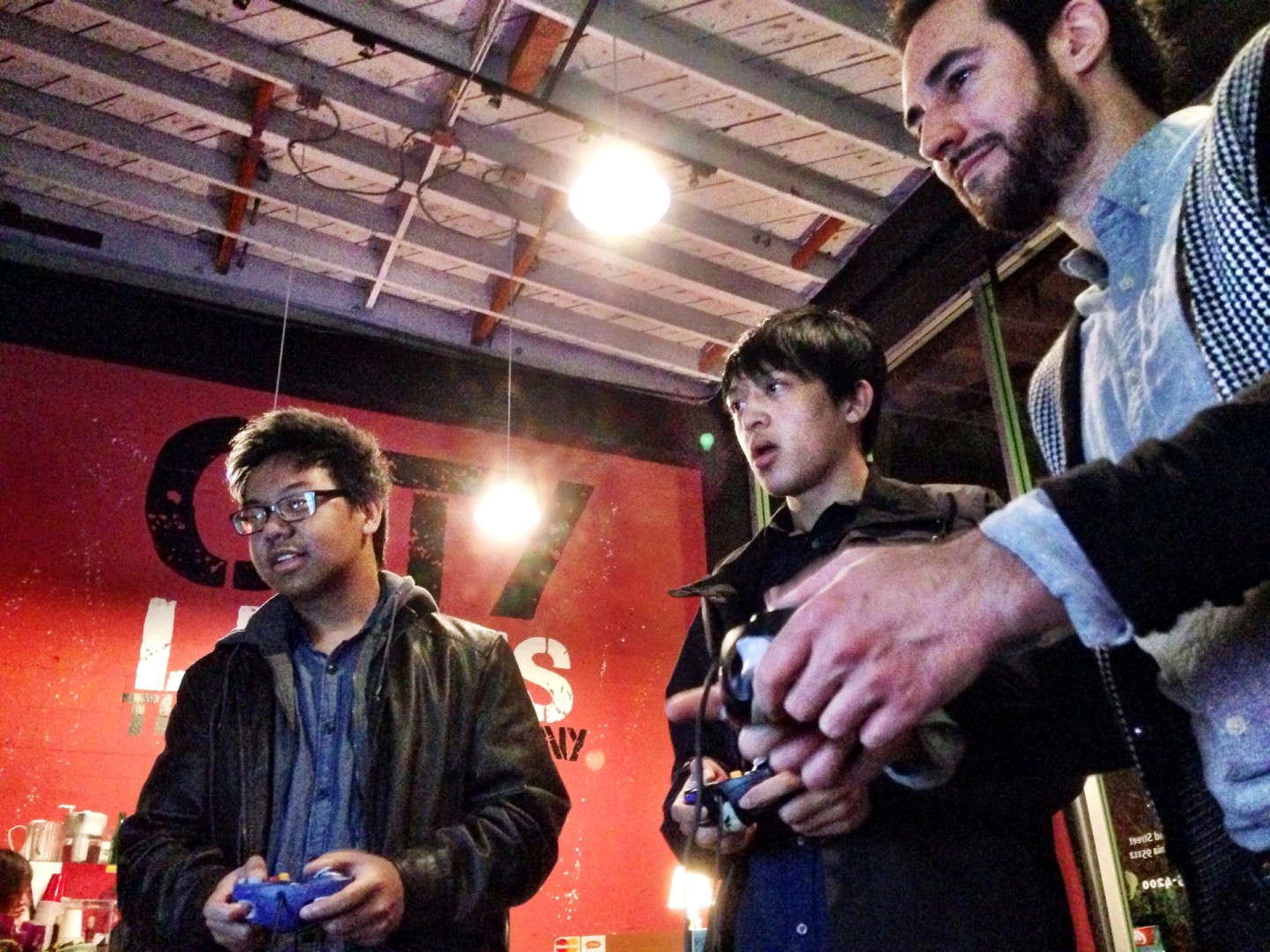
"caption": "Students Brandon and Christian de la Cruz and Rockage founder Eric Fanali playing video games at the theater.",
"description": "Students Brandon and Christian de la Cruz and Rockage founder Eric Fanali playing video games at the theater.",
"title": "RS14356_photo-qut",
"credit": "Cy Musiker/KQED",
"status": "inherit",
"isLoading": false,
"fetchFailed": false
}
},
"audioPlayerReducer": {
"postId": "stream_live",
"isPaused": true,
"isPlaying": false,
"pfsActive": false,
"pledgeModalIsOpen": true,
"playerDrawerIsOpen": false,
"liveAudioPlayStartedAt": 0,
"liveAudioPlayContext": ""
},
"authorsReducer": {
"byline_news_11964259": {
"type": "authors",
"id": "byline_news_11964259",
"meta": {
"override": true
},
"slug": "byline_news_11964259",
"name": "\u003ca href=\"https://calmatters.org/author/carolyn-jones/\">Carolyn Jones\u003c/a> and \u003ca href=\"https://calmatters.org/author/mikhailzinshteyn/\">Mikhail Zinshteyn\u003c/a>",
"isLoading": false
},
"byline_news_11760224": {
"type": "authors",
"id": "byline_news_11760224",
"meta": {
"override": true
},
"slug": "byline_news_11760224",
"name": "Amy Scott",
"isLoading": false
},
"byline_news_11738391": {
"type": "authors",
"id": "byline_news_11738391",
"meta": {
"override": true
},
"slug": "byline_news_11738391",
"name": "Matt O'Brien and Rachel Lerman\u003cbr>Associated Press",
"isLoading": false
},
"byline_news_11707805": {
"type": "authors",
"id": "byline_news_11707805",
"meta": {
"override": true
},
"slug": "byline_news_11707805",
"name": "Alina Selyukh\u003cbr>\u003cstrong>\u003ca href=\"https://www.npr.org/2018/11/21/660168325/optimized-prime-how-ai-and-anticipation-power-amazons-1-hour-deliveries\">NPR\u003c/a>\u003c/strong>",
"isLoading": false
},
"byline_news_11572736": {
"type": "authors",
"id": "byline_news_11572736",
"meta": {
"override": true
},
"slug": "byline_news_11572736",
"name": "Camila Domonoske",
"isLoading": false
},
"byline_news_11473873": {
"type": "authors",
"id": "byline_news_11473873",
"meta": {
"override": true
},
"slug": "byline_news_11473873",
"name": "Colin Dwyer",
"isLoading": false
},
"cmusiker": {
"type": "authors",
"id": "32",
"meta": {
"index": "authors_1716337520",
"id": "32",
"found": true
},
"name": "Cy Musiker",
"firstName": "Cy",
"lastName": "Musiker",
"slug": "cmusiker",
"email": "cmusiker@kqed.org",
"display_author_email": false,
"staff_mastheads": [],
"title": "KQED Contributor",
"bio": "Cy Musiker is a former co-host of The Do List and a former reporter covering the arts for KQED News and The California Report. He loves live performance, especially great theater, jazz, roots music, anything by Mahler. Cy has an MJ from UC Berkeley's School of Journalism, and got his BA from Hampshire College. His work has been recognized by the Society for Professional Journalists with their Sigma Delta Chi Award for Public Service in Journalism. When he can, Cy likes to swim in Tomales Bay, run with his dog in the East Bay Hills, and hike the Sierra.",
"avatar": "https://secure.gravatar.com/avatar/05eaba5c5696ce8f062e4ea2df428a43?s=600&d=blank&r=g",
"twitter": null,
"facebook": null,
"instagram": null,
"linkedin": null,
"sites": [
{
"site": "arts",
"roles": [
"Contributor",
"subscriber"
]
},
{
"site": "news",
"roles": [
"author"
]
},
{
"site": "bayareabites",
"roles": [
"contributor"
]
}
],
"headData": {
"title": "Cy Musiker | KQED",
"description": "KQED Contributor",
"ogImgSrc": "https://secure.gravatar.com/avatar/05eaba5c5696ce8f062e4ea2df428a43?s=600&d=blank&r=g",
"twImgSrc": "https://secure.gravatar.com/avatar/05eaba5c5696ce8f062e4ea2df428a43?s=600&d=blank&r=g"
},
"isLoading": false,
"link": "/author/cmusiker"
},
"jbrooks": {
"type": "authors",
"id": "80",
"meta": {
"index": "authors_1716337520",
"id": "80",
"found": true
},
"name": "Jon Brooks",
"firstName": "Jon",
"lastName": "Brooks",
"slug": "jbrooks",
"email": "jbrooks@kqed.org",
"display_author_email": true,
"staff_mastheads": [
"science"
],
"title": "Digital Editor",
"bio": "Jon Brooks is a former Digital Editor for KQED Science. He is the former editor of KQED’s daily news blog, News Fix. In 2014, he won a California Journalism Award for his coverage of ride services like Uber and Lyft and the taxi industry. A veteran blogger, he previously worked for Yahoo! in various news writing and editing roles. Jon is also a playwright whose work has been produced in San Francisco, New York, Italy, and around the U.S. He has written about film for his own blog and studied film at Boston University.",
"avatar": "https://secure.gravatar.com/avatar/98887f7ed1c876ed414d4c915e969584?s=600&d=blank&r=g",
"twitter": "jbrooksfoy",
"facebook": null,
"instagram": null,
"linkedin": null,
"sites": [
{
"site": "arts",
"roles": [
"Contributor",
"editor"
]
},
{
"site": "news",
"roles": [
"author"
]
},
{
"site": "futureofyou",
"roles": [
"administrator"
]
},
{
"site": "mindshift",
"roles": [
"editor"
]
},
{
"site": "stateofhealth",
"roles": [
"editor"
]
},
{
"site": "science",
"roles": [
"administrator"
]
},
{
"site": "quest",
"roles": [
"editor"
]
}
],
"headData": {
"title": "Jon Brooks | KQED",
"description": "Digital Editor",
"ogImgSrc": "https://secure.gravatar.com/avatar/98887f7ed1c876ed414d4c915e969584?s=600&d=blank&r=g",
"twImgSrc": "https://secure.gravatar.com/avatar/98887f7ed1c876ed414d4c915e969584?s=600&d=blank&r=g"
},
"isLoading": false,
"link": "/author/jbrooks"
},
"rachael-myrow": {
"type": "authors",
"id": "251",
"meta": {
"index": "authors_1716337520",
"id": "251",
"found": true
},
"name": "Rachael Myrow",
"firstName": "Rachael",
"lastName": "Myrow",
"slug": "rachael-myrow",
"email": "rmyrow@kqed.org",
"display_author_email": true,
"staff_mastheads": [
"news"
],
"title": "Senior Editor of KQED's Silicon Valley News Desk",
"bio": "• I write and edit stories about how Silicon Valley power and policies shape everyday life in California. I’m also passionate about making Bay Area history and culture more accessible to a broad public. • I’ve been a journalist for most of my life, starting in high school with The Franklin Press in Los Angeles, where I grew up. While earning my first degree in English at UC Berkeley, I got my start in public radio at KALX-FM. After completing a second degree in journalism at Cal, I landed my first professional job at Marketplace, then moved on to KPCC (now LAist), and then KQED, where I hosted The California Report for more than seven years. • My reporting has appeared on NPR, The World, WBUR’s \u003ci>Here & Now\u003c/i>, and the BBC. I also guest host for KQED’s \u003ci>Forum\u003c/i>, as well as the Commonwealth Club in San Francisco. • I speak periodically on media, democracy and technology issues, and do voiceover work for documentaries and educational video projects. • Outside of the studio, you'll find me hiking Bay Area trails and whipping up Insta-ready meals in my kitchen. • I do not accept gifts, money, or favors from anyone connected to my reporting, I don't pay people for information, and I do not support or donate to political causes. • I strive to treat the people I report on with fairness, honesty, and respect. I also recognize there are often multiple sides to a story and work to verify information through multiple sources and documentation. If I get something wrong, I correct it.",
"avatar": "https://secure.gravatar.com/avatar/87bf8cb5874e045cdff430523a6d48b1?s=600&d=blank&r=g",
"twitter": "rachaelmyrow",
"facebook": null,
"instagram": null,
"linkedin": "https://www.linkedin.com/in/rachaelmyrow/",
"sites": [
{
"site": "arts",
"roles": [
"administrator"
]
},
{
"site": "news",
"roles": [
"edit_others_posts",
"editor"
]
},
{
"site": "futureofyou",
"roles": [
"editor"
]
},
{
"site": "bayareabites",
"roles": [
"editor"
]
},
{
"site": "stateofhealth",
"roles": [
"editor"
]
},
{
"site": "science",
"roles": [
"editor"
]
},
{
"site": "food",
"roles": [
"editor"
]
},
{
"site": "forum",
"roles": [
"editor"
]
},
{
"site": "liveblog",
"roles": [
"author"
]
}
],
"headData": {
"title": "Rachael Myrow | KQED",
"description": "Senior Editor of KQED's Silicon Valley News Desk",
"ogImgSrc": "https://secure.gravatar.com/avatar/87bf8cb5874e045cdff430523a6d48b1?s=600&d=blank&r=g",
"twImgSrc": "https://secure.gravatar.com/avatar/87bf8cb5874e045cdff430523a6d48b1?s=600&d=blank&r=g"
},
"isLoading": false,
"link": "/author/rachael-myrow"
},
"qkim": {
"type": "authors",
"id": "11099",
"meta": {
"index": "authors_1716337520",
"id": "11099",
"found": true
},
"name": "Queena Sook Kim",
"firstName": "Queena",
"lastName": "Kim",
"slug": "qkim",
"email": "qkim@kqed.org",
"display_author_email": false,
"staff_mastheads": [
"news"
],
"title": "Senior Editor",
"bio": "\u003cspan style=\"font-weight: 400;\">Queena Sook Kim is a former senior editor of the weekend desk at KQED. Before taking on that post, she was the Senior Editor of the Silicon Valley Desk and was the \u003c/span>\u003cspan style=\"font-weight: 400;\">host of The California Report. The daily morning show airs on KQED in San Francisco, one of the nation’s largest NPR affiliates, and on 30 stations across the state. In that role, she produces and reports on news, politics and life in the Golden State. Queena likes to take sideways look at the larger trends changing the state. One of her favorite stories asked\u003c/span>\u003ca href=\"https://ww2.kqed.org/news/2015/02/15/why-the-heck-do-mexican-reporters-on-public-radio-say-their-names-that-way\"> \u003cspan style=\"font-weight: 400;\">why Latino journalists “over’pronounce” their Spanish surnames\u003c/span>\u003c/a>\u003cspan style=\"font-weight: 400;\"> as a way of looking at how immigration is creating a culture shift in California.\u003c/span>\r\n\r\n\u003cspan style=\"font-weight: 400;\">Before joining The California Report, Queena was a \u003ca href=\"http://www.marketplace.org/people/queena-kim\">Senior Reporter covering technology for Marketplace\u003c/a>, the daily business show that airs on public radio. Queena covered daily tech business stories and reported on larger technology trends. She did a series of stories looking at role of social engineering in hacking and on a start-up in Silicon Valley that’s trying to use technology, instead of animals, to make meat that bleeds.\u003c/span>\r\n\r\n\u003cspan style=\"font-weight: 400;\">Queena started her career as a business journalist at the Wall Street Journal, where she spent four years covering the paper, home building and toy industries. She wrote A1 stories about the unusually aggressive tactics KB Home took against its home buyers. and the resurgence of “Cracker” architecture in Florida. She also wrote section front stories on marketing trends and\u003c/span>\r\n\r\n\u003cspan style=\"font-weight: 400;\">As a journalist, Queena has spent much of her career helping start-up editorial products. She was on the founding editorial team of The Bay Citizen, an experimental, online news site in San Francisco that was funded by the late hillbilly billionaire Warren Hellman. In 2009, Queena received a grant from the Corporation of Public Broadcasting to start-up a podcast called \u003ca href=\"https://soundcloud.com/cyberfrequencies\">CyberFrequencies\u003c/a>, which reported on the culture of technology. She also helped start-up two radio shows - Off-Ramp and Pacific Drift - for KPCC, the NPR-affiliate in Los Angeles. Off-Ramp was awarded 1st Place for news and Public Affairs programming by the PRINDI and the L.A. Press club. \u003ca href=\"https://soundcloud.com/queena-sook-kim\">Queena’s stories have appeared \u003c/a>on NPR’s Day to Day, Hearing Voices, WNYC’s Studio 360, WBUR’s Here and Now, BBC’s Global Perspectives and New York Times’ multimedia page.\u003c/span>\r\n\r\n\u003cspan style=\"font-weight: 400;\">In 1994, Queena won a Fulbright Grant to teach and study in Seoul, South Korea. She was also selected to be a Teach For America Corps Member in 1991 and taught elementary school in the Inglewood Unified School District in Southern California.\u003c/span>\r\n\r\n\u003cspan style=\"font-weight: 400;\">Queena is a frequent public speaker and has given talks at UC Berkeley, Stanford University, San Francisco State University, PRINDI conference and the Craigslist Foundation Boot Camp. Queena went to UC Berkeley’s Graduate School of Journalism and graduated cum laude from New York University with a B.A. in Politics. She grew up in Southern California and lives in Berkeley, Ca in a big fixer on which she spends most weekends, well, fixing.\u003c/span>",
"avatar": "https://secure.gravatar.com/avatar/b72382fd0db351b99f8a31939f4853fc?s=600&d=blank&r=g",
"twitter": "queenasookkim",
"facebook": null,
"instagram": null,
"linkedin": null,
"sites": [
{
"site": "news",
"roles": [
"subscriber"
]
},
{
"site": "forum",
"roles": [
"author"
]
},
{
"site": "breakingnews",
"roles": [
"editor"
]
}
],
"headData": {
"title": "Queena Sook Kim | KQED",
"description": "Senior Editor",
"ogImgSrc": "https://secure.gravatar.com/avatar/b72382fd0db351b99f8a31939f4853fc?s=600&d=blank&r=g",
"twImgSrc": "https://secure.gravatar.com/avatar/b72382fd0db351b99f8a31939f4853fc?s=600&d=blank&r=g"
},
"isLoading": false,
"link": "/author/qkim"
},
"dcronin": {
"type": "authors",
"id": "11362",
"meta": {
"index": "authors_1716337520",
"id": "11362",
"found": true
},
"name": "Dana Cronin",
"firstName": "Dana",
"lastName": "Cronin",
"slug": "dcronin",
"email": "dcronin@KQED.org",
"display_author_email": true,
"staff_mastheads": [],
"title": "KQED Contributor",
"bio": "Dana Cronin is a reporter for KQED News. She loves writing stories about climate change, environmental issues, food and agriculture. She's reported across the country, from Colorado to Washington D.C. to Illinois, and has won numerous awards for her coverage. Her work is regularly featured on national broadcasts, including NPR’s Morning Edition, All Things Considered, PBS Newshour and Science Friday. She lives in Oakland and has an avocado tree in her back yard.",
"avatar": "https://secure.gravatar.com/avatar/bcf89e3455ff7235f96ab6fa7258dd95?s=600&d=blank&r=g",
"twitter": "DanaHCronin",
"facebook": null,
"instagram": null,
"linkedin": null,
"sites": [
{
"site": "arts",
"roles": [
"author"
]
},
{
"site": "news",
"roles": [
"editor"
]
},
{
"site": "science",
"roles": [
"author"
]
},
{
"site": "liveblog",
"roles": [
"author"
]
}
],
"headData": {
"title": "Dana Cronin | KQED",
"description": "KQED Contributor",
"ogImgSrc": "https://secure.gravatar.com/avatar/bcf89e3455ff7235f96ab6fa7258dd95?s=600&d=blank&r=g",
"twImgSrc": "https://secure.gravatar.com/avatar/bcf89e3455ff7235f96ab6fa7258dd95?s=600&d=blank&r=g"
},
"isLoading": false,
"link": "/author/dcronin"
}
},
"pagesReducer": {
"news_tag_artificial-intelligence": {
"type": "terms",
"id": "news_34755",
"meta": {
"index": "terms_1716263798",
"site": "news",
"id": "34755",
"score": 8.5546055
},
"name": "artificial intelligence",
"slug": "artificial-intelligence",
"taxonomy": "tag",
"description": null,
"featImg": null,
"headData": {
"title": "artificial intelligence | KQED News",
"description": null,
"ogTitle": null,
"ogDescription": null,
"ogImgId": null,
"twTitle": null,
"twDescription": null,
"twImgId": null
},
"ttid": 34772,
"isLoading": false,
"title": "artificial intelligence",
"pageMeta": {
"site": "news",
"WpPageTemplate": "page-topic-editorial",
"currentPage": 7
},
"blocks": [
{
"blockName": "kqed/post-list",
"attrs": {
"layout": "cardArticle2",
"query": "posts/news?tag=artificial-intelligence",
"seeMore": false,
"paginated": true,
"page": 7
}
},
{
"blockName": "kqed/ad"
}
]
}
},
"pfsSessionReducer": {},
"postsReducer": {
"stream_live": {
"type": "live",
"id": "stream_live",
"audioUrl": "https://streams.kqed.org/kqedradio",
"title": "Live Stream",
"excerpt": "Live Stream information currently unavailable.",
"link": "/radio",
"featImg": "",
"label": {
"name": "KQED Live",
"link": "/"
}
},
"stream_kqedNewscast": {
"type": "posts",
"id": "stream_kqedNewscast",
"audioUrl": "https://www.kqed.org/.stream/anon/radio/RDnews/newscast.mp3?_=1",
"title": "KQED Newscast",
"featImg": "",
"label": {
"name": "88.5 FM",
"link": "/"
}
},
"news_11969898": {
"type": "posts",
"id": "news_11969898",
"meta": {
"index": "posts_1716263798",
"site": "news",
"id": "11969898",
"score": null,
"sort": [
1702610957000
]
},
"parent": 0,
"labelTerm": {
"site": "news"
},
"blocks": [],
"publishDate": 1702610957,
"format": "standard",
"title": "Protesters Outside Google in San Francisco Call for Immediate End to 'Project Nimbus'",
"headTitle": "Protesters Outside Google in San Francisco Call for Immediate End to ‘Project Nimbus’ | KQED",
"content": "\u003cp>Pro-Palestinian Google employees protested outside Google offices in San Francisco on Thursday to demand the tech giant cancel a $1.2 billion contract — called “Project Nimbus” — with the Israeli government and military.\u003c/p>\n\u003cp>An estimated 500 protesters chanted “Google, Google you can’t hide, we charge you with genocide,” reflecting growing outrage over the contract during Israel’s ongoing bombardment of Gaza. The Israeli Finance Ministry described the Project Nimbus contract as “intended to provide the government, the defense establishment and others with an all-encompassing cloud solution.”\u003c/p>\n\u003cfigure id=\"attachment_11969956\" class=\"wp-caption alignnone\" style=\"max-width: 1920px\">\u003cimg loading=\"lazy\" decoding=\"async\" class=\"size-full wp-image-11969956\" src=\"https://cdn.kqed.org/wp-content/uploads/sites/10/2023/12/231214-GazaGoogleProtest-13-BL.jpg\" alt=\"Protesters holding signs.\" width=\"1920\" height=\"1280\" srcset=\"https://cdn.kqed.org/wp-content/uploads/sites/10/2023/12/231214-GazaGoogleProtest-13-BL.jpg 1920w, https://cdn.kqed.org/wp-content/uploads/sites/10/2023/12/231214-GazaGoogleProtest-13-BL-800x533.jpg 800w, https://cdn.kqed.org/wp-content/uploads/sites/10/2023/12/231214-GazaGoogleProtest-13-BL-1020x680.jpg 1020w, https://cdn.kqed.org/wp-content/uploads/sites/10/2023/12/231214-GazaGoogleProtest-13-BL-160x107.jpg 160w, https://cdn.kqed.org/wp-content/uploads/sites/10/2023/12/231214-GazaGoogleProtest-13-BL-1536x1024.jpg 1536w\" sizes=\"(max-width: 1920px) 100vw, 1920px\">\u003cfigcaption class=\"wp-caption-text\">Demonstrators gather outside Google offices in downtown San Francisco on Dec. 14, 2023. \u003ccite>(Beth LaBerge/KQED)\u003c/cite>\u003c/figcaption>\u003c/figure>\n\u003cp>Valerie Kuan, a software engineer at Google who was at the protest, said she doesn’t work on Project Nimbus “but this is an issue that affects all Google workers.”\u003c/p>\n\u003cp>“Google is looking to exploit all of their workers’ labor to profit off of war and profit off of Israeli genocide against the Palestinian people,” said Kuan, who has worked at Google for a little more than a year. “There are many ways to run a profitable company without supporting genocide.”\u003c/p>\n\u003cfigure id=\"attachment_11969954\" class=\"wp-caption alignnone\" style=\"max-width: 1920px\">\u003cimg loading=\"lazy\" decoding=\"async\" class=\"size-full wp-image-11969954\" src=\"https://cdn.kqed.org/wp-content/uploads/sites/10/2023/12/231214-GazaGoogleProtest-03-BL.jpg\" alt=\"An young woman with Palestinian garb speaks to protesters through a loud speaker.\" width=\"1920\" height=\"1280\" srcset=\"https://cdn.kqed.org/wp-content/uploads/sites/10/2023/12/231214-GazaGoogleProtest-03-BL.jpg 1920w, https://cdn.kqed.org/wp-content/uploads/sites/10/2023/12/231214-GazaGoogleProtest-03-BL-800x533.jpg 800w, https://cdn.kqed.org/wp-content/uploads/sites/10/2023/12/231214-GazaGoogleProtest-03-BL-1020x680.jpg 1020w, https://cdn.kqed.org/wp-content/uploads/sites/10/2023/12/231214-GazaGoogleProtest-03-BL-160x107.jpg 160w, https://cdn.kqed.org/wp-content/uploads/sites/10/2023/12/231214-GazaGoogleProtest-03-BL-1536x1024.jpg 1536w\" sizes=\"(max-width: 1920px) 100vw, 1920px\">\u003cfigcaption class=\"wp-caption-text\">A demonstrator speaks outside Google offices in downtown San Francisco on Dec. 14, 2023. \u003ccite>(Beth LaBerge/KQED)\u003c/cite>\u003c/figcaption>\u003c/figure>\n\u003cp>A recent\u003ca href=\"https://www.972mag.com/mass-assassination-factory-israel-calculated-bombing-gaza/\"> investigation by +972 Magazine\u003c/a>, an Israeli-Palestinian journalism publication, revealed that the Israeli military is using artificial intelligence to target and assassinate Palestinians in Gaza. The reporting does not identify the source of the technology, but Google workers with the \u003ca href=\"https://www.notechforapartheid.com\">No Tech For Apartheid\u003c/a> campaign claim their company and its Project Nimbus partner, Amazon, are complicit in the Israeli siege.\u003c/p>\n\u003cp>[pullquote align=\"right\" size=\"medium\" citation=\"Khaled Allen, software engineer, Google\"]‘I have a lot of faith in Google as a company. In general, it is a force for good in the world. Because I believe that, that’s why I’m here.’[/pullquote]Protester Khaled Allen, a Google software engineer of part-Palestinian descent, said he hasn’t been very politically active but that he feels “called to do so now.”\u003c/p>\n\u003cp>“I feel very connected to the issue because of my background,” said Allen, who has been at Google for two years. “I have a lot of faith in Google as a company. In general, it is a force for good in the world. Because I believe that, that’s why I’m here.”\u003c/p>\n\u003cp>As the protest grew Thursday night, a dozen protesters lay down on the sidewalk and covered themselves with white sheets bearing the Google logo. \u003ca href=\"https://www.wsj.com/world/middle-east/israel-hamas-press-on-despite-rising-deaths-tolls-on-both-sides-afe9787f\">More than 18,600 people in Gaza\u003c/a> have been killed in the war, most of them women and children, according to Gaza health officials.\u003c/p>\n\u003cfigure id=\"attachment_11969953\" class=\"wp-caption alignnone\" style=\"max-width: 1920px\">\u003cimg loading=\"lazy\" decoding=\"async\" class=\"size-full wp-image-11969953\" src=\"https://cdn.kqed.org/wp-content/uploads/sites/10/2023/12/231214-GazaGoogleProtest-02-BL.jpg\" alt=\"\" width=\"1920\" height=\"1280\" srcset=\"https://cdn.kqed.org/wp-content/uploads/sites/10/2023/12/231214-GazaGoogleProtest-02-BL.jpg 1920w, https://cdn.kqed.org/wp-content/uploads/sites/10/2023/12/231214-GazaGoogleProtest-02-BL-800x533.jpg 800w, https://cdn.kqed.org/wp-content/uploads/sites/10/2023/12/231214-GazaGoogleProtest-02-BL-1020x680.jpg 1020w, https://cdn.kqed.org/wp-content/uploads/sites/10/2023/12/231214-GazaGoogleProtest-02-BL-160x107.jpg 160w, https://cdn.kqed.org/wp-content/uploads/sites/10/2023/12/231214-GazaGoogleProtest-02-BL-1536x1024.jpg 1536w\" sizes=\"(max-width: 1920px) 100vw, 1920px\">\u003cfigcaption class=\"wp-caption-text\">Demonstrators gather outside Google offices in downtown San Francisco. \u003ccite>(Beth LaBerge/KQED)\u003c/cite>\u003c/figcaption>\u003c/figure>\n\u003cp>In a 2021 anonymous open letter to Google and Amazon published in\u003ca href=\"https://www.theguardian.com/commentisfree/2021/oct/12/google-amazon-workers-condemn-project-nimbus-israeli-military-contract\">\u003cem> The Guardian\u003c/em>\u003c/a>, employees described watching their companies “aggressively pursue contracts with institutions like the US Department of Defense, Immigration and Customs Enforcement (ICE), and state and local police departments. These contracts are part of a disturbing pattern of militarization, lack of transparency and avoidance of oversight.”\u003c/p>\n\u003cp>“We cannot look the other way, as the products we build are used to deny Palestinians their basic rights, force Palestinians out of their homes and attack Palestinians in the Gaza Strip — actions that have prompted war crime investigations by the\u003ca href=\"https://www.icc-cpi.int/Pages/item.aspx?name=210303-prosecutor-statement-investigation-palestine\"> international criminal court\u003c/a>,” the letter said.\u003c/p>\n\u003cfigure id=\"attachment_11969959\" class=\"wp-caption alignnone\" style=\"max-width: 1920px\">\u003cimg loading=\"lazy\" decoding=\"async\" class=\"size-full wp-image-11969959\" src=\"https://cdn.kqed.org/wp-content/uploads/sites/10/2023/12/231214-GazaGoogleProtest-12-BL.jpg\" alt=\"\" width=\"1920\" height=\"1280\" srcset=\"https://cdn.kqed.org/wp-content/uploads/sites/10/2023/12/231214-GazaGoogleProtest-12-BL.jpg 1920w, https://cdn.kqed.org/wp-content/uploads/sites/10/2023/12/231214-GazaGoogleProtest-12-BL-800x533.jpg 800w, https://cdn.kqed.org/wp-content/uploads/sites/10/2023/12/231214-GazaGoogleProtest-12-BL-1020x680.jpg 1020w, https://cdn.kqed.org/wp-content/uploads/sites/10/2023/12/231214-GazaGoogleProtest-12-BL-160x107.jpg 160w, https://cdn.kqed.org/wp-content/uploads/sites/10/2023/12/231214-GazaGoogleProtest-12-BL-1536x1024.jpg 1536w\" sizes=\"(max-width: 1920px) 100vw, 1920px\">\u003cfigcaption class=\"wp-caption-text\">Demonstrators gather outside Google offices in downtown San Francisco. \u003ccite>(Beth LaBerge/KQED)\u003c/cite>\u003c/figcaption>\u003c/figure>\n\u003cp>Google did not respond to KQED’s request for comment for this story, but in an email to the \u003cem>San Francisco Chronicle\u003c/em>, it wrote that Project Nimbus was not a military program, adding that the protest “is part of a longstanding campaign by a group of organizations and people who largely don’t work at Google.”\u003c/p>\n\u003cp>“We have been very clear that the Nimbus contract is for workloads running on our commercial platform by Israeli government ministries such as finance, healthcare, transportation, and education,” the statement added. “Our work is not directed at highly sensitive or classified military workloads relevant to weapons or intelligence services.”\u003c/p>\n\u003cfigure id=\"attachment_11969957\" class=\"wp-caption alignnone\" style=\"max-width: 1920px\">\u003cimg loading=\"lazy\" decoding=\"async\" class=\"size-full wp-image-11969957\" src=\"https://cdn.kqed.org/wp-content/uploads/sites/10/2023/12/231214-GazaGoogleProtest-16-BL.jpg\" alt=\"\" width=\"1920\" height=\"1280\" srcset=\"https://cdn.kqed.org/wp-content/uploads/sites/10/2023/12/231214-GazaGoogleProtest-16-BL.jpg 1920w, https://cdn.kqed.org/wp-content/uploads/sites/10/2023/12/231214-GazaGoogleProtest-16-BL-800x533.jpg 800w, https://cdn.kqed.org/wp-content/uploads/sites/10/2023/12/231214-GazaGoogleProtest-16-BL-1020x680.jpg 1020w, https://cdn.kqed.org/wp-content/uploads/sites/10/2023/12/231214-GazaGoogleProtest-16-BL-160x107.jpg 160w, https://cdn.kqed.org/wp-content/uploads/sites/10/2023/12/231214-GazaGoogleProtest-16-BL-1536x1024.jpg 1536w\" sizes=\"(max-width: 1920px) 100vw, 1920px\">\u003cfigcaption class=\"wp-caption-text\">Demonstrators gather outside Google offices in downtown San Francisco. \u003ccite>(Beth LaBerge/KQED)\u003c/cite>\u003c/figcaption>\u003c/figure>\n\u003cp>Last year, a group of Palestinian Google employees and their allied colleagues spoke out anonymously in a public video about the anti-Palestinian bias they said they witnessed at the company. One Palestinian Google employee said she felt like she was making her living “off the oppression of my family back home.” Another Palestinian Google employee said, “Google’s Project Nimbus will be a big ugly moment in Google’s history and a shameful and embarrassing engagement.”\u003c/p>\n\u003cp>https://www.youtube.com/watch?v=2GI-ePG0rTA\u003c/p>\n\u003cp>Another group of workers recently published an\u003ca href=\"https://medium.com/@notechforapartheid/googleopenletter-868f0c4477db\"> open letter\u003c/a> addressed to Google leadership accusing the company of a double standard that allows for “freedom of expression for Israeli Googlers versus Arab, Muslim and Palestinian Googlers.” The unsigned letter was attributed to “Muslim, Palestinian and Arab Google employees joined by anti-Zionist Jewish colleagues.”\u003c/p>\n\u003cp>In another\u003ca href=\"https://docs.google.com/document/u/1/d/e/2PACX-1vQt-eWcx-7rZxWTlx0dngRvhn_goqMdl8bPhqvucPiEenbd6KNpLGe-I_QLPLg1_K37Yrkp86ks4RXl/pub\"> unsigned open letter\u003c/a>, published in mid-October, a group of Google employees demanded the company cancel its Project Nimbus contract “and immediately cease doing business with the Israeli apartheid government and military.” The letter goes on to demand that Google leadership “issue a public condemnation of the ongoing genocide in the strongest possible terms.”\u003c/p>\n\u003cp>[ad fullwidth]\u003c/p>\n\u003cp>\u003c/p>\n",
"stats": {
"hasVideo": true,
"hasChartOrMap": false,
"hasAudio": false,
"hasPolis": false,
"wordCount": 937,
"hasGoogleForm": false,
"hasGallery": false,
"hasHearkenModule": false,
"iframeSrcs": [],
"paragraphCount": 17
},
"modified": 1702673930,
"excerpt": "Around 500 people marched and chanted outside Google offices in San Francisco in an effort to get the Silicon Valley giant to stop 'being complicit' in the mass civilian casualties in Gaza following Hamas' Oct. 7 attack on Israel.",
"headData": {
"twImgId": "",
"twTitle": "",
"ogTitle": "",
"ogImgId": "",
"twDescription": "",
"description": "Around 500 people marched and chanted outside Google offices in San Francisco in an effort to get the Silicon Valley giant to stop 'being complicit' in the mass civilian casualties in Gaza following Hamas' Oct. 7 attack on Israel.",
"title": "Protesters Outside Google in San Francisco Call for Immediate End to 'Project Nimbus' | KQED",
"ogDescription": "",
"schema": {
"@context": "https://schema.org",
"@type": "NewsArticle",
"headline": "Protesters Outside Google in San Francisco Call for Immediate End to 'Project Nimbus'",
"datePublished": "2023-12-14T19:29:17-08:00",
"dateModified": "2023-12-15T12:58:50-08:00",
"image": "https://cdn.kqed.org/wp-content/uploads/2020/02/KQED-OG-Image@1x.png",
"isAccessibleForFree": "True",
"publisher": {
"@type": "NewsMediaOrganization",
"@id": "https://www.kqed.org/#organization",
"name": "KQED",
"logo": "https://cdn.kqed.org/wp-content/uploads/2020/02/KQED-OG-Image@1x.png",
"url": "https://www.kqed.org",
"sameAs": [
"https://www.facebook.com/KQED",
"https://twitter.com/KQED",
"https://www.instagram.com/kqed/",
"https://www.tiktok.com/@kqedofficial",
"https://www.linkedin.com/company/kqed",
"https://www.youtube.com/channel/UCeC0IOo7i1P_61zVUWbJ4nw"
]
}
}
},
"guestAuthors": [],
"slug": "protesters-outside-google-in-san-francisco-call-for-immediate-end-to-project-nimbus",
"status": "publish",
"excludeFromSiteSearch": "Include",
"sticky": false,
"articleAge": "0",
"path": "/news/11969898/protesters-outside-google-in-san-francisco-call-for-immediate-end-to-project-nimbus",
"audioTrackLength": null,
"parsedContent": [
{
"type": "contentString",
"content": "\u003cdiv class=\"post-body\">\u003cp>\u003cp>Pro-Palestinian Google employees protested outside Google offices in San Francisco on Thursday to demand the tech giant cancel a $1.2 billion contract — called “Project Nimbus” — with the Israeli government and military.\u003c/p>\n\u003cp>An estimated 500 protesters chanted “Google, Google you can’t hide, we charge you with genocide,” reflecting growing outrage over the contract during Israel’s ongoing bombardment of Gaza. The Israeli Finance Ministry described the Project Nimbus contract as “intended to provide the government, the defense establishment and others with an all-encompassing cloud solution.”\u003c/p>\n\u003cfigure id=\"attachment_11969956\" class=\"wp-caption alignnone\" style=\"max-width: 1920px\">\u003cimg loading=\"lazy\" decoding=\"async\" class=\"size-full wp-image-11969956\" src=\"https://cdn.kqed.org/wp-content/uploads/sites/10/2023/12/231214-GazaGoogleProtest-13-BL.jpg\" alt=\"Protesters holding signs.\" width=\"1920\" height=\"1280\" srcset=\"https://cdn.kqed.org/wp-content/uploads/sites/10/2023/12/231214-GazaGoogleProtest-13-BL.jpg 1920w, https://cdn.kqed.org/wp-content/uploads/sites/10/2023/12/231214-GazaGoogleProtest-13-BL-800x533.jpg 800w, https://cdn.kqed.org/wp-content/uploads/sites/10/2023/12/231214-GazaGoogleProtest-13-BL-1020x680.jpg 1020w, https://cdn.kqed.org/wp-content/uploads/sites/10/2023/12/231214-GazaGoogleProtest-13-BL-160x107.jpg 160w, https://cdn.kqed.org/wp-content/uploads/sites/10/2023/12/231214-GazaGoogleProtest-13-BL-1536x1024.jpg 1536w\" sizes=\"(max-width: 1920px) 100vw, 1920px\">\u003cfigcaption class=\"wp-caption-text\">Demonstrators gather outside Google offices in downtown San Francisco on Dec. 14, 2023. \u003ccite>(Beth LaBerge/KQED)\u003c/cite>\u003c/figcaption>\u003c/figure>\n\u003cp>Valerie Kuan, a software engineer at Google who was at the protest, said she doesn’t work on Project Nimbus “but this is an issue that affects all Google workers.”\u003c/p>\n\u003cp>“Google is looking to exploit all of their workers’ labor to profit off of war and profit off of Israeli genocide against the Palestinian people,” said Kuan, who has worked at Google for a little more than a year. “There are many ways to run a profitable company without supporting genocide.”\u003c/p>\n\u003cfigure id=\"attachment_11969954\" class=\"wp-caption alignnone\" style=\"max-width: 1920px\">\u003cimg loading=\"lazy\" decoding=\"async\" class=\"size-full wp-image-11969954\" src=\"https://cdn.kqed.org/wp-content/uploads/sites/10/2023/12/231214-GazaGoogleProtest-03-BL.jpg\" alt=\"An young woman with Palestinian garb speaks to protesters through a loud speaker.\" width=\"1920\" height=\"1280\" srcset=\"https://cdn.kqed.org/wp-content/uploads/sites/10/2023/12/231214-GazaGoogleProtest-03-BL.jpg 1920w, https://cdn.kqed.org/wp-content/uploads/sites/10/2023/12/231214-GazaGoogleProtest-03-BL-800x533.jpg 800w, https://cdn.kqed.org/wp-content/uploads/sites/10/2023/12/231214-GazaGoogleProtest-03-BL-1020x680.jpg 1020w, https://cdn.kqed.org/wp-content/uploads/sites/10/2023/12/231214-GazaGoogleProtest-03-BL-160x107.jpg 160w, https://cdn.kqed.org/wp-content/uploads/sites/10/2023/12/231214-GazaGoogleProtest-03-BL-1536x1024.jpg 1536w\" sizes=\"(max-width: 1920px) 100vw, 1920px\">\u003cfigcaption class=\"wp-caption-text\">A demonstrator speaks outside Google offices in downtown San Francisco on Dec. 14, 2023. \u003ccite>(Beth LaBerge/KQED)\u003c/cite>\u003c/figcaption>\u003c/figure>\n\u003cp>A recent\u003ca href=\"https://www.972mag.com/mass-assassination-factory-israel-calculated-bombing-gaza/\"> investigation by +972 Magazine\u003c/a>, an Israeli-Palestinian journalism publication, revealed that the Israeli military is using artificial intelligence to target and assassinate Palestinians in Gaza. The reporting does not identify the source of the technology, but Google workers with the \u003ca href=\"https://www.notechforapartheid.com\">No Tech For Apartheid\u003c/a> campaign claim their company and its Project Nimbus partner, Amazon, are complicit in the Israeli siege.\u003c/p>\n\u003cp>\u003c/p>\u003c/div>",
"attributes": {
"named": {},
"numeric": []
}
},
{
"type": "component",
"content": "‘I have a lot of faith in Google as a company. In general, it is a force for good in the world. Because I believe that, that’s why I’m here.’",
"name": "pullquote",
"attributes": {
"named": {
"align": "right",
"size": "medium",
"citation": "Khaled Allen, software engineer, Google",
"label": ""
},
"numeric": []
}
},
{
"type": "contentString",
"content": "\u003cdiv class=\"post-body\">\u003cp>Protester Khaled Allen, a Google software engineer of part-Palestinian descent, said he hasn’t been very politically active but that he feels “called to do so now.”\u003c/p>\n\u003cp>“I feel very connected to the issue because of my background,” said Allen, who has been at Google for two years. “I have a lot of faith in Google as a company. In general, it is a force for good in the world. Because I believe that, that’s why I’m here.”\u003c/p>\n\u003cp>As the protest grew Thursday night, a dozen protesters lay down on the sidewalk and covered themselves with white sheets bearing the Google logo. \u003ca href=\"https://www.wsj.com/world/middle-east/israel-hamas-press-on-despite-rising-deaths-tolls-on-both-sides-afe9787f\">More than 18,600 people in Gaza\u003c/a> have been killed in the war, most of them women and children, according to Gaza health officials.\u003c/p>\n\u003cfigure id=\"attachment_11969953\" class=\"wp-caption alignnone\" style=\"max-width: 1920px\">\u003cimg loading=\"lazy\" decoding=\"async\" class=\"size-full wp-image-11969953\" src=\"https://cdn.kqed.org/wp-content/uploads/sites/10/2023/12/231214-GazaGoogleProtest-02-BL.jpg\" alt=\"\" width=\"1920\" height=\"1280\" srcset=\"https://cdn.kqed.org/wp-content/uploads/sites/10/2023/12/231214-GazaGoogleProtest-02-BL.jpg 1920w, https://cdn.kqed.org/wp-content/uploads/sites/10/2023/12/231214-GazaGoogleProtest-02-BL-800x533.jpg 800w, https://cdn.kqed.org/wp-content/uploads/sites/10/2023/12/231214-GazaGoogleProtest-02-BL-1020x680.jpg 1020w, https://cdn.kqed.org/wp-content/uploads/sites/10/2023/12/231214-GazaGoogleProtest-02-BL-160x107.jpg 160w, https://cdn.kqed.org/wp-content/uploads/sites/10/2023/12/231214-GazaGoogleProtest-02-BL-1536x1024.jpg 1536w\" sizes=\"(max-width: 1920px) 100vw, 1920px\">\u003cfigcaption class=\"wp-caption-text\">Demonstrators gather outside Google offices in downtown San Francisco. \u003ccite>(Beth LaBerge/KQED)\u003c/cite>\u003c/figcaption>\u003c/figure>\n\u003cp>In a 2021 anonymous open letter to Google and Amazon published in\u003ca href=\"https://www.theguardian.com/commentisfree/2021/oct/12/google-amazon-workers-condemn-project-nimbus-israeli-military-contract\">\u003cem> The Guardian\u003c/em>\u003c/a>, employees described watching their companies “aggressively pursue contracts with institutions like the US Department of Defense, Immigration and Customs Enforcement (ICE), and state and local police departments. These contracts are part of a disturbing pattern of militarization, lack of transparency and avoidance of oversight.”\u003c/p>\n\u003cp>“We cannot look the other way, as the products we build are used to deny Palestinians their basic rights, force Palestinians out of their homes and attack Palestinians in the Gaza Strip — actions that have prompted war crime investigations by the\u003ca href=\"https://www.icc-cpi.int/Pages/item.aspx?name=210303-prosecutor-statement-investigation-palestine\"> international criminal court\u003c/a>,” the letter said.\u003c/p>\n\u003cfigure id=\"attachment_11969959\" class=\"wp-caption alignnone\" style=\"max-width: 1920px\">\u003cimg loading=\"lazy\" decoding=\"async\" class=\"size-full wp-image-11969959\" src=\"https://cdn.kqed.org/wp-content/uploads/sites/10/2023/12/231214-GazaGoogleProtest-12-BL.jpg\" alt=\"\" width=\"1920\" height=\"1280\" srcset=\"https://cdn.kqed.org/wp-content/uploads/sites/10/2023/12/231214-GazaGoogleProtest-12-BL.jpg 1920w, https://cdn.kqed.org/wp-content/uploads/sites/10/2023/12/231214-GazaGoogleProtest-12-BL-800x533.jpg 800w, https://cdn.kqed.org/wp-content/uploads/sites/10/2023/12/231214-GazaGoogleProtest-12-BL-1020x680.jpg 1020w, https://cdn.kqed.org/wp-content/uploads/sites/10/2023/12/231214-GazaGoogleProtest-12-BL-160x107.jpg 160w, https://cdn.kqed.org/wp-content/uploads/sites/10/2023/12/231214-GazaGoogleProtest-12-BL-1536x1024.jpg 1536w\" sizes=\"(max-width: 1920px) 100vw, 1920px\">\u003cfigcaption class=\"wp-caption-text\">Demonstrators gather outside Google offices in downtown San Francisco. \u003ccite>(Beth LaBerge/KQED)\u003c/cite>\u003c/figcaption>\u003c/figure>\n\u003cp>Google did not respond to KQED’s request for comment for this story, but in an email to the \u003cem>San Francisco Chronicle\u003c/em>, it wrote that Project Nimbus was not a military program, adding that the protest “is part of a longstanding campaign by a group of organizations and people who largely don’t work at Google.”\u003c/p>\n\u003cp>“We have been very clear that the Nimbus contract is for workloads running on our commercial platform by Israeli government ministries such as finance, healthcare, transportation, and education,” the statement added. “Our work is not directed at highly sensitive or classified military workloads relevant to weapons or intelligence services.”\u003c/p>\n\u003cfigure id=\"attachment_11969957\" class=\"wp-caption alignnone\" style=\"max-width: 1920px\">\u003cimg loading=\"lazy\" decoding=\"async\" class=\"size-full wp-image-11969957\" src=\"https://cdn.kqed.org/wp-content/uploads/sites/10/2023/12/231214-GazaGoogleProtest-16-BL.jpg\" alt=\"\" width=\"1920\" height=\"1280\" srcset=\"https://cdn.kqed.org/wp-content/uploads/sites/10/2023/12/231214-GazaGoogleProtest-16-BL.jpg 1920w, https://cdn.kqed.org/wp-content/uploads/sites/10/2023/12/231214-GazaGoogleProtest-16-BL-800x533.jpg 800w, https://cdn.kqed.org/wp-content/uploads/sites/10/2023/12/231214-GazaGoogleProtest-16-BL-1020x680.jpg 1020w, https://cdn.kqed.org/wp-content/uploads/sites/10/2023/12/231214-GazaGoogleProtest-16-BL-160x107.jpg 160w, https://cdn.kqed.org/wp-content/uploads/sites/10/2023/12/231214-GazaGoogleProtest-16-BL-1536x1024.jpg 1536w\" sizes=\"(max-width: 1920px) 100vw, 1920px\">\u003cfigcaption class=\"wp-caption-text\">Demonstrators gather outside Google offices in downtown San Francisco. \u003ccite>(Beth LaBerge/KQED)\u003c/cite>\u003c/figcaption>\u003c/figure>\n\u003cp>Last year, a group of Palestinian Google employees and their allied colleagues spoke out anonymously in a public video about the anti-Palestinian bias they said they witnessed at the company. One Palestinian Google employee said she felt like she was making her living “off the oppression of my family back home.” Another Palestinian Google employee said, “Google’s Project Nimbus will be a big ugly moment in Google’s history and a shameful and embarrassing engagement.”\u003c/p>\u003c/p>\u003cp>\u003cspan class='utils-parseShortcode-shortcodes-__youtubeShortcode__embedYoutube'>\n \u003cspan class='utils-parseShortcode-shortcodes-__youtubeShortcode__embedYoutubeInside'>\n \u003ciframe\n loading='lazy'\n class='utils-parseShortcode-shortcodes-__youtubeShortcode__youtubePlayer'\n type='text/html'\n src='//www.youtube.com/embed/2GI-ePG0rTA'\n title='//www.youtube.com/embed/2GI-ePG0rTA'\n allowfullscreen='true'\n style='border:0;'>\u003c/iframe>\n \u003c/span>\n \u003c/span>\u003c/p>\u003cp>\u003cp>Another group of workers recently published an\u003ca href=\"https://medium.com/@notechforapartheid/googleopenletter-868f0c4477db\"> open letter\u003c/a> addressed to Google leadership accusing the company of a double standard that allows for “freedom of expression for Israeli Googlers versus Arab, Muslim and Palestinian Googlers.” The unsigned letter was attributed to “Muslim, Palestinian and Arab Google employees joined by anti-Zionist Jewish colleagues.”\u003c/p>\n\u003cp>In another\u003ca href=\"https://docs.google.com/document/u/1/d/e/2PACX-1vQt-eWcx-7rZxWTlx0dngRvhn_goqMdl8bPhqvucPiEenbd6KNpLGe-I_QLPLg1_K37Yrkp86ks4RXl/pub\"> unsigned open letter\u003c/a>, published in mid-October, a group of Google employees demanded the company cancel its Project Nimbus contract “and immediately cease doing business with the Israeli apartheid government and military.” The letter goes on to demand that Google leadership “issue a public condemnation of the ongoing genocide in the strongest possible terms.”\u003c/p>\n\u003cp>\u003c/p>\u003c/div>",
"attributes": {
"named": {},
"numeric": []
}
},
{
"type": "component",
"content": "",
"name": "ad",
"attributes": {
"named": {
"label": "fullwidth"
},
"numeric": [
"fullwidth"
]
}
},
{
"type": "contentString",
"content": "\u003cdiv class=\"post-body\">\u003cp>\u003c/p>\n\u003cp>\u003c/p>\n\u003c/div>\u003c/p>",
"attributes": {
"named": {},
"numeric": []
}
}
],
"link": "/news/11969898/protesters-outside-google-in-san-francisco-call-for-immediate-end-to-project-nimbus",
"authors": [
"251"
],
"categories": [
"news_8",
"news_248"
],
"tags": [
"news_25184",
"news_2114",
"news_27626",
"news_93",
"news_33647",
"news_33646"
],
"featImg": "news_11969960",
"label": "news"
},
"news_11964259": {
"type": "posts",
"id": "news_11964259",
"meta": {
"index": "posts_1716263798",
"site": "news",
"id": "11964259",
"score": null,
"sort": [
1697146545000
]
},
"parent": 0,
"labelTerm": {
"site": "news",
"term": 18481
},
"blocks": [],
"publishDate": 1697146545,
"format": "standard",
"title": "'We Can't Pretend It Away': Schools Grapple With Guidelines for Using Generative AI on College Applications",
"headTitle": "‘We Can’t Pretend It Away’: Schools Grapple With Guidelines for Using Generative AI on College Applications | KQED",
"content": "\u003cp>Artificial intelligence might be the new frontier in technology, but Toby Reed, a senior at Fremont High in Oakland, is unequivocal about whether to harness its powers — at least on his college application essay.\u003c/p>\n\u003cp>“No. It’s blatantly plagiarizing,” said Reed, who, like hundreds of thousands of other California seniors, is in the process of applying to colleges. “It’s bad enough stealing content, but with ChatGPT you’re not even stealing from a real person.”\u003c/p>\n\u003cp>In the first application season since generative AI tools like ChatGPT have become widely available, colleges and high schools are grappling with the ethical and practical implications of text-writing technology.\u003c/p>\n\u003cp>[pullquote align=\"right\" size=\"medium\" citation=\"Katherine Goyette, computer science coordinator, California Department of Education\"]‘We want our students to understand how AI works and how to leverage it, but also understand the ethical implications. AI is here. We need to teach students and educators how to learn with it, and learn about it.’[/pullquote]“We can’t pretend it away,” said Josh Godinez, a counselor at Centennial High School in Riverside County, and former president of the California Association of School Counselors. Students are using AI on their college application essays, whether grown-ups like it or not, he said.\u003c/p>\n\u003cp>Most school leaders and college experts that CalMatters interviewed agree that students who rely exclusively on AI to write their college application essays are violating academic integrity rules and are subject to having their applications rejected. But there’s plenty of nuance in the details, and guidelines can be vague and confusing.\u003c/p>\n\u003cp>The California Department of Education \u003ca href=\"https://www.cde.ca.gov/pd/ca/cs/aiincalifornia.asp\">encourages districts to explore\u003c/a> the potential benefits of AI, particularly in computer science curriculum or as part of broader lessons in media literacy. But it leaves decisions about AI use in classrooms up to school districts — many of which have policies prohibiting plagiarism, which could include the use of AI for writing essays, for example.\u003c/p>\n\u003cp>That means most students applying to college now are at least familiar with the ethics of using technology to write their essays for them.\u003c/p>\n\u003cp>“We want our students to understand how AI works and how to leverage it, but also understand the ethical implications,” said Katherine Goyette, the state education department’s computer science coordinator. “AI is here. We need to teach students and educators how to learn with it, and learn about it.”\u003c/p>\n\u003cp>And even if colleges prohibit essays whose provenance is generative AI, nabbing a student for robotic plagiarism is an imprecise science. The company behind ChatGPT \u003ca href=\"https://www.theverge.com/2023/7/25/23807487/openai-ai-generated-low-accuracy\">shut down its own tool\u003c/a> for detecting text generated by AI in July, citing a high rate of error. One scholar \u003ca href=\"https://www.wired.com/story/ai-detection-chat-gpt-college-students/\">in a \u003cem>Wired\u003c/em> article\u003c/a> noted that even a 1% rate of false-positives is inexcusable, because for every 1,000 essays, that’s 10 students who could be accused of an academic theft they didn’t commit.\u003c/p>\n\u003cp>José Gonzalez, chief technology officer for the Los Angeles County Office of Education, noted that no AI detection tool is 100% accurate. And AI itself can occasionally produce incorrect information.\u003c/p>\n\u003ch2>Varying policies on AI in admissions essays\u003c/h2>\n\u003cp>Common App, the college application tool used by \u003ca href=\"https://www.commonapp.org/explore/\">1,000 institutions nationwide\u003c/a>, in August included a restriction on “substantive” AI use in college admissions applications as part of its \u003ca href=\"https://www.commonapp.org/files/Common-App-Fraud-Policy.pdf\">fraud policy (PDF)\u003c/a>. The addition was a response to feedback from member colleges and an internal desire to “keep up with the changing technologies,” a spokesperson wrote.\u003c/p>\n\u003cp>What does “substantive” mean? Common App’s CEO, Jenny Rickard, said there’s no definition, and that’s intentional, writing in an email that “we will evaluate the totality of the circumstances to determine if a student truly intended to misrepresent content generated by AI technology as their own work.”\u003c/p>\n\u003cp>Common App doesn’t determine whether students are being honest — that’s up to the member colleges to figure out. But if Common App concludes that a student plagiarized, that student’s account may be terminated and Common App will notify the campuses to which the student applied, Rickard wrote.\u003c/p>\n\u003cp>University of Southern California, which uses the Common App exclusively to process its admissions and is a \u003ca href=\"https://s3.us-west-2.amazonaws.com/ca.research.publish/State+2020/California2020.pdf\">top choice for Common App applicants (PDF)\u003c/a>, is less lenient.\u003c/p>\n\u003cp>“Were we to learn that an applicant had used generative AI for any part of their application, their application would be immediately rejected,” the university said in a written statement. The school turned down CalMatters’ request to interview an admissions official.\u003c/p>\n\u003cfigure id=\"attachment_11964280\" class=\"wp-caption alignnone\" style=\"max-width: 2000px\">\u003ca href=\"https://ww2.kqed.org/app/uploads/sites/10/2023/10/101023-AI-College-Toby-Reed-LA-CM-17.jpg\">\u003cimg decoding=\"async\" loading=\"lazy\" class=\"size-full wp-image-11964280\" src=\"https://ww2.kqed.org/app/uploads/sites/10/2023/10/101023-AI-College-Toby-Reed-LA-CM-17.jpg\" alt=\"A Black student with long hair leans against a wall.\" width=\"2000\" height=\"1333\" srcset=\"https://ww2.kqed.org/app/uploads/sites/10/2023/10/101023-AI-College-Toby-Reed-LA-CM-17.jpg 2000w, https://ww2.kqed.org/app/uploads/sites/10/2023/10/101023-AI-College-Toby-Reed-LA-CM-17-800x533.jpg 800w, https://ww2.kqed.org/app/uploads/sites/10/2023/10/101023-AI-College-Toby-Reed-LA-CM-17-1020x680.jpg 1020w, https://ww2.kqed.org/app/uploads/sites/10/2023/10/101023-AI-College-Toby-Reed-LA-CM-17-160x107.jpg 160w, https://ww2.kqed.org/app/uploads/sites/10/2023/10/101023-AI-College-Toby-Reed-LA-CM-17-1536x1024.jpg 1536w, https://ww2.kqed.org/app/uploads/sites/10/2023/10/101023-AI-College-Toby-Reed-LA-CM-17-1920x1280.jpg 1920w\" sizes=\"(max-width: 2000px) 100vw, 2000px\">\u003c/a>\u003cfigcaption class=\"wp-caption-text\">Toby Reed, a senior at Fremont High School in Oakland, on campus on Oct. 10, 2023. \u003ccite>(Laure Andrillon/CalMatters)\u003c/cite>\u003c/figcaption>\u003c/figure>\n\u003cp>But those stern words lack teeth. The highly selective private university isn’t employing any AI-detection software, a spokesperson wrote.\u003c/p>\n\u003cp>The University of California and its nine undergraduate campuses permit students to use generative AI in admissions essays in limited form, such as “advice on content and editing,” but “content and final written text must be their own,” \u003ca href=\"https://apply.universityofcalifornia.edu/docs/StatementOfIntegrity.pdf\">its written policy states (PDF)\u003c/a>. Unlike the state’s private campuses, UC operates its own admissions portal.\u003c/p>\n\u003cp>But the UC Office of the President, which also turned down a CalMatters request for an interview on the topic, wouldn’t specify how it detects whether students relied on AI tools to write their essays. “UC conducts regular screenings to verify the integrity of the responses, may request authentication of the content or writing as the student’s, and will take action when it is determined that the integrity of the response is compromised,” including plagiarism through AI, its guidance states.\u003c/p>\n\u003cp>Ryan King, a UC spokesperson, suggested students are wasting their effort by relying on AI generative tools, writing “it would be more work for them to try building a strong ChatGPT prompt than it would be to develop their own original responses to the (essay questions).”\u003c/p>\n\u003cp>Campuses that responded to CalMatters indicated that while generative AI can be a source to spitball ideas, structure an outline and generally shape the essay-writing process, the tools are no match for human voices to communicate nuance and detail how an applicant’s life experiences tie into the various essay questions. There’s also limited room for the banal writing AI tools typically generate — the Common App essay response can’t exceed 650 words while UC’s four essays are capped at 350 words each.\u003c/p>\n\u003cp>[aside label=\"related coverage\" tag=\"artificial-intelligence\"]Pomona College, a highly selective institution that accepts applications through the Common App, has no formal policy on AI use in admissions essays, though its admissions director, Adam Sapp, wrote in an email that the technology is “not very good at nuance, personalization or helping a student communicate in their authentic voice, which is what we’re really looking for when we evaluate an application.”\u003c/p>\n\u003cp>“The value of a 350-word response on topics like leadership, resiliency, or creativity may be diminished if it doesn’t directly reflect a student’s own experiences,” noted UC Riverside’s director of undergraduate admissions, Veronica Zendejas, in email.\u003c/p>\n\u003cp>Admissions officials at Stanford University and UC Berkeley conveyed similar sentiments.\u003c/p>\n\u003cp>Zendejas offers practical tips for crafting essay responses, a process that can often cause anxiety in students. She tells prospective students to “write in clear, straightforward prose, much like they would in an interview or a conversation. This approach should alleviate concerns about the need for AI tools to assist in writing their responses.”\u003c/p>\n\u003cp>University of San Francisco, another Common App partner, won’t use AI detection software for college applications because school officials don’t think it’s necessary. The full picture of a student’s fit on campus comes into view from their grades, letters of recommendation and other aspects of the holistic application review, said Sherie Gilmore-Cleveland, the university’s associate provost who oversees undergraduate admissions.\u003c/p>\n\u003cp>After a student’s high school academics, the essay is the second-most important factor in a student’s application, she said. But in her 20-plus years of working in admissions, Gilmore-Cleveland noted, she’s never encountered a case in which a student with weak grades and a strong essay was admitted.\u003c/p>\n\u003cp>On the flip side, however, a student with good grades and an awful essay may be rejected from the university if they’re trying to apply for a competitive major. The student may be re-routed to another major, or just be rejected outright — it’s a case-by-case basis, Gilmore-Cleveland said.\u003c/p>\n\u003ch2>Using generative AI is easy\u003c/h2>\n\u003cp>But not everyone applying to college is a good writer, said Jeffrey Hancock, a Stanford University \u003ca href=\"https://news.stanford.edu/2023/02/13/will-chatgpt-change-way-think-work/\">professor of communication\u003c/a>, and some students will “probably find that they do better when they use a tool like this.”\u003c/p>\n\u003cp>Hancock said students with no coding experience can train a tool like ChatGPT, especially the latest premium version, to generate strong essays, in a process known as fine-tuning.[ad fullwidth]\u003c/p>\n\u003cp>First, an applicant pastes old essays written by students who were admitted to top colleges into an AI tool, and tells it to analyze them for positive traits. Then, the applicant pastes essays from students who were rejected from schools and prompts the AI to look for patterns to avoid. Along the way, the applicant can also confirm that the AI tool is understanding the task.\u003c/p>\n\u003cp>Finally, the applicant prompts the tool to generate a rough draft based on those findings.\u003c/p>\n\u003cp>Hancock co-published a peer-reviewed study in March showing that humans can detect AI-written work \u003ca href=\"https://www.pnas.org/doi/10.1073/pnas.2208839120\">about as accurately as predicting a coin toss\u003c/a> — meaning poorly. And “as you build detectors, the AI gets better,” said Hancock, who anticipates there will soon be an arms race between detection and evasion tools.\u003c/p>\n\u003cp>And while generative AI may be the latest cause célèbre, it’s part of a long line of help students have been able to access for decades. Teachers, counselors and family members offer students writing support. So can pricey tutors, who — even if they’re \u003ca href=\"https://slate.com/human-interest/2023/09/college-essay-personal-statement-narrative-common-app.html#:~:text=Hiring%20an%20expensive,and%20editing%20drafts.\">ethically opposed\u003c/a> to writing an essay for a student — can still provide tailored coaching in a way that’s inaccessible to most lower-income students.\u003c/p>\n\u003cp>The debate over AI use in college applications reflects a larger trend in classrooms. Educators are deciding how to adapt to artificial intelligence, especially as it improves and becomes more ubiquitous. Some districts have yet to address the issue, while others have adopted comprehensive guidelines promoting its benefits and warning of its dangers.\u003c/p>\n\u003cp>[pullquote align=\"right\" size=\"medium\" citation=\"Tara Sorkhabi, senior at Monte Vista High School in Danville\"]‘Admissions officers wouldn’t know who they’re accepting. They’d basically be admitting a bot.’[/pullquote]The Los Angeles County Office of Education held an AI symposium last summer for hundreds of educators, and is crafting guidelines for the 80 districts it oversees. Despite AI’s obvious risks, the most obvious benefits, according to Gonzalez, are for teachers and administrators: creating lesson plans, making master schedules, tracking student achievement and attendance, writing grant applications and even crafting state-mandated accountability plans.\u003c/p>\n\u003cp>Christine Elgersma, senior editor for learning content strategy at Common Sense Media, a research and advocacy nonprofit, suggests that schools move forward thoughtfully as they create AI policies and include students in the discussion. Students should understand the ethical implications, the biases that exist in AI algorithms, the potential for misinformation and the privacy risks, she said.\u003c/p>\n\u003cp>“Since college essays are so personal, it brings up a question of privacy,” Elgersma said. “For example, pieces of your story could turn up folded into another student’s AI-generated essay.”\u003c/p>\n\u003cp>Students should also understand the value of learning to write, and think, independently, “developing your own ideas and expressing yourself in words, with clarity and profundity and a flair that’s your own,” she said.\u003c/p>\n\u003cp>Tara Sorkhabi, a senior at Monte Vista High School in Danville, said her teachers have been clear in discouraging, if not outright banning, the use of AI for writing assignments. While Sorkhabi has found AI useful in studying chemistry, for example, she does not believe students should use it for college application essays.\u003c/p>\n\u003cp>“Admissions officers wouldn’t know who they’re accepting. They’d basically be admitting a bot,” she said.\u003c/p>\n\u003cp>She also thinks that allowing AI in college application essays is unfair to students who toil for weeks perfecting their own essays without the help of machines.\u003c/p>\n\u003cp>Reed, the Fremont High senior, said students who over-rely on AI for writing assignments are ultimately cheating themselves, because they’re not learning valuable skills like research, expression and critical thinking.\u003c/p>\n\u003cp>“It’s your future,” Reed said, emphasizing that students should take advantage of opportunities to expand their minds, not use short-cuts. “You can’t plagiarize in school. You can’t do it at work. People like AI because it’s quick and easy, but it’s not good.”\u003c/p>\n\u003cp>[ad floatright]\u003c/p>\n",
"stats": {
"hasVideo": false,
"hasChartOrMap": false,
"hasAudio": false,
"hasPolis": false,
"wordCount": 2260,
"hasGoogleForm": false,
"hasGallery": false,
"hasHearkenModule": false,
"iframeSrcs": [],
"paragraphCount": 44
},
"modified": 1697148048,
"excerpt": "In the first college application season since generative AI tools like ChatGPT have become widely available, colleges and high schools are weighing the ethical and practical implications of text-writing technology.",
"headData": {
"twImgId": "",
"twTitle": "",
"ogTitle": "",
"ogImgId": "",
"twDescription": "",
"description": "In the first college application season since generative AI tools like ChatGPT have become widely available, colleges and high schools are weighing the ethical and practical implications of text-writing technology.",
"title": "'We Can't Pretend It Away': Schools Grapple With Guidelines for Using Generative AI on College Applications | KQED",
"ogDescription": "",
"schema": {
"@context": "https://schema.org",
"@type": "NewsArticle",
"headline": "'We Can't Pretend It Away': Schools Grapple With Guidelines for Using Generative AI on College Applications",
"datePublished": "2023-10-12T14:35:45-07:00",
"dateModified": "2023-10-12T15:00:48-07:00",
"image": "https://cdn.kqed.org/wp-content/uploads/2020/02/KQED-OG-Image@1x.png",
"isAccessibleForFree": "True",
"publisher": {
"@type": "NewsMediaOrganization",
"@id": "https://www.kqed.org/#organization",
"name": "KQED",
"logo": "https://cdn.kqed.org/wp-content/uploads/2020/02/KQED-OG-Image@1x.png",
"url": "https://www.kqed.org",
"sameAs": [
"https://www.facebook.com/KQED",
"https://twitter.com/KQED",
"https://www.instagram.com/kqed/",
"https://www.tiktok.com/@kqedofficial",
"https://www.linkedin.com/company/kqed",
"https://www.youtube.com/channel/UCeC0IOo7i1P_61zVUWbJ4nw"
]
}
}
},
"guestAuthors": [],
"slug": "we-cant-pretend-it-away-schools-grapple-with-guidelines-for-using-generative-ai-on-college-applications",
"status": "publish",
"nprByline": "\u003ca href=\"https://calmatters.org/author/carolyn-jones/\">Carolyn Jones\u003c/a> and \u003ca href=\"https://calmatters.org/author/mikhailzinshteyn/\">Mikhail Zinshteyn\u003c/a>",
"excludeFromSiteSearch": "Include",
"showOnAuthorArchivePages": "No",
"articleAge": "0",
"path": "/news/11964259/we-cant-pretend-it-away-schools-grapple-with-guidelines-for-using-generative-ai-on-college-applications",
"audioTrackLength": null,
"parsedContent": [
{
"type": "contentString",
"content": "\u003cdiv class=\"post-body\">\u003cp>\u003cp>Artificial intelligence might be the new frontier in technology, but Toby Reed, a senior at Fremont High in Oakland, is unequivocal about whether to harness its powers — at least on his college application essay.\u003c/p>\n\u003cp>“No. It’s blatantly plagiarizing,” said Reed, who, like hundreds of thousands of other California seniors, is in the process of applying to colleges. “It’s bad enough stealing content, but with ChatGPT you’re not even stealing from a real person.”\u003c/p>\n\u003cp>In the first application season since generative AI tools like ChatGPT have become widely available, colleges and high schools are grappling with the ethical and practical implications of text-writing technology.\u003c/p>\n\u003cp>\u003c/p>\u003c/div>",
"attributes": {
"named": {},
"numeric": []
}
},
{
"type": "component",
"content": "‘We want our students to understand how AI works and how to leverage it, but also understand the ethical implications. AI is here. We need to teach students and educators how to learn with it, and learn about it.’",
"name": "pullquote",
"attributes": {
"named": {
"align": "right",
"size": "medium",
"citation": "Katherine Goyette, computer science coordinator, California Department of Education",
"label": ""
},
"numeric": []
}
},
{
"type": "contentString",
"content": "\u003cdiv class=\"post-body\">\u003cp>“We can’t pretend it away,” said Josh Godinez, a counselor at Centennial High School in Riverside County, and former president of the California Association of School Counselors. Students are using AI on their college application essays, whether grown-ups like it or not, he said.\u003c/p>\n\u003cp>Most school leaders and college experts that CalMatters interviewed agree that students who rely exclusively on AI to write their college application essays are violating academic integrity rules and are subject to having their applications rejected. But there’s plenty of nuance in the details, and guidelines can be vague and confusing.\u003c/p>\n\u003cp>The California Department of Education \u003ca href=\"https://www.cde.ca.gov/pd/ca/cs/aiincalifornia.asp\">encourages districts to explore\u003c/a> the potential benefits of AI, particularly in computer science curriculum or as part of broader lessons in media literacy. But it leaves decisions about AI use in classrooms up to school districts — many of which have policies prohibiting plagiarism, which could include the use of AI for writing essays, for example.\u003c/p>\n\u003cp>That means most students applying to college now are at least familiar with the ethics of using technology to write their essays for them.\u003c/p>\n\u003cp>“We want our students to understand how AI works and how to leverage it, but also understand the ethical implications,” said Katherine Goyette, the state education department’s computer science coordinator. “AI is here. We need to teach students and educators how to learn with it, and learn about it.”\u003c/p>\n\u003cp>And even if colleges prohibit essays whose provenance is generative AI, nabbing a student for robotic plagiarism is an imprecise science. The company behind ChatGPT \u003ca href=\"https://www.theverge.com/2023/7/25/23807487/openai-ai-generated-low-accuracy\">shut down its own tool\u003c/a> for detecting text generated by AI in July, citing a high rate of error. One scholar \u003ca href=\"https://www.wired.com/story/ai-detection-chat-gpt-college-students/\">in a \u003cem>Wired\u003c/em> article\u003c/a> noted that even a 1% rate of false-positives is inexcusable, because for every 1,000 essays, that’s 10 students who could be accused of an academic theft they didn’t commit.\u003c/p>\n\u003cp>José Gonzalez, chief technology officer for the Los Angeles County Office of Education, noted that no AI detection tool is 100% accurate. And AI itself can occasionally produce incorrect information.\u003c/p>\n\u003ch2>Varying policies on AI in admissions essays\u003c/h2>\n\u003cp>Common App, the college application tool used by \u003ca href=\"https://www.commonapp.org/explore/\">1,000 institutions nationwide\u003c/a>, in August included a restriction on “substantive” AI use in college admissions applications as part of its \u003ca href=\"https://www.commonapp.org/files/Common-App-Fraud-Policy.pdf\">fraud policy (PDF)\u003c/a>. The addition was a response to feedback from member colleges and an internal desire to “keep up with the changing technologies,” a spokesperson wrote.\u003c/p>\n\u003cp>What does “substantive” mean? Common App’s CEO, Jenny Rickard, said there’s no definition, and that’s intentional, writing in an email that “we will evaluate the totality of the circumstances to determine if a student truly intended to misrepresent content generated by AI technology as their own work.”\u003c/p>\n\u003cp>Common App doesn’t determine whether students are being honest — that’s up to the member colleges to figure out. But if Common App concludes that a student plagiarized, that student’s account may be terminated and Common App will notify the campuses to which the student applied, Rickard wrote.\u003c/p>\n\u003cp>University of Southern California, which uses the Common App exclusively to process its admissions and is a \u003ca href=\"https://s3.us-west-2.amazonaws.com/ca.research.publish/State+2020/California2020.pdf\">top choice for Common App applicants (PDF)\u003c/a>, is less lenient.\u003c/p>\n\u003cp>“Were we to learn that an applicant had used generative AI for any part of their application, their application would be immediately rejected,” the university said in a written statement. The school turned down CalMatters’ request to interview an admissions official.\u003c/p>\n\u003cfigure id=\"attachment_11964280\" class=\"wp-caption alignnone\" style=\"max-width: 2000px\">\u003ca href=\"https://ww2.kqed.org/app/uploads/sites/10/2023/10/101023-AI-College-Toby-Reed-LA-CM-17.jpg\">\u003cimg decoding=\"async\" loading=\"lazy\" class=\"size-full wp-image-11964280\" src=\"https://ww2.kqed.org/app/uploads/sites/10/2023/10/101023-AI-College-Toby-Reed-LA-CM-17.jpg\" alt=\"A Black student with long hair leans against a wall.\" width=\"2000\" height=\"1333\" srcset=\"https://ww2.kqed.org/app/uploads/sites/10/2023/10/101023-AI-College-Toby-Reed-LA-CM-17.jpg 2000w, https://ww2.kqed.org/app/uploads/sites/10/2023/10/101023-AI-College-Toby-Reed-LA-CM-17-800x533.jpg 800w, https://ww2.kqed.org/app/uploads/sites/10/2023/10/101023-AI-College-Toby-Reed-LA-CM-17-1020x680.jpg 1020w, https://ww2.kqed.org/app/uploads/sites/10/2023/10/101023-AI-College-Toby-Reed-LA-CM-17-160x107.jpg 160w, https://ww2.kqed.org/app/uploads/sites/10/2023/10/101023-AI-College-Toby-Reed-LA-CM-17-1536x1024.jpg 1536w, https://ww2.kqed.org/app/uploads/sites/10/2023/10/101023-AI-College-Toby-Reed-LA-CM-17-1920x1280.jpg 1920w\" sizes=\"(max-width: 2000px) 100vw, 2000px\">\u003c/a>\u003cfigcaption class=\"wp-caption-text\">Toby Reed, a senior at Fremont High School in Oakland, on campus on Oct. 10, 2023. \u003ccite>(Laure Andrillon/CalMatters)\u003c/cite>\u003c/figcaption>\u003c/figure>\n\u003cp>But those stern words lack teeth. The highly selective private university isn’t employing any AI-detection software, a spokesperson wrote.\u003c/p>\n\u003cp>The University of California and its nine undergraduate campuses permit students to use generative AI in admissions essays in limited form, such as “advice on content and editing,” but “content and final written text must be their own,” \u003ca href=\"https://apply.universityofcalifornia.edu/docs/StatementOfIntegrity.pdf\">its written policy states (PDF)\u003c/a>. Unlike the state’s private campuses, UC operates its own admissions portal.\u003c/p>\n\u003cp>But the UC Office of the President, which also turned down a CalMatters request for an interview on the topic, wouldn’t specify how it detects whether students relied on AI tools to write their essays. “UC conducts regular screenings to verify the integrity of the responses, may request authentication of the content or writing as the student’s, and will take action when it is determined that the integrity of the response is compromised,” including plagiarism through AI, its guidance states.\u003c/p>\n\u003cp>Ryan King, a UC spokesperson, suggested students are wasting their effort by relying on AI generative tools, writing “it would be more work for them to try building a strong ChatGPT prompt than it would be to develop their own original responses to the (essay questions).”\u003c/p>\n\u003cp>Campuses that responded to CalMatters indicated that while generative AI can be a source to spitball ideas, structure an outline and generally shape the essay-writing process, the tools are no match for human voices to communicate nuance and detail how an applicant’s life experiences tie into the various essay questions. There’s also limited room for the banal writing AI tools typically generate — the Common App essay response can’t exceed 650 words while UC’s four essays are capped at 350 words each.\u003c/p>\n\u003cp>\u003c/p>\u003c/div>",
"attributes": {
"named": {},
"numeric": []
}
},
{
"type": "component",
"content": "",
"name": "aside",
"attributes": {
"named": {
"label": "related coverage ",
"tag": "artificial-intelligence"
},
"numeric": []
}
},
{
"type": "contentString",
"content": "\u003cdiv class=\"post-body\">\u003cp>Pomona College, a highly selective institution that accepts applications through the Common App, has no formal policy on AI use in admissions essays, though its admissions director, Adam Sapp, wrote in an email that the technology is “not very good at nuance, personalization or helping a student communicate in their authentic voice, which is what we’re really looking for when we evaluate an application.”\u003c/p>\n\u003cp>“The value of a 350-word response on topics like leadership, resiliency, or creativity may be diminished if it doesn’t directly reflect a student’s own experiences,” noted UC Riverside’s director of undergraduate admissions, Veronica Zendejas, in email.\u003c/p>\n\u003cp>Admissions officials at Stanford University and UC Berkeley conveyed similar sentiments.\u003c/p>\n\u003cp>Zendejas offers practical tips for crafting essay responses, a process that can often cause anxiety in students. She tells prospective students to “write in clear, straightforward prose, much like they would in an interview or a conversation. This approach should alleviate concerns about the need for AI tools to assist in writing their responses.”\u003c/p>\n\u003cp>University of San Francisco, another Common App partner, won’t use AI detection software for college applications because school officials don’t think it’s necessary. The full picture of a student’s fit on campus comes into view from their grades, letters of recommendation and other aspects of the holistic application review, said Sherie Gilmore-Cleveland, the university’s associate provost who oversees undergraduate admissions.\u003c/p>\n\u003cp>After a student’s high school academics, the essay is the second-most important factor in a student’s application, she said. But in her 20-plus years of working in admissions, Gilmore-Cleveland noted, she’s never encountered a case in which a student with weak grades and a strong essay was admitted.\u003c/p>\n\u003cp>On the flip side, however, a student with good grades and an awful essay may be rejected from the university if they’re trying to apply for a competitive major. The student may be re-routed to another major, or just be rejected outright — it’s a case-by-case basis, Gilmore-Cleveland said.\u003c/p>\n\u003ch2>Using generative AI is easy\u003c/h2>\n\u003cp>But not everyone applying to college is a good writer, said Jeffrey Hancock, a Stanford University \u003ca href=\"https://news.stanford.edu/2023/02/13/will-chatgpt-change-way-think-work/\">professor of communication\u003c/a>, and some students will “probably find that they do better when they use a tool like this.”\u003c/p>\n\u003cp>Hancock said students with no coding experience can train a tool like ChatGPT, especially the latest premium version, to generate strong essays, in a process known as fine-tuning.\u003c/p>\u003c/div>",
"attributes": {
"named": {},
"numeric": []
}
},
{
"type": "component",
"content": "",
"name": "ad",
"attributes": {
"named": {
"label": "fullwidth"
},
"numeric": [
"fullwidth"
]
}
},
{
"type": "contentString",
"content": "\u003cdiv class=\"post-body\">\u003cp>\u003c/p>\n\u003cp>First, an applicant pastes old essays written by students who were admitted to top colleges into an AI tool, and tells it to analyze them for positive traits. Then, the applicant pastes essays from students who were rejected from schools and prompts the AI to look for patterns to avoid. Along the way, the applicant can also confirm that the AI tool is understanding the task.\u003c/p>\n\u003cp>Finally, the applicant prompts the tool to generate a rough draft based on those findings.\u003c/p>\n\u003cp>Hancock co-published a peer-reviewed study in March showing that humans can detect AI-written work \u003ca href=\"https://www.pnas.org/doi/10.1073/pnas.2208839120\">about as accurately as predicting a coin toss\u003c/a> — meaning poorly. And “as you build detectors, the AI gets better,” said Hancock, who anticipates there will soon be an arms race between detection and evasion tools.\u003c/p>\n\u003cp>And while generative AI may be the latest cause célèbre, it’s part of a long line of help students have been able to access for decades. Teachers, counselors and family members offer students writing support. So can pricey tutors, who — even if they’re \u003ca href=\"https://slate.com/human-interest/2023/09/college-essay-personal-statement-narrative-common-app.html#:~:text=Hiring%20an%20expensive,and%20editing%20drafts.\">ethically opposed\u003c/a> to writing an essay for a student — can still provide tailored coaching in a way that’s inaccessible to most lower-income students.\u003c/p>\n\u003cp>The debate over AI use in college applications reflects a larger trend in classrooms. Educators are deciding how to adapt to artificial intelligence, especially as it improves and becomes more ubiquitous. Some districts have yet to address the issue, while others have adopted comprehensive guidelines promoting its benefits and warning of its dangers.\u003c/p>\n\u003cp>\u003c/p>\u003c/div>",
"attributes": {
"named": {},
"numeric": []
}
},
{
"type": "component",
"content": "‘Admissions officers wouldn’t know who they’re accepting. They’d basically be admitting a bot.’",
"name": "pullquote",
"attributes": {
"named": {
"align": "right",
"size": "medium",
"citation": "Tara Sorkhabi, senior at Monte Vista High School in Danville",
"label": ""
},
"numeric": []
}
},
{
"type": "contentString",
"content": "\u003cdiv class=\"post-body\">\u003cp>The Los Angeles County Office of Education held an AI symposium last summer for hundreds of educators, and is crafting guidelines for the 80 districts it oversees. Despite AI’s obvious risks, the most obvious benefits, according to Gonzalez, are for teachers and administrators: creating lesson plans, making master schedules, tracking student achievement and attendance, writing grant applications and even crafting state-mandated accountability plans.\u003c/p>\n\u003cp>Christine Elgersma, senior editor for learning content strategy at Common Sense Media, a research and advocacy nonprofit, suggests that schools move forward thoughtfully as they create AI policies and include students in the discussion. Students should understand the ethical implications, the biases that exist in AI algorithms, the potential for misinformation and the privacy risks, she said.\u003c/p>\n\u003cp>“Since college essays are so personal, it brings up a question of privacy,” Elgersma said. “For example, pieces of your story could turn up folded into another student’s AI-generated essay.”\u003c/p>\n\u003cp>Students should also understand the value of learning to write, and think, independently, “developing your own ideas and expressing yourself in words, with clarity and profundity and a flair that’s your own,” she said.\u003c/p>\n\u003cp>Tara Sorkhabi, a senior at Monte Vista High School in Danville, said her teachers have been clear in discouraging, if not outright banning, the use of AI for writing assignments. While Sorkhabi has found AI useful in studying chemistry, for example, she does not believe students should use it for college application essays.\u003c/p>\n\u003cp>“Admissions officers wouldn’t know who they’re accepting. They’d basically be admitting a bot,” she said.\u003c/p>\n\u003cp>She also thinks that allowing AI in college application essays is unfair to students who toil for weeks perfecting their own essays without the help of machines.\u003c/p>\n\u003cp>Reed, the Fremont High senior, said students who over-rely on AI for writing assignments are ultimately cheating themselves, because they’re not learning valuable skills like research, expression and critical thinking.\u003c/p>\n\u003cp>“It’s your future,” Reed said, emphasizing that students should take advantage of opportunities to expand their minds, not use short-cuts. “You can’t plagiarize in school. You can’t do it at work. People like AI because it’s quick and easy, but it’s not good.”\u003c/p>\n\u003cp>\u003c/p>\u003c/div>",
"attributes": {
"named": {},
"numeric": []
}
},
{
"type": "component",
"content": "",
"name": "ad",
"attributes": {
"named": {
"label": "floatright"
},
"numeric": [
"floatright"
]
}
},
{
"type": "contentString",
"content": "\u003cdiv class=\"post-body\">\u003cp>\u003c/p>\n\u003c/div>\u003c/p>",
"attributes": {
"named": {},
"numeric": []
}
}
],
"link": "/news/11964259/we-cant-pretend-it-away-schools-grapple-with-guidelines-for-using-generative-ai-on-college-applications",
"authors": [
"byline_news_11964259"
],
"categories": [
"news_18540",
"news_8",
"news_248"
],
"tags": [
"news_2114",
"news_32668",
"news_18085",
"news_33324",
"news_27626",
"news_33325"
],
"affiliates": [
"news_18481"
],
"featImg": "news_11953163",
"label": "news_18481"
},
"news_11947432": {
"type": "posts",
"id": "news_11947432",
"meta": {
"index": "posts_1716263798",
"site": "news",
"id": "11947432",
"score": null,
"sort": [
1682377672000
]
},
"parent": 0,
"labelTerm": {
"site": "news"
},
"blocks": [],
"publishDate": 1682377672,
"format": "standard",
"title": "From Helping With Homework to Cheating on Tests: How Will ChatGPT Affect Bay Area Students?",
"headTitle": "From Helping With Homework to Cheating on Tests: How Will ChatGPT Affect Bay Area Students? | KQED",
"content": "\u003cp>When Balboa High School teacher Michael Rosenberg first discovered ChatGPT — the AI-powered chatbot that generates human-like answers to questions — a few months ago, he had just assigned an essay to his senior economics class. His prompt asked students to argue in favor of either capitalism or socialism. So, just for fun, he submitted the prompt to the chatbot.\u003c/p>\n\u003cp>“Instantaneously, it spit out, I would say, a C-level college paper, honestly. But I was blown away,” he said.\u003c/p>\n\u003cp>[pullquote size=\"medium\" align=\"right\" citation=\"Michael Rosenberg, teacher, Balboa High School\"]‘I don’t know how the heck you’re going to be able to get a diploma, let alone go on to post-high school, whether it’s community college or university.’[/pullquote]He started to wonder how this new technology would affect his students. Surely, they knew about ChatGPT and its capabilities. But would they resort to plagiarizing an AI robot?\u003c/p>\n\u003cp>So, when the class turned in their final essays, Rosenberg ran them through another AI software, ZeroGPT, that detects AI-generated content. A lot of them were flagged.\u003c/p>\n\u003cp>“Some kids who had been on the very low end of writing all of a sudden [that were] showing me the quality of work that they were showing, it was just like, ‘Wow, this is not you. There’s no way it’s you. Impossible,’” he said.\u003c/p>\n\u003cp>[ad fullwidth]\u003c/p>\n\u003cp>A few of his students admitted to using ChatGPT to write their essays and were given the chance to rewrite them. But Rosenberg wonders how this new technology — if used improperly — could affect their futures.\u003c/p>\n\u003cfigure id=\"attachment_11947438\" class=\"wp-caption aligncenter\" style=\"max-width: 800px\">\u003ca href=\"https://ww2.kqed.org/app/uploads/sites/10/2023/04/RS64661_008_KQED_MichaelRosenbergBalboaHS_04202023-qut.jpg\">\u003cimg decoding=\"async\" loading=\"lazy\" class=\"size-medium wp-image-11947438\" src=\"https://ww2.kqed.org/app/uploads/sites/10/2023/04/RS64661_008_KQED_MichaelRosenbergBalboaHS_04202023-qut-800x533.jpg\" alt=\"A man wearing glasses and a black and white shirt that says Bay Area walks around a classroom with students seated and wearing masks.\" width=\"800\" height=\"533\" srcset=\"https://ww2.kqed.org/app/uploads/sites/10/2023/04/RS64661_008_KQED_MichaelRosenbergBalboaHS_04202023-qut-800x533.jpg 800w, https://ww2.kqed.org/app/uploads/sites/10/2023/04/RS64661_008_KQED_MichaelRosenbergBalboaHS_04202023-qut-1020x680.jpg 1020w, https://ww2.kqed.org/app/uploads/sites/10/2023/04/RS64661_008_KQED_MichaelRosenbergBalboaHS_04202023-qut-160x107.jpg 160w, https://ww2.kqed.org/app/uploads/sites/10/2023/04/RS64661_008_KQED_MichaelRosenbergBalboaHS_04202023-qut-1536x1024.jpg 1536w, https://ww2.kqed.org/app/uploads/sites/10/2023/04/RS64661_008_KQED_MichaelRosenbergBalboaHS_04202023-qut.jpg 1920w\" sizes=\"(max-width: 800px) 100vw, 800px\">\u003c/a>\u003cfigcaption class=\"wp-caption-text\">Michael Rosenberg teaches his fourth period class about American democracy at Balboa High School in San Francisco on April 20, 2023. \u003ccite>(Beth LaBerge/KQED)\u003c/cite>\u003c/figcaption>\u003c/figure>\n\u003cp>“I don’t know how the heck you’re going to be able to get a diploma, let alone go on to post-high school, whether it’s community college or university,” he said.\u003c/p>\n\u003cp>[aside postID=\"mindshift_60897,mindshift_60780\" label=\"Related Posts\"]High school teachers and administrators everywhere are wondering how to approach this new technology in the classroom. Some schools are \u003ca href=\"https://ny.chalkbeat.org/2023/1/3/23537987/nyc-schools-ban-chatgpt-writing-artificial-intelligence\">banning it outright\u003c/a>, while others are \u003ca href=\"https://stanforddaily.com/2023/01/22/scores-of-stanford-students-used-chatgpt-on-final-exams-survey-suggests/\">switching back to traditional pencil-and-paper exams\u003c/a> to avoid plagiarism.\u003c/p>\n\u003cp>In an email to KQED, Laura Dudnick, a representative from San Francisco Unified School District, said they do not currently offer any guidance for students regarding ChatGPT.\u003c/p>\n\u003cp>“As with any changes that may affect the educational space, we will continue to monitor for any updates regarding AI,” wrote Dudnick.\u003c/p>\n\u003cp>Rosenberg isn’t sure how to proceed and hasn’t received guidance from his school’s administration. He typically assigns a final essay at this point in the school year.\u003c/p>\n\u003cp>“I’m very nervous about how to do it,” he said. “I probably will not assign that final essay unless we have some very strict parameters in there.”\u003c/p>\n\u003cfigure id=\"attachment_11947437\" class=\"wp-caption aligncenter\" style=\"max-width: 800px\">\u003ca href=\"https://ww2.kqed.org/app/uploads/sites/10/2023/04/RS64554_005_KQED_ChatGPTBalboaHS_04172023-qut.jpg\">\u003cimg decoding=\"async\" loading=\"lazy\" class=\"size-medium wp-image-11947437\" src=\"https://ww2.kqed.org/app/uploads/sites/10/2023/04/RS64554_005_KQED_ChatGPTBalboaHS_04172023-qut-800x533.jpg\" alt=\"A closeup of a laptop screen with text on display.\" width=\"800\" height=\"533\" srcset=\"https://ww2.kqed.org/app/uploads/sites/10/2023/04/RS64554_005_KQED_ChatGPTBalboaHS_04172023-qut-800x533.jpg 800w, https://ww2.kqed.org/app/uploads/sites/10/2023/04/RS64554_005_KQED_ChatGPTBalboaHS_04172023-qut-1020x680.jpg 1020w, https://ww2.kqed.org/app/uploads/sites/10/2023/04/RS64554_005_KQED_ChatGPTBalboaHS_04172023-qut-160x107.jpg 160w, https://ww2.kqed.org/app/uploads/sites/10/2023/04/RS64554_005_KQED_ChatGPTBalboaHS_04172023-qut-1536x1024.jpg 1536w, https://ww2.kqed.org/app/uploads/sites/10/2023/04/RS64554_005_KQED_ChatGPTBalboaHS_04172023-qut.jpg 1920w\" sizes=\"(max-width: 800px) 100vw, 800px\">\u003c/a>\u003cfigcaption class=\"wp-caption-text\">Balboa High School teacher Michael Rosenberg checks the text from an essay assignment to see how much was generated by AI, at the school in San Francisco on April 17, 2023. The text highlighted in yellow is identified as AI-generated text. \u003ccite>(Beth LaBerge/KQED)\u003c/cite>\u003c/figcaption>\u003c/figure>\n\u003cp>Education experts worry that ChatGPT could hinder the development of reading and writing skills in high schoolers — who are already \u003ca href=\"https://www.sciencedirect.com/science/article/pii/S2405844021005703\">struggling in the aftermath of the COVID-19 pandemic\u003c/a>.\u003c/p>\n\u003cp>“I may actually not be ready for college, or the level of writing that college is asking of me, if I have been only using this tool to do my writing in high school,” said \u003ca href=\"https://bse.berkeley.edu/frank-c-worrell\">Frank Worrell\u003c/a>, professor of school psychology at UC Berkeley’s School of Education.\u003c/p>\n\u003cp>But the implications aren’t all bad, he said. In fact, for some students, ChatGPT could actually act as a learning tool.\u003c/p>\n\u003cp>“For students with learning disabilities in writing, ChatGPT is a wonderful tool for them because this is an area in which they are particularly challenged,” he said.\u003c/p>\n\u003cp>For example, Worrell said, teachers could assign an essay prompt and have students simultaneously submit the prompt to ChatGPT. “And then, as part of the lesson, compare where ChatGPT is stronger, where you are stronger. And that way, students get to learn how to use it and learn the limitations of it,” he said.\u003c/p>\n\u003cfigure id=\"attachment_11947440\" class=\"wp-caption aligncenter\" style=\"max-width: 800px\">\u003ca href=\"https://ww2.kqed.org/app/uploads/sites/10/2023/04/RS64671_017_KQED_MichaelRosenbergBalboaHS_04202023-qut.jpg\">\u003cimg decoding=\"async\" loading=\"lazy\" class=\"size-medium wp-image-11947440\" src=\"https://ww2.kqed.org/app/uploads/sites/10/2023/04/RS64671_017_KQED_MichaelRosenbergBalboaHS_04202023-qut-800x533.jpg\" alt=\"Students wearing masks and seated a tables write on pieces of paper in a classroom.\" width=\"800\" height=\"533\" srcset=\"https://ww2.kqed.org/app/uploads/sites/10/2023/04/RS64671_017_KQED_MichaelRosenbergBalboaHS_04202023-qut-800x533.jpg 800w, https://ww2.kqed.org/app/uploads/sites/10/2023/04/RS64671_017_KQED_MichaelRosenbergBalboaHS_04202023-qut-1020x680.jpg 1020w, https://ww2.kqed.org/app/uploads/sites/10/2023/04/RS64671_017_KQED_MichaelRosenbergBalboaHS_04202023-qut-160x107.jpg 160w, https://ww2.kqed.org/app/uploads/sites/10/2023/04/RS64671_017_KQED_MichaelRosenbergBalboaHS_04202023-qut-1536x1024.jpg 1536w, https://ww2.kqed.org/app/uploads/sites/10/2023/04/RS64671_017_KQED_MichaelRosenbergBalboaHS_04202023-qut.jpg 1920w\" sizes=\"(max-width: 800px) 100vw, 800px\">\u003c/a>\u003cfigcaption class=\"wp-caption-text\">Students work on a written assignment in Michael Rosenberg’s American democracy class at Balboa High School in San Francisco on April 20, 2023. \u003ccite>(Beth LaBerge/KQED)\u003c/cite>\u003c/figcaption>\u003c/figure>\n\u003cp>And while teachers are figuring out how the technology can be used for good in the classroom, some Bay Area students are finding creative ways the software can help advance their learning.\u003c/p>\n\u003cp>“One of my friends was telling me that they were studying for a quiz and they put in some information about what the test was going to be on, and ChatGPT spit out like a bunch of mock questions,” said Maya Bhatt, a high school junior in Danville.\u003c/p>\n\u003cp>Bhatt herself is passionate about writing, for which she said ChatGPT isn’t particularly helpful.\u003c/p>\n\u003cp>“I actually found that [ChatGPT’s] writing lacked a lot of emotion,” she said.\u003c/p>\n\u003cp>She said her teachers haven’t communicated with her or her classmates about ChatGPT, and she wishes they would lay down some expectations and parameters.\u003c/p>\n\u003cp>“Having that conversation with the teacher in an open manner, you know, not so much, like, ‘Never use it, like, what are you doing, don’t use that,’” she said. Instead, she wants acknowledgement of the technology and advice on how to use it from her teachers.\u003c/p>\n\u003cp>Worrell agrees that teachers and staff should engage in an open dialogue with their students. That promotes trust within a school, which, he said, is critical to its functionality.\u003c/p>\n\u003cp>\u003c/p>\n\u003cp>“Students need to like their teachers to believe in their teachers. Teachers need to believe in their students. Teachers and administrators need to believe in each other. When they do not, the whole schooling enterprise falls apart,” he said.\u003c/p>\n\n",
"stats": {
"hasVideo": false,
"hasChartOrMap": false,
"hasAudio": false,
"hasPolis": false,
"wordCount": 1032,
"hasGoogleForm": false,
"hasGallery": false,
"hasHearkenModule": false,
"iframeSrcs": [],
"paragraphCount": 27
},
"modified": 1682377672,
"excerpt": "Bay Area students are experimenting with the new artificial intelligence software in different ways, for better or worse.",
"headData": {
"twImgId": "",
"twTitle": "",
"ogTitle": "",
"ogImgId": "",
"twDescription": "",
"description": "Bay Area students are experimenting with the new artificial intelligence software in different ways, for better or worse.",
"title": "From Helping With Homework to Cheating on Tests: How Will ChatGPT Affect Bay Area Students? | KQED",
"ogDescription": "",
"schema": {
"@context": "https://schema.org",
"@type": "NewsArticle",
"headline": "From Helping With Homework to Cheating on Tests: How Will ChatGPT Affect Bay Area Students?",
"datePublished": "2023-04-24T16:07:52-07:00",
"dateModified": "2023-04-24T16:07:52-07:00",
"image": "https://cdn.kqed.org/wp-content/uploads/2020/02/KQED-OG-Image@1x.png",
"isAccessibleForFree": "True",
"publisher": {
"@type": "NewsMediaOrganization",
"@id": "https://www.kqed.org/#organization",
"name": "KQED",
"logo": "https://cdn.kqed.org/wp-content/uploads/2020/02/KQED-OG-Image@1x.png",
"url": "https://www.kqed.org",
"sameAs": [
"https://www.facebook.com/KQED",
"https://twitter.com/KQED",
"https://www.instagram.com/kqed/",
"https://www.tiktok.com/@kqedofficial",
"https://www.linkedin.com/company/kqed",
"https://www.youtube.com/channel/UCeC0IOo7i1P_61zVUWbJ4nw"
]
}
}
},
"guestAuthors": [],
"slug": "from-helping-with-homework-to-cheating-on-tests-how-will-chatgpt-affect-bay-area-students",
"status": "publish",
"audioUrl": "https://traffic.omny.fm/d/clips/0af137ef-751e-4b19-a055-aaef00d2d578/ffca7e9f-6831-41c5-bcaf-aaef00f5a073/247fcb89-5101-4c4f-a66e-afea01167dd8/audio.mp3",
"excludeFromSiteSearch": "Include",
"articleAge": "0",
"path": "/news/11947432/from-helping-with-homework-to-cheating-on-tests-how-will-chatgpt-affect-bay-area-students",
"audioTrackLength": null,
"parsedContent": [
{
"type": "contentString",
"content": "\u003cdiv class=\"post-body\">\u003cp>\u003cp>When Balboa High School teacher Michael Rosenberg first discovered ChatGPT — the AI-powered chatbot that generates human-like answers to questions — a few months ago, he had just assigned an essay to his senior economics class. His prompt asked students to argue in favor of either capitalism or socialism. So, just for fun, he submitted the prompt to the chatbot.\u003c/p>\n\u003cp>“Instantaneously, it spit out, I would say, a C-level college paper, honestly. But I was blown away,” he said.\u003c/p>\n\u003cp>\u003c/p>\u003c/div>",
"attributes": {
"named": {},
"numeric": []
}
},
{
"type": "component",
"content": "‘I don’t know how the heck you’re going to be able to get a diploma, let alone go on to post-high school, whether it’s community college or university.’",
"name": "pullquote",
"attributes": {
"named": {
"size": "medium",
"align": "right",
"citation": "Michael Rosenberg, teacher, Balboa High School",
"label": ""
},
"numeric": []
}
},
{
"type": "contentString",
"content": "\u003cdiv class=\"post-body\">\u003cp>He started to wonder how this new technology would affect his students. Surely, they knew about ChatGPT and its capabilities. But would they resort to plagiarizing an AI robot?\u003c/p>\n\u003cp>So, when the class turned in their final essays, Rosenberg ran them through another AI software, ZeroGPT, that detects AI-generated content. A lot of them were flagged.\u003c/p>\n\u003cp>“Some kids who had been on the very low end of writing all of a sudden [that were] showing me the quality of work that they were showing, it was just like, ‘Wow, this is not you. There’s no way it’s you. Impossible,’” he said.\u003c/p>\n\u003cp>\u003c/p>\u003c/div>",
"attributes": {
"named": {},
"numeric": []
}
},
{
"type": "component",
"content": "",
"name": "ad",
"attributes": {
"named": {
"label": "fullwidth"
},
"numeric": [
"fullwidth"
]
}
},
{
"type": "contentString",
"content": "\u003cdiv class=\"post-body\">\u003cp>\u003c/p>\n\u003cp>A few of his students admitted to using ChatGPT to write their essays and were given the chance to rewrite them. But Rosenberg wonders how this new technology — if used improperly — could affect their futures.\u003c/p>\n\u003cfigure id=\"attachment_11947438\" class=\"wp-caption aligncenter\" style=\"max-width: 800px\">\u003ca href=\"https://ww2.kqed.org/app/uploads/sites/10/2023/04/RS64661_008_KQED_MichaelRosenbergBalboaHS_04202023-qut.jpg\">\u003cimg decoding=\"async\" loading=\"lazy\" class=\"size-medium wp-image-11947438\" src=\"https://ww2.kqed.org/app/uploads/sites/10/2023/04/RS64661_008_KQED_MichaelRosenbergBalboaHS_04202023-qut-800x533.jpg\" alt=\"A man wearing glasses and a black and white shirt that says Bay Area walks around a classroom with students seated and wearing masks.\" width=\"800\" height=\"533\" srcset=\"https://ww2.kqed.org/app/uploads/sites/10/2023/04/RS64661_008_KQED_MichaelRosenbergBalboaHS_04202023-qut-800x533.jpg 800w, https://ww2.kqed.org/app/uploads/sites/10/2023/04/RS64661_008_KQED_MichaelRosenbergBalboaHS_04202023-qut-1020x680.jpg 1020w, https://ww2.kqed.org/app/uploads/sites/10/2023/04/RS64661_008_KQED_MichaelRosenbergBalboaHS_04202023-qut-160x107.jpg 160w, https://ww2.kqed.org/app/uploads/sites/10/2023/04/RS64661_008_KQED_MichaelRosenbergBalboaHS_04202023-qut-1536x1024.jpg 1536w, https://ww2.kqed.org/app/uploads/sites/10/2023/04/RS64661_008_KQED_MichaelRosenbergBalboaHS_04202023-qut.jpg 1920w\" sizes=\"(max-width: 800px) 100vw, 800px\">\u003c/a>\u003cfigcaption class=\"wp-caption-text\">Michael Rosenberg teaches his fourth period class about American democracy at Balboa High School in San Francisco on April 20, 2023. \u003ccite>(Beth LaBerge/KQED)\u003c/cite>\u003c/figcaption>\u003c/figure>\n\u003cp>“I don’t know how the heck you’re going to be able to get a diploma, let alone go on to post-high school, whether it’s community college or university,” he said.\u003c/p>\n\u003cp>\u003c/p>\u003c/div>",
"attributes": {
"named": {},
"numeric": []
}
},
{
"type": "component",
"content": "",
"name": "aside",
"attributes": {
"named": {
"postid": "mindshift_60897,mindshift_60780",
"label": "Related Posts "
},
"numeric": []
}
},
{
"type": "contentString",
"content": "\u003cdiv class=\"post-body\">\u003cp>High school teachers and administrators everywhere are wondering how to approach this new technology in the classroom. Some schools are \u003ca href=\"https://ny.chalkbeat.org/2023/1/3/23537987/nyc-schools-ban-chatgpt-writing-artificial-intelligence\">banning it outright\u003c/a>, while others are \u003ca href=\"https://stanforddaily.com/2023/01/22/scores-of-stanford-students-used-chatgpt-on-final-exams-survey-suggests/\">switching back to traditional pencil-and-paper exams\u003c/a> to avoid plagiarism.\u003c/p>\n\u003cp>In an email to KQED, Laura Dudnick, a representative from San Francisco Unified School District, said they do not currently offer any guidance for students regarding ChatGPT.\u003c/p>\n\u003cp>“As with any changes that may affect the educational space, we will continue to monitor for any updates regarding AI,” wrote Dudnick.\u003c/p>\n\u003cp>Rosenberg isn’t sure how to proceed and hasn’t received guidance from his school’s administration. He typically assigns a final essay at this point in the school year.\u003c/p>\n\u003cp>“I’m very nervous about how to do it,” he said. “I probably will not assign that final essay unless we have some very strict parameters in there.”\u003c/p>\n\u003cfigure id=\"attachment_11947437\" class=\"wp-caption aligncenter\" style=\"max-width: 800px\">\u003ca href=\"https://ww2.kqed.org/app/uploads/sites/10/2023/04/RS64554_005_KQED_ChatGPTBalboaHS_04172023-qut.jpg\">\u003cimg decoding=\"async\" loading=\"lazy\" class=\"size-medium wp-image-11947437\" src=\"https://ww2.kqed.org/app/uploads/sites/10/2023/04/RS64554_005_KQED_ChatGPTBalboaHS_04172023-qut-800x533.jpg\" alt=\"A closeup of a laptop screen with text on display.\" width=\"800\" height=\"533\" srcset=\"https://ww2.kqed.org/app/uploads/sites/10/2023/04/RS64554_005_KQED_ChatGPTBalboaHS_04172023-qut-800x533.jpg 800w, https://ww2.kqed.org/app/uploads/sites/10/2023/04/RS64554_005_KQED_ChatGPTBalboaHS_04172023-qut-1020x680.jpg 1020w, https://ww2.kqed.org/app/uploads/sites/10/2023/04/RS64554_005_KQED_ChatGPTBalboaHS_04172023-qut-160x107.jpg 160w, https://ww2.kqed.org/app/uploads/sites/10/2023/04/RS64554_005_KQED_ChatGPTBalboaHS_04172023-qut-1536x1024.jpg 1536w, https://ww2.kqed.org/app/uploads/sites/10/2023/04/RS64554_005_KQED_ChatGPTBalboaHS_04172023-qut.jpg 1920w\" sizes=\"(max-width: 800px) 100vw, 800px\">\u003c/a>\u003cfigcaption class=\"wp-caption-text\">Balboa High School teacher Michael Rosenberg checks the text from an essay assignment to see how much was generated by AI, at the school in San Francisco on April 17, 2023. The text highlighted in yellow is identified as AI-generated text. \u003ccite>(Beth LaBerge/KQED)\u003c/cite>\u003c/figcaption>\u003c/figure>\n\u003cp>Education experts worry that ChatGPT could hinder the development of reading and writing skills in high schoolers — who are already \u003ca href=\"https://www.sciencedirect.com/science/article/pii/S2405844021005703\">struggling in the aftermath of the COVID-19 pandemic\u003c/a>.\u003c/p>\n\u003cp>“I may actually not be ready for college, or the level of writing that college is asking of me, if I have been only using this tool to do my writing in high school,” said \u003ca href=\"https://bse.berkeley.edu/frank-c-worrell\">Frank Worrell\u003c/a>, professor of school psychology at UC Berkeley’s School of Education.\u003c/p>\n\u003cp>But the implications aren’t all bad, he said. In fact, for some students, ChatGPT could actually act as a learning tool.\u003c/p>\n\u003cp>“For students with learning disabilities in writing, ChatGPT is a wonderful tool for them because this is an area in which they are particularly challenged,” he said.\u003c/p>\n\u003cp>For example, Worrell said, teachers could assign an essay prompt and have students simultaneously submit the prompt to ChatGPT. “And then, as part of the lesson, compare where ChatGPT is stronger, where you are stronger. And that way, students get to learn how to use it and learn the limitations of it,” he said.\u003c/p>\n\u003cfigure id=\"attachment_11947440\" class=\"wp-caption aligncenter\" style=\"max-width: 800px\">\u003ca href=\"https://ww2.kqed.org/app/uploads/sites/10/2023/04/RS64671_017_KQED_MichaelRosenbergBalboaHS_04202023-qut.jpg\">\u003cimg decoding=\"async\" loading=\"lazy\" class=\"size-medium wp-image-11947440\" src=\"https://ww2.kqed.org/app/uploads/sites/10/2023/04/RS64671_017_KQED_MichaelRosenbergBalboaHS_04202023-qut-800x533.jpg\" alt=\"Students wearing masks and seated a tables write on pieces of paper in a classroom.\" width=\"800\" height=\"533\" srcset=\"https://ww2.kqed.org/app/uploads/sites/10/2023/04/RS64671_017_KQED_MichaelRosenbergBalboaHS_04202023-qut-800x533.jpg 800w, https://ww2.kqed.org/app/uploads/sites/10/2023/04/RS64671_017_KQED_MichaelRosenbergBalboaHS_04202023-qut-1020x680.jpg 1020w, https://ww2.kqed.org/app/uploads/sites/10/2023/04/RS64671_017_KQED_MichaelRosenbergBalboaHS_04202023-qut-160x107.jpg 160w, https://ww2.kqed.org/app/uploads/sites/10/2023/04/RS64671_017_KQED_MichaelRosenbergBalboaHS_04202023-qut-1536x1024.jpg 1536w, https://ww2.kqed.org/app/uploads/sites/10/2023/04/RS64671_017_KQED_MichaelRosenbergBalboaHS_04202023-qut.jpg 1920w\" sizes=\"(max-width: 800px) 100vw, 800px\">\u003c/a>\u003cfigcaption class=\"wp-caption-text\">Students work on a written assignment in Michael Rosenberg’s American democracy class at Balboa High School in San Francisco on April 20, 2023. \u003ccite>(Beth LaBerge/KQED)\u003c/cite>\u003c/figcaption>\u003c/figure>\n\u003cp>And while teachers are figuring out how the technology can be used for good in the classroom, some Bay Area students are finding creative ways the software can help advance their learning.\u003c/p>\n\u003cp>“One of my friends was telling me that they were studying for a quiz and they put in some information about what the test was going to be on, and ChatGPT spit out like a bunch of mock questions,” said Maya Bhatt, a high school junior in Danville.\u003c/p>\n\u003cp>Bhatt herself is passionate about writing, for which she said ChatGPT isn’t particularly helpful.\u003c/p>\n\u003cp>“I actually found that [ChatGPT’s] writing lacked a lot of emotion,” she said.\u003c/p>\n\u003cp>She said her teachers haven’t communicated with her or her classmates about ChatGPT, and she wishes they would lay down some expectations and parameters.\u003c/p>\n\u003cp>“Having that conversation with the teacher in an open manner, you know, not so much, like, ‘Never use it, like, what are you doing, don’t use that,’” she said. Instead, she wants acknowledgement of the technology and advice on how to use it from her teachers.\u003c/p>\n\u003cp>Worrell agrees that teachers and staff should engage in an open dialogue with their students. That promotes trust within a school, which, he said, is critical to its functionality.\u003c/p>\n\u003cp>\u003c/p>\n\u003cp>“Students need to like their teachers to believe in their teachers. Teachers need to believe in their students. Teachers and administrators need to believe in each other. When they do not, the whole schooling enterprise falls apart,” he said.\u003c/p>\n\n\u003c/div>\u003c/p>",
"attributes": {
"named": {},
"numeric": []
}
}
],
"link": "/news/11947432/from-helping-with-homework-to-cheating-on-tests-how-will-chatgpt-affect-bay-area-students",
"authors": [
"11362"
],
"categories": [
"news_8"
],
"tags": [
"news_32664",
"news_2114",
"news_32668",
"news_32665"
],
"featImg": "news_11947526",
"label": "news"
},
"news_11760224": {
"type": "posts",
"id": "news_11760224",
"meta": {
"index": "posts_1716263798",
"site": "news",
"id": "11760224",
"score": null,
"sort": [
1562784478000
]
},
"parent": 0,
"labelTerm": {},
"blocks": [],
"publishDate": 1562784478,
"format": "standard",
"disqusTitle": "Instagram to Flag Hateful Comments Before You Send Them",
"title": "Instagram to Flag Hateful Comments Before You Send Them",
"headTitle": "NPR | KQED News",
"content": "\u003cp>Instagram is rolling out a feature that will urge users to think twice before posting hateful comments, in an effort to minimize cyberbullying on the massive social media platform.\u003c/p>\n\u003cp>The new feature uses artificial intelligence to screen content and notify users if their post may be harmful or offensive. Users will see a message: \"Are you sure you want to post this?\" They will then have the option to remove or change the comment before anyone else is able to see it. \u003c/p>\n\u003cp>[aside label=\"Hate Speech Online\" tag=\"hate-speech\"]\u003c/p>\n\u003cp>Early tests of this feature found that some users are less likely to post harmful comments once they've had a chance to reflect on their post, Instagram chief Adam Mosseri wrote \u003ca href=\"https://instagram-press.com/blog/2019/07/08/our-commitment-to-lead-the-fight-against-online-bullying/\">in a blog post\u003c/a>.\u003c/p>\n\u003cp>Gmail has a similar feature that gives users 30 seconds to \u003ca href=\"https://www.npr.org/sections/thetwo-way/2015/06/24/417117823/gmail-now-features-a-way-to-ease-senders-remorse\">cancel an email\u003c/a> after pressing send.\u003c/p>\n\u003cp>Other social media platforms have made attempts to monitor the type of content allowed on their platforms. \u003c/p>\n\u003cp>Twitter has started to flag hateful or \u003ca href=\"https://www.npr.org/2019/06/27/736668003/twitter-adds-warning-label-for-offensive-political-tweets\">offensive tweets from politicians\u003c/a>, and \u003ca href=\"https://www.kqed.org/news/11759935/twitter-bans-dehumanizing-speech-toward-religious-groups-but-not-racial-groups-yet\" rel=\"noopener\" target=\"_blank\">on Tuesday announced\u003c/a> it will now prohibit hate speech targeting religious groups by using dehumanizing language, a ban it says may extend to other categories like race and gender. Facebook has \u003ca href=\"https://www.npr.org/2019/05/03/719897599/facebook-bans-alex-jones-louis-farrakhan-and-other-dangerous-individuals\">banned some white supremacists\u003c/a> and other accounts for hateful or offensive posts. But there is no hard-and-fast rule for what these platforms are expected to restrict.\u003c/p>\n\u003cp>Monitoring harmful content on social media is challenging. Justin Patchin, co-director of the Cyberbullying Research Center, says he works with different platforms that are trying to find a solution to this problem.\u003c/p>\n\u003cp>With massive amounts of content being created every second, Instagram is just one of the companies attempting to use AI to monitor posts. Both Facebook and Twitter have tried to use the technology in the past. But AI monitoring comes with challenges, and the algorithms often have a hard time interpreting slang and the nuances in different languages.\u003c/p>\n\u003cp>[ad fullwidth]\u003c/p>\n\u003cp>Instagram's latest feature is different from previous attempts by big social platforms to prevent cyberbullying because it uses AI to warn users but ultimately allows them to make the decision on what to post. \u003c/p>\n\u003cp>\"The transparency here is helpful to those who have wondered why these big social media companies aren't doing more technologically to address bullying,\" Patchin said.\u003c/p>\n\u003cp>Instagram is the first big platform to try this method of preventing hateful content from circulating in its app. However, it's a similar concept to the app created by Trisha Prabhu in 2013. The then 13-year-old created a social platform called \u003ca href=\"http://www.rethinkwords.com/whatisrethink\">ReThink\u003c/a>, which also alerts users when their message may be offensive. ReThink was\u003ca href=\"https://abcnews.go.com/Lifestyle/15-year-olds-rethink-app-aims-prevent-cyberbullying/story?id=33329748\"> praised for its innovation\u003c/a>, but Patchin says solutions need to be incorporated into already widely trafficked platforms to be the most effective.\u003c/p>\n\u003cp>Patchin says these big social companies are moving in the right direction and are getting closer to finding a method for monitoring harmful content and cyberbullying.\u003c/p>\n\u003cp>\"Companies have devoted a lot of energy to refining these systems, and they're getting better every year,\" he said. \"They do have a responsibility and obligation to lead the way and at least experiment with these kinds of technologies.\"\u003c/p>\n\u003cp>Instagram has plans to continue beefing up its safety features and will soon introduce a \"restrict\" feature, which allows users to filter content from specific accounts without blocking them. Instagram's Mosseri wrote in the blog post that the company decided to add that feature after users said they were worried that blocking accounts that were posting offensive comments on their page would lead to retaliation. \u003c/p>\n\u003cdiv class=\"fullattribution\">Copyright 2019 NPR. To see more, visit \u003ca href=\"https://www.npr.org\" rel=\"noopener\" target=\"_blank\">NPR.org\u003c/a>.\u003cimg src=\"https://www.google-analytics.com/__utm.gif?utmac=UA-5828686-4&utmdt=Instagram+To+Flag+Hateful+Comments+Before+You+Send+Them&utme=8(APIKey)9(MDAxOTAwOTE4MDEyMTkxMDAzNjczZDljZA004)\">\u003c/div>\n\u003cp>\u003c/p>\n",
"disqusIdentifier": "11760224 https://ww2.kqed.org/news/?p=11760224",
"disqusUrl": "https://ww2.kqed.org/news/2019/07/10/instagram-to-flag-hateful-comments-before-you-send-them/",
"stats": {
"hasVideo": false,
"hasChartOrMap": false,
"hasAudio": false,
"hasPolis": false,
"wordCount": 605,
"hasGoogleForm": false,
"hasGallery": false,
"hasHearkenModule": false,
"iframeSrcs": [],
"paragraphCount": 17
},
"modified": 1562784478,
"excerpt": "Instagram is rolling out a feature that will notify users when their comments may contain harmful or offensive content, then give them the opportunity to undo the posts before other users see them. ",
"headData": {
"twImgId": "",
"twTitle": "",
"ogTitle": "",
"ogImgId": "",
"twDescription": "",
"description": "Instagram is rolling out a feature that will notify users when their comments may contain harmful or offensive content, then give them the opportunity to undo the posts before other users see them. ",
"title": "Instagram to Flag Hateful Comments Before You Send Them | KQED",
"ogDescription": "",
"schema": {
"@context": "https://schema.org",
"@type": "NewsArticle",
"headline": "Instagram to Flag Hateful Comments Before You Send Them",
"datePublished": "2019-07-10T11:47:58-07:00",
"dateModified": "2019-07-10T11:47:58-07:00",
"image": "https://cdn.kqed.org/wp-content/uploads/2020/02/KQED-OG-Image@1x.png",
"isAccessibleForFree": "True",
"publisher": {
"@type": "NewsMediaOrganization",
"@id": "https://www.kqed.org/#organization",
"name": "KQED",
"logo": "https://cdn.kqed.org/wp-content/uploads/2020/02/KQED-OG-Image@1x.png",
"url": "https://www.kqed.org",
"sameAs": [
"https://www.facebook.com/KQED",
"https://twitter.com/KQED",
"https://www.instagram.com/kqed/",
"https://www.tiktok.com/@kqedofficial",
"https://www.linkedin.com/company/kqed",
"https://www.youtube.com/channel/UCeC0IOo7i1P_61zVUWbJ4nw"
]
}
}
},
"guestAuthors": [],
"slug": "instagram-to-flag-hateful-comments-before-you-send-them",
"status": "publish",
"sourceUrl": "https://www.npr.org/",
"nprApiLink": "http://api.npr.org/query?id=739873066&apiKey=MDAxOTAwOTE4MDEyMTkxMDAzNjczZDljZA004",
"nprByline": "Amy Scott",
"nprStoryDate": "Wed, 10 Jul 2019 11:14:04 -0400",
"nprLastModifiedDate": "Wed, 10 Jul 2019 12:04:20 -0400",
"nprHtmlLink": "https://www.npr.org/2019/07/10/739873066/instagram-to-flag-hateful-comments-before-you-send-them?ft=nprml&f=739873066",
"nprImageAgency": "AFP/Getty Images",
"nprImageCredit": "Chandan Khanna",
"source": "NPR",
"nprStoryId": "739873066",
"nprRetrievedStory": "1",
"nprPubDate": "Wed, 10 Jul 2019 12:04:00 -0400",
"path": "/news/11760224/instagram-to-flag-hateful-comments-before-you-send-them",
"audioTrackLength": null,
"parsedContent": [
{
"type": "contentString",
"content": "\u003cdiv class=\"post-body\">\u003cp>\u003cp>Instagram is rolling out a feature that will urge users to think twice before posting hateful comments, in an effort to minimize cyberbullying on the massive social media platform.\u003c/p>\n\u003cp>The new feature uses artificial intelligence to screen content and notify users if their post may be harmful or offensive. Users will see a message: \"Are you sure you want to post this?\" They will then have the option to remove or change the comment before anyone else is able to see it. \u003c/p>\n\u003cp>\u003c/p>\u003c/div>",
"attributes": {
"named": {},
"numeric": []
}
},
{
"type": "component",
"content": "",
"name": "aside",
"attributes": {
"named": {
"label": "Hate Speech Online ",
"tag": "hate-speech"
},
"numeric": []
}
},
{
"type": "contentString",
"content": "\u003cdiv class=\"post-body\">\u003cp>\u003c/p>\n\u003cp>Early tests of this feature found that some users are less likely to post harmful comments once they've had a chance to reflect on their post, Instagram chief Adam Mosseri wrote \u003ca href=\"https://instagram-press.com/blog/2019/07/08/our-commitment-to-lead-the-fight-against-online-bullying/\">in a blog post\u003c/a>.\u003c/p>\n\u003cp>Gmail has a similar feature that gives users 30 seconds to \u003ca href=\"https://www.npr.org/sections/thetwo-way/2015/06/24/417117823/gmail-now-features-a-way-to-ease-senders-remorse\">cancel an email\u003c/a> after pressing send.\u003c/p>\n\u003cp>Other social media platforms have made attempts to monitor the type of content allowed on their platforms. \u003c/p>\n\u003cp>Twitter has started to flag hateful or \u003ca href=\"https://www.npr.org/2019/06/27/736668003/twitter-adds-warning-label-for-offensive-political-tweets\">offensive tweets from politicians\u003c/a>, and \u003ca href=\"https://www.kqed.org/news/11759935/twitter-bans-dehumanizing-speech-toward-religious-groups-but-not-racial-groups-yet\" rel=\"noopener\" target=\"_blank\">on Tuesday announced\u003c/a> it will now prohibit hate speech targeting religious groups by using dehumanizing language, a ban it says may extend to other categories like race and gender. Facebook has \u003ca href=\"https://www.npr.org/2019/05/03/719897599/facebook-bans-alex-jones-louis-farrakhan-and-other-dangerous-individuals\">banned some white supremacists\u003c/a> and other accounts for hateful or offensive posts. But there is no hard-and-fast rule for what these platforms are expected to restrict.\u003c/p>\n\u003cp>Monitoring harmful content on social media is challenging. Justin Patchin, co-director of the Cyberbullying Research Center, says he works with different platforms that are trying to find a solution to this problem.\u003c/p>\n\u003cp>With massive amounts of content being created every second, Instagram is just one of the companies attempting to use AI to monitor posts. Both Facebook and Twitter have tried to use the technology in the past. But AI monitoring comes with challenges, and the algorithms often have a hard time interpreting slang and the nuances in different languages.\u003c/p>\n\u003cp>\u003c/p>\u003c/div>",
"attributes": {
"named": {},
"numeric": []
}
},
{
"type": "component",
"content": "",
"name": "ad",
"attributes": {
"named": {
"label": "fullwidth"
},
"numeric": [
"fullwidth"
]
}
},
{
"type": "contentString",
"content": "\u003cdiv class=\"post-body\">\u003cp>\u003c/p>\n\u003cp>Instagram's latest feature is different from previous attempts by big social platforms to prevent cyberbullying because it uses AI to warn users but ultimately allows them to make the decision on what to post. \u003c/p>\n\u003cp>\"The transparency here is helpful to those who have wondered why these big social media companies aren't doing more technologically to address bullying,\" Patchin said.\u003c/p>\n\u003cp>Instagram is the first big platform to try this method of preventing hateful content from circulating in its app. However, it's a similar concept to the app created by Trisha Prabhu in 2013. The then 13-year-old created a social platform called \u003ca href=\"http://www.rethinkwords.com/whatisrethink\">ReThink\u003c/a>, which also alerts users when their message may be offensive. ReThink was\u003ca href=\"https://abcnews.go.com/Lifestyle/15-year-olds-rethink-app-aims-prevent-cyberbullying/story?id=33329748\"> praised for its innovation\u003c/a>, but Patchin says solutions need to be incorporated into already widely trafficked platforms to be the most effective.\u003c/p>\n\u003cp>Patchin says these big social companies are moving in the right direction and are getting closer to finding a method for monitoring harmful content and cyberbullying.\u003c/p>\n\u003cp>\"Companies have devoted a lot of energy to refining these systems, and they're getting better every year,\" he said. \"They do have a responsibility and obligation to lead the way and at least experiment with these kinds of technologies.\"\u003c/p>\n\u003cp>Instagram has plans to continue beefing up its safety features and will soon introduce a \"restrict\" feature, which allows users to filter content from specific accounts without blocking them. Instagram's Mosseri wrote in the blog post that the company decided to add that feature after users said they were worried that blocking accounts that were posting offensive comments on their page would lead to retaliation. \u003c/p>\n\u003cdiv class=\"fullattribution\">Copyright 2019 NPR. To see more, visit \u003ca href=\"https://www.npr.org\" rel=\"noopener\" target=\"_blank\">NPR.org\u003c/a>.\u003cimg src=\"https://www.google-analytics.com/__utm.gif?utmac=UA-5828686-4&utmdt=Instagram+To+Flag+Hateful+Comments+Before+You+Send+Them&utme=8(APIKey)9(MDAxOTAwOTE4MDEyMTkxMDAzNjczZDljZA004)\">\u003c/div>\n\u003cp>\u003c/p>\n\u003c/div>\u003c/p>",
"attributes": {
"named": {},
"numeric": []
}
}
],
"link": "/news/11760224/instagram-to-flag-hateful-comments-before-you-send-them",
"authors": [
"byline_news_11760224"
],
"categories": [
"news_8",
"news_248"
],
"tags": [
"news_2114",
"news_249",
"news_21319",
"news_2451",
"news_1089",
"news_346"
],
"affiliates": [
"news_253"
],
"featImg": "news_11760225",
"label": "source_news_11760224"
},
"news_11738391": {
"type": "posts",
"id": "news_11738391",
"meta": {
"index": "posts_1716263798",
"site": "news",
"id": "11738391",
"score": null,
"sort": [
1554669012000
]
},
"parent": 0,
"labelTerm": {},
"blocks": [],
"publishDate": 1554669012,
"format": "standard",
"disqusTitle": "Tech Giants' Initiatives to Address AI Ethics Concerns Under Scrutiny",
"title": "Tech Giants' Initiatives to Address AI Ethics Concerns Under Scrutiny",
"headTitle": "The California Report | KQED News",
"content": "\u003cp>The biggest tech companies want you to know that they're taking special care to ensure that their use of artificial intelligence to sift through mountains of data, analyze faces or build virtual assistants doesn't spill over to the dark side.\u003c/p>\n\u003cp>But their efforts to assuage concerns that their machines may be used for nefarious ends have not been universally embraced. Some skeptics see it as mere window dressing by corporations more interested in profit than what's in society's best interests.\u003c/p>\n\u003cp>\"Ethical AI\" has become a new corporate buzz phrase, slapped on internal review committees, fancy job titles, research projects and philanthropic initiatives.\u003c/p>\n\u003cp>The moves are meant to address concerns over racial and gender bias emerging in facial recognition and other AI systems, as well as address anxieties about job losses to the technology and its use by law enforcement and the military.\u003c/p>\n\u003cp>But how much substance lies behind the increasingly public ethics campaigns? And who gets to decide which technological pursuits do no harm?\u003c/p>\n\u003cp>[ad fullwidth]\u003c/p>\n\u003cp>Google was hit with both questions when it formed a new board of outside advisers in late March to help guide how it uses AI in products. But instead of winning over potential critics, it sparked internal rancor.\u003c/p>\n\u003cp>A little more than a week later, Google bowed to pressure from the backlash and dissolved the council.\u003c/p>\n\u003cp>The outside board fell apart in stages. One of the board's eight inaugural members quit within days and another quickly became the target of protests from Google employees who said her conservative views don't align with the company's professed values.\u003c/p>\n\u003cp>As thousands of employees called for the removal of Heritage Foundation President Kay Coles James, Google \u003ca href=\"https://www.forbes.com/sites/jilliandonfro/2019/04/04/google-cancels-its-ai-ethics-board-less-than-two-weeks-after-launch-in-the-wake-of-employee-protest/#1f0aeb396e28\" rel=\"noopener\" target=\"_blank\">disbanded the board\u003c/a> last week.\u003c/p>\n\u003cp>Employees said James has made past comments that were anti-trans and anti-immigrant and should not be on an ethics panel. The Heritage Foundation did not respond to a request for comment.\u003c/p>\n\u003cp>[pullquote citation='Ben Wagner, AI researcher'] \"It's basically an attempt to pretend like you're doing ethical things and using ethics as a tool to reach an end, like avoiding regulation.\" [/pullquote]\u003c/p>\n\u003cp>\"It's become clear that in the current environment, (the council) can't function as we wanted,\" the company said in a statement. That environment is one of increasing concern that the corporate AI ethics campaigns lack teeth.\u003c/p>\n\u003cp>\"I think (Google's decision) reflects a broader public understanding that ethics involves more than just creating an ethics board without an institutional framework to provide for accountability,\" AI researcher Ben Wagner said.\u003c/p>\n\u003cp>Google's original initiative fell into a tech industry trend that Wagner calls \"ethics-washing,\" which he describes as a superficial effort that's mostly a show for the public or lawmakers.\u003c/p>\n\u003cp>\"It's basically an attempt to pretend like you're doing ethical things and using ethics as a tool to reach an end, like avoiding regulation,\" said Wagner, an assistant professor at the Vienna University of Economics and Business. \"It's a new form of self-regulation without calling it that by name.\"\u003c/p>\n\u003cp>Big companies have made an increasingly visible effort to discuss their AI efforts in recent years.\u003c/p>\n\u003cp>Microsoft, which often tries to position itself as an industry leader on ethics and privacy issues, published its principles around developing AI, released a short book that discussed the societal implications of the technology and has called for some government regulation of AI technologies.\u003c/p>\n\u003cp>The company's president even met with Pope Francis earlier this year to discuss industry ethics. Amazon recently announced it is helping fund federal research into \"algorithmic fairness,\" and Salesforce employs an \"architect\" for ethical AI practice, as well as a \"chief ethical and human use\" officer. It's hard to find a brand-name tech firm without similar initiatives.\u003c/p>\n\u003cp>It's a good thing that companies are studying the issue and seeking perspectives on industry ethics, said Oren Etzioni, CEO of the Allen Institute for Artificial Intelligence, a research organization.[aside tag='technology, AI' label='The Future of Tech']\u003c/p>\n\u003cp>But ultimately, he said, a company's CEO is tasked with deciding what suggestions on AI ethics to incorporate in business decisions.\u003c/p>\n\u003cp>\"I think overall it's a positive step rather than a fig leaf,\" he said. \"That said, the proof is in successful implementation. I think the jury is still out on that.\"\u003c/p>\n\u003cp>The impact artificial intelligence can have on society has never been more clear, Etzioni said, and companies are reacting to studies about the power of recommendation algorithms and gender bias in AI.\u003c/p>\n\u003cp>But as Google's attempt shows, discussing the issues in the public eye also invites public scrutiny.\u003c/p>\n\u003cp>Google employees have had more success than other tech workers at demanding change at their company.\u003c/p>\n\u003cp>The internet search behemoth dropped a contract with the Pentagon after employees pushed back on the ethical implications of using the company's AI technology to analyze drone video.\u003c/p>\n\u003cp>And after more than 2,400 Google employees signed a petition calling for James to be taken off the board, Google scrapped the board altogether.\u003c/p>\n\u003cp>Google had also faced dissent from its chosen councilmembers. Alessandro Acquisti, a professor at Carnegie Mellon University, \u003ca href=\"https://twitter.com/ssnstudy/status/1112099099124350976\" rel=\"noopener\" target=\"_blank\">announced on Twitter\u003c/a> he was declining the invitation.\u003c/p>\n\u003cp>https://twitter.com/ssnstudy/status/1112099054551515138\u003c/p>\n\u003cp>He wrote that he is devoted to grappling fairness and inclusion in AI, but this was not the \"the right forum for me to engage in this important work.\" He declined to comment further.\u003c/p>\n\u003cp>One expert who had committed to staying on the council is Joanna Bryson, associate professor in computing at the University of Bath.\u003c/p>\n\u003cp>A self-described liberal, she said before the dissolution that it makes sense to have political diversity on the panel, and she didn't agree with those who think it's just for show.\u003c/p>\n\u003cp>\"I just don't think Google is that stupid,\" Bryson said. \"I don't think they're there just to have a poster on a wall.\"\u003c/p>\n\u003cp>She said, however, that companies like Google and Microsoft do have a real concern about liability — meaning they want to make sure they show themselves, and the public, that they've tried their best to build products the right way before releasing them.\u003c/p>\n\u003cp>\"It's not just the right thing to do, it's the thing they need to do,\" she said. Bryson said she was hopeful Google actually wanted to brainstorm hard problems and should find another way to do so after the council dissolved.\u003c/p>\n\u003cp>It's unclear what Google will do next. The company said its \"going back to the drawing board\" and would find other ways of getting outside opinions.[pullquote align='left' citation='Joanna Bryson, University of Bath associate professor'] \"It's not just the right thing to do, it's the thing they need to do.\" [/pullquote]\u003c/p>\n\u003cp>Wagner said now would be the time for Google to set up ethics principles that include commitments they must stick to, external oversight and other checkpoints to hold them accountable.\u003c/p>\n\u003cp>Even if companies keep setting up external boards to oversee AI responsibility, government regulation will still be needed, said Liz O'Sullivan, a tech worker who left AI company Clarifai over the company's work in the Pentagon's Project Maven — the same project that Google dropped after its employees protested.\u003c/p>\n\u003cp>O'Sullivan is wary of boards that can make suggestions that companies are under no legal obligation to stick to.\u003c/p>\n\u003cp>[ad floatright]\u003c/p>\n\u003cp>\"Every company of that size that states they're interested in having some sort of oversight that has no ability or authority to restrict or restrain company behavior seems like they're doing it for the press of it all,\" she said.\u003c/p>\n\n",
"disqusIdentifier": "11738391 https://ww2.kqed.org/news/?p=11738391",
"disqusUrl": "https://ww2.kqed.org/news/2019/04/07/tech-giants-initiatives-to-address-ai-ethics-concerns-under-scrutiny/",
"stats": {
"hasVideo": false,
"hasChartOrMap": false,
"hasAudio": false,
"hasPolis": false,
"wordCount": 1281,
"hasGoogleForm": false,
"hasGallery": false,
"hasHearkenModule": false,
"iframeSrcs": [],
"paragraphCount": 40
},
"modified": 1554669012,
"excerpt": "Tech workers and the public are pushing companies like Google, Microsoft and Amazon to follow through on their promises to think critically about the ethics of artificial intelligence.",
"headData": {
"twImgId": "",
"twTitle": "",
"ogTitle": "",
"ogImgId": "",
"twDescription": "",
"description": "Tech workers and the public are pushing companies like Google, Microsoft and Amazon to follow through on their promises to think critically about the ethics of artificial intelligence.",
"title": "Tech Giants' Initiatives to Address AI Ethics Concerns Under Scrutiny | KQED",
"ogDescription": "",
"schema": {
"@context": "https://schema.org",
"@type": "NewsArticle",
"headline": "Tech Giants' Initiatives to Address AI Ethics Concerns Under Scrutiny",
"datePublished": "2019-04-07T13:30:12-07:00",
"dateModified": "2019-04-07T13:30:12-07:00",
"image": "https://cdn.kqed.org/wp-content/uploads/2020/02/KQED-OG-Image@1x.png",
"isAccessibleForFree": "True",
"publisher": {
"@type": "NewsMediaOrganization",
"@id": "https://www.kqed.org/#organization",
"name": "KQED",
"logo": "https://cdn.kqed.org/wp-content/uploads/2020/02/KQED-OG-Image@1x.png",
"url": "https://www.kqed.org",
"sameAs": [
"https://www.facebook.com/KQED",
"https://twitter.com/KQED",
"https://www.instagram.com/kqed/",
"https://www.tiktok.com/@kqedofficial",
"https://www.linkedin.com/company/kqed",
"https://www.youtube.com/channel/UCeC0IOo7i1P_61zVUWbJ4nw"
]
}
}
},
"guestAuthors": [],
"slug": "tech-giants-initiatives-to-address-ai-ethics-concerns-under-scrutiny",
"status": "publish",
"nprByline": "Matt O'Brien and Rachel Lerman\u003cbr>Associated Press",
"source": "Associated Press",
"path": "/news/11738391/tech-giants-initiatives-to-address-ai-ethics-concerns-under-scrutiny",
"audioTrackLength": null,
"parsedContent": [
{
"type": "contentString",
"content": "\u003cdiv class=\"post-body\">\u003cp>\u003cp>The biggest tech companies want you to know that they're taking special care to ensure that their use of artificial intelligence to sift through mountains of data, analyze faces or build virtual assistants doesn't spill over to the dark side.\u003c/p>\n\u003cp>But their efforts to assuage concerns that their machines may be used for nefarious ends have not been universally embraced. Some skeptics see it as mere window dressing by corporations more interested in profit than what's in society's best interests.\u003c/p>\n\u003cp>\"Ethical AI\" has become a new corporate buzz phrase, slapped on internal review committees, fancy job titles, research projects and philanthropic initiatives.\u003c/p>\n\u003cp>The moves are meant to address concerns over racial and gender bias emerging in facial recognition and other AI systems, as well as address anxieties about job losses to the technology and its use by law enforcement and the military.\u003c/p>\n\u003cp>But how much substance lies behind the increasingly public ethics campaigns? And who gets to decide which technological pursuits do no harm?\u003c/p>\n\u003cp>\u003c/p>\u003c/div>",
"attributes": {
"named": {},
"numeric": []
}
},
{
"type": "component",
"content": "",
"name": "ad",
"attributes": {
"named": {
"label": "fullwidth"
},
"numeric": [
"fullwidth"
]
}
},
{
"type": "contentString",
"content": "\u003cdiv class=\"post-body\">\u003cp>\u003c/p>\n\u003cp>Google was hit with both questions when it formed a new board of outside advisers in late March to help guide how it uses AI in products. But instead of winning over potential critics, it sparked internal rancor.\u003c/p>\n\u003cp>A little more than a week later, Google bowed to pressure from the backlash and dissolved the council.\u003c/p>\n\u003cp>The outside board fell apart in stages. One of the board's eight inaugural members quit within days and another quickly became the target of protests from Google employees who said her conservative views don't align with the company's professed values.\u003c/p>\n\u003cp>As thousands of employees called for the removal of Heritage Foundation President Kay Coles James, Google \u003ca href=\"https://www.forbes.com/sites/jilliandonfro/2019/04/04/google-cancels-its-ai-ethics-board-less-than-two-weeks-after-launch-in-the-wake-of-employee-protest/#1f0aeb396e28\" rel=\"noopener\" target=\"_blank\">disbanded the board\u003c/a> last week.\u003c/p>\n\u003cp>Employees said James has made past comments that were anti-trans and anti-immigrant and should not be on an ethics panel. The Heritage Foundation did not respond to a request for comment.\u003c/p>\n\u003cp>\u003c/p>\u003c/div>",
"attributes": {
"named": {},
"numeric": []
}
},
{
"type": "component",
"content": " \"It's basically an attempt to pretend like you're doing ethical things and using ethics as a tool to reach an end, like avoiding regulation.\" ",
"name": "pullquote",
"attributes": {
"named": {
"citation": "Ben Wagner, AI researcher",
"label": ""
},
"numeric": []
}
},
{
"type": "contentString",
"content": "\u003cdiv class=\"post-body\">\u003cp>\u003c/p>\n\u003cp>\"It's become clear that in the current environment, (the council) can't function as we wanted,\" the company said in a statement. That environment is one of increasing concern that the corporate AI ethics campaigns lack teeth.\u003c/p>\n\u003cp>\"I think (Google's decision) reflects a broader public understanding that ethics involves more than just creating an ethics board without an institutional framework to provide for accountability,\" AI researcher Ben Wagner said.\u003c/p>\n\u003cp>Google's original initiative fell into a tech industry trend that Wagner calls \"ethics-washing,\" which he describes as a superficial effort that's mostly a show for the public or lawmakers.\u003c/p>\n\u003cp>\"It's basically an attempt to pretend like you're doing ethical things and using ethics as a tool to reach an end, like avoiding regulation,\" said Wagner, an assistant professor at the Vienna University of Economics and Business. \"It's a new form of self-regulation without calling it that by name.\"\u003c/p>\n\u003cp>Big companies have made an increasingly visible effort to discuss their AI efforts in recent years.\u003c/p>\n\u003cp>Microsoft, which often tries to position itself as an industry leader on ethics and privacy issues, published its principles around developing AI, released a short book that discussed the societal implications of the technology and has called for some government regulation of AI technologies.\u003c/p>\n\u003cp>The company's president even met with Pope Francis earlier this year to discuss industry ethics. Amazon recently announced it is helping fund federal research into \"algorithmic fairness,\" and Salesforce employs an \"architect\" for ethical AI practice, as well as a \"chief ethical and human use\" officer. It's hard to find a brand-name tech firm without similar initiatives.\u003c/p>\n\u003cp>It's a good thing that companies are studying the issue and seeking perspectives on industry ethics, said Oren Etzioni, CEO of the Allen Institute for Artificial Intelligence, a research organization.\u003c/p>\u003c/div>",
"attributes": {
"named": {},
"numeric": []
}
},
{
"type": "component",
"content": "",
"name": "aside",
"attributes": {
"named": {
"tag": "technology, AI",
"label": "The Future of Tech "
},
"numeric": []
}
},
{
"type": "contentString",
"content": "\u003cdiv class=\"post-body\">\u003cp>\u003c/p>\n\u003cp>But ultimately, he said, a company's CEO is tasked with deciding what suggestions on AI ethics to incorporate in business decisions.\u003c/p>\n\u003cp>\"I think overall it's a positive step rather than a fig leaf,\" he said. \"That said, the proof is in successful implementation. I think the jury is still out on that.\"\u003c/p>\n\u003cp>The impact artificial intelligence can have on society has never been more clear, Etzioni said, and companies are reacting to studies about the power of recommendation algorithms and gender bias in AI.\u003c/p>\n\u003cp>But as Google's attempt shows, discussing the issues in the public eye also invites public scrutiny.\u003c/p>\n\u003cp>Google employees have had more success than other tech workers at demanding change at their company.\u003c/p>\n\u003cp>The internet search behemoth dropped a contract with the Pentagon after employees pushed back on the ethical implications of using the company's AI technology to analyze drone video.\u003c/p>\n\u003cp>And after more than 2,400 Google employees signed a petition calling for James to be taken off the board, Google scrapped the board altogether.\u003c/p>\n\u003cp>Google had also faced dissent from its chosen councilmembers. Alessandro Acquisti, a professor at Carnegie Mellon University, \u003ca href=\"https://twitter.com/ssnstudy/status/1112099099124350976\" rel=\"noopener\" target=\"_blank\">announced on Twitter\u003c/a> he was declining the invitation.\u003c/p>\u003c/p>\u003c/div>",
"attributes": {
"named": {},
"numeric": []
}
},
{
"type": "component",
"content": "",
"name": "singleTwitterStatus",
"attributes": {
"named": {
"id": "1112099054551515138"
},
"numeric": []
}
},
{
"type": "contentString",
"content": "\u003cdiv class=\"post-body\">\u003cp>\n\u003cp>He wrote that he is devoted to grappling fairness and inclusion in AI, but this was not the \"the right forum for me to engage in this important work.\" He declined to comment further.\u003c/p>\n\u003cp>One expert who had committed to staying on the council is Joanna Bryson, associate professor in computing at the University of Bath.\u003c/p>\n\u003cp>A self-described liberal, she said before the dissolution that it makes sense to have political diversity on the panel, and she didn't agree with those who think it's just for show.\u003c/p>\n\u003cp>\"I just don't think Google is that stupid,\" Bryson said. \"I don't think they're there just to have a poster on a wall.\"\u003c/p>\n\u003cp>She said, however, that companies like Google and Microsoft do have a real concern about liability — meaning they want to make sure they show themselves, and the public, that they've tried their best to build products the right way before releasing them.\u003c/p>\n\u003cp>\"It's not just the right thing to do, it's the thing they need to do,\" she said. Bryson said she was hopeful Google actually wanted to brainstorm hard problems and should find another way to do so after the council dissolved.\u003c/p>\n\u003cp>It's unclear what Google will do next. The company said its \"going back to the drawing board\" and would find other ways of getting outside opinions.\u003c/p>\u003c/div>",
"attributes": {
"named": {},
"numeric": []
}
},
{
"type": "component",
"content": " \"It's not just the right thing to do, it's the thing they need to do.\" ",
"name": "pullquote",
"attributes": {
"named": {
"align": "left",
"citation": "Joanna Bryson, University of Bath associate professor",
"label": ""
},
"numeric": []
}
},
{
"type": "contentString",
"content": "\u003cdiv class=\"post-body\">\u003cp>\u003c/p>\n\u003cp>Wagner said now would be the time for Google to set up ethics principles that include commitments they must stick to, external oversight and other checkpoints to hold them accountable.\u003c/p>\n\u003cp>Even if companies keep setting up external boards to oversee AI responsibility, government regulation will still be needed, said Liz O'Sullivan, a tech worker who left AI company Clarifai over the company's work in the Pentagon's Project Maven — the same project that Google dropped after its employees protested.\u003c/p>\n\u003cp>O'Sullivan is wary of boards that can make suggestions that companies are under no legal obligation to stick to.\u003c/p>\n\u003cp>\u003c/p>\u003c/div>",
"attributes": {
"named": {},
"numeric": []
}
},
{
"type": "component",
"content": "",
"name": "ad",
"attributes": {
"named": {
"label": "floatright"
},
"numeric": [
"floatright"
]
}
},
{
"type": "contentString",
"content": "\u003cdiv class=\"post-body\">\u003cp>\u003c/p>\n\u003cp>\"Every company of that size that states they're interested in having some sort of oversight that has no ability or authority to restrict or restrain company behavior seems like they're doing it for the press of it all,\" she said.\u003c/p>\n\n\u003c/div>\u003c/p>",
"attributes": {
"named": {},
"numeric": []
}
}
],
"link": "/news/11738391/tech-giants-initiatives-to-address-ai-ethics-concerns-under-scrutiny",
"authors": [
"byline_news_11738391"
],
"programs": [
"news_72"
],
"categories": [
"news_8",
"news_248"
],
"tags": [
"news_25184",
"news_1611",
"news_2114",
"news_19542",
"news_93",
"news_3952"
],
"featImg": "news_11738400",
"label": "source_news_11738391"
},
"news_11707805": {
"type": "posts",
"id": "news_11707805",
"meta": {
"index": "posts_1716263798",
"site": "news",
"id": "11707805",
"score": null,
"sort": [
1542981648000
]
},
"parent": 0,
"labelTerm": {},
"blocks": [],
"publishDate": 1542981648,
"format": "standard",
"disqusTitle": "Optimized Prime: How AI and Anticipation Power Amazon's 1-Hour Deliveries",
"title": "Optimized Prime: How AI and Anticipation Power Amazon's 1-Hour Deliveries",
"headTitle": "The California Report | KQED News",
"content": "\u003cp>By the time someone clicks \"buy\" on Amazon, Jenny Freshwater's team has probably expected it.\u003c/p>\n\u003cp>Freshwater is a software director in Amazon's Supply Chain Optimization Technologies group. Her team forecasts demand for everything sold by Amazon worldwide.\u003c/p>\n\u003cp>This task, into which NPR got exclusive insight, underlies the entire Amazon retail operation. And it's central to Amazon's wooing of some 100 million people who shell out up to $119 a year for a Prime subscription, which guarantees two-day shipping.\u003c/p>\n\u003caside class=\"alignright\">\n\u003cul>\n\u003cli>\u003ca href=\"https://www.kqed.org/news/11491029/warehouses-promise-jobs-but-what-happens-when-the-robots-come\" target=\"_blank\" rel=\"noopener\">Warehouses Promise Jobs, But What Happens When the Robots Come?\u003c/a>\u003c/li>\n\u003c/ul>\n\u003c/aside>\n\u003cp>Inside Amazon, corporate executives like to evoke magic when they talk about fast delivery. For months, they used the code name Houdini before launching their fastest service, Prime Now, which delivers household basics within hours.\u003c/p>\n\u003cp>But a lot of it is thanks to artificial intelligence. With AI, computers analyze reams of data, making decisions and performing tasks that typically require human intelligence. AI is key to Amazon's retail forecasting on steroids and its push to shave off minutes and seconds in the rush to prepare, pack and deliver.\u003c/p>\n\u003cp>[ad fullwidth]\u003c/p>\n\u003cp>\"It goes beyond just being able to forecast we need 100 blouses,\" Freshwater says. \"We need to be able to determine how many do we expect our customers to buy across the sizes, and the colors. And then ... where do we actually put the product so that our customers can get it when they click 'buy.' \"\u003c/p>\n\u003cp>That's a key element to how Amazon speeds up deliveries: The team predicts exactly where those blouses should be stocked so that they are as close as possible to the people who will buy them.\u003c/p>\n\u003cp>\u003cem>(Note: Amazon is one of NPR's financial supporters.)\u003c/em>\u003c/p>\n\u003cp>This process is even more essential now that the race is on for same-day and even same-hour delivery. Few other retailers have ventured into these speeds, because they're very expensive. And few rely quite so much on AI to control costs while expanding.\u003c/p>\n\u003cfigure id=\"attachment_11707806\" class=\"wp-caption aligncenter\" style=\"max-width: 1920px\">\u003ca href=\"https://ww2.kqed.org/news/wp-content/uploads/sites/10/2018/11/dsc1608_slide-fb3115386dffa8ab64c702cdf22e6175d9b6ab74.jpg\">\u003cimg class=\"wp-image-11707806\" src=\"https://ww2.kqed.org/news/wp-content/uploads/sites/10/2018/11/dsc1608_slide-fb3115386dffa8ab64c702cdf22e6175d9b6ab74.jpg\" alt=\"\" width=\"1920\" height=\"1279\" srcset=\"https://ww2.kqed.org/app/uploads/sites/10/2018/11/dsc1608_slide-fb3115386dffa8ab64c702cdf22e6175d9b6ab74.jpg 2997w, https://ww2.kqed.org/app/uploads/sites/10/2018/11/dsc1608_slide-fb3115386dffa8ab64c702cdf22e6175d9b6ab74-160x107.jpg 160w, https://ww2.kqed.org/app/uploads/sites/10/2018/11/dsc1608_slide-fb3115386dffa8ab64c702cdf22e6175d9b6ab74-800x533.jpg 800w, https://ww2.kqed.org/app/uploads/sites/10/2018/11/dsc1608_slide-fb3115386dffa8ab64c702cdf22e6175d9b6ab74-1020x679.jpg 1020w, https://ww2.kqed.org/app/uploads/sites/10/2018/11/dsc1608_slide-fb3115386dffa8ab64c702cdf22e6175d9b6ab74-1200x799.jpg 1200w, https://ww2.kqed.org/app/uploads/sites/10/2018/11/dsc1608_slide-fb3115386dffa8ab64c702cdf22e6175d9b6ab74-1920x1279.jpg 1920w\" sizes=\"(max-width: 1920px) 100vw, 1920px\">\u003c/a>\u003cfigcaption class=\"wp-caption-text\">Amazon boxes are scanned on conveyor belts. AI systems keep track of all items in the warehouses, which can be as vast as 1 million square feet. \u003ccite>(Claire Harbage/NPR)\u003c/cite>\u003c/figcaption>\u003c/figure>\n\u003cp>Both AI and forecasting are not unique to Amazon. All retail stores work hard to prepare, for example, for seasonal or weather-related demand. And all major retail companies have their own algorithms, automated warehouses and delivery tricks.\u003c/p>\n\u003cp>But it was Amazon Prime that got Americans hooked on two-day shipping, which shoppers now take for granted. Walmart, Target and many others now offer two-day deliveries even without membership fees.\u003c/p>\n\u003cp>While all large online retailers rely on AI, \"Amazon definitely has the most powerful tools for all the little computational processes involved in moving the packages through many suppliers, routes of transit and all the steps that a package goes through,\" says Mike Liebhold, a senior tech researcher at the Institute for the Future.\u003c/p>\n\u003cp>Indeed, AI is woven through every part of an Amazon purchase, from the website to the warehouses to the actual delivery to your doorstep. In corporate lingo, Amazon calls that the \"first mile,\" \"middle mile\" and \"last mile.\"\u003c/p>\n\u003cp>\u003cstrong>Forecasting for the \"first mile\"\u003c/strong>\u003c/p>\n\u003cp>In 2013, Amazon got \u003ca href=\"http://pdfpiw.uspto.gov/.piw?Docid=08615473&homeurl=http%3A%2F%2Fpatft.uspto.gov%2Fnetacgi%2Fnph-Parser%3FSect1%3DPTO2%2526Sect2%3DHITOFF%2526p%3D1%2526u%3D%25252Fnetahtml%25252FPTO%25252Fsearch-bool.html\">a patent\u003c/a> for so-called anticipatory shipping. The idea was to get your order as close as possible to your address before you actually click buy.\u003c/p>\n\u003cp>Since then, Amazon has built a massive warehousing footprint around the country. And it's been adding smaller warehouses closer to city centers where Prime Now promotes super-fast delivery options. It's also using Whole Foods locations for faster access to groceries and basic pickups.\u003c/p>\n\u003cp>Amazon regularly tests what new products people might want with extra-fast shipping, says Cem Sibay, who runs Amazon Prime in North America. \"If you see customers consistently trying to select for same-day delivery, then the next step is obviously that some customers maybe actually even need this faster,\" he says.\u003c/p>\n\u003cfigure id=\"attachment_11707809\" class=\"wp-caption aligncenter\" style=\"max-width: 1920px\">\u003ca href=\"https://ww2.kqed.org/news/wp-content/uploads/sites/10/2018/11/dsc1693_slide-c6d2a7481f7d901b98fce3dbfd55fa08903739bf.jpg\">\u003cimg class=\"wp-image-11707809\" src=\"https://ww2.kqed.org/news/wp-content/uploads/sites/10/2018/11/dsc1693_slide-c6d2a7481f7d901b98fce3dbfd55fa08903739bf.jpg\" alt=\"\" width=\"1920\" height=\"1279\" srcset=\"https://ww2.kqed.org/app/uploads/sites/10/2018/11/dsc1693_slide-c6d2a7481f7d901b98fce3dbfd55fa08903739bf.jpg 3000w, https://ww2.kqed.org/app/uploads/sites/10/2018/11/dsc1693_slide-c6d2a7481f7d901b98fce3dbfd55fa08903739bf-160x107.jpg 160w, https://ww2.kqed.org/app/uploads/sites/10/2018/11/dsc1693_slide-c6d2a7481f7d901b98fce3dbfd55fa08903739bf-800x533.jpg 800w, https://ww2.kqed.org/app/uploads/sites/10/2018/11/dsc1693_slide-c6d2a7481f7d901b98fce3dbfd55fa08903739bf-1020x680.jpg 1020w, https://ww2.kqed.org/app/uploads/sites/10/2018/11/dsc1693_slide-c6d2a7481f7d901b98fce3dbfd55fa08903739bf-1200x800.jpg 1200w, https://ww2.kqed.org/app/uploads/sites/10/2018/11/dsc1693_slide-c6d2a7481f7d901b98fce3dbfd55fa08903739bf-1920x1279.jpg 1920w\" sizes=\"(max-width: 1920px) 100vw, 1920px\">\u003c/a>\u003cfigcaption class=\"wp-caption-text\">An employee works on an order in Amazon's fulfillment center in Baltimore. Amazon's forecasting team works on anticipating demand for everything sold by the company worldwide. \u003ccite>(Claire Harbage/NPR)\u003c/cite>\u003c/figcaption>\u003c/figure>\n\u003cp>Amazon decides what to stock by looking at every detail of each product. It takes a shirt and analyzes the color, length, silhouette, sleeve length and histories of purchases for similar clothing items. Freshwater, of Amazon's forecasting team, says her group does not have access to personally identifiable information on specific shoppers. But her team looks at past demand and online-shopping habits in aggregate to write algorithms and statistical models that teach the AI.\u003c/p>\n\u003cp>Some of Amazon's predictions are not surprising. \"You don't sell very much Chicago Cubs gear in Hawaii,\" Freshwater says.\u003c/p>\n\u003cp>Others are less obvious. For example, AI has learned that not all new products mean the same type of forecast.\u003c/p>\n\u003cp>Take tax software. Everyone wants the \u003cem>latest \u003c/em>version. But the release of a new DSLR camera? That actually triggers huge demand for the \u003cem>older \u003c/em>versions, which are cheaper.\u003c/p>\n\u003caside class=\"alignright\">\n\u003cul>\n\u003cli>\u003ca href=\"https://www.npr.org/2018/11/13/665646050/amazons-grand-search-for-2nd-headquarters-ends-with-split-nyc-and-d-c-suburb\" target=\"_blank\" rel=\"noopener\">Amazon's Grand Search For 2nd Headquarters Ends With Split: NYC And D.C. Suburb\u003c/a>\u003c/li>\n\u003c/ul>\n\u003c/aside>\n\u003cp>AI has also determined that online shoppers often abandon their online grocery cart entirely if bananas are sold out — and that bananas are most in demand on Mondays.\u003c/p>\n\u003cp>Or consider sunscreen. It's obviously in demand in the summer, but Amazon's AI models have also detected mini-surges around winter holidays and spring breaks — when people go on trips to warm sunny places.\u003c/p>\n\u003cp>Whether you search on Amazon.com or shop using Alexa on the Echo device, AI determines what results or recommendations you see and tells you how fast you might get each item.\u003c/p>\n\u003cp>\u003cstrong>The \"middle mile\"\u003c/strong>\u003c/p>\n\u003cp>Inside Amazon's warehouses, AI powers the Kiva robots, which look like large Roombas carrying bright yellow shelves.\u003c/p>\n\u003cfigure id=\"attachment_11707810\" class=\"wp-caption aligncenter\" style=\"max-width: 1920px\">\u003ca href=\"https://ww2.kqed.org/news/wp-content/uploads/sites/10/2018/11/gettyimages-461841920_custom-78867aba5302b2285e4e991e3bf210607678b3e1.jpg\">\u003cimg class=\"wp-image-11707810\" src=\"https://ww2.kqed.org/news/wp-content/uploads/sites/10/2018/11/gettyimages-461841920_custom-78867aba5302b2285e4e991e3bf210607678b3e1.jpg\" alt=\"\" width=\"1920\" height=\"1268\" srcset=\"https://ww2.kqed.org/app/uploads/sites/10/2018/11/gettyimages-461841920_custom-78867aba5302b2285e4e991e3bf210607678b3e1.jpg 3000w, https://ww2.kqed.org/app/uploads/sites/10/2018/11/gettyimages-461841920_custom-78867aba5302b2285e4e991e3bf210607678b3e1-160x106.jpg 160w, https://ww2.kqed.org/app/uploads/sites/10/2018/11/gettyimages-461841920_custom-78867aba5302b2285e4e991e3bf210607678b3e1-800x529.jpg 800w, https://ww2.kqed.org/app/uploads/sites/10/2018/11/gettyimages-461841920_custom-78867aba5302b2285e4e991e3bf210607678b3e1-1020x674.jpg 1020w, https://ww2.kqed.org/app/uploads/sites/10/2018/11/gettyimages-461841920_custom-78867aba5302b2285e4e991e3bf210607678b3e1-1200x793.jpg 1200w, https://ww2.kqed.org/app/uploads/sites/10/2018/11/gettyimages-461841920_custom-78867aba5302b2285e4e991e3bf210607678b3e1-1920x1268.jpg 1920w\" sizes=\"(max-width: 1920px) 100vw, 1920px\">\u003c/a>\u003cfigcaption class=\"wp-caption-text\">Kiva robots move racks of merchandise at an Amazon fulfillment center in Tracy, California, in 2015. The machines bring the shelves to workers. \u003ccite>(Justin Sullivan/Getty Images)\u003c/cite>\u003c/figcaption>\u003c/figure>\n\u003cp>In traditional warehouses, it's the people who walk to the shelves. But in most Amazon warehouses, the robots bring the shelves to people.\u003c/p>\n\u003cp>The machines know what to bring and when to get orders packed so they are in time for delivery. AI systems keep track of all items in the warehouses, which can be as vast as 1 million square feet. AI constantly arranges and reshuffles the shelves so that things you're about to buy are ready to go.\u003c/p>\n\u003caside class=\"alignright\">\n\u003cul>\n\u003cli>\u003ca href=\"https://www.npr.org/2018/11/13/666274605/how-big-is-amazon\" target=\"_blank\" rel=\"noopener\">How Big Is Amazon? Its Many Businesses In One Chart\u003c/a>\u003c/li>\n\u003c/ul>\n\u003c/aside>\n\u003cp>Amazon is now rolling out new efficiency-boosting technology that eliminates the need for handheld scanners, says Brad Porter, head of robotics for Amazon Operations. The new system retrofits workers' stations with advanced cameras that can automatically scan items that workers hold in their hands. AI is learning to discern and interpret people's hand movements to recognize when a person places an item inside a shelf slot.\u003c/p>\n\u003cp>This kind of innovation is a controversial topic in retail, where layoffs are rampant, just as automation is reshaping the workforce. Economic research \u003ca href=\"https://www.technologyreview.com/s/610005/every-study-we-could-find-on-what-automation-will-do-to-jobs-in-one-chart/\">is divided\u003c/a> on how much exactly AI will eliminate or create jobs, especially for lower-income Americans.\u003c/p>\n\u003cp>For example, Amazon has been hiring people by the hundreds of thousands for its highly automated warehouses. Its workforce has ballooned to\u003ca href=\"https://ir.aboutamazon.com/static-files/28f23db2-79d5-4aa0-9acc-ef6413e1bafe\"> 613,300\u003c/a> in a matter of a few years. Warehousing overall has been one of the fastest-growing industries, even though a lot of that work is part-time or temporary.\u003c/p>\n\u003cp>At the same time, Amazon has launched \u003ca href=\"https://www.npr.org/sections/thetwo-way/2018/01/22/579640565/amazons-cashier-less-seattle-grocery-opens-to-the-public\">AI-powered stores\u003c/a> that eliminate the need for a cashier, stoking fears about the future of jobs like these industrywide. Plus, as Porter will point out, scientists have long been working on robots that can imitate human hands with their grip. For work like packing in warehouses, an agile robotic hand could erase one key edge that human workers now have over machines.\u003c/p>\n\u003cp>To Porter, modern automation is simply in the latest chapter of industrial progress.\u003c/p>\n\u003cp>\"Industrial automation and robotics are here. They've been here for a long time,\" Porter says. \"I think what's novel or hard in the logistics space and for Amazon is just the diversity and selection of inventory that we have and the scale at which we're doing it. And so yeah, I think we'll continue to see technology innovation in all these spaces.\"\u003c/p>\n\u003cp>\u003cstrong>The \"last mile\"\u003c/strong>\u003c/p>\n\u003cp>One area where AI has created a new type of job is in deliveries.\u003c/p>\n\u003cfigure id=\"attachment_11707811\" class=\"wp-caption aligncenter\" style=\"max-width: 1920px\">\u003ca href=\"https://ww2.kqed.org/news/wp-content/uploads/sites/10/2018/11/dsc1746_slide-a2005f33ac974ca9ec779bc411f1fda21369ac24.jpg\">\u003cimg class=\"wp-image-11707811\" src=\"https://ww2.kqed.org/news/wp-content/uploads/sites/10/2018/11/dsc1746_slide-a2005f33ac974ca9ec779bc411f1fda21369ac24.jpg\" alt=\"\" width=\"1920\" height=\"1279\" srcset=\"https://ww2.kqed.org/app/uploads/sites/10/2018/11/dsc1746_slide-a2005f33ac974ca9ec779bc411f1fda21369ac24.jpg 2997w, https://ww2.kqed.org/app/uploads/sites/10/2018/11/dsc1746_slide-a2005f33ac974ca9ec779bc411f1fda21369ac24-160x107.jpg 160w, https://ww2.kqed.org/app/uploads/sites/10/2018/11/dsc1746_slide-a2005f33ac974ca9ec779bc411f1fda21369ac24-800x533.jpg 800w, https://ww2.kqed.org/app/uploads/sites/10/2018/11/dsc1746_slide-a2005f33ac974ca9ec779bc411f1fda21369ac24-1020x679.jpg 1020w, https://ww2.kqed.org/app/uploads/sites/10/2018/11/dsc1746_slide-a2005f33ac974ca9ec779bc411f1fda21369ac24-1200x799.jpg 1200w, https://ww2.kqed.org/app/uploads/sites/10/2018/11/dsc1746_slide-a2005f33ac974ca9ec779bc411f1fda21369ac24-1920x1279.jpg 1920w\" sizes=\"(max-width: 1920px) 100vw, 1920px\">\u003c/a>\u003cfigcaption class=\"wp-caption-text\">The exterior of a fulfillment center in Baltimore. \u003ccite>(Claire Harbage/NPR)\u003c/cite>\u003c/figcaption>\u003c/figure>\n\u003cp>Amazon has many logistics contracts for deliveries, with the United States Postal Service, FedEx, UPS and other smaller companies. But it also took a page from Uber and began hiring drivers for side gigs to make superfast deliveries in busy cities, paying between $18 and $25 an hour.\u003c/p>\n\u003cp>The app is officially called \"Flex,\" but its original name is \"Rabbit\" — \"along the magic theme,\" says Beryl Tomay, director of Amazon's Last Mile Delivery Technology.\u003c/p>\n\u003cp>The process relies on AI to constantly calculate how many drivers are needed at any given time. The app considers the weight and number of packages headed to the same neighborhoods and whether packages can fit in one of the available cars. The app even recommends the order of packing boxes into a car for the most efficient delivery.\u003c/p>\n\u003cp>One big challenge for Flex drivers is parking. Amazon's app does not guide where to leave cars while dropping off a package. However, Amazon does factor how long it took other drivers to deliver to an address in its estimates. AI's timing estimates also consider traffic and types of building.\u003c/p>\n\u003cp>\"A single-family home is fairly straightforward, whereas if it's a commercial building or an apartment complex, that gets a little bit more difficult,\" Tomay says. \"It's not always obvious where the unit is, or are we taking it to a mailroom or receptionist?\"\u003c/p>\n\u003caside class=\"alignright\">\n\u003cul>\n\u003cli>\u003ca href=\"https://www.kqed.org/news/11672953/what-americans-told-us-about-online-shopping-says-a-lot-about-amazon\" target=\"_blank\" rel=\"noopener\">What Americans Told Us About Online Shopping Says A Lot About Amazon\u003cbr>\n\u003c/a>\u003c/li>\n\u003c/ul>\n\u003c/aside>\n\u003cp>As Sibay describes it, when a delivery is a one-hour race, every minute counts. So delays and missed deadlines get a thorough analysis.\u003c/p>\n\u003cp>\"Were we not able to pick it in time from our warehouse shelves? Did we not have the right number of drivers?\" says Sibay. Or maybe \"the driver forgets his key at reception and has to walk a little longer. The driver's delivering a package and it's an elderly lady and they, you know, talk a little bit before he moves on to his next order.\"\u003c/p>\n\u003cp>[ad floatright]\u003c/p>\n\u003cp>It's hard for AI to predict all these scenarios, Sibay says. But next time, maybe the address with the Chatty Cathy will get a few more minutes baked into the algorithm.\u003c/p>\n\u003cdiv class=\"fullattribution\">\u003cem>Copyright 2018 \u003ca href=\"http://www.npr.org/\" target=\"_blank\" rel=\"noopener\">NPR\u003c/a>. \u003c/em>\u003c/div>\n\n",
"disqusIdentifier": "11707805 https://ww2.kqed.org/news/?p=11707805",
"disqusUrl": "https://ww2.kqed.org/news/2018/11/23/optimized-prime-how-ai-and-anticipation-power-amazons-1-hour-deliveries/",
"stats": {
"hasVideo": false,
"hasChartOrMap": false,
"hasAudio": false,
"hasPolis": false,
"wordCount": 1799,
"hasGoogleForm": false,
"hasGallery": false,
"hasHearkenModule": false,
"iframeSrcs": [],
"paragraphCount": 46
},
"modified": 1542848214,
"excerpt": "Amazon executives often evoke magic when talking about fast shipping. Now in a race for one-hour deliveries, few retailers can afford to keep up. And few rely quite so much on artificial intelligence.",
"headData": {
"twImgId": "",
"twTitle": "",
"ogTitle": "",
"ogImgId": "",
"twDescription": "",
"description": "Amazon executives often evoke magic when talking about fast shipping. Now in a race for one-hour deliveries, few retailers can afford to keep up. And few rely quite so much on artificial intelligence.",
"title": "Optimized Prime: How AI and Anticipation Power Amazon's 1-Hour Deliveries | KQED",
"ogDescription": "",
"schema": {
"@context": "https://schema.org",
"@type": "NewsArticle",
"headline": "Optimized Prime: How AI and Anticipation Power Amazon's 1-Hour Deliveries",
"datePublished": "2018-11-23T06:00:48-08:00",
"dateModified": "2018-11-21T16:56:54-08:00",
"image": "https://cdn.kqed.org/wp-content/uploads/2020/02/KQED-OG-Image@1x.png",
"isAccessibleForFree": "True",
"publisher": {
"@type": "NewsMediaOrganization",
"@id": "https://www.kqed.org/#organization",
"name": "KQED",
"logo": "https://cdn.kqed.org/wp-content/uploads/2020/02/KQED-OG-Image@1x.png",
"url": "https://www.kqed.org",
"sameAs": [
"https://www.facebook.com/KQED",
"https://twitter.com/KQED",
"https://www.instagram.com/kqed/",
"https://www.tiktok.com/@kqedofficial",
"https://www.linkedin.com/company/kqed",
"https://www.youtube.com/channel/UCeC0IOo7i1P_61zVUWbJ4nw"
]
}
}
},
"guestAuthors": [],
"slug": "optimized-prime-how-ai-and-anticipation-power-amazons-1-hour-deliveries",
"status": "publish",
"nprApiLink": "http://api.npr.org/query?id=660168325&apiKey=MDAxOTAwOTE4MDEyMTkxMDAzNjczZDljZA004",
"nprStoryDate": "Wed, 21 Nov 2018 07:22:00 -0500",
"nprLastModifiedDate": "Wed, 21 Nov 2018 08:28:28 -0500",
"nprHtmlLink": "https://www.npr.org/2018/11/21/660168325/optimized-prime-how-ai-and-anticipation-power-amazons-1-hour-deliveries?ft=nprml&f=660168325",
"nprAudio": "https://ondemand.npr.org/anon.npr-mp3/npr/me/2018/11/20181121_me_amazon_ai.mp3?orgId=1&topicId=1019&d=360&p=3&story=660168325&ft=nprml&f=660168325",
"nprImageAgency": "NPR",
"source": "NPR",
"nprAudioM3u": "http://api.npr.org/m3u/1669911324-3f81e1.m3u?orgId=1&topicId=1019&d=360&p=3&story=660168325&ft=nprml&f=660168325",
"nprStoryId": "660168325",
"sourceUrl": "https://www.npr.org/2018/11/21/660168325/optimized-prime-how-ai-and-anticipation-power-amazons-1-hour-deliveries",
"nprByline": "Alina Selyukh\u003cbr>\u003cstrong>\u003ca href=\"https://www.npr.org/2018/11/21/660168325/optimized-prime-how-ai-and-anticipation-power-amazons-1-hour-deliveries\">NPR\u003c/a>\u003c/strong>",
"nprImageCredit": "Claire Harbage",
"nprRetrievedStory": "1",
"nprPubDate": "Wed, 21 Nov 2018 08:28:00 -0500",
"path": "/news/11707805/optimized-prime-how-ai-and-anticipation-power-amazons-1-hour-deliveries",
"audioUrl": "https://ondemand.npr.org/anon.npr-mp3/npr/me/2018/11/20181121_me_amazon_ai.mp3?orgId=1&topicId=1019&d=360&p=3&story=660168325&ft=nprml&f=660168325",
"audioTrackLength": null,
"parsedContent": [
{
"type": "contentString",
"content": "\u003cdiv class=\"post-body\">\u003cp>\u003cp>By the time someone clicks \"buy\" on Amazon, Jenny Freshwater's team has probably expected it.\u003c/p>\n\u003cp>Freshwater is a software director in Amazon's Supply Chain Optimization Technologies group. Her team forecasts demand for everything sold by Amazon worldwide.\u003c/p>\n\u003cp>This task, into which NPR got exclusive insight, underlies the entire Amazon retail operation. And it's central to Amazon's wooing of some 100 million people who shell out up to $119 a year for a Prime subscription, which guarantees two-day shipping.\u003c/p>\n\u003caside class=\"alignright\">\n\u003cul>\n\u003cli>\u003ca href=\"https://www.kqed.org/news/11491029/warehouses-promise-jobs-but-what-happens-when-the-robots-come\" target=\"_blank\" rel=\"noopener\">Warehouses Promise Jobs, But What Happens When the Robots Come?\u003c/a>\u003c/li>\n\u003c/ul>\n\u003c/aside>\n\u003cp>Inside Amazon, corporate executives like to evoke magic when they talk about fast delivery. For months, they used the code name Houdini before launching their fastest service, Prime Now, which delivers household basics within hours.\u003c/p>\n\u003cp>But a lot of it is thanks to artificial intelligence. With AI, computers analyze reams of data, making decisions and performing tasks that typically require human intelligence. AI is key to Amazon's retail forecasting on steroids and its push to shave off minutes and seconds in the rush to prepare, pack and deliver.\u003c/p>\n\u003cp>\u003c/p>\u003c/div>",
"attributes": {
"named": {},
"numeric": []
}
},
{
"type": "component",
"content": "",
"name": "ad",
"attributes": {
"named": {
"label": "fullwidth"
},
"numeric": [
"fullwidth"
]
}
},
{
"type": "contentString",
"content": "\u003cdiv class=\"post-body\">\u003cp>\u003c/p>\n\u003cp>\"It goes beyond just being able to forecast we need 100 blouses,\" Freshwater says. \"We need to be able to determine how many do we expect our customers to buy across the sizes, and the colors. And then ... where do we actually put the product so that our customers can get it when they click 'buy.' \"\u003c/p>\n\u003cp>That's a key element to how Amazon speeds up deliveries: The team predicts exactly where those blouses should be stocked so that they are as close as possible to the people who will buy them.\u003c/p>\n\u003cp>\u003cem>(Note: Amazon is one of NPR's financial supporters.)\u003c/em>\u003c/p>\n\u003cp>This process is even more essential now that the race is on for same-day and even same-hour delivery. Few other retailers have ventured into these speeds, because they're very expensive. And few rely quite so much on AI to control costs while expanding.\u003c/p>\n\u003cfigure id=\"attachment_11707806\" class=\"wp-caption aligncenter\" style=\"max-width: 1920px\">\u003ca href=\"https://ww2.kqed.org/news/wp-content/uploads/sites/10/2018/11/dsc1608_slide-fb3115386dffa8ab64c702cdf22e6175d9b6ab74.jpg\">\u003cimg class=\"wp-image-11707806\" src=\"https://ww2.kqed.org/news/wp-content/uploads/sites/10/2018/11/dsc1608_slide-fb3115386dffa8ab64c702cdf22e6175d9b6ab74.jpg\" alt=\"\" width=\"1920\" height=\"1279\" srcset=\"https://ww2.kqed.org/app/uploads/sites/10/2018/11/dsc1608_slide-fb3115386dffa8ab64c702cdf22e6175d9b6ab74.jpg 2997w, https://ww2.kqed.org/app/uploads/sites/10/2018/11/dsc1608_slide-fb3115386dffa8ab64c702cdf22e6175d9b6ab74-160x107.jpg 160w, https://ww2.kqed.org/app/uploads/sites/10/2018/11/dsc1608_slide-fb3115386dffa8ab64c702cdf22e6175d9b6ab74-800x533.jpg 800w, https://ww2.kqed.org/app/uploads/sites/10/2018/11/dsc1608_slide-fb3115386dffa8ab64c702cdf22e6175d9b6ab74-1020x679.jpg 1020w, https://ww2.kqed.org/app/uploads/sites/10/2018/11/dsc1608_slide-fb3115386dffa8ab64c702cdf22e6175d9b6ab74-1200x799.jpg 1200w, https://ww2.kqed.org/app/uploads/sites/10/2018/11/dsc1608_slide-fb3115386dffa8ab64c702cdf22e6175d9b6ab74-1920x1279.jpg 1920w\" sizes=\"(max-width: 1920px) 100vw, 1920px\">\u003c/a>\u003cfigcaption class=\"wp-caption-text\">Amazon boxes are scanned on conveyor belts. AI systems keep track of all items in the warehouses, which can be as vast as 1 million square feet. \u003ccite>(Claire Harbage/NPR)\u003c/cite>\u003c/figcaption>\u003c/figure>\n\u003cp>Both AI and forecasting are not unique to Amazon. All retail stores work hard to prepare, for example, for seasonal or weather-related demand. And all major retail companies have their own algorithms, automated warehouses and delivery tricks.\u003c/p>\n\u003cp>But it was Amazon Prime that got Americans hooked on two-day shipping, which shoppers now take for granted. Walmart, Target and many others now offer two-day deliveries even without membership fees.\u003c/p>\n\u003cp>While all large online retailers rely on AI, \"Amazon definitely has the most powerful tools for all the little computational processes involved in moving the packages through many suppliers, routes of transit and all the steps that a package goes through,\" says Mike Liebhold, a senior tech researcher at the Institute for the Future.\u003c/p>\n\u003cp>Indeed, AI is woven through every part of an Amazon purchase, from the website to the warehouses to the actual delivery to your doorstep. In corporate lingo, Amazon calls that the \"first mile,\" \"middle mile\" and \"last mile.\"\u003c/p>\n\u003cp>\u003cstrong>Forecasting for the \"first mile\"\u003c/strong>\u003c/p>\n\u003cp>In 2013, Amazon got \u003ca href=\"http://pdfpiw.uspto.gov/.piw?Docid=08615473&homeurl=http%3A%2F%2Fpatft.uspto.gov%2Fnetacgi%2Fnph-Parser%3FSect1%3DPTO2%2526Sect2%3DHITOFF%2526p%3D1%2526u%3D%25252Fnetahtml%25252FPTO%25252Fsearch-bool.html\">a patent\u003c/a> for so-called anticipatory shipping. The idea was to get your order as close as possible to your address before you actually click buy.\u003c/p>\n\u003cp>Since then, Amazon has built a massive warehousing footprint around the country. And it's been adding smaller warehouses closer to city centers where Prime Now promotes super-fast delivery options. It's also using Whole Foods locations for faster access to groceries and basic pickups.\u003c/p>\n\u003cp>Amazon regularly tests what new products people might want with extra-fast shipping, says Cem Sibay, who runs Amazon Prime in North America. \"If you see customers consistently trying to select for same-day delivery, then the next step is obviously that some customers maybe actually even need this faster,\" he says.\u003c/p>\n\u003cfigure id=\"attachment_11707809\" class=\"wp-caption aligncenter\" style=\"max-width: 1920px\">\u003ca href=\"https://ww2.kqed.org/news/wp-content/uploads/sites/10/2018/11/dsc1693_slide-c6d2a7481f7d901b98fce3dbfd55fa08903739bf.jpg\">\u003cimg class=\"wp-image-11707809\" src=\"https://ww2.kqed.org/news/wp-content/uploads/sites/10/2018/11/dsc1693_slide-c6d2a7481f7d901b98fce3dbfd55fa08903739bf.jpg\" alt=\"\" width=\"1920\" height=\"1279\" srcset=\"https://ww2.kqed.org/app/uploads/sites/10/2018/11/dsc1693_slide-c6d2a7481f7d901b98fce3dbfd55fa08903739bf.jpg 3000w, https://ww2.kqed.org/app/uploads/sites/10/2018/11/dsc1693_slide-c6d2a7481f7d901b98fce3dbfd55fa08903739bf-160x107.jpg 160w, https://ww2.kqed.org/app/uploads/sites/10/2018/11/dsc1693_slide-c6d2a7481f7d901b98fce3dbfd55fa08903739bf-800x533.jpg 800w, https://ww2.kqed.org/app/uploads/sites/10/2018/11/dsc1693_slide-c6d2a7481f7d901b98fce3dbfd55fa08903739bf-1020x680.jpg 1020w, https://ww2.kqed.org/app/uploads/sites/10/2018/11/dsc1693_slide-c6d2a7481f7d901b98fce3dbfd55fa08903739bf-1200x800.jpg 1200w, https://ww2.kqed.org/app/uploads/sites/10/2018/11/dsc1693_slide-c6d2a7481f7d901b98fce3dbfd55fa08903739bf-1920x1279.jpg 1920w\" sizes=\"(max-width: 1920px) 100vw, 1920px\">\u003c/a>\u003cfigcaption class=\"wp-caption-text\">An employee works on an order in Amazon's fulfillment center in Baltimore. Amazon's forecasting team works on anticipating demand for everything sold by the company worldwide. \u003ccite>(Claire Harbage/NPR)\u003c/cite>\u003c/figcaption>\u003c/figure>\n\u003cp>Amazon decides what to stock by looking at every detail of each product. It takes a shirt and analyzes the color, length, silhouette, sleeve length and histories of purchases for similar clothing items. Freshwater, of Amazon's forecasting team, says her group does not have access to personally identifiable information on specific shoppers. But her team looks at past demand and online-shopping habits in aggregate to write algorithms and statistical models that teach the AI.\u003c/p>\n\u003cp>Some of Amazon's predictions are not surprising. \"You don't sell very much Chicago Cubs gear in Hawaii,\" Freshwater says.\u003c/p>\n\u003cp>Others are less obvious. For example, AI has learned that not all new products mean the same type of forecast.\u003c/p>\n\u003cp>Take tax software. Everyone wants the \u003cem>latest \u003c/em>version. But the release of a new DSLR camera? That actually triggers huge demand for the \u003cem>older \u003c/em>versions, which are cheaper.\u003c/p>\n\u003caside class=\"alignright\">\n\u003cul>\n\u003cli>\u003ca href=\"https://www.npr.org/2018/11/13/665646050/amazons-grand-search-for-2nd-headquarters-ends-with-split-nyc-and-d-c-suburb\" target=\"_blank\" rel=\"noopener\">Amazon's Grand Search For 2nd Headquarters Ends With Split: NYC And D.C. Suburb\u003c/a>\u003c/li>\n\u003c/ul>\n\u003c/aside>\n\u003cp>AI has also determined that online shoppers often abandon their online grocery cart entirely if bananas are sold out — and that bananas are most in demand on Mondays.\u003c/p>\n\u003cp>Or consider sunscreen. It's obviously in demand in the summer, but Amazon's AI models have also detected mini-surges around winter holidays and spring breaks — when people go on trips to warm sunny places.\u003c/p>\n\u003cp>Whether you search on Amazon.com or shop using Alexa on the Echo device, AI determines what results or recommendations you see and tells you how fast you might get each item.\u003c/p>\n\u003cp>\u003cstrong>The \"middle mile\"\u003c/strong>\u003c/p>\n\u003cp>Inside Amazon's warehouses, AI powers the Kiva robots, which look like large Roombas carrying bright yellow shelves.\u003c/p>\n\u003cfigure id=\"attachment_11707810\" class=\"wp-caption aligncenter\" style=\"max-width: 1920px\">\u003ca href=\"https://ww2.kqed.org/news/wp-content/uploads/sites/10/2018/11/gettyimages-461841920_custom-78867aba5302b2285e4e991e3bf210607678b3e1.jpg\">\u003cimg class=\"wp-image-11707810\" src=\"https://ww2.kqed.org/news/wp-content/uploads/sites/10/2018/11/gettyimages-461841920_custom-78867aba5302b2285e4e991e3bf210607678b3e1.jpg\" alt=\"\" width=\"1920\" height=\"1268\" srcset=\"https://ww2.kqed.org/app/uploads/sites/10/2018/11/gettyimages-461841920_custom-78867aba5302b2285e4e991e3bf210607678b3e1.jpg 3000w, https://ww2.kqed.org/app/uploads/sites/10/2018/11/gettyimages-461841920_custom-78867aba5302b2285e4e991e3bf210607678b3e1-160x106.jpg 160w, https://ww2.kqed.org/app/uploads/sites/10/2018/11/gettyimages-461841920_custom-78867aba5302b2285e4e991e3bf210607678b3e1-800x529.jpg 800w, https://ww2.kqed.org/app/uploads/sites/10/2018/11/gettyimages-461841920_custom-78867aba5302b2285e4e991e3bf210607678b3e1-1020x674.jpg 1020w, https://ww2.kqed.org/app/uploads/sites/10/2018/11/gettyimages-461841920_custom-78867aba5302b2285e4e991e3bf210607678b3e1-1200x793.jpg 1200w, https://ww2.kqed.org/app/uploads/sites/10/2018/11/gettyimages-461841920_custom-78867aba5302b2285e4e991e3bf210607678b3e1-1920x1268.jpg 1920w\" sizes=\"(max-width: 1920px) 100vw, 1920px\">\u003c/a>\u003cfigcaption class=\"wp-caption-text\">Kiva robots move racks of merchandise at an Amazon fulfillment center in Tracy, California, in 2015. The machines bring the shelves to workers. \u003ccite>(Justin Sullivan/Getty Images)\u003c/cite>\u003c/figcaption>\u003c/figure>\n\u003cp>In traditional warehouses, it's the people who walk to the shelves. But in most Amazon warehouses, the robots bring the shelves to people.\u003c/p>\n\u003cp>The machines know what to bring and when to get orders packed so they are in time for delivery. AI systems keep track of all items in the warehouses, which can be as vast as 1 million square feet. AI constantly arranges and reshuffles the shelves so that things you're about to buy are ready to go.\u003c/p>\n\u003caside class=\"alignright\">\n\u003cul>\n\u003cli>\u003ca href=\"https://www.npr.org/2018/11/13/666274605/how-big-is-amazon\" target=\"_blank\" rel=\"noopener\">How Big Is Amazon? Its Many Businesses In One Chart\u003c/a>\u003c/li>\n\u003c/ul>\n\u003c/aside>\n\u003cp>Amazon is now rolling out new efficiency-boosting technology that eliminates the need for handheld scanners, says Brad Porter, head of robotics for Amazon Operations. The new system retrofits workers' stations with advanced cameras that can automatically scan items that workers hold in their hands. AI is learning to discern and interpret people's hand movements to recognize when a person places an item inside a shelf slot.\u003c/p>\n\u003cp>This kind of innovation is a controversial topic in retail, where layoffs are rampant, just as automation is reshaping the workforce. Economic research \u003ca href=\"https://www.technologyreview.com/s/610005/every-study-we-could-find-on-what-automation-will-do-to-jobs-in-one-chart/\">is divided\u003c/a> on how much exactly AI will eliminate or create jobs, especially for lower-income Americans.\u003c/p>\n\u003cp>For example, Amazon has been hiring people by the hundreds of thousands for its highly automated warehouses. Its workforce has ballooned to\u003ca href=\"https://ir.aboutamazon.com/static-files/28f23db2-79d5-4aa0-9acc-ef6413e1bafe\"> 613,300\u003c/a> in a matter of a few years. Warehousing overall has been one of the fastest-growing industries, even though a lot of that work is part-time or temporary.\u003c/p>\n\u003cp>At the same time, Amazon has launched \u003ca href=\"https://www.npr.org/sections/thetwo-way/2018/01/22/579640565/amazons-cashier-less-seattle-grocery-opens-to-the-public\">AI-powered stores\u003c/a> that eliminate the need for a cashier, stoking fears about the future of jobs like these industrywide. Plus, as Porter will point out, scientists have long been working on robots that can imitate human hands with their grip. For work like packing in warehouses, an agile robotic hand could erase one key edge that human workers now have over machines.\u003c/p>\n\u003cp>To Porter, modern automation is simply in the latest chapter of industrial progress.\u003c/p>\n\u003cp>\"Industrial automation and robotics are here. They've been here for a long time,\" Porter says. \"I think what's novel or hard in the logistics space and for Amazon is just the diversity and selection of inventory that we have and the scale at which we're doing it. And so yeah, I think we'll continue to see technology innovation in all these spaces.\"\u003c/p>\n\u003cp>\u003cstrong>The \"last mile\"\u003c/strong>\u003c/p>\n\u003cp>One area where AI has created a new type of job is in deliveries.\u003c/p>\n\u003cfigure id=\"attachment_11707811\" class=\"wp-caption aligncenter\" style=\"max-width: 1920px\">\u003ca href=\"https://ww2.kqed.org/news/wp-content/uploads/sites/10/2018/11/dsc1746_slide-a2005f33ac974ca9ec779bc411f1fda21369ac24.jpg\">\u003cimg class=\"wp-image-11707811\" src=\"https://ww2.kqed.org/news/wp-content/uploads/sites/10/2018/11/dsc1746_slide-a2005f33ac974ca9ec779bc411f1fda21369ac24.jpg\" alt=\"\" width=\"1920\" height=\"1279\" srcset=\"https://ww2.kqed.org/app/uploads/sites/10/2018/11/dsc1746_slide-a2005f33ac974ca9ec779bc411f1fda21369ac24.jpg 2997w, https://ww2.kqed.org/app/uploads/sites/10/2018/11/dsc1746_slide-a2005f33ac974ca9ec779bc411f1fda21369ac24-160x107.jpg 160w, https://ww2.kqed.org/app/uploads/sites/10/2018/11/dsc1746_slide-a2005f33ac974ca9ec779bc411f1fda21369ac24-800x533.jpg 800w, https://ww2.kqed.org/app/uploads/sites/10/2018/11/dsc1746_slide-a2005f33ac974ca9ec779bc411f1fda21369ac24-1020x679.jpg 1020w, https://ww2.kqed.org/app/uploads/sites/10/2018/11/dsc1746_slide-a2005f33ac974ca9ec779bc411f1fda21369ac24-1200x799.jpg 1200w, https://ww2.kqed.org/app/uploads/sites/10/2018/11/dsc1746_slide-a2005f33ac974ca9ec779bc411f1fda21369ac24-1920x1279.jpg 1920w\" sizes=\"(max-width: 1920px) 100vw, 1920px\">\u003c/a>\u003cfigcaption class=\"wp-caption-text\">The exterior of a fulfillment center in Baltimore. \u003ccite>(Claire Harbage/NPR)\u003c/cite>\u003c/figcaption>\u003c/figure>\n\u003cp>Amazon has many logistics contracts for deliveries, with the United States Postal Service, FedEx, UPS and other smaller companies. But it also took a page from Uber and began hiring drivers for side gigs to make superfast deliveries in busy cities, paying between $18 and $25 an hour.\u003c/p>\n\u003cp>The app is officially called \"Flex,\" but its original name is \"Rabbit\" — \"along the magic theme,\" says Beryl Tomay, director of Amazon's Last Mile Delivery Technology.\u003c/p>\n\u003cp>The process relies on AI to constantly calculate how many drivers are needed at any given time. The app considers the weight and number of packages headed to the same neighborhoods and whether packages can fit in one of the available cars. The app even recommends the order of packing boxes into a car for the most efficient delivery.\u003c/p>\n\u003cp>One big challenge for Flex drivers is parking. Amazon's app does not guide where to leave cars while dropping off a package. However, Amazon does factor how long it took other drivers to deliver to an address in its estimates. AI's timing estimates also consider traffic and types of building.\u003c/p>\n\u003cp>\"A single-family home is fairly straightforward, whereas if it's a commercial building or an apartment complex, that gets a little bit more difficult,\" Tomay says. \"It's not always obvious where the unit is, or are we taking it to a mailroom or receptionist?\"\u003c/p>\n\u003caside class=\"alignright\">\n\u003cul>\n\u003cli>\u003ca href=\"https://www.kqed.org/news/11672953/what-americans-told-us-about-online-shopping-says-a-lot-about-amazon\" target=\"_blank\" rel=\"noopener\">What Americans Told Us About Online Shopping Says A Lot About Amazon\u003cbr>\n\u003c/a>\u003c/li>\n\u003c/ul>\n\u003c/aside>\n\u003cp>As Sibay describes it, when a delivery is a one-hour race, every minute counts. So delays and missed deadlines get a thorough analysis.\u003c/p>\n\u003cp>\"Were we not able to pick it in time from our warehouse shelves? Did we not have the right number of drivers?\" says Sibay. Or maybe \"the driver forgets his key at reception and has to walk a little longer. The driver's delivering a package and it's an elderly lady and they, you know, talk a little bit before he moves on to his next order.\"\u003c/p>\n\u003cp>\u003c/p>\u003c/div>",
"attributes": {
"named": {},
"numeric": []
}
},
{
"type": "component",
"content": "",
"name": "ad",
"attributes": {
"named": {
"label": "floatright"
},
"numeric": [
"floatright"
]
}
},
{
"type": "contentString",
"content": "\u003cdiv class=\"post-body\">\u003cp>\u003c/p>\n\u003cp>It's hard for AI to predict all these scenarios, Sibay says. But next time, maybe the address with the Chatty Cathy will get a few more minutes baked into the algorithm.\u003c/p>\n\u003cdiv class=\"fullattribution\">\u003cem>Copyright 2018 \u003ca href=\"http://www.npr.org/\" target=\"_blank\" rel=\"noopener\">NPR\u003c/a>. \u003c/em>\u003c/div>\n\n\u003c/div>\u003c/p>",
"attributes": {
"named": {},
"numeric": []
}
}
],
"link": "/news/11707805/optimized-prime-how-ai-and-anticipation-power-amazons-1-hour-deliveries",
"authors": [
"byline_news_11707805"
],
"programs": [
"news_72"
],
"categories": [
"news_1758",
"news_8",
"news_248"
],
"tags": [
"news_1611",
"news_2114",
"news_21278"
],
"affiliates": [
"news_253"
],
"featImg": "news_11707808",
"label": "source_news_11707805"
},
"news_11572736": {
"type": "posts",
"id": "news_11572736",
"meta": {
"index": "posts_1716263798",
"site": "news",
"id": "11572736",
"score": null,
"sort": [
1500315275000
]
},
"parent": 0,
"labelTerm": {},
"blocks": [],
"publishDate": 1500315275,
"format": "standard",
"disqusTitle": "Elon Musk Warns Governors: Artificial Intelligence Poses 'Existential Risk'",
"title": "Elon Musk Warns Governors: Artificial Intelligence Poses 'Existential Risk'",
"headTitle": "The California Report | KQED News",
"content": "\u003cp>Tesla CEO Elon Musk, speaking to U.S. governors this weekend, told the political leaders that artificial intelligence poses an \"existential threat\" to human civilization.\u003c/p>\n\u003cp>At the bipartisan National Governors Association in Rhode Island, Musk also spoke about energy sources, his own electric car company and space travel. But when Gov. Brian Sandoval of Nevada, grinning, asked if robots will take everyone's jobs in the future, Musk wasn't joking when he responded.\u003c/p>\n\u003cp>Yes, \"robots will do everything better than us,\" Musk said. But he's worried about more than the job market.\u003c/p>\n\u003cp>\"AI is a fundamental existential risk for human civilization, and I don't think people fully appreciate that,\" Musk said. He said he has access to cutting-edge AI technology, and that based on what he's seen, AI is \"the scariest problem.\"\u003c/p>\n\u003caside class=\"pullquote alignright\">'Once there is awareness, people will be extremely afraid. As they should be.'\u003c/aside>\n\u003cp>Musk told the governors that AI calls for precautionary, proactive government intervention: \"I think by the time we are reactive in AI regulation, it's too late,\" he said.\u003c/p>\n\u003cp>[ad fullwidth]\u003c/p>\n\u003cp>He was clearly not thrilled to make that argument, calling regulation generally \"not fun\" and \"irksome,\" but he said that in the case of AI, the risks are too high to allow AI to develop unfettered.\u003c/p>\n\u003cp>\"I think people should be really concerned about it,\" Musk said. \"I keep sounding the alarm bell.\"\u003c/p>\n\u003cp>It's true: For years, Musk has issued Cassandra-like cautions about the risks of artificial intelligence. In 2014, he \u003ca href=\"https://www.theguardian.com/technology/2014/oct/27/elon-musk-artificial-intelligence-ai-biggest-existential-threat\">likened AI developers to people summoning demons\u003c/a> they think they can control. In 2015, he signed a letter warning of \u003ca href=\"http://money.cnn.com/2015/07/28/technology/ai-weapons-robots-musk-hawking/index.html\">the risk of an AI arms race\u003c/a>.\u003c/p>\n\u003cp>[contextly_sidebar id=\"OSgeAyt47B8JGjKrS6vu8odhvruxrhgG\"]\u003c/p>\n\u003cp>Musk has invested in \u003ca href=\"https://www.wired.com/2016/04/openai-elon-musk-sam-altman-plan-to-set-artificial-intelligence-free/\">a project\u003c/a> designed to make AI tech open source, which he asserts will prevent it from being controlled by one company. And earlier this year, Maureen Dowd wrote \u003ca href=\"http://www.vanityfair.com/news/2017/03/elon-musk-billion-dollar-crusade-to-stop-ai-space-x\">a lengthy piece\u003c/a> for \u003cem>Vanity Fair \u003c/em>about Musk's \"crusade to stop the A.I. apocalypse.\" Dowd noted that some Silicon Valley leaders — including Google co-founder Larry Page — do not share Musk's skepticism, and describe AI as a possible force for good.\u003c/p>\n\u003cp>Critics \"argue that Musk is interested less in saving the world than in buffing his brand,\" Dowd writes, and that his speeches on the threat of AI are part of a larger sales strategy.\u003c/p>\n\u003cp>Back at the governors conference, some politicians expressed skepticism about the wisdom of regulating a technology that's still in development. Musk said the first step would be for the government to gain \"insight\" into the actual status of current research.\u003c/p>\n\u003cp>\"Once there is awareness, people will be extremely afraid,\" Musk said. \"As they should be.\"\u003c/p>\n\u003cp>Of the reaction to Musk's comments on the part of governors in attendance, Colorado Gov. John Hickenlooper said, \"You could have heard a pin drop.\"\u003c/p>\n\u003cp>\u003c/p>\n\u003cp>\u003c!-- iframe plugin v.4.3 wordpress.org/plugins/iframe/ -->\u003cbr>\n\u003ciframe src=\"https://www.npr.org/player/embed/537844706/537844707\" width=\"100%\" height=\"290\" frameborder=\"0\" scrolling=\"no\" title=\"NPR embedded audio player\" class=\"iframe-class\">\u003c/iframe>\u003c/p>\n\u003cdiv class=\"fullattribution\">Copyright 2017 NPR. To see more, visit http://www.npr.org/.\u003cimg src=\"https://www.google-analytics.com/__utm.gif?utmac=UA-5828686-4&utmdt=Elon+Musk+Warns+Governors%3A+Artificial+Intelligence+Poses+%27Existential+Risk%27&utme=8(APIKey)9(MDAxOTAwOTE4MDEyMTkxMDAzNjczZDljZA004)\">\u003c/div>\n\n",
"disqusIdentifier": "11572736 https://ww2.kqed.org/news/?p=11572736",
"disqusUrl": "https://ww2.kqed.org/news/2017/07/17/elon-musk-warns-governors-artificial-intelligence-poses-existential-risk/",
"stats": {
"hasVideo": false,
"hasChartOrMap": false,
"hasAudio": false,
"hasPolis": false,
"wordCount": 489,
"hasGoogleForm": false,
"hasGallery": false,
"hasHearkenModule": false,
"iframeSrcs": [],
"paragraphCount": 17
},
"modified": 1500409954,
"excerpt": "At a bipartisan governors conference in Rhode Island, the CEO of Tesla urged politicians to impose proactive regulations on AI development.",
"headData": {
"twImgId": "",
"twTitle": "",
"ogTitle": "",
"ogImgId": "",
"twDescription": "",
"description": "At a bipartisan governors conference in Rhode Island, the CEO of Tesla urged politicians to impose proactive regulations on AI development.",
"title": "Elon Musk Warns Governors: Artificial Intelligence Poses 'Existential Risk' | KQED",
"ogDescription": "",
"schema": {
"@context": "https://schema.org",
"@type": "NewsArticle",
"headline": "Elon Musk Warns Governors: Artificial Intelligence Poses 'Existential Risk'",
"datePublished": "2017-07-17T11:14:35-07:00",
"dateModified": "2017-07-18T13:32:34-07:00",
"image": "https://cdn.kqed.org/wp-content/uploads/2020/02/KQED-OG-Image@1x.png",
"isAccessibleForFree": "True",
"publisher": {
"@type": "NewsMediaOrganization",
"@id": "https://www.kqed.org/#organization",
"name": "KQED",
"logo": "https://cdn.kqed.org/wp-content/uploads/2020/02/KQED-OG-Image@1x.png",
"url": "https://www.kqed.org",
"sameAs": [
"https://www.facebook.com/KQED",
"https://twitter.com/KQED",
"https://www.instagram.com/kqed/",
"https://www.tiktok.com/@kqedofficial",
"https://www.linkedin.com/company/kqed",
"https://www.youtube.com/channel/UCeC0IOo7i1P_61zVUWbJ4nw"
]
}
}
},
"guestAuthors": [],
"slug": "elon-musk-warns-governors-artificial-intelligence-poses-existential-risk",
"status": "publish",
"sourceUrl": "http://www.npr.org/",
"nprApiLink": "http://api.npr.org/query?id=537686649&apiKey=MDAxOTAwOTE4MDEyMTkxMDAzNjczZDljZA004",
"nprByline": "Camila Domonoske",
"nprStoryDate": "Mon, 17 Jul 2017 10:39:00 -0400",
"nprLastModifiedDate": "Mon, 17 Jul 2017 11:32:51 -0400",
"nprHtmlLink": "http://www.npr.org/2017/07/17/537686649/elon-musk-warns-governors-artificial-intelligence-poses-existential-risk?ft=nprml&f=537686649",
"nprImageAgency": "AP",
"nprImageCredit": "Stephan Savoia",
"source": "NPR",
"nprStoryId": "537686649",
"nprRetrievedStory": "1",
"nprPubDate": "Mon, 17 Jul 2017 11:32:00 -0400",
"path": "/news/11572736/elon-musk-warns-governors-artificial-intelligence-poses-existential-risk",
"audioTrackLength": null,
"parsedContent": [
{
"type": "contentString",
"content": "\u003cdiv class=\"post-body\">\u003cp>\u003cp>Tesla CEO Elon Musk, speaking to U.S. governors this weekend, told the political leaders that artificial intelligence poses an \"existential threat\" to human civilization.\u003c/p>\n\u003cp>At the bipartisan National Governors Association in Rhode Island, Musk also spoke about energy sources, his own electric car company and space travel. But when Gov. Brian Sandoval of Nevada, grinning, asked if robots will take everyone's jobs in the future, Musk wasn't joking when he responded.\u003c/p>\n\u003cp>Yes, \"robots will do everything better than us,\" Musk said. But he's worried about more than the job market.\u003c/p>\n\u003cp>\"AI is a fundamental existential risk for human civilization, and I don't think people fully appreciate that,\" Musk said. He said he has access to cutting-edge AI technology, and that based on what he's seen, AI is \"the scariest problem.\"\u003c/p>\n\u003caside class=\"pullquote alignright\">'Once there is awareness, people will be extremely afraid. As they should be.'\u003c/aside>\n\u003cp>Musk told the governors that AI calls for precautionary, proactive government intervention: \"I think by the time we are reactive in AI regulation, it's too late,\" he said.\u003c/p>\n\u003cp>\u003c/p>\u003c/div>",
"attributes": {
"named": {},
"numeric": []
}
},
{
"type": "component",
"content": "",
"name": "ad",
"attributes": {
"named": {
"label": "fullwidth"
},
"numeric": [
"fullwidth"
]
}
},
{
"type": "contentString",
"content": "\u003cdiv class=\"post-body\">\u003cp>\u003c/p>\n\u003cp>He was clearly not thrilled to make that argument, calling regulation generally \"not fun\" and \"irksome,\" but he said that in the case of AI, the risks are too high to allow AI to develop unfettered.\u003c/p>\n\u003cp>\"I think people should be really concerned about it,\" Musk said. \"I keep sounding the alarm bell.\"\u003c/p>\n\u003cp>It's true: For years, Musk has issued Cassandra-like cautions about the risks of artificial intelligence. In 2014, he \u003ca href=\"https://www.theguardian.com/technology/2014/oct/27/elon-musk-artificial-intelligence-ai-biggest-existential-threat\">likened AI developers to people summoning demons\u003c/a> they think they can control. In 2015, he signed a letter warning of \u003ca href=\"http://money.cnn.com/2015/07/28/technology/ai-weapons-robots-musk-hawking/index.html\">the risk of an AI arms race\u003c/a>.\u003c/p>\n\u003cp>\u003c/p>\u003cp>\u003c/p>\u003cp>\u003c/p>\n\u003cp>Musk has invested in \u003ca href=\"https://www.wired.com/2016/04/openai-elon-musk-sam-altman-plan-to-set-artificial-intelligence-free/\">a project\u003c/a> designed to make AI tech open source, which he asserts will prevent it from being controlled by one company. And earlier this year, Maureen Dowd wrote \u003ca href=\"http://www.vanityfair.com/news/2017/03/elon-musk-billion-dollar-crusade-to-stop-ai-space-x\">a lengthy piece\u003c/a> for \u003cem>Vanity Fair \u003c/em>about Musk's \"crusade to stop the A.I. apocalypse.\" Dowd noted that some Silicon Valley leaders — including Google co-founder Larry Page — do not share Musk's skepticism, and describe AI as a possible force for good.\u003c/p>\n\u003cp>Critics \"argue that Musk is interested less in saving the world than in buffing his brand,\" Dowd writes, and that his speeches on the threat of AI are part of a larger sales strategy.\u003c/p>\n\u003cp>Back at the governors conference, some politicians expressed skepticism about the wisdom of regulating a technology that's still in development. Musk said the first step would be for the government to gain \"insight\" into the actual status of current research.\u003c/p>\n\u003cp>\"Once there is awareness, people will be extremely afraid,\" Musk said. \"As they should be.\"\u003c/p>\n\u003cp>Of the reaction to Musk's comments on the part of governors in attendance, Colorado Gov. John Hickenlooper said, \"You could have heard a pin drop.\"\u003c/p>\n\u003cp>\u003c/p>\n\u003cp>\u003c!-- iframe plugin v.4.3 wordpress.org/plugins/iframe/ -->\u003cbr>\n\u003ciframe src=\"https://www.npr.org/player/embed/537844706/537844707\" width=\"100%\" height=\"290\" frameborder=\"0\" scrolling=\"no\" title=\"NPR embedded audio player\" class=\"iframe-class\">\u003c/iframe>\u003c/p>\n\u003cdiv class=\"fullattribution\">Copyright 2017 NPR. To see more, visit http://www.npr.org/.\u003cimg src=\"https://www.google-analytics.com/__utm.gif?utmac=UA-5828686-4&utmdt=Elon+Musk+Warns+Governors%3A+Artificial+Intelligence+Poses+%27Existential+Risk%27&utme=8(APIKey)9(MDAxOTAwOTE4MDEyMTkxMDAzNjczZDljZA004)\">\u003c/div>\n\n\u003c/div>\u003c/p>",
"attributes": {
"named": {},
"numeric": []
}
}
],
"link": "/news/11572736/elon-musk-warns-governors-artificial-intelligence-poses-existential-risk",
"authors": [
"byline_news_11572736"
],
"programs": [
"news_6944",
"news_72"
],
"categories": [
"news_8",
"news_356",
"news_248"
],
"tags": [
"news_2114",
"news_3897",
"news_17286"
],
"featImg": "news_11572742",
"label": "source_news_11572736"
},
"news_11473873": {
"type": "posts",
"id": "news_11473873",
"meta": {
"index": "posts_1716263798",
"site": "news",
"id": "11473873",
"score": null,
"sort": [
1495575346000
]
},
"parent": 0,
"labelTerm": {},
"blocks": [],
"publishDate": 1495575346,
"format": "standard",
"disqusTitle": "'Like a God,' Google AI Beats Human Champ of Notoriously Complex 'Go' Game",
"title": "'Like a God,' Google AI Beats Human Champ of Notoriously Complex 'Go' Game",
"headTitle": "The California Report | KQED News",
"content": "\u003cp>In the first of three matches with the world's No. 1 Go player, a Google artificial intelligence program claimed victory Tuesday. It won the round by just a fraction of a point in Wuzhen, China, but the win was enough to leave its grandmaster opponent impressed and thoroughly confounded by the result.\u003c/p>\n\u003cp>Last year, after Google's AlphaGo \u003ca href=\"http://www.npr.org/sections/thetwo-way/2016/03/12/470193083/going-going-gone-master-go-player-loses-best-of-5-match-with-a-i\">dispatched a human grandmaster\u003c/a> in the notoriously complex board game for the first time, 19-year-old Ke Jie expressed confidence he wouldn't share the same fate, \u003ca href=\"https://www.nytimes.com/2017/05/23/business/google-deepmind-alphago-go-champion-defeat.html?_r=0\">according to The New York Times\u003c/a>. After all, Ke had defeated Lee Sedol \u003ca href=\"https://www.google.com/url?sa=t&rct=j&q=&esrc=s&source=web&cd=1&cad=rja&uact=8&ved=0ahUKEwiukaSmq4bUAhXD8CYKHYbTDYkQFggoMAA&url=https%3A%2F%2Fgogameguru.com%2F2nd-mlily-cup-final%2F&usg=AFQjCNFacMG2nd7GGQuRLtpj2p0HA_ITxg&sig2=lNu9EAzEwzWG9NgLqYeLjA\">several times\u003c/a> before himself.\u003c/p>\n\u003cp>By the match's end Tuesday, Ke felt markedly different about his inhuman competitor.\u003c/p>\n\u003cp>\"Last year, it was still quite humanlike when it played,\" Ke said. \"But this year, it became like a god of Go.\"\u003c/p>\n\u003cp>https://www.youtube.com/watch?v=Z-HL5nppBnM\u003c/p>\n\u003cp>[ad fullwidth]\u003c/p>\n\u003cp>His statement feels rather apt considering that, like a god, AlphaGo is its own greatest instructor. Last year, NPR's Geoff Brumfiel \u003ca href=\"http://www.npr.org/sections/thetwo-way/2016/03/08/469638745/how-googles-neural-network-hopes-to-beat-a-go-world-champion\">broke down the basics\u003c/a> of the program developed by Google's DeepMind lab:\u003c/p>\n\u003cblockquote>\u003cp>\"It started by studying a database of about 100,000 human matches, and then continued by playing against itself millions of times.\u003c/p>\n\u003cp>\"As it went, it reprogrammed itself and improved. This type of self-learning program is known as a neural network, and it's based on theories of how the human brain works.\u003c/p>\n\u003cp>\"AlphaGo consists of two neural networks: The first tries to figure out the best move to play each turn, and the second evaluates who is winning the match overall.\"\u003c/p>\u003c/blockquote>\n\u003cp>DeepMind has only further developed the architecture of the program since it defeated Lee last year.\u003c/p>\n\u003cp>Also like a god, AlphaGo has been demonstrating its influence far and wide among the game's top players — including Ke, who \u003ca href=\"https://www.wired.com/2017/05/revamped-alphago-wins-first-game-chinese-go-grandmaster/\">Wired notes\u003c/a> adopted some tactics from AlphaGo. The program played many of the world's top players under the pseudonym \"Master\" in online matches earlier this year, according to the magazine, and its unorthodox playing style affected Ke's.\u003c/p>\n\u003cp>[contextly_sidebar id=\"zheGSSUw3Jql409pa4yeLX1CSImXFvfc\"]\u003c/p>\n\u003cp>In a \u003ca href=\"https://blog.google/topics/machine-learning/alphago-machine-learning-game-go/\">blog post last year\u003c/a>, DeepMind CEO and co-founder Demis Hassabis explained what attracted his lab to the ancient game of Go, which has been around at least since the days of Confucius:\u003c/p>\n\u003cblockquote>\u003cp>\"[A]s simple as the rules are, Go is a game of profound complexity. There are more possible positions than the number of atoms in the universe, and more than a googol times larger than chess.\"\u003c/p>\u003c/blockquote>\n\u003cp>It doesn't hurt that the game originated -- and remains very popular -- in China, with which Google has shared a fraught relationship. Roughly seven years ago, the California-based tech giant \u003ca href=\"http://www.npr.org/2011/07/22/125028043/google-to-shift-chinese-users-to-hong-kong\">pulled out of the country\u003c/a>, citing discomfort with Chinese censorship requirements.\u003c/p>\n\u003cp>Although \u003ca href=\"http://www.reuters.com/article/us-science-intelligence-go-idUSKBN18J0PE\">Reuters reports\u003c/a> that Eric Schmidt, chief of Google parent Alphabet, watched the match in person in China, the \u003cem>Times\u003c/em> notes that \"there was no obvious live video of the event\" available to viewers on the Chinese mainland. Chinese officials don't allow access to Google-owned YouTube, where the match was live-streamed, or Google search.\u003c/p>\n\u003cp>Yet Google continues to have designs on the massive Chinese market, announcing recently that it intends to bring some of its products back to China, according to Reuters.\u003c/p>\n\u003cp>For now, though, skittish onlookers watching the \u003ca href=\"http://www.usgo.org/news/2017/05/alphago-ke-jie-match-schedule-released/\">next two matches\u003c/a> between Ke and AlphaGo on Thursday and Saturday might do well to remember Geoff's reassurance: \"This program will not lead to a dystopian future in which humanity is enslaved by killer robots.\u003c/p>\n\u003cp>\u003c/p>\n\u003cp>\"At least not for a few more years.\"\u003c/p>\n\u003cdiv class=\"fullattribution\">Copyright 2017 NPR. To see more, visit http://www.npr.org/.\u003cimg src=\"https://www.google-analytics.com/__utm.gif?utmac=UA-5828686-4&utmdt=%27Like+A+God%2C%27+Google+A.I.+Beats+Human+Champ+Of+Notoriously+Complex+%27Go%27+Game&utme=8(APIKey)9(MDAxOTAwOTE4MDEyMTkxMDAzNjczZDljZA004)\">\u003c/div>\n\n",
"disqusIdentifier": "11473873 https://ww2.kqed.org/news/?p=11473873",
"disqusUrl": "https://ww2.kqed.org/news/2017/05/23/like-a-god-google-a-i-beats-human-champ-of-notoriously-complex-go-game/",
"stats": {
"hasVideo": true,
"hasChartOrMap": false,
"hasAudio": false,
"hasPolis": false,
"wordCount": 609,
"hasGoogleForm": false,
"hasGallery": false,
"hasHearkenModule": false,
"iframeSrcs": [],
"paragraphCount": 20
},
"modified": 1495578590,
"excerpt": "'Last year, it was still quite humanlike when it played,' the world's No. 1 Go player, Ke Jie, said after losing the first of a three-match series. 'But this year, it became like a god of Go.'",
"headData": {
"twImgId": "",
"twTitle": "",
"ogTitle": "",
"ogImgId": "",
"twDescription": "",
"description": "'Last year, it was still quite humanlike when it played,' the world's No. 1 Go player, Ke Jie, said after losing the first of a three-match series. 'But this year, it became like a god of Go.'",
"title": "'Like a God,' Google AI Beats Human Champ of Notoriously Complex 'Go' Game | KQED",
"ogDescription": "",
"schema": {
"@context": "https://schema.org",
"@type": "NewsArticle",
"headline": "'Like a God,' Google AI Beats Human Champ of Notoriously Complex 'Go' Game",
"datePublished": "2017-05-23T14:35:46-07:00",
"dateModified": "2017-05-23T15:29:50-07:00",
"image": "https://cdn.kqed.org/wp-content/uploads/2020/02/KQED-OG-Image@1x.png",
"isAccessibleForFree": "True",
"publisher": {
"@type": "NewsMediaOrganization",
"@id": "https://www.kqed.org/#organization",
"name": "KQED",
"logo": "https://cdn.kqed.org/wp-content/uploads/2020/02/KQED-OG-Image@1x.png",
"url": "https://www.kqed.org",
"sameAs": [
"https://www.facebook.com/KQED",
"https://twitter.com/KQED",
"https://www.instagram.com/kqed/",
"https://www.tiktok.com/@kqedofficial",
"https://www.linkedin.com/company/kqed",
"https://www.youtube.com/channel/UCeC0IOo7i1P_61zVUWbJ4nw"
]
}
}
},
"guestAuthors": [],
"slug": "like-a-god-google-a-i-beats-human-champ-of-notoriously-complex-go-game",
"status": "publish",
"sourceUrl": "http://www.npr.org/",
"nprApiLink": "http://api.npr.org/query?id=529673475&apiKey=MDAxOTAwOTE4MDEyMTkxMDAzNjczZDljZA004",
"nprByline": "Colin Dwyer",
"nprStoryDate": "Tue, 23 May 2017 13:38:00 -0400",
"nprLastModifiedDate": "Tue, 23 May 2017 13:40:55 -0400",
"nprHtmlLink": "http://www.npr.org/sections/thetwo-way/2017/05/23/529673475/like-a-god-google-a-i-beats-human-champ-of-notoriously-complex-go-game?ft=nprml&f=529673475",
"nprImageAgency": "AP",
"nprImageCredit": "Peng Peng",
"source": "NPR",
"nprStoryId": "529673475",
"nprRetrievedStory": "1",
"nprPubDate": "Tue, 23 May 2017 13:39:00 -0400",
"path": "/news/11473873/like-a-god-google-a-i-beats-human-champ-of-notoriously-complex-go-game",
"audioTrackLength": null,
"parsedContent": [
{
"type": "contentString",
"content": "\u003cdiv class=\"post-body\">\u003cp>\u003cp>In the first of three matches with the world's No. 1 Go player, a Google artificial intelligence program claimed victory Tuesday. It won the round by just a fraction of a point in Wuzhen, China, but the win was enough to leave its grandmaster opponent impressed and thoroughly confounded by the result.\u003c/p>\n\u003cp>Last year, after Google's AlphaGo \u003ca href=\"http://www.npr.org/sections/thetwo-way/2016/03/12/470193083/going-going-gone-master-go-player-loses-best-of-5-match-with-a-i\">dispatched a human grandmaster\u003c/a> in the notoriously complex board game for the first time, 19-year-old Ke Jie expressed confidence he wouldn't share the same fate, \u003ca href=\"https://www.nytimes.com/2017/05/23/business/google-deepmind-alphago-go-champion-defeat.html?_r=0\">according to The New York Times\u003c/a>. After all, Ke had defeated Lee Sedol \u003ca href=\"https://www.google.com/url?sa=t&rct=j&q=&esrc=s&source=web&cd=1&cad=rja&uact=8&ved=0ahUKEwiukaSmq4bUAhXD8CYKHYbTDYkQFggoMAA&url=https%3A%2F%2Fgogameguru.com%2F2nd-mlily-cup-final%2F&usg=AFQjCNFacMG2nd7GGQuRLtpj2p0HA_ITxg&sig2=lNu9EAzEwzWG9NgLqYeLjA\">several times\u003c/a> before himself.\u003c/p>\n\u003cp>By the match's end Tuesday, Ke felt markedly different about his inhuman competitor.\u003c/p>\n\u003cp>\"Last year, it was still quite humanlike when it played,\" Ke said. \"But this year, it became like a god of Go.\"\u003c/p>\u003c/p>\u003cp>\u003cspan class='utils-parseShortcode-shortcodes-__youtubeShortcode__embedYoutube'>\n \u003cspan class='utils-parseShortcode-shortcodes-__youtubeShortcode__embedYoutubeInside'>\n \u003ciframe\n loading='lazy'\n class='utils-parseShortcode-shortcodes-__youtubeShortcode__youtubePlayer'\n type='text/html'\n src='//www.youtube.com/embed/Z-HL5nppBnM'\n title='//www.youtube.com/embed/Z-HL5nppBnM'\n allowfullscreen='true'\n style='border:0;'>\u003c/iframe>\n \u003c/span>\n \u003c/span>\u003c/p>\u003cp>\u003cp>\u003c/p>\u003c/div>",
"attributes": {
"named": {},
"numeric": []
}
},
{
"type": "component",
"content": "",
"name": "ad",
"attributes": {
"named": {
"label": "fullwidth"
},
"numeric": [
"fullwidth"
]
}
},
{
"type": "contentString",
"content": "\u003cdiv class=\"post-body\">\u003cp>\u003c/p>\n\u003cp>His statement feels rather apt considering that, like a god, AlphaGo is its own greatest instructor. Last year, NPR's Geoff Brumfiel \u003ca href=\"http://www.npr.org/sections/thetwo-way/2016/03/08/469638745/how-googles-neural-network-hopes-to-beat-a-go-world-champion\">broke down the basics\u003c/a> of the program developed by Google's DeepMind lab:\u003c/p>\n\u003cblockquote>\u003cp>\"It started by studying a database of about 100,000 human matches, and then continued by playing against itself millions of times.\u003c/p>\n\u003cp>\"As it went, it reprogrammed itself and improved. This type of self-learning program is known as a neural network, and it's based on theories of how the human brain works.\u003c/p>\n\u003cp>\"AlphaGo consists of two neural networks: The first tries to figure out the best move to play each turn, and the second evaluates who is winning the match overall.\"\u003c/p>\u003c/blockquote>\n\u003cp>DeepMind has only further developed the architecture of the program since it defeated Lee last year.\u003c/p>\n\u003cp>Also like a god, AlphaGo has been demonstrating its influence far and wide among the game's top players — including Ke, who \u003ca href=\"https://www.wired.com/2017/05/revamped-alphago-wins-first-game-chinese-go-grandmaster/\">Wired notes\u003c/a> adopted some tactics from AlphaGo. The program played many of the world's top players under the pseudonym \"Master\" in online matches earlier this year, according to the magazine, and its unorthodox playing style affected Ke's.\u003c/p>\n\u003cp>\u003c/p>\u003cp>\u003c/p>\u003cp>\u003c/p>\n\u003cp>In a \u003ca href=\"https://blog.google/topics/machine-learning/alphago-machine-learning-game-go/\">blog post last year\u003c/a>, DeepMind CEO and co-founder Demis Hassabis explained what attracted his lab to the ancient game of Go, which has been around at least since the days of Confucius:\u003c/p>\n\u003cblockquote>\u003cp>\"[A]s simple as the rules are, Go is a game of profound complexity. There are more possible positions than the number of atoms in the universe, and more than a googol times larger than chess.\"\u003c/p>\u003c/blockquote>\n\u003cp>It doesn't hurt that the game originated -- and remains very popular -- in China, with which Google has shared a fraught relationship. Roughly seven years ago, the California-based tech giant \u003ca href=\"http://www.npr.org/2011/07/22/125028043/google-to-shift-chinese-users-to-hong-kong\">pulled out of the country\u003c/a>, citing discomfort with Chinese censorship requirements.\u003c/p>\n\u003cp>Although \u003ca href=\"http://www.reuters.com/article/us-science-intelligence-go-idUSKBN18J0PE\">Reuters reports\u003c/a> that Eric Schmidt, chief of Google parent Alphabet, watched the match in person in China, the \u003cem>Times\u003c/em> notes that \"there was no obvious live video of the event\" available to viewers on the Chinese mainland. Chinese officials don't allow access to Google-owned YouTube, where the match was live-streamed, or Google search.\u003c/p>\n\u003cp>Yet Google continues to have designs on the massive Chinese market, announcing recently that it intends to bring some of its products back to China, according to Reuters.\u003c/p>\n\u003cp>For now, though, skittish onlookers watching the \u003ca href=\"http://www.usgo.org/news/2017/05/alphago-ke-jie-match-schedule-released/\">next two matches\u003c/a> between Ke and AlphaGo on Thursday and Saturday might do well to remember Geoff's reassurance: \"This program will not lead to a dystopian future in which humanity is enslaved by killer robots.\u003c/p>\n\u003cp>\u003c/p>\n\u003cp>\"At least not for a few more years.\"\u003c/p>\n\u003cdiv class=\"fullattribution\">Copyright 2017 NPR. To see more, visit http://www.npr.org/.\u003cimg src=\"https://www.google-analytics.com/__utm.gif?utmac=UA-5828686-4&utmdt=%27Like+A+God%2C%27+Google+A.I.+Beats+Human+Champ+Of+Notoriously+Complex+%27Go%27+Game&utme=8(APIKey)9(MDAxOTAwOTE4MDEyMTkxMDAzNjczZDljZA004)\">\u003c/div>\n\n\u003c/div>\u003c/p>",
"attributes": {
"named": {},
"numeric": []
}
}
],
"link": "/news/11473873/like-a-god-google-a-i-beats-human-champ-of-notoriously-complex-go-game",
"authors": [
"byline_news_11473873"
],
"programs": [
"news_6944",
"news_72"
],
"categories": [
"news_223",
"news_8",
"news_356",
"news_248"
],
"tags": [
"news_2114",
"news_20002",
"news_93",
"news_17286"
],
"affiliates": [
"news_253"
],
"featImg": "news_11473880",
"label": "source_news_11473873"
},
"news_10734380": {
"type": "posts",
"id": "news_10734380",
"meta": {
"index": "posts_1716263798",
"site": "news",
"id": "10734380",
"score": null,
"sort": [
1445929546000
]
},
"parent": 0,
"labelTerm": {
"site": "news",
"term": 72
},
"blocks": [],
"publishDate": 1445929546,
"format": "standard",
"disqusTitle": "Stuart Russell on Why Moral Philosophy Will Be Big Business in Tech",
"title": "Stuart Russell on Why Moral Philosophy Will Be Big Business in Tech",
"headTitle": "Big Ideas | The California Report | KQED News",
"content": "\u003cp>From Hollywood to Silicon Valley, California leads the world with big ideas. On Monday we launched a new series focusing on a few of them.\u003c/p>\n\u003cp>Our first episode comes from \u003ca href=\"https://www.eecs.berkeley.edu/Faculty/Homepages/russell.html\">Stuart Russell\u003c/a>. He's a computer science professor at UC Berkeley and a world-renowned expert in artificial intelligence. His idea?\u003c/p>\n\u003cp>“In the future, moral philosophy will be a key industry sector,” says Russell.\u003c/p>\n\u003cp>Translation? In the future, the nature of human values and the process by which we make moral decisions will be \u003ci>big\u003c/i> business in tech.\u003c/p>\n\u003cp>Russell's idea is at the center of a debate going on right now in computer science. \u003c/p>\n\u003cp>[ad fullwidth]\u003c/p>\n\u003cp>“So, imagine, if you want to build a robot to go in people’s homes,” Russell says. “This is something that could happen in the next decade,\" he says.\u003c/p>\n\u003cp>[soundcloud url=\"https://api.soundcloud.com/tracks/230150122\" params=\"color=ff5500&auto_play=false&hide_related=false&show_comments=true&show_user=true&show_reposts=false\" width=\"100%\" height=\"166\" iframe=\"true\" /]\u003c/p>\n\u003cp>He says that at first robots will do chores around the house, such as cooking, cleaning and laundry. But eventually they will take on more human tasks.\u003c/p>\n\u003cp>Right now in Japan there’s a robot named \u003ca href=\"https://www.youtube.com/watch?v=kCFYw8mIqcc\">Pepper \u003c/a>that’s designed to serve as a human companion. It's being tested with senior citizens. The idea is that instead of getting your granny a cat to keep her company, you’d get her Pepper. Russell imagines that one day robots will take care of our kids.\u003c/p>\n\u003caside class=\"pullquote alignright\">'Presumably the robot companies will get their values loaded into the robot from a values company.'\u003c/aside>\n\u003cp>“If you want to build a robot to go into people’s homes, you don’t want to come home and find it’s put the cat in the oven for dinner, thinking that was a good thing to do because the kids were hungry and there was nothing in the fridge, right?” asks Russell.\u003c/p>\n\u003cp>But how would the robot know that’s not what you wanted?\u003c/p>\n\u003cp>“You would want that robot preloaded with a pretty good set of values,\" Russell says. \"So presumably the robot companies will get their values loaded into the robot from a values company.\"\u003c/p>\n\u003cfigure id=\"attachment_10734627\" class=\"wp-caption alignright\" style=\"max-width: 800px\">\u003cimg src=\"http://ww2.kqed.org/news/wp-content/uploads/sites/10/2015/10/PepperWithKids-800x670.jpg\" alt=\"The humanoid robot Pepper chats with children at a high-tech gadgets exhibition in Tokyo.\" width=\"800\" height=\"670\" class=\"size-medium wp-image-10734627\" srcset=\"https://ww2.kqed.org/app/uploads/sites/10/2015/10/PepperWithKids-800x670.jpg 800w, https://ww2.kqed.org/app/uploads/sites/10/2015/10/PepperWithKids-400x335.jpg 400w, https://ww2.kqed.org/app/uploads/sites/10/2015/10/PepperWithKids-1440x1207.jpg 1440w, https://ww2.kqed.org/app/uploads/sites/10/2015/10/PepperWithKids.jpg 1920w, https://ww2.kqed.org/app/uploads/sites/10/2015/10/PepperWithKids-1180x989.jpg 1180w, https://ww2.kqed.org/app/uploads/sites/10/2015/10/PepperWithKids-960x805.jpg 960w\" sizes=\"(max-width: 800px) 100vw, 800px\">\u003cfigcaption class=\"wp-caption-text\">The humanoid robot Pepper chats with children at a high-tech gadgets exhibition in Tokyo. \u003ccite>(YOSHIKAZU TSUNO/AFP/Getty Images)\u003c/cite>\u003c/figcaption>\u003c/figure>\n\u003cp>Sounds a little creepy, no? Russell says fear of the brave new world of robots is as old as the word itself. In fact, the word \"robot\" was coined in a \u003ca href=\"https://en.wikipedia.org/wiki/R.U.R.\">play \u003c/a>in which robots take over the world. From \"Frankenstein\" to \"The Terminator,\" that theme has run through the arts and popular culture ever since.\u003c/p>\n\u003cp>But Russell says for the most part, scientists didn’t take such concerns seriously.\u003c/p>\n\u003cp>\"The normal response to those kinds of things is to say, 'Oh well, you know it’s a long way off in the future, so we don’t have to worry about this,' ” says Russell.\u003c/p>\n\u003cp>But recently that attitude has changed. In the past few years, scientists have been more vocal about the dangers artificial intelligence could pose to humanity. Theoretical physicist Stephen Hawking told the BBC that he thinks the “development of full artificial intelligence could spell the end of the human race.\"\u003c/p>\n\u003cp>And earlier this year Hawking and hundreds of AI researchers signed an\u003cspan style=\"font-weight: 400\">\u003ca href=\"http://futureoflife.org/AI/open_letter\"> open letter\u003c/a>, saying that if the industry doesn’t start building safeguards into artificial intelligence it could spell doom for humanity. Tesla CEO Elon Musk, who also signed the letter, gave \u003ca href=\"http://www.businessinsider.com/how-elon-musks-10-million-donation-will-help-keep-us-safe-from-artificial-intelligence-2015-7\">$10 million\u003c/a> to the cause. He went so far as to say that artificial intelligence \u003c/span>\u003cspan style=\"font-weight: 400\">could be\u003c/span>\u003cspan style=\"font-weight: 400\"> humanity’s biggest “\u003ca href=\"http://www.theguardian.com/technology/2014/oct/27/elon-musk-artificial-intelligence-ai-biggest-existential-threat\">existential threat\u003c/a>.”\u003c/span>\u003c/p>\n\u003cfigure id=\"attachment_10734694\" class=\"wp-caption aligncenter\" style=\"max-width: 800px\">\u003cimg src=\"http://ww2.kqed.org/news/wp-content/uploads/sites/10/2015/10/Hawking-800x579.jpg\" alt='Physicist Stephen Hawking has said the \"development of full artificial intelligence could spell the end of the human race.\"' width=\"800\" height=\"579\" class=\"size-medium wp-image-10734694\" srcset=\"https://ww2.kqed.org/app/uploads/sites/10/2015/10/Hawking-800x579.jpg 800w, https://ww2.kqed.org/app/uploads/sites/10/2015/10/Hawking-400x289.jpg 400w, https://ww2.kqed.org/app/uploads/sites/10/2015/10/Hawking-1440x1042.jpg 1440w, https://ww2.kqed.org/app/uploads/sites/10/2015/10/Hawking.jpg 1920w, https://ww2.kqed.org/app/uploads/sites/10/2015/10/Hawking-1180x854.jpg 1180w, https://ww2.kqed.org/app/uploads/sites/10/2015/10/Hawking-960x695.jpg 960w\" sizes=\"(max-width: 800px) 100vw, 800px\">\u003cfigcaption class=\"wp-caption-text\">Physicist Stephen Hawking has said the \"development of full artificial intelligence could spell the end of the human race.\" \u003ccite>(Frederick M. Brown/Getty Images)\u003c/cite>\u003c/figcaption>\u003c/figure>\n\u003cp>Russell also signed the letter, but he says his view is less apocalyptic. He says that, until now, the field of artificial intelligence has been singularly focused on giving robots the ability to make “high-quality” decisions.\u003c/p>\n\u003cp>“At the moment, we don’t know how to give the robot what you might call human values\u003cspan style=\"font-weight: 400\">,” he says.\u003c/span>\u003c/p>\n\u003cp>But Russell believes that as this problem becomes clearer, it’s only natural that people will start to focus their energy on solving it.\u003c/p>\n\u003cp>And he says, not to be flip, but nobody’s going to buy a robot that cooks a cat. So it’s just a matter of time before tech companies, universities and the government start pouring resources into programming robots with morals.\u003c/p>\n\u003cp>\u003c/p>\n\u003cp>\"In some sense [the robots'] only purpose in existing is to help us realize our values, and perhaps it'll make people better,\" says Russell.\u003c/p>\n\n",
"disqusIdentifier": "10734380 http://ww2.kqed.org/news/?p=10734380",
"disqusUrl": "https://ww2.kqed.org/news/2015/10/27/stuart-russell-on-a-i-and-how-moral-philosophy-will-be-big-business/",
"stats": {
"hasVideo": false,
"hasChartOrMap": false,
"hasAudio": false,
"hasPolis": false,
"wordCount": 815,
"hasGoogleForm": false,
"hasGallery": false,
"hasHearkenModule": false,
"iframeSrcs": [],
"paragraphCount": 24
},
"modified": 1458854304,
"excerpt": "Artificial intelligence expert thinks tech companies, universities and the government will pour resources into programming robots with morals.",
"headData": {
"twImgId": "",
"twTitle": "",
"ogTitle": "",
"ogImgId": "",
"twDescription": "",
"description": "Artificial intelligence expert thinks tech companies, universities and the government will pour resources into programming robots with morals.",
"title": "Stuart Russell on Why Moral Philosophy Will Be Big Business in Tech | KQED",
"ogDescription": "",
"schema": {
"@context": "https://schema.org",
"@type": "NewsArticle",
"headline": "Stuart Russell on Why Moral Philosophy Will Be Big Business in Tech",
"datePublished": "2015-10-27T00:05:46-07:00",
"dateModified": "2016-03-24T14:18:24-07:00",
"image": "https://cdn.kqed.org/wp-content/uploads/2020/02/KQED-OG-Image@1x.png",
"isAccessibleForFree": "True",
"publisher": {
"@type": "NewsMediaOrganization",
"@id": "https://www.kqed.org/#organization",
"name": "KQED",
"logo": "https://cdn.kqed.org/wp-content/uploads/2020/02/KQED-OG-Image@1x.png",
"url": "https://www.kqed.org",
"sameAs": [
"https://www.facebook.com/KQED",
"https://twitter.com/KQED",
"https://www.instagram.com/kqed/",
"https://www.tiktok.com/@kqedofficial",
"https://www.linkedin.com/company/kqed",
"https://www.youtube.com/channel/UCeC0IOo7i1P_61zVUWbJ4nw"
]
}
}
},
"guestAuthors": [],
"slug": "stuart-russell-on-a-i-and-how-moral-philosophy-will-be-big-business",
"status": "publish",
"path": "/news/10734380/stuart-russell-on-a-i-and-how-moral-philosophy-will-be-big-business",
"audioTrackLength": null,
"parsedContent": [
{
"type": "contentString",
"content": "\u003cdiv class=\"post-body\">\u003cp>\u003cp>From Hollywood to Silicon Valley, California leads the world with big ideas. On Monday we launched a new series focusing on a few of them.\u003c/p>\n\u003cp>Our first episode comes from \u003ca href=\"https://www.eecs.berkeley.edu/Faculty/Homepages/russell.html\">Stuart Russell\u003c/a>. He's a computer science professor at UC Berkeley and a world-renowned expert in artificial intelligence. His idea?\u003c/p>\n\u003cp>“In the future, moral philosophy will be a key industry sector,” says Russell.\u003c/p>\n\u003cp>Translation? In the future, the nature of human values and the process by which we make moral decisions will be \u003ci>big\u003c/i> business in tech.\u003c/p>\n\u003cp>Russell's idea is at the center of a debate going on right now in computer science. \u003c/p>\n\u003cp>\u003c/p>\u003c/div>",
"attributes": {
"named": {},
"numeric": []
}
},
{
"type": "component",
"content": "",
"name": "ad",
"attributes": {
"named": {
"label": "fullwidth"
},
"numeric": [
"fullwidth"
]
}
},
{
"type": "contentString",
"content": "\u003cdiv class=\"post-body\">\u003cp>\u003c/p>\n\u003cp>“So, imagine, if you want to build a robot to go in people’s homes,” Russell says. “This is something that could happen in the next decade,\" he says.\u003c/p>\n\u003cp>\u003c/p>\u003cp>\u003cdiv class='utils-parseShortcode-shortcodes-__shortcodes__shortcodeWrapper'>\n \u003ciframe width='100%' height='166'\n scrolling='no' frameborder='no'\n src='https://w.soundcloud.com/player/?url=https://api.soundcloud.com/tracks/230150122&visual=true&color=ff5500&auto_play=false&hide_related=false&show_comments=true&show_user=true&show_reposts=false'\n title='https://api.soundcloud.com/tracks/230150122'>\n \u003c/iframe>\n \u003c/div>\u003c/p>\u003cp>\u003c/p>\n\u003cp>He says that at first robots will do chores around the house, such as cooking, cleaning and laundry. But eventually they will take on more human tasks.\u003c/p>\n\u003cp>Right now in Japan there’s a robot named \u003ca href=\"https://www.youtube.com/watch?v=kCFYw8mIqcc\">Pepper \u003c/a>that’s designed to serve as a human companion. It's being tested with senior citizens. The idea is that instead of getting your granny a cat to keep her company, you’d get her Pepper. Russell imagines that one day robots will take care of our kids.\u003c/p>\n\u003caside class=\"pullquote alignright\">'Presumably the robot companies will get their values loaded into the robot from a values company.'\u003c/aside>\n\u003cp>“If you want to build a robot to go into people’s homes, you don’t want to come home and find it’s put the cat in the oven for dinner, thinking that was a good thing to do because the kids were hungry and there was nothing in the fridge, right?” asks Russell.\u003c/p>\n\u003cp>But how would the robot know that’s not what you wanted?\u003c/p>\n\u003cp>“You would want that robot preloaded with a pretty good set of values,\" Russell says. \"So presumably the robot companies will get their values loaded into the robot from a values company.\"\u003c/p>\n\u003cfigure id=\"attachment_10734627\" class=\"wp-caption alignright\" style=\"max-width: 800px\">\u003cimg src=\"http://ww2.kqed.org/news/wp-content/uploads/sites/10/2015/10/PepperWithKids-800x670.jpg\" alt=\"The humanoid robot Pepper chats with children at a high-tech gadgets exhibition in Tokyo.\" width=\"800\" height=\"670\" class=\"size-medium wp-image-10734627\" srcset=\"https://ww2.kqed.org/app/uploads/sites/10/2015/10/PepperWithKids-800x670.jpg 800w, https://ww2.kqed.org/app/uploads/sites/10/2015/10/PepperWithKids-400x335.jpg 400w, https://ww2.kqed.org/app/uploads/sites/10/2015/10/PepperWithKids-1440x1207.jpg 1440w, https://ww2.kqed.org/app/uploads/sites/10/2015/10/PepperWithKids.jpg 1920w, https://ww2.kqed.org/app/uploads/sites/10/2015/10/PepperWithKids-1180x989.jpg 1180w, https://ww2.kqed.org/app/uploads/sites/10/2015/10/PepperWithKids-960x805.jpg 960w\" sizes=\"(max-width: 800px) 100vw, 800px\">\u003cfigcaption class=\"wp-caption-text\">The humanoid robot Pepper chats with children at a high-tech gadgets exhibition in Tokyo. \u003ccite>(YOSHIKAZU TSUNO/AFP/Getty Images)\u003c/cite>\u003c/figcaption>\u003c/figure>\n\u003cp>Sounds a little creepy, no? Russell says fear of the brave new world of robots is as old as the word itself. In fact, the word \"robot\" was coined in a \u003ca href=\"https://en.wikipedia.org/wiki/R.U.R.\">play \u003c/a>in which robots take over the world. From \"Frankenstein\" to \"The Terminator,\" that theme has run through the arts and popular culture ever since.\u003c/p>\n\u003cp>But Russell says for the most part, scientists didn’t take such concerns seriously.\u003c/p>\n\u003cp>\"The normal response to those kinds of things is to say, 'Oh well, you know it’s a long way off in the future, so we don’t have to worry about this,' ” says Russell.\u003c/p>\n\u003cp>But recently that attitude has changed. In the past few years, scientists have been more vocal about the dangers artificial intelligence could pose to humanity. Theoretical physicist Stephen Hawking told the BBC that he thinks the “development of full artificial intelligence could spell the end of the human race.\"\u003c/p>\n\u003cp>And earlier this year Hawking and hundreds of AI researchers signed an\u003cspan style=\"font-weight: 400\">\u003ca href=\"http://futureoflife.org/AI/open_letter\"> open letter\u003c/a>, saying that if the industry doesn’t start building safeguards into artificial intelligence it could spell doom for humanity. Tesla CEO Elon Musk, who also signed the letter, gave \u003ca href=\"http://www.businessinsider.com/how-elon-musks-10-million-donation-will-help-keep-us-safe-from-artificial-intelligence-2015-7\">$10 million\u003c/a> to the cause. He went so far as to say that artificial intelligence \u003c/span>\u003cspan style=\"font-weight: 400\">could be\u003c/span>\u003cspan style=\"font-weight: 400\"> humanity’s biggest “\u003ca href=\"http://www.theguardian.com/technology/2014/oct/27/elon-musk-artificial-intelligence-ai-biggest-existential-threat\">existential threat\u003c/a>.”\u003c/span>\u003c/p>\n\u003cfigure id=\"attachment_10734694\" class=\"wp-caption aligncenter\" style=\"max-width: 800px\">\u003cimg src=\"http://ww2.kqed.org/news/wp-content/uploads/sites/10/2015/10/Hawking-800x579.jpg\" alt='Physicist Stephen Hawking has said the \"development of full artificial intelligence could spell the end of the human race.\"' width=\"800\" height=\"579\" class=\"size-medium wp-image-10734694\" srcset=\"https://ww2.kqed.org/app/uploads/sites/10/2015/10/Hawking-800x579.jpg 800w, https://ww2.kqed.org/app/uploads/sites/10/2015/10/Hawking-400x289.jpg 400w, https://ww2.kqed.org/app/uploads/sites/10/2015/10/Hawking-1440x1042.jpg 1440w, https://ww2.kqed.org/app/uploads/sites/10/2015/10/Hawking.jpg 1920w, https://ww2.kqed.org/app/uploads/sites/10/2015/10/Hawking-1180x854.jpg 1180w, https://ww2.kqed.org/app/uploads/sites/10/2015/10/Hawking-960x695.jpg 960w\" sizes=\"(max-width: 800px) 100vw, 800px\">\u003cfigcaption class=\"wp-caption-text\">Physicist Stephen Hawking has said the \"development of full artificial intelligence could spell the end of the human race.\" \u003ccite>(Frederick M. Brown/Getty Images)\u003c/cite>\u003c/figcaption>\u003c/figure>\n\u003cp>Russell also signed the letter, but he says his view is less apocalyptic. He says that, until now, the field of artificial intelligence has been singularly focused on giving robots the ability to make “high-quality” decisions.\u003c/p>\n\u003cp>“At the moment, we don’t know how to give the robot what you might call human values\u003cspan style=\"font-weight: 400\">,” he says.\u003c/span>\u003c/p>\n\u003cp>But Russell believes that as this problem becomes clearer, it’s only natural that people will start to focus their energy on solving it.\u003c/p>\n\u003cp>And he says, not to be flip, but nobody’s going to buy a robot that cooks a cat. So it’s just a matter of time before tech companies, universities and the government start pouring resources into programming robots with morals.\u003c/p>\n\u003cp>\u003c/p>\n\u003cp>\"In some sense [the robots'] only purpose in existing is to help us realize our values, and perhaps it'll make people better,\" says Russell.\u003c/p>\n\n\u003c/div>\u003c/p>",
"attributes": {
"named": {},
"numeric": []
}
}
],
"link": "/news/10734380/stuart-russell-on-a-i-and-how-moral-philosophy-will-be-big-business",
"authors": [
"11099"
],
"programs": [
"news_72"
],
"series": [
"news_18800"
],
"categories": [
"news_8",
"news_356",
"news_248"
],
"tags": [
"news_2114",
"news_17286"
],
"featImg": "news_10734536",
"label": "news_72"
},
"news_10438943": {
"type": "posts",
"id": "news_10438943",
"meta": {
"index": "posts_1716263798",
"site": "news",
"id": "10438943",
"score": null,
"sort": [
1424534455000
]
},
"parent": 0,
"labelTerm": {
"site": "news",
"term": 72
},
"blocks": [],
"publishDate": 1424534455,
"format": "standard",
"disqusTitle": "Luring Techies to the Theater in Silicon Valley",
"title": "Luring Techies to the Theater in Silicon Valley",
"headTitle": "Boomtown | The California Report | KQED News",
"content": "\u003cp>Arts organizations in the South Bay have often struggled for survival in a region where people sometimes seem too busy with their jobs for an evening of entertainment.\u003c/p>\n\u003cp>So what happens when San Jose’s \u003ca href=\"http://cltc.org/\" target=\"_blank\">City Lights Theater Company\u003c/a> tries to get techies interested in theater with a play called \"Build,\" by \u003ca href=\"http://www.michaelgolamco.com/\" target=\"_blank\">Michael Golamco\u003c/a>, about two video game designers?\u003c/p>\n\u003cp>[soundcloud url=\"https://api.soundcloud.com/tracks/192651878\" params=\"color=ff5500&auto_play=false&hide_related=false&show_comments=true&show_user=true&show_reposts=false\" width=\"100%\" height=\"166\" iframe=\"true\" /]\u003c/p>\n\u003cp>“I always ask myself when we’re choosing plays: Are we speaking to our community?” says Lisa Mallette. She’s executive artistic director for City Lights, and she directed this production.\u003c/p>\n\u003cp>“We’re in the heart of Silicon Valley, and this play is about video game programmers and artificial intelligence. And it speaks directly to those people in their language.”\u003c/p>\n\u003cp>[ad fullwidth]\u003c/p>\n\u003cp>\"Build\" gives us two programmers, one in a bathrobe, the other in a designer suit, mostly in front of their computers at a kitchen table in a Palo Alto ranch house, trying to beat a deadline. Meanwhile, one of the programmers is in love with an artificial intelligence program he’s created to simulate his late wife.\u003c/p>\n\u003cp>(Golamco wrote this human-AI love story a year before the 2013 release of \"\u003ca href=\"http://www.imdb.com/title/tt1798709/\" target=\"_blank\">Her\u003c/a>,\" the Spike Jonze film with a similar theme.)\u003c/p>\n\u003cfigure id=\"attachment_10439050\" class=\"wp-caption alignright\" style=\"max-width: 800px\">\u003ca href=\"http://ww2.kqed.org/news/wp-content/uploads/sites/10/2015/02/RS14354_photo-qut.jpg\">\u003cimg src=\"http://ww2.kqed.org/news/wp-content/uploads/sites/10/2015/02/RS14354_photo-qut-800x600.jpg\" alt=\"Lisa Mallette, Executive Artistic Director City Lights Theater Company\" width=\"800\" height=\"600\" class=\"size-medium wp-image-10439050\" srcset=\"https://ww2.kqed.org/app/uploads/sites/10/2015/02/RS14354_photo-qut-800x600.jpg 800w, https://ww2.kqed.org/app/uploads/sites/10/2015/02/RS14354_photo-qut-400x300.jpg 400w, https://ww2.kqed.org/app/uploads/sites/10/2015/02/RS14354_photo-qut-1440x1080.jpg 1440w, https://ww2.kqed.org/app/uploads/sites/10/2015/02/RS14354_photo-qut.jpg 1920w\" sizes=\"(max-width: 800px) 100vw, 800px\">\u003c/a>\u003cfigcaption class=\"wp-caption-text\">Lisa Mallette, Executive Artistic Director City Lights Theater Company. \u003ccite>(Cy Musiker/KQED)\u003c/cite>\u003c/figcaption>\u003c/figure>\n\u003cp>The play and another audience-building strategy made for an unique pre-show experience on a recent night.\u003c/p>\n\u003cp>City Lights had partnered with \u003ca href=\"http://rockagesj.com/\" target=\"_blank\">Rockage,\u003c/a> a vintage video game festival, and founder Eric Fanali set up a few games in the theater lobby before curtain time, including Super Nintendo’s \"Teenage Mutant Ninja Turtles\" from 1991.\u003c/p>\n\u003cp>Fanali says the cliche of techies too busy with work to do anything else is often all too real.\u003c/p>\n\u003cp>“There’s a big interest, and people are all about supporting the arts down here. It’s just a matter of getting people away from their busy schedules and jobs enough to do it,” he says.\u003c/p>\n\u003cp>Gaming culture got at least one audience member in the door. Brandon de la Cruz is a freshman at \u003ca href=\"http://www.deanza.edu/\" target=\"_blank\">De Anza College\u003c/a> attending his first play ever, to fulfill a class requirement.\u003c/p>\n\u003cp>“ 'Cause I’m a big gamer myself,” de la Cruz says, with his eyes glued on a monitor and his fingers flicking a game controller, “and I was really interested that I can see a play, my first play would be about games. So that really hooked me on.”\u003c/p>\n\u003cp>De la Cruz’s attendance may not seem like a big win, but South Bay arts groups are fighting for audience members just like him, part of a changing demographic, younger, more Latino, more Asian.\u003c/p>\n\u003cp>But even a full house doesn’t guarantee success. Ticket sales rarely make up more than 50 percent of a company’s revenue. The rest comes from donations and grants, and that has often been a frustrating process for City Lights, said development manager Anne Younan.\u003c/p>\n\u003cp>“There are a lot of high-tech companies in this area with a lot of money,” she says.\u003c/p>\n\u003cp>But Younan says tech companies often tell City Lights they’re focusing their philanthropy on what’s called STEM (science, technology, engineering, mathematics).\u003c/p>\n\u003cp>For instance, San Disk stopped funding City Lights' student education program a few years ago\u003c/p>\n\u003caside class=\"pullquote alignleft\">I always ask myself when we’re choosing plays: Are we speaking to our community? \u003ccite>Lisa Mallette, executive artistic director for City Lights\u003c/cite>\u003c/aside>\n\u003cp>“We submitted our grant,” Younan says, “and got the response, ‘Sorry, we aren’t doing that anymore. We’re pulling the arts and culture out of our funding priorities, and we’re just sticking to STEM.’ \"\u003c/p>\n\u003cp>“That was a big blow.” Younan says. “That was $10,000 annually that we won’t get anymore.”\u003c/p>\n\u003cp>City Lights also submitted a grant to Adobe to pay for software and a microphone used in the production of \"Build,\" but was turned down.\u003c/p>\n\u003cp>KQED emailed spokespeople at Adobe and San Disk last week, but didn't hear back in time for this story.\u003c/p>\n\u003cp>Back at the theater, the cast and staff were handing out cheese and wine for the after-show party.\u003c/p>\n\u003cp>“I’m not much of an arts guy myself. I’m an engineer,” says Steven Meredith, a not-so-young white techie, an engineering vice president at Citrix in Santa Clara. “I had a long week this week at the office, and this is something that’s very different for me. And it’s a real change, a real break from what I do. So, I really enjoy it.”\u003c/p>\n\u003cp>\u003c/p>\n\u003cp>Meredith says his wife had to drag him to the theater, but he adds that he’ll be back.\u003c/p>\n\n",
"disqusIdentifier": "10438943 http://ww2.kqed.org/news/?p=10438943",
"disqusUrl": "https://ww2.kqed.org/news/2015/02/21/luring-techies-to-the-theater-in-silicon-valley/",
"stats": {
"hasVideo": false,
"hasChartOrMap": false,
"hasAudio": false,
"hasPolis": false,
"wordCount": 856,
"hasGoogleForm": false,
"hasGallery": false,
"hasHearkenModule": false,
"iframeSrcs": [],
"paragraphCount": 27
},
"modified": 1424722116,
"excerpt": "\"Build,\" a play about two video game designers, aims to speak to people in their own language.",
"headData": {
"twImgId": "",
"twTitle": "",
"ogTitle": "",
"ogImgId": "",
"twDescription": "",
"description": ""Build," a play about two video game designers, aims to speak to people in their own language.",
"title": "Luring Techies to the Theater in Silicon Valley | KQED",
"ogDescription": "",
"schema": {
"@context": "https://schema.org",
"@type": "NewsArticle",
"headline": "Luring Techies to the Theater in Silicon Valley",
"datePublished": "2015-02-21T08:00:55-08:00",
"dateModified": "2015-02-23T12:08:36-08:00",
"image": "https://cdn.kqed.org/wp-content/uploads/2020/02/KQED-OG-Image@1x.png",
"isAccessibleForFree": "True",
"publisher": {
"@type": "NewsMediaOrganization",
"@id": "https://www.kqed.org/#organization",
"name": "KQED",
"logo": "https://cdn.kqed.org/wp-content/uploads/2020/02/KQED-OG-Image@1x.png",
"url": "https://www.kqed.org",
"sameAs": [
"https://www.facebook.com/KQED",
"https://twitter.com/KQED",
"https://www.instagram.com/kqed/",
"https://www.tiktok.com/@kqedofficial",
"https://www.linkedin.com/company/kqed",
"https://www.youtube.com/channel/UCeC0IOo7i1P_61zVUWbJ4nw"
]
}
}
},
"guestAuthors": [],
"slug": "luring-techies-to-the-theater-in-silicon-valley",
"status": "publish",
"customPermalink": "2014/02/21/luring-techies-to-the-theater-in-silicon-valley/",
"path": "/news/10438943/luring-techies-to-the-theater-in-silicon-valley",
"audioTrackLength": null,
"parsedContent": [
{
"type": "contentString",
"content": "\u003cdiv class=\"post-body\">\u003cp>\u003cp>Arts organizations in the South Bay have often struggled for survival in a region where people sometimes seem too busy with their jobs for an evening of entertainment.\u003c/p>\n\u003cp>So what happens when San Jose’s \u003ca href=\"http://cltc.org/\" target=\"_blank\">City Lights Theater Company\u003c/a> tries to get techies interested in theater with a play called \"Build,\" by \u003ca href=\"http://www.michaelgolamco.com/\" target=\"_blank\">Michael Golamco\u003c/a>, about two video game designers?\u003c/p>\n\u003cp>\u003c/p>\u003cp>\u003cdiv class='utils-parseShortcode-shortcodes-__shortcodes__shortcodeWrapper'>\n \u003ciframe width='100%' height='166'\n scrolling='no' frameborder='no'\n src='https://w.soundcloud.com/player/?url=https://api.soundcloud.com/tracks/192651878&visual=true&color=ff5500&auto_play=false&hide_related=false&show_comments=true&show_user=true&show_reposts=false'\n title='https://api.soundcloud.com/tracks/192651878'>\n \u003c/iframe>\n \u003c/div>\u003c/p>\u003cp>\u003c/p>\n\u003cp>“I always ask myself when we’re choosing plays: Are we speaking to our community?” says Lisa Mallette. She’s executive artistic director for City Lights, and she directed this production.\u003c/p>\n\u003cp>“We’re in the heart of Silicon Valley, and this play is about video game programmers and artificial intelligence. And it speaks directly to those people in their language.”\u003c/p>\n\u003cp>\u003c/p>\u003c/div>",
"attributes": {
"named": {},
"numeric": []
}
},
{
"type": "component",
"content": "",
"name": "ad",
"attributes": {
"named": {
"label": "fullwidth"
},
"numeric": [
"fullwidth"
]
}
},
{
"type": "contentString",
"content": "\u003cdiv class=\"post-body\">\u003cp>\u003c/p>\n\u003cp>\"Build\" gives us two programmers, one in a bathrobe, the other in a designer suit, mostly in front of their computers at a kitchen table in a Palo Alto ranch house, trying to beat a deadline. Meanwhile, one of the programmers is in love with an artificial intelligence program he’s created to simulate his late wife.\u003c/p>\n\u003cp>(Golamco wrote this human-AI love story a year before the 2013 release of \"\u003ca href=\"http://www.imdb.com/title/tt1798709/\" target=\"_blank\">Her\u003c/a>,\" the Spike Jonze film with a similar theme.)\u003c/p>\n\u003cfigure id=\"attachment_10439050\" class=\"wp-caption alignright\" style=\"max-width: 800px\">\u003ca href=\"http://ww2.kqed.org/news/wp-content/uploads/sites/10/2015/02/RS14354_photo-qut.jpg\">\u003cimg src=\"http://ww2.kqed.org/news/wp-content/uploads/sites/10/2015/02/RS14354_photo-qut-800x600.jpg\" alt=\"Lisa Mallette, Executive Artistic Director City Lights Theater Company\" width=\"800\" height=\"600\" class=\"size-medium wp-image-10439050\" srcset=\"https://ww2.kqed.org/app/uploads/sites/10/2015/02/RS14354_photo-qut-800x600.jpg 800w, https://ww2.kqed.org/app/uploads/sites/10/2015/02/RS14354_photo-qut-400x300.jpg 400w, https://ww2.kqed.org/app/uploads/sites/10/2015/02/RS14354_photo-qut-1440x1080.jpg 1440w, https://ww2.kqed.org/app/uploads/sites/10/2015/02/RS14354_photo-qut.jpg 1920w\" sizes=\"(max-width: 800px) 100vw, 800px\">\u003c/a>\u003cfigcaption class=\"wp-caption-text\">Lisa Mallette, Executive Artistic Director City Lights Theater Company. \u003ccite>(Cy Musiker/KQED)\u003c/cite>\u003c/figcaption>\u003c/figure>\n\u003cp>The play and another audience-building strategy made for an unique pre-show experience on a recent night.\u003c/p>\n\u003cp>City Lights had partnered with \u003ca href=\"http://rockagesj.com/\" target=\"_blank\">Rockage,\u003c/a> a vintage video game festival, and founder Eric Fanali set up a few games in the theater lobby before curtain time, including Super Nintendo’s \"Teenage Mutant Ninja Turtles\" from 1991.\u003c/p>\n\u003cp>Fanali says the cliche of techies too busy with work to do anything else is often all too real.\u003c/p>\n\u003cp>“There’s a big interest, and people are all about supporting the arts down here. It’s just a matter of getting people away from their busy schedules and jobs enough to do it,” he says.\u003c/p>\n\u003cp>Gaming culture got at least one audience member in the door. Brandon de la Cruz is a freshman at \u003ca href=\"http://www.deanza.edu/\" target=\"_blank\">De Anza College\u003c/a> attending his first play ever, to fulfill a class requirement.\u003c/p>\n\u003cp>“ 'Cause I’m a big gamer myself,” de la Cruz says, with his eyes glued on a monitor and his fingers flicking a game controller, “and I was really interested that I can see a play, my first play would be about games. So that really hooked me on.”\u003c/p>\n\u003cp>De la Cruz’s attendance may not seem like a big win, but South Bay arts groups are fighting for audience members just like him, part of a changing demographic, younger, more Latino, more Asian.\u003c/p>\n\u003cp>But even a full house doesn’t guarantee success. Ticket sales rarely make up more than 50 percent of a company’s revenue. The rest comes from donations and grants, and that has often been a frustrating process for City Lights, said development manager Anne Younan.\u003c/p>\n\u003cp>“There are a lot of high-tech companies in this area with a lot of money,” she says.\u003c/p>\n\u003cp>But Younan says tech companies often tell City Lights they’re focusing their philanthropy on what’s called STEM (science, technology, engineering, mathematics).\u003c/p>\n\u003cp>For instance, San Disk stopped funding City Lights' student education program a few years ago\u003c/p>\n\u003caside class=\"pullquote alignleft\">I always ask myself when we’re choosing plays: Are we speaking to our community? \u003ccite>Lisa Mallette, executive artistic director for City Lights\u003c/cite>\u003c/aside>\n\u003cp>“We submitted our grant,” Younan says, “and got the response, ‘Sorry, we aren’t doing that anymore. We’re pulling the arts and culture out of our funding priorities, and we’re just sticking to STEM.’ \"\u003c/p>\n\u003cp>“That was a big blow.” Younan says. “That was $10,000 annually that we won’t get anymore.”\u003c/p>\n\u003cp>City Lights also submitted a grant to Adobe to pay for software and a microphone used in the production of \"Build,\" but was turned down.\u003c/p>\n\u003cp>KQED emailed spokespeople at Adobe and San Disk last week, but didn't hear back in time for this story.\u003c/p>\n\u003cp>Back at the theater, the cast and staff were handing out cheese and wine for the after-show party.\u003c/p>\n\u003cp>“I’m not much of an arts guy myself. I’m an engineer,” says Steven Meredith, a not-so-young white techie, an engineering vice president at Citrix in Santa Clara. “I had a long week this week at the office, and this is something that’s very different for me. And it’s a real change, a real break from what I do. So, I really enjoy it.”\u003c/p>\n\u003cp>\u003c/p>\n\u003cp>Meredith says his wife had to drag him to the theater, but he adds that he’ll be back.\u003c/p>\n\n\u003c/div>\u003c/p>",
"attributes": {
"named": {},
"numeric": []
}
}
],
"link": "/news/10438943/luring-techies-to-the-theater-in-silicon-valley",
"authors": [
"32"
],
"programs": [
"news_72"
],
"series": [
"news_17411"
],
"categories": [
"news_223",
"news_8",
"news_248"
],
"tags": [
"news_2114",
"news_17286",
"news_4731",
"news_5702"
],
"featImg": "news_10439047",
"label": "news_72"
},
"news_48905": {
"type": "posts",
"id": "news_48905",
"meta": {
"index": "posts_1716263798",
"site": "news",
"id": "48905",
"score": null,
"sort": [
1323109691000
]
},
"parent": 0,
"labelTerm": {
"site": "news",
"term": 6944
},
"blocks": [],
"publishDate": 1323109691,
"format": "aside",
"disqusTitle": "Video: Microsoft, Google Researchers Discuss Artificial Intelligence",
"title": "Video: Microsoft, Google Researchers Discuss Artificial Intelligence",
"headTitle": "News Fix | KQED News",
"content": "\u003cp>Last month the Computer History Museum in Mountain View, in partnership with the Bay Area Science Festival, held a panel about our coming robot overlords, euphemistically called \"\u003ca href=\"www.computerhistory.org/events/past/#challenge-promise-artificial-intelligence-bay\">The Challenge and Promise of Artificial Intelligence\u003c/a>.\"\u003c/p>\n\u003cp>Two leading researchers in the field, \u003ca href=\"http://research.microsoft.com/en-us/um/people/horvitz/\">Eric Horvitz\u003c/a> of Microsoft Research and \u003ca href=\"http://norvig.com/\">Peter Norvig\u003c/a> of Google, talked about the future of AI and how prevalent it is already in everyday technology.\u003c/p>\n\u003cp>In this clip, Norvig gives a status report on Google's famous \u003ca href=\"https://www.google.com/search?q=google+driverless+car\">driverless car project\u003c/a>. \"They're about at the level of human drivers,\" he says, \"which is not that high a barrier.\" \u003c/p>\n\u003cp>Also, after that bit, the question is posed as to what work of sci-fi will end up most closely depicting future reality in respect to artificial intelligence. Norvig names \u003ca href=\"http://en.wikipedia.org/wiki/Rainbows_End\">Rainbows End\u003c/a>, by Vernor Vinge. \u003c/p>\n\u003cdiv style=\"text-align: center\">\u003ciframe width=\"480\" height=\"274\" src=\"http://www.youtube.com/embed/VxF841qbLfs#t=54m15s\" frameborder=\"0\">\u003c/iframe>\u003c/div>\n\u003cp>\u003c/p>\n\u003cp>[ad fullwidth]\u003c/p>\n\u003cp>Watch the \u003ca href=\"http://www.youtube.com/watch?v=VxF841qbLfs&feature=player_embedded\">entire discussion\u003c/a> below...\u003c/p>\n\u003cdiv style=\"text-align: center\">\u003ciframe width=\"480\" height=\"274\" src=\"http://www.youtube.com/embed/VxF841qbLfs\" frameborder=\"0\">\u003c/iframe>\u003c/div>\n\u003cp>\u003c/p>\n\u003cp>\u003c/p>\n\n",
"disqusIdentifier": "48905 http://ww2.kqed.org/news/?p=48905",
"disqusUrl": "https://ww2.kqed.org/news/2011/12/05/video-microsoft-google-researchers-discuss-artificial-intelligence/",
"stats": {
"hasVideo": true,
"hasChartOrMap": false,
"hasAudio": false,
"hasPolis": false,
"wordCount": 140,
"hasGoogleForm": false,
"hasGallery": false,
"hasHearkenModule": false,
"iframeSrcs": [],
"paragraphCount": 9
},
"modified": 1323114312,
"excerpt": null,
"headData": {
"twImgId": "",
"twTitle": "",
"ogTitle": "",
"ogImgId": "",
"twDescription": "",
"description": "Last month the Computer History Museum in Mountain View, in partnership with the Bay Area Science Festival, held a panel about our coming robot overlords, euphemistically called "The Challenge and Promise of Artificial Intelligence." Two leading researchers in the field, Eric Horvitz of Microsoft Research and Peter Norvig of Google, talked about the future of",
"title": "Video: Microsoft, Google Researchers Discuss Artificial Intelligence | KQED",
"ogDescription": "",
"schema": {
"@context": "https://schema.org",
"@type": "NewsArticle",
"headline": "Video: Microsoft, Google Researchers Discuss Artificial Intelligence",
"datePublished": "2011-12-05T10:28:11-08:00",
"dateModified": "2011-12-05T11:45:12-08:00",
"image": "https://cdn.kqed.org/wp-content/uploads/2020/02/KQED-OG-Image@1x.png",
"isAccessibleForFree": "True",
"publisher": {
"@type": "NewsMediaOrganization",
"@id": "https://www.kqed.org/#organization",
"name": "KQED",
"logo": "https://cdn.kqed.org/wp-content/uploads/2020/02/KQED-OG-Image@1x.png",
"url": "https://www.kqed.org",
"sameAs": [
"https://www.facebook.com/KQED",
"https://twitter.com/KQED",
"https://www.instagram.com/kqed/",
"https://www.tiktok.com/@kqedofficial",
"https://www.linkedin.com/company/kqed",
"https://www.youtube.com/channel/UCeC0IOo7i1P_61zVUWbJ4nw"
]
}
}
},
"guestAuthors": [],
"slug": "video-microsoft-google-researchers-discuss-artificial-intelligence",
"status": "publish",
"path": "/news/48905/video-microsoft-google-researchers-discuss-artificial-intelligence",
"audioTrackLength": null,
"parsedContent": [
{
"type": "contentString",
"content": "\u003cdiv class=\"post-body\">\u003cp>\u003cp>Last month the Computer History Museum in Mountain View, in partnership with the Bay Area Science Festival, held a panel about our coming robot overlords, euphemistically called \"\u003ca href=\"www.computerhistory.org/events/past/#challenge-promise-artificial-intelligence-bay\">The Challenge and Promise of Artificial Intelligence\u003c/a>.\"\u003c/p>\n\u003cp>Two leading researchers in the field, \u003ca href=\"http://research.microsoft.com/en-us/um/people/horvitz/\">Eric Horvitz\u003c/a> of Microsoft Research and \u003ca href=\"http://norvig.com/\">Peter Norvig\u003c/a> of Google, talked about the future of AI and how prevalent it is already in everyday technology.\u003c/p>\n\u003cp>In this clip, Norvig gives a status report on Google's famous \u003ca href=\"https://www.google.com/search?q=google+driverless+car\">driverless car project\u003c/a>. \"They're about at the level of human drivers,\" he says, \"which is not that high a barrier.\" \u003c/p>\n\u003cp>Also, after that bit, the question is posed as to what work of sci-fi will end up most closely depicting future reality in respect to artificial intelligence. Norvig names \u003ca href=\"http://en.wikipedia.org/wiki/Rainbows_End\">Rainbows End\u003c/a>, by Vernor Vinge. \u003c/p>\n\u003cdiv style=\"text-align: center\">\u003ciframe width=\"480\" height=\"274\" src=\"http://www.youtube.com/embed/VxF841qbLfs#t=54m15s\" frameborder=\"0\">\u003c/iframe>\u003c/div>\n\u003cp>\u003c/p>\n\u003cp>\u003c/p>\u003c/div>",
"attributes": {
"named": {},
"numeric": []
}
},
{
"type": "component",
"content": "",
"name": "ad",
"attributes": {
"named": {
"label": "fullwidth"
},
"numeric": [
"fullwidth"
]
}
},
{
"type": "contentString",
"content": "\u003cdiv class=\"post-body\">\u003cp>\u003c/p>\n\u003cp>Watch the \u003ca href=\"http://www.youtube.com/watch?v=VxF841qbLfs&feature=player_embedded\">entire discussion\u003c/a> below...\u003c/p>\n\u003cdiv style=\"text-align: center\">\u003ciframe width=\"480\" height=\"274\" src=\"http://www.youtube.com/embed/VxF841qbLfs\" frameborder=\"0\">\u003c/iframe>\u003c/div>\n\u003cp>\u003c/p>\n\u003cp>\u003c/p>\n\n\u003c/div>\u003c/p>",
"attributes": {
"named": {},
"numeric": []
}
}
],
"link": "/news/48905/video-microsoft-google-researchers-discuss-artificial-intelligence",
"authors": [
"80"
],
"programs": [
"news_6944"
],
"categories": [
"news_248"
],
"tags": [
"news_2114"
],
"label": "news_6944"
}
},
"podcastsReducer": {
"isFetching": false,
"fetchFailed": false,
"hasFetched": false,
"podcasts": {}
},
"radioProgramsReducer": {
"isFetching": false,
"fetchFailed": false,
"hasFetched": false,
"radioPrograms": {}
},
"programsReducer": {
"all-things-considered": {
"id": "all-things-considered",
"title": "All Things Considered",
"info": "Every weekday, \u003cem>All Things Considered\u003c/em> hosts Robert Siegel, Audie Cornish, Ari Shapiro, and Kelly McEvers present the program's trademark mix of news, interviews, commentaries, reviews, and offbeat features. Michel Martin hosts on the weekends.",
"airtime": "MON-FRI 1pm-2pm, 4:30pm-6:30pm\u003cbr />SAT-SUN 5pm-6pm",
"imageSrc": "https://cdn.kqed.org/wp-content/uploads/2024/04/All-Things-Considered-Podcast-Tile-360x360-1.jpg",
"officialWebsiteLink": "https://www.npr.org/programs/all-things-considered/",
"meta": {
"site": "news",
"source": "npr"
},
"link": "/radio/program/all-things-considered"
},
"american-suburb-podcast": {
"id": "american-suburb-podcast",
"title": "American Suburb: The Podcast",
"tagline": "The flip side of gentrification, told through one town",
"info": "Gentrification is changing cities across America, forcing people from neighborhoods they have long called home. Call them the displaced. Now those priced out of the Bay Area are looking for a better life in an unlikely place. American Suburb follows this migration to one California town along the Delta, 45 miles from San Francisco. But is this once sleepy suburb ready for them?",
"imageSrc": "https://cdn.kqed.org/wp-content/uploads/2024/04/American-Suburb-Podcast-Tile-703x703-1.jpg",
"officialWebsiteLink": "/news/series/american-suburb-podcast",
"meta": {
"site": "news",
"source": "kqed",
"order": 19
},
"link": "/news/series/american-suburb-podcast/",
"subscribe": {
"npr": "https://rpb3r.app.goo.gl/RBrW",
"apple": "https://itunes.apple.com/WebObjects/MZStore.woa/wa/viewPodcast?mt=2&id=1287748328",
"tuneIn": "https://tunein.com/radio/American-Suburb-p1086805/",
"rss": "https://ww2.kqed.org/news/series/american-suburb-podcast/feed/podcast",
"google": "https://podcasts.google.com/feed/aHR0cHM6Ly9mZWVkcy5tZWdhcGhvbmUuZm0vS1FJTkMzMDExODgxNjA5"
}
},
"baycurious": {
"id": "baycurious",
"title": "Bay Curious",
"tagline": "Exploring the Bay Area, one question at a time",
"info": "KQED’s new podcast, Bay Curious, gets to the bottom of the mysteries — both profound and peculiar — that give the Bay Area its unique identity. And we’ll do it with your help! You ask the questions. You decide what Bay Curious investigates. And you join us on the journey to find the answers.",
"imageSrc": "https://cdn.kqed.org/wp-content/uploads/2024/04/Bay-Curious-Podcast-Tile-703x703-1.jpg",
"imageAlt": "KQED Bay Curious",
"officialWebsiteLink": "/news/series/baycurious",
"meta": {
"site": "news",
"source": "kqed",
"order": 3
},
"link": "/podcasts/baycurious",
"subscribe": {
"apple": "https://podcasts.apple.com/us/podcast/bay-curious/id1172473406",
"npr": "https://www.npr.org/podcasts/500557090/bay-curious",
"rss": "https://ww2.kqed.org/news/category/bay-curious-podcast/feed/podcast",
"amazon": "https://music.amazon.com/podcasts/9a90d476-aa04-455d-9a4c-0871ed6216d4/bay-curious",
"stitcher": "https://www.stitcher.com/podcast/kqed/bay-curious",
"spotify": "https://open.spotify.com/show/6O76IdmhixfijmhTZLIJ8k"
}
},
"bbc-world-service": {
"id": "bbc-world-service",
"title": "BBC World Service",
"info": "The day's top stories from BBC News compiled twice daily in the week, once at weekends.",
"airtime": "MON-FRI 9pm-10pm, TUE-FRI 1am-2am",
"imageSrc": "https://cdn.kqed.org/wp-content/uploads/2024/04/BBC-World-Service-Podcast-Tile-360x360-1.jpg",
"officialWebsiteLink": "https://www.bbc.co.uk/sounds/play/live:bbc_world_service",
"meta": {
"site": "news",
"source": "BBC World Service"
},
"link": "/radio/program/bbc-world-service",
"subscribe": {
"apple": "https://itunes.apple.com/us/podcast/global-news-podcast/id135067274?mt=2",
"tuneIn": "https://tunein.com/radio/BBC-World-Service-p455581/",
"rss": "https://podcasts.files.bbci.co.uk/p02nq0gn.rss"
}
},
"californiareport": {
"id": "californiareport",
"title": "The California Report",
"tagline": "California, day by day",
"info": "KQED’s statewide radio news program providing daily coverage of issues, trends and public policy decisions.",
"imageSrc": "https://cdn.kqed.org/wp-content/uploads/2024/04/The-California-Report-Podcast-Tile-703x703-1.jpg",
"imageAlt": "KQED The California Report",
"officialWebsiteLink": "/californiareport",
"meta": {
"site": "news",
"source": "kqed",
"order": 8
},
"link": "/californiareport",
"subscribe": {
"apple": "https://podcasts.apple.com/us/podcast/kqeds-the-california-report/id79681292",
"amazon": "https://music.amazon.com/podcasts/26099305-72af-4542-9dde-ac1807fe36d5/kqed-s-the-california-report",
"npr": "https://www.npr.org/podcasts/432285393/the-california-report",
"stitcher": "https://www.stitcher.com/podcast/kqedfm-kqeds-the-california-report-podcast-8838",
"rss": "https://ww2.kqed.org/news/tag/tcram/feed/podcast"
}
},
"californiareportmagazine": {
"id": "californiareportmagazine",
"title": "The California Report Magazine",
"tagline": "Your state, your stories",
"info": "Every week, The California Report Magazine takes you on a road trip for the ears: to visit the places and meet the people who make California unique. The in-depth storytelling podcast from the California Report.",
"airtime": "FRI 4:30pm-5pm, 6:30pm-7pm, 11pm-11:30pm",
"imageSrc": "https://cdn.kqed.org/wp-content/uploads/2024/04/The-California-Report-Magazine-Podcast-Tile-703x703-1.jpg",
"imageAlt": "KQED The California Report Magazine",
"officialWebsiteLink": "/californiareportmagazine",
"meta": {
"site": "news",
"source": "kqed",
"order": 10
},
"link": "/californiareportmagazine",
"subscribe": {
"apple": "https://podcasts.apple.com/us/podcast/the-california-report-magazine/id1314750545",
"google": "https://podcasts.google.com/feed/aHR0cHM6Ly9mZWVkcy5tZWdhcGhvbmUuZm0vS1FJTkM3NjkwNjk1OTAz",
"npr": "https://www.npr.org/podcasts/564733126/the-california-report-magazine",
"stitcher": "https://www.stitcher.com/podcast/kqed/the-california-report-magazine",
"rss": "https://ww2.kqed.org/news/tag/tcrmag/feed/podcast"
}
},
"city-arts": {
"id": "city-arts",
"title": "City Arts & Lectures",
"info": "A one-hour radio program to hear celebrated writers, artists and thinkers address contemporary ideas and values, often discussing the creative process. Please note: tapes or transcripts are not available",
"imageSrc": "https://ww2.kqed.org/radio/wp-content/uploads/sites/50/2018/05/cityartsandlecture-300x300.jpg",
"officialWebsiteLink": "https://www.cityarts.net/",
"airtime": "SUN 1pm-2pm, TUE 10pm, WED 1am",
"meta": {
"site": "news",
"source": "City Arts & Lectures"
},
"link": "https://www.cityarts.net",
"subscribe": {
"tuneIn": "https://tunein.com/radio/City-Arts-and-Lectures-p692/",
"rss": "https://www.cityarts.net/feed/"
}
},
"closealltabs": {
"id": "closealltabs",
"title": "Close All Tabs",
"tagline": "Your irreverent guide to the trends redefining our world",
"info": "Close All Tabs breaks down how digital culture shapes our world through thoughtful insights and irreverent humor.",
"imageSrc": "https://cdn.kqed.org/wp-content/uploads/2025/02/CAT_2_Tile-scaled.jpg",
"imageAlt": "KQED Close All Tabs",
"officialWebsiteLink": "/podcasts/closealltabs",
"meta": {
"site": "news",
"source": "kqed",
"order": 1
},
"link": "/podcasts/closealltabs",
"subscribe": {
"apple": "https://podcasts.apple.com/us/podcast/close-all-tabs/id214663465",
"rss": "https://feeds.megaphone.fm/KQINC6993880386",
"amazon": "https://music.amazon.com/podcasts/92d9d4ac-67a3-4eed-b10a-fb45d45b1ef2/close-all-tabs",
"spotify": "https://open.spotify.com/show/6LAJFHnGK1pYXYzv6SIol6?si=deb0cae19813417c"
}
},
"code-switch-life-kit": {
"id": "code-switch-life-kit",
"title": "Code Switch / Life Kit",
"info": "\u003cem>Code Switch\u003c/em>, which listeners will hear in the first part of the hour, has fearless and much-needed conversations about race. Hosted by journalists of color, the show tackles the subject of race head-on, exploring how it impacts every part of society — from politics and pop culture to history, sports and more.\u003cbr />\u003cbr />\u003cem>Life Kit\u003c/em>, which will be in the second part of the hour, guides you through spaces and feelings no one prepares you for — from finances to mental health, from workplace microaggressions to imposter syndrome, from relationships to parenting. The show features experts with real world experience and shares their knowledge. Because everyone needs a little help being human.\u003cbr />\u003cbr />\u003ca href=\"https://www.npr.org/podcasts/510312/codeswitch\">\u003cem>Code Switch\u003c/em> offical site and podcast\u003c/a>\u003cbr />\u003ca href=\"https://www.npr.org/lifekit\">\u003cem>Life Kit\u003c/em> offical site and podcast\u003c/a>\u003cbr />",
"airtime": "SUN 9pm-10pm",
"imageSrc": "https://cdn.kqed.org/wp-content/uploads/2024/04/Code-Switch-Life-Kit-Podcast-Tile-360x360-1.jpg",
"meta": {
"site": "radio",
"source": "npr"
},
"link": "/radio/program/code-switch-life-kit",
"subscribe": {
"apple": "https://podcasts.apple.com/podcast/1112190608?mt=2&at=11l79Y&ct=nprdirectory",
"google": "https://podcasts.google.com/feed/aHR0cHM6Ly93d3cubnByLm9yZy9yc3MvcG9kY2FzdC5waHA_aWQ9NTEwMzEy",
"spotify": "https://open.spotify.com/show/3bExJ9JQpkwNhoHvaIIuyV",
"rss": "https://feeds.npr.org/510312/podcast.xml"
}
},
"commonwealth-club": {
"id": "commonwealth-club",
"title": "Commonwealth Club of California Podcast",
"info": "The Commonwealth Club of California is the nation's oldest and largest public affairs forum. As a non-partisan forum, The Club brings to the public airwaves diverse viewpoints on important topics. The Club's weekly radio broadcast - the oldest in the U.S., dating back to 1924 - is carried across the nation on public radio stations and is now podcasting. Our website archive features audio of our recent programs, as well as selected speeches from our long and distinguished history. This podcast feed is usually updated twice a week and is always un-edited.",
"airtime": "THU 10pm, FRI 1am",
"imageSrc": "https://cdn.kqed.org/wp-content/uploads/2024/04/Commonwealth-Club-Podcast-Tile-360x360-1.jpg",
"officialWebsiteLink": "https://www.commonwealthclub.org/podcasts",
"meta": {
"site": "news",
"source": "Commonwealth Club of California"
},
"link": "/radio/program/commonwealth-club",
"subscribe": {
"apple": "https://itunes.apple.com/us/podcast/commonwealth-club-of-california-podcast/id976334034?mt=2",
"google": "https://podcasts.google.com/feed/aHR0cDovL3d3dy5jb21tb253ZWFsdGhjbHViLm9yZy9hdWRpby9wb2RjYXN0L3dlZWtseS54bWw",
"tuneIn": "https://tunein.com/radio/Commonwealth-Club-of-California-p1060/"
}
},
"forum": {
"id": "forum",
"title": "Forum",
"tagline": "The conversation starts here",
"info": "KQED’s live call-in program discussing local, state, national and international issues, as well as in-depth interviews.",
"airtime": "MON-FRI 9am-11am, 10pm-11pm",
"imageSrc": "https://cdn.kqed.org/wp-content/uploads/2024/04/Forum-Podcast-Tile-703x703-1.jpg",
"imageAlt": "KQED Forum with Mina Kim and Alexis Madrigal",
"officialWebsiteLink": "/forum",
"meta": {
"site": "news",
"source": "kqed",
"order": 9
},
"link": "/forum",
"subscribe": {
"apple": "https://podcasts.apple.com/us/podcast/kqeds-forum/id73329719",
"google": "https://podcasts.google.com/feed/aHR0cHM6Ly9mZWVkcy5tZWdhcGhvbmUuZm0vS1FJTkM5NTU3MzgxNjMz",
"npr": "https://www.npr.org/podcasts/432307980/forum",
"stitcher": "https://www.stitcher.com/podcast/kqedfm-kqeds-forum-podcast",
"rss": "https://feeds.megaphone.fm/KQINC9557381633"
}
},
"freakonomics-radio": {
"id": "freakonomics-radio",
"title": "Freakonomics Radio",
"info": "Freakonomics Radio is a one-hour award-winning podcast and public-radio project hosted by Stephen Dubner, with co-author Steve Levitt as a regular guest. It is produced in partnership with WNYC.",
"imageSrc": "https://ww2.kqed.org/news/wp-content/uploads/sites/10/2018/05/freakonomicsRadio.png",
"officialWebsiteLink": "http://freakonomics.com/",
"airtime": "SUN 1am-2am, SAT 3pm-4pm",
"meta": {
"site": "radio",
"source": "WNYC"
},
"link": "/radio/program/freakonomics-radio",
"subscribe": {
"npr": "https://rpb3r.app.goo.gl/4s8b",
"apple": "https://itunes.apple.com/us/podcast/freakonomics-radio/id354668519",
"tuneIn": "https://tunein.com/podcasts/WNYC-Podcasts/Freakonomics-Radio-p272293/",
"rss": "https://feeds.feedburner.com/freakonomicsradio"
}
},
"fresh-air": {
"id": "fresh-air",
"title": "Fresh Air",
"info": "Hosted by Terry Gross, \u003cem>Fresh Air from WHYY\u003c/em> is the Peabody Award-winning weekday magazine of contemporary arts and issues. One of public radio's most popular programs, Fresh Air features intimate conversations with today's biggest luminaries.",
"airtime": "MON-FRI 7pm-8pm",
"imageSrc": "https://cdn.kqed.org/wp-content/uploads/2024/04/Fresh-Air-Podcast-Tile-360x360-1.jpg",
"officialWebsiteLink": "https://www.npr.org/programs/fresh-air/",
"meta": {
"site": "radio",
"source": "npr"
},
"link": "/radio/program/fresh-air",
"subscribe": {
"npr": "https://rpb3r.app.goo.gl/4s8b",
"apple": "https://itunes.apple.com/WebObjects/MZStore.woa/wa/viewPodcast?s=143441&mt=2&id=214089682&at=11l79Y&ct=nprdirectory",
"tuneIn": "https://tunein.com/radio/Fresh-Air-p17/",
"rss": "https://feeds.npr.org/381444908/podcast.xml"
}
},
"here-and-now": {
"id": "here-and-now",
"title": "Here & Now",
"info": "A live production of NPR and WBUR Boston, in collaboration with stations across the country, Here & Now reflects the fluid world of news as it's happening in the middle of the day, with timely, in-depth news, interviews and conversation. Hosted by Robin Young, Jeremy Hobson and Tonya Mosley.",
"airtime": "MON-THU 11am-12pm",
"imageSrc": "https://cdn.kqed.org/wp-content/uploads/2024/04/Here-And-Now-Podcast-Tile-360x360-1.jpg",
"officialWebsiteLink": "http://www.wbur.org/hereandnow",
"meta": {
"site": "news",
"source": "npr"
},
"link": "/radio/program/here-and-now",
"subsdcribe": {
"apple": "https://itunes.apple.com/WebObjects/MZStore.woa/wa/viewPodcast?mt=2&id=426698661",
"tuneIn": "https://tunein.com/radio/Here--Now-p211/",
"rss": "https://feeds.npr.org/510051/podcast.xml"
}
},
"hidden-brain": {
"id": "hidden-brain",
"title": "Hidden Brain",
"info": "Shankar Vedantam uses science and storytelling to reveal the unconscious patterns that drive human behavior, shape our choices and direct our relationships.",
"imageSrc": "https://ww2.kqed.org/radio/wp-content/uploads/sites/50/2018/05/hiddenbrain.jpg",
"officialWebsiteLink": "https://www.npr.org/series/423302056/hidden-brain",
"airtime": "SUN 7pm-8pm",
"meta": {
"site": "news",
"source": "NPR"
},
"link": "/radio/program/hidden-brain",
"subscribe": {
"apple": "https://itunes.apple.com/us/podcast/hidden-brain/id1028908750?mt=2",
"tuneIn": "https://tunein.com/podcasts/Science-Podcasts/Hidden-Brain-p787503/",
"rss": "https://feeds.npr.org/510308/podcast.xml"
}
},
"how-i-built-this": {
"id": "how-i-built-this",
"title": "How I Built This with Guy Raz",
"info": "Guy Raz dives into the stories behind some of the world's best known companies. How I Built This weaves a narrative journey about innovators, entrepreneurs and idealists—and the movements they built.",
"imageSrc": "https://ww2.kqed.org/news/wp-content/uploads/sites/10/2018/05/howIBuiltThis.png",
"officialWebsiteLink": "https://www.npr.org/podcasts/510313/how-i-built-this",
"airtime": "SUN 7:30pm-8pm",
"meta": {
"site": "news",
"source": "npr"
},
"link": "/radio/program/how-i-built-this",
"subscribe": {
"npr": "https://rpb3r.app.goo.gl/3zxy",
"apple": "https://itunes.apple.com/us/podcast/how-i-built-this-with-guy-raz/id1150510297?mt=2",
"tuneIn": "https://tunein.com/podcasts/Arts--Culture-Podcasts/How-I-Built-This-p910896/",
"rss": "https://feeds.npr.org/510313/podcast.xml"
}
},
"hyphenacion": {
"id": "hyphenacion",
"title": "Hyphenación",
"tagline": "Where conversation and cultura meet",
"info": "What kind of no sabo word is Hyphenación? For us, it’s about living within a hyphenation. Like being a third-gen Mexican-American from the Texas border now living that Bay Area Chicano life. Like Xorje! Each week we bring together a couple of hyphenated Latinos to talk all about personal life choices: family, careers, relationships, belonging … everything is on the table. ",
"imageSrc": "https://cdn.kqed.org/wp-content/uploads/2025/03/Hyphenacion_FinalAssets_PodcastTile.png",
"imageAlt": "KQED Hyphenación",
"officialWebsiteLink": "/podcasts/hyphenacion",
"meta": {
"site": "news",
"source": "kqed",
"order": 15
},
"link": "/podcasts/hyphenacion",
"subscribe": {
"apple": "https://podcasts.apple.com/us/podcast/hyphenaci%C3%B3n/id1191591838",
"spotify": "https://open.spotify.com/show/2p3Fifq96nw9BPcmFdIq0o?si=39209f7b25774f38",
"youtube": "https://www.youtube.com/c/kqedarts",
"amazon": "https://music.amazon.com/podcasts/6c3dd23c-93fb-4aab-97ba-1725fa6315f1/hyphenaci%C3%B3n",
"rss": "https://feeds.megaphone.fm/KQINC2275451163"
}
},
"jerrybrown": {
"id": "jerrybrown",
"title": "The Political Mind of Jerry Brown",
"tagline": "Lessons from a lifetime in politics",
"info": "The Political Mind of Jerry Brown brings listeners the wisdom of the former Governor, Mayor, and presidential candidate. Scott Shafer interviewed Brown for more than 40 hours, covering the former governor's life and half-century in the political game – and Brown has some lessons he'd like to share. ",
"imageSrc": "https://cdn.kqed.org/wp-content/uploads/2024/04/The-Political-Mind-of-Jerry-Brown-Podcast-Tile-703x703-1.jpg",
"imageAlt": "KQED The Political Mind of Jerry Brown",
"officialWebsiteLink": "/podcasts/jerrybrown",
"meta": {
"site": "news",
"source": "kqed",
"order": 18
},
"link": "/podcasts/jerrybrown",
"subscribe": {
"npr": "https://www.npr.org/podcasts/790253322/the-political-mind-of-jerry-brown",
"apple": "https://itunes.apple.com/us/podcast/id1492194549",
"rss": "https://ww2.kqed.org/news/series/jerrybrown/feed/podcast/",
"tuneIn": "http://tun.in/pjGcK",
"stitcher": "https://www.stitcher.com/podcast/kqed/the-political-mind-of-jerry-brown",
"spotify": "https://open.spotify.com/show/54C1dmuyFyKMFttY6X2j6r?si=K8SgRCoISNK6ZbjpXrX5-w",
"amazon": "https://music.amazon.com/podcasts/44420f75-3b0e-4301-ab3b-16da6b09e543/the-political-mind-of-jerry-brown"
}
},
"latino-usa": {
"id": "latino-usa",
"title": "Latino USA",
"airtime": "MON 1am-2am, SUN 6pm-7pm",
"info": "Latino USA, the radio journal of news and culture, is the only national, English-language radio program produced from a Latino perspective.",
"imageSrc": "https://ww2.kqed.org/radio/wp-content/uploads/sites/50/2018/04/latinoUsa.jpg",
"officialWebsiteLink": "http://latinousa.org/",
"meta": {
"site": "news",
"source": "npr"
},
"link": "/radio/program/latino-usa",
"subscribe": {
"npr": "https://rpb3r.app.goo.gl/xtTd",
"apple": "https://itunes.apple.com/WebObjects/MZStore.woa/wa/viewPodcast?s=143441&mt=2&id=79681317&at=11l79Y&ct=nprdirectory",
"tuneIn": "https://tunein.com/radio/Latino-USA-p621/",
"rss": "https://feeds.npr.org/510016/podcast.xml"
}
},
"marketplace": {
"id": "marketplace",
"title": "Marketplace",
"info": "Our flagship program, helmed by Kai Ryssdal, examines what the day in money delivered, through stories, conversations, newsworthy numbers and more. Updated Monday through Friday at about 3:30 p.m. PT.",
"airtime": "MON-FRI 4pm-4:30pm, MON-WED 6:30pm-7pm",
"imageSrc": "https://cdn.kqed.org/wp-content/uploads/2024/04/Marketplace-Podcast-Tile-360x360-1.jpg",
"officialWebsiteLink": "https://www.marketplace.org/",
"meta": {
"site": "news",
"source": "American Public Media"
},
"link": "/radio/program/marketplace",
"subscribe": {
"apple": "https://itunes.apple.com/WebObjects/MZStore.woa/wa/viewPodcast?s=143441&mt=2&id=201853034&at=11l79Y&ct=nprdirectory",
"tuneIn": "https://tunein.com/radio/APM-Marketplace-p88/",
"rss": "https://feeds.publicradio.org/public_feeds/marketplace-pm/rss/rss"
}
},
"masters-of-scale": {
"id": "masters-of-scale",
"title": "Masters of Scale",
"info": "Masters of Scale is an original podcast in which LinkedIn co-founder and Greylock Partner Reid Hoffman sets out to describe and prove theories that explain how great entrepreneurs take their companies from zero to a gazillion in ingenious fashion.",
"airtime": "Every other Wednesday June 12 through October 16 at 8pm (repeats Thursdays at 2am)",
"imageSrc": "https://cdn.kqed.org/wp-content/uploads/2024/04/Masters-of-Scale-Podcast-Tile-360x360-1.jpg",
"officialWebsiteLink": "https://mastersofscale.com/",
"meta": {
"site": "radio",
"source": "WaitWhat"
},
"link": "/radio/program/masters-of-scale",
"subscribe": {
"apple": "http://mastersofscale.app.link/",
"rss": "https://rss.art19.com/masters-of-scale"
}
},
"mindshift": {
"id": "mindshift",
"title": "MindShift",
"tagline": "A podcast about the future of learning and how we raise our kids",
"info": "The MindShift podcast explores the innovations in education that are shaping how kids learn. Hosts Ki Sung and Katrina Schwartz introduce listeners to educators, researchers, parents and students who are developing effective ways to improve how kids learn. We cover topics like how fed-up administrators are developing surprising tactics to deal with classroom disruptions; how listening to podcasts are helping kids develop reading skills; the consequences of overparenting; and why interdisciplinary learning can engage students on all ends of the traditional achievement spectrum. This podcast is part of the MindShift education site, a division of KQED News. KQED is an NPR/PBS member station based in San Francisco. You can also visit the MindShift website for episodes and supplemental blog posts or tweet us \u003ca href=\"https://twitter.com/MindShiftKQED\">@MindShiftKQED\u003c/a> or visit us at \u003ca href=\"/mindshift\">MindShift.KQED.org\u003c/a>",
"imageSrc": "https://cdn.kqed.org/wp-content/uploads/2024/04/Mindshift-Podcast-Tile-703x703-1.jpg",
"imageAlt": "KQED MindShift: How We Will Learn",
"officialWebsiteLink": "/mindshift/",
"meta": {
"site": "news",
"source": "kqed",
"order": 12
},
"link": "/podcasts/mindshift",
"subscribe": {
"apple": "https://podcasts.apple.com/us/podcast/mindshift-podcast/id1078765985",
"google": "https://podcasts.google.com/feed/aHR0cHM6Ly9mZWVkcy5tZWdhcGhvbmUuZm0vS1FJTkM1NzY0NjAwNDI5",
"npr": "https://www.npr.org/podcasts/464615685/mind-shift-podcast",
"stitcher": "https://www.stitcher.com/podcast/kqed/stories-teachers-share",
"spotify": "https://open.spotify.com/show/0MxSpNYZKNprFLCl7eEtyx"
}
},
"morning-edition": {
"id": "morning-edition",
"title": "Morning Edition",
"info": "\u003cem>Morning Edition\u003c/em> takes listeners around the country and the world with multi-faceted stories and commentaries every weekday. Hosts Steve Inskeep, David Greene and Rachel Martin bring you the latest breaking news and features to prepare you for the day.",
"airtime": "MON-FRI 3am-9am",
"imageSrc": "https://cdn.kqed.org/wp-content/uploads/2024/04/Morning-Edition-Podcast-Tile-360x360-1.jpg",
"officialWebsiteLink": "https://www.npr.org/programs/morning-edition/",
"meta": {
"site": "news",
"source": "npr"
},
"link": "/radio/program/morning-edition"
},
"onourwatch": {
"id": "onourwatch",
"title": "On Our Watch",
"tagline": "Deeply-reported investigative journalism",
"info": "For decades, the process for how police police themselves has been inconsistent – if not opaque. In some states, like California, these proceedings were completely hidden. After a new police transparency law unsealed scores of internal affairs files, our reporters set out to examine these cases and the shadow world of police discipline. On Our Watch brings listeners into the rooms where officers are questioned and witnesses are interrogated to find out who this system is really protecting. Is it the officers, or the public they've sworn to serve?",
"imageSrc": "https://cdn.kqed.org/wp-content/uploads/2024/04/On-Our-Watch-Podcast-Tile-703x703-1.jpg",
"imageAlt": "On Our Watch from NPR and KQED",
"officialWebsiteLink": "/podcasts/onourwatch",
"meta": {
"site": "news",
"source": "kqed",
"order": 11
},
"link": "/podcasts/onourwatch",
"subscribe": {
"apple": "https://podcasts.apple.com/podcast/id1567098962",
"google": "https://podcasts.google.com/feed/aHR0cHM6Ly9mZWVkcy5ucHIub3JnLzUxMDM2MC9wb2RjYXN0LnhtbD9zYz1nb29nbGVwb2RjYXN0cw",
"npr": "https://rpb3r.app.goo.gl/onourwatch",
"spotify": "https://open.spotify.com/show/0OLWoyizopu6tY1XiuX70x",
"tuneIn": "https://tunein.com/radio/On-Our-Watch-p1436229/",
"stitcher": "https://www.stitcher.com/show/on-our-watch",
"rss": "https://feeds.npr.org/510360/podcast.xml"
}
},
"on-the-media": {
"id": "on-the-media",
"title": "On The Media",
"info": "Our weekly podcast explores how the media 'sausage' is made, casts an incisive eye on fluctuations in the marketplace of ideas, and examines threats to the freedom of information and expression in America and abroad. For one hour a week, the show tries to lift the veil from the process of \"making media,\" especially news media, because it's through that lens that we see the world and the world sees us",
"airtime": "SUN 2pm-3pm, MON 12am-1am",
"imageSrc": "https://ww2.kqed.org/radio/wp-content/uploads/sites/50/2018/04/onTheMedia.png",
"officialWebsiteLink": "https://www.wnycstudios.org/shows/otm",
"meta": {
"site": "news",
"source": "wnyc"
},
"link": "/radio/program/on-the-media",
"subscribe": {
"apple": "https://itunes.apple.com/us/podcast/on-the-media/id73330715?mt=2",
"tuneIn": "https://tunein.com/radio/On-the-Media-p69/",
"rss": "http://feeds.wnyc.org/onthemedia"
}
},
"pbs-newshour": {
"id": "pbs-newshour",
"title": "PBS NewsHour",
"info": "Analysis, background reports and updates from the PBS NewsHour putting today's news in context.",
"airtime": "MON-FRI 3pm-4pm",
"imageSrc": "https://cdn.kqed.org/wp-content/uploads/2024/04/PBS-News-Hour-Podcast-Tile-360x360-1.jpg",
"officialWebsiteLink": "https://www.pbs.org/newshour/",
"meta": {
"site": "news",
"source": "pbs"
},
"link": "/radio/program/pbs-newshour",
"subscribe": {
"apple": "https://itunes.apple.com/us/podcast/pbs-newshour-full-show/id394432287?mt=2",
"tuneIn": "https://tunein.com/radio/PBS-NewsHour---Full-Show-p425698/",
"rss": "https://www.pbs.org/newshour/feeds/rss/podcasts/show"
}
},
"perspectives": {
"id": "perspectives",
"title": "Perspectives",
"tagline": "KQED's series of daily listener commentaries since 1991",
"info": "KQED's series of daily listener commentaries since 1991.",
"imageSrc": "https://cdn.kqed.org/wp-content/uploads/2025/01/Perspectives_Tile_Final.jpg",
"imageAlt": "KQED Perspectives",
"officialWebsiteLink": "/perspectives/",
"meta": {
"site": "radio",
"source": "kqed",
"order": 14
},
"link": "/perspectives",
"subscribe": {
"apple": "https://podcasts.apple.com/us/podcast/id73801135",
"npr": "https://www.npr.org/podcasts/432309616/perspectives",
"rss": "https://ww2.kqed.org/perspectives/category/perspectives/feed/",
"google": "https://podcasts.google.com/feed/aHR0cHM6Ly93dzIua3FlZC5vcmcvcGVyc3BlY3RpdmVzL2NhdGVnb3J5L3BlcnNwZWN0aXZlcy9mZWVkLw"
}
},
"planet-money": {
"id": "planet-money",
"title": "Planet Money",
"info": "The economy explained. Imagine you could call up a friend and say, Meet me at the bar and tell me what's going on with the economy. Now imagine that's actually a fun evening.",
"airtime": "SUN 3pm-4pm",
"imageSrc": "https://ww2.kqed.org/radio/wp-content/uploads/sites/50/2018/04/planetmoney.jpg",
"officialWebsiteLink": "https://www.npr.org/sections/money/",
"meta": {
"site": "news",
"source": "npr"
},
"link": "/radio/program/planet-money",
"subscribe": {
"npr": "https://rpb3r.app.goo.gl/M4f5",
"apple": "https://itunes.apple.com/us/podcast/planet-money/id290783428?mt=2",
"tuneIn": "https://tunein.com/podcasts/Business--Economics-Podcasts/Planet-Money-p164680/",
"rss": "https://feeds.npr.org/510289/podcast.xml"
}
},
"politicalbreakdown": {
"id": "politicalbreakdown",
"title": "Political Breakdown",
"tagline": "Politics from a personal perspective",
"info": "Political Breakdown is a new series that explores the political intersection of California and the nation. Each week hosts Scott Shafer and Marisa Lagos are joined with a new special guest to unpack politics -- with personality — and offer an insider’s glimpse at how politics happens.",
"airtime": "THU 6:30pm-7pm",
"imageSrc": "https://cdn.kqed.org/wp-content/uploads/2024/04/Political-Breakdown-2024-Podcast-Tile-703x703-1.jpg",
"imageAlt": "KQED Political Breakdown",
"officialWebsiteLink": "/podcasts/politicalbreakdown",
"meta": {
"site": "radio",
"source": "kqed",
"order": 5
},
"link": "/podcasts/politicalbreakdown",
"subscribe": {
"apple": "https://podcasts.apple.com/us/podcast/political-breakdown/id1327641087",
"amazon": "https://music.amazon.com/podcasts/e0c2d153-ad36-4c8d-901d-f1da6a724824/political-breakdown",
"npr": "https://www.npr.org/podcasts/572155894/political-breakdown",
"stitcher": "https://www.stitcher.com/podcast/kqed/political-breakdown",
"spotify": "https://open.spotify.com/show/07RVyIjIdk2WDuVehvBMoN",
"rss": "https://ww2.kqed.org/news/tag/political-breakdown/feed/podcast"
}
},
"possible": {
"id": "possible",
"title": "Possible",
"info": "Possible is hosted by entrepreneur Reid Hoffman and writer Aria Finger. Together in Possible, Hoffman and Finger lead enlightening discussions about building a brighter collective future. The show features interviews with visionary guests like Trevor Noah, Sam Altman and Janette Sadik-Khan. Possible paints an optimistic portrait of the world we can create through science, policy, business, art and our shared humanity. It asks: What if everything goes right for once? How can we get there? Each episode also includes a short fiction story generated by advanced AI GPT-4, serving as a thought-provoking springboard to speculate how humanity could leverage technology for good.",
"airtime": "SUN 2pm",
"imageSrc": "https://cdn.kqed.org/wp-content/uploads/2024/04/Possible-Podcast-Tile-360x360-1.jpg",
"officialWebsiteLink": "https://www.possible.fm/",
"meta": {
"site": "news",
"source": "Possible"
},
"link": "/radio/program/possible",
"subscribe": {
"apple": "https://podcasts.apple.com/us/podcast/possible/id1677184070",
"spotify": "https://open.spotify.com/show/730YpdUSNlMyPQwNnyjp4k"
}
},
"pri-the-world": {
"id": "pri-the-world",
"title": "PRI's The World: Latest Edition",
"info": "Each weekday, host Marco Werman and his team of producers bring you the world's most interesting stories in an hour of radio that reminds us just how small our planet really is.",
"airtime": "MON-FRI 2pm-3pm",
"imageSrc": "https://cdn.kqed.org/wp-content/uploads/2024/04/The-World-Podcast-Tile-360x360-1.jpg",
"officialWebsiteLink": "https://www.pri.org/programs/the-world",
"meta": {
"site": "news",
"source": "PRI"
},
"link": "/radio/program/pri-the-world",
"subscribe": {
"apple": "https://itunes.apple.com/us/podcast/pris-the-world-latest-edition/id278196007?mt=2",
"tuneIn": "https://tunein.com/podcasts/News--Politics-Podcasts/PRIs-The-World-p24/",
"rss": "http://feeds.feedburner.com/pri/theworld"
}
},
"radiolab": {
"id": "radiolab",
"title": "Radiolab",
"info": "A two-time Peabody Award-winner, Radiolab is an investigation told through sounds and stories, and centered around one big idea. In the Radiolab world, information sounds like music and science and culture collide. Hosted by Jad Abumrad and Robert Krulwich, the show is designed for listeners who demand skepticism, but appreciate wonder. WNYC Studios is the producer of other leading podcasts including Freakonomics Radio, Death, Sex & Money, On the Media and many more.",
"airtime": "SUN 12am-1am, SAT 2pm-3pm",
"imageSrc": "https://ww2.kqed.org/radio/wp-content/uploads/sites/50/2018/04/radiolab1400.png",
"officialWebsiteLink": "https://www.wnycstudios.org/shows/radiolab/",
"meta": {
"site": "science",
"source": "WNYC"
},
"link": "/radio/program/radiolab",
"subscribe": {
"apple": "https://itunes.apple.com/us/podcast/radiolab/id152249110?mt=2",
"tuneIn": "https://tunein.com/radio/RadioLab-p68032/",
"rss": "https://feeds.wnyc.org/radiolab"
}
},
"reveal": {
"id": "reveal",
"title": "Reveal",
"info": "Created by The Center for Investigative Reporting and PRX, Reveal is public radios first one-hour weekly radio show and podcast dedicated to investigative reporting. Credible, fact based and without a partisan agenda, Reveal combines the power and artistry of driveway moment storytelling with data-rich reporting on critically important issues. The result is stories that inform and inspire, arming our listeners with information to right injustices, hold the powerful accountable and improve lives.Reveal is hosted by Al Letson and showcases the award-winning work of CIR and newsrooms large and small across the nation. In a radio and podcast market crowded with choices, Reveal focuses on important and often surprising stories that illuminate the world for our listeners.",
"airtime": "SAT 4pm-5pm",
"imageSrc": "https://ww2.kqed.org/radio/wp-content/uploads/sites/50/2018/04/reveal300px.png",
"officialWebsiteLink": "https://www.revealnews.org/episodes/",
"meta": {
"site": "news",
"source": "npr"
},
"link": "/radio/program/reveal",
"subscribe": {
"apple": "https://itunes.apple.com/us/podcast/reveal/id886009669",
"tuneIn": "https://tunein.com/radio/Reveal-p679597/",
"rss": "http://feeds.revealradio.org/revealpodcast"
}
},
"rightnowish": {
"id": "rightnowish",
"title": "Rightnowish",
"tagline": "Art is where you find it",
"info": "Rightnowish digs into life in the Bay Area right now… ish. Journalist Pendarvis Harshaw takes us to galleries painted on the sides of liquor stores in West Oakland. We'll dance in warehouses in the Bayview, make smoothies with kids in South Berkeley, and listen to classical music in a 1984 Cutlass Supreme in Richmond. Every week, Pen talks to movers and shakers about how the Bay Area shapes what they create, and how they shape the place we call home.",
"imageSrc": "https://cdn.kqed.org/wp-content/uploads/2024/04/Rightnowish-Podcast-Tile-500x500-1.jpg",
"imageAlt": "KQED Rightnowish with Pendarvis Harshaw",
"officialWebsiteLink": "/podcasts/rightnowish",
"meta": {
"site": "arts",
"source": "kqed",
"order": 16
},
"link": "/podcasts/rightnowish",
"subscribe": {
"npr": "https://www.npr.org/podcasts/721590300/rightnowish",
"rss": "https://ww2.kqed.org/arts/programs/rightnowish/feed/podcast",
"apple": "https://podcasts.apple.com/us/podcast/rightnowish/id1482187648",
"stitcher": "https://www.stitcher.com/podcast/kqed/rightnowish",
"google": "https://podcasts.google.com/feed/aHR0cHM6Ly9mZWVkcy5tZWdhcGhvbmUuZm0vS1FJTkMxMjU5MTY3NDc4",
"spotify": "https://open.spotify.com/show/7kEJuafTzTVan7B78ttz1I"
}
},
"science-friday": {
"id": "science-friday",
"title": "Science Friday",
"info": "Science Friday is a weekly science talk show, broadcast live over public radio stations nationwide. Each week, the show focuses on science topics that are in the news and tries to bring an educated, balanced discussion to bear on the scientific issues at hand. Panels of expert guests join host Ira Flatow, a veteran science journalist, to discuss science and to take questions from listeners during the call-in portion of the program.",
"airtime": "FRI 11am-1pm",
"imageSrc": "https://cdn.kqed.org/wp-content/uploads/2024/04/Science-Friday-Podcast-Tile-360x360-1.jpg",
"officialWebsiteLink": "https://www.wnycstudios.org/shows/science-friday",
"meta": {
"site": "news",
"source": "npr"
},
"link": "/radio/program/science-friday",
"subscribe": {
"apple": "https://itunes.apple.com/WebObjects/MZStore.woa/wa/viewPodcast?s=143441&mt=2&id=73329284&at=11l79Y&ct=nprdirectory",
"tuneIn": "https://tunein.com/radio/Science-Friday-p394/",
"rss": "http://feeds.wnyc.org/science-friday"
}
},
"snap-judgment": {
"id": "snap-judgment",
"title": "Snap Judgment",
"tagline": "Real stories with killer beats",
"info": "The Snap Judgment radio show and podcast mixes real stories with killer beats to produce cinematic, dramatic radio. Snap's musical brand of storytelling dares listeners to see the world through the eyes of another. This is storytelling... with a BEAT!! Snap first aired on public radio stations nationwide in July 2010. Today, Snap Judgment airs on over 450 public radio stations and is brought to the airwaves by KQED & PRX.",
"airtime": "SAT 1pm-2pm, 9pm-10pm",
"imageSrc": "https://cdn.kqed.org/wp-content/uploads/2024/05/Snap-Judgment-Podcast-Tile-703x703-1.jpg",
"imageAlt": "KQED Snap Judgment",
"officialWebsiteLink": "https://snapjudgment.org",
"meta": {
"site": "arts",
"source": "kqed",
"order": 4
},
"link": "https://snapjudgment.org",
"subscribe": {
"apple": "https://podcasts.apple.com/us/podcast/snap-judgment/id283657561",
"npr": "https://www.npr.org/podcasts/449018144/snap-judgment",
"stitcher": "https://www.pandora.com/podcast/snap-judgment/PC:241?source=stitcher-sunset",
"spotify": "https://open.spotify.com/show/3Cct7ZWmxHNAtLgBTqjC5v",
"rss": "https://snap.feed.snapjudgment.org/"
}
},
"soldout": {
"id": "soldout",
"title": "SOLD OUT: Rethinking Housing in America",
"tagline": "A new future for housing",
"info": "Sold Out: Rethinking Housing in America",
"imageSrc": "https://cdn.kqed.org/wp-content/uploads/2024/04/Sold-Out-Podcast-Tile-703x703-1.jpg",
"imageAlt": "KQED Sold Out: Rethinking Housing in America",
"officialWebsiteLink": "/podcasts/soldout",
"meta": {
"site": "news",
"source": "kqed",
"order": 13
},
"link": "/podcasts/soldout",
"subscribe": {
"npr": "https://www.npr.org/podcasts/911586047/s-o-l-d-o-u-t-a-new-future-for-housing",
"apple": "https://podcasts.apple.com/us/podcast/introducing-sold-out-rethinking-housing-in-america/id1531354937",
"rss": "https://feeds.megaphone.fm/soldout",
"spotify": "https://open.spotify.com/show/38dTBSk2ISFoPiyYNoKn1X",
"stitcher": "https://www.stitcher.com/podcast/kqed/sold-out-rethinking-housing-in-america",
"tunein": "https://tunein.com/radio/SOLD-OUT-Rethinking-Housing-in-America-p1365871/"
}
},
"spooked": {
"id": "spooked",
"title": "Spooked",
"tagline": "True-life supernatural stories",
"info": "",
"imageSrc": "https://cdn.kqed.org/wp-content/uploads/2024/10/Spooked-Podcast-Tile-703x703-1.jpg",
"imageAlt": "KQED Spooked",
"officialWebsiteLink": "https://spookedpodcast.org/",
"meta": {
"site": "news",
"source": "kqed",
"order": 7
},
"link": "https://spookedpodcast.org/",
"subscribe": {
"apple": "https://podcasts.apple.com/us/podcast/spooked/id1279361017",
"npr": "https://www.npr.org/podcasts/549547848/snap-judgment-presents-spooked",
"spotify": "https://open.spotify.com/show/76571Rfl3m7PLJQZKQIGCT",
"rss": "https://feeds.simplecast.com/TBotaapn"
}
},
"tech-nation": {
"id": "tech-nation",
"title": "Tech Nation Radio Podcast",
"info": "Tech Nation is a weekly public radio program, hosted by Dr. Moira Gunn. Founded in 1993, it has grown from a simple interview show to a multi-faceted production, featuring conversations with noted technology and science leaders, and a weekly science and technology-related commentary.",
"airtime": "FRI 10pm",
"imageSrc": "https://cdn.kqed.org/wp-content/uploads/2024/04/Tech-Nation-Radio-Podcast-Tile-360x360-1.jpg",
"officialWebsiteLink": "http://technation.podomatic.com/",
"meta": {
"site": "science",
"source": "Tech Nation Media"
},
"link": "/radio/program/tech-nation",
"subscribe": {
"rss": "https://technation.podomatic.com/rss2.xml"
}
},
"ted-radio-hour": {
"id": "ted-radio-hour",
"title": "TED Radio Hour",
"info": "The TED Radio Hour is a journey through fascinating ideas, astonishing inventions, fresh approaches to old problems, and new ways to think and create.",
"airtime": "SUN 3pm-4pm, SAT 10pm-11pm",
"imageSrc": "https://ww2.kqed.org/radio/wp-content/uploads/sites/50/2018/04/tedRadioHour.jpg",
"officialWebsiteLink": "https://www.npr.org/programs/ted-radio-hour/?showDate=2018-06-22",
"meta": {
"site": "news",
"source": "npr"
},
"link": "/radio/program/ted-radio-hour",
"subscribe": {
"npr": "https://rpb3r.app.goo.gl/8vsS",
"apple": "https://itunes.apple.com/WebObjects/MZStore.woa/wa/viewPodcast?s=143441&mt=2&id=523121474&at=11l79Y&ct=nprdirectory",
"tuneIn": "https://tunein.com/radio/TED-Radio-Hour-p418021/",
"rss": "https://feeds.npr.org/510298/podcast.xml"
}
},
"thebay": {
"id": "thebay",
"title": "The Bay",
"tagline": "Local news to keep you rooted",
"info": "Host Devin Katayama walks you through the biggest story of the day with reporters and newsmakers.",
"imageSrc": "https://cdn.kqed.org/wp-content/uploads/2024/04/The-Bay-Podcast-Tile-703x703-1.jpg",
"imageAlt": "KQED The Bay",
"officialWebsiteLink": "/podcasts/thebay",
"meta": {
"site": "radio",
"source": "kqed",
"order": 2
},
"link": "/podcasts/thebay",
"subscribe": {
"apple": "https://podcasts.apple.com/us/podcast/the-bay/id1350043452",
"amazon": "https://music.amazon.com/podcasts/d800ea4c-7a2c-42f2-b861-edaf78a5db0b/the-bay",
"npr": "https://www.npr.org/podcasts/586725995/the-bay",
"stitcher": "https://www.stitcher.com/podcast/kqed/the-bay",
"spotify": "https://open.spotify.com/show/4BIKBKIujizLHlIlBNaAqQ",
"rss": "https://feeds.megaphone.fm/KQINC8259786327"
}
},
"thelatest": {
"id": "thelatest",
"title": "The Latest",
"tagline": "Trusted local news in real time",
"info": "",
"imageSrc": "https://cdn.kqed.org/wp-content/uploads/2025/05/The-Latest-2025-Podcast-Tile-703x703-1.jpg",
"imageAlt": "KQED The Latest",
"officialWebsiteLink": "/thelatest",
"meta": {
"site": "news",
"source": "kqed",
"order": 6
},
"link": "/thelatest",
"subscribe": {
"apple": "https://podcasts.apple.com/us/podcast/the-latest-from-kqed/id1197721799",
"npr": "https://www.npr.org/podcasts/1257949365/the-latest-from-k-q-e-d",
"spotify": "https://open.spotify.com/show/5KIIXMgM9GTi5AepwOYvIZ?si=bd3053fec7244dba",
"rss": "https://feeds.megaphone.fm/KQINC9137121918"
}
},
"theleap": {
"id": "theleap",
"title": "The Leap",
"tagline": "What if you closed your eyes, and jumped?",
"info": "Stories about people making dramatic, risky changes, told by award-winning public radio reporter Judy Campbell.",
"imageSrc": "https://cdn.kqed.org/wp-content/uploads/2024/04/The-Leap-Podcast-Tile-703x703-1.jpg",
"imageAlt": "KQED The Leap",
"officialWebsiteLink": "/podcasts/theleap",
"meta": {
"site": "news",
"source": "kqed",
"order": 17
},
"link": "/podcasts/theleap",
"subscribe": {
"apple": "https://podcasts.apple.com/us/podcast/the-leap/id1046668171",
"npr": "https://www.npr.org/podcasts/447248267/the-leap",
"stitcher": "https://www.stitcher.com/podcast/kqed/the-leap",
"spotify": "https://open.spotify.com/show/3sSlVHHzU0ytLwuGs1SD1U",
"rss": "https://ww2.kqed.org/news/programs/the-leap/feed/podcast"
}
},
"the-moth-radio-hour": {
"id": "the-moth-radio-hour",
"title": "The Moth Radio Hour",
"info": "Since its launch in 1997, The Moth has presented thousands of true stories, told live and without notes, to standing-room-only crowds worldwide. Moth storytellers stand alone, under a spotlight, with only a microphone and a roomful of strangers. The storyteller and the audience embark on a high-wire act of shared experience which is both terrifying and exhilarating. Since 2008, The Moth podcast has featured many of our favorite stories told live on Moth stages around the country. For information on all of our programs and live events, visit themoth.org.",
"airtime": "SAT 8pm-9pm and SUN 11am-12pm",
"imageSrc": "https://ww2.kqed.org/radio/wp-content/uploads/sites/50/2018/04/theMoth.jpg",
"officialWebsiteLink": "https://themoth.org/",
"meta": {
"site": "arts",
"source": "prx"
},
"link": "/radio/program/the-moth-radio-hour",
"subscribe": {
"apple": "https://itunes.apple.com/us/podcast/the-moth-podcast/id275699983?mt=2",
"tuneIn": "https://tunein.com/radio/The-Moth-p273888/",
"rss": "http://feeds.themoth.org/themothpodcast"
}
},
"the-new-yorker-radio-hour": {
"id": "the-new-yorker-radio-hour",
"title": "The New Yorker Radio Hour",
"info": "The New Yorker Radio Hour is a weekly program presented by the magazine's editor, David Remnick, and produced by WNYC Studios and The New Yorker. Each episode features a diverse mix of interviews, profiles, storytelling, and an occasional burst of humor inspired by the magazine, and shaped by its writers, artists, and editors. This isn't a radio version of a magazine, but something all its own, reflecting the rich possibilities of audio storytelling and conversation. Theme music for the show was composed and performed by Merrill Garbus of tUnE-YArDs.",
"airtime": "SAT 10am-11am",
"imageSrc": "https://cdn.kqed.org/wp-content/uploads/2024/04/The-New-Yorker-Podcast-Tile-360x360-1.jpg",
"officialWebsiteLink": "https://www.wnycstudios.org/shows/tnyradiohour",
"meta": {
"site": "arts",
"source": "WNYC"
},
"link": "/radio/program/the-new-yorker-radio-hour",
"subscribe": {
"apple": "https://itunes.apple.com/us/podcast/id1050430296",
"tuneIn": "https://tunein.com/podcasts/WNYC-Podcasts/New-Yorker-Radio-Hour-p803804/",
"rss": "https://feeds.feedburner.com/newyorkerradiohour"
}
},
"the-sam-sanders-show": {
"id": "the-sam-sanders-show",
"title": "The Sam Sanders Show",
"info": "One of public radio's most dynamic voices, Sam Sanders helped launch The NPR Politics Podcast and hosted NPR's hit show It's Been A Minute. Now, the award-winning host returns with something brand new, The Sam Sanders Show. Every week, Sam Sanders and friends dig into the culture that shapes our lives: what's driving the biggest trends, how artists really think, and even the memes you can't stop scrolling past. Sam is beloved for his way of unpacking the world and bringing you up close to fresh currents and engaging conversations. The Sam Sanders Show is smart, funny and always a good time.",
"airtime": "FRI 12-1pm AND SAT 11am-12pm",
"imageSrc": "https://cdn.kqed.org/wp-content/uploads/2025/11/The-Sam-Sanders-Show-Podcast-Tile-400x400-1.jpg",
"officialWebsiteLink": "https://www.kcrw.com/shows/the-sam-sanders-show/latest",
"meta": {
"site": "arts",
"source": "KCRW"
},
"link": "https://www.kcrw.com/shows/the-sam-sanders-show/latest",
"subscribe": {
"rss": "https://feed.cdnstream1.com/zjb/feed/download/ac/28/59/ac28594c-e1d0-4231-8728-61865cdc80e8.xml"
}
},
"the-splendid-table": {
"id": "the-splendid-table",
"title": "The Splendid Table",
"info": "\u003cem>The Splendid Table\u003c/em> hosts our nation's conversations about cooking, sustainability and food culture.",
"imageSrc": "https://cdn.kqed.org/wp-content/uploads/2024/04/The-Splendid-Table-Podcast-Tile-360x360-1.jpg",
"officialWebsiteLink": "https://www.splendidtable.org/",
"airtime": "SUN 10-11 pm",
"meta": {
"site": "radio",
"source": "npr"
},
"link": "/radio/program/the-splendid-table"
},
"this-american-life": {
"id": "this-american-life",
"title": "This American Life",
"info": "This American Life is a weekly public radio show, heard by 2.2 million people on more than 500 stations. Another 2.5 million people download the weekly podcast. It is hosted by Ira Glass, produced in collaboration with Chicago Public Media, delivered to stations by PRX The Public Radio Exchange, and has won all of the major broadcasting awards.",
"airtime": "SAT 12pm-1pm, 7pm-8pm",
"imageSrc": "https://ww2.kqed.org/radio/wp-content/uploads/sites/50/2018/04/thisAmericanLife.png",
"officialWebsiteLink": "https://www.thisamericanlife.org/",
"meta": {
"site": "news",
"source": "wbez"
},
"link": "/radio/program/this-american-life",
"subscribe": {
"apple": "https://itunes.apple.com/WebObjects/MZStore.woa/wa/viewPodcast?s=143441&mt=2&id=201671138&at=11l79Y&ct=nprdirectory",
"rss": "https://www.thisamericanlife.org/podcast/rss.xml"
}
},
"tinydeskradio": {
"id": "tinydeskradio",
"title": "Tiny Desk Radio",
"info": "We're bringing the best of Tiny Desk to the airwaves, only on public radio.",
"airtime": "SUN 8pm and SAT 9pm",
"imageSrc": "https://cdn.kqed.org/wp-content/uploads/2025/04/300x300-For-Member-Station-Logo-Tiny-Desk-Radio-@2x.png",
"officialWebsiteLink": "https://www.npr.org/series/g-s1-52030/tiny-desk-radio",
"meta": {
"site": "news",
"source": "npr"
},
"link": "/radio/program/tinydeskradio",
"subscribe": {
"rss": "https://feeds.npr.org/g-s1-52030/rss.xml"
}
},
"wait-wait-dont-tell-me": {
"id": "wait-wait-dont-tell-me",
"title": "Wait Wait... Don't Tell Me!",
"info": "Peter Sagal and Bill Kurtis host the weekly NPR News quiz show alongside some of the best and brightest news and entertainment personalities.",
"airtime": "SUN 10am-11am, SAT 11am-12pm, SAT 6pm-7pm",
"imageSrc": "https://cdn.kqed.org/wp-content/uploads/2024/04/Wait-Wait-Podcast-Tile-300x300-1.jpg",
"officialWebsiteLink": "https://www.npr.org/programs/wait-wait-dont-tell-me/",
"meta": {
"site": "news",
"source": "npr"
},
"link": "/radio/program/wait-wait-dont-tell-me",
"subscribe": {
"npr": "https://rpb3r.app.goo.gl/Xogv",
"apple": "https://itunes.apple.com/WebObjects/MZStore.woa/wa/viewPodcast?s=143441&mt=2&id=121493804&at=11l79Y&ct=nprdirectory",
"tuneIn": "https://tunein.com/radio/Wait-Wait-Dont-Tell-Me-p46/",
"rss": "https://feeds.npr.org/344098539/podcast.xml"
}
},
"weekend-edition-saturday": {
"id": "weekend-edition-saturday",
"title": "Weekend Edition Saturday",
"info": "Weekend Edition Saturday wraps up the week's news and offers a mix of analysis and features on a wide range of topics, including arts, sports, entertainment, and human interest stories. The two-hour program is hosted by NPR's Peabody Award-winning Scott Simon.",
"airtime": "SAT 5am-10am",
"imageSrc": "https://cdn.kqed.org/wp-content/uploads/2024/04/Weekend-Edition-Podcast-Tile-360x360-1.jpg",
"officialWebsiteLink": "https://www.npr.org/programs/weekend-edition-saturday/",
"meta": {
"site": "news",
"source": "npr"
},
"link": "/radio/program/weekend-edition-saturday"
},
"weekend-edition-sunday": {
"id": "weekend-edition-sunday",
"title": "Weekend Edition Sunday",
"info": "Weekend Edition Sunday features interviews with newsmakers, artists, scientists, politicians, musicians, writers, theologians and historians. The program has covered news events from Nelson Mandela's 1990 release from a South African prison to the capture of Saddam Hussein.",
"airtime": "SUN 5am-10am",
"imageSrc": "https://cdn.kqed.org/wp-content/uploads/2024/04/Weekend-Edition-Podcast-Tile-360x360-1.jpg",
"officialWebsiteLink": "https://www.npr.org/programs/weekend-edition-sunday/",
"meta": {
"site": "news",
"source": "npr"
},
"link": "/radio/program/weekend-edition-sunday"
}
},
"racesReducer": {},
"racesGenElectionReducer": {},
"racesGenElection2026Reducer": {},
"radioSchedulesReducer": {},
"listsReducer": {
"posts/news?tag=artificial-intelligence": {
"isFetching": false,
"latestQuery": {
"from": 72,
"size": 12
},
"vitalsOnly": false,
"totalRequested": 11,
"isLoading": false,
"isLoadingMore": true,
"total": {
"value": 83,
"relation": "eq"
},
"items": [
"news_11969898",
"news_11964259",
"news_11947432",
"news_11760224",
"news_11738391",
"news_11707805",
"news_11572736",
"news_11473873",
"news_10734380",
"news_10438943",
"news_48905"
],
"complete": true
}
},
"recallGuideReducer": {
"intros": {},
"policy": {},
"candidates": {}
},
"savedArticleReducer": {
"articles": [],
"status": {}
},
"newslettersReducer": {
"isFetching": false,
"fetchFailed": false,
"hasFetched": false,
"newsletters": {},
"isSubscribing": false,
"isUnsubscribing": false,
"subscribedNewsletters": {}
},
"termsReducer": {
"about": {
"name": "About",
"type": "terms",
"id": "about",
"slug": "about",
"link": "/about",
"taxonomy": "site"
},
"arts": {
"name": "Arts & Culture",
"grouping": [
"arts",
"pop",
"trulyca"
],
"description": "KQED Arts provides daily in-depth coverage of the Bay Area's music, art, film, performing arts, literature and arts news, as well as cultural commentary and criticism.",
"type": "terms",
"id": "arts",
"slug": "arts",
"link": "/arts",
"taxonomy": "site"
},
"artschool": {
"name": "Art School",
"parent": "arts",
"type": "terms",
"id": "artschool",
"slug": "artschool",
"link": "/artschool",
"taxonomy": "site"
},
"bayareabites": {
"name": "KQED food",
"grouping": [
"food",
"bayareabites",
"checkplease"
],
"parent": "food",
"type": "terms",
"id": "bayareabites",
"slug": "bayareabites",
"link": "/food",
"taxonomy": "site"
},
"bayareahiphop": {
"name": "Bay Area Hiphop",
"type": "terms",
"id": "bayareahiphop",
"slug": "bayareahiphop",
"link": "/bayareahiphop",
"taxonomy": "site"
},
"campaign21": {
"name": "Campaign 21",
"type": "terms",
"id": "campaign21",
"slug": "campaign21",
"link": "/campaign21",
"taxonomy": "site"
},
"careers": {
"name": "Careers",
"type": "terms",
"id": "careers",
"slug": "careers",
"link": "/careers",
"taxonomy": "site"
},
"checkplease": {
"name": "KQED food",
"grouping": [
"food",
"bayareabites",
"checkplease"
],
"parent": "food",
"type": "terms",
"id": "checkplease",
"slug": "checkplease",
"link": "/food",
"taxonomy": "site"
},
"education": {
"name": "Education",
"grouping": [
"education"
],
"type": "terms",
"id": "education",
"slug": "education",
"link": "/education",
"taxonomy": "site"
},
"elections": {
"name": "Elections",
"type": "terms",
"id": "elections",
"slug": "elections",
"link": "/elections",
"taxonomy": "site"
},
"events": {
"name": "Events",
"type": "terms",
"id": "events",
"slug": "events",
"link": "/events",
"taxonomy": "site"
},
"event": {
"name": "Event",
"alias": "events",
"type": "terms",
"id": "event",
"slug": "event",
"link": "/event",
"taxonomy": "site"
},
"filmschoolshorts": {
"name": "Film School Shorts",
"type": "terms",
"id": "filmschoolshorts",
"slug": "filmschoolshorts",
"link": "/filmschoolshorts",
"taxonomy": "site"
},
"food": {
"name": "KQED food",
"grouping": [
"food",
"bayareabites",
"checkplease"
],
"type": "terms",
"id": "food",
"slug": "food",
"link": "/food",
"taxonomy": "site"
},
"forum": {
"name": "Forum",
"relatedContentQuery": "posts/forum?",
"parent": "news",
"type": "terms",
"id": "forum",
"slug": "forum",
"link": "/forum",
"taxonomy": "site"
},
"futureofyou": {
"name": "Future of You",
"grouping": [
"science",
"futureofyou"
],
"parent": "science",
"type": "terms",
"id": "futureofyou",
"slug": "futureofyou",
"link": "/futureofyou",
"taxonomy": "site"
},
"jpepinheart": {
"name": "KQED food",
"relatedContentQuery": "posts/food,bayareabites,checkplease",
"parent": "food",
"type": "terms",
"id": "jpepinheart",
"slug": "jpepinheart",
"link": "/food",
"taxonomy": "site"
},
"liveblog": {
"name": "Live Blog",
"type": "terms",
"id": "liveblog",
"slug": "liveblog",
"link": "/liveblog",
"taxonomy": "site"
},
"livetv": {
"name": "Live TV",
"parent": "tv",
"type": "terms",
"id": "livetv",
"slug": "livetv",
"link": "/livetv",
"taxonomy": "site"
},
"lowdown": {
"name": "The Lowdown",
"relatedContentQuery": "posts/lowdown?",
"parent": "news",
"type": "terms",
"id": "lowdown",
"slug": "lowdown",
"link": "/lowdown",
"taxonomy": "site"
},
"mindshift": {
"name": "Mindshift",
"parent": "news",
"description": "MindShift explores the future of education by highlighting the innovative – and sometimes counterintuitive – ways educators and parents are helping all children succeed.",
"type": "terms",
"id": "mindshift",
"slug": "mindshift",
"link": "/mindshift",
"taxonomy": "site"
},
"news": {
"name": "News",
"grouping": [
"news",
"forum"
],
"type": "terms",
"id": "news",
"slug": "news",
"link": "/news",
"taxonomy": "site"
},
"newsletters": {
"name": "newsletters",
"type": "terms",
"id": "newsletters",
"slug": "newsletters",
"link": "/newsletters",
"taxonomy": "site"
},
"perspectives": {
"name": "Perspectives",
"parent": "radio",
"type": "terms",
"id": "perspectives",
"slug": "perspectives",
"link": "/perspectives",
"taxonomy": "site"
},
"podcasts": {
"name": "Podcasts",
"type": "terms",
"id": "podcasts",
"slug": "podcasts",
"link": "/podcasts",
"taxonomy": "site"
},
"pop": {
"name": "Pop",
"parent": "arts",
"type": "terms",
"id": "pop",
"slug": "pop",
"link": "/pop",
"taxonomy": "site"
},
"pressroom": {
"name": "Pressroom",
"type": "terms",
"id": "pressroom",
"slug": "pressroom",
"link": "/pressroom",
"taxonomy": "site"
},
"quest": {
"name": "Quest",
"parent": "science",
"type": "terms",
"id": "quest",
"slug": "quest",
"link": "/quest",
"taxonomy": "site"
},
"radio": {
"name": "Radio",
"grouping": [
"forum",
"perspectives"
],
"description": "Listen to KQED Public Radio – home of Forum and The California Report – on 88.5 FM in San Francisco, 89.3 FM in Sacramento, 88.3 FM in Santa Rosa and 88.1 FM in Martinez.",
"type": "terms",
"id": "radio",
"slug": "radio",
"link": "/radio",
"taxonomy": "site"
},
"root": {
"name": "KQED",
"image": "https://ww2.kqed.org/app/uploads/2020/02/KQED-OG-Image@1x.png",
"imageWidth": 1200,
"imageHeight": 630,
"headData": {
"title": "KQED | News, Radio, Podcasts, TV | Public Media for Northern California",
"description": "KQED provides public radio, television, and independent reporting on issues that matter to the Bay Area. We’re the NPR and PBS member station for Northern California."
},
"type": "terms",
"id": "root",
"slug": "root",
"link": "/root",
"taxonomy": "site"
},
"science": {
"name": "Science",
"grouping": [
"science",
"futureofyou"
],
"description": "KQED Science brings you award-winning science and environment coverage from the Bay Area and beyond.",
"type": "terms",
"id": "science",
"slug": "science",
"link": "/science",
"taxonomy": "site"
},
"stateofhealth": {
"name": "State of Health",
"parent": "science",
"type": "terms",
"id": "stateofhealth",
"slug": "stateofhealth",
"link": "/stateofhealth",
"taxonomy": "site"
},
"support": {
"name": "Support",
"type": "terms",
"id": "support",
"slug": "support",
"link": "/support",
"taxonomy": "site"
},
"thedolist": {
"name": "The Do List",
"parent": "arts",
"type": "terms",
"id": "thedolist",
"slug": "thedolist",
"link": "/thedolist",
"taxonomy": "site"
},
"trulyca": {
"name": "Truly CA",
"grouping": [
"arts",
"pop",
"trulyca"
],
"parent": "arts",
"type": "terms",
"id": "trulyca",
"slug": "trulyca",
"link": "/trulyca",
"taxonomy": "site"
},
"tv": {
"name": "TV",
"type": "terms",
"id": "tv",
"slug": "tv",
"link": "/tv",
"taxonomy": "site"
},
"voterguide": {
"name": "Voter Guide",
"parent": "elections",
"alias": "elections",
"type": "terms",
"id": "voterguide",
"slug": "voterguide",
"link": "/voterguide",
"taxonomy": "site"
},
"guiaelectoral": {
"name": "Guia Electoral",
"parent": "elections",
"alias": "elections",
"type": "terms",
"id": "guiaelectoral",
"slug": "guiaelectoral",
"link": "/guiaelectoral",
"taxonomy": "site"
},
"news_tag_artificial-intelligence": {
"isLoading": true
},
"news_34755": {
"type": "terms",
"id": "news_34755",
"meta": "[Circular]",
"relationships": {},
"name": "artificial intelligence",
"slug": "artificial-intelligence",
"taxonomy": "tag",
"description": null,
"featImg": null,
"headData": {
"title": "artificial intelligence | KQED News",
"description": null,
"ogTitle": null,
"ogDescription": null,
"ogImgId": null,
"twTitle": null,
"twDescription": null,
"twImgId": null
},
"ttid": 34772,
"isLoading": false,
"link": "/news/tag/artificial-intelligence"
},
"source_news_11760224": {
"type": "terms",
"id": "source_news_11760224",
"meta": {
"override": true
},
"name": "NPR",
"link": "https://www.npr.org/",
"isLoading": false
},
"source_news_11738391": {
"type": "terms",
"id": "source_news_11738391",
"meta": {
"override": true
},
"name": "Associated Press",
"isLoading": false
},
"source_news_11707805": {
"type": "terms",
"id": "source_news_11707805",
"meta": {
"override": true
},
"name": "NPR",
"link": "https://www.npr.org/2018/11/21/660168325/optimized-prime-how-ai-and-anticipation-power-amazons-1-hour-deliveries",
"isLoading": false
},
"source_news_11572736": {
"type": "terms",
"id": "source_news_11572736",
"meta": {
"override": true
},
"name": "NPR",
"link": "http://www.npr.org/",
"isLoading": false
},
"source_news_11473873": {
"type": "terms",
"id": "source_news_11473873",
"meta": {
"override": true
},
"name": "NPR",
"link": "http://www.npr.org/",
"isLoading": false
},
"news_8": {
"type": "terms",
"id": "news_8",
"meta": {
"index": "terms_1716263798",
"site": "news",
"id": "8",
"found": true
},
"relationships": {},
"featImg": null,
"name": "News",
"description": null,
"taxonomy": "category",
"headData": {
"twImgId": null,
"twTitle": null,
"ogTitle": null,
"ogImgId": null,
"twDescription": null,
"description": null,
"title": "News Archives | KQED News",
"ogDescription": null
},
"ttid": 8,
"slug": "news",
"isLoading": false,
"link": "/news/category/news"
},
"news_248": {
"type": "terms",
"id": "news_248",
"meta": {
"index": "terms_1716263798",
"site": "news",
"id": "248",
"found": true
},
"relationships": {},
"featImg": null,
"name": "Technology",
"description": null,
"taxonomy": "category",
"headData": {
"twImgId": null,
"twTitle": null,
"ogTitle": null,
"ogImgId": null,
"twDescription": null,
"description": null,
"title": "Technology Archives | KQED News",
"ogDescription": null
},
"ttid": 256,
"slug": "technology",
"isLoading": false,
"link": "/news/category/technology"
},
"news_25184": {
"type": "terms",
"id": "news_25184",
"meta": {
"index": "terms_1716263798",
"site": "news",
"id": "25184",
"found": true
},
"relationships": {},
"featImg": null,
"name": "AI",
"description": null,
"taxonomy": "tag",
"headData": {
"twImgId": null,
"twTitle": null,
"ogTitle": null,
"ogImgId": null,
"twDescription": null,
"description": null,
"title": "AI Archives | KQED News",
"ogDescription": null
},
"ttid": 25201,
"slug": "ai",
"isLoading": false,
"link": "/news/tag/ai"
},
"news_27626": {
"type": "terms",
"id": "news_27626",
"meta": {
"index": "terms_1716263798",
"site": "news",
"id": "27626",
"found": true
},
"relationships": {},
"featImg": null,
"name": "featured-news",
"description": null,
"taxonomy": "tag",
"headData": {
"twImgId": null,
"twTitle": null,
"ogTitle": null,
"ogImgId": null,
"twDescription": null,
"description": null,
"title": "featured-news Archives | KQED News",
"ogDescription": null
},
"ttid": 27643,
"slug": "featured-news",
"isLoading": false,
"link": "/news/tag/featured-news"
},
"news_93": {
"type": "terms",
"id": "news_93",
"meta": {
"index": "terms_1716263798",
"site": "news",
"id": "93",
"found": true
},
"relationships": {},
"featImg": null,
"name": "Google",
"description": null,
"taxonomy": "tag",
"headData": {
"twImgId": null,
"twTitle": null,
"ogTitle": null,
"ogImgId": null,
"twDescription": null,
"description": null,
"title": "Google Archives | KQED News",
"ogDescription": null
},
"ttid": 96,
"slug": "google",
"isLoading": false,
"link": "/news/tag/google"
},
"news_33647": {
"type": "terms",
"id": "news_33647",
"meta": {
"index": "terms_1716263798",
"site": "news",
"id": "33647",
"found": true
},
"relationships": {},
"featImg": null,
"name": "pro-palestinian protest",
"description": null,
"taxonomy": "tag",
"headData": {
"twImgId": null,
"twTitle": null,
"ogTitle": null,
"ogImgId": null,
"twDescription": null,
"description": null,
"title": "pro-palestinian protest Archives | KQED News",
"ogDescription": null
},
"ttid": 33664,
"slug": "pro-palestinian-protest",
"isLoading": false,
"link": "/news/tag/pro-palestinian-protest"
},
"news_33646": {
"type": "terms",
"id": "news_33646",
"meta": {
"index": "terms_1716263798",
"site": "news",
"id": "33646",
"found": true
},
"relationships": {},
"name": "Project Nimbus",
"slug": "project-nimbus",
"taxonomy": "tag",
"description": null,
"featImg": null,
"headData": {
"title": "Project Nimbus | KQED News",
"description": null,
"ogTitle": null,
"ogDescription": null,
"ogImgId": null,
"twTitle": null,
"twDescription": null,
"twImgId": null,
"metaRobotsNoIndex": "noindex"
},
"ttid": 33663,
"isLoading": false,
"link": "/news/tag/project-nimbus"
},
"news_18540": {
"type": "terms",
"id": "news_18540",
"meta": {
"index": "terms_1716263798",
"site": "news",
"id": "18540",
"found": true
},
"relationships": {},
"featImg": null,
"name": "Education",
"description": null,
"taxonomy": "category",
"headData": {
"twImgId": null,
"twTitle": null,
"ogTitle": null,
"ogImgId": null,
"twDescription": null,
"description": null,
"title": "Education Archives | KQED News",
"ogDescription": null
},
"ttid": 2595,
"slug": "education",
"isLoading": false,
"link": "/news/category/education"
},
"news_32668": {
"type": "terms",
"id": "news_32668",
"meta": {
"index": "terms_1716263798",
"site": "news",
"id": "32668",
"found": true
},
"relationships": {},
"featImg": null,
"name": "ChatGPT",
"description": null,
"taxonomy": "tag",
"headData": {
"twImgId": null,
"twTitle": null,
"ogTitle": null,
"ogImgId": null,
"twDescription": null,
"description": null,
"title": "ChatGPT Archives | KQED News",
"ogDescription": null
},
"ttid": 32685,
"slug": "chatgpt",
"isLoading": false,
"link": "/news/tag/chatgpt"
},
"news_18085": {
"type": "terms",
"id": "news_18085",
"meta": {
"index": "terms_1716263798",
"site": "news",
"id": "18085",
"found": true
},
"relationships": {},
"name": "College",
"slug": "college",
"taxonomy": "tag",
"description": null,
"featImg": null,
"headData": {
"title": "College | KQED News",
"description": null,
"ogTitle": null,
"ogDescription": null,
"ogImgId": null,
"twTitle": null,
"twDescription": null,
"twImgId": null
},
"ttid": 18119,
"isLoading": false,
"link": "/news/tag/college"
},
"news_18481": {
"type": "terms",
"id": "news_18481",
"meta": {
"index": "terms_1716263798",
"site": "news",
"id": "18481",
"found": true
},
"relationships": {},
"featImg": null,
"name": "CALmatters",
"description": null,
"taxonomy": "affiliate",
"headData": {
"twImgId": null,
"twTitle": null,
"ogTitle": null,
"ogImgId": null,
"twDescription": null,
"description": null,
"title": "CALmatters Archives | KQED Arts",
"ogDescription": null
},
"ttid": 18515,
"slug": "calmatters",
"isLoading": false,
"link": "/news/affiliate/calmatters"
},
"news_32664": {
"type": "terms",
"id": "news_32664",
"meta": {
"index": "terms_1716263798",
"site": "news",
"id": "32664",
"found": true
},
"relationships": {},
"name": "AI software",
"slug": "ai-software",
"taxonomy": "tag",
"description": null,
"featImg": null,
"headData": {
"title": "AI software | KQED News",
"description": null,
"ogTitle": null,
"ogDescription": null,
"ogImgId": null,
"twTitle": null,
"twDescription": null,
"twImgId": null
},
"ttid": 32681,
"isLoading": false,
"link": "/news/tag/ai-software"
},
"news_249": {
"type": "terms",
"id": "news_249",
"meta": {
"index": "terms_1716263798",
"site": "news",
"id": "249",
"found": true
},
"relationships": {},
"featImg": null,
"name": "Facebook",
"description": null,
"taxonomy": "tag",
"headData": {
"twImgId": null,
"twTitle": null,
"ogTitle": null,
"ogImgId": null,
"twDescription": null,
"description": null,
"title": "Facebook Archives | KQED News",
"ogDescription": null
},
"ttid": 257,
"slug": "facebook",
"isLoading": false,
"link": "/news/tag/facebook"
},
"news_21319": {
"type": "terms",
"id": "news_21319",
"meta": {
"index": "terms_1716263798",
"site": "news",
"id": "21319",
"found": true
},
"relationships": {},
"featImg": null,
"name": "hate speech",
"description": null,
"taxonomy": "tag",
"headData": {
"twImgId": null,
"twTitle": null,
"ogTitle": null,
"ogImgId": null,
"twDescription": null,
"description": null,
"title": "hate speech Archives | KQED News",
"ogDescription": null
},
"ttid": 21336,
"slug": "hate-speech",
"isLoading": false,
"link": "/news/tag/hate-speech"
},
"news_2451": {
"type": "terms",
"id": "news_2451",
"meta": {
"index": "terms_1716263798",
"site": "news",
"id": "2451",
"found": true
},
"relationships": {},
"featImg": null,
"name": "Instagram",
"description": null,
"taxonomy": "tag",
"headData": {
"twImgId": null,
"twTitle": null,
"ogTitle": null,
"ogImgId": null,
"twDescription": null,
"description": null,
"title": "Instagram Archives | KQED News",
"ogDescription": null
},
"ttid": 2466,
"slug": "instagram",
"isLoading": false,
"link": "/news/tag/instagram"
},
"news_1089": {
"type": "terms",
"id": "news_1089",
"meta": {
"index": "terms_1716263798",
"site": "news",
"id": "1089",
"found": true
},
"relationships": {},
"featImg": null,
"name": "social media",
"description": null,
"taxonomy": "tag",
"headData": {
"twImgId": null,
"twTitle": null,
"ogTitle": null,
"ogImgId": null,
"twDescription": null,
"description": null,
"title": "social media Archives | KQED News",
"ogDescription": null
},
"ttid": 1100,
"slug": "social-media",
"isLoading": false,
"link": "/news/tag/social-media"
},
"news_346": {
"type": "terms",
"id": "news_346",
"meta": {
"index": "terms_1716263798",
"site": "news",
"id": "346",
"found": true
},
"relationships": {},
"featImg": null,
"name": "Twitter",
"description": null,
"taxonomy": "tag",
"headData": {
"twImgId": null,
"twTitle": null,
"ogTitle": null,
"ogImgId": null,
"twDescription": null,
"description": null,
"title": "Twitter Archives | KQED News",
"ogDescription": null
},
"ttid": 354,
"slug": "twitter",
"isLoading": false,
"link": "/news/tag/twitter"
},
"news_253": {
"type": "terms",
"id": "news_253",
"meta": {
"index": "terms_1716263798",
"site": "news",
"id": "253",
"found": true
},
"relationships": {},
"featImg": null,
"name": "NPR",
"description": null,
"taxonomy": "affiliate",
"headData": {
"twImgId": null,
"twTitle": null,
"ogTitle": null,
"ogImgId": null,
"twDescription": null,
"description": "KQED is the NPR station for the Bay Area, providing award-winning news, programming, and community engagement.",
"title": "NPR Archives - Get the Latest News and Reports from California | KQED",
"ogDescription": null
},
"ttid": 7083,
"slug": "npr",
"isLoading": false,
"link": "/news/affiliate/npr"
},
"news_72": {
"type": "terms",
"id": "news_72",
"meta": {
"index": "terms_1716263798",
"site": "news",
"id": "72",
"found": true
},
"relationships": {},
"featImg": "https://ww2.kqed.org/app/uploads/sites/10/2014/10/TCR-2-Logo-Web-Banners-03.png",
"name": "The California Report",
"description": null,
"taxonomy": "program",
"headData": {
"twImgId": null,
"twTitle": null,
"ogTitle": null,
"ogImgId": null,
"twDescription": null,
"description": null,
"title": "The California Report Archives | KQED News",
"ogDescription": null
},
"ttid": 6969,
"slug": "the-california-report",
"isLoading": false,
"link": "/news/program/the-california-report"
},
"news_1611": {
"type": "terms",
"id": "news_1611",
"meta": {
"index": "terms_1716263798",
"site": "news",
"id": "1611",
"found": true
},
"relationships": {},
"featImg": null,
"name": "Amazon",
"description": null,
"taxonomy": "tag",
"headData": {
"twImgId": null,
"twTitle": null,
"ogTitle": null,
"ogImgId": null,
"twDescription": null,
"description": null,
"title": "Amazon Archives | KQED News",
"ogDescription": null
},
"ttid": 1623,
"slug": "amazon",
"isLoading": false,
"link": "/news/tag/amazon"
},
"news_19542": {
"type": "terms",
"id": "news_19542",
"meta": {
"index": "terms_1716263798",
"site": "news",
"id": "19542",
"found": true
},
"relationships": {},
"featImg": null,
"name": "featured",
"description": null,
"taxonomy": "tag",
"headData": {
"twImgId": null,
"twTitle": null,
"ogTitle": null,
"ogImgId": null,
"twDescription": null,
"description": null,
"title": "featured Archives | KQED News",
"ogDescription": null
},
"ttid": 19559,
"slug": "featured",
"isLoading": false,
"link": "/news/tag/featured"
},
"news_3952": {
"type": "terms",
"id": "news_3952",
"meta": {
"index": "terms_1716263798",
"site": "news",
"id": "3952",
"found": true
},
"relationships": {},
"featImg": null,
"name": "Microsoft",
"description": null,
"taxonomy": "tag",
"headData": {
"twImgId": null,
"twTitle": null,
"ogTitle": null,
"ogImgId": null,
"twDescription": null,
"description": null,
"title": "Microsoft Archives | KQED News",
"ogDescription": null
},
"ttid": 3971,
"slug": "microsoft",
"isLoading": false,
"link": "/news/tag/microsoft"
},
"news_1758": {
"type": "terms",
"id": "news_1758",
"meta": {
"index": "terms_1716263798",
"site": "news",
"id": "1758",
"found": true
},
"relationships": {},
"featImg": null,
"name": "Economy",
"description": null,
"taxonomy": "category",
"headData": {
"twImgId": null,
"twTitle": null,
"ogTitle": null,
"ogImgId": null,
"twDescription": null,
"description": "Full coverage of the economy",
"title": "Economy Archives | KQED News",
"ogDescription": null
},
"ttid": 2648,
"slug": "economy",
"isLoading": false,
"link": "/news/category/economy"
},
"news_21278": {
"type": "terms",
"id": "news_21278",
"meta": {
"index": "terms_1716263798",
"site": "news",
"id": "21278",
"found": true
},
"relationships": {},
"featImg": null,
"name": "Robots",
"description": null,
"taxonomy": "tag",
"headData": {
"twImgId": null,
"twTitle": null,
"ogTitle": null,
"ogImgId": null,
"twDescription": null,
"description": null,
"title": "Robots Archives | KQED News",
"ogDescription": null
},
"ttid": 21295,
"slug": "robots",
"isLoading": false,
"link": "/news/tag/robots"
},
"news_6944": {
"type": "terms",
"id": "news_6944",
"meta": {
"index": "terms_1716263798",
"site": "news",
"id": "6944",
"found": true
},
"relationships": {},
"featImg": "https://ww2.kqed.org/app/uploads/sites/10/2014/10/News-Fix-Logo-Web-Banners-04.png",
"name": "News Fix",
"description": null,
"taxonomy": "program",
"headData": {
"twImgId": null,
"twTitle": null,
"ogTitle": null,
"ogImgId": null,
"twDescription": null,
"description": "The News Fix is a daily news podcast from KQED that breaks down the latest headlines and provides in-depth analysis of the stories that matter to the Bay Area.",
"title": "News Fix - Daily Dose of Bay Area News | KQED",
"ogDescription": null
},
"ttid": 6968,
"slug": "news-fix",
"isLoading": false,
"link": "/news/program/news-fix"
},
"news_356": {
"type": "terms",
"id": "news_356",
"meta": {
"index": "terms_1716263798",
"site": "news",
"id": "356",
"found": true
},
"relationships": {},
"featImg": null,
"name": "Science",
"description": null,
"taxonomy": "category",
"headData": {
"twImgId": null,
"twTitle": null,
"ogTitle": null,
"ogImgId": null,
"twDescription": null,
"description": null,
"title": "Science Archives | KQED News",
"ogDescription": null
},
"ttid": 364,
"slug": "science",
"isLoading": false,
"link": "/news/category/science"
},
"news_3897": {
"type": "terms",
"id": "news_3897",
"meta": {
"index": "terms_1716263798",
"site": "news",
"id": "3897",
"found": true
},
"relationships": {},
"featImg": null,
"name": "Elon Musk",
"description": null,
"taxonomy": "tag",
"headData": {
"twImgId": null,
"twTitle": null,
"ogTitle": null,
"ogImgId": null,
"twDescription": null,
"description": null,
"title": "Elon Musk Archives | KQED News",
"ogDescription": null
},
"ttid": 3916,
"slug": "elon-musk",
"isLoading": false,
"link": "/news/tag/elon-musk"
},
"news_17286": {
"type": "terms",
"id": "news_17286",
"meta": {
"index": "terms_1716263798",
"site": "news",
"id": "17286",
"found": true
},
"relationships": {},
"featImg": null,
"name": "tcr",
"description": null,
"taxonomy": "tag",
"headData": {
"twImgId": null,
"twTitle": null,
"ogTitle": null,
"ogImgId": null,
"twDescription": null,
"description": null,
"title": "tcr Archives | KQED News",
"ogDescription": null
},
"ttid": 17318,
"slug": "tcr",
"isLoading": false,
"link": "/news/tag/tcr"
},
"news_223": {
"type": "terms",
"id": "news_223",
"meta": {
"index": "terms_1716263798",
"site": "news",
"id": "223",
"found": true
},
"relationships": {},
"featImg": null,
"name": "Arts and Culture",
"description": null,
"taxonomy": "category",
"headData": {
"twImgId": null,
"twTitle": null,
"ogTitle": null,
"ogImgId": null,
"twDescription": null,
"description": null,
"title": "Arts and Culture Archives | KQED News",
"ogDescription": null
},
"ttid": 231,
"slug": "arts-and-culture",
"isLoading": false,
"link": "/news/category/arts-and-culture"
},
"news_20002": {
"type": "terms",
"id": "news_20002",
"meta": {
"index": "terms_1716263798",
"site": "news",
"id": "20002",
"found": true
},
"relationships": {},
"featImg": null,
"name": "gaming",
"description": null,
"taxonomy": "tag",
"headData": {
"twImgId": null,
"twTitle": null,
"ogTitle": null,
"ogImgId": null,
"twDescription": null,
"description": null,
"title": "gaming Archives | KQED News",
"ogDescription": null
},
"ttid": 20019,
"slug": "gaming",
"isLoading": false,
"link": "/news/tag/gaming"
},
"news_18800": {
"type": "terms",
"id": "news_18800",
"meta": {
"index": "terms_1716263798",
"site": "news",
"id": "18800",
"found": true
},
"relationships": {},
"featImg": null,
"name": "Big Ideas",
"description": "From Silicon Valley to Hollywood, Californians have led the world with big ideas.\r\n\r\nWe want to hear from you. Call us at (510) 736-CALI (2254), leave a voicemail, and we might use your idea on the air.\r\n\r\nOr visit our \u003ca href=\"https://www.facebook.com/TheCaliforniaReport\" target=\"_blank\">Facebook page\u003c/a> and share your big ideas in 10 words or less.",
"taxonomy": "series",
"headData": {
"twImgId": null,
"twTitle": null,
"ogTitle": null,
"ogImgId": null,
"twDescription": null,
"description": "From Silicon Valley to Hollywood, Californians have led the world with big ideas. We want to hear from you. Call us at (510) 736-CALI (2254), leave a voicemail, and we might use your idea on the air. Or visit our Facebook page and share your big ideas in 10 words or less.",
"title": "Big Ideas Archives | KQED News",
"ogDescription": null
},
"ttid": 18817,
"slug": "big-think",
"isLoading": false,
"link": "/news/series/big-think"
},
"news_17411": {
"type": "terms",
"id": "news_17411",
"meta": {
"index": "terms_1716263798",
"site": "news",
"id": "17411",
"found": true
},
"relationships": {},
"featImg": "https://ww2.kqed.org/app/uploads/sites/10/2014/12/boomtown-logo-series.jpg",
"name": "Boomtown",
"description": "Boom-bust. Starting with the Gold Rush in 1849, the Bay Area has experienced dramatic up-and-down cycles that generate tremendous new wealth for some and trouble for others. Exhibit A is the current tech boom.\r\n\r\nKQED’s “Boomtown” series seeks to identify not only what is happening in real time in this boom but drawing out the causes and possible solutions to the conflicts and pressures between the old and the new.",
"taxonomy": "series",
"headData": {
"twImgId": null,
"twTitle": null,
"ogTitle": null,
"ogImgId": null,
"twDescription": null,
"description": "Boom-bust. Starting with the Gold Rush in 1849, the Bay Area has experienced dramatic up-and-down cycles that generate tremendous new wealth for some and trouble for others. Exhibit A is the current tech boom. KQED’s “Boomtown” series seeks to identify not only what is happening in real time in this boom but drawing out the causes and possible solutions to the conflicts and pressures between the old and the new.",
"title": "Boomtown Archives | KQED News",
"ogDescription": null
},
"ttid": 17444,
"slug": "boomtown",
"isLoading": false,
"link": "/news/series/boomtown"
},
"news_4731": {
"type": "terms",
"id": "news_4731",
"meta": {
"index": "terms_1716263798",
"site": "news",
"id": "4731",
"found": true
},
"relationships": {},
"featImg": null,
"name": "Theater",
"description": null,
"taxonomy": "tag",
"headData": {
"twImgId": null,
"twTitle": null,
"ogTitle": null,
"ogImgId": null,
"twDescription": null,
"description": null,
"title": "Theater Archives | KQED News",
"ogDescription": null
},
"ttid": 4750,
"slug": "theater",
"isLoading": false,
"link": "/news/tag/theater"
},
"news_5702": {
"type": "terms",
"id": "news_5702",
"meta": {
"index": "terms_1716263798",
"site": "news",
"id": "5702",
"found": true
},
"relationships": {},
"featImg": null,
"name": "video games",
"description": null,
"taxonomy": "tag",
"headData": {
"twImgId": null,
"twTitle": null,
"ogTitle": null,
"ogImgId": null,
"twDescription": null,
"description": null,
"title": "video games Archives | KQED News",
"ogDescription": null
},
"ttid": 5726,
"slug": "video-games",
"isLoading": false,
"link": "/news/tag/video-games"
}
},
"userPermissionsReducer": {
"wpLoggedIn": false
},
"eventsReducer": {},
"fssReducer": {},
"tvDailyScheduleReducer": {},
"tvWeeklyScheduleReducer": {},
"tvPrimetimeScheduleReducer": {},
"tvMonthlyScheduleReducer": {},
"userAccountReducer": {
"user": {
"email": null,
"emailStatus": "EMAIL_UNVALIDATED",
"loggedStatus": "LOGGED_OUT",
"loggingChecked": false,
"articles": [],
"firstName": null,
"lastName": null,
"phoneNumber": null,
"fetchingMembership": false,
"membershipError": false,
"memberships": [
{
"id": null,
"startDate": null,
"firstName": null,
"lastName": null,
"familyNumber": null,
"memberNumber": null,
"memberSince": null,
"expirationDate": null,
"pfsEligible": false,
"isSustaining": false,
"membershipLevel": "Prospect",
"membershipStatus": "Non Member",
"lastGiftDate": null,
"renewalDate": null,
"lastDonationAmount": null
}
]
},
"authModal": {
"isOpen": false,
"view": "LANDING_VIEW"
},
"error": null
},
"youthMediaReducer": {},
"checkPleaseReducer": {
"filterData": {
"region": {
"key": "Restaurant Region",
"filters": [
"Any Region"
]
},
"cuisine": {
"key": "Restaurant Cuisine",
"filters": [
"Any Cuisine"
]
}
},
"restaurantDataById": {},
"restaurantIdsSorted": [],
"error": null
},
"userAgentReducer": {
"userAgent": "Mozilla/5.0 AppleWebKit/537.36 (KHTML, like Gecko; compatible; ClaudeBot/1.0; +claudebot@anthropic.com)",
"isBot": true
}
}