window.__IS_SSR__=true
window.__INITIAL_STATE__={
"attachmentsReducer": {
"audio_0": {
"type": "attachments",
"id": "audio_0",
"imgSizes": {
"kqedFullSize": {
"file": "https://ww2.kqed.org/news/wp-content/themes/KQED-unified/img/audio_bgs/background0.jpg"
}
}
},
"audio_1": {
"type": "attachments",
"id": "audio_1",
"imgSizes": {
"kqedFullSize": {
"file": "https://ww2.kqed.org/news/wp-content/themes/KQED-unified/img/audio_bgs/background1.jpg"
}
}
},
"audio_2": {
"type": "attachments",
"id": "audio_2",
"imgSizes": {
"kqedFullSize": {
"file": "https://ww2.kqed.org/news/wp-content/themes/KQED-unified/img/audio_bgs/background2.jpg"
}
}
},
"audio_3": {
"type": "attachments",
"id": "audio_3",
"imgSizes": {
"kqedFullSize": {
"file": "https://ww2.kqed.org/news/wp-content/themes/KQED-unified/img/audio_bgs/background3.jpg"
}
}
},
"audio_4": {
"type": "attachments",
"id": "audio_4",
"imgSizes": {
"kqedFullSize": {
"file": "https://ww2.kqed.org/news/wp-content/themes/KQED-unified/img/audio_bgs/background4.jpg"
}
}
},
"placeholder": {
"type": "attachments",
"id": "placeholder",
"imgSizes": {
"thumbnail": {
"file": "https://cdn.kqed.org/wp-content/uploads/2024/12/KQED-Default-Image-816638274-2000x1333-1-160x107.jpg",
"width": 160,
"height": 107,
"mimeType": "image/jpeg"
},
"medium": {
"file": "https://cdn.kqed.org/wp-content/uploads/2024/12/KQED-Default-Image-816638274-2000x1333-1-800x533.jpg",
"width": 800,
"height": 533,
"mimeType": "image/jpeg"
},
"medium_large": {
"file": "https://cdn.kqed.org/wp-content/uploads/2024/12/KQED-Default-Image-816638274-2000x1333-1-768x512.jpg",
"width": 768,
"height": 512,
"mimeType": "image/jpeg"
},
"large": {
"file": "https://cdn.kqed.org/wp-content/uploads/2024/12/KQED-Default-Image-816638274-2000x1333-1-1020x680.jpg",
"width": 1020,
"height": 680,
"mimeType": "image/jpeg"
},
"1536x1536": {
"file": "https://cdn.kqed.org/wp-content/uploads/2024/12/KQED-Default-Image-816638274-2000x1333-1-1536x1024.jpg",
"width": 1536,
"height": 1024,
"mimeType": "image/jpeg"
},
"fd-lrg": {
"file": "https://cdn.kqed.org/wp-content/uploads/2024/12/KQED-Default-Image-816638274-2000x1333-1-1536x1024.jpg",
"width": 1536,
"height": 1024,
"mimeType": "image/jpeg"
},
"fd-med": {
"file": "https://cdn.kqed.org/wp-content/uploads/2024/12/KQED-Default-Image-816638274-2000x1333-1-1020x680.jpg",
"width": 1020,
"height": 680,
"mimeType": "image/jpeg"
},
"fd-sm": {
"file": "https://cdn.kqed.org/wp-content/uploads/2024/12/KQED-Default-Image-816638274-2000x1333-1-800x533.jpg",
"width": 800,
"height": 533,
"mimeType": "image/jpeg"
},
"post-thumbnail": {
"file": "https://cdn.kqed.org/wp-content/uploads/2024/12/KQED-Default-Image-816638274-2000x1333-1-672x372.jpg",
"width": 672,
"height": 372,
"mimeType": "image/jpeg"
},
"twentyfourteen-full-width": {
"file": "https://cdn.kqed.org/wp-content/uploads/2024/12/KQED-Default-Image-816638274-2000x1333-1-1038x576.jpg",
"width": 1038,
"height": 576,
"mimeType": "image/jpeg"
},
"xxsmall": {
"file": "https://cdn.kqed.org/wp-content/uploads/2024/12/KQED-Default-Image-816638274-2000x1333-1-160x107.jpg",
"width": 160,
"height": 107,
"mimeType": "image/jpeg"
},
"xsmall": {
"file": "https://cdn.kqed.org/wp-content/uploads/2024/12/KQED-Default-Image-816638274-2000x1333-1-672x372.jpg",
"width": 672,
"height": 372,
"mimeType": "image/jpeg"
},
"small": {
"file": "https://cdn.kqed.org/wp-content/uploads/2024/12/KQED-Default-Image-816638274-2000x1333-1-672x372.jpg",
"width": 672,
"height": 372,
"mimeType": "image/jpeg"
},
"xlarge": {
"file": "https://cdn.kqed.org/wp-content/uploads/2024/12/KQED-Default-Image-816638274-2000x1333-1-1020x680.jpg",
"width": 1020,
"height": 680,
"mimeType": "image/jpeg"
},
"full-width": {
"file": "https://cdn.kqed.org/wp-content/uploads/2024/12/KQED-Default-Image-816638274-2000x1333-1-1920x1280.jpg",
"width": 1920,
"height": 1280,
"mimeType": "image/jpeg"
},
"guest-author-32": {
"file": "https://cdn.kqed.org/wp-content/uploads/2025/01/KQED-Default-Image-816638274-1333x1333-1-160x160.jpg",
"width": 32,
"height": 32,
"mimeType": "image/jpeg"
},
"guest-author-50": {
"file": "https://cdn.kqed.org/wp-content/uploads/2025/01/KQED-Default-Image-816638274-1333x1333-1-160x160.jpg",
"width": 50,
"height": 50,
"mimeType": "image/jpeg"
},
"guest-author-64": {
"file": "https://cdn.kqed.org/wp-content/uploads/2025/01/KQED-Default-Image-816638274-1333x1333-1-160x160.jpg",
"width": 64,
"height": 64,
"mimeType": "image/jpeg"
},
"guest-author-96": {
"file": "https://cdn.kqed.org/wp-content/uploads/2025/01/KQED-Default-Image-816638274-1333x1333-1-160x160.jpg",
"width": 96,
"height": 96,
"mimeType": "image/jpeg"
},
"guest-author-128": {
"file": "https://cdn.kqed.org/wp-content/uploads/2025/01/KQED-Default-Image-816638274-1333x1333-1-160x160.jpg",
"width": 128,
"height": 128,
"mimeType": "image/jpeg"
},
"detail": {
"file": "https://cdn.kqed.org/wp-content/uploads/2025/01/KQED-Default-Image-816638274-1333x1333-1-160x160.jpg",
"width": 160,
"height": 160,
"mimeType": "image/jpeg"
},
"kqedFullSize": {
"file": "https://cdn.kqed.org/wp-content/uploads/2024/12/KQED-Default-Image-816638274-2000x1333-1.jpg",
"width": 2000,
"height": 1333
}
}
},
"news_11620121": {
"type": "attachments",
"id": "news_11620121",
"meta": {
"index": "attachments_1716263798",
"site": "news",
"id": "11620121",
"found": true
},
"parent": 11620061,
"imgSizes": {
"small": {
"file": "https://ww2.kqed.org/app/uploads/sites/10/2017/09/GettyImages-681991968-520x353.jpg",
"width": 520,
"mimeType": "image/jpeg",
"height": 353
},
"twentyfourteen-full-width": {
"file": "https://ww2.kqed.org/app/uploads/sites/10/2017/09/GettyImages-681991968-1038x576.jpg",
"width": 1038,
"mimeType": "image/jpeg",
"height": 576
},
"thumbnail": {
"file": "https://ww2.kqed.org/app/uploads/sites/10/2017/09/GettyImages-681991968-160x109.jpg",
"width": 160,
"mimeType": "image/jpeg",
"height": 109
},
"fd-sm": {
"file": "https://ww2.kqed.org/app/uploads/sites/10/2017/09/GettyImages-681991968-960x652.jpg",
"width": 960,
"mimeType": "image/jpeg",
"height": 652
},
"post-thumbnail": {
"file": "https://ww2.kqed.org/app/uploads/sites/10/2017/09/GettyImages-681991968-672x372.jpg",
"width": 672,
"mimeType": "image/jpeg",
"height": 372
},
"xsmall": {
"file": "https://ww2.kqed.org/app/uploads/sites/10/2017/09/GettyImages-681991968-375x255.jpg",
"width": 375,
"mimeType": "image/jpeg",
"height": 255
},
"kqedFullSize": {
"file": "https://ww2.kqed.org/app/uploads/sites/10/2017/09/GettyImages-681991968-e1520869635133.jpg",
"width": 1920,
"height": 1303
},
"large": {
"file": "https://ww2.kqed.org/app/uploads/sites/10/2017/09/GettyImages-681991968-1020x692.jpg",
"width": 1020,
"mimeType": "image/jpeg",
"height": 692
},
"xlarge": {
"file": "https://ww2.kqed.org/app/uploads/sites/10/2017/09/GettyImages-681991968-1180x801.jpg",
"width": 1180,
"mimeType": "image/jpeg",
"height": 801
},
"guest-author-50": {
"file": "https://ww2.kqed.org/app/uploads/sites/10/2017/09/GettyImages-681991968-50x50.jpg",
"width": 50,
"mimeType": "image/jpeg",
"height": 50
},
"guest-author-96": {
"file": "https://ww2.kqed.org/app/uploads/sites/10/2017/09/GettyImages-681991968-96x96.jpg",
"width": 96,
"mimeType": "image/jpeg",
"height": 96
},
"medium": {
"file": "https://ww2.kqed.org/app/uploads/sites/10/2017/09/GettyImages-681991968-800x543.jpg",
"width": 800,
"mimeType": "image/jpeg",
"height": 543
},
"guest-author-64": {
"file": "https://ww2.kqed.org/app/uploads/sites/10/2017/09/GettyImages-681991968-64x64.jpg",
"width": 64,
"mimeType": "image/jpeg",
"height": 64
},
"guest-author-32": {
"file": "https://ww2.kqed.org/app/uploads/sites/10/2017/09/GettyImages-681991968-32x32.jpg",
"width": 32,
"mimeType": "image/jpeg",
"height": 32
},
"fd-lrg": {
"file": "https://ww2.kqed.org/app/uploads/sites/10/2017/09/GettyImages-681991968-1920x1303.jpg",
"width": 1920,
"mimeType": "image/jpeg",
"height": 1303
},
"fd-med": {
"file": "https://ww2.kqed.org/app/uploads/sites/10/2017/09/GettyImages-681991968-1180x801.jpg",
"width": 1180,
"mimeType": "image/jpeg",
"height": 801
},
"full-width": {
"file": "https://ww2.kqed.org/app/uploads/sites/10/2017/09/GettyImages-681991968-1920x1303.jpg",
"width": 1920,
"mimeType": "image/jpeg",
"height": 1303
},
"detail": {
"file": "https://ww2.kqed.org/app/uploads/sites/10/2017/09/GettyImages-681991968-150x150.jpg",
"width": 150,
"mimeType": "image/jpeg",
"height": 150
},
"guest-author-128": {
"file": "https://ww2.kqed.org/app/uploads/sites/10/2017/09/GettyImages-681991968-128x128.jpg",
"width": 128,
"mimeType": "image/jpeg",
"height": 128
},
"xxsmall": {
"file": "https://ww2.kqed.org/app/uploads/sites/10/2017/09/GettyImages-681991968-240x163.jpg",
"width": 240,
"mimeType": "image/jpeg",
"height": 163
}
},
"publishDate": 1506726034,
"modified": 1520889728,
"caption": "California Gov. Jerry Brown speaks to reporters during a news conference where he revealed his revised California state budget on May 11, 2017, in Sacramento.",
"description": null,
"title": "Gov. Jerry Brown Reveals Revised California State Budget",
"credit": "Justin Sullivan/Getty Images",
"status": "inherit",
"isLoading": false,
"fetchFailed": false
},
"news_11027332": {
"type": "attachments",
"id": "news_11027332",
"meta": {
"index": "attachments_1716263798",
"site": "news",
"id": "11027332",
"found": true
},
"parent": 11019150,
"imgSizes": {
"twentyfourteen-full-width": {
"file": "https://ww2.kqed.org/app/uploads/sites/10/2017/07/ShipyardConstruciton-1038x576.jpg",
"width": 1038,
"mimeType": "image/jpeg",
"height": 576
},
"thumbnail": {
"file": "https://ww2.kqed.org/app/uploads/sites/10/2017/07/ShipyardConstruciton-400x251.jpg",
"width": 400,
"mimeType": "image/jpeg",
"height": 251
},
"fd-sm": {
"file": "https://ww2.kqed.org/app/uploads/sites/10/2017/07/ShipyardConstruciton-960x603.jpg",
"width": 960,
"mimeType": "image/jpeg",
"height": 603
},
"post-thumbnail": {
"file": "https://ww2.kqed.org/app/uploads/sites/10/2017/07/ShipyardConstruciton-672x372.jpg",
"width": 672,
"mimeType": "image/jpeg",
"height": 372
},
"kqedFullSize": {
"file": "https://ww2.kqed.org/app/uploads/sites/10/2017/07/ShipyardConstruciton.jpg",
"width": 1920,
"height": 1205
},
"large": {
"file": "https://ww2.kqed.org/app/uploads/sites/10/2017/07/ShipyardConstruciton-1920x1205.jpg",
"width": 1920,
"mimeType": "image/jpeg",
"height": 1205
},
"guest-author-50": {
"file": "https://ww2.kqed.org/app/uploads/sites/10/2017/07/ShipyardConstruciton-50x50.jpg",
"width": 50,
"mimeType": "image/jpeg",
"height": 50
},
"guest-author-96": {
"file": "https://ww2.kqed.org/app/uploads/sites/10/2017/07/ShipyardConstruciton-96x96.jpg",
"width": 96,
"mimeType": "image/jpeg",
"height": 96
},
"medium": {
"file": "https://ww2.kqed.org/app/uploads/sites/10/2017/07/ShipyardConstruciton-800x502.jpg",
"width": 800,
"mimeType": "image/jpeg",
"height": 502
},
"guest-author-64": {
"file": "https://ww2.kqed.org/app/uploads/sites/10/2017/07/ShipyardConstruciton-64x64.jpg",
"width": 64,
"mimeType": "image/jpeg",
"height": 64
},
"guest-author-32": {
"file": "https://ww2.kqed.org/app/uploads/sites/10/2017/07/ShipyardConstruciton-32x32.jpg",
"width": 32,
"mimeType": "image/jpeg",
"height": 32
},
"jmtc-small-thumb": {
"file": "https://ww2.kqed.org/app/uploads/sites/10/2017/07/ShipyardConstruciton-280x150.jpg",
"width": 280,
"mimeType": "image/jpeg",
"height": 150
},
"fd-lrg": {
"file": "https://ww2.kqed.org/app/uploads/sites/10/2017/07/ShipyardConstruciton-1920x1205.jpg",
"width": 1920,
"mimeType": "image/jpeg",
"height": 1205
},
"fd-med": {
"file": "https://ww2.kqed.org/app/uploads/sites/10/2017/07/ShipyardConstruciton-1180x741.jpg",
"width": 1180,
"mimeType": "image/jpeg",
"height": 741
},
"detail": {
"file": "https://ww2.kqed.org/app/uploads/sites/10/2017/07/ShipyardConstruciton-150x150.jpg",
"width": 150,
"mimeType": "image/jpeg",
"height": 150
},
"guest-author-128": {
"file": "https://ww2.kqed.org/app/uploads/sites/10/2017/07/ShipyardConstruciton-128x128.jpg",
"width": 128,
"mimeType": "image/jpeg",
"height": 128
}
},
"publishDate": 1469151803,
"modified": 1469151914,
"caption": "Construction workers outside new apartment buildings in the San Francisco Shipyard development at Hunters Point.",
"description": "Construction workers outside new apartment buildings in the San Francisco Shipyard development at Hunters Point.",
"title": "ShipyardConstruciton",
"credit": "Brittany Hosea-Small/KQED",
"status": "inherit",
"isLoading": false,
"fetchFailed": false
},
"news_11574589": {
"type": "attachments",
"id": "news_11574589",
"meta": {
"index": "attachments_1716263798",
"site": "news",
"id": "11574589",
"found": true
},
"parent": 11574585,
"imgSizes": {
"small": {
"file": "https://ww2.kqed.org/app/uploads/sites/10/2017/07/SFHouses-520x316.jpg",
"width": 520,
"mimeType": "image/jpeg",
"height": 316
},
"twentyfourteen-full-width": {
"file": "https://ww2.kqed.org/app/uploads/sites/10/2017/07/SFHouses-1038x576.jpg",
"width": 1038,
"mimeType": "image/jpeg",
"height": 576
},
"thumbnail": {
"file": "https://ww2.kqed.org/app/uploads/sites/10/2017/07/SFHouses-160x97.jpg",
"width": 160,
"mimeType": "image/jpeg",
"height": 97
},
"fd-sm": {
"file": "https://ww2.kqed.org/app/uploads/sites/10/2017/07/SFHouses-960x584.jpg",
"width": 960,
"mimeType": "image/jpeg",
"height": 584
},
"post-thumbnail": {
"file": "https://ww2.kqed.org/app/uploads/sites/10/2017/07/SFHouses-672x372.jpg",
"width": 672,
"mimeType": "image/jpeg",
"height": 372
},
"xsmall": {
"file": "https://ww2.kqed.org/app/uploads/sites/10/2017/07/SFHouses-375x228.jpg",
"width": 375,
"mimeType": "image/jpeg",
"height": 228
},
"kqedFullSize": {
"file": "https://ww2.kqed.org/app/uploads/sites/10/2017/07/SFHouses.jpg",
"width": 1920,
"height": 1167
},
"large": {
"file": "https://ww2.kqed.org/app/uploads/sites/10/2017/07/SFHouses-1020x620.jpg",
"width": 1020,
"mimeType": "image/jpeg",
"height": 620
},
"xlarge": {
"file": "https://ww2.kqed.org/app/uploads/sites/10/2017/07/SFHouses-1180x717.jpg",
"width": 1180,
"mimeType": "image/jpeg",
"height": 717
},
"guest-author-50": {
"file": "https://ww2.kqed.org/app/uploads/sites/10/2017/07/SFHouses-50x50.jpg",
"width": 50,
"mimeType": "image/jpeg",
"height": 50
},
"guest-author-96": {
"file": "https://ww2.kqed.org/app/uploads/sites/10/2017/07/SFHouses-96x96.jpg",
"width": 96,
"mimeType": "image/jpeg",
"height": 96
},
"medium": {
"file": "https://ww2.kqed.org/app/uploads/sites/10/2017/07/SFHouses-800x486.jpg",
"width": 800,
"mimeType": "image/jpeg",
"height": 486
},
"guest-author-64": {
"file": "https://ww2.kqed.org/app/uploads/sites/10/2017/07/SFHouses-64x64.jpg",
"width": 64,
"mimeType": "image/jpeg",
"height": 64
},
"guest-author-32": {
"file": "https://ww2.kqed.org/app/uploads/sites/10/2017/07/SFHouses-32x32.jpg",
"width": 32,
"mimeType": "image/jpeg",
"height": 32
},
"fd-lrg": {
"file": "https://ww2.kqed.org/app/uploads/sites/10/2017/07/SFHouses-1920x1167.jpg",
"width": 1920,
"mimeType": "image/jpeg",
"height": 1167
},
"fd-med": {
"file": "https://ww2.kqed.org/app/uploads/sites/10/2017/07/SFHouses-1180x717.jpg",
"width": 1180,
"mimeType": "image/jpeg",
"height": 717
},
"full-width": {
"file": "https://ww2.kqed.org/app/uploads/sites/10/2017/07/SFHouses-1920x1167.jpg",
"width": 1920,
"mimeType": "image/jpeg",
"height": 1167
},
"detail": {
"file": "https://ww2.kqed.org/app/uploads/sites/10/2017/07/SFHouses-150x150.jpg",
"width": 150,
"mimeType": "image/jpeg",
"height": 150
},
"guest-author-128": {
"file": "https://ww2.kqed.org/app/uploads/sites/10/2017/07/SFHouses-128x128.jpg",
"width": 128,
"mimeType": "image/jpeg",
"height": 128
},
"xxsmall": {
"file": "https://ww2.kqed.org/app/uploads/sites/10/2017/07/SFHouses-240x146.jpg",
"width": 240,
"mimeType": "image/jpeg",
"height": 146
}
},
"publishDate": 1500411153,
"modified": 1505846063,
"caption": "Houses line a street in San Francisco's Mission District. ",
"description": "Houses line a street in San Francisco's Mission District. The highest property tax gains are being recorded in the Bay Area, thanks to its red-hot economy and property markets.",
"title": "SFHouses",
"credit": "Sean Gallup/Getty Images",
"status": "inherit",
"isLoading": false,
"fetchFailed": false
},
"news_11617205": {
"type": "attachments",
"id": "news_11617205",
"meta": {
"index": "attachments_1716263798",
"site": "news",
"id": "11617205",
"found": true
},
"parent": 11617088,
"imgSizes": {
"small": {
"file": "https://ww2.kqed.org/app/uploads/sites/10/2017/09/RendonPostgame-520x375.jpg",
"width": 520,
"mimeType": "image/jpeg",
"height": 375
},
"twentyfourteen-full-width": {
"file": "https://ww2.kqed.org/app/uploads/sites/10/2017/09/RendonPostgame-1038x576.jpg",
"width": 1038,
"mimeType": "image/jpeg",
"height": 576
},
"thumbnail": {
"file": "https://ww2.kqed.org/app/uploads/sites/10/2017/09/RendonPostgame-160x115.jpg",
"width": 160,
"mimeType": "image/jpeg",
"height": 115
},
"fd-sm": {
"file": "https://ww2.kqed.org/app/uploads/sites/10/2017/09/RendonPostgame-960x693.jpg",
"width": 960,
"mimeType": "image/jpeg",
"height": 693
},
"post-thumbnail": {
"file": "https://ww2.kqed.org/app/uploads/sites/10/2017/09/RendonPostgame-672x372.jpg",
"width": 672,
"mimeType": "image/jpeg",
"height": 372
},
"xsmall": {
"file": "https://ww2.kqed.org/app/uploads/sites/10/2017/09/RendonPostgame-375x271.jpg",
"width": 375,
"mimeType": "image/jpeg",
"height": 271
},
"kqedFullSize": {
"file": "https://ww2.kqed.org/app/uploads/sites/10/2017/09/RendonPostgame.jpg",
"width": 1920,
"height": 1385
},
"large": {
"file": "https://ww2.kqed.org/app/uploads/sites/10/2017/09/RendonPostgame-1020x736.jpg",
"width": 1020,
"mimeType": "image/jpeg",
"height": 736
},
"xlarge": {
"file": "https://ww2.kqed.org/app/uploads/sites/10/2017/09/RendonPostgame-1180x851.jpg",
"width": 1180,
"mimeType": "image/jpeg",
"height": 851
},
"guest-author-50": {
"file": "https://ww2.kqed.org/app/uploads/sites/10/2017/09/RendonPostgame-50x50.jpg",
"width": 50,
"mimeType": "image/jpeg",
"height": 50
},
"guest-author-96": {
"file": "https://ww2.kqed.org/app/uploads/sites/10/2017/09/RendonPostgame-96x96.jpg",
"width": 96,
"mimeType": "image/jpeg",
"height": 96
},
"medium": {
"file": "https://ww2.kqed.org/app/uploads/sites/10/2017/09/RendonPostgame-800x577.jpg",
"width": 800,
"mimeType": "image/jpeg",
"height": 577
},
"guest-author-64": {
"file": "https://ww2.kqed.org/app/uploads/sites/10/2017/09/RendonPostgame-64x64.jpg",
"width": 64,
"mimeType": "image/jpeg",
"height": 64
},
"guest-author-32": {
"file": "https://ww2.kqed.org/app/uploads/sites/10/2017/09/RendonPostgame-32x32.jpg",
"width": 32,
"mimeType": "image/jpeg",
"height": 32
},
"fd-lrg": {
"file": "https://ww2.kqed.org/app/uploads/sites/10/2017/09/RendonPostgame-1920x1385.jpg",
"width": 1920,
"mimeType": "image/jpeg",
"height": 1385
},
"fd-med": {
"file": "https://ww2.kqed.org/app/uploads/sites/10/2017/09/RendonPostgame-1180x851.jpg",
"width": 1180,
"mimeType": "image/jpeg",
"height": 851
},
"full-width": {
"file": "https://ww2.kqed.org/app/uploads/sites/10/2017/09/RendonPostgame-1920x1385.jpg",
"width": 1920,
"mimeType": "image/jpeg",
"height": 1385
},
"detail": {
"file": "https://ww2.kqed.org/app/uploads/sites/10/2017/09/RendonPostgame-150x150.jpg",
"width": 150,
"mimeType": "image/jpeg",
"height": 150
},
"guest-author-128": {
"file": "https://ww2.kqed.org/app/uploads/sites/10/2017/09/RendonPostgame-128x128.jpg",
"width": 128,
"mimeType": "image/jpeg",
"height": 128
},
"xxsmall": {
"file": "https://ww2.kqed.org/app/uploads/sites/10/2017/09/RendonPostgame-240x173.jpg",
"width": 240,
"mimeType": "image/jpeg",
"height": 173
}
},
"publishDate": 1505502426,
"modified": 1505502471,
"caption": "Assembly Speaker Anthony Rendon speaks after passage of major housing legislation. ",
"description": "Assembly Speaker Anthony Rendon speaks after passage of major housing legislation. ",
"title": "RendonPostgame",
"credit": "Scott Shafer/KQED",
"status": "inherit",
"isLoading": false,
"fetchFailed": false
},
"news_11616698": {
"type": "attachments",
"id": "news_11616698",
"meta": {
"index": "attachments_1716263798",
"site": "news",
"id": "11616698",
"found": true
},
"parent": 11616697,
"imgSizes": {
"small": {
"file": "https://ww2.kqed.org/app/uploads/sites/10/2017/09/poor_091317_final-520x520.jpg",
"width": 520,
"mimeType": "image/jpeg",
"height": 520
},
"twentyfourteen-full-width": {
"file": "https://ww2.kqed.org/app/uploads/sites/10/2017/09/poor_091317_final-1038x576.jpg",
"width": 1038,
"mimeType": "image/jpeg",
"height": 576
},
"thumbnail": {
"file": "https://ww2.kqed.org/app/uploads/sites/10/2017/09/poor_091317_final-160x160.jpg",
"width": 160,
"mimeType": "image/jpeg",
"height": 160
},
"fd-sm": {
"file": "https://ww2.kqed.org/app/uploads/sites/10/2017/09/poor_091317_final-960x960.jpg",
"width": 960,
"mimeType": "image/jpeg",
"height": 960
},
"post-thumbnail": {
"file": "https://ww2.kqed.org/app/uploads/sites/10/2017/09/poor_091317_final-672x372.jpg",
"width": 672,
"mimeType": "image/jpeg",
"height": 372
},
"xsmall": {
"file": "https://ww2.kqed.org/app/uploads/sites/10/2017/09/poor_091317_final-375x375.jpg",
"width": 375,
"mimeType": "image/jpeg",
"height": 375
},
"kqedFullSize": {
"file": "https://ww2.kqed.org/app/uploads/sites/10/2017/09/poor_091317_final.jpg",
"width": 1920,
"height": 1920
},
"large": {
"file": "https://ww2.kqed.org/app/uploads/sites/10/2017/09/poor_091317_final-1020x1020.jpg",
"width": 1020,
"mimeType": "image/jpeg",
"height": 1020
},
"xlarge": {
"file": "https://ww2.kqed.org/app/uploads/sites/10/2017/09/poor_091317_final-1180x1180.jpg",
"width": 1180,
"mimeType": "image/jpeg",
"height": 1180
},
"guest-author-50": {
"file": "https://ww2.kqed.org/app/uploads/sites/10/2017/09/poor_091317_final-50x50.jpg",
"width": 50,
"mimeType": "image/jpeg",
"height": 50
},
"guest-author-96": {
"file": "https://ww2.kqed.org/app/uploads/sites/10/2017/09/poor_091317_final-96x96.jpg",
"width": 96,
"mimeType": "image/jpeg",
"height": 96
},
"medium": {
"file": "https://ww2.kqed.org/app/uploads/sites/10/2017/09/poor_091317_final-800x800.jpg",
"width": 800,
"mimeType": "image/jpeg",
"height": 800
},
"guest-author-64": {
"file": "https://ww2.kqed.org/app/uploads/sites/10/2017/09/poor_091317_final-64x64.jpg",
"width": 64,
"mimeType": "image/jpeg",
"height": 64
},
"guest-author-32": {
"file": "https://ww2.kqed.org/app/uploads/sites/10/2017/09/poor_091317_final-32x32.jpg",
"width": 32,
"mimeType": "image/jpeg",
"height": 32
},
"fd-lrg": {
"file": "https://ww2.kqed.org/app/uploads/sites/10/2017/09/poor_091317_final-1920x1920.jpg",
"width": 1920,
"mimeType": "image/jpeg",
"height": 1920
},
"fd-med": {
"file": "https://ww2.kqed.org/app/uploads/sites/10/2017/09/poor_091317_final-1180x1180.jpg",
"width": 1180,
"mimeType": "image/jpeg",
"height": 1180
},
"full-width": {
"file": "https://ww2.kqed.org/app/uploads/sites/10/2017/09/poor_091317_final-1920x1920.jpg",
"width": 1920,
"mimeType": "image/jpeg",
"height": 1920
},
"detail": {
"file": "https://ww2.kqed.org/app/uploads/sites/10/2017/09/poor_091317_final-150x150.jpg",
"width": 150,
"mimeType": "image/jpeg",
"height": 150
},
"guest-author-128": {
"file": "https://ww2.kqed.org/app/uploads/sites/10/2017/09/poor_091317_final-128x128.jpg",
"width": 128,
"mimeType": "image/jpeg",
"height": 128
},
"xxsmall": {
"file": "https://ww2.kqed.org/app/uploads/sites/10/2017/09/poor_091317_final-240x240.jpg",
"width": 240,
"mimeType": "image/jpeg",
"height": 240
}
},
"publishDate": 1505332880,
"modified": 1505332931,
"caption": null,
"description": null,
"title": "poor_091317_final",
"credit": null,
"status": "inherit",
"isLoading": false,
"fetchFailed": false
},
"news_11615306": {
"type": "attachments",
"id": "news_11615306",
"meta": {
"index": "attachments_1716263798",
"site": "news",
"id": "11615306",
"found": true
},
"parent": 11615303,
"imgSizes": {
"small": {
"file": "https://ww2.kqed.org/app/uploads/sites/10/2017/09/YimbysMain-520x316.jpg",
"width": 520,
"mimeType": "image/jpeg",
"height": 316
},
"twentyfourteen-full-width": {
"file": "https://ww2.kqed.org/app/uploads/sites/10/2017/09/YimbysMain-1038x576.jpg",
"width": 1038,
"mimeType": "image/jpeg",
"height": 576
},
"thumbnail": {
"file": "https://ww2.kqed.org/app/uploads/sites/10/2017/09/YimbysMain-160x97.jpg",
"width": 160,
"mimeType": "image/jpeg",
"height": 97
},
"fd-sm": {
"file": "https://ww2.kqed.org/app/uploads/sites/10/2017/09/YimbysMain-960x583.jpg",
"width": 960,
"mimeType": "image/jpeg",
"height": 583
},
"post-thumbnail": {
"file": "https://ww2.kqed.org/app/uploads/sites/10/2017/09/YimbysMain-672x372.jpg",
"width": 672,
"mimeType": "image/jpeg",
"height": 372
},
"xsmall": {
"file": "https://ww2.kqed.org/app/uploads/sites/10/2017/09/YimbysMain-375x228.jpg",
"width": 375,
"mimeType": "image/jpeg",
"height": 228
},
"kqedFullSize": {
"file": "https://ww2.kqed.org/app/uploads/sites/10/2017/09/YimbysMain.jpg",
"width": 1920,
"height": 1165
},
"large": {
"file": "https://ww2.kqed.org/app/uploads/sites/10/2017/09/YimbysMain-1020x619.jpg",
"width": 1020,
"mimeType": "image/jpeg",
"height": 619
},
"xlarge": {
"file": "https://ww2.kqed.org/app/uploads/sites/10/2017/09/YimbysMain-1180x716.jpg",
"width": 1180,
"mimeType": "image/jpeg",
"height": 716
},
"guest-author-50": {
"file": "https://ww2.kqed.org/app/uploads/sites/10/2017/09/YimbysMain-50x50.jpg",
"width": 50,
"mimeType": "image/jpeg",
"height": 50
},
"guest-author-96": {
"file": "https://ww2.kqed.org/app/uploads/sites/10/2017/09/YimbysMain-96x96.jpg",
"width": 96,
"mimeType": "image/jpeg",
"height": 96
},
"medium": {
"file": "https://ww2.kqed.org/app/uploads/sites/10/2017/09/YimbysMain-800x485.jpg",
"width": 800,
"mimeType": "image/jpeg",
"height": 485
},
"guest-author-64": {
"file": "https://ww2.kqed.org/app/uploads/sites/10/2017/09/YimbysMain-64x64.jpg",
"width": 64,
"mimeType": "image/jpeg",
"height": 64
},
"guest-author-32": {
"file": "https://ww2.kqed.org/app/uploads/sites/10/2017/09/YimbysMain-32x32.jpg",
"width": 32,
"mimeType": "image/jpeg",
"height": 32
},
"fd-lrg": {
"file": "https://ww2.kqed.org/app/uploads/sites/10/2017/09/YimbysMain-1920x1165.jpg",
"width": 1920,
"mimeType": "image/jpeg",
"height": 1165
},
"fd-med": {
"file": "https://ww2.kqed.org/app/uploads/sites/10/2017/09/YimbysMain-1180x716.jpg",
"width": 1180,
"mimeType": "image/jpeg",
"height": 716
},
"full-width": {
"file": "https://ww2.kqed.org/app/uploads/sites/10/2017/09/YimbysMain-1920x1165.jpg",
"width": 1920,
"mimeType": "image/jpeg",
"height": 1165
},
"detail": {
"file": "https://ww2.kqed.org/app/uploads/sites/10/2017/09/YimbysMain-150x150.jpg",
"width": 150,
"mimeType": "image/jpeg",
"height": 150
},
"guest-author-128": {
"file": "https://ww2.kqed.org/app/uploads/sites/10/2017/09/YimbysMain-128x128.jpg",
"width": 128,
"mimeType": "image/jpeg",
"height": 128
},
"xxsmall": {
"file": "https://ww2.kqed.org/app/uploads/sites/10/2017/09/YimbysMain-240x146.jpg",
"width": 240,
"mimeType": "image/jpeg",
"height": 146
}
},
"publishDate": 1504302389,
"modified": 1504302442,
"caption": "Brent Gaisford, 27, leads Abundant Housing L.A., one of the area's YIMBY organizations. Behind him is the M Lofts in Palms, the kind of development he said L.A. should be building more of.",
"description": "Brent Gaisford, 27, leads Abundant Housing L.A., one of the area's YIMBY organizations. Behind him is the M Lofts in Palms, the kind of development he said L.A. should be building more of.",
"title": "YimbysMain",
"credit": "Josie Huang/KPCC",
"status": "inherit",
"isLoading": false,
"fetchFailed": false
},
"news_11614560": {
"type": "attachments",
"id": "news_11614560",
"meta": {
"index": "attachments_1716263798",
"site": "news",
"id": "11614560",
"found": true
},
"parent": 11614489,
"imgSizes": {
"small": {
"file": "https://ww2.kqed.org/app/uploads/sites/10/2017/08/ConstructionWorker-520x350.jpg",
"width": 520,
"mimeType": "image/jpeg",
"height": 350
},
"twentyfourteen-full-width": {
"file": "https://ww2.kqed.org/app/uploads/sites/10/2017/08/ConstructionWorker-1038x576.jpg",
"width": 1038,
"mimeType": "image/jpeg",
"height": 576
},
"thumbnail": {
"file": "https://ww2.kqed.org/app/uploads/sites/10/2017/08/ConstructionWorker-160x108.jpg",
"width": 160,
"mimeType": "image/jpeg",
"height": 108
},
"fd-sm": {
"file": "https://ww2.kqed.org/app/uploads/sites/10/2017/08/ConstructionWorker-960x647.jpg",
"width": 960,
"mimeType": "image/jpeg",
"height": 647
},
"post-thumbnail": {
"file": "https://ww2.kqed.org/app/uploads/sites/10/2017/08/ConstructionWorker-672x372.jpg",
"width": 672,
"mimeType": "image/jpeg",
"height": 372
},
"xsmall": {
"file": "https://ww2.kqed.org/app/uploads/sites/10/2017/08/ConstructionWorker-375x253.jpg",
"width": 375,
"mimeType": "image/jpeg",
"height": 253
},
"kqedFullSize": {
"file": "https://ww2.kqed.org/app/uploads/sites/10/2017/08/ConstructionWorker.jpg",
"width": 1920,
"height": 1293
},
"large": {
"file": "https://ww2.kqed.org/app/uploads/sites/10/2017/08/ConstructionWorker-1020x687.jpg",
"width": 1020,
"mimeType": "image/jpeg",
"height": 687
},
"xlarge": {
"file": "https://ww2.kqed.org/app/uploads/sites/10/2017/08/ConstructionWorker-1180x795.jpg",
"width": 1180,
"mimeType": "image/jpeg",
"height": 795
},
"guest-author-50": {
"file": "https://ww2.kqed.org/app/uploads/sites/10/2017/08/ConstructionWorker-50x50.jpg",
"width": 50,
"mimeType": "image/jpeg",
"height": 50
},
"guest-author-96": {
"file": "https://ww2.kqed.org/app/uploads/sites/10/2017/08/ConstructionWorker-96x96.jpg",
"width": 96,
"mimeType": "image/jpeg",
"height": 96
},
"medium": {
"file": "https://ww2.kqed.org/app/uploads/sites/10/2017/08/ConstructionWorker-800x539.jpg",
"width": 800,
"mimeType": "image/jpeg",
"height": 539
},
"guest-author-64": {
"file": "https://ww2.kqed.org/app/uploads/sites/10/2017/08/ConstructionWorker-64x64.jpg",
"width": 64,
"mimeType": "image/jpeg",
"height": 64
},
"guest-author-32": {
"file": "https://ww2.kqed.org/app/uploads/sites/10/2017/08/ConstructionWorker-32x32.jpg",
"width": 32,
"mimeType": "image/jpeg",
"height": 32
},
"fd-lrg": {
"file": "https://ww2.kqed.org/app/uploads/sites/10/2017/08/ConstructionWorker-1920x1293.jpg",
"width": 1920,
"mimeType": "image/jpeg",
"height": 1293
},
"fd-med": {
"file": "https://ww2.kqed.org/app/uploads/sites/10/2017/08/ConstructionWorker-1180x795.jpg",
"width": 1180,
"mimeType": "image/jpeg",
"height": 795
},
"full-width": {
"file": "https://ww2.kqed.org/app/uploads/sites/10/2017/08/ConstructionWorker-1920x1293.jpg",
"width": 1920,
"mimeType": "image/jpeg",
"height": 1293
},
"detail": {
"file": "https://ww2.kqed.org/app/uploads/sites/10/2017/08/ConstructionWorker-150x150.jpg",
"width": 150,
"mimeType": "image/jpeg",
"height": 150
},
"guest-author-128": {
"file": "https://ww2.kqed.org/app/uploads/sites/10/2017/08/ConstructionWorker-128x128.jpg",
"width": 128,
"mimeType": "image/jpeg",
"height": 128
},
"xxsmall": {
"file": "https://ww2.kqed.org/app/uploads/sites/10/2017/08/ConstructionWorker-240x162.jpg",
"width": 240,
"mimeType": "image/jpeg",
"height": 162
}
},
"publishDate": 1504035625,
"modified": 1504035675,
"caption": "The bond measure addresses one cause of California’s affordable housing crisis: a lack of state funding to construct homes for low-income residents.",
"description": "The bond measure addresses one cause of California’s affordable housing crisis: a lack of state funding to construct homes for low-income residents.",
"title": "ConstructionWorker",
"credit": "Justin Sullivan/Getty Images",
"status": "inherit",
"isLoading": false,
"fetchFailed": false
},
"news_11576003": {
"type": "attachments",
"id": "news_11576003",
"meta": {
"index": "attachments_1716263798",
"site": "news",
"id": "11576003",
"found": true
},
"parent": 11575996,
"imgSizes": {
"small": {
"file": "https://ww2.kqed.org/app/uploads/sites/10/2017/07/RVs-on-El-Camino-photo-credit-Liz-Gannes2-520x390.jpg",
"width": 520,
"mimeType": "image/jpeg",
"height": 390
},
"twentyfourteen-full-width": {
"file": "https://ww2.kqed.org/app/uploads/sites/10/2017/07/RVs-on-El-Camino-photo-credit-Liz-Gannes2-1038x576.jpg",
"width": 1038,
"mimeType": "image/jpeg",
"height": 576
},
"thumbnail": {
"file": "https://ww2.kqed.org/app/uploads/sites/10/2017/07/RVs-on-El-Camino-photo-credit-Liz-Gannes2-160x120.jpg",
"width": 160,
"mimeType": "image/jpeg",
"height": 120
},
"fd-sm": {
"file": "https://ww2.kqed.org/app/uploads/sites/10/2017/07/RVs-on-El-Camino-photo-credit-Liz-Gannes2-960x720.jpg",
"width": 960,
"mimeType": "image/jpeg",
"height": 720
},
"post-thumbnail": {
"file": "https://ww2.kqed.org/app/uploads/sites/10/2017/07/RVs-on-El-Camino-photo-credit-Liz-Gannes2-672x372.jpg",
"width": 672,
"mimeType": "image/jpeg",
"height": 372
},
"xsmall": {
"file": "https://ww2.kqed.org/app/uploads/sites/10/2017/07/RVs-on-El-Camino-photo-credit-Liz-Gannes2-375x281.jpg",
"width": 375,
"mimeType": "image/jpeg",
"height": 281
},
"kqedFullSize": {
"file": "https://ww2.kqed.org/app/uploads/sites/10/2017/07/RVs-on-El-Camino-photo-credit-Liz-Gannes2.jpg",
"width": 4032,
"height": 3024
},
"large": {
"file": "https://ww2.kqed.org/app/uploads/sites/10/2017/07/RVs-on-El-Camino-photo-credit-Liz-Gannes2-1020x765.jpg",
"width": 1020,
"mimeType": "image/jpeg",
"height": 765
},
"xlarge": {
"file": "https://ww2.kqed.org/app/uploads/sites/10/2017/07/RVs-on-El-Camino-photo-credit-Liz-Gannes2-1180x885.jpg",
"width": 1180,
"mimeType": "image/jpeg",
"height": 885
},
"guest-author-50": {
"file": "https://ww2.kqed.org/app/uploads/sites/10/2017/07/RVs-on-El-Camino-photo-credit-Liz-Gannes2-50x50.jpg",
"width": 50,
"mimeType": "image/jpeg",
"height": 50
},
"guest-author-96": {
"file": "https://ww2.kqed.org/app/uploads/sites/10/2017/07/RVs-on-El-Camino-photo-credit-Liz-Gannes2-96x96.jpg",
"width": 96,
"mimeType": "image/jpeg",
"height": 96
},
"medium": {
"file": "https://ww2.kqed.org/app/uploads/sites/10/2017/07/RVs-on-El-Camino-photo-credit-Liz-Gannes2-800x600.jpg",
"width": 800,
"mimeType": "image/jpeg",
"height": 600
},
"guest-author-64": {
"file": "https://ww2.kqed.org/app/uploads/sites/10/2017/07/RVs-on-El-Camino-photo-credit-Liz-Gannes2-64x64.jpg",
"width": 64,
"mimeType": "image/jpeg",
"height": 64
},
"guest-author-32": {
"file": "https://ww2.kqed.org/app/uploads/sites/10/2017/07/RVs-on-El-Camino-photo-credit-Liz-Gannes2-32x32.jpg",
"width": 32,
"mimeType": "image/jpeg",
"height": 32
},
"fd-lrg": {
"file": "https://ww2.kqed.org/app/uploads/sites/10/2017/07/RVs-on-El-Camino-photo-credit-Liz-Gannes2-1920x1440.jpg",
"width": 1920,
"mimeType": "image/jpeg",
"height": 1440
},
"fd-med": {
"file": "https://ww2.kqed.org/app/uploads/sites/10/2017/07/RVs-on-El-Camino-photo-credit-Liz-Gannes2-1180x885.jpg",
"width": 1180,
"mimeType": "image/jpeg",
"height": 885
},
"full-width": {
"file": "https://ww2.kqed.org/app/uploads/sites/10/2017/07/RVs-on-El-Camino-photo-credit-Liz-Gannes2-1920x1440.jpg",
"width": 1920,
"mimeType": "image/jpeg",
"height": 1440
},
"detail": {
"file": "https://ww2.kqed.org/app/uploads/sites/10/2017/07/RVs-on-El-Camino-photo-credit-Liz-Gannes2-150x150.jpg",
"width": 150,
"mimeType": "image/jpeg",
"height": 150
},
"guest-author-128": {
"file": "https://ww2.kqed.org/app/uploads/sites/10/2017/07/RVs-on-El-Camino-photo-credit-Liz-Gannes2-128x128.jpg",
"width": 128,
"mimeType": "image/jpeg",
"height": 128
},
"xxsmall": {
"file": "https://ww2.kqed.org/app/uploads/sites/10/2017/07/RVs-on-El-Camino-photo-credit-Liz-Gannes2-240x180.jpg",
"width": 240,
"mimeType": "image/jpeg",
"height": 180
}
},
"publishDate": 1500488884,
"modified": 1500502513,
"caption": "An RV is parked along El Camino Real in Palo Alto. About 50 RVs lined the street next to Stanford University earlier this year in response to a lack of affordable housing.",
"description": null,
"title": "RVs on El Camino",
"credit": "Liz Gannes/KQED",
"status": "inherit",
"isLoading": false,
"fetchFailed": false
},
"news_11548022": {
"type": "attachments",
"id": "news_11548022",
"meta": {
"index": "attachments_1716263798",
"site": "news",
"id": "11548022",
"found": true
},
"parent": 11548018,
"imgSizes": {
"small": {
"file": "https://ww2.kqed.org/app/uploads/sites/10/2017/07/H2O_FRESNO-2-520x347.jpg",
"width": 520,
"mimeType": "image/jpeg",
"height": 347
},
"twentyfourteen-full-width": {
"file": "https://ww2.kqed.org/app/uploads/sites/10/2017/07/H2O_FRESNO-2-1038x576.jpg",
"width": 1038,
"mimeType": "image/jpeg",
"height": 576
},
"thumbnail": {
"file": "https://ww2.kqed.org/app/uploads/sites/10/2017/07/H2O_FRESNO-2-160x107.jpg",
"width": 160,
"mimeType": "image/jpeg",
"height": 107
},
"fd-sm": {
"file": "https://ww2.kqed.org/app/uploads/sites/10/2017/07/H2O_FRESNO-2-960x640.jpg",
"width": 960,
"mimeType": "image/jpeg",
"height": 640
},
"post-thumbnail": {
"file": "https://ww2.kqed.org/app/uploads/sites/10/2017/07/H2O_FRESNO-2-672x372.jpg",
"width": 672,
"mimeType": "image/jpeg",
"height": 372
},
"xsmall": {
"file": "https://ww2.kqed.org/app/uploads/sites/10/2017/07/H2O_FRESNO-2-375x250.jpg",
"width": 375,
"mimeType": "image/jpeg",
"height": 250
},
"kqedFullSize": {
"file": "https://ww2.kqed.org/app/uploads/sites/10/2017/07/H2O_FRESNO-2-e1499294146762.jpg",
"width": 1920,
"height": 1280
},
"large": {
"file": "https://ww2.kqed.org/app/uploads/sites/10/2017/07/H2O_FRESNO-2-1020x680.jpg",
"width": 1020,
"mimeType": "image/jpeg",
"height": 680
},
"xlarge": {
"file": "https://ww2.kqed.org/app/uploads/sites/10/2017/07/H2O_FRESNO-2-1180x787.jpg",
"width": 1180,
"mimeType": "image/jpeg",
"height": 787
},
"guest-author-50": {
"file": "https://ww2.kqed.org/app/uploads/sites/10/2017/07/H2O_FRESNO-2-50x50.jpg",
"width": 50,
"mimeType": "image/jpeg",
"height": 50
},
"guest-author-96": {
"file": "https://ww2.kqed.org/app/uploads/sites/10/2017/07/H2O_FRESNO-2-96x96.jpg",
"width": 96,
"mimeType": "image/jpeg",
"height": 96
},
"medium": {
"file": "https://ww2.kqed.org/app/uploads/sites/10/2017/07/H2O_FRESNO-2-800x533.jpg",
"width": 800,
"mimeType": "image/jpeg",
"height": 533
},
"guest-author-64": {
"file": "https://ww2.kqed.org/app/uploads/sites/10/2017/07/H2O_FRESNO-2-64x64.jpg",
"width": 64,
"mimeType": "image/jpeg",
"height": 64
},
"guest-author-32": {
"file": "https://ww2.kqed.org/app/uploads/sites/10/2017/07/H2O_FRESNO-2-32x32.jpg",
"width": 32,
"mimeType": "image/jpeg",
"height": 32
},
"fd-lrg": {
"file": "https://ww2.kqed.org/app/uploads/sites/10/2017/07/H2O_FRESNO-2-1920x1280.jpg",
"width": 1920,
"mimeType": "image/jpeg",
"height": 1280
},
"fd-med": {
"file": "https://ww2.kqed.org/app/uploads/sites/10/2017/07/H2O_FRESNO-2-1180x787.jpg",
"width": 1180,
"mimeType": "image/jpeg",
"height": 787
},
"full-width": {
"file": "https://ww2.kqed.org/app/uploads/sites/10/2017/07/H2O_FRESNO-2-1920x1280.jpg",
"width": 1920,
"mimeType": "image/jpeg",
"height": 1280
},
"detail": {
"file": "https://ww2.kqed.org/app/uploads/sites/10/2017/07/H2O_FRESNO-2-150x150.jpg",
"width": 150,
"mimeType": "image/jpeg",
"height": 150
},
"guest-author-128": {
"file": "https://ww2.kqed.org/app/uploads/sites/10/2017/07/H2O_FRESNO-2-128x128.jpg",
"width": 128,
"mimeType": "image/jpeg",
"height": 128
},
"xxsmall": {
"file": "https://ww2.kqed.org/app/uploads/sites/10/2017/07/H2O_FRESNO-2-240x160.jpg",
"width": 240,
"mimeType": "image/jpeg",
"height": 160
}
},
"publishDate": 1499212383,
"modified": 1499294139,
"caption": "Desiree Martinez hands William Gilligan a water bottle at Roeding Park in Fresno. ",
"description": "Desiree Martinez hands William Gilligan a water bottle at Roeding Park in Fresno. ",
"title": "H2O_FRESNO-2",
"credit": "Sean Havey/KQED",
"status": "inherit",
"isLoading": false,
"fetchFailed": false
},
"news_11489888": {
"type": "attachments",
"id": "news_11489888",
"meta": {
"index": "attachments_1716263798",
"site": "news",
"id": "11489888",
"found": true
},
"parent": 11489497,
"imgSizes": {
"small": {
"file": "https://ww2.kqed.org/app/uploads/sites/10/2017/06/RS25439_20170515_StateCapitol_Assemblymember_DavidChiu_credit_BertJohnson-1-qut-520x347.jpg",
"width": 520,
"mimeType": "image/jpeg",
"height": 347
},
"twentyfourteen-full-width": {
"file": "https://ww2.kqed.org/app/uploads/sites/10/2017/06/RS25439_20170515_StateCapitol_Assemblymember_DavidChiu_credit_BertJohnson-1-qut-1038x576.jpg",
"width": 1038,
"mimeType": "image/jpeg",
"height": 576
},
"thumbnail": {
"file": "https://ww2.kqed.org/app/uploads/sites/10/2017/06/RS25439_20170515_StateCapitol_Assemblymember_DavidChiu_credit_BertJohnson-1-qut-160x107.jpg",
"width": 160,
"mimeType": "image/jpeg",
"height": 107
},
"fd-sm": {
"file": "https://ww2.kqed.org/app/uploads/sites/10/2017/06/RS25439_20170515_StateCapitol_Assemblymember_DavidChiu_credit_BertJohnson-1-qut-960x640.jpg",
"width": 960,
"mimeType": "image/jpeg",
"height": 640
},
"post-thumbnail": {
"file": "https://ww2.kqed.org/app/uploads/sites/10/2017/06/RS25439_20170515_StateCapitol_Assemblymember_DavidChiu_credit_BertJohnson-1-qut-672x372.jpg",
"width": 672,
"mimeType": "image/jpeg",
"height": 372
},
"xsmall": {
"file": "https://ww2.kqed.org/app/uploads/sites/10/2017/06/RS25439_20170515_StateCapitol_Assemblymember_DavidChiu_credit_BertJohnson-1-qut-375x250.jpg",
"width": 375,
"mimeType": "image/jpeg",
"height": 250
},
"kqedFullSize": {
"file": "https://ww2.kqed.org/app/uploads/sites/10/2017/06/RS25439_20170515_StateCapitol_Assemblymember_DavidChiu_credit_BertJohnson-1-qut.jpg",
"width": 1920,
"height": 1280
},
"large": {
"file": "https://ww2.kqed.org/app/uploads/sites/10/2017/06/RS25439_20170515_StateCapitol_Assemblymember_DavidChiu_credit_BertJohnson-1-qut-1020x680.jpg",
"width": 1020,
"mimeType": "image/jpeg",
"height": 680
},
"xlarge": {
"file": "https://ww2.kqed.org/app/uploads/sites/10/2017/06/RS25439_20170515_StateCapitol_Assemblymember_DavidChiu_credit_BertJohnson-1-qut-1180x787.jpg",
"width": 1180,
"mimeType": "image/jpeg",
"height": 787
},
"guest-author-50": {
"file": "https://ww2.kqed.org/app/uploads/sites/10/2017/06/RS25439_20170515_StateCapitol_Assemblymember_DavidChiu_credit_BertJohnson-1-qut-50x50.jpg",
"width": 50,
"mimeType": "image/jpeg",
"height": 50
},
"guest-author-96": {
"file": "https://ww2.kqed.org/app/uploads/sites/10/2017/06/RS25439_20170515_StateCapitol_Assemblymember_DavidChiu_credit_BertJohnson-1-qut-96x96.jpg",
"width": 96,
"mimeType": "image/jpeg",
"height": 96
},
"medium": {
"file": "https://ww2.kqed.org/app/uploads/sites/10/2017/06/RS25439_20170515_StateCapitol_Assemblymember_DavidChiu_credit_BertJohnson-1-qut-800x533.jpg",
"width": 800,
"mimeType": "image/jpeg",
"height": 533
},
"guest-author-64": {
"file": "https://ww2.kqed.org/app/uploads/sites/10/2017/06/RS25439_20170515_StateCapitol_Assemblymember_DavidChiu_credit_BertJohnson-1-qut-64x64.jpg",
"width": 64,
"mimeType": "image/jpeg",
"height": 64
},
"guest-author-32": {
"file": "https://ww2.kqed.org/app/uploads/sites/10/2017/06/RS25439_20170515_StateCapitol_Assemblymember_DavidChiu_credit_BertJohnson-1-qut-32x32.jpg",
"width": 32,
"mimeType": "image/jpeg",
"height": 32
},
"fd-lrg": {
"file": "https://ww2.kqed.org/app/uploads/sites/10/2017/06/RS25439_20170515_StateCapitol_Assemblymember_DavidChiu_credit_BertJohnson-1-qut-1920x1280.jpg",
"width": 1920,
"mimeType": "image/jpeg",
"height": 1280
},
"fd-med": {
"file": "https://ww2.kqed.org/app/uploads/sites/10/2017/06/RS25439_20170515_StateCapitol_Assemblymember_DavidChiu_credit_BertJohnson-1-qut-1180x787.jpg",
"width": 1180,
"mimeType": "image/jpeg",
"height": 787
},
"full-width": {
"file": "https://ww2.kqed.org/app/uploads/sites/10/2017/06/RS25439_20170515_StateCapitol_Assemblymember_DavidChiu_credit_BertJohnson-1-qut-1920x1280.jpg",
"width": 1920,
"mimeType": "image/jpeg",
"height": 1280
},
"detail": {
"file": "https://ww2.kqed.org/app/uploads/sites/10/2017/06/RS25439_20170515_StateCapitol_Assemblymember_DavidChiu_credit_BertJohnson-1-qut-150x150.jpg",
"width": 150,
"mimeType": "image/jpeg",
"height": 150
},
"guest-author-128": {
"file": "https://ww2.kqed.org/app/uploads/sites/10/2017/06/RS25439_20170515_StateCapitol_Assemblymember_DavidChiu_credit_BertJohnson-1-qut-128x128.jpg",
"width": 128,
"mimeType": "image/jpeg",
"height": 128
},
"xxsmall": {
"file": "https://ww2.kqed.org/app/uploads/sites/10/2017/06/RS25439_20170515_StateCapitol_Assemblymember_DavidChiu_credit_BertJohnson-1-qut-240x160.jpg",
"width": 240,
"mimeType": "image/jpeg",
"height": 160
}
},
"publishDate": 1496373999,
"modified": 1598990800,
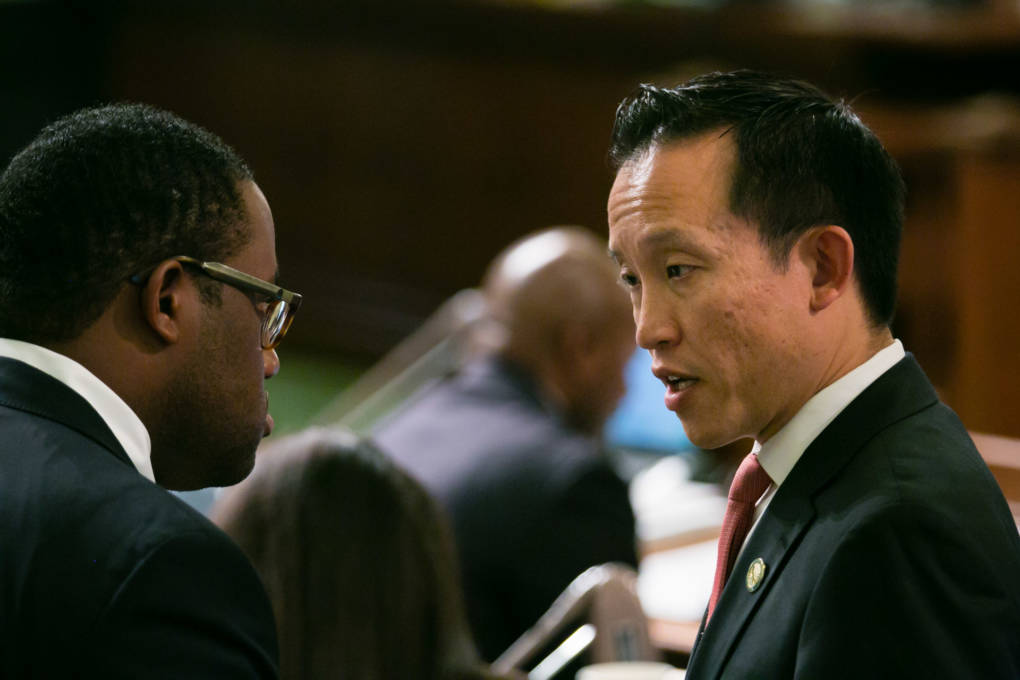
"caption": "Assemblyman David Chiu, D-San Francisco, (right) authored a state bill that would ban evictions for missing rent across California.",
"description": null,
"title": "David Chiu",
"credit": "Bert Johnson/KQED",
"status": "inherit",
"isLoading": false,
"fetchFailed": false
},
"news_11465970": {
"type": "attachments",
"id": "news_11465970",
"meta": {
"index": "attachments_1716263798",
"site": "news",
"id": "11465970",
"found": true
},
"parent": 11465966,
"imgSizes": {
"small": {
"file": "https://ww2.kqed.org/app/uploads/sites/10/2017/05/IMG_1783-e1495176078702-520x693.jpg",
"width": 520,
"mimeType": "image/jpeg",
"height": 693
},
"twentyfourteen-full-width": {
"file": "https://ww2.kqed.org/app/uploads/sites/10/2017/05/IMG_1783-e1495176078702-1038x576.jpg",
"width": 1038,
"mimeType": "image/jpeg",
"height": 576
},
"thumbnail": {
"file": "https://ww2.kqed.org/app/uploads/sites/10/2017/05/IMG_1783-e1495176078702-160x213.jpg",
"width": 160,
"mimeType": "image/jpeg",
"height": 213
},
"fd-sm": {
"file": "https://ww2.kqed.org/app/uploads/sites/10/2017/05/IMG_1783-e1495176078702-960x1280.jpg",
"width": 960,
"mimeType": "image/jpeg",
"height": 1280
},
"post-thumbnail": {
"file": "https://ww2.kqed.org/app/uploads/sites/10/2017/05/IMG_1783-e1495176078702-672x372.jpg",
"width": 672,
"mimeType": "image/jpeg",
"height": 372
},
"xsmall": {
"file": "https://ww2.kqed.org/app/uploads/sites/10/2017/05/IMG_1783-e1495176078702-375x500.jpg",
"width": 375,
"mimeType": "image/jpeg",
"height": 500
},
"kqedFullSize": {
"file": "https://ww2.kqed.org/app/uploads/sites/10/2017/05/IMG_1783-e1495215144284.jpg",
"width": 1920,
"height": 2560
},
"large": {
"file": "https://ww2.kqed.org/app/uploads/sites/10/2017/05/IMG_1783-e1495176078702-1020x1360.jpg",
"width": 1020,
"mimeType": "image/jpeg",
"height": 1360
},
"xlarge": {
"file": "https://ww2.kqed.org/app/uploads/sites/10/2017/05/IMG_1783-e1495176078702-1180x1573.jpg",
"width": 1180,
"mimeType": "image/jpeg",
"height": 1573
},
"guest-author-50": {
"file": "https://ww2.kqed.org/app/uploads/sites/10/2017/05/IMG_1783-e1495176078702-50x50.jpg",
"width": 50,
"mimeType": "image/jpeg",
"height": 50
},
"guest-author-96": {
"file": "https://ww2.kqed.org/app/uploads/sites/10/2017/05/IMG_1783-e1495176078702-96x96.jpg",
"width": 96,
"mimeType": "image/jpeg",
"height": 96
},
"medium": {
"file": "https://ww2.kqed.org/app/uploads/sites/10/2017/05/IMG_1783-e1495176078702-800x1067.jpg",
"width": 800,
"mimeType": "image/jpeg",
"height": 1067
},
"guest-author-64": {
"file": "https://ww2.kqed.org/app/uploads/sites/10/2017/05/IMG_1783-e1495176078702-64x64.jpg",
"width": 64,
"mimeType": "image/jpeg",
"height": 64
},
"guest-author-32": {
"file": "https://ww2.kqed.org/app/uploads/sites/10/2017/05/IMG_1783-e1495176078702-32x32.jpg",
"width": 32,
"mimeType": "image/jpeg",
"height": 32
},
"fd-lrg": {
"file": "https://ww2.kqed.org/app/uploads/sites/10/2017/05/IMG_1783-e1495176078702-1920x2560.jpg",
"width": 1920,
"mimeType": "image/jpeg",
"height": 2560
},
"fd-med": {
"file": "https://ww2.kqed.org/app/uploads/sites/10/2017/05/IMG_1783-e1495176078702-1180x1573.jpg",
"width": 1180,
"mimeType": "image/jpeg",
"height": 1573
},
"full-width": {
"file": "https://ww2.kqed.org/app/uploads/sites/10/2017/05/IMG_1783-e1495176078702-1920x2560.jpg",
"width": 1920,
"mimeType": "image/jpeg",
"height": 2560
},
"detail": {
"file": "https://ww2.kqed.org/app/uploads/sites/10/2017/05/IMG_1783-e1495176078702-150x150.jpg",
"width": 150,
"mimeType": "image/jpeg",
"height": 150
},
"guest-author-128": {
"file": "https://ww2.kqed.org/app/uploads/sites/10/2017/05/IMG_1783-e1495176078702-128x128.jpg",
"width": 128,
"mimeType": "image/jpeg",
"height": 128
},
"xxsmall": {
"file": "https://ww2.kqed.org/app/uploads/sites/10/2017/05/IMG_1783-e1495176078702-240x320.jpg",
"width": 240,
"mimeType": "image/jpeg",
"height": 320
}
},
"publishDate": 1495176022,
"modified": 1495176209,
"caption": "San Francisco Supervisor Jane Kim uses pies to explain new affordable housing requirements.",
"description": null,
"title": "Supervisor Kim explains affordable housing",
"credit": "Alissa Escarce/KQED",
"status": "inherit",
"isLoading": false,
"fetchFailed": false
},
"news_11450938": {
"type": "attachments",
"id": "news_11450938",
"meta": {
"index": "attachments_1716263798",
"site": "news",
"id": "11450938",
"found": true
},
"parent": 11450474,
"imgSizes": {
"small": {
"file": "https://ww2.kqed.org/app/uploads/sites/10/2017/05/GirlatHome-520x363.jpg",
"width": 520,
"mimeType": "image/jpeg",
"height": 363
},
"twentyfourteen-full-width": {
"file": "https://ww2.kqed.org/app/uploads/sites/10/2017/05/GirlatHome-1038x576.jpg",
"width": 1038,
"mimeType": "image/jpeg",
"height": 576
},
"thumbnail": {
"file": "https://ww2.kqed.org/app/uploads/sites/10/2017/05/GirlatHome-160x112.jpg",
"width": 160,
"mimeType": "image/jpeg",
"height": 112
},
"fd-sm": {
"file": "https://ww2.kqed.org/app/uploads/sites/10/2017/05/GirlatHome-960x671.jpg",
"width": 960,
"mimeType": "image/jpeg",
"height": 671
},
"post-thumbnail": {
"file": "https://ww2.kqed.org/app/uploads/sites/10/2017/05/GirlatHome-672x372.jpg",
"width": 672,
"mimeType": "image/jpeg",
"height": 372
},
"xsmall": {
"file": "https://ww2.kqed.org/app/uploads/sites/10/2017/05/GirlatHome-375x262.jpg",
"width": 375,
"mimeType": "image/jpeg",
"height": 262
},
"kqedFullSize": {
"file": "https://ww2.kqed.org/app/uploads/sites/10/2017/05/GirlatHome.jpg",
"width": 1920,
"height": 1342
},
"large": {
"file": "https://ww2.kqed.org/app/uploads/sites/10/2017/05/GirlatHome-1020x713.jpg",
"width": 1020,
"mimeType": "image/jpeg",
"height": 713
},
"xlarge": {
"file": "https://ww2.kqed.org/app/uploads/sites/10/2017/05/GirlatHome-1180x825.jpg",
"width": 1180,
"mimeType": "image/jpeg",
"height": 825
},
"guest-author-50": {
"file": "https://ww2.kqed.org/app/uploads/sites/10/2017/05/GirlatHome-50x50.jpg",
"width": 50,
"mimeType": "image/jpeg",
"height": 50
},
"guest-author-96": {
"file": "https://ww2.kqed.org/app/uploads/sites/10/2017/05/GirlatHome-96x96.jpg",
"width": 96,
"mimeType": "image/jpeg",
"height": 96
},
"medium": {
"file": "https://ww2.kqed.org/app/uploads/sites/10/2017/05/GirlatHome-800x559.jpg",
"width": 800,
"mimeType": "image/jpeg",
"height": 559
},
"guest-author-64": {
"file": "https://ww2.kqed.org/app/uploads/sites/10/2017/05/GirlatHome-64x64.jpg",
"width": 64,
"mimeType": "image/jpeg",
"height": 64
},
"guest-author-32": {
"file": "https://ww2.kqed.org/app/uploads/sites/10/2017/05/GirlatHome-32x32.jpg",
"width": 32,
"mimeType": "image/jpeg",
"height": 32
},
"fd-lrg": {
"file": "https://ww2.kqed.org/app/uploads/sites/10/2017/05/GirlatHome-1920x1342.jpg",
"width": 1920,
"mimeType": "image/jpeg",
"height": 1342
},
"fd-med": {
"file": "https://ww2.kqed.org/app/uploads/sites/10/2017/05/GirlatHome-1180x825.jpg",
"width": 1180,
"mimeType": "image/jpeg",
"height": 825
},
"full-width": {
"file": "https://ww2.kqed.org/app/uploads/sites/10/2017/05/GirlatHome-1920x1342.jpg",
"width": 1920,
"mimeType": "image/jpeg",
"height": 1342
},
"detail": {
"file": "https://ww2.kqed.org/app/uploads/sites/10/2017/05/GirlatHome-150x150.jpg",
"width": 150,
"mimeType": "image/jpeg",
"height": 150
},
"guest-author-128": {
"file": "https://ww2.kqed.org/app/uploads/sites/10/2017/05/GirlatHome-128x128.jpg",
"width": 128,
"mimeType": "image/jpeg",
"height": 128
},
"xxsmall": {
"file": "https://ww2.kqed.org/app/uploads/sites/10/2017/05/GirlatHome-240x168.jpg",
"width": 240,
"mimeType": "image/jpeg",
"height": 168
}
},
"publishDate": 1494458298,
"modified": 1494458319,
"caption": null,
"description": null,
"title": "GirlatHome",
"credit": "Getty Images",
"status": "inherit",
"isLoading": false,
"fetchFailed": false
}
},
"audioPlayerReducer": {
"postId": "stream_live",
"isPaused": true,
"isPlaying": false,
"pfsActive": false,
"pledgeModalIsOpen": true,
"playerDrawerIsOpen": false,
"liveAudioPlayStartedAt": 0,
"liveAudioPlayContext": ""
},
"authorsReducer": {
"byline_news_11620061": {
"type": "authors",
"id": "byline_news_11620061",
"meta": {
"override": true
},
"slug": "byline_news_11620061",
"name": "\u003cstrong>\u003ca href=\"https://calmatters.org/articles/author/ben-christopher/\">Ben Christopher\u003c/a>\u003c/strong>",
"isLoading": false
},
"byline_news_11615303": {
"type": "authors",
"id": "byline_news_11615303",
"meta": {
"override": true
},
"slug": "byline_news_11615303",
"name": "\u003cstrong>\u003ca href=\"https://www.scpr.org/about/people/staff/josie-huang\">Josie Huang\u003c/a>\u003c/strong>",
"isLoading": false
},
"byline_news_11575996": {
"type": "authors",
"id": "byline_news_11575996",
"meta": {
"override": true
},
"slug": "byline_news_11575996",
"name": "\u003cstrong>\u003ca href=\"https://twitter.com/lizgannes\">Liz Gannes\u003c/a>\u003c/strong>",
"isLoading": false
},
"byline_news_11450474": {
"type": "authors",
"id": "byline_news_11450474",
"meta": {
"override": true
},
"slug": "byline_news_11450474",
"name": "\u003cstrong>\u003ca href=\"https://calmatters.org/articles/author/matt-levin/\">Matt Levin\u003c/a>\u003c/strong>",
"isLoading": false
},
"gmarzorati": {
"type": "authors",
"id": "227",
"meta": {
"index": "authors_1716337520",
"id": "227",
"found": true
},
"name": "Guy Marzorati",
"firstName": "Guy",
"lastName": "Marzorati",
"slug": "gmarzorati",
"email": "gmarzorati@KQED.org",
"display_author_email": true,
"staff_mastheads": [
"news"
],
"title": "Correspondent",
"bio": "Guy Marzorati is a correspondent on KQED's California Politics and Government Desk, based in San Jose. A graduate of Santa Clara University, Guy joined KQED in 2013. He reports on state and local politics and produces KQED's digital voter guide.",
"avatar": "https://secure.gravatar.com/avatar/e7038b8dbfd55b104369b76b1cd0b9de?s=600&d=blank&r=g",
"twitter": "guymarzorati",
"facebook": null,
"instagram": null,
"linkedin": null,
"sites": [
{
"site": "",
"roles": [
"editor"
]
},
{
"site": "news",
"roles": [
"editor"
]
},
{
"site": "science",
"roles": [
"editor"
]
},
{
"site": "forum",
"roles": [
"editor"
]
},
{
"site": "elections",
"roles": [
"editor"
]
},
{
"site": "liveblog",
"roles": [
"editor"
]
}
],
"headData": {
"title": "Guy Marzorati | KQED",
"description": "Correspondent",
"ogImgSrc": "https://secure.gravatar.com/avatar/e7038b8dbfd55b104369b76b1cd0b9de?s=600&d=blank&r=g",
"twImgSrc": "https://secure.gravatar.com/avatar/e7038b8dbfd55b104369b76b1cd0b9de?s=600&d=blank&r=g"
},
"isLoading": false,
"link": "/author/gmarzorati"
},
"markfiore": {
"type": "authors",
"id": "3236",
"meta": {
"index": "authors_1716337520",
"id": "3236",
"found": true
},
"name": "Mark Fiore",
"firstName": "Mark",
"lastName": "Fiore",
"slug": "markfiore",
"email": "mark@markfiore.com",
"display_author_email": false,
"staff_mastheads": [
"news"
],
"title": "KQED News Cartoonist",
"bio": "\u003ca href=\"http://www.MarkFiore.com\">MarkFiore.com\u003c/a> | \u003ca href=\"https://twitter.com/markfiore\">Follow on Twitter\u003c/a> | \u003ca href=\"https://www.facebook.com/pages/Mark-Fiore-Animated-Political-Cartoons/94451707396?ref=bookmarks\">Facebook\u003c/a> | \u003ca href=\"mailto:mark@markfiore.com\">email\u003c/a>\r\n\r\nPulitzer Prize-winner, Mark Fiore, who the Wall Street Journal has called “the undisputed guru of the form,” creates animated political cartoons in San Francisco, where his work has been featured regularly on the San Francisco Chronicle’s web site, SFGate.com. His work has appeared on Newsweek.com, Slate.com, CBSNews.com, MotherJones.com, DailyKos.com and NPR’s web site. Fiore’s political animation has appeared on CNN, Frontline, Bill Moyers Journal, Salon.com and cable and broadcast outlets across the globe.\r\n\r\nBeginning his professional life by drawing traditional political cartoons for newspapers, Fiore’s work appeared in publications ranging from the Washington Post to the Los Angeles Times. In the late 1990s, he began to experiment with animating political cartoons and, after a short stint at the San Jose Mercury News as their staff cartoonist, Fiore devoted all his energies to animation.\r\nGrowing up in California, Fiore also spent a good portion of his life in the backwoods of Idaho. It was this combination that shaped him politically. Mark majored in political science at Colorado College, where, in a perfect send-off for a cartoonist, he received his diploma in 1991 as commencement speaker Dick Cheney smiled approvingly.\r\nMark Fiore was awarded the Pulitzer Prize for political cartooning in 2010, a Robert F. Kennedy Journalism Award in 2004 and has twice received an Online Journalism Award for commentary from the Online News Association (2002, 2008). Fiore has received two awards for his work in new media from the National Cartoonists Society (2001, 2002), and in 2006 received The James Madison Freedom of Information Award from The Society of Professional Journalists.",
"avatar": "https://secure.gravatar.com/avatar/fc4e2a612b15b67bad0c6f0e1db4ca9b?s=600&d=blank&r=g",
"twitter": "MarkFiore",
"facebook": null,
"instagram": "https://www.instagram.com/markfiore/?hl=en",
"linkedin": null,
"sites": [
{
"site": "arts",
"roles": [
"contributor"
]
},
{
"site": "news",
"roles": [
"editor"
]
},
{
"site": "futureofyou",
"roles": [
"editor"
]
},
{
"site": "science",
"roles": [
"editor"
]
}
],
"headData": {
"title": "Mark Fiore | KQED",
"description": "KQED News Cartoonist",
"ogImgSrc": "https://secure.gravatar.com/avatar/fc4e2a612b15b67bad0c6f0e1db4ca9b?s=600&d=blank&r=g",
"twImgSrc": "https://secure.gravatar.com/avatar/fc4e2a612b15b67bad0c6f0e1db4ca9b?s=600&d=blank&r=g"
},
"isLoading": false,
"link": "/author/markfiore"
},
"vrancano": {
"type": "authors",
"id": "11276",
"meta": {
"index": "authors_1716337520",
"id": "11276",
"found": true
},
"name": "Vanessa Rancaño",
"firstName": "Vanessa",
"lastName": "Rancaño",
"slug": "vrancano",
"email": "vrancano@kqed.org",
"display_author_email": false,
"staff_mastheads": [
"news"
],
"title": "Reporter",
"bio": "Vanessa Rancaño is a features reporter for KQED. She’s also covered homelessness and education for the station and reported from the Central Valley. Her work has aired across public radio, from flagship national news shows to longform narrative podcasts. Before taking up a mic, she worked as a freelance print journalist. She’s been recognized with a number of national and regional awards. Vanessa grew up in California's Central Valley. She's a former NPR Kroc Fellow, and a graduate of the UC Berkeley Graduate School of Journalism.",
"avatar": "https://secure.gravatar.com/avatar/b3a383dfb0e7ee1c17568f2cf067904ab654d6e3de9743fc661f3c788ade1bed?s=600&d=blank&r=g",
"twitter": "vanessarancano",
"bluesky": null,
"facebook": null,
"instagram": null,
"linkedin": null,
"sites": [
{
"site": "arts",
"roles": [
"editor"
]
},
{
"site": "news",
"roles": [
"editor"
]
},
{
"site": "liveblog",
"roles": [
"contributor"
]
}
],
"headData": {
"title": "Vanessa Rancaño | KQED",
"description": "Reporter",
"ogImgSrc": "https://secure.gravatar.com/avatar/b3a383dfb0e7ee1c17568f2cf067904ab654d6e3de9743fc661f3c788ade1bed?s=600&d=blank&r=g",
"twImgSrc": "https://secure.gravatar.com/avatar/b3a383dfb0e7ee1c17568f2cf067904ab654d6e3de9743fc661f3c788ade1bed?s=600&d=blank&r=g"
},
"isLoading": false,
"link": "/author/vrancano"
},
"aescarce": {
"type": "authors",
"id": "11337",
"meta": {
"index": "authors_1716337520",
"id": "11337",
"found": true
},
"name": "Alissa Escarce",
"firstName": "Alissa",
"lastName": "Escarce",
"slug": "aescarce",
"email": "AEscarce@KQED.org",
"display_author_email": false,
"staff_mastheads": [],
"title": "KQED Contributor",
"bio": "Alissa Escarce is a former radio news intern for KQED. She is also an independent radio producer whose work on urban planning, immigration, and agriculture has appeared on NPR's Latino USA, KCRW, and Radio Bilingue. Email: aescarce@kqed.org Twitter: @Alissa Escarce",
"avatar": "https://secure.gravatar.com/avatar/6b67efb4a15999ffba7cc1a680cb87b1?s=600&d=blank&r=g",
"twitter": "AlissaEscarce",
"facebook": null,
"instagram": null,
"linkedin": null,
"sites": [
{
"site": "news",
"roles": [
"subscriber"
]
}
],
"headData": {
"title": "Alissa Escarce | KQED",
"description": "KQED Contributor",
"ogImgSrc": "https://secure.gravatar.com/avatar/6b67efb4a15999ffba7cc1a680cb87b1?s=600&d=blank&r=g",
"twImgSrc": "https://secure.gravatar.com/avatar/6b67efb4a15999ffba7cc1a680cb87b1?s=600&d=blank&r=g"
},
"isLoading": false,
"link": "/author/aescarce"
},
"eaguilar": {
"type": "authors",
"id": "11382",
"meta": {
"index": "authors_1716337520",
"id": "11382",
"found": true
},
"name": "Erika Aguilar",
"firstName": "Erika",
"lastName": "Aguilar",
"slug": "eaguilar",
"email": "eaa712@gmail.com",
"display_author_email": false,
"staff_mastheads": [],
"title": "KQED Contributor",
"bio": "Erika Aguilar was the director of podcasts at KQED. She was in charge of KQED's portfolio of original podcasts and teams, and sets strategic plans for production and engagement.\r\n\r\nErika helped establish KQED's new housing affordability desk as senior editor. She was also a producer and editor for KQED's local news podcast called \u003cem>The Bay, \u003c/em>and wrote stories about housing in the Bay Area as a reporter for KQED News.\r\n\r\nErika joined KQED in 2017 after producing independent audio projects and podcasts in Southern California. She spent more than a dozen years reporting stories about law enforcement, breaking news, homelessness, government and the environment for KPCC in Los Angeles and KUT in Austin. She also volunteers as an editor and mentor for various journalism training programs.\r\n\r\nErika Aguilar is a proud Tejana from San Antonio. She believes in compromise, optimism and Selena.",
"avatar": "https://secure.gravatar.com/avatar/85bf7bb8dd9af4136525d94cef00f026?s=600&d=blank&r=g",
"twitter": "erikaaaguilar",
"facebook": null,
"instagram": null,
"linkedin": null,
"sites": [
{
"site": "",
"roles": [
"editor"
]
},
{
"site": "news",
"roles": [
"subscriber"
]
},
{
"site": "podcasts",
"roles": [
"editor"
]
}
],
"headData": {
"title": "Erika Aguilar | KQED",
"description": "KQED Contributor",
"ogImgSrc": "https://secure.gravatar.com/avatar/85bf7bb8dd9af4136525d94cef00f026?s=600&d=blank&r=g",
"twImgSrc": "https://secure.gravatar.com/avatar/85bf7bb8dd9af4136525d94cef00f026?s=600&d=blank&r=g"
},
"isLoading": false,
"link": "/author/eaguilar"
}
},
"pagesReducer": {
"news_tag_affordable-housing": {
"type": "terms",
"id": "news_3921",
"meta": {
"index": "terms_1716263798",
"site": "news",
"id": "3921",
"score": 9.304595
},
"featImg": null,
"name": "affordable housing",
"description": null,
"taxonomy": "tag",
"headData": {
"twImgId": null,
"twTitle": null,
"ogTitle": null,
"ogImgId": null,
"twDescription": null,
"description": null,
"title": "affordable housing Archives | KQED News",
"ogDescription": null
},
"ttid": 3940,
"slug": "affordable-housing",
"isLoading": false,
"title": "affordable housing",
"pageMeta": {
"site": "news",
"WpPageTemplate": "page-topic-editorial",
"currentPage": 47
},
"blocks": [
{
"blockName": "kqed/post-list",
"attrs": {
"layout": "cardArticle2",
"query": "posts/news?tag=affordable-housing",
"seeMore": false,
"paginated": true,
"page": 47
}
},
{
"blockName": "kqed/ad"
}
]
}
},
"pfsSessionReducer": {},
"postsReducer": {
"stream_live": {
"type": "live",
"id": "stream_live",
"audioUrl": "https://streams.kqed.org/kqedradio",
"title": "Live Stream",
"excerpt": "Live Stream information currently unavailable.",
"link": "/radio",
"featImg": "",
"label": {
"name": "KQED Live",
"link": "/"
}
},
"stream_kqedNewscast": {
"type": "posts",
"id": "stream_kqedNewscast",
"audioUrl": "https://www.kqed.org/.stream/anon/radio/RDnews/newscast.mp3?_=1",
"title": "KQED Newscast",
"featImg": "",
"label": {
"name": "88.5 FM",
"link": "/"
}
},
"news_11620061": {
"type": "posts",
"id": "news_11620061",
"meta": {
"index": "posts_1716263798",
"site": "news",
"id": "11620061",
"score": null,
"sort": [
1506728453000
]
},
"parent": 0,
"labelTerm": {},
"blocks": [],
"publishDate": 1506728453,
"format": "standard",
"disqusTitle": "As Gov. Brown Signs New Housing Laws, Cities Get Ready -- On Their Own Terms",
"title": "As Gov. Brown Signs New Housing Laws, Cities Get Ready -- On Their Own Terms",
"headTitle": "The California Report | KQED News",
"content": "\u003cp>Gov. Jerry Brown has signed into law more than a dozen bills to address California’s \u003ca href=\"https://calmatters.org/articles/housing-costs-high-california/\" rel=\"noopener\" target=\"_blank\">housing crisis\u003c/a>. Now it's up to cities and counties to begin faithfully (or maybe not so faithfully) enacting the state’s new housing agenda. \u003c/p>\n\u003cp>That process has already begun.\u003c/p>\n\u003cp>“The idea is that we have to comply with these laws of the state of California now,” said Berkeley Mayor Jesse Arreguín, whose city has been defined for years by fights between pro- and slow-development forces. “And so how can we comply ... but also preserve some degree of local control?” \u003c/p>\n\u003cp>The tension between cities’ traditional prerogative over local land use and the state’s broader interest in more housing for dwelling-strapped California framed much of the housing debate in Sacramento this year. Now officials in San Jose, San Luis Obispo, Redondo Beach and other locales are exploring how to work within the new rules -- on their own terms.\u003c/p>\n\u003cp>Arreguín applauds state lawmakers for finally taking action on an issue that cities have been fighting alone for years. New funding is particularly welcome. A pair of new laws offer the promise of fresh dollars for affordable housing construction via a new \u003ca href=\"https://leginfo.legislature.ca.gov/faces/billNavClient.xhtml?bill_id=201720180SB2\" rel=\"noopener\" target=\"_blank\">fee\u003c/a> on real estate documents and a 2018 \u003ca href=\"https://leginfo.legislature.ca.gov/faces/billNavClient.xhtml?bill_id=201720180SB3\" rel=\"noopener\" target=\"_blank\">bond measure\u003c/a>. Those proposals earned the plaudits of local elected leaders and governance groups across the state, including the League of California Cities. \u003c/p>\n\u003cfigure id=\"attachment_11620065\" class=\"wp-caption alignright\" style=\"max-width: 350px\">\u003cimg src=\"https://ww2.kqed.org/news/wp-content/uploads/sites/10/2017/09/JesseArreguin.jpg\" alt=\"Berkeley Mayor Jesse Arreguín\" width=\"350\" height=\"233\" class=\"size-full wp-image-11620065\" srcset=\"https://ww2.kqed.org/app/uploads/sites/10/2017/09/JesseArreguin.jpg 350w, https://ww2.kqed.org/app/uploads/sites/10/2017/09/JesseArreguin-160x107.jpg 160w, https://ww2.kqed.org/app/uploads/sites/10/2017/09/JesseArreguin-240x160.jpg 240w\" sizes=\"(max-width: 350px) 100vw, 350px\">\u003cfigcaption class=\"wp-caption-text\">Berkeley Mayor Jesse Arreguín \u003ccite>(City of Berkeley)\u003c/cite>\u003c/figcaption>\u003c/figure>\n\u003cp>But like most local leaders, Arreguín also has his share of reservations, especially about measures that could make it more difficult to deny new projects they disapprove of. \u003c/p>\n\u003cp>[ad fullwidth]\u003c/p>\n\u003cp>One will \u003ca href=\"https://leginfo.legislature.ca.gov/faces/billNavClient.xhtml?bill_id=201720180SB35\" rel=\"noopener\" target=\"_blank\">require\u003c/a> cities that aren’t meeting their state-determined targets for housing production to offer developers an alternative, “streamlined” approval process. To qualify for fast-track treatment, new multifamily housing developments will have to meet current zoning standards, set aside a certain share of below-market units and pay their workers union wages. \u003c/p>\n\u003cp>How many developers will be willing to tick those boxes is unclear, but proponents call streamlining a necessary measure to bypass NIMBY obstructionism. Many cities call it a usurpation of local authority.\u003c/p>\n\u003cp>Another \u003ca href=\"https://leginfo.legislature.ca.gov/faces/billNavClient.xhtml?bill_id=201720180SB167\" rel=\"noopener\" target=\"_blank\">measure\u003c/a> will make it harder for cities to deny new housing projects if they otherwise comply with local rules, and will raise the penalty for municipalities that wrongly do so.\u003c/p>\n\u003cp>The city of Berkeley did not officially adopt a position on either bill while lawmakers were considering them. But a local response is now in the works.\u003c/p>\n\u003cp>Arreguín said he is developing a Berkeley-specific streamlining process that would be available to developers in addition to the new state process. His alternative is still in its early stages, but the mayor hopes it will steer developers toward low- and moderate-income projects and those providing additional community benefits that are still undefined.\u003c/p>\n\u003cp>The city’s planning commission is also working on tighter zoning laws that would feature new density requirements and design standards while staying in tune with state law. \u003c/p>\n\u003cp>“If we set local requirements that still give the city some flexibility in shaping -- not denying -- but shaping projects, we can ensure compliance with [new laws] and still maintain some degree of control,” Arreguín said. \u003c/p>\n\u003cp>A similar conversation is taking place across San Francisco Bay in Corte Madera, a small town in Marin County.\u003c/p>\n\u003cp>Ever since the town approved a 180-unit apartment complex along Highway 101 over the vociferous objections of some community members, Vice Mayor Carla Condon said the town is looking for less obtrusive ways to expand the housing stock. \u003c/p>\n\u003cfigure id=\"attachment_11620075\" class=\"wp-caption aligncenter\" style=\"max-width: 800px\">\u003cimg src=\"https://ww2.kqed.org/news/wp-content/uploads/sites/10/2017/09/CorteMadera-800x534.jpg\" alt=\"Corte Madera is one city trying to thread the needle between new state mandates and local interests.\" width=\"800\" height=\"534\" class=\"size-medium wp-image-11620075\" srcset=\"https://ww2.kqed.org/app/uploads/sites/10/2017/09/CorteMadera-800x534.jpg 800w, https://ww2.kqed.org/app/uploads/sites/10/2017/09/CorteMadera-160x107.jpg 160w, https://ww2.kqed.org/app/uploads/sites/10/2017/09/CorteMadera-1020x681.jpg 1020w, https://ww2.kqed.org/app/uploads/sites/10/2017/09/CorteMadera.jpg 1920w, https://ww2.kqed.org/app/uploads/sites/10/2017/09/CorteMadera-1180x787.jpg 1180w, https://ww2.kqed.org/app/uploads/sites/10/2017/09/CorteMadera-960x641.jpg 960w, https://ww2.kqed.org/app/uploads/sites/10/2017/09/CorteMadera-240x160.jpg 240w, https://ww2.kqed.org/app/uploads/sites/10/2017/09/CorteMadera-375x250.jpg 375w, https://ww2.kqed.org/app/uploads/sites/10/2017/09/CorteMadera-520x347.jpg 520w\" sizes=\"(max-width: 800px) 100vw, 800px\">\u003cfigcaption class=\"wp-caption-text\">Corte Madera is one city trying to thread the needle between new state mandates and local interests. \u003ccite>(Wikimedia Commons)\u003c/cite>\u003c/figcaption>\u003c/figure>\n\u003cp>One option the town is considering is to waive fees and loosen regulations on secondary dwellings, those fashioned within or near a main home. This might make it easier to convert a basement into an apartment or build a tiny house in a backyard.\u003c/p>\n\u003cp>“We’re doing our best to be compliant but also to try to maintain the small-town character that everybody really cherishes in this community,” Condon said. \u003c/p>\n\u003cp>It’s not clear that secondary units will accommodate the town’s housing needs indefinitely. But for now, Condon says, Corte Madera is producing more housing than the state requires.\u003c/p>\n\u003cp>While Berkeley and Corte Madera try to thread the needle between new state mandates and local interests, other cities are considering blunter instruments. \u003c/p>\n\u003cp>Last week, Redondo Beach placed a 10-and-a-half month-long moratorium on new mixed-use development projects. \u003c/p>\n\u003cp>According to Nils Nehrenheim, a city council member and local slow-growth activist, the ban has been in the works for years but now comes in the nick of time. \u003c/p>\n\u003cp>“Thankfully, we’re starting this this month,” he said. \u003c/p>\n\u003cp>The city attorney’s office and the Department of Community Development are looking into how the various housing bills would affect planning decisions. The goal, Nehrenheim said, is “to learn if we can mitigate some of these issues.”\u003c/p>\n\u003cp>City leaders have also discussed pushing back against the state’s housing-production targets, though it isn’t yet clear how.\u003c/p>\n\u003cp>“We’re going to have to start having more conversations with state legislators” about adjusting those targets, said Nehrenheim. “We’re all very concerned about the loss of local control -- no matter what side of the issue you stand on in terms of development.”\u003c/p>\n\u003cp>Local lawmakers often face tremendous pressure to block, stall or renegotiate unpopular projects. Soon they won’t have as much power to respond to that pressure -- but that isn’t necessarily a bad thing, said Aaron Gomez, who sits on the City Council in San Luis Obispo. \u003c/p>\n\u003cp>Decisions about land use inevitably leave some constituents unhappy. Mandatory streamlining may allow local lawmakers to blame the state if faced with angry voters. \u003c/p>\n\u003cp>“I do like the political cover of that,” Gomez said. “It just limits that conversation.” \u003c/p>\n\u003cp>Others have quietly stomached any threat to their authority over planning as the price of the help they need. \u003c/p>\n\u003cp>“Philosophically, we don’t want the state to necessarily be encroaching on this part of the work that we do as a city,” said Jacky Morales-Ferrand, director of housing for the city of San Jose. But, she said, the city “wanted to create a path forward for some of those signature housing bills that we’ve been waiting on for a long time.”\u003c/p>\n\u003cp>Chief among them is \u003ca href=\"https://leginfo.legislature.ca.gov/faces/billNavClient.xhtml?bill_id=201720180AB1505\" rel=\"noopener\" target=\"_blank\">one\u003c/a> that will effectively reverse a 2009 California court \u003ca href=\"http://caselaw.findlaw.com/ca-court-of-appeal/1077003.html\" rel=\"noopener\" target=\"_blank\">decision\u003c/a> that barred cities from forcing rental-property developers to offer a certain number of new units at below-market rates. Cities across the Bay Area, in Los Angeles and even in rural communities such as Tuolumne County are all now dusting off and re-examining their old inclusionary-housing ordinances.\u003c/p>\n\u003cp>Morales-Ferrand said she hopes the city will “turn on” the policy as soon as Jan. 1.\u003c/p>\n\u003cp>[ad floatright]\u003c/p>\n\u003cp>\u003cem>CALmatters.org is a nonprofit, nonpartisan media venture explaining California policies and politics.\u003c/em>\u003c/p>\n\n",
"disqusIdentifier": "11620061 https://ww2.kqed.org/news/?p=11620061",
"disqusUrl": "https://ww2.kqed.org/news/2017/09/29/as-gov-brown-signs-new-housing-laws-cities-get-ready-on-their-own-terms/",
"stats": {
"hasVideo": false,
"hasChartOrMap": false,
"hasAudio": false,
"hasPolis": false,
"wordCount": 1215,
"hasGoogleForm": false,
"hasGallery": false,
"hasHearkenModule": false,
"iframeSrcs": [],
"paragraphCount": 35
},
"modified": 1506728453,
"excerpt": "The tension between cities' traditional prerogative over local land use and the state's broader interest in alleviating California's housing crisis has framed much of the housing debate in Sacramento.",
"headData": {
"twImgId": "",
"twTitle": "",
"ogTitle": "",
"ogImgId": "",
"twDescription": "",
"description": "The tension between cities' traditional prerogative over local land use and the state's broader interest in alleviating California's housing crisis has framed much of the housing debate in Sacramento.",
"title": "As Gov. Brown Signs New Housing Laws, Cities Get Ready -- On Their Own Terms | KQED",
"ogDescription": "",
"schema": {
"@context": "https://schema.org",
"@type": "NewsArticle",
"headline": "As Gov. Brown Signs New Housing Laws, Cities Get Ready -- On Their Own Terms",
"datePublished": "2017-09-29T16:40:53-07:00",
"dateModified": "2017-09-29T16:40:53-07:00",
"image": "https://cdn.kqed.org/wp-content/uploads/2020/02/KQED-OG-Image@1x.png",
"isAccessibleForFree": "True",
"publisher": {
"@type": "NewsMediaOrganization",
"@id": "https://www.kqed.org/#organization",
"name": "KQED",
"logo": "https://cdn.kqed.org/wp-content/uploads/2020/02/KQED-OG-Image@1x.png",
"url": "https://www.kqed.org",
"sameAs": [
"https://www.facebook.com/KQED",
"https://twitter.com/KQED",
"https://www.instagram.com/kqed/",
"https://www.tiktok.com/@kqedofficial",
"https://www.linkedin.com/company/kqed",
"https://www.youtube.com/channel/UCeC0IOo7i1P_61zVUWbJ4nw"
]
}
}
},
"guestAuthors": [],
"slug": "as-gov-brown-signs-new-housing-laws-cities-get-ready-on-their-own-terms",
"status": "publish",
"sourceUrl": "https://calmatters.org/",
"nprByline": "\u003cstrong>\u003ca href=\"https://calmatters.org/articles/author/ben-christopher/\">Ben Christopher\u003c/a>\u003c/strong>",
"source": "CALmatters",
"path": "/news/11620061/as-gov-brown-signs-new-housing-laws-cities-get-ready-on-their-own-terms",
"audioTrackLength": null,
"parsedContent": [
{
"type": "contentString",
"content": "\u003cdiv class=\"post-body\">\u003cp>\u003cp>Gov. Jerry Brown has signed into law more than a dozen bills to address California’s \u003ca href=\"https://calmatters.org/articles/housing-costs-high-california/\" rel=\"noopener\" target=\"_blank\">housing crisis\u003c/a>. Now it's up to cities and counties to begin faithfully (or maybe not so faithfully) enacting the state’s new housing agenda. \u003c/p>\n\u003cp>That process has already begun.\u003c/p>\n\u003cp>“The idea is that we have to comply with these laws of the state of California now,” said Berkeley Mayor Jesse Arreguín, whose city has been defined for years by fights between pro- and slow-development forces. “And so how can we comply ... but also preserve some degree of local control?” \u003c/p>\n\u003cp>The tension between cities’ traditional prerogative over local land use and the state’s broader interest in more housing for dwelling-strapped California framed much of the housing debate in Sacramento this year. Now officials in San Jose, San Luis Obispo, Redondo Beach and other locales are exploring how to work within the new rules -- on their own terms.\u003c/p>\n\u003cp>Arreguín applauds state lawmakers for finally taking action on an issue that cities have been fighting alone for years. New funding is particularly welcome. A pair of new laws offer the promise of fresh dollars for affordable housing construction via a new \u003ca href=\"https://leginfo.legislature.ca.gov/faces/billNavClient.xhtml?bill_id=201720180SB2\" rel=\"noopener\" target=\"_blank\">fee\u003c/a> on real estate documents and a 2018 \u003ca href=\"https://leginfo.legislature.ca.gov/faces/billNavClient.xhtml?bill_id=201720180SB3\" rel=\"noopener\" target=\"_blank\">bond measure\u003c/a>. Those proposals earned the plaudits of local elected leaders and governance groups across the state, including the League of California Cities. \u003c/p>\n\u003cfigure id=\"attachment_11620065\" class=\"wp-caption alignright\" style=\"max-width: 350px\">\u003cimg src=\"https://ww2.kqed.org/news/wp-content/uploads/sites/10/2017/09/JesseArreguin.jpg\" alt=\"Berkeley Mayor Jesse Arreguín\" width=\"350\" height=\"233\" class=\"size-full wp-image-11620065\" srcset=\"https://ww2.kqed.org/app/uploads/sites/10/2017/09/JesseArreguin.jpg 350w, https://ww2.kqed.org/app/uploads/sites/10/2017/09/JesseArreguin-160x107.jpg 160w, https://ww2.kqed.org/app/uploads/sites/10/2017/09/JesseArreguin-240x160.jpg 240w\" sizes=\"(max-width: 350px) 100vw, 350px\">\u003cfigcaption class=\"wp-caption-text\">Berkeley Mayor Jesse Arreguín \u003ccite>(City of Berkeley)\u003c/cite>\u003c/figcaption>\u003c/figure>\n\u003cp>But like most local leaders, Arreguín also has his share of reservations, especially about measures that could make it more difficult to deny new projects they disapprove of. \u003c/p>\n\u003cp>\u003c/p>\u003c/div>",
"attributes": {
"named": {},
"numeric": []
}
},
{
"type": "component",
"content": "",
"name": "ad",
"attributes": {
"named": {
"label": "fullwidth"
},
"numeric": [
"fullwidth"
]
}
},
{
"type": "contentString",
"content": "\u003cdiv class=\"post-body\">\u003cp>\u003c/p>\n\u003cp>One will \u003ca href=\"https://leginfo.legislature.ca.gov/faces/billNavClient.xhtml?bill_id=201720180SB35\" rel=\"noopener\" target=\"_blank\">require\u003c/a> cities that aren’t meeting their state-determined targets for housing production to offer developers an alternative, “streamlined” approval process. To qualify for fast-track treatment, new multifamily housing developments will have to meet current zoning standards, set aside a certain share of below-market units and pay their workers union wages. \u003c/p>\n\u003cp>How many developers will be willing to tick those boxes is unclear, but proponents call streamlining a necessary measure to bypass NIMBY obstructionism. Many cities call it a usurpation of local authority.\u003c/p>\n\u003cp>Another \u003ca href=\"https://leginfo.legislature.ca.gov/faces/billNavClient.xhtml?bill_id=201720180SB167\" rel=\"noopener\" target=\"_blank\">measure\u003c/a> will make it harder for cities to deny new housing projects if they otherwise comply with local rules, and will raise the penalty for municipalities that wrongly do so.\u003c/p>\n\u003cp>The city of Berkeley did not officially adopt a position on either bill while lawmakers were considering them. But a local response is now in the works.\u003c/p>\n\u003cp>Arreguín said he is developing a Berkeley-specific streamlining process that would be available to developers in addition to the new state process. His alternative is still in its early stages, but the mayor hopes it will steer developers toward low- and moderate-income projects and those providing additional community benefits that are still undefined.\u003c/p>\n\u003cp>The city’s planning commission is also working on tighter zoning laws that would feature new density requirements and design standards while staying in tune with state law. \u003c/p>\n\u003cp>“If we set local requirements that still give the city some flexibility in shaping -- not denying -- but shaping projects, we can ensure compliance with [new laws] and still maintain some degree of control,” Arreguín said. \u003c/p>\n\u003cp>A similar conversation is taking place across San Francisco Bay in Corte Madera, a small town in Marin County.\u003c/p>\n\u003cp>Ever since the town approved a 180-unit apartment complex along Highway 101 over the vociferous objections of some community members, Vice Mayor Carla Condon said the town is looking for less obtrusive ways to expand the housing stock. \u003c/p>\n\u003cfigure id=\"attachment_11620075\" class=\"wp-caption aligncenter\" style=\"max-width: 800px\">\u003cimg src=\"https://ww2.kqed.org/news/wp-content/uploads/sites/10/2017/09/CorteMadera-800x534.jpg\" alt=\"Corte Madera is one city trying to thread the needle between new state mandates and local interests.\" width=\"800\" height=\"534\" class=\"size-medium wp-image-11620075\" srcset=\"https://ww2.kqed.org/app/uploads/sites/10/2017/09/CorteMadera-800x534.jpg 800w, https://ww2.kqed.org/app/uploads/sites/10/2017/09/CorteMadera-160x107.jpg 160w, https://ww2.kqed.org/app/uploads/sites/10/2017/09/CorteMadera-1020x681.jpg 1020w, https://ww2.kqed.org/app/uploads/sites/10/2017/09/CorteMadera.jpg 1920w, https://ww2.kqed.org/app/uploads/sites/10/2017/09/CorteMadera-1180x787.jpg 1180w, https://ww2.kqed.org/app/uploads/sites/10/2017/09/CorteMadera-960x641.jpg 960w, https://ww2.kqed.org/app/uploads/sites/10/2017/09/CorteMadera-240x160.jpg 240w, https://ww2.kqed.org/app/uploads/sites/10/2017/09/CorteMadera-375x250.jpg 375w, https://ww2.kqed.org/app/uploads/sites/10/2017/09/CorteMadera-520x347.jpg 520w\" sizes=\"(max-width: 800px) 100vw, 800px\">\u003cfigcaption class=\"wp-caption-text\">Corte Madera is one city trying to thread the needle between new state mandates and local interests. \u003ccite>(Wikimedia Commons)\u003c/cite>\u003c/figcaption>\u003c/figure>\n\u003cp>One option the town is considering is to waive fees and loosen regulations on secondary dwellings, those fashioned within or near a main home. This might make it easier to convert a basement into an apartment or build a tiny house in a backyard.\u003c/p>\n\u003cp>“We’re doing our best to be compliant but also to try to maintain the small-town character that everybody really cherishes in this community,” Condon said. \u003c/p>\n\u003cp>It’s not clear that secondary units will accommodate the town’s housing needs indefinitely. But for now, Condon says, Corte Madera is producing more housing than the state requires.\u003c/p>\n\u003cp>While Berkeley and Corte Madera try to thread the needle between new state mandates and local interests, other cities are considering blunter instruments. \u003c/p>\n\u003cp>Last week, Redondo Beach placed a 10-and-a-half month-long moratorium on new mixed-use development projects. \u003c/p>\n\u003cp>According to Nils Nehrenheim, a city council member and local slow-growth activist, the ban has been in the works for years but now comes in the nick of time. \u003c/p>\n\u003cp>“Thankfully, we’re starting this this month,” he said. \u003c/p>\n\u003cp>The city attorney’s office and the Department of Community Development are looking into how the various housing bills would affect planning decisions. The goal, Nehrenheim said, is “to learn if we can mitigate some of these issues.”\u003c/p>\n\u003cp>City leaders have also discussed pushing back against the state’s housing-production targets, though it isn’t yet clear how.\u003c/p>\n\u003cp>“We’re going to have to start having more conversations with state legislators” about adjusting those targets, said Nehrenheim. “We’re all very concerned about the loss of local control -- no matter what side of the issue you stand on in terms of development.”\u003c/p>\n\u003cp>Local lawmakers often face tremendous pressure to block, stall or renegotiate unpopular projects. Soon they won’t have as much power to respond to that pressure -- but that isn’t necessarily a bad thing, said Aaron Gomez, who sits on the City Council in San Luis Obispo. \u003c/p>\n\u003cp>Decisions about land use inevitably leave some constituents unhappy. Mandatory streamlining may allow local lawmakers to blame the state if faced with angry voters. \u003c/p>\n\u003cp>“I do like the political cover of that,” Gomez said. “It just limits that conversation.” \u003c/p>\n\u003cp>Others have quietly stomached any threat to their authority over planning as the price of the help they need. \u003c/p>\n\u003cp>“Philosophically, we don’t want the state to necessarily be encroaching on this part of the work that we do as a city,” said Jacky Morales-Ferrand, director of housing for the city of San Jose. But, she said, the city “wanted to create a path forward for some of those signature housing bills that we’ve been waiting on for a long time.”\u003c/p>\n\u003cp>Chief among them is \u003ca href=\"https://leginfo.legislature.ca.gov/faces/billNavClient.xhtml?bill_id=201720180AB1505\" rel=\"noopener\" target=\"_blank\">one\u003c/a> that will effectively reverse a 2009 California court \u003ca href=\"http://caselaw.findlaw.com/ca-court-of-appeal/1077003.html\" rel=\"noopener\" target=\"_blank\">decision\u003c/a> that barred cities from forcing rental-property developers to offer a certain number of new units at below-market rates. Cities across the Bay Area, in Los Angeles and even in rural communities such as Tuolumne County are all now dusting off and re-examining their old inclusionary-housing ordinances.\u003c/p>\n\u003cp>Morales-Ferrand said she hopes the city will “turn on” the policy as soon as Jan. 1.\u003c/p>\n\u003cp>\u003c/p>\u003c/div>",
"attributes": {
"named": {},
"numeric": []
}
},
{
"type": "component",
"content": "",
"name": "ad",
"attributes": {
"named": {
"label": "floatright"
},
"numeric": [
"floatright"
]
}
},
{
"type": "contentString",
"content": "\u003cdiv class=\"post-body\">\u003cp>\u003c/p>\n\u003cp>\u003cem>CALmatters.org is a nonprofit, nonpartisan media venture explaining California policies and politics.\u003c/em>\u003c/p>\n\n\u003c/div>\u003c/p>",
"attributes": {
"named": {},
"numeric": []
}
}
],
"link": "/news/11620061/as-gov-brown-signs-new-housing-laws-cities-get-ready-on-their-own-terms",
"authors": [
"byline_news_11620061"
],
"programs": [
"news_6944",
"news_72"
],
"categories": [
"news_1758",
"news_6266",
"news_8",
"news_13"
],
"tags": [
"news_3921",
"news_129",
"news_17286"
],
"affiliates": [
"news_18481"
],
"featImg": "news_11620121",
"label": "source_news_11620061"
},
"news_11619916": {
"type": "posts",
"id": "news_11619916",
"meta": {
"index": "posts_1716263798",
"site": "news",
"id": "11619916",
"score": null,
"sort": [
1506724020000
]
},
"parent": 0,
"labelTerm": {
"site": "news",
"term": 6944
},
"blocks": [],
"publishDate": 1506724020,
"format": "audio",
"disqusTitle": "S.F. Mayor Wants to Speed Up Approvals for Housing Construction",
"title": "S.F. Mayor Wants to Speed Up Approvals for Housing Construction",
"headTitle": "News Fix | KQED News",
"content": "\u003cp>San Francisco Mayor Ed Lee on Thursday called on city departments to cut by nearly half the time it takes to issue building permits to developers constructing housing projects.\u003c/p>\n\u003cp>Lee said speeding up the production of housing would help add more stock to the market and help ease rising housing prices. He said people who work in the city are commuting too far because of the housing crisis.\u003c/p>\n\u003cp>“We’ll lose the talent if we don’t build more housing,” Lee said. “And part of that is to build it faster because the price of housing is also contributing to the slowdown.”\u003c/p>\n\u003cp>In \u003ca href=\"http://sfmayor.org/article/executive-directive-17-02\" target=\"_blank\" rel=\"noopener\">a directive issued Thursday\u003c/a>, the mayor asked city department heads to reduce entitlement times and ensure that building permits, subdivision maps and other permits are approved quickly to get construction started as soon as possible. The mayor predicted that the new policy would lead to 5,000 new units built each year.\u003c/p>\n\u003cp>It’s aimed at housing projects with as few as two units that have ground-floor parking or a bit of office space, but the main goal is to target large developments with at least 250 units, said Ken Rich, director of development for San Francisco, who helped write the new policy.\u003c/p>\n\u003cp>[ad fullwidth]\u003c/p>\n\u003cp>“The big projects are where we are getting the majority of our units, and even more importantly, the highest percentage of affordable units,” he said.\u003c/p>\n\u003cp>But Rich said those \u003ca href=\"http://sf-planning.org/environmental-review-process\" target=\"_blank\" rel=\"noopener\">big projects typically require an environmental impact review, \u003c/a>and can take three to four years, or longer, to get done.\u003c/p>\n\u003cp>“We cannot be waiting four years to get these things approved,” he said.\u003c/p>\n\u003cp>Under the new timelines, a housing project that doesn’t need a state environmental quality review -- which are typically small projects -- should be approved or denied within six months. A decision for projects that require an environmental impact report (EIR) should be given no more than 18 months, and complicated EIR projects should be decided within 22 months.\u003c/p>\n\u003cp>The directive also tries to speed up the process for developers with entitlement projects that have additional permits to obtain. Entitlement projects are building plans that the city has given initial approval to but still need permission from various departments, such as building, transportation, utilities and others for construction.\u003c/p>\n\u003cp>“We’re finding that those are taking a really long time and those are just as big a problem in terms of timing as an entitlement, so this directive speeds up both,” Rich said.\u003c/p>\n\u003cp>City department heads are expected to submit plans by Dec. 1 on how they plan to meet the new timelines.\u003c/p>\n\u003cp>\u003c/p>\n\u003cp>The mayor announced the aggressive policy to speed up homebuilding three years after \u003ca href=\"http://sfmayor.org/article/mayor-lee-outlines-bold-2014-agenda-state-city-address\" target=\"_blank\" rel=\"noopener\">he promised in 2014 to add 30,000 new and rehabilitated housing units by 2020\u003c/a>. His office reports that more than 17,000 units have come online, of which 35 percent are permanently affordable, meaning they can’t be converted into market-rate units.\u003c/p>\n\n",
"disqusIdentifier": "11619916 https://ww2.kqed.org/news/?p=11619916",
"disqusUrl": "https://ww2.kqed.org/news/2017/09/29/s-f-mayor-wants-to-speed-up-approvals-for-housing-construction/",
"stats": {
"hasVideo": false,
"hasChartOrMap": false,
"hasAudio": false,
"hasPolis": false,
"wordCount": 506,
"hasGoogleForm": false,
"hasGallery": false,
"hasHearkenModule": false,
"iframeSrcs": [],
"paragraphCount": 15
},
"modified": 1506732022,
"excerpt": "Ed Lee says aggressive new policy would lead to building of 5,000 new units each year.",
"headData": {
"twImgId": "",
"twTitle": "",
"ogTitle": "",
"ogImgId": "",
"twDescription": "",
"description": "Ed Lee says aggressive new policy would lead to building of 5,000 new units each year.",
"title": "S.F. Mayor Wants to Speed Up Approvals for Housing Construction | KQED",
"ogDescription": "",
"schema": {
"@context": "https://schema.org",
"@type": "NewsArticle",
"headline": "S.F. Mayor Wants to Speed Up Approvals for Housing Construction",
"datePublished": "2017-09-29T15:27:00-07:00",
"dateModified": "2017-09-29T17:40:22-07:00",
"image": "https://cdn.kqed.org/wp-content/uploads/2020/02/KQED-OG-Image@1x.png",
"isAccessibleForFree": "True",
"publisher": {
"@type": "NewsMediaOrganization",
"@id": "https://www.kqed.org/#organization",
"name": "KQED",
"logo": "https://cdn.kqed.org/wp-content/uploads/2020/02/KQED-OG-Image@1x.png",
"url": "https://www.kqed.org",
"sameAs": [
"https://www.facebook.com/KQED",
"https://twitter.com/KQED",
"https://www.instagram.com/kqed/",
"https://www.tiktok.com/@kqedofficial",
"https://www.linkedin.com/company/kqed",
"https://www.youtube.com/channel/UCeC0IOo7i1P_61zVUWbJ4nw"
]
}
}
},
"guestAuthors": [],
"slug": "s-f-mayor-wants-to-speed-up-approvals-for-housing-construction",
"status": "publish",
"audioUrl": "https://www.kqed.org/.stream/anon/radio/RDnews/2017/09/EdLeeHousing.mp3",
"path": "/news/11619916/s-f-mayor-wants-to-speed-up-approvals-for-housing-construction",
"audioTrackLength": null,
"parsedContent": [
{
"type": "contentString",
"content": "\u003cdiv class=\"post-body\">\u003cp>\u003cp>San Francisco Mayor Ed Lee on Thursday called on city departments to cut by nearly half the time it takes to issue building permits to developers constructing housing projects.\u003c/p>\n\u003cp>Lee said speeding up the production of housing would help add more stock to the market and help ease rising housing prices. He said people who work in the city are commuting too far because of the housing crisis.\u003c/p>\n\u003cp>“We’ll lose the talent if we don’t build more housing,” Lee said. “And part of that is to build it faster because the price of housing is also contributing to the slowdown.”\u003c/p>\n\u003cp>In \u003ca href=\"http://sfmayor.org/article/executive-directive-17-02\" target=\"_blank\" rel=\"noopener\">a directive issued Thursday\u003c/a>, the mayor asked city department heads to reduce entitlement times and ensure that building permits, subdivision maps and other permits are approved quickly to get construction started as soon as possible. The mayor predicted that the new policy would lead to 5,000 new units built each year.\u003c/p>\n\u003cp>It’s aimed at housing projects with as few as two units that have ground-floor parking or a bit of office space, but the main goal is to target large developments with at least 250 units, said Ken Rich, director of development for San Francisco, who helped write the new policy.\u003c/p>\n\u003cp>\u003c/p>\u003c/div>",
"attributes": {
"named": {},
"numeric": []
}
},
{
"type": "component",
"content": "",
"name": "ad",
"attributes": {
"named": {
"label": "fullwidth"
},
"numeric": [
"fullwidth"
]
}
},
{
"type": "contentString",
"content": "\u003cdiv class=\"post-body\">\u003cp>\u003c/p>\n\u003cp>“The big projects are where we are getting the majority of our units, and even more importantly, the highest percentage of affordable units,” he said.\u003c/p>\n\u003cp>But Rich said those \u003ca href=\"http://sf-planning.org/environmental-review-process\" target=\"_blank\" rel=\"noopener\">big projects typically require an environmental impact review, \u003c/a>and can take three to four years, or longer, to get done.\u003c/p>\n\u003cp>“We cannot be waiting four years to get these things approved,” he said.\u003c/p>\n\u003cp>Under the new timelines, a housing project that doesn’t need a state environmental quality review -- which are typically small projects -- should be approved or denied within six months. A decision for projects that require an environmental impact report (EIR) should be given no more than 18 months, and complicated EIR projects should be decided within 22 months.\u003c/p>\n\u003cp>The directive also tries to speed up the process for developers with entitlement projects that have additional permits to obtain. Entitlement projects are building plans that the city has given initial approval to but still need permission from various departments, such as building, transportation, utilities and others for construction.\u003c/p>\n\u003cp>“We’re finding that those are taking a really long time and those are just as big a problem in terms of timing as an entitlement, so this directive speeds up both,” Rich said.\u003c/p>\n\u003cp>City department heads are expected to submit plans by Dec. 1 on how they plan to meet the new timelines.\u003c/p>\n\u003cp>\u003c/p>\n\u003cp>The mayor announced the aggressive policy to speed up homebuilding three years after \u003ca href=\"http://sfmayor.org/article/mayor-lee-outlines-bold-2014-agenda-state-city-address\" target=\"_blank\" rel=\"noopener\">he promised in 2014 to add 30,000 new and rehabilitated housing units by 2020\u003c/a>. His office reports that more than 17,000 units have come online, of which 35 percent are permanently affordable, meaning they can’t be converted into market-rate units.\u003c/p>\n\n\u003c/div>\u003c/p>",
"attributes": {
"named": {},
"numeric": []
}
}
],
"link": "/news/11619916/s-f-mayor-wants-to-speed-up-approvals-for-housing-construction",
"authors": [
"11382"
],
"programs": [
"news_6944"
],
"categories": [
"news_6266",
"news_8"
],
"tags": [
"news_3921",
"news_19542",
"news_38"
],
"featImg": "news_11027332",
"label": "news_6944"
},
"news_11617660": {
"type": "posts",
"id": "news_11617660",
"meta": {
"index": "posts_1716263798",
"site": "news",
"id": "11617660",
"score": null,
"sort": [
1505849969000
]
},
"parent": 0,
"labelTerm": {
"site": "news",
"term": 72
},
"blocks": [],
"publishDate": 1505849969,
"format": "audio",
"disqusTitle": "Many California Voters Have Considered Moving Due to Housing Costs, Poll Finds",
"title": "Many California Voters Have Considered Moving Due to Housing Costs, Poll Finds",
"headTitle": "The California Report | KQED News",
"content": "\u003cp>More than half of California voters surveyed in the latest Berkeley Institute of Governmental Studies poll said they have considered moving from their area to escape rising housing costs.\u003c/p>\n\u003cp>Renters and voters under the age of 50 were the segments most likely to respond this way, with two-thirds of them saying they've considered moving, \u003ca href=\"http://escholarship.org/uc/item/65s716jf\">according to the Berkeley IGS poll\u003c/a> released Tuesday.\u003c/p>\n\u003cp>One in four voters said that if they did decide to move, it would most likely be to another state.\u003c/p>\n\u003cp>In the Bay Area, 51 percent of voters surveyed had thought about leaving the area.\u003c/p>\n\u003cp>“I’ve been thinking about moving farther out but I can’t because my job is located here,” said 26-year-old Ernest Hunt of San Leandro, who works as a chef for a catering company in San Francisco.\u003c/p>\n\u003cp>[ad fullwidth]\u003c/p>\n\u003cp>Hunt, a single parent, spends an hour and $11 commuting every day on BART from his one-bedroom apartment in San Leandro that he shares with his 1-year-old daughter. He pays $1,650 a month in rent -- and he says it’s going up.\u003c/p>\n\u003cp>“If the prices would come down, that would help so much,” Hunt said. “I work with more than 70 chefs in the kitchen and most of us live outside of the city.”\u003c/p>\n\u003cp>Nearly half of those polled described the ability to afford housing in their area to be an \"extremely serious\" problem. That feeling was most prevalent among Bay Area voters (65 percent) followed by those living Orange and San Diego counties.\u003c/p>\n\u003cp>The statewide online survey asked 1,200 registered voters in late August and early September about their opinions on housing affordability in their region of the state, local rent control laws and whether they would support a multibillion-dollar bond to help fund housing development.\u003c/p>\n\u003cp>The poll showed early support, about 51 percent, for a bond, which state lawmakers cleared the way for last week.\u003c/p>\n\u003cp>[contextly_sidebar id=\"2BH9Qr6K98XApdivuOCk1DabYywKZEh4\"]\u003c/p>\n\u003cp>\u003ca href=\"https://leginfo.legislature.ca.gov/faces/billNavClient.xhtml?bill_id=201720180SB3\">SB 3\u003c/a>, if signed into law, would ask California voters in November 2018 to approve a $4 billion general obligation bond that would fund a home ownership program for veterans, grant money to cities building affordable housing projects in infill and around transit centers, and would fund low-income housing for farmworkers.\u003c/p>\n\u003cp>“If SB 3 passes, it will be a big boost to affordable housing development in the state,” said Dan Schoenholz, deputy director of community development for Fremont. “It is hard to say as an individual city how much would make its way to us.”\u003c/p>\n\u003cp>Cities like Fremont are evaluating how \u003ca href=\"https://ww2.kqed.org/news/2017/09/15/housing-bills-clear-toughest-hurdle-at-state-capitol/\">15 housing bills passed by the Legislature last week\u003c/a> will affect them. But one piece of legislation, AB 1505, could quickly come into play for cities like San Jose.\u003c/p>\n\u003cp>\u003ca href=\"https://leginfo.legislature.ca.gov/faces/billNavClient.xhtml?bill_id=201720180AB1505\">AB 1505\u003c/a> would allow cities to require developers building market-rate rental units to also include a certain percentage of affordable rentals. This is called an inclusionary housing ordinance. Many cities have adopted similar ordinances that apply to housing developments of for-sale units, but not rentals, because a 2009 court decision interpreted this to be a form of rent control.\u003c/p>\n\u003cp>So, some cities \u003ca href=\"http://www2.oaklandnet.com/government/o/PBN/OurOrganization/PlanningZoning/s/ImpactFee/index.htm\">such as Oakland\u003c/a> and \u003ca href=\"https://www.sanjoseca.gov/index.aspx?nid=3979\">San Jose introduced impact fees\u003c/a> that charged developers building rental projects.\u003c/p>\n\u003cp>Michele Byrd, housing and community and development director for Oakland, said the legislation could affect new rental projects that the city collected applications for last Friday from developers.\u003c/p>\n\u003cp>\u003c/p>\n\u003cp>“I’m really excited about how many projects we got,” Byrd said. “We’re expecting 10 to 15 new affordable housing construction projects.”\u003c/p>\n\n",
"disqusIdentifier": "11617660 https://ww2.kqed.org/news/?p=11617660",
"disqusUrl": "https://ww2.kqed.org/news/2017/09/19/most-california-voters-have-considered-moving-due-to-housing-costs-poll-finds/",
"stats": {
"hasVideo": false,
"hasChartOrMap": false,
"hasAudio": false,
"hasPolis": false,
"wordCount": 607,
"hasGoogleForm": false,
"hasGallery": false,
"hasHearkenModule": false,
"iframeSrcs": [],
"paragraphCount": 20
},
"modified": 1505858661,
"excerpt": "A new Berkeley IGS poll finds that among those contemplating a move, 25 percent said it would most likely be to another state.",
"headData": {
"twImgId": "",
"twTitle": "",
"ogTitle": "",
"ogImgId": "",
"twDescription": "",
"description": "A new Berkeley IGS poll finds that among those contemplating a move, 25 percent said it would most likely be to another state.",
"title": "Many California Voters Have Considered Moving Due to Housing Costs, Poll Finds | KQED",
"ogDescription": "",
"schema": {
"@context": "https://schema.org",
"@type": "NewsArticle",
"headline": "Many California Voters Have Considered Moving Due to Housing Costs, Poll Finds",
"datePublished": "2017-09-19T12:39:29-07:00",
"dateModified": "2017-09-19T15:04:21-07:00",
"image": "https://cdn.kqed.org/wp-content/uploads/2020/02/KQED-OG-Image@1x.png",
"isAccessibleForFree": "True",
"publisher": {
"@type": "NewsMediaOrganization",
"@id": "https://www.kqed.org/#organization",
"name": "KQED",
"logo": "https://cdn.kqed.org/wp-content/uploads/2020/02/KQED-OG-Image@1x.png",
"url": "https://www.kqed.org",
"sameAs": [
"https://www.facebook.com/KQED",
"https://twitter.com/KQED",
"https://www.instagram.com/kqed/",
"https://www.tiktok.com/@kqedofficial",
"https://www.linkedin.com/company/kqed",
"https://www.youtube.com/channel/UCeC0IOo7i1P_61zVUWbJ4nw"
]
}
}
},
"guestAuthors": [],
"slug": "most-california-voters-have-considered-moving-due-to-housing-costs-poll-finds",
"status": "publish",
"audioUrl": "https://www.kqed.org/.stream/anon/radio/RDnews/2017/09/AguilarBerkeleyHousingPoll.mp3",
"path": "/news/11617660/most-california-voters-have-considered-moving-due-to-housing-costs-poll-finds",
"audioDuration": null,
"audioTrackLength": null,
"parsedContent": [
{
"type": "contentString",
"content": "\u003cdiv class=\"post-body\">\u003cp>\u003cp>More than half of California voters surveyed in the latest Berkeley Institute of Governmental Studies poll said they have considered moving from their area to escape rising housing costs.\u003c/p>\n\u003cp>Renters and voters under the age of 50 were the segments most likely to respond this way, with two-thirds of them saying they've considered moving, \u003ca href=\"http://escholarship.org/uc/item/65s716jf\">according to the Berkeley IGS poll\u003c/a> released Tuesday.\u003c/p>\n\u003cp>One in four voters said that if they did decide to move, it would most likely be to another state.\u003c/p>\n\u003cp>In the Bay Area, 51 percent of voters surveyed had thought about leaving the area.\u003c/p>\n\u003cp>“I’ve been thinking about moving farther out but I can’t because my job is located here,” said 26-year-old Ernest Hunt of San Leandro, who works as a chef for a catering company in San Francisco.\u003c/p>\n\u003cp>\u003c/p>\u003c/div>",
"attributes": {
"named": {},
"numeric": []
}
},
{
"type": "component",
"content": "",
"name": "ad",
"attributes": {
"named": {
"label": "fullwidth"
},
"numeric": [
"fullwidth"
]
}
},
{
"type": "contentString",
"content": "\u003cdiv class=\"post-body\">\u003cp>\u003c/p>\n\u003cp>Hunt, a single parent, spends an hour and $11 commuting every day on BART from his one-bedroom apartment in San Leandro that he shares with his 1-year-old daughter. He pays $1,650 a month in rent -- and he says it’s going up.\u003c/p>\n\u003cp>“If the prices would come down, that would help so much,” Hunt said. “I work with more than 70 chefs in the kitchen and most of us live outside of the city.”\u003c/p>\n\u003cp>Nearly half of those polled described the ability to afford housing in their area to be an \"extremely serious\" problem. That feeling was most prevalent among Bay Area voters (65 percent) followed by those living Orange and San Diego counties.\u003c/p>\n\u003cp>The statewide online survey asked 1,200 registered voters in late August and early September about their opinions on housing affordability in their region of the state, local rent control laws and whether they would support a multibillion-dollar bond to help fund housing development.\u003c/p>\n\u003cp>The poll showed early support, about 51 percent, for a bond, which state lawmakers cleared the way for last week.\u003c/p>\n\u003cp>\u003c/p>\u003cp>\u003c/p>\u003cp>\u003c/p>\n\u003cp>\u003ca href=\"https://leginfo.legislature.ca.gov/faces/billNavClient.xhtml?bill_id=201720180SB3\">SB 3\u003c/a>, if signed into law, would ask California voters in November 2018 to approve a $4 billion general obligation bond that would fund a home ownership program for veterans, grant money to cities building affordable housing projects in infill and around transit centers, and would fund low-income housing for farmworkers.\u003c/p>\n\u003cp>“If SB 3 passes, it will be a big boost to affordable housing development in the state,” said Dan Schoenholz, deputy director of community development for Fremont. “It is hard to say as an individual city how much would make its way to us.”\u003c/p>\n\u003cp>Cities like Fremont are evaluating how \u003ca href=\"https://ww2.kqed.org/news/2017/09/15/housing-bills-clear-toughest-hurdle-at-state-capitol/\">15 housing bills passed by the Legislature last week\u003c/a> will affect them. But one piece of legislation, AB 1505, could quickly come into play for cities like San Jose.\u003c/p>\n\u003cp>\u003ca href=\"https://leginfo.legislature.ca.gov/faces/billNavClient.xhtml?bill_id=201720180AB1505\">AB 1505\u003c/a> would allow cities to require developers building market-rate rental units to also include a certain percentage of affordable rentals. This is called an inclusionary housing ordinance. Many cities have adopted similar ordinances that apply to housing developments of for-sale units, but not rentals, because a 2009 court decision interpreted this to be a form of rent control.\u003c/p>\n\u003cp>So, some cities \u003ca href=\"http://www2.oaklandnet.com/government/o/PBN/OurOrganization/PlanningZoning/s/ImpactFee/index.htm\">such as Oakland\u003c/a> and \u003ca href=\"https://www.sanjoseca.gov/index.aspx?nid=3979\">San Jose introduced impact fees\u003c/a> that charged developers building rental projects.\u003c/p>\n\u003cp>Michele Byrd, housing and community and development director for Oakland, said the legislation could affect new rental projects that the city collected applications for last Friday from developers.\u003c/p>\n\u003cp>\u003c/p>\n\u003cp>“I’m really excited about how many projects we got,” Byrd said. “We’re expecting 10 to 15 new affordable housing construction projects.”\u003c/p>\n\n\u003c/div>\u003c/p>",
"attributes": {
"named": {},
"numeric": []
}
}
],
"link": "/news/11617660/most-california-voters-have-considered-moving-due-to-housing-costs-poll-finds",
"authors": [
"11382"
],
"programs": [
"news_6944",
"news_72"
],
"categories": [
"news_1758",
"news_6266",
"news_8",
"news_13"
],
"tags": [
"news_3921",
"news_17286",
"news_17041"
],
"featImg": "news_11574589",
"label": "news_72"
},
"news_11617088": {
"type": "posts",
"id": "news_11617088",
"meta": {
"index": "posts_1716263798",
"site": "news",
"id": "11617088",
"score": null,
"sort": [
1505520178000
]
},
"parent": 0,
"labelTerm": {
"site": "news",
"term": 72
},
"blocks": [],
"publishDate": 1505520178,
"format": "audio",
"disqusTitle": "Housing Bill Package Passes Legislature, Goes to Gov. Brown",
"title": "Housing Bill Package Passes Legislature, Goes to Gov. Brown",
"headTitle": "The California Report | KQED News",
"content": "\u003cp>\u003cstrong>Update, 5:02 p.m., Friday\u003c/strong>:\u003c/p>\n\u003cp>\u003cspan style=\"font-weight: 400\">A package of landmark housing legislation is on its way to the desk of Governor Jerry Brown, after receiving final passage in the State Senate. \u003c/span>\u003c/p>\n\u003cp>After a dramatic vote in the Assembly on Thursday night, bills to fund housing construction and streamline development rules received easier passage in the Senate.\u003c/p>\n\u003cp>“In my mind, this is a really historic day,” said Senator Toni Atkins, D-San Diego. “Together, we are lifting many of our residents out of poverty.”\u003c/p>\n\u003cp>Governor Brown supports Senate Bills 2, 3, and 35, and is expected to sign the legislation.\u003c/p>\n\u003cp>[ad fullwidth]\u003c/p>\n\u003cp>Senators had already approved earlier versions of the bills earlier this year.\u003c/p>\n\u003cp>Once again, moderate Democrats Steve Glazer, D-Orrinda, and Josh Newman, D-Fullerton voted in favor of a controversial real estate fee in SB 2 that will create new funding for affordable housing.\u003c/p>\n\u003cp>Senate Bill 3, a $4 billion affordable housing bond, passed with 30 votes. It will appear on the November 2018 statewide ballot if signed by Brown.\u003c/p>\n\u003cp>All Republicans opposed the fee in SB 2, which would be paid by homeowners on transactions like a mortgage refinance.\u003c/p>\n\u003cp>\u003cspan style=\"font-weight: 400\">Senator John Moorlach, R-Costa Mesa, said SB 2 is “taxing those who are having a tough time because they can’t afford down payment.” \u003c/span>\u003c/p>\n\u003cp>Instead, many Republicans said the state should be focused on eliminating roadblocks to housing development.\u003c/p>\n\u003cp>\u003cspan style=\"font-weight: 400\">That led four GOP members to support Senate Bill 35, which makes it harder for cities to block new housing if they had failed to meet regional goals for approving developments. Despite losing seven Democrats, the measure passed on a 23-14 vote.\u003c/span>\u003c/p>\n\u003cp>\u003cstrong>Original Post:\u003c/strong>\u003cbr>\nA package of bills representing the Legislature’s most significant push in years to address California’s housing crisis overcame its largest hurdle to date, passing the State Assembly on Thursday night. But it didn't come without suspense.\u003c/p>\n\u003cp>The bills earmark billions of dollars for home construction, and enact rules making it harder for local governments to block new developments, with the overarching goal of increasing housing stock in the state.\u003c/p>\n\u003cp>\"We are once again showing that here in California we are stepping up and getting the job done,\" said Speaker Anthony Rendon, ( D-Lakewood).\u003c/p>\n\u003caside class=\"pullquote alignright\">'We are living in the worst housing crisis our state has ever experienced.'\u003ccite>David Chiu, Assembly Housing Committee chairman\u003c/cite>\u003c/aside>\n\u003cp>In a late night vote, the Assembly approved six housing measures, including the three most high-profile bills: Senate Bill 3, a $4 billion bond measure, Senate Bill 2, a new permanent source of affordable housing, and Senate Bill 35, legislation that makes it harder for local governments to block housing developments.\u003c/p>\n\u003cp>SB 2 would provide hundreds of millions of dollars in new funding for housing through a $75 fee on real estate transactions, such as those filed in a mortgage refinance, or the redemption of a foreclosed home. The fee would be capped at a total of $225.\u003c/p>\n\u003cp>“One thing we all share at this time is that we are living in the worst housing crisis that our state has ever experienced,” said David Chiu, (D-San Francisco) chair of the Assembly Housing Committee. “SB 2 is at the heart of what we need to do.”\u003c/p>\n\u003cp>The vote on SB 2 provided most of the night’s drama.\u003c/p>\n\u003cp>Like SB 3, the proposed fee required a two-thirds vote in the Assembly, meaning Democrats could not afford to lose any votes if Republicans unified in opposition.\u003c/p>\n\u003cp>[contextly_sidebar id=\"qNuCcWUrCoThx5LXOby3QooL7egmmsUR\"]\u003c/p>\n\u003cp>That calculation changed during floor debate, when San Diego Republican Brian Maienschein announced he would support the measure.\u003c/p>\n\u003cp>Maienschein, the former San Diego commissioner on homelessness, mentioned the issue of Californians living on the street as his motivation for voting in favor. Half of the money collected from SB 2 in its first year would go towards assisting Californians who are homeless or at-risk of homelessness.\u003c/p>\n\u003cp>“I do feel compelled to act,” he said. “I wish there was something different to be done, and to do nothing to me isn’t an option.”\u003c/p>\n\u003cfigure id=\"attachment_11617193\" class=\"wp-caption aligncenter\" style=\"max-width: 800px\">\u003cimg class=\"size-medium wp-image-11617193\" src=\"https://ww2.kqed.org/news/wp-content/uploads/sites/10/2017/09/HomelessCamp-800x521.jpg\" alt=\"A homeless man returns to his encampment on May 1, 2017 in Los Angeles.\" width=\"800\" height=\"521\" srcset=\"https://ww2.kqed.org/app/uploads/sites/10/2017/09/HomelessCamp-800x521.jpg 800w, https://ww2.kqed.org/app/uploads/sites/10/2017/09/HomelessCamp-160x104.jpg 160w, https://ww2.kqed.org/app/uploads/sites/10/2017/09/HomelessCamp-1020x665.jpg 1020w, https://ww2.kqed.org/app/uploads/sites/10/2017/09/HomelessCamp.jpg 1920w, https://ww2.kqed.org/app/uploads/sites/10/2017/09/HomelessCamp-1180x769.jpg 1180w, https://ww2.kqed.org/app/uploads/sites/10/2017/09/HomelessCamp-960x626.jpg 960w, https://ww2.kqed.org/app/uploads/sites/10/2017/09/HomelessCamp-240x156.jpg 240w, https://ww2.kqed.org/app/uploads/sites/10/2017/09/HomelessCamp-375x244.jpg 375w, https://ww2.kqed.org/app/uploads/sites/10/2017/09/HomelessCamp-520x339.jpg 520w\" sizes=\"(max-width: 800px) 100vw, 800px\">\u003cfigcaption class=\"wp-caption-text\">A homeless man returns to his encampment on May 1, 2017 in Los Angeles. \u003ccite>(David McNew/Getty Images)\u003c/cite>\u003c/figcaption>\u003c/figure>\n\u003cp>But the bill wasn’t out of the woods yet. After debate over the measure ended, three Democrats remained unconvinced.\u003c/p>\n\u003cp>Democrats Sabrina Cervantes of Riverside, Adrin Nazarian of the San Fernando Valley and Marc Levine of Marin refrained from voting for the fee hike.\u003c/p>\n\u003cp>Cervantes is a swing-district Democrat who also didn’t vote on July’s cap-and-trade extension.\u003c/p>\n\u003cp>Levine \u003ca href=\"https://ww2.kqed.org/news/2017/08/14/marin-lawmaker-wants-california-corporations-to-pay-for-affordable-housing/\" target=\"_blank\" rel=\"noopener noreferrer\">voiced his opposition\u003c/a> to the real estate fee during the summer recess, instead calling for California corporations to shoulder a tax increase to pay for housing.\u003c/p>\n\u003cp>[contextly_sidebar id=\"x7WZedTlK0UWFqLcvY5yebc3tRnd6nKP\"]\u003c/p>\n\u003cp>After holding out for almost an hour -- and paying a visit to Speaker Rendon’s office -- Levine and Nazarian both relented and voted for the measure.\u003c/p>\n\u003cp>Rendon and Levine said no side deals were exchanged for their ‘aye’ votes.\u003c/p>\n\u003cp>“What I’m most concerned about is that the work continues,” Levine told KQED after the vote. “That we’re trying to find flexible policies that help all Californians in all communities plan for the housing we desperately need.”\u003c/p>\n\u003cp>Getting 54 votes on SB 2 was the culmination of a furious four weeks of negotiating and vote whipping after the Legislature returned from recess in August.\u003c/p>\n\u003cp>The bill carried the distinct disadvantage of being a legislative caboose on a train with several tough supermajority votes.\u003c/p>\n\u003cp>In just the last five months, moderate Democrats had been asked to support a \u003ca href=\"https://ww2.kqed.org/news/2017/04/06/in-big-win-for-gov-brown-state-legislature-oks-major-transportation-plan/\" target=\"_blank\" rel=\"noopener noreferrer\">road repair bill\u003c/a> that raises the gasoline tax and an \u003ca href=\"https://ww2.kqed.org/news/2017/07/17/california-lawmakers-approve-plan-to-extend-cap-and-trade-system/\" target=\"_blank\" rel=\"noopener noreferrer\">extension of the state’s cap-and-trade system\u003c/a> that will likely increase fuel prices as well.\u003c/p>\n\u003cp>The third request on moderates, many of whom represent swing districts, came with little time left in the legislative year. That forced SB 2 to compete for public attention with the usual logjam of bills jockeying for passage before Friday’s end-of-year deadline.\u003c/p>\n\u003cp>Lawmakers pushing the housing fix also had to do without much public help from Gov. Jerry Brown.\u003c/p>\n\u003cp>Brown, who made fiery, meme-generating speeches in the final days before successful votes on the \u003ca href=\"https://ww2.kqed.org/news/2017/04/05/jerry-browns-credibility-on-line-as-transportation-showdown-looms/\" target=\"_blank\" rel=\"noopener noreferrer\">road repair\u003c/a> and \u003ca href=\"https://ww2.kqed.org/news/2017/07/14/governor-brown-on-cap-and-trade-its-for-you-and-its-damn-real/\" target=\"_blank\" rel=\"noopener noreferrer\">cap-and-trade\u003c/a> bills, didn’t make a similar rally for the housing bills.\u003c/p>\n\u003cp>After the vote, Brown did send out a tweet of approval for the bills, which he supports, and is expected to sign if they pass the Senate.\u003c/p>\n\u003cp>https://twitter.com/JerryBrownGov/status/908575036075761665\u003c/p>\n\u003cp>Senate Bill 2 was able to gain support through a series of tweaks; more money was added for the homeless, and a greater share of funds will be directed to local government.\u003c/p>\n\u003cp>Additionally, language was added to a separate bill to create a hardship exemption for some low-income Californians. Levine said this provision was critical to gaining his support for SB 2.\u003c/p>\n\u003cp>The Assembly also passed a separate funding measure, SB 3, a $4 billion housing bond that will go before voters in November of 2018, if given final approval by the Senate and signed by the governor.\u003c/p>\n\u003cp>The bond passed the Assembly on a 54-20 vote, with Republicans Maienschein and Catharine Baker (R-Dublin) voting in favor.\u003c/p>\n\u003cp>For the most part, Republicans shied away from supporting the bonds and fees, instead arguing that the elimination of regulatory roadblocks would spur more development.\u003c/p>\n\u003cp>[contextly_sidebar id=\"KsGytEFCYz4ZoTzJwXJN6GeXZTeFs6Bi\"]\u003c/p>\n\u003cp>“We’re not talking about zoning,” said Devon Mathis (R-Visalia). “We’re talking about throwing more money at it.”\u003c/p>\n\u003cp>Legislation to ease restrictions on development also sailed to passage on Thursday night, needing only a majority vote.\u003c/p>\n\u003cp>The \u003ca href=\"https://ww2.kqed.org/news/2017/08/21/legislation-to-fast-track-more-housing-finds-opposition-in-marin/\" target=\"_blank\" rel=\"noopener noreferrer\">key streamlining measure\u003c/a> was Senate Bill 35, which would bypass certain local reviews for developments in cities that have fallen behind on regional housing goals.\u003c/p>\n\u003cp>Opponents from both parties worried the bill would remove local control from important planning decisions.\u003c/p>\n\u003cp>“I might have agreed with [that argument] five years ago or ten years ago,” said Laura Friedman (D-Glendale). “But we’re in a really different climate right now. We’re in a crisis, in a housing crisis,” she said before voting for it.\u003c/p>\n\u003cp>The measures now head back to the State Senate for passage on Friday, the last day in the Legislature before a recess until the new year.\u003c/p>\n\u003cp>[ad floatright]\u003c/p>\n\u003cp>\u003cem>KQED's Scott Shafer contributed to this report.\u003c/em>\u003c/p>\n\n",
"disqusIdentifier": "11617088 https://ww2.kqed.org/news/?p=11617088",
"disqusUrl": "https://ww2.kqed.org/news/2017/09/15/housing-bills-clear-toughest-hurdle-at-state-capitol/",
"stats": {
"hasVideo": false,
"hasChartOrMap": false,
"hasAudio": false,
"hasPolis": false,
"wordCount": 1445,
"hasGoogleForm": false,
"hasGallery": false,
"hasHearkenModule": false,
"iframeSrcs": [],
"paragraphCount": 54
},
"modified": 1505521533,
"excerpt": "Measures to fund affordable housing and ease local developments passed the Assembly in a late-night vote Thursday. The state Senate passed them Friday afternoon.",
"headData": {
"twImgId": "",
"twTitle": "",
"ogTitle": "",
"ogImgId": "",
"twDescription": "",
"description": "Measures to fund affordable housing and ease local developments passed the Assembly in a late-night vote Thursday. The state Senate passed them Friday afternoon.",
"title": "Housing Bill Package Passes Legislature, Goes to Gov. Brown | KQED",
"ogDescription": "",
"schema": {
"@context": "https://schema.org",
"@type": "NewsArticle",
"headline": "Housing Bill Package Passes Legislature, Goes to Gov. Brown",
"datePublished": "2017-09-15T17:02:58-07:00",
"dateModified": "2017-09-15T17:25:33-07:00",
"image": "https://cdn.kqed.org/wp-content/uploads/2020/02/KQED-OG-Image@1x.png",
"isAccessibleForFree": "True",
"publisher": {
"@type": "NewsMediaOrganization",
"@id": "https://www.kqed.org/#organization",
"name": "KQED",
"logo": "https://cdn.kqed.org/wp-content/uploads/2020/02/KQED-OG-Image@1x.png",
"url": "https://www.kqed.org",
"sameAs": [
"https://www.facebook.com/KQED",
"https://twitter.com/KQED",
"https://www.instagram.com/kqed/",
"https://www.tiktok.com/@kqedofficial",
"https://www.linkedin.com/company/kqed",
"https://www.youtube.com/channel/UCeC0IOo7i1P_61zVUWbJ4nw"
]
}
}
},
"guestAuthors": [],
"slug": "housing-bills-clear-toughest-hurdle-at-state-capitol",
"status": "publish",
"audioUrl": "http://www.kqed.org/.stream/anon/radio/tcr/2017/09/20170915tcrmarzoratihousingbill.mp3",
"path": "/news/11617088/housing-bills-clear-toughest-hurdle-at-state-capitol",
"audioDuration": null,
"audioTrackLength": null,
"parsedContent": [
{
"type": "contentString",
"content": "\u003cdiv class=\"post-body\">\u003cp>\u003cp>\u003cstrong>Update, 5:02 p.m., Friday\u003c/strong>:\u003c/p>\n\u003cp>\u003cspan style=\"font-weight: 400\">A package of landmark housing legislation is on its way to the desk of Governor Jerry Brown, after receiving final passage in the State Senate. \u003c/span>\u003c/p>\n\u003cp>After a dramatic vote in the Assembly on Thursday night, bills to fund housing construction and streamline development rules received easier passage in the Senate.\u003c/p>\n\u003cp>“In my mind, this is a really historic day,” said Senator Toni Atkins, D-San Diego. “Together, we are lifting many of our residents out of poverty.”\u003c/p>\n\u003cp>Governor Brown supports Senate Bills 2, 3, and 35, and is expected to sign the legislation.\u003c/p>\n\u003cp>\u003c/p>\u003c/div>",
"attributes": {
"named": {},
"numeric": []
}
},
{
"type": "component",
"content": "",
"name": "ad",
"attributes": {
"named": {
"label": "fullwidth"
},
"numeric": [
"fullwidth"
]
}
},
{
"type": "contentString",
"content": "\u003cdiv class=\"post-body\">\u003cp>\u003c/p>\n\u003cp>Senators had already approved earlier versions of the bills earlier this year.\u003c/p>\n\u003cp>Once again, moderate Democrats Steve Glazer, D-Orrinda, and Josh Newman, D-Fullerton voted in favor of a controversial real estate fee in SB 2 that will create new funding for affordable housing.\u003c/p>\n\u003cp>Senate Bill 3, a $4 billion affordable housing bond, passed with 30 votes. It will appear on the November 2018 statewide ballot if signed by Brown.\u003c/p>\n\u003cp>All Republicans opposed the fee in SB 2, which would be paid by homeowners on transactions like a mortgage refinance.\u003c/p>\n\u003cp>\u003cspan style=\"font-weight: 400\">Senator John Moorlach, R-Costa Mesa, said SB 2 is “taxing those who are having a tough time because they can’t afford down payment.” \u003c/span>\u003c/p>\n\u003cp>Instead, many Republicans said the state should be focused on eliminating roadblocks to housing development.\u003c/p>\n\u003cp>\u003cspan style=\"font-weight: 400\">That led four GOP members to support Senate Bill 35, which makes it harder for cities to block new housing if they had failed to meet regional goals for approving developments. Despite losing seven Democrats, the measure passed on a 23-14 vote.\u003c/span>\u003c/p>\n\u003cp>\u003cstrong>Original Post:\u003c/strong>\u003cbr>\nA package of bills representing the Legislature’s most significant push in years to address California’s housing crisis overcame its largest hurdle to date, passing the State Assembly on Thursday night. But it didn't come without suspense.\u003c/p>\n\u003cp>The bills earmark billions of dollars for home construction, and enact rules making it harder for local governments to block new developments, with the overarching goal of increasing housing stock in the state.\u003c/p>\n\u003cp>\"We are once again showing that here in California we are stepping up and getting the job done,\" said Speaker Anthony Rendon, ( D-Lakewood).\u003c/p>\n\u003caside class=\"pullquote alignright\">'We are living in the worst housing crisis our state has ever experienced.'\u003ccite>David Chiu, Assembly Housing Committee chairman\u003c/cite>\u003c/aside>\n\u003cp>In a late night vote, the Assembly approved six housing measures, including the three most high-profile bills: Senate Bill 3, a $4 billion bond measure, Senate Bill 2, a new permanent source of affordable housing, and Senate Bill 35, legislation that makes it harder for local governments to block housing developments.\u003c/p>\n\u003cp>SB 2 would provide hundreds of millions of dollars in new funding for housing through a $75 fee on real estate transactions, such as those filed in a mortgage refinance, or the redemption of a foreclosed home. The fee would be capped at a total of $225.\u003c/p>\n\u003cp>“One thing we all share at this time is that we are living in the worst housing crisis that our state has ever experienced,” said David Chiu, (D-San Francisco) chair of the Assembly Housing Committee. “SB 2 is at the heart of what we need to do.”\u003c/p>\n\u003cp>The vote on SB 2 provided most of the night’s drama.\u003c/p>\n\u003cp>Like SB 3, the proposed fee required a two-thirds vote in the Assembly, meaning Democrats could not afford to lose any votes if Republicans unified in opposition.\u003c/p>\n\u003cp>\u003c/p>\u003cp>\u003c/p>\u003cp>\u003c/p>\n\u003cp>That calculation changed during floor debate, when San Diego Republican Brian Maienschein announced he would support the measure.\u003c/p>\n\u003cp>Maienschein, the former San Diego commissioner on homelessness, mentioned the issue of Californians living on the street as his motivation for voting in favor. Half of the money collected from SB 2 in its first year would go towards assisting Californians who are homeless or at-risk of homelessness.\u003c/p>\n\u003cp>“I do feel compelled to act,” he said. “I wish there was something different to be done, and to do nothing to me isn’t an option.”\u003c/p>\n\u003cfigure id=\"attachment_11617193\" class=\"wp-caption aligncenter\" style=\"max-width: 800px\">\u003cimg class=\"size-medium wp-image-11617193\" src=\"https://ww2.kqed.org/news/wp-content/uploads/sites/10/2017/09/HomelessCamp-800x521.jpg\" alt=\"A homeless man returns to his encampment on May 1, 2017 in Los Angeles.\" width=\"800\" height=\"521\" srcset=\"https://ww2.kqed.org/app/uploads/sites/10/2017/09/HomelessCamp-800x521.jpg 800w, https://ww2.kqed.org/app/uploads/sites/10/2017/09/HomelessCamp-160x104.jpg 160w, https://ww2.kqed.org/app/uploads/sites/10/2017/09/HomelessCamp-1020x665.jpg 1020w, https://ww2.kqed.org/app/uploads/sites/10/2017/09/HomelessCamp.jpg 1920w, https://ww2.kqed.org/app/uploads/sites/10/2017/09/HomelessCamp-1180x769.jpg 1180w, https://ww2.kqed.org/app/uploads/sites/10/2017/09/HomelessCamp-960x626.jpg 960w, https://ww2.kqed.org/app/uploads/sites/10/2017/09/HomelessCamp-240x156.jpg 240w, https://ww2.kqed.org/app/uploads/sites/10/2017/09/HomelessCamp-375x244.jpg 375w, https://ww2.kqed.org/app/uploads/sites/10/2017/09/HomelessCamp-520x339.jpg 520w\" sizes=\"(max-width: 800px) 100vw, 800px\">\u003cfigcaption class=\"wp-caption-text\">A homeless man returns to his encampment on May 1, 2017 in Los Angeles. \u003ccite>(David McNew/Getty Images)\u003c/cite>\u003c/figcaption>\u003c/figure>\n\u003cp>But the bill wasn’t out of the woods yet. After debate over the measure ended, three Democrats remained unconvinced.\u003c/p>\n\u003cp>Democrats Sabrina Cervantes of Riverside, Adrin Nazarian of the San Fernando Valley and Marc Levine of Marin refrained from voting for the fee hike.\u003c/p>\n\u003cp>Cervantes is a swing-district Democrat who also didn’t vote on July’s cap-and-trade extension.\u003c/p>\n\u003cp>Levine \u003ca href=\"https://ww2.kqed.org/news/2017/08/14/marin-lawmaker-wants-california-corporations-to-pay-for-affordable-housing/\" target=\"_blank\" rel=\"noopener noreferrer\">voiced his opposition\u003c/a> to the real estate fee during the summer recess, instead calling for California corporations to shoulder a tax increase to pay for housing.\u003c/p>\n\u003cp>\u003c/p>\u003cp>\u003c/p>\u003cp>\u003c/p>\n\u003cp>After holding out for almost an hour -- and paying a visit to Speaker Rendon’s office -- Levine and Nazarian both relented and voted for the measure.\u003c/p>\n\u003cp>Rendon and Levine said no side deals were exchanged for their ‘aye’ votes.\u003c/p>\n\u003cp>“What I’m most concerned about is that the work continues,” Levine told KQED after the vote. “That we’re trying to find flexible policies that help all Californians in all communities plan for the housing we desperately need.”\u003c/p>\n\u003cp>Getting 54 votes on SB 2 was the culmination of a furious four weeks of negotiating and vote whipping after the Legislature returned from recess in August.\u003c/p>\n\u003cp>The bill carried the distinct disadvantage of being a legislative caboose on a train with several tough supermajority votes.\u003c/p>\n\u003cp>In just the last five months, moderate Democrats had been asked to support a \u003ca href=\"https://ww2.kqed.org/news/2017/04/06/in-big-win-for-gov-brown-state-legislature-oks-major-transportation-plan/\" target=\"_blank\" rel=\"noopener noreferrer\">road repair bill\u003c/a> that raises the gasoline tax and an \u003ca href=\"https://ww2.kqed.org/news/2017/07/17/california-lawmakers-approve-plan-to-extend-cap-and-trade-system/\" target=\"_blank\" rel=\"noopener noreferrer\">extension of the state’s cap-and-trade system\u003c/a> that will likely increase fuel prices as well.\u003c/p>\n\u003cp>The third request on moderates, many of whom represent swing districts, came with little time left in the legislative year. That forced SB 2 to compete for public attention with the usual logjam of bills jockeying for passage before Friday’s end-of-year deadline.\u003c/p>\n\u003cp>Lawmakers pushing the housing fix also had to do without much public help from Gov. Jerry Brown.\u003c/p>\n\u003cp>Brown, who made fiery, meme-generating speeches in the final days before successful votes on the \u003ca href=\"https://ww2.kqed.org/news/2017/04/05/jerry-browns-credibility-on-line-as-transportation-showdown-looms/\" target=\"_blank\" rel=\"noopener noreferrer\">road repair\u003c/a> and \u003ca href=\"https://ww2.kqed.org/news/2017/07/14/governor-brown-on-cap-and-trade-its-for-you-and-its-damn-real/\" target=\"_blank\" rel=\"noopener noreferrer\">cap-and-trade\u003c/a> bills, didn’t make a similar rally for the housing bills.\u003c/p>\n\u003cp>After the vote, Brown did send out a tweet of approval for the bills, which he supports, and is expected to sign if they pass the Senate.\u003c/p>\u003c/p>\u003c/div>",
"attributes": {
"named": {},
"numeric": []
}
},
{
"type": "component",
"content": "",
"name": "singleTwitterStatus",
"attributes": {
"named": {
"id": "908575036075761665"
},
"numeric": []
}
},
{
"type": "contentString",
"content": "\u003cdiv class=\"post-body\">\u003cp>\n\u003cp>Senate Bill 2 was able to gain support through a series of tweaks; more money was added for the homeless, and a greater share of funds will be directed to local government.\u003c/p>\n\u003cp>Additionally, language was added to a separate bill to create a hardship exemption for some low-income Californians. Levine said this provision was critical to gaining his support for SB 2.\u003c/p>\n\u003cp>The Assembly also passed a separate funding measure, SB 3, a $4 billion housing bond that will go before voters in November of 2018, if given final approval by the Senate and signed by the governor.\u003c/p>\n\u003cp>The bond passed the Assembly on a 54-20 vote, with Republicans Maienschein and Catharine Baker (R-Dublin) voting in favor.\u003c/p>\n\u003cp>For the most part, Republicans shied away from supporting the bonds and fees, instead arguing that the elimination of regulatory roadblocks would spur more development.\u003c/p>\n\u003cp>\u003c/p>\u003cp>\u003c/p>\u003cp>\u003c/p>\n\u003cp>“We’re not talking about zoning,” said Devon Mathis (R-Visalia). “We’re talking about throwing more money at it.”\u003c/p>\n\u003cp>Legislation to ease restrictions on development also sailed to passage on Thursday night, needing only a majority vote.\u003c/p>\n\u003cp>The \u003ca href=\"https://ww2.kqed.org/news/2017/08/21/legislation-to-fast-track-more-housing-finds-opposition-in-marin/\" target=\"_blank\" rel=\"noopener noreferrer\">key streamlining measure\u003c/a> was Senate Bill 35, which would bypass certain local reviews for developments in cities that have fallen behind on regional housing goals.\u003c/p>\n\u003cp>Opponents from both parties worried the bill would remove local control from important planning decisions.\u003c/p>\n\u003cp>“I might have agreed with [that argument] five years ago or ten years ago,” said Laura Friedman (D-Glendale). “But we’re in a really different climate right now. We’re in a crisis, in a housing crisis,” she said before voting for it.\u003c/p>\n\u003cp>The measures now head back to the State Senate for passage on Friday, the last day in the Legislature before a recess until the new year.\u003c/p>\n\u003cp>\u003c/p>\u003c/div>",
"attributes": {
"named": {},
"numeric": []
}
},
{
"type": "component",
"content": "",
"name": "ad",
"attributes": {
"named": {
"label": "floatright"
},
"numeric": [
"floatright"
]
}
},
{
"type": "contentString",
"content": "\u003cdiv class=\"post-body\">\u003cp>\u003c/p>\n\u003cp>\u003cem>KQED's Scott Shafer contributed to this report.\u003c/em>\u003c/p>\n\n\u003c/div>\u003c/p>",
"attributes": {
"named": {},
"numeric": []
}
}
],
"link": "/news/11617088/housing-bills-clear-toughest-hurdle-at-state-capitol",
"authors": [
"227"
],
"programs": [
"news_72"
],
"categories": [
"news_6266",
"news_8",
"news_13"
],
"tags": [
"news_3921",
"news_2704",
"news_17286"
],
"featImg": "news_11617205",
"label": "news_72"
},
"news_11616697": {
"type": "posts",
"id": "news_11616697",
"meta": {
"index": "posts_1716263798",
"site": "news",
"id": "11616697",
"score": null,
"sort": [
1505337051000
]
},
"parent": 0,
"labelTerm": {
"site": "news",
"term": 18515
},
"blocks": [],
"publishDate": 1505337051,
"format": "standard",
"disqusTitle": "Not All of the Bay Is Booming",
"title": "Not All of the Bay Is Booming",
"headTitle": "Mark Fiore: Drawn to the Bay | KQED News",
"content": "\u003cp>New Census numbers show San Jose may be \u003ca href=\"https://ww2.kqed.org/news/2017/09/13/1-in-5-californians-live-in-poverty/\">America's most expensive place to be poor\u003c/a>, while one in five Californians live in poverty.\u003c/p>\n\u003cp>Taking into account the cost of living and government assistance programs, more Californians live in poverty than in any other state.\u003c/p>\n\u003cp>[ad fullwidth]\u003c/p>\u003cp>\u003c/p>\n",
"disqusIdentifier": "11616697 https://ww2.kqed.org/news/?p=11616697",
"disqusUrl": "https://ww2.kqed.org/news/2017/09/13/not-all-of-the-bay-is-booming/",
"stats": {
"hasVideo": false,
"hasChartOrMap": false,
"hasAudio": false,
"hasPolis": false,
"wordCount": 51,
"hasGoogleForm": false,
"hasGallery": false,
"hasHearkenModule": false,
"iframeSrcs": [],
"paragraphCount": 4
},
"modified": 1505337051,
"excerpt": "New Census numbers show San Jose may be the most expensive place to be poor while one in five Californians live in poverty. ",
"headData": {
"twImgId": "",
"twTitle": "",
"ogTitle": "",
"ogImgId": "",
"twDescription": "",
"description": "New Census numbers show San Jose may be the most expensive place to be poor while one in five Californians live in poverty. ",
"title": "Not All of the Bay Is Booming | KQED",
"ogDescription": "",
"schema": {
"@context": "https://schema.org",
"@type": "NewsArticle",
"headline": "Not All of the Bay Is Booming",
"datePublished": "2017-09-13T14:10:51-07:00",
"dateModified": "2017-09-13T14:10:51-07:00",
"image": "https://cdn.kqed.org/wp-content/uploads/2020/02/KQED-OG-Image@1x.png",
"isAccessibleForFree": "True",
"publisher": {
"@type": "NewsMediaOrganization",
"@id": "https://www.kqed.org/#organization",
"name": "KQED",
"logo": "https://cdn.kqed.org/wp-content/uploads/2020/02/KQED-OG-Image@1x.png",
"url": "https://www.kqed.org",
"sameAs": [
"https://www.facebook.com/KQED",
"https://twitter.com/KQED",
"https://www.instagram.com/kqed/",
"https://www.tiktok.com/@kqedofficial",
"https://www.linkedin.com/company/kqed",
"https://www.youtube.com/channel/UCeC0IOo7i1P_61zVUWbJ4nw"
]
}
}
},
"guestAuthors": [],
"slug": "not-all-of-the-bay-is-booming",
"status": "publish",
"path": "/news/11616697/not-all-of-the-bay-is-booming",
"audioTrackLength": null,
"parsedContent": [
{
"type": "contentString",
"content": "\u003cdiv class=\"post-body\">\u003cp>\u003cp>New Census numbers show San Jose may be \u003ca href=\"https://ww2.kqed.org/news/2017/09/13/1-in-5-californians-live-in-poverty/\">America's most expensive place to be poor\u003c/a>, while one in five Californians live in poverty.\u003c/p>\n\u003cp>Taking into account the cost of living and government assistance programs, more Californians live in poverty than in any other state.\u003c/p>\n\u003cp>\u003c/p>\u003c/div>",
"attributes": {
"named": {},
"numeric": []
}
},
{
"type": "component",
"content": "",
"name": "ad",
"attributes": {
"named": {
"label": "fullwidth"
},
"numeric": [
"fullwidth"
]
}
},
{
"type": "contentString",
"content": "\u003cdiv class=\"post-body\">\u003cp>\u003c/p>\u003cp>\u003c/p>\n\u003c/div>\u003c/p>",
"attributes": {
"named": {},
"numeric": []
}
}
],
"link": "/news/11616697/not-all-of-the-bay-is-booming",
"authors": [
"3236"
],
"series": [
"news_18515"
],
"categories": [
"news_1758",
"news_6266",
"news_8"
],
"tags": [
"news_3921",
"news_20150",
"news_1775",
"news_20949",
"news_1585",
"news_994"
],
"featImg": "news_11616698",
"label": "news_18515"
},
"news_11615303": {
"type": "posts",
"id": "news_11615303",
"meta": {
"index": "posts_1716263798",
"site": "news",
"id": "11615303",
"score": null,
"sort": [
1504307268000
]
},
"parent": 0,
"labelTerm": {},
"blocks": [],
"publishDate": 1504307268,
"format": "standard",
"disqusTitle": "Searching for Solutions to SoCal's Housing Crisis, YIMBYs Say 'Yes' to Development",
"title": "Searching for Solutions to SoCal's Housing Crisis, YIMBYs Say 'Yes' to Development",
"headTitle": "The California Report | KQED News",
"content": "\u003cp>A backlash against high rents and home prices in Los Angeles has produced a movement that is so open to new development that many call themselves YIMBYs — as in “Yes in My Backyard.\"\u003c/p>\n\u003cp>Their mantra is \"build everything\" — be it subsidized affordable units or pricey condos. Local YIMBY leader Brent Gaisford, 27, of the group Abundant Housing L.A., is on a mission to show how adding homes for people of all incomes is good for the entire market.\u003c/p>\n\u003cp>\"It helps me, because those who can afford luxury units stop competing with me on apartments,\" Gaisford said. \"The housing market is like a game of musical chairs, but like a sinister one where if you have more money you can always take my chair.\"\u003c/p>\n\u003cp>This pro-development stance clashes with other housing activists who want to focus on building below-market rate housing, and also with — not surprisingly — the \"Not in My Backyard\" contingent, a mix of homeowners fearing more crowding and traffic and tenants worried about gentrification.\u003c/p>\n\u003cp>[contextly_sidebar id=\"10dPkS1mnDaoUxoT8YwvJRYIQEq4GIm3\"]\u003c/p>\n\u003cp>The wide gulf between those who support construction above all else and those that oppose development at every turn shows why solving the housing crisis is so intractable.\u003c/p>\n\u003cp>[ad fullwidth]\u003c/p>\n\u003cp>The state Legislature is taking up a\u003ca href=\"https://www.scpr.org/news/2017/08/28/75118/housing-deal-reached-by-gov-brown-legislative-demo/\"> package of bills\u003c/a> that if approved would provide funding for affordable housing and streamlining the development process. But it's not clear how far the legislation would go in solving a decades-long problem in a deep and significant way.\u003c/p>\n\u003cfigure id=\"attachment_11615308\" class=\"wp-caption aligncenter\" style=\"max-width: 800px\">\u003cimg class=\"size-medium wp-image-11615308\" src=\"https://ww2.kqed.org/news/wp-content/uploads/sites/10/2017/09/YIMBYGroup-800x534.jpg\" alt=\"The YIMBY group Abundant Housing L.A. hosted a well-attended event with state legislators speaking about their housing bills.\" width=\"800\" height=\"534\" srcset=\"https://ww2.kqed.org/app/uploads/sites/10/2017/09/YIMBYGroup-800x534.jpg 800w, https://ww2.kqed.org/app/uploads/sites/10/2017/09/YIMBYGroup-160x107.jpg 160w, https://ww2.kqed.org/app/uploads/sites/10/2017/09/YIMBYGroup-1020x681.jpg 1020w, https://ww2.kqed.org/app/uploads/sites/10/2017/09/YIMBYGroup.jpg 1920w, https://ww2.kqed.org/app/uploads/sites/10/2017/09/YIMBYGroup-1180x787.jpg 1180w, https://ww2.kqed.org/app/uploads/sites/10/2017/09/YIMBYGroup-960x641.jpg 960w, https://ww2.kqed.org/app/uploads/sites/10/2017/09/YIMBYGroup-240x160.jpg 240w, https://ww2.kqed.org/app/uploads/sites/10/2017/09/YIMBYGroup-375x250.jpg 375w, https://ww2.kqed.org/app/uploads/sites/10/2017/09/YIMBYGroup-520x347.jpg 520w\" sizes=\"(max-width: 800px) 100vw, 800px\">\u003cfigcaption class=\"wp-caption-text\">The YIMBY group Abundant Housing L.A. hosted a well-attended event with state legislators speaking about their housing bills. \u003ccite>(Josie Huang/KPCC)\u003c/cite>\u003c/figcaption>\u003c/figure>\n\u003cp>Since its formation two years ago, Abundant Housing has lobbied for denser, taller projects by mass transit and state legislation that removes obstacles to development.\u003c/p>\n\u003cp>Earlier this year, they worked on a successful campaign to defeat \u003ca href=\"http://www.scpr.org/news/2017/03/08/69706/why-did-measure-s-lose-so-badly/\">Measure S\u003c/a>, a ballot measure that would have put a two-year freeze on major construction in L.A. Members spent hundreds of hours knocking on doors and working the phones in what Gaisford calls the group's \"big coming-out party.\"\u003c/p>\n\u003caside class=\"pullquote alignright\">'The housing market is like a game of musical chairs, but like a sinister one where if you have more money you can always take my chair.'\u003ccite>Brent Gaisford, Abundant Housing L.A.\u003c/cite>\u003c/aside>\n\u003cp>Gaisford counts more than 900 members in his group, including students, urbanists, progressives and developers. Gaisford himself left a job as a management consultant last year to try his hand at building apartments, and perhaps, he said, help solve the housing shortage.\u003c/p>\n\u003cp>\"I love it here. I would love to stay,\" Gaisford said of L.A. \"But the number one thing that makes it hard for me to envision is the cost of living.\"\u003c/p>\n\u003cp>One of the featured speakers at a recent Abundant Housing event held at USC earlier this month was state Sen. Scott Wiener, a Democrat from San Francisco, a hotbed of YIMBY organizing. Wiener, a self-proclaimed YIMBY, credited the movement with providing support for pro-housing legislation like his.\u003c/p>\n\u003cp>\"I want to thank the YIMBY movement in general for activating so many people — and so many young people — into housing activism,\" Wiener told the audience.\u003c/p>\n\u003cfigure id=\"attachment_11615348\" class=\"wp-caption aligncenter\" style=\"max-width: 800px\">\u003cimg class=\"wp-image-11615348 size-medium\" src=\"https://ww2.kqed.org/news/wp-content/uploads/sites/10/2017/09/Weiner-800x526.jpg\" alt=\"State Sen. Scott Wiener (D-San Francisco) speaks to an attendee at an Abundant Housing LA event.\" width=\"800\" height=\"526\" srcset=\"https://ww2.kqed.org/app/uploads/sites/10/2017/09/Weiner-800x526.jpg 800w, https://ww2.kqed.org/app/uploads/sites/10/2017/09/Weiner-160x105.jpg 160w, https://ww2.kqed.org/app/uploads/sites/10/2017/09/Weiner-1020x670.jpg 1020w, https://ww2.kqed.org/app/uploads/sites/10/2017/09/Weiner.jpg 1920w, https://ww2.kqed.org/app/uploads/sites/10/2017/09/Weiner-1180x776.jpg 1180w, https://ww2.kqed.org/app/uploads/sites/10/2017/09/Weiner-960x631.jpg 960w, https://ww2.kqed.org/app/uploads/sites/10/2017/09/Weiner-240x158.jpg 240w, https://ww2.kqed.org/app/uploads/sites/10/2017/09/Weiner-375x246.jpg 375w, https://ww2.kqed.org/app/uploads/sites/10/2017/09/Weiner-520x342.jpg 520w\" sizes=\"(max-width: 800px) 100vw, 800px\">\u003cfigcaption class=\"wp-caption-text\">State Sen. Scott Wiener (D-San Francisco) speaks to an attendee at an Abundant Housing L.A. event. \u003ccite>(Josie Huang/KPCC)\u003c/cite>\u003c/figcaption>\u003c/figure>\n\u003cp>Wiener's bill, SB 35, is a key component of the state's package of housing legislation being considered in Sacramento. The bill would speed up the approval process for multifamily developments in cities that fall short of their goals for building new housing. In some cases, that could include housing units that sell at market-rate prices.\u003c/p>\n\u003cp>YIMBY groups around the state, such as Abundant Housing, have registered their support for the legislation, arguing that increased housing will help go long way toward easing the housing shortage.\u003c/p>\n\u003cp>[contextly_sidebar id=\"OQi4kL4IbeQ2elKy7GehHIwLSoLPkPP6\"]\u003c/p>\n\u003cp>It's a theory accepted by many housing economists, including Richard Green, director of USC’s Lusk Center for Real Estate.\u003c/p>\n\u003cp>\"It’s like anything else, the more you produce of something, the less expensive it’s going to be,\" Green said. \"That part of economics really does work.\"\u003c/p>\n\u003cp>But other housing activists are wary of allowing for an influx of even more expensive housing, which already makes up the vast majority of what developers are building in L.A. as they seek to cover their high land and construction costs.\u003c/p>\n\u003cp>\"A lot of people are just leaving the city because there’s nowhere you can afford to move to,\" said Laura Raymond of ACT-LA, a pro-housing and transit group. Data \u003ca href=\"http://www.scpr.org/news/2017/08/15/74539/many-renters-in-los-angeles-don-t-plan-to-settle-d/\">bear that out\u003c/a>. Raymond said solutions to the crisis should prioritize creating affordable housing.\u003c/p>\n\u003cfigure id=\"attachment_11615352\" class=\"wp-caption aligncenter\" style=\"max-width: 800px\">\u003cimg class=\"size-medium wp-image-11615352\" src=\"https://ww2.kqed.org/news/wp-content/uploads/sites/10/2017/09/Huizar-800x610.jpg\" alt=\"Councilmember José Huizar advocates for a linkage fee before the planning panel meeting he helmed.\" width=\"800\" height=\"610\" srcset=\"https://ww2.kqed.org/app/uploads/sites/10/2017/09/Huizar-800x610.jpg 800w, https://ww2.kqed.org/app/uploads/sites/10/2017/09/Huizar-160x122.jpg 160w, https://ww2.kqed.org/app/uploads/sites/10/2017/09/Huizar-1020x777.jpg 1020w, https://ww2.kqed.org/app/uploads/sites/10/2017/09/Huizar.jpg 1920w, https://ww2.kqed.org/app/uploads/sites/10/2017/09/Huizar-1180x899.jpg 1180w, https://ww2.kqed.org/app/uploads/sites/10/2017/09/Huizar-960x732.jpg 960w, https://ww2.kqed.org/app/uploads/sites/10/2017/09/Huizar-240x183.jpg 240w, https://ww2.kqed.org/app/uploads/sites/10/2017/09/Huizar-375x286.jpg 375w, https://ww2.kqed.org/app/uploads/sites/10/2017/09/Huizar-520x396.jpg 520w\" sizes=\"(max-width: 800px) 100vw, 800px\">\u003cfigcaption class=\"wp-caption-text\">Councilman José Huizar advocates for a linkage fee before the planning panel meeting he helmed. \u003ccite>(Josie Huang/KPCC)\u003c/cite>\u003c/figcaption>\u003c/figure>\n\u003cp>Recent months have underscored the differences between YIMBYs and their fellow housing activists. A proposal by L.A. city officials to charge developers a so-called linkage fee to pay for affordable units has the widespread support of housing advocates who turned out by the dozens for a \u003ca href=\"https://www.scpr.org/news/2017/08/23/74894/fee-on-new-construction-in-la-up-for-council-vote/\">recent hearing\u003c/a> to show their support.\u003c/p>\n\u003cp>The same advocates are pressing the city to adopt \"inclusionary zoning,\" which would force developers who build market-rate housing to designate a certain percentage of their units for subsidized housing. Santa Monica \u003ca href=\"http://www.scpr.org/news/2017/07/31/74251/developers-in-santa-monica-face-experiment-in-prov/\">recently adopted\u003c/a> a version of inclusionary zoning and plans to monitor its impact.\u003c/p>\n\u003cp>Housing advocate Neil McGuffin of the Little Tokyo Service Center said that state and local leaders need to encourage affordable housing to prevent the displacement of longtime residents that's taken place in neighborhoods like Little Tokyo in recent years.\u003c/p>\n\u003cp>[contextly_sidebar id=\"RPg3Lh19ATLPyViRl8lJBGmqdWPgXtHQ\"]\u003c/p>\n\u003cp>\"There’s been about a thousand units of housing developed and that housing is not affordable for people who are living or have lived in the community,\" McGuffin said.\u003c/p>\n\u003cp>Abundant Housing agrees that funding affordable housing is critical but warns both a linkage fee and inclusionary zoning will only add to construction costs, and stop projects from getting built. The group would rather raise the money for affordable housing by increasing the city's real estate transfer fees or coax developers into constructing more below-market units in exchange for more building height through what’s called density bonuses.\u003c/p>\n\u003cp>\"You want to provide a carrot to incentivize people to build as much affordable housing as possible and at the same time build as much market–rate housing as we can,\" Gaisford said.\u003c/p>\n\u003cp>Gaisford acknowledged that density bonus programs could be improved. An \u003ca href=\"http://www.scpr.org/news/2017/01/24/68410/los-angeles-affordable-housing-incentive-program-i/\">audit released\u003c/a> by City Controller Ron Galperin in January showed density bonuses have produced an underwhelming number of affordable units and not living up to their potential.\u003c/p>\n\u003cfigure id=\"attachment_11615358\" class=\"wp-caption aligncenter\" style=\"max-width: 800px\">\u003cimg class=\"size-medium wp-image-11615358\" src=\"https://ww2.kqed.org/news/wp-content/uploads/sites/10/2017/09/MeasureS-800x557.jpg\" alt=\"Housing activists joined forces with labor unions to defeat the anti-development Measure S this spring.\" width=\"800\" height=\"557\" srcset=\"https://ww2.kqed.org/app/uploads/sites/10/2017/09/MeasureS-800x557.jpg 800w, https://ww2.kqed.org/app/uploads/sites/10/2017/09/MeasureS-160x111.jpg 160w, https://ww2.kqed.org/app/uploads/sites/10/2017/09/MeasureS-1020x710.jpg 1020w, https://ww2.kqed.org/app/uploads/sites/10/2017/09/MeasureS.jpg 1920w, https://ww2.kqed.org/app/uploads/sites/10/2017/09/MeasureS-1180x821.jpg 1180w, https://ww2.kqed.org/app/uploads/sites/10/2017/09/MeasureS-960x668.jpg 960w, https://ww2.kqed.org/app/uploads/sites/10/2017/09/MeasureS-240x167.jpg 240w, https://ww2.kqed.org/app/uploads/sites/10/2017/09/MeasureS-375x261.jpg 375w, https://ww2.kqed.org/app/uploads/sites/10/2017/09/MeasureS-520x362.jpg 520w\" sizes=\"(max-width: 800px) 100vw, 800px\">\u003cfigcaption class=\"wp-caption-text\">Housing activists joined forces with labor unions to defeat the anti-development Measure S this spring. \u003ccite>(Josie Huang/KPCC)\u003c/cite>\u003c/figcaption>\u003c/figure>\n\u003cp>For all their differences over how L.A. should be building, housing activists share a common goal of reducing rents and protecting tenant rights, and there are some affordable housing developers who also consider themselves YIMBYs. The theme of the upcoming annual conference for the Southern California Association of Non Profit Housing, in fact, is \"YIMBY.\"\u003c/p>\n\u003cp>Housing activists forcefully came together earlier this year, partnering with labor unions to defeat a common foe at the ballot box. \u003ca href=\"http://www.scpr.org/news/2017/03/08/69706/why-did-measure-s-lose-so-badly/\">Measure S\u003c/a> would have put a two-year freeze on major construction in L.A.\u003c/p>\n\u003cp>For YIMBYs, it was a victory over self-proclaimed NIMBYs like Richard Close, president of the Sherman Oaks Homeowners Association. He acknowledged that the city has to fix its housing shortage, and that developers should focus on areas that want the new construction, such as the northeast part of the San Fernando Valley.\u003c/p>\n\u003cp>\"The problem is developers like to build in Sherman Oaks and other nice areas of the city where they can get the highest profit,\" Close said.\u003c/p>\n\u003cp>He said his work is to protect his community from the extra traffic and change in neighborhood character that often comes with new development.\u003c/p>\n\u003cp>\"What we see is people on the other side that have no regard for the current conditions in the community,\" Close said. \"They’re focused simply on a single issue, like more housing.\"\u003c/p>\n\u003cp>Despite their loss on Measure S, NIMBYs like Close remain a powerful political force in L.A. that can kill or stall a project. Abundant Housing leader Gaisford knows that to match their strength, YIMBYs need more allies pushing for denser buildings.\u003c/p>\n\u003cp>[ad floatright]\u003c/p>\n\u003cp>\"I think there is a large majority who’s just not informed about the issues,\" Gaisford said. \"We're trying to talk about this as much as we can.\"\u003c/p>\n\n",
"disqusIdentifier": "11615303 https://ww2.kqed.org/news/?p=11615303",
"disqusUrl": "https://ww2.kqed.org/news/2017/09/01/searching-for-solutions-to-socals-housing-crisis-yimbys-say-yes-to-development/",
"stats": {
"hasVideo": false,
"hasChartOrMap": false,
"hasAudio": false,
"hasPolis": false,
"wordCount": 1469,
"hasGoogleForm": false,
"hasGallery": false,
"hasHearkenModule": false,
"iframeSrcs": [],
"paragraphCount": 38
},
"modified": 1504309974,
"excerpt": "A backlash against high rent and home prices in L.A. has produced a movement with a mantra of 'build everything' -- be it subsidized affordable units or pricey condos.",
"headData": {
"twImgId": "",
"twTitle": "",
"ogTitle": "",
"ogImgId": "",
"twDescription": "",
"description": "A backlash against high rent and home prices in L.A. has produced a movement with a mantra of 'build everything' -- be it subsidized affordable units or pricey condos.",
"title": "Searching for Solutions to SoCal's Housing Crisis, YIMBYs Say 'Yes' to Development | KQED",
"ogDescription": "",
"schema": {
"@context": "https://schema.org",
"@type": "NewsArticle",
"headline": "Searching for Solutions to SoCal's Housing Crisis, YIMBYs Say 'Yes' to Development",
"datePublished": "2017-09-01T16:07:48-07:00",
"dateModified": "2017-09-01T16:52:54-07:00",
"image": "https://cdn.kqed.org/wp-content/uploads/2020/02/KQED-OG-Image@1x.png",
"isAccessibleForFree": "True",
"publisher": {
"@type": "NewsMediaOrganization",
"@id": "https://www.kqed.org/#organization",
"name": "KQED",
"logo": "https://cdn.kqed.org/wp-content/uploads/2020/02/KQED-OG-Image@1x.png",
"url": "https://www.kqed.org",
"sameAs": [
"https://www.facebook.com/KQED",
"https://twitter.com/KQED",
"https://www.instagram.com/kqed/",
"https://www.tiktok.com/@kqedofficial",
"https://www.linkedin.com/company/kqed",
"https://www.youtube.com/channel/UCeC0IOo7i1P_61zVUWbJ4nw"
]
}
}
},
"guestAuthors": [],
"slug": "searching-for-solutions-to-socals-housing-crisis-yimbys-say-yes-to-development",
"status": "publish",
"sourceUrl": "https://www.scpr.org/",
"nprByline": "\u003cstrong>\u003ca href=\"https://www.scpr.org/about/people/staff/josie-huang\">Josie Huang\u003c/a>\u003c/strong>",
"source": "KPCC",
"path": "/news/11615303/searching-for-solutions-to-socals-housing-crisis-yimbys-say-yes-to-development",
"audioTrackLength": null,
"parsedContent": [
{
"type": "contentString",
"content": "\u003cdiv class=\"post-body\">\u003cp>\u003cp>A backlash against high rents and home prices in Los Angeles has produced a movement that is so open to new development that many call themselves YIMBYs — as in “Yes in My Backyard.\"\u003c/p>\n\u003cp>Their mantra is \"build everything\" — be it subsidized affordable units or pricey condos. Local YIMBY leader Brent Gaisford, 27, of the group Abundant Housing L.A., is on a mission to show how adding homes for people of all incomes is good for the entire market.\u003c/p>\n\u003cp>\"It helps me, because those who can afford luxury units stop competing with me on apartments,\" Gaisford said. \"The housing market is like a game of musical chairs, but like a sinister one where if you have more money you can always take my chair.\"\u003c/p>\n\u003cp>This pro-development stance clashes with other housing activists who want to focus on building below-market rate housing, and also with — not surprisingly — the \"Not in My Backyard\" contingent, a mix of homeowners fearing more crowding and traffic and tenants worried about gentrification.\u003c/p>\n\u003cp>\u003c/p>\u003cp>\u003c/p>\u003cp>\u003c/p>\n\u003cp>The wide gulf between those who support construction above all else and those that oppose development at every turn shows why solving the housing crisis is so intractable.\u003c/p>\n\u003cp>\u003c/p>\u003c/div>",
"attributes": {
"named": {},
"numeric": []
}
},
{
"type": "component",
"content": "",
"name": "ad",
"attributes": {
"named": {
"label": "fullwidth"
},
"numeric": [
"fullwidth"
]
}
},
{
"type": "contentString",
"content": "\u003cdiv class=\"post-body\">\u003cp>\u003c/p>\n\u003cp>The state Legislature is taking up a\u003ca href=\"https://www.scpr.org/news/2017/08/28/75118/housing-deal-reached-by-gov-brown-legislative-demo/\"> package of bills\u003c/a> that if approved would provide funding for affordable housing and streamlining the development process. But it's not clear how far the legislation would go in solving a decades-long problem in a deep and significant way.\u003c/p>\n\u003cfigure id=\"attachment_11615308\" class=\"wp-caption aligncenter\" style=\"max-width: 800px\">\u003cimg class=\"size-medium wp-image-11615308\" src=\"https://ww2.kqed.org/news/wp-content/uploads/sites/10/2017/09/YIMBYGroup-800x534.jpg\" alt=\"The YIMBY group Abundant Housing L.A. hosted a well-attended event with state legislators speaking about their housing bills.\" width=\"800\" height=\"534\" srcset=\"https://ww2.kqed.org/app/uploads/sites/10/2017/09/YIMBYGroup-800x534.jpg 800w, https://ww2.kqed.org/app/uploads/sites/10/2017/09/YIMBYGroup-160x107.jpg 160w, https://ww2.kqed.org/app/uploads/sites/10/2017/09/YIMBYGroup-1020x681.jpg 1020w, https://ww2.kqed.org/app/uploads/sites/10/2017/09/YIMBYGroup.jpg 1920w, https://ww2.kqed.org/app/uploads/sites/10/2017/09/YIMBYGroup-1180x787.jpg 1180w, https://ww2.kqed.org/app/uploads/sites/10/2017/09/YIMBYGroup-960x641.jpg 960w, https://ww2.kqed.org/app/uploads/sites/10/2017/09/YIMBYGroup-240x160.jpg 240w, https://ww2.kqed.org/app/uploads/sites/10/2017/09/YIMBYGroup-375x250.jpg 375w, https://ww2.kqed.org/app/uploads/sites/10/2017/09/YIMBYGroup-520x347.jpg 520w\" sizes=\"(max-width: 800px) 100vw, 800px\">\u003cfigcaption class=\"wp-caption-text\">The YIMBY group Abundant Housing L.A. hosted a well-attended event with state legislators speaking about their housing bills. \u003ccite>(Josie Huang/KPCC)\u003c/cite>\u003c/figcaption>\u003c/figure>\n\u003cp>Since its formation two years ago, Abundant Housing has lobbied for denser, taller projects by mass transit and state legislation that removes obstacles to development.\u003c/p>\n\u003cp>Earlier this year, they worked on a successful campaign to defeat \u003ca href=\"http://www.scpr.org/news/2017/03/08/69706/why-did-measure-s-lose-so-badly/\">Measure S\u003c/a>, a ballot measure that would have put a two-year freeze on major construction in L.A. Members spent hundreds of hours knocking on doors and working the phones in what Gaisford calls the group's \"big coming-out party.\"\u003c/p>\n\u003caside class=\"pullquote alignright\">'The housing market is like a game of musical chairs, but like a sinister one where if you have more money you can always take my chair.'\u003ccite>Brent Gaisford, Abundant Housing L.A.\u003c/cite>\u003c/aside>\n\u003cp>Gaisford counts more than 900 members in his group, including students, urbanists, progressives and developers. Gaisford himself left a job as a management consultant last year to try his hand at building apartments, and perhaps, he said, help solve the housing shortage.\u003c/p>\n\u003cp>\"I love it here. I would love to stay,\" Gaisford said of L.A. \"But the number one thing that makes it hard for me to envision is the cost of living.\"\u003c/p>\n\u003cp>One of the featured speakers at a recent Abundant Housing event held at USC earlier this month was state Sen. Scott Wiener, a Democrat from San Francisco, a hotbed of YIMBY organizing. Wiener, a self-proclaimed YIMBY, credited the movement with providing support for pro-housing legislation like his.\u003c/p>\n\u003cp>\"I want to thank the YIMBY movement in general for activating so many people — and so many young people — into housing activism,\" Wiener told the audience.\u003c/p>\n\u003cfigure id=\"attachment_11615348\" class=\"wp-caption aligncenter\" style=\"max-width: 800px\">\u003cimg class=\"wp-image-11615348 size-medium\" src=\"https://ww2.kqed.org/news/wp-content/uploads/sites/10/2017/09/Weiner-800x526.jpg\" alt=\"State Sen. Scott Wiener (D-San Francisco) speaks to an attendee at an Abundant Housing LA event.\" width=\"800\" height=\"526\" srcset=\"https://ww2.kqed.org/app/uploads/sites/10/2017/09/Weiner-800x526.jpg 800w, https://ww2.kqed.org/app/uploads/sites/10/2017/09/Weiner-160x105.jpg 160w, https://ww2.kqed.org/app/uploads/sites/10/2017/09/Weiner-1020x670.jpg 1020w, https://ww2.kqed.org/app/uploads/sites/10/2017/09/Weiner.jpg 1920w, https://ww2.kqed.org/app/uploads/sites/10/2017/09/Weiner-1180x776.jpg 1180w, https://ww2.kqed.org/app/uploads/sites/10/2017/09/Weiner-960x631.jpg 960w, https://ww2.kqed.org/app/uploads/sites/10/2017/09/Weiner-240x158.jpg 240w, https://ww2.kqed.org/app/uploads/sites/10/2017/09/Weiner-375x246.jpg 375w, https://ww2.kqed.org/app/uploads/sites/10/2017/09/Weiner-520x342.jpg 520w\" sizes=\"(max-width: 800px) 100vw, 800px\">\u003cfigcaption class=\"wp-caption-text\">State Sen. Scott Wiener (D-San Francisco) speaks to an attendee at an Abundant Housing L.A. event. \u003ccite>(Josie Huang/KPCC)\u003c/cite>\u003c/figcaption>\u003c/figure>\n\u003cp>Wiener's bill, SB 35, is a key component of the state's package of housing legislation being considered in Sacramento. The bill would speed up the approval process for multifamily developments in cities that fall short of their goals for building new housing. In some cases, that could include housing units that sell at market-rate prices.\u003c/p>\n\u003cp>YIMBY groups around the state, such as Abundant Housing, have registered their support for the legislation, arguing that increased housing will help go long way toward easing the housing shortage.\u003c/p>\n\u003cp>\u003c/p>\u003cp>\u003c/p>\u003cp>\u003c/p>\n\u003cp>It's a theory accepted by many housing economists, including Richard Green, director of USC’s Lusk Center for Real Estate.\u003c/p>\n\u003cp>\"It’s like anything else, the more you produce of something, the less expensive it’s going to be,\" Green said. \"That part of economics really does work.\"\u003c/p>\n\u003cp>But other housing activists are wary of allowing for an influx of even more expensive housing, which already makes up the vast majority of what developers are building in L.A. as they seek to cover their high land and construction costs.\u003c/p>\n\u003cp>\"A lot of people are just leaving the city because there’s nowhere you can afford to move to,\" said Laura Raymond of ACT-LA, a pro-housing and transit group. Data \u003ca href=\"http://www.scpr.org/news/2017/08/15/74539/many-renters-in-los-angeles-don-t-plan-to-settle-d/\">bear that out\u003c/a>. Raymond said solutions to the crisis should prioritize creating affordable housing.\u003c/p>\n\u003cfigure id=\"attachment_11615352\" class=\"wp-caption aligncenter\" style=\"max-width: 800px\">\u003cimg class=\"size-medium wp-image-11615352\" src=\"https://ww2.kqed.org/news/wp-content/uploads/sites/10/2017/09/Huizar-800x610.jpg\" alt=\"Councilmember José Huizar advocates for a linkage fee before the planning panel meeting he helmed.\" width=\"800\" height=\"610\" srcset=\"https://ww2.kqed.org/app/uploads/sites/10/2017/09/Huizar-800x610.jpg 800w, https://ww2.kqed.org/app/uploads/sites/10/2017/09/Huizar-160x122.jpg 160w, https://ww2.kqed.org/app/uploads/sites/10/2017/09/Huizar-1020x777.jpg 1020w, https://ww2.kqed.org/app/uploads/sites/10/2017/09/Huizar.jpg 1920w, https://ww2.kqed.org/app/uploads/sites/10/2017/09/Huizar-1180x899.jpg 1180w, https://ww2.kqed.org/app/uploads/sites/10/2017/09/Huizar-960x732.jpg 960w, https://ww2.kqed.org/app/uploads/sites/10/2017/09/Huizar-240x183.jpg 240w, https://ww2.kqed.org/app/uploads/sites/10/2017/09/Huizar-375x286.jpg 375w, https://ww2.kqed.org/app/uploads/sites/10/2017/09/Huizar-520x396.jpg 520w\" sizes=\"(max-width: 800px) 100vw, 800px\">\u003cfigcaption class=\"wp-caption-text\">Councilman José Huizar advocates for a linkage fee before the planning panel meeting he helmed. \u003ccite>(Josie Huang/KPCC)\u003c/cite>\u003c/figcaption>\u003c/figure>\n\u003cp>Recent months have underscored the differences between YIMBYs and their fellow housing activists. A proposal by L.A. city officials to charge developers a so-called linkage fee to pay for affordable units has the widespread support of housing advocates who turned out by the dozens for a \u003ca href=\"https://www.scpr.org/news/2017/08/23/74894/fee-on-new-construction-in-la-up-for-council-vote/\">recent hearing\u003c/a> to show their support.\u003c/p>\n\u003cp>The same advocates are pressing the city to adopt \"inclusionary zoning,\" which would force developers who build market-rate housing to designate a certain percentage of their units for subsidized housing. Santa Monica \u003ca href=\"http://www.scpr.org/news/2017/07/31/74251/developers-in-santa-monica-face-experiment-in-prov/\">recently adopted\u003c/a> a version of inclusionary zoning and plans to monitor its impact.\u003c/p>\n\u003cp>Housing advocate Neil McGuffin of the Little Tokyo Service Center said that state and local leaders need to encourage affordable housing to prevent the displacement of longtime residents that's taken place in neighborhoods like Little Tokyo in recent years.\u003c/p>\n\u003cp>\u003c/p>\u003cp>\u003c/p>\u003cp>\u003c/p>\n\u003cp>\"There’s been about a thousand units of housing developed and that housing is not affordable for people who are living or have lived in the community,\" McGuffin said.\u003c/p>\n\u003cp>Abundant Housing agrees that funding affordable housing is critical but warns both a linkage fee and inclusionary zoning will only add to construction costs, and stop projects from getting built. The group would rather raise the money for affordable housing by increasing the city's real estate transfer fees or coax developers into constructing more below-market units in exchange for more building height through what’s called density bonuses.\u003c/p>\n\u003cp>\"You want to provide a carrot to incentivize people to build as much affordable housing as possible and at the same time build as much market–rate housing as we can,\" Gaisford said.\u003c/p>\n\u003cp>Gaisford acknowledged that density bonus programs could be improved. An \u003ca href=\"http://www.scpr.org/news/2017/01/24/68410/los-angeles-affordable-housing-incentive-program-i/\">audit released\u003c/a> by City Controller Ron Galperin in January showed density bonuses have produced an underwhelming number of affordable units and not living up to their potential.\u003c/p>\n\u003cfigure id=\"attachment_11615358\" class=\"wp-caption aligncenter\" style=\"max-width: 800px\">\u003cimg class=\"size-medium wp-image-11615358\" src=\"https://ww2.kqed.org/news/wp-content/uploads/sites/10/2017/09/MeasureS-800x557.jpg\" alt=\"Housing activists joined forces with labor unions to defeat the anti-development Measure S this spring.\" width=\"800\" height=\"557\" srcset=\"https://ww2.kqed.org/app/uploads/sites/10/2017/09/MeasureS-800x557.jpg 800w, https://ww2.kqed.org/app/uploads/sites/10/2017/09/MeasureS-160x111.jpg 160w, https://ww2.kqed.org/app/uploads/sites/10/2017/09/MeasureS-1020x710.jpg 1020w, https://ww2.kqed.org/app/uploads/sites/10/2017/09/MeasureS.jpg 1920w, https://ww2.kqed.org/app/uploads/sites/10/2017/09/MeasureS-1180x821.jpg 1180w, https://ww2.kqed.org/app/uploads/sites/10/2017/09/MeasureS-960x668.jpg 960w, https://ww2.kqed.org/app/uploads/sites/10/2017/09/MeasureS-240x167.jpg 240w, https://ww2.kqed.org/app/uploads/sites/10/2017/09/MeasureS-375x261.jpg 375w, https://ww2.kqed.org/app/uploads/sites/10/2017/09/MeasureS-520x362.jpg 520w\" sizes=\"(max-width: 800px) 100vw, 800px\">\u003cfigcaption class=\"wp-caption-text\">Housing activists joined forces with labor unions to defeat the anti-development Measure S this spring. \u003ccite>(Josie Huang/KPCC)\u003c/cite>\u003c/figcaption>\u003c/figure>\n\u003cp>For all their differences over how L.A. should be building, housing activists share a common goal of reducing rents and protecting tenant rights, and there are some affordable housing developers who also consider themselves YIMBYs. The theme of the upcoming annual conference for the Southern California Association of Non Profit Housing, in fact, is \"YIMBY.\"\u003c/p>\n\u003cp>Housing activists forcefully came together earlier this year, partnering with labor unions to defeat a common foe at the ballot box. \u003ca href=\"http://www.scpr.org/news/2017/03/08/69706/why-did-measure-s-lose-so-badly/\">Measure S\u003c/a> would have put a two-year freeze on major construction in L.A.\u003c/p>\n\u003cp>For YIMBYs, it was a victory over self-proclaimed NIMBYs like Richard Close, president of the Sherman Oaks Homeowners Association. He acknowledged that the city has to fix its housing shortage, and that developers should focus on areas that want the new construction, such as the northeast part of the San Fernando Valley.\u003c/p>\n\u003cp>\"The problem is developers like to build in Sherman Oaks and other nice areas of the city where they can get the highest profit,\" Close said.\u003c/p>\n\u003cp>He said his work is to protect his community from the extra traffic and change in neighborhood character that often comes with new development.\u003c/p>\n\u003cp>\"What we see is people on the other side that have no regard for the current conditions in the community,\" Close said. \"They’re focused simply on a single issue, like more housing.\"\u003c/p>\n\u003cp>Despite their loss on Measure S, NIMBYs like Close remain a powerful political force in L.A. that can kill or stall a project. Abundant Housing leader Gaisford knows that to match their strength, YIMBYs need more allies pushing for denser buildings.\u003c/p>\n\u003cp>\u003c/p>\u003c/div>",
"attributes": {
"named": {},
"numeric": []
}
},
{
"type": "component",
"content": "",
"name": "ad",
"attributes": {
"named": {
"label": "floatright"
},
"numeric": [
"floatright"
]
}
},
{
"type": "contentString",
"content": "\u003cdiv class=\"post-body\">\u003cp>\u003c/p>\n\u003cp>\"I think there is a large majority who’s just not informed about the issues,\" Gaisford said. \"We're trying to talk about this as much as we can.\"\u003c/p>\n\n\u003c/div>\u003c/p>",
"attributes": {
"named": {},
"numeric": []
}
}
],
"link": "/news/11615303/searching-for-solutions-to-socals-housing-crisis-yimbys-say-yes-to-development",
"authors": [
"byline_news_11615303"
],
"programs": [
"news_6944",
"news_72"
],
"categories": [
"news_1758",
"news_6266",
"news_8"
],
"tags": [
"news_3921",
"news_4",
"news_17286"
],
"affiliates": [
"news_7055"
],
"featImg": "news_11615306",
"label": "source_news_11615303"
},
"news_11614489": {
"type": "posts",
"id": "news_11614489",
"meta": {
"index": "posts_1716263798",
"site": "news",
"id": "11614489",
"score": null,
"sort": [
1503980911000
]
},
"parent": 0,
"labelTerm": {
"site": "news",
"term": 72
},
"blocks": [],
"publishDate": 1503980911,
"format": "image",
"disqusTitle": "California Lawmakers Reach Agreement on Affordable Housing Bond",
"title": "California Lawmakers Reach Agreement on Affordable Housing Bond",
"headTitle": "The California Report | KQED News",
"content": "\u003cp>Gov. Jerry Brown and Democratic leaders in the Senate and Assembly have reached a deal on a $4 billion bond measure to fund affordable housing in the state.\u003c/p>\n\u003cp>The measure addresses one cause of California's affordable housing crisis: a lack of state funding to construct homes for low-income residents.\u003c/p>\n\u003cp>Senate Bill 3, authored by Sen. Jim Beall of San Jose, originally proposed $3 billion to fund the construction of new housing. The deal announced late Monday adds $1 billion to that total for the Cal-Vet Loan Program, an initiative to provide home loans to California veterans that expires next year.\u003c/p>\n\u003cp>“The bond agreement we have reached provides badly needed funding to help Californians, including our veterans, find safe, affordable housing,\" said Assembly Speaker Anthony Rendon, D-Lakewood, in a statement. \"We’ve said before: It shouldn’t cost an arm and a leg to put a roof over your head -- and this agreement will make housing more affordable for many Californians.\"\u003c/p>\n\u003cp>The original bond proposal has faced criticism for not being large enough to chip away at the state's affordable housing shortage.\u003c/p>\n\u003cfigure id=\"attachment_11614497\" class=\"wp-caption aligncenter\" style=\"max-width: 800px\">\u003cimg class=\"wp-image-11614497 size-medium\" src=\"https://ww2.kqed.org/news/wp-content/uploads/sites/10/2017/08/Beall-e1503977171294-800x600.jpg\" alt=\"State Senator Jim Beall, D-San Jose, and other Democratic lawmakers make pitch for housing legislation at the State Building and Construction Trades Council in Sacramento, on Monday, August 29.\" width=\"800\" height=\"600\" srcset=\"https://ww2.kqed.org/app/uploads/sites/10/2017/08/Beall-e1503977171294-800x600.jpg 800w, https://ww2.kqed.org/app/uploads/sites/10/2017/08/Beall-e1503977171294-160x120.jpg 160w, https://ww2.kqed.org/app/uploads/sites/10/2017/08/Beall-e1503977171294-1020x765.jpg 1020w, https://ww2.kqed.org/app/uploads/sites/10/2017/08/Beall-e1503977171294-1920x1440.jpg 1920w, https://ww2.kqed.org/app/uploads/sites/10/2017/08/Beall-e1503977171294-1180x885.jpg 1180w, https://ww2.kqed.org/app/uploads/sites/10/2017/08/Beall-e1503977171294-960x720.jpg 960w, https://ww2.kqed.org/app/uploads/sites/10/2017/08/Beall-e1503977171294-240x180.jpg 240w, https://ww2.kqed.org/app/uploads/sites/10/2017/08/Beall-e1503977171294-375x281.jpg 375w, https://ww2.kqed.org/app/uploads/sites/10/2017/08/Beall-e1503977171294-520x390.jpg 520w\" sizes=\"(max-width: 800px) 100vw, 800px\">\u003cfigcaption class=\"wp-caption-text\">State Sen. Jim Beall, D-San Jose, and other Democratic lawmakers make pitch for housing legislation at the State Building and Construction Trades Council in Sacramento, on Monday, Aug. 29. \u003ccite>(Guy Marzorati/KQED)\u003c/cite>\u003c/figcaption>\u003c/figure>\n\u003cp>The Legislative Analyst's Office \u003ca href=\"http://www.lao.ca.gov/Publications/Report/3345\" target=\"_blank\" rel=\"noopener noreferrer\">estimated\u003c/a> that the state would need to spend $15 billion to $30 billion annually in bonds or subsidies to provide enough housing for Californian's lower-income households.\u003c/p>\n\u003cp>[ad fullwidth]\u003c/p>\n\u003cp>State Treasurer John Chiang, a 2018 gubernatorial candidate, has \u003ca href=\"http://www.dailybulletin.com/2017/08/18/think-big-act-boldly-to-solve-housing-crisis-john-chiang/\">called on lawmakers\u003c/a> to increase the bond size to between $6 billion and $9 billion.\u003c/p>\n\u003cp>A bond of that magnitude could threaten the bipartisan support that Senate Bill 3, which needs to be approved on a two-thirds vote in both houses, \u003ca href=\"https://ww2.kqed.org/news/2017/06/01/legislature-approves-bills-to-address-californias-housing-crisis/\" target=\"_blank\" rel=\"noopener noreferrer\">enjoyed in the state Senate\u003c/a>.\u003c/p>\n\u003cp>[contextly_sidebar id=\"TAuwNXuGaHbsPIUcAEc2htAVVafR2ibg\"]\u003c/p>\n\u003cp>On Monday, Beall made a late pitch for the bond, which he says will generate 137,000 jobs.\u003c/p>\n\u003cp>\"It will only get worse if we don’t do this,\" he said. \"This is a sense of urgency that we now have in California to produce more affordable housing.\"\u003c/p>\n\u003cp>\u003c/p>\n\u003cp>Democratic leaders could announce further agreement on housing legislation, including bills to create new housing revenue and change local rules around housing approval, as early as Tuesday.\u003c/p>\n\n",
"disqusIdentifier": "11614489 https://ww2.kqed.org/news/?p=11614489",
"disqusUrl": "https://ww2.kqed.org/news/2017/08/28/california-lawmakers-reach-agreement-on-affordable-housing-bond/",
"stats": {
"hasVideo": false,
"hasChartOrMap": false,
"hasAudio": false,
"hasPolis": false,
"wordCount": 397,
"hasGoogleForm": false,
"hasGallery": false,
"hasHearkenModule": false,
"iframeSrcs": [],
"paragraphCount": 14
},
"modified": 1504131243,
"excerpt": "The measure would issue $4 billion in bonds to pay for housing construction and home loans for veterans. But is it enough to alleviate the state's housing crisis?",
"headData": {
"twImgId": "",
"twTitle": "",
"ogTitle": "",
"ogImgId": "",
"twDescription": "",
"description": "The measure would issue $4 billion in bonds to pay for housing construction and home loans for veterans. But is it enough to alleviate the state's housing crisis?",
"title": "California Lawmakers Reach Agreement on Affordable Housing Bond | KQED",
"ogDescription": "",
"schema": {
"@context": "https://schema.org",
"@type": "NewsArticle",
"headline": "California Lawmakers Reach Agreement on Affordable Housing Bond",
"datePublished": "2017-08-28T21:28:31-07:00",
"dateModified": "2017-08-30T15:14:03-07:00",
"image": "https://cdn.kqed.org/wp-content/uploads/2020/02/KQED-OG-Image@1x.png",
"isAccessibleForFree": "True",
"publisher": {
"@type": "NewsMediaOrganization",
"@id": "https://www.kqed.org/#organization",
"name": "KQED",
"logo": "https://cdn.kqed.org/wp-content/uploads/2020/02/KQED-OG-Image@1x.png",
"url": "https://www.kqed.org",
"sameAs": [
"https://www.facebook.com/KQED",
"https://twitter.com/KQED",
"https://www.instagram.com/kqed/",
"https://www.tiktok.com/@kqedofficial",
"https://www.linkedin.com/company/kqed",
"https://www.youtube.com/channel/UCeC0IOo7i1P_61zVUWbJ4nw"
]
}
}
},
"guestAuthors": [],
"slug": "california-lawmakers-reach-agreement-on-affordable-housing-bond",
"status": "publish",
"path": "/news/11614489/california-lawmakers-reach-agreement-on-affordable-housing-bond",
"audioTrackLength": null,
"parsedContent": [
{
"type": "contentString",
"content": "\u003cdiv class=\"post-body\">\u003cp>\u003cp>Gov. Jerry Brown and Democratic leaders in the Senate and Assembly have reached a deal on a $4 billion bond measure to fund affordable housing in the state.\u003c/p>\n\u003cp>The measure addresses one cause of California's affordable housing crisis: a lack of state funding to construct homes for low-income residents.\u003c/p>\n\u003cp>Senate Bill 3, authored by Sen. Jim Beall of San Jose, originally proposed $3 billion to fund the construction of new housing. The deal announced late Monday adds $1 billion to that total for the Cal-Vet Loan Program, an initiative to provide home loans to California veterans that expires next year.\u003c/p>\n\u003cp>“The bond agreement we have reached provides badly needed funding to help Californians, including our veterans, find safe, affordable housing,\" said Assembly Speaker Anthony Rendon, D-Lakewood, in a statement. \"We’ve said before: It shouldn’t cost an arm and a leg to put a roof over your head -- and this agreement will make housing more affordable for many Californians.\"\u003c/p>\n\u003cp>The original bond proposal has faced criticism for not being large enough to chip away at the state's affordable housing shortage.\u003c/p>\n\u003cfigure id=\"attachment_11614497\" class=\"wp-caption aligncenter\" style=\"max-width: 800px\">\u003cimg class=\"wp-image-11614497 size-medium\" src=\"https://ww2.kqed.org/news/wp-content/uploads/sites/10/2017/08/Beall-e1503977171294-800x600.jpg\" alt=\"State Senator Jim Beall, D-San Jose, and other Democratic lawmakers make pitch for housing legislation at the State Building and Construction Trades Council in Sacramento, on Monday, August 29.\" width=\"800\" height=\"600\" srcset=\"https://ww2.kqed.org/app/uploads/sites/10/2017/08/Beall-e1503977171294-800x600.jpg 800w, https://ww2.kqed.org/app/uploads/sites/10/2017/08/Beall-e1503977171294-160x120.jpg 160w, https://ww2.kqed.org/app/uploads/sites/10/2017/08/Beall-e1503977171294-1020x765.jpg 1020w, https://ww2.kqed.org/app/uploads/sites/10/2017/08/Beall-e1503977171294-1920x1440.jpg 1920w, https://ww2.kqed.org/app/uploads/sites/10/2017/08/Beall-e1503977171294-1180x885.jpg 1180w, https://ww2.kqed.org/app/uploads/sites/10/2017/08/Beall-e1503977171294-960x720.jpg 960w, https://ww2.kqed.org/app/uploads/sites/10/2017/08/Beall-e1503977171294-240x180.jpg 240w, https://ww2.kqed.org/app/uploads/sites/10/2017/08/Beall-e1503977171294-375x281.jpg 375w, https://ww2.kqed.org/app/uploads/sites/10/2017/08/Beall-e1503977171294-520x390.jpg 520w\" sizes=\"(max-width: 800px) 100vw, 800px\">\u003cfigcaption class=\"wp-caption-text\">State Sen. Jim Beall, D-San Jose, and other Democratic lawmakers make pitch for housing legislation at the State Building and Construction Trades Council in Sacramento, on Monday, Aug. 29. \u003ccite>(Guy Marzorati/KQED)\u003c/cite>\u003c/figcaption>\u003c/figure>\n\u003cp>The Legislative Analyst's Office \u003ca href=\"http://www.lao.ca.gov/Publications/Report/3345\" target=\"_blank\" rel=\"noopener noreferrer\">estimated\u003c/a> that the state would need to spend $15 billion to $30 billion annually in bonds or subsidies to provide enough housing for Californian's lower-income households.\u003c/p>\n\u003cp>\u003c/p>\u003c/div>",
"attributes": {
"named": {},
"numeric": []
}
},
{
"type": "component",
"content": "",
"name": "ad",
"attributes": {
"named": {
"label": "fullwidth"
},
"numeric": [
"fullwidth"
]
}
},
{
"type": "contentString",
"content": "\u003cdiv class=\"post-body\">\u003cp>\u003c/p>\n\u003cp>State Treasurer John Chiang, a 2018 gubernatorial candidate, has \u003ca href=\"http://www.dailybulletin.com/2017/08/18/think-big-act-boldly-to-solve-housing-crisis-john-chiang/\">called on lawmakers\u003c/a> to increase the bond size to between $6 billion and $9 billion.\u003c/p>\n\u003cp>A bond of that magnitude could threaten the bipartisan support that Senate Bill 3, which needs to be approved on a two-thirds vote in both houses, \u003ca href=\"https://ww2.kqed.org/news/2017/06/01/legislature-approves-bills-to-address-californias-housing-crisis/\" target=\"_blank\" rel=\"noopener noreferrer\">enjoyed in the state Senate\u003c/a>.\u003c/p>\n\u003cp>\u003c/p>\u003cp>\u003c/p>\u003cp>\u003c/p>\n\u003cp>On Monday, Beall made a late pitch for the bond, which he says will generate 137,000 jobs.\u003c/p>\n\u003cp>\"It will only get worse if we don’t do this,\" he said. \"This is a sense of urgency that we now have in California to produce more affordable housing.\"\u003c/p>\n\u003cp>\u003c/p>\n\u003cp>Democratic leaders could announce further agreement on housing legislation, including bills to create new housing revenue and change local rules around housing approval, as early as Tuesday.\u003c/p>\n\n\u003c/div>\u003c/p>",
"attributes": {
"named": {},
"numeric": []
}
}
],
"link": "/news/11614489/california-lawmakers-reach-agreement-on-affordable-housing-bond",
"authors": [
"227"
],
"programs": [
"news_6944",
"news_72"
],
"categories": [
"news_6266",
"news_8",
"news_13"
],
"tags": [
"news_3921",
"news_30",
"news_17286",
"news_17041"
],
"featImg": "news_11614560",
"label": "news_72"
},
"news_11575996": {
"type": "posts",
"id": "news_11575996",
"meta": {
"index": "posts_1716263798",
"site": "news",
"id": "11575996",
"score": null,
"sort": [
1500503280000
]
},
"guestAuthors": [],
"slug": "on-peninsula-and-in-south-bay-rvs-have-become-symbol-of-homelessness",
"title": "On Peninsula and in South Bay, RVs Have Become Symbol of Homelessness",
"publishDate": 1500503280,
"format": "audio",
"headTitle": "On Peninsula and in South Bay, RVs Have Become Symbol of Homelessness | KQED",
"labelTerm": {
"term": 6944,
"site": "news"
},
"content": "\u003cp>On El Camino Real this year, right alongside Stanford University, RVs and trailers have been parked bumper to bumper.\u003c/p>\n\u003cp>Some recreational vehicles look worn down; others are set on blocks. This is in Palo Alto, where the median home value is $2.5 million.\u003c/p>\n\u003cp>“Be careful. Watch your step coming in,” said Angela Anderson-Williams, as she showed me around her RV. “This door is messed up, so you have to climb in this way.”\u003c/p>\n\u003cp>She is 50 years old and works two jobs: one at a restaurant and another doing home care for an elderly man. She’s also back in college two days a week to try to get into real estate.\u003c/p>\n\u003cp>Anderson-Williams raised her kids in nearby Burlingame, but last year she had a falling out with her landlord and couldn’t find anyone willing to take a Section 8 voucher. So now she lives in an RV. Her adult son, Malik, lives in the one next door, and her two daughters are living with their godparents in Burlingame until they finish school.\u003c/p>\n\u003cp>[ad fullwidth]\u003c/p>\n\u003cp>In San Francisco and Oakland, tents are a symbol of the homeless problem. But in the Peninsula and South Bay, from Palo Alto to \u003ca href=\"https://www.google.com/url?sa=t&rct=j&q=&esrc=s&source=newssearch&cd=1&cad=rja&uact=8&ved=0ahUKEwiG7OGQ-pXVAhXirlQKHbJ1AvgQqQIIISgAMAA&url=http%3A%2F%2Fwww.mercurynews.com%2F2017%2F07%2F12%2Fworking-poor-finding-homes-on-four-wheels-in-mountain-view%2F&usg=AFQjCNHKUh55FP7SKfendz7JjToJACghIw\">Mountain View\u003c/a> to \u003ca href=\"https://www.google.com/url?sa=t&rct=j&q=&esrc=s&source=newssearch&cd=1&cad=rja&uact=8&ved=0ahUKEwihp4OH-pXVAhWIjFQKHZR7BfsQqQIIISgAMAA&url=http%3A%2F%2Fwww.mercurynews.com%2F2017%2F07%2F07%2Frise-in-rv-homeless-seen-throughout-south-bay%2F&usg=AFQjCNHl8xSCz3IHqf4S-ItkVjrlgFx51Q\">Gilroy\u003c/a>, RVs have become that symbol.\u003c/p>\n\u003cp>“It’s kind of really sad that those people who work to keep the Silicon Valley going can’t even afford to live here,” Anderson-Williams said.\u003c/p>\n\u003cp>There were about 50 RVs on El Camino when I started talking to people there last month. Anderson-Williams said she liked the location because it felt safe and the cops left you alone, which is rare for South Bay cities. And she said it’s inspiring to look out at Stanford.\u003c/p>\n\u003cfigure id=\"attachment_11576005\" class=\"wp-caption alignright\" style=\"max-width: 800px\">\u003cimg loading=\"lazy\" decoding=\"async\" class=\"wp-image-11576005 size-medium\" src=\"https://ww2.kqed.org/news/wp-content/uploads/sites/10/2017/07/Angela-Anderson-Williams-and-her-son-Malik-Griffin-in-front-of-his-Winnebago-photo-credit-Peter-Maroulis-800x1200.jpg\" alt=\"\" width=\"800\" height=\"1200\">\u003cfigcaption class=\"wp-caption-text\">Angela Anderson-Williams works two jobs: one at a restaurant and another doing home care for a senior citizen. She’s with her son, Malik. \u003ccite>(Peter Maroulis)\u003c/cite>\u003c/figcaption>\u003c/figure>\n\u003cp>“How could you not want greatness being here, you know?” she said.\u003c/p>\n\u003cp>There’s an ‘in-betweenness’ about living in RVs. You’re not quite homeless but your living situation is insecure, said Brian Greenberg, a homeless advocate and psychologist at the local group \u003ca href=\"https://www.google.com/url?sa=t&rct=j&q=&esrc=s&source=web&cd=1&cad=rja&uact=8&ved=0ahUKEwir1M3E-pXVAhXkrlQKHZOCBqMQFggiMAA&url=http%3A%2F%2Flifemoves.org%2Fhome%2Fcontact%2F&usg=AFQjCNEcE5qc4_5V6PqZ4zyq0Vv6wcOFlw\">LifeMoves\u003c/a>.\u003c/p>\n\u003cp>“We see it in our client population. Most of the folks we serve are employed,” Greenberg said.\u003c/p>\n\u003cp>According to Greenberg, about 85 percent of the heads of household of the homeless families he sees are employed. And there’s another problem.\u003c/p>\n\u003cp>“You know, we used to call NIMBYism or ‘not in my backyard,’” he said. “Now we call BANANA or ‘build absolutely nothing anywhere near anybody.’”\u003c/p>\n\u003cp>And that makes the homeless crisis especially acute in Palo Alto. When local groups tried to build affordable housing in 2013, they were shut down by \u003ca href=\"http://www.mercurynews.com/2013/11/05/voters-reject-affordable-senior-housing-project-in-palo-alto/\" target=\"_blank\" rel=\"noopener noreferrer\">Palo Alto voters\u003c/a>. There are no permanent homeless shelters, although a few churches offer about 20 spots to sleep per night.\u003c/p>\n\u003cp>“When you have large geographic areas that don’t provide shelter, you’re going to have an outsize number of people living in vehicles,” Greenberg said.\u003c/p>\n\u003cp>Palo Alto isn’t ready to agree that the RVs are a symptom of an affordable housing problem, said \u003ca href=\"http://www.cityofpaloalto.org/gov/depts/cou/meet/lkniss.asp\">Liz Kniss\u003c/a>, the city’s vice mayor. Instead, Kniss was focused on parking rules. While living in your car isn’t illegal in Palo Alto, parking for long periods of time is.\u003c/p>\n\u003cp>“So one of the problems at this point is we haven’t indicated that you will be either ticketed or towed after 72 hours,” she said.\u003c/p>\n\u003cp>[contextly_sidebar id=”cvLMUIAgaAV3si2eMDDbdzyz0dYaUif7″]\u003c/p>\n\u003cp>Back on El Camino Real, a parking crackdown on RVs occurred just before the Fourth of July weekend.\u003c/p>\n\u003cp>“A cop car came swooping up and I’m like, ‘Oh boy,'” Anderson-Williams said. “And he gets out of the car and asks, ‘Hi, how are you this evening?’”\u003c/p>\n\u003cp>Then she noticed the police putting letters about parking rules on everyone’s RV, including hers. A couple of days later, about half the RVs were gone.\u003c/p>\n\u003cp>Anderson-Williams and her son, Malik, moved their RVs to a parking lot in Redwood City. She said security guards had already come by to complain and that going back to the grind of moving every few days was a hassle. But she remained hopeful. As long as she has the RV, she doesn’t have to pay rent.\u003c/p>\n\u003cp>“That’s the plus of it all, because we do get to save money,” she said. “So I know that this is not a permanent situation for us.”\u003c/p>\n\u003cp>Anderson-Williams feels like she’s moving forward.\u003c/p>\n\u003cp>\u003c/p>\n\u003cp>\u003cem>Liz Gannes is a reporter with our partner \u003ca href=\"https://60db.co/\">60db\u003c/a>,\u003cspan style=\"font-weight: 400\"> a personalized audio service and app.\u003c/span>\u003c/em>\u003c/p>\n\n",
"blocks": [],
"excerpt": "In San Francisco and Oakland, tents are a symbol of the homeless problem. But from Palo Alto to Mountain View to Gilroy, recreational vehicles have become that symbol.",
"status": "publish",
"parent": 0,
"modified": 1729029581,
"stats": {
"hasAudio": false,
"hasVideo": false,
"hasChartOrMap": false,
"iframeSrcs": [],
"hasGoogleForm": false,
"hasGallery": false,
"hasHearkenModule": false,
"hasPolis": false,
"paragraphCount": 27,
"wordCount": 827
},
"headData": {
"title": "On Peninsula and in South Bay, RVs Have Become Symbol of Homelessness | KQED",
"description": "In San Francisco and Oakland, tents are a symbol of the homeless problem. But from Palo Alto to Mountain View to Gilroy, recreational vehicles have become that symbol.",
"ogTitle": "",
"ogDescription": "",
"ogImgId": "",
"twTitle": "",
"twDescription": "",
"twImgId": "",
"schema": {
"@context": "https://schema.org",
"@type": "NewsArticle",
"headline": "On Peninsula and in South Bay, RVs Have Become Symbol of Homelessness",
"datePublished": "2017-07-19T15:28:00-07:00",
"dateModified": "2024-10-15T14:59:41-07:00",
"image": "https://cdn.kqed.org/wp-content/uploads/2020/02/KQED-OG-Image@1x.png",
"isAccessibleForFree": "True",
"publisher": {
"@type": "NewsMediaOrganization",
"@id": "https://www.kqed.org/#organization",
"name": "KQED",
"logo": "https://cdn.kqed.org/wp-content/uploads/2020/02/KQED-OG-Image@1x.png",
"url": "https://www.kqed.org",
"sameAs": [
"https://www.facebook.com/KQED",
"https://twitter.com/KQED",
"https://www.instagram.com/kqed/",
"https://www.tiktok.com/@kqedofficial",
"https://www.linkedin.com/company/kqed",
"https://www.youtube.com/channel/UCeC0IOo7i1P_61zVUWbJ4nw"
]
}
}
},
"audioUrl": "http://www.kqed.org/.stream/anon/radio/RDnews/2017/07/RVs.mp3",
"guestFields": "0",
"sticky": false,
"nprByline": "\u003cstrong>\u003ca href=\"https://twitter.com/lizgannes\">Liz Gannes\u003c/a>\u003c/strong>",
"path": "/news/11575996/on-peninsula-and-in-south-bay-rvs-have-become-symbol-of-homelessness",
"audioTrackLength": null,
"parsedContent": [
{
"type": "contentString",
"content": "\u003cdiv class=\"post-body\">\u003cp>\u003cp>On El Camino Real this year, right alongside Stanford University, RVs and trailers have been parked bumper to bumper.\u003c/p>\n\u003cp>Some recreational vehicles look worn down; others are set on blocks. This is in Palo Alto, where the median home value is $2.5 million.\u003c/p>\n\u003cp>“Be careful. Watch your step coming in,” said Angela Anderson-Williams, as she showed me around her RV. “This door is messed up, so you have to climb in this way.”\u003c/p>\n\u003cp>She is 50 years old and works two jobs: one at a restaurant and another doing home care for an elderly man. She’s also back in college two days a week to try to get into real estate.\u003c/p>\n\u003cp>Anderson-Williams raised her kids in nearby Burlingame, but last year she had a falling out with her landlord and couldn’t find anyone willing to take a Section 8 voucher. So now she lives in an RV. Her adult son, Malik, lives in the one next door, and her two daughters are living with their godparents in Burlingame until they finish school.\u003c/p>\n\u003cp>\u003c/p>\u003c/div>",
"attributes": {
"named": {},
"numeric": []
}
},
{
"type": "component",
"content": "",
"name": "ad",
"attributes": {
"named": {
"label": "fullwidth"
},
"numeric": [
"fullwidth"
]
}
},
{
"type": "contentString",
"content": "\u003cdiv class=\"post-body\">\u003cp>\u003c/p>\n\u003cp>In San Francisco and Oakland, tents are a symbol of the homeless problem. But in the Peninsula and South Bay, from Palo Alto to \u003ca href=\"https://www.google.com/url?sa=t&rct=j&q=&esrc=s&source=newssearch&cd=1&cad=rja&uact=8&ved=0ahUKEwiG7OGQ-pXVAhXirlQKHbJ1AvgQqQIIISgAMAA&url=http%3A%2F%2Fwww.mercurynews.com%2F2017%2F07%2F12%2Fworking-poor-finding-homes-on-four-wheels-in-mountain-view%2F&usg=AFQjCNHKUh55FP7SKfendz7JjToJACghIw\">Mountain View\u003c/a> to \u003ca href=\"https://www.google.com/url?sa=t&rct=j&q=&esrc=s&source=newssearch&cd=1&cad=rja&uact=8&ved=0ahUKEwihp4OH-pXVAhWIjFQKHZR7BfsQqQIIISgAMAA&url=http%3A%2F%2Fwww.mercurynews.com%2F2017%2F07%2F07%2Frise-in-rv-homeless-seen-throughout-south-bay%2F&usg=AFQjCNHl8xSCz3IHqf4S-ItkVjrlgFx51Q\">Gilroy\u003c/a>, RVs have become that symbol.\u003c/p>\n\u003cp>“It’s kind of really sad that those people who work to keep the Silicon Valley going can’t even afford to live here,” Anderson-Williams said.\u003c/p>\n\u003cp>There were about 50 RVs on El Camino when I started talking to people there last month. Anderson-Williams said she liked the location because it felt safe and the cops left you alone, which is rare for South Bay cities. And she said it’s inspiring to look out at Stanford.\u003c/p>\n\u003cfigure id=\"attachment_11576005\" class=\"wp-caption alignright\" style=\"max-width: 800px\">\u003cimg loading=\"lazy\" decoding=\"async\" class=\"wp-image-11576005 size-medium\" src=\"https://ww2.kqed.org/news/wp-content/uploads/sites/10/2017/07/Angela-Anderson-Williams-and-her-son-Malik-Griffin-in-front-of-his-Winnebago-photo-credit-Peter-Maroulis-800x1200.jpg\" alt=\"\" width=\"800\" height=\"1200\">\u003cfigcaption class=\"wp-caption-text\">Angela Anderson-Williams works two jobs: one at a restaurant and another doing home care for a senior citizen. She’s with her son, Malik. \u003ccite>(Peter Maroulis)\u003c/cite>\u003c/figcaption>\u003c/figure>\n\u003cp>“How could you not want greatness being here, you know?” she said.\u003c/p>\n\u003cp>There’s an ‘in-betweenness’ about living in RVs. You’re not quite homeless but your living situation is insecure, said Brian Greenberg, a homeless advocate and psychologist at the local group \u003ca href=\"https://www.google.com/url?sa=t&rct=j&q=&esrc=s&source=web&cd=1&cad=rja&uact=8&ved=0ahUKEwir1M3E-pXVAhXkrlQKHZOCBqMQFggiMAA&url=http%3A%2F%2Flifemoves.org%2Fhome%2Fcontact%2F&usg=AFQjCNEcE5qc4_5V6PqZ4zyq0Vv6wcOFlw\">LifeMoves\u003c/a>.\u003c/p>\n\u003cp>“We see it in our client population. Most of the folks we serve are employed,” Greenberg said.\u003c/p>\n\u003cp>According to Greenberg, about 85 percent of the heads of household of the homeless families he sees are employed. And there’s another problem.\u003c/p>\n\u003cp>“You know, we used to call NIMBYism or ‘not in my backyard,’” he said. “Now we call BANANA or ‘build absolutely nothing anywhere near anybody.’”\u003c/p>\n\u003cp>And that makes the homeless crisis especially acute in Palo Alto. When local groups tried to build affordable housing in 2013, they were shut down by \u003ca href=\"http://www.mercurynews.com/2013/11/05/voters-reject-affordable-senior-housing-project-in-palo-alto/\" target=\"_blank\" rel=\"noopener noreferrer\">Palo Alto voters\u003c/a>. There are no permanent homeless shelters, although a few churches offer about 20 spots to sleep per night.\u003c/p>\n\u003cp>“When you have large geographic areas that don’t provide shelter, you’re going to have an outsize number of people living in vehicles,” Greenberg said.\u003c/p>\n\u003cp>Palo Alto isn’t ready to agree that the RVs are a symptom of an affordable housing problem, said \u003ca href=\"http://www.cityofpaloalto.org/gov/depts/cou/meet/lkniss.asp\">Liz Kniss\u003c/a>, the city’s vice mayor. Instead, Kniss was focused on parking rules. While living in your car isn’t illegal in Palo Alto, parking for long periods of time is.\u003c/p>\n\u003cp>“So one of the problems at this point is we haven’t indicated that you will be either ticketed or towed after 72 hours,” she said.\u003c/p>\n\u003cp>\u003c/p>\u003cp>\u003c/p>\u003cp>\u003c/p>\n\u003cp>Back on El Camino Real, a parking crackdown on RVs occurred just before the Fourth of July weekend.\u003c/p>\n\u003cp>“A cop car came swooping up and I’m like, ‘Oh boy,'” Anderson-Williams said. “And he gets out of the car and asks, ‘Hi, how are you this evening?’”\u003c/p>\n\u003cp>Then she noticed the police putting letters about parking rules on everyone’s RV, including hers. A couple of days later, about half the RVs were gone.\u003c/p>\n\u003cp>Anderson-Williams and her son, Malik, moved their RVs to a parking lot in Redwood City. She said security guards had already come by to complain and that going back to the grind of moving every few days was a hassle. But she remained hopeful. As long as she has the RV, she doesn’t have to pay rent.\u003c/p>\n\u003cp>“That’s the plus of it all, because we do get to save money,” she said. “So I know that this is not a permanent situation for us.”\u003c/p>\n\u003cp>Anderson-Williams feels like she’s moving forward.\u003c/p>\n\u003cp>\u003c/p>\n\u003cp>\u003cem>Liz Gannes is a reporter with our partner \u003ca href=\"https://60db.co/\">60db\u003c/a>,\u003cspan style=\"font-weight: 400\"> a personalized audio service and app.\u003c/span>\u003c/em>\u003c/p>\n\n\u003c/div>\u003c/p>",
"attributes": {
"named": {},
"numeric": []
}
}
],
"link": "/news/11575996/on-peninsula-and-in-south-bay-rvs-have-become-symbol-of-homelessness",
"authors": [
"byline_news_11575996"
],
"programs": [
"news_6944"
],
"categories": [
"news_6266",
"news_8",
"news_248"
],
"tags": [
"news_3921",
"news_803",
"news_1631"
],
"featImg": "news_11576003",
"label": "news_6944"
},
"news_11548018": {
"type": "posts",
"id": "news_11548018",
"meta": {
"index": "posts_1716263798",
"site": "news",
"id": "11548018",
"score": null,
"sort": [
1499295478000
]
},
"guestAuthors": [],
"slug": "fresno-woman-dedicates-herself-to-helping-citys-homeless",
"title": "Fresno Woman Dedicates Herself to Helping City's Homeless",
"publishDate": 1499295478,
"format": "audio",
"headTitle": "Fresno Woman Dedicates Herself to Helping City’s Homeless | KQED",
"labelTerm": {
"term": 72,
"site": "news"
},
"content": "\u003cp>Desiree Martinez is busy in her kitchen preparing for her day helping Fresno’s homeless. One task: checking the local weather forecast.\u003c/p>\n\u003cp>“Ow! Triple digits all week!” she exclaims.\u003c/p>\n\u003cp>Realizing that this day will be a hot one, she pulls case after case of bottled water from her refrigerator, then stacks them in her vehicle outside.\u003c/p>\n\u003cp>“The water is really important,” she says. “The worst feeling in the world is having somebody come up to your car and ask for a bottle of water ’cause they’re sweating to death and you don’t have no more.”\u003c/p>\n\u003cfigure id=\"attachment_11548044\" class=\"wp-caption aligncenter\" style=\"max-width: 800px\">\u003cimg loading=\"lazy\" decoding=\"async\" class=\"size-medium wp-image-11548044\" src=\"https://ww2.kqed.org/news/wp-content/uploads/sites/10/2017/07/H2O_FRESNO-3-800x533.jpg\" alt=\"\" width=\"800\" height=\"533\" srcset=\"https://cdn.kqed.org/wp-content/uploads/sites/10/2017/07/H2O_FRESNO-3-800x533.jpg 800w, https://cdn.kqed.org/wp-content/uploads/sites/10/2017/07/H2O_FRESNO-3-160x107.jpg 160w, https://cdn.kqed.org/wp-content/uploads/sites/10/2017/07/H2O_FRESNO-3-1020x680.jpg 1020w, https://cdn.kqed.org/wp-content/uploads/sites/10/2017/07/H2O_FRESNO-3-1920x1280.jpg 1920w, https://cdn.kqed.org/wp-content/uploads/sites/10/2017/07/H2O_FRESNO-3-1180x787.jpg 1180w, https://cdn.kqed.org/wp-content/uploads/sites/10/2017/07/H2O_FRESNO-3-960x640.jpg 960w, https://cdn.kqed.org/wp-content/uploads/sites/10/2017/07/H2O_FRESNO-3-240x160.jpg 240w, https://cdn.kqed.org/wp-content/uploads/sites/10/2017/07/H2O_FRESNO-3-375x250.jpg 375w, https://cdn.kqed.org/wp-content/uploads/sites/10/2017/07/H2O_FRESNO-3-520x347.jpg 520w\" sizes=\"auto, (max-width: 800px) 100vw, 800px\">\u003cfigcaption class=\"wp-caption-text\">Desiree Martinez at home making burritos to hand out to the homeless \u003ccite>(Sean Havey)\u003c/cite>\u003c/figcaption>\u003c/figure>\n\u003cp>On days when it’s this hot, Martinez spends hours driving around Fresno handing out bottled water to the homeless.\u003c/p>\n\u003cp>[ad fullwidth]\u003c/p>\n\u003cp>“I’ve been doing it for so long that I kinda get a feel for how many people are going to be at each place,” she says.\u003c/p>\n\u003cp>Fresno’s homeless used to be a lot more visible when they lived in large encampments. Fresno had a lot of these semi-permanent shantytowns located beneath the overpasses. In some areas the tent cities grew so large they filled up sidewalks and spilled into the roadway.\u003c/p>\n\u003cp>But things have changed. In \u003ca href=\"http://www.npr.org/2013/09/26/226497851/fresno-officials-dismantle-homeless-encampments\" target=\"_blank\" rel=\"noopener noreferrer\"> 2011 and 2013 the city cleared out these encampments\u003c/a> and has mostly kept them from cropping up again. Officials say 150 people got help finding housing, but hundreds of people are still without permanent shelter.\u003c/p>\n\u003cp>Martinez knows where to find them — she used to be homeless herself.\u003c/p>\n\u003caside class=\"pullquote alignright\">‘By us just sitting around accepting each other and not judging each other, it was empowering me.’\u003ccite>Desiree Martinez, volunteer helping the homeless\u003c/cite>\u003c/aside>\n\u003cp>After driving around in her beat-up SUV for a few minutes, scanning the streets, she turns onto a side road and pulls up to a makeshift tent of tarps and blankets.\u003c/p>\n\u003cp>“Hey, you guys!” she yells as she steps out of the vehicle. “You want some waters?”\u003c/p>\n\u003cp>Wanda Morgan stays here with her husband and her adult daughter. She’s 57 and has been living on the streets off and on for about three years.\u003c/p>\n\u003cp>“How you doing?” Martinez asks.\u003c/p>\n\u003cp>“Well, I got sunburned real bad,” Morgan says. “I got blisters. It itches like crazy.”\u003c/p>\n\u003cp>Morgan turns to show her. Her back is raw and the skin is peeling.\u003c/p>\n\u003cp>Across the street there’s a lush lawn in the shade of big trees. But Morgan’s family doesn’t dare venture over. “We can’t be on that side because that’s state property,” Morgan says.\u003c/p>\n\u003cfigure id=\"attachment_11548120\" class=\"wp-caption aligncenter\" style=\"max-width: 800px\">\u003cimg loading=\"lazy\" decoding=\"async\" class=\"size-medium wp-image-11548120\" src=\"https://ww2.kqed.org/news/wp-content/uploads/sites/10/2017/07/H2O_FRESNO-800x533.jpg\" alt=\"\" width=\"800\" height=\"533\" srcset=\"https://cdn.kqed.org/wp-content/uploads/sites/10/2017/07/H2O_FRESNO-800x533.jpg 800w, https://cdn.kqed.org/wp-content/uploads/sites/10/2017/07/H2O_FRESNO-160x107.jpg 160w, https://cdn.kqed.org/wp-content/uploads/sites/10/2017/07/H2O_FRESNO-1020x680.jpg 1020w, https://cdn.kqed.org/wp-content/uploads/sites/10/2017/07/H2O_FRESNO-1920x1280.jpg 1920w, https://cdn.kqed.org/wp-content/uploads/sites/10/2017/07/H2O_FRESNO-1180x787.jpg 1180w, https://cdn.kqed.org/wp-content/uploads/sites/10/2017/07/H2O_FRESNO-960x640.jpg 960w, https://cdn.kqed.org/wp-content/uploads/sites/10/2017/07/H2O_FRESNO-240x160.jpg 240w, https://cdn.kqed.org/wp-content/uploads/sites/10/2017/07/H2O_FRESNO-375x250.jpg 375w, https://cdn.kqed.org/wp-content/uploads/sites/10/2017/07/H2O_FRESNO-520x347.jpg 520w\" sizes=\"auto, (max-width: 800px) 100vw, 800px\">\u003cfigcaption class=\"wp-caption-text\">Vietnam veteran William Gilligan fills a cup with water for his Chihuahua, Booty Call. \u003ccite>(Sean Havey)\u003c/cite>\u003c/figcaption>\u003c/figure>\n\u003cp>The homeless here say life’s gotten harder since the city’s crackdown on tent cities. They have to keep on the move to avoid getting in trouble with police.\u003c/p>\n\u003cp>\u003ca href=\"http://www.fresnobee.com/news/local/article97467837.html\" target=\"_blank\" rel=\"noopener noreferrer\">Now that the big encampments are gone, the county has focused on quashing small camps\u003c/a> — often in more rural parts of the county — as they pop up. The county’s already spent over $100,000 clearing encampments this year.\u003c/p>\n\u003cp>Martinez’s next stop is a nearby park. People aren’t allowed to sleep here, and they worry their shopping carts will be impounded by police if they hang out too long. Still, it’s one of the few places the homeless can get out of the sun.\u003c/p>\n\u003cp>Martinez has been doing this kind of outreach to the homeless so long that everyone recognizes her SUV. As she unloads water, people wander up from around the park.\u003c/p>\n\u003cp>A woman who goes by Chuy is one of them. She used to live in one of the big encampments. Now she says she moves around the city, finding ways to dodge police scrutiny. “I stay everywhere,” she says.\u003c/p>\n\u003cp>[contextly_sidebar id=”1zTdIt5vhtolx0j1ePx1cOWTFztni3GC”]\u003c/p>\n\u003cp>For the moment she’s got a good thing going. “An abando — an abandoned house, kinda like on the side, incognito,” she says. “The owner of the house came and caught us in the backyard, but he’s letting us stay while they remodel.”\u003c/p>\n\u003cp>Local officials say the homeless population has been cut in half to about 1,500 on any given day. That number is for both Fresno and Madera counties. Officials say it’s because they’ve \u003ca href=\"https://fresnofirststepshome.org/the-plan/\" target=\"_blank\" rel=\"noopener noreferrer\">added more housing\u003c/a> and \u003ca href=\"http://www.fresnobee.com/news/local/article19534665.html\" target=\"_blank\" rel=\"noopener noreferrer\">streamlined services\u003c/a>. But advocates for the homeless suspect the people living on the streets are just harder to find now that they are working to stay out of sight.\u003c/p>\n\u003cp>It takes people like Martinez, who know where to look and have earned trust.\u003c/p>\n\u003cp>She sends the homeless men and women she finds in in the park away with their arms full of supplies — water bottles, tampons, deodorant, toothbrushes, toothpaste and foil-wrapped burritos handmade by Martinez.\u003c/p>\n\u003cp>“I’ll see you tomorrow, I’m gonna bring water and clothes,” Martinez says as she gets back in the SUV. “Love you guys!”\u003c/p>\n\u003cfigure id=\"attachment_11548117\" class=\"wp-caption aligncenter\" style=\"max-width: 800px\">\u003cimg loading=\"lazy\" decoding=\"async\" class=\"wp-image-11548117 size-medium\" src=\"https://ww2.kqed.org/news/wp-content/uploads/sites/10/2017/07/H2O_FRESNO-4-800x533.jpg\" alt=\"\" width=\"800\" height=\"533\" srcset=\"https://cdn.kqed.org/wp-content/uploads/sites/10/2017/07/H2O_FRESNO-4-800x533.jpg 800w, https://cdn.kqed.org/wp-content/uploads/sites/10/2017/07/H2O_FRESNO-4-160x107.jpg 160w, https://cdn.kqed.org/wp-content/uploads/sites/10/2017/07/H2O_FRESNO-4-1020x680.jpg 1020w, https://cdn.kqed.org/wp-content/uploads/sites/10/2017/07/H2O_FRESNO-4-1920x1280.jpg 1920w, https://cdn.kqed.org/wp-content/uploads/sites/10/2017/07/H2O_FRESNO-4-1180x787.jpg 1180w, https://cdn.kqed.org/wp-content/uploads/sites/10/2017/07/H2O_FRESNO-4-960x640.jpg 960w, https://cdn.kqed.org/wp-content/uploads/sites/10/2017/07/H2O_FRESNO-4-240x160.jpg 240w, https://cdn.kqed.org/wp-content/uploads/sites/10/2017/07/H2O_FRESNO-4-375x250.jpg 375w, https://cdn.kqed.org/wp-content/uploads/sites/10/2017/07/H2O_FRESNO-4-520x347.jpg 520w\" sizes=\"auto, (max-width: 800px) 100vw, 800px\">\u003cfigcaption class=\"wp-caption-text\">Desiree Martinez with Jershonda Mayberry and other “street family” at a Fresno park \u003ccite>(Sean Havey)\u003c/cite>\u003c/figcaption>\u003c/figure>\n\u003cp>Martinez has dedicated herself full time to helping the homeless in the city of Fresno. She says the work helps her deal with painful parts of her own past — the very things that led to her homelessness.\u003c/p>\n\u003cp>“Here’s a totally different group of people, all different races and cultures and we all have similar stories — about domestic abuse, or family violence, or abuse in the home at young ages,” she says. “By us just sitting around accepting each other and not judging each other, it was empowering me.”\u003c/p>\n\u003cp>Martinez spends most days handing out water and food. But she also launched a social media campaign and collects donations. She successfully applied for nonprofit status, and she has big plans.\u003c/p>\n\u003cfigure id=\"attachment_11548119\" class=\"wp-caption aligncenter\" style=\"max-width: 800px\">\u003cimg loading=\"lazy\" decoding=\"async\" class=\"wp-image-11548119 size-medium\" src=\"https://ww2.kqed.org/news/wp-content/uploads/sites/10/2017/07/Martinez1-800x533.jpg\" alt=\"\" width=\"800\" height=\"533\" srcset=\"https://cdn.kqed.org/wp-content/uploads/sites/10/2017/07/Martinez1-800x533.jpg 800w, https://cdn.kqed.org/wp-content/uploads/sites/10/2017/07/Martinez1-160x107.jpg 160w, https://cdn.kqed.org/wp-content/uploads/sites/10/2017/07/Martinez1-1020x680.jpg 1020w, https://cdn.kqed.org/wp-content/uploads/sites/10/2017/07/Martinez1-1920x1280.jpg 1920w, https://cdn.kqed.org/wp-content/uploads/sites/10/2017/07/Martinez1-1180x787.jpg 1180w, https://cdn.kqed.org/wp-content/uploads/sites/10/2017/07/Martinez1-960x640.jpg 960w, https://cdn.kqed.org/wp-content/uploads/sites/10/2017/07/Martinez1-240x160.jpg 240w, https://cdn.kqed.org/wp-content/uploads/sites/10/2017/07/Martinez1-375x250.jpg 375w, https://cdn.kqed.org/wp-content/uploads/sites/10/2017/07/Martinez1-520x347.jpg 520w\" sizes=\"auto, (max-width: 800px) 100vw, 800px\">\u003cfigcaption class=\"wp-caption-text\">Desiree Martinez shows off the home she’s creating where she’ll provide a safe space for homeless people to get back on their feet. She’s calling it a “sanctuary space” and is collecting donations to support the effort. \u003ccite>(Vanessa Rancaño/KQED)\u003c/cite>\u003c/figcaption>\u003c/figure>\n\u003cp>She partnered with a local philanthropist to create what Martinez calls a “sanctuary.” A private home where she’ll care for a few people at a time, helping them get into permanent housing. She’ll drive them to appointments and help them navigate the state programs in place to help.\u003c/p>\n\u003cp>Most important for Martinez is for it to feel like home. “Something that just inspires you to say, ‘OK, I want to get better,’ ” she says.\u003c/p>\n\u003cp>[ad floatright]\u003c/p>\n\u003cp>Eventually she’s hoping to expand so she can reach more people.\u003c/p>\n\n",
"blocks": [],
"excerpt": "Officials say Fresno’s homeless population has been cut in half. But advocates suspect they’re just harder to find, unless, like Desiree Martinez, you know where to look.",
"status": "publish",
"parent": 0,
"modified": 1740611998,
"stats": {
"hasAudio": false,
"hasVideo": false,
"hasChartOrMap": false,
"iframeSrcs": [],
"hasGoogleForm": false,
"hasGallery": false,
"hasHearkenModule": false,
"hasPolis": false,
"paragraphCount": 35,
"wordCount": 1194
},
"headData": {
"title": "Fresno Woman Dedicates Herself to Helping City's Homeless | KQED",
"description": "Officials say Fresno’s homeless population has been cut in half. But advocates suspect they’re just harder to find, unless, like Desiree Martinez, you know where to look.",
"ogTitle": "",
"ogDescription": "",
"ogImgId": "",
"twTitle": "",
"twDescription": "",
"twImgId": "",
"schema": {
"@context": "https://schema.org",
"@type": "NewsArticle",
"headline": "Fresno Woman Dedicates Herself to Helping City's Homeless",
"datePublished": "2017-07-05T15:57:58-07:00",
"dateModified": "2025-02-26T15:19:58-08:00",
"image": "https://cdn.kqed.org/wp-content/uploads/2020/02/KQED-OG-Image@1x.png",
"isAccessibleForFree": "True",
"publisher": {
"@type": "NewsMediaOrganization",
"@id": "https://www.kqed.org/#organization",
"name": "KQED",
"logo": "https://cdn.kqed.org/wp-content/uploads/2020/02/KQED-OG-Image@1x.png",
"url": "https://www.kqed.org",
"sameAs": [
"https://www.facebook.com/KQED",
"https://twitter.com/KQED",
"https://www.instagram.com/kqed/",
"https://www.tiktok.com/@kqedofficial",
"https://www.linkedin.com/company/kqed",
"https://www.youtube.com/channel/UCeC0IOo7i1P_61zVUWbJ4nw"
]
}
}
},
"audioUrl": "http://www.kqed.org/.stream/anon/radio/tcr/2017/07/2017-07-05b-tcr.mp3",
"guestFields": "0",
"sticky": false,
"path": "/news/11548018/fresno-woman-dedicates-herself-to-helping-citys-homeless",
"audioTrackLength": null,
"parsedContent": [
{
"type": "contentString",
"content": "\u003cdiv class=\"post-body\">\u003cp>\u003cp>Desiree Martinez is busy in her kitchen preparing for her day helping Fresno’s homeless. One task: checking the local weather forecast.\u003c/p>\n\u003cp>“Ow! Triple digits all week!” she exclaims.\u003c/p>\n\u003cp>Realizing that this day will be a hot one, she pulls case after case of bottled water from her refrigerator, then stacks them in her vehicle outside.\u003c/p>\n\u003cp>“The water is really important,” she says. “The worst feeling in the world is having somebody come up to your car and ask for a bottle of water ’cause they’re sweating to death and you don’t have no more.”\u003c/p>\n\u003cfigure id=\"attachment_11548044\" class=\"wp-caption aligncenter\" style=\"max-width: 800px\">\u003cimg loading=\"lazy\" decoding=\"async\" class=\"size-medium wp-image-11548044\" src=\"https://ww2.kqed.org/news/wp-content/uploads/sites/10/2017/07/H2O_FRESNO-3-800x533.jpg\" alt=\"\" width=\"800\" height=\"533\" srcset=\"https://cdn.kqed.org/wp-content/uploads/sites/10/2017/07/H2O_FRESNO-3-800x533.jpg 800w, https://cdn.kqed.org/wp-content/uploads/sites/10/2017/07/H2O_FRESNO-3-160x107.jpg 160w, https://cdn.kqed.org/wp-content/uploads/sites/10/2017/07/H2O_FRESNO-3-1020x680.jpg 1020w, https://cdn.kqed.org/wp-content/uploads/sites/10/2017/07/H2O_FRESNO-3-1920x1280.jpg 1920w, https://cdn.kqed.org/wp-content/uploads/sites/10/2017/07/H2O_FRESNO-3-1180x787.jpg 1180w, https://cdn.kqed.org/wp-content/uploads/sites/10/2017/07/H2O_FRESNO-3-960x640.jpg 960w, https://cdn.kqed.org/wp-content/uploads/sites/10/2017/07/H2O_FRESNO-3-240x160.jpg 240w, https://cdn.kqed.org/wp-content/uploads/sites/10/2017/07/H2O_FRESNO-3-375x250.jpg 375w, https://cdn.kqed.org/wp-content/uploads/sites/10/2017/07/H2O_FRESNO-3-520x347.jpg 520w\" sizes=\"auto, (max-width: 800px) 100vw, 800px\">\u003cfigcaption class=\"wp-caption-text\">Desiree Martinez at home making burritos to hand out to the homeless \u003ccite>(Sean Havey)\u003c/cite>\u003c/figcaption>\u003c/figure>\n\u003cp>On days when it’s this hot, Martinez spends hours driving around Fresno handing out bottled water to the homeless.\u003c/p>\n\u003cp>\u003c/p>\u003c/div>",
"attributes": {
"named": {},
"numeric": []
}
},
{
"type": "component",
"content": "",
"name": "ad",
"attributes": {
"named": {
"label": "fullwidth"
},
"numeric": [
"fullwidth"
]
}
},
{
"type": "contentString",
"content": "\u003cdiv class=\"post-body\">\u003cp>\u003c/p>\n\u003cp>“I’ve been doing it for so long that I kinda get a feel for how many people are going to be at each place,” she says.\u003c/p>\n\u003cp>Fresno’s homeless used to be a lot more visible when they lived in large encampments. Fresno had a lot of these semi-permanent shantytowns located beneath the overpasses. In some areas the tent cities grew so large they filled up sidewalks and spilled into the roadway.\u003c/p>\n\u003cp>But things have changed. In \u003ca href=\"http://www.npr.org/2013/09/26/226497851/fresno-officials-dismantle-homeless-encampments\" target=\"_blank\" rel=\"noopener noreferrer\"> 2011 and 2013 the city cleared out these encampments\u003c/a> and has mostly kept them from cropping up again. Officials say 150 people got help finding housing, but hundreds of people are still without permanent shelter.\u003c/p>\n\u003cp>Martinez knows where to find them — she used to be homeless herself.\u003c/p>\n\u003caside class=\"pullquote alignright\">‘By us just sitting around accepting each other and not judging each other, it was empowering me.’\u003ccite>Desiree Martinez, volunteer helping the homeless\u003c/cite>\u003c/aside>\n\u003cp>After driving around in her beat-up SUV for a few minutes, scanning the streets, she turns onto a side road and pulls up to a makeshift tent of tarps and blankets.\u003c/p>\n\u003cp>“Hey, you guys!” she yells as she steps out of the vehicle. “You want some waters?”\u003c/p>\n\u003cp>Wanda Morgan stays here with her husband and her adult daughter. She’s 57 and has been living on the streets off and on for about three years.\u003c/p>\n\u003cp>“How you doing?” Martinez asks.\u003c/p>\n\u003cp>“Well, I got sunburned real bad,” Morgan says. “I got blisters. It itches like crazy.”\u003c/p>\n\u003cp>Morgan turns to show her. Her back is raw and the skin is peeling.\u003c/p>\n\u003cp>Across the street there’s a lush lawn in the shade of big trees. But Morgan’s family doesn’t dare venture over. “We can’t be on that side because that’s state property,” Morgan says.\u003c/p>\n\u003cfigure id=\"attachment_11548120\" class=\"wp-caption aligncenter\" style=\"max-width: 800px\">\u003cimg loading=\"lazy\" decoding=\"async\" class=\"size-medium wp-image-11548120\" src=\"https://ww2.kqed.org/news/wp-content/uploads/sites/10/2017/07/H2O_FRESNO-800x533.jpg\" alt=\"\" width=\"800\" height=\"533\" srcset=\"https://cdn.kqed.org/wp-content/uploads/sites/10/2017/07/H2O_FRESNO-800x533.jpg 800w, https://cdn.kqed.org/wp-content/uploads/sites/10/2017/07/H2O_FRESNO-160x107.jpg 160w, https://cdn.kqed.org/wp-content/uploads/sites/10/2017/07/H2O_FRESNO-1020x680.jpg 1020w, https://cdn.kqed.org/wp-content/uploads/sites/10/2017/07/H2O_FRESNO-1920x1280.jpg 1920w, https://cdn.kqed.org/wp-content/uploads/sites/10/2017/07/H2O_FRESNO-1180x787.jpg 1180w, https://cdn.kqed.org/wp-content/uploads/sites/10/2017/07/H2O_FRESNO-960x640.jpg 960w, https://cdn.kqed.org/wp-content/uploads/sites/10/2017/07/H2O_FRESNO-240x160.jpg 240w, https://cdn.kqed.org/wp-content/uploads/sites/10/2017/07/H2O_FRESNO-375x250.jpg 375w, https://cdn.kqed.org/wp-content/uploads/sites/10/2017/07/H2O_FRESNO-520x347.jpg 520w\" sizes=\"auto, (max-width: 800px) 100vw, 800px\">\u003cfigcaption class=\"wp-caption-text\">Vietnam veteran William Gilligan fills a cup with water for his Chihuahua, Booty Call. \u003ccite>(Sean Havey)\u003c/cite>\u003c/figcaption>\u003c/figure>\n\u003cp>The homeless here say life’s gotten harder since the city’s crackdown on tent cities. They have to keep on the move to avoid getting in trouble with police.\u003c/p>\n\u003cp>\u003ca href=\"http://www.fresnobee.com/news/local/article97467837.html\" target=\"_blank\" rel=\"noopener noreferrer\">Now that the big encampments are gone, the county has focused on quashing small camps\u003c/a> — often in more rural parts of the county — as they pop up. The county’s already spent over $100,000 clearing encampments this year.\u003c/p>\n\u003cp>Martinez’s next stop is a nearby park. People aren’t allowed to sleep here, and they worry their shopping carts will be impounded by police if they hang out too long. Still, it’s one of the few places the homeless can get out of the sun.\u003c/p>\n\u003cp>Martinez has been doing this kind of outreach to the homeless so long that everyone recognizes her SUV. As she unloads water, people wander up from around the park.\u003c/p>\n\u003cp>A woman who goes by Chuy is one of them. She used to live in one of the big encampments. Now she says she moves around the city, finding ways to dodge police scrutiny. “I stay everywhere,” she says.\u003c/p>\n\u003cp>\u003c/p>\u003cp>\u003c/p>\u003cp>\u003c/p>\n\u003cp>For the moment she’s got a good thing going. “An abando — an abandoned house, kinda like on the side, incognito,” she says. “The owner of the house came and caught us in the backyard, but he’s letting us stay while they remodel.”\u003c/p>\n\u003cp>Local officials say the homeless population has been cut in half to about 1,500 on any given day. That number is for both Fresno and Madera counties. Officials say it’s because they’ve \u003ca href=\"https://fresnofirststepshome.org/the-plan/\" target=\"_blank\" rel=\"noopener noreferrer\">added more housing\u003c/a> and \u003ca href=\"http://www.fresnobee.com/news/local/article19534665.html\" target=\"_blank\" rel=\"noopener noreferrer\">streamlined services\u003c/a>. But advocates for the homeless suspect the people living on the streets are just harder to find now that they are working to stay out of sight.\u003c/p>\n\u003cp>It takes people like Martinez, who know where to look and have earned trust.\u003c/p>\n\u003cp>She sends the homeless men and women she finds in in the park away with their arms full of supplies — water bottles, tampons, deodorant, toothbrushes, toothpaste and foil-wrapped burritos handmade by Martinez.\u003c/p>\n\u003cp>“I’ll see you tomorrow, I’m gonna bring water and clothes,” Martinez says as she gets back in the SUV. “Love you guys!”\u003c/p>\n\u003cfigure id=\"attachment_11548117\" class=\"wp-caption aligncenter\" style=\"max-width: 800px\">\u003cimg loading=\"lazy\" decoding=\"async\" class=\"wp-image-11548117 size-medium\" src=\"https://ww2.kqed.org/news/wp-content/uploads/sites/10/2017/07/H2O_FRESNO-4-800x533.jpg\" alt=\"\" width=\"800\" height=\"533\" srcset=\"https://cdn.kqed.org/wp-content/uploads/sites/10/2017/07/H2O_FRESNO-4-800x533.jpg 800w, https://cdn.kqed.org/wp-content/uploads/sites/10/2017/07/H2O_FRESNO-4-160x107.jpg 160w, https://cdn.kqed.org/wp-content/uploads/sites/10/2017/07/H2O_FRESNO-4-1020x680.jpg 1020w, https://cdn.kqed.org/wp-content/uploads/sites/10/2017/07/H2O_FRESNO-4-1920x1280.jpg 1920w, https://cdn.kqed.org/wp-content/uploads/sites/10/2017/07/H2O_FRESNO-4-1180x787.jpg 1180w, https://cdn.kqed.org/wp-content/uploads/sites/10/2017/07/H2O_FRESNO-4-960x640.jpg 960w, https://cdn.kqed.org/wp-content/uploads/sites/10/2017/07/H2O_FRESNO-4-240x160.jpg 240w, https://cdn.kqed.org/wp-content/uploads/sites/10/2017/07/H2O_FRESNO-4-375x250.jpg 375w, https://cdn.kqed.org/wp-content/uploads/sites/10/2017/07/H2O_FRESNO-4-520x347.jpg 520w\" sizes=\"auto, (max-width: 800px) 100vw, 800px\">\u003cfigcaption class=\"wp-caption-text\">Desiree Martinez with Jershonda Mayberry and other “street family” at a Fresno park \u003ccite>(Sean Havey)\u003c/cite>\u003c/figcaption>\u003c/figure>\n\u003cp>Martinez has dedicated herself full time to helping the homeless in the city of Fresno. She says the work helps her deal with painful parts of her own past — the very things that led to her homelessness.\u003c/p>\n\u003cp>“Here’s a totally different group of people, all different races and cultures and we all have similar stories — about domestic abuse, or family violence, or abuse in the home at young ages,” she says. “By us just sitting around accepting each other and not judging each other, it was empowering me.”\u003c/p>\n\u003cp>Martinez spends most days handing out water and food. But she also launched a social media campaign and collects donations. She successfully applied for nonprofit status, and she has big plans.\u003c/p>\n\u003cfigure id=\"attachment_11548119\" class=\"wp-caption aligncenter\" style=\"max-width: 800px\">\u003cimg loading=\"lazy\" decoding=\"async\" class=\"wp-image-11548119 size-medium\" src=\"https://ww2.kqed.org/news/wp-content/uploads/sites/10/2017/07/Martinez1-800x533.jpg\" alt=\"\" width=\"800\" height=\"533\" srcset=\"https://cdn.kqed.org/wp-content/uploads/sites/10/2017/07/Martinez1-800x533.jpg 800w, https://cdn.kqed.org/wp-content/uploads/sites/10/2017/07/Martinez1-160x107.jpg 160w, https://cdn.kqed.org/wp-content/uploads/sites/10/2017/07/Martinez1-1020x680.jpg 1020w, https://cdn.kqed.org/wp-content/uploads/sites/10/2017/07/Martinez1-1920x1280.jpg 1920w, https://cdn.kqed.org/wp-content/uploads/sites/10/2017/07/Martinez1-1180x787.jpg 1180w, https://cdn.kqed.org/wp-content/uploads/sites/10/2017/07/Martinez1-960x640.jpg 960w, https://cdn.kqed.org/wp-content/uploads/sites/10/2017/07/Martinez1-240x160.jpg 240w, https://cdn.kqed.org/wp-content/uploads/sites/10/2017/07/Martinez1-375x250.jpg 375w, https://cdn.kqed.org/wp-content/uploads/sites/10/2017/07/Martinez1-520x347.jpg 520w\" sizes=\"auto, (max-width: 800px) 100vw, 800px\">\u003cfigcaption class=\"wp-caption-text\">Desiree Martinez shows off the home she’s creating where she’ll provide a safe space for homeless people to get back on their feet. She’s calling it a “sanctuary space” and is collecting donations to support the effort. \u003ccite>(Vanessa Rancaño/KQED)\u003c/cite>\u003c/figcaption>\u003c/figure>\n\u003cp>She partnered with a local philanthropist to create what Martinez calls a “sanctuary.” A private home where she’ll care for a few people at a time, helping them get into permanent housing. She’ll drive them to appointments and help them navigate the state programs in place to help.\u003c/p>\n\u003cp>Most important for Martinez is for it to feel like home. “Something that just inspires you to say, ‘OK, I want to get better,’ ” she says.\u003c/p>\n\u003cp>\u003c/p>\u003c/div>",
"attributes": {
"named": {},
"numeric": []
}
},
{
"type": "component",
"content": "",
"name": "ad",
"attributes": {
"named": {
"label": "floatright"
},
"numeric": [
"floatright"
]
}
},
{
"type": "contentString",
"content": "\u003cdiv class=\"post-body\">\u003cp>\u003c/p>\n\u003cp>Eventually she’s hoping to expand so she can reach more people.\u003c/p>\n\n\u003c/div>\u003c/p>",
"attributes": {
"named": {},
"numeric": []
}
}
],
"link": "/news/11548018/fresno-woman-dedicates-herself-to-helping-citys-homeless",
"authors": [
"11276"
],
"programs": [
"news_72"
],
"series": [
"news_19491"
],
"categories": [
"news_6266",
"news_8",
"news_33520"
],
"tags": [
"news_3921",
"news_37",
"news_4020",
"news_17286",
"news_17041"
],
"featImg": "news_11548022",
"label": "news_72"
},
"news_11489497": {
"type": "posts",
"id": "news_11489497",
"meta": {
"index": "posts_1716263798",
"site": "news",
"id": "11489497",
"score": null,
"sort": [
1496380997000
]
},
"parent": 0,
"labelTerm": {
"site": "news",
"term": 72
},
"blocks": [],
"publishDate": 1496380997,
"format": "audio",
"disqusTitle": "Legislature Approves Bills to Address California's Housing Crisis",
"title": "Legislature Approves Bills to Address California's Housing Crisis",
"headTitle": "The California Report | KQED News",
"content": "\u003cp>Responding to a severe shortage of housing in the state, California lawmakers passed legislation Thursday to boost production and ease approval of housing at the local level.\u003c/p>\n\u003cp>In a series of bipartisan votes, the Senate and Assembly approved legislation that would streamline the permitting of some housing developments, present voters with a $3 billion bond to fund affordable housing and build supportive housing for the state's homeless population.\u003c/p>\n\u003cp>The legislation addressed two sides of the housing policy coin: Funding to increase housing development and access, and reforms to make it harder to block new projects.\u003c/p>\n\u003cp>\"California’s expensive housing market has a disproportionate impact on the middle class and working poor,\" said Sen. Jim Beall (D-San Jose), the author of \u003ca href=\"http://leginfo.legislature.ca.gov/faces/billNavClient.xhtml?bill_id=201720180SB3\">Senate Bill 3\u003c/a>, the housing bond.\u003c/p>\n\u003cp>[contextly_sidebar id=\"xAqO7iF1x5WLYMGXP2mJk4oAsrSp0PIA\"]\u003c/p>\n\u003cp>If approved by the Assembly and signed by Gov. Jerry Brown, the bond measure would go before voters in the November 2018 election. The billions would be invested in existing state housing programs, with the hope of offsetting the costs that typically dissuade builders from constructing below-market-rate units.\u003c/p>\n\u003cp>[ad fullwidth]\u003c/p>\n\u003cp>The measure received multiple Republican votes, though some GOP senators worried about adding to the state's \"wall of debt.\" Voters in November approved a \u003ca href=\"https://ballotpedia.org/California_Proposition_51,_Public_School_Facility_Bonds_(2016)\">$9 billion bond\u003c/a> for school construction, and lawmakers have \u003ca href=\"http://sd24.senate.ca.gov/news/2017-05-30-senate-approves-water-infrastructure-parks-bond-measure\">advanced\u003c/a> a number of \u003ca href=\"http://leginfo.legislature.ca.gov/faces/billNavClient.xhtml?bill_id=201720180SB701\">bond proposals\u003c/a> so far this year.\u003c/p>\n\u003cp>\"Can California afford yet another general obligation bond?\" asked Sen. John Moorlach (R-Irvine). \"I would suggest we cannot.\"\u003c/p>\n\u003cp>The Assembly approved a measure by David Chiu (D-San Francisco) to give rental assistance to chronically homeless Californians. Proponents say that housing the homeless will drive down other public costs.\u003c/p>\n\u003cp>[contextly_sidebar id=\"VE8IJXYnQhxmHHF6aPhlbNa05CLaiLS1\"]\u003c/p>\n\u003cp>\"Today we spent countless dollars after someone is on the street on emergency rooms and other very expensive health care services,\" Chiu said.\u003c/p>\n\u003cp>The fate of that measure, \u003ca href=\"https://leginfo.legislature.ca.gov/faces/billTextClient.xhtml?bill_id=201720180AB74\">Assembly Bill 74\u003c/a>, could be decided in the budget process through negotiations between the governor and lawmakers. An identical measure was \u003ca href=\"https://www.gov.ca.gov/docs/AB_2821_Veto_Message.pdf\">vetoed\u003c/a> by Gov. Brown last year, who argued the program should come with a new funding source. Assembly Democrats set aside $90 million of general fund money in their budget proposal for the program, but it's unclear if the Senate and governor will go along with that idea.\u003c/p>\n\u003ch3>Rule Changes to Encourage Housing Production\u003c/h3>\n\u003cp>Legislators carrying the housing funding bills acknowledged that new money must be paired with major revisions to the approval process of local developments.\u003c/p>\n\u003cp>\"This bond on its own will not solve our deep housing crisis,\" said Beall. \"We must continue to work on the reforms.\"\u003c/p>\n\u003cp>Those reforms include making it more difficult for housing projects to be blocked at the local level.\u003c/p>\n\u003cp>\u003ca href=\"http://leginfo.legislature.ca.gov/faces/billNavClient.xhtml?bill_id=201720180SB35\">Senate Bill 35\u003c/a>, from Sen. Scott Wiener (D-San Francisco), would allow housing developments to be approved without public hearings and reviews under the California Environmental Quality Act. The developments must be located in areas that have failed to meet statewide housing goals and still would require local oversight.\u003c/p>\n\u003cp>\"Local control is about how you meet your housing goals, not whether you meet your housing goals,\" said Wiener.\u003c/p>\n\u003cp>Chiu had his own streamlining legislation pass the Assembly. \u003ca href=\"http://leginfo.legislature.ca.gov/faces/billNavClient.xhtml?bill_id=201720180AB73\">AB 73\u003c/a> would allow cities or counties to create special \"districts\" where developments could be more easily approved.\u003c/p>\n\u003cp>\u003c/p>\n\u003cp>\"This opt-in incentive approach would encourage localities to do the right thing and build the housing that our state desperately needs,\" Chiu said.\u003c/p>\n\n",
"disqusIdentifier": "11489497 https://ww2.kqed.org/news/?p=11489497",
"disqusUrl": "https://ww2.kqed.org/news/2017/06/01/legislature-approves-bills-to-address-californias-housing-crisis/",
"stats": {
"hasVideo": false,
"hasChartOrMap": false,
"hasAudio": false,
"hasPolis": false,
"wordCount": 574,
"hasGoogleForm": false,
"hasGallery": false,
"hasHearkenModule": false,
"iframeSrcs": [],
"paragraphCount": 21
},
"modified": 1496612837,
"excerpt": "The state Senate and Assembly approved bills to fund and streamline housing development.",
"headData": {
"twImgId": "",
"twTitle": "",
"ogTitle": "",
"ogImgId": "",
"twDescription": "",
"description": "The state Senate and Assembly approved bills to fund and streamline housing development.",
"title": "Legislature Approves Bills to Address California's Housing Crisis | KQED",
"ogDescription": "",
"schema": {
"@context": "https://schema.org",
"@type": "NewsArticle",
"headline": "Legislature Approves Bills to Address California's Housing Crisis",
"datePublished": "2017-06-01T22:23:17-07:00",
"dateModified": "2017-06-04T14:47:17-07:00",
"image": "https://cdn.kqed.org/wp-content/uploads/2020/02/KQED-OG-Image@1x.png",
"isAccessibleForFree": "True",
"publisher": {
"@type": "NewsMediaOrganization",
"@id": "https://www.kqed.org/#organization",
"name": "KQED",
"logo": "https://cdn.kqed.org/wp-content/uploads/2020/02/KQED-OG-Image@1x.png",
"url": "https://www.kqed.org",
"sameAs": [
"https://www.facebook.com/KQED",
"https://twitter.com/KQED",
"https://www.instagram.com/kqed/",
"https://www.tiktok.com/@kqedofficial",
"https://www.linkedin.com/company/kqed",
"https://www.youtube.com/channel/UCeC0IOo7i1P_61zVUWbJ4nw"
]
}
}
},
"guestAuthors": [],
"slug": "legislature-approves-bills-to-address-californias-housing-crisis",
"status": "publish",
"audioUrl": "http://www.kqed.org/.stream/anon/radio/tcr/2017/06/2017-06-02c-tcr.mp3",
"guestFields": "0",
"path": "/news/11489497/legislature-approves-bills-to-address-californias-housing-crisis",
"audioTrackLength": null,
"parsedContent": [
{
"type": "contentString",
"content": "\u003cdiv class=\"post-body\">\u003cp>\u003cp>Responding to a severe shortage of housing in the state, California lawmakers passed legislation Thursday to boost production and ease approval of housing at the local level.\u003c/p>\n\u003cp>In a series of bipartisan votes, the Senate and Assembly approved legislation that would streamline the permitting of some housing developments, present voters with a $3 billion bond to fund affordable housing and build supportive housing for the state's homeless population.\u003c/p>\n\u003cp>The legislation addressed two sides of the housing policy coin: Funding to increase housing development and access, and reforms to make it harder to block new projects.\u003c/p>\n\u003cp>\"California’s expensive housing market has a disproportionate impact on the middle class and working poor,\" said Sen. Jim Beall (D-San Jose), the author of \u003ca href=\"http://leginfo.legislature.ca.gov/faces/billNavClient.xhtml?bill_id=201720180SB3\">Senate Bill 3\u003c/a>, the housing bond.\u003c/p>\n\u003cp>\u003c/p>\u003cp>\u003c/p>\u003cp>\u003c/p>\n\u003cp>If approved by the Assembly and signed by Gov. Jerry Brown, the bond measure would go before voters in the November 2018 election. The billions would be invested in existing state housing programs, with the hope of offsetting the costs that typically dissuade builders from constructing below-market-rate units.\u003c/p>\n\u003cp>\u003c/p>\u003c/div>",
"attributes": {
"named": {},
"numeric": []
}
},
{
"type": "component",
"content": "",
"name": "ad",
"attributes": {
"named": {
"label": "fullwidth"
},
"numeric": [
"fullwidth"
]
}
},
{
"type": "contentString",
"content": "\u003cdiv class=\"post-body\">\u003cp>\u003c/p>\n\u003cp>The measure received multiple Republican votes, though some GOP senators worried about adding to the state's \"wall of debt.\" Voters in November approved a \u003ca href=\"https://ballotpedia.org/California_Proposition_51,_Public_School_Facility_Bonds_(2016)\">$9 billion bond\u003c/a> for school construction, and lawmakers have \u003ca href=\"http://sd24.senate.ca.gov/news/2017-05-30-senate-approves-water-infrastructure-parks-bond-measure\">advanced\u003c/a> a number of \u003ca href=\"http://leginfo.legislature.ca.gov/faces/billNavClient.xhtml?bill_id=201720180SB701\">bond proposals\u003c/a> so far this year.\u003c/p>\n\u003cp>\"Can California afford yet another general obligation bond?\" asked Sen. John Moorlach (R-Irvine). \"I would suggest we cannot.\"\u003c/p>\n\u003cp>The Assembly approved a measure by David Chiu (D-San Francisco) to give rental assistance to chronically homeless Californians. Proponents say that housing the homeless will drive down other public costs.\u003c/p>\n\u003cp>\u003c/p>\u003cp>\u003c/p>\u003cp>\u003c/p>\n\u003cp>\"Today we spent countless dollars after someone is on the street on emergency rooms and other very expensive health care services,\" Chiu said.\u003c/p>\n\u003cp>The fate of that measure, \u003ca href=\"https://leginfo.legislature.ca.gov/faces/billTextClient.xhtml?bill_id=201720180AB74\">Assembly Bill 74\u003c/a>, could be decided in the budget process through negotiations between the governor and lawmakers. An identical measure was \u003ca href=\"https://www.gov.ca.gov/docs/AB_2821_Veto_Message.pdf\">vetoed\u003c/a> by Gov. Brown last year, who argued the program should come with a new funding source. Assembly Democrats set aside $90 million of general fund money in their budget proposal for the program, but it's unclear if the Senate and governor will go along with that idea.\u003c/p>\n\u003ch3>Rule Changes to Encourage Housing Production\u003c/h3>\n\u003cp>Legislators carrying the housing funding bills acknowledged that new money must be paired with major revisions to the approval process of local developments.\u003c/p>\n\u003cp>\"This bond on its own will not solve our deep housing crisis,\" said Beall. \"We must continue to work on the reforms.\"\u003c/p>\n\u003cp>Those reforms include making it more difficult for housing projects to be blocked at the local level.\u003c/p>\n\u003cp>\u003ca href=\"http://leginfo.legislature.ca.gov/faces/billNavClient.xhtml?bill_id=201720180SB35\">Senate Bill 35\u003c/a>, from Sen. Scott Wiener (D-San Francisco), would allow housing developments to be approved without public hearings and reviews under the California Environmental Quality Act. The developments must be located in areas that have failed to meet statewide housing goals and still would require local oversight.\u003c/p>\n\u003cp>\"Local control is about how you meet your housing goals, not whether you meet your housing goals,\" said Wiener.\u003c/p>\n\u003cp>Chiu had his own streamlining legislation pass the Assembly. \u003ca href=\"http://leginfo.legislature.ca.gov/faces/billNavClient.xhtml?bill_id=201720180AB73\">AB 73\u003c/a> would allow cities or counties to create special \"districts\" where developments could be more easily approved.\u003c/p>\n\u003cp>\u003c/p>\n\u003cp>\"This opt-in incentive approach would encourage localities to do the right thing and build the housing that our state desperately needs,\" Chiu said.\u003c/p>\n\n\u003c/div>\u003c/p>",
"attributes": {
"named": {},
"numeric": []
}
}
],
"link": "/news/11489497/legislature-approves-bills-to-address-californias-housing-crisis",
"authors": [
"227"
],
"programs": [
"news_72"
],
"categories": [
"news_6266",
"news_8",
"news_13"
],
"tags": [
"news_3921",
"news_913",
"news_2960",
"news_17286"
],
"featImg": "news_11489888",
"label": "news_72"
},
"news_11465966": {
"type": "posts",
"id": "news_11465966",
"meta": {
"index": "posts_1716263798",
"site": "news",
"id": "11465966",
"score": null,
"sort": [
1495229083000
]
},
"parent": 0,
"labelTerm": {
"site": "news",
"term": 6944
},
"blocks": [],
"publishDate": 1495229083,
"format": "standard",
"disqusTitle": "San Francisco Supervisors Compromise on Affordable Housing",
"title": "San Francisco Supervisors Compromise on Affordable Housing",
"headTitle": "News Fix | KQED News",
"content": "\u003cp>After more than a week of negotiating how much affordable housing should be required in new market-rate housing developments, four San Francisco supervisors have struck a deal. The agreement will lower affordability requirements for developers in all but the city’s most rapidly gentrifying neighborhoods.\u003c/p>\n\u003cp>Under Proposition C, which passed in June 2016, developers of market-rate housing are currently required to designate 25 percent of new rental units as affordable. The new deal will set the requirement at 18 percent in most neighborhoods.\u003c/p>\n\u003cp>Supervisors Ahsha Safai and London Breed had advocated for 18 percent, while Jane Kim and Aaron Peskin pushed for 24 percent. The supervisors had introduced competing bills in response to an economic feasibility study published by the controller’s office earlier this year, which recommended requiring between 14 and 18 percent affordable units.\u003c/p>\n\u003cp>Safai predicts the compromise will generate between 800 and 2,000 affordable units over the next three years, as well as many more market-rate units.\u003c/p>\n\u003cp>[audio src=\"http://www.kqed.org/.stream/anon/radio/RDnews/2017/05/20170519escarce.mp3\" title=\"San Francisco Supervisors Compromise on Affordable Housing\" program=\"KQED News\"]\u003c/p>\n\u003cp>“We didn’t want to propose anything that would slow the market down,” Safai said. “All we’re saying to developers is, please understand that there’s a significant demand to set aside housing for working- and middle-class families.”\u003c/p>\n\u003cp>[ad fullwidth]\u003c/p>\n\u003cp>Kim told a group of low-income renters at a press conference on Thursday that the compromise is a win. She said she fought for an aggressive increased schedule for the requirement, and to keep the requirement higher in neighborhoods that are particularly vulnerable to gentrification.\u003c/p>\n\u003cp>\"We know that market-rate developers can and should contribute more housing to our working-class and our middle-class families,\" Kim said. \"And we are really proud that we were able to accomplish that in today's deal.\"\u003c/p>\n\u003cp>Under the agreement, the affordability requirement for rentals will rise to 19 percent at the beginning of 2018, and will increase each year until it reaches 24 percent in 2027. Initially, 10 percent of units will be designated for low-income earners, 4 percent for moderate-income earners and another 4 percent for middle-class residents.\u003c/p>\n\u003cp>The requirement will remain at 25 percent affordable in the Mission and Tenderloin neighborhoods, where gentrification has been particularly intense.\u003c/p>\n\u003cp>Affordability requirements will also be higher for buildings that are for sale rather than rentals, and for developers who opt to build affordable units off-site.\u003c/p>\n\u003cp>Ken Tray of the United Educators of San Francisco, which has advocated for both low- and middle-income housing, said the deal will help keep educators in the communities where they work.\u003c/p>\n\u003cp>“We range from people in the $30,000 range, all the way up to old people like me who spent their careers here, now pushing $90,000,” Tray said. “So most of our folks are covered by this agreement.”\u003c/p>\n\u003cp>Gen Fujioka of the Chinatown Community Development Center said the Breed-Safai bill would have reduced the percentage of low-income units too dramatically at a time when federal funding for subsidized housing is likely to be cut. He said the compromise will help slow the exodus of blue-collar workers out of San Francisco.\u003c/p>\n\u003cp>But Laura Clark of the housing advocacy group YIMBY Action said requiring developers to designate a certain percentage of units as affordable is not an adequate solution to the housing crisis.\u003c/p>\n\u003cp>“It’s just a drop in the bucket, compared to the need,” Clark said.\u003c/p>\n\u003cp>\u003c/p>\n\u003cp>The proposal is expected to go before the Land Use and Transportation Committee and then to the full Board of Supervisors early next week.\u003c/p>\n\n",
"disqusIdentifier": "11465966 https://ww2.kqed.org/news/?p=11465966",
"disqusUrl": "https://ww2.kqed.org/news/2017/05/19/san-francisco-supervisors-compromise-on-affordable-housing/",
"stats": {
"hasVideo": false,
"hasChartOrMap": false,
"hasAudio": true,
"hasPolis": false,
"wordCount": 630,
"hasGoogleForm": false,
"hasGallery": false,
"hasHearkenModule": false,
"iframeSrcs": [],
"paragraphCount": 18
},
"modified": 1495229083,
"excerpt": "Under Proposition C, developers of market-rate housing are currently required to designate 25 percent of new rental units as affordable. The new deal would set the requirement at 18 percent in most neighborhoods.",
"headData": {
"twImgId": "",
"twTitle": "",
"ogTitle": "",
"ogImgId": "",
"twDescription": "",
"description": "Under Proposition C, developers of market-rate housing are currently required to designate 25 percent of new rental units as affordable. The new deal would set the requirement at 18 percent in most neighborhoods.",
"title": "San Francisco Supervisors Compromise on Affordable Housing | KQED",
"ogDescription": "",
"schema": {
"@context": "https://schema.org",
"@type": "NewsArticle",
"headline": "San Francisco Supervisors Compromise on Affordable Housing",
"datePublished": "2017-05-19T14:24:43-07:00",
"dateModified": "2017-05-19T14:24:43-07:00",
"image": "https://cdn.kqed.org/wp-content/uploads/2020/02/KQED-OG-Image@1x.png",
"isAccessibleForFree": "True",
"publisher": {
"@type": "NewsMediaOrganization",
"@id": "https://www.kqed.org/#organization",
"name": "KQED",
"logo": "https://cdn.kqed.org/wp-content/uploads/2020/02/KQED-OG-Image@1x.png",
"url": "https://www.kqed.org",
"sameAs": [
"https://www.facebook.com/KQED",
"https://twitter.com/KQED",
"https://www.instagram.com/kqed/",
"https://www.tiktok.com/@kqedofficial",
"https://www.linkedin.com/company/kqed",
"https://www.youtube.com/channel/UCeC0IOo7i1P_61zVUWbJ4nw"
]
}
}
},
"guestAuthors": [],
"slug": "san-francisco-supervisors-compromise-on-affordable-housing",
"status": "publish",
"path": "/news/11465966/san-francisco-supervisors-compromise-on-affordable-housing",
"audioTrackLength": null,
"parsedContent": [
{
"type": "contentString",
"content": "\u003cdiv class=\"post-body\">\u003cp>\u003cp>After more than a week of negotiating how much affordable housing should be required in new market-rate housing developments, four San Francisco supervisors have struck a deal. The agreement will lower affordability requirements for developers in all but the city’s most rapidly gentrifying neighborhoods.\u003c/p>\n\u003cp>Under Proposition C, which passed in June 2016, developers of market-rate housing are currently required to designate 25 percent of new rental units as affordable. The new deal will set the requirement at 18 percent in most neighborhoods.\u003c/p>\n\u003cp>Supervisors Ahsha Safai and London Breed had advocated for 18 percent, while Jane Kim and Aaron Peskin pushed for 24 percent. The supervisors had introduced competing bills in response to an economic feasibility study published by the controller’s office earlier this year, which recommended requiring between 14 and 18 percent affordable units.\u003c/p>\n\u003cp>Safai predicts the compromise will generate between 800 and 2,000 affordable units over the next three years, as well as many more market-rate units.\u003c/p>\n\u003cp>\u003c/p>\u003c/div>",
"attributes": {
"named": {},
"numeric": []
}
},
{
"type": "component",
"content": "",
"name": "audio",
"attributes": {
"named": {
"src": "http://www.kqed.org/.stream/anon/radio/RDnews/2017/05/20170519escarce.mp3",
"title": "San Francisco Supervisors Compromise on Affordable Housing",
"program": "KQED News",
"label": ""
},
"numeric": []
}
},
{
"type": "contentString",
"content": "\u003cdiv class=\"post-body\">\u003cp>\u003c/p>\n\u003cp>“We didn’t want to propose anything that would slow the market down,” Safai said. “All we’re saying to developers is, please understand that there’s a significant demand to set aside housing for working- and middle-class families.”\u003c/p>\n\u003cp>\u003c/p>\u003c/div>",
"attributes": {
"named": {},
"numeric": []
}
},
{
"type": "component",
"content": "",
"name": "ad",
"attributes": {
"named": {
"label": "fullwidth"
},
"numeric": [
"fullwidth"
]
}
},
{
"type": "contentString",
"content": "\u003cdiv class=\"post-body\">\u003cp>\u003c/p>\n\u003cp>Kim told a group of low-income renters at a press conference on Thursday that the compromise is a win. She said she fought for an aggressive increased schedule for the requirement, and to keep the requirement higher in neighborhoods that are particularly vulnerable to gentrification.\u003c/p>\n\u003cp>\"We know that market-rate developers can and should contribute more housing to our working-class and our middle-class families,\" Kim said. \"And we are really proud that we were able to accomplish that in today's deal.\"\u003c/p>\n\u003cp>Under the agreement, the affordability requirement for rentals will rise to 19 percent at the beginning of 2018, and will increase each year until it reaches 24 percent in 2027. Initially, 10 percent of units will be designated for low-income earners, 4 percent for moderate-income earners and another 4 percent for middle-class residents.\u003c/p>\n\u003cp>The requirement will remain at 25 percent affordable in the Mission and Tenderloin neighborhoods, where gentrification has been particularly intense.\u003c/p>\n\u003cp>Affordability requirements will also be higher for buildings that are for sale rather than rentals, and for developers who opt to build affordable units off-site.\u003c/p>\n\u003cp>Ken Tray of the United Educators of San Francisco, which has advocated for both low- and middle-income housing, said the deal will help keep educators in the communities where they work.\u003c/p>\n\u003cp>“We range from people in the $30,000 range, all the way up to old people like me who spent their careers here, now pushing $90,000,” Tray said. “So most of our folks are covered by this agreement.”\u003c/p>\n\u003cp>Gen Fujioka of the Chinatown Community Development Center said the Breed-Safai bill would have reduced the percentage of low-income units too dramatically at a time when federal funding for subsidized housing is likely to be cut. He said the compromise will help slow the exodus of blue-collar workers out of San Francisco.\u003c/p>\n\u003cp>But Laura Clark of the housing advocacy group YIMBY Action said requiring developers to designate a certain percentage of units as affordable is not an adequate solution to the housing crisis.\u003c/p>\n\u003cp>“It’s just a drop in the bucket, compared to the need,” Clark said.\u003c/p>\n\u003cp>\u003c/p>\n\u003cp>The proposal is expected to go before the Land Use and Transportation Committee and then to the full Board of Supervisors early next week.\u003c/p>\n\n\u003c/div>\u003c/p>",
"attributes": {
"named": {},
"numeric": []
}
}
],
"link": "/news/11465966/san-francisco-supervisors-compromise-on-affordable-housing",
"authors": [
"11337"
],
"programs": [
"news_6944"
],
"categories": [
"news_6266",
"news_8"
],
"tags": [
"news_3921",
"news_38"
],
"featImg": "news_11465970",
"label": "news_6944"
},
"news_11450474": {
"type": "posts",
"id": "news_11450474",
"meta": {
"index": "posts_1716263798",
"site": "news",
"id": "11450474",
"score": null,
"sort": [
1494459763000
]
},
"parent": 0,
"labelTerm": {},
"blocks": [],
"publishDate": 1494459763,
"format": "standard",
"disqusTitle": "Amid Housing Crisis, Why 2 Out of 5 Young Californians Still Live at Home",
"title": "Amid Housing Crisis, Why 2 Out of 5 Young Californians Still Live at Home",
"headTitle": "The California Report | KQED News",
"content": "\u003cp>State lawmakers have introduced more than 130 bills this legislative session to try to solve California’s housing affordability crisis, proposing everything from 150 square-foot \u003ca href=\"http://leginfo.legislature.ca.gov/faces/billTextClient.xhtml?bill_id=201720180AB352\">apartments\u003c/a> to \u003ca href=\"http://sd24.senate.ca.gov/news/2016-12-06-senate-introduces-%E2%80%9Ccalifornia-rebuild%E2%80%9D-infrastructure-proposals\">a $3 billion affordable housing bond\u003c/a>.\u003c/p>\n\u003cp>But while many see the flurry of political activity as an encouraging sign, for millions of younger Californians, all the talk of infill development, CEQA reform and developer fees can be reduced to one simple question:\u003c/p>\n\u003cp>Will any of this stuff finally help me move out of my parents’ place?\u003c/p>\n\u003cp>Nearly a decade removed from the depths of the Great Recession, a staggering 38 percent of California’s 18- to 34-year-olds still live with their parents, according to U.S. Census data. That’s roughly 3.6 million people stuck at home.\u003c/p>\n\u003cp>Think of it this way: If “unlaunched” California millennials formed their own state, they would be entitled to more electoral votes than Connecticut, Iowa or Utah. If they formed their own city, it would be the third largest in the country.\u003c/p>\n\u003cp>[ad fullwidth]\u003c/p>\n\u003cp>And the trend appears to have accelerated over the past few years. Many researchers expected that the “boomerangers” of the recession would flee their parents’ domiciles once the economy recovered and the labor market started roaring again.\u003c/p>\n\u003cp>But California has its lowest unemployment rate since 2007 -- and millennials still aren’t moving out.\u003c/p>\n\u003cp>“I would have thought and did think for a long time that as the labor market got better, more young adults would get jobs and the share of them living with their parents would start declining,” says Richard Fry, a senior researcher at the Pew Research Center. “But I’m increasingly thinking this is not a cyclical phenomenon.”\u003c/p>\n\u003cp>So what exactly is keeping California’s millennials from breaking free of their parents? Part of the explanation is intuitive: California’s skyrocketing housing costs. But digging deeper into who exactly these stay-at-homers are, and how they’re different from younger adults from previous generations, shows other forces are also at play.\u003c/p>\n\u003ch3>Wasn’t it common for previous generations of young Californians to live at home for a while?\u003c/h3>\n\u003cp>No -- not really.\u003c/p>\n\u003cp>At least not compared to today, or to the rest of the country at the time.\u003c/p>\n\u003cp>\u003c!-- iframe plugin v.4.3 wordpress.org/plugins/iframe/ -->\u003cbr>\n\u003ciframe src=\"//e.infogr.am/generation_unlaunched?src=embed\" title=\"Generation Unlaunched\" width=\"800\" height=\"733\" scrolling=\"no\" frameborder=\"0\" style=\"border:none;\" class=\"iframe-class\">\u003c/iframe>\u003c/p>\n\u003cp>In 1980, when baby boomers were young adults, only 1 in 5 younger Californians lived with their parents. That fraction ticked up only marginally for more than two decades and roughly kept pace with what was happening in the rest of the country.\u003c/p>\n\u003cp>But since the turn of the millennium, the ranks of the stay-at-home have increased dramatically. Between 1980 and 2000, California saw about a 5 percentage point increase in its share of young people living at home. Between 2000 and 2015, that percentage grew by 14 points, outpacing the trend in the rest of the country.\u003c/p>\n\u003ch3>How bad is it compared to other states?\u003c/h3>\n\u003cp>Aging California parents and their adult children can take some solace in the fact that many of their out-of-state relatives are experiencing the same type of overcrowded household they are.\u003c/p>\n\u003cp>California has the sixth-highest rate of millennial stay-at-homers in the country. But we’re not close to touching New Jersey, where 47 percent of 18- to 34-year-olds live with mom and/or dad.\u003c/p>\n\u003cp>\u003c!-- iframe plugin v.4.3 wordpress.org/plugins/iframe/ -->\u003cbr>\n\u003ciframe id=\"datawrapper-chart-DdTZX\" src=\"//datawrapper.dwcdn.net/DdTZX/2/\" scrolling=\"no\" frameborder=\"0\" allowtransparency=\"true\" allowfullscreen=\"allowfullscreen\" webkitallowfullscreen=\"webkitallowfullscreen\" mozallowfullscreen=\"mozallowfullscreen\" oallowfullscreen=\"oallowfullscreen\" msallowfullscreen=\"msallowfullscreen\" width=\"100%\" height=\"400\" class=\"iframe-class\">\u003c/iframe>\u003c/p>\n\u003cp>In keeping with what we know about \u003ca href=\"https://calmatters.org/articles/the-withering-california-dreamby-the-numbers/\">income mobility patterns\u003c/a> across the U.S., young people in the “plains states” tend to live more independently. In North Dakota, an astonishingly low 14 percent of young people live at home. California does the worst out of all its West Coast neighbors, leading Arizona, Oregon, Washington and Nevada by a significant margin.\u003c/p>\n\u003ch3>Homebound millennials are working -- they’re just not making enough money\u003c/h3>\n\u003cp>Let’s focus on older California millennials still living at home -- those in the 25-to-34 age range, who conceivably have had more time to complete schooling and enter the workforce.\u003c/p>\n\u003cp>According to a CALmatters analysis of \u003ca href=\"https://usa.ipums.org/usa/\">American Community Survey data\u003c/a>, about 1 in 4 Californians age 25-to-34 live with their parents -- more than 1.3 million people.\u003c/p>\n\u003cp>The vast majority of this population is working or in school -- most are not lounging around idly. About 70 percent of older California millennials living with parents reported being employed in 2015. About 20 percent also report being in school (those activities are not mutually exclusive). In fact, significantly more of these Californians are enrolled in school than their counterparts elsewhere in the country.\u003c/p>\n\u003cp>\u003c!-- iframe plugin v.4.3 wordpress.org/plugins/iframe/ -->\u003cbr>\n\u003ciframe src=\"//e.infogr.am/employment-598438?src=embed\" title=\"Employment\" width=\"550\" height=\"717\" scrolling=\"no\" frameborder=\"0\" style=\"border:none;\" class=\"iframe-class\">\u003c/iframe>\u003c/p>\n\u003cp>The problem lies in how much money these older millennials make. The median earned income for an older millennial living at home is around $21,000 (among those with positive earnings). That’s not chump change, and it’s slightly more than what older millennials who live at home elsewhere in the country make (around $20,000).\u003c/p>\n\u003cp>But it’s not a lot, and it’s less than what younger people from previous generations of Californians used to earn. In inflation-adjusted dollars, median earnings for full-time working young adult Californians have dropped by 11 percent since 1990. That follows a national pattern of wage stagnation for younger Americans.\u003c/p>\n\u003cp>And leaner earnings are especially problematic for younger Californians because ...\u003c/p>\n\u003ch3>Most millennials living with their parents are in pricier parts of the state\u003c/h3>\n\u003cp>More than 40 percent of all older California millennials living with their parents are in the greater Los Angeles metro area, one of the highest-cost rental markets in the country.\u003c/p>\n\u003cp>Another 10 percent are in the San Francisco-Hayward-Oakland area. According to the apartment rental listing site Zumper, a median one-bedroom apartment in Los Angeles goes for $2,090 a month, and in Oakland a one-bedroom goes for $2,060. While those prices are on the higher side of median estimates, both easily surpass the monthly take-home of the typical millennial at home with mom and dad.\u003c/p>\n\u003cp>Still, even more affordable parts of the state with concentrated poverty see a large number of stay-at-homers. While sample size constraints make precise estimates unreliable, the El Centro metro area -- where a quarter of the population fall below the poverty line -- saw roughly 40 percent of its 25-to-34-year-olds live at home.\u003c/p>\n\u003ch3>But there’s more at play than just housing\u003c/h3>\n\u003cp>It’s difficult to disentangle the decision to live at home from other major life choices -- especially marriage.\u003c/p>\n\u003cp>Young people with a spouse are much more likely to live away from home than the unmarried. And the proportion of young unmarried Californians, much like elsewhere in the country, has grown significantly over the decades.\u003c/p>\n\u003cp>\u003c!-- iframe plugin v.4.3 wordpress.org/plugins/iframe/ -->\u003cbr>\n\u003ciframe src=\"//e.infogr.am/never_married-036?src=embed\" title=\"Percent of never-married 18 to 34-year-olds\" width=\"550\" height=\"656\" scrolling=\"no\" frameborder=\"0\" style=\"border:none;\" class=\"iframe-class\">\u003c/iframe>\u003c/p>\n\u003cp>But are young people postponing marriage because they’re living at home, or are they living at home because they’re postponing marriage? It’s a chicken-and-egg question for demographers.\u003c/p>\n\u003cp>“With one demographic factor you can explain pretty much the entire increase in young adults living at home—marriage,” says Fry, the Pew researcher. “But that’s not really satisfactory.”\u003c/p>\n\u003cp>The value of education in the workforce is also an important factor. Completing at least four years of college gives you an 83 percent chance of avoiding living with your parents in your late 20s and early 30s, about 8 percentage points higher than if you complete less education.\u003c/p>\n\u003cp>So even if legislators were magically able to reduce housing costs overnight, it will still be difficult for single, young adults with lower education levels to strike out on their own.\u003c/p>\n\u003cp>[ad floatright]\u003c/p>\n\u003cp>\u003cem>CALmatters.org is a nonprofit, nonpartisan media venture explaining California policies and politics.\u003c/em>\u003c/p>\n\n",
"disqusIdentifier": "11450474 https://ww2.kqed.org/news/?p=11450474",
"disqusUrl": "https://ww2.kqed.org/news/2017/05/10/amid-housing-crisis-why-2-out-of-5-young-californians-still-live-at-home/",
"stats": {
"hasVideo": false,
"hasChartOrMap": false,
"hasAudio": false,
"hasPolis": false,
"wordCount": 1297,
"hasGoogleForm": false,
"hasGallery": false,
"hasHearkenModule": false,
"iframeSrcs": [],
"paragraphCount": 38
},
"modified": 1494464376,
"excerpt": "A flurry of political activity around affordable housing is encouraging. But for millions of younger Californians, all the talk can be reduced to a simple question: Will any of this finally help me move out of my parents' place?",
"headData": {
"twImgId": "",
"twTitle": "",
"ogTitle": "",
"ogImgId": "",
"twDescription": "",
"description": "A flurry of political activity around affordable housing is encouraging. But for millions of younger Californians, all the talk can be reduced to a simple question: Will any of this finally help me move out of my parents' place?",
"title": "Amid Housing Crisis, Why 2 Out of 5 Young Californians Still Live at Home | KQED",
"ogDescription": "",
"schema": {
"@context": "https://schema.org",
"@type": "NewsArticle",
"headline": "Amid Housing Crisis, Why 2 Out of 5 Young Californians Still Live at Home",
"datePublished": "2017-05-10T16:42:43-07:00",
"dateModified": "2017-05-10T17:59:36-07:00",
"image": "https://cdn.kqed.org/wp-content/uploads/2020/02/KQED-OG-Image@1x.png",
"isAccessibleForFree": "True",
"publisher": {
"@type": "NewsMediaOrganization",
"@id": "https://www.kqed.org/#organization",
"name": "KQED",
"logo": "https://cdn.kqed.org/wp-content/uploads/2020/02/KQED-OG-Image@1x.png",
"url": "https://www.kqed.org",
"sameAs": [
"https://www.facebook.com/KQED",
"https://twitter.com/KQED",
"https://www.instagram.com/kqed/",
"https://www.tiktok.com/@kqedofficial",
"https://www.linkedin.com/company/kqed",
"https://www.youtube.com/channel/UCeC0IOo7i1P_61zVUWbJ4nw"
]
}
}
},
"guestAuthors": [],
"slug": "amid-housing-crisis-why-2-out-of-5-young-californians-still-live-at-home",
"status": "publish",
"sourceUrl": "https://calmatters.org/",
"nprByline": "\u003cstrong>\u003ca href=\"https://calmatters.org/articles/author/matt-levin/\">Matt Levin\u003c/a>\u003c/strong>",
"source": "CALmatters",
"path": "/news/11450474/amid-housing-crisis-why-2-out-of-5-young-californians-still-live-at-home",
"audioTrackLength": null,
"parsedContent": [
{
"type": "contentString",
"content": "\u003cdiv class=\"post-body\">\u003cp>\u003cp>State lawmakers have introduced more than 130 bills this legislative session to try to solve California’s housing affordability crisis, proposing everything from 150 square-foot \u003ca href=\"http://leginfo.legislature.ca.gov/faces/billTextClient.xhtml?bill_id=201720180AB352\">apartments\u003c/a> to \u003ca href=\"http://sd24.senate.ca.gov/news/2016-12-06-senate-introduces-%E2%80%9Ccalifornia-rebuild%E2%80%9D-infrastructure-proposals\">a $3 billion affordable housing bond\u003c/a>.\u003c/p>\n\u003cp>But while many see the flurry of political activity as an encouraging sign, for millions of younger Californians, all the talk of infill development, CEQA reform and developer fees can be reduced to one simple question:\u003c/p>\n\u003cp>Will any of this stuff finally help me move out of my parents’ place?\u003c/p>\n\u003cp>Nearly a decade removed from the depths of the Great Recession, a staggering 38 percent of California’s 18- to 34-year-olds still live with their parents, according to U.S. Census data. That’s roughly 3.6 million people stuck at home.\u003c/p>\n\u003cp>Think of it this way: If “unlaunched” California millennials formed their own state, they would be entitled to more electoral votes than Connecticut, Iowa or Utah. If they formed their own city, it would be the third largest in the country.\u003c/p>\n\u003cp>\u003c/p>\u003c/div>",
"attributes": {
"named": {},
"numeric": []
}
},
{
"type": "component",
"content": "",
"name": "ad",
"attributes": {
"named": {
"label": "fullwidth"
},
"numeric": [
"fullwidth"
]
}
},
{
"type": "contentString",
"content": "\u003cdiv class=\"post-body\">\u003cp>\u003c/p>\n\u003cp>And the trend appears to have accelerated over the past few years. Many researchers expected that the “boomerangers” of the recession would flee their parents’ domiciles once the economy recovered and the labor market started roaring again.\u003c/p>\n\u003cp>But California has its lowest unemployment rate since 2007 -- and millennials still aren’t moving out.\u003c/p>\n\u003cp>“I would have thought and did think for a long time that as the labor market got better, more young adults would get jobs and the share of them living with their parents would start declining,” says Richard Fry, a senior researcher at the Pew Research Center. “But I’m increasingly thinking this is not a cyclical phenomenon.”\u003c/p>\n\u003cp>So what exactly is keeping California’s millennials from breaking free of their parents? Part of the explanation is intuitive: California’s skyrocketing housing costs. But digging deeper into who exactly these stay-at-homers are, and how they’re different from younger adults from previous generations, shows other forces are also at play.\u003c/p>\n\u003ch3>Wasn’t it common for previous generations of young Californians to live at home for a while?\u003c/h3>\n\u003cp>No -- not really.\u003c/p>\n\u003cp>At least not compared to today, or to the rest of the country at the time.\u003c/p>\n\u003cp>\u003c!-- iframe plugin v.4.3 wordpress.org/plugins/iframe/ -->\u003cbr>\n\u003ciframe src=\"//e.infogr.am/generation_unlaunched?src=embed\" title=\"Generation Unlaunched\" width=\"800\" height=\"733\" scrolling=\"no\" frameborder=\"0\" style=\"border:none;\" class=\"iframe-class\">\u003c/iframe>\u003c/p>\n\u003cp>In 1980, when baby boomers were young adults, only 1 in 5 younger Californians lived with their parents. That fraction ticked up only marginally for more than two decades and roughly kept pace with what was happening in the rest of the country.\u003c/p>\n\u003cp>But since the turn of the millennium, the ranks of the stay-at-home have increased dramatically. Between 1980 and 2000, California saw about a 5 percentage point increase in its share of young people living at home. Between 2000 and 2015, that percentage grew by 14 points, outpacing the trend in the rest of the country.\u003c/p>\n\u003ch3>How bad is it compared to other states?\u003c/h3>\n\u003cp>Aging California parents and their adult children can take some solace in the fact that many of their out-of-state relatives are experiencing the same type of overcrowded household they are.\u003c/p>\n\u003cp>California has the sixth-highest rate of millennial stay-at-homers in the country. But we’re not close to touching New Jersey, where 47 percent of 18- to 34-year-olds live with mom and/or dad.\u003c/p>\n\u003cp>\u003c!-- iframe plugin v.4.3 wordpress.org/plugins/iframe/ -->\u003cbr>\n\u003ciframe id=\"datawrapper-chart-DdTZX\" src=\"//datawrapper.dwcdn.net/DdTZX/2/\" scrolling=\"no\" frameborder=\"0\" allowtransparency=\"true\" allowfullscreen=\"allowfullscreen\" webkitallowfullscreen=\"webkitallowfullscreen\" mozallowfullscreen=\"mozallowfullscreen\" oallowfullscreen=\"oallowfullscreen\" msallowfullscreen=\"msallowfullscreen\" width=\"100%\" height=\"400\" class=\"iframe-class\">\u003c/iframe>\u003c/p>\n\u003cp>In keeping with what we know about \u003ca href=\"https://calmatters.org/articles/the-withering-california-dreamby-the-numbers/\">income mobility patterns\u003c/a> across the U.S., young people in the “plains states” tend to live more independently. In North Dakota, an astonishingly low 14 percent of young people live at home. California does the worst out of all its West Coast neighbors, leading Arizona, Oregon, Washington and Nevada by a significant margin.\u003c/p>\n\u003ch3>Homebound millennials are working -- they’re just not making enough money\u003c/h3>\n\u003cp>Let’s focus on older California millennials still living at home -- those in the 25-to-34 age range, who conceivably have had more time to complete schooling and enter the workforce.\u003c/p>\n\u003cp>According to a CALmatters analysis of \u003ca href=\"https://usa.ipums.org/usa/\">American Community Survey data\u003c/a>, about 1 in 4 Californians age 25-to-34 live with their parents -- more than 1.3 million people.\u003c/p>\n\u003cp>The vast majority of this population is working or in school -- most are not lounging around idly. About 70 percent of older California millennials living with parents reported being employed in 2015. About 20 percent also report being in school (those activities are not mutually exclusive). In fact, significantly more of these Californians are enrolled in school than their counterparts elsewhere in the country.\u003c/p>\n\u003cp>\u003c!-- iframe plugin v.4.3 wordpress.org/plugins/iframe/ -->\u003cbr>\n\u003ciframe src=\"//e.infogr.am/employment-598438?src=embed\" title=\"Employment\" width=\"550\" height=\"717\" scrolling=\"no\" frameborder=\"0\" style=\"border:none;\" class=\"iframe-class\">\u003c/iframe>\u003c/p>\n\u003cp>The problem lies in how much money these older millennials make. The median earned income for an older millennial living at home is around $21,000 (among those with positive earnings). That’s not chump change, and it’s slightly more than what older millennials who live at home elsewhere in the country make (around $20,000).\u003c/p>\n\u003cp>But it’s not a lot, and it’s less than what younger people from previous generations of Californians used to earn. In inflation-adjusted dollars, median earnings for full-time working young adult Californians have dropped by 11 percent since 1990. That follows a national pattern of wage stagnation for younger Americans.\u003c/p>\n\u003cp>And leaner earnings are especially problematic for younger Californians because ...\u003c/p>\n\u003ch3>Most millennials living with their parents are in pricier parts of the state\u003c/h3>\n\u003cp>More than 40 percent of all older California millennials living with their parents are in the greater Los Angeles metro area, one of the highest-cost rental markets in the country.\u003c/p>\n\u003cp>Another 10 percent are in the San Francisco-Hayward-Oakland area. According to the apartment rental listing site Zumper, a median one-bedroom apartment in Los Angeles goes for $2,090 a month, and in Oakland a one-bedroom goes for $2,060. While those prices are on the higher side of median estimates, both easily surpass the monthly take-home of the typical millennial at home with mom and dad.\u003c/p>\n\u003cp>Still, even more affordable parts of the state with concentrated poverty see a large number of stay-at-homers. While sample size constraints make precise estimates unreliable, the El Centro metro area -- where a quarter of the population fall below the poverty line -- saw roughly 40 percent of its 25-to-34-year-olds live at home.\u003c/p>\n\u003ch3>But there’s more at play than just housing\u003c/h3>\n\u003cp>It’s difficult to disentangle the decision to live at home from other major life choices -- especially marriage.\u003c/p>\n\u003cp>Young people with a spouse are much more likely to live away from home than the unmarried. And the proportion of young unmarried Californians, much like elsewhere in the country, has grown significantly over the decades.\u003c/p>\n\u003cp>\u003c!-- iframe plugin v.4.3 wordpress.org/plugins/iframe/ -->\u003cbr>\n\u003ciframe src=\"//e.infogr.am/never_married-036?src=embed\" title=\"Percent of never-married 18 to 34-year-olds\" width=\"550\" height=\"656\" scrolling=\"no\" frameborder=\"0\" style=\"border:none;\" class=\"iframe-class\">\u003c/iframe>\u003c/p>\n\u003cp>But are young people postponing marriage because they’re living at home, or are they living at home because they’re postponing marriage? It’s a chicken-and-egg question for demographers.\u003c/p>\n\u003cp>“With one demographic factor you can explain pretty much the entire increase in young adults living at home—marriage,” says Fry, the Pew researcher. “But that’s not really satisfactory.”\u003c/p>\n\u003cp>The value of education in the workforce is also an important factor. Completing at least four years of college gives you an 83 percent chance of avoiding living with your parents in your late 20s and early 30s, about 8 percentage points higher than if you complete less education.\u003c/p>\n\u003cp>So even if legislators were magically able to reduce housing costs overnight, it will still be difficult for single, young adults with lower education levels to strike out on their own.\u003c/p>\n\u003cp>\u003c/p>\u003c/div>",
"attributes": {
"named": {},
"numeric": []
}
},
{
"type": "component",
"content": "",
"name": "ad",
"attributes": {
"named": {
"label": "floatright"
},
"numeric": [
"floatright"
]
}
},
{
"type": "contentString",
"content": "\u003cdiv class=\"post-body\">\u003cp>\u003c/p>\n\u003cp>\u003cem>CALmatters.org is a nonprofit, nonpartisan media venture explaining California policies and politics.\u003c/em>\u003c/p>\n\n\u003c/div>\u003c/p>",
"attributes": {
"named": {},
"numeric": []
}
}
],
"link": "/news/11450474/amid-housing-crisis-why-2-out-of-5-young-californians-still-live-at-home",
"authors": [
"byline_news_11450474"
],
"programs": [
"news_6944",
"news_72"
],
"categories": [
"news_1758",
"news_6266",
"news_8"
],
"tags": [
"news_3921",
"news_19904",
"news_17286"
],
"affiliates": [
"news_18481"
],
"featImg": "news_11450938",
"label": "source_news_11450474"
}
},
"podcastsReducer": {
"isFetching": false,
"fetchFailed": false,
"hasFetched": false,
"podcasts": {}
},
"radioProgramsReducer": {
"isFetching": false,
"fetchFailed": false,
"hasFetched": false,
"radioPrograms": {}
},
"radioSearchSegmentsReducer": {},
"programsReducer": {
"all-things-considered": {
"id": "all-things-considered",
"title": "All Things Considered",
"info": "Every weekday, \u003cem>All Things Considered\u003c/em> hosts Robert Siegel, Audie Cornish, Ari Shapiro, and Kelly McEvers present the program's trademark mix of news, interviews, commentaries, reviews, and offbeat features. Michel Martin hosts on the weekends.",
"airtime": "MON-FRI 1pm-2pm, 4:30pm-6:30pm\u003cbr />SAT-SUN 5pm-6pm",
"imageSrc": "https://cdn.kqed.org/wp-content/uploads/2024/04/All-Things-Considered-Podcast-Tile-360x360-1.jpg",
"officialWebsiteLink": "https://www.npr.org/programs/all-things-considered/",
"meta": {
"site": "news",
"source": "npr"
},
"link": "/radio/program/all-things-considered"
},
"american-suburb-podcast": {
"id": "american-suburb-podcast",
"title": "American Suburb: The Podcast",
"tagline": "The flip side of gentrification, told through one town",
"info": "Gentrification is changing cities across America, forcing people from neighborhoods they have long called home. Call them the displaced. Now those priced out of the Bay Area are looking for a better life in an unlikely place. American Suburb follows this migration to one California town along the Delta, 45 miles from San Francisco. But is this once sleepy suburb ready for them?",
"imageSrc": "https://cdn.kqed.org/wp-content/uploads/2024/04/American-Suburb-Podcast-Tile-703x703-1.jpg",
"officialWebsiteLink": "/news/series/american-suburb-podcast",
"meta": {
"site": "news",
"source": "kqed",
"order": 19
},
"link": "/news/series/american-suburb-podcast/",
"subscribe": {
"npr": "https://rpb3r.app.goo.gl/RBrW",
"apple": "https://itunes.apple.com/WebObjects/MZStore.woa/wa/viewPodcast?mt=2&id=1287748328",
"tuneIn": "https://tunein.com/radio/American-Suburb-p1086805/",
"rss": "https://ww2.kqed.org/news/series/american-suburb-podcast/feed/podcast",
"google": "https://podcasts.google.com/feed/aHR0cHM6Ly9mZWVkcy5tZWdhcGhvbmUuZm0vS1FJTkMzMDExODgxNjA5"
}
},
"baycurious": {
"id": "baycurious",
"title": "Bay Curious",
"tagline": "Exploring the Bay Area, one question at a time",
"info": "KQED’s new podcast, Bay Curious, gets to the bottom of the mysteries — both profound and peculiar — that give the Bay Area its unique identity. And we’ll do it with your help! You ask the questions. You decide what Bay Curious investigates. And you join us on the journey to find the answers.",
"imageSrc": "https://cdn.kqed.org/wp-content/uploads/2024/04/Bay-Curious-Podcast-Tile-703x703-1.jpg",
"imageAlt": "KQED Bay Curious",
"officialWebsiteLink": "/news/series/baycurious",
"meta": {
"site": "news",
"source": "kqed",
"order": 3
},
"link": "/podcasts/baycurious",
"subscribe": {
"apple": "https://podcasts.apple.com/us/podcast/bay-curious/id1172473406",
"npr": "https://www.npr.org/podcasts/500557090/bay-curious",
"rss": "https://ww2.kqed.org/news/category/bay-curious-podcast/feed/podcast",
"amazon": "https://music.amazon.com/podcasts/9a90d476-aa04-455d-9a4c-0871ed6216d4/bay-curious",
"stitcher": "https://www.stitcher.com/podcast/kqed/bay-curious",
"spotify": "https://open.spotify.com/show/6O76IdmhixfijmhTZLIJ8k"
}
},
"bbc-world-service": {
"id": "bbc-world-service",
"title": "BBC World Service",
"info": "The day's top stories from BBC News compiled twice daily in the week, once at weekends.",
"airtime": "MON-FRI 9pm-10pm, TUE-FRI 1am-2am",
"imageSrc": "https://cdn.kqed.org/wp-content/uploads/2024/04/BBC-World-Service-Podcast-Tile-360x360-1.jpg",
"officialWebsiteLink": "https://www.bbc.co.uk/sounds/play/live:bbc_world_service",
"meta": {
"site": "news",
"source": "BBC World Service"
},
"link": "/radio/program/bbc-world-service",
"subscribe": {
"apple": "https://itunes.apple.com/us/podcast/global-news-podcast/id135067274?mt=2",
"tuneIn": "https://tunein.com/radio/BBC-World-Service-p455581/",
"rss": "https://podcasts.files.bbci.co.uk/p02nq0gn.rss"
}
},
"californiareport": {
"id": "californiareport",
"title": "The California Report",
"tagline": "California, day by day",
"info": "KQED’s statewide radio news program providing daily coverage of issues, trends and public policy decisions.",
"imageSrc": "https://cdn.kqed.org/wp-content/uploads/2024/04/The-California-Report-Podcast-Tile-703x703-1.jpg",
"imageAlt": "KQED The California Report",
"officialWebsiteLink": "/californiareport",
"meta": {
"site": "news",
"source": "kqed",
"order": 8
},
"link": "/californiareport",
"subscribe": {
"apple": "https://podcasts.apple.com/us/podcast/kqeds-the-california-report/id79681292",
"amazon": "https://music.amazon.com/podcasts/26099305-72af-4542-9dde-ac1807fe36d5/kqed-s-the-california-report",
"npr": "https://www.npr.org/podcasts/432285393/the-california-report",
"stitcher": "https://www.stitcher.com/podcast/kqedfm-kqeds-the-california-report-podcast-8838",
"rss": "https://ww2.kqed.org/news/tag/tcram/feed/podcast"
}
},
"californiareportmagazine": {
"id": "californiareportmagazine",
"title": "The California Report Magazine",
"tagline": "Your state, your stories",
"info": "Every week, The California Report Magazine takes you on a road trip for the ears: to visit the places and meet the people who make California unique. The in-depth storytelling podcast from the California Report.",
"airtime": "FRI 4:30pm-5pm, 6:30pm-7pm, 11pm-11:30pm",
"imageSrc": "https://cdn.kqed.org/wp-content/uploads/2024/04/The-California-Report-Magazine-Podcast-Tile-703x703-1.jpg",
"imageAlt": "KQED The California Report Magazine",
"officialWebsiteLink": "/californiareportmagazine",
"meta": {
"site": "news",
"source": "kqed",
"order": 10
},
"link": "/californiareportmagazine",
"subscribe": {
"apple": "https://podcasts.apple.com/us/podcast/the-california-report-magazine/id1314750545",
"google": "https://podcasts.google.com/feed/aHR0cHM6Ly9mZWVkcy5tZWdhcGhvbmUuZm0vS1FJTkM3NjkwNjk1OTAz",
"npr": "https://www.npr.org/podcasts/564733126/the-california-report-magazine",
"stitcher": "https://www.stitcher.com/podcast/kqed/the-california-report-magazine",
"rss": "https://ww2.kqed.org/news/tag/tcrmag/feed/podcast"
}
},
"city-arts": {
"id": "city-arts",
"title": "City Arts & Lectures",
"info": "A one-hour radio program to hear celebrated writers, artists and thinkers address contemporary ideas and values, often discussing the creative process. Please note: tapes or transcripts are not available",
"imageSrc": "https://ww2.kqed.org/radio/wp-content/uploads/sites/50/2018/05/cityartsandlecture-300x300.jpg",
"officialWebsiteLink": "https://www.cityarts.net/",
"airtime": "SUN 1pm-2pm, TUE 10pm, WED 1am",
"meta": {
"site": "news",
"source": "City Arts & Lectures"
},
"link": "https://www.cityarts.net",
"subscribe": {
"tuneIn": "https://tunein.com/radio/City-Arts-and-Lectures-p692/",
"rss": "https://www.cityarts.net/feed/"
}
},
"closealltabs": {
"id": "closealltabs",
"title": "Close All Tabs",
"tagline": "Your irreverent guide to the trends redefining our world",
"info": "Close All Tabs breaks down how digital culture shapes our world through thoughtful insights and irreverent humor.",
"imageSrc": "https://cdn.kqed.org/wp-content/uploads/2025/02/CAT_2_Tile-scaled.jpg",
"imageAlt": "KQED Close All Tabs",
"officialWebsiteLink": "/podcasts/closealltabs",
"meta": {
"site": "news",
"source": "kqed",
"order": 1
},
"link": "/podcasts/closealltabs",
"subscribe": {
"apple": "https://podcasts.apple.com/us/podcast/close-all-tabs/id214663465",
"rss": "https://feeds.megaphone.fm/KQINC6993880386",
"amazon": "https://music.amazon.com/podcasts/92d9d4ac-67a3-4eed-b10a-fb45d45b1ef2/close-all-tabs",
"spotify": "https://open.spotify.com/show/6LAJFHnGK1pYXYzv6SIol6?si=deb0cae19813417c"
}
},
"code-switch-life-kit": {
"id": "code-switch-life-kit",
"title": "Code Switch / Life Kit",
"info": "\u003cem>Code Switch\u003c/em>, which listeners will hear in the first part of the hour, has fearless and much-needed conversations about race. Hosted by journalists of color, the show tackles the subject of race head-on, exploring how it impacts every part of society — from politics and pop culture to history, sports and more.\u003cbr />\u003cbr />\u003cem>Life Kit\u003c/em>, which will be in the second part of the hour, guides you through spaces and feelings no one prepares you for — from finances to mental health, from workplace microaggressions to imposter syndrome, from relationships to parenting. The show features experts with real world experience and shares their knowledge. Because everyone needs a little help being human.\u003cbr />\u003cbr />\u003ca href=\"https://www.npr.org/podcasts/510312/codeswitch\">\u003cem>Code Switch\u003c/em> offical site and podcast\u003c/a>\u003cbr />\u003ca href=\"https://www.npr.org/lifekit\">\u003cem>Life Kit\u003c/em> offical site and podcast\u003c/a>\u003cbr />",
"airtime": "SUN 9pm-10pm",
"imageSrc": "https://cdn.kqed.org/wp-content/uploads/2024/04/Code-Switch-Life-Kit-Podcast-Tile-360x360-1.jpg",
"meta": {
"site": "radio",
"source": "npr"
},
"link": "/radio/program/code-switch-life-kit",
"subscribe": {
"apple": "https://podcasts.apple.com/podcast/1112190608?mt=2&at=11l79Y&ct=nprdirectory",
"google": "https://podcasts.google.com/feed/aHR0cHM6Ly93d3cubnByLm9yZy9yc3MvcG9kY2FzdC5waHA_aWQ9NTEwMzEy",
"spotify": "https://open.spotify.com/show/3bExJ9JQpkwNhoHvaIIuyV",
"rss": "https://feeds.npr.org/510312/podcast.xml"
}
},
"commonwealth-club": {
"id": "commonwealth-club",
"title": "Commonwealth Club of California Podcast",
"info": "The Commonwealth Club of California is the nation's oldest and largest public affairs forum. As a non-partisan forum, The Club brings to the public airwaves diverse viewpoints on important topics. The Club's weekly radio broadcast - the oldest in the U.S., dating back to 1924 - is carried across the nation on public radio stations and is now podcasting. Our website archive features audio of our recent programs, as well as selected speeches from our long and distinguished history. This podcast feed is usually updated twice a week and is always un-edited.",
"airtime": "THU 10pm, FRI 1am",
"imageSrc": "https://cdn.kqed.org/wp-content/uploads/2024/04/Commonwealth-Club-Podcast-Tile-360x360-1.jpg",
"officialWebsiteLink": "https://www.commonwealthclub.org/podcasts",
"meta": {
"site": "news",
"source": "Commonwealth Club of California"
},
"link": "/radio/program/commonwealth-club",
"subscribe": {
"apple": "https://itunes.apple.com/us/podcast/commonwealth-club-of-california-podcast/id976334034?mt=2",
"google": "https://podcasts.google.com/feed/aHR0cDovL3d3dy5jb21tb253ZWFsdGhjbHViLm9yZy9hdWRpby9wb2RjYXN0L3dlZWtseS54bWw",
"tuneIn": "https://tunein.com/radio/Commonwealth-Club-of-California-p1060/"
}
},
"forum": {
"id": "forum",
"title": "Forum",
"tagline": "The conversation starts here",
"info": "KQED’s live call-in program discussing local, state, national and international issues, as well as in-depth interviews.",
"airtime": "MON-FRI 9am-11am, 10pm-11pm",
"imageSrc": "https://cdn.kqed.org/wp-content/uploads/2024/04/Forum-Podcast-Tile-703x703-1.jpg",
"imageAlt": "KQED Forum with Mina Kim and Alexis Madrigal",
"officialWebsiteLink": "/forum",
"meta": {
"site": "news",
"source": "kqed",
"order": 9
},
"link": "/forum",
"subscribe": {
"apple": "https://podcasts.apple.com/us/podcast/kqeds-forum/id73329719",
"google": "https://podcasts.google.com/feed/aHR0cHM6Ly9mZWVkcy5tZWdhcGhvbmUuZm0vS1FJTkM5NTU3MzgxNjMz",
"npr": "https://www.npr.org/podcasts/432307980/forum",
"stitcher": "https://www.stitcher.com/podcast/kqedfm-kqeds-forum-podcast",
"rss": "https://feeds.megaphone.fm/KQINC9557381633"
}
},
"freakonomics-radio": {
"id": "freakonomics-radio",
"title": "Freakonomics Radio",
"info": "Freakonomics Radio is a one-hour award-winning podcast and public-radio project hosted by Stephen Dubner, with co-author Steve Levitt as a regular guest. It is produced in partnership with WNYC.",
"imageSrc": "https://ww2.kqed.org/news/wp-content/uploads/sites/10/2018/05/freakonomicsRadio.png",
"officialWebsiteLink": "http://freakonomics.com/",
"airtime": "SUN 1am-2am, SAT 3pm-4pm",
"meta": {
"site": "radio",
"source": "WNYC"
},
"link": "/radio/program/freakonomics-radio",
"subscribe": {
"npr": "https://rpb3r.app.goo.gl/4s8b",
"apple": "https://itunes.apple.com/us/podcast/freakonomics-radio/id354668519",
"tuneIn": "https://tunein.com/podcasts/WNYC-Podcasts/Freakonomics-Radio-p272293/",
"rss": "https://feeds.feedburner.com/freakonomicsradio"
}
},
"fresh-air": {
"id": "fresh-air",
"title": "Fresh Air",
"info": "Hosted by Terry Gross, \u003cem>Fresh Air from WHYY\u003c/em> is the Peabody Award-winning weekday magazine of contemporary arts and issues. One of public radio's most popular programs, Fresh Air features intimate conversations with today's biggest luminaries.",
"airtime": "MON-FRI 7pm-8pm",
"imageSrc": "https://cdn.kqed.org/wp-content/uploads/2024/04/Fresh-Air-Podcast-Tile-360x360-1.jpg",
"officialWebsiteLink": "https://www.npr.org/programs/fresh-air/",
"meta": {
"site": "radio",
"source": "npr"
},
"link": "/radio/program/fresh-air",
"subscribe": {
"npr": "https://rpb3r.app.goo.gl/4s8b",
"apple": "https://itunes.apple.com/WebObjects/MZStore.woa/wa/viewPodcast?s=143441&mt=2&id=214089682&at=11l79Y&ct=nprdirectory",
"tuneIn": "https://tunein.com/radio/Fresh-Air-p17/",
"rss": "https://feeds.npr.org/381444908/podcast.xml"
}
},
"here-and-now": {
"id": "here-and-now",
"title": "Here & Now",
"info": "A live production of NPR and WBUR Boston, in collaboration with stations across the country, Here & Now reflects the fluid world of news as it's happening in the middle of the day, with timely, in-depth news, interviews and conversation. Hosted by Robin Young, Jeremy Hobson and Tonya Mosley.",
"airtime": "MON-THU 11am-12pm",
"imageSrc": "https://cdn.kqed.org/wp-content/uploads/2024/04/Here-And-Now-Podcast-Tile-360x360-1.jpg",
"officialWebsiteLink": "http://www.wbur.org/hereandnow",
"meta": {
"site": "news",
"source": "npr"
},
"link": "/radio/program/here-and-now",
"subsdcribe": {
"apple": "https://itunes.apple.com/WebObjects/MZStore.woa/wa/viewPodcast?mt=2&id=426698661",
"tuneIn": "https://tunein.com/radio/Here--Now-p211/",
"rss": "https://feeds.npr.org/510051/podcast.xml"
}
},
"hidden-brain": {
"id": "hidden-brain",
"title": "Hidden Brain",
"info": "Shankar Vedantam uses science and storytelling to reveal the unconscious patterns that drive human behavior, shape our choices and direct our relationships.",
"imageSrc": "https://ww2.kqed.org/radio/wp-content/uploads/sites/50/2018/05/hiddenbrain.jpg",
"officialWebsiteLink": "https://www.npr.org/series/423302056/hidden-brain",
"airtime": "SUN 7pm-8pm",
"meta": {
"site": "news",
"source": "NPR"
},
"link": "/radio/program/hidden-brain",
"subscribe": {
"apple": "https://itunes.apple.com/us/podcast/hidden-brain/id1028908750?mt=2",
"tuneIn": "https://tunein.com/podcasts/Science-Podcasts/Hidden-Brain-p787503/",
"rss": "https://feeds.npr.org/510308/podcast.xml"
}
},
"how-i-built-this": {
"id": "how-i-built-this",
"title": "How I Built This with Guy Raz",
"info": "Guy Raz dives into the stories behind some of the world's best known companies. How I Built This weaves a narrative journey about innovators, entrepreneurs and idealists—and the movements they built.",
"imageSrc": "https://ww2.kqed.org/news/wp-content/uploads/sites/10/2018/05/howIBuiltThis.png",
"officialWebsiteLink": "https://www.npr.org/podcasts/510313/how-i-built-this",
"airtime": "SUN 7:30pm-8pm",
"meta": {
"site": "news",
"source": "npr"
},
"link": "/radio/program/how-i-built-this",
"subscribe": {
"npr": "https://rpb3r.app.goo.gl/3zxy",
"apple": "https://itunes.apple.com/us/podcast/how-i-built-this-with-guy-raz/id1150510297?mt=2",
"tuneIn": "https://tunein.com/podcasts/Arts--Culture-Podcasts/How-I-Built-This-p910896/",
"rss": "https://feeds.npr.org/510313/podcast.xml"
}
},
"hyphenacion": {
"id": "hyphenacion",
"title": "Hyphenación",
"tagline": "Where conversation and cultura meet",
"info": "What kind of no sabo word is Hyphenación? For us, it’s about living within a hyphenation. Like being a third-gen Mexican-American from the Texas border now living that Bay Area Chicano life. Like Xorje! Each week we bring together a couple of hyphenated Latinos to talk all about personal life choices: family, careers, relationships, belonging … everything is on the table. ",
"imageSrc": "https://cdn.kqed.org/wp-content/uploads/2025/03/Hyphenacion_FinalAssets_PodcastTile.png",
"imageAlt": "KQED Hyphenación",
"officialWebsiteLink": "/podcasts/hyphenacion",
"meta": {
"site": "news",
"source": "kqed",
"order": 15
},
"link": "/podcasts/hyphenacion",
"subscribe": {
"apple": "https://podcasts.apple.com/us/podcast/hyphenaci%C3%B3n/id1191591838",
"spotify": "https://open.spotify.com/show/2p3Fifq96nw9BPcmFdIq0o?si=39209f7b25774f38",
"youtube": "https://www.youtube.com/c/kqedarts",
"amazon": "https://music.amazon.com/podcasts/6c3dd23c-93fb-4aab-97ba-1725fa6315f1/hyphenaci%C3%B3n",
"rss": "https://feeds.megaphone.fm/KQINC2275451163"
}
},
"jerrybrown": {
"id": "jerrybrown",
"title": "The Political Mind of Jerry Brown",
"tagline": "Lessons from a lifetime in politics",
"info": "The Political Mind of Jerry Brown brings listeners the wisdom of the former Governor, Mayor, and presidential candidate. Scott Shafer interviewed Brown for more than 40 hours, covering the former governor's life and half-century in the political game – and Brown has some lessons he'd like to share. ",
"imageSrc": "https://cdn.kqed.org/wp-content/uploads/2024/04/The-Political-Mind-of-Jerry-Brown-Podcast-Tile-703x703-1.jpg",
"imageAlt": "KQED The Political Mind of Jerry Brown",
"officialWebsiteLink": "/podcasts/jerrybrown",
"meta": {
"site": "news",
"source": "kqed",
"order": 18
},
"link": "/podcasts/jerrybrown",
"subscribe": {
"npr": "https://www.npr.org/podcasts/790253322/the-political-mind-of-jerry-brown",
"apple": "https://itunes.apple.com/us/podcast/id1492194549",
"rss": "https://ww2.kqed.org/news/series/jerrybrown/feed/podcast/",
"tuneIn": "http://tun.in/pjGcK",
"stitcher": "https://www.stitcher.com/podcast/kqed/the-political-mind-of-jerry-brown",
"spotify": "https://open.spotify.com/show/54C1dmuyFyKMFttY6X2j6r?si=K8SgRCoISNK6ZbjpXrX5-w",
"amazon": "https://music.amazon.com/podcasts/44420f75-3b0e-4301-ab3b-16da6b09e543/the-political-mind-of-jerry-brown"
}
},
"latino-usa": {
"id": "latino-usa",
"title": "Latino USA",
"airtime": "MON 1am-2am, SUN 6pm-7pm",
"info": "Latino USA, the radio journal of news and culture, is the only national, English-language radio program produced from a Latino perspective.",
"imageSrc": "https://ww2.kqed.org/radio/wp-content/uploads/sites/50/2018/04/latinoUsa.jpg",
"officialWebsiteLink": "http://latinousa.org/",
"meta": {
"site": "news",
"source": "npr"
},
"link": "/radio/program/latino-usa",
"subscribe": {
"npr": "https://rpb3r.app.goo.gl/xtTd",
"apple": "https://itunes.apple.com/WebObjects/MZStore.woa/wa/viewPodcast?s=143441&mt=2&id=79681317&at=11l79Y&ct=nprdirectory",
"tuneIn": "https://tunein.com/radio/Latino-USA-p621/",
"rss": "https://feeds.npr.org/510016/podcast.xml"
}
},
"marketplace": {
"id": "marketplace",
"title": "Marketplace",
"info": "Our flagship program, helmed by Kai Ryssdal, examines what the day in money delivered, through stories, conversations, newsworthy numbers and more. Updated Monday through Friday at about 3:30 p.m. PT.",
"airtime": "MON-FRI 4pm-4:30pm, MON-WED 6:30pm-7pm",
"imageSrc": "https://cdn.kqed.org/wp-content/uploads/2024/04/Marketplace-Podcast-Tile-360x360-1.jpg",
"officialWebsiteLink": "https://www.marketplace.org/",
"meta": {
"site": "news",
"source": "American Public Media"
},
"link": "/radio/program/marketplace",
"subscribe": {
"apple": "https://itunes.apple.com/WebObjects/MZStore.woa/wa/viewPodcast?s=143441&mt=2&id=201853034&at=11l79Y&ct=nprdirectory",
"tuneIn": "https://tunein.com/radio/APM-Marketplace-p88/",
"rss": "https://feeds.publicradio.org/public_feeds/marketplace-pm/rss/rss"
}
},
"masters-of-scale": {
"id": "masters-of-scale",
"title": "Masters of Scale",
"info": "Masters of Scale is an original podcast in which LinkedIn co-founder and Greylock Partner Reid Hoffman sets out to describe and prove theories that explain how great entrepreneurs take their companies from zero to a gazillion in ingenious fashion.",
"airtime": "Every other Wednesday June 12 through October 16 at 8pm (repeats Thursdays at 2am)",
"imageSrc": "https://cdn.kqed.org/wp-content/uploads/2024/04/Masters-of-Scale-Podcast-Tile-360x360-1.jpg",
"officialWebsiteLink": "https://mastersofscale.com/",
"meta": {
"site": "radio",
"source": "WaitWhat"
},
"link": "/radio/program/masters-of-scale",
"subscribe": {
"apple": "http://mastersofscale.app.link/",
"rss": "https://rss.art19.com/masters-of-scale"
}
},
"mindshift": {
"id": "mindshift",
"title": "MindShift",
"tagline": "A podcast about the future of learning and how we raise our kids",
"info": "The MindShift podcast explores the innovations in education that are shaping how kids learn. Hosts Ki Sung and Katrina Schwartz introduce listeners to educators, researchers, parents and students who are developing effective ways to improve how kids learn. We cover topics like how fed-up administrators are developing surprising tactics to deal with classroom disruptions; how listening to podcasts are helping kids develop reading skills; the consequences of overparenting; and why interdisciplinary learning can engage students on all ends of the traditional achievement spectrum. This podcast is part of the MindShift education site, a division of KQED News. KQED is an NPR/PBS member station based in San Francisco. You can also visit the MindShift website for episodes and supplemental blog posts or tweet us \u003ca href=\"https://twitter.com/MindShiftKQED\">@MindShiftKQED\u003c/a> or visit us at \u003ca href=\"/mindshift\">MindShift.KQED.org\u003c/a>",
"imageSrc": "https://cdn.kqed.org/wp-content/uploads/2024/04/Mindshift-Podcast-Tile-703x703-1.jpg",
"imageAlt": "KQED MindShift: How We Will Learn",
"officialWebsiteLink": "/mindshift/",
"meta": {
"site": "news",
"source": "kqed",
"order": 12
},
"link": "/podcasts/mindshift",
"subscribe": {
"apple": "https://podcasts.apple.com/us/podcast/mindshift-podcast/id1078765985",
"google": "https://podcasts.google.com/feed/aHR0cHM6Ly9mZWVkcy5tZWdhcGhvbmUuZm0vS1FJTkM1NzY0NjAwNDI5",
"npr": "https://www.npr.org/podcasts/464615685/mind-shift-podcast",
"stitcher": "https://www.stitcher.com/podcast/kqed/stories-teachers-share",
"spotify": "https://open.spotify.com/show/0MxSpNYZKNprFLCl7eEtyx"
}
},
"morning-edition": {
"id": "morning-edition",
"title": "Morning Edition",
"info": "\u003cem>Morning Edition\u003c/em> takes listeners around the country and the world with multi-faceted stories and commentaries every weekday. Hosts Steve Inskeep, David Greene and Rachel Martin bring you the latest breaking news and features to prepare you for the day.",
"airtime": "MON-FRI 3am-9am",
"imageSrc": "https://cdn.kqed.org/wp-content/uploads/2024/04/Morning-Edition-Podcast-Tile-360x360-1.jpg",
"officialWebsiteLink": "https://www.npr.org/programs/morning-edition/",
"meta": {
"site": "news",
"source": "npr"
},
"link": "/radio/program/morning-edition"
},
"onourwatch": {
"id": "onourwatch",
"title": "On Our Watch",
"tagline": "Deeply-reported investigative journalism",
"info": "For decades, the process for how police police themselves has been inconsistent – if not opaque. In some states, like California, these proceedings were completely hidden. After a new police transparency law unsealed scores of internal affairs files, our reporters set out to examine these cases and the shadow world of police discipline. On Our Watch brings listeners into the rooms where officers are questioned and witnesses are interrogated to find out who this system is really protecting. Is it the officers, or the public they've sworn to serve?",
"imageSrc": "https://cdn.kqed.org/wp-content/uploads/2024/04/On-Our-Watch-Podcast-Tile-703x703-1.jpg",
"imageAlt": "On Our Watch from NPR and KQED",
"officialWebsiteLink": "/podcasts/onourwatch",
"meta": {
"site": "news",
"source": "kqed",
"order": 11
},
"link": "/podcasts/onourwatch",
"subscribe": {
"apple": "https://podcasts.apple.com/podcast/id1567098962",
"google": "https://podcasts.google.com/feed/aHR0cHM6Ly9mZWVkcy5ucHIub3JnLzUxMDM2MC9wb2RjYXN0LnhtbD9zYz1nb29nbGVwb2RjYXN0cw",
"npr": "https://rpb3r.app.goo.gl/onourwatch",
"spotify": "https://open.spotify.com/show/0OLWoyizopu6tY1XiuX70x",
"tuneIn": "https://tunein.com/radio/On-Our-Watch-p1436229/",
"stitcher": "https://www.stitcher.com/show/on-our-watch",
"rss": "https://feeds.npr.org/510360/podcast.xml"
}
},
"on-the-media": {
"id": "on-the-media",
"title": "On The Media",
"info": "Our weekly podcast explores how the media 'sausage' is made, casts an incisive eye on fluctuations in the marketplace of ideas, and examines threats to the freedom of information and expression in America and abroad. For one hour a week, the show tries to lift the veil from the process of \"making media,\" especially news media, because it's through that lens that we see the world and the world sees us",
"airtime": "SUN 2pm-3pm, MON 12am-1am",
"imageSrc": "https://ww2.kqed.org/radio/wp-content/uploads/sites/50/2018/04/onTheMedia.png",
"officialWebsiteLink": "https://www.wnycstudios.org/shows/otm",
"meta": {
"site": "news",
"source": "wnyc"
},
"link": "/radio/program/on-the-media",
"subscribe": {
"apple": "https://itunes.apple.com/us/podcast/on-the-media/id73330715?mt=2",
"tuneIn": "https://tunein.com/radio/On-the-Media-p69/",
"rss": "http://feeds.wnyc.org/onthemedia"
}
},
"pbs-newshour": {
"id": "pbs-newshour",
"title": "PBS NewsHour",
"info": "Analysis, background reports and updates from the PBS NewsHour putting today's news in context.",
"airtime": "MON-FRI 3pm-4pm",
"imageSrc": "https://cdn.kqed.org/wp-content/uploads/2024/04/PBS-News-Hour-Podcast-Tile-360x360-1.jpg",
"officialWebsiteLink": "https://www.pbs.org/newshour/",
"meta": {
"site": "news",
"source": "pbs"
},
"link": "/radio/program/pbs-newshour",
"subscribe": {
"apple": "https://itunes.apple.com/us/podcast/pbs-newshour-full-show/id394432287?mt=2",
"tuneIn": "https://tunein.com/radio/PBS-NewsHour---Full-Show-p425698/",
"rss": "https://www.pbs.org/newshour/feeds/rss/podcasts/show"
}
},
"perspectives": {
"id": "perspectives",
"title": "Perspectives",
"tagline": "KQED's series of daily listener commentaries since 1991",
"info": "KQED's series of daily listener commentaries since 1991.",
"imageSrc": "https://cdn.kqed.org/wp-content/uploads/2025/01/Perspectives_Tile_Final.jpg",
"imageAlt": "KQED Perspectives",
"officialWebsiteLink": "/perspectives/",
"meta": {
"site": "radio",
"source": "kqed",
"order": 14
},
"link": "/perspectives",
"subscribe": {
"apple": "https://podcasts.apple.com/us/podcast/id73801135",
"npr": "https://www.npr.org/podcasts/432309616/perspectives",
"rss": "https://ww2.kqed.org/perspectives/category/perspectives/feed/",
"google": "https://podcasts.google.com/feed/aHR0cHM6Ly93dzIua3FlZC5vcmcvcGVyc3BlY3RpdmVzL2NhdGVnb3J5L3BlcnNwZWN0aXZlcy9mZWVkLw"
}
},
"planet-money": {
"id": "planet-money",
"title": "Planet Money",
"info": "The economy explained. Imagine you could call up a friend and say, Meet me at the bar and tell me what's going on with the economy. Now imagine that's actually a fun evening.",
"airtime": "SUN 3pm-4pm",
"imageSrc": "https://ww2.kqed.org/radio/wp-content/uploads/sites/50/2018/04/planetmoney.jpg",
"officialWebsiteLink": "https://www.npr.org/sections/money/",
"meta": {
"site": "news",
"source": "npr"
},
"link": "/radio/program/planet-money",
"subscribe": {
"npr": "https://rpb3r.app.goo.gl/M4f5",
"apple": "https://itunes.apple.com/us/podcast/planet-money/id290783428?mt=2",
"tuneIn": "https://tunein.com/podcasts/Business--Economics-Podcasts/Planet-Money-p164680/",
"rss": "https://feeds.npr.org/510289/podcast.xml"
}
},
"politicalbreakdown": {
"id": "politicalbreakdown",
"title": "Political Breakdown",
"tagline": "Politics from a personal perspective",
"info": "Political Breakdown is a new series that explores the political intersection of California and the nation. Each week hosts Scott Shafer and Marisa Lagos are joined with a new special guest to unpack politics -- with personality — and offer an insider’s glimpse at how politics happens.",
"airtime": "THU 6:30pm-7pm",
"imageSrc": "https://cdn.kqed.org/wp-content/uploads/2024/04/Political-Breakdown-2024-Podcast-Tile-703x703-1.jpg",
"imageAlt": "KQED Political Breakdown",
"officialWebsiteLink": "/podcasts/politicalbreakdown",
"meta": {
"site": "radio",
"source": "kqed",
"order": 5
},
"link": "/podcasts/politicalbreakdown",
"subscribe": {
"apple": "https://podcasts.apple.com/us/podcast/political-breakdown/id1327641087",
"amazon": "https://music.amazon.com/podcasts/e0c2d153-ad36-4c8d-901d-f1da6a724824/political-breakdown",
"npr": "https://www.npr.org/podcasts/572155894/political-breakdown",
"stitcher": "https://www.stitcher.com/podcast/kqed/political-breakdown",
"spotify": "https://open.spotify.com/show/07RVyIjIdk2WDuVehvBMoN",
"rss": "https://ww2.kqed.org/news/tag/political-breakdown/feed/podcast"
}
},
"possible": {
"id": "possible",
"title": "Possible",
"info": "Possible is hosted by entrepreneur Reid Hoffman and writer Aria Finger. Together in Possible, Hoffman and Finger lead enlightening discussions about building a brighter collective future. The show features interviews with visionary guests like Trevor Noah, Sam Altman and Janette Sadik-Khan. Possible paints an optimistic portrait of the world we can create through science, policy, business, art and our shared humanity. It asks: What if everything goes right for once? How can we get there? Each episode also includes a short fiction story generated by advanced AI GPT-4, serving as a thought-provoking springboard to speculate how humanity could leverage technology for good.",
"airtime": "SUN 2pm",
"imageSrc": "https://cdn.kqed.org/wp-content/uploads/2024/04/Possible-Podcast-Tile-360x360-1.jpg",
"officialWebsiteLink": "https://www.possible.fm/",
"meta": {
"site": "news",
"source": "Possible"
},
"link": "/radio/program/possible",
"subscribe": {
"apple": "https://podcasts.apple.com/us/podcast/possible/id1677184070",
"spotify": "https://open.spotify.com/show/730YpdUSNlMyPQwNnyjp4k"
}
},
"pri-the-world": {
"id": "pri-the-world",
"title": "PRI's The World: Latest Edition",
"info": "Each weekday, host Marco Werman and his team of producers bring you the world's most interesting stories in an hour of radio that reminds us just how small our planet really is.",
"airtime": "MON-FRI 2pm-3pm",
"imageSrc": "https://cdn.kqed.org/wp-content/uploads/2024/04/The-World-Podcast-Tile-360x360-1.jpg",
"officialWebsiteLink": "https://www.pri.org/programs/the-world",
"meta": {
"site": "news",
"source": "PRI"
},
"link": "/radio/program/pri-the-world",
"subscribe": {
"apple": "https://itunes.apple.com/us/podcast/pris-the-world-latest-edition/id278196007?mt=2",
"tuneIn": "https://tunein.com/podcasts/News--Politics-Podcasts/PRIs-The-World-p24/",
"rss": "http://feeds.feedburner.com/pri/theworld"
}
},
"radiolab": {
"id": "radiolab",
"title": "Radiolab",
"info": "A two-time Peabody Award-winner, Radiolab is an investigation told through sounds and stories, and centered around one big idea. In the Radiolab world, information sounds like music and science and culture collide. Hosted by Jad Abumrad and Robert Krulwich, the show is designed for listeners who demand skepticism, but appreciate wonder. WNYC Studios is the producer of other leading podcasts including Freakonomics Radio, Death, Sex & Money, On the Media and many more.",
"airtime": "SUN 12am-1am, SAT 2pm-3pm",
"imageSrc": "https://ww2.kqed.org/radio/wp-content/uploads/sites/50/2018/04/radiolab1400.png",
"officialWebsiteLink": "https://www.wnycstudios.org/shows/radiolab/",
"meta": {
"site": "science",
"source": "WNYC"
},
"link": "/radio/program/radiolab",
"subscribe": {
"apple": "https://itunes.apple.com/us/podcast/radiolab/id152249110?mt=2",
"tuneIn": "https://tunein.com/radio/RadioLab-p68032/",
"rss": "https://feeds.wnyc.org/radiolab"
}
},
"reveal": {
"id": "reveal",
"title": "Reveal",
"info": "Created by The Center for Investigative Reporting and PRX, Reveal is public radios first one-hour weekly radio show and podcast dedicated to investigative reporting. Credible, fact based and without a partisan agenda, Reveal combines the power and artistry of driveway moment storytelling with data-rich reporting on critically important issues. The result is stories that inform and inspire, arming our listeners with information to right injustices, hold the powerful accountable and improve lives.Reveal is hosted by Al Letson and showcases the award-winning work of CIR and newsrooms large and small across the nation. In a radio and podcast market crowded with choices, Reveal focuses on important and often surprising stories that illuminate the world for our listeners.",
"airtime": "SAT 4pm-5pm",
"imageSrc": "https://ww2.kqed.org/radio/wp-content/uploads/sites/50/2018/04/reveal300px.png",
"officialWebsiteLink": "https://www.revealnews.org/episodes/",
"meta": {
"site": "news",
"source": "npr"
},
"link": "/radio/program/reveal",
"subscribe": {
"apple": "https://itunes.apple.com/us/podcast/reveal/id886009669",
"tuneIn": "https://tunein.com/radio/Reveal-p679597/",
"rss": "http://feeds.revealradio.org/revealpodcast"
}
},
"rightnowish": {
"id": "rightnowish",
"title": "Rightnowish",
"tagline": "Art is where you find it",
"info": "Rightnowish digs into life in the Bay Area right now… ish. Journalist Pendarvis Harshaw takes us to galleries painted on the sides of liquor stores in West Oakland. We'll dance in warehouses in the Bayview, make smoothies with kids in South Berkeley, and listen to classical music in a 1984 Cutlass Supreme in Richmond. Every week, Pen talks to movers and shakers about how the Bay Area shapes what they create, and how they shape the place we call home.",
"imageSrc": "https://cdn.kqed.org/wp-content/uploads/2024/04/Rightnowish-Podcast-Tile-500x500-1.jpg",
"imageAlt": "KQED Rightnowish with Pendarvis Harshaw",
"officialWebsiteLink": "/podcasts/rightnowish",
"meta": {
"site": "arts",
"source": "kqed",
"order": 16
},
"link": "/podcasts/rightnowish",
"subscribe": {
"npr": "https://www.npr.org/podcasts/721590300/rightnowish",
"rss": "https://ww2.kqed.org/arts/programs/rightnowish/feed/podcast",
"apple": "https://podcasts.apple.com/us/podcast/rightnowish/id1482187648",
"stitcher": "https://www.stitcher.com/podcast/kqed/rightnowish",
"google": "https://podcasts.google.com/feed/aHR0cHM6Ly9mZWVkcy5tZWdhcGhvbmUuZm0vS1FJTkMxMjU5MTY3NDc4",
"spotify": "https://open.spotify.com/show/7kEJuafTzTVan7B78ttz1I"
}
},
"science-friday": {
"id": "science-friday",
"title": "Science Friday",
"info": "Science Friday is a weekly science talk show, broadcast live over public radio stations nationwide. Each week, the show focuses on science topics that are in the news and tries to bring an educated, balanced discussion to bear on the scientific issues at hand. Panels of expert guests join host Ira Flatow, a veteran science journalist, to discuss science and to take questions from listeners during the call-in portion of the program.",
"airtime": "FRI 11am-1pm",
"imageSrc": "https://cdn.kqed.org/wp-content/uploads/2024/04/Science-Friday-Podcast-Tile-360x360-1.jpg",
"officialWebsiteLink": "https://www.wnycstudios.org/shows/science-friday",
"meta": {
"site": "news",
"source": "npr"
},
"link": "/radio/program/science-friday",
"subscribe": {
"apple": "https://itunes.apple.com/WebObjects/MZStore.woa/wa/viewPodcast?s=143441&mt=2&id=73329284&at=11l79Y&ct=nprdirectory",
"tuneIn": "https://tunein.com/radio/Science-Friday-p394/",
"rss": "http://feeds.wnyc.org/science-friday"
}
},
"snap-judgment": {
"id": "snap-judgment",
"title": "Snap Judgment",
"tagline": "Real stories with killer beats",
"info": "The Snap Judgment radio show and podcast mixes real stories with killer beats to produce cinematic, dramatic radio. Snap's musical brand of storytelling dares listeners to see the world through the eyes of another. This is storytelling... with a BEAT!! Snap first aired on public radio stations nationwide in July 2010. Today, Snap Judgment airs on over 450 public radio stations and is brought to the airwaves by KQED & PRX.",
"airtime": "SAT 1pm-2pm, 9pm-10pm",
"imageSrc": "https://cdn.kqed.org/wp-content/uploads/2024/05/Snap-Judgment-Podcast-Tile-703x703-1.jpg",
"imageAlt": "KQED Snap Judgment",
"officialWebsiteLink": "https://snapjudgment.org",
"meta": {
"site": "arts",
"source": "kqed",
"order": 4
},
"link": "https://snapjudgment.org",
"subscribe": {
"apple": "https://podcasts.apple.com/us/podcast/snap-judgment/id283657561",
"npr": "https://www.npr.org/podcasts/449018144/snap-judgment",
"stitcher": "https://www.pandora.com/podcast/snap-judgment/PC:241?source=stitcher-sunset",
"spotify": "https://open.spotify.com/show/3Cct7ZWmxHNAtLgBTqjC5v",
"rss": "https://snap.feed.snapjudgment.org/"
}
},
"soldout": {
"id": "soldout",
"title": "SOLD OUT: Rethinking Housing in America",
"tagline": "A new future for housing",
"info": "Sold Out: Rethinking Housing in America",
"imageSrc": "https://cdn.kqed.org/wp-content/uploads/2024/04/Sold-Out-Podcast-Tile-703x703-1.jpg",
"imageAlt": "KQED Sold Out: Rethinking Housing in America",
"officialWebsiteLink": "/podcasts/soldout",
"meta": {
"site": "news",
"source": "kqed",
"order": 13
},
"link": "/podcasts/soldout",
"subscribe": {
"npr": "https://www.npr.org/podcasts/911586047/s-o-l-d-o-u-t-a-new-future-for-housing",
"apple": "https://podcasts.apple.com/us/podcast/introducing-sold-out-rethinking-housing-in-america/id1531354937",
"rss": "https://feeds.megaphone.fm/soldout",
"spotify": "https://open.spotify.com/show/38dTBSk2ISFoPiyYNoKn1X",
"stitcher": "https://www.stitcher.com/podcast/kqed/sold-out-rethinking-housing-in-america",
"tunein": "https://tunein.com/radio/SOLD-OUT-Rethinking-Housing-in-America-p1365871/"
}
},
"spooked": {
"id": "spooked",
"title": "Spooked",
"tagline": "True-life supernatural stories",
"info": "",
"imageSrc": "https://cdn.kqed.org/wp-content/uploads/2024/10/Spooked-Podcast-Tile-703x703-1.jpg",
"imageAlt": "KQED Spooked",
"officialWebsiteLink": "https://spookedpodcast.org/",
"meta": {
"site": "news",
"source": "kqed",
"order": 7
},
"link": "https://spookedpodcast.org/",
"subscribe": {
"apple": "https://podcasts.apple.com/us/podcast/spooked/id1279361017",
"npr": "https://www.npr.org/podcasts/549547848/snap-judgment-presents-spooked",
"spotify": "https://open.spotify.com/show/76571Rfl3m7PLJQZKQIGCT",
"rss": "https://feeds.simplecast.com/TBotaapn"
}
},
"tech-nation": {
"id": "tech-nation",
"title": "Tech Nation Radio Podcast",
"info": "Tech Nation is a weekly public radio program, hosted by Dr. Moira Gunn. Founded in 1993, it has grown from a simple interview show to a multi-faceted production, featuring conversations with noted technology and science leaders, and a weekly science and technology-related commentary.",
"airtime": "FRI 10pm",
"imageSrc": "https://cdn.kqed.org/wp-content/uploads/2024/04/Tech-Nation-Radio-Podcast-Tile-360x360-1.jpg",
"officialWebsiteLink": "http://technation.podomatic.com/",
"meta": {
"site": "science",
"source": "Tech Nation Media"
},
"link": "/radio/program/tech-nation",
"subscribe": {
"rss": "https://technation.podomatic.com/rss2.xml"
}
},
"ted-radio-hour": {
"id": "ted-radio-hour",
"title": "TED Radio Hour",
"info": "The TED Radio Hour is a journey through fascinating ideas, astonishing inventions, fresh approaches to old problems, and new ways to think and create.",
"airtime": "SUN 3pm-4pm, SAT 10pm-11pm",
"imageSrc": "https://ww2.kqed.org/radio/wp-content/uploads/sites/50/2018/04/tedRadioHour.jpg",
"officialWebsiteLink": "https://www.npr.org/programs/ted-radio-hour/?showDate=2018-06-22",
"meta": {
"site": "news",
"source": "npr"
},
"link": "/radio/program/ted-radio-hour",
"subscribe": {
"npr": "https://rpb3r.app.goo.gl/8vsS",
"apple": "https://itunes.apple.com/WebObjects/MZStore.woa/wa/viewPodcast?s=143441&mt=2&id=523121474&at=11l79Y&ct=nprdirectory",
"tuneIn": "https://tunein.com/radio/TED-Radio-Hour-p418021/",
"rss": "https://feeds.npr.org/510298/podcast.xml"
}
},
"thebay": {
"id": "thebay",
"title": "The Bay",
"tagline": "Local news to keep you rooted",
"info": "Host Devin Katayama walks you through the biggest story of the day with reporters and newsmakers.",
"imageSrc": "https://cdn.kqed.org/wp-content/uploads/2024/04/The-Bay-Podcast-Tile-703x703-1.jpg",
"imageAlt": "KQED The Bay",
"officialWebsiteLink": "/podcasts/thebay",
"meta": {
"site": "radio",
"source": "kqed",
"order": 2
},
"link": "/podcasts/thebay",
"subscribe": {
"apple": "https://podcasts.apple.com/us/podcast/the-bay/id1350043452",
"amazon": "https://music.amazon.com/podcasts/d800ea4c-7a2c-42f2-b861-edaf78a5db0b/the-bay",
"npr": "https://www.npr.org/podcasts/586725995/the-bay",
"stitcher": "https://www.stitcher.com/podcast/kqed/the-bay",
"spotify": "https://open.spotify.com/show/4BIKBKIujizLHlIlBNaAqQ",
"rss": "https://feeds.megaphone.fm/KQINC8259786327"
}
},
"thelatest": {
"id": "thelatest",
"title": "The Latest",
"tagline": "Trusted local news in real time",
"info": "",
"imageSrc": "https://cdn.kqed.org/wp-content/uploads/2025/05/The-Latest-2025-Podcast-Tile-703x703-1.jpg",
"imageAlt": "KQED The Latest",
"officialWebsiteLink": "/thelatest",
"meta": {
"site": "news",
"source": "kqed",
"order": 6
},
"link": "/thelatest",
"subscribe": {
"apple": "https://podcasts.apple.com/us/podcast/the-latest-from-kqed/id1197721799",
"npr": "https://www.npr.org/podcasts/1257949365/the-latest-from-k-q-e-d",
"spotify": "https://open.spotify.com/show/5KIIXMgM9GTi5AepwOYvIZ?si=bd3053fec7244dba",
"rss": "https://feeds.megaphone.fm/KQINC9137121918"
}
},
"theleap": {
"id": "theleap",
"title": "The Leap",
"tagline": "What if you closed your eyes, and jumped?",
"info": "Stories about people making dramatic, risky changes, told by award-winning public radio reporter Judy Campbell.",
"imageSrc": "https://cdn.kqed.org/wp-content/uploads/2024/04/The-Leap-Podcast-Tile-703x703-1.jpg",
"imageAlt": "KQED The Leap",
"officialWebsiteLink": "/podcasts/theleap",
"meta": {
"site": "news",
"source": "kqed",
"order": 17
},
"link": "/podcasts/theleap",
"subscribe": {
"apple": "https://podcasts.apple.com/us/podcast/the-leap/id1046668171",
"npr": "https://www.npr.org/podcasts/447248267/the-leap",
"stitcher": "https://www.stitcher.com/podcast/kqed/the-leap",
"spotify": "https://open.spotify.com/show/3sSlVHHzU0ytLwuGs1SD1U",
"rss": "https://ww2.kqed.org/news/programs/the-leap/feed/podcast"
}
},
"the-moth-radio-hour": {
"id": "the-moth-radio-hour",
"title": "The Moth Radio Hour",
"info": "Since its launch in 1997, The Moth has presented thousands of true stories, told live and without notes, to standing-room-only crowds worldwide. Moth storytellers stand alone, under a spotlight, with only a microphone and a roomful of strangers. The storyteller and the audience embark on a high-wire act of shared experience which is both terrifying and exhilarating. Since 2008, The Moth podcast has featured many of our favorite stories told live on Moth stages around the country. For information on all of our programs and live events, visit themoth.org.",
"airtime": "SAT 8pm-9pm and SUN 11am-12pm",
"imageSrc": "https://ww2.kqed.org/radio/wp-content/uploads/sites/50/2018/04/theMoth.jpg",
"officialWebsiteLink": "https://themoth.org/",
"meta": {
"site": "arts",
"source": "prx"
},
"link": "/radio/program/the-moth-radio-hour",
"subscribe": {
"apple": "https://itunes.apple.com/us/podcast/the-moth-podcast/id275699983?mt=2",
"tuneIn": "https://tunein.com/radio/The-Moth-p273888/",
"rss": "http://feeds.themoth.org/themothpodcast"
}
},
"the-new-yorker-radio-hour": {
"id": "the-new-yorker-radio-hour",
"title": "The New Yorker Radio Hour",
"info": "The New Yorker Radio Hour is a weekly program presented by the magazine's editor, David Remnick, and produced by WNYC Studios and The New Yorker. Each episode features a diverse mix of interviews, profiles, storytelling, and an occasional burst of humor inspired by the magazine, and shaped by its writers, artists, and editors. This isn't a radio version of a magazine, but something all its own, reflecting the rich possibilities of audio storytelling and conversation. Theme music for the show was composed and performed by Merrill Garbus of tUnE-YArDs.",
"airtime": "SAT 10am-11am",
"imageSrc": "https://cdn.kqed.org/wp-content/uploads/2024/04/The-New-Yorker-Podcast-Tile-360x360-1.jpg",
"officialWebsiteLink": "https://www.wnycstudios.org/shows/tnyradiohour",
"meta": {
"site": "arts",
"source": "WNYC"
},
"link": "/radio/program/the-new-yorker-radio-hour",
"subscribe": {
"apple": "https://itunes.apple.com/us/podcast/id1050430296",
"tuneIn": "https://tunein.com/podcasts/WNYC-Podcasts/New-Yorker-Radio-Hour-p803804/",
"rss": "https://feeds.feedburner.com/newyorkerradiohour"
}
},
"the-sam-sanders-show": {
"id": "the-sam-sanders-show",
"title": "The Sam Sanders Show",
"info": "One of public radio's most dynamic voices, Sam Sanders helped launch The NPR Politics Podcast and hosted NPR's hit show It's Been A Minute. Now, the award-winning host returns with something brand new, The Sam Sanders Show. Every week, Sam Sanders and friends dig into the culture that shapes our lives: what's driving the biggest trends, how artists really think, and even the memes you can't stop scrolling past. Sam is beloved for his way of unpacking the world and bringing you up close to fresh currents and engaging conversations. The Sam Sanders Show is smart, funny and always a good time.",
"airtime": "FRI 12-1pm AND SAT 11am-12pm",
"imageSrc": "https://cdn.kqed.org/wp-content/uploads/2025/11/The-Sam-Sanders-Show-Podcast-Tile-400x400-1.jpg",
"officialWebsiteLink": "https://www.kcrw.com/shows/the-sam-sanders-show/latest",
"meta": {
"site": "arts",
"source": "KCRW"
},
"link": "https://www.kcrw.com/shows/the-sam-sanders-show/latest",
"subscribe": {
"rss": "https://feed.cdnstream1.com/zjb/feed/download/ac/28/59/ac28594c-e1d0-4231-8728-61865cdc80e8.xml"
}
},
"the-splendid-table": {
"id": "the-splendid-table",
"title": "The Splendid Table",
"info": "\u003cem>The Splendid Table\u003c/em> hosts our nation's conversations about cooking, sustainability and food culture.",
"imageSrc": "https://cdn.kqed.org/wp-content/uploads/2024/04/The-Splendid-Table-Podcast-Tile-360x360-1.jpg",
"officialWebsiteLink": "https://www.splendidtable.org/",
"airtime": "SUN 10-11 pm",
"meta": {
"site": "radio",
"source": "npr"
},
"link": "/radio/program/the-splendid-table"
},
"this-american-life": {
"id": "this-american-life",
"title": "This American Life",
"info": "This American Life is a weekly public radio show, heard by 2.2 million people on more than 500 stations. Another 2.5 million people download the weekly podcast. It is hosted by Ira Glass, produced in collaboration with Chicago Public Media, delivered to stations by PRX The Public Radio Exchange, and has won all of the major broadcasting awards.",
"airtime": "SAT 12pm-1pm, 7pm-8pm",
"imageSrc": "https://ww2.kqed.org/radio/wp-content/uploads/sites/50/2018/04/thisAmericanLife.png",
"officialWebsiteLink": "https://www.thisamericanlife.org/",
"meta": {
"site": "news",
"source": "wbez"
},
"link": "/radio/program/this-american-life",
"subscribe": {
"apple": "https://itunes.apple.com/WebObjects/MZStore.woa/wa/viewPodcast?s=143441&mt=2&id=201671138&at=11l79Y&ct=nprdirectory",
"rss": "https://www.thisamericanlife.org/podcast/rss.xml"
}
},
"tinydeskradio": {
"id": "tinydeskradio",
"title": "Tiny Desk Radio",
"info": "We're bringing the best of Tiny Desk to the airwaves, only on public radio.",
"airtime": "SUN 8pm and SAT 9pm",
"imageSrc": "https://cdn.kqed.org/wp-content/uploads/2025/04/300x300-For-Member-Station-Logo-Tiny-Desk-Radio-@2x.png",
"officialWebsiteLink": "https://www.npr.org/series/g-s1-52030/tiny-desk-radio",
"meta": {
"site": "news",
"source": "npr"
},
"link": "/radio/program/tinydeskradio",
"subscribe": {
"rss": "https://feeds.npr.org/g-s1-52030/rss.xml"
}
},
"wait-wait-dont-tell-me": {
"id": "wait-wait-dont-tell-me",
"title": "Wait Wait... Don't Tell Me!",
"info": "Peter Sagal and Bill Kurtis host the weekly NPR News quiz show alongside some of the best and brightest news and entertainment personalities.",
"airtime": "SUN 10am-11am, SAT 11am-12pm, SAT 6pm-7pm",
"imageSrc": "https://cdn.kqed.org/wp-content/uploads/2024/04/Wait-Wait-Podcast-Tile-300x300-1.jpg",
"officialWebsiteLink": "https://www.npr.org/programs/wait-wait-dont-tell-me/",
"meta": {
"site": "news",
"source": "npr"
},
"link": "/radio/program/wait-wait-dont-tell-me",
"subscribe": {
"npr": "https://rpb3r.app.goo.gl/Xogv",
"apple": "https://itunes.apple.com/WebObjects/MZStore.woa/wa/viewPodcast?s=143441&mt=2&id=121493804&at=11l79Y&ct=nprdirectory",
"tuneIn": "https://tunein.com/radio/Wait-Wait-Dont-Tell-Me-p46/",
"rss": "https://feeds.npr.org/344098539/podcast.xml"
}
},
"weekend-edition-saturday": {
"id": "weekend-edition-saturday",
"title": "Weekend Edition Saturday",
"info": "Weekend Edition Saturday wraps up the week's news and offers a mix of analysis and features on a wide range of topics, including arts, sports, entertainment, and human interest stories. The two-hour program is hosted by NPR's Peabody Award-winning Scott Simon.",
"airtime": "SAT 5am-10am",
"imageSrc": "https://cdn.kqed.org/wp-content/uploads/2024/04/Weekend-Edition-Podcast-Tile-360x360-1.jpg",
"officialWebsiteLink": "https://www.npr.org/programs/weekend-edition-saturday/",
"meta": {
"site": "news",
"source": "npr"
},
"link": "/radio/program/weekend-edition-saturday"
},
"weekend-edition-sunday": {
"id": "weekend-edition-sunday",
"title": "Weekend Edition Sunday",
"info": "Weekend Edition Sunday features interviews with newsmakers, artists, scientists, politicians, musicians, writers, theologians and historians. The program has covered news events from Nelson Mandela's 1990 release from a South African prison to the capture of Saddam Hussein.",
"airtime": "SUN 5am-10am",
"imageSrc": "https://cdn.kqed.org/wp-content/uploads/2024/04/Weekend-Edition-Podcast-Tile-360x360-1.jpg",
"officialWebsiteLink": "https://www.npr.org/programs/weekend-edition-sunday/",
"meta": {
"site": "news",
"source": "npr"
},
"link": "/radio/program/weekend-edition-sunday"
}
},
"racesReducer": {},
"racesGenElectionReducer": {},
"racesGenElection2026Reducer": {},
"radioSchedulesReducer": {},
"listsReducer": {
"posts/news?tag=affordable-housing": {
"isFetching": false,
"latestQuery": {
"from": 552,
"size": 12
},
"vitalsOnly": false,
"totalRequested": 12,
"isLoading": false,
"isLoadingMore": true,
"total": {
"value": 646,
"relation": "eq"
},
"items": [
"news_11620061",
"news_11619916",
"news_11617660",
"news_11617088",
"news_11616697",
"news_11615303",
"news_11614489",
"news_11575996",
"news_11548018",
"news_11489497",
"news_11465966",
"news_11450474"
],
"complete": true
}
},
"recallGuideReducer": {
"intros": {},
"policy": {},
"candidates": {}
},
"savedArticleReducer": {
"articles": [],
"status": {}
},
"newslettersReducer": {
"isFetching": false,
"fetchFailed": false,
"hasFetched": false,
"newsletters": {},
"isSubscribing": false,
"isUnsubscribing": false,
"subscribedNewsletters": {}
},
"termsReducer": {
"about": {
"name": "About",
"type": "terms",
"id": "about",
"slug": "about",
"link": "/about",
"taxonomy": "site"
},
"arts": {
"name": "Arts & Culture",
"grouping": [
"arts",
"pop",
"trulyca"
],
"description": "KQED Arts provides daily in-depth coverage of the Bay Area's music, art, film, performing arts, literature and arts news, as well as cultural commentary and criticism.",
"type": "terms",
"id": "arts",
"slug": "arts",
"link": "/arts",
"taxonomy": "site"
},
"artschool": {
"name": "Art School",
"parent": "arts",
"type": "terms",
"id": "artschool",
"slug": "artschool",
"link": "/artschool",
"taxonomy": "site"
},
"bayareabites": {
"name": "KQED food",
"grouping": [
"food",
"bayareabites",
"checkplease"
],
"parent": "food",
"type": "terms",
"id": "bayareabites",
"slug": "bayareabites",
"link": "/food",
"taxonomy": "site"
},
"bayareahiphop": {
"name": "Bay Area Hiphop",
"type": "terms",
"id": "bayareahiphop",
"slug": "bayareahiphop",
"link": "/bayareahiphop",
"taxonomy": "site"
},
"campaign21": {
"name": "Campaign 21",
"type": "terms",
"id": "campaign21",
"slug": "campaign21",
"link": "/campaign21",
"taxonomy": "site"
},
"careers": {
"name": "Careers",
"type": "terms",
"id": "careers",
"slug": "careers",
"link": "/careers",
"taxonomy": "site"
},
"checkplease": {
"name": "KQED food",
"grouping": [
"food",
"bayareabites",
"checkplease"
],
"parent": "food",
"type": "terms",
"id": "checkplease",
"slug": "checkplease",
"link": "/food",
"taxonomy": "site"
},
"education": {
"name": "Education",
"grouping": [
"education"
],
"type": "terms",
"id": "education",
"slug": "education",
"link": "/education",
"taxonomy": "site"
},
"elections": {
"name": "Elections",
"type": "terms",
"id": "elections",
"slug": "elections",
"link": "/elections",
"taxonomy": "site"
},
"events": {
"name": "Events",
"type": "terms",
"id": "events",
"slug": "events",
"link": "/events",
"taxonomy": "site"
},
"event": {
"name": "Event",
"alias": "events",
"type": "terms",
"id": "event",
"slug": "event",
"link": "/event",
"taxonomy": "site"
},
"filmschoolshorts": {
"name": "Film School Shorts",
"type": "terms",
"id": "filmschoolshorts",
"slug": "filmschoolshorts",
"link": "/filmschoolshorts",
"taxonomy": "site"
},
"food": {
"name": "KQED food",
"grouping": [
"food",
"bayareabites",
"checkplease"
],
"type": "terms",
"id": "food",
"slug": "food",
"link": "/food",
"taxonomy": "site"
},
"forum": {
"name": "Forum",
"relatedContentQuery": "posts/forum?",
"parent": "news",
"type": "terms",
"id": "forum",
"slug": "forum",
"link": "/forum",
"taxonomy": "site"
},
"futureofyou": {
"name": "Future of You",
"grouping": [
"science",
"futureofyou"
],
"parent": "science",
"type": "terms",
"id": "futureofyou",
"slug": "futureofyou",
"link": "/futureofyou",
"taxonomy": "site"
},
"jpepinheart": {
"name": "KQED food",
"relatedContentQuery": "posts/food,bayareabites,checkplease",
"parent": "food",
"type": "terms",
"id": "jpepinheart",
"slug": "jpepinheart",
"link": "/food",
"taxonomy": "site"
},
"liveblog": {
"name": "Live Blog",
"type": "terms",
"id": "liveblog",
"slug": "liveblog",
"link": "/liveblog",
"taxonomy": "site"
},
"livetv": {
"name": "Live TV",
"parent": "tv",
"type": "terms",
"id": "livetv",
"slug": "livetv",
"link": "/livetv",
"taxonomy": "site"
},
"lowdown": {
"name": "The Lowdown",
"relatedContentQuery": "posts/lowdown?",
"parent": "news",
"type": "terms",
"id": "lowdown",
"slug": "lowdown",
"link": "/lowdown",
"taxonomy": "site"
},
"mindshift": {
"name": "Mindshift",
"parent": "news",
"description": "MindShift explores the future of education by highlighting the innovative – and sometimes counterintuitive – ways educators and parents are helping all children succeed.",
"type": "terms",
"id": "mindshift",
"slug": "mindshift",
"link": "/mindshift",
"taxonomy": "site"
},
"news": {
"name": "News",
"grouping": [
"news",
"forum"
],
"type": "terms",
"id": "news",
"slug": "news",
"link": "/news",
"taxonomy": "site"
},
"newsletters": {
"name": "newsletters",
"type": "terms",
"id": "newsletters",
"slug": "newsletters",
"link": "/newsletters",
"taxonomy": "site"
},
"perspectives": {
"name": "Perspectives",
"parent": "radio",
"type": "terms",
"id": "perspectives",
"slug": "perspectives",
"link": "/perspectives",
"taxonomy": "site"
},
"podcasts": {
"name": "Podcasts",
"type": "terms",
"id": "podcasts",
"slug": "podcasts",
"link": "/podcasts",
"taxonomy": "site"
},
"pop": {
"name": "Pop",
"parent": "arts",
"type": "terms",
"id": "pop",
"slug": "pop",
"link": "/pop",
"taxonomy": "site"
},
"pressroom": {
"name": "Pressroom",
"type": "terms",
"id": "pressroom",
"slug": "pressroom",
"link": "/pressroom",
"taxonomy": "site"
},
"quest": {
"name": "Quest",
"parent": "science",
"type": "terms",
"id": "quest",
"slug": "quest",
"link": "/quest",
"taxonomy": "site"
},
"radio": {
"name": "Radio",
"grouping": [
"forum",
"perspectives"
],
"description": "Listen to KQED Public Radio – home of Forum and The California Report – on 88.5 FM in San Francisco, 89.3 FM in Sacramento, 88.3 FM in Santa Rosa and 88.1 FM in Martinez.",
"type": "terms",
"id": "radio",
"slug": "radio",
"link": "/radio",
"taxonomy": "site"
},
"root": {
"name": "KQED",
"image": "https://ww2.kqed.org/app/uploads/2020/02/KQED-OG-Image@1x.png",
"imageWidth": 1200,
"imageHeight": 630,
"headData": {
"title": "KQED | News, Radio, Podcasts, TV | Public Media for Northern California",
"description": "KQED provides public radio, television, and independent reporting on issues that matter to the Bay Area. We’re the NPR and PBS member station for Northern California."
},
"type": "terms",
"id": "root",
"slug": "root",
"link": "/root",
"taxonomy": "site"
},
"science": {
"name": "Science",
"grouping": [
"science",
"futureofyou"
],
"description": "KQED Science brings you award-winning science and environment coverage from the Bay Area and beyond.",
"type": "terms",
"id": "science",
"slug": "science",
"link": "/science",
"taxonomy": "site"
},
"stateofhealth": {
"name": "State of Health",
"parent": "science",
"type": "terms",
"id": "stateofhealth",
"slug": "stateofhealth",
"link": "/stateofhealth",
"taxonomy": "site"
},
"support": {
"name": "Support",
"type": "terms",
"id": "support",
"slug": "support",
"link": "/support",
"taxonomy": "site"
},
"thedolist": {
"name": "The Do List",
"parent": "arts",
"type": "terms",
"id": "thedolist",
"slug": "thedolist",
"link": "/thedolist",
"taxonomy": "site"
},
"trulyca": {
"name": "Truly CA",
"grouping": [
"arts",
"pop",
"trulyca"
],
"parent": "arts",
"type": "terms",
"id": "trulyca",
"slug": "trulyca",
"link": "/trulyca",
"taxonomy": "site"
},
"tv": {
"name": "TV",
"type": "terms",
"id": "tv",
"slug": "tv",
"link": "/tv",
"taxonomy": "site"
},
"voterguide": {
"name": "Voter Guide",
"parent": "elections",
"alias": "elections",
"type": "terms",
"id": "voterguide",
"slug": "voterguide",
"link": "/voterguide",
"taxonomy": "site"
},
"guiaelectoral": {
"name": "Guia Electoral",
"parent": "elections",
"alias": "elections",
"type": "terms",
"id": "guiaelectoral",
"slug": "guiaelectoral",
"link": "/guiaelectoral",
"taxonomy": "site"
},
"news_tag_affordable-housing": {
"isLoading": true
},
"news_3921": {
"type": "terms",
"id": "news_3921",
"meta": {
"index": "terms_1716263798",
"site": "news",
"id": "3921",
"found": true
},
"relationships": {},
"featImg": null,
"name": "affordable housing",
"description": null,
"taxonomy": "tag",
"headData": {
"twImgId": null,
"twTitle": null,
"ogTitle": null,
"ogImgId": null,
"twDescription": null,
"description": null,
"title": "affordable housing Archives | KQED News",
"ogDescription": null
},
"ttid": 3940,
"slug": "affordable-housing",
"isLoading": false,
"link": "/news/tag/affordable-housing"
},
"source_news_11620061": {
"type": "terms",
"id": "source_news_11620061",
"meta": {
"override": true
},
"name": "CALmatters",
"link": "https://calmatters.org/",
"isLoading": false
},
"source_news_11615303": {
"type": "terms",
"id": "source_news_11615303",
"meta": {
"override": true
},
"name": "KPCC",
"link": "https://www.scpr.org/",
"isLoading": false
},
"source_news_11450474": {
"type": "terms",
"id": "source_news_11450474",
"meta": {
"override": true
},
"name": "CALmatters",
"link": "https://calmatters.org/",
"isLoading": false
},
"news_6944": {
"type": "terms",
"id": "news_6944",
"meta": {
"index": "terms_1716263798",
"site": "news",
"id": "6944",
"found": true
},
"relationships": {},
"featImg": "https://ww2.kqed.org/app/uploads/sites/10/2014/10/News-Fix-Logo-Web-Banners-04.png",
"name": "News Fix",
"description": null,
"taxonomy": "program",
"headData": {
"twImgId": null,
"twTitle": null,
"ogTitle": null,
"ogImgId": null,
"twDescription": null,
"description": "The News Fix is a daily news podcast from KQED that breaks down the latest headlines and provides in-depth analysis of the stories that matter to the Bay Area.",
"title": "News Fix - Daily Dose of Bay Area News | KQED",
"ogDescription": null
},
"ttid": 6968,
"slug": "news-fix",
"isLoading": false,
"link": "/news/program/news-fix"
},
"news_72": {
"type": "terms",
"id": "news_72",
"meta": {
"index": "terms_1716263798",
"site": "news",
"id": "72",
"found": true
},
"relationships": {},
"featImg": "https://ww2.kqed.org/app/uploads/sites/10/2014/10/TCR-2-Logo-Web-Banners-03.png",
"name": "The California Report",
"description": null,
"taxonomy": "program",
"headData": {
"twImgId": null,
"twTitle": null,
"ogTitle": null,
"ogImgId": null,
"twDescription": null,
"description": null,
"title": "The California Report Archives | KQED News",
"ogDescription": null
},
"ttid": 6969,
"slug": "the-california-report",
"isLoading": false,
"link": "/news/program/the-california-report"
},
"news_1758": {
"type": "terms",
"id": "news_1758",
"meta": {
"index": "terms_1716263798",
"site": "news",
"id": "1758",
"found": true
},
"relationships": {},
"featImg": null,
"name": "Economy",
"description": null,
"taxonomy": "category",
"headData": {
"twImgId": null,
"twTitle": null,
"ogTitle": null,
"ogImgId": null,
"twDescription": null,
"description": "Full coverage of the economy",
"title": "Economy Archives | KQED News",
"ogDescription": null
},
"ttid": 2648,
"slug": "economy",
"isLoading": false,
"link": "/news/category/economy"
},
"news_6266": {
"type": "terms",
"id": "news_6266",
"meta": {
"index": "terms_1716263798",
"site": "news",
"id": "6266",
"found": true
},
"relationships": {},
"featImg": null,
"name": "Housing",
"description": null,
"taxonomy": "category",
"headData": {
"twImgId": null,
"twTitle": null,
"ogTitle": null,
"ogImgId": null,
"twDescription": null,
"description": null,
"title": "Housing Archives | KQED News",
"ogDescription": null
},
"ttid": 6290,
"slug": "housing",
"isLoading": false,
"link": "/news/category/housing"
},
"news_8": {
"type": "terms",
"id": "news_8",
"meta": {
"index": "terms_1716263798",
"site": "news",
"id": "8",
"found": true
},
"relationships": {},
"featImg": null,
"name": "News",
"description": null,
"taxonomy": "category",
"headData": {
"twImgId": null,
"twTitle": null,
"ogTitle": null,
"ogImgId": null,
"twDescription": null,
"description": null,
"title": "News Archives | KQED News",
"ogDescription": null
},
"ttid": 8,
"slug": "news",
"isLoading": false,
"link": "/news/category/news"
},
"news_13": {
"type": "terms",
"id": "news_13",
"meta": {
"index": "terms_1716263798",
"site": "news",
"id": "13",
"found": true
},
"relationships": {},
"name": "Politics",
"slug": "politics",
"taxonomy": "category",
"description": null,
"featImg": null,
"headData": {
"title": "Politics | KQED News",
"description": null,
"ogTitle": null,
"ogDescription": null,
"ogImgId": null,
"twTitle": null,
"twDescription": null,
"twImgId": null
},
"ttid": 13,
"isLoading": false,
"link": "/news/category/politics"
},
"news_129": {
"type": "terms",
"id": "news_129",
"meta": {
"index": "terms_1716263798",
"site": "news",
"id": "129",
"found": true
},
"relationships": {},
"featImg": null,
"name": "Berkeley",
"description": null,
"taxonomy": "tag",
"headData": {
"twImgId": null,
"twTitle": null,
"ogTitle": null,
"ogImgId": null,
"twDescription": null,
"description": null,
"title": "Berkeley Archives | KQED News",
"ogDescription": null
},
"ttid": 133,
"slug": "berkeley",
"isLoading": false,
"link": "/news/tag/berkeley"
},
"news_17286": {
"type": "terms",
"id": "news_17286",
"meta": {
"index": "terms_1716263798",
"site": "news",
"id": "17286",
"found": true
},
"relationships": {},
"featImg": null,
"name": "tcr",
"description": null,
"taxonomy": "tag",
"headData": {
"twImgId": null,
"twTitle": null,
"ogTitle": null,
"ogImgId": null,
"twDescription": null,
"description": null,
"title": "tcr Archives | KQED News",
"ogDescription": null
},
"ttid": 17318,
"slug": "tcr",
"isLoading": false,
"link": "/news/tag/tcr"
},
"news_18481": {
"type": "terms",
"id": "news_18481",
"meta": {
"index": "terms_1716263798",
"site": "news",
"id": "18481",
"found": true
},
"relationships": {},
"featImg": null,
"name": "CALmatters",
"description": null,
"taxonomy": "affiliate",
"headData": {
"twImgId": null,
"twTitle": null,
"ogTitle": null,
"ogImgId": null,
"twDescription": null,
"description": null,
"title": "CALmatters Archives | KQED Arts",
"ogDescription": null
},
"ttid": 18515,
"slug": "calmatters",
"isLoading": false,
"link": "/news/affiliate/calmatters"
},
"news_19542": {
"type": "terms",
"id": "news_19542",
"meta": {
"index": "terms_1716263798",
"site": "news",
"id": "19542",
"found": true
},
"relationships": {},
"featImg": null,
"name": "featured",
"description": null,
"taxonomy": "tag",
"headData": {
"twImgId": null,
"twTitle": null,
"ogTitle": null,
"ogImgId": null,
"twDescription": null,
"description": null,
"title": "featured Archives | KQED News",
"ogDescription": null
},
"ttid": 19559,
"slug": "featured",
"isLoading": false,
"link": "/news/tag/featured"
},
"news_38": {
"type": "terms",
"id": "news_38",
"meta": {
"index": "terms_1716263798",
"site": "news",
"id": "38",
"found": true
},
"relationships": {},
"featImg": null,
"name": "San Francisco",
"description": null,
"taxonomy": "tag",
"headData": {
"twImgId": null,
"twTitle": null,
"ogTitle": null,
"ogImgId": null,
"twDescription": null,
"description": null,
"title": "San Francisco Archives | KQED News",
"ogDescription": null
},
"ttid": 58,
"slug": "san-francisco",
"isLoading": false,
"link": "/news/tag/san-francisco"
},
"news_17041": {
"type": "terms",
"id": "news_17041",
"meta": {
"index": "terms_1716263798",
"site": "news",
"id": "17041",
"found": true
},
"relationships": {},
"featImg": null,
"name": "the-california-report-featured",
"description": null,
"taxonomy": "tag",
"headData": {
"twImgId": null,
"twTitle": null,
"ogTitle": null,
"ogImgId": null,
"twDescription": null,
"description": null,
"title": "the-california-report-featured Archives | KQED News",
"ogDescription": null
},
"ttid": 17067,
"slug": "the-california-report-featured",
"isLoading": false,
"link": "/news/tag/the-california-report-featured"
},
"news_2704": {
"type": "terms",
"id": "news_2704",
"meta": {
"index": "terms_1716263798",
"site": "news",
"id": "2704",
"found": true
},
"relationships": {},
"featImg": null,
"name": "California Legislature",
"description": null,
"taxonomy": "tag",
"headData": {
"twImgId": null,
"twTitle": null,
"ogTitle": null,
"ogImgId": null,
"twDescription": null,
"description": null,
"title": "California Legislature Archives | KQED News",
"ogDescription": null
},
"ttid": 2722,
"slug": "california-legislature",
"isLoading": false,
"link": "/news/tag/california-legislature"
},
"news_18515": {
"type": "terms",
"id": "news_18515",
"meta": {
"index": "terms_1716263798",
"site": "news",
"id": "18515",
"found": true
},
"relationships": {},
"featImg": "https://ww2.kqed.org/app/uploads/sites/10/2015/09/DrawnBayHeader.jpg",
"name": "Mark Fiore: Drawn to the Bay",
"description": "\"Mark Fiore: Drawn to the Bay\" is a look at the Bay Area through the eyes of a longtime local cartoonist. Sometimes current, sometimes quirky, always interesting and engaging, you can find Drawn to the Bay here and on KQED’s Facebook, Twitter and Instagram feeds Monday through Friday. Mark Fiore is a Pulitzer Prize-winning political animator and cartoonist who hatched in California before the Intertubes were even invented.\r\n",
"taxonomy": "series",
"headData": {
"twImgId": null,
"twTitle": null,
"ogTitle": null,
"ogImgId": null,
"twDescription": null,
"description": "\"Mark Fiore: Drawn to the Bay\" is a look at the Bay Area through the eyes of a longtime local cartoonist. Sometimes current, sometimes quirky, always interesting and engaging, you can find Drawn to the Bay here and on KQED’s Facebook, Twitter and Instagram feeds Monday through Friday. Mark Fiore is a Pulitzer Prize-winning political animator and cartoonist who hatched in California before the Intertubes were even invented.",
"title": "Mark Fiore: Drawn to the Bay Archives | KQED News",
"ogDescription": null
},
"ttid": 18549,
"slug": "mark-fiore-drawn-to-the-bay",
"isLoading": false,
"link": "/news/series/mark-fiore-drawn-to-the-bay"
},
"news_20150": {
"type": "terms",
"id": "news_20150",
"meta": {
"index": "terms_1716263798",
"site": "news",
"id": "20150",
"found": true
},
"relationships": {},
"featImg": null,
"name": "exclude",
"description": null,
"taxonomy": "tag",
"headData": {
"twImgId": null,
"twTitle": null,
"ogTitle": null,
"ogImgId": null,
"twDescription": null,
"description": null,
"title": "exclude Archives | KQED News",
"ogDescription": null
},
"ttid": 20167,
"slug": "exclude",
"isLoading": false,
"link": "/news/tag/exclude"
},
"news_1775": {
"type": "terms",
"id": "news_1775",
"meta": {
"index": "terms_1716263798",
"site": "news",
"id": "1775",
"found": true
},
"relationships": {},
"featImg": null,
"name": "housing",
"description": null,
"taxonomy": "tag",
"headData": {
"twImgId": null,
"twTitle": null,
"ogTitle": null,
"ogImgId": null,
"twDescription": null,
"description": null,
"title": "housing Archives | KQED News",
"ogDescription": null
},
"ttid": 1790,
"slug": "housing",
"isLoading": false,
"link": "/news/tag/housing"
},
"news_20949": {
"type": "terms",
"id": "news_20949",
"meta": {
"index": "terms_1716263798",
"site": "news",
"id": "20949",
"found": true
},
"relationships": {},
"featImg": null,
"name": "mark-fiore-drawn-to-the-bay-featured",
"description": null,
"taxonomy": "tag",
"headData": {
"twImgId": null,
"twTitle": null,
"ogTitle": null,
"ogImgId": null,
"twDescription": null,
"description": null,
"title": "mark-fiore-drawn-to-the-bay-featured Archives | KQED News",
"ogDescription": null
},
"ttid": 20966,
"slug": "mark-fiore-drawn-to-the-bay-featured",
"isLoading": false,
"link": "/news/tag/mark-fiore-drawn-to-the-bay-featured"
},
"news_1585": {
"type": "terms",
"id": "news_1585",
"meta": {
"index": "terms_1716263798",
"site": "news",
"id": "1585",
"found": true
},
"relationships": {},
"featImg": null,
"name": "poverty",
"description": null,
"taxonomy": "tag",
"headData": {
"twImgId": null,
"twTitle": null,
"ogTitle": null,
"ogImgId": null,
"twDescription": null,
"description": null,
"title": "poverty Archives | KQED News",
"ogDescription": null
},
"ttid": 1597,
"slug": "poverty",
"isLoading": false,
"link": "/news/tag/poverty"
},
"news_994": {
"type": "terms",
"id": "news_994",
"meta": {
"index": "terms_1716263798",
"site": "news",
"id": "994",
"found": true
},
"relationships": {},
"featImg": null,
"name": "U.S. Census",
"description": null,
"taxonomy": "tag",
"headData": {
"twImgId": null,
"twTitle": null,
"ogTitle": null,
"ogImgId": null,
"twDescription": null,
"description": null,
"title": "U.S. Census Archives | KQED News",
"ogDescription": null
},
"ttid": 1004,
"slug": "u-s-census",
"isLoading": false,
"link": "/news/tag/u-s-census"
},
"news_4": {
"type": "terms",
"id": "news_4",
"meta": {
"index": "terms_1716263798",
"site": "news",
"id": "4",
"found": true
},
"relationships": {},
"featImg": null,
"name": "los angeles",
"description": null,
"taxonomy": "tag",
"headData": {
"twImgId": null,
"twTitle": null,
"ogTitle": null,
"ogImgId": null,
"twDescription": null,
"description": null,
"title": "los angeles Archives | KQED News",
"ogDescription": null
},
"ttid": 4,
"slug": "los-angeles",
"isLoading": false,
"link": "/news/tag/los-angeles"
},
"news_7055": {
"type": "terms",
"id": "news_7055",
"meta": {
"index": "terms_1716263798",
"site": "news",
"id": "7055",
"found": true
},
"relationships": {},
"featImg": null,
"name": "KPCC",
"description": null,
"taxonomy": "affiliate",
"headData": {
"twImgId": null,
"twTitle": null,
"ogTitle": null,
"ogImgId": null,
"twDescription": null,
"description": null,
"title": "KPCC Archives | KQED Arts",
"ogDescription": null
},
"ttid": 7082,
"slug": "kpcc",
"isLoading": false,
"link": "/news/affiliate/kpcc"
},
"news_30": {
"type": "terms",
"id": "news_30",
"meta": {
"index": "terms_1716263798",
"site": "news",
"id": "30",
"found": true
},
"relationships": {},
"featImg": null,
"name": "Jerry Brown",
"description": null,
"taxonomy": "tag",
"headData": {
"twImgId": null,
"twTitle": null,
"ogTitle": null,
"ogImgId": null,
"twDescription": null,
"description": null,
"title": "Jerry Brown Archives | KQED News",
"ogDescription": null
},
"ttid": 30,
"slug": "jerry-brown",
"isLoading": false,
"link": "/news/tag/jerry-brown"
},
"news_248": {
"type": "terms",
"id": "news_248",
"meta": {
"index": "terms_1716263798",
"site": "news",
"id": "248",
"found": true
},
"relationships": {},
"featImg": null,
"name": "Technology",
"description": null,
"taxonomy": "category",
"headData": {
"twImgId": null,
"twTitle": null,
"ogTitle": null,
"ogImgId": null,
"twDescription": null,
"description": null,
"title": "Technology Archives | KQED News",
"ogDescription": null
},
"ttid": 256,
"slug": "technology",
"isLoading": false,
"link": "/news/category/technology"
},
"news_803": {
"type": "terms",
"id": "news_803",
"meta": {
"index": "terms_1716263798",
"site": "news",
"id": "803",
"found": true
},
"relationships": {},
"featImg": null,
"name": "Palo Alto",
"description": null,
"taxonomy": "tag",
"headData": {
"twImgId": null,
"twTitle": null,
"ogTitle": null,
"ogImgId": null,
"twDescription": null,
"description": null,
"title": "Palo Alto Archives | KQED News",
"ogDescription": null
},
"ttid": 813,
"slug": "palo-alto",
"isLoading": false,
"link": "/news/tag/palo-alto"
},
"news_1631": {
"type": "terms",
"id": "news_1631",
"meta": {
"index": "terms_1716263798",
"site": "news",
"id": "1631",
"found": true
},
"relationships": {},
"name": "Technology",
"slug": "technology",
"taxonomy": "tag",
"description": null,
"featImg": null,
"headData": {
"title": "Technology | KQED News",
"description": null,
"ogTitle": null,
"ogDescription": null,
"ogImgId": null,
"twTitle": null,
"twDescription": null,
"twImgId": null
},
"ttid": 1643,
"isLoading": false,
"link": "/news/tag/technology"
},
"news_19491": {
"type": "terms",
"id": "news_19491",
"meta": {
"index": "terms_1716263798",
"site": "news",
"id": "19491",
"found": true
},
"relationships": {},
"featImg": "https://ww2.kqed.org/app/uploads/sites/10/2016/06/SFHomeless_long_Horizontal-02-e1467163328567.png",
"name": "SF Homeless Project",
"description": "Thousands of people are homeless in San Francisco, and even more throughout the Bay Area. Despite years of concern and millions of dollars of investment, the problem persists.\r\n\r\nWho are the people who live on the streets and on the edge of homelessness? Why have we failed to create lasting change? And are there solutions that offer hope for the future? \u003cstrong>As part of a collaboration with dozens of Bay Area news organizations, KQED is exploring these questions, and more.\u003c/strong>",
"taxonomy": "series",
"headData": {
"twImgId": null,
"twTitle": null,
"ogTitle": null,
"ogImgId": null,
"twDescription": null,
"description": "KQED's SF Homeless Project is an in-depth look at homelessness in SF. We explore the causes, the challenges, and the efforts being made to address this crisis.",
"title": "SF Homeless Project: Diving into Homelessness in SF | KQED",
"ogDescription": null
},
"ttid": 19508,
"slug": "sf-homeless-project",
"isLoading": false,
"link": "/news/series/sf-homeless-project"
},
"news_33520": {
"type": "terms",
"id": "news_33520",
"meta": {
"index": "terms_1716263798",
"site": "news",
"id": "33520",
"found": true
},
"relationships": {},
"featImg": null,
"name": "Podcast",
"description": null,
"taxonomy": "category",
"headData": {
"twImgId": null,
"twTitle": null,
"ogTitle": null,
"ogImgId": null,
"twDescription": null,
"description": null,
"title": "Podcast Archives | KQED News",
"ogDescription": null
},
"ttid": 33537,
"slug": "podcast",
"isLoading": false,
"link": "/news/category/podcast"
},
"news_37": {
"type": "terms",
"id": "news_37",
"meta": {
"index": "terms_1716263798",
"site": "news",
"id": "37",
"found": true
},
"relationships": {},
"featImg": null,
"name": "Fresno",
"description": null,
"taxonomy": "tag",
"headData": {
"twImgId": null,
"twTitle": null,
"ogTitle": null,
"ogImgId": null,
"twDescription": null,
"description": null,
"title": "Fresno Archives | KQED News",
"ogDescription": null
},
"ttid": 37,
"slug": "fresno",
"isLoading": false,
"link": "/news/tag/fresno"
},
"news_4020": {
"type": "terms",
"id": "news_4020",
"meta": {
"index": "terms_1716263798",
"site": "news",
"id": "4020",
"found": true
},
"relationships": {},
"name": "Homelessness",
"slug": "homelessness",
"taxonomy": "tag",
"description": null,
"featImg": null,
"headData": {
"title": "Homelessness | KQED News",
"description": null,
"ogTitle": null,
"ogDescription": null,
"ogImgId": null,
"twTitle": null,
"twDescription": null,
"twImgId": null,
"metaRobotsNoIndex": "index"
},
"ttid": 4039,
"isLoading": false,
"link": "/news/tag/homelessness"
},
"news_913": {
"type": "terms",
"id": "news_913",
"meta": {
"index": "terms_1716263798",
"site": "news",
"id": "913",
"found": true
},
"relationships": {},
"featImg": null,
"name": "California Assembly",
"description": null,
"taxonomy": "tag",
"headData": {
"twImgId": null,
"twTitle": null,
"ogTitle": null,
"ogImgId": null,
"twDescription": null,
"description": null,
"title": "California Assembly Archives | KQED News",
"ogDescription": null
},
"ttid": 923,
"slug": "california-assembly",
"isLoading": false,
"link": "/news/tag/california-assembly"
},
"news_2960": {
"type": "terms",
"id": "news_2960",
"meta": {
"index": "terms_1716263798",
"site": "news",
"id": "2960",
"found": true
},
"relationships": {},
"featImg": null,
"name": "legislation",
"description": null,
"taxonomy": "tag",
"headData": {
"twImgId": null,
"twTitle": null,
"ogTitle": null,
"ogImgId": null,
"twDescription": null,
"description": null,
"title": "legislation Archives | KQED News",
"ogDescription": null
},
"ttid": 2978,
"slug": "legislation",
"isLoading": false,
"link": "/news/tag/legislation"
},
"news_19904": {
"type": "terms",
"id": "news_19904",
"meta": {
"index": "terms_1716263798",
"site": "news",
"id": "19904",
"found": true
},
"relationships": {},
"name": "Labor",
"slug": "labor",
"taxonomy": "tag",
"description": null,
"featImg": null,
"headData": {
"title": "Labor | KQED News",
"description": null,
"ogTitle": null,
"ogDescription": null,
"ogImgId": null,
"twTitle": null,
"twDescription": null,
"twImgId": null
},
"ttid": 19921,
"isLoading": false,
"link": "/news/tag/labor"
}
},
"userPermissionsReducer": {
"wpLoggedIn": false
},
"eventsReducer": {},
"fssReducer": {},
"tvDailyScheduleReducer": {},
"tvWeeklyScheduleReducer": {},
"tvPrimetimeScheduleReducer": {},
"tvMonthlyScheduleReducer": {},
"userAccountReducer": {
"user": {
"email": null,
"emailStatus": "EMAIL_UNVALIDATED",
"loggedStatus": "LOGGED_OUT",
"loggingChecked": false,
"articles": [],
"firstName": null,
"lastName": null,
"phoneNumber": null,
"fetchingMembership": false,
"membershipError": false,
"memberships": [
{
"id": null,
"startDate": null,
"firstName": null,
"lastName": null,
"familyNumber": null,
"memberNumber": null,
"memberSince": null,
"expirationDate": null,
"pfsEligible": false,
"isSustaining": false,
"membershipLevel": "Prospect",
"membershipStatus": "Non Member",
"lastGiftDate": null,
"renewalDate": null,
"lastDonationAmount": null
}
]
},
"authModal": {
"isOpen": false,
"view": "LANDING_VIEW"
},
"error": null
},
"youthMediaReducer": {},
"checkPleaseReducer": {
"filterData": {
"region": {
"key": "Restaurant Region",
"filters": [
"Any Region"
]
},
"cuisine": {
"key": "Restaurant Cuisine",
"filters": [
"Any Cuisine"
]
}
},
"restaurantDataById": {},
"restaurantIdsSorted": [],
"error": null
},
"userAgentReducer": {
"userAgent": "Mozilla/5.0 AppleWebKit/537.36 (KHTML, like Gecko; compatible; ClaudeBot/1.0; +claudebot@anthropic.com)",
"isBot": true
},
"requestOutcomesReducer": {
"notFound": []
}
}