window.__IS_SSR__=true
window.__INITIAL_STATE__={
"attachmentsReducer": {
"audio_0": {
"type": "attachments",
"id": "audio_0",
"imgSizes": {
"kqedFullSize": {
"file": "https://ww2.kqed.org/news/wp-content/themes/KQED-unified/img/audio_bgs/background0.jpg"
}
}
},
"audio_1": {
"type": "attachments",
"id": "audio_1",
"imgSizes": {
"kqedFullSize": {
"file": "https://ww2.kqed.org/news/wp-content/themes/KQED-unified/img/audio_bgs/background1.jpg"
}
}
},
"audio_2": {
"type": "attachments",
"id": "audio_2",
"imgSizes": {
"kqedFullSize": {
"file": "https://ww2.kqed.org/news/wp-content/themes/KQED-unified/img/audio_bgs/background2.jpg"
}
}
},
"audio_3": {
"type": "attachments",
"id": "audio_3",
"imgSizes": {
"kqedFullSize": {
"file": "https://ww2.kqed.org/news/wp-content/themes/KQED-unified/img/audio_bgs/background3.jpg"
}
}
},
"audio_4": {
"type": "attachments",
"id": "audio_4",
"imgSizes": {
"kqedFullSize": {
"file": "https://ww2.kqed.org/news/wp-content/themes/KQED-unified/img/audio_bgs/background4.jpg"
}
}
},
"placeholder": {
"type": "attachments",
"id": "placeholder",
"imgSizes": {
"thumbnail": {
"file": "https://cdn.kqed.org/wp-content/uploads/2024/12/KQED-Default-Image-816638274-2000x1333-1-160x107.jpg",
"width": 160,
"height": 107,
"mimeType": "image/jpeg"
},
"medium": {
"file": "https://cdn.kqed.org/wp-content/uploads/2024/12/KQED-Default-Image-816638274-2000x1333-1-800x533.jpg",
"width": 800,
"height": 533,
"mimeType": "image/jpeg"
},
"medium_large": {
"file": "https://cdn.kqed.org/wp-content/uploads/2024/12/KQED-Default-Image-816638274-2000x1333-1-768x512.jpg",
"width": 768,
"height": 512,
"mimeType": "image/jpeg"
},
"large": {
"file": "https://cdn.kqed.org/wp-content/uploads/2024/12/KQED-Default-Image-816638274-2000x1333-1-1020x680.jpg",
"width": 1020,
"height": 680,
"mimeType": "image/jpeg"
},
"1536x1536": {
"file": "https://cdn.kqed.org/wp-content/uploads/2024/12/KQED-Default-Image-816638274-2000x1333-1-1536x1024.jpg",
"width": 1536,
"height": 1024,
"mimeType": "image/jpeg"
},
"fd-lrg": {
"file": "https://cdn.kqed.org/wp-content/uploads/2024/12/KQED-Default-Image-816638274-2000x1333-1-1536x1024.jpg",
"width": 1536,
"height": 1024,
"mimeType": "image/jpeg"
},
"fd-med": {
"file": "https://cdn.kqed.org/wp-content/uploads/2024/12/KQED-Default-Image-816638274-2000x1333-1-1020x680.jpg",
"width": 1020,
"height": 680,
"mimeType": "image/jpeg"
},
"fd-sm": {
"file": "https://cdn.kqed.org/wp-content/uploads/2024/12/KQED-Default-Image-816638274-2000x1333-1-800x533.jpg",
"width": 800,
"height": 533,
"mimeType": "image/jpeg"
},
"post-thumbnail": {
"file": "https://cdn.kqed.org/wp-content/uploads/2024/12/KQED-Default-Image-816638274-2000x1333-1-672x372.jpg",
"width": 672,
"height": 372,
"mimeType": "image/jpeg"
},
"twentyfourteen-full-width": {
"file": "https://cdn.kqed.org/wp-content/uploads/2024/12/KQED-Default-Image-816638274-2000x1333-1-1038x576.jpg",
"width": 1038,
"height": 576,
"mimeType": "image/jpeg"
},
"xxsmall": {
"file": "https://cdn.kqed.org/wp-content/uploads/2024/12/KQED-Default-Image-816638274-2000x1333-1-160x107.jpg",
"width": 160,
"height": 107,
"mimeType": "image/jpeg"
},
"xsmall": {
"file": "https://cdn.kqed.org/wp-content/uploads/2024/12/KQED-Default-Image-816638274-2000x1333-1-672x372.jpg",
"width": 672,
"height": 372,
"mimeType": "image/jpeg"
},
"small": {
"file": "https://cdn.kqed.org/wp-content/uploads/2024/12/KQED-Default-Image-816638274-2000x1333-1-672x372.jpg",
"width": 672,
"height": 372,
"mimeType": "image/jpeg"
},
"xlarge": {
"file": "https://cdn.kqed.org/wp-content/uploads/2024/12/KQED-Default-Image-816638274-2000x1333-1-1020x680.jpg",
"width": 1020,
"height": 680,
"mimeType": "image/jpeg"
},
"full-width": {
"file": "https://cdn.kqed.org/wp-content/uploads/2024/12/KQED-Default-Image-816638274-2000x1333-1-1920x1280.jpg",
"width": 1920,
"height": 1280,
"mimeType": "image/jpeg"
},
"guest-author-32": {
"file": "https://cdn.kqed.org/wp-content/uploads/2025/01/KQED-Default-Image-816638274-1333x1333-1-160x160.jpg",
"width": 32,
"height": 32,
"mimeType": "image/jpeg"
},
"guest-author-50": {
"file": "https://cdn.kqed.org/wp-content/uploads/2025/01/KQED-Default-Image-816638274-1333x1333-1-160x160.jpg",
"width": 50,
"height": 50,
"mimeType": "image/jpeg"
},
"guest-author-64": {
"file": "https://cdn.kqed.org/wp-content/uploads/2025/01/KQED-Default-Image-816638274-1333x1333-1-160x160.jpg",
"width": 64,
"height": 64,
"mimeType": "image/jpeg"
},
"guest-author-96": {
"file": "https://cdn.kqed.org/wp-content/uploads/2025/01/KQED-Default-Image-816638274-1333x1333-1-160x160.jpg",
"width": 96,
"height": 96,
"mimeType": "image/jpeg"
},
"guest-author-128": {
"file": "https://cdn.kqed.org/wp-content/uploads/2025/01/KQED-Default-Image-816638274-1333x1333-1-160x160.jpg",
"width": 128,
"height": 128,
"mimeType": "image/jpeg"
},
"detail": {
"file": "https://cdn.kqed.org/wp-content/uploads/2025/01/KQED-Default-Image-816638274-1333x1333-1-160x160.jpg",
"width": 160,
"height": 160,
"mimeType": "image/jpeg"
},
"kqedFullSize": {
"file": "https://cdn.kqed.org/wp-content/uploads/2024/12/KQED-Default-Image-816638274-2000x1333-1.jpg",
"width": 2000,
"height": 1333
}
}
},
"news_11651395": {
"type": "attachments",
"id": "news_11651395",
"meta": {
"index": "attachments_1716263798",
"site": "news",
"id": "11651395",
"found": true
},
"parent": 11651357,
"imgSizes": {
"small": {
"file": "https://ww2.kqed.org/app/uploads/sites/10/2018/02/LACrane-520x299.jpg",
"width": 520,
"mimeType": "image/jpeg",
"height": 299
},
"twentyfourteen-full-width": {
"file": "https://ww2.kqed.org/app/uploads/sites/10/2018/02/LACrane-1038x576.jpg",
"width": 1038,
"mimeType": "image/jpeg",
"height": 576
},
"thumbnail": {
"file": "https://ww2.kqed.org/app/uploads/sites/10/2018/02/LACrane-160x92.jpg",
"width": 160,
"mimeType": "image/jpeg",
"height": 92
},
"fd-sm": {
"file": "https://ww2.kqed.org/app/uploads/sites/10/2018/02/LACrane-960x552.jpg",
"width": 960,
"mimeType": "image/jpeg",
"height": 552
},
"post-thumbnail": {
"file": "https://ww2.kqed.org/app/uploads/sites/10/2018/02/LACrane-672x372.jpg",
"width": 672,
"mimeType": "image/jpeg",
"height": 372
},
"xsmall": {
"file": "https://ww2.kqed.org/app/uploads/sites/10/2018/02/LACrane-375x215.jpg",
"width": 375,
"mimeType": "image/jpeg",
"height": 215
},
"kqedFullSize": {
"file": "https://ww2.kqed.org/app/uploads/sites/10/2018/02/LACrane.jpg",
"width": 1920,
"height": 1103
},
"large": {
"file": "https://ww2.kqed.org/app/uploads/sites/10/2018/02/LACrane-1020x586.jpg",
"width": 1020,
"mimeType": "image/jpeg",
"height": 586
},
"xlarge": {
"file": "https://ww2.kqed.org/app/uploads/sites/10/2018/02/LACrane-1180x678.jpg",
"width": 1180,
"mimeType": "image/jpeg",
"height": 678
},
"guest-author-50": {
"file": "https://ww2.kqed.org/app/uploads/sites/10/2018/02/LACrane-50x50.jpg",
"width": 50,
"mimeType": "image/jpeg",
"height": 50
},
"guest-author-96": {
"file": "https://ww2.kqed.org/app/uploads/sites/10/2018/02/LACrane-96x96.jpg",
"width": 96,
"mimeType": "image/jpeg",
"height": 96
},
"medium": {
"file": "https://ww2.kqed.org/app/uploads/sites/10/2018/02/LACrane-800x460.jpg",
"width": 800,
"mimeType": "image/jpeg",
"height": 460
},
"guest-author-64": {
"file": "https://ww2.kqed.org/app/uploads/sites/10/2018/02/LACrane-64x64.jpg",
"width": 64,
"mimeType": "image/jpeg",
"height": 64
},
"guest-author-32": {
"file": "https://ww2.kqed.org/app/uploads/sites/10/2018/02/LACrane-32x32.jpg",
"width": 32,
"mimeType": "image/jpeg",
"height": 32
},
"fd-lrg": {
"file": "https://ww2.kqed.org/app/uploads/sites/10/2018/02/LACrane-1920x1103.jpg",
"width": 1920,
"mimeType": "image/jpeg",
"height": 1103
},
"fd-med": {
"file": "https://ww2.kqed.org/app/uploads/sites/10/2018/02/LACrane-1180x678.jpg",
"width": 1180,
"mimeType": "image/jpeg",
"height": 678
},
"full-width": {
"file": "https://ww2.kqed.org/app/uploads/sites/10/2018/02/LACrane-1920x1103.jpg",
"width": 1920,
"mimeType": "image/jpeg",
"height": 1103
},
"detail": {
"file": "https://ww2.kqed.org/app/uploads/sites/10/2018/02/LACrane-150x150.jpg",
"width": 150,
"mimeType": "image/jpeg",
"height": 150
},
"guest-author-128": {
"file": "https://ww2.kqed.org/app/uploads/sites/10/2018/02/LACrane-128x128.jpg",
"width": 128,
"mimeType": "image/jpeg",
"height": 128
},
"xxsmall": {
"file": "https://ww2.kqed.org/app/uploads/sites/10/2018/02/LACrane-240x138.jpg",
"width": 240,
"mimeType": "image/jpeg",
"height": 138
}
},
"publishDate": 1519248295,
"modified": 1519248367,
"caption": "Construction workers build prefabricated housing units atop an apartment building under construction by the Skid Row Housing Trust in 2012.",
"description": "Construction workers build prefabricated housing units atop an apartment building under construction by the Skid Row Housing Trust in 2012.",
"title": "LACrane",
"credit": "Kevork Djansezian/Getty Images",
"status": "inherit",
"isLoading": false,
"fetchFailed": false
},
"news_11650054": {
"type": "attachments",
"id": "news_11650054",
"meta": {
"index": "attachments_1716263798",
"site": "news",
"id": "11650054",
"found": true
},
"parent": 11650052,
"imgSizes": {
"small": {
"file": "https://ww2.kqed.org/app/uploads/sites/10/2018/02/MobileHomePark-520x264.jpg",
"width": 520,
"mimeType": "image/jpeg",
"height": 264
},
"thumbnail": {
"file": "https://ww2.kqed.org/app/uploads/sites/10/2018/02/MobileHomePark-160x81.jpg",
"width": 160,
"mimeType": "image/jpeg",
"height": 81
},
"fd-sm": {
"file": "https://ww2.kqed.org/app/uploads/sites/10/2018/02/MobileHomePark-960x487.jpg",
"width": 960,
"mimeType": "image/jpeg",
"height": 487
},
"post-thumbnail": {
"file": "https://ww2.kqed.org/app/uploads/sites/10/2018/02/MobileHomePark-672x372.jpg",
"width": 672,
"mimeType": "image/jpeg",
"height": 372
},
"xsmall": {
"file": "https://ww2.kqed.org/app/uploads/sites/10/2018/02/MobileHomePark-375x190.jpg",
"width": 375,
"mimeType": "image/jpeg",
"height": 190
},
"kqedFullSize": {
"file": "https://ww2.kqed.org/app/uploads/sites/10/2018/02/MobileHomePark.jpg",
"width": 967,
"height": 491
},
"guest-author-50": {
"file": "https://ww2.kqed.org/app/uploads/sites/10/2018/02/MobileHomePark-50x50.jpg",
"width": 50,
"mimeType": "image/jpeg",
"height": 50
},
"guest-author-96": {
"file": "https://ww2.kqed.org/app/uploads/sites/10/2018/02/MobileHomePark-96x96.jpg",
"width": 96,
"mimeType": "image/jpeg",
"height": 96
},
"medium": {
"file": "https://ww2.kqed.org/app/uploads/sites/10/2018/02/MobileHomePark-800x406.jpg",
"width": 800,
"mimeType": "image/jpeg",
"height": 406
},
"guest-author-64": {
"file": "https://ww2.kqed.org/app/uploads/sites/10/2018/02/MobileHomePark-64x64.jpg",
"width": 64,
"mimeType": "image/jpeg",
"height": 64
},
"guest-author-32": {
"file": "https://ww2.kqed.org/app/uploads/sites/10/2018/02/MobileHomePark-32x32.jpg",
"width": 32,
"mimeType": "image/jpeg",
"height": 32
},
"detail": {
"file": "https://ww2.kqed.org/app/uploads/sites/10/2018/02/MobileHomePark-150x150.jpg",
"width": 150,
"mimeType": "image/jpeg",
"height": 150
},
"guest-author-128": {
"file": "https://ww2.kqed.org/app/uploads/sites/10/2018/02/MobileHomePark-128x128.jpg",
"width": 128,
"mimeType": "image/jpeg",
"height": 128
},
"xxsmall": {
"file": "https://ww2.kqed.org/app/uploads/sites/10/2018/02/MobileHomePark-240x122.jpg",
"width": 240,
"mimeType": "image/jpeg",
"height": 122
}
},
"publishDate": 1518640007,
"modified": 1518640034,
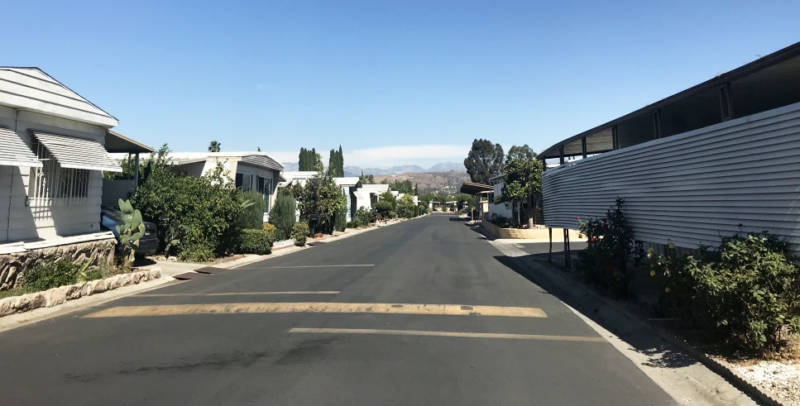
"caption": "Mobile home parks, like this one in Rowland Heights, have seen rents rise as vacancy rates plunge, according to L.A. County officials.",
"description": "Mobile home parks, like this one in Rowland Heights, have seen rents rise as vacancy rates plunge, according to L.A. County officials.",
"title": "MobileHomePark",
"credit": "Rina Palta/KPCC",
"status": "inherit",
"isLoading": false,
"fetchFailed": false
},
"news_11288925": {
"type": "attachments",
"id": "news_11288925",
"meta": {
"index": "attachments_1716263798",
"site": "news",
"id": "11288925",
"found": true
},
"parent": 11288861,
"imgSizes": {
"small": {
"file": "https://ww2.kqed.org/app/uploads/sites/10/2017/01/RS9671_2631101-520x488.jpg",
"width": 520,
"mimeType": "image/jpeg",
"height": 488
},
"twentyfourteen-full-width": {
"file": "https://ww2.kqed.org/app/uploads/sites/10/2017/01/RS9671_2631101-1038x576.jpg",
"width": 1038,
"mimeType": "image/jpeg",
"height": 576
},
"thumbnail": {
"file": "https://ww2.kqed.org/app/uploads/sites/10/2017/01/RS9671_2631101-160x150.jpg",
"width": 160,
"mimeType": "image/jpeg",
"height": 150
},
"fd-sm": {
"file": "https://ww2.kqed.org/app/uploads/sites/10/2017/01/RS9671_2631101-960x901.jpg",
"width": 960,
"mimeType": "image/jpeg",
"height": 901
},
"post-thumbnail": {
"file": "https://ww2.kqed.org/app/uploads/sites/10/2017/01/RS9671_2631101-672x372.jpg",
"width": 672,
"mimeType": "image/jpeg",
"height": 372
},
"xsmall": {
"file": "https://ww2.kqed.org/app/uploads/sites/10/2017/01/RS9671_2631101-375x352.jpg",
"width": 375,
"mimeType": "image/jpeg",
"height": 352
},
"kqedFullSize": {
"file": "https://ww2.kqed.org/app/uploads/sites/10/2017/01/RS9671_2631101.jpg",
"width": 1756,
"height": 1648
},
"large": {
"file": "https://ww2.kqed.org/app/uploads/sites/10/2017/01/RS9671_2631101-1020x957.jpg",
"width": 1020,
"mimeType": "image/jpeg",
"height": 957
},
"xlarge": {
"file": "https://ww2.kqed.org/app/uploads/sites/10/2017/01/RS9671_2631101-1180x1107.jpg",
"width": 1180,
"mimeType": "image/jpeg",
"height": 1107
},
"guest-author-50": {
"file": "https://ww2.kqed.org/app/uploads/sites/10/2017/01/RS9671_2631101-50x50.jpg",
"width": 50,
"mimeType": "image/jpeg",
"height": 50
},
"guest-author-96": {
"file": "https://ww2.kqed.org/app/uploads/sites/10/2017/01/RS9671_2631101-96x96.jpg",
"width": 96,
"mimeType": "image/jpeg",
"height": 96
},
"medium": {
"file": "https://ww2.kqed.org/app/uploads/sites/10/2017/01/RS9671_2631101-800x751.jpg",
"width": 800,
"mimeType": "image/jpeg",
"height": 751
},
"guest-author-64": {
"file": "https://ww2.kqed.org/app/uploads/sites/10/2017/01/RS9671_2631101-64x64.jpg",
"width": 64,
"mimeType": "image/jpeg",
"height": 64
},
"guest-author-32": {
"file": "https://ww2.kqed.org/app/uploads/sites/10/2017/01/RS9671_2631101-32x32.jpg",
"width": 32,
"mimeType": "image/jpeg",
"height": 32
},
"jmtc-small-thumb": {
"file": "https://ww2.kqed.org/app/uploads/sites/10/2017/01/RS9671_2631101-280x150.jpg",
"width": 280,
"mimeType": "image/jpeg",
"height": 150
},
"fd-med": {
"file": "https://ww2.kqed.org/app/uploads/sites/10/2017/01/RS9671_2631101-1180x1107.jpg",
"width": 1180,
"mimeType": "image/jpeg",
"height": 1107
},
"detail": {
"file": "https://ww2.kqed.org/app/uploads/sites/10/2017/01/RS9671_2631101-150x150.jpg",
"width": 150,
"mimeType": "image/jpeg",
"height": 150
},
"guest-author-128": {
"file": "https://ww2.kqed.org/app/uploads/sites/10/2017/01/RS9671_2631101-128x128.jpg",
"width": 128,
"mimeType": "image/jpeg",
"height": 128
},
"xxsmall": {
"file": "https://ww2.kqed.org/app/uploads/sites/10/2017/01/RS9671_2631101-240x225.jpg",
"width": 240,
"mimeType": "image/jpeg",
"height": 225
}
},
"publishDate": 1485537706,
"modified": 1513901139,
"caption": "A detail of the top of the dome of the California Capitol building in Sacramento.",
"description": "A detail of the top of the dome of the California Capitol building in Sacramento.",
"title": "A detail of the top of the dome of the C",
"credit": "Robyn Beck/AFP/Getty Images",
"status": "inherit",
"isLoading": false,
"fetchFailed": false
},
"news_11636827": {
"type": "attachments",
"id": "news_11636827",
"meta": {
"index": "attachments_1716263798",
"site": "news",
"id": "11636827",
"found": true
},
"parent": 11636800,
"imgSizes": {
"small": {
"file": "https://ww2.kqed.org/app/uploads/sites/10/2017/12/impact_121317_final-520x520.jpg",
"width": 520,
"mimeType": "image/jpeg",
"height": 520
},
"twentyfourteen-full-width": {
"file": "https://ww2.kqed.org/app/uploads/sites/10/2017/12/impact_121317_final-1038x576.jpg",
"width": 1038,
"mimeType": "image/jpeg",
"height": 576
},
"thumbnail": {
"file": "https://ww2.kqed.org/app/uploads/sites/10/2017/12/impact_121317_final-160x160.jpg",
"width": 160,
"mimeType": "image/jpeg",
"height": 160
},
"fd-sm": {
"file": "https://ww2.kqed.org/app/uploads/sites/10/2017/12/impact_121317_final-960x960.jpg",
"width": 960,
"mimeType": "image/jpeg",
"height": 960
},
"post-thumbnail": {
"file": "https://ww2.kqed.org/app/uploads/sites/10/2017/12/impact_121317_final-672x372.jpg",
"width": 672,
"mimeType": "image/jpeg",
"height": 372
},
"xsmall": {
"file": "https://ww2.kqed.org/app/uploads/sites/10/2017/12/impact_121317_final-375x375.jpg",
"width": 375,
"mimeType": "image/jpeg",
"height": 375
},
"kqedFullSize": {
"file": "https://ww2.kqed.org/app/uploads/sites/10/2017/12/impact_121317_final.jpg",
"width": 1920,
"height": 1920
},
"large": {
"file": "https://ww2.kqed.org/app/uploads/sites/10/2017/12/impact_121317_final-1020x1020.jpg",
"width": 1020,
"mimeType": "image/jpeg",
"height": 1020
},
"xlarge": {
"file": "https://ww2.kqed.org/app/uploads/sites/10/2017/12/impact_121317_final-1180x1180.jpg",
"width": 1180,
"mimeType": "image/jpeg",
"height": 1180
},
"guest-author-50": {
"file": "https://ww2.kqed.org/app/uploads/sites/10/2017/12/impact_121317_final-50x50.jpg",
"width": 50,
"mimeType": "image/jpeg",
"height": 50
},
"guest-author-96": {
"file": "https://ww2.kqed.org/app/uploads/sites/10/2017/12/impact_121317_final-96x96.jpg",
"width": 96,
"mimeType": "image/jpeg",
"height": 96
},
"medium": {
"file": "https://ww2.kqed.org/app/uploads/sites/10/2017/12/impact_121317_final-800x800.jpg",
"width": 800,
"mimeType": "image/jpeg",
"height": 800
},
"guest-author-64": {
"file": "https://ww2.kqed.org/app/uploads/sites/10/2017/12/impact_121317_final-64x64.jpg",
"width": 64,
"mimeType": "image/jpeg",
"height": 64
},
"guest-author-32": {
"file": "https://ww2.kqed.org/app/uploads/sites/10/2017/12/impact_121317_final-32x32.jpg",
"width": 32,
"mimeType": "image/jpeg",
"height": 32
},
"fd-lrg": {
"file": "https://ww2.kqed.org/app/uploads/sites/10/2017/12/impact_121317_final-1920x1920.jpg",
"width": 1920,
"mimeType": "image/jpeg",
"height": 1920
},
"fd-med": {
"file": "https://ww2.kqed.org/app/uploads/sites/10/2017/12/impact_121317_final-1180x1180.jpg",
"width": 1180,
"mimeType": "image/jpeg",
"height": 1180
},
"full-width": {
"file": "https://ww2.kqed.org/app/uploads/sites/10/2017/12/impact_121317_final-1920x1920.jpg",
"width": 1920,
"mimeType": "image/jpeg",
"height": 1920
},
"detail": {
"file": "https://ww2.kqed.org/app/uploads/sites/10/2017/12/impact_121317_final-150x150.jpg",
"width": 150,
"mimeType": "image/jpeg",
"height": 150
},
"guest-author-128": {
"file": "https://ww2.kqed.org/app/uploads/sites/10/2017/12/impact_121317_final-128x128.jpg",
"width": 128,
"mimeType": "image/jpeg",
"height": 128
},
"xxsmall": {
"file": "https://ww2.kqed.org/app/uploads/sites/10/2017/12/impact_121317_final-240x240.jpg",
"width": 240,
"mimeType": "image/jpeg",
"height": 240
}
},
"publishDate": 1513208576,
"modified": 1513208604,
"caption": null,
"description": null,
"title": "impact_121317_final",
"credit": null,
"status": "inherit",
"isLoading": false,
"fetchFailed": false
},
"news_11636917": {
"type": "attachments",
"id": "news_11636917",
"meta": {
"index": "attachments_1716263798",
"site": "news",
"id": "11636917",
"found": true
},
"parent": 11636705,
"imgSizes": {
"small": {
"file": "https://ww2.kqed.org/app/uploads/sites/10/2017/12/RichmondHouses-520x330.jpg",
"width": 520,
"mimeType": "image/jpeg",
"height": 330
},
"twentyfourteen-full-width": {
"file": "https://ww2.kqed.org/app/uploads/sites/10/2017/12/RichmondHouses-1038x576.jpg",
"width": 1038,
"mimeType": "image/jpeg",
"height": 576
},
"thumbnail": {
"file": "https://ww2.kqed.org/app/uploads/sites/10/2017/12/RichmondHouses-160x102.jpg",
"width": 160,
"mimeType": "image/jpeg",
"height": 102
},
"fd-sm": {
"file": "https://ww2.kqed.org/app/uploads/sites/10/2017/12/RichmondHouses-960x610.jpg",
"width": 960,
"mimeType": "image/jpeg",
"height": 610
},
"post-thumbnail": {
"file": "https://ww2.kqed.org/app/uploads/sites/10/2017/12/RichmondHouses-672x372.jpg",
"width": 672,
"mimeType": "image/jpeg",
"height": 372
},
"xsmall": {
"file": "https://ww2.kqed.org/app/uploads/sites/10/2017/12/RichmondHouses-375x238.jpg",
"width": 375,
"mimeType": "image/jpeg",
"height": 238
},
"kqedFullSize": {
"file": "https://ww2.kqed.org/app/uploads/sites/10/2017/12/RichmondHouses.jpg",
"width": 1920,
"height": 1219
},
"large": {
"file": "https://ww2.kqed.org/app/uploads/sites/10/2017/12/RichmondHouses-1020x648.jpg",
"width": 1020,
"mimeType": "image/jpeg",
"height": 648
},
"xlarge": {
"file": "https://ww2.kqed.org/app/uploads/sites/10/2017/12/RichmondHouses-1180x749.jpg",
"width": 1180,
"mimeType": "image/jpeg",
"height": 749
},
"guest-author-50": {
"file": "https://ww2.kqed.org/app/uploads/sites/10/2017/12/RichmondHouses-50x50.jpg",
"width": 50,
"mimeType": "image/jpeg",
"height": 50
},
"guest-author-96": {
"file": "https://ww2.kqed.org/app/uploads/sites/10/2017/12/RichmondHouses-96x96.jpg",
"width": 96,
"mimeType": "image/jpeg",
"height": 96
},
"medium": {
"file": "https://ww2.kqed.org/app/uploads/sites/10/2017/12/RichmondHouses-800x508.jpg",
"width": 800,
"mimeType": "image/jpeg",
"height": 508
},
"guest-author-64": {
"file": "https://ww2.kqed.org/app/uploads/sites/10/2017/12/RichmondHouses-64x64.jpg",
"width": 64,
"mimeType": "image/jpeg",
"height": 64
},
"guest-author-32": {
"file": "https://ww2.kqed.org/app/uploads/sites/10/2017/12/RichmondHouses-32x32.jpg",
"width": 32,
"mimeType": "image/jpeg",
"height": 32
},
"fd-lrg": {
"file": "https://ww2.kqed.org/app/uploads/sites/10/2017/12/RichmondHouses-1920x1219.jpg",
"width": 1920,
"mimeType": "image/jpeg",
"height": 1219
},
"fd-med": {
"file": "https://ww2.kqed.org/app/uploads/sites/10/2017/12/RichmondHouses-1180x749.jpg",
"width": 1180,
"mimeType": "image/jpeg",
"height": 749
},
"full-width": {
"file": "https://ww2.kqed.org/app/uploads/sites/10/2017/12/RichmondHouses-1920x1219.jpg",
"width": 1920,
"mimeType": "image/jpeg",
"height": 1219
},
"detail": {
"file": "https://ww2.kqed.org/app/uploads/sites/10/2017/12/RichmondHouses-150x150.jpg",
"width": 150,
"mimeType": "image/jpeg",
"height": 150
},
"guest-author-128": {
"file": "https://ww2.kqed.org/app/uploads/sites/10/2017/12/RichmondHouses-128x128.jpg",
"width": 128,
"mimeType": "image/jpeg",
"height": 128
},
"xxsmall": {
"file": "https://ww2.kqed.org/app/uploads/sites/10/2017/12/RichmondHouses-240x152.jpg",
"width": 240,
"mimeType": "image/jpeg",
"height": 152
}
},
"publishDate": 1513216382,
"modified": 1513216547,
"caption": "A boarded-up home in Richmond in April, 2011 -- a very different time for the Bay Area housing market.",
"description": "A boarded-up home in Richmond in April, 2011 -- a very different time for the Bay Area housing market.",
"title": "RichmondHouses",
"credit": "Justin Sullivan/Getty Images",
"status": "inherit",
"isLoading": false,
"fetchFailed": false
},
"news_11628711": {
"type": "attachments",
"id": "news_11628711",
"meta": {
"index": "attachments_1716263798",
"site": "news",
"id": "11628711",
"found": true
},
"parent": 11628699,
"imgSizes": {
"small": {
"file": "https://ww2.kqed.org/app/uploads/sites/10/2017/11/hillside-520x293.jpg",
"width": 520,
"mimeType": "image/jpeg",
"height": 293
},
"twentyfourteen-full-width": {
"file": "https://ww2.kqed.org/app/uploads/sites/10/2017/11/hillside-1038x576.jpg",
"width": 1038,
"mimeType": "image/jpeg",
"height": 576
},
"thumbnail": {
"file": "https://ww2.kqed.org/app/uploads/sites/10/2017/11/hillside-160x90.jpg",
"width": 160,
"mimeType": "image/jpeg",
"height": 90
},
"fd-sm": {
"file": "https://ww2.kqed.org/app/uploads/sites/10/2017/11/hillside-960x540.jpg",
"width": 960,
"mimeType": "image/jpeg",
"height": 540
},
"post-thumbnail": {
"file": "https://ww2.kqed.org/app/uploads/sites/10/2017/11/hillside-672x372.jpg",
"width": 672,
"mimeType": "image/jpeg",
"height": 372
},
"xsmall": {
"file": "https://ww2.kqed.org/app/uploads/sites/10/2017/11/hillside-375x211.jpg",
"width": 375,
"mimeType": "image/jpeg",
"height": 211
},
"kqedFullSize": {
"file": "https://ww2.kqed.org/app/uploads/sites/10/2017/11/hillside-e1510167692349.jpg",
"width": 1920,
"height": 1080
},
"large": {
"file": "https://ww2.kqed.org/app/uploads/sites/10/2017/11/hillside-1020x574.jpg",
"width": 1020,
"mimeType": "image/jpeg",
"height": 574
},
"xlarge": {
"file": "https://ww2.kqed.org/app/uploads/sites/10/2017/11/hillside-1180x664.jpg",
"width": 1180,
"mimeType": "image/jpeg",
"height": 664
},
"guest-author-50": {
"file": "https://ww2.kqed.org/app/uploads/sites/10/2017/11/hillside-50x50.jpg",
"width": 50,
"mimeType": "image/jpeg",
"height": 50
},
"guest-author-96": {
"file": "https://ww2.kqed.org/app/uploads/sites/10/2017/11/hillside-96x96.jpg",
"width": 96,
"mimeType": "image/jpeg",
"height": 96
},
"medium": {
"file": "https://ww2.kqed.org/app/uploads/sites/10/2017/11/hillside-800x450.jpg",
"width": 800,
"mimeType": "image/jpeg",
"height": 450
},
"guest-author-64": {
"file": "https://ww2.kqed.org/app/uploads/sites/10/2017/11/hillside-64x64.jpg",
"width": 64,
"mimeType": "image/jpeg",
"height": 64
},
"guest-author-32": {
"file": "https://ww2.kqed.org/app/uploads/sites/10/2017/11/hillside-32x32.jpg",
"width": 32,
"mimeType": "image/jpeg",
"height": 32
},
"fd-lrg": {
"file": "https://ww2.kqed.org/app/uploads/sites/10/2017/11/hillside-1920x1080.jpg",
"width": 1920,
"mimeType": "image/jpeg",
"height": 1080
},
"fd-med": {
"file": "https://ww2.kqed.org/app/uploads/sites/10/2017/11/hillside-1180x664.jpg",
"width": 1180,
"mimeType": "image/jpeg",
"height": 664
},
"full-width": {
"file": "https://ww2.kqed.org/app/uploads/sites/10/2017/11/hillside-1920x1080.jpg",
"width": 1920,
"mimeType": "image/jpeg",
"height": 1080
},
"detail": {
"file": "https://ww2.kqed.org/app/uploads/sites/10/2017/11/hillside-150x150.jpg",
"width": 150,
"mimeType": "image/jpeg",
"height": 150
},
"guest-author-128": {
"file": "https://ww2.kqed.org/app/uploads/sites/10/2017/11/hillside-128x128.jpg",
"width": 128,
"mimeType": "image/jpeg",
"height": 128
},
"xxsmall": {
"file": "https://ww2.kqed.org/app/uploads/sites/10/2017/11/hillside-240x135.jpg",
"width": 240,
"mimeType": "image/jpeg",
"height": 135
}
},
"publishDate": 1510019512,
"modified": 1510019735,
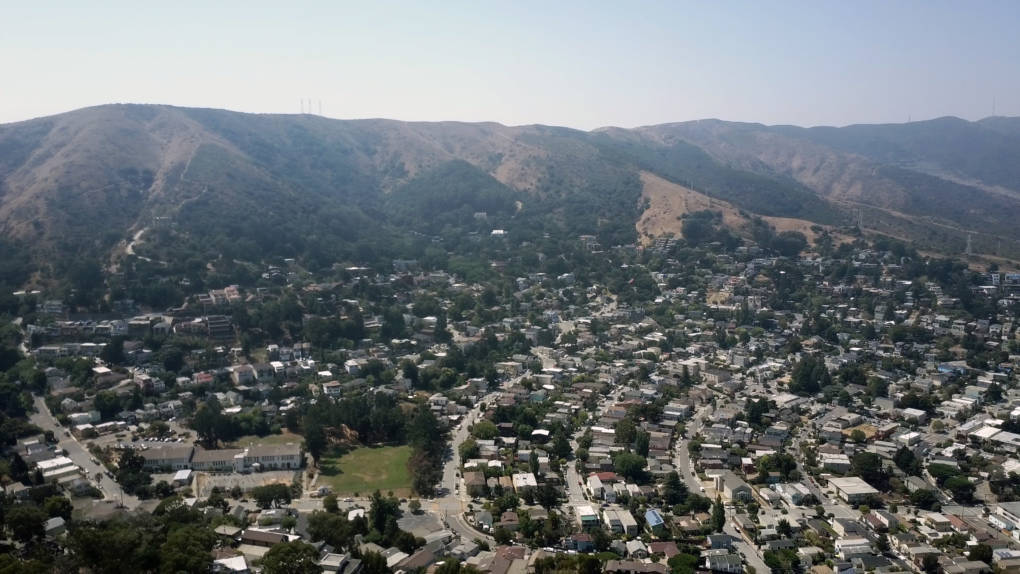
"caption": "The city of Brisbane, estimated population of 4,700 in 2016, has faced major growth and housing challenges because of its proximity to job centers in San Francisco and Silicon Valley.",
"description": null,
"title": "Brisbane, CA hillside",
"credit": "Johnny Miller/African Drone",
"status": "inherit",
"isLoading": false,
"fetchFailed": false
},
"news_11628595": {
"type": "attachments",
"id": "news_11628595",
"meta": {
"index": "attachments_1716263798",
"site": "news",
"id": "11628595",
"found": true
},
"parent": 11628537,
"imgSizes": {
"small": {
"file": "https://ww2.kqed.org/app/uploads/sites/10/2017/11/SFHomes-520x335.jpg",
"width": 520,
"mimeType": "image/jpeg",
"height": 335
},
"twentyfourteen-full-width": {
"file": "https://ww2.kqed.org/app/uploads/sites/10/2017/11/SFHomes-1038x576.jpg",
"width": 1038,
"mimeType": "image/jpeg",
"height": 576
},
"thumbnail": {
"file": "https://ww2.kqed.org/app/uploads/sites/10/2017/11/SFHomes-160x103.jpg",
"width": 160,
"mimeType": "image/jpeg",
"height": 103
},
"fd-sm": {
"file": "https://ww2.kqed.org/app/uploads/sites/10/2017/11/SFHomes-960x618.jpg",
"width": 960,
"mimeType": "image/jpeg",
"height": 618
},
"post-thumbnail": {
"file": "https://ww2.kqed.org/app/uploads/sites/10/2017/11/SFHomes-672x372.jpg",
"width": 672,
"mimeType": "image/jpeg",
"height": 372
},
"xsmall": {
"file": "https://ww2.kqed.org/app/uploads/sites/10/2017/11/SFHomes-375x241.jpg",
"width": 375,
"mimeType": "image/jpeg",
"height": 241
},
"kqedFullSize": {
"file": "https://ww2.kqed.org/app/uploads/sites/10/2017/11/SFHomes.jpg",
"width": 1920,
"height": 1236
},
"large": {
"file": "https://ww2.kqed.org/app/uploads/sites/10/2017/11/SFHomes-1020x657.jpg",
"width": 1020,
"mimeType": "image/jpeg",
"height": 657
},
"xlarge": {
"file": "https://ww2.kqed.org/app/uploads/sites/10/2017/11/SFHomes-1180x760.jpg",
"width": 1180,
"mimeType": "image/jpeg",
"height": 760
},
"guest-author-50": {
"file": "https://ww2.kqed.org/app/uploads/sites/10/2017/11/SFHomes-50x50.jpg",
"width": 50,
"mimeType": "image/jpeg",
"height": 50
},
"guest-author-96": {
"file": "https://ww2.kqed.org/app/uploads/sites/10/2017/11/SFHomes-96x96.jpg",
"width": 96,
"mimeType": "image/jpeg",
"height": 96
},
"medium": {
"file": "https://ww2.kqed.org/app/uploads/sites/10/2017/11/SFHomes-800x515.jpg",
"width": 800,
"mimeType": "image/jpeg",
"height": 515
},
"guest-author-64": {
"file": "https://ww2.kqed.org/app/uploads/sites/10/2017/11/SFHomes-64x64.jpg",
"width": 64,
"mimeType": "image/jpeg",
"height": 64
},
"guest-author-32": {
"file": "https://ww2.kqed.org/app/uploads/sites/10/2017/11/SFHomes-32x32.jpg",
"width": 32,
"mimeType": "image/jpeg",
"height": 32
},
"fd-lrg": {
"file": "https://ww2.kqed.org/app/uploads/sites/10/2017/11/SFHomes-1920x1236.jpg",
"width": 1920,
"mimeType": "image/jpeg",
"height": 1236
},
"fd-med": {
"file": "https://ww2.kqed.org/app/uploads/sites/10/2017/11/SFHomes-1180x760.jpg",
"width": 1180,
"mimeType": "image/jpeg",
"height": 760
},
"full-width": {
"file": "https://ww2.kqed.org/app/uploads/sites/10/2017/11/SFHomes-1920x1236.jpg",
"width": 1920,
"mimeType": "image/jpeg",
"height": 1236
},
"detail": {
"file": "https://ww2.kqed.org/app/uploads/sites/10/2017/11/SFHomes-150x150.jpg",
"width": 150,
"mimeType": "image/jpeg",
"height": 150
},
"guest-author-128": {
"file": "https://ww2.kqed.org/app/uploads/sites/10/2017/11/SFHomes-128x128.jpg",
"width": 128,
"mimeType": "image/jpeg",
"height": 128
},
"xxsmall": {
"file": "https://ww2.kqed.org/app/uploads/sites/10/2017/11/SFHomes-240x155.jpg",
"width": 240,
"mimeType": "image/jpeg",
"height": 155
}
},
"publishDate": 1510008219,
"modified": 1510008284,
"caption": "Less than half of people born in California in 1980 are making more money than their parents did as young adults -- and that's before you factor in cost of living.",
"description": "Less than half of people born in California in 1980 are making more money than their parents did as young adults -- and that's before you factor in cost of living.",
"title": "SFHomes",
"credit": "Justin Sullivan/Getty Images",
"status": "inherit",
"isLoading": false,
"fetchFailed": false
},
"news_11626084": {
"type": "attachments",
"id": "news_11626084",
"meta": {
"index": "attachments_1716263798",
"site": "news",
"id": "11626084",
"found": true
},
"parent": 11626083,
"imgSizes": {
"small": {
"file": "https://ww2.kqed.org/app/uploads/sites/10/2017/10/RS27731_CaliforniaDream_interstate-1920x1080-tight-crop-qut-520x293.jpg",
"width": 520,
"mimeType": "image/jpeg",
"height": 293
},
"twentyfourteen-full-width": {
"file": "https://ww2.kqed.org/app/uploads/sites/10/2017/10/RS27731_CaliforniaDream_interstate-1920x1080-tight-crop-qut-1038x576.jpg",
"width": 1038,
"mimeType": "image/jpeg",
"height": 576
},
"thumbnail": {
"file": "https://ww2.kqed.org/app/uploads/sites/10/2017/10/RS27731_CaliforniaDream_interstate-1920x1080-tight-crop-qut-160x90.jpg",
"width": 160,
"mimeType": "image/jpeg",
"height": 90
},
"fd-sm": {
"file": "https://ww2.kqed.org/app/uploads/sites/10/2017/10/RS27731_CaliforniaDream_interstate-1920x1080-tight-crop-qut-960x540.jpg",
"width": 960,
"mimeType": "image/jpeg",
"height": 540
},
"post-thumbnail": {
"file": "https://ww2.kqed.org/app/uploads/sites/10/2017/10/RS27731_CaliforniaDream_interstate-1920x1080-tight-crop-qut-672x372.jpg",
"width": 672,
"mimeType": "image/jpeg",
"height": 372
},
"xsmall": {
"file": "https://ww2.kqed.org/app/uploads/sites/10/2017/10/RS27731_CaliforniaDream_interstate-1920x1080-tight-crop-qut-375x211.jpg",
"width": 375,
"mimeType": "image/jpeg",
"height": 211
},
"kqedFullSize": {
"file": "https://ww2.kqed.org/app/uploads/sites/10/2017/10/RS27731_CaliforniaDream_interstate-1920x1080-tight-crop-qut.jpg",
"width": 1920,
"height": 1080
},
"large": {
"file": "https://ww2.kqed.org/app/uploads/sites/10/2017/10/RS27731_CaliforniaDream_interstate-1920x1080-tight-crop-qut-1020x574.jpg",
"width": 1020,
"mimeType": "image/jpeg",
"height": 574
},
"xlarge": {
"file": "https://ww2.kqed.org/app/uploads/sites/10/2017/10/RS27731_CaliforniaDream_interstate-1920x1080-tight-crop-qut-1180x664.jpg",
"width": 1180,
"mimeType": "image/jpeg",
"height": 664
},
"guest-author-50": {
"file": "https://ww2.kqed.org/app/uploads/sites/10/2017/10/RS27731_CaliforniaDream_interstate-1920x1080-tight-crop-qut-50x50.jpg",
"width": 50,
"mimeType": "image/jpeg",
"height": 50
},
"guest-author-96": {
"file": "https://ww2.kqed.org/app/uploads/sites/10/2017/10/RS27731_CaliforniaDream_interstate-1920x1080-tight-crop-qut-96x96.jpg",
"width": 96,
"mimeType": "image/jpeg",
"height": 96
},
"medium": {
"file": "https://ww2.kqed.org/app/uploads/sites/10/2017/10/RS27731_CaliforniaDream_interstate-1920x1080-tight-crop-qut-800x450.jpg",
"width": 800,
"mimeType": "image/jpeg",
"height": 450
},
"guest-author-64": {
"file": "https://ww2.kqed.org/app/uploads/sites/10/2017/10/RS27731_CaliforniaDream_interstate-1920x1080-tight-crop-qut-64x64.jpg",
"width": 64,
"mimeType": "image/jpeg",
"height": 64
},
"guest-author-32": {
"file": "https://ww2.kqed.org/app/uploads/sites/10/2017/10/RS27731_CaliforniaDream_interstate-1920x1080-tight-crop-qut-32x32.jpg",
"width": 32,
"mimeType": "image/jpeg",
"height": 32
},
"fd-lrg": {
"file": "https://ww2.kqed.org/app/uploads/sites/10/2017/10/RS27731_CaliforniaDream_interstate-1920x1080-tight-crop-qut-1920x1080.jpg",
"width": 1920,
"mimeType": "image/jpeg",
"height": 1080
},
"fd-med": {
"file": "https://ww2.kqed.org/app/uploads/sites/10/2017/10/RS27731_CaliforniaDream_interstate-1920x1080-tight-crop-qut-1180x664.jpg",
"width": 1180,
"mimeType": "image/jpeg",
"height": 664
},
"full-width": {
"file": "https://ww2.kqed.org/app/uploads/sites/10/2017/10/RS27731_CaliforniaDream_interstate-1920x1080-tight-crop-qut-1920x1080.jpg",
"width": 1920,
"mimeType": "image/jpeg",
"height": 1080
},
"detail": {
"file": "https://ww2.kqed.org/app/uploads/sites/10/2017/10/RS27731_CaliforniaDream_interstate-1920x1080-tight-crop-qut-150x150.jpg",
"width": 150,
"mimeType": "image/jpeg",
"height": 150
},
"guest-author-128": {
"file": "https://ww2.kqed.org/app/uploads/sites/10/2017/10/RS27731_CaliforniaDream_interstate-1920x1080-tight-crop-qut-128x128.jpg",
"width": 128,
"mimeType": "image/jpeg",
"height": 128
},
"xxsmall": {
"file": "https://ww2.kqed.org/app/uploads/sites/10/2017/10/RS27731_CaliforniaDream_interstate-1920x1080-tight-crop-qut-240x135.jpg",
"width": 240,
"mimeType": "image/jpeg",
"height": 135
}
},
"publishDate": 1508975134,
"modified": 1508975194,
"caption": "Pacific Coast Highway 1 road sign",
"description": null,
"title": "RS27731_CaliforniaDream_interstate-1920x1080-tight-crop-qut",
"credit": "Aleksandar Nakic/iStock",
"status": "inherit",
"isLoading": false,
"fetchFailed": false
},
"news_11626196": {
"type": "attachments",
"id": "news_11626196",
"meta": {
"index": "attachments_1716263798",
"site": "news",
"id": "11626196",
"found": true
},
"parent": 11623012,
"imgSizes": {
"small": {
"file": "https://ww2.kqed.org/app/uploads/sites/10/2017/10/2nd-street-camp-close-520x390.jpg",
"width": 520,
"mimeType": "image/jpeg",
"height": 390
},
"twentyfourteen-full-width": {
"file": "https://ww2.kqed.org/app/uploads/sites/10/2017/10/2nd-street-camp-close-1038x576.jpg",
"width": 1038,
"mimeType": "image/jpeg",
"height": 576
},
"thumbnail": {
"file": "https://ww2.kqed.org/app/uploads/sites/10/2017/10/2nd-street-camp-close-160x120.jpg",
"width": 160,
"mimeType": "image/jpeg",
"height": 120
},
"fd-sm": {
"file": "https://ww2.kqed.org/app/uploads/sites/10/2017/10/2nd-street-camp-close-960x720.jpg",
"width": 960,
"mimeType": "image/jpeg",
"height": 720
},
"post-thumbnail": {
"file": "https://ww2.kqed.org/app/uploads/sites/10/2017/10/2nd-street-camp-close-672x372.jpg",
"width": 672,
"mimeType": "image/jpeg",
"height": 372
},
"xsmall": {
"file": "https://ww2.kqed.org/app/uploads/sites/10/2017/10/2nd-street-camp-close-375x281.jpg",
"width": 375,
"mimeType": "image/jpeg",
"height": 281
},
"kqedFullSize": {
"file": "https://ww2.kqed.org/app/uploads/sites/10/2017/10/2nd-street-camp-close.jpg",
"width": 1920,
"height": 1440
},
"large": {
"file": "https://ww2.kqed.org/app/uploads/sites/10/2017/10/2nd-street-camp-close-1020x765.jpg",
"width": 1020,
"mimeType": "image/jpeg",
"height": 765
},
"xlarge": {
"file": "https://ww2.kqed.org/app/uploads/sites/10/2017/10/2nd-street-camp-close-1180x885.jpg",
"width": 1180,
"mimeType": "image/jpeg",
"height": 885
},
"guest-author-50": {
"file": "https://ww2.kqed.org/app/uploads/sites/10/2017/10/2nd-street-camp-close-50x50.jpg",
"width": 50,
"mimeType": "image/jpeg",
"height": 50
},
"guest-author-96": {
"file": "https://ww2.kqed.org/app/uploads/sites/10/2017/10/2nd-street-camp-close-96x96.jpg",
"width": 96,
"mimeType": "image/jpeg",
"height": 96
},
"medium": {
"file": "https://ww2.kqed.org/app/uploads/sites/10/2017/10/2nd-street-camp-close-800x600.jpg",
"width": 800,
"mimeType": "image/jpeg",
"height": 600
},
"guest-author-64": {
"file": "https://ww2.kqed.org/app/uploads/sites/10/2017/10/2nd-street-camp-close-64x64.jpg",
"width": 64,
"mimeType": "image/jpeg",
"height": 64
},
"guest-author-32": {
"file": "https://ww2.kqed.org/app/uploads/sites/10/2017/10/2nd-street-camp-close-32x32.jpg",
"width": 32,
"mimeType": "image/jpeg",
"height": 32
},
"fd-lrg": {
"file": "https://ww2.kqed.org/app/uploads/sites/10/2017/10/2nd-street-camp-close-1920x1440.jpg",
"width": 1920,
"mimeType": "image/jpeg",
"height": 1440
},
"fd-med": {
"file": "https://ww2.kqed.org/app/uploads/sites/10/2017/10/2nd-street-camp-close-1180x885.jpg",
"width": 1180,
"mimeType": "image/jpeg",
"height": 885
},
"full-width": {
"file": "https://ww2.kqed.org/app/uploads/sites/10/2017/10/2nd-street-camp-close-1920x1440.jpg",
"width": 1920,
"mimeType": "image/jpeg",
"height": 1440
},
"detail": {
"file": "https://ww2.kqed.org/app/uploads/sites/10/2017/10/2nd-street-camp-close-150x150.jpg",
"width": 150,
"mimeType": "image/jpeg",
"height": 150
},
"guest-author-128": {
"file": "https://ww2.kqed.org/app/uploads/sites/10/2017/10/2nd-street-camp-close-128x128.jpg",
"width": 128,
"mimeType": "image/jpeg",
"height": 128
},
"xxsmall": {
"file": "https://ww2.kqed.org/app/uploads/sites/10/2017/10/2nd-street-camp-close-240x180.jpg",
"width": 240,
"mimeType": "image/jpeg",
"height": 180
}
},
"publishDate": 1509044206,
"modified": 1509044360,
"caption": "A small homeless encampment sprung up earlier this year not far from KQEDs LA bureau. ",
"description": null,
"title": "2nd street camp close",
"credit": "Steven Cuevas / KQED",
"status": "inherit",
"isLoading": false,
"fetchFailed": false
},
"news_11624301": {
"type": "attachments",
"id": "news_11624301",
"meta": {
"index": "attachments_1716263798",
"site": "news",
"id": "11624301",
"found": true
},
"parent": 11624298,
"imgSizes": {
"small": {
"file": "https://ww2.kqed.org/app/uploads/sites/10/2017/10/CoupleEmbraceSantaRosa-520x346.jpg",
"width": 520,
"mimeType": "image/jpeg",
"height": 346
},
"twentyfourteen-full-width": {
"file": "https://ww2.kqed.org/app/uploads/sites/10/2017/10/CoupleEmbraceSantaRosa-1038x576.jpg",
"width": 1038,
"mimeType": "image/jpeg",
"height": 576
},
"thumbnail": {
"file": "https://ww2.kqed.org/app/uploads/sites/10/2017/10/CoupleEmbraceSantaRosa-160x107.jpg",
"width": 160,
"mimeType": "image/jpeg",
"height": 107
},
"fd-sm": {
"file": "https://ww2.kqed.org/app/uploads/sites/10/2017/10/CoupleEmbraceSantaRosa-960x639.jpg",
"width": 960,
"mimeType": "image/jpeg",
"height": 639
},
"post-thumbnail": {
"file": "https://ww2.kqed.org/app/uploads/sites/10/2017/10/CoupleEmbraceSantaRosa-672x372.jpg",
"width": 672,
"mimeType": "image/jpeg",
"height": 372
},
"xsmall": {
"file": "https://ww2.kqed.org/app/uploads/sites/10/2017/10/CoupleEmbraceSantaRosa-375x250.jpg",
"width": 375,
"mimeType": "image/jpeg",
"height": 250
},
"kqedFullSize": {
"file": "https://ww2.kqed.org/app/uploads/sites/10/2017/10/CoupleEmbraceSantaRosa.jpg",
"width": 1920,
"height": 1278
},
"large": {
"file": "https://ww2.kqed.org/app/uploads/sites/10/2017/10/CoupleEmbraceSantaRosa-1020x679.jpg",
"width": 1020,
"mimeType": "image/jpeg",
"height": 679
},
"xlarge": {
"file": "https://ww2.kqed.org/app/uploads/sites/10/2017/10/CoupleEmbraceSantaRosa-1180x785.jpg",
"width": 1180,
"mimeType": "image/jpeg",
"height": 785
},
"guest-author-50": {
"file": "https://ww2.kqed.org/app/uploads/sites/10/2017/10/CoupleEmbraceSantaRosa-50x50.jpg",
"width": 50,
"mimeType": "image/jpeg",
"height": 50
},
"guest-author-96": {
"file": "https://ww2.kqed.org/app/uploads/sites/10/2017/10/CoupleEmbraceSantaRosa-96x96.jpg",
"width": 96,
"mimeType": "image/jpeg",
"height": 96
},
"medium": {
"file": "https://ww2.kqed.org/app/uploads/sites/10/2017/10/CoupleEmbraceSantaRosa-800x533.jpg",
"width": 800,
"mimeType": "image/jpeg",
"height": 533
},
"guest-author-64": {
"file": "https://ww2.kqed.org/app/uploads/sites/10/2017/10/CoupleEmbraceSantaRosa-64x64.jpg",
"width": 64,
"mimeType": "image/jpeg",
"height": 64
},
"guest-author-32": {
"file": "https://ww2.kqed.org/app/uploads/sites/10/2017/10/CoupleEmbraceSantaRosa-32x32.jpg",
"width": 32,
"mimeType": "image/jpeg",
"height": 32
},
"fd-lrg": {
"file": "https://ww2.kqed.org/app/uploads/sites/10/2017/10/CoupleEmbraceSantaRosa-1920x1278.jpg",
"width": 1920,
"mimeType": "image/jpeg",
"height": 1278
},
"fd-med": {
"file": "https://ww2.kqed.org/app/uploads/sites/10/2017/10/CoupleEmbraceSantaRosa-1180x785.jpg",
"width": 1180,
"mimeType": "image/jpeg",
"height": 785
},
"full-width": {
"file": "https://ww2.kqed.org/app/uploads/sites/10/2017/10/CoupleEmbraceSantaRosa-1920x1278.jpg",
"width": 1920,
"mimeType": "image/jpeg",
"height": 1278
},
"detail": {
"file": "https://ww2.kqed.org/app/uploads/sites/10/2017/10/CoupleEmbraceSantaRosa-150x150.jpg",
"width": 150,
"mimeType": "image/jpeg",
"height": 150
},
"guest-author-128": {
"file": "https://ww2.kqed.org/app/uploads/sites/10/2017/10/CoupleEmbraceSantaRosa-128x128.jpg",
"width": 128,
"mimeType": "image/jpeg",
"height": 128
},
"xxsmall": {
"file": "https://ww2.kqed.org/app/uploads/sites/10/2017/10/CoupleEmbraceSantaRosa-240x160.jpg",
"width": 240,
"mimeType": "image/jpeg",
"height": 160
}
},
"publishDate": 1508354815,
"modified": 1508354859,
"caption": "Charlie and Kate Higgins embrace in front of their burned home in Santa Rosa on Oct. 12, 2017.",
"description": "Charlie and Kate Higgins embrace in front of their burned home in Santa Rosa on Oct. 12, 2017.",
"title": "CoupleEmbraceSantaRosa",
"credit": "JOSH EDELSON/AFP/Getty Images",
"status": "inherit",
"isLoading": false,
"fetchFailed": false
},
"news_11621298": {
"type": "attachments",
"id": "news_11621298",
"meta": {
"index": "attachments_1716263798",
"site": "news",
"id": "11621298",
"found": true
},
"parent": 11621271,
"imgSizes": {
"small": {
"file": "https://ww2.kqed.org/app/uploads/sites/10/2017/10/IMG_2625-520x390.jpg",
"width": 520,
"mimeType": "image/jpeg",
"height": 390
},
"twentyfourteen-full-width": {
"file": "https://ww2.kqed.org/app/uploads/sites/10/2017/10/IMG_2625-1038x576.jpg",
"width": 1038,
"mimeType": "image/jpeg",
"height": 576
},
"thumbnail": {
"file": "https://ww2.kqed.org/app/uploads/sites/10/2017/10/IMG_2625-160x120.jpg",
"width": 160,
"mimeType": "image/jpeg",
"height": 120
},
"fd-sm": {
"file": "https://ww2.kqed.org/app/uploads/sites/10/2017/10/IMG_2625-960x720.jpg",
"width": 960,
"mimeType": "image/jpeg",
"height": 720
},
"post-thumbnail": {
"file": "https://ww2.kqed.org/app/uploads/sites/10/2017/10/IMG_2625-672x372.jpg",
"width": 672,
"mimeType": "image/jpeg",
"height": 372
},
"xsmall": {
"file": "https://ww2.kqed.org/app/uploads/sites/10/2017/10/IMG_2625-375x281.jpg",
"width": 375,
"mimeType": "image/jpeg",
"height": 281
},
"kqedFullSize": {
"file": "https://ww2.kqed.org/app/uploads/sites/10/2017/10/IMG_2625.jpg",
"width": 4032,
"height": 3024
},
"large": {
"file": "https://ww2.kqed.org/app/uploads/sites/10/2017/10/IMG_2625-1020x765.jpg",
"width": 1020,
"mimeType": "image/jpeg",
"height": 765
},
"xlarge": {
"file": "https://ww2.kqed.org/app/uploads/sites/10/2017/10/IMG_2625-1180x885.jpg",
"width": 1180,
"mimeType": "image/jpeg",
"height": 885
},
"guest-author-50": {
"file": "https://ww2.kqed.org/app/uploads/sites/10/2017/10/IMG_2625-50x50.jpg",
"width": 50,
"mimeType": "image/jpeg",
"height": 50
},
"guest-author-96": {
"file": "https://ww2.kqed.org/app/uploads/sites/10/2017/10/IMG_2625-96x96.jpg",
"width": 96,
"mimeType": "image/jpeg",
"height": 96
},
"medium": {
"file": "https://ww2.kqed.org/app/uploads/sites/10/2017/10/IMG_2625-800x600.jpg",
"width": 800,
"mimeType": "image/jpeg",
"height": 600
},
"guest-author-64": {
"file": "https://ww2.kqed.org/app/uploads/sites/10/2017/10/IMG_2625-64x64.jpg",
"width": 64,
"mimeType": "image/jpeg",
"height": 64
},
"guest-author-32": {
"file": "https://ww2.kqed.org/app/uploads/sites/10/2017/10/IMG_2625-32x32.jpg",
"width": 32,
"mimeType": "image/jpeg",
"height": 32
},
"fd-lrg": {
"file": "https://ww2.kqed.org/app/uploads/sites/10/2017/10/IMG_2625-1920x1440.jpg",
"width": 1920,
"mimeType": "image/jpeg",
"height": 1440
},
"fd-med": {
"file": "https://ww2.kqed.org/app/uploads/sites/10/2017/10/IMG_2625-1180x885.jpg",
"width": 1180,
"mimeType": "image/jpeg",
"height": 885
},
"full-width": {
"file": "https://ww2.kqed.org/app/uploads/sites/10/2017/10/IMG_2625-1920x1440.jpg",
"width": 1920,
"mimeType": "image/jpeg",
"height": 1440
},
"detail": {
"file": "https://ww2.kqed.org/app/uploads/sites/10/2017/10/IMG_2625-150x150.jpg",
"width": 150,
"mimeType": "image/jpeg",
"height": 150
},
"guest-author-128": {
"file": "https://ww2.kqed.org/app/uploads/sites/10/2017/10/IMG_2625-128x128.jpg",
"width": 128,
"mimeType": "image/jpeg",
"height": 128
},
"xxsmall": {
"file": "https://ww2.kqed.org/app/uploads/sites/10/2017/10/IMG_2625-240x180.jpg",
"width": 240,
"mimeType": "image/jpeg",
"height": 180
}
},
"publishDate": 1507239237,
"modified": 1507323482,
"caption": "A view of San Jose from the 18th floor of City Hall.",
"description": null,
"title": "IMG_2625",
"credit": "Tonya Mosley/KQED",
"status": "inherit",
"isLoading": false,
"fetchFailed": false
},
"news_11620170": {
"type": "attachments",
"id": "news_11620170",
"meta": {
"index": "attachments_1716263798",
"site": "news",
"id": "11620170",
"found": true
},
"parent": 11620078,
"imgSizes": {
"small": {
"file": "https://ww2.kqed.org/app/uploads/sites/10/2017/09/HousingConstruction-520x327.jpg",
"width": 520,
"mimeType": "image/jpeg",
"height": 327
},
"twentyfourteen-full-width": {
"file": "https://ww2.kqed.org/app/uploads/sites/10/2017/09/HousingConstruction-1038x576.jpg",
"width": 1038,
"mimeType": "image/jpeg",
"height": 576
},
"thumbnail": {
"file": "https://ww2.kqed.org/app/uploads/sites/10/2017/09/HousingConstruction-160x101.jpg",
"width": 160,
"mimeType": "image/jpeg",
"height": 101
},
"fd-sm": {
"file": "https://ww2.kqed.org/app/uploads/sites/10/2017/09/HousingConstruction-960x605.jpg",
"width": 960,
"mimeType": "image/jpeg",
"height": 605
},
"post-thumbnail": {
"file": "https://ww2.kqed.org/app/uploads/sites/10/2017/09/HousingConstruction-672x372.jpg",
"width": 672,
"mimeType": "image/jpeg",
"height": 372
},
"xsmall": {
"file": "https://ww2.kqed.org/app/uploads/sites/10/2017/09/HousingConstruction-375x236.jpg",
"width": 375,
"mimeType": "image/jpeg",
"height": 236
},
"kqedFullSize": {
"file": "https://ww2.kqed.org/app/uploads/sites/10/2017/09/HousingConstruction.jpg",
"width": 1920,
"height": 1209
},
"large": {
"file": "https://ww2.kqed.org/app/uploads/sites/10/2017/09/HousingConstruction-1020x642.jpg",
"width": 1020,
"mimeType": "image/jpeg",
"height": 642
},
"xlarge": {
"file": "https://ww2.kqed.org/app/uploads/sites/10/2017/09/HousingConstruction-1180x743.jpg",
"width": 1180,
"mimeType": "image/jpeg",
"height": 743
},
"guest-author-50": {
"file": "https://ww2.kqed.org/app/uploads/sites/10/2017/09/HousingConstruction-50x50.jpg",
"width": 50,
"mimeType": "image/jpeg",
"height": 50
},
"guest-author-96": {
"file": "https://ww2.kqed.org/app/uploads/sites/10/2017/09/HousingConstruction-96x96.jpg",
"width": 96,
"mimeType": "image/jpeg",
"height": 96
},
"medium": {
"file": "https://ww2.kqed.org/app/uploads/sites/10/2017/09/HousingConstruction-800x504.jpg",
"width": 800,
"mimeType": "image/jpeg",
"height": 504
},
"guest-author-64": {
"file": "https://ww2.kqed.org/app/uploads/sites/10/2017/09/HousingConstruction-64x64.jpg",
"width": 64,
"mimeType": "image/jpeg",
"height": 64
},
"guest-author-32": {
"file": "https://ww2.kqed.org/app/uploads/sites/10/2017/09/HousingConstruction-32x32.jpg",
"width": 32,
"mimeType": "image/jpeg",
"height": 32
},
"fd-lrg": {
"file": "https://ww2.kqed.org/app/uploads/sites/10/2017/09/HousingConstruction-1920x1209.jpg",
"width": 1920,
"mimeType": "image/jpeg",
"height": 1209
},
"fd-med": {
"file": "https://ww2.kqed.org/app/uploads/sites/10/2017/09/HousingConstruction-1180x743.jpg",
"width": 1180,
"mimeType": "image/jpeg",
"height": 743
},
"full-width": {
"file": "https://ww2.kqed.org/app/uploads/sites/10/2017/09/HousingConstruction-1920x1209.jpg",
"width": 1920,
"mimeType": "image/jpeg",
"height": 1209
},
"detail": {
"file": "https://ww2.kqed.org/app/uploads/sites/10/2017/09/HousingConstruction-150x150.jpg",
"width": 150,
"mimeType": "image/jpeg",
"height": 150
},
"guest-author-128": {
"file": "https://ww2.kqed.org/app/uploads/sites/10/2017/09/HousingConstruction-128x128.jpg",
"width": 128,
"mimeType": "image/jpeg",
"height": 128
},
"xxsmall": {
"file": "https://ww2.kqed.org/app/uploads/sites/10/2017/09/HousingConstruction-240x151.jpg",
"width": 240,
"mimeType": "image/jpeg",
"height": 151
}
},
"publishDate": 1506730201,
"modified": 1506733322,
"caption": "A construction worker builds a home in Petaluma in March 2017.",
"description": "A construction worker builds a home in Petaluma in March, 2017.",
"title": "HousingConstruction",
"credit": "Justin Sullivan/Getty Images",
"status": "inherit",
"isLoading": false,
"fetchFailed": false
}
},
"audioPlayerReducer": {
"postId": "stream_live",
"isPaused": true,
"isPlaying": false,
"pfsActive": false,
"pledgeModalIsOpen": true,
"playerDrawerIsOpen": false,
"liveAudioPlayStartedAt": 0,
"liveAudioPlayContext": ""
},
"authorsReducer": {
"byline_news_11651357": {
"type": "authors",
"id": "byline_news_11651357",
"meta": {
"override": true
},
"slug": "byline_news_11651357",
"name": "\u003cstrong>\u003ca href=\"https://www.scpr.org/about/people/staff/rina-palta\">Rina Palta\u003c/a>\u003c/strong>",
"isLoading": false
},
"byline_news_11650052": {
"type": "authors",
"id": "byline_news_11650052",
"meta": {
"override": true
},
"slug": "byline_news_11650052",
"name": "\u003cstrong>\u003ca href=\"http://www.scpr.org/about/people/staff/rina-palta\">Rina Palta\u003c/a>\u003c/strong>",
"isLoading": false
},
"byline_news_11628537": {
"type": "authors",
"id": "byline_news_11628537",
"meta": {
"override": true
},
"slug": "byline_news_11628537",
"name": "\u003cstrong>\u003ca href=\"https://calmatters.org/articles/author/matt-levin/\">Matt Levin\u003c/a>\u003c/strong>",
"isLoading": false
},
"byline_news_11624298": {
"type": "authors",
"id": "byline_news_11624298",
"meta": {
"override": true
},
"slug": "byline_news_11624298",
"name": "Sudhin Thanawala and Terence Chea \u003cbr> Associated Press",
"isLoading": false
},
"gmarzorati": {
"type": "authors",
"id": "227",
"meta": {
"index": "authors_1716337520",
"id": "227",
"found": true
},
"name": "Guy Marzorati",
"firstName": "Guy",
"lastName": "Marzorati",
"slug": "gmarzorati",
"email": "gmarzorati@KQED.org",
"display_author_email": true,
"staff_mastheads": [
"news"
],
"title": "Correspondent",
"bio": "Guy Marzorati is a correspondent on KQED's California Politics and Government Desk, based in San Jose. A graduate of Santa Clara University, Guy joined KQED in 2013. He reports on state and local politics and produces KQED's digital voter guide.",
"avatar": "https://secure.gravatar.com/avatar/e7038b8dbfd55b104369b76b1cd0b9de?s=600&d=blank&r=g",
"twitter": "guymarzorati",
"facebook": null,
"instagram": null,
"linkedin": null,
"sites": [
{
"site": "",
"roles": [
"editor"
]
},
{
"site": "news",
"roles": [
"editor"
]
},
{
"site": "science",
"roles": [
"editor"
]
},
{
"site": "forum",
"roles": [
"editor"
]
},
{
"site": "elections",
"roles": [
"editor"
]
},
{
"site": "liveblog",
"roles": [
"editor"
]
}
],
"headData": {
"title": "Guy Marzorati | KQED",
"description": "Correspondent",
"ogImgSrc": "https://secure.gravatar.com/avatar/e7038b8dbfd55b104369b76b1cd0b9de?s=600&d=blank&r=g",
"twImgSrc": "https://secure.gravatar.com/avatar/e7038b8dbfd55b104369b76b1cd0b9de?s=600&d=blank&r=g"
},
"isLoading": false,
"link": "/author/gmarzorati"
},
"kqed": {
"type": "authors",
"id": "236",
"meta": {
"index": "authors_1716337520",
"id": "236",
"found": true
},
"name": "KQED News Staff",
"firstName": "KQED News Staff",
"lastName": null,
"slug": "kqed",
"email": "faq@kqed.org",
"display_author_email": false,
"staff_mastheads": [],
"title": null,
"bio": null,
"avatar": "https://secure.gravatar.com/avatar/ef0e801a68c4c54afa9180db14084167?s=600&d=blank&r=g",
"twitter": null,
"facebook": null,
"instagram": null,
"linkedin": null,
"sites": [
{
"site": "arts",
"roles": [
"contributor"
]
},
{
"site": "news",
"roles": [
"editor"
]
},
{
"site": "futureofyou",
"roles": [
"author"
]
}
],
"headData": {
"title": "KQED News Staff | KQED",
"description": null,
"ogImgSrc": "https://secure.gravatar.com/avatar/ef0e801a68c4c54afa9180db14084167?s=600&d=blank&r=g",
"twImgSrc": "https://secure.gravatar.com/avatar/ef0e801a68c4c54afa9180db14084167?s=600&d=blank&r=g"
},
"isLoading": false,
"link": "/author/kqed"
},
"scuevas": {
"type": "authors",
"id": "2600",
"meta": {
"index": "authors_1716337520",
"id": "2600",
"found": true
},
"name": "Steven Cuevas",
"firstName": "Steven",
"lastName": "Cuevas",
"slug": "scuevas",
"email": "scuevas@kqed.org",
"display_author_email": false,
"staff_mastheads": [],
"title": "KQED Contributor",
"bio": "Steven is a former Los Angeles bureau chief for The California Report.\r\n\r\nHe reports on an array of issues across the Southland, from immigration and regional politics to religion, the performing arts and pop culture.\r\n\r\nPrior to joining KQED in 2012, Steven covered Inland southern California for KPCC in Pasadena. He also helped establish the first newsroom at \u003ca href=\"http://kut.org/\">KUT\u003c/a> in Austin, Texas where he was a general assignment reporter.\r\n\r\nSteven has received numerous awards for his reporting including an RTNDA Edward R. Murrow Award for investigative reporting in addition to awards from the LA Press Club, the Associated Press and the Society for Professional Journalists.\r\n\r\nSteven grew up in and around San Francisco and now lives in Pasadena just a short jog from the foot of the San Gabriel Mountains.",
"avatar": "https://secure.gravatar.com/avatar/2d253580794f8e026100fae05cfabbbd4889b4fe15146146cacb82a01974c538?s=600&d=blank&r=g",
"twitter": null,
"bluesky": null,
"facebook": null,
"instagram": null,
"linkedin": null,
"sites": [
{
"site": "news",
"roles": [
"subscriber"
]
}
],
"headData": {
"title": "Steven Cuevas | KQED",
"description": "KQED Contributor",
"ogImgSrc": "https://secure.gravatar.com/avatar/2d253580794f8e026100fae05cfabbbd4889b4fe15146146cacb82a01974c538?s=600&d=blank&r=g",
"twImgSrc": "https://secure.gravatar.com/avatar/2d253580794f8e026100fae05cfabbbd4889b4fe15146146cacb82a01974c538?s=600&d=blank&r=g"
},
"isLoading": false,
"link": "/author/scuevas"
},
"markfiore": {
"type": "authors",
"id": "3236",
"meta": {
"index": "authors_1716337520",
"id": "3236",
"found": true
},
"name": "Mark Fiore",
"firstName": "Mark",
"lastName": "Fiore",
"slug": "markfiore",
"email": "mark@markfiore.com",
"display_author_email": false,
"staff_mastheads": [
"news"
],
"title": "KQED News Cartoonist",
"bio": "\u003ca href=\"http://www.MarkFiore.com\">MarkFiore.com\u003c/a> | \u003ca href=\"https://twitter.com/markfiore\">Follow on Twitter\u003c/a> | \u003ca href=\"https://www.facebook.com/pages/Mark-Fiore-Animated-Political-Cartoons/94451707396?ref=bookmarks\">Facebook\u003c/a> | \u003ca href=\"mailto:mark@markfiore.com\">email\u003c/a>\r\n\r\nPulitzer Prize-winner, Mark Fiore, who the Wall Street Journal has called “the undisputed guru of the form,” creates animated political cartoons in San Francisco, where his work has been featured regularly on the San Francisco Chronicle’s web site, SFGate.com. His work has appeared on Newsweek.com, Slate.com, CBSNews.com, MotherJones.com, DailyKos.com and NPR’s web site. Fiore’s political animation has appeared on CNN, Frontline, Bill Moyers Journal, Salon.com and cable and broadcast outlets across the globe.\r\n\r\nBeginning his professional life by drawing traditional political cartoons for newspapers, Fiore’s work appeared in publications ranging from the Washington Post to the Los Angeles Times. In the late 1990s, he began to experiment with animating political cartoons and, after a short stint at the San Jose Mercury News as their staff cartoonist, Fiore devoted all his energies to animation.\r\nGrowing up in California, Fiore also spent a good portion of his life in the backwoods of Idaho. It was this combination that shaped him politically. Mark majored in political science at Colorado College, where, in a perfect send-off for a cartoonist, he received his diploma in 1991 as commencement speaker Dick Cheney smiled approvingly.\r\nMark Fiore was awarded the Pulitzer Prize for political cartooning in 2010, a Robert F. Kennedy Journalism Award in 2004 and has twice received an Online Journalism Award for commentary from the Online News Association (2002, 2008). Fiore has received two awards for his work in new media from the National Cartoonists Society (2001, 2002), and in 2006 received The James Madison Freedom of Information Award from The Society of Professional Journalists.",
"avatar": "https://secure.gravatar.com/avatar/fc4e2a612b15b67bad0c6f0e1db4ca9b?s=600&d=blank&r=g",
"twitter": "MarkFiore",
"facebook": null,
"instagram": "https://www.instagram.com/markfiore/?hl=en",
"linkedin": null,
"sites": [
{
"site": "arts",
"roles": [
"contributor"
]
},
{
"site": "news",
"roles": [
"editor"
]
},
{
"site": "futureofyou",
"roles": [
"editor"
]
},
{
"site": "science",
"roles": [
"editor"
]
}
],
"headData": {
"title": "Mark Fiore | KQED",
"description": "KQED News Cartoonist",
"ogImgSrc": "https://secure.gravatar.com/avatar/fc4e2a612b15b67bad0c6f0e1db4ca9b?s=600&d=blank&r=g",
"twImgSrc": "https://secure.gravatar.com/avatar/fc4e2a612b15b67bad0c6f0e1db4ca9b?s=600&d=blank&r=g"
},
"isLoading": false,
"link": "/author/markfiore"
},
"korr": {
"type": "authors",
"id": "11200",
"meta": {
"index": "authors_1716337520",
"id": "11200",
"found": true
},
"name": "Katie Orr",
"firstName": "Katie",
"lastName": "Orr",
"slug": "korr",
"email": "korr@kqed.org",
"display_author_email": false,
"staff_mastheads": [],
"title": "KQED Contributor",
"bio": "Katie Orr was a Sacramento-based reporter for KQED's Politics and Government Desk, covering the state Capitol and a variety of issues including women in politics, voting and elections and legislation. Prior to joining KQED in 2016, Katie was state government reporter for Capital Public Radio in Sacramento. She's also worked for KPBS in San Diego, where she covered City Hall.\r\n\r\nKatie received her masters degree in political science from San Diego State University and holds a Bachelors degree in broadcast journalism from Arizona State University.\r\n\r\nIn 2015 Katie won a national Clarion Award for a series of stories she did on women in California politics. She's been honored by the Society for Professional Journalists and, in 2013, was named by \u003cem>The Washington Post\u003c/em> as one of the country's top state Capitol reporters. She's also reported for the award-winning documentary series \u003cem>The View from Here \u003c/em>and was part of the team that won national PRNDI and Gabriel Awards in 2015. She lives in Sacramento with her husband. Twitter: @1KatieOrr",
"avatar": "https://secure.gravatar.com/avatar/41a40b25845adc78f50808670860449e?s=600&d=blank&r=g",
"twitter": "1katieorr",
"facebook": null,
"instagram": null,
"linkedin": null,
"sites": [
{
"site": "news",
"roles": [
"subscriber"
]
},
{
"site": "stateofhealth",
"roles": [
"author"
]
},
{
"site": "forum",
"roles": [
"author"
]
}
],
"headData": {
"title": "Katie Orr | KQED",
"description": "KQED Contributor",
"ogImgSrc": "https://secure.gravatar.com/avatar/41a40b25845adc78f50808670860449e?s=600&d=blank&r=g",
"twImgSrc": "https://secure.gravatar.com/avatar/41a40b25845adc78f50808670860449e?s=600&d=blank&r=g"
},
"isLoading": false,
"link": "/author/korr"
},
"tmosley": {
"type": "authors",
"id": "11373",
"meta": {
"index": "authors_1716337520",
"id": "11373",
"found": true
},
"name": "Tonya Mosley",
"firstName": "Tonya",
"lastName": "Mosley",
"slug": "tmosley",
"email": "tmosley@kqed.org",
"display_author_email": false,
"staff_mastheads": [],
"title": "KQED Contributor",
"bio": "Tonya Mosley is a former Silicon Valley bureau chief for KQED. She served as the senior editor, leading a team of journalists covering the impacts of technology companies on the South Bay and society. Tonya is also a former host and reporter for KQED.\r\n\r\nPrior to KQED, Tonya served as a television reporter & anchor for several media outlets, including Al Jazeera America.\r\n\r\nIn 2015, Tonya was awarded a John S. Knight Journalism Fellowship at Stanford University where she co-created a workshop for journalists on the impacts of implicit bias, and co-wrote a Belgian/American experimental study on the effects of protest coverage.\r\n\r\nTonya has won several national awards for her work, most recently an Emmy Award in 2016 for her televised piece \"Beyond Ferguson,\" and a national Edward R. Murrow award for her public radio series \"Black in Seattle.\"\r\n\r\nYou can reach Tonya at: tmosley@kqed.org.",
"avatar": "https://secure.gravatar.com/avatar/0b2ea2bbfed6bafaacd21e9398c68e5e?s=600&d=blank&r=g",
"twitter": "tonyamosley",
"facebook": null,
"instagram": null,
"linkedin": null,
"sites": [
{
"site": "arts",
"roles": [
"editor"
]
},
{
"site": "news",
"roles": [
"subscriber"
]
},
{
"site": "about",
"roles": [
"author"
]
},
{
"site": "forum",
"roles": [
"author"
]
}
],
"headData": {
"title": "Tonya Mosley | KQED",
"description": "KQED Contributor",
"ogImgSrc": "https://secure.gravatar.com/avatar/0b2ea2bbfed6bafaacd21e9398c68e5e?s=600&d=blank&r=g",
"twImgSrc": "https://secure.gravatar.com/avatar/0b2ea2bbfed6bafaacd21e9398c68e5e?s=600&d=blank&r=g"
},
"isLoading": false,
"link": "/author/tmosley"
},
"eaguilar": {
"type": "authors",
"id": "11382",
"meta": {
"index": "authors_1716337520",
"id": "11382",
"found": true
},
"name": "Erika Aguilar",
"firstName": "Erika",
"lastName": "Aguilar",
"slug": "eaguilar",
"email": "eaa712@gmail.com",
"display_author_email": false,
"staff_mastheads": [],
"title": "KQED Contributor",
"bio": "Erika Aguilar was the director of podcasts at KQED. She was in charge of KQED's portfolio of original podcasts and teams, and sets strategic plans for production and engagement.\r\n\r\nErika helped establish KQED's new housing affordability desk as senior editor. She was also a producer and editor for KQED's local news podcast called \u003cem>The Bay, \u003c/em>and wrote stories about housing in the Bay Area as a reporter for KQED News.\r\n\r\nErika joined KQED in 2017 after producing independent audio projects and podcasts in Southern California. She spent more than a dozen years reporting stories about law enforcement, breaking news, homelessness, government and the environment for KPCC in Los Angeles and KUT in Austin. She also volunteers as an editor and mentor for various journalism training programs.\r\n\r\nErika Aguilar is a proud Tejana from San Antonio. She believes in compromise, optimism and Selena.",
"avatar": "https://secure.gravatar.com/avatar/85bf7bb8dd9af4136525d94cef00f026?s=600&d=blank&r=g",
"twitter": "erikaaaguilar",
"facebook": null,
"instagram": null,
"linkedin": null,
"sites": [
{
"site": "",
"roles": [
"editor"
]
},
{
"site": "news",
"roles": [
"subscriber"
]
},
{
"site": "podcasts",
"roles": [
"editor"
]
}
],
"headData": {
"title": "Erika Aguilar | KQED",
"description": "KQED Contributor",
"ogImgSrc": "https://secure.gravatar.com/avatar/85bf7bb8dd9af4136525d94cef00f026?s=600&d=blank&r=g",
"twImgSrc": "https://secure.gravatar.com/avatar/85bf7bb8dd9af4136525d94cef00f026?s=600&d=blank&r=g"
},
"isLoading": false,
"link": "/author/eaguilar"
}
},
"pagesReducer": {
"news_tag_affordable-housing": {
"type": "terms",
"id": "news_3921",
"meta": {
"index": "terms_1716263798",
"site": "news",
"id": "3921",
"score": 9.304616
},
"featImg": null,
"name": "affordable housing",
"description": null,
"taxonomy": "tag",
"headData": {
"twImgId": null,
"twTitle": null,
"ogTitle": null,
"ogImgId": null,
"twDescription": null,
"description": null,
"title": "affordable housing Archives | KQED News",
"ogDescription": null
},
"ttid": 3940,
"slug": "affordable-housing",
"isLoading": false,
"title": "affordable housing",
"pageMeta": {
"site": "news",
"WpPageTemplate": "page-topic-editorial",
"currentPage": 46
},
"blocks": [
{
"blockName": "kqed/post-list",
"attrs": {
"layout": "cardArticle2",
"query": "posts/news?tag=affordable-housing",
"seeMore": false,
"paginated": true,
"page": 46
}
},
{
"blockName": "kqed/ad"
}
]
}
},
"pfsSessionReducer": {},
"postsReducer": {
"stream_live": {
"type": "live",
"id": "stream_live",
"audioUrl": "https://streams.kqed.org/kqedradio",
"title": "Live Stream",
"excerpt": "Live Stream information currently unavailable.",
"link": "/radio",
"featImg": "",
"label": {
"name": "KQED Live",
"link": "/"
}
},
"stream_kqedNewscast": {
"type": "posts",
"id": "stream_kqedNewscast",
"audioUrl": "https://www.kqed.org/.stream/anon/radio/RDnews/newscast.mp3?_=1",
"title": "KQED Newscast",
"featImg": "",
"label": {
"name": "88.5 FM",
"link": "/"
}
},
"news_11651357": {
"type": "posts",
"id": "news_11651357",
"meta": {
"index": "posts_1716263798",
"site": "news",
"id": "11651357",
"score": null,
"sort": [
1519249682000
]
},
"parent": 0,
"labelTerm": {},
"blocks": [],
"publishDate": 1519249682,
"format": "image",
"disqusTitle": "Amid Affordability Crisis, L.A. County Looks to Build Up Housing Stock",
"title": "Amid Affordability Crisis, L.A. County Looks to Build Up Housing Stock",
"headTitle": "The California Report | KQED News",
"content": "\u003cp>Los Angeles County officials, looking to address massive housing affordability challenges, are looking to expand the ways they encourage construction of low-income housing.\u003c/p>\n\u003cp>On Tuesday, the L.A. County Board of Supervisors took a first look at a host of potential ordinances aimed at speeding up development and preserving the existing housing stock.\u003c/p>\n\u003cp>\"The housing needs of low-income Angelenos have pretty much been ignored for 30 years and the economic recession just made it worse,\" said Supervisor Sheila Kuehl, who's spearheading the proposals. \"So we're trying to do what we can in an all-hands-on-deck kind of way.\"\u003c/p>\n\u003cp>According to the California Housing Partnership Corporation, L.A. County needs 568,255 more affordable homes for lower-income individuals and families to meet current need. \u003c/p>\n\u003cp>Something has to change, said Alan Greenlee, executive director of the Southern California Association of Non Profit Housing. \u003c/p>\n\u003cp>[ad fullwidth]\u003c/p>\n\u003cp>\"The political will that led to this single-family focused community that we live in still holds power, but it's not up to date with how people actually live here,\" he said. \u003c/p>\n\u003cp>It's going to take a lot of different strategies and time to fix the problem, he said.\u003c/p>\n\u003cp>[audio src=\"https://www.kqed.org/.stream/anon/radio/tcr/2018/02/LACountyHousingCuevas.mp3\" Image=\"https://ww2.kqed.org/news/wp-content/uploads/sites/10/2018/02/LACrane-1920x1103.jpg\" Title=\"Amid Affordability Crisis, L.A. County Looks to Build Up Housing Stock\" program=\"The California Report\"]\u003c/p>\n\u003cp>One piece of the proposals would focus on including affordable units in market-rate housing developments on unincorporated land. That could take the form of requiring a certain percentage of rentals in a new building go to renters of lower income brackets or a fee paid into an affordable housing fund in lieu of creating affordable units. \u003c/p>\n\u003cp>The cities of Pasadena, Santa Monica and West Hollywood have a version of inclusionary zoning laws on their books and have some of the larger affordable housing stocks in the county.\u003c/p>\n\u003cp>Those cities are also known for generally high rents. \u003c/p>\n\u003cp>\"I think if you're honest and you look at the places that already have inclusionary zoning ordinances, they're very unaffordable places,\" said Tim Piasky with the Building Industry Association's L.A.-Ventura chapter.\u003c/p>\n\u003cp>[contextly_sidebar id=\"Gt98lFvEnQNkdRJJyLbFXsLmVO6tkt1J\"]\u003c/p>\n\u003cp>Piasky said such a scheme would make building more expensive in L.A. and therefore depress development. He said the county needs policies that make building cheaper and easier, and that inclusionary zoning is too focused on low-income housing instead of developing homes across the income spectrum. Build enough housing, he said, and there will be enough for everyone.\u003c/p>\n\u003cp>Greenlee disagreed.\u003c/p>\n\u003cp>\"Even if that is true, it would take so, so long until we get to the point where we're housing low-income people,\" he said. \u003c/p>\n\u003cp>Piasky prefers another of Kuehl's proposals, one that would eliminate some of the parking requirements for some developments on unincorporated land that goes in near public transit. It would not be limited to low-income housing. \u003c/p>\n\u003cp>Another proposal, less fleshed out than the others, would look at ways to preserve the county's existing affordable housing stock. \u003c/p>\n\u003cp>Many, if not all affordable housing developments are built using tax credits that require them to maintain affordable rents for a period. When that period expires, the developments can revert to market rate housing.\u003c/p>\n\u003cp>[contextly_sidebar id=\"CUANhbTj0TvVahQdYnJMk3Ub9SppHScD\"]\u003c/p>\n\u003cp>At the moment, there are 232 properties consisting of 13,883 affordable units that are set to expire within the next five years, according to the California Housing Partnership Corporation. About 4 percent of them are on unincorporated land. \u003c/p>\n\u003cp>The county could offer incentives, like remodeling costs, to extend covenants or other incentives to sell the properties to nonprofits that specialize in affordable housing.\u003c/p>\n\u003cp>Another issue left to tackle for the county is how neighborhoods will receive this new focus on multifamily construction. While the city and county of Los Angeles have put new funds towards building affordable housing, citing such developments -- particularly near schools, jobs and other amenities -- has been difficult. \u003c/p>\n\u003cp>A recent proposal, a motel conversion on unincorporated land near Temple City, died amidst organized neighborhood opposition. \u003c/p>\n\u003cp>Kuehl said shortening the permitting process for such developments would not automatically cut down on public input. The county, she said, is looking at increasing neighborhood engagement to effectively demonstrate how such projects can benefit an area, particularly by helping alleviate homelessness. \u003c/p>\n\u003cp>\u003c/p>\n\u003cp>Should the initial motion pass Tuesday, it could take a year for the county to draft the proposals into ordinances subject to a final vote. \u003c/p>\n\n",
"disqusIdentifier": "11651357 https://ww2.kqed.org/news/?p=11651357",
"disqusUrl": "https://ww2.kqed.org/news/2018/02/21/amid-affordability-crisis-l-a-county-looks-to-build-up-housing-stock/",
"stats": {
"hasVideo": false,
"hasChartOrMap": false,
"hasAudio": true,
"hasPolis": false,
"wordCount": 763,
"hasGoogleForm": false,
"hasGallery": false,
"hasHearkenModule": false,
"iframeSrcs": [],
"paragraphCount": 27
},
"modified": 1519249682,
"excerpt": "Facing a severe shortage of affordable housing, L.A. County leaders are looking to expand the ways they encourage low-income housing construction.",
"headData": {
"twImgId": "",
"twTitle": "",
"ogTitle": "",
"ogImgId": "",
"twDescription": "",
"description": "Facing a severe shortage of affordable housing, L.A. County leaders are looking to expand the ways they encourage low-income housing construction.",
"title": "Amid Affordability Crisis, L.A. County Looks to Build Up Housing Stock | KQED",
"ogDescription": "",
"schema": {
"@context": "https://schema.org",
"@type": "NewsArticle",
"headline": "Amid Affordability Crisis, L.A. County Looks to Build Up Housing Stock",
"datePublished": "2018-02-21T13:48:02-08:00",
"dateModified": "2018-02-21T13:48:02-08:00",
"image": "https://cdn.kqed.org/wp-content/uploads/2020/02/KQED-OG-Image@1x.png",
"isAccessibleForFree": "True",
"publisher": {
"@type": "NewsMediaOrganization",
"@id": "https://www.kqed.org/#organization",
"name": "KQED",
"logo": "https://cdn.kqed.org/wp-content/uploads/2020/02/KQED-OG-Image@1x.png",
"url": "https://www.kqed.org",
"sameAs": [
"https://www.facebook.com/KQED",
"https://twitter.com/KQED",
"https://www.instagram.com/kqed/",
"https://www.tiktok.com/@kqedofficial",
"https://www.linkedin.com/company/kqed",
"https://www.youtube.com/channel/UCeC0IOo7i1P_61zVUWbJ4nw"
]
}
}
},
"guestAuthors": [],
"slug": "amid-affordability-crisis-l-a-county-looks-to-build-up-housing-stock",
"status": "publish",
"sourceUrl": "https://www.scpr.org/",
"nprByline": "\u003cstrong>\u003ca href=\"https://www.scpr.org/about/people/staff/rina-palta\">Rina Palta\u003c/a>\u003c/strong>",
"source": "KPCC",
"path": "/news/11651357/amid-affordability-crisis-l-a-county-looks-to-build-up-housing-stock",
"audioUrl": "https://www.kqed.org/.stream/anon/radio/tcr/2018/02/LACountyHousingCuevas.mp3",
"audioDuration": 127000,
"audioTrackLength": null,
"parsedContent": [
{
"type": "contentString",
"content": "\u003cdiv class=\"post-body\">\u003cp>\u003cp>Los Angeles County officials, looking to address massive housing affordability challenges, are looking to expand the ways they encourage construction of low-income housing.\u003c/p>\n\u003cp>On Tuesday, the L.A. County Board of Supervisors took a first look at a host of potential ordinances aimed at speeding up development and preserving the existing housing stock.\u003c/p>\n\u003cp>\"The housing needs of low-income Angelenos have pretty much been ignored for 30 years and the economic recession just made it worse,\" said Supervisor Sheila Kuehl, who's spearheading the proposals. \"So we're trying to do what we can in an all-hands-on-deck kind of way.\"\u003c/p>\n\u003cp>According to the California Housing Partnership Corporation, L.A. County needs 568,255 more affordable homes for lower-income individuals and families to meet current need. \u003c/p>\n\u003cp>Something has to change, said Alan Greenlee, executive director of the Southern California Association of Non Profit Housing. \u003c/p>\n\u003cp>\u003c/p>\u003c/div>",
"attributes": {
"named": {},
"numeric": []
}
},
{
"type": "component",
"content": "",
"name": "ad",
"attributes": {
"named": {
"label": "fullwidth"
},
"numeric": [
"fullwidth"
]
}
},
{
"type": "contentString",
"content": "\u003cdiv class=\"post-body\">\u003cp>\u003c/p>\n\u003cp>\"The political will that led to this single-family focused community that we live in still holds power, but it's not up to date with how people actually live here,\" he said. \u003c/p>\n\u003cp>It's going to take a lot of different strategies and time to fix the problem, he said.\u003c/p>\n\u003cp>\u003c/p>\u003c/div>",
"attributes": {
"named": {},
"numeric": []
}
},
{
"type": "component",
"content": "",
"name": "audio",
"attributes": {
"named": {
"src": "https://www.kqed.org/.stream/anon/radio/tcr/2018/02/LACountyHousingCuevas.mp3",
"image": "https://ww2.kqed.org/news/wp-content/uploads/sites/10/2018/02/LACrane-1920x1103.jpg",
"title": "Amid Affordability Crisis, L.A. County Looks to Build Up Housing Stock",
"program": "The California Report",
"label": ""
},
"numeric": []
}
},
{
"type": "contentString",
"content": "\u003cdiv class=\"post-body\">\u003cp>\u003c/p>\n\u003cp>One piece of the proposals would focus on including affordable units in market-rate housing developments on unincorporated land. That could take the form of requiring a certain percentage of rentals in a new building go to renters of lower income brackets or a fee paid into an affordable housing fund in lieu of creating affordable units. \u003c/p>\n\u003cp>The cities of Pasadena, Santa Monica and West Hollywood have a version of inclusionary zoning laws on their books and have some of the larger affordable housing stocks in the county.\u003c/p>\n\u003cp>Those cities are also known for generally high rents. \u003c/p>\n\u003cp>\"I think if you're honest and you look at the places that already have inclusionary zoning ordinances, they're very unaffordable places,\" said Tim Piasky with the Building Industry Association's L.A.-Ventura chapter.\u003c/p>\n\u003cp>\u003c/p>\u003cp>\u003c/p>\u003cp>\u003c/p>\n\u003cp>Piasky said such a scheme would make building more expensive in L.A. and therefore depress development. He said the county needs policies that make building cheaper and easier, and that inclusionary zoning is too focused on low-income housing instead of developing homes across the income spectrum. Build enough housing, he said, and there will be enough for everyone.\u003c/p>\n\u003cp>Greenlee disagreed.\u003c/p>\n\u003cp>\"Even if that is true, it would take so, so long until we get to the point where we're housing low-income people,\" he said. \u003c/p>\n\u003cp>Piasky prefers another of Kuehl's proposals, one that would eliminate some of the parking requirements for some developments on unincorporated land that goes in near public transit. It would not be limited to low-income housing. \u003c/p>\n\u003cp>Another proposal, less fleshed out than the others, would look at ways to preserve the county's existing affordable housing stock. \u003c/p>\n\u003cp>Many, if not all affordable housing developments are built using tax credits that require them to maintain affordable rents for a period. When that period expires, the developments can revert to market rate housing.\u003c/p>\n\u003cp>\u003c/p>\u003cp>\u003c/p>\u003cp>\u003c/p>\n\u003cp>At the moment, there are 232 properties consisting of 13,883 affordable units that are set to expire within the next five years, according to the California Housing Partnership Corporation. About 4 percent of them are on unincorporated land. \u003c/p>\n\u003cp>The county could offer incentives, like remodeling costs, to extend covenants or other incentives to sell the properties to nonprofits that specialize in affordable housing.\u003c/p>\n\u003cp>Another issue left to tackle for the county is how neighborhoods will receive this new focus on multifamily construction. While the city and county of Los Angeles have put new funds towards building affordable housing, citing such developments -- particularly near schools, jobs and other amenities -- has been difficult. \u003c/p>\n\u003cp>A recent proposal, a motel conversion on unincorporated land near Temple City, died amidst organized neighborhood opposition. \u003c/p>\n\u003cp>Kuehl said shortening the permitting process for such developments would not automatically cut down on public input. The county, she said, is looking at increasing neighborhood engagement to effectively demonstrate how such projects can benefit an area, particularly by helping alleviate homelessness. \u003c/p>\n\u003cp>\u003c/p>\n\u003cp>Should the initial motion pass Tuesday, it could take a year for the county to draft the proposals into ordinances subject to a final vote. \u003c/p>\n\n\u003c/div>\u003c/p>",
"attributes": {
"named": {},
"numeric": []
}
}
],
"link": "/news/11651357/amid-affordability-crisis-l-a-county-looks-to-build-up-housing-stock",
"authors": [
"byline_news_11651357"
],
"programs": [
"news_6944",
"news_72"
],
"categories": [
"news_6266",
"news_8",
"news_13"
],
"tags": [
"news_3921",
"news_4",
"news_17286"
],
"affiliates": [
"news_7055"
],
"featImg": "news_11651395",
"label": "source_news_11651357"
},
"news_11650052": {
"type": "posts",
"id": "news_11650052",
"meta": {
"index": "posts_1716263798",
"site": "news",
"id": "11650052",
"score": null,
"sort": [
1518640670000
]
},
"parent": 0,
"labelTerm": {},
"blocks": [],
"publishDate": 1518640670,
"format": "standard",
"disqusTitle": "L.A. County Drafting Rent Control for Mobile Home Parks",
"title": "L.A. County Drafting Rent Control for Mobile Home Parks",
"headTitle": "The California Report | KQED News",
"content": "\u003cp>Citing a shortage of affordable housing and a growing homeless population, the L.A. County Board of Supervisors has moved ahead with plans to regulate rent in mobile home parks in the county.\u003c/p>\n\u003cp>The board voted 4-1 Tuesday to draft a rent control ordinance for such properties that would also include ways for tenants to appeal disputes with park owners.\u003c/p>\n\u003cp>\"In many ways, mobile home parks are the last bastion of affordable homes for many people,\" said Supervisor Janice Hahn, who authored the proposal. \"But mobile home residents are seeing their rents increase and are finding themselves in very difficult situations.\"\u003c/p>\n\u003cp>For instance: while they may own the physical structure they live in, the property it sits on can go up in rent with little warning. And, Hahn said, \"mobile homes\" are a bit of a misnomer.\u003c/p>\n\u003cp>\"They're not mobile at all. They're built into the ground as permanent structures,\" she said.\u003c/p>\n\u003cp>[ad fullwidth]\u003c/p>\n\u003cp>[contextly_sidebar id=\"sOD8yc5oE4USlJL07PkI1HkhFoHyvMbA\"]\u003c/p>\n\u003cp>But while a majority of supervisors support placing caps on rent increases on the lots, Supervisor Kathryn Barger voted against the proposal.\u003c/p>\n\u003cp>\"Unless we as a board look at what are the barriers to building, we're not going to solve this problem,\" she said. \"What happens is you have five homes for sale and 30 people wanting to buy?\"\u003c/p>\n\u003cp>Many economists believe rent control ordinances in general have the potential to stymie new development.\u003c/p>\n\u003cp>However, the co-author of the proposal, Supervisor Sheila Kuehl, said the county is looking at myriad aspects of the struggle to solve homelessness and housing affordability. Cutting down on the number of people who are losing their homes due to rising rents and other factors is a major priority, she said.\u003c/p>\n\u003cp>\"This is one of the panoply of things we will take up,\" she said.\u003c/p>\n\u003cp>Mobile home tenants who showed up for Tuesday's hearing largely supported the measure, though some had concerns.\u003c/p>\n\u003cp>[contextly_sidebar id=\"6age1XYyomRPBpIMP2iF40HTUWFeza7N\"]\u003c/p>\n\u003cp>Joe Ming, who identified himself as a 17-year-old mobile home resident, said he worried the lag time between starting to write a rent control ordinance and enacting one might spark massive rent increases at mobile home parks.\u003c/p>\n\u003cp>\"I think a temporary rent freeze is vital,\" he said.\u003c/p>\n\u003cp>Hahn said the county would act quickly to see if a rent freeze is legal and feasible.\u003c/p>\n\u003cp>By Supervisor Mark Ridley-Thomas' estimate, there are about 8,500 mobile homes spread out over parks throughout the county. Any rent control ordinance would apply only to those on unincorporated land.\u003c/p>\n\u003cp>Ridley-Thomas supported the proposal, though he asked that special consideration be given to how to properly enforce any ordinance.\u003c/p>\n\u003cp>\"Absence of enforcement, it becomes ineffective,\" he said.\u003c/p>\n\u003cp>\u003c/p>\n\u003cp>The board is expected to take up a drafted ordinance in August.\u003c/p>\n\n",
"disqusIdentifier": "11650052 https://ww2.kqed.org/news/?p=11650052",
"disqusUrl": "https://ww2.kqed.org/news/2018/02/14/l-a-county-drafting-rent-control-for-mobile-home-parks/",
"stats": {
"hasVideo": false,
"hasChartOrMap": false,
"hasAudio": false,
"hasPolis": false,
"wordCount": 460,
"hasGoogleForm": false,
"hasGallery": false,
"hasHearkenModule": false,
"iframeSrcs": [],
"paragraphCount": 22
},
"modified": 1518648873,
"excerpt": "The Board of Supervisors cited a shortage of affordable housing and a growing homeless population in voting to draft the ordinance.",
"headData": {
"twImgId": "",
"twTitle": "",
"ogTitle": "",
"ogImgId": "",
"twDescription": "",
"description": "The Board of Supervisors cited a shortage of affordable housing and a growing homeless population in voting to draft the ordinance.",
"title": "L.A. County Drafting Rent Control for Mobile Home Parks | KQED",
"ogDescription": "",
"schema": {
"@context": "https://schema.org",
"@type": "NewsArticle",
"headline": "L.A. County Drafting Rent Control for Mobile Home Parks",
"datePublished": "2018-02-14T12:37:50-08:00",
"dateModified": "2018-02-14T14:54:33-08:00",
"image": "https://cdn.kqed.org/wp-content/uploads/2020/02/KQED-OG-Image@1x.png",
"isAccessibleForFree": "True",
"publisher": {
"@type": "NewsMediaOrganization",
"@id": "https://www.kqed.org/#organization",
"name": "KQED",
"logo": "https://cdn.kqed.org/wp-content/uploads/2020/02/KQED-OG-Image@1x.png",
"url": "https://www.kqed.org",
"sameAs": [
"https://www.facebook.com/KQED",
"https://twitter.com/KQED",
"https://www.instagram.com/kqed/",
"https://www.tiktok.com/@kqedofficial",
"https://www.linkedin.com/company/kqed",
"https://www.youtube.com/channel/UCeC0IOo7i1P_61zVUWbJ4nw"
]
}
}
},
"guestAuthors": [],
"slug": "l-a-county-drafting-rent-control-for-mobile-home-parks",
"status": "publish",
"sourceUrl": "http://www.scpr.org/",
"nprByline": "\u003cstrong>\u003ca href=\"http://www.scpr.org/about/people/staff/rina-palta\">Rina Palta\u003c/a>\u003c/strong>",
"source": "KPCC",
"path": "/news/11650052/l-a-county-drafting-rent-control-for-mobile-home-parks",
"audioTrackLength": null,
"parsedContent": [
{
"type": "contentString",
"content": "\u003cdiv class=\"post-body\">\u003cp>\u003cp>Citing a shortage of affordable housing and a growing homeless population, the L.A. County Board of Supervisors has moved ahead with plans to regulate rent in mobile home parks in the county.\u003c/p>\n\u003cp>The board voted 4-1 Tuesday to draft a rent control ordinance for such properties that would also include ways for tenants to appeal disputes with park owners.\u003c/p>\n\u003cp>\"In many ways, mobile home parks are the last bastion of affordable homes for many people,\" said Supervisor Janice Hahn, who authored the proposal. \"But mobile home residents are seeing their rents increase and are finding themselves in very difficult situations.\"\u003c/p>\n\u003cp>For instance: while they may own the physical structure they live in, the property it sits on can go up in rent with little warning. And, Hahn said, \"mobile homes\" are a bit of a misnomer.\u003c/p>\n\u003cp>\"They're not mobile at all. They're built into the ground as permanent structures,\" she said.\u003c/p>\n\u003cp>\u003c/p>\u003c/div>",
"attributes": {
"named": {},
"numeric": []
}
},
{
"type": "component",
"content": "",
"name": "ad",
"attributes": {
"named": {
"label": "fullwidth"
},
"numeric": [
"fullwidth"
]
}
},
{
"type": "contentString",
"content": "\u003cdiv class=\"post-body\">\u003cp>\u003c/p>\n\u003cp>\u003c/p>\u003cp>\u003c/p>\u003cp>\u003c/p>\n\u003cp>But while a majority of supervisors support placing caps on rent increases on the lots, Supervisor Kathryn Barger voted against the proposal.\u003c/p>\n\u003cp>\"Unless we as a board look at what are the barriers to building, we're not going to solve this problem,\" she said. \"What happens is you have five homes for sale and 30 people wanting to buy?\"\u003c/p>\n\u003cp>Many economists believe rent control ordinances in general have the potential to stymie new development.\u003c/p>\n\u003cp>However, the co-author of the proposal, Supervisor Sheila Kuehl, said the county is looking at myriad aspects of the struggle to solve homelessness and housing affordability. Cutting down on the number of people who are losing their homes due to rising rents and other factors is a major priority, she said.\u003c/p>\n\u003cp>\"This is one of the panoply of things we will take up,\" she said.\u003c/p>\n\u003cp>Mobile home tenants who showed up for Tuesday's hearing largely supported the measure, though some had concerns.\u003c/p>\n\u003cp>\u003c/p>\u003cp>\u003c/p>\u003cp>\u003c/p>\n\u003cp>Joe Ming, who identified himself as a 17-year-old mobile home resident, said he worried the lag time between starting to write a rent control ordinance and enacting one might spark massive rent increases at mobile home parks.\u003c/p>\n\u003cp>\"I think a temporary rent freeze is vital,\" he said.\u003c/p>\n\u003cp>Hahn said the county would act quickly to see if a rent freeze is legal and feasible.\u003c/p>\n\u003cp>By Supervisor Mark Ridley-Thomas' estimate, there are about 8,500 mobile homes spread out over parks throughout the county. Any rent control ordinance would apply only to those on unincorporated land.\u003c/p>\n\u003cp>Ridley-Thomas supported the proposal, though he asked that special consideration be given to how to properly enforce any ordinance.\u003c/p>\n\u003cp>\"Absence of enforcement, it becomes ineffective,\" he said.\u003c/p>\n\u003cp>\u003c/p>\n\u003cp>The board is expected to take up a drafted ordinance in August.\u003c/p>\n\n\u003c/div>\u003c/p>",
"attributes": {
"named": {},
"numeric": []
}
}
],
"link": "/news/11650052/l-a-county-drafting-rent-control-for-mobile-home-parks",
"authors": [
"byline_news_11650052"
],
"programs": [
"news_72"
],
"categories": [
"news_6266",
"news_8"
],
"tags": [
"news_3921",
"news_4",
"news_4652",
"news_3924",
"news_17286"
],
"affiliates": [
"news_7055"
],
"featImg": "news_11650054",
"label": "source_news_11650052"
},
"news_11638457": {
"type": "posts",
"id": "news_11638457",
"meta": {
"index": "posts_1716263798",
"site": "news",
"id": "11638457",
"score": null,
"sort": [
1513902104000
]
},
"guestAuthors": [],
"slug": "labor-housing-immigration-and-gun-laws-to-take-effect-jan-1",
"title": "Labor, Housing, Immigration, and Gun Laws to Take Effect Jan. 1",
"publishDate": 1513902104,
"format": "standard",
"headTitle": "Labor, Housing, Immigration, and Gun Laws to Take Effect Jan. 1 | KQED",
"labelTerm": {
"term": 72,
"site": "news"
},
"content": "\u003cp>It’s not just recreational marijuana. Hundreds of new laws are set to take effect in California in January. Here are some of the most important measures.\u003c/p>\n\u003ch4>\u003cstrong>Housing\u003c/strong>\u003c/h4>\n\u003cp>\u003ca href=\"http://leginfo.legislature.ca.gov/faces/billNavClient.xhtml?bill_id=201720180SB2\" target=\"_blank\" rel=\"noopener\">\u003cstrong>Fee to fund affordable housing\u003c/strong>\u003c/a>: California homeowners will pay a new $75 fee on each document of a real estate transaction, such as a mortgage refinance or the redemption of a foreclosed home. The total fee is capped at $225 and does not include home purchases. In 2018, half of the funds (estimated at $200 to $300 million annually) will be used to address homelessness, with the other half going to local governments for the purpose of updating zoning and environmental reviews to streamline housing production.\u003c/p>\n\u003cp>\u003ca href=\"http://leginfo.legislature.ca.gov/faces/billNavClient.xhtml?bill_id=201720180SB35\" target=\"_blank\" rel=\"noopener\">\u003cstrong>Rules to boost housing construction\u003c/strong>\u003c/a>: Developments in cities that have not kept up with their benchmarks for approving new housing will be able to bypass certain local reviews. Other measures require cities to \u003ca href=\"http://leginfo.legislature.ca.gov/faces/billNavClient.xhtml?bill_id=201720180SB166\" target=\"_blank\" rel=\"noopener\">replace lost housing units\u003c/a>, and punish municipalities if they deny certain projects.\u003c/p>\n\u003ch4>Criminal Justice\u003c/h4>\n\u003cp>\u003ca href=\"http://leginfo.legislature.ca.gov/faces/billNavClient.xhtml?bill_id=201720180SB190\">\u003cstrong>No more juvenile fees\u003c/strong>\u003c/a>: Counties are barred from collecting administrative fees from families with kids in the juvenile justice system.\u003c/p>\n\u003cp>\u003ca href=\"http://leginfo.legislature.ca.gov/faces/billNavClient.xhtml?bill_id=201720180SB395\" target=\"_blank\" rel=\"noopener\">\u003cstrong>Miranda rights protections for youth\u003c/strong>\u003c/a>: Kids 15 and younger must consult with legal counsel before they choose to waive their right to silence during interrogation.\u003c/p>\n\u003cp>[ad fullwidth]\u003c/p>\n\u003cp>\u003ca href=\"http://leginfo.legislature.ca.gov/faces/billNavClient.xhtml?bill_id=201720180SB180\" target=\"_blank\" rel=\"noopener\">\u003cstrong>Reduction of drug sentence enhancements\u003c/strong>\u003c/a>: Eliminates a three-year sentencing enhancement that was previously tacked onto nonviolent drug crimes for repeat offenders.\u003c/p>\n\u003cp>\u003ca href=\"http://leginfo.legislature.ca.gov/faces/billNavClient.xhtml?bill_id=201720180AB1312\">\u003cstrong>Preserving rape kits\u003c/strong>\u003c/a>: Prohibits law enforcement agencies from destroying rape kits or other evidence from unsolved sexual assault cases for at least 20 years. If the victim was under 18 at the time of the crime, the evidence must be preserved until the victim’s 40th birthday.\u003c/p>\n\u003ch4>Immigration\u003c/h4>\n\u003cp>\u003ca href=\"http://leginfo.legislature.ca.gov/faces/billNavClient.xhtml?bill_id=201720180SB54\" target=\"_blank\" rel=\"noopener\">\u003cstrong>‘Sanctuary State’\u003c/strong>\u003c/a> : Local law enforcement will be limited in its ability to cooperate with federal immigration. Sheriffs can’t hold immigrants past their release date on behalf of U.S. Immigration and Customs Enforcement and can communicate with ICE only regarding certain criminals.\u003c/p>\n\u003cp>\u003ca href=\"http://leginfo.legislature.ca.gov/faces/billNavClient.xhtml?bill_id=201720180SB29\" target=\"_blank\" rel=\"noopener\">\u003cstrong>Local detention of immigrants\u003c/strong>\u003c/a>: Local governments will be blocked from entering into or expanding existing contracts with the federal government to hold immigrant detainees.\u003c/p>\n\u003ch4>Guns\u003c/h4>\n\u003cp>\u003cstrong>\u003ca href=\"http://leginfo.legislature.ca.gov/faces/billNavClient.xhtml?bill_id=201720180AB424\" target=\"_blank\" rel=\"noopener\">No guns on campus\u003c/a>\u003c/strong>: Bars public or private K-12 schools from allowing visitors to bring a gun into a school zone.\u003c/p>\n\u003cp>\u003ca href=\"https://ballotpedia.org/California_Proposition_63,_Background_Checks_for_Ammunition_Purchases_and_Large-Capacity_Ammunition_Magazine_Ban_(2016)\" target=\"_blank\" rel=\"noopener\">\u003cstrong>Gun relinquishment procedures\u003c/strong>\u003c/a>: A result of the passage of Proposition 63 in 2016, a system taking effect Jan. 1 establishes a timeline for certain criminals to give up their weapons.\u003c/p>\n\u003ch4>Labor\u003c/h4>\n\u003cp>\u003ca href=\"http://leginfo.legislature.ca.gov/faces/billNavClient.xhtml?bill_id=201720180SB63\">\u003cstrong>Expanded job-protected maternity and paternity\u003c/strong> \u003cstrong>leave\u003c/strong>\u003c/a>\u003cstrong>:\u003c/strong> Companies with 20 to 49 employees must now provide 12 weeks of unpaid job-protected leave for new parents. Previously the law applied only to companies with 50 or more employees.\u003c/p>\n\u003cp>\u003ca href=\"http://leginfo.legislature.ca.gov/faces/billTextClient.xhtml?bill_id=201720180AB168\">\u003cstrong>Limits use of previous salary information\u003c/strong>\u003c/a>: Prohibits all employers from seeking a salary history for job applicants and requires employers to provide applicants with the position’s pay scale if they ask for it.\u003c/p>\n\u003cp>\u003ca href=\"http://leginfo.legislature.ca.gov/faces/billNavClient.xhtml?bill_id=201720180AB1008\">\u003cstrong>Ban the box\u003c/strong>\u003c/a>: Bans most companies from asking about a prospective employee’s criminal history on their initial application. The measure has an exemption for small businesses.\u003c/p>\n\u003ch4>Health\u003c/h4>\n\u003cp>\u003ca href=\"http://leginfo.legislature.ca.gov/faces/billTextClient.xhtml?bill_id=201720180SB17\">\u003cstrong>Providing information on prescription drug costs\u003c/strong>\u003c/a>: This bill takes effect in several stages. Beginning Jan. 1, 2018, pharmaceutical companies are required to give advance notice before raising the price of drugs more than 16 percent. Drug companies have filed a lawsuit over the legislation.\u003c/p>\n\u003cp>\u003c/p>\n\u003cp>\u003ca href=\"http://leginfo.legislature.ca.gov/faces/billNavClient.xhtml?bill_id=201720180AB10\">\u003cstrong>Providing free tampons and pads to school students\u003c/strong>\u003c/a>: Middle and high schools with low-income student populations must provide free tampons and menstrual pads in their restrooms.\u003c/p>\n\n",
"blocks": [],
"excerpt": "Hundreds of new laws are about to take effect in California. Here’s a roundup of some of the most important measures.",
"status": "publish",
"parent": 0,
"modified": 1738187007,
"stats": {
"hasAudio": false,
"hasVideo": false,
"hasChartOrMap": false,
"iframeSrcs": [],
"hasGoogleForm": false,
"hasGallery": false,
"hasHearkenModule": false,
"hasPolis": false,
"paragraphCount": 18,
"wordCount": 583
},
"headData": {
"title": "Labor, Housing, Immigration, and Gun Laws to Take Effect Jan. 1 | KQED",
"description": "Hundreds of new laws are about to take effect in California. Here’s a roundup of some of the most important measures.",
"ogTitle": "",
"ogDescription": "",
"ogImgId": "",
"twTitle": "",
"twDescription": "",
"twImgId": "",
"schema": {
"@context": "https://schema.org",
"@type": "NewsArticle",
"headline": "Labor, Housing, Immigration, and Gun Laws to Take Effect Jan. 1",
"datePublished": "2017-12-21T16:21:44-08:00",
"dateModified": "2025-01-29T13:43:27-08:00",
"image": "https://cdn.kqed.org/wp-content/uploads/2020/02/KQED-OG-Image@1x.png",
"isAccessibleForFree": "True",
"publisher": {
"@type": "NewsMediaOrganization",
"@id": "https://www.kqed.org/#organization",
"name": "KQED",
"logo": "https://cdn.kqed.org/wp-content/uploads/2020/02/KQED-OG-Image@1x.png",
"url": "https://www.kqed.org",
"sameAs": [
"https://www.facebook.com/KQED",
"https://twitter.com/KQED",
"https://www.instagram.com/kqed/",
"https://www.tiktok.com/@kqedofficial",
"https://www.linkedin.com/company/kqed",
"https://www.youtube.com/channel/UCeC0IOo7i1P_61zVUWbJ4nw"
]
}
}
},
"sticky": false,
"path": "/news/11638457/labor-housing-immigration-and-gun-laws-to-take-effect-jan-1",
"audioTrackLength": null,
"parsedContent": [
{
"type": "contentString",
"content": "\u003cdiv class=\"post-body\">\u003cp>\u003cp>It’s not just recreational marijuana. Hundreds of new laws are set to take effect in California in January. Here are some of the most important measures.\u003c/p>\n\u003ch4>\u003cstrong>Housing\u003c/strong>\u003c/h4>\n\u003cp>\u003ca href=\"http://leginfo.legislature.ca.gov/faces/billNavClient.xhtml?bill_id=201720180SB2\" target=\"_blank\" rel=\"noopener\">\u003cstrong>Fee to fund affordable housing\u003c/strong>\u003c/a>: California homeowners will pay a new $75 fee on each document of a real estate transaction, such as a mortgage refinance or the redemption of a foreclosed home. The total fee is capped at $225 and does not include home purchases. In 2018, half of the funds (estimated at $200 to $300 million annually) will be used to address homelessness, with the other half going to local governments for the purpose of updating zoning and environmental reviews to streamline housing production.\u003c/p>\n\u003cp>\u003ca href=\"http://leginfo.legislature.ca.gov/faces/billNavClient.xhtml?bill_id=201720180SB35\" target=\"_blank\" rel=\"noopener\">\u003cstrong>Rules to boost housing construction\u003c/strong>\u003c/a>: Developments in cities that have not kept up with their benchmarks for approving new housing will be able to bypass certain local reviews. Other measures require cities to \u003ca href=\"http://leginfo.legislature.ca.gov/faces/billNavClient.xhtml?bill_id=201720180SB166\" target=\"_blank\" rel=\"noopener\">replace lost housing units\u003c/a>, and punish municipalities if they deny certain projects.\u003c/p>\n\u003ch4>Criminal Justice\u003c/h4>\n\u003cp>\u003ca href=\"http://leginfo.legislature.ca.gov/faces/billNavClient.xhtml?bill_id=201720180SB190\">\u003cstrong>No more juvenile fees\u003c/strong>\u003c/a>: Counties are barred from collecting administrative fees from families with kids in the juvenile justice system.\u003c/p>\n\u003cp>\u003ca href=\"http://leginfo.legislature.ca.gov/faces/billNavClient.xhtml?bill_id=201720180SB395\" target=\"_blank\" rel=\"noopener\">\u003cstrong>Miranda rights protections for youth\u003c/strong>\u003c/a>: Kids 15 and younger must consult with legal counsel before they choose to waive their right to silence during interrogation.\u003c/p>\n\u003cp>\u003c/p>\u003c/div>",
"attributes": {
"named": {},
"numeric": []
}
},
{
"type": "component",
"content": "",
"name": "ad",
"attributes": {
"named": {
"label": "fullwidth"
},
"numeric": [
"fullwidth"
]
}
},
{
"type": "contentString",
"content": "\u003cdiv class=\"post-body\">\u003cp>\u003c/p>\n\u003cp>\u003ca href=\"http://leginfo.legislature.ca.gov/faces/billNavClient.xhtml?bill_id=201720180SB180\" target=\"_blank\" rel=\"noopener\">\u003cstrong>Reduction of drug sentence enhancements\u003c/strong>\u003c/a>: Eliminates a three-year sentencing enhancement that was previously tacked onto nonviolent drug crimes for repeat offenders.\u003c/p>\n\u003cp>\u003ca href=\"http://leginfo.legislature.ca.gov/faces/billNavClient.xhtml?bill_id=201720180AB1312\">\u003cstrong>Preserving rape kits\u003c/strong>\u003c/a>: Prohibits law enforcement agencies from destroying rape kits or other evidence from unsolved sexual assault cases for at least 20 years. If the victim was under 18 at the time of the crime, the evidence must be preserved until the victim’s 40th birthday.\u003c/p>\n\u003ch4>Immigration\u003c/h4>\n\u003cp>\u003ca href=\"http://leginfo.legislature.ca.gov/faces/billNavClient.xhtml?bill_id=201720180SB54\" target=\"_blank\" rel=\"noopener\">\u003cstrong>‘Sanctuary State’\u003c/strong>\u003c/a> : Local law enforcement will be limited in its ability to cooperate with federal immigration. Sheriffs can’t hold immigrants past their release date on behalf of U.S. Immigration and Customs Enforcement and can communicate with ICE only regarding certain criminals.\u003c/p>\n\u003cp>\u003ca href=\"http://leginfo.legislature.ca.gov/faces/billNavClient.xhtml?bill_id=201720180SB29\" target=\"_blank\" rel=\"noopener\">\u003cstrong>Local detention of immigrants\u003c/strong>\u003c/a>: Local governments will be blocked from entering into or expanding existing contracts with the federal government to hold immigrant detainees.\u003c/p>\n\u003ch4>Guns\u003c/h4>\n\u003cp>\u003cstrong>\u003ca href=\"http://leginfo.legislature.ca.gov/faces/billNavClient.xhtml?bill_id=201720180AB424\" target=\"_blank\" rel=\"noopener\">No guns on campus\u003c/a>\u003c/strong>: Bars public or private K-12 schools from allowing visitors to bring a gun into a school zone.\u003c/p>\n\u003cp>\u003ca href=\"https://ballotpedia.org/California_Proposition_63,_Background_Checks_for_Ammunition_Purchases_and_Large-Capacity_Ammunition_Magazine_Ban_(2016)\" target=\"_blank\" rel=\"noopener\">\u003cstrong>Gun relinquishment procedures\u003c/strong>\u003c/a>: A result of the passage of Proposition 63 in 2016, a system taking effect Jan. 1 establishes a timeline for certain criminals to give up their weapons.\u003c/p>\n\u003ch4>Labor\u003c/h4>\n\u003cp>\u003ca href=\"http://leginfo.legislature.ca.gov/faces/billNavClient.xhtml?bill_id=201720180SB63\">\u003cstrong>Expanded job-protected maternity and paternity\u003c/strong> \u003cstrong>leave\u003c/strong>\u003c/a>\u003cstrong>:\u003c/strong> Companies with 20 to 49 employees must now provide 12 weeks of unpaid job-protected leave for new parents. Previously the law applied only to companies with 50 or more employees.\u003c/p>\n\u003cp>\u003ca href=\"http://leginfo.legislature.ca.gov/faces/billTextClient.xhtml?bill_id=201720180AB168\">\u003cstrong>Limits use of previous salary information\u003c/strong>\u003c/a>: Prohibits all employers from seeking a salary history for job applicants and requires employers to provide applicants with the position’s pay scale if they ask for it.\u003c/p>\n\u003cp>\u003ca href=\"http://leginfo.legislature.ca.gov/faces/billNavClient.xhtml?bill_id=201720180AB1008\">\u003cstrong>Ban the box\u003c/strong>\u003c/a>: Bans most companies from asking about a prospective employee’s criminal history on their initial application. The measure has an exemption for small businesses.\u003c/p>\n\u003ch4>Health\u003c/h4>\n\u003cp>\u003ca href=\"http://leginfo.legislature.ca.gov/faces/billTextClient.xhtml?bill_id=201720180SB17\">\u003cstrong>Providing information on prescription drug costs\u003c/strong>\u003c/a>: This bill takes effect in several stages. Beginning Jan. 1, 2018, pharmaceutical companies are required to give advance notice before raising the price of drugs more than 16 percent. Drug companies have filed a lawsuit over the legislation.\u003c/p>\n\u003cp>\u003c/p>\n\u003cp>\u003ca href=\"http://leginfo.legislature.ca.gov/faces/billNavClient.xhtml?bill_id=201720180AB10\">\u003cstrong>Providing free tampons and pads to school students\u003c/strong>\u003c/a>: Middle and high schools with low-income student populations must provide free tampons and menstrual pads in their restrooms.\u003c/p>\n\n\u003c/div>\u003c/p>",
"attributes": {
"named": {},
"numeric": []
}
}
],
"link": "/news/11638457/labor-housing-immigration-and-gun-laws-to-take-effect-jan-1",
"authors": [
"227",
"11200"
],
"programs": [
"news_6944",
"news_72"
],
"categories": [
"news_1758",
"news_6266",
"news_34551",
"news_6188",
"news_8",
"news_33520",
"news_13"
],
"tags": [
"news_3921",
"news_2704",
"news_17725",
"news_1103",
"news_18543",
"news_19904"
],
"featImg": "news_11288925",
"label": "news_72"
},
"news_11636800": {
"type": "posts",
"id": "news_11636800",
"meta": {
"index": "posts_1716263798",
"site": "news",
"id": "11636800",
"score": null,
"sort": [
1513209108000
]
},
"guestAuthors": [],
"slug": "an-ed-lee-legacy",
"title": "An Ed Lee Legacy",
"publishDate": 1513209108,
"format": "standard",
"headTitle": "An Ed Lee Legacy | KQED",
"labelTerm": {
"term": 18515,
"site": "news"
},
"content": "\u003cp>One of the \u003ca href=\"http://bit.ly/kqedleelegacy\">biggest legacies \u003c/a>Mayor Ed Lee leaves behind is a booming tech sector, fostered in part by his fight to give Twitter tax breaks to stay in San Francisco.\u003c/p>\n\u003cp>The year 2011 seems like a lifetime ago, back when the city was trying to emerge from recession, keep tech companies in San Francisco and revive the mid-Market area.\u003c/p>\n\u003cp>The “Twitter tax break” clearly attracted tech companies, although it also drove up rents and real estate prices throughout the neighborhoods of San Francisco.\u003c/p>\n\u003cp>[ad fullwidth]\u003c/p>\u003cp>\u003c/p>\n",
"blocks": [],
"excerpt": "One of the biggest legacies Mayor Ed Lee leaves behind is a booming tech sector, fostered in part by his fight to give Twitter tax breaks to stay in San Francisco.",
"status": "publish",
"parent": 0,
"modified": 1740180260,
"stats": {
"hasAudio": false,
"hasVideo": false,
"hasChartOrMap": false,
"iframeSrcs": [],
"hasGoogleForm": false,
"hasGallery": false,
"hasHearkenModule": false,
"hasPolis": false,
"paragraphCount": 5,
"wordCount": 89
},
"headData": {
"title": "An Ed Lee Legacy | KQED",
"description": "One of the biggest legacies Mayor Ed Lee leaves behind is a booming tech sector, fostered in part by his fight to give Twitter tax breaks to stay in San Francisco.",
"ogTitle": "",
"ogDescription": "",
"ogImgId": "",
"twTitle": "",
"twDescription": "",
"twImgId": "",
"schema": {
"@context": "https://schema.org",
"@type": "NewsArticle",
"headline": "An Ed Lee Legacy",
"datePublished": "2017-12-13T15:51:48-08:00",
"dateModified": "2025-02-21T15:24:20-08:00",
"image": "https://cdn.kqed.org/wp-content/uploads/2020/02/KQED-OG-Image@1x.png",
"isAccessibleForFree": "True",
"publisher": {
"@type": "NewsMediaOrganization",
"@id": "https://www.kqed.org/#organization",
"name": "KQED",
"logo": "https://cdn.kqed.org/wp-content/uploads/2020/02/KQED-OG-Image@1x.png",
"url": "https://www.kqed.org",
"sameAs": [
"https://www.facebook.com/KQED",
"https://twitter.com/KQED",
"https://www.instagram.com/kqed/",
"https://www.tiktok.com/@kqedofficial",
"https://www.linkedin.com/company/kqed",
"https://www.youtube.com/channel/UCeC0IOo7i1P_61zVUWbJ4nw"
]
}
}
},
"sticky": false,
"path": "/news/11636800/an-ed-lee-legacy",
"audioTrackLength": null,
"parsedContent": [
{
"type": "contentString",
"content": "\u003cdiv class=\"post-body\">\u003cp>\u003cp>One of the \u003ca href=\"http://bit.ly/kqedleelegacy\">biggest legacies \u003c/a>Mayor Ed Lee leaves behind is a booming tech sector, fostered in part by his fight to give Twitter tax breaks to stay in San Francisco.\u003c/p>\n\u003cp>The year 2011 seems like a lifetime ago, back when the city was trying to emerge from recession, keep tech companies in San Francisco and revive the mid-Market area.\u003c/p>\n\u003cp>The “Twitter tax break” clearly attracted tech companies, although it also drove up rents and real estate prices throughout the neighborhoods of San Francisco.\u003c/p>\n\u003cp>\u003c/p>\u003c/div>",
"attributes": {
"named": {},
"numeric": []
}
},
{
"type": "component",
"content": "",
"name": "ad",
"attributes": {
"named": {
"label": "fullwidth"
},
"numeric": [
"fullwidth"
]
}
},
{
"type": "contentString",
"content": "\u003cdiv class=\"post-body\">\u003cp>\u003c/p>\u003cp>\u003c/p>\n\u003c/div>\u003c/p>",
"attributes": {
"named": {},
"numeric": []
}
}
],
"link": "/news/11636800/an-ed-lee-legacy",
"authors": [
"3236"
],
"series": [
"news_18515"
],
"categories": [
"news_1758",
"news_6266",
"news_8",
"news_13",
"news_248"
],
"tags": [
"news_3921",
"news_543",
"news_20150",
"news_21358",
"news_20949",
"news_1631",
"news_346"
],
"featImg": "news_11636827",
"label": "news_18515"
},
"news_11636705": {
"type": "posts",
"id": "news_11636705",
"meta": {
"index": "posts_1716263798",
"site": "news",
"id": "11636705",
"score": null,
"sort": [
1513206557000
]
},
"guestAuthors": [],
"slug": "tell-us-how-does-the-bay-area-housing-crisis-affect-you",
"title": "Tell Us: How Does the Bay Area Housing Crisis Affect You?",
"publishDate": 1513206557,
"format": "standard",
"headTitle": "Tell Us: How Does the Bay Area Housing Crisis Affect You? | KQED",
"labelTerm": {
"term": 72,
"site": "news"
},
"content": "\u003cp>\u003cspan style=\"font-weight: 400\">One of the major questions I asked myself this summer when I took a job at KQED was one that nearly every Bay Area newcomer does: \u003c/span>\u003c/p>\n\u003cp>\u003cspan style=\"font-weight: 400\">Could I afford to live here? \u003c/span>\u003c/p>\n\u003cp>\u003cspan style=\"font-weight: 400\">Then more questions: Where could I afford to live? What would my home look like on that budget? Commutes? Schools and kids? Will I ever become a homeowner? \u003c/span>\u003c/p>\n\u003cp>\u003cspan style=\"font-weight: 400\">The \u003c/span>\u003cspan style=\"font-weight: 400\">high cost of housing is changing how we live in the Bay Area, and that matters because our homes are part of our dreams, families and futures. \u003c/span>\u003c/p>\n\u003cp>\u003cspan style=\"font-weight: 400\">As we gear up for another year of housing reporting, we want to know what we’re missing. \u003c/span>\u003cspan style=\"font-weight: 400\">Help us shape our coverage by answering this short survey. \u003c/span>\u003c/p>\n\u003cp>[ad fullwidth]\u003c/p>\n\u003cp>\u003cspan style=\"font-weight: 400\">Thanks very much for your time and interest.\u003c/span>\u003c/p>\n\u003cp>\u003c/p>\n\u003cp>https://docs.google.com/forms/d/e/1FAIpQLSdhzlSNu2__ldxwNzBl-FsZndh1UHZfYG7tUy3VTmGutI2mUg/viewform\u003c/p>\n\n",
"blocks": [],
"excerpt": "KQED wants to know where it should focus its housing reporting next year. Take our survey!",
"status": "publish",
"parent": 0,
"modified": 1725927704,
"stats": {
"hasAudio": false,
"hasVideo": false,
"hasChartOrMap": false,
"iframeSrcs": [],
"hasGoogleForm": true,
"hasGallery": false,
"hasHearkenModule": false,
"hasPolis": false,
"paragraphCount": 8,
"wordCount": 141
},
"headData": {
"title": "Tell Us: How Does the Bay Area Housing Crisis Affect You? | KQED",
"description": "KQED wants to know where it should focus its housing reporting next year. Take our survey!",
"ogTitle": "",
"ogDescription": "",
"ogImgId": "",
"twTitle": "",
"twDescription": "",
"twImgId": "",
"schema": {
"@context": "https://schema.org",
"@type": "NewsArticle",
"headline": "Tell Us: How Does the Bay Area Housing Crisis Affect You?",
"datePublished": "2017-12-13T15:09:17-08:00",
"dateModified": "2024-09-09T17:21:44-07:00",
"image": "https://cdn.kqed.org/wp-content/uploads/2020/02/KQED-OG-Image@1x.png",
"isAccessibleForFree": "True",
"publisher": {
"@type": "NewsMediaOrganization",
"@id": "https://www.kqed.org/#organization",
"name": "KQED",
"logo": "https://cdn.kqed.org/wp-content/uploads/2020/02/KQED-OG-Image@1x.png",
"url": "https://www.kqed.org",
"sameAs": [
"https://www.facebook.com/KQED",
"https://twitter.com/KQED",
"https://www.instagram.com/kqed/",
"https://www.tiktok.com/@kqedofficial",
"https://www.linkedin.com/company/kqed",
"https://www.youtube.com/channel/UCeC0IOo7i1P_61zVUWbJ4nw"
]
}
}
},
"sticky": false,
"path": "/news/11636705/tell-us-how-does-the-bay-area-housing-crisis-affect-you",
"audioTrackLength": null,
"parsedContent": [
{
"type": "contentString",
"content": "\u003cdiv class=\"post-body\">\u003cp>\u003cp>\u003cspan style=\"font-weight: 400\">One of the major questions I asked myself this summer when I took a job at KQED was one that nearly every Bay Area newcomer does: \u003c/span>\u003c/p>\n\u003cp>\u003cspan style=\"font-weight: 400\">Could I afford to live here? \u003c/span>\u003c/p>\n\u003cp>\u003cspan style=\"font-weight: 400\">Then more questions: Where could I afford to live? What would my home look like on that budget? Commutes? Schools and kids? Will I ever become a homeowner? \u003c/span>\u003c/p>\n\u003cp>\u003cspan style=\"font-weight: 400\">The \u003c/span>\u003cspan style=\"font-weight: 400\">high cost of housing is changing how we live in the Bay Area, and that matters because our homes are part of our dreams, families and futures. \u003c/span>\u003c/p>\n\u003cp>\u003cspan style=\"font-weight: 400\">As we gear up for another year of housing reporting, we want to know what we’re missing. \u003c/span>\u003cspan style=\"font-weight: 400\">Help us shape our coverage by answering this short survey. \u003c/span>\u003c/p>\n\u003cp>\u003c/p>\u003c/div>",
"attributes": {
"named": {},
"numeric": []
}
},
{
"type": "component",
"content": "",
"name": "ad",
"attributes": {
"named": {
"label": "fullwidth"
},
"numeric": [
"fullwidth"
]
}
},
{
"type": "contentString",
"content": "\u003cdiv class=\"post-body\">\u003cp>\u003c/p>\n\u003cp>\u003cspan style=\"font-weight: 400\">Thanks very much for your time and interest.\u003c/span>\u003c/p>\n\u003cp>\u003c/p>\n\u003cp>https://docs.google.com/forms/d/e/1FAIpQLSdhzlSNu2__ldxwNzBl-FsZndh1UHZfYG7tUy3VTmGutI2mUg/viewform\u003c/p>\n\n\u003c/div>\u003c/p>",
"attributes": {
"named": {},
"numeric": []
}
}
],
"link": "/news/11636705/tell-us-how-does-the-bay-area-housing-crisis-affect-you",
"authors": [
"11382"
],
"programs": [
"news_6944",
"news_72"
],
"categories": [
"news_6266",
"news_8"
],
"tags": [
"news_3921",
"news_1386",
"news_21358"
],
"featImg": "news_11636917",
"label": "news_72"
},
"news_11628699": {
"type": "posts",
"id": "news_11628699",
"meta": {
"index": "posts_1716263798",
"site": "news",
"id": "11628699",
"score": null,
"sort": [
1510167736000
]
},
"parent": 0,
"labelTerm": {
"site": "news",
"term": 6944
},
"blocks": [],
"publishDate": 1510167736,
"format": "audio",
"disqusTitle": "Housing Debate Looms Over Brisbane Local Elections",
"title": "Housing Debate Looms Over Brisbane Local Elections",
"headTitle": "News Fix | KQED News",
"content": "\u003cp>\u003cem>Editors note: This audio has been updated to clarify that a high speed rail maintenance facility is being considered in Brisbane, not a rail stop. We regret this error.\u003c/em>\u003c/p>\n\u003cp>Brisbane voters on Tuesday elected three City Council members at a time when a debate has taken center stage among residents over a proposed development to add thousands of housing units that could help make a dent in the Bay Area's housing crunch and transform the city.\u003c/p>\n\u003cp>Clarke Conway and Cliff Lentz, two incumbents on the Brisbane City Council, earned approximately 22 percent and 20 percent of the vote. Karen Cunningham captured about 18 percent, according to \u003ca href=\"http://racetracker.shapethefuture.org/\">final election reports from the San Mateo County Assessor-County Clerk-Recorder office\u003c/a>.\u003c/p>\n\u003cp>The 684-acre Baylands housing project would add a high school, pharmacy, park space and about 4,400 units to the city’s northeast waterfront, effectively tripling Brisbane’s \u003ca href=\"https://factfinder.census.gov/faces/nav/jsf/pages/community_facts.xhtml?src=bkmk\">estimated population of 4,700 people\u003c/a>.\u003c/p>\n\u003cp>“It would totally change the place,” said longtime Brisbane resident Ray Miller.\u003c/p>\n\u003cp>[ad fullwidth]\u003c/p>\n\u003cp>Miller was elected to the Brisbane City Council in 1984 and later served as mayor. He and his wife, Anja Miller, who also served on the council in 1973 and is a former mayor of Brisbane, have lived in the same yellow home on the hill in Brisbane for about 50 years.\u003c/p>\n\u003cp>“This was meant to be our starter house,” said Anja Miller. “My ambition was to move down the Peninsula farther to have a bigger yard, but we got involved in the community and that became more important.”\u003c/p>\n\u003cp>Since then, the Millers have been fighting to maintain the Brisbane they know -- the city that twinkles on the mountain during the holidays with decorative stars on houses. The city that helped preserve San Bruno Mountain and \u003ca href=\"http://www.mountainwatch.org/sanbrunomt/\">protect the Mission Blue butterfly.\u003c/a> The city that tries to hold on to what it means to have neighbors.\u003c/p>\n\u003cp>“We're in between all those cities that have been developing like crazy,” said Ray Miller. “And we've been trying to take our time.”\u003c/p>\n\u003cfigure id=\"attachment_11628713\" class=\"wp-caption aligncenter\" style=\"max-width: 800px\">\u003cimg class=\"wp-image-11628713 size-medium\" src=\"https://ww2.kqed.org/news/wp-content/uploads/sites/10/2017/11/IMG_0963-800x600.jpg\" alt=\"\" width=\"800\" height=\"600\" srcset=\"https://ww2.kqed.org/app/uploads/sites/10/2017/11/IMG_0963-800x600.jpg 800w, https://ww2.kqed.org/app/uploads/sites/10/2017/11/IMG_0963-160x120.jpg 160w, https://ww2.kqed.org/app/uploads/sites/10/2017/11/IMG_0963-1020x765.jpg 1020w, https://ww2.kqed.org/app/uploads/sites/10/2017/11/IMG_0963-1920x1440.jpg 1920w, https://ww2.kqed.org/app/uploads/sites/10/2017/11/IMG_0963-1180x885.jpg 1180w, https://ww2.kqed.org/app/uploads/sites/10/2017/11/IMG_0963-960x720.jpg 960w, https://ww2.kqed.org/app/uploads/sites/10/2017/11/IMG_0963-240x180.jpg 240w, https://ww2.kqed.org/app/uploads/sites/10/2017/11/IMG_0963-375x281.jpg 375w, https://ww2.kqed.org/app/uploads/sites/10/2017/11/IMG_0963-520x390.jpg 520w\" sizes=\"(max-width: 800px) 100vw, 800px\">\u003cfigcaption class=\"wp-caption-text\">Ray and Anja Miller have lived in Brisbane since the late 1960s. They were each elected to the City Council and served as mayor. \"You get this really small-town continuity that you don't get in a lot of places,\" said Ray Miller. \u003ccite>(Erika Aguilar/KQED)\u003c/cite>\u003c/figcaption>\u003c/figure>\n\u003cp>The developer, Universal Paragon Corp., submitted its plan to build on the Brisbane Baylands area in 2006. Back then, no housing was proposed, but the developer updated its proposal in 2011, adding approximately 4,400 units of housing. UPC would be subjected to Brisbane’s 15 percent affordable housing inclusionary ordinance.\u003c/p>\n\u003cp>The development site sits on 228 acres of former Southern Pacific freight rail yard and what used to be a landfill for San Francisco’s waste. Recology currently operates on a piece of the land, and construction companies dump soil from development sites elsewhere in the Bay Area on a southern portion of the property.\u003c/p>\n\u003cfigure id=\"attachment_11628759\" class=\"wp-caption aligncenter\" style=\"max-width: 800px\">\u003cimg class=\"size-medium wp-image-11628759\" src=\"https://ww2.kqed.org/news/wp-content/uploads/sites/10/2017/11/IMG_0997-800x600.jpg\" alt=\"\" width=\"800\" height=\"600\" srcset=\"https://ww2.kqed.org/app/uploads/sites/10/2017/11/IMG_0997-800x600.jpg 800w, https://ww2.kqed.org/app/uploads/sites/10/2017/11/IMG_0997-160x120.jpg 160w, https://ww2.kqed.org/app/uploads/sites/10/2017/11/IMG_0997-1020x765.jpg 1020w, https://ww2.kqed.org/app/uploads/sites/10/2017/11/IMG_0997-1920x1440.jpg 1920w, https://ww2.kqed.org/app/uploads/sites/10/2017/11/IMG_0997-1180x885.jpg 1180w, https://ww2.kqed.org/app/uploads/sites/10/2017/11/IMG_0997-960x720.jpg 960w, https://ww2.kqed.org/app/uploads/sites/10/2017/11/IMG_0997-240x180.jpg 240w, https://ww2.kqed.org/app/uploads/sites/10/2017/11/IMG_0997-375x281.jpg 375w, https://ww2.kqed.org/app/uploads/sites/10/2017/11/IMG_0997-520x390.jpg 520w\" sizes=\"(max-width: 800px) 100vw, 800px\">\u003cfigcaption class=\"wp-caption-text\">This giant pile of dirt located on the baylands site is one of the existing uses. The soil comes from excavation projects at various Bay Area construction sites. This operation occupies approximately 175 acres. \u003ccite>(Erika Aguilar/KQED)\u003c/cite>\u003c/figcaption>\u003c/figure>\n\u003cp>“This site sits adjacent to the most underutilized Caltrain station on the line,” said Jonathan Scharfman, director of development for the Baylands project and \u003ca href=\"http://www.universalparagoncorp.com/about-us/who-we-are/\">general manager of Universal Paragon Corp\u003c/a>.\u003c/p>\n\u003cp>Scharfman said the Baylands project would connect much-needed housing along public transit lines to the tech job center sites in the Peninsula and San Francisco.\u003c/p>\n\u003cp>“There's a lot of the workforce that is being displaced by the higher-income new employees, particularly of tech and biotech industries, that can afford the higher rents but are moving into the older housing stock in some of our neighborhoods and displacing the workforce,” said Scharfman.\u003c/p>\n\u003cp>One argument Brisbane residents make against the development is that they don't believe the site is safe enough to live on. They cite the potential health and environmental impacts of building housing on top of a former industrial and landfill site.\u003c/p>\n\u003cp>\"Contaminants known to be present in this area include volatile organic compounds (VOCs), metals, Bunker C fuel oil (used for locomotives), and total petroleum hydrocarbon (TPH), a term used for any mixture of hydrocarbons found in crude oil,\" according to the \u003ca href=\"http://www.ci.brisbane.ca.us/sites/default/files/3_prj-description.pdf\">draft environmental impact report\u003c/a>.\u003c/p>\n\u003cp>Residents would like to see the land remediated to the highest standards, which would be for habitation under the state’s toxic cleanup guidelines, and used as a renewable energy farm.\u003c/p>\n\u003cp>City Manager Clayton Holstine said Brisbane must consider other city revenue contracts with companies that currently operate on the site, such as Recology.\u003c/p>\n\u003cp>“The council can’t sit here and become a single-issue advocate for anything,” he said. “They have to look at a broad spectrum of potential impacts.”\u003c/p>\n\u003cp>The \u003ca href=\"http://brisbaneca.org/sites/default/files/Draft%20cc%2009%2018%2017%20City%20Council%20Minutes_0.pdf\">City Council on Sept. 18 created an ad hoc committee\u003c/a> to review how state housing legislation may affect Brisbane, but another city hearing or meeting on the future of the Baylands housing project has not been scheduled.\u003c/p>\n\u003cp>State officials and mayors from other cities have pressured Brisbane to approve the 4,440-unit housing development proposal, which became a hot topic among Brisbane candidates running for City Council this year.\u003c/p>\n\u003cfigure id=\"attachment_11628764\" class=\"wp-caption aligncenter\" style=\"max-width: 600px\">\u003cimg class=\"wp-image-11628764 size-full\" src=\"https://ww2.kqed.org/news/wp-content/uploads/sites/10/2017/11/LandUseMap.png\" alt=\"\" width=\"600\" height=\"1000\" srcset=\"https://ww2.kqed.org/app/uploads/sites/10/2017/11/LandUseMap.png 600w, https://ww2.kqed.org/app/uploads/sites/10/2017/11/LandUseMap-160x267.png 160w, https://ww2.kqed.org/app/uploads/sites/10/2017/11/LandUseMap-240x400.png 240w, https://ww2.kqed.org/app/uploads/sites/10/2017/11/LandUseMap-375x625.png 375w, https://ww2.kqed.org/app/uploads/sites/10/2017/11/LandUseMap-520x867.png 520w\" sizes=\"(max-width: 600px) 100vw, 600px\">\u003cfigcaption class=\"wp-caption-text\">This is a map produced by developer Universal Paragon Corp. sponsoring the Brisbane Baylands project. The colored portions of the map show different types of development. For example, red represents retail and restaurants. Certain yellow segments show residential housing neighborhoods. More information can be found here: \u003ca href=\"http://brisbanebaylands.com/plan/\" target=\"_blank\" rel=\"noopener\">http://brisbanebaylands.com/plan/\u003c/a> \u003ccite>(Courtesy of Universal Paragon Corporation and the Brisbane Baylands project.)\u003c/cite>\u003c/figcaption>\u003c/figure>\n\u003cp>“The Sacramento politicians from San Francisco want to bully us into what they want,” said Clarke Conway, during a \u003ca href=\"https://youtu.be/Bugs70XVWqk\">candidate forum held in September\u003c/a>.\u003c/p>\n\u003cp>All six candidates expressed animosity about the outside pressure on the city to approve the project, and many have said that maybe the best way to resolve this issue is to allow Brisbane voters to decide in a future election. Some warned that while San Francisco politicians may not have jurisdiction in this project, state politicians could draft legislation that would force the city to do what it doesn't want to.\u003c/p>\n\u003cp>\"Now will other cities wake up to that?\" said Ray Miller. \"They might just say, 'Well, it's happening in Brisbane. It doesn't bother us' ... when you're really in the crosshairs eventually.\"\u003c/p>\n\u003cp>[ad floatright]\u003c/p>\n\u003cp>\u003cem>This story has been updated with new election information.\u003c/em>\u003c/p>\n\n",
"disqusIdentifier": "11628699 https://ww2.kqed.org/news/?p=11628699",
"disqusUrl": "https://ww2.kqed.org/news/2017/11/08/housing-debate-looms-over-brisbane-local-elections/",
"stats": {
"hasVideo": false,
"hasChartOrMap": false,
"hasAudio": false,
"hasPolis": false,
"wordCount": 1105,
"hasGoogleForm": false,
"hasGallery": false,
"hasHearkenModule": false,
"iframeSrcs": [],
"paragraphCount": 27
},
"modified": 1510894330,
"excerpt": "Can a small city with 680 acres of undeveloped land stay small during a housing crisis? Brisbane is trying. ",
"headData": {
"twImgId": "",
"twTitle": "",
"ogTitle": "",
"ogImgId": "",
"twDescription": "",
"description": "Can a small city with 680 acres of undeveloped land stay small during a housing crisis? Brisbane is trying. ",
"title": "Housing Debate Looms Over Brisbane Local Elections | KQED",
"ogDescription": "",
"schema": {
"@context": "https://schema.org",
"@type": "NewsArticle",
"headline": "Housing Debate Looms Over Brisbane Local Elections",
"datePublished": "2017-11-08T11:02:16-08:00",
"dateModified": "2017-11-16T20:52:10-08:00",
"image": "https://cdn.kqed.org/wp-content/uploads/2020/02/KQED-OG-Image@1x.png",
"isAccessibleForFree": "True",
"publisher": {
"@type": "NewsMediaOrganization",
"@id": "https://www.kqed.org/#organization",
"name": "KQED",
"logo": "https://cdn.kqed.org/wp-content/uploads/2020/02/KQED-OG-Image@1x.png",
"url": "https://www.kqed.org",
"sameAs": [
"https://www.facebook.com/KQED",
"https://twitter.com/KQED",
"https://www.instagram.com/kqed/",
"https://www.tiktok.com/@kqedofficial",
"https://www.linkedin.com/company/kqed",
"https://www.youtube.com/channel/UCeC0IOo7i1P_61zVUWbJ4nw"
]
}
}
},
"guestAuthors": [],
"slug": "housing-debate-looms-over-brisbane-local-elections",
"status": "publish",
"audioUrl": "https://www.kqed.org/.stream/anon/radio/RDnews/2017/11/BrisbaneAguilarcorrex.mp3",
"path": "/news/11628699/housing-debate-looms-over-brisbane-local-elections",
"audioTrackLength": null,
"parsedContent": [
{
"type": "contentString",
"content": "\u003cdiv class=\"post-body\">\u003cp>\u003cp>\u003cem>Editors note: This audio has been updated to clarify that a high speed rail maintenance facility is being considered in Brisbane, not a rail stop. We regret this error.\u003c/em>\u003c/p>\n\u003cp>Brisbane voters on Tuesday elected three City Council members at a time when a debate has taken center stage among residents over a proposed development to add thousands of housing units that could help make a dent in the Bay Area's housing crunch and transform the city.\u003c/p>\n\u003cp>Clarke Conway and Cliff Lentz, two incumbents on the Brisbane City Council, earned approximately 22 percent and 20 percent of the vote. Karen Cunningham captured about 18 percent, according to \u003ca href=\"http://racetracker.shapethefuture.org/\">final election reports from the San Mateo County Assessor-County Clerk-Recorder office\u003c/a>.\u003c/p>\n\u003cp>The 684-acre Baylands housing project would add a high school, pharmacy, park space and about 4,400 units to the city’s northeast waterfront, effectively tripling Brisbane’s \u003ca href=\"https://factfinder.census.gov/faces/nav/jsf/pages/community_facts.xhtml?src=bkmk\">estimated population of 4,700 people\u003c/a>.\u003c/p>\n\u003cp>“It would totally change the place,” said longtime Brisbane resident Ray Miller.\u003c/p>\n\u003cp>\u003c/p>\u003c/div>",
"attributes": {
"named": {},
"numeric": []
}
},
{
"type": "component",
"content": "",
"name": "ad",
"attributes": {
"named": {
"label": "fullwidth"
},
"numeric": [
"fullwidth"
]
}
},
{
"type": "contentString",
"content": "\u003cdiv class=\"post-body\">\u003cp>\u003c/p>\n\u003cp>Miller was elected to the Brisbane City Council in 1984 and later served as mayor. He and his wife, Anja Miller, who also served on the council in 1973 and is a former mayor of Brisbane, have lived in the same yellow home on the hill in Brisbane for about 50 years.\u003c/p>\n\u003cp>“This was meant to be our starter house,” said Anja Miller. “My ambition was to move down the Peninsula farther to have a bigger yard, but we got involved in the community and that became more important.”\u003c/p>\n\u003cp>Since then, the Millers have been fighting to maintain the Brisbane they know -- the city that twinkles on the mountain during the holidays with decorative stars on houses. The city that helped preserve San Bruno Mountain and \u003ca href=\"http://www.mountainwatch.org/sanbrunomt/\">protect the Mission Blue butterfly.\u003c/a> The city that tries to hold on to what it means to have neighbors.\u003c/p>\n\u003cp>“We're in between all those cities that have been developing like crazy,” said Ray Miller. “And we've been trying to take our time.”\u003c/p>\n\u003cfigure id=\"attachment_11628713\" class=\"wp-caption aligncenter\" style=\"max-width: 800px\">\u003cimg class=\"wp-image-11628713 size-medium\" src=\"https://ww2.kqed.org/news/wp-content/uploads/sites/10/2017/11/IMG_0963-800x600.jpg\" alt=\"\" width=\"800\" height=\"600\" srcset=\"https://ww2.kqed.org/app/uploads/sites/10/2017/11/IMG_0963-800x600.jpg 800w, https://ww2.kqed.org/app/uploads/sites/10/2017/11/IMG_0963-160x120.jpg 160w, https://ww2.kqed.org/app/uploads/sites/10/2017/11/IMG_0963-1020x765.jpg 1020w, https://ww2.kqed.org/app/uploads/sites/10/2017/11/IMG_0963-1920x1440.jpg 1920w, https://ww2.kqed.org/app/uploads/sites/10/2017/11/IMG_0963-1180x885.jpg 1180w, https://ww2.kqed.org/app/uploads/sites/10/2017/11/IMG_0963-960x720.jpg 960w, https://ww2.kqed.org/app/uploads/sites/10/2017/11/IMG_0963-240x180.jpg 240w, https://ww2.kqed.org/app/uploads/sites/10/2017/11/IMG_0963-375x281.jpg 375w, https://ww2.kqed.org/app/uploads/sites/10/2017/11/IMG_0963-520x390.jpg 520w\" sizes=\"(max-width: 800px) 100vw, 800px\">\u003cfigcaption class=\"wp-caption-text\">Ray and Anja Miller have lived in Brisbane since the late 1960s. They were each elected to the City Council and served as mayor. \"You get this really small-town continuity that you don't get in a lot of places,\" said Ray Miller. \u003ccite>(Erika Aguilar/KQED)\u003c/cite>\u003c/figcaption>\u003c/figure>\n\u003cp>The developer, Universal Paragon Corp., submitted its plan to build on the Brisbane Baylands area in 2006. Back then, no housing was proposed, but the developer updated its proposal in 2011, adding approximately 4,400 units of housing. UPC would be subjected to Brisbane’s 15 percent affordable housing inclusionary ordinance.\u003c/p>\n\u003cp>The development site sits on 228 acres of former Southern Pacific freight rail yard and what used to be a landfill for San Francisco’s waste. Recology currently operates on a piece of the land, and construction companies dump soil from development sites elsewhere in the Bay Area on a southern portion of the property.\u003c/p>\n\u003cfigure id=\"attachment_11628759\" class=\"wp-caption aligncenter\" style=\"max-width: 800px\">\u003cimg class=\"size-medium wp-image-11628759\" src=\"https://ww2.kqed.org/news/wp-content/uploads/sites/10/2017/11/IMG_0997-800x600.jpg\" alt=\"\" width=\"800\" height=\"600\" srcset=\"https://ww2.kqed.org/app/uploads/sites/10/2017/11/IMG_0997-800x600.jpg 800w, https://ww2.kqed.org/app/uploads/sites/10/2017/11/IMG_0997-160x120.jpg 160w, https://ww2.kqed.org/app/uploads/sites/10/2017/11/IMG_0997-1020x765.jpg 1020w, https://ww2.kqed.org/app/uploads/sites/10/2017/11/IMG_0997-1920x1440.jpg 1920w, https://ww2.kqed.org/app/uploads/sites/10/2017/11/IMG_0997-1180x885.jpg 1180w, https://ww2.kqed.org/app/uploads/sites/10/2017/11/IMG_0997-960x720.jpg 960w, https://ww2.kqed.org/app/uploads/sites/10/2017/11/IMG_0997-240x180.jpg 240w, https://ww2.kqed.org/app/uploads/sites/10/2017/11/IMG_0997-375x281.jpg 375w, https://ww2.kqed.org/app/uploads/sites/10/2017/11/IMG_0997-520x390.jpg 520w\" sizes=\"(max-width: 800px) 100vw, 800px\">\u003cfigcaption class=\"wp-caption-text\">This giant pile of dirt located on the baylands site is one of the existing uses. The soil comes from excavation projects at various Bay Area construction sites. This operation occupies approximately 175 acres. \u003ccite>(Erika Aguilar/KQED)\u003c/cite>\u003c/figcaption>\u003c/figure>\n\u003cp>“This site sits adjacent to the most underutilized Caltrain station on the line,” said Jonathan Scharfman, director of development for the Baylands project and \u003ca href=\"http://www.universalparagoncorp.com/about-us/who-we-are/\">general manager of Universal Paragon Corp\u003c/a>.\u003c/p>\n\u003cp>Scharfman said the Baylands project would connect much-needed housing along public transit lines to the tech job center sites in the Peninsula and San Francisco.\u003c/p>\n\u003cp>“There's a lot of the workforce that is being displaced by the higher-income new employees, particularly of tech and biotech industries, that can afford the higher rents but are moving into the older housing stock in some of our neighborhoods and displacing the workforce,” said Scharfman.\u003c/p>\n\u003cp>One argument Brisbane residents make against the development is that they don't believe the site is safe enough to live on. They cite the potential health and environmental impacts of building housing on top of a former industrial and landfill site.\u003c/p>\n\u003cp>\"Contaminants known to be present in this area include volatile organic compounds (VOCs), metals, Bunker C fuel oil (used for locomotives), and total petroleum hydrocarbon (TPH), a term used for any mixture of hydrocarbons found in crude oil,\" according to the \u003ca href=\"http://www.ci.brisbane.ca.us/sites/default/files/3_prj-description.pdf\">draft environmental impact report\u003c/a>.\u003c/p>\n\u003cp>Residents would like to see the land remediated to the highest standards, which would be for habitation under the state’s toxic cleanup guidelines, and used as a renewable energy farm.\u003c/p>\n\u003cp>City Manager Clayton Holstine said Brisbane must consider other city revenue contracts with companies that currently operate on the site, such as Recology.\u003c/p>\n\u003cp>“The council can’t sit here and become a single-issue advocate for anything,” he said. “They have to look at a broad spectrum of potential impacts.”\u003c/p>\n\u003cp>The \u003ca href=\"http://brisbaneca.org/sites/default/files/Draft%20cc%2009%2018%2017%20City%20Council%20Minutes_0.pdf\">City Council on Sept. 18 created an ad hoc committee\u003c/a> to review how state housing legislation may affect Brisbane, but another city hearing or meeting on the future of the Baylands housing project has not been scheduled.\u003c/p>\n\u003cp>State officials and mayors from other cities have pressured Brisbane to approve the 4,440-unit housing development proposal, which became a hot topic among Brisbane candidates running for City Council this year.\u003c/p>\n\u003cfigure id=\"attachment_11628764\" class=\"wp-caption aligncenter\" style=\"max-width: 600px\">\u003cimg class=\"wp-image-11628764 size-full\" src=\"https://ww2.kqed.org/news/wp-content/uploads/sites/10/2017/11/LandUseMap.png\" alt=\"\" width=\"600\" height=\"1000\" srcset=\"https://ww2.kqed.org/app/uploads/sites/10/2017/11/LandUseMap.png 600w, https://ww2.kqed.org/app/uploads/sites/10/2017/11/LandUseMap-160x267.png 160w, https://ww2.kqed.org/app/uploads/sites/10/2017/11/LandUseMap-240x400.png 240w, https://ww2.kqed.org/app/uploads/sites/10/2017/11/LandUseMap-375x625.png 375w, https://ww2.kqed.org/app/uploads/sites/10/2017/11/LandUseMap-520x867.png 520w\" sizes=\"(max-width: 600px) 100vw, 600px\">\u003cfigcaption class=\"wp-caption-text\">This is a map produced by developer Universal Paragon Corp. sponsoring the Brisbane Baylands project. The colored portions of the map show different types of development. For example, red represents retail and restaurants. Certain yellow segments show residential housing neighborhoods. More information can be found here: \u003ca href=\"http://brisbanebaylands.com/plan/\" target=\"_blank\" rel=\"noopener\">http://brisbanebaylands.com/plan/\u003c/a> \u003ccite>(Courtesy of Universal Paragon Corporation and the Brisbane Baylands project.)\u003c/cite>\u003c/figcaption>\u003c/figure>\n\u003cp>“The Sacramento politicians from San Francisco want to bully us into what they want,” said Clarke Conway, during a \u003ca href=\"https://youtu.be/Bugs70XVWqk\">candidate forum held in September\u003c/a>.\u003c/p>\n\u003cp>All six candidates expressed animosity about the outside pressure on the city to approve the project, and many have said that maybe the best way to resolve this issue is to allow Brisbane voters to decide in a future election. Some warned that while San Francisco politicians may not have jurisdiction in this project, state politicians could draft legislation that would force the city to do what it doesn't want to.\u003c/p>\n\u003cp>\"Now will other cities wake up to that?\" said Ray Miller. \"They might just say, 'Well, it's happening in Brisbane. It doesn't bother us' ... when you're really in the crosshairs eventually.\"\u003c/p>\n\u003cp>\u003c/p>\u003c/div>",
"attributes": {
"named": {},
"numeric": []
}
},
{
"type": "component",
"content": "",
"name": "ad",
"attributes": {
"named": {
"label": "floatright"
},
"numeric": [
"floatright"
]
}
},
{
"type": "contentString",
"content": "\u003cdiv class=\"post-body\">\u003cp>\u003c/p>\n\u003cp>\u003cem>This story has been updated with new election information.\u003c/em>\u003c/p>\n\n\u003c/div>\u003c/p>",
"attributes": {
"named": {},
"numeric": []
}
}
],
"link": "/news/11628699/housing-debate-looms-over-brisbane-local-elections",
"authors": [
"11382"
],
"programs": [
"news_6944"
],
"categories": [
"news_6266",
"news_8"
],
"tags": [
"news_3921",
"news_21422",
"news_1775"
],
"featImg": "news_11628711",
"label": "news_6944"
},
"news_11628537": {
"type": "posts",
"id": "news_11628537",
"meta": {
"index": "posts_1716263798",
"site": "news",
"id": "11628537",
"score": null,
"sort": [
1510008664000
]
},
"parent": 0,
"labelTerm": {},
"blocks": [],
"publishDate": 1510008664,
"format": "image",
"disqusTitle": "The Withering California Dream, by the Numbers",
"title": "The Withering California Dream, by the Numbers",
"headTitle": "The California Dream | The California Report | KQED News",
"content": "\u003cp>The California dream isn’t dead. It just upped and moved to South Dakota.\u003c/p>\n\u003cp>Less than half of people born in California in 1980 are making more money than their parents did as young adults. That’s the lowest percentage of children out-earning their parents that California has seen since at least 1940.\u003c/p>\n\u003cp>By contrast, 62 percent of people born in South Dakota in 1980 out-earn their parents. That’s the highest percentage for any state in the country.\u003c/p>\n\u003cp>Those figures come from a \u003ca href=\"http://www.equality-of-opportunity.org/papers/abs_mobility_paper.pdf\">study\u003c/a> by Stanford economist Raj Chetty and several prominent co-authors, whose \u003ca href=\"https://www.nytimes.com/interactive/2015/05/03/upshot/the-best-and-worst-places-to-grow-up-how-your-area-compares.html?mtrref=www.nytimes.com&gwh=A162EB05EBD48940B641AB3545D9DB70&gwt=pay\">widely publicized\u003c/a> work on intergenerational income mobility—the likelihood children will fare better financially than their parents—has transformed what we know about the data behind the American dream.\u003c/p>\n\u003cp>Chetty’s research has profound implications for California, a state whose unique mythology of boundless opportunity and instant riches has attracted generations of migrants to settle here in pursuit of a better life for their children. There’s a reason you’ve heard of “\u003ca href=\"https://ww2.kqed.org/news/series/californiadream/\" target=\"_blank\" rel=\"noopener\">the California dream\u003c/a>,” while the phrase “Vermont dream” doesn’t really evoke much beyond a good name for a Ben and Jerry’s flavor.\u003c/p>\n\u003cp>[ad fullwidth]\u003c/p>\n\u003cp>[contextly_sidebar id=\"ISmXptzosfdXWTjzaqEL1FDv8ziNa5Z3\"]\u003c/p>\n\u003cp>With the president \u003ca href=\"https://www.youtube.com/watch?v=aqUP3kCA5jo\">declaring the American Dream dead\u003c/a> and at least \u003ca href=\"http://antonioforcalifornia.com/\">one leading candidate \u003c/a>\u003ca href=\"http://antonioforcalifornia.com/\">for\u003c/a>\u003ca href=\"http://antonioforcalifornia.com/\"> governor\u003c/a> staking claim to “the California dream” as a major campaign theme, let’s play Freud for a moment and analyze why decades ago young Californians dreamt of picket fences and swimming pools, while many of today’s young Californians can dream only that their parents will subsidize their cell phone bill well into their forties.\u003c/p>\n\u003cp>To the charts and graphs!\u003c/p>\n\u003ch2>Since 1940, the Proportion of Californians Out-earning Their Parents has Dropped by Nearly Half\u003c/h2>\n\u003cp>According to Chetty’s research—which is revolutionary primarily because of access to a longitudinal database of Americans’ tax records—children born in 1940 in California had a roughly 90 percent chance of making more money than their parents did around the age of 30. Fast-forward 40 years, and Californians born in 1980 stand less than a 50 percent chance of making more than their parents.\u003c/p>\n\u003cp>[OddsOfOutEarning]\u003c/p>\n\u003cp>It’s important to think through how the comparison between children and parents is actually being measured here. For California babies born in 1980, researchers are using the total income they’re receiving as young adults in 2010, regardless of whether they stay in the state or move elsewhere.\u003c/p>\n\u003cp>They are then comparing that income to what their parents made at around the same age, regardless of their age when they became parents, or where those parents were born. So we’re not just comparing one generation of native Californians to another.\u003c/p>\n\u003cp>Obviously, part of that drop over that 50-year-period can be attributed simply to how poor everyone was back in 1940, when the United States had yet to fully escape the depths of the Great Depression. In 2014 dollars, the national median income of parents for children born in 1940 was around $18,000.\u003c/p>\n\u003ch2>Falling Income Mobility Closely Tracks What's Happening Nationwide\u003c/h2>\n\u003cp>Younger Californians shouldn’t feel uniquely sheepish about making less than their parents. California mirrors the national pattern in income mobility very closely.\u003c/p>\n\u003cp>Nationwide, only 50 percent of Americans born in 1980 were out-earning their parents at the age of 30. That percentage has ticked up a bit in subsequent years, but not by much.\u003c/p>\n\u003cp>[Ohio]\u003c/p>\n\u003cp>There’s not a lot of variation between states in levels of income mobility, or in changes in mobility over time. There are some exceptions to this—states like South Dakota, Montana, and Arkansas all appear to have above-average mobility rates for younger natives.\u003c/p>\n\u003cp>But interestingly, California does not fare much better than many states in the Midwest, where the narrative of a dying American dream played heavily in the 2016 presidential campaign. Ohio and California have very similar mobility rates.\u003c/p>\n\u003ch2>How Can We Be Similar to Ohio? We Have Silicon Valley and the World's 6\u003csup>th\u003c/sup> Largest Economy! Ohio has… LeBron?\u003c/h2>\n\u003cp>To be fair to Chetty and his co-authors, their research is less focused on state-by-state differences than the broader national picture of declining mobility. But one of the study’s conclusions about why the American dream is fading could help explain what’s happening at the state level.\u003c/p>\n\u003cp>There are two primary determinants of mobility: economic growth and inequality.\u003c/p>\n\u003cp>To use the overwrought \"pie metaphor,\" it’s inherently good for income mobility when the economic pie grows over time. But when a smaller share of the population receives a larger chunk of that pie, the odds that the average child will out-earn his or her parents shrinks.\u003c/p>\n\u003cp>“What we’re seeing on the national level is that most of the decline (in mobility) is not due to overall economic growth,” says Robert Fluegge, a Stanford researcher who contributed to the study. “What counts more is the change in the distribution for income growth.”\u003c/p>\n\u003cp>[contextly_sidebar id=\"fZmLIWuyAsmoylCTrY6dlqGYfVwXT3VJ\"]\u003c/p>\n\u003cp>To test how much rising inequality determined mobility rates, Chetty’s team simulated what would have happened if the United States kept its very equal income distribution from 1940 through 2010. Under that scenario, 80 percent of children born in 1980 made more than their parents.\u003c/p>\n\u003cp>That would help explain why despite its remarkable economic growth over the past half century, California’s mobility rate is not that much different than states like Ohio or Indiana.\u003c/p>\n\u003cp>\"Even if you’re in California, you’re getting a concentration of income growth among high skilled labor that are able to use technology,\" says Fluegge. \"And those type of jobs are likely grabbing a lot of that income growth.\"\u003c/p>\n\u003cp>Fluegge cautions that although inequality is likely part of the explanation for California, researchers have yet to drill down on the state specifically.\u003c/p>\n\u003cp>Interestingly, plotting the level of inequality in a state to its level of mobility doesn’t reveal much of a relationship. Nor does plotting changes in the level of inequality over the past decade, which arguably would affect young wage-earners more. Researchers will have more work to do disentangling the relationship between inequality, growth and mobility at the state level.\u003c/p>\n\u003ch2>Can’t You Tell Me Some Good News About Living in this State?\u003c/h2>\n\u003cp>While the fact that only 49 percent of younger Californians are making more than their parents may seem concerning, there are reasons to think that number may be overstating things a little.\u003c/p>\n\u003cp>That figure is at the household level, and does not adjust for household size. So a single 30-year-old born in 1980 may be compared to the dual incomes of their married parents at the same age.\u003c/p>\n\u003cp>When adjusting for family size, the share of young adults out-earning their parents nationally improves from 50 percent to 60 percent (unfortunately those figures aren’t calculated at the state level). The sharp downward trend from 1940 persists, but the picture is somewhat rosier.\u003c/p>\n\u003cp>[contextly_sidebar id=\"u94itVnNHwUTiotZfiEfuAUIt90tIaZR\"]\u003c/p>\n\u003cp>Perhaps more significant for California, the 49 percent figure does not include immigrant children.\u003c/p>\n\u003cp>That shortcoming could be of enormous consequence to the Golden State, which has the highest percentage of foreign-born residents of any state in the country (27 percent).\u003c/p>\n\u003cp>Also, 2010 was also a particularly bad year for California incomes. In the depths of the Great Recession, median California household income dipped to a five-year low. The result could be that measuring the income of a 30-year old born in 1980 is artificially depressed in California, relative to both previous generations and other states where the recession took less of a toll.\u003c/p>\n\u003ch2>What About Cost of Living?\u003c/h2>\n\u003cp>So that’s the glass half full version of income mobility in California.\u003c/p>\n\u003cp>The glass half empty version? Nothing in Chetty’s study accounts for this chart:\u003c/p>\n\u003cp>[MedianHome]\u003c/p>\n\u003cp>Over the past 40 years, the cost of housing has exploded in California relative to the rest of the United States. While the chart above only refers to median housing prices, there’s nothing much better about California’s rental market.\u003c/p>\n\u003cp>That means that those 49 percent of Californians making more than their parents are likely seeing their paycheck stretched much thinner by steeper mortgages and rents.\u003c/p>\n\u003cp>[contextly_sidebar id=\"jWti9zsY6bN7Dva5uEHprhE2yEImE84S\"]\u003c/p>\n\u003cp>Here again, Californians might look at South Dakota with envy. Before adjusting for cost of living, younger Californians could defend the state’s lackluster mobility numbers by saying, “well, sure South Dakotans may be making more than their parents. But that doesn’t mean Californians aren’t making more than South Dakotans overall.”\u003c/p>\n\u003cp>Indeed, the median household income for 25 to 44 year-olds in California is about $8,000 more than their equivalents in South Dakota.\u003c/p>\n\u003cp>But after adjusting for California’s high cost of living, South Dakotans appear much better off.\u003c/p>\n\u003cp>[SouthDakota]\u003c/p>\n\u003cp>\u003cem>CALmatters.org is a nonprofit, nonpartisan media venture explaining California policies and politics.\u003c/em>\u003c/p>\n\u003cp>\u003cem>\u003ca href=\"https://www.kqed.org/news/series/californiadream/\" target=\"_blank\" rel=\"noopener\">The California Dream series\u003c/a> is a statewide media collaboration of CALmatters, KPBS, KPCC, KQED and Capital Public Radio with support from the Corporation for Public Broadcasting, the James Irvine Foundation and the College Futures Foundation.\u003c/em>\u003c/p>\n\u003cp>[ad floatright]\u003c/p>\n\u003cp>\u003cimg class=\"aligncenter size-medium wp-image-11660142\" src=\"https://ww2.kqed.org/news/wp-content/uploads/sites/10/2018/04/CADreamBanner-800x219.jpg\" alt=\"\" width=\"800\" height=\"219\" srcset=\"https://ww2.kqed.org/app/uploads/sites/10/2018/04/CADreamBanner-800x219.jpg 800w, https://ww2.kqed.org/app/uploads/sites/10/2018/04/CADreamBanner-160x44.jpg 160w, https://ww2.kqed.org/app/uploads/sites/10/2018/04/CADreamBanner-1020x280.jpg 1020w, https://ww2.kqed.org/app/uploads/sites/10/2018/04/CADreamBanner-1180x324.jpg 1180w, https://ww2.kqed.org/app/uploads/sites/10/2018/04/CADreamBanner-960x263.jpg 960w, https://ww2.kqed.org/app/uploads/sites/10/2018/04/CADreamBanner-240x66.jpg 240w, https://ww2.kqed.org/app/uploads/sites/10/2018/04/CADreamBanner-375x103.jpg 375w, https://ww2.kqed.org/app/uploads/sites/10/2018/04/CADreamBanner-520x143.jpg 520w, https://ww2.kqed.org/app/uploads/sites/10/2018/04/CADreamBanner.jpg 1867w\" sizes=\"(max-width: 800px) 100vw, 800px\">\u003c/p>\n\n",
"disqusIdentifier": "11628537 https://ww2.kqed.org/news/?p=11628537",
"disqusUrl": "https://ww2.kqed.org/news/2017/11/06/the-withering-california-dream-by-the-numbers/",
"stats": {
"hasVideo": false,
"hasChartOrMap": false,
"hasAudio": false,
"hasPolis": false,
"wordCount": 1576,
"hasGoogleForm": false,
"hasGallery": false,
"hasHearkenModule": false,
"iframeSrcs": [],
"paragraphCount": 50
},
"modified": 1523647544,
"excerpt": "Less than half of people born in California in 1980 make more money than their parents did. That's the lowest percentage California's seen since at least 1940.",
"headData": {
"twImgId": "",
"twTitle": "",
"ogTitle": "",
"ogImgId": "",
"twDescription": "",
"description": "Less than half of people born in California in 1980 make more money than their parents did. That's the lowest percentage California's seen since at least 1940.",
"title": "The Withering California Dream, by the Numbers | KQED",
"ogDescription": "",
"schema": {
"@context": "https://schema.org",
"@type": "NewsArticle",
"headline": "The Withering California Dream, by the Numbers",
"datePublished": "2017-11-06T14:51:04-08:00",
"dateModified": "2018-04-13T12:25:44-07:00",
"image": "https://cdn.kqed.org/wp-content/uploads/2020/02/KQED-OG-Image@1x.png",
"isAccessibleForFree": "True",
"publisher": {
"@type": "NewsMediaOrganization",
"@id": "https://www.kqed.org/#organization",
"name": "KQED",
"logo": "https://cdn.kqed.org/wp-content/uploads/2020/02/KQED-OG-Image@1x.png",
"url": "https://www.kqed.org",
"sameAs": [
"https://www.facebook.com/KQED",
"https://twitter.com/KQED",
"https://www.instagram.com/kqed/",
"https://www.tiktok.com/@kqedofficial",
"https://www.linkedin.com/company/kqed",
"https://www.youtube.com/channel/UCeC0IOo7i1P_61zVUWbJ4nw"
]
}
}
},
"guestAuthors": [],
"slug": "the-withering-california-dream-by-the-numbers",
"status": "publish",
"sourceUrl": "https://calmatters.org/",
"nprByline": "\u003cstrong>\u003ca href=\"https://calmatters.org/articles/author/matt-levin/\">Matt Levin\u003c/a>\u003c/strong>",
"source": "CALmatters",
"path": "/news/11628537/the-withering-california-dream-by-the-numbers",
"audioTrackLength": null,
"parsedContent": [
{
"type": "contentString",
"content": "\u003cdiv class=\"post-body\">\u003cp>\u003cp>The California dream isn’t dead. It just upped and moved to South Dakota.\u003c/p>\n\u003cp>Less than half of people born in California in 1980 are making more money than their parents did as young adults. That’s the lowest percentage of children out-earning their parents that California has seen since at least 1940.\u003c/p>\n\u003cp>By contrast, 62 percent of people born in South Dakota in 1980 out-earn their parents. That’s the highest percentage for any state in the country.\u003c/p>\n\u003cp>Those figures come from a \u003ca href=\"http://www.equality-of-opportunity.org/papers/abs_mobility_paper.pdf\">study\u003c/a> by Stanford economist Raj Chetty and several prominent co-authors, whose \u003ca href=\"https://www.nytimes.com/interactive/2015/05/03/upshot/the-best-and-worst-places-to-grow-up-how-your-area-compares.html?mtrref=www.nytimes.com&gwh=A162EB05EBD48940B641AB3545D9DB70&gwt=pay\">widely publicized\u003c/a> work on intergenerational income mobility—the likelihood children will fare better financially than their parents—has transformed what we know about the data behind the American dream.\u003c/p>\n\u003cp>Chetty’s research has profound implications for California, a state whose unique mythology of boundless opportunity and instant riches has attracted generations of migrants to settle here in pursuit of a better life for their children. There’s a reason you’ve heard of “\u003ca href=\"https://ww2.kqed.org/news/series/californiadream/\" target=\"_blank\" rel=\"noopener\">the California dream\u003c/a>,” while the phrase “Vermont dream” doesn’t really evoke much beyond a good name for a Ben and Jerry’s flavor.\u003c/p>\n\u003cp>\u003c/p>\u003c/div>",
"attributes": {
"named": {},
"numeric": []
}
},
{
"type": "component",
"content": "",
"name": "ad",
"attributes": {
"named": {
"label": "fullwidth"
},
"numeric": [
"fullwidth"
]
}
},
{
"type": "contentString",
"content": "\u003cdiv class=\"post-body\">\u003cp>\u003c/p>\n\u003cp>\u003c/p>\u003cp>\u003c/p>\u003cp>\u003c/p>\n\u003cp>With the president \u003ca href=\"https://www.youtube.com/watch?v=aqUP3kCA5jo\">declaring the American Dream dead\u003c/a> and at least \u003ca href=\"http://antonioforcalifornia.com/\">one leading candidate \u003c/a>\u003ca href=\"http://antonioforcalifornia.com/\">for\u003c/a>\u003ca href=\"http://antonioforcalifornia.com/\"> governor\u003c/a> staking claim to “the California dream” as a major campaign theme, let’s play Freud for a moment and analyze why decades ago young Californians dreamt of picket fences and swimming pools, while many of today’s young Californians can dream only that their parents will subsidize their cell phone bill well into their forties.\u003c/p>\n\u003cp>To the charts and graphs!\u003c/p>\n\u003ch2>Since 1940, the Proportion of Californians Out-earning Their Parents has Dropped by Nearly Half\u003c/h2>\n\u003cp>According to Chetty’s research—which is revolutionary primarily because of access to a longitudinal database of Americans’ tax records—children born in 1940 in California had a roughly 90 percent chance of making more money than their parents did around the age of 30. Fast-forward 40 years, and Californians born in 1980 stand less than a 50 percent chance of making more than their parents.\u003c/p>\n\u003cp>[OddsOfOutEarning]\u003c/p>\n\u003cp>It’s important to think through how the comparison between children and parents is actually being measured here. For California babies born in 1980, researchers are using the total income they’re receiving as young adults in 2010, regardless of whether they stay in the state or move elsewhere.\u003c/p>\n\u003cp>They are then comparing that income to what their parents made at around the same age, regardless of their age when they became parents, or where those parents were born. So we’re not just comparing one generation of native Californians to another.\u003c/p>\n\u003cp>Obviously, part of that drop over that 50-year-period can be attributed simply to how poor everyone was back in 1940, when the United States had yet to fully escape the depths of the Great Depression. In 2014 dollars, the national median income of parents for children born in 1940 was around $18,000.\u003c/p>\n\u003ch2>Falling Income Mobility Closely Tracks What's Happening Nationwide\u003c/h2>\n\u003cp>Younger Californians shouldn’t feel uniquely sheepish about making less than their parents. California mirrors the national pattern in income mobility very closely.\u003c/p>\n\u003cp>Nationwide, only 50 percent of Americans born in 1980 were out-earning their parents at the age of 30. That percentage has ticked up a bit in subsequent years, but not by much.\u003c/p>\n\u003cp>[Ohio]\u003c/p>\n\u003cp>There’s not a lot of variation between states in levels of income mobility, or in changes in mobility over time. There are some exceptions to this—states like South Dakota, Montana, and Arkansas all appear to have above-average mobility rates for younger natives.\u003c/p>\n\u003cp>But interestingly, California does not fare much better than many states in the Midwest, where the narrative of a dying American dream played heavily in the 2016 presidential campaign. Ohio and California have very similar mobility rates.\u003c/p>\n\u003ch2>How Can We Be Similar to Ohio? We Have Silicon Valley and the World's 6\u003csup>th\u003c/sup> Largest Economy! Ohio has… LeBron?\u003c/h2>\n\u003cp>To be fair to Chetty and his co-authors, their research is less focused on state-by-state differences than the broader national picture of declining mobility. But one of the study’s conclusions about why the American dream is fading could help explain what’s happening at the state level.\u003c/p>\n\u003cp>There are two primary determinants of mobility: economic growth and inequality.\u003c/p>\n\u003cp>To use the overwrought \"pie metaphor,\" it’s inherently good for income mobility when the economic pie grows over time. But when a smaller share of the population receives a larger chunk of that pie, the odds that the average child will out-earn his or her parents shrinks.\u003c/p>\n\u003cp>“What we’re seeing on the national level is that most of the decline (in mobility) is not due to overall economic growth,” says Robert Fluegge, a Stanford researcher who contributed to the study. “What counts more is the change in the distribution for income growth.”\u003c/p>\n\u003cp>\u003c/p>\u003cp>\u003c/p>\u003cp>\u003c/p>\n\u003cp>To test how much rising inequality determined mobility rates, Chetty’s team simulated what would have happened if the United States kept its very equal income distribution from 1940 through 2010. Under that scenario, 80 percent of children born in 1980 made more than their parents.\u003c/p>\n\u003cp>That would help explain why despite its remarkable economic growth over the past half century, California’s mobility rate is not that much different than states like Ohio or Indiana.\u003c/p>\n\u003cp>\"Even if you’re in California, you’re getting a concentration of income growth among high skilled labor that are able to use technology,\" says Fluegge. \"And those type of jobs are likely grabbing a lot of that income growth.\"\u003c/p>\n\u003cp>Fluegge cautions that although inequality is likely part of the explanation for California, researchers have yet to drill down on the state specifically.\u003c/p>\n\u003cp>Interestingly, plotting the level of inequality in a state to its level of mobility doesn’t reveal much of a relationship. Nor does plotting changes in the level of inequality over the past decade, which arguably would affect young wage-earners more. Researchers will have more work to do disentangling the relationship between inequality, growth and mobility at the state level.\u003c/p>\n\u003ch2>Can’t You Tell Me Some Good News About Living in this State?\u003c/h2>\n\u003cp>While the fact that only 49 percent of younger Californians are making more than their parents may seem concerning, there are reasons to think that number may be overstating things a little.\u003c/p>\n\u003cp>That figure is at the household level, and does not adjust for household size. So a single 30-year-old born in 1980 may be compared to the dual incomes of their married parents at the same age.\u003c/p>\n\u003cp>When adjusting for family size, the share of young adults out-earning their parents nationally improves from 50 percent to 60 percent (unfortunately those figures aren’t calculated at the state level). The sharp downward trend from 1940 persists, but the picture is somewhat rosier.\u003c/p>\n\u003cp>\u003c/p>\u003cp>\u003c/p>\u003cp>\u003c/p>\n\u003cp>Perhaps more significant for California, the 49 percent figure does not include immigrant children.\u003c/p>\n\u003cp>That shortcoming could be of enormous consequence to the Golden State, which has the highest percentage of foreign-born residents of any state in the country (27 percent).\u003c/p>\n\u003cp>Also, 2010 was also a particularly bad year for California incomes. In the depths of the Great Recession, median California household income dipped to a five-year low. The result could be that measuring the income of a 30-year old born in 1980 is artificially depressed in California, relative to both previous generations and other states where the recession took less of a toll.\u003c/p>\n\u003ch2>What About Cost of Living?\u003c/h2>\n\u003cp>So that’s the glass half full version of income mobility in California.\u003c/p>\n\u003cp>The glass half empty version? Nothing in Chetty’s study accounts for this chart:\u003c/p>\n\u003cp>[MedianHome]\u003c/p>\n\u003cp>Over the past 40 years, the cost of housing has exploded in California relative to the rest of the United States. While the chart above only refers to median housing prices, there’s nothing much better about California’s rental market.\u003c/p>\n\u003cp>That means that those 49 percent of Californians making more than their parents are likely seeing their paycheck stretched much thinner by steeper mortgages and rents.\u003c/p>\n\u003cp>\u003c/p>\u003cp>\u003c/p>\u003cp>\u003c/p>\n\u003cp>Here again, Californians might look at South Dakota with envy. Before adjusting for cost of living, younger Californians could defend the state’s lackluster mobility numbers by saying, “well, sure South Dakotans may be making more than their parents. But that doesn’t mean Californians aren’t making more than South Dakotans overall.”\u003c/p>\n\u003cp>Indeed, the median household income for 25 to 44 year-olds in California is about $8,000 more than their equivalents in South Dakota.\u003c/p>\n\u003cp>But after adjusting for California’s high cost of living, South Dakotans appear much better off.\u003c/p>\n\u003cp>[SouthDakota]\u003c/p>\n\u003cp>\u003cem>CALmatters.org is a nonprofit, nonpartisan media venture explaining California policies and politics.\u003c/em>\u003c/p>\n\u003cp>\u003cem>\u003ca href=\"https://www.kqed.org/news/series/californiadream/\" target=\"_blank\" rel=\"noopener\">The California Dream series\u003c/a> is a statewide media collaboration of CALmatters, KPBS, KPCC, KQED and Capital Public Radio with support from the Corporation for Public Broadcasting, the James Irvine Foundation and the College Futures Foundation.\u003c/em>\u003c/p>\n\u003cp>\u003c/p>\u003c/div>",
"attributes": {
"named": {},
"numeric": []
}
},
{
"type": "component",
"content": "",
"name": "ad",
"attributes": {
"named": {
"label": "floatright"
},
"numeric": [
"floatright"
]
}
},
{
"type": "contentString",
"content": "\u003cdiv class=\"post-body\">\u003cp>\u003c/p>\n\u003cp>\u003cimg class=\"aligncenter size-medium wp-image-11660142\" src=\"https://ww2.kqed.org/news/wp-content/uploads/sites/10/2018/04/CADreamBanner-800x219.jpg\" alt=\"\" width=\"800\" height=\"219\" srcset=\"https://ww2.kqed.org/app/uploads/sites/10/2018/04/CADreamBanner-800x219.jpg 800w, https://ww2.kqed.org/app/uploads/sites/10/2018/04/CADreamBanner-160x44.jpg 160w, https://ww2.kqed.org/app/uploads/sites/10/2018/04/CADreamBanner-1020x280.jpg 1020w, https://ww2.kqed.org/app/uploads/sites/10/2018/04/CADreamBanner-1180x324.jpg 1180w, https://ww2.kqed.org/app/uploads/sites/10/2018/04/CADreamBanner-960x263.jpg 960w, https://ww2.kqed.org/app/uploads/sites/10/2018/04/CADreamBanner-240x66.jpg 240w, https://ww2.kqed.org/app/uploads/sites/10/2018/04/CADreamBanner-375x103.jpg 375w, https://ww2.kqed.org/app/uploads/sites/10/2018/04/CADreamBanner-520x143.jpg 520w, https://ww2.kqed.org/app/uploads/sites/10/2018/04/CADreamBanner.jpg 1867w\" sizes=\"(max-width: 800px) 100vw, 800px\">\u003c/p>\n\n\u003c/div>\u003c/p>",
"attributes": {
"named": {},
"numeric": []
}
}
],
"link": "/news/11628537/the-withering-california-dream-by-the-numbers",
"authors": [
"byline_news_11628537"
],
"programs": [
"news_6944",
"news_72"
],
"series": [
"news_21879"
],
"categories": [
"news_1758",
"news_6266",
"news_8"
],
"tags": [
"news_3921",
"news_5096",
"news_17286",
"news_17041"
],
"affiliates": [
"news_18481"
],
"featImg": "news_11628595",
"label": "source_news_11628537"
},
"news_11626083": {
"type": "posts",
"id": "news_11626083",
"meta": {
"index": "posts_1716263798",
"site": "news",
"id": "11626083",
"score": null,
"sort": [
1509550254000
]
},
"parent": 0,
"labelTerm": {
"site": "news",
"term": 72
},
"blocks": [],
"publishDate": 1509550254,
"format": "standard",
"disqusTitle": "Tell Us: What Is Your 'California Dream'? (And Are You Living It?)",
"title": "Tell Us: What Is Your 'California Dream'? (And Are You Living It?)",
"headTitle": "The California Dream | The California Report | KQED News",
"content": "\u003cp>You became a Californian because someone in your family believed in a dream. A strong public education. The promise of a job. The weather. (Ahhh, the weather.) In its long history, the California Dream has meant different things to different people.\u003c/p>\n\u003cp>Today, the state’s identity is in marked contrast to the rest of the country. The dream may still be alive, but it’s challenged at every corner. What does it mean today?\u003c/p>\n\u003cp>KQED and mission-driven media organizations around the state will \u003ca href=\"https://ww2.kqed.org/news/series/californiadream/\" rel=\"noopener\" target=\"_blank\">explore the California Dream\u003c/a> starting this year. Reporters and producers will tell the personal stories and discuss the ideas that make up the history, future and current state of the California Dream. And we’ll ask: Is the dream still attainable for most people who live here? Share your California Dream in the form below.\u003c/p>\n\u003cp>http://bit.ly/kqedcadream\u003c/p>\n\u003cp>\u003cem>\u003ca href=\"https://www.kqed.org/news/series/californiadream/\" target=\"_blank\" rel=\"noopener\">The California Dream series\u003c/a> is a statewide media collaboration of CALmatters, KPBS, KPCC, KQED and Capital Public Radio with support from the Corporation for Public Broadcasting, the James Irvine Foundation and the College Futures Foundation.\u003c/em>\u003c/p>\n\u003cp>[ad fullwidth]\u003c/p>\n\u003cp>\u003c/p>\n\u003cp>\u003cimg class=\"aligncenter size-medium wp-image-11660142\" src=\"https://ww2.kqed.org/news/wp-content/uploads/sites/10/2018/04/CADreamBanner-800x219.jpg\" alt=\"\" width=\"800\" height=\"219\" srcset=\"https://ww2.kqed.org/app/uploads/sites/10/2018/04/CADreamBanner-800x219.jpg 800w, https://ww2.kqed.org/app/uploads/sites/10/2018/04/CADreamBanner-160x44.jpg 160w, https://ww2.kqed.org/app/uploads/sites/10/2018/04/CADreamBanner-1020x280.jpg 1020w, https://ww2.kqed.org/app/uploads/sites/10/2018/04/CADreamBanner-1180x324.jpg 1180w, https://ww2.kqed.org/app/uploads/sites/10/2018/04/CADreamBanner-960x263.jpg 960w, https://ww2.kqed.org/app/uploads/sites/10/2018/04/CADreamBanner-240x66.jpg 240w, https://ww2.kqed.org/app/uploads/sites/10/2018/04/CADreamBanner-375x103.jpg 375w, https://ww2.kqed.org/app/uploads/sites/10/2018/04/CADreamBanner-520x143.jpg 520w, https://ww2.kqed.org/app/uploads/sites/10/2018/04/CADreamBanner.jpg 1867w\" sizes=\"(max-width: 800px) 100vw, 800px\">\u003c/p>\n\n",
"disqusIdentifier": "11626083 https://ww2.kqed.org/news/?p=11626083",
"disqusUrl": "https://ww2.kqed.org/news/2017/11/01/tell-us-what-is-your-california-dream-and-are-you-living-it/",
"stats": {
"hasVideo": false,
"hasChartOrMap": false,
"hasAudio": false,
"hasPolis": false,
"wordCount": 184,
"hasGoogleForm": false,
"hasGallery": false,
"hasHearkenModule": false,
"iframeSrcs": [],
"paragraphCount": 7
},
"modified": 1523647626,
"excerpt": "KQED and mission-driven media organizations around the state will explore the California Dream starting this year. ",
"headData": {
"twImgId": "",
"twTitle": "",
"ogTitle": "",
"ogImgId": "",
"twDescription": "",
"description": "KQED and mission-driven media organizations around the state will explore the California Dream starting this year. ",
"title": "Tell Us: What Is Your 'California Dream'? (And Are You Living It?) | KQED",
"ogDescription": "",
"schema": {
"@context": "https://schema.org",
"@type": "NewsArticle",
"headline": "Tell Us: What Is Your 'California Dream'? (And Are You Living It?)",
"datePublished": "2017-11-01T08:30:54-07:00",
"dateModified": "2018-04-13T12:27:06-07:00",
"image": "https://cdn.kqed.org/wp-content/uploads/2020/02/KQED-OG-Image@1x.png",
"isAccessibleForFree": "True",
"publisher": {
"@type": "NewsMediaOrganization",
"@id": "https://www.kqed.org/#organization",
"name": "KQED",
"logo": "https://cdn.kqed.org/wp-content/uploads/2020/02/KQED-OG-Image@1x.png",
"url": "https://www.kqed.org",
"sameAs": [
"https://www.facebook.com/KQED",
"https://twitter.com/KQED",
"https://www.instagram.com/kqed/",
"https://www.tiktok.com/@kqedofficial",
"https://www.linkedin.com/company/kqed",
"https://www.youtube.com/channel/UCeC0IOo7i1P_61zVUWbJ4nw"
]
}
}
},
"guestAuthors": [],
"slug": "tell-us-what-is-your-california-dream-and-are-you-living-it",
"status": "publish",
"path": "/news/11626083/tell-us-what-is-your-california-dream-and-are-you-living-it",
"audioTrackLength": null,
"parsedContent": [
{
"type": "contentString",
"content": "\u003cdiv class=\"post-body\">\u003cp>\u003cp>You became a Californian because someone in your family believed in a dream. A strong public education. The promise of a job. The weather. (Ahhh, the weather.) In its long history, the California Dream has meant different things to different people.\u003c/p>\n\u003cp>Today, the state’s identity is in marked contrast to the rest of the country. The dream may still be alive, but it’s challenged at every corner. What does it mean today?\u003c/p>\n\u003cp>KQED and mission-driven media organizations around the state will \u003ca href=\"https://ww2.kqed.org/news/series/californiadream/\" rel=\"noopener\" target=\"_blank\">explore the California Dream\u003c/a> starting this year. Reporters and producers will tell the personal stories and discuss the ideas that make up the history, future and current state of the California Dream. And we’ll ask: Is the dream still attainable for most people who live here? Share your California Dream in the form below.\u003c/p>\n\u003cp>http://bit.ly/kqedcadream\u003c/p>\n\u003cp>\u003cem>\u003ca href=\"https://www.kqed.org/news/series/californiadream/\" target=\"_blank\" rel=\"noopener\">The California Dream series\u003c/a> is a statewide media collaboration of CALmatters, KPBS, KPCC, KQED and Capital Public Radio with support from the Corporation for Public Broadcasting, the James Irvine Foundation and the College Futures Foundation.\u003c/em>\u003c/p>\n\u003cp>\u003c/p>\u003c/div>",
"attributes": {
"named": {},
"numeric": []
}
},
{
"type": "component",
"content": "",
"name": "ad",
"attributes": {
"named": {
"label": "fullwidth"
},
"numeric": [
"fullwidth"
]
}
},
{
"type": "contentString",
"content": "\u003cdiv class=\"post-body\">\u003cp>\u003c/p>\n\u003cp>\u003c/p>\n\u003cp>\u003cimg class=\"aligncenter size-medium wp-image-11660142\" src=\"https://ww2.kqed.org/news/wp-content/uploads/sites/10/2018/04/CADreamBanner-800x219.jpg\" alt=\"\" width=\"800\" height=\"219\" srcset=\"https://ww2.kqed.org/app/uploads/sites/10/2018/04/CADreamBanner-800x219.jpg 800w, https://ww2.kqed.org/app/uploads/sites/10/2018/04/CADreamBanner-160x44.jpg 160w, https://ww2.kqed.org/app/uploads/sites/10/2018/04/CADreamBanner-1020x280.jpg 1020w, https://ww2.kqed.org/app/uploads/sites/10/2018/04/CADreamBanner-1180x324.jpg 1180w, https://ww2.kqed.org/app/uploads/sites/10/2018/04/CADreamBanner-960x263.jpg 960w, https://ww2.kqed.org/app/uploads/sites/10/2018/04/CADreamBanner-240x66.jpg 240w, https://ww2.kqed.org/app/uploads/sites/10/2018/04/CADreamBanner-375x103.jpg 375w, https://ww2.kqed.org/app/uploads/sites/10/2018/04/CADreamBanner-520x143.jpg 520w, https://ww2.kqed.org/app/uploads/sites/10/2018/04/CADreamBanner.jpg 1867w\" sizes=\"(max-width: 800px) 100vw, 800px\">\u003c/p>\n\n\u003c/div>\u003c/p>",
"attributes": {
"named": {},
"numeric": []
}
}
],
"link": "/news/11626083/tell-us-what-is-your-california-dream-and-are-you-living-it",
"authors": [
"236"
],
"programs": [
"news_6944",
"news_72"
],
"series": [
"news_21879"
],
"categories": [
"news_223",
"news_1758",
"news_18540",
"news_19906",
"news_457",
"news_6266",
"news_6188",
"news_8"
],
"tags": [
"news_3921",
"news_21840"
],
"featImg": "news_11626084",
"label": "news_72"
},
"news_11623012": {
"type": "posts",
"id": "news_11623012",
"meta": {
"index": "posts_1716263798",
"site": "news",
"id": "11623012",
"score": null,
"sort": [
1509199230000
]
},
"parent": 0,
"labelTerm": {
"site": "news",
"term": 72
},
"blocks": [],
"publishDate": 1509199230,
"format": "audio",
"disqusTitle": "L.A. 'Street Teams' Mobilize to Help Curb Rise in Sidewalk Camps",
"title": "L.A. 'Street Teams' Mobilize to Help Curb Rise in Sidewalk Camps",
"headTitle": "The California Report | KQED News",
"content": "\u003cp>I noticed the first couple of tents near KQED’s Los Angeles bureau several months ago on a busy thoroughfare connecting downtown to Koreatown and MacArthur Park. That’s around the time Arnell Lee staked out the area and pitched camp.\u003c/p>\n\u003cp>“Oh, I was like the first one that stayed right here, right there next to the palm tree,” says Lee leaning up against a retaining wall awash in graffiti behind a tent belonging to Jeremy Thompson.\u003c/p>\n\u003cp>“I had a friend of mine, told him, 'man don't tell nobody about this spot,' it's a good area you know what I mean,” says Lee.\u003c/p>\n\u003cp>“People just don't take care of the spot and there are too many people,” says Thompson from his tent, wrapping grip tape around a pair of handlebars. There are stacks of bicycle tires, frames, tools and other parts behind and inside the tent.\u003c/p>\n\u003cfigure id=\"attachment_11626198\" class=\"wp-caption aligncenter\" style=\"max-width: 800px\">\u003cimg class=\"size-medium wp-image-11626198\" src=\"https://ww2.kqed.org/news/wp-content/uploads/sites/10/2017/10/Arnell-3-800x600.jpg\" alt=\"\" width=\"800\" height=\"600\" srcset=\"https://ww2.kqed.org/app/uploads/sites/10/2017/10/Arnell-3-800x600.jpg 800w, https://ww2.kqed.org/app/uploads/sites/10/2017/10/Arnell-3-160x120.jpg 160w, https://ww2.kqed.org/app/uploads/sites/10/2017/10/Arnell-3-1020x765.jpg 1020w, https://ww2.kqed.org/app/uploads/sites/10/2017/10/Arnell-3.jpg 1920w, https://ww2.kqed.org/app/uploads/sites/10/2017/10/Arnell-3-1180x885.jpg 1180w, https://ww2.kqed.org/app/uploads/sites/10/2017/10/Arnell-3-960x720.jpg 960w, https://ww2.kqed.org/app/uploads/sites/10/2017/10/Arnell-3-240x180.jpg 240w, https://ww2.kqed.org/app/uploads/sites/10/2017/10/Arnell-3-375x281.jpg 375w, https://ww2.kqed.org/app/uploads/sites/10/2017/10/Arnell-3-520x390.jpg 520w\" sizes=\"(max-width: 800px) 100vw, 800px\">\u003cfigcaption class=\"wp-caption-text\">'Oh I was like the first one that stayed right here,' says Arnell Lee of a small homeless encampment that sprung up at the edge of downtown L.A. \u003ccite>(Steven Cuevas/KQED)\u003c/cite>\u003c/figcaption>\u003c/figure>\n\u003cp>Thompson says police confiscated some older bike parts a while ago, suspecting it was all stolen. He insists he’s no thief. He’s just good with his hands.\u003c/p>\n\u003cp>[ad fullwidth]\u003c/p>\n\u003cp>“They were fine with everything, and the next day they came back and did bulk property removal and threw out about $4,000 worth of frames, just drug ‘em off threw them away,” says Thompson.\u003c/p>\n\u003cp>Thompson says he used to run his own bike shop and other businesses back in the Midwest where he’s from. He’s vague about what brought him to L.A., why things took a turn in his life.\u003c/p>\n\u003cp>“Chasing a woman,” he laughs.\u003c/p>\n\u003cp>“I make next to nothing off this,” he says of his makeshift bike repair. “I don't even break even it's just a labor of love.”\u003c/p>\n\u003cfigure id=\"attachment_11626203\" class=\"wp-caption aligncenter\" style=\"max-width: 800px\">\u003cimg class=\"size-medium wp-image-11626203\" src=\"https://ww2.kqed.org/news/wp-content/uploads/sites/10/2017/10/2nd-street-camp-wide-800x554.jpg\" alt=\"\" width=\"800\" height=\"554\" srcset=\"https://ww2.kqed.org/app/uploads/sites/10/2017/10/2nd-street-camp-wide-800x554.jpg 800w, https://ww2.kqed.org/app/uploads/sites/10/2017/10/2nd-street-camp-wide-160x111.jpg 160w, https://ww2.kqed.org/app/uploads/sites/10/2017/10/2nd-street-camp-wide-1020x706.jpg 1020w, https://ww2.kqed.org/app/uploads/sites/10/2017/10/2nd-street-camp-wide.jpg 1920w, https://ww2.kqed.org/app/uploads/sites/10/2017/10/2nd-street-camp-wide-1180x817.jpg 1180w, https://ww2.kqed.org/app/uploads/sites/10/2017/10/2nd-street-camp-wide-960x665.jpg 960w, https://ww2.kqed.org/app/uploads/sites/10/2017/10/2nd-street-camp-wide-240x166.jpg 240w, https://ww2.kqed.org/app/uploads/sites/10/2017/10/2nd-street-camp-wide-375x260.jpg 375w, https://ww2.kqed.org/app/uploads/sites/10/2017/10/2nd-street-camp-wide-520x360.jpg 520w\" sizes=\"(max-width: 800px) 100vw, 800px\">\u003cfigcaption class=\"wp-caption-text\">New 'micro' homeless encampments have been popping up more and more around L.A. including this one near KQED's L.A. bureau. \u003ccite>(Steven Cuevas / KQED)\u003c/cite>\u003c/figcaption>\u003c/figure>\n\u003cp>What's a little unusual about this encampment is that it's only about a 20-minute walk from the heart of L.A.'s Skid Row, the largest concentration of homeless people in the nation. Skid Row also has the biggest concentration of homeless services, supportive housing and shelter space -- when there’s vacancy that is.\u003c/p>\n\u003cp>So why pitch camp on this patch of sidewalk down the hill from a public school and across the street from a pair of vehicle maintenance yards?\u003c/p>\n\u003cp>“Before here I was just bouncing around from place to place,” says Lee.\u003c/p>\n\u003cp>“I can't stand Skid Row, I can't stand it man. It's too cluttered, too many people, it smells, too much drama,” he says.\u003c/p>\n\u003cp>“It’s cannibalistic and parasitic,” chimes in Thompson. “We all have each other’s back right here.\"\u003c/p>\n\u003cfigure id=\"attachment_11626277\" class=\"wp-caption aligncenter\" style=\"max-width: 800px\">\u003cimg class=\"size-medium wp-image-11626277\" src=\"https://ww2.kqed.org/news/wp-content/uploads/sites/10/2017/10/meas-H-800x533.jpg\" alt=\"\" width=\"800\" height=\"533\" srcset=\"https://ww2.kqed.org/app/uploads/sites/10/2017/10/meas-H-800x533.jpg 800w, https://ww2.kqed.org/app/uploads/sites/10/2017/10/meas-H-160x107.jpg 160w, https://ww2.kqed.org/app/uploads/sites/10/2017/10/meas-H-1020x680.jpg 1020w, https://ww2.kqed.org/app/uploads/sites/10/2017/10/meas-H.jpg 1920w, https://ww2.kqed.org/app/uploads/sites/10/2017/10/meas-H-1180x787.jpg 1180w, https://ww2.kqed.org/app/uploads/sites/10/2017/10/meas-H-960x640.jpg 960w, https://ww2.kqed.org/app/uploads/sites/10/2017/10/meas-H-240x160.jpg 240w, https://ww2.kqed.org/app/uploads/sites/10/2017/10/meas-H-375x250.jpg 375w, https://ww2.kqed.org/app/uploads/sites/10/2017/10/meas-H-520x347.jpg 520w\" sizes=\"(max-width: 800px) 100vw, 800px\">\u003cfigcaption class=\"wp-caption-text\">Measure H aims to raise millions for homeless services through a hike in L.A. County’s sales tax. \u003ccite>(Steven Cuevas/KQED)\u003c/cite>\u003c/figcaption>\u003c/figure>\n\u003cp>An ever tightening housing market, a shortage of low income housing and finite public services for the homeless spurred Los Angeles city and county to declare a ‘homeless emergency’ last year. And to push hard for passage of two landmark, voter-approved funding efforts \u003ca href=\"http://homeless.lacounty.gov/measure-h/\" target=\"_blank\" rel=\"noopener\">Measure H\u003c/a> and \u003ca href=\"http://cao.lacity.org/Homeless/PropHHHAOC-20170223b.pdf\" target=\"_blank\" rel=\"noopener\">Proposition HHH \u003c/a>to bankroll homeless services and supportive housing.\u003c/p>\n\u003cp>“And so our goal is providing integrated services to our homeless brothers and sisters along with the resources to succeed and to thrive,” declared \u003ca href=\"http://ridley-thomas.lacounty.gov/\" target=\"_blank\" rel=\"noopener\">L.A. County supervisor Mark Ridley-Thomas \u003c/a>earlier this month during a news conference in the parking of the non-profit Homeless Outreach Program Integrated Care System or HOPICS in South Los Angeles.\u003c/p>\n\u003cp>“Thrive,” says Ridley-Thomas. “That's what we're here to do.”\u003c/p>\n\u003cfigure id=\"attachment_11626282\" class=\"wp-caption aligncenter\" style=\"max-width: 800px\">\u003cimg src=\"https://ww2.kqed.org/news/wp-content/uploads/sites/10/2017/10/Mark-RT-800x533.jpg\" alt=\"L.A. County Supervisor Mark Ridley Thomas at a recent in event in South L.A. trumpeting an increased outreach effort to bring the homeless off the street.\" width=\"800\" height=\"533\" class=\"size-medium wp-image-11626282\" srcset=\"https://ww2.kqed.org/app/uploads/sites/10/2017/10/Mark-RT-800x533.jpg 800w, https://ww2.kqed.org/app/uploads/sites/10/2017/10/Mark-RT-160x107.jpg 160w, https://ww2.kqed.org/app/uploads/sites/10/2017/10/Mark-RT-1020x680.jpg 1020w, https://ww2.kqed.org/app/uploads/sites/10/2017/10/Mark-RT.jpg 1920w, https://ww2.kqed.org/app/uploads/sites/10/2017/10/Mark-RT-1180x787.jpg 1180w, https://ww2.kqed.org/app/uploads/sites/10/2017/10/Mark-RT-960x640.jpg 960w, https://ww2.kqed.org/app/uploads/sites/10/2017/10/Mark-RT-240x160.jpg 240w, https://ww2.kqed.org/app/uploads/sites/10/2017/10/Mark-RT-375x250.jpg 375w, https://ww2.kqed.org/app/uploads/sites/10/2017/10/Mark-RT-520x347.jpg 520w\" sizes=\"(max-width: 800px) 100vw, 800px\">\u003cfigcaption class=\"wp-caption-text\">L.A. County Supervisor Mark Ridley Thomas at a recent in event in South L.A. trumpeting an increased outreach effort to bring the homeless off the street. \u003ccite>(Steven Cuevas/KQED)\u003c/cite>\u003c/figcaption>\u003c/figure>\n\u003cp>Ridley-Thomas trumpeted a renewed effort to partner with community groups like \u003ca href=\"https://www.hopics.org/\" target=\"_blank\" rel=\"noopener\">HOPICS\u003c/a> and \u003ca href=\"http://www.thesoh.org/\" target=\"_blank\" rel=\"noopener\">Sanctuary of Hope \u003c/a>youth services to create a virtual army of street outreach teams with the aid of Measure H money. \u003c/p>\n\u003cp>The aim is to steer people living on the streets to services, find temporary shelter and hopefully put them on a path to permanent housing.\u003c/p>\n\u003cp>On a residential street abutting the 110 Freeway in South L.A., there’s a settlement of tarps, tents and small RVs that stretches for two city blocks. A couple of outreach workers with the \u003ca href=\"https://www.lahsa.org/\" target=\"_blank\" rel=\"noopener\">L.A. County Homeless Services Authority\u003c/a> knocked on RV doors and called into open tent tent flaps to check in on people and offer a menu of possible services.\u003c/p>\n\u003cfigure id=\"attachment_11626292\" class=\"wp-caption aligncenter\" style=\"max-width: 800px\">\u003cimg src=\"https://ww2.kqed.org/news/wp-content/uploads/sites/10/2017/10/lahsa-workers-800x600.jpg\" alt=\"A street team with L.A. County’s Homeless Services Authority visits with residents of a sprawling sidewalk encampment in South Los Angeles.\" width=\"800\" height=\"600\" class=\"size-medium wp-image-11626292\" srcset=\"https://ww2.kqed.org/app/uploads/sites/10/2017/10/lahsa-workers-800x600.jpg 800w, https://ww2.kqed.org/app/uploads/sites/10/2017/10/lahsa-workers-160x120.jpg 160w, https://ww2.kqed.org/app/uploads/sites/10/2017/10/lahsa-workers-1020x765.jpg 1020w, https://ww2.kqed.org/app/uploads/sites/10/2017/10/lahsa-workers.jpg 1920w, https://ww2.kqed.org/app/uploads/sites/10/2017/10/lahsa-workers-1180x885.jpg 1180w, https://ww2.kqed.org/app/uploads/sites/10/2017/10/lahsa-workers-960x720.jpg 960w, https://ww2.kqed.org/app/uploads/sites/10/2017/10/lahsa-workers-240x180.jpg 240w, https://ww2.kqed.org/app/uploads/sites/10/2017/10/lahsa-workers-375x281.jpg 375w, https://ww2.kqed.org/app/uploads/sites/10/2017/10/lahsa-workers-520x390.jpg 520w\" sizes=\"(max-width: 800px) 100vw, 800px\">\u003cfigcaption class=\"wp-caption-text\">A street team with L.A. County’s Homeless Services Authority visits with residents of a sprawling sidewalk encampment in South Los Angeles. \u003ccite>(Steven Cuevas/KQED )\u003c/cite>\u003c/figcaption>\u003c/figure>\n\u003cp>The encampment is a mix of single women, white men, black millennials and Latino immigrants. It sprung up about 18 months ago or so says LAHSA outreach worker Crystal Clarke.\u003c/p>\n\u003cp>“We saw encampments definitely grow, and we're also seeing it move into areas it never was before,” says LAHSA’s outreach coordinator Colleen Murphy.\u003c/p>\n\u003cp>“I think there is community pressure, law enforcement pressures where encampments will start one place and then move. So we have to stay on our toes and know where that's happening and then move our services there,” says Murphy.\u003c/p>\n\u003cp>“With Measure H we have a lot more resources flowing down the pike, whether it's rapid re-housing, more shelter beds.”\u003c/p>\n\u003cp>I tell Murphy about Arnell and Jeremy, the guys I met living in tents near my office, about how they stay away from Skid Row, and are leery of shelters.\u003c/p>\n\u003cp>“Those folks don't have to go to a shelter, we can work with them straight from their encampments,” says Murphy.\u003c/p>\n\u003cp>Down the block, street outreach volunteer Reba Stevens is working alongside a team from Sanctuary of Hope youth services. Stevens was homeless for years herself she says.\u003c/p>\n\u003cp>“And there was nothing like this,” she says referring to the street outreach teams. Had there been, she might have gotten off the streets sooner.\u003c/p>\n\u003cfigure id=\"attachment_11626297\" class=\"wp-caption aligncenter\" style=\"max-width: 800px\">\u003cimg src=\"https://ww2.kqed.org/news/wp-content/uploads/sites/10/2017/10/OUTREACH-ILLUSTRATION-800x563.jpg\" alt=\"A promotional illustration mapping out L.A. County’s multi-teared approach to getting the homeless housed and connected to the services they need.\" width=\"800\" height=\"563\" class=\"size-medium wp-image-11626297\" srcset=\"https://ww2.kqed.org/app/uploads/sites/10/2017/10/OUTREACH-ILLUSTRATION-800x563.jpg 800w, https://ww2.kqed.org/app/uploads/sites/10/2017/10/OUTREACH-ILLUSTRATION-160x113.jpg 160w, https://ww2.kqed.org/app/uploads/sites/10/2017/10/OUTREACH-ILLUSTRATION-1020x718.jpg 1020w, https://ww2.kqed.org/app/uploads/sites/10/2017/10/OUTREACH-ILLUSTRATION.jpg 1920w, https://ww2.kqed.org/app/uploads/sites/10/2017/10/OUTREACH-ILLUSTRATION-1180x830.jpg 1180w, https://ww2.kqed.org/app/uploads/sites/10/2017/10/OUTREACH-ILLUSTRATION-960x676.jpg 960w, https://ww2.kqed.org/app/uploads/sites/10/2017/10/OUTREACH-ILLUSTRATION-240x169.jpg 240w, https://ww2.kqed.org/app/uploads/sites/10/2017/10/OUTREACH-ILLUSTRATION-375x264.jpg 375w, https://ww2.kqed.org/app/uploads/sites/10/2017/10/OUTREACH-ILLUSTRATION-520x366.jpg 520w\" sizes=\"(max-width: 800px) 100vw, 800px\">\u003cfigcaption class=\"wp-caption-text\">A promotional illustration mapping out L.A. County’s multi-teared approach to getting the homeless housed and connected to the services they need. \u003ccite>(Steven Cuevas/KQED)\u003c/cite>\u003c/figcaption>\u003c/figure>\n\u003cp>Stevens speaks to a tall, trim young black man with an orange bandana around his neck named Craig. He doesn’t want to give his last name. Craig is 25. He says he used to live around here, with a godmother. He moved in with her after his mom died years ago. Then there were conflicts over his sexuality and apparent substance abuse.\u003c/p>\n\u003cp>“If we could get you into a shelter today, would you go,” asks Stevens leaning in close to Craig.\u003c/p>\n\u003cp>He says he wants to but he’s unsure. The shelters are crowded, big, no privacy.\u003c/p>\n\u003cp>Craig is eventually persuaded to take a spot at a youth shelter. At 25 he just qualifies. Someone calls to arrange a pickup. It’s the kind of breakthrough you hope for everyday says Colleen Murphy.\u003c/p>\n\u003cp>“We don't give up that's our mantra,” says Murphy.\u003c/p>\n\u003cp>\"We do whatever it takes, we don't give up and we may get ‘NO’ ten times and we will just keep coming back until we get the ‘YES’.\"\u003c/p>\n\u003cp>Turns out, they’ll probably have to come back and ask Craig again too. In the time it took for Murphy and I to reach the end of the block and walk back, he’d changed his mind. He’s not ready to come in off the streets just yet.\u003c/p>\n\u003cp>I call out to him as he heads off down the street.\u003c/p>\n\u003cp>“So, are you going?” I ask.\u003c/p>\n\u003cp>He shrugs his shoulders and smiles sheepishly.\u003c/p>\n\u003cp>[ad floatright]\u003c/p>\n\u003cp>“Thank you,” he says and walks on.\u003c/p>\n\n",
"disqusIdentifier": "11623012 https://ww2.kqed.org/news/?p=11623012",
"disqusUrl": "https://ww2.kqed.org/news/2017/10/28/l-a-street-teams-mobilize-to-help-curb-rise-in-sidewalk-camps/",
"stats": {
"hasVideo": false,
"hasChartOrMap": false,
"hasAudio": false,
"hasPolis": false,
"wordCount": 1393,
"hasGoogleForm": false,
"hasGallery": false,
"hasHearkenModule": false,
"iframeSrcs": [],
"paragraphCount": 41
},
"modified": 1509139068,
"excerpt": "Two voter-approved initiatives are providing funding for Los Angeles to aid more homeless people.",
"headData": {
"twImgId": "",
"twTitle": "",
"ogTitle": "",
"ogImgId": "",
"twDescription": "",
"description": "Two voter-approved initiatives are providing funding for Los Angeles to aid more homeless people.",
"title": "L.A. 'Street Teams' Mobilize to Help Curb Rise in Sidewalk Camps | KQED",
"ogDescription": "",
"schema": {
"@context": "https://schema.org",
"@type": "NewsArticle",
"headline": "L.A. 'Street Teams' Mobilize to Help Curb Rise in Sidewalk Camps",
"datePublished": "2017-10-28T07:00:30-07:00",
"dateModified": "2017-10-27T14:17:48-07:00",
"image": "https://cdn.kqed.org/wp-content/uploads/2020/02/KQED-OG-Image@1x.png",
"isAccessibleForFree": "True",
"publisher": {
"@type": "NewsMediaOrganization",
"@id": "https://www.kqed.org/#organization",
"name": "KQED",
"logo": "https://cdn.kqed.org/wp-content/uploads/2020/02/KQED-OG-Image@1x.png",
"url": "https://www.kqed.org",
"sameAs": [
"https://www.facebook.com/KQED",
"https://twitter.com/KQED",
"https://www.instagram.com/kqed/",
"https://www.tiktok.com/@kqedofficial",
"https://www.linkedin.com/company/kqed",
"https://www.youtube.com/channel/UCeC0IOo7i1P_61zVUWbJ4nw"
]
}
}
},
"guestAuthors": [],
"slug": "l-a-street-teams-mobilize-to-help-curb-rise-in-sidewalk-camps",
"status": "publish",
"audioUrl": "https://www.kqed.org/.stream/anon/radio/tcr/2017/10/HomelessCamps2CuevasTCRAM171016.mp3",
"path": "/news/11623012/l-a-street-teams-mobilize-to-help-curb-rise-in-sidewalk-camps",
"audioDuration": 247000,
"audioTrackLength": null,
"parsedContent": [
{
"type": "contentString",
"content": "\u003cdiv class=\"post-body\">\u003cp>\u003cp>I noticed the first couple of tents near KQED’s Los Angeles bureau several months ago on a busy thoroughfare connecting downtown to Koreatown and MacArthur Park. That’s around the time Arnell Lee staked out the area and pitched camp.\u003c/p>\n\u003cp>“Oh, I was like the first one that stayed right here, right there next to the palm tree,” says Lee leaning up against a retaining wall awash in graffiti behind a tent belonging to Jeremy Thompson.\u003c/p>\n\u003cp>“I had a friend of mine, told him, 'man don't tell nobody about this spot,' it's a good area you know what I mean,” says Lee.\u003c/p>\n\u003cp>“People just don't take care of the spot and there are too many people,” says Thompson from his tent, wrapping grip tape around a pair of handlebars. There are stacks of bicycle tires, frames, tools and other parts behind and inside the tent.\u003c/p>\n\u003cfigure id=\"attachment_11626198\" class=\"wp-caption aligncenter\" style=\"max-width: 800px\">\u003cimg class=\"size-medium wp-image-11626198\" src=\"https://ww2.kqed.org/news/wp-content/uploads/sites/10/2017/10/Arnell-3-800x600.jpg\" alt=\"\" width=\"800\" height=\"600\" srcset=\"https://ww2.kqed.org/app/uploads/sites/10/2017/10/Arnell-3-800x600.jpg 800w, https://ww2.kqed.org/app/uploads/sites/10/2017/10/Arnell-3-160x120.jpg 160w, https://ww2.kqed.org/app/uploads/sites/10/2017/10/Arnell-3-1020x765.jpg 1020w, https://ww2.kqed.org/app/uploads/sites/10/2017/10/Arnell-3.jpg 1920w, https://ww2.kqed.org/app/uploads/sites/10/2017/10/Arnell-3-1180x885.jpg 1180w, https://ww2.kqed.org/app/uploads/sites/10/2017/10/Arnell-3-960x720.jpg 960w, https://ww2.kqed.org/app/uploads/sites/10/2017/10/Arnell-3-240x180.jpg 240w, https://ww2.kqed.org/app/uploads/sites/10/2017/10/Arnell-3-375x281.jpg 375w, https://ww2.kqed.org/app/uploads/sites/10/2017/10/Arnell-3-520x390.jpg 520w\" sizes=\"(max-width: 800px) 100vw, 800px\">\u003cfigcaption class=\"wp-caption-text\">'Oh I was like the first one that stayed right here,' says Arnell Lee of a small homeless encampment that sprung up at the edge of downtown L.A. \u003ccite>(Steven Cuevas/KQED)\u003c/cite>\u003c/figcaption>\u003c/figure>\n\u003cp>Thompson says police confiscated some older bike parts a while ago, suspecting it was all stolen. He insists he’s no thief. He’s just good with his hands.\u003c/p>\n\u003cp>\u003c/p>\u003c/div>",
"attributes": {
"named": {},
"numeric": []
}
},
{
"type": "component",
"content": "",
"name": "ad",
"attributes": {
"named": {
"label": "fullwidth"
},
"numeric": [
"fullwidth"
]
}
},
{
"type": "contentString",
"content": "\u003cdiv class=\"post-body\">\u003cp>\u003c/p>\n\u003cp>“They were fine with everything, and the next day they came back and did bulk property removal and threw out about $4,000 worth of frames, just drug ‘em off threw them away,” says Thompson.\u003c/p>\n\u003cp>Thompson says he used to run his own bike shop and other businesses back in the Midwest where he’s from. He’s vague about what brought him to L.A., why things took a turn in his life.\u003c/p>\n\u003cp>“Chasing a woman,” he laughs.\u003c/p>\n\u003cp>“I make next to nothing off this,” he says of his makeshift bike repair. “I don't even break even it's just a labor of love.”\u003c/p>\n\u003cfigure id=\"attachment_11626203\" class=\"wp-caption aligncenter\" style=\"max-width: 800px\">\u003cimg class=\"size-medium wp-image-11626203\" src=\"https://ww2.kqed.org/news/wp-content/uploads/sites/10/2017/10/2nd-street-camp-wide-800x554.jpg\" alt=\"\" width=\"800\" height=\"554\" srcset=\"https://ww2.kqed.org/app/uploads/sites/10/2017/10/2nd-street-camp-wide-800x554.jpg 800w, https://ww2.kqed.org/app/uploads/sites/10/2017/10/2nd-street-camp-wide-160x111.jpg 160w, https://ww2.kqed.org/app/uploads/sites/10/2017/10/2nd-street-camp-wide-1020x706.jpg 1020w, https://ww2.kqed.org/app/uploads/sites/10/2017/10/2nd-street-camp-wide.jpg 1920w, https://ww2.kqed.org/app/uploads/sites/10/2017/10/2nd-street-camp-wide-1180x817.jpg 1180w, https://ww2.kqed.org/app/uploads/sites/10/2017/10/2nd-street-camp-wide-960x665.jpg 960w, https://ww2.kqed.org/app/uploads/sites/10/2017/10/2nd-street-camp-wide-240x166.jpg 240w, https://ww2.kqed.org/app/uploads/sites/10/2017/10/2nd-street-camp-wide-375x260.jpg 375w, https://ww2.kqed.org/app/uploads/sites/10/2017/10/2nd-street-camp-wide-520x360.jpg 520w\" sizes=\"(max-width: 800px) 100vw, 800px\">\u003cfigcaption class=\"wp-caption-text\">New 'micro' homeless encampments have been popping up more and more around L.A. including this one near KQED's L.A. bureau. \u003ccite>(Steven Cuevas / KQED)\u003c/cite>\u003c/figcaption>\u003c/figure>\n\u003cp>What's a little unusual about this encampment is that it's only about a 20-minute walk from the heart of L.A.'s Skid Row, the largest concentration of homeless people in the nation. Skid Row also has the biggest concentration of homeless services, supportive housing and shelter space -- when there’s vacancy that is.\u003c/p>\n\u003cp>So why pitch camp on this patch of sidewalk down the hill from a public school and across the street from a pair of vehicle maintenance yards?\u003c/p>\n\u003cp>“Before here I was just bouncing around from place to place,” says Lee.\u003c/p>\n\u003cp>“I can't stand Skid Row, I can't stand it man. It's too cluttered, too many people, it smells, too much drama,” he says.\u003c/p>\n\u003cp>“It’s cannibalistic and parasitic,” chimes in Thompson. “We all have each other’s back right here.\"\u003c/p>\n\u003cfigure id=\"attachment_11626277\" class=\"wp-caption aligncenter\" style=\"max-width: 800px\">\u003cimg class=\"size-medium wp-image-11626277\" src=\"https://ww2.kqed.org/news/wp-content/uploads/sites/10/2017/10/meas-H-800x533.jpg\" alt=\"\" width=\"800\" height=\"533\" srcset=\"https://ww2.kqed.org/app/uploads/sites/10/2017/10/meas-H-800x533.jpg 800w, https://ww2.kqed.org/app/uploads/sites/10/2017/10/meas-H-160x107.jpg 160w, https://ww2.kqed.org/app/uploads/sites/10/2017/10/meas-H-1020x680.jpg 1020w, https://ww2.kqed.org/app/uploads/sites/10/2017/10/meas-H.jpg 1920w, https://ww2.kqed.org/app/uploads/sites/10/2017/10/meas-H-1180x787.jpg 1180w, https://ww2.kqed.org/app/uploads/sites/10/2017/10/meas-H-960x640.jpg 960w, https://ww2.kqed.org/app/uploads/sites/10/2017/10/meas-H-240x160.jpg 240w, https://ww2.kqed.org/app/uploads/sites/10/2017/10/meas-H-375x250.jpg 375w, https://ww2.kqed.org/app/uploads/sites/10/2017/10/meas-H-520x347.jpg 520w\" sizes=\"(max-width: 800px) 100vw, 800px\">\u003cfigcaption class=\"wp-caption-text\">Measure H aims to raise millions for homeless services through a hike in L.A. County’s sales tax. \u003ccite>(Steven Cuevas/KQED)\u003c/cite>\u003c/figcaption>\u003c/figure>\n\u003cp>An ever tightening housing market, a shortage of low income housing and finite public services for the homeless spurred Los Angeles city and county to declare a ‘homeless emergency’ last year. And to push hard for passage of two landmark, voter-approved funding efforts \u003ca href=\"http://homeless.lacounty.gov/measure-h/\" target=\"_blank\" rel=\"noopener\">Measure H\u003c/a> and \u003ca href=\"http://cao.lacity.org/Homeless/PropHHHAOC-20170223b.pdf\" target=\"_blank\" rel=\"noopener\">Proposition HHH \u003c/a>to bankroll homeless services and supportive housing.\u003c/p>\n\u003cp>“And so our goal is providing integrated services to our homeless brothers and sisters along with the resources to succeed and to thrive,” declared \u003ca href=\"http://ridley-thomas.lacounty.gov/\" target=\"_blank\" rel=\"noopener\">L.A. County supervisor Mark Ridley-Thomas \u003c/a>earlier this month during a news conference in the parking of the non-profit Homeless Outreach Program Integrated Care System or HOPICS in South Los Angeles.\u003c/p>\n\u003cp>“Thrive,” says Ridley-Thomas. “That's what we're here to do.”\u003c/p>\n\u003cfigure id=\"attachment_11626282\" class=\"wp-caption aligncenter\" style=\"max-width: 800px\">\u003cimg src=\"https://ww2.kqed.org/news/wp-content/uploads/sites/10/2017/10/Mark-RT-800x533.jpg\" alt=\"L.A. County Supervisor Mark Ridley Thomas at a recent in event in South L.A. trumpeting an increased outreach effort to bring the homeless off the street.\" width=\"800\" height=\"533\" class=\"size-medium wp-image-11626282\" srcset=\"https://ww2.kqed.org/app/uploads/sites/10/2017/10/Mark-RT-800x533.jpg 800w, https://ww2.kqed.org/app/uploads/sites/10/2017/10/Mark-RT-160x107.jpg 160w, https://ww2.kqed.org/app/uploads/sites/10/2017/10/Mark-RT-1020x680.jpg 1020w, https://ww2.kqed.org/app/uploads/sites/10/2017/10/Mark-RT.jpg 1920w, https://ww2.kqed.org/app/uploads/sites/10/2017/10/Mark-RT-1180x787.jpg 1180w, https://ww2.kqed.org/app/uploads/sites/10/2017/10/Mark-RT-960x640.jpg 960w, https://ww2.kqed.org/app/uploads/sites/10/2017/10/Mark-RT-240x160.jpg 240w, https://ww2.kqed.org/app/uploads/sites/10/2017/10/Mark-RT-375x250.jpg 375w, https://ww2.kqed.org/app/uploads/sites/10/2017/10/Mark-RT-520x347.jpg 520w\" sizes=\"(max-width: 800px) 100vw, 800px\">\u003cfigcaption class=\"wp-caption-text\">L.A. County Supervisor Mark Ridley Thomas at a recent in event in South L.A. trumpeting an increased outreach effort to bring the homeless off the street. \u003ccite>(Steven Cuevas/KQED)\u003c/cite>\u003c/figcaption>\u003c/figure>\n\u003cp>Ridley-Thomas trumpeted a renewed effort to partner with community groups like \u003ca href=\"https://www.hopics.org/\" target=\"_blank\" rel=\"noopener\">HOPICS\u003c/a> and \u003ca href=\"http://www.thesoh.org/\" target=\"_blank\" rel=\"noopener\">Sanctuary of Hope \u003c/a>youth services to create a virtual army of street outreach teams with the aid of Measure H money. \u003c/p>\n\u003cp>The aim is to steer people living on the streets to services, find temporary shelter and hopefully put them on a path to permanent housing.\u003c/p>\n\u003cp>On a residential street abutting the 110 Freeway in South L.A., there’s a settlement of tarps, tents and small RVs that stretches for two city blocks. A couple of outreach workers with the \u003ca href=\"https://www.lahsa.org/\" target=\"_blank\" rel=\"noopener\">L.A. County Homeless Services Authority\u003c/a> knocked on RV doors and called into open tent tent flaps to check in on people and offer a menu of possible services.\u003c/p>\n\u003cfigure id=\"attachment_11626292\" class=\"wp-caption aligncenter\" style=\"max-width: 800px\">\u003cimg src=\"https://ww2.kqed.org/news/wp-content/uploads/sites/10/2017/10/lahsa-workers-800x600.jpg\" alt=\"A street team with L.A. County’s Homeless Services Authority visits with residents of a sprawling sidewalk encampment in South Los Angeles.\" width=\"800\" height=\"600\" class=\"size-medium wp-image-11626292\" srcset=\"https://ww2.kqed.org/app/uploads/sites/10/2017/10/lahsa-workers-800x600.jpg 800w, https://ww2.kqed.org/app/uploads/sites/10/2017/10/lahsa-workers-160x120.jpg 160w, https://ww2.kqed.org/app/uploads/sites/10/2017/10/lahsa-workers-1020x765.jpg 1020w, https://ww2.kqed.org/app/uploads/sites/10/2017/10/lahsa-workers.jpg 1920w, https://ww2.kqed.org/app/uploads/sites/10/2017/10/lahsa-workers-1180x885.jpg 1180w, https://ww2.kqed.org/app/uploads/sites/10/2017/10/lahsa-workers-960x720.jpg 960w, https://ww2.kqed.org/app/uploads/sites/10/2017/10/lahsa-workers-240x180.jpg 240w, https://ww2.kqed.org/app/uploads/sites/10/2017/10/lahsa-workers-375x281.jpg 375w, https://ww2.kqed.org/app/uploads/sites/10/2017/10/lahsa-workers-520x390.jpg 520w\" sizes=\"(max-width: 800px) 100vw, 800px\">\u003cfigcaption class=\"wp-caption-text\">A street team with L.A. County’s Homeless Services Authority visits with residents of a sprawling sidewalk encampment in South Los Angeles. \u003ccite>(Steven Cuevas/KQED )\u003c/cite>\u003c/figcaption>\u003c/figure>\n\u003cp>The encampment is a mix of single women, white men, black millennials and Latino immigrants. It sprung up about 18 months ago or so says LAHSA outreach worker Crystal Clarke.\u003c/p>\n\u003cp>“We saw encampments definitely grow, and we're also seeing it move into areas it never was before,” says LAHSA’s outreach coordinator Colleen Murphy.\u003c/p>\n\u003cp>“I think there is community pressure, law enforcement pressures where encampments will start one place and then move. So we have to stay on our toes and know where that's happening and then move our services there,” says Murphy.\u003c/p>\n\u003cp>“With Measure H we have a lot more resources flowing down the pike, whether it's rapid re-housing, more shelter beds.”\u003c/p>\n\u003cp>I tell Murphy about Arnell and Jeremy, the guys I met living in tents near my office, about how they stay away from Skid Row, and are leery of shelters.\u003c/p>\n\u003cp>“Those folks don't have to go to a shelter, we can work with them straight from their encampments,” says Murphy.\u003c/p>\n\u003cp>Down the block, street outreach volunteer Reba Stevens is working alongside a team from Sanctuary of Hope youth services. Stevens was homeless for years herself she says.\u003c/p>\n\u003cp>“And there was nothing like this,” she says referring to the street outreach teams. Had there been, she might have gotten off the streets sooner.\u003c/p>\n\u003cfigure id=\"attachment_11626297\" class=\"wp-caption aligncenter\" style=\"max-width: 800px\">\u003cimg src=\"https://ww2.kqed.org/news/wp-content/uploads/sites/10/2017/10/OUTREACH-ILLUSTRATION-800x563.jpg\" alt=\"A promotional illustration mapping out L.A. County’s multi-teared approach to getting the homeless housed and connected to the services they need.\" width=\"800\" height=\"563\" class=\"size-medium wp-image-11626297\" srcset=\"https://ww2.kqed.org/app/uploads/sites/10/2017/10/OUTREACH-ILLUSTRATION-800x563.jpg 800w, https://ww2.kqed.org/app/uploads/sites/10/2017/10/OUTREACH-ILLUSTRATION-160x113.jpg 160w, https://ww2.kqed.org/app/uploads/sites/10/2017/10/OUTREACH-ILLUSTRATION-1020x718.jpg 1020w, https://ww2.kqed.org/app/uploads/sites/10/2017/10/OUTREACH-ILLUSTRATION.jpg 1920w, https://ww2.kqed.org/app/uploads/sites/10/2017/10/OUTREACH-ILLUSTRATION-1180x830.jpg 1180w, https://ww2.kqed.org/app/uploads/sites/10/2017/10/OUTREACH-ILLUSTRATION-960x676.jpg 960w, https://ww2.kqed.org/app/uploads/sites/10/2017/10/OUTREACH-ILLUSTRATION-240x169.jpg 240w, https://ww2.kqed.org/app/uploads/sites/10/2017/10/OUTREACH-ILLUSTRATION-375x264.jpg 375w, https://ww2.kqed.org/app/uploads/sites/10/2017/10/OUTREACH-ILLUSTRATION-520x366.jpg 520w\" sizes=\"(max-width: 800px) 100vw, 800px\">\u003cfigcaption class=\"wp-caption-text\">A promotional illustration mapping out L.A. County’s multi-teared approach to getting the homeless housed and connected to the services they need. \u003ccite>(Steven Cuevas/KQED)\u003c/cite>\u003c/figcaption>\u003c/figure>\n\u003cp>Stevens speaks to a tall, trim young black man with an orange bandana around his neck named Craig. He doesn’t want to give his last name. Craig is 25. He says he used to live around here, with a godmother. He moved in with her after his mom died years ago. Then there were conflicts over his sexuality and apparent substance abuse.\u003c/p>\n\u003cp>“If we could get you into a shelter today, would you go,” asks Stevens leaning in close to Craig.\u003c/p>\n\u003cp>He says he wants to but he’s unsure. The shelters are crowded, big, no privacy.\u003c/p>\n\u003cp>Craig is eventually persuaded to take a spot at a youth shelter. At 25 he just qualifies. Someone calls to arrange a pickup. It’s the kind of breakthrough you hope for everyday says Colleen Murphy.\u003c/p>\n\u003cp>“We don't give up that's our mantra,” says Murphy.\u003c/p>\n\u003cp>\"We do whatever it takes, we don't give up and we may get ‘NO’ ten times and we will just keep coming back until we get the ‘YES’.\"\u003c/p>\n\u003cp>Turns out, they’ll probably have to come back and ask Craig again too. In the time it took for Murphy and I to reach the end of the block and walk back, he’d changed his mind. He’s not ready to come in off the streets just yet.\u003c/p>\n\u003cp>I call out to him as he heads off down the street.\u003c/p>\n\u003cp>“So, are you going?” I ask.\u003c/p>\n\u003cp>He shrugs his shoulders and smiles sheepishly.\u003c/p>\n\u003cp>\u003c/p>\u003c/div>",
"attributes": {
"named": {},
"numeric": []
}
},
{
"type": "component",
"content": "",
"name": "ad",
"attributes": {
"named": {
"label": "floatright"
},
"numeric": [
"floatright"
]
}
},
{
"type": "contentString",
"content": "\u003cdiv class=\"post-body\">\u003cp>\u003c/p>\n\u003cp>“Thank you,” he says and walks on.\u003c/p>\n\n\u003c/div>\u003c/p>",
"attributes": {
"named": {},
"numeric": []
}
}
],
"link": "/news/11623012/l-a-street-teams-mobilize-to-help-curb-rise-in-sidewalk-camps",
"authors": [
"2600"
],
"programs": [
"news_72"
],
"categories": [
"news_6266",
"news_8"
],
"tags": [
"news_3921",
"news_4020",
"news_4",
"news_17286"
],
"featImg": "news_11626196",
"label": "news_72"
},
"news_11624298": {
"type": "posts",
"id": "news_11624298",
"meta": {
"index": "posts_1716263798",
"site": "news",
"id": "11624298",
"score": null,
"sort": [
1508361643000
]
},
"guestAuthors": [],
"slug": "yet-another-struggle-for-fire-victims-californias-housing-market",
"title": "Yet Another Struggle for Fire Victims? California’s Housing Market",
"publishDate": 1508361643,
"format": "image",
"headTitle": "Yet Another Struggle for Fire Victims? California’s Housing Market | KQED",
"labelTerm": {
"term": 72,
"site": "news"
},
"content": "\u003cp>PETALUMA — As firefighters \u003ca href=\"https://ww2.kqed.org/news/2017/10/18/lighter-winds-help-crews-gain-on-california-wildfires/\" target=\"_blank\" rel=\"noopener\">gain on wildfires\u003c/a> burning in Northern California’s wine country, the many thousands who lost their houses, condos and apartments in those fires will have to find a new place to live in one of the toughest housing markets in the nation.\u003c/p>\n\u003cp>In San Francisco, an average one-bedroom apartment rents for more than $3,000 a month and the median home price is about $1.5 million — and the climbing cost of living has extended to the greater Bay Area, including northward into areas decimated by the fires.\u003c/p>\n\u003cp>The fires that swept through seven counties — the deadliest and most destructive series of blazes in California history — have killed at least 42 people. In addition to the human toll, the fires have destroyed 6,000 homes.\u003c/p>\n\u003cp>California, which was \u003ca href=\"https://ww2.kqed.org/news/2017/09/29/governor-signs-15-good-bills-aimed-at-californias-housing-crisis/\" target=\"_blank\" rel=\"noopener\">grappling with a housing shortage before the wildfires\u003c/a> broke out, now faces a massive logistical issue, with entire neighborhoods destroyed and so many seeking to rebuild.\u003c/p>\n\u003cp>\u003c!-- iframe plugin v.4.3 wordpress.org/plugins/iframe/ -->\u003cbr>\n\u003ciframe loading=\"lazy\" src=\"https://www.npr.org/player/embed/558477268/558477269\" width=\"100%\" height=\"290\" frameborder=\"0\" scrolling=\"no\" title=\"NPR embedded audio player\" class=\"iframe-class\">\u003c/iframe>\u003c/p>\n\u003cp>[ad fullwidth]\u003c/p>\n\u003cp>“This is a tremendous event for an urban area,” Brock Long, an administrator with the Federal Emergency Management Agency, said Tuesday. “We’ve got a lot of thinking to do about how you mitigate this from happening in communities down the road and becoming more resilient.”\u003c/p>\n\u003cp>An estimated 100,000 people were evacuated at the height of the fires, and about 34,000 remain under evacuation. Many have yet to find out if their homes are still standing.\u003c/p>\n\u003cp>Keeping positive is hard when facing the reality of starting from scratch, said John De Groot, whose home in Santa Rosa burned down, along with a lifetime of memories.\u003c/p>\n\u003cp>[contextly_sidebar id=”H4EnugY9ruGia10cGiDe7J2Pr2vnUehK”]\u003c/p>\n\u003cp>“We’ve worked our whole lives,” De Groot said. “We’ve had this house for 23 years. So there are a lot of memories there. Grandkids have been there. They love it. And it’s not there. So now what?”\u003c/p>\n\u003cp>“The good thing is we have each other,” said Ramona Lancu, whose family home in Larkfield was destroyed. “We were able to escape. Now we just start a new life. It’s hard.”\u003c/p>\n\u003cp>Lancu was among tens of thousands who have drifted home to find their lives and their communities dramatically altered.\u003c/p>\n\u003cp>At a Red Cross shelter in Petaluma, 69-year-old Sue Wortman recalled the words that raced through her mind when she fled the flames near her home in Sonoma.\u003c/p>\n\u003cp>“We’re all going up in smoke,” she thought at the time. Since then, she’s been walking around in a daze.\u003c/p>\n\u003cfigure id=\"attachment_11624335\" class=\"wp-caption aligncenter\" style=\"max-width: 800px\">\u003cimg loading=\"lazy\" decoding=\"async\" class=\"size-medium wp-image-11624335\" src=\"https://ww2.kqed.org/news/wp-content/uploads/sites/10/2017/10/SREvac-800x539.jpg\" alt=\"Red Cross volunteers assist people displaced by wildfires at an evacuation center in Santa Rosa on Oct. 11, 2017.\" width=\"800\" height=\"539\" srcset=\"https://cdn.kqed.org/wp-content/uploads/sites/10/2017/10/SREvac-800x539.jpg 800w, https://cdn.kqed.org/wp-content/uploads/sites/10/2017/10/SREvac-160x108.jpg 160w, https://cdn.kqed.org/wp-content/uploads/sites/10/2017/10/SREvac-1020x687.jpg 1020w, https://cdn.kqed.org/wp-content/uploads/sites/10/2017/10/SREvac.jpg 1920w, https://cdn.kqed.org/wp-content/uploads/sites/10/2017/10/SREvac-1180x795.jpg 1180w, https://cdn.kqed.org/wp-content/uploads/sites/10/2017/10/SREvac-960x647.jpg 960w, https://cdn.kqed.org/wp-content/uploads/sites/10/2017/10/SREvac-240x162.jpg 240w, https://cdn.kqed.org/wp-content/uploads/sites/10/2017/10/SREvac-375x253.jpg 375w, https://cdn.kqed.org/wp-content/uploads/sites/10/2017/10/SREvac-520x350.jpg 520w\" sizes=\"(max-width: 800px) 100vw, 800px\">\u003cfigcaption class=\"wp-caption-text\">Red Cross volunteers assist people displaced by wildfires at an evacuation center in Santa Rosa on Oct. 11, 2017. \u003ccite>(ROBYN BECK/AFP/Getty Images)\u003c/cite>\u003c/figcaption>\u003c/figure>\n\u003cp>Firefighters gained more control Tuesday of the massive wine country wildfires, even as other blazes erupted in mountains near Los Angeles and Santa Cruz.\u003c/p>\n\u003cp>Meanwhile, officials and trauma experts worried about the emotional toll taken by the grueling week of blazes.\u003c/p>\n\u003cp>Wortman has been living in her RV outside the Petaluma shelter, while hundreds of other evacuees sought refuge in tents and trailers and on cots inside the fairground facility. She has sought comfort among friends and with her dogs, but knows that feeling won’t last.\u003c/p>\n\u003cp>“I think it’s really going to hit when we go home and see the destruction,” she said.\u003c/p>\n\u003cp>[contextly_sidebar id=”QGT0nXHkQZQBl3JaPqVm4tDXqfyGIAOt”]\u003c/p>\n\u003cp>Highlighting the concerns of mental health professionals, the California Psychological Association has emailed an urgent request calling for volunteers to help wildfire evacuees cope with the trauma they have faced and its aftermath.\u003c/p>\n\u003cp>“There is tremendous acute and long-term impact and we are needed right now to help,” Dr. Chip Shreiber, the association’s disaster resource coordinator, said in the email sent Monday to a distribution list of 13,000 licensed psychologists across California. “Please get the word out.”\u003c/p>\n\u003cp>It’s common for survivors to feel a range of emotions — sadness, anger, irritability — and to suffer flashbacks or nightmares while having trouble sleeping, especially in a shelter surrounded by strangers.\u003c/p>\n\u003cp>\u003c/p>\n\u003cp>Evacuees were advised to pace their exposure to news and media, which provide information that can reduce anxiety but also become overwhelming.\u003c/p>\n\n",
"blocks": [],
"excerpt": "California was already grappling with a housing shortage. Now, entire neighborhoods have been destroyed and thousands will have to rebuild or move.",
"status": "publish",
"parent": 0,
"modified": 1722635168,
"stats": {
"hasAudio": false,
"hasVideo": false,
"hasChartOrMap": false,
"iframeSrcs": [],
"hasGoogleForm": false,
"hasGallery": false,
"hasHearkenModule": false,
"hasPolis": false,
"paragraphCount": 25,
"wordCount": 721
},
"headData": {
"title": "Yet Another Struggle for Fire Victims? California’s Housing Market | KQED",
"description": "California was already grappling with a housing shortage. Now, entire neighborhoods have been destroyed and thousands will have to rebuild or move.",
"ogTitle": "",
"ogDescription": "",
"ogImgId": "",
"twTitle": "",
"twDescription": "",
"twImgId": "",
"schema": {
"@context": "https://schema.org",
"@type": "NewsArticle",
"headline": "Yet Another Struggle for Fire Victims? California’s Housing Market",
"datePublished": "2017-10-18T14:20:43-07:00",
"dateModified": "2024-08-02T14:46:08-07:00",
"image": "https://cdn.kqed.org/wp-content/uploads/2020/02/KQED-OG-Image@1x.png",
"isAccessibleForFree": "True",
"publisher": {
"@type": "NewsMediaOrganization",
"@id": "https://www.kqed.org/#organization",
"name": "KQED",
"logo": "https://cdn.kqed.org/wp-content/uploads/2020/02/KQED-OG-Image@1x.png",
"url": "https://www.kqed.org",
"sameAs": [
"https://www.facebook.com/KQED",
"https://twitter.com/KQED",
"https://www.instagram.com/kqed/",
"https://www.tiktok.com/@kqedofficial",
"https://www.linkedin.com/company/kqed",
"https://www.youtube.com/channel/UCeC0IOo7i1P_61zVUWbJ4nw"
]
}
}
},
"sticky": false,
"nprByline": "Sudhin Thanawala and Terence Chea \u003cbr> Associated Press",
"path": "/news/11624298/yet-another-struggle-for-fire-victims-californias-housing-market",
"audioTrackLength": null,
"parsedContent": [
{
"type": "contentString",
"content": "\u003cdiv class=\"post-body\">\u003cp>\u003cp>PETALUMA — As firefighters \u003ca href=\"https://ww2.kqed.org/news/2017/10/18/lighter-winds-help-crews-gain-on-california-wildfires/\" target=\"_blank\" rel=\"noopener\">gain on wildfires\u003c/a> burning in Northern California’s wine country, the many thousands who lost their houses, condos and apartments in those fires will have to find a new place to live in one of the toughest housing markets in the nation.\u003c/p>\n\u003cp>In San Francisco, an average one-bedroom apartment rents for more than $3,000 a month and the median home price is about $1.5 million — and the climbing cost of living has extended to the greater Bay Area, including northward into areas decimated by the fires.\u003c/p>\n\u003cp>The fires that swept through seven counties — the deadliest and most destructive series of blazes in California history — have killed at least 42 people. In addition to the human toll, the fires have destroyed 6,000 homes.\u003c/p>\n\u003cp>California, which was \u003ca href=\"https://ww2.kqed.org/news/2017/09/29/governor-signs-15-good-bills-aimed-at-californias-housing-crisis/\" target=\"_blank\" rel=\"noopener\">grappling with a housing shortage before the wildfires\u003c/a> broke out, now faces a massive logistical issue, with entire neighborhoods destroyed and so many seeking to rebuild.\u003c/p>\n\u003cp>\u003c!-- iframe plugin v.4.3 wordpress.org/plugins/iframe/ -->\u003cbr>\n\u003ciframe loading=\"lazy\" src=\"https://www.npr.org/player/embed/558477268/558477269\" width=\"100%\" height=\"290\" frameborder=\"0\" scrolling=\"no\" title=\"NPR embedded audio player\" class=\"iframe-class\">\u003c/iframe>\u003c/p>\n\u003cp>\u003c/p>\u003c/div>",
"attributes": {
"named": {},
"numeric": []
}
},
{
"type": "component",
"content": "",
"name": "ad",
"attributes": {
"named": {
"label": "fullwidth"
},
"numeric": [
"fullwidth"
]
}
},
{
"type": "contentString",
"content": "\u003cdiv class=\"post-body\">\u003cp>\u003c/p>\n\u003cp>“This is a tremendous event for an urban area,” Brock Long, an administrator with the Federal Emergency Management Agency, said Tuesday. “We’ve got a lot of thinking to do about how you mitigate this from happening in communities down the road and becoming more resilient.”\u003c/p>\n\u003cp>An estimated 100,000 people were evacuated at the height of the fires, and about 34,000 remain under evacuation. Many have yet to find out if their homes are still standing.\u003c/p>\n\u003cp>Keeping positive is hard when facing the reality of starting from scratch, said John De Groot, whose home in Santa Rosa burned down, along with a lifetime of memories.\u003c/p>\n\u003cp>\u003c/p>\u003cp>\u003c/p>\u003cp>\u003c/p>\n\u003cp>“We’ve worked our whole lives,” De Groot said. “We’ve had this house for 23 years. So there are a lot of memories there. Grandkids have been there. They love it. And it’s not there. So now what?”\u003c/p>\n\u003cp>“The good thing is we have each other,” said Ramona Lancu, whose family home in Larkfield was destroyed. “We were able to escape. Now we just start a new life. It’s hard.”\u003c/p>\n\u003cp>Lancu was among tens of thousands who have drifted home to find their lives and their communities dramatically altered.\u003c/p>\n\u003cp>At a Red Cross shelter in Petaluma, 69-year-old Sue Wortman recalled the words that raced through her mind when she fled the flames near her home in Sonoma.\u003c/p>\n\u003cp>“We’re all going up in smoke,” she thought at the time. Since then, she’s been walking around in a daze.\u003c/p>\n\u003cfigure id=\"attachment_11624335\" class=\"wp-caption aligncenter\" style=\"max-width: 800px\">\u003cimg loading=\"lazy\" decoding=\"async\" class=\"size-medium wp-image-11624335\" src=\"https://ww2.kqed.org/news/wp-content/uploads/sites/10/2017/10/SREvac-800x539.jpg\" alt=\"Red Cross volunteers assist people displaced by wildfires at an evacuation center in Santa Rosa on Oct. 11, 2017.\" width=\"800\" height=\"539\" srcset=\"https://cdn.kqed.org/wp-content/uploads/sites/10/2017/10/SREvac-800x539.jpg 800w, https://cdn.kqed.org/wp-content/uploads/sites/10/2017/10/SREvac-160x108.jpg 160w, https://cdn.kqed.org/wp-content/uploads/sites/10/2017/10/SREvac-1020x687.jpg 1020w, https://cdn.kqed.org/wp-content/uploads/sites/10/2017/10/SREvac.jpg 1920w, https://cdn.kqed.org/wp-content/uploads/sites/10/2017/10/SREvac-1180x795.jpg 1180w, https://cdn.kqed.org/wp-content/uploads/sites/10/2017/10/SREvac-960x647.jpg 960w, https://cdn.kqed.org/wp-content/uploads/sites/10/2017/10/SREvac-240x162.jpg 240w, https://cdn.kqed.org/wp-content/uploads/sites/10/2017/10/SREvac-375x253.jpg 375w, https://cdn.kqed.org/wp-content/uploads/sites/10/2017/10/SREvac-520x350.jpg 520w\" sizes=\"(max-width: 800px) 100vw, 800px\">\u003cfigcaption class=\"wp-caption-text\">Red Cross volunteers assist people displaced by wildfires at an evacuation center in Santa Rosa on Oct. 11, 2017. \u003ccite>(ROBYN BECK/AFP/Getty Images)\u003c/cite>\u003c/figcaption>\u003c/figure>\n\u003cp>Firefighters gained more control Tuesday of the massive wine country wildfires, even as other blazes erupted in mountains near Los Angeles and Santa Cruz.\u003c/p>\n\u003cp>Meanwhile, officials and trauma experts worried about the emotional toll taken by the grueling week of blazes.\u003c/p>\n\u003cp>Wortman has been living in her RV outside the Petaluma shelter, while hundreds of other evacuees sought refuge in tents and trailers and on cots inside the fairground facility. She has sought comfort among friends and with her dogs, but knows that feeling won’t last.\u003c/p>\n\u003cp>“I think it’s really going to hit when we go home and see the destruction,” she said.\u003c/p>\n\u003cp>\u003c/p>\u003cp>\u003c/p>\u003cp>\u003c/p>\n\u003cp>Highlighting the concerns of mental health professionals, the California Psychological Association has emailed an urgent request calling for volunteers to help wildfire evacuees cope with the trauma they have faced and its aftermath.\u003c/p>\n\u003cp>“There is tremendous acute and long-term impact and we are needed right now to help,” Dr. Chip Shreiber, the association’s disaster resource coordinator, said in the email sent Monday to a distribution list of 13,000 licensed psychologists across California. “Please get the word out.”\u003c/p>\n\u003cp>It’s common for survivors to feel a range of emotions — sadness, anger, irritability — and to suffer flashbacks or nightmares while having trouble sleeping, especially in a shelter surrounded by strangers.\u003c/p>\n\u003cp>\u003c/p>\n\u003cp>Evacuees were advised to pace their exposure to news and media, which provide information that can reduce anxiety but also become overwhelming.\u003c/p>\n\n\u003c/div>\u003c/p>",
"attributes": {
"named": {},
"numeric": []
}
}
],
"link": "/news/11624298/yet-another-struggle-for-fire-victims-californias-housing-market",
"authors": [
"byline_news_11624298"
],
"programs": [
"news_6944",
"news_72"
],
"categories": [
"news_19906",
"news_6266",
"news_8",
"news_356"
],
"tags": [
"news_3921",
"news_17286",
"news_4463"
],
"featImg": "news_11624301",
"label": "news_72"
},
"news_11621271": {
"type": "posts",
"id": "news_11621271",
"meta": {
"index": "posts_1716263798",
"site": "news",
"id": "11621271",
"score": null,
"sort": [
1507392260000
]
},
"guestAuthors": [],
"slug": "bay-area-job-losses-may-be-tied-to-affordable-housing-crisis",
"title": "Bay Area Job Losses May Be Tied to Affordable Housing Crisis",
"publishDate": 1507392260,
"format": "audio",
"headTitle": "Bay Area Job Losses May Be Tied to Affordable Housing Crisis | KQED",
"labelTerm": {
"term": 6944,
"site": "news"
},
"content": "\u003cp>Economists have used the term “full employment” to describe the Bay Area’s job market, and the region has a reputation of having plenty of jobs. Take Santa Clara County: The unemployment rate hovers around 3.9 percent.\u003c/p>\n\u003cp>But the county actually lost jobs in August — 3,000, according to the state Employment Development Department.\u003cspan style=\"font-weight: 400\"> The San Francisco-San Mateo area saw a decline of 2,000 jobs during the same period. \u003c/span>\u003c/p>\n\u003cp>\u003cspan style=\"font-weight: 400\">Robert Kleinhenz, executive director of research for \u003ca href=\"https://beaconecon.com/people/bio/robert_kleinhenz\">Beacon Economics\u003c/a>, says the decline might give us a window into how the housing crisis is affecting job growth. \u003c/span>“We think that it’s a binding constraint on growth in the labor force,” he explains, “and in turn growth in the overall economy.”\u003c/p>\n\u003cp>Kleinhenz has been studying the \u003cspan style=\"font-weight: 400\">correlation between high housing prices and job growth in San Francisco and the Silicon Valley. “Those two areas, for several years, accounted for a huge share of job growth in the state as a whole. All of that has really slowed down,” says Kleinhenz. \u003c/span>\u003c/p>\n\u003cp>\u003cspan style=\"font-weight: 400\">Many of the losses were in the transportation, utilities, construction and service sectors — industries with more middle- and low-income employees. \u003c/span>\u003c/p>\n\u003cp>[ad fullwidth]\u003c/p>\n\u003cp>“The reality is, it’s been very hard for any employer to bring in anyone to this area who has not already been accustomed to high housing costs,” says San Jose Mayor Sam Liccardo.\u003c/p>\n\u003cp>\u003cspan style=\"font-weight: 400\">Liccardo says he’s not putting much weight on one month’s worth of numbers, but he has heard for years that housing is a major barrier for employers. That’s why he’s pushing for more of it. “In a region as expensive as this one, you’ll need a public subsidy in order to restrict rents to enable many residents to afford to live.”\u003c/span>\u003c/p>\n\u003cp>\u003c/p>\n\u003cp>\u003cspan style=\"font-weight: 400\"> A recent KQED analysis shows that the San Jose area may be \u003ca href=\"https://ww2.kqed.org/news/2017/09/13/1-in-5-californians-live-in-poverty/\">the most expensive place to be poor in the country\u003c/a>. Meanwhile, the mayor is in the beginning stages of proposing a \u003ca href=\"https://ww2.kqed.org/news/2017/10/02/san-jose-is-growing-will-more-housing-follow-the-city-says-yes/\">15-point housing plan\u003c/a> to spur housing growth, focusing on building more dense housing, like condos and apartment complexes in the downtown core. \u003c/span>\u003c/p>\n\n",
"blocks": [],
"excerpt": "The Bay Area has a reputation for having plenty of jobs, but the affordability crisis might be causing losses.",
"status": "publish",
"parent": 0,
"modified": 1729029474,
"stats": {
"hasAudio": false,
"hasVideo": false,
"hasChartOrMap": false,
"iframeSrcs": [],
"hasGoogleForm": false,
"hasGallery": false,
"hasHearkenModule": false,
"hasPolis": false,
"paragraphCount": 9,
"wordCount": 379
},
"headData": {
"title": "Bay Area Job Losses May Be Tied to Affordable Housing Crisis | KQED",
"description": "The Bay Area has a reputation for having plenty of jobs, but the affordability crisis might be causing losses.",
"ogTitle": "",
"ogDescription": "",
"ogImgId": "",
"twTitle": "",
"twDescription": "",
"twImgId": "",
"schema": {
"@context": "https://schema.org",
"@type": "NewsArticle",
"headline": "Bay Area Job Losses May Be Tied to Affordable Housing Crisis",
"datePublished": "2017-10-07T09:04:20-07:00",
"dateModified": "2024-10-15T14:57:54-07:00",
"image": "https://cdn.kqed.org/wp-content/uploads/2020/02/KQED-OG-Image@1x.png",
"isAccessibleForFree": "True",
"publisher": {
"@type": "NewsMediaOrganization",
"@id": "https://www.kqed.org/#organization",
"name": "KQED",
"logo": "https://cdn.kqed.org/wp-content/uploads/2020/02/KQED-OG-Image@1x.png",
"url": "https://www.kqed.org",
"sameAs": [
"https://www.facebook.com/KQED",
"https://twitter.com/KQED",
"https://www.instagram.com/kqed/",
"https://www.tiktok.com/@kqedofficial",
"https://www.linkedin.com/company/kqed",
"https://www.youtube.com/channel/UCeC0IOo7i1P_61zVUWbJ4nw"
]
}
}
},
"audioUrl": "https://www.kqed.org/.stream/anon/radio/RDnews/2017/10/MosleySantaClaraJobs.mp3",
"sticky": false,
"path": "/news/11621271/bay-area-job-losses-may-be-tied-to-affordable-housing-crisis",
"audioTrackLength": null,
"parsedContent": [
{
"type": "contentString",
"content": "\u003cdiv class=\"post-body\">\u003cp>\u003cp>Economists have used the term “full employment” to describe the Bay Area’s job market, and the region has a reputation of having plenty of jobs. Take Santa Clara County: The unemployment rate hovers around 3.9 percent.\u003c/p>\n\u003cp>But the county actually lost jobs in August — 3,000, according to the state Employment Development Department.\u003cspan style=\"font-weight: 400\"> The San Francisco-San Mateo area saw a decline of 2,000 jobs during the same period. \u003c/span>\u003c/p>\n\u003cp>\u003cspan style=\"font-weight: 400\">Robert Kleinhenz, executive director of research for \u003ca href=\"https://beaconecon.com/people/bio/robert_kleinhenz\">Beacon Economics\u003c/a>, says the decline might give us a window into how the housing crisis is affecting job growth. \u003c/span>“We think that it’s a binding constraint on growth in the labor force,” he explains, “and in turn growth in the overall economy.”\u003c/p>\n\u003cp>Kleinhenz has been studying the \u003cspan style=\"font-weight: 400\">correlation between high housing prices and job growth in San Francisco and the Silicon Valley. “Those two areas, for several years, accounted for a huge share of job growth in the state as a whole. All of that has really slowed down,” says Kleinhenz. \u003c/span>\u003c/p>\n\u003cp>\u003cspan style=\"font-weight: 400\">Many of the losses were in the transportation, utilities, construction and service sectors — industries with more middle- and low-income employees. \u003c/span>\u003c/p>\n\u003cp>\u003c/p>\u003c/div>",
"attributes": {
"named": {},
"numeric": []
}
},
{
"type": "component",
"content": "",
"name": "ad",
"attributes": {
"named": {
"label": "fullwidth"
},
"numeric": [
"fullwidth"
]
}
},
{
"type": "contentString",
"content": "\u003cdiv class=\"post-body\">\u003cp>\u003c/p>\n\u003cp>“The reality is, it’s been very hard for any employer to bring in anyone to this area who has not already been accustomed to high housing costs,” says San Jose Mayor Sam Liccardo.\u003c/p>\n\u003cp>\u003cspan style=\"font-weight: 400\">Liccardo says he’s not putting much weight on one month’s worth of numbers, but he has heard for years that housing is a major barrier for employers. That’s why he’s pushing for more of it. “In a region as expensive as this one, you’ll need a public subsidy in order to restrict rents to enable many residents to afford to live.”\u003c/span>\u003c/p>\n\u003cp>\u003c/p>\n\u003cp>\u003cspan style=\"font-weight: 400\"> A recent KQED analysis shows that the San Jose area may be \u003ca href=\"https://ww2.kqed.org/news/2017/09/13/1-in-5-californians-live-in-poverty/\">the most expensive place to be poor in the country\u003c/a>. Meanwhile, the mayor is in the beginning stages of proposing a \u003ca href=\"https://ww2.kqed.org/news/2017/10/02/san-jose-is-growing-will-more-housing-follow-the-city-says-yes/\">15-point housing plan\u003c/a> to spur housing growth, focusing on building more dense housing, like condos and apartment complexes in the downtown core. \u003c/span>\u003c/p>\n\n\u003c/div>\u003c/p>",
"attributes": {
"named": {},
"numeric": []
}
}
],
"link": "/news/11621271/bay-area-job-losses-may-be-tied-to-affordable-housing-crisis",
"authors": [
"11373"
],
"programs": [
"news_6944"
],
"categories": [
"news_1758",
"news_6266",
"news_8",
"news_248"
],
"tags": [
"news_3921",
"news_21749",
"news_21358",
"news_18541",
"news_1631",
"news_22396"
],
"featImg": "news_11621298",
"label": "news_6944"
},
"news_11620078": {
"type": "posts",
"id": "news_11620078",
"meta": {
"index": "posts_1716263798",
"site": "news",
"id": "11620078",
"score": null,
"sort": [
1506730763000
]
},
"parent": 0,
"labelTerm": {
"site": "news",
"term": 72
},
"blocks": [],
"publishDate": 1506730763,
"format": "image",
"disqusTitle": "Governor Signs '15 Good Bills' Aimed at California's Housing Crisis",
"title": "Governor Signs '15 Good Bills' Aimed at California's Housing Crisis",
"headTitle": "The California Report | KQED News",
"content": "\u003cp>Gov. Jerry Brown has signed a package of legislation to ease California's housing crunch, answering years of calls for a strong state response to skyrocketing home prices and rents.\u003c/p>\n\u003cp>The bills signed Friday combine new funding for housing construction with new rules to streamline the development process.\u003c/p>\n\u003cp>\"It is a big challenge. We have risen to it this year,\" said Brown, who put his signature on what he called \"15 good bills\" at a ceremony in San Francisco's Hunters Point neighborhood.\u003c/p>\n\u003cp>New funding for housing construction, rental assistance and homeless programs will come from a housing bond (if voters approve it next year) and a fee on certain real estate transactions, like a mortgage refinancing.\u003c/p>\n\u003cp>Streamlining rules will make it harder for local governments to block certain housing developments, if they have failed to meet previous goals for approving units.\u003c/p>\n\u003cfigure id=\"attachment_11620174\" class=\"wp-caption aligncenter\" style=\"max-width: 800px\">\u003cimg class=\"size-medium wp-image-11620174\" src=\"https://ww2.kqed.org/news/wp-content/uploads/sites/10/2017/09/HousingSigning-800x546.jpg\" alt=\"Gov. Jerry Brown stands with state lawmakers in San Francisco after signing a package of housing legislation on Friday, Sept. 29, 2017.\" width=\"800\" height=\"546\" srcset=\"https://ww2.kqed.org/app/uploads/sites/10/2017/09/HousingSigning-800x546.jpg 800w, https://ww2.kqed.org/app/uploads/sites/10/2017/09/HousingSigning-160x109.jpg 160w, https://ww2.kqed.org/app/uploads/sites/10/2017/09/HousingSigning-1020x696.jpg 1020w, https://ww2.kqed.org/app/uploads/sites/10/2017/09/HousingSigning.jpg 1920w, https://ww2.kqed.org/app/uploads/sites/10/2017/09/HousingSigning-1180x805.jpg 1180w, https://ww2.kqed.org/app/uploads/sites/10/2017/09/HousingSigning-960x655.jpg 960w, https://ww2.kqed.org/app/uploads/sites/10/2017/09/HousingSigning-240x164.jpg 240w, https://ww2.kqed.org/app/uploads/sites/10/2017/09/HousingSigning-375x256.jpg 375w, https://ww2.kqed.org/app/uploads/sites/10/2017/09/HousingSigning-520x355.jpg 520w\" sizes=\"(max-width: 800px) 100vw, 800px\">\u003cfigcaption class=\"wp-caption-text\">Gov. Jerry Brown stands with state lawmakers in San Francisco after signing a package of housing legislation on Friday, Sept. 29, 2017. \u003ccite>(Guy Marzorati/KQED)\u003c/cite>\u003c/figcaption>\u003c/figure>\n\u003cp>\"We gotta figure out a way to streamline, and we're doing that in these bills,\" Brown added. He said government needs to subsidize housing in markets where prices have spiraled out of control.\u003c/p>\n\u003cp>[ad fullwidth]\u003c/p>\n\u003cp>In speeches celebrating the bills signed, legislators revealed details of the delicate process that culminated with Friday's signing ceremony.\u003c/p>\n\u003cp>Senate President Pro Tem Kevin de León said San Francisco state Sen. Scott Wiener \"squatted in my office every single day,\" as lawmakers worked on a housing deal that could pass both houses and win the governor's approval.\u003c/p>\n\u003cp>[contextly_sidebar id=\"hKBlBR6hiQSYg1JyOb6t1rIrpFWyGEsW\"]\u003c/p>\n\u003cp>Assemblyman David Chiu, D-San Francisco recounted the governor showing up unexpectedly in his office to promise a group of Assembly members that the housing package would get done.\u003c/p>\n\u003cp>Housing advocates and mayors from the state's largest cities attended the ceremony, and urged the Legislature to continue its work addressing the issue next year.\u003c/p>\n\u003cp>Brown begrudgingly agreed.\u003c/p>\n\u003cp>\"Have [the bills] ended the need for further legislation? Unfortunately not,\" Brown said.\u003c/p>\n\u003cp>\u003c/p>\n\u003cp>He then pleaded, \"Not so many bills next year, guys.\"\u003c/p>\n\n",
"disqusIdentifier": "11620078 https://ww2.kqed.org/news/?p=11620078",
"disqusUrl": "https://ww2.kqed.org/news/2017/09/29/governor-signs-15-good-bills-aimed-at-californias-housing-crisis/",
"stats": {
"hasVideo": false,
"hasChartOrMap": false,
"hasAudio": false,
"hasPolis": false,
"wordCount": 352,
"hasGoogleForm": false,
"hasGallery": false,
"hasHearkenModule": false,
"iframeSrcs": [],
"paragraphCount": 16
},
"modified": 1506733326,
"excerpt": "Jerry Brown signed a package of legislation to fund housing construction and streamline new development at a ceremony in San Francisco on Friday.",
"headData": {
"twImgId": "",
"twTitle": "",
"ogTitle": "",
"ogImgId": "",
"twDescription": "",
"description": "Jerry Brown signed a package of legislation to fund housing construction and streamline new development at a ceremony in San Francisco on Friday.",
"title": "Governor Signs '15 Good Bills' Aimed at California's Housing Crisis | KQED",
"ogDescription": "",
"schema": {
"@context": "https://schema.org",
"@type": "NewsArticle",
"headline": "Governor Signs '15 Good Bills' Aimed at California's Housing Crisis",
"datePublished": "2017-09-29T17:19:23-07:00",
"dateModified": "2017-09-29T18:02:06-07:00",
"image": "https://cdn.kqed.org/wp-content/uploads/2020/02/KQED-OG-Image@1x.png",
"isAccessibleForFree": "True",
"publisher": {
"@type": "NewsMediaOrganization",
"@id": "https://www.kqed.org/#organization",
"name": "KQED",
"logo": "https://cdn.kqed.org/wp-content/uploads/2020/02/KQED-OG-Image@1x.png",
"url": "https://www.kqed.org",
"sameAs": [
"https://www.facebook.com/KQED",
"https://twitter.com/KQED",
"https://www.instagram.com/kqed/",
"https://www.tiktok.com/@kqedofficial",
"https://www.linkedin.com/company/kqed",
"https://www.youtube.com/channel/UCeC0IOo7i1P_61zVUWbJ4nw"
]
}
}
},
"guestAuthors": [],
"slug": "governor-signs-15-good-bills-aimed-at-californias-housing-crisis",
"status": "publish",
"path": "/news/11620078/governor-signs-15-good-bills-aimed-at-californias-housing-crisis",
"audioTrackLength": null,
"parsedContent": [
{
"type": "contentString",
"content": "\u003cdiv class=\"post-body\">\u003cp>\u003cp>Gov. Jerry Brown has signed a package of legislation to ease California's housing crunch, answering years of calls for a strong state response to skyrocketing home prices and rents.\u003c/p>\n\u003cp>The bills signed Friday combine new funding for housing construction with new rules to streamline the development process.\u003c/p>\n\u003cp>\"It is a big challenge. We have risen to it this year,\" said Brown, who put his signature on what he called \"15 good bills\" at a ceremony in San Francisco's Hunters Point neighborhood.\u003c/p>\n\u003cp>New funding for housing construction, rental assistance and homeless programs will come from a housing bond (if voters approve it next year) and a fee on certain real estate transactions, like a mortgage refinancing.\u003c/p>\n\u003cp>Streamlining rules will make it harder for local governments to block certain housing developments, if they have failed to meet previous goals for approving units.\u003c/p>\n\u003cfigure id=\"attachment_11620174\" class=\"wp-caption aligncenter\" style=\"max-width: 800px\">\u003cimg class=\"size-medium wp-image-11620174\" src=\"https://ww2.kqed.org/news/wp-content/uploads/sites/10/2017/09/HousingSigning-800x546.jpg\" alt=\"Gov. Jerry Brown stands with state lawmakers in San Francisco after signing a package of housing legislation on Friday, Sept. 29, 2017.\" width=\"800\" height=\"546\" srcset=\"https://ww2.kqed.org/app/uploads/sites/10/2017/09/HousingSigning-800x546.jpg 800w, https://ww2.kqed.org/app/uploads/sites/10/2017/09/HousingSigning-160x109.jpg 160w, https://ww2.kqed.org/app/uploads/sites/10/2017/09/HousingSigning-1020x696.jpg 1020w, https://ww2.kqed.org/app/uploads/sites/10/2017/09/HousingSigning.jpg 1920w, https://ww2.kqed.org/app/uploads/sites/10/2017/09/HousingSigning-1180x805.jpg 1180w, https://ww2.kqed.org/app/uploads/sites/10/2017/09/HousingSigning-960x655.jpg 960w, https://ww2.kqed.org/app/uploads/sites/10/2017/09/HousingSigning-240x164.jpg 240w, https://ww2.kqed.org/app/uploads/sites/10/2017/09/HousingSigning-375x256.jpg 375w, https://ww2.kqed.org/app/uploads/sites/10/2017/09/HousingSigning-520x355.jpg 520w\" sizes=\"(max-width: 800px) 100vw, 800px\">\u003cfigcaption class=\"wp-caption-text\">Gov. Jerry Brown stands with state lawmakers in San Francisco after signing a package of housing legislation on Friday, Sept. 29, 2017. \u003ccite>(Guy Marzorati/KQED)\u003c/cite>\u003c/figcaption>\u003c/figure>\n\u003cp>\"We gotta figure out a way to streamline, and we're doing that in these bills,\" Brown added. He said government needs to subsidize housing in markets where prices have spiraled out of control.\u003c/p>\n\u003cp>\u003c/p>\u003c/div>",
"attributes": {
"named": {},
"numeric": []
}
},
{
"type": "component",
"content": "",
"name": "ad",
"attributes": {
"named": {
"label": "fullwidth"
},
"numeric": [
"fullwidth"
]
}
},
{
"type": "contentString",
"content": "\u003cdiv class=\"post-body\">\u003cp>\u003c/p>\n\u003cp>In speeches celebrating the bills signed, legislators revealed details of the delicate process that culminated with Friday's signing ceremony.\u003c/p>\n\u003cp>Senate President Pro Tem Kevin de León said San Francisco state Sen. Scott Wiener \"squatted in my office every single day,\" as lawmakers worked on a housing deal that could pass both houses and win the governor's approval.\u003c/p>\n\u003cp>\u003c/p>\u003cp>\u003c/p>\u003cp>\u003c/p>\n\u003cp>Assemblyman David Chiu, D-San Francisco recounted the governor showing up unexpectedly in his office to promise a group of Assembly members that the housing package would get done.\u003c/p>\n\u003cp>Housing advocates and mayors from the state's largest cities attended the ceremony, and urged the Legislature to continue its work addressing the issue next year.\u003c/p>\n\u003cp>Brown begrudgingly agreed.\u003c/p>\n\u003cp>\"Have [the bills] ended the need for further legislation? Unfortunately not,\" Brown said.\u003c/p>\n\u003cp>\u003c/p>\n\u003cp>He then pleaded, \"Not so many bills next year, guys.\"\u003c/p>\n\n\u003c/div>\u003c/p>",
"attributes": {
"named": {},
"numeric": []
}
}
],
"link": "/news/11620078/governor-signs-15-good-bills-aimed-at-californias-housing-crisis",
"authors": [
"227"
],
"programs": [
"news_6944",
"news_72"
],
"categories": [
"news_1758",
"news_6266",
"news_8",
"news_13"
],
"tags": [
"news_3921",
"news_30",
"news_17286",
"news_17041"
],
"featImg": "news_11620170",
"label": "news_72"
}
},
"podcastsReducer": {
"isFetching": false,
"fetchFailed": false,
"hasFetched": false,
"podcasts": {}
},
"radioProgramsReducer": {
"isFetching": false,
"fetchFailed": false,
"hasFetched": false,
"radioPrograms": {}
},
"radioSearchSegmentsReducer": {},
"programsReducer": {
"all-things-considered": {
"id": "all-things-considered",
"title": "All Things Considered",
"info": "Every weekday, \u003cem>All Things Considered\u003c/em> hosts Robert Siegel, Audie Cornish, Ari Shapiro, and Kelly McEvers present the program's trademark mix of news, interviews, commentaries, reviews, and offbeat features. Michel Martin hosts on the weekends.",
"airtime": "MON-FRI 1pm-2pm, 4:30pm-6:30pm\u003cbr />SAT-SUN 5pm-6pm",
"imageSrc": "https://cdn.kqed.org/wp-content/uploads/2024/04/All-Things-Considered-Podcast-Tile-360x360-1.jpg",
"officialWebsiteLink": "https://www.npr.org/programs/all-things-considered/",
"meta": {
"site": "news",
"source": "npr"
},
"link": "/radio/program/all-things-considered"
},
"american-suburb-podcast": {
"id": "american-suburb-podcast",
"title": "American Suburb: The Podcast",
"tagline": "The flip side of gentrification, told through one town",
"info": "Gentrification is changing cities across America, forcing people from neighborhoods they have long called home. Call them the displaced. Now those priced out of the Bay Area are looking for a better life in an unlikely place. American Suburb follows this migration to one California town along the Delta, 45 miles from San Francisco. But is this once sleepy suburb ready for them?",
"imageSrc": "https://cdn.kqed.org/wp-content/uploads/2024/04/American-Suburb-Podcast-Tile-703x703-1.jpg",
"officialWebsiteLink": "/news/series/american-suburb-podcast",
"meta": {
"site": "news",
"source": "kqed",
"order": 19
},
"link": "/news/series/american-suburb-podcast/",
"subscribe": {
"npr": "https://rpb3r.app.goo.gl/RBrW",
"apple": "https://itunes.apple.com/WebObjects/MZStore.woa/wa/viewPodcast?mt=2&id=1287748328",
"tuneIn": "https://tunein.com/radio/American-Suburb-p1086805/",
"rss": "https://ww2.kqed.org/news/series/american-suburb-podcast/feed/podcast",
"google": "https://podcasts.google.com/feed/aHR0cHM6Ly9mZWVkcy5tZWdhcGhvbmUuZm0vS1FJTkMzMDExODgxNjA5"
}
},
"baycurious": {
"id": "baycurious",
"title": "Bay Curious",
"tagline": "Exploring the Bay Area, one question at a time",
"info": "KQED’s new podcast, Bay Curious, gets to the bottom of the mysteries — both profound and peculiar — that give the Bay Area its unique identity. And we’ll do it with your help! You ask the questions. You decide what Bay Curious investigates. And you join us on the journey to find the answers.",
"imageSrc": "https://cdn.kqed.org/wp-content/uploads/2024/04/Bay-Curious-Podcast-Tile-703x703-1.jpg",
"imageAlt": "KQED Bay Curious",
"officialWebsiteLink": "/news/series/baycurious",
"meta": {
"site": "news",
"source": "kqed",
"order": 3
},
"link": "/podcasts/baycurious",
"subscribe": {
"apple": "https://podcasts.apple.com/us/podcast/bay-curious/id1172473406",
"npr": "https://www.npr.org/podcasts/500557090/bay-curious",
"rss": "https://ww2.kqed.org/news/category/bay-curious-podcast/feed/podcast",
"amazon": "https://music.amazon.com/podcasts/9a90d476-aa04-455d-9a4c-0871ed6216d4/bay-curious",
"stitcher": "https://www.stitcher.com/podcast/kqed/bay-curious",
"spotify": "https://open.spotify.com/show/6O76IdmhixfijmhTZLIJ8k"
}
},
"bbc-world-service": {
"id": "bbc-world-service",
"title": "BBC World Service",
"info": "The day's top stories from BBC News compiled twice daily in the week, once at weekends.",
"airtime": "MON-FRI 9pm-10pm, TUE-FRI 1am-2am",
"imageSrc": "https://cdn.kqed.org/wp-content/uploads/2024/04/BBC-World-Service-Podcast-Tile-360x360-1.jpg",
"officialWebsiteLink": "https://www.bbc.co.uk/sounds/play/live:bbc_world_service",
"meta": {
"site": "news",
"source": "BBC World Service"
},
"link": "/radio/program/bbc-world-service",
"subscribe": {
"apple": "https://itunes.apple.com/us/podcast/global-news-podcast/id135067274?mt=2",
"tuneIn": "https://tunein.com/radio/BBC-World-Service-p455581/",
"rss": "https://podcasts.files.bbci.co.uk/p02nq0gn.rss"
}
},
"californiareport": {
"id": "californiareport",
"title": "The California Report",
"tagline": "California, day by day",
"info": "KQED’s statewide radio news program providing daily coverage of issues, trends and public policy decisions.",
"imageSrc": "https://cdn.kqed.org/wp-content/uploads/2024/04/The-California-Report-Podcast-Tile-703x703-1.jpg",
"imageAlt": "KQED The California Report",
"officialWebsiteLink": "/californiareport",
"meta": {
"site": "news",
"source": "kqed",
"order": 8
},
"link": "/californiareport",
"subscribe": {
"apple": "https://podcasts.apple.com/us/podcast/kqeds-the-california-report/id79681292",
"amazon": "https://music.amazon.com/podcasts/26099305-72af-4542-9dde-ac1807fe36d5/kqed-s-the-california-report",
"npr": "https://www.npr.org/podcasts/432285393/the-california-report",
"stitcher": "https://www.stitcher.com/podcast/kqedfm-kqeds-the-california-report-podcast-8838",
"rss": "https://ww2.kqed.org/news/tag/tcram/feed/podcast"
}
},
"californiareportmagazine": {
"id": "californiareportmagazine",
"title": "The California Report Magazine",
"tagline": "Your state, your stories",
"info": "Every week, The California Report Magazine takes you on a road trip for the ears: to visit the places and meet the people who make California unique. The in-depth storytelling podcast from the California Report.",
"airtime": "FRI 4:30pm-5pm, 6:30pm-7pm, 11pm-11:30pm",
"imageSrc": "https://cdn.kqed.org/wp-content/uploads/2024/04/The-California-Report-Magazine-Podcast-Tile-703x703-1.jpg",
"imageAlt": "KQED The California Report Magazine",
"officialWebsiteLink": "/californiareportmagazine",
"meta": {
"site": "news",
"source": "kqed",
"order": 10
},
"link": "/californiareportmagazine",
"subscribe": {
"apple": "https://podcasts.apple.com/us/podcast/the-california-report-magazine/id1314750545",
"google": "https://podcasts.google.com/feed/aHR0cHM6Ly9mZWVkcy5tZWdhcGhvbmUuZm0vS1FJTkM3NjkwNjk1OTAz",
"npr": "https://www.npr.org/podcasts/564733126/the-california-report-magazine",
"stitcher": "https://www.stitcher.com/podcast/kqed/the-california-report-magazine",
"rss": "https://ww2.kqed.org/news/tag/tcrmag/feed/podcast"
}
},
"city-arts": {
"id": "city-arts",
"title": "City Arts & Lectures",
"info": "A one-hour radio program to hear celebrated writers, artists and thinkers address contemporary ideas and values, often discussing the creative process. Please note: tapes or transcripts are not available",
"imageSrc": "https://ww2.kqed.org/radio/wp-content/uploads/sites/50/2018/05/cityartsandlecture-300x300.jpg",
"officialWebsiteLink": "https://www.cityarts.net/",
"airtime": "SUN 1pm-2pm, TUE 10pm, WED 1am",
"meta": {
"site": "news",
"source": "City Arts & Lectures"
},
"link": "https://www.cityarts.net",
"subscribe": {
"tuneIn": "https://tunein.com/radio/City-Arts-and-Lectures-p692/",
"rss": "https://www.cityarts.net/feed/"
}
},
"closealltabs": {
"id": "closealltabs",
"title": "Close All Tabs",
"tagline": "Your irreverent guide to the trends redefining our world",
"info": "Close All Tabs breaks down how digital culture shapes our world through thoughtful insights and irreverent humor.",
"imageSrc": "https://cdn.kqed.org/wp-content/uploads/2025/02/CAT_2_Tile-scaled.jpg",
"imageAlt": "KQED Close All Tabs",
"officialWebsiteLink": "/podcasts/closealltabs",
"meta": {
"site": "news",
"source": "kqed",
"order": 1
},
"link": "/podcasts/closealltabs",
"subscribe": {
"apple": "https://podcasts.apple.com/us/podcast/close-all-tabs/id214663465",
"rss": "https://feeds.megaphone.fm/KQINC6993880386",
"amazon": "https://music.amazon.com/podcasts/92d9d4ac-67a3-4eed-b10a-fb45d45b1ef2/close-all-tabs",
"spotify": "https://open.spotify.com/show/6LAJFHnGK1pYXYzv6SIol6?si=deb0cae19813417c"
}
},
"code-switch-life-kit": {
"id": "code-switch-life-kit",
"title": "Code Switch / Life Kit",
"info": "\u003cem>Code Switch\u003c/em>, which listeners will hear in the first part of the hour, has fearless and much-needed conversations about race. Hosted by journalists of color, the show tackles the subject of race head-on, exploring how it impacts every part of society — from politics and pop culture to history, sports and more.\u003cbr />\u003cbr />\u003cem>Life Kit\u003c/em>, which will be in the second part of the hour, guides you through spaces and feelings no one prepares you for — from finances to mental health, from workplace microaggressions to imposter syndrome, from relationships to parenting. The show features experts with real world experience and shares their knowledge. Because everyone needs a little help being human.\u003cbr />\u003cbr />\u003ca href=\"https://www.npr.org/podcasts/510312/codeswitch\">\u003cem>Code Switch\u003c/em> offical site and podcast\u003c/a>\u003cbr />\u003ca href=\"https://www.npr.org/lifekit\">\u003cem>Life Kit\u003c/em> offical site and podcast\u003c/a>\u003cbr />",
"airtime": "SUN 9pm-10pm",
"imageSrc": "https://cdn.kqed.org/wp-content/uploads/2024/04/Code-Switch-Life-Kit-Podcast-Tile-360x360-1.jpg",
"meta": {
"site": "radio",
"source": "npr"
},
"link": "/radio/program/code-switch-life-kit",
"subscribe": {
"apple": "https://podcasts.apple.com/podcast/1112190608?mt=2&at=11l79Y&ct=nprdirectory",
"google": "https://podcasts.google.com/feed/aHR0cHM6Ly93d3cubnByLm9yZy9yc3MvcG9kY2FzdC5waHA_aWQ9NTEwMzEy",
"spotify": "https://open.spotify.com/show/3bExJ9JQpkwNhoHvaIIuyV",
"rss": "https://feeds.npr.org/510312/podcast.xml"
}
},
"commonwealth-club": {
"id": "commonwealth-club",
"title": "Commonwealth Club of California Podcast",
"info": "The Commonwealth Club of California is the nation's oldest and largest public affairs forum. As a non-partisan forum, The Club brings to the public airwaves diverse viewpoints on important topics. The Club's weekly radio broadcast - the oldest in the U.S., dating back to 1924 - is carried across the nation on public radio stations and is now podcasting. Our website archive features audio of our recent programs, as well as selected speeches from our long and distinguished history. This podcast feed is usually updated twice a week and is always un-edited.",
"airtime": "THU 10pm, FRI 1am",
"imageSrc": "https://cdn.kqed.org/wp-content/uploads/2024/04/Commonwealth-Club-Podcast-Tile-360x360-1.jpg",
"officialWebsiteLink": "https://www.commonwealthclub.org/podcasts",
"meta": {
"site": "news",
"source": "Commonwealth Club of California"
},
"link": "/radio/program/commonwealth-club",
"subscribe": {
"apple": "https://itunes.apple.com/us/podcast/commonwealth-club-of-california-podcast/id976334034?mt=2",
"google": "https://podcasts.google.com/feed/aHR0cDovL3d3dy5jb21tb253ZWFsdGhjbHViLm9yZy9hdWRpby9wb2RjYXN0L3dlZWtseS54bWw",
"tuneIn": "https://tunein.com/radio/Commonwealth-Club-of-California-p1060/"
}
},
"forum": {
"id": "forum",
"title": "Forum",
"tagline": "The conversation starts here",
"info": "KQED’s live call-in program discussing local, state, national and international issues, as well as in-depth interviews.",
"airtime": "MON-FRI 9am-11am, 10pm-11pm",
"imageSrc": "https://cdn.kqed.org/wp-content/uploads/2024/04/Forum-Podcast-Tile-703x703-1.jpg",
"imageAlt": "KQED Forum with Mina Kim and Alexis Madrigal",
"officialWebsiteLink": "/forum",
"meta": {
"site": "news",
"source": "kqed",
"order": 9
},
"link": "/forum",
"subscribe": {
"apple": "https://podcasts.apple.com/us/podcast/kqeds-forum/id73329719",
"google": "https://podcasts.google.com/feed/aHR0cHM6Ly9mZWVkcy5tZWdhcGhvbmUuZm0vS1FJTkM5NTU3MzgxNjMz",
"npr": "https://www.npr.org/podcasts/432307980/forum",
"stitcher": "https://www.stitcher.com/podcast/kqedfm-kqeds-forum-podcast",
"rss": "https://feeds.megaphone.fm/KQINC9557381633"
}
},
"freakonomics-radio": {
"id": "freakonomics-radio",
"title": "Freakonomics Radio",
"info": "Freakonomics Radio is a one-hour award-winning podcast and public-radio project hosted by Stephen Dubner, with co-author Steve Levitt as a regular guest. It is produced in partnership with WNYC.",
"imageSrc": "https://ww2.kqed.org/news/wp-content/uploads/sites/10/2018/05/freakonomicsRadio.png",
"officialWebsiteLink": "http://freakonomics.com/",
"airtime": "SUN 1am-2am, SAT 3pm-4pm",
"meta": {
"site": "radio",
"source": "WNYC"
},
"link": "/radio/program/freakonomics-radio",
"subscribe": {
"npr": "https://rpb3r.app.goo.gl/4s8b",
"apple": "https://itunes.apple.com/us/podcast/freakonomics-radio/id354668519",
"tuneIn": "https://tunein.com/podcasts/WNYC-Podcasts/Freakonomics-Radio-p272293/",
"rss": "https://feeds.feedburner.com/freakonomicsradio"
}
},
"fresh-air": {
"id": "fresh-air",
"title": "Fresh Air",
"info": "Hosted by Terry Gross, \u003cem>Fresh Air from WHYY\u003c/em> is the Peabody Award-winning weekday magazine of contemporary arts and issues. One of public radio's most popular programs, Fresh Air features intimate conversations with today's biggest luminaries.",
"airtime": "MON-FRI 7pm-8pm",
"imageSrc": "https://cdn.kqed.org/wp-content/uploads/2024/04/Fresh-Air-Podcast-Tile-360x360-1.jpg",
"officialWebsiteLink": "https://www.npr.org/programs/fresh-air/",
"meta": {
"site": "radio",
"source": "npr"
},
"link": "/radio/program/fresh-air",
"subscribe": {
"npr": "https://rpb3r.app.goo.gl/4s8b",
"apple": "https://itunes.apple.com/WebObjects/MZStore.woa/wa/viewPodcast?s=143441&mt=2&id=214089682&at=11l79Y&ct=nprdirectory",
"tuneIn": "https://tunein.com/radio/Fresh-Air-p17/",
"rss": "https://feeds.npr.org/381444908/podcast.xml"
}
},
"here-and-now": {
"id": "here-and-now",
"title": "Here & Now",
"info": "A live production of NPR and WBUR Boston, in collaboration with stations across the country, Here & Now reflects the fluid world of news as it's happening in the middle of the day, with timely, in-depth news, interviews and conversation. Hosted by Robin Young, Jeremy Hobson and Tonya Mosley.",
"airtime": "MON-THU 11am-12pm",
"imageSrc": "https://cdn.kqed.org/wp-content/uploads/2024/04/Here-And-Now-Podcast-Tile-360x360-1.jpg",
"officialWebsiteLink": "http://www.wbur.org/hereandnow",
"meta": {
"site": "news",
"source": "npr"
},
"link": "/radio/program/here-and-now",
"subsdcribe": {
"apple": "https://itunes.apple.com/WebObjects/MZStore.woa/wa/viewPodcast?mt=2&id=426698661",
"tuneIn": "https://tunein.com/radio/Here--Now-p211/",
"rss": "https://feeds.npr.org/510051/podcast.xml"
}
},
"hidden-brain": {
"id": "hidden-brain",
"title": "Hidden Brain",
"info": "Shankar Vedantam uses science and storytelling to reveal the unconscious patterns that drive human behavior, shape our choices and direct our relationships.",
"imageSrc": "https://ww2.kqed.org/radio/wp-content/uploads/sites/50/2018/05/hiddenbrain.jpg",
"officialWebsiteLink": "https://www.npr.org/series/423302056/hidden-brain",
"airtime": "SUN 7pm-8pm",
"meta": {
"site": "news",
"source": "NPR"
},
"link": "/radio/program/hidden-brain",
"subscribe": {
"apple": "https://itunes.apple.com/us/podcast/hidden-brain/id1028908750?mt=2",
"tuneIn": "https://tunein.com/podcasts/Science-Podcasts/Hidden-Brain-p787503/",
"rss": "https://feeds.npr.org/510308/podcast.xml"
}
},
"how-i-built-this": {
"id": "how-i-built-this",
"title": "How I Built This with Guy Raz",
"info": "Guy Raz dives into the stories behind some of the world's best known companies. How I Built This weaves a narrative journey about innovators, entrepreneurs and idealists—and the movements they built.",
"imageSrc": "https://ww2.kqed.org/news/wp-content/uploads/sites/10/2018/05/howIBuiltThis.png",
"officialWebsiteLink": "https://www.npr.org/podcasts/510313/how-i-built-this",
"airtime": "SUN 7:30pm-8pm",
"meta": {
"site": "news",
"source": "npr"
},
"link": "/radio/program/how-i-built-this",
"subscribe": {
"npr": "https://rpb3r.app.goo.gl/3zxy",
"apple": "https://itunes.apple.com/us/podcast/how-i-built-this-with-guy-raz/id1150510297?mt=2",
"tuneIn": "https://tunein.com/podcasts/Arts--Culture-Podcasts/How-I-Built-This-p910896/",
"rss": "https://feeds.npr.org/510313/podcast.xml"
}
},
"hyphenacion": {
"id": "hyphenacion",
"title": "Hyphenación",
"tagline": "Where conversation and cultura meet",
"info": "What kind of no sabo word is Hyphenación? For us, it’s about living within a hyphenation. Like being a third-gen Mexican-American from the Texas border now living that Bay Area Chicano life. Like Xorje! Each week we bring together a couple of hyphenated Latinos to talk all about personal life choices: family, careers, relationships, belonging … everything is on the table. ",
"imageSrc": "https://cdn.kqed.org/wp-content/uploads/2025/03/Hyphenacion_FinalAssets_PodcastTile.png",
"imageAlt": "KQED Hyphenación",
"officialWebsiteLink": "/podcasts/hyphenacion",
"meta": {
"site": "news",
"source": "kqed",
"order": 15
},
"link": "/podcasts/hyphenacion",
"subscribe": {
"apple": "https://podcasts.apple.com/us/podcast/hyphenaci%C3%B3n/id1191591838",
"spotify": "https://open.spotify.com/show/2p3Fifq96nw9BPcmFdIq0o?si=39209f7b25774f38",
"youtube": "https://www.youtube.com/c/kqedarts",
"amazon": "https://music.amazon.com/podcasts/6c3dd23c-93fb-4aab-97ba-1725fa6315f1/hyphenaci%C3%B3n",
"rss": "https://feeds.megaphone.fm/KQINC2275451163"
}
},
"jerrybrown": {
"id": "jerrybrown",
"title": "The Political Mind of Jerry Brown",
"tagline": "Lessons from a lifetime in politics",
"info": "The Political Mind of Jerry Brown brings listeners the wisdom of the former Governor, Mayor, and presidential candidate. Scott Shafer interviewed Brown for more than 40 hours, covering the former governor's life and half-century in the political game – and Brown has some lessons he'd like to share. ",
"imageSrc": "https://cdn.kqed.org/wp-content/uploads/2024/04/The-Political-Mind-of-Jerry-Brown-Podcast-Tile-703x703-1.jpg",
"imageAlt": "KQED The Political Mind of Jerry Brown",
"officialWebsiteLink": "/podcasts/jerrybrown",
"meta": {
"site": "news",
"source": "kqed",
"order": 18
},
"link": "/podcasts/jerrybrown",
"subscribe": {
"npr": "https://www.npr.org/podcasts/790253322/the-political-mind-of-jerry-brown",
"apple": "https://itunes.apple.com/us/podcast/id1492194549",
"rss": "https://ww2.kqed.org/news/series/jerrybrown/feed/podcast/",
"tuneIn": "http://tun.in/pjGcK",
"stitcher": "https://www.stitcher.com/podcast/kqed/the-political-mind-of-jerry-brown",
"spotify": "https://open.spotify.com/show/54C1dmuyFyKMFttY6X2j6r?si=K8SgRCoISNK6ZbjpXrX5-w",
"amazon": "https://music.amazon.com/podcasts/44420f75-3b0e-4301-ab3b-16da6b09e543/the-political-mind-of-jerry-brown"
}
},
"latino-usa": {
"id": "latino-usa",
"title": "Latino USA",
"airtime": "MON 1am-2am, SUN 6pm-7pm",
"info": "Latino USA, the radio journal of news and culture, is the only national, English-language radio program produced from a Latino perspective.",
"imageSrc": "https://ww2.kqed.org/radio/wp-content/uploads/sites/50/2018/04/latinoUsa.jpg",
"officialWebsiteLink": "http://latinousa.org/",
"meta": {
"site": "news",
"source": "npr"
},
"link": "/radio/program/latino-usa",
"subscribe": {
"npr": "https://rpb3r.app.goo.gl/xtTd",
"apple": "https://itunes.apple.com/WebObjects/MZStore.woa/wa/viewPodcast?s=143441&mt=2&id=79681317&at=11l79Y&ct=nprdirectory",
"tuneIn": "https://tunein.com/radio/Latino-USA-p621/",
"rss": "https://feeds.npr.org/510016/podcast.xml"
}
},
"marketplace": {
"id": "marketplace",
"title": "Marketplace",
"info": "Our flagship program, helmed by Kai Ryssdal, examines what the day in money delivered, through stories, conversations, newsworthy numbers and more. Updated Monday through Friday at about 3:30 p.m. PT.",
"airtime": "MON-FRI 4pm-4:30pm, MON-WED 6:30pm-7pm",
"imageSrc": "https://cdn.kqed.org/wp-content/uploads/2024/04/Marketplace-Podcast-Tile-360x360-1.jpg",
"officialWebsiteLink": "https://www.marketplace.org/",
"meta": {
"site": "news",
"source": "American Public Media"
},
"link": "/radio/program/marketplace",
"subscribe": {
"apple": "https://itunes.apple.com/WebObjects/MZStore.woa/wa/viewPodcast?s=143441&mt=2&id=201853034&at=11l79Y&ct=nprdirectory",
"tuneIn": "https://tunein.com/radio/APM-Marketplace-p88/",
"rss": "https://feeds.publicradio.org/public_feeds/marketplace-pm/rss/rss"
}
},
"masters-of-scale": {
"id": "masters-of-scale",
"title": "Masters of Scale",
"info": "Masters of Scale is an original podcast in which LinkedIn co-founder and Greylock Partner Reid Hoffman sets out to describe and prove theories that explain how great entrepreneurs take their companies from zero to a gazillion in ingenious fashion.",
"airtime": "Every other Wednesday June 12 through October 16 at 8pm (repeats Thursdays at 2am)",
"imageSrc": "https://cdn.kqed.org/wp-content/uploads/2024/04/Masters-of-Scale-Podcast-Tile-360x360-1.jpg",
"officialWebsiteLink": "https://mastersofscale.com/",
"meta": {
"site": "radio",
"source": "WaitWhat"
},
"link": "/radio/program/masters-of-scale",
"subscribe": {
"apple": "http://mastersofscale.app.link/",
"rss": "https://rss.art19.com/masters-of-scale"
}
},
"mindshift": {
"id": "mindshift",
"title": "MindShift",
"tagline": "A podcast about the future of learning and how we raise our kids",
"info": "The MindShift podcast explores the innovations in education that are shaping how kids learn. Hosts Ki Sung and Katrina Schwartz introduce listeners to educators, researchers, parents and students who are developing effective ways to improve how kids learn. We cover topics like how fed-up administrators are developing surprising tactics to deal with classroom disruptions; how listening to podcasts are helping kids develop reading skills; the consequences of overparenting; and why interdisciplinary learning can engage students on all ends of the traditional achievement spectrum. This podcast is part of the MindShift education site, a division of KQED News. KQED is an NPR/PBS member station based in San Francisco. You can also visit the MindShift website for episodes and supplemental blog posts or tweet us \u003ca href=\"https://twitter.com/MindShiftKQED\">@MindShiftKQED\u003c/a> or visit us at \u003ca href=\"/mindshift\">MindShift.KQED.org\u003c/a>",
"imageSrc": "https://cdn.kqed.org/wp-content/uploads/2024/04/Mindshift-Podcast-Tile-703x703-1.jpg",
"imageAlt": "KQED MindShift: How We Will Learn",
"officialWebsiteLink": "/mindshift/",
"meta": {
"site": "news",
"source": "kqed",
"order": 12
},
"link": "/podcasts/mindshift",
"subscribe": {
"apple": "https://podcasts.apple.com/us/podcast/mindshift-podcast/id1078765985",
"google": "https://podcasts.google.com/feed/aHR0cHM6Ly9mZWVkcy5tZWdhcGhvbmUuZm0vS1FJTkM1NzY0NjAwNDI5",
"npr": "https://www.npr.org/podcasts/464615685/mind-shift-podcast",
"stitcher": "https://www.stitcher.com/podcast/kqed/stories-teachers-share",
"spotify": "https://open.spotify.com/show/0MxSpNYZKNprFLCl7eEtyx"
}
},
"morning-edition": {
"id": "morning-edition",
"title": "Morning Edition",
"info": "\u003cem>Morning Edition\u003c/em> takes listeners around the country and the world with multi-faceted stories and commentaries every weekday. Hosts Steve Inskeep, David Greene and Rachel Martin bring you the latest breaking news and features to prepare you for the day.",
"airtime": "MON-FRI 3am-9am",
"imageSrc": "https://cdn.kqed.org/wp-content/uploads/2024/04/Morning-Edition-Podcast-Tile-360x360-1.jpg",
"officialWebsiteLink": "https://www.npr.org/programs/morning-edition/",
"meta": {
"site": "news",
"source": "npr"
},
"link": "/radio/program/morning-edition"
},
"onourwatch": {
"id": "onourwatch",
"title": "On Our Watch",
"tagline": "Deeply-reported investigative journalism",
"info": "For decades, the process for how police police themselves has been inconsistent – if not opaque. In some states, like California, these proceedings were completely hidden. After a new police transparency law unsealed scores of internal affairs files, our reporters set out to examine these cases and the shadow world of police discipline. On Our Watch brings listeners into the rooms where officers are questioned and witnesses are interrogated to find out who this system is really protecting. Is it the officers, or the public they've sworn to serve?",
"imageSrc": "https://cdn.kqed.org/wp-content/uploads/2024/04/On-Our-Watch-Podcast-Tile-703x703-1.jpg",
"imageAlt": "On Our Watch from NPR and KQED",
"officialWebsiteLink": "/podcasts/onourwatch",
"meta": {
"site": "news",
"source": "kqed",
"order": 11
},
"link": "/podcasts/onourwatch",
"subscribe": {
"apple": "https://podcasts.apple.com/podcast/id1567098962",
"google": "https://podcasts.google.com/feed/aHR0cHM6Ly9mZWVkcy5ucHIub3JnLzUxMDM2MC9wb2RjYXN0LnhtbD9zYz1nb29nbGVwb2RjYXN0cw",
"npr": "https://rpb3r.app.goo.gl/onourwatch",
"spotify": "https://open.spotify.com/show/0OLWoyizopu6tY1XiuX70x",
"tuneIn": "https://tunein.com/radio/On-Our-Watch-p1436229/",
"stitcher": "https://www.stitcher.com/show/on-our-watch",
"rss": "https://feeds.npr.org/510360/podcast.xml"
}
},
"on-the-media": {
"id": "on-the-media",
"title": "On The Media",
"info": "Our weekly podcast explores how the media 'sausage' is made, casts an incisive eye on fluctuations in the marketplace of ideas, and examines threats to the freedom of information and expression in America and abroad. For one hour a week, the show tries to lift the veil from the process of \"making media,\" especially news media, because it's through that lens that we see the world and the world sees us",
"airtime": "SUN 2pm-3pm, MON 12am-1am",
"imageSrc": "https://ww2.kqed.org/radio/wp-content/uploads/sites/50/2018/04/onTheMedia.png",
"officialWebsiteLink": "https://www.wnycstudios.org/shows/otm",
"meta": {
"site": "news",
"source": "wnyc"
},
"link": "/radio/program/on-the-media",
"subscribe": {
"apple": "https://itunes.apple.com/us/podcast/on-the-media/id73330715?mt=2",
"tuneIn": "https://tunein.com/radio/On-the-Media-p69/",
"rss": "http://feeds.wnyc.org/onthemedia"
}
},
"pbs-newshour": {
"id": "pbs-newshour",
"title": "PBS NewsHour",
"info": "Analysis, background reports and updates from the PBS NewsHour putting today's news in context.",
"airtime": "MON-FRI 3pm-4pm",
"imageSrc": "https://cdn.kqed.org/wp-content/uploads/2024/04/PBS-News-Hour-Podcast-Tile-360x360-1.jpg",
"officialWebsiteLink": "https://www.pbs.org/newshour/",
"meta": {
"site": "news",
"source": "pbs"
},
"link": "/radio/program/pbs-newshour",
"subscribe": {
"apple": "https://itunes.apple.com/us/podcast/pbs-newshour-full-show/id394432287?mt=2",
"tuneIn": "https://tunein.com/radio/PBS-NewsHour---Full-Show-p425698/",
"rss": "https://www.pbs.org/newshour/feeds/rss/podcasts/show"
}
},
"perspectives": {
"id": "perspectives",
"title": "Perspectives",
"tagline": "KQED's series of daily listener commentaries since 1991",
"info": "KQED's series of daily listener commentaries since 1991.",
"imageSrc": "https://cdn.kqed.org/wp-content/uploads/2025/01/Perspectives_Tile_Final.jpg",
"imageAlt": "KQED Perspectives",
"officialWebsiteLink": "/perspectives/",
"meta": {
"site": "radio",
"source": "kqed",
"order": 14
},
"link": "/perspectives",
"subscribe": {
"apple": "https://podcasts.apple.com/us/podcast/id73801135",
"npr": "https://www.npr.org/podcasts/432309616/perspectives",
"rss": "https://ww2.kqed.org/perspectives/category/perspectives/feed/",
"google": "https://podcasts.google.com/feed/aHR0cHM6Ly93dzIua3FlZC5vcmcvcGVyc3BlY3RpdmVzL2NhdGVnb3J5L3BlcnNwZWN0aXZlcy9mZWVkLw"
}
},
"planet-money": {
"id": "planet-money",
"title": "Planet Money",
"info": "The economy explained. Imagine you could call up a friend and say, Meet me at the bar and tell me what's going on with the economy. Now imagine that's actually a fun evening.",
"airtime": "SUN 3pm-4pm",
"imageSrc": "https://ww2.kqed.org/radio/wp-content/uploads/sites/50/2018/04/planetmoney.jpg",
"officialWebsiteLink": "https://www.npr.org/sections/money/",
"meta": {
"site": "news",
"source": "npr"
},
"link": "/radio/program/planet-money",
"subscribe": {
"npr": "https://rpb3r.app.goo.gl/M4f5",
"apple": "https://itunes.apple.com/us/podcast/planet-money/id290783428?mt=2",
"tuneIn": "https://tunein.com/podcasts/Business--Economics-Podcasts/Planet-Money-p164680/",
"rss": "https://feeds.npr.org/510289/podcast.xml"
}
},
"politicalbreakdown": {
"id": "politicalbreakdown",
"title": "Political Breakdown",
"tagline": "Politics from a personal perspective",
"info": "Political Breakdown is a new series that explores the political intersection of California and the nation. Each week hosts Scott Shafer and Marisa Lagos are joined with a new special guest to unpack politics -- with personality — and offer an insider’s glimpse at how politics happens.",
"airtime": "THU 6:30pm-7pm",
"imageSrc": "https://cdn.kqed.org/wp-content/uploads/2024/04/Political-Breakdown-2024-Podcast-Tile-703x703-1.jpg",
"imageAlt": "KQED Political Breakdown",
"officialWebsiteLink": "/podcasts/politicalbreakdown",
"meta": {
"site": "radio",
"source": "kqed",
"order": 5
},
"link": "/podcasts/politicalbreakdown",
"subscribe": {
"apple": "https://podcasts.apple.com/us/podcast/political-breakdown/id1327641087",
"amazon": "https://music.amazon.com/podcasts/e0c2d153-ad36-4c8d-901d-f1da6a724824/political-breakdown",
"npr": "https://www.npr.org/podcasts/572155894/political-breakdown",
"stitcher": "https://www.stitcher.com/podcast/kqed/political-breakdown",
"spotify": "https://open.spotify.com/show/07RVyIjIdk2WDuVehvBMoN",
"rss": "https://ww2.kqed.org/news/tag/political-breakdown/feed/podcast"
}
},
"possible": {
"id": "possible",
"title": "Possible",
"info": "Possible is hosted by entrepreneur Reid Hoffman and writer Aria Finger. Together in Possible, Hoffman and Finger lead enlightening discussions about building a brighter collective future. The show features interviews with visionary guests like Trevor Noah, Sam Altman and Janette Sadik-Khan. Possible paints an optimistic portrait of the world we can create through science, policy, business, art and our shared humanity. It asks: What if everything goes right for once? How can we get there? Each episode also includes a short fiction story generated by advanced AI GPT-4, serving as a thought-provoking springboard to speculate how humanity could leverage technology for good.",
"airtime": "SUN 2pm",
"imageSrc": "https://cdn.kqed.org/wp-content/uploads/2024/04/Possible-Podcast-Tile-360x360-1.jpg",
"officialWebsiteLink": "https://www.possible.fm/",
"meta": {
"site": "news",
"source": "Possible"
},
"link": "/radio/program/possible",
"subscribe": {
"apple": "https://podcasts.apple.com/us/podcast/possible/id1677184070",
"spotify": "https://open.spotify.com/show/730YpdUSNlMyPQwNnyjp4k"
}
},
"pri-the-world": {
"id": "pri-the-world",
"title": "PRI's The World: Latest Edition",
"info": "Each weekday, host Marco Werman and his team of producers bring you the world's most interesting stories in an hour of radio that reminds us just how small our planet really is.",
"airtime": "MON-FRI 2pm-3pm",
"imageSrc": "https://cdn.kqed.org/wp-content/uploads/2024/04/The-World-Podcast-Tile-360x360-1.jpg",
"officialWebsiteLink": "https://www.pri.org/programs/the-world",
"meta": {
"site": "news",
"source": "PRI"
},
"link": "/radio/program/pri-the-world",
"subscribe": {
"apple": "https://itunes.apple.com/us/podcast/pris-the-world-latest-edition/id278196007?mt=2",
"tuneIn": "https://tunein.com/podcasts/News--Politics-Podcasts/PRIs-The-World-p24/",
"rss": "http://feeds.feedburner.com/pri/theworld"
}
},
"radiolab": {
"id": "radiolab",
"title": "Radiolab",
"info": "A two-time Peabody Award-winner, Radiolab is an investigation told through sounds and stories, and centered around one big idea. In the Radiolab world, information sounds like music and science and culture collide. Hosted by Jad Abumrad and Robert Krulwich, the show is designed for listeners who demand skepticism, but appreciate wonder. WNYC Studios is the producer of other leading podcasts including Freakonomics Radio, Death, Sex & Money, On the Media and many more.",
"airtime": "SUN 12am-1am, SAT 2pm-3pm",
"imageSrc": "https://ww2.kqed.org/radio/wp-content/uploads/sites/50/2018/04/radiolab1400.png",
"officialWebsiteLink": "https://www.wnycstudios.org/shows/radiolab/",
"meta": {
"site": "science",
"source": "WNYC"
},
"link": "/radio/program/radiolab",
"subscribe": {
"apple": "https://itunes.apple.com/us/podcast/radiolab/id152249110?mt=2",
"tuneIn": "https://tunein.com/radio/RadioLab-p68032/",
"rss": "https://feeds.wnyc.org/radiolab"
}
},
"reveal": {
"id": "reveal",
"title": "Reveal",
"info": "Created by The Center for Investigative Reporting and PRX, Reveal is public radios first one-hour weekly radio show and podcast dedicated to investigative reporting. Credible, fact based and without a partisan agenda, Reveal combines the power and artistry of driveway moment storytelling with data-rich reporting on critically important issues. The result is stories that inform and inspire, arming our listeners with information to right injustices, hold the powerful accountable and improve lives.Reveal is hosted by Al Letson and showcases the award-winning work of CIR and newsrooms large and small across the nation. In a radio and podcast market crowded with choices, Reveal focuses on important and often surprising stories that illuminate the world for our listeners.",
"airtime": "SAT 4pm-5pm",
"imageSrc": "https://ww2.kqed.org/radio/wp-content/uploads/sites/50/2018/04/reveal300px.png",
"officialWebsiteLink": "https://www.revealnews.org/episodes/",
"meta": {
"site": "news",
"source": "npr"
},
"link": "/radio/program/reveal",
"subscribe": {
"apple": "https://itunes.apple.com/us/podcast/reveal/id886009669",
"tuneIn": "https://tunein.com/radio/Reveal-p679597/",
"rss": "http://feeds.revealradio.org/revealpodcast"
}
},
"rightnowish": {
"id": "rightnowish",
"title": "Rightnowish",
"tagline": "Art is where you find it",
"info": "Rightnowish digs into life in the Bay Area right now… ish. Journalist Pendarvis Harshaw takes us to galleries painted on the sides of liquor stores in West Oakland. We'll dance in warehouses in the Bayview, make smoothies with kids in South Berkeley, and listen to classical music in a 1984 Cutlass Supreme in Richmond. Every week, Pen talks to movers and shakers about how the Bay Area shapes what they create, and how they shape the place we call home.",
"imageSrc": "https://cdn.kqed.org/wp-content/uploads/2024/04/Rightnowish-Podcast-Tile-500x500-1.jpg",
"imageAlt": "KQED Rightnowish with Pendarvis Harshaw",
"officialWebsiteLink": "/podcasts/rightnowish",
"meta": {
"site": "arts",
"source": "kqed",
"order": 16
},
"link": "/podcasts/rightnowish",
"subscribe": {
"npr": "https://www.npr.org/podcasts/721590300/rightnowish",
"rss": "https://ww2.kqed.org/arts/programs/rightnowish/feed/podcast",
"apple": "https://podcasts.apple.com/us/podcast/rightnowish/id1482187648",
"stitcher": "https://www.stitcher.com/podcast/kqed/rightnowish",
"google": "https://podcasts.google.com/feed/aHR0cHM6Ly9mZWVkcy5tZWdhcGhvbmUuZm0vS1FJTkMxMjU5MTY3NDc4",
"spotify": "https://open.spotify.com/show/7kEJuafTzTVan7B78ttz1I"
}
},
"science-friday": {
"id": "science-friday",
"title": "Science Friday",
"info": "Science Friday is a weekly science talk show, broadcast live over public radio stations nationwide. Each week, the show focuses on science topics that are in the news and tries to bring an educated, balanced discussion to bear on the scientific issues at hand. Panels of expert guests join host Ira Flatow, a veteran science journalist, to discuss science and to take questions from listeners during the call-in portion of the program.",
"airtime": "FRI 11am-1pm",
"imageSrc": "https://cdn.kqed.org/wp-content/uploads/2024/04/Science-Friday-Podcast-Tile-360x360-1.jpg",
"officialWebsiteLink": "https://www.wnycstudios.org/shows/science-friday",
"meta": {
"site": "news",
"source": "npr"
},
"link": "/radio/program/science-friday",
"subscribe": {
"apple": "https://itunes.apple.com/WebObjects/MZStore.woa/wa/viewPodcast?s=143441&mt=2&id=73329284&at=11l79Y&ct=nprdirectory",
"tuneIn": "https://tunein.com/radio/Science-Friday-p394/",
"rss": "http://feeds.wnyc.org/science-friday"
}
},
"snap-judgment": {
"id": "snap-judgment",
"title": "Snap Judgment",
"tagline": "Real stories with killer beats",
"info": "The Snap Judgment radio show and podcast mixes real stories with killer beats to produce cinematic, dramatic radio. Snap's musical brand of storytelling dares listeners to see the world through the eyes of another. This is storytelling... with a BEAT!! Snap first aired on public radio stations nationwide in July 2010. Today, Snap Judgment airs on over 450 public radio stations and is brought to the airwaves by KQED & PRX.",
"airtime": "SAT 1pm-2pm, 9pm-10pm",
"imageSrc": "https://cdn.kqed.org/wp-content/uploads/2024/05/Snap-Judgment-Podcast-Tile-703x703-1.jpg",
"imageAlt": "KQED Snap Judgment",
"officialWebsiteLink": "https://snapjudgment.org",
"meta": {
"site": "arts",
"source": "kqed",
"order": 4
},
"link": "https://snapjudgment.org",
"subscribe": {
"apple": "https://podcasts.apple.com/us/podcast/snap-judgment/id283657561",
"npr": "https://www.npr.org/podcasts/449018144/snap-judgment",
"stitcher": "https://www.pandora.com/podcast/snap-judgment/PC:241?source=stitcher-sunset",
"spotify": "https://open.spotify.com/show/3Cct7ZWmxHNAtLgBTqjC5v",
"rss": "https://snap.feed.snapjudgment.org/"
}
},
"soldout": {
"id": "soldout",
"title": "SOLD OUT: Rethinking Housing in America",
"tagline": "A new future for housing",
"info": "Sold Out: Rethinking Housing in America",
"imageSrc": "https://cdn.kqed.org/wp-content/uploads/2024/04/Sold-Out-Podcast-Tile-703x703-1.jpg",
"imageAlt": "KQED Sold Out: Rethinking Housing in America",
"officialWebsiteLink": "/podcasts/soldout",
"meta": {
"site": "news",
"source": "kqed",
"order": 13
},
"link": "/podcasts/soldout",
"subscribe": {
"npr": "https://www.npr.org/podcasts/911586047/s-o-l-d-o-u-t-a-new-future-for-housing",
"apple": "https://podcasts.apple.com/us/podcast/introducing-sold-out-rethinking-housing-in-america/id1531354937",
"rss": "https://feeds.megaphone.fm/soldout",
"spotify": "https://open.spotify.com/show/38dTBSk2ISFoPiyYNoKn1X",
"stitcher": "https://www.stitcher.com/podcast/kqed/sold-out-rethinking-housing-in-america",
"tunein": "https://tunein.com/radio/SOLD-OUT-Rethinking-Housing-in-America-p1365871/"
}
},
"spooked": {
"id": "spooked",
"title": "Spooked",
"tagline": "True-life supernatural stories",
"info": "",
"imageSrc": "https://cdn.kqed.org/wp-content/uploads/2024/10/Spooked-Podcast-Tile-703x703-1.jpg",
"imageAlt": "KQED Spooked",
"officialWebsiteLink": "https://spookedpodcast.org/",
"meta": {
"site": "news",
"source": "kqed",
"order": 7
},
"link": "https://spookedpodcast.org/",
"subscribe": {
"apple": "https://podcasts.apple.com/us/podcast/spooked/id1279361017",
"npr": "https://www.npr.org/podcasts/549547848/snap-judgment-presents-spooked",
"spotify": "https://open.spotify.com/show/76571Rfl3m7PLJQZKQIGCT",
"rss": "https://feeds.simplecast.com/TBotaapn"
}
},
"tech-nation": {
"id": "tech-nation",
"title": "Tech Nation Radio Podcast",
"info": "Tech Nation is a weekly public radio program, hosted by Dr. Moira Gunn. Founded in 1993, it has grown from a simple interview show to a multi-faceted production, featuring conversations with noted technology and science leaders, and a weekly science and technology-related commentary.",
"airtime": "FRI 10pm",
"imageSrc": "https://cdn.kqed.org/wp-content/uploads/2024/04/Tech-Nation-Radio-Podcast-Tile-360x360-1.jpg",
"officialWebsiteLink": "http://technation.podomatic.com/",
"meta": {
"site": "science",
"source": "Tech Nation Media"
},
"link": "/radio/program/tech-nation",
"subscribe": {
"rss": "https://technation.podomatic.com/rss2.xml"
}
},
"ted-radio-hour": {
"id": "ted-radio-hour",
"title": "TED Radio Hour",
"info": "The TED Radio Hour is a journey through fascinating ideas, astonishing inventions, fresh approaches to old problems, and new ways to think and create.",
"airtime": "SUN 3pm-4pm, SAT 10pm-11pm",
"imageSrc": "https://ww2.kqed.org/radio/wp-content/uploads/sites/50/2018/04/tedRadioHour.jpg",
"officialWebsiteLink": "https://www.npr.org/programs/ted-radio-hour/?showDate=2018-06-22",
"meta": {
"site": "news",
"source": "npr"
},
"link": "/radio/program/ted-radio-hour",
"subscribe": {
"npr": "https://rpb3r.app.goo.gl/8vsS",
"apple": "https://itunes.apple.com/WebObjects/MZStore.woa/wa/viewPodcast?s=143441&mt=2&id=523121474&at=11l79Y&ct=nprdirectory",
"tuneIn": "https://tunein.com/radio/TED-Radio-Hour-p418021/",
"rss": "https://feeds.npr.org/510298/podcast.xml"
}
},
"thebay": {
"id": "thebay",
"title": "The Bay",
"tagline": "Local news to keep you rooted",
"info": "Host Devin Katayama walks you through the biggest story of the day with reporters and newsmakers.",
"imageSrc": "https://cdn.kqed.org/wp-content/uploads/2024/04/The-Bay-Podcast-Tile-703x703-1.jpg",
"imageAlt": "KQED The Bay",
"officialWebsiteLink": "/podcasts/thebay",
"meta": {
"site": "radio",
"source": "kqed",
"order": 2
},
"link": "/podcasts/thebay",
"subscribe": {
"apple": "https://podcasts.apple.com/us/podcast/the-bay/id1350043452",
"amazon": "https://music.amazon.com/podcasts/d800ea4c-7a2c-42f2-b861-edaf78a5db0b/the-bay",
"npr": "https://www.npr.org/podcasts/586725995/the-bay",
"stitcher": "https://www.stitcher.com/podcast/kqed/the-bay",
"spotify": "https://open.spotify.com/show/4BIKBKIujizLHlIlBNaAqQ",
"rss": "https://feeds.megaphone.fm/KQINC8259786327"
}
},
"thelatest": {
"id": "thelatest",
"title": "The Latest",
"tagline": "Trusted local news in real time",
"info": "",
"imageSrc": "https://cdn.kqed.org/wp-content/uploads/2025/05/The-Latest-2025-Podcast-Tile-703x703-1.jpg",
"imageAlt": "KQED The Latest",
"officialWebsiteLink": "/thelatest",
"meta": {
"site": "news",
"source": "kqed",
"order": 6
},
"link": "/thelatest",
"subscribe": {
"apple": "https://podcasts.apple.com/us/podcast/the-latest-from-kqed/id1197721799",
"npr": "https://www.npr.org/podcasts/1257949365/the-latest-from-k-q-e-d",
"spotify": "https://open.spotify.com/show/5KIIXMgM9GTi5AepwOYvIZ?si=bd3053fec7244dba",
"rss": "https://feeds.megaphone.fm/KQINC9137121918"
}
},
"theleap": {
"id": "theleap",
"title": "The Leap",
"tagline": "What if you closed your eyes, and jumped?",
"info": "Stories about people making dramatic, risky changes, told by award-winning public radio reporter Judy Campbell.",
"imageSrc": "https://cdn.kqed.org/wp-content/uploads/2024/04/The-Leap-Podcast-Tile-703x703-1.jpg",
"imageAlt": "KQED The Leap",
"officialWebsiteLink": "/podcasts/theleap",
"meta": {
"site": "news",
"source": "kqed",
"order": 17
},
"link": "/podcasts/theleap",
"subscribe": {
"apple": "https://podcasts.apple.com/us/podcast/the-leap/id1046668171",
"npr": "https://www.npr.org/podcasts/447248267/the-leap",
"stitcher": "https://www.stitcher.com/podcast/kqed/the-leap",
"spotify": "https://open.spotify.com/show/3sSlVHHzU0ytLwuGs1SD1U",
"rss": "https://ww2.kqed.org/news/programs/the-leap/feed/podcast"
}
},
"the-moth-radio-hour": {
"id": "the-moth-radio-hour",
"title": "The Moth Radio Hour",
"info": "Since its launch in 1997, The Moth has presented thousands of true stories, told live and without notes, to standing-room-only crowds worldwide. Moth storytellers stand alone, under a spotlight, with only a microphone and a roomful of strangers. The storyteller and the audience embark on a high-wire act of shared experience which is both terrifying and exhilarating. Since 2008, The Moth podcast has featured many of our favorite stories told live on Moth stages around the country. For information on all of our programs and live events, visit themoth.org.",
"airtime": "SAT 8pm-9pm and SUN 11am-12pm",
"imageSrc": "https://ww2.kqed.org/radio/wp-content/uploads/sites/50/2018/04/theMoth.jpg",
"officialWebsiteLink": "https://themoth.org/",
"meta": {
"site": "arts",
"source": "prx"
},
"link": "/radio/program/the-moth-radio-hour",
"subscribe": {
"apple": "https://itunes.apple.com/us/podcast/the-moth-podcast/id275699983?mt=2",
"tuneIn": "https://tunein.com/radio/The-Moth-p273888/",
"rss": "http://feeds.themoth.org/themothpodcast"
}
},
"the-new-yorker-radio-hour": {
"id": "the-new-yorker-radio-hour",
"title": "The New Yorker Radio Hour",
"info": "The New Yorker Radio Hour is a weekly program presented by the magazine's editor, David Remnick, and produced by WNYC Studios and The New Yorker. Each episode features a diverse mix of interviews, profiles, storytelling, and an occasional burst of humor inspired by the magazine, and shaped by its writers, artists, and editors. This isn't a radio version of a magazine, but something all its own, reflecting the rich possibilities of audio storytelling and conversation. Theme music for the show was composed and performed by Merrill Garbus of tUnE-YArDs.",
"airtime": "SAT 10am-11am",
"imageSrc": "https://cdn.kqed.org/wp-content/uploads/2024/04/The-New-Yorker-Podcast-Tile-360x360-1.jpg",
"officialWebsiteLink": "https://www.wnycstudios.org/shows/tnyradiohour",
"meta": {
"site": "arts",
"source": "WNYC"
},
"link": "/radio/program/the-new-yorker-radio-hour",
"subscribe": {
"apple": "https://itunes.apple.com/us/podcast/id1050430296",
"tuneIn": "https://tunein.com/podcasts/WNYC-Podcasts/New-Yorker-Radio-Hour-p803804/",
"rss": "https://feeds.feedburner.com/newyorkerradiohour"
}
},
"the-sam-sanders-show": {
"id": "the-sam-sanders-show",
"title": "The Sam Sanders Show",
"info": "One of public radio's most dynamic voices, Sam Sanders helped launch The NPR Politics Podcast and hosted NPR's hit show It's Been A Minute. Now, the award-winning host returns with something brand new, The Sam Sanders Show. Every week, Sam Sanders and friends dig into the culture that shapes our lives: what's driving the biggest trends, how artists really think, and even the memes you can't stop scrolling past. Sam is beloved for his way of unpacking the world and bringing you up close to fresh currents and engaging conversations. The Sam Sanders Show is smart, funny and always a good time.",
"airtime": "FRI 12-1pm AND SAT 11am-12pm",
"imageSrc": "https://cdn.kqed.org/wp-content/uploads/2025/11/The-Sam-Sanders-Show-Podcast-Tile-400x400-1.jpg",
"officialWebsiteLink": "https://www.kcrw.com/shows/the-sam-sanders-show/latest",
"meta": {
"site": "arts",
"source": "KCRW"
},
"link": "https://www.kcrw.com/shows/the-sam-sanders-show/latest",
"subscribe": {
"rss": "https://feed.cdnstream1.com/zjb/feed/download/ac/28/59/ac28594c-e1d0-4231-8728-61865cdc80e8.xml"
}
},
"the-splendid-table": {
"id": "the-splendid-table",
"title": "The Splendid Table",
"info": "\u003cem>The Splendid Table\u003c/em> hosts our nation's conversations about cooking, sustainability and food culture.",
"imageSrc": "https://cdn.kqed.org/wp-content/uploads/2024/04/The-Splendid-Table-Podcast-Tile-360x360-1.jpg",
"officialWebsiteLink": "https://www.splendidtable.org/",
"airtime": "SUN 10-11 pm",
"meta": {
"site": "radio",
"source": "npr"
},
"link": "/radio/program/the-splendid-table"
},
"this-american-life": {
"id": "this-american-life",
"title": "This American Life",
"info": "This American Life is a weekly public radio show, heard by 2.2 million people on more than 500 stations. Another 2.5 million people download the weekly podcast. It is hosted by Ira Glass, produced in collaboration with Chicago Public Media, delivered to stations by PRX The Public Radio Exchange, and has won all of the major broadcasting awards.",
"airtime": "SAT 12pm-1pm, 7pm-8pm",
"imageSrc": "https://ww2.kqed.org/radio/wp-content/uploads/sites/50/2018/04/thisAmericanLife.png",
"officialWebsiteLink": "https://www.thisamericanlife.org/",
"meta": {
"site": "news",
"source": "wbez"
},
"link": "/radio/program/this-american-life",
"subscribe": {
"apple": "https://itunes.apple.com/WebObjects/MZStore.woa/wa/viewPodcast?s=143441&mt=2&id=201671138&at=11l79Y&ct=nprdirectory",
"rss": "https://www.thisamericanlife.org/podcast/rss.xml"
}
},
"tinydeskradio": {
"id": "tinydeskradio",
"title": "Tiny Desk Radio",
"info": "We're bringing the best of Tiny Desk to the airwaves, only on public radio.",
"airtime": "SUN 8pm and SAT 9pm",
"imageSrc": "https://cdn.kqed.org/wp-content/uploads/2025/04/300x300-For-Member-Station-Logo-Tiny-Desk-Radio-@2x.png",
"officialWebsiteLink": "https://www.npr.org/series/g-s1-52030/tiny-desk-radio",
"meta": {
"site": "news",
"source": "npr"
},
"link": "/radio/program/tinydeskradio",
"subscribe": {
"rss": "https://feeds.npr.org/g-s1-52030/rss.xml"
}
},
"wait-wait-dont-tell-me": {
"id": "wait-wait-dont-tell-me",
"title": "Wait Wait... Don't Tell Me!",
"info": "Peter Sagal and Bill Kurtis host the weekly NPR News quiz show alongside some of the best and brightest news and entertainment personalities.",
"airtime": "SUN 10am-11am, SAT 11am-12pm, SAT 6pm-7pm",
"imageSrc": "https://cdn.kqed.org/wp-content/uploads/2024/04/Wait-Wait-Podcast-Tile-300x300-1.jpg",
"officialWebsiteLink": "https://www.npr.org/programs/wait-wait-dont-tell-me/",
"meta": {
"site": "news",
"source": "npr"
},
"link": "/radio/program/wait-wait-dont-tell-me",
"subscribe": {
"npr": "https://rpb3r.app.goo.gl/Xogv",
"apple": "https://itunes.apple.com/WebObjects/MZStore.woa/wa/viewPodcast?s=143441&mt=2&id=121493804&at=11l79Y&ct=nprdirectory",
"tuneIn": "https://tunein.com/radio/Wait-Wait-Dont-Tell-Me-p46/",
"rss": "https://feeds.npr.org/344098539/podcast.xml"
}
},
"weekend-edition-saturday": {
"id": "weekend-edition-saturday",
"title": "Weekend Edition Saturday",
"info": "Weekend Edition Saturday wraps up the week's news and offers a mix of analysis and features on a wide range of topics, including arts, sports, entertainment, and human interest stories. The two-hour program is hosted by NPR's Peabody Award-winning Scott Simon.",
"airtime": "SAT 5am-10am",
"imageSrc": "https://cdn.kqed.org/wp-content/uploads/2024/04/Weekend-Edition-Podcast-Tile-360x360-1.jpg",
"officialWebsiteLink": "https://www.npr.org/programs/weekend-edition-saturday/",
"meta": {
"site": "news",
"source": "npr"
},
"link": "/radio/program/weekend-edition-saturday"
},
"weekend-edition-sunday": {
"id": "weekend-edition-sunday",
"title": "Weekend Edition Sunday",
"info": "Weekend Edition Sunday features interviews with newsmakers, artists, scientists, politicians, musicians, writers, theologians and historians. The program has covered news events from Nelson Mandela's 1990 release from a South African prison to the capture of Saddam Hussein.",
"airtime": "SUN 5am-10am",
"imageSrc": "https://cdn.kqed.org/wp-content/uploads/2024/04/Weekend-Edition-Podcast-Tile-360x360-1.jpg",
"officialWebsiteLink": "https://www.npr.org/programs/weekend-edition-sunday/",
"meta": {
"site": "news",
"source": "npr"
},
"link": "/radio/program/weekend-edition-sunday"
}
},
"racesReducer": {},
"racesGenElectionReducer": {},
"racesGenElection2026Reducer": {},
"radioSchedulesReducer": {},
"listsReducer": {
"posts/news?tag=affordable-housing": {
"isFetching": false,
"latestQuery": {
"from": 540,
"size": 12
},
"vitalsOnly": false,
"totalRequested": 12,
"isLoading": false,
"isLoadingMore": true,
"total": {
"value": 646,
"relation": "eq"
},
"items": [
"news_11651357",
"news_11650052",
"news_11638457",
"news_11636800",
"news_11636705",
"news_11628699",
"news_11628537",
"news_11626083",
"news_11623012",
"news_11624298",
"news_11621271",
"news_11620078"
],
"complete": true
}
},
"recallGuideReducer": {
"intros": {},
"policy": {},
"candidates": {}
},
"savedArticleReducer": {
"articles": [],
"status": {}
},
"newslettersReducer": {
"isFetching": false,
"fetchFailed": false,
"hasFetched": false,
"newsletters": {},
"isSubscribing": false,
"isUnsubscribing": false,
"subscribedNewsletters": {}
},
"termsReducer": {
"about": {
"name": "About",
"type": "terms",
"id": "about",
"slug": "about",
"link": "/about",
"taxonomy": "site"
},
"arts": {
"name": "Arts & Culture",
"grouping": [
"arts",
"pop",
"trulyca"
],
"description": "KQED Arts provides daily in-depth coverage of the Bay Area's music, art, film, performing arts, literature and arts news, as well as cultural commentary and criticism.",
"type": "terms",
"id": "arts",
"slug": "arts",
"link": "/arts",
"taxonomy": "site"
},
"artschool": {
"name": "Art School",
"parent": "arts",
"type": "terms",
"id": "artschool",
"slug": "artschool",
"link": "/artschool",
"taxonomy": "site"
},
"bayareabites": {
"name": "KQED food",
"grouping": [
"food",
"bayareabites",
"checkplease"
],
"parent": "food",
"type": "terms",
"id": "bayareabites",
"slug": "bayareabites",
"link": "/food",
"taxonomy": "site"
},
"bayareahiphop": {
"name": "Bay Area Hiphop",
"type": "terms",
"id": "bayareahiphop",
"slug": "bayareahiphop",
"link": "/bayareahiphop",
"taxonomy": "site"
},
"campaign21": {
"name": "Campaign 21",
"type": "terms",
"id": "campaign21",
"slug": "campaign21",
"link": "/campaign21",
"taxonomy": "site"
},
"careers": {
"name": "Careers",
"type": "terms",
"id": "careers",
"slug": "careers",
"link": "/careers",
"taxonomy": "site"
},
"checkplease": {
"name": "KQED food",
"grouping": [
"food",
"bayareabites",
"checkplease"
],
"parent": "food",
"type": "terms",
"id": "checkplease",
"slug": "checkplease",
"link": "/food",
"taxonomy": "site"
},
"education": {
"name": "Education",
"grouping": [
"education"
],
"type": "terms",
"id": "education",
"slug": "education",
"link": "/education",
"taxonomy": "site"
},
"elections": {
"name": "Elections",
"type": "terms",
"id": "elections",
"slug": "elections",
"link": "/elections",
"taxonomy": "site"
},
"events": {
"name": "Events",
"type": "terms",
"id": "events",
"slug": "events",
"link": "/events",
"taxonomy": "site"
},
"event": {
"name": "Event",
"alias": "events",
"type": "terms",
"id": "event",
"slug": "event",
"link": "/event",
"taxonomy": "site"
},
"filmschoolshorts": {
"name": "Film School Shorts",
"type": "terms",
"id": "filmschoolshorts",
"slug": "filmschoolshorts",
"link": "/filmschoolshorts",
"taxonomy": "site"
},
"food": {
"name": "KQED food",
"grouping": [
"food",
"bayareabites",
"checkplease"
],
"type": "terms",
"id": "food",
"slug": "food",
"link": "/food",
"taxonomy": "site"
},
"forum": {
"name": "Forum",
"relatedContentQuery": "posts/forum?",
"parent": "news",
"type": "terms",
"id": "forum",
"slug": "forum",
"link": "/forum",
"taxonomy": "site"
},
"futureofyou": {
"name": "Future of You",
"grouping": [
"science",
"futureofyou"
],
"parent": "science",
"type": "terms",
"id": "futureofyou",
"slug": "futureofyou",
"link": "/futureofyou",
"taxonomy": "site"
},
"jpepinheart": {
"name": "KQED food",
"relatedContentQuery": "posts/food,bayareabites,checkplease",
"parent": "food",
"type": "terms",
"id": "jpepinheart",
"slug": "jpepinheart",
"link": "/food",
"taxonomy": "site"
},
"liveblog": {
"name": "Live Blog",
"type": "terms",
"id": "liveblog",
"slug": "liveblog",
"link": "/liveblog",
"taxonomy": "site"
},
"livetv": {
"name": "Live TV",
"parent": "tv",
"type": "terms",
"id": "livetv",
"slug": "livetv",
"link": "/livetv",
"taxonomy": "site"
},
"lowdown": {
"name": "The Lowdown",
"relatedContentQuery": "posts/lowdown?",
"parent": "news",
"type": "terms",
"id": "lowdown",
"slug": "lowdown",
"link": "/lowdown",
"taxonomy": "site"
},
"mindshift": {
"name": "Mindshift",
"parent": "news",
"description": "MindShift explores the future of education by highlighting the innovative – and sometimes counterintuitive – ways educators and parents are helping all children succeed.",
"type": "terms",
"id": "mindshift",
"slug": "mindshift",
"link": "/mindshift",
"taxonomy": "site"
},
"news": {
"name": "News",
"grouping": [
"news",
"forum"
],
"type": "terms",
"id": "news",
"slug": "news",
"link": "/news",
"taxonomy": "site"
},
"newsletters": {
"name": "newsletters",
"type": "terms",
"id": "newsletters",
"slug": "newsletters",
"link": "/newsletters",
"taxonomy": "site"
},
"perspectives": {
"name": "Perspectives",
"parent": "radio",
"type": "terms",
"id": "perspectives",
"slug": "perspectives",
"link": "/perspectives",
"taxonomy": "site"
},
"podcasts": {
"name": "Podcasts",
"type": "terms",
"id": "podcasts",
"slug": "podcasts",
"link": "/podcasts",
"taxonomy": "site"
},
"pop": {
"name": "Pop",
"parent": "arts",
"type": "terms",
"id": "pop",
"slug": "pop",
"link": "/pop",
"taxonomy": "site"
},
"pressroom": {
"name": "Pressroom",
"type": "terms",
"id": "pressroom",
"slug": "pressroom",
"link": "/pressroom",
"taxonomy": "site"
},
"quest": {
"name": "Quest",
"parent": "science",
"type": "terms",
"id": "quest",
"slug": "quest",
"link": "/quest",
"taxonomy": "site"
},
"radio": {
"name": "Radio",
"grouping": [
"forum",
"perspectives"
],
"description": "Listen to KQED Public Radio – home of Forum and The California Report – on 88.5 FM in San Francisco, 89.3 FM in Sacramento, 88.3 FM in Santa Rosa and 88.1 FM in Martinez.",
"type": "terms",
"id": "radio",
"slug": "radio",
"link": "/radio",
"taxonomy": "site"
},
"root": {
"name": "KQED",
"image": "https://ww2.kqed.org/app/uploads/2020/02/KQED-OG-Image@1x.png",
"imageWidth": 1200,
"imageHeight": 630,
"headData": {
"title": "KQED | News, Radio, Podcasts, TV | Public Media for Northern California",
"description": "KQED provides public radio, television, and independent reporting on issues that matter to the Bay Area. We’re the NPR and PBS member station for Northern California."
},
"type": "terms",
"id": "root",
"slug": "root",
"link": "/root",
"taxonomy": "site"
},
"science": {
"name": "Science",
"grouping": [
"science",
"futureofyou"
],
"description": "KQED Science brings you award-winning science and environment coverage from the Bay Area and beyond.",
"type": "terms",
"id": "science",
"slug": "science",
"link": "/science",
"taxonomy": "site"
},
"stateofhealth": {
"name": "State of Health",
"parent": "science",
"type": "terms",
"id": "stateofhealth",
"slug": "stateofhealth",
"link": "/stateofhealth",
"taxonomy": "site"
},
"support": {
"name": "Support",
"type": "terms",
"id": "support",
"slug": "support",
"link": "/support",
"taxonomy": "site"
},
"thedolist": {
"name": "The Do List",
"parent": "arts",
"type": "terms",
"id": "thedolist",
"slug": "thedolist",
"link": "/thedolist",
"taxonomy": "site"
},
"trulyca": {
"name": "Truly CA",
"grouping": [
"arts",
"pop",
"trulyca"
],
"parent": "arts",
"type": "terms",
"id": "trulyca",
"slug": "trulyca",
"link": "/trulyca",
"taxonomy": "site"
},
"tv": {
"name": "TV",
"type": "terms",
"id": "tv",
"slug": "tv",
"link": "/tv",
"taxonomy": "site"
},
"voterguide": {
"name": "Voter Guide",
"parent": "elections",
"alias": "elections",
"type": "terms",
"id": "voterguide",
"slug": "voterguide",
"link": "/voterguide",
"taxonomy": "site"
},
"guiaelectoral": {
"name": "Guia Electoral",
"parent": "elections",
"alias": "elections",
"type": "terms",
"id": "guiaelectoral",
"slug": "guiaelectoral",
"link": "/guiaelectoral",
"taxonomy": "site"
},
"news_tag_affordable-housing": {
"isLoading": true
},
"news_3921": {
"type": "terms",
"id": "news_3921",
"meta": {
"index": "terms_1716263798",
"site": "news",
"id": "3921",
"found": true
},
"relationships": {},
"featImg": null,
"name": "affordable housing",
"description": null,
"taxonomy": "tag",
"headData": {
"twImgId": null,
"twTitle": null,
"ogTitle": null,
"ogImgId": null,
"twDescription": null,
"description": null,
"title": "affordable housing Archives | KQED News",
"ogDescription": null
},
"ttid": 3940,
"slug": "affordable-housing",
"isLoading": false,
"link": "/news/tag/affordable-housing"
},
"source_news_11651357": {
"type": "terms",
"id": "source_news_11651357",
"meta": {
"override": true
},
"name": "KPCC",
"link": "https://www.scpr.org/",
"isLoading": false
},
"source_news_11650052": {
"type": "terms",
"id": "source_news_11650052",
"meta": {
"override": true
},
"name": "KPCC",
"link": "http://www.scpr.org/",
"isLoading": false
},
"source_news_11628537": {
"type": "terms",
"id": "source_news_11628537",
"meta": {
"override": true
},
"name": "CALmatters",
"link": "https://calmatters.org/",
"isLoading": false
},
"news_6944": {
"type": "terms",
"id": "news_6944",
"meta": {
"index": "terms_1716263798",
"site": "news",
"id": "6944",
"found": true
},
"relationships": {},
"featImg": "https://ww2.kqed.org/app/uploads/sites/10/2014/10/News-Fix-Logo-Web-Banners-04.png",
"name": "News Fix",
"description": null,
"taxonomy": "program",
"headData": {
"twImgId": null,
"twTitle": null,
"ogTitle": null,
"ogImgId": null,
"twDescription": null,
"description": "The News Fix is a daily news podcast from KQED that breaks down the latest headlines and provides in-depth analysis of the stories that matter to the Bay Area.",
"title": "News Fix - Daily Dose of Bay Area News | KQED",
"ogDescription": null
},
"ttid": 6968,
"slug": "news-fix",
"isLoading": false,
"link": "/news/program/news-fix"
},
"news_72": {
"type": "terms",
"id": "news_72",
"meta": {
"index": "terms_1716263798",
"site": "news",
"id": "72",
"found": true
},
"relationships": {},
"featImg": "https://ww2.kqed.org/app/uploads/sites/10/2014/10/TCR-2-Logo-Web-Banners-03.png",
"name": "The California Report",
"description": null,
"taxonomy": "program",
"headData": {
"twImgId": null,
"twTitle": null,
"ogTitle": null,
"ogImgId": null,
"twDescription": null,
"description": null,
"title": "The California Report Archives | KQED News",
"ogDescription": null
},
"ttid": 6969,
"slug": "the-california-report",
"isLoading": false,
"link": "/news/program/the-california-report"
},
"news_6266": {
"type": "terms",
"id": "news_6266",
"meta": {
"index": "terms_1716263798",
"site": "news",
"id": "6266",
"found": true
},
"relationships": {},
"featImg": null,
"name": "Housing",
"description": null,
"taxonomy": "category",
"headData": {
"twImgId": null,
"twTitle": null,
"ogTitle": null,
"ogImgId": null,
"twDescription": null,
"description": null,
"title": "Housing Archives | KQED News",
"ogDescription": null
},
"ttid": 6290,
"slug": "housing",
"isLoading": false,
"link": "/news/category/housing"
},
"news_8": {
"type": "terms",
"id": "news_8",
"meta": {
"index": "terms_1716263798",
"site": "news",
"id": "8",
"found": true
},
"relationships": {},
"featImg": null,
"name": "News",
"description": null,
"taxonomy": "category",
"headData": {
"twImgId": null,
"twTitle": null,
"ogTitle": null,
"ogImgId": null,
"twDescription": null,
"description": null,
"title": "News Archives | KQED News",
"ogDescription": null
},
"ttid": 8,
"slug": "news",
"isLoading": false,
"link": "/news/category/news"
},
"news_13": {
"type": "terms",
"id": "news_13",
"meta": {
"index": "terms_1716263798",
"site": "news",
"id": "13",
"found": true
},
"relationships": {},
"name": "Politics",
"slug": "politics",
"taxonomy": "category",
"description": null,
"featImg": null,
"headData": {
"title": "Politics | KQED News",
"description": null,
"ogTitle": null,
"ogDescription": null,
"ogImgId": null,
"twTitle": null,
"twDescription": null,
"twImgId": null
},
"ttid": 13,
"isLoading": false,
"link": "/news/category/politics"
},
"news_4": {
"type": "terms",
"id": "news_4",
"meta": {
"index": "terms_1716263798",
"site": "news",
"id": "4",
"found": true
},
"relationships": {},
"featImg": null,
"name": "los angeles",
"description": null,
"taxonomy": "tag",
"headData": {
"twImgId": null,
"twTitle": null,
"ogTitle": null,
"ogImgId": null,
"twDescription": null,
"description": null,
"title": "los angeles Archives | KQED News",
"ogDescription": null
},
"ttid": 4,
"slug": "los-angeles",
"isLoading": false,
"link": "/news/tag/los-angeles"
},
"news_17286": {
"type": "terms",
"id": "news_17286",
"meta": {
"index": "terms_1716263798",
"site": "news",
"id": "17286",
"found": true
},
"relationships": {},
"featImg": null,
"name": "tcr",
"description": null,
"taxonomy": "tag",
"headData": {
"twImgId": null,
"twTitle": null,
"ogTitle": null,
"ogImgId": null,
"twDescription": null,
"description": null,
"title": "tcr Archives | KQED News",
"ogDescription": null
},
"ttid": 17318,
"slug": "tcr",
"isLoading": false,
"link": "/news/tag/tcr"
},
"news_7055": {
"type": "terms",
"id": "news_7055",
"meta": {
"index": "terms_1716263798",
"site": "news",
"id": "7055",
"found": true
},
"relationships": {},
"featImg": null,
"name": "KPCC",
"description": null,
"taxonomy": "affiliate",
"headData": {
"twImgId": null,
"twTitle": null,
"ogTitle": null,
"ogImgId": null,
"twDescription": null,
"description": null,
"title": "KPCC Archives | KQED Arts",
"ogDescription": null
},
"ttid": 7082,
"slug": "kpcc",
"isLoading": false,
"link": "/news/affiliate/kpcc"
},
"news_4652": {
"type": "terms",
"id": "news_4652",
"meta": {
"index": "terms_1716263798",
"site": "news",
"id": "4652",
"found": true
},
"relationships": {},
"featImg": null,
"name": "mobile homes",
"description": null,
"taxonomy": "tag",
"headData": {
"twImgId": null,
"twTitle": null,
"ogTitle": null,
"ogImgId": null,
"twDescription": null,
"description": null,
"title": "mobile homes Archives | KQED News",
"ogDescription": null
},
"ttid": 4671,
"slug": "mobile-homes",
"isLoading": false,
"link": "/news/tag/mobile-homes"
},
"news_3924": {
"type": "terms",
"id": "news_3924",
"meta": {
"index": "terms_1716263798",
"site": "news",
"id": "3924",
"found": true
},
"relationships": {},
"name": "Rent Control",
"slug": "rent-control",
"taxonomy": "tag",
"description": null,
"featImg": null,
"headData": {
"title": "Rent Control | KQED News",
"description": null,
"ogTitle": null,
"ogDescription": null,
"ogImgId": null,
"twTitle": null,
"twDescription": null,
"twImgId": null
},
"ttid": 3943,
"isLoading": false,
"link": "/news/tag/rent-control"
},
"news_1758": {
"type": "terms",
"id": "news_1758",
"meta": {
"index": "terms_1716263798",
"site": "news",
"id": "1758",
"found": true
},
"relationships": {},
"featImg": null,
"name": "Economy",
"description": null,
"taxonomy": "category",
"headData": {
"twImgId": null,
"twTitle": null,
"ogTitle": null,
"ogImgId": null,
"twDescription": null,
"description": "Full coverage of the economy",
"title": "Economy Archives | KQED News",
"ogDescription": null
},
"ttid": 2648,
"slug": "economy",
"isLoading": false,
"link": "/news/category/economy"
},
"news_34551": {
"type": "terms",
"id": "news_34551",
"meta": {
"index": "terms_1716263798",
"site": "news",
"id": "34551",
"found": true
},
"relationships": {},
"name": "Labor",
"slug": "labor",
"taxonomy": "category",
"description": "We examine worker safety, workplace regulation, employment trends and union organizing.",
"featImg": null,
"headData": {
"title": "Labor | KQED News",
"description": "We examine worker safety, workplace regulation, employment trends and union organizing.",
"ogTitle": null,
"ogDescription": null,
"ogImgId": null,
"twTitle": null,
"twDescription": null,
"twImgId": null
},
"ttid": 34568,
"isLoading": false,
"link": "/news/category/labor"
},
"news_6188": {
"type": "terms",
"id": "news_6188",
"meta": {
"index": "terms_1716263798",
"site": "news",
"id": "6188",
"found": true
},
"relationships": {},
"featImg": null,
"name": "Law and Justice",
"description": null,
"taxonomy": "category",
"headData": {
"twImgId": null,
"twTitle": null,
"ogTitle": null,
"ogImgId": null,
"twDescription": null,
"description": null,
"title": "Law and Justice Archives | KQED News",
"ogDescription": null
},
"ttid": 6212,
"slug": "law-and-justice",
"isLoading": false,
"link": "/news/category/law-and-justice"
},
"news_33520": {
"type": "terms",
"id": "news_33520",
"meta": {
"index": "terms_1716263798",
"site": "news",
"id": "33520",
"found": true
},
"relationships": {},
"featImg": null,
"name": "Podcast",
"description": null,
"taxonomy": "category",
"headData": {
"twImgId": null,
"twTitle": null,
"ogTitle": null,
"ogImgId": null,
"twDescription": null,
"description": null,
"title": "Podcast Archives | KQED News",
"ogDescription": null
},
"ttid": 33537,
"slug": "podcast",
"isLoading": false,
"link": "/news/category/podcast"
},
"news_2704": {
"type": "terms",
"id": "news_2704",
"meta": {
"index": "terms_1716263798",
"site": "news",
"id": "2704",
"found": true
},
"relationships": {},
"featImg": null,
"name": "California Legislature",
"description": null,
"taxonomy": "tag",
"headData": {
"twImgId": null,
"twTitle": null,
"ogTitle": null,
"ogImgId": null,
"twDescription": null,
"description": null,
"title": "California Legislature Archives | KQED News",
"ogDescription": null
},
"ttid": 2722,
"slug": "california-legislature",
"isLoading": false,
"link": "/news/tag/california-legislature"
},
"news_17725": {
"type": "terms",
"id": "news_17725",
"meta": {
"index": "terms_1716263798",
"site": "news",
"id": "17725",
"found": true
},
"relationships": {},
"featImg": null,
"name": "criminal justice",
"description": null,
"taxonomy": "tag",
"headData": {
"twImgId": null,
"twTitle": null,
"ogTitle": null,
"ogImgId": null,
"twDescription": null,
"description": null,
"title": "criminal justice Archives | KQED News",
"ogDescription": null
},
"ttid": 17759,
"slug": "criminal-justice",
"isLoading": false,
"link": "/news/tag/criminal-justice"
},
"news_1103": {
"type": "terms",
"id": "news_1103",
"meta": {
"index": "terms_1716263798",
"site": "news",
"id": "1103",
"found": true
},
"relationships": {},
"featImg": null,
"name": "guns",
"description": null,
"taxonomy": "tag",
"headData": {
"twImgId": null,
"twTitle": null,
"ogTitle": null,
"ogImgId": null,
"twDescription": null,
"description": null,
"title": "guns Archives | KQED News",
"ogDescription": null
},
"ttid": 1114,
"slug": "guns",
"isLoading": false,
"link": "/news/tag/guns"
},
"news_18543": {
"type": "terms",
"id": "news_18543",
"meta": {
"index": "terms_1716263798",
"site": "news",
"id": "18543",
"found": true
},
"relationships": {},
"featImg": null,
"name": "Health",
"description": null,
"taxonomy": "tag",
"headData": {
"twImgId": null,
"twTitle": null,
"ogTitle": null,
"ogImgId": null,
"twDescription": null,
"description": null,
"title": "Health Archives | KQED News",
"ogDescription": null
},
"ttid": 466,
"slug": "health",
"isLoading": false,
"link": "/news/tag/health"
},
"news_19904": {
"type": "terms",
"id": "news_19904",
"meta": {
"index": "terms_1716263798",
"site": "news",
"id": "19904",
"found": true
},
"relationships": {},
"name": "Labor",
"slug": "labor",
"taxonomy": "tag",
"description": null,
"featImg": null,
"headData": {
"title": "Labor | KQED News",
"description": null,
"ogTitle": null,
"ogDescription": null,
"ogImgId": null,
"twTitle": null,
"twDescription": null,
"twImgId": null
},
"ttid": 19921,
"isLoading": false,
"link": "/news/tag/labor"
},
"news_18515": {
"type": "terms",
"id": "news_18515",
"meta": {
"index": "terms_1716263798",
"site": "news",
"id": "18515",
"found": true
},
"relationships": {},
"featImg": "https://ww2.kqed.org/app/uploads/sites/10/2015/09/DrawnBayHeader.jpg",
"name": "Mark Fiore: Drawn to the Bay",
"description": "\"Mark Fiore: Drawn to the Bay\" is a look at the Bay Area through the eyes of a longtime local cartoonist. Sometimes current, sometimes quirky, always interesting and engaging, you can find Drawn to the Bay here and on KQED’s Facebook, Twitter and Instagram feeds Monday through Friday. Mark Fiore is a Pulitzer Prize-winning political animator and cartoonist who hatched in California before the Intertubes were even invented.\r\n",
"taxonomy": "series",
"headData": {
"twImgId": null,
"twTitle": null,
"ogTitle": null,
"ogImgId": null,
"twDescription": null,
"description": "\"Mark Fiore: Drawn to the Bay\" is a look at the Bay Area through the eyes of a longtime local cartoonist. Sometimes current, sometimes quirky, always interesting and engaging, you can find Drawn to the Bay here and on KQED’s Facebook, Twitter and Instagram feeds Monday through Friday. Mark Fiore is a Pulitzer Prize-winning political animator and cartoonist who hatched in California before the Intertubes were even invented.",
"title": "Mark Fiore: Drawn to the Bay Archives | KQED News",
"ogDescription": null
},
"ttid": 18549,
"slug": "mark-fiore-drawn-to-the-bay",
"isLoading": false,
"link": "/news/series/mark-fiore-drawn-to-the-bay"
},
"news_248": {
"type": "terms",
"id": "news_248",
"meta": {
"index": "terms_1716263798",
"site": "news",
"id": "248",
"found": true
},
"relationships": {},
"featImg": null,
"name": "Technology",
"description": null,
"taxonomy": "category",
"headData": {
"twImgId": null,
"twTitle": null,
"ogTitle": null,
"ogImgId": null,
"twDescription": null,
"description": null,
"title": "Technology Archives | KQED News",
"ogDescription": null
},
"ttid": 256,
"slug": "technology",
"isLoading": false,
"link": "/news/category/technology"
},
"news_543": {
"type": "terms",
"id": "news_543",
"meta": {
"index": "terms_1716263798",
"site": "news",
"id": "543",
"found": true
},
"relationships": {},
"featImg": null,
"name": "Ed Lee",
"description": null,
"taxonomy": "tag",
"headData": {
"twImgId": null,
"twTitle": null,
"ogTitle": null,
"ogImgId": null,
"twDescription": null,
"description": null,
"title": "Ed Lee Archives | KQED News",
"ogDescription": null
},
"ttid": 552,
"slug": "ed-lee",
"isLoading": false,
"link": "/news/tag/ed-lee"
},
"news_20150": {
"type": "terms",
"id": "news_20150",
"meta": {
"index": "terms_1716263798",
"site": "news",
"id": "20150",
"found": true
},
"relationships": {},
"featImg": null,
"name": "exclude",
"description": null,
"taxonomy": "tag",
"headData": {
"twImgId": null,
"twTitle": null,
"ogTitle": null,
"ogImgId": null,
"twDescription": null,
"description": null,
"title": "exclude Archives | KQED News",
"ogDescription": null
},
"ttid": 20167,
"slug": "exclude",
"isLoading": false,
"link": "/news/tag/exclude"
},
"news_21358": {
"type": "terms",
"id": "news_21358",
"meta": {
"index": "terms_1716263798",
"site": "news",
"id": "21358",
"found": true
},
"relationships": {},
"featImg": null,
"name": "housing crisis",
"description": null,
"taxonomy": "tag",
"headData": {
"twImgId": null,
"twTitle": null,
"ogTitle": null,
"ogImgId": null,
"twDescription": null,
"description": null,
"title": "housing crisis Archives | KQED News",
"ogDescription": null
},
"ttid": 21375,
"slug": "housing-crisis",
"isLoading": false,
"link": "/news/tag/housing-crisis"
},
"news_20949": {
"type": "terms",
"id": "news_20949",
"meta": {
"index": "terms_1716263798",
"site": "news",
"id": "20949",
"found": true
},
"relationships": {},
"featImg": null,
"name": "mark-fiore-drawn-to-the-bay-featured",
"description": null,
"taxonomy": "tag",
"headData": {
"twImgId": null,
"twTitle": null,
"ogTitle": null,
"ogImgId": null,
"twDescription": null,
"description": null,
"title": "mark-fiore-drawn-to-the-bay-featured Archives | KQED News",
"ogDescription": null
},
"ttid": 20966,
"slug": "mark-fiore-drawn-to-the-bay-featured",
"isLoading": false,
"link": "/news/tag/mark-fiore-drawn-to-the-bay-featured"
},
"news_1631": {
"type": "terms",
"id": "news_1631",
"meta": {
"index": "terms_1716263798",
"site": "news",
"id": "1631",
"found": true
},
"relationships": {},
"name": "Technology",
"slug": "technology",
"taxonomy": "tag",
"description": null,
"featImg": null,
"headData": {
"title": "Technology | KQED News",
"description": null,
"ogTitle": null,
"ogDescription": null,
"ogImgId": null,
"twTitle": null,
"twDescription": null,
"twImgId": null
},
"ttid": 1643,
"isLoading": false,
"link": "/news/tag/technology"
},
"news_346": {
"type": "terms",
"id": "news_346",
"meta": {
"index": "terms_1716263798",
"site": "news",
"id": "346",
"found": true
},
"relationships": {},
"featImg": null,
"name": "Twitter",
"description": null,
"taxonomy": "tag",
"headData": {
"twImgId": null,
"twTitle": null,
"ogTitle": null,
"ogImgId": null,
"twDescription": null,
"description": null,
"title": "Twitter Archives | KQED News",
"ogDescription": null
},
"ttid": 354,
"slug": "twitter",
"isLoading": false,
"link": "/news/tag/twitter"
},
"news_1386": {
"type": "terms",
"id": "news_1386",
"meta": {
"index": "terms_1716263798",
"site": "news",
"id": "1386",
"found": true
},
"relationships": {},
"featImg": null,
"name": "Bay Area",
"description": null,
"taxonomy": "tag",
"headData": {
"twImgId": null,
"twTitle": null,
"ogTitle": null,
"ogImgId": null,
"twDescription": null,
"description": null,
"title": "Bay Area Archives | KQED News",
"ogDescription": null
},
"ttid": 1398,
"slug": "bay-area",
"isLoading": false,
"link": "/news/tag/bay-area"
},
"news_21422": {
"type": "terms",
"id": "news_21422",
"meta": {
"index": "terms_1716263798",
"site": "news",
"id": "21422",
"found": true
},
"relationships": {},
"name": "Brisbane",
"slug": "brisbane",
"taxonomy": "tag",
"description": null,
"featImg": null,
"headData": {
"title": "Brisbane | KQED News",
"description": null,
"ogTitle": null,
"ogDescription": null,
"ogImgId": null,
"twTitle": null,
"twDescription": null,
"twImgId": null,
"metaRobotsNoIndex": "noindex"
},
"ttid": 21439,
"isLoading": false,
"link": "/news/tag/brisbane"
},
"news_1775": {
"type": "terms",
"id": "news_1775",
"meta": {
"index": "terms_1716263798",
"site": "news",
"id": "1775",
"found": true
},
"relationships": {},
"featImg": null,
"name": "housing",
"description": null,
"taxonomy": "tag",
"headData": {
"twImgId": null,
"twTitle": null,
"ogTitle": null,
"ogImgId": null,
"twDescription": null,
"description": null,
"title": "housing Archives | KQED News",
"ogDescription": null
},
"ttid": 1790,
"slug": "housing",
"isLoading": false,
"link": "/news/tag/housing"
},
"news_21879": {
"type": "terms",
"id": "news_21879",
"meta": {
"index": "terms_1716263798",
"site": "news",
"id": "21879",
"found": true
},
"relationships": {},
"featImg": "https://ww2.kqed.org/app/uploads/sites/10/2017/10/interstate-1920x1080-tight-crop.jpg",
"name": "The California Dream",
"description": "\u003ch1>The California Dream\u003c/h1>\r\nYou became a Californian because someone in your family believed in a dream. A strong public education. The promise of a job. The weather. (Ahhh, the weather.) In its long history, the California Dream has meant different things to different people. Today, the state’s identity is in marked contrast to the rest of the country. The dream may still be alive, but it’s challenged at every corner.\r\n\r\nWhat does it mean today?\r\n\r\nKQED and mission-driven media organizations around the state will explore the California Dream starting this year. Reporters and producers will tell the personal stories and discuss the ideas that make up the history, future and current state of the California Dream.\r\n\r\nIs the dream still attainable for most people who live here? \u003ca href=\"https://www.kqed.org/news/11671006/what-was-your-familys-california-dream\">\u003cstrong>Tell us your California Dream story\u003c/strong>\u003c/a>.\r\n\r\n\u003ca href=\"https://www.kqed.org/news/11671006/what-was-your-familys-california-dream\">\u003cimg class=\"aligncenter size-medium wp-image-11660152\" src=\"https://ww2.kqed.org/news/wp-content/uploads/sites/10/2018/04/CADreamBanner-1-800x219.jpg\" alt=\"\" width=\"800\" height=\"219\" />\u003c/a>",
"taxonomy": "series",
"headData": {
"twImgId": null,
"twTitle": null,
"ogTitle": null,
"ogImgId": null,
"twDescription": null,
"description": "The California Dream You became a Californian because someone in your family believed in a dream. A strong public education. The promise of a job. The weather. (Ahhh, the weather.) In its long history, the California Dream has meant different things to different people. Today, the state’s identity is in marked contrast to the rest of the country. The dream may still be alive, but it’s challenged at every corner. What does it mean today? KQED and mission-driven media organizations around the state will explore the California Dream starting this year. Reporters and producers will tell the personal stories and discuss the ideas that make up the history, future and current state of the California Dream. Is the dream still attainable for most people who live here? Tell us your California Dream story.",
"title": "The California Dream Archives | KQED News",
"ogDescription": null
},
"ttid": 21896,
"slug": "californiadream",
"isLoading": false,
"link": "/news/series/californiadream"
},
"news_5096": {
"type": "terms",
"id": "news_5096",
"meta": {
"index": "terms_1716263798",
"site": "news",
"id": "5096",
"found": true
},
"relationships": {},
"featImg": null,
"name": "income inequality",
"description": null,
"taxonomy": "tag",
"headData": {
"twImgId": null,
"twTitle": null,
"ogTitle": null,
"ogImgId": null,
"twDescription": null,
"description": null,
"title": "income inequality Archives | KQED News",
"ogDescription": null
},
"ttid": 5117,
"slug": "income-inequality",
"isLoading": false,
"link": "/news/tag/income-inequality"
},
"news_17041": {
"type": "terms",
"id": "news_17041",
"meta": {
"index": "terms_1716263798",
"site": "news",
"id": "17041",
"found": true
},
"relationships": {},
"featImg": null,
"name": "the-california-report-featured",
"description": null,
"taxonomy": "tag",
"headData": {
"twImgId": null,
"twTitle": null,
"ogTitle": null,
"ogImgId": null,
"twDescription": null,
"description": null,
"title": "the-california-report-featured Archives | KQED News",
"ogDescription": null
},
"ttid": 17067,
"slug": "the-california-report-featured",
"isLoading": false,
"link": "/news/tag/the-california-report-featured"
},
"news_18481": {
"type": "terms",
"id": "news_18481",
"meta": {
"index": "terms_1716263798",
"site": "news",
"id": "18481",
"found": true
},
"relationships": {},
"featImg": null,
"name": "CALmatters",
"description": null,
"taxonomy": "affiliate",
"headData": {
"twImgId": null,
"twTitle": null,
"ogTitle": null,
"ogImgId": null,
"twDescription": null,
"description": null,
"title": "CALmatters Archives | KQED Arts",
"ogDescription": null
},
"ttid": 18515,
"slug": "calmatters",
"isLoading": false,
"link": "/news/affiliate/calmatters"
},
"news_223": {
"type": "terms",
"id": "news_223",
"meta": {
"index": "terms_1716263798",
"site": "news",
"id": "223",
"found": true
},
"relationships": {},
"featImg": null,
"name": "Arts and Culture",
"description": null,
"taxonomy": "category",
"headData": {
"twImgId": null,
"twTitle": null,
"ogTitle": null,
"ogImgId": null,
"twDescription": null,
"description": null,
"title": "Arts and Culture Archives | KQED News",
"ogDescription": null
},
"ttid": 231,
"slug": "arts-and-culture",
"isLoading": false,
"link": "/news/category/arts-and-culture"
},
"news_18540": {
"type": "terms",
"id": "news_18540",
"meta": {
"index": "terms_1716263798",
"site": "news",
"id": "18540",
"found": true
},
"relationships": {},
"featImg": null,
"name": "Education",
"description": null,
"taxonomy": "category",
"headData": {
"twImgId": null,
"twTitle": null,
"ogTitle": null,
"ogImgId": null,
"twDescription": null,
"description": null,
"title": "Education Archives | KQED News",
"ogDescription": null
},
"ttid": 2595,
"slug": "education",
"isLoading": false,
"link": "/news/category/education"
},
"news_19906": {
"type": "terms",
"id": "news_19906",
"meta": {
"index": "terms_1716263798",
"site": "news",
"id": "19906",
"found": true
},
"relationships": {},
"featImg": null,
"name": "Environment",
"description": null,
"taxonomy": "category",
"headData": {
"twImgId": null,
"twTitle": null,
"ogTitle": null,
"ogImgId": null,
"twDescription": null,
"description": null,
"title": "Environment Archives | KQED News",
"ogDescription": null
},
"ttid": 19923,
"slug": "environment",
"isLoading": false,
"link": "/news/category/environment"
},
"news_457": {
"type": "terms",
"id": "news_457",
"meta": {
"index": "terms_1716263798",
"site": "news",
"id": "457",
"found": true
},
"relationships": {},
"featImg": null,
"name": "Health",
"description": null,
"taxonomy": "category",
"headData": {
"twImgId": null,
"twTitle": null,
"ogTitle": null,
"ogImgId": null,
"twDescription": null,
"description": null,
"title": "Health Archives | KQED News",
"ogDescription": null
},
"ttid": 16998,
"slug": "health",
"isLoading": false,
"link": "/news/category/health"
},
"news_21840": {
"type": "terms",
"id": "news_21840",
"meta": {
"index": "terms_1716263798",
"site": "news",
"id": "21840",
"found": true
},
"relationships": {},
"featImg": null,
"name": "California Dream",
"description": null,
"taxonomy": "tag",
"headData": {
"twImgId": null,
"twTitle": null,
"ogTitle": null,
"ogImgId": null,
"twDescription": null,
"description": null,
"title": "California Dream Archives | KQED News",
"ogDescription": null
},
"ttid": 21857,
"slug": "california-dream",
"isLoading": false,
"link": "/news/tag/california-dream"
},
"news_4020": {
"type": "terms",
"id": "news_4020",
"meta": {
"index": "terms_1716263798",
"site": "news",
"id": "4020",
"found": true
},
"relationships": {},
"name": "Homelessness",
"slug": "homelessness",
"taxonomy": "tag",
"description": null,
"featImg": null,
"headData": {
"title": "Homelessness | KQED News",
"description": null,
"ogTitle": null,
"ogDescription": null,
"ogImgId": null,
"twTitle": null,
"twDescription": null,
"twImgId": null,
"metaRobotsNoIndex": "index"
},
"ttid": 4039,
"isLoading": false,
"link": "/news/tag/homelessness"
},
"news_356": {
"type": "terms",
"id": "news_356",
"meta": {
"index": "terms_1716263798",
"site": "news",
"id": "356",
"found": true
},
"relationships": {},
"featImg": null,
"name": "Science",
"description": null,
"taxonomy": "category",
"headData": {
"twImgId": null,
"twTitle": null,
"ogTitle": null,
"ogImgId": null,
"twDescription": null,
"description": null,
"title": "Science Archives | KQED News",
"ogDescription": null
},
"ttid": 364,
"slug": "science",
"isLoading": false,
"link": "/news/category/science"
},
"news_4463": {
"type": "terms",
"id": "news_4463",
"meta": {
"index": "terms_1716263798",
"site": "news",
"id": "4463",
"found": true
},
"relationships": {},
"featImg": null,
"name": "wildfires",
"description": null,
"taxonomy": "tag",
"headData": {
"twImgId": null,
"twTitle": null,
"ogTitle": null,
"ogImgId": null,
"twDescription": null,
"description": null,
"title": "wildfires Archives | KQED News",
"ogDescription": null
},
"ttid": 4482,
"slug": "wildfires",
"isLoading": false,
"link": "/news/tag/wildfires"
},
"news_21749": {
"type": "terms",
"id": "news_21749",
"meta": {
"index": "terms_1716263798",
"site": "news",
"id": "21749",
"found": true
},
"relationships": {},
"featImg": null,
"name": "employment",
"description": null,
"taxonomy": "tag",
"headData": {
"twImgId": null,
"twTitle": null,
"ogTitle": null,
"ogImgId": null,
"twDescription": null,
"description": null,
"title": "employment Archives | KQED News",
"ogDescription": null
},
"ttid": 21766,
"slug": "employment",
"isLoading": false,
"link": "/news/tag/employment"
},
"news_18541": {
"type": "terms",
"id": "news_18541",
"meta": {
"index": "terms_1716263798",
"site": "news",
"id": "18541",
"found": true
},
"relationships": {},
"featImg": null,
"name": "San Jose",
"description": null,
"taxonomy": "tag",
"headData": {
"twImgId": null,
"twTitle": null,
"ogTitle": null,
"ogImgId": null,
"twDescription": null,
"description": null,
"title": "San Jose Archives | KQED News",
"ogDescription": null
},
"ttid": 91,
"slug": "san-jose",
"isLoading": false,
"link": "/news/tag/san-jose"
},
"news_22396": {
"type": "terms",
"id": "news_22396",
"meta": {
"index": "terms_1716263798",
"site": "news",
"id": "22396",
"found": true
},
"relationships": {},
"featImg": null,
"name": "Tonya Mosley",
"description": null,
"taxonomy": "tag",
"headData": {
"twImgId": null,
"twTitle": null,
"ogTitle": null,
"ogImgId": null,
"twDescription": null,
"description": null,
"title": "Tonya Mosley Archives | KQED News",
"ogDescription": null
},
"ttid": 22413,
"slug": "tonya-mosley",
"isLoading": false,
"link": "/news/tag/tonya-mosley"
},
"news_30": {
"type": "terms",
"id": "news_30",
"meta": {
"index": "terms_1716263798",
"site": "news",
"id": "30",
"found": true
},
"relationships": {},
"featImg": null,
"name": "Jerry Brown",
"description": null,
"taxonomy": "tag",
"headData": {
"twImgId": null,
"twTitle": null,
"ogTitle": null,
"ogImgId": null,
"twDescription": null,
"description": null,
"title": "Jerry Brown Archives | KQED News",
"ogDescription": null
},
"ttid": 30,
"slug": "jerry-brown",
"isLoading": false,
"link": "/news/tag/jerry-brown"
}
},
"userPermissionsReducer": {
"wpLoggedIn": false
},
"eventsReducer": {},
"fssReducer": {},
"tvDailyScheduleReducer": {},
"tvWeeklyScheduleReducer": {},
"tvPrimetimeScheduleReducer": {},
"tvMonthlyScheduleReducer": {},
"userAccountReducer": {
"user": {
"email": null,
"emailStatus": "EMAIL_UNVALIDATED",
"loggedStatus": "LOGGED_OUT",
"loggingChecked": false,
"articles": [],
"firstName": null,
"lastName": null,
"phoneNumber": null,
"fetchingMembership": false,
"membershipError": false,
"memberships": [
{
"id": null,
"startDate": null,
"firstName": null,
"lastName": null,
"familyNumber": null,
"memberNumber": null,
"memberSince": null,
"expirationDate": null,
"pfsEligible": false,
"isSustaining": false,
"membershipLevel": "Prospect",
"membershipStatus": "Non Member",
"lastGiftDate": null,
"renewalDate": null,
"lastDonationAmount": null
}
]
},
"authModal": {
"isOpen": false,
"view": "LANDING_VIEW"
},
"error": null
},
"youthMediaReducer": {},
"checkPleaseReducer": {
"filterData": {
"region": {
"key": "Restaurant Region",
"filters": [
"Any Region"
]
},
"cuisine": {
"key": "Restaurant Cuisine",
"filters": [
"Any Cuisine"
]
}
},
"restaurantDataById": {},
"restaurantIdsSorted": [],
"error": null
},
"userAgentReducer": {
"userAgent": "Mozilla/5.0 AppleWebKit/537.36 (KHTML, like Gecko; compatible; ClaudeBot/1.0; +claudebot@anthropic.com)",
"isBot": true
},
"requestOutcomesReducer": {
"notFound": []
}
}